Category: Science

  • MIL-OSI USA: Hartford Healthcare Partners Visit the School of Nursing

    Source: US State of Connecticut

    First-year students in Dr. Marianne (Mimi) Snyder’s class were visited on Thursday, Oct. 10 by UConn’s partners at Hartford Healthcare (HHC) to explore and discuss potential employment and career opportunities. 

    Over 100 first-year and a few undergraduate students participated in two career exploration sessions spearheaded by the Hartford Healthcare Nursing Professional Development (NPD) Leadership Team.

    Norma, Meaghan, Roxanne, and Clara from Hartford Healthcare posing in Widmer Wing Lobby

    Roxanne, Clara, and Meaghan showcased the HHC Center for Nursing Excellence, highlighting their areas of focus and transition to practice, including pathways for professional development. Thereafter, Norma covered benefits, the RN student debt assistance program, and how to sign up for roles such as patient care assistant, student nurse technician, and health science roles. Getting into these careers can really set students up for success in the health care field. 

    The NPDs gave students a preview of their own personal work experience while they, themselves, were attending school full-time. According to the team, “The faculty and students were particularly interested in hearing about our entry-level careers as patient care technician/patient care assistant, student nurse technician, and a variety of health science roles from phlebotomy/laboratory assistant to rehab aid.” 

    They go on to say, “Students were amazing – attentive, engaged, and eager to learn while posing questions. We appreciate Dr. Snyder’s commitment to student professional career development and can’t thank her enough for hosting these sessions with HHC!” 

    UConn Nursing is committed to fostering partnerships with local institutions like Hartford Healthcare who share the same core values and offer educational and work opportunities to nursing students throughout their time at UConn and beyond. 

    “It was a pleasure having the Nursing Professional Development (NPD) Leadership Team from Hartford Healthcare meet with our first-year nursing students and share with them the many clinical opportunities available at Hartford Healthcare while they are still in school and after they graduate,” says Dr. Snyder. 

    MIL OSI USA News

  • MIL-OSI USA: NASA’s SpaceX 31st Resupply Mission to Launch Experiments to Station

    Source: NASA

    [embedded content]

    NASA and its international partners are launching scientific investigations on SpaceX’s 31st commercial resupply services mission to the International Space Station including studies of solar wind, a radiation-tolerant moss, spacecraft materials, and cold welding in space. The company’s Dragon cargo spacecraft is scheduled to launch from NASA’s Kennedy Space Center in Florida.
    Read more about some of the research making the journey to the orbiting laboratory:

    The CODEX (COronal Diagnostic EXperiment) examines the solar wind, creating a globally comprehensive data set to help scientists validate theories for what heats the solar wind – which is a million degrees hotter than the Sun’s surface – and sends it streaming out at almost a million miles per hour.
    The investigation uses a coronagraph, an instrument that blocks out direct sunlight to reveal details in the outer atmosphere or corona. The instrument takes multiple daily measurements that determine the temperature and speed of electrons in the solar wind, along with the density information gathered by traditional coronagraphs. A diverse international team has been designing, building, and testing the instrument since 2019 at NASA’s Goddard Space Flight Center in Greenbelt, Maryland.
    Multiple missions have studied the solar wind, and CODEX could add important pieces to this complex puzzle. When the solar wind reaches Earth, it triggers auroras at the poles and can generate space weather storms that sometimes disrupt satellite and land-based communications and power grids on the ground. Understanding the source of the solar wind could help improve space-weather forecasts and response.

    A radiation tolerance experiment, ARTEMOSS, uses a live Antarctic moss, Ceratodon purpureus, to study how some plants better tolerate exposure to radiation and to examine the physical and genetic response of biological systems to the combination of cosmic radiation and microgravity. Little research has been done on how these two factors together affect plant physiology and performance, and results could help identify biological systems suitable for use in bioregenerative life support systems on future missions.
    Mosses grow on every continent on Earth and have the highest radiation tolerance of any plant. Their small size, low maintenance, ability to absorb water from the air, and tolerance of harsh conditions make them suitable for spaceflight. NASA chose the Antarctic moss because that continent receives high levels of radiation from the Sun.
    The investigation also could identify genes involved in plant adaptation to spaceflight, which might be engineered to create strains tolerant of deep-space conditions. Plants and other biological systems able to withstand the extreme conditions of space also could provide food and other necessities in harsh environments on Earth.

    The Euro Material Ageing investigation from ESA (European Space Agency) includes two experiments studying how certain materials age while exposed to space. The first experiment, developed by CNES (Centre National d’Etudes Spatiales), includes materials selected from 15 European entities through a competitive evaluation process that considered novelty, scientific merit, and value for the material science and technology communities. The second experiment looks at organic samples and their stability or degradation when exposed to ultraviolet radiation not filtered by Earth’s atmosphere. The exposed samples are recovered and returned to Earth.
    Predicting the behavior and lifespan of materials used in space can be difficult because facilities on the ground cannot simultaneously test for all aspects of the space environment. These limitations also apply to testing organic compounds and minerals that are relevant for studying comets, asteroids, the surface of Mars, and the atmospheres of planets and moons. Results could support better design for spacecraft and satellites, including improved thermal control, and the development of sensors for research and industrial applications.

    Nanolab Astrobeat investigates using cold welding to repair perforations in the outer shell or hull of a spacecraft from the inside. Less force is needed to fuse metallic materials in space than on Earth, and cold welding could be an effective way to repair spacecraft.
    Some micrometeoroids and space debris traveling at high velocities could perforate the outer surfaces of spacecraft, possibly jeopardizing mission success or crew safety. The ability to repair impact damage from inside a spacecraft may be more efficient and safer for crew members. Results also could improve applications of cold welding on Earth as well.
    The investigation also involves a collaboration with cellist Tina Guo with support from New York University Abu Dhabi to store musical compositions on the Astrobeat computer. Investigators planned to stream this “Music from Space” from the space station to the International Astronautical Congress in Milan and to Abu Dhabi after the launch.

    Download high-resolution photos and videos of the research mentioned in this article. 
    Melissa GaskillInternational Space Station Research Communications TeamJohnson Space Center

    MIL OSI USA News

  • MIL-OSI: CME Outfitters Collaborates with National Partners to Drive Diversity in Clinical Trials and Enhance Cultural Competency in Health Care

    Source: GlobeNewswire (MIL-OSI)

    RADNOR, Pa., Oct. 17, 2024 (GLOBE NEWSWIRE) — CME Outfitters (CMEO), a leading provider of accredited continuing medical education, is excited to announce a groundbreaking partnership with the American Clinical Health Disparities Commission (ACHDC), alongside its longstanding collaboration with the National Black Church Initiative (NBCI), to combat health disparities. ACHDC, a coalition of African American clinicians and church leaders, is dedicated to eliminating the adverse effects of social drivers of health and improving health outcomes for African Americans through greater participation in clinical trials. This powerful alliance underscores CMEO’s unwavering commitment to transforming health care education, advancing equity in health care access, and driving change in clinical research.

    Participation in Strategic Meetings with FDA and NIH
    With a strong commitment to advancing health care equity, CMEO and NBCI were honored to meet with both the Food and Drug Administration (FDA) and the National Institutes of Health (NIH). These pivotal collaborations aim to drive key health care initiatives focused on enhancing health equity, increasing diversity in clinical trials, and fostering cultural competency and humility among health care providers. Together, these efforts represent a unified step toward creating a more inclusive and effective healthcare system. These meetings are part of a broader effort to ensure that clinical research reflects the diversity of the population, particularly among African American communities, which have historically been underrepresented in medical research.

    “CME Outfitters is privileged to be at the forefront of these initiatives,” said Shari Tordoff, Founding Partner of CMEO. “Our collaboration with NBCI and ACHDC, along with our collaboration on FDA and NIH initiatives, allows us to leverage our expertise in education to help health care providers engage more effectively with diverse patient populations. By improving cultural competency and clinician competence, we are empowering providers to not only improve patient care but also actively contribute to diversity in clinical trials.”

    NBCI, a coalition of 150,000 African American churches representing over 27 million congregants, has been a key partner in this endeavor. The NBCI National Clinical Trial Strategic Plan (NCTSP), in collaboration with ACHDC, has been instrumental in increasing engagement in clinical trials within the African American community by addressing social drivers of health and reducing disparities in health care outcomes.

    “We are ushering in a new era of engagement for African Americans in clinical trials,” said Rev. Anthony Evans, President of NBCI. “By partnering with CME Outfitters, we’re able to leverage their expertise in clinician and patient education to bring about lasting change in health care access and equity. Together, we are not just improving participation in clinical trials—we are transforming the health care experience for millions of African Americans.”

    Among its many initiatives, CMEO has also been working closely with the CME Coalition to contribute to the Food and Drug Administration’s (FDA) Diversity Action Plan (DAP). The DAP aims to enhance the inclusion of underrepresented populations in clinical trials, ensuring that research results more accurately reflect the diverse makeup of the U.S. population. CMEO has provided valuable educational resources and strategic input in support of these goals, helping to lay the foundation for broader, more equitable participation in clinical research.

    Cultural Competency and Clinician and Patient Education
    CME providers have a responsibility to equip health care professionals with the skills to address bias and deepen their understanding of how diversity, equity, and inclusion initiatives can meaningfully influence clinical practices and improve patient care. CMEO has reached thousands of clinicians with education and actionable strategies to recognize and address implicit biases and health inequities. Patient-focused activities by CMEO have also empowered patients, particularly those from underserved communities, to advocate for their health, ensuring that their voices are heard, and their care needs are met. “These efforts extend beyond mere education—they lead to real change in clinician behavior and, likewise, patients being empowered to be shepherds of their own care,” said Kashemi Rorie, PhD, Chief Scientific Officer, of CMEO. “We have seen firsthand the impact of our programs on clinician behavior, particularly in terms of an increased awareness of bias and subsequent reductions in those biases. But importantly, we have also noted major shifts in promoting health equity and its impact on sustained optimal outcomes. Our collaboration with NBCI and ACHDC allows us to extend that impact even further by focusing on improving clinical trial diversity.”

    NBCI’s Achievements in Behavioral Change and Clinical Trial Enrollment
    NBCI has a long track record of successful health initiatives, having launched multiple programs that have demonstrated measurable changes in health behavior. From its immunization program to its multiple myeloma and endometrial cancer awareness efforts, NBCI has made significant strides in reducing health disparities among African Americans. Through its clinical trial programs, NBCI has educated over 52,000 individuals on the risks and benefits of clinical trial participation, and its faith-based command centers have enabled the rapid rollout of national health initiatives. NBCI plans to expand upon its successes by engaging 30,000 to 50,000 African American participants annually in clinical trials starting in 2025.

    About CME Outfitters
    CME Outfitters (CMEO) is dedicated to enhancing patient care through the development, distribution, and certification of cutting-edge continuing education activities. Our focus on integrating the interdisciplinary care team and patients ensures that health care providers deliver the highest standard of care. We offer a diverse range of educational interventions—including interactive webcasts, live symposia, medical simulations, and clinical case series—leveraging the latest technology to create an engaging learning environment that drives meaningful changes in clinician and patient behaviors. Additionally, we provide expert accreditation, outcome measurement, and logistics services for non-accredited organizations. Since joining KnowFully Learning Group in July 2020, CMEO has strengthened its commitment to transforming health care education. For more information about CMEO and its ongoing initiatives, visit http://www.cmeoutfitters.com.

    About National Black Church Initiative
    The National Black Church Initiative (NBCI) is a coalition of 150,000 African American and Latino churches working to eradicate racial disparities in health care, technology, education, housing, and the environment. The mission of NBCI is to provide critical wellness information to all of its members, congregants, churches, and the public. NBCI utilizes faith and sound health science and partners with major organizations and officials to reduce racial disparities in the variety of areas cited above. NBCI’s programs are governed by credible statistical analysis, science-based strategies and techniques, and methods that work and offer faith-based, out-of-the-box, and cutting-edge solutions to stubborn economic and social issues. For more information about NBCI, visit https://www.naltblackchurch.com, call (202) 744-0184, or contact Reverend Anthony Evans at dcbci2002@gmail.com.

    Contact:
    Kirstin Crane
    CME Outfitters
    Phone: 301-466-2416
    cranek@knowfully.com 

    The MIL Network

  • MIL-OSI United Kingdom: British Caribbean Minister meets Prime Minister Philip Davis KC in The Bahamas as the two countries strengthen trade ties

    Source: United Kingdom – Executive Government & Departments

    Baroness Chapman signs new trade deals between the UK and The Bahamas

    • Baroness Chapman to visit The Bahamas as part of her first visit to the Western Caribbean
    • Minister meeting with Prime Minister Philip Davis KC to formally sign series of UK-Bahamas trade deals
    • UK-Bahamas trade relationship worth $5bn per year

    The UK Minister for the Caribbean, Baroness Chapman is in The Bahamas today.

    While in Nassau, the Minister met Prime Minister Philip Davis KC to discuss formally our bilateral partnership, and our shared priority of growing our economies, empowering our young people, and fighting the climate and nature crises.

    The Minister and Prime Minister announced a series of new trade deals between the UK and The Bahamas, that will see UK businesses including Manchester Airport Group and Amey PLC awarded contracts for work to operator Freeport Airport, and rebuild Glass Window Bridge.  

    In a demonstration of the growing UK-Bahamas trade relationship, Baroness Chapman was also able to announce that Amey PLC, the firm behind construction of the M1 and the rebuilding of Liverpool Lime Street, will be making Nassau the home of its first ever office in the Americas.

    The firm will hire and train Bahamian engineers and project managers, and connect Bahamian companies with British expertise to win contracts across the Caribbean and USA. 

    The current trade relationship between the UK and The Bahamas amounts to $5bn a year, making the UK one of The Bahamas’ most significant trade partners.

    UK Caribbean Minister, Baroness Chapman said:

    The UK-Bahamas relationship is going from strength to strength.  

    The deals I am announcing alongside the Right Honourable Philip Davis here this week will see British businesses deliver essential infrastructure projects for The Bahamas, and invest directly in The Bahamas.

    They are a further illustration of our growing partnership, as we continue work to deliver growth and prosperity for the people of both our nations.

    I look forward to continuing to deepen our ties from trade to climate during my time in The Bahamas.

    During her visit, Baroness Chapman also met Minister of Education and Technical and Vocational Training, Glenys Hanna-Martin, where she formally handed over 10,000 pages of historic documents pertaining to Bahamian Independence, that have been stored in the National Archives in the UK.  

    The documents have also been digitised and will be made available by The Bahamas’ National Archive, which will increase access and public understanding of the process undertaken to achieve independence by students both in The Bahamas and the UK.  

    Following a visit to a coral reef to see the work local NGOs are doing to preserve an important ecological area, the Minister toured the University of The Bahamas, where she took part in a roundtable alongside environmental science students, academics and NGOs focused on the impact of climate change on The Bahamas.

    Finally, the Minister visited the Forensics department of The Royal Bahamas Police Force and met two senior female officers who were recipients of the UK Chevening scholarship, and who received formal UK forensics training.

    Media enquiries

    Email newsdesk@fcdo.gov.uk

    Telephone 020 7008 3100

    Contact the FCDO Communication Team via email (monitored 24 hours a day) in the first instance, and we will respond as soon as possible.

    Updates to this page

    Published 17 October 2024

    MIL OSI United Kingdom

  • MIL-OSI United Kingdom: Transition Finance Market Review launch

    Source: United Kingdom – Executive Government & Departments

    Keynote speech by Minister for Industry at the launch event for the Transition Finance Market Review.

    Thank you Councillor for your warm welcome and for your work as part of this review.  

    This is my second time this week in the Guildhall. We had the big Investment Summit here on Monday. It’s always very special to come to the Guildhall. 

    For 2,000 years this site has been a hub of development, business and finance, so it’s apt that we meet here today to discuss more modern means of generating profitable, sustainable growth in the UK.  

     I want to start by congratulating Vanessa and the team and everyone who has taken part in the Transition Finance Market Review and for publishing your comprehensive report and to City of London Corporation for hosting this event.  

    This is a really important review, which will influence how we think about financing the clean energy transition in the UK and around the world.  

    Our twin  goals of clean power by 2030 and accelerating to net zero in 2050 are ambitious… 

    …but, as the men and women who stood in this Guildhall over the centuries knew, with any period of growth comes huge opportunity. 

    Which is why we need to deploy all the tools at our disposal – from innovative new technology at scale, to novel and creative financial packages that mirror that ambition.  

    Clean energy is at the heart of this government’s agenda.  

    We believe that clean energy is the economic and industrial opportunity of the 21st century.  

    Mobilising public and private finance will be critical to achieving our clean energy mission and international climate goals.  

    The government is working quickly to remove the barriers and deploy legislative actions to accelerate the work.  

    Take the de-facto onshore wind ban.  

    Removed within 72 hours of being in office… 

    Now we must support industry on how to break ground on multiple new projects.    

    It’s why we are introducing a Planning and Infrastructure Bill to speed up and streamline the planning process.  

    And we will also be updating the relevant National Policy Statements within the next 12 months to provide certainty to the industry. 

    By stimulating the market and crowding-in investment via Great British Energy, we stand to rapidly grow supply chains across the country, creating the well-paid and meaningful jobs our communities crave. 

    But this all points back to finance. 

    How do we approach the question of scaling up the investment we need?  

    First, our ambition is to make the UK the green finance capital of the world.  

    This will mobilise Britain’s world-leading financial centre to unlock the trillions of pounds of investment needed for the global energy transition.   

    A strong sustainable finance policy framework is critical to driving investment into the sectors that are crucial to meet our carbon budgets.  

    It also provides a huge economic growth opportunity for the financial services sector.  

    Second, there must be a genuine partnership between government and the private sector.

    In the UK we need hundreds of billions of pounds of investment to make this transition happen.  

    Our role is to set a clear and certain direction of travel, with a plan that businesses and investors understand. 

    And third, we remain committed to being a strong advocate for climate finance to ensure developing countries across the world have the finance they need.   

    COP29 needs to deliver an ambitious new climate finance goal that meets the needs and priorities of developing countries.  

    This will be vital to accelerating investment in mitigation and adaptation and will play an important role in securing ambitious NDCs ahead of COP30 next year.  

    But we know that this won’t be as easy as flicking a switch for high emitting sectors.  

    Transition finance for hard-to-abate sectors will play a key role, particularly when it comes to challenges such as industrial decarbonisation.  

    I know there are complex challenges to overcome in scaling up the transition finance market. 

    These include minimising the risks of greenwashing and ensuring investors are equipped with the right information on investment needs for our sectors.  

    But there are huge opportunities too.  

    So, what is changing? 

    The Transition Finance Market Review has developed a comprehensive set of policy recommendations for how government can do more to accelerate the growth and ensure the credibility of our transition finance market.  

    The Review has called for more clarity on decarbonisation pathways for key sectors and ways of mobilising private investment to achieve these. 

    We will strive to deliver this clarity through existing and new policy, including our Industrial Strategy launched on Monday setting out the steps we are taking to deliver long-term growth while harnessing the opportunities of net zero. 

    Clean Energy Industries are one of eight growth-driving sectors identified in the Industrial Strategy green paper this week. This is alongside Advanced Manufacturing, Creative Industries, Defence, Digital and Technologies, Financial Services, Life Sciences, and Professional and Business Services.  

    We are now keen to hear your thoughts on how we identify the most promising sub-sectors within clean energy industries – including the most innovative emerging technologies. 

    More over, our green paper makes clear the UK is committed to sustaining growth – growth that is aligned with our Net Zero and environmental objectives. 

    We also announced a National Wealth Fund capitalised with £27.8 billion to invest in the new industries of the future and mobilise billions more in private investment and generating a return for taxpayers.  

    The National Wealth Fund will build on the leadership of the UK Infrastructure Bank but go further – including in ways recommended by the Transition Finance Market Review.  

    And just one example, the National Wealth Fund will be empowered to make investments that maximise the mobilisation of private investment, including an expanded suite of financial instruments such as performance guarantees and trialling new blended finance solutions, with government departments, taking on additional risk to facilitate higher impact in individual deals. 

    It will inherit UKIB’s existing £22 billion capitalisation and have an additional £5.8 billion, which will be committed over this Parliament. 

    In addition, we are driving forward several green finance priorities mentioned in the Review. 

    We are developing our approach to mandate UK registered financial institutions and large companies to implement credible transition plans. 

    we will ensure we move from ambition into coherent strategies to realise the opportunities of the net zero economy… 

    …and I want to extend my thanks to the Transition Plan Taskforce for their work to pioneer global best practice in this space. 

    We will also continue to advance our plans for a UK Green Taxonomy in line with our commitment in Financing Growth.  

    We want to ensure any framework is science-based, interoperable with international standards, and user-friendly for business and intend to provide more detail on our plans in this area soon.  

    Finally, we are advancing plans to ‘endorse’ international climate-related reporting standards issued by the International Sustainability Standards for use in the UK. 

    Our government will be studying the recommendations in the report very carefully and will be making further announcements on their implementation soon.  

    Clean power by 2030 is ambitious. But when you look around the world, you see that we have no time to waste.  

    Climactic events are worsening. All the industrialised nations around the world have a responsibility to step-up and redress this imbalance, using whatever resources necessary.  

    Domestically, we know that the advance of the green sector is intrinsically linked to the economy, and it is our core mission to deliver meaningful, well-paid jobs fuelled by renewable growth.   

    And it’s the reason we’re going all-out for clean power.  

    All of this hinges on mobilising green finance today, so that decades from now, people will remember this period as our green industrial revolution, delivering prosperity, skills and clean energy for millions of people.

    Updates to this page

    Published 17 October 2024

    MIL OSI United Kingdom

  • MIL-OSI Global: Aquaculture could harm animal welfare or protect it, depending on what species the farms raise

    Source: The Conversation – USA – By Becca Franks, Assistant Professor of Environmental Studies, New York University

    Raising salmon in a tank at an aquaculture farm in Dubai. Giuseppe Cacace/AFP via Getty Images

    The global aquaculture industry has tripled in size since the year 2000, with producers raising a mind-boggling diversity of species, from seaweeds and clams to carp, salmon and cuttlefish. Many of these creatures are undomesticated and lead complex and highly social lives in the wild.

    The rapid growth in aquaculture means that billions of individual aquatic animals are now being farmed without basic information that could help ensure even minimal welfare standards. Our newly published study shows that these welfare risks are not uniform: Aquaculture is likely to have severe effects on welfare for some species, but negligible impacts on others.

    Whenever humans manage animals on a large scale, welfare becomes a concern. As experts on aquatic animals and their welfare, we believe that taking proactive measures to shape the aquaculture industry’s growth will be critical for its long-term success.

    A cuttlefish tackles a challenge originally designed for human children, demonstrating cephalopods’ complex cognitive processes.

    Complex aquatic lives

    In a wide-ranging review of the existing science, we identified seven risk factors in fish and other sea creatures that would be challenging or impractical to accommodate in captivity. They include 1) migratory behavior, 2) solitary social structures, 3) long life spans, 4) carnivorous feeding habits, 5) cannibalism, 6) living at depths of 165 feet (50 meters) or more, and 7) elaborate courtship or involved parental care.

    We researched these characteristics for each of the more than 400 species currently farmed in aquaculture. Our analysis found that many species of fishes, reptiles and amphibians are likely to suffer in aquaculture because they won’t be able to engage in their natural behaviors in farmed conditions. The same is true for crustaceans such as lobsters and for cephalopods such as cuttlefish.

    In contrast, aquatic plants and other invertebrates such as oysters would experience fewer differences between their life in the wild versus in a tank, pond or other aquaculture production system.

    We also found that species most at risk are among the most expensive on the market but contribute the least to global production. By shifting toward species whose behaviors and life habits are more compatible with aquaculture, the industry could minimize animal welfare risk while also keeping prices down and production quantities high. In other words, protecting aquatic animal welfare is compatible with producing affordable, nutritious food.

    Animal welfare in the water

    Research shows that many aquatic animals are intelligent, emotional, curious, highly social and have strong preferences. Like land animals, they can suffer if their needs aren’t met.

    Consider, for example, the bumphead parrotfish (Bolbometopon muricatum), which is currently farmed in aquaculture. Bumpheads live up to 40 years and travel several kilometers each day in large foraging troops, searching for live coral. On full moons, they come together in the hundreds to spawn and engage in ritual head-bumping contests between the males, like an aquatic version of bison.

    Divers observe a feeding school of bumphead (also referred to as humphead) parrotfish on Australia’s Great Barrier Reef.

    It would be very difficult and expensive to accommodate this species’ long life span, large range, complex foraging behavior and dynamic social relationships in the highly restrictive and monotonous environments of aquaculture.

    We also found examples of invertebrate animals with similarly elaborate ways of life. One example is the red swamp crayfish (Procambarus clarkii), a comparatively small crustacean that builds elaborate tunnel and chamber systems underground. Females care attentively for their tiny offspring, fanning, cleaning and feeding juveniles for up to four months after they hatch.

    In contrast, plant species farmed in aquaculture, such as seaweeds and water spinach (Ipomoea aquatica), are nutritious, protein-rich foods that can be raised without posing direct animal welfare concerns.

    In 2021 alone, 56 species were farmed for the first time. By identifying species that may naturally adapt better to life in captivity, aquaculture producers and policymakers can steer their industry toward a more humane future.

    This approach is already finding support in the U.S., where Washington and California have banned octopus farming. The states acted partly in response to research showing that octopuses are intelligent, curious, social animals that can solve problems and recognize individual people – qualities that are incompatible with being raised en masse for food.

    More research is needed to understand the lives and behaviors of other sea creatures that are currently farmed or targeted for production in the future. Most of these species remain understudied and mysterious, which makes it hard to make informed decisions about whether they are suitable for farming.

    Better data could contribute to aquaculture policy, while also boosting public appreciation for the diversity and intricacy of life on a planet that is 70% aquatic.

    Becca Franks receives funding from TinyBeam Foundation and Open Philanthropy.

    Chiawen Chiang does not work for, consult, own shares in or receive funding from any company or organization that would benefit from this article, and has disclosed no relevant affiliations beyond their academic appointment.

    ref. Aquaculture could harm animal welfare or protect it, depending on what species the farms raise – https://theconversation.com/aquaculture-could-harm-animal-welfare-or-protect-it-depending-on-what-species-the-farms-raise-240771

    MIL OSI – Global Reports

  • MIL-OSI Global: Microplastic pollution is everywhere, even in the exhaled breath of dolphins – new research

    Source: The Conversation – USA – By Leslie Hart, Associate Professor of Public Health, College of Charleston

    Microplastics are invisible but omnipresent. Musat/iStock via Getty Images Plus

    Bottlenose dolphins in Sarasota Bay in Florida and Barataria Bay in Louisiana are exhaling microplastic fibers, according to our new research published in the journal PLOS One.

    Tiny plastic pieces have spread all over the planet – on land, in the air and even in clouds. An estimated 170 trillion bits of microplastic are estimated to be in the oceans alone. Across the globe, research has found people and wildlife are exposed to microplastics mainly through eating and drinking, but also through breathing.

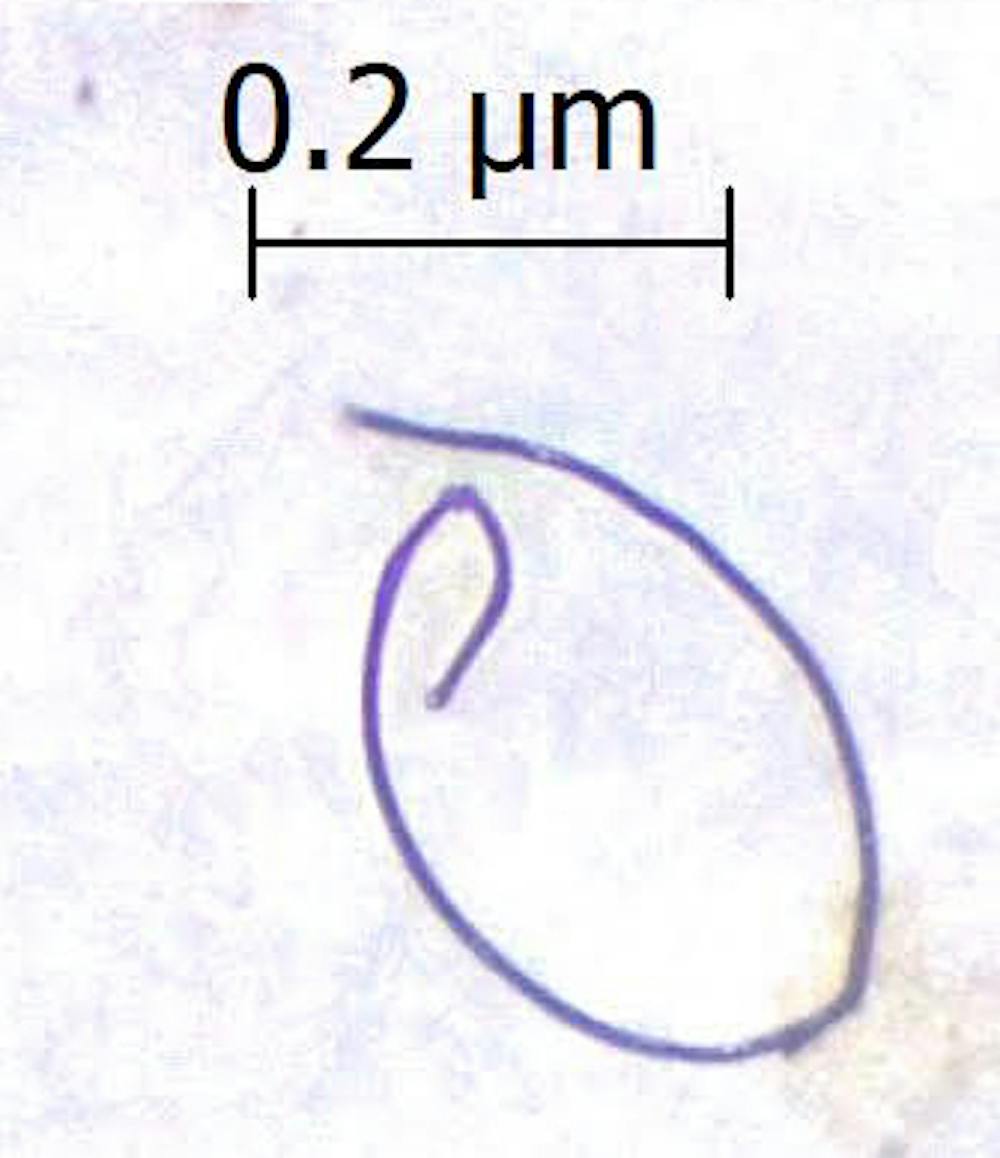
    A plastic microfiber found in the exhaled breath of a bottlenose dolphin is nearly 14 times smaller than a strand of hair and can be seen only with a microscope.
    Miranda Dziobak/College of Charleston, CC BY-SA

    Our study found the microplastic particles exhaled by bottlenose dolphins (Tursiops truncatus) are similar in chemical composition to those identified in human lungs. Whether dolphins are exposed to more of these pollutants than people are is not yet known.

    Why it matters

    In humans, inhaled microplastics can cause lung inflammation, which can lead to problems including tissue damage, excess mucus, pneumonia, bronchitis, scarring and possibly cancer. Since dolphins and humans inhale similar plastic particles, dolphins may be at risk for the same lung problems.

    Research also shows plastics contain chemicals that, in humans, can affect reproduction, cardiovascular health and neurological function. Since dolphins are mammals, microplastics may well pose these health risks for them, too.

    As top predators with decades-long life spans, bottlenose dolphins help scientists understand the impacts of pollutants on marine ecosystems – and the related health risks for people living near coasts. This research is important because more than 41% of the world’s human population lives within 62 miles (100 km) of a coast.

    What still isn’t known

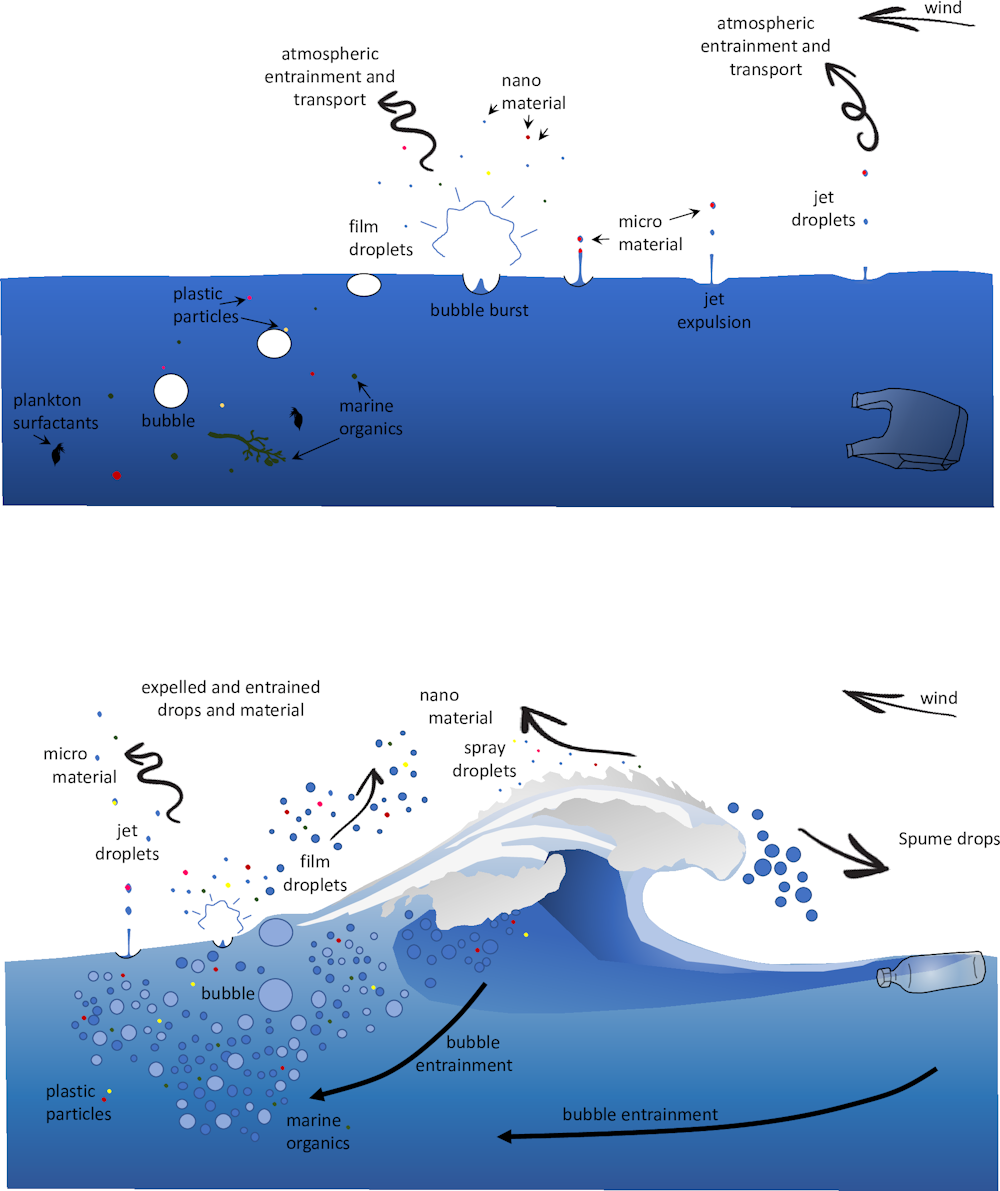
    Scientists estimate the oceans contain many trillions of plastic particles, which get there through runoff, wastewater or settling from the air. Ocean waves can release these particles into the air.

    The ocean releases microplastics into the air through surface froth and wave action. Once the particles are released, wind can transport them to other locations.
    Steve Allen, CC BY-SA

    In fact, bubble bursts caused by wave energy can release 100,000 metric tons of microplastics into the atmosphere each year. Since dolphins and other marine mammals breathe at the water’s surface, they may be especially vulnerable to exposure.

    Where there are more people, there is usually more plastic. But for the tiny plastic particles floating in the air, this connection isn’t always true. Airborne microplastics are not limited to heavily populated areas; they pollute undeveloped regions, too.

    Our research found microplastics in the breath of dolphins living in both urban and rural estuaries, but we don’t yet know whether there are major differences in amounts or types of plastic particles between the two habitats.

    How we do our work

    Breath samples for our study were collected from wild bottlenose dolphins during catch-and-release health assessments conducted in partnership with the Brookfield Zoo Chicago, Sarasota Dolphin Research Program, National Marine Mammal Foundation and Fundación Oceanogràfic.

    Exhaled breath is collected from a dolphin during a wild dolphin health assessment in Barataria Bay in Louisiana.
    Todd Speakman/National Marine Mammal Foundation, CC BY-SA

    During these brief permitted health assessments, we held a petri dish or a customized spirometer – a device that measures lung function – above the dolphin’s blowhole to collect samples of the animals’ exhaled breath. Using a microscope in our colleague’s lab, we checked for tiny particles that looked like plastic, such as pieces with smooth surfaces, bright colors or a fibrous shape.

    Since plastic melts when heated, we used a soldering needle to test whether these suspected pieces were plastic. To confirm they were indeed plastic, our colleague used a specialized method called Raman spectroscopy, which uses a laser to create a structural fingerprint that can be matched to a specific chemical.

    Our study highlights how extensive plastic pollution is – and how other living things, including dolphins, are exposed. While the impacts of plastic inhalation on dolphins’ lungs are not yet known, people can help address the microplastic pollution problem by reducing plastic use and working to prevent more plastic from polluting the oceans.

    Leslie Hart receives funding from the National Institute of Environmental Health Sciences of the National Institutes of Health, Sea Grant, and the National Science Foundation. Research reported in this article was supported by the National Institute of Environmental Health Sciences of the National Institutes of Health under Award Number R15ES034169 and the College of Charleston’s School of Health Sciences. The content is solely the responsibility of the authors and does not necessarily represent the official views of the National Institutes of Health.

    Leslie Hart is an epidemiological consultant for the National Marine Mammal Foundation; however, this study was not conducted as a consultant.

    Bottlenose dolphin health assessments were conducted under Scientific Research Permit #26622 and #24359, issued by the National Oceanic and Atmospheric Administration’s (NOAA) National Marine Fisheries Service (NMFS). Research studies were reviewed and approved by Mote Marine Laboratory and NMFS Atlantic Institutional Animal Care and Use Committees (IACUC).

    Miranda Dziobak does not work for, consult, own shares in or receive funding from any company or organization that would benefit from this article, and has disclosed no relevant affiliations beyond their academic appointment.

    ref. Microplastic pollution is everywhere, even in the exhaled breath of dolphins – new research – https://theconversation.com/microplastic-pollution-is-everywhere-even-in-the-exhaled-breath-of-dolphins-new-research-237932

    MIL OSI – Global Reports

  • MIL-OSI USA: U.S. Department of State Hosts Quad Fellows in Washington, D.C.

    Source: United States Department of State (4)

    Office of the Spokesperson

    The U.S. Department of State hosted 50 promising young scholars from Australia, India, Japan, the United States, and Southeast Asia at the second Quad Fellowship Summit in Washington, D.C. on October 7. Launched in 2021, the Quad Fellowship welcomed its second cohort of fellows, and this is the first year it includes scholars from Southeast Asia. Quad Fellows receive a stipend to pursue graduate degrees in STEM fields at U.S. universities.

    The Fellowship, which is administered by the Institute for International Education, is part of a broader Quad commitment to harness emerging technologies for the benefit of people across the Indo-Pacific, and utilize these technologies to facilitate economic prosperity, openness, and connectivity.

    Quad Fellows met with private sector and U.S. government representatives to discuss scientific and technological developments in the Indo-Pacific. Quad Fellows also engaged with science and technology specialists working in the U.S. government to explore leveraging STEM research to deliver tangible benefits to the Indo Pacific region. For press inquiries, please contact the Bureau of East Asian and Pacific Affairs at EAP-Press@state.gov and the Bureau of South and Central Asian Affairs at SCA-Press@state.gov.

    MIL OSI USA News

  • MIL-OSI Security: World Food Day 2024: DG Highlights Joint IAEA and FAO Atoms4Food Initiative to Reduce Global Hunger

    Source: International Atomic Energy Agency – IAEA

    “There was a need to gather our efforts, to work in an efficient and very concrete way hence the launch of the Atoms4Food initiative. With the Atoms4Food initiative, we are able to assist Member States in their efforts in areas from soil and water management to pest control,” said Mr Grossi. “Our responsibility goes beyond policy—it’s to deal with the problem. Addressing the problems that science reveals is paramount. For over 60 years, the IAEA and FAO have been at the forefront of turning knowledge into action.”

    This year, the IAEA and FAO celebrates the 60th anniversary of its Joint FAO/IAEA Centre of Nuclear Techniques in Food and Agriculture. The Joint Centre supports countries in building capacity to apply nuclear and related techniques that help to cultivate stronger, healthier and more nutritious crops as well as build sustainable food systems that are resilient to climate change.

    Addressing participants at the same event, Mr Dongyu, Director General of the FAO emphasized the collaboration and partnership between the two agencies.

    “Only these two organizations in the UN system, FAO and IAEA have enjoyed more than 60 years of physical collaboration. We have done this through the Seibersdorf laboratories.”

    The IAEA, in collaboration with the Food and Agriculture Organization of the United Nations (FAO), works with scientists around the world to increase crop yields, boost biodiversity with new varieties and enhance climate smart agriculture, helping farmers use soil, water and nutrient resources more efficiently and sustainably.  They also help ensure that food is safe to eat, boosting exports and helping reduce food loss.

    For example, through climate-smart agriculture, scientists in Kenya are using nuclear science to help farmers improve their planting practices and use water resources more sustainably amid changing climate patterns, bolstering food security in the country.

    New crop varieties such as mung beans and chickpeas  that can withstand periods of drought, saline soils or invasive pests are being developed by the IAEA through a process called mutation breeding . This is when irradiation is used to accelerate the natural evolution of plants to create adapted varieties with improved traits. Since its first use in 1964 it helped create more than 3400 crop varieties around the world.

    The Joint FAO/IAEA Centre sent seeds to the International Space Station in 2022 to explore the effects of cosmic radiation and microgravity on plant genetics. Scientists are now analysing the space-induced mutations to identify the specific traits it generated and compare it with these induced in laboratories. Techniques such as food irradiation, a gentle and non-invasive technology that preserves the nutritional content, flavour and overall quality of food products, exemplify nuclear science’s role in food safety.

    Another way to reduce food loss is the environmentally friendly sterile insect technique (SIT). Each year, up to 40 per cent of global crop production is lost to plant pests and diseases. In Senegal, SIT has been employed to successfully control tsetse flies in the Niayes Region.

    The IAEA also provides countries with the equipment and training necessary to use nuclear techniques to tackle malnutrition.

    The Joint Centre cooperates with more than 400 research institutions and laboratories to support countries by providing the necessary expertise, training, and equipment .

    The work of the IAEA also extends to enhancing food safety, by applying nuclear techniques to detect possible contaminants.

    Growing Food Security through the Atoms4Food Initiative

    The IAEA and FAO launched a flagship Atoms4Food Initiative last year to expand the use of innovative nuclear techniques through the 7 services to enhance agricultural productivity, reduce food losses, ensure food safety, improve nutrition, and adapt to the challenges of climate change. 

    MIL Security OSI

  • MIL-OSI Asia-Pac: Text of the Vice President’s address at the foundation stone laying ceremony of the Meghalaya Skill and Innovation Hub in Mawdiangdiang (Excerpts)

    Source: Government of India (2)

    Posted On: 16 OCT 2024 7:10PM by PIB Delhi

    Very good afternoon to all of you. 

    After landing in Meghalaya my spirits are high. I am having a heavenly feeling, you all are blessed to be living here. 

    Let me assure you all, the Honourable Governor pointed out, the demographic composition of the state is very soothing wholesome and is a perfect recipe for success, the teenage youth, the mid-level youth, the mature youth.

    What I saw here and much of it is already in progress, I can visualise that the days of this state are for the better and role model for other similar states. My congratulations to you and your team for being very thoughtful, futuristic and taking into consideration our contemporaneous needs and requirements.

    It was a delightful moment for the entire country when we had Madam Droupadi Murmu as our President, the first tribal woman to occupy such a high office. I must share my joy that we have amongst us a bureaucrat, Idashisha Nongrang, the first woman DGP of Meghalaya and the first tribal lady from Meghalaya to be DGP. These twin credentials define changing profile of India’s growth trajectory. As Chairman, Rajya Sabha I was in the chair when reservation was made for one-third women to be in the Lok Sabha and state legislatures.

    Distinguished bureaucrats and most importantly, boys and girls at the outset let me extend an invitation to two categories. I will request the Honourable Chief Minister that in batches I would invite students to be my guests at new building of Parliament.

    This is an ongoing exercise and I get energised, enthused, motivated, and inspired when I interact with them in Rajya Sabha Secretariat. I can assure you, you will have a lifetime experience to see the new building of Parliament. In the face of COVID, the building came into being in less than 30 months with old infrastructure. Depicting our civilisational depth of 5,000 years and I am sure the batches will start coming from November. I will recruit an officer to coordinate with the Office of the Chief Secretary to make things smooth. 

    I also take the opportunity and that I have done with some other states in the Northeast to invite their legislators to be my guests and I am sure here also, the Honourable Chief Minister, Leader of the House, and keeping in mind that his father was a very illustrious speaker of the Lok Sabha, he himself has been in that theatre so has been the Honourable Governor.  A visit by legislators to the Indian Parliament will make all the difference. It will add value to their work pattern. 

    The subject of skilling is indeed of contemporary relevance and in that context it was my delightful moment to be associated with two significant programmes and presence for the third one. Laying the foundation stone for the Meghalaya Skill and Innovation Hub is not a small step. It will bring about big change. I am sure it will come into being functionally quite soon, unfolding of the infrastructure reveals that its size is going to be gigantic and will attract attention beyond the state but human resource involvement would also give a cutting edge. 

    I would particularly request the Honourable Minister for Skilling Government of India, Shri Jayant Chaudhary to have deliberations with the Honourable Chief Minister and the team. He is a dynamic minister with independent charge and has already revealed his mind by two very important articles. So, the kind of passion I saw in the Chief Minister, the mission mode in which he reflected, the execution for which he is known, I am sure this is going to be a real boon to the youth because these are the times where skilling is no longer a quality, it is our need, it is our daily need. 

    It was equally delightful to launch CM Business Catalyst: Student B-Plan challenge. That was amazing. I was a student of physics not of chemistry but I learned over the years that a catalyst is something very important. You have to catalyse the change, you have to bring about the change you believe in. Someone has to take that step and that step was taken by visionary Prime Minister Narendra Modi ten years back. No one is more informed than I am about the situation of the country in 1989 when I was a member of parliament and a minister.

    How shaky weaver on economy, how fragile was our foreign exchange balance and what was mood of the nation. Prime Minister, thoughtfully by visionary steps has uplifted the mood of the nation to one of hope and possibility. An ecosystem is in place now where every young boy and girl can look for a larger basket of opportunities. Must beyond, just getting into government service. The innovation which is our obvious forte, and skilling for which we have to be a global source centre. Now the programme has taken a structured method but even without it, our health workers have contributed so massively outside the country. Particularly our girls, they have earned laurels for the entire country.

    When I went to the Middle East and when I got accolades and what has come in several countries of the Middle East that infrastructure they stand out in the world for that, the underline backdrop of human resource is Indian genius, Indian skilled human resource.

    When Prime Minister Modi could get the entire world on the same page, with the United Nations declaring in the shortest time with the largest support of nations ‘International Yoga Day.’ The Prime Minister made a statement that we will have yoga instructors in every part of the globe. Yoga has become a science, yoga has become an industry, yoga has been associated with fitness and yoga has been associated with our civilisation depth. Because the greatest knowledge platform for health the Honourable Minister is aware of it, our Vedas ‘Atharvaveda’ you will find it.

    Boys and girls, this day indeed is a unique day and this makes my maiden visit to the state of Meghalaya very very special. It shall ever be etched in my memory. Honourable Chief Minister has been very kind, he has already extended invitation for a second visit. I remember when as president of the bar, I invited one of the persons, “Are you free for dinner today?” I was president of the bar and the great lawyer, who is no more, Ram Jethmalani, he said, “Think for a second time, Mr. Dhankhar.” I was young. I had the good fortune to be a member of parliament alongside him. He said, “I am in the habit of accepting good invitations for dinner.” But they say in the United States, there is nothing like a free lunch so, I accept the invitation with two caveats. I will entertain at least one group of students  boys and girls, and one group of legislators before I visit state of Meghalaya and this should happen in 2024. 

    Skill development has to be understood. It is not something we are discovering or innovating. We would need a plumber, we would need an electrician, we would need a driver, we would need a carpenter, we will need someone who can deal with our computer. We will need them, they’re already there. Skill means it gets the best out of you, skill is optimal exploitation of the talent of a person in that specified field and that gives the human resource a qualitative cutting edge. 

    Focus on this aspect by the Prime Minister has been laboured on and has consistently reflected on this and a big change has come.

    One, there’s a dedicated ministry. 

    Two, there is an allocation of 60,000 crores over a period of five years, where five lakh youth will be given such kind of internship. 

    Now, when we think of it, we have to get it closer to the requirement. Villages and semi-urban towns must be hub of skill centres of a kind, you can have them graded for some, you need a higher level of urbanisation because of human resource requirements. But this will be a great game changer and this skill for the state of Meghalaya can bring about wonders, incremental growth in your trajectory, a big economic upsurge related to tourism, for instance. Nature has bountifully gifted you. So soothing, this whole is air-conditioned by nature. Just imagine, elsewhere we have a tough time.

    So tourism by itself is sustaining the economy of several countries. You have to exploit it fully by having very talented skilled people in the shape of human resources. Every tourist carries memorable moments of professionalism, excellence because the rest of the things nature has given you. The engine of your economy can be driven singularly and on all cylinders by tourism. I was happy to note when I was interacting with the Honourable Chief Minister that he has a plan. The plan is in execution but these days, while I advise every young boy and girl to be patient, I want the 15% category to which the Chief Minister belongs to be impatient. To be functional 24×7 because if we shape their future, if we shape their career, if we keep them away from stress and tension, if we keep them away from the fear of failure, we will be contributing hugely to the growth of the nation and therefore, this has to be done.

    Skilling by itself is capacity building, I have seen for myself, we don’t take the first step, we fear it, we fear it thinking it is difficult. Let me tell you, there is no step which our youth cannot take. All are equal, You must be guided by your attitude and aptitude. Therein, if you get an idea in your mind, please don’t make your mind a parking place, your mind is meant to be a crucible of innovation. Try it, don’t fear failure because failures are just not there. 

    There are people who will always say the glass is half empty, don’t listen to them. Listen to those who say the glass is half full. Chandrayaan-2, I witnessed as the governor state of West Bengal, after midnight around 2 AM, Chandrayaan-2 was very close to the lunar surface but did not reach. Some took it as a failure. Chandrayaan-3 has demonstrated the success of Chandrayaan-3 giving Bharat the status of being the only country in the world to have landed its spacecraft at that part of the moon. It was majorly because of Chandrayaan-2.

    Skilling is fine, growth of the economy is fine but there has to be another spirit and the spirit of nationalism. North-East is a very important part of the country culturally, ethnically, historically and economically. In the 90s, a great step was taken ‘Look East’ but Prime Minister Modi gave it a cutting edge. He frog-leaped into larger space by indicating ‘Look East act East’ and that act East has resulted in communication getting exponential connectivity being there, interaction taking place, airports number being doubled, and most of it being in the pipeline also. It’s a great place but challenging in several ways also when it comes to infrastructure development. 

    One thing is for sure North-East is on the radar of the nation’s development. North-East is a significant contributor to India’s unity economic progress, cultural essence and it is because of this policy of the present government that when I attended ASEAN for the first time as Vice President, there was a keen interest in several countries of that region and it was fructifying. When I talked about the impact we are having, I can tell you things are in the right frame but some of us out of ignorance or being ill-informed do not appreciate what a nation is. 

    A nation is not divisible as to who has how many roads, how many dams, how many airports. We are one whole, this is our identity. It’s an identity that has survived in spite of the nation having been assaulted from outside on a number of occasions in the last several hundred years. Therefore, boys and girls, the mantle is on you. The onus is on you. Be informed. 

    Thanks to technological advancement, thanks to disruptive technologies, everyone now has a right of expression. An expression which earlier was captive of newspapers, TV channels expression otherwise could not find a way in the public domain. Suddenly we find we can ourselves be the epicentre of expression but can we afford to be loose cannons, ignoring our basic commitment to our nation? Can we allow on public platforms free fall of information that has no factual foundation? Let me come to the state of the nation today. The entire world is in admiration of Bharat, its economy, its prosperity, its innovation, its human resource, its creativity.

    They can’t believe that a nation of 1.4 billion people has internet connectivity virtually in every village, electricity in every house. The day is not far when every house will have tap water. These are big things but these big-ticket accomplishments are a ground reality. Therefore, boys and girls, you are much luckier than us. You are really lucky to be living in a land that is known as Bharat. Which other country can rival in our cultural wealth? No other country. Which country can claim to be a repository of knowledge, wisdom as our Bharat? 

    I therefore beseech our young friends that when we are destined to be a developed nation in 2047, you are the most vital contributors. You are the most significant stakeholders, you are drivers of that engine and I have no doubt this engine will not fail. 

    Look around, if there is heaven,it is in india. If there is heavenly spirit, it is in Meghalaya. Boys and girls, I am leaving this place with full confidence, with certainty that Bharat that is on the rise at the moment and the rise is unstoppable. This rise no one can impede, I am optimistic because I see your potential. I can read your intent, I know you will exploit all your energy to make this nation great. Make yourself a worthy citizen and make your families and teachers ever proud. I am indeed privileged to be part of this unique program.

    Thank you so much.

    ****

    JK/SM

    (Release ID: 2065539) Visitor Counter : 79

    MIL OSI Asia Pacific News

  • MIL-OSI Asia-Pac: Celebrating World Food Day 2024 with Ayurveda Aahar for a Healthy and Sustainable Future

    Source: Government of India

    Celebrating World Food Day 2024 with Ayurveda Aahar for a Healthy and Sustainable Future

    Ayurveda Aahar helps maintaining a balanced body and mind: Shri Pratap Rao Jhadhav

    Posted On: 16 OCT 2024 7:35PM by PIB Delhi

    On October 16th, 2024, as the world marks World Food Day with the theme “Right to Food for a Better Life and Future,” the Ministry of Ayush is dedicated to supporting the United Nations’ Sustainable Development Goal 2 (SDG-2), aiming to eradicate hunger and enhance food security. The Ministry of Ayush is making all efforts in promoting a healthier, disease-free and sustainable world through the power of Ayurveda Aahar.

    Marking the significance of World Food Day, the Union Minister of State for Ayush (I/C) Shri Pratap Rao Jhadhav said, “On World Food Day, let’s remember that Ayurveda’s approach to food goes beyond mere sustenance – it aims to nourish the body, bring peace to the mind, and satisfy the soul, reconnecting us to our roots and guiding us to live in harmony with nature. Let us acknowledge the significance of Ayurveda Aahar, which sees food as more than just a source of energy, but as a crucial element in maintaining a balanced body and mind. This day serves as a reminder of how a proper diet can impact not only personal health but also global food security and sustainable development, in alignment with Ayurvedic principles.”

    Ayurveda provides cost-effective, sustainable and nutritious dietary solutions to combat the malnutrition crisis, as well as sustainability of food issue, affecting many regions globally. According to Ayurvedic principles – food is best medicine, thereby advising the consumers to partake right food in right manner, and nutritious enough to have a healthy life. While underlining the developments around Ayurveda Aahar, Vaidya Rajesh Kotecha, Secretary, Ministry of Ayush informed, “The Food Safety and Standards Authority of India (FSSAI), has notified Ayurveda Aahar regulations through a Gazette notification in 2021. Following this development, we have observed renewed interest from diverse stakeholder groups, including the industry, in the concept of Ayurveda Aahar and this is revolutionizing the sector.” 

    The Indian Thali has garnered global attention for its significant impact on nutrition and sustainability, as recognized by the WWF Living Planet Report. This traditional plant-based diet, centered on grains, pulses, lentils, and vegetables, has credited with reducing natural resource usage and greenhouse gas emissions compared to animal-based diets. According to the report, if the world adopts India’s consumption patterns, only 0.84 of an earth will be in need by 2050 to sustain global food production.

    Elaborating on the strength and potential of Ayurveda Aahar, Professor National Institute of Ayurveda (NIA) Jaipur, Anupam Srivastava said, “Ministry of Ayush’s innovative approach towards the concept of Ayurveda Aahar, is perfectly aligned with the Sustainable Development Goal-2 (SDG-2) that concerns hunger, food security, nutrition, and sustainability.”

    Based on this principle, the Ministry of Ayush has introduced the “Ayush Dietary Advisory for Kuposhan Mukt Bharat” to enhance nutritional outcomes, especially for children, pregnant women, and lactating mothers. In partnership with the Ministry of Women and Child Development, is taking significant strides toward realizing a Nourished India by endorsing an Ayush-based diet and lifestyle. The Ayush Dietary Advisory seeks to enhance the nutritional well-being of at-risk populations by integrating Ayurvedic dietary principles into daily meals, presenting a distinctive and efficient approach to malnutrition. This aligns with the national mission to eradicate malnutrition and promote the health of future generations.

    The Ministry of Ayush highlights how blending traditional wisdom with modern science can provide effective solutions for tackling global hunger and improving health outcomes for everyone through continuous efforts.

    As we celebrate World Food Day 2024, the Ministry of Ayush reaffirms its commitment to promoting a disease-free world through the principles of Ayurveda Aahar, emphasizing natural nutrition, prevention, and wellness. By adopting Ayush dietary practices, we can move towards a world where food is a powerful tool for health and longevity. Through collaborative efforts within India and internationally, the Ministry of Ayush continues to advance its mission of improving nutritional outcomes, and creating a brighter, healthier future for all.

    This acknowledgment positions India as a leader in sustainable food practices, demonstrating how local traditions can address environmental challenges while promoting overall health.

    ****

    MV/AKS

    (Release ID: 2065545) Visitor Counter : 6

    MIL OSI Asia Pacific News

  • MIL-OSI Asia-Pac: First-ever International conference – Advancements of Research & Global Opportunities for Holistic Ayurveda – AROHA-2024 to start tomorrow in Delhi

    Source: Government of India

    Posted On: 16 OCT 2024 7:36PM by PIB Delhi

    All India Institute of Ayurveda, New Delhi is organising its first-ever International conference – Advancements of Research & Global Opportunities for Holistic Ayurveda – AROHA-2024 starting tomorrow from Thursday 17th October to 19th October 2024. This distinguished event will feature in-person and virtual participation, offering an unparalleled opportunity for participants. The discourse will be centered on the theme ” Advancements in Research and Global Opportunities for Holistic Ayurveda” in this global event.

    The event will be inaugurated by Dr. Justice Dhananjaya Yeshwant Chandrachud, Hon’ble Chief Justice of India. He will be joined by esteemed guests, including Shri Prataprao Jadhav, Hon’ble Minister of State (Independent Charge) for the Ministry of Ayush and Health & Family Welfare; Vaidya Rajesh Kotecha, Secretary, Ministry of Ayush; and Dr. Shyama Kuruvilla, Director (ad interim) of the Global Traditional Medicine Centre, WHO, Jamnagar, Gujarat. Additionally, Lt. Gen. Madhuri Kanitkar, Vice Chancellor, Maharashtra University of Health Sciences (MUHS); Padma Bhushan Prof. Shiv Kumar Sarin, Director, ILBS; and Dr. Devendra Triguna will also grace the event.

    “AROHA-2024 will align with AIIA’s vision of positioning Ayurveda as a key pillar of global health and wellness. The conference will bring together scholars, industry leaders, and Ayurveda experts from Japan, Colombia, Australia, Germany, Sri Lanka, and Argentina will participate to explore the integration of traditional Ayurvedic wisdom with modern scientific advancements.” AIIA director Prof. (Dr.) Tanuja Nesari said.

    The conference agenda covers a wide range of topics, including Ayurveda, ethnomedicine, quality control, standardization, diagnosis, drug delivery, evidence-based understanding, and globalization. Experienced experts will share practical and  theoretical knowledge on Ayurvedic practices.

    The conference features three-day workshops and 16 scientific sessions, with over 400 research papers to be presented. The All India Institute of Ayurveda has a global presence in over 17 countries through academic and scientific collaborations with prominent organizations like the London School of Hygiene and Tropical Medicine, FIGZ Germany, AIST Japan, Western Sydney University Australia, UHN Canada, and national institutions like IGIB, AIIMS, CSIR, IIT, etc.

    ****

    MV/AKS

    (Release ID: 2065547) Visitor Counter : 76

    MIL OSI Asia Pacific News

  • MIL-Evening Report: Why do I have hay fever? I didn’t have it as a child

    Source: The Conversation (Au and NZ) – By Janet Davies, Respiratory Allergy Stream Co-chair, National Allergy Centre of Excellence; Professor and Head, Allergy Research Group, Queensland University of Technology

    Dragana Gordic/Shutterstock

    Hay fever (or allergic rhinitis) is a long-term inflammatory condition that’s incredibly common. It affects about one-quarter of Australians.

    Symptoms vary but can include sneezing, itchy eyes and a runny or blocked nose. Hay fever can also contribute to sinus and ear infections, snoring, poor sleep and asthma, as well as lower performance at school or work.

    But many people didn’t have hay fever as a child, and only develop symptoms as a teenager or adult.

    Here’s how a combination of genetics, hormones and the environment can lead to people developing hay fever later in life.

    Remind me, what is hay fever?

    Hay fever is caused by the nose, eyes and throat coming into contact with a substance to which a person is allergic, known as an allergen.

    Common sources of outside allergens include airborne grass, weed or tree pollen, and mould spores. Pollen allergens can be carried indoors on clothes, and through open windows and doors.

    Depending on where you live, you may be exposed to a range of pollen types across the pollen season, but grass pollen is the most common trigger of hay fever. In some regions the grass pollen season can extend from spring well into summer and autumn.

    How does hay fever start?

    Hay fever symptoms most commonly start in adolescence or young adulthood. One study found 7% of children aged six had hay fever, but that grew to 44% of adults aged 24.

    Before anyone has hay fever symptoms, their immune system has already been “sensitised” to specific allergens, often allergens of grass pollen. Exposure to these allergens means their immune system has made a particular type of antibody (known as IgE) against them.

    During repeated or prolonged exposure to an allergen source such as pollen, a person’s immune system may start to respond to another part of the same allergen, or another allergen within the pollen. Over time, these new allergic sensitisations can lead to development of hay fever and possibly other conditions, such as allergic asthma.

    Grass pollen is the most common trigger of hay fever.
    winyuu/Shutterstock

    Why do some people only develop hay fever as an adult?

    1. Environmental factors

    Some people develop hay fever as an adult simply because they’ve had more time to become sensitised to specific allergens.

    Migration or moving to a new location can also change someone’s risk of developing hay fever. This may be due to exposure to different pollens, climate and weather, green space and/or air quality factors.

    A number of studies show people who have migrated from low- and middle-income countries to higher-income countries may be at a higher risk of developing hay fever. This may due to local environmental conditions influencing expression of genes that regulate the immune system.

    2. Hormonal factors

    Hormonal changes at puberty may also help drive the onset of hay fever. This may relate to sex hormones, such as oestrogen and progesterone, affecting histamine levels, immune regulation, and the response of cells in the lining of the nose and lower airways.

    3. Genetic factors

    Our genes underpin our risk of hay fever, and whether this and other related allergic disease persists.

    For instance, babies with the skin condition eczema (known as atopic dermatitis) have a three times greater risk of developing hay fever (and asthma) later in life.

    Having a food allergy in childhood is also a risk factor for developing hay fever later in life. In the case of a peanut allergy, that risk is more than 2.5 times greater.

    What are the best options for treatment?

    Depending on where you live, avoiding allergen exposures can be difficult. But pollen count forecasts, if available, can be useful. These can help you decide whether it’s best to stay inside to reduce your pollen exposure, or to take preventative medications.

    You may also find alerts on thunderstorm asthma, where pollens combine with specific weather conditions to trigger breathing difficulties.

    If you have mild, occasional hay fever symptoms, you can take non-drowsy antihistamines, which you can buy at the pharmacy.

    However, for more severe or persistent symptoms, intranasal steroid sprays, or an intranasal spray containing a steroid with antihistamine, are the most effective treatments. However, it is important to use these regularly and correctly.

    Allergen immunotherapy, also known as desensitisation, is an effective treatment for people with severe hay fever symptoms that can reduce the need for medication and avoiding allergens.

    However, it involves a longer treatment course (about three years), usually with the supervision of an allergy or immunology specialist.

    When should people see their doctor?

    It is important to treat hay fever, because symptoms can significantly affect a person’s quality of life. A GP can:

    • recommend treatments for hay fever and can guide you to use them correctly

    • organise blood tests to confirm which allergen sensitisations (if any) are present, and whether these correlate with your symptoms

    • screen for asthma, which commonly exists with hay fever, and may require other treatments

    • arrange referrals to allergy or immunology specialists, if needed, for other tests, such as allergen skin prick testing, or to consider allergen immunotherapy if symptoms are severe.


    More information about hay fever is available from the Australasian Society of Clinical Immunology and Allergy and Allergy & Anaphylaxis Australia.

    Janet Davies receives funding from the ARC, NHMRC, Department of Health and Ageing, and MRFF. She has conducted research on diagnostics in collaboration with Abionic SA, Switzerland, supported by the National Foundation for Medical Research Innovation with co-contribution from Abionic. Her research has been supported by in-kind services or materials from Sullivan Nicolaides Pathology (Queensland), Abacus Dx (Australia), Stallergenes (France), Stallergenes Greer (Australia), Swisens (Switzerland), Kenelec (Australia), and ThermoFisher (Sweden), as well as cash or in-kind contributions from Partner Organisations for the NHMRC AusPollen Partnership Project GNT1116107, Australasian Society Clinical Immunology Allergy, Asthma Australia; Stallergenes Australia; Bureau Meteorology, Commonwealth Scientific Industrial Research Organisation, Federal Office of Climate and Meteorology Switzerland. QUT owns patents relevant to grass pollen allergy diagnosis (US PTO 14/311944 issued, AU2008/316301 issued) for which Janet Davies is an inventor. She is the Executive Lead, Repository and Discovery Pillar, and Co-Chair Respiratory Allergy Stream for the National Allergy Centre of Excellence.

    Unrelated to this article, Joy Lee has received funding from the Centre of Research Excellence in Treatable Traits in Asthma, Sanofi, Fondazione Menarini and GSK. This funding support was solely used for presenting at educational meetings in asthma and travel grants to attend international meetings and conferences in asthma and allergic diseases. She has been on advisory boards for Tezepelumab (Astra Zeneca). She is affiliated with the National Allergy Centre of Excellence as the co-chair of the Respiratory Allergy Leadership Group.

    ref. Why do I have hay fever? I didn’t have it as a child – https://theconversation.com/why-do-i-have-hay-fever-i-didnt-have-it-as-a-child-239409

    MIL OSI AnalysisEveningReport.nz

  • MIL-Evening Report: ‘Nature markets’ may help preserve biodiversity – but they risk repeating colonial patterns of Indigenous exploitation

    Source: The Conversation (Au and NZ) – By David Hall, Senior Lecturer in Social Sciences and Public Policy, Auckland University of Technology

    Renee Raroa Renee Raroa, CC BY-SA

    As the latest global biodiversity summit gets underway in Colombia, finance for the conservation and restoration of nature is one of the key themes of negotiations.

    Global wildlife populations have shrunk by an average of 73% in the past 50 years, according to the 2024 Living Planet report. Consequently, momentum is growing worldwide to deliver new nature markets, such as biodiversity credits, to unlock new sources of funding.

    Basically, nature markets are systems of exchange that match demand for nature regeneration with a supply of nature-positive projects.

    But this creates risks, as well as opportunities, for Indigenous peoples. Without due care for data sovereignty, Indigenous communities may lose out yet again.

    Nature markets could enable Indigenous peoples to fulfill their duties of guardianship. But such markets could also forge a new form of colonialism, including enclosure and appropriation of habitats and species that Indigenous peoples have traditional connections to.

    Efforts to prevent deforestation have at times displaced Indigenous people.
    Mario Tama/Getty Images

    This can occur overtly through formalisation of property rights over species, ecosystems and associated lands or waters. For example, efforts to reduce emissions from deforestation (REDD+) in developing countries have been troubled by instances where Indigenous communities were dispossessed from ancestral lands, alienated from place-based traditions or excluded from the commercial benefits of carbon trading.

    The current surge for nature markets is attentive to these risks, with international commitments to avoid such mistakes. Yet the processes of colonialism can be less overt and more insidious.

    Indigenous data

    One neglected area is Indigenous data. This relates to traditional and cultural information, population data, oral histories and ancestral knowledge relating to the environment and natural resources.

    If care is not taken with Indigenous data, there are serious risks of reproducing colonialist patterns of exploitation.

    Data represents reality. Data helps decision makers to know whether their interventions are effective, even when they are far away from the ecosystems being protected or restored.

    If data are accurate, authentic and timely, a funder does not need to set foot in a remote habitat to know whether its carbon stock or native species abundance are improving or declining.

    Biodiversity credits represent one way to operationalise a nature market. They are basically a vehicle for data. The emerging methodologies are bundles of metrics and indicators that track biodiversity and ecological function.

    Biodiversity credits use metrics and indicators that track ecological function.
    Renee Raroa, CC BY-SA

    The data enable credit holders to make credible claims of biodiversity uplift, or avoided biodiversity loss, as a consequence of credit sales.

    As a representation of ecological reality, data are at least one step removed from the habitats and species they represent. This opens up the potential for nature markets to rely on the exchange of verifiable data, without the need to commodify nature itself, and therefore impinge on the ownership rights of Indigenous communities.

    However, data are not free from such considerations. To divert data into a system of market exchange raises a different but related set of concerns about ownership, benefit and sovereignty.

    The rise of Indigenous data sovereignty

    Indigenous data sovereignty is the right of Indigenous peoples to govern the collection, ownership and application of data about Indigenous communities, peoples, lands and resources. It relates to data produced by and about Indigenous peoples and the environments they have relationships with.

    Nature and people are precious, so data that represent nature and people are imbued with that preciousness. As Māori practitioner Ngapera Riley has written:

    Data is a taonga (treasure). It’s something that people gift us, and that we gift to others as we go about our daily lives.

    In te ao Māori, data come in many forms. This includes whakataukī (proverbs), moteatea (chants), whaikorero (oratory), maramataka (calendar), whakapapa (genealogies), pūrākau (stories) and increasingly digital forms.

    Consequently, we must take great care in how data are accessed, shared, stored and used. This is especially critical in a system of market exchange. The dominant markets of today are profit-driven, creating incentives for appropriation and exploitation.

    Sovereignty means power

    Indigenous peoples are conscious that, while there are risks in data and knowledge sharing, there are also opportunities. Indigenous data and knowledge is a living and evolving system, which can contribute to effective responses to environmental challenges, including the protection and regeneration of biodiversity.

    The principles of Indigenous data governance emerged from deliberations about how to protect Indigenous sovereignty when sharing knowledge and data for academic research. These CARE principles hold that Indigenous data should be governed for collective benefit, authority to control, responsibility and ethics.

    This is critically important in ecological research, which too often neglects duties relating to data about natural ecosystems and the people who live within them.

    It is troubling that the recognition of Indigenous data sovereignty is largely lacking from the discussion of nature markets so far. Unless Indigenous data sovereignty is upheld, the legitimacy of nature markets will likely be irreversibly tarnished.

    This is why, in a recent Biodiversity Credits Alliance discussion paper, we included Indigenous data sovereignty as a risk to be identified, understood and managed.

    But Indigenous data sovereignty is more than a risk: it is a source of power. It is a right to self-determination, to choose how data are used and their value is distributed. By ensuring this right, nature markets might deliver on their promise of inclusive, sustainable prosperity.

    David Hall is Policy Director for the Toha Network.

    Mike Taitoko is a shareholder of Toha Foundry Ltd and a Trustee of Toha Network Ltd.

    Nathalie Whitaker works for the Toha Network in various capacities, including shareholder of Toha Foundry and trustee of Toha Network Trust.

    Renee Raroa is the Establishment Director of the East Coast Exchange, a venture in the Toha Network.

    Tasman Turoa Gillies is Head of Operations for Takiwā, part of the Toha Network.

    ref. ‘Nature markets’ may help preserve biodiversity – but they risk repeating colonial patterns of Indigenous exploitation – https://theconversation.com/nature-markets-may-help-preserve-biodiversity-but-they-risk-repeating-colonial-patterns-of-indigenous-exploitation-238579

    MIL OSI AnalysisEveningReport.nz

  • MIL-OSI USA: 2024 North Carolina Award Winners, State’s Highest Honor, Announced

    Source: US State of North Carolina

    Headline: 2024 North Carolina Award Winners, State’s Highest Honor, Announced

    2024 North Carolina Award Winners, State’s Highest Honor, Announced
    jejohnson6

    The state’s highest civilian honor, the North Carolina Award, will be presented to eight distinguished North Carolinians Thursday, Nov. 14, at the Raleigh Marriott City Center. Governor Roy Cooper will present the awards at a 7 p.m. banquet and ceremony.

    All proceeds from ticket sales for the awards ceremony will go to the North Carolina Disaster Relief Fund to help communities recover from Hurricane Helene.

    The award was created by the General Assembly in 1961 to recognize significant contributions to the state and nation in the fields of fine arts, literature, public service and science. The awards have been presented annually since 1964 and this year marks the 60th anniversary of the awards ceremony.

    The 2024 honorees are The Avett Brothers (Scott Avett, Seth Avett and Bob Crawford) for Fine Arts, Frank A. Bruni Jr. for Literature, William Henry Curry for Fine Arts, Thomas W. Earnhardt for Science, Christina Koch for Science, and Dr. Harold L. Martin Sr. for Public Service.

    “Over the past six decades, the North Carolina Award has been given to many remarkable North Carolinians,” said Reid Wilson, secretary of the N.C. Department of Natural and Cultural Resources. “This year’s awardees join an illustrious list of people who have benefitted North Carolina through their impressive accomplishments in public service, literature, science, and the arts. This year’s event will benefit our neighbors in Western North Carolina who were harmed by the devastating storm.”

    Since the award’s inception, more than 300 notable men and women have been honored by the state of North Carolina. Past recipients include William Friday, James Taylor, Etta Baker, Charles Kuralt, Maya Angelou, Lee Smith, Eric Church, Selma Burke, and Branford Marsalis.

    2024 Award Recipients:

    Fine Arts: The Avett Brothers

    Brothers Scott and Seth Avett and their longtime friend Bob Crawford lead the folk rock band The Avett Brothers. From Concord, N.C., Scott and Seth Avett have played music together since childhood. Their partnership began when the two brothers merged Seth Avett’s high school band, Margo, and Scott Avett’s college band, Nemo, and released three albums as Nemo. After the group disbanded Scott and Seth continued to write acoustic music together. In 2001 stand-up bassist Bob Crawford joined the Avetts, and the band released its first full-length album, Country Was in 2002. The band has been nominated for three Grammy awards and been nominated for and won several awards from the Americana Music Association, including Duo/Group of the Year and New/Emerging Artist of the Year awards in 2007. As cultural ambassadors for North Carolina, The Avett Brothers play a vital role in promoting the state’s rich musical heritage, inspiring future generations of artists while remaining deeply rooted in their origins.

    Literature: Frank A. Bruni Jr.

    Frank Bruni has been a prominent journalist for more than three decades, principally at The New York Times, where his various roles have included op-ed columnist, White House correspondent, Rome bureau chief and chief restaurant critic. As the Times’s first openly gay op-ed columnist, in 2016 Bruni was honored by the National Lesbian and Gay Journalists Association with the Randy Shilts Award for his lifetime contribution to LGBTQ equality. He is a graduate of the University of North Carolina at Chapel Hill, where he was a Morehead Scholar and wrote for the student paper, the Daily Tar Heel. Bruni is the author of five bestselling books including the most recent, “The Age of Grievance,” an examination of America’s political dysfunction and culture wars. In 2021, he became a full professor at Duke University, teaching media-oriented classes in the Sanford School of Public Policy. Now living in North Carolina, he continues to write his popular weekly newsletter for the New York Times and to produce occasional essays as a contributing opinion writer for the newspaper.

    Fine Arts: William Henry Curry

    William Henry Curry, a significant figure in contemporary American music, has made remarkable contributions as both a conductor and composer. His dedication to championing American composers, his trailblazing role as an African American in classical music, and his wide-ranging work in both concert and opera have established him as a pioneering force. Curry currently serves as the music director and conductor of the Durham Symphony Orchestra. From 1998 to 2016, he was the resident conductor and Summerfest artistic director of the North Carolina Symphony. During his career, he has conducted some of the world’s greatest orchestras, including the Chicago Symphony, the Cleveland Orchestra, the Los Angeles Philharmonic, and the major opera companies of New York, Chicago, and Houston. Maestro Curry is also a composer, and his works have been played by many of America’s finest orchestras. He has been a mentor for young musicians at the Peabody Conservatory, the Baltimore School of Arts, and many music schools in North Carolina.

    Science: Thomas W. Earnhardt

    Tom Earnhardt has dedicated his life to preserving and promoting North Carolina’s rich natural and cultural heritage. Earnhardt extensive career of service includes time as an assistant attorney general at the N.C. Department of Justice, assistant secretary of the N.C. Department of Administration, and as a professor at North Carolina Central University School of Law. In 1971 Earnhardt was one of the first attorneys hired at the N.C. Department of Justice in the “new arena” of environmental law. Later, while working with Governor Jim Holshouser he played a key role in helping to preserve critical natural areas, including the New River in northwestern North Carolina and the southernmost Outer Banks, today’s Cape Lookout National Seashore. Beyond his legal work, Earnhardt has long been passionate about conservation and environmental education. He served on the boards of numerous natural resource organizations, including The Nature Conservancy, the North Carolina Museum of Natural Sciences, and the North Carolina Botanical Garden. He is best known, however, through his work as the writer, host, and co-producer of the long-running PBS series “Exploring North Carolina,” which highlights the importance of our natural heritage in the life of every North Carolinian.

    Science: Christina Koch

    Christina Koch has blazed a trail for women in space exploration. Selected to be a NASA astronaut in 2013, Koch has set the record for the longest single spaceflight by a woman with 328 days in space, participated in the first all-female spacewalk, and was a flight engineer on the International Space Station for Expeditions 59 through 61. Koch is a graduate of the N.C. School of Science and Mathematics and North Carolina State University. Before becoming an astronaut, she worked at NASA’s Goddard Space Flight Center as an electrical engineer, contributing to instruments for various NASA space science missions. Koch is a passionate advocate for STEM education, actively encouraging young people, especially girls, to pursue careers in science and technology. Throughout her career, she has engaged in educational outreach, technical instruction, and volunteer tutoring, demonstrating her dedication to inspiring the next generation of scientists and engineers. As part of the Artemis II mission scheduled for 2025, Koch will become the first woman to participate in a lunar mission.

    Public Service: Dr. Harold L. Martin Sr.

    Dr. Harold Lee Martin, Sr., has dedicated his life to higher education and public service. Serving as the 12th chancellor of North Carolina Agricultural and Technical State University from 2009-2024, Martin became the first alumnus to lead the institution. His extensive experience in education, spanning over 40 years, made him a key figure in N.C. A&T’s growth to become the largest of the nation’s historically Black colleges and universities (HBCUs) and one of the country’s top public research institutions. Before becoming N.C. A&T’s chancellor, Martin served as senior vice president for Academic Affairs for the University of North Carolina System, where he helped shape policies benefiting institutions across North Carolina, and held leadership roles at Winston-Salem State University, where he served as the 11th chief administrator and seventh chancellor.

    The 2024 North Carolina Awards will be presented Thursday, Nov. 14 at the Raleigh Marriott City Center. This event is sponsored by Wells Fargo, Martin Marietta, RTI, Wolfspeed, Lenovo, Duke Energy, ECU Health, CBC/WRAL Community Fund of the Triangle Community Foundation, Friends of the North Carolina Museum of Natural Sciences, North Carolina Agricultural and Technical State University, PBS North Carolina, NCSU College of Engineering, N.C. School of Science and Mathematics, NC Opera, Dr. Myron S. Cohen and Dr. Gail Henderson, Honorable G K Butterfield, Justice W. Earl Britt, and Michael Alan McFee.

    About the North Carolina Department of Natural and Cultural Resources
    The N.C. Department of Natural and Cultural Resources (DNCR) manages, promotes, and enhances the things that people love about North Carolina – its diverse arts and culture, rich history, and spectacular natural areas. Through its programs, the department enhances education, stimulates economic development, improves public health, expands accessibility, and strengthens community resiliency.
    The department manages over 100 locations across the state, including 27 historic sites, seven history museums, two art museums, five science museums, four aquariums, 35 state parks, four recreation areas, dozens of state trails and natural areas, the North Carolina Zoo, the State Library, the State Archives, the N.C. Arts Council, the African American Heritage Commission, the American Indian Heritage Commission, the State Historic Preservation Office, the Office of State Archaeology, the Highway Historical Markers program, the N.C. Land and Water Fund, and the Natural Heritage Program. For more information, please visit www.dncr.nc.gov.
    Oct 16, 2024

    MIL OSI USA News

  • MIL-OSI Asia-Pac: Dr Jitendra Singh Addresses Delhi University Students, Calls Them Torchbearer of 2047 India

    Source: Government of India

    Dr Jitendra Singh Addresses Delhi University Students, Calls Them Torchbearer of 2047 India

    An Amazing Journey from Fragile Five to Top Five

    Posted On: 16 OCT 2024 4:25PM by PIB Delhi

    Addressing the Delhi University students, Union Minister of State (Independent Charge) for Science and Technology, Minister of State (I/C) for Earth Sciences, MoS PMO, Department of Atomic Energy, Department of Space, Personnel, Public Grievances and Pensions, Dr Jitendra Singh called them torchbearers of 2047 India and exhorted them to lead the “Viksit Bharat 2047”, envisioned by Prime Minister Shri Narendra Modi.

    The reforms brought in the last 10 years have given self-confidence to Indian youth and raised his esteem globally, said the Minister.

    The Minister was addressing a certificate distribution and felicitation of young minds at Daulat Ram College in Delhi University. He shared with the audience information about the various steps taken by the Government in the last ten years benefiting the youth and students.

    Dr Jitendra Singh said, “it has been an amazing journey as India comes a long way from fragile five before 2014 to become top five”. The Minister said, this Government after taking charge, within 100 days, have sanctioned infrastructure projects worth Rs 15 lakh crore, 12 industrial nodes will be developed, in which 40 lakh youths will be employed.

    Dr Jitendra Singh recalled the initiative of self-certification by Shri Prime Minister Narendra Modi just a few months after taking charge of the Government. Youth no longer had to go to any Gazetted officer for certification of documents. That showed the kind of faith this government posed on the youth.

    These had been allegations that despite getting good marks in written examination, Government service aspirants were getting subpar marks in the interview. Addressing this issue, Dr Jitendra Singh said, the Government came with the solution. In the Group C service and below of the Government of India, provision for interview was done away.

    Speaking about Start-Ups, Dr Jitendra Singh said, “Our Government incubated and accelerated this concept in the country. There were only 350-375 Start-Ups before 2014, which have now reached around 3.75 lakh. We are now third in the world in terms of Start-Ups.” If India wants to become developed by 2047, it has to have global benchmarks and the country has started going in that direction rapidly, he added.

    *****
     

    NKR/DK/AG

    (Release ID: 2065379) Visitor Counter : 57

    MIL OSI Asia Pacific News

  • MIL-OSI Asia-Pac: Ministry of Earth Sciences Concludes Activities under Special Campaign3.0

    Source: Government of India

    Posted On: 16 OCT 2024 5:34PM by PIB Delhi

    The Ministry of Earth Sciences (MoES) completed select targeted activities under Special Campaign 3.0, aligned with the Government of India’s guidelines to promote cleanliness, transparency, and efficiency in governance.

    As part of Special Campaign 3.0, from October 2023 to August 2024, the MoES and its subordinate and attached offices and autonomous institutes conducted 73 cleanliness campaigns, weeded out 3,660 files, freed up 7,375 square meters of space, and disposed of scrap, generating a value of around 6 lakh rupees. It has also worked towards addressing references from the PMO, MPs, Inter-Ministerial Consultation references, Parliamentary Assurances, and public grievances and appeals. A Recreation Room and a Yoga Room were also set up at MoES Prithvi Bhavan Headquarters in New Delhi. These facilities were envisaged to enhance team building and work-life balance, encourage mindfulness, and foster connection amongst employees.

    Launched as a nationwide initiative in October 2023, Special Campaign 3.0 aimed at enhancing work efficiency within government institutions by addressing long-pending matters, focusing on office cleanliness, and pacing the administrative environment. The Ministry of Earth Sciences undertook several significant measures during the Special Campaign 3.0, contributing to the larger goals of Swachhata (cleanliness) and good governance.

    MoES remains committed to upholding the values of Swachhata, transparency, and efficiency. The successful completion of the Special Campaign 3.0 is a testament to the Ministry’s dedication to contributing to the Government of India’s vision of a cleaner and more efficient public administration.

    *****
     

    NKR/DK/AG

    (Release ID: 2065449) Visitor Counter : 26

    MIL OSI Asia Pacific News

  • MIL-OSI Asia-Pac: Ministry of Earth Sciences completes activities of Special Campaign 3.0

    Source: Government of India (2)

    Posted On: 16 OCT 2024 5:57PM by PIB Delhi

    The Ministry of Earth Sciences completed select targeted activities under Special Campaign 3.0, aligned with the Government of India’s guidelines to promote cleanliness, transparency, and efficiency in governance.

    As part of Special Campaign 3.0, from October 2023 to August 2024, the MoES and its subordinate and attached offices and autonomous institutes conducted 73 cleanliness campaigns, weeded out 3,660 files, freed up 7,375 square meters of space, and disposed of scrap, generating a value of ~6 lakh rupees. It has also worked towards addressing references from the PMO, MPs, Inter-Ministerial Consultation references, Parliamentary Assurances, and public grievances and appeals. A Recreation Room and a Yoga Room were also set up at MoES Prithvi Bhavan Hqrs. in New Delhi. These facilities were envisaged to enhance team building and work-life balance, encourage mindfulness, and foster connection amongst employees.

    Launched as a nationwide initiative in October 2023, Special Campaign 3.0 aimed at enhancing work efficiency within government institutions by addressing long-pending matters, focusing on office cleanliness, and pacingthe administrative environment. The Ministry of Earth Sciencesundertook several significant measures during the Special Campaign 3.0, contributing to the larger goals of Swachhata (cleanliness) and good governance.

    MoES remains committed to upholding the values of Swachhata, transparency, and efficiency. The successful completion of the Special Campaign 3.0 is a testament to the Ministry’s dedication to contributing to the Government of India’s vision of a cleaner and more efficient public administration.

    ***

    NKR/DK/AG

    (Release ID: 2065475) Visitor Counter : 53

    MIL OSI Asia Pacific News

  • MIL-OSI Asia-Pac: World Food Day Celebrated at NIFTEM-K with a Focus on Innovative Research Solutions

    Source: Government of India (2)

    Posted On: 16 OCT 2024 6:07PM by PIB Delhi

    NIFTEM-K celebrated World Food Day on 16th of Oct, 2024 with a series of engaging activities aimed at promoting food safety, nutrition and providing solutions to reduce Post Harvest Losses. The event featured technical sessions, product and technology displays, and a recipe competition, along with a showcase of pilot plant products.

    During the inaugural address, Dr.Harinder Singh Oberoi, Director, NIFTEM-K, welcomed all the delegate and guests,stated that the theme “Right to Foods for a better life and a better future” coined by FAO is very appropriate for the day as the theme represents all the facets of food sciences.He said that Food Processing, Food Fortification and food safety are all indispensable part of the food system. He further shared that NIFTEM-K had recently signed Memoranda of Understanding (MoUs) with 11 companies and 5 academic institutions at World Food India 2024, held at Bharat Mandapam, New Delhi. These strategic collaborations aim to advance research, foster innovation, and enhance skill development in the Indian food processing industry.

    Sh. G. Kamala VardhanaRao, CEO, FSSAI, in his special address praises NIFTEM-K as a pioneer in innovative research solutions for food safety. He noted the growing global population, projected at 8.4 billion and increasing by 1.1 percent annually, stressing the necessity for enhanced safety and nutrition in food systems. As climate change continues to impact agricultural production, Rao underscored the critical role of institutions like NIFTEM-K, play in addressing these challenges. He urged collaboration to ensure safe, nutritious food for all, emphasizing the need for innovative strategies to adapt to changing agricultural patterns.

    The Chief Guest of the function Sh. MinhajAlam, Additional Secretary, Ministry of Food Processing Industries (MoFPI), launched NIFTEM-K song and praised NIFTEM-K for  addressing the problem of Food waste and innovations in Food processing. He said, “Aligned with MoFPI’s vision to enhance value addition, reduce wastage, and promote sustainable growth and modernization, the NIFTEM-K will create impactful solutions that will benefit the Indian food industry at large.”

    The Programme was graced by the presence of Sh. Dr.Paramjit S. Jaswal, Vice Chancellor, SRM University, Sonipat (Delhi NCR) and Sh. Sanjai Singh Parmar, CEO, Cremica Food Park Pvt. Ltd.

    This year’s World Food Day theme, “Right to Food for a Better Life and a Better Future,” emphasizes the fundamental human right to accessible, nutritious, affordable, and sustainable food. The theme aligns with NIFTEM-K’s mission to foster innovation and research that contribute to food security and the well-being of all.

    During Technical sessions, very insightful discussions were held covering the various aspects of sustainable food system, food security and strengthening food supply chain. The key note speakers involved Executives and Senior Officers from Food Industry, Academic Institution, R&D Organizations, FPO and Start-ups.

    ****

    STK

    (Release ID: 2065480) Visitor Counter : 37

    MIL OSI Asia Pacific News

  • MIL-OSI Asia-Pac: A permanent exhibition titled “Black Diamond: Unveiling the Depths” to be inaugurated at National Science Centre tomorrow

    Source: Government of India (2)

    Posted On: 16 OCT 2024 6:17PM by PIB Delhi

    The permanent exhibition titled ‘Black Diamond: Unveiling the Depths’ shall be jointly inaugurated by Union Minister of Culture and Tourism Shri Gajendra Singh Shekhawat in the august presence of Minister of State for Coal and Mines Shri Satish Chandra Dubey, Secretary, Ministry of Culture Shri Arunish Chawla, Joint Secretary & FA, Ministry of Coal Ms. Nirupama Kotru and Joint Secretary, Ministry of Culture Shri Sanjay Kaul.

    The prime objective in developing the gallery has been to showcase the process of exploration and extraction of coal, the technologies used, safety protocols followed and to understand and appreciate the intricacies, technologies, value of minerals and mining and pivotal role of coal in shaping the global energy landscape, as well as dispelling the myth that coal mining is a polluting activity. This exposition will go a long way in fostering a spirit of enquiry, innovation & scientific temper in society and student in particular, and will create deeper understanding about coal.

    This exhibition has been conceptualised, designed and curated by National Science Centre, Delhi (NCSM). High-resolution visuals and interactive exhibits in this exhibition bring the ancient world to life, offering a unique perspective on coal’s formation over millions of years. One can witness the geological processes that have shaped this valuable resource over millennia, offering a mesmerizing perspective on coal’s formation.

    The large dynamic diorama of open-cast mining provides a unique opportunity for visitors to witness the grandeur and complexity of open-cast mining operations. Designed with meticulous attention to detail, this diorama showcases the intricacies of open-cast mining, providing a vivid and immersive experience that captures the scale and dynamism of the industry. One can walkthrough simulated coal mine that brings the mining process to life. Take a virtual descent into the depths of a coal mine with simulated coal mine lift. Once the magical lift descends to the deep coal seam, visitors come out and gear up with safety equipment for the next leg of the journey into the underground coal mine. Explore the workings of long wall mining machines and continuous miners showcased in a diorama, providing an up-close view of their operations. Witness the twin-bolt machine in a specially arranged setting, simplifying the explanation of the technology used to support the mine ceiling after coal extraction. The model of Ranigunj Mining Rescue Operation Capsule is a testament to human courage. Visitors experience the dramatic event where miners faced challenges to save lives.

    The dragline simulator takes centre stage as a star attraction within the gallery. Here, visitors have the opportunity to virtually operate and grasp the nuances of controlling this colossal machine. The simulator seamlessly blends a real-world operation console with virtual representations of the boom bar and bucket, providing an interactive and instructive experience. “Coal Exploration” section will embark you on a modern exploration odyssey, witnessing the advanced technologies employed to uncover hidden coal reserves. A digital diorama on Kayakalp, a transformative initiative by Coal India Limited, represents a pioneering approach to land reclamation and environmental stewardship in the coal mining industry. The term “Kayakalp” translates to rejuvenation and the program aims to reclaim abandoned coal mines, transforming them into eco-parks or tourist spots.

    This exhibition, proudly supported by the Ministry of Coal, transcends traditional displays by merging cutting-edge technology, immersive experiences, and a comprehensive exploration of coal’s geology, exploration, extraction, sustainable practices, and its pivotal role in shaping the global energy landscape. Through captivating displays, delve into the geological processes that transformed plant matter into the black gold we rely on today.

    In essence, this exhibition isn’t just a journey into the depths of coal; it’s a narrative of innovation, sustainability, and the evolution of an industry that has shaped our world. The National Science Centre, Delhi extends heartfelt gratitude to the Ministry of Coal for making this immersive exploration possible. One should enjoy visiting this educational odyssey, where coal’s rich history and significance come to life, transcending the conventional boundaries of exhibitions and offering an experience that is truly unparalleled.

    ****

    BY/SKT


    (Release ID: 2065491) Visitor Counter : 55

    MIL OSI Asia Pacific News

  • MIL-OSI Asia-Pac: Sahitya Akademi at Frankfurt International Book Fair

    Source: Government of India

    Posted On: 16 OCT 2024 6:44PM by PIB Delhi

    Sahitya Akademi, India’s premier literary institution, is participating in the 75th edition of the prestigious Frankfurt International Book Fair to be held from 16 to 20 October 2024 in Frankfurt, Germany. Frankfurter Buchmesse, the world’s largest trade fair for books, brings best publishers and authors from all over the world. In this edition, Sahitya Akademi will be displaying 100 of its titles and will be engaging the best publishers from around the globe to exchange the permissions. This effort is part of Sahitya Akademi’s commitment to promote Indian literature beyond the shores of India. Apart from professional publishing engagements, Sahitya Akademi will be organizing three literary events at the fair. On 16 October 2024, there will be a panel discussion on the “Literary Heritage of India” featuring eminent writers and scholars, Prof. Badri Narayan, Prof Dhananjay Singh and Sri Vishwas Patil. On the evening of 16th October 2024, there will be a “Meet the Author” programme with Sri Vishwas Patil. Both the events will be moderated by Dr K. Sreenivasarao, Secretary, Sahitya Akademi. Prof Badri Narayan is an eminent poet and Director and Professor at the G.B. Pant Institute of Social Science, Allahabad, Prof Dhananjay Singh is the Member Secretary of ICSSR and Sri Vishwas Patil is an eminent Marathi writer and scholar. On 17th a Meet the Author is scheduled with Prof. Badri Narayan, moderated by Secretary Sahitya Akademi. Sahitya Akademi sends Indian writers’ delegations to attend the fair whenever Akademi takes part in the book fair to enable them to have the firsthand exposure of various literatures from around the world and interact with the best minds from various countries.

    ***

    BY/SKT

    (Release ID: 2065518) Visitor Counter : 34

    MIL OSI Asia Pacific News

  • MIL-OSI Asia-Pac: Union Minister of State Sh. Jitendra Singh emphasizes collaboration and innovation as key drivers of India’s climate action

    Source: Government of India

    Union Minister of State Sh. Jitendra Singh emphasizes collaboration and innovation as key drivers of India’s climate action

    National Action Plan on Climate Change quintessential to India’s climate strategy and adaptation efforts:- Dr. Jitendra Singh

    Dr. Singh urges citizens for collective efforts in climate fight, encourages simple daily steps towards sustainability

    Posted On: 16 OCT 2024 6:46PM by PIB Delhi

    Union Minister of State (Independent Charge) for Science & Technology, Dr. Jitendra Singh has said that there is an urgent need for decisive action to combat climate change, a challenge that is no longer a distant threat but an immediate reality affecting lives, economies, and the future of the planet. He was addressing the Times Now Global Sustainability Alliance’s 6th edition of the SDG Summit 2024 in New Delhi today. The theme for the address was Game Changing India’s Science Based Targets for Climate Change.

    Recognizing India’s responsibility as one of the world’s fastest-growing economies, Dr. Singh reaffirmed the country’s commitment to balancing sustainable development with global climate change mitigation efforts. He highlighted the importance of science-based targets, which, in alignment with the goals of the Paris Agreement, aim to limit global warming to well below 2 degrees Celsius, with aspirations to restrict it to 1.5 degrees.

    He outlined India’s key climate targets, which include:

    A reduction of 33-35% in greenhouse gas emissions intensity by 2030, using 2005 levels as a baseline.

    A commitment to increasing non-fossil fuel energy capacity to 500 GW.

    An ambitious goal to achieve net-zero emissions by 2070.

    The Minister of State underscored the importance of collaboration in achieving these targets, urging stronger partnerships between government, industry, academia, and civil society. He highlighted that innovation will be central to India’s strategy, whether through advancements in renewable energy, sustainable agriculture, or green technologies. The government is committed to supporting research and development to drive these innovations under Prime Minister Narendra Modi’s leadership.


    Dr. Singh pointed to the robust policy framework established by the Government of India to guide climate action, with the National Action Plan on Climate Change (NAPCC) playing a pivotal role. The NAPCC, launched in 2008, comprises eight key missions that address various aspects of climate adaptation and mitigation:

    1. National Solar Mission: Aims to promote solar energy technologies and achieve 100 GW of solar power capacity by 2022.

    2. National Wind Energy Mission: Focuses on expanding wind energy capacity and encouraging innovation in wind technology.

    3. National Mission for Energy Efficiency: Seeks to enhance energy efficiency through programs such as the Perform, Achieve and Trade (PAT) scheme.

    4. National Mission on Sustainable Habitat: Aims to promote energy efficiency in buildings, urban planning, and waste management.

    5. National Water Mission: Focuses on water conservation and equitable distribution, addressing the impacts of climate change on water resources.

    6. National Mission for Sustaining the Himalayan Ecosystem: Works to protect the fragile Himalayan ecosystem through research and monitoring.

    7. National Mission on Agricultural Adaptation: Aims to build resilience in agriculture by promoting sustainable practices and crop diversification.

    8. National Mission on Green India: Seeks to increase forest cover, restore degraded ecosystems, and enhance ecosystem services.

    Moreover, He emphasized that India has developed various sector-specific strategies to strengthen its climate goals. These goals include:

    Energy Sector: Investments in renewable energy sources like solar, wind, and biomass, alongside the implementation of smart grids and energy storage.

    Transportation: Promotion of electric vehicles (EVs) and enhancement of public transportation systems.

    Agriculture: Focus on climate-resilient crops, improved irrigation, and sustainable farming practices.

    Urban Development: Encouragement of sustainable urban planning, green building practices, and waste management initiatives.

    Water Resources: Promotion of water conservation, rainwater harvesting, and enhanced river basin management.

    Disaster Management: Strengthening resilience against climate-induced disasters through improved early warning systems and community preparedness.

    Dr. Singh urged every citizen to actively participate in the fight against climate change, emphasizing that simple changes in daily life can have a significant impact. He stressed the importance of fostering a culture of sustainability and urged all stakeholders to collaborate towards a resilient and sustainable future.

    He congratulated the organisers and wished success to the event.

    *****

    NKK/GS


    (Release ID: 2065522) Visitor Counter : 23

    MIL OSI Asia Pacific News

  • MIL-OSI United Nations: Experts of the Committee on the Elimination of Discrimination against Women Commend Canada’s Childcare Programme, Ask about Women’s Representation on Boards of Private Sector Companies and Gender-Based Violence against Indigenous Women

    Source: United Nations – Geneva

    The Committee on the Elimination of Discrimination against Women today concluded its consideration of the tenth periodic report of Canada, with Committee Experts praising Canada’s childcare programme, and raising questions about the lack of representation of women on the boards of private sector companies and gender-based violence against indigenous women by extractive industry workers.

    One Committee Expert said the State’s childcare programme was very effective in increasing women’s labour participation.  However, the Expert noted that there were shortages in places and staff in some childcare centres.  How was the Government addressing this?

    Another Committee Expert asked if there were mandatory reporting mechanisms for gender representation in large private organizations, where women occupied just one-fifth of board positions.  Just six per cent of management roles were held by women of colour.  How was the Government addressing these issues?

    A Committee Expert noted an increased level of gender-based violence against indigenous women caused by influxes of male extractive industry workers in indigenous communities.  How was the State party ensuring that the free, prior and informed consent of indigenous women was sought regarding extractive activities?

    Introducing the report, Gail Mitchell, Assistant Deputy Minister, Departmental Programmes and Operations, Department of Women and Gender Equality of Canada and head of the delegation, said that in 2018, Canada implemented several measures that strengthened its national machinery to advance women’s equality, including the establishment of the Department for Women and Gender Equality Canada.  The Canadian Gender Budgeting Act of 2018 incorporated gender-responsive budgeting into legislation.

    In the 2021 federal budget, the delegation reported, the Government had devoted 9.2 billion Canadian dollars into ongoing investment in early learning and childcare.  This funding promoted access, affordability and inclusion in childcare.  Fees had already been reduced by around 50 per cent on average across the country. Work was ongoing to address shortcomings in places and staff.

    On women’s representation in the private sector, the delegation said that in 2024, legal amendments were made to require private employers to disclose statistics on the representation of women and equity-deserving groups.  The Canadian Apprenticeship Strategy was supporting women to obtain careers in fields that were traditionally male dominated.

    The Government had developed a plan of action to address violence related to the influx of extractive industry workers in indigenous communities, the delegation said. It provided funding for training for workers on respecting women’s rights, activities to identify risks, and capacity building activities to prepare communities for the arrival of workers. This work had also been expanded to the shipping industry.

    In closing remarks, Ms. Mitchell said the dialogue had been rich, with important contributions from Committee Experts and civil society. The Committee had asked many questions that the State party would do its best to follow up on.

    Marion Bethel, Committee Rapporteur and Acting Chair, in her concluding remarks, said that the dialogue had provided insight on the situation of women and girls in Canada.  The Committee would develop recommendations that would aim to strengthen implementation of the Convention for the benefit of all women and girls in the State.

    The delegation of Canada consisted of representatives from the Department of Justice; Department of Women and Gender Equality; Federal Secretariat on Early Learning and Child Care Employment and Social Development; Department of Public Safety; Statistics Canada; Department of Environment and Climate Change; Department of Global Affairs; Department of Canadian Heritage; Department of Crown-Indigenous Relations and Northern Affairs; Quebec Ministry of International Relations and la Francophonie; and the Permanent Mission of Canada to the United Nations Office at Geneva.

    The Committee will issue concluding observations on the report of Canada at the end of its eighty-ninth session on 25 October.  All documents relating to the Committee’s work, including reports submitted by States parties, can be found on the session’s webpage.  Meeting summary releases can be found here.  The webcast of the Committee’s public meetings can be accessed via the UN Web TV webpage.

    The Committee will next meet in public at 10 a.m. on Thursday, 17 October to consider the ninth periodic report of Japan (CEDAW/C/JPN/9).

    Report

    The Committee has before it the tenth periodic report of Canada (CEDAW/C/CAN/10).

    Presentation of Report

    GAIL MITCHELL, Assistant Deputy Minister, Departmental Programmes and Operations, Department of Women and Gender Equality of Canada and head of the delegation, said that since its last appearance before the Committee, Canada had made progress in advancing gender equality, but recognised that there was still work to be done.  Canada remained committed to eliminating all forms of discrimination against women and girls.  The State was advancing key priorities regarding respect for the rights of indigenous women and girls, the elimination of gender-based violence, and the empowerment of women and gender-diverse people in the economy and leadership. Canada was also deeply committed to accelerating reconciliation and renewing its relationship with First Nations, Inuit and Métis peoples.

    Following a 2016 recommendation from the Committee, Canada’s federal, provincial and territorial governments endorsed a ten-year National Action Plan to End Gender-Based Violence in 2022.  Combined funding from federal, provincial and territorial governments to address and prevent gender-based violence was more than one billion Canadian dollars over four years, starting in 2022-2023.  This funding contributed to measures such as building capacity to prevent violence through educational resources and other prevention initiatives.  The first annual report on implementation of this funding would be published this year.

    In 2018, Canada implemented several measures that strengthened its national machinery to advance women’s equality, including the establishment of the Department for Women and Gender Equality Canada.  The Canadian Gender Budgeting Act of 2018 incorporated gender-responsive budgeting into legislation and required the Government to consider the impact of policies on all Canadians, particularly women and marginalised groups.  The Gender Results Framework, the Government’s vision for gender equality, was also put in place.

    In 2021, Canada passed the United Nations Declaration on the Rights of Indigenous Peoples Act to advance the implementation of the Declaration, and in 2023, the State released a detailed action plan to implement the Act.  This action plan included 181 measures to advance transformative change and reconciliation with indigenous peoples over the next five years, including measures to address violence against indigenous women, girls and gender-diverse people.  Following a recommendation from the Committee, the State established an independent national inquiry into missing and murdered indigenous women and girls, and in response to the inquiry’s findings, a national action plan was launched. The Federal Government had also developed an indigenous justice strategy and made investments to provide safe spaces and transitional housing for indigenous women, children and gender-diverse people experiencing and fleeing violence.

    In 2017, Parliament adopted a bill that added “gender identity or expression” to the list of prohibited grounds of discrimination in the Canadian Human Rights Act and to the list of characteristics of identifiable groups protected from hate propaganda in the Criminal Code.  In 2022, the first “Federal 2SLGBTQI+ Action Plan” was launched.  It aimed to advance rights and equality for this community, prioritising community work and establishing a Partnership Committee between this community and the Government.  Canada had also developed the Gender, Diversity and Inclusion Statistics Hub, and invested 170 million dollars in 2021 in advancing the Disaggregated Data Action Plan.  Data collection on sex and gender at birth had been standardised.

    Since 2019, the Government had also launched two anti-racism strategies that represented an investment of over 200 million dollars.  Last month, Canada’s Action Plan on Combatting Hate was also unveiled. It provided more support to victims of hate and at-risk communities, investing 273.6 million dollars over six years. 

    In 2021, the Government made investments up to 30 billion dollars over five years to build a Canada-wide early learning and childcare system with provinces, territories, and indigenous partners.  Over 750,000 children were already benefitting from the system; eight provinces and territories were delivering regulated childcare for an average of 10 dollars or less.  In 2023, Canada’s labour force participation rate among core-aged mothers with young children was at a record 79.7 per cent, nearly four percentage points higher than pre-pandemic levels, and the overall labour force participation rate of women aged 25 to 54 reached an all-time high of 85.5 per cent. 

    The women entrepreneurship strategy aimed to increase women-owned businesses’ access to the financing, networks, and expertise they needed to start up, scale up, and access new markets.  In January 2023, Canada ratified the International Labour Organization Violence and Harassment Convention, which came into force in January 2024.

    Canada had been pursuing a feminist foreign policy since 2016 through the Feminist International Assistance Policy; the Trade Diversification Strategy, with its inclusive approach to trade; and the National Action Plan on Women, Peace and Security.  Canada ranked as a top Organization for Economic Co-operation and Development bilateral donor for the share of aid supporting gender equality for the past five years.  It continued to rank among the top donors investing in women’s rights organizations and ending violence against women and girls, as well as in sexual and reproductive health and rights.

    Questions by a Committee Expert 

    DAPHNA HACKER, Committee Expert and Rapporteur for Canada, said Canada had made many efforts to address gender equality, including the commendable federal strategy for gender equality.  Canada had closed 76.5 per cent of the gender gap.  There had been an almost overwhelming number of reforms aiming to promote gender equality over the reporting period.  How did the State party ensure that the substantial funds invested and the various programmes created to promote gender equality were effective?  Did the State party have plans to improve disaggregated data on gender, ethnicity, race and other characteristics? 

    The current framework for responding to treaty body recommendations reportedly did not engage sufficiently with civil society.  How would the framework be improved?  There had been few programmes targeting men and promoting positive masculinity.  What was the State party doing to address masculinised stereotypes and to encourage men to take up care roles?

    Responses by the Delegation

    The delegation said the national action plan to end gender-based violence included multi-level actions to engage men and boys, including educational programmes.  The federal “It’s Not Just” campaign aimed to raise men and boys’ awareness about various forms of violence, including technology-assisted violence.

    For years, Statistics Canada had collected statistics through the national census.  In 2021, data on gender was collected in the census for the first time. A disaggregated data action plan was also launched in 2021, which aimed to improve data on marginalised groups. There were plans to add questions on gender identity and ethnicity in future surveys.  Funding was also being provided to regional partners to improve their disaggregated data.

    In Quebec, childcare aimed to develop the potential of children and support women’s labour participation. Daily costs for childcare users were around 10 dollars, thanks to Government subsidies.  This had helped to increase the regional employment rate to over 90 per cent.

    The federal body providing follow-up to recommendations from United Nations human rights mechanisms planned to launch more formalised and frequent engagement with indigenous peoples and other stakeholders regarding the implementation of these recommendations. A national database tracking the implementation of these recommendations was being piloted.  Women and Gender Equality Canada was working to implement the Committee’s recommendations and reported on efforts to promote gender equality annually.

    Questions by Committee Experts 

    DAPHNA HACKER, Committee Expert and Rapporteur for Canada, asked if there was a protocol for integrating inputs from civil society into policy planning and if there was media coverage of the Government’s interaction with stakeholders.

    Another Committee Expert said the childcare programme was very effective in increasing women’s labour participation, but there were shortages in places and staff in some childcare centres.  How was the Government addressing this?

    Responses by the Delegation

    The delegation said the Government engaged broadly with civil society when conducting surveys.  Depending on the topic, there was more or less engagement with the media.

    In the 2021 federal budget, the Government had devoted 9.2 billion dollars into ongoing investment into early learning and childcare.  This funding promoted access, affordability and inclusion in childcare.  A national advisory council on early learning was also established.  The Government aimed to create 22,000 new places in childcare by 2026.  Fees had already been reduced by around 50 per cent on average across the country.  Work was ongoing to address shortcomings in places and staff, and the Government was monitoring the situation in collaboration with civil society.

    Questions by Committee Experts 

    One Committee Expert asked how the work of Canada’s various bodies promoting gender equality was coordinated? Did these bodies have a sufficient budget and a national presence?  What communication did they have with women’s organizations?

    Another Committee Expert noted the State party’s efforts to achieve gender equality.  Significant challenges remained, however.  Marginalised women continued to experience significant barriers to public participation.  In 2024, temporary special measures were issued to increase women’s representation in politics and science, technology, engineering and maths fields.  Were these measures effective?  Was their implementation being independently reviewed? How had the State party modernised the Employment Equity Act?  How did the State party ensure that temporary special measures were inclusive of marginalised women?

    The Committee appreciated the State party’s ratification of the United Nations Declaration on the Rights of Indigenous Peoples.  To what extent were indigenous peoples involved in deciding their future?

    DAPHNA HACKER, Committee Expert and Rapporteur for Canada, said that the Gender-Based Analysis Plus Initiative reportedly remained insufficient.  Were there plans to improve it?  What were the barriers to engaging with civil society?

    Responses by the Delegation

    The delegation said the Gender Results Framework included key actions to end gender-based violence, reduce poverty and promote gender equality.  It was underpinned by data collection.  The Government was engaging regularly with stakeholders, including civil society organizations, which it supported with funding to implement projects as part of the framework.

    Over 30 per cent of representatives in Canada’s Government were women.  Women held prominent positions in the Government, including Deputy Prime Minister.  The Supreme Court had five women judges and four male judges.  Around 47 per cent of judges in the judiciary were women, and women represented 47 per cent of Canada’s heads of missions in its foreign service.

    A taskforce had been set up to review the Employment Equity Act, which had produced a report with recommendations to modernise the Act in 2023.  The recommendations included measures to make terminology and definitions in the Act more inclusive.  Consultations were currently being held on proposed revisions.

    The Government had several mechanisms to engage with indigenous partners.  There were legally established mechanisms for engagement with these partners on specific topics, such as missing and murdered indigenous women and girls.  The Government had met with over 100 civil society organizations to discuss this topic. There were multiple sources of funding for building indigenous capacity.

    The Government had been working with various stakeholders to strengthen the Gender-Based Analysis Plus Initiative. Engagement with civil society on different issues was ongoing at all levels of Government; the Government was working to address gaps in this engagement.

    Questions by Committee Experts 

    One Committee Expert said Canada had implemented several positive measures to address gender-based violence. However, the media continued to portray women in stereotyped manners.  Was the State party considering mechanisms for holding media accountable for harmful stereotypes?  There had been an alarming increase in hate speech against indigenous and lesbian, gay, bisexual, transgender and intersex persons.  There was also reportedly a culture of misogyny within the mounted police. Were there plans to address these issues? 

    Women continued to experience intimate partner violence at rates three times higher than men.  Did the State party plan to expand the Criminal Code’s definition of domestic violence to include psychological abuse and coercive control?  What measures were in place to ensure that survivors received effective remedies? The national action plan on missing and murdered indigenous women and girls was commendable, but more than 50 per cent of the plan’s measures were yet to be fully implemented.  How would the Government speed up these efforts? How would the Government tackle the continued practice of female genital cutting and ensure that medical practitioners were aware of regulations concerning free, prior and informed consent?

    Another Committee Expert said that between 2018 and 2022, the majority of trafficking victims in Canada were young women.  Disaggregated data on trafficking for all regions of Canada was still not available. In some regions, police did not have sufficient resources to address trafficking.  How did the national action plan on trafficking address these challenges? How did the Government ensure compensation for victims, including by seizing traffickers’ assets? 

    Legislation from 2014 prohibited the purchase of sex and defined prostitution as a form of exploitation. The act was in line with the Committee’s general recommendation 36.  The Government needed to continue with the implementation of the act.  What had been done to protect women in prostitution and ensure that marginalised women had means of obtaining livelihood other than prostitution?

    Responses by the Delegation

    The delegation said Canada had implemented initiatives to make it easier for women to participate in the workforce, including measures supporting access to childcare, parental benefits, and legislation ensuring equal pay for equal work.  The Media Code prevented the broadcasting of material that was stigmatising on the basis of gender.  Data collected under the Gender Equality Framework included indicators on efforts to address gender stereotypes.

    Several institutional reforms had been made to the Royal Canadian Mounted Police, including the establishment of a harassment resolution body.  Work was underway to ensure a safe workplace for employees.  The police had also taken steps to enhance the Gender-Based Analysis Plus Initiative.

    Hate crimes had increased dramatically over the past few years, disproportionately targeting marginalised groups.  The Government had launched an anti-hate action plan recently, which aimed to empower communities to identify and prevent violence, promote a sense of trust within communities, provide support for victims of hate-motivated crimes, and improve the availability of data on hate crimes.

    Canada was committed to addressing gaps in the Criminal Code related to gender-based violence.  The Government supported a bill proposing the creation of a new offence of coercive control.  The bill was currently before the Senate and would facilitate investigation and prosecution of the offence.  The Government had implemented reforms to the Criminal Code to better protect women and girls from gender-based violence.  Victims and survivors of crime now had the right to information and to seek restitution.  Canada had also made funding available to support victims to access the justice system. Free legal advice was provided to survivors of sexual assault.

    The Government of Quebec had made considerable efforts to address gender-based violence.  In 2021, it established a specialised tribunal for gender-based violence and established training for members of the judiciary on the subject.  An electronic bracelet was used to ensure that perpetrators of violence could not approach their victims.

    Annual reports were being produced on the implementation of the federal pathway on missing and murdered indigenous women and girls.  Most of the goals of the pathway were being advanced and two of them had been completed. A ministerial representative had engaged with over 600 civil society organizations and with governments on the proposal to establish an indigenous rights ombudsperson, and consideration of this proposal was ongoing.

    Canada’s foreign assistance included measures to address sexual and gender-based violence and harmful practices such as female genital mutilation and cutting.  Informed consent policies were administered at the local level.

    The national strategy to combat human trafficking was funded by an investment of over 52 million dollars over five years.  Federal and provincial tables were in place to assess the implementation of the plan. A national awareness raising campaign on trafficking was also in place.  The Government was working on the next iteration of the strategy, which would be informed by recent evaluations and consultations with domestic and international stakeholders, including victims.

    Canada was very concerned about the safety of persons engaged in the sex trade.  New offences were added in 2019 that criminalised the procurement of others to provide sexual services.  The Government continued to protect persons who provided sexual services, providing them with services suited to their diverse needs.  It was providing funding to prevent gender-based violence against women in the sex trade and to end stigmatisation of these women.  Canada’s model aimed to reduce demand for the sex trade while ensuring protection for women involved in sex work. 

    Questions by Committee Experts 

    A Committee Expert said the most recent federal budget did not commit specific funding to improve indigenous women’s safety; would this be addressed?  There was a lack of research on femicide, which was not recognised as a distinct crime.  Were there plans to do this?

    DAPHNA HACKER, Committee Expert and Rapporteur for Canada, asked if the Government ensured that persons who fled domestic violence and gender-based violence had access to shelter. How many journalists and media workers had been trained related to gender stereotyping?  Had there been a decline in gender stereotyping in the media?

    Another Committee Expert said the Education Act referenced online bullying, but more than four in five students had reported experiencing online violence.  How was the State party responding to this growing pandemic?

    Responses by the Delegation

    The delegation said the Justice Victims Fund provided support for victims of gender-based violence and domestic violence.  The national action plan to end gender-based violence provided funding to over 100 indigenous groups.

    There was no single definition of femicide in domestic legislation, but the conduct that it referred to was covered by the Criminal Code, which took into account aggravating factors, including evidence that the crime was motivated by hate related to gender. Gender-related homicide offenders received longer sentences overall than other homicide offenders.  The rate of gender-related homicides had generally declined since 2001.  A disproportionate percentage of victims were indigenous.

    Nova Scotia provided assistance to victims fleeing violent family situations.  Funding was provided for nine transition houses, crisis lines and housing support payments. 

    Questions by Committee Experts 

    A Committee Expert commended the State party for its strong representation of women in its foreign service, with women making up 53 per cent of this service.  However, women’s representation in other areas remained a concern.  Were there mandatory reporting mechanisms for large private organizations, where women occupied just one-fifth of board positions?  Were there policies for increasing women’s representation in politics? Just six per cent of management roles were held by women of colour.  How was the Government addressing these issues?

    What progress had been made to adopt draft legislation on hate speech?  Would the State party consider adopting legislation that allowed for the removal of online hate speech against women?

    Another Committee Expert congratulated Canada on its numerous legislative reforms and investments related to nationality rights for indigenous women, and its extensive efforts to overcome the legacy of the colonial period.  When would the State’s additional report on the Optional Protocol be submitted?  How had State investments helped to better protect indigenous women and girls from violence and address the root causes of this violence?

    How was the Government working to inform indigenous women and girls on their rights to nationality and indigenous status?  How many indigenous women and girls had benefitted from legal reforms related to this? What measures were in place to eliminate discrimination against women in their ability to transfer indigenous status? How accessible and affordable was the registration process?

    Responses by the Delegation

    The delegation said that in 2024, legal amendments were made to require financial institutions and other private employers to disclose statistics on the representation of women and equity-deserving groups.

    The Online Harms Act was currently in its second reading.  This was a priority bill for the Government.  The bill included a duty for social media services to remove sexualised content involving children, and would amend the Human Rights Act to recognise online hate speech as a human rights violation, allowing individuals to file complaints with the Human Rights Commission related to online hate speech.

    The Government hoped to draft a report on the implementation of the murdered and missing indigenous women and girls action plan by December this year.  Indigenous services had launched a collaborative project to assess the second-generation cut-off for indigenous status.  The Government was engaging regularly with indigenous persons who were affected by this cut-off.

    Questions by Committee Experts 

    DAPHNA HACKER, Committee Expert and Rapporteur for Canada, asked about efforts to promote the representation of indigenous women in all areas of public life.  What funding was provided to indigenous organizations? 

    Another Committee Expert praised the ambition of the State party’s third women, peace and security action plan. How was the State party addressing lethal autonomous weapons systems from the perspective of the women, peace and security agenda?  Canada had commendably joined other States to launch action in the International Court of Justice against the Taliban for restricting access to education for women and girls in Afghanistan.  What measures would the State party take to promote gender parity in educational programmes on artificial intelligence?  How would indigenous knowledge be included in policies related to data sovereignty?

    There was a crisis-level gap in education outcomes between indigenous and non-indigenous children; how was this being addressed?  How was the State party supporting access to education for indigenous girls?  There were calls to revise textbooks to strengthen education on indigenous heritage, culture and knowledge.  How would the State party respond to these calls?

    Responses by the Delegation

    The delegation said Canada was considering amendments to the Elections Act that would require political parties to make diversity regulations public.  The Forum of Ministers on the Status of Women had discussed the importance of supporting women politicians.  The Canadian Apprenticeship Strategy was supporting women to obtain careers in fields that were traditionally male dominated.

    Canada had been actively engaged in discussions at the United Nations considering lethal autonomous weapons systems. States needed to consider algorithmic bias against women in these systems.

    Canada did not recognise the Taliban as a legitimate Government.  It had formally warned the Taliban about its treatment of women and girls.  The Government had offered to resolve this issue through dialogue but would take legal action if necessary.

    There had been a significant increase in Government engagement with partners representing indigenous two spirit, lesbian, gay, bisexual, transgender and intersex peoples.  Canada recognised the impacts of historical sex-based inequities in the registration of indigenous women.  Reparations related to this were currently not being considered.

    The 2021 budget included measures on indigenous data strategies.  There were plans to transfer digital data assets on indigenous peoples to indigenous communities, and efforts were ongoing to advance indigenous data sovereignty.

    Education in Canada was administered by provinces and territories, which had made varied degrees of progress in educational outcomes for indigenous peoples.

    Questions by Committee Experts 

    DAPHNA HACKER, Committee Expert and Rapporteur for Canada, asked about steps taken to encourage men to become teachers.  Was gender equity mainstreamed in schools?  Was the Federal Government holding provinces to account regarding the quality of education they were providing?  What steps had been taken to prevent discrimination of refugee mothers in the provision of places in childcare?

    Another Committee Expert asked about the percentage of indigenous women in academic faculties and the support provided to indigenous women in academia.

    One Committee Expert said there was a 17 per cent difference in annual earnings between women and men employed full-time.  What achievements had the Pay Equity Act made, including for marginalised women? Were there plans to extend the Act to provincially regulated workplaces?  Women spent more time doing unpaid work than men.  What measures were in place to address the care burden and support women to find employment in non-traditional fields? 

    How was Canada addressing employment challenges for indigenous women and women with disabilities?  Was the State party working to ratify International Labour Organization Convention 189 and the International Convention on the Protection of the Rights of All Migrant Workers and Members of their Families? How had reporting of workplace harassment incidents changed since the ratification of International Labour Organization Convention 190?

    Responses by the Delegation

    The delegation said Canada was committed to reducing the gender pay gap and had implemented many measures toward this aim.  The Pay Equity Act sought to provide equal pay for work of equal value.  It required employers with more than 100 employees to publicise data on pay levels for male and female employees.  The Government was also encouraging more men to take paternity leave to support mothers to return to the workplace.  It was further supporting civil society’s work to advance women’s economic participation.  Provincial governments had their own legislation on pay equity.  The amount of time women spent on unpaid work was decreasing. Canadian men contributed more to unpaid work than the Organization for Economic Co-operation and Development average.

    Questions by Committee Experts 

    A Committee Expert asked whether progress to address the gender pay gap differed between provinces.

    DAPHNA HACKER, Committee Expert and Rapporteur for Canada, asked how the State party planned to address the care deficit.  How many fathers took paternity leave and for how many weeks on average?  Were there still employer-specific work permits?

    Another Committee Expert asked about workplace segregation and how it contributed to the pay gap. 

    Responses by the Delegation

    The delegation said the pay gap was closing across all provinces.

    The care benefit helped Canadian families to provide care for loved ones.  Measures had been taken to help caregivers to balance their responsibilities and to promote more equitable sharing of care responsibilities between men and women.  Around 1.7 billion dollars had been invested in expanding the recruitment of caregivers to alleviate the burden of unpaid care.

    Questions by Committee Experts 

    A Committee Expert said the United Nations Committee against Torture had called on Canada to implement legislation on free, prior and informed consent related to sterilisation procedures.  Was this being done?  Indigenous women continued to distrust State-sponsored health care facilities and geographic and financial barriers to health care remained for indigenous communities.  How was the State party addressing this?  Was the State’s legislation on health data gender sensitive?  How was the State party promoting access to menstrual products domestically and abroad?

    DAPHNA HACKER, Committee Expert and Rapporteur for Canada, asked about safeguards to support the right to life for women with disabilities who applied for medical assistance in dying. Did the State party plan to expand health coverage for asylum seekers?  How did the State party ensure that health policies that supported access to health for trans women did not threaten safe spaces for cis women?

    Another Committee Expert said Canada’s support of Israeli military forces had indirectly facilitated various violations of the rights of women and children in Gaza.  How did Canada regulate domestic corporations whose actions were contributing to human rights violations in Gaza?  Would the State party stop providing arms to Israel?

    One Committee Expert asked whether migrant women and girls had access to safe abortions in Canada.  What steps had been taken to end forced and involuntary sterilisation of women with disabilities?

    Responses by the Delegation

    The delegation said the Criminal Code stipulated that any procedures performed without the consent of the patient constituted aggravated assault.  The Government was working to address harms caused by forced sterilisation procedures to indigenous women.

    Canada had invested large sums in addressing anti-indigenous racism within the health care system. Indigenous women and girls had the right to access high-quality health care no matter where they lived.  The Federal Government was working with provinces and territories to improve the quality of health care for indigenous women and girls.  It had expanded support for indigenous midwives and prenatal and postpartum care for indigenous mothers, and was funding grassroots organizations that provided culturally safe health services for indigenous peoples.

    In 2023, the Government launched an initiative with a civil society organization to support access to menstrual products.  It planned to expand this initiative in future.

    Canada supported the right to choose regarding abortions.  No one should be forced to carry an unwanted baby.  Federal and provincial governments were providing health care providers with training to ensure access to safe abortions.  Safe abortion medication had been approved for use.

    There was ongoing debate about circumstances in which medical assistance in dying should be available.  For medical assistance in dying requests where there was no immediate risk of death, patients needed to be informed to alternative treatments such as palliative care.  Assessments needed to be carried out for at least 90 days.  A report on this topic would soon be published.

    Canada had one of the strongest export control regimes in the world.  All exports were assessed against arms trade regulations.  Trade of arms was not permitted if there were suspicions that they would be used in human rights violations.  Since January this year, no arms exports to Israel had been permitted.

    Questions by Committee Experts 

    A Committee Expert said that Canada had implemented several initiatives to address poverty and homelessness. Women often survived on lower incomes, and marginalised women in particular experienced greater levels of income inequality.  How was the State party developing a mechanism to eliminate housing insecurity among women in Canada?  What measures were in place to raise social assistance rates for women and girls? Would disability benefits be raised so women with disabilities could get out of poverty?  Had the Government considered the unpaid care work of women in its analysis of gross domestic product?

    There was an increased level of gender-based violence against indigenous women caused by influxes of male extractive industry workers in indigenous communities.  How was the State party ensuring that the free, prior and informed consent of indigenous women was sought regarding extractive activities?

    Canada reportedly engaged in indirect military exports to Israeli operations in Gaza by transferring arms to the United States.  How was it ensuring that arms exports to the United States were not transferred to Israel?

    Another Committee Expert asked about actions being taken by the Government to ensure that disappearances and murders of indigenous women no longer occurred.  Around 42 per cent of imprisoned women in Canada were indigenous, and this population continued to grow.  What were the causes of this phenomenon?

    What was the Government doing to overcome barriers that women with disabilities faced in employment?  What programmes had the State party implemented to support migrant women?

    Responses by the Delegation

    The delegation said Canada was committed to poverty reduction.  It had launched a poverty reduction strategy in 2018 that established a poverty line. A national advisory council on poverty publicly reported annually on progress toward reaching poverty reduction targets.  The child benefit had been introduced to support families with children under 18 years of age.  Public pensions had helped to reduce poverty amongst senior women.  Employment insurance provided three types of benefits for workers who needed to provide care to critically ill or injured family members.

    Through the National Housing Act and its 2024 “Reaching Homes” strategy, the Government had provided a wide variety of housing supports and services.  There were projects established under the strategy for women leaving domestic violence and for women with disabilities.

    The Government had developed a plan of action to address violence related to the influx of extractive industry workers in indigenous communities.  It provided funding for training for workers on respecting women’s rights, activities to identify risks, and capacity building activities to prepare communities for the arrival of workers.  This work had also been expanded to the shipping industry.

    Canada was providing access to non-judicial dispute resolution and remedy mechanisms related to alleged human rights violations occurring in the context of business activities.  Canadian companies involved in this procedure were expected to participate in good faith; they could be denied trade permits if they did not.

    Compensation was not currently being offered to families of persons who had gone missing or been murdered, but mental health support was being provided.

    Questions by a Committee Expert 

    DAPHNA HACKER, Committee Expert and Rapporteur for Canada, said cuts in legal aid had affected women’s access to justice.  How was the State party addressing this issue?  How was it supporting female prisoners to access justice?  What training was provided to members of the judiciary on responding to domestic violence and respecting children’s rights in custody decisions?  Were remedies provided to women and children whose rights were harmed by custody decisions?

    Responses by the Delegation

    The delegation said the Federal Government had increased funding in 2024 for criminal and immigration legal aid, which was expected to increase access to justice in these fields.  A number of provinces had also implemented measures that had improved access to civil legal aid.

    The Government continued to study the effects of family law legislation.  Changes to the Divorce Act ensured that the best interests of the child were the key consideration in custody matters.  Judges had access to contemporary training on intimate partner violence and family violence.

    Concluding Remarks 

    GAIL MITCHELL, Assistant Deputy Minister, Departmental Programmes and Operations, Department of Women and Gender Equality of Canada and head of the delegation, said the dialogue had been rich, with important contributions from Committee Experts and civil society. The Committee had asked many questions that the delegation would do its best to follow up on.

    MARION BETHEL, Committee Rapporteur and Acting Chair, said that the dialogue had provided insight on the situation of women and girls in Canada.  The Committee would develop recommendations that would aim to strengthen the implementation of the Convention for the benefit of all women and girls in the State.


    Produced by the United Nations Information Service in Geneva for use of the media; 
    not an official record. English and French versions of our releases are different as they are the product of two separate coverage teams that work independently.

    MIL OSI United Nations News

  • MIL-Evening Report: New research shows most space rocks crashing into Earth come from a single source

    Source: The Conversation (Au and NZ) – By Trevor Ireland, Professor, School of the Environment, The University of Queensland

    Makarov Konstantin/Shutterstock

    The sight of a fireball streaking across the sky brings wonder and excitement to children and adults alike. It’s a reminder that Earth is part of a much larger and incredibly dynamic system.

    Each year, roughly 17,000 of these fireballs not only enter Earth’s atmosphere, but survive the perilous journey to the surface. This gives scientists a valuable chance to study these rocky visitors from outer space.

    Scientists know that while some of these these meteorites come from the Moon and Mars, the majority come from asteroids. But two separate studies published in Nature today have gone a step further. The research was led by Miroslav Brož from Charles University in the Czech Republic, and Michaël Marsset from the European Southern Observatory in Chile.

    The papers trace the origin of most meteorites to just a handful of asteroid breakup events – and possibly even individual asteroids. In turn, they build our understanding of the events that shaped the history of the Earth – and the entire solar system.

    What is a meteorite?

    Only when a fireball reaches Earth’s surface is it called a meteorite. They are commonly designated as three types: stony meteorites, iron meteorites, and stony-iron meteorites.

    Stony meteorites come in two types.

    The most common are the chondrites, which have round objects inside that appear to have formed as melt droplets. These comprise 85% of all meteorites found on Earth.

    Most are known as “ordinary chondrites”. They are then divided into three broad classes – H, L and LL – based on the iron content of the meteorites and the distribution of iron and magnesium in the major minerals olivine and pyroxene. These silicate minerals are the mineral building blocks of our solar system and are common on Earth, being present in basalt.

    “Carbonaceous chondrites” are a distinct group. They contain high amounts of water in clay minerals, and organic materials such as amino acids. Chondrites have never been melted and are direct samples of the dust that originally formed the solar system.

    The less common of the two types of stony meteorites are the so-called “achondrites”. These do not have the distinctive round particles of chondrites, because they experienced melting on planetary bodies.

    An iron-nickel meteorite found near Fort Stockton, Texas, in 1952.
    JPL/Smithsonian Institution

    The asteroid belt

    Asteroids are the primary sources of meteorites.

    Most asteroids reside in a dense belt between Mars and Jupiter. The asteroid belt itself consists of millions of asteroids swept around and marshalled by the gravitational force of Jupiter.

    The interactions with Jupiter can perturb asteroid orbits and cause collisions. This results in debris, which can aggregate into rubble pile asteroids. These then take on lives of their own.

    It is asteroids of this type which the recent Hayabusa and Osiris-REx missions visited and returned samples from. These missions established the connection between distinct asteroid types and the meteorites that fall to Earth.

    S-class asteroids (akin to stony meteorites) are found on the inner regions of the belt, while C-class carbonaceous asteroids (akin to carbonaceous chondrites) are more commonly found in the outer regions of the belt.

    But, as the two Nature studies show, we can relate a specific meteorite type to its specific source asteroid in the main belt.

    Artist’s graphic of the asteroid belt between Mars and Jupiter.
    NASA/McREL

    One family of asteroids

    The two new studies place the sources of ordinary chondrite types into specific asteroid families – and most likely specific asteroids. This work requires painstaking back-tracking of meteoroid trajectories, observations of individual asteroids, and detailed modelling of the orbital evolution of parent bodies.

    The study led by Miroslav Brož reports that ordinary chondrites originate from collisions between asteroids larger than 30 kilometres in diameter that occurred less than 30 million years ago.

    The Koronis and Massalia asteroid families provide appropriate body sizes and are in a position that leads to material falling to Earth, based on detailed computer modelling. Of these families, asteroids Koronis and Karin are likely the dominant sources of H chondrites. Massalia (L) and Flora (LL) families are by far the main sources of L- and LL-like meteorites.

    The study led by Michaël Marsset further documents the origin of L chondrite meteorites from Massalia.

    It compiled spectroscopic data – that is, characteristic light intensities which can be fingerprints of different molecules – of asteroids in the belt between Mars and Jupiter. This showed that the composition of L chondrite meteorites on Earth is very similar to that of the Massalia family of asteroids.

    The scientists then used computer modelling to show an asteroid collision that occurred roughly 470 million years ago formed the Massalia family. Serendipitously, this collision also resulted in abundant fossil meteorites in Ordovician limestones in Sweden.

    In determining the source asteroid body, these reports provide the foundations for missions to visit the asteroids responsible for the most common outerspace visitors to Earth. In understanding these source asteroids, we can view the events that shaped our planetary system.

    Trevor Ireland receives funding from the Australian Research Council for research into the samples returned by the Hayabusa and Osiris-REx missions. He is a past President of the Meteoritical Society, the international organisation responsible for classification and cataloguing meteorites.

    ref. New research shows most space rocks crashing into Earth come from a single source – https://theconversation.com/new-research-shows-most-space-rocks-crashing-into-earth-come-from-a-single-source-241455

    MIL OSI AnalysisEveningReport.nz

  • MIL-OSI Global: Canada’s agricultural policies are falling short of health and sustainability goals

    Source: The Conversation – Canada – By Kathleen Kevany, Professor, Sustainable Food Systems, Dalhousie University

    Oct. 16 marks World Food Day, a global initiative drawing attention to the “right to foods for a better life and a better future.” However, Canada’s food and agricultural policies are falling short of this objective.

    Canada’s current agricultural policies are not serving the well-being of the public. Canada’s agricultural program payments and subsidies are not aligned with the government’s dietary guidelines and health goals.

    Very few agriculture investments go to the production of fruits and vegetables, even though Canadians under-consume them. Instead, financial support overwhelmingly goes to feed crops, agricultural export crops and foods high in saturated fat. This is particularly troubling, given the rise of food and lifestyle diseases in Canada, such as diabetes, obesity, coronary heart disease and high cholesterol.

    The health-care costs of diet-related diseases from not meeting the dietary guidelines are at least two per cent of all health-care costs in Canada, with some estimates putting it as high as 19 per cent. Agricultural policy is not just about food; it influences health, the economy and the environment.

    Climate change and agriculture

    Trying to address greenhouse gas emissions without paying attention to agriculture is like heating your home while not ensuring doors and windows are closed. Agriculture is a big contributor to Canada’s greenhouse gas emissions.

    As climate change intensifies, bringing more frequent and severe wildfires, droughts, floods, and heat domes , agriculture is being impacted. Instability in weather patterns threatens regional and global social stability and may require Canada to rethink the dominant role of international trade in shaping its current agricultural policies.


    Read more:
    How to fight climate change in agriculture while protecting jobs


    Government policies that largely support input-intensive crops and animal agriculture contribute significantly to methane and nitrous oxide emissions and global warming.

    Despite these concerns, Canada is not investing strategically or sufficiently in agriculture. Despite $12.5 billion dollars in annual agricultural supports, a surprising portion of Canadian farmers continue to financially struggle to survive. According to the National Farmers Union:

    “Over the last three decades, the agribusiness corporations that supply fertilizers, chemicals, machinery, fuels, technologies, services, credit, and other materials and services have captured 95 per cent of all farm revenues, leaving farmers just five per cent.”

    In 2016, 66 per cent of all farms in Canada were in the revenue class of $10,000 to $249,999. On average, these farms had expenses exceeding their revenue by a large margin.

    While Canada spends a large share of its budget on addressing the negative outcomes of how we produce and consume food, there remain greater opportunities for investing in preventive measures that promote a healthier, more sustainable food system. Canada’s 20th century agriculture policy regime is woefully insufficient for the challenges of the 21st century.

    Solutions to the crisis

    Transforming our food systems will help to avert devastating climate change and ecological devastation. Many Canadian farmers are already leading the way by incorporating principles of sustainability into their practices. And the good news is that healthy diets are also environmentally sustainable.

    Food outlets and school cafeterias can play a role in reducing inefficiencies in the food system, like food waste, and improving sustainability by promoting healthy eating. To make this happen, schools need more resources and autonomy to counter misinformation about food and position Canadians for success by making healthy choices attractive.


    Read more:
    How schools and families can take climate action by learning about food systems


    Many Canadians support local, bioregional food systems as an alternative to anonymous, transnational food systems. However, these local initiatives are not enough on their own to meet our health, community vitality and environmental goals.

    To truly make an impact, local food movements must be part of a larger, co-ordinated effort supported by policies that align agricultural production with healthy diets.
    A new approach to food policies that considers them from a holistic perspective, beyond GDP, and respects farmers while creating food systems based on the One Planet and One Health frameworks is needed.

    It’s important to recognize that farmers are not only just business operators; they are our neighbours, and are integral to our communities. Supporting them with better policies and giving everyone equitable access to nourishing and sustainable foods will ensure a healthier, more resilient future for all Canadians.

    Canada needs to provide stronger support for family farms practising agroecologically sound production methods. Government programs that support greater production and purchasing of grains, fruits and vegetables for direct human consumption are also needed. These initiatives would reduce Canada’s reliance on imports of these critical foods.

    In addition, federal and municipal governments should strengthen and broaden Canada’s bioregional food systems while also fostering the growth of small- and medium-sized food businesses. It’s also important to reduce the political and market power of oligopolies in Canada’s food system.

    A call for change

    None of these changes can happen without moving beyond the current, outdated productionist model that views agriculture in isolation and relies on the belief that only global-industrial food systems can feed the world.

    In fact, smaller-scale agroecological farmers operating in bioregional food systems are key. Achieving our broader societal goals means thinking of food through agriculture, human health and environmental sustainability lenses.

    Canada needs a new vision of agriculture that connects health and environment goals with sustainable diets and prosperous family farming. This vision must prioritize nutritious diets, human and environmental health, and the overall well-being of society beyond profits, market share and food exports. Also it must be formed collectively by decision-makers, farmers, food processors, community groups and the public.

    In Canada, governments, organizations and citizens must work together to create a food system vision for Canada, much like Food Secure Canada’s Resetting the Table process previously did.

    Further collaboration among agriculture, environment and health professionals can arise from these efforts, as can be seen with Canada’s National School Food program, which is aligning local farmers and suppliers of local options to meet Canada’s Food Guide. This is also an opportunity for Canada’s Food Policy Advisory Council to gain greater influence in shaping policy.

    Just as calls for health-care reform often focus on improving services, Canadians have the right to expect better outcomes from agricultural subsidies. By prioritizing economic, environmental and public health sustainability, Canada can ensure its agricultural policy is fit for its 21st-century food system.

    Kathleen Kevany received funding from Protein Industries Canada. She is an advisor to Farm to Cafeteria Canada.

    Howard Nye receives funding from the Social Sciences and Humanities Research Council of Canada. He is a board member and research lead for Canadians for Responsible Food Policy.

    Mark Kent Mullinix receives funding from Social Sciences and Humanities Research Council, Agriculture and Agri-Food Canada. Government of British Columbia, various foundations

    Talan B. Iscan is a project lead and receives funding from MacEachen Institute for Public Policy and Governance at Dalhousie University. He is a board member with the Halifax Cycling Coalition, a non-profit.

    ref. Canada’s agricultural policies are falling short of health and sustainability goals – https://theconversation.com/canadas-agricultural-policies-are-falling-short-of-health-and-sustainability-goals-239560

    MIL OSI – Global Reports

  • MIL-OSI: Farmers & Merchants Bancorp (FMCB) Reports Record Third Quarter 2024 Earnings

    Source: GlobeNewswire (MIL-OSI)

    Third Quarter 2024 Highlights

    • Record net income of $22.1 million, or $29.96 per share; up 2.50% on a per share basis from third quarter 2023;
    • Achieved a return on average assets of 1.65% and a return on average equity of 15.03%;
    • Solid liquidity position with $1.5 billion in cash and investment securities and a borrowing capacity of $2.1 billion with no outstanding borrowings as of September 30, 2024;
    • Continued growth in capital with a total risk-based capital ratio of 14.95%, common equity tier 1 ratio of 13.47%, tier 1 capital ratio of 13.70% and a tangible common equity ratio of 10.91%;
    • Credit quality remains strong with a total allowance for credit losses of 2.11%.

    LODI, Calif., Oct. 16, 2024 (GLOBE NEWSWIRE) — Farmers & Merchants Bancorp (OTCQX: FMCB) (the “Company” or “FMCB”), the parent company of Farmers & Merchants Bank of Central California (the “Bank” or “F&M Bank”), reported record third quarter net income of $22.1 million, or $29.96 per diluted common share for the third quarter of 2024 compared with $22.0 million, or $29.23 per diluted common share for the third quarter of 2023 an increase of 2.50% on a per share basis. Annualized return on average assets was 1.65% and return on average equity was 15.03% for the third quarter of 2024 compared with 1.65% and 16.80% for the same period the prior year. The decrease in return on average equity was primarily the result of a $72.1 million or 13.58% increase in total shareholder’s equity even after paying record common stock cash dividends of $13.1 million to shareholders and repurchasing and retiring $14.0 million of the Company’s common stock during the last twelve months.

    Net income over the trailing twelve months was $88.0 million compared with $86.9 million for the same trailing period a year earlier. Earnings per share over the trailing twelve months totaled $118.46, up 3.79% compared with $114.13 for the same trailing period a year ago and up from $90.70 for the same period two years ago.

    CEO Commentary

    Kent Steinwert, Farmers & Merchants Bancorp’s Chairman, President and Chief Executive Officer, stated, “We are pleased with the Company’s strong ongoing financial performance including the results in the first nine months of 2024 highlighted by net income of $66.6 million, return on average assets of 1.65%, and a return on average equity of 15.55%. Our earnings per share over the trailing twelve months ended September 30, 2024 totaled $118.46, up 3.79% compared with $114.13 per share for the same trailing period a year ago. We achieved these strong results while continuing to maintain a solid liquidity position and balance sheet at quarter end with $1.5 billion of cash and investments, access to $2.1 billion in borrowing capacity and total shareholders’ equity of $602.7 million up $72.1 million or 13.58% from September 30, 2023. Capital levels continued to strengthen and are significantly above the regulatory thresholds for “well-capitalized” banks. Our longstanding established client relationships have contributed to our resilient and stable deposit balances of $4.7 billion as of September 30, 2024 and 2023. The loan portfolio continues to grow both during the third quarter and year over year as we continue to serve the needs of our customers and local communities. Consistent with the last several years, credit quality remains a strength of the Bank with a total allowance for credit losses of 2.11% and only $677,000 in non-accrual loans as of quarter-end. Our Company remains in excellent financial condition and is well positioned to meet any challenges ahead as we have for the past 108 years. We are also pleased to be recognized by others for our performance as Farmers & Merchants Bancorp was named by Bank Director’s Magazine as the #2 best performing bank in the nation across all asset categories in their annual “Ranking Banking” study of the top performing banks for 2023. This follows our #1 ranking in the prior year of the top performing banks for 2022. The recognition over the last two years can be traced to our strong client relationships and the focus of our employees on serving our clients.”

    Earnings

    Net interest income for the quarter ended September 30, 2024 was $52.0 million, an increase from $50.8 million in the second quarter of 2024. For the third quarter of 2024 the net interest margin increased to 4.07% compared to 3.91% in the second quarter of 2024 driven by a decrease in the average cost of total deposits from 1.51% in the second quarter of 2024 to 1.39% in the third quarter of 2024. Net interest income for the nine-months ended September 30, 2024 was $154.5 million, a decrease of $7.1 million, or 4.39%, when compared with the $161.6 million for the same period in 2023 as the increase in deposit costs outpaced the increase in loan yields. Loan yields increased to 6.11% for the first nine-months of 2024 compared to 5.77% for the same period in 2023 while the average cost of total deposits increased to 1.39% for the first nine-months of 2024 compared to 0.70% in the first nine-months of 2023. The net interest margin of 4.04% and average cost of total deposits of 1.39% for the nine-months ended September 30, 2024 continue to outperform industry averages.

    For the nine-months ended September 30, 2024, net income was $66.6 million, a slight decrease from the nine-months ended September 30, 2023 of $66.9 million. The nine-months ended September 30, 2023 benefited from cash proceeds from non-taxable death benefits on bank-owned life insurance (BOLI) of $4.3 million. Annualized return on average assets was 1.65% and return on average equity was 15.55% for the nine-months ended September 30, 2024 compared with 1.70% and 17.43% for the same period a year earlier.

    Balance Sheet

    Total assets were $5.4 billion as of September 30, 2024 consistent with September 30, 2023. Total loans and leases outstanding were $3.7 billion, an increase of $146.9 million or 4.13% from September 30, 2023. As of September 30, 2024 our total investment securities portfolio was $1.2 billion, an increase of $249.6 million from September 30, 2023. Over the last year, the portfolio mix has shifted as available-for-sale securities have increased from $106.5 million as of September 30, 2023 to $401.6 million as of September 30, 2024 while the held-to-maturity securities have decreased from $826.0 million as of September 30, 2023 to $780.5 million as of September 30, 2024. The increase in available-for-sale securities is due to purchases of $326.3 million in 2024. Accumulated other comprehensive losses on the available-for-sale securities portfolio decreased to $8.8 million as of September 30, 2024 compared to $20.2 million as of September 30, 2023. Total deposits remained consistent totaling $4.7 billion as of September 30, 2024 and September 30, 2023. Total deposits, at September 30, 2024, increased $111.6 million or 2.4% compared to June 30, 2024. Our loan to deposit ratio was 78.9% as of September 30, 2024 compared to 75.1% as of September 30, 2023.

    Credit Quality

    The Company’s credit quality remained resilient with only $677,000 in non-accrual loans as of September 30, 2024 and a minimal delinquency ratio of only 0.21% of total loans. Net charge-offs were $216,000 in the third quarter of 2024 compared to net recoveries of $47,000 in the third quarter of 2023. Net charge-offs were $149,000 for the first nine-months of 2024 compared to net recoveries of $274,000 for the first nine-months of 2023. Net charge-offs over the trailing twelve months were $93,000. Based on the credit performance of the loan and lease portfolio, no provision for credit losses has been necessary in the first nine-months of 2024. The Company’s allowance for credit losses on loans and leases and unfunded commitments was $78.5 million or 2.11% as of September 30, 2024 compared to $78.7 million or 2.13% as of June 30, 2024. We believe our allowance for credit losses is appropriate given the current economic environment including some stress in the agricultural sector. A few agricultural commodity prices have softened over the past two years due to the strong US Dollar impeding export competitiveness. This coupled with the higher short term interest rates and the effects of high inflation has created financial stress for some agriculture producers. We are diligently working with all borrowers affected by these market conditions in an effort to optimize performance during the current cycle.

    Capital

    The Company’s and Bank’s regulatory capital ratios remain strong while increasing from June 30, 2024. At September 30, 2024, the Company’s preliminary total risk-based capital ratio was 14.95%, the common equity tier 1 capital ratio was 13.47% and the tier 1 capital ratio was 13.70% an increase from 14.58%, 13.09% and 13.32% as of June 30, 2024, respectively. At September 30, 2024, all F&M Bank capital ratios exceeded the regulatory requirements to be classified as “well-capitalized”. At September 30, 2024, the tangible common equity ratio was 10.91% an increase of 127 basis points from the 9.64% as of September 30, 2023. Tangible book value per share increased to $799.04 at September 30, 2024, up 16.21% compared with $687.57 a year ago. During the third quarter, the Company repurchased 1,313 shares bringing the total to 9,976 shares for the nine-months ended September 30, 2024. The Company has repurchased a total of 10,400 shares or $10.5 million under the $25.0 million share repurchase program authorized in November 2023 which was cancelled on September 10, 2024. On September 10, 2024, the Company authorized a new share repurchase program for $55.0 million and has purchased 40 shares or $38,404 as of September 30, 2024. On October 3, 2024 the Company entered into and executed a Stock Purchase Agreement with the trust of one of our largest shareholders who passed away in January 2024. As a result, the Company repurchased 37,990 shares or $34.8 million under the Stock Purchase Agreement on October 3, 2024 leaving approximately $20.2 million remaining under the current share repurchase program which expires on December 31, 2026. After this transaction our total risk-based capital ratio was approximately 14.18% on a pro-forma basis.

    About Farmers & Merchants Bancorp

    Farmers & Merchants Bancorp, trades on the OTCQX under the symbol FMCB, is the parent company of Farmers & Merchants Bank of Central California, also known as F&M Bank. Founded in 1916, F&M Bank is a locally owned and operated community bank, which proudly serves California through 32 convenient locations. F&M Bank is financially strong, with $5.4 billion in assets, and is consistently recognized as one of the nation’s safest banks by national bank rating firms. The Bank has maintained a 5-Star rating from BauerFinancial for 34 consecutive years, longer than any other commercial bank in the State of California.

    Farmers & Merchants Bancorp has paid dividends for 89 consecutive years and has increased dividends for 59 consecutive years. As a result, Farmers & Merchants Bancorp is a member of a select group of only 56 publicly traded companies referred to as “Dividend Kings,” and is ranked 17th in that group based on consecutive years of dividend increases. A “Dividend King” is a stock with 50 or more consecutive years of dividend increase.

    In August 2024, Farmers & Merchants Bancorp was named by Bank Director’s Magazine as the #2 best performing bank in the nation across all asset categories in their annual “Ranking Banking” study of the top performing banks for 2023. Last year the Bank was named by Bank Director’s Magazine as the #1 best performing bank in the nation across all asset categories in their annual “Ranking Banking” study of the top performing banks for 2022.

    In April 2024, F&M Bank was ranked 6th on Forbes Magazine’s list of “America’s Best Banks” in 2023. Forbes’ annual “America’s Best Banks” list looks at ten metrics measuring growth, credit quality, profitability, and capital for the 2023 calendar year, as well as stock performance in the 12 months through March 18, 2024.

    In December 2023, F&M Bank was ranked 4th on S&P Global Market Intelligence’s “Top 50 List of Best-Performing Community Banks” in the US with assets between $3.0 billion and $10.0 billion for 2023. S&P Global Market Intelligence ranks financial institutions based on several key factors including financial returns, growth, and balance sheet risk profile.

    In October, 2021, F&M Bank was named the “Best Community Bank in California” by Newsweek magazine. Newsweek’s ranking recognizes those financial institutions that best serve their customers’ needs in each state. This recognition speaks to the superior customer service the F&M Bank team members provide to its clients.

    F&M Bank is the 15th largest bank lender to agriculture in the United States. F&M Bank operates in the mid-Central Valley of California including, Sacramento, San Joaquin, Solano, Stanislaus, and Merced counties and the east region of the San Francisco Bay Area, including Napa, Alameda and Contra Costa counties.

    F&M Bank was inducted into the National Agriculture Science Center’s “Ag Hall of Fame” at the end of 2021 for providing resources, financial advice, guidance, and support to the agribusiness communities as well as to students in the next generation of agribusiness workforce. F&M Bank is dedicated to helping California remain the premier agricultural region in the world and will continue to work with the next generation of farmers, ranchers, and processors. F&M Bank remains committed to servicing the needs of agribusiness in California as has been the case since its founding over 108 years ago.

    F&M Bank offers a full complement of loan, deposit, equipment leasing and treasury management products to businesses, as well as a full suite of consumer banking products. The FDIC awarded F&M Bank the highest possible rating of “Outstanding” in their last Community Reinvestment Act (“CRA”) evaluation.

    Forward-Looking Statements

    This press release may contain certain forward-looking statements that are based on management’s current expectations regarding the Company’s financial performance. Forward-looking statements can be identified by the fact that they do not relate strictly to historical or current facts. They often include the words “believe,” “expect,” “intend,” “estimate” or words of similar meaning, or future or conditional verbs such as “will,” “would,” “should,” “could” or “may.” Forward-looking statements in this press release include, without limitation, statements regarding loan and deposit production (including any growth representations), balance sheet management, levels of net interest margin, the ability to control costs and expenses, the competitive environment, financial and regulatory policies of the United States government, water management issues in California and general economic conditions, inflation, recessions, natural disasters, pandemics, geopolitical risks, economic uncertainty in the United States, changes in interest rates, deposit flows, real estate values, costs or effects of acquisitions, competition, changes in accounting principles, policies or guidelines, legislation or regulation, and other economic, competitive, governmental, regulatory and technological factors (including external fraud and cybersecurity threats) affecting the Company’s operations, pricing, products and services. These and other important factors are detailed in the Company’s Form 10-K, Form 10-Qs, and various other securities law filings made periodically by the Company, copies of which are available from the Company’s website. The Company undertakes no obligation to release publicly the result of any revisions to these forward-looking statements that may be made to reflect events or circumstances after the date of this press release or to reflect the occurrence of unanticipated events, except as required by law.

    For more information about Farmers & Merchants Bancorp and F&M Bank, visit fmbonline.com.

    Investor Relations Contact

    Farmers & Merchants Bancorp
    Bart R. Olson
    Executive Vice President and Chief Financial Officer
    Phone: 209-367-2485
    bolson@fmbonline.com

                           
    FINANCIAL HIGHLIGHTS                      
        Three-Months Ended     Nine-Months Ended
    (dollars in thousands, except share and per share amounts) September 30,
    2024
      June 30, 2024   September 30,
    2023
        September 30,
    2024
      September 30,
    2023
    Earnings and Profitability:                      
    Interest income   $ 68,635     $ 69,831     $ 65,713       $ 205,107     $ 186,362  
    Interest expense     16,642       19,050       12,272         50,620       24,777  
    Net interest income     51,993       50,781       53,441         154,487       161,585  
    Provision for credit losses                 3,000               7,057  
    Noninterest income     6,280       4,767       3,606         16,122       12,513  
    Noninterest expense     27,755       25,422       24,468         78,698       79,473  
    Income before taxes     30,518       30,126       29,579         91,911       87,568  
    Income tax expense     8,397       8,359       7,545         25,300       20,679  
    Net income   $ 22,121     $ 21,767     $ 22,034       $ 66,611     $ 66,889  
                           
    Diluted earnings per share   $ 29.96     $ 29.39     $ 29.23       $ 89.91     $ 88.06  
    Return on average assets     1.65 %     1.58 %     1.65 %       1.65 %     1.70 %
    Return on average equity     15.03 %     15.33 %     16.80 %       15.55 %     17.43 %
                           
    Loan yield     6.13 %     6.13 %     5.87 %       6.11 %     5.77 %
    Cost of average total deposits     1.39 %     1.51 %     1.01 %       1.39 %     0.70 %
    Net interest margin – tax equivalent     4.07 %     3.91 %     4.17 %       4.04 %     4.33 %
    Effective tax rate     27.51 %     27.75 %     25.51 %       27.53 %     23.61 %
    Efficiency ratio     47.63 %     45.77 %     42.89 %       46.13 %     45.65 %
    Book value per share   $ 816.67     $ 779.40     $ 705.60       $ 816.67     $ 705.60  
                           
    Balance Sheet:                      
    Total assets   $ 5,418,132     $ 5,267,485     $ 5,375,375       $ 5,418,132     $ 5,375,375  
    Cash and cash equivalents     293,250       295,936       668,361         293,250       668,361  
    of which held at Fed     198,637       225,676       597,739         198,637       597,739  
    Total securities     1,182,073       1,046,210       932,508         1,182,073       932,508  
       of which available-for-sale     401,563       251,413       106,493         401,563       106,493  
       of which held-to-maturity     780,510       794,797       826,015         780,510       826,015  
    Gross Loans     3,713,735       3,692,237       3,567,807         3,713,735       3,567,807  
    Allowance for credit losses – loans and leases     75,816       75,032       74,159         75,816       74,159  
    Total deposits     4,708,682       4,597,055       4,748,767         4,708,682       4,748,767  
    Borrowings                                
    Subordinated debentures     10,310       10,310       10,310         10,310       10,310  
    Total shareholders’ equity   $ 602,696     $ 576,220     $ 530,623       $ 602,696     $ 530,623  
                           
    Loan-to-deposit ratio     78.87 %     80.32 %     75.13 %       78.87 %     75.13 %
    Percentage of checking deposits to total deposits     50.01 %     48.60 %     51.72 %       50.01 %     51.72 %
                           
    Capital ratios (Bancorp) (1)                      
    Common equity tier 1 capital to risk-weighted assets     13.47 %     13.09 %     12.48 %       13.47 %     12.48 %
    Tier 1 capital to risk-weighted assets     13.70 %     13.32 %     12.72 %       13.70 %     12.72 %
    Risk-based capital to risk-weighted assets     14.95 %     14.58 %     13.97 %       14.95 %     13.97 %
    Tier 1 leverage capital ratio     11.32 %     10.66 %     10.22 %       11.32 %     10.22 %
    Tangible common equity ratio (2)     10.91 %     10.72 %     9.64 %       10.91 %     9.64 %
                           
    (1) Capital information is preliminary for September 30, 2024                    
    (2) Non-GAAP measurement                      
                           
    Non-GAAP measurement reconciliation:                      
    (Dollars in thousands)   September 30,
    2024
      June 30, 2024   September 30,
    2023
             
                           
    Shareholders’ equity   $ 602,696     $ 576,220     $ 530,623            
    Less: Intangible assets     13,007       13,145       13,563            
    Tangible common equity   $ 589,689     $ 563,075     $ 517,060            
                           
    Total assets   $ 5,418,132     $ 5,267,485     $ 5,375,375            
    Less: Intangible assets     13,007       13,145       13,563            
    Tangible assets   $ 5,405,125     $ 5,254,340     $ 5,361,812            
                           
    Tangible common equity ratio (1)     10.91 %     10.72 %     9.64 %          
                           
    (1) Tangible common equity divided by tangible assets                      
                           

    The MIL Network

  • MIL-OSI Economics: ESA orders 6 additional radar-based satellites to Thales Alenia Space for IRIDE Earth observation constellation

    Source: Thales Group

    Headline: ESA orders 6 additional radar-based satellites to Thales Alenia Space for IRIDE Earth observation constellation

    This new batch of radar satellites will also be based on the innovative and scalable NIMBUS (New Italian Micro Bus) platform

    • This new contract strengthens Thales Alenia Space’s engineering and industrial capabilities in making innovative and flexible observation satellites
    • IRIDE to provide dual Earth observation capabilities to monitor the Italian territory and Europe from space
    • With this new contract, Thales Alenia Space will build a total of 13 satellites for IRIDE constellation: 12 small-sized satellites based on SAR (Synthetic Aperture Radar) technology and 1 satellite based on optical technology.

    Milan, October 16th, 2024 –Thales Alenia Space, a joint venture between Thales (67%) and Leonardo (33%), has signed a 107-Million-Euro contract with the European Space Agency (ESA) for the supply of 6 additional radar-based satellites dedicated to the Italian Earth observation constellation, IRIDE.

    This second batch of satellites, as the previous batch of six, will rely on the innovative and scalable NIMBUS (New Italian Micro Bus) platform. Built by Thales Alenia Space, the high-performance NIMBUS will be produced rapidly and is designed for high-revisit and high-capacity constellations in addition to very high throughput.

    IRIDE ©Thales Alenia Space

    For the Italian Earth Observation Constellation IRIDE, Thales Alenia Space will build a total of 13 satellites: 12 small-sized satellites based on SAR (Synthetic Aperture Radar) technology and 1 satellite based on optical technology.

    “I would like to thank the European and Italian Space Agencies for once again entrusting Thales Alenia Space’s competences and expertise,” said Giampiero Di Paolo, Senior Vice President Observation, Exploration and Navigation for Thales Alenia Space. “Leveraging our experience onbaord major Earth observation programs, we are ready to reinforce our capabilities in the small satellite segment. Based on a series of sensing instruments and technologies, the IRIDE constellation will range from microwave imaging with radar sensors to optical imaging at various spatial resolutions and in different frequency ranges, making it a cutting-edge space program in Earth Observation. The radar technology on board this program will be a crucial pillar of our ALL-IN-ONE Earth observation solution, which effectively combines optical and radar small satellites to ensure high revisit frequency and control for near real-time monitoring.”

    About IRIDE Earth observation constellation:

    IRIDE is one of the most important European space programs in the field of Earth Observation. It is a government project funded as part of Italy’s National Recovery and Resilience Plan (PNRR), complemented by funding from the National Integration Plan (PNC). IRIDE is a constellation of satellites, operational by 2026, managed by the European Space Agency (ESA) in conjunction with the Italian Space Agency (ASI).

    IRIDE features a hybrid constellation of different satellites with dedicated Earth observation sensors; this end-to-end system comprises a series of low Earth orbit (LEO) satellite sub-constellations, ground infrastructures (downstream) and services dedicated to the Italian Public Administration.

    Thales Alenia Space’s responsibility in the program:

    Thales Alenia Space will contribute to the achievement of this innovative constellation of satellites that feature sophisticated operating modes to support high revisit rates, providing data that can be integrated with that from other existing or future programs and infrastructures, including COSMO-SkyMed Second Generation and Prisma, as well as Europe’s vast Copernicus Earth observation and protection program.

    Thales Alenia Space will further contribute to the constellation by supplying an optical satellite with a performance tailored to its needs. Built on the platform NIMBUS, the optical payload is developed by the Italian companies Media Lario and TSD-space, specialized in the creation of instruments and electronics for space.

    The satellites will be built in Italy under the responsibility of Thales Alenia Space and thanks to the contribution of the entire supply chain of SMEs in the space sector. They will provide valuable data not only to researchers studying the evolution of the environmental conditions of Italy but also to the Civil Protection and other Public Administrations to protect coasts, monitor critical infrastructures, air quality and weather conditions. IRIDE’s data will be of paramount importance. This data will allow the development of commercial applications by start-ups, small and medium-sized enterprises and industries in the geospatial sector.

    ABOUT THALES ALENIA SPACE

    Drawing on over 40 years of experience and a unique combination of skills, expertise and cultures, Thales Alenia Space delivers cost-effective solutions for telecommunications, navigation, Earth observation, environmental management, exploration, science and orbital infrastructures. Governments and private industry alike count on Thales Alenia Space to design satellite-based systems that provide anytime, anywhere connections and positioning, monitor our planet, enhance management of its resources and explore our Solar System and beyond. Thales Alenia Space sees space as a new horizon, helping to build a better, more sustainable life on Earth. A joint venture between Thales (67%) and Leonardo (33%), Thales Alenia Space also teams up with Telespazio to form the parent companies’ Space Alliance, which offers a complete range of services. Thales Alenia Space posted consolidated revenues of approximately €2.2 billion in 2023. Thales Alenia Space has around 8,600 employees in 9 countries, with 16 sites in Europe and a plant in the US.

    http://www.thalesaleniaspace.com

    THALES ALENIA SPACE – PRESS CONTACTS

    Tarik Lahlou
    Tel: +33 (0)6 87 95 89 56
    tarik.lahlou@thalesaleniaspace.com

    Catherine des Arcis
    Tel: +33 (0)6 78 64 63 97
    catherine.des-arcis@thalesaleniaspace.com

    Cinzia Marcanio

    Tel.: +39 (0)6 415 126 85
    cinzia.marcanio@thalesaleniaspace.com

    MIL OSI Economics

  • MIL-OSI USA: The Marshall Star for October 16, 2024

    Source: NASA

    NASA’s Europa Clipper has embarked on its long voyage to Jupiter, where it will investigate Europa, a moon with an enormous subsurface ocean that may have conditions to support life. The spacecraft launched at 11:06 a.m. CDT on Oct. 14 aboard a SpaceX Falcon Heavy rocket from Launch Pad 39A at NASA’s Kennedy Space Center.

    The largest spacecraft NASA ever built for a mission headed to another planet, Europa Clipper also is the first NASA mission dedicated to studying an ocean world beyond Earth. The spacecraft will travel 1.8 billion miles on a trajectory that will leverage the power of gravity assists, first to Mars in four months and then back to Earth for another gravity assist flyby in 2026. After it begins orbiting Jupiter in April 2030, the spacecraft will fly past Europa 49 times.
    “Congratulations to our Europa Clipper team for beginning the first journey to an ocean world beyond Earth,” said NASA Administrator Bill Nelson. “NASA leads the world in exploration and discovery, and the Europa Clipper mission is no different. By exploring the unknown, Europa Clipper will help us better understand whether there is the potential for life not just within our solar system, but among the billions of moons and planets beyond our Sun.”
    Approximately five minutes after liftoff, the rocket’s second stage fired up and the payload fairing, or the rocket’s nose cone, opened to reveal Europa Clipper. About an hour after launch, the spacecraft separated from the rocket. Ground controllers received a signal soon after, and two-way communication was established at 12:13 p.m. with NASA’s Deep Space Network facility in Canberra, Australia. Mission teams celebrated as initial telemetry reports showed Europa Clipper is in good health and operating as expected.
    “We could not be more excited for the incredible and unprecedented science NASA’s Europa Clipper mission will deliver in the generations to come,” said Nicky Fox, associate administrator, Science Mission Directorate at NASA Headquarters. “Everything in NASA science is interconnected, and Europa Clipper’s scientific discoveries will build upon the legacy that our other missions exploring Jupiter – including Juno, Galileo, and Voyager – created in our search for habitable worlds beyond our home planet.”
    The main goal of the mission is to determine whether Europa has conditions that could support life. Europa is about the size of our own Moon, but its interior is different. Information from NASA’s Galileo mission in the 1990s showed strong evidence that under Europa’s ice lies an enormous, salty ocean with more water than all of Earth’s oceans combined. Scientists also have found evidence that Europa may host organic compounds and energy sources under its surface.
    If the mission determines Europa is habitable, it may mean there are more habitable worlds in our solar system and beyond than imagined.
    “We’re ecstatic to send Europa Clipper on its way to explore a potentially habitable ocean world, thanks to our colleagues and partners who’ve worked so hard to get us to this day,” said Laurie Leshin, director, NASA’s Jet Propulsion Laboratory (JPL). “Europa Clipper will undoubtedly deliver mind-blowing science. While always bittersweet to send something we’ve labored over for years off on its long journey, we know this remarkable team and spacecraft will expand our knowledge of our solar system and inspire future exploration.”
    In 2031, the spacecraft will begin conducting its science-dedicated flybys of Europa. Coming as close as 16 miles to the surface, Europa Clipper is equipped with nine science instruments and a gravity experiment, including an ice-penetrating radar, cameras, and a thermal instrument to look for areas of warmer ice and any recent eruptions of water. As the most sophisticated suite of science instruments NASA has ever sent to Jupiter, they will work in concert to learn more about the moon’s icy shell, thin atmosphere, and deep interior.
    To power those instruments in the faint sunlight that reaches Jupiter, Europa Clipper also carries the largest solar arrays NASA has ever used for an interplanetary mission. With arrays extended, the spacecraft spans 100 feet from end to end. With propellant loaded, it weighs about 13,000 pounds.
    In all, more than 4,000 people have contributed to Europa Clipper mission since it was formally approved in 2015.
    “As Europa Clipper embarks on its journey, I’ll be thinking about the countless hours of dedication, innovation, and teamwork that made this moment possible,” said Jordan Evans, project manager, JPL. “This launch isn’t just the next chapter in our exploration of the solar system; it’s a leap toward uncovering the mysteries of another ocean world, driven by our shared curiosity and continued search to answer the question, ‘are we alone?’”
    Europa Clipper’s three main science objectives are to determine the thickness of the moon’s icy shell and its interactions with the ocean below, to investigate its composition, and to characterize its geology. The mission’s detailed exploration of Europa will help scientists better understand the astrobiological potential for habitable worlds beyond our planet.
    Managed by Caltech in Pasadena, California, JPL leads the development of the Europa Clipper mission in partnership with the Johns Hopkins Applied Physics Laboratory (APL) in Laurel, Maryland, for NASA’s Science Mission Directorate. The main spacecraft body was designed by APL in collaboration with JPL and NASA’s Goddard Space Flight Center, Marshall Space Flight Center, and Langley Research Center. The Planetary Missions Program Office at Marshall executes program management of the Europa Clipper mission.
    NASA’s Launch Services Program, based at NASA Kennedy, managed the launch service for the Europa Clipper spacecraft.
    › Back to Top

    [embedded content]

    Get ready, get set, and let’s go take a look back at NASA’s 2024 Human Exploration Rover Challenge! Watch as talented student teams from around the world gather in Huntsville for the 30th annual competition to push the boundaries of innovation and engineering. These student teams piloted their human-powered rovers over simulated lunar and Martian terrain for a chance at winning an award during this Artemis student challenge. From jaw-dropping triumphs to unexpected setbacks, this year’s competition was a thrilling ride from start to finish. Buckle up and enjoy the ride as you witness the future of space exploration unfold!
    The challenge is managed by NASA’s Southeast Regional Office of STEM Engagement at the agency’s Marshall Space Flight Center. Learn more about the challenge.
    › Back to Top

    NASA’s Chandra X-ray Observatory and other telescopes have identified a supermassive black hole that has torn apart one star and is now using that stellar wreckage to pummel another star or smaller black hole, as described in our latest press release. This research helps connect two cosmic mysteries and provides information about the environment around some of the bigger types of black holes.

    This artist’s illustration shows a disk of material (red, orange, and yellow) that was created after a supermassive black hole (depicted on the right) tore apart a star through intense tidal forces. Over the course of a few years, this disk expanded outward until it intersected with another object – either a star or a small black hole – that is also in orbit around the giant black hole. Each time this object crashes into the disk, it sends out a burst of X-rays detected by Chandra. The inset shows Chandra data (purple) and an optical image of the source from Pan-STARRS (red, green, and blue).
    In 2019, an optical telescope in California noticed a burst of light that astronomers later categorized as a “tidal disruption event”, or TDE. These are cases where black holes tear stars apart if they get too close through their powerful tidal forces. Astronomers gave this TDE the name of AT2019qiz.
    Meanwhile, scientists were also tracking instances of another type of cosmic phenomena occasionally observed across the Universe. These were brief and regular bursts of X-rays that were near supermassive black holes. Astronomers named these events “quasi-periodic eruptions,” or QPEs.
    This latest study gives scientists evidence that TDEs and QPEs are likely connected. The researchers think that QPEs arise when an object smashes into the disk left behind after the TDE. While there may be other explanations, the authors of the study propose this is the source of at least some QPEs.
    In 2023, astronomers used both Chandra and Hubble to simultaneously study the debris left behind after the tidal disruption had ended. The Chandra data were obtained during three different observations, each separated by about 4 to 5 hours. The total exposure of about 14 hours of Chandra time revealed only a weak signal in the first and last chunk, but a very strong signal in the middle observation.
    From there, the researchers used NASA’s Neutron Star Interior Composition Explorer (NICER) to look frequently at AT2019qiz for repeated X-ray bursts. The NICER data showed that AT2019qiz erupts roughly every 48 hours. Observations from NASA’s Neil Gehrels Swift Observatory and India’s AstroSat telescope cemented the finding.
    The ultraviolet data from Hubble, obtained at the same time as the Chandra observations, allowed the scientists to determine the size of the disk around the supermassive black hole. They found that the disk had become large enough that if any object was orbiting the black hole and took about a week or less to complete an orbit, it would collide with the disk and cause eruptions.
    This result has implications for searching for more quasi-periodic eruptions associated with tidal disruptions. Finding more of these would allow astronomers to measure the prevalence and distances of objects in close orbits around supermassive black holes. Some of these may be excellent targets for the planned future gravitational wave observatories.
    The paper describing these results appears in the Oct. 9 issue of the journal Nature. The first author of the paper is Matt Nicholl of Queen’s University Belfast in Ireland.
    NASA’s Marshall Space Flight Center manages the Chandra program. The Smithsonian Astrophysical Observatory’s Chandra X-ray Center controls science operations from Cambridge, Massachusetts, and flight operations from Burlington, Massachusetts.
    › Back to Top

    The study of X-ray emission from astronomical objects reveals secrets about the universe at the largest and smallest spatial scales. Celestial X-rays are produced by black holes consuming nearby stars, emitted by the million-degree gas that traces the structure between galaxies, and can be used to predict whether stars may be able to host planets hospitable to life. X-ray observations have shown that most of the visible matter in the universe exists as hot gas between galaxies and have conclusively demonstrated that the presence of “dark matter” is needed to explain galaxy cluster dynamics, that dark matter dominates the mass of galaxy clusters, and that it governs the expansion of the cosmos.

    X-ray observations also enable us to probe mysteries of the universe on the smallest scales. X-ray observations of compact objects such as white dwarfs, neutron stars, and black holes allow us to use the universe as a physics laboratory to study conditions that are orders of magnitude more extreme in terms of density, pressure, temperature, and magnetic field strength than anything that can be produced on Earth. In this astrophysical laboratory, researchers expect to reveal new physics at the subatomic scale by conducting investigations such as probing the neutron star equation of state and testing quantum electrodynamics with observations of neutron star atmospheres.
    At NASA’s Marshall Space Flight Center, a team of scientists and engineers is building, testing, and flying innovative optics that bring the universe’s X-ray mysteries into sharper focus.
    Unlike optical telescopes that create images by reflecting or refracting light at near-90-degree angles (normal incidence), focusing X-ray optics must be designed to reflect light at very small angles (grazing incidence). At normal incidence, X-rays are either absorbed by the surface of a mirror or penetrate it entirely. However, at grazing angles of incidence, X-rays reflect very efficiently due to an effect called total external reflection. In grazing incidence, X-rays reflect off the surface of a mirror like rocks skipping on the surface of a pond.
    A classic design for astronomical grazing incidence optics is the Wolter-I prescription, which consists of two reflecting surfaces, a parabola and hyperbola (see figure below). This optical prescription is revolved around the optical axis to produce a full-shell mirror (i.e., the mirror spans the full circumference) that resembles a gently tapered cone. To increase the light collecting area, multiple mirror shells with incrementally larger diameters and a common focus are fabricated and nested concentrically to comprise a mirror module assembly (MMA).
    Focusing optics are critical to studying the X-ray universe because, in contrast to other optical systems like collimators or coded masks, they produce high signal-to-noise images with low background noise. Two key metrics that characterize the performance of X-ray optics are angular resolution, which is the ability of an optical system to discriminate between closely spaced objects, and effective area, which is the light collecting area of the telescope, typically quoted in units of cm2. Angular resolution is typically measured as the half-power diameter (HPD) of a focused spot in units of arcseconds. The HPD encircles half of the incident photons in a focused spot and measures the sharpness of the final image; a smaller number is better. 

    Marshall has been building and flying lightweight, full-shell, focusing X-ray optics for over three decades, always meeting or exceeding angular resolution and effective area requirements. Marshall utilizes an electroformed nickel replication technique to make these thin full-shell X-ray optics from nickel alloy.
    X-ray optics development at Marshall began in the early 1990s with the fabrication of optics to support NASA’s Advanced X-ray Astrophysics Facility (AXAF-S) and then continued via the Constellation-X technology development programs. In 2001, Marshall launched a balloon payload that included two modules each with three mirrors, which produced the first focused hard X-ray images of an astrophysical source by imaging Cygnus X-1, GRS 1915, and the Crab Nebula. This initial effort resulted in several follow-up missions over the next 12 years and became known as the High Energy Replicated Optics (HERO) balloon program.
    In 2012, the first of four sounding rocket flights of the Focusing Optics X-ray Solar Imager (FOXSI) flew with Marshall optics onboard, producing the first focused images of the Sun at energies greater than 5 keV. In 2019 the Astronomical Roentgen Telescope X-ray Concentrator (ART-XC) instrument on the Spectr-Roentgen-Gamma Mission launched with seven Marshall-fabricated X-ray MMAs, each containing 28 mirror shells. ART-XC is currently mapping the sky in the 4-30 keV hard X-ray energy range, studying exotic objects like neutron stars in our own galaxy as well as active galactic nuclei, which are spread across the visible universe. In 2021, the Imaging X-ray Polarimetry Explorer (IXPE), flew and is now performing extraordinary science with a Marshall-led team using three, 24-shell MMAs that were fabricated and calibrated in-house.
    Most recently, in 2024, the fourth FOXSI sounding rocket campaign launched with a high-resolution Marshall MMA. The optics achieved 9.5 arcsecond HPD angular resolution during pre-flight test with an expected 7 arcsecond HPD in gravity-free flight, making this the highest angular resolution flight observation made with a nickel-replicated X-ray optic. Currently Marshall is fabricating an MMA for the Rocket Experiment Demonstration of a Soft X-ray (REDSoX) polarimeter, a sounding rocket mission that will fly a novel soft X-ray polarimeter instrument to observe active galactic nuclei. The REDSoX MMA optic will be 444 mm in diameter, which will make it the largest MMA ever produced by MSFC and the second largest replicated nickel X-ray optic in the world.
    The ultimate performance of an X-ray optic is determined by errors in the shape, position, and roughness of the optical surface. To push the performance of X-ray optics toward even higher angular resolution and achieve more ambitious science goals, Marshall is currently engaged in a fundamental research and development effort to improve all aspects of full-shell optics fabrication.

    Given that these optics are made with the electroformed nickel replication technique, the fabrication process begins with creation of a replication master, called the mandrel, which is a negative of the desired optical surface. First, the mandrel is figured and polished to specification, then a thin layer of nickel alloy is electroformed onto the mandrel surface. Next, the nickel alloy layer is removed to produce a replicated optical shell, and finally the thin shell is attached to a stiff holding structure for use.
    Each step in this process imparts some degree of error into the final replicated shell. Research and development efforts at Marshall are currently concentrating on reducing distortion induced during the electroforming metal deposition and release steps. Electroforming-induced distortion is caused by material stress built into the electroformed material as it deposits onto the mandrel. Decreasing release-induced distortion is a matter of reducing adhesion strength between the shell and mandrel, increasing strength of the shell material to prevent yielding, and reducing point defects in the release layer.
    Additionally, verifying the performance of these advanced optics requires world-class test facilities. The basic premise of testing an optic designed for X-ray astrophysics is to place a small, bright X-ray source far away from the optic. If the angular size of the source, as viewed from the optic, is smaller than the angular resolution of the optic, the source is effectively simulating X-ray starlight. Due to the absorption of X-rays by air, the entire test facility light path must be placed inside a vacuum chamber.
    At the center, a group of scientists and engineers operate the Marshall 100-meter X-ray beamline, a world-class end-to-end test facility for flight and laboratory X-ray optics, instruments, and telescopes. As per the name, it consists of a 100-meter-long vacuum tube with an 8-meter-long, 3-meter-diameter instrument chamber and a variety of X-ray sources ranging from 0.25 – 114 keV. Across the street sits the X-Ray and Cryogenic Facility (XRCF), a 527-meter-long beamline with an 18-meter-long, 6-meter-diameter instrument chamber. These facilities are available for the scientific community to use and highlight the comprehensive optics development and test capability that Marshall is known for.
    Within the X-ray astrophysics community there exist a variety of angular resolution and effective area needs for focusing optics. Given its storied history in X-ray optics, Marshall is uniquely poised to fulfill requirements for large or small, medium- or high-angular-resolution X-ray optics. To help guide technology development, the astrophysics community convenes once per decade to produce a decadal survey. The need for high-angular-resolution and high-throughput X-ray optics is strongly endorsed by the National Academies of Sciences, Engineering, and Medicine report, Pathways to Discovery in Astronomy and Astrophysics for the 2020s.In pursuit of this goal, Marshall is continuing to advance the state of the art in full-shell optics. This work will enable the extraordinary mysteries of the X-ray universe to be revealed.
    › Back to Top

    NASA’s Hubble Space Telescope and New Horizons spacecraft simultaneously set their sights on Uranus recently, allowing scientists to make a direct comparison of the planet from two very different viewpoints. The results inform future plans to study like types of planets around other stars.

    Astronomers used Uranus as a proxy for similar planets beyond our solar system, known as exoplanets, comparing high-resolution images from Hubble to the more-distant view from New Horizons. This combined perspective will help scientists learn more about what to expect while imaging planets around other stars with future telescopes.
    “While we expected Uranus to appear differently in each filter of the observations, we found that Uranus was actually dimmer than predicted in the New Horizons data taken from a different viewpoint,” said lead author Samantha Hasler of the Massachusetts Institute of Technology in Cambridge and New Horizons science team collaborator.
    Direct imaging of exoplanets is a key technique for learning about their potential habitability, and offers new clues to the origin and formation of our own solar system. Astronomers use both direct imaging and spectroscopy to collect light from the observed planet and compare its brightness at different wavelengths. However, imaging exoplanets is a notoriously difficult process because they’re so far away. Their images are mere pinpoints and so are not as detailed as the close-up views that we have of worlds orbiting our Sun. Researchers can also only directly image exoplanets at “partial phases,” when only a portion of the planet is illuminated by their star as seen from Earth.
    Uranus was an ideal target as a test for understanding future distant observations of exoplanets by other telescopes for a few reasons. First, many known exoplanets are also gas giants similar in nature. Also, at the time of the observations, New Horizons was on the far side of Uranus, 6.5 billion miles away, allowing its twilight crescent to be studied – something that cannot be done from Earth. At that distance, the New Horizons view of the planet was just several pixels in its color camera, called the Multispectral Visible Imaging Camera.
    On the other hand, Hubble, with its high resolution, and in its low-Earth orbit 1.7 billion miles away from Uranus, was able to see atmospheric features such as clouds and storms on the day side of the gaseous world.
    “Uranus appears as just a small dot on the New Horizons observations, similar to the dots seen of directly imaged exoplanets from observatories like Webb or ground-based observatories,” Hasler said. “Hubble provides context for what the atmosphere is doing when it was observed with New Horizons.”
    The gas giant planets in our solar system have dynamic and variable atmospheres with changing cloud cover. How common is this among exoplanets? By knowing the details of what the clouds on Uranus looked like from Hubble, researchers can verify what is interpreted from the New Horizons data. In the case of Uranus, both Hubble and New Horizons saw that the brightness did not vary as the planet rotated, which indicates that the cloud features were not changing with the planet’s rotation.

    However, the importance of the detection by New Horizons has to do with how the planet reflects light at a different phase than what Hubble, or other observatories on or near Earth, can see. New Horizons showed that exoplanets may be dimmer than predicted at partial and high phase angles, and that the atmosphere reflects light differently at partial phase.
    NASA has two major upcoming observatories in the works to advance studies of exoplanet atmospheres and potential habitability.
    “These landmark New Horizons studies of Uranus from a vantage point unobservable by any other means add to the mission’s treasure trove of new scientific knowledge, and have, like many other datasets obtained in the mission, yielded surprising new insights into the worlds of our solar system,” added New Horizons principal investigator Alan Stern of the Southwest Research Institute.
    NASA’s upcoming Nancy Grace Roman Space Telescope, set to launch by 2027, will use a coronagraph to block out a star’s light to directly see gas giant exoplanets. NASA’s Habitable Worlds Observatory, in an early planning phase, will be the first telescope designed specifically to search for atmospheric biosignatures on Earth-sized, rocky planets orbiting other stars.
    “Studying how known benchmarks like Uranus appear in distant imaging can help us have more robust expectations when preparing for these future missions,” concluded Hasler. “And that will be critical to our success.”
    Launched in January 2006, New Horizons made the historic flyby of Pluto and its moons in July 2015, before giving humankind its first close-up look at one of these planetary building block and Kuiper Belt object, Arrokoth, in January 2019. New Horizons is now in its second extended mission, studying distant Kuiper Belt objects, characterizing the outer heliosphere of the Sun, and making important astrophysical observations from its unmatched vantage point in distant regions of the solar system.
    The Hubble Space Telescope has been operating for over three decades and continues to make ground-breaking discoveries that shape our fundamental understanding of the universe. Hubble is a project of international cooperation between NASA and ESA (European Space Agency). NASA’s Goddard Space Flight Center manages the telescope and mission operations. Lockheed Martin Space, based in Denver, Colorado, also supports mission operations at Goddard. The Space Telescope Science Institute in Baltimore, Maryland, which is operated by the Association of Universities for Research in Astronomy, conducts Hubble science operations for NASA.
    The Johns Hopkins Applied Physics Laboratory (APL) in Laurel, Maryland, built and operates the New Horizons spacecraft and manages the mission for NASA’s Science Mission Directorate. Southwest Research Institute, based in San Antonio and Boulder, Colorado, directs the mission via Principal Investigator Alan Stern and leads the science team, payload operations and encounter science planning. New Horizons is part of NASA’s New Frontiers program, managed by NASA’s Marshall Space Flight Center.
    › Back to Top

    Four International Space Station crew members continue waiting for their departure date as mission managers monitor weather conditions off the coast of Florida. The rest of the Expedition 72 crew stayed focused Oct. 14 on space biology and lab maintenance aboard the orbital outpost.

    NASA and SpaceX mission managers are watching unfavorable weather conditions off the Florida coast right now for the splashdown of the SpaceX Crew-8 mission with NASA astronauts Matthew Dominick, Mike Barratt, and Jeanette Epps, and Roscosmos cosmonaut Alexander Grebenkin. The homebound quartet spent Oct. 14 mostly relaxing while also continuing departure preps. Mission teams are currently targeting Dragon Endeavour’s undocking for no earlier than 2:05 a.m. CDT on Oct. 18. The Crew-8 foursome is in the seventh month of their space research mission that began on March 3.
    The other seven orbital residents will stay aboard the orbital outpost until early 2025. NASA astronaut Don Pettit is scheduled to return to Earth first in February with Roscosmos cosmonauts Alexey Ovchinin and Ivan Vagner aboard the Soyuz MS-26 crew ship. Next, station Commander Suni Williams and flight engineer Butch Wilmore are targeted to return home aboard SpaceX Dragon Freedom with SpaceX Crew-9 Commander Nick Hague, all three NASA astronauts, and Roscosmos cosmonaut Aleksandr Gorbunov.
    Williams had a light duty day Oct. 14 disassembling life support gear before working out for a cardio fitness study. Wilmore installed a new oxygen recharge tank and began transferring oxygen into tanks located in the Quest airlock. Hague collected his blood and saliva samples for incubation and cold stowage to learn how microgravity affects cellular immunity. Pettit also had a light duty day servicing biology hardware including the Cell Biology Experiment Facility, a research incubator with an artificial gravity generator, and the BioLab, which supports observations of microbes, cells, tissue cultures and more.
    The Huntsville Operations Support Center (HOSC) at NASA’s Marshall Space Flight Center provides engineering and mission operations support for the space station, the CCP, and Artemis missions, as well as science and technology demonstration missions. The Payload Operations Integration Center within HOSC operates, plans, and coordinates the science experiments onboard the space station 365 days a year, 24 hours a day.
    The first flight of Sierra Space’s Dream Chaser to the space station is now scheduled for no earlier than May 2025 to allow for completion of spacecraft testing. Dream Chaser, which will launch atop a ULA (United Launch Alliance) Vulcan rocket and later glide to a runway landing at NASA’s Kennedy Space Center, will carry cargo to the orbiting laboratory and stay on board for approximately 45 days on its first mission.
    Learn more about station activities by following the space station blog.
    › Back to Top

    MIL OSI USA News

  • MIL-OSI USA: Anthropologist César Abadía Barrero awarded 2024 Alejandro Ángel Escobar National Prize in Social and Human Sciences

    Source: US State of Connecticut

    César Abadía Barrero, associate professor of anthropology, was awarded the 2024 Alejandro Ángel Escobar National Prize in Social and Human Sciences in Bogotá, Colombia, on Wednesday, Oct. 2. 

    He received the honor for his research detailed in the book “Health in Ruins: The Capitalist Destruction of Medical Care at a Colombian Maternity Hospital.” 

    The book investigates the effects of private sector involvement in Colombia’s health system during the 1990s, focusing on El Materno, the country’s oldest maternity and neonatal health center. 

    The Alejandro Ángel Escobar Foundation presents the National Science and Solidarity Awards annually to recognize the most innovative and socially impactful scientific work by Colombian scientists and organizations dedicated to solidarity causes. 

    Established nearly 70 years ago, the award is named for businessman Alejandro Ángel Escobar, who created these incentives inspired by the Nobel Prizes and the Rockefeller Foundation. 

    MIL OSI USA News

  • MIL-OSI New Zealand: Marine Ecology – Clever sleuthing unmasks mystery ocean creature – NIWA

    Source: NIWA

    A mystery animal has been identified as a species never documented in New Zealand waters.
    Thousands of specimens were collected during NIWA’s three-week Ocean Census voyage to the unexplored Bounty Trough earlier this year, done as part of a 10-year planetary census to discover life in our ocean.
    Amongst the brilliant selection of fish and invertebrates collected from 3,500m deep, an unusual specimen stumped the experts. NIWA marine biologist and voyage leader Sadie Mills says she and her colleagues resulted to calling it ‘The Thing’. 
    “It looked kind of like a sea star, but we thought it could also be a sea anemone or octocoral. We had several world-leading experts onboard and none of us could place it, and initial DNA sequencing resulted in no close relationship with any known organism. So, it became known as ‘The Thing’,” said Sadie.
    However, after further DNA sequencing, Sadie’s team got a positive result – a 98.9% match to Oligotrema lyra – an abyssal ascidian, or sea squirt. Identification was then morphologically confirmed by taxonomic expert, Dr Mike Page. 
    “It’s amazing that genetics could help us solve the mystery. We actually had two specimens, but it turned out they were both only parts of the whole creature, which is what threw us because we weren’t seeing the full picture. Our resident ascidian expert Mike thinks part of the body was buried in the sediment, and what we collected were the siphons that they use to feed and filter water, which protruded above the sand,” said Sadie.
    While this species is already known to science, it is the first time it has been documented in New Zealand waters and expands our knowledge on the huge diversity of species that fall under our protection. 
    Ascidians are common in New Zealand’s coastal waters and in the deeper waters on our continental shelf. They are amongst the more colourful marine invertebrates that inhabit our coasts, harbours, and oceans.
    When disturbed, sea squirts contract their siphons, expelling streams of water-hence their name. 
    The Ocean Census is a global alliance to accelerate the discovery and protection of life in the ocean founded by The Nippon Foundation and UK ocean exploration foundation Nekton, and endorsed as a Programme of the UN Ocean Decade.  

    MIL OSI New Zealand News