Category: Statistics

  • MIL-OSI Europe: Euro area economic and financial developments by institutional sector: second quarter of 2024

    Source: European Central Bank

    29 October 2024

    • As of October 2024, ECB quarterly financial accounts provide more details on loans by counterpart sector granted by other financial institutions (OFIs) and information on debt securities issuance of non-financial corporations (NFCs) via financing conduits. OFIs are creditors of 23% of loans granted to NFCs by financial sector
    • Euro area net saving increased to €795 billion in four quarters to second quarter of 2024, compared with €787 billion one quarter earlier
    • Household debt-to-income ratio decreased to 83.4% in second quarter of 2024 from 87.8% one year earlier
    • NFCs’ debt-to-GDP ratio (consolidated measure) decreased to 69.3% in second quarter of 2024 from 71.8% one year earlier

    New details on other financial institutions and the financing of other sectors

    As of October 2024, the quarterly sector accounts published by the ECB provide more detailed financial accounts data on OFIs, which constitute the second largest financial sector in the euro area after monetary financial institutions (MFIs).[1] OFIs mainly provide financing to NFCs and to a lesser extent to households and other sectors. They also channel funds to and from the rest of the world.

    This new release provides counterpart sector data, such as loans granted by the OFI subsectors to NFCs (Chart 1). The release also includes new data on euro area NFC financing conduits which are captive financial institutions that raise funds by issuing debt securities to be used by their parent corporation.[2]

    Chart 1

    Loans to NFCs by financial subsector

    (outstanding amounts at the of end of the second quarter of 2024, as percentages of financial sector loans to NFCs)

    Source: ECB.

    * Loans from NFC financing conduits to NFCs are estimated based on the financing conduits’ issuance of debt securities.

    Total euro area economy

    Euro area net saving increased to €795 billion (6.7% of euro area net disposable income) in the four quarters to the second quarter of 2024, compared with €787 billion in the four quarters to the previous quarter. Euro area net non-financial investment decreased to €440 billion (3.7% of net disposable income), mainly due to decreased investment by NFCs (Chart 2 and Table 1 in the Annex).

    Euro area net lending to the rest of the world increased to €388 billion (from €336 billion previously) reflecting the increased net saving and decreased net non-financial investment. Household net lending increased to €549 billion (4.6% of net disposable income) from €501 billion. Net lending of NFCs (€233 billion, 2.0% of net disposable income) and that of financial corporations (€124 billion, 1.0% of net disposable income) were broadly unchanged. Government net borrowing stood broadly unchanged at €517 billion, contributing negatively (-4.3% of net disposable income) to euro area net lending.

    Chart 2

    Euro area saving, investment and net lending to the rest of the world

    (EUR billions, four-quarter sums)

    Sources: ECB and Eurostat.

    * Net saving minus net capital transfers to the rest of the world (equals change in net worth due to transactions).

    Data for euro area saving, investment and net lending to the rest of the world (Chart 2)

    Households

    Household financial investment increased at a higher annual rate of 2.3% in the second quarter of 2024 (after 2.0% in the previous quarter). Among its components, investment in currency and deposits (2.3%, after 1.6%) and investment in shares and other equity (0.8%, after 0.4%) grew at higher rates due to investment fund shares, while investment in debt securities increased at a lower rate (27.9%, after 38.5%).

    Households continued to directly buy, in net terms, mainly debt securities issued by general government and MFIs. Households were overall net sellers of listed shares, selling predominantly listed shares of non-financial corporations, while buying listed shares issued by the rest of the world (i.e. shares issued by non-euro area residents) and MFIs (Table 1 below and Table 2.2 in the Annex).

    The household debt-to-income ratio[3] decreased to 83.4% in the second quarter of 2024 from 87.8% in the second quarter of 2023. The household debt-to-GDP ratio declined, to 52.2% in the second quarter of 2024 from 54.4% in the second quarter of 2023 (Chart 3).

    Table 1

    Financial investment and financing of households, main items

    (annual growth rates)

    Financial transactions

    2023 Q2

    2023 Q3

    2023 Q4

    2024 Q1

    2024 Q2

    Financial investment*

    2.0

    1.8

    1.9

    2.0

    2.3

    Currency and deposits

    1.3

    0.3

    0.8

    1.6

    2.3

    Debt securities

    48.6

    56.9

    54.3

    38.5

    27.9

    Shares and other equity**

    1.3

    1.1

    0.4

    0.4

    0.8

    Life insurance

    -0.2

    -0.7

    -0.6

    -0.2

    0.0

    Pension schemes

    2.4

    2.4

    2.2

    2.3

    2.3

    Financing***

    2.4

    1.6

    0.9

    1.1

    1.4

    Loans

    1.8

    1.0

    0.5

    0.6

    0.6

    Source: ECB.

    * Items not shown include: loans granted, prepayments of insurance premiums and reserves for outstanding claims and other accounts receivable.

    ** Includes investment fund shares.

    *** Items not shown include: financial derivatives’ net liabilities, pension schemes and other accounts payable.

    Data for financial investment and financing of households (Table 1)

    Chart 3

    Debt ratios of households and NFCs

    (percentages of GDP)

    Sources: ECB and Eurostat.

    * Outstanding amount of loans, debt securities, trade credits and pension scheme liabilities.
    ** Outstanding amount of loans and debt securities, excluding debt positions between NFCs
    *** Outstanding amount of loan liabilities.

    Data for debt ratios of households and NFCs (Chart 3)

    Non-financial corporations

    Financing of NFCs increased at a higher annual rate of 1.0% in the second quarter of 2024 (after 0.8% in the previous quarter), as financing via debt securities (2.9% after 1.9%), shares and other equity (0.8% after 0.4%) and trade credits (1.8% after 0.6%) all grew at higher rates, while loan financing increased at a broadly unchanged rate (1.3%). Loans granted by other NFCs increased at a broadly unchanged rate (3.7%), while loans granted by MFIs grew at a higher rate (1.3% after 1.1%). Loans granted by the OFI subsector captive financial institutions (-2.9% after 0.5%) and the rest of the world (-2.2% after -2.7) decreased (Table 2 below and Table 3.2 in the Annex).

    NFCs’ debt-to-GDP ratio (consolidated measure) decreased to 69.3% in the second quarter of 2024, from 71.8% in the second quarter of 2023; the non-consolidated, wider debt measure decreased to 134.4% from 137.6% (Chart 3).

    Table 2

    Financing and financial investment of NFCs, main items

    (annual growth rates)

    Financial transactions

    2023 Q2

    2023 Q3

    2023 Q4

    2024 Q1

    2024 Q2

    Financing*

    1.7

    1.2

    0.8

    0.8

    1.0

    Debt securities

    0.7

    1.5

    1.3

    1.9

    2.9

    Loans

    3.8

    1.9

    1.7

    1.4

    1.3

    Shares and other equity

    -0.0

    0.4

    0.3

    0.4

    0.8

    Trade credits and advances

    5.2

    2.2

    1.2

    0.6

    1.8

    Financial investment**

    2.9

    2.4

    1.8

    1.9

    2.1

    Currency and deposits

    -0.6

    -1.2

    -1.2

    0.5

    2.9

    Debt securities

    23.3

    27.9

    23.0

    10.6

    7.8

    Loans

    5.9

    5.2

    5.1

    4.4

    4.5

    Shares and other equity

    1.2

    1.2

    1.0

    1.4

    1.3

    Source: ECB.

    * Items not shown include: pension schemes, other accounts payable, financial derivatives’ net liabilities and deposits.

    ** Items not shown include: other accounts receivable and prepayments of insurance premiums and reserves for outstanding claims.

    Data for financing and financial investment of NFCs (Table 2)

    For queries, please use the statistical information request form.

    Notes

    • These data come from a second release of quarterly euro area sector accounts for the second quarter of 2024 from the ECB and Eurostat, the statistical office of the European Union. This release incorporates revisions and completed data for all sectors compared with the first release on “Euro area households and non-financial corporations” of 4 October 2024. The non-financial accounts are revised from the first quarter of 1999, and the financial accounts from the first quarter of 2013, reflecting in both cases also the impact of the benchmark revision 2024 implemented in the EU. For further information see the related Eurostat webpage.
    • The euro area and national financial accounts data of NFCs and households are available in an interactive dashboard.
    • The debt-to-GDP (or debt-to-income) ratios are calculated as the outstanding amount of debt in the reference quarter divided by the sum of GDP (or income) in the four quarters to the reference quarter. The ratio of non-financial transactions (e.g. savings) as a percentage of income or GDP is calculated as the sum of the four quarters to the reference quarter for both numerator and denominator.
    • The annual growth rate of non-financial transactions and of outstanding assets and liabilities (stocks) is calculated as the percentage change between the value for a given quarter and that value recorded four quarters earlier. The annual growth rates used for financial transactions refer to the total value of transactions during the year in relation to the outstanding stock a year before.
    • Hyperlinks in the main body of the statistical release lead to data that may change with subsequent releases as a result of revisions. Figures shown in annex tables are a snapshot of the data as at the time of the current release.
    • The ECB publishes experimental Distributional Wealth Accounts (DWA) for the household sector. The release of results for the second quarter of 2024 is planned for 29 November 2024 (tentative date).
    MIL OSI Europe News

  • MIL-OSI Economics: Lumma/Amadey: fake CAPTCHAs want to know if you’re human

    Source: Securelist – Kaspersky

    Headline: Lumma/Amadey: fake CAPTCHAs want to know if you’re human

    Attackers are increasingly distributing malware through a rather unusual method: a fake CAPTCHA as the initial infection vector. Researchers from various companies reported this campaign in August and September. The attackers, primarily targeting gamers, initially delivered the Lumma stealer to victims through websites hosting cracked games.

    Our recent research into the adware landscape revealed that this malicious CAPTCHA is spreading through a variety of online resources that have nothing to do with games: adult sites, file-sharing services, betting platforms, anime resources, and web apps monetizing through traffic. This indicates an expansion of the distribution network to reach a broader victim pool. Moreover, we discovered that the CAPTCHA delivers not only Lumma but also the Amadey Trojan.

    Malicious CAPTCHA in ad networks

    To avoid falling for the attackers’ tricks, it’s important to understand how they and their distribution network operate. The ad network pushing pages with the malicious CAPTCHA also includes legitimate, non-malicious offers. It functions as follows: clicking anywhere on a page using the ad module redirects the user to other resources. Most redirects lead to websites promoting security software, ad blockers, and the like – standard practice for adware. However, in some cases, the victim lands on a page with the malicious CAPTCHA.

    Examples of sites redirecting the user to a CAPTCHA

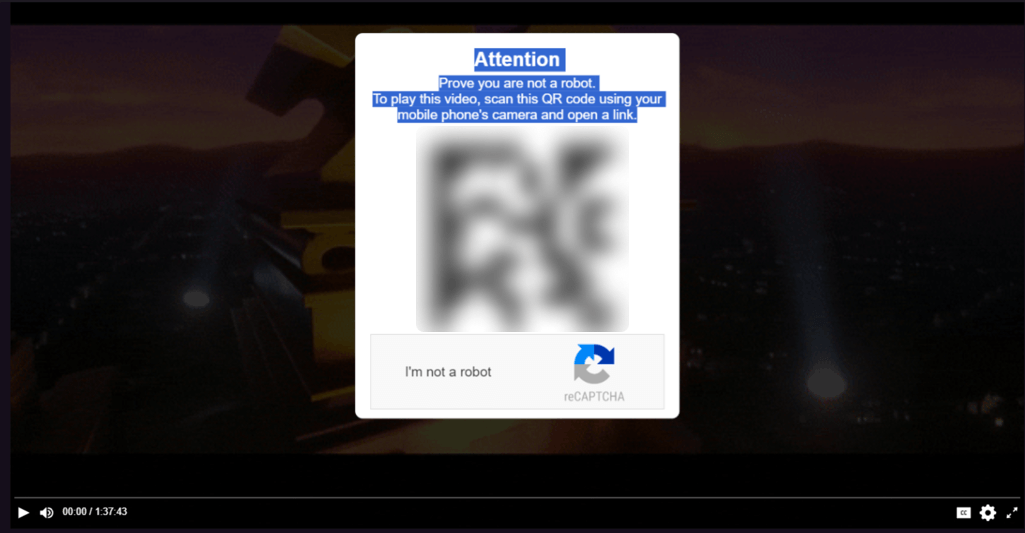
    Unlike genuine CAPTCHAs designed to protect websites from bots, this imitation serves to promote shady resources. As with the previous stage, the victim doesn’t always encounter malware. For example, the CAPTCHA on one of the pages prompts the visitor to scan a QR code leading to a betting site:

    CAPTCHA with QR code

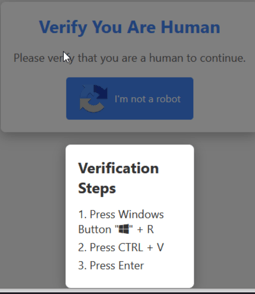
    The Trojans are distributed through CAPTCHAs with instructions. Clicking the “I’m not a robot” button copies the line powershell.exe -eC bQBzAGgAdABhAMAIgA= to the clipboard and displays so-called “verification steps”:

    • Press Win + R (this opens the Run dialog box);
    • Press CTRL + V (this pastes the line from the clipboard into the text field);
    • Press Enter (this executes the code).

    CAPTCHA with instructions

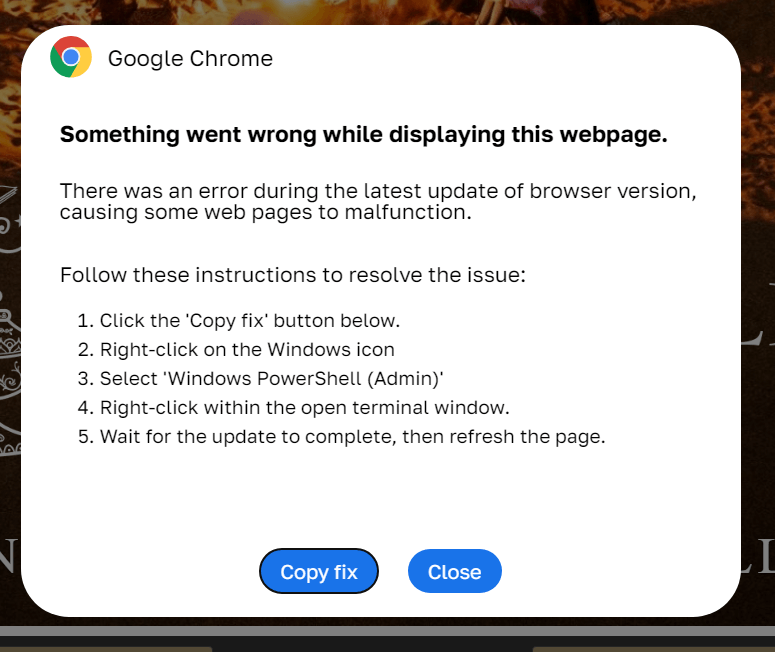
    We’ve also come across similar instructions in formats other than CAPTCHAs. For instance, the screenshot below shows an error message for a failed page load, styled like a Chrome message. The attackers attribute the problem to a “browser update error” and instruct the user to click the “Copy fix” button. Although the page design is different, the infection scenario is identical to the CAPTCHA scheme.

    Fake update error message

    The line from the clipboard contains a Base64-encoded PowerShell command that accesses the URL specified there and executes the page’s content. Inside this content is an obfuscated PowerShell script that ultimately downloads the malicious payload.

    Payload: Lumma stealer

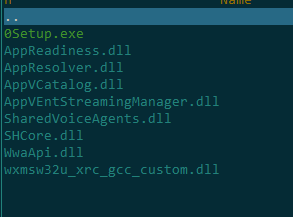
    Initially, the malicious PowerShell script downloaded and executed an archive with the Lumma stealer. In the screenshot below, the stealer file is named 0Setup.exe:

    Contents of the malicious archive

    After launching, 0Setup.exe runs the legitimate BitLockerToGo.exe utility, normally responsible for encrypting and viewing the contents of removable drives using BitLocker. This utility allows viewing, copying, and writing files, as well as modifying registry branches – functionality that the stealer exploits.

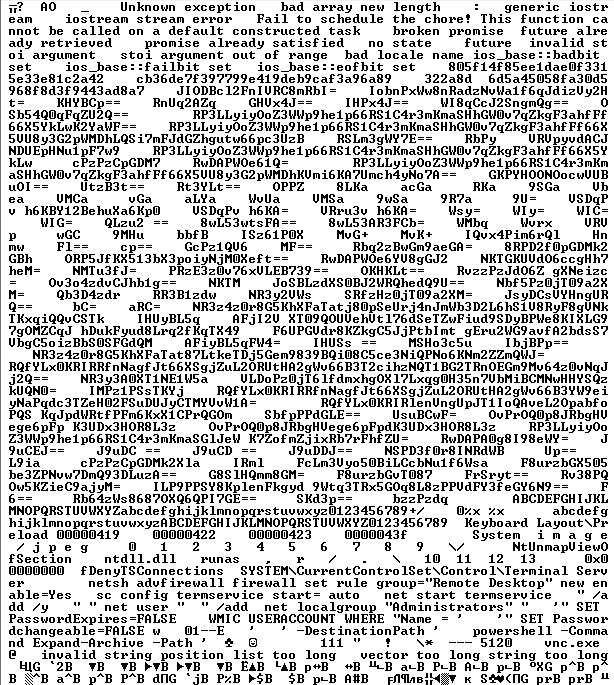
    Armed with BitLocker To Go, the attackers manipulate the registry, primarily to create the branches and keys that the Trojan needs to operate:


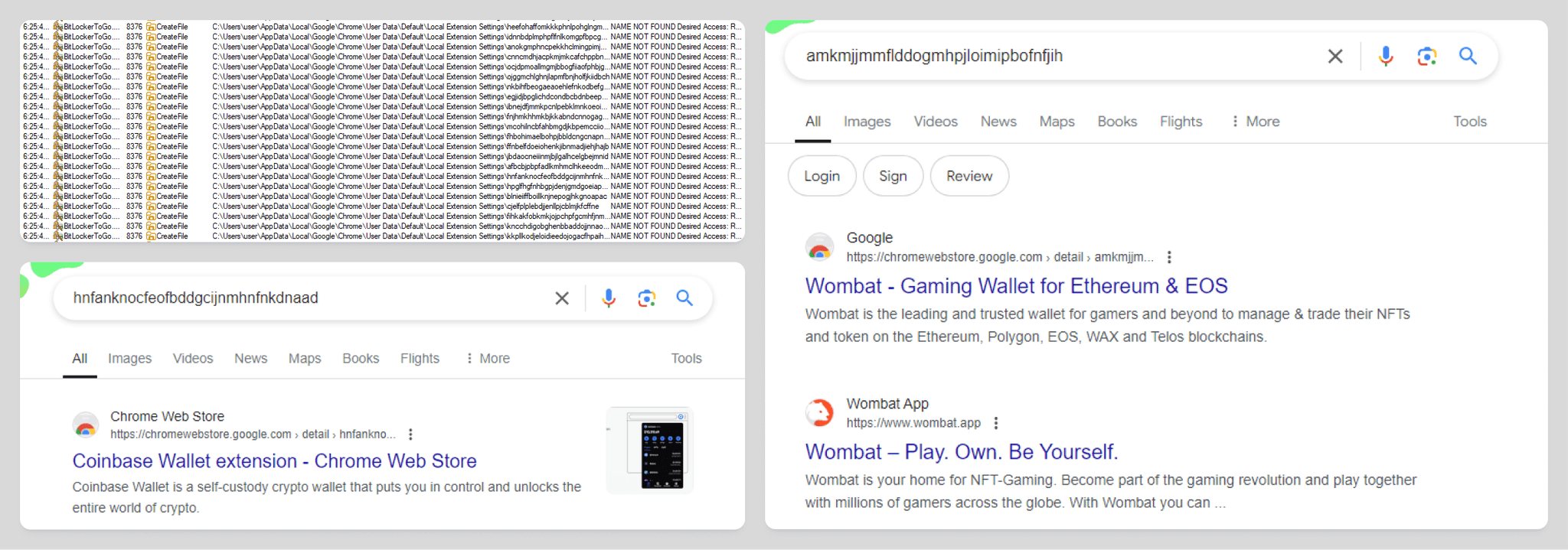
    That done, Lumma, again using the utility, searches the victim’s device for files associated with various cryptocurrency wallets and steals them:

    Then, the attackers view browser extensions related to wallets and cryptocurrencies and steal data from them:

    Following this, the Trojan attempts to steal cookies and other credentials stored in various browsers:

    Finally, the malware searches for password manager archives to steal their contents as well:

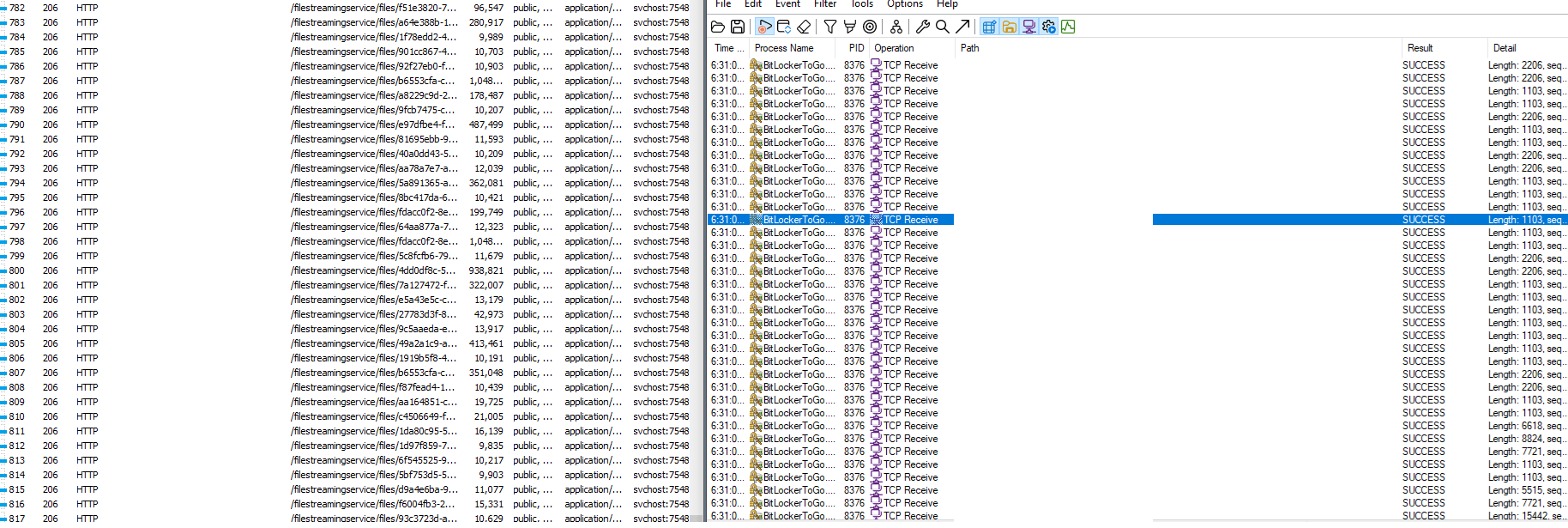
    Throughout the data collection process, the Trojan tries to use the same BitLocker To Go to send the stolen data to the attackers’ server:

    Once the malware has found and exfiltrated all valuable data, it starts visiting the pages of various online stores. The purpose here is likely to generate further revenue for its operators by boosting views of these websites, similar to adware:

    Payload: Amadey Trojan

    We recently discovered that the same campaign is now spreading the Amadey Trojan as well. Known since 2018, Amadey has been the subject of numerous security reports. In brief, the Trojan downloads several modules for stealing credentials from popular browsers and various Virtual Network Computing (VNC) systems. It also detects crypto wallet addresses in the clipboard and substitutes them with those controlled by the attackers. One of the modules can also take screenshots. In some scenarios, Amadey downloads the Remcos remote access tool to the victim’s device, giving the attackers full access to it.

    Snippet of Amadey code used in this campaign

    Statistics

    From September 22 to October 14, 2024, over 140,000 users encountered ad scripts. Kaspersky’s telemetry data shows that out of these 140,000, over 20,000 users were redirected to infected sites, where some of them saw a fake update notification or a fake CAPTCHA. Users in Brazil, Spain, Italy, and Russia were most frequently affected.

    Conclusion

    Cybercriminals often infiltrate ad networks that are open to all comers. They purchase advertising slots that redirect users to malicious resources, employing various tricks to achieve infections. The above campaign is of interest because (a) it leverages trust in CAPTCHA to get users to perform unsafe actions, and (b) one of the stealers makes use of the legitimate BitLocker To Go utility. The malware works to enrich its operators both by stealing victims’ credentials and crypto wallets, and by exploiting online stores that pay money for traffic to their websites.

    Indicators of compromise

    e3274bc41f121b918ebb66e2f0cbfe29
    525abe8da7ca32f163d93268c509a4c5
    ee2ff2c8f49ca29fe18e8d18b76d4108
    824581f9f267165b7561388925f69d3av

    MIL OSI Economics

  • MIL-OSI United Kingdom: Scotland’s Redress Scheme

    Source: Scottish Government

    An Official Statistics Publication for Scotland.


    Scotland’s Redress Scheme statistics have been published for the period from December 2021 to June 2024.

    They show that over the first 30 months of the scheme:

    • 1,585 (97%) of applications were eligible for financial redress with offers made
    • 56 (3%) of applications were deemed not eligible
    • 1,488 awards were made totalling £76,663,543 after deductions
    • 971 (65%) were Individually Assessed Payments, 412 (28%) were Fixed Rate Payments and 105 (7%) were Next of Kin awards
    • Of the 110 apologies requested, 69 (63%) were delivered by June 2024

    Background

    Scotland’s Redress Scheme Statistics December 2021 – June 2024

    Official statistics are produced in accordance with the Code of Practice for Statistics.

    This is an Official Statistics publication providing data on applications, outcomes and payments made, fees and costs, as well as apologies made under Scotland’s Redress Scheme. It builds on last year’s publication of figures from December 2021 to June 2023.

    MIL OSI United Kingdom

  • MIL-OSI United Kingdom: Homicide in Scotland, 2023-24

    Source: Scottish Government

    An Accredited Official Statistics Publication for Scotland

    Scotland’s Chief Statistician today published Homicide in Scotland, 2023-24. The publication provides information on crimes of homicide recorded by the police in Scotland in 2023-24. The main findings are:

    In 2023-24, 57 victims of homicide were recorded, 10% (or five victims) more than the 52 victims recorded in 2022-23.

    Over the latest 10 year period from 2014-15 to 2023-24, the number of victims fell by 10% (six victims) from 63 to 57.

    Over the latest 20 year period from 2004-05 to 2023-24, the number of homicide victims in Scotland fell by 58% (or 80 victims) from 137 to 57.

    The greatest reduction in homicide victims over the last 20 years has been amongst young people aged 16-24. In the five years between 2004-05 to 2008-09 there were 125 victims in this age range. This dropped to 29 across the latest five years between 2019-20 to 2023-24.

    Of the 57 victims recorded in 2023-24, 77% (44) were male and 23% (13) were female.

    In 2023-24, 85 persons were accused of homicide, of which 81% (69) were male and 19% (16) were female. For all the 57 homicide victims recorded in 2023-24, the associated case was solved.

    For each of the last 20 years, the most common method of killing was with a sharp instrument. In 2023-24, a sharp instrument was the main method of killing for 49% (or 28) of homicide victims.

    For the latest year of 2023-24, the majority (64%) of male victims were killed by an acquaintance (28 of 44 male victims). Female victims were most likely to be killed by a partner or ex-partner (38%, or five of 13 female victims).

    Whilst most recorded incidents of homicide in these statistics have one victim and one accused, some incidents can have multiple victims and/or accused. There were 57 homicide incidents recorded in 2023-24, 12% (or six incidents) more than the 51 recorded in 2022-23.

    Background

    The full statistical publication can be accessed at: Homicide in Scotland 2023-24

    The term “sharp instrument” includes knives, broken bottles, swords, sharpened screwdrivers and any other pointed or edged weapons.

    Further information on Crime and Justice statistics within Scotland can be accessed at https://www.gov.scot/collections/crime-and-justice-statistics/

    Accredited official statistics are produced by professionally independent statistical staff – more information on the standards of accredited official statistics in Scotland can be accessed at: About our statistics

    MIL OSI United Kingdom

  • MIL-OSI Global: What you need to know about clonazepam, the drug found in Liam Payne’s hotel room

    Source: The Conversation – UK – By Michael Cole, Professor of Forensic Science, Anglia Ruskin University

    Early toxicology reports suggest that former One Direction singer Liam Payne had several drugs in his system when he fell to his death from a hotel balcony in Buenos Aires, Argentina. These include pink cocaine (which comprises several drugs), cocaine, benzodiazepine and crack.

    While the type of benzodiazepine wasn’t mentioned in the toxicology report, it is known that the police found a blister pack of clonazepam in the singer’s hotel room.

    Although there has been a general fall in the use of benzodiazepines, clonazepam has bucked that trend. The reason for this is unclear, but it could be the drug’s potency. It is not without reason that on the street it is sometimes referred to as “super Valium”.

    Clonazepam was first approved by the US Food and Drug Administration in 1975. It is used to treat a range of conditions, including epileptic seizures, muscle spasms, anxiety and panic disorders. Doses range from 0.5mg to 2mg in tablet or liquid forms. (By comparison, a teaspoon of sugar weighs about 5,000mg.) It is also 20 times more potent than diazepam (Valium), with 0.5mg of clonazepam being equivalent to 10mg diazepam.

    The onset time for clonazepam – that is, the time to have an effect – is an hour or more. Xanax, also a benzodiazepine, starts to act within ten minutes, while Valium takes between 15 and 60 minutes.

    Although slower to start acting, the effects of clonazepam are longer lasting than many benzodiazepines. For example, the half-life (the time taken for the body to reduce the amount of drug in the body by 50%) of Xanax is six to 25 hours, of Valium 48 hours and clonazepam up to 54 hours.

    In recreational use, tablets are powdered and then snorted. The drug enters the bloodstream through the membranes in the nose. Taken this way the drug is faster to act and more is available in the bloodstream to have an effect.

    The drug is thought to work by enhancing the activity of a brain chemical (neurotransmitter) called Gaba. It dampens brain activity by blocking the signals between neurons. Boosting Gaba is known to reduce anxiety, promote relaxation and help with sleep.

    Steady rise

    Recently there has been a rise in the use and misuse of clonazepam in the UK. Prescriptions for the drug increased by 12% in 2023. The UK Rehab website states: “The rise in clonazepam addiction reflects a larger trend in the misuse of prescription medications, a public health crisis that has escalated into epidemic proportions in some regions.”

    Google searches for clonazepam have increased, with a particular interest in the drug in parts of the US. There are also reports of new polydrug mixtures containing clonazepam, such as karkoubi, which has been reported in Algeria and Morocco, mixing clonazepam with cannabis and tobacco.

    Taking clonazepam is not without dangers. Even under medical supervision, people can develop tolerance to it and become dependent.

    Doctors tend to prescribe low doses and then gradually increase the dose until the desired therapeutic effect is achieved. However, if the drug is taken over long periods (four weeks is often cited) people can become dependent. Withdrawal symptoms – such as tremors, sweating and nausea – are then experienced when the patient stops taking the drug.

    Clonazepam also causes side-effects that can include trouble speaking, feeling sleepy, a slower heartbeat and excitability. Although rarer, some people hallucinate.

    When mixed with other drugs or alcohol, the problems are compounded. For example, mixing with opiates and opioids (for example, codeine, methadone, morphine, oxycodone and tramadol) or alcohol can lead to sedation, slower breathing and heart rate, coma and even death.

    Taking drugs in combination is known to be extremely dangerous. More than 93% of drug deaths in Scotland in 2021 involved more than one drug.

    With these potential dangers, clonazepam is tightly controlled internationally. In the UK, it is a class C drug under the Misuse of Drugs Act. Other class C drugs include GHB, tramadol, cathinone and anabolic steroids.

    But tough laws alone will not stop drugs from being misused. So when people choose to take drugs, including clonazepam, it is important that they understand what the drug might do and what the risks might be.

    Michael Cole receives funding and “in kind” support from the European Union and a number police forces and forensic science organisations around the world to carry out research.

    ref. What you need to know about clonazepam, the drug found in Liam Payne’s hotel room – https://theconversation.com/what-you-need-to-know-about-clonazepam-the-drug-found-in-liam-paynes-hotel-room-241853

    MIL OSI – Global Reports

  • MIL-OSI Global: Kamala Harris is being called ‘Jezebel’ – a Biblical expert explains why it’s a menacing slur

    Source: The Conversation – UK – By M.J.C. Warren, Senior Lecturer in Biblical and Religious Studies, University of Sheffield

    lev radin/Shutterstock

    Jezebel has long been used as a slur against women who are considered too self-confident, too independent or too close to power – particularly when they happen to be Black. From Beyonce to Nikki Minaj, US vice-president and Democratic Presidential candidate Kamala Harris is only the latest in a long line of women of colour to be on the receiving end of the slur.

    But beneath the use of Jezebel’s name as a way to paint powerful women as promiscuous lies something even more sinister: the threat of sexual violence for those who will not submit to white patriarchal control.

    An increasing number of Christian nationalist personalities have taken to claiming that the vice-president is a Jezebel spirit. Notably, televangelist Lance Wallnau appears in multiple videos on X (formerly Twitter) claiming that: “with Kamala you have a Jezebel spirit, a characteristic in the Bible, that is a Jezebel spirit. The personification of intimidation, seduction, domination and manipulation”.

    Nor is Wallnau shy about connecting his use of Jezebel to Harris’s race: according to his video, the fact that Harris is Black makes her even more of a seductive Jezebel than Hillary Clinton: “the spirit of Jezebel in a way that will be even more ominous than Hillary [Clinton] because she’ll bring a racial component, and she’s younger”.

    Jezebels old and new

    Different versions of Jezebel are found in the Old and New Testaments, but both are associated with power, independence and sexuality. In 1 Kings, Jezebel is a queen from Sidon (present-day Lebanon). She ruled along with her husband Ahab and refuses to worship the biblical God; she continued her traditional worship of Ba’al.

    Her authority in her marriage and in politics attracted the prophet Elijah’s negative attention. Elijah utters a prophecy that: “The dogs shall eat Jezebel” (1 Kings 21:23), and indeed, 2 Kings 9:32-37 says that the prophecy is fulfilled.

    Knowing her life is in danger, Jezebel puts on her make up and does her hair to prepare to meet her enemy.

    As religious studies academic Jennifer L. Koosed writes, while her self-beautification is used to sexualise Jezebel, “these acts are those of a proud and powerful queen” who boldly meets the man who is about to have her thrown from a window. Jezebel’s bloodied body is trampled by horses and her corpse utterly destroyed.

    Her violent death and the desecration of her body, which is consumed by dogs, dehumanises Jezebel. The Bible presents this as apt punishment for a woman who was so bold as to defy her husband’s traditions and maintain her independence.

    When we meet another Jezebel in the New Testament, the process begins again. In Revelation 2, Jezebel is a prophet, a rival of John the Seer, who travels to different early Christian communities and teaches them. John, the author of the Book of Revelation, imagines Jesus writing to the community who allow themselves to be taught by her. In that letter, the voice of Jesus declares that the punishment for this woman, who dares to be a leader, is rape. John uses vitriolic language to paint Jezebel as sexually immoral, but his complaint is with her authority.

    Long and damaging history

    The Bible frequently paints female characters as unacceptably sexual, or threatens them with sexual violence, in order to maintain its patriarchal hierarchy.

    Definition of the word Jezebel in a religious dictionary.
    Shutterstock

    For example, as biblical scholars such as Renita J. Weems have pointed out, Hosea 1-3 uses the metaphor of God as (abusive) husband and the people of Israel as their (abused) adulterous wife in order to convince the Israelites to worship God again.

    The infamous figure of the “Whore of Babylon” in Revelation 17-18 echoes that divine threat: her control over the kings of the world, her opulence and her sexuality all make her God’s enemy – and her punishment is sexual humiliation and violence.

    Kamala Harris has been labelled Jezebel since at least as early as 2021 when pastor Steve Swofford as “Jezebel Harris” and pastor Tom Buck tweeted: “I can’t imagine any truly God-fearing Israelite who would’ve wanted their daughters to view Jezebel as an inspirational role model because she was a woman in power.”

    Buck doubled down on his comments the next day, saying, “For those torn up over my tweet, I stand by it 100%. My problem is her godless character. She not only is the most radical pro-abortion VP ever, but also most radical LGBT advocate. She performed one of the first Lesbian ‘marriages.’ Pray for her, but don’t praise her!”

    Understood in the context of the attack on women’s rights by Christian nationalists and their allies, giving Harris the name Jezebel connects the biblical threats with the move to criminalise abortion access and even divorce – to take power away from women and restore it to the patriarchal Christian structure.

    While Jezebel is a clearly misogynist term, it has long been used in particular to dehumanise Black women. Racist stereotypes about Black women as hypersexual Jezebels were used by slavers to justify their rape of enslaved women. Even after the end of slavery, this use of the name persisted, as did the racist stereotype about Black women’s sexual availability to justify sexual violence. And Black women continue to experience sexual harassment and abuse at much higher levels than white women.

    So, when Christian nationalists urge their followers to “confront this Jezebel spirit” we can’t forget that confronting Jezebel is violent – in the Bible confronting Jezebel means her death or her rape. These veiled threats should not be taken lightly.

    Femicide is an ongoing crisis. A woman is killed by a man every three days in the UK and three women are killed by men every day in North America. Sexual violence against women is also rampant and is a weapon in the patriarchal arsenal for subduing independent women.

    Calling a powerful woman like Harris a Jezebel, then, isn’t just an offensive slur – it carries with it the persistent threat of racist violence and sexual assault.

    M.J.C. Warren does not work for, consult, own shares in or receive funding from any company or organisation that would benefit from this article, and has disclosed no relevant affiliations beyond their academic appointment.

    ref. Kamala Harris is being called ‘Jezebel’ – a Biblical expert explains why it’s a menacing slur – https://theconversation.com/kamala-harris-is-being-called-jezebel-a-biblical-expert-explains-why-its-a-menacing-slur-241746

    MIL OSI – Global Reports

  • MIL-OSI Global: Class identity: why fancy freebies are a bigger political problem for this Labour government than its Tory predecessors

    Source: The Conversation – UK – By Vladimir Bortun, Lecturer in Politics, University of Oxford

    While much of the intense media coverage of the UK government’s freebies scandal might be attributable to overzealous scrutiny by a predominantly right-of-centre printed press, there is at least one important issue at the heart of all this.

    It should be acknowledged that the gifts are in line with existing regulations – and also arguably less controversial than some of the donations received by members of former Conservative governments. But this Labour government sold itself as something different.

    Several frontbench figures, including prime minister Keir Starmer and deputy prime minister Angela Rayner focused heavily on their working-class credentials ahead of the election. They were doing so to reinforce the message that they are infinitely more in tune with regular people than the Tories.

    Several Labour ministers have accepted donations and freebies from big business and wealthy individuals. Lord Alli lent Starmer his £18m London flat and a New York property to Rayner for a holiday. Several Labour MPs were given tickets to Taylor Swift concerts, and perhaps more importantly, £4 million was donated to the Labour party by Quadrature – a tax-haven-based hedge fund with shares in the arms manufacturing, private healthcare and fossil fuel industries.


    Want more politics coverage from academic experts? Every week, we bring you informed analysis of developments in government and fact check the claims being made.

    Sign up for our weekly politics newsletter, delivered every Friday.


    The obvious question is why these companies and wealthy individuals have made these donations and what they expect in return. People don’t make political donations out of the kindness of their hearts. They often expect something in return, whether in the form of a seat in the House of Lords or a lucrative state contract.

    Even in cases where there is no reciprocity, there are deeper questions of professional and political ethics that arise from donations. And fair or not, those questions are more pressing for a Labour government.

    There is, first of all, a matter of perception during a cost of living crisis. Labour MPs have just voted to keep the two-child benefit cap and remove universal winter fuel payments. Against this backdrop, it’s not a stretch to suggest accepting glamorous gifts creates a distance between lawmakers and the people they govern.

    But beyond that perception is the fact that living a privileged life may have a material effect on an MP’s outlook. There is a significant body of evidence showing that upward social mobility leads people towards more rightwing views on the economy.

    That may be particularly true of politicians. For this group, the trajectory is the most extreme. If you start from a working-class position in society and end up being part of the group that effectively leads that society, your vantage point could not be more different. You are less likely to try to change the status quo that is now the source of your own social and financial benefits.

    To be fair, research my colleagues and I conducted shows that working-class origins have a lingering effect on an MP’s outlook when they enter parliament. They are more likely to take an interest in issues that are important to working-class voters, for example.

    But this effect is diluted by party discipline, such as when MPs are whipped to vote in a certain way (such as on benefits). Social mobility, and in particular a simmering angst about falling back down the social ladder, also shapes these MPs’ decisions.

    Closing the experience gap

    It doesn’t have to be this way. In the 1980s, one of the most leftwing and working-class Labour MPs at the time, Terry Fields, ran and won an election on the slogan “a worker’s MP on a worker’s wage” – pledging to only draw a salary equivalent to a fireman’s and to donate the remainder.

    While this could be dismissed as performative populism from a politician looking to prove that he’s a “man of the people”, there is a deeper rationale at work here. Arguably, you can’t truly represent the interests of working-class people if you live in considerably better material conditions, cut off from the daily experience and living standards of those people.

    How can you fully understand what working-class people and communities go through and, thereby, what kind of policies they need, if you live in a parallel reality to theirs?


    Read more:
    What does class mean today in Britain? Podcast


    This is not to argue that MPs should give up their salaries or that they’re incapable of empathy, but it does show why freebies are such a glaring problem for a new government.

    Working-class people have, themselves, indicated that this experience gap matters to them. Their political alienation over the past few decades has been fuelled by their sense that they do not recognise themselves in the current political elite and the inequality-enhancing policies the elite have been enacting.

    The last election recorded one of the highest abstention rates (and according to at least one estimate, actually the highest) since the introduction of universal suffrage.

    And should a political party remain unmoved by those statistics, there is the small matter of electoral survival. Taken more cynically, working-class communities have become the electoral battlegrounds of the modern era.

    There are not many promising signs so far that the new Labour government is up to the task of representing the working class once again – even the recent workers’ rights legislation has been criticised as falling short by some of the trade unions. And while there’s a long way to go before we know if the freebies scandal will end up costing Labour support at the next election, it certainly won’t be counted as a bonus.

    Vladimir Bortun does not work for, consult, own shares in or receive funding from any company or organisation that would benefit from this article, and has disclosed no relevant affiliations beyond their academic appointment.

    ref. Class identity: why fancy freebies are a bigger political problem for this Labour government than its Tory predecessors – https://theconversation.com/class-identity-why-fancy-freebies-are-a-bigger-political-problem-for-this-labour-government-than-its-tory-predecessors-241619

    MIL OSI – Global Reports

  • MIL-OSI Global: Coloured South Africans are all but erased from history textbooks – I asked learners how that makes them feel

    Source: The Conversation – Africa – By Natasha Robinson, PhD Candidate and research consultant, University of Oxford

    South African Grammy winner Tyla is proud of her Coloured identity. Emma McIntyre/Getty Images for The Recording Academy

    South African singer-songwriter Tyla made history in February 2024 when she won the inaugural Grammy for Best African Music Performance.

    Her win was celebrated at home. But the 22-year-old sparked controversy in the US by referring to herself as “Coloured”. There, the word is a slur dating back to the Jim Crow era, when state and local laws enforced racial discrimination against African Americans. In South Africa it has a very different meaning – and, by claiming her Coloured identity, Tyla has become an inspiration for many Coloured people who have long felt underrepresented in public life.

    In South Africa, Coloured people are typically understood to be a group that encompasses geographically diverse ancestries. The Coloured community was positioned between white and Black in apartheid’s racial hierarchy of privilege.

    During the 1970s and onwards, in an effort to unify anti-apartheid resistance, activists like Steve Biko sought to collapse any distinctions between oppressed groups. They encouraged anyone who was not white to identify as “Black”.

    In recent years many people have reclaimed the term “Coloured” to discuss their identity and culture. The latest South African census indicated that there are more than 5 million people across the country who identify as Coloured.

    Tyla’s comments are just one example of how “Colouredness” has, in the past few years, found a new voice in South African society. The electoral success of the Patriotic Alliance, which claims to be “born in the heart of the Coloured community”, is another. The highly acclaimed 2023 book Coloured by Lynsey Ebony Chutel and Tessa Dooms also brought conversations about Coloured identity to the fore.

    I research the relationship between history and identity in societies that have experienced conflict. I wanted to know how society’s increasingly positive perceptions of the term “Coloured” are playing out in South Africa’s school history curriculum.

    My resulting research presents a worrying picture. The way that Coloured identity is discussed in textbooks and curricula is leading young self-described Coloured people to believe that their history – and therefore their identity – is shameful.

    The research

    My research involved 10 months of ethnographic observation in two predominantly Coloured schools in Cape Town. I also analysed the history curricula and textbooks used in these schools, as well as repeatedly interviewing five grade 9 students, aged 14 and 15, and their history teachers from each school to understand their views on apartheid history and racial identity.

    There is no mention of the word “Coloured” in the grade 9 South African curriculum assessment policy statements for History. In contrast, the racial terms “white”, “Black” and “Indian” are mentioned 11, 44, and nine times respectively. In my analysis of the four most commonly used grade 9 history textbooks, Coloured identity is referred to, but infrequently. The Pearson textbook, for example, explains that “when we refer to ‘black’ South Africans in this topic [apartheid], it refers to African people, ‘Coloured’ people and Indian people”. It continues:

    The apartheid government found it hard to define race, especially when it came to what they called ‘Coloured’ people. The word ‘Coloured’ is controversial and possibly insulting, so here we have used it in inverted commas. (2013, p. 175)

    Subsuming Coloured identity into Black identity, and referring to the term “Coloured” as “insulting”, makes it difficult to learn about the lives and contributions of those who identified as Coloured.

    For example, all four textbooks contain photographs of Sophia Williams (later Sophia Williams-De Bruyn) and list her as one of the organisers of the 1956 Women’s March, during which 20,000 women marched to the government buildings to protest against racist laws.

    But all four textbooks fail to mention that Williams was classified in terms of apartheid laws as Coloured, identified as Coloured, was a full-time organiser for the Coloured People’s Congress in Johannesburg, and was assigned by the Coloured People’s Congress to work on issues relating to the 1950 Population Registration Act.

    So a student using these textbooks might learn about Williams – but still believe that Coloured people made no contribution to ending apartheid.

    Shame and lack of interest

    This denial of Coloured identity continued in the schools where I conducted ethnographic fieldwork. Teachers in a school on the Cape Flats – with a student population that overwhelmingly identified as Coloured – still referred to the school as a “Black school” by virtue of its involvement in the anti-apartheid struggle.

    The grade 9 history teacher, for example, taught that “the apartheid government gave us labels”, and that “if we didn’t cooperate [by uniting under a Black identity] then South Africa would be a failure”. This statement positioned the students’ distinct Coloured identity as being in opposition to South Africa’s success.

    When the teacher spoke about anti-apartheid struggle heroes, his students frequently complained that life was better under apartheid, and when he espoused ideas of non-racialism, they shook their heads. All of this suggested that the students were actively resisting South Africa’s founding narrative: that brave South Africans united to overcome the darkness of apartheid, and to found a democratic rainbow nation.

    My interviews with students from this school suggested that they felt no connection to South Africa’s history. When I asked about his family’s experiences during apartheid, Lester (aged 14) replied that “they were just a normal Coloured family. Nothing interesting.”

    In another school, a slim majority of students identified as Coloured. Again, Coloured history was not explicitly taught. Students felt alienated from Coloured history in different ways. Bahir (aged 15), for example, felt shame and discomfort about his Coloured identity. When I asked him whether he wished he could study more Coloured history, he declined:

    I actually wouldn’t want to like hear such a thing as slavery … I don’t actually like to hear that my family was put into that like category or something.

    The only Coloured history Bahir could consider was one of enslavement.

    Deborah (aged 14), meanwhile, suspected that there might be a proud Coloured history of anti-apartheid resistance, but assumed it hadn’t been written yet. She attributed the lack of Coloured pride among her classmates to a lack of historical scholarship.

    If I had a reason for why people do not want to be Coloureds, it’s because they don’t have a status, and they don’t have history that’s jotted down also.

    Catching up

    One thing was clear from my research: the absence of Coloured identity in history curriculum, textbooks, or lesson plans did not stop students from identifying as Coloured. However, they felt confused, ashamed or alienated from their history and South Africa’s history.

    Tyla and others are proudly, loudly defending their right to identify as Coloured. It’s time for South Africa’s history curriculum to catch up.

    Natasha Robinson receives funding from the ESRC and the British Academy.

    ref. Coloured South Africans are all but erased from history textbooks – I asked learners how that makes them feel – https://theconversation.com/coloured-south-africans-are-all-but-erased-from-history-textbooks-i-asked-learners-how-that-makes-them-feel-234832

    MIL OSI – Global Reports

  • MIL-OSI Africa: Coloured South Africans are all but erased from history textbooks – I asked learners how that makes them feel

    Source: The Conversation – Africa – By Natasha Robinson, PhD Candidate and research consultant, University of Oxford

    South African singer-songwriter Tyla made history in February 2024 when she won the inaugural Grammy for Best African Music Performance.

    Her win was celebrated at home. But the 22-year-old sparked controversy in the US by referring to herself as “Coloured”. There, the word is a slur dating back to the Jim Crow era, when state and local laws enforced racial discrimination against African Americans. In South Africa it has a very different meaning – and, by claiming her Coloured identity, Tyla has become an inspiration for many Coloured people who have long felt underrepresented in public life.

    In South Africa, Coloured people are typically understood to be a group that encompasses geographically diverse ancestries. The Coloured community was positioned between white and Black in apartheid’s racial hierarchy of privilege.

    During the 1970s and onwards, in an effort to unify anti-apartheid resistance, activists like Steve Biko sought to collapse any distinctions between oppressed groups. They encouraged anyone who was not white to identify as “Black”.

    In recent years many people have reclaimed the term “Coloured” to discuss their identity and culture. The latest South African census indicated that there are more than 5 million people across the country who identify as Coloured.

    Tyla’s comments are just one example of how “Colouredness” has, in the past few years, found a new voice in South African society. The electoral success of the Patriotic Alliance, which claims to be “born in the heart of the Coloured community”, is another. The highly acclaimed 2023 book Coloured by Lynsey Ebony Chutel and Tessa Dooms also brought conversations about Coloured identity to the fore.

    I research the relationship between history and identity in societies that have experienced conflict. I wanted to know how society’s increasingly positive perceptions of the term “Coloured” are playing out in South Africa’s school history curriculum.

    My resulting research presents a worrying picture. The way that Coloured identity is discussed in textbooks and curricula is leading young self-described Coloured people to believe that their history – and therefore their identity – is shameful.

    The research

    My research involved 10 months of ethnographic observation in two predominantly Coloured schools in Cape Town. I also analysed the history curricula and textbooks used in these schools, as well as repeatedly interviewing five grade 9 students, aged 14 and 15, and their history teachers from each school to understand their views on apartheid history and racial identity.

    There is no mention of the word “Coloured” in the grade 9 South African curriculum assessment policy statements for History. In contrast, the racial terms “white”, “Black” and “Indian” are mentioned 11, 44, and nine times respectively. In my analysis of the four most commonly used grade 9 history textbooks, Coloured identity is referred to, but infrequently. The Pearson textbook, for example, explains that “when we refer to ‘black’ South Africans in this topic [apartheid], it refers to African people, ‘Coloured’ people and Indian people”. It continues:

    The apartheid government found it hard to define race, especially when it came to what they called ‘Coloured’ people. The word ‘Coloured’ is controversial and possibly insulting, so here we have used it in inverted commas. (2013, p. 175)

    Subsuming Coloured identity into Black identity, and referring to the term “Coloured” as “insulting”, makes it difficult to learn about the lives and contributions of those who identified as Coloured.

    For example, all four textbooks contain photographs of Sophia Williams (later Sophia Williams-De Bruyn) and list her as one of the organisers of the 1956 Women’s March, during which 20,000 women marched to the government buildings to protest against racist laws.

    But all four textbooks fail to mention that Williams was classified in terms of apartheid laws as Coloured, identified as Coloured, was a full-time organiser for the Coloured People’s Congress in Johannesburg, and was assigned by the Coloured People’s Congress to work on issues relating to the 1950 Population Registration Act.

    So a student using these textbooks might learn about Williams – but still believe that Coloured people made no contribution to ending apartheid.

    Shame and lack of interest

    This denial of Coloured identity continued in the schools where I conducted ethnographic fieldwork. Teachers in a school on the Cape Flats – with a student population that overwhelmingly identified as Coloured – still referred to the school as a “Black school” by virtue of its involvement in the anti-apartheid struggle.

    The grade 9 history teacher, for example, taught that “the apartheid government gave us labels”, and that “if we didn’t cooperate [by uniting under a Black identity] then South Africa would be a failure”. This statement positioned the students’ distinct Coloured identity as being in opposition to South Africa’s success.

    When the teacher spoke about anti-apartheid struggle heroes, his students frequently complained that life was better under apartheid, and when he espoused ideas of non-racialism, they shook their heads. All of this suggested that the students were actively resisting South Africa’s founding narrative: that brave South Africans united to overcome the darkness of apartheid, and to found a democratic rainbow nation.

    My interviews with students from this school suggested that they felt no connection to South Africa’s history. When I asked about his family’s experiences during apartheid, Lester (aged 14) replied that “they were just a normal Coloured family. Nothing interesting.”

    In another school, a slim majority of students identified as Coloured. Again, Coloured history was not explicitly taught. Students felt alienated from Coloured history in different ways. Bahir (aged 15), for example, felt shame and discomfort about his Coloured identity. When I asked him whether he wished he could study more Coloured history, he declined:

    I actually wouldn’t want to like hear such a thing as slavery … I don’t actually like to hear that my family was put into that like category or something.

    The only Coloured history Bahir could consider was one of enslavement.

    Deborah (aged 14), meanwhile, suspected that there might be a proud Coloured history of anti-apartheid resistance, but assumed it hadn’t been written yet. She attributed the lack of Coloured pride among her classmates to a lack of historical scholarship.

    If I had a reason for why people do not want to be Coloureds, it’s because they don’t have a status, and they don’t have history that’s jotted down also.

    Catching up

    One thing was clear from my research: the absence of Coloured identity in history curriculum, textbooks, or lesson plans did not stop students from identifying as Coloured. However, they felt confused, ashamed or alienated from their history and South Africa’s history.

    Tyla and others are proudly, loudly defending their right to identify as Coloured. It’s time for South Africa’s history curriculum to catch up.

    – Coloured South Africans are all but erased from history textbooks – I asked learners how that makes them feel
    – https://theconversation.com/coloured-south-africans-are-all-but-erased-from-history-textbooks-i-asked-learners-how-that-makes-them-feel-234832

    MIL OSI Africa

  • MIL-OSI United Kingdom: Lord Mayor of Leeds to open major Commonwealth trade and investment conference

    Source: City of Leeds

    The Lord Mayor of Leeds, Councillor Abigail Marshall Katung, is set to welcome guests from across the Commonwealth to a major trade and Investment conference in Leeds tomorrow (Tuesday 29 October). 

    The Trade and Investment Opportunities in the Commonwealth conference has been organised by law firm, Womble Bond Dickinson, and is being jointly hosted by Leeds City Council and West Yorkshire Combined Authority.

    The conference will feature a range of speakers including; Megan Wood, Trade Commissioner at the Canadian High Commissioner in London, Dr Olushola Kolawole, lecturer at the University of Bradford’s School of Management, and the Pakistani Consul General in Bradford, Zahid Jatoi. Several influential British-based groups, such as the Ethnic Minority Business and Policy Forum and British Friends of Pakistan, will also attend along with Chief Executive of West & North Yorkshire Chamber of Commerce James Mason.

    The event brings together experts from India, Canada, Pakistan, and Nigeria to reflect on the outcomes of the Commonwealth Heads of Government Meeting (CHOGM) 2024, held in Samoa last week, and will explore how the UK’s commercial links to the Commonwealth can be enhanced. 

    The 56 nations of the Commonwealth are among the UK’s largest and fastest-growing trading partners. The UK exports £83 billion to Commonwealth markets annually, which accounts for 10% of overall UK exports, with significant further trade and investment opportunities for companies in West Yorkshire.

    The event will be an opportunity to encourage further West Yorkshire-Commonwealth trade, upskill businesses on commercial opportunities in the Commonwealth, and highlight the synergies around culture, education, and diasporic communities. It supports our mission to create an economy that works for everyone as set out in the Leeds Inclusive Growth Strategy.

    The Lord Mayor of Leeds, Councillor Abigail Marshall Katung, said: “It gives me the greatest pleasure to welcome our distinguished Commonwealth guests and partners to Leeds.

    “I look forward to discussing furthering trade, culture, and education opportunities for our city, region and the Commonwealth markets. Leeds has a vibrant range of industries that would directly benefit from increasing opportunities with our Commonwealth partners, especially in our professional and financial services, advanced manufacturing, and digital and technology sectors, highlighted as growth-driving sectors in the UK’s recent Modern Industrial Strategy Green Paper.

    “The strength of our city and a driver of its success is its diversity, vibrancy, and people. Forging closer links with our Commonwealth partners is a great opportunity to build on that diversity, create new ideas and investment opportunities and succeed together.”

    Leeds City Council deputy leader and executive member for economy, transport, and sustainable development Councillor Jonathan Pryor said:

    “We are delighted that Leeds is hosting honoured guests from around the world to this trade and investment conference. As a city Leeds is very proud of the diverse make-up of our communities, and this is reflected in our commitment to welcome and support international trade and businesses to invest here.

    “As one of the leading UK cities for private-sector job creation, international investment and supporting business creation and growth across a wide-ranging economy, we very much look forward to this conference and the benefits it can help deliver through further strengthening international relationships and boosting the city and regional economy for all to benefit from.”

    Notes for editors:

    Leeds City Council Inclusive Growth Strategy: https://www.inclusivegrowthleeds.com/ 

    West Yorkshire Trade and Investment Statistics

    • India: 629 West Yorkshire businesses export goods to India at a total value of £126m, and 963 West Yorkshire businesses import goods from India at a total value of £356m. The value of services exported from West Yorkshire is £113m, and the total value of services imported from India to West Yorkshire is £134m. Total bilateral trade in goods and services between West Yorkshire and India is worth £729 million.
    • Indian Tech company Mastek delivers significant UK digital infrastructure projects (including the NHS Spine, and MOD contracts). Mastek has a substantial presence in Leeds including an ambitious new graduate programme. Mastek continues to strengthen its Leeds operation, recently creating an additional 200 new jobs.
    • In 2021 Mphasis launched a new UK Centre of Excellence in Leeds for their insurance clients. In 2022, Mphasis, announced plans to create an additional 1,000 new jobs in West Yorkshire. The investment will be worth tens of millions of pounds to the West Yorkshire economy.
    • Prime Focus Technologies create high-tech AI-enabled software for the media and entertainment industry.  Leeds is home to their UK headquarters and new state-of-the-art Media Centre which delivers Media and Online services for Channel 4 and other media companies.
    • The latest published figures are for the 2021/22 academic year and show the count of Indian students at West Yorkshire institutions to be 4,080. Indian visitors to Yorkshire as a whole spend £14 million annually. British Indian’s make up roughly 2.7% of the population in West Yorkshire which is higher than most groups except for British Pakistani’s (10.7%).
    • Pakistan: Pakistani’s make up the largest West Yorkshire Diaspora group, with 10.7% of the population.
    • Yorkshire and Humber accounted for over 5% of UK exports to Pakistan in 2023, with a value of £23 million and over 7% of imports from Pakistan, valued at £111 million.
    • Pakistan’s trade with the UK is covered by the Developing Countries Trading Scheme, which allows for preferential and tariff free trade on many products. 94% of goods exported from Pakistan to the UK are covered by the scheme, reducing tariffs by £120 million. Trade is expected to double between 2022-25.
    • The UK is Pakistan’s largest export destination in Europe and the third globally.
    • Canada: In 2023, the value of UK goods traded between Yorkshire and the Humber and Canada amounted to £442 million in exports (7.8% of total exports) and £0.3 billion in imports (5.1% of total imports).
    • With both Canada and the UK being signatories of the Comprehensive and Progressive Agreement for Trans-Pacific Partnership (CPTPP), 99% of goods traded between CPTPP member countries will be tariff-free. This is projected to diversify both countries’ supply chains within the broader Asia-Pacific region whilst boosting trade, investment and innovation in sectors such as automotive, pharmaceuticals, and machinery.
    • Leeds-based construction company Turner & Townsend have developed a strong presence in Canada with offices in Calgary, Edmonton, Montreal, Ottawa, Toronto and Vancouver.
    • In the UK in 2020-21 the total number of Canadian students was 6615 while the amount of Canadian academic staff amounted to 1635. Academic partnership has seen 40,745 UK publications co-authored with Canadians, between 2018-2021.
    • Nigeria: In 2023, Yorkshire and Humber was the largest UK regional exporter to Nigeria, accounting for 45.5% of exports worth £661 million. In terms of imports, the region imported £29 million of goods from Nigeria during the same period.
    • The UK-Nigeria Enhanced Trade and Investment Partnership (ETIP) is the first the UK has signed with an African country and is designed to grow the UK and Nigeria’s already thriving trading relationship, which totalled £7 billion in the year to September 2023.
    • In 2022/23 Nigerian students were the third largest international group in Yorkshire. Council figures suggest that between 2018/19 and 2022/23 the number of students coming from Nigeria to Leeds Beckett rose from 17 to 677.

    ENDS

    For media enquiries please contact:

    Leeds City Council communications and marketing,

    Email: communicationsteam@leeds.gov.uk

    Tel: 0113 378 6007

    MIL OSI United Kingdom

  • MIL-OSI Global: Alzheimer’s drug approved in the UK, but it won’t be available on the NHS – here’s why

    Source: The Conversation – UK – By Rahul Sidhu, PhD Candidate, Neuroscience, University of Sheffield

    Donanemab is delivered intravenously to slow the progression of Alzheimer’s disease. Studio Romantic/ Shutterstock

    The UK’s drugs regulator – the MHRA – has approved the Alzheimer’s drug donanemab, but it won’t be available on the NHS.

    The National Institute for Health and Care Excellence (Nice), which determines what treatments are available on the NHS, decided not to recommend donanemab for NHS use. This is because of its cost, potential side-effects and what some consider insufficient benefits.

    While Nice’s decision is disappointing for a lot of people (about 70,000 people people in England would have qualified to receive the drug), it’s important to know why the decision was made.

    Slowing decline

    A key characteristic of Alzheimer’s disease is the presence of amyloid plaques. These are sticky proteins that clump together and destroy brain cells (neurons), resulting in Alzheimer’s.

    Donanemab is a monoclonal antibody – a lab-made protein that targets and binds to amyloid to help eliminate it. This treatment is administered by an intravenous infusion, so the drug is delivered directly into the bloodstream. Each session lasts about 30 minutes and is needed every four weeks.

    In a clinical trial, donanemab was shown to be reasonably successful. The trial compared participants with early Alzheimer’s disease taking donanemab against those taking a placebo.

    Donanemab slowed the decline in memory and thinking by as much as 35% in people in the early stages of Alzheimer’s disease. This is the equivalent of reducing the disease’s progression by four to seven months. Participants taking donanemab experienced a 40% slower decline in their ability to perform daily tasks, including managing finances, driving and enjoying hobbies.

    Donanemab helps eliminate amyloid from the brain.
    Signal Scientific Visuals/ Shutterstock

    While these results are promising, it’s important to note that the clinical trial had some limitations.

    The trial lasted only 18 months, so it remains unclear how donanemab’s effects will play out long-term for those using it. Future studies will be needed to explore the long-term effects.

    Although the trial had a large sample size of 1,736 participants with early Alzheimer’s disease, 90% of the participants were white. More diversity in clinical trials is needed to ensure that donanemab is effective for people of all races and ethnic backgrounds. Unfortunately, this lack of diversity is a common issue in medical research.

    But the major drawback with donanemab was its side-effects. About 80% of the side-effects participants experienced were either mild or participants showed no symptoms at all and side-effects were only picked up in further tests.

    However, 15% of participants had a serious side-effect. This included brain swelling or small brain bleeds known as amyloid-related imaging abnormalities. This may initially cause mild symptoms such as headaches, confusion or dizziness. But without constant monitoring, these conditions can become detrimental to health.

    There were three deaths believed to be linked to this brain swelling among the 853 participants who were administered the drug.

    Another concern in using the drug relates to the existing difficulties with diagnosis. To even qualify for the treatment, patients must be in the very early stages of Alzheimer’s disease – and already have confirmed high amyloid levels through a PET scan or lumbar puncture.

    In the UK, only 2% of dementia patients receive these gold-standard diagnoses. More than one-third of people living with dementia don’t receive a diagnosis at all.

    Improved and more accessible diagnostic methods would ensure more patients are eligible to receive the drug at the optimal time.

    But the key reason donanemab isn’t available through the NHS is its cost. The treatment is estimated to cost around £25,000 a year per patient, based on the US cost. This does not include the expense of brain scans to monitor its effects.

    Additionally, it requires monthly infusions at the hospital and careful monitoring for side-effects, which may seem excessive considering the treatment’s modest benefits.

    The future for Alzheimer’s treatments

    Nice’s decision on donanemab closely mirrors the decision they made about lecanemab in August 2024. This was the first ever Alzheimer’s slowing drug approved by the MHRA, and, like donanemab, is only available via private healthcare. The reasons both drugs were rejected by the Nice and the NHS are similar – with costs and side-effects being the main concerns.

    While people with dementia and their families may feel let down by this decision, the fact that these new therapies can slow the disease, even slightly, offers hope.

    Nice will be reassessing donanemab in 2025. There are also over 100 drugs currently in clinical trials for treating Alzheimer’s. Hopefully, one of these will prove to be as effective, if not more effective, as donanemab but with fewer side-effects and at a lower cost.

    Still, it’s a remarkable step that there are two drugs licensed in the UK for treating Alzheimer’s. Although there’s still a way to go before an NHS treatment is readily available.

    Rahul Sidhu does not work for, consult, own shares in or receive funding from any company or organisation that would benefit from this article, and has disclosed no relevant affiliations beyond their academic appointment.

    ref. Alzheimer’s drug approved in the UK, but it won’t be available on the NHS – here’s why – https://theconversation.com/alzheimers-drug-approved-in-the-uk-but-it-wont-be-available-on-the-nhs-heres-why-242127

    MIL OSI – Global Reports

  • MIL-OSI Europe: Written question – Greece finds itself bottom of the pile in the EU in terms of purchasing power – E-001910/2024

    Source: European Parliament

    Question for written answer  E-001910/2024/rev.1
    to the Commission
    Rule 144
    Afroditi Latinopoulou (PfE)

    According to recent statistics published by the European statistical office (Eurostat), Greece’s gross domestic product (GDP) per capita, measured in purchasing power standards (PPS), stood at 67 % of the EU average in 2023. This means that, of the 27 Member States, Greece ranked 26th in terms of GDP per capita expressed in PPS in 2023. These unnerving figures illustrate the extent of the economic disadvantage experienced by Greek citizens compared to other Europeans and highlight the urgent need for substantial reforms and targeted policies to strengthen the Greek economy.

    In view of this:

    • 1.What specific measures could it take to help bridge the substantial gap between Greece and wealthier Member States?
    • 2.Does it ensure that the money provided from the Recovery and Resilience Fund to support investment in sectors that can boost the economy and create jobs has the desired impact? If so, how?

    Submitted: 1.10.2024

    Last updated: 28 October 2024

    MIL OSI Europe News

  • MIL-OSI Asia-Pac: Text of Vice-President’s address at Adichunchanagiri University (ACU), Karnataka

    Source: Government of India

    Posted On: 25 OCT 2024 6:41PM by PIB Delhi

    My greetings to all of you,

    Ever since I stepped on the premises, I have been overwhelmed. Students, thousands in number, greeted me and my wife, a heavenly feeling that will impact us all our lives. Feeling blessed to have started my visit with darshan of Shri Kalabhairaveshwaraji, a great feeling, a religious entity in existence for over a thousand years. Blessings of Sri Sri Nirmalanandanatha Swamiji are divine interventions. We are filled with joy of sublimity, spirituality and religiosity. 

    I am charged to be in service of Bharat, energised than ever before.

    Indeed privileged, honoured, humbled and overwhelmed by the august presence of Shri H. D. Deve Gowdaji, a former Prime Minister who will ever be remembered as farmer Prime Minister. Farmer resides in his heart and rural development emanates from his thoughts. Even at this age, where I have the great blessed feeling of he being a member and I’m in the Chair, he has never missed an opportunity to raise issues related to farmers, the national welfare and rural development.

    It is indeed a proud moment of my life and I never imagined that I will be in the chair and we will have one of the greatest sons of Bharat in Shri H. D. Deve Gowdaji, as member of the house. A rare privilege and honour that will etch my name in history beyond anything else. His blessings for me, my family, farmers and the country are beyond words.

    I have no words to express gratitude for a noble soul like him, even when I was a student, this name resonated in my ears and I knew there was someone in Karnataka whose heart was bubbling for farmer welfare. As luck would have it, history has brought us together, only for him to bless me. 

    His Holiness Jagadguru Swami Paramananda Saraswatiji. He has not had the occasion to address for positive time but I know of him, a man of great commitment, spirituality and dedication. His presence means a lot to us. 

    Aranyaka – आरण्यक means forest,  it is the third section of Vedas but here the difference is different and the difference is, it means the body of work where some of the finest philosophical discussions have happened in the lap of mother nature.  This place is illustrative of this. 

    Swamiji, it was indeed farsighted visionary step to have an institution nestled in the verdant landscape in the foothills, an ideal aranyaka for modern day learners, philosophers, and seekers. A perfect setting for optimal exploitation of talent and unleash energy in chosen pursuits.

    When I think of such institutions that impart modern education and yet hold cultural values at the centre of it, Swamiji someone like you and the gentleman, the great seer who started it 50 years ago in mind, instantly these great men of history and civilisation are on the radar.

    The institution is seamless convergence of our cultural essence and modernity. Mahaswamiji, with your illustrious credentials in engineering and philosophy, the institutional foundations are obviously firm.

    This institution is also an exemplification as to how our Mandirs and Mutts sustain culture, and societal values. These nerve centres act as epicentres for service to the needy, challenged, vulnerable and marginalised. With 26 Shakha Mutts across the world and over 500 educational institutions under the Sri Adichunchanagiri श्री आदि चूँचना गिरी Shikshana Trust—including schools for the Blind, Deaf, and Dumb—this institution’s service to the marginalised is exemplary.  Indeed a befitting response to critics of Sanatan Dharma.

    Friends, Largely such institutions selflessly service society, we need to be on ground as some seek to engage in activities far distanced from being wholesome. Indisputably charity, assistance or such handholding needs to be with no strings attached. As a matter of fact, our civilisational ethos tells us, never speak of charity, charity is never to be claimed.

    You do it and you forget about it. But alarmingly and worrisomely some institutions have engaged in a structured manner to influence faith of the beneficiary and faith is very dear to us. When you influence the faith of the needy, the marginalised, the vulnerable, things become really very critical. For a democratic nation, this is pregnant with serious consequences.

    Such not so well intentioned designs aim to run down the spirit and essence of nationalism, our constitutionalism and effect variation in political landscape. In the process, freedom of faith gets impacted. It gets into captivity because of that allurement. We have to be very cautious about it. We need to be on guard as never before, the challenge is getting incremental.

    In the societal sector, footprint of religious institutions in times of natural calamities and other similar challenges complements governmental efforts. I need not make any other reference.

    It was demonstrated in full exemplification during COVID when both the government and such organisations acted hand in hand for the betterment of the people. 

    My young friends, you are fortunate to be living in times when Bharat is a land of Hope and Possibility; investment and opportunity. a situation that did not exist a decade ago, it is a land of investment and opportunity, being accoladed by the International Monetary Fund and the World Bank. You are the most vital stakeholders, you are the rock on which the future prosperity of Bharat will stand out. Our youth demographic dividend is the envy of the world and it is you who will take Bharat to a Viksit Bharat@2047. 

    Friends, my young friends, boys and girls, Bharat is no longer a nation without promise. It is a nation on the rise and rise is unstoppable. Our economy is in an upsurge mood, one of the highest GDP growth we have, we are being accoladed from all quarters. 

    The last decade has been transformative for lives of millions in the last row. The people in the last row who had lost hope. There has been revolutionary transformation for the betterment in their lives.

    Let me, my young friends, make you aware of the development. In this country, we have four new airports and one metro every year. You will be surprised, we have on a daily basis, 14 kilometres of highways and 6 kilometres of railways. These developments, these statistics indicate how fast we are going. 

    My young friends, you now enjoy a level playing field, patronage has yielded to meritocracy.

    Something which goes to your great advantage, patronage was hitting you very hard. Transparent and accountable governance are new norms, corruption is no longer a password to a job or a contract.

    A wholesome ecosystem opens for young friends that you can unleash your energy to achieve your dreams and aspirations. One thing I need to tell you is, your opportunity basket is increasing day by day. I expect you to get out of the silos.

    Some of you think the only way out is a government service, No. Look around and you’ll find when India is rising on sea, on land, in sky and space, these are opportunities for you by way of blue economy or space economy. 

    I have a word of caution for my young friends, there are elements in the country who engage extensively in dissemination of disinformation. This dissemination is very injurious to national health. You as young people have to neutralise these tendencies that do not augur well for our nationalism and I’m sure you will rise to the occasion. 

    Our sages, our saints and scriptures emanate of philosophy and inclusivity, welfare of all and that is encapsulated in ‘Vasudhaiva Kutumbakam’ and even motto of our G20. We are a nation that can give guidance to everyone and anyone on the planet what is inclusivity.  Surely we don’t need lessons in something we have lived through for more than 5,000 years. This philosophy alone is sustainable and makes for global peace and harmony but some people have a different concept of inclusivity that is destructive of a sense of inclusivity.

    We have to be extremely cautious and careful. Discordant voices to the country need to gather the lessons from our civilisational essence.

    Friends, in today’s era you have seen more than I have seen, there is wide information exchange. There’s a power of social media in everyone’s hands. I implore you to use your education, intelligence to counter anti-national narratives and you develop a culture that you always keep your nation above everything else. No interest, personal, political or fiduciary can be superimposed on our commitment to nation or nationalism. Please bear that in mind. 

    Remember our scriptures: Janani JanmabhūmishchaSwargādapi Garīyasī. जननी जन्म/भूमिश्च, स्वर्गा/दपि गरी/यसी. Mother and Motherland are superior to heaven. I am sure, I do not need to impart lessons of nationalism to the students of this wonderful institution. You students are in a wonderful institution to be epicentre of this big change, keep always my young friends nation above everything else. Be ever wedded to nationalism. No personal or political gain should come over it. 

    As I come close to it, let me remind you of what Dr. A.P.J. Abdul Kalam, who visited this university over a decade ago, he said, dream, dream, dream, dreams transform into thoughts and thoughts result in action. This message is more relevant today than ever before. This is in action in the country, the game is on. You have to be part of it.

    Dream big, for it is through your dreams and actions that the future of Bharat will be shaped. The path ahead is full of opportunities, please grab them, seize them with courage, ambition, and a spirit of service to the nation.

    My young friends, as you stand on the threshold of a new chapter in your lives, let the spirit of “Viksit Bharat” guide you towards a future filled with purpose and impact. Nurture and pursue a goal. For what is a life without a goal that is much more than earning and spending.

    Remember Swami Vivekananda’s emphasis on persistence: “Arise, awake, and stop not until the goal is reached.” Never fear failure, never have fear of failure, failure is a stepping stone to success. Your brilliant idea occurs to you in your mind don’t allow it to be parked in your mind, please experiment with it, innovate.

    I want to leave you with one final thought, Viksit Bharat or Developed India is not merely a dream or a slogan, it is something a destination and we are on way to it. It is a yagna that would require Aahuti or offerings from millions of its young citizens. 

    As you move ahead in life, think what my offering to this yagna is. What is that I am doing for my country?  If you keep this in mind, if this is your North Star, the nation is going to occupy a position which it had centuries ago, number one in the world.

    Let that thought and blessings of Mahaswamiji Guide you.  Wishing you all the very best for your future endeavours. Jai Sri Gurudev! Jai Sri Gurudev!

    I am blessed as never before by the energy I have got here to motivate me, inspire me to be in the service of Bharat, home to one-sixth of humanity. 

    Thank you.

    ****

    JK/RC/SM

    (Release ID: 2068185) Visitor Counter : 45

    MIL OSI Asia Pacific News

  • MIL-OSI Asia-Pac: “Payroll Reporting in India: An Employment Perspective –August, 2024”

    Source: Government of India

    Posted On: 25 OCT 2024 4:22PM by PIB Delhi

    Ministry of Statistics & Programme Implementation is releasing the employment related statistics in the formal sector covering the period September 2017 onwards, using information on the number of subscribers who have subscribed under three major schemes, namely the Employees’ Provident Fund (EPF) Scheme, the Employees’ State Insurance (ESI) Scheme and the National Pension Scheme (NPS).

    The full report can be accessed at:  Payroll Reporting in India-An Employment Perspective – August, 2024 211024.pdf

    1. Employees’ Provident Funds Scheme:

    The total number of new EPF subscribers during the month of August 2024 is 9,30,442, which was 10,99,363 during the month of July 2024.

    1. Employees’ State Insurance Scheme:

    The newly registered employees and paying contribution under the ESI scheme during the month of August 2024 is 14,97,146 which was 16,84,764 during the month of July 2024.


    2.3 National Pension Scheme (NPS):

    The total number of new contributing subscribers under NPS during the month of August 2024 is 54,869 which was 62,880 during the month of July 2024.

    SB/DP/ARJ

    (Release ID: 2068109) Visitor Counter : 74

    MIL OSI Asia Pacific News

  • MIL-OSI Australia: Mobile phone detection cameras making their mark

    Source: South Australia Police

    A one-month report on the state’s new mobile phone detection camera expiations has shown drivers are hearing South Australia Police’s (SAPOL) call to stop illegal mobile phone use behind the wheel.

    For the first month of enforcement, from 19 September 2024 to 18 October 2024,the ratio of expiation notices being issued has averaged 0.23 per cent compared to 0.42 per cent for the last 30 days of the three-month warning period.

    However, 10,319 vehicles or 0.23 per cent of total vehicle volume (4,507,577) across the five metropolitan camera locations still received an expiation notice over the month period.

    Disappointingly, 80 vehicles were also detected four or more times, meaning 80 drivers may potentially lose their licenses.

    Officer in Charge of SAPOL’s Traffic Services Branch, Superintendent Darren Fielke, said the data suggests new penalties from mobile phone camera detections have helped land the message for phone-wielding drivers to change their behaviour.

    “SA Police began issuing a penalty of $556 plus a $102 Victims of Crime Levy and three demerit points from offences detected by mobile phone detection cameras a little over a month ago,” he said.

    “After much education and a three-month grace period, declining averages of offences show most habitual mobile phone offenders have finally put their phones down or have been taken off the road after too many demerit point deductions.

    “We recently reported in only the first week, 2544 motorists were detected, and we hope these people have learned an important lesson.

    “The goal for mobile phone detection cameras in SA is to make roads safer by changing road user behaviour, and recent data certainly indicates people are thinking twice now.”

    One-month expiation data shows of the 10,319 expiations issued, 2816 were detected at North South Motorway, Regency Park, 2396 at South Road, Torrensville, 2157 at Southern Expressway, Darlington, 1991 at Port Road, Hindmarsh and 959 at Port Wakefield Road, Gepps Cross.

    South Road, Torrensville was again identified as having the highest percentage of expiations sent considering vehicle volume, and Southern Expressway, Darlington the lowest.

    Reviewed by a trained SAPOL adjudicator, of the 10,526 potential incidents, 10,319 or 98.03 per cent received an expiation notice.

    Of the 80 vehicles (registered owners) receiving expiation notices for four or more detections: one will be issued with 15 expiation notices, one will be issued with 11 expiation notices, one will be issued with 10 expiation notices, three will be issued with nine expiation notices, three will be issued with eight expiation notices, two will be issued with seven expiation notices, 10 will be issued with six expiation notices, 13 will be issued with five expiation notices, and 46 will be issued with four expiation notices.

    “Unfortunately, these numbers show that we still have some drivers out there that are not heeding the message and placing themselves and other road users at risk,” Superintendent Fielke added.

    “These drivers will pay a high price financially and will lose their licence. We can only hope that is all that is lost, and it is not a life lost due to their irresponsible behaviour.”

    Mobile phone detection cameras are in place across five high-risk locations, monitoring 13 lanes. All five locations have warning signs installed. Two other camera locations are currently being considered and expected to be installed in early 2025.

    Visit Think! Road Safety for further information about mobile phone detection cameras.

    Distracted Driving Statistics for 19 September 2024 to 18 October 2024 Inclusive

    Vehicle Volume

    Total Incidents
    (Potential Offences)

    Expiation Notices Sent

    % Expiation Notices Sent

    % Expiation Notices

    4,507,577

    10,526

    10,319

    0.23%

    98.03%

    MIL OSI News

  • MIL-OSI Europe: ECB Consumer Expectations Survey results – September 2024

    Source: European Central Bank

    25 October 2024

    Compared with August 2024:

    • median consumer inflation perceptions over the previous 12 months and consumer inflation expectations for the next 12 months and for three years ahead all declined;
    • expectations for nominal income growth over the next 12 months increased, while expectations for spending growth over the next 12 months remained unchanged;
    • expectations for economic growth over the next 12 months were unchanged, while the expected unemployment rate in 12 months’ time increased;
    • expectations for growth in the price of homes over the next 12 months increased slightly, while expectations for mortgage interest rates 12 months ahead declined slightly.

    Inflation

    The median rate of perceived inflation over the previous 12 months declined further in September to 3.4%, from 3.9% in August. Perceptions of past inflation have thus declined by 5.0 percentage points since their peak of 8.4% in September 2023. Median expectations for inflation over the next 12 months declined to 2.4%, from 2.7% previously, and stood at their lowest level since September 2021. Median expectations for inflation three years ahead also declined in September, by 0.2 percentage points to 2.1%, their lowest level since February 2022 (when Russia invaded Ukraine). Inflation expectations at the one-year and three-year horizons remained below the perceived past inflation rate. Uncertainty about inflation expectations over the next 12 months remained unchanged, also at its lowest level since February 2022. While the broad evolution of inflation perceptions and expectations remained relatively closely aligned across income groups, expectations for lower income quintiles were slightly above those for higher income quintiles. Younger respondents (aged 18-34) continued to report lower inflation perceptions and expectations than older respondents (those aged 35-54 and 55-70), albeit to a lesser degree than previously. (Inflation results)

    Income and consumption

    Consumer nominal income growth expectations increased to 1.3%, from 1.2% in August. The increase in income expectations continued to be driven by the lowest two income quintiles. Perceptions of nominal spending growth over the previous 12 months remained unchanged at 5.2%. Similarly, expectations for nominal spending growth over the next 12 months remained stable at 3.2%, their lowest level since February 2022. For the first time since March 2023, there was no drop in either perceptions or expectations of nominal spending, while inflation perceptions and expectations both continued on their downward trajectory, which might indicate a positive turning point for real spending. (Income and consumption results)

    Economic growth and labour market

    Economic growth expectations for the next 12 months were stable in September, standing at -0.9%. Meanwhile, expectations for the unemployment rate 12 months ahead increased to 10.6%, from 10.4% in August. Consumers continued to expect the future unemployment rate to be only slightly higher than the perceived current unemployment rate (10.3%), implying a broadly stable labour market. The lowest income quintile continued to report the highest expected and perceived unemployment rate, as well as the lowest economic growth expectations. (Economic growth and labour market results)

    Housing and credit access

    Consumers expected the price of their home to increase by 2.8% over the next 12 months, which was slightly higher than in August (2.7%). Households in the lowest income quintile continued to expect higher growth in house prices than those in the highest income quintile (3.4% and 2.5% respectively). Expectations for mortgage interest rates 12 months ahead declined slightly to 4.7%, 0.8 percentage points lower than their peak in November 2023 and the lowest level since September 2022. As in previous months, the lowest income households expected the highest mortgage interest rates 12 months ahead (5.3%), while the highest-income households expected the lowest rates (4.2%). The net percentage of households reporting a tightening (relative to those reporting an easing) in access to credit over the previous 12 months declined, as did the net percentage of those expecting a tightening over the next 12 months. (Housing and credit access results)

    The release of the CES results for October is scheduled for 29 November 2024.

    For media queries, please contact: Eszter Miltényi-Torstensson, Tel: +49 171 769 5305

    Notes

    MIL OSI Europe News

  • MIL-OSI Asia-Pac: Business expectations for the fourth quarter of 2024

    Source: Hong Kong Government special administrative region

    Business expectations for the fourth quarter of 2024
    Business expectations for the fourth quarter of 2024
    ****************************************************

         The Census and Statistics Department (C&SD) released today (October 25) the results of the Quarterly Business Tendency Survey for the fourth quarter (Q4) of 2024. Business situation      For all surveyed sectors taken together, the proportion of respondents expecting their business situation to be better (13%) in Q4 2024 over the preceding quarter is lower than that expecting it to be worse (16%).       When compared with the results of the Q3 2024 survey round, the proportion of respondents expecting a better business situation in Q4 2024 is 13%, higher than the corresponding proportion of 11% in Q3 2024, while the proportion of respondents expecting a worse business situation had increased from 12% in Q3 2024 to 16% in Q4 2024.      Analysed by sector, respondents in most of the surveyed sectors expect their business situation to decrease on balance or remain broadly unchanged in Q4 2024 as compared with Q3 2024. In particular, more respondents in the retail, manufacturing and construction sectors expect their business situation to be worse in Q4 2024 as compared with Q3 2024.      The results of the survey should be interpreted with care. In this type of survey on expectations, the views collected in the survey are affected by the events in the community occurring around the time of enumeration, and it is difficult to establish precisely the extent to which respondents’ perception of the future accords with the underlying trends. The enumeration period for this survey round was from September 3, 2024 to October 15, 2024.  Volume of business/output      Respondents in all of the surveyed sectors expect their volume of business/output to decrease on balance or remain broadly unchanged in Q4 2024 as compared with Q3 2024. In particular, more respondents in the construction, retail and manufacturing sectors expect their volume of construction output/sales/production to decrease in Q4 2024 over Q3 2024. Employment      Respondents in quite a number of the surveyed sectors expect their employment to remain broadly unchanged in Q4 2024 as compared with Q3 2024. Nevertheless, more respondents in the transportation, storage and courier services sector expect their employment to increase, as compared to those expecting it to decrease. Selling price/service charge      Respondents in most of the surveyed sectors expect their selling prices/service charges to remain broadly unchanged in Q4 2024 as compared with Q3 2024. In the construction and manufacturing sectors, however, more respondents expect their tender prices/selling prices to go down in Q4 2024 over Q3 2024. Commentary      A Government spokesman said that large enterprises’ overall business sentiment for the fourth quarter remained soft. Meanwhile, large enterprises’ appetite for hiring varied across sectors, but stayed largely steady in overall terms.      Looking forward, the spokesman said that the gradually easing financial conditions, the Central Government’s latest policy measures for supporting the Mainland economy as well as its various measures benefitting Hong Kong should bode well for business sentiment, though global economic uncertainties and trade conflicts may pose some negative impacts. The Government will monitor the situation closely. Further information      The survey gathers views on short-term business performance from the senior management of about 550 prominent establishments in various sectors in Hong Kong with a view to providing a quick reference, with minimum time lag, for predicting the short-term future economic performance of the local economy.      The survey covers 10 major sectors in Hong Kong, namely manufacturing; construction; import/export trade and wholesale; retail; accommodation and food services (mainly covering services rendered by hotels and restaurants); transportation, storage and courier services; information and communications; financing and insurance; real estate; and professional and business services sectors.      Views collected in the survey refer only to those of respondents on their own establishments rather than those on the respective sectors they are engaged in, and are limited to the expected direction of quarter-to-quarter change (e.g. “up”, “same” or “down”) but not the magnitude of change. In collecting views on the quarter-to-quarter changes, if the variable in question is subject to seasonal variations, respondents are asked to provide the expected changes after excluding the normal seasonal variations.      Survey results are generally presented as “net balance”, i.e. the difference between the percentage of respondents choosing “up” and that choosing “down”. The percentage distribution of respondents among various response categories (e.g. “up”, “same” and “down”) reflects how varied their business expectations are. The “net balance”, with its appropriate sign, indicates the direction of expected change in the variable concerned. A positive sign indicates a likely upward trend while a negative sign indicates a likely downward trend. However, the magnitude of the “net balance” reflects only the prevalence of optimism or pessimism, but not the magnitude of expected change, since information relating to such magnitude is not collected in the survey.      Furthermore, owing to sample size constraint, care should be taken in interpreting survey results involving a small percentage (e.g. less than 10%) of respondents in individual sectors.      Chart 1 shows the views on expected changes in business situation for the period Q4 2023 to Q4 2024.      Table 1 shows the net balances of views on expectations in respect of different variables for Q4 2024.      The survey results are published in greater detail in the “Report on Quarterly Business Tendency Survey, Q4 2024”. Users can browse and download the publication at the website of the C&SD (www.censtatd.gov.hk/en/EIndexbySubject.html?pcode=B1110008&scode=300).            Users who have enquiries about the survey results may contact the Business Expectation Statistics Section of the C&SD (Tel: 3903 7263; email: business-prospects@censtatd.gov.hk).

     
    Ends/Friday, October 25, 2024Issued at HKT 16:30

    NNNN

    MIL OSI Asia Pacific News

  • MIL-OSI Asia-Pac: Import of poultry meat and products from Ostrów Wielkopolski District of Wielkopolskie Region in Poland suspended

    Source: Hong Kong Government special administrative region

         The Centre for Food Safety (CFS) of the Food and Environmental Hygiene Department announced today (October 25) that in view of a notification from the World Organisation for Animal Health (WOAH) about an outbreak of highly pathogenic H5N1 avian influenza in the Ostrów Wielkopolski District of the Wielkopolskie Region in Poland, the CFS has instructed the trade to suspend the import of poultry meat and products (including poultry eggs) from the area with immediate effect to protect public health in Hong Kong.

         A CFS spokesman said that according to the Census and Statistics Department, Hong Kong imported about 1 620 tonnes of frozen poultry meat from Poland in the first six months of this year.

         “The CFS has contacted the Polish authority over the issue and will closely monitor information issued by the WOAH and the relevant authorities on the avian influenza outbreak. Appropriate action will be taken in response to the development of the situation,” the spokesman said.

    MIL OSI Asia Pacific News

  • MIL-OSI United Kingdom: Major new crackdown on insurance fraud

    Source: United Kingdom – Executive Government & Departments 3

    A new insurance fraud charter was announced at the latest Joint Fraud Taskforce meeting.

    Insurance companies have united to step up efforts to crack down on fraudsters seeking to manipulate the UK insurance market with bogus claims and duping innocent people into buying fake insurance policies.  

    In 2023 alone, 84,400 fraudulent claims worth £1.1 billion were detected by the ABI, a 16% increase in the number of detected claims compared to the previous year. 

    Crash for cash scams are becoming a significant issue. This sees fraudsters recklessly orchestrate accidents to put forward an insurance claim, putting innocent lives at risk. Fraudsters may also make claims for accidents that never happened.  

    The Insurance Fraud Bureau is currently investigating over 6,000 suspected fraudulent motor insurance claims, which could be linked to crash for cash scams. In total, this is estimated to be worth over £70 million in potential fraud.

    The new voluntary charter is designed to identify loopholes in the insurance market, enhance collaboration and criminal justice outcomes, better understand the scale of the problem and improve victim support.  

    Pledges include:

    • the National Crime Agency’s National Assessment Centre carrying out a review into the role of professional enablers in the insurance sector – where someone provides false evidence to support a bogus insurance claim
    • identifying policies being exploited by “illegal insurance intermediaries” – someone pretending to be a broker or selling completely fake insurance to customers.
    • strengthening data security measures to stop insurance fraudsters using customer details to target people 
    • reviewing the tactics and websites being used by fraudsters to promote bogus insurance offers – this includes looking at the vulnerable victims’ notifications process, which has proven successful in the banking sector, to better identify and support victims of insurance fraud 

    Lord David Hanson, Minister of State at the Home Office with Responsibility for Fraud said: 

    Fraud is an appalling crime, and we are determined to crackdown on these callous criminals.

    Not only do honest customers face higher insurance premiums but these fraudsters do not care if people are harmed in the pursuit of profit.  

    This charter is an important step, and we will continue to work with industry and law enforcement to better protect the public from fraud.”  

    Hannah Gurga, ABI Director General, said:  

    Insurance fraud remains an ongoing threat that corrodes trust in society and undermines our economic prosperity.  

    Tackling insurance fraud is an industry priority, and requires a collaborative approach between private and public sector.  

    We’re delighted to have agreed the Insurance Sector Fraud Charter with the Home Office, boosting the industry’s resilience and ability to fight fraud.  

    We look forward to continuing to work with the Home Office and other industry signatories to implement the charter commitments.

    Temporary Assistant Commissioner Nik Adams, from the City of London Police, said:

    As the national lead force for fraud, we welcome the launch of this charter. Insurance fraud is not a victimless crime.

    It increases the cost of premiums for honest customers, while fraudsters who sell fake car insurance or deliberately cause road traffic collisions to claim compensation put motorists at risk.

    The Insurance Fraud Enforcement Department, a partnership between law enforcement and industry, is at the forefront of tackling this crime.

    This charter is another step forward in establishing a whole system approach to combatting fraud, as it is a commitment from organisations across the insurance sector to join law enforcement in tackling key threats, enhancing criminal justice outcomes and improving victim support.

    The charter covers the vast majority of the insurance sector ranging from general insurance firms to underwriters and has the backing of the British Insurance Brokers’ Association, London & International Insurance Brokers’ Association, Lloyd’s of London, Lloyd’s Market Association and the International Underwriting Association, alongside ABI. 

    Nobody is immune from fraud. According to the latest ONS Crime Survey Statistics, fraud is most common crime in England and Wales and 1 in 16 adults experienced fraud in the twelve months to the end of June 2024.  

    This is the first Joint Fraud Taskforce meeting of 2024.

    The taskforce meetings bring together government departments, law enforcement, regulators, private sector and victim groups to strengthen the response to fighting fraud and better protect the public.

    Updates to this page

    Published 25 October 2024

    MIL OSI United Kingdom

  • MIL-OSI Global: How asbestos exposure continues to be a dire health risk – 25 years after it was banned

    Source: The Conversation – UK – By Justin Stebbing, Professor of Biomedical Sciences, Anglia Ruskin University

    Jjay69/Shutterstock

    Asbestos may have been banned from use in the UK since 1999 but the hazardous material continues to pose a serious danger to the population.

    Low levels of asbestos are naturally present in the air, water and soil, which usually doesn’t cause people to become ill. However, regular exposure to asbestos – in the workplace, for example – is a real health risk.

    Asbestos exposure can have an insidious effect on health. It can take decades for symptoms to become noticeable but, once diagnosed, most patients die within two years.

    According to the Health and Safety Executive (HSE), Britain’s national regulator for workplace health and safety, more than 5,000 people die from asbestos-related diseases each year, making asbestos the leading cause of work-related deaths in the UK.

    Perilous but popular

    Asbestos is a group of dangerous but naturally occurring fibrous minerals widely used for decades for their heat-resistant and insulating properties. The primary types of asbestos include the most commonly used chrysotile (white asbestos), amosite (brown asbestos) and crocidolite (blue asbestos).

    These fibres are highly durable and resistant to heat, electricity, and chemical damage, which made asbestos a popular material in various industries, particularly in construction and manufacturing throughout the 20th century.

    Worryingly, despite the known dangers of asbestos, it remains a common material in many UK school buildings. According to a 2019 Department for Education survey, more than 80% of state schools in England and around 60% of schools in Scotland and Wales still have asbestos “present on their estate”.

    Asbestos is considered to be safe as long as it is undisturbed. However, if there are damaged or shedding fibres then the material becomes highly dangerous to those exposed to it.

    An (un)healthy education

    When asbestos fibres become airborne and are inhaled, they can cause significant damage to lung cells and other organs.

    The main health issues linked to asbestos exposure include lung cancer, mesothelioma, and asbestosis, a chronic lung disease that leads to lung tissue scarring and severe breathing difficulties.

    Mesothelioma is a rare but aggressive cancer affecting the lining of the lungs – and sometimes the abdomen or heart. Sadly, as my research has shown, it’s extremely difficult to treat patients with this condition.

    HSE statistics show that 111 teachers died from mesothelioma between the years of 2011-20. In 2021, 23 teachers died from the cancer. A 2021 report by the Joint Union Asbestos Committee (JUAC), a group that was set up to protect workers and students from the risk of asbestos, states estimates that “1,000 teachers and support staff and 9,000 former pupils died from mesothelioma between 1980 and 2017 due to asbestos exposure in schools”.

    Deadly decay

    State school buildings constructed between the 1950s and 1999 in the UK are likely to have been built using asbestos containing materials. Despite the guidance that asbestos is safe if not disturbed, there are concerns that the dilapidated state of many of the UK’s state school buildings is causing teachers and children to be at risk of asbestos exposure.

    In October 2024, the CEO of the Mesothelioma UK charity, Liz Darlison told the MailOnline that:

    The ongoing presence of asbestos in our deteriorating school buildings is like a bomb that is slowly exploding. It’s an unbelievable tragedy and a national disgrace that we are not doing more to protect people, especially children.

    Crumbling school buildings could disturb asbestos fibres, causing them to be released and then inhaled by teachers and students. Asbestos fibres are invisible – they can’t be seen, smelled or felt in the air or on clothes so it’s impossible to know if you’ve been exposed to it – until it’s too late.

    It seems, then, that only way to finally eradicate the health risks of asbestos is to remove it from public buildings. Strict enforcement of regulations, public education, safe removal programs and support for those who’ve been exposed to asbestos will be essential in ensuring that asbestos related health risks are finally eradicated.

    Justin Stebbing does not work for, consult, own shares in or receive funding from any company or organisation that would benefit from this article, and has disclosed no relevant affiliations beyond their academic appointment.

    ref. How asbestos exposure continues to be a dire health risk – 25 years after it was banned – https://theconversation.com/how-asbestos-exposure-continues-to-be-a-dire-health-risk-25-years-after-it-was-banned-232426

    MIL OSI – Global Reports

  • MIL-OSI Asia-Pac: Ministry of Tribal Affairs organises “Janjati Samvad: Chunautiya aur Pahal” as part of the ‘Karmayogi Saptah’

    Source: Government of India (2)

    Posted On: 25 OCT 2024 3:15PM by PIB Delhi

    Ministry of Tribal Affairs, as part of the National Learning Week – Karamyogi Saptah, organised a webinar on theme “जनजाति संवाद: चुनौतियां और पहल” (Tribal Samvad: Challenges and Initiatives) on 24th October 2024.

    Ms. R. Jaya, Additional Secretary, Ministry of Tribal Affairs, Government of India, in her address, stressed the need to understand the significance of the Constitutional provisions in the socio-economic development as well as preservation and promotion of the socio-cultural heritage of the tribes of India. She also spoke about the Ministry’s initiatives aimed at the elimination of Sickle Cell Disease by 2047. During this she shared about the training workshops, modules, promotional campaign as undertaken by the Ministry in the direction of achieving the desired objectives of the Mission. Commending the steps taken so far, she emphasized that the insights gained from this webinar by the participants would be significant in advancing efforts as being taken under the National Learning Week through infusing a culture of continuous learning and capacity building.

    Prof. Nupur Tiwary, Special Director, National Tribal Research Institute and Chair Professor, IIPA, New Delhi contextualised the objectives and agenda of the Webinar as organised under the National Learning Week. During her address, she shared with the audience on the foundational knowledge on understanding the tribes in India, the policy and approach taken by Government towards the development and welfare of the tribes since independence, details on the important legislative frameworks, and the innovative initiatives as undertaken by the Government for Empowering the tribals.

    Dr. Nita Radhakrishnan, Additional Professor and HOD, Department of Paediatric Haematology-Oncology, PGICH, Noida elaborated on the details of the National Mission on Elimination of the Sickle Cell Disease. She highlighted key facts and statistics including introducing the participants with the sickle cell disease, its prevalence in tribal communities, symptoms, complications, treatment, awareness and strategy for achieving the targets under the mission.

    Dr. B.M. Jyotishi, Senior Advocate, Supreme Court of India, in his address during the webinar, provided a comprehensive overview of the Constitutional and legal provisions for Scheduled Tribes (STs). His presentation focused on the political, social, and economic rights guaranteed to STs under the Indian Constitution, offering participants valuable insights into the legal framework designed to safeguard the ST communities. Dr. Jyotishi read out key provisions as enshrined in the Constitution. He shared relevant examples concerning these provisions, shedding light on the challenges faced in their implementation and the progress achieved.

    The Webinar ended with a summarisation of key points from the Speakers Address and a formal Vote of Thanks. The participants can watch the recorded video of livestream through this link.
    https://www.youtube.com/live/VMiPYfX2QZg

    ********

    PSF/DK


    (Release ID: 2068067) Visitor Counter : 38

    MIL OSI Asia Pacific News

  • MIL-OSI Europe: Commission approves €724 million Danish State aid greenhouse gas tax reduction scheme for companies at risk of carbon leakage

    Source: EuroStat – European Statistics

    European Commission Press release Brussels, 25 Oct 2024 The European Commission has approved, under EU State aid rules, a €724 million (DKK 5.4 billion) Danish scheme to lower the rate of a new greenhouse gas (GHG) emissions tax for certain companies.

    MIL OSI Europe News

  • MIL-OSI Europe: Written question – Housing crisis in the European Union – E-002099/2024

    Source: European Parliament

    16.10.2024

    Question for written answer  E-002099/2024
    to the Commission
    Rule 144
    Daniel Buda (PPE)

    The lack of affordable housing is a common problem not just in Romania, but also throughout Europe. On 11 September, the Romanian National Institute of Statistics published the number of dwellings becoming available in the first half of the year: around 26 000, which was around 6 000 fewer than in the first half of 2023.

    Some 70 900 dwellings were built in Romanian in 2023, bringing the total number of dwellings to almost 10 million, according to data from the National Institute of Statistics, against the backdrop of an ageing population and a demographically-shrinking population.

    Young people are those most affected by the lack of housing. It means they are forced to stay in their parents’ home longer than they would like. The age at which young people leave their parents’ home is a good indication of how difficult it is for them to get a foothold in the property market.

    Croats, Slovaks, Greeks, Spaniards and Italians leave their parents’ home the latest, while the inhabitants of the Nordic states leave the earliest.

    • 1.What steps will the Commission take to deal with this crisis, which is having a profound impact on the development and lives of young Europeans?
    • 2.What cohesion policy mechanisms could help in this endeavour?

    Submitted: 16.10.2024

    Last updated: 25 October 2024

    MIL OSI Europe News

  • MIL-OSI United Kingdom: The future of foster care

    Source: Scottish Government

    Consultation opens during Care Experience Week.

    People are being encouraged to share their views on plans for the future of foster care in Scotland.

    The consultation, which will help ensure foster care is fit for the future, sets out proposals including more peer support opportunities, and using foster carers to facilitate family time with parents and siblings of children in foster care. The new approach could potentially offer an increased role for foster carers supporting families on the edge of care.

    A national push to recruit more foster carers will also launch in 2025, with the aim of ensuring there are enough foster carers to support children in care.

    Meeting foster carers earlier this week, First Minister John Swinney heard about the important role they play in supporting children and young people. Mr Swinney encouraged foster carers and children with care experience in particular to take part in the consultation.

    Marking Care Experience Week, both the announcement of a new recruitment campaign next year and the consultation are key steps towards Keeping The Promise by delivering for care experienced children and young people.

    Minister for Children, Young People and The Promise, Natalie Don-Innes, said:

    “We want Scotland to be the best place in the world to grow up. To do this we need to ensure that children and young people with care experience are given the support, love and nurture that they need.

    “Foster carers have a key role to play in Keeping The Promise. The consultation is shaped by the honest and open reflections that have been shared by foster carers and children and young people with experience of foster care.

    “I recognise some of the challenges facing foster care and that’s why along with the consultation, we will be launching a recruitment campaign for foster carers ensuring we can provide family-based care for those in need.”

    Anne Currie, Assistant Director Scotland at the Fostering Network said:

    “The Fostering Network is pleased the Scottish Government is launching a national consultation on fostering and is seeking the views of those most affected, foster carers and care experienced young people.

    “We know urgent changes are needed to improve fostering and to Keep The Promise so all children and young people can grow up in stable, loving homes. It’s crucial that foster carers’ voices are heard, which is why we’re working with the government to host online and in-person engagement sessions to provide an opportunity to ensure their views are heard.

    “Last year the number of fostering households in Scotland fell by 8%, so retention and recruitment of foster carers are more important than ever. We welcome plans to launch a national recruitment campaign and want to ensure current and former foster carers are involved in this as much as possible.”

    Background

    The consultation will run until 6 February 2025.

    https://consult.gov.scot/children-and-families/future-of-foster-care-consultation

    Developing a universal definition of ‘care experience’ – Scottish Government consultations – Citizen Space

    The foster care recruitment campaign will run over two years with a budget of £170,000 in financial year 2024-25, funding for 2025-26 will be confirmed as part of the Scottish Government’s budget proposals.

    Looked after children – Children’s Social Work Statistics 2022-23 – Looked After Children – gov.scot (www.gov.scot)

    MIL OSI United Kingdom

  • MIL-OSI United Kingdom: Latest data shows twice as much flu among school children

    Source: United Kingdom – Executive Government & Departments

    The latest weekly flu surveillance data published by UKHSA today shows flu case numbers are twice as high among school children, aged 5 to 14 years.

    As of 22 October (week 42), influenza positivity – the rate of laboratory confirmed flu cases – among school children aged 5 to 14 years is higher than any other age group, at a weekly average positivity rate of 5.7% compared with a whole population weekly average of 2.5%.

    All school-aged children, up to and including year 11, are eligible for a free nasal spray flu vaccine. The spray, delivered through local NHS School Immunisation Teams, is quick and painless. The vaccine usually produces a better immune response in children and evidence from last year’s flu season shows strong effectiveness for children in England with a 54% reduction in hospitalisation for those between 2 and 17 years of age.

    Delivery of the flu vaccine in schools started in early September and the local Immunisation Teams will move from school to school across their region throughout October and November, with school vaccination sessions completed by mid-December. It’s important that parents do sign and return the consent forms on time. In some areas this will now be sent digitally to make consent easier.

    Last year saw a sudden increase in the number of people having to be hospitalised, due to a flu peak in the week leading up to Christmas and then again at the end of January. So even getting a vaccination in November will protect children for the usual peak flu season in December and January, and also importantly help stop them spreading the virus to others who are more vulnerable, such as grandparents or baby brothers and sisters.

    If your child has missed out on getting their flu vaccine at school, there will be further opportunities to get vaccinated, potentially at NHS community clinics. The school immunisation team will be able to provide further details. For children in a clinical risk group who have missed out, it is possible to make an appointment for the vaccine at your GP surgery.

    Younger children, aged 2 years (before the flu vaccination seasons starts on 1 September) and all 3 year olds, are also able to receive a flu vaccine from their GP surgery.

    To help reduce the impact of winter viruses on those most at risk, as well as ease NHS winter pressures, UKHSA – with Department for Health and Social Care and NHS England – has launched a scaled-up Get Winter Strong campaign. The campaign is currently running on broadcast TV, on demand and community TV, as well as radio channels, outdoor poster sites across England and on social media channels.

    The campaign will urge those eligible to get their flu and COVID-19 vaccination when invited, ahead of winter, targeting those at greatest risk.

    Flu can be very serious for some younger children and puts many thousands in hospital every year. Maryam Sheiakh, a mother from Manchester, recounts the fear and anxiety she went through 2 years ago, when her then 4 year-old daughter, Saffy, spent more than a week at Royal Manchester Children’s Hospital after being admitted with flu, suffering with a severe cough and high temperature. She was transferred to a High Dependency Unit as she was struggling to breathe and needed oxygen. Maryam said:

    I was seriously concerned we might lose Saffy. I honestly thought she might die from this. I was so distraught watching her struggling to breathe day after day, worried about her breathing difficulties and getting oxygen to the brain – would she be the same little girl before she got ill?

    Thanks to the NHS staff, Saffy made a full recovery and, now aged 6, is thriving. Maryam, a nursery teacher, is now urging all parents to vaccinate their children to ensure they have the best protection against flu:

    Just go and get it, don’t take the risk. No parent wants to watch their child suffer like we did with Saffy.

    Dr Suzanna McDonald, Flu Vaccination Programme Lead at the UKHSA, said:

    This week’s data shows that while flu remains at low levels, it is highest among school children. Children’s immune systems respond well to flu vaccines, which for most children is given as a quick and painless nasal spray in school, helping to give them good protection as winter approaches. Flu season can often peak around late December, so getting your children vaccinated now will help ensure flu doesn’t ruin their and your family’s Christmas – as the vaccine will also help stop them spreading the virus.

    Parents should ensure they sign and return their vaccination consent forms so your children don’t miss out. But if they have missed the opportunity at school, you should still be able get them vaccinated at a community clinic. Flu can be a very nasty illness for anyone and every year thousands of children do end up in hospital. Nobody wants this for their child, so please ensure they get their flu vaccine on time.

    Steve Russell, NHS national director for vaccinations and screening said: 

    Today’s data is a stark reminder of how easily viruses can spread in schools – especially during the colder months when students are more likely to gather indoors – but vaccination is one of the best ways to stop the spread and help prevent yourself and others from getting sick this winter.

    Despite delivering almost 10 million flu vaccines to all eligible groups since kicking off this year’s Autumn campaign, it’s still as important as ever to ensure your child is protected as winter approaches.

    NHS staff continue to ensure getting vaccinated is as quick and convenient as possible – by visiting schools across the country to deliver jabs or providing the painless flu nasal spray in ‘Bluey’ themed children’s vaccine clinics – all to help avoid the growing risk of a tripledemic this winter as pressures on NHS services are increased.

    Latest NHS data published this week shows there has been 9,641,272 flu vaccinations delivered so far this Autumn – with 1,337,530 given to school  aged children and 321,678 to children aged 2 and 3.

    UK Health Security Agency press office

    10 South Colonnade
    London
    E14 4PU

    Updates to this page

    Published 25 October 2024

    MIL OSI United Kingdom

  • MIL-OSI Economics: Southern Africa joins advancing effort to build a united continental front against malnutrition

    Source: African Development Bank Group

    Representatives of the African Development Bank, the African Leaders for Nutrition (ALN) initiative, the African Union Commission (AUC), and the government of Botswana came together in Gaborone, Botswana to develop a unified approach to addressing malnutrition in Southern Africa.  

    The event, held on September 10 and 11, 2024, also drew nutrition experts from 15 countries in the region to support the development of Africa’s first-ever Multisectoral Nutrition Policy Framework (MNPF). Participants also discussed high-impact interventions, the establishment of sustainable funding mechanisms for nutrition programs, and financing targets. The consultation outcomes are expected to guide policy formulation and promote increased investments in nutrition across the region.

    The call for the development of a multisectoral policy framework and an investment target to ensure adequate funding for nutrition initiatives emerged from the 41st Ordinary Session of the African Union’s Executive Council, which was held in July 2022 in Lusaka, Zambia.

    The economic and social impacts of malnutrition took center stage in the discussions. One-third of African children under five suffer from stunting, even as obesity is an increasing challenge, with rates reaching 55 percent in some countries.

    In her remarks, Dr. Mareko Ramotsababa, Secretary for Primary Health Care in Botswana, observed: “The region is still lagging behind in achieving the goals set for the Africa Agenda 2063, particularly in ending hunger, achieving food security, and improving nutrition. Although there’s been some improvement in malnutrition rates in the SADC region recently, child undernutrition remains a significant concern. Most member states have stunting rates surpassing 25 percent and wasting rates exceeding 5 percent. This calls for immediate and concerted action.”

    Prof. Julio Rakotonirina, African Union Commission Director for Health and Humanitarian Affairs in the Department of Health, Humanitarian Affairs and Social Development, said: “These statistics must worry us because they stand in the way of achieving our aspiration for Agenda 2063, the Africa We Want. It is clear from these statistics that investing in the nutrition of our people to create a healthy and productive society is an economic imperative and should sit at the very center of Africa’s transformation agenda. Investing in better nutrition also makes financial sense. For a typical African country, every dollar invested in reducing chronic undernutrition in children yields a return of $16.”

    Mr. George Ouma, African Development Bank Coordinator of African Leaders for Nutrition, reflected on the event’s significance in the context of the Bank’s 60th anniversary, which took place on 9-10 September. “This regional consultation exemplifies the African Development Bank’s enduring commitment to advancing multisectoral nutrition strategies. As we celebrate 60 years of the Bank’s impact, we’re reminded that the mandate from the 41st Ordinary Session in Lusaka in 2022 anchors our gathering,” he said. “The urgency of a unified, multisectoral approach to combating malnutrition aligns perfectly with the Bank’s six-decade journey of fostering collaborative, cross-sector development initiatives.”

    The regional consultation for Southern Africa follows one for the West Africa region held in Dakar, Senegal, in August 2024. Under the continental MNPF, regional consultations will take place in all five regions of Africa, culminating in the development of a unified policy and investment target for the entire continent.

    The consultations will also help mobilize support for African countries ahead of the Nutrition for Growth Summit scheduled to be held in France in 2025. That Summit, a global event held every four years in the Olympic host country, brings governments and other key stakeholders together to accelerate progress toward ending malnutrition by 2030.

    About ALN

    The African Leaders for Nutrition (ALN) Initiative, spearheaded by the African Development Bank and championed by African leaders, works to galvanise political will and significant investments to end nutrition. Since it was officially endorsed on January 31, 2018, by the AU Assembly of Heads of State and Governments, ALN has secured critical commitments from governments across Africa, leading to impactful policy changes and cross-sector collaborations. 

    MIL OSI Economics

  • MIL-Evening Report: What is stereotactic radiation therapy for prostate cancer? How does it compare to other treatments?

    Source: The Conversation (Au and NZ) – By Sathana Dushyanthen, Academic Specialist & Senior Lecturer in Cancer Sciences & Digital Health| Superstar of STEM| Science Communicator, The University of Melbourne

    Nenad Cavoski/Shutterstock

    Prostate cancer is Australia’s most commonly diagnosed cancer. One in six men will be diagnosed by the time they turn 85.

    Cancers are abnormal groups of cells that grow uncontrollably and start invading neighbouring sites. They can also spread to other organs in the body. This is known as metastases.

    Treatment of early disease, when cancer is confined to the original site, is focused on that single area, most often with surgery or radiation therapy. Treatment of advanced disease, when it has spread, often relies on treatments that can travel all around the body such as chemotherapy or immunotherapy.

    A more advanced form of radiation therapy, called stereotactic ablative radiotherapy, may be able to treat both early and advanced cancers. So how does it work? And how does it compare to existing therapies?

    It delivers a higher dose to a smaller target

    Stereotactic radiotherapy uses high doses of radiation to target and kill cancer cells. It uses newer machines that can deliver very focused radiation beams. Combined with advances in imaging and radiation planning software this allows clinicians to “track” and target cancers.

    This results in such high precision – with a targeting accuracy less than 1mm – that cancers can be safely treated with minimal risk of damaging surrounding healthy organs.

    Having a higher dose means radiotherapy can be delivered in fewer treatments (one to five sessions over one to two weeks) where it previously would have been divided into many small doses (20 to 40), delivered over weeks or even months.

    Stereotactic radiotherapy has increasingly been used to treat cancer in the brain and lungs. But new data has shown it can also effectively treat prostate cancer.

    What did the new study find?

    A study published this month in the New England Journal of Medicine compared two groups of patients with early prostate cancer with a median age of 69.8 years. Half (433 participants) received five sessions of stereotactic radiation therapy, the other half (431 participants) received standard radiation therapy consisting of at least 20 sessions.

    The researchers found no long-term difference in outcomes between the groups, with 95% of patients showing no evidence of disease five years after treatment. These cure rates are equivalent to patients who had their prostates surgically removed.

    Early evidence suggests that stereotactic radiation therapy appears to be as effective, less onerous and less invasive than currently available treatment options.

    The new therapy appears as effective as standard therapy but with fewer side effects.
    PeopleImages.com – Yuri A/Shutterstock

    Prostate cancer that has spread beyond its original site is, unfortunately, incurable in most circumstances. Treatments for this stage of disease are aimed at suppressing or controlling the cancer for as long as possible.

    However, studies have shown stereotactic radiation therapy can be used to target disease that has spread to distant sites in patients who have advanced prostate cancer.
    Researchers found stereotactic radiation therapy could render patients free of clinically evident disease for eight to 13 months, delaying the need for hormone therapy or chemotherapy.

    How do the side effects compare to other cancer treatments?

    Stereotactic radiation therapy is delivered daily, with painless radiation beams. In the weeks following delivery it is common to notice soreness and/or inflammation at the treated site. This reaches a level requiring medication in one-third of cases.

    Erectile function is frequently impacted during prostate cancer treatment, as the nerves and blood vessels responsible for erections are often damaged.

    Another recent study comparing stereotactic radiation therapy to surgery found 48% of patients treated with stereotactic radiation therapy had difficulties with their sexual function two years after treatment compared to 75% of patients who had surgery.

    Comparison of differences between traditional radiotherapy and stereotactic radiotherapy.
    Precision Radiation Oncology

    What are the costs? And who can access it?

    Newer and more advanced radiation treatment machines can deliver more precise treatments, but these are much more expensive than standard machines. They also have more complex maintenance and operational requirements.

    However, traditional radiotherapy machines can also be upgraded to provide stereotactic precision.

    While the initial investment costs can be high, cost-benefit analyses show stereotactic radiation therapy for lung cancer costs the health system less than other cancer treatments and conventional radiotherapy. This is in part because treatment is completed far more quickly. Formal cost-benefit analyses have not been completed for prostate cancer but are likely to be similar.

    Stereotactic radiation therapy is now widely available at most major Australian public hospitals for many cancer types, including selected lung cancers, kidney cancers, advanced brain cancers and bone cancers. This has no out-of-pocket costs for patients. It is also provided in many private centres.

    However, even when a centre can deliver stereotactic radiation therapy, there is still significant variation in the devices used to deliver the therapy.

    In addition, the actual planning and delivery of radiation therapy is a complex skill. Studies have shown that patients treated by clinicians with higher caseloads have better outcomes, due to their greater familiarity with these specialised techniques.

    Radiotherapy departments throughout the world have rapidly upgraded their capability over the past few years to provide stereotactic radiotherapy. After the recent clinical trial findings, it’s likely prostate cancer will be added to the list of cancers treated this way.

    David Kok has a clinical appointment at Peter MacCallum Cancer Centre which provides prostate cancer treatments including stereotactic radiotherapy, conventional radiotherapy and surgery.

    Sathana Dushyanthen does not work for, consult, own shares in or receive funding from any company or organisation that would benefit from this article, and has disclosed no relevant affiliations beyond their academic appointment.

    ref. What is stereotactic radiation therapy for prostate cancer? How does it compare to other treatments? – https://theconversation.com/what-is-stereotactic-radiation-therapy-for-prostate-cancer-how-does-it-compare-to-other-treatments-241467

    MIL OSI AnalysisEveningReport.nz

  • MIL-OSI Submissions: Stats NZ information release: Subnational population estimates: At 30 June 2024 (2018-base)

    Source: Statistics New Zealand

    Subnational population estimates: At 30 June 2024 (2018-base) – Information release – 25 October 2024.

    Subnational population estimates give the best available measure of the population, by age and sex, usually living in New Zealand’s 16 regions, 67 territorial authority areas, 21 Auckland local board areas, and other areas.

    Key facts
    In the year ended June 2024, provisional estimates of the population usually living in each area indicate:

    • many areas had slower population growth than in the year ended June 2023, with national population growth at 1.8 percent in 2024, down from 2.5 percent in 2023
    • nationally, net migration (73,300) contributed to population growth more than natural increase (20,300).

    Visit Statistics NZ’s website to read this information release:


    MIL OSI

  • MIL-OSI New Zealand: Stats NZ information release: Subnational population estimates: At 30 June 2024 (2018-base)

    Source: Statistics New Zealand

    Subnational population estimates: At 30 June 2024 (2018-base) – Information release – 25 October 2024.

    Subnational population estimates give the best available measure of the population, by age and sex, usually living in New Zealand’s 16 regions, 67 territorial authority areas, 21 Auckland local board areas, and other areas.

    Key facts
    In the year ended June 2024, provisional estimates of the population usually living in each area indicate:

    • many areas had slower population growth than in the year ended June 2023, with national population growth at 1.8 percent in 2024, down from 2.5 percent in 2023
    • nationally, net migration (73,300) contributed to population growth more than natural increase (20,300).

    Visit our website to read this information release:

    MIL OSI New Zealand News

  • MIL-OSI NGOs: Northern Ireland: Anti-racism march to be held in Belfast as race hate attacks at all-time high

    Source: Amnesty International –

    Belfast For All – stand together against racism

    Race hate incidents to the end of June 2024 were already at record levels – before the summer surge in violence

    Saturday’s march will be a show of support for victims and for all who live in fear that they could be next’ – Patrick Corrigan

    Large numbers of people are expected to march in Belfast on Saturday in opposition to ongoing racist attacks in the city.

    Following a surge in racist attacks in Northern Ireland during the summer, attacks have continued on a weekly basis, with police figures already showing 2024 as the worst year ever for racist violence in the region.

    Race hate incidents had already reached a record high in Northern Ireland by the end of June 2024, before this summer’s surge in racist attacks. A record 1,411 racist incidents and 891 racist crimes were recorded by the PSNI in the year ending June 2024, according to official police data released by the Northern Ireland Statistics and Research Agency (NISRA).

    The annual figures showed that racist crimes represented almost 1% of all recorded crime during the period.

    Amnesty International is among the organisers of the ‘Belfast for All – stand together against racism’ march and rally which will take place in the city this Saturday and which has the support of scores of organisations, charities and political parties.

    Ahead of the march, Patrick Corrigan, Amnesty International’s Northern Ireland Director said:

    “Racist violence may have dropped from the headlines, but not a week goes by in this city without another family having their home attacked by racist thugs.

    “Saturday’s march will be a show of support for victims and for all who live in fear that they could be next.

    “The disgraceful events of August, when a racist mob was able to run amok in Belfast, attacking homes and businesses at will, must never be repeated. But neither must we accept the insidious, ongoing attacks which continue to happen under the cover of darkness week in, week out.”

    Saturday’s Belfast For All march and rally has been organised by United Against Racism, with support from Amnesty International, Belfast Islamic Centre and the NIPSA trade union, with people asked to meet at Writers’ Square at 11:30am before marching to Belfast City Hall.

    View latest press releases

    MIL OSI NGO