Category: Statistics

  • MIL-OSI Russia: UK inflation rises 3.6 percent in June

    Translation. Region: Russian Federal

    Source: People’s Republic of China in Russian – People’s Republic of China in Russian –

    An important disclaimer is at the bottom of this article.

    Source: People’s Republic of China – State Council News

    LONDON, July 17 (Xinhua) — Britain’s annual consumer price inflation rose 3.6 percent in June, the highest since January 2024, the Office for National Statistics (ONS) said on Wednesday.

    The ONS said the rate stood at 3.4 per cent in May. It attributed the rise mainly to higher prices for motor fuel, air and rail travel, and food.

    Food and non-alcoholic beverage prices rose 4.5 percent year-on-year, the highest since February 2024.

    Core inflation excluding energy, food, alcohol and tobacco rose by 3.7 percent in June, up from 3.5 percent in May. Services inflation, a key indicator of domestic price pressure, was unchanged in June at 4.7 percent.

    Previous data from the ONS showed that UK real GDP contracted by 0.1% in May 2025, the second month in a row, following a 0.3% decline in April.

    In mid-June, the Bank of England decided to leave its benchmark interest rate unchanged at 4.25%, citing persistent inflationary pressures and heightened global uncertainty.

    June inflation remains well above the 2 percent target, and the base rate is expected to be cut in August.

    Market analysts believe that in 2025 the regulator will lower the rate at least twice more, which could reach 3.75 percent by the end of the year. –0–

    Please note: This information is raw content obtained directly from the source of the information. It is an accurate report of what the source claims and does not necessarily reflect the position of MIL-OSI or its clients.

    .

    MIL OSI Russia News

  • MIL-OSI Analysis: From coal to crops: Dayak women lead a just transition through backyard farming

    Source: The Conversation – Indonesia – By Aidy Halimanjaya, Associate lecturer, Universitas Katolik Parahyangan

    The global shift toward renewable energy is no longer a choice but a necessity: the climate crisis intensifies, with 2024 confirmed as the warmest year on record.

    Yet in Indonesia, coal remains an economic lifeline for several regions. In East Kutai, East Kalimantan, coal mining accounts for nearly 75% of the district’s gross regional domestic product (GRDP).

    The end of the coal mining era will come at a cost to local residents, many of whom risk losing their current jobs — especially after their traditional forest-based livelihoods have already been eroded by environmental degradation tied to fossil fuel extraction.

    Aulia, 31, a Dayak women from East Kutai, admitted:

    We’re heavily dependent on mining—it’s the only thing that gives us a substantial income.

    Yet, amid this dilemma, indigenous Dayak women are unfolding a quiet revolution.

    By growing food crops in their backyards, these women not only generate income but also demonstrate that sustainable agriculture can align with local traditions. Their initiative is an inspiration, especially for communities near mining sites seeking alternative sources of income.

    Mining’s hidden toll on women and indigenous communities

    While coal fuels East Kalimantan’s economy, its benefits are unevenly distributed. In 2024, Kutai Kartanegara and East Kutai regencies were ranked first and third among the province’s poorest regions.

    Instead of prosperity, many residents face environmental degradation and the loss of traditional livelihoods (land-based livelihood). This is especially true for women, who are often marginalised in decision-making and excluded from the mining sector.

    Since the forest was converted into a mining pit, the indigenous Dayak Basap community, which once relied on the forest for its livelihood, has lost its traditional living space and been forced to adapt to survive.

    Many men have turned to mining, while women have sought other ways to support their families: some teach, others run small businesses, and many now grow chillies, spinach, and watercress in their backyards.

    From backyards to resistance: A community’s fight for survival

    With the changing economic landscape, Basap Dayak women are turning to their yards as a source of alternative income. There, they grow food crops that yield quick harvests, are in high demand, and may influence local inflation — such as chillies. Spinach and watercress are also among the popular choices.

    This shift is driven by a 2024 pilot project from Just Transition Indonesia and Parahyangan University, supported by Energi Muda, a local NGO focused on energy transition issues.

    On a 700-square-metre plot, local residents have learned to blend traditional farming with modern permaculture techniques, including composting and crop rotation. Permaculture is a holistic approach to agriculture and land management that mimics patterns found in surrounding natural ecosystems. Local youth are also engaged as community mobilisers to support the post-coal transition.

    The results are promising. With agricultural science and technological support from the startup HARA, Dayak Basap women have overcome challenges such as acidic soil and water pollution caused by mining. Through seed cultivation, their crop yields have even outperformed those of conventional farming methods previously tested.

    They’ve also learned to sell their harvests directly to consumers — such as restaurants and cracker producers — cutting out middlemen and increasing their bargaining power. This combination of traditional knowledge and modern innovation is not only enhancing community capacity but also delivering tangible economic benefits.

    When innovation meets tradition: Overcoming barriers

    However, the journey is far from easy. Formerly mined land takes a long time to recover. Acidic soil and water contaminated with heavy metals pose serious challenges, while limited access to tools and fertilisers remains a significant barrier. In some cases, communities must purchase pre-grown seedlings to speed up the planting process.

    This chilli planting program has been very good. It’s just that the condition of the land was inadequate and hard to improve. If there’s a chance, maybe we can try farming that lasts more than just one season—Indigenous Dayak women.

    Furthermore, the transition from shifting cropping to a long-term management system requires ongoing training. This kind of adaptation certainly cannot be achieved overnight and requires intensive mentoring.

    A just transition must be grassroots-led

    Initiatives like these offer valuable lessons.

    First, the energy transition must involve local communities—especially women—from the outset.

    Second, collective, community-based approaches have proven more sustainable than top-down programmes, which often fail to address real needs on the ground.

    Third, policy support must be directed toward grassroots initiatives like this. The focus should not only be on meeting transition targets, but also on ensuring social and ecological justice.

    In the global context, Indonesia has expressed its commitment through the Paris Agreement and the Just Energy Transition Partnership (JETP). However, this commitment must be grounded in the lived experiences of communities, particularly indigenous women and those directly impacted by extractive industries.

    A just energy transition requires gradual steps, targeted programme support, inclusive partnerships, and genuine commitment from all stakeholders.

    The story of the Dayak Basap women is more than one of resilience—it is a roadmap for a just energy transition. Their success proves that economic diversification is possible, even in coal-dependent regions. But that success hinges on the quality of support: whether it truly meets community needs and is led by strong local leadership.

    Aidy Halimanjaya terafiliasi sebagai pendiri dan direktur Yayasan Transisi berkeadilan Indonesia. Ia menerima dana dari Bank Indonesia melalui Universitas Parahyangan.

    ref. From coal to crops: Dayak women lead a just transition through backyard farming – https://theconversation.com/from-coal-to-crops-dayak-women-lead-a-just-transition-through-backyard-farming-260827

    MIL OSI Analysis

  • MIL-OSI USA: Capito Joins President Trump for Signing of HALT Fentanyl Act

    US Senate News:

    Source: United States Senator for West Virginia Shelley Moore Capito

    WASHINGTON, D.C. – U.S. Senator Shelley Moore Capito (R-W.Va.) today joined President Donald Trump at the White House for the signing of the HALT Fentanyl Act. The legislation, which Senator Capito co-sponsored, makes permanent the temporary classification of fentanyl and fentanyl analogs as Schedule I of the Controlled Substances Act (CSA).

    The legislation also removes barriers that impede the ability of researchers to conduct studies on these substances and allows for exemptions if such research provides evidence that it would be beneficial for specific analogs to be classified differently than Schedule I, such as for medical purposes.

    “West Virginia has been disproportionately impacted by the drug crisis, with fentanyl being one of the deadliest drugs that has made the crisis exponentially worse. The HALT Fentanyl Act will help equip law enforcement with the resources needed to crack down on traffickers and keep these deadly substances off the streets once and for all. I was proud to stand alongside President Trump—and join some of our fellow West Virginians—to watch him sign this important legislation into law, which marks another critical step forward in our ongoing efforts to combat the crisis and protect West Virginians from the scourge of illicit fentanyl,” Senator Capito said

    BACKGROUND:

    Drug overdoses, largely driven by fentanyl, are the leading cause of death among young adults 18 to 45 years old. Synthetic opioids like Fentanyl account for 66% of the total U.S. overdose deaths.

    Provisional data from the Centers for Disease Control and Prevention’s (CDC) National Center for Health Statistics indicate there were an estimated 80,391 drug overdose deaths in the United States during 2024. West Virginia so far has confirmed 787 deaths between January 2024 and January 2025.

    Nearly 70% of those deaths across the country were attributed to opioids, including illegal fentanyl, which are largely manufactured in Mexico from raw materials supplied by China. In 2024, the U.S. Drug Enforcement Administration (DEA) seized more than 60 million fentanyl-laced fake pills and nearly 8,000 pounds of fentanyl powder. The 2024 seizures are equivalent to more than 380 million lethal doses of fentanyl.

    MIL OSI USA News

  • MIL-OSI USA: Grassley, Hassan Reintroduce Bill to Improve Maternal and Child Health Services

    US Senate News:

    Source: United States Senator for Iowa Chuck Grassley

    Download video HERE 

    WASHINGTON – Sens. Chuck Grassley (R-Iowa) and Maggie Hassan (D-N.H.) reintroduced the Healthy Moms and Babies Act to improve maternal and child health care across the nation. The maternal health crisis in the United States particularly affects those living in rural America and women of color. Grassley previously chaired the Senate Finance Committee and continues to serve as a committee member, alongside Hassan.

    The legislation builds on Grassley and Hassan’s longstanding efforts to improve maternal and child health by delivering high-quality coordinated care, supporting women and babies with 21st century technology and taking other steps to reduce maternal mortality.

    Between 2018 and 2022, maternal mortality increased from 17.4 per 100,000 births to 22.3 per 100,000 births, according to data from the CDC’s National Center for Health Statistics.

    “We must do a better job at supporting pregnant mothers and their babies. Our bipartisan legislation will enable high-quality coordinated care to our most vulnerable moms. Through community-based efforts and 21st century technology, we can prevent maternal mortality and high-risk pregnancies, regardless of a mom’s zip code. I’ve strongly supported the Maternal, Infant and Early Childhood Home Visiting Program, and last Congress, we passed legislation to help stillbirth prevention efforts. Now, I’ll keep working with my colleagues to help more expectant families,” Grassley said.

    “It is an outrage that in one of the richest countries on earth, women are dying during pregnancy and childbirth at increasingly alarming rates, particularly women of color. We can and must make pregnancy safer and protect women from preventable deaths. Our bipartisan bill takes important and long overdue steps to help improve care for pregnant women and their infants, and I urge my colleagues to join us in supporting this legislation that will help save lives and keep families whole,” Hassan said.

    Click HERE to download broadcast-quality video of Grassley discussing the legislation.

    The Healthy Moms and Babies Act will improve maternal and child health care by:

    • Coordinating and providing “whole-person” care – supporting outcome-focused and community-based prevention, supporting stillbirth prevention activities and expanding the maternal health workforce;
    • Modernizing maternal health care through telehealth to support women living in rural America and women of color; and
    • Reducing maternal mortality and high-risk pregnancies, including C-section births, and improving understanding of the social determinants of health in pregnant and postpartum women.

    Additional information on the Grassley-Hassan Healthy Moms and Babies Act is available below:

    Background

    Grassley has been a long-time supporter of the Maternal, Infant and Early Childhood Home Visiting (MIECHV) Program. Home visits from a nurse and other health care professionals provide important support and resources to improve health outcomes for at-risk pregnant moms and families with children from birth to kindergarten.

    The Grassley-backed Maternal and Child Health Stillbirth Prevention Act became law last Congress, paving the way for Title V funds of the Social Security Act to be used for stillbirth prevention activities and programs. Grassley co-sponsored the bipartisan National Stillbirth Prevention Day resolution to recognize those who have endured loss through stillbirth and to raise public awareness, lending urgency to public health efforts aimed at saving lives.

    Earlier this year, Grassley joined his colleagues in introducing the More Opportunities for Moms to Succeed (MOMS) Act to provide critical support to women during typically challenging phases of motherhood – including prenatal, postpartum and early childhood development. The measure also bolsters access to resources and assistance to help mothers and their children thrive.

    MIL OSI USA News

  • MIL-OSI Australia: Cigarettes continue to pose deadly home fire threat to Victorians

    Source:

    Victoria’s fire services are issuing a strong warning about the serious risks of smoking indoors, as it remains the leading cause of fatal house fires across the state.

    Half of the 18 fatal fires in Victoria in 2024 were attributed to discarded cigarettes and smoking materials, such as lighters, matches, or open flames, while smokers remain over-represented in residential fire fatalities.

    Smoking in bed is the leading cause of smoking-related fire deaths, as falling asleep with a lit cigarette in hand can easily set fire to soft materials such as bed linen.

    In addition to the fire fatality figures, more than 10 per cent of residential structure fires that Fire Rescue Victoria (FRV) responded to between May 2024 and March 2025 were caused by smoking materials.

    In May this year FRV also responded to two significant house fires in Melbourne within days of each other caused by cigarettes. On May 6, a brick unit in Moorabbin was destroyed by a fire originating from an incorrectly extinguished cigarette, with an elderly resident in a neighbouring property assisted to safety after their house was affected by smoke.

    Just days later, another unattended cigarette was the cause of a significant fire in a Box Hill North weatherboard home.

    FRV Commander Julian Bisbal, who led the response to the Moorabbin fire, said the incidents should serve as a wake-up call to the devastation unattended cigarettes can cause.

    “It’s imperative you make sure your cigarette is disposed of in an area that cannot catch or spread fire. It was a ferocious, fast-moving fire because of the wind on that day.” Julian said.

    “People think a cigarette is tame and safe, because it’s in your hand, but in reality, it can cause devastation. You’re holding an ignition source.”

    FRV Deputy Commissioner, Community Safety, Joshua Fischer said the statistics reflected the gravity of the danger of cigarettes.

    “The numbers don’t lie – cigarettes are dangerous when misused or used while drowsy, and must be handled with extreme caution,” Deputy Commissioner Fischer said.

    “If you notice burn marks on a friend or family member’s carpet, furniture, clothing, or nightwear, speak up. Let them know the dangers and encourage them to take action.

    “Quitting smoking is the safest option from both a health and fire safety perspective, but if that isn’t possible, firefighters recommend smoking outdoors.”

    Country Fire Authority (CFA) Chief Fire Officer Jason Heffernan said smoking while affected by alcohol, drugs or medication can also increase the risk of fire.

    “All it takes is a small ember from a cigarette to ignite a fire and you could be facing a life-changing event that puts yourself and others in harm’s way,” Chief Officer Heffernan said.

    “We urge all smokers to properly extinguish and dispose of your cigarette in a heavy glass or metal ashtray to prevent any more major fires from occurring.

    “As Victorians know, to help safeguard your family, you must have a working smoke alarm in your home. However, if smoking occurs inside your home, please have one in every room.”

    Victorian fire services recommend:

    • If you can, smoke outside the home in a single location.
    • If smoking occurs in the home, there should be a smoke alarm in every room.
    • Never smoke in bed.
    • Don’t smoke when affected by alcohol, drugs or medications that may cause drowsiness.
    • Use heavy, high-sided, non-combustible ashtrays to dispose of cigarette butts. Pour some water on the ash and butts to make sure they’re out.
    • “Stick it don’t flick it” – never flick cigarette butts, either inside or outside.
    • Never leave a lit cigarette unattended and butt out your cigarette before you walk away.
    • Keep matches and cigarette lighters out of reach of children.
    Submitted by CFA media

    MIL OSI News

  • MIL-OSI: Topnotch Crypto Launches Innovative Cloud Mining App, Turning Smartphones into Bitcoin Mining Machines

    Source: GlobeNewswire (MIL-OSI)

    London, UK, July 17, 2025 (GLOBE NEWSWIRE) — Topnotch Crypto is a leading provider of blockchain and digital asset solutions is excited to announce the launch of their new cloud mining mobile app. The cloud mining mobile app easily makes the average smartphone a bitcoin mining machine, making crypto mining simple and open to the masses.

    Details of the New Cloud Mining App

    The app recently launched by Topnotch Crypto is an exciting development for cryptocurrency mining! Their application utilizes secure cloud (SaaS) infrastructure and takes out the barriers of crypto mining; you no longer have to pay a premium for expensive hardware, juggle the complexities of hardware, and then pay for the electricity! 

    Users leverage Topnotch Crypto’s prolific servers; after downloading the app and quickly registering as a user, they can start mining Bitcoin instantly. You will find the experience very straightforward, and they’ll aid you through it even if you’re new to cryptocurrency.

    Click to download the APP to learn more highlights

    Advantages of Using a Mobile Mining App

    One of the key benefits of Topnotch Crypto’s solution is sheer convenience. Traditional mining configurations require thousands of dollars in hardware and a space with noisy, heat-generating rigs. Topnotch Crypto’s mobile app on the other hand, allows users to mine Bitcoin from almost anywhere — whether enjoying a coffee at a café, lounging while on vacation, or during a brief break at work.

    Because the heavy compute occurs in the cloud, the user’s smartphone remains cool, efficient, fully available for other mobile functions. Moreover, the app utilizes minimal battery so that mining does not interfere with other mobile matters.

    With this kind of accessibility, even total novices can quickly participate in the global Bitcoin network, adding to the ever-growing ledger, simply by tapping buttons on their smartphone.

    Key Features and Benefits

    Get started quickly: After downloading the app, you can complete the registration in just a few seconds, get $15, and start mining immediately without any technical barriers.

    24/7 Cloud Mining: The platform does not stop running, allowing users’ Bitcoin to grow at all times, even while they sleep. 

    Live Reporting & Analytics: The intelligent dashboards demonstrate live mining statistics, current Bitcoin prices, and more detailed earning reports than anyone would need. 

    Advanced Security Model: Each user has their information, wallets, and funds protected with state-of-the-art encryption standards and multiple levels of data protocols. 

    Instant Withdrawals: Users can withdraw mined Bitcoin to their wallets without delay whenever they want. 

    Referrals: The built-in referral system allows users to earn engagement bonuses every time they invite friends to join the platform, with additional bonuses for reaching referral goals.

    Statements from Topnotch Crypto

    A representative from Topnotch Crypto emphasized how the app fits nicely within their larger vision of bringing everyone along the ride of blockchain:

    “We’re incredibly excited to launch this mobile-first solution and make Bitcoin-mining accessible to anyone with a phone and an internet connection. This is a huge step forward to true decentralization and mass adoption of cryptocurrency.”

    The company believes this innovation will catalyze a flood of new players into the crypto ecosystem, building even more awareness and confidence in Bitcoin as a long-term store of value.

    Driving a New Era of Bitcoin Adoption

    Topnotch Crypto’s cloud mining app is intending to eliminate the costly and technical barriers to entry that have traditionally prevented more individuals worldwide from mining Bitcoin. More users in the ecosystem ultimately makes the network stronger and speeds up the global transition to decentralized finance. 

    For existing crypto fans, the app will allow them to diversify their portfolio in an efficient manner and let them grow their Bitcoin assets passively. For new entrants, it’s a great way for them to explore the crypto world without incurring large investment upfront. 

    How to Get Started with Topnotch Crypto

    It’s simple to get up and running. The Topnotch Crypto app is now available on both Android and iOS. Users can begin mining Bitcoin within minutes after installation and sign up, monitor their daily status, and take out their earnings whenever they wish. 

    User will also receive educational tips, market news, and customer support so all users may have a positive experience no matter their crypto experience level.

    About Topnotch Crypto

    Topnotch Crypto is a cutting edge blockchain company that is working to make cryptocurrency accessible, safe, and rewarding. Using advanced platforms and solutions that focus on the user, Topnotch Crypto is enabling individuals around the world to participate in the future of digital finance. 

    For press inquiries, partnership opportunities, or more information, please contact:

    Topnotch Crypto Media Relations
    info@topnotchcrypto.com
    https://www.topnotchcrypto.com/

    Experience the freedom to mine Bitcoin anytime, anywhere. Download the Topnotch Crypto app today and turn your smartphone into a powerful Bitcoin mining machine.

    Disclaimer: The information provided in this press release does not constitute an investment solicitation, nor does it constitute investment advice, financial advice, or a trading recommendation. Cryptocurrency mining and staking involve risks and may result in the loss of funds. It is strongly recommended that you perform due diligence before investing or trading in cryptocurrencies and securities, including consulting a professional financial advisor.

    The MIL Network

  • MIL-OSI: Topnotch Crypto Launches Innovative Cloud Mining App, Turning Smartphones into Bitcoin Mining Machines

    Source: GlobeNewswire (MIL-OSI)

    London, UK, July 17, 2025 (GLOBE NEWSWIRE) — Topnotch Crypto is a leading provider of blockchain and digital asset solutions is excited to announce the launch of their new cloud mining mobile app. The cloud mining mobile app easily makes the average smartphone a bitcoin mining machine, making crypto mining simple and open to the masses.

    Details of the New Cloud Mining App

    The app recently launched by Topnotch Crypto is an exciting development for cryptocurrency mining! Their application utilizes secure cloud (SaaS) infrastructure and takes out the barriers of crypto mining; you no longer have to pay a premium for expensive hardware, juggle the complexities of hardware, and then pay for the electricity! 

    Users leverage Topnotch Crypto’s prolific servers; after downloading the app and quickly registering as a user, they can start mining Bitcoin instantly. You will find the experience very straightforward, and they’ll aid you through it even if you’re new to cryptocurrency.

    Click to download the APP to learn more highlights

    Advantages of Using a Mobile Mining App

    One of the key benefits of Topnotch Crypto’s solution is sheer convenience. Traditional mining configurations require thousands of dollars in hardware and a space with noisy, heat-generating rigs. Topnotch Crypto’s mobile app on the other hand, allows users to mine Bitcoin from almost anywhere — whether enjoying a coffee at a café, lounging while on vacation, or during a brief break at work.

    Because the heavy compute occurs in the cloud, the user’s smartphone remains cool, efficient, fully available for other mobile functions. Moreover, the app utilizes minimal battery so that mining does not interfere with other mobile matters.

    With this kind of accessibility, even total novices can quickly participate in the global Bitcoin network, adding to the ever-growing ledger, simply by tapping buttons on their smartphone.

    Key Features and Benefits

    Get started quickly: After downloading the app, you can complete the registration in just a few seconds, get $15, and start mining immediately without any technical barriers.

    24/7 Cloud Mining: The platform does not stop running, allowing users’ Bitcoin to grow at all times, even while they sleep. 

    Live Reporting & Analytics: The intelligent dashboards demonstrate live mining statistics, current Bitcoin prices, and more detailed earning reports than anyone would need. 

    Advanced Security Model: Each user has their information, wallets, and funds protected with state-of-the-art encryption standards and multiple levels of data protocols. 

    Instant Withdrawals: Users can withdraw mined Bitcoin to their wallets without delay whenever they want. 

    Referrals: The built-in referral system allows users to earn engagement bonuses every time they invite friends to join the platform, with additional bonuses for reaching referral goals.

    Statements from Topnotch Crypto

    A representative from Topnotch Crypto emphasized how the app fits nicely within their larger vision of bringing everyone along the ride of blockchain:

    “We’re incredibly excited to launch this mobile-first solution and make Bitcoin-mining accessible to anyone with a phone and an internet connection. This is a huge step forward to true decentralization and mass adoption of cryptocurrency.”

    The company believes this innovation will catalyze a flood of new players into the crypto ecosystem, building even more awareness and confidence in Bitcoin as a long-term store of value.

    Driving a New Era of Bitcoin Adoption

    Topnotch Crypto’s cloud mining app is intending to eliminate the costly and technical barriers to entry that have traditionally prevented more individuals worldwide from mining Bitcoin. More users in the ecosystem ultimately makes the network stronger and speeds up the global transition to decentralized finance. 

    For existing crypto fans, the app will allow them to diversify their portfolio in an efficient manner and let them grow their Bitcoin assets passively. For new entrants, it’s a great way for them to explore the crypto world without incurring large investment upfront. 

    How to Get Started with Topnotch Crypto

    It’s simple to get up and running. The Topnotch Crypto app is now available on both Android and iOS. Users can begin mining Bitcoin within minutes after installation and sign up, monitor their daily status, and take out their earnings whenever they wish. 

    User will also receive educational tips, market news, and customer support so all users may have a positive experience no matter their crypto experience level.

    About Topnotch Crypto

    Topnotch Crypto is a cutting edge blockchain company that is working to make cryptocurrency accessible, safe, and rewarding. Using advanced platforms and solutions that focus on the user, Topnotch Crypto is enabling individuals around the world to participate in the future of digital finance. 

    For press inquiries, partnership opportunities, or more information, please contact:

    Topnotch Crypto Media Relations
    info@topnotchcrypto.com
    https://www.topnotchcrypto.com/

    Experience the freedom to mine Bitcoin anytime, anywhere. Download the Topnotch Crypto app today and turn your smartphone into a powerful Bitcoin mining machine.

    Disclaimer: The information provided in this press release does not constitute an investment solicitation, nor does it constitute investment advice, financial advice, or a trading recommendation. Cryptocurrency mining and staking involve risks and may result in the loss of funds. It is strongly recommended that you perform due diligence before investing or trading in cryptocurrencies and securities, including consulting a professional financial advisor.

    The MIL Network

  • MIL-OSI New Zealand: Job seekers move into work

    Source: New Zealand Government

    More than 80,700 people moved off a main benefit and into work in the last financial year, Social Development and Employment Minister Louise Upston says. 

    “Despite challenging economic conditions, the Government has been relentlessly focused on getting New Zealanders into work. It’s encouraging that 80,000 Kiwis were able to kick start new roles over the past 12 months and there will be more to come.” 

    Overall, MSD stats released today show that as expected in the current economic climate, the overall number of people receiving a benefit has increased, ahead of a forecast decrease from December. 

    The number of people receiving a main benefit in June 2025 (406,128) increased by 7,965 (2.0 percent) compared to March 2025 (398,163).

    The number of people receiving Jobseeker Support in June 2025 (216,009) increased by 6,171 (2.9 percent) compared to March 2025 (209,838).

    “Over the last three years, MSD have traditionally seen a trend of more people coming onto benefit in the March to June period,” Louise Upston says.  “It’s likely this is partially because there’s less seasonal work around during the winter months.”

    “MSD is continuing to provide great support to job seekers on the frontline. Our Government has increased the number of people in case management at any one time from 60,000 to 70,000 people. 10,000 of those are getting help through a new phone-based case management service. That’s more people getting more support. 

    “We’ve got 2,100 more places for young people to get community job coaching, more regular work seminars, employment plans to help people get ready for work, and a traffic light system to help them stay on track with their obligations.

    “People now also have to reapply for their benefit every six months, instead of just once a year. This gives MSD an extra opportunity to support them into a job.

    “We know some Kiwis are still doing it tough while the economy recovers, but we’re working as hard as possible to get New Zealanders off welfare and into work,” Louise Upston says.

    MIL OSI New Zealand News

  • MIL-OSI Canada: Housing Starts Continue to Soar in Saskatchewan

    Source: Government of Canada regional news

    Released on July 16, 2025

    Year-to-date growth ranks first in the nation 

    The latest data from Canada Mortgage and Housing Corporation indicates that urban housing starts in Saskatchewan saw an increase of 84.1 per cent in the first six months of 2025 compared to the same period in 2024, which ranks first for growth among the provinces.

    “For the last five months, Saskatchewan has been at the forefront of growth in Canada for urban housing starts, showing that our growth initiatives are leading to more and more people choosing to call our province home,” Trade and Export Development Minister Warren Kaeding said. “The unprecedented growth we are experiencing is helping to create more jobs, opportunities and greater affordability for the citizens of Saskatchewan.”

    In addition, Saskatchewan’s two largest cities both saw an increase in urban housing starts in the first six months in 2025, with Saskatoon seeing a 112.9 per cent increase and Regina seeing a 40.4 per cent increase. Rural areas experienced an impressive 247.2 per cent in urban housing starts during this same period.  

    Housing starts refers to the number of housing projects that started that month.

    Saskatchewan continues to see significant economic growth. Statistics Canada’s latest Gross Domestic Product (GDP) numbers indicate that the province’s real GDP at basic prices reached an all-time high of $80.5 billion in 2024, increasing by $2.6 billion, or 3.4 per cent. This places Saskatchewan second in the nation for real GDP growth and above the national average of 1.6 per cent.

    Private capital investment in Saskatchewan increased last year by 17.3 per cent to $14.7 billion, ranking first among provinces. Private capital investment is projected to reach $16.2 billion in 2025, an increase of 10.1 per cent over 2024. This is the second-highest anticipated percentage increase among the provinces.

    Last year, the Government of Saskatchewan unveiled its new Securing the Next Decade of Growth – Saskatchewan’s Investment Attraction Strategy. This strategy, combined with Saskatchewan’s trade and investment website, InvestSK.ca, contains helpful information for potential markets and solidifies the province as the best place to do business in Canada. 

    For more information, visit: InvestSK.ca.

    -30-

    For more information, contact:

    MIL OSI Canada News

  • MIL-OSI Russia: Financial news: Monitoring of enterprises: growth of business activity has slowed.

    Translation. Region: Russian Federal

    Source: Central Bank of Russia –

    An important disclaimer is at the bottom of this article.

    The Bank of Russia’s Business Climate Indicator (BCI) stood at 1.5 points in July, down from 3.0 points a month earlier. Current production and demand estimates, as well as short-term expectations, were below the June level. Business price expectations increased slightly after 6 months of decline. Companies’ investment activity grew more slowly than in Q2 2025.

    Read more in the July issue of the information and analytical commentary “Monitoring of enterprises”.

    Starting from this issue, the Bank of Russia will regularly publish data on the main indicators of enterprise monitoring by macroregions. In addition, survey data on types of economic activity and groups of enterprises in time series format are now available inData retrieval service (API).

    Preview photo: Eric Romanenko / TASS

    Please note: This information is raw content obtained directly from the source of the information. It is an accurate report of what the source claims and does not necessarily reflect the position of MIL-OSI or its clients.

    MIL OSI Russia News

  • MIL-OSI Submissions: Worries about the UK economy are justified, but can the government afford to gamble on raising taxes?

    Source: The Conversation – UK – By Alan Shipman, Senior Lecturer in Economics, The Open University

    Gloomy economic figures have heaped more pressure on the British government and its promise to improve growth. And if that wasn’t enough, there have also been some stark warnings about public finances and the country’s ability to service its debts.

    All of this has led to a growing expectation that the UK chancellor Rachel Reeves will have to bring in some significant tax hikes later this year, or reduce government spending.

    But both of these options could worsen the long-term economic outlook, by further constraining GDP growth. That was precisely the fate of governments that pursued an agenda of “austerity” – cuts in spending and higher taxes – to tackle the expanded public debt after the financial crisis of 2008.

    It was a strategy that ultimately led to higher public debt. Put simply, when governments spend less, GDP tends to fall. And when GDP falls and a country is less productive, tax revenues go down too.


    Get your news from actual experts, straight to your inbox. Sign up to our daily newsletter to receive all The Conversation UK’s latest coverage of news and research, from politics and business to the arts and sciences.


    To make things even more complicated for the chancellor, the UK government has also widened its debt risk by changing its fiscal rules to acknowledge extra financial responsibilities.

    This adjustment gave the government more financial assets, including student loans and public pension holdings. But it also meant taking on more liabilities, including the pension schemes it would have to bail out if necessary.

    In July 2025, the Office for Budget Responsibility (OBR) identified several other sectors – including universities, housing associations and water companies – whose large debts could become government liabilities in the future.

    A bigger balance sheet automatically means more public financial risk. And climate change further raises these risks, the OBR says, by forcing the government to spend more on dealing with environmental damage and eroding fossil-fuel taxes, which still raise around £24 billion for the Treasury.

    The OBR is also concerned about the rising cost of pensions for an ageing population. In fact, the UK’s system is not particularly expensive, partly due to its reliance on private pensions (funded by employers and employees).

    Yet this reliance brings a different kind of government cost. For these private sector schemes have attempted to insulate themselves against the strains of an ageing population, as more employees retire than join the workforce (and as retirees live longer).

    Often this has involved shifting from “defined benefit” plans, which guarantee retirement income, to “defined contribution” plans, where payouts depend on how much members pay in and how well funds are invested.

    But that shift has also made it harder for the government to borrow the money it needs for public spending.

    Defined benefit funds, seeking a steady long-term return, used to be big buyers of UK government bonds (gilts) – the financial assets that the government sells to raise money. In contrast, defined contribution funds invest mainly in equities (company shares), which promise a higher return on investment that can grow pension pots faster.

    UK industrial policy supports this shift from gilts to other assets. It wants pension funds to invest in innovation and infrastructure as a way of stimulating its often mentioned mission of economic growth.

    The growth gamble

    Yet the move by pensions towards equities is steadily deflating demand for new government bonds. This then forces the government to pay higher interest rates to attract enough buyers, often from overseas.

    There is also pressure on the government to relax the “triple lock” on state pensions. This pledge – to raise the basic state pension by at least 2.5% every year, and maintained by all parties since 2011 – is costing around three times as much as was projected at launch, despite fewer pensioners escaping poverty since it was introduced.

    Overall, inflation and an ageing population have lifted state spending on pensions to around 5% of GDP.

    These pressures all strengthen the view that the government will need another tax-raising budget this year. How else will it pay for its plans for spending on healthcare, housing, infrastructure and defence?

    Reeves sought to assure voters that £40 billion in tax hikes in October 2024 rises were enough to plug an inherited “black hole”. But she is already struggling to preserve those projections, after a politically painful retreat from welfare changes designed to save £5 billion.

    Hopes that a faster-growing economy would narrow the deficit, by boosting tax receipts and reducing spending requirements, have not been fulfilled.

    Yet calls for significant tax increases – which could dampen growth – may still be be resisted.

    Under pressure, she may well consider a compromise like a “wealth tax” targeting the richest, that would also satisfy the Labour left. Yet the only way to really raise significant extra funds is to increase income tax, VAT or national insurance, which would be extremely risky politically.

    But all economic policy comes with risk. And she may end up sticking with her position and putting her (taxpayers’) money on the hope that today’s deficit will eventually be narrowed by faster growth. Relying on more investment to solve economic problems depends on investors trusting the economic stability of the UK, which is a gamble. But it is a gamble the government may still be willing to take.

    Alan Shipman has received funding from the British Academy/Leverhulme Trust and the Harry Ransom Center, University of Texas at Austin.

    ref. Worries about the UK economy are justified, but can the government afford to gamble on raising taxes? – https://theconversation.com/worries-about-the-uk-economy-are-justified-but-can-the-government-afford-to-gamble-on-raising-taxes-260880

    MIL OSI

  • MIL-OSI Analysis: How rising living costs are changing the way we date, live and love

    Source: The Conversation – Canada – By Melise Panetta, Lecturer of Marketing in the Lazaridis School of Business and Economics, Wilfrid Laurier University

    Young adults in their 20s and 30s face an altered social landscape where financial realities influence their relationships. (Rene Ranisch/Unsplash)

    If it feels like rising prices are affecting your dating life or friendships, you’re not imagining it. Around the world, economic pressures are taking a significant toll on personal relationships.

    From strained romantic partnerships to postponed life milestones, financial uncertainty is changing the way people connect and relate to with one another.

    Young adults in their 20s and 30s, in particular, are facing an altered social landscape where even the most fundamental aspects of relationships are being influenced by financial realities.


    Dating today can feel like a mix of endless swipes, red flags and shifting expectations. From decoding mixed signals to balancing independence with intimacy, relationships in your 20s and 30s come with unique challenges. Love IRL is the latest series from Quarter Life that explores it all.

    These research-backed articles break down the complexities of modern love to help you build meaningful connections, no matter your relationship status.


    Financial stress and relationship strain

    Money has long been one of the biggest sources of conflict in relationships, but today’s economic landscape has made financial stress an even greater burden.

    In Canada, a staggering 77 per cent of couples report financial strain, and 62 per cent say they argue over money. The rising cost of rent, food and everyday expenses has forced many couples to make difficult financial decisions, sometimes at the expense of their relationship.

    These concerns are not unique to Canadian couples. A study in the United Kingdom found that 38 per cent of people in a relationship admit to having a secret account or “money stashed away” that their partner doesn’t know about. And in the United States, couples surveyed reported having 58 money-related arguments per year.

    Money has long been one of the biggest sources of conflict in relationships.
    (Shutterstock)

    Even more concerning, financial instability is affecting how long relationships last. A recent RBC poll found 55 per cent of Canadians feel they need to be in a relationship to afford their lifestyle.

    The economic barriers to independence are particularly pronounced for those contemplating separation or divorce. Traditionally, a breakup meant one partner moving out, but now more divorced and separated couples are finding themselves cohabitating simply because they can’t afford to live alone.

    Understanding how to maintain a healthy relationship when facing financial troubles is essential for couples to navigate these difficult times.

    Postponing major life decisions

    The cost-of-living crisis is also delaying key life milestones for young adults worldwide. A Statistics Canada survey found that 38 per cent of young adults have postponed moving out due to economic uncertainty, an increase from 32 per cent in 2018.

    This issue is not only delaying the journey to independent adulthood, it is also reversing it. For example, in the United Kingdom, one in five young adults who moved out have had to move back into their family home due to the cost of living crisis.

    Housing affordability plays a major role in these delays. With housing prices soaring in Canada, the U.S., the U.K. and elsewhere, home ownership feels out of reach for many. For instance, 55 per cent of young Canadians report the housing crisis is fuelling their decision to delay starting a family.

    The cost-of-living crisis is also delaying key life milestones for young adults worldwide. Real estate signs seen in Calgary in May 2023.
    (Shutterstock)

    These delays have cascading effects on individuals and on broader societal trends, including lower fertility rates and shifts toward smaller families.

    Dating in a cost-conscious era

    One side effect of the rising cost of living is that couples are moving in together sooner than they might have otherwise in order to split living expenses. Others are adopting a more pragmatic approach to dating and bringing up topics like financial stability, job security and housing much earlier in their relationships.

    A dating trend known as “future-proofing” is also spreading. According to Bumble’s annual trend report, 95 per cent of singles say their worries about the future are impacting who they date and how they approach relationships. Top concerns include finances, job security, housing and climate change.


    Read more:
    The price of love: Why millennials and Gen Zs are running up major dating debt


    At the same time, financial strain is leading to simpler and cheaper date nights. More than half of Canadians say the rising cost of living is affecting dating. Many people are opting for budget-friendly activities like coffee dates, picnics or home-cooked meals instead of expensive dinners or weekend getaways.

    In the U.K., inflation and other day-to-day expenses have also made 33 per cent of the nation’s young singles less likely to go on dates. Around one-quarter of them say it has made them less likely to seek out a romantic partner altogether.

    Financial strain is leading fewer people to go on expensive, extravagent date nights.
    (Shutterstock)

    These costs are forcing single Americans to adjust their dating plans. With 44 per cent of single Americans reporting adjusting a date for financial reasons, and 27 per cent outright cancelling plans due to financial pressures, it is clear that the cost of living is fundamentally changing how Americans date.

    Also, with 38 per cent of dating Canadians saying the costs associated with dating have negatively impacted their ability to reach their financial goals, some are even skipping dating altogether.

    The cost of friendship

    Friendships, too, are feeling the pinch. Gone are the days of casually grabbing dinner or catching a concert on the weekend. Nearly 40 per cent of Canadians, 42 per cent of Britons and 37 per cent of Americans have cut back on social outings due to financial constraints.

    While this may seem like a small sacrifice, the decline in social interactions carries serious consequences. Regular social engagement is critical for mental health, resilience and career development. The more social activities are reduced, the greater the risk of loneliness and isolation — two factors that can significantly impact emotional well-being.

    For many, socializing now means opting for budget-friendly alternatives. However, even with creative adjustments, financial pressures are making it harder to maintain strong social ties.

    The changing landscape of connection

    If you’re in your 20s or 30s, you’ve probably felt the way the economic realities of today are reshaping what relationships look like. Rising costs are influencing everything, from who you live with, how you date and when — or if — you take major life steps.

    Maybe you’ve moved in with a partner sooner than planned to split rent, swapped nights out for budget-friendly hangs or put off milestones like starting a family. You’re not alone. Financial pressures are redefining how we connect with each other.

    Finding ways to maintain strong relationships under economic stress is essential. Research shows providing emotional support to your partner, employing positive problem-solving skills and engaging in open communication are key maintaining high-quality relationships.

    Melise Panetta does not work for, consult, own shares in or receive funding from any company or organisation that would benefit from this article, and has disclosed no relevant affiliations beyond their academic appointment.

    ref. How rising living costs are changing the way we date, live and love – https://theconversation.com/how-rising-living-costs-are-changing-the-way-we-date-live-and-love-252709

    MIL OSI Analysis

  • MIL-OSI Analysis: California farmers identify a hot new cash crop: Solar power

    Source: The Conversation – USA (2) – By Jacob Stid, Ph.D. student in Hydrogeology, Michigan State University

    This dairy farm in California’s Central Valley has installed solar panels on a portion of its land. George Rose/Getty Images

    Imagine that you own a small, 20-acre farm in California’s Central Valley. You and your family have cultivated this land for decades, but drought, increasing costs and decreasing water availability are making each year more difficult.

    Now imagine that a solar-electricity developer approaches you and presents three options:

    • You can lease the developer 10 acres of otherwise productive cropland, on which the developer will build an array of solar panels and sell electricity to the local power company.
    • You can select 1 or 2 acres of your land on which to build and operate your own solar array, using some electricity for your farm and selling the rest to the utility.
    • Or you can keep going as you have been, hoping your farm can somehow survive.

    Thousands of farmers across the country, including in the Central Valley, are choosing one of the first two options. A 2022 survey by the U.S. Department of Agriculture found that roughly 117,000 U.S. farm operations have some type of solar device. Our own work has identified over 6,500 solar arrays currently located on U.S. farmland.

    Our study of nearly 1,000 solar arrays built on 10,000 acres of the Central Valley over the past two decades found that solar power and farming are complementing each other in farmers’ business operations. As a result, farmers are making and saving more money while using less water – helping them keep their land and livelihood.

    A hotter, drier and more built-up future

    Perhaps nowhere in the U.S. is farmland more valuable or more productive than California’s Central Valley. The region grows a vast array of crops, including nearly all of the nation’s production of almonds, olives and sweet rice. Using less than 1% of all farmland in the country, the Central Valley supplies a quarter of the nation’s food, including 40% of its fruits, nuts and other fresh foods.

    The food, fuel and fiber that these farms produce are a bedrock of the nation’s economy, food system and way of life.

    But decades of intense cultivation, urban development and climate change are squeezing farmers. Water is limited, and getting more so: A state law passed in 2014 requires farmers to further reduce their water usage by the mid-2040s.

    California’s Central Valley is some of the most productive cropland in the country.
    Citizen of the Planet/UCG/Universal Images Group via Getty Images

    The trade-offs of installing solar on agricultural land

    When the solar arrays we studied were installed, California state solar energy policy and incentives gave farm landowners new ways to diversify their income by either leasing their land for solar arrays or building their own.

    There was an obvious trade-off: Turning land used for crops to land used for solar usually means losing agricultural production. We estimated that over the 25-year life of the solar arrays, this land would have produced enough food to feed 86,000 people a year, assuming they eat 2,000 calories a day.

    There was an obvious benefit, too, of clean energy: These arrays produced enough renewable electricity to power 470,000 U.S. households every year.

    But the result we were hoping to identify and measure was the economic effect of shifting that land from agricultural farming to solar farming. We found that farmers who installed solar were dramatically better off than those who did not.

    They were better off in two ways, the first being financially. All the farmers, whether they owned their own arrays or leased their land to others, saved money on seeds, fertilizer and other costs associated with growing and harvesting crops. They also earned money from leasing the land, offsetting farm energy bills, and selling their excess electricity.

    Farmers who owned their own arrays had to pay for the panels, equipment and installation, and maintenance. But even after covering those costs, their savings and earnings added up to US$50,000 per acre of profits every year, 25 times the amount they would have earned by planting that acre.

    Farmers who leased their land made much less money but still avoided costs for irrigation water and operations on that part of their farm, gaining $1,100 per acre per year – with no up-front costs.

    The farmers also conserved water, which in turn supported compliance with the state’s Sustainable Groundwater Management Act water use reduction requirements. Most of the solar arrays were installed on land that had previously been irrigated. We calculated that turning off irrigation on this land saved enough water every year to supply about 27 million people with drinking water or irrigate 7,500 acres of orchards. Following solar array installation, some farmers also fallowed surrounding land, perhaps enabled by the new stable income stream, which further reduced water use.

    Irrigation is key to cropland productivity in California’s Central Valley. Covering some land with solar panels eliminates the need for irrigation of that area, saving water for other uses elsewhere.
    Citizen of the Planet/UCG/Universal Images Group via Getty Images

    Changes to food and energy production

    Farmers in the Central Valley and elsewhere are now cultivating both food and energy. This shift can offer long-term security for farmland owners, particularly for those who install and run their own arrays.

    Recent estimates suggest that converting between 1.1% and 2.4% of the country’s farmland to solar arrays would, along with other clean energy sources, generate enough electricity to eliminate the nation’s need for fossil fuel power plants.

    Though many crops are part of a global market that can adjust to changes in supply, losing this farmland could affect the availability of some crops. Fortunately, farmers and landowners are finding new ways to protect farmland and food security while supporting clean energy.

    One such approach is agrivoltaics, where farmers install solar designed for grazing livestock or growing crops beneath the panels. Solar can also be sited on less productive farmland or on farmland that is used for biofuels rather than food production.

    Even in these areas, arrays can be designed and managed to benefit local agriculture and natural ecosystems. With thoughtful design, siting and management, solar can give back to the land and the ecosystems it touches.

    Farms are much more than the land they occupy and the goods they produce. Farms are run by people with families, whose well-being depends on essential and variable resources such as water, fertilizer, fuel, electricity and crop sales. Farmers often borrow money during the planting season in hopes of making enough at harvest time to pay off the debt and keep a little profit.

    Installing solar on their land can give farmers a diversified income, help them save water, and reduce the risk of bad years. That can make solar an asset to farming, not a threat to the food supply.

    Jacob Stid works for Michigan State University. Funding for this work came from the US Department of Agriculture’s National Institute of Food and Agriculture program and the Department of Earth and Environmental Sciences at Michigan State University. He also receives funding from the Foundation for Food and Agricultural Research.

    Annick Anctil receives funding from NSF and USDA.

    Anthony Kendall receives funding from the USDA, NASA, the NSF, and the Foundation for Food and Agricultural Research. He is an Assistant Professor at Michigan State University, and serves on the nonprofit board of the FLOW Water Advocates.

    ref. California farmers identify a hot new cash crop: Solar power – https://theconversation.com/california-farmers-identify-a-hot-new-cash-crop-solar-power-259653

    MIL OSI Analysis

  • MIL-OSI: DIAGNOS Files FDA Pre-Submission for its CARA System: Strategic Entry into the U.S. Optometry Market with Support from ORA LLC

    Source: GlobeNewswire (MIL-OSI)

    BROSSARD, Quebec, July 16, 2025 (GLOBE NEWSWIRE) — Diagnos Inc. (“DIAGNOS” or the “Corporation”) (TSX Venture: ADK, OTCQB: DGNOF, FWB: 4D4A), a Canadian leader in artificial intelligence (AI) for the early detection of retinal and systemic diseases, is proud to announce that it has formally submitted a Pre-Submission (Q-sub) to the U.S. Food and Drug Administration (FDA) for its flagship CARA System. This filing marks the first strategic step toward regulatory clearance and commercial deployment in the U.S. optometry market.

    The CARA System—DIAGNOS’ cloud-based platform—is designed to inform optometrists by providing AI-assisted analysis of retinal images to detect indicators of Diabetic Retinopathy (DR), Hypertensive Retinopathy (HR), Age-Related Macular Degeneration (ARMD), and other vascular or macular anomalies.

    The United States hosts approximately 49,300 actively practicing optometrists, according to the U.S. Bureau of Labor Statistics (May 2023) who, to the American Optometric Association, perform an estimated 88 million comprehensive eye exams annually. Given this high volume of routine evaluations, DIAGNOS sees a strong market for its AI assisted solution which is designed to enhance efficiency, ensure greater consistency, and support early detection in everyday optometric practice.

    Enhancing Optometry Through AI-Driven Microcirculation Analysis

    The CARA System also enables evaluation of the retina’s microcirculation—an important window into systemic vascular health—by analyzing subtle vascular changes that may indicate early disease.

    “CARA has been designed to perform image analysis and provide informative results at the fingertips of optometrists, giving them more time to focus on meaningful patient interactions and recenter the patient at the heart of the visit,” said Yves-Stéphane Couture, Chief Operating Officer of DIAGNOS.

    By delivering fast, AI-driven insights through a streamlined, intuitive interface, CARA not only accelerates documentation—it also enhances the role of the optometrist by providing tools to detect early signs of Age-Related Macular Degeneration (ARMD), Diabetic Retinopathy (DR), and Hypertensive Retinopathy (HR), supporting more accurate referrals and timely intervention for systemic conditions.

    The eye is a window into your heart—and DIAGNOS gives optometrists the clarity to see through it. We are proud to take this significant step toward entering the U.S. market. We would like to express our sincere appreciation to ORA for their outstanding regulatory support and ophthalmic device expertise, which have been instrumental throughout the pre-submission process.”

    CARA’s dataset is the result of screenings conducted in 16 countries, encompassing retinal images from over 450,000 patients. This global foundation ensures the robustness and adaptability of the system across diverse populations, enabling more reliable detection and information for clinical decision-making in various healthcare settings.

    About DIAGNOS

    DIAGNOS is a publicly traded Canadian corporation dedicated to early detection of critical eye-related health problems. By leveraging Artificial Intelligence, DIAGNOS aims to provide more information to healthcare clinicians to enhance diagnostic accuracy, streamline workflows, and improve patient outcomes on a global scale.

    Additional information is available at www.diagnos.com and www.sedarplus.com.

    This press release contains forward-looking information. We cannot guarantee that the forward-looking information mentioned will prove to be accurate, as there may be a significant discrepancy between actual results or future events and those mentioned in this statement. DIAGNOS disclaims any intention or obligation to publicly update or revise any forward-looking information, whether as a result of new information, future events or otherwise. The forward-looking information contained in this press release is expressly covered by this caution.

    Neither the TSX Venture Exchange nor its Regulation Services Provider (as that term is defined in the policies of the TSX Venture Exchange) accepts responsibility for the adequacy or accuracy of this release.

    The MIL Network

  • MIL-OSI: DIAGNOS Files FDA Pre-Submission for its CARA System: Strategic Entry into the U.S. Optometry Market with Support from ORA LLC

    Source: GlobeNewswire (MIL-OSI)

    BROSSARD, Quebec, July 16, 2025 (GLOBE NEWSWIRE) — Diagnos Inc. (“DIAGNOS” or the “Corporation”) (TSX Venture: ADK, OTCQB: DGNOF, FWB: 4D4A), a Canadian leader in artificial intelligence (AI) for the early detection of retinal and systemic diseases, is proud to announce that it has formally submitted a Pre-Submission (Q-sub) to the U.S. Food and Drug Administration (FDA) for its flagship CARA System. This filing marks the first strategic step toward regulatory clearance and commercial deployment in the U.S. optometry market.

    The CARA System—DIAGNOS’ cloud-based platform—is designed to inform optometrists by providing AI-assisted analysis of retinal images to detect indicators of Diabetic Retinopathy (DR), Hypertensive Retinopathy (HR), Age-Related Macular Degeneration (ARMD), and other vascular or macular anomalies.

    The United States hosts approximately 49,300 actively practicing optometrists, according to the U.S. Bureau of Labor Statistics (May 2023) who, to the American Optometric Association, perform an estimated 88 million comprehensive eye exams annually. Given this high volume of routine evaluations, DIAGNOS sees a strong market for its AI assisted solution which is designed to enhance efficiency, ensure greater consistency, and support early detection in everyday optometric practice.

    Enhancing Optometry Through AI-Driven Microcirculation Analysis

    The CARA System also enables evaluation of the retina’s microcirculation—an important window into systemic vascular health—by analyzing subtle vascular changes that may indicate early disease.

    “CARA has been designed to perform image analysis and provide informative results at the fingertips of optometrists, giving them more time to focus on meaningful patient interactions and recenter the patient at the heart of the visit,” said Yves-Stéphane Couture, Chief Operating Officer of DIAGNOS.

    By delivering fast, AI-driven insights through a streamlined, intuitive interface, CARA not only accelerates documentation—it also enhances the role of the optometrist by providing tools to detect early signs of Age-Related Macular Degeneration (ARMD), Diabetic Retinopathy (DR), and Hypertensive Retinopathy (HR), supporting more accurate referrals and timely intervention for systemic conditions.

    The eye is a window into your heart—and DIAGNOS gives optometrists the clarity to see through it. We are proud to take this significant step toward entering the U.S. market. We would like to express our sincere appreciation to ORA for their outstanding regulatory support and ophthalmic device expertise, which have been instrumental throughout the pre-submission process.”

    CARA’s dataset is the result of screenings conducted in 16 countries, encompassing retinal images from over 450,000 patients. This global foundation ensures the robustness and adaptability of the system across diverse populations, enabling more reliable detection and information for clinical decision-making in various healthcare settings.

    About DIAGNOS

    DIAGNOS is a publicly traded Canadian corporation dedicated to early detection of critical eye-related health problems. By leveraging Artificial Intelligence, DIAGNOS aims to provide more information to healthcare clinicians to enhance diagnostic accuracy, streamline workflows, and improve patient outcomes on a global scale.

    Additional information is available at www.diagnos.com and www.sedarplus.com.

    This press release contains forward-looking information. We cannot guarantee that the forward-looking information mentioned will prove to be accurate, as there may be a significant discrepancy between actual results or future events and those mentioned in this statement. DIAGNOS disclaims any intention or obligation to publicly update or revise any forward-looking information, whether as a result of new information, future events or otherwise. The forward-looking information contained in this press release is expressly covered by this caution.

    Neither the TSX Venture Exchange nor its Regulation Services Provider (as that term is defined in the policies of the TSX Venture Exchange) accepts responsibility for the adequacy or accuracy of this release.

    The MIL Network

  • MIL-OSI United Kingdom: Food Minister Daniel Zeichner: Good Food Cycle speech

    Source: United Kingdom – Executive Government & Departments

    Speech

    Food Minister Daniel Zeichner: Good Food Cycle speech

    Speech by Food Minister Daniel Zeichner launching the Good Food Cycle at Darley Street Market in Bradford.

    Well, good afternoon everybody and thank you. First of all, thank you to Andrew, and to all our brilliant contributors – really fantastic.

    Politicians often say they’re really pleased to be in places. And I am pleased to be in places – but I have been really thrilled to be here. I’ve not been to Bradford before, and I’ve been absolutely knocked out by what I’ve seen this morning. I’m so pleased to be here.

    I’m told you’re one of the UK’s youngest, most diverse, and dynamic cities. I represent Cambridge, and we probably could have a little discussion about that – but I think you may be winning! What I know for sure is that you’ve got a rich food culture here. I’ve been seeing it outside, I’ve been hearing about it, and I’m so thrilled that we made the decision that Bradford should be the place to come and talk about the government’s vision for our food system. What we’re calling the Good Food Cycle.

    And I hope that’s a phrase that will stick in your minds – because that’s what this is all about.

    Let me start, though, by thanking some of the people who’ve made this morning possible: Bradford 2025, the local council – I’m delighted to be here working with you – and Inn Churches. Very impressed by the work you’re doing.

    I’ve heard about Jamie Oliver’s Ministry of Food, I’ve seen some of the demonstrations that are being done outside with some of the children – I’ve met some of the children – who are extraordinarily confident and well-informed about raw beans! Very good for them!

    Living Well, the wider community, all the efforts being made to empower, educate, and inspire as many people as possible to cook great-tasting, healthy food for themselves and their families. I think this project here, which I’ve been hearing about – clearly a long time in the making – what a fantastic achievement in this year of 2025.

    It really does show how communities, local government, food producers and processors can work together for the community. Because it shows that good, healthy food can be accessible to everyone, and help bring communities together.

    And just in my brief tour around, I could see how that’s being brought to life.

    I’m told it’s £31 million of investment into the heart of Bradford – it shows what can be done to support local food producers, what you’re making, and how we used to have those strong local food production systems. What a chance to re-energise that!

    But of course, this sits in a wider context – one that includes household-name food businesses with a national footprint, like Morrisons, like Marks and Spencer. They all play a part in our national food system.

    And let’s pay tribute to that national food system, because it is one of the most extraordinary and advanced in the world. Huge, huge things. I remember, I was the shadow minister during the Covid crisis, and there was a point where it wasn’t entirely clear that we could carry on feeding the nation. But people stepped up. And it really showed what an amazing system this is.

    But we also have to be aware that the current food system does have some challenges.

    Henry Dimbleby – a lot of you will be aware – did a lot of work a few years ago on this. He called it the junk food cycle. Which, at one level, is harsh. But what he was pointing out was that there are internal dynamics within the system that keep producing negative feedback loops.

    That’s the thing we want to address.

    I think it can be addressed. I think there are many people in this room who have been working on this for many, many years. But it’s possible to do something about it. To do it differently.

    And that’s why I’ve come here today – to launch what we’re calling the Good Food Cycle. We think it’s a really significant step in the change we want to take together.

    And I think this is actually a very special moment because it’s the first time, as far as I can see, that the whole of government is aligned on a vision for the food system, looking ahead to the future. And it’s one which puts people and the planet at its heart.

    Now, we haven’t done this alone. This is not just about government. We’ve worked across the food system.

    Sarah [Bradbury, IGD CEO] has been saying this – and our colleagues involved in the systems process have told us too – we’ve worked with industry, trying to do what only government can do: convene and coordinate action on food.

    And the reason we’re doing this is not just because it’s a good thing to do – it’s because what we’re hearing from people, right across the country, across generations and communities, is that this is really, really important.

    Because the one thing we all do – is eat. And we should take joy and celebration in that. It’s really important.

    So, over the last six months – in the early part of this government – we’ve spoken to over 400 individuals. That’s been coordinated through the process – thank you to everyone who helped make that happen.

    We’ve heard from organisations, from businesses. We’ve been asking the question: What would a good food system look like?

    I’m very grateful to the people who’ve been sitting on the Food Strategy Advisory Board – some of you may have read about that – Sarah has been providing the secretariat and more; keeping together a complicated group of people with very different views, but we’re working well together – and the Systems Advisory Council. Also, the F4 – that’s the grouping of the key parts of industry. All of them have been involved in this discussion. So many people from academia as well – I see leading academic figures locally.

    All have given time and effort to help us develop what we believe is a shared vision.

    [Political line removed]

    Well, I’m absolutely determined, as the food minister, that we will not make that mistake.

    We will listen. We’ll work alongside those in the food system who make key decisions – and also those who play key roles in that system. Whether that’s a supermarket boss, or someone who’s making the Sunday lunch. Or someone working in a shop.

    All those people are going to be involved in this discussion.

    This is a vision for a healthier, more affordable, sustainable, and resilient 21st-century UK food system that grows the economy, feeds the nation, nourishes people, and protects the environment and climate – now and in the future.

    So, for the next steps to make our Good Food Cycle vision a reality, we’ve identified ten priority outcomes that we’ll be working with people to deliver.

    Those outcomes are focused on:

    • Ensuring everyone has access to healthier and more affordable food
    • Creating the conditions for a thriving and growing food sector, with more investment in healthy, sustainable, affordable food
    • Ensuring a secure, sustainable and resilient food supply
    • Building on vibrant local food cultures – like we’ve seen here in Bradford

    We know there’s a huge prize for investing in the UK food system, which is why we are focused on creating the right conditions to bring money and talent into the UK food system.

    Because when we grow, make, and sell healthy food, frankly, everyone benefits.

    Now, the cost of healthy food is a key concern for working people across the country. And we’re focused on food and nutritional security, from a household to a national level.

    One way to support a secure and more resilient food system is to enhance our food security monitoring – in response to continued volatility from geopolitical and climate shocks.

    It’s critical that this information is transparent and available to people across the food system.

    Today I am committing to a new annual food security statistics publication to be published in the years between the triennial UK Food Security Report, starting this year.

    It will be a more frequent and focused publication, designed to ensure that key UK food security analysis is made public in order to capture emerging trends, and to support both policymakers and the public.

    That’s a government step we’re announcing today – to ensure we continue to support a more secure food supply chain in this country, so we can build a stronger future.

    I believe now is the time to act and make positive change to support our nation. Because with climate, health, and economic pressures growing, we stand to lose out if we don’t act now. Action on improving the food system isn’t just for national government – frankly, it’s for all of us.

    So, I’d like to say just a little bit about what I’ve heard is happening here in Bradford – and I hope you’ll find it as inspirational as I do.

    I understand that in February of this year, the Bradford 2025 UK City of Culture, in collaboration with others, unveiled over 30 innovative projects as part of its Creative Health programme, harnessing the transformative power of culture and creativity to tackle some of the district’s most urgent health and social challenges. 

    And we’re already seeing great outcomes from this work.

    The Cookery School, run by Inn Churches in this Market, in partnership with Jamie Oliver’s Ministry of Food,  teaches children and adults how to make healthy, fresh, tasty meals from scratch for themselves and their families.  

    Living Well is an initiative led by Bradford Council Public Health, the NHS Bradford and Craven Health and Care Partnership and a wide range of key stakeholders and community groups. They are helping to address the rising levels of obesity and reduce the high levels of early and preventable deaths within the district. 

    I’d like to thank the initiatives leaders, the Bradford Council and Bradford District and Craven Health and Care Partnership for all their hard work in helping individuals to live well.  

    This government wants to work across the food system to make the healthy choice the easy choice for people in Bradford and across the country.  

    But a healthy food system is not only about what we eat, it is also about how our food is produced and the impact it has on the environment.  

    When we come together to eat – we are sharing in something incredibly powerful. Culture. 

    Which brings me back to why I am here in Bradford today. Culture and Community are closely interlinked. Communities build culture. This building is the site of a shift in culture. One which is about connecting people with their local food producers, as well as supporting them to have the skills to use this amazing bounty of British ingredients. 

    Everyone should be able to take pride and joy in what they grow and eat. And we want local producers to grow more of what we eat and communities to eat more of what we grow. 

    This Government is here to enable, protect and prepare. Enable health, growth and productivity. Protect food standards. Prepare for the impacts of a more extreme weather and more volatile world.

    This is a cross-government strategy, and we will work collaboratively to ensure we take the right steps to address the needs of the nation. 

    This is a milestone in our commitment to transform the food system. So today, we set out what we want to achieve, and why it’s important.

    Now and in the future, we’ll work with citizens, with civil society, with farmers, with fishers, with food businesses to agree how to reach that vision, and how we will measure our progress.

    If we can replicate some of the energy and commitment I have seen today and enable the growth of other Darley Street markets in other towns across the country; enable every class of school children to enjoy healthy, delicious food; enable investment in responsible food businesses , we will be well on our way. 

    Friends, together we can make the healthy, sustainable choice the easy and obvious one – for everyone. Together, we can create the Good Food Cycle.
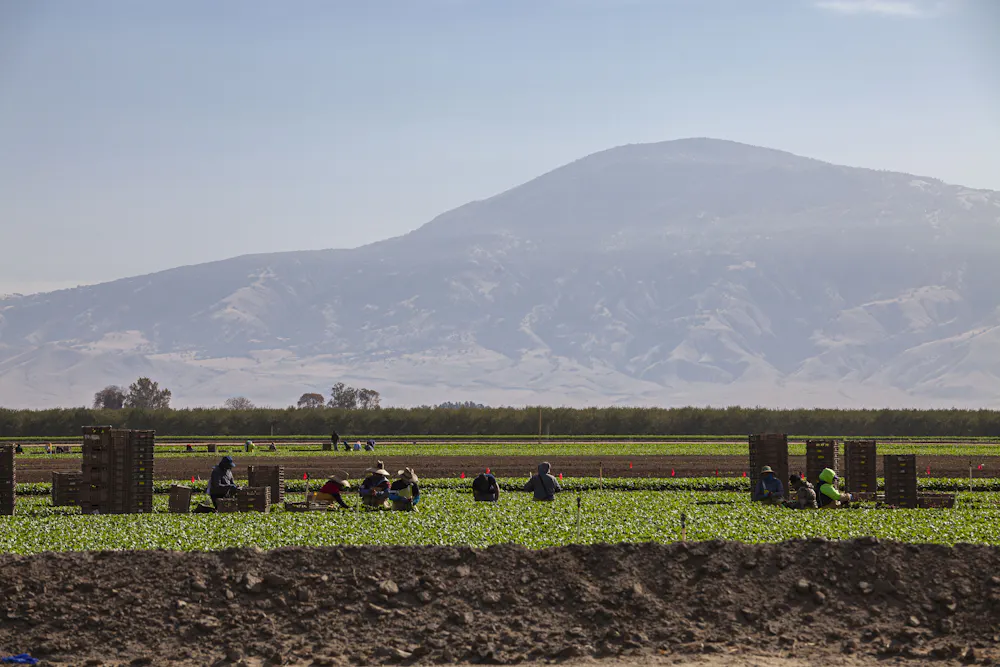
    Updates to this page

    Published 16 July 2025

    MIL OSI United Kingdom

  • MIL-OSI Submissions: Energy Sector – Equinor’s second quarter 2025 safety results

    Source: Equinor

    16 JULY 2025 – Equinor’s long-term positive safety trend is reinforced through the second quarter of 2025. The total number of serious incidents and personal injuries per million hours worked is at the lowest level the company has ever experienced at the end of the second quarter.

    At the end of the second quarter of 2025, the serious incident frequency per million hours worked (SIF) was 0.27*, an improvement from the first quarter of 2025. Serious personal injuries are also included in the serious incident statistics.

    “Systematic and long-term cooperation has been the key to our efforts over time to improve overall safety results through prevention of major accidents and serious personal injuries. Safety results are created and achieved on a daily basis. We have also experienced incidents that we need to learn from. Our cooperation with our suppliers, our employees and employee representatives is important to ensure that we can maintain this trend,” says Jannicke Nilsson, executive vice president for safety, security and sustainability.

    As of the second quarter, the frequency of personal injuries per million hours worked (TRIF) is 2.2 for the last 12 months, the same level as in the first quarter 2025.

    Five oil and gas leaks were recorded over the last 12 months, the same level as in the first quarter. These leaks are classified according to the degree of severity in relation to the discharge rate.

    There have been no incidents with major accident potential or serious well control incidents in the second quarter.

    Preventive work

    Through the “Always Safe” annual wheel, Equinor is working with other operating companies and suppliers to enhance understanding of factors that get in the way of safe work. Working safely at heights is the topic for the “Always Safe” learning package for the third quarter. This builds on preventing personal injuries, which was the topic for the second quarter.

    Investigating working conditions at Hammerfest LNG

    During the second quarter, we opened two internal investigations at Hammerfest LNG. The first is linked to a falling accident in April and will also include associated reports regarding the culture of safety and working environment. The second is an investigation of exposure incidents in the L201 area in the summer of 2024, 9 April and 13 June 2025, where personnel reported symptoms of unknown origin. The Norwegian Ocean Industry Authority is also investigating these incidents.

    * As of the first quarter of 2025, SIF is being reported with two decimals to better reflect minor changes in the frequency.

    MIL OSI – Submitted News

  • MIL-OSI Asia-Pac: LCQ12: Registration of proprietary Chinese medicines and import and export of Chinese herbal medicines

    Source: Hong Kong Government special administrative region – 4

         Following is a question by Professor the Hon Chan Wing-kwong and a written reply by the Secretary for Health, Professor Lo Chung-mau, in the Legislative Council today (July 16):

    Question:

         Regarding the registration of proprietary Chinese medicines (“pCms”) and the import and export of Chinese herbal medicines, will the Government inform this Council:

    (1) of the respective quantities and total values of imported and exported Chinese herbal medicines in each of the past five years;

    (2) of the following information on the applications for registration of pCms received by the Chinese Medicines Board under the Chinese Medicine Council of Hong Kong in each of the past five years: (i) the number of applications, (ii) the number of cases in which the Certificate of registration of pCms (the Certificate) was issued, (iii) the number of cases in which the Certificate was not issued, and (iv) among such cases, the main reasons for rejecting the applications for registration;

    (3) given that the National Medical Products Administration and the Guangdong Provincial Medical Products Administration respectively promulgated the notice regarding the streamlining of approval procedures for Hong Kong and Macao registered traditional pCms for oral use in January this year and the notice regarding the streamlining of approval procedures for Hong Kong and Macao registered traditional pCms for external use in August 2021, so as to streamline the approval procedures for Hong Kong pCms on the Mainland, whether the Government knows the following information on the applications for registration and selling of pCms on the Mainland submitted by holders of traditional pCms for oral and external use in Hong Kong through the above measures since August 2021: (i) the number of applications, (ii) the number of approved applications, and (iii) the number of types of pCms involved in the approved applications;

    (4) whether it knows the registration and selling status of Hong Kong pCms in overseas countries; and

    (5) of the measures put in place by the authorities to assist Hong Kong Chinese medicine traders in making full use of the advantages of Hong Kong’s trade, testing and certification, and registration systems, etc to actively expand their business on the Mainland and overseas, so as to promote the development of the Chinese medicine industry, thereby developing Hong Kong into a bridgehead for promoting the internationalisation of Chinese medicine?

    Reply:

    President,

         In consultation with the Census and Statistics Department and the Department of Health, the consolidated reply is provided by the Health Bureau as follows:

         According to the statistics from the Census and Statistics Department, the quantity and value of imports and total exports of Chinese herbal medicines (Chms) (Note 1) of Hong Kong during the period of 2020 to 2024 are tabulated as follows:
     

    Year Imports Total exports
    Quantity
    (kg)
    Value
    ($ million)
    Quantity
    (kg)
    Value
    ($ million)
    2020 16 815 982 2,930.6 3 681 447 733.8
    2021 17 849 891 2,745.6 3 619 227 709.0
    2022 12 878 024 2,193.1 3 531 117 785.4
    2023 12 677 674 3,287.2 6 646 149 704.4
    2024 12 182 088 3,489.8 2 959 551 692.8

         The figures indicate that the value and quantity of imports and total exports of Chms of Hong Kong have exhibited a downward trend over the past five years, with a cumulative drop of nearly 28 per cent and 20 per cent in volume of imports and total exports respectively. The Chinese medicines (CMs) industry relayed that such downward trend is mainly attributable to changes in global procurement practice of Chms, as purchasers prefer sourcing Chms directly from places of origin to ensure stable supply and reduce cost, thus affecting the volume of intermediary trade in Hong Kong. In addition, rising costs of Chms may have led to reduced local demand, thereby impacting the overall transaction quantity in the Chms market.

         Regarding registration of proprietary Chinese medicines (pCm), under the Chinese Medicine Ordinance (Cap. 549), all pCm must be registered with the Chinese Medicines Board (CMB) under the Chinese Medicine Council of Hong Kong (CMCHK) before they can be sold, imported or possessed in Hong Kong. For a pCm to be registered, it must fulfill the stringent safety, quality and efficacy requirements set out by CMB. According to records, during the period of 2020 to 2024, annual figures received by the CMB under the CMCHK related to pCm registration applications, and the number of cases granted or not granted for a “Certificate of Registration of a pCm” (HKC) are tabulated below:
     

      Number of cases (Year) Total
    2020 2021 2022 2023 2024
    New applications for a HKC 24 95 137 266 96 618
    Cases granted for a HKC (Note 2) (Note 3) 390 800 810 835 888 3 723
    Cases not granted for a HKC (Note 2) (Note 3) 174 234 149 131 75 763

         The main reasons for refusal of registration applications and the number of associated cases are tabulated below:
     

      Number of cases (Year) Total
    2020 2021 2022 2023 2024
    Failure to submit the required documents, information, samples, and/or other materials specified by the CMB for the evaluation of the pCm registration application; and/or failure to meet the safety, quality, and efficacy requirements for pCm registration as stipulated by CMB 103 103 75 57 19 357
    Withdrawal of application by the applicant 64 98 45 44 23 274
    Non-renewal renounce by the HKC holder, or renewal application not approved by CMB 7 33 29 30 33 132

         According to the official website of the National Medical Products Administration, as of June 30, 2025, a total of 16 Hong Kong-registered traditional pCms for external use have been approved for marketing in the Mainland through the streamlined approval procedure. Currently, no Hong Kong- and Macao- registered traditional pCms for oral use has been registered in the Mainland through the streamlined approval procedure. Regarding registration and marketing data for Hong Kong-registered pCms in overseas countries, the Department of Health does not maintain relevant records.

         The Government has all along been promoting the internationalisation of Chinese medicine (CM) and developing Hong Kong into a bridgehead for the internationalisation of CM through various initiatives. The permanent premises of the Government Chinese Medicines Testing Institute (GCMTI) is expected to be commissioned in phases starting from the end of this year. The GCMTI will continue to promote the standardisation and internationalisation of CMs and strengthen the quality control of CMs industry on its products through technology transfer. By leveraging Hong Kong’s strong reputation in the Mainland and overseas, and by establishing the brand image and standards of CMs in Hong Kong, the GCMTI promotes internationalisation of CM.

         Regarding regulation, with the conclusion of the transitional registration system for pCm on June 30, 2025, all pCms sold in Hong Kong must hold valid formal registration (i.e. HKC). This milestone marks a new era in the regulatory regime of CM in Hong Kong, signifying that all pCms sold in Hong Kong have strictly complied with the three core registration requirements, namely safety, quality and efficacy, and fully satisfied the requirements of the Chinese Medicine Ordinance in respect of packaging and labelling. The full implementation of the pCm registration system not solely enhances the protection of public health, but also significantly strengthens international confidence in regulatory regime for CMs in Hong Kong. This would facilitate local registered pCms to go global, and consolidate the strategic position of Hong Kong as an essential hub for the internationalisation of CM.

         In addition, the Government also encourages CMs traders to make good use of the Chinese Medicine Development Fund (CMDF) and other trade supporting measures. To align with the national policy on streamlining the approval procedures for Hong Kong- and Macao- registered traditional pCms for external use, the CMDF launched the Guangdong-Hong Kong-Macao Greater Bay Area pCm Industry Development Support Scheme (A5 Scheme) in February 2024 to assist Hong Kong pCm manufacturers or wholesalers to explore the Mainland market. To date, a total of 12 applications have been approved. The Health Bureau will further expand the scope of the A5 Scheme in a timely manner in light of the latest policy directives of extending the scope of the streamlined approval procedures to pCms for oral use. In parallel, various platforms also provide resources and support to the industry to strengthen brand promotion and business development, including the Dedicated Fund on Branding, Upgrading and Domestic Sales (BUD Fund), the SME Export Marketing Fund, and participation in the International Conference of the Modernization of Chinese Medicine and Health Products, which is jointly organised by the Hong Kong Trade Development Council and the industry, with a view to expanding their markets outside Hong Kong, strengthening international exchanges, and exploring co-operative trade opportunities.

         The Government will continue to fully leverage the role of Hong Kong as a gateway connecting the world, and further strengthen the role of Hong Kong as a bridgehead for internationalisation of CM, thereby promoting the high-quality and high-standard development of CM in Hong Kong on all fronts.

    Note 1: Chms refers to dried or processed forms of herbal medicine specified in Schedule 1 or Schedule 2 of the Chinese Medicine Ordinance.

    Note 2:Including new applications for a HKC, conversion cases from a “Notice of confirmation of transitional registration of pCm” to a HKC, and renewal cases for a HKC.

    Note 3:The actual processing time for a pCm registration application is subject to the completeness of documentation submitted by the applicant, the complexity of different application categories, and the current caseload of the CMCHK Secretariat. Depending on the submission time and circumstances of each application, the processing of an application may extend beyond the calendar year of initial submission.

    MIL OSI Asia Pacific News

  • MIL-OSI Asia-Pac: Less Wet Weather And More Warm Days Expected For The Rest Of July 2025

    Source: Government of Singapore

    Singapore, 16 July 2025 – The prevailing Southwest Monsoon conditions are forecast to persist over Singapore and the surrounding region with winds blowing mainly from the southeast or southwest.

    2          The second half of July 2025 is expected to be drier than the first half of the month. Fair and warm weather can be expected over Singapore on a few days. Localised short-duration thundery showers are forecast in the late morning and afternoon over parts of the island on some days. In addition, widespread thundery showers with gusty winds, due to Sumatra squalls, may occur between the pre-dawn hours and morning on one or two days. The total rainfall for the second half of July 2025 is forecast to be below average over most parts of the island.

    3          More warm days are expected in the second half of July 2025, as compared to the first half of the month, with daily maximum temperatures reaching slightly above 34 degrees Celsius on some days. Warm and humid conditions, particularly over the southern and eastern parts of the island are also expected on a few nights, with minimum night-time temperatures hovering around 28 degrees Celsius.

    4          For updates of the daily weather forecast, please visit the MSS website (www.weather.gov.sg), NEA website (www.nea.gov.sg), or download the myENV app.

     REVIEW OF THE PAST TWO WEEKS (1 – 15 JULY 2025)

    5          Southwest Monsoon conditions prevailed over Singapore and the surrounding region in the first fortnight of July 2025, with winds blowing mostly from the southeast or southwest.

    6          In the first fortnight of July 2025, localised short-duration thundery showers fell over parts of the island on most days. On 9 July 2025, regional convergence of winds brought moderate to heavy thundery showers over many areas of Singapore in the morning. The daily total rainfall of 87.6mm recorded at Sentosa that day was the highest rainfall recorded for the first fortnight of July 2025.

    7           In the first fortnight of July 2025, there were two days where the daily maximum temperature was above 34 degrees Celsius. The highest daily maximum temperature of 34.2 degrees Celsius was recorded at Pulau Ubin on 6 July 2025. There were a few warm nights where the night-time minimum temperature was above 28 degrees Celsius, mainly over the southern and eastern parts of the island.

     8          Most parts of Singapore recorded above average rainfall in the first fortnight of July 2025. The area around Clementi registered rainfall of 102 per cent above average, and the area around Jurong Pier registered rainfall of 36 per cent below average.


     CLIMATE STATION STATISTICS

      Long-term Statistics for July
      (Climatological reference period: 1991-2020)
    Average daily maximum temperature: 31.4      °C
    Average daily minimum temperature: 25.4 °C
    Average monthly temperature: 28.2 °C
         
    Average rainfall: 146.6 mm
    Average number of rain days: 14  
    Historical Extremes for July
      (Rainfall since 1869 and temperature since 1929)
    Highest monthly mean daily maximum temperature: 32.4  °C (1997)
    Lowest monthly mean daily minimum temperature: 22.9  °C (1975)
         
    Highest monthly rainfall ever recorded:  527.3  mm (1890)
    Lowest monthly rainfall ever recorded: 12.2  mm (2019)


    METEOROLOGICAL SERVICE SINGAPORE

    16 Jul 2025

    ~~ End ~~

    For more information, please submit your enquiries electronically via the Online Feedback Form or myENV mobile application.

    MIL OSI Asia Pacific News

  • MIL-OSI Banking: Lessons from high inflation: tighter monetary policy, two new forecasting models and an open CNB

    Source: Czech National Bank

    High inflation must not be allowed to recur. Thanks to tight monetary policy, open communication and a strong koruna policy, the Czech National Bank (CNB) succeeded in taming double-digit inflation in 2022–2023 and returning it to the 2% target. It then undertook a monetary policy review to make itself better prepared for similar situations in the future. The CNB is now offering an inside look at the discussions behind the change in its approach to preparing key materials for the Bank Board’s monetary policy decision-making, the development of two new forecasting models and the strengthening of its research capacity. It has published on its website the Proceedings of the Czech National Bank Workshop on Monetary Policy: Inflation Targeting Frameworks Under Review, featuring a foreword by CNB Governor Aleš Michl.

    Three years ago, in July 2022, inflation in the Czech Republic stood at 17.5%. The CNB’s forecasting model at the time was recommending further rate hikes above the then level of 7%, but the Bank Board, under the leadership of Governor Aleš Michl, opted for a different strategy. It decided to keep interest rates unchanged until it was confident that inflation was on track to return to the target, and communicated this intention openly to the public and markets. It also supported a strong koruna policy.

    This approach resulted in the strongest exchange rate of the koruna against the euro in history and the tightest monetary conditions in 20 years in spring 2023. Inflation dropped sharply to near the 2% target in January 2024. The average inflation rate for 2024 as a whole was 2.4%, the lowest since 2018.

    The CNB has now published the proceedings of the international Czech National Bank Workshop on Monetary Policy: Inflation Targeting Frameworks Under Review. This concludes the first phase of the external review of its monetary policy analytical and modelling framework. The Bank Board initiated this review in response to the turbulent inflation episode of 2022–2023.

    In his foreword to the proceedings, Governor Aleš Michl presents the rationale behind the decision to openly review the CNB’s monetary policy analytical framework and summarises the Bank’s approach to tackling inflation. He provides a detailed account of the Bank Board’s strategy during the period when inflation neared 18%, noting that traditional macroeconomic models underestimated the impact of global shocks and often failed to forecast inflation accurately. For the first time in its history, the CNB commissioned three independent external reviews of its modelling framework. These focused on the forecasting performance of the core model, its suitability as a sole forecasting tool, and the interaction between monetary and fiscal policy. According to the Governor, a central bank must be able to learn from the past and adapt its tools to a new reality in which the economy is affected by unexpected and difficult-to-model factors. The review of the modelling framework is therefore a key step towards ensuring future price stability.

    Based on the recommendations of the review teams, the CNB has decided to expand its modelling framework. It will develop two new alternative models to complement its existing tools, enabling the Bank to better manage forecast uncertainty and respond to hard-to-predict economic shocks. This aligns with the practice of many other central banks which routinely use multiple forecasting models. The first components are expected to be ready for internal testing in late 2025 and early 2026, with development of the new models continuing throughout 2026.

    The reviewers also recommended strengthening the CNB’s research and data analytics capabilities. On 1 January 2025, the CNB established a new Research and Statistics Department, replacing the former Statistics and Data Support Department. An important task for the new department is to develop alternative macroeconomic models. It will also focus on enhancing the CNB’s data infrastructure and expanding the role of research beyond model development.

    The final versions of all the external evaluations were published on the CNB website in November 2024. In April 2025, the CNB presented these evaluations in detail, along with the conclusions of the first phase of the monetary policy review, at the international Czech National Bank Workshop on Monetary Policy: Inflation Targeting Frameworks Under Review. The outputs of this conference are now available in the Proceedings of the Czech National Bank Workshop on Monetary Policy: Inflation Targeting Frameworks Under Review. In addition to contributions from domestic and international experts – including the former head of the BIS Monetary and Economic Department Claudio Borio and ESCB Monetary Policy Committee Chair Óscar Arce – the publication features a foreword by CNB Governor Aleš Michl summarising the CNB’s approach to monetary policy during the period of elevated inflation and the steps it took to bring inflation down.

    Jakub Holas
    Director, CNB Communications Division

    Related links

    MIL OSI Global Banks

  • MIL-OSI Asia-Pac: LCQ22: Toys safety

    Source: Hong Kong Government special administrative region

         Following is a question by Professor the Hon Chow Man-kong and a written reply by the Secretary for Commerce and Economic Development, Mr Algernon Yau, in the Legislative Council today (July 16):

    Question:

    It has been reported that certain toys (e.g. slime, powerful magnetic beads and toy aqua beads, etc.) pose potential safety hazards. For instance, in 2023, there were 6 000 cases of children seeking emergency medical treatment in the United States (US) due to the inadvertent use of toy aqua beads, and there was even a 10-month-old infant found dead as a result. In Hong Kong, there are also numerous cases in which the unsafe toys have endangered children’s health. Regarding toys safety, will the Government inform this Council:

    (1) in each of the past five years, of the number of (i) proactive inspections (both online and offline) conducted by the Customs and Excise Department (C&ED) for the purpose of enforcing the Toys and Children’s Products Safety Ordinance (Cap. 424) (the Ordinance), (ii) reports received and their details (including the names of the substandard toys seized in enforcement actions and their hazardous nature), (iii) prohibition notices served on retailers and wholesalers, and (iv) cases of conviction for contravening the Ordinance and the penalty imposed in each of such cases;

    (2) whether it has compiled statistics, through channels such as schools and the number of visits to accident and emergency departments, on the number of cases involving Hong Kong children suffering from suffocation, acute toxicity and injury due to the inadvertent use of toys in each of the past five years; if so, of the details of each case (including the age of the children involved, the names of toys and whether they have been put on the C&ED’s list concerning “cases of unsafe products” (“the list”), as well as the follow-up actions taken by the C&ED; if not, whether it will consider establishing a notification mechanism to ensure that all the stakeholders (especially parents and teachers) will stay timely informed of toy safety incidents which involve significant social interests and children’s safety;

    (3) given that according to a test report published by the Consumer Council in August 2019, the boron migration of 12 models of slime or putty toys exceeded the recommended upper limit of the European standard, and prolonged exposure to or indirect excessive intake of the substance may result in vomiting or even affect one’s fertility, whether the authorities have prohibited the local sale of relevant toys associated with health risks since the publication of the report; if so, of the details; if not, the reasons for that; and

    (4) it is learnt that the US Consumer Product Safety Commission intended to impose more stringent regulation on toy aqua beads last year, and members of the public can still purchase such toy aqua beads and other toys on the list through online or offline channels at present, whether the authorities will consider stepping up the regulation of the safety of relevant products as well as banning local sale of certain toys which have caused fatal accidents overseas; if so, of the details; if not, the reasons for that?

    Reply

    President,

         The Government attaches great importance to ensuring the safety of toys and children’s products and regulates the safety of toys and children’s products which are manufactured, imported or supplied for local consumption, in accordance with the Toys and Children’s Products Safety Ordinance (the Ordinance) (Cap. 424).

         The Ordinance stipulates that a person must not manufacture, import or supply a toy unless the toy complies with all the applicable requirements contained in one of the toy standards (which are international standards or standards adopted by major economies) specified in Schedule 1 to the Ordinance. A person who contravenes the above provision is liable to a maximum penalty of imprisonment for one year and a fine of $100,000 on first conviction and is liable to a maximum penalty of imprisonment for two years and a fine of $500,000 on subsequent conviction.

         The Government keeps in view any amendments to the relevant safety standards so as to update the standards applicable to the toys and children’s products supplied in Hong Kong.

         Moreover, the Toys and Children’s Products Safety (Additional Safety Standards or Requirements) Regulation (the Regulation) stipulates that a toy supplied in Hong Kong must comply with the requirements including the carrying of identification markings (i.e. the full name and address of the manufacturer, importer or supplier) and the bilingual warnings or cautions (with respect to the safe keeping, use, consumption or disposal) applicable to the toy; and the compliance with the requirements on concentration of phthalates contained in a toy.

         As the enforcement agency of the Ordinance, the Customs and Excise Department (C&ED) proactively conducts surveillance in the market and online shopping platforms. Having conducted risk assessment, the C&ED will test-purchase different types of toys and children’s products and pass them to the Government Laboratory for safety tests. Besides, the C&ED will conduct investigations into the complaints received and the cases referred from relevant government departments or organisations and take appropriate enforcement actions based on facts and evidence. In addition, the C&ED will actively follow up information about suspected unsafe toys and children’s products obtained from different sources such as media coverage and measures taken by the Mainland or overseas places against certain toys and children’s products; and the news about product safety issued by law enforcement agencies and institutions of product safety outside Hong Kong.

    Having consulted the C&ED, our reply to various parts of the question is as follows:

    (1) From 2020 to 2024, the C&ED received 68 complaints in relation to toys, conducted more than 7 920 surveillance visits or spot checks and investigated 127 cases. During the above period, the C&ED prosecuted individuals or companies involved in 14 cases. All defendants, including eight persons and six companies, were convicted and fined by the court, with the amount ranging from $3,000 to $32,000. The toys involved in these cases were lanterns, glow sticks, heart-shaped fluorescent toys, projectile toys, puzzle toys, expanding bead toys, squeeze toys, magnetic toys, joint mats, bubble toys and microphone toys. Furthermore, the C&ED issued 32 prohibition notices to prohibit related persons from supplying products that were believed to be unsafe for a specified period of time; and issued 94 warning letters. Meanwhile, the C&ED also conducted 45 blitz checks at boundary control points to combat the import of unsafe toys and children’s products into Hong Kong. The relevant figures categorised by year are listed in the table in the Annex.

    (2) Currently, the C&ED did not compile statistics on cases involving children suffering injuries resulting from the use of unsafe toys through channels such as schools or the number of visits to accident and emergency departments. For cases referred by the relevant government departments or organisations, the C&ED will conduct follow-up investigations as and when appropriate.

    All along, the C&ED has attached great importance to disseminating information about toys safety to the public and traders through various channels, including:
     

    • if any toys with safety issues are identified during investigations, a press statement will be published immediately; and after completion of the investigation, the relevant information will be included in the “cases of unsafe products” in the C&ED’s webpage;
    • striving to carry out compliance promotion for traders to assist the traders in understanding the relevant toy safety requirements of the Ordinance; and
    • organising with the Department of Health toys and children’s products safety talks for the public and for students and parents in schools; and distributing pamphlets about the Ordinance, introducing and sharing safety information of toys and children’s products.

         The C&ED has no plan to establish a specific notification mechanism.

    (3) In the testing report published by the Consumer Council in August 2019, the boron migration level in some of the samples of slime or clay toy exceeded the suggested safety limit of the European Standard. Upon receiving the referral, the C&ED immediately conducted surveillance visits in various districts and test-purchased four different brands of slime or clay toy from the market for safety testing. Test results showed that all the samples complied with the safety standards stipulated in the Ordinance. However, the C&ED found that one sample of slime failed to comply with the identification markings and bilingual warnings or cautions requirements and was suspected to be in contravention of the requirements of the Ordinance. Immediate enforcement action was taken against the retailer concerned and a written warning was subsequently issued to the said retailer.

    (4) Under the Ordinance, manufacturers, importers, and suppliers of water-bead toys are required to ensure that their products comply with all the applicable requirements contained in one of the three toy safety standards specified in Schedule 1 to the Ordinance (i.e. the International Standard ISO 8124, the European Standard BS EN 71 and the American Society for Testing and Materials Standard ASTM F963).

         The C&ED has noted that the United States Consumer Product Safety Commission is considering more stringent regulations for water-bead toys, although these more stringent regulations have not yet been implemented by law. The Government will continue to closely monitor any new requirements for toys safety standards from law enforcement agencies and institutions of product safety outside Hong Kong, and will revise or update the Schedules to the Ordinance as and when appropriate.

    At present, for water-bead toys suspected to be unsafe, the C&ED has actively conducted inspections and test-purchases in various districts to assess their safety, with a view to ensuring that both imported and locally supplied toys have reached a reasonable standard of safety. From 2020 to 2024, the C&ED conducted 29 inspections or targeted spot checks on water-bead toys, received three complaint cases related to water-bead toys and initiated two investigations. In one case, a person was fined in court for supplying water-bead toys exceeding the expandable limit of the safety standard and without bearing the identification markings and bilingual warnings or cautions. In another case, a written warning was issued to a company supplying water-bead toys without bearing the identification markings and bilingual warnings or cautions.

    MIL OSI Asia Pacific News

  • MIL-OSI United Kingdom: UK House Price Index for May 2025

    Source: United Kingdom – Executive Government & Departments

    Press release

    UK House Price Index for May 2025

    The UK HPI shows house price changes for England, Scotland, Wales and Northern Ireland.

    Boris Stroujko/Shutterstock.com

    The May data shows:

    • on average, house prices have risen 1.1% since April 2025
    • there has been an annual price rise of 3.9% which makes the average property in the UK valued at £269,000

    England

    In England the May data shows, on average, house prices rose by 1.3% since April 2025. The annual price rise of 3.4% takes the average property value to £290,000.

    • Yorkshire and the Humber  experienced the most significant monthly increase with a movement of 2.4%
    • London saw the biggest monthly price fall, with a reduction of -1.4%
    • The North East experienced the greatest annual price rise, up by 6.3%
    • The South West saw the lowest annual price growth, with a rise of 1.9%

    The regional data for England indicates that:

    Price change by region for England

    Region Average price May 2025 Annual change % since May 2024 Monthly change % since Apr 2025
    East Midlands £242,000 5 1.9
    East of England £340,000 4.2 2
    London £566,000 2.2 -1.4
    North East £159,000 6.3 2.2
    North West £209,000 3.3 2
    South East £381,000 2.1 0.4
    South West £304,000 1.9 1.5
    West Midlands £244,000 3.5 2.2
    Yorkshire and the Humber £204,000 5.1 2.4

    Repossession sales by volume for England

    The lowest number of repossession sales in March 2025 was in the East of England.

    The highest number of repossession sales in March 2025 was in the North East and North West.

    Repossession sales March 2025
    East Midlands 5
    East of England 2
    London 12
    North East 20
    North West 20
    South East 17
    South West 6
    West Midlands 6
    Yorkshire and the Humber 8
    England 96

    Average price by property type for England

    Property type May 2025 May  2024 Difference %
    Detached £473,000 £451,000 4.8
    Semi-detached £285,000 £273,000 4.3
    Terraced £239,000 £232,000 3.1
    Flat/maisonette £226,000 £225,000 0.7
    All £290,000 £281,000 3.4

    Funding and buyer status for England

    Transaction type Average price May 2025 Annual price change % since May 2024 Monthly price change % since April 2025
    Cash £276,000 2.5 1.4
    Mortgage £296,000 3.8 1.3
    First-time buyer £243,000 3.2 1.6
    Former owner occupier £353,000 3.6 1

    Building status for England

    Building status* Average price March 2025 Annual price change % since March 2024 Monthly price change % since February 2025
    New build £463,000 31.6 3.2
    Existing resold property £290,000 5.8 1.4

    *Figures for the 2 most recent months are not being published because there are not enough new build transactions to give a meaningful result.

    London

    London shows, on average, house prices decreased by 1.4% since April 2025. House prices have shown an annual price increase of 2.2% meaning the average price of a property is £566,000.

    Average price by property type for London

    Property type May 2025 May 2024 Difference %
    Detached £1,156,000 £1,106,000 4.5
    Semi-detached £716,000 £682,000 5
    Terraced £633,000 £615,000 3
    Flat/maisonette £453,000 £451,000 0.6
    All £566,000 £554,000 2.2

    Funding and buyer status for London

    Transaction type Average price May 2025 Annual price change % since May 2024 Monthly price change % since April 2025
    Cash £614,000 2.3 -1.9
    Mortgage £555,000 2.1 -1.2
    First-time buyer £483,000 1.5 -0.8
    Former owner occupier £708,000 3.3 -2.3

    Building status for London

    Building status* Average price March 2025 Annual price change % since March 2024 Monthly price change % since February 2025
    New build £620,000 23.8 3.3
    Existing resold property £552,000 0.4 -1.2

    *Figures for the 2 most recent months are not being published because there are not enough new build transactions to give a meaningful result.

    Wales

     Wales shows, on average, house prices rose by 0.5% since April 2025. An annual price increase of 5.1% takes the average property value to £210,000.

    There were 5 repossession sales for Wales in March 2025.

    Average price by property type for Wales

    Property type May 2025 May 2024 Difference %
    Detached £330,000 £312,000 5.7
    Semi-detached £209,000 £198,000 5.7
    Terraced £166,000 £158,000 5
    Flat/maisonette £130,000 £128,000 1.9
    All £210,000 £199,000 5.1

    Funding and buyer status for Wales

    Transaction type Average price May 2025% Annual price change % since May 2024 Monthly price change % since April 2025
    Cash £208,000 4.2 0.9
    Mortgage £210,000 5.6 0.3
    First-time buyer £180,000 5.3 0.5
    Former owner occupier £251,000 5 0.4

    Building status for Wales

    Building status* Average price March 2025 Annual price change % since March 2024 Monthly price change % since February 2025
    New build £385,000 26.5 1.4
    Existing resold property £206,000 3.4 1

    *Figures for the 2 most recent months are not being published because there are not enough new build transactions to give a meaningful result.

    UK house prices

    UK house prices rose by 3.9% in the year to May 2025, up from the revised estimate of 3.6% in the 12 months to April 2025. On a non-seasonally adjusted basis, average house prices in the UK increased by 1.1% between April 2025 and May 2025, compared with a increase 0.8% from the same period 12 months ago (April 24 and May 2024).

    The UK Property Transactions Statistics showed that in May 2025, on a seasonally adjusted basis, the estimated number of transactions of residential properties with a value of £40,000 or greater was 81,000. This is 11.8% lower than a year ago (May 2025). Between April 2025 and May 2025, UK transactions decreased by 25.1% on a seasonally adjusted basis.

    House price monthly increase was highest in Yorkshire and the Humber where prices increased by 2.4% in the year to May 2025. The highest annual growth was in the the North East, where prices increased by 6.3% in the year to May 2025.

    See the economic statement.

    The UK HPI is based on completed housing transactions. Typically, a house purchase can take 6 to 8 weeks to reach completion. As with other indicators in the housing market, which typically fluctuate from month to month, it is important not to put too much weight on one month’s set of house price data.

    Access the full UK HPI

    Background

    1. We publish the UK House Price Index (HPI) on the second or third Wednesday of each month with Northern Ireland figures updated quarterly. We will publish the June 2025 UK HPI at 9:30am on Wednesday 20 August 2025. See calendar of release dates.
    2. We have made some changes to improve the accuracy of the UK HPI. We are not publishing average price and percentage change for new builds and existing resold property as done previously because there are not currently enough new build transactions to provide a reliable result. This means that in this month’s UK HPI reports, new builds and existing resold property are reported in line with the sales volumes currently available.
    3. The UK HPI revision period has been extended to 13 months, following a review of the revision policy (see calculating the UK HPI section 4.4). This ensures the data used is more comprehensive.
    4. Sales volume data is available by property status (new build and existing property) and funding status (cash and mortgage) in our downloadable data tables. Transactions that require us to create a new register, such as new builds, are more complex and require more time to process. Read revisions to the UK HPI data.
    5. Revision tables are available for England and Wales within the downloadable data in CSV format. See about the UK HPI for more information.
    6. HM Land Registry, Registers of Scotland, Land & Property Services/Northern Ireland Statistics and Research Agency and the Valuation Office Agency supply data for the UK HPI.
    7. The Office for National Statistics (ONS) and Land & Property Services/Northern Ireland Statistics and Research Agency calculate the UK HPI. It applies a hedonic regression model that uses the various sources of data on property price, including HM Land Registry’s Price Paid Dataset, and attributes to produce estimates of the change in house prices each month. Find out more about the methodology used from the ONS and Northern Ireland Statistics & Research Agency.
    8. We take the UK Property Transaction statistics  from the HM Revenue and Customs (HMRC) monthly estimates of the number of residential and non-residential property transactions in the UK and its constituent countries. The number of property transactions in the UK is highly seasonal, with more activity in the summer months and less in the winter. This regular annual pattern can sometimes mask the underlying movements and trends in the data series. HMRC presents the UK aggregate transaction figures on a seasonally adjusted basis. We make adjustments for both the time of year and the construction of the calendar, including corrections for the position of Easter and the number of trading days in a particular month.
    9. UK HPI seasonally adjusted series are calculated at regional and national levels only. See data tables.
    10. The first estimate for new build average price (April 2016 report) was based on a small sample which can cause volatility. A three-month moving average has been applied to the latest estimate to remove some of this volatility.
    11. The UK HPI reflects the final transaction price for sales of residential property. Using the geometric mean, it covers purchases at market value for owner-occupation and buy-to-let, excluding those purchases not at market value (such as re-mortgages), where the ‘price’ represents a valuation.
    12. HM Land Registry provides information on residential property transactions for England and Wales, collected as part of the official registration process for properties that are sold for full market value.
    13. The HM Land Registry dataset contains the sale price of the property, the date when the sale was completed, full address details, the type of property (detached, semi-detached, terraced or flat), if it is a newly built property or an established residential building and a variable to indicate if the property has been purchased as a financed transaction (using a mortgage) or as a non-financed transaction (cash purchase).
    14. Repossession sales data is based on the number of transactions lodged with HM Land Registry by lenders exercising their power of sale.
    15. For England, we show repossession sales volume recorded by government office region. For Wales, we provide repossession sales volume for the number of repossession sales.
    16. Repossession sales data is available from April 2016 in CSV format. Find out more information about repossession sales.
    17. We publish CSV files of the raw and cleansed aggregated data every month for England, Scotland and Wales. We publish Northern Ireland data on a quarterly basis. They are available for free use and re-use under the Open Government Licence.
    18. HM Land Registry is a government department created in 1862. Its vision is: “A world-leading property market as part of a thriving economy and a sustainable future.”
    19. HM Land Registry’s purpose is: “We protect your land ownership and provide services and data that underpin an efficient and informed property market.”
    20. HM Land Registry safeguards land and property ownership valued at £8 trillion, enabling over £1 trillion worth of personal and commercial lending to be secured against property across England and Wales. The Land Register contains more than 26.5 million titles showing evidence of ownership for more than 89% of the land mass of England and Wales.
    21. For further information about HM Land Registry visit www.gov.uk/land-registry.
    22. Follow us on @HMLandRegistry, our blogLinkedIn and Facebook

    Contact

    Press Office

    Trafalgar House
    1 Bedford Park
    Croydon
    CR0 2AQ

    Email HMLRPressOffice@landregistry.gov.uk

    Phone (Monday to Friday 8:30am to 5:30pm) 0300 006 3365

    Mobile (5:30pm to 8:30am weekdays, all weekend and public holidays) 07864 689 344

    Updates to this page

    Published 16 July 2025

    MIL OSI United Kingdom

  • MIL-OSI Asia-Pac: LCQ17: Monitoring operation of government departments and performance of civil servants

    Source: Hong Kong Government special administrative region

         Following is a question by the Hon Carmen Kan and a written reply by the Secretary for the Civil Service, Mrs Ingrid Yeung, in the Legislative Council today (July 16):

    Question:

         Regarding the monitoring of the operation of government departments and the performance of civil servants, will the Government inform this Council:

    (1) whether it has compiled statistics on the following information in respect of the investigations/audits conducted by the Office of The Ombudsman and the Audit Commission (Audit) since 2015 (set out in a table):

    (i) the subjects and names of government departments involved in the investigation reports/audit reports completed each year; and
    (ii) the number of investigations/audits conducted on various government departments, and the subjects on which investigations/audits had been conducted repeatedly (set out by department and year);

    (2) whether it knows which of the subjects examined by Audit mentioned in (1) have not yet completed the follow-up work in accordance with the recommendations of Audit and the Public Accounts Committee of this Council;

    (3) of the measures put in place by the Government to improve the operation of government departments which have been investigated/examined repeatedly and found to have problems; whether it has held the then responsible personnel (including accountability officials and civil servants) responsible and imposed punishments; if so, of the details, including the number of the relevant personnel being punished (with a breakdown by the investigated/examined subjects and government departments) and the form of penalty imposed; if not, the reasons for that, and whether it will study the establishment of the relevant mechanism;

    (4) whether the authorities have put in place an incentive mechanism for government departments with outstanding performance, so as to further increase the incentive of government personnel; if so, of the details; if not, the reasons for that, and whether they will study establishing the relevant mechanism; and

    (5) since the promulgation of the updated Civil Service Code (the Code) last year, of the number of civil servants who have been issued with notifications by the Government under section 12 of the Public Service (Administration) Order and not granted increments as a result of substandard performance (with a breakdown by rank), and how such number compares with the data before the Code was updated; of the measures in place to enhance the effectiveness of rewarding and punishing civil servants for their performance, e.g. whether it will study reforming the incremental point system to improve their overall performance; if so, of the details; if not, the reasons for that?

    Reply:

    President,

         The current-term Government has all along been result-oriented and citizen-centered, striving to provide quality public services, while at the same time deepening reforms and introducing various enhancement measures. According to the World Competitiveness Yearbook 2025 published in June this year, Hong Kong’s global competitiveness rises from the fifth place last year to the third. In terms of government efficiency, Hong Kong’s ranking rises from the third to the second place globally, indicating that the Hong Kong Special Administrative Region (HKSAR) Government’s policies are working, various policies have yielded results, and that Government departments are also operating highly effectively in providing the requisite services for the public, foreign investors and tourists, etc. To ensure that the quality of public services is maintained and further enhanced, we attach great importance to the investigation/audit reports and valuable advice provided by the Office of The Ombudsman (OMB) and the Audit Commission. Respective departments will examine and study the reports in detail and follow up on the relevant recommendations.

         Having consulted the Administration Wing and the OMB, the Financial Services and the Treasury Bureau and the Audit Commission, as well as the Constitutional and Mainland Affairs Bureau, my reply to the question raised by the Hon Carmen Kan is as follows:

    (1) Established under The Ombudsman Ordinance, the OMB is an independent statutory body responsible for investigation works on maladministration. It is not a government department nor an organisation under the HKSAR Government. Under the legislation, apart from investigating complaints lodged by complainants against alleged maladministration in government departments and public organisations, The Ombudsman is also empowered to initiate direct investigation operations where injustice may have been caused by maladministration. The direct investigation operations are prompted mainly by subjects of significant public interest. 

         Over the past decade, the OMB has completed a total of 98 direct investigation operations involving 40 departments, covering a wide range of areas including medical and health, transport, buildings, lands, planning, labour, environmental protection, food and environmental hygiene, education, social welfare, housing, culture, recreation and sports. In general, the OMB completes eight to ten direct investigation operations per year.

         During this period, the departments involved in the highest number of direct investigation operations were, in descending order, the Food and Environmental Hygiene Department (17 operations), the Lands Department (13 operations), the Housing Department (11 operations), the Transport Department (9 operations), the Environmental Protection Department (8 operations), the Home Affairs Department (8 operations), and the Leisure and Cultural Services Department (8 operations). 

         Each direct investigation operation has its own uniqueness. In the past decade, none of the direct investigation operations were repeated. However, the OMB has carried out different direct investigation operations on different topics under some major areas, such as public housing, tree management, water seepage, after-death arrangement.

         For instance, food and environmental hygiene, lands matters, public housing, transport and recreation and sports are major areas. Examples of direct investigations conducted by the OMB in the area of food and environmental hygiene include regulation of swimming pools, enforcement against defective sewage works of New Territories exempted houses, regulation over sale of food in hot/cold holding and non-pre-packaged beverages by means of vending machine, after-death arrangements; an example of direct investigations in the area of lands matters is enforcement against unauthorised land developments; direct investigation examples in relation to public housing include housing for senior citizens, combating abuse, recovery, refurbishment and reallocation of public housing, illegal parking in public housing estates; examples in the area of traffic and transport include arrangements for driving tests, on-street parking spaces designated for people with disabilities; examples in relation to recreation and sports include obstruction of passageways by bicycles owned by operators of bicycle rental services, as well as repairs and maintenance of outdoor recreational and sports facilities. The OMB has conducted direct investigation operations on such topics.

         It is worth noting that the frequency of the departments or their subject areas being involved in direct investigation operations might be affected by various factors including nature of service, service target and prevailing concern in the society. Therefore, the frequency of departments under investigation does not represent the operation situation or performance of the department.

         On the other hand, value for money audits are conducted by the Audit Commission to examine the economy, efficiency and effectiveness with which government departments and organisations have discharged their functions, and the results of such audits are published in the Director of Audit’s Reports. 

         In the past ten years, the Audit Commission completed a total of 174 value for money audits covering 63 government departments (including the relevant policy bureaux), covering a wide range of areas including public works, commerce and industry, social welfare, buildings, lands and planning, recreation, culture and facilities, education, employment and labour, transportation and environmental protection. In general, the Audit Commission completes over ten value for money audits per year.

         During the period, the departments involved in the highest number of audits in their respective policy areas were, in descending order, the Environment and Ecology Bureau (27 audits), the Development Bureau (18 audits), the Education Bureau (16 audits), the Culture, Sports and Tourism Bureau (14 audits), the Labour and Welfare Bureau (14 audits), the Transport and Logistics Bureau (13 audits), the Environmental Protection Department (12 audits), the Food and Environmental Hygiene Department (12 audits), and the Leisure and Cultural Services Department (12 audits).

         In the past ten years, the Audit Commission conducted two audits on the Dedicated Fund on Branding, Upgrading and Domestic Sales, involving the Commerce and Economic Development Bureau and the Trade and Industry Department. The audit findings were published in Chapter 1 of the Director of Audit’s Report No. 84 and Chapter 7 of the Director of Audit’s Report No. 66 respectively.

         The Director of Audit takes into account a number of factors, including the significance of the project, its timeliness, the amount of public money and risks involved, and the benefits to be brought about, in selecting the subjects for value for money audits and deciding on the priority for conducting the audits.

    (2) The number of value for money audits for which follow-up actions have not been completed in accordance with the recommendations of the Audit Commission or the Public Accounts Committee (PAC) of the Legislative Council (LegCo) is 42, as set out in Annex. The Government has been reporting regularly to LegCo on the progress of implementing the recommendations in the form of Government Minute and annual progress reports, and the Audit Commission discusses with the PAC annually the progress of implementation of the recommendations by the audited organisations.

    (3) and (4) The HKSAR Government adopts a proactive and positive attitude in following up the investigations of the OMB and the audit reports of the Audit Commission as well as the recommendations therein, and carefully scrutinises and takes on board the recommendations to improve the relevant policy measures and public services. As the Ombudsman explained to this Council at its meeting on July 8, some government departments are responsible for more services which are in close contact with the public, and hence they may receive more complaints, and as mentioned above, the Director of Audit will take into account factors such as the significance of the subject, its timeliness, the amount of public funds and risks involved, as well as the benefits to be brought about, in selecting the value for money audit subjects and in determining the priority for conducting the audit; therefore, a department’s performance cannot be measured solely on the basis of the number of investigations conducted by the OMB and the number of projects selected for audit. Some of the complaints received by the OMB involved no or only minor maladministration, and the OMB has successfully concluded 555 such cases by way of mediation. Departments and bureaux will strive to follow up on any areas of improvement in the economy, efficiency and effectiveness in the administrative operations, administrative systems, administrative procedures or in the discharge of duties identified by the OMB and the Audit Commission upon completion of their investigations/audits. The causes of departmental maladministration, inefficiency and ineffective use of resources are numerous and often not homogeneous. The Government as a whole also pays close attention to deep-seated issues, such as over-emphasis on procedures to the detriment of effective achievement of objectives. The current-term Government adopts a result-oriented approach at all levels, and this element is emphasised in our daily work as well as in the leadership training of senior and middle-level civil servants. If a civil servant is found to be incapable of performing his/her duties or to have a less than positive attitude towards his/her work in any of the investigations or audits, his/her supervisors will reflect this in his/her appraisal report, and if he/she is under consideration by a promotion board, the board will also take into account deficiencies in his/her ability or attitude towards work. If an investigation or audit reveals that a civil servant has misconducted himself/herself, the department will deal with the case in accordance with the civil service disciplinary mechanism. As regards politically appointed officials, the Government will act in accordance with the Code for Officials under the Political Appointment System.

         The current-term Government is committed to setting up a performance-based management system. In respect of awards, the Government endeavours to implement various commendation schemes for civil servants, including the Chief Executive’s Award for Exemplary Performance, the Secretary for the Civil Service’s Commendation Award Scheme, the Civil Service Outstanding Service Award Scheme, to give due recognition to departments and individuals with outstanding performances in different areas, encourage civil servants to strive for excellence and provide quality services to the public. The Civil Service Outstanding Service Award Scheme aims to recognise government departments and teams in providing exemplary services, encourage civil servants’ innovation, and promote a people-oriented and “one government” public service culture. The OMB has also set up an annual Ombudsman’s Awards Scheme to recognise the contribution of departments and public organisations to the improvement of public administration. Individual and team awards are also presented to public officers in recognition of their outstanding performance and professionalism in serving the public.

    (5) In September 2023, the Civil Service Bureau promulgated and implemented the streamlined mechanism of retiring civil servants in the public interest on the ground of persistent sub-standard performance (the streamlined mechanism) under Section 12 of the Public Service (Administration) Order (Section 12 action) to strengthen the management of staff with sub-standard performance. From September 2023 to the end of June 2025, a total of 16 officers were issued with Section 12 Notification due to their sub-standard performance. They were advised to improve their performance to the acceptable standard within a specified observation period; otherwise Section 12 action would be taken. Among these officers, three officers were ordered to be retired due to persistent sub-standard performance; two officers resigned upon receipt of the Section 12 Notification; two officers with Section 12 action suspended as their performance was improved to the acceptable standard; and the cases of nine officers are still ongoing. When compared to the five–year period from September 2018 to September 2023 (i.e. before the implementation of the streamlined mechanism) in which a total of 12 officers were issued with the notification under the old mechanism informing that Section 12 action would be taken (i.e. 2.4 officers per year on average), 16 officers have been issued with Section 12 Notification since the implementation of the streamlined mechanism, indicating a higher usage of the streamlined mechanism by departments. The average processing time has also been largely reduced from 31.5 months for cases processed within the five years before the implementation of the streamlined mechanism to 10 months after its implementation. Apart from the 16 officers mentioned above, some officers have resigned before the commencement of the observation period when they were informed of the department’s intention to initiate Section 12 action against them, and the Government does not keep information on the number of such cases. As regards the granting of increments, a total of 12 and 21 civil servants were not granted an increment due to unsatisfactory performance in 2023 and 2024 respectively.

         The civil service is an integral part of the HKSAR’s governance system. The current-term Government has been attaching great importance to the enhancement of the civil service management system. The Civil Service Code updated last year states that accountability for performance is one of the core values, and that civil servants should be held accountable for their decisions and actions in discharging their public duties. We will continue to push ahead with the relevant work.

    MIL OSI Asia Pacific News

  • MIL-Evening Report: First-hand view of peacemaking challenge in the ‘Holy Land’

    Occupied West Bank-based New Zealand journalist Cole Martin asks who are the peacemakers?

    BEARING WITNESS: By Cole Martin

    As a Kiwi journalist living in the occupied West Bank, I can list endless reasons why there is no peace in the “Holy Land”.

    I live in a refugee camp, alongside families who were expelled from their homes by Israel’s violent establishment in 1948 — never allowed to return and repeatedly targeted by Israeli military incursions.

    Daily I witness suffocating checkpoints, settler attacks against rural towns, arbitrary imprisonment with no charge or trial, a crippled economy, expansion of illegal settlements, demolition of entire communities, genocidal rhetoric, and continued expulsion.

    No form of peace can exist within an active system of domination. To talk about peace without liberation and dignity is to suggest submission to a system of displacement, imprisonment, violence and erasure.

    I often find myself alongside a variety of peacemakers, putting themselves on the line to end these horrific systems — let me outline the key groups:

    Palestinian civil society and individuals have spent decades committed to creative non-violence in the face of these atrocities — from court battles to academia, education, art, co-ordinating demonstrations, general strikes, hīkoi (marches), sit-ins, civil disobedience. Google “Iqrit village”, “The Great March of Return”, “Tent of Nations farm”. These are the overlooked stories that don’t make catchy headlines.

    Protective Presence activists are a mix of about 150 Israeli and international civilians who volunteer their days and nights physically accompanying Palestinian communities. They aim to prevent Israeli settler violence, state-sanctioned home demolitions, and military/police incursions. They document the injustice and often face violence and arrest themselves. Foreigners face deportation and blacklisting — as a journalist I was arrested and barred from the West Bank short-term and my passport was withheld for more than a month.

    Reconciliation organisations have been working for decades to bridge the disconnect between political narratives and human realities. The effective groups don’t seek “co-existence” but “co-resistance” because they recognise there can be no peace within an active system of apartheid. They reiterate that dialogue alone achieves nothing while the Israeli regime continues to murder, displace and steal. Yes there are “opposing narratives”, but they do not have equal legitimacy when tested against the reality on the ground.

    Journalists continue to document and report key developments, chilling statistics and the human cost. They ensure people are seen. Over 200 journalists have been killed in Gaza. High-profile Palestinian Christian journalist Shireen Abu-Akleh was killed by Israeli forces in 2022. They continue reporting despite the risk, and without their courage world leaders wouldn’t know which undeniable facts to brazenly ignore.

    Humanitarians serve and protect the most vulnerable, treating and rescuing people selflessly. More than 400 aid workers and 1000 healthcare workers have been killed in Gaza. All 38 hospitals have been destroyed or damaged, with just a small number left partially functioning. NGOs have been crippled by USAID cuts and targeted Israeli policies, marked by a mass exodus of expats who have spent years committed to this region — severing a critical lifeline for Palestinian communities.

    All these groups emphasise change will not come from within. Protective Presence barely stems the flow.

    Reconciliation means nothing while the system continues to displace, imprison and slaughter Palestinians en masse. Journalism, non-violence and humanitarian efforts are only as effective as the willingness of states to uphold international law.

    Those on the frontlines of peacebuilding express the urgent need for global accountability across all sectors; economic, cultural and political sanctions. Systems of apartheid do not stem from corrupt leadership or several extremists, but from widespread attitudes of supremacy and nationalism across civil society.

    Boycotts increase the economic cost of maintaining such systems. Divestment sends a strong financial message that business as usual is unacceptable.

    Many other groups across the world are picketing weapons manufacturers, writing to elected leaders, educating friends and family, challenging harmful narratives, fundraising aid to keep people alive.

    Where are the peacemakers? They’re out on the streets. They’re people just like you and me.

    Cole Martin is an independent New Zealand photojournalist based in the occupied West Bank and a contributor to Asia Pacific Report. This article was first published by the Otago Daily Times and is republished with permission.

    MIL OSI AnalysisEveningReport.nz

  • MIL-Evening Report: First-hand view of peacemaking challenge in the ‘Holy Land’

    Occupied West Bank-based New Zealand journalist Cole Martin asks who are the peacemakers?

    BEARING WITNESS: By Cole Martin

    As a Kiwi journalist living in the occupied West Bank, I can list endless reasons why there is no peace in the “Holy Land”.

    I live in a refugee camp, alongside families who were expelled from their homes by Israel’s violent establishment in 1948 — never allowed to return and repeatedly targeted by Israeli military incursions.

    Daily I witness suffocating checkpoints, settler attacks against rural towns, arbitrary imprisonment with no charge or trial, a crippled economy, expansion of illegal settlements, demolition of entire communities, genocidal rhetoric, and continued expulsion.

    No form of peace can exist within an active system of domination. To talk about peace without liberation and dignity is to suggest submission to a system of displacement, imprisonment, violence and erasure.

    I often find myself alongside a variety of peacemakers, putting themselves on the line to end these horrific systems — let me outline the key groups:

    Palestinian civil society and individuals have spent decades committed to creative non-violence in the face of these atrocities — from court battles to academia, education, art, co-ordinating demonstrations, general strikes, hīkoi (marches), sit-ins, civil disobedience. Google “Iqrit village”, “The Great March of Return”, “Tent of Nations farm”. These are the overlooked stories that don’t make catchy headlines.

    Protective Presence activists are a mix of about 150 Israeli and international civilians who volunteer their days and nights physically accompanying Palestinian communities. They aim to prevent Israeli settler violence, state-sanctioned home demolitions, and military/police incursions. They document the injustice and often face violence and arrest themselves. Foreigners face deportation and blacklisting — as a journalist I was arrested and barred from the West Bank short-term and my passport was withheld for more than a month.

    Reconciliation organisations have been working for decades to bridge the disconnect between political narratives and human realities. The effective groups don’t seek “co-existence” but “co-resistance” because they recognise there can be no peace within an active system of apartheid. They reiterate that dialogue alone achieves nothing while the Israeli regime continues to murder, displace and steal. Yes there are “opposing narratives”, but they do not have equal legitimacy when tested against the reality on the ground.

    Journalists continue to document and report key developments, chilling statistics and the human cost. They ensure people are seen. Over 200 journalists have been killed in Gaza. High-profile Palestinian Christian journalist Shireen Abu-Akleh was killed by Israeli forces in 2022. They continue reporting despite the risk, and without their courage world leaders wouldn’t know which undeniable facts to brazenly ignore.

    Humanitarians serve and protect the most vulnerable, treating and rescuing people selflessly. More than 400 aid workers and 1000 healthcare workers have been killed in Gaza. All 38 hospitals have been destroyed or damaged, with just a small number left partially functioning. NGOs have been crippled by USAID cuts and targeted Israeli policies, marked by a mass exodus of expats who have spent years committed to this region — severing a critical lifeline for Palestinian communities.

    All these groups emphasise change will not come from within. Protective Presence barely stems the flow.

    Reconciliation means nothing while the system continues to displace, imprison and slaughter Palestinians en masse. Journalism, non-violence and humanitarian efforts are only as effective as the willingness of states to uphold international law.

    Those on the frontlines of peacebuilding express the urgent need for global accountability across all sectors; economic, cultural and political sanctions. Systems of apartheid do not stem from corrupt leadership or several extremists, but from widespread attitudes of supremacy and nationalism across civil society.

    Boycotts increase the economic cost of maintaining such systems. Divestment sends a strong financial message that business as usual is unacceptable.

    Many other groups across the world are picketing weapons manufacturers, writing to elected leaders, educating friends and family, challenging harmful narratives, fundraising aid to keep people alive.

    Where are the peacemakers? They’re out on the streets. They’re people just like you and me.

    Cole Martin is an independent New Zealand photojournalist based in the occupied West Bank and a contributor to Asia Pacific Report. This article was first published by the Otago Daily Times and is republished with permission.

    MIL OSI AnalysisEveningReport.nz

  • MIL-OSI Asia-Pac: LCQ 15: Formulating a comprehensive population policy

    Source: Hong Kong Government special administrative region

    Following is a question by the Hon Nixie Lam and a written reply by the Secretary for Home and Youth Affairs, Miss Alice Mak, in the Legislative Council today (July 16):
     
    Question:

    According to data from the Census and Statistics Department, Hong Kong’s total fertility rate in 2024 was only 0.841, far below the 2.1 level required for population replacement. Furthermore, a survey by a youth service organisation indicated that only 36 per cent of young people in Hong Kong who had responded in the survey expressed a preference for marriage or childbearing. Another survey showed that just around 23.27 per cent of respondents aged between 19 and 29 expressed a desire to have children, ranking among the lowest levels globally. There are views that the Government should adopt measures to enhance marriage and fertility rates among young people and develop a comprehensive population policy to avoid population ageing and workforce shrinkage. In this connection, will the Government inform this Council:
     
    (1) whether it will commence a systematic survey and study on the marriage and fertility situation of young people in Hong Kong, so as to deeply analyse the core factors influencing their decisions regarding marriage and childbearing, particularly through assessment in areas such as financial burdens, housing difficulties and job stability, with a view to gaining a more precise understanding of their concerns and expectations; if so, of the direction and timetable of the survey and study; if not, the reasons for that;
     
    (2) as there are views pointing out that young people’s lack of knowledge and confidence in future planning and gender relations indirectly undermine their willingness to marry and have children, whether the Government will consider, through cross-departmental collaboration, integrating existing fertility support measures for young people (e.g. child-rearing subsidies, priority quotas for public housing allocation, and childcare services for working families) and consolidating such information within the Home and Youth Affairs Bureau’s “HKYouth+” mobile application, as well as adding a designated information corner to the application that covers topics such as reproductive health, sex education, and marriage and fertility support, with a view to strengthening support for young people in the aspects of affective education and reproductive health information; if so, of the timetable; if not, the reasons for that; and
     
    (3) as there are views pointing out that although the Government has established the Human Resources Planning Commission to follow up on population policy, Hong Kong’s current population policy still lacks comprehensiveness, whether the Government will review the Commission’s work or establish a task force coordinated by an official at the level of Secretary of Department to institutionally integrate cross-departmental resources, with a view to formulating more comprehensive population policy objectives for Hong Kong to address the long-term challenges of population development?
     
    Reply:
     
    President,
     
    In consultation with the Chief Secretary for Administration’s Office, the Deputy Chief Secretary for Administration’s Office, the Labour and Welfare Bureau (LWB), the Housing Bureau (HB), the Financial Services and the Treasury Bureau (FSTB) and the Health Bureau (HHB), the consolidated reply to the questions raised by the Hon Nixie Lam is as follows:
     
    (1) & (2) The Census and Statistics Department (C&SD) has been regularly collating data related to marriage and fertility trends across different age groups. The C&SD also publishes feature articles from time to time, giving a brief account of the marriage and fertility trends in Hong Kong and analysing the factors underlying such trends.
     
    Hong Kong and many countries or places worldwide are facing a decline in fertility rate. In the face of this challenge, the Government must formulate measures to raise fertility rate. As such, the Chief Executive (CE) announced in his 2023 Policy Address a host of measures to promote fertility and create a conducive environment for childbearing through a “combination punches” approach. These measures include providing Newborn Baby Bonus, giving families with newborns priority on flat selection and allocation, enhancing child care support and increasing tax concessions. Office/ bureaux implementing the measures include the Deputy Chief Secretary for Administration’s Office, the HB, the LWB, the HHB, the Home and Youth Affairs Bureau (HYAB) and the FSTB.
     
    The Hong Kong Housing Authority (HA) has implemented the Families with Newborns Allocation Priority Scheme and the Families with Newborns Flat Selection Priority Scheme to encourage childbearing by giving incentives to family applicants of public rental housing (PRH) and subsidised sale flats (SSF) sale exercises.  
     
    Regarding the allocation of PRH, the HA has implemented the Families with Newborns Allocation Priority Scheme since April 1, 2024. PRH family applications with babies born on or after October 25, 2023 and aged one or below are credited one year of waiting time. As at end-June 2025, about 5 000 PRH applications have been credited one year of waiting time under the scheme, of which about 420 families have already been successfully housed to PRH.
     
    As for SSF, starting from the Sale of Home Ownership Scheme (HOS) Flats 2024 (HOS 2024), the HA has implemented the Families with Newborns Flat Selection Priority Scheme which was announced in the 2023 Policy Address. A quota of about 40 per cent of the new flats for sale (i.e. 2 900 flats) under HOS 2024 were set aside for eligible applicants under the Families with Newborns Flat Selection Priority Scheme and the Priority Scheme for Families with Elderly Members for balloting and priority flat selection. Family applicants of HOS with babies born on or after October 25, 2023 are eligible if their children are aged three or below on the closing day of the application.
     
    During the application period of HOS 2024, the HA received a total of around 106 000 applications. Among them, around 50 000 were family applicants, of which around 19 000 (i.e. about 40 per cent) applied under the Priority Scheme for Families with Elderly Members and Families with Newborns Flat Selection Priority Scheme. Among these 19 000 applicants, 800 applicants have successfully purchased flats through the Families with Newborns Flat Selection Priority Scheme. If eligible families applying under the Families with Newborns Flat Selection Priority Scheme fail to purchase a flat under HOS 2024, they may still apply under the Scheme for priority flat selection as long as their children are aged three or below on the closing day of the application in subsequent SSF sale exercises.
     
    The Government announced in the 2023 Policy Address that a cash reward of $20,000 will be provided to eligible parents for each baby born from October 25, 2023, for a period of three years. Starting from October 25, 2023, parents can submit an application for the bonus at the same time when registering the birth of their baby and applying for a birth certificate. As of end-June 2025, a total of 49 567 qualified applications have been received, and the bonus has been distributed to 48 984 applicants, at a total amount of approximately $979 million. The Deputy Chief Secretary for Administration’s Office is carrying out a review of the Newborn Baby Bonus Scheme.
     
    The Government has been supporting parents who cannot take care of their children temporarily through subsidising non-governmental organisations (NGOs) to provide a variety of day child care services, including Child Care Centres (CCCs), the After School Care Programme and the Neighbourhood Support Child Care Project (NSCCP). To strengthen support for working families in childbearing, the Government has announced the setting up of additional 11 aided standalone CCCs in phases, doubling the total number of service places to reach around 2 000. The Government is extending the After School Care Programme for pre-primary children to cover all districts in phases, and increasing the number of service places under the NSCCP to 2 500 with the estimated number of beneficiaries increasing to 25 000. The Social Welfare Department will also provide information and assistance to private organisations applying for registration to operate CCCs, and encourage private organisations to provide child care support for their employees. Meanwhile, the Government reviews the Working Family Allowance (WFA) Scheme from time to time. The rates of the household and child allowances under the WFA Scheme have been increased by 15 per cent across the board with effect from April 2024, benefiting all households receiving the WFA. The WFA Scheme provides additional allowances for relevant childbearing families, and increasing the rates of the WFA helps further alleviate the burden of grassroots working families. Taking a four-person household with two eligible children as an example, the maximum monthly WFA they may receive have increased from the original amount of $4,200 to $4,830 at present.
     
    As regards tax concessions, starting from the year of assessment (YA) 2023/24, the basic child allowance and the additional child allowance for each child born during the YA have been raised from $120,000 to $130,000. In addition, starting from YA 2024/25, for taxpayers who live with their children born on or after October 25, 2023 and meet the prescribed conditions, the deduction ceiling for home loan interest or domestic rents will be raised from $100,000 to $120,000 for a maximum of 19 YAs. These measures can encourage childbearing by helping taxpayers to alleviate their financial burden from raising children.
     
    As regards antenatal services, currently the Obstetrics and Gynaecology Departments of the Hospital Authority and the Maternal and Child Health Centres (MCHCs) of the Department of Health (DH) provide free antenatal services for all local pregnant women who are eligible persons (who generally refer to holders of Hong Kong Identity Cards or such other persons as may be approved by the Chief Executive of the Hospital Authority/ Director of Health) to ensure the health of the pregnant women and their foetuses. The scope of services includes the first antenatal check-up, personal and family medical history, as well as various investigations and vaccinations conducted by doctors according to the clinical needs of individual pregnant women.
     
    Besides, as announced in the 2024 Policy Address, the DH will revamp maternal and child health and family planning services to strengthen pre-pregnancy counselling and parental education and promote healthy fertility. The DH will provide the new pre-pregnancy health services to reproductive age group women at the MCHCs in phases, support women in preparing for pregnancy through health consultation and counselling, health assessments, arrangement of blood tests and other investigations, and provide nutritional dietary and lifestyle advice, to align with the Government’s policy of encouraging and promoting healthy fertility, as well as protecting and advancing maternal and child health. Details on the above initiatives will be announced at an appropriate juncture. In addition, the DH will review and adjust the scope of the subsidised family planning service currently provided by NGOs, so as to dovetail with the Government’s policy of encouraging and promoting healthy fertility.
     
    The HYAB has been supporting the work of the Family Council (the Council) in promoting a culture of loving families to the general public through organising different publicity programmes and activities. In October 2024, the HYAB and the Council launched the five-year Funding Scheme on the Promotion of Family Education (the Scheme). With an annual funding of $8 million, the Scheme subsidises non-profit-making community projects in promoting family education. NGOs may, based on societal needs, apply to the Scheme for funding to implement projects related to topics such as family building, new parents, and marriage-related. On the other hand, the Council has been encouraging the wider adoption of more diversified and flexible family-friendly employment practices (FFEPs) in the community. Measures include launching promotional videos entitled “Family-friendly Workplace”, which feature various FFEPs adopted by local companies, and collaborating with the Radio Television Hong Kong to produce radio programmes to promulgate different types of FFEPs. These measures will also help foster a pro-family environment.
     
    The HYAB launched the first release of the “HKYouth+” youth mobile application in March 2024, and has been continuously updating it to cater to the needs of young people. Its content cover various areas, including personal development opportunities, local hot topics, national development, world news, arts and leisure, innovation and technology, physical and mental wellness. It aims to help young people expand their knowledge, explore interests and enrich themselves in different aspects. The HYAB will work with relevant bureaux and departments to encourage them to make use of “HKYouth+” for strengthening promotion of various support measures to the youth community.
     
    (3) The population policy straddles a wide range of policy areas, involving various bureaux. For the current term of the HKSAR Government, in addition to the standing committees, the CE and Secretaries and Deputy Secretaries of Departments are now providing high-level steer as necessary through various channels, such as working groups and inter-departmental meetings, to coordinate relevant inter-departmental work.
     
    Chaired by the Chief Secretary for Administration, the Human Resources Planning Commission (HRPC) consolidates resources and efforts of the Government and various sectors to examine, review and holistically co-ordinate policies and measures on human resources, including issues pertaining to the population policy. The HRPC is a high-level policy platform, with eight policy secretaries, including Secretary for Commerce and Economic Development, Secretary for Constitutional and Mainland Affairs, Secretary for Education, Secretary for Financial Services and the Treasury, Secretary for Health, Secretary for Innovation, Technology and Industry, Secretary for Labour and Welfare and Secretary for Security; the Government Economist; the Commissioner for Census and Statistics and the Chairmen of the Employees Retraining Board, the Hong Kong Council for Accreditation of Academic and Vocational Qualifications and the Vocational Training Council as ex-officio members; and non-official members drawn from a diverse mix of experts and stakeholders from different fields and sectors. Since its establishment in 2018, the HRPC has looked into a number of issues to tackle the demographic challenges, facilitating the Government to formulate and refine the relevant policies and measures.
     
    Currently, population policy measures have been subsumed under the portfolios of various bureaux as part of the ongoing efforts. As the Government’s existing steering and inter-departmental co-ordination mechanism are flexible and effective, the Government does not consider it necessary to set up a separate structure for the work on the population policy.

    MIL OSI Asia Pacific News

  • MIL-OSI Asia-Pac: LCQ14: Supporting cinema industry

    Source: Hong Kong Government special administrative region

    LCQ14: Supporting cinema industry 
    Question:
     
    There are views that a number of cinemas in Hong Kong have closed down one after another in recent months and the industry is facing challenges such as rising operational costs and competition from streaming platforms, raising concerns that the wave of cinema closures may continue to spread. On the other hand, as cinemas serve as both an important platform for film exhibition and an important outlet for public consumption, culture and entertainment, the industry’s long-term development is in dire need of government support. In this connection, will the Government inform this Council:
     
    (1) whether it has compiled statistics on the number of cinema closures and new openings in each of the past five years;
     
    (2) whether it has compiled statistics on the following information of the cinemas in each of the 18 districts across the territory at present: (i)‍ ‍the number of cinemas, (ii) ‍the seating capacity, (iii) ‍the number of seats per 1 000 population, (iv) ‍the number of screens, and (v) ‍the average ticket price; and how such figures compare with those from five years ago;
     
    (3) as regards districts with “zero/few cinemas”, whether the Government will, by making reference to past practices, consider including a cinema requirement in the land lease of individual land sale sites, stipulating that the cinema shall not be converted to other uses within the first seven years of operation; whether it has formulated measures to increase cinema supply; if it has, of the details; if not, the reasons for that; and
     
    (4) of the following information on the Cinema Day, which has been sponsored by the Cultural and Creative Industries Development Agency and held since 2023: the annual (i) ‍number of participating cinemas, (ii) ‍number of screenings, (iii) ‍attendance, (iv)‍‍ ‍box-office takings, and (v)‍ ‍amount of government funding; whether it has assessed the effectiveness of the Cinema Day in supporting the development of the cinema industry; whether the authorities have other measures in place to further support the cinema industry?
     
    Reply:
     
    President,
     
    Regarding the questions raised by the Hon Chan Pui-leung, my reply is as follows:
     
    (1) and (2) As at  July 10, 2025, there are 52 cinemas in Hong Kong, representing a decrease of nine cinemas (15 per cent) as compared to 2020 (five years ago). Although the number of cinema closures has increased in recent years, various operators have taken over some of the closed cinemas. The number of cinemas opened and closed, and the average ticket price over the past five years are set out in Annex 1.
     
    Currently, there are cinemas in all the 18 districts except for Wong Tai Sin. The cinema closed earlier in Wong Tai Sin has been taken over by a new operator, and will be reopened in mid-July. A comparison of the number of cinemas, screens, seats and seats per 1 000 population across all districts in Hong Kong in 2020 and 2025 is set out in Annex 2.
     
    (3) Over the past two years, cinema industry has been encountering various challenges, including the rise of streaming platforms, downturn in global film industry, lack of blockbusters with strong appeal, high cinema rental and operational costs, and changes in audience viewing and consumption habits. In addition, both the Hong Kong and global film markets are still adapting to various post-pandemic changes and challenges. Despite the closure of some cinemas over the past two years, we have also seen new cinemas opening and seizing business opportunities. The Government will continue to closely monitor the difficulties and needs of the industry and maintain close communication with the trade. In fact, Cinema Day and 1st October Movie Fiesta: Half-Price Spectacular 2024 (1st October Movie Fiesta) launched by the Government aimed at supporting the cinema industry. Moreover, the Government has provided a range of support of different nature and levels, including nurturing talents and implementing multiple film production support schemes, which will also bring benefits to the cinema industry. However, the provision and operation of cinemas should be market-driven. At present, the Government has no plan to incorporate requirement for provision of cinema in the land sale condition of government land leases.
     
    (4) Cinema Day and 1st October Movie Fiesta have brought confidence and impetus into Hong Kong’s film market. By offering concessionary ticket prices, both initiatives promote film culture to the public, allowing families and friends to enjoy movies in cinemas at affordable prices, thereby cultivating the habit of cinema-going and building audience, which in turn benefits the film industry in the long term. Both the Government and the Hong Kong Theatres Association consider the events effective in bringing new audience to cinemas, with attendance figures significantly increased compared to the same period in previous years and breaking records in attendance and box office receipts. In addition, medium-to-small-scale and niche films have received more attention during the events. Furthermore, restaurants and shops near cinemas offered discounts at the day of the events, providing additional incentive of watching movies at cinemas and boosting consumption in surrounding shops. Overall speaking, Cinema Day and 1st October Movie Fiesta benefit the cinemas, film industry, businesses, and the general public. The number of participating cinemas, screenings, attendance, box office receipts, and amount of government funding of both initiatives are set out in Annex 3.
     
    Both Cinema Day and 1st October Movie Fiesta have received positive feedbacks from the public and the film market. The Government will continue to support Hong Kong film industry by enhancing both quality and quantity of Hong Kong films through the Cultural and Creative Industries Development Agency and the Film Development Fund, with a view to bringing confidence and impetus into the market through quality Hong Kong films. Meanwhile, the Government will also continue to fund projects and activities that build local audience, to cultivate the habit of cinema-going and support the steady development of Hong Kong films and cinema industries.
    Issued at HKT 12:25

    NNNN

    MIL OSI Asia Pacific News

  • MIL-OSI China: Economic growth momentum expected to continue

    Source: People’s Republic of China – State Council News

    People select goods at a Decathlon store on Nanbin Road, Nan’an District, southwest China’s Chongqing, April 19, 2025. [Photo/Xinhua]

    The Chinese economy expanded 5.3 percent year-on-year in the first half of 2025, official data showed on Tuesday, defying mounting global headwinds and providing a solid footing for achieving the full-year growth target of around 5 percent.

    Analysts said they expect the economic growth momentum to continue in the second half of the year, given the government’s ample policy room and tools, the steady recovery in domestic demand, and the resilience in exports.

    Looking ahead, they said that China’s top leadership may sharpen its focus on maintaining economic stability and restoring market confidence, with strong fiscal stimulus and further monetary easing to stimulate domestic demand and cushion against external headwinds.

    Data from the National Bureau of Statistics showed that China’s GDP increased 5.2 percent year-on-year in the second quarter of this year, cooling from a 5.4 percent growth in the first quarter.

    “The Chinese economy posted a solid first half, supported by resilient exports,” said Louise Loo, lead economist at British think tank Oxford Economics. “Sequential GDP growth moderated in the second quarter, but still allowed first-half growth to reach 5.3 percent — comfortably above the official 5 percent full-year target.”

    China’s value-added industrial output grew 6.8 percent year-on-year in June, after a 5.8 percent rise in May, while retail sales — a key measurement of consumer spending — rose 4.8 percent year-on-year in June, down from 6.4 percent in May.

    Loo said that retail sales growth slowed in June, reflecting weak organic spending momentum following the temporary boost from the “618” shopping festival.

    Loo said that fiscal policy is expected to take the lead in supporting growth, as June’s robust government bond issuance suggests stimulus is being ramped up. “We anticipate this will include renewed funding for the trade-in program, given its more immediate impact on demand,” she added.

    According to NBS data, final consumption accounted for 52 percent of China’s economic growth in the first half of the year. In the second quarter, final consumption contributed 52.3 percent to economic growth, slightly higher than the figure in the first quarter.

    “These figures indicate that domestic demand — particularly consumption — remains the primary driver of GDP growth,” Sheng Laiyun, deputy head of the NBS, said on Tuesday at a news conference in Beijing.

    NBS data shows retail sales rose 5 percent year-on-year in the first half of 2025, up from 4.6 percent in the first quarter.

    “The upward momentum seen in consumption in the first half will likely carry into the second half,” Sheng said, noting that new rounds of consumption-boosting stimulus measures, including subsidies, are already being rolled out.

    “Authorities are accelerating the rollout of policies for the second half of the year. China’s policy toolbox remains ample and it is strengthening policy reserves, with new measures to be introduced as needed in response to market changes,” he said.

    Given China’s robust first-half performance, Ming Ming, chief economist at CITIC Securities, said the second-half policy efforts are likely to focus on innovating policy tools.

    “Efforts will likely target key areas in the economy, including supporting property destocking, further developing the service sector and boosting consumption,” he said on Tuesday at a forum hosted by China News Service in Beijing.

    Wang Qing, chief macroeconomic analyst at Golden Credit Rating International, said that China will likely step up “unconventional” countercyclical adjustments in the second half to cushion external pressures.

    MIL OSI China News

  • MIL-OSI Asia-Pac: LCQ20: Preventing child abuse

    Source: Hong Kong Government special administrative region

         Following is a question by the Hon Maggie Chan and a written reply by the Secretary for Labour and Welfare, Mr Chris Sun, in the Legislative Council today (July 16):

    Question:

         It has been reported that Hong Kong has recently witnessed a series of shocking cases of child abuse, including a recent incident where a deliveryman repeatedly abused his biological daughter, leading to her death. The defendant was ultimately convicted of murder and sentenced to life imprisonment, and he was sentenced to imprisonment of six years and five months for his child abuse offence. There are views that as the current maximum penalty of child abuse is only ten years, it fails to fully reflect its severity and effectively prevent child abuse from taking place, and, given that Hong Kong has seen cases of child abuse resulting in death in the past, it is imperative for the authorities to significantly increase the maximum penalty for child abuse offence, so as to enhance deterrence and protect children. In this connection, will the Government inform this Council:

    (1) of the following information regarding child abuse cases successfully prosecuted by the authorities last year: (i) number of cases, (ii) date of prosecution, (iii) date of sentence, (iv) whether the perpetrator was a direct relative of the victim, (v) whether the abuse resulted in the death of or grievous bodily harm to the child, and (vi) term of imprisonment in cases where imprisonment was imposed; and

    (2) whether it has plans to review relevant legislation to increase the maximum penalty for child abuse offence; if so, of the details; if not, the reasons for that?

    Reply:

    President,

         The Government has been adopting a multi-pronged strategy to protect children from harm or abuse. Apart from identifying and intervening in child abuse cases at an early stage to protect children, the Government also supports families at risk of child abuse to prevent child abuse at source. The consolidated reply to the Member’s question, in consultation with Security Bureau, is as follows:

         At present, there are many pieces of legislation in place that protect children from harm and abuse, including the Offences against the Person Ordinance (Cap. 212), the Crimes Ordinance (Cap. 200), the Prevention of Child Pornography Ordinance (Cap. 579) and the Protection of Children and Juveniles Ordinance (Cap. 213).

         Section 26 of the Offences against the Person Ordinance (Cap. 212) provides that any person who unlawfully abandons or exposes a child under the age of 2 years, whereby the life of such child is endangered, or the health of such child is or is likely to be permanently injured, shall be guilty of an offence; and section 27 provides that any person over the age of 16 years who wilfully assaults, ill-treats, neglects, abandons or exposes any child or young person under the age of 16 years under the person’s custody, charge or care in a manner likely to cause such child or young person unnecessary suffering or injury to his health shall be guilty of an offence. Among the cases concluded in 2024, the number of persons prosecuted and convicted under the two above-mentioned provisions, as well as the sentences for the persons convicted are at Annex. The Security Bureau does not maintain information about the relationship between the defendant and the victim, and the statistics of the death or severe bodily harm caused in the aforementioned cases.

         The Mandatory Reporting of Child Abuse Ordinance (the Ordinance) will come into effect in January 2026. To strengthen early identification and intervention of child abuse cases, the Ordinance mandates specified professionals in the social welfare sector, education sector and healthcare sector to report serious child abuse cases, thereby creating a wide and effective protection web for children and sending a strong deterrent to potential perpetrators that their abuse behaviours will easily be exposed. To tie in with the commencement of the Ordinance, the Government launched the Child Protection Campaign in January this year to enhance the mandated reporters and the general public’s understanding of the Ordinance and raise their awareness of child protection. In addition, to strengthen prevention of child abuse from source, the Social Welfare Department (SWD) will convert four Children and Youth Centres into Community Parents and Children Centres on a pilot basis to promote parent-child interaction through play-based services and instil positive parenting skills in parents, render support for families with parenting needs, and refer families with other needs to appropriate government and community services. Through home visits and referrals from healthcare or welfare service units, the SWD will approach families of socio-economic deprivation and provide them with further support via in-depth casework and group work, including therapeutic counselling and systematic and tailor-made group programmes.

         The implementation of the mandatory reporting regime and the setting up of Community Parents and Children Centres mark an important milestone in child protection. The Government will continue to ensure that the various support measures are properly put in place, and will monitor the effectiveness of the above measures after their implementation to consider how to further enhance child protection work, including the need to increase the maximum penalties for child abuse offences.

    MIL OSI Asia Pacific News

  • MIL-Evening Report: ER Report: A Roundup of Significant Articles on EveningReport.nz for July 16, 2025

    ER Report: Here is a summary of significant articles published on EveningReport.nz on July 16, 2025.

    How a drone delivering medicine might just save your life
    Source: The Conversation (Au and NZ) – By Centaine Snoswell, Senior Research Fellow, Centre for Health Services Research, The University of Queensland Flystock/Shutterstock Drones can deliver pizza, and maybe one day your online shopping. So why not use them to deliver urgent medicines or other emergency health-care supplies? Trials in Australia and internationally have shown

    Why it’s important young, unemployed Australians get a good job instead of just ‘any’ job
    Source: The Conversation (Au and NZ) – By Brendan Churchill, ARC Senior Research Fellow and Senior Lecturer in Sociology, The University of Melbourne Lightfield Studios/Shutterstock We often hear young people need to get a job – any job – but what if the problem isn’t whether they’re working or not, but the kind of job

    Why do some autistic people walk differently?
    Source: The Conversation (Au and NZ) – By Nicole Rinehart, Nicole Rinehart, Professor, Clinical Psychology, Director of the Neurodevelopment Program, School of Psychological Sciences, Faculty of Medicine, Nursing and Health Sciences, Monash University Autism is a neurodevelopmental condition that affects how people’s brains develop and function, impacting behaviour, communication and socialising. It can also involve

    How to approach going to the cinema like a philosopher
    Source: The Conversation (Au and NZ) – By Alain Guillemain, PhD Candidate in Philosophy, Deakin University Philosophy is the study of fundamental questions about reality, knowledge, and values. One “does philosophy” when they respond to such questions in ways that engage critical thought and inquiry. Many of us will often respond philosophically to the world

    Australia’s census is getting a stress test – keeping it going is good for everyone
    Source: The Conversation (Au and NZ) – By Liz Allen, Demographer, POLIS Centre for Social Policy Research, Australian National University GoldPanter/Shutterstock The Australian Bureau of Statistics will roll out a large-scale census test next month. About 60,000 households will take part across the country to stress test the bureau’s collection processes and IT systems, ahead

    How safe are the chemicals in sunscreen? A pharmacology expert explains
    Source: The Conversation (Au and NZ) – By Ian Musgrave, Senior Lecturer in Pharmacology, University of Adelaide aquaArts studio/Getty Last week, the Therapeutic Goods Administration (TGA) released its safety review of seven active ingredients commonly used in sunscreens. It found five were low-risk and appropriate for use in sunscreens at their current concentrations. However, the

    Control fire and ferals in Australia’s tropical savannas to bring the small mammals back
    Source: The Conversation (Au and NZ) – By Alyson Stobo-Wilson, Research Adjunct in Conservation Ecology, Research Institute for the Environment and Livelihoods, Charles Darwin University Alyson Stobo-Wilson In remote central Arnhem Land, finding a northern brushtail possum is encouraging for the local Indigenous rangers. Though once common, such small native mammals are now rare. Many

    Florida is fronting the $450M cost of Alligator Alcatraz – a legal scholar explains what we still don’t know about the detainees
    Source: The Conversation (Au and NZ) – By Mark Schlakman, Senior Program Director, The Florida State University Center for the Advancement of Human Rights, Florida State University Florida Gov. Ron DeSantis leads a tour of the new Alligator Alcatraz immigration detention facility for President Donald Trump and U.S. Department of Homeland Security Secretary Kristi Noem.

    As house prices drop, will the retirement nest egg still be such a safe bet?
    Source: The Conversation (Au and NZ) – By Claire Dale, Research Fellow, the Pensions and Intergenerational Equity (PIE) research hub, University of Auckland, Waipapa Taumata Rau MonthiraYodtiwong/Getty Images Changes to KiwiSaver, global economic uncertainty and predictions house prices could drop by as much as 20% by 2030 all mean retirement is looking very different to

    Fiji govt offers NZ$1.5m settlement to former anti-corruption head for ruined career
    By Margot Staunton, RNZ Pacific senior reporter The Fiji government looks set to pay around NZ$1.5 million in damages to the disgraced former head of the country’s anti-corruption agency FICAC. The state is offering Barbara Malimali an out-of-court settlement after her lawyer lodged a judicial review of her sacking in the High Court in Suva.

    Federal Court rules Australian government doesn’t have a duty of care to protect Torres Strait Islanders from climate change
    Source: The Conversation (Au and NZ) – By Liz Hicks, Lecturer in Law, The University of Melbourne Australian Climate Case The Federal Court has handed down its long-awaited judgement in a four-year climate case brought by Torres Strait Islanders. Elders Uncle Pabai Pabai and Uncle Paul Kabai took the Australian government to court on behalf

    No more card surcharges: what the Reserve Bank’s proposed changes mean for your wallet
    Source: The Conversation (Au and NZ) – By Angel Zhong, Professor of Finance, RMIT University That extra 10c on your morning coffee. That $2 surcharge on your taxi ride. The sneaky 1.5% fee when you pay by card at your local restaurant. These could all soon be history. The Reserve Bank of Australia (RBA) has

    President Xi Jinping tells Albanese China ready to ‘push the bilateral relationship further’
    Source: The Conversation (Au and NZ) – By Michelle Grattan, Professorial Fellow, University of Canberra Chinese President Xi Jinping has told Anthony Albanese China stands ready to work with Australia “to push the bilateral relationship further”, in their meeting in Beijing on Tuesday. During the meeting, Albanese raised Australia’s concern about China’s lack of proper

    Tyranny is an ever-present threat to civilisations. Here’s how Classical Greece and China dealt with it
    Source: The Conversation (Au and NZ) – By Shannon Brincat, Senior Lecturer in Politics and International Relations, University of the Sunshine Coast We’re just a few months into US president Donald Trump’s second term but his rule has already been repeatedly compared to tyranny. This may all feel very new to Americans, and to the

    A person in the US has died from pneumonic plague. It’s not just a disease of history
    Source: The Conversation (Au and NZ) – By Thomas Jeffries, Senior Lecturer in Microbiology, Western Sydney University Corona Borealis Studio/Shutterstock A person in Arizona has died from the plague, local health officials reported on Friday. This marks the first such death in this region in 18 years. But it’s a stark reminder that this historic

    Supermarket treatments for depression don’t require a prescription. But do they work?
    Source: The Conversation (Au and NZ) – By Jon Wardle, Professor of Public Health, Southern Cross University Australians have long been some of the highest users of herbal and nutritional supplements that claim to boost mood or ease depression. These include omega-3s (found in fish oil), St John’s wort, probiotics and vitamin D. In fact,

    Tyranny is an ever-present threat to civilisations. Here’s how Ancient Greece and China dealt with it
    Source: The Conversation (Au and NZ) – By Shannon Brincat, Senior Lecturer in Politics and International Relations, University of the Sunshine Coast Panasevich/Getty Images We’re just a few months into US president Donald Trump’s second term but his rule has already been repeatedly compared to tyranny. This may all feel very new to Americans, and

    After a hopeful start, Labor’s affordable housing fund is proving problematic
    Source: The Conversation (Au and NZ) – By Katrina Raynor, Director of the Centre for Equitable Housing, Per Capita and Research Associate, The University of Melbourne When the Albanese government announced the A$10 billion Housing Australia Future Fund in 2023, the news reverberated through the housing sector. A new funding facility to help build 30,000

    The southern hemisphere is full of birds found nowhere else on Earth. Their importance has been overlooked
    Source: The Conversation (Au and NZ) – By Matthias Dehling, Researcher, School of Biological Sciences, Monash University Matthias Dehling The snow petrel, a strikingly white bird with black eyes and a black bill, is one of only three bird species ever observed at the South Pole. In fact, the Antarctic is the only place on

    MIL OSI AnalysisEveningReport.nz