Category: Taxation

  • MIL-OSI United Kingdom: Insolvency and Fair Competition

    Source: United Kingdom – Government Statements

    Press release

    Insolvency and Fair Competition

    At a recent public inquiry, Traffic Commissioner for the West of England, Kevin Rooney refused PHS Group SW Ltd’s application for a restricted goods vehicle operator’s licence, citing serious concerns over fair competition and tax compliance.

    The application sought authorisation for fifteen vehicles to support the company’s tool and plant hire operations. However, investigations revealed significant overlaps between PHS Group SW Ltd and the recently insolvent Purple Hire Solutions Ltd, including shared business addresses, contact details, operating centres, and familial ties among directors.

    Notably, Purple Hire Solutions Ltd had substantial unpaid tax liabilities, with a shortfall to HM Revenue and Customs (HMRC) amounting to £818,253. The company had previously prioritised payments to suppliers over settling its obligations to the public purse, a practice that undermines fair competition and places compliant businesses at a disadvantage.

    Commissioner Rooney also noted that Purple Hire Solutions Ltd was itself granted at a hearing following the insolvency of YHC Hire Services Ltd with a deficiency of £7.3 Million. Of that, £5.2 Million was expected to be novated to Purple Hire Solutions Ltd leaving £2.1 Million of which £680,000 was owed to the public purse.

    The commissioner emphasised that such practices not only violate legal obligations but also erode the integrity of the industry by allowing entities to operate without fulfilling their tax responsibilities. This behaviour distorts the competitive landscape, disadvantaging businesses that adhere to fiscal and regulatory requirements.

    Commissioner Rooney said “The Parker family business has gained liquidity to the sum of £1.5 Million at the expense of the UK taxpayer. That is clear unfair competition and makes the applicant unfit to hold a restricted goods vehicle operator’s licence. For the avoidance of doubt, it would also fail to establish good repute.”

    In light of these findings, the Traffic Commissioner concluded that PHS Group SW Ltd failed to meet the mandatory requirements of fitness to hold a restricted goods vehicle operator’s licence, leading to the refusal of their application.

    This decision underscores the commitment of regulatory authorities to uphold fair competition, maintaining a level playing field within the industry. Further information can be found here.

    Updates to this page

    Published 14 March 2025

    MIL OSI United Kingdom

  • MIL-OSI United Kingdom: Kent taxi driver jailed after inflating turnover to secure three Covid loans

    Source: United Kingdom – Executive Government & Departments

    Press release

    Kent taxi driver jailed after inflating turnover to secure three Covid loans

    Jail for taxi driver who abused Covid Bounce Back Loan Scheme

    • Taxi driver Nelson Clark dishonestly secured three Covid Bounce Back Loans worth a combined £130,000 

    • Clark fraudulently overstated his turnover on the applications and failed to use the money for his businesses as he was required to do 

    • The 34-year-old has been jailed following investigations into his applications by the Insolvency Service 

    A Kent taxi driver has been jailed after exploiting a government-backed Covid loan scheme on three separate occasions during the pandemic. 

    Nelson Clark fraudulently applied for three Bounce Back Loans in 2020 by significantly exaggerating his turnover. 

    He then used the funds for personal use, breaking the rules of the scheme again. 

    Clark, 34, of Silver Birch Close, Dartford, was sentenced to two-and-a-half years in prison when he appeared at Croydon Crown Court on Thursday 13 March. 

    David Snasdell, Chief Investigator at the Insolvency Service, said: 

    Nelson Clark deliberately targeted a scheme which was set up to support genuine small businesses through Covid. 

    Clark made false representations on not just one occasion, but three times within a two-month period. His actions were clearly dishonest and he made matters worse by spending the money he received for his own personal benefit. 

    Five years on from the start of the pandemic, the Insolvency Service remains committed to taking action against the fraudsters who cynically applied for money they were not entitled to during a national emergency.

    Clark first applied to the bank for a £30,000 Bounce Back Loan in May 2020 on behalf of his N Clark Taxis business. 

    In the application, Clark claimed his annual turnover was £120,000. But Insolvency Service analysis revealed this was an over-estimate of around £70,000. 

    Two months later, Clark dishonestly secured a further £100,000 in Bounce Back Loan funds from different banks under the names of Nelson Clark Management and Rosewood Motors. 

    In both applications, Clark obtained £50,000 by falsely claiming his turnover for both businesses was £200,000 each. 

    Significant amounts of the £130,000 Clark fraudulently secured were used for personal purposes, including transfers of £80,000 to a third party. 

    Clark was declared bankrupt in August 2021 and signed a 10-year Bankruptcy Restrictions Undertaking in March 2022, restricting him from being able to borrow more than £500 without disclosing his bankrupt status. 

    The Insolvency Service is seeking to recover the fraudulently obtained funds under the Proceeds of Crime Act 2002. 

    Further information 

    Updates to this page

    Published 14 March 2025

    MIL OSI United Kingdom

  • MIL-OSI Russia: IMF Executive Board Completes the Fifth Review under the Extended Credit Facility Arrangement for Nepal

    Source: IMF – News in Russian

    March 14, 2025

    • The IMF Executive Board completed the fifth review under the Extended Credit Facility (ECF) Arrangement for Nepal, providing the country with access to SDR 31.4 million (about US$ 41.8 million).
    • Nepal has made tangible progress in implementing economic reforms under the program, despite a challenging political environment and disruptions caused by the September 2024 floods.
    • The growth recovery is expected to continue in FY2024/25, supported by increased capital spending including on reconstruction, an accommodative monetary policy stance, and additional hydropower generation.

    Washington, DC: On March 12, 2025, the Executive Board of the International Monetary Fund (IMF) completed the fifth review under the four‑year Extended Credit Facility (ECF) for Nepal, allowing the authorities to withdraw the equivalent of SDR 31.4 million (about US$ 41.8 million) under the ECF. This brings total disbursements under the ECF for budget support thus far to SDR 219.7 million (about US$ 289.1 million).

    The ECF arrangement for Nepal was approved by the Executive Board on January 12, 2022 (see Press Release No. 22/6) for SDR 282.4 million (180 percent of quota). Nepal has made tangible progress in implementing reforms under the program, which has supported early signs of economic recovery while preserving macroeconomic and financial stability and protecting the vulnerable.

    The economy continues to face challenges with subdued domestic demand. Economic activity is expected to pick up moderately in FY2024/25 on account of disruptions caused by the September 2024 floods. Growth is expected to reach 4.2 percent in FY2024/25, supported by a planned increase in capital spending including on reconstruction, an accommodative monetary policy stance, and additional hydropower generation. Post-flood supply-side pressures are expected to be short-lived, and average inflation is projected to remain close to the Nepal Rastra Bank’s target of about 5 percent. Efforts to mobilize revenues will support development spending and fiscal sustainability. The outlook is subject to important downside risks including those related to possible under-execution of capital spending, financial-sector vulnerabilities, and political fragility.

    Following the Executive Board discussion, Mr. Bo Li, Deputy Managing Director, made the following statement:

    “Executive Directors welcomed the continued recovery and the broadly adequate performance under the program, acknowledging the challenges posed by political uncertainty and recent flood-related disruptions. They noted that while the outlook remains broadly favorable, it is subject to downside risks. Accordingly, Directors encouraged continued prudent policies to safeguard macroeconomic stability and steadfast implementation of structural reforms to foster sustainable and inclusive growth. Fund capacity development will also be important to achieve program objectives.

    “Directors recommended continued gradual, growth-friendly fiscal consolidation to stabilize debt. Noting the need to mobilize revenue to support higher capital spending and protect the vulnerable, Directors welcomed the newly adopted Domestic Revenue Mobilization Strategy. They also underscored the need to strengthen public investment management to enhance capital spending execution. Further advancing fiscal transparency would help to contain fiscal risks and strengthen fiscal sustainability. Directors emphasized the importance of supporting the most vulnerable including through expanding child grants.

    “Directors agreed that monetary policy should remain cautious and data-driven to preserve price and external stability. They highlighted the importance of amending the Nepal Rastra Bank Act to strengthen its governance, independence and accountability.

    “Directors underscored that increasing financial sector vulnerabilities warrant a proactive approach. They encouraged steps to further align financial sector regulations with international standards, conduct the planned Loan Portfolio Review, and develop a comprehensive strategy to address problematic savings and credit cooperatives. Noting Nepal’s recent FATF grey listing, Directors stressed the urgency of strengthening the AML/CFT framework through reforms to enhance legal, regulatory, and supervisory frameworks.

    “Directors called for ambitious structural reforms to support more sustainable and inclusive growth. They recommended efforts to reduce the high cost of doing business, enhance the investment climate, improve governance, and strengthen anticorruption institutions. Nepal’s high vulnerability to natural disasters underscores the importance of enhancing resilience to climate shocks.”

                                                                                               Nepal: Selected Economic Indicators 2021/22-2029/30 1/


    2021/22


    2022/23

    2023/24


    2024/25

    2025/26

    2026/27

    2027/28

    2028/29

    2029/30

    Est.


    Projections


    Output and Prices (annual percent change)


    Real GDP

    5.6


    2.0


    3.1


    4.2

    5.4

    5.0

    5.0

    5.0

    5.0

    Headline CPI (period average)

    6.4


    7.7


    5.4


    5.2

    5.4

    5.4

    5.4

    5.4

    5.4

    Headline CPI (end of period)

    8.1


    7.4


    3.6


    5.5

    5.4

    5.4

    5.4

    5.4

    5.4

    Fiscal Indicators: Central Government (in percent of GDP)


    Total revenue and grants

    22.9

    19.3

    19.2

    19.8

    20.9

    21.5

    22.1

    22.6

    22.6

      of which: Tax revenue

    19.8

    16.2

    16.4

    17.0

    17.8

    18.4

    19.1

    19.6

    19.6

    Expenditure

    26.1

    25.2

    21.9

    24.3

    25.0

    25.4

    25.8

    26.2

    26.2

    Expenses

    21.7

    20.8

    18.6

    19.3

    19.4

    19.5

    19.6

    19.8

    19.8

    Net acquisition of nonfinancial assets

    4.3

    4.4

    3.3

    5.0

    5.6

    5.9

    6.2

    6.4

    6.4

    Operating balance

    1.2

    -1.4

    0.6

    0.5

    1.5

    2.1

    2.5

    2.8

    2.8

    Net lending/borrowing

    -3.1

    -5.8

    -2.7

    -4.5

    -4.1

    -3.8

    -3.7

    -3.6

    -3.6

    Statistical discrepancy

    0.0

    0.0

    0.0

    0.0

    0.0

    0.0

    0.0

    0.0

    0.0

    Net financial transactions

    3.1

    5.8

    2.7

    4.5

    4.1

    3.8

    3.7

    3.6

    3.6

    Net acquisition of financial assets

    2.6

    -0.9

    0.5

    1.3

    1.3

    1.3

    1.3

    1.3

    1.3

    Net incurrence of liabilities

    5.8

    4.9

    3.2

    5.8

    5.4

    5.1

    5.0

    4.9

    4.9

    Foreign

    2.0

    1.7

    1.6

    1.7

    1.5

    1.4

    1.3

    1.3

    1.4

    Domestic

    3.7

    3.3

    1.6

    4.1

    3.9

    3.7

    3.7

    3.5

    3.5


    Money and Credit (annual percent change)


    Broad money

    6.8

    11.4

    13.6

    10.1

    10.1

    10.3

    10.5

    10.7

    10.7

    Domestic credit

    17.9

    8.8

    6.2

    8.2

    9.6

    10.3

    10.5

    10.7

    10.7

    Private sector credit

    13.3

    4.6

    6.1

    7.2

    8.1

    9.1

    10.0

    10.7

    10.7


    Saving and Investment (in percent of nominal GDP)


    Gross investment

    37.6

    31.7

    32.9

    37.5

    39.4

    38.3

    37.0

    35.8

    34.7

    Gross fixed investment

    29.0

    25.1

    26.1

    29.7

    31.2

    30.4

    29.3

    28.3

    27.5

    Private

    23.6

    21.7

    22.7

    24.7

    25.6

    24.5

    23.1

    21.9

    21.1

    Central government

    5.3

    3.4

    3.3

    5.0

    5.6

    5.9

    6.2

    6.4

    6.4

    Change in Stock

    8.7

    6.6

    6.8

    7.8

    8.2

    8.0

    7.7

    7.4

    7.2

    Gross national saving

    25.1

    30.8

    36.7

    36.2

    35.5

    34.5

    33.2

    32.2

    31.0

    Private

    24.4

    32.7

    36.5

    36.3

    34.9

    33.3

    31.6

    30.1

    29.1

    Central government

    0.7

    -1.9

    0.2

    -0.1

    0.6

    1.2

    1.7

    2.0

    2.0


    Balance of Payments


    Current account (in millions of U.S. dollars)

    -5,174

    -361

    1,663

    -630

    -1,969

    -2,166

    -2,321

    -2,479

    -2,760

    In percent of GDP

    -12.6

    -0.9

    3.8

    -1.3

    -3.8

    -3.8

    -3.7

    -3.6

    -3.7

    Trade balance (in millions of U.S. dollars)

    -13,759

    -10,699

    -10,431

    -12,481

    -15,053

    -15,957

    -16,797

    -17,678

    -18,664

    In percent of GDP

    -33.4

    -26.2

    -24.0

    -26.7

    -29.2

    -28.2

    -27.0

    -25.8

    -24.8

    Exports of goods (y/y percent change)

    43.9

    -19.9

    -2.5

    8.9

    9.6

    9.1

    9.7

    9.4

    9.4

    Imports of goods (y/y percent change)

    21.9

    -22.0

    -2.5

    18.4

    19.4

    6.3

    5.7

    5.7

    6.0

    Workers’ remittances (in millions of U.S. dollars)

    8,326

    9,485

    10,864

    11,151

    11,680

    12,258

    12,766

    13,283

    13,767

    In percent of GDP

    20.2

    23.2

    25.0

    23.8

    22.7

    21.6

    20.5

    19.4

    18.3

    Gross official reserves (in millions of U.S. dollars)

    8,956

    10,954

    14,547

    15,301

    15,004

    14,821

    14,876

    14,897

    15,289

    In months of prospective imports

    7.6

    9.3

    10.5

    9.4

    8.7

    8.1

    7.7

    7.2

    7.0

    Memorandum Items


    Public debt (in percent of GDP)

    42.7

    47.1

    48.2

    50.0

    50.4

    50.6

    50.6

    50.5

    50.5

    Nominal GDP (in billions of U.S. dollars)

    41.2

    40.9

    43.4

    46.8

    51.5

    56.6

    62.3

    68.5

    75.3

    Nominal GDP (in billions of Nepalese Rupees)

    4,977

    5,349

    5,776

    6,333

    7,040

    7,792

    8,623

    9,543

    10,562

    Net International Reserves (in millions of U.S. dollars)

    8,821

    10,507

    14,064

    14,744

    14,451

    14,321

    14,440

    14,541

    15,027

    Primary Deficit (in billions of Nepali Rupees)

    110

    239

    76

    183

    179

    175

    180

    182

    204

    Primary Deficit (in percent of GDP)

    2.2

    4.5

    1.3

    2.9

    2.5

    2.2

    2.1

    1.9

    1.9

    Tax Revenue (in billions of Nepalese Rupees)

    984

    866

    945

    1,074

    1,250

    1,436

    1,648

    1,868

    2,065

    Tax Revenue (In percent of GDP)

    19.8

    16.2

    16.4

    17.0

    17.8

    18.4

    19.1

    19.6

    19.6

    Private sector credit (in percent of GDP)

    94.2

    91.7

    90.1

    88.0

    85.6

    84.3

    83.8

    83.8

    83.9

    Exchange rate (NPR/US$; period average)

    120.8

    130.8

    133.0

    Real effective exchange rate (average, y/y percent change)

    1.6

    1.2

    1.4


    1/ Fiscal year ends in mid-July.


    Note: The NSO adopts a 3 year cycle in its national accounts producing preliminary, revised and final estimates for real GDP growth. In May 2023 growth was revised up in FY2020/21 from 4.2 percent to 4.8 percent and from 5.3 percent to 5.6 percent in FY2021/22 in light of new data.

    Note: Current baseline forecast is as of January 29, 2025.


    ·      

    IMF Communications Department
    MEDIA RELATIONS

    PRESS OFFICER: Pemba Sherpa

    Phone: +1 202 623-7100Email: MEDIA@IMF.org

    https://www.imf.org/en/News/Articles/2025/03/14/pr25063-nepal-imf-completes-the-fifth-review-under-the-extended-credit-facility-arrangement

    MIL OSI

    MIL OSI Russia News

  • MIL-OSI Global: Who are the Baloch Liberation Army? Pakistan train hijacking was fuelled by decades of neglect and violence

    Source: The Conversation – UK – By Sameen Mohsin Ali, Lecturer in International Development, University of Birmingham

    Pakistan’s army has freed hundreds of hostages from a passenger train that was seized by armed militants in the south-western province of Balochistan on Tuesday, March 11. A number of those on board were military officials and police personnel travelling from Balochistan’s capital, Quetta, to Peshawar further north.

    The Baloch Liberation Army (BLA) quickly claimed responsibility for the hijacking. In a written statement sent to the Guardian, the group said its actions were “a direct response to Pakistan’s decades-long colonial occupation of Balochistan and the relentless war crimes committed against the Baloch people”.

    Ever since 1948, when Balochistan became a province of Pakistan months after partition from India, this territory has been marginalised by the Pakistani state. The authorities have struggled to accommodate the diverse ethnic and linguistic groups within Balochistan, leading to several rounds of insurgency.

    During the recent hijack, the BLA demanded that Pakistan’s military release Baloch activists, missing people and political prisoners, and threatened to kill many of the hostages if the authorities did not comply. The subsequent military operation, which lasted two days, resulted in the deaths of all 33 militants, as well as 21 hostages and four army personnel.

    The brazen nature and scale of the attack has raised difficult questions for the Pakistani state about how it addresses escalating discontent and militancy in Balochistan.

    Who are the BLA?

    The BLA is a separatist group that emerged in the early 2000s. It is considered a terrorist organisation by the Pakistani authorities and several western countries.

    Unlike more moderate Baloch nationalist groups, which are committed to remaining part of the Pakistani state despite longstanding grievances with it, the BLA aims to achieve an independent Balochistan.

    Some of the grievances expressed by the Baloch include a lack of representation both in the federal government and the armed forces. Baloch nationalists also allege the Pakistani state has exploited the province’s coal, gold, copper and gas resources while providing very little for the Baloch people in return.

    Revenues from the Saindak gold and copper mine, for example, are largely shared between the Chinese company that operates it and the Pakistani government. The Balochistan provincial government only receives around 5% of the mine’s revenue.

    Chaghi, the mineral-rich district of Balochistan that hosts the Saindak mine, remains one of the most underdeveloped areas of the country. Local people employed at the mine claim they are only offered menial jobs and work in unsafe conditions.

    Balochistan’s persistent underdevelopment means a poor quality of life for its citizens. It consistently ranks as the Pakistani province with the lowest human development index (HDI) rating, scoring 0.421 in 2017. This index is a summary rating between 0 (low) and 1 (high) based on measures of health, education and standard of living. Punjab has the highest HDI rating at 0.732.

    Balochistan is located in south-west Pakistan.
    Calligraphy786 / Shutterstock

    The separatist movement in Balochistan intensified after Nawab Akbar Bugti, a prominent Baloch nationalist leader, was killed in a military operation in 2006. The BLA was soon banned by the Pakistani government, and the military’s operations intensified in the province.

    Baloch human rights defenders and activists have persistently accused Pakistan’s security forces of harassment and relying on excessive force. Protesters believe there have been thousands of enforced disappearances and extrajudicial killings, which the Pakistani authorities have denied.

    The issue has been raised by human rights organisations both in Pakistan and abroad. Families of missing people have filed cases against the government with the Pakistan Supreme Court, and disappearances have been investigated through special commissions of inquiry.

    Supreme Court rulings have held the state responsible for enforced disappearances. While some missing people have been traced as a result of these rulings and inquiries, the International Commission of Jurists notes that “there has been no apparent effort made to fix responsibility for this heinous crime”.

    Attacking foreign investments

    The BLA’s tactics have typically involved carrying out attacks against state installations. However, in recent years, attacks against Chinese citizens and infrastructure have become the group’s focus.

    Balochistan has a strategically important coastline, providing access to the Indian Ocean. China has invested heavily in the region as part of its Belt and Road Initiative, including in a deep-sea port at Gwadar. But these investments have failed to benefit local people, fuelling accusations by many in the province that the Pakistani state is systematically neglecting their needs.

    The BLA’s suicide squad was responsible for an attack that injured three Chinese engineers working in the Balochistan city of Dalbandin in 2018. Later that year, BLA militants attacked the Chinese consulate in Karachi – though Chinese nationals remained safe in that attack.

    The group seems to have no difficulty attracting young and well-educated Baloch people, who see the state’s actions and Chinese presence in Balochistan as exploitative. In 2022, a female graduate student carried out a suicide attack on behalf of the BLA that killed three Chinese teachers at the University of Karachi.

    The BLA’s activities have expanded substantially in recent years. It has conducted more than 150 attacks in the past year alone, including on Quetta railway station and on a convoy carrying Chinese workers near Karachi airport.

    However, experts have noted that the train hijacking was unprecedented in scale. It represents a significant escalation by the BLA in terms of the planning, resources and intelligence required to execute such an operation.

    The Pakistani government and military appear to have mishandled Balochistan’s security situation. But they have also failed to address the growing resentment and alienation that is driving people to groups like the BLA.

    According to Farzana Sheikh, an associate fellow at Chatham House, Pakistan’s military continues to favour “a heavy-handed security response to deal with what is widely judged to be a political crisis”.

    Accusations of state exploitation and neglect will not go away until the Pakistani state radically alters its stance on Balochistan, starting by ensuring accountability for perpetrators of human rights violations. Only then can trust be rebuilt with the people of this province who, according to the Human Rights Commission of Pakistan, live in “a climate of fear”.

    Sameen Mohsin Ali does not work for, consult, own shares in or receive funding from any company or organisation that would benefit from this article, and has disclosed no relevant affiliations beyond their academic appointment.

    ref. Who are the Baloch Liberation Army? Pakistan train hijacking was fuelled by decades of neglect and violence – https://theconversation.com/who-are-the-baloch-liberation-army-pakistan-train-hijacking-was-fuelled-by-decades-of-neglect-and-violence-252120

    MIL OSI – Global Reports

  • MIL-OSI Video: PRESIDENT RAMAPHOSACO-CHAIRS THE 8TH SA-EU SUMMIT

    Source: Republic of South Africa (video statements-2)

    PRESIDENT RAMAPHOSACO-CHAIRS THE 8TH SA-EU SUMMIT

    https://www.youtube.com/watch?v=0mlMZxjHCNU

    MIL OSI Video

  • MIL-OSI Security: Illinois Doctor Pleads Guilty to Evading Approximately $1.6M in Taxes

    Source: United States Department of Justice Criminal Division

    An Illinois doctor pleaded guilty yesterday to tax evasion for hiding assets and lying to the IRS about his ability to pay approximately $1.6 million in taxes, penalties, and interest.

    According to court documents and statements made in court, Krishnaswami Sriram was a medical doctor who resided in Lake Forest. From approximately 2011 to 2017, Sriram evaded payment of approximately $1.6 million he owed to the IRS. Among other steps, Sriram transferred ownership, in name only, of two rental properties from himself to his children without their knowledge, even though he continued to receive income from these properties. He also transferred approximately $600,000 from bank accounts he controlled in the United States to accounts in India. To fraudulently reduce the money he owed the IRS, Sriram submitted documents to the IRS that omitted an investment account in the United States, bank and investment accounts in India, and ownership of the rental properties.

    In total, Sriram caused a tax loss to the IRS of approximately $1.6 million.

    As part of the plea, Sriram also admitted that, between February 2012 and January 2022, he caused false billing to Medicare for episodes of in-home physician care, which he purportedly provided to Medicare beneficiaries on dates when those beneficiaries resided at inpatient facilities other than their homes or were deceased. Sriram’s false statements in medical records relating to these episodes of care resulted in false billing to Medicare in the amount of $136,980.36.

    Sriram is scheduled to be sentenced on June 10. He faces a maximum penalty of five years in prison as well as a period of supervised release, restitution, and monetary penalties. A federal district court judge will determine any sentence after considering the U.S. Sentencing Guidelines and other statutory factors.

    Acting Deputy Assistant Attorney General Karen E. Kelly of the Justice Department’s Tax Division made the announcement.

    IRS Criminal Investigation is investigating the case.

    Assistant U.S. Attorney Sara E. Henderson for the Northern District of California prosecuted the case, with assistance from Trial Attorney Victor Yanz, of the Criminal Division’s Fraud Section.

    MIL Security OSI

  • MIL-OSI Security: Virginia Businessman Sentenced for Tax and Investment Fraud

    Source: United States Department of Justice Criminal Division

    A Virginia man was sentenced today to 78 months in prison for tax crimes and his wire fraud scheme.

    According to court documents and statements made in court, Rick Tariq Rahim, of Great Falls, owned and operated several businesses, including laser tag facilities and an Amazon reseller. From 2015 to 2021, Rahim did not pay the IRS the taxes withheld from his employees’ paychecks or file the required quarterly employment tax returns reporting those withholdings.

    Between October 2010 and October 2012, Rahim filed two personal income tax returns on which he reported owing substantial taxes, but did not pay all the taxes due. When the IRS attempted to collect the unpaid taxes, Rahim submitted a false statement that omitted valuable assets he owned, including a helicopter, a Bentley, a Lamborghini, and real estate in Great Falls. Approximately two weeks later, Rahim transferred ownership of the Great Falls property to his wife. He also paid personal expenses from his business bank accounts, including more than $889,000 toward his mortgages and more than $669,000 to purchase or lease cars, including three different Lamborghinis. Rahim withdrew more than $1.1 million in cash in amounts less than $10,000 to avoid triggering currency transaction reports from the bank. Rahim has not filed a personal income tax return since 2012 despite earning more than $34 million in gross income.

    In total, Rahim caused a loss to the IRS of at least $4.4 million.

    Rahim also defrauded customers who invested using his automated trading bots and by “copying” Rahim’s supposed trading activities that he posted to Discord. He marketed his products on websites named BotsforWealth, TradeAutomation, ProChartSignals, OptionCopier, CopyAndWin, SnipeAlgo, and QQQtrade. Rahim charged customers a subscription fee to access his bots and other software, and to copy his supposed trades. Rahim also offered a “lifetime membership” to which customers received access to Rahim’s private Discord channel, some of his products, and his “in-office” trading days. Rahim personally traded stocks for at least two individuals, claiming “We’ll hit home runs and make $500k+ per day very very often.” Instead, Rahim lost over $300,000 of his clients’ funds in eight months. 

    Rahim induced customers to subscribe to his products by using social media tools, including TikTok, YouTube, and Discord. He also sought to induce customers by claiming he was extremely wealthy, boasting about trading millions of dollars and posting about his large home, pool, and luxury cars, including his Lamborghini. He posted false information to his websites and to his social media accounts claiming to “beat the stock market every day” and promising extreme profit margins. His claim of regularly beating the market was exaggerated. In reality, he did not post his trades that lost money. In fact, Rahim realized over $500,000 in losses from February 2021 through December 2022, and did not earn millions in the market during this time period as he had claimed. As part of his fraud scheme, Rahim also created at least 20 Discord user profiles where he posted emojis, likes, and symbols showing agreement and excitement regarding Rahim’s posts. Rahim earned at least $1,397,000 in subscription fees during the course of his schemes.

    In addition to Rahim’s prison sentence, he agreed to forfeit over $1.3 million and must pay restitution to the IRS and to his investment fraud victims.

    Acting Deputy Assistant Attorney General Karen E. Kelly of the Justice Department’s Tax Division and U.S. Attorney Erik S. Siebert for the Eastern District of Virginia made the announcement.

    IRS Criminal Investigation investigated Rahim’s tax fraud and FBI investigated his investment fraud. The case was consolidated for sentencing.

    Trial Attorneys William Montague and Ashley Stein of the Tax Division and Assistant U.S. Attorney Kimberly Shartar for the Eastern District of Virginia prosecuted Rahim for his tax fraud. Assistant U.S. Attorney Shartar prosecuted Rahim for his investment fraud.

    MIL Security OSI

  • MIL-OSI USA: Illinois Doctor Pleads Guilty to Evading Approximately $1.6M in Taxes

    Source: US State of North Dakota

    An Illinois doctor pleaded guilty yesterday to tax evasion for hiding assets and lying to the IRS about his ability to pay approximately $1.6 million in taxes, penalties, and interest.

    According to court documents and statements made in court, Krishnaswami Sriram was a medical doctor who resided in Lake Forest. From approximately 2011 to 2017, Sriram evaded payment of approximately $1.6 million he owed to the IRS. Among other steps, Sriram transferred ownership, in name only, of two rental properties from himself to his children without their knowledge, even though he continued to receive income from these properties. He also transferred approximately $600,000 from bank accounts he controlled in the United States to accounts in India. To fraudulently reduce the money he owed the IRS, Sriram submitted documents to the IRS that omitted an investment account in the United States, bank and investment accounts in India, and ownership of the rental properties.

    In total, Sriram caused a tax loss to the IRS of approximately $1.6 million.

    As part of the plea, Sriram also admitted that, between February 2012 and January 2022, he caused false billing to Medicare for episodes of in-home physician care, which he purportedly provided to Medicare beneficiaries on dates when those beneficiaries resided at inpatient facilities other than their homes or were deceased. Sriram’s false statements in medical records relating to these episodes of care resulted in false billing to Medicare in the amount of $136,980.36.

    Sriram is scheduled to be sentenced on June 10. He faces a maximum penalty of five years in prison as well as a period of supervised release, restitution, and monetary penalties. A federal district court judge will determine any sentence after considering the U.S. Sentencing Guidelines and other statutory factors.

    Acting Deputy Assistant Attorney General Karen E. Kelly of the Justice Department’s Tax Division made the announcement.

    IRS Criminal Investigation is investigating the case.

    Assistant U.S. Attorney Sara E. Henderson for the Northern District of California prosecuted the case, with assistance from Trial Attorney Victor Yanz, of the Criminal Division’s Fraud Section.

    MIL OSI USA News

  • MIL-OSI USA: Virginia Businessman Sentenced for Tax and Investment Fraud

    Source: US State of North Dakota

    Defendant Caused Nearly $4.5M in Loss to IRS and Caused Significant Losses to Investors

    A Virginia man was sentenced today to 78 months in prison for tax crimes and his wire fraud scheme.

    According to court documents and statements made in court, Rick Tariq Rahim, of Great Falls, owned and operated several businesses, including laser tag facilities and an Amazon reseller. From 2015 to 2021, Rahim did not pay the IRS the taxes withheld from his employees’ paychecks or file the required quarterly employment tax returns reporting those withholdings.

    Between October 2010 and October 2012, Rahim filed two personal income tax returns on which he reported owing substantial taxes, but did not pay all the taxes due. When the IRS attempted to collect the unpaid taxes, Rahim submitted a false statement that omitted valuable assets he owned, including a helicopter, a Bentley, a Lamborghini, and real estate in Great Falls. Approximately two weeks later, Rahim transferred ownership of the Great Falls property to his wife. He also paid personal expenses from his business bank accounts, including more than $889,000 toward his mortgages and more than $669,000 to purchase or lease cars, including three different Lamborghinis. Rahim withdrew more than $1.1 million in cash in amounts less than $10,000 to avoid triggering currency transaction reports from the bank. Rahim has not filed a personal income tax return since 2012 despite earning more than $34 million in gross income.

    In total, Rahim caused a loss to the IRS of at least $4.4 million.

    Rahim also defrauded customers who invested using his automated trading bots and by “copying” Rahim’s supposed trading activities that he posted to Discord. He marketed his products on websites named BotsforWealth, TradeAutomation, ProChartSignals, OptionCopier, CopyAndWin, SnipeAlgo, and QQQtrade. Rahim charged customers a subscription fee to access his bots and other software, and to copy his supposed trades. Rahim also offered a “lifetime membership” to which customers received access to Rahim’s private Discord channel, some of his products, and his “in-office” trading days. Rahim personally traded stocks for at least two individuals, claiming “We’ll hit home runs and make $500k+ per day very very often.” Instead, Rahim lost over $300,000 of his clients’ funds in eight months. 

    Rahim induced customers to subscribe to his products by using social media tools, including TikTok, YouTube, and Discord. He also sought to induce customers by claiming he was extremely wealthy, boasting about trading millions of dollars and posting about his large home, pool, and luxury cars, including his Lamborghini. He posted false information to his websites and to his social media accounts claiming to “beat the stock market every day” and promising extreme profit margins. His claim of regularly beating the market was exaggerated. In reality, he did not post his trades that lost money. In fact, Rahim realized over $500,000 in losses from February 2021 through December 2022, and did not earn millions in the market during this time period as he had claimed. As part of his fraud scheme, Rahim also created at least 20 Discord user profiles where he posted emojis, likes, and symbols showing agreement and excitement regarding Rahim’s posts. Rahim earned at least $1,397,000 in subscription fees during the course of his schemes.

    In addition to Rahim’s prison sentence, he agreed to forfeit over $1.3 million and must pay restitution to the IRS and to his investment fraud victims.

    Acting Deputy Assistant Attorney General Karen E. Kelly of the Justice Department’s Tax Division and U.S. Attorney Erik S. Siebert for the Eastern District of Virginia made the announcement.

    IRS Criminal Investigation investigated Rahim’s tax fraud and FBI investigated his investment fraud. The case was consolidated for sentencing.

    Trial Attorneys William Montague and Ashley Stein of the Tax Division and Assistant U.S. Attorney Kimberly Shartar for the Eastern District of Virginia prosecuted Rahim for his tax fraud. Assistant U.S. Attorney Shartar prosecuted Rahim for his investment fraud.

    MIL OSI USA News

  • MIL-OSI Security: Security News: Illinois Doctor Pleads Guilty to Evading Approximately $1.6M in Taxes

    Source: United States Department of Justice 2

    An Illinois doctor pleaded guilty yesterday to tax evasion for hiding assets and lying to the IRS about his ability to pay approximately $1.6 million in taxes, penalties, and interest.

    According to court documents and statements made in court, Krishnaswami Sriram was a medical doctor who resided in Lake Forest. From approximately 2011 to 2017, Sriram evaded payment of approximately $1.6 million he owed to the IRS. Among other steps, Sriram transferred ownership, in name only, of two rental properties from himself to his children without their knowledge, even though he continued to receive income from these properties. He also transferred approximately $600,000 from bank accounts he controlled in the United States to accounts in India. To fraudulently reduce the money he owed the IRS, Sriram submitted documents to the IRS that omitted an investment account in the United States, bank and investment accounts in India, and ownership of the rental properties.

    In total, Sriram caused a tax loss to the IRS of approximately $1.6 million.

    As part of the plea, Sriram also admitted that, between February 2012 and January 2022, he caused false billing to Medicare for episodes of in-home physician care, which he purportedly provided to Medicare beneficiaries on dates when those beneficiaries resided at inpatient facilities other than their homes or were deceased. Sriram’s false statements in medical records relating to these episodes of care resulted in false billing to Medicare in the amount of $136,980.36.

    Sriram is scheduled to be sentenced on June 10. He faces a maximum penalty of five years in prison as well as a period of supervised release, restitution, and monetary penalties. A federal district court judge will determine any sentence after considering the U.S. Sentencing Guidelines and other statutory factors.

    Acting Deputy Assistant Attorney General Karen E. Kelly of the Justice Department’s Tax Division made the announcement.

    IRS Criminal Investigation is investigating the case.

    Assistant U.S. Attorney Sara E. Henderson for the Northern District of California prosecuted the case, with assistance from Trial Attorney Victor Yanz, of the Criminal Division’s Fraud Section.

    MIL Security OSI

  • MIL-OSI Security: Security News: Virginia Businessman Sentenced for Tax and Investment Fraud

    Source: United States Department of Justice 2

    A Virginia man was sentenced today to 78 months in prison for tax crimes and his wire fraud scheme.

    According to court documents and statements made in court, Rick Tariq Rahim, of Great Falls, owned and operated several businesses, including laser tag facilities and an Amazon reseller. From 2015 to 2021, Rahim did not pay the IRS the taxes withheld from his employees’ paychecks or file the required quarterly employment tax returns reporting those withholdings.

    Between October 2010 and October 2012, Rahim filed two personal income tax returns on which he reported owing substantial taxes, but did not pay all the taxes due. When the IRS attempted to collect the unpaid taxes, Rahim submitted a false statement that omitted valuable assets he owned, including a helicopter, a Bentley, a Lamborghini, and real estate in Great Falls. Approximately two weeks later, Rahim transferred ownership of the Great Falls property to his wife. He also paid personal expenses from his business bank accounts, including more than $889,000 toward his mortgages and more than $669,000 to purchase or lease cars, including three different Lamborghinis. Rahim withdrew more than $1.1 million in cash in amounts less than $10,000 to avoid triggering currency transaction reports from the bank. Rahim has not filed a personal income tax return since 2012 despite earning more than $34 million in gross income.

    In total, Rahim caused a loss to the IRS of at least $4.4 million.

    Rahim also defrauded customers who invested using his automated trading bots and by “copying” Rahim’s supposed trading activities that he posted to Discord. He marketed his products on websites named BotsforWealth, TradeAutomation, ProChartSignals, OptionCopier, CopyAndWin, SnipeAlgo, and QQQtrade. Rahim charged customers a subscription fee to access his bots and other software, and to copy his supposed trades. Rahim also offered a “lifetime membership” to which customers received access to Rahim’s private Discord channel, some of his products, and his “in-office” trading days. Rahim personally traded stocks for at least two individuals, claiming “We’ll hit home runs and make $500k+ per day very very often.” Instead, Rahim lost over $300,000 of his clients’ funds in eight months. 

    Rahim induced customers to subscribe to his products by using social media tools, including TikTok, YouTube, and Discord. He also sought to induce customers by claiming he was extremely wealthy, boasting about trading millions of dollars and posting about his large home, pool, and luxury cars, including his Lamborghini. He posted false information to his websites and to his social media accounts claiming to “beat the stock market every day” and promising extreme profit margins. His claim of regularly beating the market was exaggerated. In reality, he did not post his trades that lost money. In fact, Rahim realized over $500,000 in losses from February 2021 through December 2022, and did not earn millions in the market during this time period as he had claimed. As part of his fraud scheme, Rahim also created at least 20 Discord user profiles where he posted emojis, likes, and symbols showing agreement and excitement regarding Rahim’s posts. Rahim earned at least $1,397,000 in subscription fees during the course of his schemes.

    In addition to Rahim’s prison sentence, he agreed to forfeit over $1.3 million and must pay restitution to the IRS and to his investment fraud victims.

    Acting Deputy Assistant Attorney General Karen E. Kelly of the Justice Department’s Tax Division and U.S. Attorney Erik S. Siebert for the Eastern District of Virginia made the announcement.

    IRS Criminal Investigation investigated Rahim’s tax fraud and FBI investigated his investment fraud. The case was consolidated for sentencing.

    Trial Attorneys William Montague and Ashley Stein of the Tax Division and Assistant U.S. Attorney Kimberly Shartar for the Eastern District of Virginia prosecuted Rahim for his tax fraud. Assistant U.S. Attorney Shartar prosecuted Rahim for his investment fraud.

    MIL Security OSI

  • MIL-OSI Canada: Swearing-in of the 30th Canadian Ministry

    Source: Government of Canada – Prime Minister

    Today, at a ceremony presided by the Governor General, Her Excellency the Right Honourable Mary Simon, at Rideau Hall, Canada’s new Prime Minister, Mark Carney, was sworn in alongside members of the 30th Canadian Ministry.

    This new, leaner, focused Cabinet includes returning ministers, seasoned leaders, and new voices who will bring fresh ideas and perspectives to the team as it delivers on the things that matter most to Canadians, such as strengthening Canada’s economy and security.

    The new Cabinet is as follows:

    • Mark Carney, Prime Minister
    • Dominic LeBlanc, Minister of International Trade and Intergovernmental Affairs and President of the King’s Privy Council for Canada
    • Mélanie Joly, Minister of Foreign Affairs and International Development
    • François-Philippe Champagne, Minister of Finance
    • Anita Anand, Minister of Innovation, Science and Industry
    • Bill Blair, Minister of National Defence
    • Patty Hajdu, Minister of Indigenous Services
    • Jonathan Wilkinson, Minister of Energy and Natural Resources
    • Ginette Petitpas Taylor, President of the Treasury Board
    • Steven Guilbeault, Minister of Canadian Culture and Identity, Parks Canada and Quebec Lieutenant
    • Chrystia Freeland, Minister of Transport and Internal Trade
    • Kamal Khera, Minister of Health
    • Gary Anandasangaree, Minister of Justice and Attorney General of Canada and Minister of Crown-Indigenous Relations and Northern Affairs
    • Rechie Valdez, Chief Government Whip
    • Steven MacKinnon, Minister of Jobs and Families
    • David J. McGuinty, Minister of Public Safety and Emergency Preparedness
    • Terry Duguid, Minister of Environment and Climate Change
    • Nate Erskine-Smith, Minister of Housing, Infrastructure and Communities
    • Rachel Bendayan, Minister of Immigration, Refugees and Citizenship
    • Élisabeth Brière, Minister of Veterans Affairs and Minister responsible for the Canada Revenue Agency
    • Joanne Thompson, Minister of Fisheries, Oceans and the Canadian Coast Guard
    • Arielle Kayabaga, Leader of the Government in the House of Commons and Minister of Democratic Institutions
    • Kody Blois, Minister of Agriculture and Agri-Food and Rural Economic Development
    • Ali Ehsassi, Minister of Government Transformation, Public Services and Procurement

    This team reflects the ambition that makes Canada strong and it will work each day to protect workers, families, and businesses. It will take action to unite Canadians, defend Canada’s sovereignty in the face of unjustified trade actions by the United States, make Canada an energy superpower in both conventional and clean energy, create new trade corridors with reliable partners, and build one Canadian economy – the strongest economy in the G7.

    Quote

    “This team is built for immediate action and focused on protecting Canadian workers, supporting their families, and growing this great country. We are changing how things work, so our government can deliver to Canadians faster – and we have an experienced team that is made to meet the moment we are in. Our government is united and strong, and we are getting right to work.”

    Quick Facts

    • Mark Carney is Canada’s 24th Prime Minister.
    • The 30th Canadian Ministry consists of a total of 23 ministers, in addition to the Prime Minister.
    • The Cabinet is the central decision-making forum in government, responsible for its administration and the establishment of its policy. Its members are each responsible for individual portfolios or departments.

    Associated Link

    MIL OSI Canada News

  • MIL-OSI USA: Hickenlooper, Colleagues Demand Answers on Trump Admin’s Mass Firings of Federal Workers, Impact on Colorado

    US Senate News:

    Source: United States Senator for Colorado John Hickenlooper
    Colorado is home to 57,000 federal employees who manage public lands, serve veterans, support wildfire mitigation, and more
    WASHINGTON – Today, U.S. Senators John Hickenlooper and Michael Bennet and Representatives Brittany Pettersen, Diana DeGette, Joe Neguse, and Jason Crow demanded answers from the Office of Personnel Management (OPM) about the Trump administration’s recent firings, layoffs, and resignations of federal employees in Colorado.
    “The consequences of mass firings of our federal employees will undermine the mission and services provided by each agency serving our state, harm the economy, and threaten our Colorado way of life,” wrote the Colorado lawmakers.
    The letter comes after the Trump administration illegally fired thousands of federal workers. These cuts threaten essential programs that millions of Coloradans rely on and have caused widespread uncertainty for the federal employees affected.
    Specifically, the lawmakers are requesting more information regarding:
    Federal Employee Firings in Colorado: The number of probationary and non-probationary federal employees fired since January 20, 2025, with breakdowns by agency, location, job level, veteran/disability status, and service length.
    Deferred Resignations: The number of federal employees in Colorado who accepted DOGE’s “deferred resignation” offer, with detailed lists and copies of signed contracts.
    Impact on Federal Lands: The effects of federal workforce downsizing on managing Colorado’s federal lands.
    Department of Defense (DOD) Civilian Firings: How DOD civilian employee firings or resignations are affecting military operations at key Colorado bases, with detailed personnel data and signed contracts.
    Workforce Reductions & Public Services: How OPM is ensuring federal workforce cuts don’t disrupt essential programs like Social Security.
    Data Collection & Security: What worker/employer data DOGE is collecting and how it’s being secured, including any firings linked to Elon Musk or DOGE members.
    Full text of the letter can be found HERE and below.
    We write to request information regarding the recent firings, layoffs, and resignations of federal employees in Colorado. Our state is home to 57,000 federal employees who are critical to managing and protecting Colorado’s public lands, ensuring veterans receive their benefits, helping entrepreneurs start businesses, delivering our mail, forecasting weather, conducting research, and more.1 We are deeply concerned about the Trump Administration and Elon Musk’s efforts to indiscriminately cut the workforce in our state. The consequences of mass firings of our federal employees will undermine the mission and services provided by each agency serving our state, harm the economy, and threaten our Colorado way of life.
    In Colorado, we have a year-round wildfire season, and our Wildland Firefighters and other essential U.S. Forest Service employees are our frontline defense and stewards of our public lands. Layoffs of U.S. Forest Service employees threaten life-saving wildfire mitigation efforts, undercut our wildfire prevention and recovery efforts, and impede our robust outdoor recreation industry.
    Colorado is also home to more than 928,000 people over the age of 65—a number that is expected to grow to 1.2 million by 2030. Reductions in the number of Social Security Administration employees in our state could result in delays in processing the Social Security payments that seniors rely on. Additionally, as tax season is underway, IRS layoffs could delay
    hardworking Coloradans from getting their federal tax returns. These are just a few examples of how sweeping Reductions in Force (RIF) and other actions to arbitrarily cut the federal workforce will hurt the constituents we serve.
    Therefore, we request the Office of Personnel Management (OPM) share information about how, and to what extent, the Trump Administration’s actions are impacting our state. Specifically, please respond to the following questions:
    How many probationary federal employees in Colorado have been fired since January 20, 2025? Please share a complete list by agency, county, congressional district, GS level, veterans status, disability status, and average length of service.
    How many non-probationary federal employees in Colorado have been fired since January 20, 2025? Please share a complete list by agency, county, congressional district, GS level, veterans status, disability status, and average length of service.
    How many federal employees in Colorado have accepted the “Department of Government Efficiency” (DOGE) “deferred resignation” offer? Please include the following information:
    A complete list by agency, county, congressional district, GS level, veterans status, disability status, and average length of service.
    A copy of the final contract signed by all employees who accepted the “deferred resignation” offer to better understand their benefits and rights.

    How will federal workforce downsizing affect the management of federal lands in Colorado?
    To what extent are the firings of civilian Department of Defense employees impacting operations or military readiness at Peterson Air Force Base, Buckley Space Force Base, Schriever Space Force Base, United States Air Force Academy, United States Northern Command, the North American Aerospace Defense Command, United States Space Command and Fort Carson? In your response, please include a list of DOD employees who have been fired or accepted a deferred resignation offer and include the following information:
    A complete list by military base, congressional district, GS level, veterans status, disability status, and average length of service.
    A copy of the final contract signed by all employees who accepted the “deferred resignation” offer to better understand their benefits and rights.

    How does OPM plan to work with agencies to ensure that the reductions in force do not result in delays or disruptions to the programs and benefits that constituents rely on? For example, is OPM working with the Social Security Administration to ensure that reductions in force do not result in delays or disruptions to individuals receiving their social security checks?
    What types of worker and employer data are being harvested or reviewed by DOGE?
    Additionally, what measures are OPM and DOGE taking to ensure that worker and employer data are secure? Please provide all documents and communications referring or related to each federal employee fired on orders, advice, or recommendation of Elon Musk, or any individual considered to be a member of DOGE.

    MIL OSI USA News

  • MIL-OSI: Andes Technology Achieves Record Annual Revenue Amid Strong AI Demand

    Source: GlobeNewswire (MIL-OSI)

    San Jose, CA, March 14, 2025 (GLOBE NEWSWIRE) — Andes Technology Corporation (TWSE: 6533), a global leader in high-performance, low-power RISC-V processor IP solutions, has achieved a significant milestone, surpassing $42 million in revenue for 2024. From the sale of the first RISC-V product in 2018 to 2024, the compound annual growth rate (CAGR) reached 28.7%, reinforcing Andes’ leadership in advancing RISC-V adoption across all market segments.

    Sustained Revenue Growth and Market Expansion

    Andes continues to experience strong revenue growth in both licensing and royalties, fueled by increasing adoption of its RISC-V processor IP solutions.

    • License Revenue grew 38.4% year-over-year, demonstrating strong customer adoption.
    • Royalty Revenue increased 25.0% year-over-year, reflecting Andes-powered chips’ widespread market penetration, now surpassing 16 billion units shipped.

    Geographically, Taiwan (38%) and United States (31%) remain Andes’ largest markets, with China (23%) and other regions contributing to the company’s global expansion.

    Andes’ Extends RISC-V Leadership in AI and Automotive

    By application, AI leads all sectors, followed by consumer electronics, IoT and Automotive. 

    AI has become a major growth driver for Andes, accounting for 38% of the company’s revenue.  Andes is uniquely positioned to meet the needs of AI with the combination of its high-performance vector processors and ACE (Andes’ Automated Custom Extensions).  ACE enables Andes’ customers to easily and robustly customize their Instruction Set Architecture (ISA) to achieve unprecedented levels of performance and power efficiency while maintaining flexibility and ease-of-use.  Over 80% of Andes’ AI customers heavily leverage this capability to differentiate their solutions.  Notable customers targeting AI include Axelera AI, Fractile AI, Meta, RAIN AI, and Rivos Inc, among others.  Further, Deep Computing launched the world’s first RISC-V AI PC, powered by Andes 7nm Qilai SoC.

    Additionally, automotive revenue has grown by 2.6x, reflecting Andes’ investment in ISO 26262 certified IPs and the increasing adoption for RISC-V in safety critical systems.  Andes has added one major US Integrated Device Manufacturer and MetaSilicon to its list of  licensees for its automotive-certified IPs. 

    A Vision for the Future

    “The rapid expansion of AI applications underscores RISC-V’s potential in artificial intelligence,” said Frankwell Lin, Chairman and CEO of Andes Technology. “We are committed to investing in AI acceleration technologies and deepening our partnerships to drive AI adoption across industries.”

    “RISC-V is no longer just an emerging standard—it is becoming the foundation of next-generation computing,” added Dr. Charlie Su, President and CTO of Andes Technology. “With a robust product roadmap and strong ecosystem collaborations, Andes is well-positioned to make RISC-V the standard for AI workloads.”

    Eight years ago, Andes Technology was a visionary early-adopter of RISC-V. Through continuous innovation, strong customer orientation, and a deep understanding of market trends, the company has gained momentum, transforming into a driving force in the RISC-V revolution.  Today, Andes continues to set the standard for RISC-V processor IP, fueling advancements in AI, automotive, and high-performance computing.

    To learn more about Andes and its ecosystem of customers and partners, please register for Andes RISC-V CON Silicon Valley on April 29 at the DoubleTree by Hilton Hotel in San Jose. Event website: https://bit.ly/3DpvlJo

    About Andes RISC-V CON Silicon Valley

    ANDES RISC-V CON 2025 will take place at the DoubleTree by Hilton Hotel in San Jose on April 29.

    The event will highlight RISC-V processors driving diverse and innovative technologies, focusing on four key application areas: AI/ML, automotive electronics, application processing, and security. Leading ecosystem partners, including Amazon, Arteris, Baya, BrainChip, Cycurity, Edge AI and Vision Alliance, EdgeQ, IAR, Imagination, OPENEDGES, proteanTecs, QuickLogic, S2C, SHD Group, Siemens, and Sondrel, will share insights and showcase their latest advancements.

    A new deep-dive hands-on developer track, hosted with IAR, Baya, and Imagination, will provide in-depth RISC-V training.

    Join to explore cutting-edge RISC-V innovations and connect with industry experts: https://bit.ly/3DpvlJo

    About Andes Technology

    As a Founding Premier member of RISC-V International and a leader in commercial CPU IP, Andes Technology (TWSE: 6533; SIN: US03420C2089; ISIN: US03420C1099) is driving the global adoption of RISC-V.  Andes’ extensive RISC-V Processor IP portfolio spans from ultra-efficient 32-bit CPUs to high-performance 64-bit Out-of-Order multiprocessor coherent clusters. 

    With advanced vector processing, DSP capabilities, the powerful Andes Automated Custom Extension (ACE) framework, end-to-end AI hardware/software stack, ISO 26262 certification with full compliance, and a robust software ecosystem, Andes unlocks the full potential of RISC-V, empowering customers to accelerate innovation across AI, automotive, communications, consumer electronics, data centers, and mobile devices.  Over 16 billion Andes-powered SoCs by the end of 2024 are driving innovations globally. Discover more at www.andestech.com  and connect with Andes on LinkedIn, X ,and YouTube.

    The MIL Network

  • MIL-OSI: illumin Reports Fourth Quarter and Full Year 2024 Financial Results

    Source: GlobeNewswire (MIL-OSI)

    Fourth Quarter Revenue shows Growth Across All Service Lines by 35% YoY to $49.9 Million
    Full Year Revenue Grows 11% YoY to $140.4 Million
    Self-Service Revenue Grew by 45% YoY for the Quarter and 78% for the Full Year
    Adjusted EBITDA Improved by 42% YoY for the Quarter and 104% for the Full Year

    (All monetary figures are expressed in Canadian dollars unless otherwise stated)

    TORONTO, March 14, 2025 (GLOBE NEWSWIRE) — illumin Holdings Inc. (TSX: ILLM and OTCQB: ILLMF) (“illumin” or the “Company”), a journey advertising technology company that empowers marketers to make smarter decisions about communicating with online consumers, today announced its financial results for the fourth quarter and full year ended December 31, 2024.

    Fourth Quarter 2024 Highlights

    • Revenue was $49.9 million, up 35% year-over-year, driven by increases across all three service lines.
    • Self-service revenue was up 45% to $13.0 million, compared to $8.9 million in the year ago period and represented 26% of total revenue, up from 24% in Q4 2023.
    • The Company onboarded 23 net new self-service clients during the quarter, reflecting sales initiatives targeting higher-spend clients and positioning the Company for continued self-service revenue growth.
    • Managed service revenue was up 28% from the prior year to $23.7 million, increasing for the 3rd consecutive quarter.
    • Exchange services revenue increased by 39% from prior year to $13.2 million.
    • Gross margin was 45%, compared to 49% for the same period in 2023, and was lower mainly due to product mix.
    • Net revenue, or gross profit (revenue less media-related costs), was $22.7 million, compared with $18.0 million in the same quarter of the prior year.
    • Adjusted EBITDA was $3.9 million, compared to $2.8 million in the prior year period. The increase was primarily attributable to higher revenue and a strengthened US dollar.
    • Net income was $4.1 million, compared to a net loss of $2.6 million in Q4 2023. The increase was primarily a result of higher revenue and a net foreign exchange gain versus a loss in the prior year period, partially offset by higher costs.
    • Cash and cash equivalents increased by $4.5 million, or 9%, from September 30, 2024, to $56.0 million.
    • On December 23, 2024, the Company commenced a new normal course issuer bid (“2024 NCIB”) to purchase for cancellation up to 3,914,167 of its outstanding common shares. The 2024 NCIB replaces the previous NCIB (“2023 NCIB”), which expired on November 12, 2024. The Company did not purchase and cancel any of its outstanding common shares under either NCIB plan in the quarter.

    Fiscal Year 2024 Highlights

    • Revenue rose 11% year-over-year to $140.4 million.
    • Self-service was up by 78% from the prior year to $38.4 million.
    • Managed service decreased by 7% year-over-year to $67.7 million. The decline was limited by the efforts in the second half of the year, which showed significant growth in this service line.
    • Exchange services increased by 8% from the prior year to $34.3 million.
    • Gross margin was 47% compared to 48% for the prior year.
    • Net revenue, or gross profit (revenue less media-related costs), was $65.5 million, compared to $60.3 million for the same period in 2023.
    • Adjusted EBITDA was $6.3 million compared to $3.1 million for the prior year. The increase was primarily attributable to higher revenues, partially offset by higher operating costs.
    • Net income was $0.9 million, compared to a net loss of $11.0 million in the prior year.
    • During the year, the Company repurchased 3,310,384 of its common shares at an average price of $1.61 per share for total consideration of $5.3 million under the 2023 NCIB. No repurchases were made under the 2024 NCIB in the year.
    • At December 31, 2024, the Company had cash and cash equivalents of $56.0 million, compared to $55.5 million as of December 31, 2023. This increase was primarily attributable to a favorable foreign exchange impact on cash and cash equivalents, positive cash from operating activities before changes in working capital, and fluctuations in timing of non-cash operating working capital in the year. This was partially offset by the repurchase of the Company’s shares, investments in our technology platform, property and equipment, and payments on leases.

    Simon Cairns, illumin’s Chief Executive Officer, commented, “We delivered strong revenue growth in the fourth quarter, which rose 35% year-over-year fueled by increases across all of our revenue lines. During the quarter, we continued to see considerable revenue growth in self-service, which grew 45% year-over-year. This also represents our third consecutive quarter of managed service growth, which increased 28% year-over-year. These results indicate that more companies are recognizing the value of both our managed service and self-service solutions. In addition, we continued to see substantial growth and momentum in our exchange services business, which increased 39% from the prior year.”

    Mr. Cairns added, “As these results show, the customer-centric approach we implemented in the second half of 2024, which focuses on marketing and selling more effectively and efficiently, has proven to be very successful in helping us bring on new customers and expanding our relationships with existing clients. This approach lets us leverage our technology platform and offer our clients a full range of answers, whether it be self-service, managed campaigns, exchange services or a hybrid approach, if that best fits their evolving needs. Our results also showcase our success to date in advancing our illumin self-service roadmap and addressing operational efficiencies throughout our organization. We are extremely pleased with our progress to date and look forward to continuing this momentum in 2025.”

    “As we advance into 2025, we know our first quarter is the toughest due to impacts of seasonally lower client spend-which is extra challenging this year due to more recent heightened economic instability.  As a management team, we’re focused on winning the year as we advance on our platform to drive leads through better marketing and a new brand strategy. We will deliver a quicker selling process to onboard customers, improve platform stickiness, and more effectively present a choice of options on how customers can be supported over their lifecycle with us.”

    Elliot Muchnik, illumin’s Chief Financial Officer, commented, “During the fourth quarter, we reported a significant year-over-year increase in total revenue, reflecting growth in self-service, managed service and exchange services revenue, which helped drive a year-over-year improvement in Adjusted EBITDA of 42% and 104% for the quarter and year, respectively. As we look ahead into 2025, operational discipline remains a priority for us so we can further grow our Adjusted EBITDA while funding continued product development and expansion of our sales and marketing capabilities.”

    The following table presents a reconciliation of Net income (loss) to Adjusted EBITDA for the periods ended:

    (in $000s) Three months ended   Twelve months ended  
      December 31,   December 31,   December 31,   December 31,  
        2024     2023     2024     2023  
    Net income (loss) for the period $ 4,127   $ (2,579 ) $ 867   $ (10,987 )
    Adjustments:        
    Finance income, net   (414 )   (528 )   (1,821 )   (2,122 )
    Foreign exchange loss (gain)   (3,617 )   2,034     (5,066 )   2,827  
    Depreciation and amortization   1,309     1,110     5,355     5,482  
    Income tax expense (benefit)   826     82     988     (1,095 )
    Share-based compensation   850     1,141     3,732     5,725  
    Severance expenses   835     940     1,195     1,307  
    Nasdaq-related costs       431     736     1,813  
    Other non-recurring expenses   31     157     347     157  
    Total adjustments   (180 )   5,367     5,466     14,094  
    Adjusted EBITDA1 $ 3,947   $ 2,788   $ 6,333   $ 3,107  
     

    Conference Call Details:

    Date: Friday, March 14, 2024
    Time: 8:30AM Eastern Time

    To register for the conference call webcast and presentation, please visit https://events.illumin.com/q4-2024-earnings-call.

    Please connect 15 minutes prior to the conference call to ensure time for any software download that may be needed to hear the webcast. A recording of the conference call webcast will be available after the call by visiting the Company’s website at https://illumin.com/investor-information/.

    Non-IFRS Measures

    This press release makes reference to certain non-IFRS Accounting Standard measures (“non-IFRS measures”). These measures are not recognized measures under IFRS Accounting Standards (“IFRS”), do not have a standardized meaning prescribed by IFRS, and are therefore unlikely to be comparable to similar measures presented by other companies. Rather, these measures are provided as additional information to complement those IFRS measures by providing further understanding of our results of operations from management’s perspective. Accordingly, these measures should not be considered in isolation nor as a substitute for analysis of our financial information reported under IFRS. We use non-IFRS measures including “revenue less media-related costs”, “Gross margin”, and “Adjusted EBITDA” (as well as other measures discussed elsewhere in this press release).

    The term “Gross margin” refers to the amount that “revenue less media-related costs” represents as a percentage of total revenue for a given period. Gross margin is used for internal management purposes as an indicator of the performance of the Company’s solution in balancing the goals of delivering excellent results to advertisers while meeting the Company’s margin objectives and, accordingly, the Company believes it is useful supplemental information.

    “Adjusted EBITDA” refers to net income (loss) after adjusting for finance costs (income), impairment loss, fair value gain, income taxes, foreign exchange loss (gain), depreciation and amortization, share-based compensation, acquisition and related integration costs, severance expenses and adjustments to the carrying value of investment tax credits receivable. The Company believes that Adjusted EBITDA is useful supplemental information as it provides an indication of the results generated by the Company’s main business activities before taking into consideration how those activities are financed and taxed and prior to taking into consideration depreciation of property and equipment and certain other items listed above. It is a key measure used by the Company’s management and board of directors to understand and evaluate the Company’s operating performance, to prepare annual budgets and to help develop operating plans.

    These non-IFRS measures are used to provide investors with supplemental measures of our operating performance and thus highlight trends in our business that may not otherwise be apparent when relying solely on IFRS measures. We believe that securities analysts, investors, and other interested parties frequently use non-IFRS measures in the evaluation of issuers, and that these non-IFRS measures are relevant to their analysis of the Company.

    About illumin:

    illumin is evolving the digital advertising landscape by empowering marketers to achieve transformative results through its customer-centric approach. Featuring a unified canvas built around the open web, illumin lets brands and agencies seamlessly plan, build, and execute campaigns across the entire marketing funnel—connecting programmatic channels, email, and social media within a single platform. Headquartered in Toronto, Canada, illumin serves clients across North America, Latin America, and Europe. For more information, visit illumin.com.

    Disclaimer with regard to forward looking statements

    Certain statements included herein constitute “forward-looking statements” within the meaning of applicable securities laws. Forward-looking statements are necessarily based upon a number of estimates and assumptions that, while considered reasonable by management at this time, are inherently subject to significant business, economic and competitive uncertainties and contingencies. In particular, this news release contains forward-looking statements and information relating to the Company’s belief that the NCIB is in the best interests of the Company and its shareholders and that underlying value of the Company may not be reflected in the market price of the Shares.   Investors are cautioned not to put undue reliance on forward-looking statements. Except as required by law, illumin does not intend, and undertakes no obligation, to update any forward-looking statements to reflect, in particular, new information or future events.

    For further information, please contact:

    Steve Hosein
    Investor Relations
    illumin Holdings Inc.
    416-218-9888 x5313
    investors@illumin.com
      David Hanover
    Investor Relations – U.S.
    KCSA Strategic Communications
    212-896-1220
    dhanover@kcsa.com
         

    Please note that the following financial information is an extract from the Company’s Consolidated Financial Statements for the twelve months ended December 31, 2024 and 2023 (the “Financial Statements”) provided for readers’ convenience and should be viewed in conjunction with the Notes to the Financial Statements, which are an integral part of the statements. The full Financial Statements and MD&A for the period may be found by accessing SEDAR+ at www.sedarplus.com.


    illumin Holdings Inc.
    Consolidated Statements of Financial Position
    (Expressed in thousands of Canadian dollars)

        December 31,
    2024
        December 31,
    2023
     
    Assets          
               
    Current assets          
    Cash and cash equivalents   $ 55,952     $ 55,455  
    Accounts receivable     44,650       32,136  
    Income tax receivable     613       3,301  
    Prepaid expenses and other     2,864       4,123  
               
          104,079       95,015  
    Non-current assets          
    Other assets     115       63  
    Property and equipment     7,406       9,329  
    Intangible assets     9,352       7,618  
    Goodwill     4,870       4,870  
               
          125,822       116,895  
               
    Liabilities          
               
    Current liabilities          
    Accounts payable and accrued liabilities     39,148       26,488  
    Income tax payable     137       717  
    Borrowings     48       131  
    Lease obligations     1,513       1,726  
               
          40,846       29,062  
    Non-current liabilities          
    Borrowings           47  
    Deferred tax liability     1,241       1,001  
    Lease obligations     4,702       6,087  
               
          46,789       36,197  
               
    Shareholders’ equity     79,033       80,698  
               
          125,822       116,895  
               

    illumin Holdings Inc.
    Consolidated Statements of Comprehensive Income (Loss)
    (Expressed in thousands of Canadian dollars, except share amounts)
    For the years ended December 31, 2024 and 2023

          2024       2023  
           
    Revenue   $ 140,389     $ 126,318  
           
    Media-related costs     74,931       66,023  
           
    Gross profit     65,458       60,295  
           
    Operating expenses      
    Sales and marketing     25,927       26,104  
    Technology     20,407       19,695  
    General and administrative     15,069       14,666  
    Share-based compensation     3,732       5,725  
    Depreciation and amortization     5,355       5,482  
           
          70,490       71,672  
           
    Loss from operations     (5,032 )     (11,377 )
           
    Finance income, net     (1,821 )     (2,122 )
    Foreign exchange loss (gain)     (5,066 )     2,827  
           
          (6,887 )     705  
           
    Net income (loss) before income taxes     1,855       (12,082 )
           
    Income tax expense (benefit)     988       (1,095 )
           
    Net income (loss) for the year     867       (10,987 )
           
           
    Basic and diluted net income (loss) per share     0.02       (0.20 )
           
    Other Comprehensive Income (Loss)      
           
    Items that may be subsequently reclassified to net income (loss):      
    Exchange loss on translating foreign operations     (980 )     (1,860 )
           
    Comprehensive loss for the year     (113 )     (12,847 )
     

    illumin Holdings Inc.
    Consolidated Statements of Cash Flows
    (Expressed in thousands of Canadian dollars)
    For the years ended December 31, 2024 and 2023

          2024       2023  
    Cash provided by (used in)        
             
    Operating activities        
    Net income (loss) for the year   $ 867     $ (10,987 )
    Adjustments to reconcile net income (loss) to net cash flows        
    Depreciation and amortization     5,355       5,482  
    Finance income, net     (1,821 )     (2,122 )
    Share-based compensation     3,732       5,725  
    Foreign exchange loss (gain)     (5,066 )     2,827  
    Severance expense     789       850  
    Income tax expense (benefit)     988       (1,095 )
    Change in non-cash operating working capital        
    Accounts receivable     (11,578 )     (296 )
    Prepaid expenses and other     1,361       (2,906 )
    Other assets     (53 )     185  
    Accounts payable and accrued liabilities     11,883       (1,811 )
    Income taxes refunded (paid), net     1,573       99  
    Interest received     2,101       2,658  
             
          10,131       (1,391 )
             
    Investing activities        
    Additions to property and equipment     (1,690 )     (867 )
    Additions to intangible assets     (4,257 )     (4,375 )
             
          (5,947 )     (5,242 )
             
    Financing activities        
    Repayment of term loans           (4,411 )
    Proceeds from international loans           1,181  
    Repayment of international loans     (130 )     (1,435 )
    Payment of leases     (2,132 )     (3,020 )
    Repurchase of common shares for cancellation     (5,310 )     (15,313 )
    Proceeds from the exercise of stock options     33       7  
             
          (7,539 )     (22,991 )
             
    Decrease in cash and cash equivalents     (3,355 )     (29,624 )
             
    Impact of foreign exchange on cash and cash equivalents     3,852       (862 )
             
    Cash and cash equivalents – beginning of year     55,455       85,941  
             
    Cash and cash equivalents – end of year     55,952       55,455  
             
    Supplemental disclosure of non-cash transactions        
    Adjustments to property and equipment under leases           4,403  
    Unpaid additions (reversals) to property and equipment, net     (734 )     734  
    Unpaid taxes on share repurchases     7        
             

    1Nasdaq-related costs are listing fees and directors’ and officers’ insurance specific to the Company’s Nasdaq listing and have been reclassed below Adjusted EBITDA as they are not recurring. The prior year numbers have been adjusted to conform to the current year presentation.

    The MIL Network

  • MIL-OSI USA: Unions, Retirees Seek Emergency Relief to Block DOGE’s Unlawful Social Security Data Overreach

    Source: American Federation of State, County and Municipal Employees Union

    AFSCME, Alliance for Retired Americans, AFT Challenge DOGE’s Illegal Access to Confidential, Private Data of Hundreds of Millions of Americans

    Baltimore, MD — Yesterday, a coalition of unions and retirees filed a motion for emergency relief to halt Elon Musk’s so-called “Department of Government Efficiency’s” (DOGE) unprecedented, unlawful seizure of personal, confidential, private, and sensitive data regarding millions of Americans across the country from the Social Security Administration (SSA), in violation of the law. Today’s action builds upon a suit filed by Democracy Forward last month.
     
    Democracy Forward filed an amended complaint and motion for emergency relief on behalf of the American Federation of State, County and Municipal Employees (AFSCME), Alliance for Retired Americans, and the American Federation of Teachers (AFT).
     
    Those filings reflect new facts showing DOGE’s ongoing campaign at SSA, including statements from the current Acting Commissioner, who was previously suspended from his role at the agency, that “outsiders who are unfamiliar with nuances of SSA programs,” are calling the shots. The filings underscore those threats: personnel from DOGE have accessed sensitive information and improper disclosure violates privacy and increases the risk of access by external actors, doxxing, identity theft, and financial crimes, among other risks.
     
    Tiffany Flick, who most recently served as Acting Chief of Staff to the former Acting SSA Commissioner before retiring last month, submitted a declaration in support of this lawsuit that outlines the significant steps taken by SSA career civil servants to protect sensitive data as members of DOGE descended on the agency. In it, she writes: “A disregard for our careful privacy systems and processes now threatens the security of the data SSA houses about millions of Americans.”
     
    “Working people spent their lives paying into Social Security,” said AFSCME President Lee Saunders. “They deserve to know their benefits and personal information are in safe hands. We will not stand by as an unaccountable, unelected billionaire undermines the promise that they can one day retire with dignity. We look forward to moving this case forward in court and stopping these reckless efforts to invade the Social Security Administration.”
     
    “Time is of the essence. Every day that the DOGE team is allowed to root around in our personal and financial data the higher the risk of it getting into the wrong hands or the integrity of the data being compromised,” said Richard Fiesta, executive director of the Alliance for Retired Americans, a national grassroots advocacy organization. “We are asking the court to halt the DOGE team’s activities so the serious privacy issues and their potential consequences are fully addressed in a court of law before it’s too late.”
     
    “With every passing day Americans’ personal and financial data is further jeopardized by Elon Musk’s actions,” said AFT President Randi Weingarten. “Absent immediate relief, working families are at risk of having their private information stolen and exploited, all because an unelected billionaire has decided to raid this sensitive data for his own ends. The promise of Social Security is that if you work hard and play by the rules, you can retire with dignity and grace. Elon Musk is breaking that basic bond of trust and must be stopped immediately before he lays waste to the savings working people have spent their lives building up.”
     
    “Americans should be able to trust the government to protect their confidential data and yet – again – the Trump administration has shown a blatant disregard for the law and its obligations to the American people by granting unprecedented levels of access to unappointed and unvetted individuals,” said Democracy Forward President & CEO Skye Perryman. “On behalf of retirees and worker representatives, we urge the court to block the Trump administration’s unlawful attempt to access the private data of hundreds of millions of Americans across the country.”
     
    The SSA maintains the financial data, employment information, medical data, and personal addresses of millions of Americans. The lawsuit alleges that such seizure by DOGE is prohibited by and in violation of the many protections Congress and the Executive Branch have in place to protect against such data mining and misuse. These include the Internal Revenue Code, the Privacy Act, the Social Security Act, the Federal Information Systems Modernization Act, and the Administrative Procedure Act.

    ###

    MIL OSI USA News

  • MIL-OSI Security: Nigerian citizen, extradited from the U.K., arraigned on indictment for wire fraud involving stolen tax information

    Source: Office of United States Attorneys

    Tukwila, Washington company had employee tax information stolen in email compromise scheme

    Seattle – A Nigerian citizen who was arrested and extradited from the U.K. on an indictment in the Western District of Washington was arraigned today in U.S. District Court in Seattle, announced Acting U.S. Attorney Teal Luthy Miller. Onomen Uduebor, 38, is charged in a three-count indictment related to a scheme to steal and use income tax data for fraud. The 2019 indictment was unsealed today for Uduebor’s first appearance. Uduebor entered a plea of ‘not guilty’ and trial is scheduled before U.S. District Judge James L. Robart on May 12, 2025.

    “This defendant allegedly participated in a conspiracy that involved tricking companies around the United States, including a Tukwila-based company, into providing W-2 information on their employees. Then the conspirators filed fake tax returns in the employees’ names, claiming large refunds and causing chaos for those whose Social Security numbers had been stolen,” said Acting U.S. Attorney Miller.

    According to the indictment, between February 2016 and April 2017, the conspirators created false emails that appeared to come from a company executive asking the Human Resources Department for the W-2 data. The conspirators manipulated the email so that any reply would go to an email address that they controlled.  The conspirators then used the information from the W-2s to file more than 300 bogus tax returns claiming more than $1 million in tax refunds. The conspirators targeted companies across the U.S. in this scheme.

    Uduebor is charged with conspiracy to commit wire fraud, wire fraud, and aggravated identity theft.

    The wire fraud charges are punishable by up to twenty years in prison. Aggravated Identity Theft is punishable by a mandatory minimum two years in prison to run consecutive to any sentence imposed on the wire fraud counts.

    The charges contained in the indictment are only allegations.  A person is presumed innocent unless and until he or she is proven guilty beyond a reasonable doubt in a court of law.

    The case was investigated by the Internal Revenue Service – Criminal Investigations (IRS-CI).

    The case is being prosecuted by Assistant United States Attorney Miriam Hinman. Uduebor was arrested in the United Kingdom in September 2023. The U.S. Department of Justice’s Office of International Affairs provided valuable assistance with the extradition process.  

    MIL Security OSI

  • MIL-OSI USA: Wyden, Merkley Co-Sponsor Legislation to Update Antiquated Mining Law to Protect Public Lands and Taxpayers

    US Senate News:

    Source: United States Senator Ron Wyden (D-Ore)
    March 07, 2025
    Bill would modernize Civil War era mining law that has led to significant waste, fraud, and abuse
    Washington, D.C. –U.S. Senators Ron Wyden and Jeff Merkley today announced they are co-sponsoring legislation that would modernize the 1872 Mining Law that has let mining companies exploit public resources for free, pass environmental costs on to taxpayers, and engage in speculation with minimal government oversight. 
    “This bill makes responsible mining possible, while protecting Oregon’s treasured public lands from irresponsible mining companies and foreign nations with no respect for the environment, human rights and human life,” Wyden said. “If Republicans are truly behind eliminating fraud, waste and abuse, they’ll join us in the 21st Century and support this bill that fixes a broken and antiquated law by addressing modern needs and challenges.”
    “Protecting Oregon’s waterways and preserving our treasured natural areas is essential to the health of our environment, our communities, and our recreation economy,” Merkley said. “For too long, irresponsible mining companies have exploited public resources while leaving behind toxic waste for taxpayers to clean up. It’s time to bring our mining laws into the 21st century to ensure fair compensation for use of public resources and to protect the lands and waters Oregonians cherish.”
    The Mining Waste, Fraud, and Abuse Prevention Act of 2025 would update the Mining Law of 1872, which guarantees broad rights to individuals and corporations, including foreign-owned, to extract minerals from public lands without payment of royalties to the federal government and limits public health and the environmental protections. A modern bill would:

    Require annual rental payments for claimed public land, thereby treating mine operators as other public land users.

    Set a royalty rate of not less than 5% and not greater than 8% based on the gross income of production on federal land but would not apply to mining operations already in commercial production or those with an approved plan of operations.

    Revenues would be deposited into a Hardrock Minerals Reclamation Fund for abandoned mine cleanup. Additionally, the Fund would be infused by an abandoned mine reclamation fee of 1% to 3%.

    Allow the Secretary of the Interior to grant royalty relief to mining operations based on economic factors.

    Require an exploration permit and mining operations permit for non-casual mining operations on federal land, which would be valid for 30 years and continue as long as commercial production occurs.

    Permit states, political subdivisions, and tribes to petition the Secretary of the Interior to have lands withdrawn from mining.

    Require an expedited review of areas that may be inappropriate for mining, and allow specific areas be reviewed for possible withdrawal.

    In addition to Wyden and Merkley, the legislation, led by U.S. Senator Ben Ray Lujan (D-N.M.), is cosponsored by U.S. Senators Michael Bennet (D-Colo.), Cory Booker (D-N.J.), Martin Heinrich (D-N.M.), Edward J. Markey (D-Mass.), Alex Padilla (D-Calif.), Bernie Sanders (D-Vt.), Chris Van Hollen (D-Md.) and Elizabeth Warren (D-Mass.).
    Full text of the legislation is here.

    MIL OSI USA News

  • MIL-OSI: Constellation Software Inc. Announces Results for the Fourth Quarter and Year Ended December 31, 2024 and Declares Quarterly Dividend

    Source: GlobeNewswire (MIL-OSI)

    TORONTO, March 07, 2025 (GLOBE NEWSWIRE) — Constellation Software Inc. (TSX:CSU) (“Constellation” or the “Company”) today announced its financial results for the fourth quarter and year ended December 31, 2024 and declared a $1.00 per share dividend payable on April 15, 2025 to all common shareholders of record at close of business on March 28, 2025. This dividend has been designated as an eligible dividend for the purposes of the Income Tax Act (Canada). Please note that all dollar amounts referred to in this press release are in U.S. Dollars unless otherwise stated.

    The following press release should be read in conjunction with the Company’s annual Consolidated Financial Statements, prepared in accordance with IFRS Accounting Standards (“IFRS”) and our annual Management’s Discussion and Analysis for the year ended December 31, 2024, which can be found on SEDAR+ at www.sedarplus.com and on the Company’s website www.csisoftware.com. Additional information about the Company is also available on SEDAR+ at www.sedarplus.com.

    Q4 2024 Headlines:

    • Revenue grew 16% (1% organic growth, 2% after adjusting for changes in foreign exchange rates) to $2,703 million compared to $2,323 million in Q4 2023.
    • Net income attributable to common shareholders increased 102% to $285 million ($13.44 on a diluted per share basis) from $141 million ($6.65 on a diluted per share basis) in Q4 2023.
    • A number of acquisitions were completed for aggregate cash consideration of $475 million (which includes acquired cash). Deferred payments associated with these acquisitions have an estimated value of $144 million resulting in total consideration of $620 million.
    • Cash flows from operations (“CFO”) was $678 million, an increase of 33%, or $167 million, compared to $511 million for the comparable period in 2023.
    • Free cash flow available to shareholders1 (“FCFA2S”) was $482 million, an increase of 48%, or $157 million compared to $325 million for the comparable period in 2023.

    2024 Headlines:

    • Revenue grew 20% (2% organic growth, 2% after adjusting for changes in foreign exchange rates) to $10,066 million compared to $8,407 million in 2023.
    • Net income attributable to common shareholders increased 29% to $731 million ($34.48 on a diluted per share basis) from $565 million ($26.67 on a diluted per share basis) in 2023.
    • A number of acquisitions were completed for total consideration of $1,792 million including holdbacks and contingent consideration.
    • Cash flows from operations (“CFO”) was $2,196 million, an increase of 23%, or $417 million, compared to $1,779 million for the comparable period in 2023.
    • Free cash flow available to shareholders (“FCFA2S”) was $1,472 million, an increase of 27%, or $312 million, compared to $1,160 million for the comparable period in 2023.

    Total revenue for the quarter ended December 31, 2024 was $2,703 million, an increase of 16%, or $380 million, compared to $2,323 million for the comparable period in 2023. For the year ended December 31, 2024 total revenues were $10,066 million, an increase of 20%, or $1,660 million, compared to $8,407 million for the comparable period in 2023. The increase for both the three and twelve month periods compared to the same periods in the prior year is primarily attributable to growth from acquisitions as the Company experienced organic growth of 1% and 2% respectively, 2% for both periods after adjusting for the impact of changes in the valuation of the US dollar against most major currencies in which the Company transacts business. Organic growth is not a standardized financial measure and might not be comparable to measures disclosed by other issuers.

    Net income attributable to common shareholders of CSI for the quarter ended December 31, 2024 was $285 million compared to $141 million for the same period in 2023. On a per share basis this translated into a net income per diluted share of $13.44 in the quarter ended December 31, 2024 compared to net income per diluted share of $6.65 for the same period in 2023. For the year ended December 31, 2024, net income attributable to common shareholders of CSI was $731 million or $34.48 per diluted share compared to $565 million or $26.67 per diluted share for the same period in 2023.

    For the quarter ended December 31, 2024, CFO increased $167 million to $678 million compared to $511 million for the same period in 2023 representing an increase of 33%. For the year ended December 31, 2024, CFO increased $417 million to $2,196 million compared to $1,779 million during the same period in 2023, representing an increase of 23%.

    For the quarter ended December 31, 2024, FCFA2S increased $157 million to $482 million compared to $325 million for the same period in 2023 representing an increase of 48%. For the year ended December 31, 2024, FCFA2S increased $312 million to $1,472 million compared to $1,160 million for the same period in 2023 representing an increase of 27%.

    Forward Looking Statements
    Certain statements herein may be “forward looking” statements that involve known and unknown risks, uncertainties and other factors that may cause the actual results, performance or achievements of Constellation or the industry to be materially different from any future results, performance or achievements expressed or implied by such forward-looking statements. Forward looking statements involve significant risks and uncertainties, should not be read as guarantees of future performance or results, and will not necessarily be accurate indications of whether or not such results will be achieved. A number of factors could cause actual results to vary significantly from the results discussed in the forward looking statements. These forward looking statements reflect current assumptions and expectations regarding future events and operating performance and are made as of the date hereof and Constellation assumes no obligation, except as required by law, to update any forward looking statements to reflect new events or circumstances.

    Non-IFRS Measures
    Free cash flow available to shareholders ‘‘FCFA2S’’ refers to net cash flows from operating activities less interest paid on lease obligations, interest paid on debt, debt transaction costs, payments of lease obligations, the IRGA / TSS membership liability revaluation charge, and property and equipment purchased, and includes interest and dividends received, and the proceeds from sale of interest rate caps. The portion of this amount applicable to non-controlling interests is then deducted. We believe that FCFA2S is useful supplemental information as it provides an indication of the uncommitted cash flow that is available to shareholders if we do not make any acquisitions, or investments, and do not repay any debts. While we could use the FCFA2S to pay dividends or repurchase shares, our objective is to invest all of our FCFA2S in acquisitions which meet our hurdle rate.

    FCFA2S is not a recognized measure under IFRS and, accordingly, readers are cautioned that FCFA2S should not be construed as an alternative to net cash flows from operating activities.

    The following table reconciles FCFA2S to net cash flows from operating activities:

          Three months ended
    December 31,
          Year ended
    December 31,
       
          2024     2023         2024     2023      
        ($ in millions)   ($ in millions)  
                           
    Net cash flows from operating activities     678     511         2,196     1,779      
    Adjusted for:                      
    Interest paid on lease obligations     (4 )   (3 )       (14 )   (11 )    
    Interest paid on debt     (37 )   (37 )       (178 )   (133 )    
    Proceeds from sale of interest rate cap                     5      
    Debt transaction costs     (3 )   (2 )       (16 )   (5 )    
    Payments of lease obligations     (29 )   (31 )       (118 )   (109 )    
    IRGA / TSS membership liability revaluation charge     (61 )   (58 )       (183 )   (152 )    
    Property and equipment purchased     (25 )   (13 )       (67 )   (42 )    
    Interest and dividends received     9     2         33     3      
                           
          527     369         1,653     1,333      
    Less amount attributable to                      
    Non-controlling interests     (45 )   (44 )       (180 )   (173 )    
                           
    Free cash flow available to shareholders     482     325         1,472     1,160      
                           
    Due to rounding, certain totals may not foot.                      
                           

    About Constellation Software Inc.

    Constellation’s common shares are listed on the Toronto Stock Exchange under the symbol “CSU”. Constellation acquires, manages and builds vertical market software businesses.

    For further information:

    Jamal Baksh
    Chief Financial Officer
    (416) 861-9677
    info@csisoftware.com
    www.csisoftware.com

    SOURCE: CONSTELLATION SOFTWARE INC.

     
    CONSTELLATION SOFTWARE INC.
    Consolidated Statements of Financial Position
    (In millions of U.S. dollars, except per share amounts. Due to rounding, numbers presented may not foot.)
             
             
            December 31, 2024     December 31, 2023  
             
    Assets    
             
    Current assets:    
      Cash $ 1,980   $ 1,284  
      Accounts receivable   1,292     1,138  
      Unbilled revenue   369     325  
      Inventories   56     51  
      Other assets   597     541  
            4,294     3,339  
             
    Non-current assets:    
      Property and equipment   223     142  
      Right of use assets   328     312  
      Deferred income taxes   219     108  
      Other assets   329     286  
      Intangible assets   7,470     6,675  
            8,569     7,523  
             
    Total assets $ 12,863   $ 10,862  
             
    Liabilities and Shareholders’ Equity    
             
    Current liabilities:    
      Debt with recourse to Constellation Software Inc. $ 303   $ 861  
      Debt without recourse to Constellation Software Inc.   319     225  
      Redeemable preferred securities       814  
      Accounts payable and accrued liabilities   1,589     1,427  
      Dividends payable   21     21  
      Deferred revenue   1,967     1,757  
      Provisions   22     9  
      Acquisition holdback payables   225     168  
      Lease obligations   115     112  
      Income taxes payable   111     89  
            4,672     5,483  
             
    Non-current liabilities:    
      Debt with recourse to Constellation Software Inc.   1,855     863  
      Debt without recourse to Constellation Software Inc.   1,689     1,385  
      Deferred income taxes   673     604  
      Acquisition holdback payables   134     88  
      Lease obligations   252     236  
      Other liabilities   300     242  
            4,903     3,418  
             
    Total liabilities   9,575     8,901  
             
             
    Shareholders’ equity:    
      Capital stock   99     99  
      Accumulated other comprehensive income (loss)   (224 )   (99 )
      Retained earnings   2,919     1,876  
      Non-controlling interests   493     85  
            3,288     1,961  


    Total liabilities and shareholders’ equity $ 12,863   $ 10,862  
             
     
    CONSTELLATION SOFTWARE INC.
    Consolidated Statements of Income (loss)
    (In millions of U.S. dollars, except per share amounts. Due to rounding, numbers presented may not foot.)  


        Years ended December 31,  
          2024     2023    
             
             
    Revenue      
    License $ 393   $ 386    
    Professional services   1,975     1,766    
    Hardware and other   302     268    
    Maintenance and other recurring   7,396     5,985    
          10,066     8,407    
             
    Expenses      
    Staff   5,322     4,493    
    Hardware   169     158    
    Third party license, maintenance and professional services   960     810    
    Occupancy   64     51    
    Travel, telecommunications, supplies, software and equipment   502     398    
    Professional fees   178     151    
    Other, net   182     138    
    Depreciation   182     162    
    Amortization of intangible assets   1,044     859    
          8,602     7,219    
             
             
    Foreign exchange loss (gain)   (26 )   43    
    IRGA/TSS Membership liability revaluation charge   183     152    
    Finance and other expense (income)   (60 )   (34 )  
    Bargain purchase gain   (10 )   (54 )  
    Impairment of intangible and other non-financial assets   28     26    
    Redeemable preferred securities expense (income)   58     597    
    Finance costs   280     192    
          452     922    
             
    Income (loss) before income taxes   1,011     265    
             
    Current income tax expense (recovery)   525     370    
    Deferred income tax expense (recovery)   (281 )   (166 )  
    Income tax expense (recovery)   244     204    
             
    Net income (loss)   767     62    
             
    Net income (loss) attributable to:      
    Common shareholders of Constellation Software Inc.   731     565    
    Non-controlling interests   37     (503 )  
    Net income (loss)   767     62    
             
    Earnings per common share of Constellation Software Inc.      
      Basic and diluted $ 34.48   $ 26.67    
             
             
    CONSTELLATION SOFTWARE INC.
    Consolidated Statements of Comprehensive Income (loss)
    (In millions of U.S. dollars, except per share amounts. Due to rounding, numbers presented may not foot.)


      Years ended December 31,  
        2024       2023    
             
    Net income (loss) $ 767     $ 62    
             
    Items that are or may be reclassified subsequently to net income (loss):        
             
    Foreign currency translation differences from foreign operations and other, net of tax   (135 )     51    
             
    Other comprehensive income (loss), net of income tax   (135 )     51    
             
    Total comprehensive income (loss) $ 633     $ 113    
             
    Total other comprehensive income (loss) attributable to:        
    Common shareholders of Constellation Software Inc.   (119 )     38    
    Non-controlling interests   (16 )     13    
    Total other comprehensive income (loss) $ (135 )   $ 51    
             
    Total comprehensive income (loss) attributable to:        
    Common shareholders of Constellation Software Inc.   612       603    
    Non-controlling interests   21       (490 )  
    Total comprehensive income (loss) $ 633     $ 113    
             
                 
    CONSTELLATION SOFTWARE INC.
    Consolidated Statement of Changes in Equity
    (In millions of U.S. dollars, except per share amounts. Due to rounding, numbers presented may not foot.)
                     
                     
    Year ended December 31, 2024
          Equity Attributable to Common Shareholders of CSI    
          Capital
    stock
    Accumulated
    other
    comprehensive
    income (loss)
    Retained
    earnings
    Total Non-controlling
    interests
    Total equity
                     
    Balance at January 1, 2024 $ 99 $ (99 ) $ 1,876   $ 1,877   $ 85   $ 1,961  
                     
    Total comprehensive income (loss):            
                     
    Net income (loss)         731     731     37     767  
                     
    Other comprehensive income (loss)            
                     
    Foreign currency translation differences from            
      foreign operations and other, net of tax     (119 )       (119 )   (16 )   (135 )
                     
                 
    Total other comprehensive income (loss)     (119 )       (119 )   (16 )   (135 )
                     
    Total comprehensive income (loss)     (119 )   731     612     21     633  
                     
    Transactions with owners, recorded directly in equity            
                     
    Non-controlling interests arising from business combinations                 (0 )   (0 )
                     
    Conversion of Lumine Special Shares to subordinate voting shares of Lumine and settlement of accrued dividend on Lumine Special Shares through the issuance of subordinate voting shares of Lumine                 872     872  
                     
    Conversion of Lumine Preferred Shares to subordinate voting shares of Lumine and settlement of accrued dividend on Lumine Preferred Shares through the issuance of subordinate voting shares of Lumine     (6 )   400     394     (394 )    
                     
    Other movements in non-controlling interests         (2 )   (2 )   (2 )   (4 )
                     
    Dividends paid to non-controlling interests                 (89 )   (89 )
                     
    Dividends to shareholders of the Company         (85 )   (85 )       (85 )
                     
    Balance at December 31, 2024 $ 99 $ (224 ) $ 2,919   $ 2,795   $ 493   $ 3,288  
                     
                   
    CONSTELLATION SOFTWARE INC.              
    Consolidated Statement of Changes in Equity          
    (In millions of U.S. dollars, except per share amounts. Due to rounding, numbers presented may not foot.)  
                       
                       
    Year ended December 31, 2023              
                       
          Equity Attributable to Common Shareholders of CSI      
          Capital
    stock
    Accumulated
    other
    comprehensive
    income (loss)
    Retained
    earnings
    Total Non-controlling
    interests
    Total equity  
                       
    Balance at January 1, 2023 $ 99 $ (150 ) $ 1,763   $ 1,713   $ 221   $ 1,933    
                       
    Total comprehensive income (loss):              
                       
    Net income (loss)         565     565     (503 )   62    
                       
    Other comprehensive income (loss)              
                       
    Foreign currency translation differences from              
      foreign operations and other, net of tax     38         38     13     51    
                       
    Total other comprehensive income (loss)     38         38     13     51    
                       
    Total comprehensive income (loss)     38     565     603     (490 )   113    
                       
    Transactions with owners, recorded directly in equity              
                       
    Special dividend of Lumine Subordinate Voting Shares     12     (378 )   (366 )   366        
                       
    Non-controlling interests arising from business combinations           2     2    
                       
    Acquisition of non-controlling interests                 (2 )   (2 )  
                       
    Conversion of Lumine Special Shares to subordinate voting shares of Lumine                 5     5    
                       
    Other movements in non-controlling interests     0     15     15     (17 )   (2 )  
                       
    Other distributions and movements in equity     2     (4 )   (3 )       (3 )  
                       
      Dividends to shareholders of the Company (note 17)         (85 )   (85 )       (85 )  
                       
    Balance at December 31, 2023 $ 99 $ (99 ) $ 1,876   $ 1,877   $ 85   $ 1,961    
                       
             
    CONSTELLATION SOFTWARE INC.
    Consolidated Statements of Cash Flows
    (In millions of U.S. dollars, except per share amounts. Due to rounding, numbers presented may not foot.)  


          Years ended December 31,  
            2024       2023    
                 
    Cash flows from (used in) operating activities:        
      Net income (loss) $ 767     $ 62    
      Adjustments for:        
        Depreciation   182       162    
        Amortization of intangible assets   1,044       859    
        IRGA/TSS Membership liability revaluation charge   183       152    
        Finance and other expense (income)   (60 )     (34 )  
        Bargain purchase (gain)   (10 )     (54 )  
        Impairment of intangible and other non-financial assets   28       26    
        Redeemable preferred securities expense (income)   58       597    
        Finance costs   280       192    
        Income tax expense (recovery)   244       204    
        Foreign exchange loss (gain)   (26 )     43    
        Depreciation of third party costs   12          
      Change in non-cash operating assets and liabilities        
        exclusive of effects of business combinations   (45 )     (36 )  
      Income taxes paid   (460 )     (394 )  
      Net cash flows from (used in) operating activities   2,196       1,779    
                 
    Cash flows from (used in) financing activities:        
      Interest paid on lease obligations   (14 )     (11 )  
      Interest paid on debt   (178 )     (133 )  
      Proceeds from sale of interest rate cap         5    
      Increase (decrease) in CSI facility   (578 )     256    
      Increase (decrease) in Topicus revolving credit debt facility without recourse to CSI   73       27    
      Proceeds from issuance of debentures         209    
      Proceeds from issuance of Senior Notes   1,000          
      Proceeds from issuance of debt facilities without recourse to CSI   381       447    
      Repayments of debt facilities without recourse to CSI   (149 )     (282 )  
      Other financing activities   (25 )     (1 )  
      Dividends paid to non-controlling interests   (89 )        
      Debt transaction costs   (16 )     (5 )  
      Payments of lease obligations, net of sublease receipts   (118 )     (109 )  
      Distribution to the Joday Group   (64 )        
      Principal repayments to the Joday Group pursuant to the Call Notice   (22 )        
      Dividends paid to common shareholders of the Company   (85 )     (85 )  
      Net cash flows from (used in) in financing activities   114       316    
                 
    Cash flows from (used in) investing activities:        
      Acquisition of businesses   (1,347 )     (1,609 )  
      Cash obtained with acquired businesses   164       152    
      Post-acquisition settlement payments, net of receipts   (336 )     (238 )  
      Purchases of investments and other assets   (8 )     (23 )  
      Proceeds from sales of other investments and other assets   7       119    
      Decrease (increase) in restricted cash   (14 )     (2 )  
      Interest, dividends and other proceeds received   33       4    
      Property and equipment purchased   (67 )     (42 )  
      Net cash flows from (used in) investing activities   (1,567 )     (1,639 )  
                 
    Effect of foreign currency on        
      cash   (48 )     17    
                 
    Increase (decrease) in cash   696       473    
                 
    Cash, beginning of period $ 1,284     $ 811    
                 
    Cash, end of period $ 1,980     $ 1,284    
                 

    The MIL Network

  • MIL-OSI USA: Murphy: Six Weeks In, This White House Is On Its Way To Being The Most Corrupt In U.S. History

    US Senate News:

    Source: United States Senator for Connecticut – Chris Murphy

    [embedded content]

    WASHINGTON—U.S. Senator Chris Murphy (D-Conn.) on Thursday spoke on the U.S. Senate floor to expose the unprecedented corruption of the Trump administration’s first six weeks in office. Murphy condemned Trump’s normalization of pay-to-play politics, where billionaire donors dictate policy and taxpayer money is funneled into the pockets of the president, Elon Musk, and the corporate elite.

    “In the first six weeks of the Trump presidency, Trump and Elon Musk and their billionaire friends have engaged in a stunning rampage of open public corruption,” Murphy said. “It’s not fundamentally different than what happened in Russia. These are efforts to steal from the American people to enrich themselves. And their strategy is to do it all out in the open, to do it at such a dizzying pace that the country just gets overwhelmed or anesthetized or dulled into a sense that we just all have to accept the corruption – or, maybe more charitably, that this is just how government works, that government is just corrupt, and so the fact that it’s happening out in the open instead of happening secretly, well, it’s really nothing new.”

    Murphy laid out more than 20 examples of blatant corruption from just the first six weeks of the Trump presidency, including:

    1. The launch of Trump’s meme coin, enabling anyone seeking to influence the administration to privately funnel money directly to the president.
    2. The gutting and manipulation of watchdog agencies like the NLRB, CFPB, and OSHA to benefit Elon Musk, the billionaires in Trump’s cabinet, and other elites.
    3. The Eric Adams quid pro quo and the weaponization of the DOJ to reinforce a system of political retribution and favoritism.
    4. The use of government contracts and stock deals to reward Trump’s allies, enriching them through taxpayer-funded opportunities and further consolidating political power.

    “This is how democracies die,” Murphy continued. “Democracies die when the very powerful people steal from us so regularly, so openly, so unapologetically, that we come to believe that it’s normal. And listen, I understand that many Americans may think that all of this stuff just used to happen quietly, and the only difference is that Trump and Musk are just putting it all out in the open. And I’m not saying that there haven’t been instances of corruption. Democrats and Republicans in this body have been accused of, and convicted of, acts of corruption. It has been a fact of life in American politics for a long time. But never before has the corruption happened this openly or this frequently. And so I lay it all out for you this afternoon in the hopes that it is not too late for us to decide to stand up, as a body and as a nation, to say that this isn’t okay.”

    He concluded: “The Trump meme coin is not okay. It’s not okay for people who have interest before the federal government to be able to anonymously funnel money to the president of the United States. It’s not okay for Elon Musk to have access to Department of Labor enforcement data, against him or his competitors, that nobody else gets access to. It’s not okay to just cancel contracts that were going to Musk’s competitors and substitute in his own business, just because he has the ability to do it as a friend of Donald Trump. The rule of law matters. Doing things by the rules matter. This level of corruption was not occurring behind the scenes prior. It is not just that the cover got pulled off of it all. And it’s our decision, as a body and as a country, to decide not to normalize this scale of corruption.”

    A full transcript of his remarks can be found below:

    MURPHY: “Mr. President, I’m a big Boston Red Sox fan. One of the most famous players in Red Sox recent history is Manny Ramirez. Manny Ramirez was a good baseball player, but he had a habit of doing some pretty ridiculous things on the field and off the field that were really detrimental to the team, some really bizarre on-field behavior – cutting off throws from other outfielders before they got to the infield – bizarre off-the-field behavior that disrupted the team. It became so regular that a phrase was adopted among the Red Sox fans: ‘That’s just Manny being Manny.’ Over the years it just was accepted that every year Manny Ramirez was going to do a whole bunch of stuff that was really detrimental to the team. And over time, it just kind of became accepted, that that was a fact of life, a way of life with Manny Ramirez. And as time went on, people reacted less hostilely. It barely got noticed in some cases when he was engaged in these detrimental forms of conduct. 

    “And I tell that story because it stands for kind of a universal concept: when bad behavior gets normalized, it no longer feels like bad behavior. Even if that behavior is hurting people. Today, the world is littered with corrupt governments, governments where the leaders and the really rich men who surround the leaders – the oligarchs – steal from people. That’s what they do, the leaders and the leaders’ friends just keep a hand constantly in the government treasury and they steal taxpayer dollars. They rig the rules of the economy in order to make themselves fabulously rich. They hurt the citizens of those countries. 

    “Vladimir Putin, for instance, has never had a job outside of government, but he’s reportedly worth $200 billion. One of his many houses cost $1.4 billion to build, supposedly the landscaping costs on an annual basis for that house are $2 million alone. That $1.4 billion house was paid for by money he stole from the Russian treasury. In other words, he stole it from the Russian people. Putin and his friends have been doing it for so long and doing it so openly and brazenly – Putin, for instance, wears a watch that retails for half a million dollars, even though his official salary is only $140,000. They’ve been doing this so openly and brazenly, they’re so public in their corruption in Russia, that it’s just accepted. It’s just mainstream, the fact that Putin and his cronies steal from the Russian people. 

    “That’s what’s happening in America today. And it’s heartbreaking for me to say this, but in the first six weeks of the Trump presidency, Trump and Elon Musk and their billionaire friends have engaged in a stunning rampage of open public corruption. It’s not fundamentally different than what happened in Russia. These are efforts to steal from the American people to enrich themselves. And their strategy is to do it all out in the open, to do it at such a dizzying pace that the country just gets overwhelmed or anesthetized or dulled into a sense that we just all have to accept the corruption – or, maybe more charitably, that this is just how government works, that government is just corrupt, and so the fact that it’s happening out in the open instead of happening secretly, well, it’s really nothing new. 

    “But this is not how government works. The things that have happened over the last six weeks are unprecedented. The president and his billionaire friends are not supposed to steal from us. They are not supposed to use their power and their access to power – their access to government levers – to rig the rules to enrich themselves. That has always been wrong. It is still wrong. And we do not have to accept this. 

    “And so in the next few minutes, I want to try out an exercise. I want to try to lay out for you as quickly as I can just some of the most significant instances of blatantly corrupt activity that’s happened in just the first six weeks of Trump’s presidency. When you see it all together, there is no way to avoid a simple conclusion. This White House is on its way to being the most corrupt in the history of the country. And just because they are doing it out in the open for everybody to see doesn’t mean that it’s not corrupt. 

    “My hope is that if you see it all in one place, the gravity of this moment may hit you. My hope is that my colleagues and the public choose not to normalize a president or his advisors using the Oval Office as a blunt mechanism to make themselves even wealthier. It is our decision – our decision – to have zero tolerance for corruption. It’s also our decision to just decide to become a place like Russia where our leaders are allowed to routinely steal from us. 

    “This is a heartbreakingly long list. This is just 20 or so examples of corrupt behavior in the first six weeks of the Trump presidency. So here it goes. We’re going to start on January 17. 

    “On January 17, Trump launches the meme coin. This is maybe the most corrupt of all of the acts, because what is the meme coin? The meme coin is essentially a mechanism by which Russian oligarchs or corporate CEO’s can literally send money privately directly to Donald Trump. Nobody knows who buys the meme coin, but Trump makes money when people buy it. And so it is just an open sewer valve that allows for anybody who is trying to influence the Trump administration to be able to secretly funnel money to Donald Trump. He reserves 80% of the coin. He waits to release that coin until the price jumps back up again, which essentially means he’s waiting for people who want favors from him to buy a bunch of the coin to inflate the value so that he releases more and makes more money. It’s a disgusting kind of corruption because this is essentially Trump just posting his Venmo for anybody secretly to wire him as much money as they want. We’ve never seen something like this before where anybody who has anything to gain from the Trump administration, through a manipulation of the value of Trump’s meme coin, can funnel money directly to the president, whisper in his ear, ‘That was me. That was me that purchased all that coin, that jumped up the value that allowed you to release new coin. Hey, take care of me on the back end.’

    “On January 20, when he’s sworn in, he institutes his new energy agenda. Now, open reporting suggested that during the campaign he met with the oil and gas industry and they cut a deal in which the oil and gas industry would give him a billion dollars of campaign contributions in order to receive favorable treatment when Trump was sworn in. And guess what happens on January 20? Trump unveils his energy strategy, and what does it do? It preferences oil and gas and it punishes oil and gas’ competitors. It, for instance, freezes all permits on wind projects, both for the land and the sea. It undercuts permitting processes, not for oil and gas but for oil and gas’ competitors. Oil and gas got exactly what they asked for. They gave a campaign contribution and they got the favorable treatment. Five days later, Trump fires 17 inspectors general. What do inspectors general do? They look for corruption inside of these agencies. What do you do if you are trying to engage in corruption, if you are trying to steal from the American people? You fire the inspectors general. 

    “Two days later, on January 27, Trump fires Gwynne Wilcox from the NLRB, the National Labor Relations Board. When she’s fired, the National Labor Relations Board cannot function any longer? Why does this matter? Because the person that’s been put in charge of reviewing the hirings and firings of these agencies is Elon Musk, who, by the way, has lots of cases before the NLRB. So do the people that are standing behind Trump during the inauguration. Almost all of them have active cases before the NLRB. The billionaires supporting Donald Trump now don’t have to worry about the NLRB because on January 27, the NLRB is rendered powerless. 

    “Three days later, on January 30, Trump awards more than $800,000 worth of stock to several of the board members of the Trump Media and Technology Group. This is the publicly traded company behind his social media platform. So now his Cabinet members – people like Kash Patel and Linda Mcmahon – are owning equity in Trump’s media platform; equity that can be cashed out, sold to people who want to buy them out of their interest at any time. Those people who might want to buy them out, Cabinet members, could be individuals with issues before the Department of Education, before the FBI. Yet another avenue in which people who have influence, who want to gain influence inside the Trump administration, have a conduit to be able to move cash from their pocketbooks, from their treasury, from their bank accounts, into the bank accounts of Trump cabinet members. 

    “Shortly thereafter, we start to see the weaponization of the DOJ. On February 23, a civil complaint from DOJ that had been pending against SpaceX– Elon Musk’s signature company – is dropped. Eight days later, the DOJ drops a case against a Republican Congressman. On February 19, two or three weeks later, the DOJ opens up something called Operation Whirlwind, which threatens anyone who dares to criticize the work of Elon Musk and DOGE. Over the course of the next three weeks, the DOJ is turned into an entity that drops cases against those who are loyal to Donald Trump and pursues aggressively investigations against those who are trying to criticize Donald Trump. 

    “On February 1, Trump fires the director of the CFPB and announces plans to shut down – to shutter – the Consumer Financial Protection Board. Again, very much like the NLRB, this is an agency that was, at the moment that it was rendered powerless, investigating Elon Musk and many of the biggest financial backers of Donald Trump. So once again, those that have access to Donald Trump, the billionaires that are close to him, now don’t have to worry about labor violations being investigated by the NLRB, now they don’t have to worry about consumer protection actions being taken against them by the CFPB.

    “On February 4, there is the first of two extraordinary meetings in the White House in which Donald Trump convenes his business partners – his business patterns – the Saudi Golf League and the PGA to try to negotiate a solution to the dispute between those two golf leagues. Why? Because Trump has a business interest in that dispute being resolved. The Saudi Golf League plays tournaments at Trump’s courses in the United States, so if the White House, using its official power, can try to negotiate a settlement between those two groups, Trump stands to make money. 

    “On February 6, something absolutely stunning happens. Pam Bondi, the AG, issues a memorandum in which she proposes to dull the criminal enforcement of the Foreign Agents Registration Act.

    If you are representing a foreign government before the United States, you have to register so that we know if you are acting on behalf of American interests or you are acting on behalf of foreign interests. In the prior Trump administration, Trump officials got in big trouble for secretly working for, and getting paid by, foreign governments without registering. Well, what does Trump announce? That they are going to limit the applicability of the enforcement of that statute, making it much easier for Trump’s friends – for his MAGA crowd, for the people who show up to Mar-a-Lago – to get paid quietly by foreign governments in order to influence Donald Trump.

    “On February 10, maybe aside from the meme coin, the most stunning act of corruption: the Eric Adams quid pro quo, in which Eric Adams, indicted for corruption, is let off the hook. His charges are dismissed in exchange for the mayor’s pledge of political loyalty to Donald Trump. They literally went on TV and announced the deal that we’re getting rid of the charges against Eric Adams, as long as the mayor pledges political loyalty to the President. That was so corrupt that six or seven DOJ officials resigned, because they refused to withdraw those charges, but the deal went through because the seventh, or the eighth, or the ninth official finally filed the withdrawal. 

    “And now in America, it is 100% clear that if you want to get away with corruption, if you want to steal from your constituents and you’re an elected official in this country, all you have to do is just sign up for political loyalty with Donald Trump, and he will instruct the Department of Justice to let you get away with it.

    “On February 10, Donald Trump directs the DOJ to pause enforcement of U.S. laws that prohibit companies from paying bribes overseas. Come on! Like, come on! He instructs the DOJ to pause enforcement of U.S. laws that prohibit companies to pay bribes overseas. Here’s an example: Goldman Sachs was engaged in outright bribery–they were paying bribes to Malaysian officials, so that they could get a contract to manage the resources of the Malaysian sovereign wealth fund. 

    “American companies should not be overseas bribing foreign governments. That compromises America’s reputation and America’s national security. But now, we are going to pause enforcement of the laws that stop American companies from bribing foreign governments, because corruption is now being normalized. This is what you do if you want to normalize corruption, is that you make it legal for American companies to engage in corruption overseas. That makes it easier for Trump to get away with corruption here.

    “Two days later, on February 12, the announcement comes out that the State Department is going to buy $400 million of armored Teslas. Okay, so now it’s getting even more blatant. It’s getting even more brazen. The State Department is just going to buy a whole bunch of product from Elon Musk, product they were not previously scheduled to buy. It is true that the Biden administration had a blueprint that was going to buy some electric vehicles, but it was around $483,000-worth of vehicles. Trump revises that blueprint of spending so that now the federal government is going to spend $400 million on armored Teslas from Elon Musk.

    “Let’s see: that’s February 12. That same day, Elon Musk’s people infiltrate the Department of Labor. And reporting suggests that during that infiltration, Elon Musk’s personal representatives get access to enforcement information at OSHA, not only against Elon Musk’s companies–and by the way, SpaceX has an employee injury rate that is nine times higher than the industry average–but also workplace safety violations against Elon Musk’s competitors. Here’s the message: if you are close to Donald Trump personally, if you support him politically, you can get secret access to enforcement data against your companies and your companies’ competitors. That’s what happens on February 12. 

    “Three days later, there’s some suspicious firings at the FDA. Again, related to Elon Musk’s personal financial interests. Elon Musk owns a medical device company called Neuralink. It is currently being reviewed by the FDA. And guess what? On February 15 and 16, all over a weekend, there are 20 people fired from the FDA’s Office of Neurological and Physical Medicine Devices. Fired by DOGE, run by Elon Musk. Clear message: you’re going to get fired if you aren’t on the right side of Elon Musk’s application. Now, whether that was explicit or not, if the guy who is firing you has a pending application before your department, aren’t you going to think twice? Aren’t you going to think twice about ruling against his interests? This is why this is all unprecedented. Again, this feels normal because it’s been happening every day. But never before in American history have we allowed someone who has a pending application for approval of a medicine or a medical device to be able to personally decide who gets hired and who gets fired at the regulatory agency making the decision over that medical device.

    “But now, this stuff is happening every day. Because on February 15 as well, that same weekend, there’s an announcement that the FDA cuts are going to be even deeper, perhaps as big as 50%. That means that hundreds of drugs and devices won’t get approved at the FDA. And you know who benefits from that? The folks that are selling the snake oil products. And guess who’s selling the snake oil products? The people who work for Donald Trump, selling vita-gummy scams. The Director of the FBI is selling vaccine reversal pills. When the FDA gets gutted, it’s the people who sell those unregulated products who stand to gain.

    “On February 19, four days later, we find out that the IRS is going to be cut by 7,000 people. And the biggest chunk of the folks who are going to be laid off are the people who do the audits of the billionaires, and the millionaires, and the corporations. And so once again, Elon Musk and the people standing behind Donald Trump on Inauguration Day are going to get off, because the IRS just had its enforcement powers–its audit powers–absolutely gutted.”

    “That same day, on February 19, you start to receive word that advertising on Elon Musk’s platform is starting to grow again. And the reporting on February 19 indicates that American companies have come to the collective decision that they need to keep advertising on Elon Musk’s platform, because Elon Musk has so much regulatory power inside the federal government. That they need to make sure they’re paying Musk through Twitter and through X, so that if they ultimately need something from the federal government, they can get it. This, again, is why we have never, ever in the history of this country, allowed for the richest man in the world, somebody who controls major companies, to also have an official position inside the government. Because, of course, of course, it opens up these clear avenues where people are going to do business with him privately to try to curry favor with him publicly.

    “I’m not done. It just keeps going. The next day, on February 20, the CDC’s Advisory Committee on Immunization Practices’s monthly meeting is canceled and not rescheduled. And so we were very worried that Robert F. Kennedy Jr., who makes money off of his attacks on vaccines, would continue those attacks when he took over HHS. Because if faith in vaccines continues to plummet, it is very likely that RFK Jr. will make money. Why? Because the not-for-profit that he will likely return to, the company that he will return to after he leaves, makes money as vaccine misinformation spreads, and he also continues to collect fees for referring cases to a company that handles claims of personal injury due to vaccines. And so when the CDC’s Advisory Committee on Immunization Practices is canceled, it is a clear indication that yes, this campaign of assault on vaccines is going to continue, which, not surprisingly, is likely to make RFK Jr. even more money.

    “On February 26, we see Trump’s MAGA hats, that are for sale on his website, displayed in the Oval Office. And it’s just a reminder that so many people inside Trump’s universe continue to sell merchandise on the side in order to make money. Donald Trump has always done this, and we’ve just accepted it, even though it is a kind of corruption in and of itself. But Kash Patel, the Director of the FBI, is still selling Kash-branded merchandise even while he’s going to run the FBI. Elon Musk and others are selling DOGE merchandise. So as they trumpet their brand inside the government, they’re making money off their brand outside of the government.

    “On February 26, maybe the third-most significant [instance] of brazen corruption happens. News breaks that Elon Musk is just going to have the FAA cancel a contract with Verizon that has been in the works for years, and instead just substitute in Starlink for Verizon. Just extraordinary that this is happening in plain view of everybody. Elon Musk takes his private company, uses his access to government to just shove out of the way his competitors, and instead insert himself and his company. Again, we’ve never seen this ever before in American history, and now it’s happening on a daily basis.

    “And now we get to this week. This week, Wired reports that guests are paying millions of dollars to dine with Donald Trump at Mar-A-Lago, and business leaders are being targeted with advertisements that sell access to a one-on-one meeting with the President of the United States for $5 million. Come on! Like, seriously! There’s advertisements that say if you’re a business CEO and you pay $5 million to Donald Trump, you can get a meeting with him. This isn’t okay! And yet, because it happens every single day, every single day they’re asking for us to pretend that this is normal. This is just six weeks. It’s just six weeks. And the last thing on the list is an offer to meet with the president for $1 million or $5 million. If any previous president had sent out an advertisement suggesting that you can meet with them for a payment to them of $1 million to $5 million, in and of itself we would deem that to be unacceptable. But Donald Trump and Elon Musk believe that because they have arranged this dizzying pace of corruption, in which not a day goes by in which something doesn’t happen inside our government in which Elon Musk or Donald Trump use their power in order to rig the rules to enrich themselves, that we are all going to feel that it’s normal.

    “This is how democracies die. Democracies die when the very powerful people steal from us so regularly, so openly, so unapologetically, that we come to believe that it’s normal. And listen, I understand that many Americans may think that all of this stuff just used to happen quietly, and the only difference is that Trump and Musk are just putting it all out in the open. And I’m not saying that there haven’t been instances of corruption. Democrats and Republicans in this body have been accused of, and convicted of, acts of corruption. It has been a fact of life in American politics for a long time. But never before has the corruption happened this openly or this frequently. And so I lay it all out for you this afternoon in the hopes that it is not too late for us to decide to stand up, as a body and as a nation, to say that this isn’t okay.

    “The Trump meme coin is not okay. It’s not okay for people who have interest before the federal government to be able to anonymously funnel money to the president of the United States. It’s not okay for Elon Musk to have access to Department of Labor enforcement data, against him or his competitors, that nobody else gets access to. It’s not okay to just cancel contracts that were going to Musk’s competitors and substitute in his own business, just because he has the ability to do it as a friend of Donald Trump. The rule of law matters. Doing things by the rules matter. This level of corruption was not occurring behind the scenes prior. It is not just that the cover got pulled off of it all. And it’s our decision, as a body and as a country, to decide not to normalize this scale of corruption. I yield the floor.”
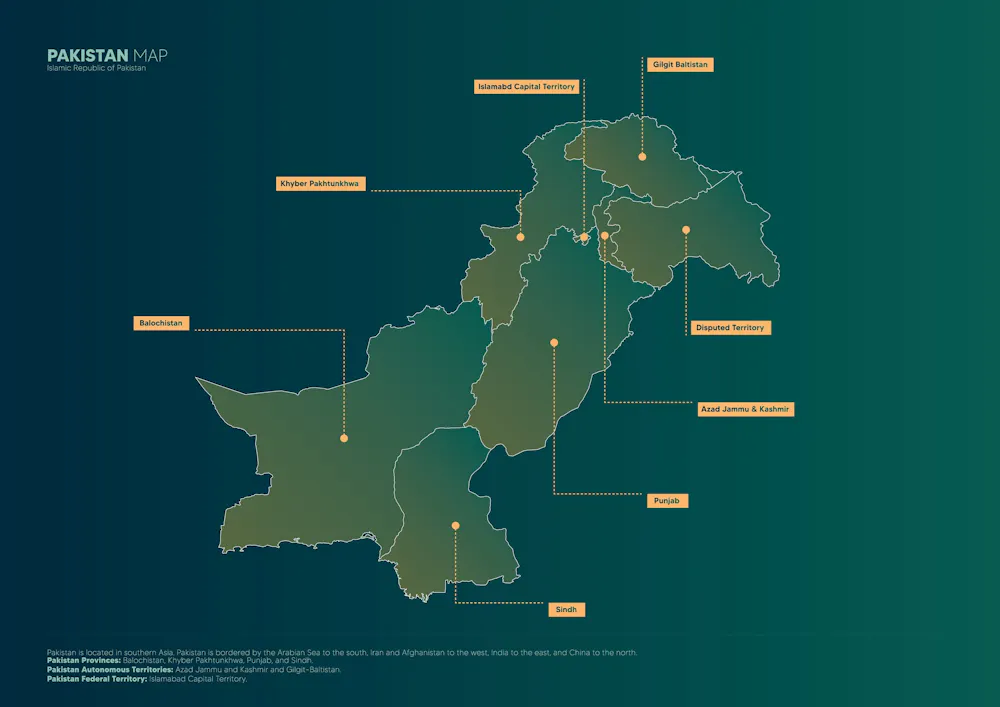
    MIL OSI USA News

  • MIL-OSI: Wah Fu Education Group Ltd. Announces Financial Results for the First Half of Fiscal Year 2025

    Source: GlobeNewswire (MIL-OSI)

    BEIJING, March 07, 2025 (GLOBE NEWSWIRE) — Wah Fu Education Group Limited (“Wah Fu” or the “Company”) (NASDAQ:WAFU), a provider of online education and exam preparation services, as well as related training materials and technology solutions for both institutions and individuals, today announced its unaudited financial results for the six months ended September 30, 2024.

    Financial Highlights for the Six Months Ended September 30, 2024

        For the Six Months Ended
    September 30,
     
    ($’000, except per share data)   2024     2023     % Change  
    Revenue   $ 2,799     $ 3,648       (23.3 )%
    Gross profit   $ 1,572     $ 2,063       (23.8 )%
    Gross margin     56.1 %     56.6 %     (0.5 )pp
    (Loss) income from operations   $ (571 )   $ 273       (309.5 )%
    Operating (loss) profit margin     (20.4 )%     7.5 %     (27.9 )pp
    Net (loss) income   $ (581 )   $ 125       (566.3 )%
    Basic and diluted (loss) earnings per share   $ (0.12 )   $ 0.05       (343.3 )%
                             

    * pp: percentage points

    • Revenue decreased by 23.3% year-over-year to $2.80 million for the six months ended September 30, 2024 from $3.65 million for the same period of the prior fiscal year. The decrease in revenue was primarily attributable to a decrease in self-taught higher education exams included in our Business-to-Business-to-Customer (“B2B2C”) revenue from our online education services.
    • Gross profit decreased by 23.8% to $1.57 million for the six months ended September 30, 2024 from $2.06 million for the same period of the prior fiscal year. Gross margins were 56.1% and 56.6% for the six months ended September 30, 2024 and 2023, respectively. The decrease in gross profit of online education services was primarily due to the decrease in revenue.
    • Loss from operations was $0.57 million for the six months ended September 30, 2024 when it was income from operation of $0.27 million for the six months ended September 30, 2023. Operating loss margin was 20.4% for the six months ended September 30, 2024, compared to operating profit margin of 7.5% for the same period of the prior fiscal year.
    • Net loss was $0.58 million or, loss per share of $0.12 for the six months ended September 30, 2024, compared to net income of $0.13 million, or income per share of $0.05, for the same period of the prior fiscal year.

    Unaudited Financial Results for the six months ended September 30, 2024

    Revenue

    For the six months ended September 30, 2024, revenue decreased by $0.85 million, or 23.3%, to $2.80 million from $3.65 million for the same period of the prior fiscal year. The decrease in revenue was primarily due to the decrease of revenue from self-taught higher education exams included in our Business-to-Business-to-Customer (“B2B2C”) revenues from our online education services.

    For the six months ended September 30, 2024, revenue from providing online education services decreased by $0.99 million for the same period of the prior fiscal year. The decrease was mainly due to a decrease in self-taught higher education exams included in our Business-to-Business-to-Customer (“B2B2C”) revenues. During the six months ended September 30, 2024, due to the implementation of local policies in Hunan province, some universities canceled the self-study examination, thus the courses provided to self-study examination decreased, the revenue from Business-to-Business-to-Customer (“B2B2C”) decreased gradually.

    Cost of revenue

    Cost of revenue decreased by $0.35 million, or 22.4%, to $1.22 million for the six months ended September 30, 2024 from $1.57 million for the same period of the prior fiscal year. The decrease in overall cost of revenue was mainly due to decrease in cost of revenue for online education services. Cost of revenue mainly comprised of salaries and related expenses for our teaching support, course and content development, website maintenance and information technology engineers and other employees, fees paid to our course lecturers, depreciation and amortization expenses, server relocation and bandwidth leasing fees paid to third-party providers and other miscellaneous expenses. As the decrease of online education service revenue, cost related to online education service deceased for the six months ended September 30, 2024 compared to the same period last year.

    Gross profit

    Gross profit decreased by $0.49 million, or 23.8%, to $1.57 million for the six months ended September 30, 2024 from $2.06 million for the same period of the prior fiscal year. Gross margin decreased by 0.5 percent to 56.1% for the six months ended September 30, 2024 from 56.6% for the same period of the prior fiscal year. The decrease of gross profit was mainly due to the decrease of online education service revenue from self-taught higher education exams.

    Operating expenses

    Selling expenses decreased by $0.05 million, or 6.0%, to $0.76 million for the six months ended September 30, 2024 from $0.80 million for the same period of the prior fiscal year. This decrease was primarily due to the decrease in salaries for our sales department since our revenue decreased.

    General and administrative expenses increased by $0.40 million, or 40.71%, to $1.39 million for the six months ended September 30, 2024 from $0.99 million for the same period of the prior fiscal year. General and administrative expenses increased mainly due to the increase of provision for bad debts.

    Total operating expenses increased by $0.35 million, or 19.72%, to $2.14 million for the six months ended September 30, 2024 from $1.79 million for the same period of the prior fiscal year.

    Income (loss) from operations

    Loss form from operations was $0.57 million for the six months ended September 30, 2024 when it was an income of $0.27 for the six months ended September 30, 2023. Please see above for a detailed description of such Income (loss) from operations.

    Other income (expenses)

    Total other income expenses, including interest income, net of other expenses, net other income was $0.08 million for the six months ended September 30, 2024 when it was a net expense of $0.09 million in the same period of the prior fiscal year.

    Income before income taxes

    Loss before income taxes was $0.49 million for the six months ended September 30, 2024, compared to income before income taxes of $0.18 million for the same period of the prior fiscal year.

    Net income (loss) and earnings (loss) per share

    Net loss was $0.58 million for the six months ended September 30, 2024, compared to net income of $0.12 million for the same period of the prior fiscal year. Net loss margin was 20.7% for the six months ended September 30, 2024, compared to net profit margin of 3.4% for the same period of the prior fiscal year.

    After deducting non-controlling interests, net loss attributable to the Company was $0.55 million, or loss of $0.12 basic and diluted share, for the six months ended September 30, 2024. This compared to net profit of $0.23 million, or profit of $0.05 per basic and diluted share, for the same period of the prior fiscal year.

    Weighted average numbers of shares outstanding were 4,410,559 and 4,440,085 for the six months ended September 30, 2024 and 2023.

    Financial Condition

    As of September 30, 2024, the Company had cash of $10.15 million, compared to $11.05 million as of March 31, 2024. Total working capital was $10.56 million as of September 30, 2024, compared to $10.75 million as of March 31, 2024.

    Net cash used in operating activates was $1.19 million for the six months ended September 30, 2024 compared to net cash used in operating activities of $0.10 million for the same period last year. Net cash used in investing activities for the six months ended September 30, 2024 was $0.04 million. There was no cash used in or provided by investing activities for the six months ended September 30, 2023. There was no cash used in or provided by financing activities for the six months ended September 30, 2024 and 2023.

    Subsequent Events

    On January 21, 2025, Wah Fu Education Group Ltd. (the “Company”) amended and restated its memorandum and articles of association, including

    • Creation of a new class of Class A shares with each Class A share being entitled to fifteen (15) votes on all matters subject to vote at general meetings of the Company. Any Class A Shares which are fully paid may be converted into ordinary shares on a one-for-one basis at the option of the holder of such Class A Shares upon giving five days’ notice by such holder to the Company.
    • The maximum number of shares that the Company is authorized to issue was increased from 30,000,000 ordinary shares of US$0.01 par value each to 600,000,000 shares divided into 500,000,000 ordinary shares with a par value of US$0.01 each and 100,000,000 Class A shares with a par value of US$0.01 each.
    • The redemption of 1,488,000 ordinary shares held by HFGFR Inc. and reissue of 1,488,000 Class A Shares to HFGFR Inc. were approved.

    Management has evaluated subsequent events through March 7, 2025, the date which the financial statements were available to be issued. All subsequent events requiring recognition as of September 30, 2024 have been incorporated into these financial statements and there are no subsequent events that require disclosure in accordance with FASB ASC Topic 855, “Subsequent Events.”

    About Wah Fu Education Group Limited

    Headquartered in Beijing, China, Wah Fu Education Group Limited provides online training and exam preparation services, as well as related training materials and technology solutions for both institutions, such as universities and training institutions, and students. For more information about Wah Fu, please visit www.edu-edu.cn.

    Safe Harbor Statement

    This press release contains forward-looking statements as defined by the Private Securities Litigation Reform Act of 1995. Forward-looking statements include statements concerning plans, objectives, goals, strategies, future events or performance, and underlying assumptions and other statements that are not statements of historical facts. When the Company uses words such as “may, “will, “intend,” “should,” “believe,” “expect,” “anticipate,” “project,” “estimate” or similar expressions that do not relate solely to historical matters, it is making forward-looking statements. Forward-looking statements are not guarantees of future performance and involve risks and uncertainties that may cause the actual results to differ materially from the Company’s expectations discussed in the forward-looking statements. These statements are subject to uncertainties and risks including, but not limited to, the following: the Company’s goals and strategies; the Company’s future business development; product and service demand and acceptance; changes in technology; economic conditions; the growth of the online training industry in China and the other markets the Company serves or plans to serve; reputation and brand; the impact of competition and pricing; government regulations; fluctuations in general economic and business conditions in China and the other markets the Company serves or plans to serve and assumptions underlying or related to any of the foregoing and other risks contained in reports filed by the Company with the Securities and Exchange Commission (the “SEC”).  For these reasons, among others, investors are cautioned not to place undue reliance upon any forward-looking statements in this press release. Additional factors are discussed in the Company’s filings with the SEC, which are available for review at www.sec.gov. The Company undertakes no obligation to publicly update these forward-looking statements to reflect events or circumstances that arise after the date hereof.

    For more information, please contact:

    Raincy Du
    ir@edu-edu.com.cn

    WAH FU EDUCATION GROUP LIMITED AND SUBSIDIARIES
    CONDENSED CONSOLIDATED BALANCE SHEETS
                 
        As of
    September 30,
        As of
    March 31,
     
        2024     2024  
        (Unaudited)        
    ASSETS            
    CURRENT ASSETS:            
    Cash   $ 10,145,053     $ 11,045,708  
    Accounts receivable, net     646,487       1,039,580  
    Other receivables, net     1,014,317       188,441  
    Loan to third parties, current     514,634       524,969  
    Loan to related parties     1,778,524       1,778,524  
    Other current assets     59,728       95,583  
    TOTAL CURRENT ASSETS     14,158,743       14,672,805  
                     
    Loan to third parties, noncurrent     215,229       194,229  
    Property and equipment, net     464,073       485,660  
    Intangible assets, net     1,918       7,456  
    Long-term investment     142,499       138,498  
    Operating lease right-of-use assets     237,865       341,895  
    Long-term rent deposit     45,735       53,303  
    Deferred tax assets, net     231,919       262,577  
    TOTAL ASSETS   $ 15,497,981     $ 16,156,423  
                     
    CURRENT LIABILITIES:                
    Due to related parties   $ 315,512     $ 315,512  
    Deferred revenue     1,575,010       1,818,426  
    Operating lease liabilities, current     197,316       260,283  
    Taxes payable     1,003,350       969,595  
    Other payables     300,018       176,257  
    Accrued expenses and other liabilities     165,348       173,791  
    Accounts payable     39,023       210,348  
    TOTAL CURRENT LIABILITIES     3,595,577       3,924,212  
                     
    Operating lease liabilities, noncurrent     39,377       72,975  
    TOTAL LIABILITIES     3,634,954       3,997,187  
                     
    COMMITMENTS AND CONTINGENCIES                
                     
    EQUITY                
    Ordinary shares, $0.01 par value, 30,000,000 shares authorized; 4,410,559 shares issued and outstanding as of September 30, 2024 and March 31, 2024     44,106       44,106  
    Additional paid-in capital     5,124,236       5,124,236  
    Statutory reserve     867,530       867,530  
    Retained earnings     5,813,559       6,362,554  
    Accumulated other comprehensive loss     (923,282 )     (1,248,648 )
    Total shareholders’ equity     10,926,149       11,149,778  
    Non-controlling interest     936,878       1,009,458  
    TOTAL EQUITY     11,863,027       12,159,236  
    TOTAL LIABILITIES AND EQUITY   $ 15,497,981     $ 16,156,423  
    WAH FU EDUCATION GROUP LIMITED AND SUBSIDIARIES
    UNAUDITED CONDENSED CONSOLIDATED STATEMENTS OF OPERATIONS AND COMPREHENSIVE INCOME (LOSS)
     
        For the Six Months
    Ended

    September 30,
     
        2024     2023  
                 
    REVENUE   $ 2,799,328     $ 3,647,954  
                     
    COST OF REVENUE AND RELATED TAX                
    Cost of revenue     1,217,472       1,569,477  
    Business and sales related tax     10,083       15,606  
                     
    GROSS PROFIT     1,571,773       2,062,871  
                     
    OPERATING EXPENSES                
    Selling expenses     756,639       804,790  
    General and administrative expenses     1,386,486       985,346  
    Total operating expenses     2,143,125       1,790,136  
                     
    (LOSS) INCOME FROM OPERATIONS     (571,352 )     272,735  
                     
    OTHER(EXPENSES) INCOME                
    Interest income     99,809       98,240  
    Other expenses     (19,254 )     (190,929 )
    Total other income (expense), net     80,555       (92,689 )
                     
    (LOSS) INCOME BEFORE INCOME TAX PROVISION     (490,797 )     180,046  
                     
    PROVISION FOR INCOME TAXES     89,953       55,492  
                     
    NET (LOSS) INCOME     (580,750 )     124,554  
                     
    Less: net loss attributable to non-controlling interest     (31,755 )     (102,575 )
                     
    NET (LOSS) INCOME ATTRIBUTABLE TO WAH FU EDUCATION GROUP LIMITED   $ (548,995 )   $ 227,129  
                     
    COMPREHENSIVE (LOSS) INCOME                
    Net income     (580,750 )     124,554  
    Other comprehensive loss: foreign currency translation gain (loss)     284,541       (732,741 )
    Total comprehensive loss   $ (296,209 )     (608,187 )
    Less: Comprehensive (loss) income attributable to non-controlling interest     (40,825 )     2,352  
                     
    COMPREHENSIVE LOSS ATTRIBUTABLE TO WAH FU EDUCATION GROUP LIMITED   $ (255,384 )   $ (610,539 )
                     
    (Loss) earnings per ordinary share – basic and diluted   $ (0.12 )   $ 0.05  
    Weighted average shares – basic and diluted     4,410,559       4,440,085  
    WAH FU EDUCATION GROUP LIMITED AND SUBSIDIARIES
    UNAUDITED CONDENSED CONSOLIDATION STATEMENTS OF CHANGES IN EQUITY
     
        Ordinary Shares     Additional
    Paid-in
        Statutory     Retained     Accumulated
    Other
    Comprehensive
        Shareholders’     Non-controlling     Total  
        Shares     Amount     Capital     Reserves     Earnings     Income (Loss)     Equity     Interest     Equity  
                                                           
    Balance at March 31, 2024   4,410,559     $ 44,106     $ 5,124,236     $ 867,530     $ 6,362,554     $ (1,248,648 )   $ 11,149,778     $ 1,009,458     $ 12,159,236  
                                                                           
    Net loss                             (548,995 )           (548,995 )     (31,755 )     (580,750 )
    Foreign currency translation adjustment                                 325,366       325,366       (40,825 )     284,541  
                                                                           
    Balance at September 30, 2024   4,410,559     $ 44,106     $ 5,124,236     $ 867,530     $ 5,813,559     $ (923,282 )   $ 10,926,149     $ 936,878     $ 11,863,027  
                                                                           
    Balance at March 31, 2023   4,440,085     $ 44,401     $ 5,123,941     $ 867,530     $ 6,417,842     $ (752,391 )   $ 11,701,323     $ 1,328,660     $ 13,029,983  
                                                                           
    Net income (loss)                             227,129             227,129       (102,575 )     124,554  
    Appropriation of statutory reserve                     40,339       (40,339 )                        
    Foreign currency translation adjustment                                 (735,093 )     (735,093 )     2,352       (732,741 )
                                                                           
    Balance at September 30, 2023   4,440,085     $ 44,401     $ 5,123,941     $ 907,869     $ 6,604,632     $ (1,487,484 )   $ 11,193,359     $ 1,228,437     $ 12,421,796  
    WAH FU EDUCATION GROUP LIMITED AND SUBSIDIARIES
    UNAUDITED CONDENSED CONSOLIDATED STATEMENTS OF CASH FLOWS
     
        For the six months
    ended September 30,
     
        2024     2023  
    Cash flows from operating activities:            
    Net (loss) income   $ (580,750 )   $ 124,554  
    Adjustments to reconcile net (loss) income to net cash used in operating activities:                
    Depreciation and amortization     45,344       37,158  
    Non-cash lease expense     110,983       122,276  
    Loss from disposal of property and equipment     3,245        
    Provision for doubtful accounts     127,686       194,014  
    Interest income from loan to third parties     (14,995 )     1,445  
    Deferred tax benefit     37,262        
    Changes in operating assets and liabilities:                
    Accounts receivable, net     284,584       (225,539 )
    Other receivable, net     (782,810 )     (33,407 )
    Other current assets     37,521       (112,254 )
    Deferred revenue     (288,352 )     (115,033 )
    Taxes payable     5,601       (12,102 )
    Accounts payable           (131,131 )
    Other payable     116,056       (1,551 )
    Operating lease liabilities     (103,468 )     58,915  
    Accrued expenses and other liabilities     (185,969 )     (7,708 )
    Net cash used in operating activities     (1,188,062 )     (100,363 )
                     
    Cash flows from investing activities:                
    Purchase of property and equipment     (8,281 )      
    Repayment received for loans to third parties     24,845        
    Purchase of ownership of a subsidiary     (53,733 )        
    Net cash used in investing activities     (37,169 )      
                     
    Effect of exchange rate fluctuation on cash     324,576       (1,045,602 )
                     
    Net decrease in cash     (900,655 )     (1,145,965 )
    Cash at beginning of the period     11,045,708       12,567,463  
    Cash at end of the period   $ 10,145,053     $ 11,421,498  
                     
    Supplemental cash flow information                
    Cash paid for income taxes   $ (49,575 )   $ (37,190 )
                     
    Non-cash financing activities                
    Right of use assets obtained in exchange for operating lease obligations   $     $ 200,115  

    The MIL Network

  • MIL-OSI USA: $50 Million Effort to Fight Poverty in Upstate New York

    Source: US State of New York

    overnor Kathy Hochul today announced new steps to fight poverty in Rochester, Buffalo and Syracuse, three communities chosen because they include some of the highest poverty rates out of anywhere in New York State. Governor Hochul’s FY 2025 Budget allocated $50 million for this antipoverty programming, which is now being utilized by community-based groups in these communities.

    “Every family should have the opportunity to grow and thrive in New York, and I’m committed to delivering the resources to make that a reality,” Governor Hochul said. “As the first Governor from Upstate New York in nearly a century, I know many of our neighbors struggle to make ends meet. Working together, we’re going to fight poverty and lift up the families who need it most.”

    The cities of Rochester, Buffalo and Syracuse are investing $50 million included in the FY 2025 Budget to bring much-needed resources to help families living in poverty increase earnings and improve family well-being. Each locality sought and received community input while working with their county Department of Social Services to develop and finalize their plans.

    The Monroe County Department of Human Services will use $25 million to implement three targeted strategies to strengthen low-income families’ financial footing and reduce poverty in the city of Rochester. The strategies include a monthly cash incentive program for pregnant women who agree to participate in activities that support maternal health, as well as rental subsidy and upward mobility mentoring programs.

    • Beginning within 180 days of their expected delivery date, up to 200 Temporary Assistance for Needy Families (TANF)-eligible pregnant women in certain ZIP codes in Rochester will be eligible to receive a cash incentive of $1000 per month for up to two years, as well as case management support, prenatal healthcare referrals, and services to reduce maternal morbidity and infant mortality. Participants will also be required to carry out other activities that support mental health and promote self-sufficiency and upward mobility.
    • The rental subsidy program will provide a monthly supplement to 100 families currently receiving Temporary Assistance that live in designated zip codes in Rochester over two years. Families receiving the subsidy will also receive case management, financial counseling and support necessary to increase their income so that their total monthly rent does not exceed 30 percent of their monthly income.
    • The Upward Mobility Mentoring program will provide up to 1,200 TANF-eligible families with direct support and cash assistance with the aim of having a meaningful and sustainable impact on families’ long term economic potential. This program will address five pillars of upward mobility: family stability, well-being, financial management, education/training, and employment/careers. Every enrolled family will create individualized life plans for upward mobility and participate in coaching and financial counseling to maximize the potential for their long term success.

    The Onondaga County Department of Social Services will use $12.5 million to focus on addressing generational poverty, promoting housing stability, improving school attendance rates and distributing free diapers to families that are eligible for Temporary Assistance.

    • The existing 2Gen Onondaga pilot project will be expanded, providing intensive case management and trauma-informed goal-setting for Syracuse families with children who receive Temporary Assistance to better promote family well-being. The program also encourages continued employment by providing payments to help ease the perceived effects of “benefits cliffs.” Participating households whose income exceeds eligibility for assistance will continue to receive their monthly benefit for 12 months, after which the benefit will be slowly reduced to zero. Additionally, the plan will support non-custodial parents by helping them reduce their child support orders to better reflect what they can afford and connecting them with employment and parenting programs.
    • The Central New York Centralized Housing Assistance and Network for Community Engagement (CNY CHANCE) program is designed to help alleviate an increasingly tight housing market. The program includes a range of efforts to promote housing stability, including the creation of a housing database, landlord engagement and incentives, and advocacy for affordable housing development, among others.
    • Full-time attendance liaisons will be embedded in the Syracuse City School District to support students from families who are receiving or eligible to receive Temporary Assistance that are struggling with attendance issues. The liaisons will provide continuous support to families and work to resolve issues that are contributing to chronic absenteeism.
    • Onondaga County will work with the CNY Diaper Bank to provide free diapers to any family with a child under age 4 who lives in the City of Syracuse and is eligible for Temporary Assistance.

    The Erie County Department of Social Services will use $12.5 million to support upward mobility for TANF-eligible families experiencing poverty who reside in the city of Buffalo. The goal of the incentive-based program is to improve employment outcomes for families and children and reduce child poverty. Program components include life coaches, career coaches, financial literacy services, linkage to support and resources, and direct cash incentives.

    • Direct cash payments would be provided as an incentive for up to 600 participating families. The families could receive up to 29 incentive payments totaling $16,000 per family if they meet certain benchmarks, including engagement with career and life coaches, making progress toward identified goals, enrollment in training and/or education/upskilling activities, and attainment and retention of employment.
    • Savings accounts will be opened for up to 300 participants and every dollar deposited by the participant will receive a $3 match up to $3,000.
    • Approximately 115 participants will receive assistance in obtaining a driver license, as a first step toward car ownership.
    • Participants will also have access to various workforce development programs, including subsidized job placement, on-the-job training, industry-specific career pathways programs, and pre-apprenticeships, among others.

    This initiative builds on Governor Hochul’s commitment to making New York the best, most affordable place to start and raise a family. The Governor’s historic investments in her 2025 State of the State and FY 2026 Executive Budget will advance innovative actions to best address the needs of every child and family in New York:

    • Governor Hochul’s expansion of the Child Tax credit to $1,000 or $500 per child will help address the economic challenges that families are facing and is projected to significantly reduce child poverty in New York State. When fully implemented, this historic investment could reduce child poverty statewide by up to 8.2 percent. This would build on the progress this Administration has already made reducing child poverty through actions in recent budgets. Combined with other measures like expanding subsidized childcare, this Administration’s actions to date are estimated to reduce child poverty by up to 17.7 percent.
    • The Governor also proposed New York’s first-ever inflation refund that will put $3 billion back in the pockets of 8.6 million taxpayers. By the end of 2025, New York State will send direct payments to everyday New Yorkers. Joint tax filers who make $300,000 or less will receive a $500 payment, while all single New York taxpayers who make $150,000 or less will receive a $300 payment. These one-time payments will provide New Yorkers with much-needed financial relief in 2025.
    • Governor Hochul will partner with Baby2Baby to provide maternal health and newborn supply boxes to Medicaid-enrolled expectant mothers and those reached through community organizations and hospitals in low-income areas. The boxes will include resources, educational materials, self-care products, and diapers, reaching approximately 100,000 families at full implementation.
    • Governor Hochul will also provide millions of diapers annually and expand maternal behavioral health services. Additionally, the Governor will co-locate mental health services into OBGYN practices in high-needs communities.
    • Building on the Governor’s support for pregnant women and infants, the New York State BABY (Birth Allowance for Beginning Year) Benefit will provide a $100 monthly benefit during pregnancy and a $1,200 benefit at birth to low-income public assistance recipients. This will increase household income for thousands of New York families.
    • Additionally, to take action against pervasive appraisal bias through the housing industry that has unjustly stripped families in communities of color out of the opportunity to purchase a home, Governor Hochul proposed a suite of actions to make discriminatory appraisal practices unlawful, enforce anti-discrimination principles in appraisals, and diversify the appraiser workforce.

    New York State Office of Temporary and Disability Assistance Commissioner Barbara C. Guinn said, “Poverty is a reality that affects the lives of far too many children and their families, limiting their opportunities and potential. Research shows that the focused support and assistance contained in these locally-driven anti-poverty initiatives—from rental subsidies, maternal health support, financial coaching, school attendance incentives, to cash assistance—are effective at improving family well-being and the economic security of children and families. We look forward to the implementation of these programs in Rochester, Buffalo, and Syracuse and are grateful to Governor Hochul for prioritizing an agenda that uplifts working families and makes our state more livable and affordable for all New Yorkers.”

    Senate Minority Leader Charles Schumer said, “From boosting financial literacy to job-training to improving parenting skills and support for steady housing in Buffalo and Rochester and Syracuse, this is an investment in our children, in our future, and building a better life for families that need a helping hand. I will always fight to deliver resources to New York’s families to give all our children the best opportunities for a bright future and support Governor Hochul’s efforts to achieve these goals.”

    Representative Joe Morelle said, “Lifting children and families out of poverty has always been one of my top priorities. This marks a vital step forward in our efforts to lower costs by making high-quality healthcare and housing opportunities more affordable and putting money directly in the pockets of those who need it most. I’m grateful to Governor Hochul for her leadership on this important issue, and I look forward to working with her and Monroe County Executive Adam Bello to implement Project Prosper throughout Rochester.”

    Representative Timothy Kennedy said, “This important anti-poverty initiative will uplift hardworking parents and help ensure their children thrive. This funding will connect families with resources that have the potential to change their lives. In Washington, I will continue fighting for working households to make New York more affordable and to provide those families with access to new opportunities.”

    Representative John W. Mannion said, “Every child deserves a chance to succeed, and I’m committed to lifting our communities out of poverty, especially in urban centers like Syracuse. It’s a generational challenge – but also an opportunity to make meaningful investments in our schools, create environments of hope, deliver stable housing, and bring successful programs to scale. I join Governor Hochul in this effort and commend her leadership for making these life changing investments in Onondaga County.”

    State Senator Christopher Ryan said, “I want to extend my gratitude to Governor Kathy Hochul for her commitment to addressing the needs of children and families in Syracuse and Central New York. The $50 million investment across Rochester, Buffalo and Syracuse will provide vital resources to help reduce poverty and improve the well-being of families who need it most. This initiative, built on strong collaboration between state, county and local leaders, ensures that our region’s efforts are guided by the real needs and input of the families we serve. I’m proud to support this transformative approach, and I look forward to working together to create lasting change for our children and families in Syracuse and throughout Central New York.”

    State Senator April N.M. Baskin said, “If the cycle of poverty is not broken early in a child’s life, the devastating effects are often felt for a lifetime. This investment in Buffalo and other upstate cities is critical because our communities are among the poorest, setting children back before they even have a chance to start. Resources from these vital funds can dramatically and positively help area kids thrive, enhancing their lives and their families as well.”

    State Senator Jeremy Cooney said, “Child poverty rates across Upstate New York are abhorrent, especially in the City of Rochester where nearly half of our children live below the poverty line. Thank you Governor Hochul for your partnership in bringing funding to local organizations in the communities who need it most, combatting our unacceptable child poverty rates, and paving the way towards a brighter future for the next generation of New Yorkers.”

    State Senator Sean Ryan said, “As the federal government works to slash programs that New Yorkers depend on and fails to deliver on the promise of lowering costs, we’re working hard in New York to uplift our most vulnerable communities. This State funding will protect families in need and add one more tool to help Buffalo address the unconscionably high rate of childhood poverty that has plagued our city for too long. I thank Governor Hochul for her continued efforts to address this critically important issue.”

    State Senator Rachel May said, “Many families in Central New York struggle to make ends meet. With rising rents and persistently high food prices, meeting the basic needs for meals, utilities, and other essentials has become increasingly difficult. Governor Hochul’s announcement of $50 million in funding for anti-poverty programs will significantly help address the fundamental causes of poverty in our region. Thank you to Governor Hochul and my colleagues in the Senate Majority who continue to lift more of our neighbors out of poverty.”

    Assembly Majority Leader Crystal Peoples-Stokes said, “Reducing poverty is one of the most important measures the State can take to help struggling families maintain their health, home, and well-being. I welcome Governor Hochul’s commitment to reducing poverty in the cities of Buffalo, Rochester, and Syracuse and look forward to seeing the positive results in my community and beyond.”

    Assemblymember Al Stirpe said, “Governor Hochul’s announcement today shows a true commitment to fighting one of the hardest battles our local communities continue to face. Syracuse has long had some of the highest rates of child poverty across the nation and it is paramount that we take responsibility to combat this longstanding and generational issue. I want to thank Governor Hochul for her leadership which has made these resources possible for Onondaga County, helping lift our children and families most in need and demonstrating an enduring dedication to the welfare of our future generations.”

    Assemblymember Andrew Hevesi said, “I am grateful to Governor Hochul for targeting these anti-poverty funds precisely where we need them, in Syracuse, Rochester, and Buffalo which unfortunately retain some of the highest rates of child poverty in the country. Thank you to Speaker Heastie, Majority Leader Stewart-Cousins and all of my colleagues for working with the executive to provide this assistance to our upstate communities, families and children.”

    Assemblymember William Magnarelli said, “Syracuse has one of the highest rates of child poverty in the nation with about half of the children in the city falling below the poverty line. By investing in Syracuse and other Upstate cities, the Governor is committed to improving the well-being of our communities through increasing opportunities to access housing, childcare, jobs and transportation.”

    Assemblymember Harry B. Bronson said,“As the prime Assembly sponsor of the Child Poverty Reduction Act, I applaud the Governor for this additional $50 million investment to address the needs of children and families living in poverty, which prioritizes uplifting families through opportunity and resources. Thank you, Governor Hochul, for your continued and renewed support and partnership to make Rochester a city of prosperity, opportunity and equity, so we can finally end the epidemic of children and families living in poverty.”

    Assemblymember Sarah Clark said, “We know that systemic poverty is at the heart of many of our most pressing issues statewide. Serving in a region that has one of the highest child poverty rates in the state is a constant reminder of how much more we need to be investing in children and families, which is my top priority in the Assembly. I am grateful to Governor Hochul for announcing $50 million investments into our most marginalized communities here in Upstate New York. These funds will help lift families out of generational poverty and ensure the most pressing needs of our children are better met.”

    Assemblymember Pamela Hunter said, “Investing in our children and families is the foundation of a stronger, more prosperous New York. Throughout my time in office, childhood poverty in Syracuse has been one of the most pervasive and difficult issues to address. With this $50 million commitment, we are taking decisive action to break the cycle of poverty and provide real opportunities for families in Rochester, Buffalo, and here in Syracuse. By prioritizing locally driven solutions, we are ensuring that those closest to the challenges have the resources they need to create lasting change. I applaud Governor Hochul for her leadership and for recognizing that lifting up our most vulnerable communities is not just the right thing to do—it is essential for the future of our state.”

    Monroe County Executive Adam Bello said, “Project Prosper will create strategic initiatives to connect families to stable housing, employment support, childcare, assistance for pregnant women that will improve maternal and infant health outcomes, and targeted rental subsidies to help families secure stable housing. This funding will provide real, measurable pathways out of poverty in targeted zip codes throughout our community. We are grateful to Governor Hochul for this $25 million investment and for taking many of the recommendations of the community-driven Rochester-Monroe County Anti-Poverty Initiative and turning them into reality.”

    Erie County Executive Mark C. Poloncarz said, “Reducing poverty among families and children helps them on a path to a better, healthier and more productive life. This funding will help TANF-eligible families gain access to the support and services they need to gain new skills, improve their financial literacy and build towards a better future. I thank Governor Hochul for her continuing focus on reducing poverty rates and making Buffalo, and New York State, a great place to raise a family.”

    Onondaga County Executive Ryan McMahon said, “My administration has worked tirelessly to reach and connect with the members of our community living in poverty to the resources they need in a comprehensive and holistic way. From our successful 2Gen Onondaga Pilot project that works to break the generation cycle of poverty to working with our schools to support our kids without adding additional challenges for parents looking to find or keep employment, Onondaga County is making real progress when it comes to finally addressing the root causes of poverty. There is still much more work to do and thanks to these state funds we will be able to build on and scale up our efforts in a truly substantive way. Thank you to New York State and all of the community partners who helped make today possible.”

    Rochester Mayor Malik D. Evans said, “Project Prosper combines the resources of New York State, Monroe County and the City of Rochester to support our most vulnerable residents and address some of the debilitating consequences of poverty: infant mortality, rent burden, and economic stagnation. I want to thank Governor Kathy Hochul for delivering this funding, along with the many community-based organizations whose insights helped us design these innovative strategies. Thanks to Governor Hochul and our partnership with Monroe County, we are giving the residents of Rochester’s poorest neighborhoods the investments they deserve.”

    Buffalo Mayor Christopher P. Scanlon said, “As a father of three, I know firsthand the challenges that families face in ensuring their children have the opportunities and support they need to thrive. Governor Hochul’s investment in Buffalo will provide critical resources to lift families out of poverty, creating a pathway to economic stability and brighter futures for our children. This funding is not just about financial assistance—it’s about empowering families with the tools to succeed, from career coaching to financial literacy and workforce development. I want to thank the Governor for her investment in families in the City of Buffalo and I look forward to seeing its impact on families across our city.”

    Syracuse Mayor Ben Walsh said, “The programs receiving support in the City of Syracuse address the child’s home and education and the parent’s ability to meet current needs while expanding their capacity to escape poverty through employment. It is this type of holistic approach that creates both a pathway out of poverty and the support for the family to successfully navigate that path. I am grateful to Governor Hochul for committing these resources to fight childhood poverty in Syracuse and to our partners at Onondaga County for working with us on these programs.”

    MIL OSI USA News

  • MIL-OSI Security: Men Accused of Embezzling $1.4 Million from St. Louis County Restaurant

    Source: Office of United States Attorneys

    ST. LOUIS – Two men have been accused of embezzling more than $1.4 million from the restaurant that employed them for years.

    Matthew Braasch and Mark Erney were each indicted with two counts of wire fraud in U.S. District Court in St. Louis on Feb. 20, 2025. Erney turned himself in Friday and pleaded not guilty. Braasch did the same on February 25.

    The indictment says both men were high-level employees of a restaurant in Grantwood, in St. Louis County, Missouri, and told company managers that they would only use company credit cards for necessary business expenses. They instead used them for personal purchases, it says. Braasch spent $81,965 at Target, over $31,000 at the Vineyard Vines clothing store, $39,634 at Amazon and over $10,000 on local hotel stays for an acquaintance, the indictment says. He also spent $1,600 on a golf outing, $2,460 to store his RV, $5,425 on St. Louis Cardinals tickets and $2,681 for a vacation at Disney World, the indictment says.

    Erney spent $155,696 on personal expenses from Amazon, more than $37,000 at other local bars and restaurants, $5,600 for two couches and $3,943 at a supplier of men’s health products.

    The indictment says that due to the embezzlement, the restaurant lacked money to buy food and pay state taxes, including liquor taxes, and Braasch and Erney took out loans to cover the shortfall. Braasch also posed as a restaurant manager when state investigators tried to collect back taxes to keep the real managers in the dark, the indictment says.

    Charges set forth in an indictment are merely accusations and do not constitute proof of guilt.  Every defendant is presumed to be innocent unless and until proven guilty.

    The FBI, with assistance from the Missouri Department of Revenue, Criminal Tax Investigation Bureau, investigated the case. Assistant U.S. Attorney Derek Wiseman is prosecuting the case.

    MIL Security OSI

  • MIL-OSI Security: Thirty-Seventh Feeding Our Future Defendant Pleads Guilty with Obstruction of Justice Enhancement for Witness Tampering Attempt

    Source: Office of United States Attorneys

    MINNEAPOLIS – A Lakeville man has pleaded guilty to wire fraud for his role in the $250 million fraud scheme that exploited a federally funded child nutrition program during the COVID-19 pandemic, announced Acting U.S. Attorney Lisa D. Kirkpatrick.

    According to court documents, from April 2020 through January 2022, Abdinasir Mahamed Abshir, 33, claimed to be operating a child nutrition site in Mankato, Minnesota, a mid-sized city in Southwestern Minnesota.  Abshir ran his food site, Stigma-Free Mankato, under the sponsorship of Feeding our Future.  Shortly after creating the Stigma-Free Mankato site, the defendant falsely claimed to be serving meals to 3,000 children a day, seven days a week, from J’s Sambusa, a small restaurant in North Mankato.  Abshir also created a shell company called Horseed Management, and claimed it was a meal vendor for the Stigma-Free Mankato food site. Between November 2020 and November 2021, Abshir and his co-conspirators falsely claimed to have served approximately 1.6 million meals to children through Stigma-Free Mankato.

    To accomplish their scheme, Abshirand his co-conspirators prepared and submitted fake meal counts, invoices, and attendance rosters. Rather than use fraudulently obtained money to serve meals or feed children, Abshir and his co-conspirators fraudulently misappropriated much of it.  Abshir transferred millions of dollars from Horseed Management to himself and other co-conspirators, which included transferring fraud proceeds to a shell company the defendant created called Calikamin Enterprise. Abshir used fraudulent proceeds to purchase a 2021 Range Rover, which has been seized and will be forfeited to the United States.

    According to court documents, Abshir paid more than $100,000 in bribes and kickbacks from Horseed Management to Abdikerm Eidleh, a Feeding Our Future employee, in exchange for sponsoring and facilitating Stigma-Free Mankato’s fraudulent participation in the Federal Child Nutrition Program. In exchange, Feeding Our Future received nearly $420,000 in administrative fees for sponsoring the Stigma-Free Mankato site’s participation in the program.  In December 2021, Abshir paid $5,750 to a GoFundMe account for Feeding Our Future created by Aimee Bock.

    In total, Stigma-Free Mankato received over $5.4 million in payments from Feeding Our Future based on fraudulent claims.

    In addition, on February 18, 2025, Abshir attempted to obstruct or impede the administration of justice when he communicated with a cooperating witness in the trial of his co-defendants in United States v. Aimee Bock and Salim Said.  Specifically, in the hallway outside Courtroom 13W in the U.S. Federal Courthouse in Minneapolis, Minnesota, Abshir approached a witness who was about to testify in the trial.  After learning that the witness was about to testify that day, Abshir requested that the witness come with him to the bathroom to have a conversation.  

    Abshir pleaded guilty today in U.S. District Court before Judge Nancy E. Brasel. In his plea, he acknowledges that an enhancement will apply to his Sentencing Guidelines because he obstructed justice when he attempted to tamper with a witness.  A sentencing hearing will be scheduled at a later date.

    The case is the result of an investigation by the FBI, IRS – Criminal Investigations, and the U.S. Postal Inspection Service.

    Assistant U.S. Attorneys Joseph H. Thompson, Matthew S. Ebert, Harry M. Jacobs, and Daniel W. Bobier are prosecuting the case. Assistant U.S. Attorney Craig Baune is handling the seizure and forfeiture of assets.

    MIL Security OSI

  • MIL-OSI Security: Former Tax Preparer Sentenced for Theft of Tax Refunds

    Source: Office of United States Attorneys

    BOSTON – A New Bedford woman was sentenced yesterday in federal court in Boston for stealing federal funds by filing false tax returns to obtain fraudulent tax refunds from the Internal Revenue Service (“IRS”).

    Valentina Martinez, 50, was sentenced by U.S. District Judge Patti B. Saris to 12 months of supervised release under home confinement, with electronic monitoring for the first six months. Martinez was also ordered to pay $41,823 in restitution to the IRS. In December 2024, Martinez pleaded guilty to five counts of theft of government money.

    Martinez previously worked for a national tax return preparation service. After preparing returns for clients and providing them copies of their returns, Martinez added fraudulent claims for business deductions to the clients’ returns without their knowledge and electronically filed the false returns in order to obtain fraudulent refunds. Martinez caused the tax refunds to be deposited onto debit cards that she used to make ATM withdrawals, including paying for a Florida vacation and other personal purchases. Martinez’s scheme was discovered and her employment terminated when a taxpayer client complained to the return preparation service about a missing refund. By then, Martinez had already filed at least 12 false returns and caused more than $40,000 in losses to the IRS.    

    The prosecution of Martinez is part of a Stolen Identity Refund Project (“SIRF”) program operated by the IRS to identify tax preparers who use stolen identities to steal money from the United States Treasury by filing false tax returns that claim tax refunds without the named taxpayer’s knowledge.  

    United States Attorney Leah B. Foley and Thomas Demeo, Acting Special Agent in Charge of the Internal Revenue Service Criminal Investigation, Boston Field Office made the announcement today. Assistant United States Attorney Victor A. Wild of the Securities, Financial & Cyber Fraud Unit prosecuted the case.  
     

    MIL Security OSI

  • MIL-OSI Security: New Jersey man sentenced to prison as part of $50 million Ponzi scheme involving off-the-road tires

    Source: Office of United States Attorneys

    COLUMBUS, Ohio – A New Jersey man was sentenced in U.S. District Court here today to 18 months in prison for his role in a nationwide, off-the-road tire sale fraud scheme that resulted in tens of millions of dollars of losses.

    Ahmet Neidik, 65, of Fort Lee, New Jersey, pleaded guilty in January 2024 to conspiring to commit wire fraud. Before his guilty plea, Neidik allegedly fled to Turkey and then returned to the United States.

    Neidik was the co-owner of, and ran the daily operations for, purported transportation, logistics and importing/exporting businesses. Some of the proceeds of the scheme were sent to businesses controlled by Neidik. Neidik would then wire money to the bank accounts of co-conspirators.

    John K. Eckerd, Jr., 61, of Dallas, was one of the leaders of the multi-state conspiracy. He pleaded guilty in December 2024 to conspiring to commit wire fraud and tax crimes and admitted responsibility for at least $14 million involved in the scheme. Based on his plea agreement, Eckerd will be sentenced to 36 to 109 months in prison.

    Conspiring with previously convicted and sentenced defendant Jason E. Adkins, 47, of Jackson, Ohio, Eckerd and others orchestrated a $50 million Ponzi scheme that defrauded more than 50 investors.

    From 2012 until at least in or around late 2018, Eckerd represented himself to potential investors as an entrepreneur and businessman with expertise in the market for off-the-road tires. Off-the-road tires are over-sized tires that are used on earth moving equipment and/or mining equipment. Eckerd had control of or access to many corporations allegedly used as part of the scheme.

    Co-conspirators solicited millions of dollars from investor-victims under false pretenses. Investors were told their money would be used to buy off-the-road tires at a steep discount, and that the tires would then be re-sold to a buyer at a much higher rate. Investors were promised a high percent rate of return on investment, generally within 180 days.

    Defendants rarely bought or sold tires, and when they did, they used the same tires as the basis for multiple deals, promising multiple investors that they each owned the same tires.

    Defendants corresponded with the potential investors face-to-face, as well as through a combination of phone calls, text messages, and, on occasion, emails. They used private planes to showcase their inventory and appear wealthy and successful. Defendants also provided investors with elaborate, fraudulent paperwork regarding the purported deals. The co-conspirators requested large investments and loans, most to be funded through wire transfers.

    To give potential investors confidence in the tire deals, Eckerd and Adkins offered the services of a purportedly neutral third party to arrange shipment of the tires and/or hold investment funds in escrow until certain conditions were met in completing the deal. Neidik allowed Eckerd and Adkins to represent to investors that he was the neutral third party, and on some occasions, entered into escrow agreements with the investors.

    As part of his sentence, Neidik will pay $370,000 in restitution for his part of the scheme. He was also fined $250,000.

    Kelly A. Norris, Acting United States Attorney for the Southern District of Ohio; Karen Wingerd, Special Agent in Charge, Internal Revenue Service (IRS) Criminal Investigation; and Elena Iatarola, Special Agent in Charge, Federal Bureau of Investigation (FBI), Cincinnati Division; announced the sentence imposed today by U.S. District Judge Algenon L. Marbley. Assistant United States Attorneys S. Courter Shimeall, Peter K. Glenn-Applegate and David J. Twombly are representing the United States in this case.

    # # #

    MIL Security OSI

  • MIL-OSI USA: H.J. Res. 25, a joint resolution providing for Congressional disapproval under chapter 8 of title 5, United States Code, of the rule submitted by the Internal Revenue Service relating to “Gross Proceeds Reporting by Brokers That Regularly Provide Services Effectuating Digital Asset Sales”

    Source: US Congressional Budget Office

    Bill Summary

    H.J. Res. 25 would disapprove the final rule published by the Department of the Treasury in December 2024 relating to a provision of the 2021 Infrastructure Investment and Jobs Act (Public Law 117-58) that requires entities that qualify as “brokers” for cryptocurrency transactions to report certain information to the Internal Revenue Service (IRS) for tax purposes. The final rule defines brokers to include centralized, or custodial, participants and decentralized, or noncustodial, participants. By invoking a legislative process established in the Congressional Review Act, the resolution would repeal the rule and prohibit the issuance of the same or any similar rule in the future.

    Estimated Federal Cost

    The estimated budgetary effect of H.J. Res. 25 is shown in Table 1. The costs of the legislation fall within budget function 800 (general government).

    Table 1.

    Estimated Budgetary Effects of H.J. Res. 25


    By Fiscal Year, Billions of Dollars


    2025

    2026

    2027

    2028

    2029

    2030

    2031

    2032

    2033

    2034

    2035

    2025-2030

    2025-2035


    Decreases in Revenues


    Estimated Revenues

    -0.1

    -0.2

    -0.3

    -0.3

    -0.4

    -0.5

    -0.5

    -0.5

    -0.5

    -0.5

    -0.6

    -1.8

    -4.5


    Increases in Spending Subject to Appropriation


    Estimated Authorization

    *

    *

    *

    *

    *

    *

    n.e.

    n.e.

    n.e.

    n.e

    n.e.

    *

    n.e.

    Estimated Outlays

    *

    *

    *

    *

    *

    *

    n.e.

    n.e.

    n.e.

    n.e

    n.e.

    *

    n.e.

    Basis of Estimate

    The Congressional Budget Act of 1974, as amended, stipulates that revenue estimates provided by the staff of the Joint Committee on Taxation (JCT) are the official estimates for all tax legislation considered by the Congress. CBO therefore incorporates such estimates into its cost estimates of the effects of legislation. The revenue estimates for the bill were provided by JCT.

    Revenues

    JCT estimates that enacting the bill would reduce revenues by $4.5 billion over the 2025‑2035 period.

    The repeal of the rule would lead to a reduction in third-party reporting to the IRS by decentralized participants for cryptocurrency transactions. Because the IRS would no longer have third-party verification of certain transactions, taxable income related to cryptocurrency may be subject to greater misreporting.

    Spending Subject to Appropriation

    CBO estimates that the administrative costs to implement the resolution would not be significant over the 2025-2030 period. Any related spending would be subject to the availability of appropriated funds.

    Uncertainty

    JCT’s estimates of the budgetary effects of H.J. Res. 25 are subject to uncertainty: They are made on the basis of underlying projections and other factors that could change significantly. In particular, the estimates rely in part on CBO’s economic projections for the next decade under current law and on expectations of the way taxpayers might respond to changes in tax law.

    Pay-As-You-Go Considerations

    The Statutory Pay-As-You-Go Act of 2010 establishes budget-reporting and enforcement procedures for legislation affecting direct spending or revenues. The net changes in revenues that are subject to those pay-as-you-go procedures are shown in Table 1.

    Increase in Long-Term Net Direct Spending and Deficits

    CBO and JCT estimate that enacting H.J. Res. 25 would not increase net direct spending in any of the four consecutive 10-year periods beginning in 2036. JCT estimates that the bill would reduce revenues and increase on-budget deficits by more than $5 billion in at least one of the four consecutive 10-year periods beginning in 2036.

    Mandates

    JCT has determined that the bill contains no intergovernmental or private-sector mandates as defined in the Unfunded Mandates Reform Act.

    Estimate Reviewed By

    Kathleen FitzGerald
    Chief, Public and Private Mandates Unit

    Ann E. Futrell
    Senior Advisor, Budget Analysis Division

    Joshua Shakin
    Chief, Revenue Projections Unit

    H. Samuel Papenfuss 
    Deputy Director of Budget Analysis

    John McClelland
    Director of Tax Analysis

    Phillip L. Swagel

    Director, Congressional Budget Office

    MIL OSI USA News

  • MIL-OSI Economics: Celebrating women in gaming: Pioneers and innovators 

    Source: Microsoft

    Headline: Celebrating women in gaming: Pioneers and innovators 

    Women have been influential figures across all areas of the gaming world—from design and development to storytelling and production. As we continue to break down barriers and champion diverse perspectives, we’re proud to amplify the voices of those who have shaped the industry’s past and are shaping its future.  

    In our exclusive interview with Roberta, she reflects on her pioneering journey in the gaming industry and shares her insights into her love of mysteries, the creation of Laura Bow; one of the first heroines in gaming, advise for young women looking to get into gaming, and what inspired her to return with a new adventure, Colossal Cave. Her groundbreaking work in interactive storytelling has inspired generations of creators, and her thoughts on the past, present, and future of women in gaming offer invaluable perspectives on the road ahead.

    [embedded content]

    As we honor the accomplishments of women in gaming, let’s also look toward the future. The work being done today by women in this industry is setting the stage for a new generation of creators who will continue to push boundaries and inspire others. Let’s ensure that women’s voices are heard, celebrated, and given the platform they deserve—today and every day. 

    Discover Games Shaped by Women Creators 

    Celebrate International Women’s Day through the power of play. During March and beyond, you can play a variety of game collections highlighting iconic games and franchises created by women developers, showcasing how their unique perspectives have shaped the gaming world we know today. 

    Check out a few highlights from our full Xbox Game Collection celebrating International Women’s Day: 

    KeyLocker  – A Cyberpunk turn-based rhythm JRPG. Play as the singer and songwriter, B0B0. Fuel your moves with the electric power of music on this unforgiving planet by using real-time execution of moves in rhythm game style! Choose a unique class, battle the authorities, unlock the secrets of Saturn, play in your own band’s concerts, and hack into the network to bring an end to this corrupt system, for better or worse.  
     
    Play KeyLocker Today

    Dungeons of Hinterberg Welcome to Hinterberg, a new tourist hotspot in the idyllic Austrian Alps! You play as Luisa, a burnt-out law trainee taking a break from her fast-paced corporate life to conquer the Dungeons of Hinterberg. There are plenty of dungeons to find and adventures to be had in Hinterberg – will Luisa be sent packing on her first day, or remain to become a Master Slayer? Only one way to find out… 

    Play Dungeons of Hinterberg Today 

    Avowed – Welcome to the Living Lands, a mysterious island filled with adventure and danger. Set in the fictional world of Eora that was first introduced to players in the Pillars of Eternity franchise, Avowed is a first-person fantasy action RPG from the award-winning team at Obsidian Entertainment. You are the envoy of Aedyr, a distant land, sent to investigate rumors of a spreading plague throughout the Living Lands – an island full of mysteries and secrets, danger and adventure, choices and consequences, and untamed wilderness. You discover a personal connection to the Living Lands and an ancient secret that threatens to destroy everything. Can you save this unknown frontier and your soul from the forces threatening to tear them asunder? 
     
    Play Avowed Today

    Spirit Swap: Lofi Beats to Match-3 To Samar is a young witch working the spirit-swapping night shift in the eastern outskirts of Demashq. A recent spike in spirits crossing over from another dimension breaks the chill atmosphere of their night shift, so with her trusty Familiarz by her side, she sets off into the city to find out what’s happened. With a popular band scheduled to kick off their big comeback tour in Demashq, Samar needs to work quickly before the city is overrun with stans and spirits alike! 

    Play Spirit Swap: Lofi Beats to Match-3 To Today

    Mexico 1921: A Deep Slumber – An intriguing narrative adventure where you try to solve a hundred-year-old mystery: who planned the assassination of President Álvaro Obregón? You play as Juan Aguirre, a photojournalist who will interview and photograph subjects, collect historical data and report the news that will shape Mexican history. Join Juan in post-revolutionary Mexico City to discover why Mexico ain’t no place for the weak. Developed hand in hand with the National Newspaper Library and the Popular Arts Museum, this game will be an interactive archive of Mexican post-revolutionary history. 

    Play Mexico 1921: A Deep Slumber Today 

    Colossal Cave Embark on a timeless journey through a sprawling cave system packed with treasures, creatures, mazes, and wits-defying puzzles. The great grandpappy of adventure games will test you and tickle your problem-solving skills as you unearth its plot and secrets. Through cunning trial-and-error you will crawl through tight squeezes, encounter impressive caverns, collect inventory, locate treasure, thwart dwarf attacks, all while keeping your eye on the score before your lamp goes out.

    Play Colossal Cave Today

    Spotlighting Women Gaming Pioneers

    Marcella Churchill – Sr. Director of Brand at SEGA of America

    Marcella Churchill is a visionary leader in brand marketing with a track record of spearheading global brand campaigns at LucasArts, EA, Zynga, Discord, and now Sega of America. At Sega, she is redefining transmedia storytelling, transforming iconic franchises into multimedia powerhouses. She has played a key role in elevating Sonic the Hedgehog to new heights, leading brand marketing endeavors supporting blockbuster films, hit TV series, major brand partnerships, and best-selling games. Beyond Sonic, Marcella is driving the resurgence of beloved franchises like Jet Set Radio, Crazy Taxi, Persona, and Like a Dragon, expanding their reach and legacy. Passionate about innovation, she is dedicated to growing Sega’s global brand, crafting unforgettable fan experiences, and pushing the boundaries of brand marketing and gaming entertainment. 

    Q: You’ve seen incredible growth in the Sonic brand, from successful games to record-breaking movies. What do you think has been the key to Sonic’s ability to cross storytelling mediums and what’s next on the horizon for you and your team?  

    A: Sonic’s evolution from a beloved video game character to a full-fledged entertainment icon is a testament to the passion and dedication of our team. We’ve focused on staying true to the heart of Sonic—his energy, attitude, and sense of adventure—while expanding his storytelling across games, film, TV, comics, and beyond. By embracing a transmedia approach, we’ve introduced Sonic to new audiences while deepening the experience for longtime fans. The success of the films, alongside hit games like Sonic Frontiers and Sonic X Shadow Generations, has reinforced the strength of the franchise, and last year’s brand marketing campaign featuring the Year of Shadow was a significant moment, culminating in the movie release of ‘Sonic the Hedgehog 3’. 

    Looking ahead, we have a lot in store for Sonic fans. While we can’t reveal everything yet, our team is committed to delivering exciting new, unique experiences and pushing the brand further. Whether through innovative game projects, fresh storytelling opportunities, or unexpected collaborations, we’re focused on keeping Sonic’s momentum strong and continuing to surprise and delight fans worldwide. 

    Q: As a woman in a leadership role in gaming, how have you seen Marketing in the gaming industry evolve over the years and where do you see it going?  

    A: Marketing in the gaming industry has evolved significantly, shifting from traditional print and TV ads to digital-first, community-driven strategies. Early on, marketing was heavily reliant on big-budget campaigns and retail partnerships. Still, engagement has become more personalized, pervasive, and interactive with the rise of social media, influencers, live service models, and more opportunities to collaborate with brands through collaborations and lifestyle partnerships. Players now expect direct communication, behind-the-scenes access, and content tailored to their interests. Looking ahead, I see marketing continuing to blend data-driven insights with creative storytelling, lifestyle partnerships, leveraging user-generated content, and emerging platforms to foster deeper player engagement and brand loyalty.   

    Q: As a leader in the gaming industry, what advice would you give to young women aspiring to build a career in marketing and gaming and how can they best prepare for the future you see ahead?  

    A: My advice to young women aspiring to build a career in marketing and gaming is to stay curious, build a strong network, and embrace creativity and data-driven decision-making. The industry thrives on innovation, so developing a deep understanding of player communities, emerging technologies, and digital marketing trends will be key. Seek mentors, advocate for yourself, and don’t be afraid to take up space in rooms where you may be the only woman. As the industry evolves, staying adaptable and continuously learning will be essential for long-term success. 


    Wonder Stormbreaker – Head of Studio Marketing at Undead Labs

    As the Head of Studio Marketing at Undead Labs, Wonder Stormbreaker plays a crucial role in ensuring that the studio’s projects, particularly the State of Decay franchise, connect with audiences on a deep level. With a strong passion for storytelling and community engagement, Wonder’s work is centered around building immersive experiences for fans and amplifying Undead Labs’ voice in the gaming world. Whether through innovative marketing campaigns or leading the charge in social media outreach, Wonder is always thinking about how to bring players into the fold and create lasting relationships with the community. 

    Q: As Head of Studio Marketing, how do you approach creating authentic connections with fans and building a community around Undead Labs’ games? 
     
    A: One of my core values is integrity: be who you say you are and do what you say you’re going to do. That’s what players expect from us. We build strong relationships by delivering on what we’ve promised. To do that, we place a high value on players’ experiences and expectations. Trust is at the heart of strong relationships between studios and players.  
     
    Q: State of Decay has a passionate fanbase. What do you think has been the key to building that loyalty, and how do you keep the game’s community engaged over time? 
     
    A: It’s important to our studio culture that we never lose sight of the worth and power of an individual.  

    State of Decay’s popularity began as a grassroots movement. Personal touch is a priority for how we build community. I ask thorny questions: How do we make a larger, global audience feel connected and cared for? How do we automate what we do here to serve even more players, without depersonalization? We know we won’t always get the answers right on the first try, and frankly, I hate that. I would love to knock it out of the park the first time, every time. The important thing is that our players have evidence that we’re always improving their experience. 

    Q: Marketing in the gaming industry can be very dynamic and fast-paced. How do you stay ahead of trends, and what excites you most about the future of game marketing? 

    A: It’s important to think of games as one piece of the “entertainment-verse.” I have a theater and film background and often look to the film industry for clues about where we are headed, but really, it’s about how games fit into people’s lives when everything is vying for attention. 

    It’s easy to be swept into our own silos, even an Xbox silo. Right now, I’m working with the Turn 10 team on a few projects which is incredible for inspiration and new perspectives. I read industry newsletters like A16z’s speedrun and Naavik, as well as current event roundups like Mo News and Semafor. This may be surprising, but I avoid almost all social media. The firehose of micro-entertainment on social platforms can overwhelm the big picture, and the big picture is most interesting to me. That’s where vision flourishes. 

    Empowering Women Streamers with South of Midnight

    In South of Midnight, we step into the shoes of Hazel, a strong, rough-edged protagonist navigating a world inspired by the American Deep South. Tasked with fixing what’s broken, Hazel must adapt to a hostile environment that’s barely recognizable. This month, Team Xbox continues its commitment to empowering women protagonists and celebrating women in the gaming industry in the DACH region (Germany, Austria, and Switzerland). As part of this, Xbox is partnering with the creator agency Instinct3 on a campaign to support and elevate emerging women streamers for South of Midnight. This initiative offers smaller, up-and-coming streamers the chance to apply and receive early access codes for the game. Focused on those who may not yet have the reach of more established streamers, the campaign aims to shine a spotlight on women creators by sponsoring their streams and giving them a platform to grow. 

    In the spirit of empowering women, streamers will support each other through Twitch’s raid mechanics, directing viewers from one stream to the next. These streams and raids will kick off with South of Midnight Early Access on April 3. Details will be shared via Xbox Wire DACH, along with opportunities to win Game Pass codes. 

    The campaign application opens on International Women’s Day, March 8, and runs through the month. Selected streamers will receive Game Pass and game codes, joining our paid campaign for Early Access. 

    Gaming with Impact  

    Rewards members in the United States can earn and donate points to organizations supporting women with Xbox. The organizations below will be available on the Rewards hub: 

    • Women in Games International – Women in Games International works to cultivate resources such as advanced knowledge sharing, access to technology, and actionable mentorship programs to normalize diversity in the games industry through increased representation. (US only) 
    • National Center for Transgender Equality NCTE advocates to change policies and society to increase understanding and acceptance of transgender people. In the nation’s capital and throughout the country, NCTE works to replace disrespect, discrimination, and violence with empathy, opportunity, and justice. (US Only) 

    Xbox players 18 and older can earn Rewards points in various ways, such as playing games, completing Game Pass Quests (terms apply), and purchasing games and other eligible items at the Microsoft Store (exclusions apply). Start earning for impact today and redeem your points for great rewards. Donate your points on the Rewards hub or on the Rewards redeem page

    Wallpapers and Dynamic Backgrounds 

    The Xbox International Women’s Day design is available today as an Xbox wallpaper and dynamic background on console – follow these steps to apply the dynamic background:  

    • Press the Xbox button on your controller to open the guide.  
    • Select Profile & system > Settings > General > Personalization > My background > Dynamic backgrounds.  

    You can choose between Games, Xbox, or Abstract dynamic backgrounds. Choose the background art that you want with the A button. 

    MIL OSI Economics

  • MIL-OSI USA: In New Response to Lawmakers, Joint Committee on Taxation Reveals GOP Use of “Magic Math” Would Be Unprecedented

    US Senate News:

    Source: United States Senator for Massachusetts – Elizabeth Warren
    March 07, 2025
    In New Response to Lawmakers, Joint Committee on Taxation Reveals GOP Use of “Magic Math” Would Be Unprecedented
    Republicans want to use “magic math” to pay for billionaire tax cuts and falsely claim no cost to American taxpayers
    Text of Response Letter (PDF)
    Washington, D.C. – In a new response to a recent letter sent by U.S. Senators Elizabeth Warren (D-Mass.), Catherine Cortez Masto (D-Nev.), Mark R. Warner (D-Va.), Michael Bennet (D-Colo.), and Peter Welch (D-Vt.), the nonpartisan Joint Committee on Taxation (JCT) revealed the unprecedented nature of Republicans’ proposed “magic math” to pay for billionaire tax cuts and falsely claim no cost to American taxpayers.
    On February 19, the lawmakers sent a letter to JCT, pressing for answers on the scoring methods used for tax legislation ahead of the expiration of many of the tax provisions contained in President Trump’s 2017 Tax Cuts and Jobs Act (TCJA).
    In its new response, JCT confirmed:
    It has used a current law baseline as their default approach to scoring legislation since the 1970s.
    It has never used a current policy baseline on the Senate floor, save for a small statutory exception. Shifting to use a current policy baseline this year for Republicans’ tax package, as Republicans are pushing for, would be unprecedented.
    “Magic math” goes both ways: Republicans have called the American Rescue Plan’s enhanced insurance premium tax credit too expensive to renew, but according to JCT, the current policy baseline would render an extension of the tax credit “free.”
    In 2017, Congressional Republicans set many TCJA provisions to expire this year in an attempt to keep the price tag of the proposed tax cuts below $1.5 trillion. According to the Congressional Budget Office (CBO), extending these tax cuts for the next ten years would cost trillions and would disproportionately benefit the wealthiest Americans.
    Still, some Senate Republicans claim that the cost of extending the TCJA is $0. To accurately calculate the cost of these tax cut extensions, Congress needs a baseline to measure changes against. By law, that baseline has been the “current law,” which assumes that expiring provisions will expire on schedule and therefore that any extension would cost money. Senate Republicans have suggested that this year’s tax bill should be evaluated based on a “current policy baseline,” which assumes that expiring provisions will not expire and that any extensions of temporary provisions cost nothing.
    At a hearing of the Senate Finance Committee on Thursday, March 6, Senator Warren questioned Dr. Michael Faulkender, President Trump’s nominee for Deputy Secretary of the Treasury, on Republicans’ “magic math” for their plans to cut taxes for the ultra-wealthy. When pressed by Senator Warren on whether this gimmick actually produces additional revenue, Dr. Faulkender admitted: “I can’t imagine that it would.”

    MIL OSI USA News

  • MIL-OSI New Zealand: Employment – Veterinary nurses file historic pay equity claim on International Working Women’s Day

    Source: First Union

    Today, on International Working Women’s Day, FIRST Union is proud to announce that a pay equity claim has been raised with employers on behalf of hundreds of veterinary nurses who work for private providers across Aotearoa.
    “As a primarily female-dominated profession, veterinary nurses are historically underpaid and socially undervalued – this must change, and it begins with fair pay,” said Sheryl Cadman, FIRST Union central regional secretary.
    “Most vet nurses currently earn around $25 per hour – more than $2 below the current living wage – and the industry as a whole is massively struggling with the recruitment of new vet nurses and the retention of experienced workers,” said Ms Cadman.
    “Typically, the vet nurses who care for our pets and livestock can expect to start on minimum wage after completing a 2-year diploma or 3-year bachelor’s degree.”
    The Boehringer Ingelheim whitepaper also showed that 41% of veterinary nurses expect to leave the industry within five years, and only 26% expect to stay until retirement.
    Jasmin Searle, an Auckland-based senior veterinary nurse and practice manager who has worked in the industry for almost eight years, said that many of her colleagues have chosen to leave the profession due to rising burnout and mental health pressures, stemming from a large workload and insufficient staffing levels.
    “I love my job, but I’ve almost walked away from it before,” said Ms Searle. “The combination of poor pay, poor working conditions, and a lack of support led to six resignations within 18 months at my previous clinic.”
    “It’s historically considered a ‘caring’ role that relies on soft skills and has been classed as women’s work, leading to major pay disparities with comparable professions and a misunderstanding of what our jobs actually involve.”
    “Veterinary nurses are responsible for the majority of a patient’s care – everything from anaesthesia and intubation to X-rays, bloodwork and the administration of IVs.”
    “The vast majority of vet nurses who leave the industry do so because they’re heading for Australia, where the pay is better, or they’re leaving the industry altogether because it’s simply not sustainable to operate under so much stress in the long-term for such little pay.”
    Ms Cadman said that the majority of veterinary practices are owned by large companies like Vetpartners, Vetlife, Pet Doctors and Animates, who are private entities competing on wages and conditions with each other. According to a 2020 Companion Animals in New Zealand (CANZ) report, the country has the second highest proportion of pet ownership in the world.
    “We’re a nation of pet lovers but we are not valuing the skilled workers who are there for us and our friends in their time of greatest need,” said Ms Cadman.
    “This pay equity claim is more than just about securing a fair wage; it’s about creating a sustainable future for the profession.”
    FIRST Union’s pay equity claim for veterinary nurses will receive legal support and assistance from the Public Service Association Te Pūkenga Here Tikanga Mahi (PSA).

    MIL OSI New Zealand News