NewzIntel.com

    • Checkout Page
    • Contact Us
    • Default Redirect Page
    • Frontpage
    • Home-2
    • Home-3
    • Lost Password
    • Member Login
    • Member LogOut
    • Member TOS Page
    • My Account
    • NewzIntel Alert Control-Panel
    • NewzIntel Latest Reports
    • Post Views Counter
    • Privacy Policy
    • Public Individual Page
    • Register
    • Subscription Plan
    • Thank You Page

Category: Transport

  • MIL-OSI: Form 8.3 – [LEARNING TECHNOLOGIES GROUP PLC – 18 10 2024] – (CGWL)

    Source: GlobeNewswire (MIL-OSI)

    FORM 8.3

    PUBLIC OPENING POSITION DISCLOSURE/DEALING DISCLOSURE BY
    A PERSON WITH INTERESTS IN RELEVANT SECURITIES REPRESENTING 1% OR MORE
    Rule 8.3 of the Takeover Code (the “Code”)

    1.        KEY INFORMATION

    (a)   Full name of discloser: CANACCORD GENUITY WEALTH LIMITED (for Discretionary clients)
    (b)   Owner or controller of interests and short positions disclosed, if different from 1(a):
            The naming of nominee or vehicle companies is insufficient. For a trust, the trustee(s), settlor and beneficiaries must be named.
    N/A
    (c)   Name of offeror/offeree in relation to whose relevant securities this form relates:
            Use a separate form for each offeror/offeree
    LEARNING TECHNOLOGIES GROUP PLC
    (d)   If an exempt fund manager connected with an offeror/offeree, state this and specify identity of offeror/offeree: N/A
    (e)   Date position held/dealing undertaken:
            For an opening position disclosure, state the latest practicable date prior to the disclosure
    18 OCTOBER 2024
    (f)   In addition to the company in 1(c) above, is the discloser making disclosures in respect of any other party to the offer?
            If it is a cash offer or possible cash offer, state “N/A”
    N/A

    2.        POSITIONS OF THE PERSON MAKING THE DISCLOSURE

    If there are positions or rights to subscribe to disclose in more than one class of relevant securities of the offeror or offeree named in 1(c), copy table 2(a) or (b) (as appropriate) for each additional class of relevant security.

    (a)      Interests and short positions in the relevant securities of the offeror or offeree to which the disclosure relates following the dealing (if any)

    Class of relevant security: 0.375p ORDINARY
      Interests Short positions
    Number % Number %
    (1)   Relevant securities owned and/or controlled: 10,058,448 1.2697    
    (2)   Cash-settled derivatives:        
    (3)   Stock-settled derivatives (including options) and agreements to purchase/sell:        
    TOTAL: 10,058,448 1.2697    

    All interests and all short positions should be disclosed.

    Details of any open stock-settled derivative positions (including traded options), or agreements to purchase or sell relevant securities, should be given on a Supplemental Form 8 (Open Positions).

    (b)      Rights to subscribe for new securities (including directors’ and other employee options)

    Class of relevant security in relation to which subscription right exists:  
    Details, including nature of the rights concerned and relevant percentages:  

    3.        DEALINGS (IF ANY) BY THE PERSON MAKING THE DISCLOSURE

    Where there have been dealings in more than one class of relevant securities of the offeror or offeree named in 1(c), copy table 3(a), (b), (c) or (d) (as appropriate) for each additional class of relevant security dealt in.

    The currency of all prices and other monetary amounts should be stated.

    (a)        Purchases and sales

    Class of relevant security Purchase/sale Number of securities Price per unit
    0.375p ORDINARY SALE 12,500 92.908p

    (b)        Cash-settled derivative transactions

    Class of relevant security Product description
    e.g. CFD
    Nature of dealing
    e.g. opening/closing a long/short position, increasing/reducing a long/short position
    Number of reference securities Price per unit
    NONE        

    (c)        Stock-settled derivative transactions (including options)

    (i)        Writing, selling, purchasing or varying

    Class of relevant security Product description e.g. call option Writing, purchasing, selling, varying etc. Number of securities to which option relates Exercise price per unit Type
    e.g. American, European etc.
    Expiry date Option money paid/ received per unit
    NONE              

    (ii)        Exercise

    Class of relevant security Product description
    e.g. call option
    Exercising/ exercised against Number of securities Exercise price per unit

    (d)        Other dealings (including subscribing for new securities)

    Class of relevant security Nature of dealing
    e.g. subscription, conversion
    Details Price per unit (if applicable)
    NONE      

    4.        OTHER INFORMATION

    (a)        Indemnity and other dealing arrangements

    Details of any indemnity or option arrangement, or any agreement or understanding, formal or informal, relating to relevant securities which may be an inducement to deal or refrain from dealing entered into by the person making the disclosure and any party to the offer or any person acting in concert with a party to the offer:
    Irrevocable commitments and letters of intent should not be included. If there are no such agreements, arrangements or understandings, state “none”

    NONE

    (b)        Agreements, arrangements or understandings relating to options or derivatives

    Details of any agreement, arrangement or understanding, formal or informal, between the person making the disclosure and any other person relating to:
    (i)   the voting rights of any relevant securities under any option; or
    (ii)   the voting rights or future acquisition or disposal of any relevant securities to which any derivative is referenced:
    If there are no such agreements, arrangements or understandings, state “none”

    NONE

    (c)        Attachments

    Is a Supplemental Form 8 (Open Positions) attached? NO
    Date of disclosure: 21 OCTOBER 2024
    Contact name: MARK ELLIOTT
    Telephone number: 01253 376539

    Public disclosures under Rule 8 of the Code must be made to a Regulatory Information Service.

    The Panel’s Market Surveillance Unit is available for consultation in relation to the Code’s disclosure requirements on +44 (0)20 7638 0129.

    The Code can be viewed on the Panel’s website at http://www.thetakeoverpanel.org.uk.
    The MIL Network –

    January 24, 2025
  • MIL-OSI United Kingdom: Highland Road Conditions Report – Monday 21 October 2024

    Source: Scotland – Highland Council

    The information provided is a summary of reports from operational staff and is intended to give a general indication of typical conditions in each area at a point in time.  It is not intended to imply that any individual route is entirely snow and ice free and drivers must be aware that conditions can change rapidly and make their own assessment of conditions for travelling.

    Maps of the Council’s gritting routes by priority and policy are available online at winter road maintenance (external link).

    Drivers should take extreme care this morning. Windblown debris is affecting roads and sea blown debris is affecting coastal roads particularly in the west. Roads operatives are working to clear roads this morning.

    The Corran Ferry is running as normal this morning.

    Follow our social media channels to keep up-to-date with all Highland Council road issues today – @HighlandCouncil

    Details as of 10am today are as follows – 

    Badenoch and Strathspey
    Roads damp. Positive road surface temperatures. No known problems.

    Nairn
    Roads damp. Positive road surface temperatures. No known problems.

    Sutherland
    The C1054, Coal Pit Road at Brora, approximately 100m off the  A9 is currently blocked due to a fallen tree. Operatives are in attendance to clear road. Earlier this morning, trees were down on the Lothmore side road (the U2766) off the A9 between Brora and Portgower but these have been cleared.

    Lochaber
    A861 Clovullin road is reduced to single lane for approximately 100 metres. The Corran Ferry is operating as normal this morning.

    Wester Ross
    Positive road surface temperatures. The A834 slip road at Contin War Memorial is closed with a tree blocking the road. Operatives are on their way to clear the road.

    Caithness
    No winter action required. No other known issues to report.

    Inverness
    Roads are dry / damp with no known problems.

    East Ross-shire
    Positive temperatures. No winter action.

    For information on Trunk Roads follow @trafficscotland or visit: https://www.traffic.gov.scot/ (external link) (external link).

    SSEN information –  https://www.ssen.co.uk/ (external link) (external link).

    MIL OSI United Kingdom –

    January 24, 2025
  • MIL-OSI Europe: Germany: EIB and Deutsche Leasing support the green transformation of small businesses and mid-caps

    Source: European Investment Bank

    EIB

    • Deutsche Leasing will provide new leases on favourable terms to small and medium-sized companies (SMEs) and mid-caps in Germany and countries in Eastern Europe.  
    • The second tranche of this operation, started in February, has been signed.  
    • The loan has a two-fold focus on cohesion, accounting for 50% of the projects, and green investments, with 30% of green leases.

    The European Investment Bank (EIB) and Deutsche Leasing have announced the second tranche of a project designed to support small business and mid-cap leases for a total project cost of €560 million, with a total of €200 million of EIB financing approved. A first tranche of €50 million of the €200 million has been signed in February.

    Under the cooperation programme, Deutsche Leasing will finance machinery and technologies that lead to energy savings, low-carbon mobility and other environmental solutions, thereby supporting the green transformation of small businesses and mid-caps.

    Deutsche Leasing will use the EIB loan to finance small and medium-sized companies (SMEs, with fewer than 250 employees) and midcaps (with up to 3 000 employees) in Germany and countries in Eastern Europe. The beneficiaries will be able to use the funds for long-term investment projects. The focus of the second tranche lies on climate investment. It is foreseen that at least 30% of the EIB funds will be used to support climate and the environment, such as financing of energy efficient industrial equipment and agricultural machinery, including climate adaptation measures.

    As the EIB has the highest possible credit rating (AAA), it can raise funds on the capital markets on favourable terms. The advantages of the EIB-backing will be passed on to the SMEs and midcaps to enable them to invest into growing their businesses and investing in their green transition.  By facilitating access to financing, this partnership will promote long-term economic growth as well as job security. This operation should support approximately 570 SMEs and thus approximately 47,300 employees.

    “SMEs and MidCaps are the backbone of our European economy”, EIB-Vice-President Nicola Beer said. “Supporting them is one of the core missions of the EIB. Together with financing partners like Deutsche Leasing, we provide long-term, stable financing for the Mittelstand to invest in innovative projects for the green and digital transition and help foster the European competitiveness.”

    Deutsche Leasing supports SMEs and midcaps in successfully managing the upcoming transformation to a Green Economy that lies in innovative technologies, by disseminated those technologies largely in its target markets across the EU and beyond. Deutsche Leasing will also provide advisory expertise for corporates and public entities in the sustainable transformation and plays a key role in the circular economy.

    The use of intermediated lending via Deutsche Leasing will provide EIB financing to reach smaller scale projects that are often unable to demonstrate sufficient volume for a standalone EIB-financed project.

    “We are pleased to continue our good cooperation with the EIB, as well in the context of financing the green transformation. With the EIB’s refinancing, we as the Deutsche Leasing Group offer our SME customers the opportunity to realize green transformation projects on the European market”, Deutsche Leasing CEO Kai Ostermann said.

    This operation continues the EIB’s cooperation with Deutsche Leasing and complements the synthetic securitisations of 2020 and 2023 signed with Deutsche Leasing Romania, part of the same group, consisting of guarantees for financing small businesses and mid-caps.

    Background information

    The European Investment Bank is the long-term lending institution of the European Union. It finances sound investments that contribute to EU policy objectives. EIB projects strengthen competitiveness, sustainable development, and social and territorial cohesion. They promote innovation and accelerate the transition to climate neutrality. The EIB Group – which also includes the European Investment Fund – signed a total of €88 billion in new financing for over 900 projects in 2023. These commitments are expected to mobilise around €320 billion in investment, supporting 400 000 companies and 5.4 million jobs.

    The Deutsche Leasing Group is the solution-oriented asset finance partner for the German SME sector. The company provides support for investment projects in Germany and other countries and offers a wide range of financing solutions (asset finance) and supplementary services (asset services) for current and non-current assets. The company helps its customers to finance change and innovation when it comes to the key transformative issues of our time – in the areas of decarbonisation, digitalisation and forward-looking infrastructure. As a central and international group partner, the Deutsche Leasing Group is Sparkassen-Finanzgruppe’s centre of excellence for leasing, factoring as well as other alternative forms of financing.

    Deutsche Leasing
    Germany: EIB and Deutsche Leasing support the green transformation of small businesses and mid-caps
    ©EIB
    Download original
    Deutsche Leasing
    Germany: EIB and Deutsche Leasing support the green transformation of small businesses and mid-caps
    ©EIB
    Download original

    MIL OSI Europe News –

    January 24, 2025
  • MIL-OSI USA: Statement from Vice President Kamala  Harris on New Rulemaking to Expand Access to Contraception

    US Senate News:

    Source: The White House
    Every woman in every state must have reproductive freedom and access to the health care they need. That is why I have fought to lower health care costs and protect the ability of every woman to make her own decisions about her own body. Today, our Administration is proposing the largest expansion of contraception coverage in more than a decade. This new proposed rule will build on our Administration’s work to protect reproductive freedom by providing millions of women with more options for the affordable contraception they need and deserve. That includes coverage for no-cost over-the-counter contraception without a prescription for the first time in our nation’s history. These lower contraception costs would be in addition to the billions of dollars that women have already saved on contraception under the Affordable Care Act which President Biden and I have strengthened since taking office. While we fight to protect and expand health care, extremist so-called leaders are attacking reproductive freedom at every turn. Republicans in Congress have repeatedly blocked legislation to protect the right to contraception across the country. They have also consistently refused to protect access to IVF, and continue to propose national abortion bans. President Biden and I stand with the majority of Americans – Republicans and Democrats alike – who support access to contraception. And we continue to call on Congress to pass federal legislation that restores reproductive freedom nationwide.

    MIL OSI USA News –

    January 24, 2025
  • MIL-OSI USA: Statement from President Joe  Biden on New Action to Significantly Expand Contraception Coverage Under the Affordable Care  Act

    US Senate News:

    Source: The White House
    Since Roe v. Wade was overturned more than two years ago, Republican elected officials have made clear they want to ban or restrict birth control, defund federal programs that help women access contraception, and repeal the Affordable Care Act. And Congressional Republicans have repeatedly blocked federal legislation to safeguard the fundamental right to birth control for women in every state. It’s unacceptable.
    Today, my Administration is taking a major step to expand contraception coverage under the Affordable Care Act. This new action would help ensure that millions of women with private health insurance can access the no-cost contraception they need. Vice President Harris and I have worked tirelessly to protect and build on the Affordable Care Act. We lowered costs for Marketplace coverage by an average of $800 per year for millions of Americans, and more Americans than ever before have signed up for health insurance through the law.  
    At a time when contraception access is under attack, Vice President Harris and I are resolute in our commitment to expanding access to quality, affordable contraception. We believe that women in every state must have the freedom to make deeply personal health care decisions, including the right to decide if and when to start or grow their family. We will continue to fight to protect access to reproductive health care and call on Congress to restore reproductive freedom and safeguard the right to contraception once and for all.

    MIL OSI USA News –

    January 24, 2025
  • MIL-OSI USA: FACT SHEET: Biden-⁠ Harris Administration Proposes Rule to Expand Coverage of Affordable Contraception Under the Affordable Care  Act

    US Senate News:

    Source: The White House
    Biden-Harris Administration Announces Proposal for Most Significant Expansion of Contraception Coverage Under the Affordable Care Act in More Than a Decade
    President Biden and Vice President Harris have protected and built on the Affordable Care Act. Nearly 50 million people over the past decade have had coverage through the Affordable Care Act’s Marketplaces, and the law has protected more than 100 million people with preexisting medical conditions. Thanks to the Biden-Harris Administration, Affordable Care Act coverage is more affordable than ever with millions of families saving an average of $800 per year on Marketplace coverage.
    The Affordable Care Act has also helped millions of women save billions of dollars on contraception—an essential component of reproductive health care that has only become more important since the Supreme Court overturned Roe v. Wade. As part of President Biden and Vice President Harris’ steadfast commitment to reproductive rights, the Biden-Harris Administration has further strengthened contraception access and affordability under the Affordable Care Act, through Medicare and Medicaid, through the Title X Family Planning Program, through federally qualified health centers, and for federal employees, Service members, veterans, and college students.
    Today, the Biden-Harris Administration is proposing a rule that would significantly increase coverage of contraception without cost sharing for 52 million women of reproductive age with private health insurance. Building on the Affordable Care Act’s requirement that most private health plans must cover contraception without cost sharing, today’s proposed rule from the Departments of Health and Human Services (HHS), Labor, and the Treasury would:
    Expand coverage of over-the-counter contraception without cost sharing. Under the proposed rule, for the first time, women would be able to obtain over-the-counter (OTC) contraception without a prescription at no additional cost. As a result, more women would be able to access and afford critical OTC medications such as emergency contraception and the first-ever daily oral contraceptive approved by the Food and Drug Administration (FDA) for use without a prescription that is now widely available across the country.
    Make it easier to learn about coverage for OTC contraception. To help ensure that women understand this new benefit, most private health plans would be required to disclose that OTC contraception is covered without cost sharing and without a prescription—and take steps to help women learn more about their contraception coverage.
    Strengthen coverage of prescribed contraception without cost sharing. The proposed rule would make it easier for most women with private health insurance to obtain contraception without cost sharing that is prescribed by their health care provider. Health plans would be required to cover every FDA-approved contraceptive drug or drug-led combination product without cost sharing unless the plan also covers a therapeutic equivalent without cost sharing, eliminating barriers that some women continue to face in accessing contraception prescribed by their provider.
    This proposed rule, if finalized, would be the most significant expansion of contraception coverage under the Affordable Care Act since 2012, when contraception was first required to be covered. Also today, the Biden-Harris Administration is issuing new guidance to help ensure that patients can access other preventive services, such as cancer screenings, that must be covered without cost sharing under the Affordable Care Act.
    The Biden-Harris Administration is issuing this proposed rule at a time when reproductive rights are under attack, and Republican elected officials remain committed to repealing the Affordable Care Act. Following the Supreme Court’s decision to overturn Roe v. Wade, dangerous and extreme abortion bans are putting women’s health and lives at risk and disrupting access to critical health care services, including contraception, as health care providers are forced to close in states across the country. At the same time, Republican elected officials in some states have made clear they want to ban or restrict birth control in addition to abortion, and Republicans in Congress have attacked contraception access nationwide by proposing to defund the Title X Family Planning Program. In contrast, President Biden and Vice President Harris believe that women in every state must have the freedom to make deeply personal health care decisions, including the right to decide if and when to start or grow their family.
    Today’s announcements build on actions that the Biden-Harris Administration has already taken to expand access to affordable contraception, including to implement the President’s Executive Order on Strengthening Access to Affordable, High-Quality Contraception and Family Planning Services from June 2023. The Administration has taken action to:
    Expand contraception coverage and affordability under the Affordable Care Act. The Departments of HHS, Labor, and the Treasury proposed a rule to provide a new pathway under the Affordable Care Act for women to access coverage of contraceptives when their private health coverage is exempt from covering this benefit due to a religious objection. These agencies also issued new guidance to support expanded coverage of a broader range of FDA-approved, cleared, or granted contraceptives at no additional cost under the Affordable Care Act, building on guidance issued after Roe v. Wade was overturned to clarify protections for contraceptive coverage under the Affordable Care Act. Further, HHS strengthened the standard for inclusion of family planning providers in Marketplace plan provider networks and provided nearly $9 million in grant funding to support state efforts to enhance and expand coverage of, and access to, reproductive and maternal health services, including contraception. And the Internal Revenue Service issued new guidance affirming that high-deductible health plans can cover OTC contraception as preventive care.
    Bolster family planning services through Title X clinics. HHS continues to rebuild and grow the Title X Family Planning Program, which has played a critical role in ensuring access to a broad range of high-quality family planning and preventive health services for more than 50 years. During the prior administration, more than 1,000 service sites left the Title X Family Planning Program, leading to a significant decline in people served. The Biden-Harris Administration reversed the policy changes that led to those departures, strengthening the Title X Family Planning Program and helping ensure that the Program remains a critical part of the nation’s health safety net. In 2023, HHS provided about $287 million to nearly 4,000 Title X clinics across the country to provide free or low-cost voluntary, client-centered family planning and related preventive services for 2.8 million women and families—an 80 percent increase since 2020.
    Support family planning coverage through the Medicaid and Medicare programs. The Centers for Medicare & Medicaid Services (CMS) issued new guidance to state Medicaid programs and Children’s Health Insurance Programs (CHIP) to help ensure that enrollees can access family planning services. The new guidance outlined existing state obligations under federal law, highlighted strategies to enhance access to contraception, affirmed confidentiality requirements for those seeking family planning services, and shared recommendations on ways to measure quality in delivering family planning services. To help ensure that women with Medicare coverage have access to more covered types of contraception without unnecessary barriers, CMS updated its Medicare Part D formulary clinical review process for plan year 2024 and 2025 to include additional contraceptive types, such as long-acting contraceptives, and is increasing public awareness of contraceptive coverage options under Medicare Part B. The Secretary of HHS also issued a letter to state Medicaid and CHIP programs as well as private health insurers and Medicare plans about their existing obligations to cover contraception for those they serve.
    Increase contraception access through federal health centers. Federal health centers continue to be an important source of family planning services: in 2023, health centers provided nearly 3 million contraceptive services visits to patients, a 14 percent increase since 2020. To support health centers in providing high-quality family planning services, the Health Resources and Services Administration (HRSA) provided updated guidance on existing federal requirements for family planning and related services, which is a required primary health care service under federal law, as well as evidence-based recommendations and resources. HRSA also adopted new data measures for health centers that will help assess whether patients have been screened for contraception needs. Screening and data measures will help enhance the overall delivery of voluntary family planning and related services.
    Support contraception access for federal employees and their families. The Office of Personnel Management strengthened access to contraception for federal workers, retirees, and family members by issuing guidance to insurers participating in the Federal Employee Health Benefits Program to clarify standards and support expanded coverage of a broader range of FDA-approved, cleared, or granted contraceptives at no additional cost. The Office of Personnel Management also required insurers that participate in the Federal Employee Health Benefits Program to take additional steps to educate enrollees about their contraception benefits and launched a public education campaign to highlight contraception benefits available to federal employees and their families.
    Promote contraception access and affordability for Service members and their families and certain dependents of veterans. To improve access to contraception at military hospitals and clinics, the Department of Defense expanded walk-in contraceptive care services for active-duty Service members and other Military Health System beneficiaries and eliminated TRICARE copays for certain contraceptive services. And the Department of Veterans Affairs eliminated out-of-pocket costs for certain types of contraception through the Civilian Health and Medical Program of the Department of Veterans Affairs.
    Support access to affordable contraception for college students. To help increase access to contraception for college students, President Biden directed the Secretary of Education to convene institutions of higher education to share best practices and ways to help students understand their options for accessing contraception. In 2023, Vice President Harris joined a Department of Education convening of representatives from 68 colleges and universities across 32 states to discuss promising strategies for protecting and expanding access to contraception for their students. This convening followed Vice President Harris’s multiple conversations about reproductive health access with students on college campuses across the country.
    Enhance contraception access through technical assistance and public-private partnership. In June 2023, HHS announced a new five-year public-private partnership to expand access to contraception with Upstream, a national nonprofit organization that provides health centers with free patient-centered, evidence-based training and technical assistance to eliminate provider-level barriers to offering the full range of contraceptive options. To date, HHS has connected Upstream to more than 130 health care clinics, resulting in partnerships that will help Upstream accelerate their national expansion to reach 5 million women of reproductive age every year.
    Promote research and data analysis on contraception access. To document the gaps and disparities in contraception access as well as the benefits of comprehensive coverage, HHS convened leading experts to discuss the state of research, data collection, and data analysis on contraception access and family planning services. These convenings helped identify research gaps, opportunities for collaboration, and ways to bolster research efforts for both Federal agencies and external partners.
    In addition to strengthening access to affordable contraception, the Biden-Harris Administration continues to implement President Biden’s threeExecutiveOrders and a Presidential Memorandum directing federal agencies to protect access to reproductive health care issued since the Court overturned Roe v. Wade. To date, the Biden-Harris Administration has taken action to protect access to abortion, including FDA-approved medication abortion; defend access to emergency medical care; support the ability to travel for reproductive health care; safeguard the privacy of patients and health care providers; and ensure access to accurate information and legal resources.
    The Vice President has led the White House’s efforts to partner with leaders on the frontlines of protecting access to abortion, highlighting the harm of abortion bans to women’s health at more than 100 events in more than 20 states since Roe v. Wade was overturned, and meeting with hundreds of  state legislators, health care providers, and advocates. On what would have been the 51st anniversary of Roe v. Wade, the Vice President launched a nationwide Fight for Reproductive Freedoms tour to continue fighting back against extreme attacks throughout America.
    President Biden and Vice President Harris will continue to call on Congress to restore the protections of Roe v. Wade in federal law to ensure that women in every state are able to make their own decisions about reproductive health care.

    MIL OSI USA News –

    January 24, 2025
  • MIL-OSI USA: Interested Parties Memo: Biden-⁠ Harris Administration Expands Coverage of Contraception Under the Affordable Care Act as Republican Elected Officials Continue Attacks on Reproductive  Freedom

    US Senate News:

    Source: The White House
    Jennifer Klein, Director, White House Gender Policy Council
    Under President Biden and Vice President Harris’s leadership, the Administration is taking bold action to expand coverage of contraception for the 52 million women of reproductive age with private health insurance, marking the most significant expansion of contraception benefits under the Affordable Care Act in more than a decade. Today’s announcement builds on the Biden-Harris Administration’s strong record of defending access to reproductive health care and commitment to ensuring that women have the freedom to make deeply personal health care decisions, including if and when to start or grow their family.
    Meanwhile, Republican elected officials continue to threaten women’s health, lives, and freedom through extreme abortion bans, some with no exceptions for rape or incest. Women are being denied essential medical care while doctors and nurses are threatened with jail time. Abortion, contraception, and IVF are under attack, while Republicans in Congress refuse to protect nationwide access to this vital reproductive health care. This extreme agenda is out-of-touch with the American people—which is why voters have overwhelmingly chosen to protect reproductive freedom in every state where abortion has been on the ballot.President Biden and Vice President Harris stand with the vast majority of Americans in supporting a woman’s right to choose, and they will continue the fight against a national abortion ban and call on Congress to restore the protections of Roe v. Wade in federal law once and for all.
    Women’s Health and Lives at RiskFrom day one, President Biden and Vice President Harris knew that state abortion bans would have devastating consequences for women’s health and lives. Since Roe was overturned, more than 1 in 3 women of reproductive age live in the more than 20 states with dangerous and extreme abortion bans in effect.
    Abortion bans are leaving women without emergency care. Courageous women and their families have shared harrowing stories about being denied urgently needed care because of state abortion bans. Women have died because they did not get the care they needed—or women only received care after developing sepsis or losing more than half of their blood. Some women are suing their states so other women with severe and dangerous pregnancy complications will not be similarly forced to the brink of death before they can receive an abortion.
    Abortion bans are worsening maternal mortality. States with abortion bans have higher rates of maternal mortality than states where abortion remains legal. For instance, after a dangerous Texas abortion ban went into effect in 2021, maternal mortality increased by 56% (compared to 11% nationwide). One year after Dobbs, two-thirds of OBGYNs reported that the Court’s decision worsened pregnancy-related mortality and their ability to manage pregnancy-related emergencies. And criminal and civil penalties under state abortion bans are causing doctors to flee abortion ban states, exacerbating the maternal health crisis and creating maternity care deserts that impact entire communities. 
    Abortion bans are making it even harder to access contraception and other essential care. Since Roe was overturned, abortion bans have caused dozens of reproductive health care clinics to shutter, jeopardizing access to abortion, contraception, and preventive care that women rely on. In states with abortion bans, there were over 4% fewer filled prescriptions for oral contraception in the first year after Roe was overturned. Some states had far greater declines: Texas, for instance, had a 28% decline in filled prescriptions for oral contraception.
    Abortion bans are forcing women to travel hundreds of miles for care. State abortion bans are forcing many women to travel to another state to obtain care that would have been available in their state if Roe were still the law of the land. Women in nearly a quarter of counties in America—especially in the South—have been forced to travel more than 200 miles to get the essential care they need.
    Abortion bans are jeopardizing our ability to train the next generation of medical providers. States with abortion bans continue to see a decrease in medical and residency student applications, especially among prospective OBGYNs. Nearly 60% of third- and fourth-year medical students said they were unlikely or very unlikely to apply to a single residency program in a state with abortion restrictions, while nearly 80% said that access to abortion care would influence where they would pursue their residency. And about 1 in 5 OBGYN residents said that the overturning of Roe changed where they had planned to practice medicine, and those who had planned to practice in a state with abortion bans were eight times more likely to change their intended practice location.
    Republican Officials’ Extreme Agenda
    Despite the devastating impact of state abortion bans, Republican officials continue to push for a nationwide abortion ban to restrict the rights of women in every state, deny access to emergency medical care, and eliminate access to safe and effective, FDA-approved medication abortion.
    Republicans in Congress have proposed four national abortion bans that would deny every woman in America the right to choose, regardless of where she lives. This includes a nationwide abortion ban with no exceptions for rape or incest that puts IVF treatment squarely at risk. House Republicans have also attacked contraception access nationwide by repeatedly proposing to defund the Title X Family Planning Program. And Senate Republicans continue to block federal legislation that would safeguard nationwide access to abortion, contraception, and IVF.
    Republican elected officials have enacted or enforced abortion bans in more than 20 states. Republican attorneys general have made clear they seek to access women’s medical records—even for out-of-state care—and have tried to discourage women from traveling out-of-state to receive lawful abortion care by threatening those who help them with criminal charges.
    Republican elected officials filed more than 350 bills restricting abortion during the 2024 legislative session. In Louisiana, Republican officials classified medications used in abortion and miscarriage management as controlled substances, making it even harder to access these critical medications during an emergency. In Florida, state officials are attempting to undermine support for a reproductive freedom ballot measure, including by threatening TV stations that run ads with criminal charges. And Republican state legislators are proposing legislation that would jeopardize access to IVF.
    Republican elected officials want to ban medication abortion nationwide, including in states where abortion remains lawful. They are also fighting to prevent women from receiving the emergency medical care they are entitled to under federal law— including abortion care when necessary to save a woman’s health or life.
    No attempt to “rebrand” can change the fact that Republican elected officials have spent decades undermining reproductive freedom. Republican elected officials will not stop pursuing extreme policies until there is a national abortion ban in place.

    MIL OSI USA News –

    January 24, 2025
  • MIL-OSI Russia: Success of SPbGASU in the competition of the International Public Organization for the Promotion of Construction Education (ASV)

    Translation. Region: Russian Federation –

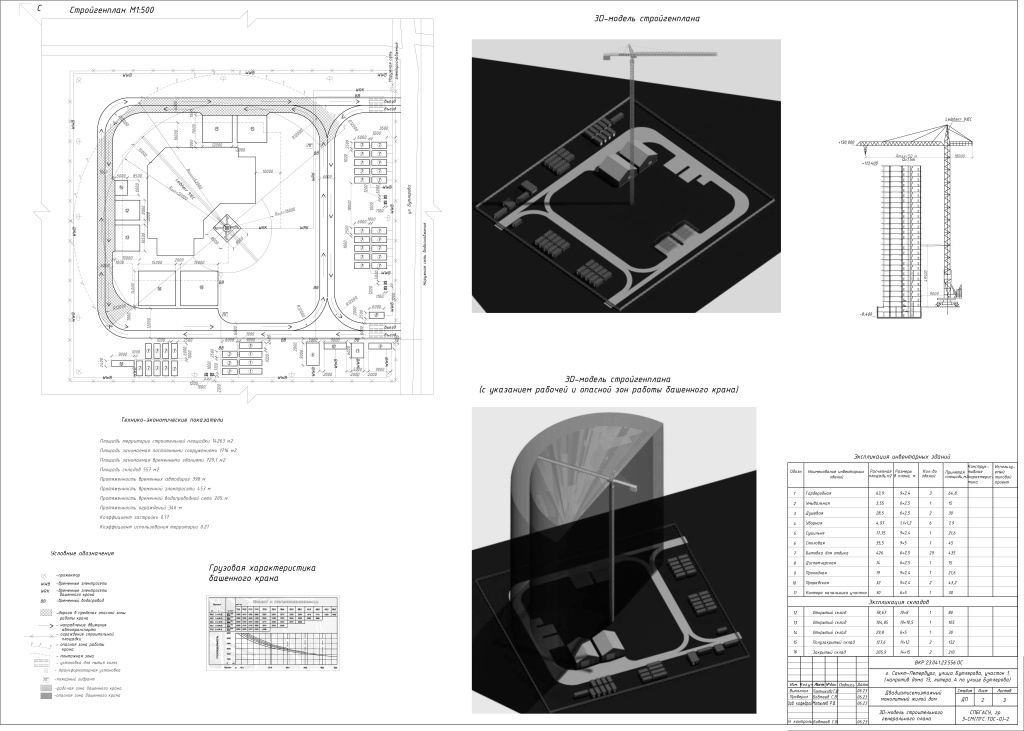
    Source: Saint Petersburg State University of Architecture and Civil Engineering – Fragment of the work by Anastasia Babinova. Open full size image

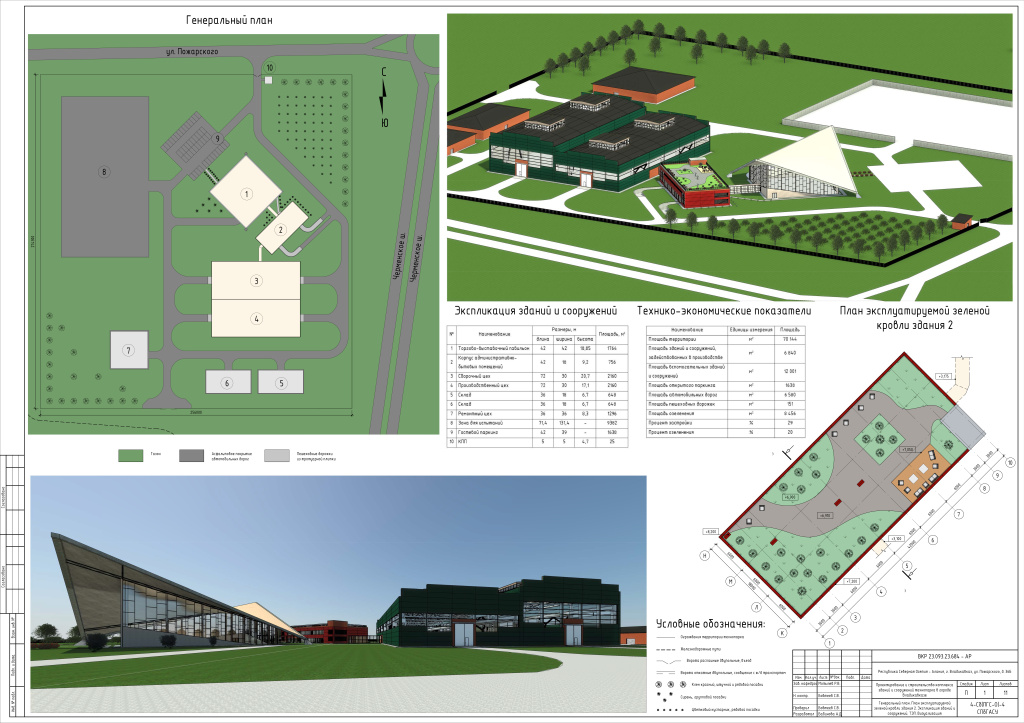
    The results of the competition of final qualification works, held by the International Public Organization for the Promotion of Construction Education (ASV), have been summed up. Students and graduates of SPbGASU became its laureates.

    Anastasia Babinova won first place in the nomination “Bachelor’s Project in the Field of Construction Technology and Organization” with her work “Design and Construction of a Complex of Buildings and Structures of a Technopark in the City of Vladikavkaz”. Anastasia continues her studies in the Master’s program. Her supervisor Sergey Bovteyev, Associate Professor of the Department of Construction Organization, tells about the student’s work:

    – Anastasia Babinova’s final qualification work examines a complex of objects, the architectural solutions for which were fully developed by the graduate herself during her third year of study. Margarita Aleksandrovna Gurieva, senior lecturer at the Department of Architectural and Construction Structures, provided great assistance in this. In addition, the project adopted a number of non-standard organizational and technological solutions, and also used modern calendar-network planning software. The knowledge gained from studying the course “Construction Organization” helped here, taught by Roman Vladimirovich Motylev, head of the Department of Construction Organization, and Vera Mikhailovna Chelnokova, associate professor at the Department of Construction Organization.

    Fragment of the work by Tatyana Pletnikova. Open full size image

    Tatyana Pletnikova was awarded a diploma for effective participation in the competition in the nomination “Technology and organization of construction”. The topic of her research is “Application of 4D modeling in the organization of construction of a 27-story monolithic residential building”. Tatyana Pletnikova’s work was also supervised by Sergey Bovteev.

    Anna Rerikh’s project “High-tech building solutions using nanocellulose” became the second among the research works of masters in the direction of “Production and application of building materials, products and structures”. The leader was Georgy Khrenov, associate professor of the Department of Building Materials Technology and Metrology.

    – Anna Vladimirovna demonstrated incredible diligence and perseverance. This allowed her to complete the work at a high level in a short time, publish several articles, including in a journal from the list of the Higher Attestation Commission. But most importantly, she managed to obtain interesting scientific results, determining the rational area of application of nanocellulose in building solutions. Anna Vladimirovna summarized the obtained results and developed a draft of practical recommendations that can be implemented in production, – said Georgy Khrenov.

    Timur Aibedulov with his work “Ventilation of the educational building of SPbGASU, Serpukhovskaya St., Bldg. 10 (TIM-project)” won second place in the nomination “Heat and Gas Supply and Ventilation (project)”. The work was supervised by Kirill Sukhanov, associate professor of the Department of Heat and Gas Supply and Ventilation.

    As Kirill Sukhanov explained, Timur carried out the work as part of a comprehensive TIM project. The team consisted of several people: an architect, a designer, a coordinator, an estimator and specialists in engineering sections. As part of the project, a 3D scan of the building was performed, and a full inspection of the facility was conducted.

    – Timur conducted a survey of the existing ventilation systems of the building. Based on the data obtained, he created an information model. Performed verification calculations of the ventilation system. After creating an information model of the existing facility, a model of the building reconstruction was created. Timur performed the necessary calculations and selected ventilation equipment. Particular attention was paid to the design of the atrium and parking ventilation systems. A ventilation system for the assembly hall was also developed while preserving the historical ventilation grille. Research was carried out on the parameters of the microclimate of the assembly hall with various ventilation equipment. The research was carried out using numerical modeling methods. The results obtained allowed us to select the optimal equipment that provides acceptable microclimate parameters, – said Kirill Sukhanov.

    Kristina Astashkevich with her work “Design of foundations of a multi-storey building with a single-level underground parking in the Kalininsky district of St. Petersburg” took third place in the nomination “Bachelor’s project in the field of geotechnics”. Now Kristina continues her studies in the master’s program. Her supervisor is Andrey Boyarintsev, senior lecturer of the Department of Geotechnics.

    – No construction project can be completed without geotechnical calculations, because each building requires a foundation. Moreover, in dense urban development, there is a need for additional parking spaces. According to current urban planning concepts, underground parking is the best solution for apartment complexes, as it saves above-ground space that can be occupied by public areas or green spaces. However, in the conditions of St. Petersburg, underground construction is complicated by weak water-saturated soils, which requires complex engineering solutions for the construction of the facility. It was this case of underground parking construction in a multi-story residential building, erected on weak soils, that was considered in the final qualification work. Now I continue to do geotechnical calculations, including in poor engineering and geological conditions. I am also involved in projects to strengthen the foundations of historical buildings in St. Petersburg, – said Kristina. The student is grateful for the help, consultations and important engineering solutions of Andrey Boyarintsev and Anatoly Osokin, Director of the Soil Testing Center of St. Petersburg State University of Architecture and Civil Engineering, Head of the Department of Geotechnics.

    Linda Fortas came in third in the nomination “Master’s Research in the Profile of Heat and Gas Supply and Ventilation” with her work “Air-thermal curtains for large-sized gates”. Her supervisor is Viktor Puhkal, associate professor of the Department of Heat and Gas Supply and Ventilation.

    – At automobile transport enterprises intended for repair of heavy-duty vehicles, large gates are used for entry and exit. Recommendations and methods for selecting air-thermal curtains for such gates are absent. That is why Linda chose the topic of her master’s thesis “Air-thermal curtains for large-sized gates”. The work includes studies of temperature and speed fields for various designs, positions and sizes of curtains. The influence of coolant parameters on the efficiency of curtains is also studied. The strengths of the work are the novelty of the research and consideration of issues of energy efficiency of air-thermal curtains, – said Viktor Puhkal.

    In the nomination “Master’s Research in Geotechnics”, Daria Paskacheva distinguished herself with her work “Stress-strain state of flexible enclosing structures in conditions of weak clay soils”, taking third place. Supervisor – Ivan Dyakonov, associate professor of the Department of Geotechnics.

    According to Daria, the high level of development of geotechnics in St. Petersburg is connected with the prevalence of “weak” clay soils in the city, which requires a highly scientific calculation approach to ensure safety during construction.

    The Department of Geotechnics of SPbGASU occupies a leading position in the field of calculations and design in such conditions.

    – I chose this topic because I became interested in what needs to be done to ensure the accuracy of geotechnical calculations in St. Petersburg’s natural conditions. Geotechnical calculations themselves, it seems to me, always include a large share of creative scientific work due to the complexity and relative youth of such a discipline as soil mechanics, – noted Daria Paskacheva.

    Currently, Daria continues to develop this topic in graduate school. The main component of her dissertation is the development of her own mathematical model of weak clay soil. In addition, in a team of graduate students and young teachers of the department, she is working on the creation of a software package based on the finite element method, which will allow the implementation of this model.

    – I would like to express my deep gratitude to my supervisor in the Master’s program, Associate Professor of the Department of Geotechnics Ivan Pavlovich Dyakonov for his support and guidance, which played an important role in my admission to graduate school and continuation of research in this area. I would also like to thank postgraduate student of the Department of Geotechnics Ivan Borisovich Bashmakov for his inspiration and help in choosing geotechnics as the main direction of my scientific and design activities.

    Please note: This information is raw content directly from the source of the information. It is exactly what the source states and does not reflect the position of MIL-OSI or its clients.

    Please note; This information is raw content directly from the information source. It is accurate to what the source is stating and does not reflect the position of MIL-OSI or its clients.

    http://www.spbgasu.ru/nevs-and-events/nevs/success-spbgasu-at-the-competition-of-an-international-public-organization-promoting-construction-industry/

    MIL OSI Russia News –

    January 24, 2025
  • MIL-OSI Security: Chiasson Office  — Have you seen this stolen ATV?

    Source: Royal Canadian Mounted Police

    The Lamèque RCMP is asking for the public’s help to locate a stolen all-terrain vehicle (ATV) from Chiasson Office, N.B.

    The theft is believed to have occurred sometime between October 11, 2024, and the afternoon of October 14, 2024, at a residence on Chiasson Road, in Chiasson Office.

    The ATV is described as a grey 2012 Can-Am Outlander 650 Max XT with New Brunswick licence plate YE2884, and vehicle identification number 3JBEPXJ18CJ000464.

    If you have seen the ATV since the night of October 11, or if you have information that could help further the investigation, please contact the Lamèque RCMP at 506-344-2006. Information can also be provided anonymously through Crime Stoppers at 1-800-222-TIPS (8477), by downloading the secure P3 Mobile App, or by Secure Web Tips at http://www.crimenb.ca.

    MIL Security OSI –

    January 24, 2025
  • MIL-OSI Global: Toothbrushes and showerheads covered in viruses ‘unlike anything we’ve seen before’ – new study

    Source: The Conversation – UK – By Primrose Freestone, Senior Lecturer in Clinical Microbiology, University of Leicester

    Toothbrushes and showerheads in American homes are teeming with viruses known as bacteriophages (bacteria eaters), a new study has found. Many of these “phages” – as they’re known for short – have never been identified before.

    The researchers, from Northwestern University in Illinois, swabbed 92 showerheads and 36 toothbrushes. They described what they found as “unlike anything we’ve seen before” and “absolutely wild”. But how alarming is this finding? And what should you do to remain safe?

    It is increasingly recognised that wherever you look for microbial species (viruses and bacteria) you will probably find them, particularly in damp places where they thrive, such as showerheads and toothbrushes. The fact that bacteria-infecting viruses were found in great numbers on showerheads and toothbrushes should not come as a surprise. Where there are bacteria, there will inevitably be viruses that infect them.

    People’s homes are host to a variety of microbial communities, which include bacteria, viruses, fungi and protozoa. And it has been known for over a decade that showerheads and their hoses can harbour various bacterial species. These include ones that can cause ill health, such as mycobacteria, which can cause respiratory infections, Legionella which causes legionnaire’s disease and Pontiac fever, and Pseudomonas aeruginosa, which can cause ear and eye infections.

    Showerheads

    These bacteria have been found on showerheads at levels over 100 times those found in tap water.

    In showerheads, there will inevitably be viruses that infect the bacteria found on them. And the more species of bacteria there are, the greater the diversity of phages likely to be present.

    The presence of a microscopic ecosystem in your showerhead also means every time you shower, you are coating yourself in the showerhead bacteria and their related phage viruses. And this is an infection risk.

    To disinfect your showerhead, soak it in vinegar. It has the added benefit of removing any limescale.

    Unscrew the showerhead, brush off any soap residue, and place the showerhead in a plastic bag or other container with enough undiluted white vinegar to cover the item. Leave it for up to two hours.

    Rinse the showerhead well after taking it out of the vinegar solution, and repeat every month or so, depending on usage.

    Toothbrushes

    The researchers at Northwestern University also looked at phages inhabiting regularly used toothbrushes. Unsurprisingly, they also found a diversity of phages on the brush heads.

    During brushing, toothbrushes come into contact with structures in the mouth (gum, teeth, tongue, cheeks, uvula and palates). And each of these is home to hundreds of species of bacteria and other microbes.

    Oral microbes play an important role in keeping the mouth healthy by excluding harmful germs (pathogens), helping digest food, and regulating the working of the heart and immune system.

    The bacterial diversity of the mouth and tooth microbiomes will, as the US study found, influence the diversity of phages deposited onto toothbrushes.

    The study provides an interesting snapshot of the diversity of the oral micro-ecosystems (bacteria and viruses) that are deposited on toothbrushes but may cause some people to worry that the microbes on their toothbrushes are a potential source of infection.

    The toothbrush viruses identified were bacterial, not human viruses so they are not a health concern. However, while toothbrush microbes are not a risk to the toothbrush owner, as the microbes on it are their own, they can cause infections in others if a toothbrush is shared. One person’s harmless oral microbes can be another’s pathogens, leading to illnesses ranging from colds to endocarditis (a life-threatening inflammation of the heart’s inner lining).

    Phages explained.

    It is a good idea to clean your toothbrush regularly. The NHS advises running it under the hot tap for about 30 seconds, followed by air drying.

    Other websites advise soaking toothbrush heads in antibacterial mouthwash or denture cleaners. For electric toothbrushes, you should follow the manufacturer’s cleaning guidance.

    The take-home message from the Northwestern study is that we live in a richly microbial world and that interactions with bacteria and other microbes in our homes are an integral part of our human biology. Also, despite many new phage species being discovered, there is no cause for alarm – as long as you follow the advice above and keep your showerhead and toothbrush clean.

    Primrose Freestone does not work for, consult, own shares in or receive funding from any company or organisation that would benefit from this article, and has disclosed no relevant affiliations beyond their academic appointment.

    – ref. Toothbrushes and showerheads covered in viruses ‘unlike anything we’ve seen before’ – new study – https://theconversation.com/toothbrushes-and-showerheads-covered-in-viruses-unlike-anything-weve-seen-before-new-study-241072

    MIL OSI – Global Reports –

    January 24, 2025
  • MIL-OSI Global: Education and gender equality: focus on girls isn’t fair and isn’t enough – global study

    Source: The Conversation – Africa – By Kathryn Watt, Research Manager, The Asenze Project, University of KwaZulu-Natal

    For the past two decades, investing in girls’ schooling has been hailed as a cornerstone of promoting gender equality in sub-Saharan Africa. Between 2016 and 2018 the World Bank Group invested US$3.2 billion in education projects benefiting adolescent girls.

    The logic is straightforward. Girls face significant barriers to education, among them poverty, insufficient academic support, adolescent pregnancy, child marriage, and school related gender-based violence. Reducing these barriers can substantially improve their educational outcomes.

    But is this approach – investing in girls’ education – fair to boys, and enough to make a meaningful impact on girls’ lives in the long term? Having studied the relationship between interventions and the way people’s lives develop in adverse contexts, we argue that the answer is no on both counts.

    We explain this view in a recent paper. In it we compare the different effects of directing development assistance: improving girls’ school enrolment, prioritising schooling for both girls and boys, and addressing barriers to gender equality throughout life.

    We used publicly available data for 136 low- and middle-income countries, including those in sub-Saharan Africa. We calculated the female-to-male ratio for important education indicators in each country to show where girls are ahead, on par or behind boys.

    Our findings suggest that the current focus on girls’ schooling may both unintentionally disadvantage boys and be a relatively inefficient means of advancing gender equality.

    Girls’ and boys’ education in sub-Saharan Africa

    We focused on two indicators to assess the current state of girls’ and boys’ education in the region:

    • secondary school completion

    • student performance in standardised test scores, known as harmonised learning outcomes.

    Harmonised learning outcomes measure learning and progress based on the results from seven different types of tests combined and made comparable among children attending school. They reflect the environmental inputs into learning and achievement, such as school quality. Completing secondary school, meanwhile, has been shown to increase a person’s potential for future development, opportunities for employment and higher education.

    In most countries in sub-Saharan Africa, girls are behind boys on secondary school completion. The average completion rate for boys is 30%. For girls it is just 24%. In southern Africa specifically, girls have higher completion rates than boys. Figure 1 shows where girls are ahead or behind on this indicator.

    In sub-Saharan Africa, the average harmonised learning outcomes score for boys is 301; it is 303 for girls. Our results show that, for most countries in the region, girls are achieving roughly equal scores to their male peers.

    This suggests that gender gaps in education are not as pronounced as is often portrayed.

    Firstly, although school completion rates are higher for boys, this gap is small, and overall completion rates remain low for both genders.

    Secondly, where boys are averaging higher levels of completed schooling, it is not due to better academic performance. Once enrolled, girls in the region tend to keep up with boys in school completion and academic performance.

    Rather than asking who is ahead, it’s more important to note that neither boys nor girls are doing well. Our results show that educational outcomes in sub-Saharan Africa – including school performance and completion – are alarmingly poor for both girls and boys.

    So, if all children in the region are clearly in need of support, why target education interventions at girls alone?

    Large disparities in later life

    The key to gender equality lies in ensuring girls and boys, and men and women, have the same opportunities to reach their potential from early life, through late childhood and adolescence, into adulthood.

    Research emphasises that human development does not hinge on any single factor such as schooling. Rather, it depends on capabilities built throughout life.

    In early childhood, proper nutrition, among other things, is crucial for developing a child’s basic physical and cognitive capabilities. These early investments protect the potential for human development.

    During childhood and adolescence, factors like quality schooling and social support allow young people to realise that potential.

    Finally, in adulthood, social norms and job opportunities determine how fully a person can use their realised potential.

    Our findings suggest that, on average, in low- and middle-income countries the development potential of girls and young women is protected and realised better than it is for boys and young men. But later in life, women don’t have as many opportunities as men to use that potential.

    This implies that initiatives focused on girls’ schooling are likely not the most effective means of promoting girls’ development or reducing gender gaps.

    Large disparities emerge later in girls’ lives. For example, our findings show that women earn less than men in almost every country in sub-Saharan Africa. These results reflect how patriarchal norms, particularly the unequal burden of housework and childcare, tend to push women into lower-paid informal or part-time work. Even when similarly qualified and in comparable positions, women typically earn less than men.

    These findings, when considered in the context of the current state of education in the region, challenge the idea that focusing solely on girls’ education is enough to promote their lifelong development or meaningfully reduce gender inequalities.

    The argument that boys should not receive the same support as girls is weak.

    How to promote greater gender equality in sub-Saharan Africa

    Targeted interventions are likely to have the greatest impact where girls and women face the greatest barriers: in using their potential. That means, for example:

    • recognising the unpaid household and caregiving work that women shoulder

    • improving women’s access to better job opportunities in paid and formal work

    • challenging discriminatory laws and social norms.

    Social protection policies, including childcare and reproductive health services, can ease women’s caregiving burden and give them the time and agency to fully participate in politics, the economy and society.

    There are also opportunities beyond government, where support for trade unions, for instance, has been shown to help narrow gender wage gaps.

    Addressing gender inequality requires a life-course approach. It should involve quality education for both genders, and tackling the policies, practices and social norms that marginalise women and girls, especially in the later stages of their lives.

    Sara Naicker, Jere Behrman and Linda Richter contributed to the research this article is based on. Dhyan Saravanja contributed to this article.

    Chris Desmond receives funding from UK Research and Innovation Global Challenges Research Fund Accelerating Achievement for Africa’s Adolescents Hub,Grant/Award Number: ES/S008101/1

    Kathryn Watt does not work for, consult, own shares in or receive funding from any company or organisation that would benefit from this article, and has disclosed no relevant affiliations beyond their academic appointment.

    – ref. Education and gender equality: focus on girls isn’t fair and isn’t enough – global study – https://theconversation.com/education-and-gender-equality-focus-on-girls-isnt-fair-and-isnt-enough-global-study-240239

    MIL OSI – Global Reports –

    January 24, 2025
  • MIL-OSI Security: Kansas City Man Pleads Guilty to Three Fentanyl Overdose Deaths

    Source: Federal Bureau of Investigation (FBI) State Crime Alerts (b)

    KANSAS CITY, Mo. – A Kansas City, Mo., man pleaded guilty in federal court today to distributing fentanyl, which resulted in three overdose deaths in Belton and Raymore, Mo., as part of a drug-trafficking conspiracy.

    Tiger Dean Draggoo, 24, pleaded guilty before U.S. District Judge Roseann A. Ketchmark to one count of conspiracy to distribute fentanyl and three counts of distributing fentanyl resulting in death.

    By pleading guilty today, Draggoo admitted that he distributed fentanyl on Sept. 3, 2022, the use of which caused the death of another person. Draggoo admitted that he distributed fentanyl between Aug. 22 and Sept. 13, 2022, the use of which caused the death of another person. Draggoo admitted that he distributed fentanyl between Dec. 7 and 20, 2022, the use of which caused the death of another person.

    Draggoo also admitted that the government’s evidence of the total amount of drugs he is responsible for distributing or possessing is at least 22,364 pills that contained a total of 2,460 grams of fentanyl.

    Victim #1 Fatality

    On Sept. 4, 2022, Cass County, Mo., sheriff’s deputies found a juvenile, identified in court documents as “Victim #1,” deceased in her bedroom. An autopsy report identified “Fentanyl Intoxication” as the cause of death. Investigators determined that Draggoo was selling fentanyl pills to the victim and had supplied her with fentanyl pills on the evening of Sept. 3, 2022.

    Victim #2 Fatality

    On Sept. 13, 2022, a deceased person, identified in court documents as “Victim #2,” was found in the Belton residence where she lived with her mother. A blue pill was found in her bedroom, which was tested and determined to contain fentanyl. An autopsy report identified the cause of death as “Acute Fentanyl Toxicity.” Investigators learned that Draggoo was selling fentanyl pills to Victim #2. Draggoo typically would drop off pills near midnight at Victim #2’s bedroom window, and cell phone GPS information indicated Draggoo was in the area of Victim #2’s residence at approximately 12:20 a.m on Sept. 13, 2022.

    Attempted Arrest of Draggoo

    On Sept. 22, 2022, law enforcement officers conducted surveillance of Draggoo’s apartment and attempted to arrest him. Draggoo got into a Jeep Renegade driven by his brother, co-defendant Colt Justin Draggoo, 21, of Kansas City, Mo. Officers attempted to conduct a traffic stop of the vehicle, but the vehicle fled. Tiger and Colt Draggoo later returned to the apartment complex, but when an officer drove into the parking lot, Tiger Draggoo ran into the apartment building and was able to escape.

    Colt Draggoo was arrested. Officers found a loaded Springfield Armory 9mm handgun sitting on the driver’s seat of the Jeep. A laundry bag in the back seat contained two fire safes that had a total of $184,500 in cash. Colt Draggoo has pleaded guilty to his role in the drug-trafficking conspiracy.

    Officers searched Tiger Draggoo’s apartment and found 17 firearms, including two machine guns, ammunition of various calibers, $246,769 in cash, a ballistic vest with plates, a money counter, numerous pills that contained fentanyl, eight suspected LSD tabs, and marijuana. The 17 firearms included a Del-Ton 5.56-caliber rifle (converted into a machine gun), a Glock switch (used to convert a Glock pistol into a machine gun), three Marlin .22-caliber rifles, a Norinco 7.62-caliber rifle, a Mosin-Nagant rifle, an Anderson Manufacturing AM-15 .223-caliber rifle, a Mossberg 12-gauge shotgun, an Armscorp USA .308-caliber rifle, a Century Arms 7.62-caliber rifle, a Herbert Schmidt .22-caliber revolver, a New England Firearms .22-caliber revolver, a Kimber 9mm pistol, a Glock 9mm pistol, a Sig Sauer 9mm pistol, and a Metro Arms .45-caliber pistol.

    Victim #3 Fatality

    On Dec. 20, 2022, Raymore police officers were dispatched to a residence in Raymore regarding a non-breathing female, identified in court documents as Victim #3. Victim #3 was transported to a local hospital where she was pronounced deceased. A small jewelry box in Victim #3’s bedroom contained three broken segments of a blue pill that were tested and determined to contain fentanyl. An autopsy report identified the cause of death as “Acute Fentanyl Toxicity.” Investigators learned that Tiger Draggoo had been selling fentanyl to Victim #3 since as early as May 31, 2022. The last Facebook Messengers conversation between Tiger Draggoo and Victim #3 occurred on Dec. 7, 2022, when they agreed to meet and an amount of $50 was agreed upon.

    Arrest of Draggoo

    Tiger Draggoo was arrested at his residence on Jan. 20, 2023. Tiger Draggoo was in possession of almost $2,000 in cash in his billfold and pockets. Officers searched Tiger Draggoo’s apartment and recovered pills from the toilet. Officers also found suspected psilocybin mushrooms, 144 grams of yellow THC wax, and more than $62,000 in additional cash. Officers searched Tiger Draggoo’s Honda Accord and found three handguns, a Palmetto State Armory multi-caliber rifle, an unregistered short-barreled 12-gauge shotgun, and $1,250 in cash. Officers searched his girlfriend’s Jeep Renegade, which was located at the apartment complex, and found a backpack that contained more than $82,000 in cash.

    Under federal statutes, Tiger Draggoo is subject to a mandatory minimum sentence of 20 years in federal prison without parole, up to a sentence of life in federal prison without parole. The maximum statutory sentence is prescribed by Congress and is provided here for informational purposes, as the sentencing of the defendant will be determined by the court based on the advisory sentencing guidelines and other statutory factors. A sentencing hearing will be scheduled after the completion of a presentence investigation by the United States Probation Office.

    This case is being prosecuted by Assistant U.S. Attorneys Brad K. Kavanaugh and Robert Smith. It was investigated by the Jackson County Drug Task Force, the Bureau of Alcohol, Tobacco, Firearms and Explosives, the Belton, Mo., Police Department, the Raymore, Mo., Police Department, the Cass County, Mo., Sheriff’s Department, and the FBI.

    MIL Security OSI –

    January 24, 2025
  • MIL-OSI Global: Poverty in Lagos isn’t just about money – here’s why

    Source: The Conversation – Africa – By Oluwaseyi Omowunmi Popogbe, Lecturer II, Crawford University

    Lagos is Nigeria’s economic powerhouse, but it has some of the worst slums in the country.

    Lagos slums are characterised by high levels of poverty – the state of not having enough resources to meet basic needs for living, such as food, water, shelter, healthcare and education.

    Poverty is multidimensional. It is not only about money. Yet poverty in Lagos slums has often been studied using traditional methods that focus mostly on income thresholds. A person is considered poor if their income falls below a certain level. This approach captures financial hardship. But it misses other aspects of poverty, such as lack of access to education, healthcare, clean water and decent living conditions.

    Measuring poverty requires a multidimensional approach, not simply an income approach. Multidimensional poverty means looking at all the aspects of deprivation to get a fuller picture of what it means to live in poverty. It helps policymakers and researchers understand that even with some income, a person may still be struggling because they don’t have other essential services.

    In a study of poverty in the Lagos State slums, two other development economists and I used a mathematical framework to model multidimensional poverty. We used what is known as the fuzzy set approach. This was developed in the 1990s as an alternative to purely monetary measures of poverty.

    The traditional monetary approach often classifies people as either “poor” or “not poor” based on specific cut-off points. In reality, poverty exists on a spectrum, and people can experience different levels of deprivation across various aspects of their lives. The fuzzy set approach accounts for this by assigning degrees of membership to different poverty indicators.

    We found considerable disparities in poverty, based on a multidimensional index, across slums in Lagos State. Our insights will enable economists and policymakers to see the different ways people in slums are deprived. In turn this should help them understand how to make their lives better in a more targeted and effective way.

    Background and methodological approach

    Our study focused on five big slums that lie close to the coastal line in Lagos state. These are among the slums the World Bank has identified for upgrading as part of a US$200 million loan project to improve drainage and solid waste management.

    We chose 400 respondents from the five slums: Makoko, Iwaya, Ilaje, Ijora Badia and Amukoko.

    According to Avijit Hazra and Nithya J Gogtay, researchers in bio-statistics and research methodology, a minimum of 384 samples is appropriate for a large population size. Nevertheless, the selected sample for this study limits the ability to generalise the findings to other slums, especially those with different characteristics.

    Findings

    The multidimensional poverty index was highest in Makoko and Iwaya. These scores indicate severe poverty, as they are above the threshold of 0.50.

    In contrast, Amukoko had the lowest multidimensional poverty index, showing relatively less severe deprivation across indicators.

    Makoko and Iwaya are particularly deprived in areas like schooling, sanitation and nutrition. This explains their higher poverty levels compared to other communities.

    Makoko’s location along the coast, with its makeshift housing and poor infrastructure, adds to its vulnerability. Iwaya shares similar challenges in education and health services. These factors make both areas more deprived than other slums.

    Of the three broad poverty dimensions measured, education emerged with the highest deprivation across all communities. This highlighted the limited formal education among residents.

    Specifically, Makoko and Iwaya showed the highest deprivation in schooling. Despite some improvements, particularly in child enrolment, these communities are still marked by severe deprivation.

    The second dimension exhibiting severe deprivation was living standards. There were variations across different slums. Makoko and Iwaya had higher sanitation challenges.

    The third dimension in the severe deprivation category was health. Indicators included mortality and nutrition. They were high across many slums, contributing significantly to their multidimensional poverty indexes.

    Other communities, such as Amukoko (0.0312), showed better sanitation outcomes. On the other hand, electricity, flooring and cooking fuel indicators generally showed lower levels of deprivation, with most slums scoring around or below 0.03 in these categories.

    The prevalence of both serious and minor illnesses, coupled with insufficient medical care, contributed to high mortality rates.

    Poor sanitation could also be a factor in health issues. In Makoko and Iwaya, toilet facilities and waste management were poor, with waste often disposed of in waterways.

    Despite this, personal hygiene practices such as using clean water, soap and regular brushing were prevalent. This helped keep the sanitation index relatively low compared with other factors affecting health.

    Other slums had relatively better-organised waste collection systems and generally improved sanitation practices.

    What needs to be done

    Policymakers should prioritise education-focused initiatives. This should include improving access to quality schools, providing scholarships and setting up adult literacy programmes.

    The study also highlights challenges related to sanitation, especially in Makoko and Iwaya. There is a need for improved infrastructure in these areas, such as better sanitation facilities, waste management systems and access to clean water.

    Policies should focus on upgrading sanitation services to reduce health risks and improve living conditions.

    But the differences in poverty index across slums indicate varying levels of deprivation, suggesting that a one-size-fits-all approach will not be effective.

    Coastal slums like Makoko and Iwaya require more intensive interventions compared to slums not directly on coastal lines such as Amukoko.

    Policymakers should focus resources where they are most needed to have the greatest impact.

    Slums like Ilaje and Ijora Badia are close to the threshold of severe poverty. Policymakers need to take proactive measures to prevent these communities from falling into severe deprivation.

    Lastly, it is important to use data to identify priority areas and develop targeted interventions aimed at improving the quality of life for slum dwellers.

    Instead of relying on generalised approaches, the insights from this study can facilitate the design of specific policies that address the distinct needs of each community.

    Oluwaseyi Omowunmi Popogbe does not work for, consult, own shares in or receive funding from any company or organisation that would benefit from this article, and has disclosed no relevant affiliations beyond their academic appointment.

    – ref. Poverty in Lagos isn’t just about money – here’s why – https://theconversation.com/poverty-in-lagos-isnt-just-about-money-heres-why-240847

    MIL OSI – Global Reports –

    January 24, 2025
  • MIL-OSI Russia: IMF Staff Reaches Staff Level Agreement with Armenia on the Fourth Review of the Stand-By Arrangement

    Source: IMF – News in Russian

    October 21, 2024

    End-of-Mission press releases include statements of IMF staff teams that convey preliminary findings after a visit to a country. The views expressed in this statement are those of the IMF staff and do not necessarily represent the views of the IMF’s Executive Board. Based on the preliminary findings of this mission, staff will prepare a report that, subject to management approval, will be presented to the IMF’s Executive Board for discussion and decision.

    • IMF staff and the Armenian authorities have reached a staff-level agreement on the fourth review under the 3-year Stand-By Arrangement (SBA), which the Armenian authorities treat as precautionary. The SBA aims to support the government’s policy and reform agenda to maintain macroeconomic stability and foster strong, sustainable growth.
    • Armenia’s economy continues to grow strongly, with GDP growth projected to reach 6 percent in 2024, driven by domestic demand, before slowing to 4.9 percent in 2025.
    • Policy priorities include enhancing economic resilience, further mobilizing tax revenues to support priority spending while maintaining fiscal sustainability, strengthening institutional frameworks, and continuing structural reforms to boost labor productivity, enhance trade diversification, and improve the overall business environment.

    Washington, DC: An International Monetary Fund (IMF) team, led by Iva Petrova, visited Yerevan from September 18 to October 1, 2024, and held further virtual discussions afterwards for the fourth review under the Stand-By Arrangement (SBA) with Armenia. At the conclusion of the discussions, Ms. Petrova issued the following statement:

    “I am pleased to announce that the IMF team and the Armenian authorities have reached a staff-level agreement on policies for the completion of the fourth review under the three-year SBA, which supports Armenia’s economic reform program. The agreement is subject to approval by the IMF’s Executive Board, scheduled to consider this review in mid-December. This approval would enable access of about US$24.5 million (SDR 18.4 million), bringing total access to about US$122.7 million (SDR 92 million) since the SBA’s inception.

    “Armenia’s economic activity remains robust, with real GDP growing by 6.5 percent in the first half of the year, driven by domestic demand. Employment growth has been steady, averaging 19 percent since the start of 2023, while inflation has remained low at 0.6 percent year-on-year in September. The current account deficit has widened as transitory factors subside, and tourism and remittances continue to normalize. Preliminary data indicate that prudent execution of the 2024 budget has resulted in a small overall fiscal deficit through September 2024. Central government debt remains moderate at 48.4 percent of GDP at end 2023. The banking system enjoys strong capital and liquidity buffers, along with high profitability.

    “The strong growth momentum of the past few years continues to gradually normalize, with GDP growth expected to reach 6 and 4.9 percent in 2024 and 2025, respectively, as domestic consumption and external demand decelerate. Inflation is expected to remain low in the short term and gradually converge to the CBA’s inflation target in the medium term. Significant risks to this outlook include geopolitical tensions and potential growth setbacks in trading partners, a reversal of capital inflows, and surges in global food and energy prices. On the upside, growth could exceed expectations if net exports perform better than anticipated and if structural reforms and refugee integration are implemented more swiftly.

    “The draft 2025 budget appropriately accommodates priority spending needs, including national security and refugee integration. With rising spending pressures, however, careful medium-term expenditure prioritization and the introduction of new tax policies will be necessary to support fiscal consolidation in line with the fiscal rules and maintaining debt at a moderate level. Implementing reforms to strengthen medium-term fiscal planning, enhance public financial management—including through robust fiscal risk management, transparency, and governance—and bolster the public investment management framework remains critical to support fiscal efforts.

    “Amid low inflationary pressures, the Central Bank of Armenia (CBA) has continued its gradual reduction of the policy rate to steer inflation towards its target. Future rate decisions should continue to be guided by the evolution of inflation and inflation expectations. The flexible exchange rate should remain a key shock absorber, and the authorities’ commitment to maintaining healthy international reserve buffers is welcome. Ongoing efforts to improve monetary, foreign exchange, and financial regulatory transparency are helping enhance CBA’s policy communication, and efforts should continue to strengthen the CBA’s prudential and supervisory frameworks. With its continuous financial risk monitoring, including the recent increase in the countercyclical capital buffer, the CBA remains vigilant in mitigating financial sector risks.

    “The government’s structural reform agenda appropriately focuses on fostering inclusive growth, including by boosting labor force participation among the youth, women, and vulnerable populations, encouraging diversification in the country’s export basket and markets, and improving the business environment. Achieving these objectives requires developing and implementing concrete, fully costed employment and export strategies, prioritizing governance reforms, upgrading the insolvency framework, and rationalizing investment incentives to support quality investments.

    “The IMF team thanks the Armenian authorities, private sector, development partners, and the diplomatic community for fruitful discussions and cooperation.”

    IMF Communications Department
    MEDIA RELATIONS

    PRESS OFFICER: Alexander Muller

    Phone: +1 202 623-7100Email: MEDIA@IMF.org

    @IMFSpokesperson

    https://www.imf.org/en/News/Articles/2024/10/21/pr-24386-armenia-imf-staff-reaches-staff-level-agreement-on-the-4th-rev-of-stand-by-arrangement

    MIL OSI

    MIL OSI Russia News –

    January 24, 2025
  • MIL-OSI Africa: Education and gender equality: focus on girls isn’t fair and isn’t enough – global study

    Source: The Conversation – Africa – By Kathryn Watt, Research Manager, The Asenze Project, University of KwaZulu-Natal

    For the past two decades, investing in girls’ schooling has been hailed as a cornerstone of promoting gender equality in sub-Saharan Africa. Between 2016 and 2018 the World Bank Group invested US$3.2 billion in education projects benefiting adolescent girls.

    The logic is straightforward. Girls face significant barriers to education, among them poverty, insufficient academic support, adolescent pregnancy, child marriage, and school related gender-based violence. Reducing these barriers can substantially improve their educational outcomes.

    But is this approach – investing in girls’ education – fair to boys, and enough to make a meaningful impact on girls’ lives in the long term? Having studied the relationship between interventions and the way people’s lives develop in adverse contexts, we argue that the answer is no on both counts.

    We explain this view in a recent paper. In it we compare the different effects of directing development assistance: improving girls’ school enrolment, prioritising schooling for both girls and boys, and addressing barriers to gender equality throughout life.

    We used publicly available data for 136 low- and middle-income countries, including those in sub-Saharan Africa. We calculated the female-to-male ratio for important education indicators in each country to show where girls are ahead, on par or behind boys.

    Our findings suggest that the current focus on girls’ schooling may both unintentionally disadvantage boys and be a relatively inefficient means of advancing gender equality.

    Girls’ and boys’ education in sub-Saharan Africa

    We focused on two indicators to assess the current state of girls’ and boys’ education in the region:

    Harmonised learning outcomes measure learning and progress based on the results from seven different types of tests combined and made comparable among children attending school. They reflect the environmental inputs into learning and achievement, such as school quality. Completing secondary school, meanwhile, has been shown to increase a person’s potential for future development, opportunities for employment and higher education.

    In most countries in sub-Saharan Africa, girls are behind boys on secondary school completion. The average completion rate for boys is 30%. For girls it is just 24%. In southern Africa specifically, girls have higher completion rates than boys. Figure 1 shows where girls are ahead or behind on this indicator.

    Figure 1: Secondary school completion. Author provided (no reuse)

    In sub-Saharan Africa, the average harmonised learning outcomes score for boys is 301; it is 303 for girls. Our results show that, for most countries in the region, girls are achieving roughly equal scores to their male peers.

    Figure 2: Harmonised learning outcomes. Author provided (no reuse)

    This suggests that gender gaps in education are not as pronounced as is often portrayed.

    Firstly, although school completion rates are higher for boys, this gap is small, and overall completion rates remain low for both genders.

    Secondly, where boys are averaging higher levels of completed schooling, it is not due to better academic performance. Once enrolled, girls in the region tend to keep up with boys in school completion and academic performance.

    Rather than asking who is ahead, it’s more important to note that neither boys nor girls are doing well. Our results show that educational outcomes in sub-Saharan Africa – including school performance and completion – are alarmingly poor for both girls and boys.

    So, if all children in the region are clearly in need of support, why target education interventions at girls alone?

    Large disparities in later life

    The key to gender equality lies in ensuring girls and boys, and men and women, have the same opportunities to reach their potential from early life, through late childhood and adolescence, into adulthood.

    Research emphasises that human development does not hinge on any single factor such as schooling. Rather, it depends on capabilities built throughout life.

    In early childhood, proper nutrition, among other things, is crucial for developing a child’s basic physical and cognitive capabilities. These early investments protect the potential for human development.

    During childhood and adolescence, factors like quality schooling and social support allow young people to realise that potential.

    Finally, in adulthood, social norms and job opportunities determine how fully a person can use their realised potential.

    Our findings suggest that, on average, in low- and middle-income countries the development potential of girls and young women is protected and realised better than it is for boys and young men. But later in life, women don’t have as many opportunities as men to use that potential.

    This implies that initiatives focused on girls’ schooling are likely not the most effective means of promoting girls’ development or reducing gender gaps.

    Large disparities emerge later in girls’ lives. For example, our findings show that women earn less than men in almost every country in sub-Saharan Africa. These results reflect how patriarchal norms, particularly the unequal burden of housework and childcare, tend to push women into lower-paid informal or part-time work. Even when similarly qualified and in comparable positions, women typically earn less than men.

    Figure 3: Adult earnings. Author provided (no reuse)

    These findings, when considered in the context of the current state of education in the region, challenge the idea that focusing solely on girls’ education is enough to promote their lifelong development or meaningfully reduce gender inequalities.

    The argument that boys should not receive the same support as girls is weak.

    How to promote greater gender equality in sub-Saharan Africa

    Targeted interventions are likely to have the greatest impact where girls and women face the greatest barriers: in using their potential. That means, for example:

    Social protection policies, including childcare and reproductive health services, can ease women’s caregiving burden and give them the time and agency to fully participate in politics, the economy and society.

    There are also opportunities beyond government, where support for trade unions, for instance, has been shown to help narrow gender wage gaps.

    Addressing gender inequality requires a life-course approach. It should involve quality education for both genders, and tackling the policies, practices and social norms that marginalise women and girls, especially in the later stages of their lives.

    Sara Naicker, Jere Behrman and Linda Richter contributed to the research this article is based on. Dhyan Saravanja contributed to this article.

    – Education and gender equality: focus on girls isn’t fair and isn’t enough – global study
    – https://theconversation.com/education-and-gender-equality-focus-on-girls-isnt-fair-and-isnt-enough-global-study-240239

    MIL OSI Africa –

    January 24, 2025
  • MIL-OSI USA: First Lady Cathy Justice places 39th Friends With Paws therapy dog in Barbour County

    Source: US State of West Virginia

    CategoriesEnglish, MIL OSI, US State Governments, US State of West Virginia

    Post navigation

    BELINGTON, WV — First Lady Cathy Justice visited Belington Middle School today for an assembly to celebrate the arrival of the state’s newest therapy dog through the Friends With Paws program. The dog introduced at today’s event is a female Golden Retriever, named Gia.

    “We are so excited to welcome Gia to Belington Elementary and Middle School,” said First Lady Cathy Justice. “As the 39th therapy dog through the Friends With Paws program, she will bring so much love and comfort to our students, helping them feel safe, supported, and ready to learn. Gia will be a wonderful addition to the school family, and we look forward to seeing all the positive impacts she’ll bring to the lives of students and staff.”

    Several Barbour County school officials were in attendance to help celebrate Gia’s arrival.

    “We are incredibly grateful to First Lady Cathy Justice for gifting us with Gia, our new therapy dog,” said Eddie Vincent, Superintendent of Barbour County Schools. “Gia will be a wonderful addition to our school community, providing comfort, support, and a sense of joy to our students and staff. This generous gift underscores the importance of nurturing not only the minds but also the hearts of our students, and we are excited to see the positive impact Gia will have on everyone she meets.”

    The Friends With Paws program places certified therapy dogs in several schools across the state, providing companionship and comfort for students in need of a boost. As of today, a total of 39 Friends With Paws therapy dogs, including Gia, have been placed throughout the state.

    Therapy dogs are specially trained to provide comfort and support to people in various tense environments. They can help people feel at ease, improve their mood, relieve anxiety, and remove social barriers. Friends With Paws therapy dogs are highly trained and certified to show their ability to work in stressful environments, ignore distractions, and provide therapy to people with diverse backgrounds and circumstances.

    Barbour County Communities In Schools County Contact, Chris Derico, has worked for weeks with the Office of First Lady Justice, ensuring that the school students and staff are prepared for Gia’s arrival, “We are thrilled to welcome our new therapy dog to the Communities In Schools program at Belington Elementary and Middle Schools. This addition will provide invaluable emotional support to our students, creating a more nurturing and calming environment. The presence of Gia will help us build stronger connections with students, reduce stress, and promote positive mental health, making a lasting impact on their educational journey and overall well-being.”

    Following today’s assembly, students and staff had the chance to greet Gia.

    “We are thrilled to have Gia join the Belington Elementary family,” said Principal of Belington Elementary, Cindy Sigley. “Gia will not only brighten our hallways but also help foster an environment where kids will want to come. We can’t wait for Gia to stroll the halls of Belington Elementary School.”

    “We are excited to welcome our new therapy dog to Belington Middle School,” said Ben Shew, Principal of Belington Middle School. “This addition of Gia to our school will enhance both the mental health and academic success of our students.”

    The Friends With Paws program is a partnership between the Governor’s Office, West Virginia Communities In Schools (CIS) Nonprofit, and the West Virginia Department of Education. Therapy dogs are placed in schools within CIS counties where students are disproportionately affected by poverty, substance misuse, or other at-risk situations, and are in the greatest need of a support animal. The dogs serve as a healthy and friendly outlet for these students to address trauma and other social-emotional issues.
     

    More information about Friends With Paws can be found in Communities In Schools: Friends With Paws, a documentary produced by West Virginia Public Broadcasting. Click HERE to view the documentary.
     
    A 2019 study published by the National Institute of Health found that a dog’s presence in the classroom promotes a positive mood and provides significant anti-stress effects on the body.

    In addition, research shows that the simple act of petting animals releases an automatic relaxation response. Therapy animals’ lower anxiety and help people relax, provide comfort, reduce loneliness, and increase mental stimulation. They are also shown to lower blood pressure and improve cardiovascular health, reduce the number of medications some people need, help control breathing in those with anxiety, and diminish overall physical pain, among other profound benefits.

    MIL OSI USA News –

    January 24, 2025
  • MIL-OSI Russia: IMF Executive Board Concludes the Review of Charges and the Surcharge Policy, and Approves Reforms

    Source: IMF – News in Russian

    October 21, 2024

    • The IMF Executive Board reached consensus on reforms of charges, surcharges, and commitment fees that will substantially reduce the cost of borrowing from the General Resources Account (GRA) at a time of high global interest rates, while safeguarding the IMF’s financial capacity to support its members in need.
    • The reform package is expected to lower IMF borrowing costs for members by about US$1.2 billion annually and reduce payments on the margin of charges and surcharges on average by 36 percent. The number of surcharge payers is expected to decline from 20 to 13 countries (in FY2026).
    • The IMF will reduce the margin paid over the SDR interest rate and the time-based surcharge rate, and increase the borrowing thresholds above which level-based surcharges and commitment fees apply. These changes will take effect on November 1, 2024.

    Washington, DC – October 21, 2024: The Executive Board of the International Monetary Fund (IMF) on October 11, 2024 concluded the Review of Charges and the Surcharge Policy, which for the first time jointly covered charges, surcharges, and commitment fees. The review is part of a continuous effort to ensure the IMF’s lending policies remain fit for purpose and the IMF is able to support its members in a challenging global environment.

    The Executive Board reached consensus on a comprehensive package of measures to meaningfully reduce the cost of borrowing for members, preserve incentive mechanisms for prudent and temporary borrowing, and safeguard the strength of the IMF’s balance sheet.

    The reform package is expected to lower borrowing costs by about US$1.2 billion (SDR 880 million) annually. It will reduce payments on the margin of the rate of charge as well as surcharges on average by 36 percent. The number of surcharge payers is expected to decline from 20 to 13 countries (in FY2026).

    Charges and surcharges are important elements of the IMF’s cooperative lending and risk management framework. They provide incentives for prudent and temporary borrowing that help underpin the revolving nature of IMF resources and allow for the accumulation of reserves to mitigate financial risks. This supports the IMF’s financial foundation, enabling it to play its role as a lender at the center of the global financial safety net.

    The Executive Board approved the following changes:

    • Lowering the margin paid over the SDR interest rate by 40 percent, to 60 basis points from 100 basis points;
    • Increasing the borrowing threshold above which surcharges apply by 60 percent, to 300 percent of quota from 187.5 percent of quota;
    • Aligning the thresholds above which commitment fees apply to the overall annual and cumulative access limits under the GRA (200 and 600 percent of quota, respectively); and
    • Reducing the time-based surcharge rate by 25 percent, to 75 basis points from 100 basis points.

    These changes will become effective on November 1, 2024.

    The Board also approved the following: (i) setting a regular review cycle for the surcharge policy to allow for timely assessments and updates to the surcharge policy framework, every five years or earlier if warranted; (ii) strengthening disclosures and operational procedures to ensure that the authorities have adequate information on the cost of Fund borrowing earlier in negotiations of GRA financing; and (iii) allocating net income after distributions to the Special Reserve until it reaches the Precautionary Balances (PB) floor of SDR 20 billion. The formal decision to place net income after distributions to the Special Reserve is to be taken by the Board at the annual reviews of the Fund’s income position starting at end-FY2025.

    Executive Board Assessment[1]

    Executive Directors welcomed the Review of Charges and the Surcharge Policy. They considered that charges and the surcharge policy are integral parts of the Fund’s multilayered risk management framework, providing price-based incentives for prudent and temporary borrowing, helping to accumulate reserves to protect the Fund’s balance sheet against financial risks, and thus preserving the Fund’s cooperative lending model at the center of the global financial safety net. They noted that the review is an important part of a broader ongoing effort to ensure that the Fund’s lending policies continue to meet the needs of the membership in the current complex global context and agreed that the proposed reforms will meaningfully contribute to these efforts. 

    Directors noted that borrowing costs for members have increased considerably. The sharp rise in global interest rates in recent years pushed up the floating SDR interest rate and, as a result, the basic rate of charge. Meanwhile, Fund lending income increased notably, driven by an expansion of credit to near historical peaks, and the Fund reached its medium-term target for Precautionary Balances of SDR 25 billion in late FY2024, buttressing the strength of its balance sheet. 

    Directors agreed that policy changes should be guided by four principles: (i) meaningfully lowering the cost of borrowing for members; (ii) sustaining effective incentive mechanisms; (iii) preserving adequate income generation capacity; and (iv) maintaining policy simplicity. They broadly agreed that the proposed reforms were consistent with these four guiding principles. 

    Directors broadly supported the reform package outlined in the staff report. They noted that the package balances the interests of creditors and debtors by meaningfully reducing borrowing costs while preserving the price-based incentive mechanism and income generation capacity. They welcomed the expected 36 percent average reduction in borrowers’ costs on account of the lowering of the margin for the basic rate of charge and surcharges, which would help create additional policy space and improve their capacity to repay the Fund. At the same time, they noted that the income outlook after implementation of the proposed measures remained robust, providing for a continued capacity to accumulate reserves, even after possible income distributions to members and under adverse lending and/or investment income scenarios.  

    Directors broadly supported the proposal to reduce the margin for the basic rate of charge from 100 basis points to 60 basis points under Rule I 6(4). A number of Directors expressed their preference for a larger reduction in the margin to further lower the cost for GRA borrowers while being consistent with the relevant rules. A few others would have favored a smaller reduction to safeguard the Fund’s strong financial position, which underpins its capacity to support member countries. 

    On surcharges, Directors agreed with the proposed approach of making parametric adjustments to the current policy framework, although a few would have preferred more fundamental changes to the surcharge architecture. Directors concurred with the proposal to increase the level-based surcharge threshold from 187.5 percent of quota to 300 percent of quota. 

    Directors supported the proposal to reduce the time-based surcharge rate from 100 basis points to 75 basis points. Some Directors, however, saw scope for further reductions in the time-based rate, including in future reviews, while a few others would have preferred to maintain the current rate. 

    Directors welcomed the proposal to align the commitment fee thresholds to the overall annual and cumulative access limits under the GRA (200 and 600 percent of quota, respectively). They noted that these alignments would broadly offset the erosion in recent years and simplify the overall GRA lending policy framework.  

    Directors welcomed the proposal to conduct reviews of the surcharge policy on a regular five-year cycle going forward, which would allow for more timely assessments and updates to the surcharge policy framework and help enhance predictability for members and markets. They noted that reviews could be conducted earlier than every five years if warranted, for instance, by unexpected developments in the Fund’s income and reserves outlook. Some Directors would have preferred to agree now for the next review to take place in three years, followed by reviews on a five-year cycle. 

    Directors welcomed the proposed strengthening of procedures to ensure an earlier and more comprehensive disclosure of charges and surcharges in the negotiation of financial arrangements, to better inform country authorities’ borrowing decisions.    

    Directors stressed the importance of a strong balance sheet to support the IMF’s lending to members with financing needs. To further strengthen the backstop provided by Precautionary Balances for the absorption of possible losses, they agreed with the staff proposal, going forward, to align the level of resources placed in the Special Reserve of the General Resource Account (net of pension adjustments and the endowment) with the SDR 20 billion floor of the Precautionary Balances. Directors noted that this could be achieved by allocating net income after any distributions in future financial years exclusively to the Special Reserve until it reaches the level of the Precautionary Balances floor. Decisions to this effect would be taken by the Board at the annual reviews of the Fund’s income position starting at end FY2025. 

    Directors underscored the need to carefully communicate to a wide range of stakeholders the purpose of the policies, the reform measures, and their impact on member countries and the IMF.

    Additional links:

    FAQs on the Review of Charges and the Surcharge Policy

    Factsheet on IMF Lending

    [1] At the conclusion of the discussion, the Managing Director, as Chairman of the Board, summarizes the views of Executive Directors, and this summary is transmitted to the country’s authorities. An explanation of any qualifiers used in summings up can be found here: http://www.IMF.org/external/np/sec/misc/qualifiers.htm.

    IMF Communications Department
    MEDIA RELATIONS

    PRESS OFFICER: Camila Perez

    Phone: +1 202 623-7100Email: MEDIA@IMF.org

    @IMFSpokesperson

    https://www.imf.org/en/News/Articles/2024/10/21/pr-24385-imf-concludes-the-review-of-charges-and-surcharge-policy-and-approves-reforms

    MIL OSI

    MIL OSI Russia News –

    January 24, 2025
  • MIL-OSI United Kingdom: Camera enforcement to be introduced at two schools streets

    Source: City of Leicester

    PLANS to improve road safety and air quality on two streets close to local schools using new enforcement powers have been given the go-ahead by the city council.

    Last year, Leicester City Council was awarded designated authority status by the Department for Transport. This gives the council permission to use camera enforcement to deal with so-called moving traffic offences.

    Now the city council plans to use camera enforcement to penalise drivers who flout restrictions on Northfold Road and Eastcourt Road which border Overdale infant and junior schools, in Knighton.

    Restrictions on the two school streets have been in place since an initial trial in February 2022 and prohibit access to motor vehicles during school run times – 8-9am and 2.30-4pm Monday to Friday – except for permit holders.

    The measures were introduced at the request of local residents and the wider school community in an effort to improve air quality, road safety and traffic congestion at the beginning and end of the school day.

    Despite being clearly signed, and legally backed by traffic regulation order, motorists have continued to contravene the restrictions on a regular basis.

    The decision to use camera enforcement follows a consultation with local residents, parents at the Overdale schools and other members of the public.

    Cameras are due to be installed and brought into operation in the coming weeks. Residents on the two affected streets affected, and eligible parents at the schools, will be contacted in advance to apply for exemption.

    For an initial period of six months, first offences will result in drivers being issued with a warning notice.

    Subsequent contraventions will result in drivers being issued with a penalty charge notice.

    This will be charged at £70, or at discounted rate of £35 if paid within 21 days.

    Cllr Geoff Whittle, assistant city mayor for transport and environment said: “Camera enforcement can be a very effective way of deterring motorists from committing traffic offences that are dangerous or obstructive for other road users.

    “That’s why we’re introducing these measures to help enforce restrictions on two school streets close to Overdale infant and junior schools.

    “The restrictions here were originally introduced following feedback from local residents and families at the schools and it’s important that we do whatever we can to discourage people from ignoring them.”

    Under the Traffic Management Act 2004, councils can apply to the Government to take on the responsibility for traffic offences, by applying for a designated authority status. This gives councils powers to enforce areas such as box junctions, one-way streets, no-entry signs or other prohibited traffic movements, along with bus lanes, cycles lanes and pedestrian zones for example.

    MIL OSI United Kingdom –

    January 24, 2025
  • MIL-OSI Africa: Poverty in Lagos isn’t just about money – here’s why

    Source: The Conversation – Africa – By Oluwaseyi Omowunmi Popogbe, Lecturer II, Crawford University

    Lagos is Nigeria’s economic powerhouse, but it has some of the worst slums in the country.

    Lagos slums are characterised by high levels of poverty – the state of not having enough resources to meet basic needs for living, such as food, water, shelter, healthcare and education.

    Poverty is multidimensional. It is not only about money. Yet poverty in Lagos slums has often been studied using traditional methods that focus mostly on income thresholds. A person is considered poor if their income falls below a certain level. This approach captures financial hardship. But it misses other aspects of poverty, such as lack of access to education, healthcare, clean water and decent living conditions.

    Measuring poverty requires a multidimensional approach, not simply an income approach. Multidimensional poverty means looking at all the aspects of deprivation to get a fuller picture of what it means to live in poverty. It helps policymakers and researchers understand that even with some income, a person may still be struggling because they don’t have other essential services.

    In a study of poverty in the Lagos State slums, two other development economists and I used a mathematical framework to model multidimensional poverty. We used what is known as the fuzzy set approach. This was developed in the 1990s as an alternative to purely monetary measures of poverty.

    The traditional monetary approach often classifies people as either “poor” or “not poor” based on specific cut-off points. In reality, poverty exists on a spectrum, and people can experience different levels of deprivation across various aspects of their lives. The fuzzy set approach accounts for this by assigning degrees of membership to different poverty indicators.

    We found considerable disparities in poverty, based on a multidimensional index, across slums in Lagos State. Our insights will enable economists and policymakers to see the different ways people in slums are deprived. In turn this should help them understand how to make their lives better in a more targeted and effective way.

    Background and methodological approach

    Our study focused on five big slums that lie close to the coastal line in Lagos state. These are among the slums the World Bank has identified for upgrading as part of a US$200 million loan project to improve drainage and solid waste management.

    We chose 400 respondents from the five slums: Makoko, Iwaya, Ilaje, Ijora Badia and Amukoko.

    According to Avijit Hazra and Nithya J Gogtay, researchers in bio-statistics and research methodology, a minimum of 384 samples is appropriate for a large population size. Nevertheless, the selected sample for this study limits the ability to generalise the findings to other slums, especially those with different characteristics.

    Findings

    The multidimensional poverty index was highest in Makoko and Iwaya. These scores indicate severe poverty, as they are above the threshold of 0.50.

    In contrast, Amukoko had the lowest multidimensional poverty index, showing relatively less severe deprivation across indicators.

    Makoko and Iwaya are particularly deprived in areas like schooling, sanitation and nutrition. This explains their higher poverty levels compared to other communities.

    Makoko’s location along the coast, with its makeshift housing and poor infrastructure, adds to its vulnerability. Iwaya shares similar challenges in education and health services. These factors make both areas more deprived than other slums.

    Of the three broad poverty dimensions measured, education emerged with the highest deprivation across all communities. This highlighted the limited formal education among residents.

    Specifically, Makoko and Iwaya showed the highest deprivation in schooling. Despite some improvements, particularly in child enrolment, these communities are still marked by severe deprivation.

    The second dimension exhibiting severe deprivation was living standards. There were variations across different slums. Makoko and Iwaya had higher sanitation challenges.

    The third dimension in the severe deprivation category was health. Indicators included mortality and nutrition. They were high across many slums, contributing significantly to their multidimensional poverty indexes.

    Other communities, such as Amukoko (0.0312), showed better sanitation outcomes. On the other hand, electricity, flooring and cooking fuel indicators generally showed lower levels of deprivation, with most slums scoring around or below 0.03 in these categories.

    The prevalence of both serious and minor illnesses, coupled with insufficient medical care, contributed to high mortality rates.

    Poor sanitation could also be a factor in health issues. In Makoko and Iwaya, toilet facilities and waste management were poor, with waste often disposed of in waterways.

    Despite this, personal hygiene practices such as using clean water, soap and regular brushing were prevalent. This helped keep the sanitation index relatively low compared with other factors affecting health.

    Other slums had relatively better-organised waste collection systems and generally improved sanitation practices.

    What needs to be done

    Policymakers should prioritise education-focused initiatives. This should include improving access to quality schools, providing scholarships and setting up adult literacy programmes.

    The study also highlights challenges related to sanitation, especially in Makoko and Iwaya. There is a need for improved infrastructure in these areas, such as better sanitation facilities, waste management systems and access to clean water.

    Policies should focus on upgrading sanitation services to reduce health risks and improve living conditions.

    But the differences in poverty index across slums indicate varying levels of deprivation, suggesting that a one-size-fits-all approach will not be effective.

    Coastal slums like Makoko and Iwaya require more intensive interventions compared to slums not directly on coastal lines such as Amukoko.

    Policymakers should focus resources where they are most needed to have the greatest impact.

    Slums like Ilaje and Ijora Badia are close to the threshold of severe poverty. Policymakers need to take proactive measures to prevent these communities from falling into severe deprivation.

    Lastly, it is important to use data to identify priority areas and develop targeted interventions aimed at improving the quality of life for slum dwellers.

    Instead of relying on generalised approaches, the insights from this study can facilitate the design of specific policies that address the distinct needs of each community.

    – Poverty in Lagos isn’t just about money – here’s why
    – https://theconversation.com/poverty-in-lagos-isnt-just-about-money-heres-why-240847

    MIL OSI Africa –

    January 24, 2025
  • MIL-OSI: WTW Launches Structured Auto Buffer London Excess Facility to transform fleet risk management

    Source: GlobeNewswire (MIL-OSI)

    NEW YORK, Oct. 21, 2024 (GLOBE NEWSWIRE) — WTW (Nasdaq: WTW), a leading global advisory, broking, and solutions company, announced the launch of its new Structured Auto Buffer London Excess (StABLE) facility, providing an innovative risk financing solution through ‘Swing Plan’ structures. This new offering is an innovative dedicated structured Auto Liability solution in the marketplace that supports organizations with managing fleet risks while rewarding them for comprehensive risk management practices and favorable loss performance.

    The WTW StABLE facility enables clients to share in both the risk and reward of their fleet operations. If losses remain below a predetermined threshold, clients may receive some returned premium, with an option to commute the policy for additional returns. If losses exceed the threshold, additional premiums are capped, ensuring a balanced risk-sharing approach. The facility also offers tailored terms and conditions, including adjustments to premium structures that support cash flow, and options for policy reinstatement if limits are exhausted. Despite significant investment in fleet safety and telematic solutions, many insureds are not seeing the returns from carriers in the form of traditional limit deployment and associated reduced premiums. This new product offers customized insulation from broader portfolio pricing. With a multi-year structure, StABLE provides clients with greater budget transparency and clearly defined limits on potential losses.

    James Sallada, Head of Casualty North America at WTW, commented, “Our StABLE (Structured Auto Buffer London Excess) Facility is an innovative risk sharing solution that addresses concerns around restricted and/or increasingly expensive capacity. The facility is yet another example of WTW’s client-focused broking specialization, and it enables our team to quickly offer the broadest available terms and conditions, which can be tailored to meet specific balance sheet priorities for clients.”

    This innovative solution provides clients with a flexible and transparent approach to managing casualty risk. The facility is primarily targeted for owners, lessors, and brokers of large or heavy fleets of any vehicle type, including trucks, buses, and concrete mixers. Clients benefiting from this solution operate in a variety of sectors, such as delivery, construction, waste management, and public transport.

    Jon Drummond, Transportation and Logistics Industry Leader and Head of Broking, CRB North America, WTW, added, “As the complexity of casualty risk continues to evolve, our approach to structuring capital needs to evolve as well. This unique solution extends leverage to clients and allows them to optimize their capital spend to better control total cost of risk in an inflationary environment, particularly with respect to premium spend and loss costs.”

    About WTW

    At WTW (NASDAQ: WTW), we provide data-driven, insight-led solutions in the areas of people, risk, and capital. Leveraging the global view and local expertise of our colleagues serving 140 countries and markets, we help organizations sharpen their strategy, enhance organizational resilience, motivate their workforce, and maximize performance.

    Working shoulder to shoulder with our clients, we uncover opportunities for sustainable success—and provide perspective that moves you.

    Learn more at wtwco.com.

    Media Contacts

    Douglas Menelly
    Douglas.Menelly@wtwco.com +1 (516) 972 0380

    Arnelle Sullivan
    Arnelle.Sullivan@wtwco.com +1 (718) 208-0474

    The MIL Network –

    January 24, 2025
  • MIL-OSI United Kingdom: Local Plan approved for submission to the Secretary of State, by St Albans City and District Councillors

    Source: St Albans City and District

    Publication date: 21 Oct 2024

    A Local Plan for St Albans District’s future growth has been agreed by Councillors. St Albans City and District Councillors approved the draft Local Plan (LP) for the purpose of submission to the Secretary of State, at a meeting of Full Council.

    The LP identifies land for housing, employment developments and green spaces for the years to 2041.

    Residents, community groups, businesses, neighbouring local authorities, statutory bodies and other organisations have helped shape the document by giving their views in consultations.

    Councillor Paul de Kort, the Council’s Leader, said after the meeting on Wednesday 16 October: “I am delighted that Councillors have voted overwhelmingly to approve our Local Plan for submission to the Secretary of State.

    “Producing a Local Plan is one of the most challenging, complex and important tasks that a Council faces and it has taken more than three years of demanding work to reach this stage.

    “It is in the interests of our residents that we move forward with the Local Plan without delay otherwise we will be vulnerable to more speculative planning applications for inappropriate developments.

    “It is these opportunistic developments that most concern residents as they don’t take a strategic account of the impact on the local community and, as they are not included in a Local Plan, they contribute less to improving the local infrastructure. 

    “This Local Plan can protect the District from such random, piecemeal developments by providing for new housing, schools, parks, cycleways and employment centres in a strategic way.”

    The LP allows for the building of 15,000 new homes in the District over the next 17 years in accordance with current national planning policy guidelines. This will include 1,200 social rent properties, mainly three-bedroom homes, increasing the area’s social housing stock by around 25%.

    The LP also allows for a potential £750 million of infrastructure to support the proposed new residential areas. This includes nine new primary schools, four new secondary schools, improvements to public transport, locations for 15,000 jobs, and new green spaces and health facilities.

    Cllr de Kort added: “The Local Plan helps to address the housing crisis we see in the District and that the country is faced with. In our District, this is more challenging as house prices are among the least affordable in the country.

    “The Local Plan provides for the first significant increase in social housing in a generation. It also caters for the need for more starter homes for young families.

    “It has the potential to give the younger generation a much greater chance of living in the area they grew up in, whether as homeowners or tenants.”

    The LP is currently undergoing what is called the Regulation 19 Consultation. This allows for public comment on the draft LP’s compliance and ‘soundness’ with national planning policies. 

    A report on the feedback will be considered at a meeting of the Planning Policy and Climate Committee on Thursday 28 November. 

    Previously, it was intended to submit a draft LP in March next year. The timetable was brought forward to avoid potential changes to national planning policy that could mean starting the whole LP process again from scratch.

    The Regulation 19 consultation continues until Friday 8 November. More information, including the draft LP and other documents, is available at http://www.stalbans.gov.uk/new-local-plan.
     

    Media contact: John McJannet, Principal Communications Officer: 01727 819533, john.mcjannet@stalbans.gov.uk.

    MIL OSI United Kingdom –

    January 24, 2025
  • MIL-OSI Economics: ICC Antitrust Compliance Toolkit

    Source: International Chamber of Commerce

    Headline: ICC Antitrust Compliance Toolkit

    Competitive markets

    Download Toolkit now

    Choose an element

    • Select a language
    • English

    More concise and user-friendly, the ICC Antitrust Compliance Toolkit has been updated to reflect the evolving landscape of antitrust risks and compliance practices over the last decade. The toolkit offers practical tools and guidance to build a credible corporate antitrust compliance programme.

    Share this:

    The second edition of the ICC Antitrust Compliance Toolkit includes comprehensive guidance for antitrust experts and non-experts alike on how to:  

    • build a compliance culture,  
    • conduct risk assessments, and  
    • implement effective monitoring and improvement measures.  

    Key facts: 

    • Integrating antitrust compliance into everyday business practices is vital. The ICC Antitrust Compliance Toolkit provides actionable guidance to establish a compliance culture and is a vital resource for companies looking to navigate the complexities of antitrust compliance. 
    • Processes alone are not enough. Fostering a culture of compliance starts with individual commitment. 
    • Understanding specific antitrust risks helps tailor internal trainings and response strategies effectively.  
    • Antitrust compliance requires continuous evaluation of compliance effectiveness, which is key to adapting to dynamic regulatory landscapes.  

    Why is the ICC Antitrust Compliance Toolkit relevant? 

    Complying with competition law makes good business sense. Regardless of a company’s size, competition law compliance places businesses ahead of the game.  

    At a time when antitrust violations are making headlines and penalty sizes are breaking records, it is vital that global businesses have the right tools to improve compliance with antitrust law. This is especially true given the last decade of rapid digital transformation, in which a number of new challenges have emerged.  

    Companies have adapted their business practices, while competition authorities have had to rethink how competition law is enforced. The updated ICC Antitrust Compliance Toolkit addresses these new challenges, including the risks associated with using artificial intelligence (AI). 

    What makes the ICC Antitrust Compliance Toolkit unique? 

    The ICC Antitrust Compliance Toolkit offers core principles for building a robust compliance programme – or reinforcing an existing one – with a local or global reach. Developed to complement existing materials, the toolkit seeks to enhance the understanding between business and antitrust agencies in relation to antitrust compliance programmes. It has received recognition and support from key competition agencies, most notably the European Commission. 

    Who is the ICC Antitrust Compliance Toolkit for?  

    The toolkit is intended for companies of all sizes, from SMEs to larger corporations, across various sectors. 

    It is particularly useful for in-house legal teams, compliance officers, and business leaders responsible for establishing or enhancing their company’s antitrust compliance programme. 

    It is also a valuable resource for professionals involved in risk management, such as audit and finance teams. 

    MIL OSI Economics –

    January 24, 2025
  • MIL-OSI China: China recovers 16B yuan in misused healthcare funds

    Source: China State Council Information Office 2

    Chinese authorities recovered over 16 billion yuan ($2.25 billion) in misused medical insurance funds during the first nine months of this year, according to official data released on Tuesday.
    At a press conference in Beijing, the National Healthcare Security Administration (NHSA) announced that it had conducted surprise inspections at more than 500 designated medical institutions participating in the national insurance scheme.
    These inspections, aimed at uncovering insurance fraud and misuse, covered all provincial-level regions, the NHSA stated.
    The administration pledged additional measures to ensure the security of healthcare funds and prevent future misuse.
    These efforts include expanding the scope of surprise inspections, enhancing self-inspection and rectification, strengthening big data monitoring, establishing a long-term regulatory framework, and increasing public exposure of violations.

    MIL OSI China News –

    January 24, 2025
  • MIL-OSI China: Seawater intrusion incurs waterlogging on China’s northern coasts

    Source: China State Council Information Office 2

    High tides have poured seawater onto the land in coastal cities in northeast and north China’s Liaoning and Hebei provinces and Tianjin Municipality from Monday, submerging streets and triggering waterlogging.
    In Liaoning, the cities of Dalian, Yingkou, Panjin, Jinzhou and Huludao have suffered urban waterlogging, after the high tide.
    “I’ve lived in the neighborhood for more than 40 years, and I’ve never seen such a severe tidal upsurge,” said Zhang Xinghua, a fisherman at the Erjiegou neighborhood of Panjin.
    Zhang said the neighborhood is located in a low-lying area prone to attacks by tidal waves, especially when nearing winter, but this time the tides were “surprisingly large.”
    The city’s fire department on Monday dispatched 25 fire trucks and 150 firefighters, who took rubber boats for the search and rescue of people trapped in the waterlogging. By Monday night, 72 people were rescued and more than 120 were evacuated.
    As the tides ebbed Monday evening, seawater gradually retreated. Xinhua reporters saw water pumps still working round the clock on the streets in Panjin to drain water.
    “We are still checking risks in low-lying areas. No casualties have been reported,” said Liu Songlin of the sub-district office in Erjiegou.
    Meanwhile, seawater poured into residential houses on Monday in Luannan County, Tangshan City, Hebei Province. Local residents said they have not seen such a large tide in around 30 years.
    In the Binhai New Area of Tianjin Municipality, buses had to temporarily adjust regular routes to avoid the waterlogging area.
    The Liaoning provincial marine monitoring and forecasting center issued a Level-IV sea tide warning at 4 p.m. Monday, saying affected by a cold spell and cyclone, large waves up to 2.5 to 3.5 meters high would appear in the northern part of the Bohai Sea and the Yellow Sea from Monday night to Tuesday.
    Zhou Guanbo, a senior engineer at the China’s National Meteorological Center, attributed the seawater intrusion in Panjin and other places to storm surge superimposed with astronomical tide. This natural phenomenon leads to abnormal rise in tide water.
    He warned that seawater may affect drinking water safety, agricultural production and industrial production. 

    MIL OSI China News –

    January 24, 2025
  • MIL-OSI Russia: The IV Novosibirsk Scientific Readings in Memory of Academician Tatyana Ivanovna Zaslavskaya were held at NSU

    Translation. Region: Russian Federation –

    Source: Novosibirsk State University – Novosibirsk State University –

    The All-Russian Conference IV Novosibirsk Scientific Readings in Memory of Academician T.I. Zaslavskaya “Time of Change: Individual and Group Choice in Response to New Challenges” was held on October 17-19. The event was organized by Novosibirsk State University and the Institute of Economics and Industrial Engineering of the Siberian Branch of the Russian Academy of Sciences.

    The readings were held in the form of a series of six thematic round tables, the program of which was formed on the basis of participants’ applications: “Socio-economic relations and inequalities in modern Russia”, “Subjects of territorial relations: interests, behavior, interaction”, “Urban spaces and communities: transformation , development, conflicts”, “Dynamics of the labor market and employment in the context of digitalization and economic transformation”, “Spatial mobility and connectivity: what flows make space unified?” and “Development and preservation of human capital: trends, practices, factors.” Scientists from universities and institutes in several regions of Siberia and the Urals, as well as leading universities in Moscow, took part in them. Researchers from the Novosibirsk State University, Novosibirsk State Technical University, Siberian State University of Telecommunications and Informatics (Novosibirsk), Institute of Economic Forecasting of the Russian Academy of Sciences, Russian Academy of National Economy and Public Administration under the President of the Russian Federation, Higher School of Economics, Moscow State University presented their reports. . M.V. Lomonosov, Institute of Economics of the Ural Branch of the Russian Academy of Sciences (Ekaterinburg), Ural Federal University named after. the first President of Russia B.N. Yeltsin (Ekaterinburg), Institute of Mongolian Studies, Buddhology and Tibetology SB RAS (Ulan-Ude), Khakass State University named after. N.F. Katanova (Abakan). The majority of nonresident conference participants were researchers from Moscow universities. Representatives of several scientific organizations traditionally participate in the conference.

    At the opening of the conference, the dean Faculty of Economics, NSU, candidate of sociological sciences Tatyana Bogomolova spoke about the history of the Novosibirsk economic and sociological school. Associate Professor of the Department of General Sociology of the Faculty of Economics of NSU, Head of the Department of Social Problems of the Institute of Economics and Industrial Production of the Siberian Branch of the Russian Academy of Sciences Olga Fadeeva spoke about rural (agrarian) research, which is the “calling card” of the Novosibirsk economic and sociological school.

    The conference was held in a mixed format, but most of the presentations were in person. About 60 participants presented their reports, including not only experienced researchers, but also students, postgraduates and interns of university laboratories. The organizers of the scientific readings deliberately did not single out their presentations in a separate section, recognizing the relevance of the research of young sociologists and economists. Thus, the reports were made by NSU master’s students – Daria Ivanova (“Public conflicts in the Novosibirsk Akademgorodok: participants’ ideas about justice and prospects for their rapprochement”) and Rinat Galiullin (“Modern urban segregation: conceptual foundations of analysis”).

    — Currently, research on urban problems is becoming one of the prominent areas, and at our conference a large block of speeches was devoted to the subjects of urban relations and urban conflicts. Reports were also presented on economic inequality, territorial relations, social aspects of the use of space and infrastructure, population migration, and the accumulation of human potential in a certain territory. Many messages were devoted to problems associated with digitalization, including relations in the labor market. It was discussed how moving many of the processes associated with registering unemployed status or finding a job into the digital space cuts off some job seekers and makes it easier for others to access them. Concluding our conference, we discussed how, due to digitalization, the data with which sociologists work is paradigmatically changing, and what new requirements arise for assessing their relevance, validity and other data quality criteria. On the one hand, we made sure that we were working on the current agenda and presented our research at the conference, on the other hand, we made new contacts, since researchers with whom we were not previously familiar responded to our invitation to take part in the Readings this year – said the head of the department of general sociology of the Faculty of Economics of NSU, leading researcher at the Institute of Economics and Organization of Industrial Production SB RAS Tatyana Cherkashina.

    The participants’ attention was drawn to the report on the study by young researchers from the Higher School of Economics Kirill Chertenkov, Olga Rodina and Mikhail Balaban “What determines the desire to move? Results of questionnaire surveys in 10 regions of Russia”. No less interesting was the report by another postgraduate student of the Higher School of Economics, Georgy Stalinov “Practices of self-organization of couriers, taxi drivers and truck drivers”.

    For the fourth time, representatives of the Center “Institute for Social Analysis and Forecasting” of the Russian Presidential Academy of National Economy and Public Administration took part in the scientific readings. This year, senior researcher Sofia Korzhuk spoke about the study “The Well-being of Foster Families: Obstacles and Ways to Achieve”, conducted jointly with leading researcher Alla Makarintseva. Alla Makarintseva herself gave a report “Factors of Intentions Regarding the Third Child: What Does the Analysis Show Using Machine Learning Methods”. She conducted the study of this problem jointly with senior researcher Alexandra Burdyak. Ekaterina Seredkina presented a report “Child Benefits as a Tool for Reducing Child Poverty in Russia: Microsimulation Analysis” about the study that she conducted together with Marina Kartseva and Polina Kuznetsova.

    A highlight of the IV Novosibirsk Scientific Readings was the presentation by Doctor of Economics, Professor, Head of the Department of Economic Sociology at the Higher School of Economics Vadim Radaev on the topics: “Crisis in Modern Education” and “Non-Standard Consumption: Characteristic Features, Causes and Consequences”.

    — The conference program was designed in such a way that the participants not only listened to the reports, but also discussed them with each other. And according to the feedback from those present, the organizers succeeded in this. Our Moscow colleagues who took part in the online readings showed interest in this format of communication and actively participated in the discussion of their colleagues’ presentations. This is very important for us, because the same processes look and manifest themselves differently from Moscow and Siberia. It seems to me that at the past conference we laid the foundations, if not for joint research, then certainly for fruitful scientific communication, — said Tatyana Cherkashina.

    Please note: This information is raw content directly from the source of the information. It is exactly what the source states and does not reflect the position of MIL-OSI or its clients.

    MIL OSI Russia News –

    January 24, 2025
  • MIL-OSI Europe: State of the Russian economy examined

    Source: Government of Sweden

    State of the Russian economy examined – Government.se

    Please enable javascript in your browser

    Article from Ministry of Finance

    Published 22 October 2024

    Russia’s full-scale war against Ukraine continues with unabated intensity and far-reaching consequences for civilians. At the same time, Russia is spreading propaganda to try and portray the Russian economy as more well-functioning than it actually is. As part of efforts to combat this propaganda, the Swedish Government commissioned the National Institute of Economic Research to analyse economic developments in Russia. Last Wednesday, Minister for Finance Elisabeth Svantesson hosted a seminar in connection with the report’s conclusions.

    • Minister for Finance Elisabeth Svantesson.

      Photographer: Magnus Liljegren/Swedish Government Offices.

    • Minister for Finance Elisabeth Svantesson.

      Photographer: Magnus Liljegren/Swedish Government Offices.

    • Minister for Finance Elisabeth Svantesson, Torbjörn Becker, Director of the Stockholm Institute of Transition Economics (SITE) at the Stockholm School of Economics, Vladimir Milov, Russian opposition politician and economist, and Emil Wannheden, analyst at the Swedish Defence Research Agency (FOI).

      Photographer: Magnus Liljegren/Swedish Government Offices.

    • Minister for Finance Elisabeth Svantesson.

      Photographer: Magnus Liljegren/Swedish Government Offices.

    “Russia is spreading propaganda in an attempt to portray its economy as strong and resilient in order to give the impression that sanctions are ineffective and thereby undermine continuance of support to Ukraine. That’s why it’s important to nuance the view of the Russian economy and look beyond the official figures,” said Ms Svantesson. 

    The seminar was attended by Director of the Stockholm Institute of Transition Economics (SITE) Torbjörn Becker at the Stockholm School of Economics, who presented SITE’s report, done in response to the Government’s assignment to the National Institute of Economic Research. The report calls attention to one of the main challenges in analysing the Russian economy: the lack of reliable data because Russia’s economic reporting has become intertwined with its war propaganda. The Russian government has stopped publishing large parts of previously available data, and the figures that are available are being used to portray a more positive situation.

    The report also highlights that the Russian government’s financial reserves, which have been used to finance war spending, are rapidly running out and may be exhausted within a year. Once these reserves are exhausted, the Russian Central Bank will then be under pressure to lower its policy rate or even to start printing more money, which could lead to high inflation and a weakened rouble.

    “It is clear that the Russian economy is not working as well as Putin would have it appear. Resources are being drained to the war industry and the economy is overheated. There are obviously big question marks surrounding the official figures. We must continue to actively combat Putin’s propaganda. Wednesday’s discussion is an important part of these efforts,” said Ms Svantesson.

    Russian opposition politician and economist Vladimir Milov and analyst and economist Emil Wannheden at the Swedish Defence Research Institute also attended the seminar.

    Introduction by Minister for Finance Elisabeth Svantesson

    Presentation by Torbjörn Becker

    Comments by Vladimir Milov

    Comments by Emil Wannheden

    Questions

    Closing statement by Minister for Finance Elisabeth Svantesson

    MIL OSI Europe News –

    January 24, 2025
  • MIL-OSI Economics: Samsung Unveils a New Era of Awesome with the new Galaxy A06

    Source: Samsung

    Samsung is thrilled to announce the launch of the Galaxy A06, the latest addition to the A Series range, designed for those who seek reliability and performance without breaking the bank. With a blend of cutting-edge features and budget-friendly pricing, the Galaxy A06 is set to enhance the mobile experience for users across South Africa.

    Join the next generation of awesome with the Galaxy A06. With its awesome display from the expansive 6.7” screen[1] this new device provides an immersive experience with optimal wide viewing and rich, vibrant sound. Experience a smartphone that combines innovation, reliability, and affordability, making it the perfect choice for anyone in search of a dependable mobile companion.
     
    Available with 4GB of RAM and 64GB of internal storage—the Galaxy A06 provides ample space for all your apps, photos, and videos. Need more? Expand your storage effortlessly with a microSD card of up to 1TB. Imagine never having to worry about deleting precious memories to make space for new ones. With the Galaxy A06, your digital life is limitless.
     
    Stay connected longer with the powerful 5,000 mAh[2] battery that supports 25W Fast Charging. Whether you’re binge-watching your favourite series, video-calling friends, or navigating your way through a busy day, the Galaxy A06 ensures you have the power you need. So when you’re on a night out with your friends or at a festival, capturing every moment on your camera with the Galaxy A06 means you won’t have to scramble for a charger before the night ends.
     
    Equipped with a dual camera setup, the Galaxy A06 features a stunning 50MP high-resolution main camera, complemented by a 2MP depth camera. Your selfies are taken care of by the 8MP front camera. Users can effortlessly capture and share their favourite moments, whether it’s a breathtaking sunset or a group selfie with friends. The enhanced photo quality and detail bring life to every shot, making each memory even more special.

    Your personal information deserves the best protection. The Galaxy A06 comes with Samsung Knox Vault, safeguarding your data with advanced security features. Users can feel confident knowing that their sensitive information is well-guarded against threats, allowing them to enjoy their device without worry.
     
    The Samsung Galaxy A06 is available now, both online and in stores, in stylish light blue and classic black colours. With a recommended retail price of just R2499[3], it offers incredible value without compromising on quality.
     
    For more information, click here or follow us on social media for the latest updates.
     
    [1] Screen measured diagonally as a full rectangle without accounting for the rounded corners.
    [2] Typical value tested under third-party lab conditions. Rated (minimum) capacity is less.
    [3] Recommended retail price only. Prices may vary per retailer.

    MIL OSI Economics –

    January 24, 2025
  • MIL-OSI Asia-Pac: 7 care homes added to GD scheme

    Source: Hong Kong Information Services

    The Social Welfare Department announced today that seven additional residential care homes for the elderly in Guangdong will become Recognised Service Providers under the Residential Care Services Scheme in Guangdong from November 1 to provide subsidised care and attention places for seniors joining the scheme.

    These care homes are located in Guangzhou, Foshan and Zhongshan. Five of them are operated by Mainland organisations and the other two are operated under a partnership formed by Hong Kong organisations and Mainland elderly service operators.

    Together with the two care homes in Shenzhen, and one each in Foshan and Zhaoqing, the number of care homes registered under the scheme will increase to 11 in five Mainland cities in the Guangdong-Hong Kong-Macao Greater Bay Area to provide more choice for seniors with an interest in retiring in Mainland cities in the bay area.

    Click here for details of the Residential Care Services Scheme in Guangdong.

    MIL OSI Asia Pacific News –

    January 24, 2025
  • MIL-OSI United Kingdom: Farmer blames weather app after rain washes slurry down road

    Source: United Kingdom – Executive Government & Departments

    Farmer Ben Hembrow blamed rain which he claimed had not been forecast. But his fields were saturated with slurry which began running down a road.

    Slurry run off Huntham Farm in Stoke St Gregory into a lane.

    Somerset farmer Ben Hembrow applied slurry to fields growing winter wheat and claimed that heavy rain, which he said had not been forecast, led to slurry running into surrounding ditches and road drains near his Stoke St Gregory farm.

    This resulted in fines and costs to Hembrow and the farm totalling over £20,000.

    Appearing before District Judge Brereton at Yeovil Magistrates Court on Wednesday 16 October 2024, Hembrow, 36, of Huntham Farm, Stoke St Gregory, Somerset admitted two charges relating to causing slurry pollution. The company, Huntham Farm Ltd, also admitted one charge of causing a polluting discharge.

    Slurry put on fields ahead of rain

    In a case brought by the Environment Agency, the court heard that an officer went to the farm on a wet Sunday in February 2022, following a report of slurry running down a road and into a surface water drain close to the farm in Stoke St Gregory.

    The officer found fields saturated in slurry and observed slurry entering nearby watercourses and ditches. While investigating, Hembrow arrived on scene, visibly shaken. He attempted to reduce the impact by blocking a ditch and used sub soiling equipment to help break up the surface of the soil and prevent further run-off. Despite his actions the investigation later showed that over 1.5km of watercourse, as far as the confluence with the Sedgemoor Old Rhyne Site of Special Scientific Interest, had been impacted.

    Weather app blamed for forecasting ‘just 1mm of rain’

    During interview Hembrow claimed that the weather app he used had predicted only 1mm of rain the day after the slurry was applied. The agency’s investigation established that heavy rain had been forecast to fall on the Sunday throughout the week by numerous weather forecasters including the BBC and the app used by Hembrow. No checks on the physical condition of the soil had been made, no soil test pits to assess soil structure had been dug.

    Hembrow claimed he was not in breach of regulations to prevent pollution due to measures he had taken before spreading and specifically stated that, given the weather forecast he had consulted, he did not believe the application of slurry gave rise to a risk of pollution.

    A fine to reflect the slip in standards

    Summing up, District Judge Brereton acknowledged Hembrow to be a hard-working farmer committed to modern technology and farming practices. However, she also concluded that the fine imposed should reflect that the standards of farming had fallen well below what is expected. She also referenced aggravating features, specifically that Hembrow had previously been prosecuted for offences in 2016 and 2021.

    Hembrow, as an individual, was fined £525 for failing to plan the slurry applications. Huntham Farm Ltd was fined £8,000 for causing pollution and ordered to pay the agency’s full costs of £11,564.25.

    ‘Anything spread on the soil was likely to run off’

    David Womack, senior environment officer for the Environment Agency, said:

    This pollution event was avoidable but occurred because Mr Hembrow failed to carry out the most basic checks to assess if the land he was spreading slurry on was suitable.

    Previous land management had led to the fields being compacted – anything spread on the soil was therefore likely to run off, even in moderate rainfall conditions. He wrongly assumed risk assessments for slurry application would be done by his agronomist – but it was his responsibility to do this just prior to the slurry being applied.

    Additional weather checks would also have alerted Mr Hembrow that wet weather was very likely to occur immediately after he chose to apply slurry. Since 2018 there have been specific laws to ensure organic manure applications are planned and that they take into account weather forecasts and soil conditions.

    Background

    The charges:

    Ben Hembrow: 

    • On and before the 13 February 2022 you, Ben Hembrow, did cause an unpermitted water discharge activity, namely the discharge of poisonous, noxious or polluting matter from Huntham Farm, Stoke St Gregory, Somerset into inland fresh waters. Contrary to Regulations 12(1)(b) and Regulation 38(1)(a) of the Environmental Permitting (England and Wales) Regulations 2016. 
    • On and before the 13 February 2022 you, Ben Hembrow, did fail to plan the application of organic matter, namely slurry, to agricultural land at Huntham Farm, Stoke St Gregory, Somerset so as to give rise to a significant risk of agricultural diffuse pollution. Contrary to Regulations 4(1)&4(2) and Regulation 11 of the  Reduction and Prevention of Agricultural Diffuse Pollution (England) Regulations 2018. 

    The company: 

    • On and before the 13 February 2022 you, Huntham Farm Ltd, did cause an unpermitted water discharge activity, namely the discharge of poisonous, noxious or polluting matter from Huntham Farm, Stoke St Gregory, Somerset into inland fresh waters. Contrary to Regulations 12(1)(b) and Regulation 38(1)(a) of the Environmental Permitting (England and Wales) Regulations 2016.

    Share this page

    The following links open in a new tab

    • Share on Facebook (opens in new tab)
    • Share on Twitter (opens in new tab)

    Updates to this page

    Published 22 October 2024

    MIL OSI United Kingdom –

    January 24, 2025
  • MIL-OSI China: MOFA response to US Secretary of State Blinken reaffirming importance of cross-strait peace and stability at ASEAN-US and East Asia Summits

    Source: Republic of Taiwan – Ministry of Foreign Affairs

    MOFA response to US Secretary of State Blinken reaffirming importance of cross-strait peace and stability at ASEAN-US and East Asia Summits

    October 12, 2024  

    United States Secretary of State Antony Blinken attended the 12th ASEAN-US Summit and the 19th East Asia Summit in Laos on October 10 and 11. In remarks at the first meeting, Secretary Blinken stated that it was important to maintain a shared commitment to protect stability across the Taiwan Strait. At the East Asia Summit the following day, he again spoke on cross-strait peace and stability as well as pressing regional and international challenges and threats, including China’s provocations in the East and South China Seas.

    Responding to a question at a press availability on October 11, Secretary Blinken highlighted the strong desire for all countries represented at the summit, including ASEAN members, to see peace and stability maintained across the Taiwan Strait. He stressed that President Lai Ching-te’s National Day speech was a regular exercise that China should not use in any fashion as a pretext for provocative actions. He further reiterated the importance of maintaining the cross-strait status quo and opposition to unilateral actions by any party to change the status quo. He said that 50 percent of commercial container traffic went through the Taiwan Strait every day and that more than 70 percent of high-end semiconductors were produced in Taiwan. This showed that there was a strong global economic incentive to maintain peace and stability and preserve the status quo.

    The Ministry of Foreign Affairs thanks the United States for continuing to use key regional summits to underscore the importance of cross-strait and regional peace and stability and for stating unequivocally that Taiwan’s regular National Day speech should not be a pretext for China’s provocations. As an important member of the Indo-Pacific region and a defender of the regional status quo, Taiwan will continue to collaborate with like-minded nations to uphold cross-strait and regional peace, stability, and prosperity.

    MIL OSI China News –

    January 24, 2025
←Previous Page
1 … 2,385 2,386 2,387 2,388 2,389 … 2,663
Next Page→
NewzIntel.com

NewzIntel.com

MIL Open Source Intelligence

  • Blog
  • About
  • FAQs
  • Authors
  • Events
  • Shop
  • Patterns
  • Themes

Twenty Twenty-Five

Designed with WordPress