Category: Transport

  • MIL-OSI United Kingdom: UK-Ukraine TechBridge: London Tech Week 2025 Communiqué

    Source: United Kingdom – Executive Government & Departments

    News story

    UK-Ukraine TechBridge: London Tech Week 2025 Communiqué

    UK-Ukraine TechBridge Investment Accelerator at London Tech Week 2025

    9 – 11 June 2025 

    During London Tech Week, UK Government, in collaboration with 1991 Ventures and Ukraine’s Ministry of Digital Transformation (MDT), strengthened the UK-Ukraine bilateral relationship through a series of key meetings and events under the UK-Ukraine TechBridge programme, a component of the 100 Year Partnership agreement. 

    9 June 

    On the Startup Stage at London Tech Week, the UK-Ukraine TechBridge Investment Accelerator project concluded with a pitching session. Ukrainian Deputy Minister for Digital Transformation, Oleksandr Bornyakov (MDT), and Denis Gursky of 1991 Ventures joined Rodney Berkeley, Director of Infrastructure and Technology at the Department for Business & Trade (DBT), in delivering opening remarks. Pitches were delivered by 11 high potential Ukrainian tech start-ups providing innovative solutions from databases to support clinical trials, AI-powered Software as a Service (SaaS), and direct air carbon capture technology for agriculture. The Investment Accelerator project aimed at upskilling Ukrainian tech founders to scale up their businesses in the UK. 

    10 June 

    A breakfast event was hosted by the Embassy of Ukraine focused on promoting Ukraine’s CodeUA (B2B platform) initiative and connecting highly skilled Ukrainian tech companies with global business representatives. The event provided valuable insights into Ukraine’s tech ecosystem and facilitated new, collaborative opportunities for those wanting to invest in innovative, and secure technology partnerships. 

    The day concluded with an evening reception at the London Stock Exchange Group, supported by the UK-Ukraine TechBridge and DiiaCity Utd. This event celebrated the global potential of Ukraine’s tech ecosystem, bringing together Ukrainian and UK government representatives, investors, tech companies, and thought leaders to deepen cooperation between our two nations.

    Updates to this page

    Published 17 June 2025

    MIL OSI United Kingdom

  • MIL-OSI United Kingdom: Help shape the future of your local Healthwatch service 17 June 2025 Your voice matters — help shape the future of your local Healthwatch service

    Source: Aisle of Wight

    Islanders are being encouraged to take part in a new survey that will help shape how Healthwatch services are provided on the Isle of Wight in the years ahead.

    The Isle of Wight Council is preparing to award a new contract for the delivery of this important statutory service, as the current arrangement is due to end on 31 December 2025.

    Before that happens, the council wants to hear from local people about what they expect from their Healthwatch service — and how it should be delivered.

    What is Healthwatch?

    Healthwatch is the independent voice for people who use health and social care services. It listens to the experiences of residents, shares that feedback with those in charge, and helps ensure services are meeting the needs of the community.

    From helping someone find the right support for a loved one, to advising on how to make a complaint, or simply passing on praise for a job well done, Healthwatch plays a vital role in making sure local services work for the people who use them.

    It also provides clear, accessible information and advice to help residents understand their options and make informed decisions about their care. In some cases, Healthwatch can even recommend that national bodies such as the Care Quality Commission (CQC) carry out formal reviews or investigations.

    Why your views matter

    The council is keen to ensure that the next Healthwatch contract reflects the needs and priorities of the Island’s diverse communities. To do that, they need to hear directly from the people who live here.

    “We hope to get a clear picture of what the public expect from their local Healthwatch service,” said Laura Gaudion, the council’s strategic director for adult social care and housing.

    “This isn’t just a tick-box exercise — it’s about listening to the people who use health and care services every day and making sure their voices shape how the next service is designed.

    “Whether it’s about how easy it is to get advice, how well feedback is acted upon, or how visible and approachable the service is in our communities, we want to hear it all.

    “The more people who take part, the better we can ensure the new Healthwatch provider truly reflects the needs and priorities of Islanders.”

    Whether you’ve used Healthwatch before or not, your views are valuable.

    The survey asks about how you’ve heard of Healthwatch, whether you’ve used its services, and how you’d prefer to engage with it in future. It also invites suggestions for improvement and gives you the chance to share your own experiences.

    How to take part

    The survey is available online via the Isle of Wight Council’s website, and paper copies can be picked up at libraries across the Island. The closing date for comments is 11 August 2025.

    It only takes a few minutes to complete, and all responses will be treated in confidence.

    Photo: Getty Images

    MIL OSI United Kingdom

  • MIL-OSI Canada: The federal government invests in Indigenous-led solar initiative in Watson Lake

    Source: Government of Canada News

    Watson Lake, Yukon, June 17, 2025 — Investing in green energy infrastructure is vital to building cleaner and more sustainable northern communities. With a joint investment of more than $28.6 million from the federal government, the Government of Yukon and First Kaska Utilities LP, the Sādę Solar Initiative project will significantly reduce diesel use for power generation in Watson Lake.

    This project will construct a 2.85MW solar power plant combined with a battery energy storage system that will connect to the existing micro-grid in Watson Lake, which is currently powered by diesel generators. The plant, located within the asserted traditional territory of the Liard First Nation (LFN), will be brought online in two stages to maintain grid stability and manage power fluctuations. Additional works include preparing the site for solar panel installation and upgrading the access road to support a high volume of transport trucks during the construction period.

    When running at full capacity in the peak season, the plant will provide more energy than peak loads, allowing for full generator off time. The solar energy produced is expected to replace more than 24 percent of the diesel-generated power in Watson Lake, ultimately reducing diesel consumption by approximately 1,020,300 litres and cutting GHG emissions by 3,509 tonnes annually. This initiative is also expected to have economic benefits for LFN, allowing them to generate revenues by selling surplus power to the grid operator, while creating jobs and training opportunities. 

    MIL OSI Canada News

  • MIL-OSI USA: Former Hotel Manager Pleads Guilty to Filing False Tax Return

    Source: US State of California

    A former Texas hotel manager pleaded guilty today before U.S. Magistrate Judge Derek T. Gilliland to filing a false income-tax return.

    According to court documents and statements made in court, from 2014 to 2022, Hieu Duc Tran embezzled more than $1 million from the Hewitt, Texas hotel where he was a manager. To accomplish this, Tran would charge hotel guests’ credit cards using a payment processing system that he controlled, instead of the hotel’s own system, and keep the funds for himself. He would also deposit checks hotel guests wrote to pay for their stays into his own bank account. Though Tran knew that the money he embezzled was taxable income, he did not report any of that income on the tax returns he filed for 2014 through 2021.

    In total, Tran caused a tax loss to the IRS of over $200,000.

    Tran will be sentenced at a later date and faces a maximum penalty of three years in prison. He also faces a period of supervised release, restitution, and monetary penalties. A federal district court judge will determine any sentence after considering the U.S. Sentencing Guidelines and other statutory factors.

    Acting Deputy Assistant Attorney General Karen E. Kelly of the Justice Department’s Tax Division made the announcement.

    IRS Criminal Investigation is investigating the case.

    Trial Attorney Curtis J. Weidler of the Tax Division is prosecuting the case, with assistance from the U.S. Attorney’s Office for the Western District of Texas.

    MIL OSI USA News

  • MIL-OSI USA: As Trump moves to decimate state AI laws, Governor Newsom taps the nation’s top experts for groundbreaking AI report

    Source: US State of California Governor

    Jun 17, 2025

    What you need to know: Against the backdrop of President Trump’s massive and costly bill gutting laws protecting against AI-generated child pornography, scams, and other criminal activity, Governor Newsom is continuing his leadership by releasing a groundbreaking new report from leading experts and academics to help guide the responsible, safe, and ethical development and deployment of AI in California and beyond.

    SAN FRANCISCO – Today, Governor Newsom advanced California’s ongoing leadership in the responsible development and deployment of artificial intelligence with the release of a new report from world-leading AI academics and experts. The group, which was convened at the request of the Governor last September, today released its final report, The California Report on Frontier AI Policy. This landmark report will help pave the way for the responsible, ethical, and safe use of AI for the benefit of all Californians by offering a policy framework for workable guardrails based on an empirical, science-based analysis of the technology’s capabilities and risks. The announcement comes as President Trump pushes his massive spending bill, which includes a 10-year moratorium on state laws protecting against the misuse of AI, including California’s laws that ban AI-generated child pornography, deepfake porn, and robocall scams against the elderly.

    “California is the home of innovation and technology that is driving the nation’s economic growth — including the emerging AI industry. As Donald Trump chooses to take our nation back to the past by dismantling laws protecting public safety, California will continue to lead the way with smart and effective policymaking. I thank the experts and academics who responded to my call for this important report to help ensure that, as we move forward to help nurture AI technology, we do so with the safety of Californians at the top of mind.”

    Governor Gavin Newsom

    AI is already changing the world, and California will play a pivotal role in defining that future. As the fourth-largest economy in the world and the birthplace of the tech industry, California continues to dominate this sector as the leader in AI. The state is home to 32 of the 50 top AI companies worldwide. In addition to championing safe, responsible, and ethical development and use of this emerging industry, California is harnessing its potential to increase government efficiency and support state operations. 

    Studying AI’s risk and opportunities 

    Today’s report is a result of the Governor’s convening of leading experts on artificial intelligence and policy to help California develop workable guardrails for deploying generative AI (GenAI), focusing on developing an empirical, science-based trajectory analysis of frontier models and their capabilities and attendant risks. Authors include the  “godmother of AI,” Dr. Fei-Fei Li, Professor of Computer Science at Stanford University and Founding Co-Director of Stanford’s Human-Centered AI Institute;  Mariano-Florentino “Tino” Cuéllar, President of the Carnegie Endowment for International Peace and member of the National Academy of Sciences Committee on Social and Ethical Implications of Computing Research; and Dr. Jennifer Tour Chayes, Dean of the College of Computing, Data Science, and Society at UC Berkeley.

    The report includes recommendations on ensuring evidence-based policymaking, balancing the need for transparency with considerations such as security risks, and determining the appropriate level of regulation in this fast-evolving field.  

    Public engagement

    The report incorporated robust public participation in the drafting process. The final report incorporates public feedback submitted following the draft released in March 2025, and provides a framework that can help California policymakers, as well as policymakers across the country, provide guardrails on the frontier of AI development

    California’s AI global leadership 

    California has launched efforts to help the state take advantage of this emerging technology, while also creating responsible policy guardrails to protect Californians, including businesses and workers

    In 2023, Governor Newsom signed an executive order laying out California’s measured approach to state GenAI procurement. That EO has shaped the future of ethical, transparent, and trustworthy GenAI deployment, all while California remains the world’s GenAI leader. Within state government, projects are already underway to utilize GenAI to reduce highway congestion, improve roadway safety, and enhance customer service in a state call center. 

    First of-its-kind effort with NVIDIA

    In August 2024, the state partnered with NVIDIA to launch a first-of-its-kind AI collaboration. The initiative, signed by Governor Gavin Newsom and NVIDIA founder & CEO Jensen Huang, aims to train students, educators and workers; support job creation and promote innovation; and use AI to solve challenges that can improve the lives of Californians.


    Staying ahead of threats 

    Last year, Governor Newsom also signed a series of bills to crack down on sexually explicit deepfakes and require AI watermarking, ban AI-generated child pornography, protect consumers by preventing scams from AI-generated robocalls, protect performers’ digital likenesses, and combat deepfake election content

    Press releases, Recent news

    Recent news

    News What you need to know: As Governor Newsom’s motion to block the Trump Administration’s illegal militarization of downtown Los Angeles heads to the Ninth Circuit, former military leaders agree – Trump’s takeover poses grave risk to both servicemembers and…

    News What you need to know: Donald Trump is raiding public safety funds to bankroll his militarized birthday party this Saturday, while stripping local police departments, first responders, and communities across the country of the tools they need to keep Americans…

    News What you need to know: President Trump’s illegal military deployment impacts firefighting resources already seeing cuts by the U.S. Forest Service. SACRAMENTO – With the risk of catastrophic wildfire on the rise as peak fire season sets in across California, the…

    MIL OSI USA News

  • MIL-OSI USA: BWI Membership Connects with Air Transport Territory Chief of Staff in Home Station Visit

    Source: US GOIAM Union

    IAM Air Transport Territory Chief of Staff Edison Fraser recently visited his home station and membership at Baltimore’s Thurgood Marshall International Airport.

    While walking the property, Fraser spoke to members at Southwest, United, and American Airlines, emphasizing the importance of connecting with our members, regardless of station size. He also highlighted IAM General Vice President Richie Johnson’s commitment to the membership.

    Watch the video here.

    Fraser was also accompanied by IAM District 141 Assistant General Chairs Warren Glenn and Steve Miller, as well as District 142 General Chair Loraine Fraser. Several Southwest Shop Stewards, including Nina Caldwell (SWA), Marlene Howard (SWA), along with Devon Crawford (SWA), took time to make sure members got a chance to meet with Fraser. American Airlines Grievance Committee member Jason Copeland and United Airlines’ Above-the-Wing Committee member Kimberly Worthman helped get members to meet with the visiting guests.

    Several members appreciated Fraser’s visit and the IAM Union’s representation, underscoring the positive impact of leadership presence and support for union members in the transportation industry.

    The post BWI Membership Connects with Air Transport Territory Chief of Staff in Home Station Visit appeared first on IAM Union.

    MIL OSI USA News

  • MIL-OSI USA: Fishing for evidence: How can machine learning help?

    Source: US Geological Survey

    As human impacts on the environment rapidly accelerate, so does the need to understand those impacts and develop strategies to build resilience amidst growing threats.

    This story was written by Gretchen Stokes, ORISE Participant with the National CASC and was originally published by Current Conservation at Fishing for evidence: How can machine learning help? | Current Conservation

    As human impacts on the environment rapidly accelerate, so does the need to understand those impacts and develop strategies to build resilience amidst growing threats. Often, researchers can identify the larger causes of environmental degradation (‘drivers’, such as climate change or pollution), observe changes in the environment (‘impacts’, such as habitat loss or poor water quality), and notice how species respond (‘responses’, such as changes in reproduction or population declines) to these changes. 

    However, it is much more challenging to link drivers, impacts, and responses as a direct cause-and-effect relationship. For example, illegal logging might cause increased soil erosion along a river and fishers may catch fewer fish, but documenting a direct link between land use change and fish mortality can be difficult. Yet, uncovering these driver-impact-response links can help identify opportunities for interventions and appropriate conservation actions. 

    Untangling the links

    One logical approach to understanding these links is utilising documented evidence of drivers, impacts, and responses already published in the scientific literature. There has been a surge in the number of publications about global environmental change, which is useful for providing more evidence but challenging because of the high volume of papers, and in turn requires substantial effort to sift and extract information. However, artificial intelligence tools such as machine learning—computers that learn to detect patterns and make predictions based on the data—can help overcome this challenge.

    In this study, we focused on understanding driver-impact-response links across 45 river basins and large lakes with the highest freshwater fish catch. Freshwater fish comprise over half of the world’s fish species and are a vital food source for billions of people. Yet, they are some of the most threatened animals on the planet. 

    We searched for relevant literature using keywords and extracted 9,336 abstracts for review. After reviewing over half of them, we realised that machine learning could help sort abstracts “with threats” and “without threats” into two categories. We trained and tested four computer models and chose the one that best detected abstracts with threats to sort the remaining abstracts. This process taught us a few things.

    Lessons learned

    First, we discovered that some threats are better documented than others. For example, pollution and dams were the most documented drivers and the most frequently linked to negative fish responses. Other drivers known to have substantial impacts on fish, such as climate change, were seldom documented with direct fish responses. This may be because it is difficult to link climate impacts in real-time, and because some drivers have complex interactions with other drivers. 

    Second, we learned that machine learning was much better at classifying irrelevant abstracts (those without threats) than at correctly classifying those with threats. We think this may be due, in part, to the unstandardised nature of fisheries literature. For instance, defining a fishery can be variable, so it is not surprising that computers would have a hard time learning text patterns with nuanced language. This contrasts with other fields like medicine, where language is more standardised for medical reports. High performance in classifying irrelevant abstracts is still extremely useful and quickly helped us eliminate thousands of papers. 

    Through this study, we were able to demonstrate a successful application of machine learning to improve efficiency—by over 50 percent—and optimise the extraction of evidence to inform conservation planning. While neither method of evidence synthesis (human or computer) could function independently, the combination of both methods proved useful. 

    Since ecologists often lack the specialised training to apply complex methods in machine learning, we also created a toolkit for users to extract evidence and understand performance metrics and outputs. Overall, our study provides a transdisciplinary bridge from computer science to ecology and a useful toolkit for evidence synthesis amidst accelerating global environmental change.  

    MIL OSI USA News

  • MIL-OSI USA: ICYMI—Hagerty Joins Mornings With Maria on Fox Business to Discuss Conflict in Middle East, Budget Reconciliation, GENIUS Act

    US Senate News:

    Source: United States Senator for Tennessee Bill Hagerty

    WASHINGTON—Today, United States Senator Bill Hagerty (R-TN), a member of the Senate Appropriations, Banking, and Foreign Relations Committees and former U.S. Ambassador to Japan, joined Mornings With Maria on Fox Business to discuss the conflict in the Middle East, the ongoing negotiations of the budget reconciliation package, and final passage of the GENIUS Act.

    *Click the photo above or here to watch*

    Partial Transcript

    Hagerty on Trump preventing Iran from obtaining a nuclear weapon: “It’s not surprising. President [Donald] Trump has been entirely clear this entire period that Iran needs to come to the table, that he will not allow them to have a nuclear weapon. Yet what does Iran do? Continues to tap the ball. They go past the 60-day window that they’d been given, and they continue to advance their nuclear program. It’s no surprise that Israel has taken the action that they have, Maria. I think they have no choice. This is an existential decision on behalf of [Israel Prime Minister Benjamin] Netanyahu. He cannot let Iran have a nuclear weapon because Iran’s been very clear: death to Israel and also death to America. We have to take them at their word. This regime has been nothing but using every tactic in the book to, basically, buy more time to ‘negotiate’ while, in the background, they continue to develop this weapon. This capability is something we can’t let them finalize. President Trump has been, again, extraordinarily clear. He will not let that happen.”

    Hagerty on the U.S. standing with Israel: “I think President Trump has been very clear. He’s not for these forever wars that go on. I agree with that. At the same time, he’s also been very clear that we stand with Israel. I think most people in America feel the same way. I think President Trump has a spectrum of options before him. I’m not going to get ahead of him and try to predict what he might do, but I’ll say this: Israel’s doing an incredible job. Their intelligence has been impeccable, and I think the Iranians need to wake up and realize they’re on their back foot. They’re on their back heel, and they need to get to the table quickly to get this resolved because they are not winning.”

    Hagerty on China supporting Iran’s terror regime: “They have been supporting Iran, Maria, over time. If you think about it, who’s been buying this illicit oil? Iran’s been evading sanctions. How? They’re selling their oil to China. China’s been providing the funds. The funds have been used, therefore, to build up Hamas, to build up Hezbollah, to build up Houthis. It’s Iranian technology, Iranian knowhow, that’s being used, along with Iranian funds, which are being, basically, funneled from China through Iran, back into these zones of terror. China needs to bring this to a complete halt. They need to join us, and we need to see this come to an end.”

    Hagerty on the ongoing budget reconciliation negotiations: “There’s a lot in that that, I think, is going to be refined. There’s going to be more deficit reduction orientation in what the Senate is working on right now. I’m not going to get in the middle of negotiations, but just take SALT, for example, the state and local tax exemption. It came over from the House with a $40,000 exemption per year. The Senate’s come back with a $10,000 exemption. That’s a negotiation that’s underway. Again, I’m not going to try to get ahead of the negotiators, but this is what’s going to take place. This is how it gets done here in Washington. Overall, though, I’d say this: we have to keep in mind that to not address this, to not address the extension of the 2017 Tax Cuts and Jobs Act, would deliver north of $4 trillion of tax increases to the American people. The White House budget model predicts that there would be a six percent decline in GDP next year, were that to happen. We’re not going to let that happen either, Maria. So, we’re in the process of fine-tuning. Everybody wants this to be as conservative as it can be, but also, it’s imperative that we get this passed and passed quickly, so the capital expenditure plans can firm up, so that the investments that we want to see happen in America do begin to get plans. The 2026 is the best year we’ve seen on record.”

    Hagerty on SALT provisions: “I think you look at the Senate, we don’t have a SALT constituency in the Senate. We don’t have [Republican] senators from California, New York, Illinois. We’re trying to address this, but we’re trying to do this in a fiscally responsible manner. Again, we’re in the middle of a negotiation. [Representative] Mike [Lawler] is at $40,000, the U.S. Senate right now is at $10,000. Again, I’m sure Mike will be clear in his point tomorrow, but we’re in the middle of a negotiation. We’ll see where it lands.”

    Hagerty on the IRA subsidies: “I think they’re going to be scrutinized very, very carefully, Maria. I understand the arguments that is that certain companies are relied, to their detriment, on the tax subsidies that were there, but I think we’re going through this with a fine-tooth comb. Certainly, we don’t want to see anymore new utilization of these types of tools, and I think they’re trying to minimize the disruption in the damage that might have occurred from those companies that have already relied upon it and started projects.”

    Hagerty on final passage of the GENIUS Act: “I’m very enthusiastic about the stablecoin legislation that I’ve led. We’ve been working on this for months. We have a strong bipartisan product. We will deliver that midday today. We’ll have it ready, and I think it’s got a tremendous amount of input from the industry, from my colleagues here. We’ve involved the administration. I think we’re going to have a great product that actually sets the stage for moving into a modern-day payment system into the 21st century. Getting us off the old system that was designed in the 1970s and eighties, making the dollar the key element in the digital arena. And frankly, it will stimulate more demand for U.S. treasuries. It will strengthen the dollar’s position as a reserve currency. We’re going to see that advance in a way that, again, takes a lot of friction out of an old, clunky system, reduces counterparty risk, reduces currency risk, and will bring a lot of working capital back to the companies that need it and back into the economy. With respect to the [Securities and Exchange Commission], I couldn’t ask for a better partner than [SEC Chairman] Paul Atkins. He’s doing a terrific job already. We’re going to be working arm-in-arm to try to help advance the entire cryptocurrency industry, the entirety of this industry, that’ll keep us on the cutting edge of the 21st century. As you mentioned, I want to make my state a hub. We’ve got Bitcoin miners there. We’ve got Bitcoin Park there. We had the great Bitcoin Conference there that President Trump attended. That’s where he announced that he would be firing [Former SEC Chairman] Gary Gensler. I think that received great applause, and I think everybody’s extremely happy to see someone, strong conservative, hard-nosed fellow, like Paul Atkins, coming into office. I’m looking forward to working, arm-in-arm, together with him.”

    MIL OSI USA News

  • MIL-OSI Security: ATF Offers Reward in Fatal Las Cruces Shooting

    Source: United States Bureau of Alcohol Tobacco Firearms and Explosives (ATF)

    LAS CRUCES, New Mexico — The Bureau of Alcohol, Tobacco, Firearms and Explosives, Phoenix Field Division, in conjunction with the Las Cruces Police Department, is offering a reward of up to $5,000 for information leading to the arrest and conviction of those responsible for the fatal shooting of a 14-year-old.

    At about 9 p.m. on June 2, the Las Cruces Police Department responded to a parking lot near the intersection of Solano Drive and Spruce Avenue on a report of a road rage shooting involving gunfire from one vehicle into another. Tragically, a 14-year-old boy who was seated in the rear passenger-side seat of the vehicle that was fired upon sustained gunshot wounds and died at the scene.

    The suspect vehicle, described as a 2018-2022 white mid-size SUV, was driven by a male and fled the scene.

    Anyone with information about this homicide should contact ATF at (888) ATF-TIPS (1-888-283-8477). Information can also be sent to ATFTips@atf.gov or through ATF’s website at www.atf.gov/contact/atftips. Tips can be submitted anonymously using the Reportit® app, available from both Google Play and the Apple App store, or by visiting www.reportit.com.

    ATF is the lead federal law enforcement agency with jurisdiction involving firearms and violent crimes. Our Investigative priorities focus on armed violent offenders and career criminals, narcotics traffickers, narco-terrorists, violent gangs, and domestic and international arms traffickers. ATF targets, investigates and recommends prosecution of these offenders to reduce the level of violent crime and to enhance public safety. More information about ATF and its programs is available at www.atf.gov.

    ###

    MIL Security OSI

  • 24-million-year-old fossil leaves unearthed in Assam reveal ancient climate shifts

    Source: Government of India

    Source: Government of India (4)

    Scientists have uncovered a remarkable 24-million-year-old secret hidden in the coal beds of Assam’s Makum Coalfield, shedding new light on South Asia’s ancient biodiversity. Fossilized leaves, identified as the world’s oldest known record of the Nothopegia plant genus, were discovered by researchers from the Birbal Sahni Institute of Palaeosciences (BSIP) in Lucknow, an autonomous institute under the Department of Science and Technology.

    The fossil leaves, dating back to the late Oligocene epoch (24–23 million years ago), bear a striking resemblance to the modern Nothopegia species found today in the Western Ghats, a UNESCO World Heritage Site and one of the world’s key biodiversity hotspots, located thousands of kilometers away from Assam. Notably, the Nothopegia genus no longer grows in Northeast India, making this discovery a significant clue to the region’s ecological past.

    Using advanced techniques such as herbarium comparison, cluster analysis, and the Climate Leaf Analysis Multivariate Program (CLAMP), the research team reconstructed the ancient environment of Northeast India. Their findings reveal a warm, humid climate during the late Oligocene, similar to the conditions in the Western Ghats today, which once supported Nothopegia’s growth in Assam.

    The study, published in the journal *Review of Palaeobotany and Palynology*, traces the dramatic journey of Nothopegia from Northeast India to its current refuge in the Western Ghats. Geological upheavals, including the rise of the Himalayas due to tectonic movements, triggered significant climate changes in the Northeast, altering temperature, rainfall, and wind patterns. These shifts made the region inhospitable for tropical species like Nothopegia, leading to its disappearance from Assam. However, the plant survived in the climatically stable Western Ghats, where it remains a living relic of an ancient ecosystem.

    “This fossil discovery is a window into the past that helps us understand the future,” said Dr. Harshita Bhatia, a co-author of the study. By combining paleobotany, systematics, and climate modeling, the research offers insights into how ecosystems adapt to environmental pressures and how some species endure dramatic shifts.

    The findings also carry implications for today’s rapidly changing climate. Unlike ancient climate shifts, modern changes driven by human activity are occurring at an unprecedented pace. Understanding Nothopegia’s ancient migration highlights the importance of protecting biodiversity hotspots like the Western Ghats, which serve as sanctuaries for ancient plant lineages. The study underscores the need to preserve these ecosystems to safeguard India’s rich biodiversity amid ongoing climatic challenges.

  • MIL-OSI: 74Software Appoints Julia Siepmann as Group Chief Human Resources Officer

    Source: GlobeNewswire (MIL-OSI)

    Press Release

    74Software Appoints Julia Siepmann as Group Chief Human Resources Officer

    Paris, June 17, 2025 – 74Software today announces the appointment of Julia Siepmann as Group Chief Human Resources Officer, effective as of 19th May 2025.

    Julia Siepmann brings over 20-years of global experience in strategic human resources management within technology-driven companies undergoing companywide transformation. Throughout her career, she has demonstrated a strong ability to lead deep cultural evolutions, implement global HR frameworks, and foster inclusive, engaging, and high-performing work environments.

    Prior to joining 74Software, Julia served as Chief Human Resources Officer at Nielsen, Analytics Portfolio Organizations. She previously spent over 15 years at Teradata where she held Global HR leadership roles based in London and Singapore. Known for her thoughtful and structured approach, she has led numerous Global programs focused on HR transformation, employee engagement, and inclusion. Julia is based in London, United Kingdom.

    Patrick Donovan, Chief Executive Officer of 74Software, stated:

    “Julia’s appointment marks an important step in driving our development. We are committed to our team and their development, and her proven leadership and deep expertise in organizational transformation and talent management will be key assets in strengthening our corporate culture and sustaining our growth. We are pleased to welcome her to the executive leadership team.”

    Julia will play a central role in shaping and executing a human resources strategy aligned with 74Software’s development ambitions. Her mission will be to enhance organizational performance by fostering cohesion across entities, supporting talent development, and embedding a company culture rooted in respect, equity, and well-being.

    “I am delighted to be joining 74Software at a pivotal time in its growth as a portfolio company uniting several strong technology brands around shared values and a common culture,” said Julia Siepmann. “In a constantly evolving and competitive environment, HR plays a critical role in supporting this momentum and shaping a compelling, forward-looking employee value proposition. I look forward to contributing to the development of an inclusive, high-performing, and sustainable organization.”

    With this appointment, the Executive Committee of 74Software now comprises 9 members representing 4 nationalities:

    • Patrick Donovan, Chief Executive Officer
    • Éric Bierry, Deputy CEO, CEO of SBS
    • Roland Royer, CEO of Axway
    • Tobias Unger, Chief Financial Officer
    • Xavier Rebeuf, Chief R&D Operations
    • Paul French, Chief of Staff
    • Philippe Buisson, Chief of Integration and Secretary
    • Yann Metz-Pasquier, Chief Strategy Officer
    • Julia Siepmann, Chief Human Resources Officer

    About 74Software

    74Software is an enterprise software group founded through the combination of Axway and SBS – independently operated leaders with unique experience and capabilities to deliver mission-critical software for a data driven world. A pioneer in enterprise integration solutions for 25 years, Axway supports major brands and government agencies around the globe with its core line of MFT, B2B, API, and Financial Accounting Hub products. SBS empowers banks and financial institutions to reimagine tomorrow’s digital experiences with a composable cloud-based architecture that enables deposits, lending, compliance, payments, consumer, and asset finance services and operations to be deployed worldwide. 74Software serves more than 11,000 companies, including over 1,500 financial service customers. To learn more, visit 74Software.com

    Contacts – Investor Relations:

    Arthur Carli – +33 (0)1 47 17 24 65 – acarli@74software.com

    Chloé Chouard – +33 (0)1 47 17 21 78 – cchouard@74software.com

    Attachment

    The MIL Network

  • MIL-OSI: Reliance Global Group Signs Letter of Intent to Sell Fortman Insurance for $5 Million in Cash

    Source: GlobeNewswire (MIL-OSI)

    LAKEWOOD, NJ, June 17, 2025 (GLOBE NEWSWIRE) — Reliance Global Group, Inc. (Nasdaq: RELI) (“Reliance,” “we,” “us,” “our” or the “Company”) today announced it has signed a non-binding Letter of Intent (LOI) to sell Fortman Insurance Agency (“Fortman”), a wholly owned subsidiary for $5 million in cash. The contemplated sale price represents a meaningful premium over the original acquisition cost, underscoring the Company’s ability to acquire, improve, and opportunistically monetize assets to drive shareholder value.

    Since acquiring Fortman, Reliance has implemented operational enhancements, upgraded internal systems, and established a strong leadership team. As a result, Fortman has evolved into a well-capitalized, efficiently run agency with a growing customer base and enhanced market presence.

    Ezra Beyman, CEO of Reliance, commented, “The potential sale of Fortman demonstrates our disciplined capital allocation strategy and commitment to value creation. We acquired Fortman at a compelling valuation, strengthened its operations, and are now positioned to realize a meaningful return. This contemplated transaction reflects our ability to execute and supports our broader goal of building a highly profitable and focused organization. Not only does the sale price represent a premium to what we paid for Fortman, but it also adds substantial cash to our balance sheet—an especially notable achievement in light of our current market capitalization. We believe that this highlights the substantial underlying value embedded across our broader portfolio.”

    Proceeds from the sale are expected to support Reliance’s planned acquisition of Spetner Associates (“Spetner”), a rapidly growing and synergistic insurance platform. As highlighted in previous announcements, Spetner has experienced robust growth in recent years and is expected to generate strong cash flow at both the subsidiary and parent company levels. The Company believes Spetner will integrate seamlessly into Reliance’s operations under the OneFirm strategy.

    “By monetizing Fortman at a premium, we are building internal cash reserves that are intended to advance the Spetner acquisition,” added Beyman. “This strategy reflects our commitment to enhancing shareholder value while pursuing transformative and accretive growth opportunities. We believe replacing our Fortman subsidiary with Spetner aligns with our long-term vision for scale, synergy, and sustained cash flow generation.”

    The LOI is non-binding and subject to customary due diligence and negotiation of definitive documentation. The Company will provide additional updates as the transaction progresses.

    About Reliance Global Group, Inc.

    Reliance Global Group, Inc. (NASDAQ: RELI) is an InsurTech pioneer, leveraging artificial intelligence (AI), and cloud-based technologies, to transform and improve efficiencies in the insurance agency/brokerage industry. The Company’s business-to-business InsurTech platform, RELI Exchange, provides independent insurance agencies an entire suite of business development tools, enabling them to effectively compete with large-scale national insurance agencies, whilst reducing back-office cost and burden. The Company’s business-to-consumer platform, 5minuteinsure.com, utilizes AI and data mining, to provide competitive online insurance quotes within minutes to everyday consumers seeking to purchase auto, home, and life insurance.  In addition, the Company operates its own portfolio of select retail “brick and mortar” insurance agencies which are leaders and pioneers in their respective regions throughout the United States, offering a wide variety of insurance products. Further information about the Company can be found at https://www.relianceglobalgroup.com.

    Forward-Looking Statements

    This press release contains “forward-looking statements” within the meaning of the Private Securities Litigation Reform Act of 1995. You can identify these statements by terminology such as “may,” “should,” “could,” “would,” “will,” “expect,” “anticipate,” “intend,” “plan,” “believe,” “estimate,” “continue,” “potential,” and similar expressions. Forward-looking statements in this press release include, without limitation, statements regarding:

    • Our ability to complete the non-binding Letter of Intent to sell Fortman Insurance Agency for $5 million and to realize the contemplated premium over our original acquisition cost;
    • Our plans to deploy the proceeds from the Fortman sale for the proposed acquisition of Spetner Associates, Inc.;
    • Our expectation that the Spetner acquisition will close on commercially reasonable terms and receive any required regulatory and shareholder approvals;
    • Our objectives to continue acquiring, improving and opportunistically monetizing agency-level assets to drive shareholder value;
    • Our intentions to pursue disciplined, accretive growth opportunities in the InsurTech and insurance agency industries; and
    • Other statements of our plans, objectives, expectations and intentions with respect to future operations, financial results, products and services.

    These forward-looking statements are based on a number of assumptions, including the assumptions that: the LOI will not be terminated prior to execution of definitive purchase agreements; due diligence and documentation negotiations will proceed without material adverse findings; the Fortman sale and the Spetner acquisition will both close as expected; our revenue and EBITDA projections for Spetner are attainable; integration risks will be managed successfully; and there will be no material adverse changes in market, economic or regulatory conditions affecting our businesses. There can be no assurance that any of these assumptions will prove correct.

    There are numerous risks and uncertainties that may cause actual results or performance to differ materially from those expressed or implied by these forward-looking statements. These include, among others: the risk that the Fortman buyer may withdraw or renegotiate the terms of the LOI; delays or failure to complete either the Fortman sale or the Spetner acquisition; unanticipated liabilities or integration challenges in connection with Spetner; our inability to realize the projected revenue or EBITDA benefits; competition in the InsurTech and agency brokerage industry; changes in insurance regulation or Nasdaq listing requirements; general economic or financial market conditions; and the other risks and uncertainties described in the “Risk Factors” section of our Registration Statement on Form S-1 and our periodic reports filed with the Securities and Exchange Commission.

    You should carefully review our Annual Report on Form 10-K for the year ended December 31, 2024, as amended, and the other reports we have filed or will file with the SEC for a more complete discussion of risks and uncertainties. Except as required by law, Reliance Global Group, Inc. disclaims any obligation to update or revise any forward-looking statements, whether as a result of new information, future events or otherwise.

    Contact:
    Crescendo Communications, LLC
    Tel: +1 (212) 671-1020
    Email: RELI@crescendo-ir.com 

    The MIL Network

  • MIL-OSI Economics: Breaking down the chaos of a seemingly infinite workday

    Source: Microsoft

    Headline: Breaking down the chaos of a seemingly infinite workday

    In our recent 2025 Work Trend Index Annual Report, we charted the emergence of the Frontier Firm—powered by intelligence on tap, run by human-agent teams, and defined by a new role for every employee, the agent boss. These firms are redesigning business processes around AI and agents to scale rapidly, operate with agility, and generate value faster than traditional companies.

    But organizations will never complete their journey to becoming a Frontier Firm by concentrating on process alone. Our research, based on trillions of globally aggregated and anonymized Microsoft 365 productivity signals, reveals a challenging new roadblock: a seemingly infinite workday. 

    AI offers a way out of the mire, especially if paired with a reimagined rhythm of work. Otherwise, we risk using AI to accelerate a broken system. To get a handle on this barrier to transformation, let’s start our infinite workday. 

    The workday often begins before a lot of people are out of bed. By 6 am, many Microsoft 365 users are scanning overflowing inboxes in hopes of getting ahead. Our telemetry data shows:  

    • 40% of people who are online at 6 am are reviewing email for the day’s priorities. 

    • The average worker receives 117 emails daily—most of them skimmed in under 60 seconds. 

    • Mass emails with 20+ recipients are up 7% in the past year, while one-on-one threads are on the decline (-5%). 

    The inbox may still be the front door to work, but too often it opens to a flood of unprioritized chaos. 

    The chaos of the infinite workday

    It starts early, mostly in email, and quickly swells to a focus-sapping flood of messages, meetings, and interruptions. 

    By 8 am, Microsoft Teams overtakes email as the dominant communication channel, shifting the day into high gear.  

    • The average worker receives 153 Teams messages per weekday. 

    • Messages per person are up 6% YOY globally—more than 20% in regions like Central and Eastern Europe, the Middle East, and Africa, and over 15% in the UK and South Korea. 

    Each email or message notification may seem small, but together they can set a frenetic tempo for the day ahead.  

    The most valuable hours of the workday are often ruled by someone else’s agenda. Half (50%) of all meetings take place between 9–11 am and 1–3 pm—precisely when, as research shows, many people have a natural productivity spike in their day, due to their circadian rhythms. But our data reveals that we fill this time with meetings, leaving little room for deep focus. Tuesdays now carry the heaviest meeting load (23%), while Fridays taper to just 16%. Instead of deep work, these prime hours are spent cycling through a carousel of calls. 

    Meetings hijack prime focus time

    Studies show that many people have two natural performance spikes each day, but our data reveals that we fill one of them with meetings, leaving little room for focus work.

    An area chart showing average productivity levels for workers between the hours of 6 am and 12 am, indicating that a high percentage of meetings are often scheduled during peak productivity hours, leaving workers with less time to dedicate to focus work.

    But meetings aren’t the only force fracturing attention. By 11 am—peak productivity for many—message activity also surges, with 54% of users active. According to our telemetry data it’s the most overloaded hour of the day, as real-time messages, scheduled meetings, and constant app switching converge, making focus on any one task nearly impossible. 

    Calendars may show a break in meetings after lunch, but that could also be a mirage. During this time we see Word, Excel, and PowerPoint (WXP) usage surge as employees attempt focus work like writing, analyzing data, and creating decks—but that time is fragmented. Our telemetry data shows that, on average, employees using Microsoft 365 are interrupted every 2 minutes by a meeting, email, or notification. That competing digital noise doesn’t appear on calendars, but as many information workers will likely attest, it’s deeply felt. In fact, our global Work Trend Index survey shows that nearly half of employees (48%)—and more than half of leaders (52%)—say their work feels chaotic and fragmented. 

    The issue isn’t just volume—it’s sprawl. Our data shows that modes of communication are changing, coordination is more complex, and mental load is heavier.  

    • 57% of meetings are ad hoc calls without a calendar invite—and 1 in 10 scheduled meetings are booked at the last minute.  

    • Large meetings (65+ attendees) are the fastest-growing type—likely a result of employees navigating increasingly complex, cross-functional teams. 

    • Nearly a third of meetings now span multiple time zones—up 35% since 2021. 

    • And in the final 10 minutes before a meeting, PowerPoint edits spike 122%—the digital equivalent of cramming before an exam. 

    For many, the workday now feels like navigating chaos—reacting to others’ priorities and losing focus on what matters most. In a time when every hour counts, that drift could quietly drain energy and stall business progress. 

    The shift to the triple peak day that started during the pandemic is no longer a trend—for many, it’s the norm. Today’s workday stretches well into the evening. Our telemetry data shows that meetings after 8 pm are up 16% year over year, with global and flexible teams accounting for much of the increase. And it’s not just meetings: the average employee now sends or receives more than 50 messages outside of core business hours, and by 10 pm, nearly a third (29%) of active workers dive back into their inboxes, pointing to a steady rise in after-hours activity. 

    But “working late” can be experienced differently. A recent study from Microsoft Research found that remote workers often see evening hours as a productive window for quiet catch-up. Hybrid workers, by contrast, are more likely to experience that same time as a source of stress. For managers and leaders, this isn’t just a footnote—it’s a signal that can help set clearer expectations, shape team culture, and better support teams. 

    And for some, this pressure spills into the weekend—making Sunday feel like just another Monday:  

    • Our telemetry data shows a notable bump in weekend email usage. Nearly 20% of employees actively working on the weekend are checking their email before noon on Saturday and Sunday—waking up to work, even on typical days off. And over 5% are back in email on Sunday evenings (6 pm and later)—the Sunday scaries are real and measurable. 

    • And while email patterns mimic the workweek, other apps tell a different story: over the weekend, usage of WXP overtakes Teams messages as employees finally carve out time for uninterrupted focus work. 

    The infinite workday bleeds into evenings and weekends

    Boundaries are eroding as 1 in 3 employees say the pace of work over the past five years makes it impossible to keep up.

    This points to a larger truth: the modern workday for many has no clear start or finish. As business demands grow more complex and expectations continue to rise, time once reserved for focus or recovery may now be spent catching up, prepping, and chasing clarity. It’s the professional equivalent of needing to assemble a bike before every ride. Too much energy is spent organizing chaos before meaningful work can begin.  

    Leaders are feeling the squeeze. With flat budgets and rising pressure to perform, 1 in 3 employees in our global Work Trend Index survey responded that the pace of work over the past five years has made it impossible to keep up. The signals are clear: it’s time to break the cycle. The future of work won’t be defined by how much drudgery we automate, but by what we choose to fundamentally reimagine. AI can give us the leverage to redesign the rhythm of work, refocus our teams on new and differentiating work, and fix what has become a seemingly infinite workday. The question isn’t whether work will change. It’s whether we will. 

    Adopting AI isn’t enough. What you need now is a Frontier Firm mindset—one that questions how time is spent, how work gets done, and what truly drives impact. Here are three places to start: 

    1. Follow the 80/20 rule. In a world of flat budgets and shrinking attention, activity is not the same as progress. The most effective organizations know this—and act on it. Frontier Firms are putting the Pareto Principle into practice, focusing on the 20% of work that delivers 80% of the outcomes. AI makes this not only possible but scalable. By deploying AI and agents to streamline low-value tasks—status meetings, routine reports, admin churn—leaders can reclaim time for what moves the business: deep work, fast decisions, and focused execution. The companies that can win in the age of AI won’t just work harder—they’ll work smarter and sharper. Not sure where to start? Watch this leadership keynote from the Microsoft 365 Community Conference on Building the Future Firm.  

    2. Redesign for the Work Chart. Today, teams are organized by static functions like finance, marketing, and engineering. But with expertise available on demand through AI and agents, rigid structures add unnecessary friction. Take a product launch: content lives in marketing, data in analytics, budget in finance, and messaging with comms. A simple update like a price adjustment can take days and multiple meetings. It’s time to move from the org chart to the Work Chart—an agile, outcome-driven model in which lean teams form around a goal and use AI to fill skill gaps and move fast. At Supergood, an AI-first agency formerly called Supernatural, employees use a platform powered by decades of ad strategy to access insights instantly—no need to loop in a strategist on every brief. 

    3. Become an agent boss. There’s a new generation of professionals rising through the chaos—not by working more, but by working smarter. We call them agent bosses. Take Alex Farach, a researcher at Microsoft who uses a trio of agents to supercharge his work: one collects new research daily, the next runs statistical analysis, and the third drafts briefs to help connect the dots. Instead of getting bogged down in manual work, Farach can focus on what matters—fast, high-quality insights that benefit the entire team. This is the future of work: human-agent teams built to adapt and scale. 


    Methodology 

    Microsoft 365 Telemetry  
    All data is based on aggregated and anonymized Microsoft 365 productivity signals, ending February 15, 2025. Data excludes education (Edu) and European Union (EU) tenants. 

    • Interruptions 
      Employees are interrupted every two minutes during core work hours—275 times a day—by meetings, emails, or chats.  
      Calculated as a rolling 28-day sum of pings (meeting invites, emails, chats) per unique user per workday. The two-minute figure reflects the average time between pings during an eight-hour workday. The 275 is based on the 24-hour day. Based on the top 20% of users by ping volume received. 

    • Last-Minute PowerPoint Edits  
      Edits in PowerPoint spike 122% in the final 10 minutes before a meeting.  
      Calculated as a rolling 28-day sum of PowerPoint view and edit actions per meeting participant, measured across fixed time windows before meetings. 

    • Ad Hoc Meetings  
      60% of meetings are unscheduled or ad hoc.  
      Based on a rolling 28-day volume of unique meetings per user per workday. Represents the top 20% of users by meeting volume. 

    • After-Hours Chats  
      Chats sent outside the standard 9-to-5 workday are up 15% year over year, with an average of 58 messages per user now arriving before or after hours.  
      Calculated as a rolling 28-day sum of chats sent outside of Monday–Friday, 9 am–5 pm 

    • Late-Night Meetings & Cross–Time Zone Work  
      Meetings starting after 8 pm are up 16% year over year, driven by an increase in cross–time zone collaboration. 30% of meetings now span multiple time zones—a figure that has risen 8 percentage points since 2021.  
      Measured as a rolling 28-day sum of meetings starting between 8 pm and 11:59 pm, adjusted for each participant’s local time. 

    Work Trend Index Survey  
    The Work Trend Index survey was conducted by an independent research firm, Edelman Data x Intelligence, among 31,000 full-time employed or self-employed knowledge workers across 31 markets between February 6, 2025 and March 24, 2025. This survey was 20 minutes in length and conducted online, in either the English language or translated to local languages across markets. 1,000 full-time workers were surveyed in each market, and global results have been aggregated across all responses to provide an average. In the US, an additional sample of 4,500 full-time employed or self-employed knowledge workers was collected across nine sub-regions/metros. 

    Global markets surveyed include:   
    Argentina, Australia, Brazil, Canada, China, Colombia, Czech Republic, Finland, France, Germany, Hong Kong, India, Indonesia, Italy, Japan, Malaysia, Mexico, Netherlands, New Zealand, Philippines, Poland, Singapore, South Korea, Spain, Sweden, Switzerland, Taiwan, Thailand, United Kingdom, United States, and Vietnam. 

    Sub-regions/Metros in the United States surveyed include: Atlanta, Austin, Boston, DC Metro, Houston, New York City, North Carolina, Pittsburgh, and the San Francisco Bay Area. 

    Audiences mentioned in the report are defined as follows: 

    • Knowledge workers: Those who typically work at a desk (whether in an office or at home). This group includes those who are in person or working remotely in some capacity. 

    • Leaders: Knowledge workers in mid to upper job levels (e.g., SVP, VP, Sr. Director, General Manager, EVP, C-Suite, President, etc.) who have at least some decision-making influence related to hiring, budgeting, employee benefits, internal communications, operations, etc. 

    • Employees: Knowledge workers who are not in mid to upper job levels or have no influence on decision-making related to hiring, budgeting, employee benefits, internal communications, operations, etc. 

    • Managers: Knowledge workers who manage a team or group of employees. Managers can be business decision makers or non-business decision makers. 

    • Frontier Firms: Leaders who say their company has organization-wide deployment of AI and believe their organization is a leader in actively investing in AI, and is measuring ROI on these investments. They say they have seen some ROI from implementation of AI and believe it is critical to their long-term success as an organization. They believe agents will be key to realizing a return on their company’s AI investments. These leaders say they work at organizations that are currently using agents or other AI tools that bring previously outsourced skill sets in-house, or are using multi-agent systems that collaborate to achieve a goal or execute complex workflows. Their company plans to moderately or extensively incorporate agents into its AI strategy over the next 12–18 months. 

    MIL OSI Economics

  • MIL-OSI United Kingdom: Crossbench Peerages June 2025

    Source: United Kingdom – Prime Minister’s Office 10 Downing Street

    Press release

    Crossbench Peerages June 2025

    The King has been graciously pleased to signify His intention of conferring Peerages of the United Kingdom for Life.

    The King has been graciously pleased to signify His intention of conferring Peerages of the United Kingdom for Life upon the undermentioned:

    Nominations for Crossbench Peerages:

    1. Sir Tim Barrow GCMG LVO MBE – lately National Security Adviser. Former Second Permanent Under-Secretary and Political Director at the Foreign, Commonwealth & Development Office (FCDO).

    2. Dr Simon Case CVO – lately Cabinet Secretary and Head of the Civil Service. Former Private Secretary to HRH Prince William, Duke of Cambridge. Former Principal Private Secretary to the Prime Minister.

    3. Dame Katherine Grainger DBE – Chair of the British Olympic Association, former Chair of UK Sport and former Olympian. Former Chancellor of Oxford Brookes University, currently Chancellor of the University of Glasgow.

    4. Dame Sharon White, Lady Chote, DBE – former Chair of the John Lewis Partnership, former Chief Executive of the Ofcom and former Second Permanent Secretary at HM Treasury.

    Citations

    Sir Tim Barrow GCMG LVO MBE

    Sir Tim Barrow served as National Security Adviser from 2022 to 2024. Prior to this he was the Second Permanent Secretary and Political Director at the Foreign, Commonwealth and Development Office (FCDO). As Political Director, he worked on the biggest foreign policy issues facing the country, including playing a leading role in the UK’s diplomatic response to Putin’s illegal war in Ukraine.

    Sir Tim was the Permanent Representative of the United Kingdom to the European Union from 2017 to 2020 and the British Ambassador to the European Union from 2020 to 2021 and played an important role in the United Kingdom’s Brexit negotiations with the EU.

    Sir Tim’s civil service career began at the Foreign and Commonwealth Office (FCO) in 1986. He served in London, Kyiv, Moscow and Brussels before his appointment as the British Ambassador to Ukraine in 2006. In 2008, he became the Ambassador to the Western European Union and the UK Representative to the Political and Security Committee. From 2011 to 2016, he served as the British Ambassador to Russia before returning to London as the Foreign, Commonwealth and Development Office’s Political Director.

    Dr Simon Case CVO

    Dr Simon Case was Cabinet Secretary and Head of the Civil Service from September 2020 to December 2024. As Cabinet Secretary he supported four Prime Ministers in responding to the Covid-19 pandemic, the war in Ukraine and the delivery of the funeral arrangements for Queen Elizabeth II. Before this he was appointed Permanent Secretary at No.10.

    Simon has had a long and varied career as a senior public servant. He served as Private Secretary to HRH Prince William, Duke of Cambridge and as Principal Private Secretary to the Prime Minister from 2016 to 2017. He has also served as Director General for Northern Ireland and Ireland and Director General for the UK-EU relationship, both at the Department for Exiting the European Union, and Director of Strategy at GCHQ.

    Since leaving Government, he has been appointed as the independent Chair of the Barrow Delivery Board Barrow Transformation Fund, a £200m government package to deepen and develop Barrow’s crucial role at the heart of UK national security and nuclear submarine-building, overseen by the Defence Nuclear Enterprise. He is also a Non-Executive Director at the Ministry of Defence. Simon holds a PhD in political history from Queen Mary’s University of London.

    Dame Katherine Grainger DBE

    Dame Katherine Grainger is Britain’s most decorated female rower and the only female athlete – in any sport – to gain medals in five consecutive Olympic Games. Following her completion of two terms as Chair of UK Sport, Dame Katherine was appointed as Chair of the British Olympic Association.

    Born in Glasgow, Dame Katherine read law at the University of Edinburgh and then obtained a Masters in law from the University of Glasgow and a PhD from King’s College London. Dame Katherine began rowing in 1993, winning a silver medal at the Sydney, Athens and Beijing Olympics, before winning a gold medal in London, and a further silver medal in Rio de Janeiro, as well as eight World Championship medals, including six gold medals.

    Dame Katherine is on the board of the Youth Sport Trust and is patron of Netball Scotland, Winning Scotland and the National Coastwatch Institution. She was appointed a DBE in 2017, following previous awards of MBE and CBE. Katherine was previously Chancellor of Oxford Brookes University and is currently the Chancellor of the University of Glasgow and Honorary Colonel of the 215 (Scottish) Multirole Medical Regiment of the British Army. She is also the Honorary President of Scottish Rowing.

    Dame Sharon White DBE

    Dame Sharon White has spent much of her career in public service, holding a number of the most senior positions in the Civil Service.  She was the first black person and second woman to be a Permanent Secretary at HM Treasury, serving as the Second Permanent Secretary between 2013 and 2015, after which she was CEO of Ofcom from March 2015 to November 2019.

    Dame Sharon joined the Civil Service in 1998, working at HM Treasury, the British Embassy in Washington, the 10 Downing Street Policy Unit and the World Bank, before becoming a Director General in the Department for International Development, followed by the MoJ, DWP and HMT. Dame Sharon was appointed DBE in 2020 for Public Service. Dame Sharon is an honorary fellow at Nuffield College, University of  Oxford, and was a Non-Executive Director for Barratt Developments.

    Since leaving the Civil Service, Dame Sharon has become the Managing Director and Head of Europe for Caisse de dépôt et placement du Québec (the Quebec Deposition and Investment Fund), having previously been the Chair of the John Lewis Partnership from February 2020 until September 2024.

    Updates to this page

    Published 17 June 2025

    MIL OSI United Kingdom

  • MIL-OSI United Kingdom: Anyone could be vulnerable to sim-swap fraud

    Source: Anglia Ruskin University

    By Hossein Abroshan, Anglia Ruskin University

    The cyberattack that has targeted Marks & Spencer (M&S) is the latest in a growing wave of cases involving something called sim-swap fraud. While the full technical details remain under investigation, a report in the Times suggests that cyber attackers used this method to access M&S internal systems, possibly by taking control of an employee’s mobile number and convincing IT staff to reset critical login credentials.

    Sim-swap fraud is not a new phenomenon, but it is becoming increasingly dangerous and more prevalent. According to CIFAS, the UK’s national fraud prevention service, Sim-swap incidents have surged from under 300 in 2022 to almost 3,000 in 2023. What had been mainly a risk to cryptocurrency investors or online influencers is now much more prevalent.

    This form of cyberattack shows how major companies and ordinary people can be compromised through a tactic that exploits human factors, such as trust and how we have built our digital identities around mobile phones.

    Sim-swap fraud begins when a scammer convinces a mobile operator to transfer a victim’s number to a new sim card, or even an esim (one that’s embedded in the device), under the scammer’s control.

    This can be done over the phone, through an online chat, or even with the help of a bribed insider. Once the number is transferred, all calls and texts intended for the victim are redirected to the scammer. This includes those crucial verification codes used for logging into email, banking, messaging apps such as WhatsApp, and government services such as HMRC.

    This alone would be dangerous. But what makes sim-swap fraud so influential is that the cyber scammer often already has access to a patchwork of personal data about their target. That information may have been collected from data breaches, phishing attacks, low-reputation websites, or even the victim’s social media.

    People often underestimate the extent to which they reveal themselves online: a birthday posted on Instagram, a phone number included in a job posting, or a home address used in an online giveaway. Scammers combine this data to build a convincing profile, enough to fool a mobile operator’s customer service staff into believing they’re talking to the real account holder.

    How the sim-swap fraud works

    Once the scammer gains control of a number, the consequences are extensive. Attackers can access sensitive information, including personal documents and request and receive password reset links for the user’s other accounts. They can log in to WhatsApp or Telegram accounts, read private messages, impersonate the user, and even contact friends or family members to conduct further scams.

    The victims might see false messages posted in their names or fraudulent transactions made from their accounts. This can lead to financial loss, reputation damage, as well as emotional and mental health issues on the part of the victims.

    In the case of M&S, attackers apparently used this access to manipulate internal processes and gain access to sensitive systems. This highlights a broader risk: many companies still rely on phone numbers as a secondary verification method for staff, making their systems vulnerable to the same cyberattack used against individuals.

    How sim-Swap fraud works – Hossein Abroshan

    Reducing the risk

    While real-time detection of mobile number hijacking remains difficult, taking specific steps can significantly reduce the likelihood of being targeted and victimised. People should avoid sharing personal data unnecessarily, especially across multiple platforms and, very importantly, on unknown or untrusted websites.

    Many attackers don’t obtain all the necessary information from a single source. Instead, they collect it incrementally, using public profiles, marketing databases and past leaks to form a comprehensive picture.

    Being mindful of where you share your phone number, birthday or other identifiers can make it harder for others to impersonate you. It is also crucial to learn how phishing works and how to recognise it, so you will not submit your sensitive information to phishing or fake websites.

    Avoiding SMS-based authentication, where possible, is another key step. Many services now support authenticator apps, such as Google Authenticator, Microsoft Authenticator, Due or Authy, which are not tied to your mobile number. For mobile accounts themselves, setting up a unique pin or password to your account, which must be provided to authorise any changes, can add an extra layer of protection. This makes it harder for someone to initiate a sim swap without that code. However, users alone cannot fulfil this duty.

    Mobile network operators must strengthen identity verification practices, moving beyond basic questions about names and addresses that can be easily gathered or guessed. Banks and other financial institutions should reconsider using SMS or, at the very least, SMS-only as the default method for sensitive authentication. And companies, particularly those handling personal data or financial assets, need to train their IT and customer service teams to recognise the signs of identity based attacks.

    Sim-swap fraud is effective not because it’s highly technical, but because it exploits our trust in phone numbers for identity verification. The M&S case and similar examples show how fragile that trust can be – and why securing our mobile identities is no longer optional.

    Hossein Abroshan, Senior Lecturer, School of Computing and Information Science, Anglia Ruskin University

    This article is republished from The Conversation under a Creative Commons license. Read the original article.

    The opinions expressed in VIEWPOINT articles are those of the author(s) and do not necessarily reflect the views of ARU.

    If you wish to republish this article, please follow these guidelines: https://theconversation.com/uk/republishing-guidelines

    MIL OSI United Kingdom

  • MIL-OSI United Kingdom: A peaceful and secure country is in the interests of all Syrians and the wider region: UK statement at the UN Security Council

    Source: United Kingdom – Executive Government & Departments 3

    Speech

    A peaceful and secure country is in the interests of all Syrians and the wider region: UK statement at the UN Security Council

    Statement by Ambassador Barbara Woodward, UK Permanent Representative to the UN, at the emergency UN Security Council meeting on Syria.

    President, I will make three points today.

    First, this remains a pivotal, but fragile, moment for Syria as it seeks a more stable and prosperous future. A peaceful and secure country is in the interests of all Syrians, and the wider region.

    There is a clear risk, as others have highlighted this morning, that the current crisis in the Middle East escalates, with serious implications for security across the region and beyond, including in Syria. We encourage all actors to avoid any activity that will further destabilise the region at this precarious moment.

    Second, June marks six months since the fall of the brutal Assad regime. We welcome the positive steps the Syrian Government has taken so far in advancing a peaceful political transition. 

    This includes diverse Cabinet appointments and internal agreements, including with the Syrian Democratic Forces. We look forward to progress on implementation.

    We welcome the formation, in recent days, of the Supreme Electoral Committee for the People’s Assembly Elections. 

    This is an important step in building legislative and electoral processes that serve the Syrian people and keeping up momentum on the transition process. 

    We urge those involved in the process to prioritise inclusivity and representation in the appointment and election of People’s Assembly members.

    Finally, we note progress on accountability efforts in Syria that pursue justice for victims and survivors, and initiatives for seeking truth for the families of those still awaiting answers.

    We encourage the newly formed National Commissions on Transitional Justice and Missing Persons to work in close partnership with Syrian civil society and the United Nations.
     

    As Ms Khoulani emphasised so eloquently, it is key that efforts are transparent and shaped by the experiences of survivors and families.

    We encourage the Syrian Government to continue to engage positively with UN mechanisms including the Commission of Inquiry, the Independent Institution on Missing Persons, and the International, Impartial and Independent Mechanism, and use their expertise effectively as they lay out the next steps for their own accountability agenda in Syria.

    Updates to this page

    Published 17 June 2025

    MIL OSI United Kingdom

  • MIL-OSI Russia: From neural networks to stock markets: how computer science is being developed at the Nizhny Novgorod HSE

    Translation. Region: Russian Federal

    Source: State University Higher School of Economics – State University Higher School of Economics –

    Established in 2011 International Laboratory of Algorithms and Technologies for Network Structure Analysis (LATASS) HSE University in Nizhny Novgorod conducts a wide range of fundamental and applied research, including joint projects with large companies: Sber, Yandex and other leaders of the IT industry. The methods developed by HSE scientists not only enrich science, but also improve the work of companies’ transport, and conduct medical and genetic research more successfully. HSE.Glavnoe talked about the work of the laboratory with its head, Professor Valery Kalyagin.

    — Tell us how the laboratory was created.

    — It was organized in 2011 under the Russian government mega-grant program. At that time, the work of a foreign scientist was a mandatory condition for participation in the competition. We were lucky that Professor Panagiotis Pardalos of the University of Florida responded to our proposal for cooperation. He continues to actively collaborate with the HSE and remains the scientific director of the laboratory. Oleg Kozyrev, Eduard Babkin and Boris Goldengorin actively participated in the preparation of the application. Boris Goldengorin played an important role in the development of the laboratory.

    At that time, the study of algorithms for analyzing network structures and what is now called computer science was a new direction for HSE in Nizhny Novgorod.

    Three years later, the grant work was highly appreciated by the Ministry of Education and Science of the Russian Federation, and it was extended for two years. When it was ending, we applied to create an international laboratory at the HSE, we were supported, and now we continue our work as a laboratory of the National Research University Higher School of Economics.

    In the first years of our work, we attracted many young researchers who later became renowned scientists and practitioners.

    — What interested them in the new laboratory?

    — They had a unique opportunity to develop, to work with famous scientists in a creative atmosphere. Almost all of them took advantage of it and over the past years have grown as scientists, researchers and teachers. The development strategy from the very beginning was built on the obligatory combination of scientific research and teaching. And now all our research staff teach, this component of the work, the transfer of experience and competencies, is very important for a scientist.

    — What have you managed to accomplish during this time?

    — Over the past years, the laboratory has become a well-known scientific center in Russia and in the world, largely due to the efforts of Professor Pardalos, who pays much attention to recognition. We have many contacts with colleagues from different universities and scientific centers. Our laboratory is a co-organizer of a large international conference on optimization and applications, we participate in its program committee, and our scientific director is a multiple honorary chairman of the program committee.

    We actively cooperate with our leading universities – MIPT, MSU, the Keldysh Institute of Applied Mathematics of the Russian Academy of Sciences, with Siberian and Ural scientific centers in Novosibirsk, Irkutsk and Yekaterinburg.

    — What are the key areas of your work?

    — These are mainly computer sciences: network models, technologies for analyzing network structures, various aspects of optimization, including problems of combinatorial or discrete optimization on graphs, applications to data mining.

    — How can this be explained to a person who is not knowledgeable in higher mathematics?

    — I will try to explain it in an accessible way. A network is a set of nodes and connections between them. The most understandable examples are social and telecommunication networks, where nodes are people or clients of a mobile operator, and connections are communications between them, measured in a certain way. This can be a graph with special attributes or a hypergraph.

    The optimization task is also clear: you have, for example, a social network, and you want to understand which nodes to place information in so that it passes through the network faster, or, on the contrary, which nodes to block so that a fake message stops circulating in the network.

    Another class of tasks that interests employees are large databases, queries for information in them. This is called the “nearest neighbor search problem” in a data array, when you give some query to a large data set and want to find the object in this database that is most similar to your query.

    If the database consists of 10-20 objects, there are no difficulties, but when there are many of them, you need to organize the search correctly and quickly. For this search, a special graph structure is created on this data, and it speeds up the search by an order of magnitude using special algorithms.

    — Is it possible to use your results in biology or medicine?

    — We are investigating a class of network models that includes some biological networks, such as the network of neurons in the brain or the co-expression network of genes.

    There are billions of neurons, and we can’t measure anything in these networks. But with the help of an electroencephalogram, it is possible to track the activity of individual areas of the brain and analyze the connections between them. Interesting network structures are being created that can be used to study brain activity, including in diseases — for example, analyzing neuron networks in Parkinson’s disease and epilepsy, which helps in their research.

    A gene co-expression network (GCN) is constructed based on gene expression profiles for multiple samples or experimental conditions. Researchers look for pairs of genes that show a similar expression pattern across all samples. The result is a network model that can be analyzed for practical purposes, such as identifying the most important nodes in the model. The identified gene cluster means that the gene and its neighbors have similar expression profiles. This can then be used to simplify drug testing.

    — How widely is your work applied in economics?

    — Another well-known network is stock markets. We analyze assets, identify connections between them. Taking them into account, a stock market network is formed. Analysis of stock market networks allows us to form investment portfolios. A classic example is the Markowitz model of the optimal investment portfolio. However, using such models does not mean that you will avoid a risk that can cancel out all potential income.

    Large trading companies, banks, and firms that advise investors want to have a clear model for how to form investment portfolios. They do not strive for super-profits, but want to invest reliably. And then network models turn out to be useful. Additional information about connections helps to identify portfolios with the necessary characteristics.

    – You and your colleagues are probably rich people.

    — We do not trade on the markets and do not give recommendations. Students write final theses on these and other topics and analyze how and which portfolios work on different markets.

    This does not replace analysis, but it is useful for it and opens up additional opportunities for activity in the stock market.

    For example, there is a possibility of choosing a portfolio by constructing a market network graph and identifying independent sets in it. It has been experimentally proven that such sets provide diversified and interesting portfolios in terms of profitability.

    — Do the models you have developed suggest different development scenarios?

    — The laboratory actively studies the uncertainty of algorithms for constructing various graph structures in network models such as gene co-expression networks, brain networks, and stock market networks.

    If uncertainty is high, then conclusions may be false: we hope to get rich, but our expectations do not come true.

    — How does solving fundamental scientific problems combine with applied work?

    — We have a strong group headed by Dmitry Malyshev. In its direction (algorithmic graph theory), the research of this group is closer to theoretical computer science and discrete mathematics. A significant number of postgraduate students and young employees of the laboratory have defended dissertations on these topics. Despite the fundamental theoretical nature of the research, it also has applied significance. Estimates of the computational complexity of problems on graphs help to identify computationally difficult problems and find classes of problems that can be solved quickly.

    In the first years of the laboratory’s work, we developed a direction of intelligent data analysis and AI. It is headed by Andrey Savchenko. He develops the direction of intelligent data analysis in conditions of limited resources, for example, on mobile devices that are less powerful than desktop computers or laptops. For example, we want to classify photos, texts, something else on our smartphone, but we do not have access to a powerful resource. On a smartphone, you cannot deploy a full-fledged neural network. He and his colleagues developed an approach that allows you to effectively solve such problems, and patented it as a result of intellectual activity (RIA). There are already applications that you can download and use.

    — Is this necessary now, when we are promised quantum computers with unlimited capabilities?

    — The head of a research center at a large foreign company recently said that we have returned to the situation of the 1970s, when scientists and practitioners, given the limited capabilities of processors and computer memory, paid special attention to the efficiency of algorithms. Then the speed of processors and the capacity of memory, including RAM, increased sharply, and this lost some of its relevance. Now the problem has returned, since we do not expect a significant improvement in hardware. When you train large language models or search large databases, you return to the need for fast calculations under conditions of limited resources. Now many large manufacturers of computing resources and IT companies are conducting research into the efficient use of existing capabilities. If we reduce calculations on at least one node by 1%, we will get a significant effect. We had a successful project with an IT company on the use of patterns (templates) of the computation graph to speed up the training of neural networks. Such tasks are becoming increasingly popular.

    The emergence of a quantum computer with unlimited capabilities is still not a matter for the very near future.

    — Which companies have used your developments?

    — We developed an algorithm for organizing the delivery of products to stores for a large retail chain. This is called the transport routing problem, it is also network-based and calculates traffic along a road network. The problem has high computational complexity. If you have 100 cars and 1000 stores and you want to optimize traffic, then solving such a problem manually is difficult. It is also not easy for a computer to solve it, but clever algorithms help. This enables AI to manage the logistics of transport use.

    — Is there a problem with the transition of scientists to industrial partners?

    — There is a problem of personnel outflow in IT companies. We start interacting with companies, companies see the qualifications of our personnel, offer them to engage in science and solve interesting problems and attract specialists with better conditions.

    — With which HSE departments does the laboratory collaborate?

    — The closest cooperation has been established with International Center for Analysis and Decision Making and with Laboratory of Applied Network Analysis.

    — How do you see the prospects for research?

    — We focus on a combination of fundamental and applied research so that we have both good theoretical results and publications, as well as joint projects with industry.

    The campus strategy is to expand applied research, and this is a nationwide trend. We must learn to meaningfully answer the question of how our theoretical developments can make a real contribution to the development of the country’s economy and social sphere. We see our prospects in the development of algorithms and technologies for artificial intelligence systems.

    In addition to the purely scientific component, popularization of science is important in order to make theoretical and applied results accessible to schoolchildren, our future students and laboratory staff.

    The laboratory, as one of the leading scientific centers in the field of computer science and applications, is open to new partnership projects of both fundamental and applied nature.

    — What educational programs do you participate in?

    “We are involved in two key programs on campus: “Applied Mathematics and Computer Science» (bachelor’s degree training) and «Intelligent data analysis» (training of masters). The laboratory’s subject matter is actively present in these programs. This is reflected both in teaching and in the students’ scientific work.

    All international laboratories develop research expertise and pass it on to young people. If we do not have contact with students, where will we recruit new young employees?

    I would like to add that our graduates are in demand in many companies and countries.

    — Why is it important to preserve fundamental research?

    — We are now seeing the second birth of mathematics, the development of intelligent data analysis and artificial intelligence technologies has generated tasks that require specialists with developed abstract thinking and a broad outlook, which fundamental mathematics provides. At the same time, many sections of mathematics are in demand. This is a sign of the 21st century.

    For example, we have a huge data set and are trying to understand how it is structured. Often, the high dimensionality of the data is an obstacle to its analysis. To reduce the dimensionality without losing information, we need to have a good understanding of many sections of fundamental mathematics – from classical methods of linear algebra and mathematical analysis to advanced probabilistic models and topology.

    Mathematicians have perked up, people see that they need to expand their field of activity to applied research, this is a characteristic feature of HSE.

    — How do you manage to maintain international connections?

    — We continue contacts with foreign scientists. Since 2012, we have regularly held an annual international conference on network analysis, international schools for young scientists. Almost everyone who came to Nizhny Novgorod continues to communicate, respond to proposals, despite the past pandemic and the current situation. For young scientists, this is an additional opportunity to assess the level of their research, it becomes clearer when in contact with colleagues from abroad. We strive for young people to actively communicate with guests. Students are also interested in this.

    Please note: This information is raw content directly from the source of the information. It is exactly what the source states and does not reflect the position of MIL-OSI or its clients.
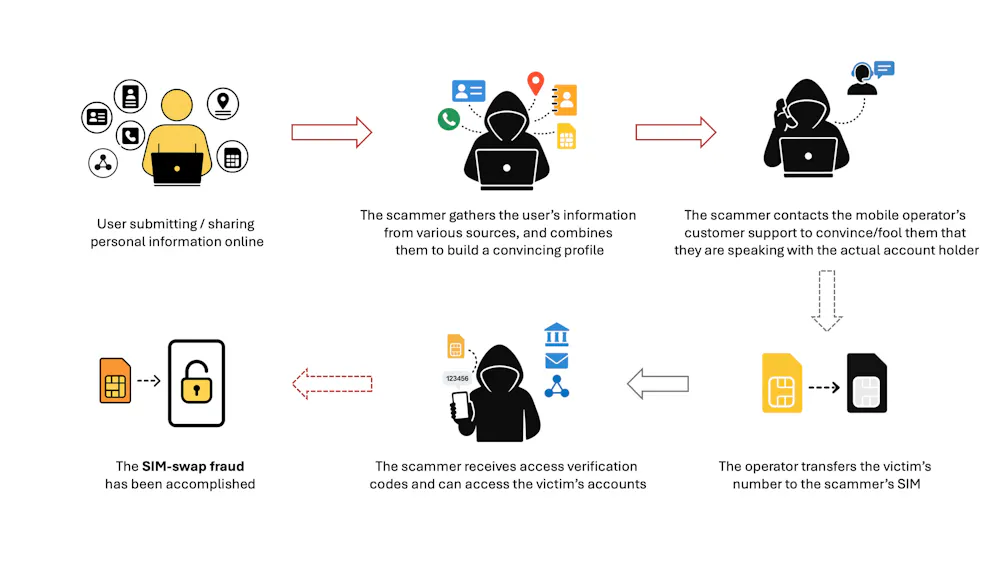
    MIL OSI Russia News

  • MIL-OSI Analysis: China’s support for Mali’s military carries risks: researcher outlines what they are

    Source: The Conversation – Africa – By Paa Kwesi Wolseley Prah, Postdoctoral Fellow, Dublin City University

    Mali, a landlocked Sahelian nation of 25 million people, has faced significant instability since 2012, marked by terrorism, state neglect and armed conflicts.

    That year a Tuareg rebellion started in northern Mali and President Amadou Toumani Touré was ousted in a military coup. Constitutional rule was suspended. Rebels in northern Mali went on to seize cities like Timbuktu, Gao and Kidal, declaring an independent Islamic State of Azawad and imposing sharia law.

    They also destroyed cultural heritage sites, including 14 of Timbuktu’s 16 Unesco-listed mausoleums. The crisis prompted international intervention, including a UN authorised mission, which retook northern cities within weeks. Islamist rebels retreated into civilian populations and remote areas.

    Despite these efforts, violence against civilians by extremist groups and community militias has continued. By 2023, 8.8 million Malians needed humanitarian assistance. Over 375,500 were internally displaced, primarily women and children.

    Meanwhile, the former French colony had turned to China for military assistance. Between 2012 and 2013, China provided €5 million (about US$5.8 million) in logistical equipment to improve the Malian army’s mobility.


    Read more:
    China’s interests in Africa are being shaped by the race for renewable energy


    In August 2013, the Chinese People’s Liberation Army gave the Malian army military supplies totalling 1.6 billion CFA francs (about US$2.8 million). China made similar donations between 2014 and 2023.

    I am an international security and global governance researcher. My recent research explored the impact of China’s security sector assistance on Mali’s fragility.

    China’s assistance to Mali aims to equip the country to address terrorism and insurgency. But I argue that it may have unintended consequences and cause further damage to the country.

    The heavy reliance on Chinese supply exposes Mali to vulnerabilities, including supply disruptions, diminished bargaining power, and limited strategic flexibility. This could destabilise security even more should China face manufacturing issues or supply chain disruptions leading to delays or shortages in the production of weapons.

    It also raises concerns about the potential influence of China on Mali’s defence policies and decision-making processes. In turn this could entrench the Malian military government’s position. China takes a hands-off approach to the governance structures of the countries it engages with. Hopes of democratisation in the country could be affected.


    Read more:
    US trade wars with China – and how they play out in Africa


    Rich in resources

    Mali has significant natural resources, including 800 tons of gold reserves (it’s Africa’s fourth-largest producer), iron ore, manganese, lithium, and potential uranium and hydrocarbon deposits.

    In 2019, gold production generated US$734 million, or 9.7% of Mali’s GDP, supporting over 10% of the population.

    Chinese firms, such as Ganfeng Lithium and China National Nuclear Corporation, have invested heavily in Mali’s mining sector. They are involved in a US$130 million lithium project and uranium exploration in the Kidal and Falea regions.

    Despite security risks, including attacks on Chinese personnel in 2015 and 2021, China remains committed due to Mali’s resource potential.

    Beyond mining, China has invested in Mali’s infrastructure. A US$2.7 billion railway modernisation project connects Bamako to Dakar, facilitating resource exports like iron ore and bauxite.

    The total of Mali’s external debt to China is not explicitly stated. But the 2014 loan agreement of US$11 billion and the 2016 loan of US$2.7 billion alone suggest Mali’s debt to China could be at least US$13 billion. This is without including loans for projects like the Bamako-Ségou expressway, and bridges in Bamako.

    This has often been criticised as “debt trap diplomacy”, increasing recipient countries’ dependence on Beijing. In Mali, I believe this risks entrenching economic vulnerability and giving China geopolitical leverage.


    Read more:
    China reaps most of the benefits of its relationship with Africa: what’s behind the imbalance


    China’s security sector assistance to Mali

    Historically, Mali relied on France. More recently, it’s used Russia’s expeditionary corps, formerly known as Wagner Group, for security support.

    In 2011, China provided US$11.4 million in grants, US$8.1 million in zero-interest loans, and a US$100.8 million concessional loan to foster bilateral cooperation.

    China’s participation in the United Nations Multidimensional Integrated Stabilisation Mission in Mali, starting in 2013 with 395 personnel, marked a shift in its security engagement.

    Chinese peacekeepers, including engineers, medical personnel and security guards, repaired infrastructure, provided medical aid and supported Mali’s 2013 elections.

    Their professionalism earned praise from the UN special envoy Albert Gerard Koenders for helping to ensure a smooth election.

    China’s involvement in Mali challenged traditional European approaches to peacekeeping, particularly France’s military-heavy strategy.


    Read more:
    China-Africa relations: new priorities have driven major shifts over the last 24 years – 5 essential reads


    How China’s assistance contributes to Mali’s fragility

    In spite of the positives, China’s security sector assistance contributes to Mali’s fragility in several ways.

    First, its no-strings-attached nature allows Mali’s military junta to consolidate power without making democratic or governance reforms.

    This lack of accountability enables corrupt military factions to operate unchecked. Governance weaknesses and authoritarianism can continue.

    Second, the heavy reliance on Chinese supply raises concerns about the potential influence of China on Mali’s defence decisions.

    This over-reliance on military solutions risks escalating conflicts and could lead to human rights abuses by security forces, as seen in increased violence against civilians. It doesn’t address root causes of conflict like social cohesion or local governance.

    Third, Mali’s growing dependence on Chinese aid — both military and economic — makes it vulnerable to disruptions from geopolitical tensions, supply chain issues, or changes in China’s foreign policy. This limits Mali’s ability to diversify its military capabilities or respond to evolving threats.

    Finally, China’s infrastructure investments, such as the US$1.48 billion (750 billion CFA francs) Bamako-Dakar railway loan, creates “debt trap diplomacy”.

    This pattern deepens economic dependence and reduces policy autonomy, further weakening state resilience.


    Read more:
    Maps showing China’s growing influence in Africa distort reality – but some risks are real


    The way forward

    To mitigate the risks of Chinese security sector assistance and promote sustainable stability, Mali must adopt a multifaceted strategy.

    First, it should collaborate with China to align security sector assistance with civilian-led security approaches.

    Second, Mali should diversify security and economic partnerships with donors like the US, the UK, and the EU.

    Third, transparent guidelines, developed through consultation with stakeholders, should assess the impacts of assistance to avoid deepening dependence.

    Fourth, engaging civil society and publishing regular reports on security sector assistance use and outcomes will foster public trust.

    Finally, promoting regional economic integration and ties with global powers will bolster Mali’s economic resilience.

    Paa Kwesi Wolseley Prah does not work for, consult, own shares in or receive funding from any company or organisation that would benefit from this article, and has disclosed no relevant affiliations beyond their academic appointment.

    ref. China’s support for Mali’s military carries risks: researcher outlines what they are – https://theconversation.com/chinas-support-for-malis-military-carries-risks-researcher-outlines-what-they-are-257738

    MIL OSI Analysis

  • MIL-OSI USA: Pressley Joins Trahan, Massachusetts Delegation to Demand Reversal of Trump Administration’s Disastrous Job Corps Center Closures

    Source: United States House of Representatives – Congresswoman Ayanna Pressley (MA-07)

    Text of Letter

    WASHINGTON – Today, Congresswoman Ayanna Pressley (MA-07) joined Congresswoman Lori Trahan (MA-03) and fellow members of the Massachusetts Congressional Delegation, including Senators Elizabeth Warren (D-MA) and Edward J. Markey (D-MA) as well as Representatives Richard E. Neal (MA-01), Jim McGovern (MA-02), Jake Auchincloss (MA-04), Katherine Clark (MA-05), Seth Moulton (MA-06), Stephen F. Lynch (MA-08) and Bill Keating (MA-09) in demanding that the Trump administration reverse its decision to cancel federal Job Corps funding, threatening the abrupt closure of 99 contractor-operated Job Corps centers nationwide.

    Their letter to U.S. Secretary of Labor Lori Chavez DeRemer highlights the impact to Massachusetts’ three Job Corps centers: Shriver Job Corps Center in Devens, Grafton Job Corps Center in North Grafton, and Westover Job Corps Center in Chicopee.

    “We are writing to express our deep concerns regarding the Department of Labor’s recent decision to pause operations at Job Corps centers across the country. We urge you to consider the long-standing value and potential of the Job Corps program in offering young people a critical second chance at personal and professional success,” the lawmakers wrote.

    On May 29, 2025, the U.S. Department of Labor (DOL) announced a pause in operations at contractor-run Job Corps centers across the U.S. With more than 120 centers nationwide, the Job Corps program provides opportunities for low-income and at-risk youth to gain the skills necessary to begin successful careers in a skilled trade or other profession.

    “With 92,000 Massachusetts residents aged 18 to 24 living in poverty, the Shriver, Grafton, and Westover Job Corps Centers stand as vital resources for economic mobility and career development. Combined, they contribute an estimated $80 million to the local economy annually and across the state, we have seen the impact. Graduates have become union carpenters, plumbers, bricklayers, police officers, cybersecurity professionals, and entrepreneurs. This is not just an investment in the local talent pipeline for employers but an investment in our communities as many of these graduates stay in the region to live, work, and raise their families. Pausing operations at these centers at the end of the month will directly detract from workforce training and discourage economic development in communities across the country like Devens, North Grafton, and Chicopee,” the lawmakers continued.

    The decision to close Job Corps centers was met with swift legal opposition. On June 3, 2025, the National Job Corps Association, a trade organization representing Job Corps centers nationwide, filed a lawsuit against the DOL, arguing that the closure of the country’s largest residential career training program was both unlawful and based on misleading data about its performance. The following evening, U.S. District Court Judge Andrew L. Carter Jr. issued a temporary restraining order and preliminary injunction, blocking the DOL from suspending program operations.

    “The Job Corps program is built on second chances, and we urge you to offer this program the same opportunity to adapt and grow that it has provided its students for the last 60 years,” the lawmakers concluded.

    Text of the letter can be found here.

    ###

    MIL OSI USA News

  • MIL-OSI USA: Pressley Joins Trahan, Massachusetts Delegation to Demand Reversal of Trump Administration’s Disastrous Job Corps Center Closures

    Source: United States House of Representatives – Congresswoman Ayanna Pressley (MA-07)

    Text of Letter

    WASHINGTON – Today, Congresswoman Ayanna Pressley (MA-07) joined Congresswoman Lori Trahan (MA-03) and fellow members of the Massachusetts Congressional Delegation, including Senators Elizabeth Warren (D-MA) and Edward J. Markey (D-MA) as well as Representatives Richard E. Neal (MA-01), Jim McGovern (MA-02), Jake Auchincloss (MA-04), Katherine Clark (MA-05), Seth Moulton (MA-06), Stephen F. Lynch (MA-08) and Bill Keating (MA-09) in demanding that the Trump administration reverse its decision to cancel federal Job Corps funding, threatening the abrupt closure of 99 contractor-operated Job Corps centers nationwide.

    Their letter to U.S. Secretary of Labor Lori Chavez DeRemer highlights the impact to Massachusetts’ three Job Corps centers: Shriver Job Corps Center in Devens, Grafton Job Corps Center in North Grafton, and Westover Job Corps Center in Chicopee.

    “We are writing to express our deep concerns regarding the Department of Labor’s recent decision to pause operations at Job Corps centers across the country. We urge you to consider the long-standing value and potential of the Job Corps program in offering young people a critical second chance at personal and professional success,” the lawmakers wrote.

    On May 29, 2025, the U.S. Department of Labor (DOL) announced a pause in operations at contractor-run Job Corps centers across the U.S. With more than 120 centers nationwide, the Job Corps program provides opportunities for low-income and at-risk youth to gain the skills necessary to begin successful careers in a skilled trade or other profession.

    “With 92,000 Massachusetts residents aged 18 to 24 living in poverty, the Shriver, Grafton, and Westover Job Corps Centers stand as vital resources for economic mobility and career development. Combined, they contribute an estimated $80 million to the local economy annually and across the state, we have seen the impact. Graduates have become union carpenters, plumbers, bricklayers, police officers, cybersecurity professionals, and entrepreneurs. This is not just an investment in the local talent pipeline for employers but an investment in our communities as many of these graduates stay in the region to live, work, and raise their families. Pausing operations at these centers at the end of the month will directly detract from workforce training and discourage economic development in communities across the country like Devens, North Grafton, and Chicopee,” the lawmakers continued.

    The decision to close Job Corps centers was met with swift legal opposition. On June 3, 2025, the National Job Corps Association, a trade organization representing Job Corps centers nationwide, filed a lawsuit against the DOL, arguing that the closure of the country’s largest residential career training program was both unlawful and based on misleading data about its performance. The following evening, U.S. District Court Judge Andrew L. Carter Jr. issued a temporary restraining order and preliminary injunction, blocking the DOL from suspending program operations.

    “The Job Corps program is built on second chances, and we urge you to offer this program the same opportunity to adapt and grow that it has provided its students for the last 60 years,” the lawmakers concluded.

    Text of the letter can be found here.

    ###

    MIL OSI USA News

  • MIL-OSI USA: In Memoriam: Former Athletics Administrator and Trustee Phil Barry

    Source: US State of Connecticut

    Phil Barry ’54, who dedicated over 60 years of his life to the University of Connecticut as a student, Division of Athletics administrator, and later as a member of the Board of Trustees, passed away June 14 at the age of 96.

    Born Philip Paul Barry in Willimantic on March 30, 1929, to the late Patrick and Rosa (Giraca) Barry, he leaves his beloved wife of 68 years, Lena (Gray) Barry, of Brooklyn, Conn. A lifelong resident of eastern Connecticut, Barry was a friend to all, a dedicated family man, loyal associate, and collaborator to organize good times.

    Phil Barry (Contributed photo)

    A 1947 graduate of Windham High School, he was class president of his freshman and senior classes. He excelled in sports – particularly basketball and baseball.

    Barry enrolled at UConn and his academic career was interrupted by service in the United States Army, in which he completed officer training for two years during the Korean War. Following his military discharge, he graduated from UConn in 1954 and worked for two years at the former Willimantic Trust Company, where he met his wife when she came in to cash her nursing payroll checks.

    Barry was hired in the UConn Division of Athletics as ticket manager and worked for 31 years in the department. His career in athletics progressed to business manager and later assistant to the director of athletics. In August 1970, he was named assistant director of athletics and in 1983 was named associate director of athletics for operations, before retiring in 1987. At UConn, he served on many search committees to fill staff and team coaching vacancies.

    Barry served as the first treasurer of the Big East Conference at the league’s inception in 1979 and was also secretary-treasurer of the Yankee Conference.

    He was active for many years in the Collegiate Athletic Business Management Association, serving that national group as president in 1974 and being named National Athletic Business Manager of the Year in 1975.

    Following retirement, Barry was a member of UConn’s Board of Trustees from 2001-09 and the Board of Directors of the UConn Alumni Association. Barry was elected and served two terms as a member of the Mansfield Town Council. During his tenure, he focused on the Downtown Storrs project and worked to foster closer ties between the Town of Mansfield and UConn.

    Phil Barry accepts the National Athletic Business Manager of the Year Award in 1975 from the College Athletic Business Managers Association. (Contributed photo)

    In the community, Barry had many interests, including membership in the Willimantic Country Club, Elks Club, and Irish Club of Willimantic. He was one of the last living members of Roy’s Boys – a dedicated group of Willimantic area baseball players who benefited as teens under the guidance and teaching of Willimantic YMCA Director Roy Dissinger.

    Barry was predeceased by his brother, John (Eloise) Barry; his sister, Pauline (Ben) Nault; and his son-in-law, John Geissler.  In addition to his wife, Lena, Phil leaves four children: Patricia Geissler, David (Lori) Barry, Douglas (Pamela) Barry, and Daniel (Julie) Barry. He had nine grandchildren, which include Kristin (Phillippe and their children, Daysia, Mariah, and Devin), Alyssa (Michael), Sean, Nikki, Jessica, Anna, Emma, Ryan, and Bradley.

    Barry’s family will receive relatives and friends Tuesday, July 1, 2025, from 4 p.m. to 7p.m. at First Baptist Church of Mansfield, 945 Storrs Road, Storrs. A memorial service will be celebrated Wednesday, July 2, 2025, at 1 p.m. at First Baptist Church of Mansfield in Storrs. The family invites those attending to wear UConn blue and white.

    The family would like to thank the kind and compassionate staff at Creamery Brook and Pierce Home in Brooklyn for its extraordinary care since 2019. Donations may be made in Barry’s honor to either St. Jude Children’s Research Hospital or Pierce Memorial Baptist Home Recreation Fund (checks made payable to PMBH, noting Recreation), 44 Canterbury Road, Brooklyn, CT 06234.

    Potter Funeral Home Obituary

    MIL OSI USA News

  • MIL-OSI USA: Picture This: Reflections of a Hospital Curator

    Source: US State of Connecticut

    I never imagined that art curation and hospitals could be such a dynamic pair. The idea of intentionally organizing the placement of artwork around such a facility was so foreign to me that I almost missed having one of the most enlightening roles of my career. I eventually realized how wrong I was and how right this job is for me, but I did not come to this conclusion easily. After a friend nudged me multiple times to apply for this position at UConn Health, it was not long before a mutual friend urged me to read the description again thoroughly, then apply. This was in fact a job for me. My experience up to that point in my career had all but placed a billboard in front of me with a giant red arrow pointing in this direction.

    The Frank Stella piece hanging behind curator Andre Rochester outside the Health Sciences Library is among the highest-profile pieces in UConn Health’s art collection. (2023 photo by Tina Encarnacion)

    After a few friendly nudges and divine signs, I went for it. On the day of the interview, I hit a massive traffic jam caused by a statewide police procession. I called ahead from the highway, mortified, but they could see it happening outside the window. The moment felt doomed, but it led to one of the most meaningful jobs of my life. Arriving 15 minutes late, prepared with a lengthy CV, anecdotes about my art career and a decade of curatorial experience, I entered the lobby where I met my future manager. She led me to a conference room where two others patiently awaited my grand entrance. Although I arrived flustered and felt like I somehow blew this opportunity by coming in so late, the interview went well. They invited me back a couple of weeks later and presented an offer.

    “The Family” is a bronze sculpture by Wolfgang Behl. (Photo provided by Andre Rochester)

    Becoming the art curator at UConn Health has broadened my perspective of art placement and its function in the healing environment. People may not even notice art as they walk past it in our public spaces every day. Yet, how do you think patients, staff, or visitors might feel without it there? How drab and boring would it be if there was nothing to break up the empty space in our corridors? A part of healing from any ailment is mental. The atmosphere in which you endure or help someone through that process is important. Art must engage, inspire, invoke, and uplift. Art has the power to change the environment in which we place it. We decorate our homes because it makes us feel something. The same can be said about our workspace. Art is a subtle, but important part of feeling better. I have made it my personal mission to ensure people notice the art at UConn Health, but more importantly, they connect with it. Being an art curator in a hospital means wearing a few hats: interior decorator, creative consultant, and sometimes you become somewhat of a community organizer.

    UConn Health art curator Andre Rochester (left) leads an art committee of volunteers who are current and former employees, including (as of August 2024, from left) Edith Lamonica, Ann Taridona, Christine McNally, Jillian Silverberg, Felicia Vezina, Emily Ziemba, Jo Cohen, and Rachael Norris. (Tina Encarnacion/ UConn Health photo)

    The Connecticut Collection (as it was named by its founder, Celeste LeWitt) is a gem hidden in plain sight. A full spectrum of visual art can be found throughout all UConn Health locations. It started with museum-level artwork thanks to Celeste’s appeal to some of the most notable artists in the state. Through her own network and that of her cousin, world renowned conceptual artist and Hartford native Sol LeWitt, the collection quickly developed into something truly special. Since 1979, The Connecticut Collection has grown to over 2,500 works of art, including items from a wall tapestry by Frank Stella, original prints by Anni Albers, an array of sculptures by Wolfgang Behl, and a drawing by Sol LeWitt. Throughout the year, we receive donations from artists of all backgrounds- professionals and hobbyists alike- with styles ranging from landscapes to portraits, folk art, and photography. Donors also include art collectors, current and former employees, patients, and their families. What makes the Connecticut Collection so unique is we have a little bit of everybody and a little bit of everything visual arts. In 2024, an artist from Oakland, California, donated a beautiful terra cotta sculpture- a testament to the breadth of our reach as a health institution and an alignment between Celeste LeWitt’s vision and the community at large.

    “Four Seasons in New England” by Tracy Kane is 10-ft-tall, 16-ft-wide acrylic mural on wood panels. (Provided by Andre Rochester)

    This role includes processing art donations, leading an art committee, curating exhibits, and bringing awareness to the art collection. I help select art for offices, conference rooms, waiting rooms, and some patient treatment areas. In addition to the Connecticut Collection, we have two galleries. Celeste LeWitt Gallery is on the north side of our main dining facility. It was established by our previous curator, Linda Webber, in honor of the late Celeste LeWitt. During her 22-year tenure as art curator, Linda started as a volunteer, advocating for this to become a paid position, and nearly doubled the size of the collection. This position would not exist without her efforts. I start every art tour at an original painting by Linda to pay homage to her legacy by acknowledging the big shoes I had to fill upon my arrival at UConn Health. Even in her retirement, Linda’s passion for art at UConn Health is still felt. She often attends our receptions. Our newly established Connector Gallery is in the main floor corridor connecting our main building to John Dempsey Hospital.

    “Visitor in My Garden” is a painting by Stanwyck Cromwell. (Provided by Andre Rochester)

    Celeste LeWitt Gallery is dedicated to exhibiting artists from across the state of Connecticut and parts of New England. We host four exhibits per year featuring two artists at a time. This recently included a debut for Maggie Prado from our carpentry and paint team and Martha G. Trask, who works for our library. The Connector Gallery started with an exhibit for Art Connection Studio (ACS), a program of Vinfen, an organization that provides support for people with developmental and intellectual disabilities. This experience inspired me to connect UConn Health with organizations and people that use art as a tool for healing and cultivate opportunities for collaboration. Later that year, this mission expanded to include ongoing employee art shows in between these collaborative exhibits.

    I met the ACS team in 2023 at one of their receptions. They partner with local artists to teach participants how to make several types of art and schedule shows for them throughout the state. I was so inspired by their art that I offered an opportunity to exhibit at UConn Health. By spring 2024, with full support from our executive leadership team, we displayed a temporary installation of their 15-foot collaborative mural which says the words “THIS ABILITY” along with paintings from three of their artists. We also called attention to our Center for Excellence in Developmental Disabilities Education, Research, and Service. As a result of this first collaboration, our Office of Diversity and Inclusion led a campaign to recruit members of the UConn Health community to volunteer at ACS.

    From left: UConn Health employees Jameson MacInnis, Irina Bezsonova, Rachael Norris, and Jo Cohen observe some of the submissions to the fall 2024 employee art show along the hallway connecting UConn Health’s Connecticut Tower and University Tower. Norris and Cohen are members of UConn Health’s art committee, and Bezsonova’s work has been accepted for an exhibit. (Photo provided by Andre Rochester)

    We have hosted four employee exhibits in the Connector Gallery so far. This includes a solo exhibition for Irina Bezsonova, associate professor, Department of Molecular Biology and Biophysics. I am proud to say that we get at least three submissions from someone new with each call for employee artwork. We have displayed art by employees from across the entire organization. It serves as proof that there are many talented people who work at UConn Health. I am especially proud that employee artwork has had a presence in our collection from the beginning. The Connector Gallery is only one year in its journey, and the impact of these exhibits is felt by all.

    I led an effort to source artwork for the New England Sickle Cell Institute and Connecticut Blood Disorder Center, an opportunity for which I am profoundly grateful. Their leadership team trusted my vision to engage artists from across the state directly. Some of whom shared that they have a personal connection to the population we serve in NESCI/CBDC. I have also collaborated with our Office of Professional Wellbeing and Engagement to facilitate lunchtime art workshops for employees that focus on forward thinking, goal setting, and mindfulness using a lesson in color theory. I also host tours for students, employees, and occasional visitors upon request.

    It has only been a two-and-a-half-year journey for me, but so much has happened in the time I have been the art curator at UConn Health. I am digging deeper into my purpose: a personal mission to use my own progress as an artist and creative professional to help others thrive. I continue to grow in this position, and with the help of our art committee, I will find more ways to raise awareness and increase engagement with art at UConn Health.

    We must acknowledge that the scope of art at UConn Health goes beyond visual media. Creativity is the foundation for writing, music, and theater. We have an Orchestra of UConn Health (O.U.C.H.), a student acapella group, and J.J. Odom. director of buildings and grounds, is a talented drummer. Furthermore, there are authors like Lucius Downing and Shawn Brown, who work in IT. UConn Health is a premier location for medical treatment, but there is an arts community that exists among the people who work here. I have only scratched the surface but there is a deep connection between health and creativity here and I am honored to be a part of it. I hope to continue cultivating a space where art, wellness, and community thrive together at UConn Health.

    Andre Rochester is UConn Health’s art curator. (Photo by Keith Claytor, Time Frozen Photography)

    About the author: Andre Rochester is an artist, curator, and arts administrator based in Hartford. He currently serves as the art curator at UConn Health, where he oversees the Connecticut Collection and curates exhibitions that elevate healing through creativity. A passionate advocate for the intersection of art and wellness, Andre uses his platform to support emerging artists, cultivate community, and foster a culture of belonging through visual storytelling.

    MIL OSI USA News

  • MIL-OSI Security: Connecticut Man Pleads Guilty to Multi-State Conspiracy to Obtain Driver’s Licenses for Ineligible Applicants

    Source: Office of United States Attorneys

    Defendant conspired to fraudulently apply for driver’s licenses for more than 1,000 individuals who resided in states that prohibited illegal aliens from obtaining licenses

    BOSTON – A Waterbury, Conn. man pleaded guilty on June 13, 2025 to conspiring to obtain driver’s licenses for ineligible applicants, principally illegal aliens.  

    Cesar Agusto Martin Reis, 28, pleaded guilty to one count of conspiracy to unlawfully produce and possess with intent to transfer identification documents, and one count of possession with intent to use or transfer unlawfully identification documents. U.S. District Court Judge Margaret R. Guzman scheduled sentencing for Sept. 10, 2025. In December 2024, Cesar Agusto Martin Reis was charged along with four co-conspirators.

    From in or about November 2020 through in or about September 2024, Cesar Agusto Martin Reis and his alleged co-conspirators fraudulently procured driver’s licenses for illegal alien customers who resided in states that prohibited illegal aliens from obtaining driver’s licenses. Prior to July 2023, illegal aliens residing in Massachusetts were not permitted to obtain Massachusetts driver’s licenses. Beginning in 2019, illegal aliens residing in New York became eligible to obtain New York driver’s licenses. Cesar Agusto Martin Reis and his alleged co-conspirators conspired to fraudulently obtain New York driver’s licenses for illegal alien customers who did not reside in New York, including Massachusetts residents, and after July 2023 to fraudulently obtain Massachusetts driver’s licenses for illegal alien customers who did not reside in Massachusetts. In exchange for fraudulently obtaining the driver’s licenses, Cesar Agusto Martin Reis and his alleged co-conspirators typically charged approximately $1,400 per customer.
     
    In New York, before obtaining a driver’s license, applicants were required to pass a written permit test and complete driver’s education coursework from a New York driving school. Online permit test-takers were required by the New York Department of Motor Vehicles (NY DMV) to take a picture of themselves with a web camera during the test. This was to ensure that the test-taker was indeed the applicant and that there was not a person sitting with and helping the applicant with the test.  

    To avoid the customers having to take the permit tests, Cesar Agusto Martin Reis and his alleged co-conspirators obtained several pictures of the customers sitting down, making it look as if the customers were taking the tests. Cesar Agusto Martin Reis conspired with his alleged co-conspirators to complete the permit tests for the customers online and, when prompted by the NY DMV to take pictures during the tests, and to upload the pictures that the customers previously provided – purporting to show that it was the customers who were taking the tests, not the defendants. The defendants also allegedly created fraudulent driver’s education certificates of completion, purportedly from New York driving schools, forged the signatures of driving school staff on the fake certificates and gave these documents to the customers to provide to the NY DMV.

    The NY DMV also required that applicants appear at a NY DMV location and provide documents to prove their identity and residence in New York. Cesar Agusto Martin Reis conspired with his alleged co-conspirators to meet Massachusetts-based customers at locations in Massachusetts – typically several customers at a time – and drive them to NY DMV branch locations. When they arrived at the NY DMV locations, the defendants allegedly gave the customers fraudulent documents falsely purporting to demonstrate that the customers resided in New York. The customers provided these fake records to the NY DMV staff, and the NY DMV relied on the misrepresentations to issue New York driving permits to the customers. Cesar Agusto Martin Reis conspired with his alleged co-conspirators to arrange for the NY DMV to mail the permits to locations in New York that were controlled by the defendants and provided the permits to the customers in-person. Additionally, the defendants allegedly conspired to schedule road driving license tests for the customers with the NY DMV and, again, drive the customers to New York for them to take the road tests. If the customers passed the tests, the NY DMV sent the driver’s licenses to mailing addresses in New York that the defendants allegedly controlled, and the defendants then provided the licenses to the customers.  

    The defendants allegedly conspired to obtain Massachusetts driver’s licenses for out-of-state residents, in generally the same manner as they allegedly obtained the New York licenses for Massachusetts residents. In Massachusetts, the defendants allegedly conspired to fraudulently obtain purported foreign passports to provide to the customers to use as proof of identity with the Massachusetts Registry of Motor Vehicles in support of customer driver’s license applications.

    Collectively, Cesar Agusto Martin Reis and his alleged co-conspirators fraudulently applied for licenses for more than 1,000 customers, obtained licenses for more than 600 of the customers, and collected at least hundreds of thousands of dollars.    

    The charge of conspiracy to unlawfully produce and possess with intent to transfer identification documents carries up to five years in prison, up to three years of supervised release, and a fine of up to $250,000; and the charge of possession with intent to use or transfer unlawfully identification documents, carries up to 15 years in prison, supervised release of up to 3 years, and a fine of up to $250,000.  Sentences are imposed by a federal district court judge based upon the U.S. Sentencing Guidelines and statutes which govern the determination of a sentence in a criminal case.

    United States Attorney Leah B. Foley; Michael J. Krol, Special Agent in Charge of Homeland Security Investigations in New England; and Kelly Larco-Ward, Inspector in Charge of the U.S. Postal Inspection Service, Boston Division made the announcement. Valuable assistance was provided by the NY DMV Division of Field Investigation; the Boston, Danbury (Conn.) and Waterbury (Conn.) Police Departments; the U.S. Attorney’s Office for the District of Connecticut; and the New York State Inspector General’s Office. Assistant U.S. Attorney Brendan O’Shea of the Worcester Branch Office is prosecuting the case.

    The details contained in the charging documents are allegations. The remaining defendants are presumed innocent unless and until proven guilty beyond a reasonable doubt in a court of law.
     

    MIL Security OSI

  • MIL-OSI Security: Nuclear Techniques Make Waves at UN Ocean Conference

    Source: International Atomic Energy Agency – IAEA

    IAEA Director General Rafael Grossi during the high-level event on combatting marine pollution at the United Nations Conference in Nice, France  (Photo: E. McDonald/IAEA)

    The IAEA highlighted the role of nuclear science in protecting our oceans at the 2025 United Nations Oceans Conference held last week in Nice, France.

    Co-hosted by France and Costa Rica, the conference convened over 10,000 participants, including scientists, diplomats and politicians, to address the triple planetary crisis of climate change, biodiversity loss and pollution. It aimed to accelerate progress towards SDG14, Life Below Water, through innovative technologies and action. The IAEA took center stage at the event to share how nuclear technology is boosting ocean health and tackling critical threats such as marine plastic pollution.

    The IAEA organized and participated in more than a dozen events at the conference, and on research vessels in the Port of Nice. Experts from the IAEA’s Marine Environment Laboratories in Monaco highlighted how isotopic tools can help monitor and reduce plastic pollution in the ocean.

    Plastic waste is not only infiltrating our oceans, but also the human body in the form of microplastics. Without urgent action, the amount of plastic entering the ocean each year could reach 37 million metric tons by 2040, according to UN estimates, becoming a threat to marine and human life.

    Plastic pollution featured prominently throughout the conference, with a focus on the ongoing negotiations for the development of an internationally legally binding instrument to end plastic pollution, including in the marine environment. The negotiations for the United Nations Environment Programme (UNEP)-led treaty are expected to conclude later this year in Geneva, following five previous sessions.

    At the conference, IAEA Director General Rafael Grossi spoke about the IAEA’s work to combat plastic pollution and emphasized the need to share data data between scientists, policymakers and environmental agencies.

    “Four years ago, at the last UN Ocean Conference, I announced NUTEC Plastics, an initiative that gives countries the tools they need to address the issue of marine microplastic pollution. Today, I am delighted to report that we have made significant progress with 99 countries involved, and we have been equipping more than 100 Member State laboratories all over the world. We are building the capacity that countries need to translate data into policies and action.”

    NUTEC Plastics is an IAEA flagship initiative that supports countries in researching microplastics and using nuclear techniques to improve recycling techniques.

    Director of the IAEA Marine Environment Laboratories Florence Descroix-Comanducci (left), highlighted the work of the IAEA’s Marine environment laboratories at the 2025 UN Ocean Conference in France (Photo: E.McDonald/IAEA)

    “Nuclear and isotopic techniques add incredible value to boost ocean health,” said Florence Descroix-Comanducci, Director of the IAEA Marine Environment Laboratories. “Our laboratories in Monaco support Member States in the implementation and use of these techniques, and to develop harmonized methods to generate globally comparable data, especially in light of the forthcoming plastics treaty.”

    At events organized by the IAEA, panelists highlighted the need to address the top of the plastic life cycle to prevent further pollution, employing a “source to sea approach” to reduce marine litter and, by extension, marine plastic pollution. “Our metrics on marine litter are moving in the right direction,” said Martin Adams, Head of the Environment Department at the European Environment Agency. “Timely and relevant data are increasingly important, but we don’t need to know everything. We just need to know enough to act.” Other events organized by the IAEA focused on ocean-based carbon dioxide removal, ocean acidification, IAEA support for Small Island Developing States (SIDS), and nuclear energy and ocean health.

    The IAEA’s unique expertise in nuclear applications is contributing to both mitigations, by using radiation technology for waste recycling, and monitoring, by using isotopic techniques to monitor and assess impacts of microplastic pollution. Through the NUTEC Plastics initiative, 99 countries are participating in marine monitoring of microplastics, and 52 around the world are developing innovative recycling technology.

    The International High-Level Forum on NUTEC Plastics, organized by the IAEA on 25–26 November 2025, in Manila, Philippines, will highlight the progress achieved to date, address current challenges, and chart course to strengthen regional and international cooperation in the sustainable management of plastic waste through innovative nuclear technologies.

    MIL Security OSI

  • MIL-OSI Africa: China’s support for Mali’s military carries risks: researcher outlines what they are

    Source: The Conversation – Africa – By Paa Kwesi Wolseley Prah, Postdoctoral Fellow, Dublin City University

    Mali, a landlocked Sahelian nation of 25 million people, has faced significant instability since 2012, marked by terrorism, state neglect and armed conflicts.

    That year a Tuareg rebellion started in northern Mali and President Amadou Toumani Touré was ousted in a military coup. Constitutional rule was suspended. Rebels in northern Mali went on to seize cities like Timbuktu, Gao and Kidal, declaring an independent Islamic State of Azawad and imposing sharia law.

    They also destroyed cultural heritage sites, including 14 of Timbuktu’s 16 Unesco-listed mausoleums. The crisis prompted international intervention, including a UN authorised mission, which retook northern cities within weeks. Islamist rebels retreated into civilian populations and remote areas.

    Despite these efforts, violence against civilians by extremist groups and community militias has continued. By 2023, 8.8 million Malians needed humanitarian assistance. Over 375,500 were internally displaced, primarily women and children.

    Meanwhile, the former French colony had turned to China for military assistance. Between 2012 and 2013, China provided €5 million (about US$5.8 million) in logistical equipment to improve the Malian army’s mobility.


    Read more: China’s interests in Africa are being shaped by the race for renewable energy


    In August 2013, the Chinese People’s Liberation Army gave the Malian army military supplies totalling 1.6 billion CFA francs (about US$2.8 million). China made similar donations between 2014 and 2023.

    I am an international security and global governance researcher. My recent research explored the impact of China’s security sector assistance on Mali’s fragility.

    China’s assistance to Mali aims to equip the country to address terrorism and insurgency. But I argue that it may have unintended consequences and cause further damage to the country.

    The heavy reliance on Chinese supply exposes Mali to vulnerabilities, including supply disruptions, diminished bargaining power, and limited strategic flexibility. This could destabilise security even more should China face manufacturing issues or supply chain disruptions leading to delays or shortages in the production of weapons.

    It also raises concerns about the potential influence of China on Mali’s defence policies and decision-making processes. In turn this could entrench the Malian military government’s position. China takes a hands-off approach to the governance structures of the countries it engages with. Hopes of democratisation in the country could be affected.


    Read more: US trade wars with China – and how they play out in Africa


    Rich in resources

    Mali has significant natural resources, including 800 tons of gold reserves (it’s Africa’s fourth-largest producer), iron ore, manganese, lithium, and potential uranium and hydrocarbon deposits.

    In 2019, gold production generated US$734 million, or 9.7% of Mali’s GDP, supporting over 10% of the population.

    Chinese firms, such as Ganfeng Lithium and China National Nuclear Corporation, have invested heavily in Mali’s mining sector. They are involved in a US$130 million lithium project and uranium exploration in the Kidal and Falea regions.

    Despite security risks, including attacks on Chinese personnel in 2015 and 2021, China remains committed due to Mali’s resource potential.

    Beyond mining, China has invested in Mali’s infrastructure. A US$2.7 billion railway modernisation project connects Bamako to Dakar, facilitating resource exports like iron ore and bauxite.

    The total of Mali’s external debt to China is not explicitly stated. But the 2014 loan agreement of US$11 billion and the 2016 loan of US$2.7 billion alone suggest Mali’s debt to China could be at least US$13 billion. This is without including loans for projects like the Bamako-Ségou expressway, and bridges in Bamako.

    This has often been criticised as “debt trap diplomacy”, increasing recipient countries’ dependence on Beijing. In Mali, I believe this risks entrenching economic vulnerability and giving China geopolitical leverage.


    Read more: China reaps most of the benefits of its relationship with Africa: what’s behind the imbalance


    China’s security sector assistance to Mali

    Historically, Mali relied on France. More recently, it’s used Russia’s expeditionary corps, formerly known as Wagner Group, for security support.

    In 2011, China provided US$11.4 million in grants, US$8.1 million in zero-interest loans, and a US$100.8 million concessional loan to foster bilateral cooperation.

    China’s participation in the United Nations Multidimensional Integrated Stabilisation Mission in Mali, starting in 2013 with 395 personnel, marked a shift in its security engagement.

    Chinese peacekeepers, including engineers, medical personnel and security guards, repaired infrastructure, provided medical aid and supported Mali’s 2013 elections.

    Their professionalism earned praise from the UN special envoy Albert Gerard Koenders for helping to ensure a smooth election.

    China’s involvement in Mali challenged traditional European approaches to peacekeeping, particularly France’s military-heavy strategy.


    Read more: China-Africa relations: new priorities have driven major shifts over the last 24 years – 5 essential reads


    How China’s assistance contributes to Mali’s fragility

    In spite of the positives, China’s security sector assistance contributes to Mali’s fragility in several ways.

    First, its no-strings-attached nature allows Mali’s military junta to consolidate power without making democratic or governance reforms.

    This lack of accountability enables corrupt military factions to operate unchecked. Governance weaknesses and authoritarianism can continue.

    Second, the heavy reliance on Chinese supply raises concerns about the potential influence of China on Mali’s defence decisions.

    This over-reliance on military solutions risks escalating conflicts and could lead to human rights abuses by security forces, as seen in increased violence against civilians. It doesn’t address root causes of conflict like social cohesion or local governance.

    Third, Mali’s growing dependence on Chinese aid — both military and economic — makes it vulnerable to disruptions from geopolitical tensions, supply chain issues, or changes in China’s foreign policy. This limits Mali’s ability to diversify its military capabilities or respond to evolving threats.

    Finally, China’s infrastructure investments, such as the US$1.48 billion (750 billion CFA francs) Bamako-Dakar railway loan, creates “debt trap diplomacy”.

    This pattern deepens economic dependence and reduces policy autonomy, further weakening state resilience.


    Read more: Maps showing China’s growing influence in Africa distort reality – but some risks are real


    The way forward

    To mitigate the risks of Chinese security sector assistance and promote sustainable stability, Mali must adopt a multifaceted strategy.

    First, it should collaborate with China to align security sector assistance with civilian-led security approaches.

    Second, Mali should diversify security and economic partnerships with donors like the US, the UK, and the EU.

    Third, transparent guidelines, developed through consultation with stakeholders, should assess the impacts of assistance to avoid deepening dependence.

    Fourth, engaging civil society and publishing regular reports on security sector assistance use and outcomes will foster public trust.

    Finally, promoting regional economic integration and ties with global powers will bolster Mali’s economic resilience.

    – China’s support for Mali’s military carries risks: researcher outlines what they are
    – https://theconversation.com/chinas-support-for-malis-military-carries-risks-researcher-outlines-what-they-are-257738

    MIL OSI Africa

  • MIL-OSI USA: Hickenlooper, Democratic HELP Members Demand Hearings on Impacts of Republican Budget Bill on Health Care

    US Senate News:

    Source: United States Senator for Colorado John Hickenlooper
    Lawmakers: “Failure to hold hearings and a markup on this reconciliation bill before it is considered on the Senate floor would be an abdication of our duty to the American people.”
    WASHINGTON – U.S. Senator John Hickenlooper joined every Democratic member of the U.S. Senate Health, Education, Labor, and Pensions Committee to demand Senate hearings to examine the disastrous impact of the Republicans’ budget reconciliation bill on the health and well-being of the American people and markup this legislation before it reaches the Senate floor.
    “We are deeply concerned that if these policies were signed into law they would create a national health care emergency,” the lawmakers wrote. “Not only would millions of Americans lose their health insurance and tens of thousands of our constituents die as a result of the House-passed reconciliation bill, the cost of prescription drugs would go up for seniors, hospitals and community health centers in rural and underserved areas would close or shut down access to services that patients rely on, and nursing homes would be made less safe.”
    The lawmakers continued: “Regardless of your views on the merits of these policies, we hope you agree with us that the Senate Health, Education, Labor, and Pensions Committee has a solemn responsibility to hold extensive hearings on the impact these policies would have on the health and well-being of the American people and our entire health care system.” 
    The nonpartisan Congressional Budget Office’s estimate of the Republican budget stated the legislation would result in 16 million Americans losing health insurance and increase our national debt by $2.4 trillion.  
    Nearly 80 million Americans are enrolled in Medicaid and the Children’s Health Insurance Program (CHIP) nationally. Medicaid covers the care for over 60% of all nursing home residents.
    The Republican budget proposal calls for extreme Medicaid cuts of more than $700 billion, which would take away people’s health benefits; make it harder for them to see their health care providers; and prevent seniors from getting nursing home care.
    The Senate now must consider the House-passed budget. Hickenlooper has already voted against the Republican budget resolution on the Senate floor twice and offered amendments to prevent cuts to Medicaid. He will vote against the proposal again when it comes to the Senate.
    Read the full letter HERE.

    MIL OSI USA News

  • MIL-OSI: Tai Software’s Workflow Automation Feature Honored with the Supply & Demand Chain Executive’s 2025 Top Supply Chain Projects Award

    Source: GlobeNewswire (MIL-OSI)

    HUNTINGTON BEACH, Calif., June 17, 2025 (GLOBE NEWSWIRE) — Tai Software, top provider of Transportation Management System (TMS) technology for freight brokers, has been awarded the 2025 Supply & Demand Chain Executive Top Supply Chain Projects award. The award recognizes Tai’s Workflow Automation. This feature redefines how brokers manage and scale operations.

    “We’re honored to have won this award,” said Walter Mitchell, CEO of Tai Software. “This recognition highlights our dedication to supporting freight brokers. We focus on improving broker efficiency, increasing flexibility, and ensuring sustainable growth, no matter the market conditions.”

    Solving the Manual Work Bottleneck

    Freight brokers operate in a fast-moving, high-pressure environment where every hour counts. Tai recognized a persistent challenge across the industry. Brokers spend too much time on manual and repetitive tasks. These costly tasks include quoting and booking shipments, chasing shipment notifications, updating customers on shipment status, and managing load paperwork.

    To address these challenges, Tai launched Workflow Automation in January 2024. The no-code feature is fully integrated within Tai’s TMS, allowing brokers to automate critical workflows without additional software, licenses, or IT support.

    Built-in, Flexible Broker-Focused Automation

    Tai’s Workflow Automation enables brokers to create rule-based workflows triggered by shipment events or conditions. With flexible filters and a few clicks, brokers can automate tasks like status updates, carrier assignments, customer notifications, and more. Each workflow can be customized to the broker’s unique processes and customer needs.

    “Automation shouldn’t be reserved for enterprise players with IT teams and big budgets,” said Sean McGillicuddy, Chief Revenue Officer. “Tai built Workflow Automation to level the playing field for brokerages of all sizes. It’s fast, accessible, and powerful right out of the box.”

    Adoption and Impact by the Numbers

    Since its launch, Tai’s Workflow Automation has saved freight brokerages thousands of hours of labor. It reduces manual work, minimizes human error, and ensures consistency in operations.

    Today, the platform processes more than 9 million workflow automation steps each month. 61.6% of all shipments processed through Tai’s TMS involve automated workflows. Hundreds of freight brokers report improved productivity due to Tai’s Workflow Automation.

    Proven Results from Brokers in the Field

    Customers have reported dramatic improvements in operational efficiency and service delivery. For example, one brokerage cut dispatching time by 1.5 hours per day. Another reduced missed alerts by 71% in the first month. Mid-sized brokerages, in particular, have leveraged the feature to successfully scale operations without hiring additional staff.

    With flexibility, customization, and speed at its core, Tai’s Workflow Automation enhances freight brokers’ operational performance and enables them to focus on high-value tasks. This includes serving customers, strengthening carrier relationships, and driving growth at a time when market constrictions make that challenging.

    About Tai Software

    Tai Software is a comprehensive Transportation Management System (TMS) for freight management, providing efficiency and growth opportunities. Tai streamlines operations through full-scale automation for Full Truck Load (FTL) and Less than Truckload (LTL), integrating with major carriers and technology partners. Brokers and 3PLs rely on Tai for freight management solutions, focusing on strategic growth by supporting and scaling operations. Tai provides real-time visibility into shipments, automates routine tasks, and offers analytics for informed decision-making. For more information about Tai TMS, visit https://tai-software.com/.

    Please contact Vanessa Galvis, Marketing Director, at vanessa.galvis@tai-software.com.

    The MIL Network

  • MIL-OSI: Tai Software’s Workflow Automation Feature Honored with the Supply & Demand Chain Executive’s 2025 Top Supply Chain Projects Award

    Source: GlobeNewswire (MIL-OSI)

    HUNTINGTON BEACH, Calif., June 17, 2025 (GLOBE NEWSWIRE) — Tai Software, top provider of Transportation Management System (TMS) technology for freight brokers, has been awarded the 2025 Supply & Demand Chain Executive Top Supply Chain Projects award. The award recognizes Tai’s Workflow Automation. This feature redefines how brokers manage and scale operations.

    “We’re honored to have won this award,” said Walter Mitchell, CEO of Tai Software. “This recognition highlights our dedication to supporting freight brokers. We focus on improving broker efficiency, increasing flexibility, and ensuring sustainable growth, no matter the market conditions.”

    Solving the Manual Work Bottleneck

    Freight brokers operate in a fast-moving, high-pressure environment where every hour counts. Tai recognized a persistent challenge across the industry. Brokers spend too much time on manual and repetitive tasks. These costly tasks include quoting and booking shipments, chasing shipment notifications, updating customers on shipment status, and managing load paperwork.

    To address these challenges, Tai launched Workflow Automation in January 2024. The no-code feature is fully integrated within Tai’s TMS, allowing brokers to automate critical workflows without additional software, licenses, or IT support.

    Built-in, Flexible Broker-Focused Automation

    Tai’s Workflow Automation enables brokers to create rule-based workflows triggered by shipment events or conditions. With flexible filters and a few clicks, brokers can automate tasks like status updates, carrier assignments, customer notifications, and more. Each workflow can be customized to the broker’s unique processes and customer needs.

    “Automation shouldn’t be reserved for enterprise players with IT teams and big budgets,” said Sean McGillicuddy, Chief Revenue Officer. “Tai built Workflow Automation to level the playing field for brokerages of all sizes. It’s fast, accessible, and powerful right out of the box.”

    Adoption and Impact by the Numbers

    Since its launch, Tai’s Workflow Automation has saved freight brokerages thousands of hours of labor. It reduces manual work, minimizes human error, and ensures consistency in operations.

    Today, the platform processes more than 9 million workflow automation steps each month. 61.6% of all shipments processed through Tai’s TMS involve automated workflows. Hundreds of freight brokers report improved productivity due to Tai’s Workflow Automation.

    Proven Results from Brokers in the Field

    Customers have reported dramatic improvements in operational efficiency and service delivery. For example, one brokerage cut dispatching time by 1.5 hours per day. Another reduced missed alerts by 71% in the first month. Mid-sized brokerages, in particular, have leveraged the feature to successfully scale operations without hiring additional staff.

    With flexibility, customization, and speed at its core, Tai’s Workflow Automation enhances freight brokers’ operational performance and enables them to focus on high-value tasks. This includes serving customers, strengthening carrier relationships, and driving growth at a time when market constrictions make that challenging.

    About Tai Software

    Tai Software is a comprehensive Transportation Management System (TMS) for freight management, providing efficiency and growth opportunities. Tai streamlines operations through full-scale automation for Full Truck Load (FTL) and Less than Truckload (LTL), integrating with major carriers and technology partners. Brokers and 3PLs rely on Tai for freight management solutions, focusing on strategic growth by supporting and scaling operations. Tai provides real-time visibility into shipments, automates routine tasks, and offers analytics for informed decision-making. For more information about Tai TMS, visit https://tai-software.com/.

    Please contact Vanessa Galvis, Marketing Director, at vanessa.galvis@tai-software.com.

    The MIL Network

  • MIL-OSI: Tai Software’s Workflow Automation Feature Honored with the Supply & Demand Chain Executive’s 2025 Top Supply Chain Projects Award

    Source: GlobeNewswire (MIL-OSI)

    HUNTINGTON BEACH, Calif., June 17, 2025 (GLOBE NEWSWIRE) — Tai Software, top provider of Transportation Management System (TMS) technology for freight brokers, has been awarded the 2025 Supply & Demand Chain Executive Top Supply Chain Projects award. The award recognizes Tai’s Workflow Automation. This feature redefines how brokers manage and scale operations.

    “We’re honored to have won this award,” said Walter Mitchell, CEO of Tai Software. “This recognition highlights our dedication to supporting freight brokers. We focus on improving broker efficiency, increasing flexibility, and ensuring sustainable growth, no matter the market conditions.”

    Solving the Manual Work Bottleneck

    Freight brokers operate in a fast-moving, high-pressure environment where every hour counts. Tai recognized a persistent challenge across the industry. Brokers spend too much time on manual and repetitive tasks. These costly tasks include quoting and booking shipments, chasing shipment notifications, updating customers on shipment status, and managing load paperwork.

    To address these challenges, Tai launched Workflow Automation in January 2024. The no-code feature is fully integrated within Tai’s TMS, allowing brokers to automate critical workflows without additional software, licenses, or IT support.

    Built-in, Flexible Broker-Focused Automation

    Tai’s Workflow Automation enables brokers to create rule-based workflows triggered by shipment events or conditions. With flexible filters and a few clicks, brokers can automate tasks like status updates, carrier assignments, customer notifications, and more. Each workflow can be customized to the broker’s unique processes and customer needs.

    “Automation shouldn’t be reserved for enterprise players with IT teams and big budgets,” said Sean McGillicuddy, Chief Revenue Officer. “Tai built Workflow Automation to level the playing field for brokerages of all sizes. It’s fast, accessible, and powerful right out of the box.”

    Adoption and Impact by the Numbers

    Since its launch, Tai’s Workflow Automation has saved freight brokerages thousands of hours of labor. It reduces manual work, minimizes human error, and ensures consistency in operations.

    Today, the platform processes more than 9 million workflow automation steps each month. 61.6% of all shipments processed through Tai’s TMS involve automated workflows. Hundreds of freight brokers report improved productivity due to Tai’s Workflow Automation.

    Proven Results from Brokers in the Field

    Customers have reported dramatic improvements in operational efficiency and service delivery. For example, one brokerage cut dispatching time by 1.5 hours per day. Another reduced missed alerts by 71% in the first month. Mid-sized brokerages, in particular, have leveraged the feature to successfully scale operations without hiring additional staff.

    With flexibility, customization, and speed at its core, Tai’s Workflow Automation enhances freight brokers’ operational performance and enables them to focus on high-value tasks. This includes serving customers, strengthening carrier relationships, and driving growth at a time when market constrictions make that challenging.

    About Tai Software

    Tai Software is a comprehensive Transportation Management System (TMS) for freight management, providing efficiency and growth opportunities. Tai streamlines operations through full-scale automation for Full Truck Load (FTL) and Less than Truckload (LTL), integrating with major carriers and technology partners. Brokers and 3PLs rely on Tai for freight management solutions, focusing on strategic growth by supporting and scaling operations. Tai provides real-time visibility into shipments, automates routine tasks, and offers analytics for informed decision-making. For more information about Tai TMS, visit https://tai-software.com/.

    Please contact Vanessa Galvis, Marketing Director, at vanessa.galvis@tai-software.com.

    The MIL Network

  • MIL-OSI: 2025 AI Governance Survey Reveals Critical Gaps Between AI Ambition and Operational Readiness

    Source: GlobeNewswire (MIL-OSI)

    LEWES, Del., June 17, 2025 (GLOBE NEWSWIRE) — Pacific AI, the healthcare AI governance company, today announced the results of the 2025 AI Governance Survey, exploring how organizations are managing the risks and responsibilities of deploying generative AI systems. Conducted in April and May by Gradient Flow, the results highlight the priorities, practices, and concerns of professionals and technology leaders in this space. The results will be presented in an upcoming webinar on the state of AI governance taking place at 2pm ET on June 18.

    As AI becomes foundational for modern business, governance should be top of mind. However, the results indicate that the pressure to innovate is outpacing the ability to scale AI systems safely and responsibly. Despite 75% of respondents reporting the existence of AI usage policies, only 59% have dedicated governance roles, and just 54% maintain incident response playbooks for AI-specific risks. Fewer than half (48%) of organizations are monitoring their AI systems for accuracy, misuse, or drift—numbers that drop drastically in small firms.

    The leading barrier to effective governance is the pressure to move fast. Nearly half (45%) of all respondents—and 56% of technical leaders—cite speed-to-market as the top challenge, often resulting in shortcuts that compromise safety. Technical leaders, who are driving the most aggressive deployment timelines, are simultaneously those most aware of these governance shortcomings.

    Other key findings show:

    • Production Reality Gaps. Only 30% of organizations have deployed generative AI systems to production, with just 13% managing multiple deployments. Large enterprises are five times more likely than small firms to have multiple systems running.
    • Technical Leader Ambition. Technical Leaders drive more aggressive adoption, with 48% targeting 3-5 new use cases versus 25% for other roles.
    • Small Company Vulnerability. Small companies consistently lag in governance maturity: only 36% have governance officers (vs 62-64% for larger firms), and just 41% provide annual AI training (vs 59-79%).
    • Regulatory Awareness Deficits. Familiarity with frameworks like NIST AI RMF remains concentrated in large enterprises. Small companies report only 14% familiarity with most major standards, exposing compliance risk.
    • Immature Incident Response. Many organizations lack protocols for AI-specific failure modes, such as prompt injection attacks or biased outputs, indicating a lack of capabilities beyond traditional IT playbooks.

    “This survey exposes a growing disconnect between AI policy and practice. Organizations that don’t address it are playing with fire and they know it,” said David Talby, CEO, Pacific AI. “Without responsible AI practices baked into the entire AI development lifecycle, developers and thereby the organizations they work for are escalating legal, financial, and reputational risks.”

    To help, Pacific AI provides a free AI Policy Suite available to anyone. Recent updates include an AI Incident Reporting Policy addressing some of the major gaps reported in the survey. Conforming to 110 different laws, regulations, and industry standards, the Policy Suite ensures companies are operating legally anywhere in the US. This can be especially beneficial to smaller organizations with limited resources that still need to track and implement evolving legislation and industry standards.

    Register here for our upcoming webinar,“The State of AI Governance,” detailing the research and outlining the priorities, practices, and concerns of technology leaders using AI. Read the full survey report here. To learn more about Pacific AI, visit https://pacific.ai/.

    About Pacific AI
    Pacific AI is dedicated to helping organizations deliver AI systems that comply with the rapidly evolving regulatory landscape in the USA. Whatever your starting point, Pacific AI can help you reach the next level of AI governance, implement tools and controls for compliance, or audit and certify what you’ve already built. To learn more, visit: https://www.pacific.ai.

    Contact
    Gina Devine
    Head of Communications
    Pacific AI Corp.
    gina@pacific.ai

    The MIL Network