NewzIntel.com

    • Checkout Page
    • Contact Us
    • Default Redirect Page
    • Frontpage
    • Home-2
    • Home-3
    • Lost Password
    • Member Login
    • Member LogOut
    • Member TOS Page
    • My Account
    • NewzIntel Alert Control-Panel
    • NewzIntel Latest Reports
    • Post Views Counter
    • Privacy Policy
    • Public Individual Page
    • Register
    • Subscription Plan
    • Thank You Page

Category: Universities

  • MIL-OSI Asia-Pac: Taipower Launches 2025 Environmental Month Dajia River Power Plant Builds Aquatic Ecological Corridor, Conservation Meets International Standards

    Source: Republic of China Taiwan

    Taipower officially launched its 2025 Environmental Month today (April 30). Following earlier conservation efforts such as relocating bat habitats at the Taixi Wind Farm and creating bird habitats at the Yong’an Wetlands by Hsinta Power Plant, Taipower has now completed an aquatic ecological corridor at its Dajia River Power Plant. Aligning with global trends in biological conservation, Taipower has embraced the principles of OECM (Other Effective Area-Based Conservation Measures) by extending conservation efforts beyond legally designated protected areas. Guided by the International Union for Conservation of Nature (IUCN), Taipower proactively launched an OECM demonstration project in the Ma’an Dam area of the Dajia River. The results of this conservation effort, along with future planning, have been verified by an impartial third-party organization as meeting international standards.

    The Taipower 2025 Environmental Month Launch Event, held today at its headquarters under the theme Coexisting with Nature, Moving Forward with Taipower, was attended and supported by Taipower Chairman Wen-Sheng Tseng, President Yao-Ting Wang, Deputy Executive Director of the Executive Yuan’s Office of Energy and Carbon Reduction Tze-Luen Lin, Secretary General of the Ministry of Economic Affairs Ming-Chih Chuang, Director-General of the Department of State-owned Enterprise Affairs Wen-Chung Hu, Professor Kwang-Tsao Shao of National Taiwan Ocean University, Emeritus Professor Ching-Hsien Tseng of National Tsing Hua University, and Professor Lee-Shing Fang of National Sun Yat-sen University. A special guest, Professor Nobuyuki Yagi from the University of Tokyo, former UN biodiversity policy expert and a key architect of Japan’s OECM framework, attended to witness Taipower’s ecological conservation work at the Dajia River Power Plant meeting global benchmarks.

    Reviewing its 2024 environmental performance, Taipower reported major progress: compared to its 2016 baseline, air pollutant emission intensity from thermal power units (covering the total particulate matter (PM), sulfur oxides (SOx), and nitrogen oxides (NOx) per kilowatt-hour generated) have dropped by nearly 70%. Carbon emission intensity (greenhouse gas emissions per kilowatt-hour) have decreased by 11%.

    In terms of ecological conservation, Taipower emphasized that hydroelectric plants have strong connections to local ecosystems and cultural heritage. The Dajia River Basin hosts a rich diversity of species, including the Plumbeous Water Redstart, Formosan Reeve’s muntjac, and the Taiwan leaf-nosed bat, along with a diverse riverine ecosystem. The OECM demonstration zone covers the upstream and downstream stretches of the Ma’an Dam, home to 17 fish species and critical habitats for native species such as the Taiwan torrent carp, Taiwan shovel-jaw carp, and river loach. To balance power generation with ecological conservation, Taipower constructed a fishway at Ma’an Dam as early as 1998 to assist fish migration, and further upgraded it in 2016 by lowering the entrance threshold and riverbed drop, enabling smaller or leaping fish species to swim upstream more successfully.

    Taipower further explained that, to better evaluate the fishway’s effectiveness, the Company began deploying underwater monitoring cameras in 2023 to record fish movement within the passage. Last year, the Company also developed an AI-based Species Recognition System. By combining expert tagging with an expanding image database, Taipower now monitors fishway usage more accurately and in real time.

    Taipower noted that the Dajia River Power Plant has carried out sustained conservation efforts for more than a decade. The OECM project was guided by experts and further verified by PwC Taiwan (one of Taiwan’s Big Four Accounting Firms), confirming that the upstream and downstream sections of the Ma’an Dam align with IUCN’s OECM guidelines. A verification certificate was presented today and received by President Yao-Ting Wang on behalf of Taipower . Taipower also stated that as Taiwan officially announces its OECM standards and certification system, the Company will strive to support the process and is confident that it will become one of the first companies in Taiwan to earn government OECM certification.

    Glossary:
    OECM (Other Effective Area-based Conservation Measures ):
    Specific geographical areas outside of legally designated protected areas where diverse governance and management approaches deliver measurable biodiversity and ecosystem conservation outcomes.

    Spokesperson: Vice President Chih-Meng Tsai
    Tel: (02 )2366-6271/0958-749-333
    Email: u910707@taipower.com.tw

    Contact Person: Director of the Environmental Protection Department Cheng-Hung Wu
    Tel: (02 )2366-7200/0927-291-156
    Email: u015279@taipower.com.tw

    MIL OSI Asia Pacific News –

    July 15, 2025
  • MIL-OSI Russia: New technology for restoring gas turbine engine blades patented at Novosibirsk State University

    Translation. Region: Russian Federal

    Source: Novosibirsk State University –

    An important disclaimer is at the bottom of this article.

    Employees Competence Center of the National Technology Initiative (NTI) in the direction of “Modeling and development of new functional materials with specified properties” based at NSU developed an innovative method for restoring damaged turbine blades of engines for aviation and energy (gas turbine units). The technology was developed with financial support from the NTI Foundation, successfully patented and is already beginning to be implemented in practice.

    Leading researcher of the NTI Center of Novosibirsk State University, head of the laser technology laboratory of the Institute of Theoretical and Applied Mechanics of the Siberian Branch of the Russian Academy of Sciences, Doctor of Engineering Alexander Malikov spoke in detail about the essence of the development and the prospects for its implementation:

    — Our new method allows us to restore heavily worn sections of gas turbine blades, fully preserving the original performance characteristics of the product. To do this, we use a special mode of laser pulse-periodic action, which allows us to form strong protective layers of metal or ceramic composites on the surface.

    According to Alexander Malikov, the task was to restore the thin edges of the blades, which are subject to intense exposure to high temperatures and pressure during engine operation. The advantage of the proposed technology is that using the traditional surfacing method would lead to overheating and destruction of sensitive areas of the parts.

    “We proposed an original solution to the problem by preliminary forming special protective layers before the main stage of surfacing. This approach allowed us to preserve the original geometric shape of the blade and ensure reliable adhesion of the restored layer to the main structure,” the scientist explained.

    The new method significantly reduces the cost of repairs, ensuring high strength and durability of restored elements of gas turbine units.

    The developed technology is in high demand on the Russian energy generation and aircraft manufacturing market. Modern gas turbine engines are used everywhere – from civil aviation to electric power engineering and natural gas transportation.

    Alexander Malikov noted the importance of this area of research:

    — The production of high-quality blades is one of the ten key technologies of the modern world. Their production requires complex solutions due to extreme operating conditions. Only four countries in the world have the necessary competencies: the USA, Great Britain, France and Russia.

    Previously, the energy segment of the Russian market was heavily dependent on foreign suppliers of spare parts and services for the restoration of parts. With the departure of Western companies from the Russian market, there was a need to develop our own technologies and services capable of replacing foreign analogues. The new technology created by Novosibirsk scientists is capable of significantly increasing the reliability and cost-effectiveness of servicing large industrial enterprises and facilities using gas turbine units.

    In the near future, it is planned to introduce the technology into serial production; a number of Russian companies have shown interest in it. Meanwhile, researchers continue to develop technologies for the restoration of various types of blades and other elements of industrial equipment.

    — To solve problems of this type, we first need to carefully study the properties of the material from which the product is made at the atomic level. In our work, we use synchrotron radiation, which provides great opportunities for emitting phase composition at a very high resolution level, and if we know the exact phase states of the material, the structural phases, then we can control it, — explained Alexander Malikov.

    Scientists will have even more opportunities with the launch of the Siberian Ring Photon Source (SKIF), at one of whose workstations a number of studies in this area are already planned.

    Please note: This information is raw content obtained directly from the source of the information. It is an accurate report of what the source claims and does not necessarily reflect the position of MIL-OSI or its clients.

    .

    MIL OSI Russia News –

    July 15, 2025
  • MIL-OSI China: Chinese medics treat patients, empower locals in Benin

    Source: People’s Republic of China – State Council News

    A doctor of the 27th batch of the Chinese medical team to Benin (C) examines a patient at the Mono and Couffo Departmental Hospital Center in Lokossa, Benin, on July 14, 2025. [Photo/Xinhua]

    When Yang Ping stepped back into the intensive care unit, a wave of relief washed over her: Beatrice Lawe, a 45-year-old patient once teetering on the brink of death, was breathing on her own, vital signs stable, after an emergency operation performed by Yang and fellow members of the Chinese Medical Team in Benin.

    “She really made it through,” recalled Yang, a surgeon who leads the 27th Chinese medical team.

    Lawe had earlier undergone surgery for peritonitis and appendicitis at another hospital, but developed severe complications shortly after. When her condition suddenly deteriorated, she was rushed to the Mono and Couffo Departmental Hospital Center in Lokossa, southwest Benin.

    Yang still remembers the moment of her initial assessment. “Based on clinical experience, the odds of her survival were almost nil,” she said.

    Despite the grim outlook, Yang and her colleagues pressed on with emergency procedures, fully supported by the patient’s family. Two weeks later, a miracle unfolded: Lawe regained consciousness with her condition stabilized.

    She was eventually discharged in good health and, six months later, underwent a successful second operation for colostomy reversal and digestive tract reconstruction, after which she fully returned to normal life.

    Her recovery became more than just a clinical success. It symbolized the deep trust and friendship between Chinese doctors and Beninese patients.

    The hospital where Lawe was cured has a longstanding bond with China. Built with Chinese aid and inaugurated in April 1997, the Mono and Couffo Departmental Hospital Center serves as a key regional medical center in Benin.

    Since 1978, the Ningxia Hui Autonomous Region in northwest China has continuously dispatched medical teams to the West African country, a commitment that has remained unbroken for 47 years.

    The 27th batch of the Chinese medical team arrived in Benin in January 2024, consisting of 22 members, including 18 medical professionals. They are stationed in Lokossa and Natitingou.

    Since their arrival, they have provided medical care to 15,382 patients, performed 2,758 surgeries, and organized 26 visits across Benin to provide locals with free consultation, treatment and, when needed, medication.

    In a country with limited infrastructure, scarce advanced equipment, and a high prevalence of tropical diseases, the Chinese medical team often works under intense pressure.

    “Motorcycle-related trauma cases are especially frequent,” Yang noted. “At peak times, we handle up to seven or eight severe orthopedic injuries a day.”

    To help address these challenges, China and Benin signed a cooperation agreement in 2021, establishing a partnership between the General Hospital of Ningxia Medical University and the Mono and Couffo Departmental Hospital Center.

    Through telemedicine consultations, academic exchanges, talent training, and expert visits, the program aims not just to heal, but to empower.

    “We are not only here to treat patients,” Yang said. “We are here to leave behind skills that will stay on and benefit our Beninese friends for generations.”

    Through case discussions, live demonstrations, and bedside teaching, the Chinese team helps local hospital staff improve their ability to independently manage situations such as emergency trauma, fracture reduction, and postoperative care.

    The resulting effects are evident to the Beninese crew. Head nurse Jacqueline Oussou, who has worked in Lokossa for 15 years, said she has seen an increase in patients coming specifically for Chinese doctors.

    “They are so dedicated, and they did an excellent job in surgery, obstetrics, otolaryngology and ophthalmology,” she said.

    In the anesthesia department, nurse Elsie Tchenagni highlighted the importance of the new equipment and skills brought by the Chinese team.

    “They not only brought in new equipment, but also trained us patiently on how to use them,” she said. “Now our procedures are much more precise. Even with language barriers, we have developed strong working chemistry.”

    From emergency surgeries to daily rounds, from hands-on training to technology transfer, the Chinese medical team in Benin has become more than just a group of doctors. They are trusted partners in health and an embodiment of friendship.

    Over the past 47 years, successive generations of Chinese doctors have traveled from afar to serve in Benin, upholding the principle that “people come first, life comes first.” Their unwavering dedication is reflected in the lives they save and the lasting impact they have on local healthcare.

    In every hospital ward and surgical theater, their presence tells a quiet yet powerful story — one of humanity, perseverance, and a shared hope for a healthier future. 

    MIL OSI China News –

    July 15, 2025
  • MIL-Evening Report: ABC’s and CBS’s settlements with Trump are a dangerous step toward the commander in chief becoming the editor-in-chief

    Source: The Conversation (Au and NZ) – By Michael J. Socolow, Professor of Communication and Journalism, University of Maine

    Will settlements by news companies with President Donald Trump turn journalists into puppets? MARHARYTA MARKO/iStock Getty Images Plus

    It was a surrender widely foreseen. For months, rumors abounded that Paramount would eventually settle the seemingly frivolous lawsuit brought by President Donald Trump concerning editorial decisions in the production of a CBS interview with Democratic presidential nominee Kamala Harris in 2024.

    On July 2, 2025, those rumors proved true: The settlement between Paramount and Trump’s legal team resulted in CBS’s parent company agreeing to pay $16 million to the future Donald Trump Library – the $16 million included Trump’s legal fees – in exchange for ending the lawsuit. Despite the opinion of many media law scholars and practicing attorneys who considered the lawsuit meritless, Shari Redstone, the largest shareholder of Paramount, yielded to Trump.

    Redstone had been trying to sell Paramount to Skydance Media since July 2024, but the transaction was delayed by issues involving government approval.

    Specifically, when the Trump administration assumed power in January 2025, the new Federal Communications Commission had no legal obligation to facilitate, without scrutiny, the transfer of the CBS network’s broadcast licenses for its owned-and-operated TV stations to new ownership.

    The FCC, under newly installed Republican Chairman Brendan Carr, was fully aware of the issues in the legal conflict between Trump and CBS at the time Paramount needed FCC approval for the license transfers. Without a settlement, the Paramount-Skydance deal remained in jeopardy.

    Until it wasn’t.

    At that point, Paramount joined Disney in implicitly apologizing for journalism produced by their TV news divisions.

    Earlier in 2025, Disney had settled a different Trump lawsuit with ABC News in exchange for a $15 million donation to the future Trump Library. That lawsuit involved a dispute over the wording of the actions for which Trump was found liable in a civil lawsuit brought by E. Jean Carroll.

    GOP presidential nominee Donald Trump said the CBS interview with Democratic nominee Kamala Harris was ‘fraudulent interference with an election.’

    It’s not certain what the ABC and CBS settlements portend, but many are predicting they will produce a “chilling effect” within the network news divisions. Such an outcome would arise from fear of new litigation, and it would install a form of internal self-censorship that would influence network journalists when deciding whether the pursuit of investigative stories involving the Trump administration would be worth the risk.

    Trump has apparently succeeded where earlier presidents failed.

    Presidential pressure

    From Jimmy Carter trying to get CBS anchor Walter Cronkite to stop ending his evening newscasts with the number of days American hostages were being held in Iran to Richard Nixon’s administration threatening the broadcast licenses of The Washington Post’s TV stations to weaken Watergate reporting, previous presidents sought to apply editorial pressure on broadcast journalists.

    But in the cases of Carter and Nixon, it didn’t work. The broadcast networks’ focus on both Watergate and the Iran hostage crisis remained unrelenting.

    Nor were Nixon and Carter the first presidents seeking to influence, and possibly control, network news.

    President Lyndon Johnson, who owned local TV and radio stations in Austin, Texas, regularly complained to his old friend, CBS President Frank Stanton, about what he perceived as biased TV coverage. Johnson was so furious with the CBS and NBC reporting from Vietnam, he once argued that their newscasts seemed “controlled by the Vietcong.”

    Yet none of these earlier presidents won millions from the corporations that aired ethical news reporting in the public interest.

    Before Trump, these conflicts mostly occurred backstage and informally, allowing the broadcasters to sidestep the damage to their credibility should any surrender to White House administrations be made public. In a “Reporter’s Notebook” on the CBS Evening News the night of the Trump settlement, anchor John Dickerson summarized the new dilemma succinctly: “Can you hold power to account when you’ve paid it millions? Can an audience trust you when it thinks you’ve traded away that trust?”

    “The audience will decide that,” Dickerson continued, concluding: “Our job is to show up to honor what we witness on behalf of the people we witness it for.”

    During the Iran hostage crisis, CBS News anchor Walter Cronkite ended every broadcast with the number of days the hostages had been held captive.

    Holding power to account

    There’s an adage in TV news: “You’re only as good as your last show.”

    Soon, Skydance Media will assume control over the Paramount properties, and the new CBS will be on the airwaves.

    When the licenses for KCBS in Los Angeles, WCBS in New York and the other CBS-owned-and-operated stations are transferred, we’ll learn the long-term legacy of corporate capitulation. But for now, it remains too early to judge tomorrow’s newscasts.

    As a scholar of broadcast journalism and a former broadcast journalist, I recommend evaluating programs like “60 Minutes” and the “CBS Evening News” on the record they will compile over the next three years – and the record they compiled over the past 50. The same goes for “ABC World News Tonight” and other ABC News programs.

    A major complicating factor for the Paramount-Skydance deal was the fact that “60 Minutes” has, over the past six months, broken major scoops embarrassing to the Trump administration, which led to additional scrutiny by its corporate ownership. Judged by its reporting in the first half of 2025, “60 Minutes” has upheld its record of critical and independent reporting in the public interest.

    If audience members want to see ethical, independent and professional broadcast journalism that holds power to account, then it’s the audience’s responsibility to tune it in. The only way to learn the consequences of these settlements is by watching future programming rather than dismissing it beforehand.

    The journalists working at ABC News and CBS News understand the legacy of their organizations, and they are also aware of how their owners have cast suspicion on the news divisions’ professionalism and credibility. As Dickerson asserted, they plan to “show up” regardless of the stain, and I’d bet they’re more motivated to redeem their reputations than we expect.

    I don’t think reporters, editors and producers plan to let Donald Trump become their editor-in-chief over the next three years. But we’ll only know by watching.

    Michael Socolow’s father, Sanford Socolow, worked for CBS News from 1956 to 1988.

    – ref. ABC’s and CBS’s settlements with Trump are a dangerous step toward the commander in chief becoming the editor-in-chief – https://theconversation.com/abcs-and-cbss-settlements-with-trump-are-a-dangerous-step-toward-the-commander-in-chief-becoming-the-editor-in-chief-261006

    MIL OSI Analysis – EveningReport.nz –

    July 15, 2025
  • MIL-Evening Report: A warning from the future: the risk if NZ gets climate adaptation policy wrong today

    Source: The Conversation (Au and NZ) – By Tom Logan, Senior Lecturer Above the Bar, Civil and Natural Resources Engineering, University of Canterbury

    Getty Images

    New Zealand 2050: On the morning of February 27, the sea surged through the dunes south of the small town of Te Taone, riding on the back of Cyclone Harita’s swollen rivers and 200mm of overnight rainfall.

    By mid-morning, floodwaters had engulfed entire streets. Power was out. Roads were underwater. Emergency services responded swiftly, coordinating evacuations and establishing shelters.

    But for many residents, the realisation came days later: the help they expected after the water receded – support to rebuild, relocate or recover – wasn’t coming.

    “We lost everything,” says Mere Rākete, a solo mother of three, standing outside her home, now uninhabitable. “I rang the council, the government helpline, even the insurance company. They all said I’m not covered.”

    Mere lives in a suburb long identified as “high risk” under national climate risk maps. She didn’t stay there because she ignored the risk. She stayed because she had no viable alternative.

    “They say we had a choice. But when houses here were $400,000 and anything safer was $700,000, what choice is that?”

    No more buyouts

    Although this story is fictitious, it describes a plausible future based on how New Zealand’s draft climate adaptation framework could play out. It reflects the likely consequences of policy decisions that focus narrowly on financial exposure.

    Last week’s recommendations from the Ministry for the Environment’s Independent Reference Group rightly called for urgent and improved risk information. But they focused narrowly on direct risk to property and infrastructure.

    In particular, the group proposed that beyond 2045 the government should not buy out property owners after climate-related disasters (or those at high risk of future events).

    Responding to the recommendations last week, climate policy analyst Jonathan Boston wrote that ruling out property buyouts “is philosophically misguided, morally questionable, administratively inept, and politically naïve”.

    But it appears the government shares the reference group’s view. Addressing the current flooding disaster in the Tasman district, Prime Minister Christopher Luxon said, “In principle, the government won’t be able to keep bailing out people in this way.”

    Beyond the specifics of financial compensation, however, lie the cascading and systemic risks that follow a major weather event. In reality, the impacts do not stop at the property boundary.

    When a family is displaced, or even fears displacement, the consequences ripple outward: schooling is disrupted, jobs are lost, mental health declines, community networks fragment and local economies suffer.

    Research shows how the after-effects of a disaster domino through interconnected systems, affecting health, housing, labour markets and social cohesion.

    A policy decades in the making

    Back to the future: our fictional town of Te Taone sits in a floodplain identified decades ago. By the 2040s, insurance had become unaffordable. New development slowed but many families, especially those on lower incomes, remained, with few relocation options.

    The adaptation framework proposed in 2025, based on a “beneficiary pays” model, created a 20-year transition period that ended in 2045. After that, residents in high-risk areas became ineligible for buyouts or standard recovery funding.

    Future government investment was limited to Crown-owned assets or projects with “national benefit”. Restoration of local infrastructure such as roads and power lines would depend on whether councils or ratepayers could pay.

    Today, parts of Te Taone remain cut off. Power is still out in some areas. The school has relocated inland. Local shops have closed. Many homes are damaged, waterlogged, or destroyed, and some families are now living in tents.

    “It’s not that we weren’t warned,” says a local community worker. “It’s just that we couldn’t afford to do anything but live with the risk and hope for the best.”

    Te Taone’s experience is now raising deeper concerns that Aotearoa New Zealand’s climate adaptation framework may be entrenching a form of “climate redlining”. Those with the means can move to escape risk, while others are left behind to bear it.

    Adaptation or abandonment?

    Māori communities are especially affected. Parts of the floodplain include ancestral land, some communally owned, some leased by whānau who cannot easily relocate. In many cases, this land was only recently returned from the Crown, after years of land court proceedings or Treaty settlements.

    The prospect of abandoning it again, without coordinated support, echoes earlier waves of institutional neglect. Mere Rākete is now considering joining a class action, one of several reportedly forming across the country.

    Residents are challenging the government or local councils over a failure in their duty of care by allowing homes to be built, sold or inhabited in known risk zones without clear and enforceable warnings or adequate alternatives.

    Meanwhile, adaptation experts are calling for a reset: a national compensation framework with clear eligibility rules, long-term investment in affordable housing beyond hazard-prone areas.

    Above all, they argue, government policy based on a climate adaptation framework developed 25 years ago has not reduced exposure to risk. Instead, it has redistributed it from those who could leave to those who couldn’t.

    In the meantime, the remaining residents of Te Taone wait for the next cyclone and wonder whether, next time, anyone will help.

    Planning with people in mind

    Our imagined future scenario can be avoided if governments take a broader view of adaptation. Treating climate risk as an individual responsibility may reduce short-term government liability. But it will not reduce long-term social and fiscal liability.

    The risk of failing to act systemically is that the country pays in other ways – in fractured communities, rising inequity and preventable harm.

    Adaptation to climate change has to be about more than limiting the upfront costs of buyouts or infrastructure repairs. Ignoring the wider impacts will only shift the burden and increase it over time.

    Real economic and community resilience means planning with people in mind, investing early and making sure no one is left behind. That work must begin now.

    Tom Logan owns shares in Urban Intelligence. He receives funding from the Ministry for Business, Innovation and Employment and the Royal Society of NZ.

    Paula Blackett works part time for Urban Intelligence. She receives research funding from the Ministry for Business, Innovation and Employment and undertakes consulting work regarding climate risk and adaptation.

    – ref. A warning from the future: the risk if NZ gets climate adaptation policy wrong today – https://theconversation.com/a-warning-from-the-future-the-risk-if-nz-gets-climate-adaptation-policy-wrong-today-260912

    MIL OSI Analysis – EveningReport.nz –

    July 15, 2025
  • MIL-OSI New Zealand: Consultation on 2026 funding determinations is now open

    Source: Tertiary Education Commission

    Last updated 15 July 2025
    Last updated 15 July 2025

    Print

    Share

    The Ministry of Education (MoE) invites sector feedback on proposed variations to 2026 funding determinations.
    The Ministry of Education (MoE) invites sector feedback on proposed variations to 2026 funding determinations.

    Providers have been sent an invitation to participate through DXP Ngā Kete and have until Monday 11 August to provide feedback. 
    Why is the Ministry of Education consulting the sector?
    Section 423 of the Education and Training Act 2020 (the Act) requires Ministers to consult with any organisation that may be affected by proposed variations to funding determinations within their respective delegations issued under section 419 of the Act. 
    The Minister for Vocational Education, Minister for Universities and Minister of Education will consider feedback from affected organisations before deciding whether to proceed with the proposed variations. Any variation to funding determinations following consultation will come into effect on 1 January 2026.
    Variations to funding determinations
    MoE is consulting on variations to the following nine funding determinations:

    Adult and Community Education (ACE)
    Delivery at Levels 1 and 2 on the NZQCF (DQ1-2)
    Delivery at Levels 3 to 7 (non-degree) on the NZQCF and all industry training (DQ3-7) 
    Delivery at Levels 7 (degree) to 10 on the NZQCF (DQ7-10)
    English Language Teaching, including Refugee English (ELT) 
    Gateway
    Literacy and Numeracy Provision, including the Intensive Literacy and Numeracy Fund and the Workplace Literacy and Numeracy Fund (L&N)
    Māori and Pasifika Trades Training (MPTT)
    Youth Guarantee (YG)

    For more information, please refer to the Ministry of Education website.

    MIL OSI New Zealand News –

    July 15, 2025
  • MIL-Evening Report: Hung parliament still likely outcome of Tasmanian election, with Liberals well ahead of Labor in new poll

    Source: The Conversation (Au and NZ) – By Adrian Beaumont, Election Analyst (Psephologist) at The Conversation; and Honorary Associate, School of Mathematics and Statistics, The University of Melbourne

    A new Tasmanian DemosAU poll gives the Liberals a 34.9–24.7 statewide vote lead over Labor, implying the Liberals will win the most seats but be short of a majority at this Saturday’s election. I also cover the Coalition’s vote was inefficiently distributed at the federal election, as well as US and UK politics.

    The Tasmanian state election will be held this Saturday. Tasmania uses the proportional Hare-Clark system for its lower house elections. The five Tasmanian seats used at federal elections each have seven members, for a total of 35 MPs. A quota for election is one-eighth of the vote, or 12.5%.

    A DemosAU poll for Pulse Tasmania, conducted July 6–10 from a sample of 3,421, gave the Liberals 34.9% of the vote (up 0.9 since the June 19–26 DemosAU poll), Labor 24.7% (down 2.6), the Greens 15.6% (up 0.5), the Nationals 2.7%, the Shooters 1.8% and independents 20.3% (up 1.0).

    The Nationals are only contesting Bass, Braddon and Lyons, and the poll would not have included them in the other two electorates of Clark and Franklin, so the Nationals’ vote in the electorates they are contesting would be higher than their statewide vote.

    With a total sample of over 3,400, the sample size per electorate would be over 680. Using the results in individual electorates, this poll has the Liberals on a total of 13–14 seats out of 35, Labor on 9–10, the Greens on 6–7, independents on 4–6 and both the Nationals and Shooters either winning zero or one seat.

    If the election results reflect this poll, the Liberals would easily be the largest party, but they would not win the 18 seats needed for a majority. There would probably be a majority for Labor, the Greens and left-wing independents, but Labor did not attempt to form government in a similar situation after the March 2024 election.

    It’s been 11 years since Labor last held government in Tasmania, with the Labor/Greens government at that time widely blamed for Labor’s heavy defeat in the March 2014 election. But with the continuing decline of the major parties, Labor may have to reach an agreement with the Greens if they want to form government again in Tasmania.

    Labor and the Liberals have both supported construction of a new AFL stadium. I believe this partly explains the drop in Labor’s vote, as many on the left would oppose this stadium. Labor’s refusal to attempt to form government after the March 2024 election probably also contributed to its low vote.

    Voters may also be blaming Labor for this early election, just 16 months after the previous Tasmanian election. This election is just over two months after the federal election.

    Federal election: Coalition’s vote inefficiently distributed

    Analyst Kevin Bonham has a pendulum of House of Representatives seats after the results of the May 3 federal election. There are likely to be federal redistributions from July 2026 in some states, so this won’t be the pendulum used at the next federal election.

    Labor won 94 of the 150 seats, the Coalition 43 and all Others 13, from a two-party vote of 55.2–44.8 to Labor. Assuming the Others are unchanged, Labor would need to lose 19 seats to drop below the 76 needed for a majority. On the pendulum, this occurs when the seat of Whitlam falls, but Labor won Whitlam by 56.3–43.7, more than 1% higher than their national vote.

    This means that, using a uniform swing on the actual results, Labor would have won a majority even if they had lost the national two-party vote by 51.0–49.0, despite 13 Other seats.

    Despite the electoral hammering, the Coalition retained many regional seats by large margins. This contributed to an inefficiently distributed vote. With voters in the cities making up a majority of all Australian voters, the Coalition can’t win by appealing just to voters in the regions.

    The Coalition would be the largest party if they won 26 seats from Labor. This happens when the Coalition gains Braddon, which Labor won by 57.2–42.8, so the Coalition would need a 51.9–48.1 national two-party margin. For a Coalition majority, they would need 33 gains, and need a 53.7–46.3 national two-party win.

    US and UK politics

    I wrote for The Poll Bludger on Saturday that United States President Donald Trump’s net approval was nearly unchanged at -6.7 after the passage of the “big beautiful bill” through Congress. I also covered Elon Musk’s new party and New York City mayoral general election polls.

    In the United Kingdom, a Labour MP has defected to a potential Jeremy Corbyn-led party. The far-right Reform has led Labour in UK national polls since the early May local elections. In a House of Commons vote on a welfare reform bill, 49 Labour MPs rebelled.

    Two Queensland poll give LNP big leads

    A Queensland state DemosAU poll, conducted July 4–9 from a sample of 1,027, gave the Liberal National Party a 55–45 lead (53.8–46.2 to the LNP at the October 2024 election). The Poll Bludger said this was a one-point gain for the LNP since a February DemosAU poll.

    Primary votes were 40% LNP (steady), 28% Labor (down two), 13% Greens (up one), 12% One Nation (up two) and 7% for all Others (down one). On the recent Queensland state budget, 24% thought it would be good for the Queensland economy, 19% bad and 57% were unsure. By 43–26, respondents thought Labor would not have delivered a better budget.

    A Queensland state Redbridge poll gave the LNP a 56–44 lead. Primary votes were 43% LNP, 29% Labor, 11% Greens and 17% for all Others (there was no One Nation breakdown).

    Queensland was the only state the Coalition won at the federal election, though only by 50.6–49.4. The state LNP is still benefiting from a honeymoon after ousting Labor at last year’s election.

    Adrian Beaumont does not work for, consult, own shares in or receive funding from any company or organisation that would benefit from this article, and has disclosed no relevant affiliations beyond their academic appointment.

    – ref. Hung parliament still likely outcome of Tasmanian election, with Liberals well ahead of Labor in new poll – https://theconversation.com/hung-parliament-still-likely-outcome-of-tasmanian-election-with-liberals-well-ahead-of-labor-in-new-poll-261073

    MIL OSI Analysis – EveningReport.nz –

    July 15, 2025
  • MIL-Evening Report: Hung parliament still likely outcome of Tasmanian election, with Liberals well ahead of Labor in new poll

    Source: The Conversation (Au and NZ) – By Adrian Beaumont, Election Analyst (Psephologist) at The Conversation; and Honorary Associate, School of Mathematics and Statistics, The University of Melbourne

    A new Tasmanian DemosAU poll gives the Liberals a 34.9–24.7 statewide vote lead over Labor, implying the Liberals will win the most seats but be short of a majority at this Saturday’s election. I also cover the Coalition’s vote was inefficiently distributed at the federal election, as well as US and UK politics.

    The Tasmanian state election will be held this Saturday. Tasmania uses the proportional Hare-Clark system for its lower house elections. The five Tasmanian seats used at federal elections each have seven members, for a total of 35 MPs. A quota for election is one-eighth of the vote, or 12.5%.

    A DemosAU poll for Pulse Tasmania, conducted July 6–10 from a sample of 3,421, gave the Liberals 34.9% of the vote (up 0.9 since the June 19–26 DemosAU poll), Labor 24.7% (down 2.6), the Greens 15.6% (up 0.5), the Nationals 2.7%, the Shooters 1.8% and independents 20.3% (up 1.0).

    The Nationals are only contesting Bass, Braddon and Lyons, and the poll would not have included them in the other two electorates of Clark and Franklin, so the Nationals’ vote in the electorates they are contesting would be higher than their statewide vote.

    With a total sample of over 3,400, the sample size per electorate would be over 680. Using the results in individual electorates, this poll has the Liberals on a total of 13–14 seats out of 35, Labor on 9–10, the Greens on 6–7, independents on 4–6 and both the Nationals and Shooters either winning zero or one seat.

    If the election results reflect this poll, the Liberals would easily be the largest party, but they would not win the 18 seats needed for a majority. There would probably be a majority for Labor, the Greens and left-wing independents, but Labor did not attempt to form government in a similar situation after the March 2024 election.

    It’s been 11 years since Labor last held government in Tasmania, with the Labor/Greens government at that time widely blamed for Labor’s heavy defeat in the March 2014 election. But with the continuing decline of the major parties, Labor may have to reach an agreement with the Greens if they want to form government again in Tasmania.

    Labor and the Liberals have both supported construction of a new AFL stadium. I believe this partly explains the drop in Labor’s vote, as many on the left would oppose this stadium. Labor’s refusal to attempt to form government after the March 2024 election probably also contributed to its low vote.

    Voters may also be blaming Labor for this early election, just 16 months after the previous Tasmanian election. This election is just over two months after the federal election.

    Federal election: Coalition’s vote inefficiently distributed

    Analyst Kevin Bonham has a pendulum of House of Representatives seats after the results of the May 3 federal election. There are likely to be federal redistributions from July 2026 in some states, so this won’t be the pendulum used at the next federal election.

    Labor won 94 of the 150 seats, the Coalition 43 and all Others 13, from a two-party vote of 55.2–44.8 to Labor. Assuming the Others are unchanged, Labor would need to lose 19 seats to drop below the 76 needed for a majority. On the pendulum, this occurs when the seat of Whitlam falls, but Labor won Whitlam by 56.3–43.7, more than 1% higher than their national vote.

    This means that, using a uniform swing on the actual results, Labor would have won a majority even if they had lost the national two-party vote by 51.0–49.0, despite 13 Other seats.

    Despite the electoral hammering, the Coalition retained many regional seats by large margins. This contributed to an inefficiently distributed vote. With voters in the cities making up a majority of all Australian voters, the Coalition can’t win by appealing just to voters in the regions.

    The Coalition would be the largest party if they won 26 seats from Labor. This happens when the Coalition gains Braddon, which Labor won by 57.2–42.8, so the Coalition would need a 51.9–48.1 national two-party margin. For a Coalition majority, they would need 33 gains, and need a 53.7–46.3 national two-party win.

    US and UK politics

    I wrote for The Poll Bludger on Saturday that United States President Donald Trump’s net approval was nearly unchanged at -6.7 after the passage of the “big beautiful bill” through Congress. I also covered Elon Musk’s new party and New York City mayoral general election polls.

    In the United Kingdom, a Labour MP has defected to a potential Jeremy Corbyn-led party. The far-right Reform has led Labour in UK national polls since the early May local elections. In a House of Commons vote on a welfare reform bill, 49 Labour MPs rebelled.

    Two Queensland poll give LNP big leads

    A Queensland state DemosAU poll, conducted July 4–9 from a sample of 1,027, gave the Liberal National Party a 55–45 lead (53.8–46.2 to the LNP at the October 2024 election). The Poll Bludger said this was a one-point gain for the LNP since a February DemosAU poll.

    Primary votes were 40% LNP (steady), 28% Labor (down two), 13% Greens (up one), 12% One Nation (up two) and 7% for all Others (down one). On the recent Queensland state budget, 24% thought it would be good for the Queensland economy, 19% bad and 57% were unsure. By 43–26, respondents thought Labor would not have delivered a better budget.

    A Queensland state Redbridge poll gave the LNP a 56–44 lead. Primary votes were 43% LNP, 29% Labor, 11% Greens and 17% for all Others (there was no One Nation breakdown).

    Queensland was the only state the Coalition won at the federal election, though only by 50.6–49.4. The state LNP is still benefiting from a honeymoon after ousting Labor at last year’s election.

    Adrian Beaumont does not work for, consult, own shares in or receive funding from any company or organisation that would benefit from this article, and has disclosed no relevant affiliations beyond their academic appointment.

    – ref. Hung parliament still likely outcome of Tasmanian election, with Liberals well ahead of Labor in new poll – https://theconversation.com/hung-parliament-still-likely-outcome-of-tasmanian-election-with-liberals-well-ahead-of-labor-in-new-poll-261073

    MIL OSI Analysis – EveningReport.nz –

    July 15, 2025
  • MIL-OSI United Kingdom: National two-minute silence to mark VJ Day 80

    Source: United Kingdom – Executive Government & Departments

    Press release

    National two-minute silence to mark VJ Day 80

    National two-minute silence will be held at 12 noon on 15 August 2025 to honour the 80th anniversary of VJ Day

    • Event at National Memorial Arboretum to honour VJ veterans will be broadcast live
    • Red Arrows will join historic Spitfire and Hurricane aircraft for flypast over national VJ Day 80 commemorations

    Members of the public are encouraged to participate in a national two-minute silence on Friday 15 August to mark the 80th anniversary of the end of the Second World War. 

    A Service of Remembrance will honour and remember those who fought and died during the Second World War in the Far East at the National Memorial Arboretum in Staffordshire, which will be broadcast live on BBC1 from midday. 

    It will host a spectacular tribute to veterans involving 400 members of the Armed Forces, the Red Arrows and historic aircraft from The Battle of Britain Memorial Flight.

    This follows four days of events in May to commemorate the 80th anniversary of VE Day, which marked the end of the Second World War in Europe. 

    However, at that time 80 years ago, thousands of British and Commonwealth military personnel continued to fight Japanese forces in Asia and the Pacific for a further three months when Victory over Japan (VJ Day) was declared on 15 August 1945, following Imperial Japan’s surrender to Allied Forces. Alongside British Armed Forces, hundreds of thousands of people served in the Far East from countries including pre-partition India, Australia, New Zealand, Canada, Nepal and from African nations.

    The Service of Remembrance will be run in partnership with the Royal British Legion and will be attended by Second World War veterans, VJ association members, senior politicians, and military personnel. It will pay tribute to the British, Commonwealth and Allied veterans who served in the Far East theatres of war, the Pacific and Indian Ocean territories.

    The event will include a guard of honour of Royal Navy, British Army and Royal Air Force and music provided by military bands. The Battle of Britain Memorial Flight will lead a breathtaking flypast featuring the historic Dakota, Hurricane and Spitfire aircrafts. 

    Veterans attending will include Burma Star recipients, British Indian Army veterans and those involved in the Battles of Kohima and Imphal, as well as Prisoners of War held across the region and veterans stationed in the UK or Commonwealth countries, who contributed to the war effort. 

    The service is a ticketed event, but members of the public visiting the Arboretum on the day are invited to observe the two-minute silence and watch the service on large screens at a nearby public viewing area.

    Culture Secretary Lisa Nandy said: 

    Those who continued to fight bravely in Asia and the Pacific in those last few months of the Second World War must never be forgotten. 

    It is so important for us as a nation to come together on this important anniversary to remember our VJ Day veterans and hear their stories first-hand so we can ensure that their legacy is passed on to future generations and their sacrifice is never forgotten.

    Defence Secretary John Healey said: 

    VJ Day was the final victory in a war that changed the world, and we honour those who served in the Far East with enduring gratitude. 

    Just as we proudly marked VE Day, we reflect on the courage, sacrifice and resilience shown by so many to secure peace. 

    Their legacy must never be forgotten, and it’s our duty to pass their stories on to future generations.

    Mark Atkinson, Director General of the Royal British Legion, said: 

    We encourage everyone across the country to take a moment to reflect during the two-minute silence on VJ Day, to watch the Service of Remembrance live on the BBC or at the Arboretum, and pay tribute to those from Britain and across the Commonwealth who fought in the Far East in the Second World War. 

    It was so moving to see the nation come together for VE80 and to be putting veterans at the heart of these commemorations – now we have one of our last chances to honour all those VJ Day veterans whose service and sacrifice finally brought an end to the War.

    Second World War veteran and RBL ambassador Tom Berry, 101, from Cheshire, who was serving on HMS Tartar in the Pacific when Japan surrendered, said:

    For veterans like me and all those who carried on fighting until VJ Day was announced, this will be a very emotional day – a moment in history. I’ll be watching the service at home, and I’d ask the country to do the same – to stop and remember all those who gave so much for our freedoms, and those who never made it back.

    The national commemorations will commence with a government reception to celebrate VJ Day with veterans.  

    Government buildings and High Commissions across the globe will also be lit up on 15 August to commemorate VJ Day. 

    In addition, Imperial War Museums (IWM) will be screening I Saw The World End, a digital public artwork by celebrated artist and designer Es Devlin, at Piccadilly Circus on Wednesday 6th August to commemorate the dropping of the atomic bombs on Hiroshima and Nagasaki. 

    IWM will also invite visitors to reflect on the events leading up to the end of the Second World War through paper dove and crane making activities at IWM London and IWM North.  

    On VJ Day itself, IWM will premiere a new contemporary film exploring the events and significance of VJ Day and the war in Asia and the Pacific. The film, which can be seen at IWM North and outdoor screens in locations across the UK, is produced in partnership with SODA (School of Digital Arts), part of Manchester Metropolitan University. A new augmented reality experience at IWM North will also engage audiences in a deeper exploration of the Second World War in Asia and the Pacific and its significance, bringing to life some of the personal stories, sound and film from IWM’s collection.

    Following the success of IWM’s VE Day Letters to Loved Ones initiative, the public are asked to delve into their family history to find letters sent by relatives to loved ones that provide fresh insight and first-hand testimonies of VJ Day and the war in the Far East. Digital copies can be uploaded onto the official VE/VJ80 website.

    Minister Steph Peacock shares her family story, remembering her Grandad and all those he served alongside

    James Taylor, IWM’s Principal Curator of Public History said: 

    The story of the Second World does not finish with VE Day on 8 May 1945, with intense fighting in Asia and the Pacific continuing for another three months, and the destruction of the Japanese cities of Hiroshima and Nagasaki. Through this varied programme of activities, we will shine a light on these often-overlooked stories from the final months of the Second World War. Through public film screenings, digital experiences, and artist commissions, IWM will give people the opportunity to delve deeper into the significance of the war in Asia and the Pacific and its lasting global impact.

    The Government is working with partners across the UK, including the Devolved Governments of Scotland, Wales and Northern Ireland, to ensure commemorations are inclusive and UK-wide. 

    The Commonwealth War Graves will continue their Every Story For Evermore campaign through events, new content, and augmented reality tours at international sites. These will include Commonwealth War Graves Cemeteries at Nairobi in Kenya, Sai Wan in Hong Kong, Kranji in Singapore, Kanchanaburi in Thailand, and Yokohama in Japan. This will enable international audiences to learn about the men and women who continued to serve in the Second World War after VE Day.

    Director of Education, Engagement and Volunteering at the Commonwealth War Graves Commission, Simon Bendry, said:

    As part of the anniversary commemorations marking the end of the Second World War, the Commonwealth War Graves Commission is encouraging people around the world to pause and reflect on the human cost of conflict.

    We commemorate more than 580,000 casualties who died during the Second World War, and we invite the public to ensure their stories are never forgotten by exploring and contributing to our online story collection, For Evermore, and by joining commemorative events taking place across the globe. From sites in the UK to Japan, from Kenya to Thailand, Indonesia and Singapore, local communities will have opportunities to honour and remember those who gave their lives and acknowledge the huge sacrifices made in pursuit of peace.

    Notes to editors: 

    • Access to the service at the base of the Arboretum’s Armed Forces Memorial will be strictly by event ticket only.
    • Members of the public can participate in the commemorations by attending a live screening at the nearby Naval Review and observe the two-minute national silence; pre-booking of car parking via the National Memorial Arboretum website is strongly recommended to guarantee entry.
    • For further information about VJ Day 80 and to pre-book parking, visit: https://thenma.org.uk/what’s-on/events/remembering-vj-day-80-years-on-national-commemorative-event
    • Visit the dedicated interactive website ve-vjday80.gov.uk for latest information and ways to get involved.

    Share this page

    The following links open in a new tab

    • Share on Facebook (opens in new tab)
    • Share on Twitter (opens in new tab)

    Updates to this page

    Published 14 July 2025

    MIL OSI United Kingdom –

    July 15, 2025
  • MIL-OSI United Kingdom: expert reaction to study suggesting vapes are more effective for quitting smoking than gum or lozenges including in disadvantaged groups

    Source: United Kingdom – Executive Government & Departments

    July 14, 2025

    A study published in Annals of Internal Medicine looks at vapes for smoking cessation in disadvantaged groups. 

    Prof Leonie Brose, Professor of Addictions & Public Health at King’s College London, said:

    “This very well-conducted Australian study shows that vaping is more effective than traditional nicotine replacement therapies (NRT) for helping people quit smoking. This is in line with what we know from previous evidence. What makes this study stand out is its focus on less advantaged groups, who are often hit hardest by smoking-related illnesses. And by offering participants a choice of vaping devices and flavours, the researchers created a more realistic scenario. Interestingly, the effectiveness of vaping over NRT was greater than anticipated.

    “These results are particularly relevant for England, where we are currently evaluating ‘Swap to Stop’, the national initiative providing free vapes to get more people from less advantaged groups to stop smoking.”

    Prof Peter Hajek, Professor of Clinical Psychology and Director of the Health and Lifestyle Research Unit, Queen Mary University of London (QMUL), said:

    “Compared to the general population, rates of smoking are much higher and rates of quitting smoking lower among people whose lives are more stressful. In previous studies in unselected groups of smokers, e-cigarettes were up to twice as effective as NRT. In this study looking at a large sample of people on income support, the advantage of vapes over NRT was three-fold!  

    “As vaping poses only a small fraction of risks of smoking, encouraging smokers who find giving up nicotine difficult to use vapes seemed always a logical and sensible thing to do. This high-quality study with rigorous outcome criteria shows that it is also effective.”

    ‘Vaporized Nicotine Products for Smoking Cessation Among People Experiencing Social Disadvantage’ by Ryan J. Courtney et al. was published in Annals of Internal Medicine at 10pm UK time on Monday 14 July.

    DOI: 10.7326/ANNALS-24-03531

    Declared interests

    Leonie Brose: “I have no interests to declare.”

    Peter Hajek: “No COI”

    MIL OSI United Kingdom –

    July 15, 2025
  • MIL-Evening Report: Do I have prostate cancer? Why a simple PSA blood test alone won’t give you the answer

    Source: The Conversation (Au and NZ) – By Kevin M. Koo, NHMRC Emerging Leadership Fellow, The University of Queensland

    Prostate cancer is the most common cancer in Australia, with about 26,000 men diagnosed per year. The majority (more than 85%) are aged over 60.

    Prostate cancer kills around 3,900 Australians a year. Yet most prostate cancers progress very slowly and many men die “with” and not “from” prostate cancer.

    Prostate cancer is currently detected with a blood test. This measures the amounts of prostate specific antigen (PSA) in the blood, a protein produced by the prostate gland.

    But while an elevated PSA can indicate prostate cancer, other non-cancerous conditions, such as prostate enlargement or inflammation, can also increase PSA levels.

    New draft guidelines aim to provide clearer recommendations about the role PSA tests should play in detecting prostate cancer.

    Life-saving treatment vs harmful overdiagnosis

    Early detection of prostate cancer by PSA testing is important. It allows for timely treatments such as prostate removal surgery, radiation or hormonal therapy.

    But despite their effectiveness, these treatments can cause problems such as erectile dysfunction. Urinary incontinence issues occur in up to 14% of patients.

    Therefore, if the prostate cancer is considered low-risk and has not spread outside the prostate, the clinician may recommend “active surveillance” to closely monitor the cancer for signs of progression.

    If the low-risk prostate cancer doesn’t progress, treatment and its associated side effects can be delayed or avoided.


    Read more:
    Treatment can do more harm than good for prostate cancer − why active surveillance may be a better option for some


    The controversy around PSA testing is it can over-diagnose low-risk prostate cancers that would never become life-threatening.

    PSA tests may also give false positive results when someone doesn’t have cancer.

    Such scenarios cause harm to men who are over-treated for prostate cancer solely based on elevated PSA levels.

    In a decades-long clinical study involving 182,000 men, PSA testing reduced prostate cancer deaths by 20% compared to men who didn’t undergo testing.

    But a trade-off was having to over-treat around 48 men to prevent one prostate cancer death.

    We need to find the balance between enabling early life-saving detection and preventing harmful over-treatment of men with low-risk prostate cancer.

    Prostate cancer surgery can leave some men with urinary incontinence.
    Jota Buyinch Photo/Shutterstock

    What do the draft guidelines say?

    The Prostate Cancer Foundation of Australia has released new draft clinical guidelines for the early detection of prostate cancer for public consultation.

    The following recommended changes aim to reduce over-treatment and minimise harm.

    1. Offer all men a ‘baseline’ PSA test at 40

    All men would be offered an initial PSA test at age 40 to provide a baseline PSA measurement to compare against follow-up tests.

    A baseline PSA measurement would enable the calculation of PSA doubling time: the number of months taken for PSA level to double from baseline.

    Aggressive fast-growing tumors tend to have shorter PSA doubling times, so this would enable early detection of high-risk prostate cancer for prompt treatment.

    Such a change could improve prostate cancer risk classification and spare more men from unnecessary harmful treatment side effects.

    2. GPs offer men aged 50–69 PSA tests every two years

    The draft guidelines recommend GPs offer PSA testing every two years for all men aged 50–69.

    For men over 70, PSA testing would be recommended based on clinical assessment by GPs.

    Men are more likely to be diagnosed with prostate cancer at an advanced age. So as they get older and have a shorter life expectancy, the harms of treatment are more likely to outweigh the benefits of early detection.

    This recommendation could reduce over-diagnosis by considering individual life expectancy, overall health and potential treatment harms.

    3. Target populations at greater risk

    As with other cancer types, prostate cancer is a disease caused by gene malfunctioning leading to tumour growth. Men with a family history of prostate cancer are around three times more likely to develop and die from prostate cancer due to their genetic susceptibility.

    Aboriginal and Torres Strait Islander men have a higher risk of dying from prostate cancer compared to non-Indigenous men. This may be due to delayed diagnoses and limited access to prostate cancer treatment options in remote areas.

    For these men with higher prostate cancer risk, the draft guidelines recommend earlier and more frequent PSA testing, starting at age 40.

    This change could prioritise and serve targeted, high-risk populations of men who would benefit most from more regular PSA testing.

    Men with a family history of prostate cancer are more likely to develop the disease.
    Shakirov Albert/Shutterstock

    No more ‘finger up the bum’

    Previously, men with high PSA levels were referred for needle prostate biopsies which involve invasive insertion of needles into different areas of the prostate to remove tissue samples for lab analyses.

    Needle biopsies are painful and come with risks of bleeding or infection. So, it’s helpful to use additional prostate cancer testing approaches to guide who is referred for a biopsy.

    The new draft guidelines no longer recommend the use of digital rectal examination, the dreaded “finger up the bum”, to screen for signs of prostate cancer together with PSA testing. Men find this unpleasant and embarrassing.

    Instead, clinicians can turn to advanced imaging. Medicare rebates have been available for magnetic resonance imaging to diagnose prostate cancer since 2018.

    Medical specialists often order a multiparametric MRI (mpMRI) following elevated PSA levels to determine if biopsies are required. This is a specialised MRI that uses strong magnets and radio waves to construct a detailed three-dimensional image of the prostate from different angles and identify suspicious-looking areas.

    The draft guidelines recommend mpMRI to supplement PSA testing to better determine if a biopsy is needed. This saves men from unnecessary invasive procedures and reduces health-system costs.

    The information gathered from the public consultations will inform the final draft prostate cancer early detection guidelines. The final recommendations will then be sent to the National Health and Medical Research Council for approval, before becoming clinical practice.

    Kevin M. Koo receives funding from the Prostate Cancer Foundation of Australia.

    – ref. Do I have prostate cancer? Why a simple PSA blood test alone won’t give you the answer – https://theconversation.com/do-i-have-prostate-cancer-why-a-simple-psa-blood-test-alone-wont-give-you-the-answer-257240

    MIL OSI Analysis – EveningReport.nz –

    July 15, 2025
  • MIL-Evening Report: Antisemitism plan fails on a number of fronts – a contentious definition of hate is just the start

    Source: The Conversation (Au and NZ) – By Louise Chappell, Scientia Professor, UNSW Sydney

    The antisemitism strategy presented to the Albanese government has attracted considerable – and wholly justifed – criticism.

    Produced by Jillian Segal, the special envoy to combat antisemitism, the blueprint falls short in a range of areas essential to good public policy. This is due to its biased arguments, weak evidence and recommendation overreach.

    There is also the adoption of a contentious definition of antisemitism which has been criticised for conflating disapproval of Israel with anti-Jewish prejudice.

    Alternative definition

    The strategy uses the International Holocaust Remembrance Alliance’s definition of antisemitism, manifestations of which could include criticising the state of Israel.

    However, this definition is contentious – so much so that its original author, Kenneth Stern, has rejected it as a tool for regulating antisemitism due its potential to be weaponised to silence free speech.

    Other widely used definitions are unacknowledged in the report. These include the Jerusalem Declaration, which attempts to strike a better balance between antisemitism and freedom of speech, including criticism of Israel and Zionism.

    As the declaration notes:

    hostility to Israel could be an expression of an antisemitic animus, or it could be a reaction to a human rights violation, or it could be the emotion that a Palestinian person feels on account of their experience at the hands of the state.

    Biased Argument

    The report presents a clear and consistent argument: antisemitism has been on the rise in Australia, especially since the Hamas attacks in October 2023. It is particularly obvious in universities and cultural institutions.

    Antisemitism is an insidious form of prejudice and hatred which is destructive not only to the Jewish community, but to the very fabric of Australian society. It requires a community-wide response to stamp it out.

    The report is underpinned by Segal’s principled aspiration to ensure “all Australians, including Jewish Australians, can live with dignity, fairness, safety and mutual respect”.

    But there are multiple problems with how this argument is presented.

    First, it is sweeping in its application. A good example is the claim antisemitism “has become ingrained and normalised within academia and the cultural space”.

    No explanation is given to what these terms mean, or what these practices entail. Without such qualifiers, readers could easily be misguided in thinking the problem is more pronounced than it actually is.

    Weak evidence

    The report provides alarming statistics about the rise in reported cases of antisemitism in Australia, including a claimed 316% spike in the 12 months to October 2024.

    It pays particular attention to antisemitism in the university sector, quoting a survey by the Australasian Union of Jewish Students, which noted more than 60% of Jewish students who experienced antisemitism felt unsupported by their institutions.

    No doubt there has been a surge in antisemitic hatred, but there are significant problems with how evidence for it is presented in the report. Segal fails to
    produce a single citation, which makes it impossible to access the data and assess its veracity.

    Baseline figures, details about who collated the data, the investigation of incidents and their resolution, are all missing.

    The report also misquotes an important source.

    It states “in February 2025, ASIO Director General Mike Burgess declared antisemitism is Australia’s leading threat to life”.

    In fact, what Burgess actually said was:

    In terms of threats to life, it’s my agency’s number one priority because of the weight of incidents we’re seeing play out in this country.

    There are subtle yet important differences in these two statements, which need to be carefully parsed when dealing with such a serious issue.

    Gaza ignored

    Also problematic is the singular focus on extremist ideologies as the reason for the rise in antisemitism.

    In doing so, the strategy omits a compelling fact: the recent upsurge is likely linked to Israel’s war on Gaza which has resulted in mass Palestinian civilian casualties over the past 20 months.

    As international law expert Ben Saul argues:

    People did not just inexplicably and without context decide to become more antisemitic in that period. [It was fuelled by] fury at Israel’s profound violations of international law in Gaza.

    Furthermore, while Segal claims to be focused on mutual respect, she fails to acknowledge other groups that face similar forms of racism and discrimination, including Australia’s Indigenous peoples and Islamic communities.

    In doing so, the report appears to be seeking special treatment for the Australian Jewish community.

    Recommendation overreach

    Much of the negative reaction to the report has rightly been focused on its far-reaching punitive recommendations, which have been described as Trumpian.

    Many are directed towards the education sector, including threatened cuts to school and university funding, and extending the capacity to terminate staff who engage in “antisemitic” behaviours.

    Segal envisages creating a “university report card” to adjudicate on universities that are failing the standard, presumably set against her preferred antisemitism definition.

    The media and the cultural sector more broadly are also in Segal’s headlights, with recommendations to establish herself as a media monitor to ensure “fair and balanced reporting”. Charitable institutions deemed to be supporting antisemitism would lose their tax-deduction status.

    These highly controversial measures are an overreach of the envoy’s terms of reference.

    Segal’s mandate specifies her role is as an advisor to government, not a regulator. By taking such a drastic approach, the antisemitism strategy risks stoking further social division.

    The government, which is considering the recommendations, must proceed very cautiously.

    Louise Chappell receives funding from the Australian Research Council.

    – ref. Antisemitism plan fails on a number of fronts – a contentious definition of hate is just the start – https://theconversation.com/antisemitism-plan-fails-on-a-number-of-fronts-a-contentious-definition-of-hate-is-just-the-start-261082

    MIL OSI Analysis – EveningReport.nz –

    July 15, 2025
  • MIL-Evening Report: Almost half of young workers expected to work unpaid overtime, while a quarter aren’t paid compulsory super

    Source: The Conversation (Au and NZ) – By John Howe, Associate Dean (Research), Melbourne Law School, The University of Melbourne

    Anna Kraynova/Shutterstock

    A young person gets a job, excited to earn their first paycheck. Over time, they realise the hours are long and the payslips small. They are told to stay back to clean up after closing, but never receive overtime. They feel exploited, but what can they do?

    It’s hard to find a job that fits with study commitments, and a reference could go a long way in the future. Besides, it happens to all their co-workers; they’d hate to cause a fuss.

    It’s a story as old as time, and it’s still happening today. Our new study has found wage exploitation is rife among employers who hire young people.

    In partnership with the Paul Ramsay Foundation, Melbourne Law School’s Fair Day’s Work project surveyed 2,814 workers under 30.

    Young workers in low-paid jobs were asked about their experiences in the workplace, the challenges they encountered, and how they dealt with exploitation.

    How some bosses are treating young workers

    We found young Australians are frequently underpaid and that exploitation is multifaceted:

    • 33% were paid $15 per hour or less

    • 43% had been told to complete extra work without additional pay

    • 34% were not paid for work during a trial period

    • 24% had not received compulsory super

    • 35% had their timesheet hours reduced by their employer

    • 17.9% had not been paid for all the work they completed

    • 9% received an hourly rate of $10 or less

    • 8% had been forced to return some, or all, of their pay to their employer.

    Further, 60% had had to pay for work-related items, such as uniforms, protective equipment, training or car fuel. Some 36% had been forbidden to take entitled breaks while 35% had their recorded timesheet hours reduced by their employer. Meanwhile 20% were “sometimes” paid “off the books”, and 12% were “always” paid off the books. And 9.5% had been given food or products instead of being paid in money.

    The most at risk

    We found exploitation is most often experienced by the most vulnerable young people. These include transgender, non-permanent workers (casual employees and private contractors), residents on temporary visas) and non-native English speakers.

    The worst-performing industries included electricity, gas, water and waste services; manufacturing; mining; transport, postal and warehousing; public administration and safety; information media and telecommunications; accommodation and food services; retail trade, and education and training.

    Workers in small businesses (up to 19 staff) were often not paid overtime or penalty rates, and were being paid “off the books”.

    Medium-sized business workers (20–199 employees) were the most likely to be required to pay for work-related items, such as equipment, training and car hire.

    And those from large businesses (200-plus) reported the highest rates of variance of weekly hours and requirements to pay for work uniform.

    Young people often don’t have much industrial knowledge or experience, so it is easy for employers to take advantage of them. They are also unlikely to challenge an employer, as many of them are in insecure work.

    What steps are being taken?

    Laws which took effect January 1 this year mean employers may face criminal penalties – including fines, imprisonment or both – if they intentionally underpay an employee in breach of the Fair Work Act 2009.

    But identifying underpayments and other forms of exploitation are the biggest barrier to compliance with workplace laws.

    Surveyed workers who were underpaid said they were most likely to seek the help of a family member. Only 12.9% of those aged 15 to 19 said they would be willing to complain to the Fair Work Ombudsman.

    However, workers who had dealt with the ombudsman mostly saw their experiences as positive: 41% found the regulator to be “very helpful”, while only 16.7% described it as “not helpful at all” or “not very helpful”.

    The results suggest the Fair Work Ombudsman needs to be doing more to engage teenage workers.

    What’s needed

    The Fair Day’s Work project set out to use data science and technology to identify risk of underpayment in relation to young workers, and improve employer compliance with workplace laws.

    Our aim was to develop a database on young workers employment conditions, along with a web portal to give young people and employers the information they need.

    We hypothesised that a prediction tool could be used to assess which young workers are at greatest risk. However, we found publicly available data was insufficient to do this, so we conducted our own survey of young workers and made this data available through a public web portal to help workers and employers.

    We came up six recommendations to help stop young workers being exploited:

    1. regulators need to get tougher with the nine industries we identified as the poorest performers to make them more compliant

    2. the Fair Work Ombudsman should scrutinise the industries where payment was made in food or products and workers were required to return money to employers occurred most frequently

    3. educate mid-sized businesses on the extent to which they can lawfully require workers to pay for work-related items

    4. lawmakers and the Fair Work Commission should consider introducing truly equitable “loaded rates” for junior employees. This would deal with non-payment of penalty rates and other entitlements by some employers

    5. more money to make young workers aware they can get help from the Fair Work Ombudsman, trade unions, community legal centres, the Young Workers’ Centre and similar bodies

    6. more work to develop and use data science and digital tools to help employers fulfil their legal obligations, and to protect young workers’ rights.

    Our survey results highlight the extent to which young people continue to be exploited in the workplace and suggest more work needs to be done to bring about change.

    John Howe receives funding from the Paul Ramsay Foundation.

    Tom Dillon receives funding from the Paul Ramsay Foundation.

    – ref. Almost half of young workers expected to work unpaid overtime, while a quarter aren’t paid compulsory super – https://theconversation.com/almost-half-of-young-workers-expected-to-work-unpaid-overtime-while-a-quarter-arent-paid-compulsory-super-261016

    MIL OSI Analysis – EveningReport.nz –

    July 15, 2025
  • MIL-Evening Report: Almost half of young workers expected to work unpaid overtime, while a quarter aren’t paid compulsory super

    Source: The Conversation (Au and NZ) – By John Howe, Associate Dean (Research), Melbourne Law School, The University of Melbourne

    Anna Kraynova/Shutterstock

    A young person gets a job, excited to earn their first paycheck. Over time, they realise the hours are long and the payslips small. They are told to stay back to clean up after closing, but never receive overtime. They feel exploited, but what can they do?

    It’s hard to find a job that fits with study commitments, and a reference could go a long way in the future. Besides, it happens to all their co-workers; they’d hate to cause a fuss.

    It’s a story as old as time, and it’s still happening today. Our new study has found wage exploitation is rife among employers who hire young people.

    In partnership with the Paul Ramsay Foundation, Melbourne Law School’s Fair Day’s Work project surveyed 2,814 workers under 30.

    Young workers in low-paid jobs were asked about their experiences in the workplace, the challenges they encountered, and how they dealt with exploitation.

    How some bosses are treating young workers

    We found young Australians are frequently underpaid and that exploitation is multifaceted:

    • 33% were paid $15 per hour or less

    • 43% had been told to complete extra work without additional pay

    • 34% were not paid for work during a trial period

    • 24% had not received compulsory super

    • 35% had their timesheet hours reduced by their employer

    • 17.9% had not been paid for all the work they completed

    • 9% received an hourly rate of $10 or less

    • 8% had been forced to return some, or all, of their pay to their employer.

    Further, 60% had had to pay for work-related items, such as uniforms, protective equipment, training or car fuel. Some 36% had been forbidden to take entitled breaks while 35% had their recorded timesheet hours reduced by their employer. Meanwhile 20% were “sometimes” paid “off the books”, and 12% were “always” paid off the books. And 9.5% had been given food or products instead of being paid in money.

    The most at risk

    We found exploitation is most often experienced by the most vulnerable young people. These include transgender, non-permanent workers (casual employees and private contractors), residents on temporary visas) and non-native English speakers.

    The worst-performing industries included electricity, gas, water and waste services; manufacturing; mining; transport, postal and warehousing; public administration and safety; information media and telecommunications; accommodation and food services; retail trade, and education and training.

    Workers in small businesses (up to 19 staff) were often not paid overtime or penalty rates, and were being paid “off the books”.

    Medium-sized business workers (20–199 employees) were the most likely to be required to pay for work-related items, such as equipment, training and car hire.

    And those from large businesses (200-plus) reported the highest rates of variance of weekly hours and requirements to pay for work uniform.

    Young people often don’t have much industrial knowledge or experience, so it is easy for employers to take advantage of them. They are also unlikely to challenge an employer, as many of them are in insecure work.

    What steps are being taken?

    Laws which took effect January 1 this year mean employers may face criminal penalties – including fines, imprisonment or both – if they intentionally underpay an employee in breach of the Fair Work Act 2009.

    But identifying underpayments and other forms of exploitation are the biggest barrier to compliance with workplace laws.

    Surveyed workers who were underpaid said they were most likely to seek the help of a family member. Only 12.9% of those aged 15 to 19 said they would be willing to complain to the Fair Work Ombudsman.

    However, workers who had dealt with the ombudsman mostly saw their experiences as positive: 41% found the regulator to be “very helpful”, while only 16.7% described it as “not helpful at all” or “not very helpful”.

    The results suggest the Fair Work Ombudsman needs to be doing more to engage teenage workers.

    What’s needed

    The Fair Day’s Work project set out to use data science and technology to identify risk of underpayment in relation to young workers, and improve employer compliance with workplace laws.

    Our aim was to develop a database on young workers employment conditions, along with a web portal to give young people and employers the information they need.

    We hypothesised that a prediction tool could be used to assess which young workers are at greatest risk. However, we found publicly available data was insufficient to do this, so we conducted our own survey of young workers and made this data available through a public web portal to help workers and employers.

    We came up six recommendations to help stop young workers being exploited:

    1. regulators need to get tougher with the nine industries we identified as the poorest performers to make them more compliant

    2. the Fair Work Ombudsman should scrutinise the industries where payment was made in food or products and workers were required to return money to employers occurred most frequently

    3. educate mid-sized businesses on the extent to which they can lawfully require workers to pay for work-related items

    4. lawmakers and the Fair Work Commission should consider introducing truly equitable “loaded rates” for junior employees. This would deal with non-payment of penalty rates and other entitlements by some employers

    5. more money to make young workers aware they can get help from the Fair Work Ombudsman, trade unions, community legal centres, the Young Workers’ Centre and similar bodies

    6. more work to develop and use data science and digital tools to help employers fulfil their legal obligations, and to protect young workers’ rights.

    Our survey results highlight the extent to which young people continue to be exploited in the workplace and suggest more work needs to be done to bring about change.

    John Howe receives funding from the Paul Ramsay Foundation.

    Tom Dillon receives funding from the Paul Ramsay Foundation.

    – ref. Almost half of young workers expected to work unpaid overtime, while a quarter aren’t paid compulsory super – https://theconversation.com/almost-half-of-young-workers-expected-to-work-unpaid-overtime-while-a-quarter-arent-paid-compulsory-super-261016

    MIL OSI Analysis – EveningReport.nz –

    July 15, 2025
  • MIL-OSI Submissions: ABC’s and CBS’s settlements with Trump are a dangerous step toward the commander in chief becoming the editor-in-chief

    Source: The Conversation – USA – By Michael J. Socolow, Professor of Communication and Journalism, University of Maine

    Will settlements by news companies with President Donald Trump turn journalists into puppets? MARHARYTA MARKO/iStock Getty Images Plus

    It was a surrender widely foreseen. For months, rumors abounded that Paramount would eventually settle the seemingly frivolous lawsuit brought by President Donald Trump concerning editorial decisions in the production of a CBS interview with Democratic presidential nominee Kamala Harris in 2024.

    On July 2, 2025, those rumors proved true: The settlement between Paramount and Trump’s legal team resulted in CBS’s parent company agreeing to pay $16 million to the future Donald Trump Library – the $16 million included Trump’s legal fees – in exchange for ending the lawsuit. Despite the opinion of many media law scholars and practicing attorneys who considered the lawsuit meritless, Shari Redstone, the largest shareholder of Paramount, yielded to Trump.

    Redstone had been trying to sell Paramount to Skydance Media since July 2024, but the transaction was delayed by issues involving government approval.

    Specifically, when the Trump administration assumed power in January 2025, the new Federal Communications Commission had no legal obligation to facilitate, without scrutiny, the transfer of the CBS network’s broadcast licenses for its owned-and-operated TV stations to new ownership.

    The FCC, under newly installed Republican Chairman Brendan Carr, was fully aware of the issues in the legal conflict between Trump and CBS at the time Paramount needed FCC approval for the license transfers. Without a settlement, the Paramount-Skydance deal remained in jeopardy.

    Until it wasn’t.

    At that point, Paramount joined Disney in implicitly apologizing for journalism produced by their TV news divisions.

    Earlier in 2025, Disney had settled a different Trump lawsuit with ABC News in exchange for a $15 million donation to the future Trump Library. That lawsuit involved a dispute over the wording of the actions for which Trump was found liable in a civil lawsuit brought by E. Jean Carroll.

    GOP presidential nominee Donald Trump said the CBS interview with Democratic nominee Kamala Harris was ‘fraudulent interference with an election.’

    It’s not certain what the ABC and CBS settlements portend, but many are predicting they will produce a “chilling effect” within the network news divisions. Such an outcome would arise from fear of new litigation, and it would install a form of internal self-censorship that would influence network journalists when deciding whether the pursuit of investigative stories involving the Trump administration would be worth the risk.

    Trump has apparently succeeded where earlier presidents failed.

    Presidential pressure

    From Jimmy Carter trying to get CBS anchor Walter Cronkite to stop ending his evening newscasts with the number of days American hostages were being held in Iran to Richard Nixon’s administration threatening the broadcast licenses of The Washington Post’s TV stations to weaken Watergate reporting, previous presidents sought to apply editorial pressure on broadcast journalists.

    But in the cases of Carter and Nixon, it didn’t work. The broadcast networks’ focus on both Watergate and the Iran hostage crisis remained unrelenting.

    Nor were Nixon and Carter the first presidents seeking to influence, and possibly control, network news.

    President Lyndon Johnson, who owned local TV and radio stations in Austin, Texas, regularly complained to his old friend, CBS President Frank Stanton, about what he perceived as biased TV coverage. Johnson was so furious with the CBS and NBC reporting from Vietnam, he once argued that their newscasts seemed “controlled by the Vietcong.”

    Yet none of these earlier presidents won millions from the corporations that aired ethical news reporting in the public interest.

    Before Trump, these conflicts mostly occurred backstage and informally, allowing the broadcasters to sidestep the damage to their credibility should any surrender to White House administrations be made public. In a “Reporter’s Notebook” on the CBS Evening News the night of the Trump settlement, anchor John Dickerson summarized the new dilemma succinctly: “Can you hold power to account when you’ve paid it millions? Can an audience trust you when it thinks you’ve traded away that trust?”

    “The audience will decide that,” Dickerson continued, concluding: “Our job is to show up to honor what we witness on behalf of the people we witness it for.”

    During the Iran hostage crisis, CBS News anchor Walter Cronkite ended every broadcast with the number of days the hostages had been held captive.

    Holding power to account

    There’s an adage in TV news: “You’re only as good as your last show.”

    Soon, SkyDance Media will assume control over the Paramount properties, and the new CBS will be on the airwaves.

    When the licenses for KCBS in Los Angeles, WCBS in New York and the other CBS-owned-and-operated stations are transferred, we’ll learn the long-term legacy of corporate capitulation. But for now, it remains too early to judge tomorrow’s newscasts.

    As a scholar of broadcast journalism and a former broadcast journalist, I recommend evaluating programs like “60 Minutes” and the “CBS Evening News” on the record they will compile over the next three years – and the record they compiled over the past 50. The same goes for “ABC World News Tonight” and other ABC News programs.

    A major complicating factor for the Paramount-Skydance deal was the fact that “60 Minutes” has, over the past six months, broken major scoops embarrassing to the Trump administration, which led to additional scrutiny by its corporate ownership. Judged by its reporting in the first half of 2025, “60 Minutes” has upheld its record of critical and independent reporting in the public interest.

    If audience members want to see ethical, independent and professional broadcast journalism that holds power to account, then it’s the audience’s responsibility to tune it in. The only way to learn the consequences of these settlements is by watching future programming rather than dismissing it beforehand.

    The journalists working at ABC News and CBS News understand the legacy of their organizations, and they are also aware of how their owners have cast suspicion on the news divisions’ professionalism and credibility. As Dickerson asserted, they plan to “show up” regardless of the stain, and I’d bet they’re more motivated to redeem their reputations than we expect.

    I don’t think reporters, editors and producers plan to let Donald Trump become their editor-in-chief over the next three years. But we’ll only know by watching.

    Michael Socolow’s father, Sanford Socolow, worked for CBS News from 1956 to 1988.

    – ref. ABC’s and CBS’s settlements with Trump are a dangerous step toward the commander in chief becoming the editor-in-chief – https://theconversation.com/abcs-and-cbss-settlements-with-trump-are-a-dangerous-step-toward-the-commander-in-chief-becoming-the-editor-in-chief-261006

    MIL OSI –

    July 15, 2025
  • MIL-OSI USA: July 14th, 2025 Heinrich Announces Committee Passage of Over $12.5 Million for New Mexico

    US Senate News:

    Source: United States Senator for New Mexico Martin Heinrich

    Investments Heinrich championed fully fund SNAP & WIC, increase funding for the Southwest Border Commission, support Tribes & farmers, provide rental assistance, & more

    WASHINGTON — U.S. Senator Martin Heinrich (D-N.M.) announced the bipartisan Senate Appropriations Committee passage of the Fiscal Year 2026 (FY26) Agriculture, Rural Development, Food and Drug Administration (FDA), and Related Agencies Bill. With Committee approval of this bill, Heinrich secured support for over $12.5 million for New Mexico, including over $7.73 million in Congressionally Directed Spending for eight local projects between this bill and its House-companion bill.

    “This Appropriations bill isn’t perfect but after tough negotiations and bipartisan compromise, I was able to get the best deal for New Mexico and advocate for federal resources that deliver for working families,” said Heinrich, a member of the Senate Appropriations Committee. “This legislation will provide rental assistance for working families, expand economic opportunities in Tribal and border communities, assist American farmers produce healthy food, and fully fund SNAP, WIC, and the School Lunch program to keep healthy food on the table and push back against Trump’s cuts to these vital nutrition programs. As a member of the Senate Appropriations Committee, I will always fight for investments that put New Mexico families first, strengthen our middle class, and grow our economy.”

    As Ranking Member of the Legislative Branch Subcommittee, Heinrich also announced the bipartisan Senate Appropriations Committee passage of the Legislative Branch FY26 Appropriations Bill.

    Next, the two bills passed out of the Appropriations Committee will be considered by the full United States Senate.

    Agriculture, Rural Development, Food and Drug Administration (FDA), and Related Agencies Key Points and Highlights

    Congressionally Directed Spending

    Heinrich successfully included $3.63 million in investments for the following 6 local projects in the bill:

    • $1,575,000 for HELP New Mexico, Inc. to renovate classroom spaces to expand early childhood services in Luna County.
    • $750,000 for the Truchas Volunteer Fire Department to purchase and equip a new fire pump apparatus.
    • $467,000 for the New Mexico State University to conduct research using low power electricity to manage weeds in perennial crops.
    • $375,000 for the Village of Questa to purchase and fully equip a wildland fire engine.
    • $275,000 for Conservation Legacy to renovate and repair a Zuni Pueblo building for the Ancestral Lands Conservation Corps’ permanent location and as a community resource.
    • $193,000 for the Gila Regional Medical Center to upgrade and replace aging and failing hospital utility systems.

    Heinrich and U.S. Senator Ben Ray Luján (D-N.M.) successfully included $2.1 million for the following 2 projects:

    • $1,100,000 for Rio Arriba County to purchase radios and repeater towers for Rio Arriba County Volunteer Fire Departments to facilitate communications when firefighters are on duty.
    • $1,000,000 for the Pueblo of Isleta Department of Education to construct the Isleta Learning Center.

    Heinrich also successfully worked with his colleagues in the N.M. Delegation to include $2 million for the following 2 projects in the House-companion bill:

    • $1,000,000 for the Town of Mesilla to plan, design, and construct phase 3 of a town hall complex, which will include public safety facilities, a board room, and the historic Mesilla Museum.
    • $1,000,000 for San Juan County to purchase a new ladder truck.

    Nutrition Assistance

    • WIC: The bill fully funds the Special Supplemental Nutrition Program for Women, Infants, and Children (WIC), which serves nearly 7 million women and children nationwide, including nearly 45,000 in New Mexico — by providing $8.2 billion for the program, a $603 million increase over Fiscal Year 2025 (FY25). This increase will ensure that all eligible participants can continue to rely on the essential nutrition assistance and support provided by WIC. The bill also continues full funding for additional fruit and vegetable benefits.  
    • SNAP: The bill fully funds the Supplemental Nutrition Assistance Program (SNAP) to serve an estimated 42 million people per month, including nearly 500,000 New Mexicans — and does not include restrictive new policy riders. While fully funding SNAP is critically important, this does not reverse the cuts to SNAP included in Trump and Republicans’ budget reconciliation bill that will result in thousands of New Mexicans losing critical food assistance and put hundreds of millions of dollars worth of new unfunded mandates on the state of New Mexico.
    • Child Nutrition: The bill fully funds Child Nutrition Programs — like the School Lunch program, school breakfast program, and Summer EBT program — to ensure schools can continue to serve healthy meals to all eligible children. In 2026, this funding will help serve an estimated 5 billion lunches and 2.7 billion breakfasts to kids across the country.
    • Commodity Supplemental Food Program – The bill rejects the Trump Administration’s budget proposal to eliminate this program’s funding and provides $425 million so that the program can continue to provide supplemental food to low-income Senior citizens.

    Rental Assistance: The bill provides $1.715 billion for rental assistance — an increase of $73 million over FY25 — to help ensure Americans living in rural areas have access to safe and affordable housing. The bill also includes $1 billion in Single Family Direct Loans to help more low-income families and first-time home buyers get mortgages. 

    Economic Development: The bill includes a $2.5 million investment in the Southwest Border Commission (SBRC), a $500,000 increase over FY25, which supports economic and community development in southern New Mexico. Heinrich successfully secured the first-ever congressional investments to finally allow the SBRC to jump-start and expand its operations. The SBRC is one of eight authorized federal regional commissions and authorities.

    Tribal Communities: The bill provides $235 million for the Food Distribution on Indian Reservation Program (FDPIR) and $3 million for a FDPIR pilot program that allows Tribes participating in FDPIR to purchase traditional food from small Tribal producers.

    The bill also provides $700,000 for processing and federal inspection of Tribal bison, which will help support Tribal food sovereignty by enabling Tribes to include bison raised on their own lands to be included in federal nutrition programs like school meals.

    Additionally, bill provides $5.1 million for the U.S. Department of Agriculture’s (USDA) Office of Tribal Relations, which is responsible for government-to-government relations between USDA and Tribal governments.

    Conservation and Wildlife: Heinrich successfully fought for the inclusion of a modified version of his USDA Staff and Field Offices Preservation amendment. This amendment would require the USDA to notify and seek approval from the Senate and House Appropriations Committee to close Natural Resources Conservation Service or Rural Development field offices or to permanently relocate any field-based employees of those agencies that would result in an office with 2 or fewer employees.

    The bill rejects the Administration’s senseless proposal to eliminate all discretionary funding for Conservation Technical Assistance, which is the bedrock of Natural Resources Conservation Service’s (NRCS) mission and a vital tool for farmers and ranchers. Instead, the bill provides $949 million, a $37.7 million increase over FY25, for conservation programs, including $52 million for NRCS Watershed and Flood Prevention Operations and$10 million for the Grazing Lands Conservation Initiative.

    The bill further provides $5 million to support non-lethal strategies to reduce wildlife-livestock conflict and includes direction to expand the Migratory Big Game and Working Lands for Wildlife Initiatives, a long-time Heinrich priority. Finally, the bill includes $22.5 million in funding for research and management of Chronic Wasting Disease, which funds the program created by Heinrich’s Chronic Wasting Disease Research and Management Act, passed into law in 2023.

    Agriculture Research: This bill fully funds agriculture research and provides a $81 million increase over FY25 for the Agricultural Research Service (ARS). Additionally, the bill continues to support Climate Hubs and the Long-term Agroecosystems Research (LTAR) Network, including the Climate Hub and LTAR collaboration between the New Mexico State University (NMSU) and the ARS Experimental Station in Las Cruces. This bill also includes funding for important research in Agrivoltaics being conducted by ARS in collaboration with NMSU.

    Small Farms and Local Food Systems: The bill includes $6 million for the Office of Urban Agriculture, which is focused on providing technical assistance and risk management tools to urban and innovative forms of food production in New Mexico. Albuquerque is home to one of the USDA’s Urban Service Centers. The bill also includes $20 million for the Local Agriculture Market Program (LAMP), which supports the development, coordination, and expansion of direct producer-to-consumer marketing; local and regional food markets and enterprises; and value-added agricultural products.

    Food Safety: The bill provides $1.226 billion for the Food Safety and Inspection Service (FSIS), an increase of $12 million over FY25. This funding will help ensure FSIS can continue its vital work protecting America’s food supply without being forced to reduce its staffing levels, which would jeopardize food safety and exacerbate supply chain delays. The bill includes $399 million for the Animal and Plant Health Inspection Service, including $65 million for addressing the Highly Pathogenic Avian Influenza outbreak.

    Promoting Competition: The bill provides nearly $33 million for enforcement of the Packers and Stockyards Act to promote competition and prevent unfair or deceptive practices and monopolies. The bill further provides an additional $2 million in funding for a pilot Bison Production and Marketing Grant Program within the Agriculture Marketing Service to expand markets for private and Tribal bison producers, following Heinrich’s creation of this program in the FY24 Agriculture Appropriations Bill.

    International Food Aid: The bill provides $1.5 billion for the Food for Peace Program and $240 million for the McGovern-Dole International Food for Education and Child Nutrition Program. This funding is necessary to save lives around the world and reduce conflict.

    Food and Drug Administration (FDA): The bill provides $7.015 billion in total funding for the FDA, which includes $3.535 billion in discretionary funding — a $10 million increase over FY25 — rejecting the president’s budget request, which sought to slash the FDA’s discretionary funding by over $400 million in FY26. The bill provides $2.4 billion for the Center for Drug Evaluation and Research, $625 million for the Center for Biologics Evaluation and Research, and $77 million for the National Center for Toxicological Research. The bill also provides $689 million for the Center for Tobacco Products for activities — including inspections, investigations, and federal task force coordination — related to the presence of unauthorized, illicit e-cigarettes.

    Additionally, Heinrich filed the following amendments to amend the Agriculture, Rural Development, FDA, and Related Agencies Appropriations Bill:

    1. USDA Staff and Field Offices Preservation: This amendment would prohibit the closing of the Natural Resource Conservation, Farm Service Agency, and Rural Development field offices and relocation of staff. This amendment was adopted as part of the Manager’s Package.
    1. Local Food and School Food Purchasing Assistance: This amendment would reestablish the Local Food for Schools and Child Care Cooperative Agreement (LFSCC) and the Local Food Purchase Assistance Cooperative Agreement program (LFPA), which were created in 2022 to supply local and regionally produced foods to schools, childcare facilities, and food banks with a priority for working with underserved producers and small farms. Unfortunately, this amendment was not adopted.
    1. Funding All Obligated and Awarded Projects: This amendment would prevent the USDA Secretary from spending any appropriated funding until the Secretary unfreezes funding for all previous awards and contracts for farmers and organizations assisting farmers. Unfortunately, this amendment was not adopted.
    1. Re-affirming science-based medical product approvals: This amendment re-affirms the FDA’s authority to approve drugs based solely on its safety and efficacy through scientific evaluation of the medical product and not on political bases. Unfortunately, this amendment was not adopted.

    Legislative Branch Key Points and Highlights

    As Ranking Member of the Legislative Branch Subcommittee, Heinrich successfully negotiated the bipartisan FY26 Legislative Branch Appropriations bill, which provides $7,125,000,000 to support essential legislative operations and oversight activities, including the U.S. Senate, Capitol Police, Library of Congress, Congressional Research Service, Congressional Budget Office, Architect of the Capitol, and other key legislative agencies. It preserves robust funding for the Government Accountability Office, which is crucial for protecting taxpayer dollars, promoting government efficiency, and providing rigorous, nonpartisan oversight that builds public trust.

    Additionally, the bill strengthens Congress’s capacity to serve constituents, supports the recruitment and retention of Capitol Police officers, and invests in the nonpartisan institutions that deliver critical analysis, transparency, and accountability. Finally, in this polarized environment, the bill provides funding to bolster the safety of Senators, Representatives, staff, and visitors to the Capitol Complex.

    “While the Legislative Branch Appropriations bill is the smallest in terms of overall funding, it is one of the most important, because it upholds Congress’s role as a coequal branch of government. At a time when maintaining checks and balances is more important than ever, this bill ensures that Congress can effectively serve the American people and hold the executive branch accountable,”said Heinrich, Ranking Member of the Legislative Branch Subcommittee.
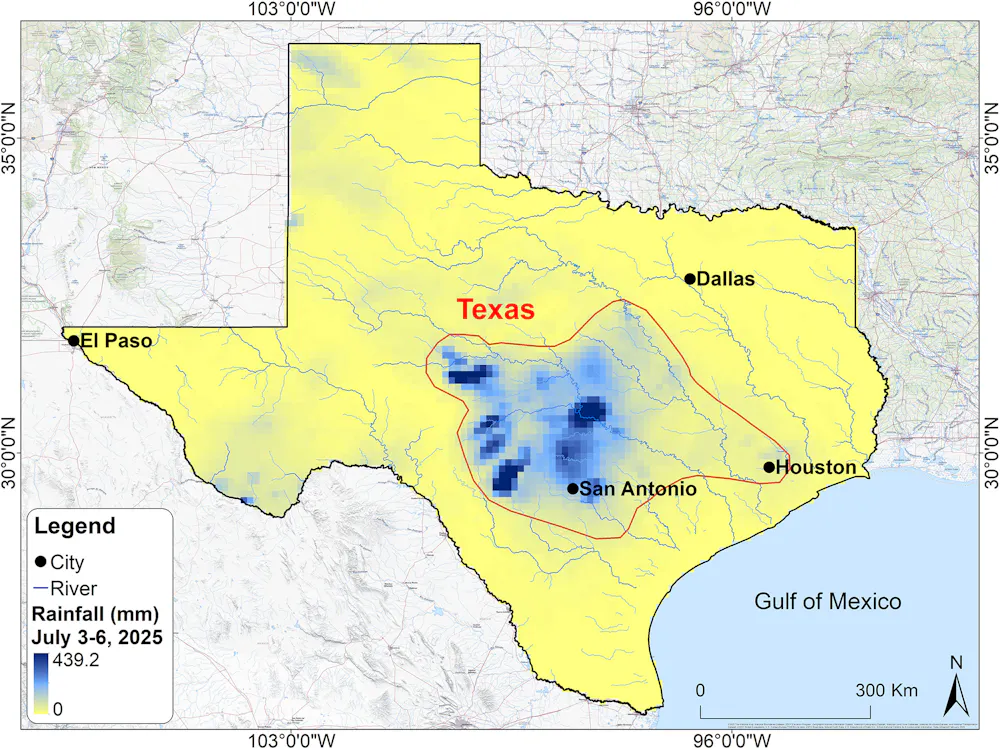
    MIL OSI USA News –

    July 15, 2025
  • MIL-OSI USA: 10 Years Ago: NASA’s New Horizons Captures Pluto’s Heart

    Source: NASA

    This image, taken by NASA’s New Horizons spacecraft on July 14, 2015, is the most accurate natural color image of Pluto. This natural-color image results from refined calibration of data gathered by New Horizons’ color Multispectral Visible Imaging Camera (MVIC). The processing creates images that would approximate the colors that the human eye would perceive, bringing them closer to “true color” than the images released near the encounter. This single color MVIC scan includes no data from other New Horizons imagers or instruments added. The striking features on Pluto are clearly visible, including the bright expanse of Pluto’s icy, nitrogen-and-methane rich “heart,” Sputnik Planitia.
    Image credit: NASA/Johns Hopkins University Applied Physics Laboratory/Southwest Research Institute/Alex Parker

    MIL OSI USA News –

    July 15, 2025
  • MIL-OSI USA: Linking Satellite Data and Community Knowledge to Advance Alaskan Snow Science

    Source: NASA

    Seasonal snow plays a significant role in global water and energy cycles, and billions of people worldwide rely on snowmelt for water resources needs, including water supply, hydropower, agriculture, and more. Monitoring snow water equivalent (SWE) is critical for supporting these applications and for mitigating damages caused by snowmelt flooding, avalanches, and other snow-related disasters. However, our ability to measure SWE remains a challenge, particularly in northern latitudes where in situ SWE observations are sparse and satellite observations are impacted by the boreal forest and environmental conditions. Despite limited in situ SWE measurements, local residents in Arctic and sub-Arctic regions provide a vast and valuable body of place-based knowledge and observations that are essential for understanding snowpack behavior in northern regions.
    As part of a joint NASA SnowEx, NASA’s Minority University Research and Education Project (MUREP) for American Indian and Alaska Native STEM (Science, Technology, Engineering, & Mathematics) Engagement (MAIANSE), and Global Learning & Observations to Benefit the Environment (GLOBE) Program partnership, a team of scientists including NASA intern Julia White (NASA Goddard Space Flight Center, University of Alaska Fairbanks), Carrie Vuyovich (NASA Goddard Space Flight Center), Alicia Joseph (NASA Goddard Space Flight Center), and Christi Buffington (University of Alaska Fairbanks, GLOBE Implementation Office) is studying snow water equivalent (SWE) across Interior Alaska. This project combines satellite-based interferometric synthetic aperture radar (InSAR) data, primarily from the Sentinel-1 satellite, with ground-based observations from the Snow Telemetry (SNOTEL) network and GLOBE (Global Learning Observations to Benefit the Environment). Together, these data sources help the team investigate how SWE varies across the landscape and how it affects local ecosystems and communities. The team is also preparing for future integration of data from NASA’s upcoming NISAR (NASA ISRO Synthetic Aperture Radar) mission, which is expected to enhance SWE retrieval capabilities.
    After a collaborative visit to the classroom of Tammie Kovalenko in November 2024, Delta Junction junior and senior high school students in vocational agriculture (Vo Ag) classes, including members of Future Farmers of America (FFA), began collecting GLOBE data on a snowdrift located just outside their classroom. As the project progressed, students developed their own research questions. One student, Fianna Rooney, took the project even further — presenting research posters at both the GLOBE International Virtual Science Symposium (IVSS) and both the FFA Regional and National Conventions. Her work highlights the growing role of Alaskan youth in science, and how student-led inquiry can enrich both education and research outcomes. (This trip was funded by the NASA Science Activation Program’s Arctic and Earth SIGNs – STEM Integrating GLOBE & NASA – project at the University of Alaska Fairbanks.)
    In February 2025, the team collaborated with Delta Junction Junior High and High School students, along with the Delta Junction Trails Association, to conduct a GLOBE Intensive Observation Period (IOP), “Delta Junction Snowdrifts,” to collect Landcover photos, snow depth, and snow water equivalent data. Thanks to aligned interests and research goals at the Alaska Satellite Facility (ASF), the project was further expanded into Spring 2025. Collaborators from ASF and the Alaska Center for Unmanned Aircraft Systems Integration (ACUASI) collected high resolution airborne data over the snowdrift at the Delta Junction Junior and Senior High School. This complementary dataset helped strengthen connections between satellite observations and ground-based student measurements.
    This effort, led by a NASA intern, scientists, students, and Alaskan community members, highlights the power of collaboration in advancing science and education. Next steps will include collaboration with Native Alaskan communities near Delta Junction, including the Healy Lake Tribe, whose vast, generational knowledge will be of great value to deepening our understanding of Alaskan snow dynamics.
    Learn more about how NASA’s Science Activation program connects NASA science experts, real content, and experiences with community leaders to do science in ways that activate minds and promote deeper understanding of our world and beyond: https://science.nasa.gov/learn/about-science-activation/

    MIL OSI USA News –

    July 15, 2025
  • MIL-OSI USA: UConn Medical Students Learning to Strike Out Organ Donation Inequities

    Source: US State of Connecticut

    Two UConn School of Medicine students Riley Cable and Lila Medeiros of the Class of 2028 are immersed in a unique, new summer training program offered by the New England Donor Services (NEDS) seeking to educate future doctors to address longstanding inequities in organ donation.

    Medical students of the new Galen V. Henderson, MD Stimulate Equity, Education, and Diversity (SEED) Program with NEDS’ Matt Boger (center). (NEDS Photo Credit)

    In the New England region NEDS is the federally designated Organ Procurement Organization responsible for the recovery of organs and tissues for transplant. Its inaugural 8-week summer training program is providing medical students of all backgrounds from across New England with hands-on donation and transplant experience as they learn about potential career paths in organ donation and transplantation.

    Galen V. Henderson, MD Stimulate Equity, Education, and Diversity (SEED) Program’s goal is to train the next generation of doctors like Cable and Medeiros from UConn and other medical schools across the region on ways to improve fairness in organ donation and transplantation in health care. The new program is named in honor of the late Dr. Galen V. Henderson, who served as an associate medical director for NEDS and the first Black neurointensivist in the United States.

    The need for a new training program like this is important as the latest data from a report shows:

    • Donor registration rates among black, Asian, and Hispanic Americans are lower compared to other racial and ethnic groups.
    • Black patients are less likely than white patients to be preemptively referred for transplant evaluation.
    • Black, Asian, and Hispanic patients have substantially lower rates of living donor kidney transplantation compared to white patients.
    • Only 4% of transplant surgeons and physicians are Black.

    In addition to UConn, medical students from Brown University, Harvard Medical School, Tufts University School of Medicine, and University of Vermont Larner College of Medicine participated in the new summer NEDS training program.

    The medical students in the new Galen V. Henderson, MD Stimulate Equity, Education, and Diversity (SEED) Program this summer even had the opportunity to visit local legislators such as CT State Rep. Brian W. Murray (NEDS Photo Credit).

    Cable of UConn’s medical school is interested in possibly pursuing a future career in the surgical specialties.

    “This program is a great opportunity to get exposure to a surgical field while learning about transplantation,” says Cable. “From scrubbing in for organ recovery surgeries to hearing from donor families or meeting physician leaders in the field, it’s been an awesome experience.”

    After being immersed in the program this summer Cable of UConn says, “There’s so much more to organ donation than having a heart on your driver’s license. As a future physician it’s helpful to learn the process of organ donation and transplantation so I can better advocate for my patients. This internship has definitely opened my eyes to transplant surgery as a career choice. We get such a unique view of the field through this program and I’m grateful to have the opportunity.”

    UConn medical student Medeiros chose to participate in the new SEED program for the unique opportunity to learn more about the field of transplantation.

    UConn medical students Riley Cable and Lila Medeiros (left) attending a NEDS community outreach event at the Hartford Yard Goats with Andrew Jones, a Multicultural Community Outreach Coordinator at NEDS. (NEDS Photo Credit)

    “I had no idea how much of an impact this program would have on my path moving forward,” says Medeiros. “Learning about the history of transplantation and the remarkable progress in the field has been incredibly inspiring. But what has impacted me most are the powerful stories shared by donor families and recipients. Hearing their firsthand experiences, marked by resilience, generosity, and courage, has been the greatest privilege.”

    Medeiros concludes, “While a career in transplant surgery is something I am now strongly considering, I know the insights and perspective I have gained from this program will stay with me no matter which specialty I ultimately pursue.”

    Their exciting summer program ends on July 24.

    Learn more about the Galen V. Henderson, MD Stimulate Equity, Education, and Diversity (SEED) Program.

    MIL OSI USA News –

    July 15, 2025
  • MIL-OSI USA: UConn Medical Students Learning to Strike Out Organ Donation Inequities

    Source: US State of Connecticut

    Two UConn School of Medicine students Riley Cable and Lila Medeiros of the Class of 2028 are immersed in a unique, new summer training program offered by the New England Donor Services (NEDS) seeking to educate future doctors to address longstanding inequities in organ donation.

    Medical students of the new Galen V. Henderson, MD Stimulate Equity, Education, and Diversity (SEED) Program with NEDS’ Matt Boger (center). (NEDS Photo Credit)

    In the New England region NEDS is the federally designated Organ Procurement Organization responsible for the recovery of organs and tissues for transplant. Its inaugural 8-week summer training program is providing medical students of all backgrounds from across New England with hands-on donation and transplant experience as they learn about potential career paths in organ donation and transplantation.

    Galen V. Henderson, MD Stimulate Equity, Education, and Diversity (SEED) Program’s goal is to train the next generation of doctors like Cable and Medeiros from UConn and other medical schools across the region on ways to improve fairness in organ donation and transplantation in health care. The new program is named in honor of the late Dr. Galen V. Henderson, who served as an associate medical director for NEDS and the first Black neurointensivist in the United States.

    The need for a new training program like this is important as the latest data from a report shows:

    • Donor registration rates among black, Asian, and Hispanic Americans are lower compared to other racial and ethnic groups.
    • Black patients are less likely than white patients to be preemptively referred for transplant evaluation.
    • Black, Asian, and Hispanic patients have substantially lower rates of living donor kidney transplantation compared to white patients.
    • Only 4% of transplant surgeons and physicians are Black.

    In addition to UConn, medical students from Brown University, Harvard Medical School, Tufts University School of Medicine, and University of Vermont Larner College of Medicine participated in the new summer NEDS training program.

    The medical students in the new Galen V. Henderson, MD Stimulate Equity, Education, and Diversity (SEED) Program this summer even had the opportunity to visit local legislators such as CT State Rep. Brian W. Murray (NEDS Photo Credit).

    Cable of UConn’s medical school is interested in possibly pursuing a future career in the surgical specialties.

    “This program is a great opportunity to get exposure to a surgical field while learning about transplantation,” says Cable. “From scrubbing in for organ recovery surgeries to hearing from donor families or meeting physician leaders in the field, it’s been an awesome experience.”

    After being immersed in the program this summer Cable of UConn says, “There’s so much more to organ donation than having a heart on your driver’s license. As a future physician it’s helpful to learn the process of organ donation and transplantation so I can better advocate for my patients. This internship has definitely opened my eyes to transplant surgery as a career choice. We get such a unique view of the field through this program and I’m grateful to have the opportunity.”

    UConn medical student Medeiros chose to participate in the new SEED program for the unique opportunity to learn more about the field of transplantation.

    UConn medical students Riley Cable and Lila Medeiros (left) attending a NEDS community outreach event at the Hartford Yard Goats with Andrew Jones, a Multicultural Community Outreach Coordinator at NEDS. (NEDS Photo Credit)

    “I had no idea how much of an impact this program would have on my path moving forward,” says Medeiros. “Learning about the history of transplantation and the remarkable progress in the field has been incredibly inspiring. But what has impacted me most are the powerful stories shared by donor families and recipients. Hearing their firsthand experiences, marked by resilience, generosity, and courage, has been the greatest privilege.”

    Medeiros concludes, “While a career in transplant surgery is something I am now strongly considering, I know the insights and perspective I have gained from this program will stay with me no matter which specialty I ultimately pursue.”

    Their exciting summer program ends on July 24.

    Learn more about the Galen V. Henderson, MD Stimulate Equity, Education, and Diversity (SEED) Program.

    MIL OSI USA News –

    July 15, 2025
  • MIL-OSI USA: UConn Medical Students Learning to Strike Out Organ Donation Inequities

    Source: US State of Connecticut

    Two UConn School of Medicine students Riley Cable and Lila Medeiros of the Class of 2028 are immersed in a unique, new summer training program offered by the New England Donor Services (NEDS) seeking to educate future doctors to address longstanding inequities in organ donation.

    Medical students of the new Galen V. Henderson, MD Stimulate Equity, Education, and Diversity (SEED) Program with NEDS’ Matt Boger (center). (NEDS Photo Credit)

    In the New England region NEDS is the federally designated Organ Procurement Organization responsible for the recovery of organs and tissues for transplant. Its inaugural 8-week summer training program is providing medical students of all backgrounds from across New England with hands-on donation and transplant experience as they learn about potential career paths in organ donation and transplantation.

    Galen V. Henderson, MD Stimulate Equity, Education, and Diversity (SEED) Program’s goal is to train the next generation of doctors like Cable and Medeiros from UConn and other medical schools across the region on ways to improve fairness in organ donation and transplantation in health care. The new program is named in honor of the late Dr. Galen V. Henderson, who served as an associate medical director for NEDS and the first Black neurointensivist in the United States.

    The need for a new training program like this is important as the latest data from a report shows:

    • Donor registration rates among black, Asian, and Hispanic Americans are lower compared to other racial and ethnic groups.
    • Black patients are less likely than white patients to be preemptively referred for transplant evaluation.
    • Black, Asian, and Hispanic patients have substantially lower rates of living donor kidney transplantation compared to white patients.
    • Only 4% of transplant surgeons and physicians are Black.

    In addition to UConn, medical students from Brown University, Harvard Medical School, Tufts University School of Medicine, and University of Vermont Larner College of Medicine participated in the new summer NEDS training program.

    The medical students in the new Galen V. Henderson, MD Stimulate Equity, Education, and Diversity (SEED) Program this summer even had the opportunity to visit local legislators such as CT State Rep. Brian W. Murray (NEDS Photo Credit).

    Cable of UConn’s medical school is interested in possibly pursuing a future career in the surgical specialties.

    “This program is a great opportunity to get exposure to a surgical field while learning about transplantation,” says Cable. “From scrubbing in for organ recovery surgeries to hearing from donor families or meeting physician leaders in the field, it’s been an awesome experience.”

    After being immersed in the program this summer Cable of UConn says, “There’s so much more to organ donation than having a heart on your driver’s license. As a future physician it’s helpful to learn the process of organ donation and transplantation so I can better advocate for my patients. This internship has definitely opened my eyes to transplant surgery as a career choice. We get such a unique view of the field through this program and I’m grateful to have the opportunity.”

    UConn medical student Medeiros chose to participate in the new SEED program for the unique opportunity to learn more about the field of transplantation.

    UConn medical students Riley Cable and Lila Medeiros (left) attending a NEDS community outreach event at the Hartford Yard Goats with Andrew Jones, a Multicultural Community Outreach Coordinator at NEDS. (NEDS Photo Credit)

    “I had no idea how much of an impact this program would have on my path moving forward,” says Medeiros. “Learning about the history of transplantation and the remarkable progress in the field has been incredibly inspiring. But what has impacted me most are the powerful stories shared by donor families and recipients. Hearing their firsthand experiences, marked by resilience, generosity, and courage, has been the greatest privilege.”

    Medeiros concludes, “While a career in transplant surgery is something I am now strongly considering, I know the insights and perspective I have gained from this program will stay with me no matter which specialty I ultimately pursue.”

    Their exciting summer program ends on July 24.

    Learn more about the Galen V. Henderson, MD Stimulate Equity, Education, and Diversity (SEED) Program.

    MIL OSI USA News –

    July 15, 2025
  • MIL-OSI USA: UConn Medical Students Learning to Strike Out Organ Donation Inequities

    Source: US State of Connecticut

    Two UConn School of Medicine students Riley Cable and Lila Medeiros of the Class of 2028 are immersed in a unique, new summer training program offered by the New England Donor Services (NEDS) seeking to educate future doctors to address longstanding inequities in organ donation.

    Medical students of the new Galen V. Henderson, MD Stimulate Equity, Education, and Diversity (SEED) Program with NEDS’ Matt Boger (center). (NEDS Photo Credit)

    In the New England region NEDS is the federally designated Organ Procurement Organization responsible for the recovery of organs and tissues for transplant. Its inaugural 8-week summer training program is providing medical students of all backgrounds from across New England with hands-on donation and transplant experience as they learn about potential career paths in organ donation and transplantation.

    Galen V. Henderson, MD Stimulate Equity, Education, and Diversity (SEED) Program’s goal is to train the next generation of doctors like Cable and Medeiros from UConn and other medical schools across the region on ways to improve fairness in organ donation and transplantation in health care. The new program is named in honor of the late Dr. Galen V. Henderson, who served as an associate medical director for NEDS and the first Black neurointensivist in the United States.

    The need for a new training program like this is important as the latest data from a report shows:

    • Donor registration rates among black, Asian, and Hispanic Americans are lower compared to other racial and ethnic groups.
    • Black patients are less likely than white patients to be preemptively referred for transplant evaluation.
    • Black, Asian, and Hispanic patients have substantially lower rates of living donor kidney transplantation compared to white patients.
    • Only 4% of transplant surgeons and physicians are Black.

    In addition to UConn, medical students from Brown University, Harvard Medical School, Tufts University School of Medicine, and University of Vermont Larner College of Medicine participated in the new summer NEDS training program.

    The medical students in the new Galen V. Henderson, MD Stimulate Equity, Education, and Diversity (SEED) Program this summer even had the opportunity to visit local legislators such as CT State Rep. Brian W. Murray (NEDS Photo Credit).

    Cable of UConn’s medical school is interested in possibly pursuing a future career in the surgical specialties.

    “This program is a great opportunity to get exposure to a surgical field while learning about transplantation,” says Cable. “From scrubbing in for organ recovery surgeries to hearing from donor families or meeting physician leaders in the field, it’s been an awesome experience.”

    After being immersed in the program this summer Cable of UConn says, “There’s so much more to organ donation than having a heart on your driver’s license. As a future physician it’s helpful to learn the process of organ donation and transplantation so I can better advocate for my patients. This internship has definitely opened my eyes to transplant surgery as a career choice. We get such a unique view of the field through this program and I’m grateful to have the opportunity.”

    UConn medical student Medeiros chose to participate in the new SEED program for the unique opportunity to learn more about the field of transplantation.

    UConn medical students Riley Cable and Lila Medeiros (left) attending a NEDS community outreach event at the Hartford Yard Goats with Andrew Jones, a Multicultural Community Outreach Coordinator at NEDS. (NEDS Photo Credit)

    “I had no idea how much of an impact this program would have on my path moving forward,” says Medeiros. “Learning about the history of transplantation and the remarkable progress in the field has been incredibly inspiring. But what has impacted me most are the powerful stories shared by donor families and recipients. Hearing their firsthand experiences, marked by resilience, generosity, and courage, has been the greatest privilege.”

    Medeiros concludes, “While a career in transplant surgery is something I am now strongly considering, I know the insights and perspective I have gained from this program will stay with me no matter which specialty I ultimately pursue.”

    Their exciting summer program ends on July 24.

    Learn more about the Galen V. Henderson, MD Stimulate Equity, Education, and Diversity (SEED) Program.

    MIL OSI USA News –

    July 15, 2025
  • MIL-OSI Submissions: School lunches, the French way: It’s not just about nutrition, but togetherness and ‘bon appetit’

    Source: The Conversation – Canada – By Rachel Engler-Stringer, Professor, Department of Community Health and Epidemiology, University of Saskatchewan

    This spring, as part of a sabbatical project, I had the privilege of visiting school food programs and meeting with school food researchers in six cities in France, England and Scotland.

    I got to eat school lunches, visit central kitchens in two cities where meals are prepared for thousands of children, visit school kitchens and discuss school food with the countries’ leading experts.

    This visit intersects with my research with colleagues on promising food programs across Canada. This research offers insights for consideration as regions navigate the federal government’s first National School Food Program and National School Food Policy.

    Government announcements about the program and policy were followed by negotiations with the provinces and territories, all of which have since signed agreements for a portion of the funding.

    In most parts of Canada, officials are just beginning to plan for new approaches to school food (with a few exceptions especially in Atlantic Canada where school food programs have been transforming much more quickly).

    Based on my research about international food programs, here are four key things Canadians should pay attention to:

    1) In Canada we need to shift from thinking of school lunches as a safety net for kids living in poverty to thinking about them as benefiting the health and well-being of children and their families. In France, this shift in thinking is particularly clear.

    School lunches in France are about teaching children about food and culture and all kids are encouraged to eat together with an adult facilitator who teaches them about the components of the meal and creates a family-meal context at each table. By contrast, if you ask many parents in Canada what school meals are for, they will tell you they are for kids living in poverty to make sure they have food to eat at school.

    If Canada wants a national school food program that achieves the benefits of the best programs in the world in the areas of education, well-being and on the economy, we need to think of school meals as supporting young people to be the best students they can be.

    2) One important benefit of school food programs globally is to encourage picky eaters to try new foods due to the social pressure of all kids eating the same foods together. In three cities in France I visited, and one in England, school lunches look like home-cooked meals. One main dish with meat is served (and in England, a vegetarian alternative), and kids can choose if and how much of the side vegetables and fruit to take.

    In Canada, following a similar practice — one main and a vegetarian alternative when meat is served — might work well. But it’s also important that in developing a menu, the cultural diversity of Canadian school communities is reflected in the food on offer.

    In the other two locations in England and Scotland, kids choose from multiple main dishes — something that adds cost to the program and does less to encourage kids to try new foods, given one choice is always something basic like a cheese sandwich.

    Kids need to have some autonomy when it comes to eating, but school food programs should not be facilitating eating the same food every day. Nor should school food programs aspire to a model where broad choice is afforded from a large menu.

    3) With care, planning and sufficient resources, centralized kitchens can prepare thousands of servings of a main dish daily. The French central kitchens I visited prepare 6,000 to 10,000 servings a day of high-quality food following strict food safety protocols.

    I ate two simple yet delicious meals cooked in municipally owned central kitchens. In the three cities in France where I visited, they used central kitchens where main dishes were prepared and chilled to be delivered for heating at the school level. Central kitchens also delivered the salads and sides (like chopped veggies, bread, cheese and fruit) and dressings.

    In the small school kitchens, the salads were dressed, and the cheese and fruit were cut for service.

    The central kitchens were also used in at least one city to prepare food for daycares and for seniors who were home-bound — something to consider for Canadian cities.

    Centralizing kitchens can reduce costs and provide a way for high-quality food to be produced from basic ingredients without commercial kitchens in every school capable of preparing meals for hundreds of children at a time.

    4) When designed with requirements for purchasing foods from local farmers and other Canadian producers, school food programs can benefit the agricultural sector and multiply their benefits to communities beyond direct school food jobs. In France, for example, there are specific percentages to be purchased from local and sustainable sources. Percentage requirements for local and sustainable purchasing should be enacted now in Canada as its program establishes itself, perhaps beginning with 20 per cent and growing over time.

    I have many more reflections from my visits, both positive and negative, but the four I have discussed are important for Canada to learn from as it begins to design the National School Food Program to meet the needs of diverse communities from coast to coast to coast.

    Rachel Engler-Stringer receives funding from the Canadian Institutes for Health Research, the Social Sciences and Humanities Research Council of Canada, the Public Health Agency of Canada and received a University of Saskatchewan International Travel Award for program visits. She sits on the Steering Committee of the Coalition for Healthy School Food.

    – ref. School lunches, the French way: It’s not just about nutrition, but togetherness and ‘bon appetit’ – https://theconversation.com/school-lunches-the-french-way-its-not-just-about-nutrition-but-togetherness-and-bon-appetit-259832

    MIL OSI –

    July 15, 2025
  • MIL-OSI Analysis: School lunches, the French way: It’s not just about nutrition, but togetherness and ‘bon appetit’

    Source: The Conversation – Canada – By Rachel Engler-Stringer, Professor, Department of Community Health and Epidemiology, University of Saskatchewan

    This spring, as part of a sabbatical project, I had the privilege of visiting school food programs and meeting with school food researchers in six cities in France, England and Scotland.

    I got to eat school lunches, visit central kitchens in two cities where meals are prepared for thousands of children, visit school kitchens and discuss school food with the countries’ leading experts.

    This visit intersects with my research with colleagues on promising food programs across Canada. This research offers insights for consideration as regions navigate the federal government’s first National School Food Program and National School Food Policy.

    Government announcements about the program and policy were followed by negotiations with the provinces and territories, all of which have since signed agreements for a portion of the funding.

    In most parts of Canada, officials are just beginning to plan for new approaches to school food (with a few exceptions especially in Atlantic Canada where school food programs have been transforming much more quickly).

    Based on my research about international food programs, here are four key things Canadians should pay attention to:

    1) In Canada we need to shift from thinking of school lunches as a safety net for kids living in poverty to thinking about them as benefiting the health and well-being of children and their families. In France, this shift in thinking is particularly clear.

    School lunches in France are about teaching children about food and culture and all kids are encouraged to eat together with an adult facilitator who teaches them about the components of the meal and creates a family-meal context at each table. By contrast, if you ask many parents in Canada what school meals are for, they will tell you they are for kids living in poverty to make sure they have food to eat at school.

    If Canada wants a national school food program that achieves the benefits of the best programs in the world in the areas of education, well-being and on the economy, we need to think of school meals as supporting young people to be the best students they can be.

    2) One important benefit of school food programs globally is to encourage picky eaters to try new foods due to the social pressure of all kids eating the same foods together. In three cities in France I visited, and one in England, school lunches look like home-cooked meals. One main dish with meat is served (and in England, a vegetarian alternative), and kids can choose if and how much of the side vegetables and fruit to take.

    In Canada, following a similar practice — one main and a vegetarian alternative when meat is served — might work well. But it’s also important that in developing a menu, the cultural diversity of Canadian school communities is reflected in the food on offer.

    In the other two locations in England and Scotland, kids choose from multiple main dishes — something that adds cost to the program and does less to encourage kids to try new foods, given one choice is always something basic like a cheese sandwich.

    Kids need to have some autonomy when it comes to eating, but school food programs should not be facilitating eating the same food every day. Nor should school food programs aspire to a model where broad choice is afforded from a large menu.

    3) With care, planning and sufficient resources, centralized kitchens can prepare thousands of servings of a main dish daily. The French central kitchens I visited prepare 6,000 to 10,000 servings a day of high-quality food following strict food safety protocols.

    I ate two simple yet delicious meals cooked in municipally owned central kitchens. In the three cities in France where I visited, they used central kitchens where main dishes were prepared and chilled to be delivered for heating at the school level. Central kitchens also delivered the salads and sides (like chopped veggies, bread, cheese and fruit) and dressings.

    In the small school kitchens, the salads were dressed, and the cheese and fruit were cut for service.

    The central kitchens were also used in at least one city to prepare food for daycares and for seniors who were home-bound — something to consider for Canadian cities.

    Centralizing kitchens can reduce costs and provide a way for high-quality food to be produced from basic ingredients without commercial kitchens in every school capable of preparing meals for hundreds of children at a time.

    4) When designed with requirements for purchasing foods from local farmers and other Canadian producers, school food programs can benefit the agricultural sector and multiply their benefits to communities beyond direct school food jobs. In France, for example, there are specific percentages to be purchased from local and sustainable sources. Percentage requirements for local and sustainable purchasing should be enacted now in Canada as its program establishes itself, perhaps beginning with 20 per cent and growing over time.

    I have many more reflections from my visits, both positive and negative, but the four I have discussed are important for Canada to learn from as it begins to design the National School Food Program to meet the needs of diverse communities from coast to coast to coast.

    Rachel Engler-Stringer receives funding from the Canadian Institutes for Health Research, the Social Sciences and Humanities Research Council of Canada, the Public Health Agency of Canada and received a University of Saskatchewan International Travel Award for program visits. She sits on the Steering Committee of the Coalition for Healthy School Food.

    – ref. School lunches, the French way: It’s not just about nutrition, but togetherness and ‘bon appetit’ – https://theconversation.com/school-lunches-the-french-way-its-not-just-about-nutrition-but-togetherness-and-bon-appetit-259832

    MIL OSI Analysis –

    July 15, 2025
  • MIL-OSI Analysis: The anatomy of a flash flood: Why the Texas flood was so deadly

    Source: The Conversation – Canada – By Hossein Bonakdari, Associate Professor, Civil Engineering, L’Université d’Ottawa/University of Ottawa

    Between July 3 and 6, Texas Hill Country experienced catastrophic flash flooding along the Guadalupe River system. The floods claimed at least 130 lives, with over 96 fatalities in Kerr County alone. More than 160 people were missing as of July 12, including children attending camps along the river.

    Preliminary economic losses are estimated at US$18–22 billion, reflecting both residential and infrastructure damages.

    Understanding the anatomy of this flash flood, and unravelling the complex interplay of meteorological, geomorphological and hydrological forces, forms the foundation for a comprehensive assessment of what happened. This information is vital to help prevent future similar tragedies from occurring.


    Read more:
    What is a flash flood? A civil engineer explains


    Atmospheric conditions

    The July 2025 flood event in central Texas was triggered by a rare and potent meteorological configuration.

    Atmospheric anomalies are weather conditions that differ from what’s expected. Analysis of the July 2025 atmospheric anomalies reveals exceptional thermodynamic conditions that directly contributed to the flood’s severity.

    The total precipitation over the core impact zone in the Hill Country during July 3 to 6 is estimated to have delivered more than 15 billion cubic metres of water — an extraordinary volume.

    This deluge was supported by persistent temperature anomalies ranging from 5.4 to 6.9 degrees Celsius above the mean. Such elevated temperatures increased the atmosphere’s capacity to retain moisture.

    At these anomaly levels, the air mass could store 35 to 50 per cent more water vapour than normal.

    Simultaneously, specific humidity anomalies reflected a 60 to 70 per cent increase over July baselines for central Texas. Specific humidity, which quantifies the actual mass of water vapour per kilogram of air, provides a more direct metric of latent moisture available for precipitation.

    The convergence of these extreme thermodynamic variables created an ideal environment for deep, moisture-laden convection, supporting prolonged intense rainfall.

    This map of Texas highlights the core impact zone in Hill Country, where rainfall totals exceeded 430 millimetres, more than four times the regional July average.
    (H. Bonakdari/GSMaP), CC BY

    Terrain impacts

    While meteorological extremes initiated the July 2025 flood event, the morphology of the Guadalupe River — its shape, behaviour and flows — was pivotal in transforming heavy rainfall into a catastrophic flash flood.

    The upper basin’s physical geography, drainage configuration and valley structure contributed to the rapid concentration and propagation of floodwaters.

    Known as “Flash Flood Alley,” the terrain of the upper Guadalupe River basin amplified the July 2025 flood through a combination of steep slopes, shallow soils and karstic geology.

    These steep slopes limited infiltration and led to rapid soil saturation under intense rainfall. The predominance of karstic limestone — limestone that has been shaped by water creating plains and sinkholes — further reduced storage below the surface, resulting in minimal delay between rainfall and discharge.

    Additionally, narrow valley sections created hydraulic bottlenecks, accelerating flow and increasing flood depth, particularly affecting residential areas and campsites.

    A map showing the relationships between steep headwaters, tributary confluences and vulnerable downstream communities.
    (H. Bonakdari/NASA), CC BY

    In contrast, broader valleys allowed for the water to spread laterally; there was still destructive momentum due to upstream forcing. These geomorphic traits, compounded by the extreme atmospheric moisture, created an environment where floodwaters accumulated rapidly and struck with devastating force, especially along confluence zones and densely occupied riverfronts.

    Excessive runoff

    Prior to the July 2025 event, central Texas had already experienced elevated soil moisture conditions due to above-average rainfall during June and early July. Antecedent moisture indices that measure how wet the ground is before rainfall approached 90 to 100 per cent saturation, meaning that the ground was effectively primed for rapid runoff generation.

    The region’s karst terrain — characterized by shallow, rocky soils — offered less than five per cent effective porosity, severely limiting absorption into the ground. Simultaneously, regional groundwater tables had risen underground, further reducing the ground’s capacity to absorb water.

    This set the stage for an outsized response to the incoming deluge. When intense rainfall arrived, the ground was quickly and completely saturated, resulting in immediate and rapid surface runoff.

    The time of concentration is how long it takes rainwater from the farthest part of a watershed to reach its outlet, like a river or stream. In central Texas Hill Country (known for its steep slopes and rocky, shallow soils), that time is just one to two hours. This means that heavy rain can lead to dangerous river rises very quickly.

    Water flows fast down the slopes and through underground limestone channels, leaving little time for it to soak into the ground. As a result, rivers such as the Guadalupe can swell rapidly, rising several feet in a short time, which causes fast-moving flood impacts in narrow valleys and low-lying communities.

    Multiple forces

    The July floods in Texas were devastatingly deadly. A confluence of various meteorological and topographical factors were to blame.

    An overheated atmosphere, saturated with water vapour, unleashed record-breaking rainfall. The unique terrain of Texas Hill Country funnelled that rain swiftly into the river system, while the region’s hydrology, already primed by previous storms, converted nearly all of it into runoff.

    By understanding how these atmospheric, geographic and hydrological elements combined, we can better anticipate future risks in “Flash Flood Alley” and improve early warning systems to save lives.

    Hossein Bonakdari does not work for, consult, own shares in or receive funding from any company or organisation that would benefit from this article, and has disclosed no relevant affiliations beyond their academic appointment.

    – ref. The anatomy of a flash flood: Why the Texas flood was so deadly – https://theconversation.com/the-anatomy-of-a-flash-flood-why-the-texas-flood-was-so-deadly-260695

    MIL OSI Analysis –

    July 15, 2025
  • MIL-OSI Analysis: A robot stole my internship: How Gen Z’s entry into the workplace is being affected by AI

    Source: The Conversation – Canada – By Melise Panetta, Lecturer of Marketing in the Lazaridis School of Business and Economics, Wilfrid Laurier University

    For years, the expression “the robot took my job” has brought to mind visions of machines replacing workers on factory floors. But Gen Z is facing a new challenge: the loss of internships and other entry-level positions to AI.

    Internships and junior roles have historically provided a predictable ladder into the workforce by providing new workers with the experience and skills needed for long-term career development.

    But as artificial intelligence (AI) spreads to every corner of the modern workplace, these roles are susceptible to being replaced by automation.

    Entry-level roles traditionally involve low-complexity, high-frequency tasks such as data entry, scheduling or drafting reports — tasks that generative AI can do significantly cheaper and faster than a human. This almost certainly means fewer traditional bottom rungs on the career ladder.

    We are already seeing the impact of this: entry-level jobs are becoming scarcer, with candidates competing against a 14 per cent hike in applications per role, according to LinkedIn.


    No one’s 20s and 30s look the same. You might be saving for a mortgage or just struggling to pay rent. You could be swiping dating apps, or trying to understand childcare. No matter your current challenges, our Quarter Life series has articles to share in the group chat, or just to remind you that you’re not alone.

    Read more from Quarter Life:

    • Why is it so hard for young people to get jobs?

    • How to deal with being the youngest in the office

    • How to handle difficult conversations in your early career, from salary negotiation to solving conflict


    AI is changing the workplace

    The integration of AI across industries is fundamentally reshaping the job market.

    Nearly half of professionals worry AI will replace their jobs. There is good reason for this: by 2030, it’s estimated that nearly 30 per cent of work could be automated by generative AI.

    Meanwhile, nearly two-thirds of executives say they are willing to use AI tools to drive up productivity at the expense of losing staff. Conversely, only one in three executives are willing to keep their staff at the expense of higher expected productivity.

    It is also projected that declines in traditional entry-level or junior roles in sectors such as food services, customer service, sales and office support work could account for nearly 84 per cent of the occupational shifts expected by 2030.

    Talent and entry-level role shortages in the future

    Data on AI and the future of work also points to another potential problem: a talent shortage for certain skill sets. A 2024 report from Microsoft and LinkedIn found that leaders are concerned with shortages in areas such as cybersecurity, engineering and creative design.

    Though this data might appear contradictory, it signals that in addition to fewer entry level positions being available, changes to job roles and skill sets are also on the horizon.

    As a result, competition for entry-level roles is expected to increase, with greater value put on candidates who can use AI tools to improve their productivity and effectiveness.

    Rather than simply eliminating jobs, many roles are evolving to require new capabilities. There is also growing demand for specialized talent where AI cannot yet fully augment human abilities.

    AI literacy is the new entry requirement

    As AI becomes more prevalent in the workforce, “entry-level” roles are no longer just about completing basic tasks, but about knowing how to work effectively with new technologies, including AI.

    Employers are beginning to place immense value on AI literacy. Two-thirds of managers say they wouldn’t hire someone without AI skills and 71 per cent say they would prefer a less experienced candidate with AI skills over a more experienced one without them.

    With fewer entry-level positions available, young workers will need to figure out how to stand out in a competitive job market. But despite these challenges, Gen Z may also be the best-positioned to adapt to these changes.

    As digital natives, many Gen Z are already integrating AI tools into their work. A report from LinkedIn and Microsoft found 85 per cent are bringing AI tools like ChatGPT or Copilot into the workplace, indicating they are both comfortable and eager to make use of this technology.

    This trend mirrors broader trends across the workforce. One report found 76 per cent of professionals believe they need AI-related skills to remain competitive. That same Microsoft and LinkedIn report found there has been a 160 per cent surge in learning courses for AI literacy.

    This growing emphasis on AI skills is part of a wider shift toward “upskilling” — the process of enhancing skill sets to adapt to the changing conditions of the job market. Today, upskilling means leaning how to use AI to enhance, accelerate and strengthen your performance in the workplace.

    A new kind of entry-level job

    Since AI literacy is becoming a core career skill, being able to present yourself as a candidate with AI skills is important for standing out in a crowded entry-level job market. This includes knowing how to use AI tools, evaluate their outputs critically and apply them in a workplace context. It also means learning how to present AI skills on a resume and in interviews.

    Employers also have a role to play in all this. If they want to attract and retain employees, they need to redesign entry-level roles. Instead of eliminating entry-level roles, they should refocus on higher-value activities that require critical thinking or creativity. These are the areas where humans outperform machines, and where AI can act as a support rather than a replacement.

    But to make this work, employers need to re-evaluate their hiring practices to prioritize AI literacy and transferable skills over outdated experience requirements.

    The future of work isn’t about humans being replaced by robots, but about learning how to use the technology to enhance skills and creating new entry points into the professional world.

    Melise Panetta does not work for, consult, own shares in or receive funding from any company or organisation that would benefit from this article, and has disclosed no relevant affiliations beyond their academic appointment.

    – ref. A robot stole my internship: How Gen Z’s entry into the workplace is being affected by AI – https://theconversation.com/a-robot-stole-my-internship-how-gen-zs-entry-into-the-workplace-is-being-affected-by-ai-260381

    MIL OSI Analysis –

    July 15, 2025
  • MIL-OSI Analysis: U.S. and Israeli strikes on Iran could fuel a new wave of nuclear proliferation

    Source: The Conversation – Canada – By Saira Bano, Assistant Professor in Political Science, Thompson Rivers University

    In the wake of recent strikes by Israel and the United States on Iranian cities, military sites and nuclear facilities, a troubling paradox has emerged: actions intended to prevent Iran from acquiring nuclear weapons may actually be accelerating its pursuit of them and encouraging other countries to follow suit.

    On June 13, Israel launched Operation Rising Lion, a military campaign aimed at dismantling Iran’s nuclear program. The operation began with a series of co-ordinated strikes targeting Iran’s top nuclear scientists, senior military officials and key members of the Islamic Revolutionary Guard Corps.

    Despite establishing air dominance, Israel did not possess the capability to destroy Iran’s most heavily fortified nuclear facilities — especially the Fordow enrichment site, which is buried deep within a mountain.


    Read more:
    Why Israel and the U.S. are sure to encounter the limits of air power in Iran


    On June 21, the U.S. carried out major airstrikes targeting Iran’s critical nuclear sites at Fordow, Natanz and Isfahan. Using B-2 stealth bombers equipped with bunker-busting bombs, the operation aimed to cripple Iran’s deeply fortified nuclear infrastructure.

    Three days later, Iran and Israel agreed to a ceasefire, bringing the 12-day conflict to an end. While both sides declared aspects of the campaign successful, the war marked a dangerous escalation in regional tensions and raised renewed concerns over the future of nuclear nonproliferation and security in the Middle East.

    History of nuclear negotiations

    The U.S. has consistently asserted that Iran must never be allowed to acquire nuclear weapons. In 2006, Iran was subjected to international sanctions after the International Atomic Energy Agency (IAEA) reported the government was not in compliance with its nuclear energy obligations.

    Under former president Barack Obama, the U.S. government pursued a diplomatic path, culminating in the 2015 Joint Comprehensive Plan of Action (JCPOA). Under the deal, Iran agreed to limit uranium enrichment to 3.67 per cent and allow intrusive IAEA inspections. In exchange, it received relief from some international sanctions.

    In 2018, U.S. President Donald Trump unilaterally withdrew from the JCPOA, despite IAEA reports confirming Iran’s compliance. This decision undermined diplomatic trust and prompted Iran to scale back its commitments under the deal.

    The Biden administration sought to revive the JCPOA, but Iran demanded binding guarantees that future U.S. governments would not again withdraw — an assurance Biden could not provide.

    In the aftermath, Iran significantly escalated its nuclear activities. According to IAEA reports, Iran has more than 400 kilograms of enriched uranium to 60 per cent — an amount that, if further refined to 90 per cent, could be sufficient to produce 10 to 12 nuclear weapons.

    Iran has long used its nuclear program as a bargaining chip in negotiations with the U.S. While Iranian officials have maintained their program is purely peaceful, the country produces more highly enriched uranium than it needs for domestic power generation. Enriching uranium has been a way for Iran to raise pressure on the U.S. to lift sanctions.

    The second Trump administration resumed negotiations for a new nuclear deal aimed at imposing stronger constraints on Iran’s nuclear program.

    Although five rounds of negotiations were held, a sixth round scheduled for June 15 was disrupted when Israel conducted a military strike on Iran two days earlier. The attack escalated tensions and derailed the diplomatic process, further complicating the possibility of reaching a renewed agreement.

    Strikes could lead to nuclear proliferation

    Although Trump claimed the U.S. strikes had “obliterated” Iran’s nuclear program, initial intelligence assessments were more cautious, noting significant damage but not total destruction.

    Although it maintains ambiguity about its nuclear program, Israel is seen to be the only country in the Middle East to possess nuclear weapons. It has taken military action to prevent other countries in the region from developing nuclear programs.

    In 2007, Israel bombed a suspected nuclear reactor under construction in Syria. In 1981, Israeli fighter jets bombed a nuclear reactor in Iraq.

    The Israeli government may have calculated that airstrikes could also effectively work against Iran. However, the difference is that Iran’s nuclear program is far more advanced than Syria or Iraq’s were. While the recent strikes may have set the program back by two years, Iran retains the knowledge and capacity to rebuild.

    Ironically, the Israeli and U.S. strikes, which aimed to eliminate Iran’s nuclear capabilities, may instead encourage Iranian officials to accelerate their efforts. Following the war, Iran ended all co-operation with the IAEA, expelling inspectors and cutting off access to its nuclear sites. Without IAEA personnel on the ground, it has become extremely difficult to monitor or verify the scope of Iran’s nuclear activities.

    Bombing Iran’s nuclear facilities each time it advances its nuclear program is not a sustainable strategy. Israel had hoped that a decisive military strike would trigger widespread unrest and potentially lead to the Iranian government’s collapse.

    Instead, the opposite occurred: the Iranian public rallied around the flag, perceiving the attack as a blatant violation of national sovereignty. As a result, the government strengthened its domestic legitimacy and further suppressed political opposition.

    For now, Iranian officials have maintained that they do not intend to develop a nuclear weapon. However, the Iranian parliament is preparing legislation to withdraw from the Nuclear Non-Proliferation Treaty, of which Iran is currently a signatory.

    Exiting the treaty would remove a major legal and diplomatic constraint on Iran’s pursuit of nuclear weapons. Should Iran decide to go down that path, it would likely trigger a nuclear arms race in the region.

    Saudi Arabia has indicated that if Iran builds a nuclear weapon, it will seek to do the same.

    The most effective way to prevent Iran from acquiring nuclear weapons is through sustained diplomacy and a renewed nuclear agreement. A credible deal that includes robust verification mechanisms and IAEA inspections and sanctions relief remains the most viable solution.

    Military strikes, by contrast, tend to backfire, and will likely reinforce the belief in Iran — and elsewhere — that only a nuclear deterrent can shield them from external threats.

    Saira Bano does not work for, consult, own shares in or receive funding from any company or organisation that would benefit from this article, and has disclosed no relevant affiliations beyond their academic appointment.

    – ref. U.S. and Israeli strikes on Iran could fuel a new wave of nuclear proliferation – https://theconversation.com/u-s-and-israeli-strikes-on-iran-could-fuel-a-new-wave-of-nuclear-proliferation-260897

    MIL OSI Analysis –

    July 15, 2025
  • MIL-OSI Analysis: Feeling confident and in control when they’re active boosts children’s wellbeing

    Source: The Conversation – UK – By Michaela James, Research Officer at Medical School, Swansea University

    Anna Kraynova/Shutterstock

    The wellbeing of children is under the spotlight in the UK, after a 2025 report from Unicef ranked the UK at 21 out of 36 wealthy countries on child wellbeing. With growing concerns about mental health, rising screen time, and fewer chances to play – as well as the well-known links between physical activity and better mood – one solution seems obvious. Get kids moving more.

    But our new research suggests that it’s not just about more activity. It’s about better experiences. Feeling safe, capable and free to choose matters is more important for children than just the number of minutes they spend running around.

    Our findings from a national study of over 16,000 children aged seven to 11 across Wales found that while physical activity is clearly important, its benefits for mental health were more connected to how children felt while moving than to how much they moved.


    Get your news from actual experts, straight to your inbox. Sign up to our daily newsletter to receive all The Conversation UK’s latest coverage of news and research, from politics and business to the arts and sciences.


    We found that children who thought that they had control over how they were active, felt confident taking part in physical activity and believed they were good at it scored higher on wellbeing scales. These factors – autonomy, confidence and competence – were stronger predictors of wellbeing than more traditional measures like deprivation (normally we’d expect deprivation to positively or negatively affect wellbeing) or even total time spent being active.

    We also found that children who felt safe where they lived, no matter how wealthy or deprived the area, were more likely to feel happy and well.

    Yet too often, their chances to play and move are limited. Sometimes it’s because adults worry about safety, and so don’t permit children to roam or play in the potentially risky ways they might prefer. Other times, it’s because the places around them just aren’t built with children in mind.

    Rethinking what we tell children

    Interestingly, we found that knowledge of why activity is good for you – often taught in schools or health campaigns – was associated with lower wellbeing. This suggests that top-down, adult-led messaging that focuses on why physical activity leads to physical fitness or maintaining a healthy weight might be missing the mark.

    For some children, it could even feel like pressure. Messaging from schools and organisations may be harmful if they focus on outcomes rather than experience.

    The feeling of control or choice was strongly associated with better mental health and fewer behavioural issues. These findings echo what young people have previously told us: they want more opportunities to play, to choose how they move, and to enjoy being active without pressure.

    Being able to choose how they are active matters for children’s wellbeing.
    chomplearn/Shutterstock

    That’s not to say movement doesn’t matter. Children who moved more and sat less generally felt better about themselves. Less sedentary time was consistently associated with better wellbeing and lower emotional and behavioural difficulties.

    But again, it wasn’t just the behaviour — it was the feeling behind it that mattered. Our analysis showed that the most significant predictor of low emotional difficulties was feeling safe. For behavioural difficulties it is feelings of autonomy and competence that played a key role.

    We also found that girls were more likely to report emotional difficulties (trouble controlling emotions or acting on feelings), while boys were more likely to experience behavioural ones (trouble controlling behaviour). This suggests a gendered difference in how wellbeing challenges show up.

    This tells us that supporting wellbeing isn’t a one-size-fits-all solution. The more we can listen to and work with children to shape activity around their needs, the more likely we are to reach those who might otherwise miss out.

    How we move matters

    For schools and youth organisations, this means rethinking how physical activity is promoted. Rather than more sports, more drills and more rules, children need inclusive, safe spaces where they feel confident to participate and free to choose.

    A simple solution to this could include longer breaks between lessons and more free time to play, or varied activities that cater to different interests and skill levels.

    It also means listening to what children say they need. In our previous research during the pandemic, children consistently asked for more time, safer spaces and permission to be active in ways that feel good to them.

    If we want to support children’s wellbeing, we must shift from performance to participation. It’s not just about how fast they can run or how long they can play. It’s about whether they feel safe, capable, and in control.

    Michaela James receives funding from ADR Wales.

    Mayara Silveira Bianchim receives funding from Cystic Fibrosis Trust.

    – ref. Feeling confident and in control when they’re active boosts children’s wellbeing – https://theconversation.com/feeling-confident-and-in-control-when-theyre-active-boosts-childrens-wellbeing-258327

    MIL OSI Analysis –

    July 15, 2025
  • MIL-OSI Analysis: ‘Pig butchering’ scams have stolen billions from people around the world. Here’s what you need to know

    Source: The Conversation – UK – By Bing Han, Lecturer in Economic Crime, University of Portsmouth

    thanun vongsuravanich / Shutterstock

    At the beginning of 2025, panic about fraud and human trafficking erupted on Chinese social media. It started when a Chinese actor called Wang Xing was tricked into travelling to Thailand for an audition, where he was abducted by criminals and taken to a scam centre in Myanmar.

    Wang was reported missing and, within three days, the Thai police had located and returned him to Thailand. Details of the operation were not revealed, leading to speculation that withholding more information was part of a deal that led to Wang’s release.

    Inside the compound, Wang’s head was shaved and he told the police he was forced to undergo the first phase of training on how to carry out scams.


    Read more:
    Scam Factories: the inside story of Southeast Asia’s brutal fraud compounds


    One such scam is known as “pig butchering”. This type of scam began attracting attention in China around 2019, and is typically carried out by Chinese organised crime groups. Scammers establish fake romantic and trusting relationships with victims before luring them into fraudulent investments or other financial traps.

    Pig-butchering scammers have stolen billions of dollars from victims worldwide. In one notable example from 2023, a banker from Kansas in the US called Shan Hanes embezzled US$47 million (£34.6 million) from his bank to cover his losses after falling victim to a pig butchering scam. Hanes was subsequently sentenced to more than 24 years in prison. So, what do we know about how pig butchering scams work?


    Get your news from actual experts, straight to your inbox. Sign up to our daily newsletter to receive all The Conversation UK’s latest coverage of news and research, from politics and business to the arts and sciences.


    A pig butchering scam consists of three stages: hunting, raising and killing. These stages correspond to scammers finding victims online, talking with them to build trust and then getting them to invest large amounts of money in fraudulent schemes.

    There are some similarities between a pig butchering scam and a traditional romance scam. Scammers may, as in a traditional scam, approach their victims by posing as a possible romantic partner on a dating app or a friend on social media.

    But the key difference lies in how the scam is executed. In a traditional romance scam, trust is based on the victim’s desire to maintain a romantic relationship with the scammer. Because of this, traditional romance scams can sometimes last for years.

    Pig butchering scams, in comparison, generally take place over a shorter time frame. Rather than focusing on extracting money solely through emotional manipulation, they lean heavily on the victim’s desire to make money together with the scammer. They often involve just a few months of talking with the victim.

    The scammers present themselves as financially successful and confident people with broad networks and attractive investment opportunities. Once a victim makes a small initial investment, scammers rapidly escalate the process and push them into making much larger financial commitments.

    In one example from 2024, a woman in the US state of Connecticut called Jacqueline Crenshaw met a man on an online dating site. He was posing as a widower with two children and frequently spoke with Crenshaw over the phone. Within two months, they began discussing investing in cryptocurrency.

    Crenshaw sent him US$40,000 (£29,500) initially and received screenshots from him showing supposedly huge profits from the cryptocurrency investment. The scammer soon encouraged Crenshaw to invest much more, which ultimately led to her losing nearly US$1 million (£738,000).

    Organised crime groups

    Pig butchering scams are typically run by highly organised criminal groups. These groups have management teams, provide training to new recruits and often hire people as models who occasionally interact with victims.

    The Chinese government has taken several steps to combat fraud in recent years. It enacted the Anti-Telecom Fraud Law in 2022, which was designed specifically to prevent and punish the use of telecommunications and internet technologies to defraud individuals and organisations. It was introduced in response to the growing prevalence of pig butchering scams in China.

    The Chinese Ministry of Public Security has also developed a mobile application called the National Anti-Fraud Center App. The app allows the public to report scams and access real-time risk alerts related to fraud. Alongside the work of other government departments, it has helped intercept 4.7 billion scam calls and 3.4 billion fraudulent text messages since the beginning of 2024.

    The crackdown on fraud within China has made it more difficult for criminal groups to operate domestically, prompting many to relocate their bases abroad. South-east Asian countries – particularly Cambodia, Laos and Myanmar – have become a preferred destination for such groups.

    Regions of northern Myanmar, such as Kokang and Wa State, have become breeding grounds for organised fraud over the past few years. Chinese is widely spoken in both of these areas and local customs closely resemble those in China.

    This has been exacerbated by persistent corruption in border areas, poor governance and instability. The collapse of the illegal online gambling industry in south-east Asia following the pandemic has also led crime groups to search for new sources of revenue. These conditions have together facilitated the proliferation of large-scale fraudulent operations.

    Organised fraud has evolved into a key pillar of the local economy in certain parts of south-east Asia. The profits generated from online scams are estimated to amount to 40% of the combined GDP of Cambodia, Laos and Myanmar.

    Criminal leaders have established tightly controlled compounds that serve as hubs for online scams, with their primary activities centred on pig butchering. These compounds are frequently presented as “technology parks”, which helps recruit workers. However, many people are forced to work in the scam centres.

    Pig butchering scams can inflict severe financial harm on victims. But are also closely tied to violent crime, human trafficking and other forms of organised criminal activity. They pose a growing threat to regional and global security.

    Bing Han does not work for, consult, own shares in or receive funding from any company or organisation that would benefit from this article, and has disclosed no relevant affiliations beyond their academic appointment.

    – ref. ‘Pig butchering’ scams have stolen billions from people around the world. Here’s what you need to know – https://theconversation.com/pig-butchering-scams-have-stolen-billions-from-people-around-the-world-heres-what-you-need-to-know-252774

    MIL OSI Analysis –

    July 15, 2025
  • MIL-OSI Analysis: Katy Perry and her fellow space tourists weren’t exceptions – humanity has long cared about interplanetary style

    Source: The Conversation – UK – By Berna Akcali Gur, Lecturer in Outer Space Law, Queen Mary University of London

    When pop star Katy Perry and five other women made a much-publicised trip to the edge of space earlier this year, they faced sharp criticism across both social and traditional media, with sceptics questioning multiple aspects of the mission.

    Much of the backlash centred on the emphasis the crew – which included broadcaster Gayle King and Jeff Bezos’s now-wife, journalist Lauren Sánchez – placed on glamour. Detractors saw their uniforms as at odds with the traditional image of astronauts as explorers, scientific pioneers and envoys of humankind venturing into space.

    The flight suits were designed by New York fashion house Monse Maison’s co-founders, Fernando Garcia and Laura Kim. They also created Sánchez’s 2024 Met Gala look.

    The celebrity crew were first revealed in a photo shared by Blue Origin on April 12, two days before the launch. The unveiling was followed by a series of pre-flight interviews that touched on topics such as makeup, lash extensions and hair styling.

    In one such segment, Perry quipped that the crew “put ass in astronaut”. It’s the type of comment that, while playful, reinforced the criticism that the flight prioritised spectacle over substance.

    Having previously conducted research on governance of space suit design and astronaut safety, I think much of the backlash targeting the crew’s emphasis on glamour is misplaced. Fashion and style has long played a role in space exploration, a defining feature of both science fiction and real-world missions.

    The all-women crew of Blue Origin, in their own way, carried forward this tradition, reinforcing the enduring connection between style symbolism, and space travel.


    Looking for something good? Cut through the noise with a carefully curated selection of the latest releases, live events and exhibitions, straight to your inbox every fortnight, on Fridays. Sign up here.


    Space-faring nations spend millions getting both public and private companies to design suits for intravehicular activity (IVA suits) and extravehicular activities (EVA suits). The priority is not just functionality and safety, but also creating impressive designs.

    High fashion house Prada is currently collaborating with Axiom Inc. to design suits for the forthcoming Artemis Mission, a lunar exploration mission led by Nasa. Another Nasa next-generation spacesuit features an exterior cover designed by Esther M. Marquis, who was enlisted for the project after showcasing her visionary spacesuit designs in For All Mankind, an Apple TV Sci-Fi series.


    Read more:
    For All Mankind: space drama’s alternate history constructs a better vision of Nasa


    The European Space Agency (ESA), meanwhile, has contracted Maison Pierre Cardin to design the uniforms for training in its new lunar mission simulation facility, Luna, in Germany.

    These and many other similar collaborations represent a continuation of the longstanding interplay between art, fashion and space technology. Science fiction books and movies have both influenced and been influenced by advancements developed for space travel.

    Modern space fashion

    Photos and videos from inside the International Space Station (ISS) reveal that their intravehicular activity (IVA) suits are designed for functionality and comfort rather than style.

    It’s a sensible approach, as most crew stay there for extended periods to conduct scientific experiments. In contrast, two of the billionaires most associated with space tourism – Jeff Bezos and Richard Branson – take a different approach. In competing to promote their emerging space tourism ventures, their own trips to space have been carefully curated – with fashion playing a key role.

    From launch to landing, Bezos’ own suborbital space travel with Blue Origin in 2021 lasted 11 minutes, while Branson’s travel in Virgin Galactic’s VSS Unity lasted approximately 90 minutes, with four minutes of experience of weightlessness. However, they ensured that their “look” as they walked to their spacecraft would remain entrenched in our memories.

    Jimmy Fallon jokes about Bezos’s cowboy hat.

    Branson entrusted sports brand Under Armour to make a statement with a dark blue jumpsuit. Nine days later, Bezos appeared on the flight platform sporting a cowboy hat with his light blue flight suit.

    Branson’s crew won more fashion points with their sleek and streamlined suits – and he flew before Bezos – beating Blue Origin’s flight by nine days. Yet Bezos and his crew travelled to a higher altitude.

    As of the date of this article, Blue Origin has flown 58 people into space, whereas Virgin Galactic have flown 61 passengers, including crew. Space suits are an integral part of the experience. No less than a picture-perfect design will be expected for the high price tag.

    Elon Musk’s SpaceX, is the foremost private space enterprise of our time and arguably the one with the most political influence – although the effects of the recent fallout between SpaceX founder Elon Musk and the US president, Donald Trump, on the company remain uncertain.

    SpaceX has also stepped up its design efforts before the first-ever commercial astronaut spacewalk during the Polaris Dawn spaceflight, it unveiled its new EVA suit, dubbed the “space tuxedo”.

    SpaceX’s ‘space tuxedo’ suit reveal.

    During spacewalks, EVA suits are essential for keeping humans alive, making them a vital piece of wearable technology. The space tux was designed by Hollywood costume designer, Jose Fernandez, who also designed the suits for Iron Man and Captain America (an interesting twist given the film version of Iron Man’s alter ego, Tony Stark was reportedly partly inspired by Musk).

    Musk reportedly demanded both IVA and EVA suits to look “badass” while remaining practical. The mission was a success, as the four-member civilian team, led by billionaire Jared Isaacman, travelled further into space than any humans since the Apollo Missions to the moon.

    As we continue to explore the cosmos, fashion will continue to play a role in how we present ourselves to the universe. Whether for scientific missions or private ventures, how we dress for space will reflect our identity and aspirations as a species. This phenomenon did not begin with these glamorous star-studded women embarking on space ventures in their signature bold styles, nor will it end with the scrutiny and negative publicity they have faced.

    Berna Akcali Gur does not work for, consult, own shares in or receive funding from any company or organisation that would benefit from this article, and has disclosed no relevant affiliations beyond their academic appointment.

    – ref. Katy Perry and her fellow space tourists weren’t exceptions – humanity has long cared about interplanetary style – https://theconversation.com/katy-perry-and-her-fellow-space-tourists-werent-exceptions-humanity-has-long-cared-about-interplanetary-style-256937

    MIL OSI Analysis –

    July 15, 2025
←Previous Page
1 … 45 46 47 48 49 … 651
Next Page→
NewzIntel.com

NewzIntel.com

MIL Open Source Intelligence

  • Blog
  • About
  • FAQs
  • Authors
  • Events
  • Shop
  • Patterns
  • Themes

Twenty Twenty-Five

Designed with WordPress