Category: Universities

  • MIL-OSI Global: Geoengineering is politically off-limits – could a Trump presidency change that?

    Source: The Conversation – UK – By Hugh Hunt, Professor of Engineering Dynamics and Vibration, University of Cambridge

    One possible plan involves adding clouds in the upper atmosphere to reflect away sunlight. Thiago B Trevisan / shutterstock

    Donald Trump’s second presidential term is likely to mean big changes for those of us interested in geoengineering. The term refers to deliberate large-scale manipulation of the climate, perhaps by blocking out some sunlight or directly removing greenhouse gases from the atmosphere. Sometimes called climate engineering, we prefer the term “climate repair”.

    Trump is not the most natural supporter of climate change interventions. He is set to expand oil and gas production hot on the heels of the most terrible wildfires in California. At some point the US could see hurricanes on scales even more extreme than Katrina or Helene.

    Extreme weather will become harder to ignore. Trump could of course downplay any link to climate change but there’s a chance this might trigger him to decide emergency action is required and demand to know more about climate engineering options.

    After all, Trump is close to certain tech figures who like big technological solutions to global problems. He likes to act fast and is prepared to deal with democratic reactions later. In those circumstances he might feel that we should do whatever it takes to deploy new climate-saving strategies at speed.

    The most effective methods for cooling the planet involve making the Earth more reflective so that it absorbs less heat from the sun. One option, known as stratospheric aerosol injection, involves spraying sulphur dioxide into the upper atmosphere to mimic the cooling effect of volcanic eruptions.

    Clouds could also be altered to become more reflective, an option known as marine cloud brightening. We can even make ice in the Arctic more reflective by thickening it during the winter months so that it lasts longer in the summer, reflecting the sun’s heat back into space.

    The 1991 eruption of Mount Pinatubo in the Philippines added so much ash to the upper atmosphere the world cooled by about 0.5°C for a year.
    James St John / Flickr

    These technologies sound rather fanciful. Some might find them scary. But with the devastation of hurricanes and wildfires, Trump could potentially instruct the US military to give aerosol injection a go. At present, the technology would rely on high-altitude jets to take millions of tonnes of sulphur dioxide up to the stratosphere above the Arctic, and the US has a lot of these planes.

    Alternatively, Trump might take the opposite path and say “this is just part of the natural cycle of weather”. Climate-change deniers or those who believe reducing emissions alone will work to hit the 1.5°C or even 2°C targets may be given a platform to convince us all that there is no need for geoengineering.

    Geoengineering as an investment

    Maybe there is a middle ground. Trump could decide to support geoengineering research to help the insurance industry. If insurance companies will benefit by having fewer storms and fires, then this would be good for the US economy. So perhaps some expenditure on research right now may be a strategic investment.

    Behind the scenes are deep discussions on geoengineering governance. There are some who argue that geoengineering is so risky for the climate (what if the world cools too much? are we prepared for any unintended consequences?) that it shouldn’t be researched – or at least the research should not be funded by governments.

    Others argue that global governance and democratic issues (who is in charge? who gets a say?) need to be addressed before any research can begin. Then there’s the “slippery slope” argument, that once we start then we’ll never stop.

    Until now these kinds of arguments have slowed the pace of research, but Trump could say that the current position is wrong, as it holds back our knowledge of something which might help the US economy. If Trump decides to unlock geoengineering as an opportunity, then he may not just provide funding but instruct the national labs to get on with research at pace, thereby accelerating our knowledge of the different options. With good data we can make informed decisions.

    How much would this cost? It turns out that geoengineering research is not very expensive and Trump may figure that the potential upside is huge. If he gets excited about it, then geoengineering might suddenly capture the imagination of the US public.

    There is increased interest around the world so the situation in the US is being watched closely. With additional funding and instructions from the new president, geoengineering would soon become established in the mainstream.

    Our team at the Centre for Climate Repair in Cambridge are not the only ones thinking about all of this. This is a hot topic and one which is likely to see significant changes in the coming year.

    Hugh Hunt is affiliated with the Centre for Climate Repair at the University of Cambridge. The centre receives funds from various philanthropic sources.

    Shaun Fitzgerald receives funding from Philanthropists, Trusts and Foundations, and Government grants to work on a range of activities including greenhouse gas removal through and climate engineering.

    ref. Geoengineering is politically off-limits – could a Trump presidency change that? – https://theconversation.com/geoengineering-is-politically-off-limits-could-a-trump-presidency-change-that-248589
    MIL OSI – Global Reports

  • MIL-Evening Report: Remembering the Poly-1: what NZ’s forgotten homegrown school computer can teach us about state-led innovation

    Source: The Conversation (Au and NZ) – By Mark Rickerby, Lecturer, School of Product Design, University of Canterbury

    The Poly-1. MOTAT , CC BY-NC

    Some 45 years ago, a team of staff and students at Wellington Polytechnic designed and built a desktop computer with an operating system customised for the needs of New Zealand schools.

    The Poly-1 was far ahead of international competition, but New Zealand failed to capitalise on the opportunity. At the time, public investment in a new knowledge-based industry ran counter to both “Think Big” industrial policy and the emerging neoliberal agenda in government.

    As New Zealand looks to scale up investment in artificial intelligence (AI) and advanced technologies, the story of the Poly-1 has enduring lessons about research and innovation policy – and the importance of multidisciplinary collaboration.

    Leading the world

    The Poly-1 was designed in 1980 as a learning device and teacher support tool. It was advanced for its time with colour graphics and powerful processors. It incorporated a networking feature, enabling up to 32 workstations across multiple sites to communicate over a real-time connection.

    Its tough, rounded fibreglass case with carry handles and integrated keyboard was ergonomically designed to handle the rigours of classroom use. A range of bold colour options were meant to make it more relatable for children.

    Fifty working prototypes were built in less than a year. A large group of volunteer teachers worked over the summer break to integrate course content and ensure it was ready for use in classrooms.

    In 1981, the Department of Education signed a NZ$10 million purchase agreement for 1,000 units per year over a five year period.

    The Poly-1 went into production under Polycorp, a joint venture with Lower Hutt-based Progeni. Manufacturing was backed by the state-owned Development Finance Corporation venture capital fund.

    Polycorp was poised for scale with a field-tested product and unique distributed learning model. Wide deployment in classrooms would position New Zealand as leading the world in maths education and applied computing.

    Blocking innovators and boosting importers

    Voicing outrage at this use of public funds, corporate lobbyists began publicly attacking “bureaucrats and boffins”. Privately, they put pressure on ministers sympathetic to a nascent deregulation agenda. They argued only the market could properly decide which computers were used.

    In 1982, then prime minister Robert Muldoon’s cabinet scuttled the deal, halting higher volume production and discarding two years of work.

    The beneficiary of the broken contract was Apple, which targeted New Zealand as its first education market outside the United States. It gave away free Apple II computers to schools, then followed up by offering larger volumes to the Department of Education at below cost.

    The Apple computers were unsupported by curriculum resources, lacked teacher training and were soon obsolete.

    By the mid 1980s, the rollout of computers in classrooms stalled as the Fourth Labour Government prioritised administrative reforms in education. Schools were left on their own to deal with hawkish IT vendors and distributors.

    Missed opportunities

    Relying on an underdeveloped market to serve the growing demand for computers in education led to anti-competitive practices and a devaluing of the teaching expertise behind the software and services.

    It’s unlikely the Poly-1 would have survived through the early 1990s as cheap IBM-compatible clones became widespread. But its ultimate end was a consequence of finance rather than technology.

    The collapse of the government-owned Development Finance Corporation in a complex tangle of failed property investments left Progeni directly exposed as a debtor to the BNZ, which was also teetering on the edge of collapse.

    In late 1989, Progeni was forced into receivership by the bank, which asset-stripped the company and sold it at a nominal value.

    Innovation is interdisciplinary

    The current government has recently announced major structural changes to New Zealand’s research and innovation system, including a new Public Research Organisation focused on advanced technology.

    Institutional reform is much needed and long overdue, but significant challenges remain. A narrow focus on science and technology driving economic growth is not enough. More attention to detail is needed to bridge from current capacity to a desired future state.

    The Poly-1 required collaboration with industrial designers and teachers to become market-ready – and the same is true today.

    Successfully commercialising research in AI and other advanced technologies requires contributions from experts across design, social science, arts and business.

    Like personal computers in 1980, AI is a new category with contested meanings. This has an impact on policy and the reception of new products.

    Discussions about state-led innovation often default to arguments about picking winners. But direct support for industries and firms is only part of the broader picture.

    In order to see economic and public benefits of investment in AI, the government has a role to play in coordinating interdisciplinary efforts across sectors. This requires visions for the future that are a practical response to the needs of individuals, businesses and communities.

    Countries like New Zealand have so far been consumers rather than producers of current generation AI. Changing this balance requires willingness to learn from past mistakes to support leadership in both innovation and regulation. Poly-1 still has lessons to teach us.

    Mark Rickerby was the recipient of an arts innovation grant from Manatū Taonga, Ministry for Culture & Heritage in 2021. He is a member of the New Zealand Game Developers Association (NZGDA).

    ref. Remembering the Poly-1: what NZ’s forgotten homegrown school computer can teach us about state-led innovation – https://theconversation.com/remembering-the-poly-1-what-nzs-forgotten-homegrown-school-computer-can-teach-us-about-state-led-innovation-249577

    MIL OSI AnalysisEveningReport.nz

  • MIL-OSI Global: YouTube at 20: how it transformed viewing in eight steps

    Source: The Conversation – UK – By Alex Connock, Senior Fellow, Said Business School, University of Oxford

    Chay Tee

    The world’s biggest video sharing platform, YouTube, has just turned 20.

    It was started inauspiciously in February 2005 by former PayPal employees Chad Hurley, Steve Chen and Jawed Karim – with a 19-second video of Karim exploring San Diego Zoo.

    That year, YouTube’s disruption of the media timeline was minimal enough for there to be no mention of it in The Guardian’s coverage of TV’s Digital Revolution at the Edinburgh TV Festival.

    Twenty years on, it’s a different story.

    YouTube is a massive competitor to TV, an engagement beast, uploading as much new video every five minutes as the 2,400 hours BBC Studios produces in a whole year. The 26-year-old YouTube star Mr Beast earned US$85 million (£67 million) in 2024 from videos – ranging from live Call of Duty play-alongs to handing out 1,000 free cataract operations.

    As a business, YouTube is now worth some US$455 billion (2024 Bloomberg estimate). That is a spectacular 275 times return on the US$1.65 billion Google paid for it in 2006. For the current YouTube value, Google could today buy British broadcaster ITV about 127 times.

    YouTube has similar gross revenue (US$36.1 billion in 2024) to the streaming giant Netflix – but without the financial inconvenience of making shows, since most of the content is uploaded for free.

    YouTube’s first video: a 19-second look at the elephants of San Diego Zoo.

    YouTube has 2.7 billion monthly active users, or 40% of the entire global population outside China, where it is blocked. It is also now one of the biggest music streaming sites, and the second biggest social network (to Facebook), plus a paid broadcast channel for 100 million subscribers.

    YouTube has built a video Library of Babel, its expansive shelves lined eclectically with Baby Shark Dance, how to fix septic tanks, who would win a shooting war between Britain and France … and quantum physics.

    The site has taken over global children’s programming to the point where Wired magazine pointed out that the future of this genre actually “isn’t television”. But there are flaws, too: it has been described as a conduit for disinformation by fact checkers.

    So how did all that happen? Eight key innovations have helped YouTube achieve its success.

    1. How new creativity is paid for

    Traditional broadcast and print uses either the risk-on, fixed cost of hiring an office full of staff producers and writers, or the variable but risky approach of one-off commissioning from freelancers. Either way, the channel goes out of pocket, and if the content fails to score with viewers, it loses money.

    YouTube did away with all that, flipping the risk profile entirely to the creator, and not paying upfront at all. It doesn’t have to deal with the key talent going out clubbing all night and being late to the set, not to mention other boring aspects of production like insurance, cash flow or contracts.

    2. The revenue model of media

    YouTube innovated by dividing any earnings with the creator, via an advertising income split of roughly 50% (the exact amount varies in practice). This incentivises creators to study the science of engagement, since it makes them more money. Mr Beast has a team employed just to optimise the thumbnails for his videos.

    3. Advertising

    Alongside parent company Google/Alphabet, and especially with the introduction (March 2007) of YouTube Analytics and other technologies, the site adrenalised programmatic video advertising, where ad space around a particular viewer is digitally auctioned off to the highest buyer, in real time.

    That means when you land on a high-rating Beyoncé video and see a pre-roll ad for Grammarly, the advertiser algorithmically liked the look of your profile, so bid money to show you the ad. When that system works, it is ultra efficient, the key reason why the broad, demographics-based broadcast TV advertising market is so challenged.

    4. Who makes content

    About 50 million people now think they are professional creators, many of them on YouTube. Influencers have used the site to build businesses without mediation from (usually white and male) executives in legacy media.

    This has driven, at its best, a major move towards the democratisation and globalisation of content production. Brazil and Kenya both have huge, eponymous YouTube creator economies, giving global distribution to diverse voices that realistically would been disintermediated in the 20th century media ecology.

    5. The way we tell stories

    Traditional TV ads and films start slow and build to a climax. Not so YouTube videos – and even more, YouTube Shorts – which prioritise a big emotive hit in the first few seconds for engagement, and regular further hits to keep people there. Mr Beast’s leaked internal notes describe how to do sequential escalation, meaning moving to more elaborate or extreme details as a video goes on: “An example of a one thru three minute tactic we would use is crazy progression,” he says, reflecting his deep homework. “I spent basically five years of my life studying virality on YouTube.”

    6. Copyright

    Back in 2015, if someone stole your intellectual property – say, old episodes of Mr Bean – and re-broadcast it on their own channel, you would call a media lawyer and sue. Now there is a better option – Content ID – to take the money instead. Through digital rights monetisation (DRM), owners can algorithmically discover their own content and claim the ad revenue, a material new income stream for producers.

    7. Video technicalities

    Most technical innovations in video production have found their way to the mainstream via YouTube, such as 360-degree, 4k, VR (virtual reality) and other tech acronyms. And now YouTube has started to integrate generative AI into its programme-producing suite for creators, with tight integration of Google’s Veo tools.

    These will offer, according to CEO Neal Mohan, “billions of people around the world access to AI”. This is another competitive threat to traditional producers, because bedroom creators can now make their own visual effects-heavy fan-fiction episodes of Star Wars.

    8. News

    YouTube became a rabbit hole of disinformation, misinformation and conspiracy, via a reinforcement-learning algorithm that prioritises view time but not editorial accuracy. Covid conspiracy fans got to see “5G health risk” or “chemtrail” videos, because the algorithm knew they might like them too.

    How can the big, legacy media brands respond? Simple. By meeting the audience where the viewers are, and putting their content on YouTube. The BBC has 14.7 million YouTube subscribers. ITV is exploiting its catalogue to put old episodes of Thunderbirds on there. Meanwhile in February 2025, Channel 4 also announced success in reaching young viewers via YouTube. Full episode views were “up 169% year-on-year, surpassing 110 million organic views in the UK”.

    Alex Connock has worked or consulted for BBC, Channel 4, ITV and Meta.

    ref. YouTube at 20: how it transformed viewing in eight steps – https://theconversation.com/youtube-at-20-how-it-transformed-viewing-in-eight-steps-250083

    MIL OSI – Global Reports

  • MIL-OSI Global: Europe left scrambling in face of wavering US security guarantees

    Source: The Conversation – UK – By Stefan Wolff, Professor of International Security, University of Birmingham

    European leaders are scrambling to respond to what looks like the end of reliable US protection of the continent. It is unclear what the “main European countries” (which includes the UK) might be able to agree at a hastily convened meeting in Paris on Monday February 17. But individual countries, including the UK and Germany, have come forward to put concrete offers on the table for Ukraine’s security, which could include putting their troops on the ground.

    This unusual circling of the wagons was triggered by the 2025 Munich Security Conference, which ended the previous day. It brought to a close a week of remarkable upheaval for Europe, leaving no doubt that two already obvious trends in the deteriorating transatlantic relationship accelerated further.

    What the world saw was unabashed US unilateralism when it comes to the war in Ukraine. Ominously, there was also a clear indication of the extent of American intentions to interfere in the domestic political processes of European countries – most notably the upcoming German parliamentary elections on February 23.

    None of this should have come as a surprise. But the full-force assault by Donald Trump’s envoys to Europe was still sobering – especially once all its implications are considered. What was, perhaps, more surprising was that European leaders pushed back and did so in an unusually public and unequivocal way.

    Over the course of just a few days, two of the worst European fears were confirmed. First, the Trump administration is pushing ahead with its idea of a US-Russia deal to end the war in Ukraine. And all the signs are that Washington plans to leave Ukraine and the EU out of any negotiations and to their own devices when it comes to post-ceasefire security arrangements.

    On February 12, the US president announced he had spoken at length with Russian president Vladimir Putin, and subsequently informed Ukraine’s president Volodymyr Zelensky of the conversation. The same day, US defence secretary Pete Hegseth, confirmed at a press conference after a meeting of Nato defence ministers in Brussels that direct negotiations between Russia and the US would begin immediately. They will not include any European or Ukrainian officials, he said.

    Hegseth also poured cold water on any hopes that there would be robust US security guarantees for Ukraine. He explicitly ruled out US troops for any peacekeeping forces deployed by other Nato members, or that any attack on those forces would be considered an attack on the whole alliance under article 5 of the Nato treaty.

    The European response was swift and, at least on paper, decisive. Right after Hegseth’s comments in Brussels, the Weimar+ group (Germany, France, Poland + Italy, Spain, the United Kingdom, the EU’s diplomatic service and the European Commission) issued a joint statement reiterating their commitment to enhanced support in defence of Ukraine’s independence, sovereignty and territorial integrity.

    On February 14, the EU’s top officials – European council president António Costa and European Commission president Ursula von der Leyen – met with Zelensky on the margins of the conference. They assured him of the EU’s “continued and stable support to Ukraine until a just, comprehensive and lasting peace is reached”.

    The following day, Costa’s speech in Munich reiterated this commitment. Similar to earlier comments by Nato’s secretary general, Mark Rutte, Costa underlined Europe’s determination to “to act better, stronger and faster in building the Europe of defence”.

    But these declarations of the EU’s determination to continue supporting Ukraine do not reflect consensus inside the Union on such a position. Weimar+ only includes a select number of EU member states, institutions and the UK, underlining the continuing difficulties in achieving unanimity on critical security and defence issues. Unsurprisingly, Hungary’s prime minister, Viktor Orbán, issued a scathing condemnation of the Weimar+ statement as a “sad testament of bad Brusselian leadership”.

    Orbán’s comments play right into many Europeans’ fears about another dark side of Trump’s agenda when it comes to transatlantic relations. As foreshadowed in the influential Project 2025 report by a coalition of conservative US thinktanks, the Trump administration is intent on weakening European unity. This will include preventing the UK from slipping “back into the orbit of the EU” and “developing new allies inside the EU – especially the Central European countries”.

    Opening up divides

    The US vice-president, J.D. Vance, used his speech in Munich to claim that the real threat to European security was not coming from Russia or China, but rather “from within”. He went on to chide “EU commissars” and insinuated that Europe’s current leaders had more in common with the “tyrannical forces on this continent” who lost the cold war.

    In Romania, where presidential elections were cancelled after evidence of massive Russian election interference emerged, opposition parties revelled in Vance’s comments that the move had been based on the “flimsy suspicions of an intelligence agency and enormous pressure from its continental neighbours”. The vice-president has further exacerbated political divisions in a key European and Nato ally right on the border with Ukraine.

    Vance subsequently sought out Alice Weidel, the co-leader of the right-wing Alternative for Germany (AfD). The pair reportedly discussed the war in Ukraine, German domestic politics and the so-called brandmauer. This is the agreement between centre-right and left-wing parties in Germany to form a “firewall” to prevent extreme right-wing parties from joining coalitions, which has recently been weakened.

    Their meeting was widely criticised as yet another American attempt for the party to boost its chances at Germany’s upcoming parliamentary elections on February 23. Referring to Germany’s historical experience with Nazism, the German chancellor, Olaf Scholz defended the need to hold the line against far-right political parties like the AfD.

    Polar shift

    There have been many watershed moments and wake-up calls for Europe in the past. What is different now is that a new multipolar order is emerging – and Europe is not one of its poles. Equally importantly, given the determination of this US administration to upend the existing international order, Europe is not a part of any pole anymore either.

    Simultaneously at stake are European unity and the transatlantic relationship. These are the two key pillars that have ensured European security, democracy and prosperity since the end of the second world war. Out of necessity, Europe will most likely have to adjust to a much-weakened transatlantic relationship. But the European project will not survive without unity.

    This is a critical juncture for Europe. The continent needs to define its future place and role in the dysfunctional love triangle of Trump, Putin and Xi, a triumvirate that will shape and dominate the new global order.

    Stefan Wolff is a past recipient of grant funding from the Natural Environment Research Council of the UK, the United States Institute of Peace, the Economic and Social Research Council of the UK, the British Academy, the NATO Science for Peace Programme, the EU Framework Programmes 6 and 7 and Horizon 2020, as well as the EU’s Jean Monnet Programme. He is a Trustee and Honorary Treasurer of the Political Studies Association of the UK and a Senior Research Fellow at the Foreign Policy Centre in London.

    ref. Europe left scrambling in face of wavering US security guarantees – https://theconversation.com/europe-left-scrambling-in-face-of-wavering-us-security-guarantees-249978

    MIL OSI – Global Reports

  • MIL-OSI Global: Feel like you’re in a funk? Here’s what you can do to get out of it – and how you can prevent it from happening in the future

    Source: The Conversation – UK – By Jolanta Burke, Senior Lecturer, Centre for Positive Health Sciences, RCSI University of Medicine and Health Sciences

    Whatever the reason, there are many things you can do to get out of a funk. Vectorium/ Shutterstock

    Are you feeling worn out? Struggling with lingering sadness, anxiety or feelings of indifference? If so, you might be stuck in a funk.

    There are many reasons you might find yourself in a funk – including returning home after a holiday, not being sure what your goals in life are and a lack of meaning and purpose driving you forward. Sometimes, there’s no clear reason why we find ourselves in a funk.

    Whatever the cause, don’t lose hope. There are many things you can do to turn the way you’re feeling around.


    Ready to make a change? The Quarter Life Glow-up is a new, six-week newsletter course from The Conversation’s UK and Canada editions.

    Every week, we’ll bring you research-backed advice and tools to help improve your relationships, your career, your free time and your mental health – no supplements or skincare required. Sign up here to start your glow-up at any time.


    1. Express yourself

    As obvious as it sounds, one of the best ways to get out of a funk is exploring the reasons you’re feeling this way.

    Try writing down your deepest thoughts and feelings without judgement – no matter how disjointed they are. Or, grab a paintbrush, spray paint, pencil or chalk and express your emotions through art. You might even choose to dance, letting your movements convey what you’re feeling and help you get to the root of your funk.

    Whatever form of self-expression works for you, all that matters is getting your feelings out. This will help you make sense of what’s causing your funk, and may make it easier to overcome.

    2. Remember the good times

    When we’re in a funk, we’re often overwhelmed by feelings of sadness or indifference. It can be hard to reduce these negative emotions – especially since negative feelings serve a purpose, by helping us understand what’s going on inside.

    Instead of trying to banish bad feelings, try instead to layer positive emotions on top of them. This may help balance your emotions out.

    You can do this by closing your eyes and savouring a happy moment from the past when you felt alive, vibrant and fulfilled. Use every sense as you relive those joyful memories.

    3. Connect with someone

    Research shows the most fulfilled people don’t bury themselves in their thoughts when feeling down. Instead, they look outward – engaging with others and their surroundings.

    So when you’re in a funk, try finding ways of connecting, even briefly, with the people around you. Even a simple conversation with a stranger might lift your spirits.

    Or take it a step further if you can and do something kind for someone – or try volunteering. This may help break you out of your low mood by giving you a sense of fulfilment?

    4. Heal in nature

    Nature is shown to improve wellbeing in many ways – such as lowering blood pressure, refreshing your mind and reminding you that you’re part of something larger than yourself.

    A walk in the park may have many benefits for your wellbeing.
    GoodStudio/ Shutterstock

    If you’ve been feeling down, try going for a walk in the park or find a quiet place to stop on a hike. Lift your head to the sky, listen for the birds singing, immerse yourself in the foliage and let the sound of water wash over you. All of these things are linked with better mental health.

    Preventing a funk

    Doing any of these activities even just once can make a difference to the way your feeling. The more often you do them, the better.

    And once you’ve broken out of your funk, there are things you can do to avoid slipping into one in the future.

    1. Build resilience

    Resilience isn’t just about bouncing back. It’s more about finding the right resources to help you get out of a funk – and knowing how to use these resources effectively.

    For example, if connecting with your friends helps boost your wellbeing, this would be considered one of your “resources” that can help break you out of a funk. Of course, schedules can get in the way, so you’ll need to to find a time that works best for everyone.

    This is what resilience is all about. Identifying your go-to resources for preventing those low feelings can help you create a ready-made toolkit to draw from whenever you feel a funk coming on. To build your tool-kit, think about the things that made the biggest difference in pulling you out of a funk the last time.

    2. Cultivate hope

    Hope isn’t just wishful thinking. It’s about cultivating the will to keep moving forward and finding a way to get there. It’s a pathway to a better life, keeping us focused on growth.

    But one of the challenges in building hope is the lack of a clear vision of where we want to be. To overcome this, take some time to imagine your best-case scenario – what your life would look like ten years from now if everything you’ve ever hoped for came true.

    Spend 20 minutes writing it down. Don’t stop to worry about spelling or grammar (this is just for you). Repeat this exercise as often as needed to create your ideal future.

    When you’re finished, write down how you can achieve what you hope for. Having a well-defined vision of your best possible self can help keep you motivated and prevent you from feeling stuck – and will also give you a reserve of hope to draw upon when facing hard times.

    3. Practise self-acceptance

    Most importantly, focus on practising self-acceptance. Everyone experiences rough patches, so don’t be hard on yourself for being in a funk — it’s just a temporary state.

    Embrace where you are and accept yourself fully, regardless of your current situation. And remember that self-acceptance doesn’t mean resignation. It’s about acknowledging, “It’s okay to be me,” while also envisioning how you want “me” to evolve in the future. With this mindset, you can work towards becoming the person you aspire to be.

    Unlike trees, which are rooted in place, we have the flexibility to grow and change. Remember this the next time you start feeling stuck.

    Jolanta Burke does not work for, consult, own shares in or receive funding from any company or organisation that would benefit from this article, and has disclosed no relevant affiliations beyond their academic appointment.

    ref. Feel like you’re in a funk? Here’s what you can do to get out of it – and how you can prevent it from happening in the future – https://theconversation.com/feel-like-youre-in-a-funk-heres-what-you-can-do-to-get-out-of-it-and-how-you-can-prevent-it-from-happening-in-the-future-235986

    MIL OSI – Global Reports

  • MIL-OSI Global: AI vampires could save Buffy fan favourites like Angel and Spike from a reboot recast

    Source: The Conversation – UK – By Valentina Signorelli, Associate Professor in Film and TV, University of Greenwich

    Buffy fans are rejoicing that a reboot of the series by Oscar-winning director Chloé Zhao is imminent, with Sarah Michelle Gellar set to reprise the title role.

    For millennials like myself who grew up devouring the show (to the point of creating a new academic field, Buffy studies), this news is extremely exciting. However, some critical details remain unclear.

    When Gellar addressed the rumour of a reboot in an Instagram post on February 6, her co-star David Boreanaz, who played Buffy’s first love interest, Angel, commented: “Excited for you and your journey. Enjoy the moments and continue to give back to fans.”

    His words, which seem to suggest he won’t be returning as Angel, allude to a significant challenge facing the reboot. What to do about now-visibly older cast members such as Boreanaz (now 55) who play ageless vampires? James Marsters, who played Buffy’s punk-rebel lover, Spike, faces a similar problem: he is now 62.

    However, in the two decades since the final episode aired, there have been significant advancements in technology that may offer a way around having to sideline or recast fan favourites. The solution could involve the use of AI de-ageing technology.

    AI vampires

    De-ageing technology isn’t new to Hollywood. AI rejuvenation has been used in a number of blockbusters over the last few years – take Robert De Niro, Joe Pesci and Al Pacino in The Irishman (2019), for example. More recently, Tom Hanks was de-aged using AI for the graphic novel adaptation Here.

    AI has also been used to restore actors’ voices. This effect was used for the voice of Val Kilmer in Top Gun: Maverick (2022). Kilmer had lost his voice as a result of his battle with throat cancer.

    How de-ageing technology was used in The Irishman.

    A mixed voice-and-vision technique has also allowed The Mandalorian (2020) and The Book of Boba Fett (2021) to bring back a young Luke Skywalker. And Roadrunner: A Film About Anthony Bourdain (2021) controversially used AI to recreate the late chef’s timber for the voiceover.

    However, AI has yet to be explored in the unique context of the timeless vampire character – an archetype where immortality and daring beauty are defining traits, at least on TV.

    If done right, AI could de-age Boreanaz and Marsters, allowing the actors to return as Angel and Spike without breaking continuity or forcing abrupt casting changes.

    In return, this move could influence the vampire genre as a whole – not only bringing TV actors back to beloved roles but, more importantly, allowing them to carry their fan base with them into a new era.

    AI and gender in Hollywood

    Women have been disproportionately affected by AI’s impact on job security, as a 2024 Mercer study highlighted.

    Hollywood still has a gender disparity problem. In 2024, 70% of the top-grossing films had ten or more men in key positions behind the screen, compared with just 8% for women. AI is enhancing this gap, automating roles where women have greater representation (such as background acting and voice work), as well as excluding them from AI development and decision-making.

    Male actors, meanwhile, have seen their job security increased by the technology, as they’re able to retain leading roles in film sequels such as Harrison Ford in Indiana Jones and the Dial of Destiny (2023).


    Looking for something good? Cut through the noise with a carefully curated selection of the latest releases, live events and exhibitions, straight to your inbox every fortnight, on Fridays. Sign up here.


    In the Buffy reboot, led by a now 47-year-old Gellar, we could witness an intriguing power reversal in both cases. If AI is not used, removing Boreanaz and Marsters from their roles, the show could still stand without them. Unlike her male co-stars, Buffy is human, so ageing isn’t a major issue for Gellar and her character. Twenty years later, fans would naturally expect to see her looking visibly older and facing new adventures.

    However, if AI de-aging is used to preserve Angel and Spike as we remember them in their often-sexualised signature look, then Buffy’s vampire lovers would look noticeably younger than her for the first time. This would provide an interesting twist to what film historian Steve Neale has defined as “masculinity as spectacle”, reversing traditional gendered cinematic power dynamics.

    By allowing AI to preserve Angel and Spike as immortal, the reboot could bridge generational and new fans while exploring the latest use of a controversial technology.

    Regardless of the outcome, we know Buffy doesn’t “have time for vendettas. The mission is what matters”. Let’s hope this new show can rise to the challenge and still slay in the 21st century.

    Valentina Signorelli is co-founder of Italian production company Daitona

    ref. AI vampires could save Buffy fan favourites like Angel and Spike from a reboot recast – https://theconversation.com/ai-vampires-could-save-buffy-fan-favourites-like-angel-and-spike-from-a-reboot-recast-249403

    MIL OSI – Global Reports

  • MIL-OSI Global: A short history of the separation of powers: from Cicero’s Rome to Trump’s America

    Source: The Conversation – UK – By Vittorio Bufacchi, Senior Lecturer, Department of Philosophy, University College Cork

    Studies in democracy: Cicero, left, and Donald Trump. Capitoline Museum/Mary Harrsch and EPA-EFE/Will Oliver, CC BY-SA

    In the four weeks since he was inaugurated for his second term as US president, Donald Trump has issued dozens of executive orders – many of which are now the subject of legal challenges on the grounds they exceed his authority under the US constitution. As a result, some will inevitably end up in front of the US Supreme Court.

    What the court rules – and how the Trump administration responds to its judgments – will tell us a great deal whether the separation of powers still works as US founding fathers intended when they drafted the constitution.

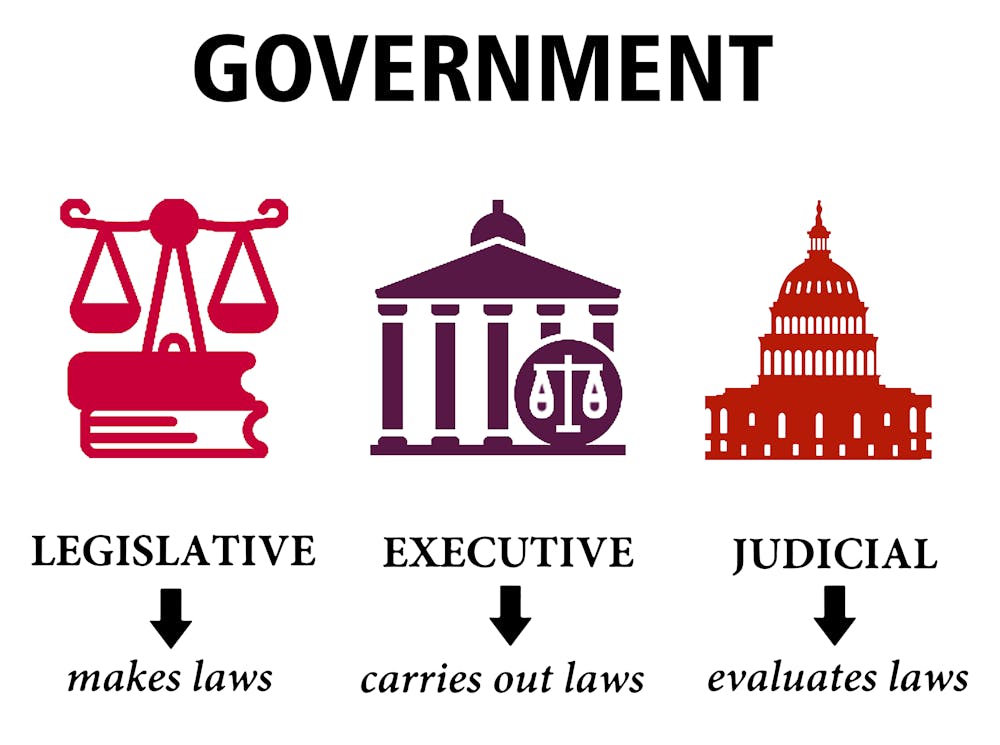
    The concept of separation of powers is incorporated into just about every democratic constitution. It rests on the principle of the separation of powers between the three fundamental branches of government: executive, legislature and judiciary.

    It’s what enables the political ecosystem of checks and balances to create the conditions for democracy to exist and freedom to flourish. But if one of the three branches of government dominates the other two, the equilibrium is shattered and democracy collapses.

    We owe this idea of constitutional democracy as a tripartite division of power to an 18th-century French political philosopher, Charles de Montesquieu. He was the author of one of the most influential books to come out of the Enlightenment period, The Spirit of the Laws.

    Published in 1748, this work gradually reshaped every political system in Europe, and had a powerful influence on America’s Founding Fathers. The 1787 US constitution was drafted in the spirit of Montesquieu’s recommendations.

    Modern democracies are more complex than those of the 18th century – and new institutions have developed to keep up with the times. These include specialised tribunals, autonomous regulatory agencies, central banks, audit bodies, ombudsmen, electoral commissions and anti-corruption bodies.

    What all these institutions have in common is that they operate with a considerable degree of independence from the three aforementioned arms of government. In other words, more checks and balances.

    Notwithstanding his immense influence, the idea of a separation of powers at the heart of democracy predates Montesquieu by many centuries. One of the earliest formulations of this idea can be found in Aristotle’s work, the Politics. This includes the argument that “the best constitution is made up of all existing forms”. By this Aristotle meant a mixed government of monarchy, aristocracy and democracy.

    But it was the Romans who developed a working model of checks and balances. The constitution of the Roman republic was characterised by the separation of powers between the tribune of the plebs, the senate of the patricians, and the elected consuls.

    The consuls held the highest political office, akin to a president or prime minister. But since the Romans did not trust anyone to have too much power, they elected two consuls at a time, for a period of 12 months. Each consul had veto power over the actions of the other consul. Checks and balances.

    The greatest advocate of the Roman republic and its constitutional mechanisms, was the Roman philosopher, lawyer and statesman Marcus Tullius Cicero. It was Cicero who inspired Montesquieu’s work – as well as influencing John Adams, James Madison and Alexander Hamilton in the US.

    The Roman republic had lasted for approximately 500 years but came to an end following the violent death of Cicero in 43BC. He had devoted his life resisting authoritarian populists from undermining the Roman republic and establishing themselves as sole despots. His death (on top of the assassination of Julius Ceasar the previous year) are seen as key moments in Rome’s transition from republic to empire.

    Democracy under threat

    Today our democracies are facing the same predicament. In many different parts of the world this simple institutional mechanism has come under increasing attack by individuals hell-bent on curbing the independent power of the judiciary and the legislative.

    In Europe, following in the footsteps of Hungarian prime minister Viktor Orbán, the Italian far-right premier Giorgia Meloni has been pushing for constitutional reforms that reinforce the executive branch of government at the expense of the other two branches.

    Checks and balances: the three branches of government.
    TREKPix/Shutterstock

    The assault on the system of checks and balances has also been identified in Washington. The use and abuse of presidential executive orders is an indication of this growing political cancer.

    During his time as 46th US president, from January 2021 to January 2025, Joe Biden signed 162 executive orders – an average of 41 executive orders per year. By comparison, during his first term Donald Trump’s annual average was 55 executive orders. Barack Obama before him was 35.

    In his first 20 days since returning to the White House Donald Trump has already signed 60 executive orders. This has included pardoning some 1,500 people who were involved in the January 6 insurrection at the US capitol.

    But of much greater concern is the Trump administration’s veiled threats to overturn the landmark decision of the US Supreme Court from 1803, Marbury v. Madison, the case that established the principle that the courts are the final arbiters of the law.

    In recent weeks Trump has openly criticised federal judges who have tried to block some of his most executive orders. He’s been supported by his vice-president, J.D. Vance, who has been quoted as saying that “judges aren’t allowed to control the executive’s legitimate power”.

    Meanwhile the president’s senior advisor, Elon Musk, accused a judge’s order to temporarily block the newly formed Department of Government Efficiency from accessing confidential treasury department data of being “a corrupt judge protecting corruption”.

    So democracy’s delicate balancing act is under serious pressure. If the separation of powers does not hold, and the checks and balances prove to be ineffective, democracy will be threatened.

    The next few months and years will determine whether the rule of law will be displaced by the rule of the strongest. At the moment the odds don’t look good for Cicero, Montesquieu and Madison.

    It takes a brave person to bet on democracy to win this contest, but we live in hope that America will remain the land of the free and the home of the brave.

    Vittorio Bufacchi is affiliated with the Labour Party in Ireland.

    ref. A short history of the separation of powers: from Cicero’s Rome to Trump’s America – https://theconversation.com/a-short-history-of-the-separation-of-powers-from-ciceros-rome-to-trumps-america-249819

    MIL OSI – Global Reports

  • MIL-OSI Global: Goma is threatened by conflict and a volcano: we’ve created a handbook to help hotspots like these

    Source: The Conversation – Africa – By Evan Easton-Calabria, Senior Researcher at the Feinstein International Center, Tufts University, and Research Associate at the Refugee Studies Centre, University of Oxford

    The city of Goma in the Democratic Republic of Congo (DRC) was taken over by the M23 rebel group in January 2025. This was a tragic escalation of a decades-long conflict that’s led to mass displacement and deaths.

    Goma, a city of two million, hasn’t just been overtaken by rebels. It’s also just 12 miles (19km) from one of the most dangerous active volcanoes in the world: Mount Nyiragongo.

    Mount Nyiragongo can have lava flows of more than 60 miles (96km) per hour. This is far faster than any human can run. When it last erupted in 2021, thousands of families were displaced and at least 250 people died. An earlier eruption in 2002 left 13% of the city covered in lava.

    The DRC illustrates how millions of people in fragile, violent and conflict-affected parts of the world are at risk of both human-made and natural disasters. A changing climate makes people even more vulnerable to hazardous events. When these disasters interact, they can multiply and increase negative impacts.

    For example, if Mount Nyiragongo erupts in the near future – some research suggests it is likely to do so before the end of 2027 – and there is active conflict at the time, will anyone trust early warning messages? Or feel safe enough to flee on roads where civilians have already been attacked?

    These are some of the questions and scenarios that people working in disaster risk reduction grapple with. Situations like those in the DRC inspired a new UN handbook on early warning systems and early action in fragile, conflict-affected and violent contexts.

    It’s been published by the UN Office for Disaster Risk Reduction-World Meteorological Organization Centre of Excellence for Disaster and Climate Resilience. The handbook provides guidance and case studies to increase disaster preparedness and action in some of the world’s most complex environments. Important work being done by the Red Cross Red Crescent Movement, the World Bank and others exemplifies the growing awareness of these threats.

    I was the lead drafter of the UN handbook and had the opportunity to interview dozens of humanitarians. I also spoke to meteorologists, disaster risk reduction experts and government officials to learn how they help build and use early warning systems in fragile, conflict-affected and violent contexts.

    Here is what I learned:

    • early warning systems – hazard monitoring, forecasting and prediction, disaster risk assessment, communication, preparedness and early action to help people avoid harm – must be provided as a basic service for all, even in conflict zones

    • for early warning systems to be inclusive and effective, they must be trusted by affected communities

    • early warning systems in the places that most need them are drastically underfunded by governments and international actors – and require long-term collaboration and investment

    • early warnings and the early action they enable are a critical tool that can minimise suffering.

    Key takeaways

    Increasingly, work in the humanitarian sector seeks to address the intersecting vulnerabilities that arise from both conflict and climate impacts.

    What this work has made clear is that, first, early warning systems and early action must be available for everyone. Early warnings are the result of a chain of information. This goes from the systems that monitor and forecast weather conditions or hazards to the experts who analyse them to the actors who share this information.

    Early warnings come in many forms. It could be an alert on your phone when a flash flood or other hazard is predicted, or an evacuation message before a volcanic eruption.

    The UN secretary-general has called for Early Warnings for All by 2027. This is an initiative for everyone on Earth to be covered by early warning systems. However, countries affected by fragility, conflict and violence like the DRC lag far behind in receiving investments needed to prepare for current and future risks.

    Second, early warning systems need to be trusted by affected communities, which means co-producing messages and actions with communities and community leaders. Doing so would help take into account the nuanced dynamics in complex contexts.

    In many countries where people experience fragility, conflict and violence, systems of authority have been eroded. In fact, governments may be a party to a conflict, increasing mistrust over any warning messages received. The Red Cross has a new handbook that helps practitioners navigating these and other tensions. Involving communities and community leaders helps with identifying existing early warning mechanisms that can be used for hazards, understanding risks related to conflict or violence, and developing action plans.

    Conflict and peacebuilding experts within civil society and government, and even conflict actors, should be engaged in developing early warning systems. This helps reduce the risk of misunderstandings and misinformation, and ensures that conflict dynamics are taken into account.

    Third, in the places where it’s most needed, early warning systems face funding gaps and limitations. Fewer than 50% of countries classified as least developed, and only a third of small island developing states, have multi-hazard early warning systems (meaning the alarm can be sounded for different hazards, ranging from heatwaves to flooding). Nineteen of the top 25 most climate-vulnerable states are affected by fragility, conflict and violence. All of them are least developed countries, and few have adequate early warning systems.

    This illustrates the scale of vulnerability in these areas.

    Near Goma, the Virunga Supersite monitors and researches Mount Nyiragongo and other hazards in the densely populated region. The Supersite, supported by several organisations, has helped build collaboration between the Goma Volcano Observatory and global institutes studying and monitoring volcanic hazards.

    This is good practice, but the work is routinely hampered by a lack of access due to conflict. The staff also face a variety of risks, including intimidation, violence and kidnapping.

    More collaboration to monitor hazards and generate early warnings and early action is needed. The World Meteorological Organization’s ongoing work with the DRC government to improve early warning systems in the country exemplifies a valuable partnership that can save lives. This is all the more important following recent pauses in US humanitarian funding as resources for post-disaster responses will likely be more limited. There is also an urgent need to address the broader conflict that has plagued regions including the eastern DRC for decades.

    Looking ahead

    The knowledge and resources available to predict and mitigate the impacts of disasters before they take place need to be fully utilised. This is especially important in areas like eastern DRC where an existing humanitarian disaster could evolve into an even larger catastrophe if a volcanic eruption were to occur.

    Early warnings and the early action they enable can reduce suffering, save lives and minimise the cost of disaster response. They are needed in the places already experiencing disasters, too.

    Evan Easton-Calabria was a consultant for the United Nations Office for Disaster Risk Reduction.

    ref. Goma is threatened by conflict and a volcano: we’ve created a handbook to help hotspots like these – https://theconversation.com/goma-is-threatened-by-conflict-and-a-volcano-weve-created-a-handbook-to-help-hotspots-like-these-249453

    MIL OSI – Global Reports

  • MIL-OSI Global: Deeply religious African countries (surprisingly) provide little state support to religion – unlike countries in Europe

    Source: The Conversation – Africa – By David Jeffery-Schwikkard, PhD Candidate (Theology and Religious Studies), King’s College London

    In most of the world, countries with religious populations are more likely to have governments that support religion through laws and policies. These laws might include religious education, funding for religious institutions, and laws based on religious values. Not so in sub-Saharan Africa.

    In a recently published research paper, David Jeffery-Schwikkard, who studies secularism, argues that sub-Saharan African countries provide little state support for religion, even though their populations are among the most devout globally.

    These findings unsettle many common misconceptions about the role of religion in politics. The Conversation Africa asked him a few questions.


    How prevalent is religion in countries in sub-Saharan Africa?

    A population is normally considered very religious if most people say religion is “very important” in their lives or report attending religious services at least once a week.

    In surveys conducted between 2007 and 2018 by the Pew Research Centre, 46% of respondents outside sub-Saharan Africa said religion was very important in their lives. Within sub-Saharan Africa, the average is nearly twice that: 89%. Ethiopia and Senegal are among the most religious countries in the world. In both cases, 98% of people said religion was very important. Of the 20 countries in sub-Saharan Africa for which Pew has data, Botswana (71%) and South Africa (75%) are the least religious. Yet even these countries are far above the global average.

    What does this matter for how states are run?

    Generally, countries with religious populations have states that provide a lot of support to religion. This is what you would expect, since religious citizens probably want more state support for their religions.

    What this means, though, is that commentators often assume that religious citizens are a threat to secular states. This then shapes how analysts make sense of public displays of religion. One example of this is in South Africa, where many people assumed that former president Jacob Zuma, who often used religious rhetoric, would pursue religious laws and policies.


    Read more:
    TB Joshua scandal: the forces that shaped Nigeria’s mega pastor and made him untouchable


    These assumptions are especially common in analyses of religion and politics in Africa. Yet, while it is easy to identify laws or policies in sub-Saharan Africa that are religious, one can easily overlook the fact that having some of these laws is not unusual globally. In other words, having some pro-religion laws and policies doesn’t necessarily mean that countries are governed by religious beliefs.

    Thus one might focus on Ghana’s support for Hajj, while forgetting that the UK reserves seats in the House of Lords for the Church of England, and that Germany collects taxes on behalf of churches. Yet the UK and Germany are rarely seen as religious states. Some level of state support for religion does not mean that a country is governed by religious beliefs.

    Why are African countries different?

    Contrary to the global trend, countries in sub-Saharan Africa provide very little state support to religion – less than half the global average. This is as measured by the Religion and State Project at Bar Ilan University, based on the number of different types of support provided, such as reserving political positions for religious leaders or funding religious schools.

    One of the most popular explanations for the scant support for religion is that states in sub-Saharan Africa lack the necessary financial and administrative capacity. These states, the argument goes, would provide more support if only they had more money and were better able to implement their policies.

    However, data from the World Bank shows that this is not the case: overall, there is no relationship between state capacity and support for religion.


    Read more:
    Catholic synod: the voices of church leaders in Africa are not being heard – 3 reasons why


    A more plausible explanation is that religious actors in these countries tend to lack moral authority. Moral authority, as theorised by American political scientist Anna Grzymala-Busse, is the extent to which people see religious actors as defenders of the nation.

    Several factors are conducive to moral authority. These include whether people share the same ethnicity or religion, whether religious actors have control over education, and whether they have sided with the “right side” in moments of national crisis.

    Can you give an example?

    Consider Rwanda and Mozambique.

    Until 1994, the Roman Catholic Church in Rwanda enjoyed moral prestige. The church controlled a significant share of the education system and had supported the independence movement against Belgium. Most Rwandans were Catholic. And indeed, the church maintained a very close relationship with the state after independence in 1962.

    Yet this moral authority was forfeited after the church was seen to be complicit in the Rwandan Genocide in 1994, which claimed about 800,000 lives. Today, the government keeps a careful distance from religion, despite 90% of Rwandans reporting that religion is very important in their lives.


    Read more:
    Rwanda’s genocide could have been prevented: 3 things the international community should have done – expert


    Mozambique provides a contrast to Rwanda, yet with similar outcomes. The Roman Catholic Church denounced the liberation movement’s struggle against Portugal. The country has no religious or ethnic majority. At independence, formal education was scarce.

    There was therefore little reason for Mozambicans to see the church as a defender of the nation. On the contrary, religious institutions were persecuted after independence. Like Rwanda, Mozambique provides extremely little state support for religion, despite being one of the most religious countries internationally.


    Read more:
    Between state and mosque: new book explores the turbulent history of Islamic politics in Mozambique


    These factors – religious diversity, limited enrolment in schools controlled by religious organisations, and moments of political crisis in which those organisations can misstep – make it less likely that religious actors are held by citizens as integral to national identity. And while sub-Saharan Africa is extremely varied, common historical influences, such as the legacies of colonialism, may make these factors more likely.

    What can we learn from this?

    Clearly, we need to be more careful in how we interpret the role of religion in politics. While it might be tempting to see religious fervour as a threat to secular democracy, it is not necessarily so. A politician might use religious rhetoric, but this does not mean that it will translate into religious laws. Equally, some state support for religion is not unusual globally. Analyses of single policies need to keep this in mind.


    Read more:
    Christianity is changing in South Africa as pentecostal and indigenous churches grow – what’s behind the trend


    This research also upends the way many people normally think about secularism. Many people in Europe have become less religious. Consequently, European states are offered as models of secularism. However, this has it backwards.

    Despite their electorates being less religious, European states are more involved in religion than their counterparts in sub-Saharan African. If secularism is the separation of religion and the state, then countries in sub-Saharan Africa – which maintain a secular state despite widespread religion – are in fact the exemplar.

    David Jeffery-Schwikkard does not work for, consult, own shares in or receive funding from any company or organisation that would benefit from this article, and has disclosed no relevant affiliations beyond their academic appointment.

    ref. Deeply religious African countries (surprisingly) provide little state support to religion – unlike countries in Europe – https://theconversation.com/deeply-religious-african-countries-surprisingly-provide-little-state-support-to-religion-unlike-countries-in-europe-245490

    MIL OSI – Global Reports

  • MIL-OSI Africa: Goma is threatened by conflict and a volcano: we’ve created a handbook to help hotspots like these

    Source: The Conversation – Africa – By Evan Easton-Calabria, Senior Researcher at the Feinstein International Center, Tufts University, and Research Associate at the Refugee Studies Centre, University of Oxford

    The city of Goma in the Democratic Republic of Congo (DRC) was taken over by the M23 rebel group in January 2025. This was a tragic escalation of a decades-long conflict that’s led to mass displacement and deaths.

    Goma, a city of two million, hasn’t just been overtaken by rebels. It’s also just 12 miles (19km) from one of the most dangerous active volcanoes in the world: Mount Nyiragongo.

    Mount Nyiragongo can have lava flows of more than 60 miles (96km) per hour. This is far faster than any human can run. When it last erupted in 2021, thousands of families were displaced and at least 250 people died. An earlier eruption in 2002 left 13% of the city covered in lava.

    The DRC illustrates how millions of people in fragile, violent and conflict-affected parts of the world are at risk of both human-made and natural disasters. A changing climate makes people even more vulnerable to hazardous events. When these disasters interact, they can multiply and increase negative impacts.

    For example, if Mount Nyiragongo erupts in the near future – some research suggests it is likely to do so before the end of 2027 – and there is active conflict at the time, will anyone trust early warning messages? Or feel safe enough to flee on roads where civilians have already been attacked?

    These are some of the questions and scenarios that people working in disaster risk reduction grapple with. Situations like those in the DRC inspired a new UN handbook on early warning systems and early action in fragile, conflict-affected and violent contexts.

    It’s been published by the UN Office for Disaster Risk Reduction-World Meteorological Organization Centre of Excellence for Disaster and Climate Resilience. The handbook provides guidance and case studies to increase disaster preparedness and action in some of the world’s most complex environments. Important work being done by the Red Cross Red Crescent Movement, the World Bank and others exemplifies the growing awareness of these threats.

    I was the lead drafter of the UN handbook and had the opportunity to interview dozens of humanitarians. I also spoke to meteorologists, disaster risk reduction experts and government officials to learn how they help build and use early warning systems in fragile, conflict-affected and violent contexts.

    Here is what I learned:

    • early warning systems – hazard monitoring, forecasting and prediction, disaster risk assessment, communication, preparedness and early action to help people avoid harm – must be provided as a basic service for all, even in conflict zones

    • for early warning systems to be inclusive and effective, they must be trusted by affected communities

    • early warning systems in the places that most need them are drastically underfunded by governments and international actors – and require long-term collaboration and investment

    • early warnings and the early action they enable are a critical tool that can minimise suffering.

    Key takeaways

    Increasingly, work in the humanitarian sector seeks to address the intersecting vulnerabilities that arise from both conflict and climate impacts.

    What this work has made clear is that, first, early warning systems and early action must be available for everyone. Early warnings are the result of a chain of information. This goes from the systems that monitor and forecast weather conditions or hazards to the experts who analyse them to the actors who share this information.

    Early warnings come in many forms. It could be an alert on your phone when a flash flood or other hazard is predicted, or an evacuation message before a volcanic eruption.

    The UN secretary-general has called for Early Warnings for All by 2027. This is an initiative for everyone on Earth to be covered by early warning systems. However, countries affected by fragility, conflict and violence like the DRC lag far behind in receiving investments needed to prepare for current and future risks.

    Second, early warning systems need to be trusted by affected communities, which means co-producing messages and actions with communities and community leaders. Doing so would help take into account the nuanced dynamics in complex contexts.

    In many countries where people experience fragility, conflict and violence, systems of authority have been eroded. In fact, governments may be a party to a conflict, increasing mistrust over any warning messages received. The Red Cross has a new handbook that helps practitioners navigating these and other tensions. Involving communities and community leaders helps with identifying existing early warning mechanisms that can be used for hazards, understanding risks related to conflict or violence, and developing action plans.

    Conflict and peacebuilding experts within civil society and government, and even conflict actors, should be engaged in developing early warning systems. This helps reduce the risk of misunderstandings and misinformation, and ensures that conflict dynamics are taken into account.

    Third, in the places where it’s most needed, early warning systems face funding gaps and limitations. Fewer than 50% of countries classified as least developed, and only a third of small island developing states, have multi-hazard early warning systems (meaning the alarm can be sounded for different hazards, ranging from heatwaves to flooding). Nineteen of the top 25 most climate-vulnerable states are affected by fragility, conflict and violence. All of them are least developed countries, and few have adequate early warning systems.

    This illustrates the scale of vulnerability in these areas.

    Near Goma, the Virunga Supersite monitors and researches Mount Nyiragongo and other hazards in the densely populated region. The Supersite, supported by several organisations, has helped build collaboration between the Goma Volcano Observatory and global institutes studying and monitoring volcanic hazards.

    This is good practice, but the work is routinely hampered by a lack of access due to conflict. The staff also face a variety of risks, including intimidation, violence and kidnapping.

    More collaboration to monitor hazards and generate early warnings and early action is needed. The World Meteorological Organization’s ongoing work with the DRC government to improve early warning systems in the country exemplifies a valuable partnership that can save lives. This is all the more important following recent pauses in US humanitarian funding as resources for post-disaster responses will likely be more limited. There is also an urgent need to address the broader conflict that has plagued regions including the eastern DRC for decades.

    Looking ahead

    The knowledge and resources available to predict and mitigate the impacts of disasters before they take place need to be fully utilised. This is especially important in areas like eastern DRC where an existing humanitarian disaster could evolve into an even larger catastrophe if a volcanic eruption were to occur.

    Early warnings and the early action they enable can reduce suffering, save lives and minimise the cost of disaster response. They are needed in the places already experiencing disasters, too.

    – Goma is threatened by conflict and a volcano: we’ve created a handbook to help hotspots like these
    – https://theconversation.com/goma-is-threatened-by-conflict-and-a-volcano-weve-created-a-handbook-to-help-hotspots-like-these-249453

    MIL OSI Africa

  • MIL-OSI Africa: Deeply religious African countries (surprisingly) provide little state support to religion – unlike countries in Europe

    Source: The Conversation – Africa – By David Jeffery-Schwikkard, PhD Candidate (Theology and Religious Studies), King’s College London

    In most of the world, countries with religious populations are more likely to have governments that support religion through laws and policies. These laws might include religious education, funding for religious institutions, and laws based on religious values. Not so in sub-Saharan Africa.

    In a recently published research paper, David Jeffery-Schwikkard, who studies secularism, argues that sub-Saharan African countries provide little state support for religion, even though their populations are among the most devout globally.

    These findings unsettle many common misconceptions about the role of religion in politics. The Conversation Africa asked him a few questions.


    How prevalent is religion in countries in sub-Saharan Africa?

    A population is normally considered very religious if most people say religion is “very important” in their lives or report attending religious services at least once a week.

    In surveys conducted between 2007 and 2018 by the Pew Research Centre, 46% of respondents outside sub-Saharan Africa said religion was very important in their lives. Within sub-Saharan Africa, the average is nearly twice that: 89%. Ethiopia and Senegal are among the most religious countries in the world. In both cases, 98% of people said religion was very important. Of the 20 countries in sub-Saharan Africa for which Pew has data, Botswana (71%) and South Africa (75%) are the least religious. Yet even these countries are far above the global average.

    What does this matter for how states are run?

    Generally, countries with religious populations have states that provide a lot of support to religion. This is what you would expect, since religious citizens probably want more state support for their religions.

    What this means, though, is that commentators often assume that religious citizens are a threat to secular states. This then shapes how analysts make sense of public displays of religion. One example of this is in South Africa, where many people assumed that former president Jacob Zuma, who often used religious rhetoric, would pursue religious laws and policies.


    Read more: TB Joshua scandal: the forces that shaped Nigeria’s mega pastor and made him untouchable


    These assumptions are especially common in analyses of religion and politics in Africa. Yet, while it is easy to identify laws or policies in sub-Saharan Africa that are religious, one can easily overlook the fact that having some of these laws is not unusual globally. In other words, having some pro-religion laws and policies doesn’t necessarily mean that countries are governed by religious beliefs.

    Thus one might focus on Ghana’s support for Hajj, while forgetting that the UK reserves seats in the House of Lords for the Church of England, and that Germany collects taxes on behalf of churches. Yet the UK and Germany are rarely seen as religious states. Some level of state support for religion does not mean that a country is governed by religious beliefs.

    Why are African countries different?

    Contrary to the global trend, countries in sub-Saharan Africa provide very little state support to religion – less than half the global average. This is as measured by the Religion and State Project at Bar Ilan University, based on the number of different types of support provided, such as reserving political positions for religious leaders or funding religious schools.

    One of the most popular explanations for the scant support for religion is that states in sub-Saharan Africa lack the necessary financial and administrative capacity. These states, the argument goes, would provide more support if only they had more money and were better able to implement their policies.

    However, data from the World Bank shows that this is not the case: overall, there is no relationship between state capacity and support for religion.


    Read more: Catholic synod: the voices of church leaders in Africa are not being heard – 3 reasons why


    A more plausible explanation is that religious actors in these countries tend to lack moral authority. Moral authority, as theorised by American political scientist Anna Grzymala-Busse, is the extent to which people see religious actors as defenders of the nation.

    Several factors are conducive to moral authority. These include whether people share the same ethnicity or religion, whether religious actors have control over education, and whether they have sided with the “right side” in moments of national crisis.

    Can you give an example?

    Consider Rwanda and Mozambique.

    Until 1994, the Roman Catholic Church in Rwanda enjoyed moral prestige. The church controlled a significant share of the education system and had supported the independence movement against Belgium. Most Rwandans were Catholic. And indeed, the church maintained a very close relationship with the state after independence in 1962.

    Yet this moral authority was forfeited after the church was seen to be complicit in the Rwandan Genocide in 1994, which claimed about 800,000 lives. Today, the government keeps a careful distance from religion, despite 90% of Rwandans reporting that religion is very important in their lives.


    Read more: Rwanda’s genocide could have been prevented: 3 things the international community should have done – expert


    Mozambique provides a contrast to Rwanda, yet with similar outcomes. The Roman Catholic Church denounced the liberation movement’s struggle against Portugal. The country has no religious or ethnic majority. At independence, formal education was scarce.

    There was therefore little reason for Mozambicans to see the church as a defender of the nation. On the contrary, religious institutions were persecuted after independence. Like Rwanda, Mozambique provides extremely little state support for religion, despite being one of the most religious countries internationally.


    Read more: Between state and mosque: new book explores the turbulent history of Islamic politics in Mozambique


    These factors – religious diversity, limited enrolment in schools controlled by religious organisations, and moments of political crisis in which those organisations can misstep – make it less likely that religious actors are held by citizens as integral to national identity. And while sub-Saharan Africa is extremely varied, common historical influences, such as the legacies of colonialism, may make these factors more likely.

    What can we learn from this?

    Clearly, we need to be more careful in how we interpret the role of religion in politics. While it might be tempting to see religious fervour as a threat to secular democracy, it is not necessarily so. A politician might use religious rhetoric, but this does not mean that it will translate into religious laws. Equally, some state support for religion is not unusual globally. Analyses of single policies need to keep this in mind.


    Read more: Christianity is changing in South Africa as pentecostal and indigenous churches grow – what’s behind the trend


    This research also upends the way many people normally think about secularism. Many people in Europe have become less religious. Consequently, European states are offered as models of secularism. However, this has it backwards.

    Despite their electorates being less religious, European states are more involved in religion than their counterparts in sub-Saharan African. If secularism is the separation of religion and the state, then countries in sub-Saharan Africa – which maintain a secular state despite widespread religion – are in fact the exemplar.

    – Deeply religious African countries (surprisingly) provide little state support to religion – unlike countries in Europe
    – https://theconversation.com/deeply-religious-african-countries-surprisingly-provide-little-state-support-to-religion-unlike-countries-in-europe-245490

    MIL OSI Africa

  • MIL-OSI Security: United States Attorney’s Office Announces Departure of Darcie N. McElwee as U.S Attorney

    Source: Office of United States Attorneys

    First Assistant U.S. Attorney Craig M. Wolff is now Acting U.S. Attorney

    PORTLAND, Maine: The United States Attorney’s Office for the District of Maine announced today the departure of Darcie N. McElwee as U.S. Attorney following termination by the new administration.

    Under the Vacancies Reform Act, First Assistant U.S. Attorney Craig M. Wolff is now the Acting U.S Attorney for the District of Maine. As Acting U.S. Attorney, he is the chief federal law enforcement official in the state of Maine.

    Wolff is a career prosecutor who became an Assistant U.S. Attorney in 2002. He has served as First Assistant U.S. Attorney and Senior Litigation Counsel, and prior to joining the District of Maine he was an Assistant U.S. Attorney in the District of Maryland for four years.

    Wolff received an undergraduate degree from Harvard University and a law degree from the University of Virginia. Before joining the Department of Justice, he clerked for U.S. District Judge J. Frederick Motz in the District of Maryland and worked as an associate in the Washington, D.C. office of an international law firm.

    ###

    MIL Security OSI

  • MIL-OSI United Kingdom: Response to international conflict shaped by University Assembly How the University of Aberdeen should respond to international conflict was the subject of in-depth debate at a groundbreaking event on campus last week.

    Source: University of Aberdeen

    Professor Paul Gready, Claire Hajaj, Dr Rebekah Widdowfield and Professor Jo-Anne Murray at the Aberdeen University Assembly on International ConflictHow the University of Aberdeen should respond to international conflict was the subject of in-depth debate at a groundbreaking event on campus last week.
    A University Assembly was held on Friday, 14 February which saw more than 30 delegates, comprising both students and staff, discuss possible University responses to international conflict.
    The Assembly, held at King’s Pavillion, was announced last year following discussions in Senate around conflict issues and the encampment on Elphinstone Lawn to seek input and guidance from students and staff on this challenging issue facing the University and our community.
    During the half-day event, which was hosted by Professor Jo-Anne Murray, Vice-Principal (Education), delegates heard from speakers Claire Hajaj, a specialist in conflict and post-conflict dynamics, and Professor Paul Gready, Co-Director of the Centre for Applied Human Rights (CAHR) at the University of York.
    Dr Rebekah Widdowfield, Vice-Principal for People & Diversity at the University of St Andrews, facilitated a broad-ranging discussion for delegates in the final session.
    Professor Jo-Anne Murray commented: “The University Assembly was a very special and positive event which allowed students and staff to express their views on how we can respond to international conflicts and what we can do to address them at a local level.
    “The delegates participated in a constructive way to discuss a very challenging and sensitive topic, sometimes with opposing views but always with the aim of finding common ground and it was pleasing to see the emergence of actions the University can take forward.”

    We’re pleased that the University is taking this approach and is open to collaboration, allowing for a lively and meaningful discussion. This event and the next steps will give everyone the opportunity to share their views and have a direct influence on the University’s response to international conflicts.” Christina Schmid, Student President

    A report summarising the outcomes of the Assembly, and proposed next steps, will be published shortly, with a review on progress in a year’s time.
    The Assembly format originated in Ireland as a form of participative democracy to provide real insights into complex issues.  The model has also been applied, including at Aberdeen, in the form of Climate Assemblies.  Professor David Farrell, University College Dublin, provided expert guidance in designing the event based on his experience of delivering and researching the Irish Citizens’ Assembly model.  Although he was unable to attend the event, he provided valuable advice to delegates on creating a ‘safe space’ within which views can be shared via a recorded video message.
    Nick Edwards, Assembly Co-Lead, Deputy Director of People, said: “International conflicts affect all of us in many ways and social media brings it into our homes in a way that was not possible before.
    “The Assembly format encourages all participants to express their views and help to shape the University’s response. For me, the strength of this approach is allowing members of our community to directly engage in discussions on these important topics, and I hope it is an approach we can refine and use again in the future.”
    A key part of the Assembly was the involvement of students in the design, delivery and support of the event over several months.
    Christina Schmid, Student President, Aberdeen University Students’ Association, said: “The Assembly was an important event, and it was encouraging to see students at the heart of its planning and delivery. We’ve always believed it’s crucial that students’ voices are not just heard but genuinely respected and valued in these discussions—not just as a token gesture.
    “We’re pleased that the University is taking this approach and is open to collaboration, allowing for a lively and meaningful discussion. This event and the next steps will give everyone the opportunity to share their views and have a direct influence on the University’s response to international conflicts.”
    Related Content

    MIL OSI United Kingdom

  • MIL-OSI United Kingdom: expert reaction to EDX medical press release giving topline findings on a new prostate cancer screening test

    Source: United Kingdom – Science Media Centre

    Scientists comment on a press release from EDX that gives findings on a new screening test for prostate cancer. 

    Prof Derek Rosario, Consultant Urological Surgeon, Honorary Professor and Clinical Advisor (Prostate) to the UK National Screening Committee, said:

    “As far as I can tell from the information in the press release from EDX Medical, there have been no prospective clinical studies of this ‘super test’. The test relies on an algorithm to combine information from around 100 previously ‘validated’ biomarkers in blood and urine. To what extent these biomarkers are feeding in additional information and how the algorithm will work in clinical practice has yet to be determined. The most telling statement to me is … “EDX Medical scientists expect the test to consistently deliver exceptionally high accuracy with levels of sensitivity and specificity of between 96-99% across an extended age-range and diverse ethnic groups. By comparison, current standard of care prostate testing, including prostate specific antigen (PSA) tests and biopsies, can be below 50%.EDX Medical’s scientific team will validate further clinical data over coming months prior to seeking regulatory approval from the Medicines & Healthcare products Regulatory Agency (MHRA) and the US Food and Drug Administration (FDA) with a view to launching the test later this year or early 2026.” So, there is an expectation that this test will be effective, but as far as I can tell these claims have not been demonstrated with a clinical study as yet. The test needs to be prospectively validated – I’m not sure whether I have missed the original literature on this, but we need more information than is currently provided by the press release to be able to validate the claims. To what extent this test will outperform something like the Stockholm 3 (a blood test that estimates the risk of prostate cancer in men) remains to be seen. A test that has both a sensitivity and specificity of 96-99% would be truly unusual in clinical practice – usually there is a trade-off to be had between the two, so that statistic does not quite make sense to me, though I would need to see the data underlying these claims to make a final judgement, but it is not yet provided.”

    Professor Ros Eeles, Professor of Oncogenetics at The Institute of Cancer Research, London, and Consultant in Clinical Oncology and Cancer Genetics at The Royal Marsden NHS Foundation Trust, said:

    “The development of new biomarker tests for early detection of prostate cancer is an important area of research to increase the number of prostate cancer cases found at an earlier stage and to prevent deaths from prostate cancer.

    “However, it is very important to show that any new biomarker tests do indeed improve earlier diagnosis and such tests need trials to determine this. While the biomarkers used in this test have been validated, this particular combination of markers has not yet been shown to detect cancer at an earlier stage and prevent deaths.

    “The TRANSFORM trial – led by six researchers including myself – will assess several approaches to earlier detection of prostate cancer in hundreds of thousands of men, including genetic risk stratification, imaging techniques and biomarkers.”

    Prof Freddie Hamdy, Nuffield Professor of Surgery, Professor of Urology, University of Oxford, said:

    “The fact that there is nothing published on the test does not necessarily mean they have not validated it already. They claim: “Individually, these biomarkers have all been clinically validated and published and in previous trials on more than 31,000 positive prostate cancer samples as well as more than 100,000 control non-cancer samples.” So we have to assume that they have already done this, we just don’t know the data and the nature of the cohorts on which the test was validated, and we don’t know if it has been peer-reviewed and I tried to find published literature but couldn’t. They also admit the test needs further validation.

    “They claim both high sensitivity/specificity AND accurate risk prediction. But increasing the diagnosis of prostate cancer in itself is not a desirable achievement unless it detects ‘important’ disease, i.e. clinically significant, and this is where the problem lies. How did they define ‘risk prediction’? Urologists themselves are revisiting what ‘clinical significant’ prostate cancer means. So for example if the ‘bar’ was the detection of any cancer with Gleason Grade Group 2 as the threshold, it is fraught with problems because it will continue to increase over-diagnosis and over-treatment.”

    Press release: https://edxmedical.co.uk/product/a-new-comprehensive-prostate-cancer-screening-test/

    Declared interests

    No reply to our request for DOIs was received.

    MIL OSI United Kingdom

  • MIL-OSI Global: Trump has purged the Kennedy Center’s board, which in turn made him its chair – why does that matter?

    Source: The Conversation – USA – By E. Andrew Taylor, Associate Professor and Director of Arts Management, American University

    Former Kennedy Center President Deborah Rutter walks by The Reach, a major expansion of the performing arts center completed during her tenure. AP Photo/Patrick Semansky

    President Donald Trump dismissed half the appointed trustees of the John F. Kennedy Center for the Performing Arts’ board on Feb. 12, 2025. The remaining board members, most of whom he had recently appointed, then voted to make Trump the center’s chair. The board also fired Deborah Rutter, who had served as the center’s president since 2014 and already planned to step down seven months later.

    The board replaced Rutter with Richard Grenell, who served in the first Trump administration.

    The Conversation U.S. asked E. Andrew Taylor, an arts management scholar, to explain how the Kennedy Center operates and sum up the significance of Trump’s unprecedented interference with its operations.

    Why is the government involved in the Kennedy Center?

    The Kennedy Center, a unique cultural enterprise located along the Potomac River in Washington, has a complex ownership and operating structure. The campus includes three large performance halls, two midsize theaters and many smaller venues and public spaces that host musical, theatrical and dance performances, lectures, exhibits and other special events. In form and function, it looks a lot like other major metropolitan performing arts centers, such as New York City’s Lincoln Center. But its structure is different.

    The Kennedy Center is part of the federal government. Officially, it’s a bureau under the Smithsonian Institution.

    It was originally conceived during the Eisenhower administration and later championed by President John F. Kennedy. It was named after JFK following his assassination.

    The center opened in 1971, with a world premiere of composer Leonard Bernstein’s “Mass.” President Richard M. Nixon did not attend after the FBI warned him of possible anti-war messages encoded in the Latin text that might be designed to embarrass him.

    The center’s current mission statement captures its purpose and goals:

    “As the nation’s cultural center, and a living memorial to President John F. Kennedy, we are a leader for the arts across America and around the world, reaching and connecting with artists, inspiring and educating communities. We welcome all to create, experience, learn about, and engage with the arts.”

    Why does the Kennedy Center have a nonprofit board?

    From the start, the Kennedy Center was planned as a public-private effort. Government funding covers the maintenance, upkeep, security and restoration of the building and grounds.

    Private funds, largely derived from ticket sales, individual donors, foundations and corporations, cover the performances, productions and other programs.

    Those private funds cover more than three-quarters of the Kennedy Center’s budget. Its 2023 annual report explained that its US$286 million in revenue included $152 million from ticket sales, services and fees, $85 million from donations and $45 million from the federal government, with the rest derived from income from its endowment and other sources.

    In accordance with this public-private mix of revenue, the center’s governance has always been a hybrid, with the structure of a nonprofit board but with political appointees.

    The Kennedy Center’s board is authorized by its legislation to solicit and accept private donations, enter into contracts, maintain its halls and grounds, and appoint and oversee professional leadership. For the most part, it has the same responsibilities as any nonprofit board.

    There’s a big exception, however.

    While most nonprofit boards recruit, elect and develop their own membership, the Kennedy Center board consists of government appointees. About two dozen trustees serve by virtue of their government office, such as the librarian of Congress, the secretary of state, the mayor of Washington and the speaker and the minority leader of the U.S. House of Representatives;.

    Up to 36 more are appointed by the president, each serving staggered six-year terms so that they don’t all expire at the same time.

    Singer-songwriter Sara Bareilles performs Elton John’s ‘Goodbye Yellow Brick Road’ with the National Symphony Orchestra in February 2025 at the Kennedy Center’s sold-out Concert Hall.

    Is the board supposed to be nonpartisan?

    The six-year terms reflect a goal of establishing a largely nonpartisan governing board, since presidents usually appoint board members aligned with their own party. Until now, that balance has been the norm. But that outcome wasn’t mandated when Congress passed legislation establishing the Kennedy Center.

    Having a politically balanced board has historically helped the Kennedy Center raise money and attract world-class artists. For example, the 2025 season, as of mid-February, will or has included Alvin Ailey American Dance Theater, jazz pianist Kenny Barron, soprano Renée Fleming, author David Sedaris, comedian Sarah Silverman and touring productions of “Parade” and “Les Misérables.”

    Its in-house productions are often classic works, such as “La Bohème” and Beethoven’s symphonies. Many of the center’s theatrical productions have gone on to Broadway and national tours, including “42nd Street,” “Noises Off” and revivals of “The King and I,” “Annie” and “Spamalot.”

    I’m concerned that many longtime or potential future donors may not want to contribute to a cause that has suddenly become subject to partisan leadership.

    Many artists and creative partners have already begun to sever their ties to the Kennedy Center or cancel upcoming shows at its venues out of an aversion to the board’s dramatic political turn. Some performances and tours tied to the center have been called off for other reasons that haven’t yet been made public.

    Members of the public may balk at attending events at a politically charged venue, especially with so many other performing arts options in and around Washington, reducing ticket sales.

    What does the Kennedy Center chair do?

    Board chairs are in charge of the governing board, expending considerable energy, attention, effort, political muscle and often personal wealth to ensure that the organization can thrive.

    The Kennedy Center’s prior chairs have not been figureheads. Rather, they have been actively engaged in fundraising, strategic planning and public advocacy. The legislation that chartered the center requires that its chair and secretary “shall be well qualified by experience and training to perform the duties of their respective offices.”

    Trump has admitted that he’s never seen a show at the Kennedy Center. He has no prior relevant arts board leadership experience. And he is constrained from serving on a nonprofit board in the state of New York after admitting to the misuse of charitable funds by the now-dissolved Donald J. Trump Foundation.

    David Rubenstein, the board chair ousted by this upheaval, has given the Kennedy Center at least US$111 million, making him the center’s biggest donor ever. The philanthropist spearheaded fundraising for its first major expansion, securing significant support from private corporations and foundations.

    Former Kennedy Center Chair David Rubenstein speaks at an event at the performing arts venue in 2022.
    AP Photo/Kevin Wolf

    Has anything like this happened before?

    No U.S. president has served as a member of the Kennedy Center board before, let alone its chair.

    Presidents do often appoint their friends and allies to government boards and commissions, and often remove appointees of previous administrations. President Joe Biden, for example, removed Sean Spicer – a former Trump press secretary and White House communications director – from the Naval Academy advisory board.

    But that board is leading a strictly governmental body, not a public-private hybrid so dependent on private funding. And the speed and scale of this purge are unprecedented.

    What are the potential consequences?

    All big, multi-venue metropolitan performing arts centers are extraordinarily complex and difficult to manage.

    The John F. Kennedy Center for the Performing Arts is particularly so. It hosts approximately 2,200 performances that draw more than 2 million visitors each year, with an in-house symphony and opera company. It produces the Kennedy Center Honors, which celebrate exceptional American artists with an annual gala, performance and television broadcast, and the Mark Twain Prize, which honors one accomplished American comedic actor, author or performer each year.

    The Kennedy Center hosts an annual event honoring a wide range of performers and other leaders in the arts.

    It’s also a national hub for arts education that serves 2.1 million students and teachers across all 50 states, doubling as an open campus: It offers daily free performances of everything from classical chamber music and ballet to jazz and rock bands.

    Even under the best possible conditions, this is a lot to handle.

    Successful arts nonprofits benefit from a governing board whose members have expertise in the arts, business and philanthropy, are loyal to the mission above themselves, and rigorously follow the law. Beyond those basics, ideal conditions also include having enthusiastic audiences, passionate donors, eager and exceptional artistic collaborators, and creative and administrative teams that are supported and empowered to do their difficult work.

    With Trump’s takeover of the Kennedy Center board, this national cultural center has now, essentially, turned into a branch of the White House. In my view, that’s a disturbing turn of events in a nation that celebrates free and creative expression. It’s also disruptive to a complex, mission-driven enterprise that demands care, loyalty and obedience from its governing board.

    E. Andrew Taylor directs American University’s Arts Management Program. Some of its alumni and students have worked as staff and fellows for The Kennedy Center.

    ref. Trump has purged the Kennedy Center’s board, which in turn made him its chair – why does that matter? – https://theconversation.com/trump-has-purged-the-kennedy-centers-board-which-in-turn-made-him-its-chair-why-does-that-matter-249934

    MIL OSI – Global Reports

  • MIL-OSI Global: Why is water different colors in different places?

    Source: The Conversation – USA – By Courtney Di Vittorio, Assistant Professor of Engineering, Wake Forest University

    Crater Lake in Oregon looks brilliant blue because its water comes from melting snow and is extremely pure. CST Tami Beduhn, NOAA Ship Fairweather/Flickr, CC BY

    Curious Kids is a series for children of all ages. If you have a question you’d like an expert to answer, send it to curiouskidsus@theconversation.com.


    Why is water different colors in different places? – Gina T., age 12, Portland, Maine


    What do you picture when you think of water? An icy, refreshing drink? A crystal-blue ocean stretching to the horizon? A lake reflecting majestic mountains? Or a small pond that looks dark and murky?

    You would probably be more excited to swim in some of these waters than in others. And the ones that seem cleanest would probably be the most appealing. Whether or not you realize it, you are applying concepts in physics, biology and chemistry to decide whether you should leap in.

    The color of water offers information about what’s in it. As an engineer who studies water resources, I think about how I can use the color of water to help people understand how polluted lakes and beaches are, and whether they are safe for swimming and fishing.

    Light and the color of water

    Drinking water normally looks clear, but ponds, rivers and oceans are filled with floating particles. They may be tiny fragments of dirt, rock, plant material or other substances.

    These particles are often carried into the water during storms. Any rainfall that hits the ground and doesn’t go into the soil becomes runoff, flowing downhill until it reaches an open body of water and picking up loose materials along the way.

    Particles in water interact with radiation from the Sun shining on the water’s surface. The particles can either absorb this radiation or reflect it in a different direction – a process known as scattering. What we see with our eyes is the fraction of radiation that is scattered back out of the water’s surface. It strongly affects how water looks to us, including its color.

    Visible light forms just a small part of the electromagnetic spectrum, which includes all types of electromagnetic radiation. Within the visible range, different wavelengths of light produce different colors.
    Ali Damouh/Science Photo Library, via Getty Images

    Depending on the properties of the particles in our water sample, they will absorb and scatter radiation at different wavelengths. The light’s wavelength determines the color we see with our eyes.

    Waters that contain lots of sediment – such as the Missouri River, nicknamed the “Big Muddy” – backscatter light across the yellow to red range. This makes the water appear orange and muddy.

    Cleaner, more pure water backscatters light in the blue range, which makes it look blue. One famous example is Crater Lake in Oregon, which lies in a volcanic crater and is fed by rain and snow, without any streams to carry sediment into it.

    Deep waters like Crater Lake look dark blue, but shallow waters that are very clear, such as those around many Caribbean islands, can appear light blue or turquoise. This happens because light reflects off the white, sandy bottom.

    When water contains a lot of plant material, chlorophyll – a pigment plants make in their leaves – will absorb blue light and backscatter green light. This often happens in areas that contain a lot of runoff from highly developed areas, such as Lake Okeechobee in Florida. The runoff contains fertilizer from farms and lawns, which is made of nutrients that cause plant growth in the water.

    Finally, some water contains a lot of material called color-dissolved organic matter – often from decomposing organisms and plants, and also human or animal waste. This can happen in forested areas with lots of animal life, or in heavily populated areas that release wastewater into streams and rivers. This material mostly absorbs radiation and backscatters very little light across the spectrum, so it makes the water look very dark.

    Bad blooms

    Scientists expect water in nature to contains sediments, chlorophyll and organic matter. These substances help to sustain all living organisms in the water, from tiny microbes to fish that we eat. But too much of a good thing can become a problem.

    For example, when water contains a lot of nutrients and heats up on bright sunny days, plant growth in the water can get out of control. Sometimes it causes harmful algal blooms – plumes of toxic algae that can make people very sick if they swim in the water or eat fish that came from it.

    When water bodies become so polluted that they threaten fish and plants, or humans who drink the water, state and federal laws require governments to clean them up. The color of water can help guide these efforts.

    Engineering professor Courtney Di Vittorio and her students collect water samples from High Rock Lake in North Carolina to assess its water quality.

    My students and I collect water samples at High Rock Lake, a popular spot for swimming, boating and fishing in central North Carolina. Because of high chlorophyll levels, algal blooms are occurring there more often. Residents and visitors are worried that these blooms will become harmful.

    Using satellite photos of the lake and our sampling data, we can produce water quality maps. State officials use the maps to track chlorophyll levels and see how they change in space and time. This information can help them warn the public when there are algal blooms and develop new rules to make the water cleaner.


    Hello, curious kids! Do you have a question you’d like an expert to answer? Ask an adult to send your question to CuriousKidsUS@theconversation.com. Please tell us your name, age and the city where you live.

    And since curiosity has no age limit – adults, let us know what you’re wondering, too. We won’t be able to answer every question, but we will do our best.


    Courtney Di Vittorio receives funding from the North Carolina Attorney General’s Office Environmental Enhancement Grant Program (award WFU021PRE1) to collect data at High Rock Lake, NC. She is affiliated with the Yadkin Riverkeepers, an environmental advocacy not-for-profit group, and the North Carolina Lake Management Society.

    ref. Why is water different colors in different places? – https://theconversation.com/why-is-water-different-colors-in-different-places-243895

    MIL OSI – Global Reports

  • MIL-OSI Global: Why do skiers sunburn so easily on the slopes? A snow scientist explains

    Source: The Conversation – USA – By Steven R. Fassnacht, Professor of Snow Hydrology, Colorado State University

    Skiers can sunburn easily for reasons that have nothing to do with the mountain’s elevation. Matt Bird/Stone via Getty Images

    It’s extremely easy to get sunburned while you’re skiing and snowboarding in the mountains, but have you ever wondered why?

    While it’s true that you’re slightly closer to the Sun when you’re high in the mountains, that isn’t the reason.

    If you go up 1 mile (1.6 km), about the elevation from Denver to the peaks of resorts such as Vail or Copper Mountain, you’re less than 1 millionth of a percent closer to the Sun – that’s nothing. Since the Earth’s orbit is an ellipse and not a circle, the planet is about 1.7% closer to the Sun in early January compared with its annual average. This means skiers get about 3.3% more Sun in January than average for the year – so, not much more.

    Being 1 mile higher up does mean the atmosphere is thinner, so there are fewer particles to block the ultraviolet radiation that causes sunburns.

    But the big reason your skin is more likely to burn has to do with all that fresh powder that skiers and snowboarders crave, especially on perfect, blue-sky days. I’m a snow scientist at Colorado State University and an avid skier. There are many ways that snow conditions affect how much your skin will burn.

    Fresh snow is very reflective

    When you’re out in the snow, a lot of the solar radiation your skin receives is reflected from the snow itself. The amount of radiation reflected is known as albedo.

    Fresh powder snow can have an albedo of almost 95%, meaning it reflects almost all of the Sun’s radiation that hits it. It’s much more reflective than older snow, which becomes less shiny. Fresh snow has a lot of surfaces to reflect the Sun’s rays. As snow ages, the snow crystal becomes more round and there are fewer surfaces to reflect light.

    Fresh snow has lots of planes to reflect the Sun’s rays, more so than older snow.
    Steven Fassnacht/Colorado State University, CC BY
    Older snow isn’t as reflective as it melts and the grains become rounder.
    Steven Fassnacht/Colorado State University, CC BY

    Having lots of fresh snow increases albedo because the Sun penetrates into the powder, reflecting off the small, newly fallen crystals. Think about starting a car after 6 inches of fresh snow fell. Some light still makes its way through the snow-covered windshield.

    Having only an inch of powder on crust is not as reflective as knee-deep fresh powder. Shallow snow is less reflective.

    What is albedo?

    A lot of people want to ski on what are known as bluebird days, when there is deep, fresh powder under a clear blue sky following a big snow dump. However, this provides the perfect conditions to burn from two directions: lots of Sun coming down from above and high albedo reflecting it back to your face from below. Clouds block sunlight, with only about one-third of the Sun’s radiation making it through a fully overcast sky.

    Which side of the mountain also matters

    Where you are on the mountain also makes a difference.

    The slope and the direction that the slope faces, called aspect, also influences the intensity of the Sun on a surface. North-facing slopes in the Northern Hemisphere get less direct sunlight in the winter, when the Sun is farther south in the sky, so they stay cooler.

    Ironton Park, near Ouray, Colo., on a clear blue day in February 2025.
    Steven Fassnacht/Colorado State University, CC BY

    A lot of the runs at Northern Hemisphere ski resorts face north, so the snow melts slower. The snow also varies from the top of the mountain to the base. There is more snow up high, and the snow melts slower there, so the albedo is higher at the top of the mountain than at the base.

    How to reduce the risk of sunburn

    To avoid sunburns, skiers and snowboarders need to take all of those characteristics into account.

    Because solar radiation is reflecting back up, people out in the snow should put sunscreen on the bottom of their noses, around their ears and on their chins, as well as the usual places.

    Most sunscreen also needs to be reapplied every two hours, particularly if you’re likely to sweat it off, wipe it off, or wear it off while playing on the slopes. However, surveys show that few people remember to do this. Wearing clothing with UV protection to cover as much skin as possible can also help.

    These methods can help protect your skin from burning and the risks of cancer and premature aging that come with it. Snow lovers need to remember that they face higher sunburn risks on the slopes than they might be accustomed to.

    Steven R. Fassnacht does not work for, consult, own shares in or receive funding from any company or organization that would benefit from this article, and has disclosed no relevant affiliations beyond their academic appointment.

    ref. Why do skiers sunburn so easily on the slopes? A snow scientist explains – https://theconversation.com/why-do-skiers-sunburn-so-easily-on-the-slopes-a-snow-scientist-explains-249858

    MIL OSI – Global Reports

  • MIL-OSI Global: Who are Ismaili Muslims and how do their beliefs relate to the Aga Khan’s work?

    Source: The Conversation – USA – By Shariq Siddiqui, Assistant Professor of Philanthropic Studies, Indiana University

    Prince Karim Aga Khan at an event on Oct. 2, 2019, in London. Max Mumby/Indigo/Getty Images

    Prince Karim Aga Khan, who died on Feb. 4, 2025, served as the religious leader of Ismaili Muslims around the world since being appointed as the 49th hereditary imam in 1957. He came to be known around the world for his enormous work on global development issues and other philanthropic work.

    The Ismaili community considers the imam a direct descendant of the Prophet Muhammad. Ismaili Muslims are considered to be a branch of Shiite Islam. They constitute the second-largest community within the Shiite sect.

    An estimated 15 million Ismaili Muslims live in 35 countries, across all parts of the world. In the U.S., with around 40,000 Ismailis, Texas has the largest concentration of the community.

    As a scholar of Muslim philanthropy, I have long been impressed by the philanthropic and civic engagement of the Ismailis.

    Ismaili religious beliefs

    Following the death of the Prophet in A.D. 632, differences emerged over who should have both political and spiritual control over the Muslim community. A majority chose Abu Bakr, one of the Prophet’s closest companions, while a minority put their faith in his son-in-law and cousin, Ali. Those Muslims who put their faith in Abu Bakr came to be called Sunni, and those who believed in Ali came to be known as Shiite.

    Like other Shiite sects, Ismailis believe that Ali should have been selected as the successor of the Prophet Muhammad. They also believe that he should have been followed by Ali’s two sons – the grandsons of Muhammad through his daughter Fatima.

    The key difference among other Shiites and Ismailis lies in their lineage of imams. While they agree with the first six imams, Ismailis believe that Imam Ismail ibn Jafar was the rightful person to be the seventh imam, while the majority of Shiites, known as Twelvers, believe that Imam Musa al-Kazim, Ismail’s younger brother, was the true successor. They both agree that Ali was the first imam and on the next five imams, who are direct descendant of Ali and Fatima.

    The Ismaili sect split into two branches in 1094. Aga Khan was the leader of the Nizari branch, which believes in a living imam or leader. The second branch – Musta’lian Tayyibi Ismailis – believes that its 21st imam went into “concealment”; in his physical absence, a vicegerent or “da’i mutlaq” acts as an authority on his behalf.

    Like all Muslims, Ismailis believe that God sent his revelation to the Prophet Muhammad through Archangel Gabriel. However, they differ on other interpretations of the faith. According to the Ismailis, for example, the Quran conveys allegorical messages from God, and it is not the literal word of God. They also believe Muhammad to be the living embodiment of the Quran. Ismailis are strongly encouraged to pray three times a day, but it is not required.

    Ismailis believe in metaphorical, rather than literal, fasting. Ismailis believe that the esoteric meaning of fasting involves a fasting of the soul, whereby they attempt to purify the soul simply by avoiding sinful acts and doing good deeds.

    In terms of “Zakat,” or charity – the third pillar of Islam, which Muslims are required to follow – Ismailis differ in two ways. They give it to the leader of their faith, Aga Khan, and believe that they have to give 12.5% of their income versus 2.5%.

    Pluralism and its embrace

    Ismaili history has a strong connection to pluralism – part of their philosophy of embracing difference. The Fatimid Empire that ruled over parts of North Africa and the Middle East from 909 to 1171 is said to have been a “golden age of Ismaili thought.”

    It was a pluralistic community, in which Shiite and Sunni Muslims, as well as Christian and Jewish communities, worked together for the success of the flourishing empire, under the rule of the Ismaili imams.

    In the modern period, Ismailis have sought to further pluralism within their own communities by arguing that pluralism goes beyond tolerance and requires people to actively engage across differences and actively embrace difference as a strength. For example, Eboo Patel, an Ismaili American, has established the nonprofit Interfaith America as a way to further pluralism among faith communities.

    The Aga Khan’s philanthropic work

    Prince Karim Aga Khan established the Aga Khan Development Network and Aga Khan Foundation in 1967.

    Some 53 nurses and 98 midwives from Ghazanfar Institute of Health Sciences, supported by The Aga Khan University in Karachi, Pakistan, and the United States Agency for International Development, attend a graduation ceremony in Kabul, Afghanistan, on March 29, 2009.
    Massoud Hossaini AFP via Getty Images

    The network supports health care, housing, education and rural economic development in underprivileged areas. The foundation is one of nine agencies of the network that focuses on philanthropy. The Aga Khan Development Network has hospitals serving the poor in several parts of the world. The Aga Khan Medical University in Karachi, Pakistan, is considered to be a leading medical school globally.

    While previous imams or leaders also led charity and development projects, the Aga Khan was the first to create a formal, global philanthropic foundation.

    The Aga Khan Foundation operates in countries with Ismaili populations or historical connections to the Ismaili community, such as Afghanistan, Egypt, India, Kenya, Kyrgyzstan, Madagascar, Mozambique, Pakistan, Portugal, Syria, Tajikistan, Tanzania and Uganda. The foundation also has offices in Australia, Canada, the United Kingdom and the United States, focusing primarily on raising funds and advocating for the foundation.

    According to the foundation, in 2023 it served over 20 million people through 23,310 civil society partner organizations.

    The Ismaili community will now be led by the Aga Khan’s eldest son, Rahim Al-Hussaini, as the 50th imam. He has been actively involved with the Aga Khan Development Network and is expected to continue the important philanthropic and development work of his global community.

    Shariq Siddiqui does not work for, consult, own shares in or receive funding from any company or organization that would benefit from this article, and has disclosed no relevant affiliations beyond their academic appointment.

    ref. Who are Ismaili Muslims and how do their beliefs relate to the Aga Khan’s work? – https://theconversation.com/who-are-ismaili-muslims-and-how-do-their-beliefs-relate-to-the-aga-khans-work-249318

    MIL OSI – Global Reports

  • MIL-OSI Global: Cutting funding for science can have consequences for the economy, US technological competitiveness

    Source: The Conversation – USA – By Chris Impey, University Distinguished Professor of Astronomy, University of Arizona

    National Institutes of Health indirect costs, which are under the knife, go toward managing laboratories and facilities. Fei Yang/Moment via Getty Images

    America has already lost its global competitive edge in science, and funding cuts proposed in early 2025 may further a precipitous decline.

    Proposed cuts to the federal agencies that fund scientific research could undercut America’s global competitiveness, with negative impacts on the economy and the ability to attract and train the next generation of researchers.

    I’m an astronomer, and I have been a senior administrator at the University of Arizona’s College of Science. Because of these roles, I’m invested in the future of scientific research in the United States. I’m worried funding cuts could mean a decline in the amount and quality of research published – and that some potential discoveries won’t get made.

    The endless frontier

    A substantial part of U.S. prosperity after World War II was due to the country’s investment in science and technology.

    Vannevar Bush founded the company that later became Raytheon and was the president of the Carnegie Institution. In 1945, he delivered a report to President Franklin D. Roosevelt called The Endless Frontier.

    In this report, Bush argued that scientific research was essential to the country’s economic well-being and security. His advocacy led to the founding of the National Science Foundation and science policy as we know it today. He argued that a centralized approach to science funding would efficiently distribute resources to scientists doing research at universities.

    The National Science Foundation awards funding to many research projects and early career scientists. Pictured are astronomers from the LIGO collaboration, which won a Nobel Prize.
    AP Photo/Andrew Harnik

    Since 1945, advances in science and technology have driven 85% of American economic growth. Science and innovation are the engines of prosperity, where research generates new technologies, innovations and solutions that improve the quality of life and drive economic development.

    This causal relationship, where scientific research leads to innovations and inventions that promote economic growth, is true around the world.

    The importance of basic research

    Investment in research and development has tripled since 1990, but that growth has been funded by the business sector for applied research, while federal investment in basic research has stagnated. The distinction matters, because basic research, which is purely exploratory research, has enormous downstream benefits.

    Quantum computing is a prime example. Quantum computing originated 40 years ago, based on the fundamental physics of quantum mechanics. It has matured only in the past few years to the point where quantum computers can solve some problems faster than classical computers.

    Basic research into quantum physics has allowed quantum computing to develop and advance.
    AP Photo/Ross D. Franklin

    Worldwide, basic research pays for itself and has more impact on economic growth than applied research. This is because basic research expands the shared knowledge base that innovators can draw on.

    For example, a biotech advocacy firm calculated that every dollar of funding to the National Institutes of Health generates US$2.46 in economic activity, which is why a recent cut of $9 billion to its funding is so disturbing.

    The American public also values science. In an era of declining trust in public institutions, more than 3 in 4 Americans say research investment is creating employment opportunities, and a similar percentage are confident that scientists act in the public’s best interests.

    Science superpower slipping

    By some metrics, American science is preeminent. Researchers working in America have won over 40% of the science Nobel Prizes – three times more than people from any other country. American research universities are magnets for scientific talent, and the United States spends more on research and development than any other country.

    But there is intense competition to be a science superpower, and several metrics suggest the United States is slipping. Research and development spending as a percentage of GDP has fallen from a high of 1.9% in 1964 to 0.7% in 2021. Worldwide, the United States ranked 12th for this metric in 2021, behind South Korea and European countries.

    In number of scientific researchers as a portion of the labor force, the United States ranks 10th.

    Metrics for research quality tell a similar story. In 2020, China overtook the United States in having the largest share of the top 1% most-cited papers.

    China also leads the world in the number of patents, and it has been outspending the U.S. on research in the past few decades. Switzerland and Sweden eclipse the United States in terms of science and technology innovation. This definition of innovation goes beyond research in labs and the number of scientific papers published to include improvements to outcomes in the form of new goods or new services.

    Among American educators and workers in technical fields, 3 in 4 think the United States has already lost the competition for global leadership.

    Threats to science funding

    Against this backdrop, threats made in the beginning of President Donald Trump’s second term to science funding are ominous.

    Trump’s first wave of executive orders caused chaos at science agencies as they struggled to interpret the directives. Much of the anxiety involved excising language and programs relating to diversity, equity and inclusion, or DEI.

    The National Science Foundation is particularly in the crosshairs. In late January 2025, it froze the routine review and approval of grants and new expenditures, impeding future research, and has been vetting grants to make sure they comply with orders from the U.S. president.

    The National Institutes of Health announced on Feb. 7, 2024 a decision to limit overhead rates to 15% which sent many researchers reeling though it has since been temporarily blocked by a judge. The National Institutes of Health is the world’s largest funder of biomedical research, and these indirect costs provide support for the operation and maintenance of lab facilities. They are essential for doing research.

    The new administration has proposed deeper cuts. The National Science Foundation has been told to prepare for the loss of half of its staff and two-thirds of its funding. Other federal science agencies are facing similar threats of layoffs and funding cuts.

    The impact

    Congress already failed to deliver on its 2022 commitment to increase research funding, and federal funding for science agencies is at a 25-year low.

    As the president’s proposals reach Congress for approval or negotiation, they will test the traditionally bipartisan support science has held. If Congress cuts budgets further, I believe the impact on job creation, the training of young scientists and the health of the economy will be substantial.

    Deep cuts to agencies that account for a small fraction – just over 1% – of federal spending will not put a dent in the soaring budget deficit, but they could irreparably harm one of the nation’s most valuable enterprises.

    Chris Impey has received funding from NASA, the National Science Foundation, and the Howard Hughes Medical Institute.

    ref. Cutting funding for science can have consequences for the economy, US technological competitiveness – https://theconversation.com/cutting-funding-for-science-can-have-consequences-for-the-economy-us-technological-competitiveness-249568

    MIL OSI – Global Reports

  • MIL-OSI Global: The biggest threat in the Ontario election isn’t Donald Trump, it’s voter disengagement

    Source: The Conversation – Canada – By Mark Winfield, Professor, Environmental and Urban Change, York University, Canada

    Ontario Premier Doug Ford has justified his early election call on the need to respond to United States President Donald Trump’s threat to impose 25 per cent tariffs on Canadian imports.

    While the threat of tariffs on all Canadian imports has been paused — although Trump has since slapped levies on all steel and aluminum imports into the U.S. — Ontario voters need to reflect more than ever on the province’s circumstances and the performance of its government as they prepare to head to the polls next week.

    The Ford government’s approach to the environment and climate change, as well as its policies on a range of other issues like housing, health care and education, is best understood in the context of its overall “market populist” approach to governance.

    Several defining features of this model have emerged over the past six and a half years under Ford’s rule.

    Unaffordable proposals

    First, issues that require long-term perspectives on environmental, social and economic costs — like climate change — have tended to be disregarded. To the extent that the government has provided any sort of long-term vision, it has been focused on grandiose infrastructure projects.

    That includes a proposal to bury the Highway 401 highway in Toronto — an undertaking with a potential cost of anywhere between $60 and over $200 billion. But even that expense would pale in comparison to a recent proposal for a 10,000-megawatt nuclear power plant near Wesleyville, between Toronto and Kingston.

    The costs for the project based on recent experiences in the U.S., could easily top the $200 billion mark as well.

    The Ford government’s drive to “get it done” has also, at times, invoked a near-Trumpian disdain for democratic norms and limits on executive authority. This has been illustrated by, among other things, the first invocation of the notwithstanding clause of the Canadian Charter of Rights and Freedoms in Ontario history.


    Read more:
    Doug Ford uses the notwithstanding clause for political benefit


    Power has been increasingly concentrated in the premier’s office. Provisions for public participation, transparency and accountability under the guise of eliminating red tape in decision-making processes have been systemically eliminated.

    Processes for the meaningful environmental and economic review of major projects have suffered the same fate.

    Another defining issue is the Ford government’s approach to managing the province’s finances, with even the consistently pro-business Fraser Institute raising concerns.

    The disregard of financial responsibility has perhaps been most powerfully demonstrated by issuing of $200 rebates to Ontario residents. These are expected to cost to the provincial treasury more than $3 billion.

    Fewer revenue streams

    The Ford government has also displayed a willingness to eliminate billions a year in stable, long-term revenue streams, like vehicle licencing fees and fuel taxes. Major long-term costs and liabilities have been embedded at the same time, especially in relation to questionable infrastructure projects.

    All of this has taken place amid ongoing crises, attributed to provincial underfunding in areas like schools and post-secondary institutions, affordable (especially rental) housing and health care.

    In the longer term, liabilities are accumulating from the government’s failure to deal with the impacts of a changing climate.

    A final feature of the government’s market populist governance model has been an approach to decision-making based on connections, access and political whim rather than evidence or analysis.

    This pattern was perhaps most evident during the $8.3 billion Greenbelt land removal scandal involving well-connected developers. But the same pattern extends to the energy, for-profit health and resource extraction sectors as well.

    The province’s major opposition parties ran unsuccessfully in the 2022 election on the basis of platforms emphasizing adherence to what had been thought to be core principles in Ontario politics — moderation, managerial competence, and basic democratic values.

    Opposition parties

    This time, all three have turned to more populist themes.

    Liberal Leader Bonnie Crombie promises even more tax cuts than Ford. The NDP proposes to remove tolls from the 407 highway at an unknown cost to the provincial treasury and other programs.

    Even the Green Party, which has previously drawn praise for the content and imagination of its platforms, has picked up on populist themes, with an emphasis on affordability and a Ford-topping promise — and likely an even more ambitious — to build two million new homes.

    Vulnerabilities for the Ford government abound. Recent polling suggests that despite the apparently strong Conservative lead, Ford himself is deeply unpopular, particularly among women voters. Sixty per cent of Ontario residents think the province is on the “wrong track.”

    The early election call itself is widely seen as costly, unjustified and opportunistic. The distraction of the election may well have weakened the province’s immediate capacity to deal with the Trump administration.


    Read more:
    An unnecessary Ontario election won’t help Canada deal with Donald Trump


    Questions and investigations around the Greenbelt land removal scandal and the government’s relationship with the land-development industry continue to close in on the premier’s office amid an ongoing RCMP investigation.

    Crises around housing, education, health care and electricity continue to deepen.

    Ontario’s Bill 23 eliminated or weakened many housing development regulations, including site plan controls, which kept the natural environment safe from the negative effects of poorly controlled development.
    THE CANADIAN PRESS/Nathan Denette

    Still disengaged?

    In calling an early election, the Ford government has provided Ontario voters with an unexpected opportunity to reflect on its record, and the potential paths forward for the province.

    Hopefully Ontario voters will engage more deeply with these questions than they did in the 2022 election, which had the lowest voter turnout in the province’s history.

    Three years ago, the government emerged with an overwhelming majority in the legislature on the basis of the ballots of less than 18 per cent of the province’s eligible voters. The stakes are far too high in 2025 for a repeat of that level of disengagement.

    Mark Winfield receives funding from the Social Sciences and Humanities Research Council of Canada. This chapter summarizes the contents of the author’s contribution to three new volumes on Ontario politics (The Politics of Ontario, 2nd ed,( UTP 2024); Ontario Since Confederation: A Reader (UTP 2025); and Against the People (Fernwood 2025)

    ref. The biggest threat in the Ontario election isn’t Donald Trump, it’s voter disengagement – https://theconversation.com/the-biggest-threat-in-the-ontario-election-isnt-donald-trump-its-voter-disengagement-249528

    MIL OSI – Global Reports

  • MIL-OSI Russia: Congratulations on the Day of Russian Student Teams

    Translartion. Region: Russians Fedetion –

    Source: State University of Management – Official website of the State –

    This year marks the 66th anniversary of the Russian student brigade movement. And 10 years ago, by Decree of the President of Russia Vladimir Putin, an official holiday was established for the participants of student brigade groups.

    The spring of 1959 is considered to be the time when the detachments emerged, when a group of 339 students from the Lomonosov Moscow State University went to work on a construction site in the North Kazakhstan region, where virgin lands were being developed at the time. However, this date is also very conditional, since university students had been involved in agricultural work, large construction projects, and laying railways since 1920.

    In the summer of 1962, the commanders of student detachments from leading Moscow universities wrote a collective letter to the General Secretary of the CPSU Central Committee Nikita Khrushchev asking him to support their movement. He gave the go-ahead, and on November 15, 1963, the first All-Union Rally of the VSSO took place in the Kremlin Palace of Congresses, where a single Charter for all student detachments was adopted.

    Since then, the movement has acquired a truly grand scale. Student brigades participated in the development of virgin lands, the development of gas fields in Tyumen, the construction of the BAM, the Moscow metro, the VAZ and KAMAZ plants, the Sayano-Shushenskaya hydroelectric power station and other large facilities. Thanks to their activities, many settlements were founded, including the cities of Bratsk and Ust-Ilimsk. Over the years of the movement’s existence, tens of millions of students passed through it. The apogee was reached in 1982, when the one-time number of construction brigade fighters reached almost 550 thousand people.

    During their student years, the current President of Russia Vladimir Putin, the Minister of Foreign Affairs Sergey Lavrov, the Chairperson of the Federation Council Valentina Matviyenko and many other famous people had the opportunity to work in construction teams.

    Of course, this movement did not pass by the State University of Management, which in the heyday of student brigades was called the Moscow Engineering and Economic Institute. The modern campus of the university was built with the most active participation of its students. Among them were the current professor of the Department of Information Systems Vladimir Godin, professor of the Department of Project Management Alexey Lyalin, deputy chairman of the primary trade union organization of GUU employees Nikolay Nesterov, professor of the Department of Management Theory of the Institute of Public Administration and Law Alexander Raichenko and others. We talked with the latter about the history of student brigades at GUU.

    Alexander Vasilyevich, please tell us how the student work brigade movement began at our State University of Management and about your experience in them.

    — It all started for us much earlier than I started participating in it. I first came to the construction team in August 1968, after I was enrolled as a first-year student. That year, we were sent to prepare the construction site of the university complex in the garden near the metro station, which is now called Vykhino. In addition, we already had construction teams in the Moscow region and teams that were engaged in harvesting agricultural products on state farms in the Moscow and Astrakhan regions. Then, starting in 1969, we began very large-scale construction of our complex.

    Every year, 300 to 700 students worked here – this was our main construction site. Some worked not only in the summer months. In connection with this, their curriculum was redrawn, but they completed it in full. The next most important detachment was the agricultural harvesting detachment of approximately 600 people, who went to work in the Astrakhan region almost every year from 1969 to 1981.

    Where else in the country, besides Astrakhan, did our detachments work? After all, the movement is known for its all-Union construction projects.

    — Large construction teams worked in Siberia. Every year, two or three teams worked on the construction of the first line of the Baikal-Amur Mainline. We worked on the construction of the Khrebtovaya-Ust-Ilimsk branch, the settlement of Igirma. 120 of our students worked there for two years. And some time later, we worked for another two years in the settlement of Zvezdny, also on the BAM. We also had teams in the Gorno-Altai Region. In 1969, there were about eight teams there, from each faculty. And in the Uzhur District of the Krasnoyarsk Territory, in the settlement of Shchetinkino, they were building a large residential complex. There were also some rather exotic places to work. One of the teams worked on industrial and civil construction in the settlement of Mirny, in Yakutia, the diamond capital of Russia. This was an unexpected appointment for us, but our students showed themselves well there.

    What practical benefits did these works provide to students?

    — The experience that students gained in construction teams was very helpful. I know more than 30 current managers who gained their first experience in production activities in student teams. Today they hold respectable positions, from the head of the construction and installation department to the governor of the region.

    And who from the current faculty of the State University of Management used to work in construction teams?

    — I know more than 20 people working at the university today who had such experience. The thing is that this work was considered as industrial practice. Rector of MIEI Olimpiada Vasilyevna Kozlova defined this activity as the first immersive industrial practice. It was not industry-specific, but it provided real and useful experience. Almost 100% of students, with the exception of those who could not participate in the work due to physical condition, were involved in one or another detachment. And the most active did this throughout the entire period of study. That is, every year, starting in May, when our quartermasters left, and ending in October, when the final results were summed up and we settled accounts with our customers, they actively participated in this work.

    We have an archive photo of MIE students in Czechoslovakia. Did our guys go anywhere else abroad?

    — What you are talking about was an interesting practice, it was called “currency-free exchange”. Student teams from our university were sent to four countries: the German Democratic Republic, Czechoslovakia (Charles University was a major partner of ours), Bulgaria (we had strong and long-term ties with it, our teams went there almost every year), and there were also ties with the Polish People’s Republic, although to a lesser extent. The same number of students from the universities with which we cooperated came from these countries. They worked for us, as a rule, on the construction of buildings for our university. Our students abroad worked at various sites, on construction sites of the national economy and the like.

    Today, RSO is 400 thousand young people from 85 regions of Russia who cooperate with more than 1000 employers, including Russian Railways, Rosatom, Gazprom, EkoNiva, Artek and other large organizations. Thus, students not only gain practical skills in professional activities, but also help solve important economic problems, form the country’s personnel reserve.

    “This is a unique school of life that shapes not only professional and personal qualities, but also the desire to live and develop in the native country. We are proud that the guys are becoming part of a big cause – strengthening the economy and social sphere of Russia. The contribution of the student brigades is an investment in the future of our country,” said the head of the Federal Agency for Youth Affairs (Rosmolodezh), associate professor of the Department of State and Municipal Administration of the State University of Management Grigory Gurov.

    Let us recall that at the end of last year, the State University of Management signed a cooperation agreement with the RSO and this spring will begin active joint work in the area of pedagogical and educational activities, as well as the work of service departments.

    We congratulate everyone involved in the movement on the holiday! We wish you success in work and study, as well as a lot of pleasant impressions from business trips and communication with new acquaintances.

    Subscribe to the TG channel “Our GUU” Date of publication: 02/17/2025

    Please note: This information is raw content directly from the source of the information. It is exactly what the source states and does not reflect the position of MIL-OSI or its clients.

    MIL OSI Russia News

  • MIL-OSI Africa: Why is there so much gold in west Africa?

    Source: The Conversation – Africa – By Raymond Kazapoe, Senior lecturer, University for Development Studies

    Militaries that have taken power in Africa’s Sahel region – notably Mali, Burkina Faso and Niger – have put pressure on western mining firms for a fairer distribution of revenue from the lucrative mining sector.

    Gold is one of the resources at the heart of these tensions. West Africa has been a renowned gold mining hub for centuries, dating back to the ancient Ghana empire, which earned its reputation as the “Land of Gold” because of its abundant reserves and thriving trade networks. The region remains a global leader in gold production. As of 2024, west Africa contributed approximately 10.8% of the world’s total gold output.

    But why is there so much gold in this region? The Conversation Africa asked geologist Raymond Kazapoe to explain.

    How is gold formed?

    The simple answer here is that we are not certain. However, scientists have some ideas.

    Gold, like all elements, formed through high energy reactions that occurred in various cosmic and space environments some 13 billion years ago, when the universe started to form.

    However, gold deposits – or the concentration of gold in large volumes within rock formations – are believed to occur through various processes, explained by two theories.

    The first theory – described by geologist Richard J. Goldfarbargues that large amounts of gold were deposited in certain areas when continents were expanding and changing shape, around 3 billion years ago. This happened when smaller landmasses, or islands, collided and stuck to larger continents, a process called accretionary tectonics. During these collisions, mineral-rich fluids moved through the Earth’s crust, depositing gold in certain areas.

    A quartz vein rock specimen with visible gold. Mangiwau/Getty Images

    A newer, complementary theory by planetary scientist Andrew Tomkins explains the formation of some much younger gold deposits during the Phanerozoic period (approximately 650 million years ago). It suggests that as the Earth’s oceans became richer in oxygen during the Phanerozoic period, gold got trapped within another mineral known as pyrite (often called fool’s gold) as microscopic particles. Later, geological processes – like continental growth (accretion) and heat or pressure changes (metamorphism) released this gold – forming deposits that could be mined.

    Where in west Africa is gold found and what are its sources?

    Most gold production and reserves in west Africa are found within the west African craton. This is one of the world’s oldest geological formations, consisting of ancient, continental crust that has remained largely unchanged for billions of years.

    West African Craton. Wikipedia

    The craton underlies much of west Africa, spanning parts of Mali, Ghana, Burkina Faso, Côte d’Ivoire, Guinea, Senegal and Mauritania. In fact, most west African countries that have significant gold deposits have close to 50% of their landmass on the craton. Notably, between 35% and 45% of Ghana, Mali and Côte d’Ivoire’s territory sits on it – which is why these areas receive so much attention from gold prospectors.

    Gold deposits were formed within west Africa’s craton rocks during a major tectonic event, known as the Eburnean Orogeny, 2.2 billion to 2.08 billion years ago. This event was accompanied by the temperature, pressure and tectonic conditions which promote gold mineralisation events. Most of the gold resources in the west African craton are found within ancient geological formations formed by volcanic and tectonic processes about 2.3 billion to 2.05 billion years ago. These are known as the Rhyacian Birimian granitoid-greenstone belts.

    These gold-bearing belts in Ghana and Mali are by far the most endowed when compared with other countries in the region. Ghana and Mali currently, cumulatively account for over 57% of the combined past production and resources of the entire west Africa sub-region.

    Gold bearing geological structures in Ghana. Gerhard Michael Free/Shutterstock

    Ghana is thought to be home to 1,000 metric tonnes of gold. The country produces 90 metric tonnes each year – or 7% of global production. Gold production in Mali reached around 67.7 tonnes in 2023. Mali has an estimated 800 tons of gold deposits.

    By comparison, the world’s two largest gold producers are China (which mined approximately 370 metric tonnes of gold in 2023) and Australia (which had an output of around 310 metric tonnes in 2023).

    What are some of the modern exploration tools used to find gold?

    Gold was traditionally found by panning in riverbeds, where miners swirled sediment in water to separate the heavy gold particles, or by digging shallow pits to extract gold-rich ores. Over time, methods have evolved to include geochemical exploration techniques, advanced geophysical surveys, and chemical extraction techniques, like cyanide leaching.

    Geological mapping techniques are always evolving, and at the moment, there is a lot of interest in combining remote sensing data with cutting-edge data analytics methods, like machine learning. By combining these two methods, geologists can get around some of the problems caused by traditional methods, like the reliance on subjective judgement to create reliable maps and the need to spend money prospecting in areas with low chances of success.

    In recent years, deep learning computer techniques have made significant progress. They examine various geological data-sets to reduce uncertainty and increase the chances of finding gold mineralisation through advanced artificial intelligence techniques. These methods have proved highly beneficial in identifying specific features and discovering new mineral deposits when applied to remote sensing data.

    Another method, which I’ve researched and which could serve as a complementary gold exploration tool, is the use of stable isotopes. Stable isotopes are elements – like carbon, hydrogen and oxygen – that do not decay over time. Some are responsible for helping to carry gold, in fluids, through rocks to form the deposits. As the gold-bearing fluids interact with the rocks, they transfer the stable isotopes to the rocks, thereby imbuing them with their unique signature. The thinking here is to identify the signature and then use it as a proxy for finding gold, since gold itself is hard to identify directly.

    Advancements in analytical techniques have reduced the cost, volume, and time involved. This makes it a viable alternative to geochemical approaches – the most widely used and relatively efficient method.

    – Why is there so much gold in west Africa?
    – https://theconversation.com/why-is-there-so-much-gold-in-west-africa-248599

    MIL OSI Africa

  • MIL-OSI Global: Amish voters for Trump? The Amish and the religion factor in Republican electoral politics

    Source: The Conversation – France – By Daniele Curci, PhD Candidate in International and American History, University of Florence

    On November 5, 2024, as millions of Americans headed to the polls, billionaire Elon Musk posted a video on his social media platform X depicting a caravan of Amish individuals travelling via horse and buggy to vote for Donald Trump. The following day, in response to a post expressing gratitude to the Amish for their contribution to Trump’s victory, Musk wrote: “The Amish may very well save America! Thank goodness for them. And let’s keep the government out of their lives.” Musk’s tweets underscore the growing prominence of religion in US politics and the Republican party’s efforts to integrate the Amish into its electorate.

    The Amish and their vote in US history

    The Amish are a Protestant religious community rooted in early European Anabaptist movements. They accept technological advancements selectively, adhering to a distinct way of life marked by simple living, plain dress and a focus on community, distinguishing between what strengthens their social bonds and what might compromise their spiritual path. The Amish are a tiny minority in the US: in 2022, there were approximately 373,620 individuals in a population of around 330 million–slightly more than one in 1,000 Americans. They are predominantly concentrated in the election swing states of Pennsylvania and Ohio, which partly explains Republicans’ interest in courting their support.

    Traditionally, the Amish mainly abstain from voting unless they feel compelled to protect their religious freedoms, preserve their way of life or address critical moral issues. Historically, such instances of electoral participation have occurred only three times.

    The first instance dates back to the 1896 presidential election, when the Republican nominee, William McKinley, campaigned on a platform centred on industrial corporate interests. These interests diverged significantly from those of the Amish, who aligned instead with Democrat William Bryan’s policies advocating for small farmers and the defense of rural America.

    Amish political engagement resurfaced during the 1960 presidential election, which featured Republican Richard Nixon vs Democrat John F. Kennedy. The Amish viewed Kennedy as an ally of the Catholic church, an institution they viewed as intolerant. Consequently, they supported Nixon, a Quaker, whom they saw as a defender of a Protestant America.

    The most recent instances of notable Amish participation occurred amid the presidential election campaigns of Republican George W. Bush in 2000 and 2004. This phenomenon, dubbed “Bush Fever,” saw unprecedented Amish voter turnout. In 2000, 1,342 out of 2,134 registered Amish voters in Lancaster County, Pennsylvania–which has one of the largest Amish communities in the US–cast ballots, achieving a turnout rate of 63%. By 2004, Amish voter registration had increased by 169%, with 21% of eligible adults being registered. This mobilization was spearheaded by Chet Beiler, the son of Amish parents who left the community when he was three. Leveraging his heritage and fluency in Pennsylvania German, a traditional language spoken in many Amish communities, Beiler developed a voter registration strategy targeting the Amish to support Bush’s re-election campaign.

    The religious factor in US politics

    To understand the Republican party’s interest in the Amish, one must examine the increasing centrality of religion in US politics. This phenomenon persists despite a growing number of Americans identifying as non-religious or less religious.

    In the US political context, religion extends beyond faith to encompass cultural identity and social cohesion. Scholars often describe this phenomenon as “Christianism,” a form of nationalism that is bound together by a belonging to Christianity and that emerges, as a form of reaction, within the culture wars. Consequently, a political platform emphasizing Christian principles and rural values has the potential to galvanize segments of the electorate. This dynamic is exemplified by Musk’s tweets about the Amish. Within some parts of the Republican electorate, the Amish are perceived as “guardians of lost values,” embodying a vision of an untainted rural America defined by traditional family structures and an agrarian work ethic. This narrative has been further amplified by Amish PAC, a political action committee established in Virginia in 2016 to rally support for Trump through religiously framed identity politics that advocate for traditional values and oppose abortion rights.

    The influence of religion within the Republican party is further underscored by the ascendancy of the Christian right, a political movement that emerged in the late 1970s. Though not a monolithic entity, it is composed of individuals–primarily evangelical Christians–seeking to shape US politics based on a conservative interpretation of biblical principles and societal values.

    Legislation and the Amish

    Some Republicans have advocated for legislation favourable to the Amish, such as former US representative Bob Gibbs, who won election in the Amish-dominated congressional district of Holmes County, Ohio. In December 2021, Gibbs introduced legislation to allow people with specific religious beliefs such as the Amish, who view photography as a form of idolatry, to be exempt from a requirement of possessing identification documents featuring their photographs “to purchase a firearm from a federally licensed firearms dealer.” In the same month, Gibbs also proposed another bill to benefit the Amish, which would have allowed them to opt out of social security and Medicare wage deductions if they were employed by non-Amish-owned companies.

    Earlier in 2021, the conservative-majority Supreme Court resolved a longstanding dispute between the Amish of Lenawee County, Michigan and local authorities, ruling in favour of the Amish. The issue at the heart of the case concerned wastewater management. Following their religious principles, the Amish typically avoid using modern inventions such as septic systems, and the Amish in Lenawee County used a management method considered noncompliant by health officials. This case followed similar ones involving other Amish communities in Ohio, Minnesota and Pennsylvania. Legal disputes such as these could be leading the Amish to form a more positive view of the Republican party and Trump, both for their advocacy of “less government” and for positioning themselves as defenders of religious freedom.

    The Amish and the 2024 presidential election

    According to the online news source Anabaptist World, media reports suggested that the 2024 presidential election saw a surge in voter registrations among the Amish in Pennsylvania, allegedly contributing to Trump’s victory in the state. The alleged surge was reportedly driven by a reaction to federal legal actions against an Amish farmer accused of selling raw dairy products across state lines, which resulted in cases of Escherichia (E.) coli.

    However, official data from Lancaster County–where the principal Amish settlement in Pennsylvania is located–challenge claims of a massive Amish turnout. The increase in Trump’s vote share in the state, from 48.84% in 2020 to 50.37% in 2024, primarily occurred in urban and suburban areas. For example, by the time the Associated Press declared that Trump had won Pennsylvania, his vote share in Philadelphia had improved by three percentage points. Key suburban counties such as Bucks, Monroe and Northampton, which former president Joe Biden won in 2020, had swung in his favour. And the Republican had also performed better in the Philadelphia-area suburbs of Delaware and Chester counties. These regions, with few Amish residents, experienced substantial shifts, while districts with larger Amish populations saw only modest gains for Trump.

    While the Amish did not become a significant component of Trump’s electoral coalition, voters in some Amish communities may have grown more sympathetic to his candidacy. More importantly, members of the religious group serve as a potent symbol of mobilization and propaganda for the Republican party amid the intensifying polarization of US politics.

    Daniele Curci ne travaille pas, ne conseille pas, ne possède pas de parts, ne reçoit pas de fonds d’une organisation qui pourrait tirer profit de cet article, et n’a déclaré aucune autre affiliation que son organisme de recherche.

    ref. Amish voters for Trump? The Amish and the religion factor in Republican electoral politics – https://theconversation.com/amish-voters-for-trump-the-amish-and-the-religion-factor-in-republican-electoral-politics-247869

    MIL OSI – Global Reports

  • MIL-OSI Global: Why is there so much gold in west Africa?

    Source: The Conversation – Africa – By Raymond Kazapoe, Senior lecturer, University for Development Studies

    Militaries that have taken power in Africa’s Sahel region – notably Mali, Burkina Faso and Niger – have put pressure on western mining firms for a fairer distribution of revenue from the lucrative mining sector.

    Gold is one of the resources at the heart of these tensions. West Africa has been a renowned gold mining hub for centuries, dating back to the ancient Ghana empire, which earned its reputation as the “Land of Gold” because of its abundant reserves and thriving trade networks. The region remains a global leader in gold production. As of 2024, west Africa contributed approximately 10.8% of the world’s total gold output.

    But why is there so much gold in this region? The Conversation Africa asked geologist Raymond Kazapoe to explain.

    How is gold formed?

    The simple answer here is that we are not certain. However, scientists have some ideas.

    Gold, like all elements, formed through high energy reactions that occurred in various cosmic and space environments some 13 billion years ago, when the universe started to form.

    However, gold deposits – or the concentration of gold in large volumes within rock formations – are believed to occur through various processes, explained by two theories.

    The first theory – described by geologist Richard J. Goldfarbargues that large amounts of gold were deposited in certain areas when continents were expanding and changing shape, around 3 billion years ago. This happened when smaller landmasses, or islands, collided and stuck to larger continents, a process called accretionary tectonics. During these collisions, mineral-rich fluids moved through the Earth’s crust, depositing gold in certain areas.

    A newer, complementary theory by planetary scientist Andrew Tomkins explains the formation of some much younger gold deposits during the Phanerozoic period (approximately 650 million years ago). It suggests that as the Earth’s oceans became richer in oxygen during the Phanerozoic period, gold got trapped within another mineral known as pyrite (often called fool’s gold) as microscopic particles. Later, geological processes – like continental growth (accretion) and heat or pressure changes (metamorphism) released this gold – forming deposits that could be mined.

    Where in west Africa is gold found and what are its sources?

    Most gold production and reserves in west Africa are found within the west African craton. This is one of the world’s oldest geological formations, consisting of ancient, continental crust that has remained largely unchanged for billions of years.

    The craton underlies much of west Africa, spanning parts of Mali, Ghana, Burkina Faso, Côte d’Ivoire, Guinea, Senegal and Mauritania. In fact, most west African countries that have significant gold deposits have close to 50% of their landmass on the craton. Notably, between 35% and 45% of Ghana, Mali and Côte d’Ivoire’s territory sits on it – which is why these areas receive so much attention from gold prospectors.

    Gold deposits were formed within west Africa’s craton rocks during a major tectonic event, known as the Eburnean Orogeny, 2.2 billion to 2.08 billion years ago. This event was accompanied by the temperature, pressure and tectonic conditions which promote gold mineralisation events. Most of the gold resources in the west African craton are found within ancient geological formations formed by volcanic and tectonic processes about 2.3 billion to 2.05 billion years ago. These are known as the Rhyacian Birimian granitoid-greenstone belts.

    These gold-bearing belts in Ghana and Mali are by far the most endowed when compared with other countries in the region. Ghana and Mali currently, cumulatively account for over 57% of the combined past production and resources of the entire west Africa sub-region.

    Ghana is thought to be home to 1,000 metric tonnes of gold. The country produces 90 metric tonnes each year – or 7% of global production. Gold production in Mali reached around 67.7 tonnes in 2023. Mali has an estimated 800 tons of gold deposits.

    By comparison, the world’s two largest gold producers are China (which mined approximately 370 metric tonnes of gold in 2023) and Australia (which had an output of around 310 metric tonnes in 2023).

    What are some of the modern exploration tools used to find gold?

    Gold was traditionally found by panning in riverbeds, where miners swirled sediment in water to separate the heavy gold particles, or by digging shallow pits to extract gold-rich ores. Over time, methods have evolved to include geochemical exploration techniques, advanced geophysical surveys, and chemical extraction techniques, like cyanide leaching.

    Geological mapping techniques are always evolving, and at the moment, there is a lot of interest in combining remote sensing data with cutting-edge data analytics methods, like machine learning. By combining these two methods, geologists can get around some of the problems caused by traditional methods, like the reliance on subjective judgement to create reliable maps and the need to spend money prospecting in areas with low chances of success.

    In recent years, deep learning computer techniques have made significant progress. They examine various geological data-sets to reduce uncertainty and increase the chances of finding gold mineralisation through advanced artificial intelligence techniques. These methods have proved highly beneficial in identifying specific features and discovering new mineral deposits when applied to remote sensing data.

    Another method, which I’ve researched and which could serve as a complementary gold exploration tool, is the use of stable isotopes. Stable isotopes are elements – like carbon, hydrogen and oxygen – that do not decay over time. Some are responsible for helping to carry gold, in fluids, through rocks to form the deposits. As the gold-bearing fluids interact with the rocks, they transfer the stable isotopes to the rocks, thereby imbuing them with their unique signature. The thinking here is to identify the signature and then use it as a proxy for finding gold, since gold itself is hard to identify directly.

    Advancements in analytical techniques have reduced the cost, volume, and time involved. This makes it a viable alternative to geochemical approaches – the most widely used and relatively efficient method.

    Raymond Kazapoe receives funding from the African Union and Pan African University to carry out some of the research referenced in this article

    ref. Why is there so much gold in west Africa? – https://theconversation.com/why-is-there-so-much-gold-in-west-africa-248599

    MIL OSI – Global Reports

  • MIL-OSI Global: How Thailand’s TV lesbian romances captured a global audience

    Source: The Conversation – UK – By Eva Cheuk-Yin Li, Lecturer in Sociology (Media & Cultural Studies Team), Lancaster University

    While dramas about male same-sex romance (known as “boys’ love”, or BL) have been popular in Asia since 2010, “girls’ love” (GL) dramas are only now seeing a meteoric rise in popularity – and they are coming out of Thailand.

    On January 23 2025, Thailand became the first country in south-east Asia to legalise same-sex marriage. Although the country is often imagined as a “gay paradise”, Thai society remains largely conservative and homophobia is still commonplace. Against this social backdrop, the rise of LGBTQ+ storytelling is intriguing – perhaps revealing the emergence of more tolerant and progressive attitudes.

    In Thailand, these BL and GL dramas are known as series “Y”, an industry estimated to be worth 3 billion baht (approximately £72 million) in 2024. Thailand’s GL dramas now reshaping sapphic storytelling and bringing it to the mainstream.

    Besides the central romance plotline, GL stories often explore pertinent issues such as family expectations and societal pressure, coming-out struggles, and age and class differences. Adding depth to the narrative, these issues chime with young queer audiences seeking more realistic, relatable experiences.


    Looking for something good? Cut through the noise with a carefully curated selection of the latest releases, live events and exhibitions, straight to your inbox every fortnight, on Fridays. Sign up here.


    A hub for BL series since the mid-2010s, Thailand only produced its first full-length GL series in 2022. Despite investor doubts, the producer of a then-small production house financed a pioneering series called Gap, telling the story of an office romance between a royal-descendant CEO and a junior member of staff.

    Airing on domestic TV and later uncut on YouTube with multilingual subtitles, Gap amassed over 850 million views by January 2025, proving a global appetite for queer women-oriented stories. By February 2025, more than 20 GL series had aired, with at least 30 more in production.

    Trailer of Gap (2022), Thailand’s first full-length GL series.

    Series like Blank, 23.5, The Secret of Us, Affair, and The Loyal Pin illustrate the genre’s growing popularity, with uncut versions available on platforms like YouTube and Netflix, complete with subtitles in various languages such as English, Korean, Vietnamese, Spanish, Portuguese and Turkish.

    Thailand’s GL dramas have adopted successful practices from their BL counterparts: adapting novels, scouting and training actors, incorporating product placement, hosting fan events and appearing on variety shows. One notable practice is the making of khu-jin (imagined couple), where celebrities perform same-sex intimate moments on stage or social media to serve fans’ fantasies.

    “Shipping” culture – the practice of imagining or supporting a romantic relationship between fictional or real individuals – is pivotal to GL’s success. The two Gap leads, Freen Sarocha and Becky Armstrong have created the “FreenBecky” ship, and each have more than four million Instagram followers. Actresses of other “ships” such as LingOrm, EngLot, and FayeYoko, command similarly devoted followings. Their fan meetings across Asia regularly draw tens of thousands, blending fiction and reality to create an immersive fan ecosystem.

    Celebrating Girls Love

    As we discussed in our recent research, Thai GL series also emphasises joy and resilience, unlike the tragic endings often seen in western LGBTQ+ narratives. US-produced content has been criticised for the “bury your gays trope”, where LGBTQ+ characters are frequently killed off in tragic or unnecessary ways.

    Another objection is “dead lesbian syndrome”, where lesbian and bisexual characters are even more likely to be killed on screen. Notorious examples include Killing Eve and The 100.

    In contrast, Thai GL stories celebrate love and acceptance, despite the challenges experienced by protagonists. Series like Gap, The Secret of Us, and Mate feature grand wedding finales with the blessing of parents and friends, portraying queer love overcoming obstacles and thriving.

    GL series also speak directly to the queer women’s community. Many actresses, such as Engfa Waraha in Show Me Love and Petrichor, and Faye Malisorn in Blank, are openly queer or vocal queer allies.

    Although many GL series have male directors, love scenes are respectful, focusing on sensuality and desire rather than being graphic and exploitative. This contrasts with films such as Blue is the Warmest Colour, in which love scenes were criticised as being exploitative, and where actresses have reported problematic practices during filming.

    Opportunities and challenges

    From their inception, Thai GL dramas have aired locally but have quickly been made available on streaming platforms with multilingual subtitles for a global audience. Social media platforms amplify their reach, with production houses curating trends and fostering interactive fan experiences.

    Recognising the potential for cultural export, the Thai government has partnered with BL and GL production companies to promote Thai culture and products. It is unusual for governments to embrace queer culture as a vehicle for soft power, which highlights the growing cultural and economic significance of these series. Though this development has sparked concerns over the intentions behind such support, it signals a future where queer narratives hold global, cultural and political relevance.

    Despite its success, GL entertainment faces challenges. Many series are still adaptations of novels, limiting thematic diversity. While themes like schoolyard dramas and sweet romances such as Love Senior, Unlock Your Love, and Us prevail, some series are pushing boundaries with themes like disability (Pluto), supernatural power (Reverse 4 You), and crime (Petrichor).

    GL romances provide a vital space for queer women’s stories, connecting audiences across borders through global visibility and fan culture. Most remarkably, this shift isn’t coming from Hollywood.

    As the genre evolves, it holds the potential to continue redefining representation and amplifying underrepresented voices. It’s not just reshaping how queer women’s stories are told and viewed globally, it’s proving to be commercially viable and culturally transformative.

    In the face of rising global reactionary politics and growing hatred against the LGBTQ+ community following Trump’s re-election, Thai GL series offers not only a safe escape and fantasy, but also a sense of solidarity through their worldwide fandom.

    The authors do not work for, consult, own shares in or receive funding from any company or organisation that would benefit from this article, and have disclosed no relevant affiliations beyond their academic appointment.

    ref. How Thailand’s TV lesbian romances captured a global audience – https://theconversation.com/how-thailands-tv-lesbian-romances-captured-a-global-audience-248261

    MIL OSI – Global Reports

  • MIL-OSI Global: Why did life evolve to be so colourful? Research is starting to give us some answers

    Source: The Conversation – UK – By Jonathan Goldenberg, Postdoctoral Researcher in Evolutionary Biology, Lund University

    Jonathan Goldenberg, CC BY-NC-ND

    Picture a primordial Earth: a world of muted browns, greys and greens. Fast forward to today, and Earth teems with a kaleidoscope of colours. From the stunning feathers of male peacocks to the vivid blooms of flowers, the story of how Earth became colourful is one of evolution. But how and why did this explosion of colour happen? Recent research is giving us clues into this part of Earth’s narrative.

    The journey towards a colourful world began with the evolution of vision, which initially developed to distinguish light from dark over 600 million years ago. This ability probably arose in early organisms, like single-celled bacteria, enabling them to detect changes in their environment, such as the direction of sunlight. Over time, more sophisticated visual systems evolved and allowed organisms to perceive a broader spectrum of light.

    For example, trichromatic vision – the ability to detect three distinct wavelengths such as red, green and blue – originated approximately 500-550 million years ago. This coincided with the “Cambrian explosion” (about 541 million years ago), which marked a rapid diversification of life, including the development of advanced sensory systems like vision.

    The first animals with trichromatic vision were arthropods (a group of invertebrates that includes insects, spiders and crustaceans). Trichromatic vision emerged 420-500 million years ago in vertebrates. This adaptation helped ancient animals to navigate their environments and detect predators or prey in ways that monochromatic vision could not.

    Fossil evidence from trilobites, extinct marine arthropods that roamed the seas over 500 million years ago, suggests they had compound eyes. This means eyes with multiple small lenses, each capturing a fraction of the visual field, which combine to form a mosaic image. These eyes could detect multiple wavelengths, providing an evolutionary advantage in dim marine environments by enhancing the animal’s visibility and motion detection.

    Boyd’s forest dragon blends in with its habitat.
    Jonathan Goldenberg, CC BY-NC-ND

    The stage was set: organisms could see a colourful world before they became colourful themselves.

    The first burst of conspicuous colour came from plants. Early plants began producing colourful fruits and flowers, such as red, yellow, orange, blue and purple, to attract animals to help plants with seed dispersal and pollination.

    Analytical models based on present-day plant variation suggest that colourful fruits, which appeared roughly 300-377 million years ago, co-evolved with seed-dispersing animals, such as early relatives of mammals. Flowers and their pollinators emerged later, around 140-250 million years ago. These innovations marked a turning point in Earth’s palette.

    The rise of flowering plants (angiosperms) in the Cretaceous period, over 100 million years ago, brought an explosion of colour, as flowers evolved brighter and more vibrant hues than seeds to attract pollinators like bees, butterflies and birds.

    Conspicuous colouration in animals emerged less than 140 million years ago. Before, animals were mostly muted browns and greys. This timeline suggests that colour evolution was not inevitable, shaped instead by ecological and evolutionary factors, which could have led to different outcomes under different circumstances.

    Vibrant colours often evolved as a kind of signalling to attract mates, deter predators, or establish dominance. Sexual selection probably played a strong role in driving these changes.

    Dinosaurs provide some of the most striking evidence of early animal colouration.
    Fossilised melanosomes (pigment-containing cell structures called organelles) in feathered dinosaurs like Anchiornis reveal a vivid red plumage.

    These feathers probably served display purposes, signalling fitness to mates or intimidating rivals. Similarly, the fossilised scales of a green and black ten million-year-old snake fossil suggest early use of colour for signalling or camouflage.

    This snake, a juveline Bornean keeled green pit viper comes in a variety of colours.
    Jonathan Goldenberg, CC BY-NC-ND

    The evolution of colour is not always straightforward. Take poison frogs, for instance. These small amphibians display striking hues of blue, yellow, or red, not to attract mates but to warn predators of their toxicity, a phenomenon known as aposematism.

    But some of their close relatives, equally toxic, blend into their environments. So why evolve bright warning signals when camouflage could also deter predators? The answer lies in the local predator community and the cost of producing colour. In regions where predators learn to associate vibrant colours with toxicity, conspicuous coloration is an effective survival strategy. In other contexts, blending in may work.

    Clownfish lure other fish to anemone with their bright colours.
    Jonathan Goldenberg, CC BY-NC-ND

    Unlike many mammals, which have dichromatic vision and see fewer colours, most primates including humans have trichromatic vision, enabling us to perceive a broader range of hues, including reds. This probably helped our ancestors locate fruit in forests and likely played a role in social signalling. We see flowers differently from pollinators like bees, which can detect ultraviolet patterns invisible to us, highlighting how colour is tailored to a species’ ecological needs.

    A world still changing

    Earth’s palette isn’t static. Climate change, habitat loss, and human influence are
    altering the selective pressures on colouration, potentially reshaping the visual landscape of the future. For example, some fish species exposed to polluted waters are losing their vibrant colours, as toxins disrupt pigment production or visual communication.

    As we look to the past, the story of Earth’s colours is one of gradual transformation punctuated by bursts of innovation. From the ancient seas where trilobites first saw the world in colour to the dazzling displays of modern birds and flowers, life on Earth has been painting its canvas for over half a billion years.

    What will the next chapter of this vibrant story hold?

    Jonathan Goldenberg receives funding from the European Union’s Horizon Europe research and innovation program under the Marie Skłodowska-Curie grant agreement No. 101126636.

    ref. Why did life evolve to be so colourful? Research is starting to give us some answers – https://theconversation.com/why-did-life-evolve-to-be-so-colourful-research-is-starting-to-give-us-some-answers-247136

    MIL OSI – Global Reports

  • MIL-OSI Global: What does the US public think about sending troops to foreign wars? Here’s what the evidence shows

    Source: The Conversation – UK – By Dafydd Townley, Teaching Fellow in International Security, University of Portsmouth

    The US public’s commitment to sending its sons and daughters to war has declined in recent years. Polls suggest that US involvement in modern conflicts is more likely to be viewed as mistaken than in the early and middle parts of the 20th century. Today, around 47% of Americans consider the Iraq war a mistake, and 43% feel the same about the war in Afghanistan.

    Recent announcements by the US president, Donald Trump, about the possibility of using US forces as part of his Gaza strategy is unlikely to improve those figures.

    On February 4, Trump proposed that the US effectively take control of the Gaza Strip and rebuild the area into what he has called the riviera of the Middle East.

    When he was asked at a press conference whether he would be willing to use US troops to secure the region, Trump answered that “as far as Gaza is concerned, we’ll do what is necessary. If it’s necessary, we’ll do that. We’re going to take over that piece that we’re going to develop it”.

    Trump walked back on that initial claim of the use of military personnel just days later, stating that the US military force would be unnecessary. “The Gaza Strip would be turned over to the United States by Israel at the conclusion of fighting,” adding that “No soldiers by the U.S. would be needed! Stability for the region would reign!” But others have suggested a US military presence would have to be involved.

    Putting US troops on the ground would fly in the face of current American public opinion. In a survey taken on February 12, only a quarter of those polled supported the prospect of US troops being sent to the region, and just over half (52%) of Republicans disapproved of the plan.

    Less than 25% of Americans supported the US taking ownership of the Gaza Strip, while 62% showed opposition to it. Less than half (46%) of Republican voters polled expressed support while only 10% of Democrats showed any kind of enthusiasm for the initiative, according to the poll.

    Of those polled, the majority said they opposed all of Trump’s plans to expand US-controlled territory, whether that was the Panama Canal, Greenland, Canada, or Gaza.

    The lack of support from the US public in deploying troops overseas has been constant since the withdrawal from Afghanistan in 2021 – and the American public appears to be questioning US military involvement in world affairs more generally.

    In a poll taken by foreign policy thinktank Defense Priorities in February 2024, 56% of respondents were “very worried” or “somewhat worried” that the presence of US troops in Syria could escalate into a broader conflict in the region. Of those that opposed a US military presence in Syria, 66% felt that it was a waste of resources.

    And just last September, a Pew Research Center poll revealed that 75% of those polled were worried about the Israel-Hamas conflict expanding in the region and US troops becoming more directly involved.

    Recruitment ad for the US Marines.

    This lack of public support for US military involvement abroad, as well as the poor recent record of recruitment into the military, may be informing Trump’s negotiations in both Gaza, and over the Ukraine war.


    Read more:
    US kicks off debate on conscription as other Nato members introduce drafts


    While the US public shows high levels of respect for those who serve in the military, around 80% of American teenagers are not interested in military service, while 55% of adults and 67% of parents are not likely to recommend it as a career to teenagers.

    The US has tried numerous recent initiatives, including offering substantial bonuses to entice recruits to join up, but without much success. The army, navy and air force all failed to reach their target recruitment numbers in 2023.

    This week Trump opened early discussions with Vladimir Putin, and latterly Kyiv, over proposals for a Ukraine peace deal. In a meeting with European defense ministers in Brussels on February 12, the new US defense secretary Pete Hegseth ruled out the participation of US troops in any peacekeeping mission in Ukraine, although in an interview with the Wall Street Journal on February 13 vice-president JD Vance did not rule out using the military.

    Hegseth also said that the US was planning to pull back from its role in European security, sparking high levels of concern from many European leaders.

    Some Republican senators have not been particularly supportive of Trump’s Ukraine proposals, especially those that have backed Ukraine over the last three years.

    In an interview, Senate armed services chair, Roger Wicker, said that “there are good guys and bad guys in this war, and the Russians are the bad guys. They invaded, contrary to almost every international law, and they should be defeated. And Ukraine is entitled to the promises that the world made to it.” Republican Senator Mike Rounds joined Wicker in demanding that: “Russia be recognised for the aggressor that they are.”

    There’s a similar level of concern on Trump’s Gaza plan – even from Trump’s close allies in the party. Rand Paul, the libertarian senator for Kentucky, suggested this idea flew in the face of Trump’s foreign policy proposals espoused during the campaign.

    “I thought we voted for America First. We have no business contemplating yet another occupation to doom our treasure and spill our soldiers’ blood,” he wrote on X.

    It is unlikely that the majority of Republican voters would be supportive of Trump’s Gaza initiative (or sending troops to Ukraine). This is partly because of the demands that it would make on the federal government – but also because of the necessity of using armed forces to implement it.

    Trump’s recent controversial executive orders have barely damaged his early job approval ratings. But the deployment of armed forces to Gaza or Ukraine runs counter to a long-term significant decline in public support for US overseas military intervention and that might be a step too far for many voters.

    Dafydd Townley does not work for, consult, own shares in or receive funding from any company or organisation that would benefit from this article, and has disclosed no relevant affiliations beyond their academic appointment.

    ref. What does the US public think about sending troops to foreign wars? Here’s what the evidence shows – https://theconversation.com/what-does-the-us-public-think-about-sending-troops-to-foreign-wars-heres-what-the-evidence-shows-249419

    MIL OSI – Global Reports

  • MIL-OSI Global: Autistic women face barriers to safe and supportive maternity care – new research

    Source: The Conversation – UK – By Aimee Grant, Senior Lecturer in Public Health and Wellcome Trust Career Development Fellow, Swansea University

    New research looks at the experiences of autistic women during pregnancy and childbirth. Zhuravlev Andrey/Shutterstock

    Childbirth is often described as one of life’s most profound experiences, but for many, it can be fraught with anxiety, pain and trauma.

    Autism is a lifelong neurotype, which affects around 3% of people. It is linked to differences in communication and sensory processing.

    Women have historically been underdiganosed with autism, diagnosed at an older age and misdiagnosed. This may explain why very little research has been conducted on the experiences of autistic women during pregnancy and childbirth – an oversight we have aimed to address in our new research.

    There are issues affecting maternity services across the nations of the UK. Last year, almost half of maternity services in England were rated as “needing improvement” or “inadequate” by England’s health service regulator, the Care Quality Commission. They also noted that communication with women – especially those from marginalised groups – could lead to fear, anxiety and having a negative birth experience.

    Following reviews of baby deaths in Scotland, inspections of maternity services are underway, with units given no prior notice. Likewise, following the death of a baby, an independent review of maternity services in Northern Ireland recommended widespread changes and additional funding to make services safe. While a review of maternity services in Wales reported that services are generally good and safe, issues have been identified in some health boards.

    In a medical context, “informed consent” means that a person understands what will happen during a test or treatment, and that they are aware that they can say “no” to having it. We know that in English maternity units, there are sometimes issues with women not being given the information needed for them to give informed consent.

    What we found

    Our research aimed to understand barriers to good maternity care for autistic people. We asked 193 autistic people from across the UK who had been pregnant to tell us what happened during their care in an online survey. It’s important to note that half of our participants weren’t aware they were autistic when they gave birth.

    Most participants told us they felt they had to “mask”, or act as though they weren’t autistic, to try to get better maternity care. Despite this, more than half said they felt they weren’t listened to by maternity staff. Almost half also said they felt staff misunderstood them and that they were unsupported.

    Worryingly, more than a third didn’t understand explanations from healthcare professions about their examinations and treatments. Nearly half said they weren’t given the choice to say no to having examinations, including vaginal examinations. This means that many of our participants weren’t able to give informed consent to the treatment they received.

    Another concerning issue was that some participants’ pain during childbirth was untreated. And ten people told us that they could tell they were on the verge of giving birth, but were not believed by maternity staff.

    Maternity services are not meeting the needs of autistic women.
    christinarosepix/Shutterstock

    When sharing their stories, most of our participants felt that staff didn’t understand autistic people, including how they communicate and experience pain. While autistic people feel pain at the same level as non-autistic people, they often show it differently, including having fewer outward signs of pain.

    Our participants also acknowledged there were issues in how maternity systems are designed, with staff appearing to have too much work to understand the needs of the individual pregnant person and change the care they give accordingly.

    Altogether we found that autistic people’s needs were not met during maternity care, with lack of consent, breached trust and safety issues common. Many of the issues we asked participants about are known to be linked to birth trauma. Our study provides initial support for a hypothesis that rates of birth trauma may be higher in autistic people.


    Read more:
    ‘Dehumanising policies’ leave autistic people struggling to access health, education and housing – new review


    Also, autistic women are at much greater risk of sexual assault compared to non-autistic peers, with one study reporting nine in ten had been victims. Research shows that sexual abuse survivors can be re-traumatised during birth.

    Participants told us that they did not have their questions about pregnancy and birth answered by maternity staff, and that this caused anxiety. So, we have worked with the autistic organisations Autistic Parents UK and Autistic UK alongside autistic maternity professionals and parents to create 114 short videos to answer their questions. They are available in English and Welsh, and are already being used by some NHS trusts.

    UK maternity services urgently need to become more autism-friendly. Things that may help include seeing the same midwife every time and having longer appointments, so that all questions can be answered.

    It’s also important for maternity staff to receive training in how to best support autistic people, which has been developed by autistic people. This is already available in England but not in the other UK nations. That should be introduced as a matter of urgency.

    Aimee Grant receives funding from the Wellcome Trust, Medical Research Council and the Morgan Advanced Studies Institute. She is a non-executive director of Disability Wales.

    Kathryn Williams receives funding for her PhD from the Economic and Social Research Council. She is a Director of Autistic UK CIC.

    Catrin Griffiths does not work for, consult, own shares in or receive funding from any company or organisation that would benefit from this article, and has disclosed no relevant affiliations beyond their academic appointment.

    ref. Autistic women face barriers to safe and supportive maternity care – new research – https://theconversation.com/autistic-women-face-barriers-to-safe-and-supportive-maternity-care-new-research-247017

    MIL OSI – Global Reports

  • MIL-OSI Global: Heat pumps have a cosiness problem

    Source: The Conversation – UK – By Aimee Ambrose, Professor of Energy Policy, Member of Fuel Poverty Evidence and Trustee of the Fuel Poverty Research Network, Sheffield Hallam University

    How we keep warm at home accounts for 17% of the UK’s greenhouse gas emissions. The UK cannot reach net zero emissions, and end its contribution to climate change, without ending its reliance on natural gas as the dominant source of heating.

    As elsewhere in Europe, heat pumps (which use electricity to draw heat out of the air or ground and circulate it indoors) are regarded as the best way to reduce carbon emissions. But are people ready to ditch their gas boilers?

    My colleagues and I spent three years researching what people need, want and expect from their heating systems by asking 300 people in eight settlements across the UK, Finland, Sweden and Romania about their experiences of trying to keep warm at home. These memories ranged from as early as 1945 to the present day.

    Among the four countries we studied, the uptake of heat pumps is most sluggish in the UK and Romania. In Sweden, heat pumps are an established technology, used to heat homes outside of dense urban areas that tend to be served by heat networks, where a boiler is shared by multiple dwellings and heat pumped to each home through pipes.

    Successive oil crises accelerated the roll-out of electric heating in Sweden during the 1970s. Our participants credited widespread trust in the Swedish government at the time for the successful adoption of heat pumps.

    Relatively low trust in the government makes it more difficult to increase heat pump uptake in the UK, a problem shared by Romania, where, low trust in the government follows decades of communist rule during which energy could be cut off to maintain supply to industries.

    When coal was king and stoves were guilt-free

    We found that there were strong attachments to high-carbon fuels in many of the communities we studied – even where people were committed to a future with low-carbon energy.

    In former coalfields, such as Rotherham in south Yorkshire and Jiu Valley in south-west Romania, people spoke wistfully of the coal industry which provided jobs, housing and plentiful fuel for heating and cooking, except during industrial disputes. The coal fire was where most of our participants let their minds linger.

    The subsequent move to natural gas heating for most UK households, which started in the 1960s, failed to evoke the same enthusiasm. People did acknowledge the benefits of being able to heat the whole home evenly with gas central heating and remembered feeling glad to no longer have to clean out the grate, but this was a less remarkable era in home heating. Participants talked about it in less detail, for less time and with less enthusiasm.

    Many of our Finnish participants, despite having heat pumps or connection to a district heating network, wanted to continue burning wood at home. This treasured practice brought a sense of wellbeing. The intense pleasure of the fireside created a sense of homeliness and enabled cultural traditions such as cooking on a wood fire, plus the multi-sensory experience of a wood-fired sauna.

    Some participants worried about being considered an “environmental criminal” for driving a diesel car, but regarded burning wood as more socially acceptable. Outside of cities, plots of woodland are inherited in some families. Gathering firewood was a ritual many enjoyed and didn’t want to give up.

    Nice, but not sustainable.
    Skylines/Shutterstock

    More affluent participants in the UK also valued their wood burning stoves – a growing trend essentially borrowed from Scandinavian neighbours. Those we interviewed in Sweden also prized their wood burners but usually only in the homes or cabins where they holidayed.

    Thermal delight

    In 1979, US architect Lisa Heschong’s concept of “thermal delight” held that building designers were forgetting the importance of enabling pleasure through heat. Our research participants had not forgotten, however, and confirmed that we seek the most joyous route to warming our bodies.

    While the necessary speed of the net zero transition entails a clean sweep that substitutes fossil-fuelled heating for low-carbon, electric alternatives, our research shows that this may be unappealing to many households.

    The people we met wanted heating options to reflect different needs and preferences. Our participants valued central heating for bringing their houses to a consistent temperature, but this did not preclude a desire for the radiant heat of the log burner on some days. They also wanted the option of plugging in a portable, electric heater when they only needed to heat one room.

    They enjoyed the contrast between the intense warmth of the fireside and a cool bedroom and many regarded an even heat throughout the home as “uninviting” – something that met their needs but not their desires. The experience of different eras of home heating had taught them the value of flexibility and variety, which makes a “clean sweep” to electric heating unattractive.

    These findings do not mean that heat pumps are doomed. Indeed, heat pumps have a lot to offer in terms of reducing heating emissions. What we found does indicate a need for multiple ways to heat the home within scenarios for reaching net zero emissions.

    The transition from coal to gas heating is within living memory in the UK.
    AstroStar/Shutterstock

    Partly, this calls for innovation in home heating technology. There is really no place for burning solid fuels in a net zero future, but a concerted effort between heating researchers, designers and technologists could create a beautiful heat source that acts as a focal point, and offers something akin to the multi-sensory joy of the fireside.

    The findings also indicate the need to change how heating transitions are talked about by the government and energy companies. Away from an implacable duty to switch heating sources and the need for efficiency, and towards the joy and abundance of a heat source that (in the case of heat pumps) offers four times the heat output for the same energy input as a gas boiler.

    The best way to sell the low-carbon heating transition is locally, where the kinds of attachments and allegiances to heat that we have uncovered are best appreciated and understood. Local authorities are typically best placed to do that.


    Don’t have time to read about climate change as much as you’d like?

    Get a weekly roundup in your inbox instead. Every Wednesday, The Conversation’s environment editor writes Imagine, a short email that goes a little deeper into just one climate issue. Join the 40,000+ readers who’ve subscribed so far.


    Aimee Ambrose receives funding from The Collaboration for the Humanities and Social Sciences in Europe (CHANSE) and The Arts and Humanities Research Council (AHRC).

    ref. Heat pumps have a cosiness problem – https://theconversation.com/heat-pumps-have-a-cosiness-problem-249529

    MIL OSI – Global Reports

  • MIL-OSI USA: UConn Researchers Tracking Change in Precious Ecosystems

    Source: US State of Connecticut

    Primary forests, or old-growth forests as they are sometimes called, are epicenters of rich biodiversity, are more resilient than younger forests, and store significantly more carbon than their younger counterparts, to name just a few of the vital roles of these essential and irreplaceable ecosystems. The preservation of primary forests is the focus of global conservation efforts.

    The UConn Global Environmental Remote Sensing (GERS) Lab has developed a new remote sensing method to continuously monitor primary forest loss and determine what factors are driving that loss. Their findings are published in Remote Sensing of Environment.

    Lead author and Department of Natural Resources and the Environment Ph.D. student Falu Hong says that they focused on these key habitats on the island of Hispaniola, which includes Haiti and the Dominican Republic, using satellite images from the years 1996-2022.

    “We used a satellite time series to track primary forest loss, and we focused on these two countries because they have experienced significant primary forest loss and because they are ignored in previous studies, especially Haiti, which is one of the hotspots of biodiversity loss,” says Hong. “We analyzed the forest loss over 27 years of land cover change, which has not been done in previous studies.”

    The researchers analyzed multiple dimensions of forest loss, including the primary forest inside and outside of protected areas and the drivers of forest loss. They applied a method called the COtinuous monitoring of Land Disturbance algorithm (COLD) and remote sensing data from Landsat to create a map of the primary forest loss.

    Ji Won Suh, a postdoctoral researcher in the GERS lab, says this study showcases the power of using Landsat time series data.

    “So few studies focus on primary forests because it is very difficult to map them using remote sensing signals. Sometimes it is difficult to differentiate a secondary forest or regenerated forest from a primary forest, but this study successfully classified those primary forests using a random forest machine learning model.”

    Suh says the accuracy of the map was verified by their collaborator and co-author S. Blair Hedges from Temple University, who is an expert on primary forests on Hispaniola Island.

    “Another unique part of this study is we created a primary forest map over time,” Suh says. “Usually other studies just focused on a one-time event. We can track the loss of primary forests over many years. Our study is a way where we can map the trajectory of loss as it happens and we can analyze why those losses happen.”

    They found the main drivers of primary forest loss in Haiti are fire, which caused around 65% of the observed losses, followed by logging which accounted for about 20% of the primary forest loss, and around 10% of the forest loss was attributed to hurricane damage.

    “We found that in 2016, Hurricane Matthew destroyed around 12% of the primary forest in Haiti, just in one year,” says Hong. “That’s a huge amount of loss. With our map we can visualize the primary forest change and analyze the drivers causing that change. We can also analyze forest fragmentation. Usually, primary forests are homogeneous, but activities like construction or logging result in the forest becoming more and more fragmented. We quantified the fragmentation level of the primary forest which could give good insight into biodiversity conservation and preservation.”

    They also found that primary forest fragmentation is more pronounced in Haiti, where patches of primary forest are smaller and less numerous. Primary forests in both Haiti and the Dominican Republic are located on steep terrain, indicating that primary forests located in flatter and more accessible areas are prone to development and forest destruction.

    This paper is the first step in a larger project, says Hong, where the next steps are to begin expanding the mapping across the Caribbean region to evaluate the impact of primary forest loss on biodiversity change.

    GERS Lab Director and Associate Professor in the Department of Natural Resources and the Environment Zhe Zhu says that as primary forests have the lion’s share of biodiversity, many of the species living there are also endangered, so the preservation of these irreplaceable ecosystems is paramount. Having a reliable method to map primary forests accurately will help in the effort,

    “One thing I want to emphasize about this work is that it is very difficult to identify between different forests like primary dry forests, primary wet forests, and secondary forests, for example. A primary forest may look very similar if the secondary forest is old enough. You can have very subtle human disturbances causing it to no longer be a primary forest. You need to know the driver and how severe the drivers are. You also need to know the resilience of the trees.”

    This work is supported by a $2 million NSF grant with the goal of linking remote sensing to track biodiversity through time.

    “We are treating remote sensing as a time machine to backward and forward to forecast future impacts on biodiversity. It is a very fun project that a lot of us in the GERS lab are working on,” says Zhu.

    Tracking the impacts on biodiversity and the drivers of change is important for conservation and policymaking, and studies like this can yield surprising results and insights into what needs to happen to preserve vital ecosystems like primary forests.

    This work was supported by a grant from the NSF Biodiversity on a Changing Planet (BoCP) program (2326013 and 2326014).

    MIL OSI USA News