Category: Universities

  • MIL-OSI USA: Frost, Jayapal Introduce Legislation to Decriminalize Homelessness, The Housing Not Handcuffs Act

    Source: United States House of Representatives – Representative Maxwell Frost Florida (10th District)

    June 26, 2025

    WASHINGTON, D.C.U.S. Representatives Maxwell Frost (FL-10) and Pramila Jayapal (WA-07) have introduced legislation on the one-year anniversary of the disastrous City of Grants Pass v. Johnson Supreme Court decision, which allows cities to criminalize homelessness. The Housing Not Handcuffs Act aims to prohibit the criminalization of homeless persons on public lands when there is nowhere else to go. 

    “Since the Grants Pass decision, cities across the country have passed over 200 bills to criminalize homelessness, including in my own district. These policies don’t solve homelessness instead they dehumanize our unhoused, saddle them with criminal records, and make it even harder for them to find stable housing. It’s a vicious cycle that the Housing Not Handcuffs Act seeks to end,” said Rep. Maxwell Frost. “At a time when the cost of living is at an all-time high and Trump’s Big Ugly Bill will only help the rich get richer and the working poor get poorer— we’re fighting to make sure everyone has access to safe, decent, and affordable housing, not handcuffs.”

    “Every single person in the richest country in the world should be able to have a roof over their head and a safe place to sleep, it’s that simple,” said Rep. Jayapal. “There is nowhere in this country where you can pay rent on a minimum wage salary. By criminalizing aspects of homelessness, cities and states across this country are only creating greater barriers for people to access housing — something that is already far too scarce. Fining people who already can’t afford to live makes no sense and will only result in longer-term homelessness.”

    In 2024, homelessness increased by 18 percent nationwide, with a record high of 771,480 people experiencing homelessness. At the same time, there is a nationwide shortage of 200,000 shelter beds and a shortage of 7.1 million affordable and available rental homes. 

    Since the Grants Pass ruling, over 260 anti-homeless laws have been passed by cities and states. Criminalizing homelessness creates greater barriers to accessing housing. Typically, these punishments come with fines, which create further financial strain on people who can already not afford the basics, and may create a criminal record, making it more difficult to get a job or apply for housing. 

    The Housing Not Handcuffs Act will ensure that people who are homeless cannot be criminally or civilly punished for:

    • Living on federal lands unless safe, decent, accessible shelter is available;

    • Asking for or sharing food, water, money, or other donations in public places;

    • Praying, meditating, or practicing religion in public spaces;

    • Occupying a lawfully parked motor vehicle;

    • Storing their possessions and enjoying privacy in their personal property to the same degree as property in a private dwelling.

    The legislation is sponsored by Yassamin Ansari (AZ-03), Sylvia Garcia (TX-29), Henry C. “Hank” Johnson (GA-04), Jr (GA-04), Summer Lee (PA-12), James P. McGovern (MA-02), Eleanor Holmes Norton (DC-AL), Delia Ramirez (IL-03), Jan Schakowsky (IL-09), Shri Thanedar (MI-13), Rashida Tlaib (MI-12), and Nydia M. Velázquez (NY-07).

    It is also endorsed by A Way Home America; American Civil Liberties Union; Catalyst Montana; Disability Rights Education and Defense Fund; Ending Community Homelessness Coalition (ECHO); Equal Justice Under Law ; Fines & Fees Justice Center; Fund for Empowerment; Funders Together to End Homelessness; Health Students Taking Action Together (H-STAT); Homeless Action Center; Homeless and Housing Coalition of Kentucky; Homeless Rights Advocacy Project; Hygiene4All; Invisible People; Justice in Aging; Juvenile Law Center; Kairos Center for Religions, Rights and Social Justice; Law Enforcement Action Partnership; Legal Action Center; Mid-Willamette Valley Community Action Agency; Miriam’s Kitchen; Mountain State Justice, Inc.; National Alliance to End Homelessness; National Coalition for the Homeless; National Harm Reduction Coalition; National Health Care for the Homeless Council; National HIV/AIDS Housing Coalition; National Homelessness Law Center, National Housing Law Project; National Low Income Housing Coalition; National Network to End Domestic Violence; National Vehicle Residency Collective ; One Love World ; Open Table Nashville ; People’s Action; Prison Policy Initiative; RESULTS Educational Fund; Sexual Violence Law Center; Southern Poverty Law Center; Street Books; Street Democracy; University of Miami School of Law Human Rights Clinic; VOCAL-TX; Voice of the Experienced; Voters Organized to Educate; Western Regional Advocacy Project.

    ###

    MIL OSI USA News

  • MIL-OSI USA: Neal Statement on the Passing of Eric Tarpinian-Jachym

    Source: United States House of Representatives – Congressman Richard Neal (D-MA)

    Neal Statement on the Passing of Eric Tarpinian-Jachym

    Washington, D.C., July 2, 2025

    Congressman Richard E. Neal released the following statement on the passing of Eric Tarpinian-Jachym, a Granby-native, graduate of Pope Francis Preparatory School, and student at the University of Massachusetts Amherst.

    “I was heartbroken to hear of the tragic shooting that took the life of Granby-native Eric Tarpinian-Jachym. A rising senior at UMass Amherst, Eric was in D.C. interning on Capitol Hill, pursuing his passion for public service. As a lecturer at UMass, I know firsthand the caliber of students who walk through those doors. Eric embodied what it means to be part of a community committed to learning, growth, and civic engagement.

    “Any parent will tell you there is no greater pain than the pain of losing as a child. As a father, my thoughts and prayers are with Eric’s family and loved ones during this difficult time.”

    ###

    MIL OSI USA News

  • MIL-OSI USA: Neal Statement on the Passing of Eric Tarpinian-Jachym

    Source: United States House of Representatives – Congressman Richard Neal (D-MA)

    Neal Statement on the Passing of Eric Tarpinian-Jachym

    Washington, D.C., July 2, 2025

    Congressman Richard E. Neal released the following statement on the passing of Eric Tarpinian-Jachym, a Granby-native, graduate of Pope Francis Preparatory School, and student at the University of Massachusetts Amherst.

    “I was heartbroken to hear of the tragic shooting that took the life of Granby-native Eric Tarpinian-Jachym. A rising senior at UMass Amherst, Eric was in D.C. interning on Capitol Hill, pursuing his passion for public service. As a lecturer at UMass, I know firsthand the caliber of students who walk through those doors. Eric embodied what it means to be part of a community committed to learning, growth, and civic engagement.

    “Any parent will tell you there is no greater pain than the pain of losing as a child. As a father, my thoughts and prayers are with Eric’s family and loved ones during this difficult time.”

    ###

    MIL OSI USA News

  • MIL-OSI USA: National Impact for CT AHEC and its Urban Service Track/AHEC Scholars from UConn Health

    Source: US State of Connecticut

    “I was amazed to see just how large of an organization AHEC really is,” said Max Marks, UConn School of Dental Medicine student and Urban Service Track/AHEC (UST/AHEC) scholar alum. Marks was one of four UST/AHEC alumni who attended the recent biennial AHEC (Area Health Education Centers) conference in Lexington, Kentucky. The theme of the conference was Racing Toward Health Workforce Solutions. “I could see that all the people at the conference shared a common goal of improving health in their communities, in addition to training the health care providers of tomorrow.”

    The National AHEC Organization (NAO) represents a network of more than 300 AHEC program offices and centers that serve over 85% of United States counties. Connecticut’s AHEC office is located at UConn Health in Farmington. AHEC’s mission is to enhance access to quality health care, particularly primary and preventive care, by improving the supply and distribution of health care professionals.

    Director of the Connecticut AHEC, Petra Clark-Dufner traveled with the UST/AHEC scholar alums from UConn’s medical and dental school to the national AHEC conference (CT AHEC Photo).

    The two-year Urban Service Track/AHEC Scholars (UST/AHEC) program is one of the key initiatives of the UConn Health-based AHEC program. UST/AHEC scholars include students from UConn Schools of Pharmacy, Nursing, Medicine, Dental Medicine, Social Work and Quinnipiac University’s Physician Assistant program.

    UConn medical student and UST/AHEC scholar alum, Julia Levin, also attended the conference and appreciates the opportunities extended to her as part of UST/AHEC.  “UST/AHEC prepares future health care professionals to practice medicine beyond the confines of textbooks and lecture halls—by connecting them with their communities and equipping them with the skills, perspective, and compassion needed to become truly effective, empathetic clinicians,” said Levin.

    The director of the Connecticut AHEC, Petra Clark-Dufner, says that “through the Urban Service Track, AHEC Scholars learn with, from and about each other.  In addition to expanding their clinical/patient care toolkit, Scholars learn and apply leadership and communication skills.”

    Student panel at the national AHEC conference (Photo Credit: Abell Media).

    The two UConn UST/AHEC alum that were on stage at the conference were medical student Renee Taylor and dental medicine student Evan Perlroth. They participated in the conference’s student plenary panel entitled “In full stride: Students leading workforce transformation.” Perlroth said that “attending my first national conference and speaking on a panel during a plenary session was a unique experience. It was empowering to share my perspective as an AHEC scholar in front of leaders and other professionals nationally.”

    Barbara O’Neill, UConn School of Nursing UST/AHEC coordinator, adds that the NAO student panel is just one of many examples of how the UST/AHEC program provides a platform for interprofessional collaborative practice and educates students and professionals nationally. “It is important to be reminded that every member of the health care team is valuable, including the health professions student in training,” says O’Neill.

    Perlroth sums up the benefits of the program well. “UST/AHEC has opened my eyes to a whole different side of health care that I was unaware of previously.  Without it, I would not be the health care student and future clinician I am today.”

    MIL OSI USA News

  • MIL-OSI Russia: GUU student to compete for victory at International Student Media Conference

    Translation. Region: Russian Federal

    Source: State University of Management – Official website of the State –

    On July 2, 2025, the III International Student Media Conference, organized by the Ministry of Science and Higher Education of the Russian Federation, started on the territory of the Ethnomir Russian Park-Museum.

    The National University of Management is represented at the event by a foreign student from China, first-year master’s student Zhou Jingfan, studying in the field of “International Business Management”.

    The opening ceremony of the gathering was attended by Deputy Director General of the World Youth Festival Directorate Vakhtang Khiklandze and Deputy Head of Rossotrudnichestvo Pavel Shevtsov. The goal of the event was to create a platform for the exchange of experience and knowledge between foreign student journalists and bloggers from 50 Russian universities, to improve the level of professional competencies and to develop international cooperation in the field of media and education.

    Over the course of five days, students will learn about new tools for working in the media space, take part in master classes from leading media industry experts, attend lectures from both Russian and foreign experts, and apply the knowledge they have gained in practice by creating their own media projects dedicated to the culture and values of Russia.

    Based on the results of the completed projects, the best team and winners in individual nominations will be determined, who will have the opportunity to go on a press tour to Teriberka, a village in the Murmansk region on the shore of the Barents Sea.

    Please note: This information is raw content directly from the source of the information. It is exactly what the source states and does not reflect the position of MIL-OSI or its clients.

    MIL OSI Russia News

  • MIL-OSI Russia: Sergei Sobyanin opened the scientific and academic building of the Botkin Medical Scientific and Clinical Center

    Translation. Region: Russian Federal

    Source: Moscow Government – Government of Moscow –

    Sergei Sobyanin opened the scientific and academic building No. 10 of the Moscow Multidisciplinary Scientific and Clinical Center (MMNCC) named after S.P. Botkin after reconstruction.

    “I would like to congratulate you on the completion of a major reconstruction or revival of the Botkin Hospital. In recent years, 16 buildings have been repaired and reconstructed, and a flagship center has been built. And the Botkin Hospital has received a worthy – worthy of the team and traditions of the Botkin Hospital – material base, thousands of units of new modern equipment. And, of course, medical care provided to both Muscovites and patients from other regions has reached a new quality level. Today, we are completing this reconstruction, comprehensive improvement. We are completing the reconstruction with this wonderful scientific and educational building, which will concentrate dozens of medical departments of the leading medical universities of our country, which will allow doctors to continue their education, and engage in science, and interact with leading professors, doctors of our country and, of course, Botkin Hospital. So I congratulate you on this major stage, on a new stage in the life of Botkin,” said Sergei Sobyanin.

    A robotic school has been created at the S.P. Botkin MMNCC, where specialists can learn to work with modern surgical robots. Today, the clinic has six latest-generation Da Vinci robotic surgical systems, which allows performing 20 operations daily.

    “The Botkin Robotic Center is one of the top ten European centers in terms of volume and range. Where there are six or more machines, and the number, as we do per year, is more than three thousand robotic interventions in urology, oncology, and gynecology. And this, of course, is a very promising direction,” noted the director of the S.P. Botkin MMNCC, academician of the Russian Academy of Sciences Alexey Shabunin.

    Leading researcher at the S.P. Botkin Moscow Medical Scientific and Clinical Center Igor Andreytsev clarified that not only young specialists but also experienced surgeons from Moscow and other regions of Russia will be able to study at the robotic school.

    “Historically, we operated first on the urological sphere – this is prostatectomy, this is kidneys. But at present, this is major oncological surgery. We are leaders in robotic surgery of the stomach, pancreas, colorectal surgery, and so on,” said Igor Andreytsev, leading researcher at the S.P. Botkin MMNC.

    Updated case

    The two-story building No. 10 with a basement and attic was built in 1909. In later years, the building was rebuilt several times. The total area of the building is 6.87 thousand square meters. Before the reconstruction, it housed the surgical, nephrology, resuscitation and thoracic surgery departments, which were transferred to the renovated buildings No. 11 and 22.

    The comprehensive reconstruction of building No. 10 began in March 2023. The building is a cultural heritage site, so both repair and restoration work were carried out in it.

    During the reconstruction, the building’s interfloor ceilings were replaced, the roof truss system was updated, new insulation of the attic spaces was installed, and a roof covering of 4.2 thousand square meters was installed. The electrical and water supply networks, heating, sewerage, air conditioning and ventilation systems were completely replaced.

    Three elevators were also installed in the building. The selected models of domestically produced elevators fully meet modern requirements for reliability and comfort, as well as the specifics of the medical institution.

    The interior finishing works were carried out using modern safe materials. At the same time, the features of the premises for various types of educational work were taken into account: lectures, broadcasts from operating rooms, master classes, seminars and scientific conferences.

    The facade of the building, which is included in the subject of protection of the cultural heritage site, was restored (its area is 6.2 thousand square meters). The finishing was done in a way typical for the first half of the 20th century – painting on plaster and brick. The bay windows, brick decor of the facade surfaces, and the attic of the main entrance were preserved.

    Windows and doors are also part of the historical appearance of the building, so their original dimensions, shape and color were preserved during the replacement. Hardwood was used as the material.


    The staircase from the early 20th century was restored and repaired. The figured metal railings of the stairways were fully preserved. Specialists also restored the covering of the platforms and corridors from Mettlach tiles.

    The Monier vaults, semicircular arched vaults supported by iron beams, found in the basement and on the first floor, were also preserved. They were plastered and painted.

    The memorial chamber of Vladimir Lenin (where the founder of the Soviet state was treated after the assassination attempt in 1918) has been restored. Its walls have been repaired using a special method for restoring paint layers. Defects in the historical parquet (scratches, abrasions, differences and unevenness of the coating, creaking and loosening) have been eliminated by sanding.

    The renovated building No. 10 houses a scientific and educational cluster — 28 departments of Moscow medical universities. Among them are the First Moscow State Medical University (MSMU) named after I.M. Sechenov, the Russian University of Medicine, the Russian Medical Academy of Continuous Professional Education (RMANPO), the Peoples’ Friendship University of Russia (RUDN) named after Patrice Lumumba, the Russian National Research Medical University (RNRMU) named after N.I. Pirogov, and the Moscow Regional Research Clinical Institute (MONIKI) named after M.F. Vladimirsky. In addition, the building will house a training center and a scientific and clinical department of the Botkin Medical Research Center.

    “Several dozen departments of medical universities, previously scattered throughout the hospital, have received their own home, where there are all the conditions for training students and residents and conducting scientific research. The training center and scientific and clinical department of the S.P. Botkin MMNCC will also begin working here. A full cycle of scientific and practical activities will be organized: from formulating a problem based on one’s own experience and conducting research to implementing the results in clinical practice and then transferring the experience to colleagues,” Sergei Sobyanin wrote in

    on your telegram channel.

    Source: Sergei Sobyanin’s Telegram channel @mos_sobyanin

    The building contains 72 offices and auditoriums for professors and teachers, as well as 10 conference rooms.

    Lecture halls and auditoriums are equipped with modern media systems with the ability to broadcast online from the operating rooms of the MMNCC. Thanks to this, students have the technical ability to “be present” at the operation and be in direct contact with the surgeon who performs it.

    The building is equipped with modern technology for holding conferences, online broadcasts, clinical analyses and other educational and scientific events. These include computers, telecommunications equipment, switches, monitors, interactive displays, multimedia players, digital screens, loudspeakers and radio microphones. A coworking area has been created for independent work of students.

    It is assumed that about 1.5 thousand students and residents will study in the building at the same time. The staff of the scientific and academic building will be more than 100 people, including six academicians and two professors of the Russian Academy of Sciences (RAS), as well as more than 100 doctors and candidates of medical sciences, who previously worked in different parts of the MMNCC. In the future, it is planned to double the number of professors and teachers working here.

    The concentration of the scientific and teaching potential of the Botkin Hospital in the new building will allow for the organization of a full cycle of scientific and practical activities – from formulating a problem based on one’s own experience and conducting research to implementing the results in clinical practice and subsequent dissemination of the experience to colleagues.

    Constant interaction between clinical and scientific staff will allow real-time analysis of the experience gained and identification of problems, the solution of which requires additional research. The results of the conducted research work will be implemented in the clinical practice of the S.P. Botkin MMNCC and other medical institutions.

    The opening of the scientific and academic building will allow for the active development of new scientific areas – an artificial intelligence laboratory, 3D modeling and bioprinting. In addition, patenting and licensing of scientific and technical achievements, registration of inventions and rationalization proposals are planned here.

    Sergei Sobyanin: Modernization of Building No. 10 of the Botkin Hospital Completed

    Modernization of the S.P. Botkin MMNCC

    In 2019, the Moscow Government approved the development program for the Botkin Hospital. Its main areas are strengthening the material and technical base, training personnel, constructing and renovating buildings, and introducing modern diagnostic and treatment technologies.

    The modernization program included 16 hospital buildings with a total area of over 67 thousand square meters. At present, these works are almost completed.

    A comprehensive reconstruction of the hematology and surgical buildings, ophthalmology, palliative, urology, therapeutic and pathological buildings, nephrology and vascular centers, the center of outpatient oncology care (CAOC), and the food block was completed. A seven-story flagship center with a helipad and nine operating rooms was built and opened.

    In addition, overhead passages were built between buildings No. 22, 28, 30, 33, 20, as well as between buildings No. 10, 16 and No. 10, 21. An underground two-level parking garage for 620 cars was built.

    The territory around the S.P. Botkin MMNCC with an area of almost 18 hectares has been landscaped, it has become more comfortable for employees and patients. The front yard has been tidied up, where two new fountains have been installed instead of the old non-working one. The central park has been renovated, convenient paths have been laid and driveways have been arranged, gazebos, benches, pergolas and urns have been placed in the recreation areas. Almost 140 large linden trees, firs, pines, thujas, rowans, ornamental apple trees and more than 1,500 shrubs of various species have been planted on the territory. In addition, a convenient navigation system has been created and five checkpoints (CP) have been repaired.

    As a result of the modernization, comfortable conditions for patients and medical staff were created in the reconstructed buildings of the Botkin Hospital, and new large city treatment centers were improved and opened. In particular, the Moscow City Ophthalmological Center with 125 beds, including seven operating rooms, was created. In 2024, 31,137 patients were treated in the hospital. In 2025, more than 15 thousand people were admitted to the 24-hour and day hospitals, as well as short-stay hospitals (SSH) and the admission department, and 70 thousand to the outpatient department.

    A powerful modern pathomorphological and molecular biological laboratory has been created. In 2024, more than 250 thousand biopsies were performed here, about 50 thousand immunohistochemical studies were carried out. Over 100 thousand biopsies and about 20 thousand immunohistochemical studies were performed in four months of 2025.

    Specialists have received new opportunities to treat patients with blood diseases, including in the bone marrow transplant department. About a thousand autologous and allogeneic bone marrow transplants have been performed.

    A nephrology center has been opened, where residents of the Central, Northern, and Northwestern Administrative Districts undergo a full cycle of treatment for kidney diseases. For patients of the Western Administrative District, an outpatient oncology care center has been opened, where about 200 thousand oncologist consultations and 40 thousand chemotherapy courses are conducted per year.

    During the first year of operation of the new flagship center, more than 95 thousand patients were admitted and about 13 thousand operations were performed.

    In addition, the Moscow Urology Center, one of the largest robotic urology centers in the country, has been updated. In 2024, 7,600 surgical interventions were performed there, 950 of which were robot-assisted. In 2025, more than four thousand surgical interventions were performed, including 410 robot-assisted.

    The Botkin Hospital also opened a 30-bed purulent traumatology and surgery department with modern operating rooms. In 2024, 1.6 thousand operations were performed there, more than two thousand consultations were given, and 1.7 thousand people were treated.

    Thanks to the modernization, the first specialized high-throughput endoscopic center in Russia for the early diagnosis of oncological diseases was opened in the reconstructed buildings. In 2024, more than 70 thousand studies were conducted there, including about 37 thousand gastro- and 33 thousand colonoscopies. More than half of the studies (57 percent) were performed under anesthesia. In 2025, more than 32 thousand studies have already been conducted, including more than 11 thousand gastro- and 19 thousand colonoscopies. 63 percent of the studies were performed under anesthesia.

    The capacity of the short-stay surgical hospital with 12-bed wards and four operating rooms in the following areas has been increased: surgery, urology, traumatology and orthopedics, otolaryngology, purulent surgery, oncology, and vascular surgery. Patients receive a full cycle of preoperative and inpatient diagnostics and treatment. In 2024, 19 thousand operations were performed in the surgical SCP, in 2025 – 7616.

    In addition, the hospital now has the ability to provide tablet nutrition to 1.8 thousand patients six times a day.

    Sergei Sobyanin opened the flagship center of the Botkin HospitalSobyanin spoke about the first year of work of the new centers of the Botkin HospitalRobotic surgeons, transplantation and research. How Botkin Hospital became a scientific and clinical center

    The largest multidisciplinary hospital

    The S.P. Botkin City Clinical Hospital, founded in 1910, is one of the largest multidisciplinary hospitals in Moscow and Russia. In 2024, it received the status of Moscow multidisciplinary scientific and clinical center.

    It is located in the Begovoy district and occupies 24 buildings, 13 of which are cultural heritage sites. Their total area is 200 thousand square meters.

    The hospital has 19 specialized medical centers. Modern medical care, including high-tech, is provided in such areas as surgery, oncology, anesthesiology, resuscitation, hematology, transplantology, traumatology and orthopedics, urology, gynecology, nephrology, cardiology, neurology, ophthalmology, otolaryngology, therapy.

    The hospital’s capacity is 1,560 beds, including 137 intensive care units.

    In 2024, more than 197 thousand inpatients were treated here, more than 107 thousand operations were performed, of which more than 20 thousand were high-tech. In 2025, more than 56 thousand patients were treated in the main hospital, 42 thousand operations were performed.

    The S.P. Botkin MMNCC has a full range of modern expert-class medical equipment, including six Da Vinci surgical complexes, 190 ultrasound machines, nine CT scanners, three MRI scanners, 70 video endoscopic stands and five X-ray endovascular systems, which provide the entire scope of instrumental examination of patients. In total, over 5.4 thousand units of equipment have been purchased over the past five years.

    The hospital employs 4.9 thousand people, which is the largest number of personnel in Moscow on the scale of a single hospital. Medical care is provided by almost 1.5 thousand doctors.

    The institution employs six academicians and two professors of the Russian Academy of Sciences, 16 honored doctors of the Russian Federation, more than 100 professors and doctors of medical sciences and 275 candidates of medical sciences.

    In recent years, the clinic has made significant advances in medical science.

    In 2021, a team of surgeons led by chief physician and academician of the Russian Academy of Sciences Alexei Shabunin was awarded the Russian Government Prize in Science and Technology for the development and implementation of innovative treatment and diagnostic technologies to reduce the mortality rate of patients with pancreatic necrosis in Russia.

    In 2022, a team of specialists from Botkin Hospital became a laureate of the Russian Government Prize in the field of education for the preparation and publication of the first national guide to simulation training.

    In 2023, Alexey Shabunin and the head of the Moscow Urology Center, Academician of the Russian Academy of Sciences Dmitry Pushkar became laureates of the State Prize of the Russian Federation in Science and Technology. The prize was awarded for achievements in the development and implementation of low-trauma treatment methods for cancer patients.

    Since 2021, 2,300 scientific articles have been published, including in the Scopus and Web of Science databases. Based on the results of the research work carried out, in 2024 alone, Botkin Hospital received 22 patents for inventions.

    Botkin Hospital Surgeons Save Elderly Patient with Rare Aortic PathologySaving vision: how doctors at the Moscow City Ophthalmological Center of Botkin Hospital workDiagnostics in the capital’s endoscopic centers allows for the detection of oncological diseases at early stages

    Please note: This information is raw content directly from the source of the information. It is exactly what the source states and does not reflect the position of MIL-OSI or its clients.

    Please Note; This Information is Raw Content Directly from the Information Source. It is access to What the Source Is Stating and Does Not Reflect

    https: //vv.mos.ru/mayor/tkhemes/13024050/

    MIL OSI Russia News

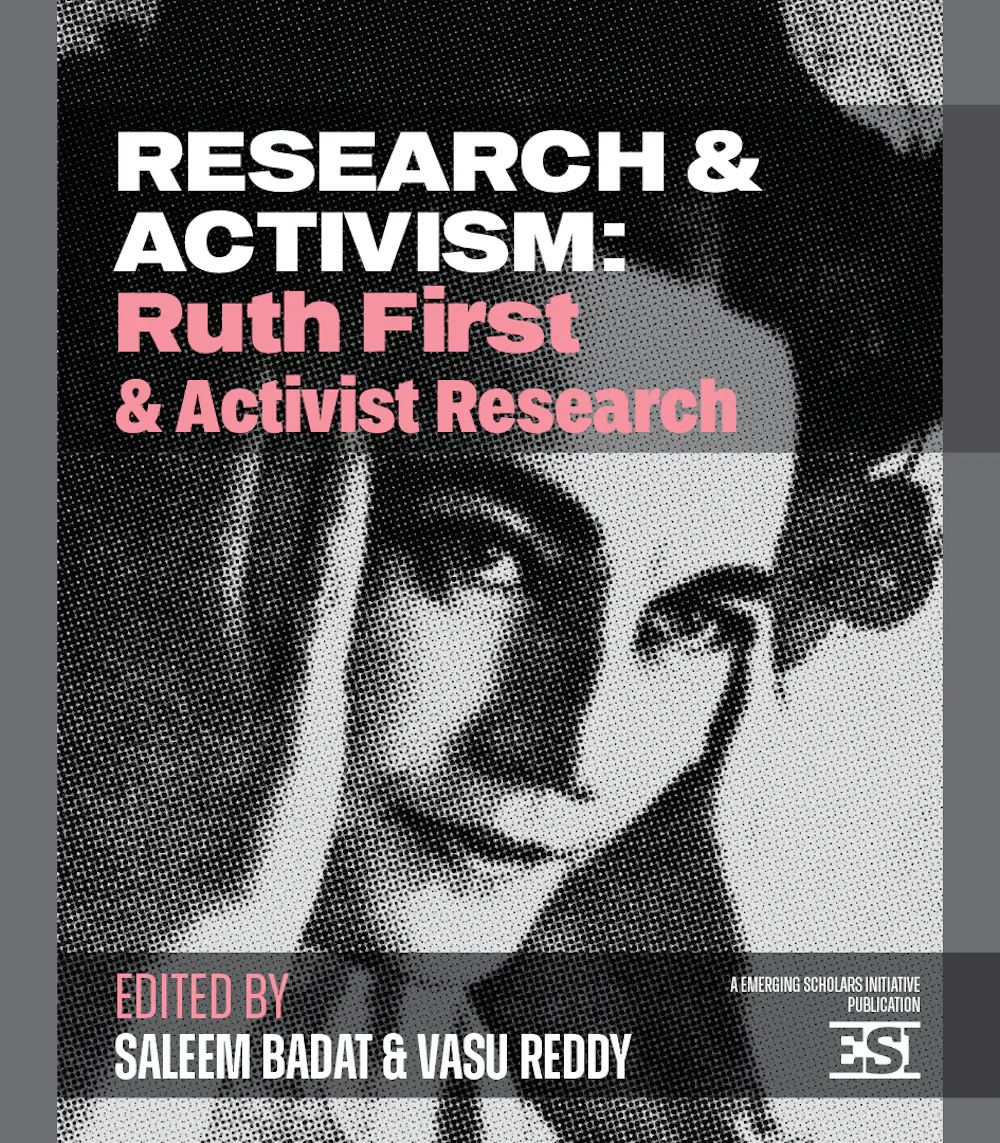
  • MIL-OSI Africa: Ruth First and activist research: the legacy of a South African freedom fighter

    Source: The Conversation – Africa – By Saleem Badat, Research Professor, UFS History Department, University of the Free State

    Ruth First, born 100 years ago, was a South African freedom fighter, journalist and scholar who worked against the racist system of apartheid during white minority rule. She was assassinated by apartheid forces in her office at the Eduardo Mondlane University in Mozambique in 1982.

    Her ideas, work and legacy live on. Sociologists Saleem Badat and Vasu Reddy have edited a new book called Research and Activism: Ruth First & Activist Research. We asked them about her and their project.


    Who was Ruth First?

    Heloise Ruth First was born on 4 May 1925 in Johannesburg to Jewish parents who had migrated from eastern Europe to South Africa in the early 1900s. Her parents were founder members of the South African Communist Party.

    She joined the Young Communist League and the Federation of Progressive Students and graduated from the University of the Witwatersrand in 1946 with a Bachelor of Arts degree.

    At 21, First joined the left-wing South African newspaper The Guardian. When it was banned, the New Age took its place until it too was banned in 1962. She served as the newspaper’s Johannesburg editor for 17 years.

    In 1963, First was arrested at the University of the Witwatersrand library and held in solitary confinement for 117 days, during which time she was ruthlessly interrogated. The following year she and her three children left South Africa for England on an exit permit, where they joined her partner, the activist and politician Joe Slovo. She would not set foot again in South Africa. Continuing with her activist research in England, she taught at Durham University and then joined Eduardo Mondlane University until hear death.

    Ruth First. Courtesy the Slovo family

    The mid-1940s to early 1960s were tumultuous years in South Africa. With the rise of formal apartheid in 1948, racial segregation was intensified.

    First’s intrepid and penetrating journalistic research exposed her to the brutality of labour exploitation and control on the mines and the farms. It reinforced her understanding of South Africa in Marxist terms.

    She wrote:

    Silence in the face of injustice is complicity.

    For her:

    The will to fight is born out of the desire for freedom.

    She was confident that:

    The power of the people is greater than the power of any government.

    First believed that ignorance is “the enemy of progress and justice” and that knowledge and education are “key to empowering individuals and challenging oppressive systems”. These words ring true in today’s global events driven by right-wing authoritarianism, US imperialism and acts of genocide.

    On learning of her death, former South African President Nelson Mandela recalled:

    I was in prison when Ruth First was assassinated, felt almost alone. Lost a sister in arms  … It is no consolation to know that she lives beyond her grave.

    What is activist research and how is it applied in the book?

    As authors, we revisit Ruth First’s life, work and ideas and its relevance for the current context. We focus especially on the nature of her scholarship and how she navigated the tensions between her activism and her research – whether journalistic or for her books on South West Africa (today’s Namibia), Libya or western investment in apartheid. Other of her acclaimed books included The Barrel of a Gun: Political Power in Africa and the Coup d’etat and, during her Mozambican sojourn, Black Gold: The Mozambican Miner, Proletarian and Peasant.

    In the process we invite renewed critical reflection about her life and work. Inspired by First’s contributions, the book considers how universities and scholars engage with institutions and social movements beyond the university.

    ESI Press

    For example, in the book a research group from Durham University in the UK considers how to balance objectivity (showing no bias) with more politically participatory research methods and how objectivity can be enhanced despite the difficulties faced by activist research.

    Other scholars reflect on the work of the assassinated South African anti-apartheid activist scholar and lecturer Rick Turner on climate change. And on the complexities of undertaking activist research in Marikana with a women’s organisation, Sikhala Sonke. Marikana was the site where South African police opened fire on and killed 34 striking mineworkers in 2012.

    There is examination of a research partnership between University of Cape Town activist scholars and some Khoi-San communities, reflection on the challenges of legal practice and education, and critical analysis of the decolonisation challenges of the KwaZulu-Natal Society of the Arts.

    How do you frame activist research in your book?

    The book shows that there is a difference between engaged research, critical research and activist research.

    Engaged research tries to connect knowledge produced by academics with institutions, movements and experts outside the university to collaboratively address issues and promote cooperation.

    Critical research uses radical critical theory to critique oppression and injustice, to show the gap between what exists today and more just ways of living. However, it does not necessarily connect with political and social movements.

    Ruth First addresses a rally in Trafalgar Square, London in 1960. Courtesy the Slovo family

    First’s research was not only engaged, but also critical in orientation and activist in nature. As activist research it challenged oppression and inequality.

    It both critiqued the status quo in South Africa and elsewhere and tried to change it. It was linked with movements and connected to political activism that was anti-colonial, anti-imperialist, and committed to socialism.


    Read more: Lessons learnt from taking sides as a sociologist in unjust times


    First’s activist research did not confine itself to the academic arena but engaged with larger, wider and more diverse publics. It used this experience to critique dominant and often limited thinking at universities and promoted other ways of producing knowledge. The expertise developed was used to improve scholarship in various ways.

    What do you want readers to take away?

    There is much talk about the “engaged university” and engaged research. However, only certain connections and engagements seem to be valued.

    Prior to democracy in 1994, South African researchers connected with social movements for change. Now this is seldom the case. Universities and scholars largely engage with those with money – the state, business, elites and donors.


    Read more: Regina Twala was a towering intellectual and activist in Eswatini – but she was erased from history


    This raises questions about the roles of researchers in South Africa, whose interests are prioritised and the place of critical and activist research in the engaged university.

    How should Ruth First be remembered?

    We must honour her for her intellectual and practical activism. What matters is not just her knowledge archive, but also her example as both an outstanding interpreter of the world and an activist scholar committed to changing society in the interests of the downtrodden, marginalised and voiceless.

    First was a critical and independent thinker who refused to accept anything as settled and beyond questioning. But that intellect was committed to loyalty to the national liberation movement of which she was an invaluable cadre.


    The views expressed in this piece do not reflect or represent the position of the university to which Badat and Reddy are affiliated.

    – Ruth First and activist research: the legacy of a South African freedom fighter
    – https://theconversation.com/ruth-first-and-activist-research-the-legacy-of-a-south-african-freedom-fighter-257687

    MIL OSI Africa

  • MIL-OSI Africa: Fun with fossils: South African kids learn a whole lot more about human evolution from museum workshops

    Source: The Conversation – Africa – By Shaw Badenhorst, Associate Professor in Zooarchaeology, University of the Witwatersrand

    South Africa has one of the world’s richest fossil records of hominins (humans and their fossil ancestors). But many misconceptions still exist regarding human evolution, and school textbooks contain inaccuracies.

    South Africans still have some of the lowest rates of acceptance of human evolution, mostly due to conflicting religious views. Religion and the non-acceptance of evolution hinders the understanding of evolution by teachers and learners.

    It doesn’t help that school subjects (evolution being one of them) are often taught in unengaging ways, rather than interactive methods.

    Many studies have shown that collaborations between schools and informal science learning centres, such as natural history museums, can have a positive effect on school learners. Inquiry-based activities at museums have been shown to help learners gain knowledge and meaning about the past. Museum visits foster “thinking skills” through guided conversation and questions asked by educators and learners. New information is gained through reasoning, inference and deduction, which enhance learning.


    Read more: Evolution revolution: how a Cape Town museum exhibit is rewriting the story of humankind


    In 2018, a team of researchers from the University of the Witwatersrand launched workshops on human evolution for grade 12 learners (in the final year of secondary school) in South Africa’s Gauteng province. The aim was to stimulate interest in the palaeosciences and improve learner performance. We worked with learners from 13 schools in the area. The workshops were conducted at the museum of the university’s Evolutionary Studies Institute.

    From tests before and after the workshops, we found that they improved the learners’ understanding and acceptance of concepts related to evolution. More teacher training and school visits to museums and exhibitions could build on this success.

    Workshops on human evolution

    Examining cast hominin skulls at a workshop at a school. Grizelda van Wyk, Author provided (no reuse)

    Our human evolution workshops were conducted with well-resourced and historically disadvantaged schools attending. The grade 12 learners, aged 17 and 18 years, visited the fossil preparatory laboratory, searched for clues in the museum while answering a worksheet, and did activities on human evolution using inquiry-based approaches.


    Read more: What it’s like curating ancient fossils: a palaeontologist shares her story


    These activities included measuring and describing skulls of apes and hominins, comparing hip bones to see whether the creature was able to walk upright on two legs, investigating stone tools, and drawing a phylogenetic tree (a diagram showing how species are descended from each other). Due to financial constraints, some of the workshops were held at the schools themselves.

    The 687 learners wrote a test before and after the workshop to test their knowledge of hominin evolution. Their scores increased from an average of 39% to 61%.

    The location of the workshops (either at the museum or at the school) did not affect the scores, suggesting that workshops can be scaled to reduce costs. Feedback from interviews indicated that learners regarded the workshops as beneficial, enabling them to learn new facts and gain a deeper understanding of human evolution. Teachers echoed the same view.

    One learner said:

    It was pretty enjoyable, and informative and interesting. Especially the part when we asked questions and we actually got answered. It helped us to understand the knowledge more.

    Another said:

    It is always better to physically see things as compared to seeing a picture of it, it is easier to understand it this way.

    A teacher commented that learners

    could literally see exactly what is happening and it is not just talk, they can touch it and they can take part in the experiment, which is not something they are exposed to at school.

    It was apparent that learners understood human evolution better after the workshops. In the preliminary exam paper of Gauteng province, learners who attended the workshops scored nearly double (average 41%) the score of schools that did not attend (average 21%). While the scores are still low, and there is still much room for improvement, the results suggest that a short, hands-on workshop can make a major difference to learners.

    The workshop also increased the acceptance of evolution from 41% to 51%. (It was not the purpose of the workshops to increase acceptance, but rather to improve understanding of the topic.)

    Why the workshops worked

    In our view, the workshops were successful because they used inquiry-based learning, learners working in groups using problem solving and physical handling of fossil casts. This enabled active participation in the learning process.


    Read more: It’s time to celebrate Africa’s forgotten fossil hunters


    With this approach, learners took ownership of the learning process and it developed their curiosity, interest and a desire to learn. The guidance of a subject expert during the workshops enhanced the quality of the workshops and the learning experience. It’s clear that visits to places like natural history museums created connections which helped with understanding concepts such as human evolution in the classroom, and developing an enjoyment of learning.

    What’s next

    We recommend that teachers receive training in human evolution and how to teach this topic. Common misconceptions of teachers can be identified through surveys, and intervention training must be planned around these misconceptions. The Gauteng Department of Education has a free professional development programme offering training to teachers (not publicly available), which can be used for this purpose.


    Read more: Species without boundaries: a new way to map our origins


    Various institutions in Gauteng offer exhibitions on human evolution and fossils, including the University of the Witwatersrand, the Ditsong National Museum of Natural History, Maropeng Cradle of Humankind, Sterkfontein Caves and the Sci-Bono Discovery Centre. The provincial education department must promote school visits to these places. Human evolution can be one of the most rewarding topics for learners, especially in a country where the fossil record is right on the doorstep.

    It’s vital for grade 12 learners in South Africa to have a solid understanding of human evolution – it fosters critical thinking about science, identity and our shared African origins. This knowledge not only deepens their appreciation of the continent’s fossil heritage, but also counters misinformation with evidence-based insight.


    This article was prepared with Grizelda van Wyk and in memory of Ian J. McKay.

    – Fun with fossils: South African kids learn a whole lot more about human evolution from museum workshops
    – https://theconversation.com/fun-with-fossils-south-african-kids-learn-a-whole-lot-more-about-human-evolution-from-museum-workshops-259319

    MIL OSI Africa

  • MIL-OSI Russia: Dmitry Chernyshenko: The first championship in professional skills among SVO participants will be held in 15 in-demand competencies

    Translation. Region: Russian Federal

    Source: Government of the Russian Federation – An important disclaimer is at the bottom of this article.

    From July 25 to 29, Kazan will host the first championship in professional skills among participants of the special military operation “Abilympics”. It is being held in accordance with the instructions of Russian President Vladimir Putin.

    “At a meeting with the SVO participants, President Vladimir Putin said that people who have consciously chosen to serve the Fatherland and through this achieve their personal success should gradually occupy certain positions in various areas and directions. Today, it is especially important to help our heroes realize themselves in their chosen specialties and find jobs worthy of such highly qualified, responsible specialists. The first championship in professional skills among SVO participants will be held in 15 in-demand competencies at once. Participants of the national championship “Abilympics” will be able to undergo internships and get jobs in the leading organizations of the country,” said Deputy Prime Minister Dmitry Chernyshenko.

    More than 400 people will take part in the competition – these are contestants, experts and accompanying persons. Based on the results, 75 finalists will be selected, who will demonstrate their skills in the final of the national championship “Abilympics” in October 2025.

    “The National Championship of Professional Skills “Abilympics” has won recognition from employers, experts and the inclusive community of our country. This is not just a competition, but a symbol of the fortitude, courage and willpower of defenders. “Abilympics” reveals the heroes as true masters of their craft, who, thanks to perseverance and strength of character, are ready to achieve results for the sake of Russia’s development. I am confident that participation in the championship will help veterans conquer new heights in their chosen specialties,” said State Secretary – Deputy Minister of Defense, Chairperson of the State Foundation “Defenders of the Fatherland” Anna Tsivileva.

    The competition will be held at the production and training center of JSC Kazan Helicopters in 15 competencies: Web Development (Programming), UAV Operator, Photographer, Car Repair and Maintenance, Wood Carving, Performing Arts (Vocals), Massage Therapist, Cooking, Industrial Robotics, Assembly and Disassembly of Electronic Equipment, Welding Technologies, Metalworking, Carpentry, Electrical Installation, and CNC Turning.

    “The Professional Skills Championship is an important stage of comprehensive rehabilitation and social adaptation for the SVO participants, an opportunity to acquire sought-after skills and confidence in their professional future. Now it is important to provide comprehensive support to the returned guys – from training and career guidance to assistance in employment, and the Abilympics movement is actively involved in this process. Each of the veterans of the special operation should have the opportunity to realize their potential, find a decent job and continue developing in the chosen field. After all, their experience, discipline and determination are a valuable contribution to the development of our country,” commented Minister of Education Sergey Kravtsov.

    The opening ceremony of the championship is scheduled for July 25 in the concert hall of the Volga Region State University of Physical Education, Sports and Tourism. The award ceremony for the winners will take place on July 29 in the Bashir Rameev IT Park.

    “It is a great honor and responsibility for us to host this championship. Tatarstan has long been the center of major political and sporting events. We see the attention and care that the President of the country Vladimir Vladimirovich Putin shows to the participants of the SVO. And we are ready to create all the necessary conditions so that our veterans of the special military operation can demonstrate their skills,” said the head of the Republic of Tatarstan Rustam Minnikhanov.

    In addition to the competitive part, the championship includes a business program, which will include a plenary session on the professional development of SVO veterans, round tables on rehabilitation through sports and the role of civil society in supporting SVO participants. Career guidance, excursions and sports events will also be organized for the championship participants.

    In 2025, 228 people from 62 constituent entities of the Russian Federation took part in the regional championships in professional skills among disabled people and people with disabilities “Abilympics” in 43 competencies.

    The organizer of the championship is the Ministry of Education with the support of the Government of Russia and the state fund for supporting participants of the “Defenders of the Fatherland” military military organization, the federal operator is the Institute for the Development of Professional Education, and the regional operator is the government of the Republic of Tatarstan.

    Please note: This information is raw content directly from the source of the information. It is exactly what the source states and does not reflect the position of MIL-OSI or its clients.

    MIL OSI Russia News

  • MIL-OSI Russia: Yuri Trutnev: The Jewish Autonomous Region will present key investment projects at the exhibition “Far East Street”

    Translation. Region: Russian Federal

    Source: Government of the Russian Federation – An important disclaimer is at the bottom of this article.

    Important industry and investment projects, prospects for international business cooperation and plans for infrastructure development will be presented to guests of the Jewish Autonomous Region (JAR) pavilion at the Far East Street exhibition, which will be held as part of the tenth, anniversary Eastern Economic Forum – 2025 in Vladivostok. The exposition focuses on the tourism, industrial, agricultural and logistics potential of the region. The exhibition is organized by the Roscongress Foundation with the support of the Office of the Plenipotentiary Representative of the President of Russia in the Far Eastern Federal District.

    “A new team has arrived in the Jewish Autonomous Region, headed by Maria Fedorovna Kostyuk. She has actively taken up the work. The region is not easy. It needs to be supported, it needs to be helped. At the same time, there are prerequisites for future development in the region. The built cross-border railway bridge Nizhneleninskoye – Tongjiang creates opportunities for new logistics routes and cargo handling. A powerful transport, logistics and production complex will appear here. This will provide an economic stimulus for the development of the region and the entire Far East, will create jobs – both for blue-collar workers and for highly qualified specialists. Hemostatic tourniquets and other medical equipment are delivered to the front from the region, helping fighters in the SVO zone. On the instructions of the President of Russia, a master plan for Birobidzhan has been developed, and it is planned to create a “Far Eastern quarter”. The pavilion at the exhibition “Far East Street” will tell about how the region is developing, what new directions are emerging in the economy, and what makes the region attractive,” said Deputy Prime Minister – Presidential Plenipotentiary Representative in the Far Eastern Federal District, Chairman of the Organizing Committee of the Eastern Economic Forum Yuri Trutnev.

    Visitors to the pavilion will be able to get acquainted with the unique national color, natural beauty and investment potential of the region. The key component of the exhibition will be the rainbow bridge, since the rainbow is the main element of the flag of the Jewish Autonomous Region, a symbol of peace, happiness and goodness. A robot will act as a tour guide, telling guests about the history of the region, its traditions and features.

    A video about the region is planned to be shown on the large screen inside the pavilion. Information about the region’s existing industrial enterprises, investment projects that are in a high state of readiness, and promising offers for potential financial partners will also be posted here. Among them are the production of iron ore concentrate, the extraction of brucite and graphite, projects in the field of power generation, the forestry complex, and a logistics center. Visitors will also be able to see the products of the region’s enterprises and even take them as a souvenir.

    The stand will tell about promising projects, their characteristics, and also present data on the activities of a number of enterprises. In particular, initiatives will be presented on the formation of an agro-industrial park, the arrangement of greenhouses and the cultivation of berries, the construction of a soybean processing plant and a mineral fertilizer plant, the creation of a transshipment terminal and a petrochemical terminal at the Nizhneleninskoye – Tongjiang border crossing. On the touch panel, one can see an investment map and the possibilities of the bridge area with an image of areas already occupied by projects and free for the placement of production facilities, as well as get acquainted with the implementation of the Birobidzhan master plan.

    “Thanks to the implementation of national projects approved by the President, federal programs, with the support of Yuri Petrovich Trutnev, social facilities, cultural institutions are being modernized in our region, new public spaces are appearing. The region is becoming cozier, brighter, more comfortable. And people see it. The Jewish Autonomous Region is a small region, but with great potential. Our unique logistics capabilities, nature, tourist routes are attractive to investors and guests from all over Russia. These advantages will improve people’s lives, create new jobs, and replenish the budget with tax revenues. Every ruble attracted to the region should benefit people, and every project should change their lives for the better,” said Acting Governor of the Jewish Autonomous Region Maria Kostyuk.

    A “live newspaper” will be dedicated to the celebration of the 80th anniversary of the Victory in the Great Patriotic War and the exploits of the heroes of the special military operation. The structure with built-in screens and texts in the style of a printed spread will tell about the participants of the Great Patriotic War and the Special Military Operation from the region.

    Stands dedicated to the region’s tourism opportunities will be located nearby. Among them are the “Jewish Place” brand, the museum and memorial complex on top of the June-Koran hill in Volochayevka, the Bastak nature reserve, the Foma and Zmeinaya Mountain ski resorts, and the resort area of the village of Kuldur. Data on the objects is accompanied by QR codes, which make it possible to learn more about the projects. A separate optical mark leads to the “Far East – Land of Adventure” competition page.

    The cultural zone is designed as a large-scale rack, recreating the atmosphere of a cozy home living room, where guests of the Jewish Autonomous Region can get acquainted with the rich cultural heritage and creative achievements of the region. The trade zone will be represented by products of small and medium-sized businesses. At the stand, you can buy honey, clothes of the Pravda brand, knitwear of the Signalnaya brand, and souvenirs.

    The open area opposite the pavilion will feature a recreation area for guests – swings, poufs, pillows, benches, a kiosk with a coffee machine and soft drinks. Three brucite rocks will be presented as art objects. Five-meter lighting poles in the shape of menorahs will be installed on both sides of the pavilion. The stand will host various master classes, sports and cultural programs, including one on the theme of the 80th anniversary of Victory in the Great Patriotic War.

    The violin ensemble will perform famous Jewish folk melodies and world classics. Soloists Vyacheslav Tetyuev and Alexandra Prokina will perform songs in Yiddish. The Kamyshinka folk ensemble and the Russkaya Dusha ensemble will delight the audience with bright stylized compositions and original works. Timur Vedernikov and Katya Kotyonochkina from Moscow will also perform here. A retro program with world and domestic hits of the 70s and 80s is planned separately. In addition, the site will host performances by artists of the Surprise Dance Theater.

    The concert programs will include various activities for spectators, including prize drawings for connoisseurs of Jewish culture.

    The 10th Eastern Economic Forum will be held on September 3–6 at the campus of the Far Eastern Federal University in Vladivostok. During these days, the exhibition will be available to forum participants, and on September 7, 8, and 9, it will be open to everyone. The EEF is organized by the Roscongress Foundation.

    Please note: This information is raw content directly from the source of the information. It is exactly what the source states and does not reflect the position of MIL-OSI or its clients.

    MIL OSI Russia News

  • MIL-OSI Africa: North West engages with youngsters in agriculture

    Source: Government of South Africa

    The North West MEC for Agriculture and Rural Development, Madoda Sambatha, is embarking on a series of engagements with young people in agriculture across the province.

    According to the North West Department of Agriculture and Rural Development, the sessions aim to empower youth to take an active role in shaping the future of the sector, reflecting their commitment to supporting sustainable, youth-led growth in agriculture.

    The first leg of the district engagements kicked off on Monday, 30 June 2025, in Coligny, within the Ngaka Modiri Molema District. 

    The department said that at the heart of this focused intervention is the Youth in Agriculture and Rural Development (YARD) structure, whose elected leadership has been tasked with advancing youth representation and development at all levels of the sector.

    The rollout continues in the Dr Ruth Segomotsi Mompati District on Friday, 4 July, at Mooilagte Farm in the Naledi Local Municipality. 

    This will be followed by engagements in the Dr Kenneth Kaunda District on 11 July at Ga-Matsapola Farm, and in the Bojanala Platinum District on 14 July at the Moses Kotane Local Municipality.

    The initiative brings together key stakeholders, including the National Youth Development Agency (NYDA), North West University Business School, the Small Enterprise Finance and Development Agency (SEFDA), AgriSETA, the Agricultural Research Council (ARC), commercial banks, and development finance institutions. 

    “The sessions serve as a gateway for young people to access critical information on funding, skills development, mentorship, and market access tools essential for building resilient and sustainable agri-enterprises.” 

    Held in partnership with local municipalities through the District Development Model (DDM), the engagements aim to ensure that the needs and aspirations of young farmers are integrated into local economic development plans.

    “In addition to dialogue and presentations, each session includes live demonstrations and planting activities, exposing participants to practical techniques and climate-smart agricultural methods.” 

    Addressing youth during the Coligny engagement held on Monday, Sambatha emphasised the department’s commitment to creating an enabling environment for youth in agriculture.

    “This is not a ceremonial exercise; it is a deliberate strategy to reposition young people as central drivers of agricultural growth and rural development. We are here to remove bottlenecks, unlock opportunities, and invest in future producers,“ Sambatha said.

    The department encourages all young people involved in farming, agri-processing, and rural enterprises to take full advantage of these sessions and the wide range of support offered through government and its partners. – SAnews.gov.za

    MIL OSI Africa

  • MIL-OSI Africa: Parliamentary Vice-Minister for Foreign Affairs ERI’s attendance at the symposium “Empowering Lesotho: Unlocking Finance to Drive the Energy Transition in a Land-Locked Developing Country”

    Source: APO


    .

    On July 3rd, Ms. ERI Arfiya, Parliamentary Vice Minister for Foreign Affairs, attended the symposium “Empowering Lesotho: Unlocking Finance to Drive the Energy Transition in a Land-Locked Developing Country”, co-hosted by the United Nations University and the Embassy of Lesotho in Japan, with the presence of the H.M. Letsie III, King of the Kingdom of Lesotho and H.M. Queen Masenate Mohato Seeiso, who are in Japan to participate in the National Day events of the Osaka-Kansai Expo. She delivered a speech on behalf of the Ministry of Foreign Affairs. The outline of the speech is as follows.

    1. At the outset, Parliamentary Vice-Minister ERI welcomed the visit of H.M. Letsie III and H.M. Queen Masenate Mohato Seeiso to Japan, and stated that, since the establishment of diplomatic relations in 1971, Japan and Lesotho have built cordial relations through cooperation in areas such as food security, renewable energy, education, and health.
    2. Parliamentary Vice-Minister ERI mentioned Japan’s goal of achieving carbon neutrality by 2050 and expressed her hope to work with Lesotho, which is actively promoting the transition to renewable energy by leveraging its abundant water resources and high-quality renewable energy resources, to lead global efforts for climate change measures and promote economic development.
    3. Parliamentary Vice-Minister ERI mentioned that the 9th Tokyo International Conference on African Development (TICAD 9) will be held in Yokohama in August this year, and concluded her remarks by expressing her hope to take this opportunity to create innovative solutions that will lead to the prosperity of both Japan and Africa by leveraging Japanese technology and expertise on various topics including the renewable energy sector, which was discussed in this symposium.

    Distributed by APO Group on behalf of Ministry of Foreign Affairs of Japan.

    MIL OSI Africa

  • MIL-OSI United Kingdom: ‘Aberdeen welcomed me when I needed it most’: Eissa’s resilience sees him graduate Eissa Hassan’s journey to graduation has been more challenging than most.

    Source: University of Aberdeen

    Eissa has faced many challenges in his journey to graduation

    Eissa Hassan’s journey to graduation has been more challenging than most.
    After leaving his home in Yemen, the 28-year-old arrived in the UK, determined not to be defined by his past, but his future.
    Eissa explains: “Arriving in the UK as a refugee with nothing but hope, with limited resources, I faced the daunting task of rebuilding my life from the ground up. I sought a place that didn’t just offer education – but transformation.
    “I chose the University of Aberdeen because it embodies opportunity and growth. This institution opened its doors to me at a time I needed it most, nurturing my potential and empowering me to turn hardship into leadership. This University welcomed me with open arms and gave me not just an education, but a community and a future.
    “Entering this new academic environment felt like stepping into a world vastly different from anything I had known. I confronted self-doubt about my ability to integrate and succeed. As a refugee adjusting to unfamiliar cultural and educational norms, I grappled with feelings of uncertainty and isolation.
    “However, this initial apprehension gave way to resilience. Through daily engagement, academic challenges and support from the University community, I began to adapt and grow. This period marked a critical turning point, affirming my capacity to overcome adversity, embrace new opportunities and commit myself to lifelong learning and personal development.”

    Where we begin does not define where we can go” Eissa Hassan

    While studying for his degree in Business Management, Eissa was able to pursue not only his academic passions, but learn more about himself and what he wanted for his future.
    He continues: “Studying Business Management has been both academically enriching and personally empowering. I had the privilege of representing youth voices on climate justice globally, coordinate sustainability programmes and lead community events – all while balancing my studies.
    “One of the most meaningful highlights was working with climate and refugee networks across the UK and internationally, turning my lived experience into leadership. Of course, there were challenges – financial pressure, culture shock and grief after losing my mother, who passed away four months after I arrived in Aberdeen. But I found strength in my purpose and support from peers and staff who believed in me. Aberdeen gave me more than a degree; it gave me the platform to become the change I want to see in the world.”
    His journey has not been easy, but with resilience and support from the University community, Eissa is proud to be celebrating his hard work at his graduation.
    “Graduating fills me with profound gratitude and heartfelt reflection. This milestone represents not only the culmination of my academic journey but also the resilience required to overcome significant challenges. It reaffirms my belief that where we begin does not define where we can go and honours the sacrifices of my late mother. She was such an important part of my life and her dream was always to see me succeed. I was always trying to make her proud and happy and in the end, I feel like she succeeded.
    “This achievement is a testament to the power of perseverance, reminding me of my potential and the meaningful impact that dedication and determination can create. My future aspirations are to advance my work in climate justice, with a particular focus on supporting vulnerable communities disproportionately impacted by climate change. I look forward to leading with purpose, guided by the lessons of my past and hope for the future.”

    MIL OSI United Kingdom

  • MIL-OSI Russia: The 13th World Peace Forum, dedicated to global security issues, is being held in Beijing

    Translation. Region: Russian Federal

    Source: People’s Republic of China in Russian – People’s Republic of China in Russian –

    Source: People’s Republic of China – State Council News

    BEIJING, July 3 (Xinhua) — The 13th World Peace Forum (WPF) underway in the Chinese capital has brought together more than 1,200 guests from 86 countries and regions to exchange views on maintaining global peace and resolving conflicts.

    Held from July 2 to 4 under the theme “Advancing Global Peace and Prosperity: Shared Responsibility, Benefits and Achievements,” the forum brought together leading strategists, senior policymakers and former political leaders.

    “The current international situation is complex and serious, local conflicts follow one another, and world peace and development are facing unprecedented challenges,” said Li Luming, president of Tsinghua University and chairman of the WFY, speaking at the opening ceremony of the forum on Thursday.

    Li Lumin noted that in the context of a turbulent international situation and growing geopolitical tensions, strengthening unity and dialogue is more important than ever.

    The forum’s program includes four plenary sessions and 18 panel discussions, where participants will share their views on topics such as international order and world peace, pan-securitization and global security challenges, the role of the Global South in achieving world peace and prosperity, as well as major power coordination and conflict resolution.

    Since 2012, Tsinghua University has co-hosted the event with the Chinese People’s Society for the Study of International Relations. The forum aims to provide a platform for communication and exchange of views for strategists and think tanks around the world. -0-

    MIL OSI Russia News

  • MIL-OSI: NANO Nuclear Announces Platinum Sponsorship and Participation in Panel Discussion at the Defense Strategies Institute’s 7th Annual DoD Energy & Power Summit.

    Source: GlobeNewswire (MIL-OSI)

    New York, N.Y., July 03, 2025 (GLOBE NEWSWIRE) — NANO Nuclear Energy Inc. (NASDAQ: NNE) (“NANO Nuclear” or “the Company”), a leading advanced nuclear energy and technology company focused on developing clean energy solutions, today announced that it is the Platinum Sponsor of the upcoming Defense Strategies Institute’s 7th Annual DoD Energy & Power Summit to be held on July 9-10, 2025, at the National Housing Center in Washington, DC.

    NANO Nuclear Energy Chief Executive Officer James Walker will participate in a panel discussion titled, “Exploring Cutting Edge Nuclear Energy Solutions for Defense Applications” at 11:10am on July 9th. This panel will delve into the rapidly evolving landscape of nuclear energy technologies and their potential to revolutionize defense capabilities. It will also discuss the cutting-edge advancements in nuclear reactor designs, including small modular reactors (SMRs) and microreactors, and their suitability for powering remote military installations, advanced weapon systems, and future propulsion technologies.

    The panel will additionally feature leaders of key United States nuclear research and oversight organizations, including the Deputy Assistant Secretary for Nuclear Reactors, Department of Energy Dr. Rian Bahran, SES; Associate Laboratory Director, Nuclear Science & Technology Directorate, Idaho National Laboratory Jess Gehin, Ph. D., and the Director of Nuclear Engineering Program, Virginia Tech Research Center Alireza Haghighat Ph.D.

    “The momentum behind our work to deliver mobile, resilient nuclear power solutions continues to grow, and I look forward to discussing their potential defense applications during the panel,” said James Walker, Chief Executive Officer of NANO Nuclear. “This summit offers a valuable forum to engage directly with energy leaders from the government and the Department of Defense, and I expect productive, and important conversations.”

    Figure 1 – NANO Nuclear Announced as the Platinum Sponsor of the DoD Energy & Power Summit, held on July 9-10, 2025, at the National Housing Center in Washington, DC.

    The Department of Defense is the single largest energy consumer in the United States and consumes approximately 76% of federal energy consumption. This year’s DoD Energy and Power Summit will provide a forum for members of the DoD, Military Services, Federal Government, Industry, and Academia, and other leading stakeholders to enhance energy efficiency, resiliency, affordability, and security across the Department of Defense and federal government. This “town-hall” style summit will allow attendees to hear first-hand from decision makers and engage in meaningful conversations and discussions on US energy and power initiatives.

    “We’re proud to sponsor the DoD Energy & Power Summit and meet with leading policymakers and military officials in Washington,” said Jay Yu, Founder and Chairman of NANO Nuclear. “We’ve engaged numerous seasoned, former military and government experts onto our team to better position NANO Nuclear to support the DoD and DOE in their energy transition efforts. Our advanced reactor designs prioritize efficiency, safety, and reliability, qualities essential for powering critical installations and supporting the women and men who protect the nation.”

    About NANO Nuclear Energy, Inc.

    NANO Nuclear Energy Inc. (NASDAQ: NNE) is an advanced technology-driven nuclear energy company seeking to become a commercially focused, diversified, and vertically integrated company across five business lines: (i) cutting edge portable and other microreactor technologies, (ii) nuclear fuel fabrication, (iii) nuclear fuel transportation, (iv) nuclear applications for space and (v) nuclear industry consulting services. NANO Nuclear believes it is the first portable nuclear microreactor company to be listed publicly in the U.S.

    Led by a world-class nuclear engineering team, NANO Nuclear’s reactor products in development include patented KRONOS MMREnergy System, a stationary high-temperature gas-cooled reactor that is in construction permit pre-application engagement U.S. Nuclear Regulatory Commission (NRC) in collaboration with University of Illinois Urbana-Champaign (U. of I.), “ZEUS”, a solid core battery reactor, and “ODIN”, a low-pressure coolant reactor, and the space focused, portable LOKI MMR, each representing advanced developments in clean energy solutions that are portable, on-demand capable, advanced nuclear microreactors.

    Advanced Fuel Transportation Inc. (AFT), a NANO Nuclear subsidiary, is led by former executives from the largest transportation company in the world aiming to build a North American transportation company that will provide commercial quantities of HALEU fuel to small modular reactors, microreactor companies, national laboratories, military, and DOE programs. Through NANO Nuclear, AFT is the exclusive licensee of a patented high-capacity HALEU fuel transportation basket developed by three major U.S. national nuclear laboratories and funded by the Department of Energy. Assuming development and commercialization, AFT is expected to form part of the only vertically integrated nuclear fuel business of its kind in North America.

    HALEU Energy Fuel Inc. (HEF), a NANO Nuclear subsidiary, is focusing on the future development of a domestic source for a High-Assay, Low-Enriched Uranium (HALEU) fuel fabrication pipeline for NANO Nuclear’s own microreactors as well as the broader advanced nuclear reactor industry.

    NANO Nuclear Space Inc. (NNS), a NANO Nuclear subsidiary, is exploring the potential commercial applications of NANO Nuclear’s developing micronuclear reactor technology in space. NNS is focusing on applications such as the LOKI MMR system and other power systems for extraterrestrial projects and human sustaining environments, and potentially propulsion technology for long haul space missions. NNS’ initial focus will be on cis-lunar applications, referring to uses in the space region extending from Earth to the area surrounding the Moon’s surface.

    For more corporate information please visit: https://NanoNuclearEnergy.com/

    For further NANO Nuclear information, please contact:

    Email: IR@NANONuclearEnergy.com
    Business Tel: (212) 634-9206

    PLEASE FOLLOW OUR SOCIAL MEDIA PAGES HERE:

    NANO Nuclear Energy LINKEDIN
    NANO Nuclear Energy YOUTUBE
    NANO Nuclear Energy X PLATFORM

    Cautionary Note Regarding Forward Looking Statements

    This news release and statements of NANO Nuclear’s management in connection with this news release contain or may contain “forward-looking statements” within the meaning of Section 21E of the Securities Exchange Act of 1934, as amended, and the Private Securities Litigation Reform Act of 1995. In this context, forward-looking statements mean statements related to future events, which may impact our expected future business and financial performance, and often contain words such as “expects”, “anticipates”, “intends”, “plans”, “believes”, “potential”, “will”, “should”, “could”, “would” or “may” and other words of similar meaning. These and other forward-looking statements are based on information available to us as of the date of this news release and represent management’s current views and assumptions. Forward-looking statements are not guarantees of future performance, events or results and involve significant known and unknown risks, uncertainties and other factors, which may be beyond our control. For NANO Nuclear, particular risks and uncertainties that could cause our actual future results to differ materially from those expressed in our forward-looking statements include but are not limited to the following: (i) risks related to our U.S. Department of Energy (“DOE”) or related state or non-U.S. nuclear fuel licensing submissions, (ii) risks related the development of new or advanced technology and the acquisition of complimentary technology or businesses, including difficulties with design and testing, cost overruns, regulatory delays, integration issues and the development of competitive technology, (iii) our ability to obtain contracts and funding to be able to continue operations, (iv) risks related to uncertainty regarding our ability to technologically develop and commercially deploy a competitive advanced nuclear reactor or other technology in the timelines we anticipate, if ever, (v) risks related to the impact of U.S. and non-U.S. government regulation, policies and licensing requirements, including by the DOE and the U.S. Nuclear Regulatory Commission, including those associated with the recently enacted ADVANCE Act, and (vi) similar risks and uncertainties associated with the operating an early stage business a highly regulated and rapidly evolving industry. Readers are cautioned not to place undue reliance on these forward-looking statements, which apply only as of the date of this news release. These factors may not constitute all factors that could cause actual results to differ from those discussed in any forward-looking statement, and NANO Nuclear therefore encourages investors to review other factors that may affect future results in its filings with the SEC, which are available for review at www.sec.gov and at https://ir.nanonuclearenergy.com/financial-information/sec-filings. Accordingly, forward-looking statements should not be relied upon as a predictor of actual results. We do not undertake to update our forward-looking statements to reflect events or circumstances that may arise after the date of this news release, except as required by law.

    Attachment

    The MIL Network

  • MIL-OSI: eToro Appoints Former SEC Commissioner Laura Unger and Wix CFO Lior Shemesh as Board Members

    Source: GlobeNewswire (MIL-OSI)

    NEW YORK, July 03, 2025 (GLOBE NEWSWIRE) — eToro Group Ltd. (“eToro”, or the “Company”) (NASDAQ: ETOR), the trading and investing platform, today announced the appointment of Laura Unger and Lior Shemesh as Board Members. Both Ms. Unger and Mr. Shemesh will also join eToro’s Audit & Risk Committee.

    Commenting on the appointments, Yoni Assia, Co-founder and CEO, said: “As eToro enters this new chapter as a Nasdaq listed company, we are delighted that Laura Unger and Lior Shemesh will join eToro’s Board. As leaders in their respective fields, they bring extensive knowledge and expertise to the Board. We look forward to benefiting from Laura’s experience across regulatory governance and risk management, as well as Lior’s financial and operational leadership as we continue to grow eToro’s presence around the world, including our goal to expand our operations in the U.S.”

    Ms. Unger is a financial services regulatory, legislative, policy and strategy expert. She has held a variety of public and private sector roles and served on multiple corporate boards over the last twenty years, including Borland Software, MBNA, Merrill Lynch IQ Funds, Ambac Financial, CA Technologies, CIT Group and Navient Corporation. She is a former SEC Commissioner and Acting Chair, and former Counsel to the U.S. Senate Banking Committee.

    Ms. Unger currently serves as an independent director and Risk Committee Chair for the global investment bank Nomura Holdings Inc. (NYSE “NMR”) (Tokyo), as Audit Chair and director of its largest subsidiary, Nomura Holdings America, and director of its trading platform, Instinet.

    Ms. Unger began her government career as an SEC Enforcement Attorney in NYC and Washington, DC, followed by her service as Securities Counsel to the US Committee on Banking, Housing and Urban Affairs. She received a B.A. in Rhetoric from the University of California at Berkeley in 1983, and a J.D. from New York Law School in 1987.

    “I’m pleased to join eToro’s Board at such an exciting moment for the company and for the investing landscape more generally. I look forward to sharing my two decades of experience by providing capital markets, regulatory and governance insights. Beyond this, eToro and I share a passion for understanding technology’s impact on capital markets. At a time when the pace of technological innovation is accelerating, I’m thrilled to be joining a company which prides itself on being at the forefront of compliant innovation,” said Ms. Unger.

    ​Lior Shemesh is an experienced CFO with a strong track record of shaping and leading the financial strategy and operations for technology companies. He has served as CFO of Nasdaq listed software company Wix since April 2013. Before joining Wix, Lior served as VP Finance and then CFO at Alverion Ltd., a provider of optimized wireless broadband solutions. Previously, he held senior finance roles at Veraz Networks Inc., a softswitch, media gateway and digital compression solutions provider, and ECI Telecom Ltd., a network infrastructure provider.

    ​From July 2012 to June 2021, Mr. Shemesh served on the board of directors of Aspen Group Ltd., where he was also on the compensation committee, financial statements committee, as well as Chair of the audit committee.

    ​Mr. Shemesh began his career as an accountant at Israel Aerospace Industries. He has a B.A. in Accounting & Economics and an M.B.A. from Bar-Ilan University.

    “I’m honored to be joining the Board of eToro at such a pivotal time in its growth journey. I’ve spent years in the technology space and am deeply impressed by eToro’s commitment to harnessing technology to empower individual investors around the world. I look forward to working with the Board and eToro’s leadership team to support the company’s mission and help drive its continued growth and success,” said Mr. Shemesh.

    About eToro
    eToro is the trading and investing platform that empowers you to invest, share and learn. We were founded in 2007 with the vision of a world where everyone can trade and invest in a simple and transparent way. Today we have 40 million registered users from 75 countries. We believe there is power in shared knowledge and that we can become more successful by investing together. So we’ve created a collaborative investment community designed to provide you with the tools you need to grow your knowledge and wealth. On eToro, you can hold a range of traditional and innovative assets and choose how you invest: trade directly, invest in a portfolio, or copy other investors. You can visit our media center here for our latest news.

    Cautionary Language Concerning Forward-Looking Statements
    This press release contains “forward-looking statements” within the meaning of the “safe harbor” provisions of the Private Securities Litigation Reform Act of 1995, including but not limited to, statements regarding eToro’s financial outlook and market positioning. These forward-looking statements are made as of the date they were first issued and were based on current expectations, estimates, forecasts and projections as well as the beliefs and assumptions of management. Words such as “outlook,” “guidance,” “expect,” “anticipate,” “should,” “believe,” “hope,” “target,” “project,” “plan,” “goals,” “estimate,” “potential,” “predict,” “may,” “will,” “might,” “could,” “intend,” “shall” and variations of these terms or the negative of these terms and similar expressions are intended to identify these forward-looking statements. Forward-looking statements are subject to a number of risks and uncertainties, many of which involve factors or circumstances that are beyond eToro’s control. eToro’s actual results could differ materially from those stated or implied in forward-looking statements due to a number of factors, including but not limited to market volatility and erratic market movements; failure to retain existing users or adding new users; extreme competition; changes in regulatory and legal framework under which eToro operates; regulatory inquiries and investigations; eToro’s estimates of its financial performance; interest rate fluctuations; the evolving cryptoasset market, including the regulations thereof; conditions related to eToro’s operations in Israel, including the ongoing war; risks related to data security and privacy and use of OSS; risks related to AI; changes in general economic or political conditions; changes to accounting principles and guidelines; the ability to maintain the listing of eToro’s securities on Nasdaq; unexpected costs or expenses; and other factors described in “Risk Factors” in eToro’s Registration Statement on Form F-1, filed with the Securities and Exchange Commission (the “SEC”) on March 24, 2025, as amended, and declared effective by the SEC on May 13, 2025. Further information on potential risks that could affect actual results will be included in the subsequent filings that eToro makes with the SEC from time to time.

    Past performance is not necessarily indicative of future results. The forward-looking statements included in this press release represent eToro’s views as of the date of this press release. eToro anticipates that subsequent events and developments will cause its views to change. eToro undertakes no intention or obligation to update or revise any forward-looking statements, whether as a result of new information, future events, or otherwise. These forward-looking statements should not be relied upon as representing eToro’s views as of any date subsequent to the date of this press release.

    Contact
    Media Relations – pr@etoro.com
    Investor Relations – investors@etoro.com

    Photos accompanying this announcement are available at

    https://www.globenewswire.com/NewsRoom/AttachmentNg/e5e9931e-ef09-48e3-b5c9-448e9ecfb052

    https://www.globenewswire.com/NewsRoom/AttachmentNg/89bdaab3-6db5-4493-ad09-8535b5e87f45

    The MIL Network

  • MIL-OSI United Kingdom: ARU initiatives recognised for real-world impact

    Source: Anglia Ruskin University

    The exceptional real-world impact of Anglia Ruskin University (ARU) researchers, teams and projects has been recognised by the national Alliance Awards 2025.

    ARU has three shortlisted nominees for this year’s Alliance Awards, organised by University Alliance, with each making significant contributions to the wider community.

    Dr Mirna Guha, Deputy Head of ARU’s School of Humanities and Social Sciences, and Senior Lecturer in Sociology, is nominated for the Research and Innovation Impact Award for improving domestic abuse and sexual violence (DASV) services across England.

    Dr Guha is helping to address the shortage of specialist support provided by and for women from minority backgrounds by leading initiatives to promote racially diverse leadership within support services. She also advises Peterborough Women’s Aid on the Dahlia Project, an intervention which emerged from her research.

    ARU’s Trusted Adult Scheme (TAS) is shortlisted for the Local Impact Award, which is supported by UCAS. TAS is a collaboration between ARU, Cambridgeshire County Council and the Cambridgeshire and Peterborough Integrated Care System (NHS) and helps young people in Cambridgeshire and Peterborough by providing safe spaces, mentorship, and guidance.

    Children and young people aged 14-19, with social workers, are referred to TAS, which offers on-campus activities such as music recording, street art and gym access.

    ARU’s Social Work team is shortlisted for the Teaching Innovation Award for its innovative and inclusive teaching methods for apprenticeship students.

    Teaching begins with reflective wellbeing check-ins, to help improve compassionate resilience, and the sessions have been carefully designed to embrace inclusive teaching for neurodivergent and disabled students on the BA (Hons) Social Worker Degree Apprenticeship course.

    University Alliance represents professional and technical universities in the UK and the shortlists for each award were selected by an independent panel of expert judges from across the higher education and research sector.

    “This year we have renewed the categories for the Alliance Awards – and the response has been phenomenal.

    “We have received over 250 nominations across nine categories, and I continue to be awe-inspired by the range, the depth and the quality of the many individuals and teams across the Alliance.

    “The judges’ shortlisting to decide the nominees was incredibly competitive and close, with some categories receiving over 25 nominations. This attests to the sky-high standard of work that goes on across Alliance Universities.”

    Vanessa Wilson, CEO of University Alliance

    The winners will be announced at the Alliance Awards 2025 ceremony on 18 September, hosted by the University of Hertfordshire.

    MIL OSI United Kingdom

  • By the Numbers: Deconstructing India’s Unprecedented Poverty Decline

    Source: Government of India

    Source: Government of India (4)

    The global narrative of poverty reduction has an Indian imprint in the latest data releases. The decline in poverty, confirmed by a confluence of national and international assessments, is a significant landmark on India’s developmental journey. Reduced poverty means more empowered citizens, a factor that reflects the dynamic interplay of sustained economic growth, year after year, focusing on meticulously targeted welfare architecture.

    Even as global goals on poverty estimation shift—evidenced by the World Bank’s recent adoption of a stricter poverty threshold—India’s performance remains a hope—a journey of encouragement—on its path to become a developed country by 2047.

    Data tells its story. According to a discussion paper from NITI Aayog, a staggering 24.82 crore people, a quarter of a billion souls, escaped the clutches of multidimensional poverty in the nine years between 2013-14 and 2022-23 alone. 29.17% of India was multidimensionally poor in 2013-14, which was reduced to 11.28% in 2022-23.

    Measurement of multidimensional poverty based on the Multidimensional Poverty Index (MPI) is a more holistic metric developed by the UNDP and the University of Oxford in 2010. This index, as its name suggests, measures poverty across multiple, overlapping dimensions—health, education, and living standards—offering a granular, non-monetary picture of deprivation at the household level.

    The largest declines in multidimensional poverty were registered in some of the nation’s most populous states, with Uttar Pradesh leading the charge by liberating 5.94 crore people, followed by Bihar (3.77 crore), Madhya Pradesh (2.30 crore), and Rajasthan (1.87 crore).

    This exodus, on the path of empowerment, is corroborated by the World Bank’s “Spring 2025 Poverty and Equity Brief,” which notes the lifting of 17.1 crore people from extreme poverty in the country. Going by the old poverty rate of USD 2.15 per person per day, India’s population had 16.2% extremely poor people, living on less than USD 2.15 a day in 2011-12. It fell significantly to 2.3% in 2022-23.

    The World Bank assessment notes that these populous states, which accounted for 65% of India’s extreme poor in 2011-12, were responsible for an astonishing two-thirds of the overall national poverty decline by 2022-23. The progress has permeated both rural and urban landscapes with equal force. Rural poverty saw a dramatic fall from 18.4% to just 2.8% between 2011-12 and 2022-23, while urban poverty in the same period dwindled from 10.7% to a mere 1.1%.

    Consider the impact of the World Bank’s recalibrated international poverty line to USD 3 per person per day (in 2021 Purchasing Power Parity, released in May 2024) from USD 2.15. While this statistical adjustment instantly swelled the ranks of the world’s extreme poor, fresh household-consumption data from India reveals a story of remarkable resilience of the country. The recalibration should have added 22.6 crore people worldwide to its extreme-poverty count, but the real addition was just 12.5 crore, thanks to India’s positive indicators and reduced numbers.

    Updated consumption data and changed survey methods to its poverty indicators and headcount ratio reflect that India is doing extremely well on meeting positive indicators to reduce poverty. According to the new international poverty line, the percentage of extremely poor people in India rose from 16.2% (or 20.59 crore people) in 2011-12 to 27.12% (or 34.47 crore people).

    The latest data shows a significant decline in these numbers, corroborating India’s growth story. Under the new line—poverty fell drastically, from 27.12% in 2011-12 to 5.25% in 2022-23. In absolute terms, the headcount dropped from 34.45 crore to 7.52 crore over the same period—a striking decline that underscores India’s continuing progress—of addressing needs of the most vulnerable strata of the society.

    Also, according to the NITI Aayog’s discussion paper, between 2005-06 and 2015-16, the annual rate of decline was 7.69%. However, in the subsequent period from 2015-16 to 2019-21, this rate surged to an impressive 10.66% annually. This acceleration puts India firmly on track to achieve the Sustainable Development Goal of halving multidimensional poverty well before the 2030 deadline.

    Furthermore, as India navigates evolving global benchmarks, its progress holds firm. If we go by the previous poverty rates, at the lower-middle-income poverty line of USD 3.65 per day, the poverty rate was more than halved in the country, dropping from 61.8% to 28.1% over the decade from 2011-12 to 2022-23. This suggests that millions (37.8 crore people in absolute numbers) are not just crossing the threshold of extreme poverty but are continuing on an upward trajectory.

    Perhaps most tellingly, this growth has not come at the expense of equality. The Gini Index, a standard measure of income and consumption-based inequality, actually declined from 28.8% in 2011-12 to 25.5% in 2022-23, indicating that the fruits of economic expansion are being distributed more broadly than before. India’s journey is a powerful demonstration that rapid, large-scale poverty reduction is an achievable reality, providing a solid foundation upon which the aspirations of a developed nation can be confidently built.


  • MIL-OSI Russia: 140 Innovative Ideas: Polytech Becomes a Platform for Tech Startups

    Translation. Region: Russian Federal

    Source: Peter the Great St Petersburg Polytechnic University – Peter the Great St Petersburg Polytechnic University –

    The Polytechnic University hosted a large-scale Forum of Science and Technological Entrepreneurship, organized as part of the Gazprom Neft initiative Vector of the Future with the support of the autonomous non-profit organization National Priorities.

    The goal of the forum, which is being held for the third year, is to develop applied science, popularize engineering professions, build a trusting dialogue between scientists and business representatives, and involve young specialists and technology teams in entrepreneurial activities.

    At the opening, guests were greeted by Vice-Rector for Research at SPbPU Yuri Fomin and Director of the Gazprom Neft Open Innovations Program Maxim Bardin.

    Yuri Fomin noted that the event touches on the very important topic of technological entrepreneurship for the country and the region, which was also raised at the recently held St. Petersburg International Economic Forum.

    “At many sessions of the SPIEF, they discussed what technological entrepreneurship is, whether it should exist within the university perimeter, or in the external infrastructure,” shared Yuri Vladimirovich. “Opinions varied, but all experts agreed that technological entrepreneurship is important both for universities and for the economy as a whole, so it needs to be developed and supported.”

    Maxim Bardin thanked the guests for participating in the forum, and the Polytechnic University for providing the venue and active support for student scientific entrepreneurship.

    This year, the forum was held in a new format. The traditional “Entrepreneurship” track was dedicated to Gazprom Neft’s Industrix acceleration program, aimed at developing technology startups and innovative solutions for the oil and gas industry. This year, program participants presented experts with 140 innovative developments in the areas of capital construction and industrial safety, electric power, production, drilling and downhole operations, geological exploration, geology and development of oil and gas fields, gas and pipeline transport. The defense of the projects attracted the attention of many participants, because the experts’ assessment determines whether an idea will develop into a startup.

    The Science track included several events. Visitors to the interactive zone “12 Evil Science Viewers” discussed popular science content with representatives of the National Priorities ANO.

    Representatives of Gazpromneft – Industrial Innovations acted as experts in the open session with case studies “The Path of Innovation: from Laboratory Research to Industrial Implementation”.

    Also on the main stage of the forum in the lobby of the Research Building of Technopolis Polytech, an open dialogue with the head of the department of technological development of Gazprom Neft Bogdan Kostyuk and a meetup “From the laboratory to Forbes: how young scientists built a technology business” with the co-founder of the express delivery company for chemical reagents AppScience Maxim Pustovalov took place.

    Please note: This information is raw content directly from the source of the information. It is exactly what the source states and does not reflect the position of MIL-OSI or its clients.

    MIL OSI Russia News

  • MIL-OSI Russia: “Steel Camels” are gaining momentum on the Eurasian Continent

    Translation. Region: Russian Federal

    Source: People’s Republic of China in Russian –

    Source: People’s Republic of China – State Council News

    BEIJING, July 3 (Xinhua) — The Silk Road served as a channel for trade and economic interaction between the East and West, and currently China-Europe freight trains provide uninterrupted freight traffic on the Eurasian continent.

    On June 10 this year, China-Europe freight train 75052 departed from Jiaozhou Station in Qingdao City, Shandong Province, East China.

    Thus, the total number of China-Europe freight train departures has exceeded 110,000, and the value of the cargo they transported has exceeded 450 billion US dollars. For 61 consecutive months, the monthly number of trips has consistently exceeded a thousand.

    If two thousand years ago camel caravans paved the Silk Road, today the “steel dragon” rushes along the golden transport corridor Asia-Europe, demonstrating the dynamics of openness. China-Europe freight trains are becoming a stable driver of high-quality development.

    INCREASING INTENSITY

    Between 2016 and 2024, the annual number of China-Europe freight train departures increased from 1,702 to 19,000, and the value of goods carried increased from an average of US$8 billion to US$66.4 billion.

    Three established route lines, namely western, central and eastern, already pass through China. China-Europe train services have been launched in 128 cities in China, and the number of regular routes on a fixed schedule, which start from the coastal ports of Dalian, Tianjin, Qingdao, Lianyungang and other harbors, has reached 28.

    Outside China, the diversified development of this transport channel is facilitated by the countries located along its routes. In particular, trains reach 229 cities in 26 European countries and more than 100 cities in 11 Asian countries.

    In the western direction, new routes were opened in the framework of international rail-sea combined transportation through the Baltic, Caspian and Black Seas. In the eastern direction, uninterrupted connections were ensured with the new international land-sea trade corridor, the golden waterway of the Yangtze River and seaports, which created new transport corridors in the framework of multimodal rail-sea transportation between East Asia, Southeast Asia and Europe.

    INCREASING EFFICIENCY

    Freight train 75052, which departed on June 10, carried LCD displays, refrigerators and other household appliances. Over the past 10 years, there has been an evolution of product names: from clothing and footwear to the “new three” (electric vehicles, lithium batteries, solar panels), household appliances and high-tech equipment.

    The growing diversity and cost of cargo require increased transportation efficiency. In recent years, given the specifics of transportation organization, the maximum number of cars in one China-Europe train running at 120 km/h has been increased to 55, and the maximum gross train weight to 3,000 tons. Close cooperation with customs authorities has made it possible to optimize the accelerated customs clearance scheme for trains, reducing customs clearance time from half a day to less than 30 minutes, with the fastest clearance taking only a few minutes.

    China Railway Container Transport (CRCT) has set up subsidiaries in Kazakhstan, Germany and other countries, deepening cooperation with local railway authorities and logistics companies to develop bilateral cargo flows.

    DEEPENING INTEGRATION

    Thanks to the new logistics corridors opened by China-Europe freight trains for the interior regions of Asia and Europe, the countries along the route are actively integrating into the open world economy. Spanish wine, Dutch cheese, Thai durian, Laotian bananas have become everyday goods for the Chinese. Electronics, electric cars and everyday goods from China reach Europe faster and at more attractive prices.

    The rise of industry and the development of China-Europe freight trains go hand in hand. For example, the Ereenhot checkpoint in the Inner Mongolia Autonomous Region is currently accelerating the transformation of a transit economy into an industrial economy. It has formed a cross-border logistics network that attracts industrial clusters in the production of auto parts, woodworking, etc.

    “China-Europe freight trains with high efficiency, stability and environmental friendliness are changing the architecture of regional economies,” said Li Tiegan, a professor at Shandong University.

    The ‘steel camels’ demonstrate China’s commitment to building an open global economy and promoting common prosperity. -0-

    MIL OSI Russia News

  • MIL-Evening Report: Grattan on Friday: how two once hot-button issues this week barely sparked media and political interest

    Source: The Conversation (Au and NZ) – By Michelle Grattan, Professorial Fellow, University of Canberra

    Political and news cycles often work in a certain and predictable way. Issues flare like bushfires, then rage for weeks or even months, until they are finally extinguished by action or fade by being overtaken by the next big thing.

    On two very different fronts this week, we’re reminded how these cycles work.

    During the last term, the opposition constantly hammered the government over its handling of the former immigration detainees released after the High Court found they couldn’t be held indefinitely. These included people who had committed murder, child sex offences and violent assaults.

    On Sunday, Home Affairs Minister Tony Burke admitted in a television interview that the legislation the government passed to re-detain some of these people was, in effect, impossible to use. Burke’s comments attracted only limited attention.

    The other reminder of an old story came when the Federal Court ordered a militant Muslim preacher to remove inflammatory lectures from the internet. He had lost a case brought by the Executive Council of Australian Jewry under Section 18C for the Racial Discrimination Act. More than a decade ago, political passions ran high in conservative circles about the alleged evils of 18C.

    First to the Burke admission. Burke told Sky he had “a lot of resources” dedicated to trying to get applications to court for preventative detention orders. But “no one has come close to reaching the threshold that is in that legislation”. Burke insisted he was “not giving up”, but there is little reason to believe things will change. The opposition has suggested amending the preventative detention legislation, but Burke says that would hit a constitutional obstacle.

    For a long time, the government had kept saying it was working up cases to put to the court (and given the impression action was close). But, realising the difficulty, it also passed legislation facilitating the deportation of these people to third countries. There are now three former detainees due to be deported to Nauru, following a financial agreement with that country. But there’s a hitch: their deportations are tied up in court appeals. (They are, however, able to be held in detention while the cases proceed.)

    The challenge still presented by the former detainees in the community is no small matter, despite the political storm having calmed and the media interest dissipating.

    In evidence in Senate estimates in March, the Department of Home Affairs said 300 people had been released from immigration detention as at the end of February. Of these, 104 had offended since release, and 30 were incarcerated (including on remand). Some 83 had only a state or territory criminal charge; seven only a Migration Act charge; 14 people had both a Migration Act charge and a state or territory charge. In recent weeks, one former detainee is alleged to have murdered a photographer in Melbourne.

    The political context can be very relevant to whether the embers of an old issue re-spark into something major.

    Prime Minister Anthony Albanese’s decision last year to put Burke into home affairs was something of a political masterstroke. If Clare O’Neil and Andrew Giles had still been in their former respective portfolios of home affairs and immigration, the present failure to deal more successfully with the former detainees would have been a much bigger issue. Burke is skilled at throwing a blanket over contentious areas.

    On the other side of politics, James Paterson was moved out of home affairs to become shadow finance minister in Sussan Ley’s reshuffle. Paterson pursued the former immigration detainees relentlessly. The new spokesmen, Andrew Hastie (home affairs) and Paul Scarr (immigration) haven’t hit their strides yet, and what they have said on the issue hasn’t grabbed much attention.

    The government would have been under more pressure on the issue if parliament were sitting. But the new parliament doesn’t meet until July 22.

    When it does, one of the new arrivals will be a former face, Liberal MP Tim Wilson. Way back when, Wilson was a player in the story of 18C. For him, the way 18C resurfaced this week contains more than a little irony.

    In February 2014, Wilson took up his post of Human Rights Commissioner, appointed by the Abbott government with the special brief of promoting freedom of speech. (He was even dubbed the “freedom commissioner”.)

    The Abbott government was strongly opposed to section 18C of the Racial Discrimination Act, which made it unlawful to “offend, insult, humiliate or intimidate” a person or group because of their race or ethnicity.

    The assault on 18C ran into vigorous opposition from ethnic and other groups, including the Executive Council of Australian Jewry. In the end, then prime minister Tony Abbott retreated. Wilson was disappointed, tweeting: “Disturbed to hear the government has backed down on 18c and will keep offensive speech illegal. Very disturbed.”

    In his 2025 bid for election, Wilson – who had been member for Goldstein from 2016-2022 – was helped by the Jewish vote, after the rise of antisemitism.

    The debate about free speech has moved on a great deal since the days of the Abbott government, when conservatives were particularly agitated about 18C following a court judgement against journalist Andrew Bolt relating what he has written about some fair-skinned Indigenous people.

    Today’s debate is in the context of “hate speech” associated with the Middle East conflict. Hate-crime laws have provoked another fierce round of controversy about the appropriate limits to put on “free speech”.

    The Executive Council of Australian Jewry brought its case under the 18C civil law against preacher William Haddad, from Western Sydney, after no action was taken by the authorities under the criminal law.

    Haddad described Jews as “a treacherous people, a vile people”, among other offensive remarks, that included saying: “The majority of banks are owned by the Jews, who are happy to give people loans, knowing that it’s almost impossible to pay it back”. Haddad argued in his defence his lectures drew on religious writings, relating them to contemporary events, and were delivered for educational purposes.

    Finding against Haddad, Judge Angus Stewart said the lectures conveyed “disparaging imputations about Jewish people and that in all the circumstances were reasonably likely to offend, insult, humiliate and intimidate Jews in Australia”.

    Reflecting on this week’s decision, George Brandis – who was attorney-general during the 18C furore – says, “My view hasn’t changed. It should not in a free country be either criminally or civilly actionable to say something that merely offends. However, in this case the conduct went far beyond mere offence, to intimidation. It did not require 18C to get the redress that was sought in the case.”

    Wilson does not wish to re-enter the debate. The new opposition industrial relations spokesman says his focus is “my portfolio responsibilities”.

    It’s likely many of those who fought 18C years ago hold to their original view, while having to applaud the judgement made under it this week. That’s another irony.

    Michelle Grattan does not work for, consult, own shares in or receive funding from any company or organisation that would benefit from this article, and has disclosed no relevant affiliations beyond their academic appointment.

    ref. Grattan on Friday: how two once hot-button issues this week barely sparked media and political interest – https://theconversation.com/grattan-on-friday-how-two-once-hot-button-issues-this-week-barely-sparked-media-and-political-interest-259686

    MIL OSI AnalysisEveningReport.nz

  • MIL-OSI Europe: Paul-André Rosental is appointed as Scientific Director

    Source: Universities – Science Po in English

    July 1st, 2025

    Luis Vassy, President of Sciences Po, has appointed Paul-André Rosental as Scientific Director. 

    Paul-André Rosental is a University Professor at Sciences Po, where he has served as Director of the Centre for History since 2022. His research focuses on the history of the biopolitical domain, a broad field encompassing social protection, demography, migration, and public health. With a deeply interdisciplinary academic background, he is the author of several books published both in France and internationally, as well as over one hundred scholarly articles — including around thirty in medical journals. In this field, he has led a major project funded by the European Research Council, rooted in his work as a historian, which has had a tangible impact on occupational health policies in both France and the United States. Paul-André Rosental serves on numerous scientific advisory boards in France and abroad, notably within the Population Europe network in Berlin and the French Institute for Public Health Research (IReSP).

    Luis Vassy, President of Sciences Po: “I am proud to entrust the role of Scientific Director to Paul-André Rosental, who is not only a distinguished scholar but also a leading advocate of interdisciplinarity and a perceptive observer of the higher education and research landscape, both in France and abroad. With his exceptional expertise and strategic vision, he will make a decisive contribution to our scientific excellence, to the dynamism and vitality of our research units, to the integration of research and teaching, and to the opening of new fields of scientific inquiry. I am delighted to rely on him to further elevate the intellectual ambition and visibility of Sciences Po.”

    Paul-André Rosental, Scientific Director: ” Sciences Po must reflect, teach, and act in a historical moment which marks a break with the post-Cold War era. The reason why a historian offers to lead its scientific policy at such a turning point, is because a long-term perspective is essential to distinguish transformations that echo familiar patterns from those that demand new models of understanding. Thinking through the unprecedented — by strengthening our academic and public presence, and preparing our student and doctoral community for the responsibilities they will bear — will be the guiding principle of my mandate as Scientific Director.”

    MIL OSI Europe News

  • MIL-OSI Submissions: How do we define Canadian content? Debates will shape how creatives make a living

    Source: The Conversation – Canada – By Daphne Rena Idiz, Postdoctoral fellow, Department of Arts, Culture and Media, University of Toronto

    What should count as Canadian content (CanCon) in the era of streaming and generative AI (GenAI)?

    That’s the biggest unknown at the heart of the Canadian Radio-television and Telecommunications Commission’s recent (CRTC) public hearing, held in Gatineau, Que., from May 14 to 27.

    The debate is about how Canada’s current points-based CanCon system remains effective in the context of global streaming giants and generative AI. Shows qualify as CanCon by assigning value to roles like director, screenwriter and lead actors being Canadian.

    The outcome will shape who gets to tell Canadian stories and what those stories are, and also which ones count as Canadian under the law. This, in turn, will determine who in the film and television industries can access funding, tax credits and visibility on streaming services.

    It will also determine which Canadian productions big streamers like Netflix will invest in under their Online Streaming Act obligations.

    The federal government’s recent announcement that it’s rescinding the Digital Services Tax reveals the limits of Canada’s leverage over Big Tech, underscoring the significance of CanCon rules as parameters around how streaming giants contribute meaningfully to the country’s creative industries.

    CanCon: Who gets to decide?

    The CRTC’s existing approach to defining CanCon relies on the citizenship of key creative personnel.

    The National Film Board argued that this misses the “cultural elements” of Canadian storytelling. These include cultural expression, narrative themes and connection to Canadian audiences. That is, a production might technically count as CanCon by hiring Canadians, without feeling particularly “Canadian.”

    It’s worth noting there are varied global regulatory frameworks for defining film nationality. The Writers Guild of Canada supports the CRTC’s view that cultural elements shouldn’t be part of CanCon certification, and argues that attempting to further codify cultural criteria risks reducing Canadian identity to superficial symbols like maple leaves or hockey sticks, and could exclude entire genres like sci-fi or fantasy.

    ‘Canadianness’ too broad to regulate?

    The Writers Guild of Canada argues that while Canadians should expect to see cultural elements in programming, the concept of “Canadianness” is too broad and subjective to be effectively regulated.

    Cultural elements are regulated by the 1991 Broadcasting Act as amended by the 2023 Online Streaming Act. Broadcasters and streamers must reflect Canadian stories, identities and cultural expressions.


    Read more:
    How the Online Streaming Act will support Canadian content


    The acts empower broadcasters and streamers to decide which Canadian stories and content will be developed, produced and distributed through commissioning and licensing powers. This implicitly limits the CRTC’s role to setting rules about which creatives are at the table.

    The Writer’s Guild advocates broadening the pool of Canadian key creatives to modernize the CanCon system. It trusts the combined perspectives of a broader pool to make creative decisions about Canadian identity in meaningful ways. Accordingly, it supports the CRTC’s intent to add the showrunner role to the point system since showrunners are the “the chief custodian of the creative vision of a series.

    Battle over Canadian IP

    Streaming introduces more players with financial stakes, complicating who controls content and who profits from it. A seismic shift is happening in how intellectual property (IP) is handled.

    CRTC has proposed that the updated CanCon definition include Canadian IP ownership as a mandatory element to enable Canadian companies and workers to retain some control over their own IP, and thereby earn sustainable income. For example, in a streaming drama, Canadian screenwriters who retain ownership of the IP could earn ongoing revenue through licensing deals, international sales and royalties each time the series is distributed.

    However, the Motion Picture Association-Canada (MPA-Canada), representing industry titans like Netflix, Amazon and Disney, is pushing back against requirements that mandate the sharing of territory or IP.

    Without IP rights, Canadian talent and the industry as a whole may be reduced to becoming service providers for global companies.

    Fair remuneration, IP rights needed

    Our own research highlights how this type of contractual arrangement increases the power asymmetries between producers, distributors and streaming services. We emphasize the critical importance of fair remuneration and IP rights for creators.

    Intervenors shared a range of preferences from 100 per cent Canadian IP ownership to none at all. One hundred per cent Canadian IP ownership means Canadian creators like a producer of a streaming series would control the rights to the content. They would receive the majority of profits from licensing, distribution and future adaptations.

    Even 51 per cent ownership could give them a controlling stake, but would likely require sharing revenue and decision-making with the streaming service.

    AI and CanCon

    And then, of course, there’s the question of how generative AI should be considered within the updated CanCon definition. The Writers Guild of Canada has drawn a firm line in the sand: AI-generated material should not qualify as Canadian content.

    The guild argues that since current AI tools don’t possess identity, nationality or cultural context, their output cannot advance the goals of the Broadcasting Act, centred on promoting Canadian voices and stories.

    The Alliance of Canadian Cinema, Television and Radio Artists (ACTRA) raised a different concern around AI. AI, ACTRA argued, “should not take over the jobs of the creators in the ecosystem that we’re in and we should not treat AI-generated performers as if they are a Canadian actor.”

    Depending on how the CRTC addresses AI, this could mean that streaming content featuring AI-generated scripts, characters, or performances — even if developed by a Canadian creator or set in Canada — would not qualify as CanCon.

    The WGC notes that it has already negotiated restrictions on AI use in screenwriting through its agreement with the Canadian Media Producers Association. These guardrails are being held up as the “emerging industry standard.”

    Follow the money

    Another contested point is how streamers should pay into CanCon: through direct investment or through more traditional modes of financing. Under the Online Streaming Act, streamers are required to pay five per cent of their annual revenues to certain Canadian funds.

    This model echoes previous requirements used to manage decision-making at media broadcasters, some at the much more substantial level of 30 per cent.

    But no payments have been made yet, and streamers are appealing this requirement. Streamers prefer investing directly into Canadian content, taking a risk on its commercial potential to benefit from resulting successes.

    Research in the European Union and Canada highlight how different stakeholders benefit from different forms of financial obligations, suggesting the industry may be best served by a policy mix.

    As Canada rewrites its broadcasting rules, defining Canadian content is a courtroom drama unfolding in real time — and the verdict will have serious ramifications.

    MaryElizabeth Luka receives research project funding from peer-adjudicated grants from the Social Sciences and Humanities Research Council and internal grants at University of Toronto, such as the Creative Labour Critical Futures Cluster of Scholarly Prominence.

    Daphne Rena Idiz does not work for, consult, own shares in or receive funding from any company or organisation that would benefit from this article, and has disclosed no relevant affiliations beyond their academic appointment.

    ref. How do we define Canadian content? Debates will shape how creatives make a living – https://theconversation.com/how-do-we-define-canadian-content-debates-will-shape-how-creatives-make-a-living-258013

    MIL OSI

  • MIL-OSI Submissions: AI-powered assistive technologies are changing how we experience and imagine public space

    Source: The Conversation – Canada – By Ron Buliung, Professor, Geography and Planning, University of Toronto

    AI-powered assistive devices, like hearing aids, are changing how the people who use them experience public space. (Shutterstock)

    New applications and the integration of artificial intelligence (AI) with wearable devices are changing the way users interact with their environments and each other. The impacts and reach of these new technologies have yet to be fully understood.

    Connections between technologies and bodies is not a new thing for many disabled persons. Assistive technologies — tools and products designed to support people with disabilities — have played a part in mitigating built and institutional barriers experienced by disabled persons for decades.

    While not strictly considered assistive, immersive and wearable technologies have the potential to change the relationship between disabled users and their experience of place.

    For example, Ray-Ban’s Meta glasses use AI to describe what the cameras are capturing using the Be My Eyes app. Using OpenAI’s large language model, ChatGPT, this effectively turns a user’s smart phone into a vision assistant.

    Beyond wearables, some technologies are more closely tied to or integrated with the body. Examples include brain-computer interfaces, AI-enabled prosthetics and bone-anchored hearing aids.

    The availability and production of environmental data from these technologies may impact how we relate to each other, how we move through and understand space, and how we engage with the physical environment around us at any given moment.

    Sam Seavey, founder of TheBlindLife.com, reviews the possibilities and limitations of Apple’s VisionPro. (The Blind Life)

    We’re at a critical juncture where AI-enabled technologies used by individuals may profoundly impact our urban futures.

    What happens, for example, when wearables make any “place” a digital work or play place? What does a largely private-sector, consumer-driven, AI-enabled digital intervention into a city’s spaces mean for planning, zoning and taxation? What are the environmental costs of the global AI project?

    And crucially, who gets to participate in this digital reimagining?

    AI and the city

    While access can be challenging — wearables are often costly — ableist thinking regarding the use of technology to render invisible Blind and/or Deaf people and culture is also a problem. Some people might naively assume that all Blind and Deaf people are universally seeking a bio-technological “miracle.”

    There are also other challenges: how a technology captures or describes its data may not match up to a user’s pre-existing sense of place. Moreover, access to tech can produce some unintended consequences, including the erosion of in-person community building among disabled people.

    Hearing loss of some kind affects around 1.5 billion people: I am one of those people. I am a disability studies scholar who wears behind-the-ear hearing aids to augment my hearing experience.

    My hearing aids use AI and machine learning to sense and adjust my sound environment. They help me cope with the ways in which the places of my everyday life — such as my home or the lecture hall — are generally configured for people without hearing loss.

    When I use my hearing aids, I find that the city has never sounded so wonderful, and yet sometimes irritatingly loud. The sound of birds is one thing; the grinding sound of a breaking subway is another entirely.

    Cumulative exposure to noisy indoor and outdoor places of the city poses auditory health risks, such as noise-induced hearing loss or tinnitus, and can contribute to poor health more broadly. I have to be careful about ongoing noise exposure, and by adjusting the volume of my hearing aids, I can turn down the city when I want to.

    Future bodies and urban futures

    AI-powered technologies can exacerbate issues of access, privilege and freedom of movement. This happens both through who is able to purchase and use devices, as well as through data and their applications. Data may be biased in terms of race, gender, sexuality and disability.

    Scientific research and media representations tend to highlight the benevolent possibilities of technologies for “repairing” bodies conceived as being functionally medically deficient.

    Much less is said about disabled persons controlling the narrative, taking up key roles in the messy terrain of AI, machine learning and data governance, and in the planning and design of future cities.

    Digital modelling

    We are also witnessing growing interest in the digital twinning — creating highly accurate digital models — of everything from human hearts to entire cities.

    Whether rendered at the scale of the body or city, the motivation for twinning appears centred on planning and performance optimization — a quest for perfection. Like any model, we are dealing with an abstraction from reality. City twins seem to fail to capture many of the fine grain environmental barriers experienced by disabled persons.


    Read more:
    What are digital twins? A pair of computer modeling experts explain


    Ownership limits

    Not everyone can, should or wishes to be technologically “assisted” or augmented. There are medical, identity and culture, affordability, legal, moral and ethical concerns.


    Read more:
    Super-intelligence and eternal life: transhumanism’s faithful follow it blindly into a future for the elite


    Other issues raised by brain-computer interface research, for example, include concerns about legal capacity and ownership of the self, including ownership of device-generated data.

    In a study on the impact of neural technologies, researchers shared the legal repercussions relating to two disabled people deprived of voting rights in Spain. The person who recovered the ability to communicate autonomously using their finger and a computer had their rights restored, while the other, who used a human intermediary, did not.

    Legal questions also arise regarding how liability is assigned when augmented bodies are injured or cause injuries to others.

    Where does the person end and the technology begin, and vice versa? Who gets to decide?

    Future technologies

    As the use of AI and assistive technologies increases in everyday urban life, we will need to address these questions sooner rather than later.

    And if disabled persons are not adequately involved in these discussions and decisions, then cities will be less — rather than more — accessible.

    Ron Buliung does not work for, consult, own shares in or receive funding from any company or organisation that would benefit from this article, and has disclosed no relevant affiliations beyond their academic appointment.

    ref. AI-powered assistive technologies are changing how we experience and imagine public space – https://theconversation.com/ai-powered-assistive-technologies-are-changing-how-we-experience-and-imagine-public-space-229836

    MIL OSI

  • MIL-OSI Submissions: Does eating cheese before bed really give you nightmares? Here’s what the science says

    Source: The Conversation – Global Perspectives – By Charlotte Gupta, Senior Postdoctoral Research Fellow, Appleton Institute, HealthWise Research Group, CQUniversity Australia

    Phoenixns/Shutterstock, The Conversation, CC BY

    Have you heard people say eating cheese before bed will cause you to have vivid dreams or nightmares?

    It’s a relatively common idea. And this week, a new study has landed this suggestion back in the spotlight.

    But is it true? Let’s unpack the evidence.

    A gouda night’s sleep?

    Canadian researchers recently investigated this idea in a sample of 1,082 undergraduate psychology students. The students completed a survey, which included questions about how they perceived their diet influenced their sleep and dreams.

    Some 40% of participants reported certain foods impacted their sleep, with 25% of the whole sample claiming certain foods worsened their sleep, and 20% reporting certain foods improved their sleep.

    Only 5.5% of respondents believed what they ate affected the nature of their dreams. But many of these people thought sweets or dairy products (such as cheese) made their dreams more strange or disturbing and worsened their sleep.

    In contrast, participants reported fruits, vegetables and herbal teas led to better sleep.

    This study used self-reporting, meaning the results rely on the participants recalling and reporting information about their sleep and dreams accurately. This could have affected the results.

    It’s also possible participants were already familiar with the notion that cheese causes nightmares, especially given they were psychology students, many of whom may have studied sleep and dreaming.

    This awareness could have made them more likely to notice or perceive their sleep was disrupted after eating dairy. In other words, the idea cheese leads to nightmares may have acted like a self-fulfilling prophecy and results may overestimate the actual likelihood of strange dreams.

    Nonetheless, these findings show some people perceive a connection between what they eat and how they dream.

    While there’s no evidence to prove cheese causes nightmares, there is evidence that does explain a link.

    The science behind cheese and nightmares

    Humans are diurnal creatures, meaning our body is primed to be asleep at night and awake during the day. Eating cheese before bed means we’re challenging the body with food at a time when it really doesn’t want to be eating.

    At night, our physiological systems are not primed to digest food. For example, it takes longer for food to move through our digestive tract at night compared with during the day.

    If we eat close to going to sleep, our body has to process and digest the food while we’re sleeping. This is a bit like running through mud – we can do it, but it’s slow and inefficient.

    Cheese can be particularly challenging to digest at night because of high concentrations of fat and protein, which slows down our digestion.

    If your body is processing and digesting food instead of focusing all its resources on sleep, this can affect your shut-eye. Research has shown eating close to bedtime reduces our sleep quality, particularly our time spent in rapid eye movement (REM) sleep, which is the stage of sleep associated with vivid dreams.

    People will have an even harder time digesting cheese at night if they’re lactose intolerant, which might mean they experience even greater impacts on their sleep. This follows what the Canadian researchers found in their study, with lactose intolerant participants reporting poorer sleep quality and more nightmares.

    It’s important to note we might actually have vivid dreams or nightmares every night – what could change is whether we’re aware of the dreams and can remember them when we wake up.

    Poor sleep quality often means we wake up more during the night. If we wake up during REM sleep, research shows we’re more likely to report vivid dreams or nightmares that we mightn’t even remember if we hadn’t woken up during them.

    This is very relevant for the cheese and nightmares question. Put simply, eating before bed impacts our sleep quality, so we’re more likely to wake up during our nightmares and remember them.

    What we eat, particularly just before bed, can affect our sleep.
    Ivan Oboleninov/Pexels

    Can I still have brie before bedtime?

    Don’t panic – I’m not here to tell you to give up your cheesy evenings. But what we eat before bed can make a real difference to how well we sleep, so timing matters.

    General sleep hygiene guidelines suggest avoiding meals at least two hours before bed. So even if you’re eating a very cheese-heavy meal, you have a window of time before bed to digest the meal and drift off to a nice peaceful sleep.

    How about other dairy products?

    Cheese isn’t the only dairy product which may influence our sleep. Most of us have heard about the benefits of having a warm glass of milk before bed.

    Milk can be easier to digest than cheese. In fact, milk is a good choice in the evening, as it contains tryptophan, an amino acid that helps promote sleep.

    Nonetheless, we still don’t want to be challenging our body with too much dairy before bed. Participants in the Canadian study did report nightmares after dairy, and milk close to bed might have contributed to this.

    While it’s wise to steer clear of food (especially cheese) in the two hours before lights out, there’s no need to avoid cheese altogether. Enjoy that cheesy pasta or cheese board, just give your body time to digest before heading off to sleep. If you’re having a late night cheese craving, opt for something small. Your sleep (and your dreams) will thank you.

    Charlotte Gupta does not work for, consult, own shares in or receive funding from any company or organisation that would benefit from this article, and has disclosed no relevant affiliations beyond their academic appointment.

    ref. Does eating cheese before bed really give you nightmares? Here’s what the science says – https://theconversation.com/does-eating-cheese-before-bed-really-give-you-nightmares-heres-what-the-science-says-260205

    MIL OSI

  • MIL-OSI Submissions: Moon mining is getting closer to reality: Why we need global rules for extracting space resources

    Source: The Conversation – Canada – By Martina Elia Vitoloni, DCL Candidate Air and Space Law, McGill University

    Mountains on the moon as seen by NASA Lunar Reconnaissance Orbiter. (NASA/GSFC/Arizona State University)

    In science-fiction stories, companies often mine the moon or asteroids. While this may seem far-fetched, this idea is edging closer to becoming reality.

    Celestial bodies like the moon contain valuable resources, such as lunar regolith — also known as moon dust — and helium-3. These resources could serve a range of applications, including making rocket propellant and generating energy to sustaining long missions, bringing benefits in space and on Earth.

    The first objective on this journey is being able to collect lunar regolith. One company taking up this challenge is ispace, a Japanese space exploration company ispace that signed a contract with NASA in 2020 for the collection and transfer of ownership of lunar regolith.

    The company recently attempted to land its RESILIENCE lunar lander, but the mission was ultimately unsuccessful. Still, this endeavour marked a significant move toward the commercialization of space resources.

    These circumstances give rise to a fundamental question: what are the legal rules governing the exploitation of space resources? The answer is both simple and complex, as there is a mix of international agreements and evolving regulations to consider.

    What does the international legal system say?

    The cornerstone legal instrument for space activity is the Treaty on Principles Governing the Activities of States in the Exploration and Use of Outer Space, including the Moon and Other Celestial Bodies, more commonly referred to as the Outer Space Treaty.

    While space law is often considered a novel legal field, the Outer Space Treaty dates back to 1967, making it more than half a century old.


    Read more:
    Space exploration should aim for peace, collaboration and co-operation, not war and competition


    Space activities have exponentially evolved since the treaty’s adoption. In the 60 years following the launch of Sputnik 1 — the first satellite placed in orbit — less than 500 space objects were launched annually. But since 2018, this number has risen into the thousands, with nearly 3,000 launched in 2024.

    Because of this, the treaty is often judged as inadequate to address the current complexities of space activities, particularly resource exploitation.

    A longstanding debate centres on whether Article II of the treaty, which prohibits the appropriation of outer space — including the moon and other celestial bodies — also prohibits space mining.

    The prevailing position is that Article II solely bans the appropriation of territory, not the extraction of resources themselves.

    We are now at a crucial moment in the development of space law. Arguing over whether extraction is legal serves no purpose. Instead, the focus must shift to ensuring resource extraction is carried out in accordance with principles that ensure the safe and responsible use of outer space.

    International and national space laws

    A significant development in the governance of space resources has been the adoption Artemis Accords, which — as of June 2025 — has 55 signatory nations. The accords reflect a growing international consensus concerning the exploitation of space resources.

    Notably, Section 10 of the accords indicates that the exploitation of space resources does not constitute appropriation, and therefore doesn’t violate the Outer Space Treaty.

    Considering the typically slow pace of multilateral negotiations, a handful of nations introduced national legislation. These laws govern the legality of space resource exploitation, allowing private companies to request licenses to conduct this type of activity.

    To date, six nations have enacted this type of legislation: the United States in 2015, Luxembourg in 2017, the United Arab Emirates in 2019, Japan in 2021, Brazil in 2024 and most recently, Italy, which passed its law on June 11, 2025.

    Among these, Luxembourg’s legal framework is the most complete. It provides a series of requirements to provide authorization for the exploitation of space resources. In fact, ispace’s licence to collect lunar regolith was obtained under this regime.

    This first high-resolution image taken on the first day of the Artemis I mission by a camera on the tip of one of Orion’s solar arrays. The spacecraft was 57,000 miles from Earth when the image was captured.
    (NASA)

    The rest of the regulations usually tend to limit themselves to proclaiming the legality of this activity without entering into too much detail and deferring the specifics of implementation to future regulations.

    While these initiatives served to put space resources at the forefront of international forums, they also risk regulatory fragmentation, as different countries adopt varying standards and approaches.

    What does the future hold?

    Recognizing the need for a co-ordinated global approach, the United Nations Committee on Peaceful Uses of Outer Space created a Working Group on Legal Aspects of Space Resource Activities. Its mandate is to develop a set of general principles to guide the development of the activity.

    In May 2025, the chair of the working group, Steven Freeland, presented a draft of recommended principles based on input from member states.

    These principles reaffirm the freedom of use and exploration of outer space for peaceful purposes, while introducing rules pertaining to the safety of the activities and their sustainability, as well as the protection of the environment, both of Earth and outer space.

    The development of a legal framework for space resources is still in its early stages. The working group is expected to submit its final report by 2027, but the non-binding nature of the principles raises concerns about their enforcement and application.

    As humanity moves closer to extracting and using space resources, the need for a cohesive and responsible governance system has never been greater.

    Martina Elia Vitoloni does not work for, consult, own shares in or receive funding from any company or organisation that would benefit from this article, and has disclosed no relevant affiliations beyond their academic appointment.

    ref. Moon mining is getting closer to reality: Why we need global rules for extracting space resources – https://theconversation.com/moon-mining-is-getting-closer-to-reality-why-we-need-global-rules-for-extracting-space-resources-259343

    MIL OSI

  • MIL-OSI Submissions: Why white clothing is a requirement at Wimbledon

    Source: The Conversation – UK – By Roger Fagge, Associate Professor in the Department of History, University of Warwick

    When Carlos Alcaraz beat Jannik Sinner at the Roland Garros men’s final on June 8 2025, in what is already seen as a classic match, there was some comment on the sartorial choices of the two players.

    They both wore Nike tops. Alcaraz’s was collarless, with horizontal blue bordered green and black stripes, and black shorts. Meanwhile Sinner wore a green polo-style shirt with collar, blue shorts and a blue Nike cap. Sinner’s shirt bore more than a passing resemblance to an Irish rugby union top, and was seen by some as somewhat incongruous on a tennis court.

    In the women’s final on June 7, meanwhile, Coco Gauff brilliantly defeated Aryna Sabalenka, the number one seed. Gauff wore a custom New Balance kit with a dark blue marbled effect, finished off with a stylish grey leather jacket worn to and from the court. Sabalenka wore a colourful Nike tennis dress.

    Technology, design and fashion all play a role in a player’s choice of tennis kit, as does their commercial potential – Sabalenka’s exact dress can be bought from the Nike website. But things are different at the Wimbledon championships, where “almost entirely white” kit is still a requirement.


    Looking for something good? Cut through the noise with a carefully curated selection of the latest releases, live events and exhibitions, straight to your inbox every fortnight, on Fridays. Sign up here.


    Founded in 1877, making it the oldest and most prestigious tennis tournament in the world, at Wimbledon, any colour must be limited to a 10mm strip.

    White clothing was enforced at Wimbledon from the 19th century, in part because it covered up unwelcome signs of sweat. White clothing was also seen as cooler in the summer heat. But as time went on it became tied in with a sense of history and tradition, and the uniqueness of the Wimbledon tournament. Though there have been some occasional notable revisions.

    Many women in the tennis community, including Billie Jean King, Judy Murray and Heather Watson, have argued that women players find white undershorts problematic when they are menstruating. As a result, the All England Club revised the rules in 2023 to allow dark undershorts, “provided they are no longer than their shorts or skirt”.

    There had been earlier controversies over clothing at Wimbledon, sometimes over propriety, as in 1949, when Gertrude Moran challenged dress codes with “visible undergarments”. More recently in 2017 Venus Williams was asked to change during a rain break in a match because of visible fuchsia bras straps. The following year, Roger Federer, chasing his eighth Wimbledon title, was asked to change his orange-soled Nike shoes. They all acquiesced.

    This history of all-white kits

    All-white clothing is also linked to cricket, which shares elements of class and tradition with tennis. Playing in the summer sun meant cricket “whites” were a sensible option. However coloured caps of a player’s county or nation, were allowed by the cricket authorities, and cricket jumpers for the not so sunny days typically had the colours of the team on the v neck.

    White clothing is also associated with cricket.
    Shutterstock

    By 2020 the international Cricket Council (ICC) allowed larger sponsorship on shirts. The move to limited overs games played under floodlights saw the introduction of coloured kit, sometimes displaying a garishness that surpassed football shirts. However Test matches and longer-form cricket like the four-day county championship matches are still played in cricket whites.

    And white shirts and kit have played a role in other sports, including football. If white shirts suggest respectability and style, somewhat ironically, the powerful white-clad Leeds side of the mid 1960s-70s, managed by Don Revie, earned the sobriquet “dirty Leeds” for their feisty approach to the dark arts of football. History and tradition matter as much in football as any sport, and fans of a certain age at other clubs, still refer to the Yorkshire club by this moniker.

    But that’s enough football, as we’re firmly in Wimbledon season. So break out the Pimm’s, scones and jam, and let’s enjoy the tennis. Thankfully for the traditionalists among us there will be no marbled, green or blue kit on the centre court.

    This article features references to books that have been included for editorial reasons, and may contain links to bookshop.org. If you click on one of the links and go on to buy something from bookshop.org The Conversation UK may earn a commission.

    Roger Fagge does not work for, consult, own shares in or receive funding from any company or organisation that would benefit from this article, and has disclosed no relevant affiliations beyond their academic appointment.

    ref. Why white clothing is a requirement at Wimbledon – https://theconversation.com/why-white-clothing-is-a-requirement-at-wimbledon-259469

    MIL OSI

  • MIL-OSI Submissions: Euro 2025: women’s football has exploded – here’s how it can grow even more

    Source: The Conversation – UK – By Christina Philippou, Associate Professor in Accounting and Sport Finance, University of Portsmouth

    Aside from victory and sporting glory, the players in the women’s Euro 2025 football tournament are playing for more money than ever before. The prize fund of €41 million (£35 million), to be shared among the 16 participating sides, is more than double what it was last time around.

    It’s still a long way off from the prize money on offer to the men’s equivalent tournament (€331 million), but is a clear indication of the continuing rise of interest and investment in women’s football, particularly within England.

    The English team’s hosting and victory of the 2022 women’s Euros were rightly credited with providing a massive boost to the game three years ago. But interest in women’s club football was already on the rise, with an almost sixfold increase in revenue between 2011 (the first season of the Women’s Super League (WSL)) and 2019.


    Get your news from actual experts, straight to your inbox. Sign up to our daily newsletter to receive all The Conversation UK’s latest coverage of news and research, from politics and business to the arts and sciences.


    Other numbers are encouraging too. Generally, match-day attendances have seen a dramatic rise including for the sport’s second tier (now named WSL2).

    Broadcasting income for WSL was up 40% in 2023-24 compared to the previous season. And a new five-year deal with Sky Sports and the BBC, worth £65 million, is worth almost double the previous arrangement.

    However, there’s room for improvement.

    Research suggests that well-considered scheduling (weekend games are best) can have a marked effect on attendances (as does weather and pricing). And stadium capacity matters too, partly because more people can attend but also because a larger (often iconic) stadium tends to act as an attraction in itself.

    For example, Arsenal’s women’s side saw average crowds of just under 29,000 in 2024-25 compared to a WSL average of 6,662. They have the highest revenue from match-day income, with nine games being played at the Emirates stadium last season and all WSL games scheduled to be played there in the next.

    Facilities within the stadiums are another concern, as they were traditionally built for mostly male spectators, so do not cater as well to the more female and family demographic of women’s football.

    This means, for example, that there are often not enough women’s toilets available, while refreshment options may be geared towards drinkers rather than children. Even the gates seem designed for a steady entry trickle of fans over an hour rather than a mass turnout of time-pressured families arriving just before kick-off.

    Some good news on this front is that Brighton and Hove Albion FC are now building a stadium specifically for use by their women’s team, due to be in use by 2027. And Everton have decided to repurpose Goodison Park for use by its women’s side following the men’s move to a new stadium.

    Commercial break

    But aside from people actually watching the matches, the biggest chunk of income for women’s teams comes from commercial enterprises. And while affiliated teams (those linked to a men’s side) can benefit from sharing a brand, there are also a large number of commercial partners emerging specifically in the women’s game.

    Companies selling makeup, baby products, sports bras and period pants are all involved in the business side of women’s football. More will probably follow.

    But while commercial and competition success stories are something to celebrate, women’s football still faces challenges. One of the big ones is to do with building a legacy – the idea that just hosting a major tournament should not be the end goal, but something which ensures lasting change and development.

    Building a legacy is not straightforward, but after England’s success in Euro 2022, the side used their platform to ensure change on issues including access to football for girls in schools and availability of kit.

    As for the club game, attitudes to building a legacy by offering financial support to women’s teams are mixed. Some clubs view the women’s team as different (in terms of marketing, say) but integrated as part of the club (in terms of ticketing and sharing of resources). Others seem to consider a women’s side as good PR or community outreach rather than a genuine commercial opportunity.

    In the last couple of years, we have seen both Reading and Blackburn women’s teams withdraw from the WSL2, while Wolves failed to apply for license to the league.

    All of those teams mentioned worries over costs. And most women’s teams do lose money.

    But men’s teams tend to lose money too, with the majority not only making losses but also being technically insolvent (meaning owners need to pump money in to keep clubs going).

    The difference is that women’s football is essentially in a start-up phase, with lots of commercial, broadcasting and match-day potential, as showcased by annual revenue growth rates. In contrast, the men’s football market is a mature one that has been professional for decades, and shows much lower annual revenue growth.

    Euro 2025 then, needs to play its part in keeping up momentum. It needs to keep the crowds, the commercial partners, the broadcasters and fans on board and committed.

    For while women’s football is connected to men’s football, it is a different business. And celebrating that difference could do the women’s game a world of economic good.

    Christina Philippou does not work for, consult, own shares in or receive funding from any company or organisation that would benefit from this article, and has disclosed no relevant affiliations beyond their academic appointment.

    ref. Euro 2025: women’s football has exploded – here’s how it can grow even more – https://theconversation.com/euro-2025-womens-football-has-exploded-heres-how-it-can-grow-even-more-257864

    MIL OSI

  • MIL-OSI Submissions: The mistakes Keir Starmer made over disability cuts – and how he can avoid future embarrassment

    Source: The Conversation – UK – By Thomas Caygill, Senior Lecturer in Politics, Nottingham Trent University

    Labour MPs have forced a major government climbdown over disability benefit cuts, in an embarrassing turn of events for Keir Starmer. The prime minister has blown a hole in his budget by agreeing to scrap plans to tighten eligibility criteria for disability benefits via the universal credit and personal independence payment bill.

    In return, MPs passed what was left of the bill – although 49 of them still rebelled, voting against the government. The bruising encounter bodes poorly for the future. Starmer’s Number 10 operation has been shown to be unable to communicate effectively with MPs. The team was neither able to win MPs over when the bill was being developed, nor bring them into line when agreement could not be reached.

    The question now must be whether Starmer will ever be able to push through any difficult legislation in the future. He now needs to give serious attention to his relationship with MPs.


    Want more politics coverage from academic experts? Every week, we bring you informed analysis of developments in government and fact check the claims being made.

    Sign up for our weekly politics newsletter, delivered every Friday.


    The government has insisted that welfare costs are becoming unsustainable. Back in March, it unveiled plans to cut sickness and disability benefits in order to save £5 billion a year from the welfare budget by 2030. However, the government’s own figures suggested that 250,000 people could be pushed into poverty because of the changes, which led to criticism from many Labour MPs and disability charities.

    The threat of rebellion forced a partial u-turn by the government which appeased the vast majority of rebels. Although the remaining rebels failed to pass their wrecking amendment in the end, the fact the government was continuing to negotiate and offer concessions well into the debate on the night of the vote shows that the whips still felt there was a prospect of defeat. This behaviour during the debate is highly unusual and could all have been prevented.

    Labour MPs on the night of the vote.
    UK Parliament/Flickr, CC BY-NC-ND

    Whenever there is disagreement between the government and its own backbench MPs, the role of the whips becomes even more vital. The whips have an important role in informing backbench MPs of which way the party leadership expects them to vote during divisions in the House of Commons.

    However, this is in fact a two-way channel of communication. Whips are also responsible for reporting concerns and dissension among MPs to the chief whip, who then has a duty to report such issues to the prime minister and cabinet.

    There has clearly been a breakdown in this two-way channel of communication in the case of the disability benefits cuts. Reports suggest that whips were warning that trouble was brewing to ministers but were being ignored.

    How to avoid a repeat incident

    A key complaint among Labour backbenchers was that they were not consulted on the proposals before they were announced. As the potential consequences of the changes became clearer, more MPs raised concerns about them.

    A lesson for the government here is that adequate groundwork is needed to get MPs on side with policies. That might mean allowing select committees to have more insight into the government’s thinking. It’s notable that select committee chairs were leading figures in this rebellion.

    It might also mean making greater use of departmental groups within the Parliamentary Labour Party to allow backbench MPs to feed into discussions at an earlier stage. Crucially, it also means more one-to-one, informal conversations.

    All this helps MPs feel like they have a vested interest in the policy and have had their voices heard. If you implement such a safety valve early on, the need for views and frustrations to be expressed so publicly later on in the process is reduced. Instead, in this case, we’ve had Labour backbenchers revealing to the media that, a year into office, they’ve still never even met Starmer.

    We have seen a trend in recent years of MPs becoming more focused on their constituency role. This, combined with the large rise in the number of MPs who hold marginal seats (meaning they are at greater risk of losing those seats at the next election) means that they prioritise constituents concerns over the party line. MPs who are worried about holding their seat at the next election have little to lose from threats about losing the whip.

    Labour’s position in the polls over recent months has exacerbated this problem. An analysis by the Disability Poverty Campaign Group in April suggested that for dozens of Labour MPs, the number of people claiming the benefits that were to be cut in their constituencies was greater than the size of their majority. In other words, there was a direct line to be drawn between voting for the bill and election loss.

    An additional factor that must be considered is that the sheer number of Labour MPs currently in parliament means that the usual incentives for loyalty don’t necessarily apply. Loyalty is often negotiated with promises of ministerial office in the future, but Starmer doesn’t turn over his team often and, in any case, there simply aren’t enough such carrots to dangle in front of everyone when a party has more than 400 MPs.

    Labour would also have to win a second term for such promises to be meaningful and that is currently in jeopardy. All this means there are fewer incentives for MPs to play the long game.

    What is clear is that Starmer’s approach to party management is not working. Given how the changing nature of politics in the UK, MPs are likely to get a taste for rebellion – particularly if, as happened in this case, rebellions deliver results. This is something any government should seek to avoid.

    Clearly there is a need for more groundwork to give MPs a sense of ownership over policy. There is also an argument for the prime minister and senior members of the cabinet to spend more time doing the rounds in the House of Commons tearooms, speaking to the parliamentary party at large and listening to their concerns directly. This might improve parliamentary party relations and keep the lid on future rebellions.

    Thomas Caygill is currently in receipt of a British Academy/Leverhulme Small Research Grant for research on post-legislative scrutiny in the Scottish Parliament and has previously received funding from the Economic and Social Research Council.

    ref. The mistakes Keir Starmer made over disability cuts – and how he can avoid future embarrassment – https://theconversation.com/the-mistakes-keir-starmer-made-over-disability-cuts-and-how-he-can-avoid-future-embarrassment-260254

    MIL OSI

  • MIL-OSI Submissions: Ghana and India: Narendra Modi’s visit rekindles historical ties

    Source: The Conversation – Africa (2) – By Pius Siakwah, Senior Research Fellow, Institute of African Studies, University of Ghana

    Narendra Modi’s trip to Ghana in July 2025, part of a five-nation visit, is the first by an Indian prime minister in over 30 years. The two countries’ relationship goes back more than half a century to when India helped the newly independent Ghana set up its intelligence agencies. Ghana is also home to several large Indian-owned manufacturing and trading companies. International relations scholar Pius Siakwah unpacks the context of the visit.

    What is the background to Ghana and India’s relationship?

    It can be traced to links between Kwame Nkrumah, Ghana’s first president, and his Indian counterpart, Prime Minister Jawaharlal Nehru, in 1957. It is not surprising that the Indian High Commission is located near the seat of the Ghana government, Jubilee House.

    Nkrumah and Nehru were co-founders of the Non-Aligned Movement, a group of states not formally aligned with major power blocs during the cold war. Its principles focused on respect for sovereignty, neutrality, non-interference, and peaceful dispute resolution. It was also a strong voice against the neo-colonial ambitions of some of the large powers.

    The movement emerged in the wave of decolonisation after the second world war. It held its first conference in 1961 under the leadership of Josip Bros Tito (Yugoslavia), Gamal Abdel Nasser (Egypt) and Sukarno (Indonesia) as well as Nehru and Nkrumah.

    The relationship between Ghana and India seemingly went into decline after the overthrow of Nkrumah in 1966, coinciding with the decline of Indian presence in global geopolitics.

    In 2002, President John Kufuor re-energised India-Ghana relations. This led to the Indian government’s financial support in the construction of Ghana’s seat of government in 2008.

    Though the concept of the Non-Aligned Movement has faded this century, its principles have crystallised into south-south cooperation. This is the exchange of knowledge, skills, resources and technologies among regions in the developing world.

    South-south cooperation has fuelled India-Ghana relations. Modi’s diplomatic efforts since 2014 have sought to relaunch India’s presence in Africa.

    In recent times, India has engaged Africa through the India–Africa Forum Summit. The first summit was held in 2008 in New Delhi with 14 countries from Africa. The largest one was held in 2015, while the fourth was postponed in 2020 due to COVID-19. The summit has led to 50,000 scholarships, a focus on renewable energy through the International Solar Alliance and an expansion of the Pan-African e-Network to bridge healthcare and educational gaps. Development projects are financed through India’s EXIM Bank.

    India is now one of Ghana’s major trading partners, importing primary products like minerals, while exporting manufactured products such as pharmaceuticals, transport and agricultural machinery. The Ghana-India Trade Advisory Chamber was established in 2018 for socio-economic exchange.

    Modi’s visit supports the strengthening of economic and defence ties.

    The bilateral trade between India and Ghana moved from US$1 billion in 2011-12 to US$4.5 billion in 2018-19. It then dipped to US$2.2 billion in 2020-21 due to COVID. By 2023, bilateral trade amounted to around US$3.3 billion, making India the third-largest export and import partner behind China and Switzerland.

    Indian companies have invested in over 700 projects in Ghana. These include B5 Plus, a leading iron and steel manufacturer, and Melcom, Ghana’s largest supermarket chain.

    India is also one of the leading sources of foreign direct investment to Ghana. Indian companies had invested over US$2 billion in Ghana by 2021, according to the Ghana Investment Promotion Center.

    What are the key areas of interest?

    The key areas of collaboration are economic, particularly:

    • energy

    • infrastructure (for example, construction of the Tema to Mpakadan railway line)

    • defence

    • technology

    • pharmaceuticals

    • agriculture (agro-processing, mechanisation and irrigation systems)

    • industrial (light manufacturing).

    What’s the bigger picture?

    Modi’s visit is part of a broader visit to strengthen bilateral ties and a follow-up to the Brics Summit, July 2025 in Brazil. Thus, whereas South Africa is often seen as the gateway to Africa, Ghana is becoming the opening to west Africa.

    Modi’s visit can be viewed in several ways.

    First, India as a neo-colonialist. Some commentators see India’s presence as just a continuation of exploitative relations. This manifests in financial and agricultural exploitation and land grabbing.

    Second, India as smart influencer. This is where the country adopts a low profile but benefits from soft power, linguistic, cultural and historical advantages, and good relationships at various societal and governmental levels.

    Third, India as a perennial underdog. India has less funds, underdeveloped communications, limited diplomatic capacity, little soft power advantage, and an underwhelming media presence compared to China. China is able to project its power in Africa through project financing and loans, visible diplomatic presence with visits and media coverage in Ghana. Some of the coverage of Chinese activities in Ghana is negative – illegal mining (galamsey) is an example. India benefits from limited negative media presence but its contributions in areas of pharmaceuticals and infrastructure don’t get attention.

    Modi will want his visit to build on ideas of south-south cooperation, soft power and smart operating. He’ll want to refute notions that India is a perennial underdog or a neo-colonialist in a new scramble for Africa.

    In 2025, Ghana has to navigate a complex geopolitical space.

    Pius Siakwah does not work for, consult, own shares in or receive funding from any company or organisation that would benefit from this article, and has disclosed no relevant affiliations beyond their academic appointment.

    ref. Ghana and India: Narendra Modi’s visit rekindles historical ties – https://theconversation.com/ghana-and-india-narendra-modis-visit-rekindles-historical-ties-260281

    MIL OSI