NewzIntel.com

    • Checkout Page
    • Contact Us
    • Default Redirect Page
    • Frontpage
    • Home-2
    • Home-3
    • Lost Password
    • Member Login
    • Member LogOut
    • Member TOS Page
    • My Account
    • NewzIntel Alert Control-Panel
    • NewzIntel Latest Reports
    • Post Views Counter
    • Privacy Policy
    • Public Individual Page
    • Register
    • Subscription Plan
    • Thank You Page

Blog

  • MIL-OSI United Kingdom: Skip company to pay over £48,000 for operating illegal waste site

    Source: United Kingdom – Executive Government & Departments

    Press release

    Skip company to pay over £48,000 for operating illegal waste site

    A Birmingham skip hire company must pay financial penalties of more than £48,000 after the Environment Agency brought a prosecution for operating illegally.

    • Investigation by Environment Agency finds company without necessary environmental permit
    • Court issues remediation order for site to be cleared of waste within 3 months
    • Case heard at Birmingham magistrates on Monday 7 July 2025.

    At Birmingham magistrates’ court on 7 July 2025, Action Skip Hire Limited of Trent Street, Digbeth, were found guilty of 2 offences and admitted another.

    The court imposed a fine of £12,000 for operating a regulated facility in Oxford Street, Birmingham, without the necessary environmental permit. They were also ordered to pay a surcharge of £190 and costs of £26,376.58.

    The company was fined a further £6,000 for failing to comply with a Notice to provide waste transfer notes. They were ordered to pay a £2,000 surcharge and costs of £1,522.38.

    The court was told that the company held an environmental permit for a waste site at Trent Street, Digbeth. However, not for land off Oxford Street where the company illegally stored and processed wastes.

    Officers from the Environment Agency visited the Oxford Street site on 10 August 2023 following reports of waste activity taking place.

    Investigations found the site were storing mixed general and construction and demolition wastes including trommel fines, tyres, mattresses and wood.

    Further investigations revealed that the land was leased to Action Skip Hire Limited. Inspections by Environment Agency Officers during September and October of 2023 showed that the Oxford Street site was still being used for waste activities.

    This resulted in the Environment Agency serving a Section 59 (1) (a) Enforcement Notice on 20 November 2023 requiring the company to remove waste from the land. The notice was not complied with.

    Further visits were carried out throughout 2024 which found wastes remaining on the site.

    A spokesperson for the Environment Agency said:

    We welcome this outcome and will continue to work tirelessly to pursue and prosecute those involved in illegal waste activities.

     Failure to comply with these legal requirements is a serious offence that can damage the environment and undermine legitimate businesses.

     Anyone with suspicions of waste crime can call our incident hotline, 0800 807060, or Crimestoppers, on 0800 555111.

    Background

    • Between 1 February 2021 and the 16 July 2024, at a site off Oxford Street, Birmingham, B5 5NY, did operate a regulated facility, namely a waste operation for the deposit, treatment, and storage of waste, except under and to the extent authorised by an environmental permit. Contrary to Regulations 12 (1) (a) and 38 (1) (a) Environmental Permitting (England and Wales) Regulations 2016

    • On and after 29 February 2024 Action Skip Hire Limited failed, without reasonable excuse, to comply with a notice dated the 20 November 2023 and served on the company pursuant to Section 59 (1) (a) of the Environmental Protection Act 1990 in that the company failed to remove controlled waste from land off Oxford Street, Birmingham, B5 5NY.

    • On 28 November 2024 Action Skip Hire Limited failed to comply with the requirements of a Notice dated 20 November 2024, which required that written descriptions of waste removed from 39 Trent Street, Birmingham, B5 5NL, covering the period 5 August 2024 to 19 November 2024, be provided to the Environment Agency within 7 days, contrary to Section 34(5) and (6) of the Environmental Protection Act 1990 and Regulation 35 of the Waste (England and Wales) Regulations 2011.

    Remediation Order:

    A Regulation 44 Remediation Order was issued to the Company requiring them to remove all waste from the site within 3 months.

    Share this page

    The following links open in a new tab

    • Share on Facebook (opens in new tab)
    • Share on Twitter (opens in new tab)

    Updates to this page

    Published 9 July 2025

    MIL OSI United Kingdom –

    July 10, 2025
  • MIL-OSI: The SBB Research Group Foundation Names June 2025 Grant Finalists: CREO DuPage, DoodleBug Workshop, Math Circles of Chicago

    Source: GlobeNewswire (MIL-OSI)

    CHICAGO, July 09, 2025 (GLOBE NEWSWIRE) — The SBB Research Group Foundation recognizes three Chicago-area charities as the June 2025 finalists of its monthly grant program supporting impactful nonprofits (in alphabetical order):  

    • CREO DuPage (Glen Ellyn, IL) empowers families through college-centered services that help students enter and graduate, prepared for fulfilling careers. Rooted in the belief that education unlocks opportunity, the organization fosters a culture of aspiration, support, and long-term success.
    • DoodleBug Workshop (Wheaton, IL) supports individuals with special needs by providing vocational skills, fostering independence, and building self-esteem. With support from dedicated volunteers, the organization creates an inclusive space where participants grow, thrive, and gain a sense of purpose through hands-on learning and community connections.
    • Math Circles of Chicago (Chicago, IL) sparks curiosity and confidence in students through engaging, challenging math experiences. By offering free, high-quality programs led by dedicated educators, the organization creates inclusive spaces where all students can explore math, build problem-solving skills, and develop a lasting love of learning.

    The Foundation encourages any 501(c)(3) nonprofit organization to apply for a grant at sbbrg.org/apply-for-grant. Donations are awarded to different organizations monthly.   
      
    About the SBB Research Group Foundation  
      
    The SBB Research Group Foundation is a 501(c)(3) nonprofit that furthers the philanthropic mission of SBB Research Group LLC (SBBRG), a Chicago-based investment management firm led by Sam Barnett, Ph.D., and Matt Aven. The Foundation provides grants to support ambitious organizations solving unmet needs with thoughtful, long-term strategies. In addition, the Foundation sponsors the SBBRG STEM Scholarship, which supports students pursuing science, technology, engineering, and mathematics degrees.  
      
    Contact: Erin Noonan  
    Organization: SBB Research Group Foundation  
    Email: grants@sbbrg.org   
    Address: 450 Skokie Blvd, Building 600, Northbrook, IL 60062 United States  
    Phone: 1-847-656-1111  
    Website: https://www.sbbrg.org    

    The MIL Network –

    July 10, 2025
  • MIL-OSI United Nations: Deputy Secretary-General’s remarks at the Opening Ceremony of the International Conference on the Blue Economy in the Gulf of Guinea [as delivered]

    Source: United Nations secretary general

    H.E. Mr. Joseph Dion Ngute, Prime Minister of the Republic of Cameroon; Personal Representative of the President of Cameroon, H.E. Mr. Paul Biya; H.E. Mr. Philemon Yang, President of the UN General Assembly; H.E. Mr. José Mba Abeso, Executive Secretary of the Gulf of Guinea Commission; Mr. Peter Thomson, UN Special Envoy for the Ocean; Honourable Ministers; Excellencies; Ladies and Gentlemen;

    I wish to express my deep appreciation to the President, Government, and people of Cameroon for hosting this landmark conference on the Blue Economy in the Gulf of Guinea – a region whose waters and people I hold close to heart, as a Nigerian and UN partner over the decades.

    Allow me also to thank the President of the UN General Assembly for his leadership and shining the spotlight on the Blue Economy – in the Gulf of Guinea and globally.

    Excellencies,

    We gather at a moment of both urgency and opportunity. The ocean – our planet’s blue heart – is under threat. But it is also a source of solutions and the attainment of our Global Goals.

    As the Secretary-General reminded us last month in Nice, the destinies of Africa and the ocean are deeply intertwined. For millions across this continent, the ocean is not only a source of life and identity but it is also a source of hope.

    Nowhere is this truer than in the Gulf of Guinea. Our coastal waters, rich in biodiversity and cultural heritage, hold immense potential for economic transformation. Yet, this potential remains largely untapped. Today, the ocean economy accounts for less than 10% of GDP in the region and we must change that with a sense of urgency and scale.

    Therefore, I propose three areas of action that will ensure the Blue Economy delivers for the people in the region which provides a home and livelihood to the over 100 million people in coastal areas, 60 % of which are young people.

    First, we must protect the ocean that sustains us.

    Climate change is warming and acidifying our seas, eroding coastlines, and threatening the livelihoods of coastal communities. Coral reefs are bleaching. Fisheries are collapsing. Sea levels are rising – swallowing homes, ports, deltas, and futures.

    This is not just an environmental crisis. It is a human crisis. Hundreds of millions of people face a future shaped by flooding, food insecurity, transnational crime and displacement. We must act now to safeguard biodiversity, cut emissions, reduce maritime pollution, and build coastal resilience.

    That is why I urge all countries in the Gulf of Guinea to integrate ocean-based climate action into their Nationally Determined Contributions ahead of COP30.

    As we advance on the roadmap from Baku to Belém, these NDCs must reflect the full potential of the Blue Economy – not only as a strategy for mitigation and adaptation, but as a transformative engine for inclusive growth, scaling climate finance, and long-term prosperity.

    This journey offers a critical opportunity to align regional ambition with global momentum and deliver tangible progress for people and planet.

    In this context, the near-finalization of the Treaty on Biodiversity Beyond National Jurisdiction – known as the BBNJ Treaty – is a historic milestone. This agreement is vital to protecting marine biodiversity in areas beyond national jurisdiction, which make up nearly two-thirds of the ocean.

    I urge countries who have not yet ratified the BBNJ Treaty to do so without delay and to accelerate implementation.

    There has also been significant progress towards the Global Biodiversity Framework’s target of protecting 30% of the ocean by 2030 and the launch of the 30×30 Ocean Action Plan. The United Nations stands ready to support all countries national efforts to translate this global commitment into local action.

    As marine ecosystems are choking with plastic pollution, we must accelerate progress toward a legally binding global treaty on plastic pollution. The mounting crisis of microplastics and toxic chemicals infiltrating our oceans demands urgent and coordinated action to sustain fisheries, protect biodiversity, and reduce negative impact on tourism and people’s sources of income.

    This requires not only industry reform but also changes in our daily consumption and waste management systems. Let us apply existing tools based on the polluter pays principle and work with the private sector to keep our oceans clean.

    The launch of the Ocean Rise and Coastal Resilience Coalition in Nice is a call to action. I encourage cities and communities across the Gulf of Guinea to join this global movement for adaptation and innovation to find sustainable solutions to rising sea levels, for the cities of our future. 

    Second, we must unlock the economic power of the ocean.

    Africa’s share of global ocean exports remains modest. But the potential is vast – from sustainable aquaculture and offshore wind to marine biotechnology and eco-tourism.

    Two-thirds of marine species remain undiscovered. They hold the keys to new medicines, low-carbon foods, and bio-based materials. This is a nearly $11 billion market opportunity waiting to be seized for our young people.

    It also holds the key to nourishing our communities, improving nutrition, and building resilient livelihoods across the region. As we head to the 2nd UN Food System Stocktake in Addis Ababa its role in transforming the food systems will be central.

    But to do so, we need investment. At last week’s Financing for Development Conference in Sevilla, we were reminded of the $4 trillion annual gap in sustainable development financing. Reforming the global financial architecture is essential – but so is aligning capital with climate resilience and nature-positive growth.

    This is not just as a sectoral opportunity, but an integrated part of our global financing agenda. We need to work hand in hand with the private sector to unlock new forms of financing and to create an enabling environment for entrepreneurship to drive innovation, create jobs, and unlock new opportunities across the Blue Economy, especially for young people and women.

    Third, and critically, we must ensure security at sea.

    Piracy, trafficking, and transnational crime continue to threaten the Gulf of Guinea. These are not isolated threats – they are linked to broader patterns of instability and terrorism, particularly in the Sahel.

    ECOWAS, ECCAS, and the Gulf of Guinea Commission have demonstrated commendable leadership in advancing regional cooperation to enhance maritime security across the Gulf of Guinea.

    Their efforts have led to the establishment of Regional Maritime Security Centers in West and Central Africa, as well as Multinational Maritime Coordination Centres in countries such as Cabo Verde, Congo, and Ghana. These institutions form a vital architecture for regional stability and ocean governance.

    I therefore call on regional governments, international partners, and the private sector to build on this foundation – recognizing that maritime security is not only a matter of safety, but a cornerstone for sustainable development.

    Excellencies,

    The Secretary-General has called for a political and financial surge to protect our ocean and unleash its potential. That surge must begin here, in the Gulf of Guinea.

    Let us translate the momentum from Nice to Yaoundé into action.

    Let us scale local innovations and forge partnerships that cross borders and sectors.

    And let us remember: the Blue Economy is not only central to SDG 14 – Life Below Water – it is also a powerful enabler of the entire 2030 Agenda and Agenda 2063.

    From ending poverty and hunger, to advancing health, education, gender equality, and climate action, the ocean connects and sustains every dimension of sustainable development.

    The tide is with us. Now we must sail it forward – together in solidarity.

    Thank you.

    ***
     

    MIL OSI United Nations News –

    July 10, 2025
  • MIL-OSI Analysis: Antidepressant withdrawal: new review downplays symptoms but misses the mark for long-term use

    Source: The Conversation – UK – By Mark Horowitz, Visiting Clinical Research Fellow in Psychiatry, UCL

    marevgenna/Shutterstock.com

    A new review of antidepressant withdrawal effects – written by academics, many of whom have close ties to drug manufacturers – risks underestimating the potential harms to long-term antidepressant users by focusing on short-term, industry-funded studies.

    There is growing recognition that stopping antidepressants – especially after long-term use – can cause severe and sometimes debilitating withdrawal symptoms, and it is now acknowledged by the UK government as a public health issue.

    One of the main reasons this issue took decades to recognise after the release of modern antidepressants onto the market is because medical guidelines, such as those produced by Nice (England’s National Institute for Health and Care Excellence), had for many years declared withdrawal effects to be “brief and mild”.

    This description was based on studies run by drug companies, where people had only taken the medication for eight to 12 weeks. As a result, when patients later showed up with severe, long-lasting symptoms, many doctors didn’t take them seriously because these experiences contradicted what the guidelines led them to expect.

    Our recent research helps explain this mismatch. We found a clear link between how long someone takes antidepressants and how likely they are to experience withdrawal symptoms – and how severe these symptoms are.

    We surveyed NHS patients and found that people who had used antidepressants for more than two years were ten times more likely to have withdrawal effects, five times more likely for those effects to be severe, and 18 times more likely for them to be long lasting compared with those who had taken the drugs for six months or less.

    For patients who used antidepressants for less than six months, withdrawal symptoms were mostly mild and brief. Three-quarters reported no or mild symptoms, most of which lasted less than four weeks.

    Only one in four of these patients was unable to stop when they wanted to. However, for long-term users (more than two years), two-thirds reported moderate or severe withdrawal effects, with one-quarter reporting severe withdrawal effects. Almost one-third of long-term users reported symptoms that lasted for more than three months. Four-fifths of these patients were unable to stop their antidepressants despite trying.

    About 2 million people on antidepressants in England have been taking them for over five years, according to a BBC investigation. And in the US at least 25 million people have taken antidepressants for more than five years. What happens to people in eight-to-12-week studies is a far cry from what happens to millions of people when they stop.

    Studying what happens to people after just eight to 12 weeks on antidepressants is like testing car safety by crashing a vehicle into a wall at 5km/h – ignoring the fact that real drivers are out on the roads doing 60km/h.

    History repeating itself?

    Against this backdrop, a review has just been published in Jama Psychiatry. Several of the senior authors declare payments from drug companies. In what looks like history repeating itself, the review draws on short-term trials – many funded by the pharmaceutical industry – that were similar to those used to shape early treatment guidelines. The authors conclude that antidepressants do not cause significant withdrawal effects.

    Their main analysis is based on eleven trials that compared withdrawal symptoms in people who had stopped antidepressants with those who had continued them or stopped taking a placebo. Six of these trials had people on antidepressants for eight weeks, four for 12 weeks and just one for 26 weeks.

    They reported a slightly higher number of withdrawal symptoms in people who had stopped antidepressants, which they say does not constitute a “clinically significant” withdrawal syndrome. They also suggest the symptoms could be explained by the “nocebo effect” – where negative expectations cause people to feel worse.

    In our view, the results are likely to greatly underestimate the risk of withdrawal for the millions of people on these drugs for years. The review found no relationship between the duration of use of antidepressants and withdrawal symptoms, but there were too few long-term studies to test this association properly.

    The review probably underestimates, in our view, short-term withdrawal effects too by assuming that the fact that people experience withdrawal-like symptoms when stopping a placebo or continuing an antidepressant cancels out withdrawal effects from antidepressants. But this is not a valid assumption.

    We know that antidepressant withdrawal effects overlap with side-effects and with everyday symptoms, but this does not mean they are the same thing. People stopping a placebo report symptoms such as dizziness and headache, because these are common occurrences. However, as was shown in another recent review, symptoms following discontinuation of a placebo tend to be milder than those experienced when stopping antidepressants, which can be intense enough to require emergency care.

    So deducting the rate of symptoms after stopping a placebo or continuing an antidepressant from antidepressant withdrawal symptoms is likely to underestimate the true extent of withdrawal.

    The review also doesn’t include several well-designed drug company studies that found high rates of withdrawal symptoms. For example, an American study found that more than 60% of people who stopped antidepressants (after eleven months) experienced withdrawal symptoms.

    The authors suggest that depression after stopping antidepressants is probably a return of the original condition, not withdrawal symptoms, because similar rates of depression were seen in people who stopped taking a placebo. But this conclusion is based on limited and unreliable data (that is, relying on participants in studies to report such events without prompting, rather than assessing them systematically) from just five studies.

    We hope uncritical reporting of a review based on the sort of short-term studies that led to under-recognition of withdrawal effects in the first place, does not disrupt the growing acceptance of the problem and slow efforts by the health system to help potentially millions of people who may be severely affected.

    The authors and publisher of the new review have been approached for comment.

    Mark Horowitz is the author of the Maudsley Deprescribing Guidelines which outlines how to safely stop antidepressants, benzodiazepines, gabapentinoids and z-drugs, for which he receives royalties. He is co-applicant on the RELEASE and RELEASE+ trials in Australia funded by the NHMRC and MRFF examining hyperbolic tapering of antidepressants. He is co-founder and consultant to Outro Health, a digital clinic which helps people to safely stop no longer needed antidepressants in the US. He is a member of the Critical Psychiatry Network, an informal group of psychiatrists.

    Joanna Moncrieff was a co-applicant on a study of antidepressant discontinuation funded by the UK’s National Institute for Health Research. She is co-applicant on the RELEASE and RELEASE+ trials in Australia funded by the NHMRC and MRFF examining hyperbolic tapering of antidepressants. She receives modest royalties for books about psychiatric drugs. She is co-chair person of the Critical Psychiatry Network, an informal group of psychiatrists.

    – ref. Antidepressant withdrawal: new review downplays symptoms but misses the mark for long-term use – https://theconversation.com/antidepressant-withdrawal-new-review-downplays-symptoms-but-misses-the-mark-for-long-term-use-260708

    MIL OSI Analysis –

    July 10, 2025
  • MIL-OSI USA: Congressman Nick Langworthy Announces Federal ARC Grant for Chemung County Canal Connector

    Source: US Congressman Nick Langworthy (NY-23)

    WASHINGTON, D.C. – Today, Congressman Nick Langworthy (NY-23) announced that Chemung County has been awarded $248,815 by the Appalachian Regional Commission (ARC) for the Chemung Canal Connector. The funds will be used to construct a 7-mile connection between the Lackawanna Trail and the Catharine Valley Trail. 


    Specifically, the connector trail will route pedestrian and bicycle traffic through the Village of Elmira Heights and the City of Elmira, generating local economic impact from increased tourism. The project will result in a continuous 29-mile trail which will ultimately connect to the regional 580-mile Finger Lakes Trail System. By improving recreation access, this project will help the community attract new visitors, increase spending in the local economy, attract new businesses, increase property values, and support the region’s tourism and outdoor recreation sector.


    “This investment in the Chemung Canal Connector is a win for our community, our economy, and our quality of life. By linking key trail systems through Elmira and Elmira Heights, we’re opening the door to thousands of new visitors, stronger small businesses, and a more vibrant outdoor recreation economy,” said Congressman Langworthy. “I’m proud to support a project that will benefit Chemung County for generations to come.” 


    ###

    MIL OSI USA News –

    July 10, 2025
  • PM Modi pays tribute to Namibia’s Founding Father Dr. Sam Nujoma at Heroes Acre Memorial

    Source: Government of India

    Source: Government of India (4)

    Prime Minister Narendra Modi on Wednesday paid homage to Namibia’s Founding Father and first President, Dr. Sam Nujoma, at the Heroes Acre memorial during his state visit to the country.

    Remembering Dr. Nujoma as a visionary leader, the Prime Minister said he devoted his entire life to Namibia’s struggle for independence and laid a strong foundation for the nation as its first President. “His inspiring contribution to nation-building continues to motivate people across the world,” PM Modi noted.

    Dr. Nujoma shared a close bond with India. His presence during the establishment of Namibia’s first-ever diplomatic mission — the SWAPO office — in New Delhi in 1986 is fondly remembered as a symbol of enduring friendship between the two nations.

    July 10, 2025
  • MIL-OSI USA: IAM District 837 Launches Economic Contract Talks with Boeing Defense in St. Louis

    Source: US GOIAM Union

    IAM District 837 has officially opened the economic portion of high-stakes contract negotiations with Boeing Defense. The IAM Union represents more than 3,200 highly skilled members at facilities in St. Louis, St. Charles, Mo., and Mascoutah, Ill.

    IAM Union members are the driving force behind Boeing’s military production, assembling and maintaining advanced aircraft and weapons systems, including the F-15, F/A-18, and cutting-edge missile and defense technologies. Their work plays a vital role in safeguarding national security and supporting U.S. and allied defense operations.

    “Boeing’s success in defense depends on our members,” said IAM Union International President Brian Bryant. “These negotiations are about securing the future, for the workforce, for our families, and for American manufacturing.”

    “We’re here to fight for the wages, healthcare, retirement, and job security our members have earned,” said IAM District 837 Directing Business Representative Tom Boelling. “This is about protecting families, jobs, and ensuring the people who build America’s defense are treated with the respect they deserve.”

    IAM District 837 members’ priorities in this round of bargaining are focused on securing a contract that truly reflects the value of their labor and addresses critical workplace concerns:

    • General Wage Increases: Ensure Boeing jobs are seen as long-term careers, not just stepping stones.
    • Faster Pay Progression: Reduce the time it takes to reach top pay rates within labor grades.
    • More Paid Time Off: Increase vacation and sick leave to combat fatigue and support better work-life balance.
    • Stronger Retirement Benefits: Secure long-term retirement stability for our members and their families.
    • Improved Cost-of-Living Adjustments (COLA): Strengthen the formula so members aren’t left behind by rising inflation.

    “The IAM will stand shoulder to shoulder with our members at Boeing Defense,” said IAM Union Midwest Territory General Vice President Sam Cicinelli. “They’ve earned the right to a strong contract, and we will back them every step of the way.”

    “Our members are the hands behind the mission, the people who make sure every system works, every bolt is tight, and every jet is ready,” said IAM Union Resident General Vice President Jody Bennett. “It’s time Boeing shows us the same precision and respect in this contract.”

    The 2025 negotiations come at a crucial moment. Boeing Defense continues to face intense global competition, program delays, and a tight labor market, making IAM members’ experience, expertise, and dedication more crucial than ever.

    With the current contract set to expire on July 27, 2025, IAM District 837 members are standing united, ready to fight for a fair agreement that honors their contributions and secures their future.

    The post IAM District 837 Launches Economic Contract Talks with Boeing Defense in St. Louis appeared first on IAM Union.

    MIL OSI USA News –

    July 10, 2025
  • MIL-OSI USA: Justice Department Sues California for Violating Title IX, Denying Girls Athletic Opportunities

    Source: US State of California

    The Justice Department’s Civil Rights Division today filed suit to enforce Title IX and protect California female student athletes from unfair competition and reckless endangerment by male participation on female high-school sports teams.

    According to the complaint, the California Department of Education (CDE) and the California Interscholastic Federation (CIF) have engaged in illegal sex discrimination against female student athletes by allowing males to compete against them, depriving these girls of the equal education and athletic opportunities afforded to them by federal civil rights law. Thus, the suit seeks declaratory, injunctive, and damages relief for violations of Title IX, which prohibits sex-based discrimination in any education program or activity that receives federal funding.

    As alleged in the complaint, the U.S. Department of Education’s “current allocation of funds to CDE for fiscal year 2025 totals approximately $44.3 billion, of which approximately $3.8 billion remains available for drawdown by CDE, including both discretionary grants and formula grants.”

    “The Governor of California has previously admitted that it is ‘deeply unfair’ to force women and girls to compete with men and boys in competitive sports,” said Attorney General Pamela Bondi.  “But not only is it ‘deeply unfair,’ it is also illegal under federal law. This Department of Justice will continue its fight to protect equal opportunities for women and girls in sports.”

    “Title IX was enacted over half a century ago to protect women and girls from discrimination. The Justice Department will not stand for policies that deprive girls of their hard-earned athletic trophies and ignore their safety on the field and in private spaces,” said Assistant Attorney General Harmeet K. Dhillon. “Young women should not have to sacrifice their rights to compete for scholarships, opportunities, and awards on the altar of woke gender ideology.”

    “California is on the wrong side of the law and the wrong side of history,” said United States Attorney Bill Essayli of the Central District of California. “Women deserve dignity, respect, and an equal opportunity to compete on their own sports teams. The time for talk is over. California must comply with Title IX and end its civil rights violations against women. No person, no state, is above the law.”

    CDE has authority over CIF and local school districts’ interscholastic athletic policies, and CIF oversees 1.8 million students and over 750,000 student-athletes in grades 9 through 12. The complaint is available here.

    MIL OSI USA News –

    July 10, 2025
  • MIL-OSI USA: Justice Department Sues California for Violating Title IX, Denying Girls Athletic Opportunities

    Source: US State of California

    The Justice Department’s Civil Rights Division today filed suit to enforce Title IX and protect California female student athletes from unfair competition and reckless endangerment by male participation on female high-school sports teams.

    According to the complaint, the California Department of Education (CDE) and the California Interscholastic Federation (CIF) have engaged in illegal sex discrimination against female student athletes by allowing males to compete against them, depriving these girls of the equal education and athletic opportunities afforded to them by federal civil rights law. Thus, the suit seeks declaratory, injunctive, and damages relief for violations of Title IX, which prohibits sex-based discrimination in any education program or activity that receives federal funding.

    As alleged in the complaint, the U.S. Department of Education’s “current allocation of funds to CDE for fiscal year 2025 totals approximately $44.3 billion, of which approximately $3.8 billion remains available for drawdown by CDE, including both discretionary grants and formula grants.”

    “The Governor of California has previously admitted that it is ‘deeply unfair’ to force women and girls to compete with men and boys in competitive sports,” said Attorney General Pamela Bondi.  “But not only is it ‘deeply unfair,’ it is also illegal under federal law. This Department of Justice will continue its fight to protect equal opportunities for women and girls in sports.”

    “Title IX was enacted over half a century ago to protect women and girls from discrimination. The Justice Department will not stand for policies that deprive girls of their hard-earned athletic trophies and ignore their safety on the field and in private spaces,” said Assistant Attorney General Harmeet K. Dhillon. “Young women should not have to sacrifice their rights to compete for scholarships, opportunities, and awards on the altar of woke gender ideology.”

    “California is on the wrong side of the law and the wrong side of history,” said United States Attorney Bill Essayli of the Central District of California. “Women deserve dignity, respect, and an equal opportunity to compete on their own sports teams. The time for talk is over. California must comply with Title IX and end its civil rights violations against women. No person, no state, is above the law.”

    CDE has authority over CIF and local school districts’ interscholastic athletic policies, and CIF oversees 1.8 million students and over 750,000 student-athletes in grades 9 through 12. The complaint is available here.

    MIL OSI USA News –

    July 10, 2025
  • MIL-OSI: The first choice for BNB staking mining in 2025: BSC Miner intelligent compound interest system earns $500+ a day

    Source: GlobeNewswire (MIL-OSI)

    London, UK, July 09, 2025 (GLOBE NEWSWIRE) —

    With the explosive growth of the Binance Smart Chain ecosystem, BNB staking income has become the hottest passive income channel in 2025. BSC Miner (https://bscminer.cc), as a pure on-chain smart contract platform, pushes the annualized income to 247.38% (platform real-time data) through the innovative “compound interest acceleration engine”, completely subverting the traditional cloud mining model!

    1. Core Mechanism: This is the real DeFi mining
    ✅ 100% transparent operation on the chain

    All funds are stored in the user’s personal wallet (such as MetaMask/Trust Wallet)

    The contract is audited by a third party (verification code can be checked on the official website)

    Income is calculated by seconds, and BNB is automatically credited to the account every day

    ✅ Intelligent compound interest acceleration model

    Stage Traditional staking APY BSC Miner compound APY

    Stage Traditional staking APY BSC Miner compound APY
    Day 7 120% 136%
    Day 30 120% 247%
    Day 60 120% 518%

    Note: Automatically generated based on daily income reinvestment

    2. Operation test: Open the wealth channel in 3 minutes
    1. Minimum 0.05 BNB to start (about $15 USD)
    2. Four-step operation process:

    ① Connect wallet → ② Join mining pool → ③ Smart contract → ④ Receive daily income
    3. Revenue visualization dashboard:

    Real-time display of hourly revenue growth curve

    Automatic compound interest reinvestment window

    3. Real user revenue case (2025.7.5 data)
    Investment amount Operation days Total revenue Current daily revenue

    Investment Amount Number of Days in Operation Total Return Current Daily Return
    $500 15 days $217.6 $19.2
    $2,000 42 days $5,380 $163.5
    $8,000 68 days $31,200 $538.7

    Log in to the official website to verify the data in real time

    4. Double insurance for security

    • Contract risk control mechanism

    The maximum pledge limit for a single address is $20,000 (to prevent giant whale manipulation)
    Real-time revenue distribution

    • Absolute autonomy of funds

    Terminate the contract at any time to retrieve the principal (minus 10% handling fee)

    The revenue BNB is directly deposited into the personal wallet

    • Limited time event (July 2025)

    1.New users register to get $5 BNB Experience Fund
    2.Get a 3-day income acceleration card for the first staking of 0.5 BNB
    3.Invite friends to get a lifetime 12% income share

    Go to BSC Miner official website immediately

    User testimony

    “Stake 12 BNB in BSC Miner, and the daily income on the 30th day exceeded 1.2 BNB. This is the most powerful compound interest model I have ever seen!”
    – Canadian user @CryptoMax (available on the chain on June 29, 2025)

    Why do millions of users choose BSC Miner?

    ✦ Pure on-chain contract 0 physical mine risk
    ✦ Income data 100% verifiable on the chain
    ✦ Compound income model mathematically verified
    ✦ Global average daily processing of $3.7 million in pledges

    In an era where income is king, let the code make money for you!
    Website: https://bscminer.cc

    MEDIA CONTACT
    Full Name: Jenner Kevin
    Email: info@bscminer.cc
    City:  Derry, North Orland
    Country:  UK

    Attachment

    The MIL Network –

    July 10, 2025
  • MIL-OSI: Alation Named a Leader in 2025 Data Governance Solutions Report by Independent Global Research Firm

    Source: GlobeNewswire (MIL-OSI)

    REDWOOD CITY, Calif., July 09, 2025 (GLOBE NEWSWIRE) — Alation Inc., the data intelligence company, today announced it has been named a leader in The Forrester Wave™: Data Governance Solutions, Q3 2025 report. The research identifies, analyzes, and scores the 13 top vendors offering products with data governance capabilities. According to the report, “Alation is ideal for enterprises embracing federated governance and seeking an agentic, AI-augmented platform to embed intelligence into everyday workflows.”

    “In a world where every business process is being redesigned with agentic AI, data governance isn’t an option. At Alation, we reimagined governance by leveraging agents to both automate the work and to align governance to outcomes,” said Satyen Sangani, CEO and co-founder of Alation. “For us, this recognition as a Leader—and receiving the highest score in the strategy category—validates our vision. While others speculate about the future of AI, we’re delivering it: empowering over 600 organizations, including 40% of the Fortune 100, to automate governance, accelerate insight, and build responsibly with AI at the core. With the Alation Platform, data teams become builders, embedding governance into business workflows to make AI not just possible, but safe, precise, and reliable.”

    Alation enables businesses to efficiently operationalize data products at scale, changing data management from a fragmented and ad hoc process into a systematic and repeatable model. It offers a centralized, governed platform where business users, applications, and AI systems can easily discover and utilize reliable, high-value data products to speed up business insights. The report echoes the importance of data products for organizations, “Looking forward, as organizations shift from managing data to monetizing it, the most advanced solutions are enabling governed, reusable data products to flow through dynamic marketplaces — fueling AI models, accelerating insights, and unlocking new value streams across the business.”

    Alation’s Agentic Platform leverages agents to automate time-consuming and manual data management processes, including applying data governance policies. As noted in the report, “Alation’s differentiated strategy centers on shifting governance from passive documentation to intelligent, agentic workflows. Its bold vision is to organically embed governance into daily workflows and align metadata with business outcomes.”

    The report also notes that the company’s “key differentiator is its data marketplace and product builder modules, designed to operationalize governance and accelerate data-to-value workflows.” The company’s Data Products Marketplace ensures all organizations can easily operationalize their data assets to deliver business impact effectively. It also serves as a centralized exchange where business users and data teams can quickly find, understand, and access trusted data products.

    “Customers highlight Alation’s intuitive UX, flexible integration, and superior collaboration features as standout strengths that help drive broad adoption across business and technical teams,” the Forrester report said in its research.

    All vendors were evaluated across 28 criteria. Alation received the highest score in the strategy category with the highest scores possible in the vision, roadmap, adoption, and community criteria. In the current offering category, Alation received the highest scores possible in the data discovery, data catalog, data collaboration, lineage analysis and management, data valuation, data governance management, data sharing, and commercialization criteria.

    Learn More:

    • Access the full report.
    • Register for our webinar, The Future of Data Governance, with guest speaker Raluca Alexandru, Lead Analyst at Forrester Research, and GT Volpe, Senior Director of Product Management at Alation, on August 6, 2025, at 8 a.m. PT / 11 a.m. ET, which will include a discussion about the report findings.
    • Read the blog, Alation Named a Leader in The Forrester Wave™: Data Governance Solutions, Q3 2025.

    Forrester does not endorse any company, product, brand, or service included in its research publications and does not advise any person to select the products or services of any company or brand based on the ratings included in such publications. Information is based on the best available resources. Opinions reflect judgment at the time and are subject to change. For more information, read about Forrester’s objectivity here.

    About Alation
    Alation is the data intelligence company. More than 600 global enterprises — including 40% of the Fortune 100 — rely on Alation to realize value from their data and AI initiatives. Customers such as Cisco, DocuSign, Nasdaq, Pfizer, and Samsung trust Alation’s platform for self-service analytics, cloud transformation, data governance, and AI-ready data, fostering data-driven innovation at scale. Headquartered in Redwood City, California, Alation has been recognized five times by Inc. Magazine as one of the Best Workplaces. To learn more, visit www.alation.com.

    The MIL Network –

    July 10, 2025
  • MIL-OSI Video: Minister of Justice and Constitutional Development,Hon. Mmamoloko Kubayi Tables the Budget Vote

    Source: Republic of South Africa (video statements)

    Minister of Justice and Constitutional Development, Honourable Mmamoloko Kubayi Tables the Department’s Budget Vote Speech

    https://www.youtube.com/watch?v=T0ntOIeptyA

    MIL OSI Video –

    July 10, 2025
  • MIL-OSI Russia: The 11th Nishan Forum on World Civilizations Opens in East China

    Translation. Region: Russian Federal

    Source: People’s Republic of China in Russian – People’s Republic of China in Russian –

    An important disclaimer is at the bottom of this article.

    Source: People’s Republic of China – State Council News

    JINAN, July 9 (Xinhua) — The 11th Nishan Forum on World Civilizations opened in Qufu, east China’s Shandong Province on Wednesday.

    The two-day event, titled “Beauty in Diversity: Strengthening Mutual Understanding Among Civilizations for Global Modernization,” is taking place in the birthplace of Chinese philosopher Confucius and has attracted more than 560 guests from over 70 countries and regions.

    The forum agenda includes the following issues: the origin and prospects of civilizations, Confucian culture and its significance for the modern world, mutual assistance in the course of global modernization, the importance of family and social development through the prism of civilization, artificial intelligence and the future of human civilizations, traditional culture of the ancient Chinese kingdoms of Qi and Lu and world civilizations.

    Dedicated to dialogue among world civilizations, the Nişan Forum serves as a platform for enhancing international cultural exchanges and cooperation. -0-

    Please note: This information is raw content obtained directly from the source of the information. It is an accurate report of what the source claims and does not necessarily reflect the position of MIL-OSI or its clients.

    .

    MIL OSI Russia News –

    July 10, 2025
  • MIL-OSI Russia: Russia and China’s interaction within BRICS is constructive in nature — Russian Foreign Ministry

    Translation. Region: Russian Federal

    Source: People’s Republic of China in Russian – People’s Republic of China in Russian –

    An important disclaimer is at the bottom of this article.

    Source: People’s Republic of China – State Council News

    Moscow, July 9 /Xinhua/ — Russia and China’s interaction within the BRICS framework is constructive in nature and is aimed at resolving issues of developing countries, Russian Foreign Ministry spokesperson Maria Zakharova said at a briefing on Wednesday, answering a question from a Xinhua correspondent about US President Donald Trump’s threats against countries supporting BRICS.

    “The cooperation between Russia and China, both in BRICS and in general, is not directed against anyone. I would like to emphasize that our cooperation – between Russia and China – is of a constructive nature, it is aimed at strengthening the socio-economic, innovative and human potential of its participants, as well as at supporting the solution of real pressing problems and issues of developing countries,” she said, commenting on the results of the 17th meeting of the BRICS leaders that recently ended in Rio de Janeiro.

    As M. Zakharova noted, the activities of the association are of keen interest, including among Western countries, for whom BRICS has become a “red rag”. “Not because we want to anger anyone, but because they themselves were initially aggressively inclined and, apparently, realized that their aggressive attitude was not justified. We have something to respond to. We are strong, and we have demonstrated this strength, but not in aggression, but in a constructive, creative approach,” the official representative of the Russian Foreign Ministry emphasized.

    She recalled that Russia and China stood at the origins of BRICS and made an important contribution to its development and the creation of favorable conditions for the progressive sustainable economic growth of all states of the association, as well as the formation of a more just and balanced multipolar world order that would meet the needs of all countries and peoples without exception.

    The Russian diplomat added that in matters of further expansion of bilateral cooperation within the BRICS framework, Russia and China are looking in the same direction and are ready to overcome all challenges shoulder to shoulder.

    “We are focused on joint consistent work with Beijing to strengthen the authority of the association as one of the core mechanisms of global governance. Among the main tasks, of course, we see an increase in the role of developing countries and emerging market countries in multilateral institutions,” M. Zakharova specified, noting that in the context of a radical transformation of the global geopolitical landscape, Russian-Chinese relations of comprehensive partnership and strategic interaction continue to develop dynamically and demonstrate high adaptability and stress resistance. -0-

    Please note: This information is raw content obtained directly from the source of the information. It is an accurate report of what the source claims and does not necessarily reflect the position of MIL-OSI or its clients.

    .

    MIL OSI Russia News –

    July 10, 2025
  • MIL-OSI Russia: Former Xinjiang Uyghur CPPCC Vice Chairman Sentenced to Death with Suspension for Bribery

    Translation. Region: Russian Federal

    Source: People’s Republic of China in Russian – People’s Republic of China in Russian –

    An important disclaimer is at the bottom of this article.

    Source: People’s Republic of China – State Council News

    NANNING, July 9 (Xinhua) — Dou Wangui, a former Party member and vice chairman of the CPPCC (Chinese People’s Political Consultative Conference) Committee of northwest China’s Xinjiang Uygur Autonomous Region, was sentenced to death with a two-year reprieve on Wednesday for accepting bribery.

    Dou Wangui was also stripped of his political rights for life and all his personal property was to be confiscated.

    Dou Wangui was sentenced by the Second People’s Court of Liuzhou City, Guangxi Zhuang Autonomous Region, south China. The investigation against him began in March 2024 and he was arrested in October of the same year.

    The court found that between 2003 and 2022, Dou Wangui, while holding various leadership positions in Xinjiang, used his authority to benefit relevant entities and individuals by providing them with “favors” in matters related to contracting, mining, corporate business operations and career advancement, and received in return money and material goods totaling 229 million yuan (about $32 million).

    By his actions, Dou Wangui caused serious damage to the interests of the state and the people, but the court recognized his admission of guilt and repentance, as well as the return of illegally obtained income, as mitigating circumstances, follows from the court ruling. -0-

    Please note: This information is raw content obtained directly from the source of the information. It is an accurate report of what the source claims and does not necessarily reflect the position of MIL-OSI or its clients.

    .

    MIL OSI Russia News –

    July 10, 2025
  • MIL-OSI Submissions: Should the UK name heatwaves like storms? It won’t make people take them more seriously

    Source: The Conversation – UK – By Andrea Taylor, Associate Professor in Risk Communication, University of Leeds

    The UK Met Office has given storms forenames for the past decade as part of an effort to raise public awareness of extreme weather before it strikes. Heatwaves are becoming increasingly frequent and severe due to greenhouse gas emissions, predominantly from burning fossil fuel, which are raising global temperatures by trapping more heat in Earth’s atmosphere.

    These extreme heat events aren’t named in the UK. Should that change?

    Effective communication strategies are necessary to make people aware of upcoming heatwaves and help them understand how to reduce their risk. Spain started naming them in 2023, with Heatwave Zoe. Italy has a longstanding but unofficial tradition of naming heatwaves according to mythology and classical history.

    The results include Lucifero (Lucifer, another name for the devil) and Cerbero (Cerberus, the three-headed dog that guards the underworld in Greek myth), popularised by the private weather service il Meteo (ilmeteo.it).

    Severe heatwaves in summer 2023 and 2024 prompted a campaign to name heatwaves after fossil fuel companies, to increase awareness of their role in climate change.

    However, there is limited evidence to indicate whether this would be effective in encouraging people to take proper safety precautions during heatwaves, such as staying in the shade between 11am and 3pm, closing the curtains of sun-facing windows during the day and making sure to have enough water if travelling and looking out for those who may struggle to keep themselves cool and hydrated, such as elderly people living alone.

    To explore how effective naming heatwaves might be, my research team conducted online experiments with 2,152 people in England and 1,981 people in Italy.

    Lucifer is scarier than Arnold

    Participants were asked to imagine that next summer, they were to receive a warning that a heatwave was about to affect their country. Participants were randomly assigned information about an event that was was either unnamed, given a threatening name (Lucifer/Lucifero), or a more neutral name (Arnold).

    Then they were asked how much of a risk they though that the event would pose and the actions they would anticipate taking. English participants were also asked about their thoughts on storm-naming practices in the UK and whether they felt that this should be extended to heatwaves.

    We found that naming a heatwave had no effect on the intention of people to take protective measures against it in either country. In Italy, there was no difference between how people perceived the unnamed heatwave and Lucifero, but Arnold was judged to be slightly less concerning and severe.

    This suggests that, while naming a heatwave does not increase concern, departing from Italy’s established convention of using threatening names does reduce it slightly.

    Isolated older people are typically most at risk during heatwaves.
    Ground Picture/Shutterstock

    Our participants in England rated Lucifer as more severe and concerning than an unnamed heatwave, though not by much. When asked about their thoughts on naming weather events more broadly, English participants tended to agree that naming storms made people more likely to engage with weather warnings, but only a minority were in favour of naming heatwaves. Overall we found that, while some people were generally supportive of naming weather events, others worried it could sensationalise them.

    It probably won’t help much

    We did not find enough evidence to support naming heatwaves in the UK.

    Despite a large sample, we found only a very small effect on perceived risk and did not detect any greater intention to take safety precautions for a named heatwave. We also found that responses differed between England and Italy.

    Heatwaves can cross national borders. The fact that there are national differences in how people respond to naming them could lead to unintended differences in how people interpret the risk in different places.

    And unlike storms, which usually take place over a single day with a clearer start and end, heatwaves can last from days to weeks – it’s not always clear whether a prolonged hot spell is one heatwave or a series of them, which could lead to confusion if named.

    Heatwaves are an opportunity to discuss the risks posed by climate change. But naming heatwaves risks coming across as sensationalist to some members of the public. This might have the opposite effect, and make people less likely to heed safety messaging about severe heat.


    Don’t have time to read about climate change as much as you’d like?

    Get a weekly roundup in your inbox instead. Every Wednesday, The Conversation’s environment editor writes Imagine, a short email that goes a little deeper into just one climate issue. Join the 45,000+ readers who’ve subscribed so far.


    Andrea Taylor receives funding from The Lloyds Register Foundation, UKRI and Horizon Europe.

    – ref. Should the UK name heatwaves like storms? It won’t make people take them more seriously – https://theconversation.com/should-the-uk-name-heatwaves-like-storms-it-wont-make-people-take-them-more-seriously-260635

    MIL OSI –

    July 10, 2025
  • Heavy rains lash Delhi-NCR, IMD issues red alert amid traffic chaos

    Source: Government of India

    Source: Government of India (4)

    A sudden spell of heavy rain battered Delhi and the National Capital Region (NCR) on Wednesday, leading to widespread waterlogging, traffic disruptions, and a red alert from the India Meteorological Department (IMD).

    The IMD, in its latest advisory, warned that the weather system moving eastward is expected to bring moderate rainfall across most parts of the region, with isolated pockets likely to witness heavy downpours over the next few hours.

    Light to moderate rain had already begun in several eastern parts of Delhi by evening, and conditions were rapidly intensifying.

    Authorities have flagged a high risk of localized flooding on roads, particularly in low-lying areas across Delhi-NCR. Several underpasses in vulnerable zones may face temporary closures due to rising water levels, while traffic movement across key stretches is expected to slow down significantly.

    The IMD cautioned that heavy rain could lead to occasional reductions in visibility, especially for motorists navigating slippery and waterlogged roads, raising the risk of accidents and extended traffic snarls. Daily life and outdoor business operations are also likely to be impacted.

    In addition to urban disruptions, the downpour could potentially damage plantations, horticultural assets, and standing crops. Temporary structures and weak constructions, particularly in informal settlements, may suffer partial damage due to strong winds and water seepage.

    The IMD has urged residents to follow all advisories issued by civic authorities and to avoid non-essential travel. People are advised to stay indoors, keep doors and windows securely shut, and avoid taking shelter under trees during the storm due to the risk of lightning.

    Meanwhile, the IMD also issued an orange alert for the national capital, forecasting moderate rainfall accompanied by light thunderstorms and lightning across Delhi and adjoining areas. The day’s maximum temperature was expected to settle around 35°C, with the minimum hovering near 24°C.

    —IANS

    July 10, 2025
  • MIL-OSI United Nations: Security Council Discusses Situation in Yemen

    Source: United Nations General Assembly and Security Council

    9954th Meeting (AM)

    The Security Council will hold its monthly open briefing on Yemen today.  Hans Grundberg, Special Envoy of the Secretary-General for Yemen; Tom Fletcher, Under-Secretary-General for Humanitarian Affairs and Emergency Relief Coordinator; and Summer Nasser, Chief Executive Officer, Yemen Aid, will brief. The meeting is expected to cover multiple challenges Yemen faces on the political, humanitarian, and economic fronts.

    …

    For information media. Not an official record.

    MIL OSI United Nations News –

    July 10, 2025
  • MIL-OSI Asia-Pac: Paul Chan promotes HK in Seoul

    Source: Hong Kong Information Services

    Financial Secretary Paul Chan attended a seminar on the development of capital markets in Hong Kong and Korea as well as a business luncheon on the second day of his visit in Seoul, Korea.


    At the Hong Kong-Korea Capital Markets Conference, Mr Chan highlighted that Hong Kong’s financial market has shown strong resilience over the past two years, with continued capital inflows, a robust stock market and a significant increase in bank deposits.


    He added that amid profound changes in the global political and economic environment, Hong Kong is regarded as a safe harbour for global capital, characterised by transparent, stable and predictable policies, and its efficient connectivity with China and other Asian markets.


    He also shared information with the conference participants about Hong Kong’s strategies and initiatives in developing digital assets, including licensing regimes for digital asset platforms and stablecoins.


    At the Korea–Hong Kong Business Luncheon, with the Hong Kong Economic & Trade Office (Tokyo) as the cohost, Mr Chan noted that in the first half of this year alone, Hong Kong welcomed over half a million Korean visitors, a year-on-year growth of 25%.


    Additionally, he stated that the number of foreign and Mainland companies reached a record high in 2024, with the number of Korean companies growing by 9% in particular.


    “For Korean enterprises, Hong Kong’s unique advantage of connecting with both the Mainland and the world can create new opportunities in finance, innovation and technology, digital economy, film and entertainment, and more.”


    After meeting Financial Services Commission Chairman Kim Byung-hwan, the Financial Secretary held discussions with representatives from the Korea Venture Capital Association and the private equity sector.


    During such discussions, Mr Chan learnt about Korea’s industry ecosystem and asset allocation strategies, while introducing them to the investment opportunities in Hong Kong across the stock market and the innovation and technology landscape.

    MIL OSI Asia Pacific News –

    July 10, 2025
  • MIL-OSI USA: CHS Inc. Recalls Payback Champion Lamb Feed Due to Elevated Copper Health Risk

    Source: US Department of Health and Human Services – 3

    Summary

    Company Announcement Date:
    July 09, 2025
    FDA Publish Date:
    July 09, 2025
    Product Type:
    Animal & VeterinaryFood & BeveragesFoodborne Illness
    Reason for Announcement:

    Recall Reason Description
    Elevated levels of copper

    Company Name:
    CHS, Inc.
    Brand Name:

    Brand Name(s)
    Payback®

    Product Description:

    Product Description
    Champion Lamb Text B30 with Power Booster

    Company Announcement
    CHS Inc. is voluntarily recalling seven tons of Payback® Champion Lamb Text B30 with Power Booster due to potentially elevated levels of copper.
    Symptoms of copper toxicity in sheep include lethargy and anemia, grinding of teeth, thirst, off feed/poor appetite, pale to yellow mucous membranes, red/dark purple colored urine and recumbency. Death usually occurs one to two days after onset of clinical symptoms. Continued feeding of this product may result in serious illness or death. If your animals have consumed the recalled product and have these symptoms, please contact your veterinarian.
    This product was manufactured at the CHS facility in Great Falls, Mont., and distributed to dealers in Montana, North Dakota and Wyoming after February 19, 2025. The product was sold directly to dealers where end-use customers may have purchased the products.
    The product is bagged in 40 lb. Payback Champion feed bags that display the Payback brand. The affected lot number and label date can be found on the feed label below the feeding directions. The following product lot number and label date are included in this recall.

    Product Name 

    Lot Number 

    Label Date 

    Payback® Champion Lamb Text B30 with Power Booster

    M#134300

    02/14/25

    No other lot numbers or feed products manufactured at the CHS facility in Great Falls, Mont., are involved in this voluntary recall.
    After receiving a customer report claiming this product may have resulted in illness or death, the company immediately began investigating and initiated the voluntary recall of the feed identified with the above lot number as it may contain elevated levels of copper.
    Customers who have purchased this product should immediately stop using it and return it to their local dealer for a full refund. Customers with questions should contact CHS at ANProducts@chsinc.com.
    About CHS
    CHS Inc. creates connections to empower agriculture. As a leading global agribusiness and the largest farmer-owned cooperative in the United States, CHS serves customers in 65 countries and employs approximately 10,000 people worldwide. We provide critical crop inputs, market access and risk management services that help farmers feed the world. Our diversified agronomy, grains, foods and energy businesses recorded revenues of approximately $39 billion in fiscal year 2024. CHS is committed to reducing our impact on the planet, finding and developing new solutions in agriculture and energy, and investing in ways to build a better future for our owners, customers, employees and communities.

    Company Contact Information

    Product Photos

    Content current as of:
    07/09/2025

    Regulated Product(s)

    Topic(s)

    Follow FDA

    MIL OSI USA News –

    July 10, 2025
  • MIL-OSI USA: Quarterly Domestic Uranium Production Report

    Source: US Energy Information Administration

    First-quarter 2025

    U.S. production of uranium concentrate (U3O8) in the first quarter of 2025 totaled 310,533 pounds U3O8, down roughly 65,000 lbs from fourth quarter of 2024.. This quarter’s total uranium production occurred at six facilities, two in Wyoming (Lost Creek Project and Ross CPP), two in Texas (Alta Mesa Project and Rosita), one in Nebraska (Crow Butte) and one in Utah (White Mesa Mill).

    figure dataXLS

    MIL OSI USA News –

    July 10, 2025
  • MIL-OSI USA: Quarterly Domestic Uranium Production Report

    Source: US Energy Information Administration

    First-quarter 2025

    U.S. production of uranium concentrate (U3O8) in the first quarter of 2025 totaled 310,533 pounds U3O8, down roughly 65,000 lbs from fourth quarter of 2024.. This quarter’s total uranium production occurred at six facilities, two in Wyoming (Lost Creek Project and Ross CPP), two in Texas (Alta Mesa Project and Rosita), one in Nebraska (Crow Butte) and one in Utah (White Mesa Mill).

    figure dataXLS

    MIL OSI USA News –

    July 10, 2025
  • Should the UK name heatwaves like storms? It won’t make people take them more seriously

    Source: ForeignAffairs4

    Source: The Conversation – UK – By Andrea Taylor, Associate Professor in Risk Communication, University of Leeds

    The UK Met Office has given storms forenames for the past decade as part of an effort to raise public awareness of extreme weather before it strikes. Heatwaves are becoming increasingly frequent and severe due to greenhouse gas emissions, predominantly from burning fossil fuel, which are raising global temperatures by trapping more heat in Earth’s atmosphere.

    These extreme heat events aren’t named in the UK. Should that change?

    Effective communication strategies are necessary to make people aware of upcoming heatwaves and help them understand how to reduce their risk. Spain started naming them in 2023, with Heatwave Zoe. Italy has a longstanding but unofficial tradition of naming heatwaves according to mythology and classical history.

    The results include Lucifero (Lucifer, another name for the devil) and Cerbero (Cerberus, the three-headed dog that guards the underworld in Greek myth), popularised by the private weather service il Meteo (ilmeteo.it).

    Severe heatwaves in summer 2023 and 2024 prompted a campaign to name heatwaves after fossil fuel companies, to increase awareness of their role in climate change.

    However, there is limited evidence to indicate whether this would be effective in encouraging people to take proper safety precautions during heatwaves, such as staying in the shade between 11am and 3pm, closing the curtains of sun-facing windows during the day and making sure to have enough water if travelling and looking out for those who may struggle to keep themselves cool and hydrated, such as elderly people living alone.

    To explore how effective naming heatwaves might be, my research team conducted online experiments with 2,152 people in England and 1,981 people in Italy.

    Lucifer is scarier than Arnold

    Participants were asked to imagine that next summer, they were to receive a warning that a heatwave was about to affect their country. Participants were randomly assigned information about an event that was was either unnamed, given a threatening name (Lucifer/Lucifero), or a more neutral name (Arnold).

    Then they were asked how much of a risk they though that the event would pose and the actions they would anticipate taking. English participants were also asked about their thoughts on storm-naming practices in the UK and whether they felt that this should be extended to heatwaves.

    We found that naming a heatwave had no effect on the intention of people to take protective measures against it in either country. In Italy, there was no difference between how people perceived the unnamed heatwave and Lucifero, but Arnold was judged to be slightly less concerning and severe.

    This suggests that, while naming a heatwave does not increase concern, departing from Italy’s established convention of using threatening names does reduce it slightly.

    Rear view of a senior man in an armchair.
    Isolated older people are typically most at risk during heatwaves.
    Ground Picture/Shutterstock

    Our participants in England rated Lucifer as more severe and concerning than an unnamed heatwave, though not by much. When asked about their thoughts on naming weather events more broadly, English participants tended to agree that naming storms made people more likely to engage with weather warnings, but only a minority were in favour of naming heatwaves. Overall we found that, while some people were generally supportive of naming weather events, others worried it could sensationalise them.

    It probably won’t help much

    We did not find enough evidence to support naming heatwaves in the UK.

    Despite a large sample, we found only a very small effect on perceived risk and did not detect any greater intention to take safety precautions for a named heatwave. We also found that responses differed between England and Italy.

    Heatwaves can cross national borders. The fact that there are national differences in how people respond to naming them could lead to unintended differences in how people interpret the risk in different places.

    And unlike storms, which usually take place over a single day with a clearer start and end, heatwaves can last from days to weeks – it’s not always clear whether a prolonged hot spell is one heatwave or a series of them, which could lead to confusion if named.

    Heatwaves are an opportunity to discuss the risks posed by climate change. But naming heatwaves risks coming across as sensationalist to some members of the public. This might have the opposite effect, and make people less likely to heed safety messaging about severe heat.


    Don’t have time to read about climate change as much as you’d like?

    Get a weekly roundup in your inbox instead. Every Wednesday, The Conversation’s environment editor writes Imagine, a short email that goes a little deeper into just one climate issue. Join the 45,000+ readers who’ve subscribed so far.


    The Conversation

    Andrea Taylor receives funding from The Lloyds Register Foundation, UKRI and Horizon Europe.

    – ref. Should the UK name heatwaves like storms? It won’t make people take them more seriously – https://theconversation.com/should-the-uk-name-heatwaves-like-storms-it-wont-make-people-take-them-more-seriously-260635

    July 10, 2025
  • Sacred sites in South Africa can protect natural heritage and culture: here’s how

    Source: ForeignAffairs4

    Source: The Conversation – Africa – By Ndidzulafhi Innocent Sinthumule, Associate Professor, University of Johannesburg

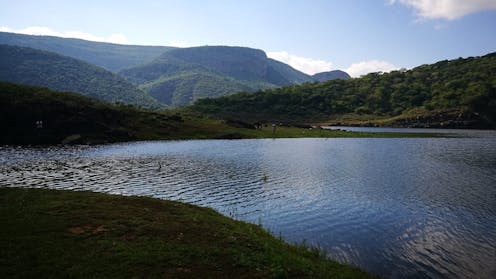
    Lake Fundudzi By Iris Auda – Own work, CC BY-SA 4.0, CC BY

    Nature isn’t confined to officially protected areas. A lot can be done to conserve biodiversity in other places too. The United Nations Convention on Biological Diversity agreed in 2018 on the idea of “other effective area-based conservation measures” (OECMs). These are geographically defined areas which can be managed in ways that protect biodiversity, ecosystem functions and “where applicable, cultural, spiritual, socio-economic, and other locally relevant values.” Geographer Ndidzulafhi Innocent Sinthumule has explored the potential for sacred natural sites in South Africa to contribute to nature conservation.

    Why does South Africa need to protect more land?

    In South Africa, although protected areas play a vital role in biodiversity conservation, they are not sufficient. A lot of biodiversity occurs outside formal protected areas. Protected areas make up only 9.2% (or 11,280,684 hectares) of the country’s total land area. The National Protected Area Expansion Strategy, which was last updated in 2016, aims to increase the percentage of protected areas in the country to 16%.

    My view is that the target can only be achieved by recognising other areas that have high conservation value, such as sacred natural sites. These are places with special spiritual and cultural value.

    Recognising sacred natural sites as “other effective area-based conservation measures” entails officially declaring them as protected areas.

    There are also other sites with conservation potential. These could be on public, private or community land. This means they are governed by a variety of rights holders. Apart from sacred natural sites, other examples include military land and waters, and locally managed marine areas.

    Whatever their other, primary purpose, they can also deliver conservation of biodiversity.

    Where are South Africa’s sacred natural sites?

    There are areas in South Africa known as sacred sites because of their cultural, spiritual, or historical value, often linked to ancestral beings, religion and traditional beliefs.

    They are often places of reverence, where rituals, ceremonies, burials, or pilgrimage are conducted, and where the custodians of the areas feel a deep connection to something larger than themselves.


    Read more:
    Sacred rivers: Christianity in southern Africa has a deep history of water and ritual


    Examples of sacred natural sites include these in Limpopo province, in the north of the country:

    • Thathe holy forest

    • the sacred forest of Vhutanda

    • the Phiphidi waterfall

    • the Fundudzi lake.

    In the province of KwaZulu-Natal, there are Mazizini and Mabasa forests, regarded as sacred by local communities.

    In the Free State province, the local Basotho people regard certain caves as sacred and ancestral sites:

    • Motouleng (between Fouriesburg and Clarens)

    • Mautse (between Rosendal and Ficksburg)

    • Mantsopa (at Modderpoort near Ladybrand)

    • Badimong near Rosendal.

    How do the sites fit in with protecting diversity?

    The study aimed to assess opinions and perceptions about the opportunities and challenges of sacred natural sites in contributing to global conservation goals.

    I interviewed academics involved in research on Indigenous knowledge, people involved in discussions about conservation, and custodians of sacred natural sites – 39 people in all.

    Study participants identified a number of opportunities. They said:

    • Sacred natural sites frequently harbour high levels of biodiversity, including rare and endemic species, because they have been protected for a long time through cultural practices. Giving them more legal protection and funding, and integrating them into national conservation strategies, would protect hotspots of biological diversity.

    • Integrating traditional ecological knowledge and practices into mainstream conservation efforts would promote more inclusive and culturally sensitive approaches to environmental management.

    • It would expand the total land area under conservation.

    • It might create conservation corridors that would facilitate movement of animals and ecological processes between isolated habitat patches.

    • Sacred natural sites could serve as carbon sinks or storehouses of carbon emissions. Sacred forests have old, tall trees and well developed canopy – the layer of foliage that forms the crown of a forest.

    • They can serve as tourist destinations where visitors will learn about biodiversity and about religious and cultural practices.


    Read more:
    ‘Sacred forests’ in West Africa capture carbon and keep soil healthy


    The study participants also identified challenges.

    • A big one was access rights and harmonising cultural and formal conservation practices. Access to sacred natural sites and the use of resources by the public is usually not permitted.

    • There was a fear that external intervention by government, nongovernmental organisations and conservationists might sideline local people and lead to the loss of their sacred sites.

    • External interventions might promote scientific knowledge at the expense of the traditional ecological knowledge that has protected sacred natural sites for millennia.

    • Respondents were concerned about elites capturing all the benefits and not sharing them equitably.

    • A methodological challenge might be how to study conservation effectiveness while respecting cultural sensitivities.

    How would a sacred natural site be officially recognised?

    At the moment, sacred natural sites are not designated or recognised as an “other conservation measure”. Currently, there are no standard procedures, criteria, or guidelines available for declaring them as such in South Africa. These would have to be determined by the national Department of Forestry, Fisheries and the Environment.

    The process should begin with identifying all sacred natural sites to understand where they are and what contribution they could make towards biodiversity conservation. The department should do this in consultation with local communities and traditional leaders who understand the local environment. It should be in line with the international principle of Free, Prior, and Informed Consent. This acknowledges the right of Indigenous peoples to give or withhold their consent for any action that would affect their lands.


    Read more:
    South African communities vs Shell: high court victories show that cultural beliefs and practices count in climate cases


    This will set up sacred natural sites as a conservation model that contributes to both biodiversity protection and cultural heritage preservation. The involvement of communities will ensure that sacred natural sites are a sustainable solution.

    All the respondents in my study said that designating a site as an “other conservation measure” should give control or legal protection, ownership and stewardship roles to local communities who have protected the area for ages.

    The Conversation

    Ndidzulafhi Innocent Sinthumule does not work for, consult, own shares in or receive funding from any company or organisation that would benefit from this article, and has disclosed no relevant affiliations beyond their academic appointment.

    – ref. Sacred sites in South Africa can protect natural heritage and culture: here’s how – https://theconversation.com/sacred-sites-in-south-africa-can-protect-natural-heritage-and-culture-heres-how-260207

    July 10, 2025
  • MIL-OSI United Kingdom: Discover hidden Island treasures at the Festival of Archaeology 9 July 2025 Discover hidden Island treasures at the Festival of Archaeology

    Source: Aisle of Wight

    Residents and visitors are invited to step back in time and explore the rich heritage of the Isle of Wight at a special event hosted by the Museum of Island History in Newport’s Guildhall.

    As part of the national Festival of Archaeology, the museum will open its doors free of charge from 10am to 1pm on Saturday, 19 July.

    A highlight of the event is a new display featuring artefacts unearthed by The Vectis Searchers, the Island’s long-standing metal detecting club, which celebrates its 40th anniversary this year.

    These fascinating finds — often held in private collections — offer a rare glimpse into the Island’s past, with objects discovered in fields and gardens across the community.

    Visitors are encouraged to bring along their own archaeological discoveries for expert identification by the Isle of Wight’s finds liaison officer.

    There will also be a chance to learn more about the Portable Antiquities Scheme, a British Museum initiative that records archaeological finds made by the public.

    “This is a wonderful opportunity for residents to get hands-on and discover more about our special Island history,” said a spokesperson for the Isle of Wight Heritage Service.

    “With handling artefacts to explore and a free museum trail for families, it’s a perfect day out for all ages.”

    The Festival of Archaeology, organised by the Council for British Archaeology, runs from 19 July to 3 August and features hundreds of events across the UK, both in-person and online.

    The Newport event is part of this nationwide celebration of heritage and discovery.

    The Museum of Island History is located at the Guildhall, High Street, Newport, PO30 1TY, and is normally open Tuesdays and Thursdays from 10am to 1pm.

    MIL OSI United Kingdom –

    July 10, 2025
  • MIL-OSI United Kingdom: Revised designs submitted for the Castle and Eye of York area

    Source: City of York

    A new flythrough has revealed what the Castle Car Park and the Eye of York could look like.

    Amendments to the existing Castle car park and Eye of York planning application have now been submitted.

    The key changes include:

    • a new green park
    • introducing a dedicated space for children to play
    • replacing the paved event space with 30 Blue Badge parking spaces to replace existing parking – two of which will have electric vehicle charging points
    • reducing the costs of the overall scheme to ensure it is deliverable.

    This follows public engagement on the revised concept designs which took place during summer 2024. Design consultancy, BDP, reflected priorities including accessibility, heritage and maintenance in the updated design.

    Councillor Katie Lomas, Executive Member for Finance, Performance, Major Projects, Human Rights, Equality and Inclusion at City of York Council, said:

    “This is an important step forwards for the project which aims to transform one of the most historic parts of the city centre.

    “These plans seek to create a versatile public space where people of all ages want to spend time, making it greener and more accessible, as well as more affordable and deliverable, when compared to previous plans.  We are sensitive to the area and its history and that is reflected in the plans which honour some of the more difficult aspects of our past.

    “We also want this to be a space for all and as well as a number of accessible features, these plans include retaining 30 blue badge parking spaces, following public feedback.

    “We will continue to listen as this project moves through the planning process.”

    Councillor Pete Kilbane, Deputy Leader of the Council and Executive Member for Economy and Culture said:

    “We are working to transform this area from a car park to a people park.

    “These plans have been shaped by comments from local people, disabled groups, businesses and other stakeholders.

    “Our proposals include new play areas for families – something people have been asking for more of in the city centre, and green open space for people to relax and take some time out.

    “Our aspiration is for this historic site to be a free, welcoming place for residents and visitors to enjoy, away from the bustle of the city”.

    Matthew Costa, Landscape Architect Director at BDP, said:

    “We’ve listened carefully to what people want from this space and continue to shape the design around the community vision.

    “The updated plans aim to make the area greener, easier to get around, and more enjoyable for everyone – whether you’re coming to relax, play, or meet others. It’s about turning the Castle Gateway into a place that feels like an inclusive, cultural and nature-rich part of the city again.”

    The revised designs can be viewed in the updated flythrough video.

    The planning application can be found using this reference 22/00209/FULM and comments can be made via the statutory planning process before at the Planning Portal. People can also email comments to planning.comments@york.gov.uk or post to Development Management, City of York Council, West Offices, York YO1 6GA.

    A report will be taken to the council’s Executive later this year, seeking a decision to close Castle car park, approval to procure a contractor to deliver the scheme, setting the delivery budget and timeframe, plus provide updates on other Castle Gateway schemes.

    Read the latest My Castle Gateway blog and find out more about the scheme.

    MIL OSI United Kingdom –

    July 10, 2025
  • MIL-OSI United Kingdom: Report warns of rising health risks in Leeds from increasing temperatures due to climate change

    Source: City of Leeds

    A new report has warned rising temperatures due to climate change pose serious health risks to the city’s population.

    ‘Heat in the City: Our Health in a Warming Leeds’ – this year’s annual report by Director of Public Health, Victoria Eaton – highlights the growing threat of heat-related illness and calls for collective city-wide action to protect residents now and in the future.

    Leeds has seen record-breaking temperatures in recent years, including the 2022 heatwave when the city hit 40 degrees Celsius (C) for the first time.

    The report warns of the link between hot weather and a rise in hospital admissions and deaths – as seen in the 2022 heatwaves, when an estimated 2,985 died in England during the hottest periods.

    Extreme heat can make breathing harder and put extra strain on the heart, circulatory system and kidneys as they work to cool the body, with vulnerable groups – such as older adults, children, pregnant woman, people with long-term health conditions – most at risk.

    Densely-populated, inner-city areas, where manmade surfaces such as concrete and asphalt absorb and retain heat, greenspace is reduced and tall buildings block airflow, creates a phenomenon known as the ‘urban heat island effect’, where temperatures can be up to 8 degrees Celsius (C) hotter than in rural areas.

    Increasing temperatures due to climate change also introduce new threats such as longer pollen seasons, increased asthma cases during thunderstorms and the potential spread of diseases such as Lyme disease from ticks and mosquito-borne diseases like dengue and Zika.

    The report highlights some of the creative projects and initiatives already happening across the city to combat climate change, including work to enhance biodiversity such as through the creation of the city centre ‘Aire Park’ and the planting of 100 community orchards – with Leeds set to reach the most in the UK outside of London – as well as the distribution of hot weather packs for people most at risk.

    Key recommendations for city-wide action within the report include:

    • Expanding access to cool spaces;
    • Integrating more heat resilience into urban planning;
    • Continuing to prioritise investment in energy-efficient housing;
    • Raising public awareness of the impacts of heat on health as well as ensuring frontline workers have the tools they need to support vulnerable groups.

    Victoria Eaton, Leeds City Council’s director of public health, said “Rising temperatures affect everyone but the health risks aren’t equal.

    “People in our most deprived and densely-populated areas – especially older adults, young children, pregnant women and those with long-term conditions – face the greatest risks.”

    Councillor Fiona Venner, executive member for equality, health and wellbeing, said “Climate change is a health crisis. The choices we make today will shape the wellbeing of future generations.

    “Together we can create a Leeds that not only adapts to rising temperatures but thrives in spite of them.”

    The report was praised by the Association of Directors of Public Health as “particularly innovative,” and supports Leeds’s ambition to become the UK’s first net-zero city by 2030.

    To view the report and accompanying film, visit https://observatory.leeds.gov.uk/dph-report/

    MIL OSI United Kingdom –

    July 10, 2025
  • MIL-OSI USA: EPW Favorably Reports NRC and EPA Nominees, Approves GSA Resolutions at Business Meeting

    US Senate News:

    Source: United States Senator for West Virginia Shelley Moore Capito

    [embedded content]

    To watch Chairman Capito’s opening statement, click here or the image above.

    WASHINGTON, D.C. – Today, U.S. Senator Shelley Moore Capito (R-W.Va.), Chairman of the Senate Environment and Public Works (EPW) Committee, led a business meeting to consider the nominations of Usha-Maria Turner to be Assistant Administrator of the Environmental Protection Agency (EPA) for the Office of International and Tribal Affairs and David Wright to be a member of the Nuclear Regulatory Commission (NRC), and 32 Committee Resolutions to approve prospectuses from the General Services Administration (GSA).

    Both nominations were favorably reported by the EPW Committee, and the GSA resolutions were approved by voice vote. The nominations head to the full U.S. Senate for consideration. 

    Below is the opening statement of Chairman Shelley Moore Capito (R-W.Va.) as delivered.

    “I want to thank everybody for attending today’s business meeting to vote on the nominations of David Wright to be a member of the Nuclear Regulatory Commission and Usha-Maria Turner to be EPA Assistant Administrator for the Office of International and Tribal Affairs.

    “I will support both of these nominees this morning.

    “As our nation’s independent nuclear safety regulator, the NRC is critically important to our energy future. Congress directed the NRC to be more efficient and we expect the NRC, under the leadership and direction of the Chair and the Commission, to accelerate this work.

    “Through Chairman Wright’s leadership, the NRC has taken some initial, positive steps. The Commission updated its Mission Statement, reduced the timeframe to approve new nuclear licenses, and is addressing unique regulatory challenges with new reactor designs.

    “I will work in a bipartisan manner to hold the Commission, including Chairman Wright, accountable to expedite their efforts while maintaining their focus on ensuring nuclear safety.

    “In response to questions for the record I submitted jointly with Ranking Member Whitehouse, Chairman Wright affirmed that he is committed to preserving the NRC’s independent authority to license and oversee the civilian use of nuclear material. I appreciate that commitment and will support Chairman Wright’s nomination.

    “I will also vote for Usha-Maria Turner to lead the EPA’s Office of International and Tribal Affairs.

    “Her experience in energy and environmental regulatory affairs makes her well prepared to represent the EPA around the world and with our Tribal partners. I urge my colleagues to support these nominations.

    “I also encourage my colleagues to support the 32 GSA resolutions that authorize important repair and alternation projects and leases across the country.”

    MIL OSI USA News –

    July 10, 2025
  • MIL-OSI USA: Cotton Introduces Bill to Eliminate Challenges to Countering China

    US Senate News:

    Source: United States Senator for Arkansas Tom Cotton

    FOR IMMEDIATE RELEASE
    Contact: 
    Caroline Tabler or Patrick McCann (202) 224-2353
    July 9, 2025

    Cotton Introduces Bill to Eliminate Challenges to Countering China 

    Washington, D.C. — Senator Tom Cotton (R-Arkansas), Chairman of the Senate Select Committee on Intelligence, today introduced the Necessary Environmental Exemptions for Defense Act, legislation that would establish environmental waivers for commercial projects deemed necessary to counter the Chinese Communist Party by the Secretary of Defense.

    “Current environmental laws put our readiness to counter Communist China at risk and waste taxpayer dollars on projects that stall out and die on the vine. This bill will create jobs, better arm and prepare our soldiers, and spend taxpayer dollars more efficiently,” said Senator Cotton.

    Text of the Necessary Environmental Exemptions for Defense Act may be found here.

    The Necessary Environmental Exemptions for Defense Act would:

    • Establish a waiver for activities related to countering the threat of Communist China.
    • The waivers would apply to regulations under the:
      • National Environmental Policy Act (NEPA)
      • Endangered Species Act (ESA)
      • Marine Mammal Protection Act (MMPA)
      • Federal Water Pollution Control Act (FWPA)

    MIL OSI USA News –

    July 10, 2025
  • MIL-OSI Canada: Contract awarded for Phase 2 of Counter Uncrewed Aircraft Systems Capability in support of Operation REASSURANCE

    Source: Government of Canada News (2)

    July 9, 2025 – Ottawa, Ontario, Department of National Defence

    On July 7, 2025, the Government of Canada awarded two contracts for a total value of $169,187,671.90 to CACI, Inc. – FEDERAL as part of the second phase of the Counter Uncrewed Aircraft System (CUAS) Urgent Operational Requirement. This is a critical new capability to support Canadian Armed Forces (CAF) members deployed on Operation REASSURANCE.

    This contract includes the integration and mounting of the CUAS onto a new light armoured tactical vehicle platform, as well as in-service support for the systems for up to 10 years.

    As the international security environment changes, the Government of Canada is continually working to equip CAF personnel with the capabilities they need to protect Canada and its national interests. The CUAS capability will provide CAF members with improved protection against smaller hostile uncrewed aircraft systems through detection, identification, tracking, and degradation and defeat using integrated vehicles with sensors and effectors.The CUAS capability will provide CAF members with improved protection against smaller hostile uncrewed aircraft systems through detection, identification, tracking, and degradation and defeat using integrated vehicles with sensors and effectors.

    MIL OSI Canada News –

    July 10, 2025
←Previous Page
1 … 621 622 623 624 625 … 5,934
Next Page→
NewzIntel.com

NewzIntel.com

MIL Open Source Intelligence

  • Blog
  • About
  • FAQs
  • Authors
  • Events
  • Shop
  • Patterns
  • Themes

Twenty Twenty-Five

Designed with WordPress