Category: Academic Analysis

  • ‘Eat the rich’ — Why horror films are taking aim at the ultra-wealthy

    Source: ForeignAffairs4

    Source: The Conversation – Canada – By Heather Roberts, PhD Candidate in Screen Cultures and Curatorial Studies, Queen’s University, Ontario

    Samara Weaving in the horror film ‘Ready or Not.’ Weaving plays Grace, a bride who must survive until dawn on her wedding day as her in-laws hunt her down. (Searchlight Pictures)

    This story contains spoilers about ‘Ready or Not’ and ‘The Menu.’

    When Amazon founder Jeff Bezos and fiancée Lauren Sánchez held their lavish three-day wedding celebration in Venice recently, it wasn’t just a party — it was a spectacle of wealth, reportedly costing between US$47 million and US$56 million.

    Critics highlighted the environmental toll of such an event on the fragile, flood-prone city, while protesters took to the streets to condemn the wedding as a tone-deaf symbol of oligarchical wealth at a time when many can’t afford to pay rent, let alone rent an island.

    The excessive show of opulence felt like the opening of a horror film, and lately, that’s exactly what horror has been giving us. In films like Ready or Not (2019) and The Menu (2022), the rich aren’t simply out of touch; they’re portrayed as predators, criminals or even monsters.


    Read more:
    Horror comedy ‘The Menu’ delves into foodie snobbery when you’re dying for a cheeseburger


    These “eat-the-rich” films channel widespread anxieties about the current socioeconomic climate and increasing disillusionment with capitalist systems.

    In a world where the wealthy and powerful often seem to act with impunity, these films expose upper-class immorality and entitlement, and offer revenge fantasies where those normally crushed by the system fight back or burn it all down.

    Horror takes aim at the wealthy

    Originally a quote from social theorist Jean-Jacques Rousseau during the French Revolution, “eat the rich” has re-emerged in recent years in public protests and on social media in response to increasing socioeconomic inequality.

    In cinema, eat-the-rich films often use grotesque hyperbole or satire to reveal and critique capitalist systems and the behaviours of the wealthy elite.

    Film scholar Robin Wood argues that horror films enact a return of what is repressed by dominant bourgeois — that is, capitalist — ideology, typically embodied by the figure of the monster.

    He cites The Texas Chain Saw Massacre (1974), a classic example of anti-capitalist sentiment in horror that depicts Leatherface (Gunnar Hansen) and his working-class family as monstrous victims of the 1970s industrial collapse. Rather than accept repression, they return as cannibalistic monsters, making visible the brutality of capitalist systems that exploit and degrade people like obsolete commodities.

    But in eat-the-rich horror, it is the wealthy themselves who become the monsters. The locus of repression becomes their privilege, which is often built on exploitation, inequality and invisible or normalized forms of harm.

    These films render these abstract systems tangible by making the elite’s monstrosity visible, literal and grotesque.

    Revenge horror for the 99 per cent

    Recent horror films are increasingly using genre conventions to critique wealth, privilege and the systems that sustain them.

    Ready or Not turns the rich into bloodthirsty monsters who maintain their fortune through satanic rituals and human sacrifice. Grace (Samara Weaving) marries into the Le Domas family, board game magnates who initiate new family members with a deadly game of hide-and-seek. She must survive until dawn while her new in-laws hunt her down to fulfil a demonic pact.

    The film critiques the idea of inherited wealth as something earned or honourable, combining humour and horror to reflect anxieties about class entrenchment and the moral decay of the elite.

    Trailer for the 2019 horror film ‘Ready or Not.’

    The Le Domases are monstrous not only for their violence, but for how casually they justify it. When several maids are accidentally killed in the chaos, they react with self-pity, indifferent to who must be sacrificed to maintain their wealth.

    In The Menu, the rich are portrayed as monstrous not through physical violence, but through their moral failings — like financial crimes and infidelity — and their hollow consumption of culture.

    Celebrity chef Julian Slowik (Ralph Fiennes) lures wealthy foodies to his exclusive island restaurant, using food as a weaponized form of art to expose guests’ hypocrisy and misdeeds. In one scene, guests are served tortillas laser-printed with incriminating images, such as banking records and evidence of fraudulent activity.

    The tortilla scene from the 2022 horror film ‘The Menu.’

    The film criticizes consumption in an industry where food is no longer a source of enjoyment or sustenance, but a status symbol for the elite to display their wealth and taste.

    Why these films are striking a nerve now

    It’s no surprise that audiences are turning to horror to make sense of systems that feel increasingly bleak and inescapable. In Canada, the cost of living continues to outpace wages, housing affordability remains an issue for many, while grocery prices are a source of horror in their own right.

    A university degree, once considered a reliable path to stability, no longer guarantees the financial security of a salaried job. Many Canadians now rely on gig economy jobs as supplementary income.

    Meanwhile, the wealth gap is increasing and obscene displays of wealth — like a multi-million-dollar wedding — can feel disconnected, even offensive, to people experiencing financial precarity.

    Eat-the-rich films tap into this collective sense of injustice, transforming economic and social anxieties into a cathartic spectacle where ultra-wealthy villains are held accountable for their actions.

    Screencap of a movie showing an older white man in a chef uniform standing beside a young white woman in a slip dress
    Margot, played by Anya Taylor-Joy, and executive chef Julian Slowik, played by Ralph Fiennes, in ‘The Menu.’
    (Eric Zachanowich/Searchlight Pictures)

    At the end of Ready or Not, the members of the Le Domas family explode one by one and their mansion burns down. In The Menu, the guests are dressed up like s’mores and immolated. In both films, fire serves as a symbolic cleansing of the wealthy, their power and the systems that protect them.

    More than that, these films provide someone to root for: working-class protagonists who are targeted by the elite but ultimately survive. Former foster child Grace fights her way through a pack of murderous millionaires, while escort Margot/Erin (Anya Taylor-Joy) is spared when she rejects the pretentiousness of fine dining and orders a humble cheeseburger instead.

    In this way, horror becomes a form of narrative resistance, illustrating class rage through characters who refuse to be consumed by the systems trying to oppress them. While inequality and exploitation persist in reality, eat-the-rich films offer escape, and even justice, on screen.

    The Conversation

    Heather Roberts does not work for, consult, own shares in or receive funding from any company or organisation that would benefit from this article, and has disclosed no relevant affiliations beyond their academic appointment.

    ref. ‘Eat the rich’ — Why horror films are taking aim at the ultra-wealthy – https://theconversation.com/eat-the-rich-why-horror-films-are-taking-aim-at-the-ultra-wealthy-260550

  • MIL-Evening Report: Kneecap’s stance on Gaza extends a long history of the Irish supporting other oppressed peoples

    Source: The Conversation (Au and NZ) – By Ciara Smart, PhD Graduand in Australasian Irish History, University of Tasmania

    Love them or hate them, there’s no doubt Irish hip-hop trio Kneecap are having a moment.

    Their music – delivered in a powerful fusion of English and Irish – is known for its gritty lyrics about party drugs and working-class life in post-Troubles Ireland. More recently, the group has made headlines for its outspoken support for the Palestinian people.

    British police have charged member Liam Óg Ó hAnnaidh (known by his stage name Mo Chara) with a terrorism offence. Ó hAnnaidh was charged in May, after being accused of displaying a Hezbollah flag at a London concert in November.

    But this isn’t the first time an Irish republican group has courted controversy for backing other oppressed peoples. This has been happening for almost two centuries.

    Unsanitised and vocal support

    Ireland is composed of 32 counties. Twenty-six are in the Republic of Ireland, while six are part of the United Kingdom in Northern Ireland. When the British government withdrew from most of Ireland in 1921, the Irish Free State was largely Catholic, while Northern Ireland was more heavily Protestant. But these divisions are becoming increasingly irrelevant.

    While Ireland is still split across two nations, public support for Irish unity remains strong, particularly among citizens of the Republic.

    Kneecap’s members are from Belfast, the capital of Northern Ireland. They are also fierce republicans, which means they want to see Ireland united as one nation. One of their most popular songs, Get Your Brits Out, calls for the British state’s withdrawal from Northern Ireland.

    The group has experienced a meteoric rise in recent years, helped by a semi-autobiographical film released last year.

    They have reclaimed the term “Fenian”, often used as an anti-Irish slur. Their decision to rap in Irish is also a cultural milestone, as the language was suppressed in Northern Ireland for most of the 20th century, only achieving official language status in 2022.

    Despite being undeniable provocateurs, they claim they aren’t
    interested in reigniting Catholic-Protestant conflict. They celebrate the similarities between both groups, rather than highlight their differences.

    Ó hAnnaidh’s alleged terrorism offence came after he waved a Hezbollah flag at a London gig and chanted “Up Hamas, up Hezbollah”. Both Hamas and Hezbollah are considered terrorist groups in Britain. He will face court on August 20.

    Irish-Māori solidarity

    Kneecap is carrying on a long tradition of Irish groups who faced controversy for denouncing the oppressive acts of powerful states.

    In the 19th century, several Irish nationalist groups expressed solidarity with other colonised peoples, especially Māori in Aotearoa New Zealand. Groups such as the Irish Republican Brotherhood (whose members were called Fenians) arguably saw Māori and Irish as co-victims of a tyrannical state.

    Irish nationalist newspapers often wrote sympathetically about the colonisation of New Zealand, and tried to inspire Ireland to resist British subjugation, like Māori seemed to be doing.

    This painting by Kennett Watkins, The Death of Von Tempsky at Te Ngutu o Te Manu (circa 1893), portrays conflict in 1868 between armed constabulary and Māori forces.
    Wikimedia

    In July 1864, the Fenian newspaper The Irish People stressed British hypocrisy. It wrote, “savages we call [Māori], using the arrogant language of civilisation, but, honestly, they deserve to be characterised by a much better word”.

    It also scoffed at the “unconquerable propensity of the Anglo-Saxon to plunder the lands of other people – a propensity which manifests itself most strikingly alike in Ireland and New Zealand”.

    Similarly, in December 1868, the nationalist newspaper The Nation contrasted “valiant” Māori with “terrified” British. It sarcastically described Māori as “rebels (men fighting for their own rights on their own soil)” and mocked the British forces as “valiant men who could bully a priest”.

    The article finished on a sombre note: “Mere valour will in the end go down before the force of numbers and the cunning of diplomacy”.

    Rumours of a secret rebellion

    Other Irish leaders, such as the nationalist Michael Davitt, saw inspirational parallels between the nonviolent campaign of Charles Stewart Parnell, the 19th century leader of the Irish Home Rule movement, and Māori leader Te Whiti-o-Rongomai.

    In Ireland, Parnell encouraged poor tenant farmers to pause rent payments to their British landlords. In New Zealand, Te Whiti encouraged Māori to dismantle colonially-constructed fences and plough the land for themselves. Both were arrested in 1881 within three weeks of each other.

    The ‘No Rent Manifesto’ was issued on 18 October 1881, by Parnell and others of the Irish National Land League while in Kilmainham Jail.
    National Library of Ireland

    So strong was the sense of kinship between Irish and Māori that, in the 1860s, there were persistent rumours of a joint Irish-Māori rebellion reported in the media and even New Zealand’s parliament.

    In March, 1869, the conservative New Zealand newspaper Daily Southern Cross reported a large number of Māori “have decided on joining the Fenian Brotherhood, and have adopted the green flag as their national emblem”.

    Later that year, the paper reported the supposed Fenians told a Māori resistance group that, “like the Maori, they hate the British rule, and are prepared to make common cause […] to overthrow that rule in New Zealand”.

    However, these rumours were probably no more than a conspiracy fuelled by racist anti-Irish paranoia.

    Actions and outcomes

    Any tangible results of cross-cultural sympathy from 19th century Irish nationalists were mixed, at best. My ongoing research shows solidarity with Māori was partly motivated by humanitarian motives, but was also often used to make a point about Ireland.

    Identifying with another oppressed peoples within the context of a corrupt empire was a powerful way to argue for improved political recognition within Ireland. Irish nationalists generally didn’t do much other than declare their sympathy.

    Kneecap, on the other hand, seems willing to bear the legal and financial consequences of being vocal about human rights abuses in Gaza. Some of their shows have been cancelled, and funding providers have withdrawn.

    While curated rebellion can be lucrative in show-business, Kneecap says the controversy following them is a distraction. They insist the world should focus squarely on Gaza instead.

    Ciara Smart does not work for, consult, own shares in or receive funding from any company or organisation that would benefit from this article, and has disclosed no relevant affiliations beyond their academic appointment.

    ref. Kneecap’s stance on Gaza extends a long history of the Irish supporting other oppressed peoples – https://theconversation.com/kneecaps-stance-on-gaza-extends-a-long-history-of-the-irish-supporting-other-oppressed-peoples-261261

    MIL OSI AnalysisEveningReport.nz

  • MIL-Evening Report: Central bank independence and credibility matters. Here’s why

    Source: The Conversation (Au and NZ) – By John Simon, Adjunct Fellow in Economics, Macquarie University

    Olga Kashubin/Shutterstock

    In the United States, President Donald Trump has been pressuring the chairman of the US Federal Reserve, Jerome Powell, to slash interest rates. This is partly to ease the interest payments on the ballooning US government debt.

    Powell has so far resisted, but Trump has also threatened to replace him with someone who will do what he asks.

    In Australia, after the Reserve Bank’s surprise decision to hold interest rates steady this month, some commentators have wondered if the central bank had “betrayed” Australians. Treasurer Jim Chalmers pointedly remarked:

    It’s not the result millions of Australians were hoping for or what the market was expecting.

    On Tuesday, the Reserve Bank released the minutes of that controversial policy-setting meeting, which said some economic data was slightly stronger than expected. The majority of the board believed:

    lowering the cash rate a third time within the space of four meetings would be unlikely to be consistent with the strategy of easing monetary policy in a cautious and gradual manner.

    Can’t rates just be kept low?

    Wouldn’t we be better off if central banks kept interest rates low, as some politicians and borrowers were hoping for? It would certainly help those of us with mortgages.

    Surprisingly, the answer is no.

    We are better off when central banks set interest rates with a view on the longer run rather than just the short-term demands of politicians and borrowers.

    To see why we can look at history to see what happens when a central bank isn’t independent.

    Why does independence matter?

    In the 1970s the chairman of the US Federal Reserve, Arthur Burns, was pressured to cut interest rates in the run-up to the 1972 election. He dutifully did so and, while President Richard Nixon was re-elected, this led to “stagflation” – with inflation, unemployment and even interest rates, higher than before interest rates were cut.

    A more recent example of political pressure can be seen in Turkey where the president pressured the central bank to cut interest rates. He hoped to stimulate the economy and believed higher interest rates caused higher inflation.

    Unfortunately, lower rates were shortly followed by higher inflation and, ultimately, much higher interest rates.

    And today in the US, even though Powell has so far resisted Trump’s pressure, financial markets are shaken and long-term interest rates go up when Trump talks about replacing him.

    Lower interest rates can be like a caffeinated energy drink – they give you a short-term energy boost, but can leave you tired, irritable and with a headache when the effects wear off.

    So, why does this happen? It’s all about expectations.

    Expectations about the future matter

    A central bank influences the economy both through what it does and what people expect it to do. The ability to shape expectations is a powerful tool for central banks, especially during crises such as the COVID pandemic, when official interest rates were close to zero.

    Imagine, for example, you are about to take out a mortgage. In making this decision you will likely think not just about current interest rates and your ability to make repayments, but what is likely to happen to future interest rates, your wages and inflation.

    Credibility is the key to successfully shaping people’s expectations. If a central bank is independent and credible, consumers and businesses will listen to what it says and adjust their expectations accordingly.

    The chart below illustrates this point.

    Macquarie University’s Business Outlook Scenarios Survey asks businesses if they believe the Reserve Bank will meet its inflation goals. Those that do trust the bank (the line labelled “certain”) have lower inflation expectations than those that don’t (the line labelled “uncertain”).

    Importantly, the expectations of those that trust the bank to meet its inflation goals tend to align with the bank’s 2–3% inflation target over the business cycle.

    And these expectations affect what businesses and consumers do today.

    So, how credible is the Reserve Bank today?

    Despite the surprise hold, Australians still trust the RBA

    Data from the Business Outlook Scenarios Survey shows the Reserve Bank has rebuilt its credibility since its 2021 “promise” not to raise interest rates until 2024. It has done this by reforming its board structure and membership, being more open and, most critically, by hitting the inflation target.

    Indeed, the most recent survey data shows that, if anything, the surprise decision increased people’s confidence in the bank’s ability to control inflation.

    In July, the survey was in the field between July 7 and 10. The Reserve Bank made its announcement on July 8. Out of 512 businesses surveyed, 368 completed it before the announcement and 144 completed it after the announcement.

    Overall, more than 40% of businesses surveyed were certain the Reserve Bank will achieve its inflation target. This is up from less than 10% a year ago. And, those who completed the survey after the announcement were more likely to trust the Reserve Bank than those that who completed it before the announcement.

    So next time you hear politicians and commentators calling for immediate interest rate cuts, you should hope the Reserve Bank ignores those calls and focuses on the longer term. Overseas experience shows things do not end well when politicians start determining interest rates.

    The authors do not work for, consult, own shares in or receive funding from any company or organisation that would benefit from this article, and have disclosed no relevant affiliations beyond their academic appointment.

    ref. Central bank independence and credibility matters. Here’s why – https://theconversation.com/central-bank-independence-and-credibility-matters-heres-why-260198

    MIL OSI AnalysisEveningReport.nz

  • MIL-Evening Report: Ultra fast fashion could be taxed to oblivion in France. Could Australia follow suit?

    Source: The Conversation (Au and NZ) – By Rowena Maguire, Professor of Law and Director of the Centre of Justice, Queensland University of Technology

    Ryan McVay/Getty

    For centuries, clothes were hard to produce and expensive. People wore them as long as possible. But manufacturing advances have steadily driven down the cost of production. These days, clothing can be produced very cheaply. In the 1990s, companies began churning out fast fashion: low cost versions of high end trends. In the 2010s came ultra fast fashion, where clothes are produced extremely rapidly and intended to be almost disposable.

    Ultra fast fashion is deeply unsustainable. Producing it is energy intensive and many low quality items go rapidly to landfill.

    In response, France is planning to add a A$16 tax to each item of ultra-fast fashion, require mandatory environmental disclosures and ban advertising and influencer promotions.

    To date, Australia has done little about the problem – even though every Australian bought an average of 53 new pieces of clothing as of 2023 and we send 220,000 tonnes of clothes to the dump annually. Responses so far have focused on voluntary schemes, which have done little to help. Policymakers should look overseas.

    Ultra-fast fashion companies such as Shein and Temu would be targeted by new French laws, if they are passed.
    Arnaud Finistre/Getty

    Why is ultra fast fashion such a problem?

    About 117 billion pieces of clothing were purchased worldwide in 2023 – about 14 pieces per person. That’s well beyond the limit of five new garments per year experts recommend if we’re to live within our planetary boundaries.

    There are many problems with buying too many cheap clothes. Textile manufacturing is surprisingly energy intensive. At present, the industry is responsible for about 2% of global emissions and this is expected to rise steadily. Millions of barrels of oil are used each year to make synthetic fibres such as polyester.

    Ultra fast fashion items rely heavily on synthetic fibres. When washed, they produce large volumes of microplastics which go into rivers and oceans. The European Union estimates textiles account for about 20% of freshwater pollution annually. Many ultra cheap clothing items have question marks over how ethically they were produced. Nearly all of these cheap clothes only have one owner before going to the dump.

    Australia’s response is minimal

    Australia has no national policy on clothing. Circular economy policies and strategies at both federal and state levels don’t tend to focus on textiles.

    Australian consumer laws regulate greenwashing of products. In 2023, Australia’s peak competition regulator flagged the textile industry as one with a high rate of concerning claims.

    Similarly, Australia’s modern slavery laws require large corporations to identify and address risks of slave labour in their operations. Fashion brands often source materials and labour from regions with high exploitation risks Unfortunately, these laws don’t have penalties attached.

    These laws are positive, but still far from the EU’s large-scale efforts to regulate the textile industry.

    One promising effort is the voluntary Seamless textile scheme. Voluntary schemes like these are often used as a way to introduce reforms to a previously unregulated sector or industry.

    The goal of this scheme is to help brands take responsibility for the entire lifespan of the garments they make or sell. Participating brands and retailers pay a levy which is used to promote clothing repair and rental, expand recycling and run information campaigns. Seamless is meant to help the industry prepare for a potential mandatory scheme in the future. Former Federal Environment Minister Tanya Plibersek said she was “not afraid to regulate” last year, but nothing has happened since.

    To date, participation has been very limited. Around 60 brands and retailers have signed up. Ultra-fast fashion brands such as Temu and Shein aren’t covered by the scheme, as they’re based overseas.

    Ultra-fast fashion rapidly turns into rubbish.
    Ernest Rose/Shutterstock

    Time for laws with teeth?

    France’s planned ultra fashion laws are directly aimed at high-volume, low-cost clothing producers with binding measures such as taxes and advertising bans. If the laws come into effect, France would likely see a substantial drop in the flows of these clothes and the textile waste produced.

    By contrast, Australia’s efforts so far aren’t changing things. The Seamless scheme is voluntary, while greenwashing and modern slavery laws rely on disclosures and lack enforcement powers and penalties.

    It wouldn’t be easy. At present, Australia lacks laws focused on textiles, while responsibility for clothing imports is split between different government departments and levels of government. The issue of fast fashion often hits local governments hardest in the form of increased waste volumes, for instance, but local governments have no power over the problem. If policymakers did introduce a French-style tax, they would face resistance from the industry and from some consumers.

    The upside? France’s approach is far more likely to actually curb the damage done by ultra-fast fashion.

    Rowena Maguire receives funding from United Nations Environment Program – Legal Division.

    ref. Ultra fast fashion could be taxed to oblivion in France. Could Australia follow suit? – https://theconversation.com/ultra-fast-fashion-could-be-taxed-to-oblivion-in-france-could-australia-follow-suit-259559

    MIL OSI AnalysisEveningReport.nz

  • MIL-Evening Report: Doctors shouldn’t be allowed to object to medical care if it harms their patients

    Source: The Conversation (Au and NZ) – By Julian Savulescu, Visiting Professor in Biomedical Ethics, Murdoch Children’s Research Institute; Distinguished Visiting Professor in Law, University of Melbourne; Uehiro Chair in Practical Ethics, The University of Melbourne

    HRAUN/Getty

    A young woman needs an abortion and the reasons, while urgent, are not medical. A United States Navy nurse at Guantánamo Bay is ordered to force-feed a defiant detainee on hunger strike.

    These very different real-life cases have one connecting thread: the question of whether a health professional can conscientiously object to carrying out a patient’s request.

    Freedom of conscience is often held up as a purely noble principle. But when it’s used to deny health care, it means a single person’s beliefs are dictating what is best for another person’s physical and mental health – which can have devastating, even fatal, results.

    In our recent book, Rethinking Conscientious Objection in Healthcare, colleagues and I conclude doctors should not be free to make medical decisions based on their personal beliefs.

    It’s not noble to refuse care

    Freedom of conscience is strongly – but not absolutely – protected under international human rights law. It is enshrined in the Universal Declaration of Human Rights.

    This principle has often been used for moral purposes: for example, to resist orders to torture or kill.

    But after researching use of conscientious objection by health professionals, I have concluded it is seriously flawed when used to deny patients health services. This is especially so when particular doctors have a monopoly on service provision, as is the case with abortion and assisted dying in many rural and regional areas of Australia.

    In Australia, doctors are allowed to conscientiously object to abortion, although nearly all states require referral to other service providers or information about how to access the relevant service.

    In practice, these laws are not enforced and sometimes disregarded.

    A doctor’s refusal can mean patients can be denied the standard of care they need, or indeed, any care at all.

    Health-care professionals are not like pacifists refusing conscription into the military, opposing something forced upon them. They freely choose health-care careers that come with obligations and with ethical stances already established by professional codes of conduct.

    People are free to hold whatever beliefs they choose, but those beliefs will inevitably close off some options for them. For example, a vegetarian will not be able to work in an abattoir. That is true for every one of us. But what shouldn’t happen is a doctor’s personal beliefs closing off legitimate options for their patient.

    4 guiding questions

    Instead of personal values, there are four key secular principles we propose that doctors should rely on when deciding how to advise patients about sensitive procedures:

    • is it legal?

    • is it a just and fair use of any resources that might be limited?

    • is it in the interests of the patient’s wellbeing?

    • is it what the patient has themselves decided they want?

    Of course, there will be times when some of these principles are in conflict – that is when it is important to apply the most crucial ones, the wellbeing of the patient and the patient’s own wishes.

    In Ireland in 2012, a young woman named Savita Halappanavar went to an Irish hospital for treatment for her miscarriage. Doctors knew there was no hope of the pregnancy surviving but refused to evacuate her uterus while there was still a fetal heartbeat, for fear of breaching Ireland’s anti-abortion laws. The result: Savita died of septicaemia at 31.

    If doctors had put the patient’s wellbeing first, they would have given her that termination, despite the law, and it would have saved her life.

    These are the principles that should have been applied to the examples above: the woman seeking an abortion for career reasons or the nurse refusing to force-feed prisoners.

    The doctor (or nurse) should ask: Is it what the patient has autonomously decided they want? Will it lead to the best outcome for both their physical and their mental health?

    If abortion will promote a woman’s wellbeing, it is in her interests. Hunger strikers should not be force-fed because it violates their autonomy.

    An unfair burden

    While doctors’ personal values are important, they should not dictate care at the bedside. Not only can this disadvantage the patient, but it places an unfair burden on colleagues who do accept such work, and must carry a disproportionate load of procedures they might find unpleasant and financially unrewarding.

    It also creates injustice. Patients who are educated, wealthy and well-connected already find it easier to access health care. Conscientious objection intensifies that unfairness in large swathes of the country because it further limits options.

    Two countries with excellent health-care systems, Sweden and Finland, do not permit conscientious objection by medical professionals.

    In Australia, it is time we do the same and strongly limit conscientious objection as a legal right for health professionals. We should also ensure those entering the discipline are prepared to take on all procedures relevant to their specialty.

    And lastly, but most importantly, we should educate them that the patient’s interests and values must always come first. An individual doctor’s sense of moral authority should not be permitted to morph into medical and moral authoritarianism.

    Julian Savulescu does not work for, consult, own shares in or receive funding from any company or organisation that would benefit from this article, and has disclosed no relevant affiliations beyond their academic appointment.

    ref. Doctors shouldn’t be allowed to object to medical care if it harms their patients – https://theconversation.com/doctors-shouldnt-be-allowed-to-object-to-medical-care-if-it-harms-their-patients-260003

    MIL OSI AnalysisEveningReport.nz

  • MIL-Evening Report: Should Australia lower the voting age to 16 like the UK? We asked 5 experts

    Source: The Conversation (Au and NZ) – By Pandanus Petter, Postdoctoral Research Fellow, School of Politics and International Relations, Australian National University

    The government in the UK is introducing legislation into parliament to lower the voting age to 16.

    If passed, the new age rules will be in place for the next general election, expected around 2029.

    Should Australia follow suit? We asked five experts.

    Pandanus Petter’s employment is funded by an Australian Research Council Discovery Grant.

    Faith Gordon receives funding from the Australian Research Council.

    Jill Sheppard receives funding from the Australian Research Council.

    Blair Williams and Intifar Chowdhury do not work for, consult, own shares in or receive funding from any company or organisation that would benefit from this article, and have disclosed no relevant affiliations beyond their academic appointment.

    ref. Should Australia lower the voting age to 16 like the UK? We asked 5 experts – https://theconversation.com/should-australia-lower-the-voting-age-to-16-like-the-uk-we-asked-5-experts-261469

    MIL OSI AnalysisEveningReport.nz

  • MIL-Evening Report: Could the latest ‘interstellar comet’ be an alien probe? Why spotting cosmic visitors is harder than you think

    Source: The Conversation (Au and NZ) – By Sara Webb, Lecturer, Centre for Astrophysics and Supercomputing, Swinburne University of Technology

    Comet 3I/ATLAS International Gemini Observatory/NOIRLab/NSF/AURA/K. Meech/Jen Miller/Mahdi Zamani, CC BY

    On July 1, astronomers spotted an unusual high-speed object zooming towards the Sun. Dubbed 3I/ATLAS, the surprising space traveller had one very special quality: its orbit showed it had come from outside our Solar System.

    For only the third time ever, we had discovered a true interstellar visitor. And it was weird.

    3I/ATLAS breaking records

    3I/ATLAS appeared to be travelling at 245,000 kilometres per hour, making it the fastest object ever detected in our Solar System.

    It was also huge. Early estimates suggest the object could be up to 20km in size. Finally, scientists believe it may even be older than our Sun.

    Davide Farnocchia, navigation engineer at NASA’s JPL, explains the discovery of 3I/ATLAS.

    Could it be alien?

    Our first assumption when we see something in space is that it’s a lump of rock or ice. But the strange properties of 3I/ATLAS have suggested to some that it may be something else entirely.

    Harvard astrophysics professor Avi Loeb and colleagues last week uploaded a paper titled Is the Interstellar Object 3I/ATLAS Alien Technology? to the arXiv preprint server. (The paper has not yet been peer reviewed.)

    Loeb is a controversial figure among astronomers and astrophysicists. He has previously suggested that the first known interstellar object, 1I/ʻOumuamua, discovered in 2017, may also have been an alien craft.

    Among other oddities Loeb suggests may be signs of deliberate alien origin, he notes the orbit of 3I/ATLAS takes it improbably close to Venus, Mars and Jupiter.

    The trajectory of comet 3I/ATLAS as it passes through the Solar System, with its closest approach to the Sun in October.
    NASA/JPL-Caltech

    We’ve sent out our own alien probes

    The idea of alien probes wandering the cosmos may sound strange, but humans sent out a few ourselves in the 1970s. Both Voyager 1 and 2 have officially left our Solar System, and Pioneer 10 and 11 are not far behind.

    So it’s not a stretch to think that alien civilisations – if they exist – would have launched their own galactic explorers.

    However, this brings us to a crucial question: short of little green men popping out to say hello, how would we actually know if 3I/ATLAS, or any other interstellar object, was an alien probe?

    Detecting alien probes 101

    The first step to determining whether something is a natural object or an alien probe is of course to spot it.

    Most things we see in our Solar System don’t emit light of their own. Instead, we only see them by the light they reflect from the Sun.

    Larger objects generally reflect more sunlight, so they are easier for us to see. So what we see tends to be larger comets and asteroid, especially farther from Earth.

    It can be very difficult to spot smaller objects. At present, we can track objects down to a size of ten or 20 metres out as far from the Sun as Jupiter.

    Our own Voyager probes are about ten metres in size (if we include their radio antennas). If an alien probe was similar, we probably wouldn’t spot it until it was somewhere in the asteroid belt between Jupiter and Mars.

    If we did spot something suspicious, to figure out if it really were a probe or not we would look for a few telltales.

    Viewing 3I/ATLAS through coloured filters reveals the colours that make up its tail.
    International Gemini Observatory/NOIRLab/NSF/AURA/K. Meech (IfA/U. Hawaii) / Jen Miller & Mahdi Zamani (NSF NOIRLab), CC BY

    First off, because a natural origin is most likely, we would look for evidence that no aliens were involved. One clue in this direction might be if the object were emitting a “tail” of gas in the way that comets do.

    However, we might also want to look for hints of alien origin. One very strong piece of evidence would be any kind of radio waves coming from the probe as a form of communication. This is assuming the probe was still in working order, and not completely defunct.

    We might also look for signs of electrostatic discharge caused by sunlight hitting the probe.

    Another dead giveaway would be signs of manoeuvring or propulsion. An active probe might try to correct its course or reposition its antennas to send and receive signals to and from its origin.

    And a genuine smoking gun would be an approach to Earth in a stable orbit. Not to brag, but Earth is genuinely the most interesting place in the Solar System – we have water, a healthy atmosphere, a strong magnetic field and life. A probe with any decision-making capacity would likely want to investigate and collect data about our interesting little planet.

    We may never know

    Without clear signs one way or the other, however, it may be impossible to know if some interstellar objects are natural or alien-made.

    Objects like 3I/ATLAS remind us that space is vast, strange, and full of surprises. Most of them have natural explanations. But the strangest objects are worth a second look.

    For now, 3I/ATLAS is likely just an unusually fast, old and icy visitor from a distant system. But it also serves as a test case: a chance to refine the way we search, observe and ask questions about the universe.

    Sara Webb does not work for, consult, own shares in or receive funding from any company or organisation that would benefit from this article, and has disclosed no relevant affiliations beyond their academic appointment.

    ref. Could the latest ‘interstellar comet’ be an alien probe? Why spotting cosmic visitors is harder than you think – https://theconversation.com/could-the-latest-interstellar-comet-be-an-alien-probe-why-spotting-cosmic-visitors-is-harder-than-you-think-261656

    MIL OSI AnalysisEveningReport.nz

  • MIL-Evening Report: Do countries have a duty to prevent climate harm? The world’s highest court is about to answer this crucial question

    Source: The Conversation (Au and NZ) – By Nathan Cooper, Associate Professor of Law, University of Waikato

    Getty Images

    The International Court of Justice (ICJ) will issue a highly anticipated advisory opinion overnight to clarify state obligations related to climate change.

    It will answer two urgent questions: what are the obligations of states under international law to protect the climate and environment from greenhouse gas emissions, and what are the legal consequences for states that have caused significant harm to Earth’s atmosphere and environment?

    ICJ advisory opinions are not legally binding. But coming from the world’s highest court, they provide an authoritative opinion on serious issues that can be highly persuasive.

    This advisory opinion marks the culmination of a campaign that began in 2019 when students and youth organisations in Vanuatu – one of the most vulnerable nations to climate-related impacts – persuaded their government to seek clarification on what states should be doing to protect them.

    Led by Vanuatu and co-sponsored by 132 member states, including New Zealand and Australia, the United Nations General Assembly formally requested the advisory opinion in March 2023.

    More than two years of public consultation and deliberation ensued, leading to this week’s announcement.

    What to expect

    Looking at the specific questions to be addressed, at least three aspects stand out.

    First, the sources and areas of international law under scrutiny are not confined to the UN’s climate change framework. This invites the ICJ to consider a broad range of law – including trans-boundary environmental law, human rights law, international investment law, humanitarian law, trade law and beyond – and to draw on both treaty-related obligations and customary international law.

    Such an encyclopaedic examination could produce a complex and integrated opinion on states’ obligations to protect the environment and climate system.

    Second, the opinion will address what obligations exist, not just to those present today, but to future generations. This follows acknowledgement of the so-called “intertemporal characteristics” of climate change in recent climate-related court decisions and the need to respond effectively to both the current climate crisis and its likely ongoing consequences.

    Third, the opinion won’t just address what obligations states have, but also what the consequences should be for nations:

    where they, by their acts and omissions have caused significant harm to the climate system and other parts of the environment.

    Addressing consequences as well as obligations should cause states to pay closer attention and make the ICJ’s advisory more relevant to domestic climate litigation and policy discussions.

    Representatives from Pacific island nations gathered outside the International Court of Justice during the hearings.
    Michel Porro/Getty Images

    Global judicial direction

    Two recent court findings may offer clues as to the potential scope of the ICJ’s findings.

    Earlier this month, the Inter-American Court of Human Rights published its own advisory opinion on state obligations in response to climate change.

    Explicitly connecting fundamental human rights with a healthy ecosystem, this opinion affirmed states have an imperative duty to prevent irreversible harm to the climate system. Moreover, the duty to safeguard the common ecosystem must be understood as a fundamental principle of international law to which states must adhere.

    Meanwhile last week, an Australian federal court dismissed a landmark climate case, determining that the Australian government does not owe a duty of care to Torres Strait Islanders to protect them from the consequences of climate change.

    The court accepted the claimants face significant loss and damage from climate impacts and that previous Australian government policies on greenhouse gas emissions were not aligned with the best science to limit climate change. But it nevertheless determined that “matters of high or core government policy” are not subject to common law duties of care.

    Whether the ICJ will complement the Inter-American court’s bold approach or opt for a more constrained and conservative response is not certain. But now is the time for clear and ambitious judicial direction with global scope.

    Implications for New Zealand

    Aotearoa New Zealand aspires to climate leadership through its Climate Change Response (Zero Carbon) Amendment Act 2019. This set 2050 targets of reducing emissions of long-lived greenhouse gases (carbon dioxide and nitrous oxide) to net zero, and biogenic methane by 25-47%.

    However, actions to date are likely insufficient to meet this target. Transport emissions continue to rise and agriculture – responsible for nearly half of the country’s emissions – is lightly regulated.

    Although the government plans to double renewable energy by 2050, it is also in the process of lifting a 2018 ban on offshore gas exploration and has pledged $200 million to co-invest in the development of new fields.

    Critics also point out the government has made little progress towards its promise to install 10,000 EV charging stations by 2030 while axing a clean-investment fund.

    Although a final decision is yet to be made, the government is also considering to lower the target for cuts to methane emissions from livestock, against advice from the Climate Change Commission.

    With the next global climate summit coming up in November, the ICJ opinion may offer timely encouragement for states to reconsider their emissions targets and the ambition of climate policies.

    Most countries have yet to submit their latest emissions reduction pledges (known as nationally determined contributions) under the Paris Agreement. New Zealand has made its pledge, but it has been described as “underwhelming”. This may present a chance to adjust ambition upwards.

    If the ICJ affirms that states have binding obligations to prevent climate harm, including trans-boundary impacts, New Zealand’s climate change policies and progress to date could face increased legal scrutiny.

    The authors do not work for, consult, own shares in or receive funding from any company or organisation that would benefit from this article, and have disclosed no relevant affiliations beyond their academic appointment.

    ref. Do countries have a duty to prevent climate harm? The world’s highest court is about to answer this crucial question – https://theconversation.com/do-countries-have-a-duty-to-prevent-climate-harm-the-worlds-highest-court-is-about-to-answer-this-crucial-question-261396

    MIL OSI AnalysisEveningReport.nz

  • What was the Battle of Orgreave, and why has the government launched an inquiry into it?

    Source: ForeignAffairs4

    Source: The Conversation – UK – By Steven Daniels, Lecturer in Politics, Edge Hill University

    The UK’s home secretary, Yvette Cooper, has announced a full inquiry into the Battle of Orgreave, a large, violent clash between the National Union of Mineworkers and South Yorkshire police that took place over 40 years ago.

    The clash was a flashpoint of the 1984-85 miners’ strike, in which mining communities fought to protect jobs and industry from closure. It descended into a violent confrontation between miners and police, with injuries and accusations of misconduct on both sides.

    The announcement of an inquiry has been a long time coming for miners’ groups. Comparisons have been made to the Hillsborough tragedy and inquiry – another incident involving accusations of mistreatment by South Yorkshire Police.


    Get your news from actual experts, straight to your inbox. Sign up to our daily newsletter to receive all The Conversation UK’s latest coverage of news and research, from politics and business to the arts and sciences.


    The Battle of Orgreave took place on June 18 1984, outside Orgreave coking plant in Rotherham. The miners’ strike had been raging since March 1984, with both sides looking for opportunities to turn the tide in their favour.

    Before ascending to the presidency of the National Union of Mineworkers (NUM) in 1982, British trade unionist Arthur Scargill had gained notoriety during the 1972 miners’ strike. He developed the “flying pickets” tactic. This approach saw large numbers of strikers from around the country descend on an industrially sensitive target, to pressure it into closing. These tactics successfully closed Saltley Gate gasworks in Birmingham, forcing the taxpayer-owned National Coal Board and Edward Heath’s government to concede the 1972 strike to the NUM.

    In 1984, realising that British Steel’s furnaces would be vulnerable without coking coal, Scargill planned to repeat the 1972 victory at Orgreave.

    On June 18, around 8,000 miners began assembling as early as 4am. They were met by 6,000 police in full riot gear. As lorries began arriving to collect coking coal, the conflict began around 8am. This unfolded in waves: mounted police would cavalry charge miners, splitting their lines, with “snatch squads” then swarming miners who had failed to retreat in time, arresting them.

    This continued until the afternoon, when miners retreated into Orgreave village. Police continued trying to disperse miners, even cavalry-charging the village.

    Miners’ groups allege that the police charged their lines despite their picket being peaceful in nature, and there was no trigger for violence. They claim only once police started charging did they retaliate in defence, throwing rocks and other missiles. Controversially, footage of these incidents was allegedly shown in reverse order by the BBC, painting the strikers as the aggressors.

    Orgreave is considered a turning point, both in the strike, and in policing of protest. With the “flying pickets” strategy in tatters, the NUM struggled to maintain pressure and lost momentum as the months dragged on. The strike ended in March 1985 with a full, unconditional return to work.

    The aftermath

    Ninety-five miners were arrested that day, with 55 subsequently charged with riot. This was a serious charge, carrying the maximum penalty of life imprisonment. Many more reported injuries and accused South Yorkshire Police of being unnecessarily violent and heavy handed.

    One of the most famous images from the day shows Lesley Boulton, a woman there to document the strike with her camera, with a mounted policeman swinging his truncheon at her head. This photo sums up the brutality of the day. Accusations also emerged of police removing their collar numbers, so as not to be identified.

    Sensationally, the 1985 trial for riot collapsed after evidence from South Yorkshire Police was found to be unreliable. It was later revealed through archival material that officers were given direction or guidance in their statements.

    It was also revealed that Margaret Thatcher herself attended a drinks reception for police chiefs involved in the strike, thanking them personally for “all they did and their forces did to maintain public order”. Even though the 55 miners were cleared of the charges, many were financially ruined, and unable to return to the coal industry.

    Thirty-nine of those involved subsequently took legal action against South Yorkshire Police for unlawful arrest and malicious prosecution, settling for a payment of £425,000 and no admission of liability. Not a single police officer was prosecuted or punished for their role in Orgreave.


    Read more:
    New files add weight to calls for Battle of Orgreave inquiry


    Calls for inquiry

    Calls for an inquiry into the Battle of Orgreave, as well as the general standard of policing during the strike, have been ongoing for decades. As early as January 1985 (with the strike ongoing), the then home secretary, Leon Brittan, was resistant to any public inquiry into the conduct of police officers during the strike, fearing it would descend into a “witch-hunt”. John Major’s government similarly resisted such calls in 1991, believing them unnecessary.

    In 2015, the Independent Police Complaints Commission declined to mount a formal investigation, despite finding evidence to suggest officers had indeed assaulted miners at Orgreave and other forms of misconduct. The commission argued that too much time had passed for the investigation to have any meaning.

    Theresa May’s government rejected calls for an inquiry in 2016. The then home secretary Amber Rudd claimed an inquiry was not in the public interest, arguing policing standards had changed substantially since the 1980s and that the event had simply occurred too long ago. Rudd also said that many involved in the strike would have died, and most officers involved would no longer be employed by South Yorkshire Police.

    The volunteer-run Orgreave Truth and Justice Campaign has long campaigned for a public inquiry, arguing that Orgreave was a serious miscarriage of justice that needs to be adequately addressed. They believe that a full inquiry will provide accountability and clarity regarding the role of the police and the state in such a tumultuous time period.

    The Hillsborough inquiry shows what successful (and persistent) community action can achieve. Accusations made against South Yorkshire Police then were eventually proven correct. While there has yet to be any significantly successful legal action taken against officers involved in Hillsborough, the inquiry itself brought closure (and, crucially, the truth) to families involved. Mining communities will be hoping for similar closure with the Orgreave inquiry.

    The Conversation

    Steven Daniels consulted the Orgreave Truth and Justice Campaign on archival findings from his wider research in 2017.

    ref. What was the Battle of Orgreave, and why has the government launched an inquiry into it? – https://theconversation.com/what-was-the-battle-of-orgreave-and-why-has-the-government-launched-an-inquiry-into-it-261596

  • No wonder England’s water needs cleaning up – most sewage discharges aren’t even classified as pollution incidents

    Source: ForeignAffairs4

    Source: The Conversation – UK – By Alex Ford, Professor of Biology, University of Portsmouth

    oneSHUTTER oneMEMORY/Shutterstock

    England’s privatised water industry may one day be considered a textbook case study of failed corporate responsibility, regulation and governance. The Cunliffe review, the recent report into England’s privatised water industry, concluded that the financial regulator, OfWat, needs to be disbanded and a new water regulator will be introduced.

    For that to work effectively, better pollution monitoring and more clearly defined pollution incident criteria are essential. While politicians and water companies have claimed to be reducing pollution incidences, they might not strictly be tackling sources of pollution, so communications must be carefully scrutinised for disinformation.

    The UK’s environment minister Steve Reed MP has described the water industry as “broken”. The public have rising water bills. Water companies owe over £60 billion in debts and have left the country with uncertain water security in the face of climate change.

    The Environment Agency (EA) in England recently announced that serious pollution incidents in 2024 rose by 60% to 75 from 47 in the previous year. The EA classifies pollution incidents using a four-point scale called the common incident classification scheme. Trained EA officers consider the evidence reported via their incident hotline to assess its credibility and severity.


    Get your news from actual experts, straight to your inbox. Sign up to our daily newsletter to receive all The Conversation UK’s latest coverage of news and research, from politics and business to the arts and sciences.


    Category 1 is for major incidents, 2 for significant, 3 for minor incidents and 4 for no impact. Category 1 and 2 typically involve visible signs of dead fish floating. For salmon, if more than 10 adult or 100 young fish are dead, this is category 1. With fewer than ten adult and 100 young fish dead, it’s category 2.

    No dead fish, no serious problem? The EA can also record damage on protected habitats as “pollution incidents” but these are harder to substantiate without investigative research that takes time and money.

    Last year, more than 450,000 sewage discharges were recorded by event duration monitors. These are devices fitted to the end of overflow pipes that indicate when and for how long they have been discharging.

    These discharges represent 3.6 million hours of untreated sewage going into our rivers and coasts. These contain chemical contaminants including pharmaceuticals, detergents and human pathogens. Only 75 incidents were recorded as serious or significant in 2024. Another 2,726 were classed as minor.

    So lots of sewage discharges are not being classified as pollution incidents, despite containing pollutants. The EA advises its investigating officers to “record substantiated incidents that result in no environmental impact, or where the impact cannot be confirmed, as a category 4”.

    The EA has been criticised for turning up late to 74% of category 1 and 2 pollution incidents and for being pressured to ignore low-level pollution – all claims that they have denied. However, they admit they are constrained by finances. Any new regulator must be adequately resourced and independent.

    pollution from pipe out into environment
    Pollution isn’t always classified as an official pollution incident.
    YueStock/Shutterstock

    In their recent report into pollution incidences, the EA states that they respond to all category 1 and 2 (serious and significant) water industry incidents and will be increasing their attendance at category 3 (minor) incidents. They highlight that more inspections will identify more issues. This shows some acceptance that the more incidents they attend, the more would be substantiated or recorded appropriately.

    Most sewage discharges would not have been reported to, or recorded by, the EA as pollution incidents because they were permitted discharges from combined stormwater overflows. Water companies are allowed to discharge untreated wastewater under exceptional rainfall or snowfall conditions to prevent sewage backing up through the pipes.

    Extra water flow in rivers from rainfall is meant to dilute chemical contaminants in wastewater. However, some discharges can last days or weeks. The EA is currently investigating whether water companies have been breaching their permits and discharging untreated wastewater when there is low or even no rainfall.

    What counts as pollution?

    The UN classifies pollution as “presence of substances and energy (for example, light and heat) in environmental media (air, water, land) whose nature, location, or quantity produces undesirable environmental effects”. This definition differs markedly from the EA’s working definition of pollution incidents.

    Many sewage discharges containing low concentrations of pollutants won’t kill fish but might still be harmful to fish larvae or small insects, for example.

    However, the broad picture from EA data is that invertebrate communities at least are in a better state than they were three decades ago before wastewater treatment plants were upgraded following the EU’s Urban Wastewater Directive.

    Some pollutants bioaccumulate through the food chain, so they become concentrated in top predators such as orcas. Some chemicals mimic reproductive hormones even in low concentrations and can feminise fish, for example. High levels of nutrients from agriculture and sewage in rivers can cause fungal diseases in seagrass meadows.

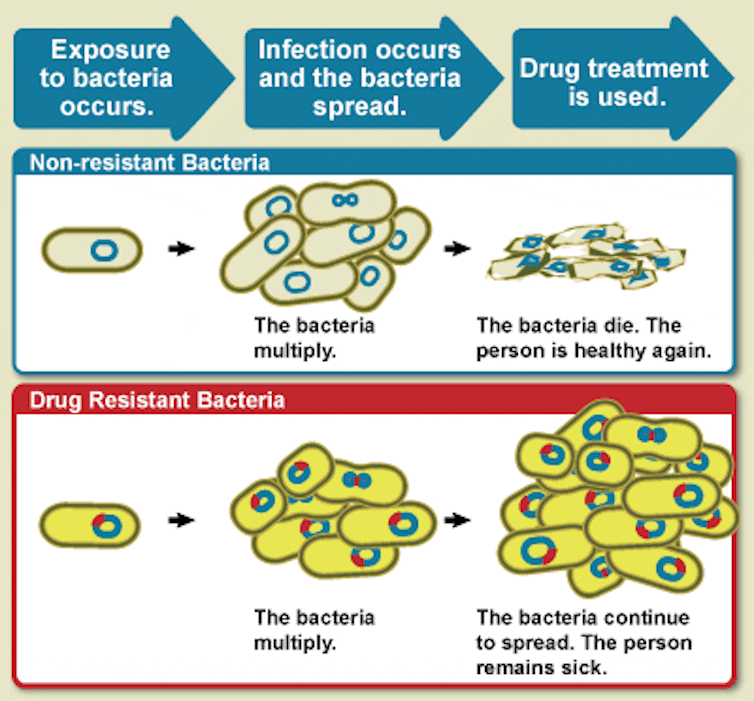
    Other families of chemicals build up in wildlife and people, such as persistent “forever chemicals”, much of which comes from wastewater discharges. Continued discharges of antibiotics into waterways might not be classified as pollution incidents but still pose a substantial risk to human and ecosystem health through bacteria developing antibiotic resistance.

    The government has just committed to cut sewage pollution by 50% by December 2029 based on 2024 data. But it’s not yet clear whether these involve cutting the frequency of discharges, the duration or both.

    This data could also be manipulated so that a large number of small discharges can be consolidated into one official discharge event. Currently, the volume of discharges from stormwater overflows isn’t known. Without this vital data we can’t ascertain the risk posed by their contaminants.


    Don’t have time to read about climate change as much as you’d like?

    Get a weekly roundup in your inbox instead. Every Wednesday, The Conversation’s environment editor writes Imagine, a short email that goes a little deeper into just one climate issue. Join the 45,000+ readers who’ve subscribed so far.


    The Conversation

    Alex Ford receives funding from the Natural Environment Research Council (NERC), EU, charities and industry including water companies.

    ref. No wonder England’s water needs cleaning up – most sewage discharges aren’t even classified as pollution incidents – https://theconversation.com/no-wonder-englands-water-needs-cleaning-up-most-sewage-discharges-arent-even-classified-as-pollution-incidents-261502

  • From ‘MMS’ to ‘aerobic oxygen’, why drinking bleach has become a dangerous wellness trend

    Source: ForeignAffairs4

    Source: The Conversation – UK – By Adam Taylor, Professor of Anatomy, Lancaster University

    Grossinger/Shutterstock

    If something online promises to cure everything, it’s probably too good to be true. One of the most dangerous examples? Chlorine dioxide is often marketed under names like “Miracle Mineral Solution (MMS)” or “aerobic oxygen”, buzzwords that hint at health and vitality.

    But in reality, these products can make you violently ill within hours – and in some cases, they can be fatal.

    Despite what the name suggests, MMS is not just bleach. Bleach contains sodium hypochlorite, whereas MMS contains sodium chlorite – a different but equally toxic chemical.

    When ingested, sodium chlorite can cause methemoglobinemia, a condition where red blood cells lose their ability to carry oxygen. It can also trigger haemolysis (the rupture of red blood cells), followed by kidney failure and death.


    Get your news from actual experts, straight to your inbox. Sign up to our daily newsletter to receive all The Conversation UK’s latest coverage of news and research, from politics and business to the arts and sciences.


    When sodium chlorite mixes with acid (such as stomach acid), it converts into chlorine dioxide, a bleaching agent. This compound has strong antimicrobial properties: it can kill bacteria, fungi and even viruses like SARS-CoV-2. For that reason, it’s commonly used in sanitising dental equipment and hospital tools like endoscopes. Its effectiveness at killing over 400 bacterial species makes it useful in cleaning – but not in humans.

    While the mouth and oesophagus are lined with multiple cell layers, offering some protection, the stomach and intestines are far more vulnerable. These organs have a single-cell lining to absorb nutrients efficiently – but this also means they’re highly sensitive to damage.

    That’s why ingesting chlorine dioxide often leads to nausea, vomiting, abdominal pain, and diarrhoea. In extreme cases, the chemical can burn through the gut lining, leading to bowel perforation – a medical emergency with a high risk of death.

    Using MMS as an enema is equally dangerous. Chlorine dioxide can trigger an overproduction of reactive oxygen species – unstable molecules that damage cells and contribute to chronic gut conditions. This cellular stress may explain both the immediate symptoms and the long-term injuries seen in reported cases.

    It doesn’t make a good mouthwash, either

    Some sellers claim MMS can be used safely in the mouth because it’s found in dental cleaners. But clinical trials show it’s no more effective than other mouthwashes, and its oxidising power doesn’t distinguish between harmful microbes and healthy cells.

    Yes, it may temporarily reduce bad breath, but it also disrupts protein synthesis, damages cell membranes, and harms the gut microbiome – the collection of helpful bacteria we rely on for digestion and immune health.

    Chlorine dioxide doesn’t just attack the gut. It also affects the cardiovascular system. Documented risks include low blood pressure, fainting, and cardiac damage – including stroke and shock.

    In some cases, it causes a dangerous blood disorder called disseminated intravascular coagulation (DIC). This condition causes abnormal clotting, followed by severe bleeding and potential organ failure, stroke and death.

    Chlorine dioxide is also a respiratory irritant. Inhalation can inflame the nose, throat and lungs, and in severe cases, cause respiratory distress – particularly with repeated exposure in workplaces.

    Studies of factory workers show that even low doses can lead to nasal inflammation, coughing and breathing difficulties. And some patients who drank chlorine dioxide to “treat” COVID-19 ended up with severe chemical lung injuries.

    Risks to the brain, hormones and skin

    Animal studies suggest chlorine dioxide can harm the nervous system, causing developmental delays, reduced movement, and slower brain growth. It also appears to affect the thyroid, potentially causing hormonal disruptions and delayed puberty.

    It doesn’t stop there. Some people who consume chlorine dioxide also develop cerebral salt wasting syndrome, a condition where the kidneys lose too much sodium, leading to excessive urination, dehydration and dangerously low blood volume.

    Skin contact isn’t safe either. Chlorine dioxide can irritate the skin, and lab studies show it can kill skin cells at high concentrations. People who’ve used it to treat fungal infections have ended up with chemical dermatitis instead.

    Chlorine dioxide can be useful for disinfecting hospital tools, dental equipment and water supplies. But that doesn’t mean it belongs in your body. Many of its supposed “benefits” come from lab studies or animal research – not from safe, approved human trials.

    There’s no evidence that drinking it cures any disease. There’s overwhelming evidence that it can harm or kill you.

    So, if you’re tempted by a product that promises miracles with science-y language and zero regulation, take a step back. The risks are very real – and very dangerous.

    The Conversation

    Adam Taylor does not work for, consult, own shares in or receive funding from any company or organisation that would benefit from this article, and has disclosed no relevant affiliations beyond their academic appointment.

    ref. From ‘MMS’ to ‘aerobic oxygen’, why drinking bleach has become a dangerous wellness trend – https://theconversation.com/from-mms-to-aerobic-oxygen-why-drinking-bleach-has-become-a-dangerous-wellness-trend-260761

  • A global treaty to limit plastic pollution is within reach – will countries seize the moment?

    Source: ForeignAffairs4

    Source: The Conversation – UK – By Winnie Courtene-Jones, Lecturer in Marine Pollution, Bangor University

    Bandung, Indonesia. Sony Herdiana/Shutterstock

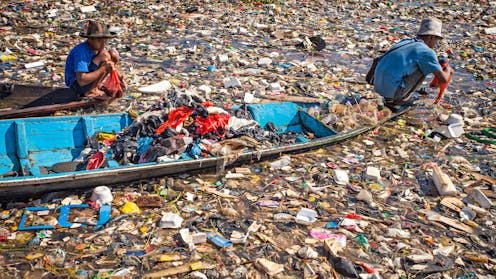
    Representatives from 175 countries will gather in Geneva, Switzerland, in August for the final round of negotiations on a legally binding UN treaty to end plastic pollution. Non-governmental organisations, academics and industry lobbyists will also be in the room. They will all be hoping to influence what could be the world’s first truly global agreement on plastics.

    The summit, known as “INC-5.2”, follows a failed attempt to reach agreement in Busan, South Korea, late last year. That meeting ended without resolving important issues, despite hopes that it would conclude the treaty process. Now, it’s crunch time in Geneva.

    Either countries bridge their political divides, or risk the whole process falling apart.

    I’ve been researching the effects of plastic for more than a decade and have been involved in the UN treaty process since 2022. I’ve attended several of the negotiations and will be in Geneva next month. The science is clear: we need ambitious action which tackles every stage of the plastics lifecycle, from production through to disposal. But the question is, will countries deliver?


    Get your news from actual experts, straight to your inbox. Sign up to our daily newsletter to receive all The Conversation UK’s latest coverage of news and research, from politics and business to the arts and sciences.


    In 2022, the UN Environment Assembly agreed to develop a legally binding treaty to end plastic pollution. Since then, progress has been slow. Negotiations have repeatedly stalled over issues such as whether the treaty should limit plastic production or regulate chemicals, how to define terms, and how to fund implementation.

    Industry lobbying has also played a powerful role throughout. At the last round of talks, lobbyists for the petrochemical and plastics industries made up the single largest delegation. They outnumbered representatives from the EU, all of Latin America, the Pacific islands, independent scientists and Indigenous communities. This imbalance threatens to weaken the science-based action that is urgently needed.

    Although countries failed to reach agreement in Busan, a foundation was laid. They agreed to continue negotiations using the “chair’s text”, which is a draft treaty with multiple options still on the table. That document forms the starting point in Geneva. But it remains uncertain whether enough common ground can be found to finalise the text.

    What’s at stake?

    This treaty is a once-in-a-generation chance to tackle one of the world’s most urgent environmental crises. More than 450 million tonnes of plastic are produced every year. That figure is expected to double by 2045 if current trends continue.

    Only around 9% of plastic is ever recycled. The rest is landfilled, incinerated or ends up polluting the environment.

    An estimated 139 million tonnes of plastics pollute marine and fresh water. But that could be significantly higher when considering leakages of plastics to land, and from microplastics, which are plastics smaller than 5mm in diameter.

    Plastic is found in the deepest oceans, the remotest mountains and inside the human body. While scientists are only beginning to understand the long-term implications for human health, biodiversity and climate, studies show harmful effects of plastics and their chemicals on animals and ecosystems.

    Plastic pollution doesn’t respect national borders. It moves through rivers, oceans and air, and gets carried across continents. Global supply chains and waste exports have made this a problem no country can solve alone. That’s why a global treaty is essential.

    Crossroads

    Despite this growing urgency, a disparity in positions has hindered progress and continues to divide delegations.

    Some, such as members of the High Ambition Coalition, a group of countries committed to progressive climate action, want strong rules to cap plastic production, phase out toxic chemicals and hold polluters accountable. Others, often with prominent petrochemical industries, argue for a weaker, voluntary approach focused mainly on recycling and waste management.


    Read more:
    A global plastic treaty will only work if it caps production, modelling shows


    If these divisions aren’t resolved, there’s a real risk the treaty will end up being too watered down to make a difference. A patchy, fragmented agreement would fail to curb rising plastic production and could undermine the integrity of global action.

    Between December’s meeting in Busan and next month’s talks, countries have been holding smaller meetings to try to find compromise. That momentum must now be carried into the final negotiations.

    Important articles in the draft treaty, including those on chemicals and products, plastic production and finance, remain contested. Whether those provisions are strengthened or diluted will shape the treaty’s effects for decades to come.

    Flexibility will be needed. But leadership is also crucial. Countries that support an ambitious outcome must stand firm and bring others with them.

    As we approach what may be the final negotiating round, we’re at a critical crossroads. The world has the chance to take meaningful action on plastic pollution. Let’s not waste it.


    Don’t have time to read about climate change as much as you’d like?

    Get a weekly roundup in your inbox instead. Every Wednesday, The Conversation’s environment editor writes Imagine, a short email that goes a little deeper into just one climate issue. Join the 45,000+ readers who’ve subscribed so far.


    The Conversation

    Winnie Courtene-Jones is an unpaid member and working-group lead of the Scientists’ Coalition for an Effective Treaty; an International network of independent scientific and technical experts contributing robust scientific evidence to the Treaty process.

    ref. A global treaty to limit plastic pollution is within reach – will countries seize the moment? – https://theconversation.com/a-global-treaty-to-limit-plastic-pollution-is-within-reach-will-countries-seize-the-moment-261331

  • As Sri Lanka’s economy pivots from tourism, it’s well placed to benefit from global trade and geopolitical jostling – new research

    Source: ForeignAffairs4

    Source: The Conversation – UK – By Hemamali Tennakoon, Senior Lecturer in Strategy and Management, Brunel University of London

    Dmytro Buianskyi/Shutterstock

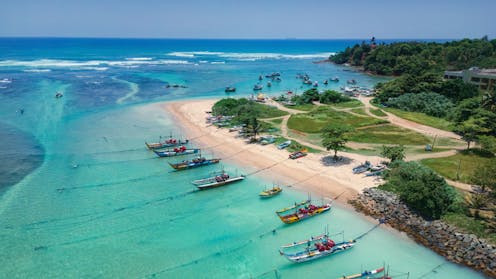
    With its natural beauty, wildlife and culture, Sri Lanka is known as the “pearl of the Indian Ocean”, and attracts millions of tourists every year.

    But my research suggests that the country might not be so reliant on tourism in the future, as it looks to become a major player in global maritime trade. The island’s numerous harbours and enviable location along international sea routes have led to major investment from China and the US, as they seek to extend their strategic influence in the region.

    That investment is being welcomed after years of economic and political turmoil in Sri Lanka.

    The Easter bombings of 2019 targeted Catholic churches and hotels, killing 269 people and devastating tourism. The same year, significant tax cuts slashed government revenue before COVID did serious damage to the economy.

    In 2021, a ban on chemical fertilisers led to nationwide agricultural failure, while excessive borrowing and money printing triggered soaring inflation, which peaked at 70% in August 2022. The country ended up failing to pay its foreign debts.

    Following huge protests in 2022 and the resignation of the president, Sri Lanka began a major political and economic shift. It secured a bailout from the International Monetary Fund and implemented reforms aimed at stabilising the economy.

    So far, some of the effects have been positive. Inflation has eased, investor confidence has improved and more tea, clothing and rubber products are being exported up.

    Key to this has been improved logistics and port infrastructure. Business at the port of Colombo, the country’s largest, is booming, aided in part by global shipping disruptions, including the Red Sea crisis, which rerouted vessels through the Indian Ocean.

    But international maritime ambitions can be a complex affair, and Sri Lanka needs to be wary of becoming just a well-positioned commodity for the world’s economic superpowers.

    China for example, has secured a controversial 99-year lease of Hambantota port. India, wary of Chinese encroachment, has ramped up its own investments, including the development of a container terminal in Colombo.

    In 2023, the US announced a US$500 million (£372 million) plan to develop a deep-water shipping container terminal at the port of Colombo. And the potential US tariffs of 30% on imports from Sri Lanka have been interpreted by some as a pressure tactic to get greater access to its waters.

    Balancing these interests is a delicate act. While foreign investment is crucial for infrastructure development, Sri Lanka needs to protect its sovereignty and ensure that port operations serve national, not just international, interests.

    My research suggests that one way of building a resilient and diverse Sri Lankan economy would be to focus on its surrounding waters. Sri Lanka’s vast “exclusive economic zone”, an area of sea where it controls marine resources, holds massive untapped potential.

    Blue economy

    This potential lies in traditional sectors like fisheries and tourism, but also emerging industries such as marine biotechnology.

    This growing field offers opportunities in things like bioengineering and marine-based pharmaceuticals. With other countries rapidly advancing in these sectors, Sri Lanka is well-positioned to follow suit and become a regional leader in the blue economy (economic activities associated with the sustainable use of ocean resources).

    Port and harbour scene.
    Business is booming in the port of Colombo.
    shutterlk/Shutterstock

    But there is still a complex web of geopolitical interests and economic pressures to navigate, as well as environmental challenges.

    At the moment for example, the Sri Lankan government is making plans for the deep natural port at Trincomalee to become a major marine repair and refuelling centre between Dubai and Singapore. Other proposed projects include offshore wind farms and oil rig facilities.

    The country also needs to compete with the likes of Malaysia, which is investing heavily in AI-driven port operations. To stay competitive, Sri Lanka must modernise infrastructure and streamline processes.

    And despite the progress, challenges persist. Poverty in Sri Lanka has doubled since 2021, while youth unemployment remains high.

    Sri Lanka faces rising maritime threats like piracy and illegal fishing, requiring stronger maritime surveillance. Simultaneously, port expansion risks damaging marine ecosystems. Green technologies and stricter environmental regulations are essential for long-term security and sustainability.

    Sri Lanka’s strategic location and maritime heritage offer a foundation for economic renewal. With wise governance, sustainability, and balanced geopolitics, its ports could once again become vital gateways to regional prosperity and global trade.

    The Conversation

    Hemamali Tennakoon does not work for, consult, own shares in or receive funding from any company or organisation that would benefit from this article, and has disclosed no relevant affiliations beyond their academic appointment.

    ref. As Sri Lanka’s economy pivots from tourism, it’s well placed to benefit from global trade and geopolitical jostling – new research – https://theconversation.com/as-sri-lankas-economy-pivots-from-tourism-its-well-placed-to-benefit-from-global-trade-and-geopolitical-jostling-new-research-261231

  • Farewell to summer? ‘Haze’ and ‘trash’ among Earth’s new seasons as climate change and pollution play havoc

    Source: ForeignAffairs4

    Source: The Conversation – UK – By Felicia Liu, Lecturer (Assistant Professor) in Sustainability, University of York

    Throughout history, people have viewed seasons as relatively stable, recurrent blocks of time that neatly align farming, cultural celebrations and routines with nature’s cycles. But the seasons as we know them are changing. Human activity is rapidly transforming the Earth, and once reliable seasonal patterns are becoming unfamiliar.

    In our recent study, we argue that new seasons are surfacing. These emergent seasons are entirely novel and anthropogenic (in other words, made by humans).

    Examples include “haze seasons” in the northern and equatorial nations of south-east Asia, when the sky is filled with smoke for several weeks. This is caused by widespread burning of vegetation to clear forests and make way for agriculture during particularly dry times of year.

    Or there is the annual “trash season”, during which tidal patterns bring plastic to the shores of Bali, Indonesia, between November and March.


    Get your news from actual experts, straight to your inbox. Sign up to our daily newsletter to receive all The Conversation UK’s latest coverage of news and research, from politics and business to the arts and sciences.


    At the same time, some seasons are disappearing altogether, with profound consequences for ecosystems and cultures. These extinct seasons can encompass drastically altered or terminated migratory animal behaviour, such as the decline of seabird breeding seasons in northern England.

    Climate change is also calling time on traditional winter sport seasons by making snow scarcer in alpine regions.

    Nature’s new rhythms

    Perhaps more common are “syncopated seasons”. The changes are akin to new emphases on beats or off-beats in familiar music that capture the listener’s attention.

    Syncopated seasons include hotter summers and milder winters in temperate climates, with increasingly frequent and severe extreme weather that exposes more people and ecosystems to stress.

    The timings of key seasonal events, like when leaves fall or certain migratory species arrive, are becoming more unpredictable. We coined the term “arrhythmic seasons”, a concept borrowed from cardiology, to refer to abnormal rhythms which include earlier springs or breeding seasons, longer summers or growing seasons, and shorter winters or hibernating seasons.

    Changing seasonal patterns throw the interdependent life cycles of plants and animals out of sync with each other, and disrupt the communities that are economically, socially and culturally dependent on them.

    In northern Thailand, human activity has reshaped nature’s rhythms and affected the supply of water and food in turn. Communities along the Mekong river’s tributaries have relied on the seasonal flow of rivers to fish and farm for generations.

    At first, upstream dams disrupted these cycles by blocking fish migration and preventing the accumulation of sediment that farms need for soil. More recently, climate change has shifted rainfall patterns and made dry seasons longer and rainy seasons shorter but more intense, bringing fires and further uncertainty to farmers.

    Let’s rethink time

    How we react to changing seasonal patterns can either worsen or improve environmental conditions. In south-east Asia, public awareness of the “haze season” has led to better forecasting, the installation of air filters in homes and the establishment of public health initiatives.

    These efforts help communities adapt. But if society only uses adaptive fixes like these, it can make the haze worse over time by failing to tackle its root causes. By recognising this new season, societies might normalise the recurrence of haze and isolate anyone who demands the government and businesses deal with deforestation and burning.

    Powerful institutions like these shape narratives about seasonal crises to minimise their responsibility and shift blame elsewhere. Understanding these dynamics is crucial to fostering accountability and ensuring fair responses.

    The shifting seasons require us to rethink our relationship with time and the environment. Today, most of us think about time in terms of days, hours and minutes, which is a globalised standard used everywhere from smartphones to train timetables. But this way of keeping time forgets older and more local ways of understanding time – those that are shaped by natural rhythms, such as the arrival of the rainy season, or solar and lunar cycles, rooted in the lives and cultures of different communities.

    Diverse perspectives, especially those from Indigenous knowledge systems, can enhance our ability to respond to environmental changes. Integrating alternative time-keeping methods into mainstream practices could foster fairer and more effective solutions to environmental problems.

    Seasons are more than just divisions of time – they connect us with nature. Finding synchrony with changing seasonal rhythms is essential for building a sustainable future.


    Don’t have time to read about climate change as much as you’d like?

    Get a weekly roundup in your inbox instead. Every Wednesday, The Conversation’s environment editor writes Imagine, a short email that goes a little deeper into just one climate issue. Join the 45,000+ readers who’ve subscribed so far.


    The Conversation

    The authors do not work for, consult, own shares in or receive funding from any company or organisation that would benefit from this article, and have disclosed no relevant affiliations beyond their academic appointment.

    ref. Farewell to summer? ‘Haze’ and ‘trash’ among Earth’s new seasons as climate change and pollution play havoc – https://theconversation.com/farewell-to-summer-haze-and-trash-among-earths-new-seasons-as-climate-change-and-pollution-play-havoc-260765

  • Popular Tunisian island’s cultural heritage at risk due to tourism, neglect and climate change

    Source: ForeignAffairs4

    Source: The Conversation – UK – By Majdi Faleh, Academic Fellow & Lecturer in Architecture and Cultural Heritage, Nottingham Trent University

    The Sidi Yati mosque in Djerba, which dates back to the 10th century, has been damaged by coastal erosion. Mehdi Elouati, CC BY-NC-ND

    Nestled in the southern Mediterranean, off the south-east coast of Tunisia, lies the island of Djerba. With a rich cultural and religious history, it has been a crossroad of many civilisations, including the Phoenicians, Romans, Byzantines and Arabs, and is home to many unique architectural sites. These include the Sedouikech underground mosque, St Joseph’s Church and the El Ghriba Synagogue.

    But, for many years, Djerba’s cultural heritage has been in danger. This is due to a combination of over-tourism, environmental change and human neglect.

    An underground mosque on the island of Djerba.
    An underground mosque on the island of Djerba.
    Mariana Delca / Shutterstock

    By the 1990s to early 2000s, when Djerba was at the height of its popularity, the island was attracting between 1 million and 1.5 million visitors each year. It is one of Tunisia’s most popular tourist areas, with more hotels than any other destination in the country.

    Tourism has resulted in excessive tourist traffic in Djerba, particularly during the summer. It has also contributed to other problems such as water stress and waste generation. According to figures from 2020, hotels alone generate between 35% and 40% of all the waste on the island.

    But the development of tourism has, above all, altered Djerba’s cultural landscape. In some areas of the island, Djerba’s traditional housing – houmas, menzels and houchs – have given way to more modern tourist infrastructure.

    This has accelerated since Tunisia’s 2011 revolution, when long-time dictator Zine El Abidine Ben Ali was ousted. Weak institutional oversight has led to vandalism, illegal construction on archaeological sites and unauthorised demolitions.

    The development of tourism on Djerba has also eroded traditional ways of life. The island has experienced significant changes due to tourism, with the development of roads, ferries, an airport and the internet leading to a decline in traditional activity. Livelihoods like agriculture, fishing and artisanal crafts have declined and are often now showcased only in tourist areas.

    A man wearing traditional dress walks down a street in Djerba.
    Life on Djerba has changed since it was opened up for tourism.
    BTWImages / Shutterstock

    Climate change has worsened Djerba’s problems. Rainfall patterns have changed across the island over recent decades, with models suggesting that annual precipitation rates could drop 20% by the end of the century. More frequent and prolonged droughts are expected.

    At the same time, rising sea levels and increasingly common storm surges are affecting the island. Research from 2022 found that 14% of Djerba’s beaches are now highly vulnerable to submersion and coastal erosion.

    Several historical monuments on Djerba have already experienced periodic flooding and saltwater intrusion. The ruins of Sidi Garous and the shrine of Sidi Bakour are now entirely underwater and have been replaced by memorials.

    Other archaeological sites located near the coast like Haribus, Meninx, Ghizene and Edzira, some of which date back to the Roman era (eighth century BC to fifth century AD), are now partially or fully submerged. Studies by Tunisia’s National Institute of Heritage suggest that many of these sites have been lost permanently to the encroaching sea.

    World heritage site

    Significant portions of Djerba’s cultural heritage have already been erased by sea-level rise and coastal erosion. Future losses could be even more severe. The island’s cultural heritage will only grow more precarious without meaningful preservation and climate adaptation efforts.

    However, many of Djerba’s monuments, historical buildings and traditional dwellings have suffered from years of neglect. A chronic lack of local and international funding, as well as weak institutional frameworks for heritage management, mean some of the island’s historic structures have been abandoned. Many other buildings have deteriorated due to a lack of protective measures and maintenance.

    Community organisations such as the Association for the Safeguarding of the Island of Djerba have tried to step in to fill the void left by weak institutional frameworks. Their work ranges from delivering public awareness campaigns to local young people to efforts like re-purposing ancient rainwater tanks to manage periods of drought.

    But these grassroots efforts alone are not enough to stop Djerba’s cultural heritage from deteriorating at its current pace.

    The ruins of a Housh on Djerba.
    The ruins of a Housh, a traditional dwelling, on the island of Djerba.
    Ahmed Bedoui, CC BY-NC-ND

    In September 2023, the UN Educational, Scientific and Cultural Organization (Unesco) announced that it was adding Djerba to its list of world heritage sites. Tunisia’s culture ministry welcomed the decision. It followed years of efforts by local groups and government officials to add Djerba to the list.

    Djerba’s inclusion offers hope for the long-term preservation of the island’s heritage. A world heritage site designation increases global recognition and enables improved access to sources of funding.

    And since Djerba’s classification, there has been some progress. The culture ministry has established a task force to monitor the construction of buildings and other infrastructure, collect data on designated protected areas, and prepare projects to preserve heritage sites.

    But Djerba’s cultural heritage remains in danger. Improved preservation of these sites will require continuous funding and stringent regulation of tourism and construction activities.

    The Conversation

    The authors do not work for, consult, own shares in or receive funding from any company or organisation that would benefit from this article, and have disclosed no relevant affiliations beyond their academic appointment.

    ref. Popular Tunisian island’s cultural heritage at risk due to tourism, neglect and climate change – https://theconversation.com/popular-tunisian-islands-cultural-heritage-at-risk-due-to-tourism-neglect-and-climate-change-223612

  • Hosepipe ban survival guide: which garden plants to save and which to sacrifice

    Source: ForeignAffairs4

    Source: The Conversation – UK – By Alastair Culham, Associate Professor of Botany, University of Reading

    Studio 37/Shutterstock

    With hosepipe bans in force across several English regions and more restrictions likely to follow, gardeners face some tough choices. When every drop counts, which plants deserve your precious water from the water butt, and which should you leave to fend for themselves?

    As someone who has researched how British gardeners need to adapt to respond to our changing climate, I can tell you that not all garden plants are created equal when it comes to water needs. Some plants will bounce back from a summer scorching, while others may never recover.

    Top plants to prioritise for watering

    1. New woody plants

    Any woody plant installed in the last 12-18 months should be your absolute priority. These haven’t yet developed the deep root systems needed to find moisture reserves and going without enough water the first year or so after planting could kill them.

    Water thoroughly and add a deep mulch of wood chips to help the soil hold water. For young trees you can install a watering bag around the trunk but you still need to top it up.

    2. Hydrangeas

    Hydrangeas adopt a conservative strategy when it comes to drought. They shut their stomata (leaf pores) rapidly when they sense dry soil, and keep them closed until consistent moisture returns. They often drop their leaves too.

    This can mean many weeks without growth, after even a relatively short drought period. So if you want to keep them looking at their best, they need consistent watering. You can cut growth back to reduce water loss, and save the the plant at the cost of flowers.

    Close up of blue hydrangea
    Hydrangeas need help during a drought.
    savitskaya iryna/Shutterstock

    3. Moisture loving trees

    Japanese maples (Acer palmatum), along with other moisture-loving trees like birch and beech, are prone to serious die-back during summer droughts. Their shallow root systems and large leaves make them particularly vulnerable to water stress. Water and mulch them.

    4. Soft herbaceous plants

    Astilbe, dicentra, filipendula, heuchera, primula, trollius and many other soft herbaceous plants require good moisture levels and may not survive prolonged drought.

    5. Shallow-rooted shrubs

    Rhododendrons and azaleas are shallow-rooted shrubs particularly susceptible to drought stress, especially the large-leaved evergreen species which are also prone to wind damage when stressed.

    6. Clematis

    Many clematis varieties struggle with drought. Since they’re often grown for their spectacular flowering displays, maintaining adequate moisture around the roots is crucial, especially for autumn-flowering varieties, or spring-flowering varieties which flower on the previous year’s growth.

    A gravel mulch can help keep the roots cool and damp. However, clematis orientalis, terniflora, and evergreens such as C. cirrhosa can be surprisingly tolerant of a hot dry period.

    7. Ripening vegetables

    If you’re growing vegetables, prioritise crops approaching harvest and those that split when moisture returns after drought, such as carrots. Runner beans and courgettes need moist soil to keep cropping and potato yields are heavily influenced by water levels.

    8. All the pots

    Anything in pots has limited access to soil moisture reserves and will need regular attention. Move containers to shadier spots if possible. Always use a pot saucer to hold water and prevent it draining away.

    Plants that can survive without extra water

    Research into plant water-stress shows that many common garden plants are surprisingly resilient.

    Forsythia adopts a risk-taking strategy. It keeps growing and photosynthesising even when soil moisture becomes limited, gambling that it can regrow after damage. This makes it remarkably drought-tolerant. It is also tolerant of heavy pruning which can save it in severe conditions.

    Mediterranean shrubs like lavender, rosemary, sage and thyme are naturally adapted to dry conditions. Their grey, hairy or waxy leaves are evolved to conserve moisture. Soil conditions are crucial though. If the plants are deep rooted they will draw water up, but if your soil is shallow or compacted they might well be less drought tolerant.

    Sedums, sempervivums and other succulents store water in their fleshy leaves and can survive extended dry periods. RHS research identifies Sedum spectabile as particularly reliable under stress.

    Peacock butterfly on purple buddleja.
    Buddleja can cope better than you might think in dry spells.
    Steidi/Shutterstock

    Ornamental grasses generally have efficient root systems and many species actually prefer drier conditions once established.

    Established shrubs including cistus, phlomis, buddleja, cotoneaster, berberis and viburnum have deep roots and proven track records for drought survival. The RHS report identifies these as garden stalwarts, with high stress resilience.

    Some trees, including eucalyptus, bay (Laurus nobilis) and holm oak are remarkably drought tolerant.

    Those to sacrifice

    Grass lawns are thirsty and can be left to go dormant. If you have a newly seeded or turfed lawn from this year, some limited watering may be justified. But in general, embrace the golden colour of water-stressed lawns. As long as you don’t create too many bare patches from over-use, the green colour and growth will come back when it rains.

    Annual bedding plants like busy lizzies and begonias have shallow root systems and high water demands. However, they are only there for one season and are easily replaceable, so prioritise them for watering only if they’re particularly important to your garden’s summer display and you can spare the water. You could save some by potting them up and enjoying a display that needs less water.

    When you do water, research shows that technique is crucial. Water thoroughly but less frequently to encourage deep root growth. Focus water at the base of plants rather than on leaves, and water in early morning or evening to reduce evaporation.

    Consider “split-root” watering for established shrubs – water one side of the plant thoroughly, then switch to the other side two to three weeks later. This keeps plants hydrated while chemical signals from the dry side’s roots prevent excessive new growth that would increase water demands.

    This drought is a taste of Britain’s gardening future. The plants struggling most in this year’s drought are likely to become increasingly unsuitable for British gardens without intensive irrigation.

    Be willing to swap out plants that suffer in drought for new plants that are more tolerant. Refresh plantings to adapt to the new climate.


    This article features references to books that have been included for editorial reasons, and may contain links to bookshop.org. If you click on one of the links and go on to buy something from bookshop.org The Conversation UK may earn a commission.

    The Conversation

    Alastair Culham is affiliated with the Royal Horticultural Society through the RHS Science & Collections Group as a voluntary member. Opinions expressed here are his and do not represent the RHS.

    ref. Hosepipe ban survival guide: which garden plants to save and which to sacrifice – https://theconversation.com/hosepipe-ban-survival-guide-which-garden-plants-to-save-and-which-to-sacrifice-261603

  • A Philosopher Looks at Clothes by Kate Moran is engaging and unpretentious – we need more philosophy books like this

    Source: ForeignAffairs4

    Source: The Conversation – UK – By Sarah Richmond, Honorary Associate Professor of Philosophy, UCL

    With a few exceptions, philosophers have had little to say about clothes. Maybe this is because the topic seems frivolous, or feminine, unworthy of the attention of a predominantly male collection of thinkers.

    Perhaps, too, the transience of fashion, and the fact that clothes belong – quite literally – to the domain of mere appearance, also has something to do with it. In A Philosopher Looks at Clothes, an engaging and informative book, Kate Moran, philosophy professor at Brandeis University in the US, urges us to think again.

    As Moran points out, clothing looms large in life. Every day we dress, deciding how many layers to wear and whether we need a coat – or might a cardigan suffice? We gaze critically at other people’s choices (“OMG, those shoes!”). We wonder how to rise to the challenge of an imminent Eurovision-themed party.

    From a historical point of view, also, our species-specific recourse to clothes stretches back to the earliest human society. In mythical time, it begins with Adam’s and Eve’s discovery, in shame, that they were naked. If fashion is transient, clothes, per se, are not.


    Looking for something good? Cut through the noise with a carefully curated selection of the latest releases, live events and exhibitions, straight to your inbox every fortnight, on Fridays. Sign up here.


    Clothes, Moran tells us, serve three basic purposes: protection, modesty and decoration. At once, these introduce questions of deep philosophical interest. Are the purposes equally important? Why, throughout human history, have we refused to settle merely for protection, desiring for example that a hat should be of some favoured colour or shape? To what extent do our decorative choices express our personal identity? Do clothes ever qualify as works of art? Why is modesty an abiding concern, given that we all know the contours of the unclothed body?

    In many contexts, and especially today, clothes invite ethical and political assessment. Clothes communicate a great deal of information about us, including our social position and the causes we espouse.


    Read more:
    A brief history of the slogan T-shirt


    We may knowingly exploit this, choosing to flaunt an obviously expensive garment or to wear our football team’s scarf. In other cases the meanings are imposed. The uniforms forced on prisoners, for example, emphasise subordination and erase their individuality.

    Poignantly, research into textile history has uncovered a streak of resistance in even the most ill-treated captives. In concentration camps during the second world war some prisoners altered their uniforms, or mended them, or added pockets. As Moran remarks, these actions were not just practical; their aim, too, was to “recover some sense of identity and dignity”.

    Portrait of Friedrich Nietzsche by Edvard Munch
    Portrait of Friedrich Nietzsche by Edvard Munch (1906).
    Thiel Gallery, Stockholm

    In the brilliantly conceived series by Cambridge University Press to which this title belongs, each author discusses some general topic from a perspective that is philosophically informed and at the same time personal.

    We need more books like these, to counteract the entrenched pretence of disinterestedness in philosophy. (Nietzsche, exceptionally, saw through it, denouncing philosophers as “advocates who do not want to be seen as such … sly spokesmen for prejudices that they christen as ‘truths’”.)

    Knowledge of the significance, in an author’s life, of her subject-matter enriches the reader’s imaginative experience of a book. Describing herself as an “ardent hobbyist” who sews her own clothes, Moran provides an additional facet to her account of today’s fashion industry and its scandalous environmental costs.

    The reader knows that Moran herself has found an alternative. This lends a certain authority to her judgement that, however futile it may seem for any one person to step off the fast-fashion bus: “There is an important moral difference between being inefficacious and being innocent.”

    Moran shows how many areas of philosophy can illuminate the phenomenon of clothes: not only ethics and political thought, but also aesthetics, theories of communication, of personal identity, of gender and cultural appropriation.

    For readers unfamiliar with academic philosophy, these forays offer a path into a rich conceptual landscape. Along the way, we are offered a multitude of riveting facts. Who would have guessed that pink has not always been for girls, and blue for boys? And there are pictures, too. My highlight was the “revenge dress” that Princess Diana wore to a gala dinner in the midst of hostilities with Charles, in a successful bid to divert press attention from his appearance on TV.

    This article features references to books that have been included for editorial reasons, and may contain links to bookshop.org. If you click on one of the links and go on to buy something from bookshop.org The Conversation UK may earn a commission.

    The Conversation

    Sarah Richmond does not work for, consult, own shares in or receive funding from any company or organisation that would benefit from this article, and has disclosed no relevant affiliations beyond their academic appointment.

    ref. A Philosopher Looks at Clothes by Kate Moran is engaging and unpretentious – we need more philosophy books like this – https://theconversation.com/a-philosopher-looks-at-clothes-by-kate-moran-is-engaging-and-unpretentious-we-need-more-philosophy-books-like-this-260473

  • Floating babies, cosmic radiation and zero-gravity birth: what space pregnancy might actually involve

    Source: ForeignAffairs4

    Source: The Conversation – UK – By Arun Vivian Holden, Emeritus Professor of Computational Biology, University of Leeds

    Lidiia/Shutterstock

    As plans for missions to Mars accelerate, so do questions about how the human body might cope. A return trip to the red planet would give more than enough time for someone to become pregnant and even give birth. But could a pregnancy be conceived and carried safely in space? And what would happen to a baby born far from Earth?

    Most of us rarely consider the risks we survived before birth. For instance, about two thirds of human embryos do not live long enough to be born, with most losses happening in the first few weeks after fertilisation; often before a person even knows they’re pregnant. These early, unnoticed losses usually happen when an embryo either fails to develop properly or to implant successfully in the wall of the womb.

    Pregnancy can be understood as a chain of biological milestones. Each one must happen in the right order and each has a certain chance of success. On Earth, these odds can be estimated using clinical research and biological models. My latest research explores how these same stages might be affected by the extreme conditions of interplanetary space.


    Get your news from actual experts, straight to your inbox. Sign up to our daily newsletter to receive all The Conversation UK’s latest coverage of news and research, from politics and business to the arts and sciences.


    Microgravity, the near-weightlessness experienced during spaceflight, would make conception more physically awkward but probably wouldn’t interfere much with staying pregnant once the embryo has implanted.

    However, giving birth, and looking after a newborn, would be far more difficult in zero gravity. After all, in space, nothing stays still. Fluids float. So do people. That makes delivering a baby and caring for one a much messier and more complicated process than on Earth, where gravity helps with everything from positioning to feeding.

    At the same time, the developing foetus already grows in something like microgravity. It floats in neutrally buoyant amniotic fluid inside the womb, cushioned and suspended. In fact, astronauts train for spacewalks in water tanks designed to mimic weightlessness. In that sense, the womb is already a microgravity simulator.

    But gravity is only part of the picture.

    Radiation

    Outside Earth’s protective layers, there’s a more dangerous threat: cosmic rays. These are high-energy particles – “stripped-down” or “bare” atomic nuclei – that race through space at nearly the speed of light. They’re atoms that have lost all their electrons, leaving just the dense core of protons and neutrons. When these bare nuclei collide with the human body, they can cause serious cellular damage.

    Here on Earth, we’re protected from most cosmic radiation by the planet’s thick atmosphere and, depending on the time of day, tens of thousands to millions of miles of coverage from the Earth’s magnetic field. In space, that shielding disappears.

    When a cosmic ray passes through the human body, it may strike an atom, strip its electrons, and smash into its nucleus, knocking out protons and neutrons and leaving behind a different element or isotope. This can cause extremely localised damage – meaning that individual cells, or parts of cells, are destroyed while the rest of the body might remain unaffected. Sometimes the ray passes right through without hitting anything. But if it hits DNA, it can cause mutations that increase the risk of cancer.

    Even when cells survive, radiation can trigger inflammatory responses. That means the immune system overreacts, releasing chemicals that can damage healthy tissue and disrupt organ function.

    In the first few weeks of pregnancy, embryonic cells are rapidly dividing, moving, and forming early tissues and structures. For development to continue, the embryo must stay viable throughout this delicate process. The first month after fertilisation is the most vulnerable time.

    A single hit from a high-energy cosmic ray at this stage could be lethal to the embryo. However, the embryo is very small – and cosmic rays, while dangerous, are relatively rare. So a direct hit is unlikely. If it did happen, it would probably result in an unnoticed miscarriage.

    Pregnancy risks

    As pregnancy progresses, the risks shift. Once the placental circulation – the blood flow system that connects mother and foetus – is fully formed by the end of the first trimester, the foetus and uterus grow rapidly.

    That growth presents a larger target. A cosmic ray is now more likely to hit the uterine muscle, which could trigger contractions and potentially cause premature labour. And although neonatal intensive care has improved dramatically, the earlier a baby is born, the higher the risk of complications, particularly in space.

    On Earth, pregnancy and childbirth already carry risks. In space, those risks are magnified – but not necessarily prohibitive.

    But development doesn’t stop at birth. A baby born in space would continue growing in microgravity, which could interfere with postural reflexes and coordination. These are the instincts that help a baby learn to lift its head, sit up, crawl, and eventually walk: all movements that rely on gravity. Without that sense of “up” and “down,” these abilities might develop in very different ways.

    And the radiation risk doesn’t go away. A baby’s brain continues to grow after birth, and prolonged exposure to cosmic rays could cause permanent damage – potentially affecting cognition, memory, behaviour and long-term health.

    So, could a baby be born in space?

    In theory, yes. But until we can protect embryos from radiation, prevent premature birth, and ensure babies can grow safely in microgravity, space pregnancy remains a high-risk experiment – one we’re not yet ready to try.

    The Conversation

    Arun Vivian Holden does not work for, consult, own shares in or receive funding from any company or organisation that would benefit from this article, and has disclosed no relevant affiliations beyond their academic appointment.

    ref. Floating babies, cosmic radiation and zero-gravity birth: what space pregnancy might actually involve – https://theconversation.com/floating-babies-cosmic-radiation-and-zero-gravity-birth-what-space-pregnancy-might-actually-involve-261142

  • Is today’s political climate making dating harder for young people?

    Source: ForeignAffairs4

    Source: The Conversation – UK – By Katherine Twamley, Professor of Sociology, UCL

    Drazen Zigic/Shutterstock

    The last year has highlighted a political divide between young men and women. Data from elections in several countries shows that women aged 18-29 are becoming significantly more liberal, while young men are leaning more conservative. And a recent 30-country study found generation Z more divided than other generations on key questions around gender equality.

    At the same time, there is growing evidence that this cohort is turning away from traditional dating and long-term romantic relationships. According to the National Survey of Family Growth, in the US between 2022 and 2023, 24% of men and 13% of women aged 22-34 reported no sexual activity in the past year.

    This is a significant increase on previous years. And American teens are less likely to have romantic relationships than teenagers of previous generations.

    In the UK, surveys over the past decades reveal a trend in reduced sexual activity, in terms of both frequency and number of partners, among young people. Dating apps are also losing their lustre, with the top platforms seeing significant user declines among heterosexual gen Z users in the last year.

    Is the gendered political divide making dating harder? As sociologists of intimacy, our work has shown how relationships are affected by larger social, economic and political trends.

    Our research on enduring gender inequality has shown that it can affect the perceived quality of intimate relationships and relationship stability. For example, heterosexual relationships are often underpinned by unequal divisions of emotional and domestic labour, even among partners with similar incomes.


    Dating today can feel like a mix of endless swipes, red flags and shifting expectations. From decoding mixed signals to balancing independence with intimacy, relationships in your 20s and 30s come with unique challenges. Love IRL is the latest series from Quarter Life that explores it all.

    These research-backed articles break down the complexities of modern love to help you build meaningful connections, no matter your relationship status.


    Some commentators and researchers have identified a trend of “heteropessimism” — a disillusionment with heterosexual relationships, often marked by irony, detachment or frustration. Anecdotally, women have widely expressed weariness with the gender inequality that can emerge in relationships with men.

    But heteropessimism has been identified among men too, and research has found that women are, on average, happier being single than men.

    Take domestic labour. Despite progress towards gender equality in many areas, data shows that women in mixed sex relationships still shoulder the majority of housework and care. In the UK, women carry out an average of 60% more unpaid work than men. This gap persists even among couples who both work full-time.


    Read more:
    What is ‘heteropessimism’, and why do men and women suffer from it?


    In Korea, persistent gender inequality is thought to be behind the 4B movement. Young Korean women, fed up with sexist stereotypes which tie women to traditional roles, have declared their rejection of marriage, childbirth, dating and sex with men.

    Beyond Korea, young women have declared themselves “boy sober”. Harassment, abuse and “toxic behaviour” on dating apps has reportedly driven young women away from wanting to date at all.

    Others have embraced voluntary celibacy. One reason is that, for some women, the erosion of reproductive rights, such as the overturning of Roe v Wade in the US, sharpens the political stakes of intimacy. Political disagreements that may once have been surmountable in a relationship are now deeply personal, affecting womens’ bodily autonomy and experiences of misogyny.

    Of course, gender inequality does not just negatively affect women. In education, evidence suggests boys are falling behind girls at every level in the UK, though recent research shows this has reversed in maths and science. Men report feeling locked out of opportunities to care for their children through old-fashioned parental leave norms, which offer minimal opportunities for fathers to spend time with their children.

    Some influencers capitalise on real and perceived losses for men, pushing regressive and sexist views of women and relationships into the social media feeds of millions of boys and young men.

    Given all of the above, it is not entirely surprising that young men are more likely than young women to report that feminism has done more harm than good.

    Anxiety and uncertainty

    But there are wider political and economic issues that affect both young men and women, and how (or whether) they date each other. Gen Z are coming of age in a time of economic depression. Research shows that those experiencing financial stress have difficulties in establishing and maintaining intimate relationships.

    This may partly be because early stages of romance are strongly associated with consumerism – dinner out, gifts and so on. But there is also a lack of mental space for dating when people are under pressure to make ends meet. Insecure finances also affect young people’s ability to afford their own homes and have access to private spaces with a partner.

    There are, additionally, growing rates of mental ill health reported by young people worldwide. Anxieties abound around the pandemic, economic recession, the climate and international conflict.

    These anxieties play out in the dating scene, with some feeling that entering into a romantic relationship is another risk to be avoided. Research with UK-based heterosexual dating app users aged 18-25 found that they often saw dating as a psychological stand-off – where expressing care too soon could result in humiliation or rejection.

    Cartoonish illustration of a man holding a mobile phone, which shows a woman running away through an open door
    Be vulnerable and risk rejection, or jump ship?
    Dedraw Studio/Shutterstock

    The result was that neither young men nor women felt safe expressing genuine interest. This left people stuck in the much-lamented “talking stage”, where relationships fail to progress.

    As sociologist Lisa Wade and others have shown, even when casual sex is part of the picture, emotional attachment is often actively resisted. The proliferation of “hook-up culture” – characterised by casual sexual encounters that prioritise physical pleasure over emotional intimacy – may partly be a response to a cultural discomfort with vulnerability.

    Gen Z’s turn away from dating doesn’t necessarily reflect a lack of desire for connection, but perhaps a heightened sense of vulnerability related to larger trends in mental ill-health and social, economic and political insecurity.

    It may not be that young people are rejecting relationships. Rather, they may be struggling to find emotionally safe (and affordable) spaces where intimacy can develop.

    The Conversation

    The authors do not work for, consult, own shares in or receive funding from any company or organisation that would benefit from this article, and have disclosed no relevant affiliations beyond their academic appointment.

    ref. Is today’s political climate making dating harder for young people? – https://theconversation.com/is-todays-political-climate-making-dating-harder-for-young-people-257844

  • Yellowknife’s Giant Mine: Canada downplayed arsenic exposure as an Indigenous community was poisoned

    Source: ForeignAffairs4

    Source: The Conversation – Canada – By Arn Keeling, Professor, Department of Geography, Memorial University of Newfoundland

    Giant Mine, just north of Yellowknife, N.W.T., in September 2011. The gold mine officially opened in 1948 and was operational for over 50 years before it was closed in 2004. (John Sandlos)

    Decades of gold mining at Giant Mine in Yellowknife, Northwest Territories, has left a toxic legacy: 237,000 tonnes of arsenic trioxide dust stored in underground chambers.

    As a multi-billion government remediation effort to clean up the mine site and secure the underground arsenic ramps up, the Canadian government is promising to deal with the mine’s disastrous consequences for local Indigenous communities.

    In March, the minister for Crown-Indigenous relations appointed a ministerial special representative, Murray Rankin, to investigate how historic mining affected the treaty rights of the Yellowknives Dene First Nation.

    We document this history in our forthcoming book, The Price of Gold: Mining, Pollution, and Resistance in Yellowknife, exposing how colonialism, corporate greed and lax regulation led to widespread air and water pollution, particularly affecting Tatsǫ́t’ıné (Yellowknives Dene) communities.

    We also highlight the struggle for pollution controls and public health led by Tatsǫ́t’ıné and their allies, including mine workers.

    Sickness from Giant Mine

    The story begins when prospectors discovered a rich gold ore body at Giant Mine in the 1930s. While mining started at the nearby Con Mine in the late 1930s, Giant’s development was interrupted by the Second World War. Only with new investment and the lifting of wartime labour restrictions in 1948 did Giant Mine start production.

    Mining at Giant was a challenge. Much of the gold was locked within arsenopyrite formations, and to get at it, workers needed to crush, then roast the gold ore at very high temperatures.

    This burned off the arsenic in the ore before using cyanide treatment to extract gold. One byproduct of this process was thousands of tonnes per day of arsenic trioxide, sent up a smokestack into the local environment.

    In addition to being acutely toxic, arsenic trioxide is also linked to lung and skin cancers, though scientific understanding of environmental exposures was inconclusive at the time.

    Archival records show that federal public health officials recommended the roaster be shut down until arsenic emissions could be controlled. But the company and federal mining regulators dragged their feet, fearing the economic impact.

    The result, in 1951, was the poisoning death of at least one Dene child on Latham Island (now Ndilǫ), near the mine; his family was compensated a paltry $750. Many Dene in Ndilǫ relied on snow melt for drinking water, and there were reports of widespread sickness in the community. Local animals, including dairy cattle and sled dogs, also became sick and died.

    Only after this tragedy did the federal government force the company to implement pollution controls. The control system was not terribly effective at first, though as it improved, arsenic emissions dropped dramatically from nearly 12,000 pounds per day to around 115 pounds per day in 1959. Thousands of tonnes of arsenic captured through this process was collected and stored in mined-out chambers underground.

    Fighting back against pollution

    Throughout the 1960s, public health officials continually downplayed concerns about arsenic exposure in Yellowknife, whether via drinking water or on local vegetables.

    By the 1970s, however, latent public health concerns over arsenic exposure in Yellowknife became a major national media story. It began with a CBC Radio As it Happens episode in 1975 that unearthed an unreleased government report documenting widespread, chronic arsenic exposure in the city. Facing accusations of a cover-up, the federal government dismissed health concerns even as it set up a local study group to investigate them.

    Suspicious of government studies and disregard for local health risks, Indigenous communities and workers took matters into their own hands. A remarkable alliance emerged between the Indian Brotherhood of the Northwest Territories and the United Steelworkers of America (the union representing Giant Mine workers) to undertake their own investigations.

    They conducted hair samplings of Dene children and mine workers — the population most exposed to arsenic in the community — and submitted them for laboratory analysis.

    The resulting report accused the federal government of suppressing health information and suggested children and workers were being poisoned. The controversy made national headlines yet again, prompting an independent inquiry by the Canadian Public Health Association.

    The association’s 1978 report somewhat quelled public concern. But environmental and public health advocates in Yellowknife continued their fight for pollution reduction through the 1980s.

    Giant’s toxic afterlife

    As Giant Mine entered the turbulent final decade of its life, including a violent lockout in 1992, public concern mounted over the growing environmental liabilities. Most urgently, people living in and near Yellowknife began to realize that enough arsenic trioxide had been stored underground over the years to poison every human on the planet four times over.

    Without constant pumping of groundwater out of the mine, the highly soluble arsenic could seep into local waterways, including Yellowknife Bay. When the company that owned the mine, Royal Oak Mines, went bankrupt in 1999, it left no clear plan for the remediation of this toxic material, and very little money to deal with it.

    The federal government assumed primary responsibility for the abandoned mine and, in the quarter century since, developed plans to clean up the site and stabilize the arsenic underground by freezing it — an approach that will cost more than $4 billion.

    Public concern and activism by Yellowknives Dene First Nation and other Yellowknifers prompted a highly contested environmental assessment and the creation of an independent oversight body, the Giant Mine Oversight Board in 2015. Under the current remediation strategy, the toxic waste at Giant Mine will require perpetual care, imposing a financial and environmental burden on future generations.

    The long history of historical injustice resulting from mineral development and pollution around Yellowknife remains unaddressed. In support of calls for an apology and compensation, the Yellowknives Dene First Nation recently published reports that include oral testimony and other evidence of impacts on their health and land in their traditional territory.

    Hopefully, the Canadian government’s appointment of the special representative means the colonial legacy of the mine will finally be addressed. Giant Mine serves as a warning about the current push from governments and industry to ram through development projects without environmental assessments or Indigenous consultations.

    Extractive projects may generate short-term wealth, but they also compromise the national interest if they saddle the public with enormous costs and long-term consequences.

    The Conversation

    Arn Keeling receives funding from the Social Sciences and Humanities Research Council and National Sciences and Engineering Research Council of Canada.

    John Sandlos receives funding from the Social Sciences and Humanities Research Council of Canada.

    ref. Yellowknife’s Giant Mine: Canada downplayed arsenic exposure as an Indigenous community was poisoned – https://theconversation.com/yellowknifes-giant-mine-canada-downplayed-arsenic-exposure-as-an-indigenous-community-was-poisoned-261002

  • MIL-OSI Submissions: Yellowknife’s Giant Mine: Canada downplayed arsenic exposure as an Indigenous community was poisoned

    Source: The Conversation – Canada – By Arn Keeling, Professor, Department of Geography, Memorial University of Newfoundland

    Giant Mine, just north of Yellowknife, N.W.T., in September 2011. The gold mine officially opened in 1948 and was operational for over 50 years before it was closed in 2004. (John Sandlos)

    Decades of gold mining at Giant Mine in Yellowknife, Northwest Territories, has left a toxic legacy: 237,000 tonnes of arsenic trioxide dust stored in underground chambers.

    As a multi-billion government remediation effort to clean up the mine site and secure the underground arsenic ramps up, the Canadian government is promising to deal with the mine’s disastrous consequences for local Indigenous communities.

    In March, the minister for Crown-Indigenous relations appointed a ministerial special representative, Murray Rankin, to investigate how historic mining affected the treaty rights of the Yellowknives Dene First Nation.

    We document this history in our forthcoming book, The Price of Gold: Mining, Pollution, and Resistance in Yellowknife, exposing how colonialism, corporate greed and lax regulation led to widespread air and water pollution, particularly affecting Tatsǫ́t’ıné (Yellowknives Dene) communities.

    We also highlight the struggle for pollution controls and public health led by Tatsǫ́t’ıné and their allies, including mine workers.

    Sickness from Giant Mine

    The story begins when prospectors discovered a rich gold ore body at Giant Mine in the 1930s. While mining started at the nearby Con Mine in the late 1930s, Giant’s development was interrupted by the Second World War. Only with new investment and the lifting of wartime labour restrictions in 1948 did Giant Mine start production.

    Mining at Giant was a challenge. Much of the gold was locked within arsenopyrite formations, and to get at it, workers needed to crush, then roast the gold ore at very high temperatures.

    This burned off the arsenic in the ore before using cyanide treatment to extract gold. One byproduct of this process was thousands of tonnes per day of arsenic trioxide, sent up a smokestack into the local environment.

    In addition to being acutely toxic, arsenic trioxide is also linked to lung and skin cancers, though scientific understanding of environmental exposures was inconclusive at the time.

    Archival records show that federal public health officials recommended the roaster be shut down until arsenic emissions could be controlled. But the company and federal mining regulators dragged their feet, fearing the economic impact.

    The result, in 1951, was the poisoning death of at least one Dene child on Latham Island (now Ndilǫ), near the mine; his family was compensated a paltry $750. Many Dene in Ndilǫ relied on snow melt for drinking water, and there were reports of widespread sickness in the community. Local animals, including dairy cattle and sled dogs, also became sick and died.

    Only after this tragedy did the federal government force the company to implement pollution controls. The control system was not terribly effective at first, though as it improved, arsenic emissions dropped dramatically from nearly 12,000 pounds per day to around 115 pounds per day in 1959. Thousands of tonnes of arsenic captured through this process was collected and stored in mined-out chambers underground.

    Fighting back against pollution

    Throughout the 1960s, public health officials continually downplayed concerns about arsenic exposure in Yellowknife, whether via drinking water or on local vegetables.

    By the 1970s, however, latent public health concerns over arsenic exposure in Yellowknife became a major national media story. It began with a CBC Radio As it Happens episode in 1975 that unearthed an unreleased government report documenting widespread, chronic arsenic exposure in the city. Facing accusations of a cover-up, the federal government dismissed health concerns even as it set up a local study group to investigate them.

    Suspicious of government studies and disregard for local health risks, Indigenous communities and workers took matters into their own hands. A remarkable alliance emerged between the Indian Brotherhood of the Northwest Territories and the United Steelworkers of America (the union representing Giant Mine workers) to undertake their own investigations.

    They conducted hair samplings of Dene children and mine workers — the population most exposed to arsenic in the community — and submitted them for laboratory analysis.

    The resulting report accused the federal government of suppressing health information and suggested children and workers were being poisoned. The controversy made national headlines yet again, prompting an independent inquiry by the Canadian Public Health Association.

    The association’s 1978 report somewhat quelled public concern. But environmental and public health advocates in Yellowknife continued their fight for pollution reduction through the 1980s.

    Giant’s toxic afterlife

    As Giant Mine entered the turbulent final decade of its life, including a violent lockout in 1992, public concern mounted over the growing environmental liabilities. Most urgently, people living in and near Yellowknife began to realize that enough arsenic trioxide had been stored underground over the years to poison every human on the planet four times over.

    Without constant pumping of groundwater out of the mine, the highly soluble arsenic could seep into local waterways, including Yellowknife Bay. When the company that owned the mine, Royal Oak Mines, went bankrupt in 1999, it left no clear plan for the remediation of this toxic material, and very little money to deal with it.

    The federal government assumed primary responsibility for the abandoned mine and, in the quarter century since, developed plans to clean up the site and stabilize the arsenic underground by freezing it — an approach that will cost more than $4 billion.

    Public concern and activism by Yellowknives Dene First Nation and other Yellowknifers prompted a highly contested environmental assessment and the creation of an independent oversight body, the Giant Mine Oversight Board in 2015. Under the current remediation strategy, the toxic waste at Giant Mine will require perpetual care, imposing a financial and environmental burden on future generations.

    The long history of historical injustice resulting from mineral development and pollution around Yellowknife remains unaddressed. In support of calls for an apology and compensation, the Yellowknives Dene First Nation recently published reports that include oral testimony and other evidence of impacts on their health and land in their traditional territory.

    Hopefully, the Canadian government’s appointment of the special representative means the colonial legacy of the mine will finally be addressed. Giant Mine serves as a warning about the current push from governments and industry to ram through development projects without environmental assessments or Indigenous consultations.

    Extractive projects may generate short-term wealth, but they also compromise the national interest if they saddle the public with enormous costs and long-term consequences.

    Arn Keeling receives funding from the Social Sciences and Humanities Research Council and National Sciences and Engineering Research Council of Canada.

    John Sandlos receives funding from the Social Sciences and Humanities Research Council of Canada.

    ref. Yellowknife’s Giant Mine: Canada downplayed arsenic exposure as an Indigenous community was poisoned – https://theconversation.com/yellowknifes-giant-mine-canada-downplayed-arsenic-exposure-as-an-indigenous-community-was-poisoned-261002

    MIL OSI

  • How falling vaccination rates are fuelling the antibiotic resistance crisis

    Source: ForeignAffairs4

    Source: The Conversation – Canada – By Ruchika Gupta, Assistant Professor and Medical Microbiologist, Department of Pathobiology and Lab Medicine, London Health Sciences Centre and Schulich School of Medicine and Dentistry, Western University

    Antibiotic resistance is one of the biggest health threats we face today. It’s often blamed on the overuse of antibiotics, and for a good reason. But there’s another major factor quietly driving this crisis that doesn’t get as much attention: low vaccination rates.

    In early 2025, Ontario had a measles outbreak with 2,200 cases as of mid-July, mostly in people who hadn’t been fully vaccinated. An outbreak in Alberta that began in March has expanded to more than 1,300 cases as of mid-July.

    Measles had been eliminated in Canada since 1998, but it’s now reappearing, largely due to missed or delayed vaccinations. On the surface, these might seem like a limited viral outbreak. But the ripple effects go much further, causing more illness, more complications and, ultimately, more antibiotic use.

    Why measles can lead to antibiotic use

    Measles itself is a viral infection, so antibiotics don’t treat it directly. But the virus weakens the immune system, leaving people vulnerable to bacterial infections like pneumonia or ear infections, conditions that do require antibiotics.

    Unsurprisingly, this pattern isn’t new. A 2019 study published in Pediatrics showed that many children hospitalized with measles in the United States developed secondary infections that required antibiotic treatment, especially pneumonia and ear infections.

    While data from the Ontario outbreak is still being analyzed, experts expect a similar surge in antibiotic prescriptions to treat these preventable complications.

    The antibiotic resistance chain reaction

    Infographic showing how mutations contribute to antibiotic resistance
    Every time we use antibiotics, we give bacteria a chance to adapt.
    (NIAID), CC BY

    Here’s where it gets dangerous. Every time we use antibiotics, we give bacteria a chance to adapt. The most vulnerable bacteria die, but tougher ones survive and spread. This leads to antibiotic resistance where treatments that used to work no longer do.

    Even appropriate use of antibiotics, like treating a bacterial infection after measles, adds to the problem. And the more often we need to prescribe antibiotics, the faster this resistance builds.

    A 2022 global study published in The Lancet estimated that antimicrobial resistance directly caused 1.27 million deaths in 2019 and contributed to many millions more. As resistance spreads, doctors are forced to use more toxic, expensive or last-resort drugs, and sometimes, no effective treatment exists at all.

    Infographic showing how antibiotic treatments become ineffective against resistance bacteria.
    Antibiotic resistance means that treatments that used to work no longer do.
    (NIAID), CC BY

    How vaccines help fight resistance

    Vaccines are one of the most powerful tools we have not just to prevent disease, but to reduce antibiotic use and slow resistance. By stopping infections before they happen, vaccines reduce the need for antibiotics in the first place.

    Some vaccines protect directly against bacteria. Pneumococcal vaccines (PCV13, PCV15, PCV20) guard against a major cause of pneumonia, brain infections and ear infections. Haemophilus influenzae type b (Hib) and diphtheria vaccines prevent other respiratory bacterial diseases.

    Other vaccines protect against viruses, which can weaken the body and open the door to bacterial infections called as secondary bacterial infections.

    The MMR (measles-mumps-rubella) vaccine not only prevents measles but also reduces the chance of bacterial pneumonias that often occur after measles due to immunosuppression.

    The seasonal flu and COVID-19 vaccines help prevent viral infections that can trigger secondary bacterial complications.

    The rotavirus vaccine that protects against diarrheal disease in children has also been shown to reduce antibiotic use by more than 20 per cent, according to a 2024 study in Vaccine.

    In fact, a 2020 study in Nature found that improving childhood vaccination coverage in low- and middle-income countries could reduce antibiotic-treated illnesses in kids under five by more than 20 per cent. That’s a massive step forward in the fight against antibiotic resistance.

    A wake-up call

    The measles outbreaks in Ontario and Alberta aren’t just local issues; they are a global warning. Each missed vaccine doesn’t just put one person at risk; it potentially means more infections, more complications and more antibiotics. That, in turn, means more antibiotic resistance for everyone.

    Vaccines are not just about individual protection. They are a public health strategy that keeps antibiotics effective for when we really need them, especially for vulnerable people like cancer patients, transplant recipients and the elderly, who rely on antibiotics to survive routine infections.

    Vaccines, in fact, do more than prevent disease. They protect our ability to treat infections by reducing the need for antibiotics and slowing the rise of resistant bacteria. With preventable diseases like measles making a comeback, now is the time to recognize the broader impact of vaccine hesitancy.

    Choosing to vaccinate is more than a personal decision. It’s a way to protect our communities and preserve the life-saving power of antibiotics for generations to come.

    The Conversation

    Ruchika Gupta does not work for, consult, own shares in or receive funding from any company or organisation that would benefit from this article, and has disclosed no relevant affiliations beyond their academic appointment.

    ref. How falling vaccination rates are fuelling the antibiotic resistance crisis – https://theconversation.com/how-falling-vaccination-rates-are-fuelling-the-antibiotic-resistance-crisis-259682

  • I research rip currents where ‘Cosby Show’ star Malcolm-Jamal Warner drowned. Here’s why they’re so deadly

    Source: ForeignAffairs4

    Source: The Conversation – Canada – By Chris Houser, Professor in Department of Earth and Environmental Science, and Dean of Science, University of Waterloo

    Malcolm-Jamal Warner, the actor who played Theo Huxtable on The Cosby Show, has drowned on Costa Rica’s Caribbean coast.

    It is reported that he was swimming at Playa Cocles in Limon province when a current pulled him offshore. This is a beach popular among surfers and one that’s known to have large waves and strong currents.

    It’s also a beach that I have taken students to in order to study the formation of rip currents and to better understand what beach users know about the hazard.

    What exactly are rip currents?

    Rip currents — commonly referred to as rips or colloquially as rip tides — are found on ocean beaches and some large lakes around the world.


    Read more:
    The Great Lakes are powerful. Learning about ‘rip currents’ can help prevent drowning


    The rips at Playa Cocles and along a large part of the Costa Rican Caribbean coast are known as channel or bathymetric rips that form as the nearshore sand bar moves toward the land through the summer. The water thrown towards the land by the breaking waves returns offshore as a concentrated and fast flowing current at gaps in the nearshore sand bar.

    During storm conditions, we have measured the rip currents at Playa Cocles at over two metres per second. These rips are known to increase rapidly (or pulse) in strength due to changes in wave breaking, leading to unsuspecting swimmers being taken far offshore and exiting beyond the zone of breaking waves.

    Rip current at Playa Cocles showing change in size and strength with surfers for scale. (Chris Houser)

    While it can be difficult to spot a rip from shore, they can be identified by an area of relatively calm water between breaking waves, a patch of darker water or the offshore flow of water, sediment and debris.

    Caught in a rip current

    A person caught in a rip is transported away from shore into deeper waters, but they aren’t pulled under the water. If they are a weak swimmer or try to fight the current, they may panic and fail to find a way out of the rip and back to shore. Survivor stories highlight panic, anxiety, distress and fear, a tendency to fight the current and an inability to make a decision on how to escape the rip.

    While it is possible to “break the grip of the rip” by swimming parallel to the beach or toward breaking waves at an angle to the beach, there is no single escape strategy due to the unique rip circulation pattern.

    It’s possible to escape a rip by flipping onto your back, floating to keep your head above the water and following the current until you’re returned to the shore by the current or able to swim safely toward the shore. If you are taken beyond where the waves break, or you’re unable to swim back to shore, continue to float and signal for help.

    Rip currents account for more than 50 deaths a year in Costa Rica; approximately 19 drownings a year involve foreign tourists from the United States, Nicaragua, Canada and Germany. While most drownings in the country occur on Pacific coast beaches that are a short distance to the city of San José, more than five drownings occur each year along the Caribbean coast.

    Playa Cocles was the site of five drownings that occurred over eight days in 2004, an event that prompted tourism-dependent business owners to establish a lifeguard station on the beach.

    Costa Rican drownings

    On average, each drowning in Costa Rica costs more than US$2 million (USD). This includes the direct costs of search and rescue, the costs of repatriation and the long-term economic burden of a lost life. This is in addition to the great personal loss experienced by family and friends.

    A survey at Playa Cocles and other beaches in Costa Rica revealed that a majority of beach users did not observe warning signs and that many were unable to interpret the warning and did not change their behaviour.

    The majority of foreign drowning victims in Costa Rica had limited knowledge of rips and were unable to avoid the times and locations that were most hazardous.

    In general, visitors to a beach often use simple visual cues when deciding to take risks. Recent studies suggest that tourists think beach access points and resorts are located adjacent to safe swimming areas, particularly when visual cues such as manicured paths and promotional posters that promote swimming at those locations.

    Visitors are a high-risk group for drownings. They’re generally unfamiliar with the beach and its safety measures and often have poor knowledge of beach hazards, such as rip currents and breaking waves. This lack of knowledge can be exacerbated by language barriers, an overconfidence in swimming ability and peer pressure.

    Rip current and beach users at Playa Cocles. The red flag was placed by lifeguards to mark the location of the rip for beach users. (Chris Houser)

    Playa Cocles is a beautiful beach, but it’s known to have dangerous rips depending on the size of the breaking waves and the position of the sand bar.

    When visiting any beach — from the Caribbean to the Great Lakes — it’s important to remember that there may be rip currents and to take serious precautions.

    The Conversation

    Chris Houser receives funding from NSERC.

    ref. I research rip currents where ‘Cosby Show’ star Malcolm-Jamal Warner drowned. Here’s why they’re so deadly – https://theconversation.com/i-research-rip-currents-where-cosby-show-star-malcolm-jamal-warner-drowned-heres-why-theyre-so-deadly-261653

  • Ghana’s security strategy has kept terror attacks at bay: what other countries can learn from its approach

    Source: ForeignAffairs4

    Source: The Conversation – Africa (2) – By Paa Kwesi Wolseley Prah, Postdoctoral Fellow, Dublin City University

    Ghana stands out in west Africa as a nation that has not experienced terrorist attacks, even though it’s geographically close to countries that have. In Burkina Faso, Mali and Nigeria, extremist groups such as Boko Haram and Islamic State in West Africa (ISWAP) have wreaked havoc.

    This resilience is not accidental. It is the result of deliberate counter-terrorism strategies employed by Ghana’s security institutions.

    Ghana’s counter-terrorism framework was set out in 2020. It has four pillars: prevent, pre-empt, protect, and respond. The idea is to coordinate multiple agencies, including the Ghana Police Service, Ghana Immigration Service, Ghana Armed Forces and the National Intelligence Bureau.

    These pillars guide strategies to address both immediate threats and underlying vulnerabilities. Poverty, religious radicalism and porous borders are common drivers of terrorism in west Africa.

    I am an international security and global governance researcher. My co-author is a government and international studies scholar.

    Four years ago we wrote a paper examining Ghana’s resilience against terrorist attacks. Our findings are still relevant given the increasing activities of terror groups in the west African region.


    Read more:
    West Africa terror: why attacks on military bases are rising – and four ways to respond


    We wanted to identify what works as a potential model for other countries.

    Using a qualitative methodology, we interviewed stakeholders — including police officers, members of the armed forces, Muslim community leaders, and immigration officials. We also analysed the national framework for preventing and countering violent extremism and terrorism.

    Our findings showed that Ghana’s success is traceable to an approach that integrates community engagement with advanced border technology, inter-agency training, media collaboration and intelligence operations. And it addresses both immediate and underlying threats.

    We argue that Ghana’s ability to balance prevention with security offers solutions for stability in a geopolitically volatile region.


    Read more:
    Ghana’s new president faces tough regional security problems: why he’s well-placed to tackle them


    Community engagement

    One of the standout strategies is community engagement. This serves multiple purposes, from guiding people away from extremism to gathering intelligence.

    The Ghana Police Service, for instance, engages Muslim-dominated communities, known as “Zongos”, to counter radical Islamic ideologies that could be exploited by terrorist groups.

    By collaborating with local religious leaders, police make communities aware of the dangers of radicalisation. They foster trust and encourage residents to report suspicious activities. This approach also works in tackling illegal arms circulation.

    Ghana has an estimated 2.3 million small arms in circulation – 1.1 million of them illegally possessed. The availability of so many weapons fuels terrorist activities across west Africa.

    Community based de-radicalisation aligns with global best practices. In Norway, for instance, it was used to disengage youth from extremist groups.

    Technology at borders

    Ghana’s border control management is another part of its counter-terrorism strategy. Ghana Immigration Service uses advanced security software and integrated systems like the “Immigration 360” system, designed to fully automate passenger processing and data management.

    The system manages records of fingerprints and other data to improve reporting and intelligence sharing between Ghana Immigration and other security agencies.

    The technology makes it possible to quickly identity individuals on terrorist watchlists and detects concealed goods. This helps prevent illegal cross-border movements.

    There are gaps in Ghana’s defences, however. The influx of migrants fleeing extremist violence in Burkina Faso, Mali and Niger in 2024 highlights the urgency of scaling up investments in the technology.


    Read more:
    West Africa could soon have a jihadist state – here’s why


    Training for preparedness

    Ghana combats new and varying forms of terrorism by uncovering trends and training personnel to deal with them.

    A notable example was the six-day joint training in 2022 involving the Ghana Immigration Service, Police Service, Customs, Economic and Organised Crime Office, and the National Intelligence Bureau.

    The country also works with regional neighbours like Burkina Faso, Togo and Benin, and partners such as the United States, through initiatives like “Operation Epic Guardian”.

    Media as a strategic partner

    Terrorists rely on media to amplify fear and publicise their causes. Ghana’s security agencies counter this tactic by actively engaging media houses to report accurately.

    The Ghana Armed Forces, for instance, works with media to debunk false reports, which can cause public panic and inadvertently aid terrorists.

    The Ghana Police Service emphasises regular dialogue with media to ensure sensitive information is verified before publication, reducing the risk of tipping off suspects. However, media competition for viewers poses a challenge.

    Surveillance and intelligence gathering

    Surveillance and intelligence gathering is critical. Plainclothes armed forces and immigration personnel blend into communities to monitor potential threats. The approach has worked but is constrained by resources.

    It can also risk human rights violations, such as wrongful profiling, and is less effective against multiple targets compared to technological solutions like facial recognition or CCTV.


    Read more:
    Funding terror: how west Africa’s deadly jihadists get the money they need to survive


    Challenges and regional implications

    Despite its successes, Ghana’s counter-terrorism framework faces challenges that could undermine its long-term efficacy:

    • logistical and financial constraints

    • the influx of migrants fleeing regional violence

    • a lack of harmonised security cultures within the regional body, Ecowas.

    In all, Ghana’s strategies offer lessons for west Africa, where terrorism is a growing threat.

    Its community engagement model could be followed in Nigeria, Burkina Faso, Mali and Niger to counter radicalisation and arms proliferation, provided it avoids religious stereotyping.

    The Conversation

    The authors do not work for, consult, own shares in or receive funding from any company or organisation that would benefit from this article, and have disclosed no relevant affiliations beyond their academic appointment.

    ref. Ghana’s security strategy has kept terror attacks at bay: what other countries can learn from its approach – https://theconversation.com/ghanas-security-strategy-has-kept-terror-attacks-at-bay-what-other-countries-can-learn-from-its-approach-260333

  • Livestock and lions make uneasy neighbours: how a fence upgrade helped protect domestic and wild animals in Tanzania

    Source: ForeignAffairs4

    Source: The Conversation – Africa (2) – By Jonathan Salerno, Associate Professor, Colorado State University, Colorado State University

    Protecting livestock in areas where large carnivores (like lions) live is increasingly important as human land use expands, wildlife habitat shrinks, and climatic changes reshape the ways in which humans and wildlife interact. Protecting the carnivores from livestock owners is important too. Intact carnivore populations support more resilient food webs and the ecosystem services they provide.

    It’s not easy for people, livestock, and carnivores to live together without conflict, though. One of the best ways to reduce conflict is to protect livestock like cattle and sheep from being attacked by predators.

    There are various methods to do this, like guarding livestock or erecting fences. That’s all very well for the livestock inside the fences, but do predators simply turn to the nearest unprotected livestock for their meal instead? Are the neighbours’ cattle, sheep, and goats at greater risk? This question hasn’t been explored much by researchers.

    We’re a group of conservation practitioners and scientists who have studied the interactions of carnivores, livestock, and people in Tanzania and elsewhere for decades to try and find solutions to conflict problems.

    Our study area is next to a national park which protects important populations of lion, leopard, hyena, African wild dog, and cheetah. The people who live here have traditionally kept their livestock overnight in enclosures made of acacia-thorn branches. More recently, some of them have built pens, or corrals, from tall chain link fencing. We knew from years working with communities and from previous research that these fortified corrals were effective at keeping livestock safe from predators.

    Our next step was to find out whether this made other nearby livestock less safe.


    Read more:
    What’s behind the conflict between people and animals in Tanzania


    The results were intriguing. We found that the new enclosures made predation less likely in the nearby traditional enclosures too.

    This type of beneficial spillover effect had yet to be documented in other systems where interventions aim to protect livestock from large carnivores.

    Our results show that in conservation, it’s important to look closely at complex local dynamics. The findings may help explain why there’s so much uncertainty about the effectiveness of various human–wildlife conflict mitigation strategies.

    Beneficial spillover effects

    People who keep livestock in east Africa have long had strategies to keep their animals safe from large carnivores. Sometimes acacia-thorn night enclosures (known locally as bomas), intensive herding practices, and guarding dogs work well.

    Other times, and especially in communities within and adjacent to large, protected carnivore populations, traditional strategies fall short.

    This is the case in Tanzania’s Ruaha-Rungwa Landscape. In our study area adjacent to Ruaha National Park, any pastoralist or agropastoralist (herding and crop farming) household has about a 30% chance of losing one or more animals to predation each year. This is a serious economic loss on top of important cultural and emotional costs.


    Read more:
    Losing a calf to wolves in Sweden hurts. But if lions take one in Uganda, a farming family’s income is gone


    Lion Landscapes, an organisation that some of us have been running for over a decade, works to support human-carnivore coexistence. Adjacent to Ruaha, we have been partnering with households to build 1.8-metre chain-link corrals. We subsidise them. Households contribute 25% of the cost and some of the labour for construction.

    We analysed about 25,000 monthly reports of livestock predation in fenced and traditional enclosures, using statistical models. There were 846 predation events over nearly four years. Unexpectedly, while we did detect spillover effects, these appeared to be beneficial. Rather than displacing conflicts, fortified enclosures actually conferred protective effects on their traditional-enclosure neighbours.

    For example, households within 50 metres (the minimum observed distance) of a fortified enclosure were half as likely to experience predation compared with distant households 2 kilometres away. And these beneficial effects increased with the number of fortified enclosures in a neighbourhood. Finally, the effects appeared to be durable over time.

    The fortified enclosures were extremely effective. We showed that households could break even after paying for the fence in just a few years through avoided livestock losses. And we know that when domestic animals aren’t being killed, their owners are more tolerant of predators. We didn’t record carnivore killings in this study but it has happened fairly frequently in the area in the past.

    In a few of the world’s human-wildlife conflict systems, where data exist to assess spillover effects, there is evidence that detrimental spillovers do occur. For instance, beehive deterrents may redirect elephants to nearby crop fields, or lethal removal of individual wolves may redirect the surviving pack to prey on adjacent ranches. Nevertheless, these are very under-studied interactions.

    Livestock management and carnivore coexistence

    In systems where humans, livestock, and wildlife overlap and sometimes come into conflict, management strategies too often focus on wildlife. Another option is to reduce whatever attracts wildlife. In the case of large carnivores, this means managing livestock.


    Read more:
    Livestock are threatened by predators – but old-fashioned shepherding may be an effective solution


    Our results support this approach by demonstrating that management and protection of livestock is fundamental for reducing conflict, and can benefit not only livestock owners but landscape-level coexistence.

    Conservationists and policy-makers need to encourage these practices that benefit people, carnivores, and livestock in shared landscapes.

    The Conversation

    Amy Dickman works for Lion Landscapes as the Joint CEO

    Jonathan Salerno, Kevin Crooks, Rekha Warrier, and Stewart Breck do not work for, consult, own shares in or receive funding from any company or organisation that would benefit from this article, and have disclosed no relevant affiliations beyond their academic appointment.

    ref. Livestock and lions make uneasy neighbours: how a fence upgrade helped protect domestic and wild animals in Tanzania – https://theconversation.com/livestock-and-lions-make-uneasy-neighbours-how-a-fence-upgrade-helped-protect-domestic-and-wild-animals-in-tanzania-258113

  • Learning statistics through story: students get creative with numbers

    Source: ForeignAffairs4

    Source: The Conversation – Africa – By Johan Ferreira, Professor, University of the Witwatersrand

    Photo by Markus Krisetya via Unsplash

    Statistics professor Johan Ferreira was feeling overwhelmed by the amount of “screen time” involved in online learning in 2021. He imagined students must be feeling the same way, and wondered what he could do to inspire them and make his subject matter more appealing.

    One of the topics in statistics is time series analysis: statistical methods to understand trend behaviour in data which is measured over time. There are lots of examples in daily life, from rainfall records to changes in commodity prices, import or exports, or temperature.

    Ferreira asked his students to write a short, fictional “bedtime” story using “characters” from time series analysis. The results were collected into a book that is freely available. He tells us more about it.


    Why use storytelling to learn about statistics?

    I’m fortunate to be something of a creative myself, being a professional oboe player with the Johannesburg Philharmonic Orchestra. It’s a valuable outlet for self-expression. I reflected on what other activity could inspire creativity without compromising the essence of statistical thinking that was required in this particular course I was teaching.

    I invited my third-year science and commerce students at the University of Pretoria to take part in a voluntary storytelling exercise, using key concepts in time series analysis as characters. Students got some guidelines but were free to be creative. My colleague and co-editor, Dr Seite Makgai, and I then read, commented on and edited the stories and put them together into an anthology.

    Students gave their consent that their stories could be used for research purposes and might be published. Out of a class of over 200 students, over 30 contributions were received; 23 students permitted their work to be included in this volume.

    We curated submissions into two sections (Part I: Fables and Fairy Tales and Part II: Fantasy and Sci-Fi) based on the general style and gist of the work.

    The project aimed to develop a new teaching resource, inspire students to take ownership of their learning in a creative way, and support them through informal, project-based peer learning.

    This collection is written by students, for students. They used personal and cultural contexts relevant to their background and environment to create content that has a solid background in their direct academic interests. And the stories are available without a paywall!

    What are some of the characters and stories?

    Student Lebogang Malebati wrote Stationaryville and the Two Brothers, a tale about AR(1) and AR(2). In statistics, AR refers to processes in which numerical values are based on past values. The brothers “were both born with special powers, powers that could make them stationary…” and could trick an evil wizard.

    David Dodkins wrote Zt and the Shadow-spawn. In this story, Zt (common notation in time series analysis) has a magic amulet that reveals his character growth through a sequence of models and shows the hero’s victory in the face of adversity. He is a function of those that came before him (through an AR process).

    Then there’s Nelis Daniels’ story about a shepherd plagued by a wolf called Arma (autoregressive moving average) which kept making sheep disappear.

    And Dikelede Rose Motseleng’s modern fable about the love-hate relationship between AR(1) (“more of a linear guy” with a bad habit of predicting the future based on the past) and MA(1), “the type of girl who would always provide you with stationarity (stability).”

    What was the impact of the project?

    It was a deeply enriching experience for us to see how students see statistics in a context beyond that of the classroom, especially in cases where students reformulated their stories within their own cultural identities or niche interests.

    Three particular main impacts stand out for us:

    • students have a new additional reference and learning resource for the course content

    • new students can refer to the experiences and contextualisation of this content of former students, leading to informal peer learning

    • students engage in a cognitive skill (higher-order and creative thinking) that is not frequently considered and included in this field and at this level.

    In 2024, shortly after the book was published, we asked students in the time series analysis course of that year to read any one of four stories (related to concepts that were already covered in the course material at that point in time). We asked them to complete a short and informal survey to gauge their experience and insights regarding the potential of this book as a learning resource for them.

    The 53 responses we got indicated that most students saw the book as a useful contribution to their learning experience in time series analysis.

    One positive comment from a student was:

    I will always remember that the Random Walk is indeed not stationary but White Noise is. I already knew it, but now I won’t forget it.

    Will you build on this in future?

    It is definitely valuable to consider similar projects in other branches of statistics, but also, in other disciplines entirely, to develop content by students, for students.

    At this stage, we’re having the stories and book translated into languages beyond English. In large classes that are essential to data science (such as statistics and mathematics), many different home languages may be spoken. Students often have to learn in their second, third, or even fourth language. So, this project is proving valuable in making advanced statistical concepts tactile and “at home” via translations.

    Our publisher recently let us know that the Setswana translation is complete, with the Sepedi and Afrikaans translations following soon. To our knowledge, it’ll be the first such project not only in the discipline of statistics, but in four of the official languages in South Africa.

    The Conversation

    Johan Ferreira receives funding from the Centre of Excellence in Mathematical and Statistical Sciences, based at the University of the Witwatersrand, towards this Scholarship of Learning and Teaching project.

    ref. Learning statistics through story: students get creative with numbers – https://theconversation.com/learning-statistics-through-story-students-get-creative-with-numbers-261198

  • There is no known cure for ALS, but medical tourism exploits desperation for profit

    Source: ForeignAffairs4

    Source: The Conversation – Canada – By Judy Illes, Professor, Neurology, University of British Columbia

    Amyotrophic lateral sclerosis (ALS) is a devastating neurological disorder of unknown cause, in which motor nerve cells of the brain and spinal cord that transmit signals to muscles progressively degenerate. This weakens limbs and affects speech, swallowing and ultimately the ability to breathe, resulting in death, typically within just a few years.

    Each year in Canada, approximately two people per 100,000 are diagnosed with ALS, amounting to about 1,000 cases based on the current population. In British Columbia, where we are located, the rate is estimated at just over three per 100,000 or roughly 190 new cases per year.

    This equates to approximately 4,000 Canadiansand 400 British Columbians — living with ALS at any given time.

    Rigorous ALS research is underway locally, nationally and internationally to slow — and ideally reverse — the relentless progression of this disease. Significant advances in understanding the genetic and environmental drivers of ALS are providing genuine hope that motor neuron diseases will one day be defeated.

    As experts in neurology and ethics, we are committed to delivering the best available health care and information throughout B.C. and across Canada. Trust in science and informed hope are essential to achieving the best possible outcomes and the longest possible trajectories in enjoying life when facing the overwhelming odds of ALS.

    A disturbing case

    In June, CBC’s The National reported on the case of Geoff Sando, a person living with ALS who pursued an unproven intervention for his condition. Sando travelled to Moose Jaw, Sask., to seek treatment at a clinic that claims to provide a cure for ALS.

    CBC’s The National reports on a Saskatchewan clinic claiming to offer ALS treatments.

    The ALS Society of Saskatchewan and the provincial New Democrat Party allege the clinic attended by Sando and several other patients is a form of medical tourism — travelling elsewhere to seek treatment — that can prey on the most vulnerable in society: those whose quality of life is deteriorating, and whose futures are tragically cut short.

    Medical tourism for a wide variety of other health-related conditions is not new. For example, treatments for cancer, strokes and orthopedic conditions have been available abroad for decades.

    In the United States and Mexico, unfounded stem cell interventions for ALS have been advertised for years. But until recently, it had been unusual to find such offerings in Canada. Their emergence speaks to the need for Health Canada to revisit its guidance on both regulated health and unregulated wellness products, including all forms of treatments, medications and device-based approaches.


    Read more:
    Giving patients the ‘right to try’ experimental drugs is a political maneuver, not a lifesaver


    We understand the urgency and desire to pursue any thread of hope in the face of desperation, but claims of dramatic improvement or cures from ALS by unregulated clinics that seem too good to be true are likely just that.

    Before investing in alternative treatments, we recommend that patients conduct their due diligence by consulting with their health-care team and their provincial ALS society for guidance. Ineffective interventions can jeopardize not only recipients, but also caregivers, especially when financial resources are drained.

    Trusted sources

    Developing approved therapies for ALS has been painfully slow, as evidenced by the failure of more than 95 per cent of ALS clinical trials in the past 28 years. Only three drugs — riluzole, edaravone and tofersen — have been approved by Health Canada and the U.S. Food and Drug Administration.

    Although riluzole and edaravone are only modestly effective, they remain the only widely approved pharmacological options for all forms of ALS. Tofersen is the first gene therapy recently approved to treat hereditary ALS caused by SOD1 gene abnormalities. Other treatments are being evaluated worldwide.

    This marks only the beginning of such treatment approaches to not only hereditary ALS but also non-hereditary ALS, which makes up about 90 per cent of all cases.


    Read more:
    A promising new study could lead to a reduction in symptoms of amyotrophic lateral sclerosis (ALS)


    For those affected by ALS and their families, ample resources are provided by various organizations, including ALS Canada and related provincial organizations, including the ALS Society of BC.

    Future hope

    Canadians generally trust science and scientists more than citizens of other countries and, on the whole, value science and believe in our government’s support for the work that scientists do.

    But in this time of geopolitical upheaval, vast incursions of disinformation and reversals of prior evidence-based human and health rights abroad means keeping up this level of trust — trust that leads to hope — will only become more challenging.

    The disproportionate suffering and impact on people who are marginalized by serious health conditions will only grow if dubious treatment offerings become normalized in Canada.

    The Conversation

    Erik P Pioro consults for MT Pharma, which manufactures edaravone (Radicava) and for Biogen, which manufactures tofersen (Qalsody). He has received funding support for ALS research from the ALS Association and the National Institutes of Health.

    Judy Illes does not work for, consult, own shares in or receive funding from any company or organisation that would benefit from this article, and has disclosed no relevant affiliations beyond their academic appointment.

    ref. There is no known cure for ALS, but medical tourism exploits desperation for profit – https://theconversation.com/there-is-no-known-cure-for-als-but-medical-tourism-exploits-desperation-for-profit-261057

  • People with MS and other fluctuating health conditions are often forced to quit their jobs when they want to work

    Source: ForeignAffairs4

    Source: The Conversation – UK – By Alice Martin, Head of Research, Work Foundation, Lancaster University

    Andrey_Popov/Shutterstock

    Plans to cut health-related benefits in the UK continue to give the government political grief – as well as being a huge worry for claimants. Underpinning the controversy are government plans to move more people into work with a long-term ambition of 80% employment.

    But cutting welfare costs is a blunt and unhelpful way to face the challenge of increasing employment among people with long-term health conditions.

    For people with fluctuating and often invisible conditions such as multiple sclerosis (MS), welfare and work are not opposed. They are usually part of the same life journey – one that is rarely linear and requires systems and supports that are flexible, not punitive.

    This was the focus of a recent study led by my research colleague Aman Navani and the MS Society. It is a major UK survey of people with MS with more than 1,100 respondents, and highlights systemic failures in workplace support and welfare systems.


    Get your news from actual experts, straight to your inbox. Sign up to our daily newsletter to receive all The Conversation UK’s latest coverage of news and research, from politics and business to the arts and sciences.


    Because of its fluctuating nature, MS can act as an important case study to understand how work should accommodate people’s evolving health needs. It also offers lessons that are relevant to a wide array of other conditions.

    Cases of MS are rising globally. Around 150,000 people in the UK live with the condition, which affects the central nervous system and causes pain, mobility problems, cognitive issues and fatigue.

    Women are more likely to have MS, which is usually diagnosed in people in their 30s or 40s. These, of course, are peak working years.

    The vast majority of people with MS (96%) who participated in our study reported that their condition has affected their ability to work. This is because MS can make commuting and navigating workplace environments challenging, and physical and mental health impacts often overlap.

    Managing symptoms such as cognitive changes, pain and restricted mobility can contribute to anxiety and depression. All of these things put additional strain on the working lives of those affected.

    For a quarter of respondents (24%), MS had such a severe effect that they felt unable to work at all. Worryingly, one in two people said they have compromised their health by staying in a job.

    For many, leaving work is the only solution they can see. More than one-quarter (26%) cited unmanageable workloads, 19% could not afford to stay in work due to low pay, 20% lacked flexible hours, and for 22% the flexibility they were offered did not meet their needs.

    Just 8% said their employer helped them adapt their job to suit their health, and only 2% had progression opportunities tailored to their condition. But nearly half (45%) of those who left work said they could have stayed if their employer had understood their condition better.

    Almost half (46%) of respondents who were in work had used the personal independence payment (Pip) as a lifeline. This is an allowance that helps people with the extra living costs associated with having a disability. Under the government’s plans, conditions will be tightened for new claimants.

    Designing better jobs

    Living with a fluctuating condition requires constant adaptation, from coping with exhaustion to managing the extra time and cost of daily activities. As such, the way jobs are designed matters.

    A government report has said that one-quarter of those who are out of work and claiming health and disability benefits might be able to work if they could do so from home.

    The rise of remote and hybrid work has indeed been a lifeline for some disabled workers. A recent major study of people who are classified as disabled highlights just how vital this change has been for them: 85% said remote or hybrid work was essential or very important when job hunting, and 79% wouldn’t apply for roles without it.

    Among those working fully remotely, 64% said their physical health improved. Homeworking was valued by those with fluctuating conditions such as MS, and for disabled women and carers in particular, full-time homeworking was their preference.

    But these gains are precarious. Growth in hybrid roles has stalled and some employers are grabbing headlines with “return-to-office” mandates even at the risk of losing key members of their workforce.

    woman using a wheelchair commuting on public transport
    Return-to-office mandates can force some workers to navigate a challenging commute.
    AlvaroRT/Shutterstock

    Nearly one in four working-age people in the UK are disabled. Work and welfare must be designed from the perspective of this growing and diverse cohort – ensuring financial security for people with health conditions, both in work and out of work.

    Expanding and protecting access to secure and flexible jobs is key, including remote and hybrid roles, baking these models into more sectors of the economy. The government could lead by example with public sector workers, and protect jobs from knee-jerk employer mandates.

    In January this year, only 3.8% of vacancies on the Department for Work and Pensions jobs portal included an option for hybrid or remote work.

    Finally, it’s vital to improve job design and in-work support, with effective occupational health systems, consultation with workforces, normalising shorter working weeks and time off.

    This would enable people with fluctuating conditions to attend appointments, recuperate and even take career breaks without harming their careers. For this, the UK needs a benefits system that supports movement in and out of work, avoiding financial cliff edges.

    Too many people with MS and similar conditions who can and want to work are forced to leave jobs early due to inadequate support. They face a trade-off between progressing their working life and managing their health. The challenge for government and employers now is to remove this tension.

    The Conversation

    Alice Martin works for the Work Foundation think tank at Lancaster University, which received funding from MS Society to conduct the research.

    ref. People with MS and other fluctuating health conditions are often forced to quit their jobs when they want to work – https://theconversation.com/people-with-ms-and-other-fluctuating-health-conditions-are-often-forced-to-quit-their-jobs-when-they-want-to-work-259083

  • Dog thefts: what really happened during the COVID pandemic

    Source: ForeignAffairs4

    Source: The Conversation – UK – By Daniel Allen, Animal Geographer, Keele University

    smrm1977/Shutterstock

    Dog theft can be a devastating crime. During the COVID pandemic, newspapers suggested there was an epidemic of “dognapping” in the UK. If you have a dog, the reports may have alarmed you at a time when there were already many reasons to feel afraid.

    There are mixed views on whether or not lockdown triggered an increase in dog ownership. Animal welfare charity Battersea attributed a 53% increase in dog adoption to lockdown, and online pet adoption service Pets4Homes said in their 2022 report that demand for puppies rose 104% at the peak of lockdown in May 2020.

    But animal charity PDSA said its survey data pointed to a gradual increase in dog ownership since 2011 rather than a dramatic surge during lockdown. However, we do know lockdown saw inflated prices for dogs, with some fashionable breeds going for £9,000.

    In terms of criminal activity, social distancing restrictions seemed to lead to a decline in some forms of crime, including shoplifting and burglary. But many media outlets reported the number of dog thefts had increased up to 250% during the pandemic.


    Get your news from actual experts, straight to your inbox. Sign up to our daily newsletter to receive all The Conversation UK’s latest coverage of news and research, from politics and business to the arts and sciences.


    We wanted to explore if the data supported claims of a dognapping epidemic and whether patterns in dog theft could suggest ways to help reduce it. Our recent study found new insights into dog theft patterns and showed the situation was more complicated than it seemed at first glance.

    Under the Theft Act 1968, dog theft is not a specific offence. It comes under other theft offences, such as burglary or theft from a person.

    This means police records on dog theft were not included in crime statistics. The only way to access such information is through Freedom of Information (FOI) requests to individual police forces. There are 45 territorial and three special police forces in the UK, and each has its own reporting and recording practices.

    Although police FOI data for dog theft must be approached with caution, it is useful. Previous studies exploring police FOI data found an upward trend in recorded dog thefts in England and Wales: rising nearly 20% from 2015 (1,545) to 2018 (1,849) for 41 police forces combined; and up 3.5% year on year from 2019 (1,452) to 2020 (1,504) for 33 police forces.

    DogLost, a UK online community for reuniting lost and stolen dogs with their owners, reported a 170% increase in stolen dogs (with Crime Reference Numbers) registered on their website in 2020 (465), compared to 2019 (172). This figure was widely quoted as a national increase “since lockdown started” by the media.

    The 250% increase figure first quoted in December 2020 was actually a comparison of two seven-month periods (January-July 2019 and 2020) for only one police force.

    Patterns and trends

    Our study found the data for the period covering the COVID pandemic is also incomplete. Data was provided by 32 forces (71%) for 2020, by 27 forces (60%) for 2021, and 23 forces (51%) for 2022.

    Patterns and trends do, however, emerge. Between 2020 and 2022, the available data shows a 3.7% rise in dog thefts in the UK, from 1,573 to 1,631. When making adjustments for the number of police forces providing data (which decreased over the period), the estimated national figures suggest there may have been more significant rise of up to 44.2%.

    While we cannot assume that the forces who supplied data are representative of all 45 regional forces, if this were the case, it would equate to 2,212 recorded dog thefts in 2020, 2,645 in 2021, and 3,191 in 2022.

    There was a lot of variation between different areas. For example, Cambridgeshire, Gwent and Northumbria police forces experienced increases of 36%, 49% and 80% respectively in the number of recorded dog thefts between 2020 and 2021.

    Monthly analysis of data from regional police forces and DogLost, show that the number of reports of stolen dogs started to go up when the UK entered its first national lockdown and again during part of the third lockdown. But the average number of police-recorded dog thefts was actually slightly higher outside of lockdown periods than during them between 2020 and 2022.

    However, in contrast with police trends, DogLost data shows a 65.2% drop in dogs reported stolen on DogLost’s website in 2022 compared to 2020. Lower DogLost numbers may reflect limited visibility or presence of their networks, the use of alternative lost and stolen dog services, or reluctance to share personal details online due to scams targeting dog theft victims.

    Close up of dog looking out of a window
    Dogs are often stolen from inside their own homes.
    GoodFocused/Shutterstock

    Our study found that, overall, there probably was an increase in dog theft from
    2020 to 2022, following already identified increases in the preceding years. This rise was probably driven by a combination of opportunity (more dogs, higher value) and situational factors (accessibility, dogs unattended in gardens while owners were inside).

    Our evidence does not support the notion of a widespread epidemic as portrayed by the media. However, increased media interest probably amplified awareness of the issue, and influenced the creation of the Pet Theft Taskforce, a UK government initiative set up in May 2021 to investigate and tackle dog thefts.

    New research appears to confirm the idea that dog abduction has significant welfare effects on both dogs and their owners. We also know that few dog thefts are successfully resolved, with under a quarter of stolen dogs likely to be returned and around 1%-5% of reported dog thefts result in someone being charged.

    However, there is potential good news. Our ongoing research suggests the number of police-recorded dog thefts decreased slightly in 2023, and again in 2024. This is supported by research from pet insurer Direct Line, which has estimated a 21% decrease in the number of stolen dogs from 2,290 in 2023 to 1,808 in 2024 in the UK.

    The Conversation

    Daniel Allen is founder of Pet Theft Reform and patron of the Stolen and Missing Pets Alliance (Sampa).

    Melanie Flynn is a member of the Research Advisory Committee of the Vegan Society (UK).

    John Walliss does not work for, consult, own shares in or receive funding from any company or organisation that would benefit from this article, and has disclosed no relevant affiliations beyond their academic appointment.

    ref. Dog thefts: what really happened during the COVID pandemic – https://theconversation.com/dog-thefts-what-really-happened-during-the-covid-pandemic-252061

  • What are education and health care plans and why are parents worried about them being scrapped?

    Source: ForeignAffairs4

    Source: The Conversation – UK – By Jonathan Glazzard, Rosalind Hollis Professor of Education for Social Justice, University of Hull

    Drazen Zigic/Shutterstock

    For children in England with special educational needs and disabilities, an education and health care plan (EHCP) is a central pillar of support. The government is due to set out its educational strategy for children with special educational needs and disabilities in the autumn, though, and has not ruled out scrapping ECHPs. Their removal would signal radical change in how the system works in England.

    ECHPs are individualised plans that set out the needs of a particular child and the support they should receive – from education, health services and social care – in order have the best opportunity to thrive. But demand for ECHPs is soaring and providing support is proving financially catastrophic for local authorities.

    One of the criticisms of EHCPs is that they prioritise providing children with individual models of support, rather than developing inclusive cultures within schools and within the broader education system. Education secretary Bridget Phillipson has outlined a vision of building a system where more children with special educational needs and disabilities can attend mainstream schools.

    But removing ECHPs leads to the possibility of children who need more specialist support missing out.


    Get your news from actual experts, straight to your inbox. Sign up to our daily newsletter to receive all The Conversation UK’s latest coverage of news and research, from politics and business to the arts and sciences.


    To secure an ECHP, local authorities carry out a statutory assessment to determine whether a child’s needs warrant additional support. An assessment does not always lead to an EHCP, but if one is issued, it must outline how the child’s needs will be met and the additional resources needed to do so.

    These resources might include funding to provide a child with a teaching assistant, funding for equipment and transport to school, or funding to go to a specialist school. This system of support helps school leaders ensure that children and young people have the right support, at the right time.

    According to a report published earlier this year, the demand for EHCPs has risen by 140% since 2015. Recent data shows that there are 482,640 children and young people in England with an EHCP.

    Many more children have special educational needs, but do not have an ECHP. These pupils are classed as receiving special educational needs support. The percentage of pupils with an EHCP has increased to 5.3%, from 4.8% in 2024. The percentage of pupils with special educational needs support has increased to 14.2%, from 13.6% in 2024.

    Despite government investment of £10.7 billion to local authorities in 2024-25, a House of Commons committee report outlines that long waiting times for assessments, as well as to access support such as speech and language therapy, has led to parents losing confidence in the system.

    Boy in one to one class
    Support may include equipment or additional sessions.
    ABO PHOTOGRAPHY/Shutterstock

    Funding is allocated to each local authority from central government to fund provision in their areas. It is for local authorities, in consultation with their schools, to determine the individual allocation to schools. However, local authorities are struggling to meet the increased demand for EHCPs. Even when funding is allocated through EHCPs, it is not always sufficient to address the needs of those with complex needs.

    And funding is not sufficient to meet demand. Local authorities have accumulated huge deficits due to spending exceeding funding, placing some at risk of going bankrupt.

    Future plans

    Bridget Phillipson has refused to be drawn on whether EHCPs will be axed. “What I can say very clearly,” she has said, “is that we will strengthen and put in place better support for children.”

    Building more inclusive schools is obviously one way of achieving this vision. If scrapping EHCPs means less funding for children for special educational needs and disabilities, though, this cannot be the answer. Children need more support, not less, to enable them to thrive.

    The solution is for the government to work out what models of inclusion work well in mainstream schools and to decide how these can be resourced and evaluated. Clarity is also needed on inclusion in mainstream schools can be measured in order to assess whether it is working.

    Making more support in mainstream schools work also requires an adequate supply of knowledgeable, well-trained teachers. The government is prioritising this through revision to initial teacher education courses, with an emphasis on all teachers being teachers of special educational needs.

    If the government doesn’t get this right, the result may be poorer educational and long-term outcomes for pupils with special educational needs and disabilities. It may also lead to issues with teacher recruitment and retention in mainstream schools, particularly if teachers feel that they do not have the level of support in place that they need to meet the needs of their pupils.

    The Conversation

    Jonathan Glazzard does not work for, consult, own shares in or receive funding from any company or organisation that would benefit from this article, and has disclosed no relevant affiliations beyond their academic appointment.

    ref. What are education and health care plans and why are parents worried about them being scrapped? – https://theconversation.com/what-are-education-and-health-care-plans-and-why-are-parents-worried-about-them-being-scrapped-260622