Most universities and colleges have formal and informal programmes and initiatives to support student and staff development. Their goal is to create learning experiences that help students succeed academically. Typically, academic development practitioners design and run these programmes. They are usually academics themselves. To help students, they use tools like data analytics to design tutoring and mentoring programmes. For staff, development might include formal courses, webinars, workshops and seminars. Education researchers Anthea Adams, Sandra Williams, Patricia Muhuro and Charlene Van Wyk-Geduld reflect on their recent paper on academic development in South African higher education.
What is the role of academic development in South African higher education?
It started in the early 1980s when black students were first allowed to register at universities that had previously been reserved for white students.
After 1994 when South Africa became a democracy, the main aim of academic development was to help transform society by giving black students better opportunities to succeed at university.
Research on whether these efforts were making a difference in improving student learning, and our reflections, show a mismatch between what academic development is supposed to achieve and how it is being carried out in practice.
What is the mismatch between goals and practices?
Academic development has come a long way, mainly thanks to government support and funding. There is evidence of this in research and annual progress reports submitted to the Department of Higher Education and Training. This evidence clearly shows the positive impact of academic development efforts over the years.
But even with these strides, we can’t ignore a major concern: many black students drop out of university or do not progress with their studies as expected. This tells us that there’s a serious disconnect between what academic development aims to achieve and its actual practices.
One of the biggest red flags is the ongoing gap in graduation rates across different population groups. For example, the Council on Higher Education’s 2022 review of higher education highlighted that in 2018, white students were six percentage points more likely to complete their studies than black students.
What’s also worrying is that South African curricula and learning approaches are not yet relevant to diverse learning contexts. Students, academic staff and professional organisations like the Higher Education Learning and Teaching Association of Southern Africa have all said that academic development practices may not sufficiently address the academic realities of the majority of students.
What lessons can we learn?
We propose that academic development work should be based on research that can genuinely support all students’ success.
A number of scholars have argued that the quality of current research on academic development work contributes to the mismatch between its goals and actual practices. The research is not yet as theoretical, scholarly and critical as it needs to be to help us fully understand and improve academic development work.
This critique helps us understand why academic development research often feels limited to one specific context. This is particularly true of research that looks into why some students are dropping out or struggling to complete their studies.
This kind of research doesn’t offer insights that help practitioners and academics think more broadly about how to apply the findings in different learning contexts.
Valuable work is being done by both veteran and less experienced academic development practitioners. Their efforts have influenced academic development work as we know it today. But we should respond to the observation that most academic development work is still, in practice, limited to one context.
What is the way forward?
Less experienced academic development practitioners and scholars may find it daunting to produce research rich in theory. Therefore, we propose working together in communities of practice to build networks and benefit from reciprocal mentorship opportunities.
Mentors can be peers or seasoned academic development practitioners and researchers. They can help each other unpack what it means to produce rigorous research based on real-life teaching and learning contexts.
Working alongside each other and sharing knowledge and expertise can be fulfilling. It can also be the catalyst for building theory that will advance an understanding of academic development work. Opportunities to form peer networks help academics develop confidence and competence as teachers and scholars.
This kind of work can happen naturally as long as the context is supportive. However, we recognise opportunities for both formal and informal reciprocal mentoring relationships. This is based on our reflections on our teaching experiences and engagements in postgraduate diplomas in higher education.
Several scholars support the proposal for national directives to develop academics as university teachers and scholars. Professional development initiatives, such as postgraduate diplomas, can be conducive learning spaces where academics can engage in the scholarship of teaching and learning.
In other words, supported by experienced facilitators, academics can use research and evidence to interrogate how they teach and how students learn.
Professional development initiatives are not a panacea for the mismatch between academic development goals and actual practices. However, they can be a place where academics help each other to build theory in academic development. Only then, by working together, can academics respond to challenges casting a shadow on academic development work.
The authors do not work for, consult, own shares in or receive funding from any company or organisation that would benefit from this article, and have disclosed no relevant affiliations beyond their academic appointment.
During the devastating magnitude 7.7 Myanmar earthquake on March 28 this year, a CCTV camera captured the moment the plate boundary moved, providing the first direct visual evidence of plate tectonics in action.
Tectonic plate boundaries are where chunks of Earth’s crust slide past each other – not smoothly, but in sudden, violent ruptures.
The footage shows Earth’s surface lurching sideways, like a gigantic conveyor belt switched on for just a second, as the fault slips.
What we’re seeing is the propagation of a large earthquake rupture – the primary mechanism that accommodates plate boundary motion at Earth’s surface. These shear fractures travel at several kilometres per second, making them notoriously difficult to observe.
This video explains the moment Myanmar’s Sagaing Fault ruptured in a large earthquake, allowing the tectonic plate boundary to shift. Research: https://doi.org/10.1785/0320250024.
These rare events, separated by centuries, have shaped our planet’s surface over millions of years, creating features such as Aotearoa New Zealand’s Alpine Fault and the Southern Alps.
Until now, seismologists have relied on distant seismic instruments to infer how faults rupture during large earthquakes. This video sheds new light on the process that radiates seismic energy and causes the ground to shake.
Analysis of the video
In our new study, we analysed the video frame by frame. We used a technique called pixel cross-correlation to reveal that the fault slipped 2.5 metres sideways over a duration of just 1.3 seconds, with a maximum speed of 3.2 metres per second.
The total sideways movement in this earthquake is typical of strike-slip fault ruptures, which move the land sideways (in contrast to faults that move land up and down).
But the short duration is a major discovery.
The timing of when a fault starts and stops slipping is especially difficult to measure from distant recordings, because the seismic signal becomes smeared as it travels through Earth.
In this case, the short duration of motion reveals a pulse-like rupture – a concentrated burst of slip that propagates along the fault like a ripple travels down a rug when it’s flicked from one end.
Capturing this kind of detail is fundamental to understanding how earthquakes work, and it helps us better anticipate the ground shaking likely to occur in future large events.
Validation of the ‘slickenline’ hypothesis
Our analysis also revealed something more subtle about the way the fault moved.
Called “slickenlines”, these geological scratch marks on the fault record the direction of slip.
Our work shows the slickenlines we see on outcrops are curved in a manner similar to the curvature seen in the CCTV footage. Based on our video analysis, we can be certain that curved slip occurs, giving credence to our interpretations based on geological observations.
In our earlier research, we used computer models to show that curved slickenlines could emerge naturally when an earthquake propagates in a particular direction. The Myanmar rupture, which is known to have travelled north to south, matches the direction predicted by our models.
This alignment is important. It gives us confidence in using geological evidence to determine the rupture direction of past earthquakes, such as the curved slickenlines left behind after the New Zealand Alpine Fault’s 1717 earthquake.
This first glimpse of a fault in motion shows the potential for video to become a powerful new tool in seismology. With more strategic deployments, future earthquakes could be documented with similar detail, offering further insight into the dynamics of fault rupture, potentially revolutionising our understanding of earthquake physics.
Jesse Kearse receives funding from Royal Society Te Apārangi Marsden Fund.
By the time counting ceased last night, the ABC had the Liberals on 14 seats, Labor on nine, the Greens on five, and three confirmed independents.
The ABC’s projections of the Tasmanian election, captured at 11:15am on July 20th. ABC News
With 65.3% of the vote counted, four seats remained in doubt. There was a small positive swing to the Liberals (3.3%), while a swing against Labor of 3.1% has them on track for their worst primary vote in more than a hundred years. The final seats may not be confirmed for a couple of weeks.
Love, Labor’s lost
At this stage, it looks like Labor’s gambit – instigating the no confidence motion that led to this election – has utterly failed. The party will now need to engage in some sober self-reflection on two fronts.
First, there is the one-dimensional strategy that brought on the election and allowed the Liberals to blame Labor – and leader Dean Winter in particular – for dragging Tasmanians to the polls again.
Labor had hoped that targeting the no confidence motion specifically at Premier Jeremy Rockliff would encourage the conservative-leaning Liberal cabinet to turf out their moderate leader.
It was a near thing. Rockliff’s rivals apparently had almost enough votes to depose him by the time the Governor called the election.
But did anyone at Labor HQ plan for what would happen if their gamble failed and the Liberals held firm under Rockliff? As Labor’s woefully under-prepared campaign stumbled into motion, it seemed the answer was “no”.
Second, there will be questions asked about that lacklustre campaign, just as there were in 2024. An opposition could not ask for more favourable conditions: an 11-year incumbent government suffering a string of high profile policy failures; a looming mountain of debt; and ongoing health, education, housing, cost of living and sustainability challenges.
And yet, Labor suffered negative swings in every seat, and they are battling to match their 2024 result of 10 seats.
Liberals and Greens hold firm
The Liberals will be pleased with the result. In the face of the dire circumstances outlined above, they have secured a positive swing in their primary vote and may pick up one or (at an outside chance) two additional seats.
It doesn’t seem like their pro-stadium stance lost them votes in the north – where the proposal is unpopular – in part because Labor denied themselves a point of difference by also supporting the stadium.
Another important factor in the north was the recruitment of two former federal Liberal MPs in Bass and Braddon, who are both polling well so far. However, their success may come at the expense of sitting Liberal members.
The Greens’ vote held steady, with a projected 0.2% increase in their primary vote. All of their MPs had been returned before the close of counting on Saturday night, and they will be hoping one more can scrape through in Braddon.
The crossbench zoo
As expected, ex-Labor MP David O’Byrne, centre-left Kristie Johnston, and maverick Northwester Craig Garland were all returned. Johnston and Garland, in particlar, seem to have strongly increased their vote shares.
There will be at least one new independent, with anti-salmon farm advocate Peter George securing a very strong primary vote in Franklin off the back of his recent federal campaign.
There is a chance that this broadly progressive crossbench will be joined by climate change denier and pro-gun rights candidate Carlo di Falco (Lyons) from the Shooters, Fishers and Farmers.
Where to now?
So how are the major party leaders approaching the looming period of wheeling and dealing? Who’s forming minority government?
Rockliff was the first to address the tally room on election night. He boldly claimed that the voters had re-endorsed his Liberal government – based on their increased vote share – and said he will ask the Governor to recommission him as premier.
However, with only 14 or 15 seats, it will be challenging for the Liberals to implement their agenda in a parliament featuring a crossbench that is, for the most part, solidly progressive and vehemently anti-stadium.
The Greens’ leader, Rosalie Woodruff, also spoke and again extended an offer of cooperation to Labor.
Finally, as election night drew to a close, Labor Leader Dean Winter stepped up to speak. His tonally confused speech began with a tribute to murdered Tasmanian Police Constable Keith Smith, then shifted to the need for a more collaborative approach to politics. Winter left things on a cliffhanger, essentially saying “let’s wait and see”.
Observers in the room noted the speech was strikingly similar to that given by former leader Rebecca White following the 2024 election – shortly before she was replaced by Winter.
Will Labor have a crack at forming government? There would be a few obstacles to this. First, Winter would have to negotiate support from the diverse crossbench, including the Greens, with whom he has previously vowed not to collaborate.
He and Labor have ignored previous opportunities to seize government in this way, the most recent being just five weeks ago. A change in tack at this stage could be difficult to sell.
And if Rockliff forges ahead with his stated plan, Labor and the crossbench would need to vote down a new Liberal minority government on the floor of parliament. Labor would need to be very certain of their ability to govern before doing this – or risk another election.
So while all of the party leaders spoke of maturity and collaboration in their speeches, until actions match words, Tasmanians will be forced to watch the parliamentary shenanigans continue.
Robert Hortle does not work for, consult, own shares in or receive funding from any company or organisation that would benefit from this article, and has disclosed no relevant affiliations beyond their academic appointment.
Source: The Conversation (Au and NZ) – By Adrian Beaumont, Election Analyst (Psephologist) at The Conversation; and Honorary Associate, School of Mathematics and Statistics, The University of Melbourne
With 63% of enrolled voters counted in today’s Tasmanian state election, The Poll Bludger is projecting that the final results will give the Liberals 39.7% of the statewide vote (up 3.0% since the March 2024 election), Labor just 25.7% (down 3.1%), the Greens 14.1% (up 0.2%), the Shooters 3.2% (up 0.9%), the Nationals 1.7% and independents 15.4%.
Tasmania uses the proportional Hare-Clark system for its lower house elections. As described previously, the five seats Tasmania has at federal elections each return seven members for a total of 35 MPs. A quota for election is one-eighth of the vote, or 12.5%.
The main Poll Bludger page gives projected quotas for each electorate for the Liberals, Labor and the Greens. The Liberals have just under four quotas in Braddon, over three in Bass and Lyons and over two in Clark and Franklin, suggesting 14 definite seats with more possible.
Labor is just above or just below two quotas in all five seats, and should win ten seats. The Greens have 1.8 quotas in Clark, over one in each of Franklin, Bass and Lyons and 0.6 in Braddon, so they should win at least five seats.
Of the independents, environmental campaigner Craig Garland has 0.8 quotas in Braddon and will be re-elected. Left-wing independent Kristie Johnston has 1.3 quotas in Clark, and will also be re-elected. In Franklin, both former Labor leader David O’Byrne and Teal Peter George (0.9 and 1.3 quotas respectively) have been elected.
In Lyons, the Shooters candidate, with 0.6 quotas, is well positioned to win the final seat. In Bass, it appears more complex, but the final seat is likely to go to either the Liberals or the Shooters. None of the three former Jacqui Lambie Network MPs who won seats at the March 2024 election have been re-elected.
Overall, the right-wing parties (Liberals and Shooters) are likely to win 16 of the 35 seats, but Labor, the Greens and left-wing independents are likely to win 19 seats. So even though the Liberals will win the most seats, Labor may be able to cobble together a government, but only if they cooperate with the Greens.
This overall result assumes a 4–3 right split in Bass, Braddon and Lyons, but a 5–2 left split in both Clark and Franklin. In Franklin, the Liberals would be unlucky not to win three with 2.7 quotas, but Labor has 1.8 quotas and preferences from George should assist Labor.
Many pre-poll votes have not yet been counted, and postals won’t be counted until next week. Postals are likely to assist the Liberals. The postal effect should be accounted for by The Poll Bludger’s projections.
YouGov poll badly understated Liberals
A late YouGov poll, conducted July 7–18 from a sample of 931, gave the Liberals 31% of the statewide vote (steady since June), Labor 30% (down four), the Greens 16% (up three), the Nationals 2%, the Shooters 1% and independents 20% (up two).
A two-party vote is not applicable in Tasmania’s proportional system, but this poll gave Labor a 55–45 lead over the Liberals. Labor leader Dean Winter also led Liberal incumbent Jeremy Rockliff as better premier by 55–45. Rockliff was at -19 net approval and Winter at -13.
The only other public Tasmanian polls were conducted by DemosAU. The final DemosAU poll, which I covered on Tuesday, gave the Liberals 34.9%, Labor 24.7%, the Greens 15.6%, the Nationals 2.7%, the Shooters 1.8% and independents 20.3%.
The results show the Liberals headed for about a 14-point vote share win over Labor, so YouGov badly understated them.
Federal Bradfield legal challenge
Last Monday the Liberals challenged Teal Nicolette Boele’s 26-vote win in Bradfield at the May 3 federal election to the High Court, acting as the Court of Disputed Returns. Boele will be seated until the court resolves the case.
The court can either confirm Boele’s win, void the election for this seat and order a byelection in Bradfield, or overturn the result and declare the Liberal candidate elected.
After the official declaration of the election on June 12, the 40-day period for legal challenges to the results expires on Tuesday. Tuesday will also be the first sitting of federal parliament since the election, though it could have sat at any time after June 12.
The Bradfield challenge will delay a Labor vs Liberal two-party count in that seat until the challenge is resolved. It’s likely the Australian Electoral Commission’s (AEC) current estimate in Bradfield is understating Labor, and therefore Labor is being very slightly understated nationally.
DemosAU polls on democracy in Australia and Queensland federal
DemosAU has emailed me a poll on democracy and voting systems in Australia. This poll was conducted in two waves in May and June from a total sample of 1,713.
By 69–12, respondents thought Australian democracy is something to be proud of, and by 71–19 they did not think Australia needs a PM like Donald Trump. By 67–15, respondents trusted the AEC. By 53–23, they did not want the number of MPs increased.
Asked for preferred voting system in the House of Representatives, 36% selected compulsory preferential voting (CPV), 27% first past the post (FPTP), 25% optional preferential voting (OPV) and 12% proportional representation (PR).
Head to head, CPV and OPV both beat FPTP by 53–47, while CPV beat OPV by 54–46. All single-member systems were much preferred to PR.
I previously covered the Queensland state DemosAU poll. In the federal Queensland poll, Labor led by 53–47 (50.6–49.4 to the Coalition at the election). Primary votes were 35% Labor, 31% Coalition, 13% One Nation, 12% Greens and 9% for all Others.
Adrian Beaumont does not work for, consult, own shares in or receive funding from any company or organisation that would benefit from this article, and has disclosed no relevant affiliations beyond their academic appointment.
QAnon supporters wait for Donald Trump to speak at a campaign rally at Atlantic Aviation on September 22, 2020, in Moon Township, Pennsylvania.eff Swensen/Getty Images
In early 2025, a federal court unsealed portions of the court documents. While names of some of the alleged clients and victims were released, many were redacted or withheld.
Epstein’s arrest and death became a central focus for QAnon followers, who saw them as proof of a hidden global elite engaged in child trafficking and protected by powerful institutions. The release – or withholding – of the Epstein files is often cited within QAnon movement circles as evidence of a broader cover-up by the so-called “deep state.”
Some followers of the MAGA – Make America Great Again – movement and the Republican Party believe in the false claim that the United States is secretly controlled by a cabal of elites who are pedophiles, sex traffickers and satanists.
Over time, what started as a baseless conspiracy on obscure platforms has migrated into the mainstream. It has influenced rhetoric and policy debates, and even reshaped the American political landscape. The foundational belief of many of the QAnon followers is that Trump is a heroic figure fighting the elite pedophile ring.
Trump’s attempts at downplaying or obstructing the very disclosures they believe would validate their worldview has led to confusion. To some, the delay in the release of the files feels like a betrayal, or even the possibility of his wrongdoing. Others are trying to reinterpret Trump’s actions through increasingly baseless conspiracy logic.
Trump has publicly dismissed demands for the full release of the Epstein Files as a “hoax.” He has also made false claims. On July 15, 2025, Trump said: “And I would say that, you know, these files were made up by Comey. They were made up by Obama.”
As a scholar who studies extremism, I know that the movement views Trump as a mythological figure and it interprets Trump’s actions to fit this overarching narrative – an elasticity which makes the movement both durable and dangerous.
From Pizzagate to QAnon
The QAnon movement began with the Pizzagate conspiracy theory in 2016, which falsely claimed that high-ranking Democrats were operating a child sex trafficking ring out of a Washington, D.C., pizzeria. The baseless theory gained enough online momentum that a man armed with an assault rifle stormed the restaurant, seeking to “free the children.”
In 2017, an anonymous figure called “Q” began posting cryptic messages on message boards like 4chan and 8kun. The baseless accusations of a global network of elites involved in controlling global institutions, including governments, businesses, and the media, as well as operating a child trafficking and ritual abuse, were central to the QAnon movement’s narrative.
Supporters of President Donald Trump with messages referring to the QAnon conspiracy theory at a campaign rally at Las Vegas Convention Center on February 21, 2020. Mario Tama/Getty Images
The movement has recruited followers through language like “Save the Children,” to mobilize around issues of child trafficking.
The QAnon movement recruits new followers through appeals to stop child trafficking. Hollie Adams/Getty Images
QAnon followers perceived Trump as a messianic figure working to expose this cabal in a climactic reckoning known as “The Storm” – a moment when mass arrests would finally bring justice.
They claimed that this moment would eventually bring about a “Great Awakening,” a reference to the religious revivalist movements of the 18th and 19th centuries. In this context the phrase described the supposed political and spiritual enlightenment that would follow “The Storm” – a moment of mass realization when people would “wake up” to the truth about the “deep state.”
In 2019, the FBI identified QAnon as a domestic terrorism threat, and major social media platforms began banning related content, but by then, QAnon had bled into mainstream conservative politics. Q-endorsing candidates, such as Marjorie Taylor Greene, ran for and won elected office a year later.
Trump and QAnon
During Trump’s first administration – from 2017 to 2021 – the QAnon movement flourished. The posts from Q claimed to reveal insider knowledge of a secret war being waged by the president, often in coordination with the military, against the powerful elite.
Trump’s rhetoric, especially during the COVID-19 pandemic and the 2020 election, gave new life to QAnon narratives. When he questioned the integrity of the electoral process, QAnon followers interpreted it as confirmation of the deep state’s meddling.
However, after Trump’s loss to Joe Biden in the 2020 presidential race, QAnon followers revised their original prophecy to maintain belief in “The Storm” and “The Great Awakening.” Some claimed the defeat was part of a larger secret plan, with Biden’s presidency serving as a cover for exposing the deep state. Some believed Trump remained the true president behind the scenes, while others reframed the awakening as a spiritual rather than political event.
At various campaign rallies in 2022 and after Trump used the movement’s symbolism. On Truth Social, his social media platform, he retweeted Q-affiliated accounts, and praised QAnon supporters as “people who love our country.” That same year he reposted an image of himself wearing a Q lapel pin overlaid with the words “The Storm is Coming.”
After the 2020 elections
Trump’s departure from the White House in January 2021 created an existential crisis for the QAnon movement. Predictions that he would declare martial law or arrest Joe Biden and other Democrats on Inauguration Day failed to materialize. Q’s posts also stopped, leaving many followers adrift.
Some abandoned the theory. Others rationalized the failed predictions or embraced new conspiracy narratives, such as the belief that Trump was still secretly in charge or that the military would soon act to reinstate him.
Estimating the number of QAnon believers is difficult because many individuals do not openly identify with the movement, and those who do often hold a range of loosely connected or partial beliefs rather than adhering to a consistent or uniform ideology. Not everyone who shares a Q meme or echoes a Q talking point identifies as being part of the movement.
That said, surveys by groups like the 2024 Public Religion Research Institute and the Associated Press have found that 15–20% of Americans believe in some of QAnon’s core claims, such as the existence of a secret group of Satan-worshipping elites controlling the government.
This does not mean all these people are hardcore QAnon adherents, but it does show how far the narrative, or parts of it, has seeped into mainstream thinking.
Epstein as evidence of ‘the cabal’
The Trump administration’s failure to disclose the information in Epstein files has fueled internal confusion, disillusionment and even radicalization within the movement.
For some QAnon believers, this failure was a turning point: if Trump – once seen as the hero in the conspiracy narrative – would not or could not reveal the truth, then the “deep state” must be more entrenched than imagined.
At the same time, frustrations have grown within MAGA and the QAnon movement’s spaces. Some see it as a failure to fulfill one of his most important promises: exposing elite pedophiles. Others believe the delay is strategic, another example of “the plan” requiring more patience.
The QAnon movement continues to evolve, even as its central figure hedges and hesitates, showing how potent myths can be in times of uncertainty. In my view, understanding why this belief continues to gain traction is essential for understanding the current state of American democracy.
Art Jipson does not work for, consult, own shares in or receive funding from any company or organization that would benefit from this article, and has disclosed no relevant affiliations beyond their academic appointment.
President Donald Trump and Secretary of State Marco Rubio watch Speaker of the House Mike Johnson on television after the House passed the bill on July 3, 2025.Joyce N. Boghosian/White House via AP
As a legal scholar who studies how taxes increase the gap in wealth and income between Black and white Americans, I believe the law’s provisions make existing wealth inequalities worse through broad tax cuts that disproportionately favor wealthy families while forcing its costs on low- and middle-income Americans.
The nonpartisan Congressional Budget Office, for example, predicted that low-income taxpayers would gain US$70 a year from the 2017 tax cuts. But that figure did not include the results of eliminating the individual mandate that encouraged uninsured people to get health insurance through the federal marketplace. That insurance was heavily subsidized by the federal government.
Rep. Melanie Stansbury of New Mexico speaks during a news conference at the Capitol focused on the One Big Beautiful Bill Act, on June 3, 2025. AP Photo/Rod Lamkey Jr.
Wealth-building for whom?
Perhaps the most revealing part of the bill is how it turns ideas for helping low-income families on their head. They are touted as helping the poor – but they help the wealthy instead.
A much publicized feature of the bill is the creation of “Trump Accounts,” a pilot program providing a one-time $1,000 government contribution to a tax-advantaged investment account for children born between 2025 and 2028.
While framed as a “baby bonus” to build wealth, the program’s structure is deeply flawed and regressive. Although the first $1,000 into the accounts comes from the federal government, the real tax benefits go to wealthy families who can avoid paying taxes by contributing up to $5,000 per year to their children’s accounts.
As analysts from the Roosevelt Institute, a progressive economic and social policy think tank, have pointed out, this design primarily benefits affluent families who already have the disposable income to save and can take full advantage of the tax benefits.
For low-income families struggling with daily expenses, making additional contributions is not a realistic option. These accounts do not address the fundamental barrier to saving for low-income families – a lack of income – and are more likely to widen the wealth gap than to close it.
This regressive approach – regressive because the wealthy get larger benefits – to wealth-building is mirrored in the bill’s renewal and enhancement of the New Markets Tax Credit program. Although extended by the “big, beautiful bill” to drive investment into low-income communities by offering capital gains tax breaks to investors, the program subsidizes luxury real estate projects that do little to benefit existing low-income residents and accelerate gentrification and displacement. Studies show that there is very little increase in salaries or education in areas with these benefits.
A harsh new rule
The child tax credit is another part of the bill that purports to help the poor and working classes while, in fact, giving the wealthy more money.
A family can earn up to $400,000 and still get the full $2,200 tax credit per child, which reduces their tax liability dollar for dollar. In contrast, a family making $31,500 or less cannot receive a tax credit of more than $1,750 per child. And approximately 17 million children – disproportionately Black and Latino – will not receive anything at all.
More significantly, the law tightens eligibility by requiring not only the child but also the taxpayer claiming the credit to have a Social Security number. This requirement will strip the credit from approximately 4.5 million U.S. citizen children in mixed-status families – families where some people are citizens, legal residents and people living in the country without legal permission – where parents may file taxes with an Individual Taxpayer Identification Number but lack a Social Security number, according to an April 2025 study.
President Donald Trump, joined by Republican lawmakers, holds a gavel after signing the One, Big Beautiful Bill Act into law, on July 4, 2025 in Washington, DC. Eric Lee/Getty Images
A burden on the poor
Perhaps most striking is the law’s “pay-fors” – the provisions designed to offset the cost of the tax cuts.
The law imposes new monthly “community engagement” requirements, a form of work requirement, for able-bodied adults to maintain Medicaid coverage. The majority of such adults enrolled in Medicaid already work. And many people who do not work are caring full time for young children or are too disabled to work. The law also requires states to conduct eligibility redeterminations twice a year.
Redeterminations and work requirements have historically led to eligible people losing coverage. For SNAP, the bill expands work requirements to some Americans who are up to 64 years old and the parents of older children and revises benefit calculations in ways that will reduce benefits.
By funding tax cuts for the wealthy while making cuts to essential services for the poor, the bill codifies a transfer of resources up the economic ladder.
In my view, the “big, beautiful bill” represents a missed opportunity to leverage fiscal policy to address the American wealth and income gap. Instead of investing in programs to lift up low- and middle-income Americans, the bill emphasizes a regressive approach that will further enrich the wealthy and deepen existing inequalities.
Beverly Moran does not work for, consult, own shares in or receive funding from any company or organization that would benefit from this article, and has disclosed no relevant affiliations beyond their academic appointment.
President Donald Trump and Secretary of State Marco Rubio watch Speaker of the House Mike Johnson on television after the House passed the bill on July 3, 2025.Joyce N. Boghosian/White House via AP
As a legal scholar who studies how taxes increase the gap in wealth and income between Black and white Americans, I believe the law’s provisions make existing wealth inequalities worse through broad tax cuts that disproportionately favor wealthy families while forcing its costs on low- and middle-income Americans.
The nonpartisan Congressional Budget Office, for example, predicted that low-income taxpayers would gain US$70 a year from the 2017 tax cuts. But that figure did not include the results of eliminating the individual mandate that encouraged uninsured people to get health insurance through the federal marketplace. That insurance was heavily subsidized by the federal government.
Rep. Melanie Stansbury of New Mexico speaks during a news conference at the Capitol focused on the One Big Beautiful Bill Act, on June 3, 2025. AP Photo/Rod Lamkey Jr.
Wealth-building for whom?
Perhaps the most revealing part of the bill is how it turns ideas for helping low-income families on their head. They are touted as helping the poor – but they help the wealthy instead.
A much publicized feature of the bill is the creation of “Trump Accounts,” a pilot program providing a one-time $1,000 government contribution to a tax-advantaged investment account for children born between 2025 and 2028.
While framed as a “baby bonus” to build wealth, the program’s structure is deeply flawed and regressive. Although the first $1,000 into the accounts comes from the federal government, the real tax benefits go to wealthy families who can avoid paying taxes by contributing up to $5,000 per year to their children’s accounts.
As analysts from the Roosevelt Institute, a progressive economic and social policy think tank, have pointed out, this design primarily benefits affluent families who already have the disposable income to save and can take full advantage of the tax benefits.
For low-income families struggling with daily expenses, making additional contributions is not a realistic option. These accounts do not address the fundamental barrier to saving for low-income families – a lack of income – and are more likely to widen the wealth gap than to close it.
This regressive approach – regressive because the wealthy get larger benefits – to wealth-building is mirrored in the bill’s renewal and enhancement of the New Markets Tax Credit program. Although extended by the “big, beautiful bill” to drive investment into low-income communities by offering capital gains tax breaks to investors, the program subsidizes luxury real estate projects that do little to benefit existing low-income residents and accelerate gentrification and displacement. Studies show that there is very little increase in salaries or education in areas with these benefits.
A harsh new rule
The child tax credit is another part of the bill that purports to help the poor and working classes while, in fact, giving the wealthy more money.
A family can earn up to $400,000 and still get the full $2,200 tax credit per child, which reduces their tax liability dollar for dollar. In contrast, a family making $31,500 or less cannot receive a tax credit of more than $1,750 per child. And approximately 17 million children – disproportionately Black and Latino – will not receive anything at all.
More significantly, the law tightens eligibility by requiring not only the child but also the taxpayer claiming the credit to have a Social Security number. This requirement will strip the credit from approximately 4.5 million U.S. citizen children in mixed-status families – families where some people are citizens, legal residents and people living in the country without legal permission – where parents may file taxes with an Individual Taxpayer Identification Number but lack a Social Security number, according to an April 2025 study.
President Donald Trump, joined by Republican lawmakers, holds a gavel after signing the One, Big Beautiful Bill Act into law, on July 4, 2025 in Washington, DC. Eric Lee/Getty Images
A burden on the poor
Perhaps most striking is the law’s “pay-fors” – the provisions designed to offset the cost of the tax cuts.
The law imposes new monthly “community engagement” requirements, a form of work requirement, for able-bodied adults to maintain Medicaid coverage. The majority of such adults enrolled in Medicaid already work. And many people who do not work are caring full time for young children or are too disabled to work. The law also requires states to conduct eligibility redeterminations twice a year.
Redeterminations and work requirements have historically led to eligible people losing coverage. For SNAP, the bill expands work requirements to some Americans who are up to 64 years old and the parents of older children and revises benefit calculations in ways that will reduce benefits.
By funding tax cuts for the wealthy while making cuts to essential services for the poor, the bill codifies a transfer of resources up the economic ladder.
In my view, the “big, beautiful bill” represents a missed opportunity to leverage fiscal policy to address the American wealth and income gap. Instead of investing in programs to lift up low- and middle-income Americans, the bill emphasizes a regressive approach that will further enrich the wealthy and deepen existing inequalities.
Beverly Moran does not work for, consult, own shares in or receive funding from any company or organization that would benefit from this article, and has disclosed no relevant affiliations beyond their academic appointment.
Source: The Conversation – UK – By Rachael Eastham, Lecturer in Young People’s Health Inequalities, Division of Health Research, Lancaster University
Homabay, Kenya, in February 2025.Rachael Eastham, CC BY
My phone wouldn’t stop ringing – nurses, social workers, young mothers – all begging for help. ‘I’ve lost my job,’ ‘I have no food,’ ‘What do we do now?’ I felt helpless.
These are the words of Rogers Omollo, founder and CEO of Activate Action – a youth-led non-profit organisation that supports young people with HIV and disabilities in Homa Bay, a town in west Kenya on the shores of Lake Victoria.
As specialists in youth and sexual and reproductive health, we were on a field trip to learn from Omollo and others like him. We wanted to find out about the work they were doing to tackle HIV, stigma and health inequalities.
But our time there was dominated by one thing: President Donald Trump’s executive order which put almost all international spending by the United States Agency for International Development (USAID) on pause for a 90-day review and subsequently took a wrecking ball to all international aid programmes funded by the US.
In July, research published in The Lancet medical journal found that the US funding cuts towards foreign humanitarian aid could cause more than 14 million additional deaths by 2030, with a third of those at risk of premature deaths being children. Davide Rasella, who co-authored the report, said low- and middle-income countries were facing a shock “comparable in scale to a global pandemic or a major armed conflict”.
In the immediate aftermath, we saw firsthand the profound impact the “pause” had in this community. Activate Action is not directly funded by USAID, but as we followed in the footsteps of our host, Omollo, meeting the organisation’s collaborators and beneficiaries, the true extent of the funding freeze became shockingly apparent.
Places like Homa Bay relied heavily on USAID funding to keep hospitals and clinics running, to ensure access to essential medicines, and to support reproductive health and HIV programmes. The executive order, in principle, resulted in the immediate halting of over US$68 billion (£51 billion) in foreign aid, a substantial portion of which supports lifesaving reproductive health and HIV programmes worldwide.
The Insights section is committed to high-quality longform journalism. Our editors work with academics from many different backgrounds who are tackling a wide range of societal and scientific challenges.
As we walked through abandoned offices and healthcare facilities speaking to bewildered people out of work and in need of critical services in February 2025, the chilling reality set in. Omollo reflected:
People who have spent years saving lives are now struggling to survive. The clinics are empty, the hope in their voices fading. It broke my heart. I wanted to scream, to fix it, but the truth hit hard – we can’t depend on one lifeline. If funding stops, lives should not. We must build something stronger, something that lasts.
So, before we even set off on our research trip to unite sexual and reproductive health advocates and collaborate with African partners, we knew we were swimming against this tide.
Final figures remain unclear but in early 2025, the abrupt suspension of an estimated US$500 million of funding to Kenya was suggested by Amnesty International to have led to the layoff of 54,000 community health workers – many of whom had been part of robust, locally led responses to HIV, tuberculosis and malaria.
The decision to do this was driven by US audit and efficiency “reevaluations” over 8,000 miles away in Washington. Decisions were made and implemented by small numbers of people within the Trump administration including Elon Musk, whose estimated individual wealth far exceeds the gross domestic product of many entire east African nations, including Kenya.
Despite years of progress in community-based healthcare systems managed by Kenyans just like Activate Action, these cuts by one external donor disrupted critical services overnight. This also demonstrated that African health systems, no matter how effective, remain subject to profound external control.
Our project was funded in October 2024, before Trump’s re-election. One week of activities in the UK, one week in Kenya. By the time Activate Action visited Lancaster, in the north of England, in January 2025, we had already started to raise eyebrows as our colleagues began receiving communications from USAID-funded initiatives about pausing projects. Two weeks later, by the time we gathered in Kenya, the immediate human cost was clear to see.
‘The field has been eviscerated’
We sat at the back of a meeting observing training for an Activate Action initiative that would see community health champions offer peer support for their neighbours on safer sex and HIV prevention. In a building that was usually busy and populated by USAID-funded staff, the lights remained on in only one room.
Before visiting Homa Bay, we knew of its reputation when it came to the so-called triple threat of gender-based violence, HIV infection and teenage pregnancy rates – all of which disproportionately affects this semi-rural county in west Kenya.
As we watched the training, a colleague based in Europe (who was instrumental in connecting some of the members of our group) texted after learning we were in Kenya, saying:
It’s terrifying. Document it. No one gets it. The field has been eviscerated.
So, what did this evisceration look like?
Staff directly affected by the order were either not permitted to talk about what was happening on the record or didn’t feel safe doing so. We spoke to at least five people who told us directly they couldn’t “speak out” and were nervous about us taking any photographs.
An Activate Action event on International Condoms Day in February 2023. Rogers Omollo, CC BY
We saw how scores of people were served their notice to cease projects, backdated and effective immediately – a stop work order, followed by (for reasons with cloudy legal foundations) official terminations to contracts. Their economic and professional futures left hanging in the balance.
As we navigated workshops and meetings, Omollo (now unexpectedly advantaged through Activate Action not being USAID-funded) continued to receive multiple texts, calls and emails from people seeking work.
A researcher we know working on a USAID supported HIV and maternity care project described doing frantic overtime in the face of uncertainty. She needed to put in hours of extra (unpaid) work to communicate with research participants as it would not be ethical to abruptly disappear on people currently engaged in an active research programme.
She had no way to manage expectations with those she spoke to and no way of knowing if they were saying a final “thank you and goodbye” to the people she had been working with for months. Despite the descriptions of USAID project funds being “paused”, she was quickly served a full termination of employment notice.
In east Africa, where this sudden and mass unemployment of vital technical and administrative staff is happening, more than half of young people aged 15-35 are unemployed. The rate is even higher among young women in rural areas (up to 66%.)
A greater horror unfolds when you consider who these unemployed workers are usually paid to help because they serve communities with some of the highest needs related to HIV, teenage pregnancy and gender-based violence.
The youth health facility we visited, for example, was locked up when we arrived. We sat in stunned silence in an empty three-roomed building with a youth HIV counsellor. We were shown photographs that showed how it was once a vibrant and busy place.
Locked up youth health facility. Rachael Eastham, CC BY
Here, the free services and information on HIV, contraception and mental health was being delivered by skilled and non-judgmental youth specialists. But it was closed down from January 20, 2025 and its future remains uncertain. A free condom dispenser outside lay empty, all supplies given out on closure day in a last ditch attempt to help young people remain safe over the coming weeks.
In Homa Bay, huge achievements have been made in addressing teenage pregnancy and adolescent HIV infection in recent years. There has been a remarkable decline in prevalence rates, new infections, and HIV-related deaths, aided by robust treatment programmes that contribute to better health. People have been living with HIV at undetectable levels, therefore unable to transmit infection. But this “safe” status requires ongoing treatment with antiretroviral medication.
What now in the absence of USAID?
But at the time of our visit, the delivery of antiretroviral therapy was becoming more restricted and would require collection by the user every three weeks, rather than the usual three months, therefore lasting the user a shorter time. To service providers we spoke to, this increase in the frequency of collection of medication was known to be a significant barrier for people having to travel long distances more frequently without transport to get their supply replenished.
Omollo explained to us that Homa Bay is also a medication hub, of sorts. People come here from other communities where, due to stigma, the risks of being identified as someone who is HIV positive in their own communities are much higher.
Every conversation we had yielded new information about the reality. Gender-based violence projects were also suspended, in part because of the Trump administration’s intentions to end “gender ideology”. A service provider joked despondently during a presentation how: “I got sacked for saying gender.”
In Kenya, femicide (the murder of women or girls because of their gender) has been described as a “crisis” requiring urgent action. In Homa Bay specifically, the sexual and gender-based violence statistics are higher than national averages and have been on the rise, especially among young people.
This follows alarming countrywide coverage about femicide across Kenya including high profile and horrifying cases such as that of the Ugandan athlete Rebecca Cheptegei.. Official figures are unclear but there are currently widespread protests and calls to action related to this injustice.
Activate Action had recently won one USAID award focusing on men living with HIV and substance use problems (factors that are both implicated in gender-based violence). Since the USAID funding freeze this offer has instantly been dissolved with no expectation of reinstatement.
Meanwhile, the fight against cervical cancer – the leading cause of cancer death in Kenya – has also been hit. Human papilloma virus (HPV) vaccination campaigns across the county have stalled, despite the fact the vaccines help prevent cervical cancer.
At one point, a 23-year-old mother of three small children asked us directly if we found it troubling (as she did) that she will not be able to receive maternal healthcare and her contraception. The list of effects is grim and feels endless.
Collateral damage
When our group convened for a workshop at a community venue with sexual and reproductive health and rights staff from across the area, the chatter was similarly focused on the effects of the USAID funding freeze, but this time in the direct shadow of operations.
Next door, four-wheel drive Jeeps had been recalled and locked behind USAID premises gates, gathering dust instead of being out in the field delivering HIV outreach services. They represented the stasis of operations more widely.
Dr Peter Ibembe, from a party of service providers visiting from Uganda, was formerly a Programme Director for the non-governmental organisation Reproductive Health Uganda where he was in charge of service delivery. He spoke to us about the atmosphere:
An eerie tone of quiet has descended on the place. Many have been suddenly rendered jobless; creating mental stress, depression, anxiety. But there has also been an indirect effect on the wider community through the entire value chain: landlords, banks and other credit institutions; food vendors; gas stations; transportation facilities and companies; hotels, restaurants and lodges; schools hospitals and the like.
Everyone has been left in limbo. Kenya, despite gradual improvements, is a lower middle income country. Poverty identified by the World Bank as a key development challenge for the nation with, in 2022, over 20 million Kenyans identified as living below the poverty line. So these knock-on effects can be drastic.
At an organisational level we also saw clearly how the boundaries of any one project running within any organisation cannot be neatly drawn, nor can projects be plucked from this matrix discretely in the way we might imagine when we hear how “USAID projects” have been suspended. This way of thinking profoundly undermines the reality of what these cuts mean because many projects are interdependent and interrelated. Omollo added:
Whilst Activate Action was not directly funded by USAID, the overall reduction in health services affects the community they serve. The lack of support for HIV prevention, mental health and economic empowerment programmes placed additional strain on grassroots organisations like us … which have had to fill gaps with limited resources.
Omollo taking a selfie with Activate Action on International Condoms Day in February 2023. Rogers Omollo, CC BY
Services the world over, especially community based services, usually operate with multiple funding streams each providing different projects. Naturally the people, resources and activities overlap. To stress, this is not evidence of the “corruption” the Trump administration claims it wants to weed out, but it is the reality of how services reliant on external funding work.
It is usual that a patchwork of project grants function together to keep the doors open and the lights on. In fact, the sharing of operational resource is what bolsters an organisation’s capacity to serve its communities most effectively.
Considering “USAID projects” as single discretely bounded entities belie the messy complexity of how community and healthcare services work.
For another example of this kind of inter-connection, look no further than “table banking”. Table banking has been described as a “microcredit movement by women and for women” – effectively a DIY bank. We saw table banking used at Activate Action’s Street Business School, an initiative that tackles HIV through training women and building economic sustainability so they do not become trapped in poverty which may force them into have transactional sex. From a seated circle under trees, we watched as the collective pay in and take out loans to support their businesses from a central informal “bank account”.
Beneficiaries from this project continue to come together every Thursday, pooling finances and taking loans to sustain their business needs for the coming week (for example, buying stock for their market stalls). They told us how they are planning to collaborate on a catering business which will mean the older, sicker members of the group remain able to work and earn.
Similarly, Omollo told us how “a bit like table banking”, among his friends and colleagues, they also pool finance on a weekly basis to tick off items on a collective shopping list. He said: “One week we buy for one person, the next week, the next person and so on, until we all have a microwave.”
These demonstrations of microfinance arguably present, however idealistic, inspiration for a more financially sustainable future whereby its principles offer a “light of hope” at grassroots level, possibilities for nations in meeting sustainable development goals and, crucially in this context, freedom from dependency on external donors.
Social dictators of health
When we planned this exchange project, we wanted to work with Activate Action because of our shared interests.
Its explicit focus on the “social determinants of health” (the non-medical factors that affect health) is a refreshing departure from so many health programmes that seek to intervene on a person’s behaviour without attending to how it may be shaped by the wider social system.
For example, in the case of Homa Bay, Activate Action works to address root causes, such as poverty. Poverty means that transactional sex (which could be sex for food or period products) is common. Unsafe sex can be a hallmark of these sexual encounters, increasing HIV risk and transmission. Helping women build businesses, earn their own money to buy food and make their own period pads, reduces the need to trade sex for necessities.
As we sat discussing the various ways the cancelling of USAID would have devastating effects on different programmes and so the lives of different people, we realised how myriad social determinants – such as income, unemployment and healthcare services – are overwhelmingly contingent on distant regimes. Regimes run by people who seem to demonstrate little regard for the lives of disadvantaged and minoritised people.
No period of consultation, no management of expectations – a profound example of how bigger systems that govern our social lives can, in fact, dictate the outcomes of our health.
Antiretroviral drugs for HIV literally keep people alive and prevent transmission to others. Efforts to critique the USAID freeze by the inspector general of USAID, Paul Martin, saw him sacked. Again, no reason was given, and the White House did not have any comment.
When we were trying to explore whether termination notices for staff in Kenya were even legal, one media report about a judicial effort to halt the USAID stop work order noted that Trump has a “high threshold for legal risk”. An insight into what type of threats we may need to consider when trying to understand risks to and protections for health in the future.
Dr Ibembe, who provided closing remarks to our workshop, highlighted how “the effect of USAID cuts on the east African development landscape has been nothing short of seismic. It has created an environment of uncertainty, fear and stress. In some instances, up to 80% of health-related initiatives are donor supported. The funding and operational gap created is almost insurmountable.”
This reliance on external financial support and limited domestic financing in Kenya and other sub-Saharan African countries is common. This makes a nation vulnerable. Kenya also experiences substantial “donor dependency” especially across the health system which makes it harder to absorb the shock of a donor pulling funds.
In other words, this is a highly precarious system that is going through a shock which it will find incredibly difficult to withstand.
The situation is a stark reminder of just how unfair the power dynamics are that dictate African health governance and sovereignty.
Conversations about reducing the dependence of countries like Kenya on external donors have been going on for a long time. Throughout it has been acknowledged that any transition away from donor dependence needs to be carefully managed to avoid upsetting all the gains that have been made through initiatives like those funded by USAID. This has been completely impossible given the pace of change since January 2025 when the USAID stop work order came into play.
African solutions to African problems
The question now is not merely how African institutions will survive these disruptions but how they will leverage them as an impetus for change. Discussions about donor dependency arguably contribute to the framing of African states and institutions that are economically vulnerable and a “risk”. This in turn creates a negative bias that has recently been identified as costing African nations billions in lost or missed investment opportunities.
While financial constraints are a reality, the dominance of stereotypes also means we may overlook the effective strategic responses and resilience demonstrated by African organisations over the years. The challenge is not simply to reduce donor reliance but to reposition African institutions as key architects of health solutions through approaches that emphasise ownership, sustainability and regional integration.
Omollo talking to The Street Business School in January 2023. Rogers Omollo, CC BY
The Afya na Haki (Ahaki) institute provides a clear example of this shift towards what they refer to as “Africentric” models of health governance. The aim is to build African solutions to African problems.
This approach is anchored on four key pillars: amplifying positive African narratives; strengthening engagement with African regional institutions; supporting and fostering collaboration among African non-governmental organisations (NGOs) and other organisations; and bringing together African experts and communities to create knowledge that reflects local realities and needs.
Yet, restrictive policies that pre-date the USAID cuts such as the global gag rule which means NGOs are prohibited from receiving any US government funding if they provide, advocate for, or even refer to abortion services, have significantly disrupted this work, forcing institutions to rethink their operational strategies. An Ahaki staff member told us how their core focus on empowering Africans has been “thrown into disarray”.
Research that puts African stories and priorities front and centre is crucial – not just for shaping policies but for shifting the focus from dependence on external aid to African-led solutions and self-determination.
‘Hope hasn’t disappeared’
Within days of the USAID executive order on January 20, the USAID website was unreachable and our colleagues in Homa Bay sat reeling. By February 14, just after our visit, it was confirmed that a federal judge had successfully blocked the funding suspensions, although the relevance of this for people and projects like those we met in Homa Bay, whose contracts had already been terminated, was limited.
This executive order is one of many that has triggered global shockwaves. But for every action there is a reaction and we have also witnessed international resistance, from protests of USAID and nonprofit workers in Washington, to 500 Kenyan community workers demanding their unpaid salaries.
Musk’s company Tesla has been subject to widespread boycott and coordinated protest by “Tesla Takedown” in over 250 cities around the world. Canada has also made strides to reject American imports and strengthen its domestic markets, building greater independence from the USA, echoing desires of many African nations in relation to US donor dependence.
Musk suggested that USAID needs “to die” due to widespread corruption – an assertion that remains unsubstantiated. However, the violence and damage of this sentiment is being realised. As the sites we visited remain eerie and empty, gathering dust, our immediate concern is for the people and communities that agencies once funded by USAID represent and serve.
Omollo, and others like him, are now finding new ways to navigate these problems. The ripple effects of the USAID funding freeze have hit hard, programs have stalled, uncertainty has grown and communities are feeling the strain.
“But in the cracks, we’ve found ways to adapt,” he said. “At Activate Action, we’ve leaned on local partnerships, stretched every resource, and kept showing up for young people. Hope hasn’t disappeared; it’s just become something we fight for daily.”
To hear about new Insights articles, join the hundreds of thousands of people who value The Conversation’s evidence-based news. Subscribe to our newsletter.
We would like to acknowledge the specific contribution of Rogers Omollo from Activate Action in developing this article.
Christopher Baguma works with Afya na Haki as a Director of Programmes.
Source: The Conversation – UK – By Sarah Parkhouse, British Academy Research Fellow, Centre for Biblical Studies, University of Manchester
Cynthia Erivo, the award-winning actor and star of Wicked, will play Jesus Christ at the Hollywood Bowl in Los Angeles between August 1 and 3 2025.
Unsurprisingly perhaps, the casting of the Wicked star as the son of God in Tim Rice and Andrew Lloyd Webber’s provocative rock opera Jesus Christ Superstar has caused upset on social media. Accusations of blasphemy have been made based on Erivo’s gender, sexuality, race – and even hairstyle.
The UK-based Christian magazine Premier Christianity responded to the outcry, featuring articles on whether a female Jesus was “inclusive” or “offensive”. Erivo laughed it all off.
I’m an expert in the reception of Biblical narratives. As such, I believe the outrage over this particular casting choice misses the fact that women have been involved in reimagining and retelling the Jesus story since antiquity.
The earliest gospels were originally written anonymously. They have only retroactively been ascribed to male authors, Matthew, Mark, Luke and John. Within a few generations after Jesus’s death, a work titled the Gospel of Mary was written from the perspective of Mary Magdalene, positioning her as Jesus’s favoured disciple and bearer of secret knowledge.
While we can’t prove the Gospel of Mary was written by a woman any more than we can prove the four canonical gospels were written by men, within the text the male disciple Peter attacks Mary precisely for being a woman. This suggests that the author was clued into gender dynamics, especially in the context of early Christian discourse and authority.
Looking for something good? Cut through the noise with a carefully curated selection of the latest releases, live events and exhibitions, straight to your inbox every fortnight, on Fridays. Sign up here.
As Christianity was gaining state approval within the Roman empire in the fourth and fifth centuries, the elite woman poet Faltonia Betitia Proba and the Byzantine empress Aelia Eudocia composed their own gospel retellings. They reconfigured the Hebrew Bible and gospel stories by using verses from Virgil and Homer.
These ancient works offer a distinctively female perspective. Their retellings pay careful attention to the experiences of female characters who are often marginalised in the canonical tradition, depicting the particularly gruelling experience of Mary’s maternal grief when her son was crucified.
These retellings aren’t apocryphal outliers – they belong to the same literary tradition of the four gospels Bible readers know today.
Just as Matthew and Luke (and possibly John) very clearly reworked Mark by adapting and rearranging scenes and strings of words, so too the Gospel of Mary retells the resurrection scene from John. Proba and Eudocia combine and rearrange gospel material to tell the story anew again.
Women continue to retell the Jesus story today, sometimes focusing more on the female characters. In Edinburgh, director Suzanne Lofthus has been writing and directing the city’s annual Passion Play for the last 20 years. Her 2024 and 2025 productions reimagined Jesus’s masculinity and placed the experiences of women at its centre. This year, she showed Jesus willingly getting stuck into the “women’s work” of making bread at the house of Mary and Martha, and questioning the culpability of the man in the story of the woman caught in adultery.
The Nativity Story focused on women’s experiences.
Catherine Hardwicke, meanwhile, best known for directing the first Twilight movie, directed The Nativity Story in 2006, a tender portrayal of Mary’s journey through her pregnancy, with particular emphasis on the women around her.
These creative contributions are really quite different to brutal, hypermasculine retellings such as Mel Gibson’s The Passion of the Christ (2004), for which a sequel is reportedly in development. Hardwicke herself contrasted The Nativity Story with The Passion, noting striking differences “especially [in] the quarts of blood per frame”.
Women playing Jesus
The role of Jesus is often played by women in these retellings. Erivo herself sang the role of Mary Magdalene in a 2017 New York concert that led to two all-female concept albums, controversially titled She Is Risen. The project was the brainchild of singer and actor Morgan James, who performed the role of Jesus.
Just last year, an all-female cast performed Jesus Christ Superstar in Santa Barbara, California. And a gender-blind casting led to the role of Jesus being given to Mina Kawahara in a 2017 production of the hippy-ish retelling of the gospel, Godspell, at Villanova Theatre, Pennsylvania. She followed a precedent of other female leads in this musical. The Japan-born Kawahara donned a white pantsuit with flowers in her hair.
A Japanese woman named Yuko Takeda took on the role of the son of God in the 2010 Helsinki Passion Play – another casting choice that enraged some conservative Christians. The female director, Miira Sippola, commented that the decision would free the audience from focusing too much on whether the performer resembles the Jesus of medieval artwork – already so far from the historical Jesus.
Over in New Jersey, a 15-year-old American girl played the role of Jesus in a 2023 passion play, carrying a 12-foot cross for over two miles in bare feet. These are a mere smattering of examples, of which there are many more.
The controversy over Erivo’s casting reveals more about cultural assumptions than historical precedent. The Hollywood Bowl’s Jesus Christ Superstar continues the often-overlooked tradition of women who have long participated in retelling, reshaping and performing the story of Jesus — on the page, on screen and on stage.
Sarah Parkhouse receives funding from the British Academy.
Source: The Conversation – UK – By Giray Gozgor, Associate Professor of Economics & Finance, School of Management, University of Bradford
Historically, UK spending on defence has often been pitted against welfare, education and local government. But at a time when the government has pledged to meet Nato’s target for defence spending – 5% of GDP in the next decade, up from around 2.3% – it appears to be offering a different fiscal equation.
The government has suggested that it aims to shift the tax burden upwards, targeting especially large profits and tax avoidance. Despite recent fury over its welfare reforms, as far as taxes go, the government still appears to believe that those with the broadest shoulders should carry the weight.
Past approaches to balancing the books relied on austerity or slashing welfare spending. Throughout the 2010s and early 2020s, Conservative governments framed public finance as a rigid trade-off. This mentality dominated budget decisions, forcing domestic priorities to shrink as defence budgets grew.
However, Labour now appears to want to boost defence spending without austerity-level cuts to public services.
Beyond defence, this shift of the tax burden could signal a broader transformation in how national priorities are financed. If implemented effectively, this approach could protect public services even during times of global insecurity.
But while it may seem like a win-win, reforms of this nature have often faced political resistance or been deprioritised in favour of short-term fixes. What is different now is that global economic uncertainty is creating growing pressure for more sustainable and equitable choices.
So who pays?
The core question in any public finance debate is not what the money is spent on, but who pays for it. First, the government wants to close some of the loopholes that allow large firms to legally reduce their tax bill. Of course, the risk here is that some leave the UK and their taxes are lost entirely.
The government also has in its sights high-income individuals. While around 60% of tax receipts come from the top 10% of earners, these people can also benefit from lower effective tax rates thanks to tax-efficient investments, for example. Again though, the risk for Labour is that it causes some of them to leave the country.
Similarly, those with a high net worth often hold assets offshore in order to pay less tax in the UK. This can be legal, but opaque, and the government would like to increase the tax these people pay.
Lastly, Labour is looking more closely at what to do about taxing sectors with windfall profits, namely energy.
This approach is not only ideological but also strategic. By targeting wealth and excess, the government hopes to fund new priorities without alienating working and middle-class voters, and to avoid painful cuts to essential services.
But clearly, it is not quite as simple as that. To make this sustainable, a combination of targeted tax reform, economic growth and spending efficiency will be needed. However, this approach could mark a pivot towards a fairer way of sharing the burden. It also reflects a more profound shift in political storytelling.
Labour leaders have made clear that there will be no return to austerity. The broader policy direction suggests ambitions to invest in the NHS, early-years and social housing, as well as refining in-work welfare benefits such as universal credit.
But these aims require fiscal headroom, and this is where the challenge lies. Parallel commitments such as raising defence spending and funding welfare might look impossible to live up to. Many are questioning whether the government can maintain economic stability without increasing the overall tax burden on ordinary households.
The answer depends on three things: political will, economic performance and execution. Even if there is public support for a fairer tax system, building and enforcing it will require effort and patience beyond this parliament. The government will need to strengthen tax compliance, close legal loopholes and prevent the flight of capital.
None are easy, but we argue they are entirely achievable. Progress globally is already proving it. Automatic tax-data sharing between nations and the Organisation for Economic Cooperation and Development’s global minimum tax (which ensures that large corporations operating in member nations pay at least 15% tax) have made offshore tax havens far less viable.
At home, modernising tax laws and properly funding enforcement can shut down legal exploitation of the system. With political will and international cooperation, these reforms can deliver a fairer system without sacrificing competitiveness.
The UK’s debt to GDP ratio is very high, and economic growth is sluggish. Therefore, there is little space for manoeuvre. That’s why tax reform, not just tax increases, will be key. Efficiency in collection, transparency and closing loopholes are just as crucial as raising tax rates.
The financial implications of military expansion are real, but so are the choices in how the country funds it. Labour is betting that a fairer tax system can finance Britain’s rising defence commitments while protecting public services. However, efforts to procure or produce new military equipment rank very low on the public’s priorities..
Aiming taxes upwards could be a vote-winner with lower and middle earners. JMundy/Shutterstock
Defence needs steady funding to handle national security threats. Welfare programmes are vital to support vulnerable people, reduce economic inequality and to help more people into paid work.
Progressive taxation taps wealth from the richest but often sparks fierce resistance from powerful groups. The alternative (cutting schools, hospitals or pensions) is politically and morally costly.
But this strategy requires clear communication and a commitment to both security and social justice. If successful, it could mark a real turning point in how the UK balances its responsibilities.
The authors do not work for, consult, own shares in or receive funding from any company or organisation that would benefit from this article, and have disclosed no relevant affiliations beyond their academic appointment.
Source: The Conversation – UK – By Natalie Hanley-Smith, Teaching fellow in early modern history, University of Warwick
The Stolen Kiss by Jean Honore Fragonard (1787).Hermitage Museum
A stolen glance across a crowded room, a shadowy figure slipping through a doorway, a lover hidden behind a curtain – adultery has long been a drama of secrecy. From Renaissance masterpieces to tabloid snapshots, the act of romantic betrayal has not only shaped personal lives but also left its mark on art history. Painters across the centuries have turned this most intimate of transgressions into art, inviting viewers to become voyeurs of passion, guilt and desire.
Historically, artistic representations of adultery have been used to raise questions about the importance of love and sexual desire in marriage. Artists have also used their works to explore themes of culpability and punishment, and to explore the consequences of infidelity for the families of the adulterers.
Renaissance and Baroque artists picked up on the theme of adultery by depicting episodes from the Bible. Portraying scenes that were set in eras during which the punishment women faced for adultery was death, artists including Rembrandt, Rubens and Tintoretto, explored religious disciplinary processes and the difficulties of pronouncing moral judgments.
Looking for something good? Cut through the noise with a carefully curated selection of the latest releases, live events and exhibitions, straight to your inbox every fortnight, on Fridays. Sign up here.
Rembrandt’s The Woman Taken in Adultery (1644) tells the story of how Christ’s compliance with Jewish law was put to the test by a council of Pharisees (members of a biblical Jewish sect who were fanatic about obeying religious laws), who bring an adulteress before him.
The punishment for her crime according to Mosaic law was to be stoned to death. Christ’s response, “he that is without sin among you, let him first cast a stone at her”, emphasised the moral hypocrisy of the men who stood as judges.
Close up of The Woman Taken in Adultery by Rembrandt (1644). National Gallery
Although the figure of Jesus is prominent in the painting, the adulteress is central. She appears penitent, dressed in white and bathed in light – a striking contrast to the dark male figures that surround her.
That is not to say women were always portrayed as vulnerable. Throughout early modern Europe (circa 1450-1800), perceptions of women were heavily influenced by biblical figures such as Eve.
Women were largely believed to be the more lustful sex, weaker and more likely to succumb to temptation, and to be more deceptive and manipulative than men. The German Renaissance painter, Lucas Cranach demonstrated this belief in The Fable of the Mouth of Truth (1534).
The painting depicts another married woman surrounded by men who are scrutinising her. But in this case, she is not repentant. Instead, she is trying to trick her way out of receiving any punishment for her infidelity with the help of her lover, who is masquerading as a fool.
Certain artistic genres were employed to publicise and critique changes to laws regarding adultery and divorce. For centuries, church courts dealt with marital disputes and adultery in Britain.
A full divorce (that allowed both parties to remarry) was only possible by act of parliament, which made it unobtainable for all but very wealthy men.
The art of divorce
After the Matrimonial Causes Act was passed in 1857, divorce became a matter for the civil courts, and therefore a viable option for a greater proportion of British society.
Several pre-Raphaelite artworks, including Augustus Egg’s Past and Present series, depicted the damage that infidelity and subsequent divorce could have on the family unit. Egg’s work emphasised that women, who were often ostracised and cut from their social and familial networks after divorce, were punished more severely than men for their transgressions.
Past and Present Number Two by Augustus Egg (1858). Tate Britain
Satirists including James Gillray and Thomas Rowlandson chose very different devices to critique laws concerning adultery when they ridiculed “Criminal Conversation”, a civil suit that was introduced in the early 18th century, and only ended with the 1857 Act.
“Crim con” allowed a man to sue his wife’s lover for robbing him of her affections and domestic support. If his suit was successful, the husband could claim financial compensation from his rival, sometimes to the tune of tens of thousands of pounds.
Perhaps unsurprisingly, such suits were most often pursued by members of the landed gentry and the aristocracy. Moreover, as they were heard in the Court of the King’s Bench, which was open to journalists and the public, the salacious details of the affairs were published in newspapers and pamphlets.
The 1782 cartoon by James Gillray, depicting Sir Richard Worsley helping George Bisset view his wife naked in a bath-house. National Portrait Gallery
Crim con suits were much deplored by contemporary moralists. They emphasised the impropriety of a man receiving money from another man for the sexual services of his wife, as well as the debauchery of some elite husbands, who were viewed as being culpable and complicit in their wives’ affairs.
The crim con trial of Worsley versus Bisset in February 1782 attracted a considerable amount of publicity and was depicted by several of London’s best satirists. A story about the affair that inspired many satirical prints had been discussed at length in court. Lady Worsley had been enjoying a dip at Maidstone bathhouse, when her husband allegedly hoisted her lover, Captain Bisset, on to his shoulders, so that he could see her naked body.
The notion that Worsley was a voyeur who had pimped his wife out for his own delectation was so popular that it even influenced the judge, who awarded him a humiliating one shilling in damages.
The satires were meant to entertain and titillate their audiences, but they also raised awareness of the apparent profligacy of the ruling elite. Representations of the adulterous liaisons of celebrities, including military heroes like Admiral Lord Nelson, politicians like Charles James Fox, actresses like Mary Robinson, and even royals, such as George IV, were used to highlight their moral corruption, and they provided much fodder for activists demanding political reform.
The history of adultery in art draws attention to the intersections between personal relationships and the public realm. Even today, when consensual relationships between adults are not formally policed, affairs continue to prompt public discussions about private morality, ideal marriages and the suitability of casting judgment. We continue to enjoy the opportunity to moralise while being entertained by the salacious portrayals of other people’s affairs.
Natalie Hanley-Smith does not work for, consult, own shares in or receive funding from any company or organisation that would benefit from this article, and has disclosed no relevant affiliations beyond their academic appointment.
A case that first appeared in a medical journal several years ago has recently resurfaced in the media, highlighting an unexpected risk of hormone therapies: a baby girl in Sweden developed unusually large genitals after lying on her father’s bare chest, accidentally exposed to his testosterone gel.
The incident is a reminder that hormone treatments, while safe when used correctly, can pose risks to others if proper precautions aren’t followed.
Testosterone is a powerful sex hormone that plays a crucial role in male development. In the early months of life, babies undergo rapid development, making their bodies, and hormones, extremely sensitive. Even small amounts of testosterone absorbed through the skin can affect a baby’s development, particularly with repeated exposure.
Get your news from actual experts, straight to your inbox.Sign up to our daily newsletter to receive all The Conversation UK’s latest coverage of news and research, from politics and business to the arts and sciences.
During “mini-puberty” – a short surge in hormone levels occurring a few months after birth – boys experience rising testosterone levels that help complete reproductive system development and prime it for adulthood. This process also influences brain development.
In girls, oestrogen rises slightly during this period, but testosterone remains very low. When a girl is exposed to external testosterone, such as from hormone gel, it can cause unexpected changes, including enlarged clitoris or fusion of the labia. This is precisely what occurred in the Swedish case.
Testosterone gels are commonly prescribed to treat men with low testosterone deficiency. The gel is typically applied once daily to clean, dry skin on the shoulders, upper arms or stomach. These alcohol-based gels help the hormone absorb into the skin.
While the gel dries within minutes, residue can remain on the skin for an hour or two after application. If someone touches the treated area too soon, or rests directly on it, they can inadvertently absorb some of the hormone. This risk is particularly significant for babies and children, whose thinner, more absorbent skin and developing bodies make them more vulnerable.
Testosterone gels are also increasingly used off-label in women to treat menopause symptoms (such as low libido, low mood and fatigue) and at around one-tenth of the dose given to men. This lower dose is achieved by applying a smaller amount of the same male product — this time to the lower abdomen, buttocks or outer thighs.
This means there’s much less hormone overall, but incidental exposure from women is also possible, for example, when holding a child soon after application.
Some perspective
While stories like this understandably cause concern, it’s crucial to understand the actual risk level. In the UK, around 50,000 to 100,000 people are prescribed testosterone on the NHS, with gel formulations popular due to their ease of application. If accidental exposure were common, we would see far more cases than the small number reported in medical journals.
The instructions accompanying these gels are clear: apply only to specified areas, wash hands immediately, cover the skin once dry and avoid close skin contact for several hours. When these guidelines are followed, transfer is very unlikely.
In the case of the Swedish child, when the father stopped resting the baby on his bare chest, the genital changes reversed over time. This pattern holds true for other reported cases – if exposure stops early, many effects can fade naturally.
However, in more severe or prolonged cases, children may need medical treatment. This could include hormonal tests, continued monitoring, anti-hormone treatment, or even surgery if physical changes don’t resolve. Early intervention is key, making it essential to consult a doctor if there’s any concern.
For those with babies, young children, or pregnant partners at home, the solution is straightforward planning. Apply the gel when you won’t be in direct contact immediately afterwards, or consider alternative application methods such as injections, skin patches, or tablets (available in the US), which carry lower risks of unintentional exposure to others.
This case serves as a valuable reminder that testosterone therapy, like all medications, comes with responsibilities. When used properly, it’s an effective treatment for men with diagnosed testosterone deficiency, improving sexual function and mood, with evidence suggesting it can also support muscle mass, bone health, and metabolism.
There is no need to fear these treatments, but if you are prescribed this medication, use it responsibly and follow the instructions carefully.
Daniel Kelly does not work for, consult, own shares in or receive funding from any company or organisation that would benefit from this article, and has disclosed no relevant affiliations beyond their academic appointment.
Source: The Conversation – UK – By Sarah Parkhouse, British Academy Research Fellow, Centre for Biblical Studies, University of Manchester
Cynthia Erivo, the award-winning actor and star of Wicked, will play Jesus Christ at the Hollywood Bowl in Los Angeles between August 1 and 3 2025.
Unsurprisingly perhaps, the casting of the Wicked star as the son of God in Tim Rice and Andrew Lloyd Webber’s provocative rock opera Jesus Christ Superstar has caused upset on social media. Accusations of blasphemy have been made based on Erivo’s gender, sexuality, race – and even hairstyle.
The UK-based Christian magazine Premier Christianity responded to the outcry, featuring articles on whether a female Jesus was “inclusive” or “offensive”. Erivo laughed it all off.
I’m an expert in the reception of Biblical narratives. As such, I believe the outrage over this particular casting choice misses the fact that women have been involved in reimagining and retelling the Jesus story since antiquity.
The earliest gospels were originally written anonymously. They have only retroactively been ascribed to male authors, Matthew, Mark, Luke and John. Within a few generations after Jesus’s death, a work titled the Gospel of Mary was written from the perspective of Mary Magdalene, positioning her as Jesus’s favoured disciple and bearer of secret knowledge.
While we can’t prove the Gospel of Mary was written by a woman any more than we can prove the four canonical gospels were written by men, within the text the male disciple Peter attacks Mary precisely for being a woman. This suggests that the author was clued into gender dynamics, especially in the context of early Christian discourse and authority.
Looking for something good? Cut through the noise with a carefully curated selection of the latest releases, live events and exhibitions, straight to your inbox every fortnight, on Fridays. Sign up here.
As Christianity was gaining state approval within the Roman empire in the fourth and fifth centuries, the elite woman poet Faltonia Betitia Proba and the Byzantine empress Aelia Eudocia composed their own gospel retellings. They reconfigured the Hebrew Bible and gospel stories by using verses from Virgil and Homer.
These ancient works offer a distinctively female perspective. Their retellings pay careful attention to the experiences of female characters who are often marginalised in the canonical tradition, depicting the particularly gruelling experience of Mary’s maternal grief when her son was crucified.
These retellings aren’t apocryphal outliers – they belong to the same literary tradition of the four gospels Bible readers know today.
Just as Matthew and Luke (and possibly John) very clearly reworked Mark by adapting and rearranging scenes and strings of words, so too the Gospel of Mary retells the resurrection scene from John. Proba and Eudocia combine and rearrange gospel material to tell the story anew again.
Women continue to retell the Jesus story today, sometimes focusing more on the female characters. In Edinburgh, director Suzanne Lofthus has been writing and directing the city’s annual Passion Play for the last 20 years. Her 2024 and 2025 productions reimagined Jesus’s masculinity and placed the experiences of women at its centre. This year, she showed Jesus willingly getting stuck into the “women’s work” of making bread at the house of Mary and Martha, and questioning the culpability of the man in the story of the woman caught in adultery.
The Nativity Story focused on women’s experiences.
Catherine Hardwicke, meanwhile, best known for directing the first Twilight movie, directed The Nativity Story in 2006, a tender portrayal of Mary’s journey through her pregnancy, with particular emphasis on the women around her.
These creative contributions are really quite different to brutal, hypermasculine retellings such as Mel Gibson’s The Passion of the Christ (2004), for which a sequel is reportedly in development. Hardwicke herself contrasted The Nativity Story with The Passion, noting striking differences “especially [in] the quarts of blood per frame”.
Women playing Jesus
The role of Jesus is often played by women in these retellings. Erivo herself sang the role of Mary Magdalene in a 2017 New York concert that led to two all-female concept albums, controversially titled She Is Risen. The project was the brainchild of singer and actor Morgan James, who performed the role of Jesus.
Just last year, an all-female cast performed Jesus Christ Superstar in Santa Barbara, California. And a gender-blind casting led to the role of Jesus being given to Mina Kawahara in a 2017 production of the hippy-ish retelling of the gospel, Godspell, at Villanova Theatre, Pennsylvania. She followed a precedent of other female leads in this musical. The Japan-born Kawahara donned a white pantsuit with flowers in her hair.
A Japanese woman named Yuko Takeda took on the role of the son of God in the 2010 Helsinki Passion Play – another casting choice that enraged some conservative Christians. The female director, Miira Sippola, commented that the decision would free the audience from focusing too much on whether the performer resembles the Jesus of medieval artwork – already so far from the historical Jesus.
Over in New Jersey, a 15-year-old American girl played the role of Jesus in a 2023 passion play, carrying a 12-foot cross for over two miles in bare feet. These are a mere smattering of examples, of which there are many more.
The controversy over Erivo’s casting reveals more about cultural assumptions than historical precedent. The Hollywood Bowl’s Jesus Christ Superstar continues the often-overlooked tradition of women who have long participated in retelling, reshaping and performing the story of Jesus — on the page, on screen and on stage.
Sarah Parkhouse receives funding from the British Academy.
Source: The Conversation – UK – By Rachael Eastham, Lecturer in Young People’s Health Inequalities, Division of Health Research, Lancaster University
Homabay, Kenya, in February 2025.Rachael Eastham, CC BY
My phone wouldn’t stop ringing – nurses, social workers, young mothers – all begging for help. ‘I’ve lost my job,’ ‘I have no food,’ ‘What do we do now?’ I felt helpless.
These are the words of Rogers Omollo, founder and CEO of Activate Action – a youth-led non-profit organisation that supports young people with HIV and disabilities in Homa Bay, a town in west Kenya on the shores of Lake Victoria.
As specialists in youth and sexual and reproductive health, we were on a field trip to learn from Omollo and others like him. We wanted to find out about the work they were doing to tackle HIV, stigma and health inequalities.
But our time there was dominated by one thing: President Donald Trump’s executive order which put almost all international spending by the United States Agency for International Development (USAID) on pause for a 90-day review and subsequently took a wrecking ball to all international aid programmes funded by the US.
In July, research published in The Lancet medical journal found that the US funding cuts towards foreign humanitarian aid could cause more than 14 million additional deaths by 2030, with a third of those at risk of premature deaths being children. Davide Rasella, who co-authored the report, said low- and middle-income countries were facing a shock “comparable in scale to a global pandemic or a major armed conflict”.
In the immediate aftermath, we saw firsthand the profound impact the “pause” had in this community. Activate Action is not directly funded by USAID, but as we followed in the footsteps of our host, Omollo, meeting the organisation’s collaborators and beneficiaries, the true extent of the funding freeze became shockingly apparent.
Places like Homa Bay relied heavily on USAID funding to keep hospitals and clinics running, to ensure access to essential medicines, and to support reproductive health and HIV programmes. The executive order, in principle, resulted in the immediate halting of over US$68 billion (£51 billion) in foreign aid, a substantial portion of which supports lifesaving reproductive health and HIV programmes worldwide.
The Insights section is committed to high-quality longform journalism. Our editors work with academics from many different backgrounds who are tackling a wide range of societal and scientific challenges.
As we walked through abandoned offices and healthcare facilities speaking to bewildered people out of work and in need of critical services in February 2025, the chilling reality set in. Omollo reflected:
People who have spent years saving lives are now struggling to survive. The clinics are empty, the hope in their voices fading. It broke my heart. I wanted to scream, to fix it, but the truth hit hard – we can’t depend on one lifeline. If funding stops, lives should not. We must build something stronger, something that lasts.
So, before we even set off on our research trip to unite sexual and reproductive health advocates and collaborate with African partners, we knew we were swimming against this tide.
Final figures remain unclear but in early 2025, the abrupt suspension of an estimated US$500 million of funding to Kenya was suggested by Amnesty International to have led to the layoff of 54,000 community health workers – many of whom had been part of robust, locally led responses to HIV, tuberculosis and malaria.
The decision to do this was driven by US audit and efficiency “reevaluations” over 8,000 miles away in Washington. Decisions were made and implemented by small numbers of people within the Trump administration including Elon Musk, whose estimated individual wealth far exceeds the gross domestic product of many entire east African nations, including Kenya.
Despite years of progress in community-based healthcare systems managed by Kenyans just like Activate Action, these cuts by one external donor disrupted critical services overnight. This also demonstrated that African health systems, no matter how effective, remain subject to profound external control.
Our project was funded in October 2024, before Trump’s re-election. One week of activities in the UK, one week in Kenya. By the time Activate Action visited Lancaster, in the north of England, in January 2025, we had already started to raise eyebrows as our colleagues began receiving communications from USAID-funded initiatives about pausing projects. Two weeks later, by the time we gathered in Kenya, the immediate human cost was clear to see.
‘The field has been eviscerated’
We sat at the back of a meeting observing training for an Activate Action initiative that would see community health champions offer peer support for their neighbours on safer sex and HIV prevention. In a building that was usually busy and populated by USAID-funded staff, the lights remained on in only one room.
Before visiting Homa Bay, we knew of its reputation when it came to the so-called triple threat of gender-based violence, HIV infection and teenage pregnancy rates – all of which disproportionately affects this semi-rural county in west Kenya.
As we watched the training, a colleague based in Europe (who was instrumental in connecting some of the members of our group) texted after learning we were in Kenya, saying:
It’s terrifying. Document it. No one gets it. The field has been eviscerated.
So, what did this evisceration look like?
Staff directly affected by the order were either not permitted to talk about what was happening on the record or didn’t feel safe doing so. We spoke to at least five people who told us directly they couldn’t “speak out” and were nervous about us taking any photographs.
An Activate Action event on International Condoms Day in February 2023. Rogers Omollo, CC BY
We saw how scores of people were served their notice to cease projects, backdated and effective immediately – a stop work order, followed by (for reasons with cloudy legal foundations) official terminations to contracts. Their economic and professional futures left hanging in the balance.
As we navigated workshops and meetings, Omollo (now unexpectedly advantaged through Activate Action not being USAID-funded) continued to receive multiple texts, calls and emails from people seeking work.
A researcher we know working on a USAID supported HIV and maternity care project described doing frantic overtime in the face of uncertainty. She needed to put in hours of extra (unpaid) work to communicate with research participants as it would not be ethical to abruptly disappear on people currently engaged in an active research programme.
She had no way to manage expectations with those she spoke to and no way of knowing if they were saying a final “thank you and goodbye” to the people she had been working with for months. Despite the descriptions of USAID project funds being “paused”, she was quickly served a full termination of employment notice.
In east Africa, where this sudden and mass unemployment of vital technical and administrative staff is happening, more than half of young people aged 15-35 are unemployed. The rate is even higher among young women in rural areas (up to 66%.)
A greater horror unfolds when you consider who these unemployed workers are usually paid to help because they serve communities with some of the highest needs related to HIV, teenage pregnancy and gender-based violence.
The youth health facility we visited, for example, was locked up when we arrived. We sat in stunned silence in an empty three-roomed building with a youth HIV counsellor. We were shown photographs that showed how it was once a vibrant and busy place.
Locked up youth health facility. Rachael Eastham, CC BY
Here, the free services and information on HIV, contraception and mental health was being delivered by skilled and non-judgmental youth specialists. But it was closed down from January 20, 2025 and its future remains uncertain. A free condom dispenser outside lay empty, all supplies given out on closure day in a last ditch attempt to help young people remain safe over the coming weeks.
In Homa Bay, huge achievements have been made in addressing teenage pregnancy and adolescent HIV infection in recent years. There has been a remarkable decline in prevalence rates, new infections, and HIV-related deaths, aided by robust treatment programmes that contribute to better health. People have been living with HIV at undetectable levels, therefore unable to transmit infection. But this “safe” status requires ongoing treatment with antiretroviral medication.
What now in the absence of USAID?
But at the time of our visit, the delivery of antiretroviral therapy was becoming more restricted and would require collection by the user every three weeks, rather than the usual three months, therefore lasting the user a shorter time. To service providers we spoke to, this increase in the frequency of collection of medication was known to be a significant barrier for people having to travel long distances more frequently without transport to get their supply replenished.
Omollo explained to us that Homa Bay is also a medication hub, of sorts. People come here from other communities where, due to stigma, the risks of being identified as someone who is HIV positive in their own communities are much higher.
Every conversation we had yielded new information about the reality. Gender-based violence projects were also suspended, in part because of the Trump administration’s intentions to end “gender ideology”. A service provider joked despondently during a presentation how: “I got sacked for saying gender.”
In Kenya, femicide (the murder of women or girls because of their gender) has been described as a “crisis” requiring urgent action. In Homa Bay specifically, the sexual and gender-based violence statistics are higher than national averages and have been on the rise, especially among young people.
This follows alarming countrywide coverage about femicide across Kenya including high profile and horrifying cases such as that of the Ugandan athlete Rebecca Cheptegei.. Official figures are unclear but there are currently widespread protests and calls to action related to this injustice.
Activate Action had recently won one USAID award focusing on men living with HIV and substance use problems (factors that are both implicated in gender-based violence). Since the USAID funding freeze this offer has instantly been dissolved with no expectation of reinstatement.
Meanwhile, the fight against cervical cancer – the leading cause of cancer death in Kenya – has also been hit. Human papilloma virus (HPV) vaccination campaigns across the county have stalled, despite the fact the vaccines help prevent cervical cancer.
At one point, a 23-year-old mother of three small children asked us directly if we found it troubling (as she did) that she will not be able to receive maternal healthcare and her contraception. The list of effects is grim and feels endless.
Collateral damage
When our group convened for a workshop at a community venue with sexual and reproductive health and rights staff from across the area, the chatter was similarly focused on the effects of the USAID funding freeze, but this time in the direct shadow of operations.
Next door, four-wheel drive Jeeps had been recalled and locked behind USAID premises gates, gathering dust instead of being out in the field delivering HIV outreach services. They represented the stasis of operations more widely.
Dr Peter Ibembe, from a party of service providers visiting from Uganda, was formerly a Programme Director for the non-governmental organisation Reproductive Health Uganda where he was in charge of service delivery. He spoke to us about the atmosphere:
An eerie tone of quiet has descended on the place. Many have been suddenly rendered jobless; creating mental stress, depression, anxiety. But there has also been an indirect effect on the wider community through the entire value chain: landlords, banks and other credit institutions; food vendors; gas stations; transportation facilities and companies; hotels, restaurants and lodges; schools hospitals and the like.
Everyone has been left in limbo. Kenya, despite gradual improvements, is a lower middle income country. Poverty identified by the World Bank as a key development challenge for the nation with, in 2022, over 20 million Kenyans identified as living below the poverty line. So these knock-on effects can be drastic.
At an organisational level we also saw clearly how the boundaries of any one project running within any organisation cannot be neatly drawn, nor can projects be plucked from this matrix discretely in the way we might imagine when we hear how “USAID projects” have been suspended. This way of thinking profoundly undermines the reality of what these cuts mean because many projects are interdependent and interrelated. Omollo added:
Whilst Activate Action was not directly funded by USAID, the overall reduction in health services affects the community they serve. The lack of support for HIV prevention, mental health and economic empowerment programmes placed additional strain on grassroots organisations like us … which have had to fill gaps with limited resources.
Omollo taking a selfie with Activate Action on International Condoms Day in February 2023. Rogers Omollo, CC BY
Services the world over, especially community based services, usually operate with multiple funding streams each providing different projects. Naturally the people, resources and activities overlap. To stress, this is not evidence of the “corruption” the Trump administration claims it wants to weed out, but it is the reality of how services reliant on external funding work.
It is usual that a patchwork of project grants function together to keep the doors open and the lights on. In fact, the sharing of operational resource is what bolsters an organisation’s capacity to serve its communities most effectively.
Considering “USAID projects” as single discretely bounded entities belie the messy complexity of how community and healthcare services work.
For another example of this kind of inter-connection, look no further than “table banking”. Table banking has been described as a “microcredit movement by women and for women” – effectively a DIY bank. We saw table banking used at Activate Action’s Street Business School, an initiative that tackles HIV through training women and building economic sustainability so they do not become trapped in poverty which may force them into have transactional sex. From a seated circle under trees, we watched as the collective pay in and take out loans to support their businesses from a central informal “bank account”.
Beneficiaries from this project continue to come together every Thursday, pooling finances and taking loans to sustain their business needs for the coming week (for example, buying stock for their market stalls). They told us how they are planning to collaborate on a catering business which will mean the older, sicker members of the group remain able to work and earn.
Similarly, Omollo told us how “a bit like table banking”, among his friends and colleagues, they also pool finance on a weekly basis to tick off items on a collective shopping list. He said: “One week we buy for one person, the next week, the next person and so on, until we all have a microwave.”
These demonstrations of microfinance arguably present, however idealistic, inspiration for a more financially sustainable future whereby its principles offer a “light of hope” at grassroots level, possibilities for nations in meeting sustainable development goals and, crucially in this context, freedom from dependency on external donors.
Social dictators of health
When we planned this exchange project, we wanted to work with Activate Action because of our shared interests.
Its explicit focus on the “social determinants of health” (the non-medical factors that affect health) is a refreshing departure from so many health programmes that seek to intervene on a person’s behaviour without attending to how it may be shaped by the wider social system.
For example, in the case of Homa Bay, Activate Action works to address root causes, such as poverty. Poverty means that transactional sex (which could be sex for food or period products) is common. Unsafe sex can be a hallmark of these sexual encounters, increasing HIV risk and transmission. Helping women build businesses, earn their own money to buy food and make their own period pads, reduces the need to trade sex for necessities.
As we sat discussing the various ways the cancelling of USAID would have devastating effects on different programmes and so the lives of different people, we realised how myriad social determinants – such as income, unemployment and healthcare services – are overwhelmingly contingent on distant regimes. Regimes run by people who seem to demonstrate little regard for the lives of disadvantaged and minoritised people.
No period of consultation, no management of expectations – a profound example of how bigger systems that govern our social lives can, in fact, dictate the outcomes of our health.
Antiretroviral drugs for HIV literally keep people alive and prevent transmission to others. Efforts to critique the USAID freeze by the inspector general of USAID, Paul Martin, saw him sacked. Again, no reason was given, and the White House did not have any comment.
When we were trying to explore whether termination notices for staff in Kenya were even legal, one media report about a judicial effort to halt the USAID stop work order noted that Trump has a “high threshold for legal risk”. An insight into what type of threats we may need to consider when trying to understand risks to and protections for health in the future.
Dr Ibembe, who provided closing remarks to our workshop, highlighted how “the effect of USAID cuts on the east African development landscape has been nothing short of seismic. It has created an environment of uncertainty, fear and stress. In some instances, up to 80% of health-related initiatives are donor supported. The funding and operational gap created is almost insurmountable.”
This reliance on external financial support and limited domestic financing in Kenya and other sub-Saharan African countries is common. This makes a nation vulnerable. Kenya also experiences substantial “donor dependency” especially across the health system which makes it harder to absorb the shock of a donor pulling funds.
In other words, this is a highly precarious system that is going through a shock which it will find incredibly difficult to withstand.
The situation is a stark reminder of just how unfair the power dynamics are that dictate African health governance and sovereignty.
Conversations about reducing the dependence of countries like Kenya on external donors have been going on for a long time. Throughout it has been acknowledged that any transition away from donor dependence needs to be carefully managed to avoid upsetting all the gains that have been made through initiatives like those funded by USAID. This has been completely impossible given the pace of change since January 2025 when the USAID stop work order came into play.
African solutions to African problems
The question now is not merely how African institutions will survive these disruptions but how they will leverage them as an impetus for change. Discussions about donor dependency arguably contribute to the framing of African states and institutions that are economically vulnerable and a “risk”. This in turn creates a negative bias that has recently been identified as costing African nations billions in lost or missed investment opportunities.
While financial constraints are a reality, the dominance of stereotypes also means we may overlook the effective strategic responses and resilience demonstrated by African organisations over the years. The challenge is not simply to reduce donor reliance but to reposition African institutions as key architects of health solutions through approaches that emphasise ownership, sustainability and regional integration.
Omollo talking to The Street Business School in January 2023. Rogers Omollo, CC BY
The Afya na Haki (Ahaki) institute provides a clear example of this shift towards what they refer to as “Africentric” models of health governance. The aim is to build African solutions to African problems.
This approach is anchored on four key pillars: amplifying positive African narratives; strengthening engagement with African regional institutions; supporting and fostering collaboration among African non-governmental organisations (NGOs) and other organisations; and bringing together African experts and communities to create knowledge that reflects local realities and needs.
Yet, restrictive policies that pre-date the USAID cuts such as the global gag rule which means NGOs are prohibited from receiving any US government funding if they provide, advocate for, or even refer to abortion services, have significantly disrupted this work, forcing institutions to rethink their operational strategies. An Ahaki staff member told us how their core focus on empowering Africans has been “thrown into disarray”.
Research that puts African stories and priorities front and centre is crucial – not just for shaping policies but for shifting the focus from dependence on external aid to African-led solutions and self-determination.
‘Hope hasn’t disappeared’
Within days of the USAID executive order on January 20, the USAID website was unreachable and our colleagues in Homa Bay sat reeling. By February 14, just after our visit, it was confirmed that a federal judge had successfully blocked the funding suspensions, although the relevance of this for people and projects like those we met in Homa Bay, whose contracts had already been terminated, was limited.
This executive order is one of many that has triggered global shockwaves. But for every action there is a reaction and we have also witnessed international resistance, from protests of USAID and nonprofit workers in Washington, to 500 Kenyan community workers demanding their unpaid salaries.
Musk’s company Tesla has been subject to widespread boycott and coordinated protest by “Tesla Takedown” in over 250 cities around the world. Canada has also made strides to reject American imports and strengthen its domestic markets, building greater independence from the USA, echoing desires of many African nations in relation to US donor dependence.
Musk suggested that USAID needs “to die” due to widespread corruption – an assertion that remains unsubstantiated. However, the violence and damage of this sentiment is being realised. As the sites we visited remain eerie and empty, gathering dust, our immediate concern is for the people and communities that agencies once funded by USAID represent and serve.
Omollo, and others like him, are now finding new ways to navigate these problems. The ripple effects of the USAID funding freeze have hit hard, programs have stalled, uncertainty has grown and communities are feeling the strain.
“But in the cracks, we’ve found ways to adapt,” he said. “At Activate Action, we’ve leaned on local partnerships, stretched every resource, and kept showing up for young people. Hope hasn’t disappeared; it’s just become something we fight for daily.”
To hear about new Insights articles, join the hundreds of thousands of people who value The Conversation’s evidence-based news. Subscribe to our newsletter.
We would like to acknowledge the specific contribution of Rogers Omollo from Activate Action in developing this article.
Christopher Baguma works with Afya na Haki as a Director of Programmes.
Source: The Conversation – UK – By Giray Gozgor, Associate Professor of Economics & Finance, School of Management, University of Bradford
Historically, UK spending on defence has often been pitted against welfare, education and local government. But at a time when the government has pledged to meet Nato’s target for defence spending – 5% of GDP in the next decade, up from around 2.3% – it appears to be offering a different fiscal equation.
The government has suggested that it aims to shift the tax burden upwards, targeting especially large profits and tax avoidance. Despite recent fury over its welfare reforms, as far as taxes go, the government still appears to believe that those with the broadest shoulders should carry the weight.
Past approaches to balancing the books relied on austerity or slashing welfare spending. Throughout the 2010s and early 2020s, Conservative governments framed public finance as a rigid trade-off. This mentality dominated budget decisions, forcing domestic priorities to shrink as defence budgets grew.
However, Labour now appears to want to boost defence spending without austerity-level cuts to public services.
Beyond defence, this shift of the tax burden could signal a broader transformation in how national priorities are financed. If implemented effectively, this approach could protect public services even during times of global insecurity.
But while it may seem like a win-win, reforms of this nature have often faced political resistance or been deprioritised in favour of short-term fixes. What is different now is that global economic uncertainty is creating growing pressure for more sustainable and equitable choices.
So who pays?
The core question in any public finance debate is not what the money is spent on, but who pays for it. First, the government wants to close some of the loopholes that allow large firms to legally reduce their tax bill. Of course, the risk here is that some leave the UK and their taxes are lost entirely.
The government also has in its sights high-income individuals. While around 60% of tax receipts come from the top 10% of earners, these people can also benefit from lower effective tax rates thanks to tax-efficient investments, for example. Again though, the risk for Labour is that it causes some of them to leave the country.
Similarly, those with a high net worth often hold assets offshore in order to pay less tax in the UK. This can be legal, but opaque, and the government would like to increase the tax these people pay.
Lastly, Labour is looking more closely at what to do about taxing sectors with windfall profits, namely energy.
This approach is not only ideological but also strategic. By targeting wealth and excess, the government hopes to fund new priorities without alienating working and middle-class voters, and to avoid painful cuts to essential services.
But clearly, it is not quite as simple as that. To make this sustainable, a combination of targeted tax reform, economic growth and spending efficiency will be needed. However, this approach could mark a pivot towards a fairer way of sharing the burden. It also reflects a more profound shift in political storytelling.
Labour leaders have made clear that there will be no return to austerity. The broader policy direction suggests ambitions to invest in the NHS, early-years and social housing, as well as refining in-work welfare benefits such as universal credit.
But these aims require fiscal headroom, and this is where the challenge lies. Parallel commitments such as raising defence spending and funding welfare might look impossible to live up to. Many are questioning whether the government can maintain economic stability without increasing the overall tax burden on ordinary households.
The answer depends on three things: political will, economic performance and execution. Even if there is public support for a fairer tax system, building and enforcing it will require effort and patience beyond this parliament. The government will need to strengthen tax compliance, close legal loopholes and prevent the flight of capital.
None are easy, but we argue they are entirely achievable. Progress globally is already proving it. Automatic tax-data sharing between nations and the Organisation for Economic Cooperation and Development’s global minimum tax (which ensures that large corporations operating in member nations pay at least 15% tax) have made offshore tax havens far less viable.
At home, modernising tax laws and properly funding enforcement can shut down legal exploitation of the system. With political will and international cooperation, these reforms can deliver a fairer system without sacrificing competitiveness.
The UK’s debt to GDP ratio is very high, and economic growth is sluggish. Therefore, there is little space for manoeuvre. That’s why tax reform, not just tax increases, will be key. Efficiency in collection, transparency and closing loopholes are just as crucial as raising tax rates.
The financial implications of military expansion are real, but so are the choices in how the country funds it. Labour is betting that a fairer tax system can finance Britain’s rising defence commitments while protecting public services. However, efforts to procure or produce new military equipment rank very low on the public’s priorities..
Aiming taxes upwards could be a vote-winner with lower and middle earners. JMundy/Shutterstock
Defence needs steady funding to handle national security threats. Welfare programmes are vital to support vulnerable people, reduce economic inequality and to help more people into paid work.
Progressive taxation taps wealth from the richest but often sparks fierce resistance from powerful groups. The alternative (cutting schools, hospitals or pensions) is politically and morally costly.
But this strategy requires clear communication and a commitment to both security and social justice. If successful, it could mark a real turning point in how the UK balances its responsibilities.
The authors do not work for, consult, own shares in or receive funding from any company or organisation that would benefit from this article, and have disclosed no relevant affiliations beyond their academic appointment.
Source: The Conversation – UK – By Natalie Hanley-Smith, Teaching fellow in early modern history, University of Warwick
The Stolen Kiss by Jean Honore Fragonard (1787).Hermitage Museum
A stolen glance across a crowded room, a shadowy figure slipping through a doorway, a lover hidden behind a curtain – adultery has long been a drama of secrecy. From Renaissance masterpieces to tabloid snapshots, the act of romantic betrayal has not only shaped personal lives but also left its mark on art history. Painters across the centuries have turned this most intimate of transgressions into art, inviting viewers to become voyeurs of passion, guilt and desire.
Historically, artistic representations of adultery have been used to raise questions about the importance of love and sexual desire in marriage. Artists have also used their works to explore themes of culpability and punishment, and to explore the consequences of infidelity for the families of the adulterers.
Renaissance and Baroque artists picked up on the theme of adultery by depicting episodes from the Bible. Portraying scenes that were set in eras during which the punishment women faced for adultery was death, artists including Rembrandt, Rubens and Tintoretto, explored religious disciplinary processes and the difficulties of pronouncing moral judgments.
Looking for something good? Cut through the noise with a carefully curated selection of the latest releases, live events and exhibitions, straight to your inbox every fortnight, on Fridays. Sign up here.
Rembrandt’s The Woman Taken in Adultery (1644) tells the story of how Christ’s compliance with Jewish law was put to the test by a council of Pharisees (members of a biblical Jewish sect who were fanatic about obeying religious laws), who bring an adulteress before him.
The punishment for her crime according to Mosaic law was to be stoned to death. Christ’s response, “he that is without sin among you, let him first cast a stone at her”, emphasised the moral hypocrisy of the men who stood as judges.
Close up of The Woman Taken in Adultery by Rembrandt (1644). National Gallery
Although the figure of Jesus is prominent in the painting, the adulteress is central. She appears penitent, dressed in white and bathed in light – a striking contrast to the dark male figures that surround her.
That is not to say women were always portrayed as vulnerable. Throughout early modern Europe (circa 1450-1800), perceptions of women were heavily influenced by biblical figures such as Eve.
Women were largely believed to be the more lustful sex, weaker and more likely to succumb to temptation, and to be more deceptive and manipulative than men. The German Renaissance painter, Lucas Cranach demonstrated this belief in The Fable of the Mouth of Truth (1534).
The painting depicts another married woman surrounded by men who are scrutinising her. But in this case, she is not repentant. Instead, she is trying to trick her way out of receiving any punishment for her infidelity with the help of her lover, who is masquerading as a fool.
Certain artistic genres were employed to publicise and critique changes to laws regarding adultery and divorce. For centuries, church courts dealt with marital disputes and adultery in Britain.
A full divorce (that allowed both parties to remarry) was only possible by act of parliament, which made it unobtainable for all but very wealthy men.
The art of divorce
After the Matrimonial Causes Act was passed in 1857, divorce became a matter for the civil courts, and therefore a viable option for a greater proportion of British society.
Several pre-Raphaelite artworks, including Augustus Egg’s Past and Present series, depicted the damage that infidelity and subsequent divorce could have on the family unit. Egg’s work emphasised that women, who were often ostracised and cut from their social and familial networks after divorce, were punished more severely than men for their transgressions.
Past and Present Number Two by Augustus Egg (1858). Tate Britain
Satirists including James Gillray and Thomas Rowlandson chose very different devices to critique laws concerning adultery when they ridiculed “Criminal Conversation”, a civil suit that was introduced in the early 18th century, and only ended with the 1857 Act.
“Crim con” allowed a man to sue his wife’s lover for robbing him of her affections and domestic support. If his suit was successful, the husband could claim financial compensation from his rival, sometimes to the tune of tens of thousands of pounds.
Perhaps unsurprisingly, such suits were most often pursued by members of the landed gentry and the aristocracy. Moreover, as they were heard in the Court of the King’s Bench, which was open to journalists and the public, the salacious details of the affairs were published in newspapers and pamphlets.
The 1782 cartoon by James Gillray, depicting Sir Richard Worsley helping George Bisset view his wife naked in a bath-house. National Portrait Gallery
Crim con suits were much deplored by contemporary moralists. They emphasised the impropriety of a man receiving money from another man for the sexual services of his wife, as well as the debauchery of some elite husbands, who were viewed as being culpable and complicit in their wives’ affairs.
The crim con trial of Worsley versus Bisset in February 1782 attracted a considerable amount of publicity and was depicted by several of London’s best satirists. A story about the affair that inspired many satirical prints had been discussed at length in court. Lady Worsley had been enjoying a dip at Maidstone bathhouse, when her husband allegedly hoisted her lover, Captain Bisset, on to his shoulders, so that he could see her naked body.
The notion that Worsley was a voyeur who had pimped his wife out for his own delectation was so popular that it even influenced the judge, who awarded him a humiliating one shilling in damages.
The satires were meant to entertain and titillate their audiences, but they also raised awareness of the apparent profligacy of the ruling elite. Representations of the adulterous liaisons of celebrities, including military heroes like Admiral Lord Nelson, politicians like Charles James Fox, actresses like Mary Robinson, and even royals, such as George IV, were used to highlight their moral corruption, and they provided much fodder for activists demanding political reform.
The history of adultery in art draws attention to the intersections between personal relationships and the public realm. Even today, when consensual relationships between adults are not formally policed, affairs continue to prompt public discussions about private morality, ideal marriages and the suitability of casting judgment. We continue to enjoy the opportunity to moralise while being entertained by the salacious portrayals of other people’s affairs.
Natalie Hanley-Smith does not work for, consult, own shares in or receive funding from any company or organisation that would benefit from this article, and has disclosed no relevant affiliations beyond their academic appointment.
A case that first appeared in a medical journal several years ago has recently resurfaced in the media, highlighting an unexpected risk of hormone therapies: a baby girl in Sweden developed unusually large genitals after lying on her father’s bare chest, accidentally exposed to his testosterone gel.
The incident is a reminder that hormone treatments, while safe when used correctly, can pose risks to others if proper precautions aren’t followed.
Testosterone is a powerful sex hormone that plays a crucial role in male development. In the early months of life, babies undergo rapid development, making their bodies, and hormones, extremely sensitive. Even small amounts of testosterone absorbed through the skin can affect a baby’s development, particularly with repeated exposure.
Get your news from actual experts, straight to your inbox.Sign up to our daily newsletter to receive all The Conversation UK’s latest coverage of news and research, from politics and business to the arts and sciences.
During “mini-puberty” – a short surge in hormone levels occurring a few months after birth – boys experience rising testosterone levels that help complete reproductive system development and prime it for adulthood. This process also influences brain development.
In girls, oestrogen rises slightly during this period, but testosterone remains very low. When a girl is exposed to external testosterone, such as from hormone gel, it can cause unexpected changes, including enlarged clitoris or fusion of the labia. This is precisely what occurred in the Swedish case.
Testosterone gels are commonly prescribed to treat men with low testosterone deficiency. The gel is typically applied once daily to clean, dry skin on the shoulders, upper arms or stomach. These alcohol-based gels help the hormone absorb into the skin.
While the gel dries within minutes, residue can remain on the skin for an hour or two after application. If someone touches the treated area too soon, or rests directly on it, they can inadvertently absorb some of the hormone. This risk is particularly significant for babies and children, whose thinner, more absorbent skin and developing bodies make them more vulnerable.
Testosterone gels are also increasingly used off-label in women to treat menopause symptoms (such as low libido, low mood and fatigue) and at around one-tenth of the dose given to men. This lower dose is achieved by applying a smaller amount of the same male product — this time to the lower abdomen, buttocks or outer thighs.
This means there’s much less hormone overall, but incidental exposure from women is also possible, for example, when holding a child soon after application.
Some perspective
While stories like this understandably cause concern, it’s crucial to understand the actual risk level. In the UK, around 50,000 to 100,000 people are prescribed testosterone on the NHS, with gel formulations popular due to their ease of application. If accidental exposure were common, we would see far more cases than the small number reported in medical journals.
The instructions accompanying these gels are clear: apply only to specified areas, wash hands immediately, cover the skin once dry and avoid close skin contact for several hours. When these guidelines are followed, transfer is very unlikely.
In the case of the Swedish child, when the father stopped resting the baby on his bare chest, the genital changes reversed over time. This pattern holds true for other reported cases – if exposure stops early, many effects can fade naturally.
However, in more severe or prolonged cases, children may need medical treatment. This could include hormonal tests, continued monitoring, anti-hormone treatment, or even surgery if physical changes don’t resolve. Early intervention is key, making it essential to consult a doctor if there’s any concern.
For those with babies, young children, or pregnant partners at home, the solution is straightforward planning. Apply the gel when you won’t be in direct contact immediately afterwards, or consider alternative application methods such as injections, skin patches, or tablets (available in the US), which carry lower risks of unintentional exposure to others.
This case serves as a valuable reminder that testosterone therapy, like all medications, comes with responsibilities. When used properly, it’s an effective treatment for men with diagnosed testosterone deficiency, improving sexual function and mood, with evidence suggesting it can also support muscle mass, bone health, and metabolism.
There is no need to fear these treatments, but if you are prescribed this medication, use it responsibly and follow the instructions carefully.
Daniel Kelly does not work for, consult, own shares in or receive funding from any company or organisation that would benefit from this article, and has disclosed no relevant affiliations beyond their academic appointment.
Source: The Conversation – UK – By David Bartlett, Senior Lecturer of Exercise Immunology, Faculty of Health and Medical Sciences, School of Biosciences, University of Surrey
CLL starts when a type of immune cell called a B cell – normally responsible for producing antibodies – becomes cancerous. This not only stops it from working properly, but also weakens the rest of the immune system.
For many people, CLL begins as a slow-moving, low-grade disease that doesn’t need immediate treatment. These patients are placed on “active monitoring,” where they’re regularly checked for signs of progression. Others, especially those with more aggressive forms of the disease, will need immediate and targeted treatment to destroy the cancer cells.
Get your news from actual experts, straight to your inbox.Sign up to our daily newsletter to receive all The Conversation UK’s latest coverage of news and research, from politics and business to the arts and sciences.
People on active monitoring often find themselves in a kind of medical limbo: well enough not to need treatment, but not well enough to feel secure. Fatigue, anxiety, social isolation and fear of infection are common. For those receiving treatment, side effects including nausea, bleeding, diarrhoea and extreme tiredness can make everyday life even more challenging.
Because CLL weakens the body’s ability to fight infection, many people begin avoiding places where germs might spread: busy shops, family gatherings, even the gym. But while this instinct is understandable, it can come at a cost. Over time, isolation and inactivity can chip away at physical fitness, reduce resilience and make it harder to recover from illness or cope with stress.
The role of exercise
Exercise is good for everyone but for people living with CLL, it can be life-changing. Our research shows that physical activity is strongly linked to fewer symptoms and a better quality of life. Fatigue, the most common and often most debilitating symptom, was significantly lower in people who stayed active. Many also reported reduced pain and a greater sense of physical wellbeing.
Cancer-related fatigue isn’t just feeling a bit tired. It’s a deep, persistent exhaustion that doesn’t improve with sleep or rest. The exact biological reasons behind it aren’t fully understood, but one thing is clear: regular movement helps. People who are more active tend to feel better – and live better.
The good news is that even gentle activity can make a difference. Low-intensity activities are safe for almost everyone and come with meaningful health benefits. Walking, yoga, swimming – anything that gets you moving – can help ease symptoms. In fact, research shows that just 12 weeks of regular exercise can reduce fatigue and improve day-to-day wellbeing.
People with additional health concerns, such as heart disease, diabetes or bone conditions, should take extra care. It’s always a good idea to speak to a doctor or physiotherapist before starting a new routine. The PAR-Q+ (physical activity readiness questionnaire) is a helpful tool to assess whether it’s safe to begin exercising.
Once cleared, the goal is to work up to the recommended activity levels: 150–300 minutes of moderate activity a week (like brisk walking or cycling) or 75–150 minutes of vigorous activity (like jogging or swimming), along with two sessions of muscle-strengthening activities per week. Start slowly and build gradually.
Because people with CLL are immunocompromised, it’s important to reduce infection risks while staying active. That might mean exercising outdoors, avoiding crowds, wearing a mask, or choosing quieter times at the gym. But, as long as precautions are taken, the benefits of movement far outweigh the risks.
Benefits of keeping active
In one of our pilot studies, people with CLL who had not yet started treatment showed smaller increases in tumour cell counts after 12 weeks of exercise. Their immune systems also appeared more robust, with stronger responses to abnormal cells. This research is still in its early stages, but it’s encouraging to see that exercise doesn’t appear to accelerate disease progression – and might even help to slow it.
The biggest improvements were seen in people who started off with the worst symptoms or poorest physical condition. In other words, those with the most to gain, gained the most. Older adults, in particular, seemed to benefit from even modest activity.
People receiving treatment were generally less active and reported lower quality of life than those who weren’t but their symptom levels were similar. That suggests physical activity might offer especially meaningful benefits for people going through treatment.
Exercise is already a well-established part of care for people with solid tumours such as breast or bowel cancer.
What’s different about CLL is that many people don’t receive treatment for years – yet still experience symptoms and lower quality of life. Our study shows that physical activity matters just as much for this group. Whether someone is on active monitoring or undergoing treatment, staying active can help ease symptoms, boost energy and improve daily life.
It’s a powerful reminder that even small steps can make a big difference and that living well with CLL isn’t just about waiting for treatment. It’s about reclaiming strength, mobility and agency, one movement at a time.
David Bartlett receives funding from the American Society of Hematology
Imagine waking up to the news that a deadly new strain of flu has emerged in your city. Health officials are downplaying it, but social media is flooded with contradictory claims from “medical experts” debating its origin and severity.
Hospitals are filled with patients showing flu-like symptoms, preventing other patients from accessing care and ultimately leading to deaths. It gradually emerges that a foreign adversary orchestrated this panic by planting false information – such as the strain having a very high death rate. Yet despite the casualties, no rules define this as an act of war.
This is cognitive warfare, or cog war for short, where the cognitive domain is used on battlefields or in hostile attacks below the threshold of war.
Get your news from actual experts, straight to your inbox.Sign up to our daily newsletter to receive all The Conversation UK’s latest coverage of news and research, from politics and business to the arts and sciences.
A classical example of cog war is a concept called “reflexive control” – an art refined by Russia over many decades. It involves shaping an adversary’s perceptions to your own benefit without them understanding that they have been manipulated.
In the context of the Ukraine conflict, this has included narratives about historical claims to Ukrainian land and portraying the west as morally corrupt.
Cog war serves to gain advantage over an adversary by targeting attitudes and behaviour at the individual, group or population level. It is designed to modify perceptions of reality, making “human cognition shaping” into a critical realm of warfare. It is therefore a weapon in a geopolitical battle that plays out by interactions across human minds rather than across physical realms.
Because cog war can be waged without the physical damage regulated by the current laws of war, it exists in a legal vacuum. But that doesn’t mean it cannot ultimately incite violence based on false information or cause injury and death by secondary effects.
Battle of minds, bodily damage
The notion that war is essentially a mental contest, where cognitive manipulation is central, harks back to the strategist Sun Tzu (fifth century BC), author of The Art of War. Today, the online domain is the main arena for such operations.
The digital revolution has allowed ever-more tailored content to play into biases mapped through our digital footprint, which is called “microtargeting”. Machine intelligence can even feed us targeted content without ever taking a picture or recording a video. All it takes is a well-designed AI prompt, supporting bad actors’ pre-defined narrative and goals, while covertly misleading the audience.
Such disinformation campaigns increasingly reach into the physical domain of the human body. In the war in Ukraine, we see continued cog war narratives. These include allegations that the Ukrainian authorities were concealing or purposefully inciting cholera outbreaks. Allegations of US-supported bioweapons labs also formed part of false-flag justifications for Russia’s full-scale invasion.
During COVID, false information led to deaths when people refused protective measures or used harmful remedies to treat it. Some narratives during the pandemic were driven as part of a geopolitical battle. While the US engaged in covert information operations, Russian and Chinese state-linked actors coordinated campaigns that used AI-generated social media personas and microtargeting to shape opinions at the level of communities and individuals.
Fake image of Donald Trump being arrested. wikipedia
The capability of microtargeting may evolve rapidly as methods for brain-machine coupling become more proficient at collecting data on cognition patterns. Ways of providing a better interface between machines and the human brain range from advanced electrodes that you can put on your scalp to virtual reality goggles with sensory stimulation for a more immersive experience.
Darpa’s Next-Generation Nonsurgical Neurotechnology (N3) program illustrates how these devices may become capable of reading from and writing to multiple points in the brain at once. However, these tools might also be hacked or fed poisoned data as a part of future information manipulation or psychological disruption strategies. Directly linking the brain to the digital world in this way will erode the line between the information domain and the human body in a way never done before.
Legal gap
Traditional laws of war assume physical force such as bombs and bullets as the primary concern, leaving cognitive warfare in a legal grey zone. Is psychological manipulation an “armed attack” that justifies self-defence under the UN charter? Currently, no clear answer exists. A state actor could potentially use health disinformation to create mass casualties in another country without formally starting a war.
Similar gaps exist in situations where war, as we traditionally see it, is actually ongoing. Here, cog war can blur the line between permitted military deception (ruses of war) and prohibited perfidy.
Imagine a humanitarian vaccination programme secretly collecting DNA, while covertly used by military forces to map clan-based insurgent networks. This exploitation of medical trust would constitute perfidy under humanitarian law – but only if we start recognising such manipulative tactics as part of warfare.
Developing regulations
So, what can be done to protect us in this new reality? First, we need to rethink what “threats” mean in modern conflict. The UN charter already outlaws “threats to use force” against other nations, but this makes us stuck in a mindset of physical threats.
When a foreign power floods your media with false health alerts designed to create panic, isn’t that threatening your country just as effectively as a military blockade?
While this issue was recognised as early as 2017, by the groups of experts who drafted the Tallinn Manual on cyberwarfare (Rule 70), our legal frameworks haven’t caught up.
Second, we must acknowledge that psychological harm is real harm. When we think about war injuries, we picture physical wounds. But post-traumatic stress disorder has long been recognised as a legitimate war injury – so why not the mental health effects of targeted cognitive operations?
Finally, traditional laws of war might not be enough – we should look to human rights frameworks for solutions. These already include protections for freedom of thought, freedom of opinion and prohibitions against war propaganda that could shield civilians from cognitive attacks. States have obligations to uphold these rights both within their territory and abroad.
The use of increasingly sophisticated tactics and technologies to manipulate cognition and emotion poses one of the most insidious threats to human autonomy in our time. Only by adapting our legal frameworks to this challenge can we foster societal resilience and equip future generations to confront the crises and conflicts of tomorrow.
David Gisselsson Nord receives funding from the Swedish Research Council, the Swedish Cancer Society and the Swedish Childhood Cancer Foundation. He has also received a travel grant from the US Department of Defence.
Alberto Rinaldi has received funding from the The Raoul Wallenberg Visiting Chair in Human Rights and Humanitarian Law and the Swedish Research Council.
Source: The Conversation – UK – By Chee Meng Tan, Assistant Professor of Business Economics, University of Nottingham
Political and economic pressures might force Chinese president and overall leader Xi Jinping to delegate some of his powers to his deputies in a highly significant move. This has prompted some observers and media outlets to speculate that Xi’s grip on power may be waning.
A major part of why this is happening is likely to stem from Xi’s difficulties in dealing with China’s economic woes, which began from a real estate crisis in 2021. For years, the Chinese Communist Party (CCP) has relied on providing economic prosperity to legitimise its rule over the country.
But the continuously lacklustre performance of the Chinese economy over the past four years coupled with Trump’s trade war with Beijing is making recovery a difficult task. And this is likely to be a factor that undermines Xi’s rule.
Get your news from actual experts, straight to your inbox.Sign up to our daily newsletter to receive all The Conversation UK’s latest coverage of news and research, from politics and business to the arts and sciences.
These rumours about Xi started just after the latest meeting, on June 30, of the politburo (the principal policy making body of the party), which brings China’s top leaders together to make major decisions.
For people who don’t follow Chinese politics, the idea of Xi delegating some authority might seem nothing special. However, in understanding China, it’s important to understand that Xi has massive power, and it seems the politburo is signalling there are some changes on the horizon.
What are the clues?
Symbolism and indirect language play an important role in how the communist party communicates with Chinese people. The way it is done comes through slogans or key phrases, which are collectively known as “tifa (提法)”’.
This method of information is important since it shapes political language and debate, and influences how a Chinese, and international, audience understands what’s going on. At first glance, the politburo’s call for enhancing “policy coordination” and the “review process” of major tasks may appear to indicate that the central government is seeking to ensure local officials follow through with Beijing’s agenda.
For experienced China watchers there are hints here that this powerful decision-making body is making a veiled threat against Xi for holding on to too much power. But the opaque nature of China’s elite decision-making process, where a great deal of backroom politics occurs behind closed doors, means that decoding its messages isn’t always easy.
China’s president Xi Jinping on a public outing, after several weeks when he was not seen in public.
Because of all of this, there is increasing speculation that a power struggle is in progress. This isn’t entirely surprising given Xi’s purge of many senior party officials through anti-corruption campaigns and dominance over the highest levels of government is likely to have earned him many enemies over the years.
Another sign that all isn’t going well with Xi’s regime is the removal of some his allies from key positions within the government. Xi began his anti-corruption campaign in 2012 when he became China’s leader. On paper, while officially framed as a drive to clean up corruption, evidence suggests that the campaign may have been used to remove Xi’s political rivals.
The problem for Xi is that the campaign is being used against his loyalists as well. In October 2023, defence minister Li Shangfu, who was considered a Xi ally, was sacked due to what was later confirmed in 2024 to be from due to corruption charges. But the dismissals of Xi loyalists continued.
But even if it weren’t and the purges are part of a concerted effort to stamp out corruption, Xi’s campaign will not only cast aspersions on his ability to appoint the right people into government, but also create a climate of fear among allies and potentially create further enemies. Either scenario puts Xi on the spot. But since Xi became China’s head of state in 2013, he and his loyalists have taken over leadership of many key national commissions, making him the most powerful Chinese leader since the time of Chairman Mao.
But it looks like Xi is about to delegate some of his power, and there are some other decisions that may indicate a shift. For the first time since coming into power in 2012, Xi skipped the annual summit organised by the Brics group (named after Brazil, Russia, India, China and South Africa). Instead, from July 5 to 7 this year, Chinese premier Li Qiang, led a delegation to Rio de Janeiro.
This isn’t the first time that Li has represented Xi in high-profile conferences abroad. In September 2023, Li attended the G20 summit in New Delhi, India, and has taken part in Asean summits.
But the Brics appearance alongside with Li’s increasingly prominent role in economic policy making may suggest that his influence is on the rise, while Xi’s is declining. Watch this space.
Chee Meng Tan does not work for, consult, own shares in or receive funding from any company or organisation that would benefit from this article, and has disclosed no relevant affiliations beyond their academic appointment.
Pollution causes more illness and early death than any other environmental threat, accounting for one in six deaths worldwide. For decades, the US Environmental Protection Agency’s (EPA) Office of Research and Development (ORD) has driven many of the biggest advances for safeguarding human health and ecosystems from chemicals.
But that changed when a recent Supreme Court ruling gave the Trump administration the green light to proceed with widespread redundancies and the total elimination of ORD.
Get your news from actual experts, straight to your inbox.Sign up to our daily newsletter to receive all The Conversation UK’s latest coverage of news and research, from politics and business to the arts and sciences.
Now, in so doing, the US is not just gutting its own scientific foundation. It’s also putting decades of global progress in chemical safety, pollution control and public health at risk.
ORD is the EPA’s independent science arm, conducting research that supports clean air, water and land. From detecting pollutants and assessing health risks to guiding environmental cleanup, it ensures EPA decisions are grounded in credible, evidence-based research. ORD develops this science under intense scientific, policy, political and legal scrutiny, which means it produces the best available science that is credible and robust.
While most scientists focused on known pollutants, ORD used advanced screening tools to detect GenX, a little-known synthetic “forever chemical”. Despite evidence that GenX was contaminating the river basin since the 1980s, not much was known about its potential to harm living systems.
Forever chemicals were found to be polluting North Carolina’s Cape Fear River in the US. Kosoff/Shutterstock, CC BY-NC-ND
ORD rapidly filled this void, linking GenX to decreased birth weight and increased mortality in newborn rats, prompting swift regulatory action against the manufacturer to ensure cleaner, safer water for local communities. No other government agency in the world delivers this kind of rapid, science-led response.
It’s not just the strength of ORD’s science that sets it apart, but also its visionary thinking. Among ORD’s most influential ideas is a model that maps out how a chemical is causing harm.
This works like a chain of building blocks, linking tiny effects (like a chemical disrupting a hormone) to much bigger problems, such as cancer or even extinction. Each step shows how one change leads to another until it reaches something we truly care about. This approach helps scientists detect danger early, before it leads to irreversible damage.
Then there’s the EPA’s groundbreaking work in computational toxicology. Nearly two decades ago, leading scientists warned that chemical safety testing relied too heavily on outdated methods and animal experiments.
In response, ORD built ToxCast, a system that uses tiny cells and computer models to screen thousands of chemicals for effects like endocrine disruption or cell damage. It’s faster, cheaper and more humane, and helps scientists predict which substances may pose serious risks.
These scientific breakthroughs don’t come from policy offices. They require researchers with the independence to explore and innovate.
Beyond the US
Europe has bold goals to phase out animal testing. Much of the science driving this shift comes from ORD.
Tools like Ecotox (the world’s largest chemical toxicity database) and the CompTox dashboard (a platform that links predictive models and non-animal test data for over a million substances) are widely used across the EU and UK. Without ORD, these vital resources, hosted by EPA, could disappear, stalling global progress toward safer, more ethical chemical testing.
ORD is a leading scientific institution with global reach. Its tools and ideas have shaped how governments detect hazardous chemicals, understand their effects, and protect people and the planet. From toxicity databases to modern, non-animal testing methods, ORD underpins how we respond to pollution. Eliminating it would create a dangerous void, just as chemical and climate threats are accelerating.
Don’t have time to read about climate change as much as you’d like?
North Carolina State University receives funding from the California Air Resources Board for a research project for which Dr. Frey is a co-principal investigator. H. Christopher Frey served from 2022 to 2024 as Assistant Administrator for the Office of Research and Development, and as Science Advisor, at the U.S. Environmental Protection Agency.
Tamara Tal previously worked at the US EPA in the Office of Research and Development.
Several days of bitter sectarian fighting in the south of Syria has brought the fledgling government in Damascus dangerously close to direct conflict with Israel, after Israeli warplanes launched strikes against government buildings in the Syrian capital, Damascus, on July 16.
The United Nations and a number of countries condemned the attacks, which the UN secretary general, Antonio Guterres, said were “escalatory airstrikes”. Yet Israeli defence minister, Israel Katz, triumphantly used the social media site X to post a video of a Syrian news anchor diving for cover during the strikes.
Efforts to agree a ceasefire in the region have faltered and fighting between Druze and Bedouin militias in the southern Syrian province of Sweida is understood to have resumed. The BBC has reported that at least 600 people have been killed in the fighting so far.
The violence was seemingly sparked by a petty crime. On July 11, a Bedouin gang allegedly kidnapped and robbed a Druze merchant and the road between Sweida and Damascus. This prompted a series of tit-for-tat sectarian kidnappings and killings.
Get your news from actual experts, straight to your inbox.Sign up to our daily newsletter to receive all The Conversation UK’s latest coverage of news and research, from politics and business to the arts and sciences.
On July 14, Syrian security forces entered the province to restore order, only to be ambushed by Druze fighters. Reports of these fighters executing government forces caused outrage throughout the country. Syria’s government then sent more troops, including tanks and heavy weapons.
But as these reinforcements arrived, they were met by a new challenge: more deadly and prolific Israeli airstrikes against government forces.
Weak central government
This cycle of violence exemplifies the underlying cause of the recent conflict. Syria’s interim central government lacks the credibility and capacity to exert its authority throughout the country.
This is particularly true in Sweida, which has been de facto autonomous for many years. The overstretched Assad regime largely withdrew from the province, during the decade of civil war. When his regime fell, many of the local militias which had served as Sweida’s de facto rulers were reluctant to surrender their weapons.
The recent violence exemplifies why this is a problem. Absent a strong local state, Druze militias took it upon themselves to exact justice, allegedly leading them to attack innocent Bedouins. This led the Bedouins to mobilise in self-defence. There are reports of violence and summary executions on both sides and also by government troops.
Syria’s Druze have good reason not to trust the new regime in Damascus, given the latter’s jihadist roots and history of anti-Druze violence during the civil war. The Sweida Military Council (SMC), a Druze militia led by the Venezualan-born cleric, Hikmet al-Hiji, were hostile to the new government almost from the outset. Other Druze militias in Sweida and elsewhere, however, were in tentative negotiations with Damascus to integrate into government control.
That would be a welcome and necessary step for creating trust in Syria’s new administration and increasing its capacity and capability to rule throughout the country.
But this process has now been derailed. Damascus’s mass mobilisation of troops, tanks and heavy weapons was condemned by all Sweida’s Druze factions, including those formerly close to the government. Some of these groups even fought the advancing security forces.
After government troops withdrew as part of the most recent ceasefire agreement, the province has quickly returned to the same chaotic militia rule that first caused the violence. Bedouin militias have already rejected the ceasefire and resumed hostilities against their Druze rivals.
Israel’s position
The recent violence has not only exacerbated sectarian tensions throughout Syria, it has also disrupted the tentative Israel-Syria peace process. Just one week ago, observers speculated that Israel and Syria might normalise relations. That now looks increasingly unlikely.
When the Assad regime fell in December 2024, Israel occupied swaths of Syrian territory and launched an unprecedented number of strikes throughout the country. Under heavy US pressure, though, Israel moderated its policies. It even began direct negotiations with Syria’s new government.
But as the conflict in southern Syria escalated, Jerusalem warned Damascus that a mass deployment of the state’s security forces within the province would cross a red line, because it would bring Syrian troops close to Israel’s borders. It would also endanger Syria’s Druze, a community that Israel’s government have sworn to protect.
But the fledgling Syrian government has said it aims to be an inclusive, centrally run – rather than a federal – state, so it has to bring Druze and other minorities, such as Syria’s Kurds, into the fold and put an end to the sectarian clashes.
By subsequently escalating its attacks, killing more members of the state security forces than since the Assad regime fell and humiliating the government by destroying its institutions in Damascus, Israel got the result it wanted.
It did so, according to Benjamin Netanyahu, through “forceful actions”. The Israel prime minister told journalists on July 17 that: “We have established a clear policy: the demilitarization of the area south of Damascus and the protection of our brothers, the Druze.”
Israel was faced with a choice: continue imposing its will on Syria militarily, or cooperate with the country’s new government. It has apparently chosen the former.
The fact is that in Sweida, and elsewhere in the fractured country, Syria remains a state with too many guns, gangs, militias and powerful external interests vying for control. Its heterogeneous population increasingly distrust one another and rely on their own ethno-religious groups to fulfil the responsibilities that a weak and distrusted central government cannot.
That distrust continues to flare into open violence in southern Syria. And it appears there is little the fragile central government can do about it.
Rob Geist Pinfold does not work for, consult, own shares in or receive funding from any company or organisation that would benefit from this article, and has disclosed no relevant affiliations beyond their academic appointment.
Source: The Conversation – UK – By David Bartlett, Senior Lecturer of Exercise Immunology, Faculty of Health and Medical Sciences, School of Biosciences, University of Surrey
CLL starts when a type of immune cell called a B cell – normally responsible for producing antibodies – becomes cancerous. This not only stops it from working properly, but also weakens the rest of the immune system.
For many people, CLL begins as a slow-moving, low-grade disease that doesn’t need immediate treatment. These patients are placed on “active monitoring,” where they’re regularly checked for signs of progression. Others, especially those with more aggressive forms of the disease, will need immediate and targeted treatment to destroy the cancer cells.
Get your news from actual experts, straight to your inbox.Sign up to our daily newsletter to receive all The Conversation UK’s latest coverage of news and research, from politics and business to the arts and sciences.
People on active monitoring often find themselves in a kind of medical limbo: well enough not to need treatment, but not well enough to feel secure. Fatigue, anxiety, social isolation and fear of infection are common. For those receiving treatment, side effects including nausea, bleeding, diarrhoea and extreme tiredness can make everyday life even more challenging.
Because CLL weakens the body’s ability to fight infection, many people begin avoiding places where germs might spread: busy shops, family gatherings, even the gym. But while this instinct is understandable, it can come at a cost. Over time, isolation and inactivity can chip away at physical fitness, reduce resilience and make it harder to recover from illness or cope with stress.
The role of exercise
Exercise is good for everyone but for people living with CLL, it can be life-changing. Our research shows that physical activity is strongly linked to fewer symptoms and a better quality of life. Fatigue, the most common and often most debilitating symptom, was significantly lower in people who stayed active. Many also reported reduced pain and a greater sense of physical wellbeing.
Cancer-related fatigue isn’t just feeling a bit tired. It’s a deep, persistent exhaustion that doesn’t improve with sleep or rest. The exact biological reasons behind it aren’t fully understood, but one thing is clear: regular movement helps. People who are more active tend to feel better – and live better.
The good news is that even gentle activity can make a difference. Low-intensity activities are safe for almost everyone and come with meaningful health benefits. Walking, yoga, swimming – anything that gets you moving – can help ease symptoms. In fact, research shows that just 12 weeks of regular exercise can reduce fatigue and improve day-to-day wellbeing.
People with additional health concerns, such as heart disease, diabetes or bone conditions, should take extra care. It’s always a good idea to speak to a doctor or physiotherapist before starting a new routine. The PAR-Q+ (physical activity readiness questionnaire) is a helpful tool to assess whether it’s safe to begin exercising.
Once cleared, the goal is to work up to the recommended activity levels: 150–300 minutes of moderate activity a week (like brisk walking or cycling) or 75–150 minutes of vigorous activity (like jogging or swimming), along with two sessions of muscle-strengthening activities per week. Start slowly and build gradually.
Because people with CLL are immunocompromised, it’s important to reduce infection risks while staying active. That might mean exercising outdoors, avoiding crowds, wearing a mask, or choosing quieter times at the gym. But, as long as precautions are taken, the benefits of movement far outweigh the risks.
Benefits of keeping active
In one of our pilot studies, people with CLL who had not yet started treatment showed smaller increases in tumour cell counts after 12 weeks of exercise. Their immune systems also appeared more robust, with stronger responses to abnormal cells. This research is still in its early stages, but it’s encouraging to see that exercise doesn’t appear to accelerate disease progression – and might even help to slow it.
The biggest improvements were seen in people who started off with the worst symptoms or poorest physical condition. In other words, those with the most to gain, gained the most. Older adults, in particular, seemed to benefit from even modest activity.
People receiving treatment were generally less active and reported lower quality of life than those who weren’t but their symptom levels were similar. That suggests physical activity might offer especially meaningful benefits for people going through treatment.
Exercise is already a well-established part of care for people with solid tumours such as breast or bowel cancer.
What’s different about CLL is that many people don’t receive treatment for years – yet still experience symptoms and lower quality of life. Our study shows that physical activity matters just as much for this group. Whether someone is on active monitoring or undergoing treatment, staying active can help ease symptoms, boost energy and improve daily life.
It’s a powerful reminder that even small steps can make a big difference and that living well with CLL isn’t just about waiting for treatment. It’s about reclaiming strength, mobility and agency, one movement at a time.
David Bartlett receives funding from the American Society of Hematology
Source: The Conversation – UK – By Chee Meng Tan, Assistant Professor of Business Economics, University of Nottingham
Political and economic pressures might force Chinese president and overall leader Xi Jinping to delegate some of his powers to his deputies in a highly significant move. This has prompted some observers and media outlets to speculate that Xi’s grip on power may be waning.
A major part of why this is happening is likely to stem from Xi’s difficulties in dealing with China’s economic woes, which began from a real estate crisis in 2021. For years, the Chinese Communist Party (CCP) has relied on providing economic prosperity to legitimise its rule over the country.
But the continuously lacklustre performance of the Chinese economy over the past four years coupled with Trump’s trade war with Beijing is making recovery a difficult task. And this is likely to be a factor that undermines Xi’s rule.
Get your news from actual experts, straight to your inbox.Sign up to our daily newsletter to receive all The Conversation UK’s latest coverage of news and research, from politics and business to the arts and sciences.
These rumours about Xi started just after the latest meeting, on June 30, of the politburo (the principal policy making body of the party), which brings China’s top leaders together to make major decisions.
For people who don’t follow Chinese politics, the idea of Xi delegating some authority might seem nothing special. However, in understanding China, it’s important to understand that Xi has massive power, and it seems the politburo is signalling there are some changes on the horizon.
What are the clues?
Symbolism and indirect language play an important role in how the communist party communicates with Chinese people. The way it is done comes through slogans or key phrases, which are collectively known as “tifa (提法)”’.
This method of information is important since it shapes political language and debate, and influences how a Chinese, and international, audience understands what’s going on. At first glance, the politburo’s call for enhancing “policy coordination” and the “review process” of major tasks may appear to indicate that the central government is seeking to ensure local officials follow through with Beijing’s agenda.
For experienced China watchers there are hints here that this powerful decision-making body is making a veiled threat against Xi for holding on to too much power. But the opaque nature of China’s elite decision-making process, where a great deal of backroom politics occurs behind closed doors, means that decoding its messages isn’t always easy.
China’s president Xi Jinping on a public outing, after several weeks when he was not seen in public.
Because of all of this, there is increasing speculation that a power struggle is in progress. This isn’t entirely surprising given Xi’s purge of many senior party officials through anti-corruption campaigns and dominance over the highest levels of government is likely to have earned him many enemies over the years.
Another sign that all isn’t going well with Xi’s regime is the removal of some his allies from key positions within the government. Xi began his anti-corruption campaign in 2012 when he became China’s leader. On paper, while officially framed as a drive to clean up corruption, evidence suggests that the campaign may have been used to remove Xi’s political rivals.
The problem for Xi is that the campaign is being used against his loyalists as well. In October 2023, defence minister Li Shangfu, who was considered a Xi ally, was sacked due to what was later confirmed in 2024 to be from due to corruption charges. But the dismissals of Xi loyalists continued.
But even if it weren’t and the purges are part of a concerted effort to stamp out corruption, Xi’s campaign will not only cast aspersions on his ability to appoint the right people into government, but also create a climate of fear among allies and potentially create further enemies. Either scenario puts Xi on the spot. But since Xi became China’s head of state in 2013, he and his loyalists have taken over leadership of many key national commissions, making him the most powerful Chinese leader since the time of Chairman Mao.
But it looks like Xi is about to delegate some of his power, and there are some other decisions that may indicate a shift. For the first time since coming into power in 2012, Xi skipped the annual summit organised by the Brics group (named after Brazil, Russia, India, China and South Africa). Instead, from July 5 to 7 this year, Chinese premier Li Qiang, led a delegation to Rio de Janeiro.
This isn’t the first time that Li has represented Xi in high-profile conferences abroad. In September 2023, Li attended the G20 summit in New Delhi, India, and has taken part in Asean summits.
But the Brics appearance alongside with Li’s increasingly prominent role in economic policy making may suggest that his influence is on the rise, while Xi’s is declining. Watch this space.
Chee Meng Tan does not work for, consult, own shares in or receive funding from any company or organisation that would benefit from this article, and has disclosed no relevant affiliations beyond their academic appointment.
Imagine waking up to the news that a deadly new strain of flu has emerged in your city. Health officials are downplaying it, but social media is flooded with contradictory claims from “medical experts” debating its origin and severity.
Hospitals are filled with patients showing flu-like symptoms, preventing other patients from accessing care and ultimately leading to deaths. It gradually emerges that a foreign adversary orchestrated this panic by planting false information – such as the strain having a very high death rate. Yet despite the casualties, no rules define this as an act of war.
This is cognitive warfare, or cog war for short, where the cognitive domain is used on battlefields or in hostile attacks below the threshold of war.
Get your news from actual experts, straight to your inbox.Sign up to our daily newsletter to receive all The Conversation UK’s latest coverage of news and research, from politics and business to the arts and sciences.
A classical example of cog war is a concept called “reflexive control” – an art refined by Russia over many decades. It involves shaping an adversary’s perceptions to your own benefit without them understanding that they have been manipulated.
In the context of the Ukraine conflict, this has included narratives about historical claims to Ukrainian land and portraying the west as morally corrupt.
Cog war serves to gain advantage over an adversary by targeting attitudes and behaviour at the individual, group or population level. It is designed to modify perceptions of reality, making “human cognition shaping” into a critical realm of warfare. It is therefore a weapon in a geopolitical battle that plays out by interactions across human minds rather than across physical realms.
Because cog war can be waged without the physical damage regulated by the current laws of war, it exists in a legal vacuum. But that doesn’t mean it cannot ultimately incite violence based on false information or cause injury and death by secondary effects.
Battle of minds, bodily damage
The notion that war is essentially a mental contest, where cognitive manipulation is central, harks back to the strategist Sun Tzu (fifth century BC), author of The Art of War. Today, the online domain is the main arena for such operations.
The digital revolution has allowed ever-more tailored content to play into biases mapped through our digital footprint, which is called “microtargeting”. Machine intelligence can even feed us targeted content without ever taking a picture or recording a video. All it takes is a well-designed AI prompt, supporting bad actors’ pre-defined narrative and goals, while covertly misleading the audience.
Such disinformation campaigns increasingly reach into the physical domain of the human body. In the war in Ukraine, we see continued cog war narratives. These include allegations that the Ukrainian authorities were concealing or purposefully inciting cholera outbreaks. Allegations of US-supported bioweapons labs also formed part of false-flag justifications for Russia’s full-scale invasion.
During COVID, false information led to deaths when people refused protective measures or used harmful remedies to treat it. Some narratives during the pandemic were driven as part of a geopolitical battle. While the US engaged in covert information operations, Russian and Chinese state-linked actors coordinated campaigns that used AI-generated social media personas and microtargeting to shape opinions at the level of communities and individuals.
Fake image of Donald Trump being arrested. wikipedia
The capability of microtargeting may evolve rapidly as methods for brain-machine coupling become more proficient at collecting data on cognition patterns. Ways of providing a better interface between machines and the human brain range from advanced electrodes that you can put on your scalp to virtual reality goggles with sensory stimulation for a more immersive experience.
Darpa’s Next-Generation Nonsurgical Neurotechnology (N3) program illustrates how these devices may become capable of reading from and writing to multiple points in the brain at once. However, these tools might also be hacked or fed poisoned data as a part of future information manipulation or psychological disruption strategies. Directly linking the brain to the digital world in this way will erode the line between the information domain and the human body in a way never done before.
Legal gap
Traditional laws of war assume physical force such as bombs and bullets as the primary concern, leaving cognitive warfare in a legal grey zone. Is psychological manipulation an “armed attack” that justifies self-defence under the UN charter? Currently, no clear answer exists. A state actor could potentially use health disinformation to create mass casualties in another country without formally starting a war.
Similar gaps exist in situations where war, as we traditionally see it, is actually ongoing. Here, cog war can blur the line between permitted military deception (ruses of war) and prohibited perfidy.
Imagine a humanitarian vaccination programme secretly collecting DNA, while covertly used by military forces to map clan-based insurgent networks. This exploitation of medical trust would constitute perfidy under humanitarian law – but only if we start recognising such manipulative tactics as part of warfare.
Developing regulations
So, what can be done to protect us in this new reality? First, we need to rethink what “threats” mean in modern conflict. The UN charter already outlaws “threats to use force” against other nations, but this makes us stuck in a mindset of physical threats.
When a foreign power floods your media with false health alerts designed to create panic, isn’t that threatening your country just as effectively as a military blockade?
While this issue was recognised as early as 2017, by the groups of experts who drafted the Tallinn Manual on cyberwarfare (Rule 70), our legal frameworks haven’t caught up.
Second, we must acknowledge that psychological harm is real harm. When we think about war injuries, we picture physical wounds. But post-traumatic stress disorder has long been recognised as a legitimate war injury – so why not the mental health effects of targeted cognitive operations?
Finally, traditional laws of war might not be enough – we should look to human rights frameworks for solutions. These already include protections for freedom of thought, freedom of opinion and prohibitions against war propaganda that could shield civilians from cognitive attacks. States have obligations to uphold these rights both within their territory and abroad.
The use of increasingly sophisticated tactics and technologies to manipulate cognition and emotion poses one of the most insidious threats to human autonomy in our time. Only by adapting our legal frameworks to this challenge can we foster societal resilience and equip future generations to confront the crises and conflicts of tomorrow.
David Gisselsson Nord receives funding from the Swedish Research Council, the Swedish Cancer Society and the Swedish Childhood Cancer Foundation. He has also received a travel grant from the US Department of Defence.
Alberto Rinaldi has received funding from the The Raoul Wallenberg Visiting Chair in Human Rights and Humanitarian Law and the Swedish Research Council.
Pollution causes more illness and early death than any other environmental threat, accounting for one in six deaths worldwide. For decades, the US Environmental Protection Agency’s (EPA) Office of Research and Development (ORD) has driven many of the biggest advances for safeguarding human health and ecosystems from chemicals.
But that changed when a recent Supreme Court ruling gave the Trump administration the green light to proceed with widespread redundancies and the total elimination of ORD.
Get your news from actual experts, straight to your inbox.Sign up to our daily newsletter to receive all The Conversation UK’s latest coverage of news and research, from politics and business to the arts and sciences.
Now, in so doing, the US is not just gutting its own scientific foundation. It’s also putting decades of global progress in chemical safety, pollution control and public health at risk.
ORD is the EPA’s independent science arm, conducting research that supports clean air, water and land. From detecting pollutants and assessing health risks to guiding environmental cleanup, it ensures EPA decisions are grounded in credible, evidence-based research. ORD develops this science under intense scientific, policy, political and legal scrutiny, which means it produces the best available science that is credible and robust.
While most scientists focused on known pollutants, ORD used advanced screening tools to detect GenX, a little-known synthetic “forever chemical”. Despite evidence that GenX was contaminating the river basin since the 1980s, not much was known about its potential to harm living systems.
Forever chemicals were found to be polluting North Carolina’s Cape Fear River in the US. Kosoff/Shutterstock, CC BY-NC-ND
ORD rapidly filled this void, linking GenX to decreased birth weight and increased mortality in newborn rats, prompting swift regulatory action against the manufacturer to ensure cleaner, safer water for local communities. No other government agency in the world delivers this kind of rapid, science-led response.
It’s not just the strength of ORD’s science that sets it apart, but also its visionary thinking. Among ORD’s most influential ideas is a model that maps out how a chemical is causing harm.
This works like a chain of building blocks, linking tiny effects (like a chemical disrupting a hormone) to much bigger problems, such as cancer or even extinction. Each step shows how one change leads to another until it reaches something we truly care about. This approach helps scientists detect danger early, before it leads to irreversible damage.
Then there’s the EPA’s groundbreaking work in computational toxicology. Nearly two decades ago, leading scientists warned that chemical safety testing relied too heavily on outdated methods and animal experiments.
In response, ORD built ToxCast, a system that uses tiny cells and computer models to screen thousands of chemicals for effects like endocrine disruption or cell damage. It’s faster, cheaper and more humane, and helps scientists predict which substances may pose serious risks.
These scientific breakthroughs don’t come from policy offices. They require researchers with the independence to explore and innovate.
Beyond the US
Europe has bold goals to phase out animal testing. Much of the science driving this shift comes from ORD.
Tools like Ecotox (the world’s largest chemical toxicity database) and the CompTox dashboard (a platform that links predictive models and non-animal test data for over a million substances) are widely used across the EU and UK. Without ORD, these vital resources, hosted by EPA, could disappear, stalling global progress toward safer, more ethical chemical testing.
ORD is a leading scientific institution with global reach. Its tools and ideas have shaped how governments detect hazardous chemicals, understand their effects, and protect people and the planet. From toxicity databases to modern, non-animal testing methods, ORD underpins how we respond to pollution. Eliminating it would create a dangerous void, just as chemical and climate threats are accelerating.
Don’t have time to read about climate change as much as you’d like?
North Carolina State University receives funding from the California Air Resources Board for a research project for which Dr. Frey is a co-principal investigator. H. Christopher Frey served from 2022 to 2024 as Assistant Administrator for the Office of Research and Development, and as Science Advisor, at the U.S. Environmental Protection Agency.
Tamara Tal previously worked at the US EPA in the Office of Research and Development.
Several days of bitter sectarian fighting in the south of Syria has brought the fledgling government in Damascus dangerously close to direct conflict with Israel, after Israeli warplanes launched strikes against government buildings in the Syrian capital, Damascus, on July 16.
The United Nations and a number of countries condemned the attacks, which the UN secretary general, Antonio Guterres, said were “escalatory airstrikes”. Yet Israeli defence minister, Israel Katz, triumphantly used the social media site X to post a video of a Syrian news anchor diving for cover during the strikes.
Efforts to agree a ceasefire in the region have faltered and fighting between Druze and Bedouin militias in the southern Syrian province of Sweida is understood to have resumed. The BBC has reported that at least 600 people have been killed in the fighting so far.
The violence was seemingly sparked by a petty crime. On July 11, a Bedouin gang allegedly kidnapped and robbed a Druze merchant and the road between Sweida and Damascus. This prompted a series of tit-for-tat sectarian kidnappings and killings.
Get your news from actual experts, straight to your inbox.Sign up to our daily newsletter to receive all The Conversation UK’s latest coverage of news and research, from politics and business to the arts and sciences.
On July 14, Syrian security forces entered the province to restore order, only to be ambushed by Druze fighters. Reports of these fighters executing government forces caused outrage throughout the country. Syria’s government then sent more troops, including tanks and heavy weapons.
But as these reinforcements arrived, they were met by a new challenge: more deadly and prolific Israeli airstrikes against government forces.
Weak central government
This cycle of violence exemplifies the underlying cause of the recent conflict. Syria’s interim central government lacks the credibility and capacity to exert its authority throughout the country.
This is particularly true in Sweida, which has been de facto autonomous for many years. The overstretched Assad regime largely withdrew from the province, during the decade of civil war. When his regime fell, many of the local militias which had served as Sweida’s de facto rulers were reluctant to surrender their weapons.
The recent violence exemplifies why this is a problem. Absent a strong local state, Druze militias took it upon themselves to exact justice, allegedly leading them to attack innocent Bedouins. This led the Bedouins to mobilise in self-defence. There are reports of violence and summary executions on both sides and also by government troops.
Syria’s Druze have good reason not to trust the new regime in Damascus, given the latter’s jihadist roots and history of anti-Druze violence during the civil war. The Sweida Military Council (SMC), a Druze militia led by the Venezualan-born cleric, Hikmet al-Hiji, were hostile to the new government almost from the outset. Other Druze militias in Sweida and elsewhere, however, were in tentative negotiations with Damascus to integrate into government control.
That would be a welcome and necessary step for creating trust in Syria’s new administration and increasing its capacity and capability to rule throughout the country.
But this process has now been derailed. Damascus’s mass mobilisation of troops, tanks and heavy weapons was condemned by all Sweida’s Druze factions, including those formerly close to the government. Some of these groups even fought the advancing security forces.
After government troops withdrew as part of the most recent ceasefire agreement, the province has quickly returned to the same chaotic militia rule that first caused the violence. Bedouin militias have already rejected the ceasefire and resumed hostilities against their Druze rivals.
Israel’s position
The recent violence has not only exacerbated sectarian tensions throughout Syria, it has also disrupted the tentative Israel-Syria peace process. Just one week ago, observers speculated that Israel and Syria might normalise relations. That now looks increasingly unlikely.
When the Assad regime fell in December 2024, Israel occupied swaths of Syrian territory and launched an unprecedented number of strikes throughout the country. Under heavy US pressure, though, Israel moderated its policies. It even began direct negotiations with Syria’s new government.
But as the conflict in southern Syria escalated, Jerusalem warned Damascus that a mass deployment of the state’s security forces within the province would cross a red line, because it would bring Syrian troops close to Israel’s borders. It would also endanger Syria’s Druze, a community that Israel’s government have sworn to protect.
But the fledgling Syrian government has said it aims to be an inclusive, centrally run – rather than a federal – state, so it has to bring Druze and other minorities, such as Syria’s Kurds, into the fold and put an end to the sectarian clashes.
By subsequently escalating its attacks, killing more members of the state security forces than since the Assad regime fell and humiliating the government by destroying its institutions in Damascus, Israel got the result it wanted.
It did so, according to Benjamin Netanyahu, through “forceful actions”. The Israel prime minister told journalists on July 17 that: “We have established a clear policy: the demilitarization of the area south of Damascus and the protection of our brothers, the Druze.”
Israel was faced with a choice: continue imposing its will on Syria militarily, or cooperate with the country’s new government. It has apparently chosen the former.
The fact is that in Sweida, and elsewhere in the fractured country, Syria remains a state with too many guns, gangs, militias and powerful external interests vying for control. Its heterogeneous population increasingly distrust one another and rely on their own ethno-religious groups to fulfil the responsibilities that a weak and distrusted central government cannot.
That distrust continues to flare into open violence in southern Syria. And it appears there is little the fragile central government can do about it.
Rob Geist Pinfold does not work for, consult, own shares in or receive funding from any company or organisation that would benefit from this article, and has disclosed no relevant affiliations beyond their academic appointment.
At the moment, everyone needs to fill in an individual voter registration application at least 12 days before an election. Automatic registration would enable electoral officials to update the electoral rolls without people having to make an application to register to vote. They could use other reliable data to make the electoral register as accurate and complete as possible.
Electoral officials would then write to the potential voter to inform them that they had been added to the register. They would have the opportunity to make any corrections needed.
The details are still to be worked out and the change would not come overnight. The process may be semi-automated to begin with – with the individual process sitting alongside some automation.
Why is automatic registration needed?
Many people don’t register in time for elections. Some don’t intend to vote, but others assume that they’re already registered. Some are also just busy.
The result is that there are around 7-8 million people who are not correctly registered when the polling stations open on election day. A significant number are then turned away. The problem is getting worse as the number of people who are not registered is also rising at an alarming rate.
Estimated number of people missing from the electoral register at UK general elections, 1945-2024.
What is especially troubling is that there are large gaps in registrations by age, gender, ethnicity and socioeconomic status. Nearly all over-65-year-olds are on the register, but younger people are increasingly missing. Only 60% of 18-to-19-year-olds are on the electoral rolls – and 16% of the soon-to-be-enfranchised 16- to 17-year-olds (you can currently register to vote at 16).
Automatic registration will therefore be crucial to making votes at 16 a success. Asking and reminding young people to register would inevitably involve an enormous administrative effort. But if data could be transferred from schools and government departments to election officials to put them straight onto the roll, it would save both time and money – and bring about a higher participation rate.
Does automatic voter registration work?
Roughly half of countries around the around the world use automatic voter registration – including Germany, the Netherlands, Iceland and Finland. Countries which have historically not had automatic registration, such as the US, Malta, Canada and Australia, have all moved to at least partially implement it over recent years.
In a recent report with colleagues, I set out how this can be implemented and suggested a range of datasets that could be securely used.
Electoral rolls could be updated when people apply for a passport, register to pay council tax, update their driving licence details, register at university or claim benefits. Electoral officials could also be authorised to update the electoral rolls with data such as council tax data and information held by the Department for Work and Pensions.
One option would be to register people to vote when they apply for a passport. Shutterstock/ClimbWhenReady
Data sharing is already used in electoral registration. Every time a voter registration application is made, it is checked against another government dataset. There is therefore already the data infrastructure to enable automatic registration to work.
Electoral officials already use such data to register, remove or re-register people. This has enabled a lot of savings and less administrative hassle for many people.
Voter identification changes
The government’s election bill proposals will also extend the forms of identification that voters can present at polling stations to include bank cards. It clears the path for future digital forms of ID to be accepted.
The last government introduced a requirement for everyone to provide photographic identification at polling stations at UK general elections and some local elections. Accepted forms of identification include passports and driving licences but also a range of other options. If citizens don’t have identification, then they can apply for a free voter authority certificate, provided that they do so before the deadline.
However, our research found that many people were turned away in polling stations as they did not have required identification. Poll workers reported that the impact particularly affected some groups, such as students and women.
They may not, however, go far enough. The previous government restricted the independence of the Electoral Commission and these changes have not been reversed by the Labour government. The Electoral Commission will play an important role in automatic registration, so the government could renew its independence to help build confidence and trust in elections.
Nonetheless, the move to automatic registration would be a major step forward for a changing democracy – as long as the government now puts on the afterburners to power the effort needed to make these changes work effectively in time for the next election.
Toby James has previously received funding from the AHRC, ESRC, Joseph Rowntree Reform Trust, British Academy, Leverhulme Trust, Electoral Commission, Nuffield Foundation, the McDougall Trust, Unlock Democracy, International IDEA and the Canadian SSHRC.
As summer holidays begin, many travellers are packing more than just swimsuits and sunscreen – for millions, medicines are essential. But taking them abroad isn’t always simple. From legal pitfalls to temperature-sensitive drugs, here’s how to travel safely and legally with your medication.
Know the law
Medicines that are legal in the UK can be restricted or even banned in other countries. Having a valid prescription doesn’t guarantee you can take a medicine into another country.
For example, Nurofen Plus, which contains codeine (an opioid painkiller), is prohibited in countries like Egypt, Indonesia and the UAE.
Even common cold remedies containing decongestants like pseudoephedrine can land you in trouble in places like Japan and South Korea. This is because pseudoephedrine can be used to make methamphetamine (“speed”). Likewise, many stimulant ADHD drugs are also banned from these countries.
Get your news from actual experts, straight to your inbox.Sign up to our daily newsletter to receive all The Conversation UK’s latest coverage of news and research, from politics and business to the arts and sciences.
Some countries have restrictions on the amount of medication that you are allowed to bring into the country – usually a maximum of three months supply.
Travellers often overlook how strict customs regulations can be regarding medications. Even if prescribed for a valid medical reason, carrying a prohibited drug can lead to confiscation (leaving you without essential treatment), fines (especially in countries with tough drug laws) and detention or arrest in rare but serious cases.
If you’re travelling with certain controlled drugs – such as opioids, stimulants or psychotropic substances – you may need to apply for an export licence from the UK Home Office. This is typically required when carrying a supply of three months or more. Examples of controlled drugs include diazepam (for anxiety and muscle spasms), codeine and morphine (for pain), amphetamines (for ADHD) and temazepam (for insomnia).
Before you travel, check whether your medicine is affected by any of these restrictions. Use the country’s embassy website or the UK government’s travel advice to check the rules of your destination country.
This should provide guidance on whether you simply need a copy of your prescription, a doctor’s letter or a special import certificate (some countries require official documentation even for personal use).
The UK government advises carrying controlled drugs or any drugs that might be restricted in your hand luggage. You should take along a prescription or a signed letter from your doctor detailing your medication, dosage and travel dates.
Ensure you take sufficient supplies for the duration of your trip and include extras for unexpected delays, damage or loss.
It might be tempting to save space by transferring pills or liquids into smaller containers or pill organisers. While this can be convenient, it’s not always advisable. Customs officials may not recognise unlabelled containers, increasing the chance of delays or confiscation.
Some medications are sensitive to light, air or temperature, and must remain in their original packaging to stay effective. For example, HRT (hormone replacement therapy) sprays like Lenzetto must not be decanted.
These products rely on precise metered dosing and specialised packaging to deliver the correct amount of hormone. Transferring them to another container could result in incorrect dosing or loss of potency.
Similarly, GTN (glyceryl trinitrate) tablets, used to treat angina, should always be stored in their original glass bottle. The active ingredient can evaporate if exposed to air, reducing the tablets’ effectiveness.
You might be worried about the 100ml liquid in hand luggage restriction – with a doctor’s letter certifying the need for this medicine, you should be able to take larger amounts of liquid medicine through security.
Medicines should always be kept in their original packaging with labels intact. When in doubt, ask your pharmacist whether your medication can be safely repackaged for travel.
It’s also important to split your supply of medicines between bags (if more than one is used) in case one is lost. Tablets and capsules can sometimes be placed in a pill organiser for daily use, but always carry the original box or prescription label as backup.
Some medicines require refrigeration – like Wegovy and Ozempic (semaglutide) injections for weight loss or insulin.
Usually, unopened Wegovy pens and insulin preparations should be stored between 2°C and 8°C in a fridge. Once out of the fridge, they can be kept at room temperature (up to 25°C) for up to 28 days, but must be protected from heat and sunlight. High temperatures, such as in direct sunlight or a hot car, can damage insulin.
When travelling, use an insulated travel case or cool pack, but avoid placing pens or other medicines directly next to ice packs to prevent freezing.
Airlines generally do not provide refrigeration or freezer storage for passenger items, including medicines, due to space and liability concerns, but it’s worth contacting them to see if they can help with arrangements for storage. Inspect insulin for crystals after flying – if any are present, it should be discarded.
You can bring needles and injectable medicines like EpiPens (for allergies), insulin or Wegovy in your hand luggage. But it’s important to carry a doctor’s note stating your medical condition and the necessity of the medication, and a copy of your prescription.
You should also declare them at airport security. Security officers may inspect these items separately, so allow for extra time going through security.
Contact your airline for any specific rules on needles and injectable medicines. Always carry such medicines and medical devices in your hand luggage – checked bags can be lost or exposed to extreme temperatures.
Don’t skip doses
Tempting as it may be to leave your medication behind for a short trip, doing so can be risky. Stopping treatment – even temporarily – can lead to relapse or worsening of symptoms (especially for chronic conditions like diabetes, hypertension or depression).
For medicines like antidepressants or opioids, people may start feeling withdrawal effects. You’re also at risk of reduced effectiveness if you miss doses of medicines that require consistent levels in your bloodstream.
If you’re considering a break from your medication, consult your doctor first. They can advise whether a short pause is safe or help you plan a travel-friendly regimen.
Take the right documents
While showing your NHS app to border officials may help demonstrate that a medicine is prescribed to you, it’s not always sufficient – especially when travelling with restricted or controlled drugs and injectable medicines.
Most countries require a copy of your prescription, and a doctor’s letter confirming the medication is for personal use. Your doctor is not legally obliged to issue this letter, but most will do so upon request.
It’s best to ask at least one to two weeks in advance, as some practices may charge a fee or require time to prepare the documentation.
Travelling with medication doesn’t have to be stressful, but it does require planning. With the right preparation, you can enjoy your holiday without compromising your health or running afoul of foreign laws.
Dipa Kamdar does not work for, consult, own shares in or receive funding from any company or organisation that would benefit from this article, and has disclosed no relevant affiliations beyond their academic appointment.
Source: The Conversation – UK – By Deborah Pain, Visiting Academic, University of Cambridge; Honorary Professor, University of East Anglia, University of Cambridge
The UK’s environment minister Emma Hardy has announced a ban on toxic lead ammunition to protect Britain’s countryside. This ban includes the sale and use for hunting of both lead shotgun ammunition (each cartridge of which contains hundreds of small lead pellets called “shot”), used mainly for hunting small game animals like gamebirds, and large calibre lead bullets, used for hunting large game animals like deer.
This is great news for Britain’s birds because the ban will eventually prevent the deaths and suffering of the vast numbers affected by lead poisoning each year after ingesting lead from ammunition.
Waterbirds and land-based gamebirds mistakenly eat these because they look like food or the grit they ingest to help grind up their food. Shot are retained in their gizzards (a muscular part of the stomach), ground up, and the lead dissolved and absorbed into the bloodstream.
Lead poisoning kills an estimated 50,000-100,000 waterbirds annually in the UK. These birds suffer considerably before they die. Many more birds are poisoned, but not killed.
While this additional “sublethal” poisoning does not kill birds directly, they may be more likely to die of other causes. This is because lead poisoning affects the immune system and behaviour.
Gamebirds will no longer be able to be killed using lead shot under a new ban in Britain. AdamEdwards/Shutterstock
The use of lead shot for hunting waterfowl and over certain wetlands is already banned in England and Wales. It is also banned for shooting over all wetlands in Scotland.
However, compliance with the regulations in England is only about 30%, and is also low in Scotland, although has not been measured in Wales. This new comprehensive ban should dramatically improve the situation across all habitats throughout Britain.
Birds of prey, including eagles, common buzzards and red kites ingest lead fragments when they scavenge flesh from animals killed by lead ammunition, or prey on animals wounded by lead ammunition. The acidic conditions in their stomachs help dissolve the lead.
Our research shows that while fewer birds of prey than waterbirds are estimated to die of lead poisoning, it can have a far greater effect on their populations, especially for species that first breed at a later age, produce fewer young, and would otherwise have higher annual adult survival rates.
The lead ban will benefit birds that live in Britain permanently or for just part of the year. But it will not entirely solve the problem for migratory species. If lead shot continues to be used elsewhere, these species may still ingest it on migration or on their breeding or wintering grounds.
Beyond borders
To protect all species, lead ammunition needs to be replaced by non-lead alternatives everywhere. The use of lead shot is already banned in many wetlands globally. Across the EU, a ban on the use of lead shot in or close to wetlands came into force in February 2023.
Now, Britain is set to become the second country to ban most uses of lead ammunition. This has been made possible by the increasing availability of safe, efficient and affordable non-lead ammunition alternatives, primarily steel shot and copper bullets.
In February 2025, the European Commission published a draft regulation banning most uses of lead ammunition and fishing weights. This awaits approval under EU processes – if successful, it will represent a major step forward.
Beyond birds
Birds are particularly susceptible to the effects of ingested lead from ammunition due to their muscular gizzards and stomach acidity. But it also puts the health of many other animals at risk, including pets and people.
The UK government based its decision to ban lead ammunition on a report by the Health and Safety Executive which highlighted risks to the health of young children and women of pregnancy age if they frequently eat meat from game hunted with lead ammunition. Children’s developing nervous systems are particularly sensitive to the effects of lead.
We recently urged the EU’s committee of member states for Reach (the chemicals regulation), the European parliament and council to fully support the European Commission’s proposal to restrict lead ammunition.
We also encouraged the European Food Safety Authority to recommend that the European Commission set a legal maximum level for lead in game meat marketed for human consumption. This maximum level should be similar to the one already set for meat from most farmed animals.
Until this happens, and more countries follow suit by banning all use of lead ammunition for hunting, the health of wildlife, domestic animals and vulnerable groups of people will continue to be threatened by the toxic effects of lead from ammunition.
Don’t have time to read about climate change as much as you’d like?
Deborah Pain is an Honorary Professor at the University of East Anglia (Biological Sciences) and a Visiting Academic in the Department of Zoology, University of Cambridge. She has been an independent scientist since April 2018. She has received no remuneration for research on lead poisoning since that time, but, along with colleagues, has received funding for the costs of research and chemical analysis from a number of sources, as acknowledged in published papers. She was a member of the UK REACH Independent Scientific Expert Pool (RISEP) and within this the Challenge Panel on Lead in Ammunition and received payment for that work. However, her published research on lead poisoning was independent of that process.
Rhys Green has received funding for research from several organisations including the RSPB, where he was principal conservation scientist until 2017. He is now retired. He is an unpaid volunteer research scientist at RSPB and Emeritus Honorary Professor of Conservation Science in the Department of Zoology, University of Cambridge. He is a member of the UK REACH Independent Scientific Expert Pool (RISEP), which is an expert group set up by a UK government agency, the Health & Safety Executive. He receives occasional payments for work done on behalf of RISEP. He is on the Board of Trustees of Chester Zoo.
Niels Kanstrup does not work for, consult, own shares in or receive funding from any company or organisation that would benefit from this article, and has disclosed no relevant affiliations beyond their academic appointment.




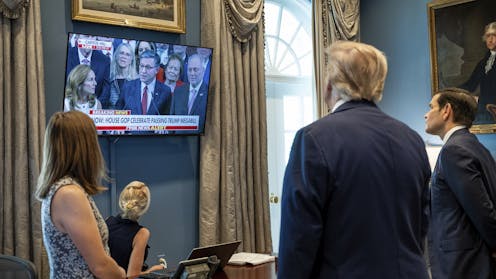



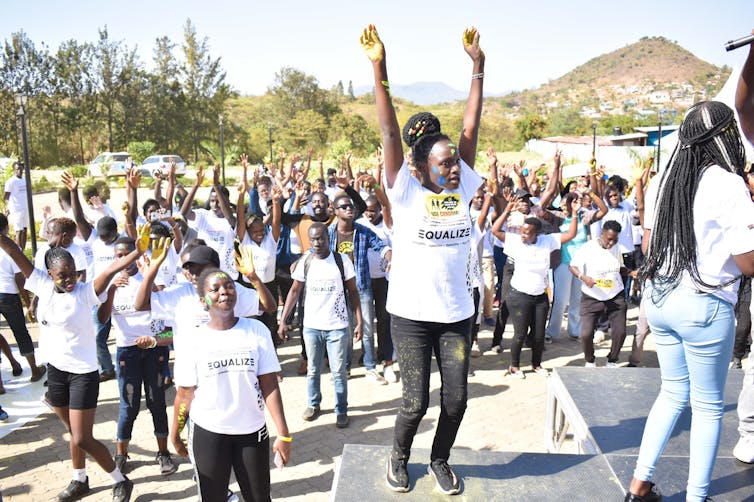


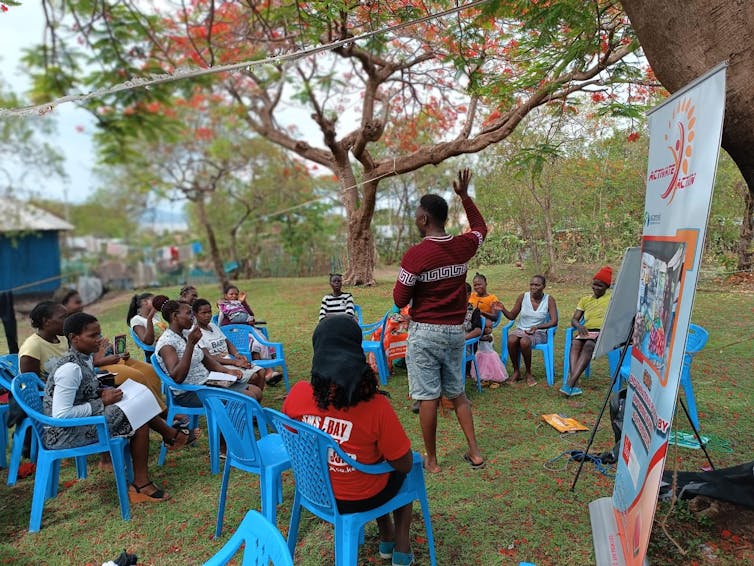





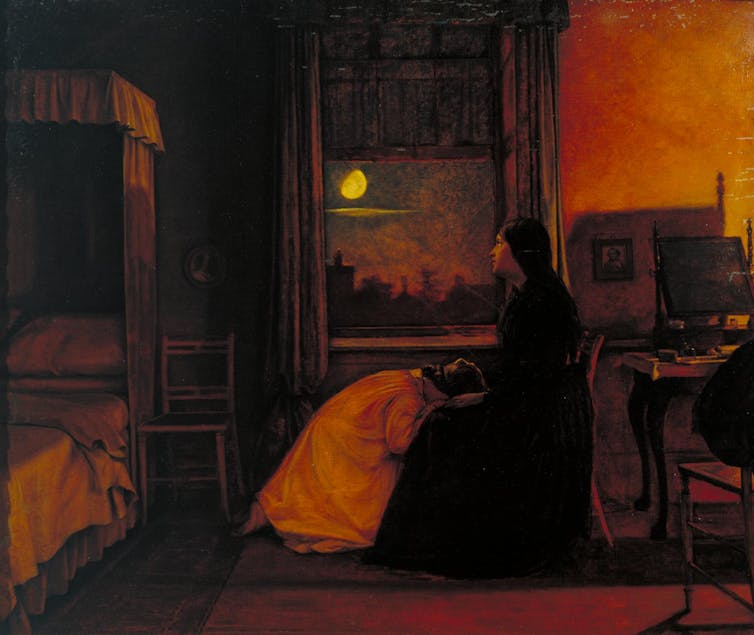























.jpg#/media/File:Lucas_Cranach_d.%C3%84._-_Bocca_della_Verit%C3%A0_(ca.1530).jpg/2)


