Source: The Conversation – USA – By Joseph Patrick Kelly, Professor of Literature and Director of Irish and Irish American Studies, College of Charleston
Donald Trump is the third U.S. president to pardon a large group of insurrectionists. His clemency toward those convicted of crimes related to the Jan. 6, 2021, insurrection – including seditious conspiracy and assaults on police officers – was different in key ways from the two previous efforts, by Andrew Johnson in 1868 and Ulysses S. Grant in 1873.
But they share the apparent hope that their pardons would herald periods of national harmony. As historians of the period after the Civil War, we know that for Johnson and Grant, that’s not what happened.
Further, as a Southerner, he wanted to maintain the social conventions and economic structure of the South by replacing enslavement with economic bondage. This economic bondage, called sharecropping, was a system by which tenant farmers rented land from large landowners. Tenants rarely cleared enough to pay their costs and fell into debt. In effect, Johnson sought to restore the nation to how it was before the Civil War, though without legalized slavery – and sought every avenue available to thwart the plans of the Radical Republicans who controlled both houses of Congress to create full racial equality.
Johnson signed an amnesty that gave a blanket pardon to all former Confederate soldiers. However, he required formerly high-ranking Confederate officials to individually seek pardons for their involvement in the rebellion. These officials faced permanent disfranchisement and could not hold federal office if they did not seek a pardon.
When Congress was in recess, Johnson vetoed two bills that had been passed: one to help find homes for formerly enslaved people who could no longer live on the property of their enslavers, and the other to define U.S. citizenship and ensure equal protection of the laws for Black people as well as white people.
Johnson also told Southern states not to ratify the 14th Amendment, whose purpose was to enshrine both citizenship and equal protection in the Constitution.
In 1986, the Ku Klux Klan marched through the streets of Pulaski, Tenn., to protest the national celebration of Martin Luther King Jr.’s birthday. AP Photo/Mark Humphrey
The rise of the KKK
Nathan Bedford Forrest was not covered by Johnson’s general amnesty. As a former Confederate general, he had to apply for a personal presidential pardon, which Johnson granted on July 17, 1868. Two months later, Forrest represented Tennessee at the Democratic Party’s national convention in New York City.
After his pardon, Forrest perfected a rhetorical technique for his extremism. His biographer Court Carney described it as a multistep process, starting with, “Say something exaggerated and inflammatory that plays well with supporters.” Then, deny saying it “to maintain a semblance of professional decorum.” Then, blur the threats with “crowd pleasing humor.” It proved an effective way of threatening violence while being able to deny responsibility for any violence that occurred.
Nathan Bedford Forrest, center, in a Confederate uniform, joins a caricature of an Irish immigrant, left, and Democratic Party chairman August Belmont in trampling the rights of a Black Union veteran, depicted lying on the ground. Thomas Nast, Harper’s Weekly, 1868.
Under Forrest’s leadership, membership in the violent, racist Ku Klux Klan spread almost everywhere in the South. Records are sketchy, so it’s impossible to say how many people were lynched, but the Equal Justice Initiative has documented 2,000 lynchings of Black Americans during Reconstruction. Black women and girls were often raped by klansmen or members of its successor militias.
It’s also not possible to say how many pardoned ex-Confederates participated in the lynchings. But the violence was so widespread that just about everyone, North and South, thought the political violence was a resumption of the Civil War.
In the Piedmont of the Carolinas, klan violence amounted to a shadow government of white nationalists. Grant ordered the U.S. Army to apprehend the klansmen, and a newly minted Department of Justice prosecuted the insurrectionists for violating civil rights guaranteed by the 14th and 15th amendments. After several trials that proved to be what the federal judiciary’s official history calls “dramatic spectacles,” federal judges handed down conviction after conviction.
The federal government’s decisive action allowed for a relatively free presidential election in 1872. Black voters helped Grant win in eight Southern states, contributing to his landslide victory.
But after his reelection, Grant appointed a new attorney general, who dropped the pending klan cases. Grant also pardoned klansmen who had already been convicted of crimes.
Grant hoped his gesture would encourage Southerners to accept the nation’s new birth of freedom.
It didn’t. The pardons told former Confederates that they were winning.
John Christopher Winsmith, an ex-Confederate who embraced racial equality and whose father had been killed by the KKK, wrote to Grant in 1873, “A few trials and convictions in the U.S. Courts, and then the pardoning of the criminals” had emboldened what he called “the hideous monster – Ku Kluxism.”
And a new gang arose, too: the Red Shirts, who began to murder Black people openly, not even in secret as the klan did. Two of the Red Shirts were later elected to the U.S. Senate.
The federal government took no substantive action against this for a century, until the 20th century’s Civil Rights Movement sparked change. And it wasn’t until 2022 that Congress passed an anti-lynching bill.
I was for several years a volunteer with the Charleston County (SC) Democratic Party.
David Cason does not work for, consult, own shares in or receive funding from any company or organization that would benefit from this article, and has disclosed no relevant affiliations beyond their academic appointment.
Source: The Conversation – USA – By Paulo Carvão, Senior Fellow, Mossavar-Rahmani Center for Business and Government, Harvard Kennedy School
One of President Donald Trump’s first executive orders in his second term called for developing an AI action plan.Photo by Anna Moneymaker/Getty Images
Imagine a not-too-distant future where you let an intelligent robot manage your finances. It knows everything about you. It follows your moves, analyzes markets, adapts to your goals and invests faster and smarter than you can. Your investments soar. But then one day, you wake up to a nightmare: Your savings have been transferred to a rogue state, and they’re gone.
You seek remedies and justice but find none. Who’s to blame? The robot’s developer? The artificial intelligence company behind the robot’s “brain”? The bank that approved the transactions? Lawsuits fly, fingers point, and your lawyer searches for precedents, but finds none. Meanwhile, you’ve lost everything.
This is not the doomsday scenario of human extinction that some people in the AI field have warned could arise from the technology. It is a more realistic one and, in some cases, already present. AI systems are already making life-altering decisions for many people, in areas ranging from education to hiring and law enforcement. Health insurance companies have used AI tools to determine whether to cover patients’ medical procedures. People have been arrested based on faulty matches by facial recognition algorithms.
By bringing government and industry together to develop policy solutions, it is possible to reduce these risks and future ones. I am a former IBM executive with decades of experience in digital transformation and AI. I now focus on tech policy as a senior fellow at Harvard Kennedy School’s Mossavar-Rahmani Center for Business and Government. I also advise tech startups and invest in venture capital.
Drawing from this experience, my team spent a year researching a way forward for AI governance. We conducted interviews with 49 tech industry leaders and members of Congress, and analyzed 150 AI-related bills introduced in the last session of Congress. We used this data to develop a model for AI governance that fosters innovation while also offering protections against harms, like a rogue AI draining your life savings.
Striking a balance
The increasing use of AI in all aspects of people’s lives raises a new set of questions to which history has few answers. At the same time, the urgency to address how it should be governed is growing. Policymakers appear to be paralyzed, debating whether to let innovation flourish without controls or risk slowing progress. However, I believe that the binary choice between regulation and innovation is a false one.
Instead, it’s possible to chart a different approach that can help guide innovation in a direction that adheres to existing laws and societal norms without stifling creativity, competition and entrepreneurship.
Bloomberg Intelligence analyst Tamlin Bason explains the regulatory landscape and the need for a balanced approach to AI governance.
The U.S. has consistently demonstrated its ability to drive economic growth. The American tech innovation system is rooted in entrepreneurial spirit, public and private investment, an open market and legal protections for intellectual property and trade secrets. From the early days of the Industrial Revolution to the rise of the internet and modern digital technologies, the U.S. has maintained its leadership by balancing economic incentives with strategic policy interventions.
In January 2025, President Donald Trump issued an executive order calling for the development of an AI action plan for America. My team and I have developed an AI governance model that can underpin an action plan.
A new governance model
Previous presidential administrations have waded into AI governance, including the Biden administration’s since-recindedexecutive order. There has also been an increasing number of regulations concerning AI passed at the state level. But the U.S. has mostly avoided imposing regulations on AI. This hands-off approach stems in part from a disconnect between Congress and industry, with each doubting the other’s understanding of the technologies requiring governance.
The industry is divided into distinct camps, with smaller companies allowing tech giants to lead governance discussions. Other contributing factors include ideological resistance to regulation, geopolitical concerns and insufficient coalition-building that have marked past technology policymaking efforts. Yet, our study showed that both parties in Congress favor a uniquely American approach to governance.
Congress agrees on extending American leadership, addressing AI’s infrastructure needs and focusing on specific uses of the technology – instead of trying to regulate the technology itself. How to do it? My team’s findings led us to develop the Dynamic Governance Model, a policy-agnostic and nonregulatory method that can be applied to different industries and uses of the technology. It starts with a legislative or executive body setting a policy goal and consists of three subsequent steps:
Establish a public-private partnership in which public and private sector experts work together to identify standards for evaluating the policy goal. This approach combines industry leaders’ technical expertise and innovation focus with policymakers’ agenda of protecting the public interest through oversight and accountability. By integrating these complementary roles, governance can evolve together with technological developments.
Create an ecosystem for audit and compliance mechanisms. This market-based approach builds on the standards from the previous step and executes technical audits and compliance reviews. Setting voluntary standards and measuring against them is good, but it can fall short without real oversight. Private sector auditing firms can provide oversight so long as those auditors meet fixed ethical and professional standards.
Set up accountability and liability for AI systems. This step outlines the responsibilities that a company must bear if its products harm people or fail to meet standards. Effective enforcement requires coordinated efforts across institutions. Congress can establish legislative foundations, including liability criteria and sector-specific regulations. It can also create mechanisms for ongoing oversight or rely on existing government agencies for enforcement. Courts will interpret statutes and resolve conflicts, setting precedents. Judicial rulings will clarify ambiguous areas and contribute to a sturdier framework.
Benefits of balance
I believe that this approach offers a balanced path forward, fostering public trust while allowing innovation to thrive. In contrast to conventional regulatory methods that impose blanket restrictions on industry, like the one adopted by the European Union, our model:
is incremental, integrating learning at each step.
draws on the existing approaches used in the U.S. for driving public policy, such as competition law, existing regulations and civil litigation.
can contribute to the development of new laws without imposing excessive burdens on companies.
draws on past voluntary commitments and industry standards, and encourages trust between the public and private sectors.
The U.S. has long led the world in technological growth and innovation. Pursuing a public-private partnership approach to AI governance should enable policymakers and industry leaders to advance their goals while balancing innovation with transparency and responsibility. We believe that our governance model is aligned with the Trump administration’s goal of removing barriers for industry but also supports the public’s desire for guardrails.
Carvão advises tech startups and invests in venture capital.
Source: The Conversation – USA – By Benjamin Jensen, Professor of Strategic Studies at the Marine Corps University School of Advanced Warfighting; Scholar-in-Residence, American University School of International Service
War is a numbers game. Each side involved must marshal the supplies, troops and firepower needed to sustain the fight, thwart advancing armies and, hopefully, prevail.
But it’s also a game of uncertainty.
For the past three years, Ukraine’s military planners have had to approach every battle with a series of cold calculations: How much ammunition is left? How many air defense interceptors can be fired today, without running short tomorrow? Do we have the men and equipment needed to advance or hold position?
But now, with U.S. military assistance on hold and European support constrained by economic realities, that uncertainty is growing.
As an expert on warfare, I know this isn’t just a logistical problem; it’s a strategic one. When commanders can’t predict their future resource base, they are forced to take fewer risks, prioritize defense over offense and hedge against worst-case scenarios.
In war, uncertainty doesn’t just limit options. It shapes the entire battlefield and fate of nations.
Trump orders a pause
On March 3, 2025, President Donald Trump announced a suspension to all U.S. military aid to Ukraine. It followed a fractious Oval Office meeting between the U.S. president and Volodymyr Zelenskyy, after which Trump declared the Ukrainian leader “not ready for peace.”
Two days later, Central Intelligence Agency Director John Ratcliffe announced Washington was also pausing all intelligence sharing and ordered key allies such as the United Kingdom to limit the information they give Kyiv.
National security adviser Michael Waltz has linked the pause to ongoing U.S.-Ukrainian negotiations, stating that weapons supplies and intelligence sharing will resume once Ukraine agrees to a date for peace talks with Russia.
U.S. President Donald Trump and Ukrainian President Volodymyr Zelenskyy argue in the Oval Office on Feb. 28, 2025. Andrew Harnik/Getty Images
While the level of support is debated – it is often skewed by how one calculates equipment donations using presidential drawdown authority, through which the president can dip into the Department of Defense’s inventory – the U.S. has undoubtedly delivered critical weapons systems and a wide range of ammunition.
Though this assistance has decreased U.S. military stockpiles, it has helped Washington invest in its domestic defense industry and expand weapons production.
In addition, while Europe is starting to increase its own defense expenditures, EU members are stuck with flat economic growth and limits on how much they can borrow to invest in their own militaries, much less Ukraine.
This makes the U.S. a critical partner for Ukraine for at least another two years while Europe expands its military capacity.
These conditions affect the design of Ukraine’s military campaigns. Planners in Kyiv have to balance predictions about the enemy’s strengths and possible courses of action with assessments of their own resources.
This war ledger helps evaluate where to attack and where to defend.
Uncertainty skews such calculation. The less certain a military command is about its resource base, the more precarious bold military maneuvers become.
It is through this fog of uncertainty that any pause in assistance shapes the course of the war in Ukraine and the bargaining leverage of all parties at the negotiating table.
A new uncertain world
The White House has indicated that the pause in military aid and intelligence sharing will be lifted once a date for peace talks is set.
But even if U.S. weapons and intel begin to flow again, Ukrainian generals will have to fight the duration of the war under the knowledge that its greatest backer is willing to turn off the taps when it suits them.
And the consequences of this new uncertain world will be felt on the battlefield.
Ukraine now faces a brutal trade-off: stretch limited resources to maintain an active defense across the front, or consolidate forces, cede ground and absorb the political costs of trading space for time.
Material supply has shaped operational tempo over the course of the war. When Moscow expects Kyiv to be low on ammunition, it presses the attack. In fact, key Russian gains in eastern Ukraine in 2024 coincided with periods of critical supply shortages.
Russia used its advantage in artillery shells, which at times saw Moscow firing 20 artillery shells to every Ukrainian artillery shell fired, and air superiority to make advances north and west of the strategic city of Avdiivka.
Looking to the front lines in 2025, Russia could use any pause in supplies to support its ongoing offensive operations that stretch from Kherson in southern Ukraine to Kharkiv in the north and efforts to dislodge Ukrainian units in the Russian Kursk region.
This means Ukraine will have to decide where to hold the line and where to conduct a series of delaying actions designed to wear down Russian forces.
Trading space for time is an old military tactic, but it produces tremendous political costs when the terrain is your sovereign territory.
As such, the military logic of delaying actions creates political risks in Ukraine – sapping civilian morale and undermining support for the government’s war management.
A horrible choice
This dilemma will drive where and how Ukraine weights its efforts on the battlefield.
First, long-range strike operations against Russia will become increasingly less attractive. Every drone that hits an oil refinery in Russia is one less warhead stopping a Russian breakthrough in the Donbas or counterattack in Kursk. Ukraine will have to reduce the complexity of its defensive campaign and fall back along lines deeper within its own territory.
Second, Russia doesn’t fight just on the battlefield – it uses a coercive air campaign to gain leverage at the negotiating table. With U.S. military aid on hold, Moscow has a prime opportunity to escalate its strikes on Ukrainian cities and infrastructure, forcing Kyiv into painful choices about whether to defend its front lines or its political center of gravity.
From Vietnam to Ukraine, airpower has historically been a key bargaining tool in negotiations.
President Richard Nixon bombed North Vietnam to force concessions. Russia may now do the same to Ukraine.
Seen in this light, Russia could intensify its missile and drone campaign against Ukrainian cities and infrastructure – both to weaken defenses and to apply psychological and economic pressure. And because Kyiv relies on Western assistance, including intelligence and systems such as U.S.-built Patriot surface-to-air missiles to defend its skies, this coercive campaign could become effective.
As a result, Ukraine could be faced with a horrible choice. It may have to concentrate dwindling air defenses around either key military assets required to defend the front or its political center of gravity in Kyiv. Interception rates of Russian drones and missiles could drop, leading to either opportunities for a Russian breakout along the front or increased civilian deaths that put domestic pressure on Ukrainian negotiators.
Uncertainty reigns supreme
The real problem for Ukraine going forward is that even if the U.S. resumes support and intelligence sharing, the damage is done.
Uncertainty, once introduced, is hard to remove. It increases the likelihood that Ukraine’s leaders will stockpile munitions to reduce the risk of future pauses, rather than use them to take the fight to Russia.
And with battlefield decision-making now limited, Ukraine’s military strategists will increasingly look toward the least worst option to hold the line until a lasting peace is negotiated.
Benjamin Jensen does not work for, consult, own shares in or receive funding from any company or organization that would benefit from this article, and has disclosed no relevant affiliations beyond their academic appointment.
Source: The Conversation – Africa – By Danny Bradlow, Professor/Senior Research Fellow, Centre for Advancement of Scholarship, University of Pretoria
South Africa took over the presidency of the G20 at the end of 2024. Since then the world has become a more complex, unpredictable and dangerous place. The most powerful state in the world, the US, seems intent on undermining the existing order that it created and on demonstrating its power over weaker nations. Other influential countries are turning inward.
These developments raise concerns about how well mechanisms for global cooperation, such as the G20, can continue to operate, particularly those that work on the basis of consensual decision making. Danny Bradlow sets out how the G20 works, and what’s at stake.
What’s the G20’s purpose?
The G20 is a forum in which the largest economies in the world meet regularly to discuss, and attempt to address, the most urgent international economic and political challenges. The group, which includes both rich and developing countries, accounts for about 67% of the world’s population, 85% of global GDP, and 75% of global trade.
The G20, in fact, is a misnomer. The actual number of G20 participants in any given year far exceeds the 19 states and 2 international entities (the European Union and the African Union) that are its permanent members. Each year they are joined by a number of invited “guests”. While there are some countries, for example Spain and the Netherlands, that are considered “permanent” G20 guests, the full list of guests is determined by the chair of the G20 for that year. This year, South Africa has invited 13 countries, including Denmark, Egypt, Finland, Singapore and the United Arab Emirates. They are joined by 24 invited international organisations such as the International Monetary Fund, the World Bank and the United Nations and eight African regional organisations, among others.
The G20 should be understood as a process rather than a set of discrete events. Its apex is the annual leaders’ summit at which the participating heads of state and government seek to agree on a communiqué setting out their agreements on key issues. These agreements are non-binding and each of the participating states usually will implement most but not all the agreed points.
The communiqué is the outcome of a two track process: a finance track, consisting of representatives of the finance ministries and central banks in the participating counties, and a “sherpa” track that deals with more political issues. In total these two tracks will involve over 100 meetings of technical level officials and policymakers.
Most of the work in each track is done by working groups. The finance track has seven working groups dealing with issues ranging from the global economy and international financial governance to financial inclusion and the financing of infrastructure. The sherpa track has 15 working groups dealing with issues ranging from development and agriculture to health, the digital economy, and education.
The agenda for the working group meetings is based on issues notes prepared by the G20 presidency. The issues notes will discuss both unfinished business from prior years and any new issues that the president adds to the G20 agenda.
The working group chairs report on the outcomes of these meetings to the ministerial meetings in their track. These reports will first be discussed in meetings of the deputies to the ministers. The deputies will seek to narrow areas of disagreement and sharpen the issues for discussion so that when they are presented at the ministerial meeting the chances of reaching agreement are maximised.
The agreements reached at each of these ministerial meetings, assuming all participants agree, will be expressed in a carefully negotiated and drafted communiqué. If the participants cannot agree, the minister chairing the meeting will provide a chair’s summary of the meeting. These documents will then inform the communiqué that will be released at the end of the G20 summit. This final communiqué represents the formal joint decision of the participating heads of state and government.
The G20 process is supplemented by the work of 13 engagement groups representing, for example, business, labour, youth, think tanks, women and civil society in the G20 countries. These groups look for ways to influence the outcomes of the G20 process.
What is the G20 troika and how does it operate?
The G20 does not have a permanent secretariat. Instead, the G20 president is responsible for organising and chairing the more than 100 meetings that take place during the year. The G20 has decided that this burden should be supported by a “troika”, consisting of the past, present and future presidents of the G20. This year the troika consists of Brazil, the past chair; South Africa, the current chair; and the US, the future chair.
The role of the troika varies depending on the identity of the current chair and how assertive it wishes to be in driving the G20 process. It will also be influenced by how active the other two members of the troika wish to be.
The troika helps ensure some continuity from one G20 year to another. This is important because there is a significant carryover of issues on the G20 agenda from one year to the next. The troika therefore creates the potential for the G20 president to focus on the issues of most interest to it over a three year period rather than just for one year.
The G20 was first brought together during the Asian financial crisis in the 1990s. At that time, it was limited to a forum in which ministers of finance and central bank governors could meet to discuss the most important international economic and financial issues, such as the Asian financial crisis.
The G20 was elevated to the level of heads of state and government at the time of the 2008 global financial crisis.
The G20 tends to work well as a cooperative forum when the world is confronting an economic crisis. Thus, the G20 was a critical forum in which countries could discuss and agree on coordinating actions to deal with the global financial crisis in 2008-9.
It has performed less well when confronted with other types of crises. For example, it was found wanting in dealing with the COVID pandemic.
It has also proven to be less effective, although not necessarily totally ineffective, when there is no crisis. So, for example, the G20 has been useful in helping address relatively technical issues such as developing international standards on particular financial regulatory issues or improving the functioning of multilateral development banks. On other more political issues, for example climate, food security, and funding the UN’s sustainable development goals, it has been less effective.
There’s one less obvious, but nevertheless important, benefit. The G20 offers officials from participating countries the chance to interact with their counterparts from other G20 countries. As a result, they come to know and understand each other better, which helps foster cooperation between states on issues of common interest. It also ensures that when appropriate, these officials know whom to contact in other countries and this may help mitigate the risk of misunderstanding and conflict.
These crisis management and other benefits would be lost if the G20 were to stop functioning. And there is currently no alternative to the G20 in the sense of a forum where the leading states in the world, which may differ on many important issues, can meet on a relatively informal basis to discuss issues of mutual interest. Importantly, the withdrawal of one G20 state, even the most powerful, should not prevent the remaining participants from using the G20 to promote international cooperation on key global challenges.
In this way it can help manage the risk of conflict in a complex global environment.
Danny Bradlow, in addition to his position at the University of Pretoria, is working as a G20 senior advisor to the South African Institute of International Affairs and is co-chair of the T20 Taskforce on Financing of Sustainable Development.
It’s a cold winter morning in the bleak and bare arable fields of the East Anglian fens. At the edge of a field, a scientist dips a long pole into a ditch. So, what is a climate researcher doing here?
We are measuring greenhouse gas emissions from ditches and canals by collecting samples of ditch water and analysing them in the laboratory. We also use floating chambers – a low-tech creation (sometimes coupled with high-tech sensors) made of a plastic bucket and noodle-shaped swimming floats that sit on top of the water and collect the gases emitted from it.
As freshwater biogeochemists, we investigate how elements like carbon and nitrogen are cycled through freshwater ecosystems such as rivers, lakes and ponds. We study how human-induced pressures including eutrophication – when excess nutrients cause algal blooms that deplete oxygen – and climate change affect these cycles.
Unlike many other scientists, we have a fondness for ditches and canals (we’ll call them all ditches from now on), which don’t tend to receive a lot of attention in the freshwater research world.
Researchers have previously calculated that ditches emit up to 3% of the total global methane emissions from human activities. In our new study, we find they also emit a lot of CO₂ and nitrous oxide.
In fact, when comparing the same surface area, ditches emit more CO₂ and nitrous oxide than ponds, lakes and reservoirs – probably due to the high nutrient inputs that go into ditches.
Using a rough approximation of the global surface area of ditches, we estimate that including ditches would increase global freshwater CO₂ emissions by up to 1% and nitrous oxide emissions by up to 9%.
These percentages might seem small, but they add up. When accounting for all three greenhouse gases, the world’s ditches emit 333Tg CO₂e (teragrams of CO₂ equivalents – a common unit to express the total climate impact of all greenhouse gases). This is nearly equivalent to the UK’s total greenhouse gas emissions in 2023 (379Tg CO₂e).
For this study, we collaborated with ditch experts from the UK, Netherlands, Denmark, Australia and China. We collected existing data of greenhouse gas emissions from 119 ditches in 23 different countries, across all major climate zones.
We estimated that global ditches cover about 5,353,000 hectares – about 22% of the UK’s total land area, or the whole of Costa Rica. However, researchers still don’t definitively know the global extent of ditches – they may actually cover a much larger area.
They also transport water for irrigating crops. Some are built to create desirable waterfront properties. Bigger canals play a role in shipping and transportation, while roadside ditches serve to redistribute storm water runoff.
The global length of ditches is unknown but very large. In many European countries, the total ditch length rivals that of their streams and rivers. The Netherlands has 300,000km of ditches criss-crossing agricultural land. In Finland, networks of forestry drains total around 1 million km.
Ditches can emit large amounts of greenhouse gases (CO₂, methane and nitrous oxide) that contribute to global warming and climate change. Ditches often contain stagnant water and are commonly found in agricultural and urban landscapes, which means they can receive high nutrient inputs from agricultural runoff containing manure and fertilisers, and from stormwater runoff containing lawn fertilisers, pet and yard waste.
This creates the low-oxygen, high-nutrient conditions ideal for the production of greenhouse gases – especially methane and nitrous oxide, whose global warming potentials are much higher than CO₂. Given their extent, ditches therefore make a notable contribution to freshwater greenhouse gas budgets in many countries throughout the world.
Fence, plant and dredge
By considering ditches when reporting their annual greenhouse gas emissions, nations can build a more accurate picture of the problem. Proper quantification can also help researchers target ways to reduce greenhouse gas emissions from ditches. For example, stronger legislation can limit the use of fertilisers and manure near ditches.
In Australia, installing fences to prevent cattle from entering farm dams has reduced methane emissions from dams by half. A similar strategy could be applied to ditches to minimise the amount of nutrient-rich manure flowing into them.
Planting more trees along ditch banks could help take up some of the nutrients and lower water temperature through shading, which also reduces greenhouse gas production. Dredging ditches can remove nutrient-rich sediments, while aerating ditch water can make conditions less ideal for the production of methane.
So, solutions do exist – but they’ll only be employed and scaled up once the significance of emissions from ditches is quantified and more widely recognised.
Don’t have time to read about climate change as much as you’d like?
Teresa Silverthorn has received funding for ditch research from from Defra, the Environment Agency, and EPSRC (UK research councils).
Mike Peacock has received funding for ditch research from Defra, the Environment Agency, NERC and EPSRC (UK research councils), and Formas and VR (Swedish research councils).
American rugby player Ilona Maher has risen to global fame. Not just because of her athletic ability (though that is remarkable, winning an Olympic bronze in 2024 in the USA rugby sevens team, and now signing a professional contract with England’s Bristol Bears), but because of what she represents.
Maher received widespread attention during the Paris Olympics as she shared her journey to sporting success and acceptance on TikTok. It’s a streak she’s continued with a recent turn on the US reality contest Dancing With the Stars, in which she finished second.
Now in Bristol to play 15-a-side rugby in preparation for the 2025 World Cup, Maher’s popularity (she has 3.4 million followers on Tiktok, more than any other rugby player in the world, of any gender) signals a generational shift. One that is increasingly rejecting outdated notions of femininity, fragility and women’s place in sport.
On Dancing with the Stars, Maher reversed conventional gender roles by lifting her partner during routines. After the show, she spoke candidly about the financial challenges of being a professional athlete in women’s rugby. She highlighted how lack of investment in the sport has forced her to find additional ways to sustain her career, such as participating in the dance show.
Maher lifted her partner on Dancing with the Stars.
Breaking barriers
This rebellion against gender norms is both personal and political. Sport has long been a site of this struggle for women.
Participation itself was once radical, as women had to fight just to step onto the field. When American runner Bobbi Gibb broke the rules to run the Boston Marathon in 1966, it was a subversive act that sparked backlash. She ran without permission, having been told women weren’t capable enough, and completed the race easily.
In our new book, Open Play: The Case for Feminist Sport, we explain how women who excelled in physically demanding sports were often vilified for threatening the traditional gender norms that placed them in passive or nurturing roles, rather than active, competitive ones.
Athletes who showed strength, endurance and skill in these domains challenged deeply ingrained stereotypes of women as physically inferior and fragile. As a result, they faced intense scrutiny, both socially and publicly. Their achievements were often dismissed as anomalies, and they were frequently subject to sexist criticism, questioning their femininity or even whether they were “real” women at all.
Maher, too, has faced this misogynistic criticism, with online trolls questioning her gender identity. She has spoken openly about the shame she felt as a child, growing up in a body which defied traditional expectations of femininity that are defined by smallness. Yet by confronting these prejudices, she offers the world a new example of what a woman’s body – and a woman’s power – can look like and do.
Feminism and sport
Feminism has historically focused on achieving equality in social, political and economic realms. Yet thinkers like Mary Wollstonecraft recognised early on that physicality was central to maintaining men’s dominance. Wollstonecraft argued in 1792 that women’s perceived physical inferiority wasn’t natural, but a product of their subjugation.
Sport has since become a pivotal arena for challenging the myth of feminine fragility, which persists in part because of the supposedly objective proof that men outperform women in many physical feats. But Wollstonecraft’s insights remain relevant: men and women still do not compete on equal terms. Women’s sports receive a fraction of the funding, resources and cultural support of men’s.
And the inequalities extend far beyond economic and cultural support. Women are often discouraged from participating in sport, and shamed if they excel.
We argue that the segregation of women’s sport, often framed as necessary to “protect female athletes”, actually perpetuates inequality. Around the world, women are still barred from competing against men no matter how exceptional they are, while men retain access to the best facilities, funding and opportunities.
In our book, we argue that this structural segregation reinforces the myth of women’s inferiority while denying women and other athletes with marginalised gender identities the chance to push boundaries and showcase their full potential. Ending this segregation would challenge the narrative of feminine fragility and open the best of sport to everyone.
We believe that Maher embodies this challenge. Her fans see in her a bold rejection of outdated gender stereotypes and a celebration of what women can achieve when given the chance. But her visibility also threatens those invested in maintaining traditional hierarchies. The backlash she faces is a reminder of how high the stakes are.
Sheree Bekker is Co-Director of the Feminist Sport Lab. She is also affiliated with the UK Collaborating Centre on Injury and Illness Prevention in Sport, an International Olympic Committee Research Centre.
Stephen Mumford is Co-Director of the Feminist Sport Lab.
On March 3, US President Donald Trump paused all US military aid to Ukraine. This move was apparently triggered by a heated exchange a few days earlier between Trump, Vice President JD Vance and Ukrainian President Volodymyr Zelensky in the Oval Office.
In response, European Union leaders have now committed to rearm Europe by mobilising €800 billion (about A$1.4 trillion) in defence spending.
26 of the EU leaders (excluding Hungary) signed an agreement that peace for Ukraine must be accompanied by “robust and credible” security guarantees.
They agreed there can be no negotiations on Ukraine without Ukraine’s participation. It was also agreed the EU will continue to provide regular military and non-military support to Ukraine.
This jump in defence spending is unprecedented for the EU, with 2024 spending hitting a previous record high of €326 billion (A$558 billion).
At the same time, the United Kingdom has committed to the biggest increase in defence spending since the Cold War.
The EU’s united front will create strong defences and deter a direct attack on EU nations.
However, for Ukraine, it will not lead to a military victory in its war with Russia. While Europe has stepped up funding, this is not sufficient for Ukraine to defeat Russian forces currently occupying about 20% of the country.
For Ukraine, the withdrawal of US support will severely strain their ability to keep fighting. Ukraine will likely need to find a way to freeze the conflict this year. This may mean a temporary truce that does not formally cede Ukrainian territory to Russia.
A Trumpian worldview
The vastly different approaches of the US under Trump and the EU point to a deeper ideological divide.
While the Trump administration has acted more quickly and assertively in foreign affairs than many expected, its approach is not surprising.
Since Trump won the US presidential election in November last year, Europe and Ukraine have known that a shift in US policy would be on the cards.
Trump’s approach to Ukraine is not only about economic concerns and withdrawing US military aid. It is about a deeper, more significant clash of worldviews.
Trump (and, it appears, his core support base) hold a “great power politics” approach to world affairs.
This approach assumes we live in a competitive world where countries are motivated to maximise gains and dominate. Outcomes can be achieved through punishments or rewards.
Countries with greater military or economic strength “count” more. They are expected to impose their will on weaker countries. This viewpoint underpinned much of the colonial activity of the 19th and 20th centuries.
This worldview expects conflict – and it expects stronger countries to “win”.
Consistent with Trump’s outlook, Russia is a regional power that has the “right” to control smaller countries in its neighbourhood.
Trump’s approach to Ukraine is not an anomaly. Nor is it a temporary and spontaneous measure to grab the global spotlight.
Trump’s worldview leads to the logical and consistent conclusion that Russia will seek to control countries within its sphere of influence.
Russia’s full-scale invasion of Ukraine represented an attempt to impose its will on a militarily weaker country that it considered to be in its rightful domain of control.
The EU alternative
Contrary to this view, the EU is founded on the premise that countries can work together for mutual gains through collaboration and consensus. This approach underpins the operation of what are called the Bretton Woods Institutions created in the aftermath of World War II.
This worldview expects collaboration rather than conflict. Mutually beneficial and cooperative solutions are found through dialogue and negotiation.
According to this perspective, Russia’s invasion of Ukraine is about a conflict between the values of a liberal democracy and those of an oppressive authoritarian regime.
Zelensky has himself consistently framed the conflict as being about a clash of values: freedom and democracy versus authoritarianism and control.
A mix of both?
Since Trump’s second inauguration, European leaders have presented a united front, motivated by facing a world where US military backing cannot be guaranteed.
However, there is internal division within European countries. Recent years has seen a sharp rise in anti-EU sentiment within EU member states. The UK’s exit from the EU is an example of this phenomenon.
EU leaders previously followed a path of cooperation with Russia, with limited success. Following Russia’s annexation of Crimea in 2014, France and Germany helped mediate the Minsk Agreements. These agreements, signed in 2014 and 2015, were designed to prevent further incursions by Russian-backed groups into Ukrainian sovereign territory.
This did not prevent Russia’s full-scale invasion of Ukraine in 2022.
In an emerging new world order, leadership might require going beyond the seeming contradiction of a focus on military strength or cooperation. Leaders may need to integrate both.
Jessica Genauer does not work for, consult, own shares in or receive funding from any company or organisation that would benefit from this article, and has disclosed no relevant affiliations beyond their academic appointment.
Source: The Conversation (Au and NZ) – By Amy Peden, NHMRC Research Fellow, School of Population Health & co-founder UNSW Beach Safety Research Group, UNSW Sydney
Social media is awash with images of surfers chasing waves as Cyclone Alfred whips up seas off Australia’s east coast.
Queensland Premier David Crisafulli has branded beachgoers as “idiots”. On Friday morning, he said those going to the beach as the cyclone approaches put themselves and emergency services at risk, adding:
I plead to the people who might think that now is a great time to go out on the surf – it’s not. It’s not just for you I’m concerned, but for the innocent person who has to go in after you.
In Queensland, surfers have been warned they may face fines up to $16,000 for reckless behaviour.
Despite all this, surfers and others continue to enter the water. It’s important to ask why – and what will it take to get them to stop?
Only a surfer knows the feeling
I research injury prevention with a focus on drowning and safety in the water. As cofounder of the UNSW Beach Safety Research Group, I have also led research into surfing.
Surfers frequently chase waves in big surf. Research by my colleagues and I shows under normal conditions, surfers have a lower risk of dying during this activity than people taking part in other water-related activities such as swimming, wading, snorkelling and scuba diving.
Although drowning is the leading cause of death while surfing, other severe injuries are relatively rare.
Of course, injuries can occur. These include cervical spine fractures and other spinal cord injuries, head injuries and lacerations. These can be due to collision with a surfboard, a fin, or the ocean floor.
Yet most surfers usually manage to avoid serious injury. Throw some mega waves into the mix, however, and things can turn deadly, fast.
Research shows the risk of injury is almost 2.5 times higher when surfing in waves that were over head height or bigger, relative to other waves.
Research shows surfers are motivated by what’s known as “sensation seeking”. In other words, they are more likely to seek out intense experiences than those who participate in other, less extreme sports.
The desire to “master nature” – or go into battle with a big wave and come out on top – has been documented in analyses of surfing motivation.
For big wave surfers, the reward – and the risk – can can be even greater. The physical and mental preparation needed to take on such extremes are immense. Tragically, deaths do occur even when attempts are made to improve safety.
Beyond the waves, other hazards can cause increased risk of ill health and injury in stormy seas. Debris can increase the risk of blunt-force trauma, while fecal and other bacteria in stormwater can cause illness.
Sea foam should not be considered harmless either, having been implicated in rescues and tragic cases of drowning in the past.
In the long term, coastal erosion due to storm surges and powerful surf can create permanent changes, impacting infrastructure and changing the location and strength of rip currents – the number-one coastal drowning hazard.
Having a cyclone this far south is a rare event, so it’s only natural for people to want to take a look. But sometimes there’s no safe viewing distance, and the safest place to be is at home.
Unsafe behaviours in and around the surf are rife on social media. Mainstream media outlets often model unsafe behaviours too, with reporters delivering their “piece to camera” about the importance of staying away from the beach while themselves standing on the shore.
Conditions are unpredictable. These include powerful waves and storm surges that can knock you off your feet and sweep you out to sea.
Remember, emergency services are stretched right now. If you get into trouble in the surf, there may be no one to rescue you. Or untrained bystanders may come to your aid and get into trouble themselves.
With numerous flood warnings in place and roads closed, as well as the risks present on the coast, it’s best to stay away from beaches, rock platforms and coastal areas for now. Hit the waves again when conditions have calmed down.
Amy Peden receives funding from the Australian National Health and Medical Research Council, Surf Life Saving Australia and the NSW National Parks and Wildlife Service. She maintains an honorary (unpaid) affiliation with Royal Life Saving Society – Australia.
People in southeast Queensland and northern NSW have spent days racing to prepare their homes ahead of Tropical Cyclone Alfred, now expected to make landfall over several hours on Saturday.
It’s not possible to completely cyclone-proof a house. But there’s a lot you can do – in the short and long term – to boost the resilience of your home and reduce damage caused by future cyclones.
How winds affects pressure on and in the house
Strong winds generate pressure pushing and pulling on the outside and inside of a house.
When wind gusts hit a building, the wind is pushing on what we call the windward wall and going up and over the roof, creating a suction effect. The wind is trying very hard to peel the roof off your house, and in a cyclone is hammering the building for many hours.
If a windward window or door blows in or gets broken by debris, wind instantaneously enters the space. This almost doubles the load that the roof now has to resist.
In southeast Queensland and northern NSW, housing is not typically designed to resist that extra upward load on the roof if a door or window blows in.
Cyclone resilience is about maintaining the function of a building during severe weather, so even if there is some damage, it still can be used after the storm has passed. So it’s vital the roof stays on.
In practice, that means thinking about what’s known as the “tie down chain” – how all pieces of the house are held together to carry the wind loads from the roof to the ground.
A weak link in this tie down chain can lead to winds lifting entire roofs from homes. All the connections involved in keeping a roof on the house are exceptionally important.
Weather resistance in building codes is generally designed for rain that falls straight down and flows off the roof.
But in a cyclone, rain can come horizontally. It can get pushed under the the roof, into gutters and under sliding doors. And it’s not just a little bit – buckets and buckets of water can inundate a house.
Wind pressure can also mean water is blown into the house through gaps you may not even know existed. Wind-driven rain ingress can happen at wind speeds that don’t cause structural damage.
It comes in under doors and through windows, including holes in window sills. It can lead to buildings being unusable and a large number of insurance claims.
Dispelling major myths
You might have seen people taping a big “X” on their windows and glass doors. Unfortunately, this doesn’t really do much to improve window strength.
Some people put the tape on and then, during the cyclone, sit there watching their glass flex, falsely believing tape magically makes the window stronger. This is incredibly dangerous. If that glass shatters, the bystander would be hit by shards of glass travelling at high speed.
Sometimes people open a window to reduce pressure inside the house that happens if a door or window breaks. It’s true this might reduce some pressure, but it depends which side of the house is currently being hit by wind. And given wind direction can change during a cyclone, emergency services recommend it’s better just to stay sheltered in the smallest room; they don’t want you standing in front of a window during a cyclone.
Close all internal doors so if any windows do blow in, the high pressure is restricted to just that room (not spread throughout the house).
Designing beyond the bare minimum
Building codes require buildings to build to a “wind classification” according to the “wind zone” of that area.
Buildings are often built only to the minimum standard of the Building Code. However, if we want a house to function after an extreme tropical cyclone, we should consider building beyond the minimum standard using resilience features that will keep your roof on in a cyclone and minimise the entry of rainwater.
Cyclone resilience also includes incorporating resilient building materials in your home – such as linoleum or vinyl floors instead of carpet, and ceilings from fibre-cement sheeting instead of plasterboard.
It’s also important all elements holding your house together are well maintained through the life of the building.
That means ensuring regular inspections by a trained professional to identify any potential weaknesses such as rot, rust or UV damage.
These inspections are not something you and a mate can do yourselves. It requires a building professionals to get into the roof and look for weak spots.
Think beyond your house. What about the carport? A pergola? That shed or patio you added? Are the solar panels installed correctly with the right fixings and brackets to resist the wind forces?
If all these things are not fixed down and maintained well, strong winds can pick them up and throw them at your house or your neighbours.
Just as you get your car serviced, you should get your house checked every five to seven years. Our homes have many important parts and a failure in one can lead to disastrous and expensive problems.
David Henderson serves on committees for Standards Australia. He is a member of Engineers Australia and has done consulting work with the Resilient Building Council.
Geoffrey Boughton serves on committees for Standards Australia. He is a member of Engineers Australia and has done consulting work with the Resilient Building Council.
In 2011, as Cyclone Yasi approached the Queensland coast, I sat in my home in the tropical far north of the state and worried what the future would hold. Would my family be OK? Would our home be destroyed? Would my workplace be damaged and my job uncertain? Would my community be devastated?
Now, as we wait for Cyclone Alfred to make landfall, I am watching on from my new home in Melbourne. I am safe. But last night, I couldn’t sleep. I’m having intrusive thoughts, remembering what it was like when Cyclone Yasi barrelled into us. I feel agitated, distracted and anxious. The news coverage of the impending cyclone makes my heart race, so I have turned off the television.
As someone who has researched the impact of disasters for more than 20 years, I recognise what I am feeling now is similar to how I felt all those years ago. Again, I am experiencing the normal range of stress reactions common after living through a disaster, even though I am not directly impacted by this one.
This is known as retraumatisation, where we re-live stress reactions experienced as a result of a traumatic event when faced with a new, similar incident.
As a researcher in emergency responses to a broad range of disasters, I understand why I am feeling like this.
However, many people may not realise the stress they are experiencing right now is related to an earlier disaster or traumatic event in their life. That earlier disaster could be another cyclone, or a different event, such as a flood or bushfire.
Some signs and symptoms of retraumatisation might be:
intrusive thoughts (for example, I keep remembering my fear of the predicted tidal surge of water rushing up at me in the darkness as Cyclone Yasi made landfall)
nightmares and having trouble sleeping
hypervigilance (for example, feeling “on edge” all day)
sensitivity to triggers (for example, the sound of intense wind and windows creaking can trigger intense feelings because they remind me of the night we lived through Cyclone Yasi passing over the top of us)
feeling isolated
thinking about, planning or attempting suicide
panic atacks
using/abusing substances, such as alcohol and other drugs
increase in unhealthy behaviours (for example, being more prone to aggression or violence).
For many of us, Cyclone Alfred is awakening memories and feelings, and the re-emergence of those stress reactions can be confronting. It can feel like re-opening a wound that hasn’t quite healed.
Disaster upon disaster take their toll
We are now beginning to understand the effects of being exposed to multiple disasters – bushfires, cyclones, floods, and let’s not forget the COVID pandemic – that erode our resilience.
This type of multiple exposure influences our feelings of safety, security and even our hope for the future, all increasing the risk of poorer mental health.
For people with post-traumatic stress disorder (PTSD), retraumatisation may cause people to relive their past traumas in intense detail. It can feel like past traumatic events are happening all over again.
What to do now, and in the future
However, there are steps we can take to help build our resilience in the face of multiple disasters.
For now
Right now, it is useful to understand how we respond to trauma. We may notice a range of physical responses (for example, my heart has been racing), psychological reactions (for example, I am feeling more anxious than usual) and social impacts (for example, I cancelled dinner plans last night as I did not want to leave the house).
So, even though I stayed home last night, I was on a group chat discussing the Real Housewives of Sydney with friends, which helped reduce both the physical and psychological stress reactions I was experiencing.
Staying connected to friends, family, neighbours and other supports will help. Caftor/Shutterstock
For later
In the longer term, it is useful to develop and implement a self-care plan that includes activities to support our emotional, physical and spiritual health.
Self-care means taking the time to do things that help your wellbeing and improve your physical health and mental health. This can help you manage the stress reactions that may emerge as part of retraumatisation. Even small acts of self-care in your daily life can have a big impact.
Today, I made the time to go for a short walk in the park and listened to some of my favourite music. It helped in the moment, but it also helps me in the longer term when I routinely include these small acts of self-care in my daily life.
Most importantly, we need to understand that the way we are feeling is normal. Be patient with yourself and look for small opportunities to take control of your reactions.
I am keeping the television turned off (except when the Real Housewives is on).
Some resources
The website blueknot, from the National Centre of Excellence for Complex Trauma, gives more information about how we respond to trauma. The Black Dog Institute guides you through developing a self-care plan.
If this article has raised issues for you, or if you’re concerned about someone you know, call Lifeline on 13 11 14.
Erin Smith does not work for, consult, own shares in or receive funding from any company or organisation that would benefit from this article, and has disclosed no relevant affiliations beyond their academic appointment.
Source: The Conversation (Au and NZ) – By Ramona Zharfpeykan, Lecturer, Department of Accounting and Finance, University of Auckland, Waipapa Taumata Rau
Despite large multinational companies such as Goldman Sachs, Paramount, Google and others removing their diversity, equity and inclusion policies, the evidence is clear: having a diverse team can help businesses make better, more empathetic decisions.
At the top level, a growing body of research shows having more women on corporate boards leads to better decision-making, stronger governance and improved environmental, social and governance (ESG) performance.
Women make up 50.8% of the population and hold 40.8% of parliamentary leadership roles. But they hold only 28.5% of board seats and 26.4% of executive roles in the New Zealand’s Stock Exchange (NZX) top 50 companies (the NZX50).
And while businesses are encouraged to disclose gender diversity policies by the NZX, there are no mandatory quotas, leaving progress uneven.
However, change is happening. Our new research looked at the the percentage of female directors in NZX-listed firms between 2016 and 2022.
What we found is positive. Using information from financial infrastructure and data provider LSEG’s database on global financial markets, we identified a rise in the number of female directors on corporate boards. We also saw a corresponding improvement in the firms’ ESG performance.
Despite making up 50.4% of the population, women hold only 28.5% of board seats and 26.4% of executive roles in NZX50 companies. T. Schneider/Shutterstock
Boosting performance
Between 2016 and 2022, the proportion of female directors in NZX-listed firms increased from 26% to 36%. These same businesses saw an average 33% improvement in their ESG performance.
Notably, governance – one of the key ESG pillars – improved significantly, with a 31% increase on average. Governance specifically refers to the effectiveness of the firm’s management systems, board structure and capacity to protect shareholder interests.
While it’s not possible to say outright that having more women on the board directly influenced governance outcomes, we saw a positive relationship between the two. This suggests having more women in leadership strengthens corporate oversight and ethical decision making.
Gender diversity does not have the same level of importance in all contexts. While social and environmental performance also improved, this study found no significant link between a more gender-diverse board and these higher scores in social and environmental performance.
Our findings are supported by overseas research suggesting board diversity does not strongly influence sustainability outcomes when it comes to issues and groups already covered by legislation.
Therefore, New Zealand’s proactive stance on issues such as the environment, poverty and human rights, as well as encouraging private companies to improve sustainability and transparency, may explain why board diversity had no notable impact on social and environmental performance in this study.
What women bring to the business
Our findings align with studies completed overseas.
In the US, one study found women business leaders tended to prioritise transparency, fairness and stakeholder interests. This made them strong advocates for sustainable and inclusive business practices.
It’s clear that addressing the gender gap in corporate New Zealand isn’t just about fairness. It’s about economic success. Businesses that embrace diversity perform better, attract top talent and enhance their reputations.
The solution isn’t simply about enforcing quotas, but ensuring more qualified women are placed in leadership roles. Companies need to move beyond a “compliance mindset” and recognise true diversity strengthens governance, reduces risk and drives long-term success.
As the world celebrates International Women’s Day on March 8, businesses need to realise that increasing female representation at the top isn’t just the right thing to do – it’s the smart thing to do.
Ramona Zharfpeykan does not work for, consult, own shares in or receive funding from any company or organisation that would benefit from this article, and has disclosed no relevant affiliations beyond their academic appointment.
Source: The Conversation (Au and NZ) – By Prema Arasu, Postdoctoral Research Fellow, Minderoo-UWA Deep-Sea Research Centre, The University of Western Australia
In February, researchers from conservation organisation Condrik Tenerife were about two kilometres off the coast of Tenerife Island, looking for sharks, when they caught sight of something much stranger.
Photographer David Jara Boguñá filmed a humpback anglerfish (Melanocetus johnsonii, a species of black seadevil) swimming near the surface in sunlit waters. These fish have never before been seen alive in daylight, as they normally dwell in the “twilight zone” at depths from 200m to 600m.
The video has provoked an enormously empathetic response on social media, with some seeing the fish as a feminist icon or an Icarus-like figure who swam too close to the Sun. The reaction shows our views of the deep sea – long ignored or seen as a realm of monsters – may at last be changing.
The strange lives of anglerfish
Anglerfish are much smaller than you probably think they are. The specimen Boguñá filmed was a female, which typically grow up to 15cm long.
The creatures are named for their bioluminescent lure (or esca). This modified dorsal fin ray can produce a glow used to fish (or angle) for prey in the dim depths of the sea. The bioluminescence is produced by symbiotic bacteria that live inside the bulbous head of the esca.
Male anglerfish lack the iconic lure and are much smaller, usually reaching a length of only 3cm.
A male anglerfish spends the first part of his life searching for a female to whom he will then attach himself. He will eventually fuse his circulatory system with hers, depending on her entirely for nutrients, and live out his life as a parasite or “living testicle”.
It is unknown why this fish was swimming vertically near the surface. Researchers have speculated that the behaviour may have been related to changes in water temperature, or that the fish was simply at the end of her life.
Watchers observed the fish for several hours, until it died. Its body was preserved and taken to the Museum of Nature and Archaeology in Santa Cruz de Tenerife, where it will be further studied.
I like to think she is a respected old grandmother who has dreamed her entire life of seeing the sunlight and the world above the water. She knows her time is nigh so she bade farewell to her friends and family and swam up towards the light and whatever it might hold for her as her life as an anglerfish comes to a close.
One person described the fish as her “feminist Roman Empire”, in the sense of an inspirational obsession that filled the same role for her that the Roman Empire supposedly does for many men.
Boguñá and Condrik Tenerife have since commented on the public reaction. (The original post is in Spanish, but Instagram’s automated English translation is below.)
He’s become a global icon, that’s clear. But far from the romanticisation and attempt to humanise that has been given to its tragic story, I think that what this event has been for is to awaken the curiosity of the sea to PEOPLE, especially the younger ones, and perhaps, it also serves that messages about marine ecosystem conservation can reach so many more people.
From horrors to heroes
The outpouring of empathy for the anglerfish is unexpected. With their glowing lures and fang-filled mouths, the creatures have long been archetypal horrors of the abyss.
As I have written elsewhere, the anglerfish’s extreme sexual dimorphism and parasitism, along with its unsettling anatomy, have made it the “iconic ambassador of the deep sea”. Anglerfish or angler-inspired aliens have appeared as antagonists in films such as Star Wars Episode I: The Phantom Menace (1999), Finding Nemo (2003), The SpongeBob SquarePants Movie (2004) and Luca (2021).
Star Wars film The Phantom Menace features a large anglerfish-inspired sea monster. Disney
The reception of “Icarus” (as some call her) in popular culture indicates a perhaps surprising capacity for empathy toward animals that aren’t conventionally cute or beautiful. It stands in stark contrast to the fate of the deep-sea blobfish Psychrolutes marcidus, which in 2013 was voted the world’s ugliest animal.
Perhaps the name is a clue: people have seen in the fish a creature striving to reach the light, who died as a result of her quest.
But does our projection of human emotions and desires onto non-human animals risk misunderstanding scientific reality? Almost certainly – but, as US environmental humanities researcher Stacy Alaimo has argued, it may also have benefits:
Deep-sea creatures are often pictured as aliens from another planet, and I think that gets people interested in them because we’re all interested in novelty and weirdness and the surreal […] I think that can be positive, but the idea of the alien can also cut us off from any responsibility.
Prema Arasu does not work for, consult, own shares in or receive funding from any company or organisation that would benefit from this article, and has disclosed no relevant affiliations beyond their academic appointment.
Some 50 years ago, on March 1 1975, Australian television stations officially moved to colour.
Networks celebrated the day, known as “C-Day”, with unique slogans such as “come to colour” (ABC TV), “Seven colours your world” (Seven Network), “living colour” (Nine Network) and “first in colour” (0-10 Network, which later became Network Ten). The ABC, Seven and Nine networks also updated their logos to incorporate colour.
For most viewers, however, nothing looked much different. The majority owned a black and white TV, while a coloured broadcast required a colour TV set.
Advertisers were initially reluctant to accept the change, which required them to re-shoot black and white commercials with colour stock at a significantly higher cost.
Many reasoned viewers were still watching the ads in black and white. And initially this assumption was correct. But by nine months later, 17% of Australian homes had a colour receiver. This rose to 31% by July 1976.
By 1978, 64% of Melbourne and 70% of Sydney households owned colour TV sets, making Australia one of the world’s fastest adopters of colour TV.
According to the Federation of Australian Commercial Television Stations (FACTS) annual report for 1975–76, colour TV increased overall viewership by 5%, with people watching for longer periods.
The 1976 Montreal Olympics also led to an increase in TV sales, with the colour broadcast shared between the ABC, Seven and Nine.
Highlights from the Montreal 1976 Olympic Games marathon event.
A late start
With the United States introducing colour TV from 1954, it’s peculiar that Australia took so long to make the transition – especially since conversations about this had been underway since the 1960s.
In 1965, a report outlining the process and economic considerations of transitioning to colour was tabled in parliament.
Feedback from the US highlighted problems around broader acceptance in the marketplace. Colour TV sets were expensive and most programs were still being shot in black and white, despite the availability of colour.
Networks were the most hesitant (even though they’d go on to become one of the most major benefactors). In 1969, it was estimated transitioning to colour would cost the ABC A$46 million (the equivalent of $265,709,944 today) over six years.
The federal government, led by then prime minister Robert Menzies, decided to take a cautious approach to the transition – allowing manufacturers, broadcasters and the public time to prepare.
The first colour “test” broadcast took place on June 15 1967, with live coverage of a Pakenham country horse racing event in Victoria (although few people would have had coloured TV sets at this point).
Other TV shows also tested broadcasting in colour between 1972 and 1974, with limited colour telecasts aired from mid-1974. It wasn’t until March 1975 that colour TV was being transmitted permanently.
‘Aunty Jack Introduces Colour’ was a one-off television special of The Aunty Jack Show, broadcast on the ABC on February 28 1975.
The cinema industry panics
Australia’s involvement in the Vietnam War created further urgency to televise in colour. With the war ending in April 1975, Australians watched the last moments in colour.
Other significant events broadcast in colour that year included the December federal election, in which Malcolm Fraser defeated Gough Whitlam after the latter was dramatically dismissed as prime minister on November 11.
With the public’s growing interest in colour TV, local manufacturers began lobbying for higher tariffs on imports to encourage domestic colour TV production.
In the mid 1970s, a new colour set in Australia cost between $1,000 and $1,300, while the average full-time annual income was around $8,000. Still in the throes of a financial recession, customers began seeking out illegally-imported colour TV sets – which were appearing at car boot markets across the country.
British childrens show The Wombles came to Australian screens shortly after colour TV was introduced.
The government also created an advertising campaign warning the public of scammers who would offer to convert black-and-white TVs to colour. These door-to-door “salesmen” claimed to have a special screen which, when placed over a TV, would magically turn it colourful.
By 1972, the estimated cost of upgrading broadcasting technology to colour had reached $116 million. The cinema industry, in a panic, even questioned whether colour TV could damage a viewer’s eyesight.
The industry had previously suffered huge losses in cinema attendance with the introduction of black-and-white TV from 1956. Cinemas had a monopoly on colour and were petrified over what the introduction of colour to television could do to their attendances.
Such fears were founded. In 1974 Australia had 68 million admissions to the cinema. By 1976, there were just 28.9 million admissions. Never again would yearly cinema admissions reach above 40 million.
But despite the complaints – from the cinema industry, advertisers, broadcasters and manufacturers – audiences were ready for colour. And any network that dared to program in black and white would subject itself to a barrage of annoyed viewers.
Colour TV was here to stay.
Stephen Gaunson does not work for, consult, own shares in or receive funding from any company or organisation that would benefit from this article, and has disclosed no relevant affiliations beyond their academic appointment.
The opposition wants to call time on letting public servants work from home. In a speech to the Menzies Research Institute this week, shadow public service minister Jane Hume said, if elected, a Coalition government would require public servants in the office five days a week:
While work from home arrangements can work, in the case of the [Australian Public Service], it has become a right that is creating inefficiency.
Hume said Labor had given public servants a “blank cheque” to work from home, creating an “unsustainable” system that was no longer working.
She stressed that exceptions “can and will be made”, but only “where they work for everyone rather than be enforced on teams by an individual”.
Few workplace issues have drawn such heated debate as whether people should be allowed to work from home. The Coalition’s latest election promise, with parallels to a similar move by Donald Trump in the United States, has brought these questions back into the spotlight.
What impact do work from home arrangements have, not only on performance and productivity but also employee wellbeing? Is it really wise to reverse course?
Our research has examined these questions in detail – and we’ve found a changing picture.
We have examined the impacts of working from home on staff performance and productivity in Australian workplaces as part of the Australian Workplace Index, surveying 2,932 Australian employees across 2022 and 2024.
This is a research collaboration project between Australian National University and University of Newcastle.
An Australian Workplace Index 2022 working paper (which has not been peer-reviewed) actually suggested working from home was linked with a number of negative impacts.
In 2022, we saw that compared to those who didn’t, employees who worked from home three to four days a week experienced lower wellbeing, higher depression and anxiety, and higher loneliness.
They also experienced more administrative hassles, higher pressure to meet targets and increased levels of conflict with supervisors and colleagues.
We found working from home was also associated with a reduction in staff productivity, job-target performance and an increase in staff turnover intentions.
A changing picture
We have recently completed analysis for a similar study based on data from 2024, to be published in an upcoming working paper. And it paints a very different picture.
We found the negative impacts of working from home, originally found in 2022, had reversed in 2024.
In the most recent 2024 Australian Workplace Index employment data, we see no significant difference in productivity between employees who work from home and those in the office.
In fact, the latest data suggest numerous benefits.
For example, staff who worked from home one or more days a week had 9.9% more autonomy in how they carried out their work. Those with higher job autonomy were up to 16.8% more productive in their work when compared to those with low job autonomy.
We found staff who work from home also save on average 100 minutes in commuting time each day.
But on top of this, staff who worked from home one or more days a week were 10.6% less burnt out from work compared to those who never did, and had reported lower intention to quit their jobs.
This positive trend likely reflects investment by employers in improving support for staff who work from home.
In 2024, we found a majority of organisations (69%) now had a work-from-home policy in place.
There was also an increase in the physical, technological and psychological infrastructure support available to staff who work from home. For example:
Physical: 82% of staff have a dedicated workspace, 93% have their own desk, and 93% have air conditioning.
Technological: 85% of staff have access to IT support, 94% have access to collaborative technology and 95% have internet access.
Psychological: 80% of staff have access to psychological support from their supervisor and 72% have access to counselling services.
Importantly, employees still value the opportunity highly. Our 2024 data show 38% of Australian employees chose to work from home for 50% or more of their work hours.
32% of Australian employees would prefer to exclusively work from home, 41% prefer a hybrid option, while 27% prefer to work exclusively from the office.
Christina Boedker has received research grant funding from the University of Newcastle’s RSP Stimulus Funding Scheme and from The Australian National University for this research project.
Kieron Meagher received research grant funding from the University of Newcastle’s RSP Stimulus Funding Scheme and from The Australian National University for this research project.
Aeson Luiz Dela Cruz does not work for, consult, own shares in or receive funding from any company or organisation that would benefit from this article, and has disclosed no relevant affiliations beyond their academic appointment.
It’s been three years since floods pummelled the Northern Rivers region of New South Wales. Now, Cyclone Alfred is heading for the region, threatening devastation once more.
On Thursday night and Friday morning, the NSW State Emergency Service asked residents in parts of the Northern Rivers to evacuate. Rain associated with Cyclone Alfred was expected to cause rapid river rises and extensive flooding.
As you’d expect, many Northern Rivers residents feel very apprehensive right now. No-one wants to go through this again.
I know of a woman who, just last week, had painters doing final repairs to her home after it flooded in 2022. Other people can’t afford to repair their homes at all.
Damage from the last floods extends beyond the material. Many people in the Northern Rivers are still dealing with mental health problems such as anxiety, depression and PTSD after the last disaster.
Still, people are preparing for Cyclone Alfred’s arrival – and drawing lessons from the 2022 floods in the hope of a better outcome this time.
Memories of Lismore floods
I have 20 years’ experience working on climate change adaptation and disaster risk management. My research focus includes the Northern Rivers, where I live. Last year, a study I led examined community collaboration across the region in response to disasters.
The Northern Rivers is located in the NSW northeast and is drained by three major rivers: the Richmond, Tweed and Clarence. The city of Lismore is one of the most flood-prone urban centres in Australia.
As my colleagues and I have previously written, the 2022 flood in Lismore and surrounds surprised even the most prepared residents.
Floodwaters in Lismore reached more than two metres higher than the previous record. Shocked residents were left clinging to their roofs. Businesses moved their stock to higher ground, but it was still destroyed. Houses above the so-called “flood line” were inundated.
Warning systems proved inadequate, and emergency agencies were overwhelmed. More than 10,800 homes were damaged.
Landslides and boulders fell on homes and roads, leaving people trapped and isolated for up to six weeks. Others could not access cash, petrol, communications, food, schools, carer services and medical assistance for long periods.
The 2022 floods were by no means the first disaster to befall the Northern Rivers. The region also flooded in 2017. In 2019 the region, like much of Australia, was deep in drought. The Black Summer bushfires hit in 2019-20, and Covid-19 struck in 2020. Parts of the region suffered bushfires in 2023.
Now, we are facing Cyclone Alfred.
The scale of the 2022 floods forced many residents to confront a harsh reality: in a disaster, emergency services cannot always help. Sometimes, people must fend for themselves.
That realisation prompted a growing community-led resilience movement. As Cyclone Alfred approaches, that network has swung into action.
Since 2022, community-resilience groups have emerged in each local government area across the region. The groups comprise, and are led by, community volunteers.
We work with local organisations, government agencies and emergency services to help the community before, during and after a disaster. The local council convenes regular meetings between all these organisations.
My research shows strong information flows are crucial in disaster preparedness and recovery.
Since the Cyclone Alfred threat began, my community group has received regular updates from the SES on matters such as locations of sandbags and sand, the latest weather information advice, and when evacuation centres will open.
We also have an established a network of contacts who live on streets vulnerable to flooding. We pass on relevant information to other residents via Facebook and a WhatsApp group. In the past day we have been exchanging information such as whether flood pumps are working and the extent of beach erosion.
The flow of information is two-way. Byron Shire’s community resilience network is chaired by the local council, and has links to emergency management – the “lights and sirens” people. In this way, community knowledge and contributions are recognised and valued by decision-makers and other officials.
In recent days our group has fed advice up the chain to emergency services, such as the location of elderly and vulnerable people who may need help to evacuate.
A man holding a portable emergency satellite provided to a community resilience group in the Northern Rivers. Facebook
Byron Shire Council has also loaned portable Starlink satellite dishes to some community-resilience groups. These devices provide essential and communication if phone and internet services fail in a disaster.
On a broader level, the Bureau of Meteorology is producing regular video updates about Cyclone Alfred in clear, plain language. This is helping to communicate the risks widely and give people the information they need.
Community resilience groups also seek to adopt a proactive, rather than reactive, approach to disasters – such as helping residents prepare for the next flood event.
This can be challenging. Many people and organisations in the region have understandably been focused on recovery after the 2022 floods. It can be hard to do this while also preparing for the next disaster.
And sometimes, people don’t want constant reminders of the potential for flooding. Some people just want to move on and think about something other than disaster.
If Cyclone Alfred brings destruction to the Northern Rivers, community resilience groups will play a big role in supporting health and wellbeing. Not everyone accesses formal mental health support after disasters. Communities and neighbours looking out for each other is crucial.
Tough times ahead
As I write, the Northern Rivers is starting to lose power and internet access. Winds are wild and rain lashed the region all night.
As climate change worsens, all communities must consider how they will cope with more intense disasters. The model of community-led resilience in the Northern Rivers shows a way forward.
There is still much work to do in the region. However, our experience of compounding disasters means we are well along the path to finding new ways to support each other through extreme events.
Rebecca McNaught is a Research Fellow at the University Centre for Rural Health (University of Sydney) in Lismore. She has received scholarship funding from the Australian Government’s Research Training Program Stipend. She is affiliated with the South Golden Beach, New Brighton and Ocean Shores Community Resilience Team. She has also conducted paid and voluntary work for the Northern Rivers not-for-profit registered charity Plan C.
Source: The Conversation (Au and NZ) – By Adrian Beaumont, Election Analyst (Psephologist) at The Conversation; and Honorary Associate, School of Mathematics and Statistics, The University of Melbourne
The Western Australian state election will be held on Saturday, with polls closing at 9pm AEDT. A Newspoll, conducted February 27 to March 5 from a sample of 1,061, gave Labor a 57.5–42.5 lead, a 1.5-point gain for Labor since an early February WA Newspoll.
Primary votes were 44% Labor (up two), 29% Liberals (down three), 5% Nationals (up two), 10% Greens (down two), 3% One Nation (down one) and 9% for all Others (up two).
Labor Premier Roger Cook’s net approval was down one point to +17, with 55% satisfied and 38% dissatisfied. Liberal leader Libby Mettam’s net approval was up three to +1. Cook led as better premier by 53–34 (54–34 previously).
The Poll Bludger reported Friday that a DemosAU poll for The West Australian, conducted March 4–5 from a sample of 1,126, gave Labor a 57–43 lead. Primary votes were 43% Labor, 30% Liberals, 5% Nationals, 11% Greens and 11% for all Others. Cook led as preferred premier over Mettam by 47–32. By 49–31, voters thought WA was headed in the right direction.
At the March 2021 WA election, Labor won 53 of the 59 lower house seats on a two-party vote of 69.7–30.3, a record high for either major party at any state or federal election. Labor won 59.9% of the primary vote.
Labor was never going to match the 2021 result at this election, but if the results on Saturday reflect the Newspoll and DemosAU polls, they will exceed their 2017 result, when Labor won 41 of the 59 seats on a two-party vote of 55.5–44.5.
Upper house reforms
Prior to this election, WA had six upper house regions that each returned six members. From the ABC’s 2021 WA election pages, there were three Perth regions and three non-metro regions. Perth had 75% of WA’s enrolled voters, but only 50% of upper house seats.
Furthermore, the Mining & Pastoral region and Agricultural region had far fewer enrolled voters than the South West region. Combined, these two regions had just 10.1% of WA’s enrolled voters, but 33.3% of upper house seats.
Labor’s huge 2021 win gave them a majority in the upper house for the first time in WA history, with 22 of the 36 seats. Labor used this opportunity to convert the upper house into a single statewide electorate that will return 37 members by proportional representation with optional voter-directed preferences.
Under these reforms, a quota for election will be 1/38 of the vote or 2.63%. Parties that win about half the quota have a reasonable chance of winning a seat, so 1.3% could be enough to win. Labor also abolished group ticket voting (GTV), leaving Victoria as the only Australian jurisdiction that still uses this discredited system.
ABC election analyst Antony Green said there will be 13 groups on the upper house ballot paper and a total of 146 candidates. To get a group box above the line, at least five candidates for that group were required. The number of candidates has been more than halved from 2021, when there were 325 upper house candidates. Group ticket voting encouraged a proliferation of micro parties and candidates.
In the lower house, there will be a total of 398 candidates for the 59 seats, down from 463 in 2021. Labor, the Liberals and Greens will contest all seats, the Nationals will contest 20, the Australian Christians 54 and One Nation 41.
Labor has huge lead in a SA state poll
The next South Australian state election will be held in March 2026. A DemosAU poll, conducted February 18–23 from a sample of 1,004, gave Labor a 59–41 lead (54.6–45.4 to Labor at the March 2022 election). Primary votes were 43% Labor, 30% Liberals, 10% Greens and 17% for all Others.
Labor incumbent Peter Malinauskas led the Liberals’ Vincent Tarzia as preferred premier by 51–23. By 53–33, voters thought SA was headed in the right direction.
The Poll Bludger reported Monday electoral reforms have passed parliament that will allow postal and pre-poll votes to be counted on election night. At previous SA elections, only votes cast at ordinary election day booths were counted on election night, with other types of votes taking at least a few days to count.
In the federal part of this poll, Labor led by 53–47 in SA (54.0–46.0 to Labor in SA at the 2022 federal election). Primary votes were 35% Coalition, 34% Labor, 11% Greens, 6% One Nation and 14% for all Others. Anthony Albanese led Peter Dutton as preferred prime minister by 39–33, and by 46–39 voters did not think Australia was headed in the right direction.
Adrian Beaumont does not work for, consult, own shares in or receive funding from any company or organisation that would benefit from this article, and has disclosed no relevant affiliations beyond their academic appointment.
It has been a little over a decade since 270 female students were kidnapped from a school in Chibok, Nigeria by the extremist armed group Boko Haram. While, many of the girls escaped, were rescued or were released in exchanges, many others remain missing or feared dead.
The mass kidnapping shocked many around the world, and spurred efforts to raise awareness with the hashtag #BringBackOurGirls coming to symbolize public outrage.
Women’s activism in recent decades has relied on and taken up digital technology in varied and complex ways. With an ability to reach millions across the world in a short time span, social media has arguably provided an unprecedented means for solidarity and activism.
However, the hashtag exemplifies the less often-recognized risks and detriments of relying on social media to promote and attain gender equity and social justice. The theme of this year’s International Women’s Day, #AccelerateAction, provides an opportunity to look back on #BringBackOurGirls and question the efficacy of using social media to achieve gender parity.
Mobilizing #BringBackOurGirls
Women have often found ways of mobilizing even when political space is restricted. In Africa, for example, the history of colonialism has shaped the postcolonial political landscape and incontrovertibly influenced how social justice movements are organized.
Despite obstacles and challenges, particularly from governments, women in Africa have organized in significant ways to fight for their rights, including playing crucial roles in the struggles for economic and political independence across the continent.
While some movements are formally organized, others, like #BringBackOurGirls, have been issue-based. As sociology professor Temitope Oriola writes, they “reflect the role contemporary, women-led social movements in Africa play in reshaping institutional and non-institutional actions, beliefs and practices.”
The 2014 #BringBackOurGirls campaign in Nigeria brought together people from diverse backgrounds to demand action against Boko Haram.
This transnational movement was anchored in a notion of freedom from injustice, particularly amid gender-based violence, human rights violations and systemic government failure. The movement was also informed by shared lived experiences and the use of digital media, which inspired international solidarity
However, the #BringBackOurGirls movement raised several issues around identity, particularly in terms of western saviourism. As literary theorist and feminist critic Gayatri Chakravorty Spivak writes in her oft-quoted phrase: “White men are saving brown women from brown men.”
Race and gender were especially important identity markers for some in the West lending their support to the cause. In addition, the role of Islamophobia as another factor cannot be discounted.
The limits of hashtag feminism
There is of course immense value when activists across the world join forces to combat injustice, but we cannot ignore the tendency of some in the Global North to portray women in the Global South as permanent victims. As migration researcher Heaven Crawley puts it:
“Women from the Global South are typically understood and represented through a neo-imperial frame as disempowered, helpless ‘victims’ or as ‘Exotic Others’ who need to be rescued from their ‘backward’ cultures.”
Examining the hashtag #BringBackOurGirls (emphasis ours) brings the complexity and contradictions of online social justice activism to the forefront.
On the one hand, it unequivocally brought a sense of urgency in returning the girls to their families. It also brought worldwide attention to a terrorist organization that operates across borders (in Chad, Cameroon, Niger and Nigeria) and threatens the stability and sovereignty of several nations, not to mention the African continent.
The #BringBackOurGirls movement was successful in calling on the Nigerian government to take action, and in garnering attention globally. However, the momentum faded overtime.
However, we argue that social media, which functions on algorithms and user engagement (likes, views, purchases, for example), cannot do what legal and policy change can do — bring about real, meaningful socioeconomic and political improvements for women.
Even when supporting a wide range of people and communities, social justice campaigns cannot overcome the exploitative and capitalist (not to mention white male ownership) underpinnings of social media. Movements like #BringBackOurGirls are vulnerable to losing audience interest, and while at their peak, can be co-opted by corporations to boost revenues.
The simplicity and superficiality of hashtags neither readily lend themselves to feminist causes nor were they designed to be feminist tools. According to the International Women’s Day official website, “it will take until 2158…to reach full gender parity.” Such parity will not come about through hashtags, whether its #BringBackOurGirls, #MeToo or even #AccelerateAction.
Social change is possible, however, by building solidarity through active grassroots organizing, community outreach, protesting against unfair policies and systems, and sharing knowledge that crosses borders and cultures.
The authors do not work for, consult, own shares in or receive funding from any company or organisation that would benefit from this article, and have disclosed no relevant affiliations beyond their academic appointment.
It’s true Ukraine is the weaker party in the enduring conflict with Russia, but that doesn’t mean it has to surrender its freedom, territory and wealth to foreign invaders. Even if Trump’s deal turns out to be a con job, the Ukrainian people can still defeat Russia, and they can do it without America’s help.
If the absolute worst should happen, Ukrainian fighters could choose to play a different hand: insurgency.
Insurgents often hold the advantage
I have studied asymmetric wars around the world for 20 years, and insurgency is the ultimate death trap for foreign powers that invade weaker countries. Insurgencies reverse the asymmetry of conventional wars: the weaker player has the battlefield advantage, while the stronger party slowly bleeds out and goes bankrupt.
This is not a scenario that anyone in Ukraine wants, but if Trump and Russia’s Vladimir Putin refuse to deal fairly with Zelenskyy, they may unwittingly unleash this hell upon the world.
If it turns out the peace deal is a scam, Ukrainian fighters could be forced to switch from conventional to irregular warfare.
How?
First, as Russia rapidly advances, Ukrainian fighters would disband regular armed forces and form covert, decentralized militia units. They would hide all military and cash assets, and blend into local communities. Civilian clothes only.
From the outside, it would look like the defending military has dissolved and given up. The invaders will foolishly believe they have achieved total victory.
Insurgents do this to lure the enemy deeper into their territory and stretch them thin. They let them put up their “Mission Accomplished” banners. They go to the invader’s victory celebrations and applaud them. They ensure their invaders feel comfortable, and that overconfidence makes them lazy and careless.
Within six months, they know how the enemy takes his morning coffee, and they have a perfect record of the critical supply lines feeding the invader’s army. They also join the enemy’s puppet security forces, using this as an opportunity to gather intelligence and plan raids. The first phase is all about reconnaissance and infiltration.
Time is the great advantage of the insurgent. Smart insurgents measure their success over the course of decades, not months. The fact is, counterinsurgency operations are exponentially more expensive than the cost of waging a successful insurgency, and so the longer insurgents can embroil the invader in their trap, the more the invader goes bankrupt.
Insurgents allow invaders to spend tens of billions of dollars on pipelines and mining projects, and then they spend a few thousand dollars to blow up those investments. Or they co-opt those projects, tax them and use the revenue to destroy other enemy assets. Disorder is much easier to sow than order.
Conventional wars also typically have higher military casualties than insurgencies, so pivoting to irregular warfare will likely reduce soldiers’ casualty rates.
Holding a front line is a much bloodier business than blowing up a gas pipeline or supply convoy. Effective hit-and-run attacks are designed to keep insurgents alive, allowing them to blend back into civilian communities unnoticed.
Unfortunately, because insurgents must blend into civilian populations to be effective, invaders typically retaliate by striking civilians targets, which may increase casualties. Russia would most certainly attack Ukrainian civilians, just as it is doing in the conventional war.
The Ukrainian landscape is comprised of expansive plains, forests and mountains in the west. Although it lacks jungles, a Ukrainian insurgency could deploy a combination of urban insurgency and guerrilla war tactics, using its vast rural territory to evade capture.
Ukraine’s territorial advantages and military capacity would make it very hard for Russia to successfully repress an insurgency like it did in Chechnya.
Nobody in their right mind would want to live in this grim and miserable future scenario. To avoid this calamity, Trump and Putin must realize that a Ukrainian insurgency could disembowel Russian power and destabilize Europe for decades. Unless they deal fairly with Zelenskyy today, they are gambling with European security, and playing a game where nobody wins.
Aisha Ahmad receives funding from the Social Sciences and Humanities Research Council of Canada.
Pippa flops by the Aga oven chewing on a stick. At just 12 weeks old, this labrador retriever puppy looks cute but clueless. But when she hears the word “biscuit”, her entire demeanour changes. Ears pricked, she’s immediately at her owner’s feet, gazing adoringly, sitting, even woofing on command.
We led a study to find out how genes have such a significant influence on why humans (and dogs) become overweight. It was their reputation for greediness that led us to focus on labrador retrievers. Genes are responsible for 40%-70% of human obesity – the rest is related to life experience.
We extracted DNA from samples of saliva sent in by interested pet owners. More than ten years after the first dog slobber arrived in the post, the results of our study are striking: dogs don’t just share a home with their human owners, they share obesity genes too. Each of the top five genes that increased the risk of weight gain in labradors were also implicated in human obesity.
Such crossover is not astonishing; both dogs and humans evolved to deal with cycles of food glut and famine. Both have brain mechanisms that drive hunger and satiety to ensure food intake meets our daily energy requirements.
And although we often think of fat as a problem, it does make sense to have some – it is an energy reserve to draw upon in times when food is scarce. Genes influence those mechanisms, but how?
The answer lies in the highly selective nature of dog breeding. A side effect of dog breeding is that it is remarkably straightforward to identify the genes which cause traits – even those like obesity, which come from the net effect of lots of changes along our DNA.
As a vet, I know obesity is a real problem for many of my patients, so we study dogs both for their own sake and as a “model” of human disease.
The genes we found were most important in determining obesity in labradors were not frontrunners in genetic studies of obesity in people. Rather, they were also-rans, with a minor impact on human weight gain.
Normally they wouldn’t interest us, but the dog results told us they can have a big effect on body weight and made them worth investigating. That was true of our top labrador obesity gene, DENND1B. Dogs who carried the problem version of this gene had around 8% more body fat, but the effect in humans is only subtle.
It turns out that DENND1B has a previously unrecognised role in the brain’s regulation of body weight, for dogs and humans. Leptin is a hormone produced from fat cells in the body. More fat, more leptin.
It acts in the brain by activating “melanocortin receptors” to reduce hunger and increase energy use. The system drives food intake in times of starvation and reduces it when the body has good energy reserves.
We showed DENND1B is produced alongside melanocortin receptors in the brain and alters signalling by them.
There is a lot we still need to learn about DENND1B, but this was a great start, especially since it is notoriously difficult to go from finding a genetic association to providing a molecular link to how the gene is acting in the body. Although not the target of the latest wave of anti-obesity drugs, there are obesity medicines which target melanocortin receptors, so there is real value in understanding the nuances of that brain pathway.
As well as learning about DENND1B function, we also scored dogs in the study as having a high or low obesity risk relating to a larger number of genetic changes. We used a questionnaire asking owners to put a number on their dogs’ appetite, their activity levels and the degree to which their owners limited what they got to eat.
This told us that the genetic risk was largely down to increased appetite – our high-risk dogs were more likely to pester their owners for food, scavenge for scraps, and would eat pretty much anything.
Genes making staying slim harder
Low-risk dogs in our study were all slim or only marginally overweight. But their owners don’t get the credit – this group tended to stay at a healthy weight even if owners didn’t pay much attention to how they regulated their dogs’ diet and exercise.
High-risk dogs can be kept slim, but it is much harder work. These owners need to be vigilant at all times to ensure their chow-hounds don’t get opportunities to snack and must steel themselves to resist the “big, brown eye treatment” that is such an effective way to beg for food.
The same is true in people. If you are unlucky enough to get genes that make you prone to obesity, they manifest in greater appetites, making it harder to resist overindulging. Slim people aren’t morally superior – they just don’t need to exert as much willpower to stay at a healthy weight.
So should we try to get rid of these obesity genes? Certainly not, and the reason why brings us back to Pippa, fixated on her treat. The guide dogs in our study had a higher genetic risk than pet labradors.
Since they are the elite performers of the canine world, this maybe gives us a clue as to why greediness has become hard-wired into the labrador genome. “I love these dogs,” says owner Chris, “Because they’re so easy to train – they’ll do anything for a biscuit.”
Eleanor Raffan receives funding from the Wellcome Trust, Royal Society, Dogs Trust and Morris Animal Foundation.
Source: The Conversation – UK – By Joanna Baker, Postdoctoral Researcher in Evolutionary Biology, University of Reading
It’s not just size that matters. The speed of evolution can affect a species’ cancer prevalence too. Eric Isselee/Shutterstock
A longstanding scientific belief about a link between cancer prevalence and animal body size has tested for the first time in our new study ranging across hundreds of animal species.
If larger animals have more cells, and cancer comes from cells going rogue, then the largest animals on earth – like elephants and whales – should be riddled with tumours. Yet, for decades, there has been little evidence to support this idea.
Many species seem to defy this expectation entirely. For example, budgies are notorious among pet owners for being prone to renal cancer despite weighing only 35g. Yet cancer only accounts for around 2% of mortality among roe deer (up to 35kg).
Peto’s paradox is that bigger, longer-lived species should have higher cancer prevalence, yet they don’t seem to. Back in 1977, Professor Sir Richard Peto noted that, on a cell-by-cell basis, mice seem to have much higher susceptibility to cancer than humans. This has led to speculation that larger species must have evolved natural cancer defences.
Several examples of these cancer defences have since been identified. For example, Asian elephants, a species with notably low cancer prevalence, have over 20 copies of a tumour suppressor gene (TP53) compared to our own lone copy. However, scientists are yet to find broader evidence across a range of animal species.
Our new study challenges Peto’s paradox. We used a recently compiled dataset of cancer prevalence in over 260 species of amphibians, birds, mammals and reptiles from wildlife institutions. Then, using powerful modern statistical techniques, we compared cancer prevalence between the animals.
Large species have a much greater risk of getting cancer (solid line), but faster evolution rates reduce that risk (dashed line). Jo Baker and George Butler, CC BY-NC-ND
We found that larger species do, in fact, have more cancer compared to smaller ones. This holds across all four major vertebrate groups, meaning that the traditional interpretation of Peto’s paradox doesn’t hold up. But the story doesn’t end there.
At first look, our findings seemed to be at odds with another long-standing scientific idea. Cope’s rule is that evolution has repeatedly favoured larger body sizes, because of advantages like improved predation and resilience. But why would natural selection drive species towards a trait that carries an inherent risk of cancer?
The answer lies in how quickly body size evolves. We found that birds and mammals which reached large sizes more rapidly have reduced cancer prevalence. For example, the common dolphin, Delphinus delphis evolved to reach its large body size – along with most other whales and dolphins (referred to as cetaceans) about three times faster than other mammals. However, cetaceans tend to have less cancer than expected.
Larger species face higher cancer risks but those that reached that size rapidly evolved mechanisms for mitigating it, such as lower mutation rates or enhanced DNA repair mechanisms. So rather than contradicting Cope’s rule, our findings refine it.
Larger bodies often evolve, but not as quickly in groups where the burden of cancer is higher. This means that the threat of cancer may have shaped the pace of evolution.
Humans evolved to our current body size relatively rapidly. Based on this, we would expect humans and bats to have similar cancer prevalence, because we evolved at a much, much faster rate. However, it is important to note that our results can’t explain the actual prevalence of cancer in humans. Nor is that an easy statistic to estimate.
Human cancer is a complicated story to unravel, with a plethora of types and many factors affecting its prevalence. For example, many humans not only have access to modern medicine but also varied lifestyles that affect cancer risk. For this reason, we did not include humans in our analysis.
Fighting cancer
Understanding how species naturally evolve cancer defences has important implications for human medicine. The naked mole rat, for example, is studied for its exceptionally low cancer prevalence in the hopes of uncovering new ways to prevent or treat cancer in humans. Only a few cancer cases have ever been observed in captive mole rats so, the exact mechanisms of their cancer resistance remain mostly a mystery.
At the same time, our findings raise new questions. Although birds and mammals that evolved quickly seem to have stronger anti-cancer mechanisms, amphibians and reptiles didn’t show the same pattern. Larger species had higher cancer prevalence regardless of how quickly they evolved. This could be due to differences in their regenerative abilities. Some amphibians, like salamanders, can regenerate entire limbs – a process that involves lots of cell division, which cancer could exploit.
Putting cancer into an evolutionary context allowed us to reveal that its prevalence does increase with body size. Studying this evolutionary arms race may unlock new insights into how nature fights cancer – and how we might do the same.
George Butler receives funding from the Prostate Cancer Foundation and the US Department of Defense CDMRP/PCRP (HT9425-23-1-0157).
Joanna Baker does not work for, consult, own shares in or receive funding from any company or organisation that would benefit from this article, and has disclosed no relevant affiliations beyond their academic appointment.
Source: The Conversation – UK – By Charlotte Ireland, Associate Researcher, Department of English, University of Birmingham
In the first three Bridget Jones films, the eponymous chaotic heroine has been on a seemingly endless quest to not be single. We have watched her secure, lose and secure again the heart of buttoned-up human rights lawyer Mark Darcy. Sadly, the cycle must continue and in the newest and last instalment, Mad About the Boy, she loses him all over again.
The brand of romantic comedy Bridget Jones belongs to, which came about in the late 90s and early 2000s, thrives on the chaos of single life, not “smug married” life. Bridget works best when she is self-deprecating, single and searching.
Helen Fielding’s Bridget Jones’s Diary (1996) has been, and continues to be, described as the “urtext” of chick lit — a defining novel from which others in the genre descend.
In chick lit, characters are often navigating the ebbs and flows of contemporary female experience, negotiating the challenges of juggling personal autonomy, career, family, friendship and love.
The new film cleaves closely to these tried and tested tropes of the genre. And, in a twist, the film’s writers have killed off Mark Darcy. Fielding’s novel Mad About the Boy (2013) is set several years after Darcy’s death, which occurs when he’s on a humanitarian mission in Sudan.
Looking for something good? Cut through the noise with a carefully curated selection of the latest releases, live events and exhibitions, straight to your inbox every fortnight, on Fridays. Sign up here.
Bridget isn’t the first 2000s romantic lead to lose her great love. Fans of Sex and the City watched Carrie Bradshaw lose Big, the man she had pursued with equally wavering success across the show’s six seasons, in its reboot And Just Like That.
While it may be frustrating that the writers felt that they couldn’t tell a story about Bridget or Carrie without making them single, the exploration of dating, friendships and careers has matured in these new instalments. Age, widowhood and a changing dating landscape have introduced alternative narratives – grief, dating with children, across ages and online.
Totally new romantic prospects
Divorce is a familiar theme in chick lit. It can be seen in Jojo Moyes’ Someone Else’s Shoes (2023), Marian Keyes’ Again, Rachel (2022) and even Candace Bushnell’s Is There Still Sex in the City? (2019). Given how frequently divorce appears in chick lit, it’s worth asking: why did Darcy and Big have to die?
Studies show that 60% of people going through a divorce may be open to reconciliation. For Bridget and Carrie, divorce would have left the romantic door open.
Also, as the path of reconciliation has been tread so many times with these men, there are only so many stories left to tell. New romantic interests would bring new dynamics, new issues to explore and more uncertainty for fans.
Bridget Jones and Sex in the City were pioneering. They featured honest and open discussion of being single in your 30s. They depicted candid portrayals of female sexuality, including discussions about self-pleasure. They showed Bridget and Carrie navigating complex relationships, difficult careers and friendships in a way many hadn’t seen at the time.
Stories of divorce and marriage are common in chick lit. So death, widowhood and middle-age allow the writers of Bridget Jones and And Just Like That to tread new ground for the same audiences in a way they did when they first came out.
Dating through grief and at an older age
Widowed dating brings avoidance, awkwardness and guilt. Bridget and Carrie initially claim they will never have sex again, feeling out of place in the dating world. Yet, there is a palpable sense of interest that makes them go back on this pronouncement quickly.
Guilt follows their first post-widowhood dates, as they sense their late husbands watching: Carrie through flickering lights, Bridget through an owl.
Carrie is told she must date again to give her readers a “glimmer of hope” (and sell more books). Similarly, Mad About the Boy critiques the stigma surrounding older single women.
Chapter 2, the UK’s only dating app for widowers and widows, found a lack of resources on widowed dating so surveyed over 500 people across the UK who had lost a partner. They found, on average, widows and widowers started dating two years and seven months after their loss. Nearly 50% felt some form of guilt (or as though they were “replacing” or “cheating” on their deceased partner), while only 7% didn’t find it difficult.
Bridget Jones, once a relatable 30-something dater, now reflects the realities of such widowed dating in midlife. Bringing these experiences to a popular, entertaining format sparks conversations about grief, love, and second chances – challenging stigmas while acknowledging the complexities of moving forward.
The consistency of friendships
What remains constant in both Bridget and Carrie’s lives is friendship, which studies have found becomes even more vital after loss.
In Mad About the Boy, Bridget’s friends “surrounded [her] like a womb” after Darcy’s death. In And Just Like That, Miranda comforts Carrie in bed, rubbing her back just as Big once did.
These friendships aren’t just supportive — they’re essential to the heroines’ survival and happiness. The message is clear: romantic love may fade, but true friendships endure.
Charlotte Ireland does not work for, consult, own shares in or receive funding from any company or organisation that would benefit from this article, and has disclosed no relevant affiliations beyond their academic appointment.
Sleep isn’t just a luxury, it’s a vital process that helps our bodies repair and
rejuvenate. Researchers have started to uncover how the quality and timing of sleep can affect more than just how rested we feel – it might also affect the very blueprint of our cells: our DNA.
A new study from Canada found that melatonin, a hormone known for its role in regulating sleep, might help reverse some of the DNA damage caused by years of poor sleep.
Melatonin is produced by the pineal gland in our brains when darkness
falls. It signals to our bodies that it’s time to wind down and prepare for sleep.
Beyond its sleep-inducing properties, melatonin is also a powerful antioxidant.
Antioxidants help protect our cells from oxidative stress – a condition in which an imbalance between free radicals and antioxidants can damage important cellular
components, including DNA. Oxidative DNA damage is thought to contribute to the development of diseases, such as cancer.
Their disrupted sleep cycles can lead to a reduced ability to repair oxidative DNA damage, which might, over time, increase their risk of developing serious health issues.
What the research shows
In the Canadian study, 40 participants who regularly worked night shifts were given either a 3mg melatonin supplement or a placebo before their daytime sleep. The researchers then measured the repair of oxidative DNA damage by analysing levels of a marker known as 8-hydroxy-2′-deoxyguanosine (8-OH-dG) in urine samples. Higher levels of this marker indicate better DNA repair activity because damaged DNA is being successfully removed from cells.
The study found that during the period of daytime sleep, participants who took
melatonin showed an 80% increase in urinary 8-OH-dG compared to those who took
the placebo. This result, although described as “borderline statistically significant”, suggests that melatonin may boost the body’s natural DNA repair mechanisms when the sleep schedule is disrupted. However, during subsequent night shifts – when melatonin levels naturally fall – the effect was not observed.
These findings are consistent with earlier research indicating that melatonin not only has antioxidant properties but may also boost specific genes involved in the repair process. Melatonin, then, appears to help the body recognise and get rid of damaged segments of DNA, potentially reducing the long-term risks associated with accumulated cellular damage.
Enhanced repair
When headlines claim that melatonin supplements “reverse DNA damage”, it’s
important to understand what that really means.
The study does not suggest that melatonin completely erases years of accumulated DNA damage. Instead, it points to melatonin’s potential to enhance the body’s repair capacity. For people who have suffered from years of poor sleep – whether due to night shifts, insomnia or lifestyle factors – melatonin might help mitigate further damage by improving the efficiency of the body’s natural repair processes.
While the idea of reversing DNA damage is certainly appealing, more research is needed. The study was relatively small, and its participants were exclusively night shift workers – a group with unique challenges regarding sleep and circadian rhythms, the body’s natural 24-hour cycle that controls sleep, wakefulness and eating.
Larger trials, exploring different doses and long-term use, will be crucial to determine whether melatonin supplementation can have a broader application for those who don’t get enough sleep.
What does this mean for you?
The research adds an interesting piece to the puzzle of how sleep and overall health are interconnected. Melatonin supplements are already widely used to help regulate sleep patterns and combat jet lag, but are only available on prescription in the UK.
This new evidence suggests that their benefits might extend beyond just helping you
fall asleep – they could also play a role in maintaining the health of your DNA.
While melatonin supplements might not completely “reverse” years of DNA damage
from poor sleep, they do appear to boost the body’s natural repair processes – a
hopeful sign that improved sleep quality, aided by melatonin, could be a key element in our quest for better health.
That said, melatonin is not a magic bullet. A healthy lifestyle, including good sleep hygiene, balanced nutrition and regular exercise, remains essential for protecting your cells from damage.
Timothy Hearn does not work for, consult, own shares in or receive funding from any company or organisation that would benefit from this article, and has disclosed no relevant affiliations beyond their academic appointment.
This article was first published in The Conversation UK’s World Affairs Briefing email newsletter. Sign up to receive weekly analysis of the latest developments in international relations, direct to your inbox.
It has not been a good week for relations between the US and Ukraine. After a meeting in the Oval Office between the two countries’ presidents descended into acrimony before the eyes of the world, the minerals deal that Donald Trump had said would be the first step towards a ceasefire with Russia was temporarily called off.
Ukraine’s president, Volodymyr Zelensky has since tried to salvage the relationship, announcing that he is ready to sign the minerals deal at “any time and in any convenient format”. Trump, on the other hand, has continued to fume. He took to his Truth Social media platform on March 3 to slam Zelensky’s remarks to reporters that the end to the war “is still very, very far away”.
“This is the worst statement that could have been made by Zelensky, and America will not put up with it for much longer,” Trump wrote. “This guy doesn’t want there to be peace as long as he has America’s backing.”
The following day, Trump paused US military aid to Ukraine. And he has now suspended intelligence sharing, cutting off the flow of information that has been critical to Ukraine’s ability to hit strategic targets inside Russia.
Sign up to receive our weekly World Affairs Briefing newsletter from The Conversation UK. Every Thursday we’ll bring you expert analysis of the big stories in international relations.
According to Stefan Wolff and Tetyana Malyarenko, who are both regular contributors to our coverage of the war in Ukraine, neither of these two moves will have an immediate game-changing effect on the war. But, in their view, they do increase pressure on Ukraine to accept whatever peace deal Trump will ultimately make with Putin.
Trump’s manoeuvring poses not only a threat to Ukraine, but the rest of Europe too. As Wolff and Malyarenko report, European nations are now scrambling to strengthen their own security. Following Friday’s White House showdown, the EU revealed plans to mobilise an additional €800 billion (£670 million) for European defence. European leaders were reportedly close to agreeing a deal for this plan as this newsletter was being written.
The challenges Europe faces on the way to becoming strategically independent from the US are enormous, write Wolff and Malyarenko. But a stronger, and more independent Europe, will be crucial for the war in Ukraine moving forward – particularly as the effects of the US aid suspension hit.
As Veronika Poniscjakova of the University of Portsmouth writes, the battlefield advantage in Ukraine is now overwhelmingly with Russia. The Russian military is putting intense pressure on Ukrainian troops in the Kherson oblast in the south of the country.
According to Poniscjakova, Russian forces are now reportedly attempting to cross the Dnipro river, which would allow them a clear run at the strategically important port city of Kherson. Reporting from the frontlines has described Russian assaults on Dnipro crossings as “suicide missions” that are involving heavy Russian casualties.
Since returning to the White House, Trump has echoed some of Putin’s favourite claims. He has stated that Ukraine does not have any cards to play, is unwilling to do a peace deal and has to give up land to Russia.
In the view of Natasha Lindstaedt, a professor in the Department of Government at the University of Essex, Trump’s support for Putin threatens security worldwide. It plays perfectly into the hands of China, she writes, which could now be emboldened to expedite its plan to annex Taiwan.
All of this, Lindstaedt says, will make the US more vulnerable. In her view, the US is more secure and prosperous when it is working in partnership with its allies to ensure security, stability, free trade and investment. “If the US were to even reduce its security commitments to Nato by 50%, estimates suggest trade with members would fall by US$450 billion,” Lindstaedt says.
Back in the Oval Office, Friday’s meeting was undoubtedly a major setback for Zelensky. He left the meeting publicly weakened, with Trump telling him to “come back when you’re ready for peace”.
But Zelensky is not the first leader to walk out of a face-to-face meeting with their tail between their legs. In this piece, Marcus Holmes of the William & Mary Global Research Institute and Nicholas John Wheeler of the University of Birmingham draw a historical parallel in a 1961 summit between the then US president, John F. Kennedy, and the Soviet premier, Nikita Khrushchev, in Vienna.
At that time, Kennedy admitted that Khrushchev “beat the hell out of me”, leaving him convinced that tensions with the Soviet Union would escalate. “It’s going to be a cold winter,” he remarked afterwards.
But, as Holmes and Wheeler write, there was one crucial difference: Kennedy and Khrushchev’s bruising exchange happened behind closed doors. Zelensky was forced to experience his own Vienna moment in front of the world. This, they say, could make it even harder for Zelensky to recover politically.
The art of the deal
At no point in the meeting did Trump and Vance seek a resolution to their disagreement with Zelensky or attempt to find common ground. Holmes and Wheeler call this a “domination ritual” – designed to make clear that Ukraine is in no position to set terms.
In this piece, Andrea Caputo, a professor of strategy & negotiation at the University of Lincoln, breaks down Trump’s negotiation style. Unlike typical US negotiators who are thought to avoid emotional expression, Trump uses anger and confrontation to dominate discussions and control narratives.
He frames negotiations in zero-sum terms, where every deal must have a clear winner and loser. This, Caputo says, reinforces his public image as a strong leader.
Caputo argues that Zelensky should have structured negotiations around US economic interests rather than western unity or moral imperatives. Otherwise, he is speaking a negotiation language that Trump doesn’t understand.
In the high-stakes arena of international security, Caputo says that understanding your counterpart’s negotiation style isn’t just good practice – it may be essential for survival.
Volunteering is a popular way for people to give something back to society. Whether it’s joining a tree-planting group, or helping out at a charity shop, spending time contributing to a cause is something valued by almost a billion people across the world.
Some businesses have picked up on this in a positive way, by allowing staff to take paid time away from their jobs to volunteer. And research suggests that doing so makes those firms more attractive employers, with happier employees.
But in a surprising new trend, some non-profit organisations have started charging companies for access to their volunteering programmes.
Usually this “pay-to-volunteer” approach involves non-profits setting a fee for companies to send groups of employees to lend a hand. And although there are no official statistics available about how widespread this is, we found plenty of examples in the UK, the US and Australia.
For instance, one Australian non-profit organisation we looked at charges businesses AU$600 (£302) for three employees to volunteer for a day stacking shelves and serving customers in a food bank.
Another charges AU$1200 (£605) for up to ten volunteering employees to pack grocery boxes, and a similar fee for up to five people to distribute food to communities in a minibus. A third invoices AU$130 (£65) per person for a shift making meals for people who struggle to afford food.
This kind of arrangement could redefine the traditional relationship between corporations and charitable organisations. So why switch to such a potentially disruptive model?
Our research on some Australian examples suggests that it come down to how much a particular non-profit organisation prioritises the transactional value of volunteering arrangements with businesses.
They might argue that charging a fee generates revenue, which helps to cover the costs of running volunteer programmes, as well as funding the organisation itself. They may also believe that any fees can be justified by the numerous benefits volunteering can bring to the companies which choose to pay them. These include enhanced employee morale and engagement, as well as the associated effects on the company’s image and reputation.
By contrast, the non-profits who reject the idea of charging companies tend to be more interested in the symbolic value of volunteering. They would argue that a cost to access volunteering contradicts the selfless spirit of the whole exercise.
Valuable volunteers
For our research into the trend, we focused on the “food rescue” sector – non-profits dedicated to distributing usable but surplus and unsold food to those in need. One of the non-profit executives we spoke to stressed that volunteering should be “time given at no cost”.
He added: “I just think the people who are charging organisations to come in to their operations are short-sighted and completely missing the point.
“The opportunity is to build a relationship [with a business] and then understand where the best value can be driven from that relationship. It is not presenting an invoice as people walk out the door.”
Others raised concerns that the “pay to help” model creates a two-tier system which depends entirely on a firm’s financial capacity. This could alienate and exclude smaller businesses unable to meet these costs.
We also heard concerns voiced about implications for the future of the volunteering sector as a whole. If paying to volunteer becomes widespread, will it increase or reduce the overall volunteer base?
Another manager we spoke to said the idea of paying to volunteer risked undermining the experience of corporate volunteering, as fees might bring unhelpful expectations. Would knowing that their volunteering activity was being paid for lead to some employees expecting privileges or certain outcomes for example, altering the dynamic between them and the people they are supposed to be helping?
It was also suggested that non-profits might feel obliged to ensure the satisfaction of their fee-paying corporate volunteers, to the detriment of the charitable work they are doing.
There are implications for non-paying volunteers too. The presence of volunteers whose employers are paying for them to be there might diminish the meaning of volunteering work more generally.
So without fully engaging with these questions, non-profits should approach this new model of charging for volunteers with caution. Introducing a financial component may dampen employees’ enthusiasm and lead to companies reducing their volunteering projects. It could even change people’s overall perception of non-profits more generally, affecting the support – and donations – they may rely upon.
Dr.Jianwen ZHENG does not work for, consult, own shares in or receive funding from any company or organization that would benefit from this article, and has disclosed no relevant affiliations beyond their academic appointment.
Xiaoyan Liang does not work for, consult, own shares in or receive funding from any company or organisation that would benefit from this article, and has disclosed no relevant affiliations beyond their academic appointment.
The global illicit drugs trade is estimated to be worth at least half a trillion US dollars each year. Drugs such as cocaine, methamphetamine and heroin generate large revenues all along their supply chains, from where the products (and precursor materials) are grown or made – principally Colombia and Bolivia, China, Afghanistan, and the “golden triangle” of Myanmar, Laos and Thailand – to wherever the finished drugs are consumed.
Earnings in the illicit drug trade are variable. Few people will make the kind of money that once put the Mexican former cartel boss Joaquín “El Chapo” Guzmán on the Forbes list of global billionaires. But while drug “kingpins” are the industry’s biggest individual earners, they do not hold the majority of the drug money that is generated throughout the global supply chain.
Despite their frequent glamorisation in film and TV portrayals, drug cartels are basically international logistics companies. They work with distributors in different countries who deliver the drugs to regional wholesalers, who in turn supply the local retailers (dealers) who sell drugs to individuals.
Everyone along the supply chain takes their cut, with most people making much more modest incomes than the millionaire drug traffickers of narcocorrido lore. In our interviews with illicit drug entrepreneurs in the US and UK, we routinely spoke to sellers whose incomes ranged from pocket money to providing a moderately comfortable life.
Illicit drug use is damaging large parts of the world socially, politically and environmentally. Patterns of supply and demand are changing rapidly. In our longform series Addicted, leading experts bring you the latest insights on drug use and production as we ask: is it time to declare a planetary emergency?
Around 70% to 80% of the overall revenue generated by illicit drugs is shared among the many wholesale and street-level dealers in destination countries such as the UK and US, where the price per gram is at its highest. How this money moves and is used to sustain the illicit drug trade should be an important part of any worthwhile counter-narcotics strategy. But it rarely is.
Professional money launderers
The people and organisations responsible for laundering drug revenues – that is, transforming them into untraceable money that can easily be spent, or into assets that can be held or sold – often exist under the radar of law enforcement and the media.
Yet the ways illicit drug money is laundered are hardly a mystery. Techniques include wire transfers to offshore bank accounts, investments in shell companies or deposits in cash businesses, and buying foreign currencies or (to a small extent) cryptocurrencies. In addition, the straightforward physical transportation of cash across national borders is an often-used method known as a “bulk cash transfer”.
The largest players in the illicit drugs industry, such as international cartels, national distributors and large-scale wholesalers, often use professional money launderers – some of whom have seemingly reputable jobs in the financial sector. In one recent case, US financial regulators fined TD Bank US$3 billion (£2.4 billion) – a record penalty for a bank – for facilitating the laundering of millions of dollars of drug cartel money.
Over six years, more than 90% of the bank’s transactions went unmonitored, enabling “three money laundering networks to collectively transfer more than US$670 million through TD Bank accounts”. Then-US attorney general Merrick Garland commented: “By making its services convenient for criminals, [TD Bank] became one.”
Video: CBC News.
Some money laundering networks are as global as the drug supply chains they service. In June 2024, the US Department of Justice’s (DoJ) multi-year “Operation Fortune Runner” investigation saw LA-based associates of Mexico’s Sinaloa drug cartel charged with conspiring with money-laundering groups linked to a Chinese underground banking network. According to the IRS’s head of criminal investigation, Guy Ficco:
Drug traffickers generate immense amounts of cash through their illicit operations. This case is a prime example of Chinese money launderers working hand-in-hand with drug traffickers to try to legitimise profits generated by drug activities.
According to the DoJ, “many wealthy Chinese nationals” barred from transferring large amounts to the US by the Chinese government’s capital flight restrictions seek informal alternatives to the conventional banking system – including via schemes to launder illicit drug money. The DoJ explained how this works:
The China-based investor contacts an individual who has US dollars available to sell in the United States. This seller of US dollars provides identifying information for a bank account in China, with instructions for the investor to deposit Chinese currency (renminbi) in that account. Once the owner of the account sees the deposit, an equivalent amount of US dollars is released to the buyer in the United States.
Professional launderers are both creating and exploiting vulnerabilities in the global financial system. Such corruption allows suspicious transactions to occur without proper checks or oversight. This not only reduces transparency in the financial system but erodes public trust in it.
How cartels launder their money
International drug cartels and national wholesalers have a smaller markup on their transactions, compared with retailers. But because they are responsible for moving enormous quantities of illicit drugs, they still generate millions of dollars worth of revenue.
The most prolific known drug distributors in US history, Margarito Flores Jr and his twin brother Pedro, delivered billions of dollars worth of cocaine, heroin and methamphetamines to their US and Canadian wholesale clients between 1998 and 2009. They were working for Guzmán and Ismeal “El Mayo” Zambada García, then leaders of the Sinaloa cartel, as well as the Mexican Beltrán Leyva brothers whose cartel bore their surname.
Today, Margarito Flores Jr trains law enforcement across the US in the methods he and his brother used to traffic drugs and run their business. In January 2015, both men were sentenced to 14 years for drug trafficking – Margarito Flores Jr would later reach out to one of this article’s authors (R.V. Gundur) after reading his book, Trying to Make It: The Enterprises, Gangs, and People of the American Drug Trade, which includes a comprehensive account of the Flores crew’s activities.
In a subsequent interview, he told us: “My brother and I estimate that, if we added up all of the money we sent back to Mexico over the decade we sold drugs, it was probably more than US$3.5 billion.”
García Luna, who was Mexico’s highest-ranking law enforcement official from 2006 to 2012, was sentenced to nearly 40 years in prison in October 2024 after being found guilty of taking millions of dollars in bribes from the Sinaloa cartel, as well as enabling the trafficking of more than a million kilograms of cocaine into the US. Flores explained to us:
It’s important to understand that corruption impacts people at all levels of government. Our payoffs included local police and other people in the community, up to higher-positioned people in government. Lots of that money ended up funding the violent conflicts between cartels.
While there has been widespread coverage of cartel drug money being laundered through high-profile businesses and banks such as Wachovia and HSBC, Flores suggested that “the money involved in the drug trade is a lot more than anybody really can understand”. The reason for this, he said, is that it’s very hard to track the flow of hard cash via lorries, boats, planes and even drones. Flores told us:
It’s a misconception that everyone who makes a lot of money in drugs or other illegal business makes an effort to launder their money. My brother and I held much of what we earned in cash. We knew the government could eventually take everything [else].
In our study of money laundering strategies used by people involved in the illicit drug trade in the UK and US, we found that street dealers do not typically undertake sophisticated laundering processes. Rather, they spend their cash on food and other routine living expenses. One independent UK drug dealer, whose experience was typical of many, used the money earned from his cocaine sales to buy groceries and pay bills for himself and his daughter.
Spending money, even small amounts, gained through illegal activities is a money laundering offence – albeit one that is seldom prosecuted. As a result, these everyday activities that return illicit drug money to the legal economy are not well accounted for – even though the street value of drugs drives global market value estimates.
Business-savvy street dealers can earn gross revenues that approach the earnings of high-paid white-collar workers. But they must disguise their earnings’ origins before they can spend them, of course, and various tactics are used to do this.
Some dealers solicit close friends or family members to act as “strawmen”. These are people willing to put assets paid for by illicit drug money – such as cars, properties or even businesses – in their names on behalf of the dealer. Idris Elba’s character Stringer Bell in HBO’s The Wire was an accurate portrayal of someone investing in legal enterprises using illicit drug money.
A guide to Stringer Bell’s character in The Wire. Video: Just an Observation.
These strategies occur wherever illegal enterprise exists, and have done for well over a century. In the US, we interviewed wholesalers who had used family members to own houses and other properties on their behalf. This is done to mitigate against the risk of asset forfeiture should they be convicted of a crime. If an illicit enterprise can create a plausible beneficial owner who is not involved in crime, then the asset is harder to seize. This is why the Donald Trump administration’s recent suspension of beneficial owner oversight is problematic from a drug enforcement perspective.
In liberal democracies, governments cannot investigate someone’s finances simply because they are related to criminals. The dirty money that is put into their accounts can also be disguised as legitimate income making it difficult to identify, although thorough investigations may uncover it.
In the UK, we also talked to successful drug retailers who had set up local businesses in their own names. The EU’s law enforcement agency, Europol, has reported similar activities throughout Europe.
Legal businesses are a common – and often hard-to-detect – vehicle to launder drug money. Bars, clubs, gyms, and hair, nail and tanning salons can be readily set up with drug money, as large cash infusions to establish a business are often not well scrutinised. These businesses are comparatively easy to run with significant cash flows, providing suitable cover for dirty money.
For example, a beauty salon, especially one that offers high-value boutique services, could easily incorporate drug revenue into its financial accounts by reporting sales that do not occur. Tanning salons can be set up with little expense since they require only sunbeds and the rental of a property.
Along with bars, clubs and salons, construction companies and restaurants stand out as other cash-intensive businesses with high volumes of transactions – characteristics that make good fronts for laundering money.
It’s hard to spot a ‘dirty’ business
There is no surefire way to tell whether a business is a laundering front. While some may look like enterprises struggling to stay afloat, others develop into viable operations that eventually no longer need dirty money to sustain them.
Some drug dealers incorporate laundering practices within their legitimate jobs. Tradespeople such as electricians or plumbers, for example, can launder money by generating invoices for fake jobs, then reporting the income on their tax returns.
In both the UK and US, tax authorities are not charged with evaluating the veracity of the funds reported, and are generally satisfied once tax is paid. In other words, they generally trust declared income as proof of legal business activity. Moreover, they, along with the police, lack the resources to investigate these businesses for money laundering.
Through their legal businesses, many drug dealers pay significant taxes on their illegal revenue, and thus contribute to the economy.
Paying income tax effectively renders this income laundered. It can be invested and used to set up other businesses, or to purchase cars and properties without suspicion. It can also bolster credit ratings, and improve access to legal financial services such as bank loans.
Many small-time drug dealers start legal businesses in order to exit the illicit drug trade. We interviewed one cocaine dealer who had used his drug money to set up a retail electronics store; once it was successful, he stopped dealing. Similarly, the person behind a semi-legitimate nitrous oxide enterprise used his proceeds to set up a legitimate alcohol delivery service.
Through self-laundering, these modest drug dealers transform their proceeds of crime into spendable cash – and may eventually leave criminality behind altogether.
The (losing) battle against laundered money
Across the world, anti-money laundering efforts against organised criminal gangs are notoriously ineffective.
The Financial Action Task Force (FATF) – an intergovernmental organisation formed in 1999 to combat money laundering and the financing of terrorism – assesses financial regulators’ anti-money laundering controls all over the world. Countries designated as a risk that require monitoring are placed on the task force’s “grey list”, while severe, high-risk countries go on its “black list”. Being put on these lists can result in a withdrawal of international investment and implementation of sanctions by other countries.
Although developing countries have often scored badly in their assessments, there has been some progress. While Kenya remained on the grey list in 2024, for example, it was found to have strengthened its measures to tackle both money laundering and terrorist financing. In the same year, though, Lebanon was added to the grey list over concerns on both counts.
Often lost in the criminal financing narrative is the role of bulk cash transfers. Even in a world that is moving to cashless transactions, cash generally remains the primary currency of both the illicit drug trade and corruption.
The biggest and most successful drug traffickers have significant cash reserves which are used to pay workers, replace drugs that are lost or seized, accrue assets, and bribe key officials.
Reflecting on his former illicit enterprise, Margarito Flores observed: “For every kilo of cocaine or heroin or methamphetamine we sold in the US, at least a kilo of cash went back to Mexico.” For deals in Europe, Flores said: “Given the markup the further away you trade, the amount of cash sent back could be even higher – I would estimate it to be a kilo and a half.”
Flores described the ineptitude of law enforcement in policing cash that was leaving the US:
No matter how careful we were, my brother and I lost a handful of loads of drugs heading north [from Mexico into the US]. Heading south was different: we just had the money put on tractor trailers and had it driven it across the border. We never lost a dollar. That’s where politicians don’t pay enough attention. That cash lets traffickers keep doing business.
Focus on the money as well as the drugs
So long as demand for illicit drugs exists, the industry will continue – and the revenue it generates will be laundered.
We believe that to curb the drugs trade, enforcement strategies need to go beyond simply capturing drugs and focus much more on capturing the money. Governments should go after reserves held not only by drug cartels but high-level distributors, such as those who replaced the Flores twins, and also wholesalers. People like these – comparatively high earners in destination countries – are the backbone of the illicit drugs trade.
Transnational law enforcement should prioritise detecting and seizing bulk cash transfers. These high-volume proceeds underwrite the wellbeing of drug trafficking organisations. Digital tools, such as machine learning and artificial intelligence, can be developed to create new techniques to track and trace suspicious transactions, although they alone won’t solve all laundering problems.
Corruption of officials also remains a problem. Governments need to ensure their officials are well paid and sufficiently monitored in their roles – be they working in government, border control, banks, police departments or prisons. Unfortunately, the US has shirked its leadership in global anti-corruption efforts with the recent halting of the enforcement of the Foreign Corrupt Practices Act, which bans the bribing of foreign officials.
Anti-money laundering efforts need to be consistently supported and required. Lamentably, the US has undermined its anti-money laundering toolkit by suspending the enforcement of beneficial ownership information reporting requirements. Establishing beneficial ownership helps financial institutions to identify parties that are hiding their financial interests, which can be an indication of money laundering or other criminal activity.
Similarly, foreign investment in producer countries can strengthen their capacity to counter laundering by supporting intelligence infrastructure and improved training. Recent cuts to USAid and the reduction of US State Department efforts in these areas is another indication that the US will no longer lead in these domains.
As cash businesses provide an easy mechanism for cleaning money, moving to a cashless society that uses digital transactions may help ensure that money is traceable. At the same time, cryptomarkets provide a minor, but potentially increasing, pathway to hiding dirty money digitally.
Ultimately, we should recognise the decades-long “war on drugs” for what it is: a policy costing trillions of dollars that combined mass incarceration with insufficient public health investment, and which has harmed the very communities the illicit drug trade affects the most. It is a difficult balance, but the pathway forward needs to reorient the objectives regarding drugs: invest in people, then go after the money that keeps the cartels, distributors and wholesalers afloat.
To hear about new Insights articles, join the hundreds of thousands of people who value The Conversation’s evidence-based news. Subscribe to our newsletter.
Mark Berry received funding from the Dawes Trust for a prestigious PhD scholarship to undertake work that informs the contents of this article.
R.V. Gundur received funding from the Economic and Social Research Council to undertake work that informs the contents of this article. He is also a professional member of the International Compliance Association.
The authors wish to thank Margarito Flores Jr (kingpintoeducator.com) for his help with this article.
In our feminist classics series we revisit influential works.
Shere Hite’s The Hite Report was quickly dubbed a “sexual revolution in 600 pages”. It did something nobody had considered worth doing: investigating women’s sexuality by asking them to share their thoughts and feelings, then relaying those reflections to readers in women’s own words.
This might not sound unusual today. But in 1976, it was incendiary.
Based on a survey of 3,000 women distributed by the New York Chapter of the National Organisation for Women (the feminist group co-founded by Betty Friedan), more than 75% of the book comprises narrative responses to open ended survey questions.
It includes a plethora of startlingly frank – for its time – and explicitly detailed opinions, anecdotes, complaints and criticisms about sex, masturbation and orgasm. The book is an extraordinarily rich cultural artefact in the archive of human intimacy.
Unsurprisingly, the women who responded to Hite’s survey thoroughly enjoyed sex. “Orgasm is the ultimate pleasure – which women often deny themselves, but men never do,” claimed one. “Orgasms are a marvellous happiness”, added another. “Orgasm cancels out rage and longing for at least 48 hours,” said yet another.
But it was the manner in which Hite’s respondents got their orgasms that made the book a scandal. “I think masturbation is essential to one’s health,” said one respondent. “[A]s I learned in my marriage – a partner is not always good sexually, though he may be wonderful in other ways.”
Masturbation is better than “bad sex with an incompatible partner”, explained another respondent. “The only way I can have an orgasm is by masturbating,” said another.
‘A complex nature’
The Hite Report did not attempt to define a sexual norm, or produce a representative survey sample, or pretend its data could be generalised to an entire population. But it did contain some statistical findings.
The most significant of these – the source of the book’s notoriety – was that only 30% of women surveyed reported being able to regularly or reliably reach orgasm through heterosexual intercourse. And yet, 80% reported they could easily and regularly reach orgasm through clitoral stimulation, which was frequently obtained through masturbation, either alone, or with their partner.
In her preface Hite argued that the canonical sexological works of the past 100 years – including the works of Sigmund Freud, Alfred Kinsey, and William Masters and Virginia Johnson – had constructed female sexuality “as essentially a response to male sexuality and intercourse”. She set out to demonstrate that “female sexuality might have a complex nature of its own”.
Hite argued sex was a cultural institution, not a biological one. Historically, men had defined sex in terms of their own needs and preferences, then mandated their preferences as biological.
Freud, for example, knew female orgasm could be reliably obtained through clitoral stimulation, but defined clitoral orgasm as an “immature orgasm” and orgasm arising from heterosexual intercourse as a “mature orgasm”. He then labelled women who could not achieve orgasm in the required way “frigid” and “hysterical”.
The Hite Report is organised into eight chapters or themes, starting with “Masturbation”, followed by “Orgasm”, “Intercourse”, “Clitoral Stimulation”, “Lesbianism”, “Sexual Slavery”, “The Sexual Revolution” and “Older Women”. In a concluding chapter, Hite reflects on the issues raised by survey participants.
In the chapter “Lesbianism”, a significant number of heterosexual-identified women confess same sex attraction, or else identify as bisexual. They also describe lesbian sexuality as “more variable”, and the “physical actions more mutual”.
“The basic difference with a woman is that there’s no end,” claimed one respondent, “[…] it’s like a circle, it goes on and on.”
“Lesbianism” sits in stark contrast to the chapter on “Sexual Slavery”, where Hite seeks to investigate why women pursue unequal sexual relationships, especially where respondents claim to receive little or no sexual pleasure.
“Having a man love me and want to have sex with me is necessary to my happiness,” claimed one respondent. “Sex makes me feel I am a woman to my husband instead of just a live-in maid,” added another.
“I’ve never heard a word of praise from my husband in 21 years except while having intercourse,” claimed yet another. “While I resent this, I still love him […] ”
Wildly successful
Many women applauded the book. Author Erica Jong, writing in The New York Times, called it a “revelation”. Others warned of a possible male backlash. “It seems that women are finally reporting the facts of their own sex,” wrote journalist Ellen Willis in the Washington Post, “and men are putting on the earmuffs of fear and retreating to deeper fantasies.”
This backlash was not long in coming. Playboy apocryphally dubbed it “The Hate Report”, a label regularly recycled in media outlets around the world, including by female journalists. One male journalist, writing in the Miami Herald, argued women could not be regarded as truthful or reliable witnesses to their own lives. “What annoys me about The Hite Report,” he wrote, “is its smug assumption that just because women made these comments, they’re true”.
Despite – or perhaps because of – this controversy, the book was wildly successful. It was translated into ten different languages – including French, Spanish, German, Italian, Hebrew and Japanese – and sold over 2 million copies within the first 12 months.
It remains the 30th bestselling book of all time, with 50 million copies sold in 45 countries, including two recently translated editions in China, where it sparked conversations among intellectuals interested in formerly taboo western culture.
Faking orgasms
Born in smalltown Missouri, Hite gained a masters degree in social history and in 1967 moved to New York to enrol in a PhD program at Columbia University. She left when conservative faculty members refused to allow her to complete her dissertation on female sexuality. Hite worked as a model to pay her tuition fees. She joined the National Organisation for Women when they protested the sexism of the Olivetti advertising campaigns, after Hite was cast as an “Olivetti girl” for the typewriter company.
Increasingly tagged as a “man-basher” after the publication of her book, Hite’s public persona was conventionally, almost theatrically feminine. She revelled in a contemporary Baroque aesthetic; a mirage of red lipstick, froufrou dresses, pancake-style makeup and tousled orange or platinum curls. And she spoke about sex in explicit detail, in a voice that was earnest, articulate and unembarrassed.
Hite did not “discover” the clitoral orgasm. Instead, by centring women’s experiences, and taking their reflections seriously, her work threw into question centuries of sexological studies. These studies had either pathologised normal female sexual functioning or else insisted any pleasure women derived from sex had to be a by-product of conventional heterosexual intercourse.
Even Masters and Johnson, who, in their reports from 1966 onwards, clinically proved all female orgasms were the result of clitoral stimulation, had insisted on the centrality of coitus.
As Hite told television show host Geraldo in 1977,
Masters and Johnson made a tremendous step forward in that they studied, and showed clinically, for the first time, that all orgasms are caused by clitoral stimulation, and we really have them to thank for that. However, when they described how it’s done – the thrusting of the penis causes the vaginal lips to move, which causes the skin that’s connected to the clitoris to move, which causes the glands to move over the clitoris, which supposedly gives you orgasm. But that doesn’t work for most women.
And yet, although the participants in Hite’s study were overwhelmingly educated and politically progressive, many confessed they felt compelled to fake an orgasm during intercourse to please a man.
“I ‘perform’ and boost his ego and confidence,” claimed one. “I do not like to think of myself as a performer but I feel judged and also judge myself when I don’t have an orgasm.” “[M]en do expect it, so I often force myself […],” said another.
Participants also claimed how a woman was seen to orgasm mattered. “I don’t show the signs you’re supposed to,” worried one. “They think because I don’t pant, scream and claw I haven’t had one,” said another. “I used to go out of my way to offer all the mythical Hollywood signs,” revealed another.
One participant even suggested the whole issue of sex was so politically fraught that, “Maybe sex would be better if we’d never heard of orgasm”.
Respondents also told Hite the “sexual revolution” of the 1960s and 1970s had intensified, rather than reduced, gender prejudices and double standards.
Sexual violence
Another breathtaking aspect of the book is the way participants’ answers are shot through with sexual violence. On the issue of sexual coercion, for example, one participant replied, “I’m not supposed to say ‘no’ since I’m legally married”.
On a question about the use of force in sex, another replied, “Only with my husband.” (In 1976, marital rape was legal and “acceptable” in most western nations.)
Rape myths are also common. “I define as rape someone you don’t know who attacks you,” said one respondent. “I never defined it as […] someone you know. If you define rape that way, every woman has been raped over and over.”
Another suggested rape wasn’t rape if a victim gave up fighting. “He really raped me, but not in the legal way. I couldn’t prevent him, in other words.”
Hite identified toxic gender stereotypes as the major driver of sexual violence, especially the belief that “a man’s need for ‘sex’ is a strong and urgent ‘drive’” which women were obligated to satisfy. “Women aren’t always free to not have sex,” explained one respondent.
Archival insights
The Hite archive is housed in the Schlesinger Library of the Radcliffe Institute at Harvard University. It comprises over 250 filing boxes and folios, occupying more than 30 metres of shelf space. Most of the material relates to Hite’s public career as a sex researcher, with a small scattering of personal papers.
I was at Harvard doing research for a book on Hite’s contemporary Andrea Dworkin. Although the two feminists exist as polar opposites in the public imagination, they thoroughly agreed with one another, and enjoyed a supportive working relationship. And so I wanted to take a look.
Among the publishing agreements, speaking invitations, publicity material and the copies of the edited and revised questionnaires that formed the basis of the 1976 report – which are printed in vermillion – an occasional note flips out.
One, a seemingly unpublished open letter titled “Dear Women”, bears the traces of the intense, frequently misogynistic and overtly hostile media scrutiny that marked Hite’s wild catapult to fame.
“Sometimes I feel I am dying here in the midst of all this,” she writes, “without the support of anyone”.
Another, scrawled in a flamboyant purple felt tip pen in the midst of her 1977 book tour of France, reads, “I know that I have done something good – but somehow I feel evil […] When did that start?”
There are also letters from readers. One, sent from Milan in the wake of the controversy that accompanied the Italian edition of the book, bears the typewritten subject line “Personal”. It reads:
Dear Ms Hite,
I am 43 years old and have never written a fan letter in my life until today. But I feel a moral obligation to tell you that your ‘Report’ has rehabilitated me in my own eyes. After years of thinking there was something wrong with me, your book has shown me I’m normal.
Hite’s “Dear Women” letter describes the extraordinary challenges, including the financial challenges, she faced both before and after the book was published.
Macmillan, after purchasing the rights to the book, went cold on the project when the commissioning editor resigned or, as Hite phrases it, “quit/was fired depending on your point of view”. The publisher made no plan to promote the book and assigned a 22-year-old man to answer any media queries.
Hite decided to step in, when, working in the publisher’s offices late one evening, she found a letter from her male publicist declining an invitation to discuss The Hite Report on TV as “he thought my book/subject might be too ‘ticklish’ for television”.
Hite’s contract with Macmillan gave her little or no control over international editions of the book (and severely limited the income she could take from royalties, before it was ruled unconscionable by a court). In 1978, she “flew around the world twice” attempting to stop the book from being sensationalised.
In France, the publisher had promised Hite a plain print cover, but was overruled by an all-male advertising department who “printed a cover with a nude woman”. In the second printing, the publisher agreed to revert to plain text.
In Israel, entire sections of the first edition text were censored. Protests by local journalists led to the publisher engaging an Israeli feminist to re-translate the work.
In Japan, the male translator produced a translation that was “so embarrassed and vague that it made absolutely no sense”. But on this occasion, a sympathetic female editor stepped in to rewrite entire sections of the manuscript.
Hite’s Australian reception ranked among the most hostile. Her research assistant described the trip as “hideous”, alleging Hite had “never before encountered” such “vicious attitudes” as those exhibited by male journalists.
Hite’s research assistant revealed in a separate letter that Hite’s doctors had “absolutely forbid her to do anything but rest for the next few months” after the Australian trip.
Later life
In her preface, Hite writes that she hoped to start a conversation through which men and women might “begin to devise more kind, generous, and personal ways of relating”.
Sadly, this was not what happened. Hite went on to release four major reports on human sexuality, including a report on male sexuality, one on women and love, and one on the family. Then in 1996, she revoked her US citizenship and moved to Germany, saying the media’s hostility towards her made it impossible to continue working.
Living in Germany, and later in Paris and London, she published her autobiography, The Hite Report on Shere Hite, and The Hite Reader, containing a selection of her published work. She died in 2020, aged 77.
What marks the Hite Report as an artefact from another era is less the peculiar patois of the “Age of Aquarius”, than the way in which Hite’s respondents so often defined their identities through their husband’s, whether as a wife, former wife, or woman destined to be a wife. “Wifedom” is the default state.
Equally, what makes the book disturbing, is the reality of sexual violence and coercion that lurks in so many answers, even when respondents are not being questioned about violence or coercion directly.
With shocked recognition, the reader realises society has not changed nearly as much as some would like to think. The fact it has changed at all is partly due to the second sexual revolution ignited by Hite’s work.
Camilla Nelson does not work for, consult, own shares in or receive funding from any company or organisation that would benefit from this article, and has disclosed no relevant affiliations beyond their academic appointment.
We found declines in just about every region of the continental U.S. and across almost all butterfly species.
Overall, nearly one-third of the 342 butterfly species we were able to study declined by more than half. Twenty-two species fell by more than 90%. Only nine actually increased in numbers.
West Coast lady butterflies range across the western U.S., but their numbers have dropped by 80% in two decades. Renee Las Vegas/Wikimedia Commons, CC BY
Some species’ numbers are dropping faster than others. The West Coast lady, a fairly widespread species across the western U.S., dropped by 80% in 20 years. Given everything we know about its biology, it should be doing fine – it has a wide range and feeds on a variety of plants. Yet, its numbers are absolutely tanking across its range.
Why care about butterflies?
Butterflies are beautiful. They inspire people, from art to literature and poetry. They deserve to exist simply for the sake of existing. They are also important for ecosystem function.
Butterflies are pollinators, picking up pollen on their legs and bodies as they feed on nectar from one flower and carrying it to the next. In their caterpillar stage, they also play an important role as herbivores, keeping plant growth in check.
A pipevine swallowtail caterpillar munches on leaves at Brookside Gardens in Wheaton, Md. Herbivores help keep plant growth in check. Judy Gallagher/Wikimedia Commons, CC BY
Butterflies can also serve as an indicator species that can warn of threats and trends in other insects. Because humans are fond of butterflies, it’s easy to get volunteers to participate in surveys to count them.
The annual North American Butterfly Association Fourth of July Count is an example and one we used in the analysis. The same kind of nationwide monitoring by amateur naturalists doesn’t exist for less charismatic insects such as walking sticks.
What’s causing butterflies to decline?
Butterfly populations can decline for a number of reasons. Habitat loss, insecticides, rising temperatures and drying landscapes can all harm these fragile insects.
A study published in 2024 found that a change in insecticide use was a major factor in driving butterfly declines in the Midwest over 17 years. The authors, many of whom were also part of the current study, noted that the drop coincided with a shift to using seeds with prophylactic insecticides, rather than only spraying crops after an infestation.
The Southwest saw the greatest drops in butterfly abundance of any region. As that region heats up and dries out, the changing climate may be driving some of the butterfly decline there. Butterflies have a high surface-to-volume ratio – they don’t hold much moisture – so they can easily become desiccated in dry conditions. Drought can also harm the plants that butterflies rely on.
Only the Pacific Northwest didn’t lose butterfly population on average. This trend was largely driven by an irruptive species, meaning one with extremely high abundance in some years – the California tortoiseshell. When this species was excluded from the analyses, trends in the Pacific Northwest were similar to other regions.
The California tortoiseshell butterfly can look like wood when its wings are closed, but they’re a soft orange on the other side. Walter Siegmund/Wikimedia Commons, CC BY-SA
When we looked at each species by its historical range, we found something else interesting.
Many species suffered their highest losses at the southern ends of their ranges, while the northern losses generally weren’t as severe. While we could not link drivers to trends directly, the reason for this pattern might involve climate change, or greater exposure to agriculture with insecticides in southern areas, or it may be a combination of many stressors.
There is hope for populations to recover
Some butterfly species can have multiple generations per year, and depending on the environmental conditions, the number of generations can vary between years.
This gives me a bit of hope when it comes to butterfly conservation. Because they have such short generation times, even small conservation steps can make a big difference and we can see populations bounce back.
The Karner blue is an example. It’s a small, endangered butterfly that depends on oak savannas and pine barren ecosystems. These habitats are uncommon and require management, especially prescribed burning, to maintain. With restoration efforts, one Karner blue population in the Albany Pine Bush Preserve in New York rebounded from a few hundred individuals in the early 1990s to thousands of butterflies.
Similar management and restoration efforts could help other rare and declining butterflies to recover.
What you can do to help butterflies recover
The magnitude and rate of biodiversity loss in the world right now can make one feel helpless. But while national and international efforts are needed to address the crisis, you can also take small actions that can have quick benefits, starting in your own backyard.
Butterflies love wildflowers, and planting native wildflowers can benefit many butterfly species. The Xerces Society for Invertebrate Conservation has guides recommending which native species are best to plant in which parts of the country. Letting grass grow can help, even if it’s just a strip of grass and wildflowers a couple of feet wide at the back of the yard.
A patch of wildflowers and grasses can become a butterfly garden, like this one in Townsend, Tenn. Chris Light, CC BY-SA
Supporting policies that benefit conservation can also help. In some states, insects aren’t considered wildlife, so state wildlife agencies have their hands tied when it comes to working on butterfly conservation. But those laws could be changed.
The federal Endangered Species Act can also help. The law mandates that the government maintain habitat for listed species. The U.S. Fish and Wildlife Service in December 2024 recommended listing the monarch butterfly as a threatened species. With the new study, we now have population trends for more than half of all U.S. butterfly species, including many that likely should be considered for listing.
With so many species needing help, it can be difficult to know where to start. But the new data can help concentrate conservation efforts on those species at the highest risk.
I believe this study should be a wake-up call about the need to better protect butterflies and other insects – “the little things that run the world.”
Eliza Grames receives funding from the National Science Foundation (DEB 2225092).
The 2025 AFL season is just around the corner and fans are pondering the big questions: who will play finals? Who will finish in the top four? Who’s getting the wooden spoon?
The start of a new season brings with it many unknowns, hopes, and in some cases, trepidation.
Collingwood enters 2025 with the oldest and most experienced list – will that be the key to another deep finals run? Or are they over the hill?
Can Carlton finally break its premiership drought? Can West Coast, North Melbourne, or Richmond get back on track? What can Fremantle do with its young list and high expectations?
With so many unknowns, we turned to data.
Simulations and predictions
In La Trobe University’s Master of Sport Analytics, students need to build their own footy tipping algorithms and use them to simulate future matches.
We’ve seen lots of different approaches to this problem. Each comes with its own set of assumptions and blind spots.
One straightforward way to try to forecast what will happen in the upcoming season is to just look at history: how often does a team that finishes first on the ladder stay on top the next?
That’s happened seven times since 1990, so about 20% of the time.
We can model probabilities like this for every ladder position to get a gauge on how rankings typically shift from season to season, and apply this to the end-of-season 2024 ladder to predict the 2025 standings.
This approach does not take into account last year’s finals results, the different age profiles of teams, the 2025 fixture, or other team changes such as trades, retirements, or injuries.
Taking age into account
How about if we consider player ages as well? This should give us a better sense of a team’s expected change between seasons.
Research has suggested AFL players reach their peak performance levels at around 24-25.
A quick look at team median ages since 1990 agrees: teams with a median player age over 25 typically have a worse winning percentage the following year, and teams younger than 24 usually improve (with plenty of exceptions).
Combining last year’s ladder with age profiles gives a different view of the upcoming season.
There is more shuffling, with older teams like Collingwood and Melbourne expected to fall, while the younger Fremantle, Gold Coast and Adelaide lists are given higher probabilities of finishing near the top.
We’re still left with some important blind spots though: information from last year’s finals (Brisbane performed far better than a typical fifth-place finisher), and the difficulty of the upcoming fixture, have not been considered.
The Elo rating system
To take the full 2025 fixture into account, we need to simulate the entire season game by game.
That can be done if we use the Elo rating system to get a “strength” rating for each team.
Elo ratings track team strength over time: ratings go up with a win and down with a loss. The amount it changes depends on the opponent – beating a strong team boosts the rating more than beating a weak one, and the ratings update after every game played.
We’ll use the Elo ratings that each team ended up on at the end of last year (including finals) as a baseline for 2025.
With these ratings, we can calculate the probability of one team beating another in any given matchup. The method also considers home ground advantage by giving the home team a small rating boost.
Once we have probabilities for each match outcome, we can simulate the entire season. Here’s how it works:
Each game needs a winner. To decide, we use a computer function that picks a winner based on probability, kind of like flipping a weighted coin. If a team has a 70% probability of winning, it’s more likely to be chosen, but there’s still a 30% chance they lose
This is done for every game in the season
We then repeat this 10,000 times – simulating 10,000 different versions of the season
In each version, we create an end-of-season ladder, based on the simulated games results
After all the simulations, we can see how often each team finishes in each ladder position. This gives us a prediction for their chances of finishing first, second, third and so on.
The Elo approach favours Brisbane much more and is less kind to West Coast (35% chance of finishing last).
It does not predict the decline of Collingwood and Melbourne because, although it takes into account the finals and fixture, it doesn’t have an age component.
The ‘wisdom of the crowd’
If each approach comes with its own set of limitations, then we might expect to get a better forecast by combining lots of predictions from different sources because of the “wisdom of the crowd”.
The idea is that you get more accurate predictions if you combine multiple independent sources.
Luckily for us, each season, several AFL stats experts build models to estimate the probability of each match outcome and generously post them online.
What goes into each model is not always known, but they consider a mixture of different factors such as attacking and defending strengths, in-game statistics, home ground advantage, player lists and trades, last season’s performance and more.
For our analysis, we’ll combine the Elo model with the average of all these expert tips to get a “wisdom of the crowd” prediction for each game’s probability. The ladder can then be simulated using the same method as above.
Four groups emerge from the wisdom of the crowd:
Brisbane, Hawthorn, Geelong and the Western Bulldogs are predicted to lead the pack, surpassing last year’s top three
Sydney, Port Adelaide, GWS, Carlton, Fremantle, Collingwood and Adelaide have a wide spread of predicted finishes, skewed more towards finishing in the top eight – but there won’t be enough room for all of them
Essendon, Melbourne, St Kilda and Gold Coast might challenge for a spot in the finals, but the models are less confident in their chances
West Coast, North Melbourne and Richmond are hard to separate from each other, a cut below the rest.
Uncertainty and excitement
Each table tells a potentially different story but the most universal theme is uncertainty.
Team sports are hard to predict, especially before we’ve had a chance to observe any games, and even the most confident predictions are under 40% (meaning they are more likely not to happen).
Uncertainty leads to excitement, and this data only makes us more excited to see what will play out this season.
The authors do not work for, consult, own shares in or receive funding from any company or organisation that would benefit from this article, and have disclosed no relevant affiliations beyond their academic appointment.
Maria Clementina Sobieski is one of only three women buried in the famous St Peter’s Basilica in Vatican City, alongside an estimated 100 or so popes. She lived a life of extraordinary defiance and determination.
Born in 1701 in Oława, Poland, Maria Clementina was the granddaughter of King John III Sobieski of Poland, who was famous for his victory in the 1683 Battle of Vienna against the forces of the Ottoman Empire.
While this ancestry provided Maria Clementina her status as a princess, it also came with significant challenges, by placing her at the centre of 18th century European dynastic politics.
At just 17 years old, she was betrothed to James Stuart, the Jacobite claimant to the British throne. This match, which held immense political and religious significance, was agreed to by her father, Jakub, after negotiations with Stuart.
But her journey to marriage wouldn’t simple. It required a daring escape from imprisonment in Innsbruck, where she was held by Emperor Charles VI in a bid to prevent her union with Stuart.
Francesco Bertosi’s painting, ‘Princess Maria Clementina Sobieska, 1701–1735. Wife of Prince James Francis Edward Stuart’, 1719. National Galleries of Scotland
A high-stakes abduction
The marriage between Maria Clementina and James Stuart was a direct challenge to the Protestant king George I of Great Britain.
James Stuart, also known as the Old Pretender, was living in exile and sought to reclaim the British throne that was his by birthright. His marriage to Maria Clementina, which was endorsed by Pope Clement XI, would symbolise Catholic unity against growing Protestant dominance.
Recognising this political threat, George I asked Emperor Charles VI, his ally, to order Maria Clementina’s detention in Innsbruck while she was en route to her wedding.
Her confinement was intended to coerce her family into annulling the engagement. However, Maria Clementina, bolstered by her unwavering faith and determination, refused to capitulate.
Anton Raphael Mengs’s painting, ‘Prince James Francis Edward Stuart’, circa 1740s. Wikimedia
The perilous escape
Maria Clementina’s imprisonment at the hands of Charles VI lasted six months. During this time, she kept her spirits high through correspondence with James Stuart and her father, Jakub. Meanwhile, plans for her escape were set in motion by Charles Wogan, an Irish Jacobite loyal to Stuart.
The princess disguised herself by switching clothes with the servant of one of her rescuers, Eleanor Misset. She then slipped past imperial guards with a small group posing as a travelling family.
The escape involved avoiding imperial agents and enduring significant physical hardship, including traversing the harsh and mountainous Brenner Pass in the Alps.
In one instance, after a carriage axle broke, Maria Clementina and Eleanor Misset were forced to walk a considerable distance to find shelter. Despite the gruelling journey, Maria Clementina demonstrated remarkable resolve, earning the admiration of her companions.
Reaching safety and marriage
After crossing into Italy, the group arrived in Bologna, where Maria Clementina rested and prepared for her new role as James Stuart’s wife. Her wedding took place on May 9 1719 in a modest ceremony.
Although James Stuart was absent (not unusual for high-profile dynastic alliances at the time), the marriage formalised their union and reinforced the Jacobite claim to the British throne.
Maria Clementina wore a white dress to symbolise mourning for James Stuart’s late mother, Maria Beatrice d’Este. The ceremony was attended by Jacobite activist Charles Wogan and other members of the escape team, including Eleanor Misset.
And so Maria Clementina became the titular Catholic queen of England, Scotland and Ireland.
Agostino Masucci’s ‘The Solemnisation of the Marriage of James III and Maria Clementina Sobieska’, circa 1735. National Galleries of Scotland
Motherhood and family challenges
Maria Clementina’s bold actions ensured the continuity of the Jacobite line. On December 31 1720 she gave birth to her first son, Charles Edward Stuart, later known as Bonnie Prince Charlie.
He was baptised within the hour by Father Lawrence Mayes, the same bishop who officiated his parents’ wedding, and his birth was widely celebrated by Jacobite supporters.
Maria Clementina’s second son, Henry Benedict Stuart, was born on March 6 1725 and was later made Duke of York.
A monument in St Peter’s Basilica dedicated to the royal Stuarts, James and his sons, Charles and Henry. Wikimedia, CC BY-SA
While the birth of her sons brought joy and hope to the Jacobite cause, Maria Clementina’s relationship with James Stuart grew strained.
their tempers are so very different that though in the greatest trifles they are never of the same opinion, the one won’t yield an inch to the other.
James neglected Maria Clementina. The pair also clashed over their sons’ education, further straining the marriage.
The later years
By the end of 1725, Maria Clementina’s frustrations with her marriage reached a breaking point. She left James and took up residence at the convent of St Cecilia in Trastevere, Rome, leaving her young sons behind.
For two years she embraced a devout lifestyle, focusing on her own welfare. Her return to James in 1728 was marked by a withdrawal from court life, and she spent much of her time in seclusion at Rome’s Palazzo Muti.
John Pettie (1834-93), ‘Bonnie Prince Charlie Entering the Ballroom at Holyroodhouse’, before April 1892. Royal Collection Trust, CC BY-NC-SA
Despite her struggles, Maria Clementina’s legacy as a mother was significant. Charles Edward Stuart and Henry Benedict Stuart carried the Jacobite cause forward, their lives shaped by the resilience and determination demonstrated by their mother. Her commitment to their futures ensured the Jacobite line endured, even as political realities shifted.
Maria Clementina died on January 18 1735 at the age of 32. She was given a royal funeral in St Peter’s Basilica, where she was interred with honours befitting her status as queen. Her heart was enshrined separately in the church of the Twelve Holy Apostles in Rome.
The authors do not work for, consult, own shares in or receive funding from any company or organisation that would benefit from this article, and have disclosed no relevant affiliations beyond their academic appointment.
During the federal election campaign we can expect to hear candidates talk passionately about school funding. This is one of the most contentious areas of education policy – and one many families and voters care deeply about.
You may hear some parties talking about how they are “fully funding” schools and other commentary about schools being under or overfunded.
How does school funding work in Australia?
Where does the money come from?
All schools in Australia receive both public and private funding. Public funding is taxpayer funding and it comes from both state and federal governments.
Private funding comes from parents and households, as well as churches and other associations, which are mostly charitable. These charitable organisations receive tax breaks.
How does government funding work?
All schools in Australia receive funding from federal and state governments.
Extra loadings are then provided for schools and students with special needs, for example students with disabilities, from low socioeconomic backgrounds or in remote areas.
The latest federal school funding policy, the Better and Fairer Schools Agreement sets out how public schools will receive 25% of the schooling resource standard from the federal government and rest from their respective state government.
Up to 80% of a non-government school’s schooling resource standard funding can be provided by the federal government. But the actual amount is adjusted by something called a school’s “capacity to contribute”.
This measures a non-government school community’s capacity to contribute to the ongoing costs of running their school. In practice, it sees lower-fee non-government schools receive more public funding than higher-fee non-government schools.
State governments also provide public funding to non-government schools. This is because school funding agreements require state governments to contribute some level of funding to non-government schools.
All schools in Australia receive private funding from parents and households.
Public schools receive private funding in the form of fees and contributions from parents. These fees and contributions can vary from a few hundred dollars at some public primary schools to thousands of dollars at some public secondary schools.
This funding is used to support building and facilities, excursions, as well as subsidise curriculum subjects, especially in secondary schools.
In media and policy debates about schools we frequently hear talk of public schools being “underfunded” or still not “fully funded”. We also hear about some independent schools being “overfunded”.
This relates to whether they are receiving what they are entitled to under the schooling resources standard.
To date approximately 2% of public schools, receive the amount they are entitled to based on the schooling resources standard. This is largely because state and territory governments, other than the ACT, have not contributed their full share.
This means the vast majority of public schools are “underfunded”.
The most recent national school funding agreement has set out a timeline to make sure all schools are eventually fully funded. In some cases, this may not be until the 2030s.
Non-government schools that charge fees in excess of the schooling resource standard will be “overfunded”. Even moderate-fee schools may be “overfunded” because of the public funding they receive on top of the private funding paid by parents.
As noted earlier, school funding agreements require federal and state governments to contribute to the schooling resource standard of all non-government schools. Even high-fee non-government schools receive substantial amounts of public funding.
For example, my 2024 research suggests high-fee non-government schools (those charging $25,000 per year or more) receive approximately $5,000 per pupil in public funding.
Are some non-government schools at risk of losing funds?
Most non-government schools will continue to receive increases in public funding due to indexation.
But there are headlines about “private school funding cuts”.
This is because some non-government schools will see less public funding if the federal government has been paying more than 80% of the schooling resource standard (due to outdated funding methods). Schools have until 2029 to transition to the current funding system.
This will only impact a small proportion of non-government schools. For example, in January, The Sydney Morning Herald reported 30 schools were projected to lose funding.
Laura Perry does not work for, consult, own shares in or receive funding from any company or organisation that would benefit from this article, and has disclosed no relevant affiliations beyond their academic appointment.


.jpg)
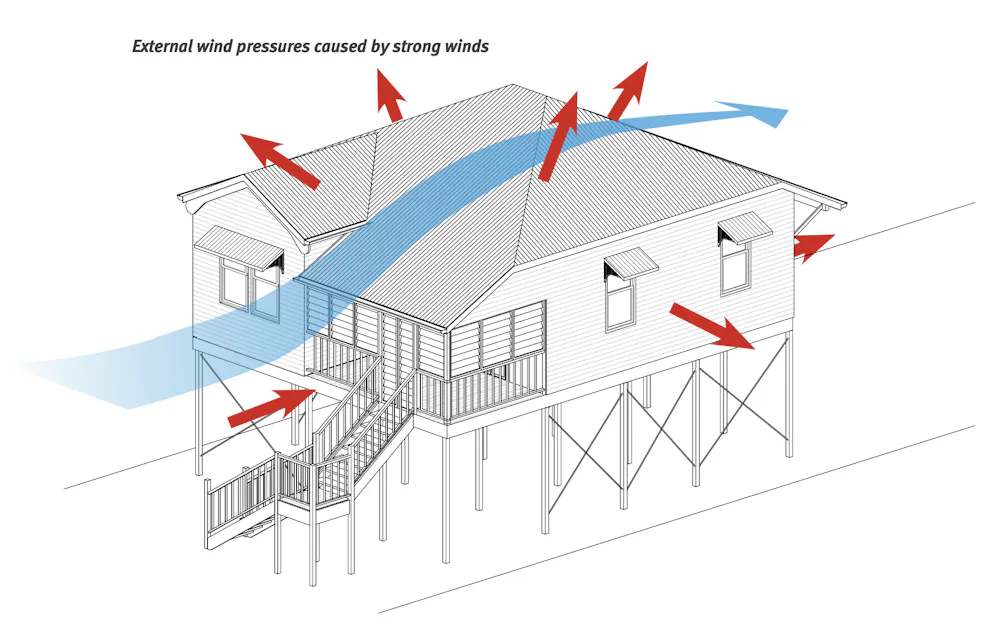





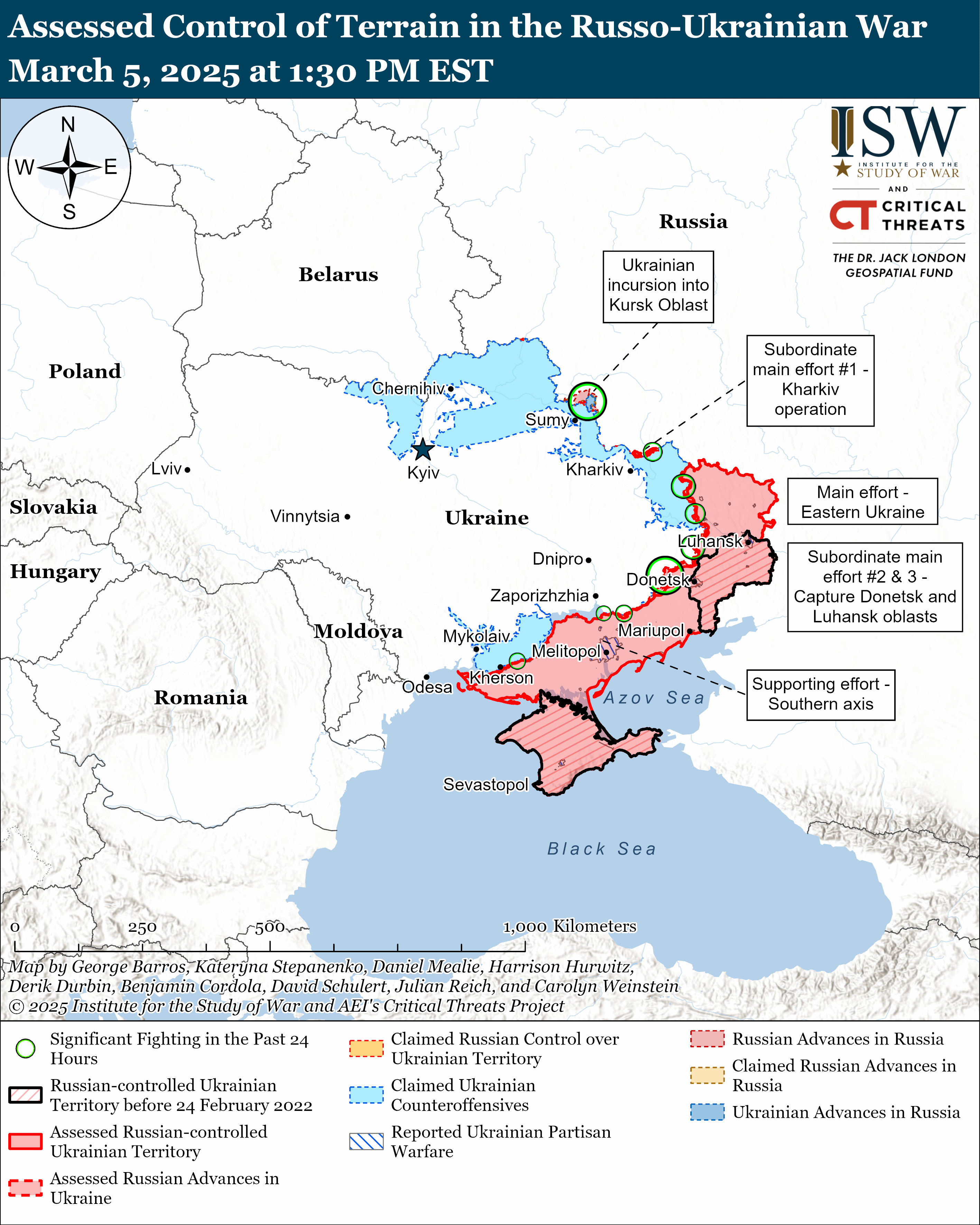

.jpg)


.jpg)

