Category: Academic Analysis

  • MIL-Evening Report: What happens if you have a HELP debt and kids? The missed opportunity in Labor’s plan to fix student loans

    Source: The Conversation (Au and NZ) – By Mark Warburton, Honorary Senior Fellow, Centre for the Study of Higher Education, The University of Melbourne

    Rogut/Pexels , CC BY

    The Albanese government has announced several significant changes to student loans to start in mid-2025.

    These include wiping 20% off debts, increasing the income threshold for compulsory repayments, and changing the amounts people have to repay.

    As well as encouraging Australians to study, the changes aim to provide cost-of-living relief – or, as Prime Minister Anthony Albanese said on Monday:

    putting more dollars in the pockets of people who feel, justifiably, that they’re getting the rough end of the pineapple.

    The changes are certainly an improvement. Unfortunately, they are not as good as they should be – particularly if you have a HELP debt and a family to support.

    What is the point of HELP?

    My analysis of the most recently released tax statistics indicates more than 70% of those required to make a HELP repayment in 2021–22 earned between A$60,000 and A$120,000. Only 20% earned more than $120,000 and less than 10% earned less than $60,000.

    The HECS (now HELP) system was conceived in the 1980s as a way to generate revenue to help the government pay for an expansion of university places.

    It doesn’t matter if people do not repay all of their loans. The primary purpose is to have students who have benefited, and can afford to contribute to the cost of their education, give something back.

    While fairness has always been a key plank of HECS/HELP, there are some major problems with the system. And the changes announced over the weekend continue to ignore them.

    The HECS/HELP system was designed so students would only repay loans if they had the capacity to do so.
    Enrico Della Pietra/ Shutterstock

    What about families?

    Student loan arrangements have never taken account of other government payments and obligations such as social security, taxation rates, taxation rebates and Medicare levies.

    As I have shown in this analysis, for some family types, HELP repayments combine to produce ridiculous effective tax rates.

    Imagine the following scenarios for someone with a HELP debt, earning between $60,000 and $100,000 and who had a pay increase in this income range.

    In 2022-23, if you were single with no kids, the average effective tax rate on the extra earnings was 51%.

    If you were single with two kids aged four and seven, the average effective tax rate on the extra earnings was 77%. If those children were ten and 13, it was 73%.

    The situation is similar in a couple family with two children where only one parent is able to work. The working parent has little incentive to increase their earned income and this won’t change much under the new proposals.

    The reason people in these situations keep so little of their extra earnings is because as family incomes increase, they lose family tax benefits, they pay more tax and their Medicare levy increases.

    There is not enough attention paid to how all these arrangements interact and how they affect people overall.

    We need to know many families are paying HELP

    The government’s plan to increase the HELP repayment threshold to those with an annual income of $67,000 is a welcome improvement. The system was never intended to take money off people with virtually no capacity to pay.

    The government’s plan to simplify the repayment arrangements is also a positive step. The current system has 18 different repayment rates applied to total income, which means people are repeatedly going backwards when they earn extra money. The new plan to only calculate repayments on dollars over the threshold (the marginal rate approach) stops this from happening.

    But the system continues to disregard how people with HELP debts can be in different family circumstances.

    In my work on HELP, I often get asked how many HELP debtors have dependent children. The answer is I do not know and neither does the government.

    None of the data which the government releases provides any information on family circumstances, despite the fact around $4.6 billion was collected from 1.2 million individuals in 2021-22 (the most recent year we have for this data).

    This is vital information to make good policy and fair decisions but we do not have it.

    Could these problems be fixed?

    We could reduce many of the worst impacts here with a single marginal rate for calculating HELP repayments and thresholds which varied depending on the number of children and partner’s income.

    The repayment rate and thresholds could be adjusted to deliver an acceptable repayment level for individuals and sufficient revenue for government to support university funding.

    There is no point in pretending the current system is one in which people have an insignificant level of debt that is repaid quickly after university.

    Typical students today are finishing their degrees owing around $60,000 and many have debts much larger than this. They will continue to make repayments well into their thirties when they have families.

    It is time we had a system that truly recognised this.

    Mark Warburton is a member of the Australian Labor Party and occasional provider of consultancy services to groups such as Universities Australia and the Australian Technology Network.

    ref. What happens if you have a HELP debt and kids? The missed opportunity in Labor’s plan to fix student loans – https://theconversation.com/what-happens-if-you-have-a-help-debt-and-kids-the-missed-opportunity-in-labors-plan-to-fix-student-loans-242758

    MIL OSI AnalysisEveningReport.nz

  • MIL-Evening Report: Bird flu has been detected in a pig in the US. Why does that matter?

    Source: The Conversation (Au and NZ) – By C Raina MacIntyre, Professor of Global Biosecurity, NHMRC L3 Research Fellow, Head, Biosecurity Program, Kirby Institute, UNSW Sydney

    David MG/Shutterstock

    The United States Department of Agriculture last week reported that a pig on a backyard farm in Oregon was infected with bird flu.

    As the bird flu situation has evolved, we’ve heard about the A/H5N1 strain of the virus infecting a range of animals, including a variety of birds, wild animals and dairy cattle.

    Fortunately, we haven’t seen any sustained spread between humans at this stage. But the detection of the virus in a pig marks a worrying development in the trajectory of this virus.

    How did we get here?

    The most concerning type of bird flu currently circulating is clade 2.3.4.4b of A/H5N1, a strain of influenza A.

    Since 2020, A/H5N1 2.3.4.4b has spread to a vast range of birds, wild animals and farm animals that have never been infected with bird flu before.

    While Europe is a hotspot for A/H5N1, attention is currently focused on the US. Dairy cattle were infected for the first time in 2024, with more than 400 herds affected across at least 14 US states.


    Bird flu has enormous impacts on farming and commercial food production, because infected poultry flocks have to be culled, and infected cows can result in contaminated diary products. That said, pasteurisation should make milk safe to drink.

    While farmers have suffered major losses due to H5N1 bird flu, it also has the potential to mutate to cause a human pandemic.

    Birds and humans have different types of receptors in their respiratory tract that flu viruses attach to, like a lock (receptors) and key (virus). The attachment of the virus allows it to invade a cell and the body and cause illness. Avian flu viruses are adapted to birds, and spread easily among birds, but not in humans.

    So far, human cases have mainly occurred in people who have been in close contact with infected farm animals or birds. In the US, most have been farm workers.

    The concern is that the virus will mutate and adapt to humans. One of the key steps for this to happen would be a shift in the virus’ affinity from the bird receptors to those found in the human respiratory tract. In other words, if the virus’ “key” mutated to better fit with the human “lock”.

    A recent study of a sample of A/H5N1 2.3.4.4b from an infected human had worrying findings, identifying mutations in the virus with the potential to increase transmission between human hosts.

    Why are pigs a problem?

    A human pandemic strain of influenza can arise in several ways. One involves close contact between humans and animals infected with their own specific flu viruses, creating opportunities for genetic mixing between avian and human viruses.

    Pigs are the ideal genetic mixing vessel to generate a human pandemic influenza strain, because they have receptors in their respiratory tracts which both avian and human flu viruses can bind to.

    This means pigs can be infected with a bird flu virus and a human flu virus at the same time. These viruses can exchange genetic material to mutate and become easily transmissible in humans.


    The Conversation, CC BY-SA

    Interestingly, in the past pigs were less susceptible to A/H5N1 viruses. However, the virus has recently mutated to infect pigs more readily.

    In the recent case in Oregon, A/H5N1 was detected in a pig on a non-commercial farm after an outbreak occurred among the poultry housed on the same farm. This strain of A/H5N1 was from wild birds, not the one that is widespread in US dairy cows.

    The infection of a pig is a warning. If the virus enters commercial piggeries, it would create a far greater level of risk of a pandemic, especially as the US goes into winter, when human seasonal flu starts to rise.


    How can we mitigate the risk?

    Surveillance is key to early detection of a possible pandemic. This includes comprehensive testing and reporting of infections in birds and animals, alongside financial compensation and support measures for farmers to encourage timely reporting.

    Strengthening global influenza surveillance is crucial, as unusual spikes in pneumonia and severe respiratory illnesses could signal a human pandemic. Our EPIWATCH system looks for early warnings of such activity, which can speed up vaccine development.

    If a cluster of human cases occurs, and influenza A is detected, further testing (called subtyping) is essential to ascertain whether it’s a seasonal strain, an avian strain from a spillover event, or a novel pandemic strain.

    Early identification can prevent a pandemic. Any delay in identifying an emerging pandemic strain enables the virus to spread widely across international borders.

    Australia’s first human case of A/H5N1 occurred in a child who acquired the infection while travelling in India, and was hospitalised with illness in March 2024. At the time, testing revealed Influenza A (which could be seasonal flu or avian flu), but subtyping to identify A/H5N1 was delayed.

    This kind of delay can be costly if a human-transmissible A/H5N1 arises and is assumed to be seasonal flu because the test is positive for influenza A. Only about 5% of tests positive for influenza A are subtyped further in Australia and most countries.

    In light of the current situation, there should be a low threshold for subtyping influenza A strains in humans. Rapid tests which can distinguish between seasonal and H5 influenza A are emerging, and should form part of governments’ pandemic preparedness.

    A higher risk than ever before

    The US Centers for Disease Control and Prevention states that the current risk posed by H5N1 to the general public remains low.

    But with H5N1 now able to infect pigs, and showing worrying mutations for human adaptation, the level of risk has increased. Given the virus is so widespread in animals and birds, the statistical probability of a pandemic arising is higher than ever before.

    The good news is, we are better prepared for an influenza pandemic than other pandemics, because vaccines can be made in the same way as seasonal flu vaccines. As soon as the genome of a pandemic influenza virus is known, the vaccines can be updated to match it.

    Partially matched vaccines are already available, and some countries such as Finland are vaccinating high-risk farm workers.

    C Raina MacIntyre receives funding from NHMRC (L3 Investigator grant and Centre for Research Excellence) and MRFF (Aerosol transmission of SARS-CoV-2 experimentally and in an intensive care setting) currently. She currently receives funding from Sanofi for research on influenza and pertussis. She is the director of EPIWATCH®️, which is a UNSW, Kirby Institute initiative. She has been an invited speaker at the 2024 Options for The Control of Influenza at four symposia organised by Moderna, Pfizer, Sanofi and Seqirus respectively.

    Haley Stone receives funding from The Balvi Filantropic Fund. Haley Stone would like to acknowledge the support through a University International Postgraduate Award from the University of New South Wales.

    ref. Bird flu has been detected in a pig in the US. Why does that matter? – https://theconversation.com/bird-flu-has-been-detected-in-a-pig-in-the-us-why-does-that-matter-242688

    MIL OSI AnalysisEveningReport.nz

  • MIL-Evening Report: Yes, burning gas is bad for the climate. But keeping it in Australia’s energy mix is sensible

    Source: The Conversation (Au and NZ) – By Roger Dargaville, Director Monash Energy Institute, Monash University

    Shutterstock

    Both major parties in Australia see a significant role for gas as the world shifts to clean energy in a bid to avert dangerous climate change.

    The Albanese government says new sources of gas are needed to meet demand during the energy transition. And the Coalition, if elected, would expand gas use as it prepares for nuclear power.

    Of course, some people argue that the grave threat of climate change means we should not burn any gas. Others say the strong growth in renewable energy generation and storage means Australia won’t need gas into the future.

    So who is right? As I explain below, renewable energy is a huge part of the solution but doesn’t solve every problem. So keeping some gas-fired generators in the electricity mix, and using them only when necessary, is a sensible compromise.

    Getting to grips with gas

    There are almost 40 large natural gas-fired generators in Australia, and they are an important part of the National Electricity Market.

    According to Open Electricity — a platform for tracking Australia’s electricity transition – the gas facilities generate around 4% of the electricity we consume and comprise about 17% of overall generation capacity.

    The data also shows gas plants in Australia run at just 9% of their overall capacity, meaning they are idle much of the time. Some gas plants get used quite a lot, others only rarely. But when the plants are called on – during times of peak electricity use – their services are vital.

    Overnight, our demand for electricity dips. But when we wake in the morning and start toasting bread and boiling kettles and the like, electricity demand picks up.

    Demand eases off in the middle of the day as the sun rises high in the sky and Australia’s booming rooftop solar reaches its peak electricity output. But when the sun sets and rooftop solar is no longer producing, electricity use peaks. This early-evening demand creates a big challenge to the system.

    That’s why we need technologies that can produce electricity at any time of day or night – and do it quickly. That’s where gas-fired generation – and other “dispatchable” forms of electricity – come in.

    How do gas fired generators work?

    Gas generators come in two main types.

    An “open cycle generator”, also known as a Brayton cycle turbine, is essentially a jet engine. It combusts gas in a chamber to create enormous pressure that spins large fans. This drives a shaft that spins in the generator to produce electricity.

    This technology is relatively cheap to build and can start up very quickly – but it’s also quite inefficient to operate. It uses a lot of expensive fuel, and creates a lot of waste heat.

    The second type is known as a “combined cycle generator”. It also uses a Brayton cycle gas turbine. But it captures exhaust heat from the turbine and uses it to create steam, which in turn powers a second turbine (known as a Rankine cycle). This significantly increases the amount of electricity produced for the same amount of gas burned.

    So while this technology is relatively efficient, it’s also more expensive to build and takes longer to ramp up and down.

    Other types of gas generators exist, but they’re a relatively small part of Australia’s fleet.

    A video explaining how gas turbines work.

    Gas is not the only option

    Gas plants are not the only facilities capable of firming up Australia’s electricity grid as the share of renewables increases.

    Hydro power can also quickly ramp up to meet the evening peak. However the potential for building new conventional hydro in Australia is very limited due to the lack of large river systems and the significant environmental impact on rivers and surrounding areas.

    Coal-fired generators have potential to ramp up production, but are generally not designed to do this every evening. Plus, Australia’s fleet of old coal plants is on a fast path to retirement.

    To maintain the delicate balance of supply and demand, more will be required of gas and hydro, to produce electricity, and batteries and pumped hydro, to store it.

    Pumped hydro works by using excess renewable energy to pump water up a hill. When electricity demand is high, the water is released and passes through a turbine, producing power.

    The potential for pumped hydro energy storage in Australia is large, and some projects are likely to be economically viable. But the projects can face challenges, as demonstrated by delays and cost blowouts facing Snowy 2.0 in New South Wales.

    Large-scale lithium-ion batteries are relatively easy to install. Many projects have been built or are in the pipeline. But batteries are not great for long-duration energy storage.

    All this means gas-fired power generation is likely to have a future in Australia in coming decades.

    The downsides of gas

    Methane is the main component of natural gas. It’s also a potent contributor to global warming.

    During natural gas production and transport, gas leaks inevitably occur. This is a problem for climate change.

    So too is the carbon dioxide produced when the gas is burned to produce electricity.

    To tackle climate change, we must dramatically reduce the amount of gas we use in our electricity system. Gas use should also be eliminated for heating and cooking in our homes and, where possible, in industry.

    So where does that leave us?

    Unfortunately, no perfect solution exists to Australia’s electricity supply-demand conundrum.

    The most likely, most economic and most environmentally acceptable approach is to use a “portfolio” of technologies: lots of batteries and pumped hydro but also some gas.

    Because to keep the system stable and reliable, we need some capacity that will mostly sit idle, getting used on only a few occasions. For that reason, the technologies should be relatively cheap to build and able to run for extended periods when wind and solar generation are abnormally low.

    Gas-fired power – especially open cycle generators – meets that requirement. Pumped hydro and batteries do not.

    The gas plants we keep in the grid will not often be used, and so will produce relatively low amounts of carbon dioxide.

    Nuanced questions remain. What will it cost to keep a gas network operating to serve a fleet of gas generators that run only for a few days a year? Gas pipelines have to be kept pressurised, and the cost of running a gas extraction network for small demand may also be uneconomical.

    Non-fossil options such as biogas, hydrogen or synthetically produced methane are possible longer term options. But they are also expensive. And new technologies – such as flow batteries, thermal energy storage and cryogenic energy storage – are on the horizon.

    So, keeping some gas-fired generators on standby, and using them sparingly as needed, is a reasonable approach. It allows us to reduce emissions as much as possible, and keep our electricity system secure and affordable.

    Roger Dargaville receives funding from the Woodside-Monash Energy Partnership, RACE for 2030 CRC, and he consults for industry and government bodies.

    ref. Yes, burning gas is bad for the climate. But keeping it in Australia’s energy mix is sensible – https://theconversation.com/yes-burning-gas-is-bad-for-the-climate-but-keeping-it-in-australias-energy-mix-is-sensible-241689

    MIL OSI AnalysisEveningReport.nz

  • MIL-OSI Global: I research sexual perversions and paraphilas – here’s what we’ve learned about them

    Source: The Conversation – UK – By Mark Griffiths, Director of the International Gaming Research Unit and Professor of Behavioural Addiction, Nottingham Trent University

    Hollywood actor Armie Hammer was accused of sending messages detailing cannibalistic fantasies in 2021. DFree/Shutterstock

    After allegedly sending messages detailing cannibalistic fetishes, Hollywood actor Armie Hammer hopes to relaunch his career with a new podcast and movie.

    Following the 2021 social media cannibal scandal, Hammer was also accused of rape and abuse by various women, but consistently denied any criminal behaviour and was not charged.

    Now, it seems, Hammer is laughing off the cannibalism allegations. Speaking to his first podcast guest, Tom Arnold, Hammer says, “I’m not gonna lie. I’m just like, Hey, I’m a cannibal!”

    But being sexually aroused by the fantasy – or reality – of cannibalism is real. I should know, as it’s one of the subjects I discuss in my latest book Sexual Perversions and Paraphilias: An A-Z

    Paraphilias are uncommon types of sexual expression often described as sexual deviations, sexual perversions or disorders of sexual preference.

    They are typically accompanied by intense sexual arousal to unconventional or non-sexual stimuli such as enemas (klismaphilia), statues (agalmatophilia), teeth (odontophilia) and vomit (emetophilia).

    To many people paraphilias may seem bizarre or socially unacceptable, representing the extreme end of the sexual continuum – and in some cases, such as zoophilia (having sex with animals) and necrophilia (having sex with dead people), may be illegal.

    Paraphilias may be laughed off, dismissed or leave some people disgusted, but there’s a pressing need for more research into uncommon sexual behaviour given how little we know.

    Sexual fantasies and behaviour are a fundamental part of the human experience. What is considered immoral or even illegal changes according to the social and temporal context. But whatever sexual desires are considered illicit or depraved in a particular time and place are also stigmatised.

    Researching paraphilias, even the most distasteful or criminal, is essential to help safeguard vulnerable groups. Research can also help minimise the discrimination faced by those with uncommon sexual interests, helping ensure their access to sexual health care and psychological support, which can be lacking.

    Vorarephilia

    Vorarephilia – or “vore” – refers to being sexually aroused by the idea of being eaten, eating another person or observing this process for sexual gratification.

    Most of the fantasies of vorarephiliacs involve being the ones eaten. Devouring someone could be viewed as the ultimate act of dominance by a predator and the ultimate act of submission by the prey.

    The most infamous vorarephiliac is arguably Armin Meiwes from Germany.

    Meiwes had allegedly been fantasising about cannibalism since his childhood and frequented cannibal fetish websites. He posted around 60 online adverts asking if anyone would like to be eaten by him.

    In March 2002, Bernd Jürgen Brandes responded to Meiwes. They met up only once. Meiwes bit off Brandes’ penis, which the two of them cooked and ate.

    Brandes was videotaped being stabbed to death by Meiwes in his bath. The body was then stored for Meiwes to eat.

    Meiwes was eventually convicted of murder and imprisoned for life. However, it’s worth nothing that although some paraphilias are illegal, most cause no psychological or behavioural problems when they are engaged by consenting adults.

    Dacryphilia

    Dacryphilia is getting sexual arousal from seeing someone cry.

    I have published a number of studies on dacryphilia. One involved interviews with eight dacryphiles: six women and two men, from the US, UK, Romania and Belgium.

    It showed there were sub-types of dacryphilia, even among such a small group. Based on the interviews, I identified three types of dacryphile.

    Compassionate dacryphiles are sexually aroused by the compassion of comforting a crier.

    Dominant or submissive dacryphiles are sexually aroused by either causing tears in a consenting submissive partner or by being made to cry by a consenting dominant partner.

    “Curled lip” dacryphiles are sexually aroused by the curling of a protruded bottom lip during crying.

    Eproctophilia

    Eproctophilia involves being sexually aroused by flatulence.

    In 2013, I published the first case study of an eproctophile. The case concerned a 22-year-old single man, Brad*, an American from Illinois.

    Brad recalled that in middle school he had a crush on a girl who had farted in the class. Brad said:

    This blew my mind [I] knew by simple biology that girls farted, but hearing that the girl I had been fawning over was capable of such a thing sparked a strange interest in me.

    Brad first engaged in an eproctophilic act with a male friend in his mid-teens. Up to that point he had considered himself heterosexual. However, this changed when he heard his male friend fart.

    Brad said it was “appealing in sound” and that he began fixating on it. He set up a bet with the wager being the right to fart in the loser’s face for a week. He continued to lose such bets once every few weeks for about two years.

    Apotemnophilia

    Apotemnophilia refers to being sexually aroused by the fantasy or reality of being an amputee.

    Some apotemnophiles may pretend to be amputees but, for a minority, the behaviour involves obsessive scheming to convince a surgeon to perform a medically unnecessary amputation.

    To most people, this might seem like a type of masochism, but case studies suggest that there is no erotisation of pain – only of the healed amputated stump.

    Salirophilia

    Salirophilia is sexual arousal from soiling or dishevelling someone attractive, which can include tearing or damaging the desired person’s clothing, covering them in mud or filth or messing up their hair or make-up.

    My 2019 case study involved Jeff*, a 58-year-old Australian heterosexual. Jeff recounted that when he was young he wanted to masturbate in strange places such as lying under a cabinet in a dirty garage.

    Jeff said that he engaged in solitary salirophilic practices regularly but very infrequently with female partners because it was difficult to find like-minded women.

    He was also a fan of the television show Fear Factor in which contestants perform revolting tasks for prize money, such as eating rotting food or being submerged in foul fluids. These were a source of sexual arousal for Jeff. He told me: “I just find the defilement of an attractive woman’s body erotic.”

    *The names of case study participants in this article have been changed.

    Dr. Mark Griffiths has received research funding from a wide range of organizations including the Economic and Social Research Council, the British Academy and the Responsibility in Gambling Trust. He has also carried out consultancy for numerous gambling companies in the area of player protection, social responsibility and responsible gaming.. Views expressed here are his own and not those of these funding bodies.

    ref. I research sexual perversions and paraphilas – here’s what we’ve learned about them – https://theconversation.com/i-research-sexual-perversions-and-paraphilas-heres-what-weve-learned-about-them-238446

    MIL OSI – Global Reports

  • MIL-OSI Global: Undoing the ‘deep state’ means Trump would undo over a century of progress in building a federal government for the people and not just for rich white men

    Source: The Conversation – USA – By Joseph Patrick Kelly, Professor of Literature and Director of Irish and Irish American Studies, College of Charleston

    If elected, Donald Trump has vowed to demolish what he calls the “deep state” – a conspiratorial term for the American federal bureaucracy. A second Trump administration, running mate JD Vance has said, should fire thousands of civil servants and replace them with MAGA loyalists.

    Trump has said he would tap the billionare Elon Musk as the hatchet man to lead his proposed government commission on “efficiency” in government.

    Compared with the other fireworks of the campaign – like Trump’s promise to criminally prosecute his political rivals and suppress news organizations – threats to gut the United States’ vast federal bureaucracy don’t get much attention. But doing so is a big a threat to democracy.

    For years, conservatives have claimed that taking power from government agencies gives it back to the people. Yet while it might seem counterintuitive, Americans actually exercise their sovereignty through the administrative state.

    The American administrative state was established almost 100 years ago by President Franklin Delano Roosevelt. As a historian of American democracy, I think it’s valuable to remember what the old deal looked like while Trump rails against the New Deal.

    The Gilded Age

    Around 1900, America was not really democratic. The federal government did not rule by the consent of the governed. As historian Heather Cox Richardson recently argued, the American government was an oligarchy.

    Millions of working-class Slavs, Jews, Italians, Asians and Scotch-Irish Appalachians toiled mercilessly in death-trap sweatshops, suffocating mines and fiery steel mills. Cotton farmers in the Black Belt lived like peons.

    These people were America’s “other half,” as the social reformer Jacob Riis called them in 1890. And they were effectively excluded from the social contract.

    Meanwhile, for rich white men like Andrew Carnegie and John D. Rockefeller it was, as Mark Twain quipped, a “Gilded Age.” Robber barons ran their industrial empires with impunity.

    When their employees tried to organize or protest, industrialists got sheriffs and police to suppress them. Or they hired private armies of “detectives,” like the Pinkertons, as Carnegie did when steelworkers struck in Homestead, Pennsylvania.

    Governors called in the National Guard, as Ephraim Morgan did in 1921 to suppress a labor dispute in West Virginia. Sometimes, it was the regular Army, as in 1919, when soldiers from Camp Pike propped up the peonage system of tenant farming by indiscriminately machine-gunning Black farmers hiding in the woods outside Elaine, Arkansas.

    ‘We stand at Armageddon’

    Forced by popular clamor, Congress decided to act.

    It created the Interstate Commerce Commission in 1887 and told its commissioners to compel railroads, which were gouging some customers and favoring others, to charge fair rates to everyone.

    This was the start of federal regulation.

    In 1895, the New York Legislature passed the Bakeshop Act, making it illegal to force an employee to work more than 10 hours a day or 60 hours a week.

    The Supreme Court, however, was still friendly to business. In its 1905 decision in Lochner v. New York, the court ruled against the Bakeshop Act. No one could regulate the workday or work week. The decision stripped Congress and state legislatures of their nascent regulatory powers. That enraged President Teddy Roosevelt.

    “(T)he right of the people to rule,” Roosevelt later thundered, had been usurped by the corporations. With apocalyptic fury he predicted, “We stand at Armageddon!”

    That was in 1912. The Lochner era, as historians call this period when workers and the public had few protections from exploitative businesses, lasted another 20 years.

    Then, in 1929, the U.S. economy collapsed.

    One-quarter of Americans had no work. Starving and desperate migrants wandered across the country. An army of veterans marched on Washington.

    The apocalyptic misery of the Great Depression finally made American oligarchy untenable.

    Liberal democracy

    In 1932, the people rewrote the social contract: They elected Franklin Delano Roosevelt and his New Deal in a landslide.

    It was, in essence, a revolution. After nearly 60 years of corporate domination, the 1932 election would “return America to its own people,” to use Roosevelt’s words.

    Of course, it was not really a “return.” In the precorporation world, most Americans – notably women and Black people – couldn’t participate in their own government. But 1932 was a giant step toward democracy. And the great innovation that would usher in this modern, liberal democracy was the administrative state: a meritocracy of career civil servants dedicated to carrying out the law.

    Have you ever wondered why a green light means “go” in every state? In 1935, the Bureau of Public Roads – now the Federal Highway Administration – wrote and enforced its first Manual on Uniform Traffic Control Devices for Streets and Highways.

    That’s the administrative state in action. It’s how 122 million people cooperated to make complex, modern society work – without surrendering their sovereignty to some dictator like Benito Mussolini or Josef Stalin.

    But the Supreme Court kept striking down New Deal laws and regulations.

    After a massive electoral victory in 1936, FDR threatened to “pack” the court by raising the number of justices from nine to 15. Finally, the court relented. In a 5-4 decision, it allowed the state of Washington’s Industrial Welfare Committee to establish a minimum wage – $14.50 for a 48-hour work week.

    Most history textbooks don’t mention this milestone, but that’s when liberal democracy was secured.

    To be sure, it would take almost 30 more years before the Civil Rights Acts of the 1960s brought democracy to the Jim Crow South. But even that victory depended on the Justice Department’s power to regulate elections in historically white supremacist states.

    The administrative state has been protecting the rights of ordinary Americans and executing the sovereignty of the people for the past 87 years.

    Who grounded Boeing airplanes when a door blew off a 737 in midflight? It was civil servants in the Federal Aviation Administration, a government agency founded by Congress in 1958 “to regulate civil aviation.”

    Why does the U.S. have cleaner air and water today than it did in the 1960s? Because in 1970, Congress passed the Clean Air Act, and a new Environmental Protection Agency was empowered to write and perpetually rewrite regulations that execute Congress’ antipollution laws.

    The alternative

    This system produces the occasional injustice or overreach.

    A farmer’s puddling acre, for example, might be overregulated as a “wetland.” A fishing company might be ordered to maintain a government-appointed herring counter at a cost of $710 a day.

    But gutting regulatory agencies and replacing a meritocratic bureaucracy with MAGA loyalists won’t help small farmers or family-owned fishing boats. It will empower big corporations to pollute, exploit their workers, price-gouge customers, cut corners on safety – and to corrupt the political system.

    It’s also illegal. Congress has deliberately protected those bureaucrats from the volatility of presidential politics.

    Unlike presidential appointees, who serve at the pleasure of the president, civil servants work for the people. They are empowered by Congress, and the president cannot fire them. At least for now.

    Joseph Patrick Kelly has previously volunteered as an officer at the county and precinct level in the Democratic Party.

    ref. Undoing the ‘deep state’ means Trump would undo over a century of progress in building a federal government for the people and not just for rich white men – https://theconversation.com/undoing-the-deep-state-means-trump-would-undo-over-a-century-of-progress-in-building-a-federal-government-for-the-people-and-not-just-for-rich-white-men-234421

    MIL OSI – Global Reports

  • MIL-OSI Global: Only 3% of South Africans can name all five national animals and plants. Why these symbols matter

    Source: The Conversation – Africa – By Charlie Shackleton, Professor & Research Chair in Interdisciplinary Science in Land and Natural Resource Use for Sustainable Livelihoods, Rhodes University

    The springbok is best known, thanks to it being a name for sports teams. A Oosthuizen/iStock/Getty Images

    Alongside a national flag, anthem and coat of arms, most countries have one or more plant and animal species that they designate as national symbols. The national animal of China, for example, is the giant panda, a nation-wide source of pride and diplomacy. Americans salute the bald eagle as a symbol of strength and freedom.

    But how do South Africans relate to their official national symbols? Do they even know what they are? It’s a country with an enviable variety of ethnicities, cultures, languages, histories, landscapes and biodiversity. It’s also a country fractured by colonialism and apartheid.

    South Africa is still in the process of building a unified and national identity as it moves beyond apartheid, an oppressive system of legislated racial division that formally ended with the advent of democracy in 1994.

    The process of nation building includes developing a shared history, identity, pride and values of what it means to be South African. One dynamic in this process is the shaping of a collective identity around particular national icons, symbols, activities and personalities. The national anthem, flag, sports stars, artists and the like. Things that make citizens proud of their country and its people, despite a divided past.

    King protea.
    Carol Phillips/iStock/Getty Images

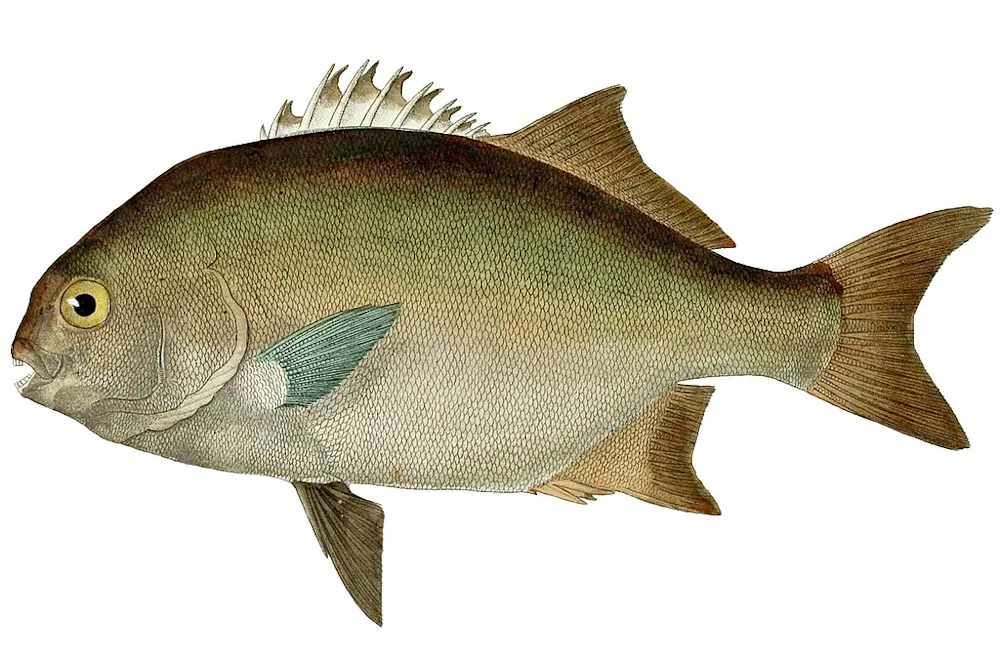
    Reflecting its mega-biodiversity status, South Africa boasts five national animal and plant symbols. These are the national animal (springbok), fish (galjoen), bird (blue crane), flower (king protea) and tree (real yellowwood). Yet, their usefulness in helping build a national identity depends on South Africans actually knowing what they are. Sadly, this seems not to be the case.

    As environmental scientists we’re intrigued by the relationships between humans and nature. Environmental scholars Ondwela Tshikombeni, Monde Ntshudu and I recently conducted a study to find out how much South Africans know about the five biodiversity symbols. We found that only a tiny fraction could name all of them. The level of knowledge about them was generally low.

    This indicates that these symbols can’t be effectively used to help build a common South African identity. Nor will they add value to biodiversity conservation campaigns in a time when the need to protect nature increases due to the impacts of human development and climate change.

    National animals and plants

    The process of choosing a species as a national symbol is different depending on the country and may even be contested. In Turkey, for example, the national animal is the grey wolf. It can be a symbol of pride or be rejected because it’s the controversial name of a rightwing political group.

    Many national symbols are rooted in history and could stem from the emblems of the political, colonial or economic elites of the past. Or they may be more recent and based on lobbying by certain groups or even via public vote. Britain, for example, asked the public to choose a national bird. The robin won.

    Galjoen.
    Biodiversity Heritage Library/Wikimedia Commons, CC BY

    The first national animal to be used as a symbol in South Africa was the springbuck (or springbok), proposed in 1906 as a name for the country’s rugby team ahead of a tour of Europe. The most recent addition was the galjoen in 1992.

    Our study

    We surveyed 382 urban dwellers in four towns spanning three provinces: Mossel Bay, Kariega (formerly Uitenhage), Gcuwa (formerly Butterworth) and Kokstad. In each town we set out to interview 25 adults across low-, medium- and high-income areas and the central business district.

    Blue crane.
    Knowsley Hall/Wikimedia Commons

    As part of the survey, we asked people to name each of the five national biodiversity symbols. After that, we presented them with photos of four different species (one of which was the national one) and asked them to correctly identify the national species.

    What we found

    Only 11 of the respondents (3%) could name all five symbols, while almost half (48%) could not correctly name a single one. The most widely known were the springbok (40%) and the king protea (40%), perhaps because they correspond to the names of national sporting teams. The blue crane was mentioned by only 16% of the respondents and the galjoen (8%) and yellowwood (6%) fared even worse.

    The numbers were slightly better when respondents were asked to identify each species from a photo of four choices – 58% identified the protea, 51% the blue crane, 45% the springbok, 26% the galjoen and 16% the real yellowwood.

    Real yellowwood.
    Abu Shawka/ Wikimedia Commons, CC BY-SA

    To benchmark these knowledge levels, we also asked a few questions about the national flag and coat of arms. Only eight people knew the meaning of the phrase at the base of the coat of arms (ǃke e꞉ǀxarraǁke, meaning “diverse people unite” in the |Xam language of the country’s original inhabitants). Only 29% correctly knew that the Y-shape in the middle of the national flag was green. This indicates that the low knowledge of national symbols is not limited to just biodiversity symbols.

    What can be done about it

    It’s clear that a great deal more effort is needed to popularise the national biodiversity symbols if they’re to be used to help shape a national identity in South Africa. They could be promoted in schools where other national symbols, like the flag and anthem, are common.


    Read more:
    Should Graaff-Reinet be renamed Robert Mangaliso Sobukwe? Residents of the South African town say no – study


    The South African National Biodiversity Institute and the Department of Sport, Arts and Culture could promote them during September’s heritage month celebrations. They could engage the public by popularising their names in the different official languages of the country and their roles in folklore and indigenous knowledge. They could also be featured in national and international tourism promotions.

    Ondwela Tshikombeni and Monde Ntshudu contributed to this article

    Charlie Shackleton received funding from the National Research Foundation under the SARChI Chairs programme for this work.

    ref. Only 3% of South Africans can name all five national animals and plants. Why these symbols matter – https://theconversation.com/only-3-of-south-africans-can-name-all-five-national-animals-and-plants-why-these-symbols-matter-241284

    MIL OSI – Global Reports

  • MIL-OSI Global: Big companies profit from poverty but aren’t obliged to uphold human rights. International law must change – scholar

    Source: The Conversation – Africa – By Bonita Meyersfeld, Associate Professor, University of the Witwatersrand

    There is some disagreement among legal practitioners and scholars about whether corporations have duties under international law.

    Many argue that only states are bound by international law, and it is those states which are obliged to regulate how businesses operate within their borders. Corporations have only a voluntary responsibility to avoid committing human rights violations through their operations.

    I have been doing research in the area of corporate accountability for human rights violations since 2006. My most recent paper looks at the role of multinational corporations (multinationals) in benefiting from and perpetuating structural poverty in the global south.

    I argue that international law can no longer exempt corporations from liability for human rights violations, including those arising from poverty. Under certain circumstances, corporations should have duties under international law to ensure human rights are fulfilled. I argue that this is particularly true when it comes to socio-economic rights such as the rights to housing, education, food, water and healthcare.

    International human rights law must be developed to impose duties directly on multinational corporations to alleviate poverty in the developing countries where they operate.

    This is not an absolute duty – it would only arise in certain circumstances and for specific periods of time, as I show in my paper.

    Poverty and corporations

    Some estimate that as many as 1.3 billion people live in poverty – more than 10% of the world’s population, the vast majority in the global south.

    Poverty is also deadly. It is estimated that at least 21,300 people die every day as a result of poverty and inequality. Poverty is a human rights violation, affecting the rights to dignity, life, food and water.

    Businesses have a long history of profiting from human rights abuses. Finance and transport companies have acknowledged ties to the slave trade. European banks reportedly assisted South Africa’s apartheid government to procure arms.


    Read more:
    UK-Rwanda migrant deal challenges international protection law


    Even when they are not directly responsible for human rights violations, multinational corporations may be complicit. Multinationals based in the global north tend to exploit developing countries for their cheap labour, natural resources and weak regulatory frameworks. In other words, corporations benefit from poverty.

    International law

    In 2005, Professor John Ruggie was appointed as the United Nations secretary-general’s special representative on the issue of human rights and transnational corporations and other business enterprises. He developed the United Nations Guiding Principles on Business and Human Rights. This framework adopts the position that only states are subjects and have duties under international human rights law.

    The UN guiding principles are organised around three pillars, known as Protect, Respect and Remedy. The first pillar relates to states’ obligations to uphold human rights. It includes the duty to regulate businesses to ensure they do not violate rights through their operations. The second pillar refers to corporations’ responsibility to respect human rights. This is voluntary and not a legal obligation. The third pillar ensures that victims of human rights violations have access to effective remedies.

    This framework relies on three factors: states which have the interests of their citizens at heart, corporations complying with human rights standards, and effective remedial systems. If all three work together, then the UN guiding principles can address corporate accountability for rights violations.

    In practice, however, this is not the case. Many states, particularly those in the developing world with high levels of poverty, rely on foreign investment. This creates a power imbalance when negotiating with large multinational corporations. Multinationals are able to demand favourable investment conditions, including relaxing laws that might protect human rights.


    Read more:
    Russia’s invasion of Ukraine is illegal under international law: suggesting it’s not is dangerous


    Under the UN guiding principles, if states do not impose obligations on corporations to comply with human rights, they do not have such obligations.

    Next steps

    Not all corporations should have the same duties as states. I propose a set of factors that would determine when a corporation might have a duty under international human rights law to fulfil socio-economic rights. These factors are:

    • the extent of the violation

    • the position or vulnerability of the victim

    • the urgency of the situation

    • whether the corporation is the only actor that can fulfil the right.

    For example, let us imagine a scenario in which a company operates a mine in the Central African Republic. It has built a hospital for its workers and management. Surrounding the mining operations are indigent communities who resided in the area before the operations began.

    One day, a child from one of the settlements is knocked over by a car. Her injuries are not life-threatening, but they are severe and the child is in terrible pain. The closest hospital is the mine-owned private hospital. There is a public hospital, but it is far away and travelling there would take time and be costly. The child’s family rushes her to the mine’s hospital for emergency treatment. Does the hospital have a legal duty to admit the child and pay for her treatment?

    Applying a combination of the factors, the answer is yes. The child is vulnerable by virtue of her age and poverty, the situation is urgent, and the mine hospital is the only entity that can fulfil the right under the circumstances.


    Read more:
    The CAR provides hard lessons on what it means to deliver real justice


    Using this framework, I argue that international human rights law should be developed to mitigate the harm of poverty in the global south, by imposing duties on corporations that benefit from poverty. Some corporations have a perverse incentive to keep communities poor. International law has a role to play in overturning this state of affairs.

    Ultimately, my proposal seeks to review what we think of as a fair and just economy. Nothing will change if only states have obligations under international law. The global economic market is neither free nor fair. It has created the most severe human rights violations of our age. International human rights law must address this.

    Bonita Meyersfeld has received funding from the National Research Foundation as part of her NRF rating.

    ref. Big companies profit from poverty but aren’t obliged to uphold human rights. International law must change – scholar – https://theconversation.com/big-companies-profit-from-poverty-but-arent-obliged-to-uphold-human-rights-international-law-must-change-scholar-241398

    MIL OSI – Global Reports

  • MIL-Evening Report: Albanese flags radical changes to student debt – with a 20% overall cut and drop in payment rates

    Source: The Conversation (Au and NZ) – By Andrew Norton, Professor in the Practice of Higher Education Policy, Australian National University

    Taoty/Shutterstock

    Over the weekend, the Albanese government announced radical changes to student loans, which would kick in after the next federal election.

    Three million Australians with student debt could see their balances cut by 20%. The remaining debt would be repaid under a new system, with no compulsory repayments for people earning less than A$67,000 a year. Both changes require parliamentary approval.

    The changes will apply to everyone with a student debt, including all HELP (formerly HECS), vocational education and Australian apprenticeship support loans, as well as other student support loans.

    People with student debt would undoubtedly benefit from the proposed changes. But they come with a hefty price tag and some disadvantages.

    What are the proposed cuts to student debt?

    As of June 30 this year, Australia’s higher education student debt totalled about $75.1 billion – although this is soon set to drop by about $3 billion. Legislation to partially reverse recent indexation to debts will go to the Senate later this month.

    However, staying with the $75 billion, a 20% cut would be about $15 billion.

    Using the government’s figures, someone with the average HELP debt of $27,600 would see around $5,520 cut from their HELP loans next year.

    Vocational education students owed $8.4 billion as of June 30 2024. Their balances would reduce by about $1.7 billion under the changes.

    Based on previous student support loan data, this debt is more than $3 billion. The changes would see it drop by about $600 million.

    These reductions total $17.3 billion compared to the government’s estimate of $16 billion. But the upcoming indexation changes may explain this difference.

    Repayments set to change

    These changes have two important elements: the income at which repayments start and how repayments are calculated.

    These changes come amid a cost-of-living crisis and rising fees for students.

    There was a noted outcry earlier this year when the cost of an arts degree hit $50,000 for 2025.

    No compulsory repayments if you earn under $67,000

    With parliament’s approval, for 2025-26 compulsory repayments on student loans would not start until the debtor was earning $67,000. This is up from about $56,000.

    This would help a significant number of Australians. In 2023-24 more than 400,000 debtors had incomes between $50,000 and $70,000.

    Changes to how repayments are calculated

    Another significant change is to how repayments are calculated. Currently, when a debtor’s income reaches one of 18 income levels they repay a higher percentage, based on all their income.

    This can produce strange results. Take a graduate earning $62,850 a year. They are in the 1% of income repayment rate, so they owe the Australian Taxation Office $628.50 in HELP repayments. But if their income goes up by $1 to $62,851 they enter the 2% repayment bracket, and owe the tax office $1,257. So a $1 pay increase would reduce the graduate’s take home pay by more than $600.

    Under the government’s proposal, repayments would be calculated on income above a threshold, ignoring all income below the first threshold.

    The new system would start with a 15% repayment rate at incomes between $67,000 and $124,999. Income at $125,000 or above would have a 17% repayment rate.

    So, take a graduate on $70,000 a year. Under the current system, they will repay 2.5% of all their income, which is $1,750. Under the proposed system their repayments will be calculated only on the $3,000 difference between $67,000 and $70,000. This means they pay 15% of $3,000 or $450.

    The government says on average, repayments will drop by $680 per individual debtor.

    But those earning $180,000 plus will repay more student debt each year due to the new system. This is not a large group.
    Of the 1.16 million people who made a HELP repayment in 2021-22, all but 16,000 earned less than $180,000.

    The cost of an arts degree is set to reach $50,000 in 2025, amid growing concerns over study costs.
    rongyiquan/Shutterstock

    There are some disadvantages

    The downside of reduced annual repayments is longer repayment periods and more indexation of HELP balances.

    People who want to repay more quickly can make voluntary repayments, which have increased significantly in recent years. But most people take the default option of compulsory repayments only.

    While people who currently hold debt will see their repayment times reduced after the 20% cut to their balance, future borrowers won’t have this benefit.

    Given the pattern of recent announcements, it would not be surprising if the government also announced reduced student contributions for future borrowers.

    But it is also surprising the government has been stalling for two years on the high cost of arts degrees, set to hit almost $17,000 a year next year. These high fees should have been reduced long ago.

    The cost to government

    The 20% reduction in student debt balances will also come at a very significant cost to government and taxpayers.

    This will not be the full $16 billion they have announced, since that includes debt that is not expected to be repaid anyway.

    For higher education debt, the government actuary estimates 24% of the debt outstanding as of June 30 this year will not be repaid. Even so, a 20% cut to the $57.1 billion “good” debt would still cost $11.4 billion.

    Cutting vocational education debt by 20% would add around another $1 billion to the cost, after deducting debt that won’t be repaid. Debts for student income support tend to have high bad debt rates, but the 20% cut for them would also add to the government’s expenditure.

    The government will also incur further costs from slowing down future repayments.

    Is this the best way?

    The last few years have highlighted how stressful and damaging high levels of student debt can be for younger Australians.

    And as Labor looks ahead to the next federal poll, reducing individuals’ debts and repayments could be a useful election selling point.

    However, the Albanese govenrment’s plan comes with a high price tag and the priorities may not be entirely right. Managing future debt, such as by reversing fee hikes under the Job-ready Graduates program, is as important as reducing old debt.

    Andrew Norton does not work for, consult, own shares in or receive funding from any company or organisation that would benefit from this article, and has disclosed no relevant affiliations beyond their academic appointment.

    ref. Albanese flags radical changes to student debt – with a 20% overall cut and drop in payment rates – https://theconversation.com/albanese-flags-radical-changes-to-student-debt-with-a-20-overall-cut-and-drop-in-payment-rates-242740

    MIL OSI AnalysisEveningReport.nz

  • MIL-Evening Report: View from The Hill: it’s time to put some new rules around upgrades for parliamentarians

    Source: The Conversation (Au and NZ) – By Michelle Grattan, Professorial Fellow, University of Canberra

    The Qantas upgrades affair has turned from a missile targeted at Anthony Albanese to a cluster bomb hitting MPs on all sides.

    On Sunday, Education Minister Jason Clare took the opportunity provided by an interview on Sky about the government’s proposal to slash 20% off student debt to relate, in detail, why he requested a Qantas upgrade in 2019 for a private trip to Singapore.

    He’d had an operation on his leg. He was catching up with his family already overseas. He contacted someone – he’s forgotten who – in Qantas.

    On the other side of politics, the Nationals’ Bridget McKenzie, who’s been in hot pursuit of Albanese over his upgrades, is yet to produce full details of her own situation.  She’s asked the airlines for the information.

    Then there’s the Liberals’ Paul Fletcher, who apparently likes to book economy on flights of under two hours. He’s had 69 upgrades over almost 15 years.

    It’s important to remember what the rules are. Parliamentarians in their work are entitled to fly business class on domestic trips.  In some cases, they choose to fly economy on short hauls and business on longer ones.

    In the wake of the ongoing revelations, surely it is time to fix the rules. One obvious change should be a ban on upgrades for all personal travel, domestic or overseas, by parliamentarians. If MPs do not want the discomfort of economy class on holidays or other excursions, they should pay to avoid it.

    Another change should be that the minister for transport, and the shadow minister, should decline upgrades for their official travel. That avoids any suggestion of being influenced by such perks.

    This parliamentary week is devoted, in the Senate, to estimates hearings, so there will be some grilling on the first day about upgrades, and also about the fabled Qantas chairman’s lounge, a networking facility which those with power are invited to join.

    “The Chairman’s Lounge” is the title of the book by journalist Joe Aston that kicked off the furore a week ago.

    The estimates hearings are also likely to see opposition senators probe the entrails of whether Lidia Thorpe, who demonstrated  noisily at the parliamentary reception for the King, has or has not been properly sworn in as a senator.

    Thorpe substituted the word “hairs” for “heirs” when she read the oath. But she signed the paper, and constitutional expert Anne Twomey thinks she’s met the requirements.

    McKenzie has been among those targeting Thorpe. But  if, when the full Senate sits later in the month, the opposition tries to have action taken against Thorpe, it will just serve her cause.

    Thorpe wants publicity and that would give her plenty more. To be attempting to censure or even have disqualified an Indigenous senator would send a bad signal, at home (where some Indigenous people back her) and abroad.

    The House of Representatives this week will have a heap of legislation before it, including the bill on misinformation and disinformation. There will be another to keep the NBN in public hands, as well as the aged care reforms.

    But we’re still awaiting an announcement on restricting gambling advertising, and a bill to put an age limit on young people signing up to social media accounts.

    We won’t be seeing before the election legislation for the prime minister’s  announcement on  cutting student debt by 20%, and other changes relating to its repayment, that he unveiled at the weekend.

    Unlike the government’s earlier change to the indexation of this debt, now before the Senate, these new measures are promises – conditional on Labor winning next year’s election.

    If that happens, Albanese says this will be “the first piece of legislation we bring into the next parliament”. The  20% cut would be from loan accounts that exist on June 1 next year.

    The government says this is worth $16 billion, although experts point out the real figure – that is, the cost to taxpayers – is several billion dollars less because a portion of these loans would never be repaid anyway.

    We do not have a precise timeline for the cost, which the government says would be borne over the life of the debt. No doubt the estimates hearings will see some delving into this promise, that is squarely directed at millennial voters and those younger and focused on the cost of living.  

    Michelle Grattan does not work for, consult, own shares in or receive funding from any company or organisation that would benefit from this article, and has disclosed no relevant affiliations beyond their academic appointment.

    ref. View from The Hill: it’s time to put some new rules around upgrades for parliamentarians – https://theconversation.com/view-from-the-hill-its-time-to-put-some-new-rules-around-upgrades-for-parliamentarians-242744

    MIL OSI AnalysisEveningReport.nz

  • MIL-OSI Global: Financial skills like managing debt are key to success, but Ghana’s small businesses don’t have them

    Source: The Conversation – Africa – By Samuel Adomako, Associate Professor of Strategy and Innovation, University of Birmingham

    Mongta Studio/Shutterstock

    Financial literacy is vital for individuals and households. Simply put, it’s the ability to understand and effectively use various financial skills: budgeting, managing debt, making sound investments, and understanding financial statements.

    These skills are crucial for businesses, too – especially small and medium enterprises. Small and medium enterprises are widely recognised as the backbone of many low-income countries’ economies. The World Bank estimates that these businesses account for between 60% and 70% of jobs in sub-Saharan Africa and approximately 40% of low-income countries’ GDPs globally.

    Ghana is one of the countries whose economy relies heavily on small and medium enterprises. Much emphasis has been placed on how important it is for these businesses to access finance. But far less has been discussed about the value of financial literacy. In Ghana, as is the case in many other countries, the reality is that many small and medium enterprises still fail to grow as expected, even when they have access to capital. This surprising outcome suggests that access to finance, while crucial, is not the sole factor determining business success. The missing piece of the puzzle? Financial literacy.

    We conducted a study to find out whether managers at small and medium enterprises in Ghana believed that financial literacy would help them to improve their growth after accessing finance. CEOs and senior financial managers who self-identified as being financially literate told us that their businesses had grown as a result, explicitly linking growth and financial literacy.

    It is clear from this study that financial literacy empowers the managers of small and medium enterprises to make informed decisions, make the best use of their resources, and avoid common pitfalls that can derail business growth. It enables them not only to access finance but also to use it effectively for sustainable growth and long-term success.

    Our findings have wider implications. Small and medium enterprises are vital for economic growth. But their potential is being undermined by a lack of financial literacy. This isn’t just a problem for businesses themselves: it’s a problem for the entire economy they are part of. When small and medium enterprises fail to grow, job creation stalls, innovation slows down, and the economy as a whole suffers.

    The study

    There is no single public register for small and medium enterprises in Ghana. So we drew our participants from a range of resources, including the national company register, the Ghana Export Promotion Authority, the Association of Ghana Industries and the Ghana Business Directory.

    We defined small and medium enterprises in the same way as Ghana’s Statistical Service does: companies that have 250 or fewer employees.

    Ultimately, 201 firms across the manufacturing and services sectors took part in the study. The vast majority of responses were from CEOs and senior finance managers, which is important since people in these positions ought to have comprehensive knowledge about a firm’s growth and performance.

    The respondents saw a clear link between financial literacy and access to finance for growing their businesses. One CEO said:

    Understanding financial principles is the foundation of our business decisions. Without financial literacy, we wouldn’t have been able to secure the necessary funding to expand our operations. It’s not just about getting access to finance but knowing how to manage it effectively that drives growth.

    A senior financial manager told us:

    Before improving our financial literacy, we struggled to convince lenders of our potential. Learning how to present our financials clearly and manage our cash flow gave us the credibility we needed to secure financing and invest in our growth.

    Some interviewees discussed how not being financially literate had hampered their ability to properly use funding. A finance manager said that, after securing an initial round of funding. “we quickly realised we couldn’t manage cash flow effectively”, adding:

    It felt like we were putting out fires every day. I didn’t understand terms like ‘liquidity ratios’ or ‘debt management’ until I started learning about financial literacy. It was eye-opening.

    These lessons happened in various ways, some more formal than others. One CEO, realising their own financial management skills needed work, hired a financial officer with strong abilities in this area and learned a great deal from them.

    Some CEOs signed themselves up for financial management workshops; others organised short courses for their entire teams. One told us: “We took a financial literacy course designed for entrepreneurs, and it gave us new insights into how to manage loans and investments. It wasn’t just about survival but also about how to leverage what we had to grow. Now, we budget better, monitor our cash flow closely, and even started saving for unexpected expenses.”


    Read more:
    Battling to make ends meet? Financial planning expert offers 5 tips on how to build your budget


    Addressing the issues

    There are several ways to improve financial literacy among small and medium enterprises.

    First, policymakers should incorporate mandatory financial literacy training into existing support programmes for these businesses. It should cover essential financial management skills such as budgeting, cash flow management and investment planning.


    Read more:
    Corruption hurts businesses but digital tools offer the hope of fighting it, say manufacturers in Ghana and Nigeria


    Policymakers could also facilitate partnerships between banks, microfinance institutions and educational organisations to offer targeted financial literacy workshops for managers at small and medium enterprises. This would equip businesses to manage the financial support they receive.

    Finally, policymakers should introduce incentives, such as reduced interest rates or preferential loan terms, for small and medium enterprises that complete certified financial literacy courses. This would motivate managers to enhance their financial management skills, leading to more sustainable business growth and improved economic outcomes.

    Samuel Adomako does not work for, consult, own shares in or receive funding from any company or organisation that would benefit from this article, and has disclosed no relevant affiliations beyond their academic appointment.

    ref. Financial skills like managing debt are key to success, but Ghana’s small businesses don’t have them – https://theconversation.com/financial-skills-like-managing-debt-are-key-to-success-but-ghanas-small-businesses-dont-have-them-241955

    MIL OSI – Global Reports

  • MIL-OSI Global: Is Donald Trump preying on his supporters’ death fears? What terror management theory offers us

    Source: The Conversation – Canada – By Sarah Elizabeth Wolfe, Professor, School of Environment and Sustainability, Royal Roads University

    Death and destruction from climate crisesflooding, fires, hurricanes and heat.

    Then there’s the multimedia firehose of tragic accidents, gruesome images from devastating wars, seemingly random local street violence, warnings of a Third World War and grim distress signals about the dangers of rising authoritarianism on the eve of the United States presidential election and the possible return to power of climate-change skeptic Donald Trump.


    Read more:
    ‘Each bears his own ghosts’: How the classics speak to these days of fear, anger and presidential candidates stalking the land


    Combine these stressors with our own personal mortality reminders: that new grey hair, an unexpected medical diagnosis, the COVID-19 related deaths of our friends or colleagues, and we’re left grappling with surprising and unwelcome fear.

    But trying to get through our days as mostly functional, civilized adults while paralyzed with fear about our unavoidable death isn’t optimal or sustainable. Thankfully, our brains have a hardwired, helpful strategy that’s explained by “terror management theory.”

    Defence mechanisms

    Terror management researchers have shown that we all have predictable defences aimed at repressing our death awareness. Unfortunately, those defences can also contribute to destructive social forces.

    Recognizing and understanding how these defences work is essential to making them less dangerous. These defences depend a lot on our pre-existing identities and whether death awareness operates within our conscious or subconscious mind.

    When death fears are conscious, our defences include denial, rationalization, distraction and self-esteem-building , often via consumption or consumerism. We build ourselves up by gathering or protecting our resources — think negotiating higher incomes or trying to avoid paying taxes — and shopping for necessities to keep our families safe.


    Read more:
    Joe Biden’s refusal to step aside illustrates the political dangers of ‘death denial’


    Death fears also trigger conspicuous consumption to signal our social status and bolster our self-esteem. In terror management theory, money is valued because money buys safety, and safety means the avoidance of death, at least for a little while longer.

    When death fears are unconscious or just “background noise,” the situation gets more complex and problematic. Some of us will harden our identities and ideas about what we believe is right or just, what we are entitled to and with whom we’ll share resources, opportunities and power.

    Sometimes we’ll show greater antagonism towards groups who are unlike us in looks or practice: immigrants, religious minorities or even international students. As these defences emerge and coalesce, we’ll blame “others” for both the big and small troubles we experience or perceive.

    The result is increased social fragmentation and polarization rather than capitalizing on people’s diverse ideas, perspectives and experiences.

    Authoritarian playbook

    When mortality awareness is infused throughout a society — say, during a deadly pandemic or climate disasters — manipulating people’s death fears becomes a seductive route to power for authoritarians or would-be authoritarians like Trump.

    Some people will become receptive to a charismatic figure’s promises of safety, rules, and a return to a better time.

    German psychology professor Immo Fritsche and colleagues have identified clear evidence that climate change has increased authoritarian attitudes and support for authoritarian leadership styles.


    Read more:
    Time to freak out? How the existential terror of hurricanes can fuel climate change denial


    Other researchers found that individuals who did not have prior authoritarian tendencies — after controlling for their political affiliation and ideology — expressed greater support for authoritarian leadership when they experienced mortality awareness.

    In a subsequent study, Fritsche’s results were more dire: death awareness defences created “prejudice, stereotyping, aggression, and racism, which, in turn, can lead to the escalation of violent intergroup conflict and, thus, the escalation of war.”

    While this trajectory isn’t guaranteed, ignoring the influence of mortality defences on social dynamics seems both short-sighted and foolish.

    Be a hero

    So, what can we do to avoid the worst outcomes of polarization, antagonism against marginalized and racialized communities, authoritarianism and potential violence?

    Some good news: first, positive world views and identities can be strengthened even when we feel threatened by death. People who see the world as a collective, are willing to welcome others and work to maintain civil society may intensify their efforts when their mortality is salient. These people need to be supported and celebrated.

    Second, a final defence against mortality fears is to build up our self-esteem through positive “hero projects.” Through these activities — philanthropy, raising children, works of art or literature, teaching, protest or activism for social change — we commit to an action that may not be in our immediate self-interest but we persist despite difficulties, discomfort and often daunting odds.


    Read more:
    How the altruistic response to far right riots reveals the innate goodness in human beings


    In our hero projects, we may take less but give more, and direct our energy to outcomes that will, hopefully, benefit our communities long after we’re gone.

    The authoritarians among us are already adept at manipulating our mortality fears for their own benefit. We can accept their preferred power trajectory, or we can recognize the influence of mortality fears and create alternatives in the days, weeks, months and years to come.

    Sarah Elizabeth Wolfe gratefully acknowledges two decades of funding from Canada’s Social Sciences and Humanities Research Council. The author does not work for, consult, own shares in or receive funding from any company or organization that would benefit from this article, and has disclosed no relevant affiliations beyond her academic appointment.

    ref. Is Donald Trump preying on his supporters’ death fears? What terror management theory offers us – https://theconversation.com/is-donald-trump-preying-on-his-supporters-death-fears-what-terror-management-theory-offers-us-242568

    MIL OSI – Global Reports

  • MIL-OSI Global: How some South Asian countries are embracing colonialism by moving citizens to disputed areas

    Source: The Conversation – Canada – By Hari Har Jnawali, Instructor, Global Governance, Wilfrid Laurier University

    South Asian countries Bangladesh and India are using settler colonial policies as they resettle citizens in contested territories.

    The intention is to reduce the demographic strength of ethnic minorities, minimize their influence over their ancestral lands and eliminate their demands for internal autonomy.

    Population resettlement is the practice of relocating members of the ethnic-majority population to disputed ethnic territories to undermine ethnic solidarity and obtain territorial control over those regions.

    Population resettlement was an integral part of European colonialism. European colonizers settled their people in countries like India, bought up large swaths of land, established institutions that served their interests and achieved the territorial domination of the countries they colonized.

    But even following the decline of European colonialism, the inclination towards colonial policy has not decreased in South Asia. My preliminary research is finding that population resettlement has become a part of the region’s post-colonial playbook.

    The scene in South Asia

    Over the years, South Asian countries have advanced population resettlement projects in their contested ethnic territories.

    Nepal, for instance, launched its organized population resettlement program in 1961, relocating the Pahadi people from the hilly areas of the country to the Tarai lowlands, the contested homeland of the Madheshi, Tharu and Indigenous Peoples.

    In the 1990s, nearby Bhutan evicted around a million Nepali-speaking ethnic Lhotsampas from its southern region and offered incentives to the majority Bhutanese people to settle in the area.

    In 2019, the Indian government amended the country’s constitution to allow non-Kashmiri people from elsewhere in India to settle in India-administered Kashmir. The Muslim majority region has been divided into Indian, Pakistani and Chinese controlled areas for decades.


    Read more:
    India is using the G20 summit to further its settler-colonial ambitions in Kashmir


    Kashmiris fear India is seeking more territorial control over the disputed region by changing its demographic makeup. Since 2019, it’s issued more than four million domicile certificates allowing outsiders to settle in Kashmir in an effort to expedite the settlement of the majority Hindu people in the region.

    Pakistan hasn’t embarked on population resettlement to this scale, but its treatment of ethnic minorities is also troubling. The extreme oppression of ethnic groups in East Pakistan prompted Bengali minorities to fight for independence, leading to the formation of modern Bangladesh in 1971.

    Bangladesh, in turn, continued Pakistan’s oppressive policies against its Indigenous minorities. Not only did it refuse to recognize Indigenous Peoples in its constitution, it also advanced the military-assisted population transfer programs in the Chittagong Hill Tracts, a region inhabited by Indigenous Peoples.

    It provided the settlers with money, land, grain and arms to facilitate their settlements in Indigenous territory.

    Currently, Sri Lanka has been resettling Sinhalese people to Tamil areas 14 years after the end of a devastating and prolonged civil war between Tamil separatists and the Sri Lankan state.

    Timing of population resettlement

    South Asian countries pursued these settlement policies as ethnic minorities — the Madheshis in Nepal, the Lhotshampas in Bhutan, the Kashmiris in Kashmir, the Paharis in Bangladesh and the Tamils in Sri Lanka — were demanding autonomy and self-determination in their ancestral territories.

    The governments in these countries fear autonomy will eventually lead to secession. They’ve pursued settler colonial policies to resettle citizens in these regions to prevent that from happening.


    Read more:
    Canada-India crisis: India’s post-colonial era explains why it’s on edge about Sikh separatism


    Despite official claims that resettlements foster greater economic development and inter-ethnic harmony, population relocation causes real harms to ethnic cohesion, solidarity and collective rights.

    It suggests these South Asian governments have internalized colonialism, although they didn’t all share the same experiences with European colonialism.

    Choosing a questionable path

    India, Bangladesh, Pakistan and Sri Lanka experienced direct British colonial occupation. While Nepal and Bhutan were not under direct colonial rule, they had indirect encounters with the British.

    Nepal faced threats to its territorial integrity from the British government and fought against the potential encroachment during the Anglo-Nepal War of 1814-1816. It signed a humiliating treaty with the British government and ceded its sovereign rights over some of its territories.

    Bhutan signed a treaty in 1910, allowing the British government to oversee its external affairs.

    South Asian countries emulated the settler colonial mentalities of their former colonizers and are resorting to practices that hurt the marginalized communities living within their national borders.

    Governments often insist they’ve adopted resettlement projects to enhance economic growth, development and inter-ethnic harmony. However, it is often ethnic minorities who are displaced and face threats to their cultures, traditions and languages. The displacement of Indigenous Paharis in Bangladesh is a glaring example.

    Tarnishing reputations

    Granting autonomy to ethnic minorities that would allow them to exercise their right to self-determination internally could prevent these human rights violations, but some South Asian governments have not taken this route.

    Instead, they’re opting to move non-ethnic minority citizens into ethnic territories.

    In an era when inclusion has become something aspirational in many countries, this colonial population resettlement practice is likely to hurt the credibility and reputations of South Asian states — and probably won’t end well. The nationalist dreams and aspirations of ethnic minorities don’t vanish in the face of adversity; quite the contrary.

    Hari Har Jnawali receives funding from the Social Sciences and Humanities Research Council of Canada to work on the project “Population Resettlements in Ethnic Territories of South Asia: Why and How States Pursue Internal Colonialism?”

    ref. How some South Asian countries are embracing colonialism by moving citizens to disputed areas – https://theconversation.com/how-some-south-asian-countries-are-embracing-colonialism-by-moving-citizens-to-disputed-areas-242361

    MIL OSI – Global Reports

  • MIL-OSI Global: Without a One Health plan, Canada is vulnerable to future pandemics

    Source: The Conversation – Canada – By Dominique Charron, Visiting Scholar in One Health, University of Guelph

    One Health is based on an understanding that our health and that of animals, plants and ecosystems are interdependent.
    (Shutterstock)

    November 3 is World One Health Day. One Health brings all parts of society and governments together to tackle joint problems of human, animal, plant and ecosystem health.

    Canada needs a One Health plan now to better face worsening climate change, accelerating biodiversity loss, pandemic threats, and threats from superbugs resistant to antibiotics. Canada’s actions on these issues are reactive rather than preventive, and aren’t well co-ordinated or funded. This undermines our readiness and response.

    One Health is based on an understanding that our health and that of animals, plants and ecosystems are interdependent. It presents a way to promote the health of all and to navigate the inevitable trade-offs.

    The current avian flu threat

    A look to our southern border highlights the urgency for action. On March 25, a strain of Avian Influenza A:H5N1 virus that had caused outbreaks in wild birds and poultry in Canada and the United States since 2021, suddenly infected dairy cows in Texas.

    The virus had never been reported in cows before. Its detection was slow and too little was done to stop the spread. As of Nov. 1, H5N1 had spread quickly to 404 dairy farms across 14 states, costing millions in lost milk production and spilling back into poultry and wildlife, killing millions more birds.

    It is concerning that H5N1 has also infected at least 39 people, primarily farm workers, fortunately causing only mild symptoms.

    Canada’s response to the outbreak ramped up after H5N1 reports in U.S. dairy cows. No cases of H5N1 have yet been detected in Canadian cows, but there is need for vigilance because of ongoing H5N1 outbreaks across North America. Authorities in both countries have confirmed that pasteurized milk products are safe.


    Read more:
    U.S. has found H5N1 flu virus in milk — here’s why the risk to humans is likely low


    H5N1 is a growing threat because it infects many species, including seals, mink, bears, foxes, coyotes, dogs and cats. Influenza viruses that jump species pose a greater pandemic threat because of the mixing that may occur when different influenza viruses infect the same animal or person. This can produce new, more severe strains of human flu.

    No one wants to face another pandemic. Canada’s actions to keep ahead of this threat would be enhanced by national One Health planning and co-ordination.

    One Health around the world

    National One Health plans of other countries, like Rwanda, Thailand and Bangladesh, have been shown to help prevent human and animal disease outbreaks. Global Affairs Canada and the International Development Research Centre have invested $40 million since 2021 to support One Health internationally, including in hotspots of disease emergence.

    The U.S. has a One Health Act and recently launched its national co-ordination platform. However, Canada has just begun this work at home. Canada created a high level steering committee to oversee the Pan-Canadian Action Plan on Antimicrobial Resistance (AMR). Time and effort were taken to involve federal, provincial and territorial agencies, Indigenous people, civil society and researchers to arrive at an inclusive framework with the right objectives, responsibilities and outputs. It’s an ideal model for a new Canadian One Health action plan.

    Canada has a mixed track record of working across sectors, whether to fight past outbreaks of Mad Cow Disease, avian or swine flu, or co-ordinating actions by people from different departments and agencies on H5N1 or COVID-19 today. There are problems: nationally, collaboration is informal and focused on single issues, more reactive than preventive, and not supported by any overarching plan, decision-making structure or resources to ensure consistent, ongoing co-operation across threats and issues.

    The risks of not putting these measures in place include information not reaching decision-makers, resources and expertise not being used optimally, trade-offs being misread by other agencies or partners, duplication and gaps, and too little getting done to prevent health threats.

    Implementing One Health

    Without a national One Health plan, Canada risks being vulnerable to new threats, including pandemics.
    (Shutterstock)

    There is guidance. In 2021, the World Health Organization, the UN Food and Agriculture Organization, UN Environment, and the World Organisation for Animal Health agreed to work together on a One Health Joint Plan of Action and implementation guidance.

    With gender equality, inclusiveness and equity, and the importance of local and traditional knowledge at the fore, countries should start implementing One Health by assessing capacities and programs already in place, setting up and funding national co-ordination, setting priorities for action, then producing and putting into action their national plan.

    Canada should mirror what it has done to manage antibiotic-resistant microbes by developing and governing our own national One Health action plan, similar to the Pan-Canadian Action Plan on Antimicrobial Resistance.

    It needs to engage Indigenous perspectives and knowledge to strengthen One Health prevention, readiness and response capabilities. A national One Health action plan, and the co-ordination and resources to go with it, could help Canada achieve other goals — such as the National Climate Adaptation Strategy, biodiversity commitments under the Kunming-Montreal Protocol, and the Pan-Canadian Action Plan on Anti-Microbial Resistance — and to collaborate more effectively with other countries on shared issues.

    Without a national One Health plan, Canada risks being vulnerable to new threats (including pandemics), investing too little in prevention and having a suboptimal response. It’s time for Canada’s One Health action plan.

    This article was co-authored by Andrea Ellis, DVM, MSc., a consultant currently supporting One Health work with the World Organisation for Animal Health. She is the former Senior Veterinary Advisor to the Chief Veterinary Officer and World Organisation for Animal Health Delegate for Canada.

    Dominique Charron is affiliated with the McEachran Institute and START.org. She is a member of the One Health High Level Expert Panel that advises the World Health Organization, UN Food and Agriculture Organization, UN Environment, and World Organisation for Animal Health. She is a former Vice-President, Programs and Partnerships, of the International Development Research Centre.

    Cate Dewey is currently working on a community One Health project in Rwanda. The project is managed by Veterinarians without Borders, North America and is funded by Global Affairs Canada

    ref. Without a One Health plan, Canada is vulnerable to future pandemics – https://theconversation.com/without-a-one-health-plan-canada-is-vulnerable-to-future-pandemics-242378

    MIL OSI – Global Reports

  • MIL-OSI Global: The racist ‘one-drop rule’ lives on in how Trump talks about Black politicians and whiteness in America

    Source: The Conversation – USA – By Marya T. Mtshali, Lecturer in Studies in Women, Gender, and Sexuality, Harvard University

    Donald Trump watches a video of Vice President Kamala Harris during a campaign rally in Las Vegas on Sept. 13, 2024. Justin Sullivan/Getty Images

    Americans who heard former President Donald Trump claim that Vice President Kamala Harris previously identified as “not Black” in a July 2024 interview may wonder why he continuously emphasized former President Barack Obama’s blackness during his first presidential campaign.

    As a scholar focused on race and gender issues, I recognize that these seemingly inconsistent definitions of blackness are not inconsistent at all. They demonstrate a consistent position on whiteness.

    In both cases, Trump implies that the race of his opponent is all voters need to know to determine their characters. It is an ideology that normalizes the dominance and privilege of white Americans within a racial hierarchy.

    Making whiteness great again

    In the American imagination, white people are often perceived as being more authentically American than other racial groups.

    Additionally, Trump and some of his followers see many of America’s strides on civil rights as detrimental to white people. Trump has said that “anti-white feeling” is a significant problem in America. And Republican voters, who are overwhelmingly white, are more likely than the general population to view racism as a bigger problem for white people.

    Trump has said he believes America was at its best in the 1940s and 1950s. However, Trump’s long-standing inflammatory rhetoric around race — including his recent racist comments degrading Haitian refugees in Springfield, Ohio — do not simply glorify a time immediately before the civil rights era. They recall an older era.

    Calls to “Make America Great Again” hearken back to colonialism, when whiteness — particularly white, male power — was at its peak. The period from 1500 to the 1960s was a time when white men could exercise control over people of color by racially classifying their bodies. And they protected whiteness by passing laws that declared “one drop” of Black blood as enough to declare someone Black.

    Whiteness is property, as the legal scholar Cheryl Hines has argued. It’s an asset for those who possess it. It offers benefits like white privilege and the idea of being white as moral and superior.

    One-drop statutes, such as the Virginia Racial Integrity Act of 1924, attempted to scientifically define who was Black based on how much African ancestry a person had. Passed in dozens of states in the 20th century, these laws were about maintaining white purity.

    More specifically, one-drop statutes reflected a fear that people who were considered white in terms of their appearance but had Black ancestry could reproduce with other white people. This, in turn, would result in the supposed degeneration of the white race.

    These laws attempted to legally define Blackness.

    Power and dominance

    Harris and Obama, the children of immigrants, both have mixed-race backgrounds. Harris is the child of a Black Jamaican father and an Indian mother. Obama is the son of a Black Kenyan father and a white American mother.

    However, Trump insists that Harris was “Indian all the way,” while Obama was a “Black president.” For me, this perspective reveals another aspect of Trump’s racial thinking: He appears to believe in the impenetrability and power of whiteness.

    Trump sees Harris as capable of dancing back and forth between being Indian and being Black. Yet he has never implied that Obama can dance between being Black and being white.

    In a society that often ties physical characteristics to racial identity, many people might find it difficult to imagine Obama as identifying as white. That’s because our society associates his skin tone and hair texture with Blackness.

    However, I argue that the inability to view this hypothetical racial dance as possible for Harris and not for Obama is tied to white supremacist beliefs.

    These beliefs defend whiteness as being imbued with dominance over other racial groups. This power is reflected in the ability to define the race of others, regardless of how they may identify themselves. And it is reflected in the desire to also limit who can count as white.

    Trump does both of those things.

    Donald Trump answers questions at the National Association of Black Journalists’ annual convention in Chicago on July 31, 2024.
    Kamil Krzaczynski/AFP via Getty Images

    A foil to white identity

    “She was always of Indian heritage, and she was only promoting Indian heritage. I didn’t know she was Black until a number of years ago, when she happened to turn Black, and now she wants to be known as Black,” Trump said in July at a gathering of Black journalists.

    He added: “So I don’t know, is she Indian or is she Black? I respect either one, but she obviously doesn’t, because she was Indian all the way, and then all of a sudden she made a turn and she went – she became a Black person.”

    By suggesting that Harris has strategically identified as Black for political gain, Trump implies that there’s a political advantage to being Black in America.

    This notion aligns with the racist belief, fueled by white racial resentment, that Black Americans are afforded privileges over whites and Asian Americans.

    The sociologist Arlie Hochschild has shown that many white Trump supporters believe circumstances in America have gotten worse for whites in recent decades. They believe many of the gains for people of color — affirmative action and other diversity policies — have been at the expense of the rights of white people.

    Simultaneously, Trump’s comments emphasize his own whiteness by using Harris’ and Obama’s race as a foil to his white identity. Research on the construction of race in America shows that whiteness is devoid of meaning without something to define itself against.

    For white people who feel many things have been taken away from them in an increasingly multiracial America, Trump is their warrior. He campaigns to protect the white population and culture of America.

    Marya T. Mtshali does not work for, consult, own shares in or receive funding from any company or organization that would benefit from this article, and has disclosed no relevant affiliations beyond their academic appointment.

    ref. The racist ‘one-drop rule’ lives on in how Trump talks about Black politicians and whiteness in America – https://theconversation.com/the-racist-one-drop-rule-lives-on-in-how-trump-talks-about-black-politicians-and-whiteness-in-america-236467

    MIL OSI – Global Reports

  • MIL-Evening Report: Exploring the extraordinary potential (and avoiding the pitfalls) of your local Buy Nothing group

    Source: The Conversation (Au and NZ) – By Madeline Taylor, Lecturer, School of Design, Queensland University of Technology

    Spaskov/Shutterstock

    You might have heard about your local Buy Nothing Project group on Facebook. If not, you probably know someone who’s a member. We estimate at least one million Australians are involved as members or live in households with a member (probably their mum).

    Buy Nothing groups enable people to ask for and give away unneeded stuff in their neighbourhood. Whether it’s gifting excess garden produce or an outgrown toy, or asking for winter clothes or to borrow a power tool, the groups help people help others.

    Australia has more than 500 of these groups, each with 500–3,000 members. While ordinary in operation and humble in commitment to neighbourhood generosity, these groups have extraordinary potential to reduce consumption and waste. Our research also suggests they improve community wellbeing.

    Homes and neighbourhoods have a big role to play in the transition to a circular economy. This kind of economy shares, reuses, repairs, repurposes and recycles materials and products for as long as possible. This circularity is crucial, because getting to net zero is a difficult ask without public buy-in on reducing consumption.

    However, our research also finds Buy Nothing groups are not immune to older gendered scripts of household labour. Most group members are women, many of them mothers. It is they who are taking, or expected to take, responsibility for finding or disposing of the stuff that fills their family’s homes and lives. This has troubling implications for how we think about action and responsibility for household waste.

    How do Buy Nothing groups work?

    Since its founding in the United States in 2013, the Buy Nothing Project has grown quickly. There are 128,000 Buy Nothing communities around the world today.

    Other online platforms also help people redistribute used goods. But several membership rules make the project unique. The two strictest rules are:

    • “give where you live” by joining only one hyper-localised Facebook group

    • all products must be given or asked for, for free, with “no strings attached”.

    Each local group covers just a few suburbs. Volunteer admins run these groups and enforce the project’s rules and values.

    Buy Nothing Project co-founder Rebecca Rockefeller talks about its origins.

    Why do people join?

    In our study, members cited various reasons for joining and continuing to be involved. The “free stuff” was an obvious motivation. Yet they more often mentioned wanting to help others and sustainability and environmental concerns.

    The minimal barriers to participation helped to reduce any perceived financial or logistical challenges associated with sustainable consumption.

    Interviewees also said their involvement helped them connect with their community. People found much joy and satisfaction in building social networks and helping others.

    People are even gifting items with substantial resale value, such as laptops or bikes. This suggests they value the community connection more than the money they might have been able to get from a sale.

    The data we gathered show these groups have more “gifts” than “asks”. This indicates we have many unused items in our homes. It also highlights a common hesitancy to rely on others, which the Buy Nothing Project seeks to overcome.

    Operating online offers people a high degree of control over when and how they take part. Buy Nothing participation varied based on life circumstances. Parenthood, natural disasters, pandemics, evolving personal values and educational experiences all influenced people’s engagement.

    Participants appreciate the platform’s user information, such as names and profile images. This fostered feelings of familiarity, reciprocity and community.

    But the online environment also allows some anonymity and a relaxed or blended approach to the “buy nothing” ethos. People still feel free to buy things when they need to.

    Many participants engage regularly with the group via a quick daily scroll through Facebook. Using the for-profit platform caused some concerns for the founders, who felt it conflicted with the movement’s values. But attempts to move away from Facebook to an app were largely unsuccessful.

    The cost-of-living crisis has spurred on the global growth of Buy Nothing groups.

    What are the broader benefits of Buy Nothing?

    Buy Nothing membership can be very educational. Via a “drip feed” of materials in their social media feed, members see others like them engage in environmentally conscious behaviours. As one member said:

    The more I have been in [the group], the more I am appreciating the concept.

    Such exposure normalises circular gifting and asking behaviours, encouraging members to adopt them too.

    Within households, group membership fosters discussions and behaviours related to sustainability. Many members talk with their children about product reuse, charity and awareness of others’ needs.

    Households can play a crucial role in adopting environmental innovations. This is because they serve as hubs for social interactions and the spread of knowledge.

    But conflicts over sustainable practices also arise within households. Members reported “pulling their families along”. One recalled her struggle to convince her husband to reduce household waste. She was “dragging him kicking and screaming along” but now he was “starting to appreciate some value” in her efforts to reduce their waste.

    Our participants’ domestic frustrations mirrored broader anxieties about climate change and the environmental impacts of too many belongings and waste. They linked personal anxiety about clutter with global issues such as exporting waste to poor countries and low-quality donations overwhelming charities.

    Women still bear most of the burden of managing household waste.
    Elena Babanova/Shutterstock

    But gendered roles are troubling

    Group admins told us 75-80% of group members are women, as were most admins themselves. This leads us to an uncomfortable tension: a desire to recognise overlooked economic practices while resisting the perpetuation of gender stereotypes. Just as household consumption and its excesses is positioned as women’s responsibility, managing household waste has historically disproportionately consumed women’s time.

    Members said they managed both their belongings and those of others, including parents and children. One said:

    I feel like I’m the only person who ever takes anything out of our house.

    While celebrating this sustainable activity, we should recognise women are doing most of this work.

    I am a member of my local Buy Nothing group – both for personal and research purposes.

    ref. Exploring the extraordinary potential (and avoiding the pitfalls) of your local Buy Nothing group – https://theconversation.com/exploring-the-extraordinary-potential-and-avoiding-the-pitfalls-of-your-local-buy-nothing-group-221986

    MIL OSI AnalysisEveningReport.nz

  • MIL-Evening Report: In the US, political division can take a significant toll on people’s health. Australia should pay attention

    Source: The Conversation (Au and NZ) – By Lesley Russell, Adjunct Associate Professor, Menzies Centre for Health Policy and Economics, University of Sydney

    MSPhotographic/Shutterstock

    Stark health disparities exist across the United States. Life expectancy is lower than in other wealthy countries – and declining. The richest American men live 15 years longer than their poorest counterparts. The richest American women live ten years longer.

    Political differences are an interesting and provocative way of looking at these disparities.

    Differences are frequently analysed by race, a proxy for other factors that influence health, such as housing, environmental pollution, nutrition and affordable access to health care.

    But there are other ways to cut the data. This includes by state – whether it is “red” (governed by the Republican party) or “blue” (by the Democrats). We can also look at individual political affiliation.

    One new study from the US looks at political polarisation as a risk factor for individual and collective wellbeing. It finds polarisation – where opinions and beliefs become concentrated at opposing extremes – has a major impact on health.

    The paper explores the health risks of polarisation using the COVID pandemic as a case study. COVID saw Americans die at far higher rates than people in other wealthy nations.

    Australia escaped the high death toll. But there are still significant lessons we can learn – about how increasing polarisation affects our health and wellbeing, and for the effective management of pandemics and other health crises.

    Political orientation and health

    The relationship between important health measures, political loyalties and voting patterns in US counties and states is significant. At the state level, policy-making has become increasingly linked to political ideology. With this, differences in lifespan and health status across states have grown.

    Political division in the United States intensified during the COVID pandemic.
    Ron Adar/Shutterstock

    On average, life expectancy for residents in Democratic-voting states is more than two years longer than in Republican states. Political orientation is also a strong predictor of obesity rates and chronic illnesses linked to obesity, such as heart disease and diabetes.

    Red states have higher gun death rates than blue states.

    The chronic use of prescription opioid drugs has also been linked to socio-economic disadvantage, health behaviours and the lack of mental health and substance abuse services in red states.

    Much of this is due to differences in social policies, such as Medicaid. All of the ten states yet to take up the Obamacare expansion of Medicaid – which provides health insurance for poor people – are run by Republicans.

    The scale of welfare programs and firearm regulations in these states also play a role.

    Stress of a polarised political climate

    Large numbers of Americans also report that politics takes a significant toll on their health. This is caused by stress, loss of sleep, suicidal thoughts, an inability to stop thinking about politics and engagement with social media, for example, making posts they later regret.

    A study from 2021 showed people who are more ideologically extreme than their state’s average voter have worse physical and mental health.

    This political partisanship has been greatly aggravated by Donald Trump’s arrival on the American political scene. The former Republican president has stoked social division and undermined trust in government, scientific expertise and public health organisations. Disinformation and misinformation continue to spread.

    All of this was on show in how the Trump administration handled the COVID pandemic. Trump and other political leaders made the situation worse by linking health behaviours (such as mask-wearing and vaccination) to partisan identity.

    There was a clear impact on the rates of COVID infection and death. Red states implemented fewer political decisions to mitigate COVID than blue states. And after vaccines became available, residents of pro-Trump counties – less likely to be vaccinated – were more than twice as likely to die from COVID as those in areas that supported Biden.

    It is also interesting to look at the role of education here. Low education levels were found to be a strong and independent predictor of whether you were more likely to die from COVID in the United States. This might be explained by the relationship between education and both collective culture and individual literacy.

    There is also a strong link between education and political affiliation.

    College graduates are more likely to vote Democratic, while those without a degree, especially white Americans, are more likely to vote Republican. This was not explored in the new US study about health and polarisation.

    Erosion of trust is dangerous for health

    Trust in government is another key factor not addressed in that research. But in Australia, this is top of mind following the release of the COVID-19 Response Inquiry Report, which found the federal government must work to rebuild trust after lockdowns and other mandates.

    Greater trust in government is linked to increased political participation, social cohesion and collaboration in tackling societal challenges. In both Europe and the United States, social cohesion and public trust in politicians and experts have been linked to lower excess mortality from COVID.

    In Australia, the Australian Cohesion Index shows the pandemic and cost-of-living crisis have eroded trust in government and affected health and well-being. At the same time, Australians see the nation as increasingly polarised.


    Read more:
    Inquiry warns distrustful public wouldn’t accept COVID measures in future pandemic


    The presidential election this week will decide much about the future of the United States as a polarised and divided nation. In Australia, the lessons and recommendations from the COVID report provide an opportunity to avert the choices facing the United States.

    Lesley Russell has worked as a policy advisor for the Democrats in the US House of Representatives, for the Obama Administration and for the Australian Labor Party in the Australian Parliament.

    ref. In the US, political division can take a significant toll on people’s health. Australia should pay attention – https://theconversation.com/in-the-us-political-division-can-take-a-significant-toll-on-peoples-health-australia-should-pay-attention-242381

    MIL OSI AnalysisEveningReport.nz

  • MIL-Evening Report: How are racehorses really treated in the ‘sport of kings’?

    Source: The Conversation (Au and NZ) – By Cathrynne Henshall, Post-doctoral Fellow, School of Agricultural, Environmental and Veterinary Sciences, Charles Sturt University

    It’s the time of year when shiny horses and colourful clothing fill our screens – the Spring Racing Carnival, which includes high profile races like The Everest, Melbourne Cup and Cox Plate.

    It’s also the time of year when questions are asked about the welfare of racehorses that compete in the so-called “sport of kings”.

    Previously, high profile deaths during races, the use of whips and what happens to horses after racing have been the focus of community concern.


    Read more:
    Black Caviar’s death has prompted uncomfortable questions about how champion mares spend their retirement


    But recently, as we’ve come to know more about what makes a good life for a horse, questions are being raised about the daily lives of racehorses.

    Industry participants will point to the high level care that racehorses receive – comfortable stables, specially formulated diets, the latest vet treatments and added extras such as massages and swimming sessions.

    But does this care translate into good welfare?

    The theory of ‘telos’

    Firstly, a quick primer on the difference between care and welfare.

    Care includes all the things that make sure racehorses get fit, stay fit and stay healthy. This care helps maximise the chance a horse will win races.

    Welfare is the animal’s subjective or individual experience of its life – how it feels – and there are a number of ways to assess this.

    One way is the concept of “telos”, originally developed by Ancient Greek philosopher Aristotle.

    Telos is a species’ anatomical, physiological, behavioural and cognitive characteristics that have been shaped by millions of years of evolution.

    Telos helps us to identify what matters to animals – their behavioural, psychological and physiological needs.

    So to consider if racehorse care actually translates to good welfare, we can assess how closely it provides the animal with the things that matter to them, based on their telos.

    Equine telos involves living in groups, forming long-lived social relationships, grazing fibrous plants and being on the move for up to 18 hours a day, as well as staying safe by sensing danger and then moving away.

    It also involves living in variable environments to solve challenges, learn, engage in curiosity and play.

    Let’s compare that to the daily life of a racehorse.

    Movement and feeding

    Firstly, the vast majority of racehorses live in stables – sometimes up to 23 hours a day.

    Multiple studies have found continuous stabling harms horse welfare.

    Stables significantly restrict opportunities for voluntary movement, and studies show stabled horses spend the majority of the time inactive.

    Even though stables house horses communally, most designs limit horses’ opportunities for social interaction.

    Thirdly, there’s little for a horse to do in a stable other than eat, stand, drink or lie, and they often develop abnormal behaviours that are associated with stress. These are never seen in free-ranging horses.

    When racehorses do get to move, they have little say over how far, how fast and for how long they move.

    The kinds of physical exercise racehorses do are both significantly shorter in duration and at much higher speeds than horses voluntarily choose. It’s those speeds that place them at risk of suffering a serious injury.

    What about diet?

    Although a lot of time and effort is spent ensuring racehorses enjoy high quality diets, they are mostly comprised of concentrated energy sources such as grains, rather the fibre horses evolved to eat.

    Horses are trickle feeders (grazers), with small stomachs that continuously secrete digestive juices.

    In the wild, grazing keeps those stomachs full, which prevents the stomach lining from being damaged by digestive acids.

    In comparison, racehorses often consume their food very quickly – instead of spending up to 75% of their day eating, they spend only 33%.

    This means their stomachs are empty for most of the day, which is why up to 65% will get painful gastric ulcers.

    And having to wait to be fed rather than eating when hungry, as happens in free-ranging horses, can lead to frustration.

    Other difficulties

    Racehorses may be whipped, and more than 50% will experience some form of musculoskeletal injury during racing, of which between 7-49% are fatal.

    Social relationships, in the limited form possible in a racing stable, are also frequently disrupted because horse populations are highly transient due to spelling, retirement or even just going to the races.

    So even if two horses are able to form a relationship of sorts, chances are one will be taken away. Separation distress is a significant stressor for horses.

    Then there’s the gear that’s used to control them.

    Horses, like most animal species, escape and avoid painful stimuli.

    However, in racing (and many other equestrian activties) it is mandatory to use “bits” to control horses’ behaviour during riding and handling. Bits work by causing uncomfortable pressure and pain and may lead to mouth injuries.

    Studies have shown many people don’t understand how to minimise the harm they can cause. In addition, people also vary widely in their ability to read and interpret behavioural responses to stress.

    So, racehorses may be repeatedly exposed to pain from bits and perform a range of behaviours to try to escape that pain, like bolting, mouth opening or head tossing.

    To remedy this, additional items of restrictive equipment, such as tongue ties, nosebands, lugging bits or bit burs may be used to control the horse.

    Racehorses frequently show signs of difficulty coping with the stressors of racing life, including “going off their feed”, aggression towards handlers, becoming hard to control when ridden and a range of stress behaviours and health issues, such as bleeding from the lungs.

    What about welfare?

    Racehorse care is often directed towards managing issues that are the direct result of the demands of the racing environment.

    Fancy stables and aqua sessions are not important to horses, and may even cause harm.

    What matters to horses are opportunities to make meaningful choices, such as the freedom to move, form friendships and graze for the majority of the day.

    Current racing industry practices often deny horses the chance to make these choices.

    There’s no doubt people in racing care deeply about their horses. But to experience good welfare during racing, racehorses need more than just good care.

    Cathrynne Henshall receives funding from the Hong Kong Jockey Club Welfare Foundation

    ref. How are racehorses really treated in the ‘sport of kings’? – https://theconversation.com/how-are-racehorses-really-treated-in-the-sport-of-kings-240998

    MIL OSI AnalysisEveningReport.nz

  • MIL-Evening Report: Why do organisations still struggle to protect our data? We asked 50 professionals on the privacy front line

    Source: The Conversation (Au and NZ) – By Jane Andrew, Professor, Head of the Discipline of Accounting, Governance and Regulation, University of Sydney Business School, University of Sydney

    PabloLagarto/Shutterstock

    More of our personal data is now collected and stored online than ever before in history. The rise of data breaches should unsettle us all.

    At an individual level, data breaches can compromise our privacy, cause harm to our finances and mental health, and even enable identity theft.

    For organisations, the repercussions can be equally severe, often resulting in major financial losses and brand damage.

    Despite the increasing importance of protecting our personal information, doing so remains fraught with challenges.

    As part of a comprehensive study of data breach notification practices, we interviewed 50 senior personnel working in information security and privacy. Here’s what they told us about the multifaceted challenges they face.


    Read more:
    The Australian government has introduced new cyber security laws. Here’s what you need to know


    What does the law actually say?

    Data breaches occur whenever personal information is accessed or disclosed without authorisation, or even lost altogether. Optus, Medibank and Canva have all experienced high-profile incidents in recent years.

    Under Australia’s privacy laws, organisations aren’t allowed to sweep major cyber attacks under the rug.

    They have to notify both the regulator – the Office of the Australian Information Commissioner (OAIC) – and any affected individuals of breaches that are likely to result in “serious harm”.

    But according to the organisational leaders we interviewed, this poses a tricky question. How do you define serious harm?

    Interpretations of what “serious harm” actually means – and how likely it is to occur – vary significantly. This inconsistency can make it impossible to predict the specific impact of a data breach on an individual.

    Victims of domestic violence, for example, may be at increased risk when personal information is exposed, creating harms that are difficult to foresee or mitigate.

    Enforcing the rules

    Interviewees also had concerns about how well the regulator could provide guidance and enforce data protection measures.

    Many expressed a belief the OAIC is underfunded and lacks the authority to impose and enforce fines properly. The consensus was that the challenge of protecting our data has now outgrown the power and resources of the regulator.

    As one chief information security officer at a publicly listed company put it:

    What’s the point of having speeding signs and cameras if you don’t give anyone a ticket?

    A lack of enforcement can undermine the incentive for organisations to invest in robust data protection.

    Only the tip of the iceberg

    Data breaches are also underreported, particularly in the corporate sector.

    One senior cybersecurity consultant from a major multinational company told us there is a strong incentive for companies to minimise or cover up breaches, to avoid embarrassment.

    This culture means many breaches that should be reported simply aren’t. One senior public servant estimated only about 10% of reportable breaches end up actually being disclosed.

    Without this basic transparency, the regulator and affected individuals can’t take necessary steps to protect themselves.

    Affected individuals can’t take steps to protect themselves if breaches aren’t reported.
    Yuri A/Shutterstock

    Third-party breaches

    Sometimes, when we give our personal information to one organisation, it can end up in the hands of another one we might not expect. This is because key tasks – especially managing databases – are often outsourced to third parties.

    Outsourcing tasks might be a more efficient option for an organisation, but it can make protecting personal data even more complicated.

    Interviewees told us breaches were more likely when engaging third-party providers, because it limited the control they had over security measures.

    Between July and December 2023 in Australia, there was an increase of more than 300% in third-party data breaches compared to the six months prior.

    There have been some highly publicised examples.

    In May this year, many Clubs NSW customers had their personal information potentially breached through an attack on third-party software provider Outabox.

    Bunnings suffered a similar breach in late 2021, via an attack on scheduling software provider FlexBooker.

    Getting the basics right

    Some organisations are still struggling with the basics. Our research found many data breaches occur because outdated or “legacy” data systems are still in use.

    These systems are old or inactive databases, often containing huge amounts of personal information about all the individuals who’ve previously interacted with them.

    Organisations tend to hold onto personal data longer than is legally required. This can come down to confusion about data-retention requirements, but also the high cost and complexity of safely decommissioning old systems.

    One chief privacy officer of a large financial services institution told us:

    In an organisation like ours where we have over 2,000 legacy systems […] the systems don’t speak to each other. They don’t come with big red delete buttons.

    Other interviewees flagged that risky data testing practices are widespread.

    Software developers and tech teams often use “production data” – real customer data – to test new products. This is often quicker and cheaper than creating test datasets.

    However, this practice exposes real customer information to insecure testing environments, making it more vulnerable. A senior cybersecurity specialist told us:

    I’ve seen it so much in every industry […] It’s literally live, real information going into systems that are not live and real and have low security.

    What needs to be done?

    Drawing insights from professionals at the coalface, our study highlights just how complex data protection has become in Australia, and how quickly the landscape is evolving.

    Addressing these issues will require a multi-pronged approach, including clearer legislative guidelines, better enforcement, greater transparency and robust security practices for the use of third-party providers.

    As the digital world continues to evolve, so too must our strategies for protecting ourselves and our data.

    Jane Andrew receives funding from The Australian Research Council – Discovery Project.

    Dr Penelope Bowyer-Pont receives funding from the Australian Research Council – Discovery Project.

    Max Baker receives funding from The Australian Research Council – Discovery Project.

    ref. Why do organisations still struggle to protect our data? We asked 50 professionals on the privacy front line – https://theconversation.com/why-do-organisations-still-struggle-to-protect-our-data-we-asked-50-professionals-on-the-privacy-front-line-236681

    MIL OSI AnalysisEveningReport.nz

  • MIL-Evening Report: An Indigenous person is 4 times more likely to die from diabetes. We need to better understand how exercise can help

    Source: The Conversation (Au and NZ) – By Ray Kelly, PhD candidate, School of Medicine, The University of Melbourne

    Attila Csaszar/Getty

    It’s estimated almost 1.9 million Australians have diabetes, and numbers are growing. Between 2013 and 2023, the total number of people known to be living with diabetes across the country rose by 32%.

    As is the case for a range of health conditions, diabetes disproportionately affects Aboriginal and Torres Strait Islander people.

    Indigenous Australians are three times more likely to be diagnosed with diabetes than non-Indigenous Australians. They are 4.4 times more likely to die from it.

    Among other factors, physical activity plays an important role in the prevention and management of type 2 diabetes. But our new study, published in the Medical Journal of Australia, shows we don’t know enough about the role of physical activity in preventing and managing type 2 diabetes in First Nations people.

    What is diabetes?

    Diabetes is a condition where there’s too much glucose (sugar) in the blood. There are different types, but the most common is type 2 diabetes. In people with type 2 diabetes, the body becomes resistant to the effects of insulin, a hormone which regulates blood sugar levels.

    Risk factors for type 2 diabetes include having a family history of diabetes, being overweight, and having high blood pressure.

    The high rates of diabetes in Indigenous communities are to a large extent influenced by the social determinants of health. For example, we know food insecurity disproportionately affects Aboriginal and Torres Strait Islander people, especially in rural and remote communities. This can make it difficult to follow a healthy diet, which in turn affects overall health.

    People in remote Indigenous communities also often have poorer access to educational and employment opportunities, suitable housing, and high-quality health care. All these factors can contribute to poorer health.

    First Nations communities have particularly high rates of younger onset type 2 diabetes (usually defined as a diagnosis before age 40).

    If diabetes is not effectively managed, it can lead to a range of complications, including long-term damage to the heart, kidneys, eyes and feet. Diabetes can affect all aspects of a person’s life, including their mental health.

    People with diabetes need to monitor their blood sugar levels.
    Krakenimages.com/Shutterstock

    Lifestyle interventions (diet and physical activity) are generally recommended as part of a treatment plan for type 2 diabetes.

    We wanted to understand how physical activity interventions in particular can help Aboriginal and Torres Strait Islander people with diabetes.

    Our research

    As well as playing a role in diabetes prevention, there’s good evidence exercise is beneficial for people already diagnosed with type 2 diabetes.

    Physical activity has been associated with lower levels of glycated haemoglobin in the blood (an index of glucose control), reduced blood lipids such as cholesterol, and weight loss. Evidence suggests a combination of aerobic and resistance exercise may be superior to either mode alone.

    We reviewed studies that looked at the effects of physical activity interventions and programs in type 2 diabetes prevention and management for First Nations Australians.

    We found only nine studies that investigated physical activity interventions for preventing or managing type 2 diabetes in Indigenous adults.

    There was some evidence linking physical activity to better outcomes in Indigenous Australians with type 2 diabetes. However, the value of the findings was affected by shortcomings in study design and a lack of involvement of Indigenous people in designing and carrying out the research.

    Exercise is important in preventing and managing type 2 diabetes.
    sutadimages/Shutterstock

    A gap in high-quality evidence

    There are many aspects of diabetes prevention and management that tend to be more difficult for people in First Nations communities, particularly those that are rural or remote.

    Also, new technologies that can help with diabetes management, such as continuous glucose monitors, are often very expensive.

    It’s crucial Indigenous Australians with diabetes have access to appropriate diabetes support, education and services.

    Notably, health, cultural and socioeconomic disparities can impact participation in physical activity. What constitutes realistic opportunities to exercise can differ for Aboriginal and Torres Strait Islander people compared to other Australians.

    Previous data has shown Indigenous Australians are less likely to meet physical activity recommendations than non-Indigenous Australians.

    Factors that might influence the uptake of physical activity among First Nations people include access to safe, accessible, family-friendly and inexpensive locations to do exercise. These can be limited in regional and remote communities.


    Read more:
    How a culturally informed model of care helped First Nations patients with heart disease


    Overall, we found a lack of reliable data on whether exercise, and what type of exercise, might benefit Aboriginal and Torres Strait Islander people with type 2 diabetes.

    Given physical activity is a cornerstone in the management of type 2 diabetes, we need more rigorous research in this area. These studies must be well designed and culturally appropriate. They must involve Aboriginal and Torres Strait Islander people at all levels of the research process.

    Targeted research will help us determine the best approaches to increase physical activity, and understand its benefits, for Indigenous people with type 2 diabetes.

    Ray Kelly is a Director at Ray Kelly Fitness Pty Ltd, which provides lifestyle programs in partnership with Aboriginal medical services. He has received funding from Primary Health Networks, the NSW Ministry of Health, and directly from Aboriginal medical services. Ray has also received MRFF funding for his research.

    Margaret Morris receives research funding from the National Health and Medical Research Council of Australia and the Australian Research Council.

    ref. An Indigenous person is 4 times more likely to die from diabetes. We need to better understand how exercise can help – https://theconversation.com/an-indigenous-person-is-4-times-more-likely-to-die-from-diabetes-we-need-to-better-understand-how-exercise-can-help-234154

    MIL OSI AnalysisEveningReport.nz

  • MIL-Evening Report: US presidential election remains a toss-up, and a guide to US election day in Australia

    Source: The Conversation (Au and NZ) – By Adrian Beaumont, Election Analyst (Psephologist) at The Conversation; and Honorary Associate, School of Mathematics and Statistics, The University of Melbourne

    The United States presidential election will be held Tuesday, with results coming in from Wednesday morning AEDT. I have a guide to Wednesday below that includes when polls in the key states close and other information.

    In analyst Nate Silver’s aggregate of national polls, Democrat Kamala Harris leads Republican Donald Trump by 48.5–47.8, a gain for Trump since last Thursday, when Harris led by 48.6–47.5. Harris’ national lead peaked on October 2, when she led by 49.4–45.9.

    The US president isn’t elected by the national popular vote, but by the Electoral College, in which each state receives electoral votes equal to its federal House seats (population based) and senators (always two). Almost all states award their electoral votes as winner-takes-all, and it takes 270 electoral votes to win (out of 538 total).

    Relative to the national popular vote, the Electoral College is biased to Trump, with Harris needing at least a two-point popular vote win to be the narrow Electoral College favourite in Silver’s model.

    Trump leads by 0.4 points in both Pennsylvania (19 electoral votes) and Nevada (six). He leads by over one point in North Carolina (16) and Georgia (16), and by 2.6 points in Arizona (11). Harris leads by about one point in Michigan (16) and Wisconsin (ten).

    If the current polls are exactly right, Trump wins the Electoral College by 287–251. But either Harris or Trump could outperform their polls and win easily.

    In Silver’s model, Trump has a 53% chance to win the Electoral College, slightly down from 54% on Thursday. There’s a 28% chance that Harris wins the popular vote but loses the Electoral College. The FiveThirtyEight forecast gives Trump a 53% win probability.

    Silver is aggregating state polls to produce a popular vote forecast, and this gives Harris a 50.4–48.4 popular vote margin, better for Harris than her 0.7-point lead in national polls.

    Silver said the US pollsters are “herding”, particularly in the key states. This means individual polls are not showing enough variation in their results. If the polls are wrong in these states, herding would be a cause.

    The highly rated Selzer poll had a shock result, giving Harris a three-point lead in Iowa (six electoral votes), a state Trump won by eight points in 2020. However, an Emerson Iowa poll gave Trump a nine-point lead. At least Selzer isn’t herding!

    If Harris loses, a big cause will be the unpopularity of Joe Biden. If Trump loses, I believe his biggest mistake will be agreeing to the June 27 debate with Biden. Biden’s woeful performance persuaded senior Democrats to pressure him into withdrawing.

    Early voting and economic data

    As at Friday, over 70 million Americans had voted early (44% of total 2020 turnout). Many states give data on their early vote, such as the gender composition or the party registration of voters in states that have registration by party. But Silver said on Thursday
    that analysts shouldn’t use early vote data as an alternative to the polls.

    Many people will vote on election day, so the composition of the current early vote may be a skewed representation of the final electorate. Also, we don’t know who early voters voted for. Even in states with party registration, people can register as Other, and Other voters make up a large share of the vote.

    In economic data, US GDP increased 2.7% at an annualised rate in the September quarter (0.7% in quarter on quarter terms). GDP has increased modestly in every quarter since September 2022. In September, the personal savings rate dropped 0.2% since August to 4.6%.

    Just 12,000 jobs were added in October. While the unemployment rate remained unchanged from September at 4.1%, the employment population ratio (the share of eligible Americans employed) dropped 0.2% to 60.0%. The survey fieldwork may have been affected by Hurricane Milton.

    The Silver economic index is at +0.19, indicating an economy just above average. The economy is a key reason why Trump could win.

    Election day guide for Wednesday AEDT

    All times in this section are Wednesday AEDT. US media will often call uncompetitive states for a candidate once all polls in that state are closed, without any votes being counted. Some states are split across time zones, and in this case the part in the western time zone will close an hour after the eastern zone part.

    Early and postal votes are expected to lean to Harris, while election day votes are expected to lean to Trump. So if the early vote is counted first, the state is likely to appear better for Harris than the final result, and the reverse if the election day vote is counted first.

    The Green Papers has a complete list of poll closing times and FiveThirtyEight has details on how each state counts its votes. I will concentrate on the seven key states.

    At 10am, the first polls close in the eastern time zones of Kentucky and Indiana. These states are both expected to be Trump blowout wins.

    At 11am, polls close in Georgia. Early votes will be reported by 12pm, followed by the election day vote. Initial results will probably skew to Harris.

    At 11:30am, polls close in North Carolina. The early vote will be counted first, so the initial results are likely to be relatively good for Harris.

    At 12pm, polls close in Pennsylvania and the large majority of Michigan. Pennsylvania will count their election day votes first, which should be relatively good for Trump. Michigan will count its postal votes with election day votes.

    At 1pm, polls close in Wisconsin, Arizona and the remaining small part of Michigan. In Wisconsin, election day votes will be counted first, with postals not released until late. An hour after polls close, Arizona will release its early vote, which should be relatively good for Harris. Counting of election day votes will continue until the evening AEDT, with more counting in the following days.

    At 2pm, polls close in Nevada. The early vote will be counted first. Results can’t be reported until all voters in line have voted, which will probably be hours after the official close of polls. There will also be late postals to count.

    At 3pm, polls close in the Pacific states of California (54 electoral votes), Washington (12) and Oregon (eight), all expected to be easy wins for Harris. If Harris is doing unexpectedly well in the key states, these three may put her over the 270 electoral votes needed to win.

    At 5pm, the final polls close in Alaska’s western time zone.

    We may know who has won the Electoral College and therefore the presidency by Wednesday afternoon, but counting will continue until well into that evening AEDT. If it’s close, it may take a few more days to resolve the Electoral College.

    Some states, including the populous Democratic strongholds of California and New York, take weeks to count all their votes. So it won’t be until early December that we know the national popular vote totals.

    Adrian Beaumont does not work for, consult, own shares in or receive funding from any company or organisation that would benefit from this article, and has disclosed no relevant affiliations beyond their academic appointment.

    ref. US presidential election remains a toss-up, and a guide to US election day in Australia – https://theconversation.com/us-presidential-election-remains-a-toss-up-and-a-guide-to-us-election-day-in-australia-242697

    MIL OSI AnalysisEveningReport.nz

  • MIL-Evening Report: Woman of the Hour: Anna Kendrick’s unflinching directorial debut reframes true crime for a post-#MeToo era

    Source: The Conversation (Au and NZ) – By Kate Cantrell, Senior Lecturer — Writing, Editing, Publishing, University of Southern Queensland

    At first glance, Netflix’s Woman of the Hour is yet another true crime fictionalisation that plays to our preoccupation with American serial killers of decades past.

    Directed by Anna Kendrick, who also plays the female protagonist Sheryl Bradshaw, the film reconstructs the crimes of serial rapist and murderer Rodney Alcala, aka the “dating game killer”. Alcala famously appeared on (and won) a television matchmaking show in 1978 amid a years-long killing spree.

    The film examines historical sexual violence at both the individual and institutional level. It exposes the intense physical and psychological cruelty Alcala inflicted on his victims, as well as the cruelty and misogyny of the patriarchal culture that enabled such behaviour.

    Woman of the Hour is a groundbreaking text: it’s the first feminist true crime film to achieve commercial success since the #MeToo movement gained momentum in 2017.

    Rodney Alcala reportedly killed up to 130 people, including men, women and children.
    Netflix

    Seeing and being seen

    Woman of the Hour inverts the sadistic and voyeuristic “male gaze” of traditional true crime by obliging viewers to identify with the female victim rather than the male perpetrator.

    As film theorist and gender studies expert Sarah Projanksy observed in her influential book Watching Rape:

    Depictions of sexual violence in most horror and crime thrillers run the risk of extending and reproducing eroticised violence against women, even when victims fight back.

    But Kendrick’s directorial debut doesn’t romanticise Alcala or glorify his crimes. There are no cowering or moaning victims shown in various stages of undress.

    Instead we see, through careful framing and close-up shots, the panicked discomfort of Alcala’s victims as they navigate the dangers of dating, the damaging effects of casual misogyny and the ever-present threat of male fragility.

    As Margaret Atwood once said, men are afraid women will laugh at them, while women are afraid men will kill them.

    ‘No matter what words they use,’ a make-up artist tells Sheryl, ‘the question beneath the question remains the same […] which one of you will hurt me?’
    Netflix

    “Did you feel seen?” Alcala asks Sheryl, after the aspiring actress appears with Alcala on The Dating Game in an attempt to be “seen”.

    “I felt looked at,” Sheryl responds.

    The tense interactions between predator and prey build an almost unbearable suspense for viewers, who have already seen through Alcala’s superficial charisma and charm.

    Alcala was an amateur photographer who often exploited his victims’ desire to be understood and “seen”, and would lure them under the pretence of taking their photo.

    The film’s unsettling dialogue and intelligent use of visual metaphor frames women as objects to be looked at, but with a twist: the female characters are aware they’re being tracked and entrapped (even if the realisation comes too late).

    In subtle but devastating ways, Kendrick presents the horrific rape and torture committed by Alcala from the viewpoint of the victim. The camerawork underscores the victims’ feelings of shock and disorientation, but never in a voyeuristic or gratuitous way.

    Rodney Alcala died of natural causes in 2021, aged 77. He was on death row at the time.
    Netflix

    A game of murder and romance

    Woman of The Hour implicitly suggests part of Alcala’s perverted pleasure in killing came from his gamification of this process.

    In the film, Alcala strangles and then revives his victims, sometimes several times, before resubjecting them to the horror of his violence and the knowledge of their own death. His appearance on The Dating Game is the ultimate power move in his game of murder and romance.

    “I always get the girl,” Alcala smirks at a fellow contestant.

    His challenge extends not only to Sheryl, the blind date on the other side of the screen, but to the entire studio audience and the viewers at home.

    However, the film makes clear that romance was never Alcala’s goal. Instead, he leverages the game of romance to exploit his victims’ vulnerability and trust. In this respect, the game is rigged in his favour.

    When a woman in the audience recognises Alcala as the man who raped and killed her friend years prior, she attempts to report her concerns to the show’s producers, only to be fobbed off by a security guard. In another act of cruel male deception, the guard tells her to wait for a “senior executive” who he knows is actually the night janitor.

    Women, it seems, are simply pawns in the patriarchal game of 1970s America – an era when women’s testimonies of sexual abuse and harassment were distrusted and their safety routinely overlooked.

    Woman of The Hour lays bare the systemic failings that let Alcala get away with his crimes for so long.
    Netflix

    Alcala after #MeToo

    The women who survive Alcala’s violence in Woman of The Hour are those who perceive the artifice of his romance script, before inverting that script and presenting it, equally convincingly, back to him.

    When teenage runaway Amy wakes in the remote desert after Alcala has brutally raped and assaulted her, she outwits him by coyly asking him to keep what has happened a secret.

    By luring Alcala into a false sense of security, Amy convinces him to spare her. When Alcala pulls into a gas station, she flees to a nearby diner and alerts the police, who arrive and arrest him.

    Kendrick is careful to not adopt the voyeristic male gaze that is so common in the true crime genre.
    Netflix

    In the end, Kendrick’s message is explicit: “There’s no happy ending with a story like this.”

    This post-#MeToo take on Alcala’s violent crimes is a commentary on the systemic misogyny – including the failings of the police and judicial systems – that allowed a serial killer who went on national television to evade detection.

    Kendrick, the woman of the hour, refuses to look away.

    The authors do not work for, consult, own shares in or receive funding from any company or organisation that would benefit from this article, and have disclosed no relevant affiliations beyond their academic appointment.

    ref. Woman of the Hour: Anna Kendrick’s unflinching directorial debut reframes true crime for a post-#MeToo era – https://theconversation.com/woman-of-the-hour-anna-kendricks-unflinching-directorial-debut-reframes-true-crime-for-a-post-metoo-era-242302

    MIL OSI AnalysisEveningReport.nz

  • MIL-Evening Report: Will it be Kamala Harris or Donald Trump? Here’s what each needs to win the US election

    Source: The Conversation (Au and NZ) – By Bruce Wolpe, Non-resident Senior Fellow, United States Study Centre, University of Sydney

    On election eve in the United States, the presidential race is deadlocked. The polls are exceptionally close across the country and in all the swing states – Pennsylvania, Michigan, Wisconsin in the industrial midwest; Nevada and Arizona in the west; and Georgia and North Carolina in the south.

    The final New York Times/Siena poll shows Democratic Vice President Kamala Harris leading by a very small margin or tied with Republican former President Donald Trump in all the swing states. The exception is Arizona, where Trump leads by a few percentage points.

    While there is no clear favourite to win, there are several critical factors that will driving voters’ decisions on Election Day. This is what to watch.


    Read more:
    Politics with Michelle Grattan: Bruce Wolpe says personal relations between Trump and Albanese would be ‘rocky’


    Republicans turning against Trump

    Trump’s favourability is stuck around 43% in nationwide polling. In the past two presidential elections, he fell short of taking 50% of the national popular vote. As president, he never achieved over 50% favourability. And he has never topped 50% since leaving office.

    This means he has hit a ceiling in his support and is highly unlikely to win the national popular vote on Tuesday.

    This also reflects what happened to Trump in the Republican primaries to win the nomination. He dominated the field, defeating Florida Governor Ron DeSantis, former UN Ambassador Nikki Haley, and several others. But in most of those primaries, 15-20% of Republican voters did not vote for Trump.

    Where will these Republican voters ultimately land on Tuesday? Probably half want to vote Republican and will go with Trump. Others will not being able to bring themselves to vote for Harris and will simply not vote for president.

    Others will switch their support to Harris. Indeed, there has never been such a swelling of support from members of one party to support the other party’s presidential candidate.

    Harris needs those “Republicans for Harris” votes. In addition, she’ll need to replicate the coalition of young voters, voters of colour and women who backed current President Joe Biden against Trump in 2020 in those same swing states and nationally.

    Her favourability ratings are higher than Trump, at around 46%. The closer a presidential candidate is to 50% approval ratings, the better their chance of winning the election.

    It’s the economy, stupid

    At the same time, the country is in a bad mood. There is a classic polling question asked at elections: is the country on the right track, or moving in the wrong direction? Between 60–70% of Americans believe the country is on the wrong track.

    That is a signal this election is about change. Historically, that sentiment has not favoured the incumbent in the White House. As Biden’s vice president, Harris is directly facing this headwind.

    There are four key issues in this election. The most important is the hip pocket issue: household budgets, cost of living pressures and voters’ concerns about their future economic security.

    Since Biden and Harris took office nearly four years ago, the cost of groceries, household items, utilities and services such as insurance have risen between 10–40%. Petrol prices have gone up even more.

    Though interest rates have fallen, American households are hurting. When asked who is best to manage the economy, voters in swing states say Trump by a 15-point margin.

    The next-biggest issue is immigration. Since Trump first became a presidential candidate in 2015, he has relentlessly pushed the immigration button, declaring the border with Mexico is out of control, with crime and pillage rising in its wake.

    The first three years of Biden’s term were also marked by big surges of immigrants crossing the border, though rates have fallen dramatically in 2024.

    Voters view Trump as best placed to manage this issue, too, by nearly 15 points.

    So, Trump is seen as a more effective leader on the two most important policy issues in this election.

    A surge in support from women

    Abortion rights and reproductive health services are the third major issue. Many women across America are repelled by the Supreme Court’s decision to take away their long-held constitutional right to an abortion. Now, this policy is decided at the state level. And several conservative Republican states – including Ohio and Kansas – have voted to restore abortion rights.

    Harris is seen as the champion of these issues. Multiple polls show voters trust her more than Trump on reproductive rights, by wide margins.

    As a result, polling shows Harris is leading Trump with women voters in the swing states, by 15 points or more.

    Abortion rights are also on the ballot in two swing states, Nevada and Arizona, which should help Harris in both.

    The future of American democracy is the fourth major issue facing voters. According to a new poll, half the country sees Trump as a profound threat to America’s democracy who will wield authoritarian power to enforce his policies and programs.

    Harris has pledged to turn the page, heal divisions and get Republicans and Democrats working together again.

    In these closing days, Trump continues to make provocative statements with violent imagery. At a rally in Arizona last week, for instance, he again attacked Liz Cheney, the former Republican congresswoman who advocated for the prosecution of Trump over the January 6 insurrection:

    She’s a radical war hawk. Let’s put her with a rifle standing there with nine barrels shooting at her, OK? Let’s see how she feels about it. You know, when the guns are trained on her face.

    This may have provided Harris with a final cut-through moment on Trump’s fitness for office in the final days of the campaign. She said in response:

    Anyone who wants to be president of the United States who uses that kind of violent rhetoric is clearly disqualified and unqualified to be president. […] Trump is increasingly, however, someone who considers his political opponents the enemy, is permanently out for revenge and is increasingly unstable and unhinged.

    So, who is going to win?

    Trump’s team sees victory in all the polls. His chief pollster wrote late last week:

    President Trump’s position nationally and in every single battleground state is significantly better than it was four years ago.

    The polls may also be undercounting the full measure of Trump’s support, as was the case in 2016 and 2020. And the polls may not be reflecting the extent of antipathy towards Harris as a Black and south Asian woman.

    Jen O’Malley Dillon, Harris’ campaign director, and who headed the 2020 Biden campaign that defeated Trump, has told her troops, meanwhile, that undecided voters are “gettable”, adding:

    We have multiple pathways to victory […] Our folks are voting at levels we need them to vote in order for us to win.

    Harris has built a US$1 billion (A$1.5 billion) machine designed to reach voters in the swing states – through personal contact. This machine made three million phone calls and door knocks on homes in Michigan, Pennsylvania and Wisconsin alone on Saturday. If this machine delivers, it could be the boost Harris needs on election night.

    Harris’ campaign also signalled over the weekend that late-deciding voters, and especially women, are breaking their way by double digits. There is a sense among Democrats that Harris is now peaking as the campaign concludes.

    The final analysis

    If Harris wins, it will be because she has successfully sealed the deal with those voters and made the election a referendum on Trump – that on balance the country has had enough of him after eight years. It also means her ground game delivered the votes.

    If Trump wins, it will mean voters trusted him to manage inflation and the cost-of-living squeeze on households, as well as what they see as out-of-control immigration and crime. These messages would also have been further embellished by unease about Harris, a Black and south Asian woman, as president.

    Bruce Wolpe receives funding from the United States Studies Centre at the University of Sydney. He also worked on the Democratic staff of the US House of Representatives, most recently during President Barack Obama’s first term.

    ref. Will it be Kamala Harris or Donald Trump? Here’s what each needs to win the US election – https://theconversation.com/will-it-be-kamala-harris-or-donald-trump-heres-what-each-needs-to-win-the-us-election-242756

    MIL OSI AnalysisEveningReport.nz

  • MIL-Evening Report: Dams have taken half the water from Australia’s second biggest river – and climate change will make it even worse

    Source: The Conversation (Au and NZ) – By Jan Kreibich, PhD Candidate, Centre for Ecosystem Science & Water Research Laboratory, UNSW Sydney

    Annette Ruzicka

    The largest wetland on Australia’s second longest river, the Murrumbidgee in the southern Murray-Darling Basin, is drying up. This is bad news for the plants, animals and people who rely on the vast Lowbidgee Floodplain. So it’s important to understand what is going on, and whether we can do anything about it.

    Our new research used computer modelling to study past and future river flows. We examined natural flows in the lower Murrumbidgee River between 1890 and 1927, before humans started changing the river. We compared these flows to what happened after big dams went in and more water was taken out for irrigation. Then, we modelled how climate change is likely to influence flows in future.

    We found river regulation such as dams and reservoirs cut flows in half over the past three decades. It means periods between life-giving floods on the wetlands are now more than twice as long. With climate change, drying of these vital freshwater ecosystems is likely to accelerate.

    Altogether, we predict the annual duration of flood events sustaining these wetlands will drop by as much as 85% by 2075 compared to natural levels, if nothing is done. But there are plenty of things we can do to turn this around, because our research shows the main reason for the decline is river regulation and overextraction.

    A colony of Australian pelicans gathered on the Lowbidgee Floodplain.
    Annette Ruzicka

    Floods are essential for wetlands

    The Lowbidgee Floodplain, in southwestern New South Wales, supports expansive river red gum and black box forests as well as one of the state’s largest lignum shrublands. Lignum’s thick mass of stems forms bushes that make great nesting platforms for waterbirds, attracting thousands of glossy ibis, straw-necked ibis and royal spoonbills. The area is also a breeding ground for Australian pelicans.

    The endangered Southern bell frog and threatened native fish such as Murray cod also live here.

    Floods bring wetlands to life. But human activities have disrupted the natural cycle of flood and drought. In the Murrumbidgee, 26 big dams and reservoirs now store and divert water, mainly for irrigation. These interventions have more than doubled the time between floods, causing large sections of the wetlands to dry up.

    The lack of floods has devastated the floodplain, causing black box and river red gum forests to die. Waterbird numbers also plummeted.

    A clip from the aerial waterbird survey of Pollen Creek on the Lowbidgee (Centre for Ecosystem Science)

    The Lowbidgee’s cultural significance

    The Nari Nari people have lived on the Lowbidgee Floodplain for tens of thousands of years. The land and water has deep cultural and spiritual value.

    Evidence of Nari Nari connection to this place is seen in the scar trees cut for canoes and other wooden items, middens of discarded shell and bone, earth mounds and burial sites scattered across the landscape.

    After 180 years of dispossession, 880 square kilometres of the floodplain was returned to the Nari Nari Tribal Council in 2019. This allows the original peoples of this land to repair it, reinstating cultural burning for example. But there’s a limit to how much they can do without more water.

    Nari Nari Elders Kerrie Parker (left) and Mabel Fitzpatrick (right) in the Gayini Wetlands of the Lowbidgee Floodplain.
    Annette Ruzicka

    River regulation and climate change

    Few studies have effectively reconstructed such a long history of a river to see where we have come from, and just as importantly, assessed what lies ahead.

    We modelled natural flows in the Murrumbidgee River, using data for rainfall and runoff upstream. The rainfall data covers more than a century, from 1890 to 2018, which allowed us to model natural flows back to 1890.

    First we established a baseline for natural flows. Then we were able to work out how dams, reservoirs and and water diversions have disrupted these flows over time.

    We also considered how climate change might influence river flows in the future under different greenhouse gas emission scenarios.

    We found most of the decline (55%) in the Murrumbidgee River’s flows was due to river regulation. But climate change will probably make matters worse, shaving another 7–10% off river flows by 2075, based on average projections.

    The average annual duration of floods reaching the floodplain wetlands has dropped from 11.3 days under natural flows to just 4.5 days currently. This could decline further to around 1.7 days as the climate becomes warmer and drier.

    An aerial view of the Gayini Wetlands.
    Annette Ruzicka

    Now is the time to act

    Australia’s rivers are at risk, but it’s not too late to act. By reducing over-allocation and returning water to the environment we can protect threatened and endangered species, reduce the impacts of climate change, and honour the cultural heritage of First Nations Peoples.

    Managing water releases to mimic natural seasonal flows can also help reinstate the natural cues for native plants, animals and other organisms.

    Our research underscores the urgent need to understand our past in order to explore future water management options. It’s clear much of the damage has been done by damming the river and taking out so much water. Now it’s important to restore the balance in favour of the environment, to prepare for future climate change.

    The Murrumbidgee River and its major floodplain wetlands are also a warning – a canary in the coal mine so to speak – of what could happen to other river systems worldwide as water demand rises along with projected income and population growth. This is especially concerning for many arid and semi-arid regions, where climate change is increasing temperatures while reducing rainfall.

    We wish to acknowledge the contribution of Nari Nari Tribal man and General Manager of Gayini wetlands, Jamie Woods, to this article and the research paper it was based on.

    Jan Kreibich’s work was supported by the University of New South Wales and the Australian Research Council.

    Richard Kingsford receives funding from a range of government and non-government organisations, including the Australian Research Council, the New South Wales, Victorian, South Australian and Queensland Governments and the Australian Government. He is councillor of the Biodiversity Council and a member of the Wentworth Group of Concerned Scientists.

    ref. Dams have taken half the water from Australia’s second biggest river – and climate change will make it even worse – https://theconversation.com/dams-have-taken-half-the-water-from-australias-second-biggest-river-and-climate-change-will-make-it-even-worse-242192

    MIL OSI AnalysisEveningReport.nz

  • MIL-Evening Report: Australia is axing a $7bn military satellite project, leaving defence comms potentially vulnerable

    Source: The Conversation (Au and NZ) – By David Tuffley, Senior Lecturer in Applied Ethics & CyberSecurity, Griffith University

    In a significant blow to Australia’s defence capabilities, the federal government is cancelling what would have been the nation’s largest-ever space project: a A$7 billion military satellite communications system.

    The decision was confirmed in a press statement today. It comes just 18 months after the Albanese government gave the green light to the ambitious program.

    Defence industry sources quoted by The Australian newspaper indicated that insufficient funding was allocated to start the program, despite its strategic importance. According to the ABC, “defence industry figures believe there are cheaper options available”.

    The project’s cancellation would mark a dramatic reversal for a program that was meant to make Australia’s military communications safer at a time when the cyber threat landscape has been steadily evolving.

    The rise and fall of JP9102

    The ambitious satellite program is known as JP9102. It was awarded to US defence contractor Lockheed Martin in April 2023 after a competitive tender process that included major players like Airbus, Northrop Grumman and Optus.

    The project aimed to launch several large military-grade satellites. It would also involve several ground stations, new satellite communications operations centres, and a central management system. Taken together, this would create a secure communications network for Australia’s military.

    Currently, the Australian Defence Force (ADF) uses a complex network of up to 89 different “capabilities” (military assets) that rely on satellite communications.

    This existing system lacks the comprehensive security and coverage that JP9102 promised to deliver. Without it, Australia’s military communications are potentially left vulnerable to cyber and electronic warfare attacks.

    In its statement, the Department of Defence claims its “current satellite communications capabilities support the immediate needs of the organisation”.

    What can military satellites deliver?

    The proposed satellite system was intended to create what experts call an “uncrackable data network” across the ADF.

    These military-grade satellites would have provided secure communications for fighter jets, naval vessels and ground forces across the vast Indo-Pacific region.

    Unlike commercial satellites, military satellites incorporate advanced encryption and anti-jamming capabilities. This makes them significantly more resistant to cyber attack and electronic warfare.

    Military satellites face sophisticated cyber threats from both state and non-state actors.

    China and Russia are widely recognised as having advanced capabilities in this domain. They have the ability to jam satellite signals, intercept communications and potentially even take control of satellite systems. North Korea has also demonstrated growing capabilities in cyber warfare, particularly in signal jamming.

    In 2014, Russian forces reportedly jammed and disrupted satellite communications during their operations in Crimea. More recently, at the start of Russia’s invasion of Ukraine in 2022, hackers disabled thousands of satellite modems that were part of the Viasat satellite network, causing disruptions to both military and civilian communications across Europe.

    In the commercial sector, Iran has been accused of jamming satellite broadcasts and GPS signals.

    This demonstrates how even nations with less advanced military capabilities can pose significant threats to satellite communications.

    JP9102 was considered a “bleeding-edge technology project”. It included plans for machine learning capabilities to increase agility and responsiveness.

    The Australian Strategic Policy Institute has previously praised the project’s potential for making room for future technological improvements:

    The JP9102 satellites may, if they are based on open-architecture design or software-based systems, take advantage of future on-orbit servicing technologies that could extend their operational life and enhance their capabilities over time.

    A budget reality

    The key takeaway here is the growing gap between Australia’s defence ambitions and its budget reality. As regional tensions continue to increase and cyber threats evolve, the decision to cancel JP9102 highlights the challenging trade-offs between needing to secure Australia’s military communications and the costs of doing so.

    It raises the question of how Australia will secure its military communications in an increasingly contested Indo-Pacific region. The cancellation of JP9102 creates a significant capability gap in Australia’s military communications strategy that will need to be addressed.

    Defence planners will likely need to explore alternative solutions. These might include partnerships with commercial satellite providers or joining the military satellite networks of allied nations, such as the United States.

    David Tuffley does not work for, consult, own shares in or receive funding from any company or organisation that would benefit from this article, and has disclosed no relevant affiliations beyond their academic appointment.

    ref. Australia is axing a $7bn military satellite project, leaving defence comms potentially vulnerable – https://theconversation.com/australia-is-axing-a-7bn-military-satellite-project-leaving-defence-comms-potentially-vulnerable-242761

    MIL OSI AnalysisEveningReport.nz

  • MIL-Evening Report: Apart from Chris Martin’s fall, here are 10 other examples of onstage accidents. Can we keep performers safe?

    Source: The Conversation (Au and NZ) – By Milad Haghani, Senior Lecturer of Urban Analytics & Resilience, UNSW Sydney

    In recent months, Australian concertgoers have witnessed plenty of unexpected onstage drama.

    The latest example came from Coldplay’s sold-out Sunday show in Melbourne. Lead singer Chris Martin took a sudden plunge through a trapdoor, catching fans off guard, before reemerging with a laugh and reassuring wave.

    Just weeks prior, also in Melbourne, singer Olivia Rodrigo abruptly fell into an unexpected opening mid-performance.

    While such slips may seem like isolated moments of bad luck, they signal at one aspect of live shows that often goes unnoticed: performer safety.

    As stages become increasingly elaborate – with intricate set designs and high-tech moving parts – the line between awe-inspiring production and potential hazard grows thin.

    A thin line between spectacle and risk

    Performer safety mishaps aren’t isolated accidents. They are part of a recurring pattern in live music in both Australia and overseas, with falls and slips being one of the most common setbacks. For instance,

    Beyond losing one’s footing, audience aggression and inappropriate behaviour towards artists have also been on the rise in recent years:

    • in October, The Weeknd was grabbed by a Melbourne concertgoer who evaded security and rushed onto the stage and towards the artist, stunning him momentarily
    • last year, Bebe Rexha was struck in the face by a phone thrown from the audience during a concert in New York City. This resulted in a laceration that required stitches

    • Harry Styles was hit by various objects during his 2023 world tour. In one show in Los Angeles, a skittle struck his eye

    What’s behind this trend?

    From falls, to fans rushing onstage, to objects flying from the crowd, it’s clear artists are facing a unique set of safety challenges. These challenges are driven by two factors: audience behaviour and increasingly complex stage designs.

    While audience misbehaviour poses a significant risk, it seemed to have peaked post-pandemic. This may have reflected a collective frustration – or perhaps it was audiences failing to remember proper concert etiquette after spending so much time in lockdowns.

    Social media also arguably played a role, by turning disruptive actions into “viral moments” and potentially inspiring copycats. Fortunately, these incidents seem to be declining as live music crowds settle back into pre-pandemic norms.


    Read more:
    Chaotic scenes at Travis Scott’s Melbourne concert: what is the role of artists in crowd behaviour?


    Stage-related mishaps, however, appear to be on the opposite trajectory. As artists strive to create unforgettable experiences, they’re confronted with stages that are riskier than ever before.

    Delivering the “wow factor” has led to stages becoming multi-layered landscapes with high-tech trapdoors, platforms, dazzling lights and immersive visuals that may be difficult for the performer to navigate.

    This raises a significant but often overlooked element in safety discussions: the human factors. Even the most seasoned performers can only process so much sensory input at once. As stage productions grow more complex, the cognitive load on artists also intensifies.

    We’re seeing similar phenomenons in other high-stakes settings, such as with pilots who manage complex flight instruments, or drivers who must respond to multiple road cues. Mistakes happen when there’s too much information to process.

    Artists already spend much of their mental energy on trying to engage their audience, leaving fewer resources to safely navigate a maze of lighting rigs, trapdoors and moving platforms. In this context, stage mishaps aren’t accidents; they’re byproducts of an environment where human attention is stretched to its limits.

    As the demand for spectacle increases, so too does the risk of artists facing disorientation or injury.

    Why does it matter? And what should be done?

    Major artists are humans, too. Their safety is just as important as that of the audience – and is also an occupational safety matter.

    But even beyond artists’ wellbeing, the effects of an onstage mishap can be felt by the entire audience. An accident can pause or even cut a show short, leaving fans frustrated.

    While recent incidents have been limited to minor injuries or brief disruptions, these recurring patterns point to a growing issue that shoudn’t be ignored.

    It’s time to bring performer safety into the spotlight – and there are a few ways we can do this. For instance:

    • tour operators and production teams have a responsibility to conduct thorough safety audits to identify every possible risk element an artist may encounter on stage

    • venues should prioritise security and make sure major events are adequately staffed

    • fans should be reminded that a stage is a performer’s workplace – and not an interactive free-for-all.

    At the end of the day, ensuring a performer’s safety is a responsibility that falls on everyone, from the tour operator, to venue staff – and yes, even to the fans.

    Milad Haghani does not work for, consult, own shares in or receive funding from any company or organisation that would benefit from this article, and has disclosed no relevant affiliations beyond their academic appointment.

    ref. Apart from Chris Martin’s fall, here are 10 other examples of onstage accidents. Can we keep performers safe? – https://theconversation.com/apart-from-chris-martins-fall-here-are-10-other-examples-of-onstage-accidents-can-we-keep-performers-safe-242757

    MIL OSI AnalysisEveningReport.nz

  • MIL-Evening Report: Authentically embracing tikanga Māori can help New Zealand in the growing Asian markets

    Source: The Conversation (Au and NZ) – By Hafsa Ahmed, Senior lecturer, Department of Global Value Chains and Trade, Lincoln University, New Zealand

    The Asian markets have long been seen as a linchpin for New Zealand’s economic success. And the key to future growth could be the cultural similarities between Māori and communities across the Asian region.

    These shared values include mana (honour/prestige), manaakitanga (reciprocity/hospitality), karakia (prayer), whakapapa (genealogy) and veneration of kaumatua (elders).

    My ongoing research has found embracing the cultural values of tikanga Māori could give New Zealand an edge in these competitive Asian markets.

    Growth potential

    Asia was projected to drive 60% of global GDP growth in 2024, led by India and China.

    Seven of New Zealand’s top ten export destinations are in the Asian region. Exports to China alone amounted to NZ$20 billion last year. Exports to India amount to $520 million.

    Asia’s projected growth presents a unique opportunity for any country trying to increase its trade in the region. New Zealand holds a unique advantage when engaging with Asia which relates to cultural distance – the extent to which shared values and norms differ from nation to nation.

    Research has shown cultural distance is an important factor in international trade and management.

    Cultural distance is what sets a country’s culture apart, including differences in language, societal values and family structures. It’s not static, and there could be clusters within countries where diversity exists.

    European Australia, for example, is less distant to the European New Zealand than other countries due to shared colonial origins. But these British-based cultures are considered to have a greater distance from their own indigenous populations.

    Similarly, Asian countries can be considered as having a bigger cultural distance from Anglo-American cultures. Individualism, for example, is a core value of Western cultures, whereas collectivism is key in Asian cultures.

    Building connections

    My research has found there are certain shared values between Māori and Asian cultures that mean the cultural distance is less than it is with Anglo-American cultures.

    Similar to many Asian cultures, the Māori worldview is deeply rooted in the intricate relationships between humans, ancestors, and the natural world.

    This can be seen through whakapapa and mana, both intrinsically linked to one’s connection to the natural environment and human beings.

    This has similarities with spiritual practices in Asia, including Hinduism and Buddhism. The concept of bumitama in Balinese culture, for example, translates to “humanity-land-god”, reflecting a holistic view where humans are interconnected with nature and the divine.

    The Māori concept of manaakitanga – the principle of reciprocity, where an individual is recognised and respected for not just who they are but as a representative of everyone who has gone before – is an acknowledgement that individuals are all connected through their ancestors.


    Read more:
    Cultural differences impede trade for most countries — but not China


    Manaakitanga has parallels in many Asian cultures. For example, the ancient Sanskrit adage atithi devo bhava is the cornerstone of Indian hospitality.

    Kaumātua – an elder in Māori society – holds a position of immense significance. As the custodians of knowledge, tradition and spiritual wisdom, kaumātua is pivotal in guiding the community, particularly the youth.

    This approach of transmission of knowledge, values and cultural heritage from elders to younger generations is a core function of many Asian societies.

    New Zealand’s advantage

    This comparison simplifies complex cultural systems. It’s important to acknowledge that the nuances and complexities of each culture are vast and multifaceted.

    But examining shared similarities can help foster a deeper appreciation for the resonance between Māori and Asian cultures.

    The government needs to consider the cultural distance between Māori and Asian cultures as it works to promote trade with its Asian partners.

    Incorporating tikanga Māori in international policy and engagement can enable authentic relationships with Asia.

    In addition, New Zealand could further include Māori representation in diplomacy with specific Māori diplomatic roles for Asia.

    Strategies can include adopting Māori values in decision-making – such as focusing on manaakitanga and kaitiakitanga. The government needs to also support Māori businesses to enter Asian markets and encourage training focused on Asian and Māori cross-cultural exchanges that include opportunities to learn Asian languages to bolster communication.

    But this would require a thorough alignment of the New Zealand government towards Te Tiriti o Waitangi principles – a move that is unlikely with the current centre-right coalition.

    It is clear embracing tikanga Māori could provide an edge to New Zealand when it comes to engagement with Asia to foster stronger economic, trade, investment and tourism relationships.

    Hafsa Ahmed does not work for, consult, own shares in or receive funding from any company or organisation that would benefit from this article, and has disclosed no relevant affiliations beyond their academic appointment.

    ref. Authentically embracing tikanga Māori can help New Zealand in the growing Asian markets – https://theconversation.com/authentically-embracing-tikanga-maori-can-help-new-zealand-in-the-growing-asian-markets-242005

    MIL OSI AnalysisEveningReport.nz

  • MIL-OSI Global: Massachusetts could be the next state to get rid of the ‘subminimum wage’ for tipped workers

    Source: The Conversation – USA – By Jeannette Wicks-Lim, Research Professor, Political Economy Research Institute, UMass Amherst

    A Massachusetts ballot initiative would get rid of the state’s tipped minimum wage. AP Photo/Marta Lavandier

    The federal minimum wage for tipped workers has stood at US$2.13 an hour since 1991. Back then, it amounted to half the $4.25 regular minimum wage. But Congress has failed to increase the tipped minimum while periodically raising the regular wage floor. Today, the tipped rate is less than one-third of the $7.25 federal full minimum wage.

    As of October 2024, 30 states and Washington, D.C., had instituted their own, higher, regular minimum wages. The number of states taking this step keeps rising in part because Congress hasn’t raised the federal minimum wage since 2009. Over the years, many states have also adopted higher wages for tipped workers. Seven states have no tipped minimum wage at all, which means that employers must pay at least the state-mandated minimum wage to all workers, including those who earn tips.

    If Massachusetts voters approve a ballot initiative on Nov. 5, 2024, their state will gradually raise the state’s tipped minimum wage until it matches the state minimum wage. That is, it will rise from $6.75 to $15 per hour by 2029.

    Massachusetts would be joining eight states that require – or are on their way to requiring – the full minimum wage for tipped workers: Alaska, California, Minnesota, Montana, Nevada, Oregon, Washington and Michigan. Two major cities, Chicago and Washington, D.C., have similar measures on their books, too.

    To inform the debate about tipped wages, we – a labor economist and a sociologist – analyzed the potential impacts of implementing a full minimum wage for workers, businesses and consumers in Massachusetts. We found more evidence of potential upsides than downsides.

    Tipped minimum earners’ demographics

    For our study, we analyzed labor market data from the Bureau of Labor Statistics. We found that tipped workers are largely waiters, bartenders, hosts and bussers employed in bars and restaurants. They tend to earn low wages. Most are women, and they are disproportionately people of color.

    In Massachusetts, tipped workers typically earn low pay: On average, they take home $20.30 per hour, including what they get in gratuities. That’s about two-thirds of the state average hourly pay of $31.50.

    About 66% of tipped workers are women, compared with 49% in the state’s workforce as a whole. Some 43% are people of color, compared with 29% of all people employed in Massachusetts.

    Teens also make up a disproportionate share of Massachusetts’ tipped workers: 15%, versus 4% for the broader workforce. But the vast majority of tipped workers are at least 20 years old.

    Arguments for and against

    Proponents argue that eliminating the tipped minimum wage would boost pay for tipped workers and better ensure that workers are not subjected to wage theft. U.S. Sen. Elizabeth Warren of Massachusetts wants the federal government to take this step.

    Opponents argue that scrapping the lower minimum wage could backfire for tipped workers if their customers give smaller tips once they know employers have to pay tipped workers more – or some jobs are eliminated. They also worry that business costs would spike, raising prices. Massachusetts Gov. Maura Healey, a Democrat, opposes the measure.

    In Arizona, voters will cast their ballots on another ballot initiative that calls for a different type of tipped minimum wage reform. It calls for pegging the state’s tipped minimum wage to 25% below the full minimum wage. If approved, Arizona would effectively lower its tipped minimum wage, which currently stands at $11.35 an hour, to $10.76. Today, Arizona’s tipped minimum wage is $3.00 below the state’s full minimum wage of $14.35.

    Prone to wage theft

    When tipped workers’ base wages plus their tips do not add up to at least the state’s minimum wage, employers are supposed to make up the shortfall. This makes these workers particularly vulnerable to being underpaid, a form of wage theft.

    The consequences of this vulnerability are plain to see in restaurants and hotels. The hospitality industry, which employs the highest share of tipped workers, accounts for less than 6% of employed workers in Massachusetts.

    However, it accounts for nearly 14% of all complaints workers lodged with the Massachusetts attorney general’s office in 2023, including disproportionately high levels of complaints about minimum wage violations, the nonpayment of wages and tip violations.

    The hospitality industry also accounts for over 36% of all enforcement actions – investigations that produced evidence of labor violations – found by the Massachusetts attorney general’s office.

    The Massachusetts ballot initiative has stirred controversy in the state.

    Effects on earnings

    Two peer-reviewed economic studies that examined three decades of data found that tipped workers earn measurably more money as subminimum wage rates increase.

    Current wage rates that we observe in Bureau of Labor Statistics data reinforce those findings.

    Consider, for example, the $18.79 average hourly wage of tipped workers in states that treat tipped employees like other workers. This is 21.2% higher than the average $15.50 among tipped workers in states where the federal $2.13 subminimum wage remains in effect.

    Only part of this difference can be explained by the 15.7% difference in average wages for all workers in those different clusters of states.

    What could happen with business costs

    To be sure, more than doubling the $6.75 tipped rate in Massachusetts to $15.00 may sound like it could cause business costs to soar. A couple of factors, however, would soften the blow.

    First, we have calculated that the average tipped worker in Massachusetts restaurants earns about $11.75 an hour, before tips. Raising this rate to $15.00 is equal to a 28% increase – a much smaller lift than increasing the wage from $6.75 to $15.00. In addition, raising a worker’s wage from $11.75 to $15.00 by 2029 is equivalent to raising it to $13.00 in today’s dollars, or a 10% boost, after adjusting for projected inflation.

    Second, as we explained in our study, since tipped workers make up about 30% of Massachusetts restaurant workers, and the payrolls of these businesses typically amount to about 30% of their revenue, these numbers imply that eliminating the tipped minimum wage by 2029 would increase the average Massachusetts restaurant’s costs by 1%.

    Employers may also provide some other workers with raises, although they are not required to do so. That suggests the cost increase is more likely to be about double that, or 2% of sales.

    Expected impact on prices and jobs

    If the average Massachusetts restaurant were to pass its entire labor cost increase onto the consumer through higher prices, this would mean that restaurant prices would rise about 2%.

    This is equal to a $50 restaurant meal instead costing $51 – arguably a small price increase.

    The two studies mentioned above, which reviewed decades of data to see whether tipped workers earned more, also looked at whether businesses in states that increased their tipped minimum wage cut more jobs compared with businesses in states that didn’t.

    Although both research teams looked at basically the same data, one study found evidence of more job losses and the other did not, due to the different statistical choices they made. These studies, that is, produced inconclusive results about what raising the tipped minimum wage does to employment.

    There’s far more research on whether increasing the regular minimum wage has caused significant job losses. Studies have found that when it has gone up, employers have faced cost increases that are similar to what we’ve estimated for Massachusetts employers, if the state were to eliminate its tipped minimum wage. And that evidence points to no significant job losses.

    The authors do not work for, consult, own shares in or receive funding from any company or organization that would benefit from this article, and have disclosed no relevant affiliations beyond their academic appointment.

    ref. Massachusetts could be the next state to get rid of the ‘subminimum wage’ for tipped workers – https://theconversation.com/massachusetts-could-be-the-next-state-to-get-rid-of-the-subminimum-wage-for-tipped-workers-242097

    MIL OSI – Global Reports

  • MIL-OSI Global: Election anxiety doesn’t need to win − here are 3 science-backed strategies from a clinical psychologist to rein in the stress

    Source: The Conversation – USA – By Shannon Sauer-Zavala, Associate Professor of Psychology & Licensed Clinical Psychologist, University of Kentucky

    The world won’t end if you stop scrolling. georgeclerk/E+ via Getty Images

    Uncertainty about the election getting to you? Is anxiety the dominant feature of your emotional landscape, maybe with a small sprinkling of impending doom?

    You are not alone. A recent survey found 69% of American adults are seriously stressed about the 2024 presidential election.

    It’s difficult not to be worked up about politics in today’s polarized climate. Regardless of which side of the political aisle you sit on, you may find yourself glued to your browser or TV, gobbling up every tiny tidbit of news and feeling your stress levels skyrocket.

    I’m a psychologist who develops and tests strategies for combating anxiety. As I constantly tell my stressed-out clients, when it comes to election news, there’s a fine line between being well informed and being oversaturated with information.

    If you’re ready to short-circuit your stress spiral, here are three science-backed strategies for coping with anxiety in times of uncertainty.

    Approach your emotions with mindfulness

    Being mindful refers to the quality of awareness you bring to your experiences – specifically, nonjudgmental attention focused on what’s happening right now.

    Mindfulness practices originated in Eastern spiritual traditions, including Buddhism. Over the past several decades, mindfulness has gained popularity as a powerful tool for managing anxiety. For instance, meditation apps such as Headspace and Calm incorporate it. Even if meditation isn’t your thing, though, you can still apply nonjudgmental awareness, focused on the present, to election-related anxiety.

    Be present. Anxiety can draw you into an uncomfortable spiral of “what-ifs” about the future. When you make a point to be present, you remind yourself what is actually happening right now, rather than letting hypothetical fears take over.

    Although you may have serious concerns about the fate of the nation, those outcomes have not yet come to bear. As I tell my patients, “We’ll cross that bridge if we come to it. For now, focus on the step right in front of you.”

    If you notice yourself getting carried away by thoughts of the future, you can pull yourself back to the present by bringing awareness to simple sensations – the feel of your feet on the floor, the rhythm of your breath, or the sounds around you – and remind yourself that you are safe in the current moment.

    Pay nonjudgmental attention. Many people are hard on themselves for feeling strong emotions. This critical mindset might look like telling yourself that you’re overreacting, or that it’s weak to let others see that you’re upset. You might even view that uncomfortable feeling in the pit of your stomach as evidence that negative outcomes are right around the corner.

    Making judgments about your emotions only serves to make you feel worse. In fact, researchers find that pushing away emotions or beating yourself up for having them leads to more frequent and stronger anxiety.

    Instead, try giving yourself a break. Tell yourself, “This election is high stakes, so it makes sense I’m anxious.” Then, notice if your anxiety is driven by a fear about the future, and bring yourself back to the present.

    Pull your thoughts back to the here and now.
    supersizer/E+ via Getty Images

    Get flexible with your thinking

    Cognitive flexibility is the ability to shift away from rigid, all-or-nothing thinking about the future.

    When people are anxious, they tend to focus on the worst-case scenario. For example, you might be telling yourself, “With this candidate in office, things will be terrible and I won’t be able to cope.”

    In this scenario, I encourage my patients to move past that initial thought of how awful it will be and instead consider exactly how they will respond to the inauguration, the next day, week, month and so on.

    Cognitive flexibility allows you to explore how you will cope, even in the face of a negative outcome, helping you feel a bit less out of control. If you’re experiencing a lot of anxiety about the election, try thinking through what you’d do if the undesirable candidate takes office – thoughts like “I’ll donate to causes that are important to me” and “I’ll attend protests.”

    Choose your actions with intention

    Another tool for managing your anxiety is to consider whether your behaviors are affecting how you feel.

    Remember, for instance, the goal of 24-hour news networks is to increase ratings. It’s in their interest to keep you riveted to your screens by making it seem like important announcements are imminent. As a result, it may feel difficult to disconnect and take part in your usual self-care behavior.

    Try telling yourself, “If something happens, someone will text me,” and go for a walk or, better yet, to bed. Keeping up with healthy habits can help reduce your vulnerability to uncontrolled anxiety.

    It’s not on your shoulders to solve every single problem in the world.
    AP Photo/John Hanna

    Post-Election Day, you may continue to feel drawn to the news and motivated to show up – whether that means donating, volunteering or protesting – for a variety of causes you think will be affected by the election results. Many people describe feeling guilty if they say no or disengage, leading them to overcommit and wind up overwhelmed.

    If this sounds like you, try reminding yourself that taking a break from politics to cook, engage with your family or friends, get some work done or go to the gym does not mean you don’t care. In fact, keeping up with the activities that fuel you will give you the energy to contribute to important causes more meaningfully.

    Shannon Sauer-Zavala receives funding from the National Institute of Mental Health.

    ref. Election anxiety doesn’t need to win − here are 3 science-backed strategies from a clinical psychologist to rein in the stress – https://theconversation.com/election-anxiety-doesnt-need-to-win-here-are-3-science-backed-strategies-from-a-clinical-psychologist-to-rein-in-the-stress-242717

    MIL OSI – Global Reports

  • MIL-Evening Report: Politics with Michelle Grattan: Bruce Wolpe says personal relations between Trump and Albanese would be ‘rocky’

    Source: The Conversation (Au and NZ) – By Michelle Grattan, Professorial Fellow, University of Canberra

    Days from the US presidential election, the polls are showing the outcome of the race between Kamala Harris and Donald Trump remains a nail biter.

    With the United States our closest ally, the result could have potential implications for Australia in areas such as climate change policy, defence and the economy. If there is a Trump victory, Prime Minister Anthony Albanese will also have the challenge of building a relationship with an unpredictable character.

    To discuss the state of the contest and what comes next, we’re joined by Bruce Wolpe, senior fellow at the United States Studies Centre at the University of Sydney. Wolpe worked with the Democrats in Congress, and on the staff of Julia Gillard. Last year, he authored the book, Trump’s Australia.

    Wolpe regards the election as too close to call.

    They’re just deadlocked in two fundamental respects. National head-to-head across the country – the popular vote – they’re 49-48, 47-47, no one cracking 50, and there’s no clear favourite. And then that same pattern exists in all of the seven swing states that will decide the election per the Electoral College.

    In terms of key issues:

    Just as it is here in Australia, hip pocket is the strongest determinant of how you will vote, and so inflation and the state of the economy, in the lived experience, is the number one issue. Americans and Australians share the same experience over the past post-COVID years where there’s been an outbreak of inflation and high interest rates. And that means that the basket of goods that you buy day in, day out, week in, week out, from the supermarket to your petrol to your insurance prices are up between 10 and 40%.

    The second big issue is immigration. As I’m sure you know from looking at the news over the past three years, just following things, the southern border with Mexico has been effectively out of control. It’s back under control but in that time, perhaps millions of people have flowed into the United States.

    The third big issue is abortion rights, reproductive health rights and its future. The Supreme Court two years ago repealed Roe v Wade, which established a right found in the Constitution for women to take care of their reproductive health services. That’s the first time that a universal human constitutional right has been repealed since Dred Scott in the Civil War [denying slaves’ rights]. Three generations of women have grown up with the protections for them.

    This has become a very powerful issue. And 52% of all voters are women.

    On what either a Harris or a Trump administration might look like for Australia:

    I think with Harris, we would just see very strong continuity with Biden. I mean, on foreign policy issues, they really have worked together.

    The relationship with Australia is fine. Her relationship with the Prime Minister is absolutely fine. They know each other, can work together, a very comfortable working relationship.

    [As to] Trump and Australia: first, I really have to say in the first [Trump] term, I think Australia had the most untroubled relationship with Trump than any other country in the world, and that includes Israel, that includes Europe, that includes Canada.

    There is a structural trade surplus that the United States has with Australia. So Australia is not number one on the hit list of nations that are, quote, taking advantage of the United States in their trade agreements. […] It will start off in Trump’s head with all the countries that he wants to go after – I don’t think Australia is high on the list.

    However, on a personal level, Wolpe says there might be some issues between Trump and Albanese:

    I think personally it will be rocky at the start for several reasons. First, Trump will be briefed on everything that the Prime Minister has said on him and his presidency. And he attacked Trump for the January 6th insurrection. He’s for abortion rights and attacked the ruling of the Supreme Court. He’s for gun control, and Australia has a completely different posture on gun control, and Trump is strong on the Second Amendment. If Trump looks at the agenda of the Albanese government, it is a mirror image of Joe Biden’s domestic policy agenda adjusted for realities in both countries. But it’s the same deal.

    Michelle Grattan does not work for, consult, own shares in or receive funding from any company or organisation that would benefit from this article, and has disclosed no relevant affiliations beyond their academic appointment.

    ref. Politics with Michelle Grattan: Bruce Wolpe says personal relations between Trump and Albanese would be ‘rocky’ – https://theconversation.com/politics-with-michelle-grattan-bruce-wolpe-says-personal-relations-between-trump-and-albanese-would-be-rocky-242684

    MIL OSI AnalysisEveningReport.nz

  • MIL-OSI Global: Why ancient Mesopotamians would have used a sheep’s liver to predict Donald Trump’s election odds

    Source: The Conversation – UK – By Selena Wisnom, Lecturer in the Heritage of the Middle East, University of Leicester

    With one week to go, the US presidential election race is on a knife-edge. Jonah Elkowitz / Shutterstock

    I’m standing in a basement kitchen prodding at a sheep’s liver, looking for marks on its smooth surface. People crowd around to film the proceedings, since I’m here to ask a question that everyone wants to know the answer to: will Donald Trump win the US election?

    I’m following instructions that were first written down by the ancient Babylonians 4,000 years ago, and still survive today. Every crease on the liver has a meaning, and cuneiform tablets discovered in modern-day Iraq explain how to interpret them.

    Armed with this knowledge, it’s possible to calculate the answer to any question, so long as it is yes or no, by adding up the number of positive or negative signs and seeing which comes out on top.

    Since this liver had an overwhelming number of bad omens in it, I concluded that it declared no for Trump this time. Though in 2016 this method predicted a win well before he had won the Republican nomination, and in 2020 foretold that he would not be reelected that year.

    Will Trump win the US election?

    What started as an entertaining talk for a university open day has since become a serious part of my research – not because I sincerely believe in it, but because it gives us some of the earliest evidence in history for how human beings reason and think.

    Looking at livers also makes a serious underlying point about how humans have coped with uncertainty throughout history, and still struggle to today. People have developed techniques as varied as astrology, tarot cards and even peering into entrails in response to the agony of not knowing, or the strain of trying to make a difficult decision.

    Given the level of feeling invested in this election, it’s a unique moment where perhaps we can appreciate that, in this respect, we are not so different from those who lived thousands of years ago, even if our methods of looking into the future are different.

    Asking the entrails

    Developed in its classic form in Babylon, entrail divination was practised throughout ancient Mesopotamia, the written history of which spans from the 3rd millennium BC to the 1st century AD.

    It was enormously important in all sections of society – a standard part of political decision-making at the royal court, but accessible to all. Budget options were even available for those who could not afford a sheep.

    People addressed their questions directly to the gods and believed that at the moment of asking, the answer would be written on the entrails. This could then be “read” by a diviner trained in this esoteric language.

    A map of Mesopotamia, a historical region in modern-day Iraq.
    aipsidtr / Shutterstock

    Sitting in the British Museum is an archive of real questions that were asked by the king of Assyria (a kingdom in northern Mesopotamia) in the 7th century BC. All kinds of affairs of state were put before the gods. Are the Egyptians going to attack? Has the enemy taken the town under siege? And will the governors return home safely?

    Reading the archive, you get a real sense of nerves on a knife-edge as the king waited for news from far away, wanting to know what had happened to his troops and trying to decide what to do next.

    Not only did he ask them about what would happen in the future, but he also consulted them on possible courses of action. Should the Assyrian army go to war? Should the king send a messenger to make peace? Asking the opinion of the gods would have helped him feel more confident in his next steps.

    The Babylonians did not have elections. But that did not mean the king could do whatever he wanted. It was important for his public image to have the gods onside, as well as for his own reassurance.

    Whenever a powerful official was appointed, the entrails would be read to ensure the gods approved. The head of the army, high priests and other important positions were all subject to this requirement. On one occasion, even the choice of crown prince – and hence the future king of Assyria – was put to this test.

    Interpreting the entrails was held to almost scientific standards of exactitude. Diviners worked in pairs or groups of up to 11, checking each other’s work to make sure they got it right. This was not a vague or woolly process, but a real attempt to ensure “accuracy” that could not be manipulated to simply come up with the answer that the king wanted to hear.

    Modern forecasting

    We all want to know what the future has in store, and have come up with ingenious ways of trying to find out, from opinion polls and data modelling to Paul the octopus, who developed a reputation for picking the winners of football matches during the 2010 World Cup. But are our methods really any better than looking inside a sheep?

    As all investors are warned, past performance does not guarantee future results. Yet the only data we have to inform our predictions comes from the past, and most of our models can’t take into account “unknown unknowns”.

    As many experts have found, predicting the future is a difficult business: opinion polls can lie and people change their minds, while economists have often been blindsided by a sudden crash.


    Read more:
    Harris nudges ahead of Trump in the polls – but could the economy prove her downfall?


    A Babylonian clay liver used for divination in Mesopotamia from 2050–1750 BC.
    Science Museum Group Collection, CC BY-NC-ND

    Since liver divination only answers “yes” or “no”, it is going to be right 50% of the time just through the law of averages. Despite its randomness, its success rate may well have seemed convincing at the time.

    And when we trust the authority of the source, it’s easy to find a way to explain away a wrong result – the prediction got halfway there, answered a different question, or would have been right if x hadn’t happened.

    We shouldn’t be blind to the weaknesses of our own methods. We are often wrong, and the Babylonians could sometimes be right.

    Selena Wisnom does not work for, consult, own shares in or receive funding from any company or organisation that would benefit from this article, and has disclosed no relevant affiliations beyond their academic appointment.

    ref. Why ancient Mesopotamians would have used a sheep’s liver to predict Donald Trump’s election odds – https://theconversation.com/why-ancient-mesopotamians-would-have-used-a-sheeps-liver-to-predict-donald-trumps-election-odds-242251

    MIL OSI – Global Reports