The US president, Donald Trump, says that Israel has agreed to terms for a 60-day ceasefire in Gaza. If that sounds familiar, it is.
The idea of a two-month truce has been discussed since the collapse of the last shortlived ceasefire in March. A similar proposal was floated in May, but Hamas viewed it as an enabling mechanism for Israel to continue the war after a brief pause, rather than reaching a permanent peace deal.
As the devastation in Gaza worsens by the day, will this time be any different?
The proposal, put forward by Qatari mediators, reportedly involves Hamas releasing ten living hostages and the bodies of 18 deceased hostages over the 60-day period, in exchange for the release of a number of Palestinian prisoners.
Get your news from actual experts, straight to your inbox.Sign up to our daily newsletter to receive all The Conversation UK’s latest coverage of news and research, from politics and business to the arts and sciences.
The remaining 22 hostages would be released if a long-term deal is reached. The 60-day ceasefire period would also involve negotiations for a permanent end to hostilities and a roadmap for post-war governance in Gaza.
But the plan is similar to the eight-week, three-phase ceasefire from January to March of this year, which collapsed after the first phase of hostage exchanges. Since then peace talks have hit a recurrent impasse.
For Hamas, a long-term ceasefire means the permanent end to the war and the withdrawal of Israeli forces from Gaza. Israel, meanwhile, wants to see the complete removal of Hamas from power, the dismantling and disarming of its military wing and the exile of remaining senior Hamas leaders.
But despite the persistent challenges, there are several reasons that this attempt for a ceasefire might be different. First and foremost is the recent so-called “12-day war” between Israel and Iran, which Israel has trumpeted as a major success for degrading Iran’s nuclear capabilities (although the reality is more nuanced).
The perceived win gives Israel’s prime minister, Benjamin Netanyahu, political maneuverability to pursue a ceasefire over the objections of far-right hardliners in his coalition who have threatened to bring down the government in previous rounds.
The Iran-Israel war, in which the US controversially carried out strikes on Iran’s nuclear sites, also revived Trump’s interest in the Middle East. Trump entered office just as the phased Gaza ceasefire deal was being agreed. But Trump put little diplomatic pressure on Israel to engage in serious talks to get from the first phase of the agreement to phase two, allowing the war to resume in March.
Now however, after assisting Israel militarily in Iran, Trump has significant leverage he can use with Netanyahu. He will have the chance to use it (if he chooses) when Netanyahu visits Washington next week.
Both men also view Iran’s weakened position as an opportunity for expanding the Abraham accords. This was the set of agreements normalising relations between Israel and several Arab states, including the United Arab Emirates, Bahrain, Sudan and Morocco, which Trump brokered at the end of his first term.
Netanyahu has long eyed a US-backed deal with Saudi Arabia, and a smaller-scale declaration with Syria is reportedly now under discussion as well. But those deals can’t move forward while the war in Gaza is going.
Additional obstacles
However, the recurrent obstacles to a deal remain – and it’s unclear if the proposed terms will include guarantees to prevent Israel resuming the war after the 60-day period.
New issues have also arisen since the last round of talks that could create further challenges. Hamas is demanding a return to traditional humanitarian aid distribution in Gaza – or at least the replacement of the controversial US and Israeli-backed Gaza Humanitarian Foundation (GHF).
The GHF’s four distribution sites, located in militarised zones, replaced over 400 previously operating aid points, and more than 400 people have been killed while seeking aid near the sites, since May 26. More than 170 international non-governmental organisations and charities have called for the GHF to be shut down.
Israel’s military control over Gaza has also become further entrenched since the last ceasefire. More than 80% is thought to be covered by evacuation orders – and new orders for north Gaza and Gaza City were issued on June 29 and July 2 respectively.
Israeli officials have described the renewed operations as military pressure on Hamas to accept a ceasefire. But Netanyahu has also spoken openly about long-term military occupation of Gaza.
He recently stated that Israel would remain in “full security control of Gaza” even after the war. Even if a temporary ceasefire is agreed, the road ahead is strewn with difficulties in moving towards a long-lasting ceasefire or reaching an acceptable “day-after” agreement.
Still, the current moment offers an opportunity for a breakthrough. Trump has a renewed interest in getting to a ceasefire and Netanyahu has a rare political window to enter an agreement and get hostages home. Hamas, meanwhile, has been weakened, not only by Israel’s relentless military pounding, but by increasing disillusionment from the people of Gaza, who are desperate for an end to the war.
There is no shortage of reasons to end the war in Gaza. The only question is if Israel and Hamas have the will to do so.
Julie M. Norman does not work for, consult, own shares in or receive funding from any company or organisation that would benefit from this article, and has disclosed no relevant affiliations beyond their academic appointment.
The US president, Donald Trump, says that Israel has agreed to terms for a 60-day ceasefire in Gaza. If that sounds familiar, it is.
The idea of a two-month truce has been discussed since the collapse of the last shortlived ceasefire in March. A similar proposal was floated in May, but Hamas viewed it as an enabling mechanism for Israel to continue the war after a brief pause, rather than reaching a permanent peace deal.
As the devastation in Gaza worsens by the day, will this time be any different?
The proposal, put forward by Qatari mediators, reportedly involves Hamas releasing ten living hostages and the bodies of 18 deceased hostages over the 60-day period, in exchange for the release of a number of Palestinian prisoners.
Get your news from actual experts, straight to your inbox.Sign up to our daily newsletter to receive all The Conversation UK’s latest coverage of news and research, from politics and business to the arts and sciences.
The remaining 22 hostages would be released if a long-term deal is reached. The 60-day ceasefire period would also involve negotiations for a permanent end to hostilities and a roadmap for post-war governance in Gaza.
But the plan is similar to the eight-week, three-phase ceasefire from January to March of this year, which collapsed after the first phase of hostage exchanges. Since then peace talks have hit a recurrent impasse.
For Hamas, a long-term ceasefire means the permanent end to the war and the withdrawal of Israeli forces from Gaza. Israel, meanwhile, wants to see the complete removal of Hamas from power, the dismantling and disarming of its military wing and the exile of remaining senior Hamas leaders.
But despite the persistent challenges, there are several reasons that this attempt for a ceasefire might be different. First and foremost is the recent so-called “12-day war” between Israel and Iran, which Israel has trumpeted as a major success for degrading Iran’s nuclear capabilities (although the reality is more nuanced).
The perceived win gives Israel’s prime minister, Benjamin Netanyahu, political maneuverability to pursue a ceasefire over the objections of far-right hardliners in his coalition who have threatened to bring down the government in previous rounds.
The Iran-Israel war, in which the US controversially carried out strikes on Iran’s nuclear sites, also revived Trump’s interest in the Middle East. Trump entered office just as the phased Gaza ceasefire deal was being agreed. But Trump put little diplomatic pressure on Israel to engage in serious talks to get from the first phase of the agreement to phase two, allowing the war to resume in March.
Now however, after assisting Israel militarily in Iran, Trump has significant leverage he can use with Netanyahu. He will have the chance to use it (if he chooses) when Netanyahu visits Washington next week.
Both men also view Iran’s weakened position as an opportunity for expanding the Abraham accords. This was the set of agreements normalising relations between Israel and several Arab states, including the United Arab Emirates, Bahrain, Sudan and Morocco, which Trump brokered at the end of his first term.
Netanyahu has long eyed a US-backed deal with Saudi Arabia, and a smaller-scale declaration with Syria is reportedly now under discussion as well. But those deals can’t move forward while the war in Gaza is going.
Additional obstacles
However, the recurrent obstacles to a deal remain – and it’s unclear if the proposed terms will include guarantees to prevent Israel resuming the war after the 60-day period.
New issues have also arisen since the last round of talks that could create further challenges. Hamas is demanding a return to traditional humanitarian aid distribution in Gaza – or at least the replacement of the controversial US and Israeli-backed Gaza Humanitarian Foundation (GHF).
The GHF’s four distribution sites, located in militarised zones, replaced over 400 previously operating aid points, and more than 400 people have been killed while seeking aid near the sites, since May 26. More than 170 international non-governmental organisations and charities have called for the GHF to be shut down.
Israel’s military control over Gaza has also become further entrenched since the last ceasefire. More than 80% is thought to be covered by evacuation orders – and new orders for north Gaza and Gaza City were issued on June 29 and July 2 respectively.
Israeli officials have described the renewed operations as military pressure on Hamas to accept a ceasefire. But Netanyahu has also spoken openly about long-term military occupation of Gaza.
He recently stated that Israel would remain in “full security control of Gaza” even after the war. Even if a temporary ceasefire is agreed, the road ahead is strewn with difficulties in moving towards a long-lasting ceasefire or reaching an acceptable “day-after” agreement.
Still, the current moment offers an opportunity for a breakthrough. Trump has a renewed interest in getting to a ceasefire and Netanyahu has a rare political window to enter an agreement and get hostages home. Hamas, meanwhile, has been weakened, not only by Israel’s relentless military pounding, but by increasing disillusionment from the people of Gaza, who are desperate for an end to the war.
There is no shortage of reasons to end the war in Gaza. The only question is if Israel and Hamas have the will to do so.
Julie M. Norman does not work for, consult, own shares in or receive funding from any company or organisation that would benefit from this article, and has disclosed no relevant affiliations beyond their academic appointment.
The US president, Donald Trump, says that Israel has agreed to terms for a 60-day ceasefire in Gaza. If that sounds familiar, it is.
The idea of a two-month truce has been discussed since the collapse of the last shortlived ceasefire in March. A similar proposal was floated in May, but Hamas viewed it as an enabling mechanism for Israel to continue the war after a brief pause, rather than reaching a permanent peace deal.
As the devastation in Gaza worsens by the day, will this time be any different?
The proposal, put forward by Qatari mediators, reportedly involves Hamas releasing ten living hostages and the bodies of 18 deceased hostages over the 60-day period, in exchange for the release of a number of Palestinian prisoners.
Get your news from actual experts, straight to your inbox.Sign up to our daily newsletter to receive all The Conversation UK’s latest coverage of news and research, from politics and business to the arts and sciences.
The remaining 22 hostages would be released if a long-term deal is reached. The 60-day ceasefire period would also involve negotiations for a permanent end to hostilities and a roadmap for post-war governance in Gaza.
But the plan is similar to the eight-week, three-phase ceasefire from January to March of this year, which collapsed after the first phase of hostage exchanges. Since then peace talks have hit a recurrent impasse.
For Hamas, a long-term ceasefire means the permanent end to the war and the withdrawal of Israeli forces from Gaza. Israel, meanwhile, wants to see the complete removal of Hamas from power, the dismantling and disarming of its military wing and the exile of remaining senior Hamas leaders.
But despite the persistent challenges, there are several reasons that this attempt for a ceasefire might be different. First and foremost is the recent so-called “12-day war” between Israel and Iran, which Israel has trumpeted as a major success for degrading Iran’s nuclear capabilities (although the reality is more nuanced).
The perceived win gives Israel’s prime minister, Benjamin Netanyahu, political maneuverability to pursue a ceasefire over the objections of far-right hardliners in his coalition who have threatened to bring down the government in previous rounds.
The Iran-Israel war, in which the US controversially carried out strikes on Iran’s nuclear sites, also revived Trump’s interest in the Middle East. Trump entered office just as the phased Gaza ceasefire deal was being agreed. But Trump put little diplomatic pressure on Israel to engage in serious talks to get from the first phase of the agreement to phase two, allowing the war to resume in March.
Now however, after assisting Israel militarily in Iran, Trump has significant leverage he can use with Netanyahu. He will have the chance to use it (if he chooses) when Netanyahu visits Washington next week.
Both men also view Iran’s weakened position as an opportunity for expanding the Abraham accords. This was the set of agreements normalising relations between Israel and several Arab states, including the United Arab Emirates, Bahrain, Sudan and Morocco, which Trump brokered at the end of his first term.
Netanyahu has long eyed a US-backed deal with Saudi Arabia, and a smaller-scale declaration with Syria is reportedly now under discussion as well. But those deals can’t move forward while the war in Gaza is going.
Additional obstacles
However, the recurrent obstacles to a deal remain – and it’s unclear if the proposed terms will include guarantees to prevent Israel resuming the war after the 60-day period.
New issues have also arisen since the last round of talks that could create further challenges. Hamas is demanding a return to traditional humanitarian aid distribution in Gaza – or at least the replacement of the controversial US and Israeli-backed Gaza Humanitarian Foundation (GHF).
The GHF’s four distribution sites, located in militarised zones, replaced over 400 previously operating aid points, and more than 400 people have been killed while seeking aid near the sites, since May 26. More than 170 international non-governmental organisations and charities have called for the GHF to be shut down.
Israel’s military control over Gaza has also become further entrenched since the last ceasefire. More than 80% is thought to be covered by evacuation orders – and new orders for north Gaza and Gaza City were issued on June 29 and July 2 respectively.
Israeli officials have described the renewed operations as military pressure on Hamas to accept a ceasefire. But Netanyahu has also spoken openly about long-term military occupation of Gaza.
He recently stated that Israel would remain in “full security control of Gaza” even after the war. Even if a temporary ceasefire is agreed, the road ahead is strewn with difficulties in moving towards a long-lasting ceasefire or reaching an acceptable “day-after” agreement.
Still, the current moment offers an opportunity for a breakthrough. Trump has a renewed interest in getting to a ceasefire and Netanyahu has a rare political window to enter an agreement and get hostages home. Hamas, meanwhile, has been weakened, not only by Israel’s relentless military pounding, but by increasing disillusionment from the people of Gaza, who are desperate for an end to the war.
There is no shortage of reasons to end the war in Gaza. The only question is if Israel and Hamas have the will to do so.
Julie M. Norman does not work for, consult, own shares in or receive funding from any company or organisation that would benefit from this article, and has disclosed no relevant affiliations beyond their academic appointment.
After the Egyptian pharaoh Hatshepsut died around 1458 BCE, many statues of her were destroyed. Archaeologists believed that they were targeted in an act of revenge by Thutmose III, her successor. Yet the condition of the statues recovered in the vicinity of her mortuary temple varies and many survive with their faces virtually intact.
Now a new study by archaeologist Jun Yi Wong re-examines the original excavations and offers an alternative explanation. Much of the damage may in fact be from the “ritual deactivation” of the statues and their reuse as raw material. We asked him to explain.
Who was Queen Hatshepsut and why was she important?
Hatshepsut ruled as the pharaoh of Egypt around 3,500 years ago. Her reign was an exceptionally successful one – she was a prolific builder of monuments, and her reign saw great innovations in art and architecture. As a result, some regard her as one of the greatest rulers – male or female – in ancient Egypt. She has also been described as the “first great woman in history”.
Hatshepsut was the wife and half sister of pharaoh Thutmose II. Following the premature death of her husband, she acted as regent for her stepson, the young Thutmose III. However, about seven years later, Hatshepsut ascended the throne and declared herself ruler of Egypt.
Why was it believed her statues were destroyed in revenge?
After her death, Hatshepsut’s names and representations such as statues were systematically erased from her monuments. This event, often called the “proscription” of Hatshepsut, is currently part of my wider research.
There’s little doubt that this destruction began during the time of Thutmose III, since some of Hatshepsut’s erased representations were found concealed by his new constructions.
The statues that formed the subject of my recently published study were discovered in the 1920s. By this time, Thutmose III’s proscription of Hatshepsut was already well known, so it was immediately (and rightly) assumed it was caused during his reign. Some of the broken statues were even found underneath a causeway built by Thutmose III, so there is little doubt that their destruction took place during his reign.
Because the statues were found in fragments, early archaeologists assumed that they must have been broken up violently, perhaps due to Thutmose III’s animosity towards Hatshepsut. For instance, Herbert Winlock, the archaeologist who led the excavations of 1922 to 1928, remarked that Thutmose III must have “decreed the destruction of every portrait of (Hatshepsut) in existence” and that
Every conceivable indignity had been heaped on the likeness of the fallen Queen.
The problem with such an interpretation is that some of Hatshepsut’s statues have survived in relatively good condition, with their faces virtually intact. Why was there such a great variation in the treatment of the statues? That was essentially the main question of my research.
How did you go about finding the answer?
It was clear that the damage to Hatshepsut’s statues was not caused solely by Thutmose III. Many of them were left exposed and not buried, and many were reused as building material. Indeed, not far from where the statues were discovered, the archaeologists found a stone house that was partially built using fragments of her statues.
Of course, the question is to what extent these reuse activities added to the damage of the statues. Fortunately, the archaeologists who excavated the statues left behind field notes that are quite detailed.
Based on this archival material, it is possible to reconstruct the locations in which many of these statues were found.
The results were quite intriguing: statues that are scattered over large areas, or have significant missing parts, tend to have sustained significant damage to their faces. In contrast, statues found in a relatively complete condition typically have their faces fully intact.
In other words, statues that were subjected to heavy reuse activities are far more likely to have sustained facial damage.
Therefore, it is likely that Thutmose III was not responsible for the facial damage sustained by the statues. Instead, the destruction that he was responsible for was far more specific, namely the breaking of these statues across their neck, waist and knees.
This form of treatment is not unique to Hatshepsut’s statues.
Fascinating. So what does this mean?
The practice of breaking royal statues across their neck, waist and knees is common in ancient Egypt. It’s often referred to as the “deactivation” of statues.
For the ancient Egyptians, statues were more than just images. For example, newly made statues underwent a rite known as the opening of the mouth, where they were ritually brought to life. Since statues were regarded as living and powerful objects, their inherent power had to be neutralised before they could be discarded.
Indeed, one of the most extraordinary discoveries in Egyptian archaeology is the Karnak Cachette, where hundreds of royal statues were found buried in a single deposit. The vast majority of the statues have been “deactivated”, even though most of them depict pharaohs who were never subjected to any hostilities after their death.
This suggests that the destruction of Hatshepsut’s statues was motivated mainly by ritualistic and pragmatic reasons, rather than revenge or animosity. This, of course, changes the way that her relationship with Thutmose III is understood.
Jun Yi Wong receives funding from the Andrew W. Mellon Foundation.
Satellite photo of rural Saga prefecture, Japan, showing farmland disuse, consolidation and intensification and urban development.Google Earth Pro, CC BY-NC-ND
Since 1970, 73% of global wildlife has been lost, while the world’s population has doubled to 8 billion. Research shows this isn’t a coincidence but that population growth is causing a catastrophic decline in biodiversity.
Yet a turning point in human history is underway. According to UN projections, the number of people in 85 countries will be shrinking by 2050, mostly in Europe and Asia. By 2100, the human population is on course for global decline. Some say this will be good for the environment.
In 2010, Japan became the first Asian country to begin depopulating. South Korea, China and Taiwan are following close behind. In 2014, Italy was the first in southern Europe, followed by Spain, Portugal and others. We call Japan and Italy “depopulation vanguard countries” on account of their role as forerunners for understanding possible consequences in their regions.
Given assumptions that depopulation could help deliver environmental restoration, we have been working with colleagues Yang Li and Taku Fujita to investigate whether Japan is experiencing what we have termed a biodiversity “depopulation dividend” or something else.
Get your news from actual experts, straight to your inbox.Sign up to our daily newsletter to receive all The Conversation UK’s latest coverage of news and research, from politics and business to the arts and sciences.
Since 2003, hundreds of citizen scientists have been collecting biodiversity data for the Japanese government’s Monitoring Sites 1,000 project. We used 1.5 million recorded species observations from 158 sites.
These were in wooded, agricultural and peri-urban (transitional spaces on outskirts of cities) areas. We compared these observations against changes in local population, land use and surface temperature for periods of five to 20 years.
Our study, published in the journal Nature Sustainability, includes birds, butterflies, fireflies, frogs and 2,922 native and non-native plants. These landscapes have experienced the greatest depopulation since the 1990s.
Due to the size of our database, choice of sites and the positioning of Japan as a depopulation vanguard for north-east Asia, this is one of the largest studies of its kind.
Japan is not Chernobyl
Biodiversity continued to decrease in most of the areas we studied, irrespective of population increase or decrease. Only where the population remains steady is biodiversity more stable. However, the population of these areas is ageing and will decline soon, bringing them in line with the areas already seeing biodiversity loss.
Unlike in Chernobyl, where a sudden crisis caused an almost total evacuation which stimulated startling accounts of wildlife revival, Japan’s population loss has developed gradually. Here, a mosaic pattern of changing land use emerges amid still-functioning communities.
While most farmland remains under cultivation, some falls into disuse or abandonment, some is sold for urban development or transformed into intensively farmed landscapes. This prevents widespread natural succession of plant growth or afforestation (planting of new trees) that would enrich biodiversity.
In these areas, humans are agents of ecosystem sustainability. Traditional farming and seasonal livelihood practices, such as flooding, planting and harvesting of rice fields, orchard and coppice management, and property upkeep, are important for maintaining biodiversity. So depopulation can be destructive to nature. Some species thrive, but these are often non-native ones that present other challenges, such as the drying and choking of formerly wet rice paddy fields by invasive grasses.
Vacant and derelict buildings, underused infrastructure and socio-legal issues (such as complicated inheritance laws and land taxes, lack of local authority administrative capacity, and high demolition and disposal costs) all compound the problem.
An abandoned house, or akiya, in Niigata prefecture, Japan. Peter Matanle, CC BY-NC-ND
Even as the number of akiya (empty, disused or abandoned houses) increases to nearly 15% of the nation’s housing stock, the construction of new dwellings continues remorselessly. In 2024, more than 790,000 were built, due partly to Japan’s changing population distribution and household composition. Alongside these come roads, shopping malls, sports facilities, car parks and Japan’s ubiquitous convenience stores. All in all, wildlife has less space and fewer niches to inhabit, despite there being fewer people.
What can be done?
Data shows deepening depopulation in Japan and north-east Asia. Fertility rates remain low in most developed countries. Immigration provides only a short-term softer landing, as countries currently supplying migrants, such as Vietnam, are also on course for depopulation.
Our research demonstrates that biodiversity recovery needs to be actively managed, especially in depopulating areas. Despite this there are only a few rewilding projects in Japan. To help these develop, local authorities could be given powers to convert disused land into locally managed community conservancies.
Nature depletion is a systemic risk to global economic stability. Ecological risks, such as fish stock declines or deforestation, need better accountability from governments and corporations. Rather than spend on more infrastructure for an ever-dwindling population, for example, Japanese companies could invest in growing local natural forests for carbon credits.
Depopulation is emerging as a 21st-century global megatrend. Handled well, depopulation could help reduce the world’s most pressing environmental problems, including resource and energy use, emissions and waste, and nature conservation. But it needs to be actively managed for those opportunities to be realised.
Don’t have time to read about climate change as much as you’d like?
Kei Uchida received funding from JSPS Kakenhi 20K20002.
Masayoshi K. Hiraiwa does not work for, consult, own shares in or receive funding from any company or organisation that would benefit from this article, and has disclosed no relevant affiliations beyond their academic appointment.
When asked what MAGA means to him, Trump, in a 2017 interview with The Washington Post said, “To me, it meant jobs. It meant industry, and meant military strength. It meant taking care of our veterans. It meant so much.”
But Democratic leaders have a different interpretation of the slogan.
Former President Bill Clinton in 2016 said of MAGA: “That message where ‘I’ll give you America great again’ is if you’re a white Southerner, you know exactly what it means, don’t you? What it means is ‘I’ll give you an economy you had 50 years ago, and I’ll move you back up on the social totem pole and other people down.”
While MAGA is ubiquitous, little is known about what it means to the American public. Ten years on, what do Americans think when they hear or read this phrase?
Based on the analysis of Americans’ explanations of what “Make America Great Again” means to them, we found evidence suggesting that the public’s views of MAGA mirror the perspectives offered by both Trump and Clinton.
Republicans interpret this phrase as a call for the renewal of the U.S. economy and military might, as well as a return to “traditional” values, especially those relating to gender roles and gender identities. Democrats, we found, view MAGA as a call for a return to white supremacy and growing authoritarianism.
Donald Trump rides an escalator to a press event to announce his candidacy for the U.S. presidency at Trump Tower on June 16, 2015, in New York City. Christopher Gregory/Getty Images
The survey question was open-ended, allowing respondents to define this phrase in any way they saw fit. We used AI-based thematic analysis and qualitative reading of the responses to better understand how Democrats and Republicans define the slogan.
For our AI-based thematic analysis, we instructed ChatGPT to provide three overarching themes most touched upon by Democratic and Republican respondents. This approach follows recent research demonstrating that, when properly instructed, ChatGPT reliably identifies broad themes in collections of texts.
Republican interpretation of MAGA
Our analysis shows that Republicans view the slogan as representing the “American dream.” In part, MAGA is about restoring the nation’s pride and economic strength. Reflecting these themes, one Republican respondent wrote that MAGA means “encouraging manufacturers to hire Americans and strengthen the economy. Making the USA self-sufficient as it once was.”
MAGA is also closely related among Republicans with an “America First” policy. This is partly about having a strong military – a common theme among Republican respondents – and “making America the superpower” again, one respondent wrote.
Republicans also wrote that putting America first means emphasizing strict enforcement of immigration laws against “illegals” and cutting off foreign aid. For example, one Republican respondent said that MAGA meant “stopping illegals at the border, ending freebies for illegals, adding more police and building a strong military.”
Finally, Republicans see the slogan as calling for a return to “traditional” values. They expressed a strong desire to reverse cultural shifts that Republican respondents perceive as a threat.
As one Republican put it, MAGA “means going back to where men would join the military, women were home raising healthy minded children and it was easy to be successful, the crime rate was extremely low and it used to be safe for kids to hang out on the streets with other kids and even walk themselves places.”
Another Republican made the connection between MAGA and traditional gender roles even more explicit, highlighting the link between MAGA and opposition to transgender rights: “MAGA people know there are only 2 sexes and a man can never be a woman. If you believe otherwise you are destroying AMERICA.”
A banner showing a picture of President Donald Trump is displayed outside of the U.S. Department of Agriculture building on June 3, 2025, in Washington, D.C. Kevin Carter/Getty Images
Democratic MAGA views
Democrats have a very different understanding of the MAGA slogan. Many Democrats view MAGA as a white supremacist movement designed to protect the status of white people and undermine the civil rights of marginalized groups.
One Democrat argued that “‘Make America Great Again’ is a standard borne by people who’ve seen a decrease in the potency of their privilege (see: cisgendered white men) and wish to see their privilege restored or strengthened. In essence, it’s a chant for all racist, fascist and otherwise bigoted actors to unite under.”
Another Democrat wrote that MAGA was a call to “take us backwards as a society in regards to women’s, minority’s, and LGBTQ people’s rights … It would take us to a time when only White men ruled.”
Democrats also view MAGA as a form of nostalgia for a heavily mythologized past. Many Democratic respondents described the past longed for by Republicans as a “myth” or “fairytale.” Others argued that this mythologized past, though appealing on the surface, was repressive for many Americans.
One Democrat said that MAGA meant “returning America to a fantasy version of the past with the goal of advancing the success of white, straight, wealthy men by any means necessary and almost always to the detriment of other segments of the population.”
A person holds a ‘Trump won’t erase us’ sign while walking in the WorldPride Parade on June 7, 2025, in Washington, D.C. Kevin Carter/Getty Images
Finally, many Democrats interpret the slogan as reflecting an authoritarian cult of personality. In this vein, a Democratic respondent said of MAGA, “It’s a call to arms for MAGA cult members, who believe that Trump and the Republicans party will somehow improve their lives by targeting people and policies they don’t like, even when it is against their best interests and any rational thought process.”
While some Republicans expressed racist, xenophobic or anti-trans sentiments in their understanding of MAGA, some Democrats revealed outright condescension toward MAGA believers.
“The MAGA’s are brainwashed, idiotic members of society who know nothing more than to follow the lead of an idiotic president who has the vocabulary of a 3rd grader,” one Democrat wrote. “It is nonsense idiots parrot,” another respondent said.
In all, in the 10 years since Donald Trump burst onto the political scene, much has been written about the conflicting visions of past, present and future at the heart of America’s partisan divisions.
With the Trump administration’s proclaimed commitment to return the U.S. to its “golden age” and a strong resistance to his efforts, only time will tell which vision of America will prevail.
Jesse Rhodes has received funding from the National Science Foundation, the Spencer Foundation, and Demos. He is a member of the American Civil Liberties Union.
Douglas Rice has received funding from the National Science Foundation.
Adam Eichen, Gregory Wall, and Tatishe Nteta do not work for, consult, own shares in or receive funding from any company or organization that would benefit from this article, and have disclosed no relevant affiliations beyond their academic appointment.
Ancient wooden tools found at a site in Gantangqing in southwestern China are approximately 300,000 years old, new dating has shown. Discovered during excavations carried out in 2014–15 and 2018–19, the tools have now been dated by a team of archaeologists, geologists, chronologists (including me) and paleontologists.
The rare wooden tools were found alongside an assortment of animal and plant fossils and stone artifacts.
Taken together, the finds suggest the early humans at Gantangqing were surprisingly sophisticated woodworkers who lived in a rich tropical or subtropical environment where they subsisted by harvesting plants from a nearby lake.
The location of the Gantangqing site and excavation trenches. Liu et al. / Science
Why ancient wooden tools are so rare
Wood usually decomposes relatively rapidly due to microbial activity, oxidation, and weathering. Unlike stone or bone, it rarely survives more than a few centuries.
Wood can only survive for thousands of years or longer if it ends up buried in unusual conditions. Wood can last a long time in oxygen-free environments or extremely dry areas. Charred or fire-hardened wood is also more durable.
At Gantangqing, the wooden objects were excavated from low-oxygen clay-heavy layers of sediment formed on the ancient shoreline of Fuxian Lake.
Wooden implements are extremely rare from the Early Palaeolithic period (the first part of the “stone age” from around 3.3 million years ago until 300,000 years ago or so, in which our hominin ancestors first began to use tools). Indeed, wooden tools more than even 50,000 years old are virtually absent outside Africa and western Eurasia.
As a result, we may have a skewed understanding of Palaeolithic cultures. We may overemphasise the role of stone tools, for example, because they are what has survived.
What wooden tools were found at Gantangqing?
The new excavations at Gantangqing found 35 wooden specimens identified as artificially modified tools. These tools were primarily manufactured from pine wood, with a minority crafted from hardwoods.
Some of the tools had rounded ends, while others had chisel-like thin blades or ridged blades. Of the 35 tools, 32 show marks of intentional modification at their tips, working edges, or bases.
Two large digging implements were identified as heavy-duty digging sticks designed for two-handed use. These are unique forms of digging implements not documented elsewhere, suggesting localised functional adaptations. There were also four distinct hook-shaped tools — likely used for cutting roots — and a series of smaller tools for one-handed use.
Nineteen of the tools showed microscopic traces of scraping from shaping or use, while 17 exhibit deliberately polished surfaces. We also identified further evidence of intensive use, including soil residues stuck to tool tips, parallel grooves or streaks along working edges, and characteristic fracture wear patterns.
The tools from Gantangqing are more complete and show a wider range of functions than those found at contemporary sites such as Clacton in the UK and Florisbad in South Africa.
The team used several techniques to figure out the age of the wooden tools. There is no way to determine their age directly, but we can date the sediment in which they were found.
Using a technique called infrared stimulated luminescence, we analysed more than 10,000 individual grains of minerals from different layers. This showed the sediment was deposited roughly between 350,000 and 200,000 years ago.
Dating the different layers of sediment excavated at the site produced a detailed timeline. Liu et al. / Science
We also used different techniques to date a mammal tooth found in one of the layers to roughly 288,000 years old. This was consistent with the mineral results.
Next we used mathematical modelling to bring all the dating results together. Our model indicated that the layers containing stone tools and wooden implements date from 360–300,000 years ago to 290–250,000 years ago.
What was the environment like?
Our research indicates the ancient humans at Gantangqing inhabited a warm, humid, tropical or subtropical environment. Pollen extracted from the sediments reveals 40 plant families that confirm this climate.
Plant fossils further verify the presence of subtropical-to-tropical flora dominated by trees, lianas, shrubs and herbs. Wet-environment plants show the local surroundings were a lakeside or wetlands.
Animal fossils also fit this picture, including rhinoceros and other mammals, turtles and various birds. The ecosystem was likely a mosaic of grassland, thickets and forests. Evidence of diving ducks confirms the lake must have been at least 2–3 metres deep during human occupation.
The site contained evidence of plants such as storable pine nuts and hazelnuts, fruit trees such as kiwi, raspberry-like berries, grapes, edible herbs and fern fronds.
There were also aquatic plants that would have provided edible leaves, seeds, tubers and rhizomes. These were likely dug up from shallow mud near the shore, using wooden tools.
These findings suggest the Gantangqing hominins may have made expeditions to the lake shore, carrying purpose-made wooden digging sticks to harvest underground food sources. To do this, they would have had to anticipate seasonal plant distributions, know exactly what parts of different plants were edible, and produce specialised tools for different tasks.
Why the Gantangqing site is important
The wooden implements from Gantangqing represent the earliest known evidence for the use of digging sticks and for the exploitation of underground plant storage organs such as tubers within the Oriental biogeographic realm. Our discovery shows the use of sophisticated wood technology in a very different environmental context from what has been seen at sites of similar age in Europe and Africa.
The find significantly expands our understanding of early hominin woodworking capabilities.
The hominins who lived at Gantangqing appear to have lived a heavily plant-based subsistence lifestyle. This is in contrast to colder, more northern settings where tools of similar age have been found (such as Schöningen in Germany), where hunting large mammals was the key to survival.
The site also shows how important wood – and perhaps other organic materials – were to “stone age” hominins. These wooden artifacts show far more sophisticated manufacturing skill than the relative rudimentary stone tools found at sites of similar age across East and Southeast Asia.
The excavation, curation, and research of the Gantangqing site were supported by
National Cultural Heritage Administration (China), Yunnan Provincial Institute of
Cultural Relics and Archaeology, Yuxi Municipal Bureau of Culture and Tourism,
Chengjiang Municipal Bureau of Culture and Tourism, Australian Research Council
(ARC) Discovery Projects, Strategic Priority Research Program of the Chinese
Academy of Sciences, Hong Kong Research Grants Council (RGC), National Natural
Science Foundation of China (NSFC).
The U.S. Capitol is seen shortly after the Senate passed its version of the One Big Beautiful Bill Act on July 1, 2025. Chip Somodevilla/Getty Images
As the U.S. House of Representatives voted to approve President Donald Trump’s sweeping domestic tax and spending package, many critics are wondering how the president retained the loyalty of so many congressional Republicans, with so few defections.
Just three Republican senators – the maximum allowed for the One Big Beautiful Bill Act to still pass – voted against the Senate version of the bill on July 1, 2025. In the House, only two Republicans voted against the bill, which passed the chamber on July 3.
Trump is not the first president to bend Congress to his will to get legislation approved.
Presidential supremacy over the legislative process has been on the rise for decades. But contrary to popular belief, lawmakers are not always simply voting based on blind partisanship.
Increasingly, politicians in the same political party as a president are voting in line with the president because their political futures are as tied up with the president’s reputation as they have ever been.
Even when national polling indicates a policy is unpopular – as is the case with Trump’s budget reconciliation bill, which an estimated 55% of American voters said in June they oppose, according to Quinnipiac University polling – lawmakers in the president’s party have serious motivation to follow the president’s lead.
Or else they risk losing reelection.
Speaker of the House Mike Johnson speaks to reporters at the Capitol building on July 3, 2025. Alex Wong/Getty Images
Lawmakers increasingly partisan on presidential policy
Over the past 50 years, lawmakers in the president’s party have increasingly supported the president’s position on legislation that passes Congress. Opposition lawmakers, meanwhile, are increasingly united against the president’s position.
These patterns are unheard of in the modern Congress. In 2022, for example – a year of significant legislative achievement for the Biden administration – the Democratic majority in Congress voted the same way as the Democratic president 99% of the time. Republicans, meanwhile, voted with Biden just 19% of the time.
Elections can tell us why
Over the past half-century, the two major parties have changed dramatically, both in the absolutist nature of their beliefs and in relation to one another.
Both parties used to be more mixed in their ideological outlooks, for example, with conservative Democrats and liberal Republicans playing key roles in policymaking. This made it easier to form cross-party coalitions, either with or against the president.
A few decades ago, Democrats and Republicans were also less geographically polarized from each other. Democrats were regularly elected to congressional seats in the South, for example, even if those districts supported Republican presidents such as Nixon or Ronald Reagan.
These changes have ushered in a larger phenomenon called political nationalization, in which local political considerations, issues and candidate qualifications have taken a back seat to national politics.
Ticket splitting
From the 1960s through most of the 1980s, between one-quarter and one-half of all congressional districts routinely split tickets – meaning they sent a politician of one party to Congress while supporting a different party for president.
These are the same few districts in Nebraska and New York, for example, that supported former Vice President Kamala Harris for president in 2024 but which also elected a Republican candidate to the House that same year.
Since the Reagan years, however, these types of districts that could simultaneously support a Democratic presidential nominee and Republicans for Congress have gone nearly extinct. Today, only a handful of districts split their tickets, and all other districts select the same party for both offices.
The past two presidential elections, in 2020 and 2024, set the same record low for ticket splitting. Just 16 out of 435 House districts voted for different parties for the House of Representatives and president.
Members of Congress follow their voters
The political success of members of Congress has become increasingly tied up with the success or failure of the president. Because nearly all Republicans hail from districts and states that are very supportive of Trump and his agenda, following the will of their voters increasingly means being supportive of the president’s agenda.
Not doing so risks blowback from their Trump-supporting constituents. A June 2025 Quinnipiac University poll found that 67% of Republicans support the bill, while 87% of Democrats oppose it.
These electoral considerations also help explain the unanimous opposition to Trump’s legislation by the Democrats, nearly all of whom represent districts and states that did not support Trump in 2024.
Thanks to party polarization in ideologies, geography and in the electorate, few Democrats could survive politically while strongly supporting Trump. And few Republicans could do so while opposing him.
But as the importance to voters of mere presidential support increases, the importance of members’ skill in fighting for issues unique to their districts has decreased. This can leave important local concerns about, for example, unique local environmental issues or declining economic sectors unspoken for. At the very least, members have less incentive to speak for them.
Charlie Hunt does not work for, consult, own shares in or receive funding from any company or organization that would benefit from this article, and has disclosed no relevant affiliations beyond their academic appointment.
The U.S. Capitol is seen shortly after the Senate passed its version of the One Big Beautiful Bill Act on July 1, 2025. Chip Somodevilla/Getty Images
As the U.S. House of Representatives voted to approve President Donald Trump’s sweeping domestic tax and spending package, many critics are wondering how the president retained the loyalty of so many congressional Republicans, with so few defections.
Just three Republican senators – the maximum allowed for the One Big Beautiful Bill Act to still pass – voted against the Senate version of the bill on July 1, 2025. In the House, only two Republicans voted against the bill, which passed the chamber on July 3.
Trump is not the first president to bend Congress to his will to get legislation approved.
Presidential supremacy over the legislative process has been on the rise for decades. But contrary to popular belief, lawmakers are not always simply voting based on blind partisanship.
Increasingly, politicians in the same political party as a president are voting in line with the president because their political futures are as tied up with the president’s reputation as they have ever been.
Even when national polling indicates a policy is unpopular – as is the case with Trump’s budget reconciliation bill, which an estimated 55% of American voters said in June they oppose, according to Quinnipiac University polling – lawmakers in the president’s party have serious motivation to follow the president’s lead.
Or else they risk losing reelection.
Speaker of the House Mike Johnson speaks to reporters at the Capitol building on July 3, 2025. Alex Wong/Getty Images
Lawmakers increasingly partisan on presidential policy
Over the past 50 years, lawmakers in the president’s party have increasingly supported the president’s position on legislation that passes Congress. Opposition lawmakers, meanwhile, are increasingly united against the president’s position.
These patterns are unheard of in the modern Congress. In 2022, for example – a year of significant legislative achievement for the Biden administration – the Democratic majority in Congress voted the same way as the Democratic president 99% of the time. Republicans, meanwhile, voted with Biden just 19% of the time.
Elections can tell us why
Over the past half-century, the two major parties have changed dramatically, both in the absolutist nature of their beliefs and in relation to one another.
Both parties used to be more mixed in their ideological outlooks, for example, with conservative Democrats and liberal Republicans playing key roles in policymaking. This made it easier to form cross-party coalitions, either with or against the president.
A few decades ago, Democrats and Republicans were also less geographically polarized from each other. Democrats were regularly elected to congressional seats in the South, for example, even if those districts supported Republican presidents such as Nixon or Ronald Reagan.
These changes have ushered in a larger phenomenon called political nationalization, in which local political considerations, issues and candidate qualifications have taken a back seat to national politics.
Ticket splitting
From the 1960s through most of the 1980s, between one-quarter and one-half of all congressional districts routinely split tickets – meaning they sent a politician of one party to Congress while supporting a different party for president.
These are the same few districts in Nebraska and New York, for example, that supported former Vice President Kamala Harris for president in 2024 but which also elected a Republican candidate to the House that same year.
Since the Reagan years, however, these types of districts that could simultaneously support a Democratic presidential nominee and Republicans for Congress have gone nearly extinct. Today, only a handful of districts split their tickets, and all other districts select the same party for both offices.
The past two presidential elections, in 2020 and 2024, set the same record low for ticket splitting. Just 16 out of 435 House districts voted for different parties for the House of Representatives and president.
Members of Congress follow their voters
The political success of members of Congress has become increasingly tied up with the success or failure of the president. Because nearly all Republicans hail from districts and states that are very supportive of Trump and his agenda, following the will of their voters increasingly means being supportive of the president’s agenda.
Not doing so risks blowback from their Trump-supporting constituents. A June 2025 Quinnipiac University poll found that 67% of Republicans support the bill, while 87% of Democrats oppose it.
These electoral considerations also help explain the unanimous opposition to Trump’s legislation by the Democrats, nearly all of whom represent districts and states that did not support Trump in 2024.
Thanks to party polarization in ideologies, geography and in the electorate, few Democrats could survive politically while strongly supporting Trump. And few Republicans could do so while opposing him.
But as the importance to voters of mere presidential support increases, the importance of members’ skill in fighting for issues unique to their districts has decreased. This can leave important local concerns about, for example, unique local environmental issues or declining economic sectors unspoken for. At the very least, members have less incentive to speak for them.
Charlie Hunt does not work for, consult, own shares in or receive funding from any company or organization that would benefit from this article, and has disclosed no relevant affiliations beyond their academic appointment.
In the build-up to the 2024 election, Keir Starmer worked hard to show that his party could run Britain better than the Tories. He promised his government would offer stability after years of chaos – but also change. He stood for honesty but also a technocratic approach that resisted the easy answers of the populist right. The grown ups would be back in charge.
A year on, as he marks his first year in office, we might ask: how much difference did Labour’s 2024 election win make in the longer trajectory of British life? Are historians in future likely to say (as they often do about the 1945 and 1979 elections) that it led to political and social transformation?
Of course, it’s too early to say for certain, but not too early to look for signs.
In electoral terms, Labour gained a stonking 174-seat majority in 2024. But this victory came off the back of a remarkably slim vote share of 33.7% in an election with a near-historically low turnout. That suggests an emotional connection had not been made with the electorate (although it also reflected the way that the traditional two-party system is falling apart).
This result has defined Labour since then. It is a government that is undoubtedly in power but with a leader who few really understand. At a conference on the Starmer government held at Anglia Ruskin University in June 2025, I asked the audience how many could produce a one-sentence summary of what the government’s ideology was. Only a few felt they could do so.
In July 2024, Labour promised change. But what did “change” mean? Starmer’s Labour has failed to really spell out its sense of purpose. Starmer admits that he finds ideas difficult. In this sense (and this sense alone) he resembles President George H.W. Bush, who admitted he had trouble with the “vision thing”.
Starmer looks for solutions to particular problems rather than offering a view of the kind of Britain he wants to create. Without some kind of clear ideological purpose, however, the government ends up merely reacting to events whereas it should be shaping the narrative.
The good, the bad, and the not-very-Labour
When Labour returned to power in 1945, 1964 and 1997, there had been extensive discussions about the direction of Labour policy and how it could change society. In 1945, Clement Attlee’s focus was on welfare. Harold Wilson in 1964 drew on Tony Crosland’s revisionist approach to socialism, while in 1997 Tony Blair promised a “third way” in politics, reflecting the ideas of intellectuals such as Anthony Giddens.
This openness to new ideas barely happened between 2020 and 2024 beyond a sense that Labour needed to re-connect with the “red wall” voters it had lost.
On top of this, the government has become known for doing some remarkably un-Labour things. In September 2024, it changed the rules on winter fuel benefits to limit them to only some pensioners (although it has since partially backtracked under immense pressure from Labour MPs).
It continues to resist calls to abolish the two child-benefit cap that restricts some forms of support to families with a maximum of two children, despite clear evidence that doing so is an easy way to reduce child poverty. Most catastrophically, it has been humiliated by a backbench rebellion which forced it to gut its welfare bill.
The government claims it is having to correct the dismal economic inheritance left by the Tories, preventing it from splashing the cash in the way Labour supporters want. Chancellor of the exchequer Rachel Reeves talks about “hard choices” in order to show how disciplined Labour is, thus hopefully reassuring investors and the bond market.
The result was the winter fuel payment crisis, which (despite a u-turn) threatens to become Labour’s poll tax – an iconic policy the electorate refuses to forgive.
Starmer and Reeves demonstrated very limited understanding of the politics of this decision: they seemed prepared to hurt poorer people while apparently leaving the wealthy largely untouched.
Starmer would argue that his government’s ideology has been expressed through its five missions, the most important of which is to stimulate economic growth. The June 2025 spending review was aimed at directing investment particularly towards the north of England and building infrastructure, including investment in transport. The government has also retained its focus on getting to net zero (which suggests a degree of radicalism).
Want more politics coverage from academic experts? Every week, we bring you informed analysis of developments in government and fact check the claims being made.
Another mission that is also more obviously Labour in character is rebuilding the NHS, particularly by reducing waiting lists. Breaking down barriers to opportunity (another mission) has led to investment in education and the creation of breakfast clubs so that all children start the day properly fed.
Labour still talks the language of class, recognising how poorer people face obstacles. Similarly, the focus on stopping crime and making Britain’s streets safe has echoes of both Jim Callaghan and Tony Blair. The government’s preparedness (so far) to negotiate increased pay awards in the public sector also suggests a distinctive Labour approach – evidence that it is not simply offering austerity-lite. Starmer has even started the process of renationalising the railways.
Despite claims that it is maintaining austerity, the government has increased public expenditure by the highest level in decades. In that sense, the 2024 election has led to a new direction for the country.
Labour can make the claim that it is building a state that can respond to the demands of an ageing population, in a challenging global environment, who will be affected by the results of climate change. This (in one sentence) should be its message.
A familiar refrain
If we look at the new government in historical perspective, we should note that it is not unusual for people to complain that Labour lacks ideology or a moral purpose: such things were said about every prime minister the party has produced, from Ramsay MacDonald onwards. Starmer may well seem better in retrospect.
The overall impression of the prime minister, however, is that he is consumed by caution. Much of the time his government seems to chase the talking points put out by Reform UK, the best example being the “island of strangers” speech.
It may be that future historians will argue that the real significance of the 2024 election was not Labour’s capture of seats but the way it exposed the latent support for Nigel Farage’s new party that had been building across the country. However, there are still several years to recover this legacy, should Starmer commit to learning from the mistakes made in the first year of his tenure.
Rohan McWilliam is affiliated with The Labour Party (ordinary member).
Now imagine living that kind of isolation all the time.
For millions of Americans with serious mental health conditions, being unable to engage in meaningful activities is not just a temporary crisis – it’s daily life.
Community inclusion refers to everyone’s right to participate in meaningful social roles. This includes working, going to school, practicing one’s faith or simply connecting with others in shared activities.
Yet, for the estimated 15.4 million U.S. adults living with significant mental health conditions – about 6% of the adult population – community inclusion is far from guaranteed. Compared with the general population, they are far less likely to be involved in social activities that bring purpose and connection, as well as health benefits.
I am a psychologist who has worked in inpatient and outpatient psychiatric settings, and I directed a federally funded research and training center at Temple University in Philadelphia for more than 20 years that focuses on independent living and participation of people with serious mental illnesses.
My colleagues and I have conducted research which demonstrates that people with such conditions want to participate in their community just like everyone else. We also found that they can do so – with proper supports like medications, therapy, rehabilitation services and communities making reasonable accommodations for them. And furthermore, they should: Community inclusion is good for their health.
Benefits of community life
Community involvement gets people with mental illness out of bed and out of the house. It encourages movement and activity, which enhances physical health.
Some people may assume that people with severe mental illnesses are restricted from active participation in their communities solely due to the mental health symptoms themselves.
For example, they might think that cognitive issues related to schizophrenia make it too difficult for people to work or go to school; or that mania, anxiety and depression prevent them from having good relationships with others.
But environment also plays a major role.
The social model of disability suggests that people are not disabled by their diagnosis. Instead, they experience a disability through limitations in their communities because of physical, structural and social barriers.
For example, someone with anxiety or depression may be penalized in a college class that deducts points for students who do not speak up.
A person with a disability that causes fluctuating moods or low energy might not succeed in a rigid nine-to-five job without accommodations.
And a churchgoer who talks to themselves or has to walk around during services because their medications make them jittery – a condition called akathisia – or who is known to have been diagnosed with schizophrenia might be asked to leave because their presence makes others uncomfortable.
The result is that people are unable to participate not simply because of an impairment, but because of an environment that does not accommodate or appreciate their unique attributes.
Helping people with mental illness rejoin community life
Some programs here in Pennsylvania are working to change that.
Education Plus helps Philadelphia residents with mental health conditions complete college and financial aid application forms, obtain school accommodations for their disability, and develop good study habits or learn to ask for help from their instructors.
Pathways to Housing PA offers transitional job opportunities to people who have been homeless, and organizes picnics, trips to Phillies baseball games and other fun activities that create a sense of community belonging.
A voter access initiative at an inpatient psychiatric facility in Pennsylvania helps patients check their voter registration status, register to vote and apply for mail-in ballots.
The nonprofit Compeer in suburban Philadelphia connects community volunteers to people with mental illnesses to engage in mutual leisure or educational interests. This oftentimes leads to long-term friendships.
And a current study I am conducting is examining ways to support faith communities in Montgomery County to be more welcoming and embracing of individuals with mental illnesses.
Family members, friends and mental health professionals can simply ask people with mental illnesses about their interests – whether it’s employment, going to school, dating or making new friends – and then encourage and support them in pursuing those interests.
Creating inclusive communities means not just offering services to people with serious mental illness, but also changing negative beliefs and behaviors toward them. This includes embracing people who might express emotions differently, require flexibility or simply behave in ways we’re not used to.
For example, say you’re in a coffee shop and encounter a person who is muttering to themselves and may not have bathed in a few days. Maybe you make eye contact, smile and say hello. Certainly reconsider complaining.
It takes empathy, open-mindedness and patience to create a community that welcomes people with mental illness and increases the likelihood that they can participate in society like everyone else.
Mark Salzer receives funding from the National Institute on Disabilities, Independent Living, and Rehabilitation Research. He previously served on the Board of Directors for Pathways to Housing PA and works closely with Horizon House, including in the development of the Education Plus program mentioned in the article.
The greenhouse effect was discovered more than 150 years ago and the first scientific paper linking carbon dioxide levels in the atmosphere with climate change was published in 1896.
But it wasn’t until the 1950s that scientists could definitively detect the effect of human activities on the Earth’s atmosphere.
In 1956, United States scientist Charles Keeling chose Hawaii’s Mauna Loa volcano for the site of a new atmospheric measuring station. It was ideal, located in the middle of the Pacific Ocean and at high altitude away from the confounding influence of population centres.
Data collected by Mauna Loa from 1958 onward let us clearly see the evidence of climate change for the first time. The station samples the air and measures global CO₂ levels. Charles Keeling and his successors used this data to produce the famous Keeling curve – a graph showing carbon dioxide levels increasing year after year.
But this precious record is in peril. US President Donald Trump has decided to defund the observatory recording the data, as well as the widespread US greenhouse gas monitoring network and other climate measuring sites.
We can’t solve the existential problem of climate change if we can’t track the changes. Losing Mauna Loa would be a huge loss to climate science. If it shuts, other observatories such as Australia’s Kennaook/Cape Grim will become even more vital.
The first year of measurements at Mauna Loa revealed something incredible. For the first time, the clear annual cycle in atmospheric CO₂ was visible. As plants grow in summer, they absorb CO₂ and draw it out of the atmosphere. As they die and decay in winter, the CO₂ returns to the atmosphere. It’s like Earth is breathing.
Most land on Earth is in the Northern Hemisphere, which means this cycle is largely influenced by the northern summer and winter.
The annual cycle of carbon dioxide is largely due to plant growth and decay in the northern hemisphere.
It only took a few years of measurements before an even more profound pattern emerged.
Year on year, CO₂ levels in the atmosphere were relentlessly rising. The natural in-out cycle continued, but against a steady increase.
Scientists would later figure out that the ocean and land together were absorbing almost half of the CO₂ produced by humans. But the rest was building up in the atmosphere.
Crucially, isotopic measurements meant scientists could be crystal clear about the origin of the extra carbon dioxide. It was coming from humans, largely through burning fossil fuels.
Mauna Loa has now been collecting data for more than 65 years. The resulting Keeling curve graph is the most iconic demonstration of how human activities are collectively affecting the planet.
When the last of the Baby Boomer generation were being born in the 1960s, CO₂ levels were around 320 parts per million. Now they’re over 420 ppm. That’s a level unseen for at least three million years. The rate of increase far exceeds any natural change in the past 50 million years.
The reason carbon dioxide is so important is that this molecule has special properties. Its ability to trap heat alongside other greenhouse gases means Earth isn’t a frozen rock. If there were no greenhouse gases, Earth would have an average temperature of -18°C, rather than the balmy 14°C under which human civilisation emerged.
The greenhouse effect is essential to life. But if there are too many gases, the planet becomes dangerously hot. That’s what’s happening now – a very sharp increase in gases exceptionally good at trapping heat even at low concentrations.
Greenhouse gases are the reason Earth isn’t an icebox. But the rate humans are emitting them is leading to very rapid changes. Reid Wiseman/NASA, CC BY-NC-ND
Keeping our eyes open
It’s not enough to know CO₂ is climbing. Monitoring is essential. That’s because as the planet warms, both the ocean and the land are expected to take up less and less of humanity’s emissions, letting still more carbon accumulate in the air.
Continuous, high-precision monitoring is the only way to spot if and when that happens.
This monitoring provides the vital means to verify whether new climate policies are genuinely influencing the atmospheric CO₂ curve rather than just being touted as effective. Monitoring will also be vital to capture the moment many have been working towards when government policies and new technologies finally slow and eventually stop the increase in CO₂.
The US administration’s plans to defund key climate monitoring systems and roll back green energy initiatives presents a global challenge.
Without these systems, it will be harder to forecast the weather and give seasonal updates. It will also be harder to forecast dangerous extreme weather events.
Scientists in the US and globally have sounded the alarm about what the closure would do to science. This is understandable. Stopping data climate collection is like breaking a thermometer because you don’t like knowing you’ve got a fever.
If the US follows through, other countries will need to carefully reconsider their commitments to gathering and sharing climate data.
Australia has a long record of direct atmospheric CO₂ measurement, which began in 1976 at the Kennaook/Cape Grim Baseline Air Pollution Station in north-west Tasmania. This and other climate observations will only become more valuable if Mauna Loa is lost.
It remains to be seen how Australia’s leaders respond to the US retreat from climate monitoring. Ideally, Australia would not only maintain but strategically expand its monitoring systems of atmosphere, land and oceans.
Alex Sen Gupta receives funding from the Australian Research Council.
Katrin Meissner receives funding from the Minderoo Foundation and has received funding from the Australian Research Council in the past.
Timothy Raupach receives funding from QBE Insurance, Guy Carpenter, and the Australian Research Council.
The trend for naming summers has become something of a cultural phenomenon. Think for example of 2019, which was branded a “hot girl summer”, inspired by rapper Megan Thee Stallion’s song.
In 2021 there was the much-ridiculed “white boy summer” (named after a song of the same name by Tom Hanks’s son, Chet). Then 2022 was “feral girl summer” and 2024, of course, was a “brat summer”, after Charli XCX’s cultural phenomenon album Brat.
And this summer? Well, with the likes of Oasis, Pulp, Supergrass, Suede, Shed Seven and Cast all playing UK dates between June and August, it’s “Britpop summer”, of course. The question is, though, whether these names are actually (and accurately) representing the zeitgeist, or if they are just the result of savvy marketing strategies.
Such things may now be occurring more frequently, but they’re nothing new. The year 1967 was famously coined “the summer of love”, a moniker supposedly invented by the Californian local government to put a positive spin on the druggy, hairy, hippy gatherings taking place across the state.
Looking for something good? Cut through the noise with a carefully curated selection of the latest releases, live events and exhibitions, straight to your inbox every fortnight, on Fridays. Sign up here.
Such un-psychedelic appetites also spilled over into mainstream music. Although it’s now the UK’s bestselling album ever, in 1967, The Beatles’ Sgt. Pepper’s Lonely Hearts Club Band was only the sixth-biggest album of the year in terms of sales. It was bested by the very suitably non-flower-power Herb Alpert, The Monkees and The Sound of Music soundtrack.
The same year, 1967, also saw the “best double-A side ever released”, The Beatles’ Penny Lane and Strawberry Fields Forever. It was kept off the number one spot by Engelbert Humperdinck’s Please Release Me.
Inside the so-called ‘second summer of love’.
It seems, then, that for most of the British public, it was less a “summer of love” and more a “summer of Humperdinck”. Fast-forward five decades, and we see the same kinds of things happening. The year 2019 was a “hot girl summer”, Megan Thee Stallion’s song only peaked at 40 in the UK singles charts and her gigs sold poorly.
Like our “summer of Humperdinck”, were such things based on popularity, we may have expected a “Sheeran summer”, with Ed Sheeran’s duet with Justin Bieber, I Don’t Care, dominating the charts and airwaves.
Pulp performed a secret set at Glastonbury 2025 to huge crowds.
We may all have become more cynical in the intervening years, but in the midst of another heatwave, with Pulp at Glastonbury, and the Gallaghers reunited, it does feel like there’s something in the air again.
Indeed, standing among tens of thousands of fellow music fans in the sweltering heat watching Jarvis Cocker strutting his gangly stuff, if I ignored the grey in his beard, the iPhones in the crowd, and the aching in my legs, it could have been the nineties all over again.
Britpop summer? I’m all for it. And maybe this will be one time that the name really does represent the nation’s mood.
Glenn Fosbraey does not work for, consult, own shares in or receive funding from any company or organisation that would benefit from this article, and has disclosed no relevant affiliations beyond their academic appointment.
Somalia ranks among the lowest scoring countries in the United Nations Human Development Index. The index of 195 countries is a summary measure of average achievement in key dimensions of human development: a long and healthy life, years of schooling, and access to a decent standard of living. Ali A. Abdi, a scholar of social development education, examines Somalia’s failure to advance social development programmes.
What is socio-economic development and how does Somalia stack up?
Despite the pomp and circumstance, though, the country’s social development indicators are dismal.
Social development generally means visible improvements in the quality of life. People’s well-being is based on aspects of national progress like:
universally available good quality education and adequate healthcare
employment opportunities that generate liveable incomes and upward socioeconomic mobility
governance structures that protect people’s rights to security.
Somalia has failed to meet these human development targets.
Its low score in the UN index can be understood by looking at the statistics relating to education and health. In any society these act as foundational blocks for social development. But in Somalia:
children can expect to get an average of 1.72 years of education (the continental African average is 7.7 years)
the capital city, Mogadishu, with a population of 2.8 million, has only two fully public hospitals and they lack specialist services; patients who require specialist care must go to private hospitals
With these social development liabilities, it’s no wonder that the country is the biggest per capita producer of both global refugees and internally displaced persons.
How did Somalia come to this?
The Somali state collapsed as a cohesive national entity in 1991. The military government that had been in power since 1969 was overthrown by armed opposition forces. The country slowly fragmented into quasi-self-governing regions. Transitional national governments have come and gone.
The current federal political structure came into being in August 2012. The Federal Republic of Somalia comprised five founding member states (there are now six).
The depressed social development situation is not the only obstacle facing Somalia. Other complexities include:
A governance system built on cronyism and political loyalty: Somalia’s national political leadership entrenched cronyism. In fairness, the same selectively applies to sub-national, federal member states leadership. This corrupt system has found traction in a country where professionals, young graduates and traditional leaders lack legitimate sources of income. This undermines good governance while creating discord within and among the federal government and federal member states.
Discord at national level and between national and sub-national leaders: The most recent example of this revolves around the national leadership’s 2024 attempt to change the interim constitution. The unilaterally proposed one-person-one-vote proposal runs counter to the 2012 framework through which the current federal system was created. This has fuelled yet another national controversy with less than a year to the next presidential election.
Externally constructed political and economic interventions: Somalia receives significant international aid to address political and developmental challenges. But the strings attached include the management of these funds by external entities. These donor priorities can be detached from immediate social development needs. And aid creates and sustains dependency and entrenches poverty.
What should the government prioritise and why?
The political class always says fighting terrorism is the top policy priority. This thinking, while viable for the current situation, ignores the potential to minimise terrorism by putting the basic needs of the public first, and especially the youth.
Somali leaders are duty-bound to shift focus. A good place to start is the basis of social development: security, education and healthcare. It falls upon them to marshal the country’s resources and capacities to improve the well-being of its citizens.
The national leadership also needs to restructure its relationship with federal member states. Distribution of development resources (including foreign aid) must be fair, not based on political alliances.
Somalia also needs to reform the government’s policy on public appointments. People must get jobs based on their educational background, professional experience, incorruptible character and institutional accountability.
The country has impressive natural resources. There’s huge untapped potential for fisheries and agriculture, which is the country’s economic backbone. The country also has untapped minerals and hydrocarbons wealth.
The above observations are not to say that the federal government should lose sight of the fight against the terrorist organisations. But the welfare of people, including job creation for young people, must be equally prioritised. That will surely advance much needed social development while also reducing the appeal of terrorism among the youth.
Ali A. Abdi does not work for, consult, own shares in or receive funding from any company or organisation that would benefit from this article, and has disclosed no relevant affiliations beyond their academic appointment.
Speedballing – the practice of combining a stimulant like cocaine or methamphetamine with an opioid such as heroin or fentanyl – has evolved from a niche subculture to a widespread public health crisis. The practice stems from the early 1900s when World War I soldiers were often treated with a combination of cocaine and morphine.
As these dangerous combinations of drugs increasingly flood the market, I see an urgent need and opportunity for a new approach to prevention and treatment.
Why speedballing?
Dating back to the 1970s, the term speedballing originally referred to the combination of heroin and cocaine. Combining stimulants and opioids – the former’s “rush” with the latter’s calming effect – creates a dangerous physiological conflict.
According to the National Institute on Drug Abuse, stimulant-involved overdose fatalities increased markedly from more than 12,000 annually in 2015 to greater than 57,000 in 2022, a 375% increase. Notably, approximately 70% of stimulant-related overdose deaths in 2022 also involved fentanyl or other synthetic opioids, reflecting the rising prevalence of polysubstance involvement in overdose mortality.
The rise in speedballing is part of a broader trend of polysubstance use in the U.S. Since 2010, overdoses involving both stimulants and fentanyl have increased 50-fold, now accounting for approximately 35,000 deaths annually.
The conflicting effects of stimulants and opioids can also exacerbate mental health issues. Users may experience heightened anxiety, depression and paranoia. The combination can also impair cognitive functions, leading to confusion and poor decision-making.
Speedballing can also lead to severe cardiovascular problems, including hypertension, heart attack and stroke. The strain on the heart and blood vessels from the stimulant, combined with the depressant effects of the opioid, increases the risk of these life-threatening conditions.
Addressing the crisis
Increasing awareness about the dangers of speedballing is crucial. I believe that educational campaigns can inform the public about the risks of combining stimulants and opioids and the potential for unintentional fentanyl exposure.
Implementing harm reduction strategies by public health officials, community organizations and health care providers, such as providing fentanyl test strips and naloxone – a medication that reverses opioid overdoses – can save lives.
These measures allow individuals to test their drugs for the presence of fentanyl and have immediate access to overdose-reversing medication. Implementing these strategies widely is crucial to reducing overdose deaths and improving community health outcomes.
Andrew Yockey does not work for, consult, own shares in or receive funding from any company or organization that would benefit from this article, and has disclosed no relevant affiliations beyond their academic appointment.
In 1962, poet and Auschwitz survivor Yehiel Dinur took the stand in Jerusalem in the trial of Nazi war criminal Adolf Eichmann. Dinur was a much-anticipated witness, bearing the audience’s hope this man, a poet, would be able to explain – to capture and to transmit – the experience of Auschwitz, and of the Holocaust; that he could speak the unspeakable. Prosecutor Gideon Hausner hoped such a witness might “do justice to the six million personal tragedies”.
Dinur used the name Katzetnik 135633 in his writings, also translated as “Prisoner 135663”. On the stand, he said: “I believe wholeheartedly that I have to continue to bear this name until the world awakens.”
Awakening, understanding, empathy and change are the sentiments many survivors hope for, or ask for, during and after periods of trauma. The 20th century saw many of those pleas. The 21st century has done no better at honouring the promise, captured in the title of the 1984 Argentinian commission report on forced disappearances, Nunca Mas: never again. No matter how many such pleas appear before the courts, before the aggressors, before those in solidarity, the horrors of war, torture, starvation and genocide seem to happen again – and again.
Three recent books from the region where war was been raging since the Hamas attacks on Israel on October 7 2023, and the ensuing war on Gaza, are part of these pleas.
Review: Eyes on Gaza – Plestia Alaqad (Macmillan), Letters from Gaza – edited by Mohammed Al-Zaqzooq & Mahmoud Alshaer (Penguin), Gates of Gaza – Amir Tibon (Scribe)
Eyes on Gaza is an on-the-ground account of the death and destruction of the first 45 days of the war by now 23-year-old Palestinian journalist Plestia Alaqad, who moved to Melbourne with her family in November 2023. Letters from Gaza is a collection of 50 stories, poems and fragments from Palestinian writers enduring the past 20 months. And Gates of Gaza is the story of Israeli journalist Amir Tibon, a resident of Nahal Oz, one of the border kibbutz attacked by Hamas on October 7.
Plestia Alaqad. Plestia
These are all first-person testimonies of experiences of being under attack, though those attacks differ. We might say they fit into the genre adopted in truth commissions, such as the Truth and Reconciliation Commission in South Africa: a response to the nation’s years of living under the apartheid laws, discarded when Nelson Mandela took power in 1994.
The commission was one effort to heal from this past. But, like the Eichmann trial, it needed stories to explain the histories of violence, and it needed the pain to be voiced to explain its impacts on communities, families and relationships.
The use of people’s narratives to “bear witness” to the complex layers of legally sanctioned and militarily executed pain, loss and the traumas they can produce, is sometimes effective in helping audiences understand them. The Bringing Them Home Report in 1997 used this form to explain the incidence and impacts of the forced removal of Indigenous children by the Australian state. It was effective as one form of creating a shared reality for all in Australia, who then understood the term “stolen generations” and the pain, loss and genocidal intent to which this phrase refers.
More recently, the Yoorrook Justice Commission in Victoria, Australia’s first formal truth-telling inquiry into historic and ongoing systemic injustices perpetrated against First Nations Peoples by colonisation, has also brought histories of loss, dispossession and abuse to light, using stories. Stories can make sense of the impact incurred through the intertwined web of policies, statistics, discrimination and quotidian violence at the hands of the state.
The work of testimony
The narratives in these books written since October 7 2023 are part of this genre of testimony or storytelling. But at least two of these books are not attempting to explain the past. They might be described better as pleas to stop what the International Court of Justice has called “a plausible genocide” happening in the present.
They are, in one reading, wishes for the world to understand the experience of pain, rage, loss, fear, distress and defeat that accompanies destruction and unbearable loss. A wish for the world to hear, or perhaps feel, the words on the page – and make the pain stop.
They wish the world would “awaken” to what is happening right now.
The dynamic of awakening is the stock in trade of truth commissions. One party testifies or speaks to an experience, and the audience wakes up to what has been happening. As a result, they either change or facilitate change. The truth, captured as testimony, is supposed to set people free. Not just the speaker, but the community of speakers weighed down by history – or by the struggles of the past or the present.
In legal forms the reason to speak is clear. The reason to speak in literature, biographies and works of nonfiction is less clear. What does the author want from us, the readers? But perhaps more importantly, what can we offer?
She wants the genocide to stop. She wants a free Palestine. She wants her home and her life back. The stories in this book show readers outside Gaza some of the life and death of those first six and a half weeks.
Her last entry before she leaves Gaza for Egypt – and then Australia – is dated Day 45. During those 45 days, she puts on a press helmet and jacket, which both give her protection and weigh her down. And then she speaks: to cameras, to followers, to anyone who will listen. Her social media feeds documenting the war gained worldwide attention, her Instagram following rising from around 3,700 to 4.1 million today.
There are too many deaths to be witnessed – by her and the reader. She describes genocide as an understatement for what is occurring in Gaza: “we lose more people than our hearts can handle”. She has seen so much death, heard so many screams. By day 30,
all you can hear is a voice crying for help from under the rubble. You turn your back and walk away, because there’s nothing you can do to help.
But Plestia’s project is more than documenting death. She is careful to show many aspects of life in Gaza. She shows how Palestinians retain relationships, family and pets. How a young boy just needs his “pot plant” from his destroyed house, under skies filled with drones and bombs. This is a plea for the genocide to stop, but it is also a celebration of being Palestinian. It is an homage to life in Gaza.
It is also a plea to see Palestinians as more than numbers – and more than how they are depicted by Israel.
“The world,” she says, “sometimes treats us like terrorists, trying to justify its complacency in allowing us to be massacred. And we know the perception, we read the propaganda just like everyone else. But the reality is that we’re the opposite.”
She describes gentle moments of love and care between her fellow journalists and the people they interview. The children they bring sweets for, the “bird lady” who renames her tortoise “Plestia” after her. Both Plestia the tortoise and the “bird lady” are now living in a tent. She speaks of the doctors who work tirelessly.
In the midst of brutal amputations and unimaginable burns, she recounts the care of a doctor giving cream for a skin rash that has tormented her, diagnosed as a product of her anxiety. Anxiety seems a gentle diagnosis for symptoms produced by witnessing and documenting such brutality.
Anxiety over her helplessness, perhaps, over the lack of sleep, of nourishing food: dwindling even in those first 45 days. Anxiety seems like a Western preoccupation, from this writing distance. What Plestia experiences seems more like layers of embodied distress. Her empathy allows her to feel, perhaps too much. Empathy can be an enemy.
Around page 100, she begins to deteriorate. “It’s funny how genocide changes a person,” she writes, describing herself as “Genocide Plestia”. She’s devastated, exhausted. She has lost hope. The journal entries are shorter, more repetitive.
They recite her helplessness with what Jacqueline Rose, co-director of the Birkbeck Institute for the Humanities, has called the “repetitive thud of referentiality”.
You feel Plestia’s effort to try to speak with some life in the pages, to use writing as a therapeutic tool. You wish it for her, but she has trouble summoning the energy, the life, any hope. As she poignantly quips: “Fake it till you make it doesn’t work during a Genocide”. What is there to say in such relentless days of loss?
You want Plestia to get up, you want a happy ending, for a conclusion to the painful story, but the problem is time. The reader’s time, the reality of time since she wrote her book.
Day 45, her last day in Gaza, is Monday November 20 2023. I read this book in June 2025, 646 days later – and it hasn’t stopped. When Plestia leaves Gaza and finally arrives here in Melbourne, the conditions she describes have been ongoing for more than 20 months. A recently released survey by the Palestinian Center for Policy and Survey Research estimates almost 84,000 people died in Gaza between October 2023 and early January 2025, as a result of the war. And that was six months ago.
50 letters from Gaza
The numbers are a way of reducing the experience of grief, devastation, loss (and the viewer’s guilt) to simple digits. Digits have no face and no sound. This is helpful to viewers, but it does not do justice to the 84,000, as Gideon Hausner knew well. No one awakens by hearing the numbers. But they matter.
In Letters from Gaza, psychologist Ahmed Mortaja fears becoming a news story, “a dull number … I don’t want my name and my family name to be reduced to mere numbers, whether odd or even”.
This book, a fragmented collection of 50 poems, stories and accounts, is devoted to giving life to those numbers. To animating the loss, so readers can apply their own imaginations, so we can understand the incomprehensible. It is a collection of fragments of lives since October 7 2023, squeezed into expressive pages. There is no “letter” more than six pages long. They are backed up against each other, permeating one another.
Each letter tells a different story and the same story. Each finds a detail that has no language: flowers in a girl’s hair, dreams of careers that will perhaps never be, the sounds of explosions. They are stories of the impossible search for bread, the longing for a bed and a pillow. And, as in Plestia’s account, they evoke the relentless buzz of the drones in the sky in Gaza: everywhere, all day, every day since October 7 2023. Like tinnitus, like torture.
The book begins with an effort to give names to numbers. On the first page, in the publisher’s note, we read that two of the authors, Sara al-Assar and Basma al-Hor, cannot be contacted. Because of communication lines and constant displacements, the details “may not reflect their current location or circumstances”. Authors may have died or been further displaced. Communication towers are destroyed. Tents are moved as people are moved on. Tents are destroyed.
In Plestia’s accounts, there are displacements to safe zones that then become unsafe, so they move again and again – until the only choice is tents, often without food or blankets. She describes seeing 33,000 people in a displacement shelter, this number increasing daily. Just as numbers are not people, tents are not homes. In Letters from Gaza, the displaced tents are character, metaphor and reality.
The stories are different, as are the deaths and losses within them, but these painful accounts help explain each other. The personal stories help animate words like displacement, refugee camp, genocide, so they do not fall into the pile of legal terms disconnected from names.
But after the United Nations declarations in the opening pages, we hear no more of law – and little of justice. As Palestinian human rights lawyer and founder of the Palestinian Centre for Human Rights, Raji Sourani said: Gaza is in danger of becoming “the graveyard of international law”. What is left are stories. The short stories, poems and brief accounts are packaged so they do not ask too much of the reader – just enough to provoke tears, and perhaps donations. Many readers will feel some of the helplessness in these pages.
There are stories of hunger; the loss of grandmothers and children. I cried many times reading this book, but the next story would quickly arrive and sometimes bring relief. There is something sad, but ordinary, about details like a cat who finds a tent too hot. Unlike Plestia’s clear analysis and summation of the genocide in Gaza, the politics of this book are comparably quiet. Not absent, but quiet. The word genocide is mentioned four times, “Holocaust” only once. (I counted.)
In Letters from Gaza, no one says Israel, only “the occupiers”. Husam Maarouf writes, “we no longer want anything from you […] Only to die in safety.” His entry is dated March 1 2024; he may well be dead. Batool Abu Akleen makes simple requests of the reader (or perhaps of God): “I want a grave, I don’t want my corpse to rot in the open road.” But the book seems to intentionally not accuse. We are told:
this is not a book about war. It is a book about human souls that strive to avoid being hunted down by war. It is about how innocents are forced to learn how to survive when everything around them is about killing, destruction and death.
But the accusation is there. How could it not be? Against Israel as occupier and aggressor – and the reader as bystander.
Accusation sometimes comes embedded in questions. “Is one person’s pain greater than another’s?” asks Gaza poet and teacher Doha Kahlout. This question resonates with one inscribed on the Holocaust Memorial Tree in Hungary: “Whose agony is greater than mine?”
When comparing agony, only one can live
Jewish author, philosopher and psychoanalyst Jessica Benjamin, writing on Palestine and Israeli peace struggles, cautions against pitting stories from Israel and Palestine against each other, such that “only one can live”. Only one story, one narrative, one version of pain and loss.
Holding multiple stories of suffering in mind is very difficult: for the survivor, for the listener and even for the psychoanalyst. Many survivors suffer symptoms of trauma that reduce the world to interpretation through their experience of its painful histories.
In Eyes of Gaza, writing from Melbourne, Plestia shows a moment of this:
On the train home, I see a lady with a suitcase, and the first thing that I think of is displacement, imagining how everyone in Gaza carries their whole life in their bag […] Then the announcement: Next Stop […] And I’m snapped back into reality.
In this moment, the suitcase is only read through the lens of the past. It’s what is described colloquially as living in the past – a type of banal flashback, often a symptom of trauma. But when pain colonises bodies and narratives, recognising the pain of others is difficult to see. It may be impossible to see the experiences of the other’s world through any other lens than one’s own pain. Whose agony is greater than mine? is a competitive statement, not a question.
In the war of greater pain, an Israeli child in fear may be read against a Palestinian child enduring the loss of their limbs and their whole family. Only one (story) can live.
To hold two competing stories of pain, loss and agony in mind requires a feat of mental health endurance few are capable of: the Nelson Mandelas of this world. Working in the field of transitional justice, I have met a few.
Most have experienced great loss and know there is no comparison at the level of agony. They resist “the repetitive thud of referentiality” because it drowns out conversation, annihilating curiosity and empathy alike. They know all stories must have their time.
In October 2023, “liberal” London Jewish journalist and filmmaker Michael Segalov, once a “staunch defender of Israel”, tried to hold competing stories. He wrote about seeing Israel–Palestine through the lens of “fear and trauma – of the Shoah, of the Nakba, of generations now born into perpetual fear”.
Early Jewish settlers were not “imperial soldiers”, but “a persecuted population failed by global governments pre and post Holocaust”, he points out. But by 1948, the year after the UN resolution that called for Palestine to be divided into Arab and Jewish states, “more than 750,000 Palestinians were made refugees, 15,000 killed”.
“While these lands might well feel a Jewish ancestral home,” he wrote, “within living memory, it was shared with another people: the majority.” In 1922, in the first census carried out under the British Mandate, the population of Palestine was 763,550: 89% were Arabs and 11% Jewish.
As Palestinian psychiatrist Eyad El Sarraj stressed while talking with Jessica Benjamin during peace negotiations, we must “stand simultaneously for the recognition of all injuries, while at the same time being clear that one side was coming from the position of Occupied and less powerful, the other Occupying and dominating”. Stories matter, politics matters.
And some stories take more time than others – some stories are given more time than others. This is a matter of politics and practicality.
Surviving the October 7 attacks
Israeli journalist Amir Tibon and his family survived the October 7 attack on Kibbutz Nahal Oz, on the Gaza border; they are now internal refugees in northern Israel. He and his partner settled in Nahal Oz and raised a family. On the morning of October 7, they heard the sounds of the attack and raced to their safe room, spending the next five hours in there trying to keep their children – Galia, 3 years old and Carmel, aged 19 months – quiet.
Amir Tibon and his family survived the Oct 7 attack on Kibbutz Nahal Oz, on the Gaza border. Scribe
In discussing Tibon’s book, Gates of Gaza: a story of betrayal, survival and hope in Israel’s borderlands, I risk comparison and competition. Sometimes stories speak to each other, even when they speak to the silences. I resisted this one’s proximity to the above stories. But that is also to resist reality. It is to resist the importance of difference. All experience is valuable, but sometimes comparison reveals inequality.
Plestia knows this well. The survivor guilt of which she writes is part of the hierarchy experienced by all survivors of mass violence. That she and her family survived, that she migrated, is to feel guilt for escaping the fate of those who have been starved, tortured, obliterated.
Yehiel Dinur spoke from this position of guilt on the stand in 1962, saying he was speaking for those who died in Auschwitz. In the face of others’ death, all survivors struggle with justification. Competition is one form of this: Whose agony is greater than mine?
Tibon was a resident of Nahal Oz, having moved there with his partner because of its beauty, nine years before October 7. He describes it as having “a strong, left-wing, liberal political leaning”, and says residents of the border areas are “some of the strongest advocates of Israeli–Palestinian peace”. He writes that the kibbutz movement has, “for decades”, been in favour of “a compromise that would allow Jews and Arabs to share this land, with agreed-upon borders – borders that, of course, would have to be protected”.
In the 300-plus pages, Tibon describes the morning of October 7 in detail. The fear of his children and his partner as they stayed quiet in a safe room for some five hours. The sounds of shootings and desperation as he read pleas and accounts from other residents on the community’s WhatsApp group as the attacks unfolded.
The narrative of that morning is interspersed with accounts from people who survived in his community: his parents, some of those who attended the Nova music festival, and Israeli Defense Force (IDF) soldiers. The narrative moves between that morning and a history of the kibbutz, framed in a history of Israel’s political lurching between right and left – and back again – over the 87 years since its recognition as a nation state by the UN.
In one reading, this is a history book of 87 years – not just an account of five hours. It is a particular history.
The narrative of those five hours is intense, peppered with stories of his parents racing from Tel Aviv to the kibbutz. Tibon’s father is a crucial figure in this narrative. A retired IDF general with “more than three decades” in the military, including combat experience, he seemingly has the capacity to assess situations and navigate a war zone with skill. It is his father who finally knocks on the “safe room” door in the afternoon (about halfway through the book). Tibon reports hearing “a strong bang and a familiar voice” from inside.
The father, we could say, is the embodiment of Tibon’s feelings for – and belief in – a strong, kind Israel. An army general, protective husband and grandfather (in Hebrew, Saba), he is longed for by Tibon’s young children, who “loved their grandparents”, particularly his father, “who pampered and spoiled them at every opportunity”. This grandfather’s presence at the safe-room door allows the family to re-enter the safety of Israel.
If the father is Israel, the sleeping children are its citizens. Carmel and Galia slept through much of the conflict, barely awakened by gunshots. They were rushed to the safe room the moment the shots were heard.
Once you know the stories from Letters of Gaza, it is hard not to compare this to the waking of Mohammed Al Zaqzooq’s three boys – Baraa, Jawad and Basil – to the sound of “Huge missiles in large numbers making terrifying sounds” and the need to flee. Not least, because Amir’s children were barely awakened by shots outside. Their safe room kept the noise muffled and the danger at bay. This is not to say their fear won’t impact on their actions later. Transgenerational trauma has a way of influencing the future.
Mohammed’s children moved quickly, within half an hour, to a refugee camp. At the time of writing, they remain there. His story is five pages long. Amir’s is 300-plus. Amir, an author and award-winning diplomatic correspondent for Haaretz, Israel’s liberal paper of record, has access to a computer, electricity and the security required to think, research and write.
But why does he write this book? In the acknowledgements, he describes himself as needing to be encouraged, unsure of the worth of telling the story of his five hours in the safe room. But he describes much more than five hours.
His book is a story of Israel – and particularly, of its informal settlements. In the early 1950s, he writes, 20 young soldiers – ten men and ten women – were taken by bus to this site to settle it. Nahal Oz is so close to Gaza, it has “agricultural lands which literally touch the border fence”. The kibbutzim functioned as a kind of human border, with increased populations: the 20 broke into couples, then families. Within a few years, they had a small farming community, with a person devoted to security.
Empty land?
This is not a story of military invasion and colonisation, however. It is a story of settlement on land represented as empty. We know this story well in Australia. In this context, it can be a plea for a recognition of innocence.
As Amir tells it, there were no Palestinians in the place before: no one was removed or relocated. Only in passing does he mention the Bedouin who passed through the area before.
In Australia, Irene Watson and Aileen Moreton-Robinson have, in different ways, explained lands do not need to be sites of permanent agriculture to be crucial to the survival of some groups or nations. Borders and settlements can disturb land, law and life regardless of whether houses are demolished or not.
The beauty of Nahal Oz, Amir writes, was due to its access to water and its site on fertile land, where trees provided shelter and probably food. Its loss was likely no small thing to people who required sustenance and shelter as they moved through. After the settlement, they no longer could.
After Israel set up its border there, only Israelis could pass through without being subject to the checkpoints that are well documented sites of humiliation and arbitrary punishment for Palestinians.
By 1997, the walls went up near Nahal Oz. But the walls to shield Nahal Oz from Gaza – and particularly from its people – were not enough. Amir describes the elaborate and extensive tunnels used by Palestinian soldiers to enter Israel (he calls them “terrorists” and “suicide bombers”).
The tunnels became the problem of Palestinian attacks on Israeli settlers. To deal with this problem, the concrete walls were built, reaching 160 metres underground, preventing any permeation. Then, on October 7, the walls could not provide security. Then, there was only the safe room.
The safe room is an obvious metaphor in this book. It is Israel under attack. One of these rooms has been built into every house in the kibbutz, so families can be safe from the mortar attacks from Gaza – a regular occurrence since the 1987 Intifada.
Plestia tells us that the materials for a safe room are not allowed to be brought into Gaza. There are no safe rooms there. Tibon doesn’t mention this; maybe he doesn’t even know this fact, which is its own symptom of the political and social environment in Israel.
He does describe “the unimaginable destruction that Israel has unleashed on Gaza in the aftermath” of the October 7 attacks. He is critical of this “destruction”, though he does not use the term genocide. (There are those who wait for the International Court of Justice to decide if it was more than “plausible” – and there are those who cannot wait.)
Tibon is critical of Israel’s right wing, which cultivates war. He wants peace. But peace here is its own violence.
Like the rhetoric of reconciliation in South Africa, calls for peace can do violence to historical experiences of injustice. There, reconciliation discourse has been criticised, along with its apolitical leanings. Reconciliation in South Africa has largely meant people subject to historical injustices must reconcile themselves to their losses and their reality.
A story attributed to Father Mxolisi Mapanbani, of Tom and Bernard and the bicycle, has been used many times to critique “reconciliation” rhetoric in South Africa. It is helpful here.
Tom and Bernard are friends and live opposite each other. One day, Tom stole Bernard’s bicycle. Every day, Bernard saw Tom cycling to school on it. After some time, Tom went up to Bernard and said, “Let us reconcile and put the past behind us.” Bernard said, “Okay, let’s reconcile – what about the bicycle?” “Oh no,” said Tom, “I’m not talking about the bicycle, I’m talking about reconciliation.”
In the Australian context, after Kevin Rudd’s apology to the stolen generations in 2008, human rights and social justice campaigner Tom Calma described this form of reconciliation as the “unfinished business of justice”.
The apology might have offered some form of acknowledgement, and gone some way toward creating a shared reality on the injustices of the past, but while justice remains unfinished, many are not at peace.
Amir wants peace. He doesn’t want to live in a safe house – but he wants his house and his family to live securely in Nahal Oz. He wants Palestinians to be at peace with this reality.
The word “peace”, like “reconciliation”, does a lot of work to present Tibon on the side of “the good”. Just like, in Letters From Gaza, the relative lack of the word “genocide” keeps the accusation at bay and politics in the background – and it keeps its calls for recognition of suffering at the fore. In this book about “human souls”, the editors call for a recognition of shared humanity.
Tibon is careful not to group “terrorists” under that name – though he uses a Hebrew word that means exactly that. (Mehablim, he calls the people who attacked Nahal Oz.) Why? Though he writes in English and undoubtably spoke Hebrew throughout the siege, why does he speak of the Palestinian attackers as Mehablim?
The answer might be found in the fact no Palestinian name, beyond former Palestinian leader Yasser Arafat, appears in these pages. He has interviewed many people, but none of them are Palestinian. Their narrative remains outside his text.
We must find the humanity of the Palestinians in other stories.
If the safe room is a metaphor for Israel, the tent – as described in so many of the stories in Letters from Gaza, and in Plestia’s account of those 45 days – is a metaphor for the lives of Palestinians in Israel, and perhaps the world’s eyes.
A tent is permeable, fragile, disposable. Bodies within it are subject to displacement, starvation, genocide. Every house in Tibon’s kibbutz has a safe room. There have been at least seven bombings of tent camps in Gaza. How can you not do the maths?
Stories, awakening and halting the bombs
Stories demand people are not reduced to mathematics. They place the reader in the scene and plead for identification and understanding. Writing on the Eichmann trial, Holocaust historian and legal scholar Lawrence Douglas describes “the words of the survivors that built a bridge from the accused to the world of ashes”.
Afrikaaner journalist and poet Antje Krog writes, on the Truth and Reconciliation Commission in South Africa, “In all the stories a landscape is created.”
But this landscape, if it is to have any effect, must be mapped across previous perceptions. For that, it must do damage to the secure world – the pre-existing imaginative landscape – of the reader or of the listener.
Moral philosopher Rai Gaita describes remorse as “a dying to the world”: a little death is required of the listener or reader who is implicated as a bystander, encountering the suffering of others. A death of complacency. A small disintegration that may mean our own peaceful worlds are no longer tenable.
This is why stories, particularly, are mobilised in truth commissions. They animate the impossible numbers – the dry policies and repetitive loss – with scenes of humanity. Testimony – personal stories – link the words (genocide, massacre, terror) to an imagination of a scene, a person, a child or a parent. To people we can identify or empathise with.
Like the two worlds connected in Ahmed Mortaja’s poem, Hubb and Harb, In Letters from Gaza:
tonight I will fall asleep telling myself that the noise outside is fireworks, a celebration and nothing more.
That the frightened screams of children are the gleeful terror of suspense before something long-awaited, like Eid.
Tonight, I will fall asleep scrolling through the photos on my phone, telling myself that my evening with friends wasn’t that great – really, I was bored – so now I’m skimming through memories to pass the time.
If empathy were all it took to halt the counting of the 646 days in Gaza, then Letters from Gaza and Eyes on Gaza would achieve their aim. But empathy rarely produces political change.
Stories – the 50 voices in Letters from Gaza, accounts like Plestia’s – make us cry, perhaps make us donate, but they do not halt the bombs. This, and more, might be what Yehiel Dinur meant when he asked for the world to “awaken”, that it change, that it stop what Tibon calls “the unimaginable destruction”.
Until then, Dinur pledged to remain Katzetnik 135633. Until then, we will likely only know “Genocide Plestia”: “it’s funny how genocide changes a person”.
Juliet Rogers does not work for, consult, own shares in or receive funding from any company or organisation that would benefit from this article, and has disclosed no relevant affiliations beyond their academic appointment.
Source: The Conversation – UK – By King-Ho Leung, Lecturer in Theology, Philosophy and the Arts, King’s College London
Speaking to Myspace as an upcoming artist in 2013, Lana Dey Rey said that the “vision of making [her] life a work of art” was what inspired her to create her music video for her breakthrough single, Video Games (2011).
The self-made video, featuring old movies clips and webcam footage of Del Rey singing, went viral. It eventually led her to sign with a major record label. For many, the video conveyed a sense of authenticity. However, upon discovering that “Lana Del Rey” was a pseudonym (her real name is Elizabeth Grant), some fans began to have doubts. Perhaps this self-made video was just another calculated marketing scheme?
The question of Del Rey’s authenticity has puzzled many throughout her career. Consider, for instance, the controversial Judah Smith Interlude from her latest album, Did You Know That There’s a Tunnel Under Ocean Blvd? (2023). Both fans and critics – including her sizeable LGBTQ+ fanbase – were surprised and troubled by her decision to feature the megachurch pastor Judith Smith, who’s been accused of homophobia.
However, the meaning of Del Rey’s inclusion of Smith’s sermon soundclips, layered under a recording of Del Rey giggling, is unclear. Is this meant to mock Smith, or even Christianity itself? Or is it an authentic expression of Del Rey’s own spirituality? After all, she repeatedly makes references to her “pastor” in the same album’s opening track The Grants, about her family in real life.
Looking for something good? Cut through the noise with a carefully curated selection of the latest releases, live events and exhibitions, straight to your inbox every fortnight, on Fridays. Sign up here.
Before she became a singer-songwriter, Del Rey gained her philosophy degree at Fordham University. It was the mid-2000s, when the eminent existentialism scholar Merold Westphal would have been on staff, so she probably studied theories of authenticity by existentialists such as Jean-Paul Sartre (1905–80) and Martin Heidegger (1889–1976). Heidegger spoke of human existence as a “being-towards-death”. Or as Del Rey sings in the title track of her first major-label album, “you and I, we were born to die”.
In Heidegger’s view, to pretend that we are not all bound to die is to deny the kind of finite beings which we are: it is to disown ourselves and exist inauthentically. Conversely, to exist authentically is to accept our own mortality and embrace the way we exist as finite beings.
The music video for Video Games.
In this understanding, to exist authentically does not mean the expression of some underlying “true self” or “human nature”. Rather, it is to accept the conditions of life in which we find ourselves.
‘An obsession for freedom’
For existentialist philosophers, such conditions include not only mortality but also freedom – a theme particularly emphasised by Sartre.
As Sartre says in his 1946 lecture Existentialism Is a Humanism, existentialism holds that “there is no human nature, because there is no God to have a conception of it … Man is nothing else but that which he makes of himself”.
With no creator God or pre-established human nature to determine human destiny or purpose, Sartre teaches that human beings are “condemned to freedom”. We are free beings who are always acting freely – whether we acknowledge that we are free or not. To pretend that we are not free is to be inauthentic.
Sartre suggests embracing our freedom means living life in a manner “comparable to the construction of a work of art”. In his view, in both art and life, we cannot decide in advance what actions ought to be taken: “No one can tell what the painting of tomorrow will be like; one cannot judge a painting until it is done.”
Likewise, we cannot judge whether or not a life is well-lived until it is finished. We must not predetermine how someone should live according to some pre-established criterion of “human nature”.
Instead, we can only assess someone’s life by considering whether they accept that they are free, with the freedom and responsibility to create meaning for their existence by living life as a work of art.
Both freedom and making life a work of art are recurring themes in Del Rey’s discography. They are brought together perhaps most memorably in her much-loved monologue in the music video for Ride (2012):
On the open road, we had nothing to lose, nothing to gain, nothing we desired anymore, to make our lives into a work of art: Live fast, die young, be wild, and have fun. I believe in the country America used to be. I believe in the person I want to become. I believe in the freedom of the open road.
Del Rey is someone Elizabeth Grant became. As though echoing Sartre’s comparison between making art and living life, in her 2012 song Gods & Monsters, she sings of herself “posing like a real singer – cause life imitates art”.
For Del Rey, being a public-facing “real singer” involves some kind of image-cultivation or even self-cultivation. Not unlike how her music video for Video Games is “self-made”, the very identity of Lana Del Rey is also “self-made”. The image of Lana is a work of art made by the artist, Del Rey herself.
Ride by Lana Del Rey.
To be an “authentic” or “real” singer is to accept that the persona of a public figure is always inevitably curated. To combine Sartre’s slogan and Del Rey’s lyrics, the real singer is always “condemned to posing”. To pretend otherwise is to disown what it is to be a “real singer” and to act inauthentically.
If it is true that, as Del Rey sings, “life imitates art”, to render life as a work of art is the most authentic thing that a person can do. Because to live life as a work of art is nothing other than authentically accepting life as it is, something that itself “imitates art”. As she sings in Get Free (2017), this is Del Rey’s commitment, her modern manifesto.
King-Ho Leung does not work for, consult, own shares in or receive funding from any company or organisation that would benefit from this article, and has disclosed no relevant affiliations beyond their academic appointment.
Source: The Conversation – USA (2) – By Valerie L. Myers, Organizational Psychologist and Lecturer in Management and Organizations, University of Michigan
Ask someone what a calling is, and they’ll probably say something like “doing work you love.” But as a management professor who has spent two decades researching the history and impact of calling, I’ve found it’s much more than personal fulfillment.
The concept of calling has deep roots. In the 1500s, theologian Martin Luther asserted that any legitimate work – not just work in ministry – could have sacred significance and social value, and could therefore be considered a calling. In this early form, calling wasn’t merely a vocation or passion; it was a way of living and working that built character, competence and social trust.
That’s because calling is an ethical system – a set of thoughts and actions aimed at producing “good work” that is both morally grounded and quality-focused. As such, it’s not just a feel-good idea.
Today, we know that calling can strengthen social trust by reinforcing its key elements: confidence in product quality, stable institutions, adherence to rules and laws, and relationships.
Social trust is crucial for capitalism and vibrant democracies. And when those systems weaken, as they are now, it’s calling – not cunning or charisma – that can help repair them.
Although calling’s original meaning has faded, I contend that it’s worth reviving. That robust spirit of work still has practical value today, especially since social trust has been declining for decades.
History’s warning lights are flashing
We’ve been here before – in the late 19th century, when the U.S. entered its first Gilded Age. Innovation surged, but so did corruption and inequality as lax regulations enabled tycoons to accumulate extraordinary wealth. Rapid social change sparked conflict. Meanwhile, rising authoritarianism, shifting national alliances and economic jolts unsettled the world. Sound familiar?
Today, in the U.S., trust in institutions has reached an all-time low, while measures of corruption and inequality are up. Meanwhile, American workers are increasingly disengaged at work, a problem that costs US$438 billion annually. America’s fractured and flawed democracy ranks 28th globally, having fallen 11 slots in less than 15 years.
These aren’t just economic or political failures – they’re signs of a moral breakdown.
Over a century ago, sociologist Max Weber warned that if capitalism lost its moral footing, it would cannibalize itself. He predicted the rise of “specialists without spirit,” people who are technically brilliant but ethically empty. The result: resurgence of a cruel, callous form of capitalism called moral menace.
Moral menaces and moral muses
Some leaders act as moral menaces, which law professor James Q. Whitman describes as an efficient but exploitative form of capitalism. Moral menaces extract value and treat people callously, which erodes trust that sustains markets and society. In contrast, others are what I call “moral muses” – leaders who are examples of a calling in action. They’re not saints or celebrities, but people who combine skill, care and moral courage to build trust and transform systems from within. President Franklin Roosevelt and Yvonne Chouinard are two examples.
When President Franklin D. Roosevelt was inaugurated in 1933, amid the Great Depression, an aide told Roosevelt if he was successful, he’d become America’s greatest president. Roosevelt replied, “If I fail, I shall be the last one.” He succeeded by restoring trust. Through New Deal policies, Roosevelt enhanced institutional trust, which stabilized democracy and helped rescue capitalism from its excesses. Today, the U.S. remains highly innovative, competitive and wealthy, in part because of moral muses like Roosevelt.
Or take Yvon Chouinard, the founder of clothing label Patagonia, who built a billion-dollar company while building trust around a moral mission. He urged customers not to buy more gear, but instead to repair their old products to curb consumer waste. Chouinard filed over 70 lawsuits to protect public land, and he gave away his company to climate-change nonprofits in 2022, declaring, “Earth is now our only shareholder.” Relatedly, Patagonia’s employee turnover is far lower than the industry standard, reporting shows. Why? Because people trust leaders who live their values.
History shows that such leaders aren’t born; they are trained.
MBAs and the calling to leadership
For 15 years, I’ve taught an MBA module named “The Calling to Leadership.” Students study moral muses like Roosevelt and Chouinard – not for their fame, but for how they live their callings to cultivate talent and trust, and transform systems.
Students learn to identify moral injuries that lead to disengagement, identify trust gaps, reflect on their own moral core, and practice ethical decision-making. They also engage in reflective practices that sharpen their ethical judgment, which is essential to creating moral markets.
As Lynn Forester de Rothschild, the founder of the Council for Inclusive Capitalism, put it: “At its best, the basis of capitalism is a dual moral and market imperative.”
Democracy and capitalism won’t be strengthened by charisma, cunning or exploitative ambition, but by people who answer a deeper calling to do “good work”: work that builds trust and strengthens the social fabric. History shows that real progress has often been guided by the slumbering ideals of calling. In this age of disengagement and distrust, those ideals aren’t just worth reviving – they’re essential.
In my view, calling isn’t a luxury; it’s a leadership imperative. To fulfill yours, don’t ask, “Is this my dream job?” Ask, “Will my actions build trust?” If not, change course. If yes, keep going. That’s how to heal institutions and improve systems, and how ordinary people can become the quiet force behind meaningful, lasting transformation.
Valerie L. Myers does not work for, consult, own shares in or receive funding from any company or organization that would benefit from this article, and has disclosed no relevant affiliations beyond their academic appointment.
The Congressional Budget Office estimates that 7.8 million Americans across the U.S. would lose their coverage through Medicaid – the public program that provides health insurance to low-income families and individuals – under the One Big Beautiful Bill Act making its way through Congress.
They wouldn’t be able to get coverage in the Affordable Care Act Marketplaces after losing Medicaid. Premiums and out-of-pocket costs are likely to be too high for those making less than 100% to 138% of the federal poverty level who do not qualify for health insurance marketplace subsidies. Funding for this program is also under threat.
And despite being employed, they also wouldn’t be able to get health insurance through their employers because it is either too expensive or not offered to them. Researchers estimate that coverage losses would lead to thousands of medically preventable deaths across the country because people would be unable to access health care without insurance.
A few years ago, Michigan was slated to institute Medicaid work requirements, but the courts blocked the implementation of that policy in 2020. It would have cost upward of US$70 million due to software upgrades, staff training, and outreach to Michigan residents enrolled in the Medicaid program, according to the Michigan Department of Health and Human Services.
Had it gone into effect, 100,000 state residents were expected to lose coverage within the first year.
Over 80% of managers and professionals have employer-sponsored health coverage, but only 50% to 70% of blue-collar workers in service jobs, farming, construction, manufacturing and transportation can say the same.
There are some legal requirements mandating employers to provide health insurance to their employees, but the reality of low-wage work means many do not fall under these legal protections.
For example, employers are allowed to incorporate a waiting period of up to 90 days before health coverage begins. The legal requirement also applies only to full-time workers. Health coverage can thus remain out of reach for seasonal and temporary workers, part-time employees and gig workers.
To make matters worse, layoffs are more common for low-wage workers, leaving them with limited options for health insurance during job transitions. And many employers have increasingly shed low-wage staff, such as drivers and cleaning staff, from their employment rolls and contracted that work out. Known as the fissuring of the workplace, it allows employers of predominately high-income employees to continue offering generous benefits while leaving no such commitment to low-wage workers employed as contractors.
Medicaid fills in gaps
Low-income workers without access to employer-sponsored insurance had virtually no options for health insurance in the years before key parts of the Affordable Care Act went into effect in 2014.
Premiums and cost sharing in Medicaid are minimal compared with employer-sponsored insurance, making it a more realistic and accessible option for low-income workers. And because Medicaid is not tied directly to employment, it can promote job mobility, allowing workers to maintain coverage within or between jobs without having to go through the bureaucratic complexity of certifying work.
Of course, Medicaid has its own shortcomings. Payment rates to providers are low relative to other insurers, access to doctors can be limited, and the program varies significantly by state. But these weaknesses stem largely from underfunding and political hostility – not from any intrinsic flaw in the model. If anything, Medicaid’s success in covering low-income workers and containing per-enrollee costs points to its potential as a broader foundation for health coverage.
Sumit Agarwal does not work for, consult, own shares in or receive funding from any company or organization that would benefit from this article, and has disclosed no relevant affiliations beyond their academic appointment.
The demise of one of Hong Kong’s last major pro-democracy parties, the League of Social Democrats, is the latest blow to the city’s crumbling democratic credentials.
The league is the third major opposition party to disband this year. The announcement coincides with the fifth anniversary this week of the national security law, which was imposed by Beijing to suppress pro-democracy activity.
The loss of this grassroots party, historically populated by bold and colourful characters, vividly illustrates the dying of the light in once-sparkling Hong Kong.
The city is now greyed and labouring under a repressive internal security regime that has crushed civil society’s freedoms and democratic ambitions.
Authoritarian crackdown
The world witnessed Hong Kong at its brightest during the 2014 Umbrella Movement, when hundreds of thousands of pro-democracy protesters camped out on city streets for several months.
We also saw the brutal sequel in 2019, when paramilitarised police sought to put down further civil unrest and protesters fought back.
Since then, “lawfare” has been the preferred strategy of China’s national government and its Hong Kong satellite. The new approach has included a vast security apparatus and aggressive prosecutions.
When Beijing intervened in July 2020, it was nominally about national security. In reality, the new law was designed and used to bring Hongkongers to heel.
Civil freedoms were further curtailed by a home-grown security law, introduced last year to fill the gaps.
International standards such as the Johannesburg Principles, endorsed by the United Nations, require national security laws to be compatible with democratic principles, not to be used to eliminate democratic activity.
Prison or exile
The League of Social Democrats occupied the populist left of the pro-democracy spectrum. It stood apart from contemporaries such as the Democratic Party and the Civic Party, which were dominated by professionals and elites, and have since been disbanded.
The League was most notably represented by the likes of “Long Hair” Leung Kwok-hung– known for his Che Guevara t-shirts and banana-throwing – and broadcaster and journalism academic Raymond Wong Yuk-man, also known as “Mad Dog”.
Despite their rambunctious styles, these men had real political credentials and were repeatedly elected to legislative office. But Leung is now imprisoned for subversion, while Wong has left for Taiwan.
Leung Kwok-hung was sentenced to subversion under the national security law. Edwin Kwok/Shutterstock
Party leaders such as Jimmy Sham Tsz-kit and Figo Chan Ho-wun were also prominent within the Civil Human Rights Front. It was responsible for the annual July 1 protest march that attracted hundreds of thousands of people every year. The front is yet another pro-democracy organisation that has dissolved.
Sham and Chan have been jailed for subversion and unlawful assembly under the colonial-era Public Order Ordinance, which has been used to prosecute hundreds of activists.
Zero tolerance
The demise of these diverse organisations are not natural occurrences, but the result of a deliberate authoritarian programme.
Under China, Hong Kong’s political system has been half democratic at best. But it now resembles something from the darkest days of colonialism, with pre-approved candidates, appointed legislators and zero tolerance for critical voices.
Activists and watchdogs are stymied by the national security law. It criminalises – among other things – engagement and lobbying with international organisations and foreign governments.
Then there are the millions of ordinary Hongkongers whose dreams of a liberal and self-governing region under mainland China’s umbrella – as promised in the lead up to the 1997 handover – have been shattered.
But countless ex-protesters remain in the city, where it is impermissible to speak critically of power, and where mandatory patriotic education may ensure new generations will never even think to speak up.
Much blame lies with the British, who failed to institute democratic elections until the last gasp of their rule in Hong Kong. This was despite the colony tolerating liberalism and habit-forming democratic activity over a longer period.
Now China, after almost three decades in charge, has responded to democratic challenges by defaulting to authoritarian control. Hong Kong can only be grateful it has been spared a Tiananmen-style incident. Nor has it experienced the full genocidal extent of the so-called “peripheries playbook” Beijing has used in Tibet and Xinjiang.
Turmoil and authoritarian swings in the United States and elsewhere give China an opportunity to present as a voice of reason on the international stage.
But we should not forget its commitment to repressive politics at home, nor what its support of belligerent regimes such as Putin’s Russia might mean for Taiwan, the region and the world.
Above all, we should not forget the people, in Hong Kong and elsewhere, who made it their life’s work to achieve democracy only to be rewarded with prison or exile.
Brendan Clift does not work for, consult, own shares in or receive funding from any company or organisation that would benefit from this article, and has disclosed no relevant affiliations beyond their academic appointment.
Source: The Conversation – UK – By Jennifer Mathers, Senior Lecturer in International Politics, Aberystwyth University
In some parts of Russia, schoolgirls who become pregnant are being paid more than 100,000 roubles (nearly £900) for giving birth and raising their babies.
This new measure, introduced in the past few months across ten regions, is part of Russia’s new demographic strategy, widening the policy adopted in March 2025 which only applied to adult women. It is designed to address the dramatic decline in the country’s birthrate.
Paying teenage girls to have babies while they are still in school is controversial in Russia. According to a recent survey by the Russian Public Opinion Research Centre, 43% of Russians approve of the policy, while 40% are opposed to it. But it indicates the high priority that the state places on increasing the number of children being born.
Russia’s president, Vladimir Putin, regards a large population as one of the markers of a flourishing great power, along with control over a vast (and growing) territory and a powerful military. Paradoxically, though, his efforts to increase the physical size of Russia by attacking Ukraine and illegally annexing its territory have also been disastrous in terms of shrinking Russia’s population.
The number of Russian soldiers killed in the war has reached 250,000 by some estimates, while the war sparked an exodus of hundreds of thousands of some of the most highly educated Russians. Many of them are young men fleeing military service who could have been fathers to the next generation of Russian citizens.
But while Russia’s demographic situation is extreme, declining birth rates are now a global trend. It is estimated that by 2050 more than three quarters of the world’s countries will have such low fertility rates that they will not be able to sustain their populations.
It’s not only Russia
Putin is not the only world leader to introduce policies designed to encourage women to have more babies. Viktor Orban’s government in Hungary is offering a range of incentives, such as generous tax breaks and subsidised mortgages, to those who have three or more children.
Poland makes a monthly payment of 500 złoty (£101) per child to families with two or more children. But there’s some evidence this has not prompted higher-income Polish women to have more children, as they might have to sacrifice higher earnings and career advancement to have another child.
In the United States, Donald Trump is proposing to pay women US$5,000 (£3,682) to have a baby, tied to a wider Maga movement push, supported by Elon Musk and others, to encourage women to have larger families.
Reversing demographic trends is complex, because the reasons that individuals and couples have for becoming parents are also complex. Personal preferences and aspirations, beliefs about their ability to provide for children, as well as societal norms and cultural and religious values all play a part in these decisions.
As a result, the impact of “pronatalist” policies has been mixed. No country has found an easy way to reverse declining birth rates.
One country seeking to address population decline with policies, other than encouraging women to have more babies is Spain, which now allows an easier pathway to citizenship for migrants, including those who entered the country illegally. Madrid’s embrace of immigrants is being credited for its current economic boom.
The US is seeing a pronatalist movement become more vocal.
Looking for particular types of families
But governments that adopt pronatalist policies tend to be concerned, not simply with increasing the total number of people living and working in their countries, but with encouraging certain kinds of people to reproduce. In other words, there is often an ideological dimension to these practices.
Incentives for pregnancy, childbirth and large families are typically targeted at those whom the state regards as its most desirable citizens. These people may be desirable citizens due to their race, ethnicity, language, religion, sexual orientation or some other identity or combination of identities.
For instance, the Spanish bid to increase the population by increasing immigration offers mostly Spanish speakers from Catholic countries in Latin America jobs while opportunities to remain in, or move to, the country does appear to be extended to migrants from Africa. Meanwhile, Hungary’s incentives to families are only available to heterosexual couples who earn high incomes.
Elon Musk believes people need to have more children.
The success or failure of governments and societies that promote pronatalism hinges on their ability to persuade people – and especially women – to embrace parenthood. Along with financial incentives and other tangible rewards for having babies, some states offer praise and recognition for the mothers of large families.
Putin’s reintroduction of the Stalin-era motherhood medal for women with ten or more children is one example. Sometimes the recognition comes from society, such as the current American fascination with “trad wives” – women who become social media influencers by turning their backs on careers in favour of raising large numbers of children and living socially conservative lifestyles.
The mirror image of this celebration of motherhood is the implicit or explicit criticism of women who delay childbirth or reject it altogether. Russia’s parliament passed a law in 2024 to ban the promotion of childlessness, or “child-free propaganda”. This legislation joins other measures such as restrictions on abortions in private clinics, together with public condemnation of women who choose to study at university and pursue careers rather than prioritise marriage and child-rearing.
The world’s most prosperous states would be embracing immigration if pronatalist policies were driven solely by the need to ensure a sufficient workforce to support the economy and society. Instead, these attempts are often bound up with efforts to restrict or dictate the choices that citizens – and especially women – make about their personal lives, and to create a population dominated by the types of the people they favour.
Jennifer Mathers does not work for, consult, own shares in or receive funding from any company or organisation that would benefit from this article, and has disclosed no relevant affiliations beyond their academic appointment.
Conservatives have won two important battles in their decades-long campaign against Planned Parenthood, a network of affiliated clinics that are the largest provider of reproductive health services in the U.S.
One of these victories was a U.S. Supreme Court ruling handed down on June 26, 2025. The other is a provision in the multitrilion-dollar tax-and-spending package President Donald Trump has made his top legislative priority. Both follow the same strategy: depriving Planned Parenthood – and all other providers of abortion care – from getting reimbursed by Medicaid, the government health insurance program that mainly covers low-income adults and children, as well as people with disabilities.
I see in both the legislation and the court’s ruling a culmination of a strategy to defund Planned Parenthood that was in full swing by 2007, toward the end of the George W. Bush administration. This campaign hinges on a strategy of insisting that federal and state dollars are supporting abortion care when they do not.
One of the bill’s provisions will make it impossible for patients with Medicaid coverage to get any health care services at clinics like Planned Parenthood.
The provision will last only for a year.
The House approved the same version of the package that the Senate had passed a week after the U.S. Supreme Court ruled that states cannot be sued by patients if they make it impossible for Planned Parenthood clinics to be reimbursed by Medicaid.
The case, Medina v. Planned Parenthood South Atlantic, arose when a South Carolina woman wanted to get gynecological care at her local Planned Parenthood clinic. The rationale South Carolina Gov. Henry McMaster gave for the state’s policy was that Planned Parenthood is an abortion provider.
South Carolina Gov. Henry McMaster stands outside the Supreme Court building in Washington in April 2025 and speaks about his state’s legal dispute regarding Medicaid funding for health care at Planned Parenthood clinics. Kayla Bartkowski/Getty Images
Medicaid and abortion
To be clear, neither the legal dispute nor the provision in the legislative package had anything to do with the use of federal or state dollars to fund abortion.
Although Planned Parenthood offers abortion where and when it is legal, this provision and the court’s decision concern Medicaid reimbursement for all other services. Abortion care is not covered by Medicaid under federal law except in cases of rape, incest or a threat to the pregnant patient’s life.
Medicaid patients instead have relied on their plan at Planned Parenthood clinics when they get annual exams, prenatal care, mental health support, birth control, treatment for sexually transmitted infections, cervical cancer screenings and fertility referrals.
None of those services will be covered by Medicaid for a year. Patients will have to find another health care provider – as long as one is available.
While that provision is in effect, Medicaid won’t be allowed to reimburse Planned Parenthood for any services, mirroring what states just won the right to do in the Supreme Court ruling – but at the national level.
Although the bill blocks Medicaid funding for Planned Parenthood for only 12 months, the ruling lets states exclude any provider from its Medicaid program because they also provide abortions.
In other words, people who rely on Medicaid funding will lose access to all of those essential services not just at Planned Parenthood but potentially at any other providers that also offer abortion care.
Abortion-rights demonstrators holds a sign in front of the Supreme Court building in Washington as the Medina v. Planned Parenthood South Atlantic case is heard on April 2, 2025. Tom Williams/CQ-Roll Call via Getty Images
U.S. Rep. Mike Pence introduced the first federal legislation aimed at “defunding” Planned Parenthood in 2007. It failed to muster enough support in Congress to become law. States such as Texas then started down that path.
The first national legislative success came in 2015. Both houses of Congress passed a budget reconciliation measure with a provision to defund Planned Parenthood that year, but President Barack Obama vetoed it. Republicans had threatened to shut down the government over those demands. A year later, the GOP included a call to defund Planned Parenthood in its presidential campaign platform.
Before Obama left office, his administration passed a rule in December 2016 protecting federal funds for family planning for health care facilities that also provided abortion. The Trump administration rolled back that rule in 2017.
The Trump administration relied on an argument that any support for a health care provider that offers patients abortion services, no matter how segregated the sources of funding, is tantamount to subsidizing abortion.
What to expect next
Nationally, 16 million women of reproductive age rely on Medicaid, and 1 in 5 women will visit a Planned Parenthood clinic for health care at least once in their lives. Those clinics depend on Medicaid reimbursement to offer an array of reproductive health care services, such as prenatal care, that are not tied to abortion.
If Planned Parenthood clinics can’t bill Medicaid for those services, many will close. Planned Parenthood estimates that it could see almost 200 closures – 90% of them in states where abortion is legal. That means over 1 million low-income people risk losing access to their health care provider.
And once clinics close, they may never reopen, U.S. Sen. Patty Murray, a Washington Democrat, recently predicted.
Should the number of Planned Parenthood clinics plummet, it will threaten access to contraceptives, which are all the more important in preventing unwanted pregnancies for people living in states that have banned abortion. Researchers have repeatedly found that unwanted pregnancies, when people are denied access to abortion services, are correlated with increased debt, missed educational and employment opportunities, mental health problems, and diminished care for a family’s older children.
In addition, pregnant patients and new parents may have more limited options for prenatal and postnatal care. That could cause the country’s already-high rates of maternal and infant mortality to increase.
Rachel Rebouché does not work for, consult, own shares in or receive funding from any company or organization that would benefit from this article, and has disclosed no relevant affiliations beyond their academic appointment.
_Salmonella_ causes salmonellosis — an infection that typically results in vomiting and diarrhoea.Lightspring/ Shutterstock
Salmonella cases in England are the highest they’ve been in a decade, according to recent UK Health Security Agency (UKHSA) data. There was a 17% increase in cases observed from 2023 to 2024 – culminating in 10,388 detected infections last year. Children and older adults accounted for around a fifth of cases.
Although the number of infections caused by foodborne diseases such as Salmonella had broadly decreased over the last 25 years, this recent spike suggests a broader issue is at play. A concurrent increase in Campylobacter cases points to a possible common cause that would affect risk of both foodborne pathogens – such as changes in consumer behaviour or food supply chains.
While the UK maintains a high standard of food safety, any increase in the incidence of pathogens such as Salmonella warrants serious attention.
Salmonella is a species of bacteria that is one of the most common causes of foodborne illnesses globally. The bacteria causes salmonellosis – an infection that typically causes vomiting and diarrhoea.
Most cases of salmonellosis don’t require medical intervention. But approximately one in 50 cases results in more serious blood infections. Fortunately, fatalities from Salmonella infections in the UK are extremely rare – occurring in approximately 0.2% of all reported infections.
Salmonella infections are typically contracted from contaminated foods. But a key challenge in controlling Salmonella in the food supply chain lies in the diverse range of foods it can contaminate.
Salmonella is zoonotic, meaning it’s present in animals, including livestock. This allows it to enter the food chain and subsequently cause human disease. This occurs despite substantial efforts within the livestock industry to prevent it from happening – including through regular testing and high welfare practices.
Salmonella can be present on many retail food products – including raw meat, eggs, unpasteurised milk, vegetables and dried foods (such as nuts and spices). When present, it’s typically at very low contamination levels. This means it doesn’t pose a threat to you if the product is stored and cooked properly.
Vegetables and leafy greens can also become contaminated with Salmonella through cross-contamination, which may occur from contaminated irrigation water on farms, during processing or during storage at home. As vegetables are often consumed raw, preventing cross-contamination is particularly critical.
Spike in cases
It’s premature to draw definitive conclusions regarding the causes of this recent increase in Salmonella cases. But the recent UKHSA report suggests the increase is probably due to many factors.
Never prepare raw meat next to vegetables you intend to eat without cooking, as cross-contamination can lead to Salmonella. kathrinerajalingam/ Shutterstock
One contributing factor is that diagnostic testing has increased. This means we’re better at detecting cases. This can be viewed as a positive, as robust surveillance is integral to maintaining a safe food supply.
The UKHSA also suggests that changes in the food supply chain and the way people are cooking and storing their food due to the cost of living crisis could also be influential factors.
To better understand why Salmonella cases have spiked, it will be important for researchers to conduct more detailed examinations of the specific Salmonella strains responsible for the infections. While Salmonella is commonly perceived as a singular bacterial pathogen, there are actually numerous strains (serotypes).
DNA sequencing can tell us which of the hundreds of Salmonella serotypes are responsible for human infections. Two serotypes, Salmonella enteritidis and Salmonella Typhimurium, account for most infections in England.
Although the UKHSA reported an increase in both serotypes in 2024, the data suggests that Salmonella enteritidis has played a more significant role in the observed increase. This particular serotype is predominantly associated with egg contamination.
Salmonella enteritidis is now relatively rare in UK poultry flocks thanks to vaccination and surveillance programmes that were introduced in the 1980s and 1990s. So the important question here is where these additional S enteritidis infections are originating.
Although the numbers may seem alarming, what the UKHSA has reported is actually a relatively moderate increase in Salmonella cases. There’s no reason for UK consumers to be alarmed. Still, this data underscores the importance of thoroughly investigating the underlying causes to prevent this short-term increase from evolving into a longer-term trend.
Staying safe
The most effective way of lowering your risk of Salmonella involves adherence to the “4 Cs” of food hygiene:
1. Cleaning
Thoroughly wash hands before and after handling any foods – especially raw meat. It’s also essential to keep workspaces, knives and utensils clean before, during and after preparing your meal.
2. Cooking
The bacteria that causes Salmonella infections can be inactivated when cooked at the right temperature. In general, foods should be cooked to an internal temperature above 65°C – which should be maintained for at least ten minutes. When re-heating food, it should reach 70°C or above for two minutes to kill any bacteria that have grown since it was first cooked.
3. Chilling
Raw foods – especially meat and dairy – should always be stored below 5°C as this inhibits Salmonella growth. Leftovers should be cooled quickly and also stored at 5°C or lower.
4. Cross-contamination
To prevent Salmonella passing from raw foods to those that are already prepared or can be eaten raw (such as vegetables and fruit), it’s important to wash hands and clean surfaces after handling raw meat, and to use different chopping boards for ready-to-eat foods and raw meat.
Most Salmonella infections are mild and will go away in a few days on their own. But taking the right steps when storing and preparing your meals can significantly lower your risk of contracting it.
Rob Kingsley receives funding from the Biotechnology and Biological Sciences Research Council (BBSRC), Bill and Melinda Gates Foundation
The “Blitz spirit” is one of Britain’s most enduring national myths – the stories we tell ourselves about who we were, and who we still believe we are today. Growing up among football fans, I heard constant nostalgic refrains about England and Germany, wartime bravery and national pride.
Blitz spirit refers to the resilience, unity and stoic determination of civilians during the German bombing raids (the Blitz) of the second world war. It has reemerged time and again, symbolising a collective pride in facing adversity with courage, humour and a “keep calm and carry on” attitude.
After the July 7 bombings in 2005, which killed 52 people and injured more than 700, I noticed how quickly the Blitz spirit reappeared. British newspapers reached into the past and pulled the myth forward.
Get your news from actual experts, straight to your inbox.Sign up to our daily newsletter to receive all The Conversation UK’s latest coverage of news and research, from politics and business to the arts and sciences.
The Independent on July 8 said, “London can take it, and it can do so because its stoicism is laced as it always has been with humour.” The Daily Mail evoked images of “London during the Blitz… with everyone dancing through the bombs”.
Tony Parsons opened his Daily Mirror column with “07/07 war on Britain: We can take it; if these murderous bastards go on for a thousand years, the people of our islands will never be cowed”, alongside an image of St Paul’s Cathedral during the Blitz.
The spirit of working-class wartime London was, ironically, even applied to bankers and City traders who “kept the economy alive” after the attacks. A July 8 Times article claimed: “A Dunkirk spirit spread through London’s financial districts as Canary Wharf and City workers vowed they would not be deterred.”
The use of river transport to evacuate workers reinforced the analogy. The Times described how “bankers and lawyers in London’s riverside Canary Wharf complex experienced their own version of the Dunkirk-style evacuations”, assisted by a “flotilla of leisure vessels and little ships”.
I was fascinated: why this story, and why now? That question became the heart of a book I published in 2015 – one that explored how a myth born in 1940 was reborn in 2005, repurposed for a very different London.
What I found was that the “Blitz spirit” wasn’t a lie, but it was a myth in the academic sense: a simplified, selective story built from the most comforting parts of the past.
Wartime Britain was not uniformly united, stoic and proud. There were deep class divides. Looting occurred. Morale was rock-bottom in many cities and communities. Evacuees weren’t always welcomed with open arms. Government censorship and transnational propaganda masked social unrest.
Understandably, these messy realities were left out of the postwar narrative. But what happens when we bring that myth into the present?
The myth of the ‘Blitz spirit’
Londoners did come together after the 7/7 bombings – there were undoubtedly examples of communities and strangers supporting each other and maintaining a sense of resilience that enabled them to continue their lives undeterred.
But it was not one single unified message. Hate crimes against British Muslim communities in the weeks after the 2005 attacks exposed cracks in the narrative of national unity.
Some used the Blitz spirit to support Tony Blair and George W. Bush, casting them as Churchillian leaders standing firm against a new fascism in the form of global terrorism. For others, the same figures represented a betrayal of British values.
They were evoked instead to shame Blair and Bush. The Express made its feelings clear when it said: “It was throw up time when Blair was compared to Churchill by some commentators. What an insult!”
The Blitz spirit also became a weapon in anti-immigration discourse. Some argued that Britain, unlike in 1940, had become a “soft touch” – compromised by EU human rights laws, welfare handouts and multiculturalism. The underlying message: today’s London could never be as brave or unified as wartime London.
Writing in The Sun, Richard Littlejohn said: “War office memo. Anyone caught fighting on the beaches will be prosecuted for hate crimes.”
An article in the Express condemning human rights laws said: “What a good thing these people weren’t running things when Hitler was doing his worst. Would the second world war have been more easily won if we had spent more time talking about freedom of speech than bombing Nazi Germany?”
Multicultural resilience
And yet, another narrative emerged – one that saw London’s multicultural identity as a strength, not a weakness. Here, the Blitz spirit wasn’t just a historical relic, but a kind of transcendental force. The city’s soul, it was said, remained resilient – passed down across generations, regardless of race, class or religion. For some, this was proof that Britain had evolved and still held fast to its best values.
A letter to the Daily Mirror (July 17) invoked the Blitz spirit through a cross-cultural lens: “Colour, creed and cultures forgotten, black helping white and vice versa… We stood firm in the Blitz and we’ll do so again, going about our business as usual.”
The Sunday Times quoted Michael Portillo, who framed London’s resilience as multicultural continuity: “Fewer than half the names of those killed on the 7th look Anglo-Saxon… Today’s Londoners come in all colours and from every cultural background. Yet they have inherited the city’s historic attitudes of nonchalance, bloody-mindedness and defiance.”
The Blitz spirit, as my research revealed, is not a single story. It is a narrative tool used for many different – often opposing – purposes. It can bring people together, or be used to divide. It can inspire pride, or be weaponised in fear.
National myths don’t just reflect who we were – they shape who we think we are. They’re never neutral. They’re always curated, always contested. If we want to be genuinely proud of our country – and we should – then we also have to be honest about the stories we cling to. We must ask: what’s left out, and who decides?
Darren Kelsey does not work for, consult, own shares in or receive funding from any company or organisation that would benefit from this article, and has disclosed no relevant affiliations beyond their academic appointment.
Conserving species can be a complicated affair. Take this dilemma.
After being hunted to near extinction, numbers of a native predator are recovering and eating more of an endangered prey species, whose own numbers are declining as a result. Should conservationists accept that some successes mean losing other species, or reinstate lethal control of this predator in perpetuity?
Or perhaps there is a third option that involves new means of managing species in the face of new conditions. This issue is playing out globally, as land managers grapple with predators such as wolves and lynx reclaiming their historic ranges.
Get your news from actual experts, straight to your inbox.Sign up to our daily newsletter to receive all The Conversation UK’s latest coverage of news and research, from politics and business to the arts and sciences.
In the ancient Caledonian pine forests of Scotland there are fewer than 500 capercaillie remaining. This grouse is beset by multiple threats, not least shifts in spring weather caused by climate change that are driving its Europe-wide decline, relating to changes in when chicks are reared and available nutrition.
Additionally, and in common with other ground-nesting birds, capercaillie lose eggs and chicks to carnivores. As such, the recovery of the pine marten (a relative of weasels and otters) from its own near extinction in Scotland is contributing to the decline of capercaillie.
A capercaillie cock displaying for a hen. Jack Bamber
Internationally, little has been achieved to slow the heating of Earth’s climate, and decades of dedicated conservation efforts have not arrested the decline of capercaillie. Extinction will follow unless new solutions are found.
Killing pine martens, the capercaillie’s predators, might offer short-term relief, but it is socially and politically contested and scientific evidence on its effectiveness is meagre. Most importantly, it risks undermining the recovery of species conservationists have worked hard to restore. Instead, the challenge is to reduce the effects of predators, not their numbers, and encourage coexistence between species.
A non-lethal alternative for controlling predators
Our idea is simple: predators have to be efficient, so when given access to a free meal, they are less likely to hunt for harder-to-find prey like capercaillie nests.
Taking the bait: a pine marten eating carrion. Jack Bamber
Satiated predators are less likely to kill and eat prey that is of concern to conservationists. This is called diversionary feeding: giving predators something easy to eat at critical times, such as during the time when capercaillie build their ground nests and rear chicks between April and July.
To test this idea we systematically dumped deer carrion across 600 square kilometres of the Cairngorms national park in north-eastern Scotland, during eight weeks in which capercaillie are laying and incubating eggs. This area is home to the last Scottish stronghold of capercaillie. We also made artificial nests across the same area that contained chicken eggs, to represent capercaillie eggs.
Through this landscape-scale experiment, we showed that the predation rate of pine marten on artificial nests fell from 53% to 22% with diversionary feeding. This decrease from a 50% chance of a nest being eaten by a pine marten, to 20%, is a massive increase in nest survival.
A capercaillie brood, with chicks and hen highlighted. Jack Bamber
This was a strong indication that the method worked. But we were unsure whether the effect seen in artificial nests translated to real capercaillies, and the number of chicks surviving to independence.
Counting chicks in forests with dense vegetation is difficult, and land managers are increasingly reluctant to use trained dogs. Our innovation was to count capercaillie chicks using camera traps (motion-activated cameras which can take videos and photos) at dust baths, which are clear patches of ground where chicks and hens gather to preen.
We deployed camera traps across the landscape in areas with and without diversionary feeding and measured whether a female capercaillie had chicks or not, and how many she had. Chicks are fragile and many die early in life. The number of chicks in a brood declined at the same rate in the fed and unfed areas.
However, in areas where predators received diversionary feeding, 85% of the hens we detected had chicks compared to just 37% where predators were unfed. That sizeable difference mirrored the improvement seen in artificial nest survival.
Fewer nests being predated led to more hens with broods, such that by the end of the summer, we observed a staggering 130% increase in the number of chicks per hen in fed areas – 1.9 chicks per hen were seen compared to half that in unfed areas.
So, does diversionary feeding provide a non-lethal alternative to managing conservation conflict and promoting coexistence? Our work suggests it does.
A mature capercaillie brood. Jack Bamber
Diversionary feeding is now a key element of the capercaillie emergency plan, which is the Scottish government’s main programme for recovering the species. Diversionary feeding will probably be adopted across all estates with capercaillie breeding records in the Cairngorms national park by 2026.
This rapid implementation of scientific evidence is a direct result of working closely, from conception, with wildlife managers and policy makers. For capercaillie, diversionary feeding has real potential to make a difference, a glimmer of hope in their plight (some nicer weather in spring might help too).
More broadly, for conservationists, land managers, gamekeepers, farmers, researchers and anyone else involved in managing wildlife, this work is testament to the fact that, with the right evidence and a willingness to adapt, we can move beyond the binaries of killing or not killing. Instead, finding smarter ways to promote the coexistence of native predators and native prey.
Don’t have time to read about climate change as much as you’d like?
Jack Anthony Bamber received funding from the SUPER DTP.
Xavier Lambin would like to credit the academic contribution of Kenny Kortland, environment policy advisor for Scottish Forestry.
Chris Sutherland does not work for, consult, own shares in or receive funding from any company or organisation that would benefit from this article, and has disclosed no relevant affiliations beyond their academic appointment.
‘Find the fossil sites’ interactive display, Maropeng exhibition, Cradle of Humankind.flowcomm, CC BY
South Africa has one of the world’s richest fossil records of hominins (humans and their fossil ancestors). But many misconceptions still exist regarding human evolution, and school textbooks contain inaccuracies.
South Africans still have some of the lowest rates of acceptance of human evolution, mostly due to conflicting religious views. Religion and the non-acceptance of evolution hinders the understanding of evolution by teachers and learners.
It doesn’t help that school subjects (evolution being one of them) are often taught in unengaging ways, rather than interactive methods.
Many studies have shown that collaborations between schools and informal science learning centres, such as natural history museums, can have a positive effect on school learners. Inquiry-based activities at museums have been shown to help learners gain knowledge and meaning about the past. Museum visits foster “thinking skills” through guided conversation and questions asked by educators and learners. New information is gained through reasoning, inference and deduction, which enhance learning.
In 2018, a team of researchers from the University of the Witwatersrand launched workshops on human evolution for grade 12 learners (in the final year of secondary school) in South Africa’s Gauteng province. The aim was to stimulate interest in the palaeosciences and improve learner performance. We worked with learners from 13 schools in the area. The workshops were conducted at the museum of the university’s Evolutionary Studies Institute.
From tests before and after the workshops, we found that they improved the learners’ understanding and acceptance of concepts related to evolution. More teacher training and school visits to museums and exhibitions could build on this success.
Workshops on human evolution
Our human evolution workshops were conducted with well-resourced and historically disadvantaged schools attending. The grade 12 learners, aged 17 and 18 years, visited the fossil preparatory laboratory, searched for clues in the museum while answering a worksheet, and did activities on human evolution using inquiry-based approaches.
These activities included measuring and describing skulls of apes and hominins, comparing hip bones to see whether the creature was able to walk upright on two legs, investigating stone tools, and drawing a phylogenetic tree (a diagram showing how species are descended from each other). Due to financial constraints, some of the workshops were held at the schools themselves.
The 687 learners wrote a test before and after the workshop to test their knowledge of hominin evolution. Their scores increased from an average of 39% to 61%.
The location of the workshops (either at the museum or at the school) did not affect the scores, suggesting that workshops can be scaled to reduce costs. Feedback from interviews indicated that learners regarded the workshops as beneficial, enabling them to learn new facts and gain a deeper understanding of human evolution. Teachers echoed the same view.
One learner said:
It was pretty enjoyable, and informative and interesting. Especially the part when we asked questions and we actually got answered. It helped us to understand the knowledge more.
Another said:
It is always better to physically see things as compared to seeing a picture of it, it is easier to understand it this way.
A teacher commented that learners
could literally see exactly what is happening and it is not just talk, they can touch it and they can take part in the experiment, which is not something they are exposed to at school.
It was apparent that learners understood human evolution better after the workshops. In the preliminary exam paper of Gauteng province, learners who attended the workshops scored nearly double (average 41%) the score of schools that did not attend (average 21%). While the scores are still low, and there is still much room for improvement, the results suggest that a short, hands-on workshop can make a major difference to learners.
The workshop also increased the acceptance of evolution from 41% to 51%. (It was not the purpose of the workshops to increase acceptance, but rather to improve understanding of the topic.)
Why the workshops worked
In our view, the workshops were successful because they used inquiry-based learning, learners working in groups using problem solving and physical handling of fossil casts. This enabled active participation in the learning process.
With this approach, learners took ownership of the learning process and it developed their curiosity, interest and a desire to learn. The guidance of a subject expert during the workshops enhanced the quality of the workshops and the learning experience. It’s clear that visits to places like natural history museums created connections which helped with understanding concepts such as human evolution in the classroom, and developing an enjoyment of learning.
What’s next
We recommend that teachers receive training in human evolution and how to teach this topic. Common misconceptions of teachers can be identified through surveys, and intervention training must be planned around these misconceptions. The Gauteng Department of Education has a free professional development programme offering training to teachers (not publicly available), which can be used for this purpose.
It’s vital for grade 12 learners in South Africa to have a solid understanding of human evolution – it fosters critical thinking about science, identity and our shared African origins. This knowledge not only deepens their appreciation of the continent’s fossil heritage, but also counters misinformation with evidence-based insight.
Shaw Badenhorst works for the University of the Witwatersrand. He receives funding from GENUS, the National Research Foundation and the Palaeontological Scientific Trust.
The UK government has finally unveiled its much anticipated ten-year Plan for improving England’s health. It contains a long overdue focus on prevention, after years of sidestepping by previous administrations.
The plan rightly recognises that preventing illness before it begins is the most effective way to improve people’s wellbeing. It should have the added benefit of reducing strain on the NHS and easing the nation’s financial burden.
Mental health, too, is given the attention it deserves. Recognised as integral to our overall health, its inclusion couldn’t be more timely. A 2023 international study found that one in two people will experience a mental health condition in their lifetime — a much higher figure than previously estimated.
But one striking omission threatens to undermine the plan’s success: nature. Evidence tells us that it’s one of the most powerful means of supporting physical and mental health. And yet is not mentioned once in the plan’s 168 pages.
If this plan is about prevention, then nature should be central to it. The science is unequivocal: contact with the natural world supports human health in wide ranging and profound ways. It lowers stress, improves mood, and alleviates symptoms of anxiety.
For children, time in nature can even aid brain development. Nature helps reduce exposure to air pollution, moderates urban heat, and fosters physical activity and social connection.
It can also reduce feelings of loneliness, improve the diversity of our gut microbiota – by exposing us to a wider range of environmental microbes that help train and balance the immune system – and support the immune system by reducing inflammation. All of these play a vital role in protecting against chronic disease.
Then there are the intangible yet no less important benefits. Nature provides a sense of awe and wonder – feelings that help us gain perspective, boost emotional resilience and find deeper meaning in everyday life.
Our own research shows that even small, everyday moments in nature, watching birds from your window, for example, or pausing under a blooming tree on your way to the shop, can significantly boost mental wellbeing.
Consider this: a Danish study found that growing up near green spaces during the first ten years of life reduces the risk of developing mental health problems in adulthood by a staggering 55%. A UK study similarly showed that people living in greener neighbourhoods were 16% less likely to experience depression and 14% less likely to develop anxiety.
And as heatwaves become more frequent and intense – with soaring illness and mortality rates – the cooling effects of trees and parks will become more vital than ever for protecting our health.
Not all green space is equal
But it’s not just access to green space that matters – it’s also the quality of that space.
Green areas rich in biodiversity, with a wide variety of plant life, birds, insects and fungi, provide much greater health benefits than sparse or manicured lawns. Biodiversity builds resilience not just in ecosystems, but in our bodies and minds.
A recent study in The Lancet Planetary Health found that people living in areas with greater bird diversity were significantly less likely to experience depression and anxiety, even after accounting for socioeconomic and demographic factors.
This research underlines a simple but urgent truth: we cannot talk about human health without talking about biodiversity.
To deliver true prevention and resilience, we need a joined-up approach across government: one that aligns health policy with environmental protection, housing, urban design, education and transport. This means rethinking how we plan and build our communities: what kind of housing we develop, how we move around, what we grow and eat and how we live in relationship with the ecosystems that support us.
There are many ways this vision can be put into action. The Neighbourhood Health Service outlined in the ten-year plan could be tied directly to local, community-led efforts such as Southwark’s Right to Grow campaign, which gives residents the right to cultivate unused land. This kind of initiative improves access to fresh food, promotes physical activity, strengthens community bonds and increases green cover – all of which support long-term health.
School curricula could be revised to give children the opportunity to learn not just about nature, but also in nature – developing ecological literacy, emotional resilience and healthier habits for life. Health professionals could be trained to understand and promote the value of time outdoors for managing chronic conditions and supporting recovery. Green social prescribing – already gaining ground across the UK – should be fully integrated into standard care, with robust resourcing and cross-sector support.
Learning from success
Scotland’s Green Health Partnerships show what’s possible. These initiatives bring together sectors including health, environment, education, sport and transport to promote nature-based health solutions – from outdoor learning and physical activity in parks, to conservation volunteering and nature therapy.
They don’t just improve health; they strengthen communities, build climate resilience and create cost-effective, scaleable solutions for prevention.
The ten-year plan is a once-in-a-generation opportunity. It could help remove departmental silos and unify national goals across health, climate, inequality and economic recovery, while saving billions in the process. But in its current form, it misses a crucial ingredient.
By failing to recognise the centrality of nature in our health, the government overlooks one of the simplest and most effective ways to build resilience – both human and ecological. Surely it is not beyond a nation of nature lovers to put nature at the heart of our future health?
Andrea Mechelli receives funding from Wellcome Trust.
Giulia Vivaldi, Michael Smythe, and Nick Bridge do not work for, consult, own shares in or receive funding from any company or organisation that would benefit from this article, and have disclosed no relevant affiliations beyond their academic appointment.
The ‘Mind’ diet is very similar to the Mediterranean diet, but emphasises consuming nutrients that benefit the brain.Svetlana Khutornaia/ Shutterstock
There’s long been evidence that what we eat can affect our risk of dementia, Alzheimer’s disease and cognitive decline as we age. But can any one diet actually keep the brain strong and lower dementia risk? Evidence suggests the so-called “Mind diet” might.
The Mind diet (which stands for the Mediterranean-Dash intervention for neurocognitive delay) combines the well-established Mediterranean diet with the “Dash” diet (dietary approaches to stop hypertension). However, it also includes some specific dietary modifications based on their benefits to cognitive health.
Both the Mediterranean diet and Dash diet are based on traditional eating patterns from countries which border the Mediterranean sea.
Both emphasise eating plenty of plant-based foods (such as fruits, vegetables, nuts and seeds), low-fat dairy products (such as milk and yoghurts) and lean proteins including fish and chicken. Both diets include very little red and processed meats. The Dash diet, however, places greater emphasis on consuming low-sodium foods, less added sugar and fewer saturated and trans-fats to reduce blood pressure.
Get your news from actual experts, straight to your inbox.Sign up to our daily newsletter to receive all The Conversation UK’s latest coverage of news and research, from politics and business to the arts and sciences.
The Mind diet follows many of the core tenets of both diets but places greater emphasis on consuming more foods that contain nutrients which promote brain health and prevent cognitive decline, including:
Numerous studies have been conducted on the Mind diet, and the evidence for this dietary approach’s brain health benefit is pretty convincing.
For instance, one study asked 906 older adults about their usual diet — giving them a “Mind score” based on the number of foods and nutrients they regularly consumed that are linked with lower dementia risk. The researchers found a link between people who had a higher Mind diet score and slower cognitive decline when followed up almost five years later.
Another study of 581 participants found that people who had closely followed either the Mind diet or the Mediterranean diet for at least a decade had fewer signs of amyloid plaques in their brain when examined post-mortem. Amyloid plaques are a key hallmark of Alzheimer’s disease. Higher intake of leafy greens appeared to the most important dietary component.
A systematic review of 13 studies on the Mind diet has also found a positive association between adherence to the Mind diet and cognitive performance and function in older people. One paper included in the review even demonstrated a 53% reduction in Alzheimer’s disease risk in those that adhered to the diet.
The Mind diet encourages eating berries, which contain a plant compound thought to be beneficial for the brain. etorres/ Shutterstock
It’s important to note that most of this research is based on observational studies and food frequency questionnaires, which have their limitations in research due to reliabiltiy and participant bias. Only one randomised control trial was included in the review. It found that women who were randomly assigned to follow the Mind diet over a control diet for a short period of time showed a slight improvement in memory and attention.
Research in this field is ongoing, so hopefully we’ll soon have a better understanding of the diet’s benefits – and know exactly why it’s so beneficial.
Mind your diet
UK public health guidance recommends people follow a balanced diet to maintain good overall health. But the Mind diet offers a more targeted approach for those hoping to look after their cognitive health.
While public health guidance encourages people to eat at least five portions of fruit and vegetables daily, the Mind diet would recommend choosing leafy green vegetables (such as spinach and kale) and berries for their cognitive benefits.
Similarly, while UK guidance says to choose unsaturated fats over saturated ones, the Mind diet explicitly recommends that these fats come from olive oil. This is due to the potential neuroprotective effects of the fats found in olive oil.
If you want to protect your cognitive function as you age, here are some other small, simple swaps you can make each day to more closely follow the Mind diet:
upgrade your meals by sprinkling nuts and seeds on cereals, salads or yoghurts to increase fibre and healthy fats
eat the rainbow of fruit and vegetables, aiming to fill half your plate with these foods
bake or airfry vegetables and meats instead of frying to reduce fat intake
opt for poly-unsaturated fats and oils in salads and dressings – such as olive oil
bulk out meat or meat alternatives with pulses, legumes chickpeas or beans. These can easily be added into dishes such as spaghetti bolognese, chilli, shepherd’s pie or curry
use tinned salmon, mackerel or sardines in salads or as protein sources for meal planning.
These small changes can have a meaningful impact on your overall health – including your brain’s health. With growing evidence linking diet to cognitive function, even little changes to your eating habits may help protect your mind as you age.
Aisling Pigott receives funding from Health and Care Research Wales
Sophie Davies does not work for, consult, own shares in or receive funding from any company or organisation that would benefit from this article, and has disclosed no relevant affiliations beyond their academic appointment.
For years, scientists have believed that inflammation inevitably increases with age, quietly fuelling diseases like heart disease, dementia and diabetes. But a new study of Indigenous populations challenges that idea and could reshape how we think about ageing itself.
For decades, scientists have identified chronic low-level inflammation – called “inflammaging” – as one of the primary drivers of age-related diseases. Think of it as your body’s immune system stuck in overdrive – constantly fighting battles that don’t exist, gradually wearing down organs and systems.
But inflammaging might not be a universal feature of ageing after all. Instead, it could be a byproduct of how we live in modern society.
Get your news from actual experts, straight to your inbox.Sign up to our daily newsletter to receive all The Conversation UK’s latest coverage of news and research, from politics and business to the arts and sciences.
The research, published in Nature Aging, compared patterns of inflammation in four very different communities around the world. Two groups were from modern, industrialised societies – older adults living in Italy and Singapore.
The other two were Indigenous communities who live more traditional lifestyles: the Tsimane people of the Bolivian Amazon and the Orang Asli in the forests of Malaysia.
The researchers analysed blood samples from more than 2,800 people, looking at a wide range of inflammatory molecules, known as cytokines. Their goal was to find out whether a pattern seen in earlier studies – where certain signs of inflammation rise with age and are linked to disease – also appears in other parts of the world.
The answer, it turns out, is both yes and no.
Among the Italian and Singaporean participants, the researchers found a fairly consistent inflammaging pattern. As people aged, levels of inflammatory markers in the blood, such as C-reactive protein and tumour necrosis factor, rose together. Higher levels were linked to a greater risk of chronic diseases including kidney disease and heart disease.
But in the Tsimane and Orang Asli populations, the inflammaging pattern was absent. The same inflammatory molecules did not rise consistently with age, and they were not strongly linked to age-related diseases.
In fact, among the Tsimane, who face high rates of infections from parasites and other pathogens, inflammation levels were often elevated. Yet this did not lead to the same rates of chronic diseases that are common in industrialised nations.
Despite high inflammatory markers, the Tsimane experience very low rates of conditions such as heart disease, diabetes and dementia.
Inflammaging may not be universal
These results raise important questions. One possibility is that inflammaging, at least as measured through these blood signals, is not a universal biological feature of ageing. Instead, it may arise in societies marked by high-calorie diets, low physical activity and reduced exposure to infections.
In other words, chronic inflammation linked to ageing and disease might not simply result from an inevitable biological process, but rather from a mismatch between our ancient physiology and the modern environment.
The study suggests that in communities with more traditional lifestyles – where people are more active, eat differently and are exposed to more infections – the immune system may work in a different way. In these groups, higher levels of inflammation might be a normal, healthy response to their environment, rather than a sign that the body is breaking down with age.
Another possibility is that inflammaging may still occur in all humans, but it might appear in different ways that are not captured by measuring inflammatory molecules in the blood. It could be happening at a cellular or tissue level, where it remains invisible to the blood tests used in this research.
If these findings are confirmed, they could have significant consequences.
First, they challenge how we diagnose and treat chronic inflammation in ageing. Biomarkers used to define inflammaging in European or Asian populations might not apply in other settings, or even among all groups within industrialised nations.
Second, they suggest that lifestyle interventions aimed at lowering chronic inflammation, such as exercise, changes in diet, or drugs targeting specific inflammatory molecules, might have different effects in different populations. What works for people living in cities might be unnecessary, or even ineffective, in those living traditional lifestyles.
Finally, this research serves as an important reminder that much of our knowledge about human health and ageing comes from studies conducted in wealthy, industrialised nations. Findings from these groups cannot automatically be assumed to apply worldwide.
The researchers are clear: this study is just the beginning. They urge scientists to dig deeper, using new tools that can detect inflammation not just in the blood, but within tissues and cells where the real story of ageing may be unfolding. Just as important, they call for more inclusive research that spans the full range of human experience, not just the wealthy, urbanised corners of the world.
At the very least, this study offers an important lesson. What we thought was a universal truth about the biology of ageing might instead be a local story, shaped by our environment, lifestyle and the way we live.
The authors do not work for, consult, own shares in or receive funding from any company or organisation that would benefit from this article, and have disclosed no relevant affiliations beyond their academic appointment.
Twenty years ago, I was walking through central London with my history teacher when a bus exploded behind us. We were in London for an awards ceremony at Westminster where I was to pick up the award for best opposition speaker in the Youth Parliament competition.
We had arrived at Euston station and all local transport had been cancelled. At this point, we heard that there’d been a bomb scare.
We bought a map at the station and set off to walk to Westminster when the number 30 bus exploded on Tavistock Square. It was the loudest sound I’d ever heard. People were running and screaming. We ran too and took shelter in a nearby park.
We later learned that four bombs had been detonated on London’s transport system. The attack, carried out by British-born Islamist extremists on July 7 2005, claimed the lives of 52 people and injured hundreds. My teacher and I were far enough away from the bus to be physically unhurt.
Four years on from the attacks on 9/11, this was a time when, in the minds of many, Muslims were already associated with terrorism. Despite going to a state school where the pupils were predominantly Muslim, we were called terrorists in the playground.
Get your news from actual experts, straight to your inbox.Sign up to our daily newsletter to receive all The Conversation UK’s latest coverage of news and research, from politics and business to the arts and sciences.
In the aftermath of 7/7, there was no space for Muslim survivors like me. No headlines about our fear, our trauma or our belonging – only suspicion. While I was lucky to walk away physically unscathed, I carried a different kind of wound: being part of a community that was treated with collective blame.
My academic research focuses on ethnic minority voting behaviour, political participation and representation in Britain. The events of 7/7 marked a critical moment in how British Muslims are still viewed as inherently suspect today.
Over the last 25 years, Muslim communities have been viewed as places where terrorism is fostered. Following 7/7, British Muslims were viewed as a security threat by politicians, the media and many non-Muslims.
One stark example was the implementation of the Prevent counter-terrorism programme after 7/7. Prevent has contributed to increased surveillance and marginalisation of Muslim communities in the UK.
Fear of Muslims and especially “home-grown terrorists” has meant that Muslims are made to feel that they must condemn terrorist acts. Despite the fact that an overwhelming majority of Muslims in the UK identify as British and are proud to be British citizens, British Muslims often feel they must prove their “Britishness” and distance themselves from stereotypes of Muslims as terrorists or terrorist sympathisers.
Post-7/7 arguments that British Muslims were at odds with “British values” and fears that Britain was sleepwalking into segregation have persisted in politics and the media. Negative portrayals of Islam and Muslims in media, including stigmatising, offensive and biased news reports have not helped.
Twenty years after the London bombings, there are more Muslim voices in politics and media, and a greater awareness of Islamophobia. The idea that London could have a Muslim mayor, as it does today with Sadiq Khan, may have been unthinkable in the immediate aftermath of 7/7.
But the fear that gripped the country in 2005 never disappeared, it just changed shape. Today it shows up in political attacks and increases in anti-Muslim hate crimes in the context of the war in Gaza. It also shows up in attacks on the religious freedoms of British Muslims – like calls for a burka ban – under the guise of “British values”.
While there are more Muslims in politics at every level, they are not exempt from stereotypes. In my research on ethnic minority local councillors, I’ve found Muslim women councillors were often stereotyped as submissive and oppressed in white council spaces.
A hijab-wearing Muslim woman councillor received comments that she wasn’t “westernised enough” and that she needed to be “more modernised”. Another Muslim woman councillor had a white male journalist remark that she was “very confident” in a way she felt was derisive.
Working against ingrained stereotypes of how a Muslim woman would behave, these councillors often faced a double burden: having to constantly prove their “modernity” and competence while simultaneously navigating accusations of being either too passive or too assertive – never quite fitting the narrow expectations imposed upon them.
In research on ethnic minority voting behaviour in the EU referendum, I found that campaign groups for Brexit such as Muslims for Britain drew on “good Muslim” narratives to buttress their claims to Britishness. For example, they have referred to the sacrifices Muslim soldiers made for Britain in the two world wars, to position British Muslims – particularly those with south Asian heritage – as established and loyal members of the nation.
Even as a survivor of terrorism, I – like many British Muslims – am constantly made to prove my distance from it. I have particularly noticed this as a woman of Bangladeshi heritage, sharing a surname with Shamima Begum, who joined Islamic State as a teenager and had her UK citizenship stripped.
Begum is also my mother’s name, my classmates’ name, and shared by many British Bengali women. It belongs to Nadiya Hussain (née Begum), winner of The Great British Bake Off and Halima Begum, chief executive of Oxfam. Behind every headline are real, complex communities still hoping to be seen beyond the shadow of suspicion.
Neema Begum receives funding from the British Academy.


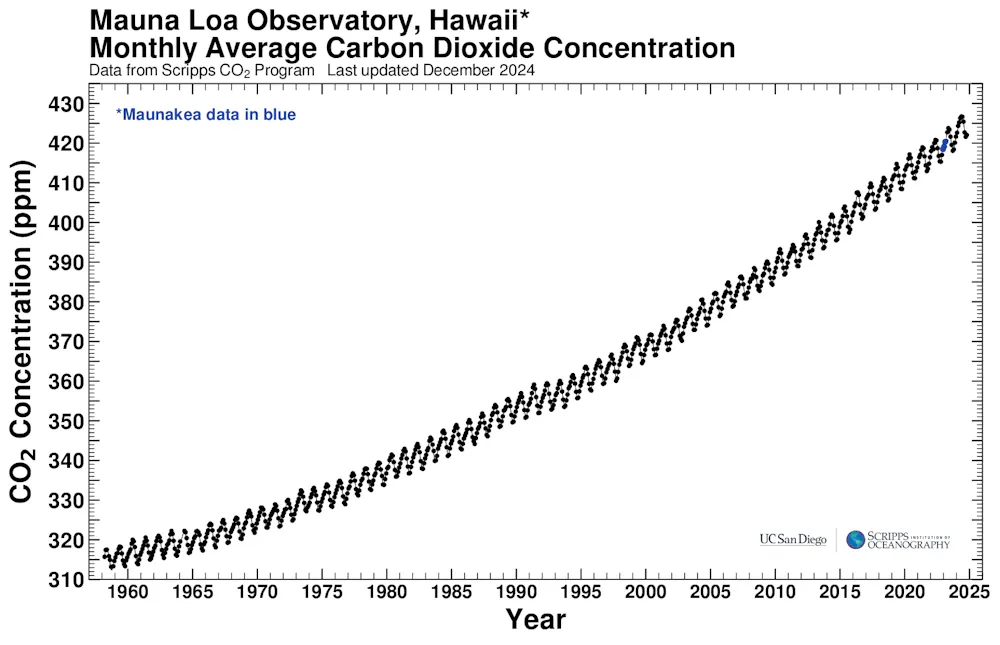



_(53765476960)_(cropped).jpg)


