This week, Aotearoa New Zealand officially celebrates Matariki for the fourth time, marked by the reappearance in the night sky of the star cluster also known as the Pleiades.
Yet, ironically, the accompanying celebrations and the legislation that declares Matariki a public holiday miss the mark. They fail to promote and protect the country’s dark skies, which are crucial to seeing the stars in this small constellation.
While the law recognises Matariki’s significance to Māori culture and heritage as the beginning of the Māori New Year, it does not acknowledge that it is predicated on the visual presence of the star cluster.
Even where Matariki is not visible owing to weather conditions, the ability to see other celestial markers is important (for example Puanga/Puaka, also known as Rigel). Light pollution is a visual barrier to experiencing these important stars.
Since the passage of the legislation, local councils across the country have marked the public holiday with various light displays. This year will be no different, with illuminated artworks, projections and lightboxes at Matariki festivals in several cities.
Tirama Mai (bringing the light) will return to Ōtautahi Christchurch with brightly lit displays. Tāmaki Makaurau Auckland will see some of its most popular sites, including Queen Street, lit up as part of Tūrama, a series of large-scale, illuminated art installations.
After initially ignoring Māori advice that fireworks are not appropriate to celebrate Matariki, many local councils have now abandoned them. But festivities will no doubt continue to contribute to light pollution and ignore the need to protect dark skies at night.
These ill-conceived festivities are not surprising given the legislation fails to even mention dark skies. This is exacerbated by New Zealand emerging as a major player in the increasingly commercialised space sector which has developed rapidly since the first rocket lifted off from Mahia peninsula in 2017.
Much of Aotearoa’s landmass has some of the darkest skies on the planet. Based on land area, 74% of the North Island and 93% of the South Island rest beneath night skies that are either pristine or degraded only near the horizon. Indeed, the area affected by direct illumination is very low.
Yet, intense urbanisation means only 3% of the population regularly experience such skies. About half of all New Zealanders can no longer see the Milky Way in winter.
At present, there is no explicit domestic law protecting dark skies, nor any international laws. The law declaring Matariki a public holiday missed an important opportunity to provide such protection.
To address this issue, a petition was presented to parliament in January 2023 calling for national legislation to promote and protect dark skies. In March this year, parliament responded it would not take further actions “due to other priorities on the government’s resource management reform work programme”.
This is not surprising. Nevertheless, we call on the government to develop legislation for the governance of dark skies in Aotearoa New Zealand that incorporates mātauranga Māori (Māori knowledge).
While there are a variety of ways this could be achieved, controlling light pollution is the crux of the issue. Light pollution emanates both from unmitigated urban lighting as well as the expansion of satellite constellations, which is steadily forming a global net of moving points of light in space.
An incremental approach could be a government-backed education programme to raise awareness of light pollution, followed by the development of a national policy for its control. An amendment to the Matariki public holiday law could then follow in recognition of the national interest.
We are aware the challenges ahead are many. Yet, protecting dark skies is vital from a Māori perspective. Practically, such protections are crucial to the enjoyment and honouring of Matariki as we continue to risk disconnection from one of our most important natural features.
Shea Esterling receives funding from the Borrin Foundation.
William Grant does not work for, consult, own shares in or receive funding from any company or organisation that would benefit from this article, and has disclosed no relevant affiliations beyond their academic appointment.
When we think about animals, we tend to think of furry four-legged mammals. But 95% of all animal species are invertebrates – bees, butterflies, beetles, snails, worms, octopuses, starfish, corals, spiders and many many more. These creatures make us happy, pollinate flowers, keep soils healthy, clean water, build reefs, maintain oceans and bring colour and wonder to our homes, cities, farms and wild places.
When a mammal or bird goes extinct in Australia, it’s big news. But invertebrates have gone extinct much more frequently – and with much less attention. Since colonisation, an estimated 9,000 invertebrates have gone extinct – and one or two more go extinct every week.
Invertebrates face five big challenges: climate change, habitat destruction, natural resource extraction, pollution and invasive species. For the most part, efforts to conserve them are in their infancy in Australia, likely due to the historic undervaluing of smaller animals and little critters. There are shining exceptions such as the incredible conservation success of the Lord Howe Island stick insect, but such examples are vanishingly rare.
The good news? Because invertebrates live everywhere, the opportunity to help is often literally on our doorsteps. Simple actions can help, such as planting native species, leaving logs in the garden and avoiding insecticides.
Meet some of the threatened one thousand
Threatened invertebrates live in every Australian state and territory and in our major cities. Of the almost 1,000 threatened species, 27% are snails and slugs, 25% are insects, 19% are corals, 17% are crayfish and 5% are spiders. Here are some you may come across.
Bogong moth (Agrotis infusa). These moths once filled the night skies in their billions. Now they’re listed as endangered because the cool alpine caves they rely on to escape summer heat are warming with climate change. These migratory moths fly across southern Australia, navigating to their mountain refuges each summer using the stars and earth’s magnetic field. Help map their migration to protect them.
Bogong moths migrate to cool caves in the Australian Alps in summer. Kate Umbers, CC BY
Atlas moth (Attacus wardi). This giant tropical moth with a 22 cm wingspan is now considered vulnerable due to habitat destruction and introduced weeds. If you live near Darwin, planting the native Atlas Croton tree will help feed its very hungry caterpillars.
Mangrove ant-blue butterfly (Acrodipsas illidgei). These endangered butterflies lay eggs on grey mangrove trees home to acrobat ants (Crematogaster species), which carry the eggs into its nests. When the caterpillars hatch, they eat ant larvae while in turn nourishing the ant colony with sugary secretions. Mangrove destruction, pesticide runoff and threats to their ant partners pose real threats. Protecting mangroves in southeast Queensland and reporting sightings of butterflies and ants on iNaturalist will help.
Sydney Hawk dragonfly (Austrocordulia leonardi). This strikingly coloured endangered dragonfly is largely found in Sydney. Changes to local waterways and the deep pools its aquatic larvae need threaten the species. Restoring local waterways will help.
Dural land snails (Pommerhelix duralensis). These endangered snails are found only in north-western Sydney and the lower Blue Mountains. They cruise through leaves and rocks munching on fungi and helping add compost to forest soils. You might catch a glimpse during light rain. Help them by leaving large patches of undisturbed native undergrowth – habitat loss poses the biggest threat.
Hairy bee (Leioproctus douglasiellus). This critically endangered burrowing bee lives only in and around Perth. Its numbers have fallen due to habitat loss and pesticides. Leaving patches of open soil in your garden and planting shallow flowers can help these short-tongued bees get nectar.
Giant Gippsland earthworm (Megascolides australis). This iconic earthworm can grow up to 1.5 metres long. It only lives in a patch of southern Gippsland in Victoria and is endangered in part due to farming practices such as ploughing. These gentle giants famously gurgle as they move through their tunnels keeping soil healthy. Local landholders can help by leaving patches of land along stream banks as worm conservation habitat.
Tasmanian live-bearing sea stars (Parvulastra vivipara). Most sea stars lay eggs. Not this species, which gives birth to live young. They’re endangered because they live in intertidal waters of south-eastern Tasmania affected by shoreline development and invasive species. Look carefully and you might see one as it grazes on algae-covered rocks. Join local events to tackle invasive species and log any sightings on iNaturalist.
Invertebrates bring us delight and wonder. Here’s how we can help those in trouble.
Plant flowers. Providing food for pollinators and other wonderful flower-visiting insects can help year-round.
Keep part of your garden a bit wild. If you leave logs, leaves and open soil in your garden, you make space for shiny beetles, singing crickets, native bees and other ground-dwellers.
The creek is beautiful. Help restore waterways, make a pond, learn about local water bugs and support local wetlands.
Be clever with pest control. Avoid snail baits and cancel regular broad-spectrum sprays, as these can harm many non-target species. Use critter-friendly alternatives to protect the whole food chain.
Let the stars shine. Switch off lights at night if safe or close your curtains to help nocturnal creatures such as moths and orb-weaving spiders.
Log your sightings. Conservation scientists need as much data as possible on invertebrates to understand how they are doing out there. Upload your bug photos to iNaturalist.
Kate Umbers receives funding from the Australian Research Council, Commonwealth DCCEEW, Hermon Slade Foundation, and Holsworth Foundation. She is affiliated with Invertebrates Australia, Biodiversity Council, co-chair of the IUCN Grasshopper Specialist Group, and is on the Conservation Committee for the Australian Entomological Society.
Kenny Wolfe is affiliated with Invertebrates Australia.
Megan Head is affiliated with Invertebrates Australia.
Shawan Chowdhury is affiliated with Monash University and Invertebrates Australia.
Tanya Latty co-founded and volunteers for conservation organisation Invertebrates Australia. She receives funding from the Australian Research Council, NSW Saving our Species, and Agrifutures Australia
If you’ve got a dodgy tummy, diarrhoea and have been vomiting, it’s easy to blame a “tummy bug” or “off food”.
But which is it? Gastro or food poisoning?
What’s the difference anyway?
What’s gastroenteritis?
Gastroenteritis, or gastro for short, is a gut infection caused by a virus, bacterium or other microbe.
The gut is teeming with cells including healthy microbes and the cells lining the gut. But when viruses, bacteria and other microbes start to invade your gut, they colonise, build up in large numbers and eventually cause the cells lining the gut to inflame. The “-itis” at the end of gastroenteritis means inflammation.
So where do these gastro-causing microbes come from? Eating contaminated food is often the source.
However you can acquire these microbes in other ways. For example, if you touch a surface where someone sick from viral gastroenteritis had vomited on, that virus could transfer to your hands. And if your hands touched your mouth, you in turn could contract viral gastroenteritis.
What’s food poisoning?
Food poisoning refers to getting sick from eating food contaminated with chemicals, microbes or toxins.
For example if you ate food contaminated with insecticides or methyl alcohol (methanol) that would count as food poisoning. If you ate puffer fish or poisonous mushrooms that would count too. But food poisoning doesn’t include the effects of eating a food you’re allergic to.
The vast majority of food poisonings are as a result of food contaminated by microbes and their toxins. When you eat or drink them it’s like a missile strike. The toxins in particular can rapidly cause inflammation and damage the lining of the gut.
Food poisoning (or foodborne gastroenteritis) is also common in Australia. It accounts for about one-third of all cases of gastroenteritis or an estimated 5.4 million cases every year.
How can we tell the two apart?
Both gastroenteritis and food poisoning have symptoms such as diarrhoea, vomiting, nausea, abdominal cramps, fever and headaches. But these symptoms can come on in different ways.
Viral gastroenteritis, such as with norovirus, usually causes symptoms 24–48 hours after exposure, which can last for one to two days.
But food poisoning after eating microbial toxins can come on very quickly. For example, toxins from the bacterium Staphylococcus aureus can cause symptoms within 30 minutes of eating contaminated food, such as undercooked meat. Fortunately, symptoms usually get better within 24 hours.
Symptoms don’t always come on so quickly in all cases of bacterial food poisoning. For example, it can take as long as 70 days between exposure to Listeria and symptoms occurring, although, on average it’s about three weeks. This long incubation period can make it difficult to work out if a particular food is responsible for someone getting sick.
As a general guide food poisoning occurs quite quickly (within hours of eating contaminated food) while gastroenteritis can take a day or more after eating to get sick. But there is no hard and fast rule.
It can take weeks from eating soft cheese contaminated with Listeria before you have symptoms. In Green/Shutterstock
How do I prevent them?
The same precautions when handling food apply to preventing both gastroenteritis and food poisoning. These steps not only lower your risk of being affected in the first place, they lower your risk of you infecting others.
Wash your hands thoroughly with soap and water before preparing food. Use separate cutting boards and utensils for raw and cooked foods to help avoid cross-contamination. Cook food thoroughly and store it at safe temperatures.
Gastroenteritis can involve transmission of microbes through means other than food, for instance, via poo on your hands if you don’t wash your hands after using the toilet or after changing a child’s nappy. So wash your hands afterwards.
To prevent others from becoming sick, make sure you quickly disinfect contaminated surfaces thoroughly after someone vomits or has diarrhoea. First, put on gloves and wash surfaces with hot water and a detergent. Then disinfect using household bleach containing 0.1% hypochlorite.
How can I get better?
Treating both gastroenteritis and food poisoning focuses on preventing dehydration and relieving symptoms.
To avoid dehydration, drink plenty of fluids. For moderate or severe cases, you can buy commercial oral rehydration solution from a pharmacy.
You can also make your own oral rehydration solution by adding 6 teaspoons of sugar, ½ teaspoon of salt and ½ teaspoon of sodium bicarbonate to a litre of water. You can splash in some cordial for taste.
If symptoms are severe or persist you should see your GP or go to the emergency department.
Vincent Ho does not work for, consult, own shares in or receive funding from any company or organisation that would benefit from this article, and has disclosed no relevant affiliations beyond their academic appointment.
Source: The Conversation – USA – By Jeffrey Fields, Professor of the Practice of International Relations, USC Dornsife College of Letters, Arts and Sciences
People observe fire and smoke from an Israeli airstrike on an oil depot in Tehran, Iran, on June 15, 2025. Stringer/Getty Images
The two countries have been particularly hostile to each other since Iranian students took over the U.S. Embassy in Tehran in November 1979, resulting in economic sanctions and the severing of formal diplomatic relations between the nations.
Some of the major events in U.S.-Iran relations highlight the differences between the nations’ views, but others arguably presented real opportunities for reconciliation.
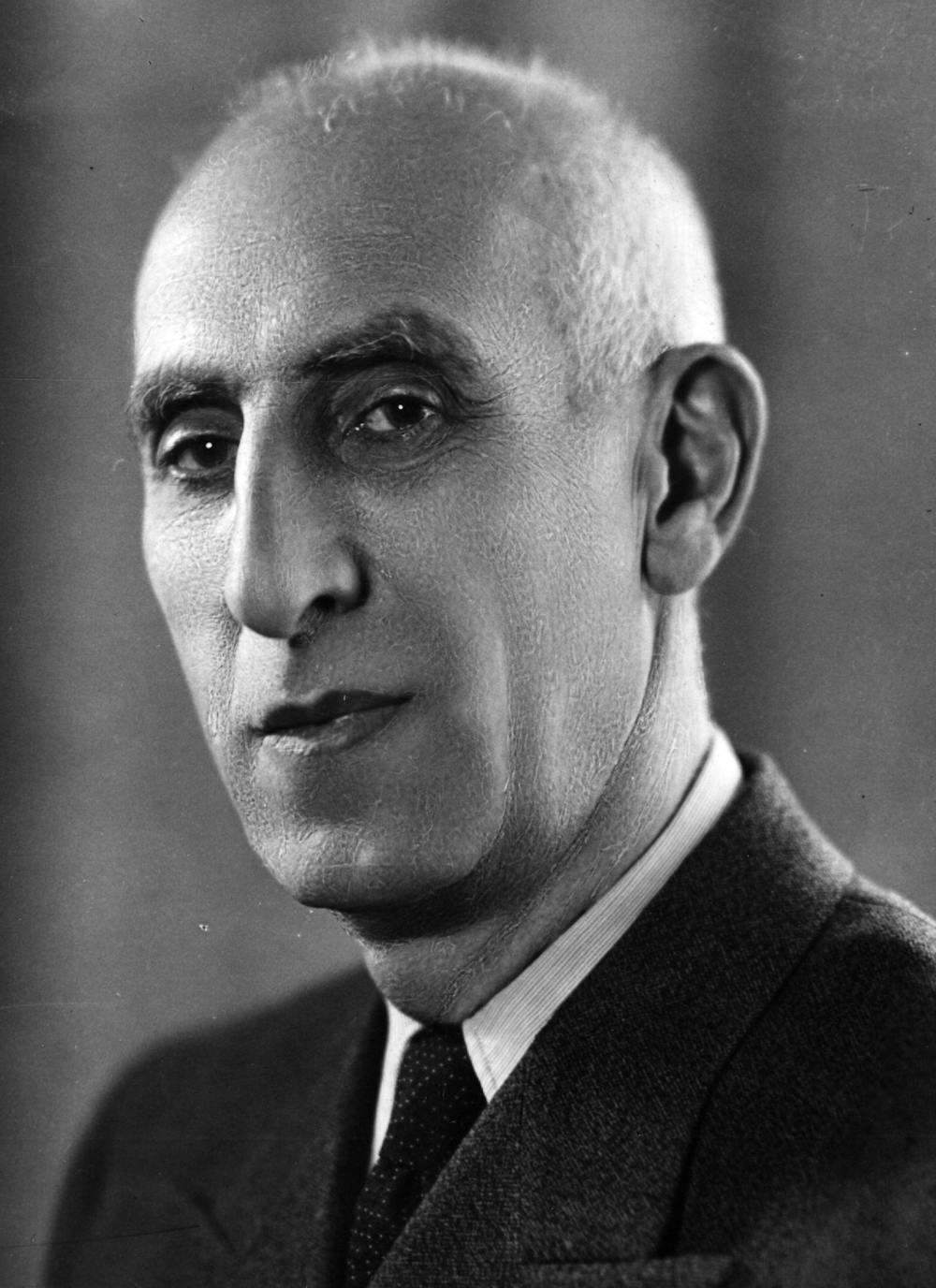
In 1951, the Iranian Parliament chose a new prime minister, Mossadegh, who then led lawmakers to vote in favor of taking over the Anglo-Iranian Oil Company, expelling the company’s British owners and saying they wanted to turn oil profits into investments in the Iranian people. The U.S. feared disruption in the global oil supply and worried about Iran falling prey to Soviet influence. The British feared the loss of cheap Iranian oil.
President Dwight Eisenhower decided it was best for the U.S. and the U.K. to get rid of Mossadegh. Operation Ajax, a joint CIA-British operation, convinced the Shah of Iran, the country’s monarch, to dismiss Mossadegh and drive him from office by force. Mossadegh was replaced by a much more Western-friendly prime minister, handpicked by the CIA.
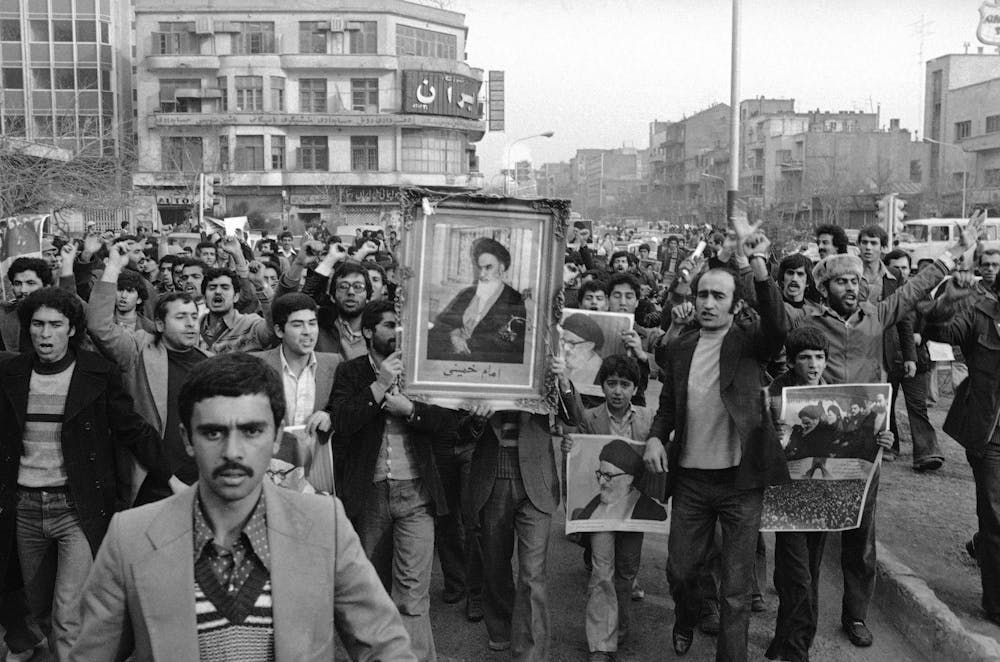
Demonstrators in Tehran demand the establishment of an Islamic republic. AP Photo/Saris
1979: Revolutionaries oust the shah, take hostages
After more than 25 years of relative stability in U.S.-Iran relations, the Iranian public had grown unhappy with the social and economic conditions that developed under the dictatorial rule of Shah Mohammad Reza Pahlavi.
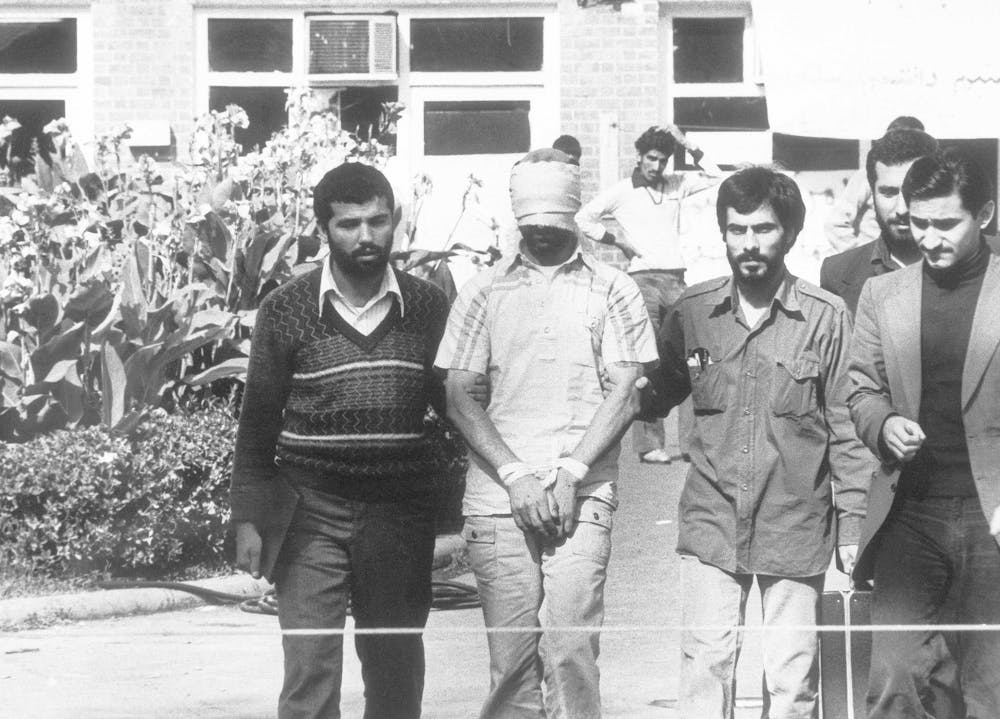
Iranian students at the U.S. Embassy in Tehran show a blindfolded American hostage to the crowd in November 1979. AP Photo
In October 1979, President Jimmy Carter agreed to allow the shah to come to the U.S. to seek advanced medical treatment. Outraged Iranian students stormed the U.S. Embassy in Tehran on Nov. 4, taking 52 Americans hostage. That convinced Carter to sever U.S. diplomatic relations with Iran on April 7, 1980.
Two weeks later, the U.S. military launched a mission to rescue the hostages, but it failed, with aircraft crashes killing eight U.S. servicemembers.
The shah died in Egypt in July 1980, but the hostages weren’t released until Jan. 20, 1981, after 444 days of captivity.
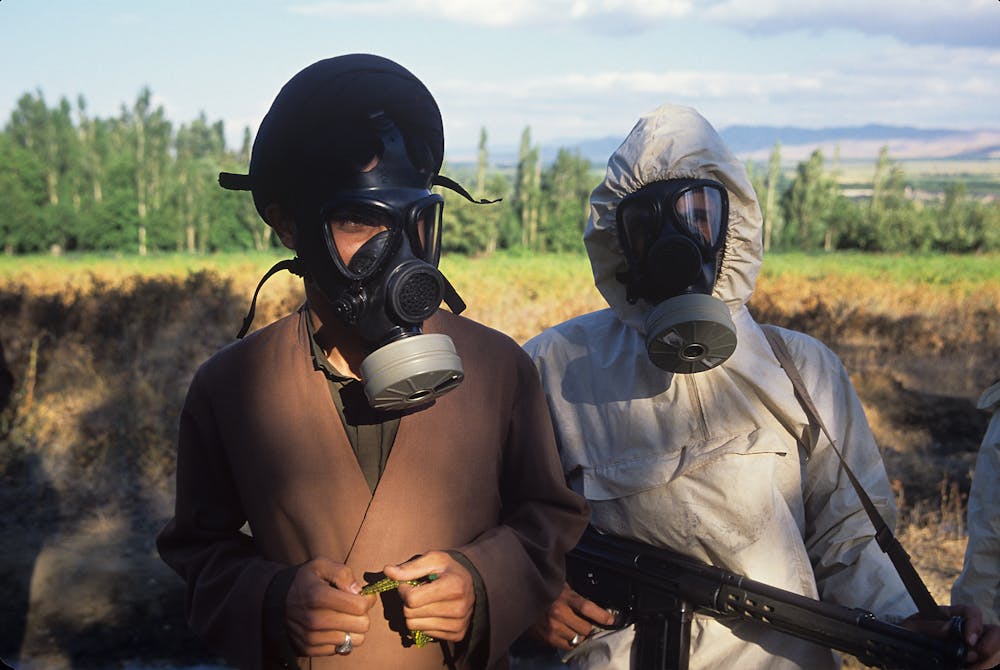
An Iranian cleric, left, and an Iranian soldier wear gas masks to protect themselves against Iraqi chemical-weapons attacks in May 1988. Kaveh Kazemi/Getty Images
The U.S. was concerned that the conflict would limit the flow of Middle Eastern oil and wanted to ensure the conflict didn’t affect its close ally, Saudi Arabia.
U.S. officials moderated their usual opposition to those illegal and inhumane weapons because the U.S. State Department did not “wish to play into Iran’s hands by fueling its propaganda against Iraq.” In 1988, the war ended in a stalemate. More than 500,000 military and 100,000 civilians died.
1981-1986: US secretly sells weapons to Iran
The U.S. imposed an arms embargo after Iran was designated a state sponsor of terrorism in 1984. That left the Iranian military, in the middle of its war with Iraq, desperate for weapons and aircraft and vehicle parts to keep fighting.
The last shipment, of anti-tank missiles, was in October 1986. In November 1986, a Lebanese magazine exposed the deal. That revelation sparked the Iran-Contra scandal in the U.S., with Reagan’s officials found to have collected money from Iran for the weapons and illegally sent those funds to anti-socialist rebels – the Contras – in Nicaragua.
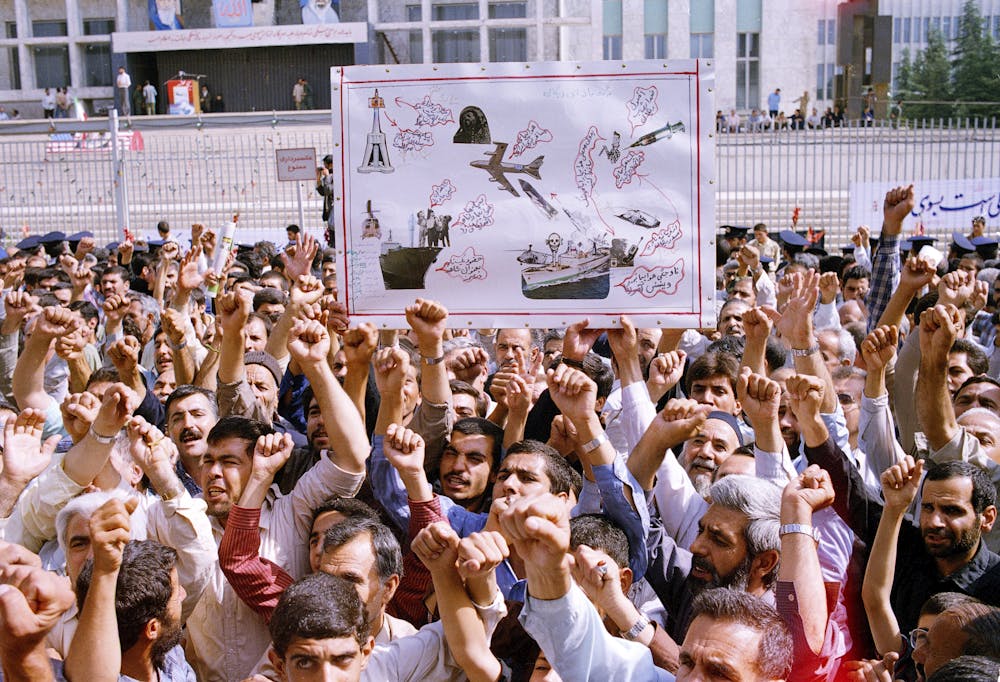
At a mass funeral for 76 of the 290 people killed in the shootdown of Iran Air 655, mourners hold up a sign depicting the incident. AP Photo/CP/Mohammad Sayyad
Either during or just after that exchange of gunfire, the Vincennes crew mistook a passing civilian Airbus passenger jet for an Iranian F-14 fighter. They shot it down, killing all 290 people aboard.
The U.S. called it a “tragic and regrettable accident,” but Iran believed the plane’s downing was intentional. In 1996, the U.S. agreed to pay US$131.8 million in compensation to Iran.
1997-1998: The US seeks contact
In August 1997, a moderate reformer, Mohammad Khatami, won Iran’s presidential election.
U.S. President Bill Clinton sensed an opportunity. He sent a message to Tehran through the Swiss ambassador there, proposing direct government-to-government talks.
Shortly thereafter, in early January 1998, Khatami gave an interview to CNN in which he expressed “respect for the great American people,” denounced terrorism and recommended an “exchange of professors, writers, scholars, artists, journalists and tourists” between the United States and Iran.
However, Supreme Leader Ayatollah Ali Khamenei didn’t agree, so not much came of the mutual overtures as Clinton’s time in office came to an end.
In his 2002 State of the Union address, President George W. Bush characterized Iran, Iraq and North Korea as constituting an “Axis of Evil” supporting terrorism and pursuing weapons of mass destruction, straining relations even further.
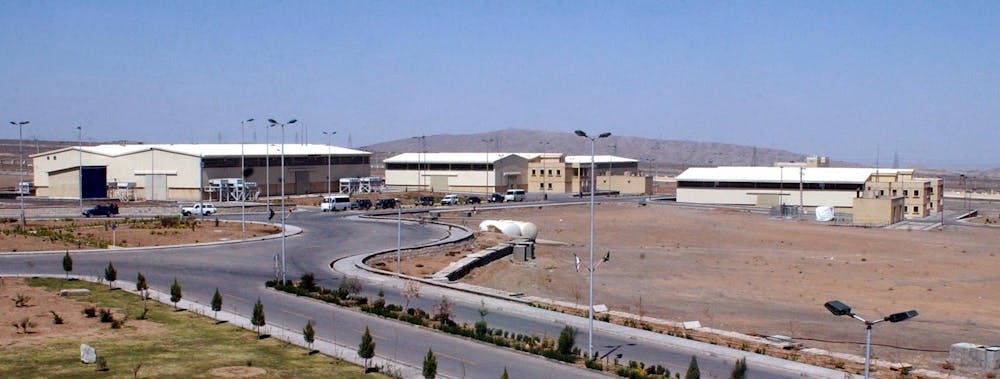
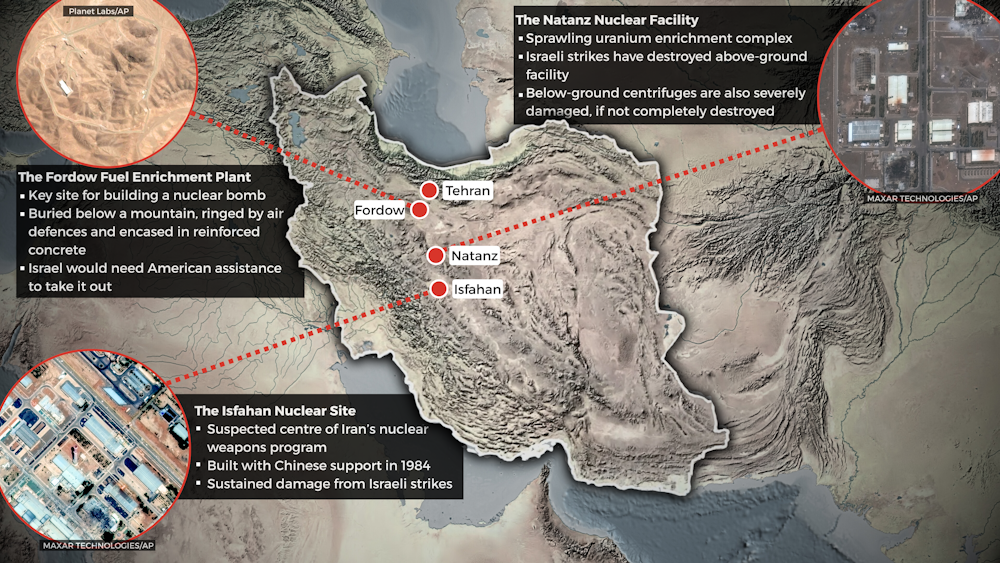
Inside these buildings at the Natanz nuclear facility in Iran, technicians enrich uranium. AP Photo/Vahid Salemi
That was a violation of the terms of the Nuclear Nonproliferation Treaty, which Iran had signed, requiring countries to disclose their nuclear-related facilities to international inspectors.
One of those formerly secret locations, Natanz, housed centrifuges for enriching uranium, which could be used in civilian nuclear reactors or enriched further for weapons.
Starting in roughly 2005, U.S. and Israeli government cyberattackers together reportedly targeted the Natanz centrifuges with a custom-made piece of malicious software that became known as Stuxnet.
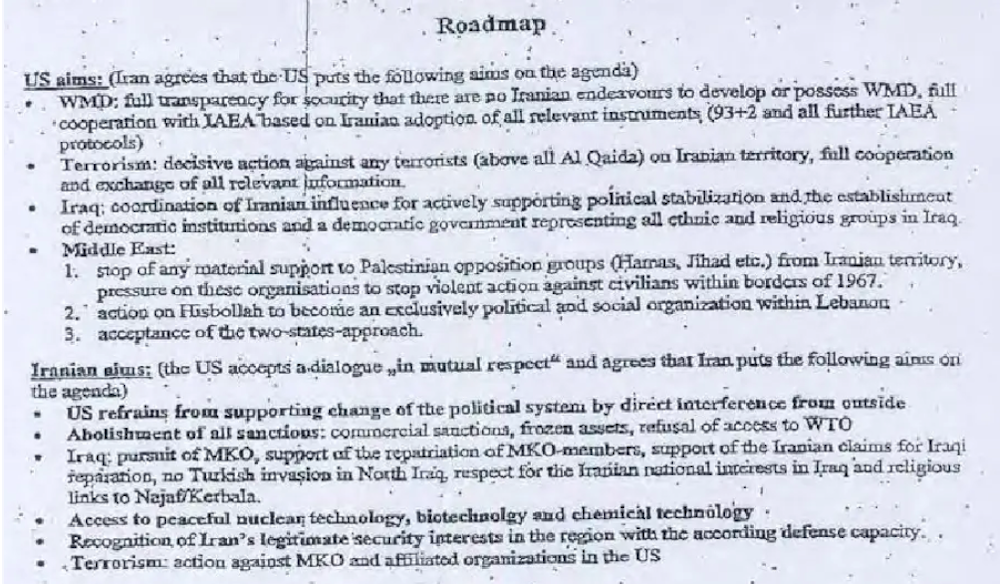
An excerpt of the document sent from Iran, via the Swiss government, to the U.S. State Department in 2003, appears to seek talks between the U.S. and Iran. Washington Post via Scribd
In May 2003, senior Iranian officials quietly contacted the State Department through the Swiss embassy in Iran, seeking “a dialogue ‘in mutual respect,’” addressing four big issues: nuclear weapons, terrorism, Palestinian resistance and stability in Iraq.
Hardliners in the Bush administration weren’t interested in any major reconciliation, though Secretary of State Colin Powell favored dialogue and other officials had met with Iran about al-Qaida.
When Iranian hardliner Mahmoud Ahmadinejad was elected president of Iran in 2005, the opportunity died. The following year, Ahmadinejad made his own overture to Washington in an 18-page letter to President Bush. The letter was widely dismissed; a senior State Department official told me in profane terms that it amounted to nothing.
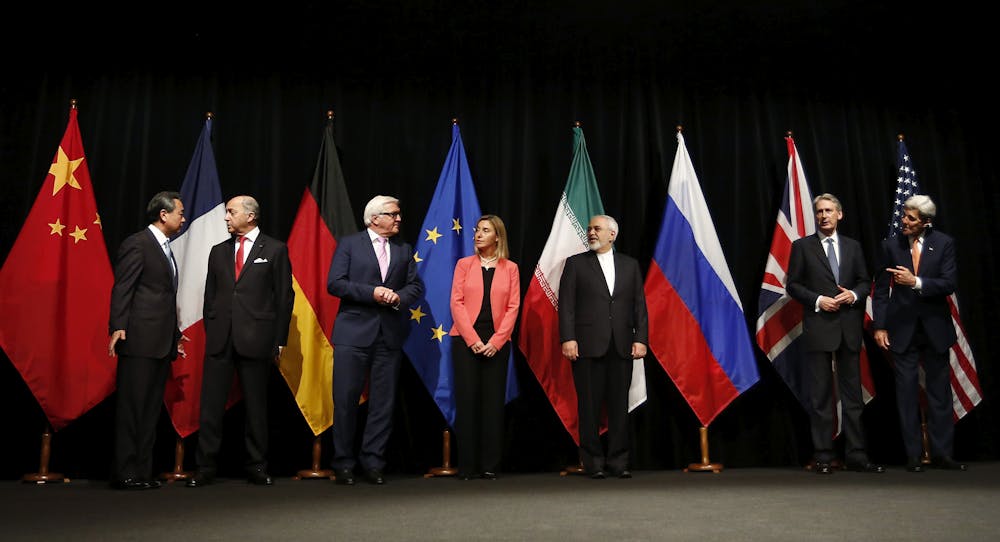
After a decade of unsuccessful attempts to rein in Iran’s nuclear ambitions, the Obama administration undertook a direct diplomatic approach beginning in 2013.
Iran, the U.S., China, France, Germany, Russia and the United Kingdom signed the deal in 2015. It severely limited Iran’s capacity to enrich uranium and mandated that international inspectors monitor and enforce Iran’s compliance with the agreement.
In return, Iran was granted relief from international and U.S. economic sanctions. Though the inspectors regularly certified that Iran was abiding by the agreement’s terms, President Donald Trump withdrew from the agreement in May 2018.
2020: US drones kill Iranian Maj. Gen. Qassem Soleimani
At the time, the Trump administration asserted that Soleimani was directing an imminent attack against U.S. assets in the region, but officials have not provided clear evidence to support that claim.
Hamas’ brazen attack on Israel on Oct. 7, 2023, provoked a fearsome militarized response from Israel that continues today and served to severely weaken Iran’s proxies in the region, especially Hamas – the perpetrator of the attacks – and Hezbollah in Lebanon.
2025: Trump 2.0 and Iran
Trump saw an opportunity to forge a new nuclear deal with Iran and to pursue other business deals with Tehran. Once inaugurated for his second term, Trump appointed Steve Witkoff, a real estate investor who is the president’s friend, to serve as special envoy for the Middle East and to lead negotiations.
Negotiations for a nuclear deal between Washington and Tehran began in April, but the countries did not reach a deal. They were planning a new round of talks when Israel struck Iran with a series of airstrikes on June 13, forcing the White House to reconsider is position.
Jeffrey Fields receives funding from the Carnegie Corporation of New York and Schmidt Futures.
From hand-sized lantern sharks that glow in the deep sea to bus-sized whale sharks gliding through tropical waters, sharks come in all shapes and sizes.
Despite these differences, they all face the same fundamental challenge: how to get oxygen, heat and nutrients to every part of their bodies efficiently.
Our new study, published today in Royal Society Open Science, shows that sharks follow a centuries-old mathematical rule – the two-thirds scaling law – that predicts how body shape changes with size. This tells us something profound about how evolution works – and why size really does matter.
What is the two-thirds scaling law?
The basic idea is mathematical: surface area increases with the square of body length, while volume increases with the cube. That means surface area increases more slowly than volume, and the ratio between the two – crucial for many biological functions – decreases with size.
This matters because many essential life processes happen at the surface: gas exchange in the lungs or gills, such as to take in oxygen or release carbon dioxide, but also heat loss through skin and nutrient uptake in the gut.
These processes depend on surface area, while the demands they must meet – such as the crucial task of keeping the body supplied with oxygen – depend on volume. So, the surface area-to-volume ratio shapes how animals function.
Whale sharks are as big as buses, while dwarf lanternsharks (pictured here) are as small as a human hand. Chip Clark/Smithsonian Institution
Despite its central role in biology, this rule has only ever been rigorously tested in cells, tissues and small organisms such as insects.
Until now.
Why sharks?
Sharks might seem like an unlikely group for testing an old mathematical theory, but they’re actually ideal.
For starters, they span a huge range of sizes, from the tiny dwarf lantern shark (about 20 centimetres long) to the whale shark (which can exceed 20 metres). They also have diverse shapes and lifestyles – hammerheads, reef-dwellers, deep-sea hunters – each posing different challenges for physiology and movement.
Plus, sharks are charismatic, ecologically important and increasingly under threat. Understanding their biology is both scientifically valuable and important for conservation.
Sharks are ecologically important but are increasingly under threat. Rachel Moore
How did we test the rule?
We used high-resolution 3D models to digitally measure surface area and volume in 54 species of sharks. These models were created using open-source CT scans and photogrammetry, which involves using photographs to approximate a 3D structure. Until recently, these techniques were the domain of video game designers and special effects artists, not biologists.
We refined the models in Blender, a powerful 3D software tool, and extracted surface and volume data for each species.
Then we applied phylogenetic regression – a statistical method that accounts for shared evolutionary history – to see how closely shark shapes follow the predictions of the two-thirds rule.
Sharks follow the two-thirds scaling rule almost perfectly, as seen in this 3D representation. Joel Gayford et al
What did we find?
The results were striking: sharks follow the two-thirds scaling rule almost perfectly, with surface area scaling to body volume raised to the power of 0.64 – just a 3% difference from the theoretical 0.67.
This suggests something deeper is going on. Despite their wide range of forms and habitats, sharks seem to converge on the same basic body plan when it comes to surface area and volume. Why?
One explanation is that what are known as “developmental constraints” – limits imposed by how animals grow and form in early life – make it difficult, or too costly, for sharks to deviate from this fundamental pattern.
Changing surface area-to-volume ratios might require rewiring how tissues are allocated during embryonic development, something that evolution appears to avoid unless absolutely necessary.
But why does it matter?
This isn’t just academic. Many equations in biology, physiology and climate science rely on assumptions about surface area-to-volume ratios.
These equations are used to model how animals regulate temperature, use oxygen, and respond to environmental stress. Until now, we haven’t had accurate data from large animals to test those assumptions. Our findings give researchers more confidence in using these models – not just for sharks, but potentially for other groups too.
As we face accelerating climate change and biodiversity loss, understanding how animals of all sizes interact with their environments has never been more urgent.
This study, powered by modern imaging tech and some old-school curiosity, brings us one step closer to that goal.
Jodie L. Rummer receives funding from the Australian Research Council. She is affiliated with the Australian Coral Reef Society, as President.
Joel Gayford receives funding from the Northcote Trust.
Source: The Conversation (Au and NZ) – By Alison Cole, Composer and Lecturer in Screen Composition, Sydney Conservatorium of Music, University of Sydney
Universal Pictures
Our experience of the world often involves hearing our environment before seeing it. Whether it’s the sound of something moving through nearby water, or the rustling of vegetation, our fear of the unseen is rooted in our survival instincts as a species.
Cinematic sound and music taps into these somewhat unsettling instincts – and this is exactly what director Steven Spielberg and composer John Williams achieved in the iconic 1975 thriller Jaws. The sound design and musical score work in tandem to confront the audience with a mysterious killer animal.
In what is arguably the film’s most iconic scene, featuring beach swimmers’ legs flailing underwater, the shark remains largely unseen – yet the sound perfectly conveys the threat at large.
Creating tension in a soundtrack
Film composers aim to create soundscapes that will profoundly move and influence their audience. And they express these intentions through the use of musical elements such as rhythm, harmony, tempo, form, dynamics, melody and texture.
In Jaws, the initial encounter with the shark opens innocently with the sound of an offshore buoy and its clanging bell. The scene is established both musically and atmospherically to evoke a sense of isolation for the two characters enjoying a late-night swim on an empty beach.
But once we hear the the low strings, followed by the central two-note motif played on a tuba, we know something sinister is afoot.
This compositional technique of alternating between two notes at an increasing speed has long been employed by composers, including by Antonín Dvořák in his 1893 work New World Symphony.
John Williams reportedly used six basses, eight cellos, four trombones and a tuba to create the blend of low frequencies that would go on to define his entire Jaws score.
The bass instruments emphasise the lower end of the musical frequency spectrum, evoking a dark timbre that conveys depth, power and intensity. String players can use various bowing techniques, such as staccato and marcato, to deliver dark and even menacing tones, especially in the lower registers.
Meanwhile, there is a marked absence of tonality in the repeating E–F notes, played with increasing speed on the tuba. Coupled with the intensifying dynamics in the instrumental blend, this accelerating two-note motif signals the looming danger before we even see it – tapping into our instinctive fear of the unknown.
The use of the two-note motif and lower-end orchestration characterises a composition style that aims to unsettle and disorientate the audience. Another example of this style can be heard in Bernard Herrmann’s car crash scene audio in North by Northwest (1959).
Similarly, in Sergei Prokofiev’s Scythian Suite, the opening of the second movement (Dance of the Pagan Gods) uses an alternating D#–E motif.
The elasticity of Williams’ motif allows the two notes to be played on different instruments throughout the soundtrack, exploring various timbral possibilities to induce a kaleidoscope of fear, panic and dread.
The psychology behind our response
What is it that makes the Jaws soundtrack so psychologically confronting, even without the visuals? Music scholars have various theories. Some suggest the two notes imitate the sound of human respiration, while others have proposed the theme evokes the heartbeat of a shark.
Williams explained his approach in an interview with the Los Angeles Times:
I fiddled around with the idea of creating something that was very … brainless […] Meaning something could be very repetitious, very visceral, and grab you in your gut, not in your brain. […] It could be something you could play very softly, which would indicate that the shark is far away when all you see is water. Brainless music that gets louder and gets closer to you, something is gonna swallow you up.
Williams plays with the audience’s emotions throughout the film’s score, culminating in the scene Man Against Beast – a celebration of thematic development and heightened orchestration.
The film’s iconic soundtrack has created a legacy that extends beyond the visual. And this suggests the score isn’t just a soundtrack – but a character in its own right.
By using music to reveal what is hidden, Williams creates an intense emotional experience rife with anticipation and tension. The score’s two-note motif showcases his genius – and serves as a sonic shorthand that has kept a generation behind the breakers of every beach.
Alison Cole does not work for, consult, own shares in or receive funding from any company or organisation that would benefit from this article, and has disclosed no relevant affiliations beyond their academic appointment.
The tax cuts bill currently being debated by the US Senate will add another US$3 trillion (A$4.6 trillion) to US debt. President Donald Trump calls it the “big, beautiful bill”; his erstwhile policy adviser Elon Musk called it a “disgusting abomination”.
Foreign investors have already been rattled by Trump’s upending of the global trade system. The eruption of war in the Middle East would usually lead to “flight to safety” buying of the US dollar, but the dollar has barely budged. That suggests US assets are not seen as the safe haven they used to be.
Greg Combet, chair of Australia’s own sovereign wealth fund, the Future Fund, outlined many of the new risks arising from US policies in a speech on Tuesday.
As investors turn cautious on the US, at some point the surging US debt pile will become unsustainable. That could risk a financial crisis. But at what point does that happen?
The public sector holds a range of debt
When talking about the sustainability of US government debt, we have to distinguish between total debt and public debt.
Public debt is owed to individuals, companies, foreign governments and investors. This accounts for about 80% of total US debt. The remainder is intra-governmental debt held by government agencies and the Federal Reserve.
Public debt is a more correct measure of US government debt. And it is much less than the headline total government debt amount that is frequently quoted, which is running at US$36 trillion or 121% of GDP.
Are there limits to government debt?
Governments are not like households. They can feasibly roll over debt indefinitely and don’t technically need to repay it, unlike a personal credit card. And countries such as the US that issue debt in their own currency can’t technically default unless they choose to.
Debt also serves a useful role. It is the main way a government funds infrastructure projects. It is an important channel for monetary policy, because the US Federal Reserve sets the benchmark interest rate that affects borrowing costs across the economy. And because the US government issues bonds, known as Treasuries, to finance the debt, this is an important asset for investors.
There is probably some limit to the amount of debt the US government can issue. But we don’t really know what this amount is, and we won’t know until we get there. Additionally, the US’s reserve currency status, due to the US dollar’s dominant role in international finance, gives the US government more leeway than other governments.
Interest costs are surging
What is important is the government’s ability to service its debt – that is, to pay the interest cost. This depends on two components: growth in economic activity, and the interest rate on government debt.
If economic growth on average is higher than the interest rate, then the government’s effective interest cost is negative and it could sustainably carry its existing debt burden.
The interest cost of US government debt has surged recently following a series of Federal Reserve interest rate hikes in 2022 and 2023 to quell inflation.
The US government is now spending more on interest payments than on defence – about US$882 billion annually. This will soon start crowding out spending in other areas, unless taxes are raised or further spending cuts made.
Recent policy decisions not helping
The turmoil caused by Trump’s “Liberation Day” tariffs and heightened uncertainty about future government policy are expected to weaken US economic growth and raise inflation. This, coupled with the recent credit downgrade of US government debt by ratings agency Moody’s, is likely to put upward pressure on US interest rates, further increasing the servicing cost of US government debt.
Moody’s cited concerns about the growth of US federal debt. This comes as the US House of Representatives passed the “One Big Beautiful Bill Act”, which seeks to extend the 2017 tax cuts indefinitely while slashing social spending. This has caused some to question the sustainability of the US government’s fiscal position.
The non-partisan Congressional Budget Office estimates the bill will add a further US$3 trillion to government debt over the ten years to 2034, increasing debt to 124% of GDP. And this would increase to US$4.5 trillion over ten years and take debt to 128% of GDP if some tax initiatives were made permanent.
Also troubling is Section 899 of the bill, known as the “revenge tax”. This controversial provision raises the tax payable by foreign investors and could further deter foreign investment, potentially making US government debt even less attractive.
A compromised Federal Reserve is the next risk
The passing of the tax and spending bill is unlikely to cause a financial crisis in the US. But the US could be entering into a period of “fiscal dominance”, which is just as concerning.
In this situation, the independence of the Federal Reserve might be compromised if it is pressured to support the US government’s fiscal position. It would do this by keeping interest rates lower than otherwise, or buying government debt to support the government instead of targeting inflation. Trump has already been putting pressure on Federal Reserve chair Jerome Powell, demanding he cut rates immediately.
This could lead to much higher inflation in the US, as occurred in Germany in the 1920s, and more recently in Argentina and Turkey.
Luke Hartigan receives funding from the Australian Research Council (DP230100959)
The first term of the Albanese government was defined by its fight against inflation, but the second looks like it will be defined by a need to kick start Australia’s sluggish productivity growth.
Productivity is essentially the art of earning more while working less and is critical for driving our standard of living higher.
The Productivity Commission, tasked with figuring out how to get Australia’s sluggish productivity back on track, is pushing hard for corporate tax cuts as a key part of their plan for building a “dynamic and resilient economy”.
The idea? Lower taxes will attract more foreign investment, get businesses spending again and eventually boost workers’ productivity.
Commission chair, Danielle Wood, said last week while the commission wanted to create more investment opportunities, it was aware this would hit the budget bottom line:
So we’re looking at ways to spur investment while finding other ways we might be able to pick up revenue in the system.
The general company tax rate is currently 30% for large firms, and there’s a reduced rate of 25% for smaller companies with an overall turnover of less than A$50 million.
What the textbooks and other countries tell us
The Productivity Commission’s theory makes sense: if you make capital cheaper and you should get more of it flowing in.
A larger stock of capital means there is more to invest in Australian workers. This should make us more productive and help boost workers’ wages. And looking overseas, the evidence mostly backs this up.
A meta-analysis of 25 studies covering the US, UK, Japan, France, Germany, Canada, Netherlands, Sweden, Italy, Switzerland,
Denmark, Portugal and Finland found every percentage point you slice off the corporate tax rate brings in about 3.3% more foreign direct investment.
Other research shows multinational companies really do move their operations to places with lower tax rates. This explains why we’re seeing this race to the bottom across Europe and North America, with countries constantly trying to undercut each other.
Research on location decisions shows how multinationals reshuffle their operations based on effective average tax rates.
Even within the United States, a US study found increases in corporate tax rates lead to big reductions in employment and wage income. However, corporate tax cuts can boost economic activity – though typically only if they are implemented during recessions.
Australia’s limited track record
Here in Australia we don’t have much local evidence to go on, and what we do have is pretty puzzling.
This matters because Australia’s corporate tax system has some unique features that may make overseas evidence less relevant. We have dividend imputation (franking credits), different treatment of capital gains, access to immediate reimbursement for some small business expenses and complex capitalisation rules that limit debt deductions for multinationals.
The Federal Government is focussed on improving productivity. In this five-part series, we’ve asked leading experts what that means for the economy, what’s holding us back and their best ideas for reform.
A study by a group of Australian National University economists looked at how the tax system affects business investment. They examined the [2015 and 2016 corporate tax cuts] for small businesses using data on business investment from the Australian Bureau of Statistics combined with tax data from the Australian Tax Office.
The findings were mixed. After the 2015 cut, firms already investing in buildings and equipment spent more — that is, the policy boosted investment only at the intensive margin.
By contrast, there was no evidence it enticed firms that had not been investing to start doing so. The follow-up cut in 2016 had even less bite. Its estimated effect on investment was so small it is statistically indistinguishable from zero.
It remains unclear why the previous corporate tax reductions largely failed to produce a measurable increase in investment. Perhaps the tax cut itself was simply too modest. Or the available data was too volatile to capture its effects.
But it runs contrary to what economic theory tells us to expect. This should give us pause for thought.
The big questions nobody can answer yet
For politicians thinking about another round of corporate tax cuts, this creates an uncomfortable situation. We’ve got solid evidence from overseas it works, but only one weak data point from Australia, plus a lot of head-scratching about why the second cut didn’t move the dial.
Fortunately, the Productivity Commission has the in-house expertise to further investigate this question.
Before we make further cuts to the company tax rate, we should have an in-depth study of these two tax cuts replicating and extending the previous work to see what effect – if any – they had on investment, employment, productivity and Australian living standards.
Until we can solve these puzzles, Australia’s debate over corporate tax rates will keep spinning its wheels. Much like our national productivity itself.
Isaac Gross does not work for, consult, own shares in or receive funding from any company or organisation that would benefit from this article, and has disclosed no relevant affiliations beyond their academic appointment.
Source: The Conversation (Au and NZ) – By Frank Jotzo, Professor, Crawford School of Public Policy and Director, Centre for Climate and Energy Policy, Australian National University
Photo by Jie Zhao/Corbis via Getty Images
Australia is the world’s third largest exporter of gas and second largest exporter of coal. When burned overseas, these exports result in 1.1 billion tonnes of carbon dioxide emissions a year – almost three times Australia’s domestic emissions.
Emissions embedded in Australia’s exports do not count towards our national emissions targets. But they contribute to climate change – and they’re the reason for Australia’s international reputation as a fossil-fuel economy.
On the bright side, Australia boasts huge potential for low-cost renewable energy and a knack for resource industries.
We can, and should, become a “renewable energy superpower”. This term refers to the potential for Australia to use its bountiful renewable energy resources to make commodities such as iron, ammonia and other products and fuels in “green” or low-emissions ways.
So how does Australia give salience to this idea on the global stage, while our fossil fuel exports continue? The solution could be a new net-zero target for Australia, in which emissions from green exports are tallied up against those from fossil fuel exports.
Australia can become a renewable energy superpower. Brook Mitchell/Getty Images
Reinvigorating Australia’s climate policy
If the clean energy transition eventuates, green exports from Australia will rise over time. This will help reduce the use of coal, gas and oil elsewhere in the world.
Meanwhile, coal exports – and later, gas exports – will fall. This will happen irrespective of Australia’s policies, as the world economy decarbonises and demand for fossil fuels slows.
At some point, we can expect emissions avoided by our green commodity exports to surpass those from remaining coal and gas exports. Australia would then reach what could be termed “net-zero export emissions”.
Adopting this net-zero target as a national policy would give a concrete yardstick to Australia’s green-export ambitions. It could also invigorate Australia’s climate policy and boost investor confidence.
A different approach would be to set targets only for green exports, and this could be how we get started. Ultimately, a net-zero target wrapping up both green and fossil-fuel exports would speak most directly to the goal of tackling climate change, and is likely to have more impact on the international stage.
A net-zero export target would give a concrete yardstick to Australia’s ambition to develop green export industries. Brook Mitchell/Getty Images
Getting to net-zero exports
The below chart shows an illustrative decline in emissions embedded in Australia’s coal and LNG (liquified natural gas) exports, out to 2050.*
Authors’ calculations based on Australian Energy Update 2024, Australian National Greenhouse Accounts Factors 2024, IEA World Energy Outlook 2024
It’s hard to pin down when Australia might reach net-zero exports. It depends on several factors. How quickly will the cost of clean energy and green-commodity technologies fall? How competitively can Australia produce green goods compared to other nations? What policies will be adopted in Australia and overseas – and will they work?
The magnitudes are sobering. Take iron, for example. Australia currently exports 900 million tonnes of iron ore a year. This is processed overseas to about 560 million tonnes of iron.
To fully compensate for emissions currently embedded in Australia’s coal and gas exports, Australia would need to process about the same amount of green iron – around 550 million tonnes – on home soil every year.
Achieving this would require keeping iron ore production at current levels and processing it all in Australia, which is unlikely to be realistic.
Thankfully, the task of reaching net-zero export emissions will be smaller in future, as global coal and gas demand falls. But exactly how this will translate to Australian exports is highly uncertain.
In this case, embedded emissions from Australia’s coal and gas exports would be about 360 million tonnes in 2050. This includes about 120 million tonnes from LNG exports – much of it locked in by the extension to Woodside’s North West Shelf project off Western Australia.
Hypothetically, the 360 million tonnes of emissions could be negated by a mix of green exports. They include 102 million tonnes of green iron (saving 204 million tonnes of CO₂), and 11 million tonnes of greenammonia (saving about 23 million tonnes of CO₂), and the remainder covered by a combination of green aluminium, silicon, methanol and transport fuels.
Judgement calls would be needed about which commodities to include in the target. The composition of green exports suggested above is akin to assumptions about Australia’s potential global market share outlined by The Superpower Institute.
Importantly, it’s hard to predict with certainty the greenhouse gas emissions displaced elsewhere in the world by Australia’s green exports. So, the estimates should be understood as broad illustrations, and not as exact as the accounting used to calculate countries’ domestic emissions.
The precise year chosen for reaching a net-zero target for export emissions may well be less important than the commitment that, at some point, Australia’s green energy exports will exceed fossil fuel exports. This would establish the notion that Australia has the capacity and willingness to help the world decarbonise.
At some point, Australia’s green energy exports will exceed fossil fuel exports. David Gray/Getty Images
A positive agenda for change
The export target could be part of Australia’s updated emissions pledge due to be submitted to the United Nations by September this year. The pledge, known as a Nationally Determined Contribution (NDC), is required by signatories to the Paris Agreement.
Each nation is expected to detail its national emissions target for 2035. But nations can make additional pledges towards the world’s climate change effort. You could call it an “NDC+”.
So Australia could outline an indicative goal for net-zero exports – perhaps alongside other pledges such as leveraging climate change finance for developing countries, or helping our Pacific neighbours adapt to climate change impacts.
As a large fossil fuels exporter, Australia would earn kudos for showing it has a positive agenda for change.
And if Australia wins the bid to host the COP31 climate conference next year, a plan to reduce export emissions could be a major rallying point.
* Underlying data for the chart showing an expected decline in future emissions embedded in Australia’s coal and LNG exports:
Exports for 2035 and 2050: this assumes a trend aligned with the IEA’s Announced Pledges Scenario, as outlined in the World Energy Outlook 2024. Note the percentage changes from 2023 to 2035 and 2050 for coal (-45% and -73% respectively) and for LNG (+9% and -47% respectively.) These figures do not distinguish between steam coal for power and metallurgical coal.
Frank Jotzo leads research projects on climate, energy and industry policy. He is a commissioner with the NSW Net Zero Commission and chairs the Queensland Clean Economy Expert Panel.
Annette Zou works on research projects on climate policy and decarbonisation and has previously worked with The Superpower Institute
Source: The Conversation (Au and NZ) – By Scarlett Smout, Postdoctoral Research Fellow at The Matilda Centre for Research in Mental Health and Substance Use and Australia’s Mental Health Think Tank, University of Sydney
We know young people in Australia and worldwide are experiencing growing mental health challenges.
The most recent national survey from the Australian Bureau of Statistics found nearly two in five (38.8%) 16- to 24-year-olds experienced symptoms of a mental disorder in the previous 12 months.
This was substantially higher than the last time the survey was run in 2007, when the figure was 26%.
We’ve published a new study today looking at the rates of mental health problems among Australian high school students specifically. We found almost one in four high school students report mental health problems by Year 10 – and things are worse for girls and gender-diverse teens.
Tracking teens’ mental health
In our study, published in the Australian and New Zealand Journal of Public Health, we looked at mental health symptoms in more than 6,500 Australian teens, and how these symptoms changed over time.
We surveyed high school students from 71 schools annually from Year 7 (age 12/13) to Year 10 (age 15/16). Our sample, while not nationally representative, includes a large cross-section of schools in New South Wales, Queensland and Western Australia.
We found symptoms of mental health problems increased steadily over time:
in Year 7, 17% of students we surveyed reported symptoms which met the criteria for probable depression, increasing to 28% by Year 10
some 14% of students reported high psychological distress in Year 7, rising to 24% in Year 10
the proportion reporting moderate-to-severe anxiety grew from 16% in Year 7 to 24% by Year 10.
Which teens were hardest hit?
We looked at how mental health symptoms over time were linked to different social factors, such as gender, cultural background and family affluence. We also looked at school factors, such as how advantaged a student’s school is.
We found clear differences in mental health by gender, affluence, and school advantage. Girls and gender diverse teens had higher symptoms in Year 7 and a steeper rise in symptoms over the four years, when compared to their male peers.
By Year 10, compared to males, females had average symptom scores that were 88% higher for depression, 34% higher for anxiety, and 55% higher for psychological distress (in models that adjusted for other factors).
Again compared to males and in adjusted models, gender diverse teens had symptom scores at Year 10 that were 121% higher for depression, 55% higher for anxiety, and 89% higher for psychological distress.
Teens from the least affluent families had 7% higher depressive symptoms than those from the most affluent families in adjusted models, while teens attending the least advantaged schools had 9% higher anxiety symptoms than teens attending the most advantaged schools.
We then examined how gender and affluence interacted to influence mental health. Girls in the lowest affluence group experienced heightened anxiety and depressive symptoms over and above the effects of affluence or gender alone.
This shows how multiple factors can stack up, creating greater risk of poor mental health for certain young people.
Gender-diverse teens were more likely to have poor mental health in our study. SeventyFour/Shutterstock
While we were able to explore a wide range of factors, a limitation of our study was that we could not examine all social factors that may impact mental health. For example, we couldn’t ascertain the potential differences experienced by Aboriginal and/or Torres Strait Islander teens or those living in remote and very remote areas.
How does this data compare to other studies?
Recent Australian data from similar-aged adolescents is scarce. However, the 2015 Young Minds Matter study found 14.4% of 12- to 17-year-olds experienced a mental disorder in the prior 12 months.
The higher rates of mental health challenges we observed in our study are likely consistent with recent evidence suggesting “cohort effects” – where each generation has worse mental health than the one before it. Research is still investigating the reasons behind these trends, with avenues of inquiry spanning everything from social media to climate change. But it appears no single factor is to blame.
The COVID pandemic has also played a role, with young people seeming to be hit particularly hard by mental health impacts of the pandemic.
Notably, the gender differences between girls and boys are supported by data from global studies, showing this is not a uniquely Australian phenomenon.
What can we do about the gender divide in mental health?
With a mental health-care system stretched beyond capacity, it’s crucial we prevent and address mental health problems early. While this requires a multilayered approach, aiming to reduce these gender inequities in mental health is an important place to start.
While outside the scope of this study, a growing field of research is interrogating why there are gender differences in mental health. Factors identified include:
These areas indicate avenues for potential solutions, but addressing these factors requires wraparound investment.
Promisingly, many of these factors are mentioned in the National Women’s Health Strategy. With women’s health a central platform for the Albanese government’s election campaign, hopefully we will see more investment in research and policy to address these issues.
Importantly, our study found gender inequities in mental health were even more stark for gender diverse teens, so focus should not solely be on girls and women.
We must design solutions with young people
Adolescent mental health isn’t something we can tackle with a one-size-fits-all approach. We need strategies that are meaningfully co-designed with young people themselves. Initiatives can then be tailored to meet their unique needs and reflect their diverse experiences.
When we work directly with priority groups, such as girls, gender diverse teens and those experiencing socio-economic disadvantage, we can offer safe, culturally appropriate and affirming solutions. This helps teens feel seen, heard and supported – all key ingredients for better mental health.
If this article has raised issues for you, or if you’re concerned about someone you know, call Lifeline on 13 11 14 or Kids Helpline on 1800 55 1800.
Scarlett Smout receives funding from the BHP Foundation and provides academic support for Australia’s Mental Health Think Tank.
Katrina Champion receives funding from the Medical Research Future Fund and via University of Sydney Horizon Fellowship.
Source: The Conversation – Canada – By Martina Jakubchik-Paloheimo, Postdoctoral Research Fellow, Environmental and Urban Change, York University, Canada
The law empowers the province to create special economic zones where companies or projects don’t have to comply with provincial regulations or municipal bylaws.
Bill 5, also known as the Protect Ontario by Unleashing our Economy Act, reduces the requirements for environmental assessment. By doing so, it weakens ecological protection laws that safeguard the rights of Indigenous Peoples and at-risk species.
It removes the need for the assessment of the environmental impacts of projects considered to be of “national interest.”
Ring of Fire — special economic zone?
Ford and Carney want to fast-track the so-called Ring of Fire mineral deposit within Treaty 9 territory in northern Ontario by labelling it a “special economic zone” and of “national interest.” The proposed development is often described as a potential $90 billion opportunity.
Northern Ontario has the largest area of intact boreal forest in the world. Almost 90 per cent of the region’s 24,000 residents are Indigenous. The Mushkegowuk Anniwuk, the original people of the Hudson Bay lowlands, refer to this area as “the Breathing Lands” — Canada’s lungs. Cree nations have lived and stewarded these lands for thousands of years.
Jeronimo Kataquapit is a filmmaker from Attawapiskat who is spearheading the “Here We Stand” campaign in opposition to Bill 5 with Attawapiskat residents and neighbouring Mushkegowuk Nations and Neskantaga First Nation. As the spokesperson for Here We Stand, he said: “Ontario’s Bill 5 and Canada’s proposed national interest legislation are going to destroy the land, pollute the water, stomp all over our treaty rights, our inherent rights, our laws and our ways of life.”
Polar bears, listed as threatened under the Ontario Endangered Species Act and of “special concern” nationally, are particularly sensitive to human activities and climate change. Polar bears and ringed seals are culturally significant and serve as ecological indicators for ecosystems.
Melting sea ice has already altered their behaviour, forcing them to spend more time on land.
Cree First Nations in Northern Ontario’s biodiverse Treaty 9 territory are collaborating with federal and provincial governments and conservationists to protect polar bears. Right now, there is recognition of the importance of Cree knowledge in planning and the management of polar bears.
The new Ontario law removes safeguards protecting the province’s endangered species, such as the Endangered Species Act. It strips key protections for at-risk wildlife, such as habitat protections, environmental impact assessments and ecosystems conservation.
Climate change and weaker environmental protections will lead to irreversible damage to our environment and biodiversity. The ecosystem services that each animal, insect and plant provides — like cleaning the air we breathe and water we drink — are essential for a healthy province.
The impact of Bill 5 and C-5 on these species is likely to be severe.
Short-term gains at the expense of long-term damage
Ontario could benefit from improved infrastructure and economic growth, but development requires careful planning and collaboration. It should rely on innovative science-based solutions, especially Indigenous sciences. And it should never infringe on Indigenous rights, bypass environmental assessments or threaten endangered species.
With Bill 5 in place, some of Ontario’s major projects may be fast-tracked with minimal safeguards. Both Bill 5 and the proposed C-5 prioritize short-term economic gains that will cause irreversible environmental damage and violate legal obligations under UNDRIP.
Lawrence Martin, Director of Lands and Resources at the Mushkegowuk Council, contributed to this article.
Martina Jakubchik-Paloheimo works in the Faculty of Environmental and Urban Change (EUC) at York University as a Postdoctoral Fellow, facilitating a collaborative project on human-polar bear coexistence in Hudson Bay and James Bay.
Ahead of his first visit to China, Prime Minister Christopher Luxon has been at pains to present meetings with Chinese premier Xi Jinping and other leaders as advancing New Zealand’s best interests.
But there is arguably a degree of cognitive dissonance involved, given the government’s increasing strategic entanglement with the United States – specifically, the administration of President Donald Trump.
It was this perceived pivot towards the US that earlier this month saw a group of former senior politicians, including former prime ministers Helen Clark and Geoffrey Palmer, warn against “positioning New Zealand alongside the United States as an adversary of China”.
Luxon has brushed off any implied criticism, and says the National-led coalition remains committed to maintaining a bipartisan, independent foreign policy. But the current government has certainly emphasised a more active role on the international stage in closer alignment with the US.
After coming to power in late 2023, it hailed shared values and interests with the Biden administration. It then confidently predicted New Zealand-US relations would go “from strength to strength” during Trump’s second presidency.
To date, nothing seems to shaken this conviction. Even after the explosive White House meeting in February, when Trump claimed Ukrainian leader Volodymyr Zelensky was a warmonger, Luxon confirmed he trusted Trump and the US remained a “reliable” partner.
While Luxon and Foreign Minister Winston Peters apparently disagreed in early April over whether the Trump administration had unleashed a “trade war”, the prime minister depicted the story as a “real media beat-up”. Later the same month, Luxon agreed with Peters that New Zealand and Trump’s America had “common strategic interests”.
Closer US ties
We can trace the National-led government’s closer security alignment with the US back to late January 2024.
New Zealand backed two United Nations General Assembly resolutions calling for immediate humanitarian ceasefires in Gaza. But Luxon then agreed to send a small Defence Force team to the Red Sea to counter attacks on shipping by Yemeni Houthi rebels protesting the lack of a Gaza ceasefire.
The government has also enthusiastically explored participation in “pillar two” of the AUKUS security pact, with officials saying it has “the potential to be supportive of our national security, defence, and foreign policy settings”.
In the first half of 2025, New Zealand joined a network of US-led strategic groupings, including:
Operation Olympic Defender for war fighting in space, a significant development for a relatively new space operator such as New Zealand
Project Overmatch, which seeks to revolutionise naval warfare through allied cooperation in advanced digital technology
and a Status of Visiting Forces Agreement with US ally the Philippines, which is locked in a dispute with China over territorial claims in the South China Sea.
To be sure, New Zealand governments and US administrations have long had overlapping concerns about China’s growing assertiveness in the Indo-Pacific region and beyond.
The Labour-led government of Jacinda Ardern issued a defence policy statement in 2018 explicitly identifying China as a threat to the international rules-based order, and condemned the 2022 Solomon Islands-China security pact.
Ardern’s successor, Chris Hipkins, released a raft of national security material confirming a growing perception of China’s threat.
And the current government has condemned China’s comprehensive strategic partnership with the Cook Islands – a self-governing entity within the New Zealand’s realm – and expressed consternation about China’s recent military exercises in the Tasman Sea.
But US fears about the rise of China are not identical to New Zealand’s. Since the Obama presidency, all US administrations, including the current Trump team, have identified China as the biggest threat to America’s status as the dominant global power.
But while the Obama and Biden administrations couched their concerns (however imperfectly) in terms of China’s threat to multilateral alliances and an international rules-based order, the second Trump administration represents a radical break from the past.
Not in NZ interests
Trump’s proposed takeovers of Gaza, Canada and Greenland, his administration’s disestablishment of USAID, sanctions against the International Criminal Court, and withdrawal from the Paris Climate Accord and the UN Council for Human Rights are all contrary to New Zealand’s national interests.
Similarly, his sidelining of the UN’s humanitarian role in Gaza, his demand for a Ukraine peace deal on Russian terms, and his assault on free trade through the imposition of tariffs, all conflict with New Zealand’s stated foreign policy positions.
And right now, Trump’s refusal to condemn Israel’s pre-emptive unilateral attack on Iran shows again his administration’s indifference to international law and the rules-based order New Zealand subscribes to.
It is becoming much harder for the Luxon government to argue it shares common values and interests with the Trump administration, or that closer strategic alignment with Washington balances Chinese assertiveness in the Indo-Pacific.
On the contrary, there is a real risk Trump’s apparent support for Vladimir Putin is viewed as weakness by China, Russia’s most important backer. It may embolden Beijing to be forward-leaning in the Indo-Pacific, including the Pacific Islands region where New Zealand has core interests.
A better strategy would be for New Zealand to reaffirm its friendship with the US but publicly indicate this cannot be maintained at the expense of Wellington’s longstanding commitment to free trade and a rules-based global order.
In the meantime, a friendly reminder to Luxon’s hosts in Beijing might be in order: that New Zealand is an independent country that will not compromise its commitments to democratic values and human rights.
Robert G. Patman does not work for, consult, own shares in or receive funding from any company or organisation that would benefit from this article, and has disclosed no relevant affiliations beyond their academic appointment.
Source: The Conversation – USA – By Alex Hinton, Distinguished Professor of Anthropology; Director, Center for the Study of Genocide and Human Rights, Rutgers University – Newark
A memorial for Minnesota state Rep. Melissa Hortman and her husband, Mark Hortman, is seen at the Minnesota State Capitol building on June 16, 2025, in St. Paul, Minn. Steven Garcia/Getty Images
After a two-day manhunt, Minnesota authorities arrested and charged 57-year-old Vance Boelter on June 15, 2025, after he allegedly shot and killed Minnesota House Democratic leader Melissa Hortman and her husband in their home and seriously injured another state senator and his wife.
Boelter, disguised as a police officer, went to other Minnesota politicians’ homes late in the evening on June 13. In his parked car he left behind a list of names and addresses of other Minnesota state and federal elected officials, as well as community leaders and Planned Parenthood locations.
This incident is the latest to demonstrate how political and often hate-based violence is becoming a more common part of American politics.
“Let me be absolutely clear: this was an act of targeted political violence, and it was an attack on everything we stand for as a democracy,” U.S. Sen. Amy Klobuchar of Minnesota said in a June 14 statement.
After decades of research on numerous attacks that have left scores dead, we have learned that extremists are almost always part of a pack, not lone wolves. But the myth of the lone wolf shooter remains tenacious, reappearing in media coverage after almost every mass shooting or act of far-right extremist violence. Because this myth misdirects people from the actual causes of extremist violence, it impedes society’s ability to prevent attacks.
Wray is wrong, and the myth of the lone wolf extremist – the mistaken idea that violent extremists largely act alone – continues to directly inform research, law enforcement and the popular imagination.
I think that Wray’s focus on extremism is much needed and long overdue. However, his line of thinking is dangerous and misleading. By focusing on individuals or small groups, it overlooks broader networks and long-term dangers and so can impede efforts to combat far-right extremist violence – which Wray has singled out as the country’s most lethal domestic threat.
Not a new trend
Far-right extremists may physically carry out an attack alone or as part of a small group of people, but they are almost always networked and identify with larger groups and causes.
This was true long before the social media age. Take Timothy McVeigh. He is often depicted as the archetypal lone wolf madman who blew up the Oklahoma City Federal Building in 1995.
In fact, McVeigh was part of a pack. He had accomplices and was connected across the far-right extremist landscape.
These two shooters were also characterized in media coverage as lone wolves following their deadly attacks.
“He talked about how he didn’t like school because he didn’t have friends. He would say he was lonely,” a classmate of Gendron said shortly after Gendron carried out the mass shooting.
Both were active on far-right extremist social media platforms and posted manifestos before their attacks. Gendron’s manifesto discusses how he was radicalized on the dark web and inspired to attack after watching videos of Brenton Tarrant’s 2019 massacre of 51 people at two mosques in Christchurch, New Zealand.
Almost a quarter of Gendron’s manifesto is directly taken from Tarrant’s, which was titled “The Great Replacement.” This fear of white replacement, centered around perceived white demographic decline, was also a motive for Crusius. His manifesto pays homage to Tarrant, before explaining his attack was “a response to the Hispanic invasion of Texas.”
The lone wolf myth also suggests that extremists are abnormal deviants with anti-social personalities.
After Gendron’s rampage, for example, New York Attorney General Letitia James called him a “sick, demented individual.” Crusius, in turn, was described by the White House and news articles as “evil,” “psychotic” and an “anti-social loner.”
The vast majority of far-right extremists are, in fact, otherwise ordinary men and women. They live in rural areas, suburbs and cities. They are students and working professionals. And they believe their extremist cause is justified. This point was illustrated by the spectrum of participants in the Jan. 6, 2021, Capitol insurrection.
Boelter is a father of five who has worked various jobs in the food industry and with funeral service companies and a security service. While Boelter’s exact motivation and political affiliation are not clear, friends describe him as very religious and conservative. Boelter reportedly told a roommate and friend that he strongly opposes abortion. He has also criticized gay and transgender people during sermons he delivered at a church in the Democratic Republic of Congo.
People hug at a memorial outside the Walmart in El Paso, Texas, where a shooter killed 23 people in 2019. Mark Ralston/AFP via Getty Images
Tracing the lone wolf mythology
How did the lone-wolf metaphor come to misinform the public’s view of extremists, and why is it so tenacious?
Part of the answer is linked to white supremacist Louis Beam, who wrote the essay “Leaderless Resistance” in 1983. In it, he called for far-right extremists to act individually or in small groups that couldn’t be traced up a chain of command. According to his lawyer, McVeigh was one of those influenced by Beam’s call.
After Beam formulated this idea, both far-right extremists and law enforcement increasingly used the lone wolf term. In 1998, the FBI even mounted an “Operation Lone Wolf” to investigate a West Coast white supremacist cell.
The 9/11 terrorist attacks further turned U.S. attention to Islamic militant “lone wolves.” A decade later, the term became mainstream.
And so it was not a surprise when, after the Buffalo shooting, New York State Senator James Sanders said, “Although this is probably a lone-wolf incident, this is not the first mass shooting we have seen, and sadly it will not be the last.”
The tenacity of the lone wolf myth has several sources. It’s convenient – evocative and powerful enough to draw and keep people’s attention.
By using this term, which individualizes extremism, law enforcement officials may also depoliticize their work. Instead of focusing on movements like white nationalism that have sympathizers in the various levels of government, from sheriffs to senators, they focus on individuals.
The lone wolf extremist myth diverts from what should be the focus of deterrence efforts: understanding how far-right extremists network, organize and, as the Jan. 6 insurrection showed, build coalitions across diverse groups, especially through the use of social media.
Such understanding provides a basis for developing long-term strategies to prevent extremists like Boelter from carrying out more violent attacks.
Alex Hinton receives funding from the Rutgers-Newark Sheila Y. Oliver Center for Politics and Race in America, Rutgers Research Council, and Henry Frank Guggenheim Foundation.
Source: The Conversation – USA – By Alex Hinton, Distinguished Professor of Anthropology; Director, Center for the Study of Genocide and Human Rights, Rutgers University – Newark
A memorial for Minnesota state Rep. Melissa Hortman and her husband, Mark Hortman, is seen at the Minnesota State Capitol building on June 16, 2025, in St. Paul, Minn. Steven Garcia/Getty Images
After a two-day manhunt, Minnesota authorities arrested and charged 57-year-old Vance Boelter on June 15, 2025, after he allegedly shot and killed Minnesota House Democratic leader Melissa Hortman and her husband in their home and seriously injured another state senator and his wife.
Boelter, disguised as a police officer, went to other Minnesota politicians’ homes late in the evening on June 13. In his parked car he left behind a list of names and addresses of other Minnesota state and federal elected officials, as well as community leaders and Planned Parenthood locations.
This incident is the latest to demonstrate how political and often hate-based violence is becoming a more common part of American politics.
“Let me be absolutely clear: this was an act of targeted political violence, and it was an attack on everything we stand for as a democracy,” U.S. Sen. Amy Klobuchar of Minnesota said in a June 14 statement.
After decades of research on numerous attacks that have left scores dead, we have learned that extremists are almost always part of a pack, not lone wolves. But the myth of the lone wolf shooter remains tenacious, reappearing in media coverage after almost every mass shooting or act of far-right extremist violence. Because this myth misdirects people from the actual causes of extremist violence, it impedes society’s ability to prevent attacks.
Wray is wrong, and the myth of the lone wolf extremist – the mistaken idea that violent extremists largely act alone – continues to directly inform research, law enforcement and the popular imagination.
I think that Wray’s focus on extremism is much needed and long overdue. However, his line of thinking is dangerous and misleading. By focusing on individuals or small groups, it overlooks broader networks and long-term dangers and so can impede efforts to combat far-right extremist violence – which Wray has singled out as the country’s most lethal domestic threat.
Not a new trend
Far-right extremists may physically carry out an attack alone or as part of a small group of people, but they are almost always networked and identify with larger groups and causes.
This was true long before the social media age. Take Timothy McVeigh. He is often depicted as the archetypal lone wolf madman who blew up the Oklahoma City Federal Building in 1995.
In fact, McVeigh was part of a pack. He had accomplices and was connected across the far-right extremist landscape.
These two shooters were also characterized in media coverage as lone wolves following their deadly attacks.
“He talked about how he didn’t like school because he didn’t have friends. He would say he was lonely,” a classmate of Gendron said shortly after Gendron carried out the mass shooting.
Both were active on far-right extremist social media platforms and posted manifestos before their attacks. Gendron’s manifesto discusses how he was radicalized on the dark web and inspired to attack after watching videos of Brenton Tarrant’s 2019 massacre of 51 people at two mosques in Christchurch, New Zealand.
Almost a quarter of Gendron’s manifesto is directly taken from Tarrant’s, which was titled “The Great Replacement.” This fear of white replacement, centered around perceived white demographic decline, was also a motive for Crusius. His manifesto pays homage to Tarrant, before explaining his attack was “a response to the Hispanic invasion of Texas.”
The lone wolf myth also suggests that extremists are abnormal deviants with anti-social personalities.
After Gendron’s rampage, for example, New York Attorney General Letitia James called him a “sick, demented individual.” Crusius, in turn, was described by the White House and news articles as “evil,” “psychotic” and an “anti-social loner.”
The vast majority of far-right extremists are, in fact, otherwise ordinary men and women. They live in rural areas, suburbs and cities. They are students and working professionals. And they believe their extremist cause is justified. This point was illustrated by the spectrum of participants in the Jan. 6, 2021, Capitol insurrection.
Boelter is a father of five who has worked various jobs in the food industry and with funeral service companies and a security service. While Boelter’s exact motivation and political affiliation are not clear, friends describe him as very religious and conservative. Boelter reportedly told a roommate and friend that he strongly opposes abortion. He has also criticized gay and transgender people during sermons he delivered at a church in the Democratic Republic of Congo.
People hug at a memorial outside the Walmart in El Paso, Texas, where a shooter killed 23 people in 2019. Mark Ralston/AFP via Getty Images
Tracing the lone wolf mythology
How did the lone-wolf metaphor come to misinform the public’s view of extremists, and why is it so tenacious?
Part of the answer is linked to white supremacist Louis Beam, who wrote the essay “Leaderless Resistance” in 1983. In it, he called for far-right extremists to act individually or in small groups that couldn’t be traced up a chain of command. According to his lawyer, McVeigh was one of those influenced by Beam’s call.
After Beam formulated this idea, both far-right extremists and law enforcement increasingly used the lone wolf term. In 1998, the FBI even mounted an “Operation Lone Wolf” to investigate a West Coast white supremacist cell.
The 9/11 terrorist attacks further turned U.S. attention to Islamic militant “lone wolves.” A decade later, the term became mainstream.
And so it was not a surprise when, after the Buffalo shooting, New York State Senator James Sanders said, “Although this is probably a lone-wolf incident, this is not the first mass shooting we have seen, and sadly it will not be the last.”
The tenacity of the lone wolf myth has several sources. It’s convenient – evocative and powerful enough to draw and keep people’s attention.
By using this term, which individualizes extremism, law enforcement officials may also depoliticize their work. Instead of focusing on movements like white nationalism that have sympathizers in the various levels of government, from sheriffs to senators, they focus on individuals.
The lone wolf extremist myth diverts from what should be the focus of deterrence efforts: understanding how far-right extremists network, organize and, as the Jan. 6 insurrection showed, build coalitions across diverse groups, especially through the use of social media.
Such understanding provides a basis for developing long-term strategies to prevent extremists like Boelter from carrying out more violent attacks.
Alex Hinton receives funding from the Rutgers-Newark Sheila Y. Oliver Center for Politics and Race in America, Rutgers Research Council, and Henry Frank Guggenheim Foundation.
The committee assigned to draft the Declaration of Independence, from left: Thomas Jefferson, Roger Sherman, Benjamin Franklin, Robert R. Livingston and John Adams. Currier & Ives image, photo by MPI/Getty Images
Right around the Fourth of July, Americans pay renewed attention to the country’s crucial founding document, the Declaration of Independence. Whether Republican or Democrat or independent, some will say – with reverence – that adherence to the values expressed in the declaration is what makes them American.
President Barack Obama, in his second inaugural address, gave voice to this very conviction.
“What binds this nation together,” he stated, “is not the colors of our skin or the tenets of our faith or the origins of our names.” What truly makes Americans American, he resolved, “is our allegiance to an idea, articulated in a declaration made more than two centuries ago.”
The declaration still stands today as a manifesto. There are its lofty, “self-evident” principles, of course: that “all men are created equal” and that they are “endowed by their Creator with certain unalienable Rights” such as “Life, Liberty and the pursuit of Happiness.”
But I’m a historian of the early republic, and I wish to remind you that the declaration doesn’t just go all pie in the sky. And it’s more than an academic paper waxing on and on about the fashionable philosophical doctrines of the 18th century – freedom and equality – or the coolest philosopher ever, John Locke.
The declaration provides a realistic depiction of a wounded society, one shivering with fears and teetering on the brink of disaster.
The declaration has been central to American identity; here, a 1942 poster, printed during World War II, reminds Americans of its history. Smith Collection/Gado/Getty Images
Repeated injuries and usurpations
On June 11, 1776, the Continental Congress asked five of its members to prepare a text that would notify the British king and his Parliament of America’s firm intention to get a divorce.
The drafting committee comprised Benjamin Franklin of Pennsylvania, John Adams of Massachusetts, Roger Sherman of Connecticut, Robert R. Livingston of New York, and a man who had a stellar reputation as a gifted writer, Thomas Jefferson of Virginia.
The committee was smitten by the clarity and effectiveness of the document. Other than suggesting a few corrections, Jefferson’s colleagues were elated by the text.
The Continental Congress promptly received the document, discussed it, made a handful of alterations, and in the late morning of July 4, 1776, adopted it.
Late that night, Philadelphia printer John Dunlap was given the historic task of issuing the first copies of the final Declaration of Independence.
In retrospect, all of this may sound like a tale of fearless heroes eager to break the chains of oppression and single-handedly affirm their boundless love of freedom.
However, when Thomas Jefferson took the pen in his hand, he didn’t think of himself as a hero. Rather, looking ahead at the immediate future and the drama that would inexorably unfold, he felt overwhelmed. A war, pitting brethren against brethren, the Colonists against their mother country, had already started.
We Colonists thought we were free, the logic of the declaration goes, but now we are waking up to the dismal realization that the king and the Parliament treat us like their personal slaves.
Jefferson’s words appear to longingly express how wonderful it would be for “one people” not to be put in the condition to “dissolve the political bands which have connected them with another.” How desirable it would have been if a way to renew “the ties of our common kindred” could be found.
Unfortunately, what Jefferson calls “repeated injuries and usurpations” have created enemies out of a common ancestry, thus stifling the “voice of justice and of consanguinity.”
How not to grieve at these “injuries”? The king is guilty for “abolishing our most valuable Laws”; he has “excited domestic insurrections amongst us”; he has sent “Officers to harass our people”; he has obstructed “the Laws for Naturalization of Foreigners”; and he has “made Judges dependent on his Will alone.”
Americans didn’t seek a revolution, the declaration concludes, but Colonists must accept “the necessity” of a separation: “Such has been the patient sufferance of these Colonies; and such is now the necessity which constrains them to alter their former Systems of Government.”
Painter N.C.Wyeth’s depiction of Thomas Jefferson writing the text of the Declaration of Independence. Bettman/Getty Images
‘Forget our former love for them’
Americans today may believe that the Declaration of Independence belongs to them – which it does. The declaration is an American document.
But to an even larger extent, it belongs to Thomas Jefferson. It’s a Jeffersonian document.
For him, human beings should not live as isolated atoms in constant competition against each other. Jefferson was a communitarian, which means that he believed that the very happiness voiced in the declaration could occur only when individuals regard themselves as functional parts of a larger whole made of other human beings.
The declaration was built upon the tenet that, as Jefferson would explain many years later, “Nature hath implanted in our breasts a love of others, a sense of duty to them, a moral instinct in short, which prompts us irresistibly to feel and to succour their distresses.”
In Jefferson’s account, this king has carried out the supreme betrayal – like tyrannical powers often do. He has stabbed the Americans as well as the British. He has split them into antagonistic parties. And we Americans, as Jefferson wrote in a telling passage of the declaration that didn’t survive revisions, “must endeavor to forget our former love for them.”
The American nation was born of the traumatic experience of an amputation. It’s a residual half of a former whole that one way or another managed to learn to become a whole again.
But after 250 years, America appears once more a people who seem to have lost what binds them together. Those “political bands which have connected them with another” are being tested; “the ties of … common kindred” are frayed.
Such words describe a time, centuries ago, of great uncertainty, fear and sadness. It seems America has arrived yet again at such a time.
Maurizio Valsania does not work for, consult, own shares in or receive funding from any company or organization that would benefit from this article, and has disclosed no relevant affiliations beyond their academic appointment.
As the world prepares for another round of talks, Canada’s own plastic problem reveals what’s at stake, and what’s possible for the future.
Canada’s plastic problem
Canada is no exception to the global plastic crisis. Nearly half (47 per cent) of all plastic waste in Canada comes from the food and drink sector, contributing 3,268 million tonnes annually. Canadians use 15 billion plastic bags annually and nearly 57 million straws daily, yet only nine per cent of plastics are recycled — a figure that is not expected to improve.
Most of Canada’s plastic — except for plastic bottles made of PET (polyethylene terephthalate) — are uneconomical or difficult to recycle because of the complexity of mixed plastics used in our economy. As a result, 2.8 million tonnes of plastic waste — equivalent to the weight of 24 CN Towers — end up in landfills every year.
In addition to landfill overflow, around one per cent of Canada’s plastic waste leaks into the environment. In 2016, this was 29,000 tonnes of plastic pollution. Once in the environment, plastics disintegrate into tiny particles, called microplastics (small pieces of plastic less than five millimetres long).
The decision was based extensive public and industry consultation, as well as decades of data on plastic pollution gathered from the Great Canadian Shoreline Cleanup. This data shows the most common plastic litter items found in the environment across Canada, known as the “dirty dozen” list.
Canada’s single-use plastics ban is a great example of evidence-based policymaking. The latest data from the conservation group Ocean Wise shows there was a 32 per cent drop in plastic straws found on Canadian shorelines in 2024 compared to the previous year.
Tony Robert Walker receives funding from the Natural Sciences and Engineering Research Council of Canada, Canada Foundation for Innovation, and Research Nova Scotia. He is also a non-remunerated member of the Scientists’ Coalition for an Effective Plastics Treaty.
Miriam L Diamond receives funding from Natural Sciences and Engineering Research Council, Ontario Ministry of Environment, Conservation and Parks, Future Earth, and Environment and Climate Change Canada. She is affiliated with the University of Toronto, serves as a paid expert for the Scientific and Technical Advisory Panel of the Global Environment Facility, and has non-remunerated positions with the International Panel on Chemical Pollution (Vice-Chair), is a member of the Scientist Coalition for an Effective Plastics Treaty, and sits on the board of the Canadian Environmental Law Association.
As education scholars, we are part of a project supported by the Social Sciences and Humanities Research Council called Thinking Historically for Canada’s Future. This project involves researchers, educators and partner organizations from across Canada, including Indigenous and non-Indigenous team members.
We found that although steps have been made towards decolonizing history curricula in Canada, there is still a long way to go. These curricula must do far more to challenge dominant narratives, prompt students to critically reflect on their identities and value Indigenous world views.
As white settler scholars and educators, we acknowledge our responsibility to unlearn colonial ways of being and learn how to further decolonization in Canada.
The late education scholar Michael Marker, a member of the Lummi Nation, suggested that in history education, renewing relations involves learning from Indigenous understandings of the past, situated within local meanings of time and place.
History, social studies curricula
Curricula across Canada have been updated in the last 10 years to include teaching about treaties, Indian Residential Schools and the cultures, perspectives and experiences of Indigenous Peoples over time.
Thanks primarily to the work of Indigenous scholars and educators, including Donald, Marker, Mi’kmaw educator Marie Battiste, Anishinaabe scholar Nicole Bell and others, some public school educators are attentive to land-based learning and the importance of oral history.
But these teachings are, for the most part, ad hoc and not supported by provincial curriculum mandates.
Our study revealed that most provincial history curricula are still focused on colonial narratives that centre settler histories and emphasize “progress” over time. Curricula are largely inattentive to critical understandings of white settler power and to Indigenous ways of knowing and being.
Notably, we do not include the three territories in this statement. Most of the territorial history curricula have been co-created with local Indigenous communities, and stand out with regard to decolonization.
For example, in Nunavut’s Grade 5 curriculum, the importance of local knowledge tied to the land is highlighted throughout. There are learning expectations related to survival skills and ecological knowledge.
Members of our broader research team are dedicated to analyzing curricula in Nunavut, the Northwest Territories and the Yukon. Their work may offer approaches to be adapted for other educational contexts.
Dominant narratives
In contrast, we found that provincial curricula often reinforce dominant historical narratives, especially surrounding colonialism. Some documents use the term “the history,” implying a singular history of Canada (for example, Manitoba’s Grade 6 curriculum).
Historical content, examples and guiding questions are predominantly written from a Euro-western perspective, while minimizing racialized identities and community histories. In particular, curricula often ignore illustrations of Indigenous agency and experience.
Most curricula primarily situate Indigenous Peoples in the past, without substantial consideration for present-day implications of settler colonialism, as well as Indigenous agency and experiences today.
For example, in British Columbia’s Grade 4 curriculum, there are lengthy discussions of the harms of colonization in the past. Yet, there is no mention of the ongoing impacts of settler colonialism or the need to engage in decolonization today.
To disrupt these dominant narratives, we recommend that history curricula should critically discuss the ongoing impacts of settler colonialism, while centring stories of Indigenous resistance and survival over time.
Identity and privilege
There are also missed opportunities within history curricula when it comes to critical discussions around identity, including systemic marginalization or privilege.
Who we are informs how we understand history, but curricula largely does not prompt student reflection in these ways, including around treaty relationships.
In Saskatchewan’s Grade 5 curriculum, students are expected to explain what treaties are and “affirm that all Saskatchewan residents are Treaty people.”
However, there is no mention of students considering how their own backgrounds, identities, values and experiences shape their understandings of and responsibilities for treaties. Yet these discussions are essential for engaging students in considering the legacies of colonialism and how they may act to redress those legacies.
A key learning outcome could involve students becoming more aware of how their own personal and community histories inform their historical understandings and reconciliation commitments.
Indigenous ways of knowing and being
History curricula generally ignore Indigenous ways of knowing and being. Most curricula are inattentive to Indigenous oral traditions, conceptions of time, local contexts and relationships with other species and the environment.
Instead, these documents reflect Euro-western, settler colonial worldviews and educational values. For example, history curricula overwhelmingly ignore local meanings of time and place, while failing to encourage opportunities for land-based and experiential learning.
In Prince Edward Island’s Grade 12 curriculum, the documents expect that students will “demonstrate an understanding of the interactions among people, places and the environment.” While this may seem promising, environmental histories in this curriculum and others uphold capitalist world views by focusing on resource extraction and economic progress.
To disrupt settler colonial relationships with the land and empower youth as environmental stewards, we support reframing history curricula in ways that are attentive to Indigenous ways of knowing the past and relations with other people, beings and the land.
Decolonizing curricula is a long-term, challenging process that requires consideration of many things: who sits on curriculum writing teams; the resources allocated to supporting curricular reform; broader school or board-wide policies; and ways of teaching that support reconciliation.
We encourage history curriculum writing teams to take up these recommendations as part of a broader commitment to reconciliation.
While not exhaustive, recommendations for curricular reform are a critical step in the future redesign of history curricula. The goal is a history education committed to listening and learning from Indigenous communities to build more inclusive national stories of the past, and into the future.
Sara Karn receives funding from the Social Sciences and Humanities Research Council (SSHRC).
Kristina R. Llewellyn receives funding from the Social Sciences and Humanities Research Council (SSHRC).
Penney Clark receives funding from the Social Sciences and Humanities Research Council of Canada (SSHRC).
The case, nearly a decade in the making, is now drawing greater attention in the wake of the tragedy at the Filipino Lapu Lapu Day street festival earlier this year that left 11 people dead in Vancouver.
At the same time, it’s important to ensure this moment of reckoning leads to thoughtful dialogue, not reactive policy. Unfortunately, much of the public discourse has become mired in fear and misinformation, creating a false and dangerous choice: that Canada must sacrifice individual rights in order to protect public safety.
As a legal scholar in equality rights and public interest litigation, I don’t believe Canadians have to choose. A mental health system that respects Canada’s Charter of Rights and Freedoms can also promote safety.
What’s the case is about?
The case currently before the B.C. Supreme Court was initiated by the Council of Canadians with Disabilities (CCD), a national human rights organization led by people with disabilities. The group is fighting provisions in the province’s Mental Health Act that strip patients of any right to choose their own health care, or to appoint a loved one to make health care decisions on their behalf.
The CCD’s motto — “Nothing about us without us” — reflects a longstanding commitment to ensuring that people most affected by policies and systems have a voice in shaping them. This litigation will amplify the voices of people who underwent psychiatric treatment without consent and to shine a light on the deep and lasting harms they have suffered.
Let’s be clear about what this Charter challenge actually seeks and what it doesn’t. It doesn’t aim to eliminate involuntary hospitalization. It does not change who can be detained, how long they can be held or the legal criteria for involuntary admission.
What it does seek is something far more modest and humane: to ensure that when psychiatric care is forced, it is delivered with dignity, oversight and the involvement of trusted supporters in accordance with the Canadian Charter of Rights and Freedoms.
One of the key reforms that CCD has long advocated for is the right for people to name a family member or friend to be involved in treatment decisions. Far from undermining care, this kind of involvement can help bridge the gap between medical necessity and personal dignity.
British Columbia is currently an outlier in Canada. It’s the only province where people detained under mental health laws are automatically deemed to consent to any treatment authorized by the facility — regardless of their actual wishes or capacity.
There’s no right to name a substitute decision-maker, no ability to appeal a treatment decision, no independent oversight, and treatment is often imposed through isolation, physical restraints or security force.
That logic is arguably akin to a citizen saying it’s risky to stop driving at a speed they know is over the lawful limit until they’re pulled over.
Pointless to wait
Waiting for the courts to force change wastes precious time, and public resources, that could be better spent on designing a new, Charter-compliant mental health system in collaboration with experts, service providers, families and people with lived experiences.
Meanwhile, substantial public funds are being spent on government lawyers to fight a legal battle defending a regime that is clearly unconstitutional and fails both patients and public safety.
That money would be far better spent consulting with experts, families and people with lived experiences and developing legislation that upholds constitutional rights and keeps communities safe.
The time for delay is over. The B.C. government must act now to rewrite the Mental Health Act in order to protect the public and respect Charter rights.
Anne Levesque is co-chair of the Disability Justice Litigation Initiative of the Council of Canadians with Disabilities.
It’s not every day you find yourself standing in a tea garden in Devon, surrounded by rows of Camellia sinensis – the same plant species used to make tea in India, China and Japan. But there we were, in the heart of Dartmoor, picking fresh tea leaves from plants that are thriving in the UK’s cool, damp climate.
It’s a surprising sight, and one that could become more common. Britain may be known as a “nation of tea drinkers”, but might there be opportunities for it to increasingly be a nation of tea growers? Our research has involved working with growers in Devon and Wales to explore the chemistry of UK-grown tea.
We’re using a technique called “metabolomics” to understand what’s going on inside the leaves, and how different growing conditions, processing methods and even fermentation (like making kombucha) affect the final cup.
Tea competes with coffee to be the UK’s favourite drink, but almost all tea leaves are imported. With concerns about climate change, food security and sustainability increasing, there’s growing interest in whether more food, including tea, can be grown in the UK.
We chose mid-Wales and south-west England for our project because of their mild, wet climates, which are surprisingly well-suited to tea cultivation. Dartmoor, in particular, has a unique microclimate and varied soils that make it an ideal test site. There’s also a strong local appetite for sustainable farming and agricultural innovation.
Wales already has a tea pioneer in Lucy George, a Nuffield farming scholar who began growing tea near Cardiff in 2014. Her brand, Peterston Tea, is now sold in Welsh shops and around the world. She believes that slower growth in Wales’ cooler climate may actually improve flavour, making Welsh-grown tea more than just a curiosity.
Dr Amanda J Lloyd and Dr Ali Warren-Walker gathering samples at Dartmoor Estate Tea in Devon. Aberystwyth University, CC BY
What we found
One of our studies used metabolomics and machine learning to explore the chemical diversity of UK-grown tea.
Metabolomics involves analysing the small molecules – known as “metabolites” – in a sample. These include sugars, amino acids and polyphenols, as well as more complex “bioactives” like catechins and flavonoids. These types of compounds influence flavour, aroma and potential health benefits.
We used method called “direct injection mass spectrometry” to create a chemical fingerprint of each sample. Then we used machine learning to spot patterns and differences. We also looked at how the chemistry of the leaves changes depending on the time of day they’re picked and how they’re processed.
Our findings show that tea grown in the UK has a rich and diverse chemical profile. Different varieties, picking times and processing techniques all influence the concentration of beneficial compounds like catechins and flavonoids.
The other study was a human trial, which found that drinking green tea from Dartmoor with rhubarb root for 21 days significantly reduced LDL (bad) cholesterol and total cholesterol, and without disrupting the gut microbiome. This suggests that UK-grown tea could be developed into a functional food, supporting health. This product is now being sold by a tea company in Carmarthenshire, west Wales.
This is exciting because it means we can tailor how we grow and process tea to enhance both its flavour and its health benefits. And it opens the door to a potential new UK-grown tea industry. It could play a part in supporting the rural economy, reduce reliance on imports and offer a more sustainable future for UK agriculture.
On a global level, this kind of research helps us understand how plants respond to different environments, which is crucial for food security in a changing climate.
A Cornish tea grower explains the challenges of growing tea in the UK.
What’s next?
We’re now investigating how different tea varieties and processing techniques – like steaming, oxidation and novel drying methods – influence the tea’s chemical make-up. These techniques could help preserve more of the beneficial compounds and make it easier to develop new tea-based products like powders or supplements.
Another human study is looking at how kombucha affects well-being, memory, inflammation and stress.
We’re also continuing to test how different varieties of tea respond to the UK’s conditions, and how we can refine growing and processing techniques to produce high-quality, health-promoting tea on home soil.
As climate change reshapes what we can grow and where, tea may just become one of the UK’s most unexpected and exciting new crops.
Amanda Lloyd receives funding from Welsh Government Covid Recovery Challenge Fund (part of the Welsh Government’s Food and Drink Division funding), alongside Innovate UK Better Food for all (10068218), and the Joy Welch Research Fund (Aberystwyth University internal)
Nigel Holt receives funding from Innovate UK Better Food for all (10068218)
Health emerged as a major beneficiary in the UK government’s recent spending review. It highlighted a clear ambition to modernise public services — particularly the NHS — through digital transformation and expanded use of artificial intelligence (AI).
Investments in initiatives such as a single-patient NHS record would consolidate all of a patient’s data in one place, potentially accessible through an app. It could significantly improve continuity of care and patient outcomes.
And AI adoption could streamline operations, from reducing hospital waiting times to improving productivity. AI could, for example, use predictive algorithms to triage patients more efficiently. Or it could automate administrative tasks like scheduling appointments and managing medical records.
However, amid these forward-looking reforms, the spending review overlooked a critical component of healthcare sustainability: the wellbeing of NHS staff.
Get your news from actual experts, straight to your inbox.Sign up to our daily newsletter to receive all The Conversation UK’s latest coverage of news and research, from politics and business to the arts and sciences.
While technology can boost efficiency, the human element remains the bedrock of healthcare. NHS staff, grappling with burnout from relentless pressures, are at the forefront of delivering patient care. Ignoring their needs risks undermining the very advances the spending review aims to achieve.
Burnout is not merely a workforce issue. It is an economic challenge. High levels of stress among NHS staff lead to increased absenteeism and worker turnover. It also reduces productivity, ultimately resulting in longer waiting times for patients to be seen. Compounding this are the costs of recruitment when staff quit the service, as well as operational inefficiencies.
More worryingly, these factors can directly affect patient outcomes. Overstretched and fatigued staff are more likely to make errors, which can result in longer recovery times and potentially lead to costly legal consequences.
Despite these realities, the spending review did not explicitly allocate resources for initiatives aimed at reducing staff workload and improving mental health support. These omissions stand in stark contrast to the government’s broader goals of increasing productivity and reducing waiting times in the NHS.
Investing in staff wellbeing is not a competing priority. It is a complementary strategy that enhances the return on investments in technology and infrastructure. Healthier and supported staff are better equipped to use tools like AI effectively, translating digital advances into meaningful improvements in patient care.
The economic case
Financially, the case for prioritising staff wellbeing is robust. Proactive measures such as hiring more people to improve staff-to-patient ratios, implementing flexible working arrangements and providing mental health resources can yield significant returns. As an example, Public Health England’s return on investment (ROI) tool shows that workplace wellbeing programmes typically yield an ROI of £2.37 per £1 spent.
Research has shown that better-supported healthcare workers make fewer errors, provide more compassionate care and can help patients recover faster. These improved outcomes translate into savings across the NHS. This could range from reduced secondary care needs – such as fewer re-admissions or shorter inpatient stays – right through to lower litigation costs linked to clinical mistakes.
AI tools could help to triage patients more efficiently – but only if staff are healthy enough to implement them. toodtuphoto/Shutterstock
And interventions focused on wellbeing can amplify the impact of other reforms. For example, reducing burnout helps staff to embrace and adapt to the technological changes — such as AI tools and integrated data systems — that they will increasingly be expected to work with. But without adequate support, there could be a greater risk of resistance among staff, or poor adoption of these technologies. This in turn would limit the potential benefits of these tech advances.
The spending review sent a clear positive message about investing in skills and technology to modernise the NHS. However, it missed an opportunity to address the fundamental role of workforce wellbeing in achieving these objectives.
Politicians must now recognise that digital transformation and human support are two sides of the same coin.
As the NHS looks to the future, a more balanced approach is needed — one that couples innovation with investment in the people who make healthcare possible. By focusing on the wellbeing of its workforce, the NHS can unlock the full potential of its modernisation agenda, ensuring that every pound spent delivers maximum value to both patients and staff.
Catia Nicodemo is affiliated with the University of Oxford.
The food industry will go to great lengths (and spend a fortune) to lobby policymakers, confuse the public and politicise scientific findings. You can see the results in the UK’s delay of a ban on junk food advertisers targeting children, or the orchestrated backlash to a report that recommended cutting red meat consumption and embracing more plant-based diets.
It’s a well-worn playbook. When scientific evidence indicates the need to phase down environmentally harmful or unhealthy products, the responsible industry pushes back.
Motivating this resistance, my colleagues and I believe, is something rarely discussed in the context of food systems: stranded assets. These are investments that lose value or stop generating revenue earlier than their owners and investors anticipated, due to changes in market conditions, technology or – of particular interest here – policy and regulation.
This concept has been central to debates in the energy transition. For example, studies have shown that keeping global warming below 2 °C will require leaving fossil fuels in the ground and shutting down power plants before they’ve generated a return on investment, wiping off about US$1 trillion (£736 billion) in value for companies, financial institutions and investors.
The same dynamic applies to the task of feeding everyone well and without substantial environmental harm. What we produce must change, as well as how we produce it.
Get your news from actual experts, straight to your inbox.Sign up to our daily newsletter to receive all The Conversation UK’s latest coverage of news and research, from politics and business to the arts and sciences.
Producing animal-sourced protein, especially beef and dairy, has environmental impacts that dwarf those of plant-based protein. Some new technologies may reduce these impacts, particularly feed additives to reduce methane emissions from cattle. But the negative impacts go far beyond cow burps to include deforestation, biodiversity loss, water scarcity and pollution.
Beef in particular, even when produced using intensive systems like feedlots in the US, requires substantially more land to make 100 grams of protein than any other source (excluding lamb, which is produced in much lower quantities).
As the global population increases and constraints on land use intensify, as much nourishing food as possible will need to be produced on as little land as possible. This will entail slashing the amount of land used for animal-sourced foods.
However, companies consistently invest in the assets that produce, process, transport and store the foods we consume. These range from slaughterhouses to the grain silos and transport equipment for single-crop supply chains, to manufacturing plants and the research and development of ultra-processed foods.
In order to curtail certain foods, as part of a global shift towards sustainable and healthy diets, these assets cannot generate the revenue they do now. This means writing off some of the capital that has been sunk into them, and any anticipated revenue.
Our research identified £217 billion that has been invested in meatpacking plants, for example. A portion of this will be lost in service of a shift to more plant-based sustenance.
Whether or not policymakers and researchers are aware of the stranded assets problem, food companies certainly are.
Polluter pays or pay the polluter?
We outline three things that need to happen.
First, while it is laudable that companies set targets to cut emissions or deforestation, how they invest their money is not always consistent with these goals. Companies need to disclose to investors and the public which of their assets are incompatible with a sustainable future, and how they plan to phase them out.
Second, lenders (typically banks) and investors (asset managers and their clients) must work with the companies they fund to manage these transitions rather than simply revoke financing or divest. Shutting down a meatpacking plant and building up a plant-based protein business is costly, and firms will need support.
Divestment can play an important role symbolically, signalling an ethical and moral stance against certain activities. But unless it is done by all investors at once, assets like shares go to other buyers with little or no interest in sustainability.
Third, and perhaps the thorniest problem, who pays for stranded assets? The money has already been spent. The investments have been made, the meatpacking plants and infrastructure already built, the anticipated revenue and maximised profit margins already embedded in the value of these companies.
There is the cost of shutting down assets early as well as the opportunity cost of not making money that was expected from capital that has already been sunk. Who bears those costs?
Many assume the answer is straightforward: the polluter should pay. This is certainly possible to achieve. Take the recent ruling in Germany, which determined that private companies can be held liable for their share in causing climate damages.
But implementing this principle requires unusually strong political leadership and sustained public support. Both of these things are difficult to secure, particularly in food systems where industry lobbying is intense, livelihoods are at stake, public attention is fragmented and diets are highly personal and easily politicised.
Even when policies designed to improve public health or sustainability are passed, they can be easily rolled back. Which brings us to an uncomfortable alternative: paying the polluter.
This approach already exists in other sectors. Since 2020, Germany has paid coal plants to retire early. The same has been done in the Netherlands, parts of the US and several other countries. In the Netherlands, the government paid farmers to reduce dairy herds in certain areas in order to hit pollution targets.
Paying off food companies to phase out harmful assets sounds like a bailout and feels unfair, since a clean and thriving environment is a human right. Such an approach could only work if it allowed stronger regulation that ensured such pollution wouldn’t occur in the future. This is how abolitionists contributed to ending slavery in the UK.
If we’re stuck between endless policy whiplash and slow-motion climate and health crises, paying the polluter may be worth considering. It’s politically fraught and emotionally frustrating, but when it comes to stopping pollution sooner rather than later, it is perhaps more tractable than waiting for political will, corporate courage and public consensus to converge.
Don’t have time to read about climate change as much as you’d like?
Stephanie Walton does not work for, consult, own shares in or receive funding from any company or organisation that would benefit from this article, and has disclosed no relevant affiliations beyond their academic appointment.
Louise Casey’s recent report on grooming gangs and child sexual exploitation in the UK lays bare institutional failings. It highlights that, at present, victims cannot rely upon the criminal justice system – and that it has badly let them down in the past.
One of Lady Casey’s 12 recommendations is a new national inquiry into child sexual exploitation. This inquiry would review reported cases that did not result in prosecution, and review police and children’s services to identify children at risk. Prime Minister Keir Starmer has accepted this recommendation, and a statutory inquiry will go ahead into child sexual exploitation and grooming gangs.
As an activist and researcher with over 20 years’ experience focused on violence against women and children, if this new inquiry is to go ahead, I believe its remit must be clear and it must be delivered promptly: within the next two to three years. Importantly, it must avoid duplicating the previous independent inquiry into child sexual abuse, led by Alexis Jay and published in October 2022. It is a sign of institutional failure that those recommendations have still not been implemented.
Professor Jay’s inquiry revealed the failure of many schools, local authorities and other institutions to protect and safeguard the children in their care. Survivors and experts criticised a widespread lack of effort on the part of the police, local safeguarding authorities and the government to better protect children from sexual abuse.
The inquiry made 20 recommendations for action, including mandatory reporting of abuse by people who work with children, and better, more unified data on victims and perpetrators. However, there has been little evidence of such action taking place in the intervening years. None of those recommendations have been fully implemented.
Get your news from actual experts, straight to your inbox.Sign up to our daily newsletter to receive all The Conversation UK’s latest coverage of news and research, from politics and business to the arts and sciences.
One of the problems facing this new inquiry is how to address the current crisis of confidence and doubt over whether the government will heed these calls for change. In January 2025, Jay questioned whether a national inquiry was the most effective way to address the inherent problems associated with investigating and prosecuting the perpetrators, as well as supporting the victims, of child sexual exploitation.
The findings of her 2022 review revealed ample evidence that schools, police officers, council chiefs and social services acted improperly. It found that they failed to protect victims and those at risk of becoming victims, either by victim blaming or turning a blind eye.
But since Jay’s report was released, survivors of child sexual exploitation remain inadequately supported. This has compounded distrust of, and dissatisfaction with, the police and local systems of government.
Ultimately, the consequence of these multiple government failures is that victims of child sexual exploitation are reluctant to reach out to law enforcement. They fear they will be disbelieved or even blamed for what happened to them. Casey’s recent review states that victims have to live with “an overall system that compounds and exacerbates the damage, [and] rarely acknowledges its failures to victims”.
Heeding calls for change
Identifying the failures of the police and local authorities is key to this process. Victims I have spoken to over the years have described being “fobbed off” – told that something was being done when in fact their cases were not progressing at all.
Some action is underway. Since January 2025, the police have reopened for review more than 800 historic cases of group-based child sexual abuse.
In response to Casey’s review, the Home Office has announced that the National Crime Agency has been tasked with working with police forces to deliver “long-awaited justice” for victims whose cases have not yet progressed through the criminal justice system. It is also intended to improve how local police forces investigate such crimes.
But in my opinion, other factors must also be considered as part of these processes. Above all, adequate training for all professionals involved in identifying, investigating and prosecuting these cases is critical to preventing children from becoming prey.
Healthcare providers, for example, must be equipped with the skills to make sure concern about a child leads to action. They often come into contact with exploited children and so need to know how to identify victims and the signs of exploitation. Hospital staff should be aware of the controlling behaviour that may be displayed by predatory groomers.
This will also provide an opportunity to develop multi-agency screening tools that enable health professionals to help all victims. Some may require care due to pregnancy or injuries arising from the abuse.
Casey’s report is a diplomatically framed, national snapshot audit. All who are concerned about child sexual exploitation can find points with which they agree.
Nevertheless, even if positive legislative changes are implemented, disjointed, dysfunctional practices will continue if education is not put in place. The police, social workers, educators, health workers and community workers should receive effective, consistent training about the issues faced by children who are at risk of exploitation.
Until the government holistically addresses child sexual exploitation, its efforts to shift the dial will remain no more than a sticking plaster. The new inquiry should thus ensure the issues underlying these crimes are fully investigated and addressed. The legal system must bring perpetrators to justice and support all victims on the path to seeking justice and accountability.
Aisha K. Gill is affiliated with End Violence Against Women Coalition and Ashiana Network.
Source: The Conversation – UK – By Ali Elham, Professor of Design Optimisation, Department of Aeronautics and Astronautics, University of Southampton
The recent crash of an Air India Boeing 787 Dreamliner in Ahmedabad has prompted widespread discussion about potential causes. As an expert with a background in aircraft design, I would not attempt to speculate on the cause of the incident. We should wait for the crash investigators to carry out a rigorous analysis.
Instead, I will explain the various flight scenarios currently being discussed in the public domain, and explore what each of them implies from the perspective of aircraft design and performance.
Understanding how such factors interact with aircraft systems and flight performance can shed light on how modern aircraft are designed to handle rare but critical situations.
Loss of engine thrust
Modern commercial aircraft are designed to safely continue takeoff and climb with
one engine not operating. This is a fundamental certification requirement, particularly for twin-engine aircraft. It ensures that the loss of a single engine, even during the critical takeoff phase, should not result in a catastrophic failure.
However, the loss of both engines is an extremely serious scenario.
A notable case of dual engine failure occurred in 2001 on Air Transat Flight 236, which was travelling from Toronto, Canada, to Lisbon in Portugal. The Airbus A330 aircraft lost both engines over the Atlantic Ocean due to a fuel leak, but managed to glide approximately 75 miles (120km) before safely landing at Lajes Air Base in the Azores. This was possible because the aircraft had sufficient altitude and airspeed at the time of its total engine failure.
However, takeoff and landing are considered the most critical phases of flight
because the aircraft is close to the ground, giving pilots limited time and
altitude to respond to failures. At low speed and altitude, the aircraft may also lack the necessary energy (in terms of both airspeed and height) to glide a meaningful distance.
Bird strikes can also cause engine failure, as seen in the case of US Airways Flight 1549, an Airbus A320 that struck a flock of birds shortly after take off from New York’s LaGuardia Airport on January 15 2009. Both engines failed and, due to the aircraft’s low altitude and limited speed, the pilots determined that returning to the airport was not feasible.
Instead, pilot Chesley “Sully” Sullenberger and co-pilot Jeffrey Skiles executed a successful emergency water landing on the Hudson River, resulting in the survival of all onboard. As such, the incident became known as the “miracle on the Hudson”.
These examples highlight how altitude, speed and pilot decision-making, along with robust aircraft design, play a critical role in the outcome of rare but severe engine failure events.
The US Airways plane involved in the ‘miracle on the Hudson’ on display in the Sullenberger Aviation Museum in Charlotte, North Carolina. Kevin M. McCarthy / Shutterstock
Landing gear not retracted
During a normal takeoff procedure, the landing gear – the sets of wheels under a plane that support it on the ground – is retracted within seconds after liftoff, once the aircraft has safely left the ground.
Extended landing gear produces significant aerodynamic drag. So, during the initial climb when the aircraft requires maximum thrust to gain altitude, eliminating this drag by retracting the landing gear is highly beneficial for both climb performance and fuel efficiency.
However, commercial aircraft are designed to remain controllable and flyable even if the landing gear fails to retract. In such cases, the aircraft should still be able to perform a “go-around” before safely landing again, assuming no other critical failures have occurred.
That said, a scenario involving both loss of engine thrust and non-retracted landing gear can severely degrade glide performance. The additional drag from the extended gear reduces the aircraft’s lift-to-drag ratio, an indication of the aerodynamic efficiency of the airplane.
The extended landing gear might limit the distance it can glide and increase its descent rate – which is especially critical when altitude is limited.
An aircraft’s ability to generate lift depends on several factors, including wing area, airspeed, altitude, and the “lift coefficient” – a number that describes how effectively a wing or other surface generates lift under specific flight conditions. The lift coefficient is largely influenced by the wing’s geometry, particularly its curvature (called camber).
During takeoff and landing, the aircraft operates at relatively low speeds where the wings alone may not generate enough lift. To compensate, high-lift devices such as flaps are deployed. These devices are usually mounted on the wings’ trailing edges and, when extended, increase each wing’s curvature and surface area, thereby raising the lift coefficient and allowing the aircraft to remain airborne at lower speeds.
Airplane wing with flaps and spoilers fully extended to slow down the aircraft after landing. Desintegrator / Shutterstock
However, deploying flaps also increases aerodynamic drag. For this reason, once the aircraft accelerates and reaches a safe climb speed, the flaps are gradually retracted to reduce drag and improve fuel efficiency.
If the flaps are retracted too early, before the aircraft has reached sufficient speed, there can be a sudden loss of lift. This may result in a stall or insufficient climb performance.
This situation becomes even more critical if it occurs in combination with other issues, such as extended landing gear (which increases drag) or a loss of engine thrust, as the combined aerodynamic penalties may prevent the aircraft from maintaining controlled flight.
Conclusion
Over the years, numerous improvements in aircraft design, maintenance and operational procedures have resulted from crash investigations. Each incident, especially a fatal one such as the Air India Boeing 787 crash, offers valuable lessons that can drive further enhancements in aviation safety.
The fact that both the aircraft’s flight data recorder and cockpit voice recorder (sometimes referred to as the “black boxes”) have now been recovered offers hope that the precise cause of this crash will be identified.
Whatever is ultimately determined to be the cause – technical failure, human error, or a combination of both – there will be lessons to be learned. Every event highlights areas where systems, procedures or training can be strengthened to make aviation even safer in the future.
Ali Elham does not work for, consult, own shares in or receive funding from any company or organisation that would benefit from this article, and has disclosed no relevant affiliations beyond their academic appointment.
“What the Israeli army is doing in the Gaza Strip, I no longer understand the goal,” he said in a televised interview. He added, “To harm the civilian population in such a way … can no longer be justified as a fight against terrorism.”
A day later, during a summit with prime ministers of Nordic countries in Finland, Merz doubled down. “I take a very, very critical view of what has happened in Gaza,” he said in reference to Israel’s bombing campaign and the blockade of food and other aid.
Merz is not alone in the German government. Foreign Minister Johann Wadephul also weighed in, noting that Germany’s stance against antisemitism and its “full support” for the right of Israel to exist “must not be instrumentalized for the conflict and the warfare currently being waged in the Gaza Strip.”
Still, as a scholar of the Shoah – the Hebrew term for the Holocaust – I know that this rebuke from Germany hits differently. Post-war Germany has a long-standing political commitment to Israel’s security. It is a commitment rooted in the nation’s historical responsibility for the Nazis’ annihilation of European Jews and that has been staunchly reaffirmed by German governments since the 1952 agreement of reparations between the first chancellor of the Federal Republic of Germany, Konrad Adenauer, and the first prime minister of Israel, David Ben-Gurion.
‘Staatsräson’ and its critics
In 2008, then-chancellor Angela Merkel went so far as to call this commitment to Israel’s security Germany’s “Staatsräson,” or “reason of state.” In a speech she gave to the Israeli parliament, the Knesset, on March 18, 2008, Merkel emphasized that “only if Germany acknowledges its perpetual responsibility for the moral catastrophe of German history can we shape the future humanely.” She went on to assert that Germany’s “historic responsibility” is “part of my country’s raison d’état.” She added: “Israel’s security is never negotiable for me as German chancellor.”
The argument that Israeli security is Germany’s “reason of state” was reiterated by Merkel’s successor, Olaf Scholz, during his visit to Israel on Oct. 17, 2023 – just 10 days after the Hamas attack. Standing next to Scholz, the Israeli Prime Minister Benjamin Netanyahu called the Palestinian militant group “the new Nazis.”
Tracing back the term’s origins and history, renowned historian Enzo Traverso recently noted that theorists and practitioners of “reason of state” agree that the concept “denotes the violation by a political power of its own ethical principles in service to a higher interest, generally the safeguarding of its own power.”
The problem with Germany’s invocation of the “Staatsräson” as prioritizing the security of Israel above other concerns is that it implies defending policies even if they contravene Germany’s foundational ethical principles, such as those declared in its constitution. Article 1 asserts that the German people “acknowledge inviolable and inalienable human rights as the basis of every community, of peace and of justice in the world.”
Such principles were born out of the recognition of the horrendous violation of human rights under the Nazi regime and the acknowledgment of Germany’s “perpetual responsibility,” as Merkel put it.
German Chancellor Angela Merkel speaks ahead of a special session of the Israeli parliament on March 18, 2008. Sebastian Scheiner/Pool/Getty Images
In Germany’s public discourse, as well as school curricula, the Shoah is always described as absolutely unique.
But as Israeli-American genocide and Holocaust scholar Omer Bartov has argued, this assertion is also open to criticism:
“Germany’s commitment to the uniqueness of the Holocaust, from which it also derives its unique commitment to Israel, has arguably put it in a morally highly dubious position of both long denying its own past colonial crimes [in Namibia] and of denying Israel’s culpability in the present destruction of Gaza, including the killing and starvation of tens of thousands of Palestinian civilians.”
Germany’s commitment to the uniqueness of the Shoah also leaves little room for an acknowledgment of the Nakba – the violent expulsion of around 800,000 Palestinians before, during and after the foundation of the state of Israel.
And it leaves no room for a recognition of how both catastrophes, the Shoah and the Nakba, are, as Bartov insists, “inextricably entangled.”
Antisemitism definitions — and their critics
As a consequence of Germany’s responsibility for the Shoah and its commitment to its uniqueness, the country has some of the strictest laws to combat antisemitism in the world. But critics also note widespread conflation of antisemitism with criticism of Israel.
It has been criticized for being too vague, leading to the labeling of Jewish and non-Jewish people who oppose the current Israeli war in Gaza as “antisemitic.”
Stern, who describes himself as Zionist, has sharply criticized the misuse of his definition to stifle academic freedom and criticism of the actions of the Israeli nation.
In an article for the conservative Germany newspaper Frankfurter Allgemeine Zeitung, Israeli legal scholar Itamar Mann
argued that Germany “needs a new definition of antisemitism.”
He applauded the recent adoption, by the German leftist party Die Linke, of a separate definition of antisemitism laid out in the Jerusalem Declaration on Antisemitism. Formulated in 2021 by more than 350 respected scholars, many of them Jewish, the declaration rejects labeling as antisemitic political speech that “criticizes or opposes Zionism as a form of nationalism.”
Mann calls on the German government to implement policies to “protect all Jews, including those who … reject the current Israeli government and insist on a vocabulary that allows us to be Jewish and to criticize Israel.”
A historic shift?
The recent remarks of Merz may represent a subtle but sure shift in Germany’s “Staatsräson” and how it engages with its historical debt, Israel and antisemitism.
And that may be a first step in moving away from a “Staatsräson” that, in the words of scholar of Middle Eastern politics Lena Obermaier, is “detrimental for Palestinians and progressive Jews” and gives Israel international cover when accused of massive violations of international law.
What Merkel called Germany’s “perpetual responsibility for the moral catastrophe” of the Holocaust would, from my perspective as a scholar of the Shoah, demand nothing less.
Elisabeth Weber does not work for, consult, own shares in or receive funding from any company or organization that would benefit from this article, and has disclosed no relevant affiliations beyond their academic appointment.
Maxar satellite imagery overview of the Fordow enrichment facility located southwest of Tehran.Maxar/Contributor/Getty Images
Conflict between Israel and Iran is intensifying, after Israeli airstrikes on key nuclear sites and targeted assassinations last week were followed by counter-strikes by Iran on Israel.
These attacks have come at a moment of growing concern over Iran’s nuclear program, and have prompted larger questions over what this means for the global non-proliferation regime.
The short answer: it’s not good.
Where was uranium being enriched in Iran?
There are two main enrichment sites: one at Natanz and one at Fordow. There’s also a facility at Isfahan, which, among other things, is focused on producing important materials for the enrichment process.
Natanz has a hall of centrifuges, which are cylindrical devices that spin incredibly quickly to enrich uranium for creating either the fuel for a nuclear power program or the key ingredient for a nuclear weapon.
Much the same is happening at Fordow, as far as we know. It is a smaller facility than Natanz but much of it is buried deep under a mountain.
To make it weapons grade, uranium ought to be close to 90% purity. It is possible to create a bomb with uranium enriched to a lower level, but it is a much less efficient method. So around 90% is the target.
The key nuclear sites being targeted by Israel. Maxxar Technologies/AP, Planet Labs/AP, The Conversation, CC BY-NC
The Obama-era Joint Comprehensive Plan of Action Iran signed in 2015 (in exchange for the US lifting sanctions) limited Iran’s enrichment capacities and its stockpile of enriched uranium. But Trump ripped up that deal in 2018.
Iran remained in compliance for a while, even while the US resumed its economic sanctions, but in recent years, has started to enrich to higher levels – up to about 60%. We know Iran still hasn’t got weapons-grade enriched uranium, but it’s a lot closer than it was to being able to build a bomb.
And worse, much of their stockpile of enriched uranium will now be effectively unaccounted for because of the strikes by Israel. There are no inspections by the International Atomic Energy Agency (IAEA) happening there now and probably won’t be for some time.
Iran could also say some of its stockpile was destroyed in the strikes – and we’ve got no way of knowing if that’s true or not.
Both Natanz and Fordow have extensive, hardened, underground facilties. The above-ground facility at Natanz, at least, appears to have been badly damaged, based on satellite photos.
Rafael Grossi, the head of the IAEA, said the centrifuges at Natanz were likely to have been “severely damaged if not destroyed altogether”. This was likely caused by power cuts, despite the fact the underground facility was not directly hit.
Grossi said there was no visible damage to the underground facilities at Fordow, which is hidden some 80–90 metres beneath a mountain.
Unlike the United States, Israel doesn’t have the very deep penetrating ordinance that can totally destroy such deeply buried structures.
So a key question is: has Israel done enough damage to the centrifuges inside? Or have Iran’s efforts at fortifying these facilities been successful? We may not know for some time.
Was Iran trying to hide its activities?
In the past, Iran had a clandestine nuclear weapons program laying out the foundation of how it would build a bomb.
We know that because, as part of the diplomatic process associated with the previous nuclear deal that Trump killed off, the IAEA had issued an assessment confirming that Iran previously had this plan in breach of the Treaty on the Non-Proliferation of Nuclear Weapons (NPT).
Iran hadn’t actually built weapons or done a test, but it had a plan. And that plan, Project AMAD, was shelved in 2003. We also know that thanks to Israel. In 2018, Israeli special forces undertook a raid in downtown Tehran and stole secret documents revealing this.
When the Obama administration managed to negotiate the Joint Comprehensive Plan of Action in 2015, part of the deal was Iran had to accept greater oversight of its nuclear facilities. It had to accept restrictions, limit the number of centrifuges and couldn’t maintain large stockpiles of enriched uranium. This was in exchange for the US lifting sanctions.
These restrictions didn’t make it impossible for Iran to build a weapon. But it made it extremely difficult, particularly without being detected.
What did the IAEA announce last week and why was it concerning?
Last week, the IAEA Board of Governors passed a resolution saying that Iran was in breach of its obligations under the NPT.
This related to Iran being unable to answer questions from inspectors about nuclear activities being undertaken at undeclared sites.
That’s the first time in 20 years the IAEA has come to this finding. This is not why Israel attacked Iran. But it helps explain the exact timing. It gives Israel a degree of cover, perhaps even legitimacy. That legitimacy is surely limited however, given that Israel itself is not a signatory of the NPT and has maintained its own nuclear arsenal for more than half a century.
In response to the IAEA announcement last week, Iran announced it would plan to build a third enrichment site in addition to Fordow and Natanz.
Can a militarised approach to counter-proliferation backfire?
Yes.
When Israel hit the Osirak nuclear reactor in Iraq in 1981, it put Iraq’s nuclear program back by a few years. But the Iraqis redoubled their efforts. By the end of that decade, Iraq was very close to a fully-fledged nuclear weapons program.
Presumably, Israel’s thinking is it will have to redo these strikes – “mowing the grass”, as they say – in an effort to hinder Iran’s attempts to reconstitute the program.
Overnight, Iranian lawmakers also drafted a bill urging Iran to withdraw from the NPT. That is entirely legal under the treaty. Article X of the treaty allows that if “extraordinary events” jeopardise a state party’s “supreme interests” then there’s a legal process for withdrawal.
Only one state has done that since the NPT was opened for signature in 1968: North Korea. Now, North Korea is a nuclear-armed state.
Iran seems likely to withdraw from the treaty under this article. It has experienced a full-scale attack from another country, including strikes on key infrastructure and targeted assassinations of its top leaders and nuclear scientists. If that doesn’t count as a risk to your supreme interests, then I don’t know what does.
Iran’s withdrawal would pose a significant challenge to the wider non-proliferation regime. It may even trigger more withdrawals from other countries.
If Iran withdraws from the NPT, the next big questions are how much damage has Israel done to the centrifuge facilities? How quickly can Iran enrich its uranium stockpile up to weapons grade?
And, ultimately, how much damage has been done to the ever-fragile nuclear non-proliferation regime based around the NPT?
Benjamin Zala has received funding from the Stanton Foundation, a US philanthropic group that funds nuclear research. He is an honorary fellow at the University of Leicester on a project that is funded by the European Research Council.
The timing and targets of Israel’s attacks on Iran tell us that Prime Minister Benjamin Netanyahu’s short-term goal is to damage Iran’s nuclear facilities in order to severely diminish its weapons program.
But Netanyahu has made clear another goal: he said the war with Iran “could certainly” lead to regime change in the Islamic republic.
It’s no secret Israel has wanted to see the current government of Iran fall for some time, as have many government officials in the US.
But what would things look like if the government did topple?
How is power wielded in today’s Iran?
Founded in 1979 after the Iranian Revolution, the Islamic Republic of Iran has democratic, theocratic and authoritarian elements to its governing structure.
The founding figure of the Islamic republic, Ayatollah Ruhollah Khomeini, envisioned a state run by Islamic clerics and jurists who ensured all policies adhered to Islamic law.
Iran has a unicameral legislature (one house of parliament), called the Majles, and a president (currently Masoud Pezeshkian). There are regular elections for both.
But while there are democratic elements within this system, in practice it is a “closed loop” that keeps the clerical elite in power and prevents challenges to the supreme leader. There is a clear hierarchy, with the supreme leader at the top.
Khamenei has been in power for more than 35 years, taking office following Khomeini’s death in 1989. The former president of Iran, he was chosen to become supreme leader by the Assembly of Experts, an 88-member body of Islamic jurists.
While members of the assembly are elected by the public, candidates must be vetted by the powerful 12-member Guardian Council (also known as the Constitutional Council). Half of this body is selected by the supreme leader, while the other half is approved by the Majles.
In last year’s elections, the Guardian Council disqualified many candidates from running for president, as well as the Majles and Assembly of Experts, including the moderate former president Hassan Rouhani.
As such, the supreme leader is increasingly facing a crisis of legitimacy with the public. Elections routinely have low turnout. Even with a reformist presidential candidate in last year’s field – the eventual winner, Masoud Pezeshkian – turnout was below 40% in the first round.
The supreme leader also directly appoints the leaders in key governance structures, such as the judiciary, the armed forces and Islamic Revolutionary Guard Corps (IRGC).
The all-powerful IRGC
So, Iran is far from a democracy. But the idea that regime change would lead to a full democracy that is aligned with Israel and the US is very unlikely.
Iranian politics is extremely factional. Ideological factions, such as the reformists, moderates and conservatives, often disagree vehemently on key policy areas. They also jockey for influence with the supreme leader and the rest of the clerical elite. None of these factions is particularly friendly with the US, and especially not Israel.
There are also institutional factions. The most powerful group in the country is the clerical elite, led by the supreme leader. The next most powerful faction would be the IRGC.
The IRGC is extremely hardline politically. At times, the IRGC’s influence domestically has outstripped that of presidents, exerting significant pressure on their policies. The guard only vocally supports presidents in lockstep with Islamic revolutionary doctrine.
In addition to its control over military hardware and its political influence, the guard is also entwined with the Iranian economy.
Given all of this, the IRGC would be the most likely political institution to take control of Iran if the clerical elite were removed from power.
In peacetime, the general consensus is the IRGC would not have the resources to orchestrate a coup if the supreme leader died. But in a time of war against a clear enemy, things could be different.
Possible scenarios post-Khamenei
So, what might happen if Israel were to assassinate the supreme leader?
One scenario would be a martial law state led by the IRGC, formed at least in the short term for the purposes of protecting the revolution.
In the unlikely event the entire clerical leadership is decimated, the IRGC could attempt to reform the Assembly of Experts and choose a new supreme leader itself, perhaps even supporting Khamenei’s son’s candidacy.
Needless to say, this outcome would not lead to a state more friendly to Israel or the US. In fact, it could potentially empower a faction that has long argued for a more militant response to both.
Another scenario is a popular uprising. Netanyahu certainly seems to think this is possible, saying in an interview in recent days:
The decision to act, to rise up this time, is the decision of the Iranian people.
We’ve seen enough revolutions to know this is possible – after all, modern Iran was formed out of one. But once again, new political leadership being more friendly to Israel and the West is not a foregone conclusion.
It is possible for Iranians to hold contempt in their hearts for both their leaders and the foreign powers that would upend their lives.
Andrew Thomas does not work for, consult, own shares in or receive funding from any company or organisation that would benefit from this article, and has disclosed no relevant affiliations beyond their academic appointment.
Anthony Albanese’s failure to get his much-anticipated meeting with US President Donald Trump is not the prime minister’s fault, nor should it be characterised as a “snub” by the president.
There was always a risk of derailment by outside events, particularly when the scheduled get-together was late in the piece, rather than soon after the president’s arrival in Canada for the G7.
Nevertheless, the result is something of a debacle for Albanese.
The prime minister needs to meet the president. Pressing issues – tariffs, AUKUS and defence – require discussion at leadership level. Quite apart from having the two leaders, who’ve never met, establishing some personal relationship.
It would have been especially desirable for the prime minister to convey, at the highest level, Australia’s views on the importance of and progress on AUKUS, as the month-long US inquiry into the agreement begins. This inquiry, announced last week, is examining whether the pact serves the US’ interests.
It’s also difficult to see Australia being able to extract concessions on the US tariffs without a discussion between the leaders. Possibly something can be done in phone calls between the two. But they seem as rare as hen’s teeth.
The Albanese government’s spin is, no matter, there will be a chance for a meeting when Albanese goes to the US in September to address the United Nations leaders’ week. He can make a side trip to Washington.
Perhaps. But let’s wait to see the invitation to Washington. Many leaders are in the US at that time, wanting to get to the capital.
Anyway, it’s become increasingly clear Albanese is not keen on facing the now-risky Oval Office ritual. Trump may be in a bad mood. The US journalists present could be feral.
If Albanese hopes the meeting would be in New York, that would be at the whim of Trump’s schedule.
Looking back, whatever the counterarguments (that included the complication of an election campaign), the prime minister should have tried very hard to get to Trump earlier, including braving the Oval Office.
This is not because Australia should kowtow to the Americans, but because any Australian prime minister should engage, as soon as possible, with a new US administration, especially when the president is as volatile as this one.
When things slip, as they have now, it all becomes trickier to navigate.
Those with good memories might recall this is not the first time Albanese has found himself victim of a presidential no-show. In 2023, then president Joe Biden was supposed to come to Australia for the Quad, and address the federal parliament.
Because of a deadlock in negotiations over the US budget, the president didn’t make it. (Later he issued Albanese an invitation for an official visit to Washington, seen as compensation. Not a precedent Albanese should rely on.) The Biden no-show was a big inconvenience but no more, given the very positive relations between the Albanese government and that US administration.
Some in Labor would think about the Trump issue in domestic political terms – that given Australians don’t like Trump, it’s not that important whether there is a meeting. But that sort of approach is not in Australia’s national interests.
An exchange at the joint news conference Trump and UK Prime Minister Keir Starmer (who has a deal on tariffs) gave in Canada is instructive.
Question: On the AUKUS submarine agreement, is that still proceeding?
Keir Starmer: Yep, we’re proceeding with that. It’s a really important deal to both of us. I think the President is doing a review. We did a review when we came into government, so that makes good sense to me.
Donald Trump: We’re very long-time partners and allies and friends, and we’ve become friends in a short period of time. He’s slightly more liberal than I am, to put it mildly.
Starmer: I stand slightly on the left.
Trump: But for some reason, we get along.
Starmer: We make it work.
Somehow, Albanese needs to find a way to “make it work”.
Michelle Grattan does not work for, consult, own shares in or receive funding from any company or organisation that would benefit from this article, and has disclosed no relevant affiliations beyond their academic appointment.
Anthony Albanese’s failure to get his much-anticipated meeting with US President Donald Trump is not the prime minister’s fault, nor should it be characterised as a “snub” by the president.
There was always a risk of derailment by outside events, particularly when the scheduled get-together was late in the piece, rather than soon after the president’s arrival in Canada for the G7.
Nevertheless, the result is something of a debacle for Albanese.
The prime minister needs to meet the president. Pressing issues – tariffs, AUKUS and defence – require discussion at leadership level. Quite apart from having the two leaders, who’ve never met, establishing some personal relationship.
It would have been especially desirable for the prime minister to convey, at the highest level, Australia’s views on the importance of and progress on AUKUS, as the month-long US inquiry into the agreement begins. This inquiry, announced last week, is examining whether the pact serves the US’ interests.
It’s also difficult to see Australia being able to extract concessions on the US tariffs without a discussion between the leaders. Possibly something can be done in phone calls between the two. But they seem as rare as hen’s teeth.
The Albanese government’s spin is, no matter, there will be a chance for a meeting when Albanese goes to the US in September to address the United Nations leaders’ week. He can make a side trip to Washington.
Perhaps. But let’s wait to see the invitation to Washington. Many leaders are in the US at that time, wanting to get to the capital.
Anyway, it’s become increasingly clear Albanese is not keen on facing the now-risky Oval Office ritual. Trump may be in a bad mood. The US journalists present could be feral.
If Albanese hopes the meeting would be in New York, that would be at the whim of Trump’s schedule.
Looking back, whatever the counterarguments (that included the complication of an election campaign), the prime minister should have tried very hard to get to Trump earlier, including braving the Oval Office.
This is not because Australia should kowtow to the Americans, but because any Australian prime minister should engage, as soon as possible, with a new US administration, especially when the president is as volatile as this one.
When things slip, as they have now, it all becomes trickier to navigate.
Those with good memories might recall this is not the first time Albanese has found himself victim of a presidential no-show. In 2023, then president Joe Biden was supposed to come to Australia for the Quad, and address the federal parliament.
Because of a deadlock in negotiations over the US budget, the president didn’t make it. (Later he issued Albanese an invitation for an official visit to Washington, seen as compensation. Not a precedent Albanese should rely on.) The Biden no-show was a big inconvenience but no more, given the very positive relations between the Albanese government and that US administration.
Some in Labor would think about the Trump issue in domestic political terms – that given Australians don’t like Trump, it’s not that important whether there is a meeting. But that sort of approach is not in Australia’s national interests.
An exchange at the joint news conference Trump and UK Prime Minister Keir Starmer (who has a deal on tariffs) gave in Canada is instructive.
Question: On the AUKUS submarine agreement, is that still proceeding?
Keir Starmer: Yep, we’re proceeding with that. It’s a really important deal to both of us. I think the President is doing a review. We did a review when we came into government, so that makes good sense to me.
Donald Trump: We’re very long-time partners and allies and friends, and we’ve become friends in a short period of time. He’s slightly more liberal than I am, to put it mildly.
Starmer: I stand slightly on the left.
Trump: But for some reason, we get along.
Starmer: We make it work.
Somehow, Albanese needs to find a way to “make it work”.
Michelle Grattan does not work for, consult, own shares in or receive funding from any company or organisation that would benefit from this article, and has disclosed no relevant affiliations beyond their academic appointment.
On Monday, the federal government announced new rules to boost safety in the early childhood sector.
From September there will be mandatory reporting of any allegations or incidents of child physical or sexual abuse within 24 hours. Currently there is a seven-day window.
On top of this, vapes will be banned from all early childhood services and there will be “stronger protections” around the photographing and filming of children. Services will be need to have clear policies on taking photos and videos of children, parent consent, CCTV use and using service-issued devices.
Next week, Australia’s education ministers will meet to discuss what else can be done to improve safety in childcare services. What do they need to consider?
What has happened so far?
This week’s changes stem from a 2023 review by the national early childhood quality authority, which highlighted serious concerns about childcare safety.
This found increasing reports of critical incidents in services relating to inappropriate discipline, inadequate supervision and harmful sexual behaviours.
Education Minister Jason Clare explained he set up the review, prompted by concerns for children’s safety. This included allegations of multiple cases of abuse by a former childcare worker.
But stories of mistreatment and neglect in childcare services have continued – with the ABC reporting cases of shocking abuse in some childcare centres this year.
Too many incidents
The national childcare quality authority reports there has been a slow but steady increase in the rate of confirmed breaches and reporting of serious incidents in the eight years to 2023-24.
For example, the rate of reported serious incidents in 2023-24 was 148 per 100 approved services. This is higher than the rate of 139 in 2022-23 and 124 in 2021-22.
Concerningly, current reporting levels may be an under-representation due to inadequate understanding of child safety among educators and confusion about when and how to report child safety incidents.
This mirrors Australian research, which indicates a lack of time, understanding and support are barriers for medical staff reporting child abuse.
Why is progress so slow?
There is a chance the latest announcement may inadvertently cause families concern. Parents and carers might reasonably wonder why we currently have a seven-day window to report child abuse and how vapes were ever allowed in early education services to start with.
Families may also wonder why stronger protections around filming their kids have not already been introduced – given early childhood services have been photographing children for years. The situation is further confused by the fact that some service providers may have developed and implemented their own policies.
There is a long history of slow and reactive policy making and regulation in early childhood – as noted by a review published by the Australian Council for Educational Research as far back as 2006.
The sector is also subject to complex and cumbersome structural frameworks. Services need to navigate different state and territory requirements as well as national regulations. There are also a raft of extra guidelines and codes, for example, Safe Sleep Practices by Red Nose Australia.
What is needed now?
Next week, federal and state education ministers will meet and discuss childcare safety once again. There are two important things they should keep in mind.
1. We are still missing important data.
We need a better evidence base on the exact nature and frequency of child safety incidents in childcare services. We need robust data so we can track longitudinal trends and assess the ongoing impact of new policies.
At the moment this crucial information is obscured by inconsistent data records. While this is likely due to the complex interplay of federal and state governance, this is one of many issues in the sector that has long been documented.
2. Early childhood educators are already overworked
My 2024 research with colleagues shows many early childhood educators already know what safe and quality education and care looks like. But they are frustrated their ability to spend quality time with children is hampered by administrative tasks. This frustration is a key contributor to burnout, which is already rife within the sector.
So governments should ensure important safety practices do not come with excessive, burdensome and confusing red tape.
What about families?
For families who are worried about the quality of care their children are receiving – it may help to know the vast majority of services (91%) met or exceeded the national standards as of February 2025.
If you have specific concerns you can contact the regulatory authority in your state.
Erin Harper does not work for, consult, own shares in or receive funding from any company or organisation that would benefit from this article, and has disclosed no relevant affiliations beyond their academic appointment.
The timing and targets of Israel’s attacks on Iran tell us that Prime Minister Benjamin Netanyahu’s short-term goal is to damage Iran’s nuclear facilities in order to severely diminish its weapons program.
But Netanyahu has made clear another goal: he said the war with Iran “could certainly” lead to regime change in the Islamic republic.
It’s no secret Israel has wanted to see the current government of Iran fall for some time, as have many government officials in the US.
But what would things look like if the government did topple?
How is power wielded in today’s Iran?
Founded in 1979 after the Iranian Revolution, the Islamic Republic of Iran has democratic, theocratic and authoritarian elements to its governing structure.
The founding figure of the Islamic republic, Ayatollah Ruhollah Khomeini, envisioned a state run by Islamic clerics and jurists who ensured all policies adhered to Islamic law.
Iran has a unicameral legislature (one house of parliament), called the Majles, and a president (currently Masoud Pezeshkian). There are regular elections for both.
But while there are democratic elements within this system, in practice it is a “closed loop” that keeps the clerical elite in power and prevents challenges to the supreme leader. There is a clear hierarchy, with the supreme leader at the top.
Khamenei has been in power for more than 35 years, taking office following Khomeini’s death in 1989. The former president of Iran, he was chosen to become supreme leader by the Assembly of Experts, an 88-member body of Islamic jurists.
While members of the assembly are elected by the public, candidates must be vetted by the powerful 12-member Guardian Council (also known as the Constitutional Council). Half of this body is selected by the supreme leader, while the other half is approved by the Majles.
In last year’s elections, the Guardian Council disqualified many candidates from running for president, as well as the Majles and Assembly of Experts, including the moderate former president Hassan Rouhani.
As such, the supreme leader is increasingly facing a crisis of legitimacy with the public. Elections routinely have low turnout. Even with a reformist presidential candidate in last year’s field – the eventual winner, Masoud Pezeshkian – turnout was below 40% in the first round.
The supreme leader also directly appoints the leaders in key governance structures, such as the judiciary, the armed forces and Islamic Revolutionary Guard Corps (IRGC).
The all-powerful IRGC
So, Iran is far from a democracy. But the idea that regime change would lead to a full democracy that is aligned with Israel and the US is very unlikely.
Iranian politics is extremely factional. Ideological factions, such as the reformists, moderates and conservatives, often disagree vehemently on key policy areas. They also jockey for influence with the supreme leader and the rest of the clerical elite. None of these factions is particularly friendly with the US, and especially not Israel.
There are also institutional factions. The most powerful group in the country is the clerical elite, led by the supreme leader. The next most powerful faction would be the IRGC.
The IRGC is extremely hardline politically. At times, the IRGC’s influence domestically has outstripped that of presidents, exerting significant pressure on their policies. The guard only vocally supports presidents in lockstep with Islamic revolutionary doctrine.
In addition to its control over military hardware and its political influence, the guard is also entwined with the Iranian economy.
Given all of this, the IRGC would be the most likely political institution to take control of Iran if the clerical elite were removed from power.
In peacetime, the general consensus is the IRGC would not have the resources to orchestrate a coup if the supreme leader died. But in a time of war against a clear enemy, things could be different.
Possible scenarios post-Khamenei
So, what might happen if Israel were to assassinate the supreme leader?
One scenario would be a martial law state led by the IRGC, formed at least in the short term for the purposes of protecting the revolution.
In the unlikely event the entire clerical leadership is decimated, the IRGC could attempt to reform the Assembly of Experts and choose a new supreme leader itself, perhaps even supporting Khamenei’s son’s candidacy.
Needless to say, this outcome would not lead to a state more friendly to Israel or the US. In fact, it could potentially empower a faction that has long argued for a more militant response to both.
Another scenario is a popular uprising. Netanyahu certainly seems to think this is possible, saying in an interview in recent days:
The decision to act, to rise up this time, is the decision of the Iranian people.
We’ve seen enough revolutions to know this is possible – after all, modern Iran was formed out of one. But once again, new political leadership being more friendly to Israel and the West is not a foregone conclusion.
It is possible for Iranians to hold contempt in their hearts for both their leaders and the foreign powers that would upend their lives.
Andrew Thomas does not work for, consult, own shares in or receive funding from any company or organisation that would benefit from this article, and has disclosed no relevant affiliations beyond their academic appointment.