Category: Africa

  • MIL-OSI Africa: Secretary-General’s remarks at the wreath-laying ceremony for the victims of the Canal Hotel attack in 2003

    Source: United Nations – English

    ear survivor colleagues, dear colleagues,

    Almost 22 years ago, the United Nations family suffered the worst terrorist attack in the history of our organization.

    22 years is a long time.

    But we will never forget the colleagues who were killed that day in the bombing at the Canal Hotel.

    They were sons, daughters, mothers, fathers and friends who are, to this day, mourned by those they knew and loved.  

    We will always remember their leader, Sergio Vieira de Mello, who was also killed in the attack.

    We will stand with the survivors whose lives were changed forever.

    And we will remember the courageous colleagues and others who rushed to help on that terrible day, and in the days and weeks after — showing us the very best of the humanitarian spirit.

    This memorial stands as a tribute to their lives and their contributions to the people of Iraq.

    It also stands as a reminder of how far Iraq has come since 2003.

    Working with the brave and resilient people of this country, the women and men of the United Nations have worked tirelessly to support their quest for stability, development and peace.

    Above all, this memorial is as a clear reminder of the vital work that our organization does around the world — and the dangers our people face in carrying out that work.  

    With World Humanitarian Day, the date of 19 August has been forever transformed from a day of unimaginable horror and tragedy here in Iraq into a global day of solemn remembrance for all humanitarians — inside and outside the organization.

    Their bravery, dedication, and belief that a better future is possible will always inspire us.

    And like those whose lives were lost on 19 August, 2003, their sacrifices and contributions to our world — and to our vital cause of peace — will never be forgotten.

    Thank you.

    ***

    MIL OSI Africa

  • MIL-OSI: MEXC Launches Pizza Day Lucky Wheel Event Offering Over $100,000 in BTC and Hot Tokens

    Source: GlobeNewswire (MIL-OSI)

    VICTORIA, Seychelles, May 19, 2025 (GLOBE NEWSWIRE) — MEXC, a leading global cryptocurrency exchange, has announced the launch of the Pizza Day Lucky Wheel event to celebrate Bitcoin Pizza Day. Bitcoin Pizza Day originated on May 22, 2010, when a programmer purchased two pizzas for 10,000 Bitcoins, marking the first real-world transaction using Bitcoin and symbolizing a key milestone in cryptocurrency’s practical application. In this event, users will have the opportunity to share over $100,000 in BTC and other hot tokens.

    Event Details

    The Pizza Day Lucky Wheel event runs from May 19, 12:00 to May 28, 2025, 12:00 (UTC).

    How to Participate

    • Register for the event on the official MEXC platform.
    • Complete the tasks listed on the event page to earn spin chances.
    • Spin the Wheel to win BTC, hot tokens, and other rewards.

    Bonus Offer
    Users who invite friends to join MEXC using a referral code can receive a 10 USDT token gift pack for each friend who registers and completes a task. Each referrer can earn up to five gift packs on a first-come, first-served basis. For more details and to participate in the Pizza Day Lucky Wheel event, please visit here.

    In addition to the Pizza Day Lucky Wheel event, MEXC has launched various regional events to celebrate Pizza Day, providing generous rewards. Details of these events can be found below:

    As a firm believer in the cultural value of crypto, MEXC actively promotes community engagement through creative, culturally inspired events. These initiatives enrich the user experience and help shape a more inclusive and participatory crypto ecosystem.

    About MEXC
    Founded in 2018, MEXC is committed to being “Your Easiest Way to Crypto.” Serving over 40 million users across 170+ countries, MEXC is known for its broad selection of trending tokens, everyday airdrop opportunities, and low trading fees. Our user-friendly platform is designed to support both new traders and experienced investors, offering secure and efficient access to digital assets. MEXC prioritizes simplicity and innovation, making crypto trading more accessible and rewarding.
    MEXC Official WebsiteXTelegramHow to Sign Up on MEXC

    Source

    Contact:
    Lucia Hu
    lucia.hu@mexc.com

    Disclaimer: This is a paid post and is provided by MEXC. The statements, views, and opinions expressed in this content are solely those of the content provider and do not necessarily reflect the views of this media platform or its publisher. We do not endorse, verify, or guarantee the accuracy, completeness, or reliability of any information presented. We do not guarantee any claims, statements, or promises made in this article. This content is for informational purposes only and should not be considered financial, investment, or trading advice.Investing in crypto and mining-related opportunities involves significant risks, including the potential loss of capital. It is possible to lose all your capital. These products may not be suitable for everyone, and you should ensure that you understand the risks involved. Seek independent advice if necessary. Speculate only with funds that you can afford to lose. Readers are strongly encouraged to conduct their own research and consult with a qualified financial advisor before making any investment decisions. However, due to the inherently speculative nature of the blockchain sector—including cryptocurrency, NFTs, and mining—complete accuracy cannot always be guaranteed.Neither the media platform nor the publisher shall be held responsible for any fraudulent activities, misrepresentations, or financial losses arising from the content of this press release. In the event of any legal claims or charges against this article, we accept no liability or responsibility. Globenewswire does not endorse any content on this page.

    Legal Disclaimer: This media platform provides the content of this article on an “as-is” basis, without any warranties or representations of any kind, express or implied. We assume no responsibility for any inaccuracies, errors, or omissions. We do not assume any responsibility or liability for the accuracy, content, images, videos, licenses, completeness, legality, or reliability of the information presented herein. Any concerns, complaints, or copyright issues related to this article should be directed to the content provider mentioned above.

    A photo accompanying this announcement is available at https://www.globenewswire.com/NewsRoom/AttachmentNg/a5d6bc55-13e5-4c09-8e0a-a6aeb1f78c18

    The MIL Network

  • MIL-OSI NGOs: Yemen: US air strike that has left dozens of migrants dead must be investigated

    Source: Amnesty International –

    A US air strike on a migrant detention centre in Sa’ada, north-western Yemen on 28 April killed and injured dozens of migrants and must be investigated as a violation of international humanitarian law, said Amnesty International today, amid reports that hundreds of people have been killed and injured as a result of US air strikes on Yemen since March 2025.

    According to satellite imagery analysis, the US attacks carried out on Sa’ada prison compound struck the migrant detention centre and another building on the site.

    Amnesty International spoke with three individuals who work with African migrant and refugee communities in Yemen.  Two of them, who had visited the migrant detention centre as well as two nearby hospitals, and their morgues in the aftermath of the air strike, confirmed witnessing evidence of a high number of casualties.  The organization also analysed satellite imagery and video footage of horrific scenes showing migrants’ bodies strewn across rubble and rescuers trying to pull badly wounded survivors from the debris.  

    “The US attacked a well-known detention facility where the Huthis have been detaining migrants who had no means to take shelter. The major loss of civilian life in this attack raises serious concerns about whether the US complied with its obligations under international humanitarian law, including the rules on distinction and precautions,” said Agnès Callamard, Amnesty International’s Secretary General.

    “The US must conduct a prompt, independent and transparent investigation into this air strike and into any other air strikes that have resulted in civilian casualties as well as those where the rules of international humanitarian law may have been violated.”

    The major loss of civilian life in this attack raises serious concerns about whether the US complied with its obligations under international humanitarian law, including the rules on distinction and precautions,

    Agnès Callamard, Amnesty International’s Secretary General

    Witnesses who visited the Republican hospital and al Talh General hospital in Sa’ada, told Amnesty International they saw more than two dozen Ethiopian migrants who sustained injuries including severe amputations and fractures. They also said that the morgues at the hospitals ran out of space to receive dead bodies, so casualties received from the air strike had to be stacked outside. The ICRC, whose staff were at the site in the immediate aftermath of the attack, also confirmed in a statement a high number of casualties, many of whom were migrants.

    Under international humanitarian law attacking forces have an obligation to do everything feasible to distinguish between military and civilian targets, to verify whether their intended target is a military objective and to cancel an attack if there is doubt.  When attacking a military objective, parties to a conflict must also take all feasible precautions to minimise harm to civilians in the vicinity. 

    If civilian harm is found to have occurred, victims and their families should receive full reparation for violations of international humanitarian law. Furthermore, if investigations find that there were direct attacks on civilians and civilian objects or indiscriminate attacks striking military targets and civilians without distinction and which killed or injured civilians, they should be investigated and treated as violations of internation law and potential war crimes.

    Amnesty International’s arms experts analysed photos of the remnants of the weapons used in the attack and identified fragments of at least two 250 pound precision-guided GBU-39 Small Diameter Bombs. US Central Command did not announce the target of the attack but a US defense official said they were assessing “claims” of civilian casualties in the strike, and conducting “our battle-damage assessment”. This assessment, including any conclusions related to civilian harm and efforts to respond to it, should promptly be made public.

    Satellite imagery showing Sa’ada prison compound before the US air strike © 2025 Planet Labs PBC
    Satellite imagery showing the site after the US air strike © 2025 Planet Labs PBC

    The US should have known Sa’ada prison was a detention facility, that has been used for years by the Huthis to detain migrants and that it was regularly visited by ICRC. They should also have known that any aerial attack could result in significant civilian harm.

     Amnesty also recalls that another detention facility within the same Sa’ada prison compound was hit by a Saudi-led coalition air strike on 21 January 2022, using a US-made precision guided munition, killing more than 90 detainees and injuring dozens. According to satellite imagery, since that strike in 2022 the Huthi de facto authorities have constructed additional buildings at that location, one of which was also struck on 28 April.

    Amnesty International was unable to conclusively identify a legitimate military target within the Sa’ada prison compound. Restrictions by the Huthi de facto authorities on independent investigations, including access to the second location struck on 28 April, limit our ability to fully investigate the attack, or to rule out the possibility that there were military objectives within the prison compound. Any attack that fails to distinguish between civilians and civilian objects on the one hand, and legitimate military targets on the other, even within the same compound, constitutes an indiscriminate attack and a violation of international humanitarian law.

     ‘Shock and horror on their faces’

    Amnesty International analysed dozens of videos and photos published by Huthi al Masira TV channel in addition to seven videos privately shared by one witness. This digital evidence showing bodies scattered in the rubble points to dozens of civilian migrant deaths and injuries in the air strike on the detention centre.

    The Huthi-run Ministry of Interior stated that, at the time of the attack, the detention facility was holding 115 African migrant detainees, of whom 68 were killed and 47 were injured.  If this number of casualties proves accurate, it would be the worst case of civilian harm in a single incident by the US military since an air strike in Mosul, Iraq in 2017.

    Amnesty International could not independently verify the death toll, nor speak to survivors or medical workers, due to the Huthis’ ongoing crackdown on civic space. Huthi officials have issued several statements and directives prohibiting people from sharing names, photos, or any information related to the US air strikes’ casualties on social media and other public platforms. Multiple people said they were afraid to speak out of fear of reprisal. In recent years, aid workers, journalists and activists have been detained by the Huthis and accused of espionage.

    Despite this, Amnesty International was able to speak, on condition of anonymity, with three individuals working with African migrant and refugee communities who said that all the migrant detainees held at this detention centre were Ethiopian, with the exception of one Eritrean.  

    One witness said he saw 25 injured migrants in the Republican hospital and nine in Al Talh General hospital in Sa’ada: “They suffered from different fractures and bruises. Some were in critical condition and two had amputated legs… The morgue in the Republican hospital was overwhelmed and there was no place left for tens of corpses that were still left outside the morgue for the second day.”

    Another witness who visited both hospitals and spoke to dozens of the injured Ethiopian migrants said:

    “They told me they were sleeping when they were hit with the first missile at around 4 a.m. in the morning (…) They said they woke up to find dismembered bodies around them. You could see the shock and horror on their faces. Some were still unable to speak because of the trauma.”

    On 27 April, a day before the attack, US Central Command announced it had struck over 800 targets in Yemen since 15 March and that they were intentionally limiting disclosing information about their operations for reasons of operational security.

    US Congress should ensure ongoing efforts to mitigate civilian harm

    Critical systems put in place in recent years building on work started under the first Trump Administration to reduce and better respond to civilian harm caused by US lethal actions abroad are under threat by the current Trump Administration. News outlets have reported that programs at the Defense Department focused on civilian harm mitigation and response are being gutted, and that the US President has rolled back constraints on commanders authorizing certain types of air strikes and special operations.  It has also been reported that Defense Secretary Pete Hegseth fired the top military lawyers responsible for ensuring compliance with international humanitarian law in military operations.

    “At a time when the US appears to be shrinking efforts aimed at reducing civilian harm by US lethal actions, the US Congress should play its oversight role and demand information on investigations to date on these strikes. Congress must further ensure that civilian harm mitigation and response mechanisms remain intact and robustly respond to this and other recent incidents,” said Agnès Callamard.

    Background

     Between November 2023 and January 2025, Huthi armed forces have targeted at least 74 commercial and military vessels in the Red Sea, the Gulf of Aden and the Indian Ocean, which they claimed were linked to Israel, the USA or the UK.

    US President Joe Biden began air strikes against the Huthis in 2024. The new wave of US strikes under the Trump Administration started on 15 March 2025 after the Huthis announced on 11 March that they would resume attacks on Israeli ships passing through the Red and Arabian seas in response to Israel blocking aid into the occupied Gaza Strip.

    Since 15 March, the Huthis have launched missiles and drones at the USS Harry S. Truman, an aircraft carrier stationed in the Red Sea. They have also resumed their attacks on Israel, striking near Tel Aviv’s Ben Gurion Airport on 4 May. Israel retaliated in May with air strikes including on Hodeidah port and Sana’a airport.

    On 6 May, the US announced it was ending its military campaign against the Huthis in Yemen.

    MIL OSI NGO

  • MIL-OSI China: China’s 11th military medical expert team to Ethiopia leaves for Addis Ababa 2025-05-19 17:38:14 The 11th Batch of Medical Aid Team of Chinese PLA to Ethiopia departed in the early morning of May 17 for Addis Ababa, capital of Ethiopia, to perform a year-long medical aid mission.

    Source: People’s Republic of China – Ministry of National Defense

      By Liu Dan

      The Chinese PLA Army Medical University holds a setting-out ceremony for the 11th Batch of Medical Aid Team of Chinese PLA to Ethiopia. (Photo by Wei Hongping)

      BEIJING, May 19 — The 11th Batch of Medical Aid Team of Chinese PLA to Ethiopia departed in the early morning of May 17 for Addis Ababa, capital of Ethiopia, to perform a year-long medical aid mission.

      The 11th medical expert team, the largest military medical expert team ever sent to Ethiopia, consists of 14 military doctors. These military doctors are mainly selected from the First Hospital Affiliated to the Chinese PLA Army Medical University (AMU), covering disciplines such as clinical medicine, medical technology, hospital management, and logistic support. All the members have rich experience in clinical treatment or management.

      During domestic training, the team members received intensive targeted training on emotion management, critical illness treatment, infectious disease prevention and control, among others, which further enhanced their capabilities in carrying out overseas medical aid tasks.

      During the mission, the military medical expert team will continue to help the general hospital of the Ethiopian armed forces improve its medical support capabilities, comprehensively promote the construction of the Ethiopian national army’s newly opened specialized referral hospital, and provide support for the development of local medical and health services.

      Since 2015, the Chinese PLA Army Medical University has sent 11 batches of more than 100 medical experts to Ethiopia to perform medical support tasks for military operations other than war (MOOTW).

    loading…

    MIL OSI China News

  • MIL-OSI Europe: Ethiopia Unveils Strategic Initiative to Green Its Financial System and Drive Sustainable Investment

    Source: European Investment Bank

    EIB

    • EIB Greening Financial Systems Programme to work with the National Bank of Ethiopia and Commercial banks to enhance technical understanding of climate risks, enhance climate finance and develop Ethiopian green taxonomy 
    • Ethiopia latest country to join pioneering climate resilience initiative backed by Germany

    The Greening Financial Systems Programme was officially launched in Ethiopia today by Ethiopian and international partners at the Ethiopia Finance Forum.

    This transformative initiative aims to strengthen the resilience of Ethiopia’s financial sector to climate change by embedding climate risk into regulatory frameworks, advancing climate-related disclosures, and supporting the financing of sustainable projects across the country.

    The National Bank of Ethiopia: Driving the green finance agenda

    At the heart of this initiative is the National Bank of Ethiopia (NBE), which is spearheading efforts to integrate climate considerations into the core of the financial sector. Recognizing the growing risks climate change poses to financial stability, the NBE is undertaking a strategic reform to align Ethiopia’s financial system with national climate objectives and international sustainability standards.

    Demonstrating its strong institutional commitment, the NBE has established a high-level internal oversight and coordination team to guide the implementation, monitor progress, and ensure effective follow-up of the GFS Programme. This team brings together senior experts from across the Bank to oversee integration of climate risk considerations into supervisory frameworks and to coordinate with stakeholders on the development of green finance tools.

    The GFS Programme will support the NBE in:

    • Integrating climate-related financial risks into its supervisory and regulatory frameworks.
    • Enhancing climate risk management capabilities across the financial sector.
    • Developing a climate risk disclosure and reporting framework aligned with international best practices.
    • Strengthening institutional capacity through tailored training programs and technical support.
    • Coordinating the development of a National Green Taxonomy that will guide financial institutions and investors on what constitutes environmentally sustainable economic activities.

    “The financial sector has a critical role to play in mobilising the significant finance required for Ethiopia’s transition to a climate-resilient, green economy. The Greening Financial Systems initiative will enhance our capacity to guide the sector in adapting to a changing climate and unlocking green investment opportunities,” said H.E. Mamo E. Mihretu, Governor of the National Bank of Ethiopia.

    The technical assistance agreements were signed during the forum by Mr. Solomon Desta, Vice Governor for Financial Institutions at the National Bank of Ethiopia, and Ms. Leyla Traoré, Head of the EIB Representation to Ethiopia and the African Union. The event was attended by the German Ambassador to Ethiopia and the African Union, the EU Ambassador to Ethiopia, and representatives from the Ministry of Finance of Ethiopia.

    The EIB is delighted to welcome Ethiopia to the Greening Financial Systems Programme. By supporting the National Bank of Ethiopia, we are building an enabling environment that will unlock vital climate action and green investments, contributing to Ethiopia’s ambitious climate goals,” said Ambroise Fayolle, Vice President of the European Investment Bank.

    Funded by Germany through the International Climate Initiative (IKI), and implemented by the EIB, the GFS Programme in Ethiopia forms part of a broader international initiative that also includes Albania, Armenia, Georgia, Kenya, Nigeria, North Macedonia, and Rwanda.

    Strengthening financial institutions for climate resilience

    Beyond regulatory enhancements, the programme also supports Ethiopian commercial banks and financial institutions to build green finance capabilities. This includes:

    • Developing green lending portfolios.
    • Improving internal climate risk assessments.
    • Introducing climate-sensitive credit evaluation frameworks.
    • Facilitating access to green finance instruments and capacity-building workshops.

    By complementing the regulatory improvements led by the NBE, this support aims to mobilize private finance for environmentally sustainable investments, helping banks identify viable green projects and reduce exposure to climate-related risks.

    Laying the foundation for a national green taxonomy

    A key priority under the NBE’s leadership is the development of Ethiopia’s first National Green Taxonomy, a classification system that will define which economic activities and investments are considered sustainable and climate aligned. The taxonomy will:

    • Provide clarity and consistency in green investment classification.
    • Serve as a reference for financial institutions, regulators, and investors.
    • Support the alignment of domestic practices with international ESG and sustainability standards.

    This process will be accompanied by consultations with stakeholders and the preparation of reporting guidelines for the taxonomy’s application across the financial sector.

    Ethiopia is among the countries most vulnerable to climate change, with growing risks from extreme weather, drought, and food insecurity. These risks pose serious threats to the economy and the stability of the financial system.

    The National Bank of Ethiopia’s proactive leadership and institutional commitment—in collaboration with the EIB and international partners—underscores a bold national effort to build climate resilience. Through the GFS Programme, Ethiopia is positioning its financial system to not only manage risks but also seize green investment opportunities that contribute to long-term, sustainable economic growth.

    “Germany is proud to support Ethiopia’s efforts to green its financial system through the International Climate Initiative. The IKI Fund is one of the key instruments of the German Federal Government for international climate action to support strategies for countries that seek to achieve the green transformation. Strengthening financial resilience and unlocking green investment is crucial for Ethiopia’s sustainable future.” said H.E. Jens Hanefeld, German Ambassador to Ethiopia.

    This programme underscores the close partnership between the European Union and Ethiopia in addressing the urgent challenge of climate change. By strengthening the financial sector’s capacity to manage climate risks and finance green projects, we are jointly advancing sustainable development and building resilience,” added H.E. Mrs. Sofie From-Emmesberger, EU Ambassador to Ethiopia.

    Background information

    About EIB Global

    The European Investment Bank (ElB) is the long-term lending institution of the European Union, owned by its Member States. It finances investments that contribute to EU policy objectives.

    EIB Global is the EIB Group’s specialised arm devoted to increasing the impact of international partnerships and development finance, and a key partner of Global Gateway. We aim to support €100 billion of investment by the end of 2027 — around one-third of the overall target of this EU initiative. Within Team Europe, EIB Global fosters strong, focused partnerships alongside fellow development finance institutions and civil society. EIB Global brings the EIB Group closer to people, companies and institutions through our offices across the world. High-quality, up-to-date photos of our headquarters for media use are available here.

    http://twitter.com/EIB

    https://www.linkedin.com/company/eib-global/

    More information about the Greening Financial Systems (GFS) technical assistance programme is here.

    MIL OSI Europe News

  • MIL-OSI Global: Climate scientists are trusted globally, just not as much as other scientists – here’s why

    Source: The Conversation – Global Perspectives – By Omid Ghasemi, Research Associate in Behavioural Science at the Institute for Climate Risk & Response, UNSW Sydney

    I. Noyan Yilmaz, Shutterstock

    Societies increasingly rely on scientists to guide decisions in times of uncertainty, from pandemic outbreaks to the rise of artificial intelligence.

    Addressing climate change is no different. For governments wanting to introduce ambitious climate policies, public trust in climate scientists is pivotal, because it can determine whether voters support or resist those efforts.

    So do people trust climate scientists, and what affects levels of trust? Our new study shows climate scientists are less trusted than other types of scientists globally. But there are profound variations in this trust gap between countries, and within them.

    Finding ways to increase trust in climate scientists is crucial if the world is to implement effective policies to avert dangerous global warming.

    Low trust in climate scientists may hinder effective climate science communication and reduce public engagement with climate solutions.
    Mozgova, Shutterstock.

    Examining trust in science

    We collaborated with an international team of researchers to analyse data from one of the largest cross-national surveys of public attitudes toward science. The dataset includes responses from nearly 70,000 people across 68 countries. It offers a rare global snapshot of how people perceive scientists in general, and climate scientists in particular.

    Each of these people rated their trust in climate scientists on a five-point scale, with a five indicating very high trust and a one being not trusted at all.

    Trust in scientists more generally was assessed using a 12-item questionnaire that measured perceptions of expertise, integrity, benevolence and openness. The responses were averaged to create a composite trust score. Higher scores reflected higher levels of trust.

    We found trust in scientists was moderately strong worldwide, as it was above the midpoint of the scale (averaging 3.6 out of 5). But trust in climate scientists was slightly lower (averaging 3.5). The difference between the two scores is what we call the “trust gap”.

    In 43 of the 68 countries, the trust gap was statistically significant, with people reporting lower trust in climate scientists than in scientists in general.

    The size of the trust gap varied between countries. In Europe, Oceania (including Australia and New Zealand) and North America the gap tended to be smaller. Larger gaps emerged in parts of Latin America and Africa.

    The Democratic Republic of the Congo had the widest gap, with climate scientists trusted less than in any other country. This may reflect local concerns that global climate agendas — often supported by international scientists — prioritise resource extraction for foreign renewable energy demands over local interests. Such feelings may be particularly acute in regions where mining has brought limited community benefit.

    Six countries bucked the trend. Climate scientists were more trusted than scientists overall in China, Taiwan, South Korea, Egypt, Israel and Germany.

    In China and Germany, this may reflect strong investment in green energy, high levels of public support for climate action, and the visible role climate scientists play in shaping policy.

    What’s going on here?

    Not surprisingly, people with more positive views of science tended to express higher trust in scientists and even more so, climate scientists. But people with dim views of scientists were less trusting of climate scientists.

    Age also played a role. Older people tended to trust scientists more than younger people. But younger people were more likely to trust climate scientists.

    Climate scientists were generally less trusted than scientists regardless of gender. While men reported slightly lower trust in scientists than women did, the difference was not statistically significant.

    Among all the variables we examined, political orientation emerged as one of the strongest factors associated with trust in climate scientists. People with right-leaning or conservative views reported lower trust in climate scientists compared with those with more left-leaning or liberal views.

    However, the meaning of terms such as “liberal” and “conservative” can vary considerably between countries. For example, in Australia, the Liberal Party is politically right-leaning. But in the United States, “liberal” typically refers to left-leaning or progressive views. This variation makes cross-national comparisons complex and requires careful interpretation of results.

    As a particular person’s political orientation shifted further to the right, the trust gap between climate scientists and scientists widened.

    In 28 countries across the Americas, Europe and Oceania, right-leaning orientation was associated not only with lower trust in climate scientists than people who leaned to the left, but also with a larger gap between trust for scientists generally and trust for climate scientists.

    In a smaller subset of countries, particularly in parts of Asia, Africa and Eastern Europe, the pattern reversed – right-leaning individuals expressed greater trust in climate scientists than their left-leaning counterparts.

    These findings suggest it is not political orientation alone that drives public trust, but how climate issues are framed in political discourse. In many Western countries, public messaging around climate change — particularly from conservative parties and media — has cast doubt on the credibility of climate science. This politicisation, often amplified by vested interests such as fossil fuel lobbies, may help explain the erosion of trust among some conservative groups.

    Closing the trust gap

    Trust alone will not solve the climate crisis, but it plays a crucial role in shaping how societies respond to scientific guidance.

    Ambitious, evidence-based policies require public support to succeed. A persistent trust gap — no matter how small — can undermine that support and help explain why many governments continue to fall short of their climate targets.

    Closing the trust gap through transparent communication, inclusive public engagement, and consistent political leadership is essential for turning awareness into action.

    Omid Ghasemi receives funding from the Australian Academy of Science.

    Ben Newell receives funding from The Australian Research Council.

    ref. Climate scientists are trusted globally, just not as much as other scientists – here’s why – https://theconversation.com/climate-scientists-are-trusted-globally-just-not-as-much-as-other-scientists-heres-why-256441

    MIL OSI – Global Reports

  • MIL-Evening Report: Climate scientists are trusted globally, just not as much as other scientists – here’s why

    Source: The Conversation (Au and NZ) – By Omid Ghasemi, Research Associate in Behavioural Science at the Institute for Climate Risk & Response, UNSW Sydney

    I. Noyan Yilmaz, Shutterstock

    Societies increasingly rely on scientists to guide decisions in times of uncertainty, from pandemic outbreaks to the rise of artificial intelligence.

    Addressing climate change is no different. For governments wanting to introduce ambitious climate policies, public trust in climate scientists is pivotal, because it can determine whether voters support or resist those efforts.

    So do people trust climate scientists, and what affects levels of trust? Our new study shows climate scientists are less trusted than other types of scientists globally. But there are profound variations in this trust gap between countries, and within them.

    Finding ways to increase trust in climate scientists is crucial if the world is to implement effective policies to avert dangerous global warming.

    Low trust in climate scientists may hinder effective climate science communication and reduce public engagement with climate solutions.
    Mozgova, Shutterstock.

    Examining trust in science

    We collaborated with an international team of researchers to analyse data from one of the largest cross-national surveys of public attitudes toward science. The dataset includes responses from nearly 70,000 people across 68 countries. It offers a rare global snapshot of how people perceive scientists in general, and climate scientists in particular.

    Each of these people rated their trust in climate scientists on a five-point scale, with a five indicating very high trust and a one being not trusted at all.

    Trust in scientists more generally was assessed using a 12-item questionnaire that measured perceptions of expertise, integrity, benevolence and openness. The responses were averaged to create a composite trust score. Higher scores reflected higher levels of trust.

    We found trust in scientists was moderately strong worldwide, as it was above the midpoint of the scale (averaging 3.6 out of 5). But trust in climate scientists was slightly lower (averaging 3.5). The difference between the two scores is what we call the “trust gap”.

    In 43 of the 68 countries, the trust gap was statistically significant, with people reporting lower trust in climate scientists than in scientists in general.

    The size of the trust gap varied between countries. In Europe, Oceania (including Australia and New Zealand) and North America the gap tended to be smaller. Larger gaps emerged in parts of Latin America and Africa.

    The Democratic Republic of the Congo had the widest gap, with climate scientists trusted less than in any other country. This may reflect local concerns that global climate agendas — often supported by international scientists — prioritise resource extraction for foreign renewable energy demands over local interests. Such feelings may be particularly acute in regions where mining has brought limited community benefit.

    Six countries bucked the trend. Climate scientists were more trusted than scientists overall in China, Taiwan, South Korea, Egypt, Israel and Germany.

    In China and Germany, this may reflect strong investment in green energy, high levels of public support for climate action, and the visible role climate scientists play in shaping policy.

    What’s going on here?

    Not surprisingly, people with more positive views of science tended to express higher trust in scientists and even more so, climate scientists. But people with dim views of scientists were less trusting of climate scientists.

    Age also played a role. Older people tended to trust scientists more than younger people. But younger people were more likely to trust climate scientists.

    Climate scientists were generally less trusted than scientists regardless of gender. While men reported slightly lower trust in scientists than women did, the difference was not statistically significant.

    Among all the variables we examined, political orientation emerged as one of the strongest factors associated with trust in climate scientists. People with right-leaning or conservative views reported lower trust in climate scientists compared with those with more left-leaning or liberal views.

    However, the meaning of terms such as “liberal” and “conservative” can vary considerably between countries. For example, in Australia, the Liberal Party is politically right-leaning. But in the United States, “liberal” typically refers to left-leaning or progressive views. This variation makes cross-national comparisons complex and requires careful interpretation of results.

    As a particular person’s political orientation shifted further to the right, the trust gap between climate scientists and scientists widened.

    In 28 countries across the Americas, Europe and Oceania, right-leaning orientation was associated not only with lower trust in climate scientists than people who leaned to the left, but also with a larger gap between trust for scientists generally and trust for climate scientists.

    In a smaller subset of countries, particularly in parts of Asia, Africa and Eastern Europe, the pattern reversed – right-leaning individuals expressed greater trust in climate scientists than their left-leaning counterparts.

    These findings suggest it is not political orientation alone that drives public trust, but how climate issues are framed in political discourse. In many Western countries, public messaging around climate change — particularly from conservative parties and media — has cast doubt on the credibility of climate science. This politicisation, often amplified by vested interests such as fossil fuel lobbies, may help explain the erosion of trust among some conservative groups.

    Closing the trust gap

    Trust alone will not solve the climate crisis, but it plays a crucial role in shaping how societies respond to scientific guidance.

    Ambitious, evidence-based policies require public support to succeed. A persistent trust gap — no matter how small — can undermine that support and help explain why many governments continue to fall short of their climate targets.

    Closing the trust gap through transparent communication, inclusive public engagement, and consistent political leadership is essential for turning awareness into action.

    Omid Ghasemi receives funding from the Australian Academy of Science.

    Ben Newell receives funding from The Australian Research Council.

    ref. Climate scientists are trusted globally, just not as much as other scientists – here’s why – https://theconversation.com/climate-scientists-are-trusted-globally-just-not-as-much-as-other-scientists-heres-why-256441

    MIL OSI AnalysisEveningReport.nz

  • MIL-OSI United Nations: 19 May 2025 Departmental update World No Tobacco Day 2025 Awards – meet the winners

    Source: World Health Organisation

    Each year, WHO honours individuals and organizations from each of the six WHO regions for their outstanding contributions to tobacco control. These accolades include the WHO Director-General’s Special Recognition Awards, the World No Tobacco Day Awards, and, in 2025, one WHO Director-General’s Special Recognition Certificate.

    The recipients of the 2025 awards are:

    WHO Director-General Special awards:

    • Dr Mohamed Muizzu, President, Republic of Maldives
    • The Ministry of Health and Wellness, Republic of Mauritius

    WHO Director-General’s Special Recognition certificate:

    • Global Center for Good Governance in Tobacco Control (GGTC)

    African Region

    • Programme National de Lutte contre le Tabagisme, l’Alcoolisme, la Toxicomanie et les autres Addictions (PNLTA), Republic of Côte d’Ivoire
    • Dr Brou Dieudonne Koffi, Secretary, Organization of the Network of NGOs Engaged in Tobacco Control (ROCTACI), Republic of Côte d’Ivoire
    • Labram Massawudu Musah, Vision for Accelerated Sustainable Development, Republic of Ghana
    • Elvina Majiwa, Student, United States International University-Africa, Republic of Kenya
    • Charity Aienobe-Asekharen, Health Promotion, Education and Community Development Initiative (HPECDI), Federal Republic of Nigeria

    Region of the Americas

    • Agência Nacional de Vigilância Sanitária (ANVISA), Federative Republic of Brazil
    • Lisa Lu, CEO, International Youth Tobacco Control, United States of America

    Shared award:

    • Ministry of Finance, Federative Republic of Brazil
    • Ministry of Health, Federative Republic of Brazil

    Shared award:

    • Denis Choinière, Retired Director, Tobacco Products Regulatory Office, Health Canada
    • Clifton Curtis (in memoriam), Environmental Lawyer, United States of America

    Shared award:

    • Colectivo Todas y Todos por la Vida, Republic of Ecuador
    • Acción Jurídica Popular, Republic of Ecuador

    Shared award:

    • Asociación de Periodismo con Lupa, Republic of Peru
    • Cooperativa de Trabajo Sudestada, Eastern Republic of Uruguay
    • Proyecto sobre Organización, Desarrollo, Educación e Investigación (PODER), United Mexican States

    Eastern Mediterranean Region

    • Dr Seyed Morteza Khatami, Deputy for Legal and Parliamentary Affairs, Ministry of Health and Medical Education, Islamic Republic of Iran
    • Mr Lhassane Hallou, Director of Studies and International Cooperation, Administration of Customs and Indirect Taxes, Kingdom of Morocco
    • Hamad Medical Corporation Tobacco Control Centre, WHO Collaborating Centre, State of Qatar

    European Region

    • Dr Lena Nanushyan, First Deputy Minister of Health, Republic of Armenia
    • Dr Franz Pietsch, Head of Directorate, Federal Ministry of Social Affairs, Health, Care and Consumer Protection, Republic of Austria
    • Mr Frank Vandenbroucke, Deputy Prime Minister, Minister of Social Affairs and Public Health, Kingdom of Belgium
    • Professor Constantine Vardavas, National and Kapodistrian University of Athens, Greece
    • Dr Shukhrat Shukurov, Chief Specialist, Institute of Health and Strategic Development, Republic of Uzbekistan

    South-East Asia Region

    • National Board of Revenue, People’s Republic of Bangladesh
    •  State Tobacco Control Cell, Department of Health and Family Welfare, Government of Karnataka, Republic of India
    •  Ministry of Health and Population, Nepal
    •  Mr Chadchart Sittipunt, Governor of Bangkok, Chairman of Bangkok Tobacco Products Control Committee, Kingdom of Thailand

    Western Pacific Region

    • Professor Emily Banks AM, Professor of Epidemiology and Public Health, Senior Principal Research Fellow, National Centre for Epidemiology and Population Health, Australian National University, Australia
    • Te Marae Ora, Ministry of Health, Cook Islands
    • Philippine College of Chest Physicians, Republic of the Philippines
    • Ms Dao Hong Lan, Minister of Health, Socialist Republic of Viet Nam

    Shared award:

    • YB Datuk Seri Dr Haji Dzulkefly bin Ahmad, Minister of Health, Malaysia
    • Dr Noraryana Binti Hassan, Disease Control Division, Ministry of Health, Malaysia
    • Dr Murallitharan Munisamy, Malaysian Council for Tobacco Control, Malaysia

    MIL OSI United Nations News

  • MIL-OSI: Bitget Launches Live Streaming, Accelerating Real-Time Engagement for Crypto Content Creators

    Source: GlobeNewswire (MIL-OSI)

    VICTORIA, Seychelles, May 19, 2025 (GLOBE NEWSWIRE) — Bitget, the leading cryptocurrency exchange and Web3 company, has announced a live feature boosting real-time interaction between content creators and their audiences. With this feature, content creators, influencers, and professional traders can go live, including seamless screen sharing, audio streaming, and co-hosting capabilities, allowing creators to engage directly with their community. Additionally, the platform integrates token recommendation features, enabling viewers to explore and trade crypto effortlessly during live sessions.

    This feature is at par with Bitget’s strategy of providing creators with a range of tools that facilitate exclusive content delivery and audience engagement. With the launch of in-built features such as real-time chat, scheduling options, and replay availability, the platform ensures that content remains accessible and interactive beyond the live broadcast.

    “Crypto is an extremely fast-paced financial ecosystem, where growth and loss happen in minutes and seconds. Live feature creates a gig economy for content creators to provide an interactive experience for our users, while at the same time reaping the benefits of copy-trading, enabling them to have an alternative passive source of income through their community. Our goal here is to provide contributors and users of our community with products that resonate with their trading requirements,” said Gracy Chen, CEO at Bitget.

    The LIVE feature presents monetization opportunities for creators. Through referral mechanisms and token promotions during live sessions, creators can generate revenue while expanding their reach. Bitget plans to support creators with promotional activities, including traffic support policies and themed live events, to maximize visibility and audience engagement.

    With the Bitget Live feature, users can access an immersive streaming experience, architectured to elevate the quality and immediacy of crypto-focused content. Audiences can join sessions led by creators offering deep dives into market trends, trading insights, and project analysis. With features such as real-time voice engagement, screen projection, and multi-speaker hosting, the platform enables creators to deliver interactive broadcasts. The live feature also allows users to schedule streams in advance, access past replays, and engage with listed tokens mid-session through instant trading prompts—all within a dedicated chat-enabled space that encourages continuous dialogue and community growth.

    Bitget Live adds to a growing suite of creator-focused tools, including the industry-first on-chain affiliate program offering up to 40% rebates. Paired with initiatives like Strategy Plaza and Insights, Bitget continues to build a creator-first ecosystem where monetization, engagement, and user experience are seamlessly integrated.

    To start going Live on Bitget, visit here.

    About Bitget

    Established in 2018, Bitget is the world’s leading cryptocurrency exchange and Web3 company. Serving over 120 million users in 150+ countries and regions, the Bitget exchange is committed to helping users trade smarter with its pioneering copy trading feature and other trading solutions, while offering real-time access to Bitcoin price, Ethereum price, and other cryptocurrency prices. Formerly known as BitKeep, Bitget Wallet is a world-class multi-chain crypto wallet that offers an array of comprehensive Web3 solutions and features, including wallet functionality, token swap, NFT Marketplace, DApp browser, and more.

    Bitget is at the forefront of driving crypto adoption through strategic partnerships, such as its role as the Official Crypto Partner of the World’s Top Football League, LALIGA, in EASTERN, SEA and LATAM markets, as well as a global partner of Turkish National athletes Buse Tosun Çavuşoğlu (Wrestling world champion), Samet Gümüş (Boxing gold medalist), and İlkin Aydın (Volleyball national team), to inspire the global community to embrace the future of cryptocurrency.

    For more information, visit: Website | Twitter | Telegram | LinkedIn | Discord | Bitget Wallet

    For media inquiries, please contact: media@bitget.com

    Risk Warning: Digital asset prices are subject to fluctuation and may experience significant volatility. Investors are advised to allocate only funds they can afford to lose. The value of any investment may be impacted, and there is a possibility that financial objectives may not be met, nor the principal investment recovered. Independent financial advice should always be sought, and personal financial experience and standing carefully considered. Past performance is not a reliable indicator of future results. Bitget accepts no liability for any potential losses incurred. Nothing contained herein should be construed as financial advice. For further information, please refer to our Terms of Use.

    A photo accompanying this announcement is available at https://www.globenewswire.com/NewsRoom/AttachmentNg/5316ea7a-6970-4a94-aee0-36b456cf27c6

    The MIL Network

  • MIL-OSI Global: The re-emergence of polio in Papua New Guinea shows global eradication remains elusive

    Source: The Conversation – Global Perspectives – By Michael Toole, Associate Principal Research Fellow, Burnet Institute

    Last week the World Health Organisation (WHO) declared a polio outbreak in Papua New Guinea (PNG).

    The highly infectious virus was found in two healthy, polio-vaccinated children who were screened following detection of the virus during routine wastewater sampling in Lae, PNG’s second largest city. Wastewater samples are also positive in the capital Port Moresby, indicating the potential of spread around the country.

    The strain has been identified as circulating vaccine-derived poliovirus type 2, similar genetically to a strain circulating in Indonesia.

    So what does this mean? And what will happen now in PNG?

    First, what is polio?

    Polio, or poliomyelitis, is a highly contagious disease caused by the poliovirus. It primarily affects children.

    Most infections don’t cause significant symptoms and go largely unnoticed. But less than 1% of infections result in paralysis.

    Poliovirus is spread by person-to-person contact or the ingestion of contaminated virus from faeces. The virus multiplies in the gut of people who are infected, and they shed the virus in their stool for several weeks. In this way it can spread through a community, especially in areas with poor sanitation.

    A recent review also suggested a greater role for transmission via respiratory particles than we previously thought.

    Wild poliovirus (as distinct from vaccine-derived poliovirus, which we’ll discuss shortly) was a major public health issue prior to the rollout of vaccination in 1950s. This campaign led to the virtual elimination of the disease in rich countries such as Australia.

    Since the Global Polio Eradication Initiative was launched in 1988, cases have decreased by 99% globally. Wild poliovirus remains endemic only in Pakistan and Afghanistan.

    Polio is caused by the poliovirus.
    Kateryna Kon/Shutterstock

    Polio vaccines

    There are two types of vaccines – the oral polio vaccine and the inactivated polio vaccine.

    Delivered as two drops in the mouth at least four times in early childhood, the oral vaccine contains a live-attenuated (weakened) form of the poliovirus. It triggers a strong immune reaction in the gut that slows the replication of wild poliovirus, and reduces shedding in the stool, limiting transmission.

    The oral vaccine does carry a small risk of the weakened vaccine strain causing paralysis. This occurs in
    roughly one in 2.7 million doses of the oral vaccine administered, usually at the first dose.

    The inactivated polio vaccine (part of the routine immunisation program in Australia) contains an inactivated or dead form of the poliovirus, which is unable to cause polio in the recipient.

    Given as an injection, this vaccine stimulates the immune system to produce protective antibodies in the blood against poliovirus. Three doses of the inactivated vaccine are highly protective against developing symptoms and paralysis from polio.

    However, this vaccine is thought not to be as effective as the oral vaccine at preventing infection and shedding in the gut. Therefore, it doesn’t prevent transmission.

    What is vaccine-derived poliovirus?

    As the weakened poliovirus in the oral vaccine is still shed in the stool, it can spread in communities with poor sanitation. The vaccine strain can mutate to a form that can cause paralysis, like wild poliovirus. The result, circulating vaccine-derived poliovirus, is a problem particularly when polio immunisation rates are low.

    The risk of international spread of vaccine-derived poliovirus has been assessed as high by the WHO and United States Centers for Disease Control and Prevention. There were outbreaks in 39 countries in 2023–24.

    A novel oral polio vaccine, nOPV2, which is less likely to mutate, has been used in outbreaks of vaccine-derived poliovirus since 2021.

    Routine vaccination with the inactivated polio vaccine is key to preventing vaccine-derived poliovirus, and is recommended by WHO. The polio endgame will involve this transition from the oral vaccine to the inactivated vaccine.

    In 2019, all countries had introduced the inactivated vaccine. However uptake remains low because of a lack of resources and inadequate access to health services in poor countries.

    What happens now in PNG?

    The PNG government has responded swiftly to activate its polio emergency response plan, supported by partners including WHO, UNICEF and the Australian government.

    Notably, PNG’s vaccination rate is among the lowest in the world, with only about 50% of children born each year receiving the recommended childhood vaccines, including the oral polio vaccine. To induce herd immunity and prevent outbreaks of disease, coverage should be at least 95%.

    PNG was declared polio free in 2000. But there was an outbreak in 2018 of vaccine-derived polio type 1 with 26 cases across nine provinces. The outbreak was brought under control through supplementary rounds of vaccination, enhanced surveillance, and expanded communication and community engagement.

    There are many lessons to be learned from the successful response to the 2018 polio outbreak. These three pillars of the response remain relevant:

    • mass vaccination (using nOPV2)
    • enhanced surveillance for cases and wastewater sampling
    • communication (through traditional and social media) and localised community engagement.

    Further research will be crucial to understand where transmission is occurring and target the response accordingly. This includes the question of potential for spread between Indonesia and PNG – a neglected health security issue.

    How about the risk in Australia?

    While the risk of spread of polio in Australia is low, the virus does not respect borders, and we cannot become complacent.

    Australia’s overall coverage with the inactivated vaccine is close to 95% but there has been a concerning decline in childhood immunisation since the COVID pandemic. Australia must address this and maintain its polio wastewater monitoring system.

    Supporting PNG and working with other countries towards global polio eradication is the best way Australia can protect itself.

    This outbreak is a timely reminder that the last mile in the global eradication of polio remains elusive. As we emerge from a pandemic, the need for international cooperation, strengthening health systems and responding swiftly to health emergencies such as polio couldn’t be stronger.

    Michael Toole has received funding from the National Health and Medical Research Council.

    Suman Majumdar, through the Burnet Institute receives grant funding from the Victorian Government and the Australian Government via the National Health & Medical Research Council of Australia, the Medical Research Future Fund and the Department of Foreign Affairs and Trade.

    Fredrick Charles does not work for, consult, own shares in or receive funding from any company or organisation that would benefit from this article, and has disclosed no relevant affiliations beyond their academic appointment.

    ref. The re-emergence of polio in Papua New Guinea shows global eradication remains elusive – https://theconversation.com/the-re-emergence-of-polio-in-papua-new-guinea-shows-global-eradication-remains-elusive-256899

    MIL OSI – Global Reports

  • MIL-Evening Report: The re-emergence of polio in Papua New Guinea shows global eradication remains elusive

    Source: The Conversation (Au and NZ) – By Michael Toole, Associate Principal Research Fellow, Burnet Institute

    Last week the World Health Organisation (WHO) declared a polio outbreak in Papua New Guinea (PNG).

    The highly infectious virus was found in two healthy, polio-vaccinated children who were screened following detection of the virus during routine wastewater sampling in Lae, PNG’s second largest city. Wastewater samples are also positive in the capital Port Moresby, indicating the potential of spread around the country.

    The strain has been identified as circulating vaccine-derived poliovirus type 2, similar genetically to a strain circulating in Indonesia.

    So what does this mean? And what will happen now in PNG?

    First, what is polio?

    Polio, or poliomyelitis, is a highly contagious disease caused by the poliovirus. It primarily affects children.

    Most infections don’t cause significant symptoms and go largely unnoticed. But less than 1% of infections result in paralysis.

    Poliovirus is spread by person-to-person contact or the ingestion of contaminated virus from faeces. The virus multiplies in the gut of people who are infected, and they shed the virus in their stool for several weeks. In this way it can spread through a community, especially in areas with poor sanitation.

    A recent review also suggested a greater role for transmission via respiratory particles than we previously thought.

    Wild poliovirus (as distinct from vaccine-derived poliovirus, which we’ll discuss shortly) was a major public health issue prior to the rollout of vaccination in 1950s. This campaign led to the virtual elimination of the disease in rich countries such as Australia.

    Since the Global Polio Eradication Initiative was launched in 1988, cases have decreased by 99% globally. Wild poliovirus remains endemic only in Pakistan and Afghanistan.

    Polio is caused by the poliovirus.
    Kateryna Kon/Shutterstock

    Polio vaccines

    There are two types of vaccines – the oral polio vaccine and the inactivated polio vaccine.

    Delivered as two drops in the mouth at least four times in early childhood, the oral vaccine contains a live-attenuated (weakened) form of the poliovirus. It triggers a strong immune reaction in the gut that slows the replication of wild poliovirus, and reduces shedding in the stool, limiting transmission.

    The oral vaccine does carry a small risk of the weakened vaccine strain causing paralysis. This occurs in
    roughly one in 2.7 million doses of the oral vaccine administered, usually at the first dose.

    The inactivated polio vaccine (part of the routine immunisation program in Australia) contains an inactivated or dead form of the poliovirus, which is unable to cause polio in the recipient.

    Given as an injection, this vaccine stimulates the immune system to produce protective antibodies in the blood against poliovirus. Three doses of the inactivated vaccine are highly protective against developing symptoms and paralysis from polio.

    However, this vaccine is thought not to be as effective as the oral vaccine at preventing infection and shedding in the gut. Therefore, it doesn’t prevent transmission.

    What is vaccine-derived poliovirus?

    As the weakened poliovirus in the oral vaccine is still shed in the stool, it can spread in communities with poor sanitation. The vaccine strain can mutate to a form that can cause paralysis, like wild poliovirus. The result, circulating vaccine-derived poliovirus, is a problem particularly when polio immunisation rates are low.

    The risk of international spread of vaccine-derived poliovirus has been assessed as high by the WHO and United States Centers for Disease Control and Prevention. There were outbreaks in 39 countries in 2023–24.

    A novel oral polio vaccine, nOPV2, which is less likely to mutate, has been used in outbreaks of vaccine-derived poliovirus since 2021.

    Routine vaccination with the inactivated polio vaccine is key to preventing vaccine-derived poliovirus, and is recommended by WHO. The polio endgame will involve this transition from the oral vaccine to the inactivated vaccine.

    In 2019, all countries had introduced the inactivated vaccine. However uptake remains low because of a lack of resources and inadequate access to health services in poor countries.

    What happens now in PNG?

    The PNG government has responded swiftly to activate its polio emergency response plan, supported by partners including WHO, UNICEF and the Australian government.

    Notably, PNG’s vaccination rate is among the lowest in the world, with only about 50% of children born each year receiving the recommended childhood vaccines, including the oral polio vaccine. To induce herd immunity and prevent outbreaks of disease, coverage should be at least 95%.

    PNG was declared polio free in 2000. But there was an outbreak in 2018 of vaccine-derived polio type 1 with 26 cases across nine provinces. The outbreak was brought under control through supplementary rounds of vaccination, enhanced surveillance, and expanded communication and community engagement.

    There are many lessons to be learned from the successful response to the 2018 polio outbreak. These three pillars of the response remain relevant:

    • mass vaccination (using nOPV2)
    • enhanced surveillance for cases and wastewater sampling
    • communication (through traditional and social media) and localised community engagement.

    Further research will be crucial to understand where transmission is occurring and target the response accordingly. This includes the question of potential for spread between Indonesia and PNG – a neglected health security issue.

    How about the risk in Australia?

    While the risk of spread of polio in Australia is low, the virus does not respect borders, and we cannot become complacent.

    Australia’s overall coverage with the inactivated vaccine is close to 95% but there has been a concerning decline in childhood immunisation since the COVID pandemic. Australia must address this and maintain its polio wastewater monitoring system.

    Supporting PNG and working with other countries towards global polio eradication is the best way Australia can protect itself.

    This outbreak is a timely reminder that the last mile in the global eradication of polio remains elusive. As we emerge from a pandemic, the need for international cooperation, strengthening health systems and responding swiftly to health emergencies such as polio couldn’t be stronger.

    Michael Toole has received funding from the National Health and Medical Research Council.

    Suman Majumdar, through the Burnet Institute receives grant funding from the Victorian Government and the Australian Government via the National Health & Medical Research Council of Australia, the Medical Research Future Fund and the Department of Foreign Affairs and Trade.

    Fredrick Charles does not work for, consult, own shares in or receive funding from any company or organisation that would benefit from this article, and has disclosed no relevant affiliations beyond their academic appointment.

    ref. The re-emergence of polio in Papua New Guinea shows global eradication remains elusive – https://theconversation.com/the-re-emergence-of-polio-in-papua-new-guinea-shows-global-eradication-remains-elusive-256899

    MIL OSI AnalysisEveningReport.nz

  • MIL-OSI Russia: /Economic Review/ A small Chinese county has acquired its own niche in the global tire market

    Translation. Region: Russian Federal

    Source: People’s Republic of China in Russian – People’s Republic of China in Russian –

    Source: People’s Republic of China – State Council News

    JINAN, May 19 (Xinhua) — Ten years ago, Ahmed Moussa, a trader from Algeria, started buying tires in a region of China known as Guangrao, a county with a population of only about half a million people in eastern China’s Shandong Province.

    “You will find quality tires at competitive prices here,” Musa said at the 15th China /Guangzhou/ International Rubber Tire & Auto Accessories Exhibition, which ended on May 17. The event attracted more than 50 of the world’s leading tire companies, including those from the Fortune 500 list. Moreover, all 10 of the world’s largest tire makers were present at the exhibition.

    A. Musa’s company, Sarl Famo Pneumatique, sold about 300,000 tires from Guangzhao in 2024 and plans to increase orders.

    In the mid-1990s, the eastern Chinese county, located near China’s second-largest oil field, Shengli, had already become the country’s largest rubber hose production base. However, as the market became saturated with such products, some local manufacturers switched to producing automobile tires.

    With an annual output of 177 million radial tires, 86.6 percent of which are exported, Guangrao is home to China’s largest rubber tire industrial cluster, said Sun Xiaohua, head of the local bureau of industry and information technology. The county’s export revenue of 25.95 billion yuan (about $3.6 billion) in 2024 underscores its dominant position.

    “Here you can find almost all the most modern tires at prices 30-40 percent lower than world prices,” said a Russian buyer named Ivanov, emphasizing that this is a breakthrough offer in terms of cost.

    At the Shandong Huasheng Rubber Group booth, engineers demonstrated self-sealing tires using polymer composites and specially designed sound-absorbing foam inserts – technologies previously monopolized by premium brands. Liu Kaihua, a representative of the company, explained that many Chinese manufacturers can now achieve comparable or even better results through independent research and development.

    The buyers who came from all over the world took note of this significant breakthrough. “Tires from Guangrao have reached new heights in terms of quality and performance. Although many premium tires here now retail for over 1,000 yuan, the price-quality ratio is still very high,” Musa said.

    Behind Guangrao County’s success is the drive for innovation by local enterprises and the accelerating pace of smart transformation in China’s tire industry, supported by government initiatives.

    In 2015, China’s Ministry of Industry and Information Technology included the country’s tire industry in a smart manufacturing pilot program to promote intelligent transformation through policy guidance, standard setting, and financial support. Guidelines for 2024 included upgrading outdated tire manufacturing equipment, and by 2027, the document aims to achieve a level of digital transformation where the productivity of key CNC processes reaches more than 85 percent.

    Guangrao-based Shandong Yongsheng Rubber Group Co., Ltd. has completed an intelligent upgrade of its radial tire production line, replacing 182 key machines/sets and installing automated logistics systems, resulting in a significant improvement in production efficiency. According to Hao Yufeng, who is in charge of smart manufacturing at the company, Internet of Things (IoT)-enabled equipment and automated guided vehicles have reduced labor requirements. He noted that 95 percent of the key equipment is controlled by digital technology.

    The tire boom in Guangrao shows no signs of slowing down. The county is doubling down on expansion and innovation to maintain its lead. This year, the county government plans to invest 9.31 billion yuan in 14 key projects, increasing annual radial tire output to more than 260 million units.

    The boom underscores China’s dominance in the tire industry. In 2024, China exported rubber tires worth more than $20 billion, accounting for 35 percent of the global total. That figure makes the country the world’s leading tire manufacturer and exporter.

    At the 15th China /Guangzhao/ International Rubber Tire & Auto Accessories Expo, it was clear that Guangzhao’s transformation is not just a local story, but part of a larger shift in China’s manufacturing sector. Traders like A. Musa are optimistic. “My customers and I are looking forward to the cutting-edge innovations that Guangzhao’s tire companies can offer,” he added. -0-

    MIL OSI Russia News

  • MIL-OSI China: Ajax woe as PSV Eindhoven crowned Dutch champions

    Source: People’s Republic of China – State Council News

    PSV Eindhoven held off a fierce challenge from Ajax to win its 26th Eredivisie title on Sunday, edging the Amsterdam side by a single point on the final day of the Dutch season.

    PSV defeated Sparta Rotterdam 3-1 away, while Ajax beat FC Twente 2-0 at home. The results left PSV atop the table with 79 points, narrowly ahead of Ajax on 78. Both clubs secured qualification for next season’s Champions League.

    It capped a rollercoaster campaign in which the momentum swung dramatically between the two rivals. PSV held a nine-point lead over Ajax in December 2024, only for Ajax to flip the deficit and take a nine-point advantage by late March.

    But the title race turned again last Wednesday, when PSV reclaimed top spot with a 4-1 win over Heracles Almelo, while Ajax conceded a late equalizer in a 2-2 draw at FC Groningen.

    Heading into Sunday’s decisive final round, PSV needed a win to guarantee the title. Ajax took an early lead at home through a header from captain Jordan Henderson, but Ivan Perisic quickly put PSV ahead in Rotterdam to keep his side in front on goal difference at halftime.

    Drama unfolded in the second half when Gjivai Zechiel equalized for Sparta, giving Ajax a brief six-minute window as virtual champions. But PSV’s response was swift, with Luuk de Jong restoring the lead to reclaim control of the title race.

    The outcome remained in doubt until the closing stages, but Malik Tillman’s goal in the 82nd minute sealed victory for PSV and confirmed the championship. A late goal by Ajax forward Wout Weghorst came too late to change the outcome, as emotions ran high in Amsterdam following the narrow title miss. 

    MIL OSI China News

  • MIL-OSI China: Chinese car manufacturer introduces EV brand to Ethiopian market

    Source: People’s Republic of China – State Council News

    People learn about new electric vehicle models at a brand launch event organized by Chinese automaker Guangzhou Automobile Group Co., Ltd (GAC Group) in Addis Ababa, the capital of Ethiopia, on May 17, 2025. [Photo/Xinhua]

    Chinese automaker Guangzhou Automobile Group Co., Ltd (GAC Group) has introduced two of its electric vehicle (EV) models to the Ethiopian market, marking the Chinese car brand’s entry into the East African country.

    The company unveiled its AION Y and ES9 models on Saturday at a launch event in Addis Ababa, the capital of Ethiopia.

    Addressing the event, Zeleke Temesgen, commissioner of the Ethiopian Investment Commission, said the government has taken bold measures to encourage the adoption of EVs to accelerate the country’s transition to electric mobility.

    “The Ethiopian government has already banned the production, import, and assembly of gas-powered cars, so Ethiopia would be an ideal market for reputable companies like GAC Group,” said Temesgen.

    Appreciating GAC Group’s commitment to launching its EV brand in Ethiopia, the commissioner called on the company to set up a manufacturing plant so as to take advantage of favorable investment and massive market opportunities, and accelerate Ethiopia’s green mobility.

    Bareo Hassen, Ethiopian state minister of transport and logistics, said the government aspires to achieve green mobility “in the shortest time possible” with the goal of conserving energy and supporting the national economy.

    As part of the government’s push for a transition to electric mobility, more than 100,000 EVs are currently on the road across Ethiopia, which aims to have up to 500,000 EVs in the next 10 years, replacing the majority of cars powered by fossil fuels.

    Ethiopia is also working to expand EV production and the installation of public charging stations, and offering support and various incentives to private investors, such as free or leased land for investors in EV after-sales services, according to the Ministry of Transport and Logistics.

    Wei Haigang, president of GAC International, said the company, through its partner Huajian Group, will sell electric vehicles, establish charging infrastructure, and initiate local assembly operations in Ethiopia.

    Noting Ethiopia’s high potential for the EV market, Wei said GAC Group will engage in EV production in the future to tap into the huge market and support the country’s transition to electric mobility. 

    MIL OSI China News

  • MIL-OSI China: Chinese firm helps ease traffic congestion in Guinea’s capital with three-level interchange

    Source: People’s Republic of China – State Council News

    Amid the long lines of vehicles in the heart of Conakry, the capital of Guinea, the outline of a yellow-and-white interchange is becoming increasingly visible.

    The three-level interchange, built by Power Construction Corporation of China (POWERCHINA), is scheduled to be fully operational by the end of May, marking the end of a historical lack of modern flyovers in the West African country.

    The Bambeto Roundabout Interchange Project is located at the intersection of Prince Road and T2 Road. This area was once considered a major traffic bottleneck in Conakry; during peak hours, congestion was particularly severe, making daily travel a headache for residents.

    Once the Bambeto interchange is open to traffic, it will effectively remove this bottleneck.

    Gong Qiaoqi, manager of the project, told Xinhua that the interchange features an overpass, a ground-level roundabout, and an underpass. The design aims to simultaneously serve the city’s inbound and outbound traffic, inter-regional travel, and quick access to the airport, greatly reducing traffic congestion in the area and surrounding districts.

    Christophe Sandouno, a local doctor, considered this interchange as more than just a road project, saying it is a “catalyst” for urban development.

    “Getting through Bambeto used to be a nightmare. We’d rather spend half an hour crossing by boat than be stuck in traffic for two hours. Once the interchange is fully open, travel time will be greatly reduced,” Sandouno said.

    Mohamed Cherif Diallo, local worker supervisor of the project team, expressed his pride in the project.

    “The Bambeto interchange is very impressive — it is the first three-level transportation facility in Guinea’s history,” he said. “We hope to see more excellent Chinese projects in Guinea in the future.”

    For the residents of Conakry who pass by the project daily, this interchange carries their hopes for a better future. Some shopkeepers volunteer to keep order around the construction site, taxi drivers familiarize themselves with new navigation routes, and children on their way home from school count the progress of the interchange construction.

    As the morning light shines on the structure, the interchange, a symbol of the wisdom and efforts of both Chinese and Guinean builders, presents a new silhouette on the city skyline. Once fully open, it will not only optimize Conakry’s transportation layout, but also serve as a vivid example of a three-dimensional solution for urban road improvement and development in African countries. 

    MIL OSI China News

  • MIL-OSI China: Lin rolls past Pitchford in world championship debut

    Source: People’s Republic of China – State Council News

    Top-ranked Chinese Lin Shidong is aiming to carve his name as world champion after defeating English veteran Liam Pitchford at the World Table Tennis Championships on Sunday.

    Nicknamed “Stone” because his name closely resembles that word in Chinese, Lin pulled away after two close sets to win his opening game 4-0 (11-9, 12-10, 11-2, 11-9).

    “Pitch[ford] is stronger than his ranking,” said Lin of his 54th-rated rival. “When we met last time, the first two sets were also closely-contested, with only two points separating us. He is quick on feet, aggressive and has great serves. I had imagined a tough game against him and prepared very well.”

    Making his world championship debut, Lin admitted his ultimate goal was the top of the podium as he was seeking redemption following his World Cup final loss last month. “A world title plus No. 1 ranking will make a true champion,” he said.

    Brazil’s world No. 3 Hugo Calderano, who had beaten Lin on his way to winning the World Cup, made it to the second round after beating Mexico’s Rogelio Castro in five sets (11-8, 9-11, 11-3, 11-4, 11-4).

    China’s Lin Gaoyuan had a major scare before he overcame Egyptian Youssef Abdelaziz 4-2 (6-11, 11-2, 11-8, 8-11, 11-7, 11-6).

    On the women’s side, China’s world No. 2 Wang Manyu shared insights with teammate Kuai Man after her 4-1 victory over 19-year-old Zuzanna Wielgos.

    Seeking her second world championship singles title since 2021, Wang dropped the fourth set but won her opening match against the Polish teenager 4-1 (11-3, 11-6, 11-4, 11-13, 11-4).

    “She played way better than what she did in videos that I have collected,” said Wang. “Her offensive is of high quality. Unlike Asian players who are usually good at top-spin attacks, she uses flat shots and backhand flicks more often. I will let Kuai Man know about her style.”

    Wang and Kuai then took on Wielgos and Katarzyna Wegrzyn in their doubles opener, winning 3-0.

    Olympic champions Wang Chuqin and Sun Yingsha, one of the most popular doubles combinations in world sports, swept aside their American rivals at their mixed doubles opener.

    Nicknamed “Shatou” – a combination of Sun’s name and Wang’s pet name, Datou, or “Big Head” – the world No. 8 ranked team defeated Liang Jishan and Amy Wang 11-8, 11-1, 11-9. The second set was so one-sided that Wang struck a backhand return into the net while leading 10-0.

    “We had not paired up for several months before this world championships,” said Wang, referring to their drop on the world rankings.

    Known for their youth and energy, Wang and Sun have signed endorsement deals with brands including Coca-Cola, Louis Vuitton and McDonald’s.

    Sun and Wang will now face the Brazilian duo of Calderano and Bruna Takhashi, who advanced over Madagasgar’s Fabio Rakotoarimananah and Hanitra Raharimanana in straight sets.

    The second day action also saw Japanese siblings Miwa and Tomokazu Harimoto shine brightly.

    Teenage sensation Miwa opened her world championship debut with a 4-1 win over Ukrainian veteran Margaryta Pesotska. Her brother Tomokazu, ranked fourth in the world, handed a 4-1 defeat to South Korea’s Lim Jong Hoon.

    MIL OSI China News

  • MIL-OSI Russia: The Transnational Story of a Senegalese Businessman

    Translation. Region: Russian Federal

    Source: People’s Republic of China in Russian – People’s Republic of China in Russian –

    Source: People’s Republic of China – State Council News

    On the evening of May 1, the National Theatre of Dakar, the capital of Senegal, hosted the premiere of a film about Nyan’s life in the Chinese city of Yiwu.

    The story of Senegalese entrepreneur Ababacar Nyan is the first episode of the documentary series “Yiwu: City of Wonders”. The series, produced by the China Documentary Research Center, was filmed for nearly four years starting in 2021, covering more than 10 countries and regions. It follows the entrepreneurial experiences of several foreigners in Yiwu.

    In 2013, Nian came to China for the first time. Shortly before, he had won a tender to purchase sports equipment in his home country and, full of enthusiasm and hope, went to Yiwu, Zhejiang Province, to look for suitable suppliers. However, the project suddenly stalled, funding dried up, and he found himself in a difficult situation, forced to stay in Yiwu.

    Faced with unexpected challenges, Nyan did not give up, but gritted his teeth and started over. He enrolled in international trade courses, worked hard to improve his language skills, interned at a Chinese company, ran his business during the day, and studied Chinese and other subjects at night. He said that during that time, he worked “from dawn to dusk” almost every day, but he did not feel tired because “every step forward brought more clarity and hope.”

    As Nyan gained experience and expanded his business connections, he gradually found his feet. He founded his own import-export company, aiming to help African entrepreneurs more easily integrate into Chinese supply chains.

    After stabilizing his business, Nian started a family in China. In his spare time, he makes videos and writes about his life in China, hoping that more people will learn about Yiwu and China through the eyes of an African.

    It was in this situation that a Chinese documentary team approached Nian. The crew captured him taking inventory in a warehouse, coordinating orders at a factory, and video chatting with clients early in the morning. These seemingly ordinary moments of everyday life were captured and presented in the film.

    At the premiere, the documentary’s executive director, Zhang Nan, said the experience of filming in Yiwu had changed his understanding of trade and the world. “Trade is not just the movement of goods, it is a connection that transcends cultural, linguistic and even life barriers. It allows people from different countries to build trust in seemingly small transactions and create a common future through daily cooperation.”

    MIL OSI Russia News

  • MIL-Evening Report: ER Report: A Roundup of Significant Articles on EveningReport.nz for May 19, 2025

    ER Report: Here is a summary of significant articles published on EveningReport.nz on May 19, 2025.

    What does it mean to ‘accept’ or ‘reject’ all cookies, and which should I choose?
    Source: The Conversation (Au and NZ) – By Ahmed Ibrahim, Senior Lecturer, Computing and Security, Edith Cowan University Shutterstock/The Conversation It’s nearly impossible to use the internet without being asked about cookies. A typical pop-up will offer to either “accept all” or “reject all”. Sometimes, there may be a third option, or a link to

    What causes ADHD? What we know, don’t know and suspect
    Source: The Conversation (Au and NZ) – By Alison Poulton, Senior Lecturer, Brain Mind Centre Nepean, University of Sydney Sergey Novikov/Shutterstock Neurodevelopmental disorders are a diverse group of conditions that affect the brain from early development. They include attention-deficit hyperactivity disorder (ADHD), autism and learning disabilities, such as dyslexia. These conditions usually become more evident

    Pacific children as young as 6 adopted, made to work as house slaves
    By Gill Bonnett, RNZ immigration reporter This story discusses graphic details of slavery, sexual abuse and violence Pacific children as young as six are being adopted overseas and being made to work as house slaves, suffering threats, beatings and rape. Kris Teikamata — a social worker at a community agency — spoke about the harrowing

    Australia launches ‘landmark’ UN police peacekeeping course for Pacific region
    Australia has launched the world’s first UN Police Peacekeeping Training course tailored specifically for the Pacific region. The five-week programme, hosted by the Australian Federal Police (AFP), is underway at the state-of-the-art Pacific Policing Development and Coordination Hub in Pinkenba, Brisbane. AFP said “a landmark step” was developed in partnership with the United Nations, and

    AI is moving fast. Climate policy provides valuable lessons for how to keep it in check
    Source: The Conversation (Au and NZ) – By Milica Stilinovic, PhD Candidate, School of Media and Communications; Managing Editor, Policy & Internet journal, University of Sydney cybermagician/Shutterstock Artificial intelligence (AI) might not have been created to enable new forms of sexual violence such as deepfake pornography. But that has been an unfortunate byproduct of the

    1 in 5 Gazans face starvation. Can the law force Israel to act?
    Source: The Conversation (Au and NZ) – By Donald Rothwell, Professor of International Law, Australian National University As Israel continues to pound Gaza with airstrikes, killing scores of people a day, the two-month ceasefire that brought a halt to the violence earlier this year feels like a distant memory. Israel’s overall military and political objective

    More people are trying medicinal cannabis for chronic pain. But does it work?
    Source: The Conversation (Au and NZ) – By Suzanne Nielsen, Professor and Deputy Director, Monash Addiction Research Centre, Monash University PeopleImages.com – Yuri A/Shutterstock More Australians than ever are being prescribed medicinal cannabis. Medicinal cannabis refers to legally prescribed cannabis products. These are either the plant itself, or naturally occurring ingredients extracted from the plant.

    Why is southern Australia in drought – and when will it end?
    Source: The Conversation (Au and NZ) – By Chiara Holgate, Senior Research Fellow, ARC Centre of Excellence for Weather of the 21st Century, Australian National University Artic_photo/Shutterstock Swathes of South Australia, Victoria, Tasmania and Western Australia are in the grip of drought as they experience some of the lowest rainfall totals on record. Farmers are

    Wine is still Australia’s most popular alcoholic drink – but many producers face an uncertain future
    Source: The Conversation (Au and NZ) – By Paul Chad, Honorary Fellow, Faculty of Business and Law, School of Business, University of Wollongong kwest/Shutterstock Australia has become world-famous for its wine, but the industry faces an uncertain future. Too many grapes grown amid falling consumer demand, an oversupply of budget wine, and an undersupply of

    Something borrowed, something blue? Why the reign of the traditional wedding dress may be over
    Source: The Conversation (Au and NZ) – By Jye Marshall, Lecturer, Fashion Design, School of Design and Architecture, Swinburne University of Technology Wedding Rebellion Workshop, London Ellie Cooper/unsplash The family and friends are all gathered, wedding bells are ringing, and the bride walks down the aisle in her beautiful bubblegum pink wedding dress. Twenty years

    NZ Budget 2025: economic forecasting is notoriously difficult, but global uncertainty is making it harder
    Source: The Conversation (Au and NZ) – By Michael Ryan, Lecturer in Economics, University of Waikato Javier Ghersi/Getty Images This year’s budget will be one of the tightest in a decade, with the New Zealand government halving its operating allowance – the new money it has available to spend – from NZ$2.4 billion to $1.3

    Why the wall of silence on the Gaza genocide is finally starting to crack
    Report by Dr David Robie – Café Pacific. – As Israel unveils its final genocide push, and mass death from starvation looms in Gaza, Western media and politicians are tentatively starting to speak up ANALYSIS: By Jonathan Cook Who could have imagined 19 months ago that it would take more than a year and a

    MIL OSI AnalysisEveningReport.nz

  • MIL-OSI China: China-Africa cooperation charts course for continental agricultural modernization

    Source: People’s Republic of China – State Council News

    China-Africa cooperation charts course for continental agricultural modernization

    Chinese agricultural expert Hu Yuefang (1st R) inspects the growth of hybrid rice with local farmers in Mahitsy, Madagascar on March 25, 2025. (Xinhua/Li Yahui)

    Under the frameworks of the Forum on China-Africa Cooperation and the Belt and Road Initiative, China-Africa agricultural cooperation has yielded fruitful results in recent years.

    Through technology transfer, infrastructure development, equipment upgrade and industrial chain expansion, China has substantially boosted Africa’s agricultural productivity and sustainable development capacities, injecting strong momentum into the continent’s modernization drive.

    Moving forward, China is committed to fully implementing its plan to support Africa’s agricultural modernization, notably by tackling development bottlenecks and fostering innovative cooperation, so as to extend the benefits of modernization and usher in a new era of China-Africa agricultural partnership.

    This photo taken on March 26, 2025 shows a hybrid rice demonstration center launched by China in Mahitsy, Madagascar. (Xinhua/Li Yahui)

    TECHNOLOGY TRANSFER

    As the rainy season waned in late March in Madagascar, lush paddies blanketed the landscape of Mahitsy, a town about 35 km northwest of the capital, Antananarivo. At the China Hybrid Rice High-Yield Demonstration Base, Chinese agricultural expert Hu Yuefang walked through the fields, pausing to examine rice stalks alongside local farmers.

    Rice is Madagascar’s primary staple, occupying roughly half of the country’s cultivated agricultural land. Yet for years, low-quality seeds and outdated farming methods have hindered productivity, leaving domestic demand unmet.

    To help Madagascar achieve food self-sufficiency, China launched a hybrid rice demonstration center project in the country in 2007, aiming to promote high-quality hybrid rice varieties, transfer advanced farming techniques, and boost crop yields.

    After years of dedicated efforts, Chinese experts have successfully developed five hybrid rice varieties tailored to local conditions, achieving average yields of 7.5 tonnes per hectare — two to three times that of local varieties. These high-yield strains have been cultivated across a cumulative area of about 90,000 hectares nationwide, making Madagascar the largest grower of hybrid rice in Africa.

    Femosoa Rakatondrazala, a farmer from Mahitsy, switched to planting hybrid rice three years ago. He said the crop has transformed his family’s life: “Hybrid rice brought us new hope. We used to struggle to feed ourselves, but now we have a surplus to sell and even save up to buy more land.”

    Michel Anondraka, director general of agriculture and livestock at Madagascar’s Ministry of Agriculture and Livestock, praised China’s contribution to the country’s agricultural progress. “Hybrid rice is a high-yield variety, and increasing its production will ensure Madagascar’s rice self-sufficiency,” he said.

    Michel Anondraka, director general of agriculture and livestock at Madagascar’s Ministry of Agriculture and Livestock, speaks during an interview with Xinhua in Analamanga, Madagascar on March 27, 2025. (Xinhua/Li Yahui)

    Today, Chinese hybrid rice has been introduced to over 20 African countries. As China-Africa agricultural cooperation deepens, a growing number of Chinese-aided projects have taken root across the continent, bolstering food security and nudging African agriculture toward modernization.

    In Tanzania’s Morogoro Region, China Agricultural University launched the “Small Technology, Big Harvest” project in 2011, promoting China’s maize-intensive planting technique. Starting with a single household in one village, the project now spans more than 10 villages and over 1,000 households, with maize yields doubling on average.

    In Rwanda, China’s Juncao technology has enabled 4,000-plus households to shift to mushroom farming, creating over 30,000 jobs. The technology has now been introduced to over 100 countries, with 17 demonstration bases established globally.

    Under the first three-year action plan of the China-Africa Cooperation Vision 2035, China has dispatched over 500 agricultural experts and trained nearly 9,000 professionals. By 2023, China had built 24 agricultural technology demonstration centers in Africa, promoting over 300 advanced technologies. These efforts have increased crop yields by an average of 30-60 percent, benefiting over 1 million smallholder farmers.

    CHINESE SOLUTIONS

    On the undulating plains of Siaya County in western Kenya, newly built irrigation canals stretch across the fields. Along one channel, farmer Peter Onyango directed river water into freshly dug furrows in readiness for vegetable planting.

    The canals are part of the Lower Nzoia Irrigation Development Project, the largest of its kind in Kenya. Constructed by China’s Sino Hydro Company Limited, the project’s main structures were completed and operational in April 2024, bringing water to parched farmland along the project line.

    This photo taken on Feb. 20, 2025 shows the water intake structure of the Lower Nzoia Irrigation Development Project in Siaya County, Kenya. (Xinhua/Li Yahui)

    Agriculture is the backbone of Kenya’s economy, employing roughly 70 percent of the population. Yet only about 4 percent of the country’s arable land is irrigated, leaving farmers heavily dependent on unpredictable rainfall. The project, including 111-km irrigation canals, 71-km drainage canals, and 736-km field canals, plays a vital role in addressing this challenge and enhancing agricultural productivity.

    According to Kenya’s National Irrigation Authority, the project’s first phase, set for completion in May 2025, will irrigate more than 4,000 hectares on Nzoia River’s left bank, benefiting 12,600 farmers. A second phase will extend irrigation to another 4,000-plus hectares on the right bank.

    During a site visit in January, Kenyan President William Ruto said the project would help expand irrigated farmland, urging farmers to make full use of the infrastructure to boost food production and support the Bottom-Up Economic Transformation Agenda.

    Edward Mare Muya, a Kenyan irrigation agronomist, said the Chinese enterprise applied modern technology, innovative approaches and scientific management throughout the infrastructure, which serves as a model to accelerate Kenya — and Africa at large — from rain-fed farming to sustainable irrigation-based agriculture.

    In South Africa, China’s intelligent devices are transforming modern farming. At Fountainhill Estate in KwaZulu-Natal Province, sugarcane fields swayed gently in the breeze as a drone from Chinese tech firm XAG hovered just three meters above the crops, precisely spraying fungicides.

    Covering 2,250 hectares, the farm had long struggled with Eldana moth infestations, with traditional manual pesticide application proving inefficient and wasteful. “The Chinese drones have completely changed the whole farming practices,” said farm manager Deon Burger.

    A drone from Chinese tech firm XAG sprays fungicides above sugarcane fields in KwaZulu-Natal Province, South Africa on March 25, 2025. (Xinhua/Bai Ge)

    The key advantage of drone operations lies in their efficiency. Agricultural service contractor Johan Prinsloo explained that manually spraying pesticides over 40 hectares of sugarcane requires 30 to 40 workers working an entire day, whereas with a drone, a team of just three people can complete the task.

    Drones also offer greater precision. Drone pilot Lucius Du Plessis said, “With 3D terrain mapping and real-time adjustments, we can spray with pinpoint accuracy, reducing pesticide waste and minimizing environmental impact.” “The Chinese drone technology is taking us toward more precise farming,” Prinsloo added.

    Since entering the South African market in 2020, XAG drones have serviced over 66,000 hectares of farmland. Today, these smart devices have spread far beyond South Africa’s sugarcane fields to a broader African landscape — soaring over rice paddies in Mozambique, wheat fields in Ethiopia, and vegetable gardens in Ghana. Chinese drones are becoming a vivid symbol of Africa’s journey toward agricultural modernization.

    INDUSTRIAL CHAIN EXTENSION

    In Kenya’s Murang’a County, macadamia orchards yielded a bountiful harvest in April. As morning mist clung to the trees, farmers stepped into fields to gather the season’s bounty. In the distance, trucks from Hongokee — the Kenyan arm of China’s Hunan Jianglai Food Co., Ltd. — rumbled toward the processing plant, laden with freshly harvested nuts.

    As a major global production area, Kenya’s macadamia nuts enjoy a strong reputation on the international market, with prices steadily rising in recent years. Yet, most local factories remain confined to basic processing such as shelling, lacking advanced capabilities like grading, flavoring and packaging. As a result, the product fetches low returns, and with frequent export policy fluctuations, both farmers and enterprises have long struggled with constrained profits.

    A farmer displays macadamia nuts at an orchard in Murang’a County, Kenya, on April 5, 2025. (Xinhua/Li Yahui)

    Recognizing the potential of Kenya’s high-quality raw materials, Jianglai invested nearly 30 million yuan (4 million U.S. dollars) in 2023 to establish a macadamia processing plant in the capital of Nairobi, equipped with advanced Chinese machinery and technology for shelling and other deep processing activities.

    Wu Huazhong, Hongokee’s purchasing manager, said the plant has commenced trial production and is expected to become fully operational in the second half of this year. Within five years, it aims to achieve an annual processing capacity of 6,000 tonnes and generate around 200 jobs.

    Strong demand from the Chinese market has directly driven the expansion of Kenya’s macadamia plantations. Jane Mburu, who grows 400 macadamia trees in Murang’a, had a bumper harvest last year. “The Chinese company offers twice the local purchase price,” she said. “Their stringent quality standards have also helped us improve planting techniques.”

    John Mwangi, a local procurement personnel at Hongokee, said, “By investing in local production, we not only meet China’s demand for premium nuts but also help local processors upgrade their equipment and technology, promoting a shift toward more advanced and value-added production.”

    In the semi-arid southwest region of Madagascar, goat farming accounts for over 80 percent of the country’s total. However, limited domestic demand and a weak industrial base have long confined local goat farming to small-scale household operations, making it difficult to achieve large-scale development and improved profitability.

    To drive industry upgrading, in September 2023, Chinese firm Sino-Malagasy Animal Husbandry (Madagascar) established the country’s first dedicated goat meat processing plant in line with Chinese standards. With a designed annual capacity of 10,000 tonnes, the plant is expected to reach full production within three years.

    Staff members guide a herd of goats to the weighing area in Analamanga, Madagascar, on March 27, 2025. (Xinhua/Li Yahui)

    During the third China-Africa Economic and Trade Expo in 2023, China and Madagascar signed an agreement on goat meat exports. In September 2024, the firm obtained export certification and successfully delivered its first shipment of 900 kg of frozen goat meat to China’s Hunan Province, marking China’s first-ever import of mutton products from Africa.

    The company has now built a complete industrial chain that spans tropical forage cultivation, livestock rearing, meat processing and exports, according to Zhang Ting, executive president of the firm.

    “This plant will advance Madagascar’s livestock sector and extend the value chain,” said Anandraka. “We will seize the opportunity presented by the Chinese market to accelerate livestock sector modernization and usher in a new chapter in China-Africa agricultural cooperation.”
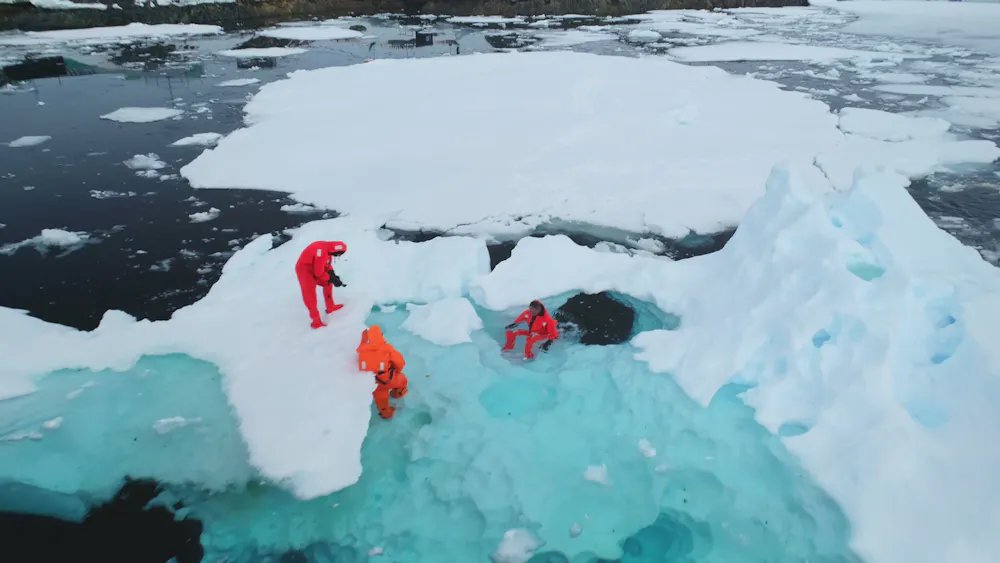
    MIL OSI China News

  • MIL-OSI USA: California invests $1.7 billion to improve safety, resiliency of highways – including millions for highways damaged by LA fires

    Source: US State of California 2

    May 16, 2025

    What you need to know: The state is investing almost $1.7 billion for improvements to California’s highway system, including $86.5 million for improvements to infrastructure damaged during the Los Angeles firestorms earlier this year.

    SACRAMENTO – Governor Gavin Newsom today announced that the California Transportation Commission (CTC) has allocated nearly $1.7 billion to help improve and strengthen the state highway system. Guided by Governor Gavin Newsom’s Build More, Faster – For All infrastructure agenda, these improvements will make California communities safer and more climate resilient.

    In addition to these proactive, long-range efforts, the CTC allocated $86.5 million to repair vital roadways and other transportation infrastructure damaged during recent wildfires and storms in Southern California.

    “Today’s monumental investment puts Californians’ tax dollars to work making critical safety and resiliency improvements to highways throughout the state that support the travel of millions of residents each day. We’re also directing millions to help repair vital infrastructure damaged by the Los Angeles fires.”

    Governor Gavin Newsom

    Projects include:

    • $195.5 million to rehabilitate roadway and drainage systems, add a bike trail and pedestrian bridge, as well as upgrade safety along Interstate 805 in the cities of San Diego, Chula Vista and National City.
    • $129 million to replace the existing Cordelia Commercial Vehicle Enforcement Facility along westbound Interstate 80 near Fairfield.
    • $30 million to replace a retaining wall and rebuild a slope drapery protection system near Big Rock Road in Malibu and reconstruct hillsides above State Route 1 near Mulholland Drive, all of which were impacted by the Palisades Fire and rainstorms.

    “Investments made today support Caltrans’ mission to build and maintain a transportation system that helps Californians now and decades into the future,” said Mike Keever, Acting Director for Caltrans. “This funding translates into safer travel, more accessible mobility options and strengthening our roadways to protect all travelers during extreme weather events.”

    Of the total allocation this month, $655 million came via Senate Bill (SB) 1, the Road Repair and Accountability Act of 2017, and nearly $567 million from the Infrastructure Investment and Jobs Act of 2021 (IIJA).

    IIJA, also known as the federal bipartisan infrastructure bill, is a once-in-a-generation investment in our nation’s infrastructure to improve the sustainability and resiliency of our country’s energy, water, broadband and transportation systems. California has received nearly $62 billion in federal infrastructure funding since its passage, including investments to upgrade the state’s roads, bridges, rail, public transit, airports, ports and waterways. The funding alone has already created more than 170,000 jobs in California.

    Meanwhile, SB 1 invests approximately $5 billion annually toward transportation projects. It provides funding split between the state and local agencies. Road projects progress through construction phases more quickly based on the availability of funds, including projects that are partially funded by SB 1.

    For more information visit, Build.ca.gov.

    Press releases, Recent news

    Recent news

    News SACRAMENTO – Governor Gavin Newsom kicked off #WorldTradeMonth with a round of key international interviews with journalists from major broadcast networks in Canada, Japan, Mexico, South Korea, and the United Kingdom. In the interviews, Governor Newsom addressed…

    News Sacramento, California – Governor Gavin Newsom today issued a proclamation declaring May 2025 as “Small Business Month.”The text of the proclamation and a copy can be found below: PROCLAMATIONCalifornia’s more than 4.2 million small businesses – the most of any…

    News Sacramento, California — Governor Gavin Newsom today condemned U.S. Health and Human Services Secretary Robert F. Kennedy Jr. for calling on the Federal Drug Administration (FDA) to conduct a “complete review” of mifepristone — the safe, effective, and…

    MIL OSI USA News

  • MIL-OSI Video: Film against Forced Marriage

    Source: United Nations (Video News)

    “Furu (Marriage)” is the story of two single girls; one is forced into marriage by her parents after she becomes pregnant by her boyfriend, who has no money to marry her; the other is harassed by the village youth because she is not yet married.
    Fatou Cissé is a Malian director and daughter of the renowned filmmaker Souleymane Cissé, who passed away in February 2025. She talks about her inspiration for making this film.
    This video was produced in partnership with Film at Lincoln Center (https://www.filmlinc.org/) and the New York African Film Festival (https://africanfilmny.org/).

    https://www.youtube.com/watch?v=QRR9kQJ9B_4

    MIL OSI Video

  • MIL-Evening Report: Wine is still Australia’s most popular alcoholic drink – but many producers face an uncertain future

    Source: The Conversation (Au and NZ) – By Paul Chad, Honorary Fellow, Faculty of Business and Law, School of Business, University of Wollongong

    kwest/Shutterstock

    Australia has become world-famous for its wine, but the industry faces an uncertain future. Too many grapes grown amid falling consumer demand, an oversupply of budget wine, and an undersupply of premium wine are just some of the problems besetting the industry.

    There are still many small and medium-sized wineries across Australia. But the industry is dominated by a few large players, as well as “vertical integration” with ownership linkages between wineries and retailers.

    Just this month, a merger between global drinks giant Pernod Ricard’s Australian, New Zealand and Spanish wine brands and Accolade Wines (one of Australia’s largest winemakers) was completed, creating a new giant – Vinarchy – to be based in Adelaide with A$1.5 billion in annual revenue.

    This move will involve an estimated cull of up to 50 wine brands, which speaks to a broader story of growing concentration. Numerous Australian wine companies have come up for sale in recent years, and the industry is undergoing rationalisation.

    The current pressures will require an overall reduction in wine production, and a focus on premium over ordinary wines. Grape-growers and some smaller wineries are likely to be most affected.

    Still the top drop

    According to Wine Australia, the Australian wine industry currently has about 6,000 grape growers and 2,156 wineries. It employs 163,790 people (full- and part-time) and contributes $45 billion to the Australian economy each year.

    This large size shouldn’t come as too much of a surprise. Wine is the most popular alcoholic drink in Australia. But troubles have been brewing for the industry for years.

    Domestic wine consumption has been in steady decline, down 9% since 2016–17.

    This trend isn’t confined to Australia; it is global. The decline reflects cost-of-living pressures, growing health concerns about alcohol, and Gen Z questioning traditional drinking norms.

    Shifting tastes

    However, the picture is nuanced. Wine isn’t a staple product; it is a discretionary purchase. Prices in Australia can range from less than $5 to well over $1,000 per bottle, and palates vary significantly among consumers.

    Price is generally regarded as an indicator of quality. Wine selling in Australia in the “ordinary” price range of less than $15 per bottle is declining, but wine selling in the “premium” ($15 per bottle and above) price range is increasing.

    In the face of decreased global wine consumption, Australia’s shrinking domestic market has also been faced with a steady decline in wine exports. This is problematic for producers looking to exports to offset declines in domestic sales.

    A warm country

    These woes are impacting the wine industry in different ways at different points along the supply chain. Let’s start with grape-growing.

    The current challenge is for growers of “ordinary-quality” grapes in the shrinking marketplace. The Riverina and Riverland areas are the main grape-producing areas of Australia and achieve a low price per tonne.

    There is still high demand for “premium-quality” grapes but these are generally grown in select regions of Australia, typically with a cooler climate.

    Unsurprisingly, grapes from warm inland regions of Australia account for 72% of wine grape production, at an average price of $345 per tonne, whereas grapes from cool temperate regions achieve an average price of $1,531 per tonne.

    The future impacts of climate change need to be assessed, and are already playing into growers’ decisions. Cooler regions are becoming more highly sought after for grape-growing.

    Coupled with increased demand for premium grapes, this will make warm inland regions increasingly problematic. Unlike seasonally planted crops such as vegetables and grain, new grape vines require three years after planting before bearing decent levels of fruit. Farmers must determine the most appropriate long-term use of their land.

    Concerns about climate change are driving interest in cool regions – such as Tasmania’s Tamar Valley.
    Marcin Madry/Shutterstock

    The challenge of standing out

    Many of Australia’s 2,156 wineries are small-scale (typically privately owned). Other wineries are much larger, with extensive resources. Most consumers are largely unaware of most of these wineries – how many wine brands can you list?

    Such diversity already presents a challenge for various wineries trying to market themselves. Adding to this, a large number of Australian wine brands are owned by just a few large industry players, some with links to retailers via vertical integration.

    Retailers such as Endeavour Group (formerly part of Woolworths) and Coles own hundreds of wine brands. Some of these brands are marketed to look like independent wineries. Some commentators have even suggested a wine duopoly exists at the retail level.

    Standing out in a crowded market is a big challenge for small producers.
    Sirbouman/Shutterstock

    How can wineries survive?

    With the trend towards less consumption overall, and towards premium-quality wines instead of ordinary-quality wines, some wineries may need to shift their focus.

    On the challenges facing the industry, acclaimed Victorian winemaker Rick Kinzbrunner told me:

    We need a better balance of supply and demand and especially more emphasis on top quality wines at reasonable prices.

    Why this matters to you

    If you’re a wine drinker, current wine industry issues may seem irrelevant. But the ongoing oversupply of ordinary-quality wine for the near future offers plenty of price discounts.

    For consumers of premium wines, given current high demand, be wary: does what you’re getting quality-wise match the price? Some wines marketed at high prices don’t have the quality to match.

    Consumers may wish to increase direct contact with wineries (via cellar doors, websites and mailing lists) and independent retailers to expand their options.

    Winners and losers will emerge as inevitable industry change occurs.

    Paul Chad does not work for, consult, own shares in or receive funding from any company or organisation that would benefit from this article, and has disclosed no relevant affiliations beyond their academic appointment.

    ref. Wine is still Australia’s most popular alcoholic drink – but many producers face an uncertain future – https://theconversation.com/wine-is-still-australias-most-popular-alcoholic-drink-but-many-producers-face-an-uncertain-future-256320

    MIL OSI AnalysisEveningReport.nz

  • MIL-Evening Report: 1 in 5 Gazans face starvation. Can the law force Israel to act?

    Source: The Conversation (Au and NZ) – By Donald Rothwell, Professor of International Law, Australian National University

    As Israel continues to pound Gaza with airstrikes, killing scores of people a day, the two-month ceasefire that brought a halt to the violence earlier this year feels like a distant memory.

    Israel’s overall military and political objective in Gaza hasn’t changed after 19 months of war: it is still seeking the absolute defeat of Hamas and return of the remaining Israeli hostages.

    But it is unclear how Hamas will ever be militarily defeated unless there is a complete and unconditional surrender and the laying down of all arms. This appears unlikely, despite the success of Israel’s so-called “decapitation strategy” targeting the Hamas leadership.

    And Hamas continues to hold an estimated that 57 Israeli hostages in Gaza, of which up to 24 are believed to still be alive. The group is insisting on guarantees that Israel will end the war before releasing any more hostages.

    An ongoing blockade for 18 years

    With negotiations at a stalemate, Israel has not only maintained its blockade of Gaza, but strengthened it.

    Israel first imposed a land, sea and air blockade of Gaza in 2007 after Hamas came to power. These restrictions have severely limited the movement of people and vehicles across the border, as well as the amount of food, medicine and other goods that have been permitted to go into and out of Gaza.

    These controls increased significantly after Hamas’ attacks on Israel on October 7, 2023. They’ve been maintained at heightened levels ever since.

    The January ceasefire temporarily increased the flow of food, medical aid and other support into Gaza. However, this came to an end in early March when Israeli Prime Minister Benjamin Netanyahu cut off aid again to pressure Hamas to extend the ceasefire and release more hostages. Hostilities resumed soon after.

    The United Nations’ humanitarian efforts in Gaza have now come to a “near-standstill”. On May 13, Tom Fletcher, the UN emergency relief coordinator, addressed the UN Security Council, stating:

    For more than 10 weeks, nothing has entered Gaza – no food, medicine, water or tents. […] Every single one of the 2.1 million Palestinians in the Gaza Strip face the risk of famine. One in five faces starvation.

    Israel denies there are food shortages in Gaza. It says it won’t permit any trucks to enter the strip until a new system is in place to prevent Hamas from siphoning supplies.

    International law is clear

    Both the 1949 Geneva Conventions and customary international law make clear:

    The use of starvation of the civilian population as a method of warfare is prohibited.

    In addition, the Rome Statute of the International Criminal Court (ICC) makes starvation of civilians a war crime.

    Under international humanitarian law, Fletcher noted, Israel has the responsibility to ensure aid reaches people in territory it occupies. However, Israel’s method of distributing aid, he said, “makes aid conditional on political and military aims” and “makes starvation a bargaining chip”.

    What have the courts found?

    International courts have not ignored Israel’s obligations on this front.

    In November 2024, the ICC issued arrest warrants for Hamas leader Mohammed Deif (one of the masterminds of the October 7 attack), in addition to Netanyahu and former Israeli Defence Minister Yoav Gallant.

    In relation Netanyahu and Gallant, the ICC’s pre-trial chamber found:

    there are reasonable grounds to believe that both individuals intentionally and knowingly deprived the civilian population in Gaza of objects indispensable to their survival, including food, water, and medicine and medical supplies.

    As Israel is not a party to the Rome Statute, there is no obligation on the government to act on the arrest warrants. Both men remain free to travel as long as they do not enter the territory of a Rome Statute party. (Even then, their arrest is not guaranteed.)

    The ICC warrants will remain in effect unless withdrawn by the court. The arrest in March of former Philippine President Rodrigo Duterte highlighted that while ICC investigations may take time, those accused of crimes can eventually be brought before the court to face justice.

    This is especially so if there is a change in political leadership in a country that allows an arrest to go ahead.

    Meanwhile, the International Court of Justice (ICJ) is hearing another case in which South Africa alleges Israel has committed genocide against the Palestinian population in Gaza.

    The case began with high-profile hearings last year when the court issued provisional measures, or orders, requiring Israel to refrain from engaging in any genocidal acts.

    The most recent of those orders, issued last May, called on Israel to immediately halt its offensive in Rafah (in southern Gaza) and maintain the opening of the Rafah border crossing with Egypt to allow “unhindered provision at scale of urgently needed basic services and humanitarian assistance”.

    These orders remain in effect. Yet, Rafah today is a “no-go zone” that Gazans have been ordered to evacuate. And Israel’s ongoing blockade of the strip and restrictions on aid and food entering the territory are clearly in defiance of the court.

    Late last month, the ICJ began hearings to form an opinion on Israel’s duties to allow aid to enter Gaza. Israel’s foreign minister, Gideon Saar, criticised the ICJ’s hearings as “another attempt to politicise and abuse the legal process in order to persecute Israel”.

    The court’s advisory opinion on this issue is not expected for several months. A final decision on South Africa’s broader case may take years.

    So, what can be done?

    Reflecting on the situation in Gaza, Fletcher observed at the UN:

    This degradation of international law is corrosive and infectious. It is undermining decades of progress on rules to protect civilians from inhumanity and the violent and lawless among us who act with impunity. Humanity, the law and reason must prevail.

    Yet, while the Security Council continues to have the situation in Gaza under review, it has proven incapable of acting decisively because of US support for Israel.

    The Biden Administration was prepared to use its veto power to block binding Security Council resolutions forcing Israel to respond to the humanitarian crisis. The Trump Administration would no doubt do the same.

    However, as Duterte’s arrest shows, international law sometimes does result in action. The finding by another UN body last week that Russia was responsible for the 2014 downing of Malaysia Airlines flight MH17 over Ukraine in 2014 is another case in point.

    As the Dutch foreign minister pointed out in that case, the finding sends a message that “states cannot violate international law with impunity”.

    Donald Rothwell receives funding from Australian Research Council

    ref. 1 in 5 Gazans face starvation. Can the law force Israel to act? – https://theconversation.com/1-in-5-gazans-face-starvation-can-the-law-force-israel-to-act-256695

    MIL OSI AnalysisEveningReport.nz

  • MIL-OSI Russia: At least 14 civilians killed in western Sudan after shelling by Rapid Intervention Force

    Translation. Region: Russian Federal

    Source: People’s Republic of China in Russian – People’s Republic of China in Russian –

    Source: People’s Republic of China – State Council News

    KHARTOUM, May 18 (Xinhua) — At least 14 civilians were killed Sunday in El Fasher, capital of western Sudan’s North Darfur state, after artillery strikes by the paramilitary Rapid Reaction Force (RRF), local volunteer groups said.

    “14 civilians were killed today as a result of artillery shelling by the RSF,” the Coordination Group of Resistance Committees in El Fasher said in a statement.

    It is noted that the targets of the shelling were the Naivasha market in the Abu Shouk camp for displaced persons and several neighborhoods in the northern part of El Fasher.

    The Abu Shouk camp emergency department confirmed in a statement that 14 people were killed in the artillery shelling carried out by the RSF.

    “The scale of losses is significant, due to the security situation we cannot yet establish the total number of dead and wounded,” the medical service said.

    Meanwhile, the volunteer NGO Sudanese Doctors Network reported that 19 people were killed and 28 others were injured in “deliberate shelling” by the SRF on city neighbourhoods and the Abu Shouk camp for displaced persons in El Fasher.

    The SBR has not yet commented on this attack. –0–

    MIL OSI Russia News

  • MIL-OSI Canada: Prime Minister Carney meets with leaders on the margins of the inaugural Mass of His Holiness Pope Leo XIV

    Source: Government of Canada – Prime Minister

    Today, the Prime Minister, Mark Carney, spoke with the prime ministers of Australia, Bulgaria, Latvia, Luxembourg, the Netherlands, and Croatia, as well as the presidents of Israel, Ireland, Paraguay, and Nigeria, on the margins of the inaugural Mass of His Holiness Pope Leo XIV.

    The Prime Minister underscored his new government’s mandate to diversify trade, build a stronger economy, and deepen commercial ties with partners. To that end, he welcomed partnership on shared priorities.

    During his conversation with the President of Israel, Isaac Herzog, Prime Minister Carney reiterated the need for Hamas to release all hostages and stressed the imperative of an immediate ceasefire in Gaza. He called for urgent, life-saving humanitarian aid to reach civilians and affirmed Canada’s support for a two-state solution. The Prime Minister and the President agreed that Hamas must lay down its weapons and have no future role in the governance of Gaza.

    MIL OSI Canada News

  • MIL-OSI Russia: AU Commission Chair expresses ‘deep concern’ over recent clashes in Libya’s capital

    Translation. Region: Russian Federal

    Source: People’s Republic of China in Russian – People’s Republic of China in Russian –

    Source: People’s Republic of China – State Council News

    ADDIS ABABA, May 18 (Xinhua) — African Union (AU) Commission Chairman Mahmoud Ali Yusuf has expressed “deep concern” over the recent clashes in the Libyan capital Tripoli that have resulted in loss of life.

    In a statement released late Saturday, the head of the AU Commission said the clashes had caused casualties and material damage and stressed the importance of demilitarizing Tripoli.

    While welcoming the recent ceasefire and the return of “cautious calm” in Libya, he urged all parties to refrain from actions and rhetoric that could further destabilize the fragile security situation.

    M.A. Yusuf reiterated the AU’s support for efforts to restore civil order and respect the rights to peaceful assembly and freedom of speech in the country in accordance with international law. –0–

    MIL OSI Russia News

  • MIL-OSI China: China sees satellite navigation industry output growth in 2024

    Source: People’s Republic of China – State Council News

    BEIJING, May 18 — The total output value of China’s satellite navigation and positioning service industry reached 575.8 billion yuan (about 79.9 billion U.S. dollars) in 2024, up 7.39 percent year on year, according to a white paper published Sunday.

    This year’s white paper on the development of China’s satellite navigation and positioning service industry noted that by the end of 2024 the cumulative number of satellite navigation patent applications in China had exceeded 129,000 and approximately 288 million mobile phones in the country were equipped with positioning capabilities enabled by the BeiDou Navigation Satellite System (BDS).

    In 2024, the core output value of chips, algorithms and terminal devices, directly related to China’s satellite navigation and location-based service industry, went up to 169.9 billion yuan, said Yu Xiancheng, president of the Global Navigation Satellite System (GNSS) and Location Based Services (LBS) Association of China (GLAC).

    The BDS has achieved high-precision lane-level navigation, covering more than 99 percent of urban and rural roads across the country. It provides over 1 trillion location services daily and supports a total daily navigation mileage of over 4 billion kilometers.

    Additionally, the BDS empowers road tests for intelligent connected vehicles and ensures the application of intelligent assisted driving in more than 50 cities nationwide.

    “The BDS not only meets domestic demands, but also enables people all over the world to enjoy high-quality public navigation services from China,” said Li Donghang, head of the GLAC Beidou-Space Time Technology Research Institute. The BDS products and services have been exported to over 140 countries and regions.

    As a core supplier of global satellite navigation systems recognized by the United Nations, the BDS has been fully integrated into the standards of 11 international organizations, including civil aviation, maritime affairs and mobile communications.

    More than 30 African countries, including Nigeria, Tunisia, Senegal, Cameroon, and Djibouti, have established BeiDou Continuously Operating Reference Stations (CORS), providing high-precision positioning services for local water conservancy, transportation, agriculture, and meteorological monitoring.

    In South America, the Chancay Port in Peru is the first smart port to apply the “5G + BeiDou high-precision positioning + AI” technology. 

    MIL OSI China News

  • MIL-OSI United Nations: Readout of the Secretary-General’s meeting with H.E. Mr. Mohammed Shia’ Al Sudani, Prime Minister of the Republic of Iraq

    Source: United Nations secretary general

    The Secretary-General met with H.E. Mr. Mohammed Shia Al-Sudani, Prime Minister of the Republic of Iraq.

    They discussed developments in Iraq and the region.

    They also discussed the remaining period of the United Nations Assistance Mission for Iraq (UNAMI). The Secretary-General reaffirmed that the United Nations remains fully committed to continuing to support the Government and people of Iraq following the departure of UNAMI.

    MIL OSI United Nations News