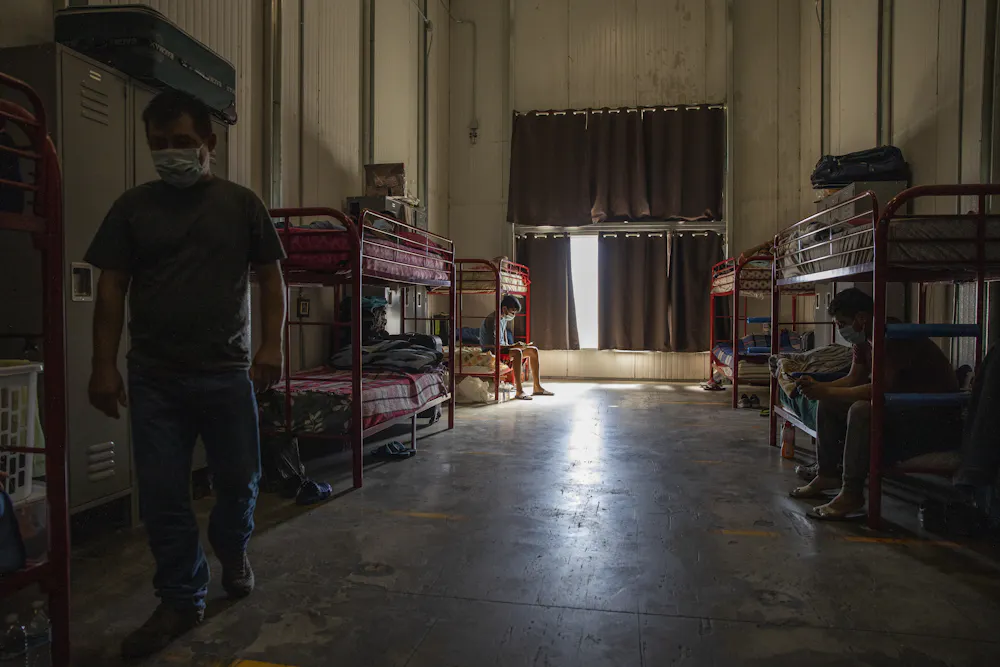
Category: AM-NC

  • MIL-OSI Europe: Commission highlights progress and challenges in EU anti-fraud efforts in 2024 PIF Report

    Source: European Anti-Fraud Offfice

    Press release 22/2025
    PDF version 

    Today the European Commission adopted its 2024 Annual Report on the protection of the EU’s financial interests (‘PIF’ report). The report shows the progress made by the anti-fraud bodies at EU and national level in strengthening their coordination, promoting the digitalisation of the fight against fraud, and reporting detected cases of fraud and irregularities to the Commission. As the Commission focuses on further strengthening the EU anti-fraud architecture and fostering the digitalisation of the fight against fraud, it recommends Member States to pursue a similar path at national level.

    The 2024 PIF report takes stock of the various initiatives adopted at EU and national level to strengthen the EU anti-fraud governance and the fight against fraud affecting the EU’s financial interests through digital tools and innovative technologies. This process takes a renewed momentum with the structured reflection process for the review of the EU Anti-Fraud Architecture launched by the Commission on 16 July 2025.

    Piotr Serafin, Commissioner for Budget, Anti-fraud and Public Administration, said: “The Commission has presented an ambitious new long-term budget that will equip Europe to become an independent, prosperous, secure, and thriving society and economy over the coming decade. To protect these resources from fraud, we need an EU anti-fraud architecture that can better address the challenges ahead, bridge existing gaps, and streamline cooperation between its various actors, at both EU and national level.”

    The report offers an overview of the development of anti-fraud legislation and policies across the EU. In 2024, for example, addressing conflicts of interest emerged as a common theme across several Member States. 

    According to the report, while the number of irregularities – 13 589 in total – reported by the competent EU and national authorities slightly decreased in 2024 compared to 2023, the number of reported cases of fraud increased to 1 364, 26% more than in 2023. This increase may be the result of the reiterated recommendations addressed by the Commission to the Member States in the past years to better report detected fraud. The Commission will continue monitoring this trend in the coming years also to assess whether Member States follow-up effectively on these detected cases, another frequently reiterated Commissions recommendation.

    To ensure further improvement of reporting and follow-up of cases of suspected fraud and irregularities, the Commission recommends that Member States establish appropriate communication channels between the actors involved. In the Commission’s view, the adoption of national anti-fraud strategies remains a pillar for anti-fraud governance at the national level. Every Member State shall adopt such a strategy, ideally integrating the development of IT tools and the use of innovative technologies at its core to fight fraud more effectively. 

    The 36th Annual Report on the protection of the EU’s financial interests, published today, is available on OLAF’s website.

    Background

    The EU and Member States share responsibility for protecting the EU’s financial interests and fighting fraud. Member State authorities manage more than 85 percent of EU expenditure and collect the EU’s traditional own resources. The Commission oversees both areas, sets standards, and verifies compliance.

    Under the Treaty on the Functioning of the European Union (Art 325(5)), the Commission is required to produce an Annual Report on the Protection of the EU’s Financial Interests (known as the PIF Report), detailing the measures taken at European and national level to counter fraud affecting the EU budget. The report is based on information reported by the Member States, including data on detected irregularities and fraud. The analysis of this information allows assessing which areas are most at risk, thereby allowing for better targeted actions at both EU and national levels. The report is accompanied by six working documents, providing additional and detailed information on several topics addressed in the report itself.

    OLAF mission, mandate and competences:
    OLAF’s mission is to detect, investigate and stop fraud with EU funds.    

    OLAF fulfils its mission by:
    •    carrying out independent investigations into fraud and corruption involving EU funds, so as to ensure that all EU taxpayers’ money reaches projects that can create jobs and growth in Europe;
    •    contributing to strengthening citizens’ trust in the EU Institutions by investigating serious misconduct by EU staff and members of the EU Institutions;
    •    developing a sound EU anti-fraud policy.

    In its independent investigative function, OLAF can investigate matters relating to fraud, corruption and other offences affecting the EU financial interests concerning:
    •    all EU expenditure: the main spending categories are Structural Funds, agricultural policy and rural development funds, direct expenditure and external aid;
    •    some areas of EU revenue, mainly customs duties;
    •    suspicions of serious misconduct by EU staff and members of the EU institutions.

    Once OLAF has completed its investigation, it is for the competent EU and national authorities to examine and decide on the follow-up of OLAF’s recommendations. All persons concerned are presumed to be innocent until proven guilty in a competent national or EU court of law.

    For further details:

    Pierluigi CATERINO
    Spokesperson
    European Anti-Fraud Office (OLAF)
    Phone: +32(0)2 29-52335  
    Email: olaf-media ec [dot] europa [dot] eu (olaf-media[at]ec[dot]europa[dot]eu)
    euantifraud.bsky.social

    If you’re a journalist and you wish to receive our press releases in your inbox, please leave us your contact data.

    MIL OSI Europe News

  • MIL-OSI Submissions: Fears that falling birth rates in US could lead to population collapse are based on faulty assumptions

    Source: The Conversation – USA (3) – By Leslie Root, Assistant Professor of Research, Institute of Behavioral Science, University of Colorado Boulder

    Unfortunately for demographers, birth rates are hard to predict far into the future. gremlin/E+ via Getty Images

    Pronatalism – the belief that low birth rates are a problem that must be reversed – is having a moment in the U.S.

    As birth rates decline in the U.S. and throughout the world, voices from Silicon Valley to the White House are raising concerns about what they say could be the calamitous effects of steep population decline on the economy. The Trump administration has said it is seeking ideas on how to encourage Americans to have more children as the U.S. experiences its lowest total fertility rate in history, down about 25% since 2007.

    As demographers who study fertility, family behaviors and childbearing intentions, we can say with certainty that population decline is not imminent, inevitable or necessarily catastrophic.

    The population collapse narrative hinges on three key misunderstandings. First, it misrepresents what standard fertility measures tell us about childbearing and makes unrealistic assumptions that fertility rates will follow predictable patterns far into the future. Second, it overstates the impact of low birth rates on future population growth and size. Third, it ignores the role of economic policies and labor market shifts in assessing the impacts of low birth rates.

    Fertility fluctuations

    Demographers generally gauge births in a population with a measure called the total fertility rate. The total fertility rate for a given year is an estimate of the average number of children that women would have in their lifetime if they experienced current birth rates throughout their childbearing years.

    Fertility rates are not fixed – in fact, they have changed considerably over the past century. In the U.S., the total fertility rate rose from about 2 births per woman in the 1930s to a high of 3.7 births per woman around 1960. The rate then dipped below 2 births per woman in the late 1970s and 1980s before returning to 2 births in the 1990s and early 2000s.

    Since the Great Recession that lasted from late 2007 until mid-2009, the U.S. total fertility rate has declined almost every year, with the exception of very small post-COVID-19 pandemic increases in 2021 and 2022. In 2024, it hit a record low, falling to 1.6. This drop is primarily driven by declines in births to people in their teens and early 20s – births that are often unintended.

    But while the total fertility rate offers a snapshot of the fertility landscape, it is not a perfect indicator of how many children a woman will eventually have if fertility patterns are in flux – for example, if people are delaying having children.

    Picture a 20-year-old woman today, in 2025. The total fertility rate assumes she will have the same birth rate as today’s 40-year-olds when she reaches 40. That’s not likely to be the case, because birth rates 20 years from now for 40-year-olds will almost certainly be higher than they are today, as more births occur at older ages and more people are able to overcome infertility through medically assisted reproduction.

    A more nuanced picture of childbearing

    These problems with the total fertility rate are why demographers also measure how many total births women have had by the end of their reproductive years. In contrast to the total fertility rate, the average number of children ever born to women ages 40 to 44 has remained fairly stable over time, hovering around two.

    Americans continue to express favorable views toward childbearing. Ideal family size remains at two or more children, and 9 in 10 adults either have, or would like to have, children. However, many Americans are unable to reach their childbearing goals. This seems to be related to the high cost of raising children and growing uncertainty about the future.

    In other words, it doesn’t seem to be the case that birth rates are low because people are uninterested in having children; rather, it’s because they don’t feel it’s feasible for them to become parents or to have as many children as they would like.

    The challenge of predicting future population size

    Standard demographic projections do not support the idea that population size is set to shrink dramatically.

    One billion people lived on Earth 250 years ago. Today there are over 8 billion, and by 2100 the United Nations predicts there will be over 10 billion. That’s 2 billion more, not fewer, people in the foreseeable future. Admittedly, that projection is plus or minus 4 billion. But this range highlights another key point: Population projections get more uncertain the further into the future they extend.

    Predicting the population level five years from now is far more reliable than 50 years from now – and beyond 100 years, forget about it. Most population scientists avoid making such long-term projections, for the simple reason that they are usually wrong. That’s because fertility and mortality rates change over time in unpredictable ways.

    The U.S. population size is also not declining. Currently, despite fertility below the replacement level of 2.1 children per woman, there are still more births than deaths. The U.S. population is expected to grow by 22.6 million by 2050 and by 27.5 million by 2100, with immigration playing an important role.

    Despite a drop in fertility rates, there are still more births than deaths in the U.S.
    andresr/E+ via Getty Images

    Will low fertility cause an economic crisis?

    A common rationale for concern about low fertility is that it leads to a host of economic and labor market problems. Specifically, pronatalists argue that there will be too few workers to sustain the economy and too many older people for those workers to support. However, that is not necessarily true – and even if it were, increasing birth rates wouldn’t fix the problem.

    As fertility rates fall, the age structure of the population shifts. But a higher proportion of older adults does not necessarily mean the proportion of workers to nonworkers falls.

    For one thing, the proportion of children under age 18 in the population also declines, so the number of working-age adults – usually defined as ages 18 to 64 – often changes relatively little. And as older adults stay healthier and more active, a growing number of them are contributing to the economy. Labor force participation among Americans ages 65 to 74 increased from 21.4% in 2003 to 26.9% in 2023 — and is expected to increase to 30.4% by 2033. Modest changes in the average age of retirement or in how Social Security is funded would further reduce strains on support programs for older adults.

    What’s more, pronatalists’ core argument that a higher birth rate would increase the size of the labor force overlooks some short-term consequences. More babies means more dependents, at least until those children become old enough to enter the labor force. Children not only require expensive services such as education, but also reduce labor force participation, particularly for women. As fertility rates have fallen, women’s labor force participation rates have risen dramatically – from 34% in 1950 to 58% in 2024. Pronatalist policies that discourage women’s employment are at odds with concerns about a diminishing number of workers.

    Research shows that economic policies and labor market conditions, not demographic age structures, play the most important role in determining economic growth in advanced economies. And with rapidly changing technologies like automation and artificial intelligence, it is unclear what demand there will be for workers in the future. Moreover, immigration is a powerful – and immediate – tool for addressing labor market needs and concerns over the proportion of workers.

    Overall, there’s no evidence for Elon Musk’s assertion that “humanity is dying.” While the changes in population structure that accompany low birth rates are real, in our view the impact of these changes has been dramatically overstated. Strong investments in education and sensible economic policies can help countries successfully adapt to a new demographic reality.

    Leslie Root receives funding from the Eunice Kennedy Shriver National Institute of Child Health and Development (NICHD) for work on fertility rates.

    Karen Benjamin Guzzo has received funding from the Eunice Kennedy Shriver National Institute of Child Health and Human Development in the United States.

    Shelley Clark receives funding from the Social Sciences and Humanities Research Council of Canada.

    ref. Fears that falling birth rates in US could lead to population collapse are based on faulty assumptions – https://theconversation.com/fears-that-falling-birth-rates-in-us-could-lead-to-population-collapse-are-based-on-faulty-assumptions-261031

    MIL OSI

  • MIL-OSI Submissions: The 3 worst things you can say after a pet dies, and what to say instead

    Source: The Conversation – USA (3) – By Brian N. Chin, Assistant Professor of Psychology, Trinity College

    Loss of a pet falls into what researchers call disenfranchised grief in which the pain is often minimized or discounted. Claudia Luna/iStock via Getty Images Plus

    I saw it firsthand after my cat Murphy died earlier this year. She’d been diagnosed with cancer just weeks before.

    She was a small gray tabby with delicate paws who, even during chemotherapy, climbed her favorite dresser perch – Mount Murphy – with steady determination.

    The day after she died, a colleague said with a shrug: “It’s just part of life.”

    That phrase stayed with me – not because it was wrong, but because of how quickly it dismissed something real.

    Murphy wasn’t just a cat. She was my eldest daughter – by bond, if not by blood. My shadow.

    Why pet grief doesn’t count

    More than two-thirds of U.S. households include pets. Americans tend to treat them like family with birthday cakes, shared beds and names on holiday cards.

    But when someone grieves them like family, the cultural script flips. Grief gets minimized. Support gets awkward. And when no one acknowledges your loss, it starts to feel like you weren’t even supposed to love them that much in the first place.

    I’ve seen this kind of grief up close – in my research and in my own life.
    I am a psychologist who studies attachment, loss and the human-animal bond.

    And I’ve seen firsthand how often grief following pet loss gets brushed aside – treated as less valid, less serious or less worthy of support than human loss. After a pet dies, people often say the wrong thing – usually trying to help, but often doing the opposite.

    Many Americans consider pets family members.
    vesi_127/Moment via Getty Images

    When loss is minimized or discounted

    Psychologists describe this kind of unacknowledged loss as disenfranchised grief: a form of mourning that isn’t fully recognized by social norms or institutions. It happens after miscarriages, breakups, job loss – and especially after the death of a beloved animal companion.

    The pain is real for the person grieving, but what’s missing is the social support to mourn that loss.

    Even well-meaning people struggle to respond in ways that feel supportive.
    And when grief gets dismissed, it doesn’t just hurt – it makes us question whether we’re even allowed to feel it.

    Here are three of the most common responses – and what to do instead:

    ‘Just a pet’

    This is one of the most reflexive responses after a loss like this. It sounds harmless. But under the surface is a cultural belief that grieving an animal is excessive – even unprofessional.

    That belief shows up in everything from workplace leave policies to everyday conversations. Even from people trying to be kind.

    But pet grief isn’t about the species, it’s about the bond. And for many, that bond is irreplaceable.

    Pets often become attachment figures; they’re woven into our routines, our emotional lives and our identities. Recent research shows that the quality of the human-pet bond matters deeply – not just for well-being, but for how we grieve when that connection ends.

    What’s lost isn’t “just an animal.” It’s the steady presence who greeted you every morning. The one who sat beside you through deadlines, small triumphs and quiet nights. A companion who made the world feel a little less lonely.

    But when the world treats that love like it doesn’t count, the loss can cut even deeper.

    It may not come with formal recognition or time off, but it still matters. And love isn’t less real just because it came with fur.

    If someone you care about loses a pet, acknowledge the bond. Even a simple “I’m so sorry” can offer real comfort.

    ‘I know how you feel’

    “I know how you feel” sounds empathetic, but it quietly shifts the focus from the griever to the speaker. It rushes in with your story before theirs has even had a chance to land.

    That instinct comes from a good place. We want to relate, to reassure, to let someone know they’re not alone. But when it comes to grief, that impulse often backfires. Grief doesn’t need to be matched. It needs to be honored and given time, care and space to unfold, whether the loss is of a person or a pet.

    Instead of responding with your own story, try simpler, grounding words:

    You don’t need to understand someone’s grief to make space for it. What helps isn’t comparison – it’s presence.

    Let them name the loss. Let them remember. Let them say what hurts.

    Sometimes, simply staying present – without rushing, problem-solving or shifting the focus away – is the most meaningful thing you can do.

    Pets frequently make a showing in family photos and holiday cards.
    Klaus Vedfelt/DigitalVision via Getty Images

    ‘You can always get another one’

    “You can always get another one” is the kind of thing people offer reflexively when they don’t know what else to say – a clumsy attempt at reassurance.

    Underneath is a desire to soothe, to fix, to make the sadness go away. But that instinct can miss the point: The loss isn’t practical – it’s personal. And grief isn’t a problem to be solved.

    This type of comment often lands more like customer service than comfort. It treats the relationship as replaceable, as if love were something you can swap out like a broken phone.

    But every pet is one of a kind – not just in how they look or sound, but in how they move through your life. The way they wait for you at the door and watch you as you leave. The small rituals that you didn’t know were rituals until they stopped. You build a life around them without realizing it, until they’re no longer in it.

    You wouldn’t tell someone to “just have another child” or “just find a new partner.” And yet, people say the equivalent all the time after pet loss.

    Rushing to replace the relationship instead of honoring what was lost overlooks what made that bond irreplaceable. Love isn’t interchangeable – and neither are the ones we lose.

    So offer care that endures. Grief doesn’t follow a timeline. A check-in weeks or months later, whether it’s a heart emoji, a shared memory or a gentle reminder that they’re not alone, can remind someone that their grief is seen and their love still matters.

    When people say nothing

    People often don’t know what to say after a pet dies, so they say nothing. But silence doesn’t just bury grief, it isolates it. It tells the griever that their love was excessive, their sadness inconvenient, their loss unworthy of acknowledgment.

    And grief that feels invisible can be the hardest kind to carry.

    So if someone you love loses a pet, don’t change the subject. Don’t rush them out of their sadness. Don’t offer solutions.

    Instead, here are a few other ways to offer support gently and meaningfully:

    • Say their pet’s name.

    • Ask what they miss most.

    • Tell them you’re sorry.

    • Let them cry.

    • Let them not cry.

    • Let them remember.

    Because when someone loses a pet, they’re not “just” mourning an animal. They’re grieving for a relationship, a rhythm and a presence that made the world feel kinder. What they need most is someone willing to treat that loss like it matters.

    Brian N. Chin does not work for, consult, own shares in or receive funding from any company or organization that would benefit from this article, and has disclosed no relevant affiliations beyond their academic appointment.

    ref. The 3 worst things you can say after a pet dies, and what to say instead – https://theconversation.com/the-3-worst-things-you-can-say-after-a-pet-dies-and-what-to-say-instead-258531

    MIL OSI

  • MIL-OSI Submissions: How bachata rose from Dominican Republic’s brothels and shantytowns to become a global sensation

    Source: The Conversation – USA (2) – By Wilfredo José Burgos Matos, Adjunct Assistant Professor of Latin American and Latino Studies, Lehman College, CUNY

    Once viewed by elites with disdain, bachata has become popular worldwide. Erika Santelices/AFP via Getty Images

    What began as songs about heartbreak in the brothels and barrios of the Dominican Republic in the 1960s has become a worldwide sensation.

    Even the Bee Gees have gotten a bachata spin. Prince Royce’s bilingual take on the 1977 hit “How Deep Is Your Love” has topped the Latin music charts this summer and proves bachata is no longer chasing the mainstream but reimagining the pop canon.

    Bachata dance classes, parties and festivals have sprung up across the U.S. in recent years, everywhere from Philadelphia to Los Angeles, and Omaha, Nebraska, to Oklahoma City.

    It’s easy to find abroad as well. Upcoming bachata festivals are happening in cities in Austria, Egypt, Australia and China.

    Instructors teach a bachata class in Warsaw, Poland, in July 2025.
    Neil Milton/SOPA Images/LightRocket via Getty Images

    I’m a scholar of Dominican culture and the senior researcher for the History of Dominican Music in the U.S. project at the City University of New York’s Dominican Studies Institute. I see bachata as a revealing window into modern post-1960s Dominican history – and one that spotlights the emotional truths and everyday experiences of poor and Black Dominicans in particular.

    Music from the margins

    Bachata was born in the Dominican countryside and later developed in the shantytowns of Santo Domingo, the capital. In most Latin American dictionaries, the word “bachata” is loosely defined as “revelry” or “a spree.”

    The distinctive sound is formed from guitars, bongos, bass and the güira – a percussion instrument also used in merengue music – and accompanied by typically romantic or bittersweet lyrics.

    The music was long associated with the lower classes and Black Dominicans.

    The genre’s first recording came in 1962, just over a year after Rafael Leónidas Trujillo, a brutal dictator who ruled the island for 31 years, was assassinated. Trujillo’s death marked the beginning of a new cultural and political era in the Dominican Republic, although democratic hopes were soon shattered by a military coup, civil war and a second U.S. intervention following an earlier one between 1916-1924.

    Urban and middle-class Dominicans looked down on bachata as the music played in brothels and favored by poor, rural people who started to migrate to urban areas in large numbers in the 1960s. It was played almost exclusively on Radio Guarachita, a Santo Domingo station run by Radhamés Aracena, a key promoter of the genre.

    Amid a country reeling from political upheaval, bachata emerged as a soundtrack to working-class survival. The guitar-based rhythms were shaped by Cuban bolero and son and Mexican ranchera music, while the lyrics chronicled daily struggles, grief and marginalization.

    In most Latin American dictionaries, the word ‘bachata’ is loosely defined as ‘revelry’ or ‘a spree.’ This reflects its early development in informal social spaces where friends gathered to sing their hearts out, share drinks and escape daily hardships.
    CUNY Dominican Studies Institute Library, The Deborah Pacini Hernández Bachata Music Collection

    Bachata’s shifting language

    In the 1960s, bachata lyrics centered on heartache and were often directed at a romantic partner.

    “Understand me, you know I love only you. Don’t deny me the hope of kissing you again,” Rafael Encarnación sang in Spanish in his 1964 song “Muero Contigo,” or “I Die With You.”

    By the late 1970s and early 1980s, sexual innuendos were common, adding to the genre’s low standing among Dominican elites.

    “I gave you everything you ever wanted, but it was all useless because you went looking for another man,” Blas Durán sang in 1985. “I was left like the orange vendor – peeling so someone else could suck the fruit.”

    To reclaim respect for bachata, some artists, such as Luis Segura and Leonardo Paniagua, in the mid-1980s began calling their music música de amargue, or “music of romantic bitterness.”

    What began as a genre label gradually transformed into a sensibility. “Amargue” came to name a feeling marked by longing, loss and quiet introspection – akin to “feeling the blues” in the U.S.

    American blues similarly emerged from the hardships faced by Black Americans in the South and expressed themes of sorrow, resilience and reflection.

    By the 1990s, the stigma surrounding bachata began to fade, partly due to the international success of Dominican star Juan Luis Guerra and his album Bachata Rosa. The album sold more than 5 million copies worldwide by 1994, earned Guerra a Grammy Award for best tropical Latin album, and was certified platinum in the U.S.

    As acceptance of the genre grew, traditional bachateros in the Dominican Republic continued releasing bachata albums. However, Dominican pop, rock and other artists also began recording bachatas – such as 1990’s “Yo Quiero Andar” by Sonia Silvestre and 1998’s “Bufeo” by Luis “El Terror” Días.

    Aventura performs for a crowd in Madrid in 2024. It was the group’s first tour since their split in 2011.
    Ricardo Rubio/Europa Press via Getty Images

    Bachata goes mainstream

    Migration to the U.S. is a pivotal chapter in Dominican history after the 1960s. The U.S. Immigration Act of 1965 functioned as a de facto immigration policy and encouraged a large-scale exodus from the Dominican Republic.

    By the mid-1990s, a strong and vibrant Dominican diaspora was firmly established in New York City. The Bronx became the birthplace of Grupo Aventura, a group that revolutionized bachata by blending its traditional rhythms with urban genres such as hip-hop.

    “Obsesión,” released in 2002, was an international hit.

    Their music reflected the bicultural diaspora, often torn between nostalgia for their homeland and everyday challenges of urban American life. Against the backdrop of city life, bachata found a new voice that mirrored the immigrant experience. The genre shifted from a shared feeling of loss and longing to a celebration of cultural community.

    In 2002, the song “Obsesión” by Aventura and featuring Judy Santos topped music charts in France, Germany, Italy, the U.S. and elsewhere. The group Aventura and, later, lead singer Romeo Santos as a solo artist sold out Madison Square Garden and Yankee Stadium, respectively.

    As they rose in fame, Aventura became global ambassadors for Dominican culture and made bachata mainstream.

    Puerto Rican bachatero Toby Love performs during an event held by Democratic presidential candidate Hillary Clinton on April 9, 2016, in New York City.
    Andrew Renneisen via Getty Images

    Global spin on bachata

    Bachata’s popularity has also spread to other countries in Latin America, and especially among working-class and Afro-descendant communities in Central America that see their own realities reflected in the music.

    At the same time, Dominican diasporic communities in countries such as Spain and Italy carried the genre with them, where it continued to evolve.

    In Spain, for example, bachata experienced a creative transformation. By the mid-2000s, bachata sensual had emerged as a dance style influenced by zouk and tango, emphasizing smooth, body-led movements and close partner connection.

    Around the same time, modern bachata also developed between Spain and New York City. This style is a departure from traditional bachata, which focuses on the box step and fast footwork, and incorporates more turns and other elements from salsa.

    In 2019 bachata was added to UNESCO’s Representative List of the Intangible Cultural Heritage of Humanity, which also lists Jamaican reggae and Mexican mariachi.

    Today, bachata’s influence is truly global. International conferences dedicated to the genre attract dancers, musicians and scholars from around the world. Puerto Rican, Colombian and other artists from diverse cultural and racial backgrounds continue to nurture and reinvent bachata.

    At the same time, more women, such as Andre Veloz, Judy Santos and Leslie Grace, are building careers as bachata performers and challenging a traditionally male-dominated genre.

    Natti Natasha performs at an album release party for ‘En Amargue,’ her 2025 album produced by bachata icon and former Aventura singer Romeo Santos.
    John Parra/WireImage via Getty Images

    Bachata holds a place not only on the world stage but in the hearts of Latino, Black, Asian and many other communities in the U.S. that recognize the genre’s power to tell stories of love, loss, migration and resilience.

    Wilfredo José Burgos Matos does not work for, consult, own shares in or receive funding from any company or organization that would benefit from this article, and has disclosed no relevant affiliations beyond their academic appointment.

    ref. How bachata rose from Dominican Republic’s brothels and shantytowns to become a global sensation – https://theconversation.com/how-bachata-rose-from-dominican-republics-brothels-and-shantytowns-to-become-a-global-sensation-260886

    MIL OSI

  • MIL-OSI Submissions: Trump’s push for more deportations could boost demand for foreign farmworkers with ‘guest worker’ visas

    Source: The Conversation – USA (2) – By Scott Morgenstern, Professor of Political Science, University of Pittsburgh

    Mexican farmworkers with H-2A visas weed a North Carolina tobacco field in 2016. Andrew Lichtenstein/Corbis via Getty Images

    The U.S. has an important choice to make regarding agriculture.

    It can import more people to pick crops and do other kinds of agricultural labor, it can raise wages enough to lure more U.S. citizens and immigrants with legal status to take these jobs, or it can import more food. All three options contradict key Trump administration priorities: reducing immigration, keeping prices low and importing fewer goods and services.

    The big tax-and-spending bill President Donald Trump signed into law on July 4, 2025, included US$170 billion to fund the detention and deportation of those living in the U.S. without authorization. And about 1 million of them work in agriculture, accounting for more than 40% of all farmworkers.

    As the detention and deportation of undocumented immigrants ramps up, one emerging solution is to replace at least some deported farmworkers with foreigners who are given special visas that allow them to help with the harvest but require them to go home after their visas expire.

    Such “guest worker” programs have existed for decades, leading to today’s H-2A visa program. As of 2023, more than 310,000 foreigners, around 13% of the nation’s 2.4 million farmworkers, were employed through this program. About 90% of the foreign workers with these visas come from Mexico, and nearly all are men. The states where the largest numbers of them go are California, Florida, Georgia and Washington.

    As a professor of Latin American politics and U.S.-Latin American relations, I teach my students to consider the difficult trade-offs that governments face. If the Trump administration removes a significant share of the immigrants living in the U.S. without legal permission from the agricultural labor force to try to meet its deportation goals, farm owners will have few options.

    Few options available

    First, farm owners could raise wages and improve working conditions enough to attract U.S. citizens and immigrants who are legal permanent residents or otherwise in the U.S. with legal status.

    But many agricultural employers say they can’t find enough people to hire who can legally work – at least without higher wages and much-improved job requirements. Without any undocumented immigrant farmworkers, the prices of U.S.-sourced crops and other agricultural products would spike, creating an incentive for more food to be imported.

    Second, farm owners could employ fewer people. That would require either growing different crops that require less labor or becoming more reliant on machinery to plant and harvest. But that would mean the U.S. could have to import more food. And automation for some crops is very expensive. For others, such as for berries, it’s currently impossible.

    It’s also possible that some farm owners could put their land to other uses, ceasing production, but that would also necessitate more imported food.

    Trump administration’s suggested fixes

    U.S. Agriculture Secretary Brooke Rollins has predicted that farm owners will soon find plenty of U.S. citizens to employ.

    She declared on July 8 that the new Medicaid work requirements included in the same legislative package as the immigration enforcement funds would encourage huge numbers of U.S. citizens to start working in the fields instead of losing their health insurance through that government program.

    Farm trade groups say this scenario is far-fetched.

    For one thing, most adults enrolled in the Medicaid program who can work already do. Many others are unable to do so due to disabilities or caregiving obligations.

    Few people enrolled in Medicaid live close enough to a farm to work at one, and even those who do aren’t capable of doing farmwork. When farm owners tried putting people enrolled in a welfare program to work in the fields in the 1990s, it failed. Another experiment in the 1960s, which deployed teenagers, didn’t pan out either because the teens found the work too hard.

    It seems more likely that farm owners will try to hire many more foreign farmworkers to do temporary but legal jobs through the H-2A program.

    Although he has not made it an official policy, Trump seems to be moving toward this same conclusion.

    In June, for example, Trump said his administration was working on “some kind of a temporary pass” for immigrants lacking authorization to be in the U.S. who are working on farms and in hotels.

    Farmworkers with H-2A visas spend time in their employer-provided dormitory on April 28, 2020, in King City, Calif.
    Brent Stirton/Getty Images

    Established in 1952, numbers now rising quickly

    The guest worker system, established in 1952 and revised significantly in 1986, has become a mainstay of U.S. agriculture because it offers important benefits to both the farm owners who need workers and the foreign workers they hire.

    There is no cap on the number of potential workers. The number of H-2A visas issued is based only on how many employers request them. Farm owners may apply for visas after verifying that they are unable to locate enough workers who are U.S. citizens or present in the U.S. with authorization.

    To protect U.S. workers, the government mandates that H-2A workers earn an “adverse effect wage rate.” The Labor Department sets that hourly wage, which ranges from $10.36 in Puerto Rico to about $15 in several southern states, to more than $20 in California, Alaska and Hawaii. These wages are set at relatively high levels to avoid putting downward pressure on what other U.S. workers are paid for the same jobs.

    After certification, farm owners recruit workers in a foreign country who are offered a contract that includes transportation from their home country and a trip back – assuming they complete the contract.

    The program provides farm owners with a short-term labor force. It guarantees the foreign workers who obtain H-2A visas relatively high wages, as well as housing in the U.S. That combination has proven increasingly popular in recent years: The annual number of H-2A visas rose to 310,700 in 2023, a more than fivefold increase since 2010.

    Possible downsides

    Boosting the number of agricultural guest workers would help fill some gaps in the agricultural labor force and reduce the risk of crops going unharvested. But it seems clear to me that a sudden change would pose risks for workers and farm owners alike.

    Workers would be at risk because oversight of the H-2A program has historically been weak. Despite that lax track record, some unscrupulous farmers have been fined or barred from participating in the H-2A program because of unpaid wages and other abuses.

    Relying even more on guest farmworkers than the U.S. does today would also swap workers who have built lives and families north of the border with people who are in the U.S. on a temporary basis. Immigration opponents are unlikely to object to this trade-off, but to immigrant rights groups, this arrangement would be cruel and unfair to workers with years of service behind them.

    What’s more, the workers with guest visas can be at risk of exploitation and abuse. In 2022, the U.S. attorney for the Southern District of Georgia described conditions for H-2A workers at an onion farm the government had investigated as “modern-day slavery.”

    The U.S. Government Accountability Office has researched the H-2A visa program and observed many problems it recommends be fixed.

    For farm owners, the downside of ramping up guest worker programs is that it could increase costs and make production less efficient and more costly. That’s because transporting Mexican farmworkers back and forth each year is complicated and expensive. Farm groups say that compliance with H-2A visa requirements is cumbersome. It can be particularly difficult for small farms to participate in this program.

    Some farm owners have objected to the costs of employing H-2A workers. Rollins has said that the Trump administration believes that the mandatory wages are too high.

    To be sure, these problems aren’t limited to agriculture. Hotels, restaurants and other hospitality businesses, which rely heavily on undocumented workers, can also temporarily employ some foreigners through the H-2B visa program – which is smaller than the H-2A program, limits the number of visas issued and is available only for jobs considered seasonal.

    Home health care providers and many other kinds of employers who rely on people who can’t legally work for them could also struggle. But so far, there is no temporary visa program available to help them fill those gaps.

    If the U.S. does deport millions of workers, the price of tomatoes, elder care, restaurant meals and roof repairs would probably rise substantially. A vast increase in the number of guest workers is a potential but partial solution, but it would multiply problems that are inherent in these temporary visa programs.

    Scott Morgenstern does not work for, consult, own shares in or receive funding from any company or organization that would benefit from this article, and has disclosed no relevant affiliations beyond their academic appointment.

    ref. Trump’s push for more deportations could boost demand for foreign farmworkers with ‘guest worker’ visas – https://theconversation.com/trumps-push-for-more-deportations-could-boost-demand-for-foreign-farmworkers-with-guest-worker-visas-259868

    MIL OSI

  • MIL-OSI Banking: Phillips 66 Reports Second-Quarter Results

    Source: Phillips

    Reported second-quarter earnings of $877 million or $2.15 per share; adjusted earnings of $973 million or $2.38 per share; including $239 million of pre-tax accelerated depreciation on Los Angeles Refinery
    Operated at 98% capacity utilization in Refining with 86% clean product yield
    Completed Midstream acquisition of EPIC NGL, now renamed Coastal Bend
    Announced sale of 65% interest in our Germany and Austria retail marketing business
    Generated $845 million of net operating cash flow, $1.9 billion excluding working capital
    Returned $906 million to shareholders through dividends and share repurchases

    HOUSTON–(BUSINESS WIRE)– Phillips 66 (NYSE: PSX) announced second-quarter earnings.
    “Phillips 66 delivered strong financial and operating results across our integrated value chain, reflecting the continued execution of our strategy. During the quarter, Refining ran at the highest utilization since 2018, achieved its lowest cost per barrel since 2021, strong market capture and record year-to-date clean product yield. Our results were made possible through disciplined execution and investment,” said Mark Lashier, chairman and CEO of Phillips 66.
    “We also continued our strong growth trajectory in Midstream, which generated approximately $1 billion of adjusted EBITDA following the acquisition of Coastal Bend. The Dos Picos II gas processing plant in the Midland Basin recently came online ahead of schedule and on budget. These assets further our stable earnings growth, enhance returns and increase shareholder value as we progress our wellhead-to-market strategy. Looking ahead, we are focused on organic Midstream growth as we advance toward our 2027 targets.”
    Financial Results Summary (in millions of dollars, except as indicated)


    2Q 2025

    1Q 2025

    Earnings

    $

    877

    487

    Adjusted Earnings (Loss)1


    973

    (368)

    Adjusted EBITDA1


    2,501

    736

    Earnings (Loss) Per Share


    Earnings Per Share – Diluted


    2.15

    1.18

    Adjusted Earnings (Loss) Per Share – Diluted1


    2.38

    (0.90)

    Cash Flow From Operations


    845

    187

    Cash Flow From Operations, Excluding Working Capital1


    1,920

    259

    Capital Expenditures & Investments


    587

    423

    Acquisitions, net of cash acquired


    2,220

    Return of Capital to Shareholders


    906

    716

    Repurchases of common stock


    419

    247

    Dividends paid on common stock


    487

    469

    Cash and Cash Equivalents, including cash classified within Assets held for sale2


    1,144

    1,489

    Debt


    20,935

    18,803

    Debt-to-capital ratio


    42%

    40%

    Net debt-to-capital ratio1


    41%

    38%

    1 Represents a non-GAAP financial measure. Reconciliations of these non-GAAP financial measures to the most comparable GAAP financial measure are included within this release.

    2 Includes cash and cash equivalents of $92 million classified within Assets held for sale at June 30, 2025.


    Segment Financial and Operating Highlights (Millions of dollars, except as indicated)


    2Q 2025

    1Q 2025

    Change

    Earnings (Loss)1

    $

    877

    487

    390

    Midstream


    731

    751

    (20)

    Chemicals


    20

    113

    (93)

    Refining


    359

    (937)

    1,296

    Marketing and Specialties


    571

    1,282

    (711)

    Renewable Fuels


    (133)

    (185)

    52

    Corporate and Other


    (428)

    (376)

    (52)

    Income tax (expense) benefit


    (212)

    (122)

    (90)

    Noncontrolling interests


    (31)

    (39)

    8


    Adjusted Earnings (Loss)1,2

    $

    973

    (368)

    1,341

    Midstream


    731

    683

    48

    Chemicals


    20

    113

    (93)

    Refining


    392

    (937)

    1,329

    Marketing and Specialties


    660

    265

    395

    Renewable Fuels


    (133)

    (185)

    52

    Corporate and Other


    (383)

    (355)

    (28)

    Income tax (expense) benefit


    (283)

    78

    (361)

    Noncontrolling interests


    (31)

    (30)

    (1)


    Adjusted EBITDA2

    $

    2,501

    736

    1,765

    Midstream


    972

    885

    87

    Chemicals


    148

    244

    (96)

    Refining


    867

    (452)

    1,319

    Marketing and Specialties


    718

    315

    403

    Renewable Fuels


    (110)

    (162)

    52

    Corporate and Other


    (94)

    (94)


    Operating Highlights


    Pipeline Throughput – Y-Grade to Market (MB/D)3


    956

    704

    252

    Chemicals Global O&P Capacity Utilization


    92%

    100%

    (8%)

    Refining


    Turnaround Expense4


    53

    270

    (217)

    Realized Margin ($/BBL)2


    11.25

    6.81

    4.44

    Crude Capacity Utilization


    98%

    80%

    18%

    Clean Product Yield


    86%

    87%

    (1%)

    Renewable Fuels Produced (MB/D)


    40

    44

    (4)

    1 Segment reporting is pre-tax.


    2 Represents a non-GAAP financial measure. Reconciliations of these non-GAAP financial measures to the most comparable GAAP financial measure are included within this release.

    3 Represents volumes delivered to fractionation hubs, including Mont Belvieu, Sweeny and Conway. Includes 100% of DCP Midstream Class A Segment and Phillips 66’s direct interest in DCP Sand Hills Pipeline, LLC and DCP Southern Hills Pipeline, LLC.

    4 Excludes turnaround expense of all equity affiliates.


    Second-Quarter 2025 Financial Results
    Reported earnings were $877 million for the second quarter of 2025 versus $487 million in the first quarter of 2025. Second-quarter earnings included pre-tax special item adjustments of $(89) million in the Marketing and Specialties segment, $(45) million impacting Corporate and Other and $(33) million in the Refining segment. Adjusted earnings for the second quarter were $973 million versus an adjusted loss of $368 million in the first quarter.

    Midstream second-quarter 2025 adjusted pre-tax income increased compared with the first quarter mainly due to higher volumes, largely driven by the acquisition of Coastal Bend, partially offset by seasonal maintenance expense and property taxes.

    Chemicals adjusted pre-tax income decreased mainly due to lower margins driven by lower sales prices.

    Refining adjusted pre-tax results increased mainly due to higher realized margins resulting from improved market crack spreads, as well as higher volumes and lower costs.

    Marketing and Specialties adjusted pre-tax income increased primarily due to higher margins and volumes.

    Renewable Fuels pre-tax results improved primarily due to higher realized margins including inventory impacts, as well as increased credits.

    Corporate and Other adjusted pre-tax loss increased mainly due to higher net interest expense, partially offset by impacts from our investment in NOVONIX.

    As of June 30, 2025, the company had $1.1 billion of cash and cash equivalents and $3.7 billion of committed capacity available under credit facilities.
    Business Highlights and Strategic Priorities Progress

    Advanced NGL wellhead-to-market strategy by acquiring Coastal Bend and nearing completion of a related pipeline expansion project, expected to increase capacity from 175 MBD to 225 MBD

    Expanded natural gas gathering and processing capacity with the startup of Dos Picos II, a 220 MMCF/D plant in the Midland Basin

    Maintained disciplined operations in Refining and achieved $5.46 per barrel in Refining Adjusted Controllable Costs 1, excluding adjusted turnaround expense in the second quarter and $6.17 per barrel year-to-date

    Achieved a record year-to-date clean product yield of 87%, reflecting a 2% increase from the same period in 2024

    On track to cease operations at the Los Angeles Refinery, as well as complete the Germany and Austria transaction by year-end.

    1 Represents a non-GAAP financial measure. Reconciliations of non-GAAP financial measures to the most comparable GAAP financial measure are included within this release.

    Investor Webcast
    Members of Phillips 66 executive management will host a webcast at noon ET to provide an update on the company’s strategic initiatives and discuss the company’s second-quarter performance. To access the webcast and view related presentation materials, go to phillips66.com/investors and click on “Events & Presentations.” For detailed supplemental information, go to phillips66.com/supplemental.
    About Phillips 66
    Phillips 66 (NYSE: PSX) is a leading integrated downstream energy provider that manufactures, transports and markets products that drive the global economy. The company’s portfolio includes Midstream, Chemicals, Refining, Marketing and Specialties, and Renewable Fuels businesses. Headquartered in Houston, Phillips 66 has employees around the globe who are committed to safely and reliably providing energy and improving lives while pursuing a lower-carbon future. For more information, visit phillips66.com or follow @Phillips66Co on LinkedIn.
    Use of Non-GAAP Financial Information—This news release includes the terms “adjusted earnings (loss),” “adjusted pre-tax income (loss),” “adjusted EBITDA,” “adjusted earnings (loss) per share,” “adjusted controllable cost,” “cash from operations, excluding working capital,” “net debt-to-capital ratio,” and “realized refining margin per barrel.” These are non-GAAP financial measures that are included to help facilitate comparisons of operating performance across periods, to help facilitate comparisons with other companies in our industry and to help facilitate determination of enterprise value. Where applicable, these measures exclude items that do not reflect the core operating results of our businesses in the current period or other adjustments to reflect how management analyzes results. Reconciliations of these non-GAAP financial measures to the most comparable GAAP financial measure are included within this release.
    References in the release to earnings refer to net income attributable to Phillips 66.
    Basis of Presentation— Effective April 1, 2024, we changed the internal financial information reviewed by our chief executive officer to evaluate performance and allocate resources to our operating segments. This included changes in the composition of our operating segments, as well as measurement changes for certain activities between our operating segments. The primary effects of this realignment included establishment of a Renewable Fuels operating segment, which includes renewable fuels activities and assets historically reported in our Refining, Marketing and Specialties (M&S), and Midstream segments; change in method of allocating results for certain Gulf Coast distillate export activities from our M&S segment to our Refining segment; reclassification of certain crude oil and international clean products trading activities between our M&S segment and our Refining segment; and change in reporting of our investment in NOVONIX from our Midstream segment to Corporate and Other. Accordingly, prior period results have been recast for comparability.
    In the third quarter of 2024, we began presenting the line item “Capital expenditures and investments” on our consolidated statement of cash flows exclusive of acquisitions, net of cash acquired. Accordingly, prior period information has been reclassified for comparability.
    Cautionary Statement for the Purposes of the “Safe Harbor” Provisions of the Private Securities Litigation Reform Act of 1995—This news release contains forward-looking statements within the meaning of the federal securities laws relating to Phillips 66’s operations, strategy and performance. Words such as “anticipated,” “estimated,” “expected,” “planned,” “scheduled,” “targeted,” “believe,” “continue,” “intend,” “will,” “would,” “objective,” “goal,” “project,” “efforts,” “strategies” and similar expressions that convey the prospective nature of events or outcomes generally indicate forward-looking statements. However, the absence of these words does not mean that a statement is not forward-looking. Forward-looking statements included in this news release are based on management’s expectations, estimates and projections as of the date they are made. These statements are not guarantees of future events or performance, and you should not unduly rely on them as they involve certain risks, uncertainties and assumptions that are difficult to predict. Therefore, actual outcomes and results may differ materially from what is expressed or forecast in such forward-looking statements. Factors that could cause actual results or events to differ materially from those described in the forward-looking statements include: changes in governmental policies relating to NGL, crude oil, natural gas, refined petroleum or renewable fuels products pricing, regulation or taxation, including exports; our ability to timely obtain or maintain permits, including those necessary for capital projects; fluctuations in NGL, crude oil, refined petroleum products, renewable fuels, renewable feedstocks and natural gas prices, and refined product, marketing and petrochemical margins; the effects of any widespread public health crisis and its negative impact on commercial activity and demand for our products; changes to government policies relating to renewable fuels and greenhouse gas emissions that adversely affect programs including the renewable fuel standards program, low carbon fuel standards and tax credits for biofuels; liability resulting from pending or future litigation or other legal proceedings; liability for remedial actions, including removal and reclamation obligations under environmental regulations; unexpected changes in costs or technical requirements for constructing, modifying or operating our facilities or transporting our products; our ability to successfully complete, or any material delay in the completion of, any asset disposition, acquisition, shutdown or conversion that we may pursue, including receipt of any necessary regulatory approvals or permits related thereto; unexpected technological or commercial difficulties in manufacturing, refining or transporting our products, including chemical products; the level and success of producers’ drilling plans and the amount and quality of production volumes around our midstream assets; risks and uncertainties with respect to the actions of actual or potential competitive suppliers and transporters of refined petroleum products, renewable fuels or specialty products; changes in the cost or availability of adequate and reliable transportation for our NGL, crude oil, natural gas and refined petroleum and renewable fuels products; failure to complete definitive agreements and feasibility studies for, and to complete construction of, announced and future capital projects on time or within budget; our ability to comply with governmental regulations or make capital expenditures to maintain compliance; limited access to capital or significantly higher cost of capital related to our credit profile or illiquidity or uncertainty in the domestic or international financial markets; damage to our facilities due to accidents, weather and climate events, civil unrest, insurrections, political events, terrorism or cyberattacks; domestic and international economic and political developments including armed hostilities, such as the war in Eastern Europe, instability in the financial services and banking sector, excess inflation, expropriation of assets and changes in fiscal policy, including interest rates; international monetary conditions and exchange controls; changes in estimates or projections used to assess fair value of intangible assets, goodwill and properties, plants and equipment and/or strategic decisions or other developments with respect to our asset portfolio that cause impairment charges; substantial investments required, or reduced demand for products, as a result of existing or future environmental rules and regulations, including greenhouse gas emissions reductions and reduced consumer demand for refined petroleum products; changes in tax, environmental and other laws and regulations (including alternative energy mandates) applicable to our business; political and societal concerns about climate change that could result in changes to our business or increase expenditures, including litigation-related expenses; the operation, financing and distribution decisions of our joint ventures that we do not control; the potential impact of activist shareholder actions or tactics; and other economic, business, competitive and/or regulatory factors affecting Phillips 66’s businesses generally as set forth in our filings with the Securities and Exchange Commission. Phillips 66 is under no obligation (and expressly disclaims any such obligation) to update or alter its forward-looking statements, whether as a result of new information, future events or otherwise.

    Earnings (Loss)


    Millions of Dollars


    2025


    2024


    2Q

    1Q

    Jun YTD


    2Q

    Jun YTD

    Midstream

    $

    731


    751


    1,482


    767


    1,321


    Chemicals


    20


    113


    133


    222


    427


    Refining


    359


    (937

    )

    (578

    )


    302


    518


    Marketing and Specialties


    571


    1,282


    1,853


    415


    781


    Renewable Fuels


    (133

    )

    (185

    )

    (318

    )


    (55

    )

    (110

    )

    Corporate and Other


    (428

    )

    (376

    )

    (804

    )


    (340

    )

    (662

    )

    Pre-Tax Income (Loss)


    1,120


    648


    1,768


    1,311


    2,275


    Less: Income tax expense (benefit)


    212


    122


    334


    291


    494


    Less: Noncontrolling interests


    31


    39


    70


    5


    18


    Phillips 66

    $

    877


    487


    1,364


    1,015


    1,763


    Adjusted Earnings (Loss)


    Millions of Dollars


    2025


    2024


    2Q

    1Q

    Jun YTD


    2Q

    Jun YTD

    Midstream

    $

    731


    683


    1,414


    753


    1,366


    Chemicals


    20


    113


    133


    222


    427


    Refining


    392


    (937

    )

    (545

    )


    302


    615


    Marketing and Specialties


    660


    265


    925


    415


    722


    Renewable Fuels


    (133

    )

    (185

    )

    (318

    )


    (55

    )

    (110

    )

    Corporate and Other


    (383

    )

    (355

    )

    (738

    )


    (340

    )

    (662

    )

    Pre-Tax Income (Loss)


    1,287


    (416

    )

    871


    1,297


    2,358


    Less: Income tax expense (benefit)


    283


    (78

    )

    205


    278


    504


    Less: Noncontrolling interests


    31


    30


    61


    35


    48


    Phillips 66

    $

    973


    (368

    )

    605


    984


    1,806


    Millions of Dollars


    Except as Indicated


    2025


    2024


    2Q

    1Q

    Jun YTD


    2Q

    Jun YTD

    Reconciliation of Consolidated Earnings to Adjusted Earnings (Loss)


    Consolidated Earnings

    $

    877


    487


    1,364


    1,015


    1,763


    Pre-tax adjustments:


    Impairments


    21


    21


    224


    387


    Net (gain) loss on asset dispositions1


    89


    (1,085

    )

    (996

    )


    (238

    )

    (238

    )

    Legal accrual


    33


    33


    Legal settlement


    (66

    )

    Professional advisory fees


    45


    45


    Tax impact of adjustments2


    (40

    )

    200


    160


    13


    (10

    )

    Other tax impacts


    (31

    )


    (31

    )


    Noncontrolling interests


    9


    9


    (30

    )

    (30

    )

    Adjusted earnings (loss)

    $

    973


    (368

    )

    605


    984


    1,806


    Earnings per share of common stock (dollars)

    $

    2.15


    1.18


    3.32


    2.38


    4.10


    Adjusted earnings (loss) per share of common stock (dollars)

    $

    2.38


    (0.90

    )

    1.47


    2.31


    4.21


    Adjusted Weighted-Average Diluted Common Shares Outstanding (thousands)


    407,934


    409,182


    409,012


    425,734


    429,003


    Reconciliation of Segment Pre-Tax Income (Loss) to Adjusted Pre-Tax Income (Loss)


    Midstream Pre-Tax Income

    $

    731


    751


    1,482


    767


    1,321


    Pre-tax adjustments:


    Impairments


    224


    283


    Net gain on asset dispositions1


    (68

    )

    (68

    )


    (238

    )

    (238

    )

    Adjusted pre-tax income

    $

    731


    683


    1,414


    753


    1,366


    Chemicals Pre-Tax Income

    $

    20


    113


    133


    222


    427


    Pre-tax adjustments:


    None


    Adjusted pre-tax income

    $

    20


    113


    133


    222


    427


    Refining Pre-Tax Income (Loss)

    $

    359


    (937

    )

    (578

    )


    302


    518


    Pre-tax adjustments:


    Impairments


    104


    Legal settlement


    (7

    )

    Legal accrual


    33


    33


    Adjusted pre-tax income (loss)

    $

    392


    (937

    )

    (545

    )


    (302

    )

    (615

    )

    Marketing and Specialties Pre-Tax Income

    $

    571


    1,282


    1,853


    415


    781


    Pre-tax adjustments:


    Net (gain) loss on asset dispositions1


    89


    (1,017

    )

    (928

    )


    Legal settlement


    (59

    )

    Adjusted pre-tax income

    $

    660


    265


    925


    415


    722


    Renewable Fuels Pre-Tax Loss

    $

    (133

    )

    (185

    )

    (318

    )


    (55

    )

    (110

    )

    Pre-tax adjustments:


    None


    Adjusted pre-tax loss

    $

    (133

    )

    (185

    )

    (318

    )


    (55

    )

    (110

    )

    Corporate and Other Pre-Tax Loss

    $

    (428

    )

    (376

    )

    (804

    )


    (340

    )

    (662

    )

    Pre-tax adjustments:


    Impairments


    21


    21


    Professional advisory fees


    45


    45


    Adjusted pre-tax loss

    $

    (383

    )

    (355

    )

    (738

    )


    (340

    )

    (662

    )


    1. Gain on disposition of our 49% non-operated equity interest in Coop Mineraloel AG in 1Q 2025. In connection with our pending disposition of our Germany and Austria retail marketing business, in the second quarter of 2025 we recognized a before-tax unrealized loss from foreign currency derivatives.

    2. We generally tax effect taxable U.S.-based special items using a combined federal and state annual statutory income tax rate of approximately 24%. Taxable special items attributable to foreign locations likewise generally use a local statutory income tax rate. Nontaxable events reflect zero income tax. These events include, but are not limited to, most goodwill impairments, transactions legislatively exempt from income tax, transactions related to entities for which we have made an assertion that the undistributed earnings are permanently reinvested, or transactions occurring in jurisdictions with a valuation allowance.


    Millions of Dollars


    Except as Indicated


    2025


    2Q

    1Q

    Reconciliation of Consolidated Net Income to Adjusted EBITDA Attributable to Phillips 66


    Net Income

    $

    908


    526


    Plus:


    Income tax expense


    212


    122


    Net interest expense


    230


    187


    Depreciation and amortization


    816


    791


    Phillips 66 EBITDA

    $

    2,166


    1,626


    Special Item Adjustments (pre-tax):


    Impairments


    21


    Net (gain) loss on asset dispositions


    89


    (1,085

    )

    Legal accrual


    33


    Professional advisory fees


    45


    Total Special Item Adjustments (pre-tax)


    167


    (1,064

    )

    Change in Fair Value of NOVONIX Investment


    2


    15


    Phillips 66 EBITDA, Adjusted for Special Items and Change in Fair Value of NOVONIX Investment

    $

    2,335


    577


    Other Adjustments (pre-tax):


    Proportional share of selected equity affiliates income taxes


    17


    18


    Proportional share of selected equity affiliates net interest


    15


    14


    Proportional share of selected equity affiliates depreciation and amortization


    184


    187


    Adjusted EBITDA attributable to noncontrolling interests


    (50

    )

    (60

    )

    Phillips 66 Adjusted EBITDA

    $

    2,501


    736


    Reconciliation of Segment Income before Income Taxes to Adjusted EBITDA


    Midstream Income before income taxes

    $

    731


    751


    Plus:


    Depreciation and amortization


    260


    233


    Midstream EBITDA

    $

    991


    984


    Special Item Adjustments (pre-tax):


    Net gain on asset dispositions


    (68

    )

    Midstream EBITDA, Adjusted for Special Items

    $

    991


    916


    Other Adjustments (pre-tax):


    Proportional share of selected equity affiliates income taxes


    4


    3


    Proportional share of selected equity affiliates net interest


    3


    3


    Proportional share of selected equity affiliates depreciation and amortization


    24


    23


    Adjusted EBITDA attributable to noncontrolling interests


    (50

    )

    (60

    )

    Midstream Adjusted EBITDA

    $

    972


    885


    Chemicals Income before income taxes

    $

    20


    113


    Plus:


    None


    Chemicals EBITDA

    $

    20


    113


    Special Item Adjustments (pre-tax):


    None


    Chemicals EBITDA, Adjusted for Special Items

    $

    20


    113


    Other Adjustments (pre-tax):


    Proportional share of selected equity affiliates income taxes


    13


    13


    Proportional share of selected equity affiliates net interest


    (1

    )

    (1

    )

    Proportional share of selected equity affiliates depreciation and amortization


    116


    119


    Chemicals Adjusted EBITDA

    $

    148


    244


    Refining Income (loss) before income taxes

    $

    359


    (937

    )

    Plus:


    Depreciation and amortization


    443


    456


    Refining EBITDA

    $

    802


    (481

    )

    Special Item Adjustments (pre-tax):


    Legal accrual


    33


    Refining EBITDA, Adjusted for Special Items

    $

    835


    (481

    )

    Other Adjustments (pre-tax):


    Proportional share of selected equity affiliates income taxes


    Proportional share of selected equity affiliates net interest


    3


    2


    Proportional share of selected equity affiliates depreciation and amortization


    29


    27


    Refining Adjusted EBITDA

    $

    867


    (452

    )

    Marketing and Specialties Income before income taxes

    $

    571


    1,282


    Plus:


    Depreciation and amortization


    33


    20


    Marketing and Specialties EBITDA

    $

    604


    1,302


    Special Item Adjustments (pre-tax):


    Net gain on asset disposition


    89


    (1,017

    )

    Marketing and Specialties EBITDA, Adjusted for Special Items

    $

    693


    285


    Other Adjustments (pre-tax):


    Proportional share of selected equity affiliates income taxes


    2


    Proportional share of selected equity affiliates net interest


    10


    10


    Proportional share of selected equity affiliates depreciation and amortization


    15


    18


    Marketing and Specialties Adjusted EBITDA

    $

    718


    315


    Renewable Fuels Loss before income taxes

    $

    (133

    )

    (185

    )

    Plus:


    Depreciation and amortization


    23


    23


    Renewable Fuels EBITDA

    $

    (110

    )

    (162

    )

    Special Item Adjustments (pre-tax):


    None


    Renewable Fuels EBITDA, Adjusted for Special Items

    $

    (110

    )

    (162

    )

    Corporate and Other Loss before income taxes

    $

    (428

    )

    (376

    )

    Plus:


    Net interest expense


    230


    187


    Depreciation and amortization


    57


    59


    Corporate and Other EBITDA

    $

    (141

    )

    (130

    )

    Special Item Adjustments (pre-tax):


    Impairments


    21


    Professional advisory fees


    45


    Total Special Item Adjustments (pre-tax)


    45


    21


    Change in Fair Value of NOVONIX Investment


    2


    15


    Corporate EBITDA, Adjusted for Special Items and Change in
    Fair Value of NOVONIX Investment

    $

    (94

    )

    (94

    )


    Millions of Dollars
    Except as Indicated


    June 30, 2025

    March 31, 2025

    Debt-to-Capital Ratio


    Total Debt

    $

    20,935


    18,803


    Total Equity


    28,626


    28,353


    Debt-to-Capital Ratio


    42

    %


    40

    %

    Cash and Cash Equivalents, including cash classified within Assets held for sale1


    1,144


    1,489


    Net Debt-to-Capital Ratio


    41

    %


    38

    %

    1. Includes cash and cash equivalents of $92 million classified within Assets held for sale at June 30, 2025.


    Millions of Dollars


    Except as Indicated


    2025


    2Q

    1Q

    Reconciliation of Refining Income (Loss) Before Income Taxes to Realized Refining Margins


    Income (loss) before income taxes

    $

    359


    (937

    )

    Plus:


    Taxes other than income taxes


    94


    110


    Depreciation, amortization and impairments


    446


    457


    Selling, general and administrative expenses


    32


    46


    Operating expenses


    848


    1,074


    Equity in earnings of affiliates


    2


    105


    Other segment expense, net


    (47

    )

    (5

    )

    Proportional share of refining gross margins contributed by equity affiliates


    234


    141


    Special items:


    None


    Realized refining margins

    $

    1,968


    991


    Total processed inputs (thousands of barrels)


    152,005


    124,453


    Adjusted total processed inputs (thousands of barrels)*


    174,772


    145,559


    Income (loss) before income taxes (dollars per barrel)**

    $

    2.36


    (7.53

    )

    Realized refining margins (dollars per barrel)***

    $

    11.25


    6.81


    *Adjusted total processed inputs include our proportional share of processed inputs of an equity affiliate.

    **Income (loss) before income taxes divided by total processed inputs.

    ***Realized refining margins per barrel, as presented, are calculated using the underlying realized refining margin amounts, in dollars, divided by adjusted total processed inputs, in barrels. As such, recalculated per barrel amounts using the rounded margins and barrels presented may differ from the presented per barrel amounts.


    Millions of Dollars


    Except as Indicated


    2025


    2Q

    1Q

    June YTD

    Reconciliation of Refining Operating and SG&A Expenses to Refining Adjusted Controllable Costs


    Turnaround expenses

    $

    53


    270

    323


    Other operating expenses


    795


    804

    1,599


    Total operating expenses


    848


    1,074

    1,922


    Selling, general and administrative expenses


    32


    46

    78


    Refining Controllable Costs


    880


    1,120

    2,000


    Plus:


    Proportional share of equity affiliate turnaround expenses1


    24


    27

    51


    Proportional share of equity affiliate other operating and SG&A expenses1


    161


    173

    334


    Total proportional share of equity affiliate operating and SG&A expenses1


    185


    200

    385


    Special item adjustments (pre-tax):


    Legal accrual


    (33

    )

    (33

    )

    Refining Adjusted Controllable Costs


    1,032


    1,320

    2,352


    Total processed inputs (MB)


    152,005


    124,453

    276,458


    Adjusted total processed inputs (MB)2


    174,772


    145,559

    320,331


    Refining turnaround expense ($/BBL)3


    0.35


    2.17

    1.17


    Refining controllable costs, excluding turnaround expense ($/BBL)3


    5.44


    6.83

    6.07


    Refining Controllable Costs per Barrel ($/BBL)3


    5.79


    9.00

    7.24


    Refining adjusted turnaround expense ($/BBL)4


    0.44


    2.04

    1.17


    Refining adjusted controllable costs, excluding adjusted turnaround expense ($/BBL)4


    5.46


    7.03

    6.17


    Refining Adjusted Controllable Costs ($/BBL)4


    5.90


    9.07

    7.34


    1. Represents proportional share of operating and SG&A of equity affiliates for our Refining segment that are reflected as a component of equity in earnings of affiliates on our consolidated statement of income.

    2. Adjusted total processed inputs include our proportional share of processed inputs of an equity affiliate.

    3. Denominator is total processed inputs.

    4. Denominator is adjusted total processed inputs.


    Millions of Dollars


    Except as Indicated


    2024

    2023

    2022

    2021

    Reconciliation of Refining Operating and SG&A Expenses to Refining Adjusted Controllable Costs


    Turnaround expenses

    $

    484


    538


    772


    497


    Other operating expenses


    3,243


    3,707


    3,958


    3,663


    Total operating expenses


    3,727


    4,245


    4,730


    4,160


    Selling, general and administrative expenses


    209


    169


    152


    131


    Refining Controllable Costs


    3,936


    4,414


    4,882


    4,291


    Plus:


    Proportional share of equity affiliate turnaround expenses1


    68


    93


    118


    118


    Proportional share of equity affiliate other operating and SG&A expenses1


    626


    641


    721


    619


    Total proportional share of equity affiliate operating and SG&A expenses1


    694


    734


    839


    737


    Special item adjustments (pre-tax):


    Hurricane-related (costs) recovery


    21


    (40

    )

    Winter-storm-related costs


    (17

    )

    Alliance shutdown-related costs


    (20

    )

    (32

    )

    Legal accrual


    (22

    )

    (30

    )


    Los Angeles Refinery cessation costs


    (44

    )


    Refining Adjusted Controllable Costs


    4,564


    5,118


    5,722


    4,939


    Total processed inputs (MB)


    588,316


    607,958


    612,741


    638,145


    Adjusted total processed inputs (MB)2


    680,043


    685,435


    691,855


    715,780


    Refining turnaround expense ($/BBL)3


    0.82


    0.88


    1.26


    0.78


    Refining controllable costs, excluding turnaround expense ($/BBL)3


    5.87


    6.38


    6.71


    5.95


    Refining Controllable Costs per Barrel ($/BBL)3


    6.69


    7.26


    7.97


    6.72


    Refining adjusted turnaround expense ($/BBL)4


    0.81


    0.92


    1.29


    0.86


    Refining adjusted controllable costs, excluding adjusted turnaround expense ($/BBL)4


    5.90


    6.55


    6.98


    6.04


    Refining Adjusted Controllable Costs ($/BBL)4


    6.71


    7.47


    8.27


    6.90


    1. Represents proportional share of operating and SG&A of equity affiliates for our Refining segment that are reflected as a component of equity in earnings of affiliates on our consolidated statement of income.

    2. Adjusted total processed inputs include our proportional share of processed inputs of an equity affiliate.

    3. Denominator is total processed inputs.

    4. Denominator is adjusted total processed inputs.

    Source: Phillips 66

    MIL OSI Global Banks

  • MIL-OSI Banking: W&T Offshore Announces Timing of Second Quarter 2025 Earnings Release and Conference Call

    Source: W & T Offshore Inc

    Headline: W&T Offshore Announces Timing of Second Quarter 2025 Earnings Release and Conference Call

    HOUSTON, July 25, 2025 (GLOBE NEWSWIRE) — W&T Offshore, Inc. (NYSE: WTI) (the “Company”) today announced the timing of its second quarter 2025 earnings release and conference call.

    The Company said it will issue its second quarter 2025 earnings release on Monday, August 4, 2025, after the close of trading on the NYSE and host a conference call to discuss financial and operational results on Tuesday, August 5, 2025, at 9:00 a.m. Central Time (10:00 a.m. Eastern Time.)

    Interested parties may participate by dialing (844) 739-3797. International parties may dial (412) 317-5713. Participants should request to be joined to the “W&T Offshore, Inc. Conference Call.” This call will also be webcast and available on W&T Offshore’s website at www.wtoffshore.com under “Investors.” An audio replay will be available on the Company’s website following the call.

    About W&T Offshore
    W&T Offshore, Inc. is an independent oil and natural gas producer with operations offshore in the Gulf of America and has grown through acquisitions, exploration and development. As of March 31, 2025, the Company had working interests in 52 fields in federal and state waters (which include 45 fields in federal waters and seven in state waters). The Company has under lease approximately 634,700 gross acres (496,900 net acres) spanning across the outer continental shelf off the coasts of Louisiana, Texas, Mississippi and Alabama, with approximately 487,200 gross acres on the conventional shelf, approximately 141,900 gross acres in the deepwater and 5,600 gross acres in Alabama state waters. A majority of the Company’s daily production is derived from wells it operates. For more information on W&T, please visit the Company’s website at www.wtoffshore.com.

    CONTACTS: Al Petrie
    Investor Relations Coordinator
    investorrelations@wtoffshore.com
    713-297-8024
    Sameer Parasnis
    Executive VP and CFO
    sparasnis@wtoffshore.com
    713-513-8654

    Source: W&T Offshore, Inc.

    MIL OSI Global Banks

  • MIL-OSI United Kingdom: Centenary Colour Runner raises thousands for Caudwell Children

    Source: City of Stoke-on-Trent

    Published: Friday, 25th July 2025

    Caudwell Children’s annual Colour Runner has successfully raised over £7,500 for disabled and autistic children as part of the city’s Centenary celebrations with donations still coming in.

    It comes after 169 participants ran, walked or wheeled through Hanley Park at the event on Saturday 19 July – as they were covered in environmentally friendly paints on a fully accessible 5km fun run.

    Developed as a fundraiser in support of Caudwell Children, the run saw people of all ages come together to raise vital funds to provide a range of practical and emotional support services for children and young people.

    The event formed part of Stoke-on-Trent’s Centenary celebrations – marking 100 years of city status – and also commemorated Caudwell Children’s 25th anniversary.

    Kathryn Turner-Morgan, Challenges Manager at Caudwell Children said “We were incredibly excited to bring back the Caudwell Children Colour Runner for our 25th Anniversary and to celebrate Stoke on Trent’s Centenary, we couldn’t have asked for a better day.

    “Despite the weather, 169 children and their families came rain or shine to celebrate Caudwell Children with 5K of colour explosions! It was incredible to see so many children smiling and laughing throughout the event! Be sure to keep your eyes out for 2026.”

    The event was sponsored by Ken Jervis and Synectics Solutions.

    David Norwood, Managing Director at Ken Jervis, who sponsored the Colour Runner, said: “Ken Jervis are grateful to have had the opportunity to sponsor, and to be a part of, such a wonderful event. Everyone involved has done a spectacular job with the organisation and the buzz on the day itself was exceptional.

    “Ken Jervis can’t thank everyone enough for making the event a huge success and a big well done to those who ran the race! We’re more than sure the money raised will help no end and we’re proud to have been a part of it.”

    Councillor Steve Watkins, Lord Mayor of Stoke-on-Trent, said: “The Colour Runner was a fantastic event to attend and a brilliant addition to our Centenary celebrations. I am proud it has formed part of the celebrations this year and I want to thank Caudwell Children for organising it.

    “Caudwell Children do incredible work supporting children with special educational needs and disabilities and the funds raised will go towards supporting more of this amazing work. I look forward to seeing this success continue at future Colour Runner events.”

    For more information about Caudwell Children and the work they do, go to: https://www.caudwellchildren.com/

    For more on our Centenary events, visit: https://sot100.org.uk/

    MIL OSI United Kingdom

  • MIL-OSI United Kingdom: Student with rare disorder graduates after nine years

    Source: Anglia Ruskin University

    Theo Hanson on the day of his ARU graduation ceremony

    Theo Hanson, an Anglia Ruskin University (ARU) student who suffers from a rare genetic disorder, is celebrating his graduation after first beginning his degree in 2016.

    Theo, 28, has lived with hereditary sensory neuropathy (HSN) all his life, leaving him unable to feel pain or touch. This lack of feeling in his body puts him at risk of accidental injury or infections.

    Despite the risks associated with his condition, his parents encouraged him to try and live independently, and he joined ARU in 2016 through Clearing.

    Theo, who lives in Cambridge, initially found that living away from home threw up challenges he had not anticipated. In 2018, his tutors encouraged him to take a year out and he flourished on rejoining ARU.

    He became a course representative and even took on a “parental” role to students during the Covid pandemic, helping students who were struggling with the restrictions.

    There were further personal and health challenges to overcome. The death of someone who helped look after him when he was young impacted Theo’s studies, and he needed to have his toes amputated due to a severe bone infection.

    However, Theo has now finally crossed the stage to formally receive his BA (Hons) degree in Computer Games Design – and he did so on the very same day his younger brother graduated from his degree in History at ARU.

    “Most people with HSN don’t even get to enter higher education, let alone to complete it. The main reason for that is that, by my age, they are usually too injured or impaired. Luckily, my version of the condition has manifested itself in a way that my brain function and level of injury is not as impaired or as severe as some others that have the condition.

    “There are two ways of dealing with someone like me, you either coddle them completely or, as my parents did, treat me like the rest of my brothers and I was encouraged to live independently. University seemed a natural step.

    “Finally finishing my degree feels incredible – I didn’t think I would ever get here. I have seen friends go on to become lecturers and I have had other friends come back to do a Masters.

    “Socially I have learned a lot. I lived in student accommodation and so I met new people every year, and the course was amazing. The lecturers were really helpful and always on hand to provide advice, and all the support staff too who helped me with submissions were lovely.”

    ARU Computer Games Design graduate Theo Hanson

    Theo has already had some of his work highlighted in PC Gamer magazine and following graduation, he’s keen to pursue work to improve accessibility in gaming.

    MIL OSI United Kingdom

  • MIL-OSI Russia: Kazakhstan has become the largest source of tourists in Central Asia for China’s Hainan Province

    Translation. Region: Russian Federal

    Source: People’s Republic of China in Russian – People’s Republic of China in Russian –

    An important disclaimer is at the bottom of this article.

    Source: People’s Republic of China – State Council News

    BEIJING, July 25 (Xinhua) — Kazakhstan has become the largest source of tourists in Central Asia for China’s island province of Hainan, according to a Hainan tourism presentation held in Astana on Wednesday.

    According to the results of the first half of this year, the famous resort province of Hainan received a total of 40.2 thousand citizens of Kazakhstan, which was 41.4 percent more in annual terms. Thus, Kazakhstan entered the world’s top four sources of travelers for Hainan, according to statistics.

    According to information posted on the official website of the Hainan Provincial Government, the tourism presentation in Astana introduced those present to health and wellness tourism products and demonstrated the province’s new image as an international center for tourism consumption.

    The rapid development of tourism cooperation between Hainan Province and Kazakhstan is due to regular air traffic. Currently, a number of Kazakhstan airlines have launched direct flights connecting cities in Kazakhstan and Hainan Province.

    Air Astana is making great efforts to promote cooperation between Kazakhstan and China in air transport. In the future, the airline plans to intensify cooperation with Hainan travel agencies and launch more flights to provide passengers with better quality services, the airline said.

    The presentation is organized by the Hainan Province Department of Tourism, Culture, Radio, Television, Physical Culture and Sports. The event was held as part of the Year of China Tourism in Kazakhstan. -0-

    Please note: This information is raw content obtained directly from the source of the information. It is an accurate report of what the source claims and does not necessarily reflect the position of MIL-OSI or its clients.

    .

    MIL OSI Russia News

  • MIL-OSI Russia: Xinjiang Uygur Autonomous Region’s Foreign Trade Volume Exceeds 280 Billion Yuan in H1

    Translation. Region: Russian Federal

    Source: People’s Republic of China in Russian – People’s Republic of China in Russian –

    An important disclaimer is at the bottom of this article.

    Source: People’s Republic of China – State Council News

    URUMQI, July 25 (Xinhua) — Northwest China’s Xinjiang Uygur Autonomous Region’s foreign trade volume hit a record high of 280.82 billion yuan in the first half of this year, up 28 percent year on year, local customs officials said.

    In particular, the autonomous region’s foreign trade turnover in June amounted to 53.17 billion yuan.

    In the first half of this year, Xinjiang’s list of trading partners included 222 countries and regions of the world. At the same time, Xinjiang significantly increased its trade turnover with countries participating in the Belt and Road Initiative. The said figure increased by 17.9 percent year-on-year to 237.59 billion yuan. Its share in the region’s foreign trade turnover exceeded 80 percent.

    Statistics show that Xinjiang has supplied mainly agricultural products, electromechanical products, sports equipment and machinery to the international market since the beginning of this year. -0-

    Please note: This information is raw content obtained directly from the source of the information. It is an accurate report of what the source claims and does not necessarily reflect the position of MIL-OSI or its clients.

    .

    MIL OSI Russia News

  • MIL-OSI Russia: Lightning: An EC-145 helicopter of the Kazakh Armed Forces with three crew members on board has disappeared in the Almaty region, searches are underway — RIA Novosti

    Translation. Region: Russian Federal

    Source: People’s Republic of China in Russian – People’s Republic of China in Russian –

    An important disclaimer is at the bottom of this article.

    Source: People’s Republic of China – State Council News

    Xinhua | 25. 07. 2025

    Key words: Kazakhstan

    Source: Xinhua

    Lightning: An EC-145 helicopter of the Kazakh Armed Forces with three crew members on board has gone missing in the Almaty region, searches are underway — RIA Novosti Lightning: An EC-145 helicopter of the Kazakh Armed Forces with three crew members on board has gone missing in the Almaty region, searches are underway — RIA Novosti

    Please note: This information is raw content obtained directly from the source of the information. It is an accurate report of what the source claims and does not necessarily reflect the position of MIL-OSI or its clients.

    .

    MIL OSI Russia News

  • MIL-OSI Russia: The Soyuz-2.1b rocket with two Ionosfera-M heliogeophysical satellites and 18 small satellites launched from the Vostochny Cosmodrome

    Translation. Region: Russian Federal

    Source: People’s Republic of China in Russian – People’s Republic of China in Russian –

    An important disclaimer is at the bottom of this article.

    Source: People’s Republic of China – State Council News

    Vladivostok, July 25 (Xinhua) — The Soyuz-2.1b launch vehicle carrying two Ionosfera-M heliogeophysical satellites and 18 small satellites was launched from the Vostochny Cosmodrome at 08:54 Moscow time on Friday, the Russian state corporation Roscosmos reported on its website.

    An hour after the launch, two heliogeophysical satellites “Ionosfera-M” were launched into the designated orbit and separated from the “Fregat” booster block. Eighteen small spacecraft also went into their orbits.

    The Ionosfera-M devices were created to observe physical phenomena that arise in the Earth’s ionosphere as a result of active natural and anthropogenic influences, changes in the spatio-temporal structure of the ionosphere, disturbances in electromagnetic fields, the composition of the Earth’s atmosphere and the distribution of ozone in its upper layers, and to monitor the radiation situation.

    The satellites will take photographs of the Earth, track the location of aircraft and ships, and study space processes. Several satellites will be used to study the space-Earth radio link and participate in experiments on the control of small satellites in low Earth orbit. –0–

    Please note: This information is raw content obtained directly from the source of the information. It is an accurate report of what the source claims and does not necessarily reflect the position of MIL-OSI or its clients.

    .

    MIL OSI Russia News

  • MIL-OSI Asia-Pac: Students win physics, maths medals

    Source: Hong Kong Information Services

    Two teams of Hong Kong students achieved outstanding results in the 55th International Physics Olympiad (IPhO 2025) and the 66th International Mathematical Olympiad (IMO 2025) by winning six gold medals, four silver and one bronze.


    The IPhO 2025, hosted by France, was held from July 18 to 24, with 415 students from 89 countries or regions taking part.


    The four gold medallists were Bill Fu from Inno Secondary School (Kowloon Tong), Edison Fu from Queen’s College, Lincoln Liu from Sha Tin College and Qiao Lok-hei from St Paul’s Co-educational College, while Garfield Leung from Evangel College took home silver.


    Meanwhile, the IMO 2025 was held in Australia from July 10 to 20. Among the 630 participating students from 110 countries or regions, the Hong Kong team won two gold medals, three silver medals and one bronze medal.


    Kwan Yung-ho from Diocesan Boys’ School and Lincoln Liu from Sha Tin College clinched the gold medal.


    The silver medal went to Chan Kwan-yu and Sze Long from St Paul’s Co-educational College and Jerry Xu from Victoria Shanghai Academy, while Chong Tsz-sing from Diocesan Boys’ School bagged a bronze medal.


    Secretary for Education Choi Yuk-lin congratulated the Hong Kong teams on their outstanding performance.


    Ms Choi said: “The impressive results achieved by the Hong Kong teams bear testament to the concerted efforts of the Government and various stakeholders in promoting STEAM (science, technology, engineering, the arts, and mathematics) and gifted education.”


    The Education Bureau will continue to strengthen the promotion of STEAM and gifted education in primary and secondary schools, and encourage the effective use of the school-based student talent pool to identify and nurture more students with talent, she added.

    MIL OSI Asia Pacific News

  • MIL-OSI Africa: Eswatini: Amnesty International designates arbitrarily detained Members of Parliament (MPs) as prisoners of conscience

    Source: APO – Report:

    .

    Four years since they were imprisoned solely for peacefully exercising their rights to freedom of expression, association, and political participation, Amnesty International today designated Eswatini Members of Parliament Bacede Mabuza and Mthandeni Dube, as prisoners of conscience.

    “The imprisonment of MPs simply for speaking out is a red line that must never be crossed. Authorities must quash their convictions and sentences and immediately and unconditionally release them. Authorities must repeal or amend legislation that criminalizes human rights and political activism and bring any such legislation in line with international human rights standards.”

    “By designating Bacede Mabuza and Mthandeni Dube as prisoners of conscience, Amnesty International affirms that they should never have been arrested in the first place,” said Tigere Chagutah, Amnesty International’s Regional Director for East and Southern Africa. “Their continued arbitrary detention shows Eswatini’s deepening climate of repression and misuse of the justice system to punish those who dare criticise the government.”

    “Amnesty International has repeatedly raised concerns over the Eswatini authorities’ increasing intolerance of peaceful dissent, including the arbitrary detention, harassment, and prosecution of activists, opposition leaders, and pro-democracy campaigners.

    Background

    Bacede Mabuza and Mthandeni Dube were arrested on 25 July 2021 following their vocal support for legal reforms and calls for constitutional change in Eswatini. They were convicted of trumped-up charges, including those under the Suppression of Terrorism Act of 2008 and the Sedition and Subversive Activities Act of 1938 – laws that have been widely criticised for their vague definitions and chilling effect on human rights including the right to freedom of expression.

    On 31 July 2024, the High Court of Eswatini sentenced Mabuza and Dube to 85- and 58-year jail terms, respectively.

    Amnesty International’s designation of “prisoner of conscience” applies to individuals who are imprisoned or otherwise physically restricted because of their political, religious or other conscientiously held beliefs, ethnic origin, sex, colour, language, national or social origin, economic status, birth, sexual orientation, or other status – provided they have neither used nor advocated violence.

    – on behalf of Amnesty International.

    MIL OSI Africa

  • MIL-OSI Africa: The World Health Organization (WHO) mobilizes digital influencers to combat diseases in Angola

    Source: APO – Report:

    .

    The World Health Organization (WHO) is betting on an innovative approach to stop preventable diseases: engaging digital influencers to directly convey prevention messages to the public through social media.

    This strategy comes in the context of the cholera outbreak that has been affecting the country since January 2025, with 27,609 cases and 769 deaths recorded in 18 provinces. In addition to containment actions on the ground, the WHO has recognized the importance of occupying the digital space with life-saving content, especially among young people, where incorrect information often circulates.

    Between May 15 and July 22, the WHO launched the digital campaign “Together Against Cholera,” which featured six Angolan influencers: Dr. Aurea de Carvalho, Carla Morais, Xofela, Leocádia Tamara, Maria Correia, and Stela de Carvalho. Six educational videos were produced and shared on Facebook, Instagram, and TikTok, with content focused on hygiene, sanitation, and public health.

    Monitoring data from the WHO’s social media pages show that the impact was significant: the videos exceeded 600,000 views, with an average of 3,353 likes, 100 shares, and 70 comments per post, totaling more than 20,000 interactions. 

    Television presenter Stela de Carvalho, who supported the initiative, highlighted its importance, stating: “Participating in this campaign was a way to use my voice to save lives.” For her part, influencer Xofela reinforced the social role of social media, emphasizing: “Campaigns like this show that social media can be used for the common good.”

    According to João Carlos Domingos, WHO communications assistant in Angola, this approach is increasingly necessary: “Digital has become the main channel of information for many young people, but it is also where a lot of misinformation circulates. We need to fill that space with content that saves lives.”

    With the encouraging results of this campaign, the WHO in Angola intends to extend this strategy to other areas of public health, namely the prevention of communicable and non-communicable diseases such as malaria, tuberculosis, measles, and hepatitis.

    The influencers involved have already expressed interest in continuing to collaborate, reinforcing the idea that digital communication, when well guided, can be a powerful ally of public health.

    – on behalf of World Health Organization (WHO) – Angola.

    MIL OSI Africa

  • MIL-OSI Africa: Women producers in Togo to join international markets

    Source: APO – Report:

    .

    Togo took a bold step toward inclusive trade. One hundred women entrepreneurs from across the country gathered in Lomé for a series of intensive trainings that aimed to do more than just transfer skills. The goal? To equip women entrepreneurs with the tools, confidence, and networks needed to enter and compete in international markets.

    As part of GIZ’s PROCOMP initiative, the AMI COMMERCE Togo project, led by the International Trade Centre (ITC), brought together more than 100 women entrepreneurs with one goal: to expand their businesses beyond national borders.

    PROCOMP promotes competitiveness across Togo’s private sector, and with the support of ITC’s SheTrades Initiative, women were placed at the centre of this economic transformation. The collaboration ensured that as Togo strengthens its export capacity, women-led businesses are not only included but also empowered.

    Practical, tailored training

    Held throughout June, the trainings targeted the real needs of women-led mico, small and medium-sized enterprises (MSMEs), many of whom operate informally or have limited access to capital and market information. Sessions were adapted to participants’ digital and export readiness.

    For women less familiar with digital tools, the training focused on using WhatsApp Business, social media, and low-cost platforms to reach more customers. Export-ready participants explored EU buyer requirements, documentation, and trade fair preparation. Additional sessions supported those in agri-food and fresh produce, covering export logistics and sanitary and phytosanitary standards.

    Building skills, confidence and collaboration

    The trainings combined technical knowledge with interactive methods—roleplays, group work, and mock buyer meetings brought concepts to life. Participants reflected on their business models, shared challenges, and developed solutions together.

    Importantly, the sessions strengthened market-related soft skills like communication and negotiation, critical for pitching products, responding to buyer inquiries, and navigating trade fairs. Many women gained more confidence to formalize their businesses and expand their reach.

    Beyond skills-building, the sessions created a supportive environment for connection and collaboration. For many, it was the first time being in a space fully dedicated to their growth as entrepreneurs. Participants left not only with strategies but with new networks and a sense of community.

    Toward inclusive economic growth

    As Togo deepens its regional integration and export potential, women entrepreneurs are vital to achieving inclusive, resilient growth. With targeted support, they are now better equipped to enter international markets—not as a distant dream, but as a tangible opportunity.

    In parallel, the project also strengthened key national trade facilitation mechanisms. The Mécanisme d’Alerte aux Obstacles au Commerce (MAOC) was relaunched with institutional backing and regional outreach, enabling businesses to report and resolve trade barriers more effectively. 

    In addition, the Togo Trade Portal was developed as a digital one-stop shop for import-export procedures, offering transparency and easier access to essential trade information, including for products commonly traded by women entrepreneurs.

    – on behalf of International Trade Centre.

    MIL OSI Africa

  • MIL-OSI Africa: The United Nations World Food Programme (WFP) concludes El Nino Emergency Drought Relief Response through the global humanitarian fund in Namibia

    Source: APO – Report:

    .

    The United Nations World Food Programme (WFP) in collaboration with partner organisations, has successfully wrapped up a critical a nine-month emergency response in support of the Government of Namibia’s Emergency Drought Response Plan to the El Niño-induced drought.

    With a contribution of US$3 million from the UN Central Emergency Response Fund (UN-CERF), WFP supported the government in delivering life-saving food and nutrition assistance to over 63,000 vulnerable people across Kavango East, Kavango West, and Omaheke regions between October 2024 and June 2025.

    In addition to food assistance, the project served as a platform for integrated service delivery. At food distribution sites, UNICEF provided outreach and basic health screenings for more than 83,500 people and facilitated referrals for malnourished children. UNFPA reached more than 22,400 people with Sexual and Reproductive Health (SRH) and Gender-Based Violence (GBV) services through daily mobile outreach in schools and communities. A community feedback mechanism system was also established, enabling affected populations to share their needs, concerns and suggestions to help shape and improve the response. 

    “This emergency response was about more than just delivering food, it was about restoring dignity and hope to communities hit hardest by the drought,” said Naouar Labidi, WFP Country Representative in Namibia. “Thanks to the generous support from UN-CERF and our collaboration with the Office of the Prime Minister and UN partners, namely the United Nations Children’s Fund (UNICEF) and the United Nations Population Fund (UNFPA), we reached tens of thousands of people with vital humanitarian assistance. But we also used this moment to invest in local capacity, strengthen partnerships, and helping communities build the resilience they need to face climate shocks.”

    The contribution from CERF allowed over 41,000 people (nearly 7000 households) to receive three rounds of food vouchers, enabling them to purchase essential items such as maize meal, canned fish and cooking oil from 25 participating retailers. This not only supported immediate needs, but also helped boost the local economy, laying the groundwork for longer-term resilience by supporting local businesses, creating employment opportunities, and strengthening local supply chains. At the same time, 22,000 children received hot and nutritious meals from 155 conveniently located soup kitchens.

    WFP remains committed to working closely with the Government of Namibia, UN agencies and partners to strengthen food systems, build community resilience and enhance emergency preparedness to future climate shocks.

    – on behalf of World Food Programme (WFP).

    MIL OSI Africa

  • MIL-OSI Africa: Commemorating the Africa Day of Seas and Oceans – Fishing for the Future

    Source: APO – Report:

    .

    Today, 25 July 2025, we proudly join the continent in commemorating the Africa Day of Seas and Oceans.

    Established in 2015 as part of the 2015–2025 Decade of African Seas and Oceans, this day was first marked on 25 July during the closing of the 22nd Ordinary Session of Heads of State and Government at the African Union (AU) Headquarters in Addis Ababa, Ethiopia.

    Today, we reflect on how the FishGov2 Project—an EU funded initiative, continues to deliver on its mandate of supporting the sustainable use and conservation of Africa’s aquatic resources, through the implementation of key policy instruments: the PFRS & the Africa Blue Ecocomy Strategy. 

    Over the past year, FishGov2 has:
    – Strengthened governance frameworks that safeguard our seas and oceans.
    – Promoted sustainable fisheries and aquaculture management, ensuring ecosystems remain productive and resilient.
    – Shared practical tools, policy guidance, and best practices that empower Member States to protect marine biodiversity while enhancing food security, livelihoods, and the blue economy.

    Through these efforts, FishGov2 contributes to a future where Africa’s seas and oceans are managed responsibly, for the benefit of current and future generations.

    – on behalf of The African Union – Interafrican Bureau for Animal Resources (AU-IBAR).

    MIL OSI Africa

  • MIL-OSI Africa: Rainy season increases cholera threat in South Sudan

    Source: APO – Report:

    .

    The ongoing rainy season in South Sudan is slowing cholera response efforts in some locations, raising concerns about further transmission and undermining progress the country has made so far in combating the outbreak.

    South Sudan experiences heavy rainfall between mid-July and October. The States of Jonglei, Unity, Upper Nile, Northern Bhar el Ghazal, Warrap, parts of Central Equatoria, and others experience seasonal flooding, resulting in massive displacement, and affecting the delivery of basic health services. The rainy season worsens access and sanitation, disrupts the shipment of medical supplies, hinders deployment of rapid response teams, and vaccination impedes efforts, making it difficult to protect communities and save lives.

    The country declared a cholera outbreak in October 2024, since then, the Ministry of Health with support from World Health Organization (WHO) and other partners, has mounted a comprehensive response, including deployment of rapid response teams, prepositioning medical supplies and coordination efforts across all levels to protect communities and safe lives. This is the longest cholera outbreak in the country’s history, since independent in September 2011.

    As of 30 June 2025, South Sudan has reported a cumulative total of 77 555 suspected cases and 1 401 deaths these cases have been reported from 55 counties, across 9 States and all 3 Administrative areas. A cumulative total of 11 554 tested positive using the rapid diagnostic test kits (RDT), and an additional 424 cases had laboratory isolation of Vibrio Cholera.

    In response, the country has successfully conducted an oral cholera vaccination campaign, reaching over 6.9 million people in 40 Counties. affected counties, these campaigns have significantly slowed the spread of the outbreak and is estimated to have saved hundreds of lives with a total of 19,987 deaths averted.

    To support vaccination efforts, South Sudan secured over 8.7 million doses of oral cholera vaccines from the International Coordination Group (ICG) to protect communities, and deployment. the country has applied for additional doses.

    WHO has played a critical role by training over 2000 health workers and community members on various aspects of the response including case management, risk communication and community engagement, IPC/WASH, vaccination and surveillance. The organization has also supported establishment of 102 oral rehydration points (ORPs), 88 cholera treatment units. (CTUs) and 19 cholera treatment centers (CTCs) through implementing partners, which have significantly reduced fatalities. Over 175 Metric Tons of medical supplies have been distributed across the affected Counties. Additionally, WHO has conducted extensive water quality testing and provided treatment to the affected communities.

    Several factors have contributed to the outbreak, including high population density, population movement, limited access to water and sanitation facilities, open defecation, and poor hygiene practices, created a highly vulnerable situation that led to imported cases and local transmission.

    Mr Kereni Gong, Acting Director General, Unity State Ministry of Health highlighted the urgent need for interventions in response to the ongoing flooding, emphasizing the importance of immediate action to save lives of the flooding and call for urgent interventions to save lives

    ‘Unity state is the epicentre of the current cholera outbreak. With support from WHO and other partners The State Ministry of Health managed to bring down the number of cases, but we need more support as we enter the rainy season, during which cases have already begun to rise. We are also aware that floods are coming from the southern part of Unity State which will further worsen the situation” he said

    Dr Humphrey Karamagi, WHO Representative in South Sudan, underscored the gravity of the situation and express gratitude on the effectiveness of the ongoing cholera response efforts: “The scale of the current outbreak is unprecedented, the onset of the rainy season poses significant challenge in addition to the prevailing humanitarian crises” said Dr Karamagi “Under the leadership of the Ministry of Health we have been able to protect the communities by mounting effective response including vaccinating over 7 million people, now Is the time to up our game in strengthening case management, surveillance and coordination to save lives.”

    Additional funding is required to contain the outbreak, as the rainfall poses the risk of transmission., WHO requires additional funding to bolster current operations by deploying swift response teams to newly identified hotspots, maintaining essential health services for affected communities, and procuring, shipping, and distributing more emergency supplies to support the ongoing response.

    – on behalf of World Health Organization (WHO) – South Sudan.

    MIL OSI Africa

  • MIL-OSI Africa: Communications Committee Recommends MS Malefane and Dr Skeepers for Appointment on the Media Development and Diversity Agency (MDDA) Board

    Source: APO – Report:

    .

    The Portfolio Committee on Communications and Digital Technologies has recommended Ms Moipone Malefane and Dr Natalie Skeepers for appointment on the Board of the Media Development and Diversity Agency (MDDA).

    There are two vacancies on the MDDA Board currently, and the committee was tasked with recruiting suitably qualified individuals to be considered for appointment in terms of section 4 of the MDDA Act 14 of 2002.

    On 8 April this year, the committee, in line with the Act, published an advertisement inviting members of the public to submit nominations.

    A total of 159 nominations were received and screened, followed by a shortlisting of nine candidates. The shortlisted candidates were interviewed on 15 July 2025.

    On Friday (25 July) morning, the committee deliberated on the outcomes of the interviews and agreed to recommend Ms Malefane and Dr Skeepers.

    The committee Chairperson, Ms Khusela Sangoni Diko, thanked all the interviewed candidates. She said that the interviewed candidates collectively possessed a tapestry of knowledge, experience and skill set required on the MDDA Board.

    The committee report will be tabled in the National Assembly for adoption, and once adopted, it will be forwarded to the President for his appointment in terms of section 4(1)(b) of the MDDA Act.

    – on behalf of Republic of South Africa: The Parliament.

    MIL OSI Africa

  • MIL-OSI Africa: Sahel Region: African Union Appoints Special Envoy

    Source: APO – Report:

    .

    The African Union’s (AU) appointment of Burundi’s president as its special envoy for the Sahel region strengthens the AU’s capacity to address the most pressing human rights challenges facing Mali, Burkina Faso and Niger, Human Rights Watch said today in a letter to President Evariste Ndayishimiye. 

    The appointment of Ndayishimiye on July 17, 2025, comes at a critical juncture in the Sahel, marked by increased threats to civilians caught in armed conflict, emboldened authoritarianism of the military juntas, and growing marginalization of independent institutions, including the AU and the Economic Community of West African States (ECOWAS). These dynamics have eroded the rule of law, widened impunity for serious human rights abuses, and left civilians increasingly vulnerable.

    “Despite Burundi’s very troubling human rights record, President Ndayishimiye has an opportunity to promote human rights and rights-based governance in the Sahel,” said Allan Ngari, Africa advocacy director at Human Rights Watch. “A failure to do so would signal a dangerous tolerance for authoritarianism under the guise of diplomacy.” 

    Ndayishimiye should make respect for human rights and the rule of law prominent in the AU’s approach to the Sahel and address the following major concerns:

    Islamist armed groups and government security forces continue to commit serious violations of international humanitarian law, including war crimes and possible crimes against humanity. As of mid-2025, the armed conflicts in the Sahel had killed at least tens of thousands of civilians, resulting in one of the world’s most acute humanitarian crises, forcing over three million people from their homes. 

    Since 2020, Mali, Burkina Faso and Niger have experienced military coups. The ruling military juntas have shown intolerance for political opposition and dissent. Civic and political space has shrunk as a crackdown on journalists, civil society activists, and opposition party members has increased, through arbitrary detention, enforced disappearances, and unlawful conscription. The military leaders of the three countries have solidified their power without elections, delaying the return to democratic civilian rule. 

    The authorities in Mali, Burkina Faso and Niger have ignored calls for accountability and failed to uphold their international legal obligations to investigate serious rights violations by their security forces, and hold those responsible accountable, allowing impunity to fester and emboldening the abusers. In 2025, the three countries officially left ECOWAS, depriving their citizens of the opportunity to seek justice for human rights violations through the ECOWAS Court of Justice.

    “The AU special envoy should open a meaningful dialogue with the authorities of Mali, Burkina Faso and Niger on their governments’ obligations to protect human rights,” Ngari said. “He should ensure that the AU’s strategy on the Sahel prioritizes the protection of civilians at risk, the need to respect civil and political rights, and the promotion of justice and accountability.”

    – on behalf of Human Rights Watch (HRW).

    MIL OSI Africa

  • MIL-OSI Africa: Committee on Human Settlements Successfully Started Its Two-Day Oversight Visit in Garden Route District Municipality

    Source: APO – Report:

    .

    The Portfolio Committee on Human Settlements kick -started its two-day oversight visit to the municipalities in the Garden Route District Municipality in Knysna yesterday where it received briefings on the implementation of the Human Settlements Development Grant (HSDG), Informal Settlements and Upgrading Partnership Grant (ISUPG).

    The committee expressed its displeasure with the absence of the MEC for Human Settlements and the Head of the department who failed to communicate their apologies in advance.

    The committee also received briefings from the Western Cape Provincial Department of Human Settlements, Knysna Local Municipality, George Local Municipality, and Mossel Bay Local Municipality on the implementation of the human settlements’ strategic plans, projects and programmes.

    The committee expressed its disappointment to learn that a total budget of about R300 million, which was allocated to the municipalities during the 2024/25 financial year, had to be given to other provinces due to poor performance of the municipalities and R100 million of that amount was initially budgeted for HSDG.

    The Deputy Director-General of the National Department of Human Settlements, Dr Nana Mhlongo told the committee that the allocation of the budget to other provinces was due to the department’s due diligence in terms of monitoring performance within the province.

    The HSDG is a key funding mechanism for human settlements development, while ISUPG focuses on upgrading of informal settlements. These programmes are being implemented by the Garden Route District Municipality, and they include the development of new housing units, infrastructure upgrades, and the formalisation of informal settlements.

    Also, part of these programmes is the Integrated Human Settlements Strategic Plan that has been
    developed by the Garden Route District Municipality which incorporates George, Mossel Bay, and Knysna local municipalities. This plan aims to guide the coordinated development of human settlements, and to ensure alignment with national, provincial strategic goals and performance plans.

    Outlining the purpose of the visit, the Chairperson of the Portfolio Committee on Human Settlements, Mr Mammoga Seabi, highlighted the committee’s role regarding oversight over any executive organ of state that falls within its portfolio. He said: “This is in line with the mandate of the committee to undertake provincial oversight visits to evaluate progress made in the service delivery and to identify challenges.”

    The Chairperson said the committee undertook this oversight due to the need for the improvement of institutional capacity at the local municipal level and the lack of strong instruments for implementation in the district municipality. “These issues hinder service delivery, economic development, and overall community well-being,” he said.

    The committee heard that the Garden Route District Municipality faces challenges that include limited funding and implementation of non-human settlements related mandate in informal settlements upgrading, bulk infrastructure capacity constraints prevalence in most municipalities, municipal capacity challenges, lengthy statutory approval processes, lack of clear and coherent understanding, and response from stakeholders involved in upgrading process.

    The committee conducted site visits to the Knysna Bungalos, temporal relocation site and the houses built for the Knysna Bungalo beneficiaries. The committee was unhappy with the appalling state of the temporary structures and requested the municipality, provincial and national departments of human settlements to review the project and provide a report to the committee in 30 days.

    The committee will today conduct site visit in Mossel Bay as follows:

    • Site visits in Mossel Bay from 09:00 to 13:00 to Sinethemba Project, Breaking New Ground Project (New Rest), Mountain View First Home Finance Project, and Izinyoka Informal Settlements.
    • Site visits in George from 14:00 to 16:00 to projects: Moeggehuur Informal Settlements (Houtkapperjie), Syferfornein Project (ERF 325), Rosedale Informal Settlements, Metro Grounds and George Collapsed Building.

    – on behalf of Republic of South Africa: The Parliament.

    MIL OSI Africa

  • MIL-OSI Africa: Urgent support needed as over 1.3 million war-displaced Sudanese begin to return home

    Source: APO – Report:

    .

    While conflict persists across much of Sudan, pockets of relative safety have emerged, and to date over 1 million internally displaced Sudanese have made their way home. A further 320,000 people have crossed back into Sudan since last year, mainly from Egypt and South Sudan, some to assess the current situation in the country before deciding to return.

    People are mainly going back to Khartoum, Sennar and Al Jazirah States, where the impact of more than two years of war is immense.

    Regional Directors from UNHCR and IOM recently visited Khartoum and witnessed widespread devastation and a chronic lack of services for its remaining inhabitants. These include thousands of internally displaced Sudanese, as well as refugees and asylum-seekers hosted in Sudan, many of whom had been completely cut off from assistance since the war began. The visits followed an earlier mission to Sudan in February by the UNDP Regional Director aimed at developing long-term solutions for internally displaced people and refugees to secure livelihoods and basic services.

    With humanitarian operations massively underfunded both inside Sudan and across neighbouring countries hosting those who fled, an urgent increase in financial support is needed. Humanitarian partners stress that recovery efforts must begin in areas that are becoming accessible and relatively safer. At the same time, funds are desperately needed to improve conditions for refugees in host countries.

    “More than evidence of people’s desire to return to their homeland, these returns are a desperate call for an end to the war so that people can come back and rebuild their lives,” said Mamadou Dian Balde, Regional Refugee Coordinator for the Sudan crisis, who has just returned from Khartoum and Wadi Halfa at the border with Egypt. “Not only do they mark a hopeful but fragile shift, they also indicate already stretched host countries under increasing strain. We urge stronger international solidarity with the Sudanese people uprooted by this horrifying war and with the countries that have opened their doors to them.”

    While fighting has subsided in the areas to which people are returning, conditions remain perilous. Public infrastructure – power supply lines, roads and drainage systems – have been completely destroyed. Schools and hospitals have been ruined or turned into collective shelters hosting displaced families. Lost or destroyed civil documents and the inability to replace them means people cannot access existing services. In addition to the dangers posed by unexploded ordnances, sexual violence and child rights violations are widespread.

    Speaking from Port Sudan immediately after his visit to Khartoum, IOM Regional Director Othman Belbeisi underlined the need to support returnees in their voluntary choice to return:

    “Those heading home are not passive survivors, they are vital to Sudan’s recovery. Yes, the humanitarian situation is dire, but with the right support, returnees can revive local economies, restore community life, and foster hope where it’s needed most. But they cannot do it alone. We must work alongside local partners to ensure that people return not to shattered systems, but to the foundations of peace, dignity, and opportunity. The thousands of people seeking to return home are driven by hope, resilience, and an enduring connection to their country. However, it is essential to emphasize that return must remain a voluntary, informed, and dignified choice.”

    “Anyone who’s been forced from home knows the overwhelming urge to return,” said UNDP Director of the Regional Bureau for Arab States, Abdallah Al Dardari. “But without urgent action, people will be coming back to cities that are in ruins. We are in a race against time to clear the rubble and provide water, power, and health care. We also need to offer longer-term support for jobs and businesses and to address the unseen damage of war, including with counselling and legal aid for women victims of violence.”

    Despite these returns, hundreds continue to flee both within Sudan and across its borders daily, due to ongoing conflict particularly in the Darfur and Kordofan regions. More than two years in, the people of Sudan have suffered enough and deserve an end to the fighting. A political solution to the crisis in Sudan must be found for a lasting peace that will allow people to fully return and rebuild their lives.

    – on behalf of United Nations High Commissioner for Refugees (UNHCR).

    MIL OSI Africa

  • MIL-OSI Banking: Euro area economic and financial developments by institutional sector: first quarter of 2025

    Source: European Central Bank

    25 July 2025

    • Euro area net saving decreased to €799 billion in four quarters to first quarter of 2025, compared with €813 billion one quarter earlier
    • Household debt-to-income ratio decreased to 81.7% in first quarter of 2025 from 83.8% one year earlier
    • Non-financial corporations’ debt-to-GDP ratio (consolidated measure) decreased to 67.2% in first quarter of 2025 from 68.4% one year earlier
    • Share of net wealth held by wealthiest 10% of households stood at 57.3% in 2024, largely unchanged from previous years.

    Total euro area economy

    Euro area net saving decreased to €799 billion (6.5% of euro area net disposable income) in the four quarters to the first quarter of 2025 compared with €813 billion in the four quarters to the previous quarter. Euro area net non-financial investment was broadly unchanged at €441 billion (3.6% of net disposable income), due to broadly unchanged net investment of all sectors (see Chart 1 and Table 1 in the Annex).

    Euro area net lending to the rest of the world decreased to €388 billion (from €401 billion previously) reflecting the decreased net saving and broadly unchanged net non-financial investment. Non-financial corporations’ net lending decreased to €130 billion (1.1% of net disposable income) from €156 billion, while that of households increased to €598 billion (4.9% of net disposable income) from €588 billion. Financial corporations’ net lending (€123 billion, 1.0% of net disposable income) and general government net borrowing were broadly unchanged, the latter contributing negatively to euro area net lending (-€463 billion, -3.8% of net disposable income).

    Chart 1

    Euro area saving, investment and net lending to the rest of the world

    (EUR billions, four-quarter sums)

    Sources: ECB and Eurostat.

    * Net saving minus net capital transfers to the rest of the world (equals change in net worth due to transactions).

    Data for euro area saving, investment and net lending to the rest of the world (Chart 1)

    Households

    Household financial investment increased at a broadly unchanged annual rate of 2.5% in the first quarter of 2025. Among its components, investment in currency and deposits grew at an unchanged rate of 3.0%. Investment in debt securities increased at a lower rate (3.0%, after 8.2%), while investment in shares and other equity grew at a higher rate (2.3%, after 1.8%) – the latter mainly due to investment fund shares.

    Households purchased, in net terms, mainly debt securities issued by the rest of the world, general government, and other financial institutions (see Table 1 below and Table 2.2. in the Annex). Households were overall net sellers of listed shares, selling predominantly listed shares of MFIs, while buying listed shares issued by the rest of the world (i.e. shares issued by non-euro area residents). Households increased their purchases of euro area non-money market investment fund shares, and continued to purchase money market fund shares, while purchases of investment fund shares issued by the rest of the world decelerated.

    The household debt-to-income ratio[1] decreased, to 81.7% in the first quarter of 2025 from 83.8% in the first quarter of 2024. The household debt-to-GDP ratio decreased, to 51.2% in the first quarter of 2025 from 52.3% in the first quarter of 2024 (see Chart 2).

    Table 1

    Financial investment and financing of households, main items

    (annual growth rates)

    Financial transactions

    2024 Q1

    2024 Q2

    2024 Q3

    2024 Q4

    2025 Q1

    Financial investment*

    2.0

    2.3

    2.4

    2.4

    2.5

    Currency and deposits

    1.5

    2.3

    2.5

    3.0

    3.0

    Debt securities

    41.4

    29.8

    17.1

    8.2

    3.0

    Shares and other equity**

    0.2

    0.4

    0.9

    1.8

    2.3

    Life insurance

    0.0

    0.4

    1.3

    1.6

    1.7

    Pension schemes

    2.0

    1.8

    1.9

    1.8

    2.1

    Financing***

    0.9

    1.2

    1.2

    1.6

    1.8

    Loans

    0.6

    0.6

    0.9

    1.3

    1.7

    Source: ECB.

    * Items not shown include: loans granted, prepayments of insurance premiums and reserves for outstanding claims and other accounts receivable.

    ** Includes investment fund shares.

    *** Items not shown include: financial derivatives’ net liabilities, pension schemes and other accounts payable.

    Data for financial investment and financing of households (Table 1)

    Chart 2

    Debt ratios of households and NFCs

    (percentages of GDP)

    Sources: ECB and Eurostat.

    * Outstanding amount of loans, debt securities, trade credits and pension scheme liabilities.
    ** Outstanding amount of loans and debt securities, excluding debt positions between NFCs
    *** Outstanding amount of loan liabilities.

    Data for debt ratios of households and non-financial corporations (Chart 2)

    Developments in household wealth distribution in 2024

    The Distributional Wealth Accounts show that household net wealth continued to increase in 2024, while wealth inequality, as measured by the Gini coefficient of net wealth, has remained broadly unchanged in recent years (see Chart 3). The share of household net wealth held by the wealthiest 10% of households stood at 57.3% at the end of 2024, largely unchanged from previous years.

    Chart 3

    Household net wealth distribution and wealth inequality

    (left-hand scale: EUR trillions; right-hand scale: percentages)

    Sources: ECB.

    The growth in net wealth across the various household wealth groups was primarily driven by valuation effects of both financial and non-financial assets, while contribution of net saving was stable but lower. Since the fourth quarter of 2019, net wealth has risen substantially across all wealth groups, with increases of 32% for the bottom 50% of the wealth distribution, 24% for the next 40%, and 26% for the top 10%. The developments varied between different asset classes, resulting in distinct portfolio dynamics across household wealth groups (see Chart 4). A significant portion of overall net wealth growth – more than half in each wealth group – was driven by increases in housing wealth. For the bottom 50% of households, deposits were the second-largest contributor (+9 percentage points), with smaller contributions from other wealth components. Among the next 40% of households, deposits also made a positive contribution (+4 percentage points) to net wealth growth, though this was largely offset by the negative effect of increasing mortgages (-3 percentage points). For the wealthiest 10% of households, the growth in net wealth was also supported by significant increases in business wealth (+6 percentage points) and investment fund shares (+3 percentage points).

    Chart 4

    Contributions to growth of household net wealth between Q1 2019 and Q4 2024

    (percentage points, percentage change)

    Sources: ECB.

    Note: The left-hand scale measures the percentage growth of net wealth and the percentage point contributions to net wealth growth of all other legend items.

    Non-financial corporations

    Financial transactions

    2024 Q1

    2024 Q2

    2024 Q3

    2024 Q4

    2025 Q1

    Financing*

    0.8

    0.9

    1.0

    0.9

    1.3

    Debt securities

    2.0

    2.9

    2.5

    1.5

    1.6

    Loans

    1.6

    1.4

    1.4

    1.3

    2.0

    Shares and other equity

    0.3

    0.6

    0.6

    0.4

    0.5

    Trade credits and advances

    1.0

    2.0

    2.5

    3.6

    4.1

    Financial investment**

    1.7

    1.8

    2.0

    1.8

    2.0

    Currency and deposits

    0.2

    2.6

    1.7

    2.4

    2.1

    Debt securities

    10.9

    8.1

    3.9

    2.1

    4.1

    Loans

    3.9

    3.7

    3.2

    2.6

    2.8

    Shares and other equity

    1.1

    0.9

    1.2

    0.7

    0.4

    MIL OSI Global Banks

  • MIL-OSI Banking: Monetary developments in the euro area: June 2025

    Source: European Central Bank

    25 July 2025

    Components of the broad monetary aggregate M3

    The annual growth rate of the broad monetary aggregate M3 decreased to 3.3% in June 2025 from 3.9% in May, averaging 3.7% in the three months up to June. The components of M3 showed the following developments. The annual growth rate of the narrower aggregate M1, which comprises currency in circulation and overnight deposits, decreased to 4.6% in June from 5.1% in May. The annual growth rate of short-term deposits other than overnight deposits (M2-M1) was -1.1% in June, compared with -0.1% in May. The annual growth rate of marketable instruments (M3-M2) decreased to 10.4% in June from 11.5% in May.

    Chart 1

    Monetary aggregates

    (annual growth rates)

    Data for monetary aggregates

    Looking at the components’ contributions to the annual growth rate of M3, the narrower aggregate M1 contributed 2.9 percentage points (down from 3.2 percentage points in May), short-term deposits other than overnight deposits (M2-M1) contributed -0.3 percentage points (down from 0.0 percentage points) and marketable instruments (M3-M2) contributed 0.7 percentage points (down from 0.8 percentage points).

    Among the holding sectors of deposits in M3, the annual growth rate of deposits placed by households decreased to 3.3% in June from 3.5% in May, while the annual growth rate of deposits placed by non-financial corporations decreased to 1.5% in June from 2.7% in May. Finally, the annual growth rate of deposits placed by investment funds other than money market funds decreased to 13.1% in June from 15.4% in May.

    Counterparts of the broad monetary aggregate M3

    The annual growth rate of M3 in June 2025, as a reflection of changes in the items on the monetary financial institution (MFI) consolidated balance sheet other than M3 (counterparts of M3), can be broken down as follows: claims on the private sector contributed 2.6 percentage points (up from 2.4 percentage points in May), net external assets contributed 2.4 percentage points (down from 2.5 percentage points), claims on general government contributed 0.0 percentage points (down from 0.2 percentage points), longer-term liabilities contributed -1.1 percentage points (as in the previous month), and the remaining counterparts of M3 contributed -0.6 percentage points (down from -0.1 percentage points).

    Chart 2

    Contribution of the M3 counterparts to the annual growth rate of M3

    (percentage points)

    Data for contribution of the M3 counterparts to the annual growth rate of M3

    Claims on euro area residents

    The annual growth rate of total claims on euro area residents stood at 2.0% in June 2025, compared with 1.9% in the previous month. The annual growth rate of claims on general government decreased to 0.1% in June from 0.6% in May, while the annual growth rate of claims on the private sector increased to 2.7% in June from 2.5% in May.

    The annual growth rate of adjusted loans to the private sector (i.e. adjusted for loan transfers and notional cash pooling) increased to 3.0% in June from 2.8% in May. Among the borrowing sectors, the annual growth rate of adjusted loans to households increased to 2.2% in June from 2.0% in May, while the annual growth rate of adjusted loans to non-financial corporations increased to 2.7% in June from 2.5% in May.

    Chart 3

    Adjusted loans to the private sector

    (annual growth rates)

    Data for adjusted loans to the private sector

    Notes:

    • Data in this press release are adjusted for seasonal and end-of-month calendar effects, unless stated otherwise.
    • “Private sector” refers to euro area non-MFIs excluding general government.
    • Hyperlinks lead to data that may change with subsequent releases as a result of revisions. Figures shown in annex tables are a snapshot of the data as at the time of the current release.

    MIL OSI Global Banks

  • MIL-OSI Banking: Results of the ECB Survey of Professional Forecasters for the third quarter of 2025

    Source: European Central Bank

    25 July 2025

    • Headline inflation expectations revised down for 2025-26 but unchanged for 2027 and the longer term; expectations for HICP inflation excluding energy and food revised down slightly for 2026 and 2027 to 2.0%
    • Tariffs expected to have a small downward impact on inflation in the nearer term (-0.06 percentage points in both 2025 and 2026), but to be broadly neutral on balance in 2027 and the longer term (2030)
    • Real GDP growth expectations revised up by 0.2 percentage points for 2025 and down by 0.1 percentage points for 2026; growth expectations for 2027 and the longer term unchanged
    • Unemployment rate expectations broadly unchanged

    Respondents’ expectations for headline inflation, as measured by the Harmonised Index of Consumer Prices (HICP), were 2.0% for 2025, 1.8% for 2026 and 2.0% for 2027. Expectations were revised down by 0.2 percentage points for 2025 and 2026 compared with the previous survey (conducted in the second quarter of 2025) but were unchanged for 2027. Expectations for core HICP inflation, which excludes energy and food, were revised down slightly for 2026 and 2027. Longer-term expectations for both headline inflation and core HICP inflation were unchanged at 2.0%.

    Respondents expected real GDP growth of 1.1% in 2025 and 2026 and 1.4% in 2027. Compared with the previous survey, expectations were revised up by 0.2 percentage points for 2025 but down by 0.1 percentage points for 2026. Growth expectations for 2027 and for the longer term remained unchanged at 1.4% and 1.3% respectively.

    The expected trajectory of the unemployment rate was broadly unchanged. The unemployment rate is expected to average 6.3% in 2025 and 2026 and then to fall to 6.2% in 2027, where it is expected to remain in the longer term (expectations for 2027 were revised marginally down by 0.1 percentage points).

    MIL OSI Global Banks

  • MIL-OSI Banking: Inclusion of “Deogiri Nagari Sahakari Bank Ltd., Chhatrapati Sambhajinagar” in the Second Schedule of the Reserve Bank of India Act, 1934

    Source: Reserve Bank of India

    RBI/2025-26/70
    DoR.RET.REC.42/12.07.160/2025-26

    July 25, 2025

    All Banks,

    Madam / Sir,

    Inclusion of “Deogiri Nagari Sahakari Bank Ltd., Chhatrapati Sambhajinagar” in the Second Schedule of the Reserve Bank of India Act, 1934

    It is advised that “Deogiri Nagari Sahakari Bank Ltd., Chhatrapati Sambhajinagar” has been included in the Second Schedule of the Reserve Bank of India Act, 1934 vide Notification CO.DOR.RAUG.No.S2018/08.02.636/2025-2026 dated June 12, 2025 and published in the Gazette of India (Part III – Section 4) dated July 8, 2025.

    Yours faithfully,

    (Manoranjan Padhy)
    Chief General Manager

    MIL OSI Global Banks

  • MIL-OSI Banking: Inclusion of “Ahmednagar Merchant’s Co-op. Bank Ltd., Ahmednagar” in the Second Schedule of the Reserve Bank of India Act, 1934

    Source: Reserve Bank of India

    RBI/2025-26/69
    DoR.RET.REC.41/12.07.160/2025-26

    July 25, 2025

    All Banks,

    Madam / Sir,

    Inclusion of “Ahmednagar Merchant’s Co-op. Bank Ltd., Ahmednagar” in the Second Schedule of the Reserve Bank of India Act, 1934

    It is advised that “Ahmednagar Merchant’s Co-op. Bank Ltd., Ahmednagar” has been included in the Second Schedule of the Reserve Bank of India Act, 1934 vide Notification CO.DOR.RAUG.No.S2017/08.02.001/2025-26 dated June 12, 2025 and published in the Gazette of India (Part III – Section 4) dated July 8, 2025.

    Yours faithfully,

    (Manoranjan Padhy)
    Chief General Manager

    MIL OSI Global Banks

  • MIL-OSI Russia: Launch from Vostochny: Russian scientists receive a new tool for studying the ionosphere

    Translation. Region: Russian Federal

    Source: Peter the Great St. Petersburg Polytechnic University –

    An important disclaimer is at the bottom of this article.

    On July 25, at 08:54 Moscow time, the Soyuz-2.1b launch vehicle with the Fregat upper stage was launched from the Vostochny Cosmodrome, which delivered two heliogeophysical spacecraft Ionosfera-M No. 3 and No. 4, as well as a group of 18 small space satellites, to their calculated orbits.

    The launch of the Ionosfera-M series satellites completed the formation of a group of four devices of the Ionozond space complex, which will monitor the geophysical environment to conduct fundamental scientific research and solve applied problems.

    The complex was created in the interests of the Russian Academy of Sciences and the Federal Service of Russia for Hydrometeorology and Environmental Monitoring. The Ionosfera-M satellites are designed for a comprehensive study of the upper layers of the Earth’s atmosphere. They will observe various physical processes in the ionosphere, including natural and man-made impacts, changes in electromagnetic fields, atmospheric composition, and ozone distribution. The data obtained will be used by Roshydromet in combination with ground-based observations. The Russian Academy of Sciences plans to conduct ground-space experiments to study the ionosphere’s response to natural phenomena such as hurricanes and volcanic eruptions.

    Also, 18 small satellites have been launched into orbit. Nine of them were created by Geoscan and will be engaged in photographing the Earth, tracking the movement of ships and aircraft, exploring near space and much more. Some of the devices are intended for educational purposes.

    Ivan Bortnik, Advisor to the General Director of the Foundation for Assistance to Innovations, highly appreciated the significance of today’s launch: “This is a great achievement for Roscosmos – the completion of the formation of the Ionosfera-M satellite group for research by our scientists, representatives of fundamental science. Also in this launch are many devices from private satellite-building companies. One of the devices from the Geoscan company is included inSpace Pi project, this is important for the Innovation Promotion Fund and for the Polytechnic University as the founder and leader of the project. This is the first of a series of satellites with which schoolchildren will be able to hunt for supernovae. We, as the Innovation Promotion Fund, held a competition and determined the winners who will begin to manufacture such devices; I hope that they will fly next year.”

    According to Ivan Bortnik, the nanosatellite “239Alferov” of the Presidential Physics and Mathematics Lyceum No. 239 and the Lyceum “Physics and Technology School named after Zh. I. Alferov” will open a new direction of the Space Pi project – the launch of target devices. This is the first of a series of satellites equipped with X-ray sensors that will hunt for supernovae. This will be possible thanks to the network of ground stations created by the company “Geoscan”, covering almost the entire territory of Russia.

    Please note: This information is raw content obtained directly from the source of the information. It is an accurate report of what the source claims and does not necessarily reflect the position of MIL-OSI or its clients.

    .

    MIL OSI Russia News