Category: Analysis

  • MIL-OSI Submissions: How mothers supporting mothers can help fill the health care worker shortage gap and other barriers to care

    Source: The Conversation – USA (3) – By Sona Dimidjian, Professor of Psychology and Neuroscience, University of Colorado Boulder

    For generations, women have relied on informal networks of friends, family and neighbors to navigate the complexities of birth and motherhood. Today, research is finally catching up to what generations of women have known: Peer support can be a lifeline.

    Despite growing evidence, the unique wisdom and strength that arise when mothers help mothers has been surprisingly under‑explored in the scientific literature, but that’s beginning to change. Peer-delivered programs are beginning to bring together long-standing community traditions and structured, evidence-based approaches to support the mental health of new and expectant moms.

    We are clinical psychologists at the University of Colorado Boulder Renée Crown Wellness Institute. Our work and research weaves together psychological science and the wisdom of mothers supporting mothers. Our program, Alma, supports women in restoring well-being in ways that are community-rooted, evidence-based and scalable.

    Pressure on parents

    Nearly 50% of parents report feeling overwhelmed by stress on most days. An even larger share, about 65%, experience feelings of loneliness, according to a 2024 report from the U.S. Department of Health and Human Services. These feelings hit mothers especially hard, the report says.

    Many mothers report experiencing depression during pregnancy, which is one of th emost common complications of childbirth.
    kieferpix/GettyImages

    In 2025, mothers in the United States continue to shoulder most of the caregiving of children while also managing work, personal health and household responsibilities. The transition to motherhood is often marked by emotional and psychological strain. In fact, 10% to 20% of women experience depression during pregnancy, the postpartum period or both. Depression is one of the most common complications of childbirth. A similar number of women also face significant anxiety.

    In many communities, mental health resources are scarce and stigma around mental health issues persists; therefore, many mothers are left to navigate such challenges alone and in silence. Antidepressants are widely prescribed, but research suggests that many women stop using antidepressants during pregnancy – yet they don’t start therapy or an alternative treatment instead.

    Psychotherapy is the most preferred care option among new and expectant mothers, but it is often inaccessible or nonexistent. This is due in part to a workforce shortage of mental health providers.

    The shortage has contributed to long wait times, geographic disparities and cultural and language barriers between providers and patients. This is especially true for underserved populations. In fact, more than 75% of depressed mothers do not receive the care they need.

    Science of peer support

    The science of peer support is part of a larger field exploring community health workers as one way to address the shortage of mental health providers. Peer mentors are trusted individuals from the community who share common experiences or challenges with those they serve. Through specialized training, they are equipped to deliver education, offer mental health support and connect people with needed resources.

    A study that analyzed 30 randomized clinical trials involving individuals with serious mental illness found that peer support was associated with significant improvements in clinical outcomes and personal recovery. Researchers have proposed that peer support creates space for learning and healing, especially when peers share lived experience, culture and language.

    As clinical psychologists, we heard from mothers in our work and communities that wanted to help other moms recover from depression, navigate the challenges of motherhood and avoid feeling alone. This insight led us to co-create Alma, a peer-led mental health program based on behavioral activation.

    Behavioral activation is a proven method for treating depression based on decades of randomized clinical trials, including in new and expectant mothers. It helps new and expectant mothers reengage in meaningful activities to improve mood and functioning.

    The Alma program

    Alma is based on the principle that depression must be understood in context and that changing what you do can change how you feel. One strategy we use is to help a mother identify an activity that brings a sense of accomplishment, connection or enjoyment – and then take small steps to schedule that activity. Mothers might also be guided on ways to ask for help and strengthen their support networks. Alma is offered in English and Spanish.

    Peer mentors typically meet with moms once a week for six to eight sessions. Sessions can take place in person or virtually, allowing flexibility that honors each family’s needs. Traditionally, peer mentors have been recruited through long-standing relationships with trusted community organizations and word-of-mouth referrals. This approach has helped ensure that mentors are deeply rooted in the communities they serve. Alma peer mentors are compensated for their time, which recognizes the value of their lived expertise, their training and the work involved in providing peer mentoring and support.

    “This was the first time I felt like someone understood me, without me having to explain everything,” shared one mother during a post-program interview that all participants complete after finishing Alma.

    To date, more than 700 mothers in Colorado have participated in Alma. In one of our studies, we focused on 126 Spanish-speaking Latina mothers who often face significant barriers to care, such as language differences, cost and stigma. For nearly 2 out of 3 mothers, symptoms of depression decreased enough to be considered a true, measurable recovery — not just a small change.

    Notably, most of the depression improvement occurred within the first three Alma meetings. We also observed that peer mentors delivered the Alma program consistently and as intended. This suggests the program could be reliably expanded and replicated in other settings with similar positive outcomes.

    A second study, conducted through a national survey of Spanish-speaking Latina new and expectant mothers, found that peer-led mental health support was not only perceived as effective, but also highly acceptable and deeply valued. Mothers noted that they were interested in peer-led support because it met them where they were: with language, trust and cultural understanding.

    Supporting mothers works

    Supporting mothers’ mental health is essential because it directly benefits both mothers and their children. Those improvements foster healthier emotional, cognitive and social development in their children. This interconnected impact highlights why investing in maternal mental health yields lasting benefits for the entire family.

    It also makes strong economic sense to address mood and anxiety disorders among new and expectant mothers, which cost an estimated US$32,000 for each mother and child from conception through five years postpartum. More than half of those costs occur within the first year, driven primarily by productivity losses, preterm births and increased maternal health care needs.

    Beyond the impact on individual families, the broader economic toll of untreated mood and anxiety disorders among new and expectant mothers is substantial. For example, it’s estimated that $4.7 billion a year are lost to mothers who have to miss work or reduce their job performance because of symptoms like fatigue, anxiety and depression.

    Together – as individuals, families, communities and institutions – we can cultivate a world where the challenges of parenting are met with comprehensive support, allowing the joy of parenting to be fully realized. Because no one should have to do this alone.

    Read more of our stories about Colorado.

    Sona Dimidjian reports funding from philanthropic foundations and the National Institute of Health, and founding and receiving revenue from Mindful Noggin, Inc. and Access Consulting, LLC.

    Anahi Collado reports receiving funding from philanthropic foundations.

    ref. How mothers supporting mothers can help fill the health care worker shortage gap and other barriers to care – https://theconversation.com/how-mothers-supporting-mothers-can-help-fill-the-health-care-worker-shortage-gap-and-other-barriers-to-care-257520

    MIL OSI

  • MIL-OSI Submissions: Filipino sailors dock in Mexico … and help invent tequila?

    Source: The Conversation – USA (2) – By Stephen Acabado, Professor of Anthropology, University of California, Los Angeles

    Bottles of tequila now command premium prices in trendy bars. On Instagram, celebrity-backed brands of the agave-based Mexican spirit jostle for attention. And debates over cultural appropriation and agave sustainability swirl alongside booming tourism in Jalisco, the western Mexican state that serves as the world’s tequila distillation hub.

    But behind the spirit’s flash of marketing and growing popularity lies a rarely asked question: Where did the knowledge to distill agave come from in the first place?

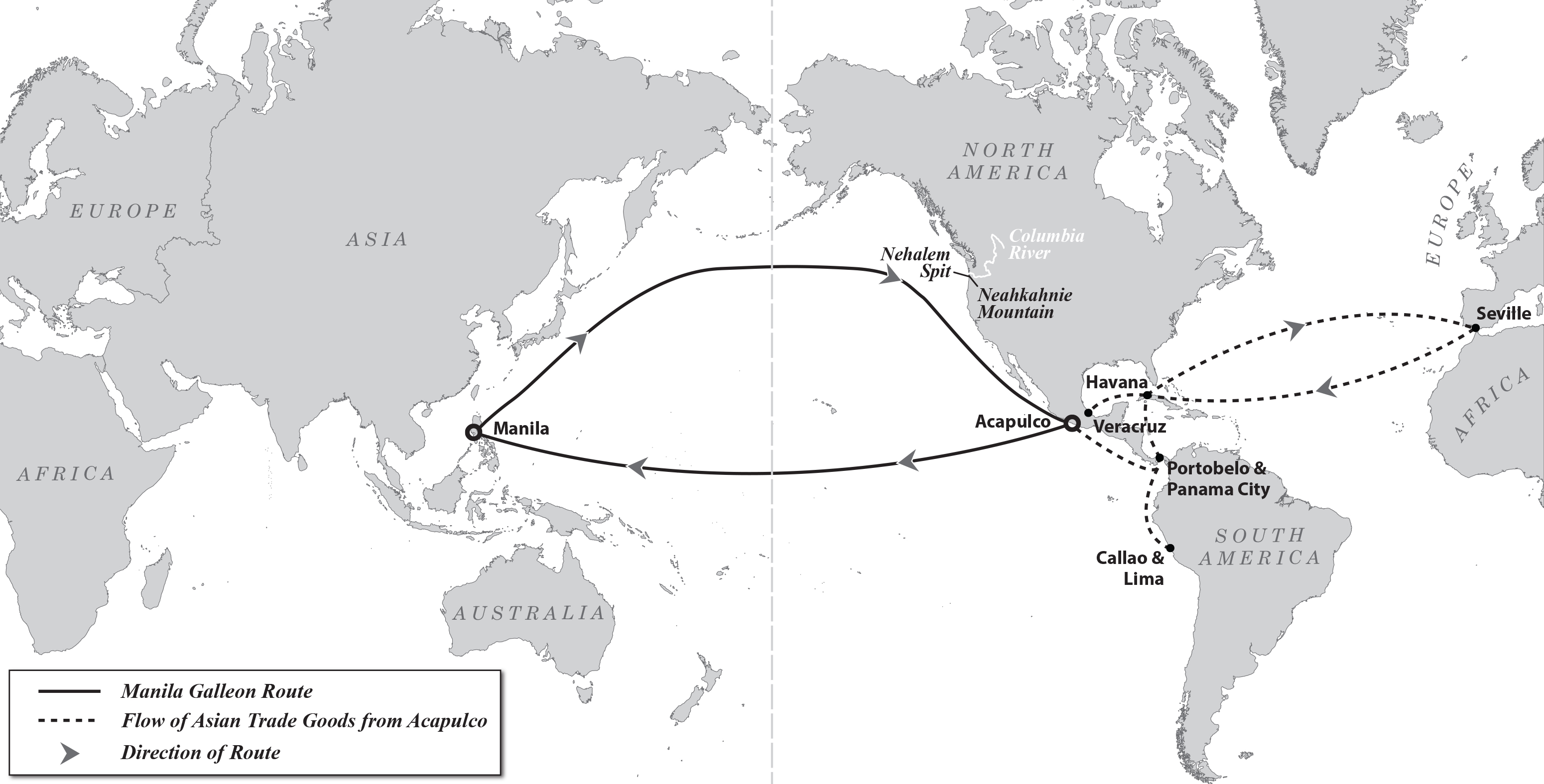
    In recent years, scholars studying how Indigenous communities responded to colonialism and global trade networks have begun to look more closely at the Pacific world. One key focus is the Manila-Acapulco galleon trade route, which linked Asia and the Americas for 250 years, from 1565 to 1815.

    The Manila-Acapulco galleon trade route.
    Jesse Nett/Oregon Encylopedia

    After Spain colonized the Philippines in 1565, Spanish galleons – towering, multidecked sailing ships – carried Chinese silk and Mexican silver across the ocean. But far more than goods traveled aboard those ships. They moved people, ideas and technologies.

    Among them was the craft of distillation.

    This overlooked connection may help explain how distilled agave spirits such as tequila came into being. While tequila is unmistakably a Mexican creation, the techniques used to produce it may owe something to Filipino sailors, who brought with them deep knowledge of transforming coconut sap into a potent spirit known as lambanog.

    3 competing theories

    For centuries, the rise of tequila has been credited to the Spanish. After the conquest of Mexico in the 16th century, colonizers introduced alembic stills, which are based on Moorish and Arabic technology. Unlike simple boiling, distillation requires managing heat and capturing purified vapor. These stills represented a major technological leap, allowing people to transform fermented drinks into distilled spirits.

    Agave, long used to make the fermented drink pulque, soon became the base for something new: tequila and mezcal.

    Colonial records, including the “Relaciones Geográficas,” a massive data-gathering project initiated by the Spanish Crown in the late 16th century, describe local Mesoamerican communities learning distillation from Spanish settlers. This version is well documented. But it assumes that technology moved in only one direction, from Europe to the Americas.

    A second idea suggests that Mesoamerican communities already had some understanding of vapor condensation. Archaeologists have found ceramic vessels in western Mexico that may have been used to capture steam. While distillation requires additional steps, this prior knowledge may have primed Indigenous groups to more readily adopt new techniques.

    As Mexican ethnobotanists Patricia Colunga-GarcíaMarín and Daniel Zizumbo-Villarreal have argued, “The adoption of distillation was likely not simply imposed, but creatively adapted to local knowledge systems.”

    A third perspective, which other researchers and I are exploring, traces a potential Filipino influence. The galleon trade brought thousands of Filipino sailors and laborers to Mexico, particularly along the Pacific coast. In places such as Guerrero, Colima and Jalisco, Filipino migrants introduced methods for fermenting and distilling coconut sap into lambanog, the coconut-based spirit.

    The stills they used, sometimes called Mongolian stills, were built with clay and bamboo and included a condensation bowl. Historian Pablo Guzman-Rivas has noted that these stills more closely resemble the earliest Mexican agave distillation setups than European alembics. He has also documented oral traditions in some coastal Mexican communities to link local distillation practices to their Filipino ancestors.

    The still on the left in Jalisco, Mexico, has similarities to the lambanog on the right from Infanta, Quezon, Philippines.
    Photo on left courtesy of Patricia Colunga-GarcíaMarín and Daniel Zizumbo-Villarreal; photo on right courtesy of Sherry Ann Angeles and Rading Coronacion, CC BY-SA

    Beyond the bottle

    Filipino influence extends beyond the distilling pot.

    In Colima and other Pacific port towns, traces of the Manila galleon trade ripple through daily life – in kitchens, cantinas and even in architecture. The word “palapa,” used in Mexico and Central America today to describe rustic thatched roofs, is exactly the same as the term for coconut fronds that’s primarily used in the Bicol Region of the Philippines.

    Filipino migrants in Mexico also shared knowledge of boatbuilding, fermentation and food preservation. Coconut vinegar, fish sauce and palm sugar-based condiments became part of Mexican cuisine. One of the most enduring legacies is tuba, the fermented coconut sap still popular in coastal areas of the Mexican state of Guerrero, where Filipino sailors once settled. Known locally by the same name, tuba is sold in markets and along roadsides, often enjoyed as a refreshing drink or as a cooking ingredient.

    A replica of a galleon, the Spanish trading ship that traversed the world’s oceans from the 16th century to the 18th century.
    Dennis Jarvis/flickr, CC BY-SA

    Exchange moved both ways. Filipino vessels carried corn, peanuts, sweet potatoes and cacao back across the Pacific, reshaping food in the Philippines. These exchanges took place under the shadow of colonialism and forced labor, but their legacies endure in language, in taste and even in the roofs over people’s heads.

    Technical knowledge rarely travels through official channels alone. It moves with cooks in ship galleys, with carpenters below deck, with laborers who desert ships to settle in unfamiliar ports. Sometimes it was a way to build a roof or preserve a flavor. Other times, it was a method for turning a fermented plant into a spirit that could keep for long voyages. And by the early 1600s, new types of distilled agave spirits were being made in Mexico.

    Tequila is unmistakably a product of Mexico. But it is also a product of movement. Whether Filipino migrants directly introduced distillation methods or whether they emerged from a mix of Indigenous experimentation and European tools, every time you sip tequila, you’re tasting an echo of those long ocean crossings from many centuries ago.

    Stephen Acabado receives funding from the Henry Luce Foundation and the National Science Foundation.

    ref. Filipino sailors dock in Mexico … and help invent tequila? – https://theconversation.com/filipino-sailors-dock-in-mexico-and-help-invent-tequila-258166

    MIL OSI

  • MIL-OSI Submissions: Congo and critical minerals: What are the costs of America’s peace?

    Source: The Conversation – Canada – By Evelyn Namakula Mayanja, Assistant Professor, Interdisciplinary Studies, Carleton University

    In March 2025, President Félix Tshisekedi of the Democratic Republic of Congo (DRC) offered the country’s critical mineral reserves to the United States and Europe in exchange for security and stability.

    At the time, the March 23 (M23) militia insurgency was unleashing violence: killing civilians, committing sexual violence, displacing communities and looting mineral resources. Since 1996, eastern Congo has been engulfed in wars and armed conflicts driven by regional powers and more than 120 armed groups.

    The U.S.-brokered peace agreement between Rwanda and the DRC raises critical questions: Is this a genuine path to sustainable peace, or a continuation of U.S. President Donald Trump’s strategy to secure access to critical minerals through coercive diplomacy?


    Read more:
    4 things every peace agreement needs – and how the DRC-Rwanda deal measures up


    Global arms race for critical minerals

    The global shift toward renewable energy, digital infrastructure and military modernization has sparked a geopolitical scramble for critical and rare earth minerals.

    In early 2025, Trump signed a series of executive orders that introduced aggressive and imperial-style tactics to secure access to mineral wealth. He threatened Canada with annexation and tariffs, demanded access to Greenland’s resources and linked U.S. support for Ukraine to access to its mineral reserves.

    The DRC’s offer must be viewed through this lens of global resource competition.

    Congo’s critical mineral wealth

    The DRC holds some of the world’s richest deposits of critical minerals and metals. A 2012 article estimated the value of Congo’s untapped mineral wealth at US$24 trillion, a figure nearing the U.S. first-quarter 2025 GDP of $29.962 trillion.

    The DRC produces 70 per cent of the world’s cobalt, ranks fourth in copper, sixth in industrial diamonds and also possesses vast reserves of nickel and lithium, including the Manono deposit expected to yield 95,170 tonnes of crude lithium.

    But the struggle to control these resources has fuelled a cycle of armed violence, displacement and exploitation. Despite several peace agreements, peace and stability remain elusive.

    America’s interests in Congo

    U.S. involvement in Congo stretches back to the Cold War, when it played a role in the 1961 assassination of Patrice Lumumba, Congo’s first elected prime minister who sought economic sovereignty.

    In 1996, the U.S. was accused of backing Rwanda and Uganda in the initial invasion of eastern Congo. A U.S. diplomat, “Mr. Hankins,” was quoted in Goma saying: “I am here …to represent American interests.”

    In 2024, President Joe Biden met Tshisekedi to advance the Lobito Corridor, a strategic trade route to counter China’s dominance in the region. Chinese companies currently control around 80 per cent of Congo’s copper market.

    When Trump signed the 2025 peace agreement, he openly stated the U.S. would gain “a lot of mineral rights … foreign trade and investment from the regional critical mineral supply chains.”

    U.S.-brokered peace deal

    The deal, however, prioritizes America’s access to minerals over the well-being of Congolese citizens. Historically, Congo’s mineral wealth has enriched elites and foreign powers while leaving its people impoverished and vulnerable. The new agreement could entrench existing inequalities and inflame tensions further.

    The U.S. has also cut off aid for war survivors, including emergency medical kits and antiretrovirals for rape victims, undermining humanitarian efforts.

    Crucially, the agreement overlooks:

    • The root causes and drivers of conflict at national, regional and international levels.

    • The role of Rwanda and Uganda, whose militaries and intelligence services have long been implicated in supporting groups like M23. Gen. Muhoozi Kainerugaba, son of Ugandan President Yoweri Museveni, has referred to M23 as “our brothers” and threatened military action in Congo.

    • The voices of Congolese civil society, war survivors and the public, who were excluded from the negotiation process.

    • State fragility and institutional collapse — major enablers of protracted violence.

    • The grievances of Hutu and Tutsi communities in the DRC, deeply rooted in colonial and regional politics.

    • The presence of more than 120 armed groups, many of them proxies for foreign powers engaging in what some scholars call “geocriminality.”

    Between January and February 2025 alone, more than 7,000 people were killed in the DRC. The United Nations and several human rights organizations have documented mass atrocities, including crimes of genocidal magnitude.

    A path toward real peace

    The peace agreement fails to demand justice for crimes committed against the Congolese people. Nobel Peace laureate Denis Mukwege condemned the deal for “rewarding aggression, legitimizing the plundering of Congo’s natural resources, and sacrificing justice for a fragile peace.”

    It also ignores the roles of international mining corporations and external entities that have long profited from Congo’s instability.

    True and lasting peace in the DRC cannot be imposed from the outside. U.S.-led mineral extraction without justice risks deepening the crisis. Since 1999, UN peacekeepers have been deployed in the Congo , yet violence continues.

    Sustainable peace will require:

    • An end to impunity;

    • Thorough investigations into war crimes;

    • Regional truth-telling processes;

    • Justice and reparations for victims;

    • And most importantly, inclusion of Congolese voices in shaping their future.

    Without these commitments, the U.S. risks replicating a long history of exploitation, trading in minerals while ignoring the human cost.

    Evelyn Namakula Mayanja receives funding from Social Sciences and Humanities Research Council and from Carleton University

    ref. Congo and critical minerals: What are the costs of America’s peace? – https://theconversation.com/congo-and-critical-minerals-what-are-the-costs-of-americas-peace-260567

    MIL OSI

  • Congo and critical minerals: What are the costs of America’s peace?

    Source: ForeignAffairs4

    Source: The Conversation – Canada – By Evelyn Namakula Mayanja, Assistant Professor, Interdisciplinary Studies, Carleton University

    In March 2025, President Félix Tshisekedi of the Democratic Republic of Congo (DRC) offered the country’s critical mineral reserves to the United States and Europe in exchange for security and stability.

    At the time, the March 23 (M23) militia insurgency was unleashing violence: killing civilians, committing sexual violence, displacing communities and looting mineral resources. Since 1996, eastern Congo has been engulfed in wars and armed conflicts driven by regional powers and more than 120 armed groups.

    The U.S.-brokered peace agreement between Rwanda and the DRC raises critical questions: Is this a genuine path to sustainable peace, or a continuation of U.S. President Donald Trump’s strategy to secure access to critical minerals through coercive diplomacy?


    Read more:
    4 things every peace agreement needs – and how the DRC-Rwanda deal measures up


    Global arms race for critical minerals

    The global shift toward renewable energy, digital infrastructure and military modernization has sparked a geopolitical scramble for critical and rare earth minerals.

    In early 2025, Trump signed a series of executive orders that introduced aggressive and imperial-style tactics to secure access to mineral wealth. He threatened Canada with annexation and tariffs, demanded access to Greenland’s resources and linked U.S. support for Ukraine to access to its mineral reserves.

    The DRC’s offer must be viewed through this lens of global resource competition.

    Congo’s critical mineral wealth

    The DRC holds some of the world’s richest deposits of critical minerals and metals. A 2012 article estimated the value of Congo’s untapped mineral wealth at US$24 trillion, a figure nearing the U.S. first-quarter 2025 GDP of $29.962 trillion.

    The DRC produces 70 per cent of the world’s cobalt, ranks fourth in copper, sixth in industrial diamonds and also possesses vast reserves of nickel and lithium, including the Manono deposit expected to yield 95,170 tonnes of crude lithium.

    But the struggle to control these resources has fuelled a cycle of armed violence, displacement and exploitation. Despite several peace agreements, peace and stability remain elusive.

    America’s interests in Congo

    U.S. involvement in Congo stretches back to the Cold War, when it played a role in the 1961 assassination of Patrice Lumumba, Congo’s first elected prime minister who sought economic sovereignty.

    In 1996, the U.S. was accused of backing Rwanda and Uganda in the initial invasion of eastern Congo. A U.S. diplomat, “Mr. Hankins,” was quoted in Goma saying: “I am here …to represent American interests.”

    In 2024, President Joe Biden met Tshisekedi to advance the Lobito Corridor, a strategic trade route to counter China’s dominance in the region. Chinese companies currently control around 80 per cent of Congo’s copper market.

    When Trump signed the 2025 peace agreement, he openly stated the U.S. would gain “a lot of mineral rights … foreign trade and investment from the regional critical mineral supply chains.”

    U.S.-brokered peace deal

    The deal, however, prioritizes America’s access to minerals over the well-being of Congolese citizens. Historically, Congo’s mineral wealth has enriched elites and foreign powers while leaving its people impoverished and vulnerable. The new agreement could entrench existing inequalities and inflame tensions further.

    The U.S. has also cut off aid for war survivors, including emergency medical kits and antiretrovirals for rape victims, undermining humanitarian efforts.

    Crucially, the agreement overlooks:

    • The root causes and drivers of conflict at national, regional and international levels.

    • The role of Rwanda and Uganda, whose militaries and intelligence services have long been implicated in supporting groups like M23. Gen. Muhoozi Kainerugaba, son of Ugandan President Yoweri Museveni, has referred to M23 as “our brothers” and threatened military action in Congo.

    • The voices of Congolese civil society, war survivors and the public, who were excluded from the negotiation process.

    • State fragility and institutional collapse — major enablers of protracted violence.

    • The grievances of Hutu and Tutsi communities in the DRC, deeply rooted in colonial and regional politics.

    • The presence of more than 120 armed groups, many of them proxies for foreign powers engaging in what some scholars call “geocriminality.”

    Between January and February 2025 alone, more than 7,000 people were killed in the DRC. The United Nations and several human rights organizations have documented mass atrocities, including crimes of genocidal magnitude.

    A path toward real peace

    The peace agreement fails to demand justice for crimes committed against the Congolese people. Nobel Peace laureate Denis Mukwege condemned the deal for “rewarding aggression, legitimizing the plundering of Congo’s natural resources, and sacrificing justice for a fragile peace.”

    It also ignores the roles of international mining corporations and external entities that have long profited from Congo’s instability.

    True and lasting peace in the DRC cannot be imposed from the outside. U.S.-led mineral extraction without justice risks deepening the crisis. Since 1999, UN peacekeepers have been deployed in the Congo , yet violence continues.

    Sustainable peace will require:

    • An end to impunity;

    • Thorough investigations into war crimes;

    • Regional truth-telling processes;

    • Justice and reparations for victims;

    • And most importantly, inclusion of Congolese voices in shaping their future.

    Without these commitments, the U.S. risks replicating a long history of exploitation, trading in minerals while ignoring the human cost.

    The Conversation

    Evelyn Namakula Mayanja receives funding from Social Sciences and Humanities Research Council and from Carleton University

    ref. Congo and critical minerals: What are the costs of America’s peace? – https://theconversation.com/congo-and-critical-minerals-what-are-the-costs-of-americas-peace-260567

  • MIL-Evening Report: Labor to put disclaimer under Mark Latham’s caucus room picture

    Source: The Conversation (Au and NZ) – By Michelle Grattan, Professorial Fellow, University of Canberra

    The picture of Mark Latham on the caucus room gallery of Labor leaders will have an annotation under it saying he was expelled for life and his actions do not accord with Labor values.

    The first meeting of the new caucus agreed unanimously to this compromise, after pressure from some in Labor to remove the photo of Latham, who led the party in 2003–05.

    Latham’s former partner recently accused him of a “sustained pattern” of domestic abuse, in a civil court application for an apprehended violence order. It will be heard next week.

    In other condemned behaviour – the latest of a string of controversial incidents over the years – Latham, now an independent in the NSW upper house, also photographed women members without their consent.

    The wording under the picture will read:

    In 2017, Mark Latham was expelled from the Australian Labor Party and banned for life. His actions do not accord with Labor values and fail to meet the standards we expect and demand.

    Opinion in the party about what to do about the picture has been divided. The matter was discussed by both the right and left factions at their meetings.

    The Minister for Women, Katy Gallagher, told the ABC, “I think there’s a recognition, on balance, that you can’t erase history”. But acknowledging that Latham was expelled and his actions “don’t align with modern Australian Labor Party values or standards” was important, she said.

    “I wasn’t there at the time but I think it was a style of leadership that didn’t sit well with the values of the Australian Labor Party and it’s a type of leadership people wouldn’t want to return to.”

    Ahead of the new parliament’s opening on Tuesday, both Prime Minister Anthony Albanese and Opposition Leader Sussan Ley addressed their respective party rooms.

    Albanese told his huge caucus, which includes 94 members of the House of Representatives, that if Labor maintained its sense of discipline and purpose there was no reason why they could not all be returned at the next election – and their numbers added to as well.

    He said Labor was embarking on “our year of delivery. That is our focus. We’ve just been through an election, we had clear commitments and we want to deliver them.”

    Ley told the Coalition party room Albanese was giving interviews “suggesting that we should just get out of the way. Well we won’t be getting out of the way.”

    The opposition would cooperate with constructive government policies, as it was doing on child care safety reforms.

    But if the government brought forward legislation that was not in the national interest “we will fight them every step of the way”, she said, flagging the Coalition’s opposition to potential tax increases.

    The first parliamentary week comes against a background of further depressing news for the Coalition, after its election rout.

    The latest Newspoll shows Labor improving its position since the election, to lead 57–43 on a two-party basis. Labor has a primary vote of 36%, while the Coalition is down to 29%, which is the lowest in the history of Newspoll, that goes back to the mid-1980s.

    Michelle Grattan does not work for, consult, own shares in or receive funding from any company or organisation that would benefit from this article, and has disclosed no relevant affiliations beyond their academic appointment.

    ref. Labor to put disclaimer under Mark Latham’s caucus room picture – https://theconversation.com/labor-to-put-disclaimer-under-mark-lathams-caucus-room-picture-261097

    MIL OSI AnalysisEveningReport.nz

  • MIL-Evening Report: Pacific leaders demand respectful involvement in memorial for unmarked graves

    By Mary Afemata, of PMN News and RNZ Pacific

    Porirua City Council is set to create a memorial for more than 1800 former patients of the local hospital buried in unmarked graves. But Pacific leaders are asking to be “meaningfully involved” in the process, including incorporating prayer, language, and ceremonial practices.

    More than 50 people gathered at Porirua Cemetery last month after the council’s plans became public, many of whom are descendants of those buried without headstones.

    Cemeteries Manager Daniel Chrisp said it was encouraging to see families engaging with the project.

    Chrisp’s team has placed 99 pegs to mark the graves of families who have come forward so far. One attendee told him that it was deeply moving to photograph the site where two relatives were buried.

    “It’s fantastic that we’ve got to this point, having the descendants of those in unmarked graves encouraged to be involved,” he said.

    “These plots represent mothers, fathers, brothers, sisters, children and other relatives, so it’s important to a lot of people.”

    The Porirua Lunatic Asylum, which later became Porirua Hospital, operated from 1887 until the 1990s. At its peak in the 1960s, it was one of Aotearoa New Zealand’s largest hospitals, housing more than 2000 patients and staff.

    As part of the Royal Commission of Inquiry into Abuse in Care, the government has established a national fund for headstones for unmarked graves.

    Porirua City Council has applied for $200,000 to install a memorial that will list every known name.

    Some pegs that mark the resting places of former patients buried in unmarked graves at Porirua Cemetery. Image: Porirua Council/RNZ/LDR

    Criticism over lack of Pacific consultation
    Some Pacific community leaders say they were never consulted, despite Pacific people among the deceased.

    Porirua Cook Islands Association chairperson Teurukura Tia Kekena said this was the first she had heard of the project, and she was concerned Pacific communities had not been included in conversations so far.

    “If there was any unmarked grave and the Porirua City Council is aware of the names, I would have thought they would have contacted the ethnic groups these people belonged to,” she said.

    “From a Cook Islands point of view, we need to acknowledge these people. They need to be fully acknowledged.”

    Kekena learned about the project only after being contacted by a reporter, despite the council’s ongoing efforts to identify names and place markers for families who have come forward.

    The council’s application for funding is part of its response to the Royal Commission of Inquiry.

    A photograph shows Porirua Hospital in the early 1900s. Image: Porirua City Council/LDR

    Kekena said it was important how the council managed the memorial, adding that it mattered deeply for Cook Islands families and the wider Pacific community, especially those with relatives buried at the site.

    Reflect Pacific values
    She believed that a proper memorial should reflect Pacific values, particularly the importance of faith, family, and cultural protocol.

    “It’s huge. It’s connecting us to these people,” she said. “Just thinking about it is getting me emotional.

    “Like I said, the Pākehā way of acknowledging is totally different from our way. When we acknowledge, when we go for an unveiling, it’s about family. It’s about family. It’s about family honouring the person that had passed.

    “And we do it in a way that we have a service at the graveside with the orometua [minister] present. Yeah, unveil the stone by the family, by the immediate family, if there were any here at that time.”

    She also underscored the connection between remembering the deceased and healing intergenerational trauma, particularly given the site’s history with mental health.

    Healing the trauma
    “It helps a lot. It’s a way of healing the trauma. I don’t know how these people came to be buried in an unmarked grave, but to me, it’s like they were just put there and forgotten about.

    “I wouldn’t like to have my family buried in a place and be forgotten.”

    Kekena urged the council to work closely with the Cook Islands community moving forward and said she would bring the matter back to her association to raise awareness and check possible connections between local families and the names identified.

    Yvonne Underhill‑Sem, a Cook Islands community leader and professor of Pacific Studies at the University of Auckland, said the memorial had emotional significance, noting her personal connection to Whenua Tapu as a Porirua native.

    “In terms of our Pacific understandings of ancestry, everybody who passes away is still part of our whānau. The fact that we don’t know who they are is unsettling,” she said.

    “It would be a real relief to the families involved and to the generations that follow to have those graves named.”

    Council reponse
    A Porirua City Council spokesperson said they had been actively sharing the list of names with the public and encouraged all communities — including Pacific groups, genealogists, and local iwi — to help spread the word.

    So far, 99 families have come forward.

    “We would encourage any networks such as Pacific, genealogists and local iwi to share the list around for members of the public to get in touch,” the spokesperson said.

    The list of names is available on the council’s website and includes both a downloadable file and a searchable online tool here.

    Porirua councillors Izzy Ford and Moze Galo say the memorial must reflect Pacific values. Image: Porirua Council/RNZ/LDR

    Porirua councillors Izzy Ford and Moze Galo, two of the three Pacific members on the council, said Pacific families must be central to the memorial process. Ford said burial sites carried deep cultural weight for Pacific communities.

    “We know that burial sites are more than just places of rest, they are sacred spaces that hold our stories, our ancestry and dignity — they are our connection to those who came before us.”

    She said public notices and websites were not enough.

    “If we are serious about finding the families of those buried in unmarked graves here in Porirua, we have to go beyond public notices and websites.”

    Funding limited
    Ford said government funding would be limited, and the council must work with trusted Pacific networks to reach families.

    “It means partnering with groups who carry trust in our community . . . Pacific churches, elders, and organisations, communicating in our languages through Pacific radio, social media, community events, churches, and health providers.”

    Galo agreed and said the memorial must reflect Pacific values in both design and feeling.

    “It should feel warm, colourful, spiritual, and welcoming. Include Pacific designs, carvings, and symbols . . .  there should be room for prayer, music, and quiet reflection,” he said.

    “Being seen and heard brings healing, honour, and helps restore our connection to our ancestors. It reminds our families that we belong, that our history matters, and that our voice is valued in this space.”

    Galo said the work must continue beyond the unveiling.

    “Community involvement shouldn’t stop after the memorial is built, we should have a role in how it’s maintained and used in the future.

    “These were real people, with families, love, and lives that mattered. Some were buried without names, without ceremony, and that left a deep pain. Honouring them now is a step toward healing, and a way of saying, you were never forgotten.”

    Members of the public who recognise a family name on the list are encouraged to get in touch by emailing cemeteries@poriruacity.govt.nz.

    LDR is local body journalism co-funded by RNZ and NZ On Air. Asia Pacific Report is a partner in the project.

    MIL OSI AnalysisEveningReport.nz

  • MIL-Evening Report: How are Australians adapting to climate change? Here are 729 ways

    Source: The Conversation (Au and NZ) – By Tia Brullo, Research Fellow in Climate Change Adaptation, The University of Melbourne

    Australia’s climate is changing. To avoid catastrophic disruptions from successive supercharged disasters, society must adapt. But change takes time and it’s not always clear how much progress we’re making.

    We wanted to find out what Australia’s governments, industries and local groups are doing to adapt to climate change. Our work culminated in the Australian Adaptation Database, which captures more than 700 initiatives so far.

    Standout examples from this first national stocktake include Ramblers Reef in Victoria – an artificial reef of rocks and shells 500 metres offshore that has helped reduce coastal erosion. In Adelaide, urban cooling and greening projects are transforming the city and suburbs across 17 councils .

    Our project shows climate adaptation is happening in Australia, but there’s plenty of room for improvement. The more society can do now to prepare for change, the better off we’ll be in the long run.

    Urban greening is helping to cool the city of Adelaide.
    Ozitraveler, Shutterstock

    What does climate change adaptation in Australia look like?

    Australia is lagging behind many other nations when it comes to managing climate action. The federal government is yet to release its first national adaptation plan, while other countries are up to their third or fourth versions.

    Why track Australia’s progress in climate adaptation? First, it enables progress to be reported efficiently to governments and international bodies such as the United Nations.

    The database also helps people share knowledge. Anyone striving to improve their resilience to climate change can look to the database for ideas and inspiration.

    The data was mainly gathered from conversations we had with people in state and territory government departments, local government associations, not-for-profit organisations and private companies across Australia.

    On Wednesday, we will present the database at the opening of the national Climate Adaptation 2025 conference in Perth.

    The project shows the vast range of ways Australians are preparing for a warmer world. Examples include:

    Anyone can explore and search the database. It’s not an exhaustive record of all climate adaptation in Australia, but provides more detail than ever before. It’s constantly being updated as new examples are added.

    But the database is only as good as the information we feed into it, so we need everyone to contribute. All you need to do is hit the “submit an entry” button on the homepage to get started.

    Artificial reefs such as Ramblers Reef help slow erosion (ABC News)

    The role of government: local, state and federal

    Much work to date in climate adaptation has involved laying the foundations for practical actions.

    For example, South Australia’s Climate Ready Coasts program aims to improve planning for coastal hazards. This joint effort between state and local governments make sense, given both have a role to play, and it helps ensure adaptation actions are efficient and coordinated.

    At the federal level, the Australian government has focused on funding for national disasters such as the Future Drought Fund. Another example, the Infrastructure Betterment Fund, involves making roads, rail, bridges and other infrastructure more resilient to climate change.

    Australia is yet to release its first National Adaptation Plan. This document is expected to clarify the federal role in climate adaptation.

    The private sector

    The private sector is beginning to adapt to climate change. Examples include:

    Knowledge sharing and capacity building

    We also found extensive efforts to communicate and share information about adapting to change.

    Such activities include knowledge building for organisations and communities through workshops, training sessions and simulation games.

    Examples include Western Australia’s “being waterwise in the home” tips, and Hobart’s Sparking Conversations, Igniting Action Program for bushfire preparedness. These activities help lay the groundwork for practical action.

    Change is hard, but Australia is finally making some progress in climate adaptation.
    Markus Spiske, Unsplash., CC BY

    What’s next?

    Our research shows the policy and governance mechanisms to drive adaptation are largely in place. The knowledge and networks to support meaningful action are gradually being developed.

    But the next “heavy lifting” phase – putting plans into action – is yet to begin in earnest.

    There’s a clear need to channel funding to those best placed to deliver frontline projects and programs, especially local governments and community organisations.

    The Australian Local Government Association is calling for a A$400 million climate adaptation fund to support Australian councils to deliver place-based adaptation actions.

    Last year, the Australian Council of Social Services called for a $2 billion investment in a national housing retrofit program to make Australia’s 670,000 low-income houses cooler in summer to reduce illness and death from extreme temperatures. Neither of these calls has been answered.

    Let’s get moving

    This research is part of a three-year project exploring how to encourage and promote best practice in adapting to climate change across Australia.

    The next step is to measure progress around climate adaptation, which is difficult and rarely done – even though it’s required under the Paris Agreement.

    The good news is Australia has made a start, but there is much more to do to ensure the wellbeing of our country through a changing climate.

    Tia Brullo receives funding from the National Environmental Science Program Climate Systems Hub Project Number CS2.1

    Elissa Waters receives funding from the National Environmental Science Program Climate Systems Hub Project Number CS2.1 and Australian Climate Service.

    Jon Barnett receives funding from the National Environmental Science Program Climate Systems Hub Project Number CS2.1

    Sarah Boulter receives funding from the National Environmental Science Program Climate Systems Hub.

    ref. How are Australians adapting to climate change? Here are 729 ways – https://theconversation.com/how-are-australians-adapting-to-climate-change-here-are-729-ways-256446

    MIL OSI AnalysisEveningReport.nz

  • MIL-Evening Report: Newspoll and Resolve give Labor big leads as parliament resumes after the election

    Source: The Conversation (Au and NZ) – By Adrian Beaumont, Election Analyst (Psephologist) at The Conversation; and Honorary Associate, School of Mathematics and Statistics, The University of Melbourne

    With federal parliament to sit for the first time since the election on Tuesday, Newspoll gives Labor a 57–43 lead and Resolve a 56–44 lead. In Tasmania, Labor is a chance to gain a seat despite a 3% slide in their statewide vote.

    A national Newspoll gave Labor a 57–43 lead (55.2–44.8 to Labor at the May federal election). Fieldwork dates and the sample size were not reported, but it’s likely to have been taken July 14–18 from a sample of about 1,200.

    Primary votes were 36% Labor, 29% Coalition, 12% Greens, 8% One Nation and 15% for all Others. This is the lowest Coalition primary vote in Newspoll history that goes back to 1985, and about three points below the Coalition’s result at the election.

    Anthony Albanese’s net approval was net zero, a ten-point improvement for him since the final pre-election Newspoll, with 47% both satisfied and dissatisfied. Liberal leader Sussan Ley’s first rating was -7 net approval, with 42% dissatisfied and 35% satisfied. Albanese led Ley as better PM by 52–32.

    Here is the graph of Albanese’s net approval in Newspoll. While net zero is better than his negative ratings before the election, it’s a long way from his peak after winning the 2022 election.

    The lack of a massive surge in net approval for Albanese indicates that Labor’s landslide was more about voters’ dislike for alternatives than their liking of Labor. Peter Dutton and Donald Trump were both big factors in the election result. A DemosAU poll I covered on Saturday had voters opposed by 71–19 to a PM like Trump.

    Resolve poll

    A national Resolve poll for Nine newspapers, conducted with unknown fieldwork dates from a sample of 2,311, gave Labor a 56–44 lead by respondent preferences, from primary votes of 35% Labor, 29% Coalition, 12% Greens, 8% One Nation, 8% independents and 8% others.

    Albanese’s net approval was +3, with 45% giviing him a good rating and 42% a poor rating. In contrast to Newspoll, Sussan Ley’s first rating in Resolve was +9 (38% good, 29% poor). Albanese led Ley as preferred PM by 40–25.

    Asked whether the next year will get better or worse, 28% thought it would be personally better and the same share thought it would be worse. Asked this question on the national outlook, by 42–25 respondents expected it to get worse.

    By 33–32, respondents opposed the Liberal party having gender quotas, with Coalition voters opposed by 44–27. Men were opposed by 39–34, while women supported quotas by 30–27.

    Labor was thought best to handle economic management by 31–30 over the Liberals. On keeping the cost of living low, Labor led by 30–26. The last time Labor led on economic management in Resolve’s monthly polls was July 2023, and the last time they led on cost of living was October 2023.

    Tasmanian election updates

    Since my election night article, the count has advanced from 63% to 73% of enrolled voters, with all pre-poll votes now counted. These additional votes have not had major impacts on the results.

    Postals will be the largest number of outstanding votes still to be counted, but the Tasmanian Electoral Commission won’t begin the postal count until Thursday owing to legislative changes that require the TEC to ensure a postal voter hasn’t already voted by other means.

    Postals must be received by 10am on July 29 to be included. In Tasmania the Hare-Clark distribution of preferences is done by hand, and will begin after the postal receipt deadline. The TEC expects to have final results by August 2.

    Analyst Kevin Bonham has called 14 of the 35 seats for the Liberals, ten for Labor, five for the Greens and four for left-wing independents, leaving two undecided. In Lyons, the final seat is likely to be won by a Shooters, Fishers and Farmers candidate.

    In Bass, there’s a complex fight for the last seat between Labor, the Liberals and the Shooters. Labor may benefit from having two candidates in the race who have nearly equal votes, possibly enabling them to win three seats when they only deserve two based on party totals.

    If Labor wins the final Bass seat, they would gain a seat in an election where their statewide vote slid 3.1% to 25.9%.

    Adrian Beaumont does not work for, consult, own shares in or receive funding from any company or organisation that would benefit from this article, and has disclosed no relevant affiliations beyond their academic appointment.

    ref. Newspoll and Resolve give Labor big leads as parliament resumes after the election – https://theconversation.com/newspoll-and-resolve-give-labor-big-leads-as-parliament-resumes-after-the-election-261538

    MIL OSI AnalysisEveningReport.nz

  • In a world first, The Hague wants to arrest Taliban leaders over their treatment of women – what happens next?

    Source: ForeignAffairs4

    Source: The Conversation – Global Perspectives – By Yvonne Breitwieser-Faria, Lecturer in Criminal Law and International Law, Curtin University

    Earlier this month, the International Criminal Court (ICC) issued arrest warrants against the Taliban leadership in Afghanistan.

    The court’s Pre-Trial Chamber II cited reasonable grounds for believing supreme leader Haibatullah Akhundzada and chief justice Abdul Hakim Haqqani were guilty of “ordering, inducing or soliciting the crime against humanity of persecution on gender grounds.”

    The warrants – the first ever on charges of gender persecution – are being hailed as an “important vindication and acknowledgement of the rights of Afghan women and girls”.

    But will they improve the plight of women and girls in Afghanistan, given the Taliban does not recognise the court or its jurisdiction?

    The signs are not good with the Taliban denying the allegations and condemning the warrants as a “clear act of hostility [and an] insult to the beliefs of Muslims around the world”.

    Erased from public life

    Strict rules and prohibitions have been imposed on the Afghan people since the Taliban returned to power in August 2021.

    Women and girls have been singled out for even worse treatment by reason of their gender.

    According the warrants, the Taliban has

    severely deprived, through decrees and edicts, girls and women of the rights to education, privacy and family life and the freedoms of movement, expression, thought, conscience and religion.

    Women are banned from public places and girls from attending school once they turn 12.

    Zahra Nader is the editor-in-chief of newsroom Zan Times which investigates human rights violations in Afghanistan. She says Afghan women and girls are being silenced, restricted and stripped of their basic human rights.

    It is this discriminatory system of control of woman and girls in Afghanistan that is at the core of the court’s prosecution.

    The warrants also accuse the Taliban of persecuting

    other persons who don’t conform with the Taliban’s ideological expectations of gender, gender identity or expression; and on political grounds against persons perceived as ‘allies of girls and women.

    This is the first time an international tribunal or court has confirmed crimes against humanity involving LGBTQIA+ victims. This marks an important milestone in the protection of sexual minorities under international law.

    Crimes against humanity

    International law clearly spells put the offences which constitute crimes against humanity.

    The aim is to protect civilians from serious and widespread attacks on their fundamental rights. Different definitions of crimes against humanity have been included in the statutes of a handful of international tribunals and courts.

    The definition under the Rome Statute of the International Criminal Court is the most comprehensive. It includes severe deprivation of personal liberty, murder, enslavement, rape, torture, forced deportation or apartheid.

    Specifically, the Taliban leaders are accused under Article 7(1)(h) of the Rome Statute, which states:

    Persecution against any identifiable group or collectivity on political, racial, national, ethnic, cultural, religious, gender […] or other grounds that are universally recognised as impermissible under international law.

    Physical and direct violence is not necessary for persecution on “gender […] grounds” to be established. Systemic and institutionalised forms of harm, which can be the imposition of discriminatory societal norms, are sufficient.

    Women and girls are often disproportionately affected by Taliban policies and rules. But proving gender-based crimes have occurred is not enough. Discriminatory intent must also be established.

    The Taliban has been open about its religious beliefs and interpretations, suggesting a clear intention to persecute on the grounds of gender.

    Not just symbolic

    As with other cases, the court relies on the cooperation of states to execute and surrender those accused.

    The interim government in Kabul which was formed after the US-led invasion in 2001 became a party to the Rome Statute in 2003. Afghanistan remains legally obligated to prosecute perpetrators of these crimes – it must accept the Court’s jurisdiction in the matter.

    The Purple Saturdays Movement, an Afghan women-led protest group, is warning the arrest warrants must be more than just symbolic. Any failure to prosecute would likely result in an escalation of human rights violations:

    The Taliban has historically responded to international pressure not with reform, but by intensifying such repressive policies.

    Hopeful step

    It is important to note the strict policies and widespread abuses targeting women and girls in Afghanistan are ongoing, despite the intervention by the International Criminal Court.

    The court’s Office of the Prosecutor is stressing its commitment to pursuing “effective legal pathways” to bring the Taliban leadership to account. The Afghan Women’s Movement in Exile wants an independent international judicial committee established to monitor and accelerate the legal process.

    It is not yet clear if the warrants will actually lead to arrest and prosecution in The Hague. But we know this is possible. A prime example being the the arrest earlier this year of former Philippines President Rodrigo Duterte.

    At the very least, the arrests warrants are a hopeful step towards accountability for the Taliban and justice for the women and girls of Afghanistan.

    The Conversation

    Yvonne Breitwieser-Faria does not work for, consult, own shares in or receive funding from any company or organisation that would benefit from this article, and has disclosed no relevant affiliations beyond their academic appointment.

    ref. In a world first, The Hague wants to arrest Taliban leaders over their treatment of women – what happens next? – https://theconversation.com/in-a-world-first-the-hague-wants-to-arrest-taliban-leaders-over-their-treatment-of-women-what-happens-next-261008

  • MIL-Evening Report: In a world first, The Hague wants to arrest Taliban leaders over their treatment of women – what happens next?

    Source: The Conversation (Au and NZ) – By Yvonne Breitwieser-Faria, Lecturer in Criminal Law and International Law, Curtin University

    Earlier this month, the International Criminal Court (ICC) issued arrest warrants against the Taliban leadership in Afghanistan.

    The court’s Pre-Trial Chamber II cited reasonable grounds for believing supreme leader Haibatullah Akhundzada and chief justice Abdul Hakim Haqqani were guilty of “ordering, inducing or soliciting the crime against humanity of persecution on gender grounds.”

    The warrants – the first ever on charges of gender persecution – are being hailed as an “important vindication and acknowledgement of the rights of Afghan women and girls”.

    But will they improve the plight of women and girls in Afghanistan, given the Taliban does not recognise the court or its jurisdiction?

    The signs are not good with the Taliban denying the allegations and condemning the warrants as a “clear act of hostility [and an] insult to the beliefs of Muslims around the world”.

    Erased from public life

    Strict rules and prohibitions have been imposed on the Afghan people since the Taliban returned to power in August 2021.

    Women and girls have been singled out for even worse treatment by reason of their gender.

    According the warrants, the Taliban has

    severely deprived, through decrees and edicts, girls and women of the rights to education, privacy and family life and the freedoms of movement, expression, thought, conscience and religion.

    Women are banned from public places and girls from attending school once they turn 12.

    Zahra Nader is the editor-in-chief of newsroom Zan Times which investigates human rights violations in Afghanistan. She says Afghan women and girls are being silenced, restricted and stripped of their basic human rights.

    It is this discriminatory system of control of woman and girls in Afghanistan that is at the core of the court’s prosecution.

    The warrants also accuse the Taliban of persecuting

    other persons who don’t conform with the Taliban’s ideological expectations of gender, gender identity or expression; and on political grounds against persons perceived as ‘allies of girls and women.

    This is the first time an international tribunal or court has confirmed crimes against humanity involving LGBTQIA+ victims. This marks an important milestone in the protection of sexual minorities under international law.

    Crimes against humanity

    International law clearly spells put the offences which constitute crimes against humanity.

    The aim is to protect civilians from serious and widespread attacks on their fundamental rights. Different definitions of crimes against humanity have been included in the statutes of a handful of international tribunals and courts.

    The definition under the Rome Statute of the International Criminal Court is the most comprehensive. It includes severe deprivation of personal liberty, murder, enslavement, rape, torture, forced deportation or apartheid.

    Specifically, the Taliban leaders are accused under Article 7(1)(h) of the Rome Statute, which states:

    Persecution against any identifiable group or collectivity on political, racial, national, ethnic, cultural, religious, gender […] or other grounds that are universally recognised as impermissible under international law.

    Physical and direct violence is not necessary for persecution on “gender […] grounds” to be established. Systemic and institutionalised forms of harm, which can be the imposition of discriminatory societal norms, are sufficient.

    Women and girls are often disproportionately affected by Taliban policies and rules. But proving gender-based crimes have occurred is not enough. Discriminatory intent must also be established.

    The Taliban has been open about its religious beliefs and interpretations, suggesting a clear intention to persecute on the grounds of gender.

    Not just symbolic

    As with other cases, the court relies on the cooperation of states to execute and surrender those accused.

    The interim government in Kabul which was formed after the US-led invasion in 2001 became a party to the Rome Statute in 2003. Afghanistan remains legally obligated to prosecute perpetrators of these crimes – it must accept the Court’s jurisdiction in the matter.

    The Purple Saturdays Movement, an Afghan women-led protest group, is warning the arrest warrants must be more than just symbolic. Any failure to prosecute would likely result in an escalation of human rights violations:

    The Taliban has historically responded to international pressure not with reform, but by intensifying such repressive policies.

    Hopeful step

    It is important to note the strict policies and widespread abuses targeting women and girls in Afghanistan are ongoing, despite the intervention by the International Criminal Court.

    The court’s Office of the Prosecutor is stressing its commitment to pursuing “effective legal pathways” to bring the Taliban leadership to account. The Afghan Women’s Movement in Exile wants an independent international judicial committee established to monitor and accelerate the legal process.

    It is not yet clear if the warrants will actually lead to arrest and prosecution in The Hague. But we know this is possible. A prime example being the the arrest earlier this year of former Philippines President Rodrigo Duterte.

    At the very least, the arrests warrants are a hopeful step towards accountability for the Taliban and justice for the women and girls of Afghanistan.

    Yvonne Breitwieser-Faria does not work for, consult, own shares in or receive funding from any company or organisation that would benefit from this article, and has disclosed no relevant affiliations beyond their academic appointment.

    ref. In a world first, The Hague wants to arrest Taliban leaders over their treatment of women – what happens next? – https://theconversation.com/in-a-world-first-the-hague-wants-to-arrest-taliban-leaders-over-their-treatment-of-women-what-happens-next-261008

    MIL OSI AnalysisEveningReport.nz

  • MIL-OSI Analysis: In a world first, The Hague wants to arrest Taliban leaders over their treatment of women – what happens next?

    Source: The Conversation – Global Perspectives – By Yvonne Breitwieser-Faria, Lecturer in Criminal Law and International Law, Curtin University

    Earlier this month, the International Criminal Court (ICC) issued arrest warrants against the Taliban leadership in Afghanistan.

    The court’s Pre-Trial Chamber II cited reasonable grounds for believing supreme leader Haibatullah Akhundzada and chief justice Abdul Hakim Haqqani were guilty of “ordering, inducing or soliciting the crime against humanity of persecution on gender grounds.”

    The warrants – the first ever on charges of gender persecution – are being hailed as an “important vindication and acknowledgement of the rights of Afghan women and girls”.

    But will they improve the plight of women and girls in Afghanistan, given the Taliban does not recognise the court or its jurisdiction?

    The signs are not good with the Taliban denying the allegations and condemning the warrants as a “clear act of hostility [and an] insult to the beliefs of Muslims around the world”.

    Erased from public life

    Strict rules and prohibitions have been imposed on the Afghan people since the Taliban returned to power in August 2021.

    Women and girls have been singled out for even worse treatment by reason of their gender.

    According the warrants, the Taliban has

    severely deprived, through decrees and edicts, girls and women of the rights to education, privacy and family life and the freedoms of movement, expression, thought, conscience and religion.

    Women are banned from public places and girls from attending school once they turn 12.

    Zahra Nader is the editor-in-chief of newsroom Zan Times which investigates human rights violations in Afghanistan. She says Afghan women and girls are being silenced, restricted and stripped of their basic human rights.

    It is this discriminatory system of control of woman and girls in Afghanistan that is at the core of the court’s prosecution.

    The warrants also accuse the Taliban of persecuting

    other persons who don’t conform with the Taliban’s ideological expectations of gender, gender identity or expression; and on political grounds against persons perceived as ‘allies of girls and women.

    This is the first time an international tribunal or court has confirmed crimes against humanity involving LGBTQIA+ victims. This marks an important milestone in the protection of sexual minorities under international law.

    Crimes against humanity

    International law clearly spells put the offences which constitute crimes against humanity.

    The aim is to protect civilians from serious and widespread attacks on their fundamental rights. Different definitions of crimes against humanity have been included in the statutes of a handful of international tribunals and courts.

    The definition under the Rome Statute of the International Criminal Court is the most comprehensive. It includes severe deprivation of personal liberty, murder, enslavement, rape, torture, forced deportation or apartheid.

    Specifically, the Taliban leaders are accused under Article 7(1)(h) of the Rome Statute, which states:

    Persecution against any identifiable group or collectivity on political, racial, national, ethnic, cultural, religious, gender […] or other grounds that are universally recognised as impermissible under international law.

    Physical and direct violence is not necessary for persecution on “gender […] grounds” to be established. Systemic and institutionalised forms of harm, which can be the imposition of discriminatory societal norms, are sufficient.

    Women and girls are often disproportionately affected by Taliban policies and rules. But proving gender-based crimes have occurred is not enough. Discriminatory intent must also be established.

    The Taliban has been open about its religious beliefs and interpretations, suggesting a clear intention to persecute on the grounds of gender.

    Not just symbolic

    As with other cases, the court relies on the cooperation of states to execute and surrender those accused.

    The interim government in Kabul which was formed after the US-led invasion in 2001 became a party to the Rome Statute in 2003. Afghanistan remains legally obligated to prosecute perpetrators of these crimes – it must accept the Court’s jurisdiction in the matter.

    The Purple Saturdays Movement, an Afghan women-led protest group, is warning the arrest warrants must be more than just symbolic. Any failure to prosecute would likely result in an escalation of human rights violations:

    The Taliban has historically responded to international pressure not with reform, but by intensifying such repressive policies.

    Hopeful step

    It is important to note the strict policies and widespread abuses targeting women and girls in Afghanistan are ongoing, despite the intervention by the International Criminal Court.

    The court’s Office of the Prosecutor is stressing its commitment to pursuing “effective legal pathways” to bring the Taliban leadership to account. The Afghan Women’s Movement in Exile wants an independent international judicial committee established to monitor and accelerate the legal process.

    It is not yet clear if the warrants will actually lead to arrest and prosecution in The Hague. But we know this is possible. A prime example being the the arrest earlier this year of former Philippines President Rodrigo Duterte.

    At the very least, the arrests warrants are a hopeful step towards accountability for the Taliban and justice for the women and girls of Afghanistan.

    Yvonne Breitwieser-Faria does not work for, consult, own shares in or receive funding from any company or organisation that would benefit from this article, and has disclosed no relevant affiliations beyond their academic appointment.

    ref. In a world first, The Hague wants to arrest Taliban leaders over their treatment of women – what happens next? – https://theconversation.com/in-a-world-first-the-hague-wants-to-arrest-taliban-leaders-over-their-treatment-of-women-what-happens-next-261008

    MIL OSI Analysis

  • MIL-Evening Report: ER Report: A Roundup of Significant Articles on EveningReport.nz for July 21, 2025

    ER Report: Here is a summary of significant articles published on EveningReport.nz on July 21, 2025.

    What’s the difference between sperm and semen? And can pre-ejaculate get you pregnant?
    Source: The Conversation (Au and NZ) – By Theresa Larkin, Associate Professor of Medical Sciences, University of Wollongong priya kunkayan/Getty Semen, sperm, spunk, cum, ejaculate, pre-cum, seminal fluid. These are just some of the many words we use to describe what comes out of an erect penis. Some of these terms can be used interchangeably,

    What happens if I go over or under on my NDIS plan? And what do shorter funding periods mean for me?
    Source: The Conversation (Au and NZ) – By Helen Dickinson, Professor, Public Service Research, UNSW Sydney The National Disability Insurance Scheme (NDIS) is undergoing another round of major reforms. One key change relates to the funding periods in which participants are allowed to spend their budgets. While these aim to improve the scheme’s sustainability, they

    Opera Australia gives us a rocking Carmen for the post-#metoo era
    Source: The Conversation (Au and NZ) – By Ruben Perez-Hidalgo, Lecturer in Spanish Studies, University of Sydney Keith Saunders/Opera Australia The story of Carmen, in the 19th century opera by French composer George Bizet, is, at its simplest, the story of a developing tension between Carmen, a stereotypically racialised woman attempting to break free from

    New study peers beneath the skin of iconic lizards to find ‘chainmail’ bone plates – and lots of them
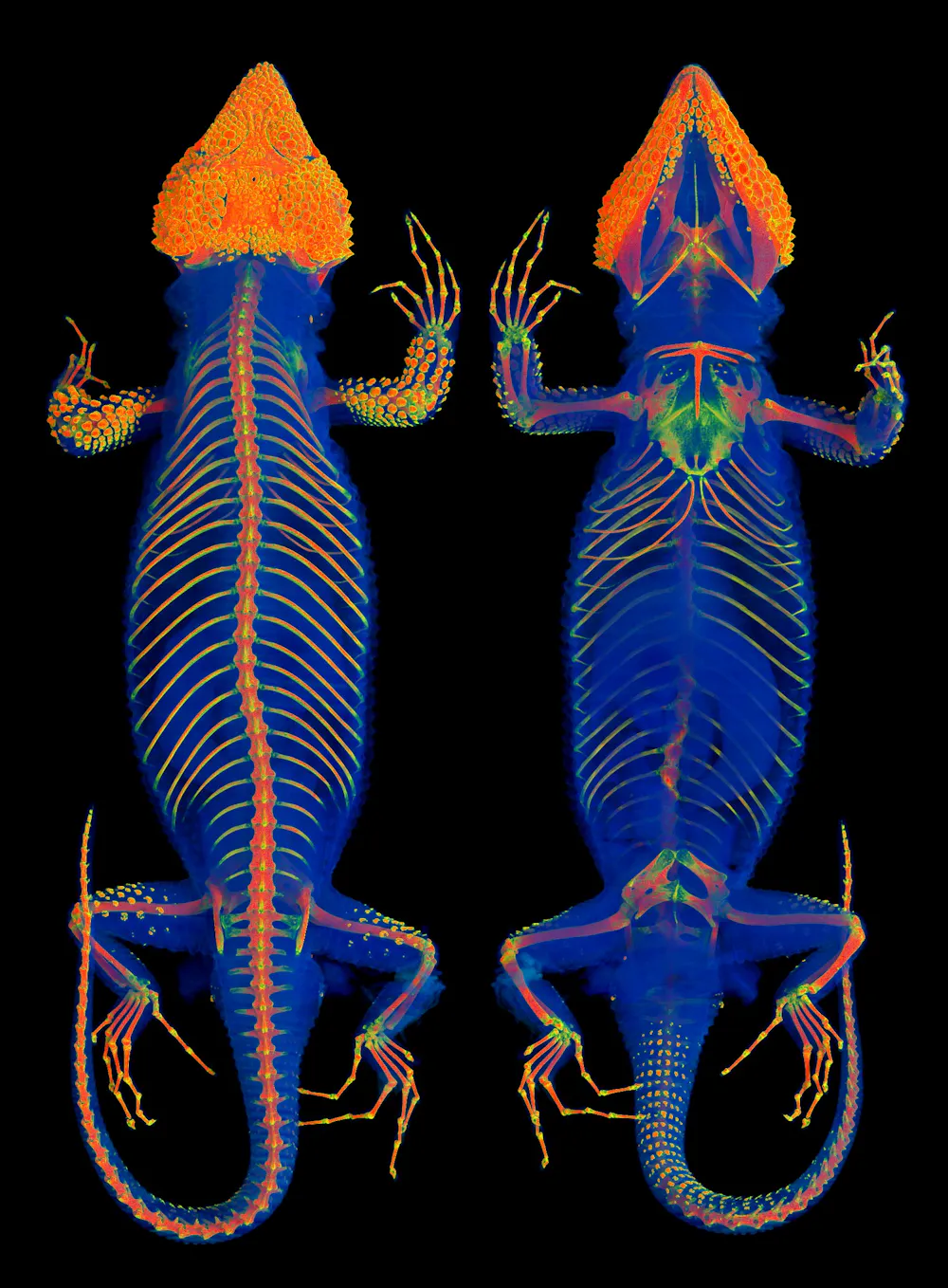
    Source: The Conversation (Au and NZ) – By Roy Ebel, PhD Candidate in Evolutionary Biology, Museums Victoria Research Institute Radiodensity heatmap of emerald tree monitors. Roy Ebel Monitor lizards, also known in Australia as goannas, are some of the most iconic reptiles on the continent. Their lineage not only survived the mass extinction that ended

    Cook Islanders flock from outer islands for 60th anniversary celebrations
    By Caleb Fotheringham, RNZ Pacific journalist The Cook Islands’ outer islands, or Pa Enua, are emptying as people make the pilgrimage to Rarotonga for constitution celebrations. This year is particularly significant, August 4 marks 60 years of the Cook Islands being in free association with New Zealand. Cook Islands Secretary of Culture Emile Kairua said

    Why has a bill to relax foreign investment rules had so little scrutiny?
    Source: The Conversation (Au and NZ) – By Jane Kelsey, Emeritus Professor of Law, University of Auckland, Waipapa Taumata Rau Getty Images While public attention has been focused on the domestic fast-track consenting process for infrastructure and mining, Associate Minister of Finance David Seymour has been pushing through another fast-track process – this time for

    Federal election feel like ages ago? Parliament is now back. Here’s your political refresher
    Source: The Conversation (Au and NZ) – By Jill Sheppard, Senior Lecturer, School of Politics and International Relations, Australian National University Tracey Nearmy/Getty Despite many pre-election predictions, the 48th Australian parliament looks quite similar to the 47th. The Labor Party has greater representation than before: 94 Members of the House of Representatives (up from 77)

    Federal election feel like ages ago? Parliament is now back. Here’s your political refresher
    Source: The Conversation (Au and NZ) – By Jill Sheppard, Senior Lecturer, School of Politics and International Relations, Australian National University Tracey Nearmy/Getty Despite many pre-election predictions, the 48th Australian parliament looks quite similar to the 47th. The Labor Party has greater representation than before: 94 Members of the House of Representatives (up from 77)

    Is spinal cord stimulation safe? Does it work? Here’s what you need to know if you have back pain
    Source: The Conversation (Au and NZ) – By Caitlin Jones, Postdoctoral Research Associate in Musculoskeletal Health, University of Sydney AsiaVision/Getty Spinal cord stimulators are electrical devices that are surgically implanted in the body to treat long-term pain. They have a battery pack and leads that deliver electrical impulses directly to the spinal cord. The devices

    Is spinal cord stimulation safe? Does it work? Here’s what you need to know if you have back pain
    Source: The Conversation (Au and NZ) – By Caitlin Jones, Postdoctoral Research Associate in Musculoskeletal Health, University of Sydney AsiaVision/Getty Spinal cord stimulators are electrical devices that are surgically implanted in the body to treat long-term pain. They have a battery pack and leads that deliver electrical impulses directly to the spinal cord. The devices

    Hold up, humans. Ants figured out medicine, farming and engineering long before we did
    Source: The Conversation (Au and NZ) – By Tanya Latty, Associate Professor in Entomology, University of Sydney Tambon Nong Chaeng/Pexels Think back to a time you helped someone move a heavy object, such as a couch. While at first the task may have appeared simple, it actually required a suite of advanced behaviours. The job

    Hold up, humans. Ants figured out medicine, farming and engineering long before we did
    Source: The Conversation (Au and NZ) – By Tanya Latty, Associate Professor in Entomology, University of Sydney Tambon Nong Chaeng/Pexels Think back to a time you helped someone move a heavy object, such as a couch. While at first the task may have appeared simple, it actually required a suite of advanced behaviours. The job

    Does play belong in primary school? New research suggests teachers are not sure
    Source: The Conversation (Au and NZ) – By Katy Meeuwissen, Lecturer in Early Childhood and Primary Education, University of Canberra Jon Challicom/ Getty Images Play is one of the most important parts of early childhood education in Australia. We know children learn about the world through play and it helps them build creativity and independence.

    Does play belong in primary school? New research suggests teachers are not sure
    Source: The Conversation (Au and NZ) – By Katy Meeuwissen, Lecturer in Early Childhood and Primary Education, University of Canberra Jon Challicom/ Getty Images Play is one of the most important parts of early childhood education in Australia. We know children learn about the world through play and it helps them build creativity and independence.

    The first video of Earth’s surface lurching sideways in an earthquake offers new insights into this force of nature
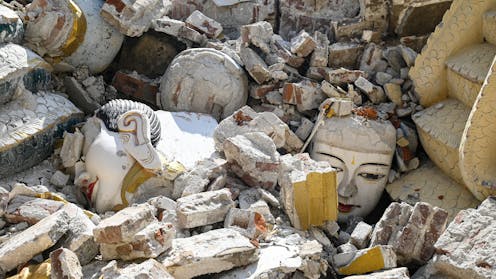
    Source: The Conversation (Au and NZ) – By Jesse Kearse, Postdoctoral Researcher, Geophysics, Kyoto University Sai Aung MAIN/AFP via Getty Images During the devastating magnitude 7.7 Myanmar earthquake on March 28 this year, a CCTV camera captured the moment the plate boundary moved, providing the first direct visual evidence of plate tectonics in action. Tectonic

    After yet another election, Tasmanians are left wondering what the point of it was
    Source: The Conversation (Au and NZ) – By Robert Hortle, Deputy Director, Tasmanian Policy Exchange, University of Tasmania When the results firmed up a few hours after polling closed on Saturday, many Tasmanians would have been wondering, “what was the point of all that?”. A state election only 16 months after the last one looks

    MIL OSI AnalysisEveningReport.nz

  • MIL-Evening Report: Opera Australia gives us a rocking Carmen for the post-#metoo era

    Source: The Conversation (Au and NZ) – By Ruben Perez-Hidalgo, Lecturer in Spanish Studies, University of Sydney


    Keith Saunders/Opera Australia

    The story of Carmen, in the 19th century opera by French composer George Bizet, is, at its simplest, the story of a developing tension between Carmen, a stereotypically racialised woman attempting to break free from society’s impositions and her already-written fate.

    Anne-Louise Sark’s adaptation takes that conflict much further.

    Carmen (Danielle de Niese at the performance I attended) is a gypsy who works in a cigarette factory. She catches the eye of Don José (Abraham Bretón), who obsessively falls in love with her.

    Don José’s love for Carmen devolves into what today would be succinctly called “toxic”. In a post-#metoo era, where we are all attuned to anti-racism teachings, Sarks gives us a contrast between the antiquated words sung in French, and the conscious effort to make those words exist in our contemporary world.

    This Carmen is defined by many degrees of contrast. This rocking feeling of contradiction keeps on growing until the climax in the very last act.

    A toxic love

    The opening act begins in a square of Seville. Marg Horwell’s design sees the stage strewn with fluorescent confetti spread all over the floor (as if the Sydney Mardi Gras parade had just ended), a chain link fence colourfully crowded with love locks and flashy ribbons, behind which peeks a monumental but austere cross typical of most squares in that part of Spain.

    There, a teenage couple – sporting polyester track suits – alongside a pair of young lovers similarly attired, and a string of children discordantly dressed stay in the background while one of the khaki-wearing guards begins to sing an aria to the protagonist, “La Carmencita”, also known as Carmen.

    The sensation of the contrast between this contemporary setting and Bizet’s original opera is deepened at the beginning of the second act at Lillas Pastia’s Tavern.

    Marg Horwell’s design plays into the contrast between this contemporary setting and Bizet’s original opera.
    Keith Saunders/Opera Australia

    The stage is crowded by a neon-filled atmosphere composed of camp portrayals of the Virgin Our Lady of Guadalupe and pop art images of the Sacred Heart of Jesus.

    The charm of the background is enhanced by the stellar performances of not only the two main protagonists, Carmen and Don José, but by an array of supporting characters that truly elevate this second bout of the action.

    A string of smugglers are at the tavern of Lillas Pastias, plotting how to bring about their criminal deeds with the help of Carmen, her close friends (incredibly played by Helen Sherman and Jane Ede), and critically Don José, who has just joined them.

    Blinded by this “toxic” love, Don José cannot help but to increase the dramatic tension when he realises Carmen is losing interest in him in favour of the famous bullfighter from Granada, Escamillo (Andrii Kymach).

    The production sees stellar performances from an array of supporting characters.
    Keith Saunders/Opera Australia

    The tension is fortified by the visual conflict between the irreverent religious décor and the ongoing action, consisting of an unruly mob drinking and dancing until the early hours of the morning.

    By the end of this second act, there is another turn of the screw in the depiction of Don José’s progressive possessiveness of Carmen, who in parallel begins to assert ever more explicitly the signs of her indomitability.

    Exploding tension

    The plot picks up pace in the third act, set in the smugglers’ hideout.

    There, an Othello-like Don José spirals down, green with jealousy, in the face of an increasingly distant Carmen. The more Don José wants her, the more Carmen is filled with desires of freedom from her possessive lover.

    This tense dynamic explodes in the fourth act.

    Set in a little cottage right outside a bullring in Seville, it is at this point obvious Carmen and the matador Escamillo are lovers – anticipating Don José’s fatal deed.

    Although the audience must have expected Carmen’s death at the hands of the spirited Don José, witnessing the act of her killing on stage comes as more than just an awaited unpleasant surprise.

    It works to anchor the conflict at the core of Sark’s adaptation.

    The more Don José wants her, the more Carmen is filled with desires of freedom from her possessive lover.
    Keith Saunders/Opera Australia

    For a flash moment, we are pushed to peek beyond the fiction. Don José strangles with his bare hands the actress playing Carmen, her arm hopelessly punching her aggressor, her legs writhing in despair. Such an instant from our sad reality shocks through the stage, breaking the fourth wall.

    The theatricalisation of Carmen’s killing is also the realisation that male violence against women is anything but a fiction – least of all one left in the distant past.

    Paradoxically, the quick lowering of the curtain and the much-deserved long applause that follows serves to cut short the impact of the “real” death of Carmen shown on stage.

    Perhaps, for the next version, a new director will find a newer way to make Carmen’s reality last beyond the many pleasures of watching this multi-layered drama unfold.

    Carmen is at the Sydney Opera House for Opera Australia until September 19, then playing in Melbourne.

    Ruben Perez-Hidalgo does not work for, consult, own shares in or receive funding from any company or organisation that would benefit from this article, and has disclosed no relevant affiliations beyond their academic appointment.

    ref. Opera Australia gives us a rocking Carmen for the post-#metoo era – https://theconversation.com/opera-australia-gives-us-a-rocking-carmen-for-the-post-metoo-era-261103

    MIL OSI AnalysisEveningReport.nz

  • MIL-Evening Report: What happens if I go over or under on my NDIS plan? And what do shorter funding periods mean for me?

    Source: The Conversation (Au and NZ) – By Helen Dickinson, Professor, Public Service Research, UNSW Sydney

    The National Disability Insurance Scheme (NDIS) is undergoing another round of major reforms.

    One key change relates to the funding periods in which participants are allowed to spend their budgets.

    While these aim to improve the scheme’s sustainability, they risk making an already complex system even harder to navigate.

    A common question participants ask is: what happens if they overspend or underspend on their NDIS budgets?

    There isn’t a simple answer. But let’s unpack the components of budgets and set out some practical tips for NDIS participants.

    What is driving this round of NDIS reforms?

    Concerns about the growing NDIS budget prompted the government to limit annual growth to a target of 8% a year by mid-2026.

    One cost pressure the government has identified is intra-plan inflation. This happens when NDIS participants spend their budget before the end of their plan, meaning they need to ask for extra funding within their plan timeframe.

    In the 12 months to February 2024, the National Disability Insurance Agency (NDIA) – the body responsible for the NDIS – estimated intra-plan inflation costs more than A$3.3 billion. Around 15% of participants spend their budget before the end of their plan.

    Several changes are now in place to address this.

    What causes plans to be overspent (or underspent)?

    Overspending occurs when a participant runs out of funding before the end of their plan period.

    This can happen when a participant receives a plan that is insufficient to meet their needs, which is more common with first plans.

    It can also occur when a participant has a change in circumstances which means their support needs change, so they increase their spending before their plan can be reviewed.

    In both circumstances, participants must request additional funding so they can keep receiving supports.

    Participants might also find they underspend their budget.

    This can occur because of confusion over what is funded and how funds can be spent.

    But it can also be because of a lack of appropriate services near where the participant lives.

    Research shows Aboriginal and Torres Strait Islander people, people with psychosocial disability (from mental health issues such as schizophrenia or post-traumatic stress disorder) and people living in rural and remote areas are more likely to underspend.

    What an NDIS plan includes

    Each NDIS plan includes a total budget amount, which is the amount of funding allocated for all supports expected to last for the full duration of their plan.

    But this doesn’t mean participants can use this budget in whatever way they want.

    Participant spending needs to meet a set of criteria and can only be spent in the way the NDIA describes.

    NDIS supports are provided in plans using four support categories:

    • core supports – help with everyday activities such as personal care, household tasks and support to join in community activities

    • capacity-building supports – help to build or maintain skills and independence such as behaviour support, employment-related support and therapies

    • capital supports – high-cost assistive technologies, home modifications and specialist disability accommodation

    • recurring supports – regularly paid directly to a participant’s account and typically include costs for transport.

    In each category, supports are labelled either flexible or stated. Flexible supports allow for some discretion in how funds are used.

    “Assistance with daily life” can cover a range of tasks including household cleaning or meal preparation. These core support funds tend to be the most flexible.

    Stated supports, on the other hand, must be used exactly as the plan describes.

    Not all plans have funds in every category.

    Importantly, funds can’t be shifted from one category to another. You can’t, for example, use core funding for capacity building supports.

    New funding periods introduced

    In May, changes were introduced for new plans, meaning funds are released over set time periods.

    While the total value of the plan remains the same, there are now limits on when funds can be accessed and how long they need to last.

    Funding can be allocated over different periods:

    • quarterly – released in three-month blocks so spending is spread over the full length of the plan

    • monthly – for high-cost ongoing supports such as supported independent living

    • up-front – funding for one-off supports such as assistive technology can be released in full at the start of a plan.

    Participants may have different funding periods for different parts of their plan, although most funds will likely be released quarterly.

    If funds aren’t used in an allocated period they roll over into the next time block in the same plan.

    However, any funds left unused at the end of the full plan duration are returned to the NDIS funding pool.

    What’s the government trying to do?

    The change means participants can’t draw on future allocations if funds for a current period run out. Nor can funds be shifted between categories.

    If a plan is exhausted, participants may be left without support or face out-of-pocket costs, particularly if plans are self-managed.

    Service-providers may stop delivering support if they’re notified that a participant’s budget has run out.

    In some cases, the NDIS may consider persistent overspending as a sign the participant cannot effectively manage their plan. This could result in the NDIA taking over management of their plan.

    If a participant consistently finds their funds run out early, or if they need more funds because their circumstances change and they need more support, they can request a review of their plan to seek more funding.

    However, requesting a plan review can sometimes affect other areas of a participant’s plan. So some people may be reluctant to ask for a review and instead try to manage with less supports than they need.

    A number of disability rights organisations have spoken out against these changes, stating they have the potential to impact NDIS participants’ autonomy, safety and wellbeing.

    Tips for NDIS participants to manage their plans

    Ensure you understand your plan and how the funds are split between support categories and funding periods. It might be helpful to discuss this with a family member, friend or support coordinator.

    Remember, not everyone gets everything they ask for in their plan, so make sure you’re clear on the funding you received.

    If your plan seems insufficient for your needs, consider asking for a review.

    A good way to ensure your spending stays on track is to set budget goals for a plan. There are several different apps and software programs that can help with this.

    Finally, a range of websites offer advice and resources to help NDIS participants understand their budgets and spending. You can sometimes claim for these resources within your NDIS funding.

    Helen Dickinson receives funding from Australian Research Council., National Health and Medical Research Council. Medical Research Future Fund and Australian governments.

    Glenda Bishop receives funding from the Medical Research Future Fund.

    ref. What happens if I go over or under on my NDIS plan? And what do shorter funding periods mean for me? – https://theconversation.com/what-happens-if-i-go-over-or-under-on-my-ndis-plan-and-what-do-shorter-funding-periods-mean-for-me-259386

    MIL OSI AnalysisEveningReport.nz

  • MIL-Evening Report: What’s the difference between sperm and semen? And can pre-ejaculate get you pregnant?

    Source: The Conversation (Au and NZ) – By Theresa Larkin, Associate Professor of Medical Sciences, University of Wollongong

    priya kunkayan/Getty

    Semen, sperm, spunk, cum, ejaculate, pre-cum, seminal fluid. These are just some of the many words we use to describe what comes out of an erect penis.

    Some of these terms can be used interchangeably, but they’re not all the same. Do you know the difference?

    What is sperm?

    Sperm are male reproductive (sex) cells. The word “sperm” can refer to spermatozoon (singular) or spermatozoa (plural).

    Sperm are tiny cells with an oval-shaped body and a long tail. They measure just 1/20th of a millimetre in length and can only be seen with a microscope.

    Sperm are produced in the two testes (testicles). The testes are glands located inside the scrotum (the skin sac underneath where the penis is attached to the body).

    The testes begin producing sperm at puberty. Sperm production then continues throughout adult life, beginning to decline around age 40. The testes make about 200 million sperm every day.

    To develop, sperm need a temperature range of 34–35°C, which is lower than core body temperature (usually between 36 and 37°C). This is why the testes are located in the cooler scrotum and not in the abdomen or pelvis.

    Each sperm carries chromosomes, which are made up of DNA and genes. When a sperm cell fertilises a female reproductive cell (an ovum or egg), the genetic information of the sperm and ovum combines to form an embryo.

    What is semen?

    Ejaculated sperm has to reach the uterine (fallopian) tubes to fertilise an egg. This is a long journey, so sperm are carried in a fluid that nourishes and protects it (seminal fluid).

    Semen is the mix of sperm and seminal fluid together. It is Latin for “seed” from serere, “to sow”. Semen only exists outside the body, because sperm and seminal fluid only combine at the point of ejaculation.

    Seminal fluid is made in the sex glands. These are the seminal vesicles and prostate, which sit just behind and below the bladder, respectively.

    Semen is about 10% sperm.
    Alila Medical Media/Shutterstock

    The seminal vesicles produce a thick, gel-like substance. It clumps the sperm together immediately after ejaculation and provides the sperm with energy (fructose) to survive their journey.

    This fluid is alkaline – the opposite to acidic – which protects sperm in the more acidic vagina.

    The prostate secretes a thinner, milky fluid with acids that liquefy the semen. This helps the sperm to separate from the initial clump so they can travel through the cervix and uterus to the uterine tubes.

    The prostate also provides zinc, which is essential for sperm survival.

    Ejaculating secretes these fluids and sperm into the urethra, the narrow tube that runs through the penis and also transports urine. At this point, they combine as semen.

    Semen is about 10% sperm and 90% fluid from the seminal vesicles and prostate.

    What happens after ejaculation

    Ejaculating usually produces between 1.5 and 5 millilitres of semen, and each mL contains anywhere between 15 and 200 million sperm.

    If semen is ejaculated into a vagina, sperm have to travel around 15 centimetres to reach the uterine tubes, which is the most common site for fertilisation.

    The fastest and healthiest sperm travel this distance – about 3,000 times their body length – in only 30 minutes.

    For a human of average height, this equates to swimming about 5 kilometres in half an hour. That means sperm can swim twice as fast as the current world record for a 5km open water swim.

    Does ‘pre-cum’ have sperm in it?

    An aroused and erect penis can secrete up to 4mL of pre-ejaculate (pre-cum), which is completely different to semen.

    Pre-ejaculate is produced by different sex glands – the small bulbourethral glands that sit just under the prostate. It is a mucus fluid that lubricates and flushes out the urethra in the penis.

    Theoretically, pre-ejaculate doesn’t contain sperm. However, one small study found the pre-ejaculate of about 40% of men they studied contained sperm, though in very low numbers.

    The risk of getting pregnant from pre-ejaculate is very low – but not zero.

    What can semen say about your overall health?

    Semen is usually creamy-white or pale grey. It often has a faint ammonia or bleach smell, because of its alkaline pH.

    However its colour, consistency and smell can vary between people and even on different days for the same person.

    If semen has a foul odour, it may indicate an infection and should be checked by a doctor.

    Contraception and fertility

    A vasectomy is a form of male contraceptive. This involves cutting the two vas deferens – the tubes that carry sperm from the testes to the urethra. After a vasectomy, ejaculating will produce slightly less semen and it won’t contain sperm.

    Clinical trials have also started for a new potential male contraceptive pill that blocks sperm production in the testes.

    Oxidative stressan imbalance of too many damaging chemicals and not enough antioxidants – has a negative impact on sperm health and strongly contributes to male infertility.

    The World Health Organization has published a range of values for semen volume and sperm number, concentration, movement and structure among fertile males. However, low sperm count does not always mean lower fertility.

    To keep sperm healthy, it’s recommended to eat a healthy diet rich in antioxidants, exercise regularly, maintain a healthy weight, and not smoke, use recreational drugs or drink a lot of alcohol.

    Theresa Larkin does not work for, consult, own shares in or receive funding from any company or organisation that would benefit from this article, and has disclosed no relevant affiliations beyond their academic appointment.

    ref. What’s the difference between sperm and semen? And can pre-ejaculate get you pregnant? – https://theconversation.com/whats-the-difference-between-sperm-and-semen-and-can-pre-ejaculate-get-you-pregnant-253212

    MIL OSI AnalysisEveningReport.nz

  • MIL-Evening Report: New study peers beneath the skin of iconic lizards to find ‘chainmail’ bone plates – and lots of them

    Source: The Conversation (Au and NZ) – By Roy Ebel, PhD Candidate in Evolutionary Biology, Museums Victoria Research Institute

    Radiodensity heatmap of emerald tree monitors. Roy Ebel

    Monitor lizards, also known in Australia as goannas, are some of the most iconic reptiles on the continent. Their lineage not only survived the mass extinction that ended the reign of non-avian dinosaurs, but also gave rise to the largest living lizards on Earth.

    Today, these formidable creatures pace through forests and scrublands, flicking their tongues as they go.

    A new study published in the Zoological Journal of the Linnean Society looks beneath their skin. For the first time, it reveals hidden bone structures that may hold the key to the evolutionary success of goannas in Australia.

    An essential organ

    The skin is an organ essential for survival. In some animals, it includes a layer of bone plates embedded among the skin tissue. Think of the armour-like plates in crocodiles or armadillos: these are osteoderms.

    Their size ranges from microscopic to massive, with the back plates of the stegosaurus as the most impressive example.

    A mounted stegosaurus skeleton at the Natural History Museum, London.
    Jeremy Knight/Wikimedia Commons, CC BY

    We have only just started to understand these enigmatic structures. Osteoderms can be found in animal lineages that diverged up to 380 million years ago. This means these bone plates would have evolved independently, just like active flight did in birds, pterosaurs and bats.

    But what is their purpose? While the advantage of flight is undisputed, the case is not as clear for osteoderms.

    The most obvious potential would be for defence – protecting the animal from injuries. However, osteoderms may serve a far broader purpose.

    In crocodiles, for example, they help with heat regulation, play a part in movement, and even supply calcium during egg-laying. It is the interplay of these poorly understood functions that has long made it difficult to pinpoint how and why osteoderms evolved.

    Sand monitors, also known as sand goannas, are widespread through most of Australia.
    Ken Griffiths/Shutterstock

    A cutting-edge technique

    To help resolve this enigma, we had to go back to the beginning.

    Surprisingly, to date science has not even agreed on which species have osteoderms. Therefore, we assembled an international team of specialists to carry out the first large-scale study of osteoderms in lizards and snakes.

    We studied specimens from scientific collections at institutions such as the Florida Museum of Natural History, the Natural History Museum in Berlin, and Museums Victoria.

    However, we soon learnt that this came with challenges. Firstly, the presence of osteoderms can vary dramatically between individuals of the same species. Secondly, there is no guarantee that osteoderms are sufficiently preserved in all specimens.

    Most importantly, they are buried deep within skin tissue and invisible to the naked eye. Traditionally, finding them meant destroying the specimen.

    Instead, we turned to micro-computed tomography (micro-CT), an imaging technique similar to a medical CT scan, but with much higher resolution. This allowed us to study even the tiniest anatomical structures while keeping our specimens intact.

    Micro-CT-based, computer-generated 3D model of Rosenberg’s goanna (Varanus rosenbergi), with the left half showing osteoderms and endoskeleton.
    Roy Ebel

    Using computer-generated 3D models, we then digitally explored the bodies of lizards and snakes from all parts of the world. Incorporating data from prior literature, we processed almost 2,000 such samples in our search for osteoderms.

    To illustrate our results, we devised a technique called radiodensity heatmapping, which visually highlights the locations of bone structures in the body.

    For the first time, we now have a comprehensive catalogue showing where to find osteoderms in a large and diverse group; this will inform future studies.

    Radiodensity heatmapping shows newly discovered osteoderms (yellow to red) in the limbs and tail of the Mexican knob scaled lizard (Xenosaurus platyceps).
    Roy Ebel

    Not just anatomical curiosity

    What we found was unexpected. It was thought only a small number of lizard families had osteoderms. However, we encountered them nearly twice as often as anticipated.

    In fact, our results show nearly half of all lizards have osteoderms in one form or another.

    Our most astonishing finding concerned goannas. Scientists have been studying monitor lizards for more than 200 years. They were long thought to lack osteoderms, except in rare cases such as the Komodo dragon.

    So we were all the more surprised when we discovered previously undocumented osteoderms in 29 Australo-Papuan species, increasing their overall known prevalence five times.

    Examples of newly discovered osteoderms (magenta) in Australo-Papuan monitor lizards.
    Roy Ebel

    This isn’t just an anatomical curiosity. Now that we know Australian goannas have osteoderms, it opens up an exciting new avenue for further studies. This is because goannas have an interesting biogeographic history: when they first arrived in Australia about 20 million years ago, they had to adapt to a new, harsh environment.

    If osteoderms in goannas showed up around this time – possibly owing to new challenges from their environment – we’d gain crucial insights into the function and evolution of these enigmatic bone structures.

    Not only may we just have found the key to an untold chapter in the goanna story, our findings may also improve our understanding of the forces of evolution that shaped Australia’s unique reptiles as we know them today.

    Roy Ebel receives funding from the Australian Government’s Research Training Program.

    ref. New study peers beneath the skin of iconic lizards to find ‘chainmail’ bone plates – and lots of them – https://theconversation.com/new-study-peers-beneath-the-skin-of-iconic-lizards-to-find-chainmail-bone-plates-and-lots-of-them-260700

    MIL OSI AnalysisEveningReport.nz

  • MIL-OSI Submissions: How the world’s nuclear watchdog monitors facilities around the world – and what it means that Iran kicked it out

    Source: The Conversation – USA – By Anna Erickson, Professor of Nuclear and Radiological Engineering, Georgia Institute of Technology

    This travel case holds a toolkit containing equipment for inspecting nuclear facilities. Dean Calma/IAEA, CC BY

    What happens when a country seeks to develop a peaceful nuclear energy program? Every peaceful program starts with a promise not to build a nuclear weapon. Then, the global community verifies that stated intent via the Treaty on the Non-Proliferation of Nuclear Weapons.

    Once a country signs the treaty, the world’s nuclear watchdog, the International Atomic Energy Agency, provides continuous and technical proof that the country’s nuclear program is peaceful.

    The IAEA ensures that countries operate their programs within the limits of nonproliferation agreements: low enrichment and no reactor misuse. Part of the agreement allows the IAEA to inspect nuclear-related sites, including unannounced surprise visits.

    These are not just log reviews. Inspectors know what should and should not be there. When the IAEA is not on site, cameras, tamper-revealing seals on equipment and real-time radiation monitors are working full-time to gather or verify inside information about the program’s activities.

    Safeguards toolkit

    The IAEA safeguards toolkit is designed to detect proliferation activities early. Much of the work is fairly technical. The safeguards toolkit combines physical surveillance, material tracking, data analytics and scientific sampling. Inspectors are chemists, physicists and nuclear engineers. They count spent fuel rods in a cooling pond. They check tamper seals on centrifuges. Often, the inspectors walk miles through hallways and corridors carrying heavy equipment.

    That’s how the world learned in April 2021 about Iran pushing uranium enrichment from reactor-fuel-grade to near-weapons-grade levels. IAEA inspectors were able to verify that Iran was feeding uranium into a series of centrifuges designed to enrich the uranium from 5%, used for energy programs, to 60%, which is a step toward the 90% level used in nuclear weapons.

    Around the facilities, whether for uranium enrichment or plutonium processing, closed-circuit surveillance cameras monitor for undeclared materials or post-work activities. Seals around the facilities provide evidence that uranium gas cylinders have not been tampered with or that centrifuges operate at the declared levels. Beyond seals, online enrichment monitors allow inspectors to look inside of centrifuges for any changes in the declared enrichment process.

    Seals verify whether nuclear equipment or materials have been used between onsite inspections.

    When the inspectors are on-site, they collect environmental swipes: samples of nuclear materials on surfaces, in dust or in the air. These can reveal if uranium has been enriched to levels beyond those allowed by the agreement. Or if plutonium, which is not used in nuclear power plants, is being produced in a reactor. Swipes are precise. They can identify enrichment levels from a particle smaller than a speck of dust. But they take time, days or weeks. Inspectors analyze the samples at the IAEA’s laboratories using sophisticated equipment called mass spectrometers.

    In addition to physical samples, IAEA inspectors look at the logs of material inventories. They look for diversion of uranium or plutonium from normal process lines, just like accountants trace the flow of finances, except that their verification is supported by the ever-watching online monitors and radiation sensors. They also count items of interest and weigh them for additional verification of the logs.

    Beyond accounting for materials, IAEA inspectors verify that the facility matches the declared design. For example, if a country is expanding centrifuge halls to increase its enrichment capabilities, that’s a red flag. Changes to the layout of material processing laboratories near nuclear reactors could be a sign that the program is preparing to produce unauthorized plutonium.

    Losing access

    Iran announced on June 28, 2025, that it has ended its cooperation with the IAEA. It removed the monitoring devices, including surveillance cameras, from centrifuge halls. This move followed the news by the IAEA that Iran’s enrichment activities are well outside of allowed levels. Iran now operates sophisticated uranium centrifuges, like models IR-6 and IR-9.

    Removing IAEA access means that the international community loses insight into how quickly Iran’s program can accumulate weapon-grade uranium, or how much it has produced. Also lost is information about whether the facility is undergoing changes for proliferation purposes. These processes are difficult to detect with external surveillance, like satellites, alone.

    A satellite view of Iran’s Arak Nuclear Complex, which has a reactor capable of producing plutonium.
    Satellite image (c) 2025 Maxar Technologies via Getty Images

    An alternative to the uranium enrichment path for producing nuclear weapons material is plutonium. Plutonium can’t be mined, it has to be produced in a nuclear reactor. Iran built a reactor capable of producing plutonium, the IR-40 Heavy Water Research Reactor at the Arak Nuclear Complex.

    Iran modified the Arak reactor under the now-defunct Joint Comprehensive Plan of Action to make plutonium production less likely. During the June 2025 missile attacks, Israel targeted Arak’s facilities with the aim of eliminating the possibility of plutonium production.

    With IAEA access suspended, it won’t be possible to see what happens inside the facility. Can the reactor be used for plutonium production? Although a lengthier process than the uranium enrichment path, plutonium provides a parallel path to uranium enrichment for developing nuclear weapons.

    Continuity of knowledge

    North Korea expelled IAEA inspectors in 2009. Within a few years, they restarted activities related to uranium enrichment and plutonium production in the Yongbyon reactor. The international community’s information about North Korea’s weapons program now relies solely on external methods: satellite images, radioactive particles like xenon – airborne fingerprints of nuclear activities – and seismic data.

    What is lost is the continuity of the knowledge, a chain of verification over time. Once the seals are broken or cameras are removed, that chain is lost, and so is confidence about what is happening at the facilities.

    When it comes to IAEA inspections, there is no single tool that paints the whole picture. Surveillance plus sampling plus accounting provide validation and confidence. Losing even one weakens the system in the long term.

    The existing safeguards regime is meant to detect violations. The countries that sign the nonproliferation treaty know that they are always watched, and that plays a deterrence role. The inspectors can’t just resume the verification activities after some time if access is lost. Future access won’t necessarily enable inspectors to clarify what happened during the gap.

    Anna Erickson receives funding from DOE National Nuclear Security Administration.

    ref. How the world’s nuclear watchdog monitors facilities around the world – and what it means that Iran kicked it out – https://theconversation.com/how-the-worlds-nuclear-watchdog-monitors-facilities-around-the-world-and-what-it-means-that-iran-kicked-it-out-260689

    MIL OSI

  • How the world’s nuclear watchdog monitors facilities around the world – and what it means that Iran kicked it out

    Source: ForeignAffairs4

    Source: The Conversation – USA – By Anna Erickson, Professor of Nuclear and Radiological Engineering, Georgia Institute of Technology

    This travel case holds a toolkit containing equipment for inspecting nuclear facilities. Dean Calma/IAEA, CC BY

    What happens when a country seeks to develop a peaceful nuclear energy program? Every peaceful program starts with a promise not to build a nuclear weapon. Then, the global community verifies that stated intent via the Treaty on the Non-Proliferation of Nuclear Weapons.

    Once a country signs the treaty, the world’s nuclear watchdog, the International Atomic Energy Agency, provides continuous and technical proof that the country’s nuclear program is peaceful.

    The IAEA ensures that countries operate their programs within the limits of nonproliferation agreements: low enrichment and no reactor misuse. Part of the agreement allows the IAEA to inspect nuclear-related sites, including unannounced surprise visits.

    These are not just log reviews. Inspectors know what should and should not be there. When the IAEA is not on site, cameras, tamper-revealing seals on equipment and real-time radiation monitors are working full-time to gather or verify inside information about the program’s activities.

    Safeguards toolkit

    The IAEA safeguards toolkit is designed to detect proliferation activities early. Much of the work is fairly technical. The safeguards toolkit combines physical surveillance, material tracking, data analytics and scientific sampling. Inspectors are chemists, physicists and nuclear engineers. They count spent fuel rods in a cooling pond. They check tamper seals on centrifuges. Often, the inspectors walk miles through hallways and corridors carrying heavy equipment.

    That’s how the world learned in April 2021 about Iran pushing uranium enrichment from reactor-fuel-grade to near-weapons-grade levels. IAEA inspectors were able to verify that Iran was feeding uranium into a series of centrifuges designed to enrich the uranium from 5%, used for energy programs, to 60%, which is a step toward the 90% level used in nuclear weapons.

    Around the facilities, whether for uranium enrichment or plutonium processing, closed-circuit surveillance cameras monitor for undeclared materials or post-work activities. Seals around the facilities provide evidence that uranium gas cylinders have not been tampered with or that centrifuges operate at the declared levels. Beyond seals, online enrichment monitors allow inspectors to look inside of centrifuges for any changes in the declared enrichment process.

    Seals verify whether nuclear equipment or materials have been used between onsite inspections.

    When the inspectors are on-site, they collect environmental swipes: samples of nuclear materials on surfaces, in dust or in the air. These can reveal if uranium has been enriched to levels beyond those allowed by the agreement. Or if plutonium, which is not used in nuclear power plants, is being produced in a reactor. Swipes are precise. They can identify enrichment levels from a particle smaller than a speck of dust. But they take time, days or weeks. Inspectors analyze the samples at the IAEA’s laboratories using sophisticated equipment called mass spectrometers.

    In addition to physical samples, IAEA inspectors look at the logs of material inventories. They look for diversion of uranium or plutonium from normal process lines, just like accountants trace the flow of finances, except that their verification is supported by the ever-watching online monitors and radiation sensors. They also count items of interest and weigh them for additional verification of the logs.

    Beyond accounting for materials, IAEA inspectors verify that the facility matches the declared design. For example, if a country is expanding centrifuge halls to increase its enrichment capabilities, that’s a red flag. Changes to the layout of material processing laboratories near nuclear reactors could be a sign that the program is preparing to produce unauthorized plutonium.

    Losing access

    Iran announced on June 28, 2025, that it has ended its cooperation with the IAEA. It removed the monitoring devices, including surveillance cameras, from centrifuge halls. This move followed the news by the IAEA that Iran’s enrichment activities are well outside of allowed levels. Iran now operates sophisticated uranium centrifuges, like models IR-6 and IR-9.

    Removing IAEA access means that the international community loses insight into how quickly Iran’s program can accumulate weapon-grade uranium, or how much it has produced. Also lost is information about whether the facility is undergoing changes for proliferation purposes. These processes are difficult to detect with external surveillance, like satellites, alone.

    a satellite view of a complex of buidlings on a desert landscape
    A satellite view of Iran’s Arak Nuclear Complex, which has a reactor capable of producing plutonium.
    Satellite image (c) 2025 Maxar Technologies via Getty Images

    An alternative to the uranium enrichment path for producing nuclear weapons material is plutonium. Plutonium can’t be mined, it has to be produced in a nuclear reactor. Iran built a reactor capable of producing plutonium, the IR-40 Heavy Water Research Reactor at the Arak Nuclear Complex.

    Iran modified the Arak reactor under the now-defunct Joint Comprehensive Plan of Action to make plutonium production less likely. During the June 2025 missile attacks, Israel targeted Arak’s facilities with the aim of eliminating the possibility of plutonium production.

    With IAEA access suspended, it won’t be possible to see what happens inside the facility. Can the reactor be used for plutonium production? Although a lengthier process than the uranium enrichment path, plutonium provides a parallel path to uranium enrichment for developing nuclear weapons.

    Continuity of knowledge

    North Korea expelled IAEA inspectors in 2009. Within a few years, they restarted activities related to uranium enrichment and plutonium production in the Yongbyon reactor. The international community’s information about North Korea’s weapons program now relies solely on external methods: satellite images, radioactive particles like xenon – airborne fingerprints of nuclear activities – and seismic data.

    What is lost is the continuity of the knowledge, a chain of verification over time. Once the seals are broken or cameras are removed, that chain is lost, and so is confidence about what is happening at the facilities.

    When it comes to IAEA inspections, there is no single tool that paints the whole picture. Surveillance plus sampling plus accounting provide validation and confidence. Losing even one weakens the system in the long term.

    The existing safeguards regime is meant to detect violations. The countries that sign the nonproliferation treaty know that they are always watched, and that plays a deterrence role. The inspectors can’t just resume the verification activities after some time if access is lost. Future access won’t necessarily enable inspectors to clarify what happened during the gap.

    The Conversation

    Anna Erickson receives funding from DOE National Nuclear Security Administration.

    ref. How the world’s nuclear watchdog monitors facilities around the world – and what it means that Iran kicked it out – https://theconversation.com/how-the-worlds-nuclear-watchdog-monitors-facilities-around-the-world-and-what-it-means-that-iran-kicked-it-out-260689

  • MIL-OSI Analysis: Is spinal cord stimulation safe? Does it work? Here’s what you need to know if you have back pain

    Source: The Conversation – Global Perspectives – By Caitlin Jones, Postdoctoral Research Associate in Musculoskeletal Health, University of Sydney

    AsiaVision/Getty

    Spinal cord stimulators are electrical devices that are surgically implanted in the body to treat long-term pain. They have a battery pack and leads that deliver electrical impulses directly to the spinal cord. The devices are thought to work by providing electrical impulses that interfere with how the brain senses pain.

    Spinal cord stimulators are mainly used to treat chronic back pain, especially when other less invasive treatments have not worked. They also aim to reduce people’s reliance on risky pain medicines. These include opioids, which research shows are ineffective and harmful for low-back pain.

    But research, including our own, shows spinal cord stimulators work no better than a placebo. And they can also carry risks.

    Do they work?

    In a 2023 Cochrane review, researchers reviewed data from 13 randomised controlled trials on low-back pain and found no benefits in the short and medium term. These international reviews draw together the most robust evidence to provide a detailed summary of what we know on a particular topic.

    Only one of the trials in the review tested efficacy in the longer term (six months). That trial found no benefits of spinal cord stimulation.

    An earlier Cochrane review looked at the evidence of spinal cord stimulation for chronic pain in general, including for neck pain. Reviewers looked at 15 randomised controlled trials and couldn’t be certain about its benefits, largely due to the quality and reliability of the available trials.

    Are there side effects?

    Aside from disappointing results for pain relief, there are risks and side effects to consider.

    We co-authored an analysis of 520 adverse events reported to Australia’s Therapeutic Goods Administration (TGA). We found 79% of reported events were rated as severe, with 13% life-threatening. The same research found 80% of events required surgery to correct.

    Our recent analysis in the Medical Journal of Australia looked at data from private health insurers. These cover 90% of spinal cord stimulation implants in Australia. Five major insurers, which covered 76% of privately insured people, contributed de-identified data.

    We found about one-quarter of people who had a spinal cord stimulator implanted needed corrective surgery afterwards. These surgeries occurred within a median of about 17 months. This indicates these surgeries are not routine or expected interventions, such as to replace batteries, which are meant to last five to ten years.

    Our previous research shows the sorts of reasons for corrective surgery. These include to replace a malfunctioning device, or the person was in more pain, had an infection, or a puncture of the delicate tissues covering the spinal cord.

    However, even our latest findings are likely to underestimate the risk of these devices.

    Sometimes the lead delivering the electrical current moves away from the spinal cord to elsewhere in the body. This requires surgery to reposition the lead, but does not necessarily require new hardware, such as a brand new lead. So this type of corrective surgery is not counted in the data from the private health insurance companies.

    How much does it cost?

    We found spinal cord stimulators cost about A$55,000 per patient, including the device, its insertion, and managing any associated additional surgeries.

    For people who only had a “trial” – where the leads are implanted temporarily but the battery pack remains outside the body – this cost was about $14,000 per patient.

    These figures do not include any out-of-pocket costs.

    What do regulators say about the devices?

    In 2022 the TGA began a review of spinal cord stimulators on the market because of safety and performance concerns.

    As a result, several devices were removed from the Australian Register of Therapeutic Goods – that is, they were banned from use in Australia, but existing stock could still be used.

    The rest of the devices had conditions imposed, such as the manufacturers being required to collect and report safety data to the TGA at regular time points.

    Should I do my own online research?

    Yes, but be careful. Unfortunately not all online information about spinal cord stimulators is correct.

    Look for sites independent of those who manufacture or implant these devices.

    Government agencies, health departments and universities that have no financial interests in this area may be a better option.

    The Cochrane Library is also a reliable and independent source for trustworthy health information.

    What shall I ask my doctor?

    The Australian health department provides useful advice for consumers about medical implants.

    It says medical implants “are considered higher-risk therapeutic goods, and the decision to get one should not be taken lightly”. It recommends asking your health professional these questions:

    • do I really need this medical implant?

    • what are the risks/benefits?

    • is the medical implant approved?

    • where can I get more information?

    • what happens if I experience an adverse event?

    What else could I do for my back pain?

    There are other treatment options that are effective and have fewer risks than spinal cord stimulation.

    For example, education about how to manage your pain yourself, exercise, cognitive behavioural therapy (a type of psychological therapy), and non-steroidal anti-inflammatory medicines (such as ibuprofen) all have solid evidence to back them. All offer benefits that are not outweighed by their potential risks.

    Australian research has shown other types of therapy – such as sensorimotor retraining and cognitive functional therapy – are also effective. You can discuss these and other options with your health professional.

    Spinal cord stimulation is a good example of a treatment that got ahead of the evidence. Although the devices have been around since the 1960s, we’ve only had reliable trials to test whether they work in recent years.

    Everyone wants to find ways to help people with chronic pain, but we must ensure medical care is grounded in reliable science.

    Christopher Maher holds a research fellowship funded by the National Health and Medical Research Council.

    Caitlin Jones does not work for, consult, own shares in or receive funding from any company or organisation that would benefit from this article, and has disclosed no relevant affiliations beyond their academic appointment.

    ref. Is spinal cord stimulation safe? Does it work? Here’s what you need to know if you have back pain – https://theconversation.com/is-spinal-cord-stimulation-safe-does-it-work-heres-what-you-need-to-know-if-you-have-back-pain-261364

    MIL OSI Analysis

  • MIL-OSI Analysis: The first video of Earth’s surface lurching sideways in an earthquake offers new insights into this force of nature

    Source: The Conversation – Global Perspectives – By Jesse Kearse, Postdoctoral Researcher, Geophysics, Kyoto University

    Sai Aung MAIN/AFP via Getty Images

    During the devastating magnitude 7.7 Myanmar earthquake on March 28 this year, a CCTV camera captured the moment the plate boundary moved, providing the first direct visual evidence of plate tectonics in action.

    Tectonic plate boundaries are where chunks of Earth’s crust slide past each other – not smoothly, but in sudden, violent ruptures.

    The footage shows Earth’s surface lurching sideways, like a gigantic conveyor belt switched on for just a second, as the fault slips.

    What we’re seeing is the propagation of a large earthquake rupture – the primary mechanism that accommodates plate boundary motion at Earth’s surface. These shear fractures travel at several kilometres per second, making them notoriously difficult to observe.

    This video explains the moment Myanmar’s Sagaing Fault ruptured in a large earthquake, allowing the tectonic plate boundary to shift. Research: https://doi.org/10.1785/0320250024.

    These rare events, separated by centuries, have shaped our planet’s surface over millions of years, creating features such as Aotearoa New Zealand’s Alpine Fault and the Southern Alps.

    Until now, seismologists have relied on distant seismic instruments to infer how faults rupture during large earthquakes. This video sheds new light on the process that radiates seismic energy and causes the ground to shake.

    Analysis of the video

    In our new study, we analysed the video frame by frame. We used a technique called pixel cross-correlation to reveal that the fault slipped 2.5 metres sideways over a duration of just 1.3 seconds, with a maximum speed of 3.2 metres per second.

    The total sideways movement in this earthquake is typical of strike-slip fault ruptures, which move the land sideways (in contrast to faults that move land up and down).

    But the short duration is a major discovery.

    The timing of when a fault starts and stops slipping is especially difficult to measure from distant recordings, because the seismic signal becomes smeared as it travels through Earth.

    In this case, the short duration of motion reveals a pulse-like rupture – a concentrated burst of slip that propagates along the fault like a ripple travels down a rug when it’s flicked from one end.

    Capturing this kind of detail is fundamental to understanding how earthquakes work, and it helps us better anticipate the ground shaking likely to occur in future large events.

    Validation of the ‘slickenline’ hypothesis

    Our analysis also revealed something more subtle about the way the fault moved.

    We found the slip didn’t follow a straight path. Instead it curved. This subtle curvature mirrors patterns we’ve observed previously at fault outcrops.

    Called “slickenlines”, these geological scratch marks on the fault record the direction of slip.

    Our work shows the slickenlines we see on outcrops are curved in a manner similar to the curvature seen in the CCTV footage. Based on our video analysis, we can be certain that curved slip occurs, giving credence to our interpretations based on geological observations.

    In our earlier research, we used computer models to show that curved slickenlines could emerge naturally when an earthquake propagates in a particular direction. The Myanmar rupture, which is known to have travelled north to south, matches the direction predicted by our models.

    This alignment is important. It gives us confidence in using geological evidence to determine the rupture direction of past earthquakes, such as the curved slickenlines left behind after the New Zealand Alpine Fault’s 1717 earthquake.

    This first glimpse of a fault in motion shows the potential for video to become a powerful new tool in seismology. With more strategic deployments, future earthquakes could be documented with similar detail, offering further insight into the dynamics of fault rupture, potentially revolutionising our understanding of earthquake physics.

    Jesse Kearse receives funding from Royal Society Te Apārangi Marsden Fund.

    ref. The first video of Earth’s surface lurching sideways in an earthquake offers new insights into this force of nature – https://theconversation.com/the-first-video-of-earths-surface-lurching-sideways-in-an-earthquake-offers-new-insights-into-this-force-of-nature-261004

    MIL OSI Analysis

  • MIL-OSI Analysis: Hold up, humans. Ants figured out medicine, farming and engineering long before we did

    Source: The Conversation – Global Perspectives – By Tanya Latty, Associate Professor in Entomology, University of Sydney

    Tambon Nong Chaeng/Pexels

    Think back to a time you helped someone move a heavy object, such as a couch. While at first the task may have appeared simple, it actually required a suite of advanced behaviours.

    The job needed verbal commands for social coordination (“pivot!”) and anticipation of near-future events (moving other furniture out of the way). It also required a clear, shared vision of the final goal (which room to take the couch to).

    It’s a small but satisfying example of human cooperation. But before we all get too pleased with ourselves, consider that ants – creatures with tiny brains and no capacity for speech – routinely pull off feats that rival, and sometimes exceed, our own.

    Ants routinely pull off feats that rival, and sometimes exceed, our own.
    Andre Moura/Pexels

    Understanding ant intelligence

    Earth is literally crawling with ants. Scientists estimate there are at least 20 quadrillion ants on Earth. That’s 20 followed by 15 zeros – more ants than stars in our galaxy!

    These incredible insects are amongst the most successful organisms on the planet. Part of the success comes from an ability to form complex societies, ranging from a few individuals to millions. And those societies, or colonies, are remarkably co-operative.

    Take, for example, ants’ abilities to move large food items. To do it, they mobilise teams of dozens – or even hundreds – of fellow workers. Together, they efficiently work together to transport the load back to the nest.

    Longhorn crazy ants (Paratrechina longicornis) are even known to clear debris from a path before a heavy object arrives – seemingly anticipating its trajectory and preparing the way.

    One experiment pit longhorn crazy ants against humans, all tasked with moving T-shaped objects (scaled to body size) through tight spaces. In some trials, the human teams were not permitted to speak or use gestures.

    And the result? Ants performed better in larger groups compared to smaller ones, showing the clear benefits of collective action. In contrast, human performance did not improve with group size. And when communication was restricted, human performance declined as group size increased.

    All this highlights how ants rely on collective intelligence, without the need for central control or sophisticated cognition.

    Expert farmers

    Humanity’s invention of agriculture 12,000 years ago is understandably hailed as one of our greatest achievements.

    But leaf cutter ants beat us to it. These ants (from the species Atta and Acromyrmex) evolved to undertake large-scale agriculture about 55 million years ago.

    These ants cut and transport fresh leaves not to eat directly, but to feed a fungus that serves as their main food source.

    This evolutionary partnership allows the ants to feed colonies with populations in the millions.

    Remarkably, leaf cutter ants have also evolved a form of biological pest control to protect their crops from bacteria. Some worker ants patrol the gardens, detecting infected sections of the fungus. Then they apply antibiotics produced by bacteria that live on their bodies.

    What’s more, many ant species farm aphids and other sap-sucking insects.

    As these farmed insects feed on plant sap, they excrete a sugary liquid the ants eagerly collect. In return, ants serve as bodyguards, defending their tiny livestock from predators such as ladybirds and lacewings.

    In some species, queen ants gently carry sap-sucking insects in their jaws as they fly off to start new colonies. Fossilised ants preserved in amber suggest this behaviour evolved up to 20 million years ago, long before humans domesticated animals.

    Ant medicine

    Medical care may seem like a distinctly human innovation. But several ant species have evolved sophisticated ways to treat injuries.

    When a Florida carpenter ant (Camponotus floridanus) is injured during a battle between colonies, its nest-mates will amputate a damaged limb to prevent infection from spreading. Ants receiving this battlefield care are more likely to survive than ants left untreated.

    Some ants can also detect infection and treat infected wounds by cleaning them and applying antimicrobial secretions from specialised glands.

    Master builders

    Some ant species are known to literally put their bodies on the line for the colony.

    Army ants (Eciton burchellii) join their bodies together to form structures. These include bridges across gaps on the forest floor, and “scaffolds” across steep terrain to prevent other ants from slipping.

    Even the nest is made of hundreds of thousands of ants joined together, complete with tunnels and chambers housing the larvae and the queen. The entire structure is packed up and rebuilt each day, after the colony emigrates a few hundred metres into the forest.

    Army ants join their bodies together to form structures.
    Smartse/Wikimedia, CC BY

    Weaver ants (Oecophylla smaragdina), meanwhile, self-assemble into rope ladders to span vertical gaps.

    They also form a line of workers that pull leaves together in treetops to form nests. Once the leaves are winched into place, other ants arrive with ant larvae in their jaws. Each larva produces a tiny blob of silk which the ants use to glue the leaves together.

    Fire ants (Solenopsis invicta), a major pest species, owes its invasive success partly to a unique method of dispersal.

    When their underground nests are flooded by rain, the ants join together into a huge raft which floats on a layer of buoyant larvae. These rafts can ride floodwaters in safety for hundreds of kilometres, until the ants reach dry land.

    When their nests are flooded, fire ants join together into a huge raft.
    TheCoz/Wikimedia, CC BY

    Lessons for humanity?

    Humans rightly take pride in our greatest achievements – agriculture, medicine, engineering and building civilisations. But remarkably, ants mastered these innovations millions of years before we did.

    Ants may be tiny – but by working together they can build complex societies and solve many problems. They might even teach humans a thing or two.

    Tanya Latty co-founded and volunteers for conservation organisation Invertebrates Australia, is former president of the Australasian Society for the Study of Animal Behaviour and is on the education committee for the Australian Entomological Society. She receives funding from the Australian Research Council, NSW Saving our Species, and Agrifutures Australia

    Chris R. Reid receives funding from the Australian Research Council and Macquarie University. He is secretary of the Australasian Society for the Study of Animal Behaviour and is on the education committee for the Australasian Entomological Society.

    ref. Hold up, humans. Ants figured out medicine, farming and engineering long before we did – https://theconversation.com/hold-up-humans-ants-figured-out-medicine-farming-and-engineering-long-before-we-did-258922

    MIL OSI Analysis

  • Hold up, humans. Ants figured out medicine, farming and engineering long before we did

    Source: ForeignAffairs4

    Source: The Conversation – Global Perspectives – By Tanya Latty, Associate Professor in Entomology, University of Sydney

    Tambon Nong Chaeng/Pexels

    Think back to a time you helped someone move a heavy object, such as a couch. While at first the task may have appeared simple, it actually required a suite of advanced behaviours.

    The job needed verbal commands for social coordination (“pivot!”) and anticipation of near-future events (moving other furniture out of the way). It also required a clear, shared vision of the final goal (which room to take the couch to).

    It’s a small but satisfying example of human cooperation. But before we all get too pleased with ourselves, consider that ants – creatures with tiny brains and no capacity for speech – routinely pull off feats that rival, and sometimes exceed, our own.

    black ants on red dirt
    Ants routinely pull off feats that rival, and sometimes exceed, our own.
    Andre Moura/Pexels

    Understanding ant intelligence

    Earth is literally crawling with ants. Scientists estimate there are at least 20 quadrillion ants on Earth. That’s 20 followed by 15 zeros – more ants than stars in our galaxy!

    These incredible insects are amongst the most successful organisms on the planet. Part of the success comes from an ability to form complex societies, ranging from a few individuals to millions. And those societies, or colonies, are remarkably co-operative.

    Take, for example, ants’ abilities to move large food items. To do it, they mobilise teams of dozens – or even hundreds – of fellow workers. Together, they efficiently work together to transport the load back to the nest.

    Longhorn crazy ants (Paratrechina longicornis) are even known to clear debris from a path before a heavy object arrives – seemingly anticipating its trajectory and preparing the way.

    One experiment pit longhorn crazy ants against humans, all tasked with moving T-shaped objects (scaled to body size) through tight spaces. In some trials, the human teams were not permitted to speak or use gestures.

    And the result? Ants performed better in larger groups compared to smaller ones, showing the clear benefits of collective action. In contrast, human performance did not improve with group size. And when communication was restricted, human performance declined as group size increased.

    All this highlights how ants rely on collective intelligence, without the need for central control or sophisticated cognition.

    Expert farmers

    Humanity’s invention of agriculture 12,000 years ago is understandably hailed as one of our greatest achievements.

    But leaf cutter ants beat us to it. These ants (from the species Atta and Acromyrmex) evolved to undertake large-scale agriculture about 55 million years ago.

    These ants cut and transport fresh leaves not to eat directly, but to feed a fungus that serves as their main food source.

    This evolutionary partnership allows the ants to feed colonies with populations in the millions.

    Remarkably, leaf cutter ants have also evolved a form of biological pest control to protect their crops from bacteria. Some worker ants patrol the gardens, detecting infected sections of the fungus. Then they apply antibiotics produced by bacteria that live on their bodies.

    What’s more, many ant species farm aphids and other sap-sucking insects.

    As these farmed insects feed on plant sap, they excrete a sugary liquid the ants eagerly collect. In return, ants serve as bodyguards, defending their tiny livestock from predators such as ladybirds and lacewings.

    In some species, queen ants gently carry sap-sucking insects in their jaws as they fly off to start new colonies. Fossilised ants preserved in amber suggest this behaviour evolved up to 20 million years ago, long before humans domesticated animals.

    Ant medicine

    Medical care may seem like a distinctly human innovation. But several ant species have evolved sophisticated ways to treat injuries.

    When a Florida carpenter ant (Camponotus floridanus) is injured during a battle between colonies, its nest-mates will amputate a damaged limb to prevent infection from spreading. Ants receiving this battlefield care are more likely to survive than ants left untreated.

    Some ants can also detect infection and treat infected wounds by cleaning them and applying antimicrobial secretions from specialised glands.

    Master builders

    Some ant species are known to literally put their bodies on the line for the colony.

    Army ants (Eciton burchellii) join their bodies together to form structures. These include bridges across gaps on the forest floor, and “scaffolds” across steep terrain to prevent other ants from slipping.

    Even the nest is made of hundreds of thousands of ants joined together, complete with tunnels and chambers housing the larvae and the queen. The entire structure is packed up and rebuilt each day, after the colony emigrates a few hundred metres into the forest.

    Ants crawling across leaf litter
    Army ants join their bodies together to form structures.
    Smartse/Wikimedia, CC BY

    Weaver ants (Oecophylla smaragdina), meanwhile, self-assemble into rope ladders to span vertical gaps.

    They also form a line of workers that pull leaves together in treetops to form nests. Once the leaves are winched into place, other ants arrive with ant larvae in their jaws. Each larva produces a tiny blob of silk which the ants use to glue the leaves together.

    Fire ants (Solenopsis invicta), a major pest species, owes its invasive success partly to a unique method of dispersal.

    When their underground nests are flooded by rain, the ants join together into a huge raft which floats on a layer of buoyant larvae. These rafts can ride floodwaters in safety for hundreds of kilometres, until the ants reach dry land.

    Ants forming a raft to float on water
    When their nests are flooded, fire ants join together into a huge raft.
    TheCoz/Wikimedia, CC BY

    Lessons for humanity?

    Humans rightly take pride in our greatest achievements – agriculture, medicine, engineering and building civilisations. But remarkably, ants mastered these innovations millions of years before we did.

    Ants may be tiny – but by working together they can build complex societies and solve many problems. They might even teach humans a thing or two.

    The Conversation

    Tanya Latty co-founded and volunteers for conservation organisation Invertebrates Australia, is former president of the Australasian Society for the Study of Animal Behaviour and is on the education committee for the Australian Entomological Society. She receives funding from the Australian Research Council, NSW Saving our Species, and Agrifutures Australia

    Chris R. Reid receives funding from the Australian Research Council and Macquarie University. He is secretary of the Australasian Society for the Study of Animal Behaviour and is on the education committee for the Australasian Entomological Society.

    ref. Hold up, humans. Ants figured out medicine, farming and engineering long before we did – https://theconversation.com/hold-up-humans-ants-figured-out-medicine-farming-and-engineering-long-before-we-did-258922

  • Is spinal cord stimulation safe? Does it work? Here’s what you need to know if you have back pain

    Source: ForeignAffairs4

    Source: The Conversation – Global Perspectives – By Caitlin Jones, Postdoctoral Research Associate in Musculoskeletal Health, University of Sydney

    AsiaVision/Getty

    Spinal cord stimulators are electrical devices that are surgically implanted in the body to treat long-term pain. They have a battery pack and leads that deliver electrical impulses directly to the spinal cord. The devices are thought to work by providing electrical impulses that interfere with how the brain senses pain.

    Spinal cord stimulators are mainly used to treat chronic back pain, especially when other less invasive treatments have not worked. They also aim to reduce people’s reliance on risky pain medicines. These include opioids, which research shows are ineffective and harmful for low-back pain.

    But research, including our own, shows spinal cord stimulators work no better than a placebo. And they can also carry risks.

    Do they work?

    In a 2023 Cochrane review, researchers reviewed data from 13 randomised controlled trials on low-back pain and found no benefits in the short and medium term. These international reviews draw together the most robust evidence to provide a detailed summary of what we know on a particular topic.

    Only one of the trials in the review tested efficacy in the longer term (six months). That trial found no benefits of spinal cord stimulation.

    An earlier Cochrane review looked at the evidence of spinal cord stimulation for chronic pain in general, including for neck pain. Reviewers looked at 15 randomised controlled trials and couldn’t be certain about its benefits, largely due to the quality and reliability of the available trials.

    Are there side effects?

    Aside from disappointing results for pain relief, there are risks and side effects to consider.

    We co-authored an analysis of 520 adverse events reported to Australia’s Therapeutic Goods Administration (TGA). We found 79% of reported events were rated as severe, with 13% life-threatening. The same research found 80% of events required surgery to correct.

    Our recent analysis in the Medical Journal of Australia looked at data from private health insurers. These cover 90% of spinal cord stimulation implants in Australia. Five major insurers, which covered 76% of privately insured people, contributed de-identified data.

    We found about one-quarter of people who had a spinal cord stimulator implanted needed corrective surgery afterwards. These surgeries occurred within a median of about 17 months. This indicates these surgeries are not routine or expected interventions, such as to replace batteries, which are meant to last five to ten years.

    Our previous research shows the sorts of reasons for corrective surgery. These include to replace a malfunctioning device, or the person was in more pain, had an infection, or a puncture of the delicate tissues covering the spinal cord.

    However, even our latest findings are likely to underestimate the risk of these devices.

    Sometimes the lead delivering the electrical current moves away from the spinal cord to elsewhere in the body. This requires surgery to reposition the lead, but does not necessarily require new hardware, such as a brand new lead. So this type of corrective surgery is not counted in the data from the private health insurance companies.

    How much does it cost?

    We found spinal cord stimulators cost about A$55,000 per patient, including the device, its insertion, and managing any associated additional surgeries.

    For people who only had a “trial” – where the leads are implanted temporarily but the battery pack remains outside the body – this cost was about $14,000 per patient.

    These figures do not include any out-of-pocket costs.

    What do regulators say about the devices?

    In 2022 the TGA began a review of spinal cord stimulators on the market because of safety and performance concerns.

    As a result, several devices were removed from the Australian Register of Therapeutic Goods – that is, they were banned from use in Australia, but existing stock could still be used.

    The rest of the devices had conditions imposed, such as the manufacturers being required to collect and report safety data to the TGA at regular time points.

    Should I do my own online research?

    Yes, but be careful. Unfortunately not all online information about spinal cord stimulators is correct.

    Look for sites independent of those who manufacture or implant these devices.

    Government agencies, health departments and universities that have no financial interests in this area may be a better option.

    The Cochrane Library is also a reliable and independent source for trustworthy health information.

    What shall I ask my doctor?

    The Australian health department provides useful advice for consumers about medical implants.

    It says medical implants “are considered higher-risk therapeutic goods, and the decision to get one should not be taken lightly”. It recommends asking your health professional these questions:

    • do I really need this medical implant?

    • what are the risks/benefits?

    • is the medical implant approved?

    • where can I get more information?

    • what happens if I experience an adverse event?

    What else could I do for my back pain?

    There are other treatment options that are effective and have fewer risks than spinal cord stimulation.

    For example, education about how to manage your pain yourself, exercise, cognitive behavioural therapy (a type of psychological therapy), and non-steroidal anti-inflammatory medicines (such as ibuprofen) all have solid evidence to back them. All offer benefits that are not outweighed by their potential risks.

    Australian research has shown other types of therapy – such as sensorimotor retraining and cognitive functional therapy – are also effective. You can discuss these and other options with your health professional.

    Spinal cord stimulation is a good example of a treatment that got ahead of the evidence. Although the devices have been around since the 1960s, we’ve only had reliable trials to test whether they work in recent years.

    Everyone wants to find ways to help people with chronic pain, but we must ensure medical care is grounded in reliable science.

    The Conversation

    Christopher Maher holds a research fellowship funded by the National Health and Medical Research Council.

    Caitlin Jones does not work for, consult, own shares in or receive funding from any company or organisation that would benefit from this article, and has disclosed no relevant affiliations beyond their academic appointment.

    ref. Is spinal cord stimulation safe? Does it work? Here’s what you need to know if you have back pain – https://theconversation.com/is-spinal-cord-stimulation-safe-does-it-work-heres-what-you-need-to-know-if-you-have-back-pain-261364

  • The first video of Earth’s surface lurching sideways in an earthquake offers new insights into this force of nature

    Source: ForeignAffairs4

    Source: The Conversation – Global Perspectives – By Jesse Kearse, Postdoctoral Researcher, Geophysics, Kyoto University

    Sai Aung MAIN/AFP via Getty Images

    During the devastating magnitude 7.7 Myanmar earthquake on March 28 this year, a CCTV camera captured the moment the plate boundary moved, providing the first direct visual evidence of plate tectonics in action.

    Tectonic plate boundaries are where chunks of Earth’s crust slide past each other – not smoothly, but in sudden, violent ruptures.

    The footage shows Earth’s surface lurching sideways, like a gigantic conveyor belt switched on for just a second, as the fault slips.

    What we’re seeing is the propagation of a large earthquake rupture – the primary mechanism that accommodates plate boundary motion at Earth’s surface. These shear fractures travel at several kilometres per second, making them notoriously difficult to observe.

    This video explains the moment Myanmar’s Sagaing Fault ruptured in a large earthquake, allowing the tectonic plate boundary to shift. Research: https://doi.org/10.1785/0320250024.

    These rare events, separated by centuries, have shaped our planet’s surface over millions of years, creating features such as Aotearoa New Zealand’s Alpine Fault and the Southern Alps.

    Until now, seismologists have relied on distant seismic instruments to infer how faults rupture during large earthquakes. This video sheds new light on the process that radiates seismic energy and causes the ground to shake.

    Analysis of the video

    In our new study, we analysed the video frame by frame. We used a technique called pixel cross-correlation to reveal that the fault slipped 2.5 metres sideways over a duration of just 1.3 seconds, with a maximum speed of 3.2 metres per second.

    The total sideways movement in this earthquake is typical of strike-slip fault ruptures, which move the land sideways (in contrast to faults that move land up and down).

    But the short duration is a major discovery.

    The timing of when a fault starts and stops slipping is especially difficult to measure from distant recordings, because the seismic signal becomes smeared as it travels through Earth.

    In this case, the short duration of motion reveals a pulse-like rupture – a concentrated burst of slip that propagates along the fault like a ripple travels down a rug when it’s flicked from one end.

    Capturing this kind of detail is fundamental to understanding how earthquakes work, and it helps us better anticipate the ground shaking likely to occur in future large events.

    Validation of the ‘slickenline’ hypothesis

    Our analysis also revealed something more subtle about the way the fault moved.

    We found the slip didn’t follow a straight path. Instead it curved. This subtle curvature mirrors patterns we’ve observed previously at fault outcrops.

    Called “slickenlines”, these geological scratch marks on the fault record the direction of slip.

    Our work shows the slickenlines we see on outcrops are curved in a manner similar to the curvature seen in the CCTV footage. Based on our video analysis, we can be certain that curved slip occurs, giving credence to our interpretations based on geological observations.

    In our earlier research, we used computer models to show that curved slickenlines could emerge naturally when an earthquake propagates in a particular direction. The Myanmar rupture, which is known to have travelled north to south, matches the direction predicted by our models.

    This alignment is important. It gives us confidence in using geological evidence to determine the rupture direction of past earthquakes, such as the curved slickenlines left behind after the New Zealand Alpine Fault’s 1717 earthquake.

    This first glimpse of a fault in motion shows the potential for video to become a powerful new tool in seismology. With more strategic deployments, future earthquakes could be documented with similar detail, offering further insight into the dynamics of fault rupture, potentially revolutionising our understanding of earthquake physics.

    The Conversation

    Jesse Kearse receives funding from Royal Society Te Apārangi Marsden Fund.

    ref. The first video of Earth’s surface lurching sideways in an earthquake offers new insights into this force of nature – https://theconversation.com/the-first-video-of-earths-surface-lurching-sideways-in-an-earthquake-offers-new-insights-into-this-force-of-nature-261004

  • MIL-Evening Report: Cook Islanders flock from outer islands for 60th anniversary celebrations

    By Caleb Fotheringham, RNZ Pacific journalist

    The Cook Islands’ outer islands, or Pa Enua, are emptying as people make the pilgrimage to Rarotonga for constitution celebrations.

    This year is particularly significant, August 4 marks 60 years of the Cook Islands being in free association with New Zealand.

    Cook Islands Secretary of Culture Emile Kairua said this year’s Te Maeva Nui, which is the name for the annual celebrations, is going to be huge.

    “For the first time in a long time, we are able to bring all our people together for a long-awaited reunion, from discussions with the teams that have already arrived, there’s only handful of people that’s been left on each of our outer islands,” Kairua said.

    “Basically, the outer islands have been emptied out.”

    According to the Ministry of Finance and Economic Management, more than 900 people are making the trip to Rarotonga from the Pa Enua which are spread across an area similar to the size of Mexico.

    Cook Islands News reports that the government has allocated $4.1 mllion for event transport.

    Biggest calendar event
    Kairua said Te Maeva Nui is the biggest event on the Cook Islands’ calendar.

    “Te Maeva Nui has become an iconic event for the Cook Islands, for the nation, as well as the diaspora.”

    A comparable event was in 2015 when 50 years was marked.

    Kairua said for many people it will be the first time visiting Rarotonga since the start of the covid-19 pandemic.

    “Sixty years looks like it’s going to be a lot bigger than 50 for a number of reasons, because we’ve had that big gap since covid hit. If we liken it to covid it’s like the borders being lifted, and everyone now has that freedom to come to Raro.”

    Two ships, one from Tonga and the other from Tuvalu, are tasked with transporting people from the Northern Group islands to Rarotonga.

    While, Air Rarotonga has the job of moving people from the Southern Group.

    Tourist season peak
    The airline’s general manager Sarah Moreland said Te Maeva Nui comes during the peak of the tourism season, making July a very busy month.

    “We’ve got about 73 people from Mauke, 76 passengers from Mangaia, 88 from Aitutaki, 77 from Atiu and even 50 coming from the small island of Mitiaro, Nukuroa,” Moreland said.

    She said transporting people for Te Maeva Nui is a highlight for staff.

    “They love it, I think it’s so cool that we get to bring the Pa Enua from the islands, they just come to Rarotonga, they bring a whole different vibe. They’re so energetic, they’re ready for the competition, it just adds to the buzz of the whole Te Maeva Nui, it’s actually awesome.”

    The executive officer of Atiu Taoro Brown said two months of preparation had gone into the performances which represents the growth of the nation over the past 60 years.

    “It’s an exciting time, we come together, we’re meeting all our cousins and all our families from all the other islands, our sister islands, it’s a special moment.”

    Brown said this year the island had given performance slots to people from Atiu living in Rarotonga, Australia and New Zealand.

    “We wanted everybody from around the region to participate in celebrations.”

    Friendly competition
    Food is another big part of the event, an area Brown said there’s a bit of friendly competition in between islands.

    Pigs, taro, and “organic chicken” had all been sent to Rarotonga from Atiu.

    “Everyone likes to think they’ve got this the best dish but the food I feel, it’s all the same, you know, the island foods, it’s about the time that you put in.”

    For Kairua and his team at the Ministry of Culture, he said they needed to mindful to not allow the event to pass in a blur.

    “Otherwise we end up organising the whole thing and not enjoying it.

    “This is not our first big rodeo, or mine. I was responsible for taking away probably the biggest contingency to Hawai’i for the FestPAC and because we got so busy with organising it and worrying about the minor details, many of us at the management desk forgot to enjoy it, but this time, we are aware.”

    Turbulent relationship
    In the backdrop of celebrations, the Cook Islands and New Zealand’s relationship is in turbulent period.

    Last month, New Zealand paused $18.2 million in development assistance funding to the nation, citing a lack of consultation over several controversial deals with China.

    Unlike for the 50th celebrations, New Zealand’s prime minister and foreign minister will not attend the celebrations, with the Governor-General representing New Zealand.

    A statement from the Cook Islands Office of the Prime Minister last week said officials from the country have reconfirmed their commitment to restore mutual trust with New Zealand in a meeting on 10 July.

    This article is republished under a community partnership agreement with RNZ.

    MIL OSI AnalysisEveningReport.nz

  • MIL-Evening Report: Why has a bill to relax foreign investment rules had so little scrutiny?

    Source: The Conversation (Au and NZ) – By Jane Kelsey, Emeritus Professor of Law, University of Auckland, Waipapa Taumata Rau

    Getty Images

    While public attention has been focused on the domestic fast-track consenting process for infrastructure and mining, Associate Minister of Finance David Seymour has been pushing through another fast-track process – this time for foreign investment in New Zealand. But it has had almost no public scrutiny.

    If the Overseas Investment (National Interest Test and Other Matters) Amendment Bill becomes law, it could have far-reaching consequences. Public submissions on the bill close on July 23.

    A product of the ACT-National coalition agreement, the bill commits to amend the Overseas Investment Act 2005 “to limit ministerial decision making to national security concerns and make such decision making more timely”.

    There are valid concerns that piecemeal reforms to the current act have made it complex and unwieldy. But the new bill is equally convoluted and would significantly reduce effective scrutiny of foreign investments – especially in forestry.

    A three-step test

    Step one of a three-step process set out in the bill gives the regulator – the Overseas Investment Office which sits within Land Information NZ – 15 days to decide whether a proposed investment would be a risk to New Zealand’s “national interest”.

    If they don’t perceive a risk, or that initial assessment is not completed in time, the application is automatically approved.

    Transactions involving fisheries quotas and various land categories, or any other applications the regulator identifies, will require a “national interest” assessment under stage two.

    These would be assessed against a “ministerial letter” that sets out the government’s general policy and preferred approach to conducting the assessment, including any conditions on approvals.

    Other mandatory factors to be considered in the second stage include the act’s new “purpose” to increase economic opportunity through “timely consent” of less sensitive investments. The new test would allow scrutiny of the character and capability of the investor to be omitted altogether.

    If the regulator considers the national interest test is not met, or the transaction is “contrary to the national interest”, the minister of finance then makes a decision based on their assessment of those factors.

    Inadequate regulatory process

    Seymour has blamed the current screening regime for low volumes of foreign investment. But Treasury’s 2024 regulatory impact statement on the proposed changes to international investment screening acknowledges many other factors that influence investor decisions.

    Moreover, the Treasury statement acknowledges public views that foreign investment rules should “manage a wide range of risks” and “that there is inherent non-economic value in retaining domestic ownership of certain assets”.

    Treasury officials also recognised a range of other public concerns, including profits going offshore, loss of jobs, and foreign control of iconic businesses.

    The regulatory impact statement did not cover these factors because it was required to consider only the coalition commitment. The Treasury panel reported “notable limitations” on the bill’s quality assurance process.

    A fuller review was “infeasible” because it could not be completed in the time required, and would be broader than necessary to meet the coalition commitment to amend the act in the prescribed way.

    The requirement to implement the bill in this parliamentary term meant the options officials could consider, even within the scope of the coalition agreement, were further limited.

    Time constraints meant “users and key stakeholders have not been consulted”, according to the Treasury statement. Environmental and other risks would have to be managed through other regulations. There is no reference to te Tiriti o Waitangi or mana whenua engagement.

    Forestry ‘slash’ after Cyclone Gabrielle in 2023: no need to consider foreign investors’ track records.
    Getty Images

    No ‘benefit to NZ’ test

    While the bill largely retains a version of the current screening regime for residential and farm land, it removes existing forestry activities from that definition (but not new forestry on non-forest land). It also removes extraction of water for bottling, or other bulk extraction for human consumption, from special vetting.

    Where sensitive land (such as islands, coastal areas, conservation and wahi tapu land) is not residential or farm land, it would be removed from special screening rules currently applied for land.

    Repeal of the “special forestry test” – which in practice has seen most applications approved, albeit with conditions – means most forestry investments could be fast-tracked.

    There would no longer be a need to consider investors’ track records or apply a “benefit to New Zealand” test. Regulators may or may not be empowered to impose conditions such as replanting or cleaning up slash.

    The official documents don’t explain the rationale for this. But it looks like a win for Regional Development Minister Shane Jones, and was perhaps the price of NZ First’s support.

    It has potentially serious implications for forestry communities affected by climate-related disasters, however. Further weakening scrutiny and investment conditions risks intensifying the already devastating impacts of international forestry companies. Taxpayers and ratepayers pick up the costs while the companies can minimise their taxes and send profits offshore.

    Locked in forever?

    Finally, these changes could be locked in through New Zealand’s free trade agreements. Several such agreements say New Zealand’s investment regime cannot become more restrictive than the 2005 act and its regulations.

    A “ratchet clause” would lock in any further liberalisation through this bill, from which there is no going back.

    However, another annex in those free trade agreements could be interpreted as allowing some flexibility to alter the screening rules and criteria in the future. None of the official documents address this crucial question. As an academic expert in this area I am uncertain about the risk.

    But the lack of clarity underlines the problems exemplified in this bill. It is another example of coalition agreements bypassing democratic scrutiny and informed decision making. More public debate and broad analysis is needed on the bill and its implications.

    Jane Kelsey has received funding from the Marsden Fund for research related to New Zealand’s foreign investment regime and international agreements.

    ref. Why has a bill to relax foreign investment rules had so little scrutiny? – https://theconversation.com/why-has-a-bill-to-relax-foreign-investment-rules-had-so-little-scrutiny-261370

    MIL OSI AnalysisEveningReport.nz

  • MIL-Evening Report: Does play belong in primary school? New research suggests teachers are not sure

    Source: The Conversation (Au and NZ) – By Katy Meeuwissen, Lecturer in Early Childhood and Primary Education, University of Canberra

    Jon Challicom/ Getty Images

    Play is one of the most important parts of early childhood education in Australia.

    We know children learn about the world through play and it helps them build creativity and independence.

    There is also broad agreement among early childhood educators and policymakers about the importance of play from birth to five years.

    But once children start school, there is less certainty. Despite growing research about the importance of play in primary school, play is not often used for learning in these years.

    Our new study with Australian primary teachers highlights significant confusion about the role of play in their schools.

    Play can benefit older kids

    There is nothing to suggest the importance of play suddenly stops when children reach school age.

    Research shows play can support learning well into the primary years, helping students develop critical thinking, problem-solving and social skills.

    Recent studies even show play has learning benefits well beyond childhood. Young adults (aged 19–25) who engage in regular play have shown improved emotional intelligence and resilience.

    What do we mean by play?

    When we are talking about play in primary school, it is more than just playground time during recess and lunch.

    Play is what children do naturally, whereas play-based learning is when teachers use that natural playfulness as a teaching tool. Teachers will deliberately incorporate various types of play with specific learning goals and varying levels of adult guidance.

    For example, children might explore mathematical concepts such as geometry and spatial reasoning through LEGO construction. Teachers would guide discovery of patterns, measurements and problem-solving, and then step back to allow students to be creative.

    There is also evidence play can support literacy, numeracy and other academic goals, because it supports attention, memory and planning skills that underpin academic learning.

    Research shows it can also help maintain students’ enjoyment of and engagement in their studies.

    So when used effectively, it could be used across the school curriculum.

    Our research

    To better understand what teachers think about play and why they hold these views, we surveyed 238 teachers across Australia primary schools. Teachers ranged from those teaching the first year of primary school through to Year 6.

    Most of the teachers were from public schools. We used an online questionnaire and recruited participants through email and social media.

    Teachers’ different views on play

    The results revealed some inconsistencies in teachers’ views.

    Teachers strongly agreed play benefits children’s development. More than three-quarters (77%) strongly agreed students develop social skills through play, with similar numbers supporting play’s role in emotional, physical and language development.

    One teacher described play as “magic” and “where real learning happens”.

    However, only 52% strongly agreed students develop academic skills during play, revealing uncertainty about play’s educational value. As another teacher told us:

    Play is something that children do and it’s fun for them, however, [it] should be out of school. School is for learning.

    Some teachers still viewed play as separate from learning, with 61% agreeing that “play is a necessary break from learning” – suggesting they see play and learning as distinct entities rather than integrated.

    Adding to this confusion, teachers often used the terms “play” and “play-based learning” interchangeably, despite these being different concepts.

    How should play-based learning be structured?

    Even when teachers valued play in principle, they struggled to provide time for it in their classrooms. Teachers reported feeling caught between covering mandated content and providing meaningful play experiences. As one teacher told us:

    Play is fantastic for children but a challenge when there is so much limited time to cover such a huge curriculum.

    Teachers were also divided about their role in children’s play. Should they structure it? Leave kids alone? Supervise but not interfere?

    Our analysis revealed several distinct approaches, from hands-off supervision to active involvement. This reveals confusion about best practice (the research suggests different approaches can work, depending on the context).

    What can we do instead?

    Our research suggest there is missed opportunity when it comes to structuring play as part of learning in primary schools.

    To address this, we need several changes. Teacher education programs should include training in practical ways to use play as a teaching tool. For example, how to teach science concepts through games and experiments that feel like play to children.

    Professional development should also help existing teachers understand how to structure meaningful play that supports the curriculum.

    At a policy level, we also need better alignment between the early education and primary years, to ensure play does not disappear at the school gate.

    Katy Meeuwissen does not work for, consult, own shares in or receive funding from any company or organisation that would benefit from this article, and has disclosed no relevant affiliations beyond their academic appointment.

    ref. Does play belong in primary school? New research suggests teachers are not sure – https://theconversation.com/does-play-belong-in-primary-school-new-research-suggests-teachers-are-not-sure-259800

    MIL OSI AnalysisEveningReport.nz

  • MIL-Evening Report: Hold up, humans. Ants figured out medicine, farming and engineering long before we did

    Source: The Conversation (Au and NZ) – By Tanya Latty, Associate Professor in Entomology, University of Sydney

    Tambon Nong Chaeng/Pexels

    Think back to a time you helped someone move a heavy object, such as a couch. While at first the task may have appeared simple, it actually required a suite of advanced behaviours.

    The job needed verbal commands for social coordination (“pivot!”) and anticipation of near-future events (moving other furniture out of the way). It also required a clear, shared vision of the final goal (which room to take the couch to).

    It’s a small but satisfying example of human cooperation. But before we all get too pleased with ourselves, consider that ants – creatures with tiny brains and no capacity for speech – routinely pull off feats that rival, and sometimes exceed, our own.

    Ants routinely pull off feats that rival, and sometimes exceed, our own.
    Andre Moura/Pexels

    Understanding ant intelligence

    Earth is literally crawling with ants. Scientists estimate there are at least 20 quadrillion ants on Earth. That’s 20 followed by 15 zeros – more ants than stars in our galaxy!

    These incredible insects are amongst the most successful organisms on the planet. Part of the success comes from an ability to form complex societies, ranging from a few individuals to millions. And those societies, or colonies, are remarkably co-operative.

    Take, for example, ants’ abilities to move large food items. To do it, they mobilise teams of dozens – or even hundreds – of fellow workers. Together, they efficiently work together to transport the load back to the nest.

    Longhorn crazy ants (Paratrechina longicornis) are even known to clear debris from a path before a heavy object arrives – seemingly anticipating its trajectory and preparing the way.

    One experiment pit longhorn crazy ants against humans, all tasked with moving T-shaped objects (scaled to body size) through tight spaces. In some trials, the human teams were not permitted to speak or use gestures.

    And the result? Ants performed better in larger groups compared to smaller ones, showing the clear benefits of collective action. In contrast, human performance did not improve with group size. And when communication was restricted, human performance declined as group size increased.

    All this highlights how ants rely on collective intelligence, without the need for central control or sophisticated cognition.

    Expert farmers

    Humanity’s invention of agriculture 12,000 years ago is understandably hailed as one of our greatest achievements.

    But leaf cutter ants beat us to it. These ants (from the species Atta and Acromyrmex) evolved to undertake large-scale agriculture about 55 million years ago.

    These ants cut and transport fresh leaves not to eat directly, but to feed a fungus that serves as their main food source.

    This evolutionary partnership allows the ants to feed colonies with populations in the millions.

    Remarkably, leaf cutter ants have also evolved a form of biological pest control to protect their crops from bacteria. Some worker ants patrol the gardens, detecting infected sections of the fungus. Then they apply antibiotics produced by bacteria that live on their bodies.

    What’s more, many ant species farm aphids and other sap-sucking insects.

    As these farmed insects feed on plant sap, they excrete a sugary liquid the ants eagerly collect. In return, ants serve as bodyguards, defending their tiny livestock from predators such as ladybirds and lacewings.

    In some species, queen ants gently carry sap-sucking insects in their jaws as they fly off to start new colonies. Fossilised ants preserved in amber suggest this behaviour evolved up to 20 million years ago, long before humans domesticated animals.

    Ant medicine

    Medical care may seem like a distinctly human innovation. But several ant species have evolved sophisticated ways to treat injuries.

    When a Florida carpenter ant (Camponotus floridanus) is injured during a battle between colonies, its nest-mates will amputate a damaged limb to prevent infection from spreading. Ants receiving this battlefield care are more likely to survive than ants left untreated.

    Some ants can also detect infection and treat infected wounds by cleaning them and applying antimicrobial secretions from specialised glands.

    Master builders

    Some ant species are known to literally put their bodies on the line for the colony.

    Army ants (Eciton burchellii) join their bodies together to form structures. These include bridges across gaps on the forest floor, and “scaffolds” across steep terrain to prevent other ants from slipping.

    Even the nest is made of hundreds of thousands of ants joined together, complete with tunnels and chambers housing the larvae and the queen. The entire structure is packed up and rebuilt each day, after the colony emigrates a few hundred metres into the forest.

    Army ants join their bodies together to form structures.
    Smartse/Wikimedia, CC BY

    Weaver ants (Oecophylla smaragdina), meanwhile, self-assemble into rope ladders to span vertical gaps.

    They also form a line of workers that pull leaves together in treetops to form nests. Once the leaves are winched into place, other ants arrive with ant larvae in their jaws. Each larva produces a tiny blob of silk which the ants use to glue the leaves together.

    Fire ants (Solenopsis invicta), a major pest species, owes its invasive success partly to a unique method of dispersal.

    When their underground nests are flooded by rain, the ants join together into a huge raft which floats on a layer of buoyant larvae. These rafts can ride floodwaters in safety for hundreds of kilometres, until the ants reach dry land.

    When their nests are flooded, fire ants join together into a huge raft.
    TheCoz/Wikimedia, CC BY

    Lessons for humanity?

    Humans rightly take pride in our greatest achievements – agriculture, medicine, engineering and building civilisations. But remarkably, ants mastered these innovations millions of years before we did.

    Ants may be tiny – but by working together they can build complex societies and solve many problems. They might even teach humans a thing or two.

    Tanya Latty co-founded and volunteers for conservation organisation Invertebrates Australia, is former president of the Australasian Society for the Study of Animal Behaviour and is on the education committee for the Australian Entomological Society. She receives funding from the Australian Research Council, NSW Saving our Species, and Agrifutures Australia

    Chris R. Reid receives funding from the Australian Research Council and Macquarie University. He is secretary of the Australasian Society for the Study of Animal Behaviour and is on the education committee for the Australasian Entomological Society.

    ref. Hold up, humans. Ants figured out medicine, farming and engineering long before we did – https://theconversation.com/hold-up-humans-ants-figured-out-medicine-farming-and-engineering-long-before-we-did-258922

    MIL OSI AnalysisEveningReport.nz

  • MIL-Evening Report: Is spinal cord stimulation safe? Does it work? Here’s what you need to know if you have back pain

    Source: The Conversation (Au and NZ) – By Caitlin Jones, Postdoctoral Research Associate in Musculoskeletal Health, University of Sydney

    AsiaVision/Getty

    Spinal cord stimulators are electrical devices that are surgically implanted in the body to treat long-term pain. They have a battery pack and leads that deliver electrical impulses directly to the spinal cord. The devices are thought to work by providing electrical impulses that interfere with how the brain senses pain.

    Spinal cord stimulators are mainly used to treat chronic back pain, especially when other less invasive treatments have not worked. They also aim to reduce people’s reliance on risky pain medicines. These include opioids, which research shows are ineffective and harmful for low-back pain.

    But research, including our own, shows spinal cord stimulators work no better than a placebo. And they can also carry risks.

    Do they work?

    In a 2023 Cochrane review, researchers reviewed data from 13 randomised controlled trials on low-back pain and found no benefits in the short and medium term. These international reviews draw together the most robust evidence to provide a detailed summary of what we know on a particular topic.

    Only one of the trials in the review tested efficacy in the longer term (six months). That trial found no benefits of spinal cord stimulation.

    An earlier Cochrane review looked at the evidence of spinal cord stimulation for chronic pain in general, including for neck pain. Reviewers looked at 15 randomised controlled trials and couldn’t be certain about its benefits, largely due to the quality and reliability of the available trials.

    Are there side effects?

    Aside from disappointing results for pain relief, there are risks and side effects to consider.

    We co-authored an analysis of 520 adverse events reported to Australia’s Therapeutic Goods Administration (TGA). We found 79% of reported events were rated as severe, with 13% life-threatening. The same research found 80% of events required surgery to correct.

    Our recent analysis in the Medical Journal of Australia looked at data from private health insurers. These cover 90% of spinal cord stimulation implants in Australia. Five major insurers, which covered 76% of privately insured people, contributed de-identified data.

    We found about one-quarter of people who had a spinal cord stimulator implanted needed corrective surgery afterwards. These surgeries occurred within a median of about 17 months. This indicates these surgeries are not routine or expected interventions, such as to replace batteries, which are meant to last five to ten years.

    Our previous research shows the sorts of reasons for corrective surgery. These include to replace a malfunctioning device, or the person was in more pain, had an infection, or a puncture of the delicate tissues covering the spinal cord.

    However, even our latest findings are likely to underestimate the risk of these devices.

    Sometimes the lead delivering the electrical current moves away from the spinal cord to elsewhere in the body. This requires surgery to reposition the lead, but does not necessarily require new hardware, such as a brand new lead. So this type of corrective surgery is not counted in the data from the private health insurance companies.

    How much does it cost?

    We found spinal cord stimulators cost about A$55,000 per patient, including the device, its insertion, and managing any associated additional surgeries.

    For people who only had a “trial” – where the leads are implanted temporarily but the battery pack remains outside the body – this cost was about $14,000 per patient.

    These figures do not include any out-of-pocket costs.

    What do regulators say about the devices?

    In 2022 the TGA began a review of spinal cord stimulators on the market because of safety and performance concerns.

    As a result, several devices were removed from the Australian Register of Therapeutic Goods – that is, they were banned from use in Australia, but existing stock could still be used.

    The rest of the devices had conditions imposed, such as the manufacturers being required to collect and report safety data to the TGA at regular time points.

    Should I do my own online research?

    Yes, but be careful. Unfortunately not all online information about spinal cord stimulators is correct.

    Look for sites independent of those who manufacture or implant these devices.

    Government agencies, health departments and universities that have no financial interests in this area may be a better option.

    The Cochrane Library is also a reliable and independent source for trustworthy health information.

    What shall I ask my doctor?

    The Australian health department provides useful advice for consumers about medical implants.

    It says medical implants “are considered higher-risk therapeutic goods, and the decision to get one should not be taken lightly”. It recommends asking your health professional these questions:

    • do I really need this medical implant?

    • what are the risks/benefits?

    • is the medical implant approved?

    • where can I get more information?

    • what happens if I experience an adverse event?

    What else could I do for my back pain?

    There are other treatment options that are effective and have fewer risks than spinal cord stimulation.

    For example, education about how to manage your pain yourself, exercise, cognitive behavioural therapy (a type of psychological therapy), and non-steroidal anti-inflammatory medicines (such as ibuprofen) all have solid evidence to back them. All offer benefits that are not outweighed by their potential risks.

    Australian research has shown other types of therapy – such as sensorimotor retraining and cognitive functional therapy – are also effective. You can discuss these and other options with your health professional.

    Spinal cord stimulation is a good example of a treatment that got ahead of the evidence. Although the devices have been around since the 1960s, we’ve only had reliable trials to test whether they work in recent years.

    Everyone wants to find ways to help people with chronic pain, but we must ensure medical care is grounded in reliable science.

    Christopher Maher holds a research fellowship funded by the National Health and Medical Research Council.

    Caitlin Jones does not work for, consult, own shares in or receive funding from any company or organisation that would benefit from this article, and has disclosed no relevant affiliations beyond their academic appointment.

    ref. Is spinal cord stimulation safe? Does it work? Here’s what you need to know if you have back pain – https://theconversation.com/is-spinal-cord-stimulation-safe-does-it-work-heres-what-you-need-to-know-if-you-have-back-pain-261364

    MIL OSI AnalysisEveningReport.nz

  • MIL-Evening Report: Federal election feel like ages ago? Parliament is now back. Here’s your political refresher

    Source: The Conversation (Au and NZ) – By Jill Sheppard, Senior Lecturer, School of Politics and International Relations, Australian National University

    Tracey Nearmy/Getty

    Despite many pre-election predictions, the 48th Australian parliament looks quite similar to the 47th. The Labor Party has greater representation than before: 94 Members of the House of Representatives (up from 77) and 29 Senators (up from 26).

    The Coalition’s numbers were famously smashed at the election, and will be represented by 43 Members and 27 Senators.

    Despite the landslide electoral victory, Labor’s parliamentary position is not materially improved. It retains a majority in the House of Representatives, but Prime Minister Anthony Albanese faces the problem of finding jobs to keep such a large backbench occupied. Restless politicians reliably create havoc for their leaders (just ask Keir Starmer).

    In the Senate, Labor has more possible paths to a majority, but none is particularly pretty. Pre-election, the government required 12 additional senators to support its legislation. Often this support came from the Coalition, with the crossbench bypassed entirely, as in the case of political donation reforms.

    Other reforms, including workplace relations, were passed by a combination of Greens and independent senators.

    Labor can achieve a majority (38 votes) in the new Senate by negotiating with either the Greens or the Coalition. If neither is forthcoming, Labor can then turn to a disparate group of crossbenchers: four One Nation Senators, plus Fatima Payman, Jacqui Lambie, Ralph Babet and David Pocock.


    Read more:
    Grattan on Friday: New parliament presents traps for Albanese and Ley


    Clearing the decks

    How the new Senate configuration affects Labor’s legislative agenda depends on what exactly that agenda looks like.

    Labor went into the 47th parliament emphasising the Voice referendum, COVID and rising inflation.

    At the end of that term, ten bills were listed for debate but were “timed out” by the constitutional requirement to hold an election.

    The most controversial of these is the proposal to add a new 15% tax on superannuation balances of more than $3 million. The Greens, under previous leader Adam Bandt, promised to support the bill in 2023 pending the government extending superannuation to paid parental leave (which was legislated in 2024 and came into effect on July 1 2025).


    Read more:
    Actually, Gen Z stand to be the biggest winners from the new $3 million super tax


    The Greens continue to support the tax proposal in principle, but want the threshold lowered to $2 million.

    One Nation is strongly opposed. The Coalition has expressed willingness to negotiate on the condition that unrealised gains are exempt from valuations.

    The government has also proposed cutting the number of overseas students at Australian universities, ostensibly due to concerns over exploitation of the student visa program. The Greens have called the proposal “disastrous for tertiary education”.

    Pocock and the Coalition have both called for key changes to the bill. Their primary concerns are about a ministerial power to decide appropriate student numbers without parliamentary approval.

    Despite opposing the bill for different reasons, the Greens and Coalition were willing to team up against the government – perhaps foreshadowing strategy in the new parliament.

    What’s on the horizon?

    Labor announced just 15 specific policy proposals before the election. Only two costed promises are registered with the Parliamentary Budget Office. This gives Labor a free hand to determine its policy agenda in the 48th parliament.

    Right out of the gate, the government promised to cut HECS debt by 20%. Given the Greens would wipe all current HECS debt, they seem likely to wave this through the Senate.

    Treasurer Jim Chalmers has since declared that while “the first term was primarily inflation without forgetting productivity, the second term will be primarily productivity without forgetting inflation”.

    In search of new thinking, the government has announced an economic reform roundtable comprising government, business and experts, and covering economic resilience, skills, new technologies, healthcare reform and clean energy.

    Productivity is notoriously difficult to measure and improve. Whether policies arising from the roundtable will pass the parliament remains to be seen.

    However, the government’s invitation to Shadow Treasurer Ted O’Brien was accompanied with commentary that Chalmers does not believe O’Brien or his leader Sussan Ley are “by their nature constructive, collaborative types”.

    Other election policies should be legislated with ease. The Coalition has already supported purchasing the Port of Darwin, promised instant asset write-offs for small business, and pledged to match Labor’s Medicare spending dollar for dollar.

    The Coalition is also likely to support new fast-track training for 6,000 tradies.

    The Greens will likely support pro-worker reforms. These include legislated weekend penalty rates and new mental health spending.

    In general, the government’s stated agenda is incremental and should be achievable in this parliament. If the Greens won’t play ball, the Coalition will be waiting in line.

    This will probably lead to quixotic policymaking as Labor bounces between two ideologically opposed partners.

    Elsewhere, as in the case of the government’s post-election approval of new licences for gas extraction, policy can happen without parliamentary approval at all.

    In such cases, meaningful opposition will come from the cross- and backbenches, full of politicians eager to make a name for themselves.

    Jill Sheppard receives funding from the Australian Research Council. She worked as an adviser to Coalition parliamentarians between 2003 and 2007.

    Patrick Leslie receives funding from the Australian Research Council.

    ref. Federal election feel like ages ago? Parliament is now back. Here’s your political refresher – https://theconversation.com/federal-election-feel-like-ages-ago-parliament-is-now-back-heres-your-political-refresher-261360

    MIL OSI AnalysisEveningReport.nz