Category: Analysis

  • MIL-OSI Global: Why Americans need well-informed national security decisions – not politicized intelligence analysis

    Source: The Conversation – USA – By Mark S. Chandler, Professor of Practice and Director, Government Relations – Intelligence and Security Studies Department, Coastal Carolina University

    U.S. intelligence workers gather information from around the world to help guide leaders’ decisions. da-kuk/E+ via Getty Images

    The United States’ security depends on leaders who make well-informed decisions, including matters ranging from diplomatic relations around the world to economic relations, threats to the U.S., up to the deployment of military force. The nation’s intelligence community – 18 federal agencies, some military and others civilian – has the responsibility of gathering information from all over the world and delivering it to the country’s leaders for their use.

    As a nearly 40-year veteran of the intelligence community, both in and out of uniform, I know that regardless of what leaders do with the information, the American people need them to have as thorough, unbiased, fact-based and nonpoliticized intelligence assessments as possible.

    That’s because reality matters. Those tasked with gathering, analyzing and assembling intelligence material work hard to assemble facts and information to give leaders an advantage over other nations in international relations, trade agreements and even warfare. Reality is so important that a key policy document for the intelligence community tells analysts that their top two priorities are to be “objective” and “independent of political consideration.”

    But an investigation into the intelligence community found that during the first Trump administration, intelligence workers at many levels made political value judgments about the information they assembled, and did not report the truest picture possible to the nation’s leaders.

    Tulsi Gabbard is President Donald Trump’s choice to be director of national intelligence.
    AP Photo/John McDonnell

    Analysts are a key defense against politicization

    In general, each administration develops a national security strategy based on global events and issues, including threats to U.S. interests that are detailed and monitored by the intelligence community. Based on the administration’s priorities and interests, intelligence agencies collect and analyze data. Regular, often daily, briefings keep the president abreast of developments and warn of potential new challenges.

    In a perfect world, the president and the national security team use that information to determine which policies and actions are in the nation’s best interests.

    With the recent arrival of a new presidential administration, recent reports indicate that at least some workers in the intelligence community are feeling pressure to shift their priorities away from delivering facts and toward manipulating intelligence to achieve specific outcomes.

    Current and former intelligence officials have publicly worried that President Donald Trump might be biased against the intelligence community and seek to overhaul it if analyses did not fit his policy objectives.

    It happened in Trump’s first term. After Trump left office in 2021, Congress turned to the Office of the Director of National Intelligence – which oversees the entire intelligence community – to investigate whether intelligence reports were politicized under Trump’s leadership.

    The investigation determined that they were, up and down the intelligence system. The report found that some people who didn’t agree with the president’s policy views and objectives decided among themselves not to provide a full intelligence picture, while others tried to tailor what they showed the president to match his existing plans.

    At times, individual analysts withheld information. And managers, even up to the most senior level, also edited analyses and assessments, seeking to make them more appealing to leaders.

    For instance, the report found that top intelligence community officials, members of the National Intelligence Council, “consistently watered down conclusions during a drawn-out review process, boosting the threat from China and making the threat from Russia ‘not too controversial.’”

    The ombudsman’s report pointed out that this type of event has happened before – specifically, in 2003 around questions of whether Iraq had weapons of mass destruction – which it was ultimately found not to. As the report describes, “politicians and political appointees had … made up their mind about an issue and spent considerable time pressuring analysts and managers to prove their thesis to the American public.” That biased, politically motivated intelligence led to a war that killed nearly 4,500 U.S. service members, wounded more than 30,000 more, and cost the lives of about 200,000 Iraqi civilians, as well as more than $700 billion in U.S. taxpayer funds.
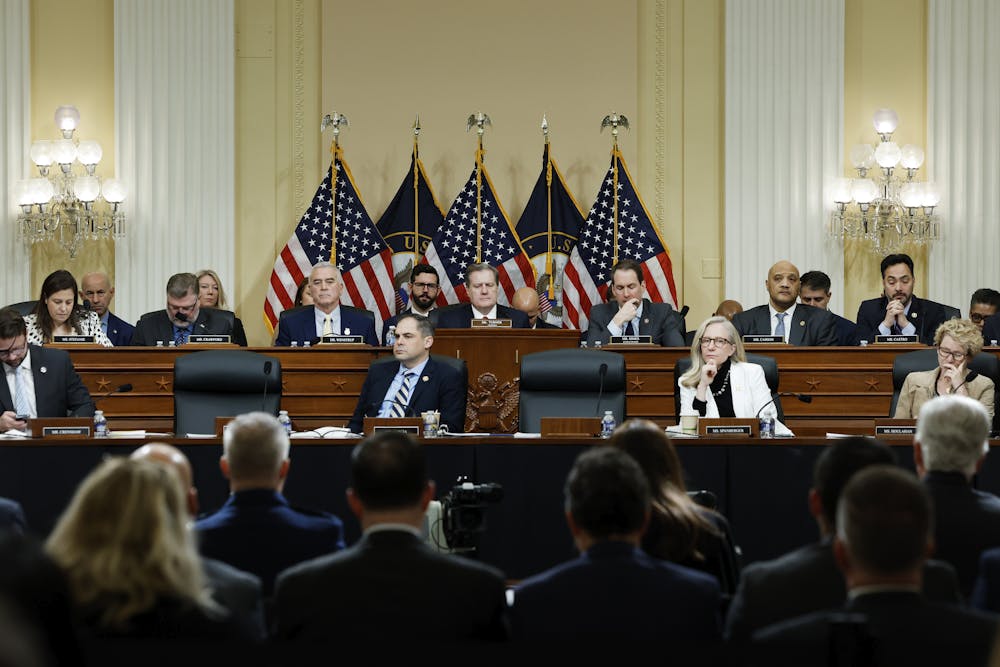
    Intelligence community leaders brief not only the president and others in the executive branch, but also members and committees in Congress.
    Anna Moneymaker/Getty Images

    Leaders don’t have to listen

    At some point or other, almost every president makes decisions that run contrary to intelligence assessments. For instance, George H.W. Bush did not prioritize a crumbling Yugoslavia, and the challenges that presented, choosing to focus on Iraq’s 1990 invasion of Kuwait and the resulting U.S. military Operations Desert Shield and Desert Storm.

    President Bill Clinton inherited the Yugoslavia situation, in which a failing country was at risk of political implosion, and chose to ignore intelligence warnings until the ethnic cleansing in that country became too public to ignore, at which point he began a U.S.-led NATO air campaign to stop the fighting. Clinton also ignored several intelligence warnings about al-Qaida, even after its deadly attacks on two U.S. embassies in 1998, and in 2000 on the USS Cole, a U.S. Navy destroyer. He chose more limited responses than aides suggested, including passing up an opportunity to kill al-Qaida leader Osama bin Laden.

    President Barack Obama chose to dismiss indications relayed by intelligence officials that Russia was going to invade Ukraine in 2014 – which it did. He focused on the Middle East instead. Obama’s goal of withdrawing U.S. troops from Iraq led him to discount warnings of the potential threat from what would become the Islamic State group – which in 2014 took advantage of the American departure to launch a major assault and seize a massive amount of territory in both Syria and Iraq. Driving the group out required significant reengagement from the U.S. military.

    And President Joe Biden ignored military and intelligence assessments that the Afghan military and government were weak and would not be able to withstand Taliban attacks if the U.S. military withdrew. And until almost the last moment, the Biden administration did not believe warnings that Russia was about to launch a second invasion of Ukraine in 2022. In both cases, the intelligence predictions were correct.

    Elected officials are accountable to the American people, and to history, but I believe accountability is key to ensuring the intelligence community follows its own standards from top to bottom, from senior leaders to the most junior analysts. Failure to abide by those standards harms American national security, and the standards themselves say violations are meant to bring professional, and potentially personal, consequences.
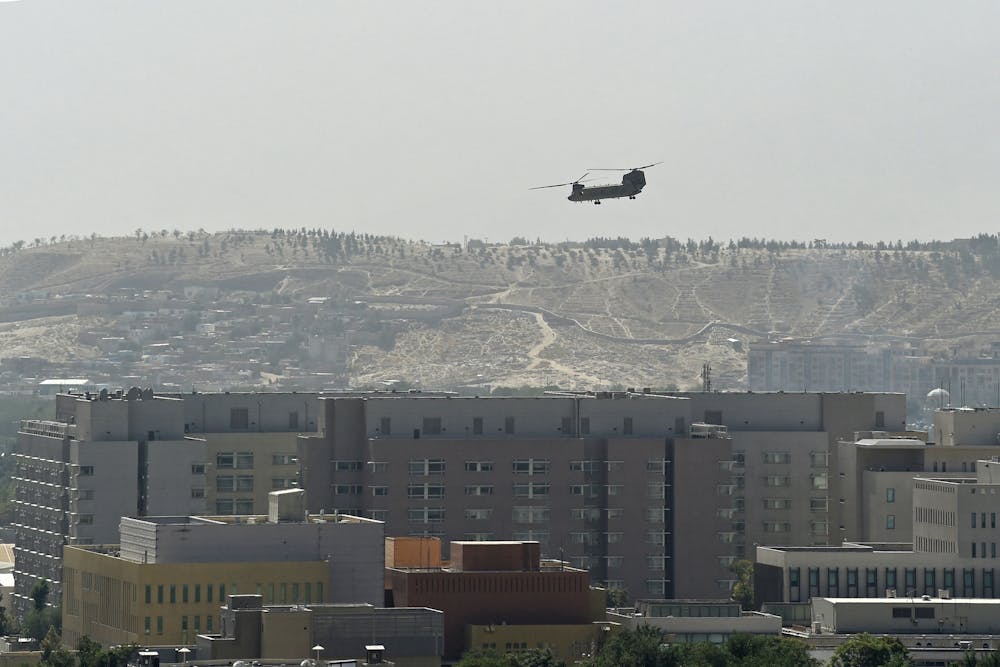
    A U.S. military helicopter flies above Kabul during the evacuation of U.S. troops from Afghanistan in 2021.
    Wakil Kohsar/AFP via Getty Images

    Perfection is elusive

    It’s impossible for intelligence collection and analysis staff to get everything right – they don’t have a crystal ball. Leaders aren’t under any obligation to follow the intelligence community’s recommendations. But if intelligence officials and political leaders are to have effective relationships that safeguard the nation’s security, each must understand their role and trust that each is doing that work as best as possible.

    Providing unvarnished truthful assessments is the job of the intelligence community. That means assessing what’s happening and what might happen as a result of a range of decisions the policymakers might choose. In my experience, putting aside my own views of leaders and their past decisions built trust with them and improved the likelihood that they would take my assessments seriously and make decisions based on the best available information.

    It’s not that intelligence professionals can’t have opinions, political ideologies or particular perspectives on policy decisions. All Americans can, and should.

    But as a second Trump administration begins, I think of what I told my colleagues and staff over the decades: National security requires us to keep those personal views out of intelligence analysis.

    Mark S. Chandler does not work for, consult, own shares in or receive funding from any company or organization that would benefit from this article, and has disclosed no relevant affiliations beyond their academic appointment.

    ref. Why Americans need well-informed national security decisions – not politicized intelligence analysis – https://theconversation.com/why-americans-need-well-informed-national-security-decisions-not-politicized-intelligence-analysis-248831

    MIL OSI – Global Reports

  • MIL-OSI Global: Map wars in the Middle East: How cartographers charted and helped shape a regional conflict

    Source: The Conversation – USA – By Christine Leuenberger, Senior Lecturer, Cornell University

    A lot has changed since the publication of this 1750 map of Palestine. Ken Welsh/Design Pics/Universal Images Group via Getty Image

    Maps are ubiquitous – on phones, in-flight and car displays, and in textbooks the world over. While some maps delineate and name territories and boundaries, others show different voting blocs in elections, and GPS devices help drivers navigate to their destination.

    But no matter the purpose, all maps have something in common: They are political. Making maps is about making decisions about what to omit and what to include. They are subject to selection, classification, abstractions and simplifications. And studying the choices that go into maps, as I do, can reveal different stories about land and the people who claim it as theirs.

    Nowhere is this more true than in the contested regions that today include modern-day Israel and the Palestinian territories. Since the establishment of the state of Israel in 1948, different governmental and nongovernmental organizations and political interest groups have engaged in what can best be described as “map wars.”

    Maps of the region use the naming of places, the position of borders and the inclusion or omission of certain territories to present contrasting geopolitical visions. To this day, Israel or the Palestinian territories may fall off some maps, depending on the politics of their makers.

    This is not exclusive to the Middle East – “map wars” are underway across the globe. Some of the more well-known examples include disputes between Ukraine and Russia, Taiwan and China, and India and China. All are engaged in controversies over the territorial integrity of nation-states.

    Israeli Prime Minister Benjamin Netanyahu displays a map of Israel indicating the Golan Heights are inside the state’s borders.
    Thomas Coex/AFP via Getty Images

    A short history of maps

    Traditionally, maps have been used to represent cosmologies, cultures and belief systems. By the 17th century, maps that represented spatial relations within a given territory beaome important to the making of nation-states. Such official maps helped annex territories and determine property rights. Indeed, to map a territory meant to know and control it.

    More recently, the tools for making maps have become more broadly accessible. Anyone with a computer and internet access can now make and share “alternative maps” that present different visions of a territory and make varied geopolitical claims.

    And maps produced in a conflict region, such as Israel and the Palestinian territories, tell a rich story about the relationship between mapmaking and politics.

    Mapping the Middle East

    During the British Mandate of Palestine from 1917 to 1947, British surveyors mapped the territories to exercise their control over the land and its people. It was an attempt to supersede the more informal Ottoman land claims of the time.

    By the founding of Israel in 1948, only about 20% of the total area of what is known as historic Palestine had been mapped – a fact that has fueled land disputes to this day. The British mapping efforts and their omissions enabled the newly established state of Israel to declare most of the territories as state land, thereby delegitimizing Palestinian land claims.

    A map shows the shaded areas of the Arab state recommended by the U.N. Special Committee on Palestine in 1947. The unshaded areas are parts of the proposed Jewish state.
    Underwood Archives/Getty Images

    Maps also helped build the Israeli state. Surveyors and planners mapped the land to allocate land rights, and they helped build the state’s infrastructure, including roads and railroads.

    But maps also helped create a sense of nationhood. Maps representing a nation’s shape by delineating its national borders are known as “logo” maps. They can enhance feelings of national unity and a sense of national belonging.

    Once established, the Israeli state remade the maps of the region. An Israeli Governmental Names Commission came up with Hebrew names to replace formerly Arab and Christian names for different towns and villages on the official map of Israel. At the same time, formerly Palestinian topographies and places were omitted from the map.

    Some Palestinian mapmakers, however, continue to make maps that include Palestinian named sites and depict pre-1948 historic Palestine – an area that stretches from River Jordan in the east to the Mediterranean Sea in the west. Such maps are used to advocate for Palestinians’ right to land and foster a sense of national belonging.

    A Palestinian woman holds up a map of the British Mandate of Palestine during a protest in Gaza City on Feb. 27, 2020.
    Mohammed Abed/AFP via Getty Images

    At the same time, Palestinian cartographers who work with the Palestinian Authority – the government body that administers partial civil control over Palestinian enclaves in the West Bank – make official maps of the West Bank and Gaza in the hope of establishing a future state of Palestine. They align their maps with United Nations efforts to map the territories according to international law by demarking the West Bank and Gaza as separate from and as occupied by Israel.

    After the 1967 war between Israel and its Arab neighbors, Israel occupied the West Bank and Gaza. As a result, map wars intensified, especially between different fractions within Israel. The left-wing “peace camp,” which was dedicated to territorial compromises with the Palestinians, was pitted against an Israeli right wing committed to reclaiming the “Promised Land” for ensuring Israeli security.

    Such incompatible geopolitical visions continue to be reflected in the maps produced. “Peace camp” maps adhere to the delineation of the territories according to international law. For example, they include the Green Line – the internationally recognized armistice line between the West Bank and Israel. Official maps produced by the Israeli government, by contrast, stopped delineating the Green Line after 1967.

    Broader and border disputes

    Not only have different interest groups and political actors used maps of the region to put forth competing geopolitical claims, but maps have also played a central role in sporadic efforts to establish peace in the region.

    The 1993 Oslo Accords, for example, relied on maps to provide the framework for Palestinian self-rule in return for security for Israel. The aim was that after a five-year interim period, a permanent peace settlement would be negotiated based on the borders laid out in these maps.

    A map of the West Bank with proposed Palestinian-controlled areas in yellow, as per the Oslo II Accords.
    Wikimedia Commons

    Consequently, Palestinian planners and surveyors mapped the territory allocated to a future state of Palestine. With the Oslo Accords promising only a future state – but with its borders and level of sovereignty still uncertain – Palestinian experts nevertheless continue to prepare for governing the territories by mapping them.

    The Oslo maps are used to this day to delineate geopolitical visions of Israel and a future state of Palestine that are based on international law. But for many Israelis, the Oslo vision of a two-state solution has died – the attack by Hamas, the Palestinian nationalist political organization that governs Gaza, on Israel on Oct. 7, 2023, was its last blow.

    The subsequent war between Israel and Hamas, currently subject to a cease-fire, has from the outset involved maps.

    In December 2023, the Israeli military posted an online “evacuation map” that divided the Gaza Strip into 623 zones. Palestinians could go online – provided they have access to electricity and internet in a territory plagued by blackouts – to find out whether their neighborhood was called upon to evacuate. Israeli military commanders used this map to decide where to launch airstrikes and conduct ground maneuvers.

    But the map served a political aim, too: to convince a skeptical world that Israel was taking care to protect civilians. Regardless, its introduction caused confusion and fear among Palestinians.

    Charting a way forward

    Maps aren’t just for making sense of the past and present – they help people imagine the future, too. And different maps can reveal conflicting geopolitical visions.

    In January 2024, for example, various Israeli right-wing and settler organizations organized the Conference for the Victory of Israel. The aim was to plan for resettling Gaza and increase Jewish settlements in the West Bank. Speakers advocated for transferring Palestinians from the Strip to the Sinai through “voluntary emigration.” With Jewish settlers planning for the return to Gaza, and speakers citing both the Bible and Israeli security for justifications, an oversized map showed the location of proposed Jewish settlements.

    A man takes a photo with a map showing the Gaza Strip with Jewish settlements during a convention calling to resettle the Gaza Strip on Jan. 28, 2024, in Jerusalem, Israel.
    Amir Levy/Getty Images

    Similarly, the Israeli Movement for Settlement in Southern Lebanon has published maps of planned Jewish settlements in Southern Lebanon.

    Such maps reveal the desire by some in Israel for a “Greater Israel” – an area described in 1904 by Theodor Herzl, considered the father of modern-day Zionism, as spanning from the brook of Egypt to the Euphrates.

    Unsurprisingly, Palestinians make different maps for envisioning the future. Palestine Emerging – a Palestinian and international initiative that brings together various experts, organizations, and funders – uses maps that connect Gaza to the West Bank and the wider region.

    A map shows the proposed Gaza-West Bank corridor transport link.
    Palestine Emerging

    Their aim is to transform Gaza into a commercial hub for trade, tourism and innovation and to integrate it into the global economy. Accordingly, maps of urban projects, airports and seaports overlay the cartographic contours of Gaza; and a Gaza-West Bank corridor, which would be sealed for Israeli security, could connect the two geographically separate Palestinian territories.

    Such maps reflect the efforts by Palestinian stakeholders to continue surveying the territories that, since the Oslo Accords, were to make up the future state of Palestine.

    A new era of expansionist geopolitics

    With the current U.S. administration more aligned with right-wing Israeli policies, maps of Greater Israel may guide what Hagit Ofran from Peace Now calls the beginning of a new “Greater Israel” policy period.

    In a novel twist, U.S. President Donald Trump on Feb. 4, 2025, floated a plan for the U.S. to “take over” Gaza, moving its current inhabitants out and turning the enclave into “”the Riviera of the Middle East.”

    Such a move would amount to another attempt to remake borders across the Middle East. It would not, however, end the “map wars” in Israel/Palestine.

    This work was supported by the National Science Foundation through the Science and Technology Studies (STS) Program, award #1152322. Any opinions, findings, and conclusions or recommendations expressed in this material are those of the author and do not necessarily reflect the views of the National Science Foundation or any other entity.

    ref. Map wars in the Middle East: How cartographers charted and helped shape a regional conflict – https://theconversation.com/map-wars-in-the-middle-east-how-cartographers-charted-and-helped-shape-a-regional-conflict-231668

    MIL OSI – Global Reports

  • MIL-OSI Global: Why does Trump want to abolish the Education Department? An anthropologist who studies MAGA explains 4 reasons

    Source: The Conversation – USA – By Alex Hinton, Distinguished Professor of Anthropology; Director, Center for the Study of Genocide and Human Rights, Rutgers University – Newark

    A pedestrian walks past the Lyndon Baines Johnson Department of Education Building on Feb. 3, 2025, in Washington. Pete Kiehart for The Washington Post via Getty Images

    “And one other thing I’ll be doing very early in the administration is closing up the Department of Education.”

    President Donald Trump made this promise in a Sept. 13, 2023, campaign statement. Since then, he has frequently repeated his pledge to close the U.S. Department of Education.

    Project 2025, the conservative think tank Heritage Foundation’s blueprint for the Trump administration, also provides detailed recommendations for closing the Education Department, which was created by an act of Congress in 1979.

    On Feb. 4, 2025, Trump described his plans for Linda McMahon, his nominee for education secretary. “I want Linda to put herself out of a job,” Trump said, according to The Associated Press.

    I am an anthropologist and have been studying U.S. political culture for years. During Trump’s first presidency, I wrote a book about the extremist far-right called “It Can Happen Here”. Since then, I have continued to study the Make America Great Again, or MAGA, movement, seeking to understand it, as the anthropological expression goes, “from the native’s point of view.”

    Education policies in the U.S. are largely carried out at the state and local levels. The Education Department is a relatively small government agency, with just over 4,000 employees and a US$268 billion annual budget. A large part of its work is overseeing $1.6 trillion in federal student loans as well as grants for K-12 schools.

    And it ensures that public schools comply with federal laws that protect vulnerable students, like those with disabilities.

    Why, then, does Trump want to eliminate the department?

    A will to fight against so-called “wokeness” and a desire to shrink the government are among the four reasons I have found.

    President Donald Trump waves to supporters at a Jan. 25, 2025, rally in Las Vegas.
    Ian Maule/Getty Images

    1. Education Department’s alleged ‘woke’ mentality

    First and foremost, Trump and his supporters believe that liberals are ruining public education by instituting what they call a
    radical woke agenda” that they say prioritizes identity politics and politically correct groupthink at the expense of the free speech of those, like many conservatives, who have different views.

    Diversity, equity and inclusion, or DEI, initiatives promoting social justice – and critical race theory, or the idea that racism is entrenched in social and legal institutions – are a particular focus of MAGA ire.

    So, too, is what Trump supporters call “radical gender ideology,” which they contend promotes policies like letting transgender students play on school sports teams or use bathrooms corresponding with their gender identity, not biological sex.

    Trump supporters say that such policies – which the Education Department indirectly supported by expanding Title IX gender protections in 2024 to include discrimination based on gender identity – are at odds with parental school choice rights or, for some religious conservatives, the Bible.

    Race and gender policies are highlighted in Project 2025 and in the 2024 GOP’s “Make America Great Again!” party platform.

    Trump has repeatedly promised, as he did on Aug. 14, 2024, in North Carolina, to “keep critical race theory and transgender insanity the hell out of our schools.”

    On Jan. 20, 2025, Trump signed executive orders targeting “gender ideology extremism” and “radical” DEI policies. Two weeks later, he signed another one on “Keeping Men Out Of Women’s Sports.

    2. American Marxist indoctrination

    For MAGA supporters, ”radical left“ wokeness is part of liberals’ long-standing attempt to ”brainwash“ others with their allegedly Marxist views that embrace communism.

    One version of this ”American Marxismconspiracy theory argues that the indoctrination dates to the origins of U.S. public education. MAGA stalwarts say this alleged leftist agenda is anti-democratic and anti-Christian.

    Saying he wants to combat the educational influence of such radicals, zealots and Marxists, Trump issued executive orders on Jan. 29 that pledge to fight ”campus anti-Semitism“ and to end ”Radical Indoctrination in K-12 Schools.“

    3. School choice and parental rights

    Trump supporters also argue that “woke” federal public education policy infringes on people’s basic freedoms and rights.

    This idea extends to what Trump supporters call “restoring parental rights,” including the right to decide whether a child undergoes a gender transition or learns about nonbinary gender identity at public schools.

    The first paragraph of Project 2025’s chapter on education argues, “Families and students should be free to choose from a diverse set of school options and learning environments.”

    Diversity, according to this argument, should include faith-based institutions and homeschooling. Project 2025 proposes that the government could support parents who choose to homeschool or put their kids in a religious primary school by providing Educational Savings Accounts and school vouchers. Vouchers give public funding for students to attend private schools and have been expanding in use in recent years.

    Critics of school vouchers, like the National Education Association and American Federation of Teachers unions, argue that vouchers would diminish public education for vulnerable students by taking away scarce funding.

    Trump has already issued a Jan. 29 executive order called “Expanding Educational Freedom and Educational Opportunity for Families,” which opens the door to expanded use of vouchers. This directly echoes Project 2025 by directing the Education Department to prioritize educational choice to give families a range of options.

    4. Red tape

    For the MAGA faithful, the Education Department exemplifies government inefficiency and red tape.

    Project 2025, for example, contends that from the time it was established by the Carter administration in 1979, the Education Department has ballooned in size, come under the sway of special interest groups and now serves as an inefficient “one-stop shop for the woke education cartel.”

    To deal with the Education Department’s “bloat” and “suffocating bureaucratic red tape,” Project 2025 recommends shifting all of the department’s federal programs and money to other agencies and the states.

    These recommendations dovetail with Trump’s broader attempt to eliminate what he and his MAGA supporters consider wasteful spending and deregulate the government.

    Trump signed an executive order on Jan. 20 that establishes a “Department of Government Efficiency” headed by billionaire Elon Musk. Musk said on Feb. 4 that Trump “will succeed” in dismantling the Education Department.

    An electric school bus is parked outside a public high school in Miami in March 2024.
    Joe Raedle/Getty Images

    Can Trump abolish the Education Department?

    At first glance, the Education Department’s days might seem numbered given Trump’s repeated promises to eliminate it and his reported plans to soon sign an executive order that does so. Republican Senator Mike Rounds of South Dakota also introduced a bill in November 2024 to close the department.

    And Trump has taken actions, such as seeking to shut down the U.S. Agency for International Development without the required congressional approval, which suggest he may try to act on his Education Department promises.

    Abolishing the department, however, would legally require congressional approval and 60 votes to move forward in the Senate, which is unlikely since Republicans only have 53 seats.

    Trump also made similar promises in 2016 that were unfulfilled. And Trump’s executive actions are likely to face legal challenges – like a DEI-focused higher education lawsuit filed on Feb. 3.

    Regardless of such legal challenges, Trump’s executive orders related to education demonstrate that he is already attempting to “drain the swamp” – starting with the Education Department.

    Alex Hinton receives funding from the Rutgers-Newark Sheila Y. Oliver Center for Politics and Race in America, Rutgers Research Council, and Henry Frank Guggenheim Foundation.

    ref. Why does Trump want to abolish the Education Department? An anthropologist who studies MAGA explains 4 reasons – https://theconversation.com/why-does-trump-want-to-abolish-the-education-department-an-anthropologist-who-studies-maga-explains-4-reasons-248818

    MIL OSI – Global Reports

  • MIL-OSI Global: Breastfeeding and Ebola: knowledge gaps endanger mothers and babies

    Source: The Conversation – Africa – By Catriona Waitt, Professor of Clinical Pharmacology and Global Health, University of Liverpool

    Breastfeeding is so important for child health that the World Health Organization (WHO) and Unicef recommend that babies should be breastfed within an hour of birth, be exclusively breastfed for the first six months of life, and then continue breastfeeding in combination with other foods for two years or more.

    Infectious disease emergencies can threaten breastfeeding and the lives of mothers and babies. Depending on the disease, there is a risk of passing infection to the baby by close contact or (rarely) through breastmilk. There is also the risk of harm to breastfed infants from medication or vaccination of their mothers.

    But separating mothers and babies or stopping breastfeeding also poses risks.

    Mothers need proper guidance on the best course of action during an Ebola outbreak.

    Threat to mothers and babies

    The symptoms of Ebola include fever, tiredness, muscle pain, headache and sore throat followed by vomiting, diarrhoea, rash and, later, bleeding from any part of the body.

    Ebola viruses are extremely contagious and people who become infected are at very high risk of death. Pregnant women and infants are more vulnerable and at greater risk than others.

    Ebola outbreaks most often occur in countries where breastfeeding is vital for child survival. They have occurred in several African countries and on 30 January 2025 Uganda declared an outbreak, the latest in several the country has endured.

    Breastmilk contains many ingredients that help to prevent and fight infection and that strengthen the baby’s own immune system. Replacing breastmilk with other foods or liquids (including infant formula) removes this protection from babies and makes them more likely to become seriously ill.


    Read more:
    Ebola: how a vaccine turned a terrifying virus into a preventable disease


    Protection or harm?

    It’s important to know which actions protect or harm babies and their mothers during outbreaks. Recommendations on infectious diseases must weigh up the risks related to the disease, medical treatments and the risks of not-breastfeeding.

    The World Health Organization has published guidelines on how to care for breastfeeding mothers and their infants when one or both have Ebola, but these recommendations are based on “very low quality” evidence, they are mostly expert opinion rather than research-based knowledge.

    Women and children have been largely neglected in Ebola research. More is known about Ebola and semen than Ebola and breastmilk.

    In a paper just published in the Lancet Global Health, we have outlined a roadmap for research on Ebola and breastfeeding so that mothers and babies can be protected.


    Read more:
    Ebola in Uganda: why women must be central to the response


    What we don’t know

    We know that Ebola is easily transmitted by close contact between people. So the close contact of breastfeeding is a risk to an uninfected baby or mother if one of them has Ebola.

    However:

    • We don’t know if breastmilk can be infectious and, if it is, for how long.

    • We don’t know whether expressed breastmilk can be treated so that it is safe.

    • We don’t know whether, if both mother and baby are infected, it is better for the baby if the mother keeps breastfeeding, if she is able to.

    • We don’t know if vaccinating mothers against Ebola helps to protect their breastfed infants from the virus.

    • We don’t know if there are any risks for breastfed infants if their mothers are infected.

    The result of this lack of knowledge is that decisions may be taken that increase risk and suffering for mothers and their babies.

    For example, mothers may refuse vaccination because they are fearful that it is risky for their baby. But by refusing vaccination they’d be making themselves vulnerable to Ebola.

    Alternatively, they may get vaccinated and stop breastfeeding, making their baby vulnerable to other serious infections.

    If mothers and babies who both have Ebola are separated and breastfeeding is stopped, it could reduce the chances of survival.

    Mothers and babies deserve better than this.

    No more excuses

    For many years people have called for more research on Ebola, breastmilk and breastfeeding, but this research has not been undertaken. It is not acceptable that women and children are deprived of breastfeeding because the needed research has not been done.

    Our experience providing medical care in Ebola outbreaks, developing guidance for breastfeeding mothers in emergencies and researching medications and breastfeeding prompted us to develop a plan to fill this research gap.

    In our paper, we describe the different groups of breastfeeding women affected by Ebola who must be included in research:

    • vaccine recipients

    • mothers who are ill with Ebola

    • mothers recovering from Ebola

    • mothers who are infected with Ebola, but have no symptoms

    • the wider population of breastfeeding mothers in communities experiencing Ebola outbreaks.

    The roadmap also includes the research questions that need answering and the study designs that would enable these questions to be answered.

    It is up to governments, pharmaceutical companies, researchers, funders and health organisations to act.

    Following the Ebola and breastfeeding research roadmap will not necessarily be easy. It is difficult to do research in the middle of an emergency.

    But research on vaccination safety can be done outside outbreaks. Putting research plans in place and gaining approvals before outbreaks will also make things easier.

    Closing the female data gap

    Women have the right to societal, family and health support to enable them to breastfeed.

    Lack of research is part of a problem called the “female data gap”, where knowledge of women’s bodies, experiences and needs is lacking.

    The Universal Declaration of Human Rights says, “Motherhood and childhood are entitled to special care and assistance.”

    There just needs to be a commitment to make this research happen.

    Catriona Waitt receives funding from the Wellcome Trust and the Gates Foundation.

    Karleen Gribble is a long-term member and current steering committee member of the Infant and Young Child Feeding in Emergencies Core Group.

    Peter Waitt receives funding from the UK Foreign, Commonwealth and Development Office, the UK Medical Research Council, thr UK National Institute of Health Research and the Wellcome Trust.

    Mija Ververs and Prince Imani-Musimwa do not work for, consult, own shares in or receive funding from any company or organisation that would benefit from this article, and have disclosed no relevant affiliations beyond their academic appointment.

    ref. Breastfeeding and Ebola: knowledge gaps endanger mothers and babies – https://theconversation.com/breastfeeding-and-ebola-knowledge-gaps-endanger-mothers-and-babies-248356

    MIL OSI – Global Reports

  • MIL-OSI Global: The fossil skull that rocked the world – 100 years later scientists are grappling with the Taung find’s complex colonial legacy

    Source: The Conversation – Africa – By Rebecca Ackermann, Professor, Department of Archaeology and Human Evolution Research Institute, University of Cape Town

    Here’s how the story of the Taung Child is usually told:

    In 1924 an Australian anthropologist and anatomist, Raymond Dart, acquired a block of calcified sediment from a limestone quarry in South Africa. He painstakingly removed a fossil skull from this material.

    A year later, on 7 February 1925, he published his description of what he argued was a new hominin species, Australopithecus africanus, in the journal Nature. It was nicknamed the Taung Child, a reference to the discovery site and its young age.

    The international scientific community rebuffed this hypothesis. They were looking outside Africa for human origins and argued that the skull more likely belonged to a non-human primate. Dart was vindicated decades later after subsequent similar fossil discoveries elsewhere in Africa.

    Dart is portrayed as prescient in most retellings. He’s hailed for elevating the importance of Africa in the narrative of human origins.

    But is this a biased and simplified narrative? The discovery played out during a period marked by colonialism, racism and racial segregation and apartheid in South Africa. The history of human origins research is, therefore, intertwined with inequality, exclusion and scientifically unsound ideas.

    Viewed against this backdrop, and with a contemporary lens, the figure of Dart, and palaeoanthropology on the African continent more broadly, is complex and worthy of reflection.

    The South African Journal of Science has published a special issue to mark the centenary of Dart’s original paper.

    A group of African researchers and international collaborators, ourselves among them, contributed papers offering perspectives on the science, history and legacy of palaeoanthropology in South Africa and beyond.

    We were particularly interested in exploring how the history of the discovery of early hominins in South Africa influenced the scientific field of palaeoanthropology. Did it promote or limit scientific enquiry? In what ways? What were its cultural effects? And how do they play out now, a century later?

    The papers in the special issue unpack a number of issues and highlight ongoing debates in the field of human evolution research in Africa and beyond.

    Our goal is to celebrate the remarkable science that the discovery of A. africanus enabled. At the same time we are probing disciplinary legacies through a critical lens that challenges researchers to do science better.

    The marginalisation and erasure of voices

    Several key themes run through the contributions in the special issue.

    One is the unheard voices. The colonial framework in which most palaeoanthropological research in South Africa took place excluded all but a few groups. This is particularly true for Indigenous voices. As a legacy, few African researchers in palaeoanthropology are first authors on prominent research or leading international research teams.

    Too often, African palaeoanthropological heritage is the domain of international teams that conduct research on the continent with little meaningful collaboration from local African researchers. This is “helicopter science”. More diverse teams will produce better future work and those of us in the discipline must actively drive this process.


    Read more:
    Archaeology is changing, slowly. But it’s still too tied up in colonial practices


    The dominance of western male viewpoints is part of the colonial framework. This theme, too, threads through most of the work in the special issue.

    In a bid to redress some of the imbalances, a majority of the authors in the special issue were women, especially African women, and Black Africans more broadly. Many of the papers call for a more considered and equitable approach to the inclusion of African researchers, technicians and excavators in the future: in workshops and seminars, on professional bodies, as collaborators and knowledge creators, and in authorship practices.

    Community and practice

    Colonial legacies also manifest in a lack of social responsiveness – the use of professional expertise for a public purpose or benefit. This is another theme in the special edition. For example, Gaokgatlhe Mirriam Tawane, Dipuo Kgotleng and Bando Baven consider the broader effects of the Taung Child discovery on the Taung community.

    Tawane is a palaeoanthropologist and grew up in the Taung municipality. She and her co-authors argue that, a century after the discovery of the fossil, there is little (if any) reason for the local community to celebrate it. They argue that more must be done not only to give back to the community, which is beset by socio-economic struggles, but also to build trust in science and between communities and scientists.

    Researchers need to understand that there is value in engaging with people beyond academia. This is not merely to disseminate scientific knowledge. It can also enrich communities and co-create a scholarship that is more nuanced, ethical and relevant. Researchers must become more socially responsive and institutions must hold researchers to higher standards of practice.

    Resourcing

    Another theme which emerges from this special issue is the value of and the need for excellent local laboratory facilities in which to undertake research based on the fossils and deposits associated with them.

    Increased investment in local laboratory facilities and capacity development can create a shift towards local work on the content being led by Africans. It can also increase pan-African collaboration, dismantling the currently common practice of African researchers being drawn into separate international networks.

    It is important for international funding bodies to increase investment within African palaeoanthropology. This will facilitate internal growth and local collaborative networks. International and South African investment is also needed to grow local research capacity. Fossil heritage is a national asset.

    This is an edited version of an article in the South African Journal of Science. Yonatan Sahle (Department of Archaeology, University of Cape Town, South Africa and Department of History and Heritage Management, Arba Minch University, Ethiopia) co-authored the academic article.

    Rebecca Ackermann receives funding from the National Science Foundation African Origins Platform (AOP240509218040) and the Wenner-Gren Foundation.

    Lauren Schroeder receives funding from the Natural Sciences and Engineering Research Council of Canada (RGPIN-2020-04159)

    Robyn Pickering receives funding from the NRF African Origins Platform (AOP240509218076) and the DST-NRF Centre of Excellence in Palaeosciences (COE2024-RP)

    ref. The fossil skull that rocked the world – 100 years later scientists are grappling with the Taung find’s complex colonial legacy – https://theconversation.com/the-fossil-skull-that-rocked-the-world-100-years-later-scientists-are-grappling-with-the-taung-finds-complex-colonial-legacy-248605

    MIL OSI – Global Reports

  • MIL-OSI Global: How Putin, Xi and now Trump are ushering in a new imperial age

    Source: The Conversation – UK – By Eric Storm, Senior Lecturer in General History, Leiden University

    Over the past few weeks the new US president, Donald Trump, has repeatedly claimed that the United States should “take back” the Panama Canal and that it should assume control of Greenland – one way or another. He has talked of Canada becoming America’s 51st state and now he even wants to “take over” the Gaza Strip to convert it into a “Riviera” on the eastern Mediterranean.

    It’s as if the US president believes that his country should be an empire. In this Trump seems to be emulating China’s Xi Jinping and Vladimir Putin of Russia, leaders he has said he admires and who have themselves shown some clear imperial tendencies in recent years.

    Under Putin, Russia has supported secessionist regions, such as Transnistria and Abkhazia, fought wars in Georgia and Ukraine and actively interfered in the affairs of Syria and assorted African countries. In 2022 Russia even launched a full-scale invasion of Ukraine, claiming that Ukraine was historically inseparable from Russia, but that hostile western influences were trying to destroy that unity.

    China, meanwhile, has militarised a number of small uninhabited islands in the South China Sea. It has built 27 installations on disputed islands in the Spratly and Paracel island group that are also claimed by other countries including Vietnam, Taiwan, the Philippines and Malaysia. This has prompted a flurry of development, as other countries in the region have raced to establish their own footholds in the disputed, but very resource-rich, region.

    Beijing also maintains its claim over Taiwan, which it says is an inalienable part of China which it wants to “come home”.

    Empires and nation states

    Most people assumed that the age of empires had been relegated to the dustbin of history. But this is by no means a straightforward proposition. Until relatively recently, the rise and fall of empires had dominated much of recorded history. Nation-states only appeared at the end of the 18th century. And as those states rose to prominence many too displayed imperial inclinations.

    So the US, fresh from throwing off the yoke of the British empire, wasted little time in expanding its borders westward, acquiring – whether by conquest or purchase – large swaths of new territory in what effectively turned a small group of east coast states into a continental empire.

    Meanwhile other newly minted nation-states such as Italy and Germany also aspired to acquire overseas empires and involved themselves, with varying success, building what turned out to be relatively shortlived colonial empires in Africa and elsewhere.

    Most traditional dynastic empires, meanwhile, began to adopt various aspects of the nation-state model, such as conscription, legal equality and political participation. The decades following the second world war are often seen by historians as a period of decolonisation by traditional imperial powers such as Britain and France. But the transition from empire to nation-states was far from smooth. Most imperial governments hoped to transform their empires into more egalitarian commonwealths, while retaining a degree of influence.

    This they did with varying degrees of success and often under extreme duress, as with France in Algeria and Vietnam, or under great economic pressure, such as with Britain and India. The real age of the nation-state didn’t begin until the 1960s.

    The return of empire?

    Today, the world consists of about 200 independent countries, the overwhelming majority nation-states. Nonetheless, one could argue that empires – or at least imperial tendencies – have never totally disappeared. France, for instance, frequently interfered in many of its former colonies in Africa. However, these military interventions were not meant to permanently occupy new territories.

    Today, imperial tendencies seem to resurface around the world. The past, however, tends not to repeat itself. Massive wars of conquest or attempts to create new overseas empires are unlikely in the immediate future. Most imperial expansions are currently sought close to home.

    What is striking is that Putin, Xi and Trump all use fierce nationalist rhetoric to justify their imperialist designs. Putin, as we have seen, claims the indivisibility of Ukraine and Russia and blames “Nazis” for trying to turn Russia’s sister state towards the west. He used it as a justification for invading Ukraine in February 2022.

    Xi, in turn, often maintains that Communist China has finally overcome the century of humiliation, in which the country was the plaything of foreign powers. They both seem to yearn for past imperial greatness. The Russian Federation aims to undo the dissolution of the Soviet Union, communist China looks back to the Qing empire. Interestingly, under its increasingly authoritarian leader Recep Tayyip Erdoğan, Turkey – another regional power with imperial inclinations – similarly finds inspiration in the Ottoman Empire.

    The US case seems to be more complex, but in fact is very similar. Thus, Trump argues that the Panama Canal, which has long been administered by the US, was foolishly returned to Panama by Jimmy Carter and claims that it is now controlled by China. He will, he says, return it to the US.

    Trump also refers to America’s “Manifest Destiny”, the 19th-century belief that American settlers were destined to expand to the Pacific coast. These days his aspirations are northwards rather than to the west. The president also wants to plant the US flag on Mars, taking his imperial dreams into outer space.

    If the US joins China and Russia in violating recognised borders, the international, rights-based order could be in danger. The signs are not very positive. Taking steps to illegally annex territories could blow up the entire international edifice.

    Eric Storm does not work for, consult, own shares in or receive funding from any company or organisation that would benefit from this article, and has disclosed no relevant affiliations beyond their academic appointment.

    ref. How Putin, Xi and now Trump are ushering in a new imperial age – https://theconversation.com/how-putin-xi-and-now-trump-are-ushering-in-a-new-imperial-age-248160

    MIL OSI – Global Reports

  • MIL-OSI Global: AI can boost economic growth, but it needs to be managed incredibly carefully

    Source: The Conversation – UK – By Professor Ashley Braganza, Professor of Business Transformation, Brunel University of London

    Erman Gunes / Shutterstock

    The UK government’s efforts to integrate artificial intelligence (AI) into public services and stimulate economic growth represents a pivotal step in the roll out of the technology in this country.

    AI offers the promise of improving public services by enabling faster, more efficient processes, personalising provision of those services for the public and optimising decision-making. However, the adoption of this technology in public systems brings inherent risks, particularly in an environment characterised by rapid technological developments.

    A primary concern and challenge lies in ensuring that AI adoption builds trust in public services. Mismanagement of AI can worsen inequality, lead to job losses, and erode public confidence in government and the further rollout of AI-based technologies.

    Balancing these opportunities and risks requires understanding the trade offs involved, notably the tension between job creation and displacement, unconstrained benefits from the misuse of AI, and the need for fairness, transparency, equity and a capacity to be able to explain the design of algorithms.

    AI has the potential to generate employment in fields such as data science, algorithm design and system maintenance. However, automating routine administrative tasks such as form processing and record management threatens to make many public sector roles redundant.

    The challenge lies in maintaining efficiency and accountability while addressing inevitable job gigification. This transition will not be uniform. Workers in roles vulnerable to automation will experience immediate consequences.

    The government has rightly identified the need to invest in reskilling initiatives that prepare workers for an AI-driven future. Reskilling is necessary but insufficient to fuel economic growth.

    As tasks are gigified by AI technologies, traditional full-time jobs become increasingly scarce, leading to more “white collar” workers experiencing income volatility, periods of un- or underemployment and precarious living. Yet, extant financial systems are based upon patterns of monthly income and expenditure on mortgages and rent or utilities.

    Financial systems need to become significantly more flexible to enable workers to align uncertain income streams with unavoidable regular expenditure on necessities such as food and internet connectivity.

    Oversight is key

    The risks of AI algorithm failures are particularly apparent when systems deployed in the public sector cause harm. A glaring example is the UK Post Office scandal, where inaccurate data from the Horizon IT system led to wrongful prosecutions.

    This case highlights the importance of oversight in AI deployment. Without a mix of regulations, guidelines and guardrails, errors in AI systems can lead to serious consequences, particularly in sectors related to justice, welfare and resource allocation.

    Government must ensure that AI-driven systems are not only efficient and accurate but also auditable. Independent bodies should oversee the design, implementation, and evaluation of AI systems to reduce risks of failure.

    AI can enhance public services, but it is important to acknowledge that algorithms reflect biases inherent in their design and training data. In the public sector, these biases can have unintended and unforeseen consequences that are invidious, as they are hidden in the depths of complex computer code.

    For instance, AI systems used in housing allocation can exacerbate existing inequalities if trained on biased historical data. Fairness and trust should therefore be core principles in AI development. Developers must use diverse, representative datasets and conduct bias audits throughout the process.

    Citizen engagement is essential, as affected communities can provide valuable input to identify flaws and contribute to solutions that promote equity.
    A key challenge for policymakers is whether AI can deliver on its promise without deepening social divisions or reinforcing discriminatory practices. Transparency in AI decision making is essential for maintaining public trust.

    Citizens are more likely to trust systems when they understand how decisions are made. Governments should commit to clear, accessible communication about AI systems, allowing individuals to challenge and appeal automated decisions. While AI adoption will likely cause disruption in the early stages, these challenges can diminish over time, leading to faster, more personalised services and more meaningful work opportunities for government employees.

    AI systems are dynamic, continuously evolving with the data they process and the contexts in which they operate. Governments must prioritise ongoing review and auditing of AI systems to ensure they meet public needs and ethical standards. Engaging relevant stakeholders – citizens, public sector employees and private sector partners – is essential to this process.

    Transparent communication about the goals, benefits, and limitations of AI helps build public trust and ensures that AI systems remain responsive to societal needs. Independent audits conducted by multidisciplinary teams can identify flaws early and prevent harm. To fully realise AI’s potential and ensure its benefits are distributed equitably, policymakers must carefully balance efficiency, fairness, innovation, and accountability.

    A strategic focus on education, ethical algorithm design and transparent governance is necessary. By investing in education, AI ethics and strong regulatory frameworks, governments can ensure that AI becomes a tool for societal progress while minimising unintended adverse consequences.

    S. Asieh Hosseini Tabaghdehi works for Brunel University of London. She received funding from UKRI (ESRC) to investigate the ethical implication of digital footprint data in SMEs value creation.

    Professor Ashley Braganza does not work for, consult, own shares in or receive funding from any company or organisation that would benefit from this article, and has disclosed no relevant affiliations beyond their academic appointment.

    ref. AI can boost economic growth, but it needs to be managed incredibly carefully – https://theconversation.com/ai-can-boost-economic-growth-but-it-needs-to-be-managed-incredibly-carefully-248578

    MIL OSI – Global Reports

  • MIL-OSI Global: How fast is your gut? The answer to this question is important to your health

    Source: The Conversation – UK – By Nick Ilott, Senior Researcher and Lead Bioinformatician, The Oxford Centre for Microbiome Studies, University of Oxford

    The sweetcorn test can help you figure out how fast your gut is. Africa Studio/ Shutterstock

    Many of us pay attention to the foods we’re putting in our bodies – asking ourselves whether they’re nutritious and healthy for us. But have you ever stopped to ask yourself how fast this food is moving through your gut? The answer to this question is actually really important, as the speed that food moves through your digestive tract affects your health and wellbeing in many ways.

    Once you’ve chewed up and swallowed your meal, this food begins its journey along the gastrointestinal tract – a long and winding pathway that begins at the mouth and ends at the anus. Along the way, it reaches specialist organs that churn and digest (stomach), absorb nutrients (small intestine) and absorb water and salts (large intestine).

    The movement of food through the digestive tract is known as gut motility. This process is partly controlled by the trillions of bacteria present in our gut. The gut microbiome is extremely important as these bacteria help develop our immune system and break down food.

    So, when we eat, we’re not just feeding ourselves – we’re feeding the micro-helpers present in the intestine. To thank us, the bacteria produce small molecules called metabolites that boost our immune system and keep our gut moving by stimulating the intestinal nerves so they contract and move the food onwards.

    Without these bacteria and their metabolites, our guts would be less able to move food through the gastrointestinal tract. This could cause a build up of ingested material, leading to constipation and discomfort.

    Gut transit time

    The time it takes for food to pass from one end of the gastrointestinal tract to the other is called gut transit time.

    Gut transit time varies from one person to the next. Recent estimates suggest it can take somewhere between 12 and 73 hours for food to pass through the body – with the average being around 23-24 hours. This variation in gut transit explains some of the gut microbiome differences seen between people – and consequently their gut health.

    Many factors can also affect our natural gut transit time – including genetics, diet, and our gut microbiome.

    If gut transit time is long (meaning you have slow gut motility), bacteria in the large intestine produce different metabolites. This is because, just like us, the bacteria in our guts need to be fed. These bacteria enjoy fibre. But, if gut transit time is long and fibre is taking too long to reach the large intestine, these microbial inhabitants have to switch to an alternative food source. So, they turn to protein.

    The switch to protein can result in the production of toxic gases leading to health problems such as bloating and inflammation.

    Slow gut transit can also cause partially digested food to get stuck in the small intestine. This has additional health consequences – such as an overgrowth of small intestinal bacteria, which can lead to symptoms such as abdominal pain, nausea and bloating.

    A slow moving gut may leave you feeling bloated.
    staras/ Shutterstock

    Fast gut transit can negatively impact health, too.

    There are many reasons that someone may experience fast transit time. For example, anxiety, inflammatory bowel disease (IBD) and irritable bowel syndrome (IBS) can all cause decreased transit time and even diarrhoea.

    In cases of fast transit, the resulting stool is loose with high water content. This indicates that the faecal matter has not spent enough time in the intestine, preventing sufficient absorption of water and nutrients. In cases of IBD for example, this can lead to dehydration.

    Testing your gut speed

    Fortunately, there’s a very simple at-home test you can do to check your gut motility. It’s called “the sweetcorn test”. And yes, it is what you’re thinking.

    Don’t eat any sweetcorn for 7-10 days (the “wash-out” phase). Then you are ready to begin the test. Note down the date and time, and eat some sweetcorn – a corn on the cob or a handful of corn is sufficient. Because the outer shell of the corn is indigestible, it will pass through your gastrointestinal tract with the rest of the food you’ve eaten and will eventually be visible in your stool.

    What you’ll do is keep an eye on the next few stools you pass and note down the date and time that you observe the golden treasure. It should be noted that this at-home test is not definitive – but it does represent a measure of transit time that, on average, gives similar results to more sophisticated measures.

    If you pass the corn in 12 hours or less, your gut is fast. If you don’t pass it for around 48 hours of more, then your gut is slow. If you find your gut motility is on either end of the spectrum, there are fortunately things you can do to improve it.

    If it’s consistently fast, it’s best to visit your doctor to see if there is an underlying cause. If it’s a little slow – but you don’t seem to be having any additional gastrointestinal symptoms such as bloating, abdominal pain, lack of appetite or nausea – eat more fruit and veg to increase the fibre you’re feeding those friendly gut bacteria, drink more water and exercise.

    Following a balanced diet will help to keep your bowels moving and healthy.

    Nick Ilott receives funding from the Kennedy Trust for Rheumatology Research (KTRR), GutsUK, PSC Support and supervises a PhD project jointly funded by the Biotechnology and Biological Sciences Research Council (BBSRC) and Roche.

    ref. How fast is your gut? The answer to this question is important to your health – https://theconversation.com/how-fast-is-your-gut-the-answer-to-this-question-is-important-to-your-health-248701

    MIL OSI – Global Reports

  • MIL-OSI Global: Britain has a new snake species – should climate change mean it is allowed to stay?

    Source: The Conversation – UK – By Tom Major, Postdoctoral Research Fellow in Herpetology, Bournemouth University

    Meet north Wales’s newest resident: the Aesculapian snake (_Zamenis longissimus_). Nathan Rusli

    All animals live in or seek a set of climate conditions they find tolerable. This “climate envelope” partially determines where animals are found, but the continued existence of many species now rests on the outcome of human-driven climate change.

    Rising temperatures are moving the available climate niches of many species into areas which were previously too cool. While their ranges shift poleward or to higher elevations, their habitat downslope or closer to the equator shrinks, as it becomes too hot to live in.

    Flying and marine animals are relatively free to follow these shifting niches. Birds and butterflies are two examples. New species arrive regularly in the UK with the warming climate and are generally met with excitement by enthusiasts and scientists alike, given that they are a natural effort by a species to make the best of a difficult situation.

    However, many grounded species, including reptiles and mammals, cannot disperse through habitats split apart by roads and other human-made obstacles, or cross natural barriers like the Channel. This limits their ability to find suitable conditions and makes them vulnerable to extinction.

    Nowhere to go?

    Here is the dilemma for conservationists like us.

    We normally focus on preserving species within their modern ranges, and have traditionally viewed species that end up outside theirs as a problem. But retaining the status quo is increasingly untenable in the face of unchecked climate change.

    Should we consider conserving species that have moved, or been moved, outside of the native ranges that existed before industrial society and its greenhouse effect? Should we even consider deliberately moving species to conserve them? Introduced species that have established just outside of their native ranges, in slightly cooler climates, offer a glimpse of the likely consequences.

    Our new study in north Wales focused on one such migrant. Aesculapian snakes (Zamenis longissimus) are nonvenomous reptiles that mostly eat rodents and are native to central and southern Europe, reaching almost to the Channel coast in northern France.

    Two accidental introductions, one in Colwyn Bay, north Wales, and another along the Regent’s Canal in London, have allowed this species to thrive in Britain. It is not actually novel to our shores, but it disappeared during a previous ice age and has probably been absent for about 300,000 years.

    While the introduced UK populations appear to be thriving, recent surveys of this snake in the southern parts of its range have discovered a rapid decline, potentially due in part to climate change.

    A good neighbour

    Given their status as a non-native species, we were keen to find out how Aesculapian snakes are surviving in chilly north Wales, further north than anywhere they currently occur naturally. To do this, we implanted 21 snakes with radio transmitters and spent two summers tracking them around the countryside.

    Aesculapian snakes are elusive and wary of humans.
    Tom Major

    Our results surprised us. The snakes had a trump card which seemed to help them weather the cool climate. They were frequently entering buildings – relatively warm refuges – while they were digesting food or preparing to shed their skin. They also used garden compost bins for shelter and to incubate their eggs.

    Even more surprisingly, most residents did not mind the snakes. In fact, many had no idea they had snakes as neighbours because they kept such a low profile, typically hiding in attic corners. The snakes appear to coexist with normal suburban wildlife, and there are no indications that their presence is affecting native species.

    Should successfully established, innocuous immigrants be proscribed and potentially eradicated, as is currently the case? Or should they be valued and conserved in the face of current and impending climate change?

    Protecting and conserving the maximum possible diversity of species and ecosystems is the heart of the conservation agenda. However, the rapid pace of change forced upon our planet requires us to rethink what is practical and desirable to achieve.

    Conservation within the silos of national boundaries is an increasingly outdated way of trying to maintain the diversity underlying global ecosystems. Instead, conservationists may need to accept that the rapidly changing environment necessitate shifts in the ranges of species. And perhaps, even assist those species incapable of moving on their own.

    Introductions have allowed this snake to flourish on an island it would never naturally reach.
    Antonio Gandini

    Unlicensed “guerrilla” releases are obviously unacceptable due to biosecurity risks (for example, the potential to introduce devastating diseases such as the amphibian-killing Bsal fungus) and other unforeseen consequences. Even legitimate reintroductions often fail, due to there being too few individual specimens, pollution or predation from invasive species.

    Aesculapian snakes will be considered by the government for addition to the list of alien species of special concern, which would be grounds for eradication. It would be tragic if species such as this became extinct in parts of their natural range, while thriving introduced populations just to the north of their pre-industrial distribution are treated as undesirable aliens that must be removed.

    Instead, we argue that this innocuous species should be the figurehead for new thinking in conservation biology, that incorporates the reality of impending further climate change and dispenses with the narrow constraints of national boundaries and adherence to pre-industrial distributions.


    Don’t have time to read about climate change as much as you’d like?

    Get a weekly roundup in your inbox instead. Every Wednesday, The Conversation’s environment editor writes Imagine, a short email that goes a little deeper into just one climate issue. Join the 40,000+ readers who’ve subscribed so far.


    Wolfgang Wüster receives funding from the Leverhulme Trust.

    Tom Major does not work for, consult, own shares in or receive funding from any company or organisation that would benefit from this article, and has disclosed no relevant affiliations beyond their academic appointment.

    ref. Britain has a new snake species – should climate change mean it is allowed to stay? – https://theconversation.com/britain-has-a-new-snake-species-should-climate-change-mean-it-is-allowed-to-stay-249043

    MIL OSI – Global Reports

  • MIL-OSI Global: The illusion of equal opportunity for minority NFL coaches

    Source: The Conversation – USA – By Joseph N. Cooper, Endowed Chair of Sport Leadership and Administration, UMass Boston

    On the day after the New England Patriots ended their NFL season with a miserable 4-13 record, team owner Robert Kraft fired Jerod Mayo, the team’s first Black head coach. In a press conference following his decision, Kraft explained that he put Mayo in “an untenable situation” by hiring him to lead an underperforming team.

    Kraft’s assessment reflects an all-too-familiar reality for Black coaches in the NFL. Though Black players account for 53% of all NFL players, only 19% of head coaches are Black men.

    At the beginning of the 2024 season, the NFL set its own league record with nine of its 32 head coaching jobs held by minorities. In addition to Mayo, Las Vegas’ Antonio Pierce, Pittsburgh’s Mike Tomlin, Tampa Bay’s Todd Bowles, Atlanta’s Raheem Morris and Houston’s DeMeco Ryans are Black. They were joined by Carolina’s Dave Canales, who is Mexican American, Miami’s biracial Mike McDaniel and the New York Jets’ Robert Saleh, who is of Lebanese descent.

    By season’s end, three of those coaches were gone, including the Raiders’ Pierce. Pierce, like Mayo, was given one season to turn around a team with a losing record. Saleh was fired during the season.

    In my view as a scholar of race and professional sports, the firings revealed the NFL’s double standard for Black head coaches and suggest that Black men are still valued more for their athletic prowess than their leadership skills.

    During a Fox NFL Sunday show shortly after Mayo’s firing, former Patriots tight end Rob Gronkowski called Mayo’s firing shocking, disappointing and “unfair.”

    ESPN’s Stephen A. Smith was quick to blame the race of Mayo as a factor. “They call it Black Monday for a reason,” Smith said. “Jerod Mayo was clearly not given a lengthy enough opportunity.”

    A checkered history

    In 1921, a year after the NFL’s inaugural season, Fritz Pollard became the first Black head coach when he was hired to lead the Akron Pros. It would take nearly 70 years before the NFL had its second Black head coach – Art Shell of the Oakland Raiders in 1989.

    Since then, Black coaches have had few chances in the NFL. Even fewer have succeeded. Only two Black head coaches have won Super Bowl titles: Tony Dungy of the Indianapolis Colts in 2007 and Mike Tomlin of the Pittsburgh Steelers in 2008.

    To address the lack of Black head coaches, the NFL enacted in 2003 what is known as the Rooney Rule, a hiring practice named after Dan Rooney, the former owner of the Pittsburgh Steelers who sat on the NFL’s diversity committee. The rule requires teams to include two minority candidate during the interview process for head coaching jobs and was later applied to general managers, senior executives and assistant coaches.

    But even with the rule, the percentage of Black coaches has consistently been lower than the percentage of Black players. Research has shown that Black coaches are both less likely to be promoted to head coaching jobs than their white counterparts and less likely to receive a second chance after a losing season.

    In fact, since the Rooney Rule was instituted in 2003, nonwhite coaches have been more than three times as likely to be fired after one season than white coaches, according to data collected by the USA Today NFL Coaches Project.

    Their data did not include the scores of Black assistant coaches who are routinely overlooked for their first head coaching jobs.

    Eric Bieniemy takes the field as a UCLA assistant coach during the 2024 season.
    Jevone Moore/Icon Sportswire via Getty Images

    Eric Bieniemy, for example, shared two Super Bowl championships as offensive coordinator with the Kansas City Chiefs in 2019 and 2022. Given his experience, he was widely expected by NFL analysts to earn a head coaching job.

    In order to pursue that goal, Bieniemy left the Chiefs in 2023 to join the Washington Commanders and was a favorite to become the team’s next head coach. But the Commanders were sold at the end of the 2023 season, and the new owners promptly fired him.

    Bieniemy is back in the NFL after being hired in February 2025 by the Chicago Bears as their running backs coach, a lower rank than his prior position as offensive coordinator.

    The benefit of the doubt

    In 2020, the NFL expressed its support for the Black Lives Matter movement by promoting social justice messages on end zones and players’ helmets. The NFL also hired Roc Nation, Hip-Hop mogul Jay-Z’s company, to manage its music and entertainment.

    A year later, the NFL formally ended their decades-long practice of race norming in which the league routinely gave Black players lower baseline cognitive ratings than white players in legal actions related to concussions and subsequent dementia.

    But those measures, much like the Rooney Rule, have not closed the racial disparities among NFL head coaches and have not stopped white coaches from appearing to be more likely to receive the benefit of the doubt.

    The NFL used goal post pads in 2022 to proclaim the league’s efforts to end racism.
    Rich Graessle/Icon Sportswire via Getty Images

    Still unresolved is a 2022 lawsuit filed by Black head coach Brian Flores. Despite posting two winning seasons during his three-year tenure, he was fired by the Miami Dolphins. Flores filed a suit against the NFL, the Miami Dolphins and two other NFL teams alleging widespread racial discrimination and hiring practices.

    During an interview with reporters before the 2025 Super Bowl, NFL Commissioner Roger Goodell defended the league’s diversity initiatives, saying, “We’ve proven to ourselves that it does make the NFL better.”

    Goodell was quick to point out that the NFL’s diversity efforts do not mean a “quota system” in which a certain number of candidates of each race are hired.

    “There’s no requirement to hire a particular individual on the basis of race or gender,” Goodell said. “This is about opening that funnel and bringing the best talent into the NFL.”

    Joseph N. Cooper does not work for, consult, own shares in or receive funding from any company or organization that would benefit from this article, and has disclosed no relevant affiliations beyond their academic appointment.

    ref. The illusion of equal opportunity for minority NFL coaches – https://theconversation.com/the-illusion-of-equal-opportunity-for-minority-nfl-coaches-247057

    MIL OSI – Global Reports

  • MIL-OSI Global: California wildfires force students to think about the connections between STEM and society

    Source: The Conversation – USA – By Erika Dyson, Professor of Religous Studies, Harvey Mudd College

    Satellite imagery shows the front line of the Palisades fire in Los Angeles on Jan. 11, 2025. Maxar Technologies/Contributor

    Uncommon Courses is an occasional series from The Conversation U.S. highlighting unconventional approaches to teaching.

    Title of course:

    STEM & Social Impact: Climate Change

    What prompted the idea for the course?

    Harvey Mudd College’s mission is to educate STEM students – short for science, technology, engineering and math – so they have a “clear understanding of the impact of their work on society.” But the “impact” part of our mission has been the most challenging to realize.

    When our college revised its “Core Curriculum” in 2020, our faculty decided we should create a new required impact course for all students.

    What does the course explore?

    The course is taught by a team of eight instructors who share their own disciplinary perspectives and help students critically analyze proposed interventions for increasing wildfire risks.

    Our instructors teach biology, chemistry, computer science and mathematics.

    The class also includes scholars focused on media studies, political science religious studies and science, technology and society.

    The course focuses on California wildfires so students can think critically about the ways STEM and social values shape each other.

    For example, in 1911, U.S. Forest Service deputy F. E. Olmsted applied the Social Darwinist idea of “survival of the fittest” to forest management. Reflecting the prevailing views of his era, he believed that competition was the driving force behind biology, economics and human progress – where the strong thrive and the weak fail.

    Olmsted said it was good forestry and good economics to let the forests grow unchecked. This policy would yield straight and tall “merchantable timber” suitable for sale and the needs of industry.

    He also rejected “light burning,” which Native Americans had used for centuries to manage forest ecosystems and reduce the flammable undergrowth.

    We live with the consequences of such reasoning 100 years later. Fires speed through overgrown land at alarming rates and release enormous amounts of carbon and other particulate matter into the atmosphere.

    Why is this course relevant now?

    Climate change is arguably the most pressing concern of our time. And wildfires are particularly relevant to those of us in fire-prone areas like Southern California.

    Public distrust of science is increasing. Consequently, society needs skilled STEM practitioners who can understand and communicate how scientific interventions will have different consequences and appeal to different stakeholders.

    For example, Los Angeles first responders have been using drones for search and rescue and to gather real-time information about fire lines since at least 2015.

    But the public is not always comfortable with drones flying over populated areas.

    The Los Angeles Fire Department has fielded enough citizen concerns about “snooping drones” and government concerns about data collection that it developed strict drone policies in consultation with regulators and the American Civil Liberties Union.

    The course’s focus on writing, critical thinking and climate change science prepares students to participate in public discussions about such interventions.

    By making students consider the impact of their future work, we also hope they will be proactive about the careers they want to pursue, whether it involves climate change or not.

    What’s a critical lesson from the course?

    Not everyone benefits in the same way from a single innovation.

    For example, low-income and rural Americans are less likely to benefit from the lower operating costs and lower pollution of electric vehicles. That’s because inadequate investment in public charging infrastructure makes owning them less practical.

    The course’s interdisciplinary approach helps to expose these kinds of structural inequities. We want students to get in the habit of asking questions about any technological solution.

    They include questions like: Who is likely to benefit, and how? Who has historically wielded power in this situation? Whose voices are being included? What assumptions have been made? Which values are being prioritized?

    What materials does the course feature?

    We combine popular and scholarly sources.

    Students watch two documentaries about the 2018 Camp Fire in Paradise, California, which killed 85 people.

    The 2018 Camp Fire caused an estimated $US12.5 billion in damages.
    AP Photo/Noah Berger

    They analyze wildfire data using the Pandas library, an open-source data manipulation library for the Python computer programming language.

    They also read a Union of Concerned Scientists report examining fossil fuel companies’ culpability for increased risk of wildfires. And they analyze the environmental historian William Cronon’s classic indictment of the environmentalist movement for romanticizing an idea of a pristine “wilderness” while absolving themselves of the responsibility to protect the rest of nature – humans, cities, farms, industries.

    We also examine poetry by Ada Limón, indigenous ecology and Engaged Buddhism.

    What will the course prepare students to do?

    The final assignment for the course asks students to critically analyze a proposed intervention dealing with growing California wildfire risk using the disciplinary tools they have learned.

    For example, they could choose the increased deployment of “beneficial fires” to reduce flammable biomass in forests.

    For this intervention, we expect that students would address topics like the historical erasure of Indigenous knowledge of prescribed burning, financial liabilities associated with controlled burning, and scientific research on the efficacy of beneficial fires.

    Darryl Yong is a professor at Harvey Mudd College and co-directs Math for America Los Angeles. His work has been funded by the National Science Foundation.

    Erika Dyson does not work for, consult, own shares in or receive funding from any company or organization that would benefit from this article, and has disclosed no relevant affiliations beyond their academic appointment.

    ref. California wildfires force students to think about the connections between STEM and society – https://theconversation.com/california-wildfires-force-students-to-think-about-the-connections-between-stem-and-society-248286

    MIL OSI – Global Reports

  • MIL-OSI Global: How AI can help in the creative design process

    Source: The Conversation – USA – By Tilanka Chandrasekera, Professor of Interior Design, Oklahoma State University

    A student works on a design in a fashion merchandising lab. Fashion Merchandising Labs at Oklahoma State University, CC BY-ND

    Generative artificial intelligence tools can help design students by making hard tasks easier, cutting down on stress, and allowing the students more time to explore innovative ideas, according to new research I published with my colleagues in the International Journal of Architectural Computing.

    I study how people think about design and use technology, and my research focuses on how tools such as AI can help make the design process more efficient and creative.

    Why it matters

    Our study found that AI design tools didn’t just make the designs better – they also made the process easier and less stressful for students.

    Imagine trying to come up with a cool idea in response to a design assignment, but it’s hard to picture it in your head. These tools step in and quickly show what your idea could look like, so you can focus on being creative instead of worrying about little details. This made it easier for students to brainstorm and come up with new ideas. The AI tools also made more design variations by introducing new and unexpected details, such as natural shapes and textures.

    A design fueled by artificial intelligence: The left image is the result of the text-to-image technology, and the image on the right is the design completed by the student.
    Oklahoma State University, CC BY-ND
    A design by a student without using artificial intelligence.
    Oklahoma State University, CC BY-ND

    How we did our work

    My colleagues and I worked with 40 design students and split them into two groups.

    One group used AI to help design urban furniture, such as benches and seating for public spaces, while the other group didn’t use AI. The AI tool created pictures of the first group’s design ideas from simple text descriptions. Both groups refined their ideas by either sketching them by hand or with design software.

    Next, the two groups were given a second design task. This time, neither group was allowed to use AI. We wanted to see whether the first task helped them learn how to develop a design concept.

    My colleagues and I evaluated the students’ creativity on three criteria: the novelty of their ideas, the effectiveness of their designs in solving the problem, and the level of detail and completeness in their work. We also wanted to see how hard the tasks felt for them, so we measured something called cognitive load using a well-known tool called the NASA task load index. This tool checks how much mental effort and frustration the students experienced.

    The group of students who used AI in the first task had an easier time in the second task, feeling less overwhelmed compared with those who didn’t use AI.

    The final designs of the AI group also showed a more creative design process in the second task, likely because they learned from using AI in the first task, which helped them think and develop better ideas.

    What’s next

    Future research will look at how AI tools can be used in more parts of design education and how they might affect the way professionals work.

    One challenge is making sure students don’t rely too much on AI, which could hurt their ability to think critically and solve problems on their own.

    Another goal is to make sure as many design students as possible have access to these tools.

    The Research Brief is a short take on interesting academic work.

    Tilanka Chandrasekera receives funding from external funding agencies such as the National Science Foundation (NSF)

    ref. How AI can help in the creative design process – https://theconversation.com/how-ai-can-help-in-the-creative-design-process-244718

    MIL OSI – Global Reports

  • MIL-OSI Global: We Do Not Part by Han Kang: a haunting story which forces the reader to remember a horrific incident in Korea’s past that it tried to erase

    Source: The Conversation – UK – By Hyunseon Lee, Professorial Research Associate at Department of East Asian Languages and Cultures, and Centre for Creative Industries, Media and Screen Studies, SOAS, University of London

    Jeju inhabitants awaiting execution in late 1948 wikimedia, CC BY

    We Do Not Part is the latest book by Korean writer Han Kang, who won the Nobel prize in literature in 2024. The book begins in fragments that ebb between dark dream, waking nightmare and memories of how the book’s protagonist Kyungha got to this terrible way of living.

    Even for those who do not know much about Korean history, it is fairly clear that something awful has changed Kyungha. When she closes her eyes images of women clutching children, black tree trunks jutting like limbs from the earth and so much snow flood into her mind.

    This experience has sapped all life from Kyungha and she is, when we meet her, simply waiting for death. That is, until her friend Inseon injures herself and asks Kyungha to travel to her home on the island of Jeju, south of mainland Korea, to look after her beloved pet bird, Ama.

    When she gets there, a violent snowstorm leaves her trapped in Inseon’s compound. Here, she stumbles upon the investigation into her friend’s family and its connection to the Jeju 4.3 massacre in the 1940s.

    In the early morning of April 3 1948, 359 members of the South Korean Workers’ Party and partisans carried out attacks on 12 police facilities and the homes of conservative leaders. They killed 12 people, including family members, before fleeing to the Halla Mountains. The term “Jeju 4.3” came from the date the incident is considered by many to have begun, even though it officially lasted from March 1 1947 to September 21 1954.


    Looking for something good? Cut through the noise with a carefully curated selection of the latest releases, live events and exhibitions, straight to your inbox every fortnight, on Fridays. Sign up here.


    What followed was a massive counterinsurgency operation by the South Korean government (with US backing) to exterminate communists and their sympathisers on the island. While officially numbers are still not known, it is believed that more than 30,000 Jeju people (10% of Jeju’s population at the time), including women and children, were killed.

    In We Do Not Part, we find out that Inseon’s mother, who died several years earlier, was a survivor of Jeju 4.3. Han Kang’s impressive approach to presenting the memories of Jeju 4.3 is multi-layered, subtle, fragmentary and contains a high degree of sensitivity as she recounts the massacre from the perspective of Inseon and her mother.

    Inseon is part of a what the Holocaust and cultural memory scholar Marianne Hirsch termed the “postmemory generation”. She is the child of a survivor who has inherited a “catastrophic [history] not through direct recollection but through haunting postmemories”.

    Inseon has absorbed the stories of her mother as her own. For instance, in one of the first extracts of Inseon’s memories she speaks of her mother and her sister finding their family dead in the snow.

    I remember her. The girl roaming the schoolyard, searching well into the evening. A child of 13 clinging to her 17-year-old sister as if her sister wasn’t a child herself, hanging on by a sleeve, too scared to see but unable to look away.

    However, Inseon doesn’t remember. She wasn’t there. But, as Hirsch writes of the postmemory generation, such distinct “memories” are mediated by “imaginative investments, projections and creations”.

    Han Kang’s skilful use of Inseon’s postmemory carefully gives voice to the feelings of Inseon’s mother. Han Kang does this through presenting these in fragments that recount first Inseon’s investigative work, and then Inseon’s mother’s research into the family’s losses. These are inserted in passages of recounted conversations, writing and descriptions of photographs and films.

    These pieces are scattered amid Kyungha’s time in the dreamlike and snow buried compound. The intermingling of past and present, dream and reality, art and life creates an almost hallucinatory quality where the edges blur as Kyungha inherits Inseon’s memories – which she inherited from her mother. In each transference, these stories become new.

    This retelling and remembering is important. The 1947 to 1949 uprising is considered by some historians, particularly the American historian Bruce Cummings, as the precursor to the Korean civil war, which left the country divided into North and South. However, for almost 50 years, the very existence of the massacre was officially censored and repressed.

    It was only in 2000s that the incident was recognised and the National Committee for Investigation of the Truth about the Jeju 4.3 Incident was established. In 2003, then-president Roh Moo-hyun apologised for the deaths of the innocents and the state repression against the survivors, who had been severely stigmatised as enemies of the state and branded “red insurgents” (pokto).

    Hang Kang’s novel makes it clear that Jeju 4.3 is not simply an issue of the past, but one of the present that persists and lives on in the lives of all who it has touched. Inseon was born the only daughter of a mother who witnessed the massacre and a father who survived, not only on Jeju, but also afterwards on the Korean mainland. This parentage means she cannot forget nor repress it, it constantly intrudes into her life.

    Han Kang urges the public to bear witness, the reader does so through Kyungha. As she delves into the history through memory and official documents, we too do the same. In this act of reading we remember and name the tragedy.

    Ultimately, this becomes an act of commemoration of the victims whose spirits still seem unable to leave this life as they remain on the island in the form of wind, birds, trees, snow and sea. We see, as Kyungha sees, Jeju 4.3 has left too much pain and too many scars on the souls for them to forget and leave.

    We Do Not Part is captivating, moving and from sentence to sentence Han Kang’s sensitive approach to Jeju 4.3 makes us reflect on why we still need to remember and commemorate this tragedy and the many others that still go ignored.

    Hyunseon Lee does not work for, consult, own shares in or receive funding from any company or organisation that would benefit from this article, and has disclosed no relevant affiliations beyond their academic appointment.

    ref. We Do Not Part by Han Kang: a haunting story which forces the reader to remember a horrific incident in Korea’s past that it tried to erase – https://theconversation.com/we-do-not-part-by-han-kang-a-haunting-story-which-forces-the-reader-to-remember-a-horrific-incident-in-koreas-past-that-it-tried-to-erase-249200

    MIL OSI – Global Reports

  • MIL-OSI Global: DRC conflict: talks have failed to bring peace. Is it time to try sanctions?

    Source: The Conversation – Africa – By Patrick Hajayandi, Research Affiliate, University of Pretoria

    The crisis in the eastern Democratic Republic of Congo (DRC) escalated at the end of January 2025 when Goma, the capital of the province of North Kivu, fell to Rwanda-backed M23 rebels.

    The civilian population is paying a heavy price as a result of ongoing violence, despite a series of initiatives aimed at creating conditions for peace. Since the re-emergence of the M23 in November 2021, violent clashes with the Congolese army have led to thousands of deaths and displaced more than one million people in North Kivu province alone.

    Patrick Hajayandi, whose research focuses on peacebuilding and regional reconciliation, examines previous attempts at finding peace in eastern DRC – and what needs to happen next.

    What efforts have been made by the DRC and Rwanda to ease tensions?

    The eastern DRC has become the site of renewed tensions between Kigali and Kinshasa. Rwanda lies to the east of the DRC. The two nations share a border of about 217 kilometres.

    Kigali accuses the DRC of hosting the Democratic Forces for the Liberation of Rwanda, the largest illegal armed group operating in the conflict area. Better known by its French acronym, FDLR, the group has stated its intention to overthrow the Rwandan government.

    On the other hand, Kinshasa accuses Rwanda of supporting and arming the M23, which seeks to control the two Kivu provinces, North and South. The involvement of the Rwandan Defence Forces in direct combat alongside the M23, corroborated by UN experts, has escalated the spread of violence.

    Despite current tensions between Kinshasa and Kigali, a few years ago the two governments engaged in collaborative efforts to solve the problem posed by the numerous armed groups operating in eastern DRC.

    Such efforts included two joint operations with Congolese and Rwandan forces aimed at neutralising the FDLR. These joint operations in 2008 and 2009 were known as Operation Kimia and Umoja Wetu. In 2019 and 2020, soon after he took power, President Felix Tshisekedi allowed the Rwandan army to conduct operations against the FDLR in Congolese territory.

    However, in recent years, relations have soured badly between Kinshasa and Kigali. This has led to regional efforts to broker peace.

    Why has it been so difficult for regional actors to broker peace in the DRC?

    The first complicating factor relates to the different roles that regional actors play in the DRC.

    The involvement of a multitude of countries points to the complexity underlying the conflict and the diverse geopolitical interests. The DRC shares a border with nine countries: Angola, Burundi, the Central African Republic, the Republic of Congo, Rwanda, South Sudan, Tanzania, Uganda and Zambia.

    In 2022, the African Union asked Angolan president João Lourenço to mediate between the DRC and Rwanda. The process he oversees is known as the Luanda Process and seeks to defuse the escalation of violence across the region. In particular, it has sought to reduce tensions between Kigali and Kinshasa.

    The East African Community is directly involved in peace initiatives to restore peace in DRC. It has appointed former Kenyan president Uhuru Kenyatta to lead what is called the Nairobi Process.


    Read more:
    DRC-Rwanda crisis: what’s needed to prevent a regional war


    The DRC has rebuffed the East African Community’s reconciliation efforts. And Rwanda recently criticised both processes, suggesting the country had lost confidence in the ability of Lourenço and Kenyatta to find a solution.

    In May 2023, the Southern African Development Community, of which the DRC is a member state, deployed a peace mission. This followed the exit of troops from the East African Community.

    Other countries play different roles directly or indirectly in various missions in the DRC. Burundi is supporting military operations there under the framework of bilateral agreements in the defence sector. Uganda also deployed troops, ostensibly in pursuit of jihadist-backed armed rebels three years ago. However, this deployment has been a destabilising factor, with Kampala facing accusations of supporting the M23.

    What have been the main hurdles in the way of these initiatives?

    The East African Community Regional Force was deployed to pursue peace in eastern DRC as part of the Nairobi Process. However, this mission was cut short due to four main challenges:

    • differences over mission objectives: the DRC government believed that the East African Community Regional Force would militarily confront M23 rebels. But the force had different objectives. As indicated by its commander, the deployment was to focus on overseeing the implementation of a political agreement, not run a military confrontation.

    • contrasting views among the leaders of the East African Community member states on how to address the DRC’s crisis: the DRC and Rwanda are both members of the community. Rwanda is vocal about stopping the persecution of Congolese Tutsi in the DRC. However, there is a growing perception that Rwanda is supporting the M23 as a proxy force to allow it to control mineral resources. This has stalled reconciliation efforts.

    • a lack of financial support for the talks: the African Union and regional bodies don’t have enough funding to support the interventions required to make meaningful progress.

    The Luanda Process has not been able to bring tangible results either. The reasons for this failure include bad faith from the parties involved. This was reflected in the continued capture of territories by Rwanda-backed M23 rebels, despite a July 2024 ceasefire.

    After the January 2025 seizure of Goma and wave of deaths and displacement that followed, the M23 declared another ceasefire. Whether it will hold remains to be seen.

    Rwanda’s behaviour in the ongoing conflict is complicating peace efforts. Kigali continues to deny supporting the M23 armed group. But it is participating in negotiations that involve the M23 and the DRC government. These contradictions make it difficult to know exactly who must be held responsible when, for example, a ceasefire is violated.

    What’s required to give peace in the DRC a chance?

    The current peace initiatives have been ineffective; they are routinely violated. What is needed is real pressure on the actors involved in spreading violence, forcing them to halt their destructive activities.

    Congolese Nobel Prize winner Denis Mukwege, for example, has called for diplomatic and economic measures to end the aggression in the DRC. This would mean implementing sanctions and aid conditionalities in both Kigali and Kinshasa against the military and political leaders orchestrating violence against civilian populations.

    Interventions should also include addressing structural causes of the conflict in the DRC, including resource exploitation.

    There is also a need to address impunity as an essential step towards lasting peace. Rwanda must not continue to support an armed group that is attacking a neighbour. Kigali needs to be held accountable. International pressure is essential in halting attacks. The DRC government must also play its role as a guarantor of security for all its citizens.

    Patrick Hajayandi does not work for, consult, own shares in or receive funding from any company or organisation that would benefit from this article, and has disclosed no relevant affiliations beyond their academic appointment.

    ref. DRC conflict: talks have failed to bring peace. Is it time to try sanctions? – https://theconversation.com/drc-conflict-talks-have-failed-to-bring-peace-is-it-time-to-try-sanctions-248792

    MIL OSI – Global Reports

  • MIL-Evening Report: Misleading and false election ads are legal in Australia. We need national truth in political advertising laws

    Source: The Conversation (Au and NZ) – By Yee-Fui Ng, Associate Professor, Faculty of Law, Monash University

    An ad falsely depicting independent candidate Alex Dyson as a Greens member. ABC News/Supplied

    The highly pertinent case of a little-known independent candidate in the Victorian seat of Wannon has exposed a gaping hole in Australia’s electoral laws, which allow for misleading political advertisements in the lead-up to an election campaign. It’s all entirely legal and is already being exploited to try to shape the outcome of the coming federal election.

    Conservative activist group Advance Australia has widely distributed digitally altered flyers attacking independent Alex Dyson, who is challenging senior frontbencher Dan Tehan.

    It’s part of a campaign to damage Dyson’s electoral prospects after he helped slash the Liberal Party’s margin in the seat at the last election to less than 4%.

    The material depicts Dyson ripping open his shirt in a “Superman” pose, to reveal a t-shirt bearing the official Greens party logo.

    Dyson is not a Greens candidate. So why are the ads permissible? And what does it tell us about the urgent need for truth in political advertising laws to prohibit material that lies to voters?

    Why are misleading ads allowed?

    Section 329 of the Electoral Act prohibits the publication of material likely to mislead or deceive an elector in casting their vote.

    But in a narrow interpretation by the Electoral Commission, the ban only applies after an election has been called by the prime minister.

    That means the Wannon ad, and maybe countless others like them from across the political spectrum, could be distributed for months without repercussion.

    Advance Australia has form when it comes to misleading material.

    At the 2022 election, it displayed placards that falsely depicted independents David Pocock and Zali Steggall as Greens candidates.

    In that case, the Electoral Commission ruled that because the corflutes were deployed during the campaign proper, they breached the electoral laws.

    It is absurd and dangerous to democracy to have a law that only bans ads that mislead voters in casting their vote during the official election period, and allows them to proliferate unchecked at other times.

    It should not be permissible to lie to voters just because of a technicality. In an era of permanent campaigning, voters can be influenced by political messages received well before a campaign officially starts.

    Furthermore, there is little justification for allowing political parties to mislead while banning corporations from engaging in misleading and deceptive conduct. If consumers and shareholders are protected from fraudulent and dishonest claims, why not electors, who have the solemn task of deciding who runs the country?

    How can the electoral laws be fixed?

    There are available remedies to the problem, starting with reforming the Electoral Act. It should be clearly specified that the provision on misleading electors applies to any material calculated to affect the result of an election, regardless of when it is distributed.

    Broader truth in political advertising provisions should also be introduced. This would cover a wider range of factually misleading ads beyond the existing narrow ambit of misleading a voter in the casting of their vote.

    If the Electoral Commission determines the material is false or misleading to a material extent, it would order a withdrawal and a retraction.

    Importantly, the laws would be confined to false or misleading statements of fact. Parties and other political players would still be free to express their opinions. Freedom of speech would not be impeded.

    Parliamentary stalemate

    The Albanese government has taken tentative steps to fix the problem. Truth in advertising laws introduced to parliament last year would have forced Advance Australia to retract and correct its dishonest flyers in Wannon.

    However, the bill was pulled due to a lack of support.

    Any doubters on the opposition benches should look to the experience in South Australia and the ACT, which have both enacted truth in advertising laws.

    My research has shown these laws operate effectively in both jurisdictions.

    What’s at stake

    Spreading political lies has the potential to cause harm on multiple fronts.

    The first is the damage to the candidate or political party in terms of their reputation and electoral prospects.

    The second danger is to the integrity of the electoral process if lies cause people to switch their votes to such an extent that it changes election outcomes.

    The spread of disinformation has become prevalent in an era of “fake news” and “alternative facts”, exacerbated by the rise of social media.

    In 2024, the World Economic Forum’s Global Risks Report ranked misinformation and disinformation as the most severe risk facing the world over the next two years.

    False information can alter elections, affect voting participation, silence minorities, and polarise the electorate. It is time to reform our electoral laws to mitigate the significant dangers to our democratic system.

    Yee-Fui Ng received funding from the Susan McKinnon Foundation on a project regarding the operation and effectiveness of truth in political advertising laws.

    ref. Misleading and false election ads are legal in Australia. We need national truth in political advertising laws – https://theconversation.com/misleading-and-false-election-ads-are-legal-in-australia-we-need-national-truth-in-political-advertising-laws-249279

    MIL OSI AnalysisEveningReport.nz

  • MIL-Evening Report: Rebels are continuing their march in eastern Congo – what is their long-term goal?

    Source: The Conversation (Au and NZ) – By Amani Kasherwa, School of Nursing, Midwifery and Social Work, The University of Queensland

    In late January, a rebel group that has long caused mayhem in the sprawling African nation of Democratic Republic of Congo took control of Goma, a major city of about 2 million people on the border with Rwanda in the country’s east.

    Nearly 3,000 people were killed in one of the deadliest weeks in the history of this mineral-rich country. The dead include 100 female prisoners who were reportedly raped by male inmates at a prison and then burned alive.

    As someone born and raised in the region, I’ve witnessed first-hand the devastating impact of this protracted war on communities. I’ve been in contact with residents in Goma, who have described unprecedented chaos – looting, criminality and a breakdown of essential services. One resident said:

    I’m feeling unsafe in my own house. Last night live bullets penetrated my kitchen, and thank God none of us were there at the time.

    More violence may lay ahead. The M23 rebel group, backed by neighbouring Rwanda, is marching south towards Bukavu, another major city, the provincial capital of South Kivu.

    Though unlikely, it has vowed to topple the government of President Felix Tshisekedi in the capital, Kinshasa, some 2,600 kilometres away.

    Tshisekedi has ruled out entering into dialogue with the rebel group, saying his government would not be “humiliated or crushed”.

    What is M23?

    Founded in 2012, M23 claims to protect the Tutsi ethnic minority group in Congo from discrimination, but it has recently begun pursuing broader political and economic ambitions. It is believed to have about 6,500 fighters, supported by another 4,000 troops from Rwanda.

    Last year, the group was restructured to include other Rwanda-backed militias and politicians in the region. Together, they formed the River Congo Alliance, led by Corneille Nangaa, the former head of Congo’s electoral body. It now appears the group has “longer-term objectives in holding and potentially expanding their territorial control”, one analyst says.

    A military court has issued an arrest warrant for Nangaa this week, alleging he is behind massacres in eastern Congo.

    Congo has one of the richest reserves of critical minerals in the world, including cobalt, copper, coltan, uranium and gold. M23’s advances have given it control over many lucrative mines and supply lines to Rwanda.

    In May 2024, M23 seized the mine in Rubaya, one of the world’s largest coltan reserves, which generates more than US$800,000 (A$1.2 million) in revenue a month.

    As of this week, M23 has also gained control over mining sites in North and South Kivu regions, where children and young people are forced to work in life-threatening conditions. Others have been recruited as child soldiers.

    Potential for a regional conflict

    The current situation echoes the tumult caused in 2012 when M23 briefly seized Goma. Back then, the international community reacted more diligently, suspending around US$200 million (A$318 million) in aid to Rwanda. US President Barack Obama personally called Rwandan President Paul Kagame, urging him to stop supporting the rebel group.

    In contrast, the current offensive has been met with a less coordinated international response.

    The resurgence of M23 has been largely attributed to the failure of regional peace talks, notably the Luanda and Nairobi peace processes.

    Rwanda has leveraged the legacy of the 1994 genocide to secure a continuous flow of Western aid, enabling its involvement in proxy wars in the Congo with little to no repercussions.

    Its involvement in supporting M23 is well documented, with evidence from reports by UN expert groups showing the group is receiving weapons, troops and logistical aid from the country.

    Uganda is also believed to be supporting the rebels, while Burundi is backing the Congolese government.

    This has many worried the current fighting could spiral into a regional conflict.

    What the world can do

    The ongoing crisis in Congo has been catastrophic for the local population, with more than 6.9 million people internally displaced and 1.1 million people fleeing to neighbouring countries.

    The crisis has disproportionately affected women and children. It has caused shortages of water, electricity and food supplies and the collapse of medical care, particularly for newborns and critically ill patients. There are also concerns about a new Ebola outbreak in the region.

    Rebel bombings, some launched from Rwanda, have targeted refugee camps, schools and hospitals. According to the UN and human rights groups, M23 is responsible for a massacre in the village of Kishishe, resulting in scores of killings and mass rapes.

    The international community has long ignored this region, providing only a bare minimum of aid to help the millions in need.

    An immediate ceasefire and massive influx of humanitarian aid are urgently needed. But a lasting peace will remain elusive if the main actors don’t address the root causes of the conflict and work towards sustainable, structural solutions that go beyond military interventions.

    In the past, Amani Kasherwa received funding from the Open Society Foundation for his academic research on the role of youth organisations in the peacebuilding process in the African Great Lakes Region (including DR Congo and Burundi).

    ref. Rebels are continuing their march in eastern Congo – what is their long-term goal? – https://theconversation.com/rebels-are-continuing-their-march-in-eastern-congo-what-is-their-long-term-goal-248672

    MIL OSI AnalysisEveningReport.nz

  • MIL-Evening Report: Are eggs good or bad for our health?

    Source: The Conversation (Au and NZ) – By Lauren Ball, Professor of Community Health and Wellbeing, The University of Queensland

    Nik/Unsplash

    You might have heard that eating too many eggs will cause high cholesterol levels, leading to poor health.

    Researchers have examined the science behind this myth again, and again, and again – largely debunking the claim.

    A new study suggests that, among older adults, eating eggs supports heart health and even reduces the risk of premature death.

    Let’s unpack the details.

    What was the study?

    Researchers examined data from a large, ongoing study that is following older adults and tracking their health (the ASPREE study).

    In their analysis of more than 8,000 people, they examined the foods people usually eat and then looked at how many participants died over a six-year period and from what causes, using medical records and official reports.

    Researchers collected information on their diet through a food questionnaire, which included a question about how frequently participants ate eggs in the past year:

    • never/infrequently (rarely or never, 1–2 times per month)
    • weekly (1–6 times per week)
    • daily (daily or several times per day).

    Overall, people who consumed eggs 1–6 times per week had the lowest risk of death during the study period (29% lower for heart disease deaths and 17% lower for overall deaths) compared to those who rarely or never ate eggs.

    Eating eggs daily did not increase the risk of death either.

    How reputable is the study?

    The research was published in a peer-reviewed journal, meaning this work has been examined by other researchers and is considered reputable and defensible.

    Study participants reported their egg intake on an questionnaire.
    Sincerely Media/unsplash

    In the analysis, factors such as socioeconomic, demographic, health-related and clinical factors, and overall dietary quality were “adjusted” for, as these factors can play a role in disease and the risk of early death.

    Researchers received funding from a variety of national funding grants in the United States and Australia, with no links to commercial sources.

    What are the limitations of this study?

    Due to the type of study, it only explored egg consumption patterns, which participants self-reported. The researchers didn’t collect data about the type of egg (for example, chicken or quail), how it was prepared, or how many eggs are consumed when eaten.

    This analysis specifically looked for an association or link between egg consumption and death. Additional analyses are needed to understand how egg consumption may affect other aspects of health and wellbeing.

    Lastly, the population sample of older adults were relatively healthy, limiting how much findings can be applied to older adults with special needs or medical conditions.

    The study didn’t look at the type of eggs or serving sizes.
    Jakub Kapusnak/Unsplash

    What is ASPREE?

    ASPREE (ASPirin in Reducing Events in the Elderly) is an ongoing, large, randomised, placebo-controlled clinical trial involving more 19,000 participants in Australia and the US. This means some people in the trial were given an intervention and others weren’t but neither the participants nor the researchers knew who received the “placebo”, or dummy treatment.

    ASPREE started in 2010 to investigate whether low-dose aspirin (100 micrograms daily) could help prolong older adults’ health and lifespan, specifically by preventing heart disease and stroke. The first findings were published in 2018.

    One of the fundamental conclusions of the ASPREE trial was there was no benefit from taking aspirin to prevent cardiovascular disease (heart disease or stroke).

    ASPREE is still ongoing as a longitudinal study, which means it provides information on other aspects of healthy living and long-term outcomes in older adults – in this case, the link between egg intake and the chance of death.

    Why the focus on eggs?

    Eggs are a good source of protein, and contain B vitamins, folate, unsaturated fatty acids, fat-soluble vitamins (A, D, E and K), choline, and minerals.

    The fuss over eggs comes down to their cholesterol content and how it relates to heart disease risk. A large egg yolk contains approximately 275 mg of cholesterol — near the recommended daily limit of cholesterol intake.

    In the past, medical professionals warned that eating cholesterol-rich foods such as eggs could raise blood cholesterol and increase heart disease risk.

    But newer research shows the body doesn’t absorb dietary cholesterol well, so dietary cholesterol doesn’t have a major effect on blood cholesterol levels.

    Rather, foods such as saturated and trans fats play a major role in cholesterol levels.

    The body doesn’t absorb the cholesterol from eggs very well.
    Nichiiro/Unsplash

    Given these changing recommendations over time, and the nuances of nutrition science, it’s understandable that research on eggs continues.

    What does this mean for me?

    Whether you prefer boiled, scrambled, poached, baked or fried, eggs provide a satisfying source of protein and other key nutrients.

    While the science is still out, there’s no reason to limit egg intake unless specifically advised by a recognised health professional such as an accredited practising dietitian. As always, moderation is key.

    Lauren Ball receives funding from the National Health and Medical Research Council, Queensland Health and Mater Misericordia. She is a Director of Dietitians Australia, a Director of Food Standards Australia and New Zealand, a Director of the Darling Downs and West Moreton Primary Health Network and an Associate Member of the Australian Academy of Health and Medical Sciences.

    Karly Bartim is a member of Dietitians Australia and the Australian Association of Gerontology and is an Accredited Practising Dietitian.

    ref. Are eggs good or bad for our health? – https://theconversation.com/are-eggs-good-or-bad-for-our-health-249168

    MIL OSI AnalysisEveningReport.nz

  • MIL-Evening Report: Belle Gibson built a ‘wellness’ empire on a lie about cancer. Apple Cider Vinegar expertly unravels her con

    Source: The Conversation (Au and NZ) – By Edith Jennifer Hill, Associate Lecturer, Learning & Teaching Innovation, Flinders University

    Netflix

    Netflix’s new limited series, Apple Cider Vinegar, tells the story of the elaborate cancer con orchestrated by Australian blogger Annabelle (Belle) Gibson.

    The first episode opens with Gibson’s character (played by Kaitlyn Dever) breaking the wall between the performance and the audience, saying:

    This is a true story based on a lie. Some names have been changed to protect the innocent. Belle Gibson has not been paid for the recreation of her story.

    And from these first few seconds, we know, Gibson herself is not innocent.

    A familiar story

    For anyone who followed Gibson during her rise to fame in the 2010s – or her spectacular fall – the show feels eerily familiar.

    From the clothing, to the makeup, to the food, Apple Cider Vinegar excels in set design and staging. Every effort has been made to ensure this true story, based on a lie, looks like it did when it was unfolding on our phone screens in 2010s.

    As someone who followed Gibson closely and spent months hunting down the recalled cookbook to see if the health claims were as outlandish as I’d heard (they were), this show was a treat to watch.

    The scenes are cut with recreations of Belle’s stylised Instagram pictures of green juices, beaches and food with “no nasties”. Belle’s account was removed from Instagram after the massive public ousting of her hoax.

    Apple Cider Vinegar has done an incredible job recreating this account and breathing life back into the deleted content.

    Even after being caught out, the real Gibson claimed ‘unscrupulous natural therapists duped her into believing she was dying’, according to 60 Minutes.
    Netflix

    The cancer con

    While the core story of Apple Cider Vinegar is unpacking Gibson’s lies and path to destruction, it also shows us a very real and heartbreaking side to cancer.

    Other prominent characters include fellow influencer, Milla Blake (played by Alycia Debnam-Carey) and follower Lucy (played by Tilda Cobham-Harvey). Both of these women are battling cancer. We learn about their relationships with Gibson and how her lies so easily bled into their lives.

    We witness how alluring Gibson’s lies were for people who were desperately looking to feel “well”. We understand her magnetism, and just as easily to feel the rage of the families who watched as their loved ones deteriorated. In the words of Lucy’s partner:

    I’m not letting some influencer with a nose ring undercut years of medical research.

    Apple Cider Vinegar demonstrates how one can be taken down a path of cancer treatment quackery. The allure of alternative medicine is presented compellingly when contrasted with the painful realities of traditional cancer treatment.

    Milla, suffering from an aggressive form of cancer, seeks out alternative options after doctors recommend an amputation. She says:

    I didn’t know the words to describe the rage I felt when the doctors looked at my body and only saw disease.

    While holistic approaches to many diseases can be helpful when combined with traditional treatment, Apple Cider Vinegar illustrates how toxic it can be to “moralise” health.

    When people assign moral properties to neutral health conditions such as cancer, AIDS or COVID, this can lead to stigmatisation and feelings of being “bad”. Some characters in the show talk about how their behaviours led them to sickness and how “healthy” actions would save them (rather than medical treatment).

    The show also regularly uses language that is prominent in online health communities, such as referring to certain foods as “good” or “toxic”. In one scene, we see a character fall into a panic and call a holistic health professional after her parent takes a pain killer.

    The real story

    Apple Cider Vinegar is based on the book The Woman Who Fooled the World by Beau Donelly and Nick Toscano, two journalists who were instrumental in uncovering Gibson’s lies.

    Creator Samantha Strauss crafts this story expertly. We see Gibson’s story from all sides. We feel sympathy for her – for her childhood and loneliness – before being put in the shoes of someone whose partner is dying because they followed Gibson’s advice.

    Some characters and scenes have clearly been fabricated, such as when Gibson claims to see a doctor named “Dr Phil”. But these fabrications seem acceptable, because we are told from the beginning that’s what this show would do: create and fictionalise some characters.

    Other scenes feel very real. The character Milla Blake, a fellow influencer, is heavily inspired by the real woman who died in 2015 from epithelioid sarcoma.

    She made a platform online by sharing how she rejected traditional cancer treatment in favour of alternative treatments (Gerson therapy). Like Belle, she was a part of the inspirational speaking and author circuit at the time.

    Alycia Debnam-Carey (left) plays Milla Blake, a character based on a real woman who died from epithelioid sarcoma in 2015.
    Netflix

    In their book The Woman Who Fooled the World, Donelly and Toscano speculate about how Belle got close to this influencer (to follow her pattern of success online) and to other cancer patients, including a young boy and his family (to mimic symptoms and appear more authentic).

    Apple Cider Vinegar shows us hints of this behaviour. We see Belle begin to mimic the language of other people sharing their experiences with cancer and act in similar ways.

    Whether or not you are already familiar Gibson’s story, Apple Cider Vinegar is a compelling watch. You’ll especially love it if you enjoy non-fiction productions that play with ideas of truth such as iTonya, the Tinder Swindler and Inventing Anna.

    Apple Cider Vinegar is streaming now on Netflix.

    Edith Jennifer Hill does not work for, consult, own shares in or receive funding from any company or organisation that would benefit from this article, and has disclosed no relevant affiliations beyond their academic appointment.

    ref. Belle Gibson built a ‘wellness’ empire on a lie about cancer. Apple Cider Vinegar expertly unravels her con – https://theconversation.com/belle-gibson-built-a-wellness-empire-on-a-lie-about-cancer-apple-cider-vinegar-expertly-unravels-her-con-248999

    MIL OSI AnalysisEveningReport.nz

  • MIL-Evening Report: Taking the ‘forever’ out of ‘forever chemicals’: we worked out how to destroy the PFAS in batteries

    Source: The Conversation (Au and NZ) – By Jens Blotevogel, Principal Research Scientist and Team Leader for Remediation Technologies, CSIRO

    Mino Surkala, Shutterstock

    Lithium-ion batteries are part of everyday life. They power small rechargeable devices such as mobile phones and laptops. They enable electric vehicles. And larger versions store excess renewable energy for later use, supporting the clean energy transition.

    Australia produces more than 3,000 tonnes of lithium-ion battery waste a year. Managing this waste is a technical, economic and social challenge. Opportunities exist for recycling and creating a circular economy for batteries. But they come with risk.

    That’s because lithium-ion batteries contain manufactured chemicals such as PFAS, or per- and polyfluoroalkyl substances. The chemicals carry the lithium – along with electricity – through the battery. If released into the environment, they can linger for decades and likely longer. This is why they’ve been dubbed “forever chemicals”.

    Recently, scientists identified a new type of PFAS known as bis-FASIs (short for bis-perfluoroalkyl sulfonimides) in lithium-ion batteries and in the environment. Bis-FASIs have since been detected in soils and waters worldwide. They are toxic – just one drop in an Olympic-size swimming pool can harm the nervous system of animals. Scientists don’t know much about possible effects on humans yet.

    Bis-FASIs in lithium-ion batteries present a major obstacle to recycling or disposing of batteries safely. Fortunately, we may have come up with a way to fix this.

    There’s value in our battery wastes

    Currently, Australia only recycles about 10% of its battery waste. The rest is sent to landfill.

    But landfill sites could leak eventually. That means disposal of battery waste in landfill may lead to soil and groundwater contamination.

    We can’t throw away lithium-ion batteries in household rubbish because they can catch fire.

    So once batteries reach the end of useful life, we must handle them in a way that protects the environment and human health.

    What’s more, there’s real value in battery waste. Lithium-ion batteries contain lots of valuable metals that are worth recycling. Lithium, cobalt, copper and nickel are critical and finite metal resources that are in high demand. The recoverable metal value from one tonne of lithium-ion battery waste is between A$3,000 and $14,000.

    As more lithium-ion batteries explode in flames, waste chiefs say change is necessary (7.30)

    What does this mean for recycling of batteries?

    Battery recycling in Australia begins with collection, sorting, discharging and dismantling, before the metal is recovered.

    Metal recovery can be done via mechanical, high-temperature, chemical or biological methods. But this may inadvertently release bis-FASI, threatening recycling workers and the environment.

    Pyrometallurgy is the most common technique for recycling lithium-ion batteries. This involves incinerating the batteries to recover the metals. Bis-FASIs are incinerated at the same time.

    Yet PFAS chemicals are stable and can withstand high temperatures. The exact temperature needed to destroy PFAS is the biggest unknown in lithium-ion battery recycling.

    Determining this temperature was the focus of our research.

    The solution is hot – very hot!

    We teamed up with chemistry professor Anthony Rappé at Colorado State University in the United States. We wanted to work out the temperature at which bis-FASIs can be effectively incinerated.

    But figuring this out is tricky, not only because of the danger of working with high temperatures.

    The inside of incinerators is a hot mess. Molecules get torn apart. Some recombine to form larger molecules, and others interact with ashes produced during the burning process. This could produce toxic new substances, which then exit through a smokestack into the air outside.

    We don’t want PFAS going out through the smokestack.
    HJBC, Shutterstock

    To make matters worse, it’s not possible to measure all the substances that bis-FASIs break down into, because many of them are unknown.

    To help, we applied the science of quantum mechanics and solved the problem on a computer without ever going into the lab. The computer can accurately simulate the behaviour of any molecules, including bis-FASIs.

    We found that at 600°C, bis-FASI molecules start to separate into smaller fragments. But these fragments are still PFAS chemicals and could be more harmful than their parent chemicals.

    As a consequence, the absence of bis-FASIs in stack exhaust is not enough to deem the process safe. Much higher temperatures of 1,000°C and above are needed to break down bis-FASIs completely into harmless products. This is likely to be much higher than temperatures currently used, although that varies between facilities.

    Based on these findings, we built an innovative model that guides recyclers on how to destroy bis-FASIs during metal recovery by using sufficiently high temperatures.

    How do we avoid future risks?

    We are now collaborating with operators of high-temperature metal recovery and incineration plants to use our model to destroy PFAS in batteries.

    Recycling plants will have to use much higher temperatures to avoid problematic fumes and this will require more energy and financial investment.

    After our new guidance is implemented, we will test the recovered metals, solid residues, and exhausts to ensure they are free from PFAS.

    While we can tackle the PFAS problem now, it remains an expensive undertaking. Metal recovery processes must be upgraded to safely destroy bis-FASIs. Ultimately, consumers are likely to foot the bill.

    However, sending lithium-ion battery waste to landfill will damage the environment and be more expensive in the long run. Landfilling of bis-FASI-containing waste should therefore be avoided.

    Clearly, the battery recycling rate must improve. This is where everyday people can help. In the future, manufacturers should avoid using forever chemicals in batteries altogether. Development of safer alternatives is a key focus of ongoing research into sustainable battery design.

    Jens Blotevogel receives funding from the United States Department of Defense’s Strategic Environmental Research and Development Program.

    Naomi Boxall receives funding from the Australian Government under the National Environmental Science Program.

    ref. Taking the ‘forever’ out of ‘forever chemicals’: we worked out how to destroy the PFAS in batteries – https://theconversation.com/taking-the-forever-out-of-forever-chemicals-we-worked-out-how-to-destroy-the-pfas-in-batteries-242769

    MIL OSI AnalysisEveningReport.nz

  • MIL-Evening Report: What is botulism? How this ‘nerve-paralysing illness’ can be linked to dodgy botox

    Source: The Conversation (Au and NZ) – By Thomas Jeffries, Senior Lecturer in Microbiology, Western Sydney University

    Tijana Simic/Shutterstock

    The news last week that three people in Sydney were hospitalised with botulism after receiving botox injections has raised questions about the regulation of the cosmetic injectables industry.

    The three women allegedly received injections of unregulated anti-wrinkle products from the same provider at a Western Sydney home in January.

    The provider, who is not a registered health practitioner, is allegedly also linked to a case of botulism that occurred following a botox injection in Victoria in 2024.

    The provider has been banned from performing cosmetic procedures in New South Wales and Victoria while the incidents are investigated. Meanwhile, health authorities in both states have issued warnings about the practitioner.

    So, what exactly is botulism? And how can it be linked to botox?

    Botox and botulism

    Botox, or botulinum toxin, is a drug made from a toxin produced by the bacterium Clostridium botulinum.

    The botox toxin is a neurotoxin, which means it prevents the functioning of cells in the central nervous system. Specifically, it blocks the messages your nerves send to your muscles telling them to contract. In this way it can temporarily reduce wrinkles.

    While botox is best known for its cosmetic applications, it can also be used in the treatment of certain medical conditions, such as chronic migraines and muscle spasms.

    The toxin is used in a highly diluted form in botox injections. Notwithstanding the possibility of side effects (such as temporary pain and swelling at the injection site), botox is generally considered safe when conducted by licensed health practitioners.

    Botulism is likewise caused by a toxin produced by the bacteria C. botulinum.

    Instances of botulism linked to botox injections in the past have been attributed to counterfeit or mishandled product. Mishandling might include contamination from the toxin source in the diluted product, leading to a higher dose of the toxin, or improper refrigeration. Poor injection technique can also be a factor.

    When the botulinum toxin is not handled properly, the toxin can enter the bloodstream. This is how botulism occurs.

    Botulism can also be a food-borne illness

    C. botulinum can form spores and survive in tough conditions, meaning it can withstand many food preparation techniques.

    People who consume homemade preserved foods such as vegetables, particularly those that are not cooked during preparation, can be at a higher risk of food-borne botulism. Lower levels of salt and acid, as is the case with mild fermentation, can also increase the risk of the toxin being present.

    Botulism can be picked up from food.
    Dale Jackson/Pexels

    C. botulinum can also survive in soil and water. In this way, botulism can also be caused by bacteria from the environment. This can present as wound infections, or intestinal infection with C. botulinum in infants specifically.

    Intravenous drug users are at a higher risk of wound-borne botulism, while infants tend to suffer from gastrointestinal botulism because their gut microbiomes are still developing.

    It’s extremely rare

    Botulism is very unusual, with generally only about one case reported annually in Australia.

    However it’s very serious. It’s commonly referred to as a nerve-paralysing illness.

    Symptoms can develop within a few hours to several days after exposure to the toxin, and include drooping eyelids, difficulty breathing, facial weakness, blurred vision, difficulty swallowing and slurred speech. In infants it can cause floppy limbs and a weak cry.

    It’s treated by supporting breathing if necessary, and urgently administering a botox antitoxin, which binds to the toxin, preventing it from attaching to nerve cells in the body.

    Usually patients recover, although in some cases they may need to be in hospital for months, and sometimes symptoms such as fatigue and trouble breathing can last years.

    Botulism is fatal in 5–10% of cases.

    Botulism is a serious illness.
    Jason Grant/Shutterstock

    Is there anything people can do to stay safe?

    The cosmetic injectables industry is estimated to be worth A$4.1 billion in Australia and forecast to grow by almost 20% annually until 2030. These recent incidents in NSW and Victoria highlight the need for stronger regulation in this booming industry.

    If you’re considering a cosmetic botox injection, make sure it’s administered by a trusted professional, ideally someone registered with the Australian Health Practitioner Regulation Agency.

    Asking your practitioner about the injectable they’re using, and ensuring the specific product is registered with the Therapeutic Goods Administration, can further limit any risk associated with botox procedures.

    If you make your own preserved foods, careful food production techniques and hygiene, as well as the addition of fermentation, acid, salt or heat treatment can limit the risk of food-borne botulism.

    Thomas Jeffries does not work for, consult, own shares in or receive funding from any company or organisation that would benefit from this article, and has disclosed no relevant affiliations beyond their academic appointment.

    ref. What is botulism? How this ‘nerve-paralysing illness’ can be linked to dodgy botox – https://theconversation.com/what-is-botulism-how-this-nerve-paralysing-illness-can-be-linked-to-dodgy-botox-248765

    MIL OSI AnalysisEveningReport.nz

  • MIL-Evening Report: WA Labor has thumping Newspoll lead a month before election; federal Labor improves

    Source: The Conversation (Au and NZ) – By Adrian Beaumont, Election Analyst (Psephologist) at The Conversation; and Honorary Associate, School of Mathematics and Statistics, The University of Melbourne

    The Western Australian state election will be held on March 8. A Newspoll, conducted January 29 to February 4 from a sample of 1,039, gave Labor a 56–44 lead, from primary votes of 42% Labor, 32% Liberals, 3% Nationals, 12% Greens, 4% One Nation and 7% for all Others.

    At the March 2021 WA election, Labor won 53 of the 59 lower house seats on a two-party vote of 69.7–30.3, a record high for either major party at any state or federal election. Labor won 59.9% of the primary vote.

    A 56–44 result in Labor’s favour would still be a thumping victory, but it would represent a 14% swing to the Liberals from 2021. Labor will lose many seats, but they are very likely to easily retain a lower house majority.

    Labor Premier Roger Cook had a net approval of +18, with 55% satisfied and 37% dissatisfied. Liberal leader Libby Mettam had a net approval of -2, with 41% dissatisfied and 39% satisfied. Cook led Mettam as better premier by 54–34.

    While this Newspoll is very good for state Labor, only 35% of WA voters said the Anthony Albanese federal Labor government deserved to be re-elected, while 50% said it was “time to give someone else a go”.

    Federal Essential poll: Coalition remains ahead on respondent preferences

    A national Essential poll, conducted January 29 to February 2 from a sample of 1,150, gave the Coalition a 49–47 lead by respondent preferences including undecided (48–47 in mid-January). The Coalition has led by one or two points in the past four Essential polls.

    Primary votes were 36% Coalition (down one), 30% Labor (steady), 12% Greens (steady), 8% One Nation (up one), 1% UAP (down one), 9% for all Others (up two) and 4% undecided (down one). These primary votes imply a Labor lead by about 50.5–49.5 by 2022 election preference flows.

    The poll graph below includes the latest polls from Essential and Morgan, but not the DemosAU poll. In the last two weeks, the Morgan poll has trended to Labor, with Labor’s two-party share using 2022 flows increasing from 48% to 50.5%.

    On action to combat antisemitism, 9% thought the government was doing too much, 30% said it was doing enough and 43% believed it was not doing enough. On the importance of antisemitism, 40% said it was a major issue, 48% a minor issue and 12% not an issue. Issue salience will be greatly overstated by questions that ask about one issue; it’s best to ask about various issues.

    By 37–31, respondents supported tax discounts of $20,000 for small businesses to pay for meals and entertainment for staff and clients. The question did not mention that this idea was proposed by Opposition Leader Peter Dutton.

    By 77–16, voters thought there should be laws requiring equal salaries for men and women in the same position, but by 49–45 they said gender equality has come far enough already. On social and economic inequality, 57% (down two since May 2024) thought it is increasing, 29% (up three) staying about the same and 10% (up one) decreasing.

    Core inflation dropped in December quarter

    The Australian Bureau of Statistics released inflation data for the December quarter on January 29. Headline inflation was up 0.2% in December, unchanged from the September quarter, with annual inflation down from 2.8% to 2.4%. The peak annual inflation was 7.8% in December 2022.

    Core (trimmed mean) inflation increased 0.5% in December, down from 0.8% in September, for an annual rate of 3.2%, down from 3.6% in September. Annual core inflation peaked at 6.8% in December 2022.

    The ABC’s report said financial markets thought there was now a 90% chance of an interest rate cut when the Reserve Bank board meets on February 17–18. A rate cut would be good news for the government.

    Morgan and DemosAU polls are tied

    A national Morgan poll, conducted January 27 to February 2 from a sample of 1,694, had a 50–50 tie by headline respondent preferences, a two-point gain for Labor since the previous poll. This is the first time the Coalition has not led in a Morgan poll since late November.

    Primary votes were 38.5% Coalition (down two), 30% Labor (up 0.5), 11.5% Greens (steady), 5.5% One Nation (down 0.5), 10.5% independents (up 1.5) and 4% others (up 0.5). By 2022 election flows, Labor led by 50.5–49.5, a 1.5-point gain for Labor.

    The previous Morgan poll, conducted January 20–26 from a sample of 1,567, gave the Coalition a 52–48 lead by respondent preferences, unchanged from the January 13–19 poll.

    Primary votes were 40.5% Coalition (down 1.5), 29.5% Labor (up one), 11.5% Greens (down 1.5), 6% One Nation (up two), 9% independents (up 0.5) and 3.5% others (down 0.5). By 2022 election flows, the Coalition led by 51–49, a one-point gain for Labor.

    A DemosAU national poll, conducted January 28 to February 1 from a sample of 1,238, had a 50–50 tie, unchanged since November. Primary votes were 38% Coalition (steady), 33% Labor (up one), 12% Greens (steady), 7% One Nation (steady) and 10% for all Others (down one).

    DemosAU is using 2022 election flows for its polls. The primary votes would be expected to give Labor a 51–49 lead, so rounding probably contributed to the tie.

    Freshwater breakdowns of young men and young women

    The Financial Review had breakdowns of voting intentions and other questions from the last three national Freshwater polls on January 28. These polls were conducted from November to January from an overall sample of 3,160. This analysis focused on differences between men and women aged 18–34.

    Among young women, Labor and the Greens each had 32% of the primary vote, while the Coalition was at just 25%. Among young men, Labor had 36%, the Coalition 32% and the Greens 20%. I estimate young women would vote Labor by about 65–35 and young men by 59–41 after preferences.

    While there is a difference between young men and women, Labor would easily win the overall youth vote in this poll. Labor’s problems in the overall polls are due to older voters skewing to the Coalition.

    Young women preferred Albanese as PM to Dutton by 58–27, while young men preferred Albanese by 55–37. With young women, Albanese was at net -11 approval and Dutton at net -22. With young men, Albanese was at net +6 approval and Dutton at net -6. Young men were much more positive than young women about the direction of the country and the economy.

    Adrian Beaumont does not work for, consult, own shares in or receive funding from any company or organisation that would benefit from this article, and has disclosed no relevant affiliations beyond their academic appointment.

    ref. WA Labor has thumping Newspoll lead a month before election; federal Labor improves – https://theconversation.com/wa-labor-has-thumping-newspoll-lead-a-month-before-election-federal-labor-improves-248437

    MIL OSI AnalysisEveningReport.nz

  • MIL-Evening Report: An ‘earthquake swarm’ is shaking Santorini. It could persist for months

    Source: The Conversation (Au and NZ) – By Dee Ninis, Earthquake Scientist, Monash University

    Greece’s government has just declared a state of emergency on the island of Santorini, as earthquakes shake the island multiple times a day and sometimes only minutes apart.

    The “earthquake swarm” is also affecting other nearby islands in the Aegean Sea. It began gradually with numerous very minor (less than magnitude 3) and mostly imperceptible earthquakes in late January. However, at the start of February, the seismic activity intensified as the quakes became larger and more frequent.

    So far, several thousand quakes have been recorded in the last two weeks. As many as 30 a day have been above magnitude 4.0 – most of them at less than 10km depth, which is large and shallow enough to be felt by people living on local islands.

    These larger earthquakes have resulted in rock falls along the islands’ coastal cliffs, as well as minor damage to vulnerable buildings. The largest earthquake so far was magnitude 5.1 on February 6, which was also felt in the capital city, Athens, as well as in Crete and in parts of Turkey more than 240km away.

    Usually a popular tourist destination, Santorini is now virtually empty. Over the past week, some 11,000 holidaymakers and locals have left the island, with many fearing the seismic activity may presage a volcanic eruption.

    So how exactly does an “earthquake swarm” happen? And what might happen in the coming days and weeks?

    No stranger to earthquakes

    This area of the world is no stranger to earthquakes. Greece is one of the most seismically active regions in Europe.

    The current seismic activity is located near Anydros, an uninhabited islet about 30km northeast of Santorini. This region lies within the volcanic arc of the “Hellenic subduction zone”, where the African tectonic plate is slowly sliding beneath the Eurasian plate (and specifically the Aegean microplate). The region hosts volcanoes as well as numerous weak zones in the crust – what earth scientists often call “faults”.

    Santorini itself is a mostly submerged caldera – a crater formed as a result of volcanic activity over the past 180,000 years, with its last eruption in the 1950s. Earthquakes can be connected to volcanic activity – specifically, the movement of magma beneath the surface.

    However, this earthquake sequence is not located beneath Santorini. And local scientists monitoring Santorini have reported no change to indicate the current seismic activity is a forerunner of another Santorini eruption. Instead, the earthquakes appear to align with faults lying between Santorini and the neighbouring island Amorgos.

    Nearby faults are known to have produced earthquakes before. For example, in 1956, a 7.8 magnitude earthquake here also produced a damaging tsunami and was soon followed by a magnitude 7.2 aftershock. More than 53 people died as a result of this earthquake and the aftershock and tsunami. Many more were injured.

    Earthquakes, shown as coloured circles, of the January-February 2025 Anydros swarm, near Santorini, Greece (Source: seismo.auth.gr) and known active faults, depicted as black lines (Source: https://zenodo.org/records/13168947).
    Dee Ninis & Konstantinos Michailos

    No single stand-out event

    Tectonic earthquakes occur when accumulating stress in Earth’s crust is suddenly released, causing a rupture along a fault and releasing energy in the form of seismic waves.

    Typically, moderate to major earthquakes (known as mainshocks) are followed by smaller quakes (known as aftershocks) that gradually diminish in magnitude and frequency over time. This is what seismologists call the mainshock–aftershock sequence.

    Some sequences behave differently and do not exhibit a single stand-out event. Instead, they involve multiple earthquakes of a similar size that take place over days, weeks, or even months. These types of sequences are what seismologists call “earthquake swarms”.

    The 1956 earthquake was a mainshock–aftershock sequence, with aftershocks lasting at least eight months after the mainshock. However, the current ongoing seismic activity near Santorini, at least as of February 7, features thousands of earthquakes, many with magnitudes ranging between 4.0 and 5.0.

    This suggests it is most likely an earthquake swarm.

    Earthquake swarms are often associated with fluid movement in the earth’s crust and the resulting seismic activity is usually less dramatic than the sudden movement of a strong mainshock.

    Seismologists are interested in distinguishing between mainshock–aftershock sequences and earthquake swarms as it can help them better understand the processes that drive these phenomena.

    A larger quake is still possible

    We cannot predict exactly what will come from the earthquake activity near Santorini. Global observations of earthquakes tell us that only a small fraction (about 5%) of earthquakes are foreshocks to larger earthquakes.

    That said, there could still be a possibility that a larger and potentially damaging earthquake could occur there soon.

    Although swarms typically involve earthquakes of lower magnitudes, they can last for days to weeks, or persist for months. They can even slow down, and then intensify again, unsettling locals with intermittent ground shaking.

    Dee Ninis works at the Seismology Research Centre, is Vice President of the Australian Earthquake Engineering Society, and a Committee Member for the Geological Society of Australia – Victoria Division.

    Konstantinos Michailos does not work for, consult, own shares in or receive funding from any company or organisation that would benefit from this article, and has disclosed no relevant affiliations beyond their academic appointment.

    ref. An ‘earthquake swarm’ is shaking Santorini. It could persist for months – https://theconversation.com/an-earthquake-swarm-is-shaking-santorini-it-could-persist-for-months-249278

    MIL OSI AnalysisEveningReport.nz

  • MIL-OSI Global: An ‘earthquake swarm’ is shaking Santorini. It could persist for months

    Source: The Conversation – Global Perspectives – By Dee Ninis, Earthquake Scientist, Monash University

    Greece’s government has just declared a state of emergency on the island of Santorini, as earthquakes shake the island multiple times a day and sometimes only minutes apart.

    The “earthquake swarm” is also affecting other nearby islands in the Aegean Sea. It began gradually with numerous very minor (less than magnitude 3) and mostly imperceptible earthquakes in late January. However, at the start of February, the seismic activity intensified as the quakes became larger and more frequent.

    So far, several thousand quakes have been recorded in the last two weeks. As many as 30 a day have been above magnitude 4.0 – most of them at less than 10km depth, which is large and shallow enough to be felt by people living on local islands.

    These larger earthquakes have resulted in rock falls along the islands’ coastal cliffs, as well as minor damage to vulnerable buildings. The largest earthquake so far was magnitude 5.1 on February 6, which was also felt in the capital city, Athens, as well as in Crete and in parts of Turkey more than 240km away.

    Usually a popular tourist destination, Santorini is now virtually empty. Over the past week, some 11,000 holidaymakers and locals have left the island, with many fearing the seismic activity may presage a volcanic eruption.

    So how exactly does an “earthquake swarm” happen? And what might happen in the coming days and weeks?

    No stranger to earthquakes

    This area of the world is no stranger to earthquakes. Greece is one of the most seismically active regions in Europe.

    The current seismic activity is located near Anydros, an uninhabited islet about 30km northeast of Santorini. This region lies within the volcanic arc of the “Hellenic subduction zone”, where the African tectonic plate is slowly sliding beneath the Eurasian plate (and specifically the Aegean microplate). The region hosts volcanoes as well as numerous weak zones in the crust – what earth scientists often call “faults”.

    Santorini itself is a mostly submerged caldera – a crater formed as a result of volcanic activity over the past 180,000 years, with its last eruption in the 1950s. Earthquakes can be connected to volcanic activity – specifically, the movement of magma beneath the surface.

    However, this earthquake sequence is not located beneath Santorini. And local scientists monitoring Santorini have reported no change to indicate the current seismic activity is a forerunner of another Santorini eruption. Instead, the earthquakes appear to align with faults lying between Santorini and the neighbouring island Amorgos.

    Nearby faults are known to have produced earthquakes before. For example, in 1956, a 7.8 magnitude earthquake here also produced a damaging tsunami and was soon followed by a magnitude 7.2 aftershock. More than 53 people died as a result of this earthquake and the aftershock and tsunami. Many more were injured.

    Earthquakes, shown as coloured circles, of the January-February 2025 Anydros swarm, near Santorini, Greece (Source: seismo.auth.gr) and known active faults, depicted as black lines (Source: https://zenodo.org/records/13168947).
    Dee Ninis & Konstantinos Michailos

    No single stand-out event

    Tectonic earthquakes occur when accumulating stress in Earth’s crust is suddenly released, causing a rupture along a fault and releasing energy in the form of seismic waves.

    Typically, moderate to major earthquakes (known as mainshocks) are followed by smaller quakes (known as aftershocks) that gradually diminish in magnitude and frequency over time. This is what seismologists call the mainshock–aftershock sequence.

    Some sequences behave differently and do not exhibit a single stand-out event. Instead, they involve multiple earthquakes of a similar size that take place over days, weeks, or even months. These types of sequences are what seismologists call “earthquake swarms”.

    The 1956 earthquake was a mainshock–aftershock sequence, with aftershocks lasting at least eight months after the mainshock. However, the current ongoing seismic activity near Santorini, at least as of February 7, features thousands of earthquakes, many with magnitudes ranging between 4.0 and 5.0.

    This suggests it is most likely an earthquake swarm.

    Earthquake swarms are often associated with fluid movement in the earth’s crust and the resulting seismic activity is usually less dramatic than the sudden movement of a strong mainshock.

    Seismologists are interested in distinguishing between mainshock–aftershock sequences and earthquake swarms as it can help them better understand the processes that drive these phenomena.

    A larger quake is still possible

    We cannot predict exactly what will come from the earthquake activity near Santorini. Global observations of earthquakes tell us that only a small fraction (about 5%) of earthquakes are foreshocks to larger earthquakes.

    That said, there could still be a possibility that a larger and potentially damaging earthquake could occur there soon.

    Although swarms typically involve earthquakes of lower magnitudes, they can last for days to weeks, or persist for months. They can even slow down, and then intensify again, unsettling locals with intermittent ground shaking.

    Dee Ninis works at the Seismology Research Centre, is Vice President of the Australian Earthquake Engineering Society, and a Committee Member for the Geological Society of Australia – Victoria Division.

    Konstantinos Michailos does not work for, consult, own shares in or receive funding from any company or organisation that would benefit from this article, and has disclosed no relevant affiliations beyond their academic appointment.

    ref. An ‘earthquake swarm’ is shaking Santorini. It could persist for months – https://theconversation.com/an-earthquake-swarm-is-shaking-santorini-it-could-persist-for-months-249278

    MIL OSI – Global Reports

  • MIL-OSI Global: Is DOGE a cybersecurity threat? A security expert explains the dangers of violating protocols and regulations that protect government computer systems

    Source: The Conversation – USA – By Richard Forno, Teaching Professor of Computer Science and Electrical Engineering, and Assistant Director, UMBC Cybersecurity Institute, University of Maryland, Baltimore County

    People protest DOGE’s access to sensitive personal data. AP Photo/Jose Luis Magana

    The Department of Government Efficiency (DOGE), President Donald Trump’s special commission tasked with slashing federal spending, continues to disrupt Washington and the federal bureaucracy. According to published reports, its teams are dropping into federal agencies with a practically unlimited mandate to reform the federal government in accordance with recent executive orders.

    As a 30-year cybersecurity veteran, I find the activities of DOGE thus far concerning. Its broad mandate across government, seemingly nonexistent oversight, and the apparent lack of operational competence of its employees have demonstrated that DOGE could create conditions that are ideal for cybersecurity or data privacy incidents that affect the entire nation.

    Traditionally, the purpose of cybersecurity is to ensure the confidentiality and integrity of information and information systems while helping keep those systems available to those who need them. But in DOGE’s first few weeks of existence, reports indicate that its staff appears to be ignoring those principles and potentially making the federal government more vulnerable to cyber incidents.

    Technical competence

    Cybersecurity and information technology, like any other business function, depend on employees trained specifically for their jobs. Just as you wouldn’t let someone only qualified in first aid to perform open heart surgery, technology professionals require a baseline set of credentialed education, training and experience to ensure that the most qualified people are on the job.

    Currently, the general public, federal agencies and Congress have little idea who is tinkering with the government’s critical systems. DOGE’s hiring process, including how it screens applicants for technical, operational or cybersecurity competency, as well as experience in government, is opaque. And journalists investigating the backgrounds of DOGE employees have been intimidated by the acting U.S. attorney in Washington.

    DOGE has hired young people fresh out of – or still in – college or with little or no experience in government, but who reportedly have strong technical prowess. But some have questionable backgrounds for such sensitive work. And one leading DOGE staffer working at the Treasury Department has since resigned over a series of racist social media posts.

    Wired’s Katie Drummond explains what the magazine’s reporters have uncovered about DOGE staffers and their activities.

    According to reports, these DOGE staffers have been granted administrator-level technical access to a variety of federal systems. These include systems that process all federal payments, including Social Security, Medicare and the congressionally appropriated funds that run the government and its contracting operations.

    DOGE operatives are quickly developing and deploying major software changes to very complex old systems and databases, according to reports. But given the speed of change, it’s likely that there is little formal planning or quality control involved to ensure such changes don’t break the system. Such actions run contrary to cybersecurity principles and best practices for technology management.

    As a result, there’s probably no way of knowing if these changes make it easier for malware to be introduced into government systems, if sensitive data can be accessed without authorization, or if DOGE’s work is making government systems otherwise more unstable and more vulnerable.

    If you don’t know what you’re doing in IT, really bad things can happen. A notable example is the failed launch of the healthcare.gov website in 2013. In the case of the Treasury Department’s systems, that’s fairly important to remember as the nation careens toward another debt-ceiling crisis and citizens look for their Social Security payments.

    On Feb. 6, 2025, a federal judge ordered that DOGE staff be restricted to read-only access to the Treasury Department’s payment systems, but the legal proceedings challenging the legality of their access to government IT systems are ongoing.

    DOGE email servers

    DOGE’s apparent lack of cybersecurity competence is reflected in some of its first actions. DOGE installed its own email servers across the federal government to facilitate direct communication with rank-and-file employees outside official channels, disregarding time-tested best practices for cybersecurity and IT administration. A lawsuit by federal employees alleges that these systems did not undergo a security review as required by current federal cybersecurity standards.

    There is an established process in the federal government to configure and deploy new systems to ensure they are stable, secure and unlikely to create cybersecurity problems. But DOGE ignored those practices, with predictable results.

    For example, a journalist was able to send invitations to his newsletter to over 13,000 National Oceanic and Atmospheric Administration employees through one of these servers. In another case, the way in which employee responses to DOGE’s Fork in the Road buyout offer to federal employees are collected could easily be manipulated by someone with malicious intent – a simple social engineering attack could wrongly end a worker’s employment. And DOGE staff members reportedly are connecting their own untrusted devices to government networks, which potentially introduces new ways for cyberattackers to penetrate sensitive systems.

    However, DOGE appears to be embracing creative cybersecurity practices in shielding itself. It’s reorganizing its internal communications in order to dodge Freedom of Information Act requests into its work, and it’s using cybersecurity techniques for tracking insider threats to prevent and investigate leaks of its activities.

    Lacking management controls

    But it’s not just technical security that DOGE is ignoring. On Feb. 2, two security officials for the U.S. Agency for International Development resisted granting a DOGE team access to sensitive financial and personnel systems until their identities and clearances were verified, in accordance with federal requirements. Instead, the officials were threatened with arrest and placed on administrative leave, and DOGE’s team gained access.

    The Trump administration also has reclassified federal chief information officers, normally senior career employees with years of specialized knowledge, to be general employees subject to dismissal for political reasons. So there may well be a brain drain of IT talent in the federal government, or a constant turnover of both senior IT leadership and other technical experts. This change will almost certainly have ramifications for cybersecurity.

    DOGE operatives now have direct access to the Office of Personnel Management’s database of millions of federal employees, including those with security clearances holding sensitive positions. Without oversight, this access opens up the possibilities of privacy violations, tampering with employment records, intimidation or political retribution.

    Support from all levels of management is crucial to provide accountability for cybersecurity and technology management. This is especially important in the public sector, where oversight and accountability is a critical function of good democratic governance and national security. After all, if people don’t know what you’re doing, they don’t know what you’re doing wrong.

    At the moment, DOGE appears to be operating with very little oversight by anyone in position willing or able to hold it responsible for its actions.

    Mitigating the damage

    Career federal employees trying to follow legal or cybersecurity practices for federal systems and data are now placed in a difficult position. They either capitulate to DOGE staffers’ instructions, thereby abandoning best practices and ignoring federal standards, or resist them and run the risk of being fired or disciplined.

    The federal government’s vast collections of data touch every citizen and company. While government systems may not be as trustworthy as they once were, people can still take steps to protect themselves from adverse consequences of DOGE’s activities. Two good starting points are to lock your credit bureau records in case your government data is disclosed and using different logins and passwords on federal websites to conduct business.

    It’s crucial for the administration, Congress and the public to recognize the cybersecurity dangers that DOGE’s activities pose and take meaningful steps to bring the organization under reasonable control and oversight.

    Richard Forno has received research funding related to cybersecurity from the National Science Foundation (NSF), the Department of Defense (DOD), and the US Army during his academic career since 2010.

    ref. Is DOGE a cybersecurity threat? A security expert explains the dangers of violating protocols and regulations that protect government computer systems – https://theconversation.com/is-doge-a-cybersecurity-threat-a-security-expert-explains-the-dangers-of-violating-protocols-and-regulations-that-protect-government-computer-systems-249111

    MIL OSI – Global Reports

  • MIL-Evening Report: ‘A relentlessly dull world’ – the case for adding more colour to NZ’s grey prisons

    Source: The Conversation (Au and NZ) – By Christine McCarthy, Senior Lecturer in Interior Architecture, Te Herenga Waka — Victoria University of Wellington

    Interior of Auckland South Men’s Prison. Getty Images

    Prisons are not colourful places. Typically, they are grey or some variation of a monochrome colour scheme. But increasingly, such a limited palette is being questioned for its impact on health and rehabilitation.

    As the US journalist and broadcaster Michael Montgomery once wrote of the supermax unit of Pelican Bay prison in California:

    I saw a relentlessly dull world; just concrete and steel […] The monochrome landscape seemed to permeate even the faces of the inmates here; men […] had a pasty, ghostly pallor. It was difficult to imagine any kind of sustained life here.

    Prison greyness is partly due to the predominance of steel and concrete, especially in high- and maximum-security units. But the furniture and fixtures – tables, seats and toilets – are also often stainless-steel grey. In New Zealand, even sentenced prisoners’ clothing is grey.

    One reason for this is the Department of Corrections’ concern about gang colours. New Zealand prisoners cannot keep any item of property with gang-related colours. These prohibitions can be zealously but inconsistently enforced.

    As a prisoner once explained to me (when I was president of the Wellington Howard League), a calculator he used for correspondence classes was allowed in one unit but banned in another, simply because it had a blue strip on it.

    Something similar was reported by the Prison Inspectorate in a 2019 report. In that case, staff withheld “black underwear containing small amounts of blue stitching. Staff confirmed this was their approach.”

    Worlds without colour

    Does colour matter in human environments? The answer appears to be yes. Examples include red increasing heart rates, blue and green creating calm, and yellow evoking hope. According to Australian researcher Thomas Edwards:

    yellow may be appropriate in contexts where high motivation and a future-focus are required. By contrast, green and blue may be relevant to settings where low motivation, a present focus, and prosocial behaviours are favoured.

    Colour can also help with legibility and way-finding, and differentiate surfaces to prevent trip hazards – an increasingly important factor as the prison population ages.

    Other over-represented groups in prison can also benefit. For example, Israeli research published in 2022 concluded that soft natural colours and low contrast can improve environments for people with autism spectrum disorder.

    Ultimately, a colourless world is not a good one. Grey and neutral colours reduce visual stimulation, demotivate, increase boredom and can lead to depression. Colour takes on particular importance for people who spend most or all of the day indoors, such as the prisoners in high- and maximum-security units.

    Murals are on the wall and patterned tables in a Californian prison unit.
    Getty Images

    The need for variety

    Colour has a graduated spectrum – there isn’t only one blue, for example. Tints, tones and shades add another level of complexity. Coloured surfaces are affected by their material and degree of sheen. Different combinations of colours and different light sources also affect how a colour looks and its likely impact on people.

    This means there are many possible variants to consider. But most research is highly specific and the findings are rarely universally applicable. The impact of context, cultural differences, our personal preferences and colour associations can also be difficult to measure.

    But this theoretical complexity shouldn’t prevent the use of more colour in prison architecture. Variety in colour, rather than the use of specific colours, is the fundamental change that is needed. Likewise, concerns about gang colours can be mitigated if pattern and colour combinations are astutely used.

    In 2019, Edinburgh College of Art researchers led a project involving dementia patients, adding colour to corridors at the Royal Edinburgh Hospital. Multicoloured strips of block colours were painted on the white corridor walls to relieve the monotony of these spaces.

    Fewer aggressive incidents between patients or with staff were reported after the project. The specific reason is unclear, but it appears better demarcation of spaces led to fewer patients congregating and causing conflict in circulation areas.

    Another example at a semi-open prison in Bosnia saw prisoners painting diagonal lines on walls, creating triangles painted in different colours. Researchers concluded that “bright colours are recommended in the prison, with green and blue […] being the best rated because people perceive them as soothing, stimulating, pleasant and safe”.

    Brighter futures

    There are many other instances in healthcare settings throughout New Zealand where decals of photographic or other images have transformed walls, lifting the atmosphere of a space.

    Increasing the amount of colour on a wall is an inexpensive way to improve prison environments for both staff and prisoners. It can easily create variety and relieve the tedium of otherwise indistinguishable spaces.

    Housing prisoners in a dreary architecture of grey walls, grey furniture and people in grey jumpsuits must make it difficult for them to imagine and prepare for a positive future in the community.

    This can be inferred from studies of prisoners in solitary confinement which have established that living in extremely monotonous environments can cause depression, paranoia, anxiety, aggression and self-harm.

    The new expansion to Waikeria Prison, and its 100-bed mental health unit Hikitia, is an opportunity to significantly shift this attitude to prison interior architecture – but it shouldn’t stop there.

    All prisons would benefit from replacing the typically monochromatic palette of prison architecture with something more colourful.

    Christine McCarthy is a past President of the Wellington Howard League for Penal Reform (2018–20).

    ref. ‘A relentlessly dull world’ – the case for adding more colour to NZ’s grey prisons – https://theconversation.com/a-relentlessly-dull-world-the-case-for-adding-more-colour-to-nzs-grey-prisons-248665

    MIL OSI AnalysisEveningReport.nz

  • MIL-OSI Global: Kendrick Lamar’s big Super Bowl moment

    Source: The Conversation – USA – By Christina L. Myers, Assistant Professor of Journalism, Michigan State University

    Lamar’s Super Bowl appearance marks a political reckoning for the NFL. Astrida Valigorsky/Getty Images

    In the September 2024 NFL ad announcing Kendrick Lamar as the halftime performer at Super Bowl 59, the 37-year-old rapper stands before a colossal American flag, feeding footballs into a machine that launches the balls to wide receivers.

    “Will you be pulling up? I hope so,” he says, plugging his forthcoming appearance on one of the world’s biggest stages, where the cultural stakes can be as high as the athletic ones. “Wear your best dress too, even if you’re watching from home.”

    The casual yet evocative scene was classic Kendrick.

    As a world-renowned Grammy- and Pulitzer Prize-winning artist, Lamar stands in a league of his own. His unflinching critiques of racial injustice, systemic inequality and the exploitation of Black culture have made him a boundary-pushing artist and cultural visionary.

    My work examines how race and racism are constructed, represented and challenged in mass media, particularly in news, music and sports. I think the NFL’s complicated history with social justice makes his participation even more significant.

    With a discography expansive enough to eclipse the time constraints of Sunday’s game, I’m eager to see whether Lamar will weave his lyrical masterpieces into a performance that entertains, educates and challenges viewers.

    Sports, politics and backlash

    Sports have always been political, despite persistent calls to keep politics out of sports.

    The tradition of playing the national anthem before sporting events is but one example: The song is rooted in wartime sorrow and serves as a call to patriotism.

    Then there are unsanctioned acts of protests by players and fans. Whenever professional athletes go on strike, it’s political. When fans unfurl banners in support of Palestinians, it’s political.

    From Tommie Smith and John Carlos’ fist-raising at the 1968 Olympics in solidarity with Black communities during the Civil Rights Movement, to Muhammad Ali’s refusal to fight in the Vietnam War, to Colin Kaepernick’s kneeling to protest police brutality, athletes have long used their platforms to confront injustice and challenge norms.

    Yet, acts of protest often incite backlash, and the NFL has haphazardly tried to police political speech.

    Kaepernick’s protests sparked a national debate about ideas of patriotism and the appropriateness of protest on the playing field. At the same time, NFL owners appeared to effectively blacklist him from the league.

    Nick Bosa, a defensive end with the 49ers, was fined for violating a rule forbidding players from wearing clothes conveying “personal messages” when he wore a MAGA hat during a postgame interview in 2024. Meanwhile, NFL owners have donated millions to presidential campaigns, with most of those contributions given to Republican candidates.

    Kansas City Chiefs Chairman and CEO Clark Hunt has donated to Republican politicians and causes, even as the league tries to muzzle players’ political speech.
    Kevin C. Cox/Getty Images

    An artist and activist

    The Super Bowl halftime show has long been more than just a musical interlude. It’s a stage where cultural and political currents converge.

    During Beyoncé’s 2016 appearance alongside headliner Bruno Mars, she paid homage to the Black Panthers, Malcolm X and the Black Lives Matter movement. U2’s act during the 2002 Super Bowl provided a moment of collective mourning and hope for a country still reeling from the 9/11 terrorist attacks. More recently, Dr. Dre’s 2022 performance celebrated hip-hop’s rise from a marginalized genre to a dominant cultural force. Eminem, who also participated in that performance, took a knee on stage to critique the NFL’s treatment of Black athletes and activists.

    Rapper Eminem takes a knee as he performs during the halftime show of Super Bowl 56 on Feb. 13, 2022.
    Valerie Macon/AFP via Getty Images

    To me, Lamar’s Super Bowl appearance symbolizes a broader reckoning with how the NFL handles the tension between politics and corporate entertainment.

    That’s because Kendrick Lamar’s artistry is more than just music. It’s activism.

    From his Grammy award-winning album “To Pimp a Butterfly” to the raw, introspective, Pulitzer Prize-winning album “DAMN.,” Lamar has consistently confronted themes of systemic oppression, racial injustice and Black life in America.

    Tracks like “DNA.” are unapologetic celebrations of Blackness and generational resilience:

     I got loyalty, got royalty inside my DNA
     Quarter piece, got war and peace inside my DNA
     I got power, poison, pain and joy inside my DNA
     I got hustle, though, ambition flow inside my DNA
    

    The Blacker the Berry” delves into the complexities of Black identity and confronting systemic racism:

      I said they treat me like a slave, cah me Black
      Woi, we feel whole heap of pain cah we Black
      And man a say they put me inna chains cah we Black
    

    And “XXX.” confronts the greed, violence and hypocrisy at the core of American life.

      Hail Mary, Jesus and Joseph
      The great American flag
      Is wrapped and dragged with explosives
      Compulsive disorder, sons and daughters
      Barricaded blocks and borders, look what you taught us
      It's murder on my street
      Your street, back streets, Wall Street
    

    Unlike many mainstream artists, Lamar seems to have mastered the delicate balance between commercial success and politically charged content. His genius lies in his ability to write songs that transcend race, gender and class.

    At a time when the nation grapples with efforts to dismantle diversity, equity and inclusion practices, and as corporate power continues to go unchecked, conversations about race and inequality remain at the fore.

    Lamar has never hesitated to confront uncomfortable truths through his music. He has a unique opportunity to merge art, activism and a critique of the nation. I expect this moment will be no exception.

    Will you be pulling up? I will.

    Christina L. Myers is affiliated with the National Association of Black Journalists (NABJ).

    ref. Kendrick Lamar’s big Super Bowl moment – https://theconversation.com/kendrick-lamars-big-super-bowl-moment-247976

    MIL OSI – Global Reports

  • MIL-OSI Global: Trump’s push to shut down USAID shows how international development is also about strategic interests

    Source: The Conversation – Canada – By Nelson Duenas, Assistant Professor of Accounting, L’Université d’Ottawa/University of Ottawa

    The U.S. Agency for International Development (USAID) is on the verge of being shut down by United States President Donald Trump’s administration.

    On Feb. 4, U.S. Secretary of State Marco Rubio announced the agency would be taken over by the State Department. He stated that “all USAID direct hire personnel will be placed on administrative leave globally.”

    This move comes after Trump and his officials have heavily criticized the role and ineffectiveness of the agency. Trump said USAID had “been run by a bunch of radical lunatics, and we’re getting them out,” while Tesla CEO and special government employee Elon Musk said it was “time for it to die.”

    The closure of USAID will have significant consequences for many countries in the Global South. USAID is one of the largest development agencies in the world and funds programs that benefit millions of people, from supporting peace agreements in Colombia to fighting the spread of HIV in Uganda.

    Around US$40 billion is allocated annually from the U.S. federal budget for humanitarian and development aid. If USAID is dismantled, it raises questions about how these funds will be redirected and the long-term impacts it will have on global development efforts.

    A geopolitical fallout?

    The potential dismantling of USAID has raised concerns among international development experts about a potential geopolitical fallout that could create unintended consequences for the U.S. itself.

    Global issues, such as human security and climate change, are expected to be heavily affected. The U.S. also risks losing influence in the fight for soft power since dismantling USAID could leave behind a power vacuum. Other countries like Russia or China may occupy the space left by what was the largest international aid program in the world.


    Read more:
    USAid shutdown isn’t just a humanitarian issue – it’s a threat to American interests


    This shift could result in the U.S. losing its influence in regions like Africa, South America and Asia, where the country distributed aid to a number of non-governmental organizations, aid agencies and non-profits.

    While the future of U.S. foreign assistance remains uncertain, other world powers have a role to play. European donors, despite some limitations in resources, remain committed to the 2030 Sustainable Development agenda.

    Beyond humanitarianism

    If the agency is shut down, it may be widely condemned on moral and humanitarian grounds. However, its closure would respond to a logic of strategic and ideological interests that has long shaped the international development system. This a key finding from my longstanding field research with organizations that receive funding, not only from USAID, but also from Canadian and European donors.

    International development largely unfolded in the aftermath of the Second World War when global powers competed to establish a new world order. This led to the creation of international agreements and multilateral institutions, with major industrialized nations emerging as the primary donors of foreign aid.

    While many international initiatives, like the Millennium Development Goals and the 2030 Agenda for Sustainable Development, have guided development as we know it, the governments of main donor countries have their own interests in mind when providing aid.

    In my research, I have interviewed many people involved in the foreign aid chain, including directors and offices of international non-governmental organizations and governmental co-operation agencies. Many said development relationships are shaped by both the interests of donors and those of recipient populations and organizations.

    While these relationships may be based on humanitarian objectives, such as disaster relief or human rights advocacy, they can also be influenced by ideological, geopolitical, economic and social agendas.

    In this context, the American move to eliminate USAID could be seen as one that prioritizes national security and economic goals over traditional global humanitarian concerns. Governments steer the wheel of international development according to their political ideologies and interests, regardless of the shock this may generate among citizens.

    Canada’s role in all this

    The U.S. is not the only country re-evaluating its international development policy. Sweden, another major country in the foreign aid sphere, is also changing its co-operation strategy following changes in its government and criticism of the NGOs that deploy their development assistance.

    Canada’s role in this unfolding situation remains uncertain. With the resignation of Prime Minister Justin Trudeau as head of the Liberal Party and the upcoming federal election, it’s unclear what will happen to Canada’s international development strategy going forward.

    Under Stephen Harper, the country’s international development strategy was closely tied to expanding trade with developing countries based on maximizing the value of extractive economies and a strong defence policy. This approach aimed to bring value not only to the recipient country of aid, but to Canada as well.

    When Trudeau took office, Canada’s development strategy turned to a more progressive agenda centred on peace keeping, feminist approaches and humanitarian programs.

    Will Canada continue to champion human rights, human security and progressive agendas? Or will Canada reduce funds for foreign assistance, which seems to be the wish of many of its citizens?

    The answer to these questions will depend on the direction that our political leaders decide to take, and the sentiments of citizens. Still, Canada’s approach to development aid will probably remain in a trade-off between moral imperatives of humanitarianism and strategic national interests.

    Nelson Duenas receives funding from the Social Sciences and Humanities Research Council (SSHRC)
    Nelson Duenas is a researcher associated to l’Observatoire canadien sur les crises et l’action humanitaires

    ref. Trump’s push to shut down USAID shows how international development is also about strategic interests – https://theconversation.com/trumps-push-to-shut-down-usaid-shows-how-international-development-is-also-about-strategic-interests-249118

    MIL OSI – Global Reports

  • MIL-Evening Report: Gaza: we analysed a year of satellite images to map the scale of agricultural destruction

    Source: The Conversation (Au and NZ) – By Lina Eklund, Associate Senior Lecturer, Lund University

    Part of North Gaza in November 2023, and again in July 2024.

    SkySat imagery © 2025/Planet Labs PBC

    The ceasefire agreed between Israel and Hamas makes provisions for the passage of food and humanitarian aid into Gaza. This support is much needed given that Gaza’s agricultural system has been severely damaged over the course of the war.

    Over the past 17 months we have analysed satellite images across the Gaza Strip to quantify the scale of agricultural destruction across the region. Our newly published research reveals not only the widespread extent of this destruction but also the potentially unprecedented pace at which it occurred. Our work covers the period until September 2024 but further data through to January 2025 is also available.

    Before the war, tomatoes, peppers, cucumbers and strawberries were grown in open fields and greenhouses, and olive and citrus trees lined rows across the Gazan landscape. The trees in particular are an important cultural heritage in the region, and agriculture was a vital part of Gaza’s economy. About half of the food eaten there was produced in the territory itself, and food made up a similar portion of its exports.

    By December 2023, only two months into the war, there were official warnings that the entire population of Gaza, more than 2 million people, was facing high levels of acute food insecurity. While that assessment was based on interviews and survey data, the level of agricultural damage across the whole landscape remained out of view.

    Most olive and citrus trees are gone

    To address this problem, we mapped the damage to tree crops – mostly olive and citrus trees – in Gaza each month over the course of the war up until September 2024. Together with our colleagues Dimah Habash and Mazin Qumsiyeh, we did this using very high-resolution satellite imagery, detailed enough to focus on individual trees.

    We first visually identified tree crops with and without damage to “train” our computer program, or model, so it knew what to look for. We then ran the model on all the satellite data. We also looked over a sample of results ourselves to confirm it was accurate.

    Our results showed that between 64% and 70% of all tree crop fields in Gaza had been damaged. That can either mean a few trees being destroyed, the whole field of trees completely removed, or anything in between. Most damage took place during the first few months of the war in autumn 2023. Exactly who destroyed these trees and why is beyond the scope of our research or expertise.

    In some areas, every greenhouse is gone

    As greenhouses look very different in satellite images, we used a separate method to map damage to them. We found over 4,000 had been damaged by September 2024, which is more than half of the total we had identified before the start of the war.

    Greenhouses and the date of initial damage between October 2023 and September 2024.
    Yin et al (2025)

    In the south of the territory, where most greenhouses were found, the destruction was fairly steady from December 2023 onwards.

    But in north Gaza and Gaza City, the two most northerly of the territory’s five governorates, most of the damage had already taken place by November and December 2023. By the end of our study period, all 578 greenhouses there had been destroyed.

    North Gaza and Gaza City have also seen the most damage to tree crop fields. By September 2024, over 90% of all tree crops in Gaza City had been destroyed, and 73% had been lost in north Gaza. In the three southern governorates, Khan Younis, Deir al-Balah and Rafah, around 50% of all tree crops had been destroyed.

    Agricultural damage is common in armed conflict, and has been documented with satellite analysis in Ukraine since the 2022 Russian invasion, in Syria and Iraq during the ISIS occupation in 2015, and in the Caucasus during the Chechen wars in the 1990s and 2000s.

    The exact impact can differ from conflict to conflict. War may directly damage lands, as we have seen in Gaza, or it may lead to more fallow areas as infrastructure is damaged and farmers are forced to flee. A conflict also increases the need for local agricultural production, especially when food imports are restricted.

    Our assessment shows a very high rate of direct and extensive damage to Gaza’s agricultural system, both compared to previous conflict escalations there in 2014 and 2021, and in other conflict settings. For example, during the July-August war in 2014, around 1,200 greenhouses were damaged in Gaza. This time round at least three times as many have been damaged.

    Agricultural attacks are unlawful

    Attacks on agricultural lands are prohibited under international law. The Rome Statute of the International Criminal Court from 1998 defines the intentional use of starvation of civilians through “depriving them of objects indispensable to their survival” as a war crime. The Geneva conventions further define such indispensable objects as “foodstuffs, agricultural areas for the production offoodstuffs, crops, livestock, drinking water installations and supplies and irrigation works”.

    Our study provides transparent statistics on the extent and timing of damage to Gaza’s agricultural system. As well as documenting the impacts of the war, we hope it can help the massive rebuilding efforts that will be required.

    Restoring Gaza’s agricultural system goes beyond clearing debris and rubble, and rebuilding greenhouses. The soils need to be cleaned from possible contamination. Sewage and irrigation infrastructure need to be rebuilt.

    Such efforts may take a generation or more to complete. After all, olive and citrus trees can take five or more years to become productive, and 15 years to reach full maturity. After previous attacks on Gaza the trees were mostly replanted, and perhaps the same will happen again this time. But it’s for good reason they say that only people with hope for the future plant trees.

    Lina Eklund receives funding from the Swedish National Space Agency and the Strategic Research Area: The Middle East in the Contemporary World (MECW) at the Centre for Advanced Middle Eastern Studies, Lund University, Sweden.

    He Yin receives funding from NASA.

    Jamon Van Den Hoek receives funding from NASA.

    ref. Gaza: we analysed a year of satellite images to map the scale of agricultural destruction – https://theconversation.com/gaza-we-analysed-a-year-of-satellite-images-to-map-the-scale-of-agricultural-destruction-248796

    MIL OSI AnalysisEveningReport.nz

  • MIL-Evening Report: Current cultural citizens: the importance of creating spaces in art galleries for young people

    Source: The Conversation (Au and NZ) – By Naomi Zouwer, Visual Artist and Lecturer in Teacher Education, University of Canberra

    Galleries and art museums can be intimidating and alienating even for adults. Imagine it from a child’s point of view. Stern security guards in uniforms stationed the doors, bags checked, snacks banned and people hushed. It’s no wonder that kids groan when an excursion to the gallery comes up.

    An increasing number of galleries are rethinking their approach, asking what it takes to be welcoming and engaging for the younger generation. Children should be welcomed and visible in gallery spaces. Their experiences now shape the citizens they will become in the future. Viewing art helps develop their identity and creativity, and a more nuanced understanding of the world.

    The first step in making change is to recognise that children are current and active cultural citizens who can offer valuable perspectives, ideas and youthful energy. Through thoughtful design and programming, the younger generation is told their presence in the gallery is valued.

    Here are some ways galleries are rising to the challenge and making children more welcome – and more valued – in our cultural spaces.

    Setting the tone

    The entrance to a gallery sets the tone for a young visitor. Are they greeted warmly and made to feel welcome, or does their arrival feel like an intrusion?

    Some simple adjustments such as less intimidating bag checks, clear signage, and designated stroller parking create a more welcoming environment. Replacing uniformed security guards with friendly guides and training reception staff to acknowledge and engage with young visitors make a huge difference.

    Visitors in Obliteration Room 2002, the Kids for Kusama exhibition at NGV International, Melbourne until 21 April 2025. © YAYOI KUSAMA.
    Photo: Eugene Hyland

    Inciting curiosity and interaction at the front door is another way to invite children into the space. Displaying eye-catching and intriguing sculptural works at the entry or in the foyer builds a sense of anticipation and interest.

    The iconic water wall at the National Gallery of Victoria signals to children that there are wonders to touch and explore inside.

    Children don’t come alone

    Children come to galleries with parents, siblings, schools or community groups. Galleries that consider how these varied age groups move through the space can greatly enhance the overall experience.

    Programming designed with the whole family in mind means parents and kids can share cultural experiences. Well designed workshops, interactive exhibits and events appeal to mixed aged groups.

    Lucky Lartey and friends perform as part of the Hive Festival 2024 at the Art Gallery of New South Wales.
    Photo © Art Gallery of New South Wales, Christopher Snee

    The Art Gallery of New South Wales regularly stages all-ages concerts with popular DJs and live music, building positive associations with the gallery for the whole family.

    Incorporating a variety of spaces and experiences extend the duration and frequency of family visits. Some children need low sensory sessions with reduced stimuli to enjoy their visit. Others can use adjacent outdoor spaces and robust sculpture gardens to burn off excess energy, share lunch or even splash in some pink water.

    Is there a place for me?

    Does your local gallery have a dedicated children’s gallery?

    These spaces are designed with kids in mind, engaging the senses and creating participatory ways of experiencing art. The way children encounter the work helps young children learn about the diverse and creative approaches and perspectives of artists in an engaging context.

    The interactive experiences and programming mean children can explore their imagination and creativity and form a personal connections with the arts.

    What about the older kids? Can they see themselves in the gallery? Teens need to connect, collaborate and to be included in cultural narratives in ways that are relevant to them.

    Programs tailored for teens, such as workshops or art-making sessions, move beyond passive observation and encourage self expression and participation.

    Installation view of Top Arts 2024 on display at The Ian Potter Centre: NGV Australia from 14 March to 14 July.
    Photo: Kate Shanasy

    Ambitious teen programs, like the out-of-hours teen parties in the National Gallery of Victoria or the youth council at the National Gallery of Australia, empower young people to interact with art and the institution in ways that are meaningful for them.

    Exhibiting the best artwork from the year 12 graduating students is another effective way to demonstrate to teens their perspectives and presence matters. Seeing creative work by their age group displayed in a gallery builds confidence and demonstrates to older adults how much the younger generation have to contribute.

    Growing lifelong learners

    Galleries are unique learning environments, able to engage with and activate the school curriculum and develop essential skills like social and emotional capabilities and creative and critical thinking skills.

    New institutions can consider how to meaningfully engage with children in the design phase, but even existing galleries can reconfigure and retrofit their spaces and exhibitions to enable kids to learn.

    Neo at the Art Gallery of South Australia, Adelaide.
    Photo: Sam Roberts

    Specifically designed studios, creative technology, classrooms and presentation areas open the doors to cultural exploration. Positive exposure fosters a sense of stewardship ensuring that future generations value and support the arts.

    Galleries are doing a great job welcoming kids but even more can be done. By embracing children as current cultural citizens, galleries can create a more inclusive, creative, and culturally aware society.

    Intentionally designed spaces and programming ensure that children are not only welcomed but inspired to return – again and again – throughout their lives.

    The authors do not work for, consult, own shares in or receive funding from any company or organisation that would benefit from this article, and have disclosed no relevant affiliations beyond their academic appointment.

    ref. Current cultural citizens: the importance of creating spaces in art galleries for young people – https://theconversation.com/current-cultural-citizens-the-importance-of-creating-spaces-in-art-galleries-for-young-people-235599

    MIL OSI AnalysisEveningReport.nz

  • MIL-Evening Report: Do investment tax breaks work? A new study finds the evidence is ‘mixed at best’

    Source: The Conversation (Au and NZ) – By Kerrie Sadiq, Professor of Taxation, QUT Business School, and ARC Future Fellow, Queensland University of Technology

    The Reserve Bank of Australia (RBA) released a discussion paper this week on investment tax breaks. The study looks at whether tax incentives, such as instant asset write-offs for utes, boost business investment.

    Business investment is an important contributor to overall economic growth, and has been sluggish in recent years.

    The authors conclude the evidence for these tax breaks is “mixed at best”. They say that income tax breaks used during the global financial crisis increased investment significantly, however:

    [there is] no substantial evidence that other policies, including those implemented during the pandemic, increased investment.

    In an election year, further promises of tax breaks for businesses are likely. The Coalition has already announced a tax break for meals and entertainment. But are they a good idea, and at what cost do these promises come?

    Small business in Australia

    Small businesses with fewer than 20 employees make up 97% of all Australian businesses. More than 92% of Australian businesses have an annual turnover of less than A$2 million. It is these businesses that are doing it tough.

    These businesses are offered tax breaks for spending on capital assets such as equipment or vehicles. For the 2023-24 tax year, they can immediately write off the cost of eligible assets up to $20,000. In the May 2024 Budget, the government announced that the tax break would be extended to the 2024-25 tax year.

    When a small business is operated as a company, the base tax rate is 25%. This effectively means that the business still contributes 75% of the cost of the asset. This requires businesses to have the cash flow to invest. Even if there is cash flow, businesses may not want to spend on large purchases.

    It’s a question of trade-offs

    Investment tax breaks are also costly in terms of government tax revenue. Each year, the Treasury estimates the cost of tax breaks. These tax breaks are known as tax expenditures.

    For the 2023-34 tax year, the instant write-off tax break for small businesses is estimated to cost more than $4 billion by reducing taxes collected.

    Tax expenditures are normally designed to offer incentives to one group of taxpayers. However, they come at the expense of broader groups of taxpayers and at a cost of lost revenue to the government. This is money that could be spent through direct spending programs.

    Tax expenditures can be thought of as government spending programs hidden in plain sight.

    The true cost of tax breaks

    Tax expenditures play a central role in Australia’s collection of taxes and redistribution. During the pandemic, the instant asset write-off was increased to $150,000.

    The current government introduced the latest instant asset write-off to improve cash flow and reduce compliance costs for small business. As the RBA discussion paper notes, these types of incentives are also designed to encourage additional business investment.

    However, that study indicates this is not being achieved. They suggest the reasons may be the tax policies themselves or differences in the economic environment. Put simply, businesses may not want to invest.

    If the stated benefits are not realised, the result is less tax collected. Take the $4 billion cost above. Without the incentive, the government would have an additional $4 billion to spend. The $4 billion in 2023-24 could have been directed to funding small businesses through a direct spending program.

    Targeted programs

    The RBA discussion paper highlights the need to determine whether investment tax breaks achieve their intended benefits. Many factors must be considered, and assessing the influence on the economy is vital.

    However, evaluating these measures within the tax system means that important questions are not asked. This includes whether the benefits are distributed fairly, whether the program targets the right group of taxpayers, and whether there are unintended distorting effects.

    The latest Treasury Tax Expenditures and Insights Statement provides data on 307 separate measures. This number continues to grow.

    The government’s “Future Made in Australia” contains two examples. Its economic plan to support Australia’s transition to a net zero economy contains two tax incentives, one for hydrogen production and another for critical minerals.

    The proposed hydrogen production tax incentive is estimated at a cost to the budget of $6.7 billion over ten years. The measure will provide a $2 incentive per kilogram of renewable hydrogen produced for up to ten years. Eligible companies will get a credit against their income tax liability.

    The proposed critical minerals production tax incentive is estimated to cost the budget $7 billion over ten years. Eligible companies will get a refundable tax offset of 10% of certain expenses relating to processing and refining 31 critical minerals listed in Australia.

    Support for tax breaks

    Tax breaks for businesses, such as the immediate write-off, disproportionately benefit those that spend. Often, this is by design. If this is a government objective, supported by the general population, then it is viewed as a good use of public money.

    The same principle applies to tax breaks in the Government’s Future Made in Australia plan. A government objective is to transition to a net zero economy. A stated priority is to attract “investment to make Australia a leader in renewable energy, adding value to our natural resources and strengthening economic activity”.

    The question remains as to whether tax breaks are the best way to achieve this. The answer often changes when viewed as a direct spending program.

    Kerrie Sadiq currently receives funding from the Australian Research Council. She has previously received research grants from CPA and CAANZ.

    Ashesha Weerasinghe does not work for, consult, own shares in or receive funding from any company or organisation that would benefit from this article, and has disclosed no relevant affiliations beyond their academic appointment.

    ref. Do investment tax breaks work? A new study finds the evidence is ‘mixed at best’ – https://theconversation.com/do-investment-tax-breaks-work-a-new-study-finds-the-evidence-is-mixed-at-best-249148

    MIL OSI AnalysisEveningReport.nz