Category: Antarctica

  • MIL-Evening Report: The atmosphere is getting better at cleaning itself – but that’s not all good news

    Source: The Conversation (Au and NZ) – By Hinrich Schaefer, Research Scientist Trace Gases, National Institute of Water and Atmospheric Research (NIWA)

    Baring Head station, overlooking Cook Strait, is one of the places where air samples are collected to track greenhouse gases. Author provided, CC BY-SA

    Imagine for a moment the atmosphere is a kitchen sink. Wildfires, industry emissions, plants and microbes dump their grimy dishes into it in the form of noxious and planet-heating gases.

    The only reason why these gases are not continuously accumulating in the atmosphere and we are not choking in a giant smog cloud is that the atmosphere makes its own detergent: hydroxyl.

    The hydroxyl radical (OH) is generated in complex chemical cycles and removes organic gases by reacting with them. This includes the potent greenhouse gas methane – OH removes about 90% of it from the atmosphere.

    An important question for climate scientists is whether our ongoing emissions could use up the OH detergent and leave the atmosphere less able to cleanse itself.

    While that may seem likely, we also emit compounds like nitrogen oxides (from engines and power plants) that increase OH production. Which of the two processes dominates and whether OH levels are going up or down has been hotly debated.

    But as we show in our new study, OH has been increasing and the atmosphere’s self-cleaning ability has been strengthening since 1997.

    This finding gets us a step closer to understanding what happens to methane once it enters the atmosphere. While it is good news that the atmosphere’s scrubbing capacity has been increasing, it also suggests that methane emissions are rising faster than scientists and policy makers assumed.

    Complex measurements

    OH is very challenging to measure directly. It only exists for a second before it reacts again.

    Instead, we used the radiocarbon content of carbon monoxide (14CO) as a footprint of OH activity. Only reaction with OH removes 14CO, which makes it a robust tracer and indicates how much OH is in the air.

    The 14CO radioactive isotope (which is chemically the same as carbon monoxide but heavier) forms when cosmic rays start a chain of reactions in the atmosphere. We can calculate this production rate accurately and therefore know how much 14CO enters the atmosphere.

    For each of the hundreds of data points used in our study, we used air samples collected at two remote stations in New Zealand and Antarctica, respectively, over the past 33 years.

    From these samples, we isolated only the carbon monoxide, which we then turned into carbon dioxide and eventually into graphite (pure carbon) to measure how many of the graphite atoms represent the carbon isotope 14C.

    Confirmation by modelling

    We found a statistically significant decrease in 14CO over the past 25 years. This can only be caused by an increase in OH.

    Our computer model that calculates climate and atmospheric chemistry confirms this. The combination of measurements and simulations shows that OH is increasing, but proves it only for the Southern Hemisphere where we have collected samples.

    This is interesting because this part of the world is affected by the “grime” gases, including methane, that react with OH but is far from more industrialised regions that emit compounds that generate OH (especially nitrogen oxides).

    If we can detect an OH rise in the more pristine southern hemisphere, chances are the increase is global. Indeed, our model shows that OH is likely rising faster in the northern hemisphere.

    The simulations also suggest the main factors at play. Higher methane fluxes suppress OH, as expected, and by themselves would cause a downward trend. In contrast, nitrogen oxide emissions, ozone depletion in the stratosphere and global warming favour the formation of new OH, turning the balance to an overall increase.

    These findings are a big step in the understanding of atmospheric chemistry. They show that rising OH levels have so far saved us from even faster rising atmospheric methane levels and the associated warming.

    Currently, urban and industrial pollution of nitrogen oxides maintains this state. But the danger is that the very necessary efforts to clean up these pollutants could cut the OH supply to the atmospheric kitchen sink. With less detergent and the same input of grime, the dishwater will turn dirty.

    Hinrich Schaefer does not work for, consult, own shares in or receive funding from any company or organisation that would benefit from this article.

    ref. The atmosphere is getting better at cleaning itself – but that’s not all good news – https://theconversation.com/the-atmosphere-is-getting-better-at-cleaning-itself-but-thats-not-all-good-news-248734

    MIL OSI AnalysisEveningReport.nz

  • MIL-OSI New Zealand: New Zealand and China Foreign Ministers meet in Beijing

    Source: New Zealand Government

    Deputy Prime Minister Winston Peters met with Chinese Foreign Minister Wang Yi in Beijing today (26 February), concluding a substantive visit to China over the past two days.


    “We were pleased to re-connect with Foreign Minister Wang. We have known each other for many years, and today we continued our wide-ranging and constructive dialogue,” Mr Peters says. 


    Today’s discussion took place a year on from Foreign Minister Wang’s most recent visit to New Zealand, and during Mr Peters’ sixth official visit to Beijing. Mr Peters first visited Beijing in 1997, and he has previously visited a number of other cities across China.


    “The New Zealand-China relationship is very significant,” Mr Peters says.


    “China is New Zealand’s largest trading partner, and our long-standing relationship has been shaped over many years by strong connections between our people.


    “Befitting this comprehensive relationship, we discussed ongoing bilateral cooperation, a broad range of regional and global issues, as well as areas where we have differences.”


    The Ministers discussed key issues confronting both countries, as well as recent developments, including the Chinese naval deployment to the Tasman Sea. 


    “We also discussed our strong relationships with Pacific countries, including New Zealand’s special constitutional relationships with its Realm partners, in particular the Cook Islands,” Mr Peters says.


    “We also made clear New Zealand’s support for Pacific priorities and institutions, and Pacific-led responses to address the issues we face in our region, including on defence and security issues.


    “Our region and the world are facing a myriad of challenges, including increased tensions in the South China Sea and Taiwan Strait.


    “We raised the importance New Zealand places on international rules, norms, and institutions, including those that have long underpinned the stability and success of the Indo-Pacific. We also highlighted the constructive role China can play in responding to regional and international security challenges, including on Russia’s war on Ukraine, and in the Middle East.


    “New Zealand acknowledged the importance of further high-level visits to China to continue to build mutual understanding, and discussed the significance of dialogue between New Zealand and China this year across the relationship, including on trade, agriculture, Antarctic issues, climate change, consular issues, human rights, foreign affairs, and the Pacific.”


    While in Beijing, Minister Peters also held constructive dialogues with other Chinese leaders: Vice President Han Zheng and Head of the International Department of the Chinese Communist Party Minister Liu Jianchao. He also held engagements with Ambassadors to Pacific Island countries based in Beijing, and with Chinese alumni of New Zealand universities.

    MIL OSI New Zealand News

  • MIL-OSI Russia: Where in Siberia did dinosaurs live?

    Translartion. Region: Russians Fedetion –

    Source: Novosibirsk State University – Novosibirsk State University –

    At the popular science marathon “Darwin Week” junior researcher of the A. A. Trofimuk Institute of Oil and Gas Geology and Geophysics of the Siberian Branch of the Russian Academy of Sciences, engineer of the scientific and educational center “Evolution of the Earth” Faculty of Geology and Geography of Novosibirsk State University, paleontologist Vsevolod Efremenko told which dinosaurs lived in Chukotka and Sakhalin, where to look for their remains and how representatives of the paleofauna adapted to life beyond the Arctic Circle. At present, it is reliably known that 12 species of dinosaurs lived in Siberia. Scientists have discovered about 30 places in Russia where their remains have been preserved to this day, but this does not mean that dinosaurs lived only in those places. It is possible that they lived everywhere, but, unfortunately, bones and teeth, and even more rarely – imprints of feathers and fur, are preserved only in certain conditions.

    — Scientists very rarely find complete dinosaur skeletons. Even finding bone joints is a great success for paleontologists. In 95% of cases, they find teeth, vertebrae, bones or their fragments, parts of skulls and jaw fragments. A significant part of the finds are shells, remains of insects and other invertebrates, imprints of fish and fossil plants — in terms of biomass, they all significantly exceeded dinosaurs. In addition, for their remains to be preserved for tens of millions of years, special conditions are required, which are possible when many factors come together, which is a rather rare phenomenon. Nevertheless, all this makes our work more interesting, — said Vsevolod Efremenko.

    The remains of dinosaurs should be looked for in sedimentary rocks, which are the compressed remains of ancient lakes, rivers and swamps. They are usually formed in an aquatic environment, contain fossils and are destroyed fairly quickly on the earth’s surface. The remains of prehistoric animals are not preserved in volcanic and metamorphic rocks. Success in the search for dinosaurs can be expected if it is possible to determine the places where the shores of seas, rivers or lakes, as well as swamps, used to be, and to determine the excavation sites by their contours.

    At the beginning of the Cretaceous period, 145 million years ago, the position of the continents on our planet was already close to the modern one, only the oceans occupied a significantly larger area, and there were no polar ice caps in the polar region. In Siberia and Asia there was a mountainous terrain, and dinosaurs could have lived in the intermountain plains along the banks of rivers and lakes. Closer to the extinction – 66 million years ago – the continents occupied an even closer position to the modern one, and sedimentary basins are almost no longer observed in Siberia. Accordingly, there are almost no sedimentary rocks in which paleontologists can count on finds from that period. Therefore, the remains of dinosaurs of that period could not have been preserved. But in the Far East, the situation was different, so paleontologists discover very interesting finds there.

    — The climate in the Cretaceous period was quite comfortable for dinosaurs — moderate in the Arctic, warm northern in Siberia, and close to subtropical in the Transbaikal Territory. This is evidenced by the climatic reconstruction made on the basis of paleoflora. Dinosaurs could easily settle throughout the territory of Eurasia, Siberia, including Chukotka and Sakhalin. Even in Antarctica, fossil birds are found that once felt quite comfortable in those places, — explained Vsevolod Efremenko.

    The most ancient dinosaurs discovered in Russia lived in the Jurassic period (201-145 million years ago). In Siberia, two of their locations are known – in the Krasnoyarsk and Transbaikal regions.

    The most famous dinosaur of Transbaikalia was found in the vicinity of the village of Kulinda. Scientists have named it Kulindadromeus transbaikaliensis. It lived in these places about 168 million years ago. It was a small non-avian dinosaur of modest size (about the size of an average dog) covered in feathers and scales. It combined bird and reptilian features and was most likely warm-blooded.

    In the Krasnoyarsk Territory, in the vicinity of the village of Sharypovo, the remains of two dinosaurs of the Jurassic period were discovered: several bones of the predatory tyrannosaurid kilesk (a distant relative of the tyrannosaurus) and many bones of several stegosaurs, from which a whole skeleton was later assembled. Surprisingly, the bones of this herbivorous dinosaur were found among numerous shells of prehistoric turtles in a coal quarry.

    — Paleontology is a very creative science. We can guess from individual bones what genus and species of dinosaur they belong to, and then reconstruct the entire skeleton. This was the case with the kileskos, which hunted stegosaurs. The remains of these ancient animals are found next to each other. But in order not to damage the priceless finds, the paleontologist must work very carefully in the excavation. Since all the bones are scattered, it is necessary to clearly record the position of each of them, so that when assembling the dinosaur skeleton, you do not end up with a chimera, — the paleontologist explained.

    In the Cretaceous period (145-66 million years ago), the diversity of dinosaurs was enormous. At least a dozen sites of their remains have been discovered in Siberia. One of the largest is in the vicinity of the village of Shestakovo in the Kemerovo region. It was here that paleontologists found a large number of bones and even entire skeletons of Psittacosaurus sibirica, a small dinosaur that lived here 125-100 million years ago. The remains of the sauropod Sibirotitan were also found at this location — large cervical vertebrae. These 20-ton giants shared this territory with Psittacosaurus, as well as the recently discovered Ceratosaurus kiyakursor. It was a very mobile, long-legged, small dinosaur. Scientists have found parts of its skeleton — the humerus, cervical vertebrae, a fragment of the girdle of the forelimb, as well as the bones of the hind limb in anatomical articulation. Unfortunately, neither the skull nor its parts were found, and scientists cannot yet say with complete certainty whether this dinosaur was a predator or a herbivore.

    The northernmost dinosaur site is Teete in the Republic of Sakha (Yakutia). During the Cretaceous period, the climate here was warm and mild. Here, paleontologists have discovered stegosaurid teeth and vertebrae, as well as sauropod teeth.

    — Over three field seasons, expedition members collected a rich collection of teeth and vertebrae of small therapsids and salamanders. Remains of turtles, fish, lizards and extinct reptiles were also found. Surprisingly, this territory is a refugium — a region where species of ancient animals that have already become extinct in other places have survived for a long time, — said Vsevolod Efremenko.

    The scientist also spoke about other paleontological finds indicating that dinosaurs lived in Chukotka, Sakhalin and the Far East. Herbivorous duck-billed hadrosaurs lived in Chukotka, as well as ceratopsians – it was previously believed that they inhabited only North America. Eggshells were also found, which means that dinosaurs did not end up in the polar latitudes as a result of migration. They constantly lived and reproduced in these places.

    Many significant finds were made in Blagoveshchensk in the Far East. One of the most striking is the duck-billed dinosaur Olorotitan. The uniqueness of the find was that at the time of its discovery it was the most complete articulated dinosaur skeleton discovered in Russia. Its body length was approximately 8 meters, height – 3.5 meters, and weight could reach 3 tons.

    The richest finds were made in the Transbaikal Territory. They belong to the Jehol biota – these are fossil remains of feathered dinosaurs, birds, mammals and plants, which are found in large quantities in the Lower Cretaceous deposits of North-Eastern China. So far, these unique locations of ancient fauna have not been fully studied and, according to Vsevolod Efremenko, there is enough work for many generations of paleontologists.

    Please note: This information is raw content directly from the source of the information. It is exactly what the source states and does not reflect the position of MIL-OSI or its clients.

    MIL OSI Russia News

  • MIL-OSI New Zealand: Deputy PM visit harnesses huge interest in NZ in the Gulf

    Source: New Zealand Government

    Deputy Prime Minister Winston Peters has completed a successful visit to the Gulf region today, focused on building economic growth opportunities and conducting strategic foreign policy discussions. 

    “The Gulf is an exciting, fast-developing region with much promise for New Zealand,” Mr Peters says. 

    “We chose to come to the Gulf at this time to help harness the huge attention for New Zealand generated by Kiwi athletes Joseph Parker and James McDonald. 

    “New Zealand as a trade-dependent country can and should be doing more to attract investment and collaboration with the Gulf, building on the high-quality trade agreements we have in place. 

    “We have focused on generating investment and collaboration in areas as diverse as our racing and meat sectors and via work in Antarctica and the Pacific,” Mr Peters says 

    “Our discussions over the past few days have enabled us to explore commercial opportunities for New Zealand businesses and hear on-the-ground perspectives about some of the world’s most pressing and fast-moving foreign policy challenges.” 

    Minister Peters held formal discussions with the Foreign Ministers of United Arab Emirates and Saudi Arabia, HH Sheikh Abdullah bin Zayed bin Sultan Al Nahyan and HH Prince Faisal bin Farhan al Saud, as well as with Adel al Jubeir, Saudi Arabia’s Minister of State for Foreign Affairs. 

    “The United Arab Emirates and Saudi Arabia are both serious and highly influential actors in the Middle East and globally, whose societies are rapidly transforming. 

    “Whether it’s on Gaza, Ukraine, US/Russia relations, defence spending or myriad other regional and global issues, Saudi Arabia and the UAE are influential, pragmatic and engaged players – and New Zealand benefits from working with and talking to them closely.” 

    While in UAE, Mr Peters witnessed the signing of a cooperation arrangement between Antarctica NZ and the Emirates Polar Programme and while in Saudi Arabia announced the reinvigoration of negotiations towards a Double Taxation Agreement. 

    While in Saudi Arabia, he also paid respects during Founding Day commemorations, witnessed Kiwi boxer Joseph Parker’s knockout victory over Martin Bakole and attended the 2025 Saudi Cup – the world’s richest horse race meeting, at which Kiwi jockey James McDonald was runner-up. 

    Mr Peters’ visits were the first by a New Zealand Foreign Minister to Saudi Arabia since 2017 and to UAE since 2021.   

    Minister Peters leaves the Middle East today for North Asia, for programmes in China, Mongolia and South Korea.

    MIL OSI New Zealand News

  • MIL-OSI Global: Sea-level rise: a new method to estimate the probability of different outcomes – including a worst case

    Source: The Conversation – France – By Benjamin P. Horton, Director of the Earth Observatory of Singapore, Nanyang Technological University

    Here is a depressing fact: over the coming decades, sea-level rise will continue to threaten ecosystems, communities and cities. No matter how quickly we reduce our carbon emissions, our past emissions commit us to ongoing sea-level rise, given the long-drawn-out impact of climate warming on the oceans and ice sheets. Just how bad it gets, however, will depend on our current and future emissions.

    Even as we strive for net-zero emissions, we must prepare for devastating possibilities. But decision-makers face a major obstacle: the specific rate and magnitude of future sea-level rise is deeply uncertain. Different methods produce different projections of long-term sea-level rise. The problem of reconciling these different methods and projections has undermined planning to protect people from future sea-level rise.

    In a recent paper published in Earth’s Future, we and our colleagues tackle this problem. We propose a new method that combines the complementary strengths of different sea-level projections. We use our method to quantify the uncertainty of future sea-level rise. It allows us to estimate a “very likely” range. “Very likely” means that there is a 9-in-10 chance (90% probability) that future sea-level rise will lie within this range, if our future emissions follow an assumed emissions scenario.

    Under a low-emissions scenario that corresponds to approximately 2°C warming above pre-industrial levels, global sea level will “very likely” rise between 0.3 and 1.0 metres by the end of this century. Under a high-emissions scenario that corresponds to approximately 5°C warming, global sea level will “very likely” rise between 0.5 and 1.9 metres. Given that we will likely exceed 2°C warming, preparing for more than a metre of sea-level rise by 2100 is, therefore, necessary.

    Adapted from Grandey et al. (2024).
    Benjamin P. Horton and Benjamin S. Grandey, CC BY-ND

    The challenge of poorly understood processes

    Our method builds on and complements the current reference document for many decision-makers: the Intergovernmental Panel on Climate Change’s Sixth Assessment Report IPCC 6AR. For five emissions scenarios, the IPCC published a most-likely “median” projection and a “likely” range. “Likely” means that there is at least a 2-in-3 chance (66% probability) of sea-level rise within this range. The “likely” range may understate the risk of more extreme possibilities, a weakness that can be addressed by a complementary “very likely” range. However, the IPCC did not estimate a “very likely” range because poorly understood ice sheet processes posed a challenge. We address this challenge, to provide decision-makers with more reliable estimates of future possibilities.

    Many processes contribute to sea-level rise. Of particular importance are ice sheet processes in Greenland and Antarctica. Some of these ice sheet processes are well understood, but others less so. We have only a poor understanding of processes that could drive abrupt melting of ice, producing rapid sea-level rise.


    À lire aussi :
    We used 1,000 historical photos to reconstruct Antarctic glaciers before a dramatic collapse


    Climate models and ice sheet models, such as those used in the IPCC 6AR, are very good at simulating well-understood processes, such as thermal expansion of the ocean. The IPCC used model-based projections to derive a reliable median projection and “likely” range. However, these models often neglect poorly understood processes that could cause the ice sheets to melt much faster than we expect. To complement the models, experts can provide alternative projections based on their understanding of these processes. This is known as expert elicitation. Therefore, the use of models and expert elicitation can provide complementary sea-level projections, but planners have great difficulty deciding when and where to apply the two different approaches.

    In our paper, we have developed a novel method to combine the complementary sea-level projections from models and experts. We use our method to quantify the full uncertainty range of future sea-level rise using a probability distribution. This is how we can estimate a “very likely” range and explore the question, “What high-end sea-level rise should we plan for?”

    A high-end projection

    To make informed judgements, decision-makers often need information about low-likelihood, high-cost possibilities. A high-end projection of sea-level rise is especially useful when planning long-lasting critical infrastructure that is vital for the functioning of society and the economy. A high-end projection can also highlight a catastrophic risk associated with unrestrained carbon dioxide emissions.

    We define our high-end projection as the 95th percentile of the probability distribution under the high-emissions scenario. Our high-end projection of global sea-level rise is 1.9 metres by the end of this century.

    Our high-end projection complements existing high-end projections of 21st century sea-level rise. The IPCC 6AR included two: 1.6 metres and 2.3 metres. Our projection of 1.9 metres falls between these two values.

    In contrast to the IPCC 6AR, we estimate the probability of reaching the high-end projection. If our future emissions follow the high-emissions scenario, we estimate that the probability of reaching 1.9 metres by the end of this century is 5% (1 in 20). Considering that the high-emissions scenario is unlikely, our high-end projection can be interpreted as a worst-case outcome. We also estimate the probability of exceeding 1.0 metres by the end of this century: 16% (about 1 in 6) under the high-emissions scenario, and 4% (1 in 25) under the low-emissions scenario.

    Reducing the uncertainty

    Through climate science, we have learned much about the Earth’s climate system. However, we still have much more to discover. As our understanding improves, the uncertainty in sea-level rise should reduce. Therefore, the “very likely” range of future sea-level rise should narrow, due to the ongoing research efforts of the climate science community.

    In the meantime, we need to identify potential solutions that can reduce coastal flood risk in ways that support the long-term resilience and sustainability of communities and the environment, and reduce the economic costs associated with flood damage. Alongside local adaptation, the best way to mitigate sea-level rise is to slow down climate change by implementing the commitments laid out in the Paris Agreement in 2015.

    If we can limit warming to well below 2°C, consistent with the agreement, we estimate that the probability of reaching 1.9 metres by the end of the century shrinks to less than 0.2% (1 in 500). The more the world limits its greenhouse gas emissions, the lower the chance of triggering rapid ice loss from Greenland and Antarctica, and the safer we will be.

    This research is supported by the National Research Foundation, Singapore, and National Environment Agency, Singapore under the National Sea Level Programme Funding Initiative (Award No. USS-IF-2020-3) and Ministry of Education, Singapore, under its AcRF Tier 3 Award MOE2019-T3-1-004.


    Created in 2007 to help accelerate and share scientific knowledge on key societal issues, the Axa Research Fund has supported nearly 700 projects around the world conducted by researchers in 38 countries. To learn more, visit the website of the Axa Research Fund or follow @AXAResearchFund on X.

    Benjamin P. Horton was supported by the Singapore Ministry of Education Academic Research Fund: MOE2019-T3-1-004.

    Benjamin S. Grandey’s research is supported by the National Research Foundation, Singapore, and National Environment Agency, Singapore under the National Sea Level Programme Funding Initiative (Award No. USS-IF-2020-3).

    ref. Sea-level rise: a new method to estimate the probability of different outcomes – including a worst case – https://theconversation.com/sea-level-rise-a-new-method-to-estimate-the-probability-of-different-outcomes-including-a-worst-case-250180

    MIL OSI – Global Reports

  • MIL-Evening Report: Carnivorous dinosaurs thrived in Australia 120 million years ago, new fossils show

    Source: The Conversation (Au and NZ) – By Jake Kotevski, PhD Candidate, School of Biological Sciences, Monash University and PhD Candidate, Museums Victoria Research Institute

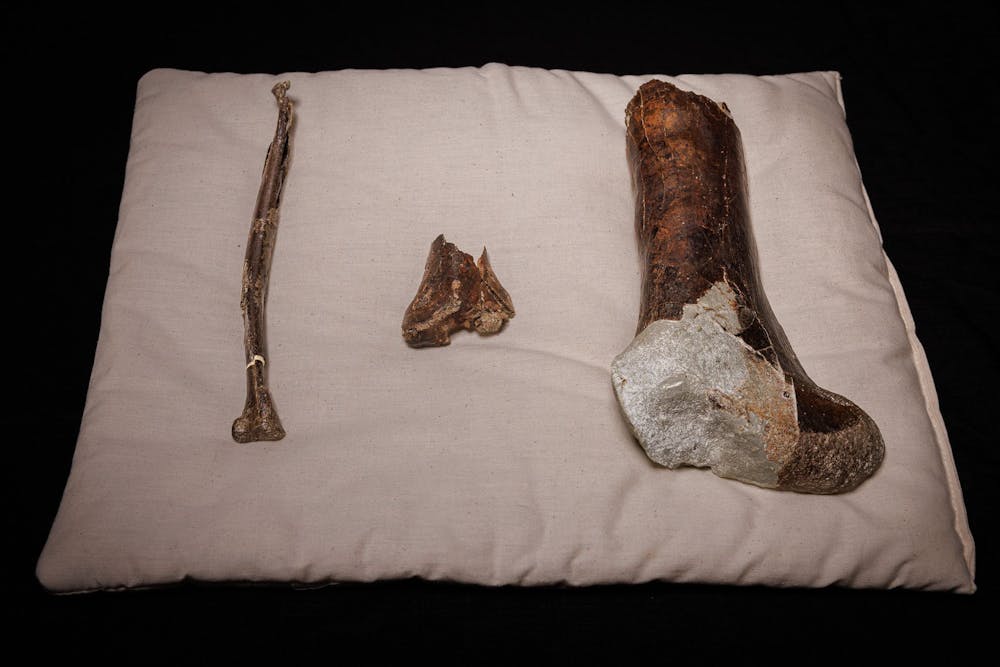
    The shinbone of a megaraptorid. Nadir Kinani/Museums Victoria

    Between 122 and 108 million years ago, the Australian landmass was much farther south than today. Victoria was positioned within the Antarctic Circle, separated from Tasmania by a vast rift valley rather than open sea.

    This was the Early Cretaceous, and lush forests filled with dinosaurs dominated the landscape. We still find traces of these animals in Victoria’s fossil record.

    Most of the dinosaur fossils found in Victoria belong to small plant-eaters called ornithopods. But there are also a few theropod fossils — a diverse group that includes all known carnivorous dinosaurs, as well as modern birds.

    More than 250 theropod bones have been found in the Victorian Cretaceous. In the palaeontology collections of Museums Victoria, we have now identified five theropod fossils of particular importance. Our work on these bones has been published today in the Journal of Vertebrate Paleontology.

    Artist’s interpretation of the Cretaceous Bass Coast, 121.4 million years ago. From left to right: carcharodontosaur, unenlagiine and megaraptorid.
    Jonathan Metzger for Museums Victoria

    Shinbones and tail bones

    Research over the past decade has revealed striking similarities between Australian and South American dinosaurs. These include megaraptorids with claws shaped like scythes, and small, fleet-footed elasmarian ornithopods. There were also armoured parankylosaurians and colossal sauropods with long necks and small heads.

    These parallels may seem surprising at first, but both continents retained a connection to Antarctica throughout much of the Cretaceous Period.

    Our newly described fossils show that a bunch of different carnivorous dinosaurs seen in South America also thrived in the Cretaceous of southeastern Australia.

    Two shinbones provide the first evidence of carcharodontosaurs (“shark-toothed lizards”) in Australia. A third shinbone provides strong evidence for the presence of unenlagiines, a southern group of dromaeosaurs (“running lizards”).

    A fourth shinbone and two tail vertebrae with their chevrons, which are from a megaraptorid, represent one of Australia’s largest-known carnivorous dinosaurs.

    A first for Australia

    Carcharodontosaurs were apex predators in South America and Africa for much of the mid-Cretaceous. This group of theropods had large skulls, massive teeth and small arms. They were some of the largest predators to ever walk the Earth.

    Despite their success in South America and Africa, carcharodontosaur fossils had never been found in Australia – until now. With the two shinbones, we now have the first evidence of the group on this continent.

    Curiously, these Australian carcharodontosaurs are much smaller than their African and South American cousins, and the bones we have most closely resemble a carcharodontosaur from Thailand.

    One of the Victorian carcharodontosaur shinbones was found on the Otway Coast. The other was found on the Bass Coast, in rocks nearly 10 million years older. This demonstrates these predators were successful in this area for at least 10 million years. It’s a notable find.

    The large-bodied carcharodontosaurs of Africa and South America were seemingly specialised for hunting long-necked sauropods. However, this food source was likely not available to the Victorian polar carcharodontosaurs: sauropod fossils have never been found in Victoria.

    A cliff face at Twin Reefs Bunurong Coastal Reserve, the area where some of the dinosaur fossils were found.
    John Broomfield/Museums Victoria

    The Australian ‘raptors’

    Unenlagiines were lightly built (and likely feathered) predatory dinosaurs, related to Velociraptor of Jurassic Park fame.

    Most unenlagiine fossil remains have been found in South America. Historically, Australia had limited evidence for their presence, as well.

    Our description of a new unenlagiine shinbone from Victoria provides robust evidence for their success in polar Australia during the Early Cretaceous.

    The snouts of unenlagiines were relatively longer, and their arms relatively shorter than those of their dromaeosaur cousins from the Northern Hemisphere. This implies they had a rather different diet. The Victorian unenlagiine presumably ate fish or small land-dwelling animals. One possibility is the small mammals for which the Victorian Cretaceous is perhaps most famous – more than 50 mammal jaws have been found to date, and some are from ancient relatives of platypus and echidna.

    Theropod shin bones from the Bass Coast. From left to right: unenlagiine, carcharodontosaur and megaraptorid.
    Nadir Kinani/Museums Victoria

    The apex predators of Victoria

    Large predatory dinosaurs – on the scale of Tyrannosaurus – are notably absent from the Australian fossil record. Instead, Australian dinosaur populations seem to have been dominated by medium-sized carnivores called megaraptorids.

    Megaraptorid fossils are only known from South America and Australia. The most complete skeletons are from South America, including a relatively large one – roughly nine metres long. Australia’s only reasonably complete megaraptorid is Australovenator wintonensis from Winton, central Queensland.

    The shinbone and tail vertebrae we describe provide evidence for a large megaraptorid in southeast Australia. Despite being almost 30 million years older than the roughly five- to six-metre-long Australovenator, the Bass Coast megaraptorid was at least 5% larger: approaching the size of its South American relatives.

    The large, muscular arms and fingers tipped with fearsome scythe-like claws were presumably the primary weapons of megaraptorids. In contrast to almost every other group of medium-sized carnivorous dinosaurs, megaraptorids had elongated snouts with small teeth.

    The abundance of ornithopods in Victoria presumably made this region more suited to smaller prey specialists like megaraptorids, rather than sauropod-stalking carcharodontosaurs.

    Back row: two megaraptor fossils. Front row: the shinbone of a unenlagiine; two shinbones of carcharodontosaurs; the shinbone of a megaraptor.
    Nadir Kinani/Museums Victoria

    More discoveries yet to come

    We have much to learn about Australia’s Cretaceous dinosaurs. Our study shows how even five isolated and incomplete bones can improve our understanding of our continent’s fossil heritage.

    Carcharodontosaurs might have been the apex predators in South America, but megaraptorids ruled the roost in the land down under.

    The fantastic dinosaur fossil record of Victoria has grown over nearly 40 years thanks to the efforts of Dinosaur Dreaming, an ongoing volunteer palaeontology project, and citizen scientists like Melissa Lowery. Thanks to their efforts, our window into Victoria’s ancient past continues to become ever clearer.

    Jake Kotevski receives funding from an Australian Government Research Training Stipend and Monash University – Museums Victoria scholarship.

    Stephen Poropat received funding from the Winston Churchill Memorial Trust to observe fossil specimens relevant to this paper.

    ref. Carnivorous dinosaurs thrived in Australia 120 million years ago, new fossils show – https://theconversation.com/carnivorous-dinosaurs-thrived-in-australia-120-million-years-ago-new-fossils-show-242290

    MIL OSI AnalysisEveningReport.nz

  • MIL-OSI United Kingdom: expert reaction to study of glacier melt this century

    Source: United Kingdom – Science Media Centre

    A study published in Nature estimates global glacier melting from 2000 to 2023. 

    Prof Andrew Shepherd, Head of Department of Geography and Environmental Science, Northumbria University, said:

    “This is really important as it’s an authoritative assessment from the community working on this topic. It confirms that the pace of glacier melting is accelerating over time. Glacier melting has two main impacts; it causes sea level rise and it disrupts the water supply in rivers that are fed by meltwater. Around 2 billion people depend on meltwater from glaciers and so their retreat is a big problem for society – it’s not just that we are losing them from our landscape, they are an important part of our daily lives.

    “Even small amounts of sea level rise matter because it leads to more frequent coastal flooding. Every centimetre of sea level rise exposes another 2 million people to annual flooding somewhere on our planet.

    “Community assessments like GLAMBIE are vital as they give people confidence to make use of their findings. That includes other climate scientists, governments, and industry, plus of course anyone who is concerned about the impacts of global warming. Around 2 billion people depend on meltwater from glaciers and so their retreat is a big problem for society – it’s not just that we are losing them from our landscape, they are an important part of our daily lives.”

    Prof Martin Siegert, Professor of Geosciences and Deputy VC at the University of Exeter, said:

    “Two centimetres might not sound a lot, but this is the contribution from small glaciers – not the whole of the ice on the planet, and not from Greenland and Antarctica. Sea level has risen by 20cm since 1850; 50% from the sea being warmer and expanding, 50% (10cm) due to glacier melt. However, ice sheets are now losing mass at increasing rates (6x more than 30 years ago), and when they change, we stop talking centimetres and start talking metres. For example, the last ice age was 20,000 years ago, and between then and 10,000 years ago as we warmed out of the ice age, sea level rose by 130m, due primarily to collapse of ice sheets.

    “This research is concerning to us, because it predicts further glacier loss, which can be considered like a ‘canary in the coal mine’ for ice sheet reaction to global warming and far more sea level rise this century and beyond. The IPCC indicates 0.5-1m this century – but that is with a 66% certainty – hence 1/3 chance it could be higher under ‘strong’ warming, which unfortunately is the pathway we are on presently.”

    Community estimate of global glacier mass changes from 2000 to 2023’ by The GlaMBIE Team was published in Nature at 16:15 UK time on Wednesday 19th February. 

    Declared interests

    Prof Andrew Shepherd: No conflicts to declare

    Prof Martin Siegert: No COI

    MIL OSI United Kingdom

  • MIL-Evening Report: With just 5 years to go, the world is failing on a vital deal to halt biodiversity loss

    Source: The Conversation (Au and NZ) – By Justine Bell-James, Professor, TC Beirne School of Law, The University of Queensland

    Almost 200 nations have signed an ambitious agreement to halt and reverse biodiversity loss but none is on track to meet the crucial goal, our new research reveals.

    The agreement, known formally as the Kunming-Montreal Global Biodiversity Framework, seeks to coordinate global efforts to conserve and restore biodiversity. Its overarching goal is to safeguard biodiversity for future generations.

    Biodiversity refers to the richness and variety within and between plant and animal species, and within ecosystems. This diversity is declining faster than at any time in human history.

    Five years remain until the framework’s 2030 deadline. Our research shows a more intense global effort is needed to achieve the goals of the agreement and stem the biodiversity crisis.

    Biodiversity is in decline

    Biodiversity decline is a growing global issue. Around one million animal and plant species are threatened with extinction.

    The problem is driven by human activities such as land clearing, climate change, pollution, excessive resource extraction and the introduction of invasive species.

    As biodiversity continues to degrade, the foundation of life on Earth becomes increasingly unstable. Biodiversity loss threatens our food, water and air. It increases our vulnerability to natural disasters and imperils ecosystems crucial for human survival and wellbeing.

    The Global Biodiversity Framework was adopted in late 2022 after four years of consultation and negotiation. It involved 23 core commitments to be met by 2030 involving both land and sea. Key to the deal is protecting areas from future harm, and restoring past harms.

    These aims are captured in two targets.

    The first is ensuring 30% of degraded areas are under “effective restoration” to enhance biodiversity. This could involve replanting vegetation, reducing weeds and other pests, or restoring water to drained areas.

    The second is to effectively conserve and manage 30% of land and sea areas – especially those important for biodiversity and the ways ecosystems function and benefit humans. This could mean creating national or marine parks, or nature refuges on private land.

    Importantly, countries should both increase the size of areas protected or under restoration (a matter of quantity), and choose areas where interventions will most benefit biodiversity (a matter of quality).

    Nations were asked to provide an action plan before October 2024. In a paper published today, we reviewed these plans.

    What we found

    Our findings were disappointing. Only 36 countries (less than one quarter of signatory nations) submitted a plan. Australia was one of them.

    And the plans provided were underwhelming. In particular, nations fell badly short on the restoration target. Only nine out of 36 countries committed to restoring a specific percentage of land and sea.

    For example, Italy pledged only to restore “large surfaces of degraded areas” and Australia committed to restoring “priority degraded areas”.

    Defining commitments with numbers is important, because it allows progress to be monitored and measured, and forces nations to be accountable.

    Of those nine countries that made specific restoration commitments, only six committed to the 30% goal: Aruba, China, Curaçao, Japan, Luxembourg and Uganda.

    The results were better when it came to protecting land and sea. Some 22 of the 36 countries set a percentage target for protection. However, only 14 committed to protecting at least 30% of areas, in line with the goals of the deal.

    Again, quality is also important here. Under the deal nations signed up to, protected land should enhance biodiversity, and cover areas very valuable for biodiversity recovery. However, many nations were silent on the issue of quality when outlining their planned protections. It means their efforts could, in some cases, do little for biodiversity.

    A spotlight on Australia

    In recent years, Australia has sought to establish itself as a biodiversity leader on the international stage. This included hosting the global Nature Positive Summit in October last year.

    Following the summit, the federal government claimed it was:

    a tangible demonstration of Australia’s commitments under the Kunming Montreal Global Biodiversity Framework. It showed our willingness to work collaboratively towards the goal of halting and reversing biodiversity loss.

    But despite the rhetoric, our research shows Australia’s plans are not particularly impressive.

    As noted above, Australia does not provide a percentage target for ecosystem restoration. Instead, its plan refers broadly to restoring “priority areas” without defining what these areas are.

    Australia’s plan pledges to identify “priority degraded areas” and define what “under effective restoration” means, but does not outline how this will be done.

    Australia is more aligned with global leaders on protection of biodiversity. It committed to safeguarding 30% of land and water in protected areas.

    However, it provided limited details on how it will select, implement and enforce protection measures. The plan also fails to recognise current shortcomings in protected areas, both in oceans and on land – in particular, Australia’s focus to date on quantity over quality when it comes to selecting sites.

    In contrast, the nation of Slovenia mapped out proposed protected areas.

    So, while Australia did submit an action plan, it has missed the opportunity to be a true global leader.

    Running out of time

    The Global Biodiversity Framework aims to unite nations in the fight to conserve and restore biodiversity. But as our research shows, many countries do not have plans to achieve this, and plans submitted to date are largely inadequate.

    As species and habitats are lost, ecosystems become less stable. This damages human health and wellbeing, as well as economies. Biodiversity loss also undermines vital cultural and spiritual connections to nature.

    All countries must accelerate efforts to avert the biodiversity crisis, and preserve Earth’s precious natural places for future generations.

    Justine Bell-James receives funding from the Australian Research Council, the National Environmental Science Program, and Queensland Government’s Department of Environment, Tourism, Science and Innovation. She is a Director of the National Environmental Law Association.

    James Watson has received funding from the Australian Research Council, National Environmental Science Program, South Australia’s Department of Environment and Water, Queensland’s Department of Environment, Science and Innovation as well as from Bush Heritage Australia, Queensland Conservation Council, Australian Conservation Foundation, The Wilderness Society and Birdlife Australia. He serves on the scientific committee of BirdLife Australia and has a long-term scientific relationship with Bush Heritage Australia and Wildlife Conservation Society. He serves on the Queensland government’s Land Restoration Fund’s Investment Panel as the Deputy Chair.

    ref. With just 5 years to go, the world is failing on a vital deal to halt biodiversity loss – https://theconversation.com/with-just-5-years-to-go-the-world-is-failing-on-a-vital-deal-to-halt-biodiversity-loss-249841

    MIL OSI AnalysisEveningReport.nz

  • MIL-Evening Report: An unexpected anomaly was found in the Pacific Ocean – and it could be a global time marker

    Source: The Conversation (Au and NZ) – By Dominik Koll, Honorary Lecturer, Australian National University

    View of the Pacific Ocean from the International Space Station. NASA

    Earth must have experienced something exceptional 10 million years ago. Our study of rock samples from the floor of the Pacific Ocean has found a strange increase in the radioactive isotope beryllium-10 during that time.

    This finding, now published in Nature Communications, opens new pathways for geologists to date past events gleaned from deep within the oceans.

    But the cause of the beryllium-10 anomaly remains unknown. Could it have been major shifts in global ocean currents, a dying star, or an interstellar collision?

    Extremely slow rocks deep in the ocean

    I am on a hunt for stardust on Earth. Previously, I’ve sifted through snow in Antarctica. This time, it was the depths of the ocean.

    At a depth of about 5,000 metres, the abyssal zone of the Pacific Ocean has never seen light, yet something does still grow there.

    Ferromanganese crusts – metallic underwater rocks – grow from minerals dissolved in the water slowly coming together and solidifying over extremely long time scales, as little as a few millimetres in a million years. (Stalactites and stalagmites in caves grow in a similar way, but thousands of times faster.)

    This makes ferromanganese crusts ideal archives for capturing stardust over millions of years.

    The age of these crusts can be determined by radiometric dating using the radioactive isotope beryllium-10. This isotope is continuously produced in the upper atmosphere when highly energetic cosmic rays strike air molecules. The strikes break apart the main components of our air – nitrogen and oxygen – into smaller fragments.

    Both stardust and beryllium-10 eventually find their way into Earth’s oceans where they become incorporated into the growing ferromanganese crust.

    Ferromanganese crust sample VA13/2-237KD analysed in this work. The anomaly was discovered in this crust at a depth of about 30mm – representing 10 million years.
    Dominik Koll

    One of the largest ferromanganese crusts was recovered in 1976 from the Central Pacific. Stored for decades at the Federal Institute for Geosciences and Natural Resources in Hanover, Germany, a 3.7kg section of it became the subject of my analysis.

    Much like tree rings reveal a tree’s age, ferromanganese crusts record their growth in layers over millions of years. Beryllium-10 undergoes radioactive decay really slowly, meaning it gradually breaks down over millions of years as it sits in the rocks.

    As beryllium-10 decays over time, its concentration decreases in deeper, older sediment layers. Because the rate of decay is steady, we can use radioactive isotopes as natural stopwatches to discern the age and history of rocks – this is called radioactive dating.

    A puzzling anomaly

    After extensive chemical processing, my colleagues and I used accelerator mass spectrometry – an ultra-sensitive analytical technique for longer-lived radioactive isotopes – to measure beryllium-10 concentrations in the crust.

    This time, my research took me from Canberra, Australia to Dresden, Germany, where the setup at the Helmholtz-Zentrum Dresden-Rossendorf was optimised for beryllium-10 measurements.

    The results showed that the crust had grown only 3.5 centimetres over the past 10 million years and was more than 20 million years old.

    However, before I could return to my search for stardust, I encountered an anomaly.

    Initially, as I searched back in time, the beryllium-10 concentration declined as expected, following its natural decay pattern – until about 10 million years ago. At that point, the expected decrease halted before resuming its normal pattern around 12 million years ago.

    This was puzzling: radioactive decay follows strict laws, meaning something must have introduced extra beryllium-10 into the crust at that time.

    Scepticism is crucial in science. To rule out errors, I repeated the chemical preparation and measurements multiple times – yet the anomaly persisted. The analysis of different crusts from locations nearly 3,000km away gave the same result, a beryllium-10 anomaly around 10 million years ago. This confirmed that the anomaly was a real event rather than a local irregularity.

    Ocean currents or exploding stars?

    What could have happened on Earth to cause this anomaly 10 million years ago? We’re not sure, but there are a few options.

    Last year, an international study revealed that the Antarctic Circumpolar Current – the main driver of global ocean circulation – intensified around 12 million years ago, influencing Antarctic ocean current patterns.

    Could this beryllium-10 anomaly in the Pacific mark the beginning of the modern global ocean circulation? If ocean currents were responsible, beryllium-10 would be distributed unevenly on Earth with some samples even showing a lack of beryllium-10. New samples from all major oceans and both hemispheres would allow us to answer this question.

    Another possibility emerged early last year. Astrophysicists demonstrated that a collision with a dense interstellar cloud could compress the heliosphere – the Sun’s protective shield against cosmic radiation – back to the orbit of Mercury. Without this barrier, Earth would be exposed to an increased cosmic ray flux, leading to an elevated global beryllium-10 production rate.

    A near-Earth supernova explosion could also cause an increased cosmic ray flux leading to a beryllium-10 anomaly. Future research will explore these possibilities.

    The discovery of such an anomaly is a windfall for geological dating. Various archives are used to investigate Earth’s climate, habitability and environmental conditions over different timescales.

    To compare ice cores with sediments, ferromanganese crusts, speleothems (stalagmites and stalactites) and others, their timescales need to be synchronous. Independent time markers, such as Miyake events or the Laschamp excursion, are invaluable for aligning records thousands of years old. Now, we may have a corresponding time marker for millions of years.

    Meanwhile, my search for stardust continues, but now keeping an eye out for new 10-million-year-old samples to further pin down the beryllium-10 anomaly. Stay tuned.

    This research was conducted at the Helmholtz-Zentrum Dresden-Rossendorf. Dominik Koll received funding from AINSE.

    ref. An unexpected anomaly was found in the Pacific Ocean – and it could be a global time marker – https://theconversation.com/an-unexpected-anomaly-was-found-in-the-pacific-ocean-and-it-could-be-a-global-time-marker-249695

    MIL OSI AnalysisEveningReport.nz

  • MIL-OSI USA: King Cites “Unconscionable” Shortfall in Opioid, Fentanyl Crackdown at Southern Border

    US Senate News:

    Source: United States Senator for Maine Angus King

    WASHINGTON, D.C. — In a hearing before the Senate Armed Services Committee (SASC), U.S. Senator Angus King raised several urgent questions with Navy Admiral Alvin Holsey, the Commander of United States Southern Command (SOUTHCOM), and Air Force General Gregory Guillot, Commander of United States Northern Command (NORTHCOM). Senator King, pushed the military officials about the lack of military presence and resources in the Caribbean to interdict illegal drug shipments — in addition to in the Arctic to counter Russian and Chinese aggression — as America faces serious threats from the north and south.

    Senator King began his line of questioning by pressing Admiral Holsey on why the military and intelligence agencies are only able to interdict a quarter of illegal drug shipments coming into the United States — a rate he’s been critical of across multiple administrations. In the exchange, he mentioned the deathly toll drugs like fentanyl are taking on Maine people.

    “Admiral, every year when we have this hearing I talk to the SOUTHCOM commander about the fact that we have intelligence reports about drug shipments coming to the U.S. in the maritime domain and we have the assets to interdict 25% of them. To me, that is straight-up unconscionable. There are people dying in my state from fentanyl overdoses and drug overdoses. We are not meeting because of a lack of allocation of assets the drug shipments that we know about. That is what is so objectionable about this. Is that percentage still reasonable? 75% is not being interdicted that we know of,” asked Senator King.

    “About 10 to 20% is what we can get a hold of,” replied Admiral Holsey

    “And that is because of a lack of assets? Is that correct? We don’t have enough boats, ships,” followed up Senator King.

    “Yes. Primarily a lack of assets, a lack of resources,” said Admiral Holsey.

    “I would argue again that this is a misallocation of recourses. Here is an active attack on America that is killing our citizens, and we don’t have enough ships whether it is the Coast Guard or Navy in the region to interdict these drug shipments. I think that is a dereliction of duty, not of you, but of the entire policy apparatus. This goes back three, four administrations. It is one that I hope that this administration will pay some attention to and correct,” responded Senator King.

    Later in the hearing, Senator King, Co-Chair of the U.S. Senate Arctic Caucus, spoke to the United States’ position as an Arctic nation, but pointed out that America’s capabilities in the High North are inadequate when compared to adversaries like Russia and China who are better equipped with more bases and ships like icebreakers. NORTHCOM Commander General Guillot agreed with King that the nation’s presence in the Arctic is “woeful.”

    “I was at a conference years ago on the arctic and there was a huge delegation from China and I said, what is China’s interest. They said we are a near arctic nation.  My response was Maine is a near Caribbean state. They are very active in increasing their actions. Where are we? Do we have a port facility in the Arctic? Secondly, give us a breakdown of the status of icebreakers. We are woefully inadequate in terms of icebreakers, particular for the use of the Northwest Passage,” said Senator King.

    “I was going to use the same word. We are in a woeful situation with icebreakers. The coast guard is working very hard to increase that for us. But at this time, we are completely outnumbered with icebreakers,” agreed General Guillot

    “But they are building one new icebreaker but it is merely a replacement for the ancient one that is about to go out of service. Is that correct,” asked Senator King.

    “It is,” replied General Guillot

    “So there is no net gain in icebreakers,” questioned Senator King.

    “That’s right,” responded General Guillot.

    “And the icebreakers we have commute between the Arctic and Antarctic. Is that not correct,” asked Senator King.

    “That is correct,” said General Guillot.

    “How many icebreakers do the Russians have in the Arctic,” Senator King again asked.

    “Between 20 and 40,” said General Guillot.

    “20 and 40 to less than one. I would argue that the icebreakers are the essential infrastructure of the Arctic region and to say we are inadequate and behind where we should be is an understatement,” said Senator King.     

    After the end of Senator King’s line of questioning, Senator Roger Wicker (R-MS), the Chairman of the Senate Armed Services Committee, shared bipartisan support for securing new icebreakers.

    “Senator King, let me just say I think you will find a lot of bipartisan support both in the Congress and in the Administration for a substantial increase quickly in the number of icebreakers,” said Chairman Wicker.

    “I believe that is the case; I appreciate that,” replied Senator King.

    As a member of the Senate Armed Services Committee and Select Senate Committee on Intelligence, Senator King has previously supported legislation to combat illicit drug use and decrease overdoses. He is a cosponsor of the Synthetics Trafficking and Overdose Prevention Act, bipartisan legislation that is designed to stop dangerous synthetic drugs like fentanyl and carfentanil from being shipped through our borders. Senator King also cosponsored the INTERDICT Act, bipartisan legislation to help halt the flow of illicit fentanyl from Mexico, China and other nations around the world into the United States. During an open hearing of the Select Senate Intelligence Committee last year, Senator King pressed Avril Haines, the former Director of National Intelligence and Christopher Wray, the former Director of the Federal Bureau of Investigation (FBI), about what the intelligence community is doing to halt the flow of illicit drugs — including fentanyl — from Mexico, China and other nations into the United States. The most recently-passed National Defense Authorization Act includes multiple King-led provisions and funding authorizations addressing the Department’s mission to address the flow of illicit drugs and the criminal organizations behind that flow into our country. Earlier today, he introduced the bipartisan HALT Fentanyl Act to crack down on illegal fentanyl trafficking.

    The Co-Chair of the U.S. Senate Arctic Caucus, Senator King is an advocate for Maine and America’s interests in the North Atlantic and Arctic region. Along with Caucus co-chair Senator Lisa Murkowski (R-AK), King introduced the Arctic Commitment Act  in 2022 to improve America’s posture and opportunities in the Arctic. He has been calling for the appointment of an Arctic Ambassador since 2015, and pushed for the confirmation of the first Arctic Ambassador last year. King also laid out the challenges and opportunities of a warming arctic in an article in the Wilson Quarterly, and in this year’s National Defense Authorization Act, he successfully secured the inclusion of provisions including funding authorizations for University of Maine to increase America’s activity and opportunities in the Far North.

    MIL OSI USA News

  • MIL-Evening Report: This is Australia’s only icebreaker. Here’s why experts say we need another

    Source: The Conversation (Au and NZ) – By Jane Younger, Lecturer in Southern Ocean Vertebrate Ecology, Institute for Marine and Antarctic Studies, University of Tasmania

    Australia’s Antarctic territory represents the largest sliver of the ice continent. For decades, Australian scientists have headed to one of our three bases – Mawson, Davis and Casey – as well as the base on sub-Antarctic Macquarie Island, to research everything from ecology to climate science.

    But despite our role as leaders in Antarctic science, Australian funding and logistics for Antarctic research hasn’t kept pace. Our single icebreaking vessel spends most of its time on resupply missions, restricting its use for actual science. And funding is often piecemeal, which makes it hard to plan the complex, multi-year efforts it takes to do research down on the ice.

    This week, we saw a welcome change. The federal parliamentary committee on Australia’s external territories delivered a report calling for a second icebreaking vessel and more reliable funding. It also urged the government to progress work on marine protected areas in east Antarctica as well as resume fishing patrols, due to concern over illegal or exploitative fishing.

    These measures are long overdue. For those of us who work and study on the ice continent, logistics and funding have long been a challenge. Illegal fishing in Antarctica must be stamped out, and a second vessel would support our ambitious, world-leading science.

    Why is Antarctic science so important?

    Antarctica is often out of sight, out of mind for many Australians. But what happens on the ice doesn’t stay there.

    For climate science, Antarctica matters a great deal. For decades, much of the concern about melting ice focused on the Arctic and Greenland, while Antarctica stayed relatively stable. But this is now changing. Sea ice is melting more quickly than in the past. Glacial ice is retreating. Increased melting will affect sea level rise and ocean currents.

    I study diseases such as the lethal strain of bird flu which has devastated bird and some mammals populations around the world. It recently reached Antarctica, where it killed large numbers of penguins, skuas, crabeater seals and more. I saw the devastation myself on my recent journey there.

    If this strain makes it to Australia – the last continent free of it – it could come from the south and devastate both Australian wildlife and poultry.

    To study these large and important changes, we need to be down there on the ice. It’s not an easy task. Keeping our bases functional means we need regular resupply missions. Repairs and extensions require tradies. Scientists and other workers need to be brought home.

    Antarctic science has long relied on just one vessel, now the RSV Nuniya, which the Australian Antarctic Division describes as the “main lifeline to Australia’s Antarctic and sub-Antarctic research stations and the central platform of our Antarctic and Southern Ocean scientific research”.

    The problem is, resupply can trump science. After all, no one wants bases running short of food or fuel. This is, in fact, what the Nuniya is largely doing.

    Australia’s role is key

    The Australian Antarctic Territory represents about 40% of the ice continent – the largest territory by far.

    Territory, here, doesn’t mean exclusive rights. In 1959, 12 nations with a scientific interest in the ice continent signed the Antarctic Treaty. This treaty was an agreement that Antarctica – the only landmass with no indigenous human presence – would be reserved for peaceful, scientific purposes.

    But in recent years, this treaty has come under pressure. Nations such as Norway and China have expanded fishing operations for krill. Illegal and unregulated fishing from various nations continues.

    The report recommends the Australian government continue efforts to establish a marine protected area off East Antarctica – where fishing would be restricted – as well as reopening fishing patrols. China – which recently opened its fifth Antarctic base – is opposed to the idea of fishing-free zones and is pushing to expand fishing in the Southern Ocean.

    Under Antarctica’s ice lie many resources. Mining is banned in Antarctica until 2048. What happens after that is uncertain. The race to tap critical minerals in Greenland signals what may lie ahead for Antarctica.

    This is why Australia’s leadership in Antarctic science matters. Australia was an original signatory to the Antarctic Treaty, and has a long history of exploration and science. Hobart has long been the home of Australia’s Antarctic vessels.

    As Antarctica changes, Australian scientists must be there to analyse, understand and report back. To do that, improvements are needed, including new vessels and longer-term funding. This report is the first step.

    The government is yet to formally respond to the report’s recommendations. Let’s hope it takes heed of the findings.

    Jane Younger receives funding from the Australian Research Council, WIRES Australia, the Geoffrey Evans Trust and the National Geographic Society.

    ref. This is Australia’s only icebreaker. Here’s why experts say we need another – https://theconversation.com/this-is-australias-only-icebreaker-heres-why-experts-say-we-need-another-249714

    MIL OSI AnalysisEveningReport.nz

  • MIL-Evening Report: Antarctic research has long been hamstrung by reliance on one icebreaker and sporadic funding. That might be about to change

    Source: The Conversation (Au and NZ) – By Jane Younger, Lecturer in Southern Ocean Vertebrate Ecology, Institute for Marine and Antarctic Studies, University of Tasmania

    Australia’s Antarctic territory represents the largest sliver of the ice continent. For decades, Australian scientists have headed to one of our three bases – Mawson, Davis and Casey – as well as the base on sub-Antarctic Macquarie Island, to research everything from ecology to climate science.

    But despite our role as leaders in Antarctic science, Australian funding and logistics for Antarctic research hasn’t kept pace. Our single icebreaking vessel spends most of its time on resupply missions, restricting its use for actual science. And funding is often piecemeal, which makes it hard to plan the complex, multi-year efforts it takes to do research down on the ice.

    This week, we saw a welcome change. The federal parliamentary committee on Australia’s external territories delivered a report calling for a second icebreaking vessel and more reliable funding. It also urged the government to progress work on marine protected areas in east Antarctica as well as resume fishing patrols, due to concern over illegal or exploitative fishing.

    These measures are long overdue. For those of us who work and study on the ice continent, logistics and funding have long been a challenge. Illegal fishing in Antarctica must be stamped out, and a second vessel would support our ambitious, world-leading science.

    Why is Antarctic science so important?

    Antarctica is often out of sight, out of mind for many Australians. But what happens on the ice doesn’t stay there.

    For climate science, Antarctica matters a great deal. For decades, much of the concern about melting ice focused on the Arctic and Greenland, while Antarctica stayed relatively stable. But this is now changing. Sea ice is melting more quickly than in the past. Glacial ice is retreating. Increased melting will affect sea level rise and ocean currents.

    I study diseases such as the lethal strain of bird flu which has devastated bird and some mammals populations around the world. It recently reached Antarctica, where it killed large numbers of penguins, skuas, crabeater seals and more. I saw the devastation myself on my recent journey there.

    If this strain makes it to Australia – the last continent free of it – it could come from the south and devastate both Australian wildlife and poultry.

    To study these large and important changes, we need to be down there on the ice. It’s not an easy task. Keeping our bases functional means we need regular resupply missions. Repairs and extensions require tradies. Scientists and other workers need to be brought home.

    Antarctic science has long relied on just one vessel, now the RSV Nuniya, which the Australian Antarctic Division describes as the “main lifeline to Australia’s Antarctic and sub-Antarctic research stations and the central platform of our Antarctic and Southern Ocean scientific research”.

    The problem is, resupply can trump science. After all, no one wants bases running short of food or fuel. This is, in fact, what the Nuniya is largely doing.

    Australia’s role is key

    The Australian Antarctic Territory represents about 40% of the ice continent – the largest territory by far.

    Territory, here, doesn’t mean exclusive rights. In 1959, 12 nations with a scientific interest in the ice continent signed the Antarctic Treaty. This treaty was an agreement that Antarctica – the only landmass with no indigenous human presence – would be reserved for peaceful, scientific purposes.

    But in recent years, this treaty has come under pressure. Nations such as Norway and China have expanded fishing operations for krill. Illegal and unregulated fishing from various nations continues.

    The report recommends the Australian government continue efforts to establish a marine protected area off East Antarctica – where fishing would be restricted – as well as reopening fishing patrols. China – which recently opened its fifth Antarctic base – is opposed to the idea of fishing-free zones and is pushing to expand fishing in the Southern Ocean.

    Under Antarctica’s ice lie many resources. Mining is banned in Antarctica until 2048. What happens after that is uncertain. The race to tap critical minerals in Greenland signals what may lie ahead for Antarctica.

    This is why Australia’s leadership in Antarctic science matters. Australia was an original signatory to the Antarctic Treaty, and has a long history of exploration and science. Hobart has long been the home of Australia’s Antarctic vessels.

    As Antarctica changes, Australian scientists must be there to analyse, understand and report back. To do that, improvements are needed, including new vessels and longer-term funding. This report is the first step.

    The government is yet to formally respond to the report’s recommendations. Let’s hope it takes heed of the findings.

    Jane Younger receives funding from the Australian Research Council, WIRES Australia, the Geoffrey Evans Trust and the National Geographic Society.

    ref. Antarctic research has long been hamstrung by reliance on one icebreaker and sporadic funding. That might be about to change – https://theconversation.com/antarctic-research-has-long-been-hamstrung-by-reliance-on-one-icebreaker-and-sporadic-funding-that-might-be-about-to-change-249714

    MIL OSI AnalysisEveningReport.nz

  • MIL-OSI USA: Assessing the Global Climate in January 2025

    Source: US National Oceanographic Data Center

    January Highlights:

    • Temperatures were above average over much of the globe, but much below average over the United States, Greenland and far eastern Russia.
    • Eurasian snow cover extent and Arctic sea ice extent both ranked second lowest on record for January.
    • Global tropical cyclone activity was slightly below average with five named storms, three of which occurred in the Indian Ocean.

    Temperature

    The January global surface temperature was 2.39°F (1.33°C) above the 20th-century average of 53.6°F (12.0°C) and 0.05°F (0.03°C) above the previous record set last year, making last month the warmest January on record. According to NCEI’s Global Annual Temperature Outlook, there is a 7% chance that 2025 will rank as the warmest year on record.

    The new January global record is particularly notable for having occurred during a La Niña episode, the cold phase of El Niño Southern Oscillation (ENSO). Global temperatures tend to be cooler during periods of ENSO-neutral conditions and even cooler during La Niña. According to NOAA’s Climate Prediction Center’s January 9 ENSO Diagnostic Discussion, La Niña conditions emerged in December 2024 and are expected to persist through February–April 2025 (59% chance), with a transition to ENSO-neutral likely during March–May 2025 (60% chance).

    January temperatures were above average across much of the global land surface, particularly over Alaska, much of western Canada and most of central Eurasia. The United States, Greenland, far eastern Russia and parts of southern Africa and Antarctica were colder than average. Overall it was the warmest January on record over global land areas. Sea surface temperatures were above average over most areas, while much of the central and eastern tropical Pacific was below average (consistent with La Niña), as were parts of the southeast Pacific, western North Atlantic and the northwestern Indian Oceans. The global ocean was the second warmest on record for January.

    Snow Cover

    The Northern Hemisphere snow cover extent in January was the fourth lowest on record. While snow cover over North America and Greenland was slightly above average (by 80,000 square miles), Eurasia ranked second lowest on record (940,000 square miles below average). Areas of below-average snow cover stretched across most of Europe southeastward into central Asia.

    Sea Ice

    Global sea ice extent was the seventh smallest in the 47-year record at 6.89 million square miles, which was 1.17 million square miles below the 1991–2020 average. Arctic sea ice extent was below average (by 330,000 square miles), ranking second lowest on record, and Antarctic extent was slightly below average (by 130,000 square miles).

    Tropical Cyclones

    Five named storms occurred across the globe in January, which was below the average of seven. Three named storms formed in the southwestern Indian Ocean, the most impactful being Intense Tropical Cyclone Dikeledi, which made landfall on Madagascar and Mozambique, bringing high winds and heavy rains to the affected regions.


    For a more complete summary of climate conditions and events, see our January 2025 Global Climate Report or explore our Climate at a Glance Global Time Series.

    MIL OSI USA News

  • MIL-OSI Security: Defense News: MSC chartered ship MV Ocean Giant completes cargo offload in support of Operation Deep Freeze 2025

    Source: United States Navy

    Ocean Giant arrived at McMurdo Station Jan. 26, delivering a floating marine causeway system along with 380 pieces of cargo, consisting of containers filled with mechanical parts, vehicles, construction materials, office supplies and electronics equipment, and mobile office units; supplies needed to sustain the next year of operations at McMurdo Station, Antarctica.

    Following the offload, Ocean Giant was loaded with 360 containers of retrograde cargo for transportation off the continent. This includes trash and recyclable materials for disposal and equipment no longer required on the station.

    The MSC chartered ship MV Ocean Gladiator is scheduled to arrive in McMurdo Station later this week, and will begin a cargo offload as well as retrieving the causeway.

    Operation Deep Freeze is a joint service, on-going Defense Support to Civilian Authorities activity in support of the National Science Foundation (NSF), lead agency for the United States Antarctic Program. Mission support consists of active duty, Guard and Reserve personnel from the U.S. Air Force, Navy, Army, and Coast Guard as well as Department of Defense civilians and attached non-DOD civilians. ODF operates from two primary locations situated at Christchurch, New Zealand and McMurdo Station, Antarctica. An MSC-chartered cargo ship and tanker have made the challenging voyage to Antarctica every year since the station and its resupply mission were established in 1955.

    MIL Security OSI

  • MIL-OSI China: China’s icebreaker Xuelong-2 conducts marine ecosystem survey in Amundsen Sea

    Source: People’s Republic of China – State Council News

    China’s icebreaker Xuelong-2 conducts marine ecosystem survey in Amundsen Sea

    Updated: February 12, 2025 20:47 Xinhua
    Members of China’s 41st Antarctic expedition team work on board of Chinese research icebreaker Xuelong 2, Feb. 4, 2025. Chinese research icebreaker Xuelong 2, or Snow Dragon 2, is conducting a month-long marine ecosystem survey in the Amundsen Sea, which include a comprehensive investigation and monitoring of biological ecology, water, sedimentary and atmospheric environment, and pollutant distribution. [Photo/Xinhua]
    A member of China’s 41st Antarctic expedition team takes a picture of a zooplankter with microscope on board of Chinese research icebreaker Xuelong 2, Feb. 2, 2025. [Photo/Xinhua]
    Members of China’s 41st Antarctic expedition team release equipment to collect marine sediment samples on board of Chinese research icebreaker Xuelong 2, Feb. 9, 2025. [Photo/Xinhua]
    A picture taken with a microscope shows a zooplankter caught in the Amundsen Sea, Jan. 26, 2025. [Photo/Xinhua]
    Members of China’s 41st Antarctic expedition team read riddles on the occasion of the Lantern Festival on board of Chinese research icebreaker Xuelong 2, Feb. 12, 2025. [Photo/Xinhua]
    A member of China’s 41st Antarctic expedition team operates devices to release equipment for collecting marine sediment samples on board of Chinese research icebreaker Xuelong 2, Feb. 9, 2025. [Photo/Xinhua]
    Members of China’s 41st Antarctic expedition team prepare to release equipment for collecting marine sediment samples on board of Chinese research icebreaker Xuelong 2, Feb. 9, 2025. [Photo/Xinhua]

    MIL OSI China News

  • MIL-OSI Global: Camp Hill virus explained: what are the risks of a henipavirus outbreak in America?

    Source: The Conversation – UK – By Shirin Ashraf, Postdoctoral Researcher, MRC-Centre for Virus Research, University of Glasgow

    A new pathogen, called Camp Hill virus, was recently discovered in Alabama, drawing attention to a group of viruses known as henipaviruses. This is a big deal because other viruses in this group are linked to serious, often fatal, disease, and this is the first time one of them has been found in North America.

    Camp Hill virus was discovered by looking at tissue samples from short-tailed shrews that were collected in 2021. It’s a new species of virus that’s related to other dangerous viruses such as Nipah and Hendra, which have caused serious outbreaks in other parts of the world. It’s also distantly related to the measles virus.

    The first known henipavirus, Hendra virus, was identified in Australia in 1994. There have been just seven cases of humans getting infected – four of them were fatal.

    Nipah virus, discovered in Malaysia in 1998, is much more deadly. It has caused 30 outbreaks in south-east Asia, infecting over 600 people, with death rates as high as 100% in some cases.

    These viruses usually cause fever and other serious symptoms, such as brain swelling and difficulty breathing. They are thought to be carried by bats and can spread to humans through their saliva or urine. Horses are also thought to be carriers.

    Thanks to new technology that allows scientists to study the genetics of viruses, they’ve now found nearly 20 species of henipaviruses around the world. These viruses have been found on every continent except Antarctica, including places like Ghana, China, Australia and Brazil. This shows that henipaviruses are probably common in nature, and new ones could pop up almost anywhere.

    For example, in China, a virus called Mojang virus was linked to the deaths of three workers who were exposed to it in a mine. Another virus, Langya, spread by shrews, caused an outbreak in which 35 people got sick – although they all recovered.

    So far, other henipaviruses haven’t caused human infections, but the potential is there.

    The rapid growth in our understanding of these viruses comes from improvements in technology and global efforts to study diseases. But it also reminds us that viruses can suddenly jump from animals to humans in unpredictable ways.

    Whether a virus can harm humans depends on how well it can infect human cells, and how badly it affects the body. Some viruses cause mild symptoms, while others can lead to life-threatening diseases. Studying these viruses requires scientists to look closely at their genetic code and run laboratory tests to understand how they work.

    Henipaviruses can infect many animals, including bats, horses, monkeys, dogs, cats and even rodents. This means they are more adaptable and have a higher chance of jumping from animals to humans in different ways. In comparison, a virus like measles can only infect humans, which makes it less likely to spread to other species.

    No drugs or vaccines … yet

    There is no cure for henipavirus infections, but researchers are working on a vaccine for Nipah virus. Some new treatments, such as monoclonal antibodies, are also being developed but aren’t ready for use yet. This makes Nipah and Hendra viruses major public health concerns. The World Health Organization has called for more research to help fight them.

    While there’s no evidence that Camp Hill virus has infected any humans yet – and the chances of it doing so are low – its discovery in North America is a reminder that viruses can emerge anywhere. Even though shrews usually live in forests and don’t come into much contact with people, the potential for the virus to spread remains a worry.

    The more we learn about these viruses, the better we’ll be at creating vaccines that can protect us from both known and new threats. Keeping up with research and staying prepared is crucial to protecting global health from future outbreaks.

    Shirin Ashraf does not work for, consult, own shares in or receive funding from any company or organisation that would benefit from this article, and has disclosed no relevant affiliations beyond their academic appointment.

    ref. Camp Hill virus explained: what are the risks of a henipavirus outbreak in America? – https://theconversation.com/camp-hill-virus-explained-what-are-the-risks-of-a-henipavirus-outbreak-in-america-249183

    MIL OSI – Global Reports

  • MIL-OSI USA: John Moisan Studies the Ocean Through the ‘Eyes’ of AI

    Source: NASA

    Name: John Moisan
    Formal Job Classification: Research oceanographer
    Organization: Ocean Ecology Laboratory, Hydrosphere, Biosphere, Geophysics (HBG), Earth Science Directorate (Code 616) – duty station at NASA’s Wallops Flight Facility on Virginia’s Eastern Shore
    What do you do and what is most interesting about your role here at Goddard? How do you help support Goddard’s mission?
    I develop ecosystem models and satellite algorithms to understand how the ocean’s ecology works. My work has evolved over time from when I coded ocean ecosystem models to the present where I now use artificial intelligence to evolve the ocean ecosystem models.
    How did you become an oceanographer?
    As a child, I watched a TV series called “Sea Hunt,” which involved looking for treasure in the ocean. It inspired me to want to spend my life scuba diving.
    I got a Bachelor of Science in marine biology from the University of New England in Biddeford, Maine, and later got a Ph.D. from the Center for Coastal Physical Oceanography at Old Dominion University in Norfolk, Virginia.
    Initially, I just wanted to do marine biology which to me meant doing lots of scuba diving, maybe living on a sailboat. Later, when I was starting my graduate schoolwork, I found a book about mathematical biology and a great professor who helped open my eyes to the world of numerical modeling. I found out that instead of scuba diving, I needed instead to spend my days behind a computer, learning how to craft ideas into equations and then code these into a computer to run simulations on ocean ecosystems.
    I put myself through my initial education. I went to school fulltime, but I lived at home and hitchhiked to college on a daily basis. When I started my graduate school, I worked to support myself. I was in school during the normal work week, but from Friday evening through Sunday night, I worked 40 hours at a medical center cleaning and sterilizing the operating room instrument carts. This was during the height of the AIDS epidemic.
    What was most exciting about your two field trips to the Antarctic?
    In 1987, I joined a six-week research expedition to an Antarctic research station to explore how the ozone hole was impacting phytoplankton. These are single-celled algae that are responsible for making half the oxygen we breathe. Traveling to Antarctica is like visiting another planet. There are more types of blue than I’ve ever seen. It is an amazingly beautiful place to visit, with wild landscapes, glaciers, mountains, sea ice, and a wide range of wildlife. After my first trip I returned home and went back in a few months later as a biologist on a joint Polish–U.S. (National Oceanic and Atmospheric Administration) expedition to carry out a biological survey and measure how much fast the phytoplankton was growing in different areas of the Southern Ocean. We used nets to measure the amounts of fish and shrimp and took water samples to measure salinity, the amount of algae and their growth rates. We ate well, for example the Polish cook made up a large batch of smoked ice fish.
    What other field work have you done?
    While a graduate student, I helped do some benthic work in the Gulf of Maine. This study was focused on understanding the rates of respiration in the muds on the bottom of the ocean and on understanding how much biomass was in the muds. The project lowered a benthic grab device to the bottom where it would push a box core device into the sediments to return it to the surface. This process is sort of like doing a biopsy of the ocean bottom.
    What is your goal as a research oceanographer at Goddard?
    Ocean scientists measure the amount and variability of chlorophyll a, a pigment in algae, in the ocean because it is an analogue to the amount of algae or phytoplankton in the ocean. Chlorophyll a is used to capture solar energy to make sugars, which the algae use for growth. Generally, areas of the ocean that have more chlorophyll are also areas where growth or primary production is higher. So, by estimating how much chlorophyll is in the ocean we can study how these processes are changing with an aim in understanding why. NASA uses the color of the ocean using satellites to estimate chlorophyll a because chlorophyll absorbs sunlight and changes the color of the ocean. Algae have other kinds of pigments, each of which absorbs light at different wavelengths. Because different groups of algae have different levels of pigments, they are like fingerprints that can reveal the type of algae in the water. Some of my research aims at trying to use artificial intelligence and mathematical techniques to create new ways to measure these pigments from space to understand how ocean ecosystems change.
    In 2024, NASA plans to launch the Plankton, Aerosol, Cloud, ocean Ecosystem (PACE) satellite, which will measure the color of the ocean at many different wavelengths. The data from this satellite can be used with results from my work on genetic programs and inverse modeling to estimate concentrations of different pigments and possibly concentrations of different types of algae in the ocean.
    You have been at Goddard over 22 years. What is most memorable to you?
    I develop ecosystem models. But ecosystems do not have laws in the same way that physics has laws. Equations need to be created so that the ecosystem models represent what is observed in the real world. Satellites have been a great source for those observations, but without a lot of other types of observations that are collected in the field, the ocean, it is difficult to develop these equations. In my time at NASA, I have only been able to develop models because of the great but often tedious work that ocean scientists around the world have been doing when they go on ocean expeditions to measure various ocean features, be it simple temperature or the more complicated measurements of algal growth rates. My experience with their willingness to collaborate and share data is especially memorable. This experience is also what I enjoyed with numerous scientists at NASA who have always been willing to support new ideas and point me in the right direction. It has made working at NASA a phenomenal experience.

    Related Article: NASA Researcher’s AI ‘Eye’ Could Help Robotic Data-Gathering

    What are the philosophical implications of your work?
    The human capacity to think rapidly, to test and change our opinions based on what we learn, is slow compared to that of a computer. Computers can help us adapt more quickly. I can put 1,000 students in a room developing ecosystem model models. But I know that this process of developing ecosystem models is slow when compared what a computer can do using an artificial intelligence approach called genetic programming, it is a much faster way to generate ecosystem model solutions.
    Philosophically, there is no real ecosystem model that is the best. Life and ecosystems on Earth change and adapt at rates too fast for any present-day model to resolve, especially considering climate change. The only real ecosystem model is the reality itself. No computer model can perfectly simulate ecosystems. By utilizing the fast adaptability that evolutionary computer modeling techniques provide, simulating and ultimately predicting ecosystems can be improved greatly.
    How does your work have implications for scientists in general?
    I do evolutionary programming. I see a lot of possibility in using evolutionary programming to solve many large problems we are trying to solve. How did life start and evolve? Can these processes be used to evolve intelligence or sentience?
    The artificial intelligence (AI) work answers questions, but you need to identify the questions. This is the greater problem when it comes to working with AI. You cannot answer the question of how to create a sentient life if you do not know how to define it. If I cannot measure life, how can I model it? I do not know how to write that equation. How does life evolve? How did the evolutionary process start? These are big questions I enjoy discussing with friends. It can be as frustrating as contemplating “nothing.”
    Who inspires you?
    Many of the scientists that I was fortunate to work with at various research institutes, such as Scripps Institution of Oceanography at the University of California, San Diego. These are groups of scientists are open to always willing to share their ideas. These are individuals who enjoy doing science. I will always be indebted to them for their kindness in sharing of ideas and data.
    Do you still scuba dive?
    Yes, I wish I could dive daily, it is a very calming experience. I’m trying to get my kids to join me.
    What else do you do for fun?
    My wife and I bike and travel. Our next big bike trip will hopefully be to Shangri-La City in China. I also enjoy sailing and trying to grow tropical plants. But, most of all, I enjoy helping raise my children to be resilient, empathic, and intelligent beings.
    What are your words to live by?
    Life. So much to see. So little time.

    Conversations With Goddard is a collection of Q&A profiles highlighting the breadth and depth of NASA’s Goddard Space Flight Center’s talented and diverse workforce. The Conversations have been published twice a month on average since May 2011. Read past editions on Goddard’s “Our People” webpage.

    MIL OSI USA News

  • MIL-OSI USA: Newly Minted Ph.D. Studies Phytoplankton with NASA’s FjordPhyto Project

    Source: NASA

    FjordPhyto is a collective effort where travelers on tour expedition vessels in Antarctica help scientists at Scripps Institution of Oceanography and Universidad Nacional de La Plata study phytoplankton. Now project leader Dr. Allison Cusick has a Ph.D.! . Dr. Cusick studies how melting glaciers influence phytoplankton in the coastal regions. She wrote her doctoral dissertation based on the data collected by FjordPhyto volunteers.
    “Travelers adventure to the wild maritime climate of Antarctica and help collect samples from one of the most data-limited regions of the world,” said Cusick.  “While on vacation, they can volunteer to join a FjordPhyto science boat experience where they spend an hour collecting water measurements like salinity, temperature, chlorophyll-a, turbidity, as well as physical samples for molecular genetics work, microscopy identification, and carbon biomass estimates. It’s a full immersion into the ecosystem and the importance of polar research!”
    Cusick successfully defended her thesis on December 18, 2024, earning a Ph.D. in Oceanography from the Scripps Institution of Oceanography. Hers is the second Ph.D.  based on data from the FjordPhyto project. Martina Mascioni from FjordPhyto team earned her Ph.D. from the National University of La Plata (Argentina) in 2018.
    The project is a hit with travelers, too.
    “It’s incredibly inspiring to be part of a program like this that’s open to non-specialist involvement,” said one volunteer, a retired biology teacher aboard the Viking Octantis ship, who continued to say, “Thank you for letting us be a part of the science and explaining so clearly why it matters to the bigger picture.”
    If you would like to get involved, go to www.fjordphyto.org and reach out to the team!

    MIL OSI USA News

  • MIL-OSI Global: Record January heat suggests La Niña may be losing its ability to keep global warming in check

    Source: The Conversation – UK – By Richard P. Allan, Professor of Climate Science, University of Reading

    January 2025 was the hottest on record – a whole 1.7°C above pre-industrial levels. If many climate-watchers expected the world to cool slightly this year thanks to the natural “La Niña” phenomena, the climate itself didn’t seem to get the memo. In fact, January 2025’s record heat highlights how human-driven ocean warming is increasingly overwhelming these natural climate patterns.

    La Niña is a part of the El Niño southern oscillation, a climate fluctuation that slowly sloshes vast bodies of water and heat between different ocean basins and disrupts weather patterns around the world. El Niño was first identified and christened by Peruvian fishermen who noticed a dismal drop in their catch of sardines that coincided with much warmer than usual coastal waters.

    El Niño is now well known to be part of a grander climate reorganisation that also has a reverse cool phase, La Niña. As vast swathes of the eastern Pacific cool down during La Niña, this has knock on effects for atmospheric weather patterns, shifting the most vigorous storms from the central Pacific to the west and disrupting the prevailing winds across the globe.

    This atmospheric reaction also helps to amplify the sea surface temperature changes. Typically, La Niña will lower the global temperature by a couple of tenths of a degree Celsius.

    In 2024 the Pacific swung from moderate El Niño conditions to a weak La Niña. However, this time around, it’s apparently not enough to stop the world warming – even temporarily. So what’s different this time?

    Each La Niña cycle is unique

    Scientists aren’t entirely surprised. Each El Niño and La Niña cycle is unique. Following an surprisingly lengthy “triple dip” La Niña starting in 2020, the El Niño that developed in 2023 was also unusual, struggling to stand out against globally warm seas. The switch to a weak La Niña has only slightly cooled a narrow band along the equatorial Pacific, while surrounding waters have remained unusually hot.

    Recent research shows human caused warming of the ocean is accelerating – so a year on year rise in temperature is itself getting bigger – and this is dominating to an ever greater extent over El Niño and other natural oscillations in the climate. This means that even during La Niña – when equatorial eastern Pacific waters are cooler than normal – the rest of the world’s oceans have remained remarkably warm.

    More carbon, less reflection

    There is also a sense of inevitability as greenhouse gas levels continue to grow, even despite the demise of El Niño. During El Niño years, the land tends to absorb less carbon from the atmosphere as large continental areas, such as parts of South America, temporarily dry out causing less plant growth and more carbon-emitting plant decay.

    La Niña tends to have the opposite effect. In the strong La Niña of 2011, so much extra rain fell on the normally dry lands of Australia and parts of South America and southeast Asia that sea levels dropped as the land held on to this excess moisture borrowed temporarily from the ocean. This meant more carbon was taken from the atmosphere to feed extra plant growth. But despite the switch to La Niña, the rate of rise in atmospheric carbon in 2024 and January 2025 remains above the already high levels of previous years.

    To this we can also add the diminishing effects of particle pollution from industry, big ships and other sources of “aerosols”, which in some regions had added a reflective haze in the atmosphere meaning the world absorbed less sunlight. Clean air policies introduced over time have made the world less smoggy, but they also seem to have caused clouds to reflect less sunlight back to space, adding to global heating.

    As industrial activity continues to spew greenhouse gases into the air, while air cleansed of particle pollution causes more sunlight to reach the ground, this growing heating effect is beginning to drown out natural fluctuations, tipping the balance toward record warmth and worsening hot, dry and wet extremes.

    The long-term trend is clear

    But, just as one swallow doesn’t make a summer, a single month is not reflective of the overall trajectory of climate change. Changing weather patterns from week to week can rapidly shift temperatures especially over big landmasses, which warm up and cool down more quickly than the oceans (it takes a long time to boil up water for your vegetables but not long to super heat an empty pan).

    Large areas of Europe, Canada and Siberia experienced much less cold weather than is normal for January (by up to about 7°C). Parts of South America, Africa, Australia and Antarctica also experienced above average temperatures. Along with the balmy oceans, this all contributed to an unexpectedly warm start to 2025.

    While this particular warm January isn’t necessarily cause for immediate alarm, it suggests natural cooling phases may become less effective at temporarily offsetting the impact of rising greenhouse gas levels on global temperatures. And to limit the scale of the inevitable, ensuing climate change, there is a clear, urgent need to rapidly and massively cut greenhouse gas emissions and to properly account for the true cost of our lifestyles on societies and the ecosystems that underpin them.


    Don’t have time to read about climate change as much as you’d like?

    Get a weekly roundup in your inbox instead. Every Wednesday, The Conversation’s environment editor writes Imagine, a short email that goes a little deeper into just one climate issue. Join the 40,000+ readers who’ve subscribed so far.


    Richard P. Allan does not work for, consult, own shares in or receive funding from any company or organisation that would benefit from this article, and has disclosed no relevant affiliations beyond their academic appointment.

    ref. Record January heat suggests La Niña may be losing its ability to keep global warming in check – https://theconversation.com/record-january-heat-suggests-la-nina-may-be-losing-its-ability-to-keep-global-warming-in-check-249389

    MIL OSI – Global Reports

  • MIL-OSI Australia: Australia’s climate in 2024: 2nd warmest and 8th wettest year on record

    Source: Weather Warnings – Australia

    06/02/2025

    The Bureau of Meteorology has released its official record of Australia’s climate, water and notable weather events for 2024.

    The Annual Climate Statement 2024 outlines the climate conditions across Australia in 2024. It includes information on temperature, rainfall, water resources, oceans, atmosphere and notable weather events.

    The report confirms that 2024 was Australia’s second-warmest and eighth-wettest year on record.

    Climatology Specialist Nadine D’Argent said that it was warmer than average throughout the year across most of the country.

    “Nationally, spring was the warmest on record, winter was the second warmest on record and summer 2023–24 was the third warmest on record,” Ms D’Argent said.

    “It was the wettest year since 2011, with overall rainfall 28% above average,” Ms D’Argent said.

    “Tropical cyclones brought heavy rainfall to northern parts of Australia early in the year, where there was major flooding.”

    “While much of northern Australia and some inland areas had above average rainfall, it was much drier than usual in Victoria, parts of South Australia and some parts of the west.”

    These dry conditions and low inflows led to reduced water storage levels in some southern regions, including the Murray–Darling Basin. However, Australia’s total surface water storage volume was just under 73% at the end of 2024, which was similar to the end of the previous year.

    Ms D’Argent said Australia’s climate is influenced by global patterns in the oceans and atmosphere.

    “Sea surface temperatures in the Australian region, as well as globally, were the warmest on record in 2024,” Ms D’Argent said.

    “Warmer oceans can increase the amount of moisture available for rainfall in our weather systems.”

    Globally, 2024 was the warmest year on record and the warming in Australia is consistent with global trends.

    Further information about the impact of long-term climate trends is available in the State of the Climate 2024 released by the Bureau and CSIRO in October 2024.

    Facts at a glance:

    2024 was Australia’s second-warmest year on record. Australia’s warmest year on record was 2019.

    The national annual average temperature was 1.46 °C warmer than the long-term average and the warmest since 2019.

    Annual average temperatures were warmer than average for every state and the Northern Territory.

    Both national average maximum and minimum temperatures for the year were above average. The national average minimum temperature for the year was 1.43 °C warmer than the long-term average, making it the warmest annual minimum on record.

    Australia’s overall average rainfall was 596 mm, which is 28% above average.

    Rainfall across northern Australia was 42% above average, making it the fifth-wettest year on record.

    Rainfall across parts of southern Australia was below average.

    Annual sea surface temperatures for the Australian region were the warmest on record.

    The extent of Antarctic sea-ice, which is the area of ocean covered by sea-ice, was below the 1991–2020 average throughout 2024.

    For the full analysis and report on last year’s temperature, rainfall, water resources, climate influences and more:

    State and territory information

    Queensland

    • Queensland overall had 768 mm of rainfall in 2024, which is 23% above average.
    • Rainfall was above average to very much above average for large parts of Queensland, and below average for small parts of the state’s interior and central coast.
    • The annual average temperature for Queensland was 1.63 °C warmer than the long-term average, making 2024 Queensland’s warmest year on record.

    New South Wales (and the ACT)

    • New South Wales overall had 581 mm of rainfall in 2024, which is 4% above average.
    • Rainfall was above average to very much above average for inland areas of New South Wales, and below average for the south-eastern part of the state.
    • The annual average temperature for New South Wales was 1.55 °C warmer than the long-term average, making 2024 the third-warmest year on record for New South Wales.

    Victoria

    • Victoria overall had 529 mm of rainfall in 2024, which is 20% below average.
    • Rainfall was below average to very much below average for most of Victoria.
    • The annual average temperature for Victoria was 1.08 °C warmer than the long-term average, making 2024 Victoria’s equal fifth-warmest year on record.

    Tasmania

    • Tasmania overall had 1269 mm of rainfall in 2024, which is 6% below average.
    • Rainfall was below average to very much below average for western and southern coastal areas of Tasmania.
    • The annual average temperature for Tasmania was 0.77 °C warmer than the long-term average, making 2024 Tasmania’s equal fifth-warmest year on record.

    South Australia

    • South Australia overall had 218 mm of rainfall in 2024, which is 3% below average.
    • Rainfall was above average to very much above average for western and north-eastern parts of South Australia, but below average to very much below average for southern and south-eastern areas of the state.
    • The annual average temperature for South Australia was 1.60 °C warmer than the long-term average, making 2024 South Australia’s second-warmest year on record. South Australia’s warmest year on record was 2013.

    Western Australia

    • Western Australia overall had 461 mm of rainfall in 2024, which is 35% above average.
    • Rainfall was above average to very much above average for most of Western Australia, but below average to very much below average for parts of coastal south-west and north-west Western Australia.
    • The annual average temperature for Western Australia was 1.57 °C warmer than the long-term average, making 2024 Western Australia’s second-warmest year on record. Western Australia’s warmest year on record was 2019.

    Northern Territory

    • The Northern Territory overall had 898 mm of rainfall in 2024, which is 65% above average.
    • Rainfall was above average to very much above average for most of the Northern Territory.
    • Annual rainfall for the Northern Territory was the fourth highest on record, with the highest recorded being in 1974 with 1007 mm.
    • The annual average temperature for the Northern Territory was 0.95 °C warmer than the long-term average. 2024 was Northern Territory’s equal 11th-warmest year on record.

    [ENDS]

    MIL OSI News

  • MIL-OSI Australia: Appointment of acting Commissioner NT Fire and Emergency Services

    Source: Northern Territory Police and Fire Services

    Ms Collene Bremner has been announced as the Acting Commissioner of NT Fire and Emergency Services (NTFES), while current Commissioner Andrew Warton embarks on a sabbatical overseas.

    Ms Bremner who has served as the Executive Director of Bushfires NT since 2016, brings over 20 years of experience in the Northern Territory Public Service. Her extensive background in emergency management has seen her lead the response to numerous significant events locally and interstate.

    Throughout her career, Ms Bremner has held numerous senior roles, including as Chair of the Australian and New Zealand Emergency Management Recovery Sub-Committee, the NT representative on the Australian and New Zealand Emergency Management Committee, and as a board member of the National Aerial Firefighting Centre (NAFC). She is also a member of NAFC’s Strategic Committee under the Australian Fire Authorities Council (AFAC).

    Ms Bremner will bring a wealth of knowledge to the role and is committed to leading the service and protecting Territorians during times of crisis.  Chief Minister and Minister for Fire and Emergency Services, Lia Finocchiaro directly appointed Ms Bremner to act in the role from 15 February 2025.

    Mr Warton is taking leave to embark on a once in a lifetime experience as Station Leader at Australia’s Casey Research Station in Antarctica. There he will lead a team of expeditioners and support crucial scientific research through the Antarctic winter.

    Casey Station is one of three Australian research stations in Antarctica and the selection process is long and comprehensive with roles like Station Leader highly sought after and very competitive. Due to the length of the selection process and how far in advance applications are taken, this sabbatical was a known factor when Mr Warton was appointed Commissioner NT Fire and Emergency Services in 2024.

    During his sabbatical, Mr Warton will remain in contact with NTFES staff and volunteers and will provide regular updates to his team during his time away.

     Acting arrangements will remain in place until Commissioner Warton’s return later in the year. His return will depend on the logistics of accessing Casey Research Station, which becomes generally inaccessible during the Antarctic winter.

    The recent formation of the NT Fire and Emergency Services, which combines the NT Fire and Rescue Service, NT Emergency Service, and Bushfires NT into one agency, enhances our ability to respond to emergencies while prioritising community resilience. For more information on the service, visit Welcome | NT Police, Fire & Emergency Services

    For more information on Casey Research Station, visit Antarctic operations – Australian Antarctic Program

    Quotes from Commissioner, Andrew Warton:

    “Leading an emergency services organisation and an Antarctic station may seem worlds apart, but both rely on teamwork, resilience, recognition of community and a commitment to something bigger than ourselves. Whether facing emergencies or keeping a remote station running, success comes down to ordinary people doing extraordinary things. It is an honour to lead the Northern Territory Fire and Emergency Services and I’m grateful for the opportunity to undertake this short-term experience, and to bring new perspectives on leadership back to the Northern Territory.”

    “I am pleased to announce Ms. Collene Bremner as Acting Commissioner of NTFES today. Collene’s leadership experience and involvement in both local and national emergency management efforts will ensure that the service continues to operate effectively. I am confident that NTFES staff and the community are in capable hands.

    Quotes from Collene Bremner:

    “I am honoured to have the opportunity to lead the NT Fire and Emergency Services.  I have a long association with the operational arms of the Northern Territory Fire and Emergency Services and am excited to continue to lead the ongoing development of the new agency during Andrew’s time in Antarctica.”

    Media contact:

    Rickie Abraham

    0400 814 524

    MIL OSI News

  • MIL-OSI United Kingdom: expert reaction to Copernicus data reporting that January 2025 was the warmest on record globally

    Source: United Kingdom – Executive Government & Departments

    Scientists comment on data published by Copernicus that shows January 2025 was the warmest on record globally.

    Dr Joel Hirschi, Associate Head of Marine Systems Modelling, UK’s National Oceanography Centre (NOC), said:

    “One should not infer too much out of one month temperature data, as temperature anomalies can vary a lot.  The global temperatures for 2024 and now early 2025 have been tracking the record temperatures we saw in 2023 (and 2024) quite closely.  The last few months of 2024 were slightly cooler than in 2023 and January 2025 is now just warmer than January 2024.

    “Despite La Niña conditions having developed in the tropical Pacific, global temperatures remain very high.  This pattern is similar to what we observed after the El Niño events of 2015/16 and 2019/20 when global temperatures remained close to record warm levels even after the onset of La Niña conditions.

    “Global sea surface temperatures are a bit lower than in 2024 and will likely remain lower as we move further into 2025.”

    Prof Richard Allan, Professor of Climate Science, University of Reading, said:

    “Human caused warming of the ocean is accelerating and this is dominating to an ever greater extent over the natural year to year fluctuations in climate.  Although the swing from moderate El Niño to a weak La Niña during 2024 had a small cooling effect on the surface of the ocean, heat continues to flood into the climate system as atmospheric greenhouse gases continue to rise and the reflective haze of aerosol particle pollution diminishes in some regions following clean air regulation.  Aside from a cooler than average equatorial band in the eastern Pacific due to the weak La Niña conditions, much of the rest of the global sea surface remains remarkably warm in early 2025, primarily a result of human-caused warming of climate.

    “Changing weather patterns from week to week can rapidly alter temperatures over continental regions, which warm up and cool down more quickly than the oceans.  Based upon the most up to date, state of the art Copernicus data, large areas of Europe, Canada and Siberia experienced less cold weather than is normal for January but parts of South America, Africa, Australia and Antarctica also experienced above average temperatures which contributed along with the balmy oceans to the unexpected record global temperatures at the beginning of 2025.  As industrial activity continues to spew greenhouse gases into the air, this growing heating effect is tipping the balance toward record warmth and worsening hot, dry and wet extremes.”

    Prof Bill McGuire, Emeritus Professor of Geophysical & Climate Hazards, UCL, said:

    “The fact that the latest robust Copernicus data reveals the January just gone was the hottest on record – despite an emerging La Nina, which typically has a cooling effect – is both astonishing and, frankly terrifying.  Having crashed through the 1.5C limit in 2024, the climate is showing no signs of wanting to dip under it again, reflected by the fact that this is the 18th of the last 19 months to see the global temperature rise since pre-industrial times top 1.5C.  On the basis of the Valencia floods and apocalyptic LA wildfires, I don’t think there can be any doubt that dangerous, all-pervasive, climate breakdown has arrived.  Yet emissions continue to rise, while fossil fuel corporations seek to expand operations. Grim doesn’t even begin to describe our prospects.”

    Dr Friederike Otto, Senior Lecturer at the Centre for Environmental Policy and co-lead of World Weather Attribution, Imperial College London, said: 

    “This January is the hottest on record because countries are still burning huge amounts of oil, gas and coal.

    “Sure, El Niño and La Niña add or take off a tiny bit of warming, but the reason we’ve broken another record is the continued burning of fossil fuels.

    “The LA wildfires were a stark reminder that we have already reached an incredibly dangerous level of warming.  We’ll see many more unprecedented extreme weather events in 2025.

    “If politicians really care about people’s lives and their children’s futures, transitioning away from fossil fuels would need to be top of their agenda, to make the world safer and fairer.

    “This data shows very clearly what hundreds of other high-quality analyses have shown in recent decades – more burning of fossil fuels leads to more emissions that lead to more warming.”

    Declared interests

    Dr Joel Hirschi: “No conflicts of interest.”

    Prof Richard Allan: “No conflicting interests.”

    Dr Friederike Otto: “No DOIs.”

    MIL OSI United Kingdom

  • MIL-Evening Report: It’s official: Australia’s ocean surface was the hottest on record in 2024

    Source: The Conversation (Au and NZ) – By Moninya Roughan, Professor in Oceanography, UNSW Sydney

    Australia’s sea surface temperatures were the warmest on record last year, according to a snapshot of the nation’s climate which underscores the perilous state of the world’s oceans.

    The Bureau of Meteorology on Thursday released its annual climate statement for 2024 – the official record of temperature, rainfall, water resources, oceans, atmosphere and notable weather.

    Among its many alarming findings were that sea surface temperatures were hotter than ever around the continent last year: a whopping 0.89°C above average.

    Oceans cover more than 70% of Earth’s surface, and their warming is gravely concerning. It causes sea levels to rise, coral to bleach and Earth’s ice sheets to melt faster. Hotter oceans also makes weather on land more extreme and damages the marine life which underpins vital ocean ecosystems.

    What the snapshot showed

    Australia’s climate varies from year to year. That’s due to natural phenomena such as the El Niño and La Niña climate drivers, as well as human-induced climate change.

    The bureau confirmed 2024 was Australia’s second-warmest year since national records began in 1910. The national annual average temperature was 1.46°C warmer than the long-term average (1961–90). Heatwaves struck large parts of Australia early in the year, and from September to December.

    Average rainfall in Australia was 596 millimetres, 28% above the 30-year average, making last year the eighth-wettest since records began.

    And annual sea surface temperatures for the Australian region were the warmest on record. Global sea surface temperatures in 2024 were also the warmest on record.

    According to the bureau, Antarctic sea-ice extent was far below average, or close to record-lows, for much of the year but returned to average in December.

    What caused the hot oceans?

    It’s too early to officially attribute the ocean warming to climate change. But we do know greenhouse gas emissions are heating the Earth’s atmosphere, and oceans absorb 90% of this heat.

    So we can expect human-induced climate change played a big role in warming the oceans last year. But shorter-term forces are at play, too.

    The rare triple-dip La Niña Australia experienced from 2020 to 2023 brought cooler water from deep in the ocean up to the surface. It was like turning on the ocean’s air-conditioner.

    But that pattern ended and Australia entered an El Niño in September 2023. It lasted about seven months, when the oscillation between El Niño and La Niña entered a neutral phase.

    The absence of a La Niña meant cool water was no longer being churned up from the deep. Once that masking effect disappeared, the long-term warming trend of the oceans became apparent once more.

    Water can store a lot more heat than air. In fact, just the top few metres of the ocean store as much heat as Earth’s entire atmosphere. Oceans take a long time to heat up and a long time to cool.

    Heat at the ocean’s surface eventually gets pushed deeper into the water column and spreads across Earth’s surface in currents. The below chart shows how the world’s oceans have heated over the past 70 years.

    Changes in the world’s ocean heat content since 1955.
    NOAA/NCEI World Ocean Database

    Why should we care about ocean warming?

    Rapid warming of Earth’s oceans is setting off a raft of worrying changes.

    It can lead to less nutrients in surface waters, which in turn leads to fewer fish. Warmer water can also cause species to move elsewhere. This threatens the food security and livelihoods of millions of people around the world.

    Just last week, it was reported that tens of thousands of fish died off northwestern Australia due to a large and prolonged marine heatwave.

    Warm water causes coral bleaching, as experienced on the Great Barrier Reef in recent decades. It also makes oceans more acidic, reducing the amount of calcium carbonate available for organisms to build shells and skeletons.

    Warming oceans trigger sea level rise – both due to melt water from glaciers and ice sheets, and the fact seawater expands as it warms.

    Hotter oceans are also linked to weather extremes, such as more intense cyclones and heavier rainfall. It’s likely the high annual rainfall Australia experienced in 2024 was in part due to warmer ocean temperatures.

    What now?

    As long as humans keep burning fossil fuels and pumping greenhouse gases into the atmosphere, the oceans will keep warming.

    Unfortunately, the world is not doing a good job of shifting its emissions trajectory. As the bureau pointed out in its statement, concentrations of all major long-lived greenhouse gases in the atmosphere increased last year, including carbon dioxide and methane.

    Prolonged ocean warming is driving changes in weather patterns and more frequent and intense marine heatwaves. This threatens ecosystems and human livelihoods. To protect our oceans and our way of life, we must transition to clean energy sources and cut carbon emissions.

    At the same time, we must urgently expand ocean observing below the ocean’s surface, especially in under-studied regions, to establish crucial baseline data for measuring climate change impacts.

    The time to act is now: to reduce emissions, support ocean research and help safeguard the future of our blue planet.

    Moninya Roughan receives funding from the Australian Research Council.

    ref. It’s official: Australia’s ocean surface was the hottest on record in 2024 – https://theconversation.com/its-official-australias-ocean-surface-was-the-hottest-on-record-in-2024-249277

    MIL OSI AnalysisEveningReport.nz

  • MIL-OSI Security: Guardsmen Take On Operation Deep Freeze

    Source: United States INDO PACIFIC COMMAND

    The 152nd Airlift Wing “High Rollers” from the Nevada Air National Guard achieved a historic first by participating in Operation Deep Freeze.

    The High Rollers supported the annual U.S. military mission in Antarctica by flying augmented max duty day missions, logging over 30 hours in three days in December. The operation challenges the U.S. military with Antarctica’s extreme and unpredictable environment— the coldest, windiest and most inhospitable continent on Earth.

    Rapidly changing weather conditions immediately confronted the High Rollers, operating out of Christchurch, delaying their inaugural mission until Dec. 18. Despite the setbacks, the team maintained readiness and transported 39 passengers and vital cargo to McMurdo Station in Antarctica aboard their C-130 Hercules aircraft. Their efforts provided significant relief to the 139th Expeditionary Airlift Squadron of the New York Air National Guard, which has handled the bulk of ODF missions for decades.

    The 139th Expeditionary Airlift Squadron uses LC-130 aircraft equipped with skis, enabling landings on ice and snow. The unit manages the north-south resupply runs between Christchurch and McMurdo Station and intra-Antarctic missions, including deliveries to remote research stations and the South Pole. This demanding workload has heavily strained their fleet and personnel.

    “We are so happy to see you guys here,” said Senior Master Sgt. Dave Ricks, the 139th Expeditionary Airlift Squadron’s superintendent. “We really appreciate the help that the High Rollers are providing.”

    A C-17 unit from Washington state supports north-south missions during the winter months. However, during the summer, warmer temperatures render the runways too slushy for C-17s to land.

    The High Rollers’ deployment to Operation Deep Freeze strengthens partnerships within the Air National Guard and reduces the operational burden on individual units. Col. Catherine Grush, 152nd Airlift Wing commander, highlighted the collaboration’s importance.

    “It is my hope that we can make this an enduring partnership with the New York Air National Guard and the National Science Foundation,” Grush said. “We are excited to help out and provide whatever support is needed from us.”

    The High Rollers brought fresh resources and enthusiasm to the mission, marking an important step in building capacity and resilience within the U.S. military’s Antarctic operations. Their success highlights the value of joint efforts in tackling the logistical and environmental challenges of operating at the bottom of the world.

    MIL Security OSI

  • MIL-OSI Europe: Answer to a written question – Position of the Vice-President/High Representative on Madagascar’s interference regarding the Scattered Islands of the Indian Ocean – E-002354/2024(ASW)

    Source: European Parliament

    The Scattered Islands are part of the French Southern and Antarctic Territories, which are themselves associated with the EU through the status of Overseas Countries and Territories.

    The status of the Scattered Islands is being discussed between the French and Malagasy governments in the framework of a Joint Commission. This being a bilateral issue between a particular Member State and a third country, the EU has no competence to intervene.

    Last updated: 5 February 2025

    MIL OSI Europe News

  • MIL-OSI Global: The Greenland ice sheet is falling apart – new study

    Source: The Conversation – UK – By Tom Chudley, Leverhulme Early Career Fellow, Department of Geography, Durham University

    Tom Chudley

    Observing Greenland from a helicopter, the main problem is one of comprehending scale. I have thought we were skimming low over the waves of a fjord, before noticing the tiny shadow of a seabird far below and realising what I suspected were floating shards of ice were in fact icebergs the size of office blocks. I have thought we were hovering high in the sky over a featureless icy plane below, before bumping down gently onto ice only a few metres below us.

    Crevasses – cracks in the surface of glaciers – are the epitome of this baffling range of scales. Formed by stresses at the surface, their direction and size tell us how the ice sheet is flowing towards the ocean. Inland, far away from the fast-flowing glaciers that discharge hundreds of gigatonnes of icebergs a year into fjords, crevasses can be tiny cracks only millimetres wide.

    As the ice speeds up, they can be metres in diameter, sometimes covered by deceptive snow bridges that require suitable safety equipment and rescue training to traverse. Finally, where the ice meets the ocean and no scientist would ever dare to stand, they can be monsters over 100 metres from wall to wall. And across Greenland, they are growing.

    Cracks you could fly a helicopter through.
    Tom Chudley

    It shouldn’t be particularly surprising to scientists that crevasses are getting larger across Greenland. As the ocean warms, the ice sheet has sped up in response, increasing the stresses acting upon its surface. However, observations from satellites and in-person fieldwork are so poor that to date, we had no idea how extensively or quickly this process has been occurring.

    Mapping cracks

    In a new study, my colleagues and I mapped crevasses across the entirety of the Greenland ice sheet in 2016 and 2021. To do this, we used the “ArcticDEM”: three-dimensional surface maps of the polar regions based on high resolution satellite images. By applying image-processing techniques to over 8,000 maps, we could estimate how much water, snow or air would be needed to “fill” each crevasse across the ice sheet. This enabled us to calculate their depth and volume, and examine how they evolved.

    We found that from 2016 to 2021, there were significant increases in crevasse volume across fast-flowing sectors of the Greenland ice sheet. In the southeast of the ice sheet, an area that has been particularly vulnerable to ocean-induced acceleration and retreat in the past few years, crevasse volume increased by over 25%.

    In most Greenland glaciers that flow into the ocean, scientists found crevasses are increasing in size and depth.
    Chudley et al / Nature Geoscience

    However, against our expectations, crevasse volume across the whole ice sheet increased by only 4.3%. That’s much closer to an overall balance than the extremes observed in certain sectors. What had happened? In fact, the significant increases elsewhere were being offset by a single source: an outlet glacier known as Sermeq Kujalleq (Danish: Jakobshavn Isbræ).

    Sermeq Kujalleq is the fastest-flowing glacier on the planet, reaching speeds of nearly 50 metres a day and providing an outsized proportion of Greenland’s total sea-level rise contribution. In 2016, responding to an influx of cold water from the north Atlantic ocean, the glacier slowed and thickened. As it did this, the crevasses on the surface began to close – offsetting increases across the rest of the ice sheet.

    This slowdown was short-lived. Since 2018, Sermeq Kujalleq has once again reverted to acceleration and thinning in response to ongoing warming. We won’t be able to rely on it to offset ice-sheet-wide increases in crevassing in the future.

    Cracks grow into icebergs

    Crevasses play an integral part in the life cycle of glaciers, and as they grow they hold the potential to further accelerate ice-sheet loss. They deliver surface meltwater into the belly of the ice sheet: once inside, water can act to warm the ice or lubricate the bed that the glacier slides over, both of which can make the ice sheet flow faster into the ocean. Meanwhile, where the ice meets the sea, crevasses form the initial fractures from which icebergs can break off, increasing the output of icebergs into the ocean.

    Where Sermeq Kujalleq, or Jakobshavn Glacier, meets the sea. That iceberg filled fjord is several miles wide.
    Copernicus Sentinel / lavizzara / shutterstock

    In short, crevasses underpin the dynamic processes that occur across Greenland and Antarctica. However, these processes are very poorly understood, and their future evolution is the single largest uncertainty in our predictions of sea-level rise. Together, the increased discharge of ice holds the potential to add up to 10 metres of additional sea-level rise by 2300 (75% of all cities with more than 5 million inhabitants exist less than 10m above sea level). We need to better understand these processes – including crevasses – so that informed sea-level projections can form the basis of our responses to the global challenges that climate change presents.

    Since 2023, an international coalition of polar scientists has been urging the world to limit warming to 1.5˚C to avoid the most catastrophic melt scenarios for global glaciers and ice sheets. Last month, the EU’s Copernicus Climate Change Service confirmed that 2024 was the first year in which average global temperatures exceeded this threshold.

    Every fraction of a degree matters. We may still be able to save ourselves from the worst of the damage the climate change will bring – but we are desperately running out of time.

    Tom Chudley received funding from the Leverhulme Trust.

    ref. The Greenland ice sheet is falling apart – new study – https://theconversation.com/the-greenland-ice-sheet-is-falling-apart-new-study-248926

    MIL OSI – Global Reports

  • MIL-Evening Report: Whether Biden Or Trump, US’ Latin American Policy Will Be Contemptible

    Source: Council on Hemispheric Affairs – Analysis-Reportage

    By John Perry and Roger D. Harris

    Migration, Drugs, and Tariffs.

    With Donald Trump as the new US president, pundits are speculating about how US policy towards Latin America might change.

    In this article, we look at some of the speculation, then address three specific instances of how the US’s policy priorities may be viewed from a progressive, Latin American perspective. This leads us to a wider argument: that the way these issues are dealt with is symptomatic of Washington’s paramount objective of sustaining the US’s hegemonic position. In this overriding preoccupation, its policy towards Latin America is only one element, of course, but always of significance because the US hegemon still treats the region as its “backyard.”

    First, some examples of what the pundits are saying. In Foreign Affairs, Brian Winter argues that Trump’s return signals a shift away from Biden’s neglect of the region. “The reason is straightforward,” he says. “Trump’s top domestic priorities of cracking down on unauthorized immigration, stopping the smuggling of fentanyl and other illicit drugs, and reducing the influx of Chinese goods into the United States all depend heavily on policy toward Latin America.”

    Ryan Berg, who is with the thinktank, Center for Strategic and International Studies, funded by the US defense industry, is also hopeful. Trump will “focus U.S. policy more intently on the Western Hemisphere,” he argues, “and in so doing, also shore up its own security and prosperity at home.”

    According to blogger James Bosworth, Biden’s “benign neglect” could be replaced by an “aggressive Monroe Doctrine – deportations, tariff wars, militaristic security policies, demands of fealty towards the US, and a rejection of China.” However, notwithstanding the attention of Trump’s Secretary of State, Marco Rubio, Bosworth thinks there is still a good chance of policy lapsing into benign neglect as the new administration focuses elsewhere.

    The wrong end of the telescope

    What these and similar analyses share is a concern with problems of importance to the US, including domestic ones, and how they might be tackled by shifts in policy towards Latin America. They view the region from the end of a US-mounted telescope.

    Trump’s approach may be the more brazen “America first!,” but the basic stance is much the same as these pundits. The different scenarios will be worked out in Washington, with Latin America’s future seen as shaped by how it handles US policy changes over which it has little influence. Analyses by these supposed experts are constrained by their adopting the same one-dimensional perspective as Washington’s, instead of questioning it.

    Here’s one example. The word “neglect” is superficial because it hides the immense involvement of the US in Latin America even when it is “neglecting” it: from deep commercial ties to a massive military presence. It is also superficial because, in a real sense, the US constantly neglects the problems that concern most Latin Americans: low wages, inequality, being safe in the streets, the damaging effects of climate change, and many more. “Neglect” would be seen very differently on the streets of a Latin American city than it is inside the Washington beltway.

    Who has the “drug problem”?

    The vacuum in US thinking is nowhere more apparent than in responses to the drug problem. Trump threatens to declare Mexican drug cartels to be terrorist organizations and to invade Mexico to attack them.

    But, as academic Carlos Pérez-Ricart told El Pais: “This is a problem that does not originate in Mexico. The source, the demand, and the vectors are not Mexican. It is them.” Mexican President Claudia Sheinbaum also points out that it is consumption in the US that drives drug production and trafficking in Mexico.

    Trump could easily make the same mistake as his predecessor Clinton did two decades ago. Back then, billions were poured into “Plan Colombia” but still failed to solve the “drug problem,” while vastly augmenting violence and human rights violations in the target country.

    A foretaste of what might happen, if Trump carries out his threat, occurred last July, when Biden’s administration captured Ismael “El Mayo” Zambada. That caused an all-out war between cartels in the Mexican state of Sinaloa.

    Sheinbaum rightly turns questions about drug production and consumption back onto the US. Rhetorically, she asks: “Do you believe that fentanyl is not manufactured in the United States?…. Where are the drug cartels in the United States that distribute fentanyl in US cities? Where does the money from the sale of that fentanyl go in the United States?”

    If Trump launches a war on cartels, he will not be the first US president to the treat drug consumption as a foreign issue rather than a concomitantly domestic one.

    Where does the “migration problem” originate?

    Trump is also not the first president to be obsessed by migration. Like drugs, it is seen as a problem to be solved by the countries where the migrants originate, while both the “push” and “pull” factors under US control receive less attention.

    Exploitation of migrant labor, complex asylum procedures, and schemes such as “humanitarian parole” to encourage migration are downplayed as reasons. Biden intensified US sanctions on various Latin American countries, which have been shown conclusively to provoke massive emigration. Meanwhile Trump threatens to do the same.

    Many Latin American countries have been made unsafe by crime linked to drugs or other problems in which the US is implicated. About 392,000 Mexicans were displaced as a result of conflict in 2023 alone, their problem aggravated by the massive, often illegal, export of firearms from the US to Mexico.

    Costa Rica, historically a safe country, had a record 880 homicides in 2023, many of which were related to drug trafficking. In Brazil and other countries, US-trained security forces contribute directly to the violence, rather than reducing it.

    Mass deportations from the US, promised by Trump, could worsen these problems, as happened in El Salvador in the late 1990s. They would also affect remittances sent home by migrant workers, exacerbating regional poverty. The threatened use of tariffs on exports to the US could also have serious consequences if Latin America does not stand up to Trump’s threats. Economist Michael Hudson argues that countries will have to jointly retaliate by refusing to pay dollar-based debts to bond holders if export earnings from the US are summarily cut.

    China in the US “backyard”

    Trump also joins the Washington consensus in its preoccupation with China’s influence in Latin America. Monica de Bolle is with the Peterson Institute for International Economics, a thinktank partly funded by Pentagon contractors. She told the BBC: “You have got the backyard of America engaging directly with China. That’s going to be problematic.”

    Recently retired US Southern Command general, Laura Richardson, was probably the most senior frequent visitor on Washington’s behalf to Latin American capitals, during the Biden administration. She accused China of “playing the ‘long game’ with its development of dual-use sites and facilities throughout the region, “adding that those sites could serve as “points of future multi-domain access for the PLA [People’s Liberation Army] and strategic naval chokepoints.”

    As Foreign Affairs points out, Latin America’s trade with China has “exploded” from $18 billion in 2002 to $480 billion in 2023. China is also investing in huge infrastructure projects, and seemingly its only political condition is a preference for a country to recognize China diplomatically (not Taiwan). Even here, China is not absolute as with Guatemala, Haiti, and Paraguay, which still recognize Taiwan. China still has direct investments in those holdouts, though relatively more modest than with regional countries that fully embrace its one-China policy.

    Peru, currently a close US ally, has a new, Chinese-funded megaport at Chancay, opened in November by President Xi Jinping himself. Even right-wing Argentinian president Milei said of China, “They do not demand anything [in return].”

    What does the US offer instead? While Antony Blinken proudly displayed old railcars that were gifted to Peru, the reality is that most US “aid” to Latin America is either aimed at “promoting democracy” (i.e. Washington’s political agenda) or is conditional or exploitative in other ways.

    The BBC cites “seasoned observers” who believe that Washington is paying the price for “years of indifference” towards the region’s needs. Where the US sees a loss of strategic influence to China and to a lesser extent to Russia, Iran, and others, Latin American countries see opportunities for development and economic progress.

    Remember the Monroe Doctrine

    Those calling for a more “benign” policy are forgetting that, in the two centuries since President James Monroe announced the “doctrine,” later given his name, US policy towards Latin America has been aggressively self-interested.

    Its troops have intervened thousands of times in the region and have occupied its countries on numerous occasions. Just since World War II, there have been around 50 significant interventions or coup attempts, beginning with Guatemala in 1954. The US has 76 military bases across the region, while other major powers like China and Russia have none.

    The doctrine is very much alive. In Foreign Affairs, Brian Winter warns: “Many Republicans perceive these linkages [with China], and the growing Chinese presence in Latin America more broadly, as unacceptable violations of the Monroe Doctrine, the 201-year-old edict that the Western Hemisphere should be free of interference from outside powers.”

    Bosworth adds that Trump wants Latin America to decisively choose a side in the US vs China scrimmage, not merely underplay the role of China in the hemisphere. Any country courting Trump, he suggests, “needs to show some anti-China vibes.”

    Will Freeman is with the Council on Foreign Relations, whose major sponsors are also Pentagon contractors. He thinks that a new Monroe Doctrine and what he calls Trump’s “hardball” diplomacy may partially work, but only with northern Latin America countries, which are more dependent on US trade and other links.

    Trump has two imperatives: while one is stifling China’s influence (e.g. by taking possession of the Panama Canal), another is gaining control of mineral resources (a reason for his wanting to acquire Greenland). The desire for mineral resources is not new, either. General Richardson gave an interview in 2023 to another defense-industry-funded thinktank in which she strongly insinuated that Latin American minerals rightly belong to the US.

    Maintaining hegemonic power against the threat of multipolarity

    Neoconservative Charles Krauthammer, writing 20 years ago for yet another thinktank funded by the  defense industry, openly endorsed the US’s status as the dominant hegemonic power and decried multilateralism, at least when not in US interests. “Multipolarity, yes, when there is no alternative,” he said. “But not when there is. Not when we have the unique imbalance of power that we enjoy today.”

    Norwegian commentator Glen Diesen, writing in 2024, contends that the US is still fighting a battle – although perhaps now a losing one – against multipolarity and to retain its predominant status. Trump’s “America first!” is merely a more blatant expression of sentiments held by his other presidential predecessors for clinging on to Washington’s contested hegemony.

    The irony of Biden’s presidency was that his pursuit of the Ukraine war has led to warmer relations between his two rivals, Russia and China. In this context, the growth of BRICS has been fostered – an explicitly multipolar, non-hegemonic partnership. As Glen Diesen says, “The war intensified the global decoupling from the West.”

    Other steps to maintain US hegemony – its support for Israel’s genocide in Gaza, the regime-change operation in Syria and the breakdown of order in Haiti – suggest that, in Washington’s view, according to Diesen, “chaos is the only alternative to US global dominance.” Time and again, Yankee “beneficence” has meant ruination, not development.

    These have further strengthened desires in the global south for alternatives to US dominance, not least in Latin America. Many of its countries (especially those vulnerable to tightening US sanctions) now want to follow the alternative of BRICS.

    Unsurprisingly, Trump has been highly critical of this perceived erosion of hegemonic power on Biden’s watch. Thomas Fazi argues in UnHerd that this is realism on Trump’s part; he knows the Ukraine war cannot be conclusively won, and that China’s power is difficult to contain. Accordingly, this is leading to a “recalibrating of US priorities toward a more manageable ‘continental’ strategy — a new Monroe Doctrine — aimed at reasserting full hegemony over what it deems to be its natural sphere of influence, the Americas and the northern Atlantic,” stretching from Greenland and the Arctic to Tierra del Fuego and Antarctica.

    The pundits may not agree on quite what Trump’s approach towards Latin America will be, but they concur with Winter’s judgment that the region “is about to become a priority for US foreign policy.” His appointment of Marco Rubio is a signal of this. The new secretary of state is a hawk, just like Blinken, but one with a dangerous focus on Latin America.

    However, the mere fact that such pundits hark back to the Monroe Doctrine indicates that this is only, so to speak, old wine in new bottles. Even in the recent past, an aggressive application of the 201-year-old Monroe Doctrine has never seen a hiatus.

    Recall US-backed coups that deposed Honduran President Manuel Zelaya (2009) and Bolivian Evo Morales (2019), plus the failed coup against Daniel Ortega in Nicaragua (2018), along with the parliamentary coup that ousted Paraguayan Fernando Lugo (2012). To these, US-backed regime change by “lawfare” included Dilma Rousseff in Brazil (2016) and Pedro Castillo in Peru (2023). Currently presidential elections have simply been suspended in Haiti and Peru with US backing.

    Even if Trump is more blatant than his predecessors in making clear that his policymaking is based entirely on what he perceives to be US interests, rather than those of Latin Americans, this is not new.

    As commentator Caitlin Johnstone points out, the main difference between Trump and his predecessors is that he “makes the US empire much more transparent and unhidden.” From the other end of the political spectrum, a former John McCain adviser echoes the same assessment: “there will likely be far more continuity between the two administrations than meets the eye.”

    Regardless, Latin America will continue to struggle to set its own destiny, patchily and with setbacks, and this will likely draw it away from the hegemon, whatever the US does.

    Nicaragua-based John Perry is with the Nicaragua Solidarity Coalition and writes for the London Review of Books, FAIR, and CovertAction.

    Roger D. Harris is with the Task Force on the Americas, the US Peace Council, and the Venezuela Solidarity Network

    Featured image courtesy of Cornell University/Wikimedia Commons

    First published by Popular Resistance: https://popularresistance.org/whether-biden-or-trump-us-latin-american-policy-will-still-be-contemptible/

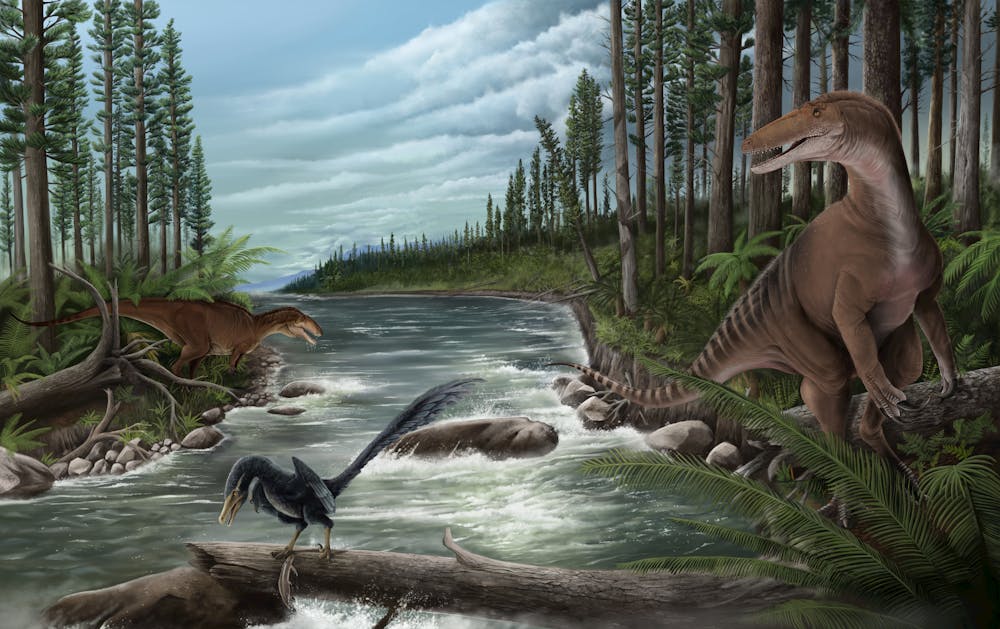
    MIL OSI AnalysisEveningReport.nz

  • MIL-OSI NGOs: Whether Biden Or Trump, US’ Latin American Policy Will Be Contemptible

    Source: Council on Hemispheric Affairs –

    By John Perry and Roger D. Harris

    Migration, Drugs, and Tariffs.

    With Donald Trump as the new US president, pundits are speculating about how US policy towards Latin America might change.

    In this article, we look at some of the speculation, then address three specific instances of how the US’s policy priorities may be viewed from a progressive, Latin American perspective. This leads us to a wider argument: that the way these issues are dealt with is symptomatic of Washington’s paramount objective of sustaining the US’s hegemonic position. In this overriding preoccupation, its policy towards Latin America is only one element, of course, but always of significance because the US hegemon still treats the region as its “backyard.”

    First, some examples of what the pundits are saying. In Foreign Affairs, Brian Winter argues that Trump’s return signals a shift away from Biden’s neglect of the region. “The reason is straightforward,” he says. “Trump’s top domestic priorities of cracking down on unauthorized immigration, stopping the smuggling of fentanyl and other illicit drugs, and reducing the influx of Chinese goods into the United States all depend heavily on policy toward Latin America.”

    Ryan Berg, who is with the thinktank, Center for Strategic and International Studies, funded by the US defense industry, is also hopeful. Trump will “focus U.S. policy more intently on the Western Hemisphere,” he argues, “and in so doing, also shore up its own security and prosperity at home.”

    According to blogger James Bosworth, Biden’s “benign neglect” could be replaced by an “aggressive Monroe Doctrine – deportations, tariff wars, militaristic security policies, demands of fealty towards the US, and a rejection of China.” However, notwithstanding the attention of Trump’s Secretary of State, Marco Rubio, Bosworth thinks there is still a good chance of policy lapsing into benign neglect as the new administration focuses elsewhere.

    The wrong end of the telescope

    What these and similar analyses share is a concern with problems of importance to the US, including domestic ones, and how they might be tackled by shifts in policy towards Latin America. They view the region from the end of a US-mounted telescope.

    Trump’s approach may be the more brazen “America first!,” but the basic stance is much the same as these pundits. The different scenarios will be worked out in Washington, with Latin America’s future seen as shaped by how it handles US policy changes over which it has little influence. Analyses by these supposed experts are constrained by their adopting the same one-dimensional perspective as Washington’s, instead of questioning it.

    Here’s one example. The word “neglect” is superficial because it hides the immense involvement of the US in Latin America even when it is “neglecting” it: from deep commercial ties to a massive military presence. It is also superficial because, in a real sense, the US constantly neglects the problems that concern most Latin Americans: low wages, inequality, being safe in the streets, the damaging effects of climate change, and many more. “Neglect” would be seen very differently on the streets of a Latin American city than it is inside the Washington beltway.

    Who has the “drug problem”?

    The vacuum in US thinking is nowhere more apparent than in responses to the drug problem. Trump threatens to declare Mexican drug cartels to be terrorist organizations and to invade Mexico to attack them.

    But, as academic Carlos Pérez-Ricart told El Pais: “This is a problem that does not originate in Mexico. The source, the demand, and the vectors are not Mexican. It is them.” Mexican President Claudia Sheinbaum also points out that it is consumption in the US that drives drug production and trafficking in Mexico.

    Trump could easily make the same mistake as his predecessor Clinton did two decades ago. Back then, billions were poured into “Plan Colombia” but still failed to solve the “drug problem,” while vastly augmenting violence and human rights violations in the target country.

    A foretaste of what might happen, if Trump carries out his threat, occurred last July, when Biden’s administration captured Ismael “El Mayo” Zambada. That caused an all-out war between cartels in the Mexican state of Sinaloa.

    Sheinbaum rightly turns questions about drug production and consumption back onto the US. Rhetorically, she asks: “Do you believe that fentanyl is not manufactured in the United States?…. Where are the drug cartels in the United States that distribute fentanyl in US cities? Where does the money from the sale of that fentanyl go in the United States?”

    If Trump launches a war on cartels, he will not be the first US president to the treat drug consumption as a foreign issue rather than a concomitantly domestic one.

    Where does the “migration problem” originate?

    Trump is also not the first president to be obsessed by migration. Like drugs, it is seen as a problem to be solved by the countries where the migrants originate, while both the “push” and “pull” factors under US control receive less attention.

    Exploitation of migrant labor, complex asylum procedures, and schemes such as “humanitarian parole” to encourage migration are downplayed as reasons. Biden intensified US sanctions on various Latin American countries, which have been shown conclusively to provoke massive emigration. Meanwhile Trump threatens to do the same.

    Many Latin American countries have been made unsafe by crime linked to drugs or other problems in which the US is implicated. About 392,000 Mexicans were displaced as a result of conflict in 2023 alone, their problem aggravated by the massive, often illegal, export of firearms from the US to Mexico.

    Costa Rica, historically a safe country, had a record 880 homicides in 2023, many of which were related to drug trafficking. In Brazil and other countries, US-trained security forces contribute directly to the violence, rather than reducing it.

    Mass deportations from the US, promised by Trump, could worsen these problems, as happened in El Salvador in the late 1990s. They would also affect remittances sent home by migrant workers, exacerbating regional poverty. The threatened use of tariffs on exports to the US could also have serious consequences if Latin America does not stand up to Trump’s threats. Economist Michael Hudson argues that countries will have to jointly retaliate by refusing to pay dollar-based debts to bond holders if export earnings from the US are summarily cut.

    China in the US “backyard”

    Trump also joins the Washington consensus in its preoccupation with China’s influence in Latin America. Monica de Bolle is with the Peterson Institute for International Economics, a thinktank partly funded by Pentagon contractors. She told the BBC: “You have got the backyard of America engaging directly with China. That’s going to be problematic.”

    Recently retired US Southern Command general, Laura Richardson, was probably the most senior frequent visitor on Washington’s behalf to Latin American capitals, during the Biden administration. She accused China of “playing the ‘long game’ with its development of dual-use sites and facilities throughout the region, “adding that those sites could serve as “points of future multi-domain access for the PLA [People’s Liberation Army] and strategic naval chokepoints.”

    As Foreign Affairs points out, Latin America’s trade with China has “exploded” from $18 billion in 2002 to $480 billion in 2023. China is also investing in huge infrastructure projects, and seemingly its only political condition is a preference for a country to recognize China diplomatically (not Taiwan). Even here, China is not absolute as with Guatemala, Haiti, and Paraguay, which still recognize Taiwan. China still has direct investments in those holdouts, though relatively more modest than with regional countries that fully embrace its one-China policy.

    Peru, currently a close US ally, has a new, Chinese-funded megaport at Chancay, opened in November by President Xi Jinping himself. Even right-wing Argentinian president Milei said of China, “They do not demand anything [in return].”

    What does the US offer instead? While Antony Blinken proudly displayed old railcars that were gifted to Peru, the reality is that most US “aid” to Latin America is either aimed at “promoting democracy” (i.e. Washington’s political agenda) or is conditional or exploitative in other ways.

    The BBC cites “seasoned observers” who believe that Washington is paying the price for “years of indifference” towards the region’s needs. Where the US sees a loss of strategic influence to China and to a lesser extent to Russia, Iran, and others, Latin American countries see opportunities for development and economic progress.

    Remember the Monroe Doctrine

    Those calling for a more “benign” policy are forgetting that, in the two centuries since President James Monroe announced the “doctrine,” later given his name, US policy towards Latin America has been aggressively self-interested.

    Its troops have intervened thousands of times in the region and have occupied its countries on numerous occasions. Just since World War II, there have been around 50 significant interventions or coup attempts, beginning with Guatemala in 1954. The US has 76 military bases across the region, while other major powers like China and Russia have none.

    The doctrine is very much alive. In Foreign Affairs, Brian Winter warns: “Many Republicans perceive these linkages [with China], and the growing Chinese presence in Latin America more broadly, as unacceptable violations of the Monroe Doctrine, the 201-year-old edict that the Western Hemisphere should be free of interference from outside powers.”

    Bosworth adds that Trump wants Latin America to decisively choose a side in the US vs China scrimmage, not merely underplay the role of China in the hemisphere. Any country courting Trump, he suggests, “needs to show some anti-China vibes.”

    Will Freeman is with the Council on Foreign Relations, whose major sponsors are also Pentagon contractors. He thinks that a new Monroe Doctrine and what he calls Trump’s “hardball” diplomacy may partially work, but only with northern Latin America countries, which are more dependent on US trade and other links.

    Trump has two imperatives: while one is stifling China’s influence (e.g. by taking possession of the Panama Canal), another is gaining control of mineral resources (a reason for his wanting to acquire Greenland). The desire for mineral resources is not new, either. General Richardson gave an interview in 2023 to another defense-industry-funded thinktank in which she strongly insinuated that Latin American minerals rightly belong to the US.

    Maintaining hegemonic power against the threat of multipolarity

    Neoconservative Charles Krauthammer, writing 20 years ago for yet another thinktank funded by the  defense industry, openly endorsed the US’s status as the dominant hegemonic power and decried multilateralism, at least when not in US interests. “Multipolarity, yes, when there is no alternative,” he said. “But not when there is. Not when we have the unique imbalance of power that we enjoy today.”

    Norwegian commentator Glen Diesen, writing in 2024, contends that the US is still fighting a battle – although perhaps now a losing one – against multipolarity and to retain its predominant status. Trump’s “America first!” is merely a more blatant expression of sentiments held by his other presidential predecessors for clinging on to Washington’s contested hegemony.

    The irony of Biden’s presidency was that his pursuit of the Ukraine war has led to warmer relations between his two rivals, Russia and China. In this context, the growth of BRICS has been fostered – an explicitly multipolar, non-hegemonic partnership. As Glen Diesen says, “The war intensified the global decoupling from the West.”

    Other steps to maintain US hegemony – its support for Israel’s genocide in Gaza, the regime-change operation in Syria and the breakdown of order in Haiti – suggest that, in Washington’s view, according to Diesen, “chaos is the only alternative to US global dominance.” Time and again, Yankee “beneficence” has meant ruination, not development.

    These have further strengthened desires in the global south for alternatives to US dominance, not least in Latin America. Many of its countries (especially those vulnerable to tightening US sanctions) now want to follow the alternative of BRICS.

    Unsurprisingly, Trump has been highly critical of this perceived erosion of hegemonic power on Biden’s watch. Thomas Fazi argues in UnHerd that this is realism on Trump’s part; he knows the Ukraine war cannot be conclusively won, and that China’s power is difficult to contain. Accordingly, this is leading to a “recalibrating of US priorities toward a more manageable ‘continental’ strategy — a new Monroe Doctrine — aimed at reasserting full hegemony over what it deems to be its natural sphere of influence, the Americas and the northern Atlantic,” stretching from Greenland and the Arctic to Tierra del Fuego and Antarctica.

    The pundits may not agree on quite what Trump’s approach towards Latin America will be, but they concur with Winter’s judgment that the region “is about to become a priority for US foreign policy.” His appointment of Marco Rubio is a signal of this. The new secretary of state is a hawk, just like Blinken, but one with a dangerous focus on Latin America.

    However, the mere fact that such pundits hark back to the Monroe Doctrine indicates that this is only, so to speak, old wine in new bottles. Even in the recent past, an aggressive application of the 201-year-old Monroe Doctrine has never seen a hiatus.

    Recall US-backed coups that deposed Honduran President Manuel Zelaya (2009) and Bolivian Evo Morales (2019), plus the failed coup against Daniel Ortega in Nicaragua (2018), along with the parliamentary coup that ousted Paraguayan Fernando Lugo (2012). To these, US-backed regime change by “lawfare” included Dilma Rousseff in Brazil (2016) and Pedro Castillo in Peru (2023). Currently presidential elections have simply been suspended in Haiti and Peru with US backing.

    Even if Trump is more blatant than his predecessors in making clear that his policymaking is based entirely on what he perceives to be US interests, rather than those of Latin Americans, this is not new.

    As commentator Caitlin Johnstone points out, the main difference between Trump and his predecessors is that he “makes the US empire much more transparent and unhidden.” From the other end of the political spectrum, a former John McCain adviser echoes the same assessment: “there will likely be far more continuity between the two administrations than meets the eye.”

    Regardless, Latin America will continue to struggle to set its own destiny, patchily and with setbacks, and this will likely draw it away from the hegemon, whatever the US does.

    Nicaragua-based John Perry is with the Nicaragua Solidarity Coalition and writes for the London Review of Books, FAIR, and CovertAction.

    Roger D. Harris is with the Task Force on the Americas, the US Peace Council, and the Venezuela Solidarity Network

    Featured image courtesy of Cornell University/Wikimedia Commons

    First published by Popular Resistance: https://popularresistance.org/whether-biden-or-trump-us-latin-american-policy-will-still-be-contemptible/
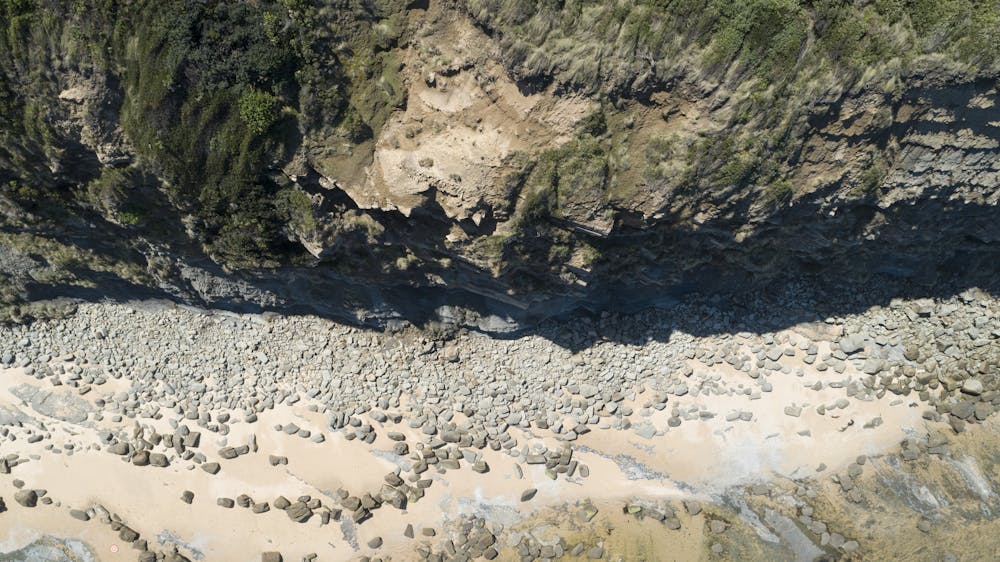
    MIL OSI NGO

  • MIL-OSI New Zealand: Land Information Minister to tour Antarctic monitoring sites

    Source: New Zealand Government

    Land Information Minister and Associate Defence Minister Chris Penk will travel to Antarctica this week to see New Zealand’s scientific and international cooperation efforts on the ice. 

    “Our scientists carry out globally significant research in one of the most challenging environments in the world, alongside essential conservation work,” Mr Penk says.  

    The Minister will meet with teams from Antarctica New Zealand and the New Zealand Defence Force who support our scientific programmes.  

    “I will visit monitoring sites in Antarctica where there is critical instrumentation that informs navigation systems, topographical maps, and nautical charts. I’ll also observe active research that helps us understand land movement,” Mr Penk says.  

    The visit coincides with the HMNZS Aotearoa’s fuel resupply mission to McMurdo Station, an important contribution by New Zealand to the US-NZ Joint Logistic Pool.  

    Mr Penk will meet with NZDF staff assisting the mission and offloading the ship, and our closest neighbours, the United States, at McMurdo Station. 

    “The US is a critical partner in supporting New Zealand’s operations at Scott Base, and we work closely to preserve the region for future generations as a place for peace and science.” 

    Mr Penk is scheduled to depart from Christchurch on Thursday 8 November and is expected to return to New Zealand on Tuesday February 11. 

    He is the third Minister to visit Antarctica in recent months, following visits from Finance Minister Nicola Willis and Climate Change Minister Simon Watts in November 2024.  

    MIL OSI New Zealand News

  • MIL-OSI Global: Art, music and science combine at a new whale exhibition at Winchester Cathedral

    Source: The Conversation – UK – By Ryan Reisinger, Associate Professor in Marine Biology and Ecology, University of Southampton

    University of Southampton, CC BY-NC-ND

    The nave of Winchester Cathedral in Hampshire is, until February 26 2025, home to three monumental ambassadors from the sea, sculpted by artist Tessa Campbell Fraser.

    In Campbell Fraser’s immersive art installation, three sculpted sperm whales (the largest of the toothed whales), hang from the cathedral ceiling. Toothed whales have teeth instead of the keratinous baleen that blue whales and others use to feed on tiny animals, such as krill. Sperm whales, which feed mainly on squid, are the largest predators alive today.

    Their ecology is strange, but impressive. They are socially sophisticated, massive-brained, far-wandering, deep-diving and loud. Sperm whale clicks are the loudest biologically produced sound ever recorded.

    Whales use these strange vocalisations to echolocate as they hunt for prey and to communicate to each other. In this installation, Campbell Fraser has creatively employed sperm whale clicks to vibrate paint on the banners that hang alongside the whales in the cathedral, serving as a visual representation of sperm whale “codas”. These repetitive patterns of clicks, lasting a few seconds, have intrigued researchers since they were first recorded off North Carolina, US, in the 1950s.

    We now know that groups of sperm whales are organised into “vocal clans” based on unique coda repertoires. These whale call signatures have probably been learned culturally, but scientists are yet to understand what they mean.

    While carrying out her research, Fraser Campbell referenced a multidisciplinary research collaboration that’s seeking to translate whale calls using artificial intelligence. Already, that project has discovered that sperm whale codas are far more complex than previously thought.

    The three whale sculptures (which are between three and five metres long) are made, in part, from “ghost gear” – this is abandoned, lost, and discarded fishing gear, collected at sea by British charity Ghost Fishing UK. Floating ghost gear, which includes fishing nets, can kill or entangle marine life such as whales.

    At the opening of the exhibition, Campbell Fraser recounted reports of stranded sperm whales whose stomachs were filled with plastic debris. One sperm whale that was found dead in Pas-de-Calais, France, had 25kg of debris, including nets and rope, in its stomach.

    Despite this lethal backstory, Fraser Campbell’s method of construction gives the whales an ephemerality and lightness. This seems at odds with their mass in real life, for sperm whales can weigh 45 tonnes, but it is apt considering they are nearly weightless in water. This has allowed baleen whales to evolve such massive bodies. Blue whales are the largest animals to have ever lived, despite feeding almost exclusively on tiny krill.

    These three sperm whales are on exhibition until 26 February 2025.
    The University of Southampton., CC BY-NC-ND

    Using netting in these sculptures represents, on one level, the increasing effects of humans on the ocean and whales. On another level, it hints at the long entanglement between human history and whales. Our spiritual, cultural and intellectual links with whales are represented through rich intersections of art and science.

    One famous literary example is the 1851 novel Moby Dick by Herman Melville, which artfully weaved descriptions of whale biology with the human story of pre-industrial whaling. This theme is also explored by our colleague Philip Hoare in his book Leviathan (2009).

    Unfortunately, people have negative effects on the oceans. The consequences of pollution, overfishing and climate change are widespread and increasing. Even in the furthest corners of the sea, whales may encounter humans or be affected by our influence, through climate change, noise and plastic pollution.

    Our research has shown how whale foraging areas in the remote western Antarctic peninsula overlap with an increasing fishery for Antarctic krill which now requires urgent and careful management to ensure its sustainability for people and whales.

    Through an unprecedented compilation of over 1,000 tracks from eight whale species globally, we have produced a world-first map of “whale superhighways” – the blue corridors whales use as they migrate across oceans. This map also highlights how these extensive migrations expose whales to a mosaic of threats at various scales. As a result, protecting whales requires coordinated effort at local and global scales.

    The art of acoustics

    Of course, scale is a key consideration in the design of cathedrals. Winchester is a particularly fine example – at 170m, it is the longest medieval cathedral in the world.

    On February 6, four composer-performers from the University of Southampton’s department of music will perform a specially commissioned, site-specific piece called Echolocations. The music will approach this intersection of art and scientific research from another angle, in part by responding to the expansive acoustics of the cathedral.

    Vocalist Liz Gre and pianist Ben Oliver, with live electronics performed by Pablo Galaz and Drew Crawford, will work with this acoustic to evoke the vast aquatic distances across which whales communicate. And inspired by the ghost netting in Fraser Campbell’s sculptures, the music will address the threat that ongoing human activities are having on marine ecosystems via noise pollution.

    We are polluting the oceans with plastic and sonic garbage. It sometimes seems we will be incapable of action until whale song ends up a digitally rendered collective memory.

    But this performance inspires the same qualities of imagination that enable us to conceive of building the gothic medieval wonder of the cathedral’s nave, conquer oceans to build global trade networks, mine the ocean floor and use machine learning to understand whale song. This level of imagination will be vital in creating a new set of sustainable relations with the rest of the planet.


    Don’t have time to read about climate change as much as you’d like?

    Get a weekly roundup in your inbox instead. Every Wednesday, The Conversation’s environment editor writes Imagine, a short email that goes a little deeper into just one climate issue. Join the 40,000+ readers who’ve subscribed so far.


    Ryan Reisinger receives funding from WWF and the UK Government through Darwin Plus.

    Drew Crawford does not work for, consult, own shares in or receive funding from any company or organisation that would benefit from this article, and has disclosed no relevant affiliations beyond their academic appointment.

    ref. Art, music and science combine at a new whale exhibition at Winchester Cathedral – https://theconversation.com/art-music-and-science-combine-at-a-new-whale-exhibition-at-winchester-cathedral-248024

    MIL OSI – Global Reports