We’ve reviewed our advice for Colombia and continue to advise exercise a high degree of caution in Colombia overall due to the threat of violent crime and terrorism. We now also advise do not travel to the Catatumbo region in Norte de Santander and Cesar, and the department of Cauca (except Popayán and the Pan American Highway), amongst other areas, due to increased violence from illegal armed groups and other criminal organisations.
There’s been an increase in foreigners, including Australians, who have been assaulted and robbed using incapacitating drugs (see ‘Safety’). If you plan to travel from Colombia to Ecuador through the land border crossings, you’re required to present an apostilled police check covering the previous five years (see ‘Travel’).
Many teachers and parents know neuroscience, the study of how the brain functions and develops, is important for children’s education.
Brain development is recommended as part of teacher education in universities. Neuroscience is even mentioned in Australia’s “early years framework”, which guides early childhood programs.
Previous research has shown there are misunderstandings about how neuroscience works (or “neuromyths”) among teachers both in Australia and overseas.
Our new study shows there are also some widespread neuromyths among early childhood educators.
What are the myths? And what does the evidence say?
Our research
We surveyed more than 520 Australian early childhood educators in 2022 to understand their neuroscience knowledge.
We chose to study early childhood educators because there is a research gap in our understanding of those teaching and caring for younger children. The surveys were distributed online via multiple channels including email lists, social media and professional associations.
About 74% of respondents worked in a long daycare or a preschool/kindergarten (educating children in the final years before formal school). About 63% had either a bachelors degree or postgraduate qualification.
Our research surveyed more than 500 early childhood educators about their neuroscience knowledge. Poppy Pix/ Shutterstock
Our findings
We asked respondents whether various false statements were true, in order to assess their level of knowledge about neuroscience. The average correct score was 13.7 out of 27.
Some myths presented in our study were widely, and correctly, understood to be false. For example, more than 90% of respondents correctly identified “when we sleep our brains shut down” and “mental capacity is solely hereditary and cannot be changed by the environment or experience” as untrue.
But for other myths, most respondents were either unsure or believed the statement to be correct. For example:
only 7% of respondents correctly identified “teaching to different learning styles will improve learning” as false.
only 15% of respondents correctly identified “students are either left or right brained” as false.
This suggests educators need more evidence-based neuroscience content as part of their professional education and development. While some neuromyths may seem harmless, others can have real implications for teaching decisions and student learning.
What is the problem with these neuromyths?
Myth 1: ‘teaching to different learning styles will improve learning’
The idea of learning styles became popular in the 1970s. This argued students will show improved learning if they receive information in a very specific way. For example, “visual learners” need to see information to be able to learn, while “aural learners” need to hear it.
While people may have preferred ways of accessing information, there is no evidence learning suffers if information isn’t provided in this format. Research has also shown teachers’ ideas of a student’s learning style do not tend to match students’ self-reported preferences.
So teaching decisions made on assumed student “learning styles” may be flawed in any case.
There’s no evidence learning needs to be presented in a particular format for certain ‘types’ of learners. myboys.me/ Shutterstock
Myth 2: ‘students are either left or right brained’
Another enduring idea is we have personality traits that are either right-brained (intuitive and creative) or left-brained (analytical and logical)
The harm in this myth comes from students thinking they are “more left-brained than right” and teachers reinforcing this view. And from here, young people might think they should just stick to humanities or just stick to maths or science.
This could rob a student of exploring multiple academic and career paths. Sure, some students will seem to really flourish as an artist, some as mathematicians and some as both. But we should not be labelling students, based on a neuromyth, potentially impacting self-confidence and their potential.
Kate E. Williams receives funding from the Australian Research Council, National Health and Medical Research Council, Queensland Government Department of Education, and Australian Government Department of Social Services. She is affiliated with Play Matters Australia as Chair of the Board of Directors.
In birds, singing behaviours play a critical role in mating and territory defence.
Although birdsong can signal individual quality and personality, very few studies have explored the relationship between individual personality and song complexity, and none has investigated this in females, say Flinders University animal behaviour experts.
They have examined the relationships between song complexity and two personality traits (exploration and aggressiveness) in wild superb fairy-wrens (Malurus cyaneus), a species in which both sexes learn to produce complex songs.
“Regardless of their sex or life stage, individuals that were more exploratory had more element types per song, which may be explained by the possibility that more exploratory birds approach and learn from a wider variety of tutors compared to less exploratory birds,” says senior lecturer Dr Diane Colombelli-Négrel, from the College of Science and Engineering BirdLab at Flinders University.
“Additionally, more aggressive individuals produced songs with fewer syllables, and more aggressive fledglings, but not adults, had more element types per song. In birds, singing behaviours play a critical role in mating and territory defence.”
The study illustrates that learned aspects of sexual signalling are personality dependent, and that this can have some potential fitness implications.
In a new study, published in Royal Society Open Science, the personality in males and females (including juveniles) was assessed by quantifying their exploration behaviour (novel environment test) and aggressiveness (mirror stimulation test) during short-term captivity.
First the birds were captured to measure their personality in short-term captivity. Researchers measured their exploration by placing them (in a novel environment test), and their aggressiveness (by using a mirror test).
After the birds were released, their songs were recorded over several months to assess individual variation in song complexity (i.e., element types per song, syllables per song) in relation to personality.
“Our study supports the idea that both male and female birds can advertise their personality when singing, which may be important for mate choice,” Dr Colombelli-Négrel says.
The research – Personality predicts song complexity in superb fairy-wrens (2025) by D Colombelli-Négrel, AC Katsis, LK Common and S Kleindorfer – will be published by the Royal Society Open Science (The Royal Society) DOI: 10.1098/rsos.241497.
Acknowledgements: This work was funded by a Discovery Research Grant from the Australian Research Council (DP190102894) awarded to SK and DC-N and by a grant from the Australia & Pacific Science Foundation awarded to DC-N and SK.
This research was approved by the Flinders University Animal Welfare Committee (E480, AEC BIOL5563). Fieldwork was conducted under permit from the South Australian Department for Environment and Water (Z24699) and the Australian Bird and Bat Banding Scheme (banding authority numbers 2601, 2719).
Researchers also thank Cleland Wildlife Park for access to the field site and for accommodating this research.
Infringements issued for illegal rubbish dumping in Geeveston state reserve forest area
Wednesday, 16 April 2025 – 8:52 am.
Two men will receive an infringement notice for $2,200 each after they allegedly illegally dumped a significant amount of rubbish in a stream side reserve at Geeveston recently. The 39-year-old and 66-year-old men from Geeveston allegedly dumped more than two cubic metres of rubbish in the state reserve forest area. “Police are continuing to investigate further reports of illegal rubbish dumping within the Geeveston area,” said Sergeant Simon Ward from Huonville Police. “Illegal rubbish dumping will not be tolerated, and I ask anyone with information into the matters to contact Huonville Police on 131 444 or provide information anonymously through Crime Stoppers Tasmania at crimestopperstas.com.au or on 1800 333 000” Stephen Rymer, Assistant General Manager Operations, Sustainable Timber Tasmania said, “This is a strong demonstration that illegal rubbish dumping on Permanent Timber Production Zone land is a serious offence and offenders will be prosecuted.” “Illegal dumping of rubbish is a major concern for Sustainable Timber Tasmania, costing tens of thousands of dollars each year in time, resources, and clean up and has significant environmental, economic, and safety impacts.” Littering can be reported to the Environmental Protection Authority via epa.gov.au or by calling 1300 135 513.
Road users urged to pay attention at level crossings following recent near misses
Wednesday, 16 April 2025 – 9:13 am.
Tasmania Police and TasRail are urging all road users to take greater care around level crossings following several near misses between trains and vehicles across Tasmania recently. The warnings come after regular incidents where drivers failed to stop at level crossings, ignored warning signals, or attempted to beat approaching trains, putting lives at serious risk. Tasmania Police is increasing patrols and monitoring of known high-risk level crossings, reminding drivers that failure to obey railway crossing signs and signals can result in significant fines and demerit points. Inspector Adam Spencer from Western District said we’ve seen far too many close calls in recent weeks. “Ignoring crossing signals or trying to outrun a train isn’t just illegal, it’s incredibly dangerous, and we’re urging everyone to slow down, look for trains and obey the signals at level crossings.” “It is incredibly lucky that no one has been seriously injured in these incidents, and we are using them as an example to others about the importance of rail safety.” “We’ll be monitoring driver behaviour around level crossings, and anyone found to be taking breaking the road rules will be prosecuted,” he said. There are ~180 public level crossings across Tasmania’s 600km operational rail network, and most are located in rural or regional areas. TasRail operates freight trains throughout the day and night, and driver vigilance is essential. “Our train drivers rely on road users obeying road rules at level crossings, trains cannot swerve or stop instantaneously. It’s in your hands. Thank you to Tasmania Police for its continued support for rail safety, TasRail CEO Steven Dietrich said.” Both TasRail and Tasmania Police are calling on all road users, especially those in regional communities, to stay alert and help prevent the next potential tragedy by following the tips below:
Always obey signs, lights, and signals. Stop, look both ways, and listen for trains—especially at passive crossings. Never attempt to race a train or cross when warning signals are active. Be patient—trains may take several minutes to clear a crossing.
Serious criminal trespass and theft related offending in South Australia have again recorded significant declines, the latest crime statistics have revealed.
The February rolling year crime statistics reveal house break-ins have dropped for the eighth successive period, shop theft and car theft have also continued to decline at a steady rate and robbery and related offences have again dropped significantly.
The latest figures reveal the number of house break-ins declined by seven per cent from 5,899 to 5,465 reported offences. This followed a five per cent decline in the January period and a six per cent decline in the December period.
The number of non-residential break-ins declined by five per cent from 3,648 to 3,479 reported offences. This followed a two per cent decline in the January period.
Acting Assistant Commissioner (Metropolitan Operations Service) John de Candia said the continued reduction in both residential and non-residential serious criminal trespass offences was encouraging.
“The results reflect the proactive work being done by frontline officers across all of our policing districts,’’ he said.
“Identifying the recidivist offenders responsible for a significant number of these offences and then targeting them with specific operations to uncover the depth of their offending, gathering the necessary evidence and then charging them accordingly is paying dividends.
“In a number of these matters the courts have recognised their serious level of offending and they have been refused bail which contributes to a reduction in further offending.’’
One recent joint operation, dubbed Sentinel, involved detectives from the Northern, Eastern and Southern District Criminal Investigation Branches who probed the activities of a group of individuals responsible for committing multiple serious offences across several suburbs.
Operation Sentinel resulted in seven individuals – several of whom were significant recidivist offenders – being charged with 29 offences including aggravated serious criminal trespass, aggravated robbery, aggravated assault, firearms possession, illegal use and driving while disqualified. All have been refused bail.
Another protracted investigation into a recidivist offender committing offences across suburbs including North Adelaide, Kent Town, Marden and Evandale in February and March resulted in the arrest of a Queensland man, 41.
The man has been charged with 35 offences involving theft and non-residential serious criminal trespass. The man also had outstanding warrants for offences committed in Queensland, including multiple counts of rape and indecent assault.
A separate investigation into a string of thefts from hardware stores between September 2024 and March 2025 resulted in the arrest of a Henley Beach South man, 49, who is facing multiple counts of theft in connection with goods worth more than $10,000.
The latest figures reveal shop theft has continued to decline with a fourth successive decrease recorded. The number of offences dropped by eight per cent – from 18,743 to 17,268 offences – this period. This followed a five per cent decline in the January period, three per cent in December and two per cent in November.
Robbery and related offending have continued to decrease with a 15 per cent decline – from 887 to 742 offences recorded. This followed a 20 per cent decline in the January period, 22 per cent in December and a 26 per cent drop in the November period.
Within that category aggravated robbery declined by 19 per cent or 96 offences in the February period – from 512 offences to 416 offences – while non-aggravated robbery declined by five per cent – from 79 offences to 75 offences.
Car theft and theft from a vehicle have also continued to steadily decrease. Car theft dropped by 11 per cent or 408 offences – from 3,865 to 3,457 offences. This followed a 12 per cent decrease in the January period, an 11 per cent decrease in December and an eight per cent decline in the November period.
Theft from a vehicle decreased by 22 per cent – from 10,212 to 7,938 offences. This followed a 20 per cent drop in January and a 19 per cent decline in the December and November periods.
The homicide rate in South Australia has continued to decrease with a 64 per cent decrease reported in the period – from 25 to nine offences.
Aotearoa New Zealand’s population passes 5.3 million people–16 April 2025 –Aotearoa New Zealand’s estimated resident population was 5,311,100 as at 31 December 2024, according to figures released by Stats NZ today.
These are the first population estimates to fully incorporate the 2023 Census and 2023 Post-Enumeration Survey (PES) results. Estimates back to 2018 have now been revised, and estimates after 30 June 2023 will now use the 2023-base estimated resident population as a starting point.
“Census data and the coverage results from the PES are used to recalibrate national and subnational population estimates,” population estimates, projections, and coverage spokesperson Victoria Treliving said.
“This recalibration ensures the population estimates are the best-possible measure of how many people live in communities across the country.”
North Island population passes 4 million while South Island population grows faster–16 April 2025
The population living in the North Island now exceeds 4 million, according to estimates released by Stats NZ today.
The North Island’s population has grown by an average of 1.3 percent a year since 2018, reaching 4.04 million at 30 June 2024. The South Island’s population has grown at a slightly faster rate of 1.4 percent a year, reaching 1.24 million at 30 June 2024.
“It took just over two decades for the North Island’s population to increase from 3 million in late 2002 to 4 million in late 2023,” population estimates and projections spokesperson Victoria Treliving said.
“Over the same time, the South Island population increased by almost 300,000 people.”
The New Zealand Office of the Privacy Commissioner (OPC) and the Office of the Australian Information Commissioner (OAIC) have commenced a joint privacy investigation into the 12 March Latitude Financial data breach.
This decision follows preliminary inquiries into the matter by both offices.
This is the first joint privacy investigation by Australia and New Zealand and reflects the impact of the data breach on individuals in both nations.
The breach, New Zealand’s largest, has seen millions of New Zealanders’ and Australians’ records exposed, including drivers’ licenses, passports and sensitive financial data including personal income and expense information.
The joint investigation will allow the use of both agencies’ resources. The structure of the investigation does not preclude the OAIC and OPC reaching separate regulatory outcomes or decisions regarding the most appropriate regulatory response to a breach.
The OAIC and OPC’s investigation will focus on whether Latitude took reasonable steps to protect the personal information they held from misuse, interference, loss, unauthorised access, modification or disclosure.
The investigation will also consider whether Latitude took appropriate steps to destroy or de-identify personal information that was no longer required.
Deputy Privacy Commissioner Liz MacPherson says the investigation will focus on
how the hackers gained entry to Latitude Financial’s systems
how long they were inside before they were noticed
what Latitude’s staff did when they discovered the attack
the retention of information held by Latitude, and
the security and storage of that information within its IT systems.
“This is a significant attack with an appalling result. I want to thank the affected customers who have been in contact with us so far. Thank you for your patience and for sharing your experiences with us, says Liz MacPherson.
“There is a human cost to a breach. We have former customers of Latitude who took a loan to buy a fridge about 15 years ago and now part of their identity is being held for ransom. We will be asking the same questions these customers are. Could Latitude have done anything to prevent the hackers getting in and stealing information? What reasons does Latitude have for holding onto the personal information of past customers for such long periods?”
“I also expect this breach has caused emotional stress for staff and the Board at Latitude Financial and I thank them for their constructive engagement with us to date,” says Liz.
A compliance investigation enables the Office of the Privacy Commissioner to use its full information gathering powers including obliging people to provide information and summoning witnesses.
“This information will help us to establish whether Latitude’s actions or inaction enabled the cyber-criminals and contributed to the scope and impact of the breach. Establishing these facts will be critical to our ability to make decisions about the individual complaints that are made to us by impacted Latitude customers,” says Liz.
“We are still encouraging affected customers to contact Latitude Financial and ID Care for support first. They have made commitments to assist impacted customers. If you complain to Latitude and you haven’t heard back from them within 30 working days, then we encourage affected customers to make a complaint to us.
Liz says, “we won’t start assessing individual complaints until we have completed our compliance investigation, but we want to get a sense of the number of people affected and the issues people are facing.
“We are expecting this investigation to be wide-ranging and we need to be able to assign investigators accordingly and plan how to meet the needs of affected customers. We also want to know the types of impact and harm people have suffered because of this breach (e.g. examples of harm like identity theft, credit difficulties, undue stress etc).
“We have set up an email for affected customers to contact our team easily. Can you please contact us at latitude.breach@privacy.org.nz ”
The Office of the Privacy Commissioner has been working with the Office of the Australian Information Commissioner (OAIC) throughout the early stages and will continue to do so during the compliance investigation.
“As this investigation is now active no further comments will be made on it until it is concluded. When the OPC finishes its investigation, we will give an update, so please keep in contact with us.”
Anyone coming across the Latitude Financial data should take care.
“Do not access it. Do not spread it. Do not share it. Report it to the New Zealand Police. Report it to us or you can report it to CERT. No one should contribute to its dissemination and increase the anxiety and distress of the affected individuals.”
Individuals should be on the lookout for anything out of the ordinary.
“Be hyper vigilant. Watch out for suspicious texts, emails or unusual things happening with your accounts or records. Be particularly cautious of contact from an unknown source.”
If people would like to know more about some steps, they could take to protect themselves from privacy breaches they could follow this link: https://privacy.org.nz/resources-2/protecting-yourself-from-a-privacy-breach/
Timeline:
Latitude Financial informs the OPC it was breached on March 16.
The Office of the Privacy Commissioner starts its preliminary enquiries into the breach including working with the OAIC.
The NZ Office of the Privacy Commissioner and the Australian Office of the Information Commissioner commence a joint compliance investigation into Latitude on 9 May.
Facts:
Latitude Financial Services Limited NZ provides a wide range of financial and (limited) insurance services to customers across New Zealand via Gem Finance and Gem Visa and several subsidiary groups.
Latitude Financial Services Limited NZ is a subsidiary of Latitude Holdings based in Australia. As such we will continue to work closely with the OAIC as our investigation progresses.
Latitude Financial have estimated that 14 million NZ and Australian customer records have been exposed because of the 12 March attack of which around 1.08 million are NZ customer records.
The 1.08 million NZ customer records includes around 1.037 million driver license records, around 40,000 passport records and sensitive income and expense information. The income and expenditure information was submitted as part of a personal loan application process.
The Privacy Act 2020 places responsibility on Latitude for keeping personal information data secure.
The OPC regulatory role is to understand whether reasonable steps to keep personal data secure have been followed, including appropriate data retention practices and to monitor the Latitude response to the cyber-attack breach.
The difference between preliminary inquiries, a compliance investigation and a complaint investigation
Preliminary inquiries allow us to ask questions and assess the situation. Agencies provide information voluntarily.
A compliance investigationis undertaken under Part 6 of the Privacy Act 2020. It is designed to allow the Privacy Commissioner to hear or obtain information from any person he considers may have relevant information to enable him to decide whether to issue a compliance notice to an agency for breaching the Privacy Act. A compliance notice requires an organisation to do something or to stop doing something, in order to comply with the Privacy Act. A compliance investigation can be used to inform the investigation of individual complaints where there are multiple complaints of the same nature.
A complaint investigationis undertaken under Part 5 of the Privacy Act 2020. These investigations are focussed on the harm caused to the individual by a privacy breach and seek to resolve the complaint including through compensation or redress.
New research conducted by Te Herenga Waka-Victoria University of Wellington finds that taking simple steps to enable ex-prisoners to open bank accounts would assist them in accessing housing, employment, and benefits, which would reduce the risk of re-offending.
Theresearch, led by Senior Lecturer Victoria Stace, was commissioned by FinCap, a charitable trust which supports more than 700 financial mentors in their work helping people who are in financial hardship. The findings of Stage 2 of this work, being released today, are based on interviews with a broad group of stakeholders, including representatives from the banking sector, financial mentoring organisations, community groups, and the Department of Corrections.
“Enabling ex-prisoners to access banking services is a simple measure. It carries negligible cost to the government or banks, could help reduce crime, and save on the costs of imprisoning reoffenders,” says FinCap Senior Policy Advisor Jake Lilley.
“Without a bank account, ex-prisoners struggle to be paid for work, receive benefits, pay bills, or find housing-making it hard to live legally and independently.
“Ex-prisoners who find themselves unable to do these things are more likely to return to crime. This carries an enormous social cost to the victims and a massive fiscal cost to the government. Access to banking is a simple, effective anti-crime measure,” says Jake Lilley.
“Many prisoners either lose access to their bank accounts upon entering prison or do not have any bank account, and those attempting to open new accounts face obstacles, particularly in meeting identification and proof of address requirements. We need uniform procedures across the banking sector to improve access to banking for prisoners,” says Victoria Stace.
“We have developed a set of practical recommendations to make this happen, including:
Corrections should ensure that prisoners have ID documents prior to release (birth certificate and a form of photo ID), and given the opportunity to apply for a bank account prior to release
Major banks should participate in a programme that offers bank accounts to people in prison who are due for release
Every prison should have access to at least one financial mentoring service, with regular financial capability workshops for inmates. “Collaboration between Corrections, banks, financial mentoring organisations, and community groups is essential to overcoming these challenges. Ensuring nationwide consistency, addressing systemic barriers, and securing resources are critical for the successful implementation of the proposed recommendations,” says Victoria Stace.
Aotearoa New Zealand’s population passes 5.3 million people – 16 April 2025 – Aotearoa New Zealand’s estimated resident population was 5,311,100 as at 31 December 2024, according to figures released by Stats NZ today.
These are the first population estimates to fully incorporate the 2023 Census and 2023 Post-Enumeration Survey (PES) results. Estimates back to 2018 have now been revised, and estimates after 30 June 2023 will now use the 2023-base estimated resident population as a starting point.
“Census data and the coverage results from the PES are used to recalibrate national and subnational population estimates,” population estimates, projections, and coverage spokesperson Victoria Treliving said.
“This recalibration ensures the population estimates are the best-possible measure of how many people live in communities across the country.”
North Island population passes 4 million while South Island population grows faster – 16 April 2025
The population living in the North Island now exceeds 4 million, according to estimates released by Stats NZ today.
The North Island’s population has grown by an average of 1.3 percent a year since 2018, reaching 4.04 million at 30 June 2024. The South Island’s population has grown at a slightly faster rate of 1.4 percent a year, reaching 1.24 million at 30 June 2024.
“It took just over two decades for the North Island’s population to increase from 3 million in late 2002 to 4 million in late 2023,” population estimates and projections spokesperson Victoria Treliving said.
“Over the same time, the South Island population increased by almost 300,000 people.”
Allegedly used stolen mail to take over identities and steal from bank accounts, running up credit card debt in victims’ names
Tacoma – A Bremerton, Washington woman was arraigned today in U.S. District Court in Tacoma on a 14-count indictment charging conspiracy, bank fraud, wire fraud, and aggravated identity theft, announced Acting U.S. Attorney Teal Luthy Miller. Heather Marquis, 36, entered pleas of ‘not guilty’ on all counts. Marquis remains detained at the Federal Detention Center at SeaTac. Marquis’ co-defendant Emily Vranic, 33, was arraigned and released to the custody of her parents last week. Trial is scheduled in front of U.S. District Judge Tiffany M. Cartwright on June 16, 2025.
“With an estimated 278 victims, these defendants left a broad swath of damage across Kitsap and Mason Counties,” said Acting U.S. Attorney Miller. “The Bremerton Police Department and Kitsap County Sheriff’s Office did important work with the U.S. Postal Inspection Service to identify victims and trace the financial harm they suffered in this case.”
According to records filed in the case, between April 2019 and November 2024, Vranic and Marquis would steal identities in several different ways. Most often, they would steal victims’ mail and use personal documents inside to activate credit cards, open new lines of credit, or gain wholesale access to online bank accounts. The pair would have documents related to their activities mailed to a third-party victim’s address, where they would intercept the mail again. Once they had fully taken over a stolen identity, statements and other records were mailed directly to their own Bremerton address.
Armed with their victims’ identities, the pair ran up credit card debt, made transfers from victim accounts to their own, and even used victim accounts to make their monthly mortgage payments. In one instance, the pair attempted to transfer $35,000 from a vulnerable victim’s account, after a successful transfer of almost $33,000 from the same account. When the transfer was rejected, they repeatedly called the bank posing as the account holder to try to get the fraud alert removed.
The estimated loss from their financial fraud is approximately $620,000.
“The U.S. Mail remains one of the most trusted forms of commerce and communication in this country. Working to protect the mail system and the citizens it serves from those who wish to harm others while enriching themselves remains our steadfast mission,” said Tony Galetti, Inspector in Charge, U.S. Postal Inspection Service. “The allegations made against Vranic and Marquis are staggering. The process to undo the harm done to members of our community, not just financially but emotionally, can be agonizing. From fixing bank accounts to rebuilding credit reports, the harm lasts far longer than the initial crime. I thank Bremerton PD and Kitsap County Sheriff’s Office for the assistance in this case; partnerships across all levels of law enforcement are what bring these kinds of results.”
Conspiracy to commit bank fraud, and bank fraud are punishable by up to 30 years in prison. Wire fraud is punishable by up to 20 years in prison. Aggravated identity theft is punishable by a mandatory minimum two years in prison for each count to run consecutive to any other sentence imposed in the case.
The charges contained in the indictment are only allegations. A person is presumed innocent unless and until he or she is proven guilty beyond a reasonable doubt in a court of law.
The case is being investigated by the Bremerton Police Department, the Kitsap County Sheriff’s Office, and the U.S. Postal Inspection Service (USPIS).
The case is being prosecuted by Assistant United States Attorney Victoria Cantore.
A motorcycle rider has been charged with multiple offences and had their bike confiscated for 90 days after they were allegedly detected speeding at 170km/h at Devon Hills last night.About 6.15pm on Monday 14 April 2025 police observed a blue Suzuki motorcycle travelling at excessive speed on the Midland Highway. Police intercepted the rider – a 39 year old man from Ravenswood – who was the holder of a learner motorcycle licence.He was charged with several traffic related offences including exceed 80km/hr as a motor cycle learner licence holder.He was bailed to appear before the Launceston Magistrates Court at a later date.Anyone who may have witnessed the motorcycle behaviour or has dash camera footage is asked to contact police on 131 444 or Crime Stoppers on 1800 333 000 or at crimestopperstas.com.au. Information can be provided anonymously.Quote ESCAD 349-14042025.
Source: United States House of Representatives – Congresswoman Yvette D Clarke (9th District of New York)
FOR IMMEDIATE RELEASE:
April 15, 2025
MEDIA CONTACT:
e: jessica.myers@mail.house.gov
c: 202.913.0126
WASHINGTON, DC – Congresswoman Yvette D. Clarke (NY-09) issued the following statement:
“Among the limitless list of Donald Trump’s abuses, illegality, and cruelty, what this disgraceful president has engineered in El Salvador is an atrocity comparable only to America’s most mortal sins. Without convictions and, in many cases, without even trials, his administration expelled hundreds of men innocent in the eyes of the law to a foreign prison 3,000 miles from their families. However, in the eyes of Donald Trump, our laws are secondary to filling up his quota for human suffering. Let’s be clear: this is an existentially dangerous situation for our nation.
“Yesterday, this administration’s vile undertaking culminated in an Oval Office meeting between Donald Trump and Nayib Bukele, the president of El Salvador. There, we watched these two eager, up-and-coming dictators who are obsessed with keeping and accruing power fall abruptly powerless when asked if they’d abide by the United States Supreme Court’s unanimous order to save the life of an innocent man, Kilmar Abrego Garcia. Rather than admit their error in condemning Mr. Abrego Garcia to rot in El Salvador’s violent mega-prison, CECOT, they lied and maligned him as a ‘terrorist.’ They mocked the reporters who questioned their actions. And they feigned total exasperation that any court would have the authority to give them orders.
“In the same meeting, we also heard President Trump tell the small tyrant to his left that ‘Home-growns are next’ – a reference to his intention to inflict the same fate upon American citizens. What’s more, the president’s promise comes in the aftermath of his Administration’s proposed partnership with the despicable gang of mercenaries and war criminals known as Blackwater, which has volunteered to design their next phase of mass detention. In the context of this administration’s war against due process and the rights of everyone in this country to the presumption of innocence, these developments are deeply, deeply disturbing.
“While this situation is already severely troubling, I am certain it will only continue to deteriorate without Congressional intervention. To my Republican colleagues, I ask you to stand up for justice and against authoritarianism. I ask you to commit yourself to the truth and to what is right. And, when you fail to answer, I ask: what will it take for you to say that innocent men do not have to die just so the president does not have to admit he’s wrong?
“We know the Trump Administration broke the law when it sentenced these men to a gulag in El Salvador. We know it’s breaking the law again by not even trying to overturn the death sentences it has passed. And, while I am haunted by what has transpired from the deliberate actions of this president and his administration, we now know beyond a shadow of a doubt that this is no longer a Constitutional crisis – it’s an all-out catastrophe. On the orders of this president, our foundational principle of “Innocent until proven guilty” is over. Donald Trump believes every and any American is either guilty today, or guilty tomorrow. Under this administration, it’s only a matter of time until our day comes.”
ANDOVER, Mass., April 15, 2025 (GLOBE NEWSWIRE) — Mercury Systems Inc. (NASDAQ: MRCY, www.mrcy.com), a technology company that delivers mission-critical processing power to the edge, will release its third quarter fiscal year 2025 financial results after the market close on Tuesday, May 6, 2025.
Management will host a conference call and simultaneous webcast at 5:00 p.m. ET on the same day to discuss Mercury’s quarterly financial results, business highlights, and outlook. In addition, Company representatives may answer questions concerning business and financial developments and trends, the Company’s view on earnings forecasts, and other business and financial matters affecting the Company, the responses to which may contain information that has not been previously disclosed.
To attend the conference call or webcast, participants should register online at ir.mrcy.com/events-presentations. Participants are requested to register a day in advance or at a minimum 15 minutes before the start of the call. A replay of the webcast will be available two hours after the call and archived on the same web page for six months.
Mercury Systems – Innovation that matters® Mercury Systems is a technology company that delivers mission-critical processing power to the edge, making advanced technologies profoundly more accessible for today’s most challenging aerospace and defense missions. The Mercury Processing Platform allows customers to tap into innovative capabilities from silicon to system scale, turning data into decisions on timelines that matter. Mercury’s products and solutions are deployed in more than 300 programs and across 35 countries, enabling a broad range of applications in mission computing, sensor processing, command and control, and communications. Mercury is headquartered in Andover, Massachusetts, and has 23 locations worldwide. To learn more, visit mrcy.com. (Nasdaq: MRCY)
MIAMI, April 15, 2025 (GLOBE NEWSWIRE) — PennantPark Floating Rate Capital Ltd. (the “Company”) (NYSE: PFLT) today announced that PennantPark Senior Secured Loan Fund I LLC (“PSSL”) through PSSL’s wholly-owned and consolidated subsidiary, PennantPark CLO 12, LLC (“CLO 12”) has closed a four-year reinvestment period, twelve-year final maturity $301 million debt securitization in the form of a collateralized loan obligation (“CLO” or “Securitization”).
The debt issued in this Securitization (the “Debt”) is structured in the following manner:
Class
Par Amount ($ in millions)
% of Capital Structure
Coupon
Expected Rating (S&P)
A-1 Loans
$30,000,000
9.9%
3 Mo SOFR + 1.45%
AAA
A-1 Notes
141,000,000
46.8%
3 Mo SOFR + 1.45%
AAA
A-2 Notes
12,000,000
4.0%
3 Mo SOFR + 1.60%
AAA
B
21,000,000
7.0%
3 Mo SOFR + 1.85%
AA
C
24,000,000
8.0%
3 Mo SOFR + 2.30%
A
D
18,000,000
6.0%
3 Mo SOFR + 3.30%
BBB-
Sub Notes
55,020,000
18.3%
NR
Total
$301,020,000
“This transaction demonstrates PennantPark’s resilience and ability to raise attractive long-term financing with our joint venture partner, especially in these challenging capital markets conditions in which interest rate volatility and uncertain economic prospects have disrupted credit markets,” said Arthur Penn, Chief Executive Officer. “We are particularly pleased to have achieved our lowest AAA pricing in our platform’s history which further enhances our strong capital position allowing us to participate in today’s excellent vintage of both primary and secondary opportunities. With the closing of CLO 12, PennantPark now manages approximately $4.0 billion in CLO middle market assets, and we look forward to continued growth with the support of our current and new investors.”
PSSL will continue to retain all of the Subordinated Notes through a consolidated subsidiary. The reinvestment period for the term debt securitization ends in April 2029 and the Debt is scheduled to mature in April 2037. The term debt securitization is expected to be approximately 100% funded at close. The proceeds from the Debt will be used to repay a portion of PSSL’s $325 million secured credit facility. In addition, PSSL will act as retention holder in the transaction to retain exposure to the performance of the securitized assets. CIBC World Markets Corp. acted as lead placement agent on the Securitization.
The notes offered as part of the term debt securitization have not been and will not be registered under the Securities Act of 1933, as amended (the “Securities Act”), or any state “blue sky” laws, and may not be offered or sold in the United States absent registration under Section 5 of the Securities Act or an applicable exemption from such registration requirements. The CLO is a form of secured financing incurred and consolidated by the Company. This press release shall not constitute an offer to sell or a solicitation of an offer to buy nor shall there be any sale of the notes in any state or jurisdiction in which such offer, solicitation or sale would be unlawful prior to registration or qualification under the securities laws of any such state or jurisdiction.
ABOUTPENNANTPARK FLOATING RATE CAPITAL LTD.
PennantPark Floating Rate Capital Ltd. is a business development company which primarily invests in U.S. middle-market private companies in the form of floating rate senior secured loans, including first lien secured debt, second lien secured debt and subordinated debt. From time to time, the Company may also invest in equity investments. PennantPark Floating Rate Capital Ltd. is managed by PennantPark Investment Advisers, LLC.
ABOUTPENNANTPARKINVESTMENTADVISERS,LLC
PennantPark Investment Advisers, LLC is a leading middle-market credit platform, managing approximately $10 billion of investable capital, including available leverage. Since its inception in 2007, PennantPark Investment Advisers, LLC has provided investors access to middle-market credit by offering private equity firms and their portfolio companies as well as other middle-market borrowers a comprehensive range of creative and flexible financing solutions. PennantPark Investment Advisers, LLC is headquartered in Miami and has offices in New York, Chicago, Houston, Los Angeles, and Amsterdam.
FORWARD-LOOKINGSTATEMENTS
This press release may contain “forward-looking statements” within the meaning of the Private Securities Litigation Reform Act of 1995. You should understand that under Section 27A(b)(2)(B) of the Securities Act and Section 21E(b)(2)(B) of the Securities Exchange Act of 1934, as amended (the “Exchange Act”), the “safe harbor” provisions of the Private Securities Litigation Reform Act of 1995 do not apply to forward-looking statements made in periodic reports PennantPark Floating Rate Capital Ltd. files under the Exchange Act. All statements other than statements of historical facts included in this press release are forward-looking statements and are not guarantees of future performance or results and involve a number of risks and uncertainties. Actual results may differ materially from those in the forward-looking statements as a result of a number of factors, including those described from time to time in filings with the Securities and Exchange Commission. PennantPark Floating Rate Capital Ltd. undertakes no duty to update any forward-looking statement made herein. You should not place undue influence on such forward-looking statements as such statements speak only as of the date on which they are made.
CONTACT:
Richard T. Allorto, Jr. PennantPark Floating Rate Capital Ltd. (212) 905-1000 www.pennantpark.com
Hot cross buns aren’t just a sweet snack that appears around Easter. They carry centuries of storytelling in their dough. From ancient gods to modern supermarkets, these sticky spiced buns have crossed many borders and beliefs.
Today, you can buy them in all kinds of flavours. But their story is far richer than chocolate chips and salted caramel.
Ancient beginnings
In some ancient cultures, bread was more than just food. It was a symbol of faith. Ancient Greeks baked small round loaves marked with crosses to honour their gods. According to some historians, these marks could represent the four seasons or four phases of the moon.
Jewish people have also shared special bread during holy times like Passover, and scholars have debated whether these customs influenced early Christian bread traditions.
Pagan Saxons worshipped a spring goddess named Eostre. They baked bread during springtime festivals to celebrate new life and longer days. The name “Eostre” is where we get the English word “Easter”. Over time, some of these springtime bread traditions blended with Christian customs.
From Pagan loaves to Christian buns
Early Christians started marking bread with a cross to show their devotion, and ate it throughout the year.
According to popular tales, one 12th-century English monk made spiced buns marked with a cross on Good Friday, because that day is the “Day of the Cross”.
In 1592, Queen Elizabeth I restricted the sale of spiced bread and buns, perhaps because of religious tensions. England had broken away from the Catholic Church, and new Church of England officials worried that “holy” buns looked too much like Catholic superstition. Others say it was an issue of bread prices and profits. Then again maybe they were just too special for just everyday.
Under these laws, commercial bakers could only make spiced bread on Christmas, Easter and for funerals.
Good Friday and magic buns
By the 18th century, English street vendors sold “hot cross buns” on Good Friday. We even see an old rhyme about them in Poor Robin’s Almanac in 1733, which says:
Good Friday comes this month, the old woman runs,
With one a penny, two a penny, hot cross buns.
Soon, people believed these Good Friday buns had magical powers. Some hung them from kitchen rafters, believing they would never go mouldy. They kept them for protection against evil or illness. If someone felt sick, they crumbled part of an old hot cross bun into water, hoping it would cure them. Others placed buns in their grain stores to keep pests away.
These beliefs might sound odd today, but they were part of daily life for many.
In Victorian England, people exchanged hot cross buns with friends on Good Friday and said, “Half for you and half for me, between us two good luck shall be”.
Whatever ancient superstition the cross once warded off, today it’s the flavour roulette that keeps us coming back. Proof that tradition now serves taste, not fear.
An enduring symbol
Traditional buns contain dried fruit and spices like cinnamon and nutmeg, but many modern versions swap sultanas for chocolate chips or add flavours like salted caramel, orange – or even Vegemite and cheese. They have become a secular treat. Yet the crisscross pattern remains on top, hinting at the Christian origins.
When you smell a fresh batch of these buns, you’re sharing an experience people enjoyed centuries ago. Ancient Egyptians, Greeks, Poles, Romans, Saxons, medieval monks and 18th-century street sellers all had their versions of spiced, crossed bread. Each group gave the buns its own meaning, from honouring gods to celebrating Christ’s crucifixion and resurrection.
A woman giving hot cross buns to two children, in an illustration from 1899. British Library
Eating hot cross buns at Easter also shows how traditions change with each generation. At first, they were hard to find outside Good Friday. Now, you might see them in shops just after New Year’s. They once symbolised pagan festivals, then moved into Christian rites, survived royal bans, and sailed through waves of superstition. Yet they remain a symbol of Easter in Australia and around the world.
Darius von Guttner Sporzynski does not work for, consult, own shares in or receive funding from any company or organisation that would benefit from this article, and has disclosed no relevant affiliations beyond their academic appointment.
Many teachers and parents know neuroscience, the study of how the brain functions and develops, is important for children’s education.
Brain development is recommended as part of teacher education in universities. Neuroscience is even mentioned in Australia’s “early years framework”, which guides early childhood programs.
Previous research has shown there are misunderstandings about how neuroscience works (or “neuromyths”) among teachers both in Australia and overseas.
Our new study shows there are also some widespread neuromyths among early childhood educators.
What are the myths? And what does the evidence say?
Our research
We surveyed more than 520 Australian early childhood educators in 2022 to understand their neuroscience knowledge.
We chose to study early childhood educators because there is a research gap in our understanding of those teaching and caring for younger children. The surveys were distributed online via multiple channels including email lists, social media and professional associations.
About 74% of respondents worked in a long daycare or a preschool/kindergarten (educating children in the final years before formal school). About 63% had either a bachelors degree or postgraduate qualification.
Our research surveyed more than 500 early childhood educators about their neuroscience knowledge. Poppy Pix/ Shutterstock
Our findings
We asked respondents whether various false statements were true, in order to assess their level of knowledge about neuroscience. The average correct score was 13.7 out of 27.
Some myths presented in our study were widely, and correctly, understood to be false. For example, more than 90% of respondents correctly identified “when we sleep our brains shut down” and “mental capacity is solely hereditary and cannot be changed by the environment or experience” as untrue.
But for other myths, most respondents were either unsure or believed the statement to be correct. For example:
only 7% of respondents correctly identified “teaching to different learning styles will improve learning” as false.
only 15% of respondents correctly identified “students are either left or right brained” as false.
This suggests educators need more evidence-based neuroscience content as part of their professional education and development. While some neuromyths may seem harmless, others can have real implications for teaching decisions and student learning.
What is the problem with these neuromyths?
Myth 1: ‘teaching to different learning styles will improve learning’
The idea of learning styles became popular in the 1970s. This argued students will show improved learning if they receive information in a very specific way. For example, “visual learners” need to see information to be able to learn, while “aural learners” need to hear it.
While people may have preferred ways of accessing information, there is no evidence learning suffers if information isn’t provided in this format. Research has also shown teachers’ ideas of a student’s learning style do not tend to match students’ self-reported preferences.
So teaching decisions made on assumed student “learning styles” may be flawed in any case.
There’s no evidence learning needs to be presented in a particular format for certain ‘types’ of learners. myboys.me/ Shutterstock
Myth 2: ‘students are either left or right brained’
Another enduring idea is we have personality traits that are either right-brained (intuitive and creative) or left-brained (analytical and logical)
The harm in this myth comes from students thinking they are “more left-brained than right” and teachers reinforcing this view. And from here, young people might think they should just stick to humanities or just stick to maths or science.
This could rob a student of exploring multiple academic and career paths. Sure, some students will seem to really flourish as an artist, some as mathematicians and some as both. But we should not be labelling students, based on a neuromyth, potentially impacting self-confidence and their potential.
Kate E. Williams receives funding from the Australian Research Council, National Health and Medical Research Council, Queensland Government Department of Education, and Australian Government Department of Social Services. She is affiliated with Play Matters Australia as Chair of the Board of Directors.
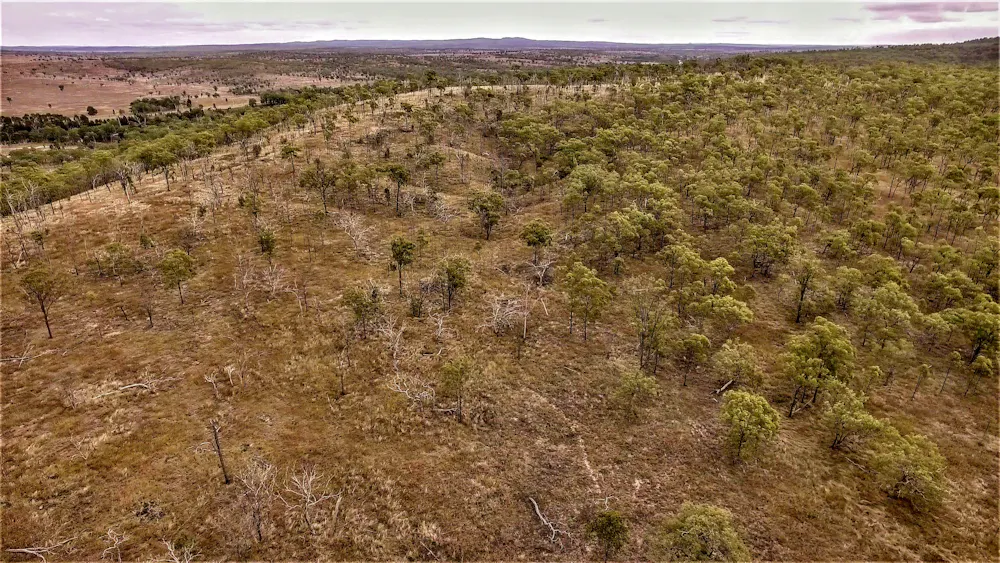
Queensland is widely known as the land clearing capital of Australia. But what’s not so well known is many of the cleared trees can grow back naturally.
The latest state government figures show regrowth across more than 7.6 million hectares in Queensland in 2020-21. These trees, though young, still provide valuable habitat for many threatened species – as long as they’re not bulldozed again.
Our new research explored the benefits of regrowth for 30 threatened animal species in Queensland. We found regrown forests and woodlands provided valuable habitat and food for species after an average of 15 years. Some species were likely to benefit from trees as young as three years.
This presents an opportunity for governments to support landowners and encourage them to retain more regrowing forest and woodland, especially where it can provide much-needed habitat for wildlife. But it’s a challenge because there is strong pressure to clear regrowth, largely to maintain pasture.
Clearing of regrowth woodlands in Queensland. Martin Taylor
When do young forests and woodlands become valuable habitat?
We focused on threatened animal species that depend on forests and woodlands, and occur in regions with substantial regrowth.
We wanted to find out which species use regrowth, and how old the trees need to be. But there’s not much survey data available on threatened species living in naturally regenerated forest and woodlands.
To elicit this information we asked almost 50 experts to complete a detailed questionnaire and attend a workshop.
We found 15 years was the average minimum age at which regrowth became useful to threatened species. But the full range was 3-68 years, depending on factors such as what a species eats, how it moves through the landscape and whether it needs tree hollows for shelter or breeding.
For example, one threatened bird (the squatter pigeon) could use woodlands as young as three years old. Koalas benefited from regrowth as young as nine years old.
Some species, such as the greater glider, need much older forests. This is because they require large tree hollows to shelter in during the day, and large trees to feed on and move between at night.
So young forests shouldn’t be seen as an alternative to protecting old forests. We need both.
We also estimated the proportion of each species’ current habitat that comprises regrowth, using satellite data and publicly available data.
For some species, we found regrowth made up almost a third of their potential habitat in Queensland. On average, it was 18%.
However, nearly three-quarters of the habitat lost in Queensland since 2018 was regrowth forests and woodlands. So while the loss of older, “remnant” vegetation is more damaging per unit area, the regrowth habitat is being lost on a bigger scale.
Our research suggests retaining more regrowth could be an easy and cost-effective way to help save threatened species.
In contrast, tree planting is time-consuming and expensive. What’s more, only 10% of our native plants are readily available as seeds for sale. This, combined with more extreme weather such as prolonged droughts, often causes restoration projects to fail.
Encouraging landholders to retain regrowth
The fact that habitat can regrow naturally in parts of Queensland is a huge bonus. But farmers also need to maintain productivity, which can decrease if there’s too much regrowth.
So, how do we help these landowners retain more regrowth?
One way is to provide incentives. For example, government-funded biodiversity stewardship schemes provide payments to cover the costs of managing the vegetation – such as fencing off habitat and managing weeds – as well as compensation for loss of agricultural production. Targeting areas of regrowth with high habitat values could be a way for such schemes to benefit wildlife.
Alternatively, market-based schemes allow landowners to generate biodiversity or carbon “credits” by keeping more trees on their property. Then, businesses (or governments) buy these credits. For example, some big emitters in Australia have to purchase carbon credits to “offset” their own emissions.
However, Australia’s carbon market has been accused of issuing “low integrity” carbon credits. This means the carbon credits were paid for projects that may not have captured and stored the amount of carbon they were supposed to. To make sure these markets work, robust methods are needed – and until now, there hasn’t been one that worked to retain regrowth.
Trees are good for the land, air and sea
In February, the Queensland government released a method by which landholders could generate carbon credits by agreeing not to clear their regrowing woodlands and forests.
The new carbon method provides a promising opportunity to allow landowners to diversify their farm income.
In addition, tree cover brings direct, on-farm benefits such as more shade and shelter for livestock, natural pest control and better soil health.
At a landscape level, greater tree cover can improve local climate regulation, reduce sediment run-off to the Great Barrier Reef and reduce Australia’s carbon emissions.
Ideally, Australia’s carbon and biodiversity markets would work alongside sufficient government funding for nature recovery, which needs to increase to at least 1% (currently it’s around 0.1%).
Meanwhile, our research has shown embracing natural regeneration potential in Queensland will have benefits for a range of threatened species too.
We acknowledge our research coauthors, Jeremy Simmonds (2rog Consulting), Michelle Ward (Griffith University) and Teresa Eyre (Queensland Department of Environment, Tourism, Science and Innovation).
Hannah Thomas received an Australian Government Research Training Program Scholarship with a $10,000 top-up from WWF-Australia. She is an early-career leader with the Biodiversity Council.
Martine Maron has received funding from various sources including the Australian Research Council, the Queensland Department of Environment and Science, and the federal government’s National Environmental Science Program, and has advised both state and federal government on conservation policy. She is a member of the Wentworth Group of Concerned Scientists, a director of the Australian Wildlife Conservancy, a councillor with the Biodiversity Council, and leads the IUCN’s thematic group on Impact Mitigation and Ecological Compensation under the Commission on Ecosystem Management. She currently sits on the Protect and Enhance advisory panel to the NSW Natural Resources Commission.
Source: The Conversation (Au and NZ) – By Anam Bilgrami, Senior Research Fellow, Macquarie University Centre for the Health Economy, Macquarie University
On his campaign trail, Prime Minister Anthony Albanese pledged A$200 million to upgrade St John of God Midland Public Hospital in Perth. He promised more beds and operating theatres, and a redesigned obstetrics and neonatal unit.
New and expanded health facilities are welcome in fast-growing communities. But are hospital funding pledges in election campaigns based on health-care or political needs?
Does pork-barrelling drive health funding decisions?
Pork-barrelling means using public funds to target specific electorates to win votes, rather than allocating resources based on need. Four in five Australians consider pork-barrelling to be corrupt.
Former New South Wales Premier Gladys Berejiklian suggested pork-barrelling was “business as usual” in her government.
The National Health Reform Agreement makes states and territories responsible for managing public hospitals. States and territories contribute around 58% of hospital funding. They also oversee planning and infrastructure.
Local hospital networks help plan and implement capital projects such as new hospitals and facility upgrades.
Under the National Health Reform Agreement, the Commonwealth government also contributes public hospital funding through:
activity-based funding. This is tied to the number and type of patients treated
block funding for smaller regional and rural hospitals
public health funding for initiatives such as vaccination programs.
The reform agreement outlines the Commonwealth’s responsibility for supporting public hospital services. But it doesn’t restrict the Commonwealth from making hospital infrastructure promises.
The Commonwealth often pledges direct hospital funding through supplementary agreements or ad hoc initiatives. Earlier this year, it announced an additional one-off $1.7 billion payment to ease pressure on public hospitals.
State planning vs federal politics: who decides?
States use formal planning frameworks to plan and prioritise health infrastructure projects. NSW Health, for example, applies a structured Facility Planning Process for projects over $10 million. This considers local population needs, health and community benefits, costs and workforce capacity.
These types of frameworks help ensure health capital investment decisions are transparent and evidence-based.
What is less transparent is how the Commonwealth decides which specific hospitals to pledge money to, particularly during election campaigns.
While some federal funding announcements may align with state priorities, picking one hospital over another comes with an “opportunity cost”. For every community that benefits from a new or upgraded hospital, another potentially higher-need community may miss out.
To prevent Commonwealth funding decisions being swayed by political priorities, more transparent processes for setting priorities and making decisions are needed.
What would a better system look like?
The way funds are allocated to medicines listed on the Pharmaceutical Benefits Scheme (PBS) provides the federal government with an exemplary approach to good health-care investment decisions.
The Pharmaceutical Benefits Advisory Committee (PBAC) provides independent advice to the Minister for Health on whether the government should allocate millions to new medicines. The PBAC uses rigorous, transparent processes to make listing recommendations based on patient need and cost-effectiveness.
Prioritising evidence and having transparent decision-making guidelines would mean funding is more likely to be allocated based on the greatest population need rather than electoral considerations.
Other ways to improve federal government hospital funding decisions may include:
incorporating nationally agreed principles for hospital capital funding in future National Health Reform Agreements
increasing transparency. This could be achieved through a national public register of hospital development proposals, ranked by urgency and need
strengthening safeguards on election-period pledges. This could improve disclosures and ensure hospital funding decisions align with independent needs assessments.
More hospitals or better prevention?
Former St Vincent’s Health CEO Toby Hall put it bluntly:
If Australia is to make the most of its healthcare future, it will likely need fewer hospitals, not more.
He pointed to Denmark, which cut its number of hospitals by 67% over 1999–2019. This was achieved by shifting as many services as possible from hospitals to other types of health care including primary care, health centres and outpatient clinics.
While more hospitals in Australia may be inevitable as the population ages, health policy should also focus on keeping people out of hospital in the first place. That means investing in prevention, early intervention and technology to support care at home.
Australia lags behind other wealthy nations in this space, ranking 20th out of 33 OECD countries in per capita spending on prevention. It ranks 27th when measured as a share of total health expenditure.
Some local health districts are showing what’s possible. This includes using home monitoring to help people manage chronic conditions. These kinds of innovations can improve health and reduce pressure on hospital infrastructure.
While new hospitals and wards make for compelling election promises, a better health system will come not just from “bricks and mortar”. It will come from smarter investments in prevention, early intervention and innovative care that keeps people healthier and out of hospital.
Henry Cutler was a member of an Expert Advisory Panel where he received remuneration from the Department of Health and Aged Care for this role. Henry has also previously received funding from NT Health.
Anam Bilgrami does not work for, consult, own shares in or receive funding from any company or organisation that would benefit from this article, and has disclosed no relevant affiliations beyond their academic appointment.
Source: The Conversation (Au and NZ) – By Stephen Mills, Honorary Senior Lecturer, School of Social and Political Sciences, University of Sydney
More than two weeks in, we know one thing for sure. This time, the election campaign does matter.
In decades past, when voters were more loyally rusted on to the major parties, news cycles more sedate, policy platforms fixed and “safe” seats truly safe, it was arguable that election outcomes were largely determined before the campaigns began.
But in 2025, the campaign period has witnessed a dramatic shift in voting intentions, as measured by public opinion polls.
Before the campaign, Labor trailed. Prime Minister Anthony Albanese seemed flat-footed, burdened by a poor track record in the 2022 elections and the 2023 Voice referendum.
But even as Cyclone Alfred blew itself out, parliament returned, and the budget was brought down, Labor’s poll numbers were improving. This trend continued through the first weeks of the campaign, such that Labor now seems the likely winner, either in minority or perhaps majority.
Why? Election campaigns can reveal how leaders and their teams behave under pressure. They also require trust and lock-step coordination between the leader and the party’s team of campaign professionals.
Unflashy incrementalism
Albanese has performed solidly and been relentlessly on-message and on-brand. His campaign has rolled out a well-prepared procession of announcements on Medicare urgent care clinics, pharmaceuticals, childcare and TAFE, each with local funding attached.
Albanese does not campaign with Hawke-like charisma, Keating-like oratory or Whitlam-like policy. His one truly visionary change commitment – the Voice – collapsed in a heap.
Instead, as he has shown over the last two weeks, his true identity is as a (Chifley-like?) incrementalist. He boasts a strong grasp of systems – health, roads, renewables – and his campaign is all about fixing, improving and expanding those systems within practical fiscal constraints.
His vision of the future is the present that just works better for more people.
Fattening the policy pig
By contrast, Opposition Leader Peter Dutton seemed ready to shoot the lights out, as an uncompromising conviction politician exploiting voter grievances about cost-of-living issues.
But he wasted a large part of his first week recovering from an off-strategy indulgence about living in Kirribilli House (“we love the harbour”), and much of the second week explaining his backflip on public service working conditions.
The first was a campaign blunder, pure and simple. But the second spoke to a deeper malaise within the Coalition about policy development. The Coalition appeared unprepared for the cut and thrust of the campaign.
Combined with blithe me-tooing of Labor promises on health and roads, and incomplete announcements on cutting foreign student numbers and reserving natural gas for domestic use, the backflip suggested Coalition policy-making has become a bit random: a series of tactical choices, not a strategic plan for government.
Contrary to long-standing Liberal Party campaign wisdom that “you can’t fatten a pig on market day”, this time the Liberals are trying to force-feed their policy pig en route to the market.
Dutton has been much more effective pitching his fuel excise promise. The decision to eschew Labor’s budgeted tax cuts for an immediate reduction at the bowser was bold, instinctive and entirely consistent with the Coalition’s outer-metropolitan electoral strategy.
It took until the second week, but the daily scenes of Dutton pumping petrol into cars – “and utes” as he always adds – is steadily reinforcing his message, however wearying it has become for the travelling press party.
The comfort of incumbents
The first leaders’ debate highlighted this difference. Both leaders remained poised and polished (especially creditable by Dutton given he learned of his father’s heart attack immediately beforehand).
But Albanese simply had more to talk about, more first-term achievements and more commitments on his future shopping list. Dutton articulated grievances without providing many policy solutions.
The contest on the economy was a draw: Dutton conjures up Albanese’s non-delivered pledge on power prices, while Albanese points to high employment and downward trends on inflation and interest rates.
All this has played out against the backdrop of the Donald Trump tariff wars. Like previous mid-campaign crises – Tampa in 2001 and, for those with very long memories, the Kennedy assassination in 1963 – global uncertainty reinforces an Australian incumbent. Albanese’s measured response struck the right note.
Dutton has repeatedly tried to insert himself into the tariff story – difficult for an opposition – but had to take risks to do so. His assertion that AUKUS and ANZUS should be somehow involved was left hanging once Liberal icon John Howard made clear he disagreed.
With policy speeches delivered, and rival policies on housing finally released, the campaign is in its final week, interrupted by Easter, before early voting starts.
The challenge for Albanese will be to maintain his momentum, in all his unflashy, incrementalist style. Labor is likely to ramp up its Dutton-Trump comparison. Dutton will need to put further flesh on the bones of putting Australia “back on track”.
Stephen Mills was a staff member (1986-91) for Labor Prime Minister Bob Hawke and since 2015 has volunteered for local Labor election campaigns.
Source: The Conversation (Au and NZ) – By Stephen Duckett, Honorary Enterprise Professor, School of Population and Global Health, and Department of General Practice and Primary Care, The University of Melbourne
Worrying signs are emerging about aspects of Australia’s health system, which will require the attention of whoever wins the May election.
Despite big money pledged for Medicare and the Pharmaceutical Benefits Scheme (PBS), only limited attention has been paid by the major parties to key reform priorities.
Any fresh reform agenda will be starting from a position of relative strength. Australia has a good health system that consistently ranks well compared with other wealthy nations, including on life expectancy, which is on the high side.
Medicare remains the right infrastructure for funding primary care. But it is now more than 40 years old and needs to be updated and improved.
Policy action is necessary on five fronts:
financial barriers to care
managing chronic conditions
mental health and dental care
public hospitals
workforce
Priced out of care
Despite Medicare’s promise of universality, around one in ten people defer seeing a doctor because of the cost.
And despite the provision of subsidised drugs via the PBS, people also report missing out on filling prescriptions.
Health Minister Mark Butler has said that Medicare is in its ‘worst shape’ in its 40 year history. Robyn Mackenzie/Shutterstock
Labor has announced big-ticket measures to improve bulk-billing rates and cap PBS prices at A$25 a prescription. Given cost-of-living pressures are central to the election, it’s unsurprising the Coalition has pledged to match both policies.
But, critically, neither party has announced anything to improve access to other medical specialists. The gap continues to grow between what specialists charge and what Medicare will cover. This means some patients are delaying or avoiding necessary care altogether.
Complex chronic conditions
The health system has not adapted to the rising prevalence of chronic disease in the Australian community. In 2023–24, 18% of the population saw three or more health professionals. But for 28% of those people, no single provider coordinated their care.
Medicare was designed in a different age and needs to be refurbished to respond to this new reality of more patients who are suffering multiple health conditions.
Work needs to continue in this direction, regardless of who forms the next government.
Forgotten care
Dental and mental health are largely the forgotten sectors of health care. The number of people delaying access to oral health services because of affordability issues is more than twice the 10% who are missing out in other areas of the health system.
Seeing a dentist is very much dependant on income. More than a quarter of Australians living in the most disadvantaged areas defer getting their teeth fixed because of the cost involved. Uncapped access to dental care, as proposed by the Greens, is not the answer. What is needed is a more sophisticated route towards universal access.
By contrast, the pattern for mental health care is different, with people in both poor and rich areas facing access problems.
The Coalition has promised to restore the maximum number of Medicare-subsidised fee-for-service mental health sessions to 20, despite it being regarded as an inequitable policy.
More fee-for-service mental health care is not the right approach. By contrast, Labor is making a $1 billion commitment to expanding services which are free to the consumer. This includes Medicare Mental Health Services and headspace clinics, which generally employ salaried professionals.
Both parties should support another initiative already underway: the universal program for people with low-to-moderate mental health needs, which doesn’t require either a referral or a co-payment. Labor announced the plan in the last budget, scheduled to start in January 2026.
Inadequate hospital funding
The Commonwealth share of public hospital funding has been trending down for the last few years, reversing the growth in its share over much of the last decade.
A deal has been reached to lift the Commonwealth share of hospital funding to 45%. Rose Marinelli/Shutterstock
Some states have fared worse than others, which means some hospitals have become squeezed and waiting times have blown out.
In late 2023, National Cabinet reached a new funding deal which would lift the Commonwealth share to 45% by 2035–36.
But subsequent negotiations have become bogged down in a quagmire of claims and counter-claims. The Albanese government has responded with an interim one-year funding down payment. But both major parties need to address this issue and commit to implementing the full 45% in the agreed time frame.
No doctor in the house
In 2014, the Abbott government abolished Health Workforce Australia, the national agency responsible for health workforce planning. Ten years later, it’s no surprise we are in the middle of a critical shortage of doctors and nurses.
The Albanese government has implemented changes to speed up the recruitment of internationally trained health professionals. It is also offering incentives to encourage more clinicians to work in rural and remote Australia.
But these are just more of the same, similar to the plethora of policies which have left us in the mess we are in. Ensuring we have the right workforce mix to address rural health needs requires a fresh approach. That includes revised funding models – as proposed in the GP incentives review – and allowing all health professionals to work to their full scope of practice.
Reform hard slog
Although health often ranks in the top three issues people say are important to them in elections, cost of living is the main focus of media and political commentary.
The promise to increase bulk billing will help lower primary care costs.
But genuine health care reform does not attract much media attention, which means it doesn’t get the profile necessary to prompt the right political promises.
The hard slog of change takes years, and involves much more than a few carrots thrown to voters in an election. It takes careful negotiation with stakeholders and getting the infrastructure right.
Given the initiatives listed above, Health Minister Mark Butler has done well on reform this term. Unfortunately, voters don’t see that, and appear not to value systematic and coherent reform strategies.
It is hoped that whoever is health minister after the election will continue on the reform path to a more sustainable and affordable health system.
This is the eighth article in our special series, Australia’s Policy Challenges. You can read the other articles here.
Stephen Duckett was a member of the Strengthening Medicare Task Force, the Review of General Prcatice Incentives, the Mental Health Reform Advisory Group, and the Expert Panel on the National Early Intervention Service
The global trade war triggered by US President Donald Trump earlier this month shows no signs of ending anytime soon. In recent days, China suspended exports of a wide range of critical minerals that are vital ingredients in everything from electric cars and drones to the semiconductor chips that power artificial intelligence (AI) servers.
All of this is happening at the same time the US is forging ahead with a US$500 billion (A$784 billion) project known as “Stargate” to accelerate the development of AI in the country.
But the escalating trade war does not square with America’s ambitious AI plans. In fact, Trump’s tariffs (which, in the case of China, now total 145%) are set to undermine these plans by increasing the cost of AI development and disrupting supply chains for AI goods.
In turn, this will hinder the pace of AI innovation and adoption in the US – and potentially elsewhere.
US tariffs will directly inflate the prices of these essential components. One analysis estimates tariffs could increase the material costs of data centre building by around 20%, with IT hardware components potentially rising by 25%.
This is a major concern for AI industry leaders such as OpenAI, which operates ChatGPT. For example, the company’s chief executive, Sam Altman, recently said his team is “working around-the-clock” to determine how the trade war would affect the cost of running their AI models.
But the increased cost on AI development caused by the trade war will also mean tech startups in the US will have higher barriers to entry and fewer opportunities to test AI capabilities. In turn, this will harm AI innovation.
In theory, tariffs might support the reshoring of chip production in the US through initiatives such as the CHIPS and Science Act, which promotes domestic US semiconductor production. But it would take years for such efforts to fully bear fruit. And Trump has also recently taken steps to walk away from the CHIPS and Science Act.
Aggressive AI nationalism
The trade war also creates risks for the international development of AI.
For example, the cost increases that flow from tariffs could create a reluctance to invest in AI infrastructure – particularly data centres. Other tech companies might also cancel or delay plans to build data centres in the US partly because of higher equipment prices.
In addition, tariffs could push countries into further fortifying their AI efforts, creating a kind of aggressive AI nationalism. They could also encourage domestic AI development to promote national interests. This could lead to isolationism and put another nail in the coffin of the open-source culture that once fuelled AI innovation.
Tariffs are supposed to promote domestic industries. But high costs and a fracturing of the cooperation that is indispensable to the continuation of the AI landscape might well be the outcome.
One analysis estimates US tariffs could increase the material costs of data centre building by around 20%. IM Imagery/Shutterstock
Knock-on effects for Australia
Australia is not the direct target of most US tariffs. But the tariffs on advanced technologies and critical components pose risks to its ability to develop AI.
Although Australia aims to bolster its domestic AI capabilities, it currently relies heavily on imported hardware for AI development. Tariffs will likely make it more expensive for Australian companies and research institutions to acquire the necessary infrastructure, such as semiconductors, GPUs, and cloud computing equipment. In turn, this will potentially hinder their technological progress.
As the US clamps down on trade and technologies, Australia may find itself locked out of international research projects, perhaps those involving US companies or technologies.
Such limits on data sharing, international cross-border AI talent, and cloud infrastructure risk slowing the rate of innovation.
Why does UniCredit Bank limit transfers in dollars?
Suspension of outgoing transfers from Russian clients UniCredit Bank will happen on April 18 – the decision, as stated by the credit institution itself, was made “for reasons beyond the bank’s control.” At the same time, UniCredit has been winding down its business in Russia for several years now – against the backdrop of the start of the SVO and the sanctions imposed on the financial sector, the Italian group has repeatedly announced plans to abandon business in the Russian Federation.
True, the bank will not limit all dollar transactions now. Transfers will still be available in banks, located in the EU, Australia, USA, Canada, Turkey, UAE and a number of Asian countries. Such a selective approach is due to the absence of problems on the side of the recipient banks.
What other measures has UniCredit Bank taken to curtail its business in Russia?
The UniCredit Group is systematically winding down its operations on Russian territory – among the previously adopted restrictions are:
regular closure of offices and branches in the country’s cities; introduction of a 5% commission for currency transfers; suspension of transactions in euros for individuals; setting a limit on one transaction – no less than 10 thousand euros or dollars, if the amount is less, prior approval of the transaction is required.
“UniCredit Bank intends to sell its business in Russia, but it has not yet been possible to reach an agreement and conclude a deal, including due to the need to coordinate the sale with the Russian authorities,” the expert noted.
The bank plans to completely wind down its operations by 2027 – the reduction of assets is proceeding at an accelerated pace. The volume of retail business has already been reduced by 50%, the goal has been achieved a year ahead of schedule. However, experts are confident that the final decision to leave Russia will be made taking into account the real situation in the industry and existing geopolitical risks.
12:00 04/15/2025
Source:
Please note: This information is raw content directly from the source of the information. It is exactly what the source states and does not reflect the position of MIL-OSI or its clients.
Please Note; This Information is Raw Content Directly from the Information Source. It is access to What the Source Is Stating and Does Not Reflect
Source: United States House of Representatives – Congresswoman Dina Titus (1st District of Nevada)
Congresswoman Dina Titus announced today that she and ten other members of Congress have sent a letter to the head of the General Services Administration asking for a response to reports that more than half of the GSA staff responsible for overseeing the nation’s fine arts collection have been laid off.
“We need answers,” Congresswoman Titus said. “Our national art collection is displayed around the country and reflects our rich cultural history. We need to know whether this national treasure is being properly cared for.”
The April 14 letter sent to Stephen Ehikian, Acting Administrator of the GSA, reads, “We are deeply concerned by reports that over half of the Fine Arts Program’s staff, who play a critical role preserving the collection and overseeing its care and preservation, have been put on leave. Furthermore, at least five regional offices, which are mandated to inspect these works every two years, have reportedly closed. The consequences of not having enough staff to take inventory of these works and help ensure that they are preserved properly would be long-lasting.”
The letter asks Ehikian for responses to the following questions:
How many employees from GSA’s Fine Arts Program were placed on leave?
What is GSA’s plan to ensure that the valuable works in this collection are accounted for and taken care of? How does GSA plan to reassign the duties of the staff who were placed on leave?
What is GSA’s plan to ensure that the works displayed at federal buildings across the United States are inspected every two years?
The letter was co-led by Rep. Chellie Pingree and signed by Reps. Hank Johnson, Eleanor Holmes Norton, Paul Tonko, Nydia Velazquez, Jerry Nadler, Sydney Dove, James McGovern, Betty McCollum and Seth Magaziner, all of whom are members of the Congressional Arts Caucus.
The letter cited a March 11, 2025, Washington Post article that reported, “The future of a vast collection of public artwork is in doubt as the Trump administration plans to fire workers who preserve and maintain more than 26,000 pieces owned by the U.S. government, including paintings and sculptures by renowned artists, some dating to the 1850s.
Fine arts and historic preservation workers at the General Services Administration told the Washington Post that at least five regional offices were shuttered last week and that more than half of the division’s approximately three dozen staff members were abruptly put on leave pending their terminations.”
Background:
Through its Fine Arts Program, GSA maintains one of the oldest and largest public arts
collections in the United States. The civic artworks in the collection date back to the 1850s and
are displayed in federal buildings and courthouses across the United States. The program helps
preserve historic works of cultural significance, such as Alexander Calder’s 1974 “Flamingo”
which is on display at the C. Kluczynski Federal Building in Chicago. In Las Vegas, the Lloyd
D. George U.S. Courthouse features “Eldorado,” a stunning landscape of the desert by Brent
Thomson commissioned by GSA in 2000, among other works that illustrate Southern Nevada’s
unique beauty.
Another important body of work that GSA’s fine arts program manages is art that was created
under New Deal programs. In 1934, the federal government began loaning or allocating artwork
created under these programs to public agencies and nonprofit institutions across the country.
When GSA was established in 1949, it assumed stewardship responsibility for this artwork.
Today, more than 20,000 New Deal works of art are on long-term loan to museums and other
Amnesty International has announced the launch of a new Hong Kong section based overseas, following the closure of its offices in the city in 2021 amid a crackdown on human rights.
The new entity, Amnesty International Hong Kong Overseas (AIHKO), will be led by Hong Kong diaspora activists operating from key international hubs including Australia, Canada, Taiwan, the UK and the USA.
“The opening of Amnesty International Hong Kong Overseas marks a new chapter in the organization’s strengthened commitment to human rights in Hong Kong and its support for the Hong Kong diaspora around the world,” said Chi-man Luk, the new AIHKO Executive Director.
“The gutting of Hong Kong’s civil society has been a tragedy for the city with more than 100 non-profits and media outlets shut down or forced to flee. But since the closing of Amnesty International Hong Kong three years ago, our dedication has only grown. We are now ready to intensify our efforts by building new communities of support driven by the Hong Kong diaspora.”
New report from UN experts finds fair trial violations, inhuman conditions
The European Union should press Bhutanese authorities to release dozens of political prisoners held for decades in dire conditions, Amnesty International and Human Rights Watch said today. An EU human rights dialogue with Bhutan is scheduled later this month, just weeks after UN human rights experts issued a communication raising concerns over reports that the prisoners were “denied due process and fair trials, including access to lawyers,” and allegedly subjected to torture.
The communication by six UN human rights experts, published on 4 April, raises concerns that “the broad and vague definitions [of “treason”], combined with the severity of the punishments, have a severe chilling effect on the enjoyment of human rights… and consequently on democratic life and civic space in the country.”
“Bhutan portrays itself as a land of ‘mindfulness’ and ‘gross national happiness,’ but UN reports paint quite a different picture,” said Smriti Singh, Regional Director for South Asia at Amnesty International.
“Dozens are still detained, mistreated and tortured solely for peacefully dissenting against the government’s policy, an ordeal Bhutan’s King could end at the stroke of a pen.”
Dozens are still detained, mistreated and tortured solely for peacefully dissenting against the government’s policy, an ordeal Bhutan’s King could end at the stroke of a pen
Smriti Singh, Regional Director for South Asia at Amnesty International
Bhutan is seeking to enhance its international partnerships and economic co-operation including with Australia, India, Thailand and the European Union. The relationship with the EU includes tariff and quota-free access for Bhutanese exports to the EU market under the Everything But Arms scheme, which is linked to international human rights obligations.
The EU is also providing assistance intended to promote human rights and civil society space, as well as investment in infrastructure development. The EU should insist that Bhutan shows its commitment and respect for human rights by immediately releasing all 32 political prisoners and others detained solely for the peaceful exercise of their human rights, Amnesty International and Human Rights Watch said. On 14 April, Members of the European Parliament holding key positions on EU political and trade relations with Bhutan formulated similar calls in a letter to the country’s prime minister.
The UN experts’ communication examines the cases of 19 named individuals, “among others,” expressing serious concern that their fair trial rights appear to have been violated, that they were “severely tortured, both to extract confessions and to punish them,” then convicted under “vague” laws, and jailed in inhumane conditions.
In 2023, Human Rights Watch documented the cases of 37 political prisoners in Bhutan. Since then, five have completed their sentences, leaving at least 32 still serving terms of between 32 years and life without parole.
In November 2024, another group of UN experts, the Working Group on Arbitrary Detention, adopted an opinion on three of the prisoners’ cases, finding that they met the definition of arbitrary detention, which would make their detention illegal under international human rights law. Both groups of experts asked the Bhutan government to respond to the allegations but have received no response.
Most of the cases relate to events in around 1990, when about 90,000 Nepali-speaking Bhutanese were expelled from Bhutan amid widespread rights violations, and became refugees in Nepal. Those who remained in or returned to Bhutan, who publicly opposed the arbitrary citizenship determination, were arrested, tortured and convicted in unfair trials based on coerced confessions. The longest serving political prisoners have been in jail since 1990, while others were arrested in 2008 after they re-entered Bhutan to campaign for the right to return.
Most of the cases relate to events in around 1990, when about 90,000 Nepali-speaking Bhutanese were expelled from Bhutan amid widespread rights violations, and became refugees in Nepal
Tens of thousands of Bhutanese refugees eventually received refugee resettlement in third countries, including in United States. However, the Trump administration has deported close to a dozen of these resettled refugees, stating that they have been accused or convicted of crimes in the United States. This is a clear violation of international human rights law, including customary international law and the Convention Against Torture and Other Cruel, Inhuman or Degrading Treatment or Punishment (CAT), which prohibits the transfer of any person to another State where the individual could be at risk of being subjected to torture.
The Bhutan government permitted the US government to deport them to Bhutan, and then promptly expelled them to Nepal via India, suggesting that the Bhutanese authorities continue to discriminate against this community.
The new UN communication raises allegations that “[p]olitical prisoners are reportedly given inadequate food, water, heating, bedding and warm clothing” and that “detainees [also] suffer shortages of medicines and access to doctors. Those with physical illnesses – some as a result of alleged torture – do not receive necessary medical treatment, which may have contributed to the death of two detainees.” The detainees are prevented from communicating with their families, they said.
The UN experts noted that in 1999 the former King Jigme Singye Wangchuck, granted amnesty to 40 political prisoners, including some serving life sentences.
In 2022, the present King granted amnesty to a political prisoner serving a life term. “We implore the King to exercise His Majesty’s power to pardon and release from prison the remaining political prisoners, so as to demonstrate Bhutan’s commitment to upholding human rights and its international legal obligations,” the UN experts wrote.
“Bhutan has adopted significant reforms since 2008, but the continued detention of political prisoners represents a major stain on its human rights record,” said Meenakshi Ganguly, deputy Asia director at Human Rights Watch. “Bhutan’s international partners and investors, including the EU, should make it clear that they expect Bhutan to comply with its human rights obligations and release them without further delay.”
With Eurojust’s support, the JIT was set up in October 2021 by the judicial authorities of Sweden and France, with Belgium joining in October 2022 and the Netherlands in June 2023. The main aim of this judicial cooperation is to identify FTFs linked to ISIL (Da’esh) who have returned from Syria or Iraq and were involved in core international crimes, mainly perpetrated against Ezidi victims. Core international crimes are crimes such as genocide, war crimes and crimes against humanity.
The Netherlands had its first conviction for crimes against the Ezidi in December 2024. A Dutch citizen was convicted of crimes against humanity for the enslavement of a female Ezidi victim, participation in ISIL (Da’esh), promoting crimes with a terrorist objective and abandoning the victim’s son in a helpless position in a war zone. She was sentenced to ten years’ imprisonment and identified through the work of the JIT.
Recently, a Swedish citizen was sentenced to twelve years imprisonment for genocide, crimes against humanity and war crimes, committed against nine Ezidi victims. Six of the victims were children under the age of seven. The extensive cooperation through the JIT proved to be crucial for this conviction in Sweden.
In 2026, a French citizen might be tried on charges of genocide and crimes against humanity.
Based on the principle of universal jurisdiction, EU Member States can start investigations into core international crimes committed outside their own territory. Such cases are actively supported and coordinated by Eurojust and the Genocide Network Secretariat (GNS), which the Agency hosts.
With the financial and operational support of Eurojust, the JIT partners and investigating judicial authorities from Germany, United Kingdom, United States, Canada and Australia fully intend to continue the investigations into crimes against Ezidi victims committed by ISIL (Da’esh). However, they stress the need to receive adequate information and analytical support.
In view of this, they regret the closure of the United Nations Investigative Team to Promote Accountability for Crimes Committed by Da’esh/Islamic State in Iraq and the Levant (UNITAD), which ceased its activities in September 2024. With the conclusion of UNITAD’s mandate, information from its database, which is highly relevant to the work of the JIT, has been transferred to the United Nations headquarters. Unfortunately, they have limited capacity to respond to requests for access from national authorities.
Leading Swedish prosecutor and co-founder of the Eurojust-supported JIT, Ms Reena Devgun, stated: Unfortunately, the closure of UNITAD has slowed down the investigations of the joint investigation team. However, all its members hope that the UNITAD archive will be made easily accessible again soon to all practitioners who investigate core international crimes against Ezidi victims. This is of prime importance to continue their work to end impunity for these atrocities.
The work of the JIT is also actively supported by the International, Impartial and Independent Mechanism to assist in the investigation and prosecution of persons responsible for the most serious crimes under international law committed in the Syrian Arab Republic (IIIM). Eurojust remains fully at the disposal of the JIT partners to assist with the coordination and support of investigations.
Forecasting the potential impact of Donald Trump’s turbulent tariff policies is a fraught business – and fraught for business. The United States president has changed, paused and exempted various categories of goods so often, the only certainty is uncertainty.
On “Liberation Day” (April 2) he famously announced far-reaching “reciprocal tariffs” on imports from most trading nations. Since then he has paused those tariffs, but kept 25% on imports of steel, aluminium and motor vehicles, and 10% “baseline” tariffs on all other imports.
The big exception is China, whose retaliation against the reciprocal US tariffs has resulted in an escalating trade war between the world’s two largest economies.
On April 9, the US raised tariffs on Chinese goods to 145%, but later scaled back duties on electronic goods such as laptops and smartphones to 20%. On April 12, China increased its tariff on US goods to 125%.
With China being New Zealand’s largest trade partner by far, and the US its third largest (just behind Australia), the impacts of this global standoff will be indirect but nevertheless significant.
GDP impacts of a trade war
To estimate the impacts of a US-China trade war, as well as other tariffs imposed by the US, I use the same global model of production, trade and consumption of goods and services employed to recently calculate the impacts of the Liberation Day tariffs.
As we can see, China and the US both lose from the tariff war. China’s GDP decreases by US$114 billion (0.58%), which equates to $236 per household per year on average. US GDP declines by $76 billion (0.25%) or $604 per household (all figures in US$).
The tariffs all but eliminate trade in goods between China and the US, except for electronic goods exported from China, which are subject to a lower tariff (for now).
Vietnam and India gain from the trade war because they produce many goods that substitute for Chinese products in the US market.
The trade war will affect New Zealand in at least three ways:
as the two nations buy less from each other, there is room for other nations to expand their exports to these markets
decreased incomes in China and the US will reduce global demand for all goods
and the tariffs will increase the costs of global supply chains.
The net effect is a 0.03% decrease in New Zealand’s GDP, equivalent to $70 million or $36 per household per year (roughly NZ$120 million and NZ$60 respectively).
The global US Trade Policy Uncertainty Index, last updated before the Liberation Day tariffs, is at a record high – 29 times higher than before the 2024 presidential election. This unprecedented uncertainty, coupled with the risk of high tariffs, is making exporters increasingly reluctant to commit to the US market.
The US currently accounts for 26.3% of global GDP. With higher future growth in many developing economies, especially in Asia, this is forecast to fall to 16.3% by 2050.
China is predicted to supplant the US as the world’s largest economy sometime in the 2030s, and by 2050 to account for 18.4% of global GDP (up from 16.9%).
India’s global GDP share is expected to increase significantly, from its current value of 3.7% to 9.7%. Indonesia and Philippines are also expected to grow rapidly.
New Zealand signed a free trade agreement with China in 2008 (and an upgrade to the agreement in 2022), has begun negotiations for one with India, and has regional agreements with many other rapidly developing Asian economies.
It remains to be seen whether Trump’s rollout of high tariffs signals a lasting policy shift or is merely a negotiating tactic to secure more favourable terms for US exporters. But New Zealand is well placed to pivot to alternative markets if needed.
Niven Winchester has previously received funding from the Productivity Commission and the Ministry of Foreign Affairs and Trade to estimate the impacts of potential trade policies. He is affiliated with Motu Economic & Public Policy Research.