We all need to learn how to place trust in others. It’s easy to be misled. Someone who doesn’t deserve trust can appear a lot like someone who does – and part of growing up in a society is developing the ability to tell the difference.
An important part of this is learning about the signals people give about themselves. These might be a smile, a style of dressing or a way of speaking. In particular, we use accents to make decisions about others – especially in the UK.
But what if people adapt or change their accents to fit into a certain social group or geographical area? Our past research has shown that native speakers are pretty good at spotting such speech. We’ve now published a follow-up study that supports and further strengthens our original results.
Get your news from actual experts, straight to your inbox.Sign up to our daily newsletter to receive all The Conversation UK’s latest coverage of news and research, from politics and business to the arts and sciences.
We associate accents with places, classes and groups. Research shows that even infants use accents to determine whether they think someone is considered trustworthy. This can be a problem – studies have demonstrated that accents can affect someone’s odds of getting a job – and potentially the likelihood of being found guilty of a crime.
As with most topics in the social sciences, evolutionary theory has a lot to say about this process. Scientists are interested in understanding how people send and receive signals like accents, how those signals affect relationships between people and how, in turn, those relationships affect us.
But because accents can affect how we treat each other, we’d expect some people to try to change them for personal gain. A social chameleon who can pretend to be a member of any social class or group is likely to win trust within each – assuming they are not caught.
If that’s true, though, then we’d expect people to also be good at detecting when someone is “faking” it – what we call mimicry – setting up a kind of arms race between those who want to deceive us into trusting them and those who try to catch deceivers out.
Over the last few years, we’ve looked into how well people detect accent mimicry. Last year we found that generally speaking, people in the UK and Ireland are strong at this, detecting mimicked accents in the UK and Ireland better than we’d expect by chance alone.
What was more interesting, though, was that native listeners from the specific places of the imitated accent – Belfast, Glasgow and Dublin – were a lot better at this task than were non-natives or native listeners from further away in the UK, like Essex.
Beyond the UK
Our new findings went further, though. Of the roughly 2,000 people that participated, more than 1,500 were this time based in English-speaking countries outside the UK, including the US, Canada and Australia. And on average, this group did a lot worse at detecting mimicked accents from seven different regions in the UK and Ireland than did people from the UK.
In fact, people from places other than the UK barely did better than we’d expect by chance, while people who were native listeners were right between about two-thirds and three-quarters of the time.
As we argued in our original article, we believe it’s local cultural tensions — tribalism, classism or even warfare — that explain the differences. For example, as someone commented to me some time ago, people living in Belfast in the 1970s and 80s – a time of huge political tension – needed to be attuned to the accents of those around them. Hearing something off, like an out-group member’s accent, could signal an imminent threat.
This wouldn’t have put the same pressures on people living in a more peaceful regions. In fact, we found that people living in large, multicultural and largely peaceful areas, such as London, didn’t need to pay much attention to the accents of those around them and were worse at detecting mimicked accents.
The further you move out from the native accent, too, the less likely a listener is to place emphasis on or notice anything wrong with a local accent. Someone living in the US is likely to pay even less attention to an imitation Belfast accent than is someone living in London, and accordingly will be worse at detecting mimicry. Likewise, someone growing up in Australia would be better at spotting a mimicked Australian accent than a Brit.
So while accents, and our ability to detect differences in accents, probably evolved to help us place trust more effectively at a broad level, it’s the cultural environment that shapes that process at the local level.
Together, this has the unfortunate effect that we sometimes place a lot more emphasis on accents than we should. How someone speaks should be a lot less important than what is said.
Still, accents drive how people treat each other at every level of society, just as other signals, be they tattoos, smiles or clothes, that tell us something about another person’s background or heritage.
Learning how these processes work and why they evolved is critical for overcoming them – and helping us to override the biases that so often prevent us from placing trust in people who deserve it.
Jonathan R. Goodman receives funding from the Wellcome Trust (grant no. 220540/Z/20/A).
There are more refugees in the world today than at any other point in history. The United Nations estimates that there are now more than 120 million people forcibly displaced from their homes. That is one in every 69 people on Earth. Some 73% of this population is hosted in lower or middle-income countries.
From the legacies of European colonialism to global inequality, drone warfare and climate instability, politicians have failed to address the causes driving this mass displacement. Instead, far-right parties exploit the crisis by inflaming cultures of hatred and hostility towards migrants, particularly in high-income western countries.
This is exacerbated by visual media, which makes refugees an easy target by denying them the means of telling their own stories on their own terms. Pictures of migrants on boats or climbing over border walls are everywhere in tabloid newspapers and on social media. But these images are rarely accompanied by any detailed account of the brutal experiences that force people into these situations.
Looking for something good? Cut through the noise with a carefully curated selection of the latest releases, live events and exhibitions, straight to your inbox every fortnight, on Fridays. Sign up here.
Many different kinds of visual storytelling live under the umbrella of refugee comics. They include short strips and stories, such as A Perilous Journey (2016) with testimonies from people fleeing the civil war in Syria, and Cabramatta (2019), about growing up as a Vietnamese migrant in a Sydney suburb. They also include codex-bound graphic novels, such as The Best We Could Do by Thi Bui (2017), and interactive web-comics such as Exodus by Jasper Rietman (2018).
They include documentaries made by journalists about the specific experiences of individual refugees. They also include fiction by artists who combine elements of several refugee testimonies into representative stories. Additionally, there are both fictional and non-fictional artworks made by migrants and refugees themselves.
Refugee comics address different forced mass displacements over the 20th and 21st centuries. These include the 1948 Nakba in Palestine, the 1970s flight of refugees from Vietnam and the 2010s displacement of people from Syria and other countries across sub-Saharan Africa and the Middle East.
These refugee comics challenge anti-migrant images in at least three ways. First, they often integrate the direct testimonies of refugees. This is enhanced by the combination of words and pictures that comprise the comics page, which allows refugees to frame the way we see and respond to images of displaced people.
For example, in The Unwanted by Joe Sacco (2012), familiar images of migrants crossing the Mediterranean on small boats are narrated by a refugee called Jon. Jon’s testimony turns our attention to the fears and desires that drive people to attempt dangerous sea crossings.
A second way comics challenge anti-migrant images is by allowing refugees to tell their stories without disclosing their identities. Because comics are drawn by hand and use abstract icons rather than photographs, refugees can tell their stories while also avoiding any unwanted scrutiny while also maintaining personal privacy. This reintroduces refugee agency into a visual culture that often seeks to reduce migrants to voiceless victims or security threats.
For example, in Escaping Wars and Waves: Encounters with Syrian Refugees (2018) German comics journalist Olivier Kugler dedicates two pages to a man he calls “The Afghan” because he didn’t want his name or identity revealed. Kugler presents this man’s testimony of failed attempts to get to the UK, but he never draws his face or refers to him by name.
The third way comics challenge anti-migrant images is by shifting our attention from refugees themselves to the hostile environments and border infrastructures that they are forced to travel through and inhabit. Refugee researchers describe this different way of seeing as a “places and spaces, not faces” approach.
For instance, in Undocumented: The Architecture of Migrant Detention (2017), Tings Chak walks her readers through migrant detention centres from the perspective of those who are being processed and detained.
Drawing displacement
This emphasis on place and space is built into the structure of our own book, Graphic Refuge. We begin by focusing on graphic stories about ocean crossings, particularly on the Mediterranean sea. We then turn to comics concerned with the experience of refugee camps, and we also ask how interactive online comics bring viewers into virtual refugee spaces in a variety of ways.
It is the obliteration of homes that forces people to become refugees in the first place. Later in the book, we explore how illustrated stories document the destruction of cityscapes across Syria and also in Gaza. Finally, we turn to graphic autobiographies by second-generation refugees, those who have grown up in places such as the US or Australia, but who must still negotiate the trauma of their parents’ displacement.
Where most previous studies of refugee comics have focused on trauma and empathy, in Graphic Refuge we take a different approach. We set out to show how refugee comics represent migrant agency and desire, and how we are all implicated in the histories and systems that have created the very idea of the modern refugee.
As critical refugee scholar Vinh Nguyen writes in our book’s foreword, while it is difficult to truly know what refugee lives are like, those of us who enjoy the privileges of citizenship can at least read these comics to better understand “what we – we who can sleep under warm covers at night – are capable of”.
This article features references to books that have been included for editorial reasons, and may contain links to bookshop.org. If you click on one of the links and go on to buy something from bookshop.org The Conversation UK may earn a commission.
The authors do not work for, consult, own shares in or receive funding from any company or organisation that would benefit from this article, and have disclosed no relevant affiliations beyond their academic appointment.
The global ecosystem of climate finance is complex, constantly changing and sometimes hard to understand. But understanding it is critical to demanding a green transition that’s just and fair. That’s why The Conversation has collaborated with climate finance experts to create this user-friendly guide, in partnership with Vogue Business. With definitions and short videos, we’ll add to this glossary as new terms emerge.
Blue bonds
Blue bonds are debt instruments designed to finance ocean-related conservation, like protecting coral reefs or sustainable fishing. They’re modelled after green bonds but focus specifically on the health of marine ecosystems – this is a key pillar of climate stability.
By investing in blue bonds, governments and private investors can fund marine projects that deliver both environmental benefits and long-term financial returns. Seychelles issued the first blue bond in 2018. Now, more are emerging as ocean conservation becomes a greater priority for global sustainability efforts.
By Narmin Nahidi, assistant professor in finance at the University of Exeter
Carbon border adjustment mechanism
Did you know that imported steel could soon face a carbon tax at the EU border? That’s because the carbon border adjustment mechanism is about to shake up the way we trade, produce and price carbon.
The carbon border adjustment mechanism is a proposed EU policy to put a carbon price on imports like iron, cement, fertiliser, aluminium and electricity. If a product is made in a country with weaker climate policies, the importer must pay the difference between that country’s carbon price and the EU’s. The goal is to avoid “carbon leakage” – when companies relocate to avoid emissions rules and to ensure fair competition on climate action.
But this mechanism is more than just a tariff tool. It’s a bold attempt to reshape global trade. Countries exporting to the EU may be pushed to adopt greener manufacturing or face higher tariffs.
The carbon border adjustment mechanism is controversial: some call it climate protectionism, others argue it could incentivise low-carbon innovation worldwide and be vital for achieving climate justice. Many developing nations worry it could penalise them unfairly unless there’s climate finance to support greener transitions.
Carbon border adjustment mechanism is still evolving, but it’s already forcing companies, investors and governments to rethink emissions accounting, supply chains and competitiveness. It’s a carbon price with global consequences.
By Narmin Nahidi, assistant professor in finance at the University of Exeter
Carbon budget
The Paris agreement aims to limit global warming to 1.5°C above pre-industrial levels by 2030. The carbon budget is the maximum amount of CO₂ emissions allowed, if we want a 67% chance of staying within this limit. The Intergovernmental Panel on Climate Change (IPCC) estimates that the remaining carbon budgets amount to 400 billion tonnes of CO₂ from 2020 onwards.
Think of the carbon budget as a climate allowance. Once it has been spent, the risk of extreme weather or sea level rise increases sharply. If emissions continue unchecked, the budget will be exhausted within years, risking severe climate consequences. The IPCC sets the global carbon budget based on climate science, and governments use this framework to set national emission targets, climate policies and pathways to net zero emissions.
By Dongna Zhang, assistant professor in economics and finance, Northumbria University
Carbon credits
Carbon credits are like a permit that allow companies to release a certain amount of carbon into the air. One credit usually equals one tonne of CO₂. These credits are issued by the local government or another authorised body and can be bought and sold. Think of it like a budget allowance for pollution. It encourages cuts in carbon emissions each year to stay within those global climate targets.
The aim is to put a price on carbon to encourage cuts in emissions. If a company reduces its emissions and has leftover credits, it can sell them to another company that is going over its limit. But there are issues. Some argue that carbon credit schemes allow polluters to pay their way out of real change, and not all credits are from trustworthy projects. Although carbon credits can play a role in addressing the climate crisis, they are not a solution on their own.
By Sankar Sivarajah, professor of circular economy, Kingston University London
Carbon credits explained.
Carbon offsetting
Carbon offsetting is a way for people or organisations to make up for the carbon emissions they are responsible for. For example, if you contribute to emissions by flying, driving or making goods, you can help balance that out by supporting projects that reduce emissions elsewhere. This might include planting trees (which absorb carbon dioxide) or building wind farms to produce renewable energy.
The idea is that your support helps cancel out the damage you are doing. For example, if your flight creates one tonne of carbon dioxide, you pay to support a project that removes the same amount.
While this sounds like a win-win, carbon offsetting is not perfect. Some argue that it lets people feel better without really changing their behaviour, a phenomenon sometimes referred to as greenwashing.
Not all projects are effective or well managed. For instance, some tree planting initiatives might have taken place anyway, even without the offset funding, deeming your contribution inconsequential. Others might plant the non-native trees in areas where they are unlikely to reach their potential in terms of absorbing carbon emissions.
So, offsetting can help, but it is no magic fix. It works best alongside real efforts to reduce greenhouse gas emissions and encourage low-carbon lifestyles or supply chains.
By Sankar Sivarajah, professor of circular economy, Kingston University London
Carbon offsetting explained.
Carbon tax
A carbon tax is designed to reduce greenhouse gas emissions by placing a direct price on CO₂ and other greenhouse gases.
A carbon tax is grounded in the concept of the social cost of carbon. This is an estimate of the economic damage caused by emitting one tonne of CO₂, including climate-related health, infrastructure and ecosystem impacts.
A carbon tax is typically levied per tonne of CO₂ emitted. The tax can be applied either upstream (on fossil fuel producers) or downstream (on consumers or power generators). This makes carbon-intensive activities more expensive, it incentivises nations, businesses and people to reduce their emissions, while untaxed renewable energy becomes more competitively priced and appealing.
Carbon tax was first introduced by Finland in 1990. Since then, more than 39 jurisdictions have implemented similar schemes. According to the World Bank, carbon pricing mechanisms (that’s both carbon taxes and emissions trading systems) now cover about 24% of global emissions. The remaining 76% are not priced, mainly due to limited coverage in both sectors and geographical areas, plus persistent fossil fuel subsidies. Expanding coverage would require extending carbon pricing to sectors like agriculture and transport, phasing out fossil fuel subsidies and strengthening international governance.
What is carbon tax?
Sweden has one of the world’s highest carbon tax rates and has cut emissions by 33% since 1990 while maintaining economic growth. The policy worked because Sweden started early, applied the tax across many industries and maintained clear, consistent communication that kept the public on board.
Canada introduced a national carbon tax in 2019. In Canada, most of the revenue from carbon taxes is returned directly to households through annual rebates, making the scheme revenue-neutral for most families. However, despite its economic logic, inflation and rising fuel prices led to public discontent – especially as many citizens were unaware they were receiving rebates.
Carbon taxes face challenges including political resistance, fairness concerns and low public awareness. Their success depends on clear communication and visible reinvestment of revenues into climate or social goals. A 2025 study that surveyed 40,000 people in 20 countries found that support for carbon taxes increases significantly when revenues are used for environmental infrastructure, rather than returned through tax rebates.
By Meilan Yan, associate professor and senior lecturer in financial economics, Loughborough University
Climate resilience
Floods, wildfires, heatwaves and rising seas are pushing our cities, towns and neighbourhoods to their limits. But there’s a powerful idea that’s helping cities fight back: climate resilience.
Resilience refers to the ability of a system, such as a city, a community or even an ecosystem – to anticipate, prepare for, respond to and recover from climate-related shocks and stresses.
Sometimes people say resilience is about bouncing back. But it’s not just about surviving the next storm. It’s about adapting, evolving and thriving in a changing world.
Resilience means building smarter and better. It means designing homes that stay cool during heatwaves. Roads that don’t wash away in floods. Power grids that don’t fail when the weather turns extreme.
It’s also about people. A truly resilient city protects its most vulnerable. It ensures that everyone – regardless of income, age or background – can weather the storm.
And resilience isn’t just reactive. It’s about using science, local knowledge and innovation to reduce a risk before disaster strikes. From restoring wetlands to cool cities and absorb floods, to creating early warning systems for heatwaves, climate resilience is about weaving strength into the very fabric of our cities.
By Paul O’Hare, senior lecturer in geography and development, Manchester Metropolitan University
The meaning of climate resilience.
Climate risk disclosure
Climate risk disclosure refers to how companies report the risks they face from climate change, such as flood damage, supply chain disruptions or regulatory costs. It includes both physical risks (like storms) and transition risks (like changing laws or consumer preferences).
Mandatory disclosures, such as those proposed by the UK and EU, aim to make climate-related risks transparent to investors. Done well, these reports can shape capital flows toward more sustainable business models. Done poorly, they become greenwashing tools.
By Narmin Nahidi, assistant professor in finance at the University of Exeter
Emissions trading scheme
An emissions trading scheme is the primary market-based approach for regulating greenhouse gas emissions in many countries, including Australia, Canada, China and Mexico.
Part of a government’s job is to decide how much of the economy’s carbon emissions it wants to avoid in order to fight climate change. It must put a cap on carbon emissions that economic production is not allowed to surpass. Preferably, the polluters (that’s the manufacturers, fossil fuel companies) should be the ones paying for the cost of climate mitigation.
Regulators could simply tell all the firms how much they are allowed to emit over the next ten years or so. But giving every firm the same allowance across the board is not cost efficient, because avoiding carbon emissions is much harder for some firms (such as steel producers) than others (such as tax consultants). Since governments cannot know each firm’s specific cost profile either, it can’t customise the allowances. Also, monitoring whether polluters actually abide by their assigned limits is extremely costly.
An emissions trading scheme cleverly solves this dilemma using the cap-and-trade mechanism. Instead of assigning each polluter a fixed quota and risking inefficiencies, the government issues a large number of tradable permits – each worth, say, a tonne of CO₂-equivalent (CO₂e) – that sum up to the cap. Firms that can cut greenhouse gas emissions relatively cheaply can then trade their surplus permits to those who find it harder – at a price that makes both better off.
By Mathias Weidinger, environmental economist, University of Oxford
Emissions trading schemes, explained by climate finance expert Mathias Weidinger.
Environmental, social and governance (ESG) investing
ESG investing stands for environmental, social and governance investing. In simple terms, these are a set of standards that investors use to screen a company’s potential investments.
ESG means choosing to invest in companies that are not only profitable but also responsible. Investors use ESG metrics to assess risks (such as climate liability, labour practices) and align portfolios with sustainability goals by looking at how a company affects our planet and treats its people and communities. While there isn’t one single global body governing ESG, various organisations, ratings agencies and governments all contribute to setting and evolving these metrics.
For example, investing in a company committed to renewable energy and fair labour practices might be considered “ESG aligned”. Supporters believe ESG helps identify risks and create long-term value. Critics argue it can be vague or used for greenwashing, where companies appear sustainable without real action. ESG works best when paired with transparency and clear data. A barrier is that standards vary, and it’s not always clear what counts as ESG.
Why do financial companies and institutions care? Issues like climate change and nature loss pose significant risks, affecting company values and the global economy.
However, gathering reliable ESG information can be difficult. Companies often self-report, and the data isn’t always standardised or up to date. Researchers – including my team at the University of Oxford – are using geospatial data, like satellite imagery and artificial intelligence, to develop global databases for high-impact industries, across all major sectors and geographies, and independently assess environmental and social risks and impacts.
For instance, we can analyse satellite images of a facility over time to monitor its emissions effect on nature and biodiversity, or assess deforestation linked to a company’s supply chain. This allows us to map supply chains, identify high-impact assets, and detect hidden risks and opportunities in key industries, providing an objective, real-time look at their environmental footprint.
The goal is for this to improve ESG ratings and provide clearer, more consistent insights for investors. This approach could help us overcome current data limitations to build a more sustainable financial future.
By Amani Maalouf, senior researcher in spatial finance, University of Oxford
Environmental, social and governance investing explained.
Financed emissions
Financed emissions are the greenhouse gas emissions linked to a bank’s or investor’s lending and investment portfolio, rather than their own operations. For example, a bank that funds a coal mine or invests in fossil fuels is indirectly responsible for the carbon those activities produce.
Measuring financed emissions helps reveal the real climate impact of financial institutions not just their office energy use. It’s a cornerstone of climate accountability in finance and is becoming essential under net zero pledges.
By Narmin Nahidi, assistant professor in finance at the University of Exeter
Green bonds
Green bonds are loans issued to fund environmentally beneficial projects, such as energy-efficient buildings or clean transportation. Investors choose them to support climate solutions while earning returns.
Green bonds are a major tool to finance the shift to a low-carbon economy by directing finance toward climate solutions. As climate costs rise, green bonds could help close the funding gap while ensuring transparency and accountability.
Green bonds are required to ensure funds are spent as promised. For instance, imagine a city wants to upgrade its public transportation by adding electric buses to reduce pollution. Instead of raising taxes or slashing other budgets, the city can issue green bonds to raise the necessary capital. Investors buy the bonds, the city gets the funding, and the environment benefits from cleaner air and fewer emissions.
The growing participation of government issuers has improved the transparency and reliability of these investments. The green bond market has grown rapidly in recent years. According to the Bank for International Settlements, the green bond market reached US$2.9 trillion (£2.1 trillion) in 2024 – nearly six times larger than in 2018. At the same time, annual issuance (the total value of green bonds issued in a year) hit US$700 billion, highlighting the increasing role of green finance in tackling climate change.
By Dongna Zhang, assistant professor in economics and finance, Northumbria University
Just transition
Just transition is the process of moving to a low-carbon society that is environmentally sustainable and socially inclusive. In a broad sense, a just transition means focusing on creating a more fair and equal society.
Just transition has existed as a concept since the 1970s. It was originally applied to the green energy transition, protecting workers in the fossil fuel industry as we move towards more sustainable alternatives.
These days, it has so many overlapping issues of justice hidden within it, so the concept is hard to define. Even at the level of UN climate negotiations, global leaders struggle to agree on what a just transition means.
The big battle is between developed countries, who want a very restrictive definition around jobs and skills, and developing countries, who are looking for a much more holistic approach that considers wider system change and includes considerations around human rights, Indigenous people and creating an overall fairer global society.
A just transition is essentially about imagining a future where we have moved beyond fossil fuels and society works better for everyone – but that can look very different in a European city compared to a rural setting in south-east Asia.
For example, in a British city it might mean fewer cars and better public transport. In a rural setting, it might mean new ways of growing crops that are more sustainable, and building homes that are heatwave resistant.
By Alix Dietzel, climate justice and climate policy expert, University of Bristol
The meaning of just transition.
Loss and damage
A global loss and damage fund was agreed by nations at the UN climate summit (Cop27) in 2022. This means that the rich countries of the world put money into a fund that the least developed countries can then call upon when they have a climate emergency.
At the moment, the loss and damage fund is made up of relatively small pots of money. Much more will be needed to provide relief to those who need it most now and in the future.
By Mark Maslin, professor of earth system science, UCL
Mark Maslin explains loss and damage.
Mitigation v adaptation
Mitigation means cutting greenhouse gas emissions to slow climate change. Adaptation means adjusting to its effects, like building sea walls or growing heat-resistant crops. Both are essential: mitigation tackles the cause, while adaptation tackles the symptoms.
Globally, most funding goes to mitigation, but vulnerable communities often need adaptation support most. Balancing the two is a major challenge in climate policy, especially for developing countries facing immediate climate threats.
By Narmin Nahidi, assistant professor in finance at the University of Exeter
Nationally determined contributions
Nationally determined contributions (NDCs) are at the heart of the Paris agreement, the global effort to collectively combat climate change. NDCs are individual climate action plans created by each country. These targets and strategies outline how a country will reduce its greenhouse gas emissions and adapt to climate change.
Each nation sets its own goals based on its own circumstances and capabilities – there’s no standard NDC. These plans should be updated every five years and countries are encouraged to gradually increase their climate ambitions over time.
The aim is for NDCs to drive real action by guiding policies, attracting investment and inspiring innovation in clean technologies. But current NDCs fall short of the Paris agreement goals and many countries struggle to turn their plans into a reality. NDCs also vary widely in scope and detail so it’s hard to compare efforts across the board. Stronger international collaboration and greater accountability will be crucial.
By Doug Specht, reader in cultural geography and communication, University of Westminster
Fashion depends on water, soil and biodiversity – all natural capital. And forward-thinking designers are now asking: how do we create rather than deplete, how do we restore rather than extract?
Natural capital is the value assigned to the stock of forests, soils, oceans and even minerals such as lithium. It sustains every part of our economy. It’s the bees that pollinate our crops. It’s the wetlands that filter our water and it’s the trees that store carbon and cool our cities.
If we fail to value nature properly, we risk losing it. But if we succeed, we unlock a future that is not only sustainable but also truly regenerative.
My team at the University of Oxford is developing tools to integrate nature into national balance sheets, advising governments on biodiversity, and we’re helping industries from fashion to finance embed nature into their decision making.
Natural capital, explained by a climate finance expert.
By Mette Morsing, professor of business sustainability and director of the Smith School of Enterprise and the Environment, University of Oxford
Net zero
Reaching net zero means reducing the amount of additional greenhouse gas emissions that accumulate in the atmosphere to zero. This concept was popularised by the Paris agreement, a landmark deal that was agreed at the UN climate summit (Cop21) in 2015 to limit the impact of greenhouse gas emissions.
There are some emissions, from farming and aviation for example, that will be very difficult, if not impossible, to reach absolute zero. Hence, the “net”. This allows people, businesses and countries to find ways to suck greenhouse gas emissions out of the atmosphere, effectively cancelling out emissions while trying to reduce them. This can include reforestation, rewilding, direct air capture and carbon capture and storage. The goal is to reach net zero: the point at which no extra greenhouse gases accumulate in Earth’s atmosphere.
By Mark Maslin, professor of earth system science, UCL
Mark Maslin explains net zero.
For more expert explainer videos, visit The Conversation’s quick climate dictionary playlist here on YouTube.
Mark Maslin is Pro-Vice Provost of the UCL Climate Crisis Grand Challenge and Founding Director of the UCL Centre for Sustainable Aviation. He was co-director of the London NERC Doctoral Training Partnership and is a member of the Climate Crisis Advisory Group. He is an advisor to Sheep Included Ltd, Lansons, NetZeroNow and has advised the UK Parliament. He has received grant funding from the NERC, EPSRC, ESRC, DFG, Royal Society, DIFD, BEIS, DECC, FCO, Innovate UK, Carbon Trust, UK Space Agency, European Space Agency, Research England, Wellcome Trust, Leverhulme Trust, CIFF, Sprint2020, and British Council. He has received funding from the BBC, Lancet, Laithwaites, Seventh Generation, Channel 4, JLT Re, WWF, Hermes, CAFOD, HP and Royal Institute of Chartered Surveyors.
Amani Maalouf receives funding from IKEA Foundation and UK Research and Innovation (NE/V017756/1).
Narmin Nahidi is affiliated with several academic associations, including the Financial Management Association (FMA), British Accounting and Finance Association (BAFA), American Finance Association (AFA), and the Chartered Association of Business Schools (CMBE). These affiliations do not influence the content of this article.
Paul O’Hare receives funding from the UK’s Natural Environment Research Council (NERC). Award reference NE/V010174/1.
Alix Dietzel, Dongna Zhang, Doug Specht, Mathias Weidinger, Meilan Yan, and Sankar Sivarajah do not work for, consult, own shares in or receive funding from any company or organisation that would benefit from this article, and have disclosed no relevant affiliations beyond their academic appointment.
Milan Kundera opens his novel The Book of Laughter and Forgetting with a scene from the winter of 1948. Klement Gottwald, leader of the Communist Party of Czechoslovakia, is giving a speech to the masses from a palace balcony, surrounded by fellow party members. Comrade Vladimir Clementis thoughtfully places his fur hat on Gottwald’s bare head; the hat then features in an iconic photograph.
Four years later, Clementis is found guilty of being a bourgeois nationalist and hanged. His ashes are strewn on a Prague street. The propaganda section of the party removes him from written history and erases him from the photograph.
“Nothing remains of Clementis,” writes Kundera, “but the fur hat on Gottwald’s head.”
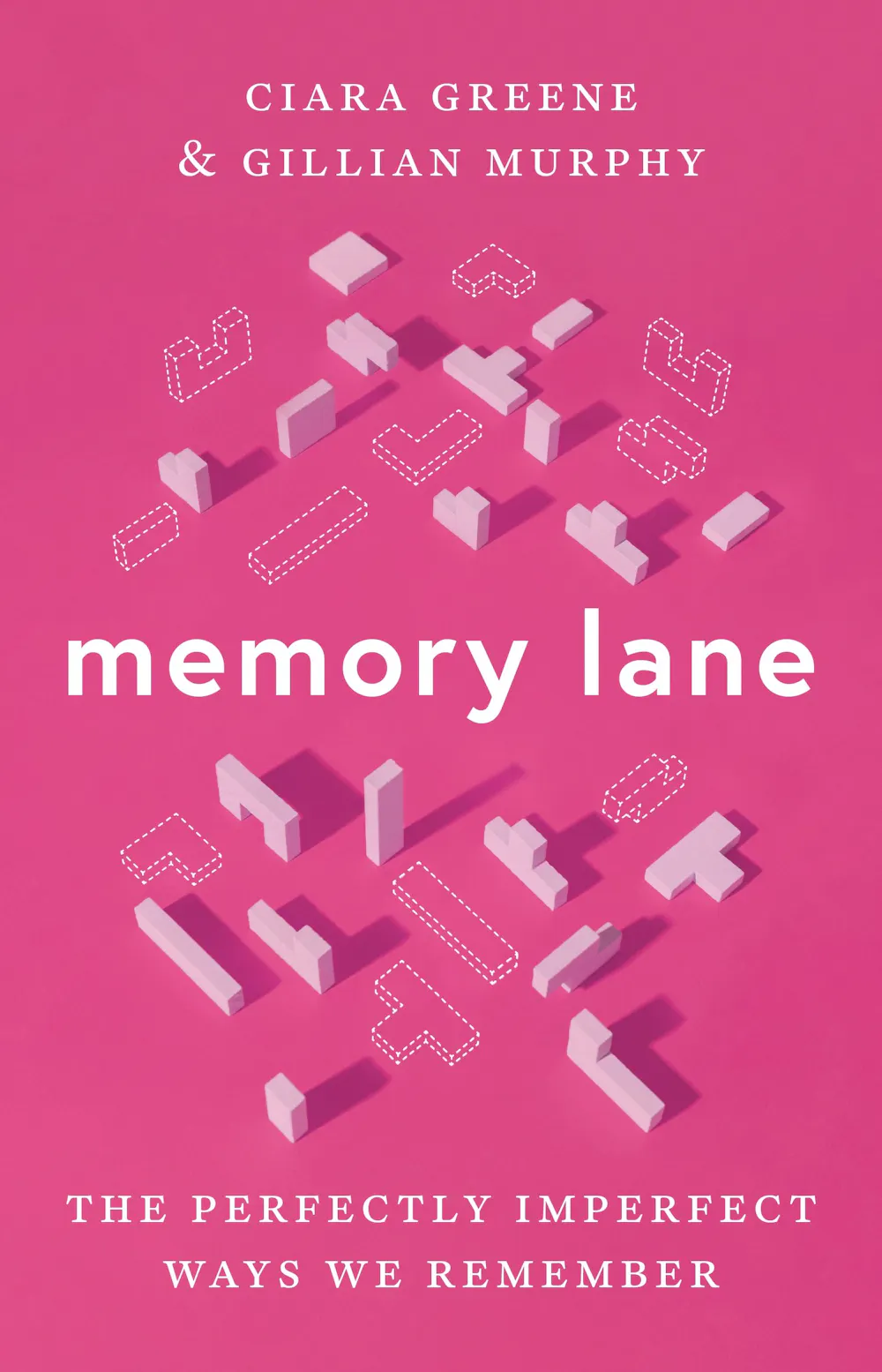
Review: Memory Lane: The Perfectly Imperfect Ways We Remember – Ciara Greene & Gillian Murphy (Princeton University Press)
Efforts to enforce political forgetting are often associated with totalitarian regimes. The state endeavours to control not only its citizens, but also the past. To create a narrative that glorifies the present and idealises the future, history must be rewritten or even completely obliterated.
In a famous article on “the totalitarian ego”, the social psychologist Anthony Greenwald argued that individual selves operate in the same way. We deploy an array of cognitive biases to maintain a sense of control, and to shape and reshape our personal history. We distort the present and fabricate the past to ensure we remain the heroes of our life narratives.
Likening the individual to a destructive political system might sound extreme, but it has an element of truth. Memory Lane, a new book by Irish psychology researchers Ciara Greene and Gillian Murphy, shows how autobiographical memory has a capacity to rewrite history that is almost Stalinesque.
There is no shortage of books on memory, from self-help guides for the anxiously ageing to scholarly works of history. Memory Lane is distinctive for taking the standpoint of applied cognitive psychology. Emphasising how memory functions in everyday life, Greene and Murphy explore the processes of memory and the influences that shape them.
What memory is not
The key message of the book is that the memory system is not a recording device. We may be tempted to see memory as a vault where past experience is faithfully preserved, but in fact it is fundamentally reconstructive.
Memories are constantly revised in acts of recollection. They change in predictable ways over time, moulded by new information, our prior beliefs and current emotions, other people’s versions of events, or an interviewer’s leading questions.
According to Greene and Murphy’s preferred analogy, memory is like a Lego tower. A memory is initially constructed from a set of elements, but over time some will be lost as the structure simplifies to preserve the gist of the event. Elements may also be added as new information is incorporated and the memory is refashioned to align with the person’s beliefs and expectations.
The malleability of memory might look like a weakness, especially by comparison to digital records. Memory Lane presents it as a strength. Humans did not evolve to log objective truths for posterity, but to operate flexibly in a complex and changing world.
From an adaptive standpoint, the past only matters insofar as it helps us function in the present. Our knowledge should be updated by new information. We should assimilate experiences to already learned patterns. And we should be tuned to our social environment, rather than insulated from it.
“If all our memories existed in some kind of mental quarantine, separate from the rest of our knowledge and experiences,” the authors write, “it would be like using a slow, inefficient computer program that could only show you one file at a time, never drawing connections or updating incorrect impressions.”
Simplifying and discarding memories is also beneficial because our cognitive capacity is limited. It is better to filter out what matters from the deluge of past experiences than to be overwhelmed with irrelevancies. Greene and Murphy present the case of a woman with exceptional autobiographical memory, who is plagued by the triggering of obsolete memories.
Forgetting doesn’t merely de-clutter memory; it also serves emotional ends. Selectively deleting unpleasant memories increases happiness. Sanding off out-of-character experiences fosters a clear and stable sense of self.
“Hindsight bias” boosts this feeling of personal continuity by bringing our recollections into line with our current beliefs. Revisionist history it may be, but it is carried out in the service of personal identity.
‘Forgetting doesn’t merely de-clutter memory; it also serves emotional ends.’ Shutterstock
Eyewitness memories and misinformation
Memory Lane pays special attention to situations in which memory errors have serious consequences, such as eyewitness testimony. Innocent people can be convicted on the basis of inaccurate eyewitness identifications. An array of biases make these more likely and they are especially common in interracial contexts.
Recollections can also be influenced by the testimony of other witnesses, and even by the language used during questioning. In a classic study, participants who viewed videos of car accidents estimated the car’s speed as substantially faster when the cars were described as having “smashed” rather than “contacted”. These distortions are not temporary: new information overwrites and overrides the original memory.
Misinformation works in a similar way and with equally dire consequences, such as vaccination avoidance. False information not only modifies existing memories but can even produce false memories, especially when it aligns with our preexisting beliefs and ideologies.
Greene and Murphy present intriguing experimental evidence that false memories are prevalent and easy to implant. Children and older adults seem especially susceptible to misinformation, but no one is immune, regardless of education or intelligence.
Reassuringly, perhaps, digital image manipulation and deepfake videos are no more likely to induce false memories than good old-fashioned verbiage. A doctored picture may not be worth a thousand words when it comes to warping memory.
Memory Lane devotes some time to the “memory wars” of the 1980s and 1990s, when debate raged over the existence of repressed memories. Greene and Murphy argue the now mainstream view that many traumatic memories supposedly recovered in therapy were false memories induced by therapists. Memories for traumatic events are not repressed, they argue, and traumatic memories are neither qualitatively different from other memories, nor stored separately from them.
Here the science of memory runs contrary to the wildly popular claims of writers such as psychiatrist Bessel van der Kolk, author of the bestseller The Body Keeps the Score.
Psychology researchers Ciara Greene (left) and Gillian Murphy (right) want us to be humbler about our fallible memories. Princeton University Press
Misunderstanding memory
The authors of Memory Lane contend that we hold memory to unrealistic standards of accuracy, completeness and stability. When people misremember the past or change their recollections, we query their honesty or mental health. When our own memories are hazy, we worry about cognitive decline.
Greene and Murphy argue that it is in the very nature of memory to be fallible, malleable and limited. This message is heartening, but it does not clarify why we would expect memory to be more capacious, coherent and durable in the first place. Nor does it explain why we persist with this wrongheaded expectation, despite so much evidence to the contrary.
The authors hint that our mistake might have its roots in dominant metaphors of memory. If we now understand the mind as computer-like, we will see memories as digital traces that sit, silent and unchanging, in a vast storage system.
“Many of the catastrophic consequences of memory distortion arise not because our individual memories are terrible,” they argue, “but because we have unrealistic expectations about how memory works, treating it as a video camera rather than a reconstruction.”
In earlier times, when memory was likened to a telephone switchboard or to books or, for the ancient Greeks, to wax tablets, memory errors and erasures may have seemed less surprising and more tolerable.
These shifting technological analogies, explored historically in Douwe Draaisma’s Metaphors of Memory, may partly account for our extravagant expectations for memory. Expecting silicon chip performance from carbon-based organisms, who evolved to care more about adaptation than truth, would be foolish.
But there is surely more to this than metaphor. All aspects of our lives are increasingly recorded and datafied, a process that demands objectivity, accuracy and consistency. The recorded facts of the matter determine who should be rewarded, punished and regulated. The bounded and mutable nature of human memory presents a challenge to this digital regime.
Human memory is also increasingly taxed by the overwhelming and accelerating volume of information that assails us. Our frustration with its limitations reflects the desperate mismatch we feel between human nature and the impersonal systems of data in which we live.
Greene and Murphy urge us to relax. We should be humbler about our memory, and more realistic and forgiving about the memories of others. We should not be judgemental about the errors and inconsistencies of friends, or overconfident about our own recollections. And we should remember that, although memory is fallible, it is fallible in beneficial ways.
A person whose memory system always kept an accurate record of our lives would be profoundly impaired, Greene and Murphy argue. Such a person “would struggle to plan for the future, learn from the past, or respond flexibly to unexpected events”. Brimming with insights such as these, Memory Lane offers an informative and readable account of how the apparent weaknesses of human memory may be strengths in disguise.
Nick Haslam receives funding from the Australian Research Council.
Ice loss in Antarctica and its impact on the planet – sea level rise, changes to ocean currents and disturbance of wildlife and food webs – has been in the news a lot lately. All of these threats were likely on the minds of the delegates to the annual Antarctic Treaty Consultative Meeting, which finishes up today in Milan, Italy.
This meeting is where decisions are made about the continent’s future. These decisions rely on evidence from scientific research. Moreover, only countries that produce significant Antarctic research – as well as being parties to the treaty – get to have a final say in these decisions.
Our new report – published as a preprint through the University of the Arctic – shows the rate of research on the Antarctic and Southern Ocean is falling at exactly the time when it should be increasing. Moreover, research leadership is changing, with China taking the lead for the first time.
This points to a dangerous disinvestment in Antarctic research just when it is needed, alongside a changing of the guard in national influence. Antarctica and the research done there are key to everyone’s future, so it’s vital to understand what this change might lead to.
Why is Antarctic research so important?
With the Antarctic region rapidly warming, its ice shelves destabilising and sea ice shrinking, understanding the South Polar environment is more crucial than ever.
Research to understand these impacts is vital. First, knowing the impact of our actions – particularly carbon emissions – gives us an increased drive to make changes and lobby governments to do so.
Second, even when changes are already locked in, to prepare ourselves we need to know what these changes will look like.
And third, we need to understand the threats to the Antarctic and Southern Ocean environment to govern it properly. This is where the treaty comes in.
Fifty-eight countries are parties to the treaty, but only 29 of them – called consultative parties – can make binding decisions about the region. They comprise the 12 original signatories from 1959, along with 17 more recent signatory nations that produce substantial scientific research relating to Antarctica.
This makes research a key part of a nation’s influence over what happens in Antarctica.
For most of its history, the Antarctic Treaty System has functioned remarkably well. It maintained peace in the region during the Cold War, facilitated scientific cooperation, and put arguments about territorial claims on indefinite hold. It indefinitely forbade mining, and managed fisheries.
Because decisions are made by consensus, any country can effectively block progress. Russia and China – both long-term actors in the system – have been at the centre of the impasse.
Tracking the amount of Antarctic research being done tells us whether nations as a whole are investing enough in understanding the region and its global impact.
It also tells us which nations are investing the most and are therefore likely to have substantial influence.
Our new report examined the number of papers published on Antarctic and Southern Ocean topics from 2016 to 2024, using the Scopus database. We also looked at other factors, such as the countries affiliated with each paper.
The results show five significant changes are happening in the world of Antarctic research.
The number of Antarctic and Southern Ocean publications peaked in 2021 and then fell slightly yearly through to 2024.
While the United States has for decades been the leader in Antarctic research, China overtook them in 2022.
If we look only at the high-quality publications (those published in the best 25% of journals) China still took over the US, in 2024.
Of the top six countries in overall publications (China, the US, the United Kingdom, Australia, Germany and Russia) all except China have declined in publication numbers since 2016.
Although collaboration in publications is higher for Antarctic research than in non-Antarctic fields, Russia, India and China have anomalously low rates of co-authorship compared with many other signatory countries.
Why is this research decline a problem?
A recent parliamentary inquiry in Australia emphasised the need for funding certainty. In the UK, a House of Commons committee report considered it “imperative for the UK to significantly expand its research efforts in Antarctica”, in particular in relation to sea level rise.
US commentators have pointed to the inadequacy of the country’s icebreaker infrastructure. The Trump administration’s recent cuts to Antarctic funding are only likely to exacerbate the situation. Meanwhile China has built a fifth station in Antarctica and announced plans for a sixth.
Given the nation’s population and global influence, China’s leadership in Antarctic research is not surprising. If China were to take a lead in Antarctic environmental protection that matched its scientific heft, its move to lead position in the research ranks could be positive. Stronger multi-country collaboration in research could also strengthen overall cooperation.
But the overall drop in global Antarctic research investment is a problem however you look at it. We ignore it at our peril.
Elizabeth Leane receives funding from the Australian Research Council, the Dutch Research Council, the Council on Australian and Latin American Relations DFAT and HX (Hurtigruten Expeditions). She has received in-kind support from Hurtigruten Expeditions in the recent past. The University of Tasmania is a member of the UArctic, which has provided support for this project.
Keith Larson is affiliated with the UArctic and European Polar Board. The UArctic paid for the development and publication of this report. The UArctic Thematic Network on Research Analytics and Bibliometrics conducted the analysis and developed the report. The Arctic Centre at Umeå University provided in-kind support for staff time on the report.
New research led by Viktoria Cologna at ETH Zurich in Switzerland may help to explain what’s going on. Using data from around the world, the study suggests simple exposure to extreme weather events does not affect people’s view of climate action – but linking those events to climate change can make a big difference.
Global opinion, global weather
The new study, published in Nature Climate Change, looked at the question of extreme weather and climate opinion using two global datasets.
The first is the Trust in Science and Science-related Populism (TISP) survey, which includes responses from more than 70,000 people in 68 countries. It measures public support for climate policies and the extent that people think climate change is behind increases in extreme weather.
The second dataset estimates how much of each country’s population has been affected each year by events such as droughts, floods, heatwaves and storms. These estimates are based on detailed models and historical climate records.
Public support for climate policies
The survey measured public support for climate policy by asking people how much they supported five specific actions to cut carbon emissions. These included raising carbon taxes, improving public transport, using more renewable energy, protecting forests and land, and taxing carbon-heavy foods.
Responses ranged from 1 (not at all) to 3 (very much). On average, support was fairly strong, with an average rating of 2.37 across the five policies. Support was especially high in parts of South Asia, Africa, the Americas and Oceania, but lower in countries such as Russia, Czechia and Ethiopia.
Exposure to extreme weather events
The study found most people around the world have experienced heatwaves and heavy rainfall in recent decades. Wildfires affected fewer people in many European and North American countries, but were more common in parts of Asia, Africa and Latin America.
Cyclones mostly impacted North America and Asia, while droughts affected large populations in Asia, Latin America and Africa. River flooding was widespread across most regions, except Oceania.
Do people in countries with higher exposure to extreme weather events show greater support for climate policies? This study found they don’t.
In most cases, living in a country where more people are exposed to disasters was not reflected in stronger support for climate action.
Wildfires were the only exception. Countries with more wildfire exposure showed slightly higher support, but this link disappeared once factors such as land size and overall climate belief were considered.
In short, just experiencing more disasters does not seem to translate into increased support for mitigation efforts.
Seeing the link between weather and climate change
In the global survey, people were asked how much they think climate change has increased the impact of extreme weather over recent decades. On average, responses were moderately high (3.8 out of 5) suggesting that many people do link recent weather events to climate change.
Such an attribution was especially strong in Latin America, but lower in parts of Africa (such as Congo and Ethiopia) and Northern Europe (such as Finland and Norway).
Crucially, people who more strongly believed climate change had worsened these events were also more likely to support climate policies. In fact, this belief mattered more for policy support than whether they had actually experienced the events firsthand.
Prior research shows less dramatic and chronic events like rainfall or temperature anomalies have less influence on public views than more acute hazards like floods or bushfires. Even then, the influence on beliefs and behaviour tends to be slow and limited.
This study shows climate impacts alone may not change minds. However, it also highlights what may affect public thinking: helping people recognise the link between climate change and extreme weather events.
In countries such as Australia, climate change makes up only about 1% of media coverage. What’s more, most of the coverage focuses on social or political aspects rather than scientific, ecological, or economic impacts.
Omid Ghasemi receives funding from the Australian Academy of Science. He was a member of the TISP consortium and a co-author of the dataset used in this study.
Canadian researchers recently investigated this idea in a sample of 1,082 undergraduate psychology students. The students completed a survey, which included questions about how they perceived their diet influenced their sleep and dreams.
Some 40% of participants reported certain foods impacted their sleep, with 25% of the whole sample claiming certain foods worsened their sleep, and 20% reporting certain foods improved their sleep.
Only 5.5% of respondents believed what they ate affected the nature of their dreams. But many of these people thought sweets or dairy products (such as cheese) made their dreams more strange or disturbing and worsened their sleep.
In contrast, participants reported fruits, vegetables and herbal teas led to better sleep.
This study used self-reporting, meaning the results rely on the participants recalling and reporting information about their sleep and dreams accurately. This could have affected the results.
It’s also possible participants were already familiar with the notion that cheese causes nightmares, especially given they were psychology students, many of whom may have studied sleep and dreaming.
This awareness could have made them more likely to notice or perceive their sleep was disrupted after eating dairy. In other words, the idea cheese leads to nightmares may have acted like a self-fulfilling prophecy and results may overestimate the actual likelihood of strange dreams.
Nonetheless, these findings show some people perceive a connection between what they eat and how they dream.
While there’s no evidence to prove cheese causes nightmares, there is evidence that does explain a link.
The science behind cheese and nightmares
Humans are diurnal creatures, meaning our body is primed to be asleep at night and awake during the day. Eating cheese before bed means we’re challenging the body with food at a time when it really doesn’t want to be eating.
At night, our physiological systems are not primed to digest food. For example, it takes longer for food to move through our digestive tract at night compared with during the day.
If we eat close to going to sleep, our body has to process and digest the food while we’re sleeping. This is a bit like running through mud – we can do it, but it’s slow and inefficient.
If your body is processing and digesting food instead of focusing all its resources on sleep, this can affect your shut-eye. Research has shown eating close to bedtime reduces our sleep quality, particularly our time spent in rapid eye movement (REM) sleep, which is the stage of sleep associated with vivid dreams.
People will have an even harder time digesting cheese at night if they’re lactose intolerant, which might mean they experience even greater impacts on their sleep. This follows what the Canadian researchers found in their study, with lactose intolerant participants reporting poorer sleep quality and more nightmares.
It’s important to note we might actually have vivid dreams or nightmares every night – what could change is whether we’re aware of the dreams and can remember them when we wake up.
Poor sleep quality often means we wake up more during the night. If we wake up during REM sleep, research shows we’re more likely to report vivid dreams or nightmares that we mightn’t even remember if we hadn’t woken up during them.
This is very relevant for the cheese and nightmares question. Put simply, eating before bed impacts our sleep quality, so we’re more likely to wake up during our nightmares and remember them.
Don’t panic – I’m not here to tell you to give up your cheesy evenings. But what we eat before bed can make a real difference to how well we sleep, so timing matters.
General sleep hygiene guidelines suggest avoiding meals at least two hours before bed. So even if you’re eating a very cheese-heavy meal, you have a window of time before bed to digest the meal and drift off to a nice peaceful sleep.
How about other dairy products?
Cheese isn’t the only dairy product which may influence our sleep. Most of us have heard about the benefits of having a warm glass of milk before bed.
Milk can be easier to digest than cheese. In fact, milk is a good choice in the evening, as it contains tryptophan, an amino acid that helps promote sleep.
Nonetheless, we still don’t want to be challenging our body with too much dairy before bed. Participants in the Canadian study did report nightmares after dairy, and milk close to bed might have contributed to this.
While it’s wise to steer clear of food (especially cheese) in the two hours before lights out, there’s no need to avoid cheese altogether. Enjoy that cheesy pasta or cheese board, just give your body time to digest before heading off to sleep. If you’re having a late night cheese craving, opt for something small. Your sleep (and your dreams) will thank you.
Charlotte Gupta does not work for, consult, own shares in or receive funding from any company or organisation that would benefit from this article, and has disclosed no relevant affiliations beyond their academic appointment.
There are more refugees in the world today than at any other point in history. The United Nations estimates that there are now more than 120 million people forcibly displaced from their homes. That is one in every 69 people on Earth. Some 73% of this population is hosted in lower or middle-income countries.
From the legacies of European colonialism to global inequality, drone warfare and climate instability, politicians have failed to address the causes driving this mass displacement. Instead, far-right parties exploit the crisis by inflaming cultures of hatred and hostility towards migrants, particularly in high-income western countries.
This is exacerbated by visual media, which makes refugees an easy target by denying them the means of telling their own stories on their own terms. Pictures of migrants on boats or climbing over border walls are everywhere in tabloid newspapers and on social media. But these images are rarely accompanied by any detailed account of the brutal experiences that force people into these situations.
Looking for something good? Cut through the noise with a carefully curated selection of the latest releases, live events and exhibitions, straight to your inbox every fortnight, on Fridays. Sign up here.
Many different kinds of visual storytelling live under the umbrella of refugee comics. They include short strips and stories, such as A Perilous Journey (2016) with testimonies from people fleeing the civil war in Syria, and Cabramatta (2019), about growing up as a Vietnamese migrant in a Sydney suburb. They also include codex-bound graphic novels, such as The Best We Could Do by Thi Bui (2017), and interactive web-comics such as Exodus by Jasper Rietman (2018).
They include documentaries made by journalists about the specific experiences of individual refugees. They also include fiction by artists who combine elements of several refugee testimonies into representative stories. Additionally, there are both fictional and non-fictional artworks made by migrants and refugees themselves.
Refugee comics address different forced mass displacements over the 20th and 21st centuries. These include the 1948 Nakba in Palestine, the 1970s flight of refugees from Vietnam and the 2010s displacement of people from Syria and other countries across sub-Saharan Africa and the Middle East.
These refugee comics challenge anti-migrant images in at least three ways. First, they often integrate the direct testimonies of refugees. This is enhanced by the combination of words and pictures that comprise the comics page, which allows refugees to frame the way we see and respond to images of displaced people.
For example, in The Unwanted by Joe Sacco (2012), familiar images of migrants crossing the Mediterranean on small boats are narrated by a refugee called Jon. Jon’s testimony turns our attention to the fears and desires that drive people to attempt dangerous sea crossings.
A second way comics challenge anti-migrant images is by allowing refugees to tell their stories without disclosing their identities. Because comics are drawn by hand and use abstract icons rather than photographs, refugees can tell their stories while also avoiding any unwanted scrutiny while also maintaining personal privacy. This reintroduces refugee agency into a visual culture that often seeks to reduce migrants to voiceless victims or security threats.
For example, in Escaping Wars and Waves: Encounters with Syrian Refugees (2018) German comics journalist Olivier Kugler dedicates two pages to a man he calls “The Afghan” because he didn’t want his name or identity revealed. Kugler presents this man’s testimony of failed attempts to get to the UK, but he never draws his face or refers to him by name.
The third way comics challenge anti-migrant images is by shifting our attention from refugees themselves to the hostile environments and border infrastructures that they are forced to travel through and inhabit. Refugee researchers describe this different way of seeing as a “places and spaces, not faces” approach.
For instance, in Undocumented: The Architecture of Migrant Detention (2017), Tings Chak walks her readers through migrant detention centres from the perspective of those who are being processed and detained.
Drawing displacement
This emphasis on place and space is built into the structure of our own book, Graphic Refuge. We begin by focusing on graphic stories about ocean crossings, particularly on the Mediterranean sea. We then turn to comics concerned with the experience of refugee camps, and we also ask how interactive online comics bring viewers into virtual refugee spaces in a variety of ways.
It is the obliteration of homes that forces people to become refugees in the first place. Later in the book, we explore how illustrated stories document the destruction of cityscapes across Syria and also in Gaza. Finally, we turn to graphic autobiographies by second-generation refugees, those who have grown up in places such as the US or Australia, but who must still negotiate the trauma of their parents’ displacement.
Where most previous studies of refugee comics have focused on trauma and empathy, in Graphic Refuge we take a different approach. We set out to show how refugee comics represent migrant agency and desire, and how we are all implicated in the histories and systems that have created the very idea of the modern refugee.
As critical refugee scholar Vinh Nguyen writes in our book’s foreword, while it is difficult to truly know what refugee lives are like, those of us who enjoy the privileges of citizenship can at least read these comics to better understand “what we – we who can sleep under warm covers at night – are capable of”.
This article features references to books that have been included for editorial reasons, and may contain links to bookshop.org. If you click on one of the links and go on to buy something from bookshop.org The Conversation UK may earn a commission.
The authors do not work for, consult, own shares in or receive funding from any company or organisation that would benefit from this article, and have disclosed no relevant affiliations beyond their academic appointment.
The global ecosystem of climate finance is complex, constantly changing and sometimes hard to understand. But understanding it is critical to demanding a green transition that’s just and fair. That’s why The Conversation has collaborated with climate finance experts to create this user-friendly guide, in partnership with Vogue Business. With definitions and short videos, we’ll add to this glossary as new terms emerge.
Blue bonds
Blue bonds are debt instruments designed to finance ocean-related conservation, like protecting coral reefs or sustainable fishing. They’re modelled after green bonds but focus specifically on the health of marine ecosystems – this is a key pillar of climate stability.
By investing in blue bonds, governments and private investors can fund marine projects that deliver both environmental benefits and long-term financial returns. Seychelles issued the first blue bond in 2018. Now, more are emerging as ocean conservation becomes a greater priority for global sustainability efforts.
By Narmin Nahidi, assistant professor in finance at the University of Exeter
Carbon border adjustment mechanism
Did you know that imported steel could soon face a carbon tax at the EU border? That’s because the carbon border adjustment mechanism is about to shake up the way we trade, produce and price carbon.
The carbon border adjustment mechanism is a proposed EU policy to put a carbon price on imports like iron, cement, fertiliser, aluminium and electricity. If a product is made in a country with weaker climate policies, the importer must pay the difference between that country’s carbon price and the EU’s. The goal is to avoid “carbon leakage” – when companies relocate to avoid emissions rules and to ensure fair competition on climate action.
But this mechanism is more than just a tariff tool. It’s a bold attempt to reshape global trade. Countries exporting to the EU may be pushed to adopt greener manufacturing or face higher tariffs.
The carbon border adjustment mechanism is controversial: some call it climate protectionism, others argue it could incentivise low-carbon innovation worldwide and be vital for achieving climate justice. Many developing nations worry it could penalise them unfairly unless there’s climate finance to support greener transitions.
Carbon border adjustment mechanism is still evolving, but it’s already forcing companies, investors and governments to rethink emissions accounting, supply chains and competitiveness. It’s a carbon price with global consequences.
By Narmin Nahidi, assistant professor in finance at the University of Exeter
Carbon budget
The Paris agreement aims to limit global warming to 1.5°C above pre-industrial levels by 2030. The carbon budget is the maximum amount of CO₂ emissions allowed, if we want a 67% chance of staying within this limit. The Intergovernmental Panel on Climate Change (IPCC) estimates that the remaining carbon budgets amount to 400 billion tonnes of CO₂ from 2020 onwards.
Think of the carbon budget as a climate allowance. Once it has been spent, the risk of extreme weather or sea level rise increases sharply. If emissions continue unchecked, the budget will be exhausted within years, risking severe climate consequences. The IPCC sets the global carbon budget based on climate science, and governments use this framework to set national emission targets, climate policies and pathways to net zero emissions.
By Dongna Zhang, assistant professor in economics and finance, Northumbria University
Carbon credits
Carbon credits are like a permit that allow companies to release a certain amount of carbon into the air. One credit usually equals one tonne of CO₂. These credits are issued by the local government or another authorised body and can be bought and sold. Think of it like a budget allowance for pollution. It encourages cuts in carbon emissions each year to stay within those global climate targets.
The aim is to put a price on carbon to encourage cuts in emissions. If a company reduces its emissions and has leftover credits, it can sell them to another company that is going over its limit. But there are issues. Some argue that carbon credit schemes allow polluters to pay their way out of real change, and not all credits are from trustworthy projects. Although carbon credits can play a role in addressing the climate crisis, they are not a solution on their own.
By Sankar Sivarajah, professor of circular economy, Kingston University London
Carbon credits explained.
Carbon offsetting
Carbon offsetting is a way for people or organisations to make up for the carbon emissions they are responsible for. For example, if you contribute to emissions by flying, driving or making goods, you can help balance that out by supporting projects that reduce emissions elsewhere. This might include planting trees (which absorb carbon dioxide) or building wind farms to produce renewable energy.
The idea is that your support helps cancel out the damage you are doing. For example, if your flight creates one tonne of carbon dioxide, you pay to support a project that removes the same amount.
While this sounds like a win-win, carbon offsetting is not perfect. Some argue that it lets people feel better without really changing their behaviour, a phenomenon sometimes referred to as greenwashing.
Not all projects are effective or well managed. For instance, some tree planting initiatives might have taken place anyway, even without the offset funding, deeming your contribution inconsequential. Others might plant the non-native trees in areas where they are unlikely to reach their potential in terms of absorbing carbon emissions.
So, offsetting can help, but it is no magic fix. It works best alongside real efforts to reduce greenhouse gas emissions and encourage low-carbon lifestyles or supply chains.
By Sankar Sivarajah, professor of circular economy, Kingston University London
Carbon offsetting explained.
Carbon tax
A carbon tax is designed to reduce greenhouse gas emissions by placing a direct price on CO₂ and other greenhouse gases.
A carbon tax is grounded in the concept of the social cost of carbon. This is an estimate of the economic damage caused by emitting one tonne of CO₂, including climate-related health, infrastructure and ecosystem impacts.
A carbon tax is typically levied per tonne of CO₂ emitted. The tax can be applied either upstream (on fossil fuel producers) or downstream (on consumers or power generators). This makes carbon-intensive activities more expensive, it incentivises nations, businesses and people to reduce their emissions, while untaxed renewable energy becomes more competitively priced and appealing.
Carbon tax was first introduced by Finland in 1990. Since then, more than 39 jurisdictions have implemented similar schemes. According to the World Bank, carbon pricing mechanisms (that’s both carbon taxes and emissions trading systems) now cover about 24% of global emissions. The remaining 76% are not priced, mainly due to limited coverage in both sectors and geographical areas, plus persistent fossil fuel subsidies. Expanding coverage would require extending carbon pricing to sectors like agriculture and transport, phasing out fossil fuel subsidies and strengthening international governance.
What is carbon tax?
Sweden has one of the world’s highest carbon tax rates and has cut emissions by 33% since 1990 while maintaining economic growth. The policy worked because Sweden started early, applied the tax across many industries and maintained clear, consistent communication that kept the public on board.
Canada introduced a national carbon tax in 2019. In Canada, most of the revenue from carbon taxes is returned directly to households through annual rebates, making the scheme revenue-neutral for most families. However, despite its economic logic, inflation and rising fuel prices led to public discontent – especially as many citizens were unaware they were receiving rebates.
Carbon taxes face challenges including political resistance, fairness concerns and low public awareness. Their success depends on clear communication and visible reinvestment of revenues into climate or social goals. A 2025 study that surveyed 40,000 people in 20 countries found that support for carbon taxes increases significantly when revenues are used for environmental infrastructure, rather than returned through tax rebates.
By Meilan Yan, associate professor and senior lecturer in financial economics, Loughborough University
Climate resilience
Floods, wildfires, heatwaves and rising seas are pushing our cities, towns and neighbourhoods to their limits. But there’s a powerful idea that’s helping cities fight back: climate resilience.
Resilience refers to the ability of a system, such as a city, a community or even an ecosystem – to anticipate, prepare for, respond to and recover from climate-related shocks and stresses.
Sometimes people say resilience is about bouncing back. But it’s not just about surviving the next storm. It’s about adapting, evolving and thriving in a changing world.
Resilience means building smarter and better. It means designing homes that stay cool during heatwaves. Roads that don’t wash away in floods. Power grids that don’t fail when the weather turns extreme.
It’s also about people. A truly resilient city protects its most vulnerable. It ensures that everyone – regardless of income, age or background – can weather the storm.
And resilience isn’t just reactive. It’s about using science, local knowledge and innovation to reduce a risk before disaster strikes. From restoring wetlands to cool cities and absorb floods, to creating early warning systems for heatwaves, climate resilience is about weaving strength into the very fabric of our cities.
By Paul O’Hare, senior lecturer in geography and development, Manchester Metropolitan University
The meaning of climate resilience.
Climate risk disclosure
Climate risk disclosure refers to how companies report the risks they face from climate change, such as flood damage, supply chain disruptions or regulatory costs. It includes both physical risks (like storms) and transition risks (like changing laws or consumer preferences).
Mandatory disclosures, such as those proposed by the UK and EU, aim to make climate-related risks transparent to investors. Done well, these reports can shape capital flows toward more sustainable business models. Done poorly, they become greenwashing tools.
By Narmin Nahidi, assistant professor in finance at the University of Exeter
Emissions trading scheme
An emissions trading scheme is the primary market-based approach for regulating greenhouse gas emissions in many countries, including Australia, Canada, China and Mexico.
Part of a government’s job is to decide how much of the economy’s carbon emissions it wants to avoid in order to fight climate change. It must put a cap on carbon emissions that economic production is not allowed to surpass. Preferably, the polluters (that’s the manufacturers, fossil fuel companies) should be the ones paying for the cost of climate mitigation.
Regulators could simply tell all the firms how much they are allowed to emit over the next ten years or so. But giving every firm the same allowance across the board is not cost efficient, because avoiding carbon emissions is much harder for some firms (such as steel producers) than others (such as tax consultants). Since governments cannot know each firm’s specific cost profile either, it can’t customise the allowances. Also, monitoring whether polluters actually abide by their assigned limits is extremely costly.
An emissions trading scheme cleverly solves this dilemma using the cap-and-trade mechanism. Instead of assigning each polluter a fixed quota and risking inefficiencies, the government issues a large number of tradable permits – each worth, say, a tonne of CO₂-equivalent (CO₂e) – that sum up to the cap. Firms that can cut greenhouse gas emissions relatively cheaply can then trade their surplus permits to those who find it harder – at a price that makes both better off.
By Mathias Weidinger, environmental economist, University of Oxford
Emissions trading schemes, explained by climate finance expert Mathias Weidinger.
Environmental, social and governance (ESG) investing
ESG investing stands for environmental, social and governance investing. In simple terms, these are a set of standards that investors use to screen a company’s potential investments.
ESG means choosing to invest in companies that are not only profitable but also responsible. Investors use ESG metrics to assess risks (such as climate liability, labour practices) and align portfolios with sustainability goals by looking at how a company affects our planet and treats its people and communities. While there isn’t one single global body governing ESG, various organisations, ratings agencies and governments all contribute to setting and evolving these metrics.
For example, investing in a company committed to renewable energy and fair labour practices might be considered “ESG aligned”. Supporters believe ESG helps identify risks and create long-term value. Critics argue it can be vague or used for greenwashing, where companies appear sustainable without real action. ESG works best when paired with transparency and clear data. A barrier is that standards vary, and it’s not always clear what counts as ESG.
Why do financial companies and institutions care? Issues like climate change and nature loss pose significant risks, affecting company values and the global economy.
However, gathering reliable ESG information can be difficult. Companies often self-report, and the data isn’t always standardised or up to date. Researchers – including my team at the University of Oxford – are using geospatial data, like satellite imagery and artificial intelligence, to develop global databases for high-impact industries, across all major sectors and geographies, and independently assess environmental and social risks and impacts.
For instance, we can analyse satellite images of a facility over time to monitor its emissions effect on nature and biodiversity, or assess deforestation linked to a company’s supply chain. This allows us to map supply chains, identify high-impact assets, and detect hidden risks and opportunities in key industries, providing an objective, real-time look at their environmental footprint.
The goal is for this to improve ESG ratings and provide clearer, more consistent insights for investors. This approach could help us overcome current data limitations to build a more sustainable financial future.
By Amani Maalouf, senior researcher in spatial finance, University of Oxford
Environmental, social and governance investing explained.
Financed emissions
Financed emissions are the greenhouse gas emissions linked to a bank’s or investor’s lending and investment portfolio, rather than their own operations. For example, a bank that funds a coal mine or invests in fossil fuels is indirectly responsible for the carbon those activities produce.
Measuring financed emissions helps reveal the real climate impact of financial institutions not just their office energy use. It’s a cornerstone of climate accountability in finance and is becoming essential under net zero pledges.
By Narmin Nahidi, assistant professor in finance at the University of Exeter
Green bonds
Green bonds are loans issued to fund environmentally beneficial projects, such as energy-efficient buildings or clean transportation. Investors choose them to support climate solutions while earning returns.
Green bonds are a major tool to finance the shift to a low-carbon economy by directing finance toward climate solutions. As climate costs rise, green bonds could help close the funding gap while ensuring transparency and accountability.
Green bonds are required to ensure funds are spent as promised. For instance, imagine a city wants to upgrade its public transportation by adding electric buses to reduce pollution. Instead of raising taxes or slashing other budgets, the city can issue green bonds to raise the necessary capital. Investors buy the bonds, the city gets the funding, and the environment benefits from cleaner air and fewer emissions.
The growing participation of government issuers has improved the transparency and reliability of these investments. The green bond market has grown rapidly in recent years. According to the Bank for International Settlements, the green bond market reached US$2.9 trillion (£2.1 trillion) in 2024 – nearly six times larger than in 2018. At the same time, annual issuance (the total value of green bonds issued in a year) hit US$700 billion, highlighting the increasing role of green finance in tackling climate change.
By Dongna Zhang, assistant professor in economics and finance, Northumbria University
Just transition
Just transition is the process of moving to a low-carbon society that is environmentally sustainable and socially inclusive. In a broad sense, a just transition means focusing on creating a more fair and equal society.
Just transition has existed as a concept since the 1970s. It was originally applied to the green energy transition, protecting workers in the fossil fuel industry as we move towards more sustainable alternatives.
These days, it has so many overlapping issues of justice hidden within it, so the concept is hard to define. Even at the level of UN climate negotiations, global leaders struggle to agree on what a just transition means.
The big battle is between developed countries, who want a very restrictive definition around jobs and skills, and developing countries, who are looking for a much more holistic approach that considers wider system change and includes considerations around human rights, Indigenous people and creating an overall fairer global society.
A just transition is essentially about imagining a future where we have moved beyond fossil fuels and society works better for everyone – but that can look very different in a European city compared to a rural setting in south-east Asia.
For example, in a British city it might mean fewer cars and better public transport. In a rural setting, it might mean new ways of growing crops that are more sustainable, and building homes that are heatwave resistant.
By Alix Dietzel, climate justice and climate policy expert, University of Bristol
The meaning of just transition.
Loss and damage
A global loss and damage fund was agreed by nations at the UN climate summit (Cop27) in 2022. This means that the rich countries of the world put money into a fund that the least developed countries can then call upon when they have a climate emergency.
At the moment, the loss and damage fund is made up of relatively small pots of money. Much more will be needed to provide relief to those who need it most now and in the future.
By Mark Maslin, professor of earth system science, UCL
Mark Maslin explains loss and damage.
Mitigation v adaptation
Mitigation means cutting greenhouse gas emissions to slow climate change. Adaptation means adjusting to its effects, like building sea walls or growing heat-resistant crops. Both are essential: mitigation tackles the cause, while adaptation tackles the symptoms.
Globally, most funding goes to mitigation, but vulnerable communities often need adaptation support most. Balancing the two is a major challenge in climate policy, especially for developing countries facing immediate climate threats.
By Narmin Nahidi, assistant professor in finance at the University of Exeter
Nationally determined contributions
Nationally determined contributions (NDCs) are at the heart of the Paris agreement, the global effort to collectively combat climate change. NDCs are individual climate action plans created by each country. These targets and strategies outline how a country will reduce its greenhouse gas emissions and adapt to climate change.
Each nation sets its own goals based on its own circumstances and capabilities – there’s no standard NDC. These plans should be updated every five years and countries are encouraged to gradually increase their climate ambitions over time.
The aim is for NDCs to drive real action by guiding policies, attracting investment and inspiring innovation in clean technologies. But current NDCs fall short of the Paris agreement goals and many countries struggle to turn their plans into a reality. NDCs also vary widely in scope and detail so it’s hard to compare efforts across the board. Stronger international collaboration and greater accountability will be crucial.
By Doug Specht, reader in cultural geography and communication, University of Westminster
Fashion depends on water, soil and biodiversity – all natural capital. And forward-thinking designers are now asking: how do we create rather than deplete, how do we restore rather than extract?
Natural capital is the value assigned to the stock of forests, soils, oceans and even minerals such as lithium. It sustains every part of our economy. It’s the bees that pollinate our crops. It’s the wetlands that filter our water and it’s the trees that store carbon and cool our cities.
If we fail to value nature properly, we risk losing it. But if we succeed, we unlock a future that is not only sustainable but also truly regenerative.
My team at the University of Oxford is developing tools to integrate nature into national balance sheets, advising governments on biodiversity, and we’re helping industries from fashion to finance embed nature into their decision making.
Natural capital, explained by a climate finance expert.
By Mette Morsing, professor of business sustainability and director of the Smith School of Enterprise and the Environment, University of Oxford
Net zero
Reaching net zero means reducing the amount of additional greenhouse gas emissions that accumulate in the atmosphere to zero. This concept was popularised by the Paris agreement, a landmark deal that was agreed at the UN climate summit (Cop21) in 2015 to limit the impact of greenhouse gas emissions.
There are some emissions, from farming and aviation for example, that will be very difficult, if not impossible, to reach absolute zero. Hence, the “net”. This allows people, businesses and countries to find ways to suck greenhouse gas emissions out of the atmosphere, effectively cancelling out emissions while trying to reduce them. This can include reforestation, rewilding, direct air capture and carbon capture and storage. The goal is to reach net zero: the point at which no extra greenhouse gases accumulate in Earth’s atmosphere.
By Mark Maslin, professor of earth system science, UCL
Mark Maslin explains net zero.
For more expert explainer videos, visit The Conversation’s quick climate dictionary playlist here on YouTube.
Mark Maslin is Pro-Vice Provost of the UCL Climate Crisis Grand Challenge and Founding Director of the UCL Centre for Sustainable Aviation. He was co-director of the London NERC Doctoral Training Partnership and is a member of the Climate Crisis Advisory Group. He is an advisor to Sheep Included Ltd, Lansons, NetZeroNow and has advised the UK Parliament. He has received grant funding from the NERC, EPSRC, ESRC, DFG, Royal Society, DIFD, BEIS, DECC, FCO, Innovate UK, Carbon Trust, UK Space Agency, European Space Agency, Research England, Wellcome Trust, Leverhulme Trust, CIFF, Sprint2020, and British Council. He has received funding from the BBC, Lancet, Laithwaites, Seventh Generation, Channel 4, JLT Re, WWF, Hermes, CAFOD, HP and Royal Institute of Chartered Surveyors.
Amani Maalouf receives funding from IKEA Foundation and UK Research and Innovation (NE/V017756/1).
Narmin Nahidi is affiliated with several academic associations, including the Financial Management Association (FMA), British Accounting and Finance Association (BAFA), American Finance Association (AFA), and the Chartered Association of Business Schools (CMBE). These affiliations do not influence the content of this article.
Paul O’Hare receives funding from the UK’s Natural Environment Research Council (NERC). Award reference NE/V010174/1.
Alix Dietzel, Dongna Zhang, Doug Specht, Mathias Weidinger, Meilan Yan, and Sankar Sivarajah do not work for, consult, own shares in or receive funding from any company or organisation that would benefit from this article, and have disclosed no relevant affiliations beyond their academic appointment.
Source: The Conversation – Canada – By Daphne Rena Idiz, Postdoctoral fellow, Department of Arts, Culture and Media, University of Toronto
What should count as Canadian content (CanCon) in the era of streaming and generative AI (GenAI)?
That’s the biggest unknown at the heart of the Canadian Radio-television and Telecommunications Commission’s recent (CRTC) public hearing, held in Gatineau, Que., from May 14 to 27.
The debate is about how Canada’s current points-based CanCon system remains effective in the context of global streaming giants and generative AI. Shows qualify as CanCon by assigning value to roles like director, screenwriter and lead actors being Canadian.
The outcome will shape who gets to tell Canadian stories and what those stories are, and also which ones count as Canadian under the law. This, in turn, will determine who in the film and television industries can access funding, tax credits and visibility on streaming services.
It will also determine which Canadian productions big streamers like Netflix will invest in under their Online Streaming Act obligations.
The federal government’s recent announcement that it’s rescinding the Digital Services Tax reveals the limits of Canada’s leverage over Big Tech, underscoring the significance of CanCon rules as parameters around how streaming giants contribute meaningfully to the country’s creative industries.
CanCon: Who gets to decide?
The CRTC’s existing approach to defining CanCon relies on the citizenship of key creative personnel.
The National Film Board argued that this misses the “cultural elements” of Canadian storytelling. These include cultural expression, narrative themes and connection to Canadian audiences. That is, a production might technically count as CanCon by hiring Canadians, without feeling particularly “Canadian.”
The acts empower broadcasters and streamers to decide which Canadian stories and content will be developed, produced and distributed through commissioning and licensing powers. This implicitly limits the CRTC’s role to setting rules about which creatives are at the table.
The Writer’s Guild advocates broadening the pool of Canadian key creatives to modernize the CanCon system. It trusts the combined perspectives of a broader pool to make creative decisions about Canadian identity in meaningful ways. Accordingly, it supports the CRTC’s intent to add the showrunner role to the point system since showrunners are the “the chief custodian of the creative vision of a series.”
Battle over Canadian IP
Streaming introduces more players with financial stakes, complicating who controls content and who profits from it. A seismic shift is happening in how intellectual property (IP) is handled.
CRTC has proposed that the updated CanCon definition include Canadian IP ownership as a mandatory element to enable Canadian companies and workers to retain some control over their own IP, and thereby earn sustainable income. For example, in a streaming drama, Canadian screenwriters who retain ownership of the IP could earn ongoing revenue through licensing deals, international sales and royalties each time the series is distributed.
However, the Motion Picture Association-Canada (MPA-Canada), representing industry titans like Netflix, Amazon and Disney, is pushing back against requirements that mandate the sharing of territory or IP.
Without IP rights, Canadian talent and the industry as a whole may be reduced to becoming service providers for global companies.
Intervenors shared a range of preferences from 100 per cent Canadian IP ownership to none at all. One hundred per cent Canadian IP ownership means Canadian creators like a producer of a streaming series would control the rights to the content. They would receive the majority of profits from licensing, distribution and future adaptations.
Even 51 per cent ownership could give them a controlling stake, but would likely require sharing revenue and decision-making with the streaming service.
AI and CanCon
And then, of course, there’s the question of how generative AI should be considered within the updated CanCon definition. The Writers Guild of Canada has drawn a firm line in the sand: AI-generated material should not qualify as Canadian content.
The guild argues that since current AI tools don’t possess identity, nationality or cultural context, their output cannot advance the goals of the Broadcasting Act, centred on promoting Canadian voices and stories.
The Alliance of Canadian Cinema, Television and Radio Artists (ACTRA) raised a different concern around AI. AI, ACTRA argued, “should not take over the jobs of the creators in the ecosystem that we’re in and we should not treat AI-generated performers as if they are a Canadian actor.”
Depending on how the CRTC addresses AI, this could mean that streaming content featuring AI-generated scripts, characters, or performances — even if developed by a Canadian creator or set in Canada — would not qualify as CanCon.
The WGC notes that it has already negotiated restrictions on AI use in screenwriting through its agreement with the Canadian Media Producers Association. These guardrails are being held up as the “emerging industry standard.”
Follow the money
Another contested point is how streamers should pay into CanCon: through direct investment or through more traditional modes of financing. Under the Online Streaming Act, streamers are required to pay five per cent of their annual revenues to certain Canadian funds.
This model echoes previous requirements used to manage decision-making at media broadcasters, some at the much more substantial level of 30 per cent.
Research in the European Union and Canada highlight how different stakeholders benefit from different forms of financial obligations, suggesting the industry may be best served by a policy mix.
As Canada rewrites its broadcasting rules, defining Canadian content is a courtroom drama unfolding in real time — and the verdict will have serious ramifications.
MaryElizabeth Luka receives research project funding from peer-adjudicated grants from the Social Sciences and Humanities Research Council and internal grants at University of Toronto, such as the Creative Labour Critical Futures Cluster of Scholarly Prominence.
Daphne Rena Idiz does not work for, consult, own shares in or receive funding from any company or organisation that would benefit from this article, and has disclosed no relevant affiliations beyond their academic appointment.
Source: The Conversation – USA – By Rizwan Virk, Faculty Associate, PhD Candidate in Human and Social Dimensions of Science and Technology, Arizona State University
In Stephenson’s novel ‘The Diamond Age,’ a device called the Young Lady’s Illustrated Primer offers emotional, social and intellectual support.Christopher Michel/Wikimedia Commons, CC BY-SA
Every time I read about another advance in AI technology, I feel like another figment of science fiction moves closer to reality.
“The Diamond Age” depicted a post-cyberpunk sectarian future, in which society is fragmented into tribes, called phyles. In this future world, sophisticated nanotechnology is ubiquitous, and a new type of AI is introduced.
Though inspired by MIT nanotech pioneer Eric Drexler and Nobel Prize winner Richard Feynman, the advanced nanotechnology depicted in the novel still remains out of reach. However, the AI that’s portrayed, particularly a teaching device called the Young Lady’s Illustrated Primer, isn’t only right in front of us; it also raises serious issues about the role of AI in labor, learning and human behavior.
In Stephenson’s novel, the Primer looks like a hardcover book, but each of its “pages” is really a screen display that can show animations and text, and it responds to its user in real time via AI. The book also has an audio component, which voices the characters and narrates stories being told by the device.
It was originally created for the young daughter of an aristocrat, but it accidentally falls into the hands of a girl named Nell who’s living on the streets of a futuristic Shanghai. The Primer provides Nell personalized emotional, social and intellectual support during her journey to adulthood, serving alternatively as an AI companion, a storyteller, a teacher and a surrogate parent.
The AI is able to weave fairy tales that help a younger Nell cope with past traumas, such as her abusive home and life on the streets. It educates her on everything from math to cryptography to martial arts. In a techno-futuristic homage to George Bernard Shaw’s 1913 play “Pygmalion,” the Primer goes so far as to teach Nell the proper social etiquette to be able to blend into neo-Victorian society, one of the prominent tribes in Stephenson’s balkanized world.
No need for ‘ractors’
Three recent developments in AI – in video games, wearable technology and education – reveal that building something like the Primer should no longer be considered the purview of science fiction.
In May 2025, the hit video game “Fortnite” introduced an AI version of Darth Vader, who speaks with the voice of the late James Earl Jones.
While it was popular among fans of the game, the Screen Actors Guild lodged a labor complaint with Epic Games, the creator of “Fortnite.” Even though Epic had received permission from the late actor’s estate, the Screen Actors Guild pointed out that actors could have been hired to voice the character, and the company – in refusing to alert the union and negotiate terms – violated existing labor agreements.
In “The Diamond Age,” while the Primer uses AI to generate the fairy tales that train Nell, for the voices of these archetypal characters, Stephenson concocted a low-tech solution: The characters are played by a network of what he termed “ractors” – real actors working in a studio who are contracted to perform and interact in real time with users.
The Darth Vader “Fortnite” character shows that a Primer built today wouldn’t need to use actors at all. It could rely almost entirely on AI voice generation and have real-time conversations, showing that today’s technology already exceeds Stephenson’s normally far-sighted vision.
Recording and guiding in real time
Synthesizing James Earl Jones’ voice in “Fortnite” wasn’t the only recent AI development heralding the arrival of Primer-like technology.
I recently witnessed a demonstration of wearable AI that records all of the wearer’s conversations. Their words are then sent to a server so they can be analyzed by AI, providing both summaries and suggestions to the user about future behavior.
Several startups are making these “always on” AI wearables. In an April 29, 2025, essay titled “I Recorded Everything I Said for Three Months. AI Has Replaced My Memory,” Wall Street Journal technology columnist Joanna Stern describes the experience of using this technology. She concedes that the assistants created useful summaries of her conversations and meetings, along with helpful to-do lists. However, they also recalled “every dumb, private and cringeworthy thing that came out of my mouth.”
AI wearable devices that continuously record the conversations of their users have recently hit the market.
These devices also create privacy issues. The people whom the user interacts with don’t always know they are being recorded, even as their words are also sent to a server for the AI to process them. To Stern, the technology’s potential for mass surveillance becomes readily apparent, presenting a “slightly terrifying glimpse of the future.”
Relying on AI engines such as ChatGPT, Claude and Google’s Gemini, the wearables work only with words, not images. Behavioral suggestions occur only after the fact. However, a key function of the Primer – coaching users in real time in the middle of any situation or social interaction – is the next logical step as the technology advances.
Education or social engineering?
In “The Diamond Age,” the Primer doesn’t simply weave interactive fairy tales for Nell. It also assumes the responsibility of educating her on everything from her ABCs when younger to the intricacies of cryptography and politics as she gets older.
There are certainly advantages to AI tutors: Tutoring and college tuition can be exorbitantly expensive, and the technology can offer better access to education to people of all income levels.
Pulling together these latest AI advances – interactive avatars, behavioral guides, tutors – it’s easy to envision how an AI device like the Young Lady’s Illustrated Primer could be created in the near future. A young person might have a personalized AI character that accompanies them at all times. It can teach them about the world and offer up suggestions for how to act in certain situations. The AI could be tailored to a child’s personality, concocting stories that include AI versions of their favorite TV and movie characters.
But “The Diamond Age” offers a warning, too.
Toward the end of the novel, a version of the Primer is handed out to hundreds of thousands of young Chinese girls who, like Nell, didn’t have access to education or mentors. This leads to the education of the masses. But it also opens the door to large-scale social engineering, creating an army of Primer-raised martial arts experts, whom the AI then directs to act on behalf of “Princess Nell,” Nell’s fairy tale name.
It’s easy to see how this sort of large-scale social engineering could be used to target certain ideologies, crush dissent or build loyalty to a particular regime. The AI’s behavior could also be subject to the whims of the companies or individuals that created it. A ubiquitous, always-on, friendly AI could become the ultimate monitoring and reporting device. Think of a kinder, gentler face for Big Brother that people have trusted since childhood.
While large-scale deployment of a Primer-like AI could certainly make young people smarter and more efficient, it could also hamper one of the most important parts of education: teaching people to think for themselves.
Rizwan Virk owns shares of investments funds which own stock in various private AI companies such as Open AI and X.ai. He owns public stock in Google and Microsoft. Virk has family members who work for a wearable AI company.
Source: The Conversation – France – By Jérémy Lemarié, Maître de conférences à l’Université de Reims Champagne-Ardenne, Université de Reims Champagne-Ardenne (URCA)
Invented in Hawaii, surfing gained popularity in the United States and Australia in the 1950s before becoming a global phenomenon. Now practiced in more than 150 countries, its spread has been driven by media and tourism. Surf tourism involves travelling to destinations to catch waves, either with a surfboard or through activities such as body surfing or bodyboarding. Tourists range from seasoned surfers to beginners eager to learn.
The allure of California
For many, surf tourism evokes exotic imagery shaped by California production companies. Columbia Pictures in 1959 and Paramount Pictures in 1961 introduced surfing to the middle class, showcasing the sport as a gateway to summer adventure and escape. However, it was the 1966 movie The Endless Summer, directed and produced by Bruce Brown, that became a box office success. The film follows two Californians travelling the globe in search of the perfect wave, which they ultimately find in South Africa. Beneath the seemingly lighthearted portrayal of a “surf safari”, it carries undertones of colonial ambition.
In the film, the Californians tell people in Africa that waves are untapped resources ready to be named and conquered. This sense of Western cultural dominance over populations in poorer countries has permeated surf tourism. Since the 1970s, French surfers have flocked to Morocco for its long-breaking waves, Australians have flocked to Indonesia and Californians to Mexico. The expansion of surfing to Africa, Asia and Latin America was enabled by easier international travel and economic disparities between visitors and hosts.
Surfing’s impact on local communities
Indonesia, for instance, became a surfing hotspot after Australian surfers started to explore the waves of Bali and the Mentawai Islands in the 1970s. Once remote regions with modest living standards, these areas saw tourism infrastructure mushroom to meet demand. Today, destinations such as Uluwatu in Bali and Padang Padang in Sumatra attract surfers of all skill levels.
Similarly, Morocco has experienced a surge in surf tourism, with spots such as Taghazout drawing European visitors in search of affordable waves and sunshine. While this has boosted local economies, it has also raised concerns about environmental degradation and the strain of tourism on previously untouched areas.
The challenges of overtourism in coastal areas
Although surfing is often seen as an activity in harmony with nature, mass tourism has created tensions between local surfers and visitors. Overtourism refers to the negative impact of excessive tourist numbers on natural environments and local communities.
One response to overtourism is localism – where local surfers assert ownership of waves, sometimes discouraging or even intimidating outsiders. This has been particularly pronounced in economically dependent surf destinations. For example, in Hawaii during the 1970s and 1980s, local surfers protested against the influx of professional Australian surfers and international competitions. Today, localism persists globally, from Maroubra in Sydney to Boucau-Tarnos in France’s Nouvelle-Aquitaine region. These places are not systematically off-limits to beginners, but major conflicts can arise during peak tourist seasons.
Surf schools, while crucial for teaching newcomers, also exacerbate crowding. During high seasons, beaches such as Côte des Basques in Biarritz become overcrowded, straining relations between experienced surfers, instructors and novices. Beginners, often unaware of surf etiquette and safety rules, contribute to frustrations among seasoned surfers.
A weekly e-mail in English featuring expertise from scholars and researchers. It provides an introduction to the diversity of research coming out of the continent and considers some of the key issues facing European countries. Get the newsletter!
The role of public authorities
In response to these challenges, public initiatives have emerged to promote sustainable surf tourism. For instance, the Costa Rican government has established marine protected areas and regulated tourism activities to preserve a part of the coastal environment. Local authorities have also begun capping the number of surf schools and making access to the practice more difficult.
In southwestern France, municipalities use public service delegations (DSP), temporary occupation authorisations (AOT) and other tools to regulate surf schools operating on public beaches. Environmental awareness programmes have been launched to educate tourists on responsible behaviour toward beaches and oceans.
Gaps in regulation
Despite these measures, many coastal regions face insufficient action to address the environmental and social challenges posed by surf tourism. In Fiji, a 2010 decree deregulated the surf tourism industry, eliminating traditional indigenous rights to coastal and reef areas. This allowed unregulated development of tourism infrastructure, often ignoring long-term ecological impacts.
Similar issues are seen in Morocco, where lax regulations allow foreign investors to exploit coastal land for hotel development, often providing little benefit to local communities.
Yet, there are success stories. In Santa Cruz, California, the initiative Save Our Shores mobilises citizens and tourists to protect beaches through anti-pollution campaigns and regular cleanups.
Surf tourism has brought significant economic benefits to many coastal regions. However, it has also introduced social and environmental challenges, including localism, overcrowding and ecological strain. Managing these issues requires a collaborative approach, with governments, local stakeholders and tourists working together to preserve the sport’s connection to nature.
This article was published as part of the 2024 Fête de la Science, of which The Conversation France was a partner. The year’s theme, “Oceans of Knowledge,” explored the wonders of the marine world.
Jérémy Lemarié is a member of the Fulbright network, as the recipient of the “Chercheuses et Chercheurs” grant from the Franco-American Commission in 2022-2023.
Source: The Conversation – France – By Jérémy Lemarié, Maître de conférences à l’Université de Reims Champagne-Ardenne, Université de Reims Champagne-Ardenne (URCA)
Invented in Hawaii, surfing gained popularity in the United States and Australia in the 1950s before becoming a global phenomenon. Now practiced in more than 150 countries, its spread has been driven by media and tourism. Surf tourism involves travelling to destinations to catch waves, either with a surfboard or through activities such as body surfing or bodyboarding. Tourists range from seasoned surfers to beginners eager to learn.
The allure of California
For many, surf tourism evokes exotic imagery shaped by California production companies. Columbia Pictures in 1959 and Paramount Pictures in 1961 introduced surfing to the middle class, showcasing the sport as a gateway to summer adventure and escape. However, it was the 1966 movie The Endless Summer, directed and produced by Bruce Brown, that became a box office success. The film follows two Californians travelling the globe in search of the perfect wave, which they ultimately find in South Africa. Beneath the seemingly lighthearted portrayal of a “surf safari”, it carries undertones of colonial ambition.
In the film, the Californians tell people in Africa that waves are untapped resources ready to be named and conquered. This sense of Western cultural dominance over populations in poorer countries has permeated surf tourism. Since the 1970s, French surfers have flocked to Morocco for its long-breaking waves, Australians have flocked to Indonesia and Californians to Mexico. The expansion of surfing to Africa, Asia and Latin America was enabled by easier international travel and economic disparities between visitors and hosts.
Surfing’s impact on local communities
Indonesia, for instance, became a surfing hotspot after Australian surfers started to explore the waves of Bali and the Mentawai Islands in the 1970s. Once remote regions with modest living standards, these areas saw tourism infrastructure mushroom to meet demand. Today, destinations such as Uluwatu in Bali and Padang Padang in Sumatra attract surfers of all skill levels.
Similarly, Morocco has experienced a surge in surf tourism, with spots such as Taghazout drawing European visitors in search of affordable waves and sunshine. While this has boosted local economies, it has also raised concerns about environmental degradation and the strain of tourism on previously untouched areas.
The challenges of overtourism in coastal areas
Although surfing is often seen as an activity in harmony with nature, mass tourism has created tensions between local surfers and visitors. Overtourism refers to the negative impact of excessive tourist numbers on natural environments and local communities.
One response to overtourism is localism – where local surfers assert ownership of waves, sometimes discouraging or even intimidating outsiders. This has been particularly pronounced in economically dependent surf destinations. For example, in Hawaii during the 1970s and 1980s, local surfers protested against the influx of professional Australian surfers and international competitions. Today, localism persists globally, from Maroubra in Sydney to Boucau-Tarnos in France’s Nouvelle-Aquitaine region. These places are not systematically off-limits to beginners, but major conflicts can arise during peak tourist seasons.
Surf schools, while crucial for teaching newcomers, also exacerbate crowding. During high seasons, beaches such as Côte des Basques in Biarritz become overcrowded, straining relations between experienced surfers, instructors and novices. Beginners, often unaware of surf etiquette and safety rules, contribute to frustrations among seasoned surfers.
A weekly e-mail in English featuring expertise from scholars and researchers. It provides an introduction to the diversity of research coming out of the continent and considers some of the key issues facing European countries. Get the newsletter!
The role of public authorities
In response to these challenges, public initiatives have emerged to promote sustainable surf tourism. For instance, the Costa Rican government has established marine protected areas and regulated tourism activities to preserve a part of the coastal environment. Local authorities have also begun capping the number of surf schools and making access to the practice more difficult.
In southwestern France, municipalities use public service delegations (DSP), temporary occupation authorisations (AOT) and other tools to regulate surf schools operating on public beaches. Environmental awareness programmes have been launched to educate tourists on responsible behaviour toward beaches and oceans.
Gaps in regulation
Despite these measures, many coastal regions face insufficient action to address the environmental and social challenges posed by surf tourism. In Fiji, a 2010 decree deregulated the surf tourism industry, eliminating traditional indigenous rights to coastal and reef areas. This allowed unregulated development of tourism infrastructure, often ignoring long-term ecological impacts.
Similar issues are seen in Morocco, where lax regulations allow foreign investors to exploit coastal land for hotel development, often providing little benefit to local communities.
Yet, there are success stories. In Santa Cruz, California, the initiative Save Our Shores mobilises citizens and tourists to protect beaches through anti-pollution campaigns and regular cleanups.
Surf tourism has brought significant economic benefits to many coastal regions. However, it has also introduced social and environmental challenges, including localism, overcrowding and ecological strain. Managing these issues requires a collaborative approach, with governments, local stakeholders and tourists working together to preserve the sport’s connection to nature.
This article was published as part of the 2024 Fête de la Science, of which The Conversation France was a partner. The year’s theme, “Oceans of Knowledge,” explored the wonders of the marine world.
Jérémy Lemarié is a member of the Fulbright network, as the recipient of the “Chercheuses et Chercheurs” grant from the Franco-American Commission in 2022-2023.
Source: The Conversation – France – By Jérémy Lemarié, Maître de conférences à l’Université de Reims Champagne-Ardenne, Université de Reims Champagne-Ardenne (URCA)
Invented in Hawaii, surfing gained popularity in the United States and Australia in the 1950s before becoming a global phenomenon. Now practiced in more than 150 countries, its spread has been driven by media and tourism. Surf tourism involves travelling to destinations to catch waves, either with a surfboard or through activities such as body surfing or bodyboarding. Tourists range from seasoned surfers to beginners eager to learn.
The allure of California
For many, surf tourism evokes exotic imagery shaped by California production companies. Columbia Pictures in 1959 and Paramount Pictures in 1961 introduced surfing to the middle class, showcasing the sport as a gateway to summer adventure and escape. However, it was the 1966 movie The Endless Summer, directed and produced by Bruce Brown, that became a box office success. The film follows two Californians travelling the globe in search of the perfect wave, which they ultimately find in South Africa. Beneath the seemingly lighthearted portrayal of a “surf safari”, it carries undertones of colonial ambition.
In the film, the Californians tell people in Africa that waves are untapped resources ready to be named and conquered. This sense of Western cultural dominance over populations in poorer countries has permeated surf tourism. Since the 1970s, French surfers have flocked to Morocco for its long-breaking waves, Australians have flocked to Indonesia and Californians to Mexico. The expansion of surfing to Africa, Asia and Latin America was enabled by easier international travel and economic disparities between visitors and hosts.
Surfing’s impact on local communities
Indonesia, for instance, became a surfing hotspot after Australian surfers started to explore the waves of Bali and the Mentawai Islands in the 1970s. Once remote regions with modest living standards, these areas saw tourism infrastructure mushroom to meet demand. Today, destinations such as Uluwatu in Bali and Padang Padang in Sumatra attract surfers of all skill levels.
Similarly, Morocco has experienced a surge in surf tourism, with spots such as Taghazout drawing European visitors in search of affordable waves and sunshine. While this has boosted local economies, it has also raised concerns about environmental degradation and the strain of tourism on previously untouched areas.
The challenges of overtourism in coastal areas
Although surfing is often seen as an activity in harmony with nature, mass tourism has created tensions between local surfers and visitors. Overtourism refers to the negative impact of excessive tourist numbers on natural environments and local communities.
One response to overtourism is localism – where local surfers assert ownership of waves, sometimes discouraging or even intimidating outsiders. This has been particularly pronounced in economically dependent surf destinations. For example, in Hawaii during the 1970s and 1980s, local surfers protested against the influx of professional Australian surfers and international competitions. Today, localism persists globally, from Maroubra in Sydney to Boucau-Tarnos in France’s Nouvelle-Aquitaine region. These places are not systematically off-limits to beginners, but major conflicts can arise during peak tourist seasons.
Surf schools, while crucial for teaching newcomers, also exacerbate crowding. During high seasons, beaches such as Côte des Basques in Biarritz become overcrowded, straining relations between experienced surfers, instructors and novices. Beginners, often unaware of surf etiquette and safety rules, contribute to frustrations among seasoned surfers.
A weekly e-mail in English featuring expertise from scholars and researchers. It provides an introduction to the diversity of research coming out of the continent and considers some of the key issues facing European countries. Get the newsletter!
The role of public authorities
In response to these challenges, public initiatives have emerged to promote sustainable surf tourism. For instance, the Costa Rican government has established marine protected areas and regulated tourism activities to preserve a part of the coastal environment. Local authorities have also begun capping the number of surf schools and making access to the practice more difficult.
In southwestern France, municipalities use public service delegations (DSP), temporary occupation authorisations (AOT) and other tools to regulate surf schools operating on public beaches. Environmental awareness programmes have been launched to educate tourists on responsible behaviour toward beaches and oceans.
Gaps in regulation
Despite these measures, many coastal regions face insufficient action to address the environmental and social challenges posed by surf tourism. In Fiji, a 2010 decree deregulated the surf tourism industry, eliminating traditional indigenous rights to coastal and reef areas. This allowed unregulated development of tourism infrastructure, often ignoring long-term ecological impacts.
Similar issues are seen in Morocco, where lax regulations allow foreign investors to exploit coastal land for hotel development, often providing little benefit to local communities.
Yet, there are success stories. In Santa Cruz, California, the initiative Save Our Shores mobilises citizens and tourists to protect beaches through anti-pollution campaigns and regular cleanups.
Surf tourism has brought significant economic benefits to many coastal regions. However, it has also introduced social and environmental challenges, including localism, overcrowding and ecological strain. Managing these issues requires a collaborative approach, with governments, local stakeholders and tourists working together to preserve the sport’s connection to nature.
This article was published as part of the 2024 Fête de la Science, of which The Conversation France was a partner. The year’s theme, “Oceans of Knowledge,” explored the wonders of the marine world.
Jérémy Lemarié is a member of the Fulbright network, as the recipient of the “Chercheuses et Chercheurs” grant from the Franco-American Commission in 2022-2023.
Source: The Conversation – France – By Jérémy Lemarié, Maître de conférences à l’Université de Reims Champagne-Ardenne, Université de Reims Champagne-Ardenne (URCA)
Invented in Hawaii, surfing gained popularity in the United States and Australia in the 1950s before becoming a global phenomenon. Now practiced in more than 150 countries, its spread has been driven by media and tourism. Surf tourism involves travelling to destinations to catch waves, either with a surfboard or through activities such as body surfing or bodyboarding. Tourists range from seasoned surfers to beginners eager to learn.
The allure of California
For many, surf tourism evokes exotic imagery shaped by California production companies. Columbia Pictures in 1959 and Paramount Pictures in 1961 introduced surfing to the middle class, showcasing the sport as a gateway to summer adventure and escape. However, it was the 1966 movie The Endless Summer, directed and produced by Bruce Brown, that became a box office success. The film follows two Californians travelling the globe in search of the perfect wave, which they ultimately find in South Africa. Beneath the seemingly lighthearted portrayal of a “surf safari”, it carries undertones of colonial ambition.
In the film, the Californians tell people in Africa that waves are untapped resources ready to be named and conquered. This sense of Western cultural dominance over populations in poorer countries has permeated surf tourism. Since the 1970s, French surfers have flocked to Morocco for its long-breaking waves, Australians have flocked to Indonesia and Californians to Mexico. The expansion of surfing to Africa, Asia and Latin America was enabled by easier international travel and economic disparities between visitors and hosts.
Surfing’s impact on local communities
Indonesia, for instance, became a surfing hotspot after Australian surfers started to explore the waves of Bali and the Mentawai Islands in the 1970s. Once remote regions with modest living standards, these areas saw tourism infrastructure mushroom to meet demand. Today, destinations such as Uluwatu in Bali and Padang Padang in Sumatra attract surfers of all skill levels.
Similarly, Morocco has experienced a surge in surf tourism, with spots such as Taghazout drawing European visitors in search of affordable waves and sunshine. While this has boosted local economies, it has also raised concerns about environmental degradation and the strain of tourism on previously untouched areas.
The challenges of overtourism in coastal areas
Although surfing is often seen as an activity in harmony with nature, mass tourism has created tensions between local surfers and visitors. Overtourism refers to the negative impact of excessive tourist numbers on natural environments and local communities.
One response to overtourism is localism – where local surfers assert ownership of waves, sometimes discouraging or even intimidating outsiders. This has been particularly pronounced in economically dependent surf destinations. For example, in Hawaii during the 1970s and 1980s, local surfers protested against the influx of professional Australian surfers and international competitions. Today, localism persists globally, from Maroubra in Sydney to Boucau-Tarnos in France’s Nouvelle-Aquitaine region. These places are not systematically off-limits to beginners, but major conflicts can arise during peak tourist seasons.
Surf schools, while crucial for teaching newcomers, also exacerbate crowding. During high seasons, beaches such as Côte des Basques in Biarritz become overcrowded, straining relations between experienced surfers, instructors and novices. Beginners, often unaware of surf etiquette and safety rules, contribute to frustrations among seasoned surfers.
A weekly e-mail in English featuring expertise from scholars and researchers. It provides an introduction to the diversity of research coming out of the continent and considers some of the key issues facing European countries. Get the newsletter!
The role of public authorities
In response to these challenges, public initiatives have emerged to promote sustainable surf tourism. For instance, the Costa Rican government has established marine protected areas and regulated tourism activities to preserve a part of the coastal environment. Local authorities have also begun capping the number of surf schools and making access to the practice more difficult.
In southwestern France, municipalities use public service delegations (DSP), temporary occupation authorisations (AOT) and other tools to regulate surf schools operating on public beaches. Environmental awareness programmes have been launched to educate tourists on responsible behaviour toward beaches and oceans.
Gaps in regulation
Despite these measures, many coastal regions face insufficient action to address the environmental and social challenges posed by surf tourism. In Fiji, a 2010 decree deregulated the surf tourism industry, eliminating traditional indigenous rights to coastal and reef areas. This allowed unregulated development of tourism infrastructure, often ignoring long-term ecological impacts.
Similar issues are seen in Morocco, where lax regulations allow foreign investors to exploit coastal land for hotel development, often providing little benefit to local communities.
Yet, there are success stories. In Santa Cruz, California, the initiative Save Our Shores mobilises citizens and tourists to protect beaches through anti-pollution campaigns and regular cleanups.
Surf tourism has brought significant economic benefits to many coastal regions. However, it has also introduced social and environmental challenges, including localism, overcrowding and ecological strain. Managing these issues requires a collaborative approach, with governments, local stakeholders and tourists working together to preserve the sport’s connection to nature.
This article was published as part of the 2024 Fête de la Science, of which The Conversation France was a partner. The year’s theme, “Oceans of Knowledge,” explored the wonders of the marine world.
Jérémy Lemarié is a member of the Fulbright network, as the recipient of the “Chercheuses et Chercheurs” grant from the Franco-American Commission in 2022-2023.
Source: The Conversation – USA (2) – By Rizwan Virk, Faculty Associate, PhD Candidate in Human and Social Dimensions of Science and Technology, Arizona State University
In Stephenson’s novel ‘The Diamond Age,’ a device called the Young Lady’s Illustrated Primer offers emotional, social and intellectual support.Christopher Michel/Wikimedia Commons, CC BY-SA
Every time I read about another advance in AI technology, I feel like another figment of science fiction moves closer to reality.
“The Diamond Age” depicted a post-cyberpunk sectarian future, in which society is fragmented into tribes, called phyles. In this future world, sophisticated nanotechnology is ubiquitous, and a new type of AI is introduced.
Though inspired by MIT nanotech pioneer Eric Drexler and Nobel Prize winner Richard Feynman, the advanced nanotechnology depicted in the novel still remains out of reach. However, the AI that’s portrayed, particularly a teaching device called the Young Lady’s Illustrated Primer, isn’t only right in front of us; it also raises serious issues about the role of AI in labor, learning and human behavior.
In Stephenson’s novel, the Primer looks like a hardcover book, but each of its “pages” is really a screen display that can show animations and text, and it responds to its user in real time via AI. The book also has an audio component, which voices the characters and narrates stories being told by the device.
It was originally created for the young daughter of an aristocrat, but it accidentally falls into the hands of a girl named Nell who’s living on the streets of a futuristic Shanghai. The Primer provides Nell personalized emotional, social and intellectual support during her journey to adulthood, serving alternatively as an AI companion, a storyteller, a teacher and a surrogate parent.
The AI is able to weave fairy tales that help a younger Nell cope with past traumas, such as her abusive home and life on the streets. It educates her on everything from math to cryptography to martial arts. In a techno-futuristic homage to George Bernard Shaw’s 1913 play “Pygmalion,” the Primer goes so far as to teach Nell the proper social etiquette to be able to blend into neo-Victorian society, one of the prominent tribes in Stephenson’s balkanized world.
No need for ‘ractors’
Three recent developments in AI – in video games, wearable technology and education – reveal that building something like the Primer should no longer be considered the purview of science fiction.
In May 2025, the hit video game “Fortnite” introduced an AI version of Darth Vader, who speaks with the voice of the late James Earl Jones.
While it was popular among fans of the game, the Screen Actors Guild lodged a labor complaint with Epic Games, the creator of “Fortnite.” Even though Epic had received permission from the late actor’s estate, the Screen Actors Guild pointed out that actors could have been hired to voice the character, and the company – in refusing to alert the union and negotiate terms – violated existing labor agreements.
In “The Diamond Age,” while the Primer uses AI to generate the fairy tales that train Nell, for the voices of these archetypal characters, Stephenson concocted a low-tech solution: The characters are played by a network of what he termed “ractors” – real actors working in a studio who are contracted to perform and interact in real time with users.
The Darth Vader “Fortnite” character shows that a Primer built today wouldn’t need to use actors at all. It could rely almost entirely on AI voice generation and have real-time conversations, showing that today’s technology already exceeds Stephenson’s normally far-sighted vision.
Recording and guiding in real time
Synthesizing James Earl Jones’ voice in “Fortnite” wasn’t the only recent AI development heralding the arrival of Primer-like technology.
I recently witnessed a demonstration of wearable AI that records all of the wearer’s conversations. Their words are then sent to a server so they can be analyzed by AI, providing both summaries and suggestions to the user about future behavior.
Several startups are making these “always on” AI wearables. In an April 29, 2025, essay titled “I Recorded Everything I Said for Three Months. AI Has Replaced My Memory,” Wall Street Journal technology columnist Joanna Stern describes the experience of using this technology. She concedes that the assistants created useful summaries of her conversations and meetings, along with helpful to-do lists. However, they also recalled “every dumb, private and cringeworthy thing that came out of my mouth.”
AI wearable devices that continuously record the conversations of their users have recently hit the market.
These devices also create privacy issues. The people whom the user interacts with don’t always know they are being recorded, even as their words are also sent to a server for the AI to process them. To Stern, the technology’s potential for mass surveillance becomes readily apparent, presenting a “slightly terrifying glimpse of the future.”
Relying on AI engines such as ChatGPT, Claude and Google’s Gemini, the wearables work only with words, not images. Behavioral suggestions occur only after the fact. However, a key function of the Primer – coaching users in real time in the middle of any situation or social interaction – is the next logical step as the technology advances.
Education or social engineering?
In “The Diamond Age,” the Primer doesn’t simply weave interactive fairy tales for Nell. It also assumes the responsibility of educating her on everything from her ABCs when younger to the intricacies of cryptography and politics as she gets older.
There are certainly advantages to AI tutors: Tutoring and college tuition can be exorbitantly expensive, and the technology can offer better access to education to people of all income levels.
Pulling together these latest AI advances – interactive avatars, behavioral guides, tutors – it’s easy to envision how an AI device like the Young Lady’s Illustrated Primer could be created in the near future. A young person might have a personalized AI character that accompanies them at all times. It can teach them about the world and offer up suggestions for how to act in certain situations. The AI could be tailored to a child’s personality, concocting stories that include AI versions of their favorite TV and movie characters.
But “The Diamond Age” offers a warning, too.
Toward the end of the novel, a version of the Primer is handed out to hundreds of thousands of young Chinese girls who, like Nell, didn’t have access to education or mentors. This leads to the education of the masses. But it also opens the door to large-scale social engineering, creating an army of Primer-raised martial arts experts, whom the AI then directs to act on behalf of “Princess Nell,” Nell’s fairy tale name.
It’s easy to see how this sort of large-scale social engineering could be used to target certain ideologies, crush dissent or build loyalty to a particular regime. The AI’s behavior could also be subject to the whims of the companies or individuals that created it. A ubiquitous, always-on, friendly AI could become the ultimate monitoring and reporting device. Think of a kinder, gentler face for Big Brother that people have trusted since childhood.
While large-scale deployment of a Primer-like AI could certainly make young people smarter and more efficient, it could also hamper one of the most important parts of education: teaching people to think for themselves.
Rizwan Virk owns shares of investments funds which own stock in various private AI companies such as Open AI and X.ai. He owns public stock in Google and Microsoft. Virk has family members who work for a wearable AI company.
Source: The Conversation – USA (2) – By Rizwan Virk, Faculty Associate, PhD Candidate in Human and Social Dimensions of Science and Technology, Arizona State University
In Stephenson’s novel ‘The Diamond Age,’ a device called the Young Lady’s Illustrated Primer offers emotional, social and intellectual support.Christopher Michel/Wikimedia Commons, CC BY-SA
Every time I read about another advance in AI technology, I feel like another figment of science fiction moves closer to reality.
“The Diamond Age” depicted a post-cyberpunk sectarian future, in which society is fragmented into tribes, called phyles. In this future world, sophisticated nanotechnology is ubiquitous, and a new type of AI is introduced.
Though inspired by MIT nanotech pioneer Eric Drexler and Nobel Prize winner Richard Feynman, the advanced nanotechnology depicted in the novel still remains out of reach. However, the AI that’s portrayed, particularly a teaching device called the Young Lady’s Illustrated Primer, isn’t only right in front of us; it also raises serious issues about the role of AI in labor, learning and human behavior.
In Stephenson’s novel, the Primer looks like a hardcover book, but each of its “pages” is really a screen display that can show animations and text, and it responds to its user in real time via AI. The book also has an audio component, which voices the characters and narrates stories being told by the device.
It was originally created for the young daughter of an aristocrat, but it accidentally falls into the hands of a girl named Nell who’s living on the streets of a futuristic Shanghai. The Primer provides Nell personalized emotional, social and intellectual support during her journey to adulthood, serving alternatively as an AI companion, a storyteller, a teacher and a surrogate parent.
The AI is able to weave fairy tales that help a younger Nell cope with past traumas, such as her abusive home and life on the streets. It educates her on everything from math to cryptography to martial arts. In a techno-futuristic homage to George Bernard Shaw’s 1913 play “Pygmalion,” the Primer goes so far as to teach Nell the proper social etiquette to be able to blend into neo-Victorian society, one of the prominent tribes in Stephenson’s balkanized world.
No need for ‘ractors’
Three recent developments in AI – in video games, wearable technology and education – reveal that building something like the Primer should no longer be considered the purview of science fiction.
In May 2025, the hit video game “Fortnite” introduced an AI version of Darth Vader, who speaks with the voice of the late James Earl Jones.
While it was popular among fans of the game, the Screen Actors Guild lodged a labor complaint with Epic Games, the creator of “Fortnite.” Even though Epic had received permission from the late actor’s estate, the Screen Actors Guild pointed out that actors could have been hired to voice the character, and the company – in refusing to alert the union and negotiate terms – violated existing labor agreements.
In “The Diamond Age,” while the Primer uses AI to generate the fairy tales that train Nell, for the voices of these archetypal characters, Stephenson concocted a low-tech solution: The characters are played by a network of what he termed “ractors” – real actors working in a studio who are contracted to perform and interact in real time with users.
The Darth Vader “Fortnite” character shows that a Primer built today wouldn’t need to use actors at all. It could rely almost entirely on AI voice generation and have real-time conversations, showing that today’s technology already exceeds Stephenson’s normally far-sighted vision.
Recording and guiding in real time
Synthesizing James Earl Jones’ voice in “Fortnite” wasn’t the only recent AI development heralding the arrival of Primer-like technology.
I recently witnessed a demonstration of wearable AI that records all of the wearer’s conversations. Their words are then sent to a server so they can be analyzed by AI, providing both summaries and suggestions to the user about future behavior.
Several startups are making these “always on” AI wearables. In an April 29, 2025, essay titled “I Recorded Everything I Said for Three Months. AI Has Replaced My Memory,” Wall Street Journal technology columnist Joanna Stern describes the experience of using this technology. She concedes that the assistants created useful summaries of her conversations and meetings, along with helpful to-do lists. However, they also recalled “every dumb, private and cringeworthy thing that came out of my mouth.”
AI wearable devices that continuously record the conversations of their users have recently hit the market.
These devices also create privacy issues. The people whom the user interacts with don’t always know they are being recorded, even as their words are also sent to a server for the AI to process them. To Stern, the technology’s potential for mass surveillance becomes readily apparent, presenting a “slightly terrifying glimpse of the future.”
Relying on AI engines such as ChatGPT, Claude and Google’s Gemini, the wearables work only with words, not images. Behavioral suggestions occur only after the fact. However, a key function of the Primer – coaching users in real time in the middle of any situation or social interaction – is the next logical step as the technology advances.
Education or social engineering?
In “The Diamond Age,” the Primer doesn’t simply weave interactive fairy tales for Nell. It also assumes the responsibility of educating her on everything from her ABCs when younger to the intricacies of cryptography and politics as she gets older.
There are certainly advantages to AI tutors: Tutoring and college tuition can be exorbitantly expensive, and the technology can offer better access to education to people of all income levels.
Pulling together these latest AI advances – interactive avatars, behavioral guides, tutors – it’s easy to envision how an AI device like the Young Lady’s Illustrated Primer could be created in the near future. A young person might have a personalized AI character that accompanies them at all times. It can teach them about the world and offer up suggestions for how to act in certain situations. The AI could be tailored to a child’s personality, concocting stories that include AI versions of their favorite TV and movie characters.
But “The Diamond Age” offers a warning, too.
Toward the end of the novel, a version of the Primer is handed out to hundreds of thousands of young Chinese girls who, like Nell, didn’t have access to education or mentors. This leads to the education of the masses. But it also opens the door to large-scale social engineering, creating an army of Primer-raised martial arts experts, whom the AI then directs to act on behalf of “Princess Nell,” Nell’s fairy tale name.
It’s easy to see how this sort of large-scale social engineering could be used to target certain ideologies, crush dissent or build loyalty to a particular regime. The AI’s behavior could also be subject to the whims of the companies or individuals that created it. A ubiquitous, always-on, friendly AI could become the ultimate monitoring and reporting device. Think of a kinder, gentler face for Big Brother that people have trusted since childhood.
While large-scale deployment of a Primer-like AI could certainly make young people smarter and more efficient, it could also hamper one of the most important parts of education: teaching people to think for themselves.
Rizwan Virk owns shares of investments funds which own stock in various private AI companies such as Open AI and X.ai. He owns public stock in Google and Microsoft. Virk has family members who work for a wearable AI company.
Source: Moscow Government – Government of Moscow –
A performance at the rollerdrome, water painting, evening readings and Moscow Sports Day – this and much more awaits guests of the Summer in Moscow project this week. We tell you where to spend time usefully and what to do at city venues from July 4 to 6.
Rock, Paper, Scissors and Beauty Trucks
A large-scale championship is taking place at city venues “Rock, Paper, Scissors”. Every day, children and adults can compete on Tverskoy Boulevard and in the west of the capital. On July 4, participants are expected on Aviatorov Street (building 5), and on July 5 – on Bolshaya Filevskaya Street (building 9) in the Fili Children’s Park. The sites will be open from 15:00 to 20:00.
The final of the competition in the Western Administrative District will take place on July 6 at the address: Michurinsky Prospekt, Olympic Village, Building 4. Participation is free, registration is not required.
From July 4 to 6, there will be a service for city residents Summer Club “Moscow”on Tverskoy Boulevard. There will be two pop-up stores with domestic clothing and jewelry brands and three beauty trucks. Gifts, surprises, raffles and master classes have been prepared for guests.
Family Etiquette Rules and Lectures on Trends
The department store of Russian designers “Leto” on Revolution Square will also tell about care, beauty and fashion. Everyone will be able not only to try on clothes they like and update their wardrobe, but also to listen to lectures, take part in master classes and even watch performances.
On July 5 from 13:00 to 14:30 there will be a lecture “How Unusual 19th Century Trends Were Transformed into Tableware”. From asparagus tongs to mustache cups”, it will be read by the collector of antique and vintage tableware, founder of the cultural space Ekaterina Maslova. And at 15:00 she will hold a master class “Summer table setting using antique tableware”. Admission is free.
Open dance master classes for the whole family will be held on Chistoprudny Boulevard. On weekends, there will also be a children’s and youth tournament “Summer in Moscow. Dances”, where anyone can become a spectator.
July 4 at 18:00 on the big stage Chistoprudny Boulevarda master class of the dance school “TanzBaza” will take place, and an hour later you can learn bachata there. On the middle stage at 19:00 they will teach salsa. On July 5 from 12:00 to 18:00 on the big stage of Chistoprudny Boulevard there will be a qualifying round of children’s dance competitions, and at 19:00 guests are invited to a master class in modern swing. At the same time, you can learn salsa on the middle stage.
On July 6 at 19:00 on the big stage there will be a master class “Salsa Casino”, dance lessons will also be held on the middle stage at 17:00 and at 19:00. Admission is free.
And in art studio on Strastnoy Boulevard In the coming days, they will teach drawing. On July 4 at 15:00 and 19:00, there will be lessons on creating a painting using the dot mosaic technique, at 16:00 — an interior panel using the pebble mosaic technique, at 17:00 — a three-dimensional painting using the 3D applique technique, at 18:00 — paintings in a geometric style.
On July 5 at 14:00 there will be a master class “Bright Colors” on drawing in a geometric style, at 15:00 – “Gems” on 3D applique, at 16:00 and 19:00 you can depict a summer day using the dot mosaic technique, and at 17:00 – a blooming garden using the pebble mosaic technique. The duration of each lesson is 45 minutes. Guests over five years old are invited to participate. Admission is free.
Day and Night of Moscow Sports
On July 5, Muscovites will experience large-scale sports events. From 11:00 to 21:00, the event will take place “Moscow Sports Day”, and from 20:00 to 23:00 – “Moscow Sports Night”.
The Luzhniki Olympic Complex will feature more than 20 themed zones. There will be demonstration performances, master classes, tournaments, as well as a mass stretching training session conducted by two-time bronze medalist of the World Gymnastics Championships Samira Mustafayeva. Throughout the festival, a concert with performances by famous artists will be held on the main stage.
After 8:00 pm, the celebration will continue on the streets of the capital. The “Moscow Sports Night” will cover many venues in the central part of the city. 60 cycling machines will be installed on Pushkinskaya Square, where mass training sessions will take place accompanied by DJ sets. Flash tournaments and streetball master classes for festival visitors will be held on Tverskaya Street (near the Izvestia newspaper building). In Klimentovsky Lane, there will be an area with a ramp and a pump track for scooter and skateboard riding for children and adults.
On Pyatnitskaya Street you can see demonstration performances of rope skipping. Myasnitskaya Street (the square near the Et Cetera Theatre) will become the center of table tennis, where every visitor will be able to participate or watch the competitions.
In addition, a breakdance area will open on Arbat, where team and individual competitions will take place, as well as demonstration performances by professionals. On Nikolskaya Street, everyone will be able to play table football and hockey, and on Bolshaya Nikitskaya Street (the square near the TASS building) they will be able to try to assemble a puzzle for speed.
Admission is free, but some events may require a membership. pre-registration.
Bouquet of dried flowers, cycle and disco with DJs
An interesting program has also been prepared at the Green Market of the Made in Moscow project on Bolotnaya Square. On July 5 from 13:00 to 18:00 you can learn how to weave for free decorative napkin.
There is also a festival taking place on Bolotnaya Square “Youth Point”. Its program includes the event “The Path to Yourself”, dedicated to psychology. It will be held at the “Sport” site from 15:00 to 17:30. In addition, from 14:30 to 17:30 at the “Development” site there will be a master class on creating a memorable photo with floral inserts. At 18:00 there will be a creative painting lesson, where participants will learn to draw pictures on wooden blanks.
At the “Creative” site, from 2:30 pm to 5:30 pm, there will be a master class on creating bouquets of dried flowers, and at 6:00 pm you can join a class on customizing T-shirts.
Events will also take place at the rollerdrome. At 13:00, you are invited to cycle — a class on exercise bikes. And at 14:00, everyone is welcome to a dance workout on the veranda. From 16:00 to 20:00, you can join mini-dates.
Free skating will be organized at the rollerdrome from 10:00 to 11:45, and from 15:00 to 20:10 the performances “Memory Diary” by the ice theater team under the direction of Petr Chernyshev and Tatyana Navka will be shown. At 20:00 a disco with DJs will begin.
On the same day, at the Youth Point festival in the Sport hub at 14:30, a miniature city beach festival called Express Moscow-Summer will be held. Guests will make a frame in a marine style, take part in a Zumba workout, play beach games, sing hits in karaoke and relax in the chill zone.
From 15:00 to 17:00, the Development hub will host an event that will show the contrast between old and modern Moscow. At 18:00, a master class on painting using the ebru technique will begin. Anyone who wants to will be able to try making drawings on water.
At the “Creative” site, at 15:00, there will be a master class on creating jewelry from beads, and at 18:00, a lesson on customizing shoppers.
There will be free skating at the rollerdrome from 10:00 to 11:45, and from 15:00 to 20:10 the play “The Notebook of Memory” will also be shown.
Yoga, ping pong and meeting tailed creatures
On July 5 and 6, the Bauman Garden will host a traditional charity festival to mark Family, Love and Fidelity Day “City of the caring”Guests of all ages are invited to participate.
From 11:00 to 18:00, more than 170 cats and dogs from Moscow shelters will be waiting for visitors at the Fluffy Friend site. All of them are vaccinated and ready to go to a new family.
Those who wish can help the furry wards of the capital’s non-profit organizations by making a donation using charity service on the mos.ru portal. In addition, you can give pets food. It will be sent to shelters after the festival. Those who already have animals will be able to take memorable photos in the photo zone or get advice from a groomer and veterinarian. And more than 20 creative master classes await guests.
An extensive program with dances, acrobatic stunts and tricks, animal shows and DJ sets will unfold on the stage. Guests will watch cartoons and films in the summer cinema, and take part in meetings with celebrities. On July 5 at 2:00 pm, actress and participant of the show “Women’s Stand-up” Maria Markova will talk about the importance of conscious charity, and on July 6 at the same time, singer Suzanne Varnina will pick up the baton of kindness.
On July 5 at 15:00 there will be a show with cats, and on July 6 at 15:00 — a show with dogs. At 16:00 guests will be treated to an acrobatic show and magic tricks. Both days at 19:00 an evening of live music will begin. Festival guests will also be able to play badminton, ping-pong and do yoga. More details — at link.
A performance about love and a lecture about cinema
The Moskino cinema park also invites you to spend time usefully. On July 5 at 14:00 and 18:00, the Gonzaga Theatre will show the play “Isadora”The production will tell a story about love, poetry, passion and dance, based on the relationship between Sergei Yesenin and Isadora Duncan.
On July 5 at 15:00 there will be lecture Director of the Theatre of Young Muscovites Andrey Zadubrovsky. He will talk about the interaction of actors on the set and their transformation into characters, and share his professional experience.
On July 6, concerts will be held at the Gonzaga Theatre at 12:00, 16:30 and 19:00 quartet “Tomorrow”. The artists will perform songs based on the poems of Sergei Yesenin. The musicians will play electric and acoustic guitars and cajon.
At 15:00 on the same day with lecture Irina Glebova, Dean of the Production Department of the Institute of Cinema and Television of the Russian Institute of Television and Radio Broadcasting, will speak to guests. She will talk about casting actors for the roles of historical characters and immersion in different eras during filming. The visit is included in the price entrance ticket to the cinema park.
Rock Ballads and Open Mic
This summer, you can listen to music in the capital’s parks. A symphony orchestra will play for guests, and singers will perform opera arias. Concerts will be held on July 4 at 19:00 in Pokrovsky Bereg Park, on July 5 at 19:00 in 50th Anniversary of October Park, and on July 6 at 19:00 in the Kolomenskoye Museum-Reserve.
You can also listen to live music on July 4 from 19:00 to 20:30 in Raduga Park and on July 5 from 19:30 to 21:00 in Tagansky Park. Listeners will hear various compositions from jazz improvisations to rock ballads and electronic experiments.
Concerts will also be held in the amphitheater of the Polytech Museum Park. On July 5 at 8:00 PM, the Fire Granny group will perform there. And at 8:00 PM, the Territory.Kids festival will take place.
The State Darwin Museum also invites you to immerse yourself in the world of music. On July 5, from 10:30 to 16:00, guests will enjoy a program dedicated to Family, Love and Fidelity Day. Master classes, games and author’s excursions have been prepared for the guests. And if the weather permits, the roof of the museum will be transformed into an improvised concert venue. In the open microphone format, anyone can read poems about love or perform a song.
Evening readings and chess
Citizens are also invited to the project’s events. “Book in the City”. Thus, on July 5 at 16:00 on the site near the Vitali fountain there will be evening readings with the participation of theater and film actor Ivan Stebunov. And on Sretensky Boulevard at 17:00 the actor of the theater “Modern” and master of artistic words Alexey Bagdasarov will perform for the guests. He will read stories by Viktor Dragunsky from the collection “The Magic Power of Art”. Admission is free.
On July 6 from 12:00 to 16:00 on Chistoprudny Boulevard the tournament “Heroes of the Chessboard. Moscow” will be held. The competition has become part of the program “Summer in Moscow” and is held with the support of the Department of Trade and Services of the City of Moscow, the Chess Federation of Russia and the Russian Military Historical Society as part of the project “The country helped chess, chess helped the country”.
The tournament continues the tradition of mass intellectual competitions in the capital. This year, both beginners and titled chess players are taking part.
The leaders of the qualifying games will fight for a place in the final, where the strongest will compete for the main prize. To participate, you will need pre-registration.
Zumba, fitrock and circus divertissements
On July 6, in the picturesque areas of the recreation areas near the water bodies, you can attend classes of the project “Summer. Beach. Moscow Sport” in yoga, stretching, zumba, fitrock and functional training. Join classescan be found in the recreation areas “Levoberezh’ye”, “Troparevo” and “Beloe Ozero”, in Serebryany Bor (beach No. 3), as well as on Shkolnoye Lake (Zelenograd) and in “Strogino Wake Park”.
At 11:00 in Meshchersky Park there will be a fitrock class, and at 14:00 they invite you to a functional training. At 11:00 in the Levoberezhye recreation area there will be a stretching training session, and at 14:00 — a zumba training session. At 11:00 in the Troparevo recreation area there will be a functional training session, and at 14:00 — yoga on the beach. Near Shkolnoye Lake at 11:00 visitors will have a yoga session, and at 14:00 — a functional training session. At 11:00 in the Beloye Ozero recreation area there will be a yoga training session on the beach, and at 14:00 guests are invited to zumba.
At 11:00 a stretching training session will be held at the Strogino Wake Park site, and at 14:00 visitors will enjoy a yoga session on the beach. Guests of Serebryany Bor are invited to yoga at 11:00 a.m., and to functional training at 2:00 p.m.
And on July 4 at 19:00, July 5 and 6 at 14:00 and 18:00 in the park “Yuzhnoye Butovo”, Izmailovsky Park and Moskino cinema park circus divertissements have been prepared for guests. The program includes a show with the participation of artists of the Great Moscow Circus. You can buy a ticket at website.
Please note: This information is raw content directly from the source of the information. It is exactly what the source states and does not reflect the position of MIL-OSI or its clients.
Please Note; This Information is Raw Content Directly from the Information Source. It is access to What the Source Is Stating and Does Not Reflect
China’s embassy in Fiji denied on Thursday that Beijing wanted a military base or sphere of influence in the Pacific Islands, after Fiji’s Prime Minister Sitiveni Rabuka said islands were trying to cope with a powerful China seeking to spread its influence.
“The claims about China setting up a military base in the Pacific are false narratives,” an embassy spokesperson said in a statement.
“China’s presence in the Pacific is focused on building roads and bridges to improve people’s livelihoods, not on stationing troops or setting up military bases.”
Rabuka said on Wednesday his country had development cooperation with China, but was opposed to Beijing establishing a military base in the region. In any case, China did not need a base to project power in the region, he added.
China tested an intercontinental ballistic missile in September that flew over Fiji to land 11,000 km (6,800 miles) from China in the international waters of the Pacific Ocean.
“If they can very well target an empty space they can very well target occupied space,” Rabuka told the National Press Club in Canberra.
Washington became concerned about China’s ambition to gain a military foothold in the Pacific Islands in 2018 when Beijing sought to redevelop a naval base in Papua New Guinea and a military base in Fiji. China was outbid by Australia for both projects.
The concern resurfaced in 2022 when China signed a security pact with Solomon Islands, prompting Washington to warn it would respond if Beijing established a permanent military presence.
In November, the outgoing U.S. Deputy Secretary of State Kurt Campbell urged the Trump administration to keep its focus on the region because China wanted to build bases in the Pacific Islands.
The Chinese embassy spokesperson said Fiji and China respect each other’s sovereignty.
“China has no interest in geopolitical competition, or seeking the so-called ‘sphere of influence’,” the statement added.
China has established a police presence in Solomon Islands, Kiribati and Vanuatu.
“These reports highlight, yet again, the dangers of deep sea mining for marine life and the health of the ocean. The CSIRO reports show that there would be substantial impacts on the seafloor and that animals, like sharks, could be harmed by mining plans like those of The Metals Company. Deep sea mining poses issues far beyond what can be captured in the scope of environmental frameworks; there is no framework to measure cultural heritage or Pacific people’s cultural connection to the ocean. Deep sea mining could not only irreversibly harm the ocean and marine life in the Pacific, but deeply impact Pacific cultures and ways of life.
“The research was paid for by The Metals Company, which has a track record of using Pacific nations as platforms, not partners. With the International Seabed Authority due to meet this week, we are urging the council not to rush through the mining code, but to listen to indigenous and Pacific voices who are increasingly standing against deep sea mining.”
37 countries are against deep sea mining, either asking for a precautionary pause or a global moratorium, including the eight Pacific Island nations of Palau, Fiji, Samoa, Federated States of Micronesia, Vanuatu, Tuvalu, Marshall Islands and the Solomon Islands. New Zealand has also backed a moratorium, but Australia has not.
—ENDS—
Notes:
– The CSIRO agreed to work with The Metals Company in 2022, tasked to develop a deep sea mining environmental management plan in the Clarion Clipperton Zone (CCZ), where The Metals Company is pushing to mine for polymetallic nodules.
– Last week, a scientific survey of two areas targeted for deep sea mining in the Pacific Ocean by The Metals Company found the presence of whales and dolphins, including vulnerable sperm whales.
“These reports highlight, yet again, the dangers of deep sea mining for marine life and the health of the ocean. The CSIRO reports show that there would be substantial impacts on the seafloor and that animals, like sharks, could be harmed by mining plans like those of The Metals Company. Deep sea mining poses issues far beyond what can be captured in the scope of environmental frameworks; there is no framework to measure cultural heritage or Pacific people’s cultural connection to the ocean. Deep sea mining could not only irreversibly harm the ocean and marine life in the Pacific, but deeply impact Pacific cultures and ways of life.
“The research was paid for by The Metals Company, which has a track record of using Pacific nations as platforms, not partners. With the International Seabed Authority due to meet this week, we are urging the council not to rush through the mining code, but to listen to indigenous and Pacific voices who are increasingly standing against deep sea mining.”
37 countries are against deep sea mining, either asking for a precautionary pause or a global moratorium, including the eight Pacific Island nations of Palau, Fiji, Samoa, Federated States of Micronesia, Vanuatu, Tuvalu, Marshall Islands and the Solomon Islands. New Zealand has also backed a moratorium, but Australia has not.
—ENDS—
Notes:
– The CSIRO agreed to work with The Metals Company in 2022, tasked to develop a deep sea mining environmental management plan in the Clarion Clipperton Zone (CCZ), where The Metals Company is pushing to mine for polymetallic nodules.
– Last week, a scientific survey of two areas targeted for deep sea mining in the Pacific Ocean by The Metals Company found the presence of whales and dolphins, including vulnerable sperm whales.
“These reports highlight, yet again, the dangers of deep sea mining for marine life and the health of the ocean. The CSIRO reports show that there would be substantial impacts on the seafloor and that animals, like sharks, could be harmed by mining plans like those of The Metals Company. Deep sea mining poses issues far beyond what can be captured in the scope of environmental frameworks; there is no framework to measure cultural heritage or Pacific people’s cultural connection to the ocean. Deep sea mining could not only irreversibly harm the ocean and marine life in the Pacific, but deeply impact Pacific cultures and ways of life.
“The research was paid for by The Metals Company, which has a track record of using Pacific nations as platforms, not partners. With the International Seabed Authority due to meet this week, we are urging the council not to rush through the mining code, but to listen to indigenous and Pacific voices who are increasingly standing against deep sea mining.”
37 countries are against deep sea mining, either asking for a precautionary pause or a global moratorium, including the eight Pacific Island nations of Palau, Fiji, Samoa, Federated States of Micronesia, Vanuatu, Tuvalu, Marshall Islands and the Solomon Islands. New Zealand has also backed a moratorium, but Australia has not.
—ENDS—
Notes:
– The CSIRO agreed to work with The Metals Company in 2022, tasked to develop a deep sea mining environmental management plan in the Clarion Clipperton Zone (CCZ), where The Metals Company is pushing to mine for polymetallic nodules.
– Last week, a scientific survey of two areas targeted for deep sea mining in the Pacific Ocean by The Metals Company found the presence of whales and dolphins, including vulnerable sperm whales.
“These reports highlight, yet again, the dangers of deep sea mining for marine life and the health of the ocean. The CSIRO reports show that there would be substantial impacts on the seafloor and that animals, like sharks, could be harmed by mining plans like those of The Metals Company. Deep sea mining poses issues far beyond what can be captured in the scope of environmental frameworks; there is no framework to measure cultural heritage or Pacific people’s cultural connection to the ocean. Deep sea mining could not only irreversibly harm the ocean and marine life in the Pacific, but deeply impact Pacific cultures and ways of life.
“The research was paid for by The Metals Company, which has a track record of using Pacific nations as platforms, not partners. With the International Seabed Authority due to meet this week, we are urging the council not to rush through the mining code, but to listen to indigenous and Pacific voices who are increasingly standing against deep sea mining.”
37 countries are against deep sea mining, either asking for a precautionary pause or a global moratorium, including the eight Pacific Island nations of Palau, Fiji, Samoa, Federated States of Micronesia, Vanuatu, Tuvalu, Marshall Islands and the Solomon Islands. New Zealand has also backed a moratorium, but Australia has not.
—ENDS—
Notes:
– The CSIRO agreed to work with The Metals Company in 2022, tasked to develop a deep sea mining environmental management plan in the Clarion Clipperton Zone (CCZ), where The Metals Company is pushing to mine for polymetallic nodules.
– Last week, a scientific survey of two areas targeted for deep sea mining in the Pacific Ocean by The Metals Company found the presence of whales and dolphins, including vulnerable sperm whales.
“These reports highlight, yet again, the dangers of deep sea mining for marine life and the health of the ocean. The CSIRO reports show that there would be substantial impacts on the seafloor and that animals, like sharks, could be harmed by mining plans like those of The Metals Company. Deep sea mining poses issues far beyond what can be captured in the scope of environmental frameworks; there is no framework to measure cultural heritage or Pacific people’s cultural connection to the ocean. Deep sea mining could not only irreversibly harm the ocean and marine life in the Pacific, but deeply impact Pacific cultures and ways of life.
“The research was paid for by The Metals Company, which has a track record of using Pacific nations as platforms, not partners. With the International Seabed Authority due to meet this week, we are urging the council not to rush through the mining code, but to listen to indigenous and Pacific voices who are increasingly standing against deep sea mining.”
37 countries are against deep sea mining, either asking for a precautionary pause or a global moratorium, including the eight Pacific Island nations of Palau, Fiji, Samoa, Federated States of Micronesia, Vanuatu, Tuvalu, Marshall Islands and the Solomon Islands. New Zealand has also backed a moratorium, but Australia has not.
—ENDS—
Notes:
– The CSIRO agreed to work with The Metals Company in 2022, tasked to develop a deep sea mining environmental management plan in the Clarion Clipperton Zone (CCZ), where The Metals Company is pushing to mine for polymetallic nodules.
– Last week, a scientific survey of two areas targeted for deep sea mining in the Pacific Ocean by The Metals Company found the presence of whales and dolphins, including vulnerable sperm whales.
Africa’s railway sector is undergoing a renaissance, with strategic transport corridors rapidly expanding to unlock the continent’s mineral wealth and strengthen global trade ties. In June, the Africa Finance Corporation secured a €250 million (http://apo-opa.co/3Tje8ph), 10-year loan from Italian development finance institution Cassa Depositi e Prestiti to accelerate the development of the Lobito Corridor – an essential mineral transport network linking Angola, Zambia, and the Democratic Republic of Congo to global markets. The loan will finance the procurement of goods and services from Italian companies for both the corridor and associated renewable energy projects.
The Lobito Corridor is among several strategic projects that will feature prominently at African Mining Week (AMW), taking place October 1–3, 2025, in Cape Town. AMW will showcase high-impact investment opportunities across Africa’s mining and infrastructure value chains, with a focus on how rail logistics are transforming landlocked mineral-rich regions into competitive, export-oriented hubs.
Simandou Rail Hits Construction Milestone
In West Africa, Guinea-Conakry marked a key milestone in June with the completion of a 903-meter tunnel on the 650-km Simandou Railway (http://apo-opa.co/45SkT8V). Once operational by early 2026, the line will transport up to 120 million tons of high-grade iron ore annually from the Simandou deposit — home to an estimated 2 billion tons of reserves. U.S. company Wabtec (http://apo-opa.co/4l9hRlk) was awarded a $248 million contract in February to supply locomotives for the project. At AMW 2025, a high-level panel, “From Mines to Markets: Strengthening Trade and Connectivity for Africa’s Mineral Future (http://apo-opa.co/44sE5Yv),” will explore how megaprojects like Simandou are strengthening Africa’s mineral value chain.
Mauritania Advances Iron Ore Rail Expansion
Mauritania has also made strides in rail development, securing a €113 million loan from the European Investment Bank (EIB) (http://apo-opa.co/45SWH6n) in June to co-finance the expansion of a key iron ore railway between Zouérat and Nouadhibou. The project – backed by a total €461 million investment involving national mining company SNIM, EIB and private investors – will optimize exports of Mauritania’s iron ore to international markets. AMW 2025 will provide a platform for global investors to engage with opportunities emerging in Mauritania and similar markets.
Cameroon Strengthens Bauxite Logistics
In Central Africa, Australia’s Canyon Resources acquired a 9.1% stake in Cameroon’s national rail operator, Camrail (http://apo-opa.co/4kn52D4), to bolster logistics for the Minim Martap Bauxite Mine (http://apo-opa.co/3TnW8Kn). The acquisition – from TotalEnergies and Société d’Exploitation des Bois du Cameroun – aims to enhance rail access from the mine to port infrastructure, facilitating the export of up to 6.4 million tons of bauxite annually. AMW will feature investment-ready opportunities tied to bauxite and other critical minerals (http://apo-opa.co/45SkV0x) driving the energy transition.
China Deepens Rail Footprint in Africa
In East Africa, the China Railway Engineering Group signed a $2.15 billion agreement in February with Tanzania and Burundi (http://apo-opa.co/3ZYN8Pz) to build a 282-km cross-border railway. The line is expected to support the export of up to 3 million tons of minerals annually, improving regional and global market access. In Nigeria, the China Development Bank (http://apo-opa.co/3TZOrdr) provided a $254.76 million grant in January to finance the Kano-Kaduna rail line – a vital link between the Lagos-Ibadan and Kano-Maradi corridors. This project will enhance mineral and energy transportation across West Africa. At AMW 2025, the China-Africa Cooperation on Minerals Roundtable (http://apo-opa.co/45SkWl7) will convene public and private sector leaders to strengthen bilateral ties, while the Invest in Nigeria Infrastructure session (http://apo-opa.co/4la5V2L) will further spotlight opportunities like the Kano-Kaduna rail project as cornerstones of Nigeria’s mining and logistics growth.
– on behalf of Energy Capital & Power.
About African Mining Week: African Mining Week serves as a premier platform for exploring the full spectrum of mining opportunities across Africa. The event is held alongside the African Energy Week: Invest in African Energies 2025 conference from October 1-3 in Cape Town. Sponsors, exhibitors and delegates can learn more by contacting sales@energycapitalpower.com.
With just 50 days to go until Sunderland hosts the opening match of the Women’s Rugby World Cup 2025, more details have been released of exciting plans for the opening weekend.
England’s Red Roses take on the USA at the Stadium of Light on the evening of Friday, 22 August in what promises to be a thrilling opener to the biggest Women’s Rugby World Cup tournament in history.
Sunderland City Council is hoping to create a carnival atmosphere in the city in the build up to the big game with more than 150 colourful flags and banners adding to the party atmosphere in the city centre as well as live music, a fan parade to the stadium and fireworks post match, with the celebrations continuing into the Saturday.
The build up to the spectacular opening weekend celebrations get underway at 4pm on Thursday 21 August with the opening of the Fan Village in Keel Square in the heart of the city centre a short walk from the Stadium of Light, featuring a line up of female led musicians through until 10pm that night.
There will also be additional seating and a bar at nearby Keel Edge along with a rugby themed immersive and interactive light installation.
On match day itself, the Fan Village is open from 9am, offering food, drink, and rugby-themed activities including pass speed and accuracy challenges, jump height tests, and a reaction wall, making it the perfect hub for fans to gather before and after the big match.
Visitors to the Fan Village can also look forward to live music throughout the day with tribute performances from Rock DJ, Mac Busted, Re-Take That and Royal Rhapsody, as well as interactive walkabout characters, ahead of a fan parade leading fans to the stadium for the match.
Following the big match, the day will end with a spectacular firework display over the river.
Celebrations continue on Saturday, 23 August, as Sunniside Market relocates to Keel Square for a day-long festival of local talent and creativity. With music, entertainment and family-friendly activities there will be something for everyone to enjoy.
Attractions on the day include:
Circurama’s circus workshops and performances
Victoria Armstrong’s interactive bubble act
Chris Cross, the North East’s own magician
Aria Art & Movement’s aerial hoop taster sessions
A bustling art market and free craft activities
Outdoor drawing classes with the Atlas Theatre Company
Live music from 10am to 3pm, curated by Sunderland Music City
Councillor Michael Mordey, Leader of Sunderland City Council, said: “It’s incredibly exciting to be just 50 days away from the opening match of the Women’s Rugby World Cup in Sunderland, especially now that we’re starting to see visible signs like the lamp post banners springing up around the city centre.
“This is the biggest ever Women’s Rugby World Cup tournament and it’s a proud moment for our city to be hosting the opener for such a prestigious event.
“It’s also a brilliant opportunity to showcase Sunderland on the international stage and one which is set to provide an estimated £20m economic boost to the region.”
Councillor Beth Jones Sunderland City Council’s Cabinet Member for Communities, Culture and Tourism, added: “The opening weekend of the tournament is going to be really exciting and we’re looking forward to creating a real party atmosphere in the city.
“It’s an event which has something for everyone, whether you’re coming along to the opening match, soaking up the live music and pre-match atmosphere in the Fan Village, watching the fireworks after the match or planning to come and enjoy some of the fantastic family-friendly free entertainment on the Saturday.
“And with tickets selling like hot cakes and prices starting at just £10 for adults and £5 for children, it’s also a fantastic opportunity to see world-class rugby here in Sunderland. So I’d urge anyone who hasn’t already got a ticket for the opening match to get one while they’re still available.”
England’s Red Rose are favourites to win the tournament after last winning the World Cup in 2014 when South Shields born University of Sunderland graduate Katy Daley McLean captained the team.
Tickets for the tournament are competitively priced from £10 for adults and £5 for children. This means a family of four can enjoy an evening at the Women’s Rugby World Cup Opening Game for £30. To find out more about the Women’s Rugby World Cup, how to get tickets and how to get involved in free rugby activities in Sunderland visit:Rugby World Cup 2025 – MySunderland
The explosion of a star, called a supernova, is an immensely violent event. It usually involves a star more than eight times the mass of our sun that exhausts its nuclear fuel and undergoes a core collapse, triggering a single powerful explosion.
But a rarer kind of supernova involves a different type of star – a stellar ember called a white dwarf – and a double detonation. Researchers have obtained photographic evidence of this type of supernova for the first time, using the European Southern Observatory’s Chile-based Very Large Telescope.
The back-to-back explosions obliterated a white dwarf that had a mass roughly equal to the sun and was located about 160,000 light‑years from Earth in the direction of the constellation Dorado in a galaxy near the Milky Way called the Large Magellanic Cloud. A light-year is the distance light travels in a year, 5.9 trillion miles (9.5 trillion km).
The image shows the scene of the explosion roughly 300 years after it occurred, with two concentric shells of the element calcium moving outward.
This type of explosion, called a Type Ia supernova, would have involved the interaction between a white dwarf and a closely orbiting companion star – either another white dwarf or an unusual star rich in helium – in what is called a binary system.
The primary white dwarf through its gravitational pull would begin to siphon helium from its companion. The helium on the white dwarf’s surface at some point would become so hot and dense that it would detonate, producing a shockwave that would compress and ignite the star’s underlying core and trigger a second detonation.
“Nothing remains. The white dwarf is completely disrupted,” said Priyam Das, a doctoral student in astrophysics at the University of New South Wales Canberra in Australia, lead author of the study published on Wednesday in the journal Nature Astronomy.
“The time delay between the two detonations is essentially set by the time it takes the helium detonation to travel from one pole of the star all the way around to the other. It’s only about two seconds,” said astrophysicist and study co-author Ivo Seitenzahl, a visiting scientist at the Australian National University in Canberra.
In the more common type of supernova, a remnant of the massive exploded star is left behind in the form of a dense neutron star or a black hole.
The researchers used the Very Large Telescope’s Multi-Unit Spectroscopic Explorer, or MUSE, instrument to map the distribution of different chemical elements in the supernova aftermath. Calcium is seen in blue in the image – an outer ring caused by the first detonation and an inner ring by the second.
These two calcium shells represent “the perfect smoking-gun evidence of the double-detonation mechanism,” Das said.
“We can call this forensic astronomy – my made-up term – since we are studying the dead remains of stars to understand what caused the death,” Das said.
Stars with up to eight times the mass of our sun appear destined to become a white dwarf. They eventually burn up all the hydrogen they use as fuel. Gravity then causes them to collapse and blow off their outer layers in a “red giant” stage, eventually leaving behind a compact core – the white dwarf. The vast majority of these do not explode as supernovas.
While scientists knew of the existence of Type Ia supernovas, there had been no clear visual evidence of such a double detonation until now. Type Ia supernovas are important in terms of celestial chemistry in that they forge heavier elements such as calcium, sulfur and iron.
“This is essential for understanding galactic chemical evolution including the building blocks of planets and life,” Das said.
A shell of sulfur also was seen in the new observations of the supernova aftermath.
Iron is a crucial part of Earth’s planetary composition and, of course, a component of human red blood cells.
In addition to its scientific importance, the image offers aesthetic value.
“It’s beautiful,” Seitenzahl said. “We are seeing the birth process of elements in the death of a star. The Big Bang only made hydrogen and helium and lithium. Here we see how calcium, sulfur or iron are made and dispersed back into the host galaxy, a cosmic cycle of matter.”
An important disclaimer is at the bottom of this article.
RUDN University Celebrates the 2nd Annual Swahili Culture Day: Bridging People through Language and Culture
On 4th of April 2025, RUDN University hosted the 2-nd annual event on Swahili.
RUDN University hosts the first youth forum “Russia – Asia: human resources potential of the nuclear industry in the region”
The forum attracted over 400 representatives from 36 countries, including delegates from 16 Asian countries, experts from the nuclear industry, supporting and partner universities of Rosatom.
25 winners of the Indonesian International Student Mobility Awards 2024 scholarship program came to RUDN University
RUDN Institute of Environmental Engineering is hosting the winners of the Indonesian International Student Mobility Awards 2024 state scholarship program for the second time. The participants chose between 126 universities from 23 countries, including the USA, Canada and Australia. 25 best Indonesian students chose Russia and came to Moscow for the first time.
Please note; this information is raw content received directly from the information source. It is an accurate account of what the source claims, and does not necessarily reflect the position of MIL-OSI or its clients.
Side effects from taking too much vitamin B6 – including nerve damage – may be more widespread than we think, Australia’s medicines regulator says.
In an ABC report earlier this week, a spokesperson for the Therapeutic Goods Administration (TGA) says it may have underestimated the extent of the side effects from vitamin B6 supplements.
However, there are proposals to limit sales of high-dose versions due to safety concerns.
A pathologist who runs a clinic that tests vitamin B6 in blood samples from across Australia also appeared on the program. He told the ABC that data from May suggests 4.5% of samples tested had returned results “very likely” indicating nerve damage.
So what are vitamin B6 supplements? How can they be toxic? And which symptoms do you need to watch out for?
What is vitamin B6?
Vitamin B6, also known as pyridoxine, plays an important role in keeping the body healthy. It is involved in the metabolism of proteins, carbohydrates and fats in food. It is also important for the production of neurotransmitters – chemical messengers in the brain that maintain its function and regulate your mood.
Vitamin B6 also supports the immune system by helping to make antibodies, which fight off infections. And it is needed to produce haemoglobin, the protein in red blood cells that carries oxygen around the body.
However, most people don’t need, and won’t benefit from, a vitamin B6 supplement. That’s because you get enough vitamin B6 from your diet through meat, breakfast cereal, fruit and vegetables.
Currently, vitamin B6 supplements with a daily dose of 5–200mg can be sold over the counter at health food stores, supermarkets and pharmacies.
Because of safety concerns, the TGA is proposing limiting their sale to pharmacies, and only after consultation with a pharmacist.
Daily doses higher than 200mg already need a doctor’s prescription. So under the proposal that would stay the same.
What happens if you take too much?
If you take too much vitamin B6, in most cases the excess will be excreted in your urine and most people won’t experience side effects. But there is a growing concern about long-time, high-dose use.
A side effect the medical community is worried about is peripheral neuropathy – where there is damage to the nerves outside the brain and spinal cord. This results in pain, numbness or weakness, usually in your hands and feet. We don’t yet know exactly how this happens.
In most reported cases, these symptoms disappear once you stop taking the supplement. But for some people it may take three months to two years before they feel completely better.
There is growing, but sometimes contradictory, evidence that high doses (more than 50mg a day) for extended periods can result in serious side effects.
A study from the 1990s followed 70 patients for five years who took a dose of 100 to 150mg a day. There were no reported cases of neuropathy.
But more recent studies show high rates of side effects.
A 2023 case report provides details of a man who was taking multiple supplements. This resulted in a daily combined 95mg dose of vitamin B6, and he experienced neuropathy.
Another report describes seven cases of neuropathy linked to drinking energy drinks containing vitamin B6.
The current advice is that someone who takes a dose of 50mg a day or more, for more than six months, should be monitored by a health-care professional. So if you regularly take vitamin B6 supplements you should discuss continued use with your doctor or pharmacist.
There are three side effects to watch out for, the first two related to neuropathy:
numbness or pain in the feet and hands
difficulty with balance and coordination as a result of muscle weakness
heartburn and nausea.
If you have worrying side effects after taking vitamin B6 supplements, contact your state’s poison information centre on 13 11 26 for advice.
Nial Wheate in the past has received funding from the ACT Cancer Council, Tenovus Scotland, Medical Research Scotland, Scottish Crucible, and the Scottish Universities Life Sciences Alliance. He is a fellow of the Royal Australian Chemical Institute. Nial is the chief scientific officer of Vaihea Skincare LLC, a director of SetDose Pty Ltd (a medical device company) and was previously a Standards Australia panel member for sunscreen agents. He is a member of the Haleon Australia Pty Ltd Pain Advisory Board. Nial regularly consults to industry on issues to do with medicine risk assessments, manufacturing, design and testing.
Slade Matthews provides scientific evaluations to the Therapeutic Goods Administration as a member of the Therapeutic Goods Assessment and Advisory Panel. Slade serves on the NSW Poisons Advisory Committee for NSW Health as the minister-nominated pharmacologist appointed by the Governor of NSW.
The Australian government has confirmed it will contribute A$3.435 billion ($2.25 billion) towards the A$7.1 billion cost of building the venues for the 2032 Brisbane Olympics, clearing the way for the start of construction.
Queensland taxpayers and private finance will provide the balance of the money for the 17 new and upgraded venues for the Summer Games under the funding deal announced by state and federal governments on Thursday.
“The Sydney 2000 Games left an incredible legacy and many Australians have memories that have lasted for decades,” Federal Infrastructure Minister Catherine King said in a statement.
“We are ready to deliver a Brisbane 2032 games that will leave the same incredible legacy for Queensland.
“The Australian government’s commitment of A$3.4 billion towards the Games venues is the single largest contribution any Australian government has made towards sporting infrastructure in this country.”
Brisbane was awarded hosting rights for the Games in 2021 but political wrangling over the venues meant the final plans were not decided until March this year.
Organising committee chief Andrew Liveris welcomed Thursday’s announcement as a “significant shift in forward momentum”.
“I thank the Australian and Queensland governments for moving swiftly following the Australian government’s recent return to office to agree on intergovernmental funding that will ensure physical works can get underway …” he said.
The main stadium, which is estimated to cost A$3.7 billion, will be built in the city’s Victoria Park and seat 60,000 during the Olympics and 3,000 more for Australian Rules football and cricket matches after 2032.
A new aquatics centre to host the swimming in 2032 will also be built nearby at an estimated cost of A$650 million.
“Today’s landmark agreement is the beginning of a new partnership that sets the pathway to deliver 2032 as the best Games ever,” said Queensland’s Deputy Prime Minister Jarrod Bleijie.
“We’ve also launched procurement on four key projects to kickstart the delivery of world-class venues in the delivery plan.
“I can also announce that we will start site investigations at Victoria Park for Australia’s most exciting sporting precinct that will be home to the new main stadium and the new National Aquatic Centre.”
Liveris said in May that he did not think any ground would be broken on the two major new venues until the end of 2026.
The federal government has already committed A$12.4 billion for local transport improvements that the Queensland government believes are necessary for 2032, the statement said.