Category: Australia

  • MIL-OSI Australia: How to claim temporary full expensing

    Source: New places to play in Gungahlin

    Information you need

    If your income years end on 30 June, deductions under temporary full expensing are only available in the 2020–21, 2021–22 and 2022–23 income years.

    You claim the temporary full expensing deduction in your tax return for the relevant income year.

    To claim a temporary full expensing deduction, you must complete the extra labels included in the 2020–21, 2021–22 and 2022–23 tax returns.

    You can choose to opt out of temporary full expensing for an income year for some or all your assets and claim a deduction using other depreciation rules. However, you must notify us in your tax return that you have chosen not to apply temporary full expensing to the asset.

    You can’t change your choice and you must notify us by the day you lodge your tax return for the income year to which the choice relates.

    Why we ask

    Information given in these labels about your eligibility and your claim will:

    • help us administer the temporary full expensing measure
    • inform future services and initiatives for business.

    What we ask

    The information that you will need to give through extra labels in the tax return includes:

    • whether you’re making a choice to opt out of temporary full expensing for some or all your eligible assets
    • the number of assets you’re opting out for (if applicable)
    • the costs of assets you’re opting out for (if applicable)
    • the total amount of your temporary full expensing deduction
    • the number of assets you’re claiming temporary full expensing for
    • whether you’re using the alternative income test (corporate entities)
    • your aggregated turnover.

    Tax return label guide

    You can use the temporary full expensing tax return label guide to help identify which labels you will need to complete in your tax return. This will ensure you correctly claim or opt out of the temporary full expensing measure.

    MIL OSI News

  • MIL-OSI Australia: What type of NFP is your organisation?

    Source: New places to play in Gungahlin

    Types of NFP organisations

    For tax purposes, the main types of not-for-profits (NFPs) are:

    • charities
    • NFPs that self-assess as income tax exempt
    • taxable NFPs.

    Depending on the type of NFP, your organisation may be eligible for a range of tax concessions. Tax concessions include:

    • income tax exemption
    • fringe benefits tax and GST concessions, and
    • deductible gift recipient (DGR) status.

    NFPs (including charities) are organisations that operate for purpose and not for the profit or gain (either direct or indirect) of individual members. All profits must go back into the services the organisation provides and must not be distributed to members, even if the organisation winds up. They can include:

    • art centres
    • church schools
    • churches
    • community child care centres
    • cultural organisations
    • environmental protection organisations
    • neighbourhood associations
    • public museums and libraries
    • scholarship funds
    • scientific organisations
    • scouts
    • sports clubs
    • surf lifesaving clubs
    • traditional service clubs.

    Governing documents

    NFPs are required to maintain governing documents that demonstrate they operate on a NFP basis, including organisations that self-assess their income tax exemption. They must have and include clauses that prevent the NFP from distributing income or assets to members, both while it operates and when it winds up.

    Is your organisation a charity?

    Generally, charities are eligible for more concessions than other NFPs. Charities must be registered with the Australian Charities and Not-for-profits Commission (ACNC) and endorsed by us to access charity tax concessions.

    To be a charity, your organisation must:

    • be a not-for-profit organisation
    • have a charitable purpose
    • be for the public benefit (other than where the charitable purpose is the relief of poverty).

    Examples of charities include:

    • religious groups
    • not-for-profit aged care homes
    • homeless shelters
    • disability service organisations
    • universities and colleges
    • animal welfare organisations
    • artistic or cultural groups.

    Charities can be further broken down into the following types:

    PBIs and HPCs receive wider tax concessions than other charities. Religious institutions that are registered with the ACNC for the charity subtype ‘advancing religion’ may be entitled to access additional tax concessions.

    More information on what is a charity is available on the ACNC websiteExternal Link.

    Taxable NFPs and NFPs that aren’t charities

    Some NFP organisations that aren’t charities are able to self-assess as income tax exempt if they fall into one of the 8 categories outlined in Division 50 of the Income Tax Assessment Act 1997 (ITAA 1997). NFPs that seek to advance the common interest of their members and don’t benefit the broader community won’t generally meet the requirements for income tax exemption.

    If your organisation is eligible to self-assess, it doesn’t need to be endorsed by us to access the concession.

    NFP organisations that are not eligible to self-assess as income tax exempt are taxable, but may be entitled to special rules for calculating taxable income, lodging income tax returns and special rates of tax.

    Taxable NFP organisations may have to lodge an income tax return or notify us that one is not necessary.

    Deductible gift recipients and NFPs

    Some charities, clubs, societies and associations are also deductible gift recipients (DGRs).

    DGRs are organisations that are entitled to receive tax-deductible gifts. DGRs are either:

    • endorsed by us
    • listed by name in the tax law.

    Tax deductions for gifts are claimed by the person or organisation that makes the gift. Gifts are also referred to as donations.

    To be entitled to receive tax-deductible donations, an organisation (including a charity) must be a DGR.

    MIL OSI News

  • MIL-OSI Australia: Renting taskforce returns to Melbourne’s southeast for inspections

    Source: Australian Capital Territory Policing

    Rental properties in the Clayton area were the focus of Consumer Affairs’ renting taskforce recently to check they’re safe, secure and fit for renters to move into.

    Clayton was the first suburb the taskforce visited when it began targeting rental open for inspections last year. Officers revisited the area to make sure rental providers were aware of their obligations to meet minimum standards and advertise properties fairly.

    There were 14 officers in the field inspecting rental properties in Clayton. They also spoke with the renters at the inspections and shared information about their rights.

    In good news, most properties inspected by the taskforce meet the minimum standards, but unfortunately around one in eight still fail to measure up. The most common issues are mould, windows without blinds or curtains, heating that doesn’t meet the legal specifications, and kitchens without stovetops.

    The taskforce has done inspections in several Melbourne suburbs, as well as Geelong and Bendigo. More targeted inspections are planned for the second half of 2025.

    Consumer Affairs Victoria uses a range of early interventions such as proactive inspections, education and awareness campaigns to prevent breaches.

    If the taskforce identifies a property that does not meet the standards, officers first work with property managers and rental providers to make sure repairs happen before a renter moves in.

    It’s an offence to let a renter move into a property that doesn’t meet minimum standards. Maximum penalties of more than $11,000 for individuals and more than $59,000 for companies may apply.

    The taskforce has issued over 80 fines totalling more than $670,000 for rental offences. These include not advertising a rental property at a fixed price, not lodging a bond with the Residential Tenancies Bond Authority and failing to meet the minimum standards.

    The current ‘Funda-rentals’ campaign and the taskforce’s in-field presence has helped raise awareness of renters’ rights and renting rules, including how to report potential breaches.

    Renters who see an advertised rental property they think doesn’t meets minimum standards can report it anonymously.

    Learn more about the renting taskforce.

    MIL OSI News

  • MIL-OSI Australia: Deteriorating short-term outlook for east coast gas supply

    Source: Australian Ministers for Regional Development

    The east coast gas supply outlook for 2025 and 2026 has deteriorated despite an easing in gas prices in the second half of 2024, according to the ACCC’s latest gas inquiry report, released today.

    The report finds that there is a risk of shortfall in the fourth quarter of 2025 and throughout 2026 if Queensland LNG producers export all uncontracted gas.

    It is expected that southern states will need to continually rely on gas from Queensland as their local reserves deplete.

    There is no change to the medium-term outlook, with structural shortfalls on the east coast still projected from 2028 unless new gas supply is brought online.

    “Gas prices eased over the past 6 months, reflecting movements in international prices and an increase in market activity following implementation of the Gas Code,” ACCC Commissioner Anna Brakey said.

    “However, prices continue to be higher than pre-2022 levels. Concerningly, supply into the domestic market has fallen since that time and gas is increasingly being sold on a short-term basis, posing challenges for gas users who need longer-term certainty for their businesses.”

    “Gas policy in recent years has largely been directed towards the LNG producers to ensure that their uncontracted gas is available in the short term to avert domestic shortfalls,” Ms Brakey said.

    “For long-term energy security and affordability, however, it is critical to address underlying barriers to more efficient investment in domestic supply.”

    There are sufficient gas reserves and resources to meet projected domestic demand for at least the next decade, but these are yet to be developed due to a combination of policy, technical and commercial factors.

    Long-standing impediments to the development of east coast gas reserves by a diversity of suppliers need to be addressed, the report recommends.

    The report finds that Queensland’s gas reserves and resources, which are substantially held by the LNG producers, will be key to meeting the needs of the east coast gas market.

    The report examines individual Queensland LNG producers’ export operations and their role in the domestic market given each of the LNG producers’ different gas holdings and impacts on the domestic market.

    The report also includes preliminary observations on how the market has responded to regulatory changes implemented since 2022-23.

    “The information in the June report will enable stakeholders to make more informed decisions in response to the most recent forecasts of the east coast’s supply-demand balance,” Ms Brakey said.

    “The report also provides a robust evidence base to support informed engagement by the market, government and the public on policy decisions and regulation, including in respect of the upcoming Government Gas Market Review in the context of continuing concerns about the adequacy of gas production and the efficiency of the east coast gas market,” Ms Brakey said.

    The supply outlook for 2025 and 2026 has deteriorated

    The short-term supply outlook for the east coast has deteriorated since the December 2024 report as some key producers have downgraded their production forecasts. The ACCC now expects between a 2 petajoules (PJ) shortfall and an 11 PJ surplus in the fourth quarter of 2025.

    There is a risk of shortfall throughout 2026 if the Queensland LNG producers export all their uncontracted gas. Refilling gas storage facilities over summer, when gas demand is typically lower, will be essential to meeting demand in the southern states next year, particularly for the winter months.

    The June inquiry report includes the supply outlooks for the Queensland LNG producers.

    “The LNG exporters are the only producers with discretion to either export their uncontracted gas, or supply it into the domestic market, so understanding what can affect this ‘swing gas’ and the decisions they could make about gas will be necessary for consideration of options to manage shortfall risks and for effective policy responses,” Ms Brakey said.

    Forecast east coast supply-demand balance in Q4 2025 and 2026 (PJ)

    Source:  ACCC analysis of data obtained from gas producers and of AEMO’s 2025 GSOO domestic demand forecast (Step Change scenario).
    Note:   Totals may not sum due to rounding.

    Prices have continued to decrease but remain higher than previous years

    Prices offered by producers and retailers showed a moderate decline over the second half of 2024. This continues the trend observed since the peak of the 2022 energy crisis and is consistent with changes in international prices and domestic supply-demand conditions.

    Prices offered by producers to retailers for 2025 supply averaged $13.34 per gigajoule (GJ) between June and December 2024; a 10 per cent decrease from the previous six months. Retailer offers to commercial and industrial (C&I) users over this period fell by seven per cent to $14.34 per GJ. Offers for 2026 supply fell by seven per cent over the same period for both producers and retailers.

    However, market activity was lower, with fewer offers being made during the second half of 2024 compared to the first half of that year. Gas volumes contracted under long-term Gas Supply Agreements over this period remained below pre-2022 levels.

    Background

    In 2017, the Australian Government directed the ACCC to conduct a wide-ranging inquiry to improve transparency of the gas market in Australia and support its efficient operation, and to monitor gas supply. On 25 October 2022, the Government announced the extension of the ACCC’s gas inquiry role through to 2030.

    The ACCC’s next interim report is scheduled for September 2025.

    MIL OSI News

  • MIL-OSI Australia: Do your clients need to lodge a TPAR?

    Source: New places to play in Gungahlin

    If you haven’t received a TPAR client list from us before, check that your email or postal address is up to date in Online services for agents

    Your clients may need to lodge a TPAR if they’ve made payments to contractors or sub-contractors who provide the following services on their behalf:

    • building and construction
    • cleaning
    • courier, delivery or road freight
    • information technology (IT)
    • security, surveillance or investigation.

    If any of your clients don’t need to lodge a TPAR for 2024, you can complete a non-lodgment advice (NLA) form on their behalf. If they no longer pay contractors, you can also use this form to tell us they won’t need to lodge a TPAR in the future.

    You can lodge a TPAR or NLA form for your clients using SBR-enabled softwareExternal Link or through Online services for agents, which also allows you to: 

    • view each client’s outstanding TPARs in the ‘For action’ screen, or under ‘Lodgments’ 
    • confirm previous lodgments in the history section. 

    TPARs are due 28 August each year and overdue penalties may apply.

    Find out more at ato.gov.au/TPAR.

    MIL OSI News

  • MIL-Evening Report: Men traded wares – but women traded knowledge: what a new archeological study tells us about PNG sea trade

    Source: The Conversation (Au and NZ) – By Robert Skelly, Archaeologist, Monash University

    Women loading pots on a Motu lakatoi trading vessel, in this photograph published in 1887.
    J. W. Lindt

    Australia’s closest neighbour, Papua New Guinea, is a place of remarkable cultural diversity. Home to cultures speaking more than 800 languages, this region has been interconnected by seafaring trade networks for thousands of years.

    Because seafaring was most often undertaken by men, it has long been assumed by anthropologists and archaeologists that information sharing between different cultures came via men.

    Our new archaeological research sheds light on the often overlooked role of women in developing past trade relationships. We found knowledge being shared that couldn’t have been shared among men – pointing the direction towards complicated relationships between women in cultures based hundreds of kilometres apart.

    Trade networks across Papua New Guinea’s south coast in the 19th century.
    Robert Skelly and Bruno David (2017)., CC BY-NC-ND

    The adventurous deeds of male seafarers

    In 1883, Papua New Guinea was colonised and annexed by Britain. Foreign anthropologists such as Darwin’s collaborator Thomas Huxley, Charles Seligman and Bronislaw Malinowski arrived shortly after.

    These male anthropologists became enamoured of the region’s seagoing trade networks, featuring huge sailing canoes, dangerous voyages and complex trade relationships.

    Their accounts often focused on the seafaring heroics of the men of Papua New Guinea. This is partly because they spoke to men almost exclusively, and partly because they admired fellow seagoing, risk-taking adventurers.

    The best example of this is Malinowski’s famous book Argonauts of the Western Pacific (1922), where he likens the voyagers of the Trobriands to Jason’s band of male adventurers in Greek mythology.

    Women seldom took centre stage in these histories.

    Yet crucially, women maintained the knowledge of how to make the earthenware pottery used for trade.

    Tracing trade through pottery

    These early anthropologists left us with detailed but male-focused accounts of trade networks. It is left to today’s archaeologists to trace histories of trade back in time, using material culture and carbon dates to see when it began.

    Most of the archaeology over the past six decades has taken place around Port Moresby, Papua New Guinea’s capital.

    This is the homeland of the Motu people (among others), famous for their long-distance trade.

    In the late 19th century, Motu men sailed west each year in fleets of up to 20 ships carrying some 20,000 pots. These were then traded for food with people in the Gulf of Papua.

    Archaeologists who began researching seafaring and trade on Papua New Guinea’s south coast in the 1960s were enthralled by early anthropological accounts. When they started to uncover similar-looking pieces of pottery across 400km of coastline, they thought it was probably made in one location and carried by seafarers.

    The most famous archaeological site near Port Moresby is Motupore Island. Excavations in the 1970s and 1980s recovered a staggering four tons of pottery fragments.

    In 2022, we began new excavations at Hood Bay, 100km to the east of Motupore Island, in partnership with the local Keapara communities. We found pieces of pottery with the same decorations as those found at Motupore Island. Yet there was no evidence of pottery ever being made in Hood Bay.

    Reflecting on what anthropologists had earlier written, it seemed reasonable to think that pottery was brought to Hood Bay by seafaring traders. But a crucial puzzle piece was missing: where was the pottery made?

    Shedding light on women’s roles

    We used an advanced type of scanning electron microscopy to compare the minerals and clay in pottery from Hood Bay and Motupore.

    Earthenware pottery is mostly made from clay and sand. By finding out what types of sand minerals are in the pottery we can see where it might have been made.

    To our surprise, we found the pottery was indeed locally made and was not traded by sea from Port Moresby. This is the first evidence of pottery being made in Hood Bay, a practice that was lost sometime in the past 300 years.

    So why did the pottery from two distant locations look so similar? If the pottery was not being traded, people must have been exchanging ideas about how to make it.

    Like the pottery, women’s tattoo designs at the two locations were also the same. This suggests community relationships were maintained through women sharing knowledge.

    Tattooing was an important women’s cultural practice in these regions, and tattoos signified major life stages such as marriage.

    Interestingly, the marriage tattoos used in Port Moresby and Hood Bay were identical in the 19th century, but no one that anthropologists spoke to remembered why. The tattoo designs suggest that Motu and Keapara women were once in very close contact.

    Successful pottery production requires precise skills. Becoming a proficient pottery maker was a long learning process for Motu women who acquired the skills needed from their aunts and mothers.

    The identical decoration on pots made by Motu and Keapara women can only be explained if ideas about pottery decoration were shared by women among each other and passed down through generations. Men were not involved in making pottery, so this knowledge was not shared by seafaring men.

    This means it was not the trading ventures of men that connected coastal villages, but women’s know-how.

    Women moved between villages and carried with them the knowledge of how to make and decorate pottery and shared ideas about tattoo designs.

    Hundreds of years ago it was women who caused cultural traditions to spread – possibly through intermarriage – linking communities along Papua New Guinea’s south coast.

    Robert Skelly receives funding from Australian Research Council DE200100544.

    Barbara Etschmann, Chris Urwin, Joël Brugger, and Teppsy Beni do not work for, consult, own shares in or receive funding from any company or organisation that would benefit from this article, and have disclosed no relevant affiliations beyond their academic appointment.

    ref. Men traded wares – but women traded knowledge: what a new archeological study tells us about PNG sea trade – https://theconversation.com/men-traded-wares-but-women-traded-knowledge-what-a-new-archeological-study-tells-us-about-png-sea-trade-258184

    MIL OSI AnalysisEveningReport.nz

  • MIL-Evening Report: Unsafe and unethical: bed shortages mean dementia patients with psychiatric symptoms are admitted to medical wards

    Source: The Conversation (Au and NZ) – By Cindy Towns, Senior Lecturer in General Medicine and Geriatrics, University of Otago

    Getty Images

    New Zealand’s mental health crisis is well documented in the government’s 2018 inquiry, He Ara Oranga, which shows one in five people experience mental illness or significant mental distress.

    However, an almost singular focus on care of young people obscures the psychiatric needs of older adults.

    Failure to account for these needs has resulted in physicians facing pressure to admit psychiatric patients to medical wards that are not designed or resourced to care for them. This compromises patient safety and rights as well as fundamental standards of care.

    Our new research highlights the clinical, ethical and legal consequences of this practice and calls for urgent action.

    Dementia includes psychiatric features

    The memory deficits of dementia are well known but the condition also includes psychiatric presentations. These are known collectively as the “behavioural and psychiatric symptoms of dementia” (BPSD). When severe, they can include intrusive behaviour, violence and inappropriate sexual conduct. Such patients require admission and specialist treatment.

    However, New Zealand has a severe shortage of psychiatric beds for older adults. Even more concerning is that despite well recognised demographic trends and clinical concerns, bed numbers have decreased over time rather than increased.

    Reports that Dunedin plans to slash the number of psycho-geriatric beds by 50% reflect a lack of government insight into the risks this large and growing patient cohort poses.

    Hospitals routinely expect medical wards to admit dementia patients presenting with BPSD when no psycho-geriatric bed is available. Yet it is impossible for staff on medical wards to adhere to even basic standards of care.

    Poor design

    A lack of single rooms means medical teams cannot provide the security and minimisation of light and noise people with dementia require. Single rooms need to be prioritised for transmissible infections, delirium and terminal care.

    Medical wards are also not designed for aggressive patients. People can enter and exit freely, potential weapons (scissors, for example) are accessible, there are no seclusion rooms or low-stimulus areas, and nursing stations are not secure.

    Medical staff are not trained in de-escalation or restraint and ward pharmacists are not specialised in the medications required to treat BPSD.

    Those presenting with physical or sexual violence also need dedicated security, well beyond what healthcare assistants on “patient watches” can provide. Most healthcare assistants are women, which creates a grossly inadequate level of safety when managing violent male patients.

    The experience of Wellington general medicine staff documents numerous assaults on nurses and intrusive and frightening behaviour. Staff have been punched, hit, bitten and threatened. One nurse was stabbed while attending to another patient in a multi-bed room.

    Admissions have included physically robust patients who have seriously assaulted family or carers. This includes one man who committed a fatal assault and another who was sexually aggressive and stabbed a family member.

    High rates of mixed-gender bedding in hospital wards raise the risk of harm. The United Kingdom banned hospitals from placing men and women in the same room in 2010. Yet despite concerns for patient safety, New Zealand has no prohibition on this practice.

    Poor policy

    By comparison, Australia proposed a risk stratification approach more than 20 years ago whereby severe dementia patients would be managed in secure units with dedicated security staff and specialist psycho-geriatric care.

    This model is used throughout Australia in policy and planning. In New Zealand, severe dementia is defaulted to medical wards even in cases where patients are presenting solely due to extreme violence.

    According to the Code of Health and Disability Services Consumers’ Rights, patients are entitled to an appropriate standard of care. Admitting someone with dementia to medical wards that cannot meet basic standards of care clearly breaches this right.

    BPSD admissions also significantly compromise the rights of other patients. The risks are again demonstrable rather than potential. International media reports have documented male dementia patients assaulting female patients in medical wards without the necessary security measures.

    Medical staff in New Zealand hospitals have also witnessed numerous incidents of intrusion and harassment as well as assaults of other patients by dementia patients inappropriately admitted to medical wards with BPSD.

    We should also recognise indirect impacts of people with severe dementia being admitted on medical wards. Many patients wait overnight for admission, increasing their risk for complications, and breaching rights to privacy and dignity.

    When psychiatric patients occupy medical beds, they contribute to admission delays, complications and rights breaches for medical patients awaiting beds.

    Urgent need for more psycho-geriatric beds

    Wellington general medicine teams have raised serious concerns about dementia admissions for many years. Yet there are no secure areas and no additional psycho-geriatric beds.

    We need to ask why the practice continues when harm is so obvious. The answer appears to be about cost. When physicians relent and admit psychiatric patients, the risks are high but the financial cost is low. The consequences are born by elderly and frail patients seldom able to advocate for themselves.

    Change relies on health leaders and funders caring about safety, rights and basic standards of care. Unfortunately, the Wellington experience and the decision to cut beds in Dunedin suggest change will not happen unless physicians consistently refuse the admission of psychiatric patients. But this is a morally distressing position to be put in.

    New Zealand must urgently address the shortage of psycho-geriatric beds. Until these are in place, temporary secure accommodation must be made available under the care of mental health specialists.

    Medical teams can no longer be expected to manage the mental health crisis as well as their own medical workloads. It is unsafe, unethical and untenable for all involved.

    Cindy Towns does not work for, consult, own shares in or receive funding from any company or organisation that would benefit from this article, and has disclosed no relevant affiliations beyond their academic appointment.

    ref. Unsafe and unethical: bed shortages mean dementia patients with psychiatric symptoms are admitted to medical wards – https://theconversation.com/unsafe-and-unethical-bed-shortages-mean-dementia-patients-with-psychiatric-symptoms-are-admitted-to-medical-wards-257634

    MIL OSI AnalysisEveningReport.nz

  • MIL-OSI Russia: Shandong Province’s Caoxian County: Hanfu Industry Becomes New Driver of Rural Revitalization

    Translation. Region: Russian Federal

    Source: People’s Republic of China in Russian – People’s Republic of China in Russian –

    Source: People’s Republic of China – State Council News

    Caoxian County, Heze City, is located in the southwest of Shandong Province, bordering Henan Province. It is one of the production and sales bases of traditional Chinese costumes (hanfu) in China. Currently, there are more than 2,750 hanfu production enterprises, about 15,000 online stores, and about 100,000 workers in the county. The annual sales volume of hanfu is about 12 billion yuan, making this industry a new engine for local income growth and rural revival.

    Relying on hanfu production and e-commerce, Caoxian County has formed a complete industrial chain covering original R&D, design and production, copyright protection, cutting, embroidery and printing, show and exhibition, and online marketing. At present, the hanfu industry in Caoxian County is rapidly developing towards scale, branding, and high-quality production. Hanfu, mainly mamianqun skirts, are sold to more than 10 countries and regions around the world, including Australia, Canada, and the European Union.

    Photos by a Xinhua News Agency correspondent.

    MIL OSI Russia News

  • MIL-Evening Report: ER Report: A Roundup of Significant Articles on EveningReport.nz for June 30, 2025

    ER Report: Here is a summary of significant articles published on EveningReport.nz on June 30, 2025.

    Fiji’s Dr Prasad unveils $4.8b budget as deficit widens
    By Kaya Selby, RNZ Pacific journalist The Fiji government is spending big on this year’s budget. The country’s Deputy Prime Minister and Minister for Finance, Biman Prasad, unveiled a FJ$4.8 billion (about NZ$3.5 billion) spending package, complete with cost of living measures and fiscal stimulus, to the Fijian Parliament on Friday. This is about F$280

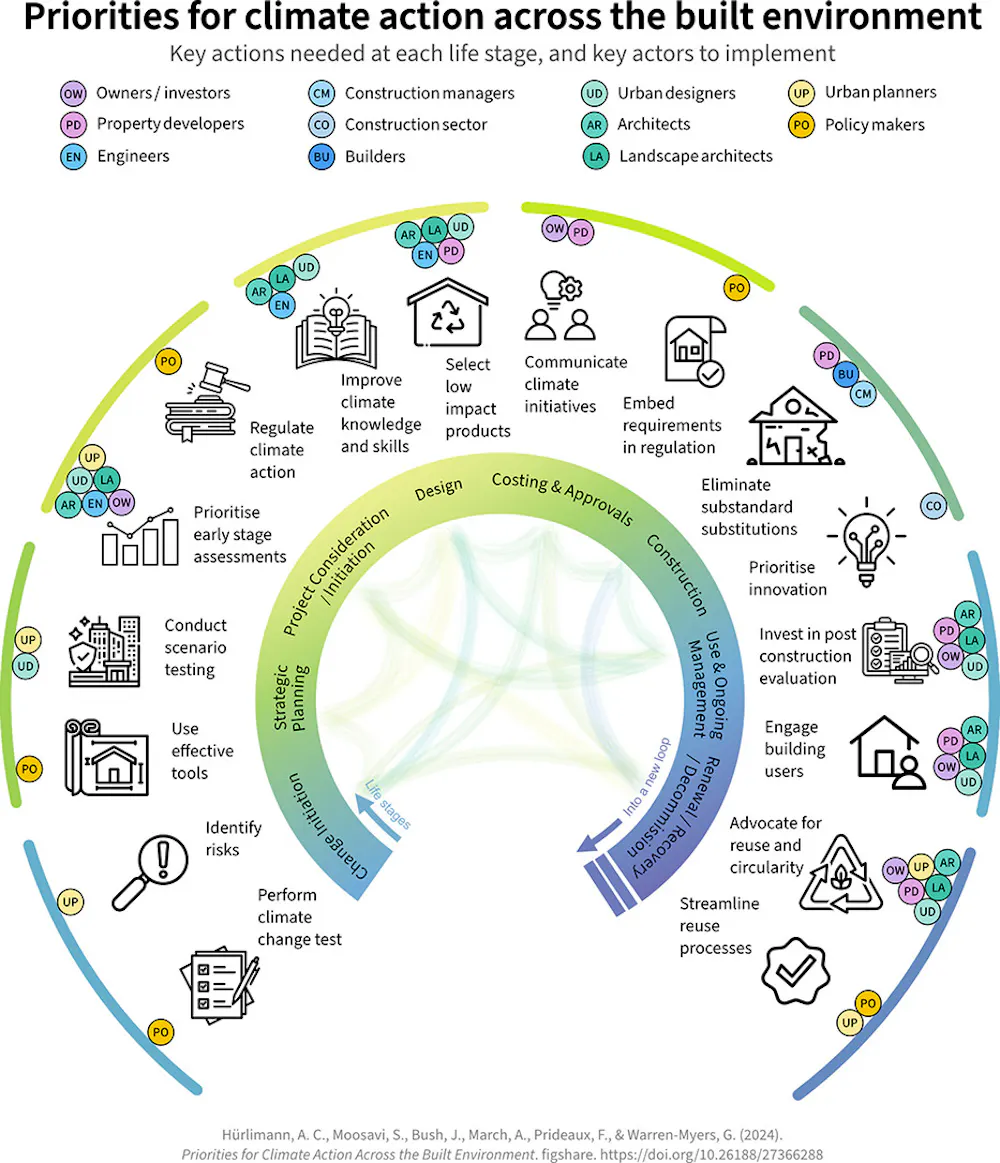
    Cities are heating up the planet – how they can do more to fight climate change
    Source: The Conversation (Au and NZ) – By Anna Hurlimann, Associate Professor in Urban Planning, The University of Melbourne Quality Stock Arts/Shutterstock Cities have a central role to play tackling climate change. They contribute 67–72% of the greenhouse gas emissions which are heating up the planet. At the same time, cities are increasingly at risk

    Tahiti prepares for its first Matari’i public holiday
    RNZ Te Manu Korihi Tahiti will mark Matari’i as a national public holiday for the first time in November, following in the footsteps of Matariki in Aotearoa New Zealand. Matari’i refers to the same star cluster as Matariki. And for Tahitians, November 20 will mark the start of Matari’i i ni’a — the “season of

    Scientists look to black holes to know exactly where we are in the Universe. But phones and wifi are blocking the view
    Source: The Conversation (Au and NZ) – By Lucia McCallum, Senior Scientist in Geodesy, University of Tasmania ESA / Hubble / L. Calçada (ESO), CC BY The scientists who precisely measure the position of Earth are in a bit of trouble. Their measurements are essential for the satellites we use for navigation, communication and Earth

    Could we live with a nuclear-armed Iran? Reluctantly, yes
    Source: The Conversation (Au and NZ) – By Benjamin Zala, Senior Lecturer, Politics & International Relations, Monash University As the ceasefire between Israel and Iran seems to be holding for now, it is important to reflect on whether this whole episode was worth the risks. Wider escalation was (and remains) possible, and we do not

    How to reform the NDIS and better support disabled people who don’t qualify for it
    Source: The Conversation (Au and NZ) – By Sam Bennett, Disability Program Director, Grattan Institute Australia is spending more than ever on disability services – and yet many people with disability still aren’t receiving the support they need. Since the National Disability Insurance Scheme (NDIS) began in 2013, it has transformed the lives of hundreds

    Mr Smith or Gary? Why some teachers ask students to call them by their first name
    Source: The Conversation (Au and NZ) – By Nicole Brownlie, Lecturer in Education, University of Southern Queensland Johnny Greig/ Getty Images When you went to school, did you call your teacher Mrs, Ms or Mr, followed by their surname? Perhaps you even called them Sir or Miss. The tradition of addressing teachers in a formal

    NZ cities are getting hotter: 5 things councils can do now to keep us cooler when summer comes
    Source: The Conversation (Au and NZ) – By Timothy Welch, Senior Lecturer in Urban Planning, University of Auckland, Waipapa Taumata Rau Getty Images Stand on any car park on a sunny day in February and the heat will radiate through your shoes. At 30°C air temperature, that asphalt hits 50–55°C – hot enough to cause

    Murdoch’s News Corp has moved into the mortgage business. Where are the regulators?
    Source: The Conversation (Au and NZ) – By Roberta Esbitt, Associate, RMIT University If you want to advertise a house online in Australia, you don’t have many options. Just two companies dominate the market. Australia’s largest property listings platform, realestate.com.au, belongs to digital media company REA Group, which is majority-owned by Rupert Murdoch’s US-based media

    Clark warns in new Pacific book renewed nuclear tensions pose ‘existential threat to humanity’
    Asia Pacific Report Former New Zealand prime minister Helen Clark has warned the country needs to maintain its nuclear-free policy as a “fundamental tenet” of its independent foreign policy in the face of gathering global storm clouds. Writing in a new book being published next week, she says “nuclear war is an existential threat to

    ‘Bridge for peace – not more bombs,’ say CNMI Gaza protesters
    By Bryan Manabat in Saipan Advocacy groups in the Commonwealth of the Northern Mariana Islands (CNMI) disrupted the US Department of Defense’s public meeting this week, which tackled proposed military training plans on Tinian, voicing strong opposition to further militarisation in the Marianas. Members of the Marianas for Palestine, Prutehi Guahan and Commonwealth670 burst into

    Why manufacturing consent for war with Iran failed this time
    COMMENTARY: By Ahmad Ibsais On June 22, American warplanes crossed into Iranian airspace and dropped 14 massive bombs. The attack was not in response to a provocation; it came on the heels of illegal Israeli aggression that took the lives of more than 600 Iranians. This was a return to something familiar and well-practised: an

    A return to Nature.
    Headline: A return to Nature. – 36th Parallel Assessments Thomas Hobbes wrote his seminal work Leviathan in 1651. In it he describes the world system as it was then as being in “a state of nature,” something that some have interpreted as anarchy. However, anarchy has order and purpose. It is not chaos. In fact,

    MIL OSI AnalysisEveningReport.nz

  • MIL-OSI Australia: All you need to know about assistance dogs

    Source: Northern Territory Police and Fire Services

    A veteran assistance dog at work.

    In brief

    • People may have an assistance dog for a range of reasons.
    • Depending on the type of assistance animal, there are different places they can and cannot go.
    • This story includes some things you might need to know about assistance dogs in Canberra.

    You may be familiar with guide dogs, but did you know people may have an assistance animal for a range of reasons?

    Dogs are the most common type of assistance animal. They may also be referred to as service dogs.

    This article looks at assistance dogs in the ACT, including things you may find helpful to know.

    Assistance dogs are allowed in all public places.

    Assistance dogs can accompany their owner in any public place in the ACT. This includes:

    • shopping centres and stores
    • cafes, restaurants and clubs
    • hospitals and nursing homes
    • public transport
    • taxis and rideshare vehicles
    • theatres, cinemas and other entertainment venues
    • schools, playgrounds and libraries
    • hotels and motels.

    They’re not allowed in some restricted places. These include commercial kitchens, operating theatres.

    Each airline has its own policy for assistance animals.

    People need assistance dogs for various reasons.

    Assistance dogs work for one person and one person only.

    They can help their person gain independence and confidence to participate more fully in all aspects of life.

    Dogs can provide support for people with disability and/or health conditions.

    It’s important to remember you may not be able to see why someone needs their assistance dog.

    A veteran assistance dog, for example, may provide life-changing support for someone with post-traumatic stress disorder (PTSD).

    There are different types of assistance dogs.

    Guide dogs support people with sight loss. They help them move around more safely.

    Hearing assistance dogs support people with hearing loss. They alert them to sounds and potential risk.

    Mobility assistance dogs help people with mobility issues. They support them with daily activities such as undressing, carrying things, and opening doors.

    Medical alert dogs are trained to constantly monitor their handler’s health condition. They alert them to an impending episode where their health would deteriorate quickly. The alert allows the person to take preventative action to avoid/limit the episode, or to make themselves safer and reduce the risk of injury during the episode. They may also be called:

    • seizure alert dogs
    • diabetic alert dogs
    • cardiac alert dogs
    • allergy alert dogs.

    Autism assistance dogs support people with autism. They can help in many ways, from reducing sensory overload to providing routine and stability.

    Dogs supporting people who have a mental health illness or disorder. These dogs can help reduce anxiety or distress. They support to people with conditions such as depression, anxiety or schizophrenia. They may also be called psychiatric service dogs.

    Therapy dog programs are designed to improve wellbeing. A person or organisation brings a therapy dog to visit a facility. While each dog will have a handler, it’s others who benefit most from its presence. Therapy dogs may visit:

    • hospitals and palliative care
    • aged care facilities and dementia wards
    • mental health facilities.

    Emotional support animals can be any type of animal. They can support people through mental and other medical illnesses. They haven’t been specially trained to alleviate conditions, though. This means that unlike assistance animals, they are not allowed in all public spaces.

    At ACT hospitals, for example, assistance animals can remain with patients during their stay. Emotional support animals may only visit.

    Read more about assistance animals in ACT public healthcare settings.

    The assistance dog-handler bond is extremely important.

    Based on trust and reliability, the relationship benefits both.

    It can provide comfort, security and a sense of independence for the handler. For the dog, it gives a sense of purpose and belonging.

    Note: a person with an assistance dog may be referred to as its owner, handler or partner.

    You should never distract an assistance dog.

    It’s not always easy to be sure a dog is an assistance dog. It’s best to assume they are and avoid calling or patting it.

    Interacting with an assistance dog can distract it. This can interfere with its work and training. It can also cause the handler delays, stress or embarrassment.

    Remember, the animal needs space to focus on its job: keeping their person safe.

    Dogs do not have to be registered as an assistance animal.

    Assistance dogs don’t need to be registered as such. People with an assistance dog do not have to carry an ID.

    The dog may wear an identifiable coat or harness, but this is optional. As such, it may not be immediately obvious that a dog is an assistance dog.

    Owners can register their assistance dog if they choose to.

    The ACT Assistance Animal Accreditation Framework is a voluntary registrations scheme.

    Owners can have their dog tested, accredited and registered as an assistance animal via the ACT Public Access Test.

    The test measures:

    • ability to assist
    • animal welfare
    • obedience and behaviour
    • dealing with distractions, like noise and food
    • handling public places and transport.

    Once the dog has passed the test, the handler receives an Accredited Assistance Animal card (ID card). This is valid for up to two years.

    The card can assure handlers, businesses and the community that the animal meets required standards of behaviour and hygiene.

    Dangerous dogs cannot be registered as assistance animals.

    It’s illegal to discriminate against someone with an assistance dog.

    It’s an offence to refuse someone with an assistance dog access to a public place.

    If someone is refused, they can lodge a complaint with Domestic Animal Services by:

    There are also penalties for falsely claiming a dog is an assistance dog.

    Find out more

    Different states and territories have their own rules and frameworks.

    You can read more about assistance animals in the ACT on the City Services website.

    Read more like this:


    Get ACT news and events delivered straight to your inbox, sign up to our email newsletter:


    MIL OSI News

  • MIL-OSI Australia: Reports

    Source: New places to play in Gungahlin

    Viewing reports

    You can access most pre-filled, pre-generated and on demand reports.

    To view reports available to you:

    • select Reports and forms then Reports
    • scroll to the relevant report type
      • Pre-filled reports for the financial year
      • Pre-generated reports
      • On demand reports 
    • select the relevant report from the list. For certain reports you may need to enter additional identifiers or use predictive search to generate and review the report.

    Pre-filled and pre-generated reports

    The reports provide current and historical information that’s regularly updated.

    The reports available are:

    More information about each report is available in the Help content within Online services for agents.

    On demand reports

    The on-demand reports can be generated as needed. The client information in the report will be current as at the time of request.

    ‘Download’ status will display when the report is available to be downloaded. Reports may not be available until the following day. The reports are available for 7 days from the request time. After 7 days have passed the report status will change to ‘Failed time out’ and the report will need to be re-ordered.

    The reports can be downloaded and filtered to suit your information needs.

    You can also watch our videos on:

    Client nominations report

    The client nominations report provides a list of pending client nominations relating to client-to-agent linking.

    Once this report has been requested, you’ll be able to download it in real-time.

    The report displays this information

    Heading

    Description

    Name

    Entity name

    ABN1

    Client identifier

    Expiry date

    Nomination expiry date

    Income tax lodgment status report (current year plus previous 3 years)

    When the report request has been successfully completed a download hyperlink will be displayed. You can filter the report by the following before downloading:

    • All clients
    • Not lodged
    • Lodged
    • Not necessary.
    The report displays this information

    Heading

    Description

    Tax file number

    Client identifier

    Client type

    Entity type, for example, company or superannuation fund

    Client name

    Entity name

    Substituted accounting period (SAP)

    The end month of the client’s reporting year, e.g. 31 December – Early Balancer, 31 August – Late Balancer

    Lodgment code

    Lodgment channel, e.g. digital, paper or blank if not lodged or lodgment isn’t required

    Current year status

    Lodgment status of the return, i.e. received, not received, return not necessary or lodgment status unavailable

    Due date

    Lodgment due date for the current year

    Flexible lodgment eligibility current year

    ‘Y’ if Disaster Support arrangements are applicable to the return

    Status for each of 3 previous years

    Lodgment status of each return

    Flexible lodgment eligibility for each of the 3 previous years

    ‘Y’ if Disaster Support arrangements apply to the return

    Last year lodged

    The last year an income tax lodgment was received.

    Outstanding activity statement report (current and previous 3 years)

    The Outstanding activity statement report:

    The report shows this information

    Heading

    Description

    Client name

    Entity name

    Client type

    Entity type, e.g. company or superannuation fund

    Australian business number

    Client identifier

    Client account number

    Activity statement account number

    Client account type

    Integrated client account or GST Joint Venture account

    Client account status

    Status of the account type, e.g. active

    RAN

    The registered agent number linked to the account

    TFN

    Tax file number

    WPN

    Withholder payer number if the entity isn’t eligible for an ABN and has PAYG withholding obligations

    Destination

    Client, Practice or No preferences set

    Delivery channel

    ECI (digital), Paper or myGov

    Activity statement frequency

    Annually, monthly or quarterly

    DIN

    The unique document identification number for the activity statement

    Status

    New or held

    Hold reason

    Reason activity statement has been held, if applicable.

    HDEF – deferred imports data

    HIAC – incorrect address code

    HOBG – obligation data error

    HREG – registration data error

    HUNT – untraceable

    Type

    Form type, e.g. annual GST return, business activity statement, quarterly PAYG instalment notice

    Name

    Form name, e.g. Form A, Form R

    PAYG and/or GST instalment amount

    ATO calculated instalment amount for forms R, S and T

    Period start date

    Start date of activity statement period

    Period end date

    End date of activity statement period

    Due date

    Legislative concessional or deferred lodgment due date of form

    Status

    Active or blank for each role type, i.e. for GST, PAYGI, FTC, FBT, DGST, WET, LCT

    Flexible lodgment eligibility

    ‘Y’ if Disaster Support arrangements are applicable to the form

    Account balance

    Activity statement account balance at the time of report request

    Payment reference number

    Unique payment reference number for the account type

    Email address

    Account email address

    Postal address

    Account postal address

    Reminder issue date

    Indicates the employer was issued a lodgment reminder for the activity statement and the date of issue.

    Treatment type (Finalised or Unfinalised)

    The action the ATO will take at the Expected Treatment Date if the activity statement remains outstanding.

    Finalised:

    • Amounts we have on record will be added to the client’s integrated account
    • The activity statement will be finalised in ATO systems and considered lodged.

    Unfinalised:

    • Amounts we have on record will be added to the client’s integrated account
    • The activity statement will remain outstanding. The client must lodge to complete their reporting obligation.

    Expected treatment date

    Proposed date treatment will be applied.

    ATO processed date

    Actual date treatment was applied. This will only appear when a treatment type has been applied and the activity statement remains outstanding (Treatment type = Unfinalised). Once an activity statement is finalised in ATO systems, it will no longer be displayed on this report.

    MIL OSI News

  • MIL-OSI Australia: Client reports

    Source: New places to play in Gungahlin

    You can view and download the following client reports:

    • Pre-filling reports – provides income and expense related information reported to us by various organisations
      • Reports for the 2009–25 financial years will be available to download via Browser view, CSV or HTML
      • For your clients with a compromised TFN, you can access pre-fill for the 2022–25 financial years
    • Pre-generated reports – provides historical and current information reports for your client, including  
      • Client account running balance
      • Year to date interest summary
      • Year to date revenue product summary
      • Family trust elections (FTE) and interposed entity elections (IEE) (tax agents)
      • PAYG instalments
      • STP – View income statements (tax agents)
      • Shares and units records (tax agents)
      • Reported transactions

    Reports can also be accessed from Reports and forms.

    To view:

    • select a client
    • select Lodgments then Client reports
    • at Pre-filled report select the relevant year or scroll to Pre-generated reports and select the relevant report.

    Reports can be viewed in your browser and downloaded in HTML, XML or CSV. You can download multiple reports at once by opening multiple windows and tabs.

    You can also view our View and print Single Touch Payroll income statement video.

    MIL OSI News

  • MIL-OSI Australia: Communication history

    Source: New places to play in Gungahlin

    What you can access

    The Communication history gives you access to view available digital correspondence we send to your clients on the following channels:

    Some communications cannot be sent digitally. These will continue to be sent by post and won’t be viewable in Communication history. We’ll continue to add more communication types to enhance this function further.

    Viewing communications history

    To view a client’s communication history, see Communication history – client summary.

    To view your communication history, from the agent home page:

    • select Communication then Communication history  
      • select or deselect All clients depending on the communications you want to view.
      • for up to 3 clients deselect All clients and type the client identifier.
      • if searching for multiple clients you can only use the same identifier type, TFN or ABN – you can use a combination of the identifier and name.
    • select Type  
    • select Time period using the drop-down menu – Last 24 hours; Last 7 days; Last 30 days; Last 5 years (client summary only); or Choose dates
    • select Channel
      • myGov
      • email
      • SMS
      • paper
      • agent digital
      • ATO online
      • ATO app
    • then Search – results will be displayed
    • select Download CSV – a new window will open with the search results as an Excel spreadsheet
    • select Print friendly version to print or save a copy.

    You can also watch our How to view client communication history video.

    Viewing and downloading statements

    You can view and download a digital activity statement notice for quarterly GST and PAYG instalments (forms R, S and T) for your clients who lodge activity statements electronically.

    To view and download a client’s digital activity statement notice from the agent home page:

    • select Communication then Communication history
    • select or deselect All Clients depending on what you want to view  
      • then select Activity statements box, and deselect Communications box
      • select the Time period and then Search – this’ll display the list of clients and their Digital Activity Statement Notice.

    Paper delivery preference

    If your client’s registered delivery preference is paper, we’ll continue to send paper instalment notices. We don’t change their delivery preferences from paper to electronic unless you have lodged electronically.

    MIL OSI News

  • MIL-OSI Australia: VET pathways leading employment growth

    Source: Jobs and Skills Australia

    VET pathways leading employment growth

    Hayden


    News and updates
    The March 2025 Labour Market Update shows that over the past year, employment growth has been strongest in jobs that typically require post-secondary qualifications.

    MIL OSI News

  • MIL-OSI Global: Earth is trapping much more heat than climate models forecast – and the rate has doubled in 20 years

    Source: The Conversation – Global Perspectives – By Steven Sherwood, Professor of Atmospheric Sciences, Climate Change Research Centre, UNSW Sydney

    NASA, CC BY-NC-ND

    How do you measure climate change? One way is by recording temperatures in different places over a long period of time. While this works well, natural variation can make it harder to see longer-term trends.

    But another approach can give us a very clear sense of what’s going on: track how much heat enters Earth’s atmosphere and how much heat leaves. This is Earth’s energy budget, and it’s now well and truly out of balance.

    Our recent research found this imbalance has more than doubled over the last 20 years. Other researchers have come to the same conclusions. This imbalance is now substantially more than climate models have suggested.

    In the mid-2000s, the energy imbalance was about 0.6 watts per square metre (W/m2) on average. In recent years, the average was about 1.3 W/m2. This means the rate at which energy is accumulating near the planet’s surface has doubled.

    These findings suggest climate change might well accelerate in the coming years. Worse still, this worrying imbalance is emerging even as funding uncertainty in the United States threatens our ability to track the flows of heat.

    Energy in, energy out

    Earth’s energy budget functions a bit like your bank account, where money comes in and money goes out. If you reduce your spending, you’ll build up cash in your account. Here, energy is the currency.

    Life on Earth depends on a balance between heat coming in from the Sun and heat leaving. This balance is tipping to one side.

    Solar energy hits Earth and warms it. The atmosphere’s heat-trapping greenhouse gases keep some of this energy.

    But the burning of coal, oil and gas has now added more than two trillion tonnes of carbon dioxide and other greenhouse gases to the atmosphere. These trap more and more heat, preventing it from leaving.

    Some of this extra heat is warming the land or melting sea ice, glaciers and ice sheets. But this is a tiny fraction. Fully 90% has gone into the oceans due to their huge heat capacity.

    Earth naturally sheds heat in several ways. One way is by reflecting incoming heat off of clouds, snow and ice and back out to space. Infrared radiation is also emitted back to space.

    From the beginning of human civilisation up until just a century ago, the average surface temperature was about 14°C. The accumulating energy imbalance has now pushed average temperatures 1.3-1.5°C higher.

    Ice and reflective clouds reflect heat back to space. As the Earth heats up, most trapped heat goes into the oceans but some melts ice and heats the land and air. Pictured: Icebergs from the Jacobshavn glacier in Greenland, the largest outside Antarctica.
    Ashley Cooper/Getty

    Tracking faster than the models

    Scientists keep track of the energy budget in two ways.

    First, we can directly measure the heat coming from the Sun and going back out to space, using the sensitive radiometers on monitoring satellites. This dataset and its predecessors date back to the late 1980s.

    Second, we can accurately track the build-up of heat in the oceans and atmosphere by taking temperature readings. Thousands of robotic floats have monitored temperatures in the world’s oceans since the 1990s.

    Both methods show the energy imbalance has grown rapidly.

    The doubling of the energy imbalance has come as a shock, because the sophisticated climate models we use largely didn’t predict such a large and rapid change.

    Typically, the models forecast less than half of the change we’re seeing in the real world.

    Why has it changed so fast?

    We don’t yet have a full explanation. But new research suggests changes in clouds is a big factor.

    Clouds have a cooling effect overall. But the area covered by highly reflective white clouds has shrunk, while the area of jumbled, less reflective clouds has grown.

    It isn’t clear why the clouds are changing. One possible factor could be the consequences of successful efforts to reduce sulfur in shipping fuel from 2020, as burning the dirtier fuel may have had a brightening effect on clouds. However, the accelerating energy budget imbalance began before this change.

    Natural fluctuations in the climate system such as the Pacific Decadal Oscillation might also be playing a role. Finally – and most worryingly – the cloud changes might be part of a trend caused by global warming itself, that is, a positive feedback on climate change.

    Dense blankets of white clouds reflect the most heat. But the area covered by these clouds is shrinking.
    Adhivaswut/Shutterstock

    What does this mean?

    These findings suggest recent extremely hot years are not one-offs but may reflect a strengthening of warming over the coming decade or longer.

    This will mean a higher chance of more intense climate impacts from searing heatwaves, droughts and extreme rains on land, and more intense and long lasting marine heatwaves.

    This imbalance may lead to worse longer-term consequences. New research shows the only climate models coming close to simulating real world measurements are those with a higher “climate sensitivity”. That means these models predict more severe warming beyond the next few decades in scenarios where emissions are not rapidly reduced.

    We don’t know yet whether other factors are at play, however. It’s still too early to definitively say we are on a high-sensitivity trajectory.

    Our eyes in the sky

    We’ve known the solution for a long time: stop the routine burning of fossil fuels and phase out human activities causing emissions such as deforestation.

    Keeping accurate records over long periods of time is essential if we are to spot unexpected changes.

    Satellites, in particular, are our advance warning system, telling us about heat storage changes roughly a decade before other methods.

    But funding cuts and drastic priority shifts in the United States may threaten essential satellite climate monitoring.

    Steven Sherwood receives funding from the Australian Research Council and the Mindaroo Foundation.

    Benoit Meyssignac receives funding from the European Commission, the European Space Agency and the French National Space Agency.

    Thorsten Mauritsen receives funding from the European Research Council, the European Space Agency, the Swedish Research Council, the Swedish National Space Agency and the Bolin Centre for Climate Research.

    ref. Earth is trapping much more heat than climate models forecast – and the rate has doubled in 20 years – https://theconversation.com/earth-is-trapping-much-more-heat-than-climate-models-forecast-and-the-rate-has-doubled-in-20-years-258822

    MIL OSI – Global Reports

  • MIL-OSI Global: Mr Smith or Gary? Why some teachers ask students to call them by their first name

    Source: The Conversation – Global Perspectives – By Nicole Brownlie, Lecturer in Education, University of Southern Queensland

    Johnny Greig/ Getty Images

    When you went to school, did you call your teacher Mrs, Ms or Mr, followed by their surname? Perhaps you even called them Sir or Miss.

    The tradition of addressing teachers in a formal manner goes back centuries. For many of us, calling a teacher by their first name would have been unthinkable.

    But that’s not automatically the case anymore. Some teachers in mainstream schools now ask students to call them by their first name.

    Why is this? And what impact can teachers’ names have in the classroom?

    There’s no rule

    There’s no official rule in Australia on what students should call teachers.
    Naming is usually decided by schools or individual teachers. This is no official training on this topic before teachers start in classrooms.

    Some primary school teachers now use first names or a less formal name such as “Mr D”. Teachers say this helps break down barriers, especially for young students or those who are learning English as an additional language.

    High schools are more likely to stick with tradition, partly to maintain structure and boundaries, especially with teenagers. Using formal titles can also support early-career teachers or those from minority
    backgrounds
    assert their authority in a classroom.

    But even so, some high school teachers are using their first names to foster a sense of trust and encourage students to see them as a partner in learning, rather than simply an authority figure.

    What does the research say?

    Research – which is mainly from the United States – suggests names have an impact on how students perceive their teachers and feel about school.

    In one study of US high school students, teenagers described teachers they addressed with formal titles as more distant and harder to connect with. Teachers who invited students to use their first name were seen as more supportive, approachable and trustworthy.

    A secondary school principal in the state of Maryland reported students felt more included and respected when they could use teachers’ first names. It made classrooms feel less hierarchical and more collaborative.

    A 2020 US study on teaching students doing practical placements found those who used their first name observed greater student engagement than those who did not. This came as a surprise to the student teachers who expected students would not respect them if they used their first names.

    These findings don’t necessarily mean titles are bad. Rather, they show first names can support stronger teacher-student relationships.

    It’s important to note society in general has become less formal in recent decades in terms of how we address and refer to each other.

    So, what should students call their teachers?

    What works in one school, or even one classroom, may not work in another.

    For example, for Indigenous students or students from non-English speaking households, name practices that show cultural respect and mutual choice can be vital. They help create a sense of safety and inclusion.

    But for other teachers, being called by their title may be a key part of their professional persona.

    That’s why it’s important for naming decisions to be thoughtful and based on the needs of the teacher, students and broader school community.

    The key is to treat naming as part of the broader relationship, not just a habit or automatic tradition. Whether students say “Mrs Lee” or “Jess” matters less than whether they feel safe, respected and included. It’s about the tone and relationship behind the name, not simply what someone is called.

    Nicole Brownlie does not work for, consult, own shares in or receive funding from any company or organisation that would benefit from this article, and has disclosed no relevant affiliations beyond their academic appointment.

    ref. Mr Smith or Gary? Why some teachers ask students to call them by their first name – https://theconversation.com/mr-smith-or-gary-why-some-teachers-ask-students-to-call-them-by-their-first-name-259790

    MIL OSI – Global Reports

  • MIL-OSI Global: RFK Junior is stoking fears about vaccine safety. Here’s why he’s wrong – and the impact it could have

    Source: The Conversation – Global Perspectives – By Julie Leask, Professor, School of Public Health, University of Sydney

    The United States used to be a leader in vaccine research, development and policymaking. Now US Secretary of Health Robert F. Kennedy Jr is undermining the country’s vaccine program at the highest level and supercharging vaccine skepticism.

    Two weeks ago, RFK Jr sacked the entire Advisory Committee on Immunization Practices responsible for reviewing the latest scientific evidence on vaccines. RFK Jr alleged conflicts of interest and hand-picked a replacement panel.

    On Wednesday, RFK Jr announced the US would stop funding the global vaccine alliance, Gavi, because he claimed that “when the science was inconvenient today, Gavi ignored the science”. RFK Jr questioned the safety of COVID vaccines for pregnant women, as well as the diphtheria, tetanus and pertussis vaccine.

    On Thursday, when the new Advisory Committee on Immunization Practices met, the person who first drew RFK Jr into vaccine scepticism, Lyn Redwood, shared disproved claims about a chemical called thimerosal in flu vaccines being harmful.

    The undermining of regulation, advisory processes and funding changes will have global impacts, as debunked claims are given new levels of apparent legitimacy. Some of these impacts will be slow and insidious.

    So what should we make of these latest claims and funding cuts?

    Thiomersal is a distraction

    Thiomersal (thimerosal in the the US) is a safe and effective preservative that prevents bacterial and fungal contamination of the vaccine contained in a multi-dose vial. It’s a salt that contains a tiny amount of mercury in a safe form.

    Thiomersal is no longer used as a preservative in any vaccines routinely given in Australia. But it’s still used in the Q fever vaccine.

    Other countries use multi-dose vials with thiomersal when single-dose vials are too expensive.

    In the US, just 4% of adult influenza vaccines contain thiomersal. So focusing on removing vaccines containing thimerosal is a distraction for the committee.

    COVID vaccines in pregnancy prevent severe illness

    On Wednesday, RFK criticised Gavi’s encouragement of pregnant women to receive COVID-19 vaccines.

    A COVID-19 infection before and during pregnancy can increase the risk of miscarriage two- to four-fold, even if it’s only a mild infection.

    Conversely, there is good evidence vaccination during pregnancy is safe and can reduce the chance of hospitalisation of pregnant people and of infants by passing antibodies through the placenta.

    In Australia, pregnant people who have never received a primary COVID-19 vaccine are recommended to have one. However, they are not generally recommended to have booster unless they have underlying risk conditions or prefer to have one. This is due to population immunity.

    COVID-19 vaccine advice should adapt to changes in disease risk and vaccine benefit. It doesn’t mean previous decisions were wrong, nor that vaccine boosters are unsafe.

    RFK’s criticism of COVID-19 vaccines in pregnancy may influence choices individuals make in other countries, even when unvaccinated pregnant women are encouraged to consider vaccination.

    The diphtheria, tetanus and pertussis vaccine is safe

    RFK Jr also questioned the safety of the combined diphtheria, tetanus and pertussis (DTP) vaccine as he announced the withdrawal of US funding support for Gavi.

    In the early 2000s, three community-based observational studies reported a possible association between increased chance of death in infants and use of the DTP vaccine.

    A few subsequent studies also reported associations, with higher risk in girls, prompting a World Health Organization (WHO) review of safety.

    Real world studies are complicated and the data can be difficult to interpret correctly. Often, the very factors that influence whether someone gets vaccinated can also be associated with other health risks.

    When the WHO committee reviewed all the studies on DTP safety in 2014, it did not indicate serious adverse events. It concluded there was substantial evidence against these claims.

    What will de-funding Gavi mean for vaccination rates?

    Gavi, the vaccine alliance, supports vaccine purchasing in low-income countries.

    The US has historically accounted for 13% of all donor funds.

    However, RFK Jr said Gavi needed to re-earn the public trust and “consider the best science available” before the US would contribute funding again.

    Gavi predicted in March that the impact of US funding cuts could result in one million deaths through missed vaccines.

    Could something like this happen in Australia?

    Australia is fortunate to be buffered from these impacts.

    Our vaccine advisory body, the Australian Technical Advisory Group on Immunisation, has people with deep expertise in vaccination. We have robust decision processes that weigh evidence critically and make careful recommendations to government.

    Our governments remain committed to vaccination. The federal government released the National Immunisation Strategy in mid-June with a comprehensive plan to continue to strengthen our program.

    The federal government also announced A$386 million to support the work of Gavi from 2026 to 2030.

    All of this keeps our vaccine policies strong, preventing disease and increasing life expectancy here and overseas.

    But to mitigate the possible influence of the US in Australia, our governments, health professionals and the public need to be ready to rapidly tackle the misinformation, distortions and half-truths RFK Jr cleverly packages – with quality information.

    Julie Leask receives research funding from NHMRC, WHO, US CDC, NSW Ministry of Health. She received funding from Sanofi for travel to an overseas meeting in 2024. She has consulting fees from RTI International and the Task Force for Global Health.

    Catherine Bennett has received honoraria for contributing to independent advisory panels for Moderna and AstraZeneca, and has received NHMRC, VicHealth and MRFF funding for unrelated projects. She was the health lead on the Independent Inquiry into the Australian Government COVID-19 Response .

    ref. RFK Junior is stoking fears about vaccine safety. Here’s why he’s wrong – and the impact it could have – https://theconversation.com/rfk-junior-is-stoking-fears-about-vaccine-safety-heres-why-hes-wrong-and-the-impact-it-could-have-259986

    MIL OSI – Global Reports

  • MIL-OSI Global: RFK Junior is stoking fears about vaccine safety. Here’s why he’s wrong – and the impact it could have

    Source: The Conversation – Global Perspectives – By Julie Leask, Professor, School of Public Health, University of Sydney

    The United States used to be a leader in vaccine research, development and policymaking. Now US Secretary of Health Robert F. Kennedy Jr is undermining the country’s vaccine program at the highest level and supercharging vaccine skepticism.

    Two weeks ago, RFK Jr sacked the entire Advisory Committee on Immunization Practices responsible for reviewing the latest scientific evidence on vaccines. RFK Jr alleged conflicts of interest and hand-picked a replacement panel.

    On Wednesday, RFK Jr announced the US would stop funding the global vaccine alliance, Gavi, because he claimed that “when the science was inconvenient today, Gavi ignored the science”. RFK Jr questioned the safety of COVID vaccines for pregnant women, as well as the diphtheria, tetanus and pertussis vaccine.

    On Thursday, when the new Advisory Committee on Immunization Practices met, the person who first drew RFK Jr into vaccine scepticism, Lyn Redwood, shared disproved claims about a chemical called thimerosal in flu vaccines being harmful.

    The undermining of regulation, advisory processes and funding changes will have global impacts, as debunked claims are given new levels of apparent legitimacy. Some of these impacts will be slow and insidious.

    So what should we make of these latest claims and funding cuts?

    Thiomersal is a distraction

    Thiomersal (thimerosal in the the US) is a safe and effective preservative that prevents bacterial and fungal contamination of the vaccine contained in a multi-dose vial. It’s a salt that contains a tiny amount of mercury in a safe form.

    Thiomersal is no longer used as a preservative in any vaccines routinely given in Australia. But it’s still used in the Q fever vaccine.

    Other countries use multi-dose vials with thiomersal when single-dose vials are too expensive.

    In the US, just 4% of adult influenza vaccines contain thiomersal. So focusing on removing vaccines containing thimerosal is a distraction for the committee.

    COVID vaccines in pregnancy prevent severe illness

    On Wednesday, RFK criticised Gavi’s encouragement of pregnant women to receive COVID-19 vaccines.

    A COVID-19 infection before and during pregnancy can increase the risk of miscarriage two- to four-fold, even if it’s only a mild infection.

    Conversely, there is good evidence vaccination during pregnancy is safe and can reduce the chance of hospitalisation of pregnant people and of infants by passing antibodies through the placenta.

    In Australia, pregnant people who have never received a primary COVID-19 vaccine are recommended to have one. However, they are not generally recommended to have booster unless they have underlying risk conditions or prefer to have one. This is due to population immunity.

    COVID-19 vaccine advice should adapt to changes in disease risk and vaccine benefit. It doesn’t mean previous decisions were wrong, nor that vaccine boosters are unsafe.

    RFK’s criticism of COVID-19 vaccines in pregnancy may influence choices individuals make in other countries, even when unvaccinated pregnant women are encouraged to consider vaccination.

    The diphtheria, tetanus and pertussis vaccine is safe

    RFK Jr also questioned the safety of the combined diphtheria, tetanus and pertussis (DTP) vaccine as he announced the withdrawal of US funding support for Gavi.

    In the early 2000s, three community-based observational studies reported a possible association between increased chance of death in infants and use of the DTP vaccine.

    A few subsequent studies also reported associations, with higher risk in girls, prompting a World Health Organization (WHO) review of safety.

    Real world studies are complicated and the data can be difficult to interpret correctly. Often, the very factors that influence whether someone gets vaccinated can also be associated with other health risks.

    When the WHO committee reviewed all the studies on DTP safety in 2014, it did not indicate serious adverse events. It concluded there was substantial evidence against these claims.

    What will de-funding Gavi mean for vaccination rates?

    Gavi, the vaccine alliance, supports vaccine purchasing in low-income countries.

    The US has historically accounted for 13% of all donor funds.

    However, RFK Jr said Gavi needed to re-earn the public trust and “consider the best science available” before the US would contribute funding again.

    Gavi predicted in March that the impact of US funding cuts could result in one million deaths through missed vaccines.

    Could something like this happen in Australia?

    Australia is fortunate to be buffered from these impacts.

    Our vaccine advisory body, the Australian Technical Advisory Group on Immunisation, has people with deep expertise in vaccination. We have robust decision processes that weigh evidence critically and make careful recommendations to government.

    Our governments remain committed to vaccination. The federal government released the National Immunisation Strategy in mid-June with a comprehensive plan to continue to strengthen our program.

    The federal government also announced A$386 million to support the work of Gavi from 2026 to 2030.

    All of this keeps our vaccine policies strong, preventing disease and increasing life expectancy here and overseas.

    But to mitigate the possible influence of the US in Australia, our governments, health professionals and the public need to be ready to rapidly tackle the misinformation, distortions and half-truths RFK Jr cleverly packages – with quality information.

    Julie Leask receives research funding from NHMRC, WHO, US CDC, NSW Ministry of Health. She received funding from Sanofi for travel to an overseas meeting in 2024. She has consulting fees from RTI International and the Task Force for Global Health.

    Catherine Bennett has received honoraria for contributing to independent advisory panels for Moderna and AstraZeneca, and has received NHMRC, VicHealth and MRFF funding for unrelated projects. She was the health lead on the Independent Inquiry into the Australian Government COVID-19 Response .

    ref. RFK Junior is stoking fears about vaccine safety. Here’s why he’s wrong – and the impact it could have – https://theconversation.com/rfk-junior-is-stoking-fears-about-vaccine-safety-heres-why-hes-wrong-and-the-impact-it-could-have-259986

    MIL OSI – Global Reports

  • MIL-OSI Global: Could we live with a nuclear-armed Iran? Reluctantly, yes

    Source: The Conversation – Global Perspectives – By Benjamin Zala, Senior Lecturer, Politics & International Relations, Monash University

    As the ceasefire between Israel and Iran seems to be holding for now, it is important to reflect on whether this whole episode was worth the risks.

    Wider escalation was (and remains) possible, and we do not know whether Iran will seek a nuclear weapon with renewed vigour in the future.

    So, could we live with a nuclear-armed Iran, if it does indeed continue to pursue a bomb?

    Is an Iranian bomb an existential threat?

    The conventional wisdom, at least in the Western world, is that an Iranian nuclear weapon would pose an existential threat to Israel, and possibly the United States as well.

    Israeli Prime Minister Benjamin Netanyahu said his country’s strikes on Iran’s nuclear facilities were aimed at rolling back “the Iranian threat to Israel’s very survival”.

    White House press secretary Karoline Leavitt described an Iranian bomb as “an existential threat, not just to Israel, but to the United States, and to the entire world”.

    The same mantra has been repeated by leaders in Europe, at the G7 meeting, and in Australia.

    Iran, of course, did not yet possess a nuclear weapon when the strikes occurred, as the UN nuclear watchdog attested. The strikes were aimed at preventing Iran from being able to do so in the future – a prospect seen by Israel and the US as simply “unthinkable”.

    But if Iran had built a nuclear weapon before the Israeli and US strikes – or manages to do so in the future – would this pose an existential threat to Israel or the US?

    The answer is no. And for a very simple reason: nuclear deterrence works.

    Why deterrence works

    If Iran had a monopoly on nuclear weapons, it would be different. But it does not.

    Israel has maintained a robust nuclear arsenal for more than half a century. Every authoritative assessment of global nuclear weapons stockpiles includes Israel’s roughly 90 nuclear warheads.

    The Israeli government officially neither confirms nor denies the existence of its nuclear arsenal. But thanks to leaks from inside the Israeli nuclear program – as well as the best assessments from around the world – we can be quite sure they exist. It also explains why Israel has never signed the Nuclear Non-proliferation Treaty – it can’t without giving up this stockpile.

    The US, of course, has been nuclear-armed since 1945 and openly maintains an inventory of thousands of nuclear warheads. These provide a deterrent against nuclear attacks on the United States.

    Washington also provides extended nuclear deterrence guarantees to over 30 states, including members of NATO, Japan, South Korea and Australia. It does not need to provide this for Israel given the Israeli arsenal. But if there was ever any doubt about Israel’s stockpile, it certainly could.

    After 80 years of living with nuclear weapons, we know the deterrent effect of assured nuclear retaliation is very powerful. It deterred both the Soviets and Americans from using nuclear weapons against each other through multiple Cold War crises. It has deterred both India and Pakistan from using them in multiple standoffs, including quite recently. It has deterred both North Korea and the US from striking each other.

    Similarly, Iran would no doubt be deterred from using a nuclear weapon by a certain Israeli or American response.

    Iranian leaders have called for the destruction of Israel, and the chants of “death to Israel” and “death to America” are a common occurrence at rallies held by supporters of the regime.

    But beneath the fiery rhetoric lies a truism: no Iranian leader would destroy Israel with a nuclear weapon if it came at the expense of the destruction of Iran.

    In the history of the nation-state, not a single one has ever knowingly committed suicide. Not for any reason – ideological, religious, political or any other. All nations value survival over everything else because this allows for the achievement of other goals, such as power and prosperity.

    Further, Iran is ruled by a brutally authoritarian, theocratic regime. And for authoritarian regimes, staying in power is the number one priority. There is no staying in power the day after a nuclear exchange.

    Not a panacea

    This does not mean an Iranian nuclear weapon would be a welcome development. Far from it.

    Every new nuclear-armed state provides another opportunity for miscalculation or accident. It adds extra stress to an already fragile non-proliferation regime.

    In addition, nuclear deterrence is not just and can be considered ethically questionable. It may not even be sustainable over the longer term.

    There is no doubt the existence of over 12,000 nuclear weapons globally poses a potentially existential risk to all of humanity.

    But the idea that a nuclear-armed Iran would pose a unique risk to Israel or the United States simply does not stand up to scrutiny. If we can live with a nuclear-armed North Korea, nuclear-armed Pakistan, and for that matter, a nuclear-armed Israel, we can live, however reluctantly, with a nuclear-armed Iran.

    Regardless of whether the current proposed ceasefire between Israel and Iran holds, the military operation initiated by Israel and bolstered by the United States was extremely dangerous and unnecessary, based on both countries’ justification.

    The regime in Tehran is brutal, authoritarian, openly antisemitic and worthy of our disdain. But there is no evidence it is suicidal.

    The claim an Iranian nuclear bomb would pose an existential threat to Israel or the United States and justifies unilateral, preventive military attacks makes no sense.

    It is time to stop repeating it.

    Benjamin Zala has received funding from the Stanton Foundation, a US philanthropic group that funds nuclear research. He is an honorary fellow at the University of Leicester on a project that is funded by the European Research Council.

    ref. Could we live with a nuclear-armed Iran? Reluctantly, yes – https://theconversation.com/could-we-live-with-a-nuclear-armed-iran-reluctantly-yes-259905

    MIL OSI – Global Reports

  • MIL-OSI Global: Could we live with a nuclear-armed Iran? Reluctantly, yes

    Source: The Conversation – Global Perspectives – By Benjamin Zala, Senior Lecturer, Politics & International Relations, Monash University

    As the ceasefire between Israel and Iran seems to be holding for now, it is important to reflect on whether this whole episode was worth the risks.

    Wider escalation was (and remains) possible, and we do not know whether Iran will seek a nuclear weapon with renewed vigour in the future.

    So, could we live with a nuclear-armed Iran, if it does indeed continue to pursue a bomb?

    Is an Iranian bomb an existential threat?

    The conventional wisdom, at least in the Western world, is that an Iranian nuclear weapon would pose an existential threat to Israel, and possibly the United States as well.

    Israeli Prime Minister Benjamin Netanyahu said his country’s strikes on Iran’s nuclear facilities were aimed at rolling back “the Iranian threat to Israel’s very survival”.

    White House press secretary Karoline Leavitt described an Iranian bomb as “an existential threat, not just to Israel, but to the United States, and to the entire world”.

    The same mantra has been repeated by leaders in Europe, at the G7 meeting, and in Australia.

    Iran, of course, did not yet possess a nuclear weapon when the strikes occurred, as the UN nuclear watchdog attested. The strikes were aimed at preventing Iran from being able to do so in the future – a prospect seen by Israel and the US as simply “unthinkable”.

    But if Iran had built a nuclear weapon before the Israeli and US strikes – or manages to do so in the future – would this pose an existential threat to Israel or the US?

    The answer is no. And for a very simple reason: nuclear deterrence works.

    Why deterrence works

    If Iran had a monopoly on nuclear weapons, it would be different. But it does not.

    Israel has maintained a robust nuclear arsenal for more than half a century. Every authoritative assessment of global nuclear weapons stockpiles includes Israel’s roughly 90 nuclear warheads.

    The Israeli government officially neither confirms nor denies the existence of its nuclear arsenal. But thanks to leaks from inside the Israeli nuclear program – as well as the best assessments from around the world – we can be quite sure they exist. It also explains why Israel has never signed the Nuclear Non-proliferation Treaty – it can’t without giving up this stockpile.

    The US, of course, has been nuclear-armed since 1945 and openly maintains an inventory of thousands of nuclear warheads. These provide a deterrent against nuclear attacks on the United States.

    Washington also provides extended nuclear deterrence guarantees to over 30 states, including members of NATO, Japan, South Korea and Australia. It does not need to provide this for Israel given the Israeli arsenal. But if there was ever any doubt about Israel’s stockpile, it certainly could.

    After 80 years of living with nuclear weapons, we know the deterrent effect of assured nuclear retaliation is very powerful. It deterred both the Soviets and Americans from using nuclear weapons against each other through multiple Cold War crises. It has deterred both India and Pakistan from using them in multiple standoffs, including quite recently. It has deterred both North Korea and the US from striking each other.

    Similarly, Iran would no doubt be deterred from using a nuclear weapon by a certain Israeli or American response.

    Iranian leaders have called for the destruction of Israel, and the chants of “death to Israel” and “death to America” are a common occurrence at rallies held by supporters of the regime.

    But beneath the fiery rhetoric lies a truism: no Iranian leader would destroy Israel with a nuclear weapon if it came at the expense of the destruction of Iran.

    In the history of the nation-state, not a single one has ever knowingly committed suicide. Not for any reason – ideological, religious, political or any other. All nations value survival over everything else because this allows for the achievement of other goals, such as power and prosperity.

    Further, Iran is ruled by a brutally authoritarian, theocratic regime. And for authoritarian regimes, staying in power is the number one priority. There is no staying in power the day after a nuclear exchange.

    Not a panacea

    This does not mean an Iranian nuclear weapon would be a welcome development. Far from it.

    Every new nuclear-armed state provides another opportunity for miscalculation or accident. It adds extra stress to an already fragile non-proliferation regime.

    In addition, nuclear deterrence is not just and can be considered ethically questionable. It may not even be sustainable over the longer term.

    There is no doubt the existence of over 12,000 nuclear weapons globally poses a potentially existential risk to all of humanity.

    But the idea that a nuclear-armed Iran would pose a unique risk to Israel or the United States simply does not stand up to scrutiny. If we can live with a nuclear-armed North Korea, nuclear-armed Pakistan, and for that matter, a nuclear-armed Israel, we can live, however reluctantly, with a nuclear-armed Iran.

    Regardless of whether the current proposed ceasefire between Israel and Iran holds, the military operation initiated by Israel and bolstered by the United States was extremely dangerous and unnecessary, based on both countries’ justification.

    The regime in Tehran is brutal, authoritarian, openly antisemitic and worthy of our disdain. But there is no evidence it is suicidal.

    The claim an Iranian nuclear bomb would pose an existential threat to Israel or the United States and justifies unilateral, preventive military attacks makes no sense.

    It is time to stop repeating it.

    Benjamin Zala has received funding from the Stanton Foundation, a US philanthropic group that funds nuclear research. He is an honorary fellow at the University of Leicester on a project that is funded by the European Research Council.

    ref. Could we live with a nuclear-armed Iran? Reluctantly, yes – https://theconversation.com/could-we-live-with-a-nuclear-armed-iran-reluctantly-yes-259905

    MIL OSI – Global Reports

  • MIL-OSI Global: Scientists look to black holes to know exactly where we are in the Universe. But phones and wifi are blocking the view

    Source: The Conversation – Global Perspectives – By Lucia McCallum, Senior Scientist in Geodesy, University of Tasmania

    ESA / Hubble / L. Calçada (ESO), CC BY

    The scientists who precisely measure the position of Earth are in a bit of trouble. Their measurements are essential for the satellites we use for navigation, communication and Earth observation every day.

    But you might be surprised to learn that making these measurements – using the science of geodesy – depends on tracking the locations of black holes in distant galaxies.

    The problem is, the scientists need to use specific frequency lanes on the radio spectrum highway to track those black holes.

    And with the rise of wifi, mobile phones and satellite internet, travel on that highway is starting to look like a traffic jam.

    Why we need black holes

    Satellites and the services they provide have become essential for modern life. From precision navigation in our pockets to measuring climate change, running global supply chains and making power grids and online banking possible, our civilisation cannot function without its orbiting companions.

    To use satellites, we need to know exactly where they are at any given time. Precise satellite positioning relies on the so-called “global geodesy supply chain”.

    This supply chain starts by establishing a reliable reference frame as a basis for all other measurements. Because satellites are constantly moving around Earth, Earth is constantly moving around the Sun, and the Sun is constantly moving through the galaxy, this reference frame needs to be carefully calibrated via some relatively fixed external objects.

    As it turns out, the best anchor points for the system are the black holes at the hearts of distant galaxies, which spew out streams of radiation as they devour stars and gas.

    These black holes are the most distant and stable objects we know. Using a technique called very long baseline interferometry, we can use a network of radio telescopes to lock onto the black hole signals and disentangle Earth’s own rotation and wobble in space from the satellites’ movement.

    Different lanes on the radio highway

    We use radio telescopes because we want to detect the radio waves coming from the black holes. Radio waves pass cleanly through the atmosphere and we can receive them during day and night and in all weather conditions.

    Radio waves are also used for communication on Earth – including things such as wifi and mobile phones. The use of different radio frequencies – different lanes on the radio highway – is closely regulated, and a few narrow lanes are reserved for radio astronomy.

    However, in previous decades the radio highway had relatively little traffic. Scientists commonly strayed from the radio astronomy lanes to receive the black hole signals.

    To reach the very high precision needed for modern technology, geodesy today relies on more than just the lanes exclusively reserved for astronomy.

    Radio traffic on the rise

    In recent years, human-made electromagnetic pollution has vastly increased. When wifi and mobile phone services emerged, scientists reacted by moving to higher frequencies.

    However, they are running out of lanes. Six generations of mobile phone services (each occupying a new lane) are crowding the spectrum, not to mention internet connections directly sent by a fleet of thousands of satellites.

    Today, the multitude of signals are often too strong for geodetic observatories to see through them to the very weak signals emitted by black holes. This puts many satellite services at risk.

    What can be done?

    To keep working into the future – to maintain the services on which we all depend – geodesy needs some more lanes on the radio highway. When the spectrum is divided up via international treaties at world radio conferences, geodesists need a seat at the table.

    Other potential fixes might include radio quiet zones around our essential radio telescopes. Work is also underway with satellite providers to avoid pointing radio emissions directly at radio telescopes.

    Any solution has to be global. For our geodetic measurements, we link radio telescopes together from all over the world, allowing us to mimic a telescope the size of Earth. The radio spectrum is primarily regulated by each nation individually, making this a huge challenge.

    But perhaps the first step is increasing awareness. If we want satellite navigation to work, our supermarkets to be stocked and our online money transfers arriving safely, we need to make sure we have a clear view of those black holes in distant galaxies – and that means clearing up the radio highway.

    Lucia McCallum does not work for, consult, own shares in or receive funding from any company or organisation that would benefit from this article, and has disclosed no relevant affiliations beyond their academic appointment.

    ref. Scientists look to black holes to know exactly where we are in the Universe. But phones and wifi are blocking the view – https://theconversation.com/scientists-look-to-black-holes-to-know-exactly-where-we-are-in-the-universe-but-phones-and-wifi-are-blocking-the-view-259977

    MIL OSI – Global Reports

  • MIL-OSI Global: Scientists look to black holes to know exactly where we are in the Universe. But phones and wifi are blocking the view

    Source: The Conversation – Global Perspectives – By Lucia McCallum, Senior Scientist in Geodesy, University of Tasmania

    ESA / Hubble / L. Calçada (ESO), CC BY

    The scientists who precisely measure the position of Earth are in a bit of trouble. Their measurements are essential for the satellites we use for navigation, communication and Earth observation every day.

    But you might be surprised to learn that making these measurements – using the science of geodesy – depends on tracking the locations of black holes in distant galaxies.

    The problem is, the scientists need to use specific frequency lanes on the radio spectrum highway to track those black holes.

    And with the rise of wifi, mobile phones and satellite internet, travel on that highway is starting to look like a traffic jam.

    Why we need black holes

    Satellites and the services they provide have become essential for modern life. From precision navigation in our pockets to measuring climate change, running global supply chains and making power grids and online banking possible, our civilisation cannot function without its orbiting companions.

    To use satellites, we need to know exactly where they are at any given time. Precise satellite positioning relies on the so-called “global geodesy supply chain”.

    This supply chain starts by establishing a reliable reference frame as a basis for all other measurements. Because satellites are constantly moving around Earth, Earth is constantly moving around the Sun, and the Sun is constantly moving through the galaxy, this reference frame needs to be carefully calibrated via some relatively fixed external objects.

    As it turns out, the best anchor points for the system are the black holes at the hearts of distant galaxies, which spew out streams of radiation as they devour stars and gas.

    These black holes are the most distant and stable objects we know. Using a technique called very long baseline interferometry, we can use a network of radio telescopes to lock onto the black hole signals and disentangle Earth’s own rotation and wobble in space from the satellites’ movement.

    Different lanes on the radio highway

    We use radio telescopes because we want to detect the radio waves coming from the black holes. Radio waves pass cleanly through the atmosphere and we can receive them during day and night and in all weather conditions.

    Radio waves are also used for communication on Earth – including things such as wifi and mobile phones. The use of different radio frequencies – different lanes on the radio highway – is closely regulated, and a few narrow lanes are reserved for radio astronomy.

    However, in previous decades the radio highway had relatively little traffic. Scientists commonly strayed from the radio astronomy lanes to receive the black hole signals.

    To reach the very high precision needed for modern technology, geodesy today relies on more than just the lanes exclusively reserved for astronomy.

    Radio traffic on the rise

    In recent years, human-made electromagnetic pollution has vastly increased. When wifi and mobile phone services emerged, scientists reacted by moving to higher frequencies.

    However, they are running out of lanes. Six generations of mobile phone services (each occupying a new lane) are crowding the spectrum, not to mention internet connections directly sent by a fleet of thousands of satellites.

    Today, the multitude of signals are often too strong for geodetic observatories to see through them to the very weak signals emitted by black holes. This puts many satellite services at risk.

    What can be done?

    To keep working into the future – to maintain the services on which we all depend – geodesy needs some more lanes on the radio highway. When the spectrum is divided up via international treaties at world radio conferences, geodesists need a seat at the table.

    Other potential fixes might include radio quiet zones around our essential radio telescopes. Work is also underway with satellite providers to avoid pointing radio emissions directly at radio telescopes.

    Any solution has to be global. For our geodetic measurements, we link radio telescopes together from all over the world, allowing us to mimic a telescope the size of Earth. The radio spectrum is primarily regulated by each nation individually, making this a huge challenge.

    But perhaps the first step is increasing awareness. If we want satellite navigation to work, our supermarkets to be stocked and our online money transfers arriving safely, we need to make sure we have a clear view of those black holes in distant galaxies – and that means clearing up the radio highway.

    Lucia McCallum does not work for, consult, own shares in or receive funding from any company or organisation that would benefit from this article, and has disclosed no relevant affiliations beyond their academic appointment.

    ref. Scientists look to black holes to know exactly where we are in the Universe. But phones and wifi are blocking the view – https://theconversation.com/scientists-look-to-black-holes-to-know-exactly-where-we-are-in-the-universe-but-phones-and-wifi-are-blocking-the-view-259977

    MIL OSI – Global Reports

  • MIL-OSI China: Norris fends off Piastri for Austrian GP victory

    Source: People’s Republic of China – State Council News

    McLaren’s Lando Norris shrugged off the heartache of retirement last time out in Canada to beat teammate Oscar Piastri to victory in Sunday’s F1 Austrian Grand Prix, as Red Bull’s Max Verstappen failed to finish after being hit by Kimi Antonelli on lap 1.

    Starting from pole position in searing heat at the Red Bull Ring, Norris was made to work hard for the win. Piastri started third but immediately overtook Charles Leclerc at the first corner, and kept relentless pressure on the Briton throughout the race.

    The first potential flashpoint came on lap 11, when Piastri capitalized on a DRS opportunity to briefly snatch the lead into Turn 3. But Norris struck back almost immediately, reclaiming the position later in the lap.

    From there, Norris maintained a slender but crucial advantage, managing the gap while negotiating backmarkers and battling minor front wing damage in the closing stages. Despite Piastri’s pace and several moments where the Australian appeared poised to launch another attack, McLaren made clear over team radio that both drivers were free to race, but with the understanding that both cars needed to come home cleanly.

    Norris ultimately crossed the line 2.7 seconds ahead of Piastri to take his third victory of the season and reduce his points deficit to the Australian to just 15.

    The win marked an emphatic turnaround for Norris after his Canadian Grand Prix ended with him crashing into the back of Piastri during a late-race battle for fourth position. That incident, which Norris admitted was his fault, not only cost him a points finish but also handed Piastri momentum in their championship fight.

    Sunday’s victory allowed Norris to trim Piastri’s lead in the standings to 15 points, breathing new life into the title race ahead of Norris’s home Grand Prix at Silverstone next weekend.

    The Austrian race began in chaotic fashion. Carlos Sainz’s Williams stalled on the formation lap, forcing an aborted start and reducing the race distance from 71 to 70 laps.

    When the lights finally went out, Mercedes’ Antonelli misjudged his braking point and collided with Verstappen at Turn 3, taking both cars out of the race. The collision ended Verstappen’s 31-race points streak, disappointing the legions of fans who had thronged to support him at the Red Bull-owned circuit.

    Behind the dominant McLarens, Ferrari’s Leclerc emerged as best of the rest, finishing a distant third for his fourth podium finish of the season. Teammate Lewis Hamilton followed in a lonely fourth place, with Mercedes’ George Russell rounding out the top five.

    Further down the order, Racing Bulls’ Liam Lawson and Aston Martin’s Fernando Alonso both maximized one-stop strategies to score valuable points in sixth and seventh. Gabriel Bortoleto finished a strong weekend to score his first ever F1 points in eighth, ahead of Sauber teammate Nico Hulkenberg, while Esteban Ocon delivered the final point for Haas in tenth.

    In the updated Drivers’ championship standings, Piastri leads with 216 points, with Norris closing in on 201 and Verstappen remaining on 155.

    In the Constructors’ standings, McLaren’s total now stands at 417 points, with Ferrari moving up to second on 210, one point ahead of Mercedes.

    F1 now heads to Silverstone for next weekend’s British Grand Prix – a race that neither Norris nor Piastri has previously won.

    MIL OSI China News

  • MIL-OSI Australia: Police investigating suspicious structure fire, Rossarden

    Source: New South Wales Community and Justice

    Police investigating suspicious structure fire, Rossarden

    Sunday, 29 June 2025 – 4:05 pm.

    Police are investigating a suspicious structure fire at Rossarden overnight.
    Emergency services were called to the former Rossarden School House in Schell Street just before 1am after reports of a fire.
    Tasmania Fire Service contained the fire before an investigation determined it was deliberately lit.
    Nobody was inside the structure at the time and police are asking anyone with information to come forward.
    Anyone with information is asked to contact police on 131 444 or Crime Stoppers on 1800 333 000 or at crimestopperstas.com.au. Information can be provided anonymously.  Please quote offence report number 778719.

    MIL OSI News

  • MIL-OSI Australia: Arrests – Stealing with violence – Alice Springs

    Source: Northern Territory Police and Fire Services

    The Northern Territory Police Force have arrested three men in relation to a stealing with violence incident that occurred in Alice Springs on Sunday morning.

    Around 10:15am, police received a report of unknown men trying to break into a commercial premises on Barrett Drive in Desert Springs.

    It is alleged that after gaining access to the building, one of the offenders smashed the glass door to a fridge and stole a quantity of alcohol while the other two waited outside. While attempting to leave, he was confronted by a female employee who he assaulted with a bottle of wine, striking her to the hand as she raised her arm to protect herself, causing minor injuries.

    All three offenders fled the scene on foot and headed in the direction of the Todd River.

    Police responded and located the offenders aged 37, 41 and 41, consuming the stolen alcohol in the river and were arrested without incident.

    All three have since been charged in relation to the incident and were remanded in custody to appear in court today.

    Police continue to urge anyone who witnesses crime or antisocial behaviour to contact police on 131 444. In an emergency dial 000. Anonymous reports can be made through Crime Stoppers on 1800 333 000 or via https://crimestoppersnt.com.au/.

    MIL OSI News

  • MIL-Evening Report: Cities are heating up the planet – how they can do more to fight climate change

    Source: The Conversation (Au and NZ) – By Anna Hurlimann, Associate Professor in Urban Planning, The University of Melbourne

    Quality Stock Arts/Shutterstock

    Cities have a central role to play tackling climate change. They contribute 67–72% of the greenhouse gas emissions which are heating up the planet.

    At the same time, cities are increasingly at risk from global warming. Flood, fire and drought are affecting everything from the cost of insuring homes and businesses, through to impacts on health and safety.

    This is critical given 90% of Australians live in urban areas. Globally, cities are home to more than four billion people.

    Our new study identifies 16 priority actions to address climate change in the construction and management of cities.

    Building smarter

    Climate change must be a key consideration when designing, building and managing our cities. The emissions generated need to be minimised and eventually eliminated.

    We must build in locations, and in ways, that reduce climate risks. But policies governing how our cities are designed and constructed don’t achieve this.

    A recent study of three local government areas identified only limited action on adaptation and mitigation. Other research has found few urban development policies include carbon reduction goals that meet international targets.

    The National Housing Accord will see more than one million houses built by 2029. These new homes must address the climate challenge.

    16 areas for priority action

    The priority areas in our new study were informed by interviews with more than 150 stakeholders working in urban planning, architecture, landscape architecture, urban design, sustainability, construction and property.

    Priority areas for minimising damaging emissions generated by cities.
    CC BY

    The actions they identified cover the entire life cycle of the built environment.

    One of the first barriers to overcome is the perceived lack of agency among industry professionals to initiate or demand climate action. They perceive others, such as property owners or clients, to have more influence.

    Climate change risks should be identified in the early stages of planning new developments, backed up by effective tools to make risk identification and action easier:

    There were areas that were identified as being flood prone or risk prone. But there was no strategy to deal with what happens to those areas – An urban planner

    Once specific projects are being considered it is important to prioritise early stage climate assessments, supported by policies which mandate climate action:

    Everyone has good intentions but without big formal legislation around it, everyone’s just sort of making their way in the dark – A construction industry professional

    In the design stage, steps to improve the climate knowledge and skills of the workforce beyond disciplinary boundaries is critical. The selection of low-impact products and materials will also help ensure design is more climate responsive.

    Climate action must be embedded in all stages of design and construction of Australian cities.
    GagliardiPhotography/Shutterstock

    The highest number of hurdles to climate action were found to occur during the costing and approvals stage. Participants spoke of a highly competitive building industry. If climate change initiatives introduced at an earlier stage aren’t required by law, they are likely to be cut.

    unless there’s something in it for them in terms of return on investment, it’s going to be hard to get them to do it, unless we make them – An urban planner

    During the construction phase, product and material substitutions that have detrimental environmental impact should be eliminated. Innovation should be encouraged:

    If you want to push the envelope a little bit in terms of using recycled materials […] that’s a bit of a barrier. To push innovation is difficult – A landscape architect

    Post-construction

    Once construction is complete and buildings and public spaces are being used, it is important to invest in a thorough evaluation process. Building users should be involved to ensure buildings are maintained for optimal climate outcomes:

    [We] tried to achieve the six star rating […] the client has to maintain it [the building] for a year, and that’s when things start to fall off – An architect

    When it comes to area upgrades or building renewals, advocating for reuse and materials circularity is important. But the custom of demolishing and building anew, is hard to shift:

    The reuse of the existing building obviously generates significantly less waste and involves less material. So, design decisions and strategic decisions around using existing buildings is really important – An urban designer

    Working together

    This is a time of significant change in our urban areas.

    We need to make sure climate action is embedded in every stage of decision making. This may mean more efficient use, and reuse, of the existing built stock. This will require an overhaul of policies regarding building retrofits, and a change in mindsets.

    The priority actions to address climate change in cities can be implemented across a range of levels for:

    • individual professionals – pursue development of their climate change skills, including opportunities provided by professional associations

    • professional practices – review internal processes to ensure climate action is mainstreamed across projects, and in company decision making

    • universities teaching built environment professional degrees – embed climate change knowledge, skills, and competencies across the curriculum

    • governments at all levels – review policy settings to mandate mitigation and adaption.

    By addressing these actions, we can collectively work towards achieving our emission reduction targets and making sure our cities minimise climate change risks.

    Anna Hurlimann received funding for the research reported in this article from the Australian Research Council – Discovery Grant DP200101378, with co-chief investigators Georgia Warren-Myers, Alan March, Sareh Moosavi and Judy Bush. She is a member of the Planning Institute of Australia.

    Sareh Moosavi received funding for the research reported in this article from the Australian Research Council – Discovery Grant DP200101378, with co-chief investigators Anna Hurlimann, Georgia Warren-Myers, Alan March, and Judy Bush.

    ref. Cities are heating up the planet – how they can do more to fight climate change – https://theconversation.com/cities-are-heating-up-the-planet-how-they-can-do-more-to-fight-climate-change-259391

    MIL OSI AnalysisEveningReport.nz

  • MIL-OSI Submissions: Gaza: Deadly Israeli-US supply distribution scheme must be dismantled and siege lifted – MSF

    Source: Médecins Sans Frontières (MSF)

    28 June, Gaza: The Israeli-US food distribution scheme in Gaza, launched one month ago, is degrading Palestinians by design, forcing them to choose between starvation or risking their lives for minimal supplies. With over 500 people killed and nearly 4,000 wounded while seeking food, this scheme is slaughter masquerading as humanitarian aid and must be immediately dismantled. Médecins Sans Frontières (MSF) calls on the Israeli authorities and their allies to lift the siege on food, fuel, medical, and humanitarian supplies and to revert to the pre-existing principled humanitarian system, coordinated by the UN.

    This disaster has been orchestrated by the Israeli-US proxy operating under the name Gaza Humanitarian Foundation (GHF). The way supplies are distributed forces thousands of Palestinians, who have been starved by an over 100 day-long Israeli siege, to walk long distances to reach the four distribution sites and fight for scraps of food supplies. These sites hinder women, children, the elderly, and people with disabilities from accessing aid and people are killed and wounded in the chaotic process. Yet each renewed atrocity now happens with barely a shrug, let alone condemnation, from an international community seemingly resigned to its role in allowing and perpetuating a campaign consistent with patterns of genocide. This cannot be allowed to continue.

    “The four distribution sites, all located in areas under the full control of Israeli forces after people had been forcibly displaced from there, are the size of football fields surrounded by watch points, mounds of earth and barbed wire. The fenced entrance gives only one access point in or out,” says Aitor Zabalgogeazkoa, MSF emergency coordinator in Gaza. “GHF workers drop the pallets and the boxes of food and open the fences, allowing thousands in all at once to fight down to the last grain of rice.

    “If people arrive early and approach the checkpoints, they get shot. If they arrive on time, but there is an overflow and they jump over the mounds and the wires, they get shot,” says Zabalgogeazkoa. “If they arrive late, they shouldn’t be there because it is an ‘evacuated zone’, they get shot.”

    Every day, MSF teams see patients who have been killed or wounded trying to get food at one of these sites.

    “A lot of people were getting directly shot at. This is not aid – it’s a death trap,” says Hani Abu Soud, a community member at Al-Mawasi primary healthcare centre. “They were going to kill us one by one.  We were hungry, we were just trying to feed our children. What else can I do?  A bag of lentils costs around 30-40 shekels [€6 – €10]”.

    “We do not have that kind of money. Death has become cheaper than survival.”

    As the distributions have continued, medical teams have noticed a stark increase in the number of patients with gunshot wounds. In the MSF field hospital in Deir Al-Balah the number of patients with gunshot wounds increased by 190 per cent the week of 8 June, compared to the week before. The still barely functioning hospitals in Gaza are devastated; running on minimal supplies of pain relief, anaesthetic and blood. Fully functioning hospitals would struggle to cope with such a high number of trauma patients flooding emergency rooms every day.

    Injured patients seek help at basic healthcare clinics or field hospitals, since larger hospitals better equipped to provide treatment for violent trauma have been damaged by Israel’s attacks on healthcare facilities, with many no longer functioning. The MSF clinic in Al Mawasi, which is not typically equipped to treat trauma patients, has received 423 people wounded from the distribution sites since 7 June.  Ten or more patients with violent injuries arrive from distribution sites each day. These injuries require immediate life-saving treatment, like blood transfusions or surgery, that our medical teams cannot provide in a basic healthcare clinic. Patients are referred to the few remaining hospitals still functioning like Nasser hospital, but with healthcare so scarce, MSF has received reports of people wounded at aid distribution sites dying from their injuries before they can receive treatment.

    With no food in the tent he shared with his family, seventeen-year-old Ashraf went to a distribution site on 23 June. “I told him it was too dangerous. He said he wanted to get something for his sister,” says Hanan, Ashraf’s mother. “Thirty minutes later he called me, crying for help. He had been shot. This ‘aid’ is soaked in blood.”

    Ashraf was being treated at Al Mawasi basic healthcare clinic.

    Aid must not be controlled by a warring party to further its military objectives. The Israeli authorities have used a deliberate tactic of food deprivation against Palestinians in Gaza. They have weaponised food supply by denying it to people, then by limiting it to a trickle, in a complete violation of international humanitarian law. Humanitarian principles exist to enable the facilitation of aid to those who need it most, with dignity. Aid must be delivered at scale, consistent with these principles. The people of Gaza are in vital and immediate need of the re-establishment of a genuine aid system, and a sustained ceasefire, for their very survival.

    MSF is an international, medical, humanitarian organisation that delivers medical care to people in need, regardless of their origin, religion, or political affiliation. MSF has been working in Haiti for over 30 years, offering general healthcare, trauma care, burn wound care, maternity care, and care for survivors of sexual violence. MSF Australia was established in 1995 and is one of 24 international MSF sections committed to delivering medical humanitarian assistance to people in crisis. In 2022, more than 120 project staff from Australia and New Zealand worked with MSF on assignment overseas. MSF delivers medical care based on need alone and operates independently of government, religion or economic influence and irrespective of race, religion or gender. For more information visit msf.org.au  

    MIL OSI – Submitted News

  • MIL-OSI Submissions: Gaza: Deadly Israeli-US supply distribution scheme must be dismantled and siege lifted – MSF

    Source: Médecins Sans Frontières (MSF)

    28 June, Gaza: The Israeli-US food distribution scheme in Gaza, launched one month ago, is degrading Palestinians by design, forcing them to choose between starvation or risking their lives for minimal supplies. With over 500 people killed and nearly 4,000 wounded while seeking food, this scheme is slaughter masquerading as humanitarian aid and must be immediately dismantled. Médecins Sans Frontières (MSF) calls on the Israeli authorities and their allies to lift the siege on food, fuel, medical, and humanitarian supplies and to revert to the pre-existing principled humanitarian system, coordinated by the UN.

    This disaster has been orchestrated by the Israeli-US proxy operating under the name Gaza Humanitarian Foundation (GHF). The way supplies are distributed forces thousands of Palestinians, who have been starved by an over 100 day-long Israeli siege, to walk long distances to reach the four distribution sites and fight for scraps of food supplies. These sites hinder women, children, the elderly, and people with disabilities from accessing aid and people are killed and wounded in the chaotic process. Yet each renewed atrocity now happens with barely a shrug, let alone condemnation, from an international community seemingly resigned to its role in allowing and perpetuating a campaign consistent with patterns of genocide. This cannot be allowed to continue.

    “The four distribution sites, all located in areas under the full control of Israeli forces after people had been forcibly displaced from there, are the size of football fields surrounded by watch points, mounds of earth and barbed wire. The fenced entrance gives only one access point in or out,” says Aitor Zabalgogeazkoa, MSF emergency coordinator in Gaza. “GHF workers drop the pallets and the boxes of food and open the fences, allowing thousands in all at once to fight down to the last grain of rice.

    “If people arrive early and approach the checkpoints, they get shot. If they arrive on time, but there is an overflow and they jump over the mounds and the wires, they get shot,” says Zabalgogeazkoa. “If they arrive late, they shouldn’t be there because it is an ‘evacuated zone’, they get shot.”

    Every day, MSF teams see patients who have been killed or wounded trying to get food at one of these sites.

    “A lot of people were getting directly shot at. This is not aid – it’s a death trap,” says Hani Abu Soud, a community member at Al-Mawasi primary healthcare centre. “They were going to kill us one by one.  We were hungry, we were just trying to feed our children. What else can I do?  A bag of lentils costs around 30-40 shekels [€6 – €10]”.

    “We do not have that kind of money. Death has become cheaper than survival.”

    As the distributions have continued, medical teams have noticed a stark increase in the number of patients with gunshot wounds. In the MSF field hospital in Deir Al-Balah the number of patients with gunshot wounds increased by 190 per cent the week of 8 June, compared to the week before. The still barely functioning hospitals in Gaza are devastated; running on minimal supplies of pain relief, anaesthetic and blood. Fully functioning hospitals would struggle to cope with such a high number of trauma patients flooding emergency rooms every day.

    Injured patients seek help at basic healthcare clinics or field hospitals, since larger hospitals better equipped to provide treatment for violent trauma have been damaged by Israel’s attacks on healthcare facilities, with many no longer functioning. The MSF clinic in Al Mawasi, which is not typically equipped to treat trauma patients, has received 423 people wounded from the distribution sites since 7 June.  Ten or more patients with violent injuries arrive from distribution sites each day. These injuries require immediate life-saving treatment, like blood transfusions or surgery, that our medical teams cannot provide in a basic healthcare clinic. Patients are referred to the few remaining hospitals still functioning like Nasser hospital, but with healthcare so scarce, MSF has received reports of people wounded at aid distribution sites dying from their injuries before they can receive treatment.

    With no food in the tent he shared with his family, seventeen-year-old Ashraf went to a distribution site on 23 June. “I told him it was too dangerous. He said he wanted to get something for his sister,” says Hanan, Ashraf’s mother. “Thirty minutes later he called me, crying for help. He had been shot. This ‘aid’ is soaked in blood.”

    Ashraf was being treated at Al Mawasi basic healthcare clinic.

    Aid must not be controlled by a warring party to further its military objectives. The Israeli authorities have used a deliberate tactic of food deprivation against Palestinians in Gaza. They have weaponised food supply by denying it to people, then by limiting it to a trickle, in a complete violation of international humanitarian law. Humanitarian principles exist to enable the facilitation of aid to those who need it most, with dignity. Aid must be delivered at scale, consistent with these principles. The people of Gaza are in vital and immediate need of the re-establishment of a genuine aid system, and a sustained ceasefire, for their very survival.

    MSF is an international, medical, humanitarian organisation that delivers medical care to people in need, regardless of their origin, religion, or political affiliation. MSF has been working in Haiti for over 30 years, offering general healthcare, trauma care, burn wound care, maternity care, and care for survivors of sexual violence. MSF Australia was established in 1995 and is one of 24 international MSF sections committed to delivering medical humanitarian assistance to people in crisis. In 2022, more than 120 project staff from Australia and New Zealand worked with MSF on assignment overseas. MSF delivers medical care based on need alone and operates independently of government, religion or economic influence and irrespective of race, religion or gender. For more information visit msf.org.au  

    MIL OSI – Submitted News

  • MIL-OSI Australia: Bupa in Court for unconscionable conduct and misleading consumers about health insurance benefits entitlements

    Source: Australian Ministers for Regional Development

    The ACCC has instituted proceedings in the Federal Court against Bupa HI Pty Ltd (Bupa) for breaches of the Australian Consumer Law in relation to members’ entitlements to private health insurance benefits for certain claims, affecting thousands of consumers over a period of more than five years.

    Bupa has admitted to engaging in misleading or deceptive conduct and making false or misleading representations by advising members they were not entitled to private health insurance benefits for their entire claim, when in fact this was not the case. Bupa has also admitted to engaging in unconscionable conduct in connection with its assessment of 388 Mixed Coverage Claims.

    Most of the claims impacted by the admitted conduct were claims for hospital treatment, in which two or more procedures were performed at the same time. In cases where part of the treatment was covered by a member’s policy and part of the treatment was not covered, Bupa incorrectly rejected the entire claim.

    The ACCC and Bupa will jointly ask the Court to order Bupa to pay a total penalty of $35 million and make other orders. It is a matter for the Court to determine whether the penalty and other orders are appropriate.

    Bupa started compensating affected members, medical providers and hospitals, before the start of this legal action, and to date, has paid $14.3 million to parties for more than 4,100 affected claims. The ACCC has accepted a court-enforceable undertaking from Bupa to continue compensating affected parties under its existing remediation program.

    “Bupa’s conduct affected thousands of members over more than five years, and caused harm to consumers some of whom delayed, cancelled or went without treatment for which they were, at least partially, covered under their health insurance policies,” ACCC Chair Gina Cass-Gottlieb said.

    Some consumers were left thousands of dollars out of pocket and had to personally finance expenses for some medical treatments that Bupa was in fact obliged to pay, at least in part, under its policies. Some policy holders also upgraded to more expensive policies to ensure coverage.

    In addition to financial impacts, some consumers were exposed to potential medical risks or complications, physical pain and distress as a result of not proceeding with medical treatment or as a result of undergoing multiple treatments after being falsely advised they were not covered for certain procedures.

    “Consumers purchase private health insurance to provide peace of mind, certainty of coverage and the ability to choose where and when to undertake their procedures. Bupa’s conduct denied certain members benefits to which they were entitled to under their private health insurance policies,” Ms Cass-Gottlieb said.

    Medical providers and hospitals were also impacted by the conduct, including by not receiving the payments to which they were entitled in respect of certain claims.

    Bupa has admitted that at various times between May 2018 and August 2023 it misrepresented that members were not entitled to any benefits for a Mixed Coverage Claim or Uncategorised Item Claim, when in fact, they were eligible for benefits for any treatment that was covered under their insurance policy. The misrepresentations occurred before medical treatment, when consumers were checking their coverage and entitlements with Bupa staff, as well as after a procedure due to its automatic claims assessment systems.

    Bupa also admitted that between June 2020 and February 2021, it stopped manually reviewing certain Mixed Coverage Claims that had been automatically incorrectly assessed as having no benefits payable. It has admitted that this was unconscionable in certain circumstances, including where it knew that manual review was necessary to ensure it identified and paid benefits for those claims.

    Bupa’s conduct occurred because Bupa staff did not have consistent and clear instructions and training for assessing Mixed Coverage Claims, and because its systems were programmed to incorrectly reject Mixed Coverage and Uncategorised Item Claims.

    “Private health insurance is complex, and consumers should be able to trust their health insurer to assess and pay health insurance claims accurately,” Ms Cass-Gottlieb said.

    “Bupa’s conduct is very serious and fell well short of what is expected of one of the largest health insurers in Australia. Bupa should have invested in the necessary systems, processes and training to prevent this from happening, and address it promptly when it occurred.”

    A copy of the undertaking relating to the compensation is available at Bupa HI Pty Ltd.

    If you consider you may have been impacted by the conduct, please contact Bupa on a number you source independently or you can complete a Remediation Form available at: www.bupa.com.au/mixedcoverage.

    Bupa has cooperated with the ACCC during its investigation, including by agreeing to jointly seek declarations, penalties, an injunction, costs and other orders. The Federal Court will consider whether to make the orders sought on a date to be fixed.

    Background

    Bupa is one of the largest private health insurers in Australia. It is a subsidiary of Bupa HI Holdings Pty Ltd which is ultimately controlled by British United Provident Association Ltd. 

    Mixed Coverage Claims are claims under Bupa’s private health insurance policy that included treatment that was covered under a member’s private health insurance policy as well as treatment that was not covered under their policy.

    Uncategorised Item Claims are claims that included treatment that were not assigned to a standard clinical category in Bupa’s claims assessment system.

    MIL OSI News

  • MIL-OSI USA: Myth vs. Fact: The One Big Beautiful Bill

    US Senate News:

    Source: US Whitehouse
    While Democrats spend the day launching desperate, hollow attacks in a last-ditch effort to block President Trump’s One Big Beautiful Bill, the FACTS speak for themselves.
    MYTH: The One Big Beautiful Bill is “just a tax break for billionaires.”FACT: The One Big Beautiful Bill delivers the largest middle- and working-class tax cut in U.S. history. The President’s legislation will put more than $10,000 a year back in the pockets of typical hardworking families. This is the most pro-growth, pro-worker, pro-family legislation ever crafted.
    MYTH: The One Big Beautiful Bill “takes from the poor to give to the rich.”FACT: The lowest-income workers receive the largest percentage tax cuts. The One Big Beautiful Bill delivers the largest tax cut in history for working-and -middle class Americans.
    MYTH: The One Big Beautiful Bill “makes life more unaffordable.”FACT: The bill delivers bigger paychecks, expanding take-home pay by over $10,000 per year for a typical family.
    MYTH: The One Big Beautiful Bill “hurts low-income families.”FACT: The One Big Beautiful Bill is the most pro-family legislation ever crafted. It will deliver bigger paychecks, giving more than a $10,000 boost annually to everyday families. We are also expanding Opportunity Zones, expanding childcare access, increasing the child tax credit, and creating newborn savings accounts.
    MYTH: The One Big Beautiful Bill “is just a handout to corporations.”FACT: This bill drives a Blue-Collar BOOM with tax relief for workers, support for small businesses, and investments in American manufacturing. The One Big Beautiful Bill delivers the largest middle- and working-class tax cut in U.S. history.
    MYTH: The One Big Beautiful Bill “leaves American workers behind.”FACT: This is the most pro-American worker bill in history. The One Big Beautiful Bill boosts pay for millions—and with no tax on tips or overtime, those working hourly and service jobs receive additional tax relief.
    MYTH: The One Big Beautiful Bill “hurts small businesses.”FACT: The One Big Beautiful Bill will make the Trump Tax Cuts permanent, including the small business deduction—helping Main Street grow and hire. Failure to pass this legislation would result in a $4 trillion tax hike.
    MYTH: The One Big Beautiful Bill “kicks American families off Medicaid.”FACT: As the President has said numerous times, there will be no cuts to Medicaid. The One Big Beautiful Bill protects and strengthens Medicaid for those who rely on it—pregnant women, children, seniors, people with disabilities, and low-income families—while eliminating waste, fraud, and abuse. The One Big Beautiful Bill removes illegal aliens, enforces work requirements, and protects Medicaid for the truly vulnerable.
    MYTH: The One Big Beautiful Bill “cuts Medicare.”FACT: Medicare has not been touched in this bill— absolutely nothing in the bill reduces spending on Medicare benefits. This legislation does not make a single cut to welfare programs—it safeguards and protects these programs for all eligible Americans.
    MYTH: The One Big Beautiful Bill “will close rural hospitals.”FACT: Rural hospitals comprise just 7% of all hospital spending on Medicaid, illustrating that they have not benefited from the massive increase in waste, fraud, and abuse under the Biden administration. By strengthening Medicaid, we are making more resources available for vulnerable populations and safety net providers, like rural hospitals. We are expanding rural hospital protection, providing targeted funds for rural care, and giving states flexibility to support local providers.
    MYTH: “People will literally die” from the One Big Beautiful Bill — “and millions will be kicked off their healthcare.”FACT: This is one of the most egregious, deranged attacks from the Left peddling fear over the facts. The One Big Beautiful Bill protects eligible Americans on federal welfare – including Medicaid. By strengthening the integrity of Medicaid by eliminating waste, fraud, and abuse, its resources can be refocused on providing better care for those whom the program was designed to serve: pregnant women, children, people with disabilities, low-income seniors, and other vulnerable low-income families.
    MYTH: The One Big Beautiful Bill “will hurt people with disabilities.”FACT: The One Big Beautiful Bill protects and strengthens Medicaid for Americans with disabilities. Rest assured, those with disabilities receiving Medicaid will receive no loss or change in coverage.
    MYTH: The One Big Beautiful Bill “punishes vulnerable Americans with work requirements to receive their benefits.”FACT: Not true. The 20-hour weekly work requirement applies only to able-bodied adults without young children and promotes dignity, stability, and better health outcomes for families. The One Big Beautiful Bill restores the dignity of work with historically bipartisan work requirements for able-bodied Americans. We are implementing commonsense, Clinton-era work, volunteer, education, or training requirements with broad bipartisan support.
    MYTH: “There’s no fraud in Medicaid — Republicans are just taking coverage away from vulnerable populations.”FACT: In the last 10 years, CMS admitted that improper payments for Medicaid have exceeded HALF A TRILLION dollars. In just the past year, taxpayers spent $56 billion on benefits for able-bodied adults abusing the system—and over a million illegal aliens are receiving free health care on the backs of taxpayers. The One Big Beautiful Bill removes illegal aliens, enacts work requirements for able-bodied adults, and protects Medicaid for the truly vulnerable.
    MYTH: “SNAP work requirements are unnecessary.”FACT: Only 28% of able-bodied adults on SNAP work. The One Big Beautiful Bill promotes work, responsibility, and restores SNAP to serve the truly needy. SNAP enrollment remains high even in a strong economy, including millions of able-bodied adults who could work. In fact, almost three-quarters of able-bodied adults without dependents on SNAP have no earned income. The mission of the program has failed. SNAP was intended to be temporary help for those who encounter tough times—we are strengthening this program to serve those who need it most.
    MYTH: “Illegal aliens don’t get federal benefits.”FACT: Illegals burden taxpayers with billions in costs for free health care and welfare benefits. The One Big Beautiful Bill ends Medicaid and SNAP fraud and ensures these programs serve only eligible Americans.
    MYTH: The One Big Beautiful Bill “doesn’t actually end taxes on Social Security.”FACT: The One Big Beautiful Bill delivers historic tax relief to seniors, with a new tax deduction that, combined with other deductions, ensures the average Social Security beneficiary will pay zero taxes on Social Security.
    MYTH: The One Big Beautiful Bill “increases the deficit.”FACT: The One Big Beautiful Bill reduces deficits by over $2 trillion by increasing economic growth and cutting waste, fraud, and abuse across government programs at an unprecedented rate. This legislation delivers historic levels of mandatory savings. President Trump’s pro-growth economic formula will reduce the deficit, increase wages, deliver American jobs, and drive down the cost of living.
    MYTH: “But the CBO says….”FACT: The Crooked Budget Office has a terrible record with its predictions and hasn’t earned the attention the media gives it. The CBO misreads the economic consequences of not extending the Trump Tax Cuts. The One Big Beautiful Bill delivers real savings that will unleash our economy and prevent the largest tax hike in history, resulting in historic prosperity, while lowering the debt burden.
    MYTH: “There’s too much ‘pork’ in this bill.”FACT: There’s no pork in the bill. Every single provision in the One Big Beautiful Bill is a campaign promise the American people elected President Trump to deliver. The only new spending in the bill is to secure the homeland of the United States and save American sovereignty — which is fully paid for by increased visa fees on foreigners.
    MYTH: “The One Big Beautiful Bill won’t strengthen national security.”FACT: The One Big Beautiful Bill delivers on President Trump’s Peace Through Strength agenda by funding the Golden Dome missile defense system and modernizing our military to prioritize lethality and readiness. It fully equips our war fighters with the resources they need while modernizing and revolutionizing our equipment and technology.
    MYTH: The One Big Beautiful Bill “helps ‘Big Oil’ and locks up U.S. energy resources.”FACT: Quite the opposite. It unleashes American energy, refills the Strategic Petroleum Reserve, and repeals the Green New Scam policies. The One Big Beautiful Bill unleashes clean, American-made energy and will reduce the cost of living for Americans nationwide.
    MYTH: “Manufacturing jobs will still go overseas.”FACT: The One Big Beautiful Bill delivers 100% expensing for new domestic factories, revitalizes Opportunity Zones, and incentivizes companies to keep jobs in America.
    MYTH: The One Big Beautiful Bill “neglects rural America.”FACT: This bill invests in rural communities, expands market access, and delivers historic support to farm families. The One Big Beautiful Bill provides the certainty America’s farm families need to continue operating and producing the affordable, safe, and abundant supply of food, fuel, and fiber that our nation relies on.
    MYTH: “SNAP is being gutted and cutting food stamps for families, causing them to go hungry.”FACT: The One Big Beautiful Bill protects and strengthens SNAP. Right now, almost three-quarters of able-bodied adults without dependents on SNAP have no earned income and the fraud rate is high. The mission of the program has failed: SNAP was intended to be temporary help for those who encounter tough times. Now, it’s become so bloated that it is leaving fewer resources for those who truly need help. We are committed to preserving SNAP for the truly needy.
    MYTH: “Republicans are shutting Democrats out of the legislative process.”FACT: This is not a partisan bill—Democrats shut themselves out by supporting higher taxes, open borders, and giveaways to illegal immigrants. The One Big Beautiful Bill delivers on Republican promises to lower taxes, secure the border, cut spending, and put Americans first.
    MYTH: The One Big Beautiful Bill “border package is not necessary since President Trump has secured the border.”FACT: We must ensure that the invasion we witnessed as a nation under Joe Biden and Kamala Harris never happens again. The One Big Beautiful Bill’s historic investment in our border security ensures we permanently secure our border and protect our homeland by finishing the border wall, hiring 10,000 new ICE officers, and funding efforts to stop the flow of fentanyl.

    MIL OSI USA News