Category: Brexit

  • MIL-OSI United Kingdom: Fix relationship with Europe to protect Wales’ economy

    Source: Party of Wales

    Plaid Cymru proposes new law that would undo botched Brexit damage

    Wales must reset its relationship with Europe to repair the damage done to the economy caused by Brexit, Plaid Cymru has said.

    Plaid Cymru’s spokesperson for Justice and European Affairs Adam Price MS said that a Plaid Cymru Government would introduce a new act to enable Welsh law to be aligned as closely and quickly as possible with essential European standards when it is in Wales’ best interests.

    Mr Price said a new European Alignment Act could help reset the relationship between Wales and Europe to protect the economy at a time of growing global instability.

    31 January 2025 will mark five years since the UK formally left the European Union.

    According to the Economic Cost of Brexit project, the average person in the UK is now £2,000 worse off as a result of Brexit, amplifying the ongoing cost-of-living crisis.

    The type of Brexit taken by the last government has cost the Welsh economy up to £4bn.

    Plaid Cymru’s spokesperson for Justice and European Affairs Adam Price MS said,

    “Five years on, there can be no doubting the extent of the damage that Brexit done to Wales and the wider UK.

    “The form of hard Brexit pursued by the last UK Government has cost the Welsh economy up to £4bn. Brexit has reduced the value of Welsh exports by up to £1.1bn. Post-Brexit trade deals have hurt Welsh farmers, fishers and other producers across many key sectors.  £1bn has been lost to Wales in the form of European structural and rural development funding.

    “Plaid Cymru believe that returning to the single market and customs union as soon as possible would be the best way to begin to undo this economic damage. Under Prime Minister Keir Starmer and his Chancellor Rachel Reeves, Labour are disappointingly resolute in refusing to acknowledge this starkest of economic realities.

    “We need an urgent reset in our relationship with the EU, including securing opportunities for young people in Wales to travel, work and study in Europe, and vice versa.

    “It is for this reason that I, and Plaid Cymru, are proposing the new European Alignment Act. Such an Act would restore powers we should never have given up and would enable Welsh law to be aligned as closely and quickly as possible with essential European standards when it is in Wales’ best interests.”

    “Wales needs to stick as close as we can to our European friends and allies and remain alive to changes in European politics and policy to protect our communities in an ever more insecure and uncertain world.”

    MIL OSI United Kingdom

  • MIL-OSI Europe: Written question – Rules applied by the Commission to determine whether an impact assessment will precede a legislative proposal – E-000226/2025

    Source: European Parliament

    Question for written answer  E-000226/2025
    to the Commission
    Rule 144
    Auke Zijlstra (PfE), Ton Diepeveen (PfE)

    The principles of good governance require the Commission to carry out an impact assessment prior to a legislative initiative, with the aim being to evaluate the potential economic, social and environmental consequences of the proposed legislation in question. Increasingly though, on the pretext of urgency or owing to ‘the nature of the proposal’, the Commission decides not to carry out an impact assessment. Recent examples of this include the European sanctions against Russia, the Recovery and Resilience Facility, the State Aid Temporary Framework, certain measures on customs and border controls owing to Brexit, the European Digital Identity Regulation and the Reform and Growth Facility for the Republic of Moldova.

    In its proposal for a regulation COM/2024/0469, we are even told the following in Chapter 3, 4th indent: ‘An assessment in the form of a Commission staff working document supporting the proposal will be prepared within 3 months of the regulation’s adoption.’

    • 1.What rules does the Commission apply to determine whether an impact assessment will be carried out as part of the preparation of a legislative proposal?
    • 2.Does the Commission agree that the credibility of an impact assessment is undermined when it is stated prior to such an assessment that the outcome thereof will be positive?

    Submitted: 20.1.2025

    Last updated: 27 January 2025

    MIL OSI Europe News

  • MIL-OSI Global: Mark Carney might have the edge as potential Liberal leader, but still faces major obstacles

    Source: The Conversation – Canada – By Sam Routley, PhD Candidate, Political Science, Western University

    In the weeks following Prime Minister Justin Trudeau’s resignation announcement, the race to name his successor seems to have become a two-person contest between former Deputy Prime Minister Chrystia Freeland and Mark Carney, the former governor of the Bank of Canada and the Bank of England.

    As is the usual practice in leadership bids, each has sought to advance competing visions tied to their personal credentials and desirability as candidates.

    Emphasizing her extensive cabinet experience, for example, Freeland’s pitch has so far focused on the claim that she is best equipped to handle the “existential threat” posed by the second Donald Trump administration in the United States.

    In contrast, Carney has framed himself as a pragmatic outsider. To his supporters, his monetary management of both Brexit and the 2008 financial crisis shows he can effectively address Canada’s economic challenges while remaining above the apparent politicking, ideological excesses and questionable policy decisions of the Trudeau years.

    The importance of the ground game

    It’s difficult to say for certain who is most likely to prevail. Most polls suggest many Liberals are still undecided, although Carney and Freeland are at the same level of support among Canadian voters at large.

    The incredibly short timeline for the race — voters need to be registered as Liberals by the end of today to vote for a leader — does not provide enough time for discernible trends to emerge. Despite the focus on the personality of the candidates, the Liberal leadership will be won or lost on the basis of “ground-game” organization — that is, who can identify, register and mobilize the greatest number of supporters.

    At this point, however, it’s safe to say that Carney has an advantage. Compared to Freeland, he has secured the endorsements of most senior cabinet ministers, including Francois-Philippe Champagne, Melanie Joly, Steven Guilbeault, Harjit Sajjan and Jonathan Wilkinson. This provides not only legitimacy but, far more importantly, greater organizational prowess.

    Also important is the fact that, in an environment of anti-Trudeau sentiment, he has much more — though not complete — distance from the incumbent government. It’s difficult to see how Freeland, regardless of her experience, can effectively avoid associations with the consequences of the past or existing policies that she herself was instrumental in bringing about.

    Of course, Carney has his own challenges. He will likely have to clarify his relationship with the departing Trudeau government. Since 2020, the precise nature of his role as an informal policy adviser to the prime minister — including as the chair of a task force on economic growth — remains a mystery.

    And for all of his emphasis on the importance of good policy, the substance of his actual, announced policy proposals are thin, including an ambiguous stance on the carbon tax.

    Impressive resumé

    Nonetheless, Carney simply has far more flexibility and potential than the more rigid limitations of Freeland’s candidacy. When compared to Freeland, Carney’s pitch to Canadians seems, at least on paper, to be a much smarter response to Pierre Poilievre’s Conservatives.

    His impressive resumé has the potential to be a strong, substantive contrast to the sloganeering that has so far been offered by the Conservatives. Carney could represent a reasonable alternative to voters who, while desiring change, aren’t sold on Poilievre.

    But can Carney really reverse the fortunes of the Liberal Party? Although the next leader of the party is guaranteed to be Canada’s 24th prime minister, they face near Herculean odds in establishing a term that will last more than a couple of weeks due the near certainty of a non-confidence vote in Parliament after it resumes on March 24, 15 days after the Liberal convention.

    Poilievre’s Conservatives are well over 20 points ahead in public opinion polls as they benefit from an anti-incumbent sentiment that, although commonly expressed in a personal dislike for Trudeau, is really about a deeper discontent with Canada’s structural and economic challenges.

    And, unless the NDP reverses its refusal to support the government, a federal election is likely to be held by May.

    While Carney’s outsider status may inspire the Liberal faithful, his electoral performance is more likely to highlight the drawbacks of political inexperience. Although he has potential in terms of political skills, he may not have the time to realize that potential.

    Past Liberal leaders

    Historically, and to a greater degree than the Conservatives, the Liberals have been successful at recruiting leaders with accomplishments outside of partisan electoral politics.

    William Lyon Mackenzie King made his name in labour relations, while Lester B. Pearson had an incredibly successful career as a diplomat.

    Pierre Trudeau, furthermore, was not a supporter of the Liberal Party until 1965, becoming leader only three years after entering politics. In this vein, Carney — until this stage in his career a largely non-political and accomplished central banker — is a return to form.

    The difference, however, is that — with the exception of academic Michael Ignatieff in 2011 — each of these former leaders had some, albeit limited, experience. They may have been recruited for their potential as future prime ministerial candidates, but each accumulated the requisite political experience.

    Mackenzie King had served as labour minister under Wilfrid Laurier, and Pearson had been external affairs minister for nearly a decade. Pierre Trudeau’s rise to national prominence owed a large part to his provocative legislative reforms as Pearson’s attorney general.

    Carney, on the other hand, has never run for office nor made any public interjections into partisan conflicts.

    Special skill set

    Electoral politics requires a special skill set that, unless it comes naturally, can only be learned through experience. It requires a unique combination of policy aptitude, communication ability, emotional intelligence, coalition-building and raw instinct.

    Those qualities are honed with frequent exposure to voters, whether through stump speeches, stakeholder meetings or community barbecues. Carney simply does not have these experiences.

    And faced with an anti-incumbent mood, his administrative experience may be casting him not as an interesting outsider, but as a technocratic voice of the very economic, political and cultural elite who Canadians are upset with.

    Sam Routley does not work for, consult, own shares in or receive funding from any company or organisation that would benefit from this article, and has disclosed no relevant affiliations beyond their academic appointment.

    ref. Mark Carney might have the edge as potential Liberal leader, but still faces major obstacles – https://theconversation.com/mark-carney-might-have-the-edge-as-potential-liberal-leader-but-still-faces-major-obstacles-247979

    MIL OSI – Global Reports

  • MIL-OSI Global: Could trusting each other more unlock economic growth?

    Source: The Conversation – UK – By Paul Whiteley, Professor, Department of Government, University of Essex

    Shutterstock/GoodStudio

    Trust in Britain’s institutions is in bad shape, according to recent data from the European Social Survey.

    Trust is important because a good deal of governing involves trying to persuade people to do things or convince them that things will get better in the future. This is increasingly difficult to do if trust is in decline. Trust in political institutions is particularly important when governments have to make unpopular decisions, such as raising taxes.

    Data covering a 20-year period shows a marked decline in trust in parliaments, political parties and politicians. The following question is asked in the European Social Surveys over time:

    Please tell me on a score of 0-10 how much you personally trust each of the following institutions. 0 means you do not trust an institution at all, and 10 means you have complete trust in it.

    The decline in trust began around the time of the 2016 survey, when the lowest level of trust in politicians and political parties was recorded in 20 years of doing the survey. Parliament has done a bit better, but decline in trust for it is still quite marked. It is no coincidence that this decline started in 2016 – the year of Brexit.

    Average trust scores for British institutions, 2002-2022

    Trust on the slide.
    P Whiteley, CC BY-ND

    But the European Social Survey carries another important measure of trust – our trust in fellow citizens. A question in the surveys asks how trusting respondents felt about other people on an 11-point scale, with a high score indicating that people are trusting.

    Average trust scores in other people in Britain, 2002-2022

    Trust in other people.
    P Whiteley, CC BY-ND

    After a shaky start at the beginning of the millennium, trust in other people increased significantly in Britain in 2006, to over 5.35 on the 11-point scale. It then dropped in 2008, the year of the financial crisis. The recovery from this decline was in place by 2010. It is noticeable that the trust scores fell again in 2018, when the political consequences of Brexit were making themselves felt. Trust revived again in 2020 during the pandemic.

    So, our trust in each other is in healthier shape than our trust in institutions. This is important because trust in others is a key measure of social capital – the willingness of people to work together to solve social and economic problems in society. The importance of social capital in creating prosperity in the US was highlighted by the American political scientist Bob Putnam in his best-selling book, Bowling Alone.

    Trust is lacking in British politicians.
    Flickr/UK Parliament, CC BY-NC-ND

    There is now a large literature on social capital and trust, some of it focusing specifically on Britain. The findings are that trust promotes prosperity for a number of reasons. If people trust each other, they are more likely to volunteer. This free labour helps to provide a social safety net, which increases prosperity for all – even if it is not fully recognised in the national income statistics.

    High-trust countries like Denmark and Sweden also have low levels of corruption – and corruption is a blocker to growth. In a high-trust environment, the costs of doing business are lower because there is less need for elaborate contracts, expensive lawyers and lots of litigation to make other people behave properly. This is, in part, why high-trust countries are richer than low-trust countries.

    It’s well established that economic growth is driven by investment in innovation, skills and transport, extra manufacturing capacity and greater workplace productivity. However, it is also the case that social capital helps to create economic growth. In researching this across a variety of countries, I found that trust was very important in stimulating economic growth alongside these other factors.

    Government has limited direct influence on social capital, but it can encourage it by investing in voluntary organisations and increasing transparency in its dealings with the public.

    Britain has suffered from a lack of investment in capital spending and infrastructure, and has neglected investment in education over the past 15 years. Social capital seems to be in much better shape, and faced with the significant challenge of restoring growth, the UK government needs to pull every lever at its disposal. It can repair trust in politics with its own actions, and this is likely to help with sustaining social capital, which is part of the solution to restoring economic growth.

    Paul Whiteley has received funding from the British Academy and the ESRC.

    ref. Could trusting each other more unlock economic growth? – https://theconversation.com/could-trusting-each-other-more-unlock-economic-growth-246302

    MIL OSI – Global Reports

  • MIL-OSI Global: Prince Andrew and the British establishment’s ‘target-rich environment’ for spies

    Source: The Conversation – UK – By Philip Murphy, Director of History & Policy at the Institute of Historical Research and Professor of British and Commonwealth History, School of Advanced Study, University of London

    A ruling by the UK’s Special Immigration Appeals Commission has revealed that a Chinese businessman with links to King Charles’ younger brother, Prince Andrew, has been banned from Britain. The commission was upholding a decision originally taken in 2023 by the then home secretary, Suella Braverman, to exclude a man subsequently named as Yang Tengbo.

    Britain’s Security Service, MI5, had advised the commission that Yang posed “a risk to UK national security”. Reports have noted Yang’s visits to royal events at the request of the prince and his communications with one of Andrew’s senior advisers, Dominic Hampshire.

    That Andrew might have been cultivated by an agent of the Chinese government will come as no surprise to anyone who has studied the work of intelligence agencies. Their ideal target will not necessarily be someone who sympathises with the regime they serve. Indeed with the collapse of the ideological certainties of the cold war, this has become increasingly unlikely.

    Rather, a target will probably be someone who has particular weaknesses that can be exploited, often revolving around money or sex. They are seldom at the very pinnacle of power. But that, in itself, can leave them resentful and hungry for affirmation.

    An exaggerated sense of self-importance can render them even more pliable. This can make for a complex relationship between intelligence predator and their prey.

    In Andrew’s case, there are indications that members of his circle actually talked up the prince’s importance as a political contact. The commission’s ruling quoted a message from Hampshire to Yang in March 2020 after the latter had been invited to attend the Prince’s 60th birthday party.

    Hampshire told Yang: “I also hope that it is clear to you where you sit with my principal and indeed his family. You should never underestimate the strength of that relationship. …outside of his closest internal confidants, you sit at the very top of a tree that many, many people would like to be on.”

    Those more familiar with the workings of the British government might be sceptical about the height of the branches Yang had reached. King Charles is, after all, a constitutional monarch with few formal powers. And Andrew has become an increasingly marginalised figure within the royal family.

    A steady stream of revelations about his relationship with sex-trafficker and paedophile Jeffrey Epstein has left him increasingly out in the cold. He was stripped of his role as UK trade envoy in 2011 and was then forced to step down from public duties in 2019. So why bother trying to court him?

    Clues are provided in an important survey of the links between the royal family and the intelligence community published by international history specialists Richard Aldrich and Rory Cormac in 2021. As they note, before 2011, Andrew had enjoyed a long career in the royal navy and then as a British trade envoy, becoming closely involved in the sensitive and secretive world of UK arms sales.

    In 2010, the Wikileaks revelations suggested Andrew had been fiercely critical of the Serious Fraud Office for almost derailing a deal with Saudi Arabia and that his inside knowledge might have extended to some dark corners of the arms trade and its methods. There were also reports that the UK’s foreign intelligence service, MI6, was concerned that a former US deputy police chief close to the investigation into the Epstein affair might have leaked details to Russia, leaving Andrew open to blackmail.

    So Andrew probably was a tempting target, combining personal vulnerability with knowledge that could, at the very least, be embarrassing to the UK. But then, to borrow former US defense secretary Donald Rumsfeld’s vivid phrase about Iraq, the British establishment has long provided foreign intelligence agencies with “a target-rich environment”. And the waters tend to be muddied by the ease with which legitimate contacts based on cultural and trade diplomacy can morph into something more sinister.

    Broader concerns

    The ruling of the Special Immigration Appeals Commission quoted from a statement by the director-general of MI5 from July 2022 which distinguished between legitimate diplomacy and “what we call interference activity – influencing that is clandestine, coercive or corruptive”. Yet, in practice, the distinction is often opaque.

    When darker forces are at work, it often only becomes apparent as a result of prolonged surveillance of those involved. And that, in turn, assumes Britain’s spies are actually doing their job. Various bodies have questioned whether they are.

    In a July 2020 report, the parliamentary intelligence and security committee criticised the intelligence community for not being more curious about certain aspects of Russian activity. The possibility of Kremlin interference in the 2016 Brexit referendum was a significant concern.

    The implication – that intelligence officials had been nervous about getting involved in such a sensitive political issue – was rather borne out by the fate of the committee’s report itself. It was delivered to then prime minister Boris Johnson in October 2019 but was not released to the public until well after his pro-Brexit government had won the general election of December that year.

    Nor is the Labour party without questions to answer. At the same time as the Prince Andrew scandal was unfolding, Christine Lee, who donated £584,177 to the office of the Labour MP Barry Gardiner, lost a claim against MI5 which had accused her of engaging in political interference on behalf of China. Gardiner has said in response that none of the donations “according to MI5, came from an illegal source” and that he has “ceased all contact” with Lee following the MI5 warning.

    Prince Andrew’s behaviour is part of a wider picture and speaks to the general need for higher standards in British public life. Stricter rules on political donations to prevent foreign interference in British politics are long overdue. And people of political influence, including members of both houses of parliament, should be far more closely scrutinised over their relationships with foreign officials and business people. National security, as the term implies, very much begins at home.

    Philip Murphy has received funding from the AHRC. He is a member of the European Movement UK.

    ref. Prince Andrew and the British establishment’s ‘target-rich environment’ for spies – https://theconversation.com/prince-andrew-and-the-british-establishments-target-rich-environment-for-spies-246383

    MIL OSI – Global Reports

  • MIL-OSI Global: Maia Sandu’s victory in second round of Moldovan election show’s limits to Moscow’s meddling

    Source: The Conversation – UK – By Stefan Wolff, Professor of International Security, University of Birmingham

    Following a campaign marred by widespread and credible allegations of massive interference by Russia and pro-Russian proxies, Moldova’s incumbent president, Maia Sandu, has won another term in the second round of presidential elections.

    According to preliminary results published by the country’s central electoral commission on November 3, Sandu beat her second-round challenger, Alexandr Stoianoglo, with 55% of the vote and on a higher turnout than in the first round of elections on October 20.

    There were more than 180,000 votes between the incumbent and her challenger. In a country with an electorate of just over three million people, this is a significant margin, especially when compared with the razor-thin yes vote in the EU referendum that was on the same day as the first round of the presidential election two weeks ago. In that election, Sandu came first with 42%, compared to Staionoglo’s 26%, but in the EU poll, just 10,000 votes separated the yes and the no votes.

    Sandu, who campaigned on a strongly pro-European platform, prevailed despite pro-Russian interference and fearmongering and a campaign by Stoianoglo that emphasised the importance of good relations with both Moscow and Brussels.

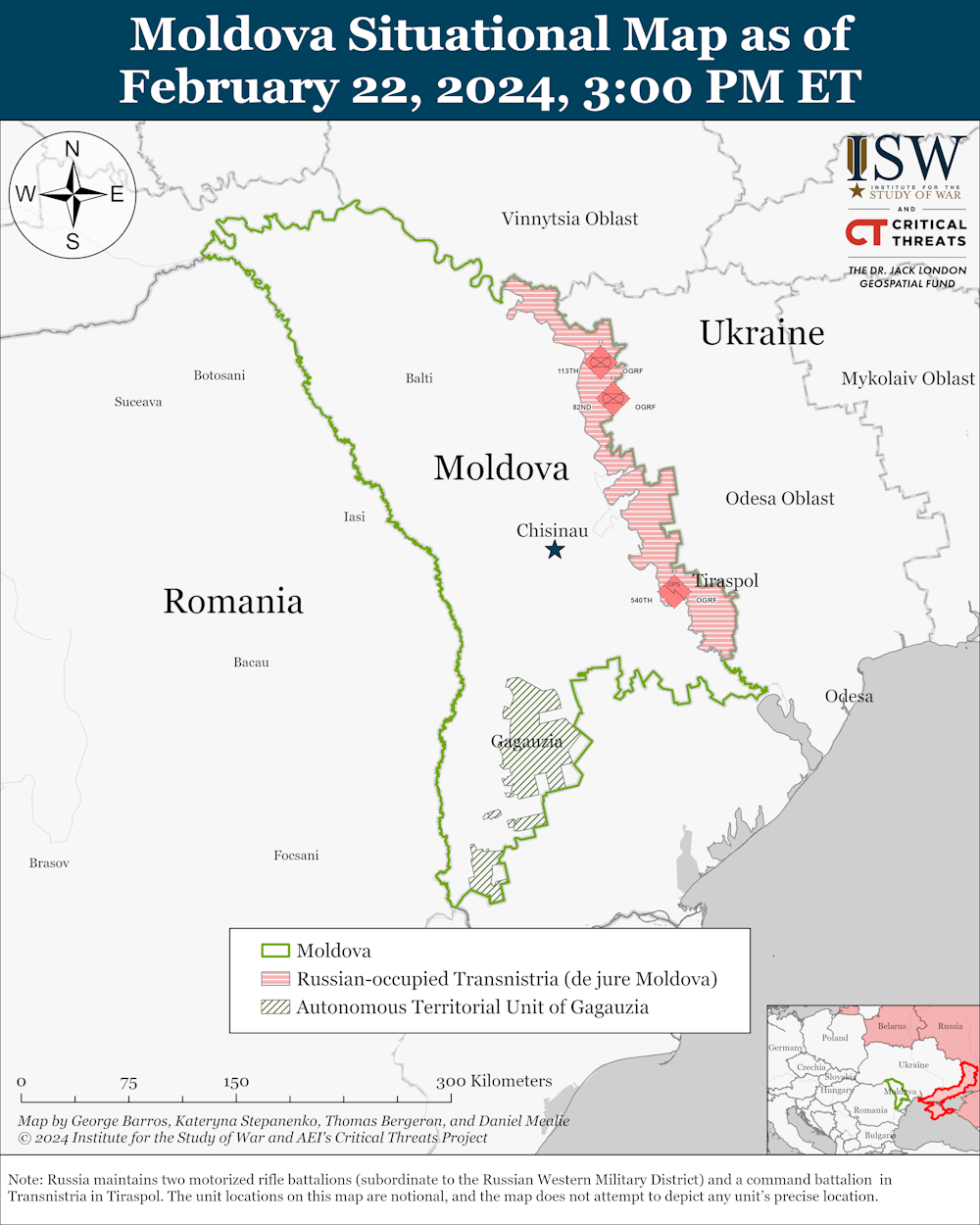
    Moldova’s election result will certainly have come as a relief not only to Sandu and her supporters but also to Moldova’s western partners. It is the first time that a popularly elected president has won a second term in the tiny landlocked former Soviet satellite. The country borders Romania and Ukraine and has a small but significant Russian breakaway region, Transnistria, as a constant reminder of Moscow’s influence in the region.

    Moldova’s election presents a clear difference to the Georgian parliamentary election results on October 26, which saw an openly pro-Russian Georgian Dream party win an election considered as neither particularly free nor fair, in results that the Georgia’s opposition-aligned president and western pollsters allege have been rigged.

    Sandu’s win, by contrast, demonstrates both the appeal of the idea of a European future and the limits of Russian interference. Yet the understandable enthusiasm about the result in Moldova also needs to be tempered by a more careful analysis of some of the deeply entrenched societal cleavages that the elections have all but confirmed and the difficulties that lie ahead.

    Deep divisions

    Sandu’s win overall looks impressive. But she did not win the vote in Moldova itself, where Stoianoglo beat her by some 30,000 votes. What saved Sandu, like the EU referendum, was the strong support for her among voters in the diaspora, where she captured almost five times as many votes as Stoianoglo.

    Just over 270,000 votes (83%) of the votes cast by Moldovans living abroad, predominantly in western Europe and north America, saw her comfortably across the finishing line. There may be good reasons not to distinguish between votes from inside and outside Moldova – but the optics are not good.

    Nor can the overall margin of Sandu’s victory gloss over the fact that her supporters inside the country are predominantly concentrated in the capital and the centre of the country. In the capital Chisinau, in the centre of Moldova, Sandu won with 57%, representing almost one-third of her total vote inside the country. In the north and south of the country, Stoianoglo generally took the largest vote share.

    In the country’s second-largest city, Balti in the north, he won 70% of the vote, compared to Sandu’s 30%. In the southern autonomous region of Gagauzia, a hotbed of pro-Russian, anti-European activism, Sandu obtained less than 3%. In Transnistria, Sandu came away with just 20% of the vote.

    Map of Moldova showing the breakaway regions of Transnistria and Gaugazia.
    Institute for the Study of War

    These results are not surprising, given the outcome of the first round of the elections. But they represent fall in support for Sandu compared to in 2020, when she beat the then incumbent, socialist party leader Igor Dodon. Four years ago, Sandu obtained over 250,000 votes more than Dodon, winning almost 58% of the total vote. While she took the overwhelming share of the diaspora vote then as well, she also bested Dodon in most constituencies in the south.

    Dodon campaigned for Stoianoglo in this election, but much of the challenger’s support was very probably due to a massive pro-Russian interference campaign that capitalised on many Moldovans’ fears and frustrations. Pro-Moscow messages aimed to capitalise on fears about being dragged into Russia’s war against Ukraine.

    But there was also frustration with a government that has made little progress on much needed anti-corruption reforms and presided over a serious cost-of-living crisis in the aftermath of the Covid-19 pandemic and made worse by the war on Moldova’s eastern neighbour. Sandu’s party, the Party of Action and Solidarity (PAS) won a commanding majority in the 2021 elections – so failures of the government are seen as failures of Sandu and her agenda.

    Challenges ahead

    That Sandu won the presidency again, and against these odds, demonstrates her resilience. But it can’t be taken for granted that her party will similarly prevail in parliamentary elections due by the autumn of 2025. She may well be forced into a difficult cohabitation with a potentially socialist-led government next year. In a parliamentary democracy, in which the powers of the government by far exceed those of the president, this could significantly slow down Moldova’s EU accession negotiations.

    But there are also some silver linings on the horizon. That Sandu won clearly demonstrates the limits of Russian interference. There is a core part of the Moldovan electorate that cannot be swayed by Russian misinformation or vote buying. This is a basis on which Sandu and PAS can build.

    Perhaps more importantly, Sandu and Stoianoglo both sent conciliatory signals on election eve. Stoianoglo emphasised the importance of respecting the outcome of the democratic process and expressed the hope that Moldovans would now move beyond hatred and division. Sandu acknowledged the concerns of those who had not voted for her and promised to serve as the president of all Moldovans and to work for the country’s further development.

    If they both stay true to their word, Moldova may finally break with a past of repeated political crises and economic stagnation.

    Stefan Wolff is a past recipient of grant funding from the Natural Environment Research Council of the UK, the United States Institute of Peace, the Economic and Social Research Council of the UK, the British Academy, the NATO Science for Peace Programme, the EU Framework Programmes 6 and 7 and Horizon 2020, as well as the EU’s Jean Monnet Programme. He is a Trustee and Honorary Treasurer of the Political Studies Association of the UK and a Senior Research Fellow at the Foreign Policy Centre in London.

    ref. Maia Sandu’s victory in second round of Moldovan election show’s limits to Moscow’s meddling – https://theconversation.com/maia-sandus-victory-in-second-round-of-moldovan-election-shows-limits-to-moscows-meddling-242796

    MIL OSI – Global Reports

  • MIL-OSI Global: Nigel Farage, AI and the revolt of the squeezed middle: class politics is about to get messier than ever

    Source: The Conversation – UK – By Laura Hood, Host, Know Your Place podcast, The Conversation

    The neglect of working-class voters in the past few decades has had profound consequences for British political life. Disillusioned with the two main parties, many have turned to Nigel Farage’s Reform and others are simply not voting at all.

    With the next election likely to be a tight race in many key constituencies, something must be done to win these voters back.

    But as we find out in the fifth and final part of Know Your Place: what happened to class in British politics, a podcast series from The Conversation Documentaries, the relationship between class and voting could be about to become even more complicated. So it’s difficult for any party to know how to put an electoral coalition together.

    Paula Surridge, professor of political sociology at the University of Bristol, has identified what she calls cross-pressured voters as a key demographic in post-Brexit British politics. These are people who are probably economically left wing – they want better public services and wealth redistribution – but who are more right wing on social issues such as immigration and crime and punishment.

    In a system like we have in Britain, where we’ve got first past the post and two big parties to choose from, that creates lots of swing voters who, when economics is their priority as we saw in 2024, they might lean more to Labour. When immigration or Brexit or something along that dimension is their priority, they might lean towards the Conservatives or a party like Reform.


    Want more politics coverage from academic experts? Every week, we bring you informed analysis of developments in government and fact check the claims being made.

    Sign up for our weekly politics newsletter, delivered every Friday.


    Appealing to such voters is therefore a real challenge. And while the perception is that they’ve flocked to Farage, Surridge says that’s not the full picture at all.

    Many working-class voters were prioritising economic issues, public services. They don’t, on the whole, vote Reform for that reason. The voters for whom immigration was absolutely their most important issue, which are a much smaller group, they were very likely to vote Reform.

    Reform came second in 98 constituencies – 89 of which ended up going to Labour. A lot of those constituencies were won on wafer-thin majorities, and they should be considered highly at risk in the next election. So working out how to appeal to cross-pressured voters is key.

    The bigger challenge, however, is winning voters back from the sofa. The truth is that there is a more salient class divide in Britain: who actually votes at all.

    According to Oliver Heath, professor of politics at Royal Holloway, University of London, who has tracked the history of turnout and class over the past 20 years, working-class voters are staying away from the ballot box. The first real signs of this were in 2001, when Tony Blair won a second term with a turnout of 59%, one of the lowest in British history.

    2001 was when turnout fell off a cliff … and it dropped across all segments of society. But since then, turnout has rebounded quite a large extent amongst middle-class voters, but stayed very low amongst working class voters.


    Read more:
    The true class divide in British politics is not which party people choose, but whether they vote at all


    For decades working-class communities were assumed to vote Labour, and so Labour gave them relatively little political attention. Now, the tables have turned and its Labour constituencies in the Red Wall that are some of the most competitive in the country. But it won’t be easy for Labour to bring these voters back on side, says Heath.

    Even after the great implosion of the Conservatives, the votes haven’t gone back to Labour. So, it’s hard to rebuild those connections once they’ve come undone.

    Meanwhile, Rosie Campbell, professor of politics at King’s College London, warns that we can’t presume to know what middle-class voters will do either.

    The backlash of the middle class in some areas against the Conservatives in what you would expect to be traditional Conservative heartlands is really interesting. And I think what it’s showing is that social change and demographic change are shifting our political landscape.

    Pay attention to the middle-class vote in the next election.
    Shutterstock/William Barton

    All this means that British politics is more fractured than ever, according to John Curtice, senior research fellow at the National Centre for Social Research.

    It looks as though our politics isn’t two-party politics now, and it’s never looked less like two-party politics at any stage since 1945 … therefore there are many potential options as to how things might play out.

    One of those options is a radical disruption to the class system itself, potentially triggered by artificial intelligence. A question that Curtice is asking himself:

    Will class inequality still be articulated through the difference between people in working-class jobs and those in middle-class jobs, or those people who are very much at the creative end of middle-class jobs, who AI are probably not going to be able to replace, and those who are not quite in the same position?

    In other words, AI has the potential to split the middle class and redefine the entire occupational structure of the UK. What will that do to our political preferences? It’s all to play for.

    For more analysis on what else could shape the way class and politics interact in the future, listen to the full episode of Know Your Place: what happened to class in British politics on The Conversation Documentaries.

    A transcript is available on Apple Podcasts.


    Know Your Place: what happened to class in British politics is produced and mixed by Anouk Millet for The Conversation. It’s supported by the National Centre for Social Research.

    Newsclips in the episode from Guardian News, BBC News, Nigel Farage, David Boothroyd, CBS News and theipaper.

    Listen to The Conversation Documentaries via any of the apps listed above, download it directly via our RSS feed or find out how else to listen here.

    Rosie Campbell receives funding from the ESRC, the UKRI andThe Leverhulme Trust. John Curtice receives funding from UKRI-ESRC. Vladimir Bortun, Geoffrey Evans, Paula Surridge and Oliver Heath do not work for, consult, own shares in or receive funding from any company or organisation that would benefit from this article, and have disclosed no relevant affiliations beyond their academic appointment.

    ref. Nigel Farage, AI and the revolt of the squeezed middle: class politics is about to get messier than ever – https://theconversation.com/nigel-farage-ai-and-the-revolt-of-the-squeezed-middle-class-politics-is-about-to-get-messier-than-ever-242628

    MIL OSI – Global Reports

  • MIL-OSI: Crown LNG Announces Execution of Final Agreements to Acquire Kakinada and Grangemouth LNG Import Terminal Assets

    Source: GlobeNewswire (MIL-OSI)

    LONDON, Nov. 01, 2024 (GLOBE NEWSWIRE) — Crown LNG Holdings Limited (Nasdaq: CGBS) (“Crown” or “Crown LNG”), a leading provider of LNG liquefaction and regasification terminal technologies for harsh weather locations, today announced the conclusion of two strategic acquisition agreements forming the basis of Crown LNG’s entry into the global LNG infrastructure network: KGLNG and Grangemouth. The KGLNG agreement finalizes the acquisition of all shares of KGLNG, which owns the operating license for the Company’s planned LNG import terminal in Kakinada, India. The Grangemouth agreement finalizes the acquisition of LNG import terminal assets in Grangemouth, Scotland from GBTron Lands Limited.

    The Kakinada project, located on the East coast of India, is licensed to operate 365 days a year, a first for the harsh weather prone area. Imported gas from the planned terminal would reach demand centers via the East-West Pipeline, helping to support the Indian government’s drive to more than double the share of natural gas in the country’s energy mix to 15% by 2030.

    Total consideration for the KGLNG acquisition will be made in shares of Crown LNG equal to $60 million.

    The Grangemouth project, located on the East coast of Scotland, seeks to support the UK’s increasing drive for energy security post-Brexit and in the context of geopolitical impacts on energy markets. Currently, the UK relies on just three facilities for all of the country’s LNG imports, which increased 74% from 2021 to 2022.

    Total consideration for the GBTron acquisition will be made in shares of Crown LNG equal to $25 million.

    “We are excited and proud to announce the execution of these two transactions and move these two projects down the path,” said Swapan Kataria, Chief Executive Officer of Crown LNG. “With Crown LNG and our subsidiaries now firmly in control of the Kakinada and Grangemouth projects, we look forward to driving the success of these two transformative projects for both India and the UK.”

    Crown remains dedicated to delivering exceptional LNG liquefaction and regasification terminal infrastructure solutions services that cater to the evolving needs of the under-served markets across the globe. As we focus on expanding our operations in Europe and South Asia, we continue to forge strategic partnerships and explore new opportunities to provide efficient and reliable solutions.

    About Crown LNG Holdings Limited
    Crown LNG is a leading provider of offshore LNG liquefaction and regasification terminal infrastructure solutions for harsh weather locations, which represent a significant addressable market for bottom-fixed, gravity based (“GBS”) liquefaction and floating storage regasification units, as well as associated green and blue hydrogen, ammonia and power projects. Through this approach, Crown aims to provide lower carbon sources of energy securely to under-served markets across the globe. Visit www.crownlng.com/investors for more information.

    Forward-Looking Information and Statements

    Certain statements in this announcement are not historical facts but are forward-looking statements. Forward-looking statements generally are accompanied by words such as “believe,” “may,” “could,” “will,” “estimate,” “continue,” “anticipate,” “intend,” “expect,” “plan,” “should,” “would,” “plan,” “future,” “outlook,” “potential,” “project” and similar expressions that predict or indicate future events or trends or that are not statements of historical matters, but the absence of these words does not mean that a statement is not forward-looking. These forward-looking statements include, but are not limited to, statements regarding estimates and forecasts of other performance metrics and projections of market opportunity. They involve known and unknown risks and uncertainties and are based on various assumptions, whether or not identified in this press release and on current expectations of Crown’s management and are not predictions of actual performance. These forward-looking statements are provided for illustrative purposes only and are not intended to serve as and must not be relied on by any investor as, a guarantee, an assurance, a prediction or a definitive statement of fact or probability. Actual events and circumstances are difficult or impossible to predict and will differ from assumptions. Many actual events and circumstances are beyond the control of Crown. Some important factors that could cause actual results to differ materially from those in any forward-looking statements could include changes in domestic and foreign business, market, financial, political and legal conditions. The Company undertakes no obligation to update or revise publicly any forward-looking statements to reflect subsequent occurring events or circumstances, or changes in its expectations, except as may be required by law. Although the Company believes that the expectations expressed in these forward-looking statements are reasonable, it cannot assure you that such expectations will turn out to be correct, and the Company cautions investors that actual results may differ materially from the anticipated results and encourages investors to review other factors that may affect its future results in the Company’s registration statement and other filings with the SEC.

    Crown LNG Holdings Limited Contacts

    Investors
    Caldwell Bailey
    ICR, Inc.
    CrownLNGIR@icrinc.com

    Media
    Zach Gorin
    ICR, Inc.
    CrownLNGPR@icrinc.com

    The MIL Network

  • MIL-OSI: Shell announces commencement of a share buyback programme

    Source: GlobeNewswire (MIL-OSI)

    Shell plc

    Shell announces commencement of a share buyback programme

    October 31, 2024

    Shell plc (the ‘Company’) today announces the commencement of a $3.5 billion share buyback programme covering an aggregate contract term of approximately three months (the ‘programme’). The purpose of the programme is to reduce the issued share capital of the Company. All shares repurchased as part of the programme will be cancelled. It is intended that, subject to market conditions, the programme will be completed prior to the Company’s Q4 2024 results announcement, scheduled for January 30, 2025.

    The Company has entered into an arrangement with a single broker consisting of two irrevocable, non-discretionary contracts, to enable the purchase of ordinary shares on both London market exchanges (the London Stock Exchange and/or on BATS and/or on Chi-X) (pursuant to one ‘London contract’) and Netherlands exchanges (Euronext Amsterdam and/or on CBOE Europe DXE and/or on Turquoise Europe) (pursuant to one ‘Netherlands contract’) for a period up to and including January 24, 2025. The aggregate maximum consideration for the purchase of ordinary shares under the London contract is $2.1 billion and the maximum consideration for the purchase of ordinary shares under the Netherlands contract is $1.4 billion. Purchases under the London contract will be carried out in accordance with the Company’s authority1 to repurchase shares on-market and will be effected within certain contractually agreed parameters. Purchases under the Netherlands contract will be carried out in accordance with the Company’s authority1 to repurchase shares off-market pursuant to the off-market share buyback contract approved by its shareholders and the parameters set out therein.

    The maximum number of ordinary shares which may be purchased or committed to be purchased by the Company under the programme (across both contracts) is 525,000,000, which is the maximum number remaining as of the date of this announcement pursuant to the relevant authorities granted by shareholders at the Company’s 2024 Annual General Meeting1.

    The broker will make its trading decisions in relation to the Company’s securities independently of the Company.

    The programme will be conducted in accordance with Chapter 9 of the UK Listing Rules, Article 5 of the Market Abuse Regulation 596/2014/EU dealing with buy-back programmes (‘EU MAR’) and EU MAR as “onshored” into UK law from the end of the Brexit transition period (at 11:00 pm on 31 December 2020) through the European Union (Withdrawal) Act 2018 (as amended by the European Union (Withdrawal Agreement) Act 2020), and as amended, supplemented, restated, novated, substituted or replaced including by relevant statutory instruments (including, The Market Abuse (Amendment) (EU Exit) Regulations (SI 2019/310)), from time to time and the Commission Delegated Regulation (EU) 2016/1052 (the ‘EU MAR Delegated Regulation’) and the EU MAR Delegated Regulation as “onshored” into UK law from the end of the Brexit transition period (at 11:00 pm on 31 December 2020) through the European Union (Withdrawal) Act 2018 (as amended by the European Union (Withdrawal Agreement) Act 2020), and as amended, supplemented, restated, novated, substituted or replaced, including by relevant statutory instruments (including, The Market Abuse (Amendment) (EU Exit) Regulations (SI 2019/310)), from time to time.

    1 The existing shareholder authorities to buy back shares granted at the Company’s 2024 Annual General Meeting will expire at the earlier of the close of business on August 20, 2025, and the end of the date of the Company’s 2025 Annual General Meeting. The Company expects to seek renewal of shareholder authority to buy back shares at subsequent Annual General Meetings.

    Enquiries

    Media International: +44 (0) 207 934 5550

    Media Americas: +1 832 337 4355

    Cautionary Note

    The companies in which Shell plc directly and indirectly owns investments are separate legal entities. In this announcement “Shell”, “Shell Group” and “Group” are sometimes used for convenience where references are made to Shell plc and its subsidiaries in general. Likewise, the words “we”, “us” and “our” are also used to refer to Shell plc and its subsidiaries in general or to those who work for them. These terms are also used where no useful purpose is served by identifying the particular entity or entities. ‘‘Subsidiaries’’, “Shell subsidiaries” and “Shell companies” as used in this announcement refer to entities over which Shell plc either directly or indirectly has control. The term “joint venture”, “joint operations”, “joint arrangements”, and “associates” may also be used to refer to a commercial arrangement in which Shell has a direct or indirect ownership interest with one or more parties.  The term “Shell interest” is used for convenience to indicate the direct and/or indirect ownership interest held by Shell in an entity or unincorporated joint arrangement, after exclusion of all third-party interest.

    Forward-Looking Statements

    This announcement contains forward-looking statements (within the meaning of the U.S. Private Securities Litigation Reform Act of 1995) concerning the financial condition, results of operations and businesses of Shell. All statements other than statements of historical fact are, or may be deemed to be, forward-looking statements. Forward-looking statements are statements of future expectations that are based on management’s current expectations and assumptions and involve known and unknown risks and uncertainties that could cause actual results, performance or events to differ materially from those expressed or implied in these statements. Forward-looking statements include, among other things, statements concerning the potential exposure of Shell to market risks and statements expressing management’s expectations, beliefs, estimates, forecasts, projections and assumptions. These forward-looking statements are identified by their use of terms and phrases such as “aim”; “ambition”; ‘‘anticipate’’; ‘‘believe’’; “commit”; “commitment”; ‘‘could’’; ‘‘estimate’’; ‘‘expect’’; ‘‘goals’’; ‘‘intend’’; ‘‘may’’; “milestones”; ‘‘objectives’’; ‘‘outlook’’; ‘‘plan’’; ‘‘probably’’; ‘‘project’’; ‘‘risks’’; “schedule”; ‘‘seek’’; ‘‘should’’; ‘‘target’’; ‘‘will’’; “would” and similar terms and phrases. There are a number of factors that could affect the future operations of Shell and could cause those results to differ materially from those expressed in the forward-looking statements included in this announcement, including (without limitation): (a) price fluctuations in crude oil and natural gas; (b) changes in demand for Shell’s products; (c) currency fluctuations; (d) drilling and production results; (e) reserves estimates; (f) loss of market share and industry competition; (g) environmental and physical risks; (h) risks associated with the identification of suitable potential acquisition properties and targets, and successful negotiation and completion of such transactions; (i) the risk of doing business in developing countries and countries subject to international sanctions; (j) legislative, judicial, fiscal and regulatory developments including regulatory measures addressing climate change; (k) economic and financial market conditions in various countries and regions; (l) political risks, including the risks of expropriation and renegotiation of the terms of contracts with governmental entities, delays or advancements in the approval of projects and delays in the reimbursement for shared costs; (m) risks associated with the impact of pandemics, such as the COVID-19 (coronavirus) outbreak, regional conflicts, such as the Russia-Ukraine war, and a significant cybersecurity breach; and (n) changes in trading conditions. No assurance is provided that future dividend payments will match or exceed previous dividend payments. All forward-looking statements contained in this announcement are expressly qualified in their entirety by the cautionary statements contained or referred to in this section. Readers should not place undue reliance on forward-looking statements. Additional risk factors that may affect future results are contained in Shell plc’s Form 20-F for the year ended December 31, 2023 (available at www.shell.com/investors/news-and-filings/sec-filings.html and www.sec.gov). These risk factors also expressly qualify all forward-looking statements contained in this announcement and should be considered by the reader.  Each forward-looking statement speaks only as of the date of this announcement, October 31, 2024. Neither Shell plc nor any of its subsidiaries undertake any obligation to publicly update or revise any forward-looking statement as a result of new information, future events or other information. In light of these risks, results could differ materially from those stated, implied or inferred from the forward-looking statements contained in this announcement.

    Shell’s Net Carbon Intensity

    Also, in this announcement we may refer to Shell’s “Net Carbon Intensity” (NCI), which includes Shell’s carbon emissions from the production of our energy products, our suppliers’ carbon emissions in supplying energy for that production and our customers’ carbon emissions associated with their use of the energy products we sell. Shell’s NCI also includes the emissions associated with the production and use of energy products produced by others which Shell purchases for resale. Shell only controls its own emissions. The use of the terms Shell’s “Net Carbon Intensity” or NCI are for convenience only and not intended to suggest these emissions are those of Shell plc or its subsidiaries.

    Shell’s net-zero emissions target

    Shell’s operating plan, outlook and budgets are forecasted for a ten-year period and are updated every year. They reflect the current economic environment and what we can reasonably expect to see over the next ten years. Accordingly, they reflect our Scope 1, Scope 2 and NCI targets over the next ten years. However, Shell’s operating plans cannot reflect our 2050 net-zero emissions target, as this target is currently outside our planning period. In the future, as society moves towards net-zero emissions, we expect Shell’s operating plans to reflect this movement. However, if society is not net zero in 2050, as of today, there would be significant risk that Shell may not meet this target.

    Forward-Looking non-GAAP measures

    This announcement may contain certain forward-looking non-GAAP measures such as cash capital expenditure and divestments. We are unable to provide a reconciliation of these forward-looking non-GAAP measures to the most comparable GAAP financial measures because certain information needed to reconcile those non-GAAP measures to the most comparable GAAP financial measures is dependent on future events some of which are outside the control of Shell, such as oil and gas prices, interest rates and exchange rates. Moreover, estimating such GAAP measures with the required precision necessary to provide a meaningful reconciliation is extremely difficult and could not be accomplished without unreasonable effort. Non-GAAP measures in respect of future periods which cannot be reconciled to the most comparable GAAP financial measure are calculated in a manner which is consistent with the accounting policies applied in Shell plc’s consolidated financial statements.

    The contents of websites referred to in this announcement do not form part of this announcement.

    We may have used certain terms, such as resources, in this announcement that the United States Securities and Exchange Commission (SEC) strictly prohibits us from including in our filings with the SEC. Investors are urged to consider closely the disclosure in our Form 20-F, File No 1-32575, available on the SEC website www.sec.gov.

    LEI number of Shell plc: 21380068P1DRHMJ8KU70

    Classification: Acquisition or disposal of the issuer’s own shares.

    The MIL Network

  • MIL-OSI Economics: Andrew Bailey: Michael D Gill Memorial Society Lecture

    Source: Bank for International Settlements

    Quite simply, I wish I was not giving this lecture today. Or, perhaps better, I wish I was giving it with Mike Gill here to participate. But, only one of those is possible due to his tragic and senseless killing. I am sure I am not alone in thinking that when these events happen to people we do not know, we find a sort of anesthetised isolation by resorting to commenting on the public policy implications in a rather dehumanised way. But when it happens to someone we knew, hugely liked and respected, who was without question a good person, then it is almost natural to be lost for words. It has taken me a long time to compose thoughts on someone to and about whom I could say so much in life.

    There is an old saying that someone is a pillar of society. They are the people who support and hold society together. Well, Mike was without question a pillar of society. He was generous, kind, thoughtful and very supportive. Kristina, Sean, Brian, and Annika, as you know even better than us, he was an outstanding person.

    But Mike was not a pillar of society in the sense of that term of someone who was stuck in the past, holding together a world that was lost. He was a moderniser, and that was why it was so appropriate that he served at the CFTC, which has its history but also is at one of the cutting edges of finance. Mike loved that. He talked at length about visiting farms with Chris and about the technology changing farms and agricultural markets. But he was also an enthusiast to find an appropriate treatment of cryptocurrency in derivatives markets.

    The second thing about Mike and his work here at the CFTC that naturally brought us together was that he was a passionate internationalist. And he always seemed happy to visit London, and it was always good to see him there. Our international travel went further. There is a memorable, for me certainly, picture of the two of us on a boat trip in Sydney Harbour in 2019.

    It wasn’t just the travel. Mike was, like Chris, an internationalist through and through. I spent time with Mike after the UK’s Brexit Referendum in 2016. I am strictly neutral on Brexit as a public official. I knew then that our job was to work out how to implement something that, let’s be honest, had not been planned. In the area of financial services, clearing was going to be probably the hardest area for us, because – and I will come back to this point – it is inherently international in many parts, and particularly the parts we do in London. I knew immediately after the Referendum that it was critical for the UK not to become isolated and certainly not isolationist. That would be the road to a very bad outcome for the City of London. We needed friends, both in deeds and words, those who would be prepared to stand by us, and put up with uncertainty while we worked out the best course. Chris, you and Mike were those people – friends when we were in some need.

    Now, it is the case that, as a internationalist, Mike arrived in the world of clearing at the right time. It is a fairly esoteric activity, always important, but also often in the background. We quite like it to be humming away safely in the background. But the Global Financial crisis had emphasised that we had undervalued its importance, that the world would have been safer if we had put It more into the centre of the financial system.

    But, to do that it must be done safely and soundly. Unsafe clearing would be worse than no clearing, it would amount to concentrating the risk in one unsafe house.

    And so, if we are asked to list the very big financial system changes post financial crisis, we should naturally start by saying that we have put clearing at the heart of the system. Central Counterparties (CCPs) are a key to mitigating counterparty credit risk, which has become even more relevant following the crisis and, in so doing, bring significant financial stability benefits. The experience of the collapse of Lehman Brothers demonstrated that CCPs should be able to dampen the shock of a major counterparty credit failure. One of my abiding memories of the Lehman weekend was the attempt to organise an ad-hoc trade position compression exercise, to net down the positions. It wasn’t possible, and the hard lesson was that only permanent institutional structures with clearing houses at their heart can achieve the ends we desired.

    But, of course, we know that CCPs, can pose significant risks to the stability of the financial system if they are not properly managed. A consequence of central clearing is that CCPs themselves become a financial network which can bring about the contagion of financial instability if they are not robustly established and operated. In line with G20 commitments following the Financial Crisis, the introduction of mandatory clearing for various classes of over-the-counter derivatives has driven an increase in the systemic importance of CCPs.

    In the banking world, that tendency for banks to grow and become more globally systemic led to hostility to allowing very large banks which could be too big to fail. Clearing is different. Its not just that clearing didn’t cause the crisis, though just to be clear, it didn’t. Rather, its more than that. Up to some point, and that point can naturally be large, there are benefits of scale and scope in clearing. Yes, there is contagion risk if a CCP fails, and especially where it is large in its market, but there are real benefits of scope and scale.

    And, this naturally leads to the international dimension that Mike so much emphasised. The global nature of many financial markets means that clearing is naturally a
    cross-border activity. Cross-border clearing also brings significant benefits. A single CCP operating across multiple jurisdictions and currencies can provide efficiencies and reduce risk through multilateral settling of exposures across counterparties in different jurisdictions.

    This puts an obligation on us as regulators of clearing houses. We have a duty to enable the safe operation of the global financial system. Public authorities have risen to this duty, supervising standards on CCPs have been strengthened and new international standards have driven the establishment of credible CCP resolution regimes. We also have a deep sense of responsibility for the impact of our actions on other countries. And, we take this very seriously, as we must. In the UK, as the regulator we are required in any exercise of our rule-making power to consider the effects of these rules on the financial stability of any country where one of our clearing houses provides services, and we must act in a way that does not favour one jurisdiction over another.

    This is of course all common sense. We all recognise that the interconnectedness of global markets means that any shocks in one part of the world can quickly reverberate and cause stress elsewhere. But common sense though it is, I can tell you that it’s a lot easier to put into practice when you are working with someone like Mike Gill, who wants to get things done and is at heart an internationalist.

    And, so it should be no surprise that during the period Mike was here at the CFTC, things did get done, and they continue to get done building on his legacy.

    There is another feature of clearing that is distinctive. As I said earlier, by its very nature it concentrates the risks associated with the trades being cleared. That’s how and why CCPs are such crucial nodes in the financial system. But it also means that if a CCP doesn’t manage its risk well, the concentration magnifies the impact of the problem. Moreover, CCPs tend to be highly interconnected because the instruments they clear are likewise interconnected – think about the different ways to trade interest rate risk. A small number of CCPs provide most of the capacity in over the counter derivatives clearing. And, a small number of clearing members provide the majority of clearing services to clients at all of these big CCPs. These firms are also providing key services to the CCPs, such as settlement, custody and liquidity backstops.

    We can take a few points from this. Clearing is quite complicated and technical as an activity. I’m going to stick my neck out and suggest that here in Washington, conversations in bars are not of the sort: “tell me how does margining in a clearing house work”. Its notoriously a dry subject, but important, hugely so. But therein lies a risk – even at international meetings there can seem to be other things to talk about, happily so, and that can lead to problems of neglect.

    Except, onto the scene came Mike Gill and Chris Giancarlo. The enthusiasts had arrived. Suddenly, it seemed a pleasure to talk about clearing. The fun kids talked about clearing. The serious point is that supervising big CCPs requires deep cooperation between authorities across multiple jurisdictions. It requires cooperation not fragmentation. We knew how to do that, but it always seemed harder to put in practice than it should have done. We don’t like economic fragmentation in the world, rightly so, but somehow arguments are made that its ok to do so for clearing. No it isn’t as a matter of fact, because such a view defies the logic of how financial markets work. Supervising and regulatory cooperation is a key part of the right approach.

    I want to finish by looking forwards. I think that is what Mike would want, because it was very much as I remember him. There was always something new and interesting, whether it was drones overseeing crop production or crypto assets.

    The importance and role of clearing continues to grow rapidly. A few facts help to illustrate the importance of clearing. I will focus on UK-US clearing facts. The notional amount of OTC derivatives cleared by UK CCPs with US counterparties continues to be greater than that cleared with any other jurisdiction. Across the three UK CCPs, 38% of margin is derived from US clearing members, and volumes have been larger this year than last, which was also up on previous years.

    Overall, one thing that lies behind this growth is a rise in non-bank financial intermediation versus bank intermediation. We should not be surprised at this. But let me go back to 2008 and the Lehman weekend for a moment. The attempt to put in place an ad-hoc trade compression process – to net down exposures – reflected in the main banks having – sloppily – built up very large derivative books, and not managed them effectively. I remember several CEOs told me at the time that it just had not occurred to them that they needed to manage these books efficiently.

    Indeed, it was very clear that for quite a few, there was very little awareness of the problem that was building up. It was too easy to pile trade upon trade with little regard for the need to risk manage these books throughly.

    And then the music stopped, and suddenly what had been out of sight and out of mind in the good times became a problem. Outsized books had to be managed down by banks. Today that legacy is behind us. But the scale of derivative activity has nonetheless grown much further. That growth has provided important hedging benefits, and it has enabled much larger position limits to exist, concentrated more in the non-bank sector, but inevitably with links into the banking system. The so-called basis trade is a good example of this.

    These developments leave us with major puzzles. Is there a scale of activity beyond which stress sets in when it has to be unwound quite suddenly? What would be the effects of that stress? And how do we model such a fluid landscape, where stress could emerge in several places at once? Better tools of diagnosis are important here.

    At the Bank of England we have designed and run something we call the System Wide Exploratory Scenario, which seeks to synthesise the effects of some severe but plausible shocks passing through the financial system. Over 50 firms have participated, as have the clearing houses that support the activity. This is not a stress test in the now quite traditional individual bank by bank sense. It is a market-wide test designed to simulate shocks – it’s a flow test, designed to find obstructions and concentrations of risks and correlated positions that might otherwise be opaque. It is I think an important step forward in testing behavioural reactions to stress including how risks might cascade across markets. And, it will give us a better answer in terms of the effectiveness of CCPs in managing market-wide risks. The results should be published by the end of the year. It’s the sort of new thing that I think Mike would have appreciated, and been enthusiastic about.

    The Bank of England and the CFTC have a longstanding relationship of cooperation on CCPs. Mike added his special qualities to that relationship. Its our duty to carry his work forward, but even more so to do it in his spirit, the one we enjoyed and miss so much.

    Thank you.

    I would like to thank Sarah Breeden, Karen Jude, Harsh Mehta, Ruth Smith, Sam Woods, Shane Scott, Sasha Mills, Deborah Potts, Thomas Ferry, Konstantina Drakouli, Marc Ledroux, Barry King and Priya Mistry for their help in the preparation of these remarks.

    MIL OSI Economics

  • MIL-OSI Europe: Briefing – Spain’s National Recovery and Resilience Plan: Latest state of play – 25-10-2024

    Source: European Parliament

    Spain’s national recovery and resilience plan (NRRP) is the second largest (in absolute figures) financed by the Next Generation EU (NGEU) recovery instrument and its main spending tool, the Recovery and Resilience Facility (RRF). Following the October 2023 amendment of the Spanish NRRP, adding a REPowerEU chapter, the plan’s value reached €163 billion (or 13.1 % of national gross domestic product (GDP) in 2019), an increase of roughly 135 % compared with the original plan of 2021 (€69.5 billion in grants only). The amended plan comes with an increased grant allocation of €79.8 billion and a freshly requested loan allocation of €83.2 billion. The grant part includes the June 2022 upward revision of Spain’s grant allocation of €7.7 billion and the country’s REPowerEU grant allocation of €2.6 billion. In addition, Spain has requested a transfer of its share from the Brexit Adjustment Reserve of €58 million to its NRRP. So far, €48.3 billion of RRF resources (29.6 % of the amended NRRP) have been received. These have been disbursed by the Commission in form of pre-financing and four grant instalments. he amended plan focuses on the green transition, devoting almost 40 % of the resources to it, and fosters the digital transformation by committing 25.9 % of the funds (excluding REPowerEU) to digital projects. In the context of the European Semester, the Commission assessed the plan’s implementation as ‘under way’, yet warned about emerging delays hindering effective and swift implementation. The European Parliament participates in interinstitutional forums for cooperation and discussion on its implementation and scrutinises the European Commission’s work. This briefing is one in a series covering all EU Member States. Fifth edition. The first edition was written by Miroslava Kostova Karaboytcheva. The ‘NGEU delivery’ briefings are updated at key stages throughout the lifecycle of the plans.

    MIL OSI Europe News

  • MIL-OSI United Kingdom: How effective merger control drives economic growth and innovation

    Source: United Kingdom – Executive Government & Departments

    A speech by Joel Bamford, the CMA’s Executive Director for Mergers, delivered at the City & Financial Global M&A Summit 2024.

    Introduction

    I’ll begin by saying a bit about my career up until this point.

    I started out as a consultant, had a varied career in government both in the UK and overseas, went back to consultancy, and then I came back to the public sector in my current role – to oversee the UK’s merger control regime, and as a member of the CMA board. I’ve advised some of the largest companies on the globe through some of the biggest mergers and acquisitions (M&A) deals, with both positive and negative outcomes for those clients.

    I’d like to start with the CMA’s purpose. We help people, businesses and the UK economy by promoting competitive markets and tackling unfair behaviour.

    Supporting growth is absolutely central to this purpose: creating a competitive environment which drives forward the innovation, investment and productivity our economy needs to grow. We’ve made that even more explicit over the last few years, as you’ll see from our overarching strategy, as well as our recent annual plans and annual reports.

    Where does merger control fit into this?

    Merger control is one of our tools to deliver the CMA’s purpose, and this is what I will focus on in this speech.

    I am old enough to have worked for the last Labour government while in the Civil Service, and it was that government which gave the CMA (then the Office for Fair Trading and the Competition Commission) its current legislative basis for the UK merger control regime – the Enterprise Act in 2002.

    The intent behind the legislation was and is very much about the real-world impact of economic activity, and that for a vibrant growing economy you need markets to remain competitive.

    I’ll read out a quote from the policy document accompanying the 2002 legislation: “Vigorous competition between firms is the lifeblood of strong and effective markets. Competition helps consumers get a good deal. It encourages firms to innovate by reducing slack, putting downward pressure on costs and providing incentives for the efficient organisation of production. As such, competition is a central driver for productivity growth in the economy, and hence the UK’s international competitiveness”.

    I’ll unpack 2 key points from this. This is largely well-established stuff, but it is worth revisiting.

    The contribution of competition to economic growth

    Economic theory and history show that where competition is stronger, productivity and wage growth are likely to be higher. That link between competition and productivity has been empirically established again and again at country and sector level. The CMA’s own review of the relationship between competition and productivity also identified competitive pressure as a key driver behind firm-level efficiency and innovation.

    Effective competition protects consumers from higher prices and lower quality goods and services. It facilitates a level playing field – so that businesses large and small can thrive. Competition from other players in the market is a motivating force, incentivising others to be more productive, innovate, and grow.

    So, with innovation and productivity at the heart of economic growth, enabling a competitive environment (for sectors, industries, products and services) supports that growth effort.

    The impact of open and competitive markets on investment incentives

    Access to competitive markets – where companies can compete to win market share – is also appealing for investors. As Sarah Cardell, CMA CEO, said in a speech earlier this year in the US: “in promoting competitive markets, we advance the interests of fair-dealing companies serving UK markets, and advance the interests of investors seeking to make a fair return on their capital by doing business in the UK.”

    And even more recently our Chair, Marcus Bokkerink reflected on last week’s government investment summit and how the UK can drive growth that lasts. He set out that it relies upon 3 fundamental ingredients working together:

    • ensuring that people have choice, an alternative, when they buy/use a product/service

    • competition – that in any market all innovating businesses get a fair shot at competing

    • open markets – maintaining a level playing field for all investors

    Focusing on that last point about keeping markets open to investors: across the economy, whenever the CMA has stepped in to keep markets open by preventing attempts to lock out competing investors through anti-competitive mergers, cartels or abuses of dominance, we have seen new investment flow in – from healthcare and pharmaceuticals to construction and railway equipment. This is because investors deserve to have confidence that there’s a level playing field for the businesses they back to succeed on the merits.

    Amazingly for me, I’ve gotten this far through my speech without quoting numbers at you – after all, I am an economist and mathematician who used to provide several ministers, and businesses large and small, with evidence and numbers!

    In all seriousness, the CMA does very consciously consider, analyse, and report on the direct financial impact of our work for the UK, across all our tools including mergers. We know this value for money matters. We estimate that our decisions on mergers have put £685 million per year over the last 3 years back into consumers’ pockets. And this is just the direct effect of merger control – so not including the indirect impact on productivity, growth and innovation in the economy as a whole.

    And given my role on the CMA board, I do not have a myopic focus on mergers. Beyond mergers, across the whole of the CMA’s work, the CMA has delivered at least £20.3bn of direct financial benefits back to UK consumers over the last 10 years. Over the last 3 years, for every £1 the CMA spent on operation costs, the average benefit to consumers was £23.

    Let me take you through an example of where competition contributes to growth and positive outcomes for consumers and businesses: the CMA’s investigation into the Experian/Clearscore merger, which actually inspired the co-founder and current CEO of the business to join the CMA’s board.

    In 2019, the proposed merger of Experian and Clearscore was abandoned following the CMA’s phase 2 provisional findings, where we found that the merger could stifle product development and negatively impact consumers. Clearscore returned to plan A of their business model – to grow as an independent UK based business – and now Clearscore serves over 21 million users on 4 continents. They have continued to innovate for users, launching new products and integrating open banking data into their product, among other changes.

    If the proposed takeover had gone ahead, the combined entity would not have faced the same competitive incentives as both Experian and Clearscore do today. This may have meant customers never benefited from the range of innovative and high-quality products that were subsequently developed.

    And it isn’t just consumer-facing markets that matter. Ensuring that competition remains vigorous in the production of important inputs – which businesses then use in a variety of settings – is vital. This helps their business customers themselves increase productivity and grow.

    A notable example on the CMA side is the global remedy agreed in relation to a merger which involved chemical additives for concrete. In respect of this important construction input, innovation (while not as glamorous as tech markets), is fundamental to improvements in building techniques and the construction of large infrastructure projects.

    That is why the remedy the CMA agreed to not only included UK production and warehousing facilities, but also had research and development (R&D) capabilities at its heart. I worked on that one for the companies themselves, and saw first-hand the openness and flexibility of process from the CMA, as well as the rigour with which they approached the task of ensuring innovation was protected; leading to greater productivity and growth, for not just the companies themselves but also for their important infrastructure customers.

    Merger control in 2024

    Now, our key mergers legislation came into force in 2002 and the CMA was formed in 2014 – so where are we in 2024 and what has changed?

    I will focus on 2 areas:

    • how we assess the substance of a deal – an approach rooted in the real-world dynamics of a market
    • the process we use, and how we interact with companies – utilising predictability, openness and an organisation which learns and adapts

    Assessing the substance of a deal

    First, the assessment of the substance of a deal – and it is important to note this assessment follows the legal test as set out in the Act.

    The focus of the substantive assessment of any deal is whether it is more likely than not to lead to a substantial lessening of competition in a market in the UK. Let’s pick that apart a little:

    First, the CMA needs to be of the view that competition concerns arising from the deal are more likely than not to occur – that is a high bar, not something you decide without significant evidence (which I will turn to later).

    Second, any likely reduction in competition needs to be ‘substantial’, that means not small and trivial but real and impactful, another high bar.

    Third, the test is focused on competition, not competitors – a subtle difference, but one that means the legal test is designed not to result in picking individual winners but making sure the market stays open to competition wherever it comes from.

    And finally, the focus of the assessment is on the market in the UK. This is to ensure people in the UK benefit from the positive outcomes of competition; and investors have the confidence in UK markets remaining open. And, of course, in a world of global markets that means not just focusing on UK companies but all companies who operate in the UK. This is why Parliament entrusted the CMA ‘to promote competition, both within and outside the United Kingdom, for the benefit of consumers’ (Enterprise and Regulatory Reform Act 2013, s25(3)).

    In terms of how we consider evidence and come to conclusions, it is worth noting that the CMA conducts a forward-looking assessment – where evidence of past practice is clearly relevant, but so is evidence of what is likely to happen in the coming years.

    We focus on how markets work in practice and what form competition takes on a day-to-day basis. This can be direct sales or bidding competition but can also mean looking at how companies compete to innovate in a dynamic market and where potential future developments from one company drive the business strategy of other companies.

    When it comes to investigating cases – no matter what form competition takes – the CMA’s approach is to engage, listen, and gather a range of evidence, use tested and principled frameworks and approaches, and arrive at well-reasoned, well-evidenced conclusions. This is what gives the UK regime the certainty and transparency it has been recognised for around the world, which we know matters to businesses and investors alike.

    Evidence from the business themselves is absolutely key to our assessment. The number of company strategy documents I have read in my time reviewing mergers is mind-boggling. But if you truly want to know what drives a company to produce better products at cheaper prices, it is vital you look at what they are talking about internally and, of course, hear from the businesspeople themselves.

    Evidence from a range of others with knowledge of the dynamics of the market is also vital, such as customers, competitors, industry bodies. We gather this evidence proactively through face-to-face discussions (or via Teams nowadays!), information requests, and of course we welcome incoming information. In fact, we have several points in our process where we publish invitations to comment and the current thinking on our investigations. This information from others in the market is vital to ensure we get a rounded picture of how competition works and the impact a deal might have. Often we get highly informative responses from customers who have heard about the deal.

    Having brought in this wide range of perspectives and evidence, and engaged with multiple parties, we test it thoroughly. We look at the type of evidence, its relevance, and also consider the incentives of the people supplying the information. When advising clients, I was always very clear that the only way to land an argument before the CMA was to back it up with evidence they could rely upon. There’s often considerable pressure on the parties to make the strongest case possible but that’s ultimately counter-productive if the evidence doesn’t stack up, which we do sometimes see down the line.

    On the conclusions that we come to after assessing the substance of the deal – it is worth reflecting on the real-world outcomes – what does the CMA actually do in practice?

    I need to be very clear that just because the CMA finds concerns with a deal, that doesn’t mean it can’t go ahead in some form. The basic point is we are only finding a concern with that proposed deal structure, not with the concept of a general sale of the business. Beyond that, of course we are always open to discussing solutions which can remedy our concerns (more on the process later).

    Remedies in the past have looked at various different types of arrangements, for example spinning off part of a business or making sure access to vital inputs is open to all. This ensures vigorous competition continues and innovation continues to thrive. And in certain circumstances we are prepared to preserve benefits where they meet the relevant standard, for example in NHS Trust mergers where the benefits to patient care outweigh any harm caused by a loss of competition between the merging trusts.

    We know investor confidence and business confidence are critical to the growth we all want to see. We talk to these stakeholders all the time, listen to their concerns and reflections outside the heat of individual deals, where the consensus around the benefits of competition is strong. But we often find there are a few myths and misunderstandings out there about our interventions and processes. I’ll just share with you, by way of example, a few facts which can help to inspire confidence that the UK is very much a place where deals get done:

    • over 50,000 M&A deals have taken place each year since 2019 (PwC: Global M&A industry trends: 2024 mid-year outlook) – in any given year, the CMA reviews only the handful of transactions with the potential to be truly problematic from a competition law perspective

    • for example, in 2023 to 2024 the CMA considered 913 transactions, around 95% of which did not proceed to an investigation

    • we carried out 54 phase 1 reviews (cases called in via our Merger Intelligence Committee and also cases notified directly to us by merging parties) – one-third resulted in unconditional clearance, and almost half were resolved through remedies to address the substantial lessening of competition instead of being referred to a phase 2 investigation

    • that means we conducted in-depth phase 2 investigations in respect of just 9 cases where we considered the merger to have the potential to substantially reduce competition in the UK, including where we were unable to agree satisfactory remedies at phase 1 to address our concerns. All phase 2 inquiries are led by a group appointed from the CMA’s Panel of independent experts, which is responsible for making the final decision on the case. The majority of these (5) were cleared unconditionally, and a further 2 with remedies

    • one merger in 2023 to 24 was subject to a prohibition decision at the end of the phase 2 process. Worth repeating that for those at the back – that’s one prohibition, out of over 900 mergers reviewed

    • in total, 3 mergers were abandoned by the parties (2 at phase 2 and one at phase 1)

    Process and interaction with companies

    Turning now from substance to process. Again, something we know really matters to the companies in terms of efficiency, openness, and transparency. We think hard about this stuff, because we know it matters to confidence and thus to growth.

    Jurisdiction

    We need to first remember that the UK merger control regime (unlike many others) operates on a voluntary filing basis, in which companies can self-assess (often with the help of their legal advisors) whether the deal has potential competition issues and then opt not to alert the CMA if it doesn’t.

    The CMA’s jurisdiction then relates to deals with the target having certain turnover or share of supply of goods and services in the UK.

    The great benefit of the voluntary system is that it filters out the need to submit filings or the CMA to carry out a formal investigation in nearly all transactions. You can see this from the fact that the CMA only looked at roughly 50 transactions last year through the formal route as opposed to over 250 investigations opened in France (Autorité de la Concurrence: Rapport Annuel 2023, in French), and around 800 in Germany (Bundeskartellamt: Jahresbericht 2023/24) – as well as high numbers in many other countries.

    Early engagement

    Beyond the formal filings route the CMA also has an informal briefing paper route for companies to put their deal on the CMA’s radar and say why there is nothing to look at from a competition perspective. This route has been very popular post-Brexit with over a tripling of the number of briefing papers the CMA receives and the feedback we receive from businesses and advisors is that it is a simple way to get some certainty over a CMA review.

    In 2023 to 2024, 156 informal briefing papers were sent to our mergers monitoring function, of which 15 were called in for a more formal review.

    Further filtering

    The voluntary nature of the regime and the briefing paper process mean the CMA only looks at the very small proportion of deals that have the potential to raise competition concerns through a formal investigation.

    Then, there is a further filtering step whereby a deal only proceeds to an in-depth 6-month investigation if it raises initial competition concerns in a legally timetabled 40 working day phase 1 investigation. The CMA only begins its phase 1 investigation once it receives all the necessary information from the merging companies, this goes back to my earlier point about being evidence led in our decision making – and that’s the reason it’s the same process in nearly every country around the world.

    At the end of the phase 1 process there is an opportunity for companies to offer solutions to any competition concerns raised to avoid the more in-depth investigation and this is a route frequently taken when only part of a transaction causes a concern – for example in local markets or one product line.

    The CMA can also decide not to go to an investigation based on the market size being de minimis. We recently consulted and updated our process on this route making the qualifying market size larger and simplifying the way we carry out our analysis. We are already seeing deals come through our system on this basis and the evolution of our process appears to be working well and garnering positive feedback.

    Openness and transparency

    Finally, turning to the way the CMA engages with companies and the market more generally. We know clarity matters to the investment and business community, and the CMA process is one of the most transparent in the world. There are multiple opportunities for market participants to proactively engage with the CMA and the CMA publishes documents throughout the process to clearly set out its thinking on the deal. These are fully reasoned and evidenced explanations of the concerns the CMA is finding and why. And we go further than many authorities by publishing clearance decisions and extra commentary – feel free to follow me on LinkedIn for this.

    The CMA is also constantly listening to feedback on its process. Even if the outcome didn’t go the way the parties hoped, they should feel they got a fair hearing along the way. It is fair to say the CMA has been criticised in the past for not hearing as much as it could, and not being as open as it could on its developing thinking (notwithstanding the fulsome published documents).

    To this end, the CMA proposed a major overhaul of its in-depth phase 2 investigation process following a wide-ranging consultation, including with businesses, legal and economic advisors on UK and international merger cases, consumer and industry groups, and other competition authorities.

    I was on the outside of the CMA at this time and working with several companies going through a phase 2 process. The proposed (and now adopted) reforms were very well received by all and look to be a step change in the experience of the CMA process for businesses.

    The CMA trialled some of the updated processes on a case I worked on for the businesses, and they worked very well. Now we are doing our first full case under the new process and so far it has been smooth sailing from our side (with lots of hard work from the team), and we can see the real benefits of the earlier engagement with the businesspeople.

    These are new reforms, they need time to bed in and have the benefits be really felt but we think they represent a genuine step change based on really listening and responding to what stakeholders have asked of us.

    Conclusion

    In summary:

    • the CMA’s approach is independent, evidence-led, proportionate, expeditious, transparent and constructive – we listen to our stakeholders and always seek to improve our processes where we can

    • effective merger control, protects fair, open, and effective competition on behalf of people, businesses and the economy

    • as a driver of growth, merger control acts as an engine (not a handbrake) of innovation and productivity

    • as a safeguard for consumer interests, merger control impacts the prices people pay, the quality of goods and services they receive, and how they benefit from innovation – in pure financial terms, merger control saved people in the UK £685.2 million per year on average in the last 3 financial years

    • as a bulwark against shocks and disruption, merger control fosters a resilient economy less vulnerable to single points of failure

    • and last, but by no means least, as an attraction and reassurance for investors, the UK merger control regime provides certainty to businesses and their backers that they can enter and compete in UK markets on a level playing field

    Updates to this page

    Published 25 October 2024

    MIL OSI United Kingdom

  • MIL-OSI Europe: Debates – Thursday, 24 October 2024 – Strasbourg – Provisional edition

    Source: European Parliament 2

    Verbatim report of proceedings
     352k  770k
    Thursday, 24 October 2024 – Strasbourg Provisional edition
    1. Opening of the sitting
      2. Composition of committees and delegations
      3. Closing the EU skills gap: supporting people in the digital and green transitions to ensure inclusive growth and competitiveness in line with the Draghi report (debate)
      4. Abuse of new technologies to manipulate and radicalise young people through hate speech and antidemocratic discourse (debate)
      5. Resumption of the sitting
      6. Sakharov Prize 2024 (announcement of the winner)
      7. Request for waiver of immunity
      8. Resumption of the sitting
      9. Voting time
        9.1. Situation in Azerbaijan, violation of human rights and international law and relations with Armenia (RC-B10-0133/2024, B10-0129/2024, B10-0131/2024, B10-0133/2024, B10-0136/2024, B10-0139/2024, B10-0141/2024, B10-0142/2024) (vote)
        9.2. People’s Republic of China’s misinterpretation of the UN resolution 2758 and its continuous military provocations around Taiwan (RC-B10-0134/2024, B10-0130/2024, B10-0132/2024, B10-0134/2024, B10-0135/2024, B10-0137/2024, B10-0138/2024, B10-0140/2024) (vote)
      10. Resumption of the sitting
      11. Approval of the minutes of the previous sitting
      12. Protecting our oceans: persistent threats to marine protected areas in the EU and benefits for coastal communities (debate)
      13. Explications de vote
        13.1. Situation in Azerbaijan, violation of human rights and international law and relations with Armenia (RC-B10-0133/2024)
        13.2. People’s Republic of China’s misinterpretation of the UN resolution 2758 and its continuous military provocations around Taiwan (RC-B10-0134/2024)
      14. Approval of the minutes of the sitting and forwarding of texts adopted
      15. Dates of forthcoming sittings
      16. Closure of the sitting
      17. Adjournment of the session


    IN THE CHAIR: ESTEBAN GONZÁLEZ PONS
    Vice-President

     
    1. Opening of the sitting


    (The sitting opened at 9:00)


    2. Composition of committees and delegations


      President. – The EPP Group has notified the President of decisions relating to changes to appointments within committees and delegations.

    These decisions will be set out in the minutes of today’s sitting and take effect on the date of this announcement.


    3. Closing the EU skills gap: supporting people in the digital and green transitions to ensure inclusive growth and competitiveness in line with the Draghi report (debate)


      Janusz Wojciechowski, Member of the Commission. – Mr President, skills cut across all policies and this House has played an important role in putting skills high on the agenda, notably with the European Year of Skills, which was a huge success.

    Mario Draghi’s report shows that we must close the skills gap if we want to make Europe simultaneously competitive, fair and secure. This means stepping up investments in skills and education and training at different places and moments, from school to adult learning. These investments need to be public and private. At the European Union level, we are investing already, as of today, around EUR 44 billion in the EU Cohesion Policy, mostly from the European Social Fund Plus, and helping upskill and reskill 38 million people.

    Member States’ national recovery and resilience plans include reforms and investments in education, training and adult learning amounting to more than EUR 85 billion. The Just Transition Mechanism supports the most affected people, workers, companies and regions heavily dependent on carbon-intensive industries, notably by helping them with training to access new jobs in their region. Other programmes such as Erasmus+ and Digital Europe also contribute to skills development in their respective areas.

    But indeed, we have a skills gap in our labour markets. In many sectors, we don’t have enough people with the skills needed and this is the key ingredient missing if we want Europe to be competitive in the face of countries like the US and China. We face significant labour shortages. The European Union labour markets are losing one million people every year between now and 2050 because of ageing. Two thirds of European companies say that the lack of skills holds back their business activities and four out of five say they cannot invest and grow as much as they could. For SMEs, it is even more difficult: only one in five can find workers with the right skills.

    To address this, we adopted the action plan on labour and skills shortages. It is based on a broad consensus between Member States and social partners. The action plan builds notably on the European Skills Agenda, which is specifically aimed at harnessing the green and digital technology transitions. The European Year of Skills, with its 2000 events, showed that we were on the right track and we should use its momentum.

    There have been good results. The Pact for Skills has brought together businesses, unions, education and training providers and other stakeholders in a large partnership, joining forces to upskill workers. In the first years, about 3.5 million workers have been upskilled through action by the 3000 pact members. Individual learning accounts, a powerful tool that offers adults incentives and guidance to train over time, are being prepared in about half of all Member States. We expect them to be very helpful, in particular for workers in SMEs, which may not be able to have their own upskilling programmes.

    We launched the EU digital decade strategy to make sure Europe’s workforce is ready for a world where digital skills are increasingly essential in many areas of life. The digital education action plan supported the adaptation of the education and training systems of Member States, aiming to boost the provision of digital skills. The European Union has introduced specific measures for learning, for sustainability, integrating green skills and competencies into education and training systems across the Member States.

    But there is a lot of work still to do. Too many people don’t have good basic skills. We are far from our 80 % target of digital skills and 60 % target of adults in training.

    Last but not least, as is also stressed in the Draghi report, we need to significantly step up the anticipation of skills needs, which is also key for addressing labour shortages in future. We can build on the good analytical work by Cedefop and Eurostat on job vacancies and on the European network graduate tracking to bring analysis closer to the local needs. Another initiative under development on skills intelligence is the common European data space for skills, which will facilitate secure data pooling and sharing to foster the development of data-driven application for skills, demand and supply analysis.


      Liesbet Sommen, namens de PPE-Fractie. – Voorzitter, commissaris, de groene transitie en artificiële intelligentie: dat maakt onze mensen en bedrijven soms bezorgd. Dat is ook begrijpelijk. Het is aan ons, het beleid, om duidelijkheid en zekerheid te bieden. Want wij staan als Europese Unie op een kruispunt. Wij hebben terecht de meest ambitieuze klimaatwetgeving ter wereld, maar onze economie hinkt achterop omdat wij te weinig ruimte bieden aan technologische vooruitgang. Werknemers en landbouwers zijn daardoor soms bang om hun baan en toekomst te verliezen.

    Maar het goede nieuws is: wij zijn in staat om deze transities om te buigen naar kansen. Dat gaan we doen door in te zetten op grotere vaardigheden van onze mensen, via onderwijs en opleiding. Want menselijk kapitaal is wat onze Europese bedrijven sterk maakt. Laat ons trots zijn op ons Europese sociale model. De VS en China hebben slechts een volgende rol. We hebben echt behoefte aan een allesomvattende Europese financieringsstrategie voor onderwijs en opleiding. De focus moet liggen op STEM‑sectoren, wiskunde en wetenschap. Want het zijn die opleidingen die de beroepen naar de arbeidsmarkt brengen die onze bedrijven en onze landbouw in staat zullen stellen om te verduurzamen en te digitaliseren.

    Met sterker onderwijs en opleiding voor ons Europeanen gaan we er niet alleen in slagen om het klimaat en onze Europese economie te redden, maar ook om onze mensen te versterken. En inderdaad, dat zal ervoor gaan zorgen dat Europa haar leiderschapspositie van weleer opnieuw kan innemen. Europa staat op een kruispunt. Het is aan ons om de juiste weg in te slaan.


      Gabriele Bischoff, im Namen der S&D-Fraktion. – Herr Präsident, sehr geehrter Herr Kommissar, Kolleginnen und Kollegen! In der Tat, diese Transformation wird gelingen, wenn wir die Beschäftigten hier mitnehmen. Und der Draghi-Bericht stellt tatsächlich die Notwendigkeit von Fort- und Weiterbildung mit ins Zentrum, nicht nur für Wettbewerbsfähigkeit, sondern auch für Innovationsfähigkeit. Und es ist gut, dass das auf der Säule sozialer Rechte aufbaut, denn die garantiert zum ersten Mal ein Recht auf Weiterbildung – das müssen wir verankern, das ist ein Job für die nächste Kommission.

    Ich bin froh, dass der Kommissar die Rolle der Sozialpartner hervorgehoben hat, weil die essenziell ist: dass beide Seiten, dass Arbeitgeber wie Gewerkschaften, wie Betriebsräte zusammen in den Betrieben Konzepte entwickeln. Und ich bin froh auch – ich komme gerade von einer Debatte, wo es um ESF-Plus-Projekte ging, wo beide Sozialpartner in Deutschland, Arbeitgeber und Gewerkschaften, ein Programm zur Beratung und Qualifizierung hingekriegt haben.

    Deshalb bitte keine verkürzte skills-Debatte, sondern sehen, wir brauchen eine gute Grundqualifizierung und Akteure in den Betrieben, die das vorantreiben.


      Paolo Borchia, a nome del gruppo PfE. – Signor Presidente, onorevoli colleghi, signor Commissario, io non amo particolarmente essere pessimista. Però credo che, effettivamente, per colmare il ritardo con la Cina e con gli Stati Uniti ci servirà un mezzo miracolo, perché non possiamo pensare che l’unica parola d’ordine sia decarbonizzazione.

    Infatti, senza la competitività non andiamo da nessuna parte. Sul tema della mancanza dei lavoratori, Commissario, lei giustamente ha menzionato la mancanza di competenza e io credo che la mancanza di lavoratori qualificati sia purtroppo la chiave di volta. Anche perché, purtroppo, anche in quest’Aula c’è chi pensa che il problema si possa risolvere attraverso l’importazione di un esercito di manodopera di lavoratori a basso costo, che magari arrivano da Paesi lontani.

    E poi, in conclusione, c’è un grosso tema di autocritica, perché gli stessi che ci hanno portati ad essere fanalini di coda nell’economia globale, adesso sono quelli che pretendono di continuare a comandare, senza ascoltare quello che è il volere degli elettori.


      Mariateresa Vivaldini, a nome del gruppo ECR. – Signor Presidente, onorevoli colleghi, signor Commissario, formare, attrarre e trattenere i talenti sono propositi che in quest’Aula condividiamo tutti. Ma la sfida sui talenti non può essere scollegata dalle sfide sulla natalità. Dobbiamo incentivare le nascite con interventi strutturali, accompagnando i figli dalla nascita al mercato del lavoro.

    Diversi studi hanno previsto che all’Europa, nel suo insieme, mancheranno 35 milioni di persone in età lavorativa entro il 2050, soprattutto nelle zone rurali, accrescendo un divario che di per sé è già allarmante con le zone urbane. Significa che scienziati, medici, ingegneri, lavoratori specializzati che avrebbero potuto contribuire a cambiare il nostro futuro, non avranno mai questa opportunità.

    È ovvio – e lo rivendico con forza – che garantire una maggiore fruibilità delle competenze e degli spazi digitali è fondamentale. Però, mentre noi portiamo avanti questa riflessione, da un lato, c’è il Consiglio che ha proposto un taglio di quasi 300 milioni ad Erasmus, dall’altro, si continua a non portare avanti nessuna iniziativa sulla tutela delle donne lavoratrici con stipendi adeguati.

    I talenti vanno coltivati, ma innanzitutto vanno messi al mondo. Altrimenti ci troveremo ad avanzare ottime proposte politiche senza avere nessuno su cui applicarle.


      Nela Riehl, on behalf of the Verts/ALE Group. – Mr President, as the Draghi report outlines, the question of skills is not just one of preparing the labour force for changing demands, but also about giving people the tools to adapt and engage with a changing world and benefit from new technologies. This is what competitiveness should mean.

    As a teacher, I have great respect for traditional classrooms, but classrooms are only just the beginning. At the moment, only 40 % of European adults train every year. This is very far from the 60 % target that the EU set itself to reach by 2030. Training must be a lifelong commitment.

    Lifelong learning, development, developing digital skills, must be a fundamental right and not just a privilege reserved for a few. This isn’t just about preparing for tomorrow’s jobs. It’s about empowering everyone to thrive in a world that is always evolving.

    So what does this actually mean? First, we need to address the lack of investment in skills. Every euro spent on training is a euro invested in our economy and society. This needs to be reflected in public budget decisions.

    Second, we need to establish an individual right to training for every European worker. But beyond this, we must break down the barriers that prevent skills and qualifications being recognised across borders. Let us make lifelong learning the new norm!


      Li Andersson, The Left-ryhmän puolesta. – Arvoisa puhemies, kaikki puhuvat nykyään taidoista. Yritykset ovat nostaneet osaavien työntekijöiden puutteen esille keskeisimpänä kasvun esteenä Euroopassa. Työvoimapula vaivaa monia aloja, ja myös Draghin raportin viesti oli, että kaikille eurooppalaisille työntekijöille pitää turvata oikeus kouluttautua.

    On tärkeää, että Eurooppa nostaa yksiselitteisesti osaamisen ja oppimisen kilpailukyvyn keskiöön. Meidän ei tule kilpailla palkkoja polkemalla, työehtoja heikentämällä, luonnonvaroja riistämällä tai antamalla eriarvoisuuden kasvaa räjähdysmäisesti. Meidän tulee tehdä asioita uudella ja paremmalla tavalla – niin talouden vahvistamiseksi kuin ihmisten elämän parantamiseksi.

    Mutta olemmeko todellakin valmiita koulutuspolitiikkaan, joka vastaa näihin suuriin haasteisiin? Silloin niin työnantajilla kuin yhteiskunnilla pitää olla valmius rahoittaa työikäisten opiskelua nykyistä enemmän. Silloin työnantajien pitää olla valmiita antamaan työntekijöiden käyttää siihen työaikaa. Silloin työttömille pitää antaa vapaus ja mahdollisuus opiskeluun. Silloin myös koulutusjärjestelmämme tulee vastata paremmin erilaisten oppijoiden tarpeisiin. Tämä kaikki edellyttää aivan eri mittaluokan panostuksia kuin mitä me tähän asti olemme nähneet.

    Meidän tulee myös ymmärtää, että työvoimapulassa ei ole kyse vain taidoista tai niiden puutteista. Siinä on myös kyse työoloista – palkasta, työoloista, työehdoista ja mahdollisuuksista vaikuttaa. Mikään määrä taitoja tai koulutusta maailmassa ei korvaa sitä, että ihmiset saavat mahdollisuuden tehdä työnsä hyvin, kunnollista korvausta vastaan.


      Рада Лайкова, от името на групата ESN. – Уважаеми граждани на ЕС, единственото нещо, което е по-безидейно от доклада на Марио Драги, е стратегията, заложена в този доклад. Както и очаквахме, този уж външен доклад се цитира вече за всеки план на ЕС, като задължително се добавят думи, събудени думи или „woke“ думи като зелен, устойчив, дигитално приобщаващ, климатично, неутрален и т. н.

    Със стремежа си за уеднаквяване Европейският съюз сам създаде кризата в образованието, защото университетите станаха фабрики за хора с дипломи без истински знания. Учат се да повтарят, а не да мислят. А това не е целта на критичното мислене и образованието. Трудно ми е да повярвам, че ЕС иска да подобри образованието, защото тук няма интерес от информирани граждани, иначе не биха се въвеждали закони под предлог за защита от дезинформация.

    Информираните граждани не се третират като деца. Спомнете си клиповете за миене на ръце на Урсула фон дер Лайен. Европейският съюз има нужда от покорни, дигитално маркирани данъкоплатци, които не задават въпроси, затова и преследва подобна политика в сферата на образованието. Но в последните 15 години вече беше нанесена достатъчно вреда в тази сфера и този период скоро трябва да приключи.


      Jagna Marczułajtis-Walczak (PPE). – Panie Przewodniczący! Panie komisarzu! Problem luki w umiejętnościach w Unii Europejskiej jest kwestią bardzo złożoną. Umiejętności pracowników i systemy kształcenia, a z drugiej strony oczekiwania rynku pracy nie zbiegają się w jednym punkcie. To problem wieloaspektowy.

    Po pierwsze, szybkie zmiany technologiczne generują nowe, wymagające umiejętności, za którymi wiele osób nie nadąża. Po drugie, w wielu krajach Unii Europejskiej systemy edukacyjne i programy nauczania wymagają uelastycznienia. Po trzecie, luki w umiejętnościach wynikają także z nierówności regionalnych. Lokalni pracodawcy często nie są w stanie znaleźć odpowiednio wykwalifikowanej kadry w swojej okolicy. Po czwarte, kolejną ważną sprawą jest kwestia starzejącego się społeczeństwa. To wyzwanie, ale i okazja do budowania lepszych i dostępnych systemów opieki i rehabilitacji.

    Wspierajmy uczenie się zawodów opiekuńczych, które są nieocenione dla członków naszych rodzin, a które kiedyś będą nieocenione i dla nas. Potrzebujemy działań na wielu frontach, ale najważniejsze jest prawidłowe zrozumienie problemu, który niewątpliwie istnieje.


      Pascale Piera (PfE). – Monsieur le Président, après avoir été président de la Banque centrale et si étroitement impliqué dans les orientations de l’Union européenne, Mario Draghi pose le constat de l’inefficacité totale des politiques européennes, menées à bâtons rompus au détriment des peuples. Nous le savons, notre continent n’est plus que l’ombre de lui-même sur le plan industriel, sur le plan commercial, sur le plan migratoire.

    Mario Draghi fait-il un mea culpa? Jamais. Pour expliquer ce désastre, auquel il a activement participé, il exhibe la pénurie de compétences comme s’il s’agissait d’une pénurie de marchandises. Pour tenter d’y remédier, il nous projette dans la fantasmagorie de la transition numérique et verte en nous promettant, dans une novlangue insupportable, toujours plus d’Europe, toujours plus d’argent pour d’hypothétiques programmes éducatifs, et en réalité toujours plus d’intrusion pour ce qu’il reste de souveraineté aux États souverains.

    Mario Draghi fait l’économie de toute réflexion de fond et préfère l’asservissement de notre jeunesse aux écrans et aux propagandes wokistes. Pourtant, redonner un niveau de compétence à notre jeunesse, c’est encourager la connaissance de ses racines, la richesse de la littérature, le travail et l’esprit critique. Autant de conditions qui ne sont pas aujourd’hui assurées par l’Union européenne.


      Georgiana Teodorescu (ECR). – Domnule președinte, România are nevoie urgentă de redeschiderea școlilor vocaționale de arte și meserii. Am ajuns o țară de absolvenți de studii superioare care nu știu să facă nimic și care nu își găsesc locuri de muncă pe măsura diplomelor, așa că fie pleacă la munci necalificate peste granițe, fie se angajează în astfel de servicii chiar în țară. Astăzi, în România, un electrician câștigă mai bine decât un avocat sau un inginer, spre exemplu, și chiar și așa nu îl găsești spre a-l angaja.

    Această imagine critică asupra țării mele riscă să se reflecte și asupra Europei în curând. Dacă nu alocăm bani mulți pentru învățământul vocațional, vom ajunge să importăm astfel de forță de muncă doar din afara granițelor Uniunii Europene, în timp ce propriii noștri cetățeni vor fi asistați social. Colaborarea între Uniunea Europeană, sectorul privat și instituțiile de învățământ este esențială. Trebuie să creăm parteneriate care să adune resurse și expertiză ca să ne asigurăm că programele de formare răspund nevoilor de mâine.


      Grégory Allione (Renew). – Monsieur le Président, Monsieur le Commissaire, chers collègues, le rapport Draghi nous l’a montré: l’Europe doit devenir plus compétitive. C’est un défi existentiel, un défi pour voir l’Union devenir une actrice forte et indépendante sur la scène mondiale, cheffe de file dans les domaines de l’éducation, des nouvelles technologies et de la lutte contre le changement climatique.

    Nous le savons, l’investissement dans l’éducation et la formation, dans la protection sociale et la santé contribue à créer une société souveraine, plus résiliente, plus inclusive et, de fait, plus compétitive. Oui, nous devons d’urgence combler notre déficit en matière de compétences. Actuellement, près de 80 % des employeurs peinent à recruter des travailleurs possédant les compétences requises, quand ceux que nous avons formés font valoir, bien cher et outre-Atlantique, leurs compétences acquises ici en Europe. Par ailleurs, 60 % des travailleurs déclarent avoir besoin d’être formés aux outils de l’intelligence artificielle, quand 14 % le sont réellement. Enfin, nous le savons, il y a des pénuries de main-d’œuvre dans les domaines essentiels de la transition tels que la construction, la santé ou les énergies bas carbone.

    Le chantier est énorme. Le rapport Draghi nous donne la trajectoire comme les solutions. Sans renforcer les compétences de nos travailleurs, de notre richesse humaine, l’Union restera spectatrice de sa double transition – verte et numérique.


      Marina Mesure (The Left). – Monsieur le Président, pour les besoins de la bifurcation écologique, 25 millions d’emplois sont nécessaires. Mais combien de ces postes resteront non pourvus, faute de travailleurs correctement formés et de conditions de travail décentes?

    Prenons un secteur clé: celui de la construction. Nous savons tous ici qu’il y a urgence à rénover les bâtiments, car il s’agit d’un enjeu social majeur pour nos concitoyens, qui peinent à se loger et à payer leur facture énergétique, et d’un enjeu écologique, puisque les bâtiments représentent 40 % des émissions de gaz à effet de serre. Et bien, dans ce secteur, le manque de main-d’œuvre est une préoccupation pour 96 % des entreprises.

    Alors pourquoi si peu de candidats? Le rapport Draghi apporte une explication parmi d’autres: les salaires peu attrayants, qui contribuent à ce déficit dans un secteur qui compte encore un mort par jour. Donc, si vous voulez parler compétitivité, très bien! Mais vous ne pouvez pas le faire sans parler démocratie sociale, valorisation de ces métiers essentiels, formation continue, conditions de travail dignes, reconnaissance de la pénibilité au travail et garantie d’un environnement de travail sain et sûr pour toutes et pour tous.

    C’est ainsi que nous rendrons les métiers essentiels à la bifurcation écologique attrayants et que nous comblerons le déficit de main-d’œuvre.


      Diego Solier (NI). – Señor presidente, señor comisario, señorías, si queremos una Europa competitiva, realista y sostenible, necesitamos cambios de impacto rápido en nuestros ciudadanos.

    Tenemos tres importantes áreas en las que hay que dar un giro de 180 grados.

    Primero, una pirámide poblacional suicida y totalmente invertida. Sin políticas de familia, natalidad y conciliación laboral, esto no se resolverá ni importando a millones de inmigrantes, como pretenden ustedes.

    Segundo, despolitización de la educación de Europa. Solo priorizando la excelencia y el esfuerzo de los estudiantes, superaremos la mediocridad: agilicemos la homologación de títulos universitarios europeos, desarrollemos una conexión empresarial con esos mismos entornos educativos de éxito.

    Y, tercero, la formación a los empleados en tecnologías para que exploten sus productividades. El 99 % de nuestro tejido empresarial es pequeña y mediana empresa y carece de los recursos necesarios para cumplir con toda la burocracia que les imponemos desde Europa.

    El tiempo de actuar es ahora. Mañana ya será tarde.


      Andreas Schwab (PPE). – Herr Präsident, Herr Kommissar, liebe Kolleginnen und Kollegen! Mario Draghi hat uns auf fast 400 Seiten hier mit seinem Bericht die Schwachstellen der EU-Gesetzgebung ins Stammbuch geschrieben. Aber er kommt anders, als die Kollegin behauptet, nicht zu dem Ergebnis, dass das, was wir gemacht haben, alles falsch ist, sondern wir haben, was die Qualifikationslücke angeht, im Binnenmarkt falsche Anreize gesetzt. Und dafür haben wir eigentlich seinen Bericht nicht gebraucht, denn es war schon bei vielen Unternehmensbesuchen offensichtlich, dass wir es mit den Berichtspflichten schlicht übertrieben haben. Nicht jedes wünschenswerte Ziel braucht auch eine Berichtspflicht.

    Das Beispiel ist bekannt aus meinem Wahlkreis: Ein kleines mittelständisches Unternehmen muss, weil es Zulieferer für ein Großunternehmen ist, 1 600 Berichtspflichten erfüllen im Rahmen der Corporate Social Responsibility-Richtlinie. Da geht es natürlich darum, dass die drei neuen Mitarbeiter, die dieses Unternehmen lange suchen muss, bevor sie eingestellt werden können, dann nicht in der Produktion sind, sondern beim Ausfüllen der Berichtspflichten. Gleichzeitig muss die große Wirtschaftsprüfungsgesellschaft auch zwei neue Mitarbeiter einstellen, um diese Berichtspflichten zu überprüfen, um den Jahresabschluss zu erstellen – das ist schlicht und ergreifend eine Fehlallokation.

    Wir müssen dazu kommen – und am besten in den ersten 100 Tagen der neuen Kommission –, dass der Unternehmer ein leeres Blatt Papier nimmt und drauf schreibt: Ich habe die Regeln verstanden und gelesen und hafte mit meinem Namen. Die Franzosen sagen dazu lu et approuvé. Das würde Bürokratie abbauen, die Sache vereinfachen und das Leben für viele Unternehmer wieder angenehmer machen mit dem Ziel, den Wohlstand der Bürgerinnen und Bürger in Europa zu steigern; und das können wir schaffen.


      Niels Fuglsang (S&D). – Hr. formand! Kære kolleger! I løbet af det sidste år har vi vedtaget meget vigtig lovgivning her i huset. Lovgivning om hvordan vi fremmer den grønne omstilling. Mål for vedvarende energi, hvor meget skal vi have? Mål for energieffektivitet. Lovgivning, der skal omstille industrien til at blive grøn. Men alt det her kan jo kun lade sig gøre, hvis vi har den nødvendige kvalificerede arbejdskraft. Hvis vi har tilstrækkeligt med faglærte, der kan sætte vindmøllerne op. Elektrikere, der kan sætte strøm til vores elbiler. Mekanikere, der kan reparere vores biler, og smede, der kan svejse vores pumper. Derfor har vi brug for kvalificeret arbejdskraft. Vi har brug for al den arbejdskraft, vi overhovedet kan tænke på, til at udvikle nye innovative teknologier. Og jeg er glad for at se, at Mario Draghi fokuserer på netop det her i sin rapport. Det er det, vi skal investere i sammen. Det er nu, det gælder.


      Annamária Vicsek (PfE). – Tisztelt Elnök Úr! A Draghi-jelentésben említett készséghiányokat és az európai versenyképesség súlyos hanyatlását nem pusztán tüneti kezelésekkel, hanem valódi versenyképesség-növelő intézkedésekkel lehet csak megoldani.

    Ilyen megoldás lehet például a magyar modell, amit a magyar elnökség programjának elemeként ismerhettünk meg. A felsőoktatásban, a szakképzésben és a felnőttképzésben kialakított stratégiai partnerség a felsőoktatási és szakképzési intézmények, valamint a gazdasági és társadalmi szereplők között öt év alatt már mérhető eredményeket hozott. Míg öt éve még csak 7 magyar egyetem, mára már 12 tartozik a világ legjobb 5 százalékába, sőt a világ legjobb 1%-ában is található magyar egyetem. 20%-kal nőttek a vállalati bevételek, nőtt a hallgatói létszám és nagy arányban csökkent a lemorzsolódás.

    A Bizottság meg kell, hogy kezdje Európa versenyképességének fokozását, ugyanakkor meg kell, hogy szüntesse a magyar felsőoktatási intézmények versenyképességét csökkentő diszkriminatív intézkedéseit, amely végső soron a teljes Európai Unió versenyképességét is csökkenti.


      Marlena Maląg (ECR). – Panie Przewodniczący! Panie komisarzu! Niedobór kwalifikacji to poważny problem, który dotyka całą Unię Europejską. Jak wynika z raportu Draghiego, około trzech czwartych europejskich firm zgłasza trudności ze znalezieniem pracowników z odpowiednimi umiejętnościami. Jednocześnie około 42% Europejczyków nie posiada podstawowych umiejętności cyfrowych. Nakładają się na to jeszcze problemy demograficzne starzejącego się społeczeństwa i daje to obraz rynku pracy.

    Choć polityka kształcenia i szkolenia leży w gestii państw członkowskich, Unia wspiera te wysiłki, popierając konkretnymi strategiami, programami oraz udzielając konkretnego wsparcia. Szczególne znaczenie mają tu umiejętności cyfrowe, szkolnictwo zawodowe, w tym inwestowanie w kształcenie ustawiczne. Bardzo ważne jest promowanie takich inicjatyw jak Junior Skills promujących młodych mistrzów zawodowych. Zamiast promować migrację, musimy zadbać o to, aby wykształcić własnych specjalistów po to, aby Unia Europejska była odporna na kryzysy i znacznie bardziej konkurencyjna.


      Христо Петров (Renew). – Г-н Комисар, инженери, IT специалисти, готвачи, Европейският съюз е изправен пред недостиг на работна ръка за много професии. В моята страна бизнесът има огромни проблеми при намирането на подходящи кадри. Докладът на Марио Драги призовава за принципно нов подход към уменията и аз съм съгласен. Но когато говорим за конкурентоспособност, трябва да говорим и за европейския социален модел, защото той прави Европа най-доброто място в света за живеене и работа.

    За да решим проблема, ние трябва да укрепим нашата стратегия за повишаване на уменията и преквалификация на работниците, както и да активираме цялото население в трудоспособна възраст с персонализирана подкрепа. Все още има нереализиран потенциал в нашите региони. Трябва и да привлечем таланти от цял свят, за това „EU Talent Pool“ ще бъде от огромно значение. Той трябва да насърчи законното наемане на работа, като гарантира безопасност, ефективност и адекватност.

    Време е да създадем правилния инструмент, който да е от полза както за работодателите, така и за търсещите работа.


      Benedetta Scuderi (Verts/ALE). – Signor Presidente, onorevoli colleghi, la transizione ecologica e quella digitale ci offrono un’opportunità incredibile, non solo per creare milioni di posti di lavoro ma anche per rivoluzionare il nostro paradigma produttivo e socioeconomico verso un mondo del lavoro più giusto e inclusivo.

    La carenza di manodopera qualificata è evidente ed è quindi essenziale colmare il divario di competenze con percorsi di formazione e aggiornamento professionale. Questo impegno, però, non deve essere preso solo dall’industria ma anche da noi istituzioni, dal pubblico. Solo così, infatti, possiamo includere nel mondo del lavoro tutte le persone che ne rimangono sistematicamente escluse.

    Penso alle donne, alle persone razializzate, alle persone trans, a quelle con disabilità e a tutte quelle che subiscono discriminazioni. Penso ai giovani e a tutte le difficoltà a entrare nel mondo del lavoro a suon di tirocini non pagati e salari bassissimi.

    Quindi, ben venga riportare l’industria europea al centro dell’agenda politica: ma per farlo non possiamo commettere gli stessi errori del passato. Torniamo a parlare con le parti sociali in modo serio, rafforziamo la contrattazione collettiva, garantiamo standard elevati di sicurezza sul luogo di lavoro, lotta a pratiche antisindacali, a frodi, a sfruttamento sociale e, soprattutto, salari dignitosi.

    Un mercato del lavoro frutto di una società ineguale e un tessuto sociale impoverito non può essere competitivo.


      Dario Tamburrano (The Left). – Signor Presidente, onorevoli colleghi, Stati Uniti e Cina concorrono per la supremazia nelle nuove tecnologie, come mobilità elettrica e intelligenza artificiale, mentre noi, con la nostra politica economica e industriale fallimentare, abbiamo perso decenni e posizioni e stiamo retrocedendo anche nelle politiche dell’istruzione e dell’educazione al digitale per le nuove generazioni.

    La nostra industria non cresce abbastanza, anche perché non coltiva abbastanza e protegge le intelligenze naturali. In questo scenario fosco, le nostre società subiscono, invece di governarli, gli effetti della digitalizzazione.

    È un’emergenza sociale e medica: il fenomeno dell’addicction digitale e di impoverimento delle capacità psico-relazionali, causati dall’esposizione permanente e inconsapevole alle nuove tecnologie digitali. È pertanto un imperativo morale rendere genitori e ragazzi più edotti degli effetti collaterali del digitale pervasivo e dell’intelligenza artificiale.

    E lancio un appello a Parlamento e Commissione, affinché si avviino programmi specifici di monitoraggio e prevenzione, soprattutto per i soggetti in età evolutiva. Per una volta, di fronte a una nuova tecnologia, preveniamo invece di curare.


      Pilar del Castillo Vera (PPE). – Señor presidente, señor comisario, cada persona debe tener su oportunidad en la transición digital. Solo con una formación adecuada cada uno podrá aprovechar todo el potencial que brinda la digitalización.

    Esta brecha, como señala el señor Draghi, que hay con países que tienen más desarrolladas tanto la innovación tecnológica como la formación tecnológica es, en buena medida, la que explica el déficit que tenemos nosotros respecto de la competitividad que tienen países como los Estados Unidos. Es imperativo que competitividad y formación digital vayan de la mano. La formación digital debe estar presente a lo largo de todo el período educativo; por ejemplo, la programación debe incorporarse siempre en los inicios de la educación escolar, para que los alumnos vayan comprendiendo la naturaleza digital del sistema en el que viven.

    Por otra parte, la Unión Europea debe incrementar el número de graduados CTIM, que, pese a los avances, todavía está lejos de cubrir la demanda que existe en estos perfiles. También es esencial reforzar la formación digital en los sistemas de formación profesional.

    Por último, la actualización y la adquisición de nuevas habilidades digitales deben ser constantes a lo largo de la vida; es más, hay que garantizarlo.

    En definitiva, la formación digital no solo es clave para lograr una Europa innovadora y competitiva, también lo es para que cada persona tenga su oportunidad en este proceso de transformación digital. Y, añado, no solo es esencial, también es urgente: el momento es ahora, mañana será tarde.


      Marcos Ros Sempere (S&D). – Señor presidente, señor comisario, hablar de juventud es hablar de futuro, y para que el futuro sea brillante necesitamos reforzar sus competencias.

    Las intenciones son buenas: la prueba es una futura vicepresidenta ejecutiva dedicada a estas competencias en la nueva Comisión Europea. Pero, sin embargo, los datos son más oscuros: los resultados de los jóvenes indican un déficit de competencias, y las proyecciones para 2035 apuntan a que este déficit aumentará.

    Debemos actuar. Necesitamos una estrategia europea para reducir el déficit en competencias en todas las fases de la educación. Tenemos que ofrecer a nuestros jóvenes herramientas para desarrollar competencias, mejorarlas y actualizarlas durante la vida adulta, y el reconocimiento automático de títulos académicos y de competencias para mejorar el entendimiento y la movilidad entre Estados miembros.

    2025 ya está aquí, y es la fecha que marcamos para pedir la implementación del Espacio Europeo de Educación. Hagámoslo realidad, hagamos brillar el futuro de nuestros jóvenes.


      Antonella Sberna (ECR). – Signor Presidente, onorevoli colleghi, signor Commissario, il divario delle competenze rischia di frenare il nostro sviluppo e penalizzare la competitività dell’Europa e quello di genere, in particolare, continua a penalizzare il potenziale delle donne, specialmente nei settori strategici come la tecnologia.

    Secondo l’Istituto europeo per l’uguaglianza di genere, l’eliminazione di questo divario nei settori STEM potrebbe favorire la creazione di ulteriori 1.200.000 posti di lavoro. In occasione dell’Anno europeo delle competenze, in Italia il governo Meloni ha introdotto, con la legge 187 del 2023, la Settimana nazionale delle discipline STEM, con l’obiettivo di sensibilizzare e stimolare l’interesse dei ragazzi, e soprattutto delle ragazze, verso queste discipline. È una buona prassi e quindi può ispirare il lavoro di altri Paesi membri.

    In Europa, invece, la Commissione europea ha promosso il patto per le competenze, un’iniziativa che riteniamo importante, che invita le organizzazioni pubbliche e private a unire le forze e adottare azioni concrete per migliorare – soprattutto anche riqualificare – le persone in Europa. Ma non basta: sono necessarie una vera unione delle competenze, in cui l’accesso alle discipline chiave sia equo e accessibile per tutti, e la formazione per la riqualificazione professionale dei settori meno attrattivi.

    Dobbiamo garantire che le competenze acquisite in un Paese siano facilmente riconosciute in tutti gli Stati membri, favorendo la mobilità e l’inclusione lavorativa. Solo così possiamo affrontare il futuro con fiducia e rafforzare la competitività in Europa.


      Ľudovít Ódor (Renew). – Vážený pán predsedajúci, pán komisár, milí kolegovia, Európska únia musí v najbližších desaťročiach zvládnuť dve veľké transformácie – zelenú a digitálnu, a to so starnúcou populáciou. Táto misia je od začiatku odsúdená na zánik, ak sa nezbavíme zlozvykov z dvadsiateho storočia. Ktoré sú to? Po prvé, nemali by sme mladých pripravovať na konkrétnu profesiu, ale potrebujeme ich naučiť zručnosti na zvládnutie týchto výziev. Po druhé, prestaňme deliť život na vzdelávanie a následnú prácu. Nebuďme naivní, že dnešné poznatky nám postačia aj o 30 rokov. Práve digitalizácia a umelá inteligencia nám môžu pomôcť, aby sme sa kontinuálne učili tempom a spôsobom, ktorý nám vyhovuje. Po tretie, netvárme sa, že výborná priemerná kvalita univerzít stačí. Európska únia má na viac. Pre globálny úspech potrebujeme excelentnosť a musíme sa stať magnetom pre zahraničný talent. V dvadsiatom storočí sme si veľmi zvykli, že investície sú len o strojoch, betóne a asfalte. V dvadsiatom prvom storočí by mali byť najmä o ľudskom kapitáli.


      Rasmus Andresen (Verts/ALE). – Herr Präsident! Eine Million! Eine Million Fachkräfte fehlen bis 2030 allein dem deutschen Arbeitsmarkt, und in vielen anderen europäischen Staaten sieht das nicht anders aus.

    Über 60 % der kleinen und mittelständischen Unternehmen geben an, dass sie jetzt bereits Probleme haben, Fachkräfte zu finden. Der Fachkräftemangel ist eines der größten Probleme, das wir in der Europäischen Union in den nächsten Jahren haben, und ganz ehrlich: Es passiert viel zu wenig, um ihn anzugehen.

    Deshalb ist es gut, dass wir hier darüber reden, denn wenn wir wettbewerbsfähig sein wollen, dann brauchen wir qualifizierte Arbeitskraft. Die Antwort darauf ist: mehr Migration, mehr Investitionen in Bildung, eine bessere Vereinbarkeit von Familie und Beruf und auch bessere Arbeitsbedingungen, denn nur mit attraktiven Jobs werden wir es schaffen, Menschen zu uns zu bekommen.

    Denn wir brauchen mehr Menschen, die in der EU arbeiten, und nicht weniger. Deshalb ist es ein Problem, wenn Nationalismus, Hass und Hetze die Debatte bei uns dominieren. Niemand möchte in einer Europäischen Union leben, wo Alice Weidel oder Marine Le Pen den Takt angeben. Wir brauchen eine Willkommenskultur, die Menschen begrüßt und sie dabei unterstützt, hier bei uns ihren Arbeitsweg zu bestreiten.


      Sérgio Humberto (PPE). – Caro Presidente, Caro Comissário, Caros Colegas, em Portugal temos um provérbio que nos ensina que não devemos chorar sobre o leite derramado, e é por isso que devemos falar de soluções para o desafio que enfrentamos. Permitam‑me que partilhe convosco três prioridades para agirmos, porque ninguém cresce na estagnação. Repito: ninguém cresce na estagnação.

    Primeira: precisamos de investir na aprendizagem ao longo da vida. Aprender é a base para sermos mais produtivos e competitivos nos nossos territórios. Aprender em qualquer momento, em qualquer lugar vai‑nos preparar para as profissões do futuro e garantir um crescimento inclusivo.

    Segunda: precisamos de apostar na transição digital e tirar mais partido dos dados e da inteligência artificial, principalmente nas áreas da saúde, da energia e da biotecnologia.

    Terceira: precisamos de transitar para uma economia mais verde, de desenvolver uma verdadeira união energética numa verdadeira União Europeia.

    Precisamos de estar mais próximos. É tentador achar que estamos todos muito longe uns dos outros. No meu país, Portugal, também já estive longe, mas o longe faz‑se perto. Todos juntos somos muito mais do que 27. Se trabalharmos todos juntos, ninguém fica para trás.

    (O orador aceita responder a uma pergunta «cartão azul»)


      João Oliveira (The Left), Pergunta segundo o procedimento «cartão azul». – Senhor Deputado Sérgio Humberto, falou, na sua intervenção, da importância da educação e da formação para a qualificação dos trabalhadores. E eu quero que nos diga: como é que isso se faz, aceitando as restrições orçamentais que a União Europeia nos impõe? Como é que isso se faz – como neste momento acontece em Portugal – com o Governo que o senhor apoia a apresentar uma proposta de Orçamento do Estado que, aceitando as restrições orçamentais que a União Europeia nos impõe, não investe na escola pública, não investe na contratação e na requalificação das carreiras dos professores, não investe na contratação e na valorização dos auxiliares de ação educativa, dos técnicos especializados?

    Como é que isso tudo se faz? Porque, senão, o seu discurso é uma contradição com a prática.


      Sérgio Humberto (PPE), Resposta segundo o procedimento «cartão azul». – Caro Colega João Oliveira, durante os últimos nove anos, o meu país foi governado pela esquerda. Uma geringonça entre o Partido Socialista, o seu partido – o Partido Comunista – e o Bloco de Esquerda. Durante nove anos, desinvestiu‑se no sistema público educativo, desinvestiu‑se na saúde, desinvestiu‑se naquilo que eram os serviços públicos e este Governo, nos últimos – apenas – seis meses, já demonstrou que está a apostar na educação, que é fundamental para as pessoas crescerem.

    Nós só conseguimos redistribuir se nós formos um país mais rico e mais próspero.


      Elisabetta Gualmini (S&D). – Mr President, Commissioner, the spread of digital technologies is having a huge impact on the labour market, and innovations such as AI, robotics, quantum technology and 6G are triggering a wave of new demands for a new generation of advanced digital skills.

    The Draghi report strongly highlights how digitalisation and AI are essential, for example for the public sector due to its ability to provide quality public goods in the fields of health, education, justice and welfare. We need to work hard on the European digital decade programme and its ambitious goals, pushing professional training and life-long learning.

    We are still lagging behind: in Italy, only 22 % of the population have advanced digital skills. Only 30 % of SMEs have implemented a solid digital strategy, which is not a luxury, it’s a strategic asset. So we shouldn’t be afraid of change and Europe’s strength has always relied upon its people. By empowering them, we ensure that our communities grow and that the EU remains a global leader in innovation.


      Kris Van Dijck (ECR). – Voorzitter, commissaris, ik kom uit een land dat geen grondstoffen heeft, maar wel hersenen. Dat is het beste menselijk kapitaal. Wat voor Vlaanderen geldt, geldt in hoge mate voor heel Europa. Echter, PISA-resultaten tonen ons keer op keer dat de studieresultaten van onze jongeren er niet op vooruit gaan. Integendeel. We moeten dus onze lidstaten oproepen – niet in hun plaats treden, maar oproepen en ondersteunen – om de kwaliteit van ons onderwijs fundamenteel te verbeteren en op topniveau te brengen.

    Daarvoor moeten we streven naar uitmuntende prestaties, met aandacht voor kennisoverdracht bij kinderen en scholieren. We moeten leerkrachten en docenten de ruimte geven om hun werk te doen: lesgeven. We moeten gebruikmaken van moderne digitale technieken in alle opleidingen. We moeten universiteiten laten samenwerken en uitwisselen, bijvoorbeeld met het Erasmus+‑programma, over de grenzen heen. We moeten technische opleidingen en kunstopleidingen elkaar laten bevruchten. We moeten onderzoekers en wetenschappers in de EU de nodige omkadering en infrastructuur bieden, zodat ze niet vertrekken. We moeten projecten waarin we veel geld hebben gestoken niet laten doodbloeden zolang er resultaten zijn, zoals nu met de fusiereactor JET dreigt te gebeuren. Goed onderwijs is de basis voor een sterk Europa.


      Billy Kelleher (Renew). – Mr President, the Draghi report makes very sober reading for us in the European Union with regard to the challenges that we face in the digital economy and in the green economy in particular. Also, when you couple that with the demographic changes that are happening and the fact that we are an ageing population, our skills and labour force planning leaves a lot to be desired.

    What has happened now is that we’ve been found out with regard to skills shortages in key areas right across the entire economy. For example, 54 % of EU businesses, big and small, report skills shortages as the most pressing issue facing them.

    So we need to incentivise and reward upskilling and reskilling. We also need to promote lifelong learning, something that is more important as life expectancy increases over the years, and back‑to‑education and back‑to‑work as well. There are many cohorts of people, particularly women, who are not able to get back into the workplace because of a lack of support when finished with child rearing.

    That is a key area where we have consistently failed across many economies in the European Union in terms of incentivising and supporting labour activation and back‑to‑work and back‑to‑education for cohorts that were locked out for various reasons.

    So I hope that we invest in skills and lifelong learning and back‑to‑education, and support labour mobility as well.


      João Oliveira (The Left). – Senhor Presidente, a produtividade do trabalho tem vindo a aumentar sempre acima da evolução dos salários reais. A consequência disto é a transferência de riqueza criada pelos trabalhadores para o capital, e esse problema só pode ser resolvido aumentando os salários e garantindo uma distribuição mais justa da riqueza criada. Essa é a questão de fundo.

    Mas, este debate sobre a competitividade centra‑se, apenas, na comparação concorrencial com os Estados Unidos e a China. O relatório de Draghi é uma espécie de Bíblia não confessada da Comissão Europeia. Nesse relatório, os trabalhadores são vistos apenas como peças de uma engrenagem de produção, os seus direitos e necessidades não são considerados e a competitividade é abordada, dando prioridade à criação de empresas monopolistas pan‑europeias, à concentração e centralização do capital, ao agravamento da exploração de quem trabalha.

    O caminho do desenvolvimento e da justiça social é outro e tem de ter no centro das preocupações e prioridades políticas os trabalhadores, os seus direitos, os seus salários, as suas condições de vida e uma distribuição mais justa da riqueza criada pelo trabalho.


      Giusi Princi (PPE). – Signor Presidente, onorevoli colleghi, signor Commissario, la nostra capacità di rimanere competitivi e resilienti dipende dalla qualità delle competenze. La relazione Draghi evidenzia chiaramente come l’investimento in questo contesto sia essenziale per formare una forza lavoro altamente qualificata.

    È questa l’unica via per garantire all’Europa un ruolo leadership nelle industrie chiave come il digitale, l’energia verde e la finanza sostenibile. Nei primi vent’anni del XXI secolo abbiamo assistito a forme di conoscenza e di produzioni innovative che, in ultimo, con l’avvento dell’intelligenza artificiale, hanno generato profondi cambiamenti professionali. Il 56% dei lavori sta scomparendo e subirà imponenti trasformazioni entro pochi decenni.

    Occorre affrontare le nuove sfide ripensando a nuovi modelli educativi e formativi. L’Europa è ancora indietro negli investimenti, nella ricerca e nell’educazione rispetto a Stati Uniti e Cina. Ma anche all’interno dello stesso continente vediamo i Paesi del Nord investire maggiormente risorse umane rispetto alle aree marginali del Sud Europa.

    Il gruppo PPE e Forza Italia, con il suo recente documento economico, sono fermamente convinti che l’Anno europeo delle competenze debba quindi rappresentare un’opportunità per investire in modo uniforme in ricerca, educazione e innovazione per arginare la mancanza di specializzazioni e la profonda carenza tra domanda e offerta di competenze.

    Il nostro impegno, però, non può essere esclusivamente tecnico. Dobbiamo garantire che l’accesso alle competenze sia equo e inclusivo: tutti devono poter partecipare attivamente alla crescita europea per evitare che il progresso tecnologico crei nuove disuguaglianze.


      Tiemo Wölken (S&D). – Sehr geehrter Herr Präsident, liebe Kolleginnen und Kollegen! Die Liste der Herausforderungen, die Draghi uns ins Pflichtenheft geschrieben hat, ist lang. Da ist der unvollendete Binnenmarkt, da ist eine unkoordinierte Industriepolitik und immer größer werdende Abhängigkeit bei kritischen Technologien, die letztlich unsere politische Handlungsfähigkeit, aber auch unsere Gesellschaft als Ganzes bedrohen. Wir diskutieren jetzt aktiv die Bewältigung dieser Mammutaufgabe. Aber zu oft bleiben wir dabei bei plakativen, einfachen Forderungen. Die einen sagen „mehr Subventionen“, die anderen sagen „weg mit jeglicher Bürokratie“ – und das Problem sei gelöst.

    Diese vermeintlich einfachen Lösungen sind aber nicht die Antwort, denn Sie vergessen am Ende, worauf es ankommt – auf die Bürgerinnen und Bürger Europas. Wir brauchen für sie und mit ihnen eine digitale, eine grüne Transformation, die ganzheitlich ansetzt und den Menschen in den Mittelpunkt stellt. Und wir müssen fragen: Liebe Bürgerinnen und Bürger, was braucht ihr, um anzupacken, damit diese Transformation gelingt?

    Und ja, dazu gehören auch Subventionen und bürokratische Entlastungen. Aber es geht um gute Arbeitsplätze, um Arbeitnehmerinnen- und Arbeitnehmerrechte, um unsere Lebensbedingungen in Europa und das richtige Handwerkszeug für uns Europäerinnen und Europäer, und deswegen müssen wir gemeinsam anpacken.


      Beatrice Timgren (ECR). – Herr talman! EU vill överbrygga kompetensklyftan och öka konkurrenskraften enligt Draghi-rapporten. Men vad innebär det? Fler lånefinansierade bidrag som svenska sjuksköterskor och byggarbetare kommer att behöva betala och även framtida generationer.

    Draghi vill införa EU-skatter och avskaffa vetorätten. Det här är ett direkt hot mot Sveriges självständighet.

    EU föreslås också öka stödet till den digitala och den gröna omställningen. Det låter gulligt, men det blir en dyr affär för Sverige som redan är världsledande. Vi har redan plöjt ner miljarder i gröna prestigeprojekt som inte levererar. Räcker inte det?

    Det är vanliga medborgares intressen som vi ska värna, inte EU-kläggets utopiska visioner, som gör det svårt att driva företag, betala elräkningen eller få vardagen att gå ihop.

    Enligt tidningen Näringsliv borde Draghi-rapporten skrämma slag på EU. Jag undrar, lyssnar ni borgerliga EPP? Är ni beredda att hjälpa oss att skrota dessa galna planer?


      Andrea Wechsler (PPE). – Sehr geehrter Herr Präsident, sehr geehrte Damen und Herren! Am gestrigen Abend saß ich mit vielen jungen Menschen aus der Textilindustrie zusammen, die die Hoffnungsträger dieser Branche sind. Ich saß aber auch mit vielen Unternehmerinnen und Unternehmern zusammen, die diese Branche vertrauensvoll in die Hände der nächsten Generation geben wollen. Die Diskussion drehte sich immer wieder um die Frage: „Wie können wir, Alt und Jung gemeinsam, in Europa zusammenstehen, um den Wandel und die Transformation in Europa hin zu einer nachhaltigen, zu einer digitalen Zukunft zu gestalten?“

    Es zeigten sich immer wieder die zwei gleichen Herausforderungen: Es fehlt in der Textilindustrie, genauso wie in vielen anderen Branchen, der Nachwuchs; und zweitens stellen wir über die gesamte Arbeitnehmerschaft fest, dass essenzielle Kompetenzen, insbesondere im handwerklichen und digitalen Bereich, fehlen.

    Diese Herausforderungen können wir sogar in konkrete Zahlen fassen. Fast drei Millionen junge Menschen in Deutschland zwischen 20 und 34 Jahren haben keinen Berufsabschluss. Ihnen fehlen die essenziellen Kompetenzen, die Qualifikationen, die unser Arbeitsmarkt auch braucht. Das ist kein deutsches Phänomen; wenn wir den Bericht von Herrn Draghi ansehen, sehen wir, dass 42 % der Europäer die digitalen Fähigkeiten nicht haben, die sie für die Zukunft in Europa benötigen.

    Das ist nicht nur ein Alarmsignal, sondern das ist Auftrag für uns. Wir müssen mit aller Dringlichkeit den Fokus auf digitale und technische Kompetenzen legen und das in das Zentrum unserer Bildungslandschaft setzen. Wir müssen den Fokus auf lebenslanges Lernen legen und auch der älteren Generation eine Chance auf Weiterbildung geben.

    Für uns Christdemokraten steht der Mensch im Mittelpunkt unserer Politik. Wenn wir in unsere Bürgerinnen und Bürger, unsere jungen Talente, unsere erfahrenen Kräfte investieren, investieren wir in die Zukunft Europas.


      Tobiasz Bocheński (ECR). – Panie Przewodniczący! Dzisiejsza debata jest niesłychana, ponieważ kolejny raz, już niezliczoną liczbę razy dyskutujemy tutaj o tym samym. Unia Europejska znajduje się naprawdę w bardzo poważnym kryzysie gospodarczym i w kryzysie konkurencyjności, co wykazał raport Draghiego.

    Ale przychodzicie tutaj, deliberujecie i posługujecie się ciągle tymi samymi okrągłymi określeniami, z których nic nie wynika. Konkurencyjność nie bierze się z biurokracji, konkurencyjność nie bierze się z nadregulacji, nie bierze się z inflacji prawa. Konkurencyjność budowana jest przez przedsiębiorców. Konkurencyjność budowana jest przez wolność gospodarczą, która jest gnieciona od czasu przyjęcia traktatu z Lizbony przez dyrektywy i rozporządzenia Unii Europejskiej. Nie gwarantujecie i nie dajecie żadnej rękojmi, że jesteście w stanie przeprowadzić jakikolwiek skomplikowany, ambitny program, który doprowadzi do zwiększenia konkurencyjności w Unii Europejskiej.

    Powinniście zejść z tej drogi i dokonać głębokiej reformy ustawodawstwa europejskiego. Inaczej biegniemy ku ścianie i będziemy skansenem w porównaniu z Chinami i Stanami Zjednoczonymi.

    (Mówca zgodził się na pytanie zasygnalizowane przez podniesienie niebieskiej kartki)


      Tobiasz Bocheński (ECR), odpowiedź na pytanie zadane przez podniesienie niebieskiej kartki. – Ma pan częściowo rację, o tyle, o ile każde przedsiębiorstwo składa się zarówno z pracowników, jak i z pracodawcy. Ale nie jest prawdą, że powinniśmy akcentować jedynie rolę pracowników, ponieważ jeżeli tak będziemy robili, to doprowadzimy do sytuacji, w której nie będzie żadnych przedsiębiorstw i skończymy jak Związek Radziecki. Bogactwo narodów bierze się z pracy, jak pisał Adam Smith. Bogactwo narodów bierze się z przedsiębiorczości, a pracownicy mają dostawać godne wynagrodzenie za pracę, którą wykonują.


      Paulius Saudargas (PPE). – Mr President, Commissioner, dear colleagues, Europe is in a vicious circle. We all knew it, but Mario Draghi clearly stated it: the king is naked.

    We are not competitive anymore. We lack innovation. But who creates innovation? The people. But we are in a big shortage of those people. First of all, the demography. We are dying out. Secondly, the immigration does not solve the problem of shrinking labour force and does not reduce the skills gap because the migrants do not necessarily meet the right skills portfolio.

    This debate should be a clear message to our educational sector as well. The universities and schools should provide more up-to-date programmes in accordance with the market demand. But, of course, I do not question the need for EU to invest more. Investment in our brightest people and their haute couture skills is a most worthy investment.

    The skills shortage is a growing barrier to innovation. We have talent, but not enough. Europe produces only 850 science, technology, engineering and math graduates per million inhabitants per year, compared to more than 1 100 in the United States. So, having this type of dynamics, the problems will eventually grow. Additionally to the direct solutions in the educational system, we should also have in mind the demography and targeted immigration policy.

    Dear colleagues, the developing artificial intelligence and its adaptation in various sectors will open problems in the labour market that we never faced. Let’s be aware.


      Andrzej Buła (PPE). – Panie Przewodniczący! Panie komisarzu! Raport Draghiego i wiele innych badań oraz dokumentów pokazują, że mieszkańcy Europy dla własnego bezpieczeństwa zawodowego i poczucia osobistej wartości muszą mieć możliwość podnoszenia kompetencji i kwalifikacji. Chcemy, aby mieli warunki do kształcenia się przez całe życie. Trudno zmierzyć te wartości przez pryzmat potrzeb przedsiębiorców, ale wskazują oni, że konkurencja gospodarcza wymaga wysoko wykwalifikowanych kadr. Natomiast żaden mieszkaniec Europy nie powinien obawiać się, że czegoś nie umie, i bać się podejmować nowych wyzwań.

    Europejski Fundusz Społeczny ma ogromny, lecz wciąż niewykorzystany potencjał w zapewnieniu ukierunkowanych szkoleń i możliwości podnoszenia kwalifikacji. Dlatego też program ten powinien być kontynuowany także po 2027 roku, z odpowiednim, wysokim budżetem, tak aby mógł pełnić kluczową rolę w wyposażaniu naszego społeczeństwa w umiejętności przyszłości.


      Estelle Ceulemans (S&D). – Monsieur le Président, il est clair que des engagements forts doivent être pris pour améliorer les compétences et la formation, qui sont des composantes clés pour relever les défis des transitions climatique et numérique, mais aussi pour répondre à l’enjeu des pénuries d’emplois dans certains secteurs, comme ceux de l’aide aux personnes, des soins de santé et de l’enseignement.

    Mais il est important de souligner que cette question est surtout liée à celle de la qualité de l’emploi dans ces secteurs dits en pénurie. Tout d’abord, les salaires sont souvent trop faibles. Il faut donc faire en sorte de les hausser. Mais les conditions de travail posent aussi problème. Il faut donc œuvrer ensemble pour mieux aborder des sujets tels que les risques psychosociaux, le surmenage, le télétravail et le droit à la déconnexion.

    Enfin, reste la question de la conciliation entre vie privée et vie professionnelle. Ce point est déterminant pour mieux intégrer les femmes sur le marché du travail, il est aussi crucial pour les jeunes. Et puis, il faut reconnaître, et c’est essentiel, le rôle des interlocuteurs sociaux, qui sont les seuls à véritablement connaître les besoins des travailleurs et les réalités du monde du travail, et par conséquent à pouvoir répondre à ces enjeux de formation.


      Axel Voss (PPE). – Herr Präsident, Herr Kommissar, liebe Kolleginnen und Kollegen! Wir können nicht wirklich geschockt sein über die Erkenntnisse aus dem Draghi-Bericht. Seit Jahren hören wir eigentlich das Klagen, und wir nehmen es irgendwie nicht wirklich ernst. Wann müssen wir eigentlich mal aufwachen, glaube ich?

    Die digitale Agenda gehört an die Spitze unserer ganzen Agenda, und das muss wirklich ganz oben stehen, um die Menschen hier auch mitzunehmen. Bei dem digitalen Wettbewerb brauchen wir: erstens eine Garantie für die Hochgeschwindigkeitsverbindungen, für eine robuste digitale Infrastruktur; zweitens eine klare Strategie für digital skills, die die Ressourcen auch entsprechend bündelt; drittens ein EU-Visa-Programm auch für die digitalen Talente in der Welt; viertens eine offene und einheitliche Datenbank für Einzelpersonen und Unternehmen, um Umschulungsmöglichkeiten und Trainingsprogramme zu finden; und fünftens sollten wir auch umsonst Onlinekurse anbieten, um Kompetenzen im digitalen Bereich auch auszubauen.

    Jedenfalls sollten wir diese Entwicklungen wirklich ernst nehmen, und wir können uns heute nicht ernsthaft darüber beschweren, dass jemand außerhalb der Europäischen Kommission oder außerhalb des Parlaments uns erzählt, was wir machen müssen; das sollte schon von uns selber kommen. Deshalb hoffe ich, dass wir diesen Weg jetzt auch endlich beschreiten.


      Esther Herranz García (PPE). – Señor presidente, señor comisario, cuando hablamos del déficit de capacidades de competitividad, solemos siempre centrarnos en sectores relacionados con el desarrollo informático o la economía 4.0. Sin embargo, hay un sector económico clave para nuestra autonomía estratégica y nuestra competitividad al que no se le suele prestar atención, como es el de la agricultura y la ganadería.

    En las últimas décadas ha habido una enorme evolución en el uso de las nuevas tecnologías y técnicas de precisión en el sector primario, que requieren formación específica y avanzada para que pueda exprimirse todo su potencial. En esta línea, quiero felicitar a la Comisión Europea por impulsar el Pacto por las Capacidades en el sector agroalimentario: sé que hay voluntad de seguir apoyándolo durante este mandato y así espero que sea. Es vital para el desarrollo del tejido económico de las áreas rurales y para incentivar el relevo generacional.

    Y en esa misma línea, quiero aprovechar, antes de terminar, para pedir que se impulse una visión de la agricultura como sector económico atractivo también en las etapas formativas obligatorias. La agricultura y la ganadería deben ser un elemento fundamental en nuestras estrategias de competitividad y, sin atraer a futuros profesionales, será extremadamente difícil conseguirlo.


      Marc Angel (S&D). – Mr President, dear all, closing the EU’s skills gap is a must for all transitions that our society, our workforce and our economy are facing now and in the future. When it comes to the climate and to digital transitions, we need to come back to a positive narrative – highlighting the opportunities, but of course also addressing fears and doubts.

    To close our skills gap, we also need a true single market of skills by facilitating the recognition of the competencies of our workforces between our Member States.

    I want to thank Commissioner Nicolas Schmit for the work already delivered with the European Years of Skills, individual learning accounts and the extension of the Erasmus+ mission. All this has improved access to vocational education and training for all, and we must continue on that path.

    If the new Commission wants to use ‘skills, skills, skills’ as a mantra, we must not forget that our citizens, our workforce, young and old, will only embrace this if lifelong learning and upskilling lead to better jobs, to quality jobs.

    Indeed, when we discuss skills, we have to address the social dimension of competitiveness and jobs, and cherish social dialogue.


      Annalisa Corrado (S&D). – Signor Presidente, onorevoli colleghi, stiamo navigando in acque in tempesta, con profondi cambiamenti in atto che dobbiamo governare. Quando soffia il vento del cambiamento, gli stolti costruiscono muri, i saggi mulini a vento.

    L’Europa, alla prova di questa sfida, deve saper costruire un sistema di formazione e ricerca inclusivo e integrato, che consenta di sviluppare competenze con uno sguardo sistemico e multidisciplinare a servizio del bene comune, a servizio della trasformazione ecologica e digitale delle nostre economie e società.

    Serve una particolare attenzione alle competenze tecnico scientifiche. Impossibile governare questo cambiamento senza politiche di inclusione e sostegno per i giovani; impossibile, senza liberare l’enorme potenziale delle donne che sono tenute lontane dalle discipline tecnico-scientifiche da una spaventosa e antistorica arretratezza culturale, che non ha alcuna ragione di esistere: parola di ingegnera meccanica.

    Colleghe, colleghi, a partire dal bilancio 2025 e per il quadro finanziario del prossimo settennato, servono risorse all’altezza di questa sfida.


      Bruno Gonçalves (S&D). – Senhor Presidente, Mario Draghi avisou‑nos de que a Europa está a ficar para trás – uma economia menos competitiva, pouco inovadora e dependente de importações. A resposta da direita é sempre a mesma: cortes indiscriminados de impostos em benefício sobretudo das grandes empresas multinacionais. Mas não é assim que nós conseguimos mudar o nosso rumo.

    Reduzir o diferencial para os Estados Unidos e para a China, mas também para as assimetrias internas da nossa União, desenvolvendo as economias periféricas, exige uma indústria a sério, que contribua para uma redução das emissões com mais energias renováveis, uma indústria limpa, sustentável, que ofereça bons empregos para todos, sejam mais ou menos qualificados.

    Uma revolução digital tem também de ser social. Para isso, não há melhor solução do que investir nas pessoas. Só assim podemos garantir que a Europa de hoje tenha mão de obra especializada que nos faz falta; e, mais importante do que isso, que no futuro ninguém fica para trás. Ou esta é uma socialmente justa transição ou corre o risco de nunca ver a luz do dia.


    Catch-the-eye procedure


      Hélder Sousa Silva (PPE). – Senhor Presidente, Caro Comissário, Caros Colegas, o relatório de Draghi é bem claro: sem trabalhadores qualificados, o nosso futuro está claramente em risco. Hoje, as competências vão muito além da matemática e da gramática, é preciso dominar o digital e dominar também áreas transversais, como a sustentabilidade e a criatividade.

    Aqui, o Erasmus+ é verdadeiramente um aliado e este programa é muito mais do que mobilidade, é uma ponte entre a educação e o mercado de trabalho. Por isso, os cortes propostos pelo Conselho para o programa Erasmus+ são um erro estratégico e são verdadeiramente inaceitáveis. Daí que o Parlamento – e bem – proponha um reforço, para o ano de 2025, de cerca de 70 milhões de EUR.

    Agora, é tempo de agir, fortalecendo a competitividade, através do reforço da formação na nossa União.


    PRESIDENZA: PINA PICIERNO
    Vicepresidente


      Nina Carberry (PPE). – Madam President, Commissioner, the greatest asset that Europe has is its people. Since its inception, the European Union has funded and driven the development of its people through education, skills and apprenticeships.

    But if we are to compete on a global scale, we need to break down the barriers that are causing the skills gap in Europe. Housing, infrastructure, red tape, the cost of living – things that are not just unique to Ireland – are the main barriers. And while our urban areas are very attractive for our young skilled workforce, we need a more comprehensive plan for our rural areas. In my constituency, in the Midlands–North-West in Ireland, young people often see Dublin and other urban areas as their only option for work and education.

    The EU needs to be at the forefront of solving these problems with a comprehensive plan for the development of rural areas. We need to show young people that their future can be at home, that they can innovate and thrive, not tens of thousands of miles away, but right here in the European Union.


      Tomislav Sokol (PPE). – Poštovana predsjedavajuća, države članice, sve se više susreću s problemom nedostatka radne snage, a 54 % poduzetnika ističe da je žurno potrebno riješiti ovaj problem.

    U Draghijevom izvješću ispravno je primijećeno da su uzroci manjka radne snage neusklađenost obrazovnih sustava s potrebama tržišta rada, sve manji broj radno aktivnog stanovništva, ali i loši radni uvjeti gdje svakako spadaju i nekonkurentne plaće. Nedostatak kvalificirane radne snage i dalje je najvažniji ograničavajući čimbenik proizvodnje i sprečava jačanje europske konkurentnosti, a posebno ovim problemom pogođen je sektor turizma. Pored toga, nedostatak medicinskog osoblja, među kojima liječnika, medicinskih sestara i primalja, odavno je poznat i bitno utječe na kvalitetu pružanja zdravstvene skrbi pacijentima. Međutim, uvoz nisko kvalificirane radne snage iz trećih država nije dugoročno rješenje za ovaj problem. Zato odobravanju radnih dozvola ne smijemo olako pristupati. Stoga je važno kontinuirano raditi na poboljšanju radnih uvjeta, prilagođavanju obrazovnih programa potrebama tržišta rada, posebno u STEM području, te oblikovanju programa prekvalifikacija.

    Kolegice i kolege, neograničen uvoz radne snage dugoročno je neodrživ. Zato EU mora hitno djelovati na više razina. Očekujem stoga da nova Komisija u prvih 100 dana predstavi Akcijski plan za rješavanje pitanja nedostatka radne snage.


      Maria Grapini (S&D). – Doamnă președintă, domnule comisar, nu discutăm un subiect nou. De foarte mult timp constatăm că avem decalaje de competențe în Uniunea Europeană. Problema este, domnule comisar, dacă găsiți metodele bune, dacă se aplică. Avem multe programe: de reconversie, programe pentru competențe, mecanisme de ajustare, dar care este rezultatul? Vedem că nu reușim să eliminăm acest decalaj de competență. De ce?

    Educația trebuie suprapusă peste cerințele economiei. Avem o strategie acum de reindustrializare. De ce competențe avem nevoie? N-avem nevoie numai de diplome, avem nevoie de personal calificat. IMM-urile – 4 din 5 – nu-și găsesc oameni calificați. Nici celelalte companii n-au curajul să investească pentru că nu au personal calificat. De aceea, domnule comisar, sper ca noua Comisie să gândească când investește dacă are și un rezultat al investiției, și anume să eliminăm acest decalaj de competențe din Uniunea Europeană și între statele membre, dar și în raport cu piața globală.


      Branislav Ondruš (NI). – Vážená pani predsedajúca, dámy a páni, pri investíciách, aby znalosti a zručnosti pracujúcich zodpovedali technológiám či novým pracovným postupom, musíme dávať dôraz na to, aby z toho nemali prospech len firmy. U nás posilňujeme minimálnu mzdu, aby rástli aj tie ostatné, lebo zamestnávatelia si stále málo uvedomujú, že lepší zárobok a lepšie pracovné podmienky sú kľúčovou motiváciou pre celoživotné vzdelávanie. Ak nemajú ľudia zarábať viac, prečo by mali získavať nové znalosti a zručnosti len preto, lebo firmy, pre ktoré pracujú, budú konkurencieschopné? Lenže konkurencieschopnosť firiem, dámy a páni, má význam, iba ak sa prejaví aj na lepších pracovných podmienkach a vyšších platoch zamestnancov, nielen na ziskoch korporácií. Na Slovensku vytvárame systém individuálnych účtov, ktoré budú ľuďom poskytovať financie na vzdelávacie kurzy. Chcem presadiť, aby zamestnanci absolvovali vzdelávanie výlučne v pracovnom čase, a teda aby za čas strávený v kurze im firmy dali mzdu. Keďže kurzy zaplatíme z daní ľudí, považujem za férové, aby firmy prispeli aspoň takto.


      Grzegorz Braun (NI). – Madam President, ladies and gentlemen, this is no crisis. This is the result of your socialist policies. Just like famous and notorious socialist leaders Hitler, Stalin, Roosevelt had their plans – five-year plans, four-year plans, New Deal – so you have your Green Deal, Blue Deal, your migration pacts and so on and so on.

    You just can’t stop designing people’s future, stop messing around with our lives and our property. You don’t understand that you’re the main obstacle. While the other nations are conquering space, you’re changing bottle caps.

    This is the dimension of your ability. So please stop. The European Union has to be overthrown because the only dimension in which you could and you should be active is stability and security. The majority of you here are warmongers. So, the European Union, the Euro cohorts, should be overthrown.


      Milan Mazurek (NI). – Vážená pani predsedajúca, pomaly každý deň tu hovoríme stále o tom istom. Európska únia zaostáva, naše štáty sa prepadajú do chudoby. mladí ľudia si nie sú schopní zadovážiť normálne dostupné bývanie, pretože ceny nehnuteľností sú extrémne vysoké. Ale s čím máte, kolegovia, najväčší problém, je pomenovať vinníka tohto stavu. Ten vinník ste práve vy, ktorí hlasujete za väčšinu týchto nezmyselných európskych politík. Vinníkom sú ľudia, ktorí podporili v tomto pléne greend deal, ktorý obmedzuje životy ľudí na tej najzákladnejšej bazálnej úrovni. Vy zavádzate emisné povolenky pre domácnosti, vy predražuje palivá, vy spôsobujete vašimi ekonomickými sankciami, že život v Európe sa jednoducho prepadáva k stále horším a horším atribútom. Potom sa divíte, že Čína, Amerika, Rusko Európskej únii unikajú? Vy jednoducho potrebujete prestať s týmito nezmyselnými plánmi a nechať ľudí žiť normálne slobodne prosperovať a vyvíjať sa tak, ako to bolo v Európe odveky, keď Európa bola práve nositeľom inovácií vo svete. Toto plénum, Európska komisia a Európska rada sú kľúčovým dôvodom, prečo sa dnes takýmto spôsobom prepadáme.


    (Fine della procedura “catch the eye”)


      Janusz Wojciechowski, Member of the Commission. – Madam President, honourable Members, thank you very much for all contributions in this very interesting, inspiring debate. Particularly, as Commissioner for Agriculture, I’d like to thank those speakers who mentioned the importance of skills and education in agriculture. The modern agriculture requires high skills. Education and multidisciplinary knowledge is needed in this difficult job.

    There was in many speeches the question to compare development between the European Union and the United States. Maybe this is a good opportunity to mention that, in agriculture, despite having two times less agricultural land and having 12 times smaller farms in the European Union, the value of agricultural production is higher in the EU than in the US.

    We have also a very positive trade balance with United States, because the value of exports is about EUR 28 billion and imports about EUR 11 billion.

    Thank you again for the discussion. Adapting skills policy to the changing society and the changing labour market is, by definition, a continuous process. The European Year of Skills has left an important legacy. This legacy is reflected in the political guidelines of President von der Leyen, committing to the establishment of a Union of Skills in her next mandate. Europe needs this overarching political strategy to close the skills gap, to strengthen our competitiveness and social well-being.


      Presidente. – La discussione è chiusa.


    4. Abuse of new technologies to manipulate and radicalise young people through hate speech and antidemocratic discourse (debate)


      Janusz Wojciechowski, Member of the Commission. – Madam President, honourable Members, respect for human dignity and fundamental rights, including equality, are founding values of the Union.

    Hate speech, inciting violence and hatred on the grounds of race, colour, religion or ethnic origin is illegal in the EU also when it happens online. Hate waves starting online lead to polarisation and radicalisation and many turn into violent attacks.

    We have seen that new technologies are abused to foster anti-democratic views. Young people are particularly targeted and exposed. We must help young people become more resilient to extreme views. For them and for our democracies, as youngsters are the citizens of tomorrow.

    The EU horizontal framework to create a safer online space is the Digital Services Act (DSA). Under the DSA, online platforms have to set up new and user-friendly mechanisms to flag illegal content, and they must better explain their content moderation decisions. They are also obliged to promptly inform law enforcement or judicial authorities of any suspicion of a criminal offence involving a threat to the life or safety of a person.

    The major platforms like TikTok, Instagram, Facebook, Snapchat or YouTube need to identify and assess any systemic risk their services may pose. They need to ensure that illegal contact content does not go viral easily, and adapt their algorithms to protect minors.

    During the last six months, the Commission has opened investigations against TikTok, Meta and Instagram related to the protection of minors. The industry has committed to a voluntary code of conduct on countering illegal hate speech. Signatories must swiftly review hate speech noticed within 24 hours and swiftly remove illegal content. An updated version of this code is in the process of being integrated in the Digital Services Act, thus becoming part of its risk mitigation approach.

    The response of hate speech needs to involve citizens at large. We made this clear in the Commission communication of December last year on combating hate. In June, the Commission organised a European Citizens’ Panel on tackling hatred in society and focusing on digital threats. It showed that dialogue can overcome polarisation. The Commission is committed to following up on the citizens’ recommendations.

    In the fight against disinformation, the EU supports the European Digital Media Observatory. Independent fact-checkers, researchers and media literacy experts detect, analyse and expose potential disinformation threats. A wide network of trusted vloggers are already active in identifying illegal hate speech. They will soon benefit from the trusted flagger mechanism in the DSA.

    In the fight against hate and disinformation, it is also crucial to promote transparency, democratic accountability, pluralism and free and vibrant democratic debates. Last year, to support young citizens in the exercise of their electoral rights, the Commission adopted recommendations to Member States. This led to the signature of a joint code of conduct by European political parties ahead of the recent European Parliament elections. Your parties agreed to encourage inclusive political discourse and committed to refrain from disseminating content that incites violence or hate speech.

    Young people constitute a vulnerable group which can be exploited through the misuse of political advertising. With the new Political Advertising Regulation, it will not be possible to target political ads to young people at least one year under the voting age. Education plays a vital role in equipping all young people with the competencies to think critically about the content and discourse they encounter online and to actively combat efforts to radicalise and divide.

    Democratic citizenship education should equip all citizens with specific competencies to build their resilience against disinformation. Digital literacy is a key prerequisite for informed, confident and empowered digital citizens. The digital education action plan frames the commitment to implementing high-quality and inclusive digital education.

    Honourable Members, radicalisation is a complex process. It starts when somebody embraces an ideology or belief that accepts violence to reach a political or ideological goal. Artificial intelligence is increasingly being used for the dissemination of violent and terrorist content online that can lead to radicalisation.

    To counter that, the Commission has taken a number of important actions. This year we launched the EU Knowledge Hub for Prevention of Radicalisation to support Member States in preventing violent extremism at national level. Terrorists and violent extremists misuse the internet to spread their message to intimidate, radicalise, recruit and facilitate their actions.

    The European Union Internet Forum brings together tech companies, Member States, law enforcement agencies, civil society organisations and academia. Together, they develop concrete actions to address violent extremism and terrorist content online.

    In 2021, we adopted a regulation allowing Member States to issue removal orders of terrorist content to online service providers to be acted upon within 24 hours. So far, more than 1 100 removal orders were already issued.

    Looking after the well-being of younger people and children is a duty that we all have. We need to support them and give them the means they need to stand strong in the face of polarisation and not to fall prey to radicalisation. We need to understand the broader impacts of social media on them, and it is with this in mind that President von der Leyen announced an EU-wide inquiry on this topic in her political guidelines.

    I look forward to listening to your views in this multidimensional challenge.


      Lídia Pereira, em nome do Grupo PPE. – Senhora Presidente, o discurso do ódio online pode ser virtual, mas as consequências são bem reais. Há estudos que mostram que, em países como Portugal, um em cada dez jovens é vítima deste tipo de violência – um círculo vicioso que se perpetua, com vítimas a tornarem‑se agressores, e que vai afetando gerações. Embora as ofensas sejam virtuais, elas, de facto, têm impacto nas vidas reais; e a história de Nicole Fox, Coco, é um exemplo duro, como o PPE bem demonstrou numa campanha recente.

    No entanto, homens e mulheres sofrem de forma diferente com este fenómeno. Em Portugal, um grupo de Telegram onde 70 000 participantes, pessoas, devassam a intimidade das mulheres e, em alguns casos, de familiares. Este caso merece a nossa condenação e consternação. Seja a participação, a presença ou a própria existência desse grupo merecem o nosso repúdio. Este é um exemplo de um caso, e permitam‑me utilizar a palavra, de um caso nojento e inaceitável, cuja resposta só pode ser uma: meios para investigação e mão pesada nas penas.

    Mas, este combate não pode transformar‑se numa censura digital. Não podemos, sequer, cair na tentação de privatizar a responsabilidade pela gestão do discurso público digital, ao responsabilizar apenas as plataformas digitais. Isso representaria uma censura privada. Precisamos de maior capacitação judicial, maior colaboração com as plataformas digitais, maior consciencialização dos utilizadores – especialmente dos mais jovens – na utilização e nos riscos das redes sociais.

    O buraco negro do mundo digital cresce. O respeito entre homens e mulheres alicerça a convivência, a concórdia e a harmonia em sociedade, e esse, sim, tem de ser real.


      Alex Agius Saliba, on behalf of the S&D Group. – Madam President, what is illegal offline should be illegal online. Tech firms often use every dirty trick that they can think of to maximise their profits and keep their audience hooked through sensationalist and harmful content. Unfortunately, violent extremists are using the same tricks, and with predatory algorithms, troll farms and bots spewing misinformation and disinformation, catchy memes and short clips are finding ways to recruit, socialise and target young people that are particularly vulnerable to online propaganda, hate speech and violent content.

    The problem is not a new one, yet for many years we have treated the web as the digital Wild West, where everything was allowed. To change this, we must ensure that companies running social media platforms are not exploitative and do not cause harm, and that they keep their services safe and free from hate speech, misinformation and malicious algorithmic activities. To this end, we need to properly enforce the legislation already in place, demand results and impose larger sanctions on tech giants that fall short.

    Second, we need media and digital competences enshrined to all educational levels and for all generations. This will help young people, in particular, to develop critical‑thinking skills and build resilience to violent, extremist and terrorist content online. Young people need to know their rights, distinguish facts from opinions, understand how societies work and should work, the value of privacy and the protection of their personal data, and how technologies and social media can be manipulated, and how to safeguard themselves against it.

    Last but not least, we need to address the root causes of radicalisation, since there is no single cause or pathway into radicalisation and violent extremism. The digital technologies might be a facilitator, but they are rarely the cause. Radicalisation doesn’t happen overnight and, as a community, we all have a crucial role to play in ensuring our young people remain safe.


      Jorge Buxadé Villalba, en nombre del Grupo PfE. – Señora presidente, jamás en la historia de Occidente el ser humano ha sido sometido a este nivel de censura y tortura intelectual, convirtiendo al criminal en víctima y a la víctima en criminal.

    Publicar un tuit preguntando cuál es la nacionalidad del último asesino o violador en Barcelona no es un crimen; no es un crimen denunciar que las mujeres han perdido 900 medallas en competiciones deportivas porque hombres que dicen ser mujeres les han arrebatado los triunfos injustamente; no es un crimen publicar que tu novia se siente insegura desde que el presidente de turno de tu región decidió abrir un centro de inmigrantes ilegales en tu barrio; no es un crimen denunciar los asesinatos masivos de inocentes por parte de comunistas en Paracuellos o en Katyn; no es un crimen publicar la foto de un feto triturado en una clínica abortista; no es un crimen contar que España civilizó a América, acabó con el canibalismo y construyó hospitales, templos y universidades.

    Pero sí es un crimen introducir algoritmos para dirigir al usuario hacia los mensajes que los millonarios quieren que veas en Telegram o en Facebook; bloquear y suspender la cuenta de Donald Trump; ofrecer a Elon Musk —como hizo la Comisión Europea— un acuerdo secreto e ilegal para censurar el discurso político a cambio de no ser multado; detener a decenas de británicos por convocar en redes sociales manifestaciones contra la inseguridad y la inmigración ilegal; utilizar el Centro para Contrarrestar el Odio Digital del Reino Unido para matar la red social de Elon Musk; o, como está haciendo Kamala Harris, pagar a falsos verificadores de noticias para desinformar y cancelar.

    Así que, jóvenes, seguid haciéndolo: contad lo que vivís, denunciad a los responsables y sentíos libres para expresar lo que os dé la puñetera gana. La libertad de expresión es la libertad de los patriotas.


      Piotr Müller, w imieniu grupy ECR. – Pani Przewodnicząca! Nie ma wątpliwości co do tego, że powinniśmy zajmować się ochroną przed treściami, które mogą być szkodliwe, przed treściami, które mogą wpływać źle na społeczeństwo, a w szczególności na wychowanie dzieci.

    Natomiast w tej Izbie i również w Komisji Europejskiej ten temat jest wykorzystywany bardzo często do tego, aby podjąć kroki idące o wiele dalej. Kroki, które powodują, że ogranicza się możliwość swobody wypowiedzi. Kroki, które powodują, że wprowadza się prewencyjną cenzurę. Wreszcie kroki, które powodują, że pada propozycja wycofania się z możliwości szyfrowania danych, szyfrowania komunikacji w takich komunikatorach jak Signal, WhatsApp, Messenger i tak dalej.

    Komisja Europejska ostatnio przedstawiła jeden z projektów, który zakłada między innymi właśnie likwidację szyfrowanej komunikacji i prewencyjne skanowanie treści obywateli. Szanowni państwo, to jest chyba wersja chińskiego internetu, a nie europejskiego!

    Ja od Komisji Europejskiej domagam się jasnej deklaracji, że projekt Chat Control pod kątem likwidacji szyfrowania zostanie wycofany. To jest pierwsza rzecz. I domagam się wreszcie odpowiedzi na pytanie, czy proponowaliście nielegalne porozumienia pod adresem X, pod adresem Elona Muska?


      Laurence Farreng, au nom du groupe Renew. – Madame la Présidente, Monsieur le Commissaire, depuis peu la propagande néonazie est devenue cool. Ça s’appelle le «pop fascisme», ça fait florès sur les réseaux sociaux, c’est du prêt-à-penser pour les jeunes. Il y a quelques semaines, j’ai été profondément choquée en découvrant un clip et un jeu vidéo sur le thème de la remigration créé par la branche jeunesse de l’AfD, parti allemand d’extrême droite dont quatorze députés siègent ici, dans ce Parlement. C’est pourquoi j’ai demandé ce débat. Les images, créées par intelligence artificielle, utilisent tous les codes de la propagande nazie. On y voit des personnes blanches, blondes, aryennes, qui dansent sur de la musique techno en refoulant dans des avions des personnes racisées. Le refrain? «Nous les renvoyons tous!» C’est intolérable.

    Si les œuvres racistes envahissent l’internet, je note ici une escalade, parce que ce clip et ce jeu vidéo ont été créés par un parti politique – l’AfD. On peut certes s’abriter derrière les législations. Oui, nous avons le règlement sur les services numériques pour rendre les plateformes responsables des contenus qu’elles hébergent – et notamment TikTok, quand on s’adresse aux jeunes. Oui, il faut rendre ces plateformes responsables, mais, à ma connaissance, cette vidéo circule toujours sur X.

    Alors qu’en France, par exemple, un jeune sur cinq ne sait pas ce qu’est la Shoah, il faut aller plus loin et condamner effectivement tous les contenus racistes, en commençant par sanctionner les ennemis de la démocratie qui sont déjà parmi nous.


      Pernando Barrena Arza, en nombre del Grupo The Left. – Señora presidenta, como todo cambio disruptivo, las enormes ventajas derivadas de la utilización de las nuevas tecnologías también tienen otra cara, en este caso proporcionada por la deshumanización que permite el anonimato. El crecimiento de las posiciones de ultraderecha tiene mucho que ver con la manipulación online para difundir mensajes de odio y antidemocráticos, desde los deepfakes a la mera difusión masiva de información falsa y difamante: todo vale. Y hasta las nuevas mayorías en este Parlamento tienen mucho que ver con la utilización de esos recursos oscuros. Creo que ustedes ya me entienden.

    Es especialmente grave que las plataformas que permiten este comportamiento estén en manos de magnates que las explotan en clave pura y dura de negocio. Son cuentas empresariales que no tienen ningún interés ni responsabilidad social y a quienes no interesan ni la veracidad ni el interés público.

    Existe una necesidad de nuevas plataformas, nuevas herramientas moderadas en contenidos veraces y legítimos, por encima de la rentabilidad y de la cuenta de resultados, que prioricen el interés público. No hay iniciativa privada que asegure el interés público; esto solo puede ser garantizado desde el ámbito público y, por lo tanto, emplazamos a la próxima Comisión a que nos haga llegar una reflexión sobre cómo desde ese ámbito público europeo se pueden crear nuevas plataformas que superen el modelo de negocio actual y garanticen la utilidad pública.


      Petras Gražulis, ESN frakcijos vardu. – Sveiki, esu paskutinis Sovietų Sąjungos politinis kalinys. Dėl to, kad kovojau prieš komunizmą, prieš šią ideologiją, buvau sovietiniuose lageriuose kalinamas. Šiandien, atgavus nepriklausomybę Lietuvai, ir vėl matosi kuriama nauja ideologija – genderistinė ideologija, baisesnė už komunistinę ideologiją. Ir tie, kurie gina krikščioniškas vertybes, pasisako prieš genderizmą, jie yra persekiojami Europos Sąjungos, jie yra teisiami. Neduok Dieve, „Facebook’e“ ar socialiniame tinkle išsakysi savo krikščionišką poziciją, kad tai yra nusikaltimas, homoseksualizmas. Tu būsi teisiamas. Ir man Lietuvoje iškelta byla, kad skaičiau apaštalo Pauliaus laišką romiečiams. Kur mes einame? Ta pati diktatūra, sukurta Europoje, tik ne komunizmo, o kažkokio genderizmo ir prisidengiant žmogaus teisių pagrindu. Mes einame, Europa, į susinaikinimą. Kadangi atsisakome savo vertybių, priimame kažkokią tai iškrypusią ideologiją. Kai atėjo galas Sovietų Sąjungai, ateis galas ir Europos Sąjungai, jeigu ji nekeis savo ideologijos ir nedraus žodžio laisvo, o krikščionims išpažinti ir reikšti savo tikėjimą.


      Ελεονώρα Μελέτη (PPE). – Κυρία Πρόεδρε, αγαπητοί συνάδελφοι, στη χώρα μου, την Ελλάδα, πρόσφατα, μια ομάδα ανήλικων κοριτσιών οργάνωσαν μέσω διαδικτυακής πλατφόρμας τον ξυλοδαρμό μιας συμμαθήτριάς τους. Τα ηχητικά μηνύματα και το οπτικό υλικό που είδαν το φως της δημοσιότητας ήταν σοκαριστικά. Το βίντεο του ξυλοδαρμού έγινε viral. Το κορίτσι κατέληξε στο νοσοκομείο και οι φίλοι της παρακίνησαν τον κόσμο σε εκδίκηση μέσω ρητορικής μίσους, δημοσιοποιώντας στα μέσα κοινωνικής δικτύωσης τα στοιχεία των δραστών. Στο Βέλγιο ένας άνδρας αυτοκτόνησε γιατί εικονικός συνομιλητής, προϊόν τεχνητής νοημοσύνης, τον έπεισε να θυσιάσει τη ζωή του για να σταματήσει η κλιματική αλλαγή. Σε πολλά κράτη μέλη οι ίδιες οι πλατφόρμες χρησιμοποιούνται για να πολώσουν και να στρατολογήσουν νέους για τρομοκρατικές επιθέσεις.

    Είναι ξεκάθαρο πως οι νέες τεχνολογίες αποτελούν πλέον ένα νέο κανάλι διάδοσης εξτρεμιστικών απόψεων και στρατολόγησης ατόμων σε εγκληματικές πράξεις. Η Ευρώπη πρέπει να αντιδράσει και να δράσει. Έχει γίνει μια καλή αρχή με τους κανόνες που περιγράφονται στην πράξη για τις ψηφιακές υπηρεσίες. Χρειάζεται όμως και άλλη πίεση. Οφείλουμε να ποινικοποιήσουμε τη ρητορική μίσους. Χρειάζεται η ανωνυμία του διαδικτύου να αίρεται όταν αυτό είναι απαραίτητο. Πρέπει να βρεθεί ένας τρόπος να δαμάσουμε τη σκοτεινή πλευρά της τεχνητής νοημοσύνης. Είναι ανάγκη να ελέγχεται η πρόσβαση των παιδιών στο διαδίκτυο και να απαγορεύεται ρητά σε συγκεκριμένες παιδικές ηλικίες για το καλό όλων μας. Στη χώρα μου, η κυβέρνησή μας έχει ήδη ενσωματώσει την πράξη για τις ψηφιακές υπηρεσίες. Η Επιτροπή όμως οφείλει να ελέγχει την ενσωμάτωση του κανόνα σε όλα τα κράτη μέλη.

    Οι νέες τεχνολογίες έχουν να προσφέρουν πολλά καλά στην ανθρωπότητα, αλλά αυταπόδεικτα μπορούν να μετατραπούν σε σκληρά όπλα, ικανά να προάγουν τον τρόμο, το ψέμα, το φόβο, το μίσος, τη βία. Είναι στο χέρι μας αυτό να αλλάξει.


      Sabrina Repp (S&D). – Frau Präsidentin! Neue Technologien bieten große Chancen: Sie eröffnen den Zugang zu einer Welt des Wissens und der Vernetzung. Doch es gibt auch eine Kehrseite: Die Macht der großen digitalen Plattformen ist mittlerweile überdimensional gewachsen. Es beunruhigt mich, dass wir uns auf die moralischen Vorstellungen der wenigen Milliardäre verlassen, die diese Plattformen kontrollieren. Wir sollten uns nicht von der Tageslaune eines Elon Musk, eines Mark Zuckerbergs oder gar eines Wladimir Putins abhängig machen.

    Der Einfluss dieser Plattformen auf unsere Demokratie ist unübersehbar. Der Brexit war nur ein Vorgeschmack dessen, was passieren kann, wenn Algorithmen entscheiden, welche Inhalte wir sehen. Je radikaler der Inhalt, desto mehr Klicks bekommt er. Und das Ergebnis: eine verzerrte Realität, in der Angst, Hass und Misstrauen gegenüber unseren demokratischen Institutionen genährt wird. Das machen sich auch Abgeordnete der AfD hier aus dem Europäischen Parlament zu eigen: Wenn sie beispielsweise auf TikTok eine klare Abneigung gegenüber Immigration, Islam oder queeren Rechten zeigen, werden häufig Fake News und Hassreden verbreitet.

    Besonders betroffen von diesen Entwicklungen sind junge Menschen. Oft fehlt das Bewusstsein, um zwischen wahrer Information und gezielter Desinformation zu unterscheiden. Die psychologischen und emotionalen Auswirkungen von Hassrede und Hetze auf Jugendliche sind enorm; sie gefährden ihr Vertrauen in die Gesellschaft, in die Demokratie und in ihre Zukunft. Auch das sehen wir beim Wahlverhalten junger Menschen bei den Ost-Landtagswahlen in Deutschland: In Thüringen setzten laut der Forschungsgruppe Wahlen 35 % der Menschen zwischen 18 und 29 Jahren ihr Kreuz bei der AfD.

    Wir müssen digitale Plattformen daher stärker in die Pflicht nehmen. Es braucht klare Regeln und effektive Mechanismen, um hasserfüllte und antidemokratische Inhalte schnell zu erkennen und zu entfernen. Zudem müssen wir zivilgesellschaftliche Organisationen, die gegen eine solche Radikalisierung kämpfen, stärker unterstützen und gemeinsam Hassrede und Fake News entgegentreten.

    Das Internet soll ein Ort des Wissens und des Miteinanders bleiben und kein Raum, der unsere Demokratie untergräbt.


      Ивайло Вълчев (ECR). – Уважаеми колеги, безспорно трябва да се борим срещу радикализацията в интернет, но аз бих казал, че трябва да осъждаме всяка една дискриминация и радикализация.

    Да, расизмът и ксенофобията са недопустими, но нека със същия плам да осъждаме и радикалните действия на зелени активисти, които застрашават обществения ред и сигурността. Заливането на културно наследство с боя, блокирането на пътища и летища не могат да бъдат приемливи форми на протест. А твърде често виждаме как те биват нормализирани.

    От друга страна, скъпи колеги, технологиите сами по себе си не могат да бъдат винени за процеса на радикализация на младите там, където това се случва. Общественият дебат в последните десетилетия прие твърде рязък идеологически завой наляво. Това означава, че днес политически позиции, например срещу еднополовите бракове или срещу нелегалната миграция, oт допустими в обществения дебат преди години сега се обявяват за радикални. И ако това имате предвид под антидемократични изказвания, то аз ви поздравявам. Джордж Оруел би се гордял с вашия новговор.


      Христо Петров (Renew). – Уважаеми колеги, ние тук си говорим за нови технологии и за социални мрежи и казваме, че те са част от живота на младите хора, но за много млади хора социалните мрежи не са част, те са целият им живот и това е проблем. Проблем е, защото освен загубата на време, човек става много по-лесно жертва на пропаганда, на радикализация или проводник на реч на омразата.

    Замислете се колко от вас в тази зала, ако имаха шанса да се върнат в своето детство или в своята младост, биха прекарвали времето си в социалните мрежи. Аз вярвам, че решението на проблема, който обсъждаме, е в образованието, в образование, което да подготвя младите хора за съвременната реалност и да им обясни една проста истина, че няма нито един успешен човек на тоя свят, който да прекарва основното си време в социалните мрежи.


      Alexandra Geese (Verts/ALE). – Frau Präsidentin, Herr Kommissar, sehr verehrte Kolleginnen und Kollegen! Nazipropaganda, rechtsextreme Hetze, Hass auf Frauen oder extremistischer Salafismus: auf TikTok findet man das alles. Aber welcher junge Mensch sucht denn aktiv nach solchen Inhalten? Fast niemand. TikTok sorgt dafür, dass sie sie trotzdem sehen, denn die Plattform spült grenzwertige Videos in die Timeline. Und wer aus Neugier oder sogar Entsetzen den Fehler macht, sie bis zu Ende zu schauen oder gar zu kommentieren, vielleicht auch kritisch, der bekommt immer wieder den gleichen Content vorgesetzt und landet in einem rabbit hole.

    Und wenn man überlegt, dass im Durchschnitt Nutzer 1,5 Stunden am Tag auf TikTok verbringen, dann kann man sich vorstellen, was passiert, wenn jedes zweite oder dritte Video extremistisch ist: Dann entsteht ein Weltbild, das mit der realen Welt praktisch nichts mehr zu tun hat. Und so werden Menschen radikalisiert – islamistisch, rechtsradikal, antisemitisch oder frauenfeindlich.

    Mit Technologie hat das nichts zu tun, aber ganz viel mit Geschäftsmodell. Aber glücklicherweise können wir handeln. Mit dem Digital Services Act können wir diese Radikalisierungsalgorithmen so ändern, dass Nutzerinnen und Nutzer ihre Inhalte selbst auswählen können und dass sie ihnen nicht vorgesetzt werden. Und das ist jetzt unsere dringlichste Aufgabe, um die Demokratie, aber auch die Sicherheit unserer Bürgerinnen und Bürger in Europa zu schützen.

    (Die Rednerin ist damit einverstanden, auf eine Frage nach dem Verfahren der „blauen Karte“ zu antworten.)


      Sebastian Tynkkynen (ECR), sinisen kortin kysymys. – Arvoisa puhemies, olen puhujan kanssa aivan samaa mieltä siitä, että natsipropagandaan pitää puuttua. Se on väärin, ja olitte huolissanne siitä, kuinka se lisää antisemitismiä. Minä ihmettelen sitä, että te kuitenkin jätätte sen puolen mainitsematta, mikä on tällä hetkellä suurin syy antisemitismiin niin TikTokissa kuin muissa kanavissa. Nämä videot, joissa huudetaan, että “From the river to the sea”, eli Hamas-symppaaminen, se leviää tällä hetkellä. Miksi jätitte tämän asian mainitsematta?


      Alexandra Geese (Verts/ALE), blue-card answer. – You might have noticed from my speech, I am German and I know that the biggest source of antisemitism has not come from Palestine, but from Europe. I have studied my history.

    As far as current antisemitism is concerned, I don’t care what the source is. I don’t care if it’s far right, you know, or whether it is Muslim. It’s not important. The important thing is that we combat it and that we protect Jews. This is what we need to do on the internet and that means going against terrorist or clearly illegal content.

    But as far as legal content is concerned – and a lot of content is legal – having opinions about the way Israel is defending itself, that is legal if it’s not antisemitic. And this is where we need to change the algorithms to make sure that people access content they actually want to see and not the content that TikTok, that the platform, wants them to see, pushing them into a rabbit hole, because this is what drives radicalisation.


      Ivan David (ESN). – Paní předsedající, dámy a pánové, od doby, kdy se po celém dříve demokratickém světě zmocnili všech nejvýznamnějších médií miliardáři, aby manipulovali veřejností, jsou jedinou šancí demokracie, tedy vlády lidu, sociální sítě a internet. Do konce minulého století byli světovládní darebáci v klidu, protože nebylo možné veřejně se bránit pomluvám a jiným lžím. Chápu, že hluboký stát nese nelibě omezení svého monopolu na ovládání veřejného mínění.

    Ale důrazně připomínám článek 17 Listiny základních práv a svobod, který zní: „Každý má právo vyjadřovat své názory, jakož i svobodně vyhledávat, přijímat a rozšiřovat ideje a informace bez ohledu na hranice státu. Cenzura je nepřípustná.“ Je marné zakazovat nenávist, kterou vyvolávají zločiny.


      Milan Mazurek (NI). – Vážený pán predsedajúci, pán komisár, aj Mao Ce-tung a súdruh Stalin by boli hrdí na to, čo ste tu vo svojom prejave povedali. Veď to je príšerné, do akej totality sa Európska únia pod vaším vedením aktuálne uberá! Viete, kto sú skutoční extrémisti? Tí, ktorí tu nariadili ľuďom žiť pod nezmyselným green dealom, ktorý im ničí ich životnú úroveň, vďaka ktorej si normálni mladí ľudia nemôžu kúpiť ani len nový dom, v ktorom by zakladali svoje rodiny. Extrémisti sú tí blázni, ktorí sa lepia o chodníky a asfalty, aby bránili ľuďom, aby mohli autami prísť normálne domov. Extrémisti sú tí, ktorí do Európy vozia milióny nelegálnych imigrantov a pomáhajú im v rozpore so zákonom prekračovať hranice našich štátov. To sú skutoční extrémisti, nie vlastenci, nie patrioti, nie tí, ktorí milujú svoje štáty. Tí, ktorí milujú svoje krajiny, ktorí chcú chrániť svoje deti a svoje rodiny pred nebezpečenstvom, ktoré im aktuálne hrozí. My chceme zachovať svet a Európu slobodnú, a preto sa potrebujeme zbaviť ľudí, ako ste Vy, vo vedení Európskej komisie. Potrebujeme návrat k zdravému rozumu, a keď to pre Vás bude znamenať radikalizmus, tak sa k tomu hrdo hlásim, pretože sloboda je to, čo Európska únia aktuálne potrebuje.


      Zoltán Tarr (PPE). – Tisztelt Elnök Asszony! Kedves kollégák és kedves fiatalok, akik nagyon sokan ültök fönt a lelátókon. Örülünk, hogy itt vagytok. Én azt gondolom, hogy sokan egyetérthetünk abban, hogy nagyon sok jó lehetőséget kínálnak nekünk az új digitális technológiák, az új technológiák. Nem is szeretném démonizálni őket. Ugyanakkor azt is tudjuk, hogy ezek az eszközök sokszor a politikai manipulációra és radikalizálódásra használódnak a fiatalok között, tovább súlyosbítva az álhírek terjedésével és az összeesküvés-elméletek terjedésével ezeken az eszközökön keresztül.

    A tartalomgyártók és a platformok üzemeltetői hatalmas felelősséggel tartoznak ebben a helyzetben. Alapvető kötelességük az, hogy a platformjaikon megjelenő tartalmakat jobban monitorozzák, és felelősségteljesebben szűrjék azért, hogy a fiatalok, akik most is itt vannak, és esetleg néznek bennünket, minél kevesebb káros tartalommal találkozzanak.

    Az a megoldás – azt gondolom –, hogy a tudatos médiahasználatot erősítsük az oktatásban, nem pedig a modern média kizárása az iskolákból. A meglévő szabályok, törvények alkalmazása a tagállamokban, valamint a nagy online platformok magatartási kódexeinek folyamatos fejlesztése és monitorozása.

    Meg kell akadályoznunk, hogy a gyűlöletbeszéd és az antidemokratikus propaganda és a politikai manipuláció terjedjen a gyermekek között, és ebben nekünk is, képviselőknek is nagy felelősségünk van. Az, hogy mi hogy szerepelünk, mit mondunk, óriási jelentőséggel bír.


      Francisco Assis (S&D). – Senhora Presidente, Senhor Comissário, a tolerância ilimitada leva ao desaparecimento da tolerância. Se estendermos a tolerância ilimitada mesmo aos intolerantes e se não estivermos preparados para defender a sociedade tolerante do assalto da intolerância, então os tolerantes serão destruídos e a tolerância com eles. Estas palavras são da autoria de um dos maiores filósofos democrato‑liberais do século XX, Karl Popper, e constam da sua obra conhecida A Sociedade Aberta e os seus Inimigos.

    E é precisamente disto que estamos a falar. Popper tanto contestou os totalitarismos de direita como os totalitarismos de esquerda. Defendeu claramente o primado da democracia liberal e tinha consciência de uma coisa: que o único limite que se pode estabelecer é o limite em relação àqueles que, sendo intolerantes, põem em causa os pressupostos básicos e fundamentais da convivência cívica democrático‑liberal. Isso, infelizmente, hoje, está a suceder em grande escala nas redes digitais, afeta vários segmentos da população e tem um efeito particularmente nocivo junto dos mais jovens.

    A resposta para isso passa por duas coisas: por um lado, por uma melhor regulação das redes sociais, em nome da defesa da liberdade – não é em nome da atrofia da liberdade, como alguns aqui pretendem afirmar, é em nome da defesa dos valores da liberdade –, e, em segundo lugar, pela promoção de um pensamento crítico, autónomo, livre e consciente em cada jovem europeu. É esse o caminho que nós temos de seguir.


      Susanna Ceccardi (PfE). – Signora Presidente, onorevoli colleghi, l’Unione europea sta trasformando il contrasto d’odio online in un cavallo di Troia per soffocare la libertà di espressione sul web.

    È vero, le nuove tecnologie possono essere usate per diffondere offese, minacce e odio. Ne so qualcosa: ogni giorno ricevo minacce dai fondamentalisti islamici o dai “leoni da tastiera”. Ma la soluzione non è imbavagliare chi esprime idee scomode e soffocare il dissenso.

    Il Commissario Breton ha tentato di oscurare il dibattito tra Elon Musk e Trump. È questa la vostra democrazia? La democrazia vive di dialettica. Il pensiero occidentale vive sulla libertà, è fondato sulla libertà di pensiero. Se noi soffochiamo la libertà di pensiero, soffochiamo l’Occidente, soffochiamo ciò che siamo, soffochiamo l’Europa e quindi l’Unione europea sta tradendo se stessa, sta tradendo tutta la filosofia del pensiero occidentale.

    Con questo regolamento sui servizi digitali noi mettiamo il bavaglio alle persone, soprattutto a quelle idee scomode che non piacciono alla sinistra woke, che non piacciono alla sinistra perbenista che in queste aule fa tanta teoria, è brava ad insegnare a tutti ma non sa bene ancora su che pilastri si regge l’Europa.


      Paolo Inselvini (ECR). – Signora Presidente, onorevoli colleghi, è vero che le nuove tecnologie, come i social media, hanno un’enorme influenza sulle menti dei giovani. Tuttavia, la radicalizzazione che subiscono è anche quella promossa dalla sinistra, che parla di libertà ma spesso non la pratica nei fatti.

    Ogni giorno assistiamo a bombardamenti mediatici che esaltano teorie LGBT, il fanatismo green e una società liquida, ideologie contro l’identità e la comunità, che promuovono l’individualismo e discriminano chi difende con fermezza i principi della nostra civiltà. Guardate il caso di Päivi Räsänen, accusata di incitamento all’odio solo per aver citato la Bibbia, o alla censura nei confronti di coloro che osano contrastare l’immigrazione incontrollata, difendere la vita e la famiglia o criticare il pensiero unico.

    Ecco, questo è davvero antidemocratico. Il pensiero unico che la sinistra vuole imporre al mondo, impedendo a chi è fuori dal coro di affermare le proprie idee, tacciandolo di fomentare odio solo per estrometterlo dal dibattito.

    Avete ragione, dobbiamo proteggere i giovani da questo mondo falso e artificiale che qualcuno ha costruito intorno a loro per controllarli meglio. Facciamoli uscire da questa gabbia: riportiamoli a rivivere la bellezza vera della vita.


      Irena Joveva (Renew). – Gospa predsednica! Zgodovina se ponavlja. To je vselej moja prva misel ob spremljanju razvoja uničujoče propagandne retorike, ki jo vedno bolj aktivno uporabljajo skrajneži.

    Namen je jasen: razdvajanje, destabilizacija demokratične družbe. To isto sovražno ideologijo z istimi idejami in istim načinom komuniciranja smo nekoč, po bolečih lekcijah, potisnili skrajno na rob. Toda zdaj so se z roba uspešno prikradli nazaj v središče, kjer poleg uporabe umetne inteligence za širitev svoje ideologije sočasno z dezinformacijami diskreditirajo vse, ki ne mislijo tako kot oni.

    Gre za usklajeno, dobro financirano, nadnacionalno propagandno kampanjo za širitev in uveljavitev avtoritarnosti, če ne še česa hujšega, v Evropi. V času porasta nacizma so to počeli s prevzemom radiev, danes to počnejo prek družbenih omrežij.

    In prav imajo. Izbira je res naša. Ali torej res želite, da to spet postane prevladujoča retorika in normalna? Jaz ne.


      Lena Schilling (Verts/ALE). – Frau Präsidentin, liebe Kolleginnen und Kollegen! Eigentlich wollte ich anders anfangen, aber wir haben gerade ein Lehrbeispiel gesehen vom Kollegen Mazurek, der erklärt hat, wie man eine Rede hält, die man dann auf Social Media stellt, wo man rechtsextremes Gedankengut verbreitet, manipuliert und unsere Gesellschaft radikalisieren kann. Ja, es sind Autokraten und Rechtsextreme, die weltweit Social Media dafür einsetzen, Wahlen zu beeinflussen, dazu einsetzen, Gesellschaften weiter zu spalten, und dazu einsetzen, Fake News zu verbreiten. Und er ist damit nicht alleine, aber danke für dieses perfekte example.

    Donald Trump wirft Migranten vor, Haustiere zu essen, Moskauer Propagandafirmen wiederholen millionenfach Lügen – 33,9 Millionen Kommentare, 39 899 Inhalte, darunter tausende Videos, Memes und Grafiken innerhalb der letzten vier Monate: Das ist mittlerweile Teil unserer politischen Praxis. Und ich sage Ihnen etwas: Wir junge Menschen, die Social Media nutzen, die damit aufwachsen, wir werden uns das auch irgendwann nicht mehr gefallen lassen, dass unsere Plattformen als geopolitischer Spielball instrumentalisiert werden. Sie sollten dazu dienen, dass wir uns ausdrücken können, dass wir miteinander kommunizieren können, und nicht von politischen, verschiedenen, Mächten hier instrumentalisiert werden.

    Zu diesem Punkt: Wir werden daran arbeiten, dass es klare Regeln gibt, und Menschen darüber informieren, welcher Blödsinn ihnen hier vorgesetzt wird.


      Christine Anderson (ESN). – Frau Präsidentin! Heute beklagen Sie nun also den Missbrauch neuer Technologien, der angeblich unsere Jugend radikalisiert. Dabei ist es doch Ihre radikale Politik, die die Menschen spaltet und aufhetzt. Während Corona haben Sie Teile des Volkes zu Feinden erklärt, Ungeimpfte zu Sündenböcken gemacht. Stimmen zur Schädlichkeit der mRNA-Injektion wurden wegzensiert, damit Ihre Impfpropaganda unwidersprochen blieb.

    Regierungskritische Stimmen unterdrücken Sie, während Sie geflissentlich wegschauen, wenn auf YouTube, TikTok und Co. übelster islamischer Antisemitismus gefeiert wird und sich diese frauenfeindliche, menschenverachtende und totalitäre Ideologie des Islams durch unsere Gesellschaft frisst. Die vermeintliche Radikalisierung, die Sie bekämpfen wollen, ist die längst überfällige Antwort auf die Radikalität Ihrer Politik, dieser unsäglichen, illegalen Masseninvasion.

    Hören Sie doch endlich auf, sich lächerlich zu machen! Anstatt Kritiker zu zensieren, nehmen Sie die Kritik ernst und machen Sie endlich wieder Politik für das eigene Volk, dann gibt es auch keine Radikalisierung unterm Volk!


      Ondřej Dostál (NI). – Paní předsedající, děkuji za otevření tohoto tématu. My žijeme v zemi, kde provládní aktivisté na sítích přáli smrt či covidový koncentrák každému, kdo odmítal nosit roušky v lese nebo kdo chtěl večer běhat v parku. Žijeme v zemi, kde se netrestá tvrzení, že staří lidé volící konzervativní levici musí vymřít, aby zvítězily ty správné progresivní síly, že staří jsou hloupí a nevzdělaní a měli by volit pod dohledem, kde se natočil klip „Přesvědč bábu, přesvědč dědka“. Žijeme v zemi, kde vláda na strategickou komunikaci najala plukovníka armády, hrubého a sprostého, který nazývá oponenty sviněmi a šmejdy, a kde i usměvavé poslankyně tohoto parlamentu mluví o opozičních poslancích jako o košťatech, paní Nerudová, nebo o špínách, paní Gregorová.

    Žijeme v zemi, kde britská či americká ambasáda včetně National Endowment for Democracy financují neziskové organizace, které cíleně dehonestují oponenty provládního narativu. To všechno se promítá do extrémního prostředí na sociálních sítích, kde je demokratická diskuse takřka nemožná. Starší Češi jsou díky historii odolní vůči propagandě, ale mladí se bohužel radikalizují. Rád bych proto z tohoto místa vyzval českou vládu, ambasády cizích velmocí a kolegy poslance EP, aby se šířením hate speech skončili.


      Manuela Ripa (PPE). – Frau Präsidentin! Wir sprechen über eine neue Sucht: Empfehlungsalgorithmen haben die meisten Jugendlichen auf Social Media fest im Griff. Das heißt: Schauen sie sich ein Video an, bekommen sie unaufgefordert immer weitere, teils immer extremere Inhalte vorgesetzt. Den Jugendlichen bleibt oftmals keine Wahl, sie kommen davon nicht mehr los. Nicht nur, dass die Suchtgefahr steigt, Hassbotschaften und Hetze können sie auch radikalisieren – vor Wahlen ist dies sogar demokratiegefährdend.

    Gut, dass die Kommission hier gegen abhängig machende Algorithmen den Digital Services Act anwendet, aber das reicht nicht. Die Berichtspflicht der Plattformen muss qualitativ verbessert werden, am besten, indem sie ihre Berichte durch externe Prüfer prüfen lassen. Weiterführende Videos sollten nur angezeigt werden, wenn man tatsächlich auch draufgeht. In Schulen muss digitale Kompetenz vermittelt werden, sodass sie lernen, Informationen und Quellen kritisch zu hinterfragen. Sie sollten einen KI-Führerschein machen. Dass Schüler mittels KI ihre Hausaufgaben machen dürfen, ist sicherlich keine Lösung.

    Achten wir auf unsere Kinder und Jugendlichen, sie sind unsere Zukunft!


      Veronika Cifrová Ostrihoňová (Renew). – Vážená pani predsedajúca, ďakujem veľmi pekne, dobrý deň – a začnem osobným presvedčením: mladí ľudia nie sú ani horší, ani lepší, ani radikálnejší ako iní, ale dnes sa stretávajú so silou, ktorej v takejto miere nemusela čeliť žiadna iná generácia predtým, a tou je online svet. Ak si niekto myslí, že sa tam veci dejú náhodou, tak sa mýli. Algoritmy sociálnych sietí nielen pre mladých vytvárajú pasce, do ktorých môžu ľahko spadnúť, a internet už dávno nie je iba slobodný priestor, ale je to miesto, kde sa šíri radikalizmus, kde je priestor pre trestné činy a pre násilie a našou úlohou tu je urobiť všetko pre to, aby sme tieto pasce odstránili. Nie ste dobrá firma, ak obsah, ktorým kŕmite mladých, je toxický. A toto je presne dôvod, prečo tak veľmi potrebujeme poctivo dodržiavať zákon o digitálnych službách. Nástroje na bezpečnejší internet naozaj máme, tak ich využime. Máme na to teraz šancu. Mladým ľuďom totiž ako spoločnosť vieme dať oveľa viac, ako dnes od nás dostávajú.


      Jaume Asens Llodrà (Verts/ALE). – Señora presidenta, el señor Buxadé ha hablado de la libertad de los patriotas y de las manifestaciones legítimas en el Reino Unido contra la inmigración, pero seguro que ustedes se acuerdan: eso no fueron manifestaciones pacíficas, fueron disturbios racistas donde se apaleó y apuñaló a personas vulnerables y se quemaron casas. ¿Y por qué? Porque difundieron un bulo —con la ayuda de Elon Musk— atribuyendo falsamente unos asesinatos a una persona inmigrante cuando, en verdad, el autor era inglés. Y en España intentaron hacer lo mismo.

    Señor Buxadé, ustedes están en guerra con la verdad. Y el problema es que mucha gente —sobre todo jóvenes— se instala en un mundo paralelo, y crecen el miedo, el odio, las agresiones; porque ustedes, cuando señalan a los que vienen con patera, huyendo de la guerra o del hambre, es para que no veamos a los de arriba, a las élites, a los que los explotan, a los responsables de las crisis.

    Por eso, señor comisario, necesitamos una legislación europea que nos proteja de la extrema derecha, de sus bulos, como el que hoy el señor Buxadé ha dicho.

    La mentira destruye la democracia, el derecho a tener información veraz y, por tanto, a formarnos una opinión y poderla expresar. Eso no es censura, como ha dicho la extrema derecha; si no hay verdad, no hay libertad: hay opresión. Y como dijo Camus: «La peor epidemia no es biológica, sino moral». La epidemia de la mentira.


      Łukasz Kohut (PPE). – Pani Przewodnicząca! Media społecznościowe bardzo szybko stały się piątą władzą i jak każda władza także i ta w niewłaściwych rękach staje się bronią. Internet, a później media społecznościowe miały łączyć ludzi na całym świecie i dać dostęp do wiedzy. Miały. A już dziś musimy mierzyć się z konsekwencjami wykorzystywania sieci niezgodnie z przeznaczeniem. Cud techniki, który miał łączyć, stwarza coraz większe podziały za pomocą manipulacji, fałszywych informacji i mowy nienawiści. Tak jak lekarstwo od trucizny różni dawka, tak kreacyjny i destrukcyjny wpływ mediów cyfrowych zależy od tego, w czyich rękach się znajdą.

    Brexit i to, że nie ma tutaj z nami Wielkiej Brytanii, jest efektem manipulacji. Rosyjska dezinformacja walczy o rozpad demokratycznego świata od wielu lat. Pierwsza kampania Trumpa przy wsparciu fake newsów i Cambridge Analytica pokazała siłę sieci. Dzisiaj milionem dolarów dziennie ma wspierać Trumpa właściciel portalu X. To jest obłęd. Nie może być tak, że algorytmy uprawiają inżynierię wyborczą, a my biernie stoimy i patrzymy, jak giganci cyfrowi czy służby obcych mocarstw urządzają nam świat. Internet w ich rękach stał się groźnym narzędziem. Dokładnie tak jak bomba atomowa Oppenheimera, która miała służyć pokojowi. Czas przestać się łudzić. Musimy zapanować nad siecią albo ona zapanuje nad naszą rzeczywistością. Trzy postulaty: lepsze prawo, kontrola IP i konsekwencje działań w sieci.


      Alexandre Varaut (PfE). – Madame la Présidente, la haine en ligne, que nous devons combattre, c’est d’abord le harcèlement, les injures, la diffusion de montages qui poussent des enfants, parfois très jeunes, à tomber en dépression ou même à se suicider. Il faut cependant nous garder d’abuser de ce terme pour tenter de criminaliser des opinions. Et certains, au sein de l’Union européenne, ont très souvent cette tentation.

    La haine est un sentiment. Il est bien difficile de légiférer sur des sentiments. Nous ne pouvons légiférer que sur des actes concrets, qui causent des préjudices concrets à des victimes concrètes. Nous n’avons pas le droit d’en profiter pour traquer des opinions et pour sacraliser des notions wokes qui, matériellement, n’existent pas – telles que l’imaginaire collectif, la conscience humaine ou les valeurs universelles.

    Le risque serait le règne d’un arbitraire idéologique, qui pourrait parfaitement se retourner contre chacun d’entre nous, d’entre vous, même si à cet instant, ce sont sans nul doute les patriotes qui sont visés par la police de la pensée.


      Танер Кабилов (Renew). – Г-жо Председател, свободата на словото е едно от най-важните постижения на демокрацията и модерното гражданско общество. Достиженията на дигиталната ера, в която живеем, предоставя безпрецедентни възможности за комуникация и обмен на информация, но и нови предизвикателства, пред които се изправяме.

    Социалните мрежи се превръщат в арена за разпространение на омраза, особено в нейните най-опасни измерения – етническа и религиозна. Нараства злоупотребата с фалшиви профили и ботове, а хибридните атаки и дезинформационни кампании, манипулиращи общественото мнение, стават все по-често, особено по време на избори. Младите, с техните отворени сетива за знания, са чувствително уязвими за радикални идеи, които им се предоставят от алгоритмите, търсещи все повече гледания и интеракции. Това е сериозна заплаха за бъдещето на демокрацията.

    Категорично осъждам езика на омразата във всяка негова форма. Трябва да сме чувствителни като гражданско общество и да сме проактивни като политици. Трябва да намерим правилния баланс между свободата на словото и злоупотребата с него.


      Tiago Moreira de Sá (PfE). – Senhora Presidente, vivemos tempos em que o discurso de ódio e a retórica anti‑democrática se tornaram desculpas perfeitas para justificar um novo despotismo – a censura camuflada de virtude. Sempre que o poder se sente ameaçado, a liberdade é o seu primeiro alvo, e o caso de Elon Musk, do Prémio Sakharov, é disso exemplo – excluído num processo opaco, uma voz silenciada, a pretexto da própria liberdade de expressão.

    A Comissão Europeia entrou em confronto aberto com Musk, acusando‑o de falhar na monitorização do discurso de ódio na sua plataforma X. A polémica já fez cair o ex‑comissário europeu Thierry Breton, mas os processos judiciais que a Comissão move contra as empresas de Musk, incluindo a aplicação de possíveis multas severas, caso não cumpra com a lei dos serviços digitais, continuam bem vivos.

    Este fim de semana, o Der Spiegel chamou a Elon Musk o inimigo público número dois, atrás de Donald Trump, imaginem. A União Europeia e o Der Spiegel estão a fazer a Musk o mesmo que o Brasil de Lula e a Venezuela de Maduro. Como em O Nome da Rosa, de Umberto Eco, onde os livros eram envenenados para proteger os monges da dúvida e do riso, hoje envenena‑se o debate público para proteger a sociedade da liberdade. E, como sabemos, do veneno só pode resultar sempre a morte.

    (O orador aceita responder a uma pergunta «cartão azul»)


      Bruno Gonçalves (S&D), Pergunta segundo o procedimento «cartão azul». – Senhor Deputado, é incrível ouvi‑lo falar de liberdade, quando o problema é mesmo com a verdade. Enquanto, neste Parlamento, debate o ódio, debate o discurso do ódio, debate a proliferação do ódio no digital, em Portugal, sabemos bem o que está a acontecer e com o qual o seu partido e os seus representantes não têm o mínimo de empatia.

    Deixe‑me citar, o líder parlamentar do seu partido diz: «se a polícia atirar mais a matar, o país fica em ordem»; o assessor do seu partido diz: « menos um criminoso, menos um eleitor do Bloco» sobre a morte de um cidadão português. O que eu lhe pergunto, com empatia, Senhor Deputado: pode ou não condenar este ódio? Pode ou não condenar estas declarações?


      Tiago Moreira de Sá (PfE). – Senhor Deputado, eu confesso que pensei fazer a minha intervenção justamente sobre o que está a acontecer em Portugal. Depois, achei que não o devia fazer aqui, neste local, devia fazer em Portugal e para os portugueses. O que eu acho que contribui muito para o discurso de ódio – realmente o que está a acontecer em Portugal, sim – é quando nós confundimos polícias com ladrões, quando nos pomos do lado de quem prevarica e não cumpre a lei e incita à violência, em vez de protegermos a autoridade do Estado e as forças da autoridade.

    Eu acho que nós devemos pensar muito bem, porque a sua própria pergunta, ela própria, tem por detrás – eu sei que não foi com intenção – extremar, por detrás, polarizar, por detrás, criar esta visão de bons e maus. Eu, o que devo dizer, terei todo o gosto em ter esse debate consigo, mas não o vou fazer aqui. Farei no meu país.


      Hermann Tertsch (PfE). – Señora presidente, ayer estuve en una cena de la Asociación Parlamentaria Europea, en la que la mayoría son todos de los que gobiernan, de estos que gobiernan en la Comisión, es decir, del Partido Popular Europeo y de la izquierda, los perdedores abrazados al Partido Popular Europeo para seguir gobernando.

    Allí se iba a hablar de las elecciones norteamericanas y se habló de Trump. Y, de repente, Trump era Hitler. Trump era Hitler. Allí, en una asamblea de una serie de eurodiputados, se hablaba de Trump con mentiras sobre su pasado y con especulaciones insidiosas sobre su futuro.

    La señora Applebaum, supuestamente una gran intelectual a quien le han dado un premio en Fráncfort, habla de Trump como Hitler. Hemos visto también a la señora Harris —la candidata— hablando de Trump como Hitler.

    Ese insulto a la inteligencia por parte de la izquierda al tachar de Hitler, de fascistas, de nazis, a todos aquellos que no le interesan, eso sí que es una censura y un atentado contra todo el pensamiento europeo.

    Quieren ustedes un Ministerio de la Verdad para imponer una mentira, y no lo vamos a permitir.


      Mathilde Androuët (PfE). – Madame la Présidente, les jeunes âgés de 13 à 19 ans passent en moyenne plus de cinq heures par jour devant un écran. Il s’agit, pour certains, du seul moyen de se sociabiliser, et cela peut générer des violences – contre soi-même ou contre d’autres. Mais au lieu de lutter contre l’abandon de nos jeunes au virtuel, la Commission européenne préfère s’attaquer aux outils que sont Telegram ou X pour entraver la liberté d’expression.

    Alors oui, Daech a recruté des terroristes et des soldats sur les réseaux sociaux. Oui, des jeunes adoptent des mœurs archaïques pour intégrer une soi-disant nouvelle famille. Mais s’en prendre aux outils, plutôt que de chercher à répondre à ce besoin légitime d’appartenir à un groupe fort et exaltant, est idiot. C’est aussi idiot que d’interdire les voitures ou l’usage des couteaux de cuisine au prétexte que certains s’en servent pour tuer.

    C’est pourtant ce que fait la Commission en censurant – prioritairement d’ailleurs – ceux qui essaient de lutter contre le wokisme ou l’islamisme et en laissant pulluler antifas et prêcheurs de haine. Il ne faut pas changer d’outil, mais de modèle. Il faut offrir un vrai modèle de société à la jeunesse européenne, qui magnifie les richesses du passé dans l’objectif d’exalter l’avenir. Le problème, ce n’est pas l’internet, c’est une société occidentale qui, refusant toute pulsion de vie, pousse sa jeunesse vers des sectes où la pulsion de mort est devenue leur vie.


    Procedura “catch-the-eye”


      Matej Tonin (PPE). – Gospa predsednica! Drage kolegice in kolegi! Pred petnajstimi leti se je zdelo, da so socialna omrežja prihodnost, da bodo ključno orodje za spodbujanje demokracije. In petnajst let po tem se zdi, da so socialna omrežja predvsem orodja za širitev sovraštva in nestrpnosti.

    Kaj se je v teh petnajstih letih zgodilo tako dramatičnega, da je iz enega dobrega orodja nastalo slabo? Algoritmi. Algoritmi so tisti, ki spodbujajo sovraštvo, ki spodbujajo nestrpnost, ker v današnjem svetu enostavno dobra novica ni več novica. In zato algoritmi spodbujajo negativne stvari, spodbujajo predvsem nestrpnost.

    Sem pa prepričan, da prepoved ni rešitev, ampak da je ključna stvar za prihodnost ozaveščanje mladih, kakšne posledice ima lahko nekritična uporaba socialnih omrežij.


      Juan Fernando López Aguilar (S&D). – Señora presidenta, señor comisario, el modelo de negocio de las plataformas —normalmente regidas por magnates de ultraderecha— no reside solamente en explotar las debilidades, las vulnerabilidades y las características personales que los usuarios ponen a su disposición, sino, sobre todo, en generar algoritmos adictivos que se ensañan, especialmente, con la gente joven, que son los usuarios preferentes que pasan media vida ante las pantallas, consumiendo discursos de odio que radicalizan, que estigmatizan, a categorías enteras de personas, además de contenidos violentos.

    El problema no reside solamente en los contenidos, sino en la explotación de la vulnerabilidad de la gente joven: un desafío enorme para la próxima Comisión. Hemos adoptado el Reglamento de Servicios Digitales, hemos puesto en pie una estrategia contra el discurso de odio que incluye también no solamente un código de conducta para las plataformas —escasamente vinculante— sino, sobre todo, la orden de que la Comisión traiga a este Parlamento una iniciativa legislativa para hacer del delito de odio que incita la violencia de odio un delito europeo.

    Pero no es suficiente: alfabetización digital, educación, todo lo que la Comisión pueda hacer para proteger a la gente joven, que es el futuro de la Unión Europea, frente a la propagación del discurso de odio en las redes.


      Sebastian Tynkkynen (ECR). – Arvoisa puhemies, vihapuhe, radikalisoituminen ja demokratiavastaisuus. Tämä hetki on varattu sille, että tämä koko sali keskustelee näistä aiheista. Itse asiassa tämä on hyvin ajankohtainen aihe, joten siitä onkin hyvä keskustella. Me olemme nimittäin todistaneet viime aikoina tapahtumia, jotka täyttävät nämä kaikki tunnusmerkit: vihaa, radikalisoitumista ja demokratiavastaisuutta. Lukuisissa Palestiina-mielenosoituksissa aina huippuyliopistoihin saakka ovat raikuneet antisemitistiset huudot. Lähi-idän ainoalle demokratialle Israelille on toivottu tuhoa, ja radikaali terroristijärjestö Hamas on nauttinut monen mielenosoittajan tukea.

    Miksi en ole kuullut, että vasemmisto olisi tästä puhunut tänään? Haluan muistuttaa teitä tästä, kun te etsitte vihapuhetta ja radikaalia puhetta kaikkialta, niin käykääpä joskus vasemmiston Palestiina-mielenosoituksissa. Saatatte löytää sieltä sitä, mitä olette kaikkialta muualta etsimässä.


      Lukas Sieper (NI). – Madam President, dear colleagues, honourable House, as we talk of young people here with my, in other cases, little life experience of 27 years, I am happy to take the floor today.

    I may present you with three truths. Number one: TikTok is owned and controlled by the Chinese Communist Party, responsible for atrocities like putting Uyghurs in concentration camps.

    Number two: because of that, the algorithm is, of course, also controlled and manipulated by the Chinese Communist Party.

    Number three: if you, my dear colleagues, do not join TikTok, and if you are not active there, you will leave this platform and the young people on this platform to the enemies of democracy inside this House and outside this House.

    So please be active there no matter what. I am not much, but I am young, so I hope you trust me on that.


    (Fine della procedura “catch the eye”)


      Janusz Wojciechowski, Member of the Commission. – Madam President, honourable Members, thank you for your contributions. It is clear that new technologies have transformed our economies, our societies, our lives. They have multiple benefits, but we cannot ignore the risks. Hate speech, often fuelled by disinformation, is one of them.

    We need to keep our values of equality, tolerance, non-discrimination. We also need to keep our focus on delivering policies which improve citizens’ lives. We want to support active citizenship and social inclusion with the aim of fostering more equitable and tolerant societies. There is a pivotal role here as concerns the smart and safe use of digital technologies. The scope of prevention activities is broad, and we can extend it to education, employment, justice, social inclusion or sports.

    Within the framework of the Digital Services Act, the industry’s thorough commitment is necessary to succeed. We have a good basis, but we need to intensify our efforts and adopt the fast development of new technologies.


    IN THE CHAIR: ROBERTA METSOLA
    President


    5. Resumption of the sitting


    (The sitting resumed at 12:05)


    6. Sakharov Prize 2024 (announcement of the winner)


      President. – Dear colleagues, it is my privilege to announce that the 2024 Sakharov Prize for Freedom of Thought has been awarded to María Corina Machado, leader of the democratic forces in Venezuela, and President-elect Edmundo González Urrutia, representing all Venezuelans inside and outside the country, fighting to restore freedom and democracy in the face of injustice.

    (Loud and sustained applause)

    Edmundo and María have continued to fight for the free, fair and peaceful transition of power and have fearlessly upheld those values that millions of Venezuelans and this Parliament hold so dear: justice, democracy and the rule of law. This Parliament stands with the people of Venezuela and with María and Edmundo in their struggle for the democratic future of their country. This award is for them, and we are confident that Venezuela and democracy will ultimately prevail.

    I also want to extend this House’s wholehearted support to the other Sakharov Prize finalists: the Israeli and Palestinian movements ‘Women Wage Peace’ and ‘Women of the Sun’.

    (Loud and sustained applause)

    We also have the finalist Azerbaijani academic and anti-corruption activist Dr Gubad Ibadoghlu.

    (Loud and sustained applause)

    All three are bravely standing up for human rights and for freedom of thought in the face of unimaginable challenges.

    I also share the tragic news that Dr Ibadoghlu’s health condition is currently deteriorating significantly. He is being kept under house arrest following his arbitrary detainment, and I take this opportunity to call on the Azerbaijani authorities to drop all charges against Dr Ibadoghlu and lift his travel ban.

    (Applause)


    7. Request for waiver of immunity


    (The sitting was briefly suspended)


    PRESIDE: JAVI LÓPEZ
    Vicepresidente


    8. Resumption of the sitting


      Lukas Sieper (NI). – Mr President, honourable House, Rule 202 deals with the point of order. Last plenary week, I had the honour to shed some light on the blatant misuse of this rule inside this House. We were talking about Rule 202(1) that states that you shall use a point of order to address a failure to comply with the parliamentary Rules of Procedure.

    Today, I want to talk about Rule 202(4) that states that in all regular cases like this, the President shall take an immediate decision about the point of order raised. That is not what happened to my point of order. Instead, right after I finished, we kept on seeing the same thing. For example, since then we heard about the suffering of the Palestinian people or the necessity to honour a Polish priest. Understandable topics, but nothing to state inside a point of order.

    In my legal opinion, immediate means on the spot. So, Mr President, with all due respect and being thankful to also having the possibility to forewarn President Metsola on this directly yesterday, I request an immediate decision about stopping the point of order being misused.


      President. – Thank you very much. You have the answer: we take note of your comment.


    9. Voting time


      President. – The next item is the vote.


    9.1. Situation in Azerbaijan, violation of human rights and international law and relations with Armenia (RC-B10-0133/2024, B10-0129/2024, B10-0131/2024, B10-0133/2024, B10-0136/2024, B10-0139/2024, B10-0141/2024, B10-0142/2024) (vote)


      President. – The first vote is on the situation in Azerbaijan, violation of human rights and international law and relations with Armenia (see minutes, item 9.1.).


    10. Resumption of the sitting


    (La seduta è ripresa alle 15.00)


    11. Approval of the minutes of the previous sitting


      Presidente. – La seduta è ripresa.

    Il processo verbale della seduta di ieri e i testi approvati sono stati distribuiti.

    Se non ci sono osservazioni, il processo verbale si considera approvato.


    12. Protecting our oceans: persistent threats to marine protected areas in the EU and benefits for coastal communities (debate)


      Janusz Wojciechowski, Member of the Commission. – Madam President, honourable Members, thank you for the opportunity to address this important topic today. The ocean is a magnificent ecosystem. A healthy ocean has an essential role as a climate regulator and food provider. It is at the heart of the blue economy and cultural identity of our coastal communities.

    However, our ocean faces multiple threats from climate change, unsustainable activities that lead to biodiversity loss and pollution, or illegal fishing globally. This is clearly evidenced by the EU-driven Copernicus satellite data reported in the annual Ocean State Report by the Copernicus Marine Service.

    Therefore, we need to continue the efforts to protect and restore marine ecosystems, including through the establishment of marine protected areas. I cannot stress enough the importance and positive effects of marine protected areas. They not only protect and restore biodiversity, they also ensure that the ocean is able to deliver the multiple environmental services our coastal communities have relied on for ages.

    There are many examples of effective marine protected areas which bring long-term economic and social benefits for fishers and entire coastal communities. I’m thinking about the Columbretes marine reserve in Spain or Torre Guaceto protected area in Italy, where protection is implemented in cooperation with fishers, who benefit from better catches and receive recognition for their engagement in ocean conservation.

    However, most of our marine protected areas are not effectively managed today, which is putting at risk our goals for restoration of marine ecosystems. We cannot afford to have ‘paper parks’ in the EU. We need urgent and greater efforts from all those responsible, from local to national and EU level.

    The European Union is a worldwide leader when it comes to the protection of the oceans and seas. It played a key role in reaching the United Nations agreement on biodiversity beyond national jurisdiction and strongly encourages all countries to promptly ratify the treaty to protect at least 30 % of the planet by 2030.

    At European Union level, our environmental laws, the Birds and Habitats Directives and the Marine Strategy Framework Directive provide for creation and management of marine protected areas. In our biodiversity strategy for 2030, we committed to expand our network of protected areas to cover 30 % of our seas, of which one third should be strictly protected. All MPAs should be effectively managed and should have the necessary fisheries management measures in place.

    The common fisheries policy contributes to the implementation of these policy goals and legislation. Whilst we made progress on the recovery of many fish populations, more efforts are needed to effectively protect and restore other species and marine habitats. In particular, in our marine Natura 2000 network.

    The Commission also adopted the marine action plan, setting out a non-binding path to achieving a protection of 30 % of our seas by 2030. The recently adopted Nature Restoration Regulation set the goal of covering 20 % of our seas, with restoration measures by 2030 and achieving specific nature restoration objectives in the marine environment.

    Member States need to implement and enforce existing legislation, and all stakeholders need to take further ownership. Therefore, a dialogue is required, as well as a strong science-based approach.

    Another challenge for marine protected areas is the increasing competition for maritime space. We are working with Member States and experts to deliver ecosystem-based maritime spatial planning. The aim is to foster the blue economy while ensuring the achievement of good environmental status.

    In conclusion, the Commission will continue the close cooperation with Member States and all stakeholders to ensure that marine protected areas effectively deliver to the benefit of our coastal communities.


      Francisco José Millán Mon, en nombre del Grupo PPE. – Señora presidenta, señor comisario, los océanos se enfrentan a numerosas amenazas, es cierto: el cambio climático, la contaminación por desechos y vertidos, los plásticos, el transporte marítimo, la explotación de hidrocarburos, la pesca ilegal… Debemos proteger los océanos, pero sin caer en extremismos maximalistas: la protección no es incompatible con toda actividad humana. El llamado «pacto europeo de los océanos» debería tener una visión holística, global, que trate de integrar las actividades humanas de una manera sostenible y en diálogo con los afectados. Hay que preparar debidamente la próxima conferencia de Niza.

    Me centro ahora en la pesca: proteger los océanos es vital, también para el sustento de nuestros pescadores. El sector pesquero europeo es un sector muy regulado, lleva a cabo una pesca sostenible, lucha contra la pesca ilegal y contribuye a nuestra seguridad alimentaria: debemos velar por su prosperidad y su competitividad.

    Quiero destacar la importancia de las OROP, las organizaciones regionales de ordenación pesquera. Precisamente, el acuerdo sobre la diversidad biológica marina en alta mar, conocido como BBNJ, reconoce el papel de las OROP y de las reglamentaciones que estas adoptan. En las OROP y en el resto de organismos internacionales necesitamos, comisario, liderazgo de la Unión Europea para conseguir que se globalicen nuestros altos estándares: así lograremos no solo una verdadera protección de los océanos, sino también la igualdad de condiciones que tanto desean nuestros pescadores.

    Las áreas marinas protegidas, como usted señala, requieren un trato especial, pero este debe basarse en criterios científicos y atender a los objetivos específicos del área en cuestión, no a meros porcentajes. Por ejemplo, si de lo que se trata es de proteger a las aves marinas, no tiene sentido ahora insistir en la prohibición del arrastre de fondo. No podemos caer en la demonización de ciertas artes pesqueras como hace, por ejemplo, el plan de acción marino presentado el año pasado por la Comisión Europea.


      Christophe Clergeau, au nom du groupe S&D. – Madame la Présidente, Monsieur le Commissaire, il y a quinze jours, avec mes collègues de l’intergroupe du Parlement européen «Mers, rivières, îles et zones côtières», nous avons accueilli à Bruxelles la Semaine des océans, organisée par les ONG. Voici ce qu’elles nous ont dit:

    En premier lieu, il y a urgence à se mobiliser pour restaurer la bonne santé des océans.

    En deuxième lieu, il faut faire appliquer les lois qui existent – qui aujourd’hui ne sont pas appliquées – et surveiller de près comment les États travaillent sur le règlement relatif à la restauration de la nature. Parce que 2030 va arriver très, très rapidement.

    En troisième lieu, il faut certes, Monsieur le Commissaire, aborder l’océan et son aménagement comme un écosystème, mais cette approche écosystémique n’est pas possible dans le cadre de la directive actuelle relative à la planification de l’espace maritime: il est donc urgent d’engager sa révision.

    Dernièrement, nous avons besoin d’une ambition globale – ce fameux pacte européen pour les océans promis par Ursula von der Leyen, qui permettra de concilier la santé des océans et les activités de l’économie bleue –, menée avec ce Parlement, avec les collectivités locales et avec toutes les parties prenantes, tous les acteurs associatifs et économiques.


      France Jamet, au nom du groupe PfE. – Madame la Présidente, monsieur le Commissaire, mes chers collègues, la protection de nos océans est un enjeu crucial sur le plan économique, environnemental et géopolitique, notamment pour la France, qui possède le deuxième plus grand domaine maritime du monde.

    Mais la multiplication des aires marines protégées n’en garantit pas l’intégrité. La pêche financière est mondialisée et prospère, sans respect de la ressource, de Mayotte à nos côtes, en toute légalité. Quant à la pêche illégale, elle ravage nos territoires maritimes, de la Nouvelle-Calédonie jusqu’en Guyane, en toute impunité.

    Au-delà de ces déclarations de bonnes intentions et autres interdictions unilatérales, c’est d’une vraie stratégie de protection des océans que nous avons besoin pour appuyer les moyens de défense de notre souveraineté alimentaire nationale et pour revaloriser notre domaine maritime ainsi que l’économie bleue.


      Billy Kelleher, on behalf of the Renew Group. – Madam President, this is a very important topic for a number of reasons, and for a large number of communities in our Union.

    As an MEP for an island nation, I’m acutely aware of the importance of our oceans, seas and coasts to sustain an abundance of life and communities, both socially and economically.

    As such, today’s debate on protecting our oceans, persistent threats to marine protected areas in the EU and benefits to our coastal communities is an important milestone. At present, 10% of Irish waters are now classified as marine protected areas, up from 2.4 % in 2020. The Irish Government is committed to achieving a 30 % coverage rate by 2030 and will, in the early 2025, pass legislation putting in place a legal commitment to do so. This is something I and the Fianna Fáil party supports.

    However, as an island nation, we have competing objectives and goals. In the first instance, we want to protect our marine ecosystems, but equally we want to support our fishing communities, many of whom have fished in areas set to be designated as marine protected areas for generations. Thirdly, we want to become an offshore wind energy superpower.

    Our challenge is to ensure that all these objectives can be met. It is therefore a necessity that all the stakeholders involved enter into this process with an open mind and without narrow ideological opinions.

    Fishers have a right to fish and not have their livelihoods destroyed by losing access to waters that they have historically fished in. Countries have a right to diversify their electricity generation, their waters. And yes, we have a moral obligation to protect our oceans, rivers and coastal areas.

    However, Commissioner, we have a significant challenge in Ireland, as Norway is being granted access to Irish waters for mackerel fishing. Mackerel stocks are being overfished. Irish mackerel quota will be cut by 22 % in 2025, and it will cost the Irish fishing industry EUR 18 million. Yet at the same time, we grant access to Norwegian supertrawlers to fish in Irish waters and to overfish and exploit mackerel stocks. The Irish fishing industry is very dependent on the mackerel stocks.

    So, Commissioner, I cannot understand how in one way we are talking about sustainability and ensuring we protect marine life and at the same time grant unlimited access to supertrawlers to fish in Irish waters, to exploit fish stocks and undermine the Irish fishing industry and the coastal communities that depend on it.

    When we are talking about sustainability, we must have fairness for the Irish fishing industry and the coastal communities that depend on it.


      Isabella Lövin, för Verts/ALE gruppen. – Fru talman! Allt liv på jorden startade i haven. Haven ger oss mat. De ger oss glädje. De producerar hälften av allt syre som vi andas. Ändå misshandlar vi haven, använder dem som soptipp och tömmer dem på fisk.

    Nu har vi också gett dem hög feber, och det är väldigt allvarligt. Som en forskare sa till mig: Klimatkrisen, den drabbar precis som covid de svagaste värst. Och havet är redan försvagat.

    I Östersjön, där jag bor, har medeltemperaturen redan ökat med två grader sedan 1990, och nere på 30 meters djup var det förra sommaren 20 grader varmt, något som aldrig har noterats förut.

    Ett område stort som Danmark är död botten. Vi måste göra någonting snabbt för denna döende patient, och vi måste göra någonting nytt.

    Vi behöver en ny havspolitik som samlat kan hjälpa våra hav att tillfriskna, så att de åter kan binda kol i bottnarna, som nu rivs upp av bottentrålning, och åter har stabila, livskraftiga ekosystem som gör vattnet klart och rent igen och som kan förse Europa med hållbart fiskad fisk.

    För det behöver vi inte bara 30 % skyddade områden, utan vi behöver en helhetssyn. Därför välkomnar jag den europeiska havspakten. Den måste ha som högsta prioritet att låta haven tillfriskna igen. Alla politikområden behöver samspela för att nå dit.

    Haven är grunden för allt liv. Skyddar vi havet så skyddar vi också oss själva.


      Emma Fourreau, au nom du groupe The Left. – Madame la Présidente, monsieur le Commissaire, j’imagine que votre jardin est une zone protégée. Alors, que diriez‑vous si je venais demain dans votre jardin pour y déterrer vos carottes et ramasser vos tomates, avant de repartir en piétinant tout le potager pour être sûre que vos légumes ne repoussent pas l’année prochaine? Nul doute que cela vous déplairait fortement. Et je vous répondrais que j’étais dans votre jardin comme un chalutier de fond dans les aires marines protégées, qui n’ont de protégées que le nom.

    Car, si 12 % des eaux de l’Union européenne entrent dans la définition des aires marines protégées, seules 0,2 % le sont de façon stricte. Alors qu’est-ce qui est protégé dans les autres? Rien ou presque: 86 % des aires dites protégées d’Europe sont intensément exploitées, au moyen de méthodes de pêche destructrices, comme le chalutage de fond, ou d’autres activités industrielles extractivistes.

    La pêche industrielle a des conséquences délétères: pour la biodiversité, mais aussi pour les petits pêcheurs. Au-delà du chalutage de fond, ces derniers subissent également de plein fouet la concurrence des méga-chalutiers pélagiques, qui n’hésitent pas à traverser les aires marines protégées. Exclure la pêche industrielle des aires marines protégées, comme le recommande l’Union internationale pour la conservation de la nature, c’est donner de l’oxygène à la pêche artisanale, dont les incidences environnementales sont moindres, et qui favorise le renouvellement des espèces.

    La Commission s’est engagée à sortir du chalutage de fond dans les aires marines protégées d’ici 2030. Soyez à la hauteur de l’engagement en adoptant un plan de transition juste, qui accompagne les pêcheurs, leur donne de la visibilité, des incitations et des solutions de rechange, et qui prévoie un véritable plan de déchalutisation de la flotte européenne.

    Sans action concrète de la Commission comme des États, vos promesses resteront vaines.


      Siegbert Frank Droese, im Namen der ESN-Fraktion. – Frau Präsidentin, Herr Kommissar, sehr geehrte Kollegen! Niemand Vernünftiges ist gegen den Schutz der Ozeane vor Zerstörung, aber Umweltschutz funktioniert nicht mit starren Daten, utopischen Zielvorgaben und ideologischer Verblendung.

    Sinnvoll sind praktische Dinge, etwa harte Bestrafung von Kapitänen, die ihre Abfälle ins Meer werfen, oder Firmen, die Tankerunfälle fahrlässig verursachen, aber wir brauchen keine Blue Economy als neue sozialistische Planwirtschaft. Ein Beispiel dafür: Bis 2030 sollen 30 % der Ozeane als Schutzzone fungieren – das ist ein utopisches Ziel.

    Die Natur ist stärker als die Europäische Kommission, sie regeneriert sich selbst. Biodiversität gibt es seit Millionen von Jahren. Deshalb brauchen wir weder in der Landwirtschaft noch im Fischfang oder sonstwo EU-Naturalisierungsgesetze. Aber ich frage mich: Wo war und ist eigentlich der Schutz der Ozeane bei der Sprengung von Nord Stream 2 geblieben? Wo ist der akribische Wille der Kommission, diese Sprengung von Nord Stream 2 aufzuklären? Es ist schon sehr sonderbar, dass Brüssel hier nichts tut, obwohl doch sonst die Kommission den lieben langen Tag vom Grünen Deal träumt oder das böse CO2 jagt.

    Wenn wir über den Schutz der Ozeane sprechen, muss ich auch auf die Sanktionen gegen Russland zu sprechen kommen. Die Sanktionen sollten Russland treffen, gefährden aber mittlerweile unsere Ozeane, unsere Umwelt, weil Russland eben nicht untergeht, sondern seine Rohstoffe mit alten, rostigen Schiffen um den Globus schickt; ein schönes Beispiel dafür, wie sich die Kommission selbst ins Knie schießt, unter großem Applaus vieler Mitglieder dieses Hauses.

    Ja, wir müssen die Ozeane schützen, aber vor Sozialistischen, Grünen, Eurokraten. Deshalb sagen wir von der ESN: Wir stimmen guten Ideen zu, die praktikabel sind und vor allem wirtschaftlich; wir stimmen dem Statement in der großen Zielsetzung des Schutzes der Meere zu, aber wir lehnen die Blue-Economy-Basis ab: Sie sind nichts anderes als grüne Experimente und Utopien.


      Hélder Sousa Silva (PPE). – Senhora Presidente, Caro Comissário, Caros Colegas, o oceano é claramente um aliado indispensável para a União Europeia reforçar a sua competitividade em áreas estratégicas como a inovação, a segurança alimentar, a autonomia energética e a sustentabilidade ambiental. Por isso, digo que o Pacto Europeu para os Oceanos é uma grande oportunidade. A proteção das zonas costeiras e das comunidades piscatórias é um claro objetivo, mas também temos de assegurar uma justa remuneração para os profissionais.

    Elogio a delimitação, na passada semana, por parte dos Açores, da maior área marinha protegida da Europa, protegendo 30 % do seu mar. E, enquanto autarca, participei ativamente na delimitação da área marinha protegida da Ericeira, de Sintra e de Cascais, a primeira em Portugal, que envolveu ativamente a comunidade local na sua delimitação.

    Dada a relação intrínseca entre as nossas comunidades e os mares que nos circundam, direi que a preservação do eixo atlântico europeu é um desígnio de todos nós.


      André Rodrigues (S&D). – Senhora Presidente, Senhor Comissário, a União Europeia estabeleceu metas ambiciosas para a proteção de pelo menos 30 % das águas marinhas até 2030. Mas não tenhamos ilusões, isto só pode ser assegurado se garantirmos, de facto, o envolvimento de pescadores, comunidades pesqueiras, profissionais da aquicultura, ONG ambientais e demais agentes relevantes e se também assegurarmos as devidas compensações para que os profissionais das pescas não sejam vítimas deste processo.

    Saúdo, por isso, o exemplo da minha região, os Açores, que há dias aprovou o plano de reestruturação do setor da pesca, proposto pelo Partido Socialista, que prevê compensações a todos os profissionais afetados pela criação de áreas marinhas protegidas. Com um orçamento superior a 10 milhões de EUR para o período de 2025 a 2030, este plano acompanhará a implementação da proteção de 30 % do mar de uma das maiores zonas económicas exclusivas da Europa.

    Este é o exemplo que a União deve seguir, com a definição de um ambicioso fundo que acompanhe e financie um verdadeiro pacto para os oceanos.


      André Rougé (PfE). – Madame la Présidente, monsieur le Commissaire, chers collègues, l’outre-mer permet à la France, deuxième zone économique exclusive au monde, d’être au premier rang de la protection des océans: une priorité environnementale mondiale, dont les zones marines protégées sont l’élément le plus marquant.

    Aussi sommes-nous inquiets des menaces qui pèsent sur les îles Éparses, désormais revendiquées par Madagascar. Ces îles sont qualifiées de sanctuaires océaniques de la nature primitive. Elles sont les laboratoires de référence au niveau mondial pour étudier l’influence des changements climatiques, car elles sont vierges de toute présence humaine, ce qui en fait des modèles de naturalité.

    Il est indispensable que l’Union européenne soutienne fermement la souveraineté française sur les îles Éparses. Face à l’appétit dévorant d’une grande puissance mondiale et hégémonique qui instrumentalise la République de Madagascar dans l’océan Indien, comment l’Union européenne pourrait-elle se désintéresser de ce sanctuaire naturel? Comment l’Union européenne pourrait-elle se désintéresser, parmi ses îles, de celle qui, symboliquement, porte jusqu’à son nom – Europa?

    Dans cette partie du monde, personne n’est dupe de ce qui se cache derrière la prétention malgache à annexer les îles Éparses. Pour garantir l’avenir de ces territoires et leur biodiversité, l’Union européenne doit intégrer cette réalité géopolitique dans sa stratégie de protection des océans, mais aussi dans sa diplomatie.


      Ana Miranda Paz (Verts/ALE). – Senhora Presidente, venho de um país marítimo, a Galiza, um país do eixo atlântico europeu. Ali, temos duas reservas marinhas, duas áreas marinhas protegidas de interesse pesqueiro ou piscatório, também dito na nossa língua. A reserva marinha de Cedeira, que é uma verdadeira oportunidade, na qual o setor das pescas trabalha também na defesa do meio ambiente e na defesa de um recurso económico vital para o meu país.

    No meu país, que é rico em biodiversidade marinha, os governos estão contra as áreas marinhas protegidas. Preferem apoiar a macroeólica marinha, as empresas elétricas que não deixam benefícios, preferem que os marinheiros fiquem sem trabalho, para apoiar os macroparques eólicos.

    Senhor Comissário, como é possível que a Comissão Europeia proíba a pesca de fundo e, depois, permita, em áreas marinhas protegidas de especial interesse, que se metam estas macroelétricas a tirar os recursos e o peixe e a vida das nossas comunidades piscatórias, como é o caso de Cedeira?


      Per Clausen (The Left). – Fru formand! En af de største og mest vedvarende trusler mod vores havområder – beskyttede eller ej – er vandkvaliteten. Alt for mange steder ser vi, at den økologiske tilstand i havområderne ikke alene er dårlig, den forværres også hele tiden. Det behøver ikke at være sådan. For det er en udvikling, vi ved, hvordan vi kan gøre noget ved. Men det kræver, at vi tør tage fat i årsagerne. Det er den forurening, der kommer fra en industrialiseret landbrugsproduktion, kemikalieindustrien. Det er anvendelse af fiskeredskaber, som ødelægger havbunden. Og her mangler modet til at handle desværre ofte. Det gælder, selv når det er klart, at biodiversiteten i havene forværres år efter år. Et af de steder, hvor modet mangler, er i mit eget hjemland, Danmark. Her taler regeringen varmt om vandmiljøet, men nægter samtidig at implementere vandrammedirektivet på den rigtige måde, eller for den sags skyld at skride ind mod landbrugets udledning af pesticider og kvælstof eller den forurening, som stammer fra kemiske kemikalievirksomheder i Danmark, hvoraf en af dem ovenikøbet producerer pesticider, som er ulovlige at bruge i EU-landene. Vores have gisper bogstaveligt talt efter vejret. Fisk, havdyr og planter forsvinder, hvis EU og medlemsstaterne ikke forstår, at vores have har brug for alvorlig førstehjælp.


      Thomas Bajada (S&D). – Madam President, this is embarrassing. We are discussing the future of our ocean when the plenary has practically already ended, when most MEPs have already gone. Is this the attention our future deserves? This is a clear statement that our ocean, our future, is not a priority for the leadership of this Parliament.

    Dear colleagues – whoever is left – the ocean is in peril, with climate change, unruly destruction of our biodiversity and our fishers desperately trying to survive. It is vital to have a properly‑managed international network of marine protected areas, not just for biodiversity, but for the survival of our coastal communities that rely on a healthy ocean for their livelihood.

    We can’t let this failure continue. The time to act is now. Let us deliver an Ocean Pact that truly protects our ocean and safeguards our livelihood. Empty promises won’t cut it. We need binding targets like real funding, and the international political will to deliver, through marine protected areas, for our ocean, our communities and our future.


    Procedura “catch-the-eye”


      Niels Geuking (PPE). – Frau Präsidentin! Die Meere sind der größte Lebensraum auf Erden und bedrohter denn je: Klimawandel, Überfischung, auch die eigenen Fangflotten, Verschmutzung, Nährstoff- und Plastikeintrag – und wir schaden uns dadurch auch selbst. Wer Fisch in seinen ganz normalen Speiseplan integriert hat, nimmt am Ende von zwei Wochen knapp diese Plastikkarte Mikroplastik zu sich, also eine Kreditkarte Mikroplastik, weil die Meere dementsprechend verschmutzt sind.

    Wir sollten uns unter anderem auch kritischer mit den Fangquoten auseinandersetzen, um den Fischarten überhaupt eine echte Erholungschance zu ermöglichen und am Ende auch die Arbeitsplätze längerfristig zu sichern. Jedes zu späte Handeln wird seine Folgen mit sich bringen; siehe die Störe, den Aal, Dorsch, Kabeljau, Hering, Schellfisch, Heringshai, Dornhai, die Seezunge, Lachs, Meerforelle – und das waren nur Nord- und Ostsee.

    Aktuell bieten Offshore-Windparks einen der besten Schutzräume für viele Meerestiere, wie z. B. die Nordseegarnele – an sich ein trauriger Fakt. Effektiv wäre es auch, wenn wir einmal darüber sprechen würden, dass Haifischflossen ein großes Problem darstellen. Würde der Hai als Ganzes in einen europäischen Hafen einlaufen müssen, wäre das Problem wahrscheinlich gar nicht so groß. Insofern, einfache Regelung mit enormer Wirkung.


      Jean-Marc Germain (S&D). – Madame la Présidente, mes chers collègues, comment parler de la protection des océans sans évoquer la nécessaire protection des lanceurs d’alerte? Paul Watson croupit en prison depuis près de cent jours pour avoir voulu faire respecter le moratoire sur la pêche à la baleine. Nous devons nous battre pour sa liberté. Je me réjouis cette initiative de la Ville de Paris qui en a fait un citoyen d’honneur de la capitale de mon pays. J’appelle par ailleurs le président de la République à lui accorder la nationalité française, qu’il demande, et j’appelle de nouveau l’Union européenne à lui offrir la protection de la directive de 2019 sur la protection des personnes qui signalent des violations du droit de l’Union européenne.

    La liste des destructions à l’œuvre dans nos océans est aussi longue que le temps est court pour agir. Agir, c’est sortir de la pêche industrielle, c’est établir de vraies aires maritimes protégées, c’est adopter un moratoire sur les exploitations minières en eaux profondes, c’est bannir les polluants qui détruisent la vie marine, c’est garantir de puissants moyens financiers et de contrôle.

    Les océans sont vitaux pour la préservation du vivant. Mes chers collègues, protégeons-les!


      Pernando Barrena Arza (The Left). – Señora presidenta, en este punto sobre las amenazas persistentes a zonas marinas protegidas y comunidades costeras quiero llamar la atención de sus señorías sobre un proyecto para la construcción en Gernika (País Vasco) de un nuevo museo Guggenheim en plena reserva de la biosfera de Urdaibai, que es un estuario en la desembocadura del río Oca al mar Cantábrico, en el océano Atlántico.

    Estamos hablando de un proyecto que vulnera la legislación europea al plantearse en la marisma de Urdaibai, una Zona de Especial Protección para las Aves o ZEPA y, por lo tanto, parte de la Red Natura 2000. Por esta zona, declarada de especial protección, se estima que circularían alrededor de 140 000 visitantes anuales, según los promotores del museo, lo cual es absolutamente un sinsentido.

    Esta situación hace que el proyecto cuente con una enorme oposición de los habitantes del lugar, que exigen detener este proyecto porque creen que pone en riesgo una zona que debiera estar especialmente protegida y que necesita un plan de desarrollo acorde con el valor del entorno ambiental de Urdaibai.

    Queremos interpelar a la Comisión para que actúe en consecuencia, proteja los intereses medioambientales de los ciudadanos de la zona y no permita el deterioro absoluto de este espacio costero, protegido por una figura diseñada por la propia Comisión Europea como es la Red Natura 2000.


      Lukas Sieper (NI). – Frau Präsidentin, Hohes Haus! Zum Abschluss dieser Plenarwoche möchte ich noch einmal auf die Grundsätze hinweisen, die zu befolgen in diesem Haus wichtig ist. Ich weiß, ich selbst bin auch manchmal disruptiv, wenn es um die Gepflogenheiten des Parlaments geht, aber manche Dinge sollten wir doch auf jeden Fall hier befolgen.

    Eines davon ist es, die Wahrheit zu sprechen, und zwar die ganze Wahrheit, nicht nur einen Teil davon. Deswegen möchte ich auf eine Wahrheit eingehen, die der Kollege Droese vorhin angesprochen hat. Herr Kollege Droese von der rechtsextremen Partei AfD sagte, dass es schon immer klimatische Veränderungen auf der Welt gegeben hat, schon immer Veränderungen der Biodiversität gegeben hat.

    Ja, das stimmt, das bezweifelt auch keiner. Tatsache ist aber, dass diese Veränderungen in den letzten Jahren und Jahrzehnten in einem Ausmaß stattfinden, wie es das noch nie auf der Welt gegeben hat. Auch wenn der Kollege mir offensichtlich leider nicht zuhört – was schade ist an der Stelle –, möchte ich ihm trotzdem bewusst machen: Sie müssen immer die ganze Wahrheit betrachten, vor allen Dingen, wenn es um Themen des Klimawandels geht, wie den Schutz der Ozeane.


    (Fine della procedura “catch the eye”)


      Janusz Wojciechowski, Member of the Commission. – Madam President, honourable Members, thank you very much for all the inspiring contributions.

    The Commission has engaged with citizens, businesses, scientists, NGOs, cities, coastal communities and our international partners. They all expect us to act. Achieving a coherent and effectively‑managed EU network of marine protected areas will remain a high priority for the Commission. We need more marine protected areas and we need them to be truly protected through effective conservation measures.

    We have the awareness of our citizens, we have the knowledge and we have solutions. Now we need the political will, across Member States, to engage the dialogue, to strengthen the knowledge base, to support the innovations, to achieve full compliance with European law.

    Honourable Members, let’s secure together a better future for our ocean to the benefit of all of us.

    Pani Przewodnicząca! Jeszcze pozwolę sobie na zakończenie kilka słów powiedzieć w moim ojczystym języku polskim, bo padła tutaj wypowiedź jednego z Państwa, z panów posłów, że sankcje, którymi Unia Europejska obejmuje Rosję, są po to, żeby Rosja cierpiała. Otóż nie, one nie są po to, żeby Rosja cierpiała. One są po to, żeby nie cierpiała Ukraina, a w dalszej przyszłości, aby podobne cierpienie nie spotkało żadnego innego kraju, w tym mojego ojczystego kraju Polski.


      Presidente. – La discussione è chiusa.


    13. Explications de vote


      Presidente. – L’ordine del giorno reca le dichiarazioni di voto.


    13.1. Situation in Azerbaijan, violation of human rights and international law and relations with Armenia (RC-B10-0133/2024)


      Seán Kelly (PPE). – A Uachtaráin, ní ráiteas polaitiúil amháin é an tairiscint i gcomhair rúin ar an staid san Asarbaiseáin, ach ráiteas morálta. Ní mór dúinn freagairt ar ghlanadh eitneach na nAirméineach, ar ionsaí míleata leanúnach agus ar neamhaird gan náire na hAsarbaiseáine ar chearta an duine. Ní mór don Aontas Eorpach an daonlathas a chosaint, agus ní mór an smacht reachta agus na luachanna sin a urramú go leanúnach. Ní hamháin nach mór dúinn na gníomhaíochtaí sin a cháineadh, ach ní mór dúinn gníomhú ina leith freisin. Caithfimid an Asarbaiseáin a thabhairt chun cuntais. Úsáidimis an rún seo chun ár dtiomantas do chearta an duine a athdhearbhú, ní hamháin le briathar ach le gníomh. Agus anois freagróidh mé an fón.


    13.2. People’s Republic of China’s misinterpretation of the UN resolution 2758 and its continuous military provocations around Taiwan (RC-B10-0134/2024)


      Seán Kelly (PPE). – A Uachtaráin, thacaigh mé leis an rún seo toisc go bhfuil rannpháirtíocht fhiúntach tuillte ag an Téaváin i bhfóraim idirnáisiúnta. Cé go dtugtar aitheantas i rún 2758 na Náisiún Aontaithe i 1971 do Dhaon-Phoblacht na Síne, ní réitíonn sé stádas na Téaváine ná ní thugann sé ceannasacht don tSín ar an Téaváin. Tá ról ríthábhachtach ag an Téaváin, ar thír dhaonlathach bhríomhar í ar fud an domhain, ón gcúram sláinte go dtí an teicneolaíocht. Ba cheart a toghcháin shíochánta agus a dearcadh comhoibrithe domhanda a léiriú ina rannpháirtíocht le heagraíochtaí idirnáisiúnta amhail EDS agus ICAO. Ní hamháin go bhfuil sé cóir, ach tá sé riachtanach freisin go dtacaímid le rannpháirtíocht na Téaváine chun an dlí idirnáisiúnta agus an daonlathas a urramú.


    14. Approval of the minutes of the sitting and forwarding of texts adopted


      Presidente. – Il processo verbale della seduta odierna verrà sottoposto all’approvazione del Parlamento all’inizio della prossima seduta.

    Se non vi sono obiezioni, procedo alla trasmissione immediata delle risoluzioni approvate nella seduta odierna ai loro destinatari.


    15. Dates of forthcoming sittings


      Presidente. – La prossima tornata si svolgerà dal 13 al 14 novembre 2024 a Bruxelles.


    16. Closure of the sitting


    (La seduta è tolta alle 15.41)


    17. Adjournment of the session


      Presidente. – Dichiaro interrotta la sessione del Parlamento europeo.

    La seduta è tolta.


    MIL OSI Europe News

  • MIL-OSI United Kingdom: Forum for Regeneration revived

    Source: City of Plymouth

    Plymouth Regeneration Forum has been re-formed and revitalised after a hiatus of five years to help the city work together to face development challenges and opportunities.

    The forum was set up in the early 2000s off the back of the Mackay Vision and in recognition of the role partners play in turning that vision for the city into a reality.

    The forum has been revived by the Council and legal firm Womble Bond Dickinson as a way to catch up with key investors, landowners and other development stakeholders and to discuss planning issues affecting the city.  It comprises architects, surveyors, developers, funders and planners active in and committed to Plymouth.

    The intent is to facilitate better relationships between the Council and the development industry through genuine partnership and collaborative approaches to deliver service excellence within the city.

    The last meeting was in 2019 and in the intervening years there has been a pandemic, lockdowns, Brexit, several prime ministers, a change of government as well as huge and enduring pressures on developers due to massive increases in construction costs and a skills shortage.

    The forum is about a two-way exchange of ideas and information. It is a chance to discuss relevant planning issues affecting the city and to act as an opportunity to be kept informed of the work that the Council is doing as well as hearing from the development industry about issues that are relevant to the Council.

    Councillor Mark Coker, Cabinet Member with responsibility for planning said: “So much has happened in the last few years and there are so many bold, exciting and taunting challenges for councils and developers with the new Government setting out its intentions to speed up the delivery of much needed homes

    “This can only be a good thing for the city. We are all committed to a better Plymouth and this will help strengthen relationships to provide a better business and investment climate in Plymouth.”

    The knowledge and know-how of forum members will help the Council develop workable planning, regeneration, design, transport and net zero policies that will help deliver the much-needed increase in pace of development activity in Plymouth, but ensuring quality is also at the heart of progress.

    At the first revived meeting, Paul Barnard, Service Director for Strategic Planning and Infrastructure at the Council, gave progress updates on public realm and transport projects, Plan for Homes 4 and planning application trends and performance. Paul said: “With the massive pressure for new homes, further planning reforms on the horizon and acute challenges in development capacity and viability, the need for collaboration has never been greater. I think is a great move for the city.”

    Christopher Stephens, Managing Associate at Womble Bond Dickinson said: “We are thrilled to have been able to support the Council in bringing the highly regarded Regeneration Forum back to the Plymouth business landscape.

    “This provides the Council with an opportunity to present their vision of, and priorities for, the city and for the delegates there is an opportunity to stress test those principles and to talk about possible constraints to delivery. I felt we had a very good first session with excellent content delivery and robust discussion. We look forward to supporting Plymouth City Council in future and on a regular basis.”

    MIL OSI United Kingdom

  • MIL-OSI Europe: Briefing – Croatia’s National Recovery and Resilience Plan: Latest state of play – 23-10-2024

    Source: European Parliament

    Croatia’s national recovery and resilience plan (NRRP) is an ambitious outline of reforms and investment designed to mitigate the pandemic’s socioeconomic fallout. Following the December 2023 amendment of the Croatian NRRP, to which a REPowerEU chapter was added, the plan’s worth reached €10 040.7 million (or 18.5 % of national gross domestic product (GDP) in 2019), an increase of over 59 % compared with the original (2021) version of the plan, which was worth €6 297 million in grants only. The amended plan comes with a grant allocation of €5 779.4 million and a freshly requested loan allocation of €4 254.2 million (of which more than 62 % is for the REPowerEU chapter). The grant part includes the June 2022 downward revision of Croatia’s grant allocation of €785.1 million and the country’s REPowerEU grant allocation of €269 million. In addition, Croatia has requested a €7.2 million transfer from its share of the Brexit Adjustment Reserve to its NRRP. So far, Croatia has received €4 487.3 million of Recovery and Resilience Facility (RRF) resources (44.7 % of the amended NRRP) in the form of pre financing, five grant and one loan instalment. The disbursements are above the current EU average of 41 %. The measures in the amended plan are designed to help Croatia overcome the socioeconomic ramifications of both the pandemic and the energy crisis, as well as to address the consequences of the two devastating earthquakes of 2020. The plan focuses on the green transition by devoting over 39 % of the resources to it. It also fosters the digital transformation by committing 20.1 % of the funds (excluding the REPowerEU chapter) to digital projects. In the context of the European Semester, in 2024 the Commission assessed the implementation of the Croatian plan as ‘under way’. The European Parliament continues to ensure transparency and accountability through interinstitutional dialogues on RRF implementation, and scrutiny of the Commission’s work. This briefing is one in a series covering all EU Member States. Fourth edition. The ‘NGEU delivery’ briefings are updated at key stages throughout the lifecycle of the plans.

    MIL OSI Europe News

  • MIL-OSI Global: Almost 2 million people in the UK didn’t have the right ID to vote in 2024

    Source: The Conversation – UK – By Ralph Scott, Leverhulme Early Career Fellow in Politics, University of Bristol

    The 2024 general election was the first in the UK’s history to be run under a system of voter ID. When heading to the polling station, people could only vote if they proved their identity first. This was the result of a law brought in in 2023 and that had already applied to local elections in England that year.

    Using data from the British Election Study, we tracked people eligible to vote between 2023 and 2024 and found that 5% of people eligible to vote – nearly 2 million people – didn’t own any recognised voter identification. This lack of ID was concentrated among poorer and less educated voters.

    Of course, lacking photographic ID is not necessarily a permanent state. Some people will have been in the process of renewing passports and driving licences during this period. All of these people would also have been eligible for a voter authority certificate, a form of identification brought in with the new law – although we found take up of these was low.

    We found that around 0.5% of all voters reported being turned away at polling stations as a result of lacking ID in the local elections of 2023. We also found that four times as many people (around 2%) reported not voting because they knew they didn’t have the right ID.

    The equivalent figures were slightly lower at the general election of 2024, but a meaningful contingent still did not participate. Around 1.3% of electors – or over half a million people – were turned away or didn’t show up at all because of voter identification requirements.

    While administrative records can provide accurate numbers about how many people were turned away at the polling station, they tell us little about people who were discouraged from even trying to vote because they didn’t have the right ID. So it is clear from our analysis that the impact of voter ID on turnout is likely larger than previous estimates based on polling station returns.

    Who benefits?

    We also found that the Conservatives were more likely to benefit from the voter ID law than other parties.

    This is not surprising when we consider demographic factors. As our research shows, Conservative voters are more likely to own ID, because they are more likely to be older and more affluent. Despite changes in social patterns of party support since the 2016 Brexit referendum, this pattern still holds true.

    The types of identification which are allowed under the new law – and especially the decision to allow older people but not younger people to use travel passes – exacerbates these differences.

    Who didn’t have ID?

    Percentage of party supporters (general election vote intention) without photo ID, May 2023 (lighter column) and 2024 (darker column)
    British Election Study, CC BY-ND

    The chart above shows the percentage lacking photo ID by general election vote intention, as measured in May 2023 (lighter bars) and May 2024 (shaded bars), shortly before the general election was called.

    In 2024, only 2.4% of Conservative supporters were likely to not have photo ID, while 3.8% of Labour supporters and 4.1% of Reform supporters were lacking.

    One notable difference is an increase in Liberal Democrats and non-voters with no photo identification in 2024, although this is almost entirely due to a change in the number of people supporting the Liberal Democrats or deciding not to vote rather than changes in people’s actual ownership of ID.

    Liberal Democrat voters had the lowest proportion of supporters without voter ID in 2023 (1.3%), but in 2024, the Liberal Democrat rate exceeded that of the Conservatives (2.9%).

    There are still opportunities to mitigate the risks posed by voter ID. Ahead of the next election the new government should extend the forms of identification allowed (especially for those younger than state pension age).

    Improving public awareness around the law and the availability of voter authority certificates is another important step. There are also suggestions that a system of allowing people to vouch for others who don’t have voter ID would be an option.

    In an electorate of 49 million, if almost two million aren’t able to vote because they don’t have the right ID, there is a problem. Those interested in building trust in our democracy should consider not only minimising electoral fraud but reducing this number by as much as possible.

    Ralph Scott receives funding from the Leverhulme Trust and has previously received funding from the Economic and Social Research Council.

    Ed Fieldhouse receives funding from the Economic and Social Research Council.

    ref. Almost 2 million people in the UK didn’t have the right ID to vote in 2024 – https://theconversation.com/almost-2-million-people-in-the-uk-didnt-have-the-right-id-to-vote-in-2024-246270

    MIL OSI – Global Reports

  • MIL-OSI United Kingdom: Patrick Harvie Autumn Conference 2024 speech

    Source: Scottish Greens

    Patrick Harvie called for the Scottish Government to take serious climate action and deliver a fairer, greener and better budget for Scotland.

    Greens always aim to offer an inspiring and positive vision at election times, because we believe that politics is capable of changing our society for the better.

    Labour, by contrast, spent the whole election campaign trying to lower everyone’s expectations. Maybe they thought it was better to under-promise, rather than under-deliver. And yet somehow, they have managed to do both.

    I don’t think there can be a single voter left in the UK who can honestly say they’ve been inspired by what has happened since. 

    Of course there is reason to be happy about seeing the end of 14 years of Tory austerity, corruption, and downright lies; to be rid of Boris Johnson and his pals partying in Downing street; or the shameless profiteering on the back of Brexit and the pandemic; or the Liz Truss blink-and-you-miss-it catastrophe – it’s no wonder the British public jumped at the opportunity for a change of government. 

    But Labour’s offer to the electorate, after they’d dumped every remnant of a radical programme and purged their progressive candidates, was so insipid that I warned that the UK was likely to get a change of government without a change of politics. And that’s exactly what we’ve seen from Keir Starmer’s Labour since then. 

    We’ve just passed the 100 day mark of this new Labour government. And what have they achieved in that time? 

    Keir Starmer has some lovely new suits, and if you can believe it thousands of pounds worth of quite boring glasses. Some of the cabinet have had some nice free holidays and Taylor Swift tickets.

    But have they lifted the cruel two-child benefit cap which has forced families, and especially women and children into poverty? Perish the thought.

    Have they cut the artificial link between gas and electricity prices, instantly making renewable home heating cheap and affordable for millions? Of course not, instead they’ve removed winter fuel payments from nearly 10 million pensioners, forcing vulnerable older people to choose between heating their home and feeding themselves. 

    It is a decision that is up there with the worst of the Tories; it’s one that will kill people. And unlike so many of their bad policies, this one wasn’t even in the Labour manifesto.

    Our message to Keir Starmer is simple: reverse this cut. Do it now or your first year’s legacy will be a cold and deadly winter.

    This is a Labour Government working for the few, not the many. A Labour government that is defending a broken status quo and standing up for the interests of big business and their corporate donors rather than working people.

    Here in Scotland, Anas Sarwar told us to ‘read his lips’, promising that there would be ‘no austerity under Labour’. 

    Anas was probably hoping that a long Labour honeymoon would let him coast for much of the way to the 2026 election. Instead people have been given an instant reminder of just how underwhelming a Labour government can be.

    Two weeks ago, Scottish Labour had the chance to take a different path, and condemn their London colleagues’ decision to means-test the winter fuel payment in a vote in the Scottish Parliament. 

    Instead, they doubled down, standing up for Starmer’s decision and supporting one of the cruellest cuts for years.

    But perhaps Labour’s most shameful failure has been on the international stage.

    The last 12 months have seen daily horrors and atrocities inflicted on the people of Gaza. So many children, so many whole families, have had their lives destroyed in some of the gravest war crimes in living memory. It has been the collective punishment of millions of people.

    The killing has spread to Lebanon, and missile attacks between Israel and Iran, with Netanyahu deliberately increasing the risk of a wider regional war.

    For the international community this has been one of the most profound moral tests for our age, and it is one that Labour has failed badly.

    When hospitals and homes have been bombed into rubble, and when genocide is being inflicted, we all have a moral duty to stand against it, and to stand on the side of humanity.

    Yet, Keir Starmer can’t even bring himself to end political and military support for Israel or take action against even its most extreme far right politicians.

    Every government is under a moral obligation to do everything possible to oppose the atrocities. That is why we have persistently called on the Scottish Government to block all public contracts for companies who are complicit in the illegal settlements in the West Bank, and why we have called for an end to all public grants and support for the companies who are profiting from the killing.

    Even ending the arms sales and the bombing isn’t enough; peace requires justice, and that means an end to the decades of occupation, and it means statehood for Palestine.

    Conference, it is long past time to end this complicity. It is long past time for a watertight arms embargo and it is long past time for an end to all trade with the illegal settlements in the occupied territories.

    It is long past time for Scotland and the UK to join the call for boycott, disinvestment and sanctions against Israel. Because profiting from atrocities must have no place in a civilised society.

    Conference, the months and years ahead will be crucial for peace, and they will also be crucial for the fate of our planet.

    With global temperatures rising, Governments must take bold and urgent action both here in Scotland and around the world.

    With just 18 months left of this session of the Scottish Parliament, the SNP now face some key tests on an issue they still claim is a priority. 

    The first of those is underway already, as Holyrood considers the Scottish Government’s new Climate bill. 

    The first two Climate Change Acts were statements of high ambition. This third one will be an admission that, as Greens have long argued, Scotland is years behind where we should be. That’s an admission that needs to be made; but making it demands an urgent acceleration of action here and now, not just promise of more plans to come.

    When we last met in April, I said that Scotland has been held back by too many politicians ready to celebrate the supposed ‘world-leading’ targets, while blocking the action needed to actually meet them. 

    We have known for decades how to do it – it’s getting people out of cars and onto clean public transport; replacing fossil fuel for home heating with cheap, abundant renewables; changing the way we manage our land and farm our food, so we lock up more carbon than we produce; and ending the extraction of oil and gas in the north sea for good. 

    But what have we seen in the last six months from the now minority Scottish Government? Instead of accepting that missed targets demand accelerated action, they’ve chosen a sharp u-turn on much of the action that the Greens had been advancing. 

    Cutting the funding for climate projects and net-zero investment; returning to exorbitant prices on our railways; rolling back on new clean standards for home heating – these are not the actions of a Government that is serious about climate action.

    And on some key climate policy areas they are simply stalling. A new energy strategy is long overdue; they said it was ready to publish before the UK election, but we’re still waiting.

    Greens had insisted on a climate assessment of their road building plan for the A96, and it’s been sitting on Ministers’ desks too, unpublished. They need to come clean, publish that assessment, and make a decisive shift in their priorities, from unsustainable road building, to the green, low carbon infrastructure we need.

    While this dithering and inaction continues, experts like Jim Skea of the IPCC are now warning not only could 1.5 degrees of warming be moving out of reach, but that we are potentially headed to more than 3°C of global warming in this century if we carry on with the policies we have at the moment.

    Three degrees plus of warming would be catastrophic for life on this planet. We know what we need to do, yet the Scottish Government is refusing to take some of the most basic steps.

    So the Scottish Greens will not waive the Climate Targets bill through Holyrood as a ‘minor technical amendment’ as the Scottish Government claims. 

    When parliament goes back next week, Mark Ruskell and I will be moving amendments to the bill to try and improve it where we can. 

    We’ll try to keep the interim targets alive, as crucial milestones on our path to net zero; we’ll put forward improvements to the timescales in the bill, because as it stands they risk wasting most of the time left till the next Holyrood election without an agreed climate plan. 

    But the thing is, outside of the text of the Bill, what’s really needed now is an immediate programme of accelerated action to deliver emission cuts that are long overdue.

    A climate plan is only worthwhile if it takes the steps that are necessary, like halting new road building projects, investing in public transport and refusing the plan to expand the gas-fuelled power station at Peterhead. 

    These are just some of the actions that we have put forward as part of our Climate Reset package, published in August. Even these plans aren’t the end of the story, not by a long way, but without these kinds of changes right now, the Scottish Greens cannot vote for the new Climate bill. 

    Our demands for climate action must not end with this legislation however – tackling the climate emergency must be a mission across all parts and all levels of Government. 

    Nowhere is this more pressing than the upcoming Budget. 

    We recognise the challenges that come with the limitations of devolution, as well as the impact of 14 years of Tory cuts and now what looks like continued austerity under Labour. We know our full ambition for a fairer, greener economy can best be delivered with the powers of a normal independent country. 

    However, we’ve also been clear in recent months that we still have a duty to use every last lever available to solve the current crisis in Scotland’s public finances.

    On Wednesday, when the UK Government publishes its budget, we’ll have a better idea of the financial situation Scotland faces. Labour could and should choose to end austerity, and restore Scotland’s budget to workable levels. But given their track record, none of us will be holding our breath for that.

    Even the current rumours of an increase in capital spending won’t take us anywhere near the levels of investment that are needed, and UK Ministers have openly lobbied against the public service cuts they are being told to make.

    There are those in Scottish politics who refuse the responsibility to offer solutions. Instead they demand the impossible, pretending that every tax can be cut and every service funded, and they never need to make the sums add up. That’s dishonest politics, and it’s never been the Green approach.

    The Scottish Greens have been honest about needing to raise more money through fair taxes if we want to support public services. We are proud that we have the most progressive tax system anywhere in the UK. That is because of the work of Green activists and members in this hall and across this country, and our work in Parliament.

    That’s why there’s an extra billion and a half pounds going into public services every year. It’s why councils are now able to raise more tax from second homes, and from the tourism industry.

    We’ll continue to ensure the Scottish Government comes good on the commitments we secured to introduce new local taxes such as on cruise ships and carbon emissions from land, and we’ll hold them to account on the long overdue commitment for wider reform of local government finance – one of the biggest missed opportunities of the first 25 years of the Scottish Parliament, and one where the SNP are still dragging their feet. 

    We’ve shown how we could make big savings by stopping tax breaks to wealthy landowners and enterprise grants to arms companies, and by bringing in more money to support our healthcare system through a public health levy on supermarkets. 

    But these steps are only the start. Extra funds raised through tax or coming from the UK Government must go into reversing the broken promises made by the SNP government since they ended the Bute House Agreement. 

    That includes reinstating the plan to roll out free school meals to all children in Scotland’s primary schools before the next election, restoring the Scottish Green’s Nature Restoration Fund, fully funding an ambitious programme to cut energy bills and emissions from our home heating, and reversing the decision to bring back peak rail fares which punish workers and students.

    But crucially, John Swinney must also address the very real issue of the trust that was broken this year. 

    In the last six months we’ve not only seen Bute House Agreement policies facing the axe, but commitments which were agreed before we even entered Government, as well as commitments that were made to local government. 

    Now, for the first time in four years, we’re being asked to back a Scottish Government budget without a role in overseeing how it’s implemented; to vote on the basis of trust. That is a risk we cannot take lightly.

    Later today, our Finance portfolio lead Ross Greer will open a conference debate calling on the Scottish Government to guarantee no future agreements will be subject to in-year cuts.

    But even with that in place, we still face a challenging few months ahead. As Scottish Green MSPs, we have a responsibility to engage with the process in good faith, and with honesty. But as the only party that ever brought down an SNP budget, as John Swinney knows to his cost, we need to be clear that they cannot take our votes for granted. 

    Conference, this budget marks a turning point, not just because of the difficult circumstances and the challenges facing the country, but also because it’s the last full year budget for this parliamentary session.

    In just 18 months, Scotland will go back to the polls. Voters will make a decision that will be crucial to ensuring a sustainable and livable future for our planet, and for the people of Scotland.

    We’ve made important progress for Green politics in recent years – a string of ‘best ever’ election results at every level, from the 2019 European elections onward. Our first opportunity to enter government, and sustained high polling through turbulent times when the political right threw everything they had at us. 

    And despite the end of the Bute House Agreement, we have a clear role and opportunity to ensure delivery of what we got started, and hold the SNP to account for progressive Green policies they choose to drop, demonstrating to voters the reason why Green votes make a difference.

    But if we want the 2026 election to continue that string of election successes, and turn our potential into a reality, we need to keep learning, developing, and becoming the effective and professional political force we are capable of being.

    As a movement, Greens don’t exist for easy times. We’re here to draw attention to the profound challenges our society faces, from environmental destruction to poverty and inequality, from global threats to democracy, to the abuse of power by those who operate today’s failed economic model for their own short term benefit.

    Lots of politicians talk about “tough choices”, but what they really mean is sticking with the consequences of the status quo. They make brutal choices, but easy ones – hurting the most vulnerable is the path of least resistance, far easier then challenging the powerful. 

    Greens exist to take on the really tough choices – the choice to change our society, our economy and our politics, knowing that it’s not an easy path.

    Our party will do that, and will earn the trust of those who know it needs to be done, if we are united, true to our values, politically disciplined, and honest. And if we work hard – knocking on doors, campaigning in our communities and making green change happen at every level. 

    That’s what we are, that’s why we’re here, to be more than just a party, to be a movement. A movement for people, a movement for planet and a movement for peace. And a movement that is needed more than ever.

    MIL OSI United Kingdom

  • MIL-OSI Europe: Debates – Monday, 21 October 2024 – Strasbourg – Provisional edition

    Source: European Parliament

    Verbatim report of proceedings
     413k  815k
    Monday, 21 October 2024 – Strasbourg Provisional edition


    IN THE CHAIR: ROBERTA METSOLA
    President

     
    1. Resumption of the session


      President. – I declare resumed the session of the European Parliament adjourned on Thursday, 10 October 2024.


    2. Opening of the sitting


    (The sitting opened at 17:03)


    3. Statements by the President


      President. – Dear colleagues, on the results of the presidential election and referendum in Moldova, the people in Moldova have chosen their future: they chose hope, stability, opportunity. They chose Europe.

    (Applause)

    The European Parliament strongly condemns any activities and interferences in Moldova’s presidential election and constitutional referendum on EU integration.

    We are proud to be one of Moldova’s strongest allies and supporters. We understand that Moldova’s future lies within the European Union and we fully support its EU accession path.

    President Maia Sandu and her government have already made remarkable progress in implementing reforms. And while the road ahead may not always be easy, I want to assure our European Moldovan friends that the European Parliament will continue to be with them every step of the way.

    Also, dear colleagues, on 16 October we marked 7 years since the brutal assassination of Daphne Caruana Galizia, a Maltese investigative journalist who exposed corruption and organised crime. Those who thought they could silence her were wrong. In fact, her work sparked a movement that echoes in every corner where we pursue a Europe that protects journalists, that respects the rule of law.

    I am grateful to have known Daphne beyond her writing: as a woman battling the odds; as a mother who was so proud of the men her boys grew into; as a daughter, wife and sister who wanted more from her country. And she raised the bar for all of us in politics. But most of all, today I think about how we must keep Daphne’s memory alive; how the European Parliament will keep pushing for the truth, for justice and for accountability.

    It is for this reason that the European Parliament is proud to be hosting the fourth edition of the Daphne Caruana Galizia Prize for outstanding journalism. And I take this moment to encourage you to attend the award ceremony this Wednesday in the Daphne Caruana Galizia Press Room, to honour the bravery of all those who continue to carry her legacy forward.

    This House remembers her and we honour her legacy.

    (Applause)


    4. Approval of the minutes of the previous sitting


      President. – The minutes and the texts adopted of the sitting of 10 October 2024 are available. Are there any comments? No? The minutes are therefore approved.


    5. Composition of Parliament


      President. – The competent authorities of Poland have notified me of the election of Hanna Gronkiewicz-Waltz to the European Parliament, replacing Marcin Kierwiński with effect from 10 October 2024.

    I wish to welcome our new colleague and recall that she takes her seat in Parliament and its bodies in full enjoyment of her rights, pending the verification of her credentials.


    6. Composition of committees and delegations


      President. – The PfE Group has notified me of decisions relating to changes to appointments within the committees and delegations. These decisions will be set out in the minutes of today’s sitting and take effect on the date of this announcement.


    7. Negotiations ahead of Council’s first reading (Rule 73)


      President. – The TRAN Committee has decided to enter into interinstitutional negotiations ahead of Council’s first reading, pursuant to Rule 73 of the Rules of Procedure.

    The positions adopted by Parliament at first reading, which constitute the mandates for those negotiations, are available on the plenary webpage, and their titles will be published in the minutes of this sitting.


    8. Corrigenda (Rule 251)


      President. – The competent committees have transmitted nine corrigenda to texts adopted by Parliament.

    Pursuant to Rule 251, these corrigenda will be deemed approved unless, no later than 24 hours after their announcement, a request is made by a political group or Members reaching at least the low threshold that they be put to the vote.

    The corrigenda are available on the plenary webpage. Their titles will be published in the minutes of this sitting.


    9. Signing of acts adopted in accordance with the ordinary legislative procedure (Rule 81)


      Marc Botenga (The Left). – Madame la Présidente, vous savez que, sur la base de l’article 188, les députés européens gagnent facilement 14 000 euros par mois. Pourtant, chaque année, notre groupe demande de baisser ces salaires pour que les députés soient un tout petit peu plus en phase avec la réalité des travailleurs, qui, eux, peinent à boucler les fins de mois. Chaque année, ce vote permet de démasquer les députés qui, d’une part, prêchent l’austérité et la misère pour les travailleurs, mais, d’autre part, s’octroient, eux, un salaire généreux de 14 000 euros par mois.

    Mais aujourd’hui, en coulisses, vous nous dites que ce n’est plus acceptable et vous voulez empêcher ce vote – je sais bien, chers collègues, que vous ne voulez pas que l’on touche à vos privilèges. Vous nous dites que ces revenus sont garantis par d’autres textes. Mais justement, en refusant aujourd’hui de voter le budget nécessaire, nous pouvons ouvrir cette porte pour faire le premier pas et revoir tout cela.

    L’année dernière, vous aviez permis ces amendements. Qu’est-ce qui a changé, qui ne serait plus vrai aujourd’hui? Serait-ce parce que la campagne électorale est terminée? Madame la Présidente, je vous prie, revoyez cette décision. La politique sert à servir et non à se servir.


      President. – Thank you very much, Mr Botenga. I will give you the explanation.

    You file a point of order under Rule 188, which is actually a point of order, but I will answer you. The amendments tabled by your group on the lines and figures of the general budget 2025 concerning salaries and allowances, etc., have been examined and declared inadmissible, simply because we want to apply the rules.

    And I will tell you why: it is because they are in contradiction with the existing regulations, in other words, the Statute for Members of the European Parliament and the Council Regulation determining the emoluments of EU high-level public office holders, based on Articles 243 TFEU and 223 TFEU. So the right procedure would be to call on the responsible institutions to amend the mentioned regulations.

    However, you will have seen as well, in this spirit, that the corresponding amendment that you tabled to the resolution on the general budget calling for this change has been declared admissible, because that can be declared admissible.


      João Oliveira (The Left). – Senhora Presidente, quero expressar o meu total desacordo com a sua decisão discricionária e sem fundamento de recusar, sem justificação, a proposta de debate sobre o agravamento da situação humanitária em Gaza, na sequência das declarações do coordenador especial da ONU para o processo de paz no Médio Oriente. Na quinta-feira, a ONU declarou que mais de um milhão e oitocentos mil palestinianos enfrentam fome extrema. Ontem mesmo, aquele coordenador especial da ONU emitiu um comunicado falando de pesadelo, cenas horripilantes na zona norte, ataques israelitas implacáveis e uma crise humanitária cada vez pior e, cito, que «nenhum lugar é seguro em Gaza», condenando os contínuos ataques contra civis. Aquele responsável disse: «A guerra tem de parar agora».

    Apesar de tudo isto ter acontecido em condições que permitiam que o debate aqui fosse feito, a senhora presidente recusou aceitar sequer a proposta. Desafio-a a colocar à votação este pedido de debate. Enquanto continuarem a chover bombas em Gaza, a morrer crianças, mulheres e civis, este debate será sempre urgente e imprescindível.


      Virginie Joron (PfE). – Madame la Présidente, chers collègues, chers démocrates, chers légalistes, je souhaite faire un rappel au règlement. Son article 219 prévoit le respect de l’égalité des genres dans la composition des bureaux des commissions. Cette égalité n’est pourtant pas respectée, pas plus que le résultat des urnes, c’est-à-dire de la démocratie.

    En effet, Madame la Présidente, vous avez accepté de ne pas respecter la démocratie en accordant une dérogation au principe de l’égalité des genres pour M. Weber dans plusieurs bureaux de commissions, ignorant par là même plus de 20 millions de nos électeurs.

    Comment pouvez-vous accepter que la commission CONT, qui contrôle le budget de l’Union européenne – et qui doit donner l’exemple –, continue de ne pas respecter nos règles? Vous souhaitez exporter l’égalité des genres jusqu’au Kazakhstan ou encore lui consacrer une semaine en décembre, mais ce principe n’est déjà pas respecté au sein de la commission CONT, au cœur même de notre institution. En ne disposant pas d’une quatrième vice-présidence, la composition du bureau de la commission CONT viole notre règlement.

    Madame la Présidente, je vous remercie de faire le nécessaire pour mettre un terme à cette hypocrisie et respecter notre devise, «Unie dans la diversité».


      Manon Aubry (The Left). – Madame la Présidente, chers collègues, ça tombe bien, j’avais envie de vous parler de démocratie et de faire un rappel au règlement sur la base de l’article 154, qui traite des accords interinstitutionnels, pour évoquer l’état des négociations entre l’Union européenne et le Mercosur. Je vais commencer, chers collègues, par une question assez simple: qui trouve normal que le plus important accord de libre-échange jamais conclu par l’Union européenne soit en train d’être signé en catimini, sans que notre Parlement ait la moindre information, quelle qu’elle soit? Allez-y, dites-moi qui est d’accord avec cela et levez la main.

    Vous le voyez bien – et j’ai fait le compte –, cela fait exactement cinq ans que la Commission européenne n’a pas donné ni publié le moindre compte-rendu officiel sur l’état des négociations. Bien entendu, cet accord de libre-échange aura un impact désastreux sur nos agriculteurs, qui souffrent déjà, sur la santé et sur la planète.

    Mes chers collègues, c’est aussi un scandale démocratique. Comment accepter d’être ainsi tenus à l’écart? C’est pourquoi, Madame la Présidente, je vous prierais de demander des comptes à la Commission européenne afin qu’elle nous tienne enfin informés, parce qu’on ne peut pas se laisser ainsi «bananer». Il est temps!


      President. – As you can see, your colleagues agree with you. This is something that has been an outstanding issue and we can put pressure on the incoming Commission to respect the deadlines that we have set.


    10. Order of business


      Terry Reintke, on behalf of the Verts/ALE Group. – Madam President, dear colleagues, last Friday, an Italian court invalidated the detention of 16 asylum applicants sent to Albania by the Italian Government. Italy is a democracy, with an independent judiciary and courts that can freely rule on existing cases, also to stop illegal actions by the government. Still, members of the ruling far-right coalition, including members of the government, attacked this independent judiciary and the judges that ruled in this case.

    Colleagues, we cannot stay silent on this: rule of law, including separation of powers, is a key fundament of the European Union. We have waited for far too long regarding Hungary to speak up. We cannot make the same mistake again. That is why my group requests a debate with the following title: ‘Commission statement regarding the ruling of the Italian court related to the agreement between Italy and Albania on migration’.


      Tomas Tobé (PPE). – Madam President, I think it is clear and already stated that this request should not be supported. It’s very clear. It’s not about a protocol about Italy and Albania, as you say in what you’re asking for. Also, it’s not even a final decision in the court, and it’s also a decision based on an EU directive that actually will be replaced once the new migration pact is fully adopted.

    I think it’s also about the general question, because we had a request in plenary before, from the Patriots, about another decision. We could, of course, make this Chamber nothing else than debating different court decisions. I think when it comes to migration policy, we should be serious, we should be balanced, and we should use our time to actually debate real things and not only try to make court decisions that you may like or not like to be in favour of them.

    So that is why the EPP will reject this request.


      Fabienne Keller, au nom du groupe Renew. – Madame la Présidente, nous savons que le nouveau pacte sur la migration et l’asile et la politique migratoire ont occupé l’essentiel du Conseil européen de la fin de la semaine dernière. C’est un sujet de préoccupation pour nos concitoyens.

    Nous sommes fiers, tous ici dans cette Chambre, d’avoir adopté un pacte, d’avoir trouvé un équilibre pour traiter la question de la migration illégale, tout en respectant nos valeurs. Nous savons aussi, chers collègues, qu’il nous faudra encore deux années pour le mettre en œuvre. Nous ne pouvons dès lors pas accepter qu’un État membre utilise une voie détournée pour contourner ce que prévoit le pacte et les règles précises que nous avons définies ensemble.

    C’est pourquoi nous proposons de rebondir sur la proposition des Verts et d’ajouter la dimension «mise en œuvre du pacte» dans son ensemble, c’est-à-dire vis-à-vis de ses devoirs, de l’application de ses règles, mais aussi des garanties des droits de l’homme et du respect des droits fondamentaux que nous y avons intégrés. C’est dans cet esprit que nous proposons ce débat amendé.


      President. – Ms Reintke, do you agree with the alternative proposal? So the Green Group does not. Therefore, I will put the original request by the Green Group to a vote by roll call.

    (Parliament rejected the request)

    I now ask Ms Keller: do you want to keep your request? Yes, Ms Keller wants to keep the request, so the proposal from the Renew Group is now put to a vote by roll call.

    (Parliament rejected the request)

    So the agenda remains unchanged.

    The agenda is now adopted and the order of business is thus established.


    11. International Day for the Eradication of Poverty (debate)


      President. – The first item is the debate on Parliament’s statement on the International Day for the Eradication of Poverty (2024/2881(RSP)).

    Dear colleagues, last week, on 17 October, we marked the International Day of the Eradication of Poverty. Poverty is not inevitable. It is a challenge that we can – and we must – overcome. Across the world, far too many people still struggle. Far too many people do not have access to clean water, to clothing, shelter, health care or education. And far too many people are excluded from society, denied the possibility of a dignified job, not given the opportunities to achieve their potential. Given that 1 in 5 Europeans and 1 in 4 children under the age of 18 in the European Union is at risk of poverty or social exclusion, the reality is as serious as it is alarming.

    Here in the European Parliament, we refuse to be bystanders. We are proud of all the work we have done already in making our Europe a front-liner in the fight against poverty, and yet more work remains. Poverty is a symptom of inequality, and we understand the responsibility that we bear to ensure that every person – no matter who they are or where they come from – has a chance to live with dignity, with purpose.

    This is why the European Parliament is looking forward to seeing the European Union’s first anti-poverty strategy that was announced in the 2024-2029 Political Guidelines of the European Commission. This is a positive step forward. By investing in education, affordable housing and job creation, by ensuring our social safety net works, we can lift millions out of poverty.

    This House will continue turning our policies into concrete action, and we will continue to fight for fairness, for dignity and for opportunity for all.


      Gabriele Bischoff, im Namen der S&D-Fraktion. – Frau Präsidentin, werte Kolleginnen und Kollegen! In der Tat: Wir sprechen inzwischen von 100 Millionen Menschen, die in Europa, einem der reichsten Kontinente, von Armut und sozialer Ausgrenzung bedroht sind; Frau Präsidentin hat es gesagt: mehr als jeder fünfte Mensch hier in Europa. Und dieser Internationale Tag zur Abschaffung der Armut, der muss wirklich ein Weckruf hier sein, weil wir mehr brauchen.

    Ja, wir brauchen eine Armutsstrategie, aber wir brauchen auch konkrete Politiken, und eine davon ist in der Tat, dass wir ein festes Budget von 20 Milliarden in einem eigenen ESF+ für die Kindergarantie brauchen, um die 19 Millionen Kinder – 19 Millionen, denen die Zukunft gestohlen wurde – besser vor Armut zu schützen, und wir brauchen Maßnahmen.

    Aber wir dürfen nicht nur national bleiben, sondern nach den Verträgen ist Armutsbekämpfung auch das Hauptziel der europäischen Entwicklungspolitik. Das muss so bleiben und muss unser Kompass sein zur Bekämpfung der Armut auf der ganzen Welt.


      Malika Sorel, au nom du groupe PfE. – Madame la Présidente, chers collègues, 34 % des Européens renoncent à des soins médicaux, et nombre de jeunes, de nos jeunes, sont en grande souffrance. C’est la tiers-mondisation de nos nations. L’Europe d’Hippocrate, de Pasteur et de Marie Curie n’est même plus capable de soigner les siens, tandis qu’elle érige en dogme la préférence extra-européenne.

    Alors que la pauvreté touche chacune de nos nations, la Commission va verser 1,8 milliard d’euros à la Moldavie. De plus, l’immigration issue des couches sociales les plus pauvres bat des records. Pour Enrico Letta, aucune réforme, aucun progrès ne sera possible sans la participation des citoyens. Cette participation, je vous le dis, est impossible, car ces conditions ne sont pas réunies.

    Relisons Jean-Jacques Rousseau: «Voulons-nous que les peuples soient vertueux? Commençons donc par leur faire aimer la patrie: mais comment l’aimeront-ils si la patrie ne leur accorde que ce qu’elle ne peut refuser à personne?». Nous sommes là au cœur du mal qui détruit l’Europe. Chers collègues, j’aimerais comprendre: est-ce l’indifférence – ou pire: le cynisme – qui conduit à nous lamenter sur une pauvreté que nous organisons?


      Chiara Gemma, a nome del gruppo ECR. – Signora Presidente, onorevoli colleghi, la povertà non è soltanto una questione economica: è una piaga sociale che mina la dignità e la speranza delle persone. Combatterla è un dovere morale e una responsabilità politica che deve impegnarci tutti, senza eccezioni.

    C’è un aspetto che merita una particolare attenzione e che troppo spesso viene trascurato: la condizione delle persone con disabilità, che sono tra le più esposte al rischio di povertà. I dati parlano chiaro: il 28,8% delle persone con disabilità in Europa vive in condizioni di povertà e di esclusione sociale.

    Questo dato è inaccettabile, soprattutto se pensiamo che stiamo parlando di una categoria già vulnerabile, che deve affrontare non solo le difficoltà economiche, ma anche le barriere strutturali, culturali e sociali che la società impone.

    Non possiamo tollerare che in un’Europa che si proclama “paladina dei diritti umani e dell’inclusione”, quasi un terzo delle persone con disabilità viva in condizioni di disagio economico. La nostra forza si misura dalla capacità di includere chi è già più debole.


      Charles Goerens, au nom du groupe Renew. – Madame la Présidente, Monsieur le Commissaire, la lutte contre la pauvreté doit se manifester tant à l’intérieur qu’à l’extérieur de l’Union européenne. Cela étant, la pratique semble confirmer ce propos.

    L’Union européenne n’a certes pas réussi à éliminer la pauvreté, comme chacun de nous le souhaiterait. À sa décharge, rappelons que ses compétences sont insuffisantes pour régler ce problème. Les États membres, par contre, disposent de moyens ô combien supérieurs à ceux dont dispose la Commission. À ce propos, l’on constate que les États membres qui ont de meilleurs résultats en matière de lutte contre la misère chez eux sont souvent les mêmes que ceux qui s’impliquent le plus dans la coopération au développement en faveur des pays du Sud.

    Cette corrélation n’est pas anodine. Elle nous fait penser que la solidarité est indivisible. C’est donc une question de cohérence, une question d’équité, qui s’applique dans le même esprit tant à l’intérieur qu’à l’extérieur de l’Union européenne. Pour appuyer mon propos, il suffit de lire les rapports annuels du Programme des Nations unies pour le développement et d’en comparer les résultats à ceux obtenus en matière de lutte contre la misère au sein des États membres.


      Leila Chaibi, au nom du groupe The Left. – Madame la Présidente, Monsieur le Commissaire, chers collègues, en France, 1 jeune sur 4 vit sous le seuil de pauvreté, et 1 étudiant sur 2 est obligé de sauter un repas par jour. Vous vous souvenez de ces files d’attente interminables devant l’aide alimentaire pendant la pandémie de COVID-19? Ces images, elles avaient fait le tour du monde. C’était il y a quatre ans. Et que s’est il passé depuis? Rien.

    Pourquoi l’Union européenne ne demande-t-elle pas aux gouvernements de proposer le repas à 1 euro pour les étudiants? Pourquoi continuons-nous à agir comme si la pauvreté était un phénomène météorologique, une espèce de catastrophe naturelle? Non, la pauvreté ne tombe pas du ciel. Sans inégalités, il n’y a pas de pauvreté. Bernard Arnault, l’homme le plus riche du monde, a vu sa fortune dépasser les 200 milliards d’euros, soit plus que le PIB de la Slovaquie. Imaginez ce qu’on pourrait faire avec cette somme. On pourrait faire 200 000 hôpitaux, 40 000 écoles.

    Vous voulez agir contre la pauvreté? Taxez les plus riches, taxez les multinationales, allez chercher l’argent là où il est.


      Petar Volgin, от името на групата ESN. – Скъпи колеги, дълго време силните на деня обясняваха, че когато глобализацията окончателно победи, когато бъдат премахнати всички държавни граници и всички държавни пречки пред бизнеса, ние ще станем богати и щастливи. Разказваха ни, че когато милионерът стане милиардер, това ще направи и нас, обикновените хора богати. Защото нали според постулатите на така наречената „трикъл даун” икономика („trickle down economy“) или икономика на просмукването, приливът повдигал всички лодки. Само че действителността се оказа много по-различна.

    Да, богатите ставаха още по-богати, милионерите ставаха милиардери, но лодките на обикновенните хора не се повдигаха, даже много от тях потънаха. Колкото повече държавата минаваше на заден план, толкова повече се увеличаваха неравенствата и бедността. Има само един начин, по който може да бъде преодоляно това. Държавата отново трябва да стане активна. Тя трябва да създаде такива правила, които да помагат на работещите хора да живеят по-добре. Наднационалните институции няма да направят това. Те се грижат за интересите на мега корпорациите. Нужна ни е повече държава и по-малко транснационални институции.


      Georgiana Teodorescu (ECR), în scris. – Prin acțiunile sale, Uniunea Europeană s-a declarat responsabilă pentru înverzirea Globului, pentru eliminarea surplusului de carbon, pentru tot ce e „eco” și „bio” la nivel mondial, pentru salvarea migranților, precum și pentru încetarea unor războaie din afara granițelor UE.

    Totuși, când vine vorba de sărăcia în care trăiesc unii dintre europeni, mai ales despre construirea unor programe concrete și asigurarea unui buget corespunzător pentru acest lucru, rămânem la stadiul de discuții frumoase. Iată că marcăm o zi oficială pentru eradicarea sărăciei, în loc să o eradicăm efectiv. În România, unul din cinci cetățeni trăiește sub pragul sărăciei, cifrele fiind mult mai ridicate în rândul tinerilor. Pe acești oameni, ziua internațională a eradicării sărăciei nu îi ajută. Este nevoie de bani și de măsuri concrete.

    Sigur, e onorabil să avem o astfel de zi, nu ne opunem, dar haideți să ne concentrăm mai mult pe fapte și mai puțin pe discursuri pompoase, care au zero efect în asigurarea hranei copiilor săraci ai Europei sau în oferirea unor programe care să-i încurajeze să-și continue studiile.


    12. Address by Enrico Letta – Presentation of the report ‘Much More Than a Market’


      President. – The next item is the debate on the address by Enrico Letta – presentation of the report ‘Much more than a market’.

    We have today with us former Prime Minister of Italy Enrico Letta to present his report ‘Much more than a market’. Caro Enrico, welcome back to the European Parliament. Your report came at an extremely timely moment.

    As we embark on a new legislative term, this House recognises that the future of Europe will be defined by our ability to make ourselves more competitive; how we are able to grow our economies and pay back our debts, to fuel our innovation and turn seemingly impossible challenges into opportunities, to create jobs and futures with dignity. That is what our people are asking from us. It is why Europeans went to the polls last June, and what our voters are expecting us to deliver on.

    To do all this, we do not need to reinvent the wheel. We already have many tools in place. For over 30 years, the single market has been our Union’s unique growth model, a powerful engine of convergence and our most valuable asset. But we are again at a moment where the single market is in need of a boost.

    The time is now for us to renew our engagement to it, to deepen it, especially when it comes to energy, to finance, telecoms, banking, capital markets and services – to bring it back on par with the needs of the current context.

    Boosting it also means doing more to level the playing field, to reduce excessive bureaucracy and to cut red tape. This is how our single market works best. So, Mr Letta, dear Enrico, the European Parliament is eager to hear your findings and recommendations on how we can bolster our single market and make Europe more competitive.


      Enrico Letta, author of the report ‘Much more than a market’. – Madam President, esteemed Members, I would like to express my deepest gratitude to President Roberta Metsola, the Members of the European Parliament and the groups. It is a particularly emotional moment for me to do so in this Chamber once chaired by David Sassoli. The last time I spoke from this very place was to commemorate him some days after his death. His legacy and his commitment to European values continues to guide and inspire all of us.

    I must also express my deep gratitude to those who commissioned this report and entrusted me with the responsibility to undertake it: the Belgian and Spanish presidencies of the Council of the European Union, along with the President of the Commission and the President of the European Council. It is a great honour for me to be here today, especially after a year of engaging with the European Parliament: more than 20 meetings, groups, committees – the IMCO Committee in particular, subcommittees fostering meaningful dialogue and collaboration.

    This is a decisive moment for the life of the report. The pragmatic proposals it contains can only make a real impact if this very Chamber embraces and advances them.

    This report is not mine. I bear full responsibility for it, of course, but above all, it is the result of a collective exercise developed during a journey that spanned almost the entire European Union, reaching out also to candidate countries for accession and non-EU countries that share with us the single market. Throughout this journey across Europe, I visited 65 cities and took part in over 4 400 meetings, I engaged open social dialogue with all stakeholders. This was not an ideological pursuit, but a pragmatic endeavour. I traveled across Europe and engaged with all stakeholders to find common ground for tangible solutions. And there is one thing I want to stress out here: all the proposals contained in the report do not require Treaty changes. They are very concrete and can be implemented immediately.

    Madame la Présidente, par cette méthode j’ai cherché à honorer l’esprit même du projet d’intégration européenne. Un projet qui s’épanouit dans le dialogue entre les grands et les petits pays, entre les grandes villes et les petites communes, entre des modèles divers de relations industrielles, ainsi qu’entre différentes cultures et histoires. C’était la vision de Jacques Delors, à la mémoire duquel ce rapport est dédié.

    Jacques Delors visait à poser une base solide sur laquelle les grands idéaux européens pourraient prospérer. Il reconnaissait que la passion seule ne pouvait bâtir l’Europe. Il fallait des projets pragmatiques, qui améliorent concrètement la vie des citoyens. Jacques Delors croyait fermement que le succès de l’intégration européenne ne se mesurait pas à l’aune des bénéfices pour les États, mais à l’amélioration de la vie des citoyens. C’est cette approche que j’ai poursuivie et qui m’a inspiré en rédigeant ce rapport.

    The single market has been our greatest achievement. It has fuelled prosperity and it embodies our values. But it was born in a very different era, an era in which both the European Union and the world were smaller, simpler and far less interconnected. More than 20 years ago, we succeeded in integrating our currencies. We created the euro. We integrated this critical dimension which carries important emotional and practical significance for our citizens.

    However, we have not achieved the same level of integration in other key strategic sectors that, paradoxically, would have been far less difficult to integrate: sectors that are now vital for the future of the European economy, in particular. At the inception, three sectors were deliberately kept outside the single market, considered too strategic to extend beyond national borders: finance, electronic communications and energy. In reality, when it comes to these issues, Europe is merely a geographical expression. We are 27, not 1, on telecommunication. We have 27 financial markets, not 1 financial market. The exclusion of these sectors from the completion of the single market was motivated by the belief at that time that domestic control would better serve strategic interests.

    In an increasingly interconnected world and a vastly larger global market, the national dimension is no longer sufficient. It is becoming a ceiling in these sectors. We need to address this paradox, which is one of the main drivers of the current gap with other global powers, and we must act now. Inertia or inaction on this front risks reducing our choices to a single question: whether we want to become a colony of the United States or of China in ten years’ time. Telecommunications, energy and financial markets must be integrated, as we did for the euro. The integration of these sectors is a precondition for our competitiveness and security. There can be no security without independence in connectivity, energy and finance.

    In the report, I propose a roadmap for telecommunications to move from 27 separate markets to 1, from the approximately 80 operators of today to 10, 20 operators. I am not suggesting that we mimic the American or Chinese models here in Europe. These models do not adequately protect consumers as we aim to do in the European Union, but with a single telecoms market, 10, 20 operators can compete while ensuring consumer protection. At the same time, they will be larger and stronger on the global stage. That is what is not happening today with the fragmentation in 27 different markets.

    For energy, the key mission is to invest in interconnections. We must reduce the energy prices in Europe, and the only way is to maximise the diversification of energy sources through a highly interconnected European system. We win through cooperation, not through fragmentation. However, the most important sector to integrate is the financial one, which is in reality today the sum of 27 separate financial markets. This fragmentation is a major factor in Europe’s loss of competitiveness, creating the paradox of having a single currency, the euro, without a fully integrated financial market. We are falling behind the US, which has surged ahead in this sector over the last 15 years, and we are paying a steep price for it. Without a unified financial system, we will be unable to create a new paradigm for economic development, unable to innovate and unable to ensure our security.

    Having unified and significantly larger financial markets would allow Europe to invest in innovation and support its real economy. It would also enable Europe to effectively finance the Green Deal.

    During my journey, one topic has emerged as a priority everywhere: how to support and finance the just, green and digital transition. Let’s be very clear: the Green Deal remains the top priority for the coming years. It is no longer a question of whether Europe will pursue it, but rather how it will be achieved. The legislative term began with a debate on how to approach the Green Deal. In the report, I propose solutions for implementing it that reduce the potential social and economic consequences for Europe. We cannot allow the Green Deal to become a luxury that only the wealthy can afford in our societies. The social and economic dimensions of the Green Deal are essential.

    If we are committed to this, we must also clearly outline how we intend to finance it. Otherwise, we risk engaging in an unrealistic declaration of intent. Without a concrete plan on how to finance it, political backlash and delays are inevitable – outcomes that neither the EU nor the planet can afford. That is why all our energy must be focused on financially supporting the transition. We need an innovative set of tools that can leverage both public and private financing, as both are crucial to meet our massive investment needs.

    There are differing views within the European Union on how to address this funding challenge. We have to be honest: there are often opposing views on this matter. It makes no sense to ignore or hide these differences. But I firmly believe that the single market is not only a fundamental tool, but also the common ground where these diverse positions can converge.

    The initial priority should be to mobilise private capital, where the EU lags behind and has enormous untapped potential. Let me offer two clear as significant examples. Each year, EUR 300 billion of European savings cross the Atlantic to fuel the American financial markets and their real economy. This happens because our financial markets, fragmented as they are, are unable to absorb these resources. But the effect is a paradox. This money ultimately strengthens American companies, which then return to Europe to buy our European companies with our European savers’ money.

    We need a change in mindset. The current lack of integration of Europe’s financial markets is unacceptable. Take also the case of international payment systems: every day, each of us makes several credit or debit card transactions, billions of transactions in total. Yet Italians aren’t happy using a French system. The French aren’t happy using a German system. The Germans aren’t happy to use a Spanish one. As a result, we are all end up being happy to rely on an American system. This example alone highlights the inefficiency of our fragmented approach.

    We have to be pragmatic, not ideological. The fragmentation of Europe’s financial markets plays directly into the hands of other global players, keeping Wall Street and China satisfied and very happy. And this is why, in the report, I proposed the creation of the savings and investments union, building on the incomplete capital markets union. By fully integrating financial markets, the savings and investments union aims to close the gap in a sector where we have enormous potential and provide a concrete tool to finance our ambitions.

    What I want to emphasise is the importance of forging a strong link between the fair, green and digital transition and the financial integration of the single market. One of the main reasons the capital markets union failed to succeed is that it was seen as an end in itself. True financial market integration in Europe will only be achieved when both citizens and policymakers recognise that this integration is not just beneficial for the financial sector, but it is essential for achieving broader, more critical goals such as the fair, green and digital transition.

    Ultimately, progress in the area of private investments will enable us to tackle the role, structures and regulations governing public investments. As I have noted, this is a divisive issue, but it is essential that we confront it openly. Closing the current gap in private investments is a critical first step in moving this debate forward. The massive investment needs of the European Union require both private and public sources of funding. We must strike a balance between different sensibilities and pave the way for a more constructive, integrated and efficient funding strategy.

    This also extends to the debate on state aid. In the report, I have presented some ideas to overcome the current impasse. We need new solutions that can swiftly mobilise targeted national public support for industry, while also preventing fragmentation of the single market and ensuring a level playing field.

    Combining private resources and public investments, considering various instruments, is the only way to achieve a compromise in this chamber and within the European Council. Finance, energy and telecommunications are interconnected and serve as critical boost within a broader concept of security. However, the current geopolitical situation compels us to accelerate the strengthening of our common defence capabilities.

    Greater integration within our common market can serve as a pivotal tool to overcome existing duplications and inefficiencies, yet substantial investments are required. We need to act on this front, and we must do swiftly in order to preserve a crucial level of autonomy in our foreign security and defence policy.

    The EU must continue its unwavering support for Ukraine in its fight for freedom, while also striving to play a pivotal role in ending the conflict in the Middle East. Both are essential steps towards securing long-term peace and stability. To address this significant challenge, we must consider innovative financing mechanisms here as well. In the report, I propose several options, but I believe, and I want to underline here, the most pragmatic and impactful approach involves the use of the ESM, the European Stability Mechanism.

    One of the consequences of fragmentation and the lack of unity in key sectors is the difficulty we are facing in terms of innovation. The EU has not yet developed a robust industry capable of harnessing the benefits of the new wave of technological advancements. As a result, we have become increasingly reliant on external technologies that are now critical to European companies. It is essential that we unlock the full potential of the single market, and to do so, we need to leverage our unexploited common strength in research and development.

    The single market, as we know, was built on four fundamental freedoms: the free movement of goods, services, capital and people. However, this structure is outdated and too closely aligned with the 20th century vision. I believe something is missing in today’s complex and dynamic environment, something intangible yet vital. The economy of the future will be driven by innovation, knowledge and tangible assets, a dimension that is vital to our progress.

    In the report, I argue for the addition of a fifth freedom, one that encompasses a range of essential fields: research, data, skills, knowledge, education. This is possible within the framework of the existing Treaties, as demonstrated in the report. This new fifth freedom will not just be about facilitating the movement of research and innovation outputs; it will embed the drivers of research and innovation at the heart of the single market. With this framework, the EU will not only better position itself as a global leader in setting ethical standards for innovation, but also as a creator and pioneer of new technologies.

    The EU’s ability to innovate depends also on creating an ecosystem where businesses can thrive. This is why the simplification of the single market rules is a central theme. It is a topic that I have heard repeatedly during my travels. However, when we speak of simplification, too frequently, these words are not followed by concrete, actionable proposals. In the report, I present two pragmatic proposals to significantly ease businesses’ access to the benefits of the single market. The first proposal is that EU institutions should unequivocally prioritise the use of regulations over directives when setting single market rules. This would reduce uncertainty and eliminate barriers. The second proposal is the idea of the ’28th regime’ to operate within the single market, a virtual 28th state that companies could choose for smoother, more practical operation at the European level. Both these proposals cover regulatory aspects that help to reduce bureaucracy without in an in any way undermining social standards, on which we do not want to see any race to the bottom. I’m very happy to speak on behalf and in front of the Commission on these topics.

    I conclude, Madam President: Jacques Delors always insisted on the crucial point of the importance of a single market with convergence, and the success of the single market is fundamental. If we add to the freedom to move the freedom to stay, the freedom to stay is fundamental for the people who want to stay in their own regions, with the idea to be allowed to grow up there and to have services of general interest across all the EU regions and also in the periphery regions.

    My conclusion: President von der Leyen’s decision to outline an ambitious plan for reform and relaunch of the European project, drawing on some of these ideas from both my report and that of Mario Draghi opens a window of opportunity we cannot afford to miss. In a time when divisions among us – between countries, political parties and populations are growing – I stand before you to affirm that the single market is what keeps us united. We must rally around it and remain firm in our commitment to the relaunch and completion of the single market. The question before us is clear: if not now, when? Now more than ever, we must defend, strengthen and relaunch the single market.

    I hope that with all these arguments, I have convinced you that, as I wrote in the title of my report, the single market is really much more than a market.


    PRZEWODNICTWO: EWA KOPACZ
    Wiceprzewodnicząca


      President. – Thank you very much, Mr Letta.


    13. Empowering the Single Market to deliver a sustainable future and prosperity for all EU citizens (debate)


      Andreas Schwab, im Namen der PPE-Fraktion. – Frau Präsidentin, lieber Enrico Letta, Herr Kommissar! Zunächst einmal im Namen der EVP-Fraktion einen großen Glückwunsch für diese intensive Arbeit und auch für die Präsentation der Ergebnisse hier.

    Es ist deutlich geworden, dass der Bericht und auch Sie ganz persönlich, Herr Letta, nochmals in Erinnerung rufen, dass der Binnenmarkt der Motor unseres europäischen Wohlstandes ist. Das finde ich beachtlich, weil natürlich ein Stück weit in den vergangenen Jahren in Vergessenheit geraten ist, dass der wirtschaftliche Austausch – egal ob es um Waren oder Dienstleistungen, egal ob es um Autos oder um Tourismus geht – im Zentrum dessen steht, was uns als Europäerinnen und Europäer reich und viele auch zufrieden macht.

    Deswegen, glaube ich, muss man an dieser Stelle noch einmal sagen: Der Binnenmarkt kann eben am besten entscheiden, was die richtige Leistung ist. Deswegen sollten wir den Bürgerinnen und Bürgern auch die Möglichkeit geben, dass sie entscheiden können in einem offenen Markt in Europa, welche Leistung, welchen Tourismusort, welches Auto sie kaufen können. Dafür ist der Titel vielleicht ein bisschen gefährlich, denn mehr als ein Markt bedeutet ja im Umkehrschluss, dass wir einen echten Binnenmarkt vollständig schon haben. Da, glaube ich, müssen wir sagen, gibt es noch einiges zu tun.

    Es gibt noch einiges zu tun, damit Arbeitnehmerinnen und Arbeitnehmer problemlos von einem Land in ein anderes fahren können. Auch wenn sie das Recht, dort zu bleiben, wo sie sein wollen, behalten sollen, müssen sie die Freiheit genießen können – in der Überarbeitung der Verordnung (EG) Nr. 883/2004 –, die Grenze zu überschreiten. Deswegen, liebe Freundinnen und Freunde, meine Damen und Herren, glaube ich, die Anpassung an eine neue geopolitische Bedingung, die rasche Entbürokratisierung und die Kapitalmarktunion sind sicher Kernforderungen des Berichts, die wir alle unterstützen.

    Ich bin froh, dass Enrico Letta in die gleiche Richtung wie Mario Draghi gegangen ist. Deswegen, glaube ich, gilt es jetzt, dass die Europäische Kommission liefert: ein 28. Regime dort, wo es notwendig ist, eine neue Grundfreiheit und einen einheitlichen Telekommunikationsbinnenmarkt. Es gibt viel zu tun.


      Gabriele Bischoff, on behalf of the S&D Group. – Madam President and dear Enrico Letta, I think it is very important that we still keep a vision of what we could do and what is possible, but where we lack the courage so far to do so. Jacques Delors always said that no one falls in love with the common market. That was true in the past, it’s also true today, but you show that it’s not only a single market, but it is what it does for people, how it enables people. And therefore we really have to boost the common market indeed, but also – in the spirit of Jacques Delors – to always have in mind that this always needs a strong social dimension going for it, if we want to also convince the citizens that it’s in their interest to do so.

    But I also have to say I could comment on many things, because your report is very rich. I want to highlight the fifth freedom, a fair mobility, a new push here for innovation, and to deliver for our citizens.


      Svenja Hahn, im Namen der Renew-Fraktion. – Frau Präsidentin! Liebe Kollegen, wenn wir in der Welt über Werte wie Demokratie reden, hat man uns zugehört, weil wir ein attraktiver Markt waren. Der Binnenmarkt ist das Herzstück der EU – er hat uns wirtschaftlich stark werden und zusammenwachsen lassen. Doch der Binnenmarkt kränkelt vor sich hin, auch weil die Kommission zu wenig für seine Zukunft getan hat.

    Herr Letta gibt uns eine lange To-do-Liste mit: allem voran sind es massive Überregulierung, hohe Energiekosten, Steuern und Abgaben und on top noch ein mindset, das Innovation und unternehmerischem Erfolg misstraut. Das ist Gift für unseren Binnenmarkt, das ist Gift für Wirtschaftswachstum.

    Und wer jetzt die Lösung in neuen Steuern, Umverteilung und Subventionen sieht, ist doch aus der Zeit gefallen. Wir machen die EU nicht fit für die Zukunft mit Ideen von gestern, sondern mit strukturellen Reformen. Für mehr Wirtschaftswachstum brauchen wir jetzt einen radikalen Bürokratieabbau und eine Fastenkur für neue EU-Gesetze. Und es muss Schluss sein mit Protektionismus in unserem Binnenmarkt.

    Wachstum muss das Ziel sein, denn eine starke Wirtschaft schafft Arbeitsplätze, finanziert Bildung und unseren Sozialstaat und sorgt auch dafür, dass wir uns verteidigen können. Ein starker Binnenmarkt ist die Grundlage für unsere Gesellschaft, unseren Zusammenhalt und unsere Sicherheit.


      Anna Cavazzini, im Namen der Verts/ALE-Fraktion. – Frau Präsidentin, liebe Kolleginnen und Kollegen! Lieber Enrico Letta, erst einmal vielen Dank für deinen Bericht und die gute Zusammenarbeit mit diesem Haus, insbesondere mit dem Ausschuss für Binnenmarkt und Verbraucherschutz. Einige Leute sind ja fest davon überzeugt – und Gabriele hat es schon gesagt –, dass man sich nicht in einen EU-Binnenmarkt verlieben kann; einer davon hieß Jacques Delors.

    Aber ich muss schon sagen, dass die aktuelle Binnenmarktgesetzgebung ziemlich attraktiv ist, ein Schlüssel gegen die multiplen Krisen unserer Zeit. Mit dem Gesetz über digitale Dienste und dem Gesetz über digitale Märkte legen wir demokratische Regeln für die Onlinewelt fest. Mit der Gesetzgebung für die Kreislaufwirtschaft und dem Recht auf Reparatur machen wir Nachhaltigkeit zur Norm auf dem Binnenmarkt. Und – das ist wirklich ein Projekt zum Verlieben – das gemeinsame Ladekabel macht endlich Schluss mit unserem Kabelsalat in den Schubladen. Diese Beispiele zeigen, dass sich die Aufgabe, einen gemeinsamen europäischen Markt zu schaffen, in den letzten 30 Jahren weiterentwickelt hat.

    Von der Veränderung des Marktes mit seinen vier Freiheiten – Waren, Dienstleistungen, Kapital und Menschen – nutzen wir ihn heute immer mehr, um unsere gemeinsamen politischen Ziele zu erreichen: Souveränität, die Regulierung von großen Tech-Unternehmen, die Stärkung von Rechten von Verbrauchern und vor allem auch der Schutz unseres Planeten und des Klimas.

    Und das ist auch die Geschichte – finde ich –, die wir den Bürgern heute erzählen müssen. Tatsächlich wird sich niemand in die abstrakte Idee der wirtschaftlichen Integration verlieben. Aber die Bürgerinnen und Bürger in der EU wollen hohe Verbraucherschutzstandards, eine gesunde Wirtschaft, Umweltschutz; und der Binnenmarkt und unsere Binnenmarktregeln können all das liefern, wenn wir es richtig machen.

    Ich finde, wenn wir die Unterstützung unserer Bürger erhalten wollen, muss der Binnenmarkt sie schützen. Riesige Proteste in ganz Europa und zwei gescheiterte EU-Verfassungsreferenden waren damals die Folge, als die Kommission bei der Marktintegration mit der Dienstleistungsrichtlinie zu weit gegangen ist. Dieses Parlament hat damals, 2006, den Vorschlag geändert und ausgewogener gestaltet. Wir haben in den vergangenen Jahren erfolgreich für eine stärkere soziale Dimension des Binnenmarktes gekämpft und müssen dies auch weiterhin tun.

    Ja, viele unsinnige Hürden im Binnenmarkt müssen schnellstens abgebaut werden. Aber Marktintegration darf niemals, aber auch niemals zum Abbau von Schutzstandards führen.


      Νικόλας Φαραντούρης, εξ ονόματος της ομάδας The Left. – Κυρία Πρόεδρε, αγαπητέ κύριε Letta, σας καλωσορίζω στο Ευρωπαϊκό Κοινοβούλιο. Καλωσορίζουμε κάποιες από τις προτάσεις σας, όπως αυτές για μια κοινή φορολογική πολιτική ή για μια κοινή ευρωπαϊκή βιομηχανική πολιτική. Δεν με βρίσκει όμως σύμφωνο η περαιτέρω απορρύθμιση των εργασιακών σχέσεων και η αποκλειστική έμφαση μονάχα στην κινητικότητα των επενδύσεων.

    Επίσης, σας καλώ, εσάς και την Ευρωπαϊκή Επιτροπή, να λάβετε υπόψη σας το γεγονός ότι ένας βασικός πυλώνας της εσωτερικής αγοράς από δημιουργίας της Ευρωπαϊκής Ένωσης, η πολιτική ανταγωνισμού, οι κανόνες ανταγωνισμού και η αντιμονοπωλιακή νομοθεσία, σε πολλές χώρες της Ευρωπαϊκής Ένωσης και στην ίδια την Ευρωπαϊκή Ένωση δεν λειτουργεί. Υπάρχουν χώρες, όπως για παράδειγμα η δική μου χώρα, η Ελλάδα, όπου είναι απολύτως καρτελοποιημένοι κάποιοι κρίσιμοι κλάδοι της οικονομίας, όπως επίσης και κλάδοι βασικών κοινωνικών αγαθών. Γι’ αυτό, θα πρέπει να ενταθούν οι προσπάθειες, ξανά από την αρχή, ώστε οι βασικοί πυλώνες της εσωτερικής αγοράς, όπως είναι οι κανόνες ανταγωνισμού, να γίνονται σεβαστοί και εφαρμόζονται αυστηρά.

    Καλώ, λοιπόν, την Ευρωπαϊκή Επιτροπή, στο πλαίσιο του ευρωπαϊκού δικτύου ανταγωνισμού, να δείξει μεγαλύτερη προσοχή σε καρτελοποιημένες αγορές και να δώσει μεγαλύτερη έμφαση στην κοινωνική διάσταση της εσωτερικής αγοράς.


      René Aust, im Namen der ESN-Fraktion. – Frau Präsidentin! Der Binnenmarkt ist eine der größten Errungenschaften der europäischen Zusammenarbeit. Er ist ein lebendiges Beispiel dafür, wie souveräne Nationen gemeinsam ihre Ziele erreichen können, wenn sie ihre Kräfte in einem wichtigen Bereich bündeln. Der Binnenmarkt hat Innovationen angeregt und für zusätzlichen Wohlstand in Europa gesorgt.

    Doch heute sehen wir leider, dass sich die Europäische Union immer weiter von diesen zentralen Aufgaben entfernt. Statt sich auf ihre wenigen, aber entscheidenden Aufgaben zu konzentrieren, wie eben den Binnenmarkt, den Schutz unserer gemeinsamen europäischen Außengrenzen oder auch die Koordination einer gesamteuropäischen Verteidigungsgemeinschaft, mischt sie sich in immer mehr Lebensbereiche ein, in denen sie eigentlich nichts zu suchen hat.

    Anstatt den Schwerpunkt auf grenzüberschreitende Herausforderungen wie Handel, Wettbewerb, Innovation oder gemeinsame Sicherheitsstandards zu legen, wird die EU zunehmend zu einem Gemischtwarenladen, der sich um alles Mögliche kümmert, vom Weltklima bis zur Genderideologie, aber das Wesentliche vernachlässigt. Diese Überdehnung der EU-Aufgaben schreckt private Investoren und Entrepreneure ab und schadet damit ganz Europa. Doch jede Kritik an dieser Entwicklung wird sofort als antieuropäisch verunglimpft und sehr schnell in die Ecke der Europafeinde gesteckt.

    Dabei braucht Europa eine Rückbesinnung auf das, was wirklich wichtig ist, und nationale Souveränität ist eine Voraussetzung für eine funktionierende europäische Zusammenarbeit. Darum kann man uns Patrioten auch die Zukunft Europas anvertrauen, weil wir eben verstanden haben, dass mehr nicht immer besser ist. Wir wollen eine handlungsfähige Gemeinschaft europäischer Nationalstaaten, die den Binnenmarkt fortentwickelt, die Außengrenzen sichert und unseren Kontinent schützt.


      Lídia Pereira (PPE). – Senhora Presidente, a participação da União Europeia na economia global está a cair. As economias asiáticas ultrapassam‑nos a uma velocidade vertiginosa, tal como o relatório de Enrico Letta e o relatório de Mário Draghi o confirmam. As condições de vida dos europeus estão a degradar‑se. O PIB per capita nos Estados Unidos cresceu o dobro do europeu desde que foi criado o Mercado Único, em 1993. Portanto, não podemos continuar a ficar para trás.

    E o mais chocante é a nossa produção de bens essenciais, incluindo em áreas como a saúde, que desceu de 53 % para menos de 25 % em pouco mais de duas décadas. Estamos dependentes de outros, quando nunca precisámos tanto de garantir a nossa autonomia estratégica.

    Enrico Letta disse‑o ainda há pouco, mas continuamos, infelizmente, a ver mais de 300 mil milhões de EUR das poupanças dos europeus serem desviadas para fora da Europa. É trágico, porque estamos a financiar a economia dos outros, em vez de fortalecermos a nossa.

    Queremos ter um mercado mais competitivo, então precisamos de uma união bancária completa. Queremos proteger as poupanças dos nossos cidadãos e relançar a inovação, precisamos de uma união de mercado de capitais. E, acima de tudo, precisamos mesmo de reformar o mercado único europeu, acrescentando‑lhe a livre circulação do conhecimento, porque só com investigação e inovação seremos capazes de ter mais empresas competitivas a nível global.

    Creio que já temos relatórios o quanto basta. Precisamos mesmo é de decisões, e está na hora de as tomarmos.

    (A oradora aceita responder a uma pergunta «cartão azul»)


      João Oliveira (The Left), Pergunta segundo o procedimento «cartão azul». – Senhora Presidente, fazer a defesa do mercado único a partir da apologia da política de concorrência, ignorando a concentração e a centralização a que essa política e esse mercado têm conduzido, não nos serve de muito. Basta olhar para o setor bancário português e perceber que, sem o aprofundamento do mercado único, ficaram os bancos todos nas mãos de capital estrangeiro, com exceção da Caixa Geral de Depósitos, que, por ser pública, continua a ser nacional.

    Trazer aqui a defesa do mercado único a partir da ideia de que é isso que permite reduzir os preços – quando o setor energético mostra exatamente o contrário, com o aumento dos custos da energia – ou agora a partir do setor financeiro, achando que é isso que resolve os problemas, pode servir às multinacionais, mas não serve um país como Portugal, Senhora Deputada.


      Camilla Laureti (S&D). – Signora Presidente, onorevoli colleghi, grazie a Enrico Letta per il rapporto. Alexander Langer diceva che la conversione ecologica potrà affermarsi solo se apparirà socialmente desiderabile: per questo in Europa servono investimenti comuni, perché il Green Deal è una rivoluzione necessaria che impatta sul modello di sviluppo e sulla vita delle persone, e nelle persone può generare paura.

    Se sapremo realizzarlo, avremo i cittadini al nostro fianco, le aziende più competitive e un’Europa più forte. Gli Stati Uniti, la Cina e l’India stanno andando veloci e in questa direzione – l’Europa non può permettersi di restare indietro. La risposta è un sistema comunitario di aiuti di Stato: dobbiamo integrare i principi dell’economia circolare per spingere sostenibilità e competitività.

    La libertà di muoversi, dice anche Letta nel rapporto, deve essere una scelta – oggi non lo è. Un terzo della popolazione europea vive in regioni che da anni sono immobili: le aree interne d’Europa. Qui si vince la sfida della crescita sostenibile, fatta di investimenti comuni, capaci di garantire i servizi di interesse generale per non lasciare indietro nessuno.


      Enikő Győri (PfE). – Tisztelt Elnök Asszony! Az egységes piac az Unió legközérthetőbb értéke. Az olcsóbb repülés, vagy annak előnye, hogy otthoni szeretteinkkel ingyen telefonálhatunk, nem szorul magyarázatra. Persze szereztünk keserű tapasztalatokat is. Szolgáltatási irányelv, kiküldött munkavállalók, mobilitási csomag. Ezek elfogadásakor a Bizottság mindig a nyugat-európaiak érdekét tartotta előbbre valónak.

    Ahol az EU keleti fele versenyképesebb, ott nem akarta lebontani az akadályokat. A feladat tehát csak, hogy olyan területeken mélyítsük az egységes piacot, mely fokozza a versenyképességet, és földrajzi helytől függetlenül megkönnyíti a polgárok és cégek életét. Ne központosítsunk ott, ahol a kisebbek vagy fejletlenebbek rosszul állnak. Több összeköttetés tehát, de például az energia- vagy telekommunikációs szektor centralizáltásával bánjunk csínján, ne tűnjenek el a helyi szereplők, ne dráguljon a szolgáltatás. A pénzügyi piacok közötti átjárhatóság jó irány, de legyünk óvatosak a nemzeti felügyeletek egységesítésével, ne fojtsuk meg a kisebb nemzeti tőkepiacokat, amelyek nélkül nincs helyi ökoszisztéma.

    Elnök úr említette az ötödik szabadságot, a tudás mozgását. Ez nagyon klassz. Csak kérdezem, hogy az Európai Bizottság miért blokkolja a magyar kutatók részvételét a Horizont programban, vagy a magyar diákok mozgását az Erasmus program keretein belül? Regionális különbségek kiegyenlítése nélkül nincs versenyképesség. Az agyelszívás ellen tenni kell. Ösztönözni kell a helyben boldogulást. Tartsuk meg a kohéziós politikát, hiszen ezt az egységes piac ellensúlyozására találták ki, hol nehézségeket okozott. Ezt fenn kell tartani kondicionalitás nélkül, mert az durva politikai eszközzé vált a Bizottság kezében.


      Denis Nesci (ECR). – Signora Presidente, onorevoli colleghi, Presidente Letta, la relazione che discutiamo oggi mette in luce una delle sfide cruciali: il rafforzamento del mercato unico è senza dubbio un obiettivo fondamentale per il futuro dell’Unione europea.

    Tuttavia, non possiamo ignorare le criticità evidenti. Le eccessive regolamentazioni burocratiche rappresentano un ostacolo reale che rischia di soffocare l’innovazione e la crescita delle PMI. Se poi ci troviamo di fronte a perfidie come quella della direttiva ETS, giusto per citarne una, che mette a rischio la competitività delle infrastrutture portuali del Mediterraneo – come il porto di Gioia Tauro – con forti ricadute anche sul livello occupazionale, non parliamo di mercato unico, bensì di un distorto mercato unico.

    Per rilanciare la nostra competitività nell’ambito del mercato unico abbiamo bisogno di una politica economica adeguata e solidale, accompagnata da regole che vadano incontro alle esigenze di tutti gli Stati membri. Per questo è essenziale che il mercato unico non diventi un vantaggio riservato solo ad alcune aree: serve un mercato unico realmente inclusivo, che possa offrire opportunità anche alle regioni meno sviluppate, mettendo al centro l’uomo e non le “eco-follie”, e che sia a favore di famiglie, consumatori e imprese.


      Sandro Gozi (Renew). – Madame la Présidente, chers collègues, caro Enrico, le plus grand succès de l’Union, le marché unique, doit être renouvelé et complété. «Rico» Letta l’affirme avec force, et il a raison.

    Renouvelé, car il est impossible de réussir la transition écologique et numérique sans rendre le marché unique plus durable et plus simplifié pour les producteurs et pour les consommateurs. Complété, car il faut éliminer tous les obstacles qui empêchent les PME d’en profiter pleinement et qui nous empêchent d’avoir une union de l’énergie, des télécoms, des capitaux et des investissements. Le coût de la «non-Europe» est trop grand pour ne pas agir. L’approfondissement du marché européen pourrait générer jusqu’à 1,1 trillion d’euros de production économique supplémentaire par an.

    Il est aussi urgent – le rapport le dit très bien – de dégager les ressources sociales et économiques nécessaires à l’accompagnement du pacte vert et de la transition numérique.

    Enfin, nous devons développer une dimension extérieure du marché unique en lien avec notre politique commerciale. Dans ce cadre, nous devons également réformer les marchés publics, qui doivent aussi nous aider à réduire notre dépendance vis-à-vis des pays tiers. Cela doit être notre grande mission pour l’innovation et la compétitivité.


      Marcin Sypniewski (ESN). – Pani Przewodnicząca, Szanowni Państwo, jestem posłem od kilku miesięcy i jestem szczerze zdumiony, że w tym krótkim czasie po raz kolejny debatujemy nad nowym sprawozdaniem, które ma nam wskazać, jak mamy stać się bardziej konkurencyjni, bogatsi, silniejsi czy piękniejsi. Najwyraźniej oprócz biegunki legislacyjnej mamy również do czynienia z biegunką ekspertyz, analiz i sprawozdań. Zamiast tego polecam poczytać Rothbarda, Misesa czy Hayeka, których dzieła przetrwały próbę czasu we wskazywaniu, co jest dobre dla rozwoju gospodarczego i wolności jednostki.

    Noblista Fryderyk von Hayek wskazuje, że wiedza w swojej naturze jest rozproszona. To rynek za pośrednictwem cen przesyła informacje do przedsiębiorców i konsumentów. Dzięki temu rynek samodzielnie się stabilizuje i dostosowuje się do zmieniających się warunków i potrzeb. Politycy i urzędnicy nie są do tego w ogóle potrzebni. Alternatywą dla takiego spontanicznego i rozproszonego działania jest centralne planowanie, które wielokrotnie wprowadzane zawsze zawodziło, ponieważ politycy nigdy nie posiądą całości rozproszonej wiedzy.

    Rynek nie jest tabelką w Excelu, ale żywym, dynamicznie zmieniającym się organizmem, a prawdziwymi przywódcami na rynku są konsumenci. To ich wymagania starają się spełnić przedsiębiorcy. Rozwiązaniem, które ewentualnie pobudziłoby rynek, jest porzucenie praw własności intelektualnej w postaci chociażby patentów. Informacja może przecież znajdować się w kilku miejscach jednocześnie, bez wzajemnej szkody. Nie jest to dobro rzadkie, dlatego nie powinno być chronione jak własność prywatna. Własność intelektualna to sztuczny twór, a jej ochrona jest fikcją prawną. Chcecie bogactwa i dobrej przyszłości? Postawcie na rynek, a nie na biurokrację i na sprawozdania.


      Mohammed Chahim (S&D). – Voorzitter, de heer Letta is vrij helder in zijn analyse, net zoals de heer Draghi kort daarna. Het gaat echt ergens over, namelijk hoe kunnen we onze interne markt versterken? Hoe kunnen we de eenheid van Europa versterken? Hoe zorgen we ervoor dat we een sterke concurrentie krijgen binnen Europa, maar vooral ook met de rest van de wereld? En dit gebaseerd op een gelijk speelveld, op innovatie en op vergroening?

    Simpel gezegd zijn er twee stromingen in Europa: enerzijds conservatief rechts, dat de ontwikkelingen buiten de EU negeert, blind is voor de massale groene investeringen in de VS en wegkijkt van de modernisering van de Chinese economie; anderzijds een stroming die deze ontwikkelingen wil inhalen door meer – en niet minder – op Europese schaal samen te werken, te investeren in groene technologieën en ons niet te blijven blindstaren, zoals Draghi zei, op onze deels verouderde industrie.

    De keuze is simpel. Kiezen we voor modernisering en vergroening en dus voor vooruitgang? Of kiezen we voor nostalgie en stilstand?

    (De spreker stemt ermee in om te antwoorden op een “blauwe kaart”-vraag)


      Roman Haider (PfE). – Frau Präsidentin! Der Letta-Bericht benennt viele Probleme des Binnenmarkts richtig: steigende Energiepreise, mangelhafte Infrastruktur, vor allem bei den Hochleistungsbahnstrecken, Rückstand bei den Zukunftstechnologien, Überbürokratisierung vor allem. Das ist alles richtig; es ist nicht neu, aber es stimmt. So richtig aber die Analyse und die Diagnose im Letta-Bericht ist, so falsch sind leider die Vorschläge zur Verbesserung. Das war beim Draghi-Bericht so, und das ist auch beim Letta-Bericht so.

    Den beiden fällt zur Lösung der Probleme der EU nur eines ein: noch mehr EU, noch mehr Kompetenzen für Brüssel, noch mehr EU-Institutionen, eine neue Fiskalkapazität, die Kapitalunion, und dabei ist aber genau das das Problem. Noch mehr Kompetenzen für Brüssel bedeuten noch mehr Bürokratie, noch mehr unnütze Vorschriften, noch weniger Flexibilität für die Mitgliedstaaten.

    Es ist höchst an der Zeit für neue Wege, für weniger Zentralismus, für weniger EU, für mehr Flexibilität für die Mitgliedstaaten, mehr Subsidiarität und mehr Freiheit.


      Kosma Złotowski (ECR). – Pani Przewodnicząca! Panie Premierze! Od sukcesu jednolitego rynku zależy przyszłość Unii Europejskiej. Ten bardzo dobry projekt gospodarczy wciąż jest jednak daleki od ideału, gdyż ogranicza potencjał rozwojowy wszystkich państw członkowskich. Wreszcie możemy o tym głośno mówić.

    Istnieje wiele barier dla firm, zwłaszcza małych i średnich, które chcą prowadzić działalność ponad granicami w sektorze usług, transporcie, budownictwie czy handlu internetowym. Już zidentyfikowane problemy, takie jak geoblocking, gold-plating czy nadmierne i uciążliwe kontrole, skutecznie należy zwalczać. Europejski Zielony Ład jest wyłącznie kolejną taką barierą dla wzrostu gospodarczego.

    Nierealistyczne cele klimatyczne w takich obszarach jak rolnictwo, motoryzacja, transport czy budownictwo muszą zostać w tej kadencji Parlamentu zmienione. Zacznijmy w końcu deregulować, umożliwiać małym i średnim przedsiębiorstwom dostęp do rynków zagranicznych, wspierać innowacje i cyfryzację. To przełoży się na wzrost zatrudnienia oraz niższe ceny towarów i usług dla Europejczyków.


      Billy Kelleher (Renew). – Madam President, the Letta report and the Draghi report are a wake-up call for the European Union in terms of digitisation, the Green Deal, our knowledge economy, investing in innovation, research and development, ensuring that we have growth and competitiveness. The single market, the internal market, is a cornerstone on which all of this is built, and we have to protect it and ensure that it prospers and flourishes.

    The fact of the matter is, at the moment we are very short on capital in the European Union to invest in all of the above. So we have to advance the Capital Markets Union and the Banking Union to ensure that we have the capital to invest in the knowledge economy, in the Green Deal and other areas of research and development.

    The free movement of people, goods and services and capital is the cornerstone. Of course, we do have some in this Chamber who are even trying to undermine the basic principle of free movement of people. We have to be very conscious that we can’t cherry‑pick the Single Market – free movement of capital, goods, services and people is the cornerstone and we must all defend it to the last.

    More broadly, over the next number of months, we have to ensure that we respond to the Letta report and the Draghi report in what they observe are the challenges ahead for our competitiveness.


      Fulvio Martusciello (PPE). – Signora Presidente, onorevoli colleghi, come sottolineato nella sua relazione e in quella di Mario Draghi, un solido mercato unico europeo è essenziale per la competitività delle imprese, perché può stimolare la crescita economica e l’innovazione, garantendo accesso al mercato ed eliminando la burocrazia inutile.

    L’Europa però ha bisogno di una forte strategia industriale per le tecnologie e le catene del valore, che promuova competitività, sostenibilità e innovazione. Questa strategia deve sviluppare una visione coerente, che dia priorità ad un quadro normativo, con politiche basate su dati scientifici e valutazioni di impatto approfondite, fornendo alle imprese la stabilità di cui hanno bisogno. Da questo punto di vista riteniamo molto positive le lettere di missione sulla creazione di una vera e propria economia circolare competitiva.

    Negli ultimi decenni le aziende europee hanno infatti investito miliardi di euro in tecnologie all’avanguardia, hanno generato enormi progressi nell’eco-design di prodotti, nella sicurezza dei consumatori e nell’industria del riciclo, dove l’Italia e l’Europa detengono posizioni di leadership mondiale, sia in termini di innovazione industriale che di sostenibilità ambientale.

    Purtroppo, l’eccesso di regolamentazione degli ultimi anni ha generato un’enorme incertezza, spingendo interi settori industriali a posticipare i propri investimenti, compromettendo gli obiettivi di crescita complessivi, con spreco di tempo e di risorse.

    In questo mandato sarà dunque necessario evitare a tutti i costi di produrre ulteriori iniziative legislative motivate da logiche falsamente ambientaliste e non basate su evidenze scientifiche, che rischiano di penalizzare le imprese europee. Sarà imperativo garantire la conformità con le norme europee da parte dei Paesi terzi, garantendo standard che riducano la dipendenza dai fornitori esteri e rafforzino la competitività dell’industria e delle economie europee per affrontare le sfide delle concorrenze globali di Cina e Stati Uniti.


      Laura Ballarín Cereza (S&D). – Señora presidenta, señor Letta, señorías, treinta años después de su creación, el informe Letta nos brinda una oportunidad única para avanzar hacia el futuro del mercado único en tres aspectos clave:

    En primer lugar, inspirados por Jacques Delors, apoyamos su idea de añadir una nueva libertad a la libertad de movimiento, que es la libertad de permanecer en el rincón de la Unión Europea que queramos. No queremos solo una Unión donde podamos movernos libremente en busca de una vida mejor: también queremos cohesión, oportunidades y desarrollo en todas las regiones de la Unión Europea, y acceso a la vivienda para proteger las zonas rurales y las más pobladas.

    En segundo lugar, necesitamos profundizar en la integración del mercado de capitales y el de las telecomunicaciones porque, como bien dice el señor Letta, no es coherente que compartamos una moneda única, pero tengamos aún fronteras digitales y prefijos nacionales.

    Y, en tercer lugar, la quinta libertad, la del conocimiento y la innovación. Nos quedan cinco años para profundizar en el mercado único y hacer que más europeos se enamoren de esta idea, tal como quería Jacques Delors, en contra de la extrema derecha que está aquí en esta Cámara sentada.


      Roberts Zīle (ECR). – Priekšsēdētājas kundze! Godātais Lettes kungs, es pilnīgi piekrītu jūsu ziņojumam, ka vienotais tirgus ir kaut kas vairāk kā tirgus, un arī jūsu norādītām nepilnībām gan sektoru ziņā: finanses, enerģētika, telekomunikācijas un it īpaši privātā kapitāla izvietošana.

    Ja kopumā Eiropā ir 33 triljonu eiro uzkrātā kapitāla un katru gadu 300 miljardi eiro tiek investēti ārpus Eiropas Savienības, Amerikā un citās vietās, tad kaut kas nav kārtībā ar šo. Un ar publisko naudu vien mēs nespēsim izdarīt tos uzdevumus, kas ir nepieciešami Eiropas Savienībai gan militārās industrijas jomā, gan zaļā kursa, gan paplašināšanās, gan citās jomās.

    Jūsu ieteiktās zāles arī ļoti vērā ņemamas par piekto pamatbrīvību, par Uzkrājumu un investīciju savienību. Bet dažas zāles, kā, teiksim, radīt siltumnīcas apstākļos Eiropas čempionus, kas var kļūt par globāliem čempioniem, es ļoti baidos, ka tas to nesasniegs. Vēl jo vairāk tas var noplicināt no perifērijas gan naudas resursus, gan arī cilvēku – gudrāko cilvēku – resursus uz dažiem centriem Eiropā, kas varbūt nebūs Eiropas Savienības veiksmes stāsts.


      Regina Doherty (PPE). – Madam President, Mr Letta, you’re absolutely right when you say that the single market is the best tool that we have to increase opportunities, improve our well-being and the living standards for all of the citizens across the European Union. And we absolutely can’t take it for granted, because if we do, it’s going to fail. Your report, which is really welcome, helps to illuminate many of the current problems that we are seeing and that the single market is facing.

    Europe’s economy is not growing strongly enough. Our small businesses are not given the opportunity to grow and to scale up. Approximately 30 % of the high-value companies founded in the EU between 2008 and 2021 relocated their headquarters out of the EU, and mostly to the US. Some 60 % of the issues that we identified by businesses in 2002 still exist in the European market today, because progress on removing the barriers has been so slow, and it’s particularly true in the case of our service industry.

    We see the distorting effects of current rules around the EU state aid rules, which allow larger countries to subsidise businesses at the expense of smaller ones, like my own, Ireland. In 2023, almost 80 % of EU state aid came from just two Member States, and 85 % from three Member States.

    Europe will not be able to spend its way out to growth. Instead, we must reduce the unnecessary red tape and bureaucracy that everybody has been speaking about daily since I arrived here in June. But it’s also vital to avoid EU protectionism in the form of high external tariffs, a hostility towards investment from third countries and an over-reliance on those subsidies.


      Estelle Ceulemans (S&D). – Madame la Présidente, Monsieur Letta, Mesdames et Messieurs les Commissaires, chers collègues, il est aussi bon de rappeler que le rapport de M. Letta sera – Mme von der Leyen l’a elle-même dit – l’un des fils rouges de la prochaine Commission. Il était donc vraiment important que vous veniez nous le présenter et que nous puissions en débattre aujourd’hui.

    Merci, Monsieur Letta, de reprendre les mots de Jacques Delors, artisan du marché unique, qui nous dit que le marché n’est pas une fin en soi: il est là pour améliorer la vie des citoyens, qui ne sont pas que des consommateurs. Le marché unique a en effet permis de développer la prospérité et la compétitivité, mais il a aussi creusé les disparités et la pauvreté – comme cela a été dit dans le débat précédent, qui nous rappelle que, malheureusement, 1 Européen sur 5 fait face à un risque de pauvreté.

    Merci, donc, Monsieur Letta, de rappeler que le marché ne peut fonctionner que sur la base de politiques sociales fortes, et de rappeler aussi qu’il faut, sous cette législature, investir dans les deux transitions, pour qu’elles soient justes. Je voudrais rappeler aussi que nous attendons de la prochaine Commission qu’elle s’engage, tout comme l’a fait M. Nicolas Schmit, sur des matières sociales importantes.


      Adrian-George Axinia (ECR). – Doamnă președintă, piața unică europeană este o idee foarte bună, care, din păcate, în anumite domenii de activitate nu funcționează așa cum trebuie. Vă dau trei exemple: piața de energie, acolo unde România, care produce mai multă electricitate decât consumă, plătește cele mai mari facturi din Uniunea Europeană. A doua disfuncționalitate, care este încă nerezolvată, ține de agricultură. În continuare, cerealele și anumite produse alimentare exportate din Ucraina ajung pe piața românească, bulgărească sau poloneză și creează o concurență neloială producătorilor agricoli autohtoni.

    Merită subliniat și refuzul implementării procesului de convergență externă, care ar trebui să ducă la egalizarea subvențiilor pentru fermieri în toate țările Uniunii Europene. Nu în ultimul rând, recent, Curtea de Justiție a Uniunii Europene a declarat nelegale mai multe prevederi din pachetul de mobilitate orientate împotriva transportatorilor din România, ceea ce confirmă raportul Draghi. Există în continuare o suprareglementare a pieței unice și aceasta afectează competiția liberă. Aș mai puncta și faptul că uciderea spațiului Schengen de către țările care introduc controale generale la frontieră și statele care țin încă România și Bulgaria pe margine afectează în continuare buna funcționare a pieței unice.


      Ľudovít Ódor (Renew). – Vážená pani predsedajúca, tak ako vidíme aj z tejto diskusie, skutočný jednotný trh je niečo, na čom vieme stavať aj v tomto Parlamente, a musíme v najbližších rokoch urobiť maximum pre to, aby sme tento koncept rozšírili aj na ďalšie sektory. Rád by som upozornil na tri veci, ktoré sú pre mňa prioritné. Po prvé, svet sa zmenšil a trhy sa trošku zmenili. V digitálnom svete dominujú tí najlepší. Víťaz berie takmer všetko, dosť dobre už nestačí. Potrebujeme naozaj silných európskych globálnych hráčov, a nie desiatky trpaslíkov. Po druhé, svet inovácií je aj o riziku. Bohužiaľ, náš bankami dominovaný finančný systém, a ako aj občania preferujú menej rizika, a preto bez Únie, úspor a investícií, ako aj lepšej finančnej gramotnosti to tak aj zostane. Peniaze máme, no nevieme ich dostať k inovatívnym firmám. A po tretie, pri dobrých nápadoch a podnikaní nemôžeme tolerovať bariéry pri prechode každej vnútornej hranice.


      Marc Angel (S&D). – Madam President, the single market is the crown jewel of the European construction, and in my eyes gives the EU a competitive advantage. A stronger single market means a more competitive Europe.

    Mr Letta, as your excellent report shows, we can improve a lot and we must perfect it. We need better implementation of the existing rules. We need to ensure that it contributes to a more sustainable and a more social Europe, and we need to consider strengthening integration in crucial sectors, as a stronger single energy market, for example, driven notably by better interconnectivity, can lead to more secure and affordable energy and cheaper electricity bills for companies and our citizens.

    Furthermore, for the S&D Group, more integration means more competitiveness for our companies, better consumer protection and more prosperity for Europeans – while adopting national solutions will lead to more fragmentation and ultimately a weaker Europe.

    Further harmonisation of rules also means less bureaucracy and a reduced administrative burden for our companies, especially for SMEs, which will no longer have to navigate through a jungle of 27 different sets of national rules.

    So let us leverage the power of integration to tap into the full potential of the single market.


      Ivars Ijabs (Renew). – Madam President, thank you, Mr Letta, for your excellent report. Well, of course, the single market is a strength of the EU: it’s the main instrument. This is how we achieve our goals. But what are actually our goals today? Let me remind you that the Russian aggression in Ukraine is still going on. And the Russian attack on an EU country is possibly, still, a question of the nearest future.

    And that’s why I really like the part in your report which deals with a common market for security and defence industries. This is a real necessity for the EU right now. Some 80 % of the military help to Ukraine is right now spent on non-European materials.

    But how to achieve that common market? European investment in defence is lagging. It is very seriously hindered by red tape, by excessive regulatory requirements, by fragmentation. There is an immense potential of a single market in defence industry, but one must have a political will to implement it – and quickly. Time is running out.


      Salvatore De Meo (PPE). – Signora Presidente, onorevoli colleghi, la relazione Letta, unitamente a quella del Presidente Draghi, arrivano all’inizio di questa legislatura, che io vorrei diventasse riformatrice, ambiziosa, coraggiosa ma responsabile, perché l’Unione europea non sia più spettatrice in una scena globale ma diventi protagonista.

    E abbiamo gli strumenti per farlo: un mercato unico che in questi anni non solo è stato strumento di integrazione ma ha consentito la nostra crescita economica e la prosperità, uno strumento che va semplificato da un punto di vista burocratico, ma soprattutto rafforzato, per esprimere ulteriormente le sue potenzialità e affrontare le nuove opportunità.

    Così come è necessario arrivare a un mercato unico dell’energia, un mercato finanziario che permetta ovviamente di garantire condizioni di competitività. E allora noi abbiamo davanti a noi sfide importanti, per le quali solo un mercato unico forte potrà garantirci un futuro all’altezza delle nostre ambizioni climatiche, sociali e produttive.


      Jonás Fernández (S&D). – Señora presidenta, señor comisario, señor Letta, es un placer tenerle aquí en un momento en el que estamos empezando a definir las prioridades de este mandato y, sin duda, acelerar la integración del mercado único —especialmente en el ámbito de los servicios, donde aún tenemos relevantes problemas, como ha expuesto en su informe— es absolutamente necesario.

    Pero me va a permitir decirle que lo que más me ha llamado la atención del informe es la exigencia de evitar la huida de ahorro europeo a otras jurisdicciones. Porque algunos llevamos años en esta Cámara pidiendo reducir los superávits por cuenta corriente de algunos países —superávits por cuenta corriente que, en algunos casos, llegan a dos dígitos en relación con el PIB de esos países— y, ciertamente, en los debates que teníamos aquí en estos años, nadie o muy pocos me seguían.

    Y yo creo que es importante que, ahora que pedimos que el ahorro se invierta en Europa, seamos capaces de explicar a la Cámara que lo que estamos pidiendo es más demanda interna y reducir los superávits por cuenta corriente que ahogan el crecimiento de la Unión Europea.


      Biljana Borzan (S&D). – Poštovana predsjedavajuća, zajedničko tržište jedno je od najvećih europskih postignuća.

    Svaka kriza produbljuje nejednakosti na tržištu, bogati se još više bogate, siromašni postaju još siromašniji. Troškovi života najveći su problem u cijeloj Europskoj uniji, a nejednakosti između i unutar država članica u cijenama, plaćama, mirovinama i stopi siromaštva se samo povećavaju.

    Izvješće ističe zaštitu potrošača kao jedan od uvjeta za pošteno tržište, ali geoblocking, teritorijalne barijere, viši rast cijena hrane u istočnoj Europi samo su neki od gorućih problema. Izvješće hvali Zakon o osnaživanju potrošača u zelenoj tranziciji na koju sam i sama ponosna, ali rješenje je provedba naših pravila u svakom dijelu Europske unije. Više od 80 posto građana moje zemlje smatra da su potrošači nezaštićeni protiv tržišnih igrača.

    Moramo ojačati europske alate, potrošačke udruge, inspekcijski nadzor i svijest građana o vlastitim pravima. Ne smijemo biti oni tamo negdje u Bruxellesu. Mi moramo raditi za ljude.


    Zgłoszenia z sali


      Davor Ivo Stier (PPE). – Poštovana predsjedavajuća, gospodin Letta ispravno govori o tome što ubrzanje integracije unutarnjeg tržišta ima jednu geopolitičku važnost u današnjim uvjetima.

    Ja bih to nadopunio time što unutarnje tržište moramo isto tako i povezati s procesom proširenja. Pogledajmo, na primjer, situaciju na zapadnom Balkanu, ima puno političkih problema. Ne smijemo čekati da se oni riješe, da te zemlje postanu punopravne članice, nego bismo ih već prije mogli, doduše možda na jedan postupni način, ali već prije mogli integrirati u naše jedinstveno tržište. Kao što, na primjer, činimo kada je u pitanju roaming. Mislim da je to jedan dobar primjer, ali moramo to proširiti i na druge slobode.

    Na taj način će i ljudi u toj regiji imati svoje pravo na ostanak, a Europska unija će imati veći utjecaj i više će pridonijeti stabilnosti tog dijela europskog kontinenta.


      Maria Grapini (S&D). – Doamnă președintă, domnule comisar, domnule Letta, vă salut și în această săptămână. Aș spune multe. În primul rând vă felicit: este o radiografie corectă, dar nu numai o radiografie, sunt și măsuri concrete. V-aș întreba, estimați dumneavoastră oare cât din acest raport se va aplica? Pentru că, iată, noua comisie nu are un comisar, nu există un portofoliu pentru piața internă. Cine se ocupă atunci de piața internă? Cum să ne ducem la măsurile concrete pe care le-ați spus dumneavoastră? Ați spus că piața unică ne unește; este oare o piață unică acum?

    Sunt de acord să avem cea de a cincea libertate de mișcare, dar cel puțin o libertate de mișcare ne lipsește acum, domnule Letta. Știți oare cât a pierdut o țară care de 17 ani nu este în spațiul Schengen și are costuri la transport? Cât a pierdut economia țării mele? Apoi, avem acum, când vorbim, îngrădirea în interiorul spațiului Schengen a granițelor. Deci trebuie – toată piața unică, e adevărat, ați spus că ne unește – dar trebuie să luăm cu pragmatism măsuri care să ducă la rezultate și la o viață mai bună a oamenilor.


      Silvia Sardone (PfE). – Signora Presidente, onorevoli colleghi, le istituzioni europee hanno deciso di affidare ad Enrico Letta l’incarico di scrivere una relazione sul futuro dell’Europa. Eh, niente, fa già ridere così.

    Letta è l’ex leader del Partito democratico, ex premier della sinistra in Italia, volto di punta dei socialisti europei: rappresenta praticamente tutti i responsabili del disastro dell’Unione europea degli ultimi anni, tra l’altro sonoramente sconfitti in Italia.

    Per Letta la transizione verde è indispensabile e bisogna accompagnare agricoltori, imprese, industria dell’auto: esattamente ciò che però la sua maggioranza non ha fatto. Anzi, grazie a voi questi settori sono in crisi. Letta ci ricorda che l’Europa non deve cedere sul ruolo di leader nel settore manifatturiero: ma è proprio grazie ai vincoli, tasse e burocrazia volute dall’Europa che ci troviamo in questa condizione.

    Enrico Letta: uno che ha uno strano concetto di democrazia e ci ha tenuto a dire che i cordoni sanitari sono fondamentali per fermare le destre. Lui, proprio lui, che ha ribadito che servono più migranti regolari per lo sviluppo, andando contro diversi Paesi, anche socialisti, che finalmente dicono che bisogna fermare l’immigrazione.

    Insomma, veramente vogliamo farci dare lezioni da Letta, colui che dice che l’ex ministro Fornero è stato un ministro ottimo quando invece ha solo distrutto il nostro Paese?


      João Oliveira (The Left). – Senhora Presidente, visto a partir do conselho de administração de uma multinacional, o aprofundamento do mercado único pode parecer um filão; visto a partir da realidade dos trabalhadores e dos povos, das micro, pequenas e médias empresas, das possibilidades de desenvolvimento de um país como Portugal, o aprofundamento do mercado único é um pesado fardo que nos arrasta para o fundo.

    Há algumas décadas atrás, o militante do PCP e ex‑deputado deste Parlamento, Sérgio Ribeiro, antecipava que a transferência de instrumentos de política para a esfera supranacional, nomeadamente através da transferência da política monetária e financeira para o BCE, conduziria a uma política tendencialmente única. Por meio do mercado único e das políticas que lhe estão associadas, que o senhor Letta hoje adjetiva de motor de mudança da União Europeia, retirou‑se capacidade de decisão aos governos nacionais, abriu‑se mais espaço à concentração e centralização do capital, colocaram‑se sob ataque os direitos sociais e laborais.

    O aprofundamento do mercado único serve às multinacionais, mas não serve ao desenvolvimento económico nem à justiça social.


      Lukas Sieper (NI). – Madam President, dear honourable House, dear people of Europe, Mr Letta, before I came here to this Parliament, I finished my law studies at the University of Cologne. During this time, I put a lot of effort into learning the four European freedoms: the freedom to move people, services, goods and capital. And I can tell you, learning all the law-related details – especially the court rulings – that was a pain in the ass, indeed. Names like Dassonville or Cassis de Dijon, who will tell you here nothing, send a shiver down the spine of every law student.

    But at the same time, whenever I opened my books, I felt love for Europe. Because what is Europe if not the idea of freedom? And that’s why, Mr Letta, I would like to take the time to give you my deepest support for one of the main ideas of your report: the implementation of a fifth freedom – the freedom of research, innovation, knowledge and education. Because as Europe is an idea, ideas should roam free on this continent.


    (Koniec zgłoszeń z sali)


      Giuseppe Lupo (S&D), per iscritto. – Penso che il Parlamento europeo debba condividere e sostenere la strategia della relazione Letta per modernizzare il mercato unico dell’UE.

    Condivido in particolare che, se vogliamo che il mercato unico migliori davvero la vita della gente, deve avere un’anima che è il dialogo sociale, che deve fare partecipare e coinvolgere le persone, la società, i corpi sociali intermedi, i sindacati dei lavoratori e delle imprese, rilanciando il dialogo sociale come lo ha voluto e praticato con successo Jacques Delors, anche grazie alla collaborazione dell’allora segretario della CES, Emilio Gabaglio.

    La grande sfida da affrontare, credo, sia adesso la promozione di una politica fiscale comune, per sostenere con condizioni fiscali di vantaggio le aree territoriali più deboli, superando le differenze dei sistemi fiscali nazionali che ostacolano la leale concorrenza.


    14. Implementation of the Single European Sky (debate)


      Jens Gieseke, Berichterstatter. – Sehr geehrte Frau Präsidentin, sehr geehrter Herr Kommissar Hoekstra, liebe Kolleginnen und Kollegen! 30 000 Flüge täglich, 600 Mio. Passagiere jährlich, über 500 000 Arbeitsplätze bei Fluggesellschaften, weniger als 17 000 Arbeitsplätze in der nationalen Verkehrskontrolle, überlastete Flughäfen, ein Flickenteppich an Strecken aufgrund der Flugsicherung entlang nationaler Grenzen – das ist das Bild des letzten europäischen Monopols: die Flugsicherungsdienste.

    Ich bin heute hier, um Sie zu bitten: Sagen Sie Ja zu kürzeren Strecken, zu mehr Effizienz, zu mehr Leistungen, zu mehr Zusammenarbeit, und Ja zu einem wirklich europäischen einheitlichen Luftraum. Warum gibt es kein Leistungsüberprüfungsgremium? Warum gibt es nicht ein gemeinsames Leistungssystem? Warum gibt es nicht einen europäischen Netzwerkmanager? Das sind alles wichtige Elemente, um die Leistungen der Flugsicherung zu verbessern und den Schaden für die Passagiere zu begrenzen. Fluglotsen behalten ihren Arbeitsplatz, sie werden weniger gestresst arbeiten, sie werden besser arbeiten, weil sie mit ihren Nachbarn zusammenarbeiten. Ich bin hier, um Ihnen zu sagen: Ja, wir können Flüge sicherer, kürzer, umweltfreundlicher und erschwinglicher für den Durchschnittsbürger der Europäischen Union machen.

    Wir haben hier ein riesiges Potenzial. Milliarden Euro wurden sowohl von der Europäischen Union als auch von privaten Interessenträgern im Rahmen des SESAR-Projektes investiert. SESAR liefert den digitalen europäischen Luftraum. Es liegt nun in unserer Hand, aber wir können uns nicht nur auf Investitionen in Technologien verlassen. Während der technologische Fortschritt durch das SESAR-Programm fortgeschritten ist, sind die Strukturreformen, die hier erforderlich sind, um sowohl die Kapazitäts- als auch die Umweltperformance zu erreichen, seit mehr als einem Jahrzehnt ins Stocken geraten und halten uns in der Vergangenheit fest. Hier haben die Mitgliedstaaten auch nicht mitgemacht, die standen auf der Bremse.

    Sehen Sie sich nun allein diesen Sommer an: Von Juni bis August haben die Flugsicherungen in Europa 16,9 Millionen – ich wiederhole: 16,9 Millionen – Minuten an Verspätungen im europäischen Netzwerk angehäuft. Das waren 41 % mehr als im gesamten Sommer 2023. Zum Vergleich: Im Jahr 2017 – im ganzen Jahr – gab es 15,9 Millionen Minuten. Wenn man die wetterbedingten Verspätungen herausnimmt, dann haben sich die Verspätungen im Vergleich zum Sommer 2023 um 82 % erhöht, und nur sieben nationale Flugsicherungen haben 85 % dieser Verspätungen verursacht.

    Das zeigt, dass die Situation von Jahr zu Jahr schlechter wird – leider –, insbesondere jetzt, da der Flugverkehr wieder das Niveau von vor der Pandemie erreicht hat. Diese Reform, die wir nun hier haben, die wird gebraucht, sie wird dringend gebraucht! Die Schaffung eines wirklich einheitlichen europäischen Luftraums wurde viel zu lange von den Mitgliedstaaten blockiert, die nicht bereit waren, sich auf eine Restrukturierung der Flugsicherung zum Wohle der Allgemeinheit, zum Wohle der Passagiere einzulassen.

    Dank der unermüdlichen Arbeit von Herrn Marian-Jean Marinescu, unserem Berichterstatter der EVP, für den einheitlichen europäischen Luftraum und für EASA in den letzten 16 Jahren werden wir nun in der Lage sein, diese neue Luftraumverordnung umzusetzen. Hier möchte ich aber auch an die großartige Arbeit von Herrn David Maria Sassoli, unserem verstorbenen Parlamentspräsidenten, erinnern, mit dem Herr Marinescu zusammen an der EASA-Grundverordnung gearbeitet hat. Ich möchte aber auch meinen sozialistischen Kollegen Bogusław Liberadzki nicht vergessen, der mit Herrn Marinescu stark zusammengearbeitet hat, so wie es jetzt Johan Danielsson mit mir tut.

    Gestatten Sie mir, Frau Präsidentin, die Mitgliedstaaten nun aufzufordern, die Fehler, die wir noch haben, nun zügig bei der Umsetzung umzuarbeiten. Es besteht ein riesiges Potenzial zum Wohle der Bürgerinnen und Bürger und um am Ende auch die Klimaziele einzuhalten. Also, wir müssen weiterarbeiten.


      Johan Danielsson, Föredragande. – Fru talman! Varje år genomförs omkring en miljard resor med flyg inom EU. Över tid har flyget blivit en allt viktigare del av vår vardag och vår ekonomi. För ett land som Sverige är en välfungerande flygtrafik avgörande. Vi har stora avstånd och är glest befolkade. Flyget knyter samman vårt land, vår kontinent och kopplar oss till omvärlden.

    Men sektorn står inför stora utmaningar. Under 2023 var nästan tre av tio flyg mer än 15 minuter försenade. Den genomsnittliga förseningen per flygning i Europa är cirka 18 minuter. Samtidigt står flyget globalt för omkring 2 till 3 % av våra totala koldioxidutsläpp.

    I dag liknar Europas luftrum ett stort pussel där varje land har sin egen bit, och tyvärr passar inte alla bitar ihop. Det leder till omvägar, till väntetider och till onödiga kostnader. Singel European Sky ska lösa delar av detta pussel. Efter mer än ett decennium av förhandlingar har vi äntligen nått fram till en överenskommelse.

    Lagstiftningen handlar om att göra flyget säkrare, punktligare och klimatvänligare. Det gynnar resenärer, det kommer att gynna industrin och det kommer att gynna klimatet. Och det är ett viktigt steg för att modernisera Europas luftrum.

    Jag vill tacka alla som arbetat med det här förslaget. Ett särskilt tack till tidigare föredragande Bogusław Liberadzki och Marian-Jean Marinescu, som jobbade med detta oförtröttligt under den föregående mandatperioden. Och så ett tack till Jens Gieseke, min medföredragande den här gången. Det visar vad vi kan åstadkomma om vi arbetar tillsammans över partigränserna i det här huset.

    Men låt mig vara tydlig: Singel European Sky är ingen revolution – det är en evolution. Det är en kompromiss som tar oss i rätt riktning. Vi kommer att se förbättringar och effektivitet och samordning. Men även om förändringarna kanske inte blev så stora som vi hade tänkt oss, innehåller det viktiga steg framåt.

    Vi stärker till exempel övervakningen på EU-nivå, vilket kommer att vara avgörande för att säkerställa att våra europeiska regler efterföljs. Förändringarna ger oss en god plattform att bygga vidare på mot ett enhetligt, effektivt och hållbart europeiskt luftrum.

    Enligt beräkningarna kan Singel European Sky bidra till att minska koldioxidutsläppen med upp till 10 % per flygning. Det här är ett viktigt steg och en del av lösningen för att också göra flyget mer hållbart.

    Men vi måste fortsätta arbetet på flera fronter. Vi kommer att behöva säkerställa en marknad för hållbara flygbränslen. Vi kommer att behöva fortsätta arbeta med ökad effektivitet i bränsleförbrukningen i flyget. Vi kommer också att se till att de fantastiska innovationer som är på väg fram, inte minst för att elektrifiera regionalflyget, kan få en praktisk omsättning på vår europeiska flygmarknad. Jag ser fram emot en bra debatt i dag och ett bra beslut senare i veckan. Och jag är hoppfull om att resultatet kommer att bli ett bättre europeiskt luftrum.


      Wopke Hoekstra, Member of the Commission. – Madam President, honourable Members, let me start by wholeheartedly thanking Mr Gieseke, Mr Danielsson and the TRAN Committee for all the great work that they have been doing. But let me also thank the former rapporteurs, Mr Marinescu and Mr Liberadzki, who might be with us virtually, for successfully concluding the interinstitutional negotiations with the Council on the regulation on the implementation of the Single European Sky.

    Ladies and gentlemen, our skies – and the two rapporteurs have said that – need fixing for the good of passengers, airlines and the environment. And to illustrate what is really at stake here, let me just recall this summer, when every second flight was delayed. Every second flight was delayed. And we all know how that feels and what it is like.

    Now some of those delays were unavoidable, for example because of bad weather conditions. But if you then go into the details, you will find that many of those delayed and cancelled flights could actually simply have been reduced by improving the way we manage air traffic today. And that is, of course, the ultimate aim. That is the ultimate aim of this new regulation.

    This agreement will update rules which are 15 years old. Let me be clear – and it was said here before – it is not as ambitious as the Commission, and I feel many in this room, would have wanted. And some would consider it far away from our original plan. But what is also true is that it does represent a clear step forward, and it improves the performance of the European airspace and the provision of air navigation services in the years to come.

    The new rules will strengthen the European network, tackling the fragmentation of European airspace, and they will reduce congestion and suboptimal flight routes, which today create delays for our passengers, extra fuel consumption and unnecessary CO2 emissions.

    Ladies and gentlemen, the agreement will also stimulate innovation and facilitate new services for air traffic management. It will create incentives to reduce the environmental footprint of aviation. For example, air navigation service providers will now have to introduce environment and climate performance targets on a wider range of services. The charges that airlines will need to pay for flying over our skies will be more favourable for those carriers emitting fewer CO2 emissions and with less impact on the environment.

    Finally, more know-how will be introduced when we regulate the performance of monopoly air navigation service providers. A new performance review board will be created to support the Commission, bringing independent expertise and improving the temporary solutions that we have today.

    Madam President, honourable Members, please allow me to conclude. More than 10 years have passed since the Commission presented what was then its original proposal. Believe me, it was not an easy task. In order to reap the benefits that the agreement brings, in my view it is now urgent that the Parliament finalises the adoption of the regulation by supporting the Council’s first reading position this week. Implementation work can then start as soon as possible.

    Thank you very much, once again, in particular to the TRAN Committee and the rapporteurs, and I’m very much looking forward to the continuation of our interaction today.


      Sophia Kircher, im Namen der PPE-Fraktion. – Sehr geehrte Frau Präsidentin, Herr Kommissar, liebe Kolleginnen und Kollegen! Wir reisen heute fast grenzenlos durch Europa. Doch über den Wolken, wo die Freiheit wohl grenzenlos scheint, stoßen wir im EU-Luftraum immer noch auf viele unsichtbare Grenzbalken – dadurch wird der europäische Luftverkehr stark eingeschränkt. Flugzeuge fliegen oft unnötige Umwege, weil veraltete nationale Vorschriften das erzwingen. Das führt zu Verspätungen, zu Kosten und 10 % mehr CO2-Ausstoß pro Jahr.

    Der Grund dafür: Der europäische Luftraum gleicht aktuell einem komplizierten Fleckerlteppich aus vielen nationalen Vorschriften. Statt eines gemeinsamen europäischen Systems mit einheitlichen Bestimmungen überwacht derzeit jeder Mitgliedstaat seinen Luftraum eigenständig, ohne eine ausreichende Zusammenarbeit mit anderen EU-Staaten.

    Mit diesem Gesetzespaket schaffen wir nun die Grundlage für mehr Zusammenarbeit mit anderen EU-Staaten, die wir so dringend brauchen, und somit werden wir in Zukunft günstiger, schneller und nachhaltiger fliegen können. Das ist eine Win-win-Situation für uns alle. Trotz dessen bleibt noch viel zu tun. Mit diesem Gesetzespaket gelingt uns ein wichtiger Schritt, aber es liegen noch viele Meilen vor uns.


      Matteo Ricci, a nome del gruppo S&D. – Signora Presidente, onorevoli colleghi, dopo oltre dieci anni di trattative, siamo finalmente giunti a un accordo sul cielo unico europeo, un tema che incide direttamente sulla vita quotidiana di milioni di cittadini.

    Tuttavia, dobbiamo essere chiari: il testo che adotteremo domani non è all’altezza delle aspettative. L’Europa ha bisogno di uno spazio aereo unificato con una gestione integrata e rotte dirette per ridurre ritardi, costi e soprattutto l’impatto ambientale.

    Oggi la frammentazione del nostro spazio aereo genera inefficienze gravi, costando ai passeggeri tempo e denaro. Ogni ritardo si traduce in maggiori emissioni e questo è un prezzo che il nostro pianeta non può più permettersi di pagare.

    Il regolamento che ci apprestiamo a votare promuove una maggiore cooperazione tra le autorità nazionali ma non impone regole vincolanti per una vera integrazione dello spazio aereo europeo. È un compromesso necessario, ma non sufficiente.

    Personalmente lo considero solo un primo passo. Non dobbiamo fermarci: l’Europa ha bisogno di un cielo unico europeo per essere più competitiva.


      Julien Leonardelli, au nom du groupe PfE. – Madame la Présidente, nous nous défions de tout projet qui penche vers le fédéralisme, à plus forte raison lorsqu’il est placé sous l’égide de la Commission européenne. Cela ne nous empêche pas d’être pragmatiques et responsables. Le projet de ciel unique européen vise, nous dit-on, à faciliter les trajets aériens à l’intérieur de l’Union européenne et à faire économiser 5 milliards d’euros par an de kérosène pour les compagnies aériennes.

    La Commission européenne ne pouvait que briller sur ce sujet technique, qui bénéficie d’un véritable consensus européen. Cette initiative, soutenue par une large majorité, ne devait être qu’une formalité. Mais la Commission, trop occupée à outrepasser ses compétences, en oublie ses objectifs premiers. Ce texte ne verra pas l’instauration d’un ciel unique européen, malgré des années de tractations. La montagne a accouché d’une souris. C’est en tout cas ce qui ressort des positions des professionnels du transport aérien, qui ne cachent pas leur déception à l’égard de ce texte.

    Le maintien d’un millefeuille à la fois administratif et technocratique ne plaît à personne. Pendant que l’Europe brasse du vent et se penche sur un texte ridicule, qui ne change rien tant ces changements sont insignifiants, les Etats-Unis, eux, produisent déjà en très grande partie la nouvelle génération de carburants par des subventions massives dans la recherche et l’industrie. En matière d’industrie comme d’énergie, les pays européens restent à la traîne, et la Commission européenne n’y est pas pour rien. Madame von der Leyen, sur la souveraineté faites preuve de plus de retenue, et sur le ciel unique montrez plus d’ambition.


    PREȘEDINȚIA: VICTOR NEGRESCU
    Vicepreședinte


      Jan-Christoph Oetjen, im Namen der Renew-Fraktion. – Herr Präsident, Herr Kommissar, verehrte Kolleginnen und Kollegen! Zehn Jahre hat es gedauert, dass wir dieses Gesetz, diesen einheitlichen europäischen Luftraum, auf den Weg gebracht haben. Nicht etwa, weil wir hier im Parlament lange gebraucht hätten, sondern es hat an den Mitgliedstaaten gelegen, die sich sehr lange hinter nationalen Kompetenzen versteckt haben. Diese nationalen Kompetenzen haben dazu gedient, zu kaschieren, dass es in den Mitgliedstaaten staatliche Monopole in der Flugsicherung gibt, die sie nicht angetastet sehen wollen. Und zur Wahrheit gehört: So richtig antasten tun wir sie jetzt auch nicht. Das, was wir machen, ist keine Reform, sondern ein Reförmchen, aber sie adressiert wichtige Themen.

    Wir kriegen endlich dieses performance review, das heißt endlich ein Benchmark für die Flugsicherung – ob sie gut funktionieren, ob sie genügend Leute haben, wie es klappt mit den Verspätungen, an denen – nicht immer, aber sehr häufig – eben auch die Flugsicherung mit Schuld ist.

    Wir haben eine Kapazitätsfrage, die sich dadurch adressieren lässt, und von daher können wir am Ende dieser Reform zustimmen. Aber sie ist weit von dem entfernt, was wir uns eigentlich erhoffen und was wir bräuchten, damit wir die Verspätungen in Europa endlich in den Griff bekommen.


      Merja Kyllönen, The Left-ryhmän puolesta. – Arvoisa puhemies, yhtenäisellä eurooppalaisella ilmatilalla on pitkä historia. Tavoitteena on vähentää viivytyksiä, lisätä turvallisuutta, lieventää ympäristövaikutuksia ja alentaa palvelujen tarjoamiseen liittyviä kustannuksia ilmailualalla. Euroopan ilmatilan pirstoutumisen vähentäminen tehokkaammalla ilmaliikenteen hallintajärjestelmällä on enemmän kuin tarpeellista. Vaikka politiikka on edennyt, niin SES ei ole onnistunut saavuttamaan täysin siltä odotettua edistystä. Tämän seurauksena Euroopan ilmatila on edelleen valitettavan pirstoutunut, kallis, tehoton ja kapasiteettiongelmat jatkuvat nopeasti kasvavan lentoliikenteen vuoksi. Työn on siis jatkuttava, paikoilleen emme voi jämähtää.

    Nykyinen sääntelykehys on pitkän aikavälin työ. Siinä on ollut mukana monenlaisia toimijoita. Siinä on ollut mukana monenlaista vääntöä sellaisia historian paloja, taisteluita, joita muun muassa Yhdistynyt kuningaskunta ja Espanja kävivät aikanaan, esimerkiksi Gibraltarin osalta. Kun Brexit poisti tämän esteen, komissio on muuttanut alkuperäistä ehdotustaan, ja hyvä niin.

    Jäsenvaltiot tarvitsevat laajaa yhteistyötä ja koordinointia toiminnallisissa ilmatilan lohkoissa, myös yhtenäisen eurooppalaisen ilmatilan sääntelykehyksen luomisen jälkeen. Tässä säädöksessä tunnustetaan olemassa olevien yhteistyöjärjestelyjen arvo ilmatilan hallinnan tehostamisessa ja lentoliikennevirtojen optimoinnissa tietyillä maantieteellisillä alueilla.

    Liikenteessä yleisesti, mutta lentoliikenteessä erityisesti, turvallisuusnäkökulma korostuu ja siksi kaikissa muutoksissa on mentävä ehdottomasti turvallisuusnäkökulma edellä. Safety first! Ja ihan pakko on sanoa rakkaat terveiset aina upealle taisteluparilleni Marinesculle. Ja rakkaat terveiset myös britti Jodie Fosterille, jota ei voi kyllä tämä talo unohtaa. Olisinpa videoinut parhaat palat uusille päättäjille. Piccolino, magnifico, amato David Sassoli.


      Siegbert Frank Droese, im Namen der ESN-Fraktion. – Herr Präsident! Seit 20 Jahren plant die EU einen einheitlichen Luftraum, aber wenig ist passiert. Wir teilen die Kritik der Airlines an dem Vorschlag der Kommission zum einheitlichen europäischen Luftraum. Es wird zu höheren Steuern führen, mehr Bürokratie, mehr Berichtspflichten – all das wollen wir nicht. Europa ist bisher schon ein sehr sicherer Luftraum. Warum also auf Biegen und Brechen die Kompetenzen der nationalen Flugsicherungsdienste beschneiden und alles in den EU-Topf werfen?

    Es muss nicht alles harmonisiert oder einheitlich zertifiziert werden. Wichtig dagegen wäre für uns die Abschaffung von Sanktionen, z. B. gegenüber Russland. Dann könnten Flugzeuge schneller und vor allem umweltschonender nach Asien fliegen und so CO2 reduzieren. Aber immer neue Steuern und Vorschriften vertreiben Fluggesellschaften aus Europa und verteuern das Fliegen unnötig. Wir wollen, dass auch in Zukunft sich der Arbeiter noch seinen wohlverdienten Urlaubsflug leisten kann und nicht nur die Eurokraten.

    Die Kommission könnte sich unserer Meinung nach mal mit wichtigen Dingen beschäftigen, beispielsweise mit der Migration, oder vielleicht gibt es in Zukunft auch Tausende von Abschiebeflügen zu organisieren – da würden wir gern mal einen schönen Vorschlag hören. Diesem Vorschlag, der hier vorliegt, können wir nicht zustimmen.


      Lukas Sieper (NI). – Herr Präsident, verehrte Damen und Herren! Der berühmte deutsche Lyriker Reinhard Mey sang einst „Über den Wolken, da muss die Freiheit wohl grenzenlos sein“, und in diesen Worten steckt aus europapolitischer Sicht endlos viel Wahrheit. Denn über den Wolken gibt es keine Grenzen, da ist man einfach irgendwo über Europa. Deswegen unterstütze ich die Aktualisierung des Einheitlichen Europäischen Luftraums, auch wenn sie halb so lange gedauert hat, wie ich auf dieser Welt bin.

    Gleichzeitig sollten wir aber nicht aufhören, wo wir jetzt angefangen haben, und über weitere Dinge nachdenken. Ich möchte Ihnen da zwei Sachen vorschlagen.

    Zum einen braucht es eine Gebührenanpassung für klimafreundliche Flüge. Wir haben in der Vergangenheit gemerkt, dass wir vor allen Dingen über so etwas die Entwicklung in der Gesellschaft steuern können, und der Klimawandel kennt nun mal keine Grenzen.

    Zum anderen benötigen wir einen einheitlichen europäischen Luft-Datenraum. Wir müssen also den Datenaustausch zwischen den Mitgliedstaaten im Luftverkehr optimieren und damit effizienter machen, denn auch Daten kennen keine Grenzen. Die Arbeit am Einheitlichen Europäischen Luftraum ist wertvoll – sie ist noch nicht vorbei.


      Alvise Pérez (NI). – Señor presidente, ¿de verdad este Parlamento no entiende lo que se pretende hoy aquí, imponiendo el Cielo Único Europeo?

    No se trata de fomentar la competencia, no se trata de mejorar ninguna descentralización ni de ahorrarnos un 10 % más de CO2. Esa es la gran farsa: ¿qué poder en Europa está más centralizado que la propia Comisión Europea? ¿Qué entidad ha centralizado más poder que la Comisión? Ninguna. ¿Y siguen de verdad creyéndose estas iniciativas en pro del supuesto medio ambiente?

    Lo que busca con esto la Comisión es que hasta nuestros cielos dependan de una nueva entidad europea bajo el control férreo de Von der Leyen con la excusa del CO2. El Cielo Único Europeo no es más que un instrumento para expandir la supervisión y la regulación comunitaria imponiendo aún más objetivos ambientales, aún más cargas y aún más tarifas contra los usuarios de este continente. La señora Von der Leyen demuestra un desprecio absoluto por la soberanía de los países, y esta Cámara, también.

    Y aquí, un orgulloso español les responde que el desprecio, evidentemente, es mutuo. Solo que hay una diferencia esencial: quien parasita y esclaviza a nuestro país es ella, mientras que nosotros solo anhelamos libertad.

    Si queremos preocuparnos por el cielo europeo, defendámonos de las intrusiones y las amenazas militares por cielo, mar y aire con las que Marruecos y todas las falsas ONG del sur de Europa están atentando contra nuestro país.

    Esta no era la Europa que nos prometieron. Esta es una Europa mesiánica en la que no nos reconocemos.


    Intervenții la cerere


      Maria Grapini (S&D). – Domnule președinte, domnule comisar, stimați colegi, zece ani am fost în Comisia pentru transport și am tot dezbătut nevoia de îmbunătățire a Cerului unic european. Transportul prin aviație este extrem de important. Vorbeam mai devreme la raportul domnului Letta despre conectivitate, despre libera circulație. Domnule comisar, am patru zboruri pe săptămână – nu numai datorită condițiilor meteorologice sunt întârzieri. Întârzierile, așa cum ați spus și dumneavoastră, sunt frecvente și din alte cauze: lipsa de organizare, să stai pe pistă să aștepți că nu ai culoar de zbor.

    Asta înseamnă că este nevoie să aplicăm acest regulament și îl susțin, pentru că s-a lucrat la el, îmbunătățește Cerul unic european și cred că avem nevoie de un transport reformat și pe aviație pentru, sigur, eficiență economică în piața internă și, de ce nu, pentru protejarea drepturilor pasagerilor. Prețurile nu se schimbă când ai întârziere, dar ajungi foarte târziu la destinație și câteodată îți pierzi practic întâlnirile pe care ți le-ai programat.


      Γεάδης Γεάδη (ECR). – Κύριε Πρόεδρε, η εισήγηση για δημιουργία ενιαίου ευρωπαϊκού ουρανού αποτελεί μια προσπάθεια για βελτίωση της ασφάλειας, της αποδοτικότητας και της περιβαλλοντικής βιωσιμότητας των αεροπορικών υπηρεσιών, όπως έχει αναφερθεί.

    Όμως, πώς μπορούμε να μιλάμε για ασφάλεια όταν κλείνουμε τα μάτια στις παρανομίες; Θα γίνω πιο συγκεκριμένος. Η λειτουργία του παράνομου αεροδρομίου της κατεχόμενης Τύμπου στην Κύπρο θέτει σε κίνδυνο τις πτήσεις και χιλιάδες πολίτες καθημερινώς, αφού ελλοχεύει τεράστιος κίνδυνος για αεροπορικά ατυχήματα.

    Διερωτώμαι: δεν θα αντιδρούσατε αν λίγα μέτρα από το αεροδρόμιο της Φρανκφούρτης, δίπλα από το αεροδρόμιο στο Παρίσι, πλησίον του αεροδρομίου της Ρώμης, των Βρυξελλών, της Μαδρίτης, του Βερολίνου, λειτουργούσε ένα παράνομο αεροδρόμιο με δικούς του κανόνες; Φυσικά.

    Επομένως, ας αφήσουμε τα λόγια και ας περάσουμε στις πράξεις, που δεν είναι ο συντονισμός και η επικοινωνία με κατοχικές αρχές —κάτι που θα οδηγούσε στην κανονικοποίηση της παρανομίας— αλλά η απαγόρευση της λειτουργίας του, που θα συνοδεύεται με αυστηρότατες κυρώσεις σε αεροπορικές εταιρείες που χρησιμοποιούν το παράνομο αεροδρόμιο.


      João Oliveira (The Left). – Senhor Presidente, é certo que esta nova versão do Regulamento Céu Único Europeu não vai tão longe como a posição que o Parlamento Europeu havia aprovado, com tudo o que ela representava de ataque sem equívocos à soberania nacional, numa abordagem abertamente mercantilista e de liberalização ainda maior do setor aéreo, visando a sua concentração e centralização. Mas, esses não deixam de ser traços que persistem no documento final, mesmo que de forma matizada, traços que rejeitamos.

    Em nome do que esta proposta não é, não faltará certamente quem procure ir além dela, nomeadamente em Portugal, dando continuidade e consequência às ameaças que têm recaído sobre a NAV, com vista ao desmembramento da sua atividade, com prejuízo para a soberania nacional e para a economia.

    Pela nossa parte, daqui reafirmamos que continuaremos a intervir, rejeitando o caminho de liberalização do controlo aéreo e em defesa da NAV, empresa pública estratégica para o desenvolvimento nacional.


    (Încheierea intervențiilor la cerere)


      Wopke Hoekstra, Member of the Commission. – Mr President, ladies and gentlemen, dear Members, let me mention two quick points in response. The first one is on sovereignty. For those who are concerned about the impacts on the sovereignty of Member States over their airspace, let me be clear, and let me underline that all the provisions aim to foster better coordination within Europe. Member States will continue to decide whether and which parts of their airspace they open or they close. Full stop. It’s that simple. So I feel sovereignty will continue to be fully in place.

    Secondly, in response to the Members who have been speaking, let me reiterate what I said in the first term, and that is that more is needed. More needs to be done, and more today would have been better. But politics is also quite often the art of the possible. We are where we are today. Let’s seal this now and then let’s move forward from there.


      Jens Gieseke, Berichterstatter. – Herr Präsident, Herr Kommissar Hoekstra, liebe Kolleginnen und Kollegen! Ich danke für diesen konstruktiven Austausch. Obwohl das natürlich ganz rechts und ganz links schwerfällt, bei so einem sachlichen Thema konstruktiv mitzuarbeiten, glaube ich, dass wir insgesamt eine gute Debatte hatten.

    Der einheitliche europäische Luftraum zeigt einmal mehr unser europäisches und auch unser EVP-Engagement für die kontinuierliche Unterstützung der Fluggäste, der Luftfahrtindustrie, der Forschung und Entwicklung, auch im Luftfahrt- und im Raumfahrtsektor, sowie auch die Einhaltung der Umweltversprechen. Wir streben ganz sicher nach effizienteren Flugsicherungsdiensten, weniger Verspätungen, einem geringeren ökologischen Fußabdruck und auch geringeren Kosten für Passagiere und Fluggesellschaften.

    Der einheitliche europäische Luftraum ist ein erster Schritt vorwärts, um die Engpässe im Luftraum zu beseitigen, um endlich einen wirklich einheitlichen EU-Raum zu schaffen, ohne die nationale Souveränität zu beeinträchtigen. Das wird dann auch zu weniger Kosten und zu einer besseren Umweltleistung führen.

    Ich glaube, morgen kann wirklich ein guter Tag werden für Europa. Von daher mein klarer Appell an alle Kolleginnen und Kollegen, morgen pünktlich zur Abstimmung zu kommen und für diese Neufassung zu stimmen. Ich stimme mit dem Kommissarsanwärter, aktuellen Kommissar und demnächst hoffentlich wiedergewählten Kommissar Hoekstra überein: Das ist ein erster Schritt heute, es werden weitere in den nächsten fünf Jahren folgen müssen. Aber für die EVP kann ich sagen: Wir sind bereit, diese Arbeit fortzusetzen. Unsere Bürger werden es sicherlich danken.


      Johan Danielsson, Föredragande. – Herr talman! Jag blir glad över det engagemang som visats under debatten. Avslutningsvis vill jag betona att vårt arbete inom flygsektorn inte slutar här. Vi har, som många konstaterat, fortfarande mycket att göra för att säkerställa en rättvis och hållbar flygsektor i Europa.

    Smidiga gränsöverskridande transporter är viktiga men får aldrig ske på bekostnad av arbetstagares rättigheter. Under denna mandatperiod hoppas jag därför att vi kan ta itu också med andra viktiga frågor som berör sektorn.

    En revidering av EU:s förordning om luftfartstjänster står högt på agendan. För det första måste vi stärka reglerna kring så kallad wet leasing, där flygbolag hyr in plan med besättning. Wet leasing ska naturligtvis kunna användas för att möta oförutsedda händelser, men inte för att konkurrera med löner och arbetsvillkor.

    Utvecklingen – där på ytan seriösa flygbolag skapar dotterbolag med enda syftet att pressa tillbaka personalens arbetsvillkor – är inte värdig och måste få ett slut. För det andra behöver vi tydligare definitioner kring personalens hemmabas. Vi har sett hur bolag i dag utnyttjar skillnader i nationell lagstiftning för att pressa ner lönekostnaderna. Också detta måste få ett slut.

    Med det sagt återstår nu att genomföra Single European Sky. Det kommer att kräva fortsatt hårt arbete från EU-kommissionen i övervakningen av de regler som vi nu ändå får på plats, för att säkerställa att det verkligen blir ett steg framåt och inte ett slag i luften. Jag hoppas att alla är här och röstar för förslaget i morgon.


      President. – The debate is closed.

    The vote will take place tomorrow.


    15. A stronger Europe for safer products to better protect consumers and tackle unfair competition: boosting EU oversight in e-commerce and imports (debate)


      Didier Reynders, membre de la Commission. – Monsieur le Président, Mesdames et Messieurs les députés, je suis ravi d’être parmi vous aujourd’hui pour débattre des défis que pose le commerce électronique, tant en matière de protection des consommateurs que de concurrence loyale ou de durabilité. Ces dernières années, des milliards de colis individuels ont été expédiés directement aux consommateurs de l’Union, notamment par voie aérienne, et de nouveaux acteurs du commerce électronique, principalement installés en dehors de l’Union, dominent désormais le marché. Quatre milliards de colis devraient être livrés en 2024.

    La Commission est consciente que cet afflux de marchandises achetées en ligne pose des défis en matière de conformité au cadre juridique applicable et de sécurité, de concurrence déloyale et de durabilité. En effet, bon nombre de ces produits s’avèrent dangereux, non conformes ou contrefaits.

    En raison de l’urgence de la situation, nous devons identifier une réponse européenne collective pour garantir la sécurité et la conformité des produits vendus sur ces plateformes de commerce électronique situées dans des pays tiers, pour préserver les consommateurs de pratiques commerciales déloyales et pour assurer des conditions de concurrence justes et équitables aux entreprises européennes.

    The Commission is ready to act in cooperation with the market surveillance authorities, the consumer protection and customs authorities, as well as with the digital services coordinators under the DSA to effectively enforce Union legislation and increase the controls on those platforms and products. We have instruments at our disposal that we are already using.

    First, the Digital Services Act is a powerful tool and it is a priority to enforce this regulation. The Commission is fully committed to ensuring strong and effective enforcement against very large online platforms, notably marketplaces not complying with all rules, which risk fines up to 6% of their global turnover. The DSA gives the Commission unprecedented enforcement powers that are already available. The recent enforcement action by the Commission, which resulted in TikTok’s commitment to withdraw its ‘lite rewards’ system from the EU market, as it raised concerns of addictiveness, is a good example of what the DSA can deliver for the whole European Union.

    More specifically, regarding e-commerce, the Commission has already launched an investigation in relation to AliExpress’ practices, including on suspicions related to the risk of dissemination of illegal products and the possible negative impact to consumer protection. We have also recently designated Temu and Shein as very large online platforms under the DSA, and already launched investigative actions in relation to these two online marketplaces. Consumer protection and compliance by online marketplaces is and will remain one of our enforcement priorities. We take this responsibility seriously and will not refrain to act decisively. The Commission will also coordinate closely with the digital services coordinators, which are responsible for the smaller online marketplaces, to ensure that smaller online marketplaces also follow the rules, and that these rules are consistently applied in the European Union. The European Board for Digital Services is crucial in this respect.

    Second, customs authorities are the first line of defence when it comes to products imported from third countries. They are also key actors in the supply chain to identify and suspend the release of non-compliant and dangerous goods. The customs reform, proposed by the Commission in 2023, is currently being discussed by the European Parliament and the Council. Under this proposed reform, the implementation of an EU customs data hub would enable risk management at EU level, making the enforcement of compliance with product requirements more targeted and effective. Additionally, the proposal includes an abolition of the current threshold that exempts goods valued at less than EUR 150 from customs duties. These measures would be important tools for combating fraud and abuse. However, customs authorities cannot act alone. It is crucial for them to collaborate with market surveillance authorities and digital services coordinators to combine their tools, capacity and expertise.

    Third, the Consumer Protection Cooperation Network, under the coordination of the Commission, has carried out several enforcement actions in recent years against key market players, such as Amazon and AliExpress, to bring them into line with EU consumer protection legislation. In May, the consumer organisation BEUC informed the Commission about practices of the e-commerce platform Temu and its alleged non-compliance with, among others, EU consumer laws. The Commission has immediately informed the CPC Network about this complaint, and discussions under that format are ongoing. Compliance by major e-commerce players, including those targeting European consumers from third countries, is a top priority for the Commission and national authorities. The Commission will continue to fully support and coordinate the enforcement work of the network.

    Looking ahead, it will be essential to further tackle challenges with e-commerce platforms and strengthen measures to prevent non-EU compliant products from entering the EU market. This would include ensuring an optimal articulation between the General Product Safety Regulation, the Market Surveillance Regulation and the Digital Services Act. To further improve online product safety and compliance with relevant rules, it will be our priority to fully use the enforcement toolbox provided for under these regulations, for example, by organising product safety control to check and improve compliance of the e-commerce sector with EU product safety requirements, organising joint product sampling and testing activities involving online mystery shopping, and facilitating further the cooperation between market surveillance and customs authorities to give an unified response to the challenges of e-commerce.

    To ensure that manufacturers outside the EU comply with all rules, the new GPSR also introduces a new obligation to appoint a responsible person for their products. This will guarantee traceability and responsibility for any goods sold on the open market. To address the issue at its source, it is also paramount to continue cooperating with manufacturing third countries. We are, for example, committed to continue the awareness-raising and training activities on EU product safety rules with Chinese companies. Apart from legal obligations, it is also important to explore voluntary cooperation mechanisms, such as the product safety pledge, which has enabled the removal of close to 60 000 unsafe products listings in the past six months.

    It will also be crucial to further improve the current enforcement framework for cross-border infringement of EU consumer law, in order to preserve the level playing field in the Union and the competitiveness of EU businesses. To achieve this aim, we will continue to explore possible approaches to strengthen the Commission’s role in specific circumstances that affect consumers throughout the Union and to further improve the enforcement cooperation among national authorities. Moreover, the Commission encouraged the swift adoption of some proposed legislative initiatives, namely the ‘VAT in the digital age’ package and the customs reform, that aim to structurally improve the transparency and control on the flow of goods entering and leaving the union, starting by e-commerce goods.

    I thank you for your attention. Of course, I am now looking forward to our debate and to try to collect your proposals, remarks, or maybe some criticism.


      Andreas Schwab, im Namen der PPE-Fraktion. – Herr Präsident, Herr Kommissar, liebe Kolleginnen und Kollegen! Onlineplattformen haben die Art und Weise, wie Verbraucher einkaufen, grundlegend geändert. Verbraucherinnen und Verbraucher sind nicht mehr auf lokale Anbieter beschränkt, sondern können Waren bei internationalen Händlern einkaufen, wodurch ihre Auswahl erweitert wird und sie oft bessere Preise finden. Sie haben ja gerade angesprochen, Herr Kommissar: 4 Milliarden Pakete allein in diesem Jahr zeigen, dass die europäischen Verbraucherinnen und Verbraucher an internationalen Produkten interessiert sind und auf den besten Preis achten. Aber viele Drittstaatenplattformen stehen in der Kritik wegen mangelhafter Produktqualität, unzureichender Kontrollen und damit unfairer Wettbewerbsbedingungen.

    Deswegen ist es gut, Herr Kommissar, dass Sie den Dreiklang aus Maßnahmen, die greifen können, dargestellt haben. Zoll: Wir haben nach wie vor 27 unterschiedliche Zollsysteme, obwohl das einheitliche europäische Zollrecht angewendet werden muss, und es wird leider unterschiedlich angewendet. Wir haben zum Zweiten die Marktaufsichtsbehörden, die alle in nationaler Hand sind und unterschiedlich stark ausgestattet sind, und wir haben das Gesetz über digitale Dienste. Und hier, Herr Kommissar, hätte ich mir etwas mehr erwartet, denn das Gesetz über digitale Dienste wird jetzt schon zum zweiten Mal gegenüber Temu in Anwendung gebracht – aber immer mit der Bitte um Auskunftserteilung und nicht mit Entscheidungen.

    Hier müssen wir schneller vorankommen, denn mit dem Gesetz über digitale Dienste und dem Gesetz über digitale Märkte hat das Europäische Parlament hier – dieses Haus – in den vergangenen Jahren wichtige Schritte unternommen, um das Vertrauen der Bürger in die Sicherheit des Internets zu stärken und um europäischen Unternehmen fairen Wettbewerb anzubieten. Daran wollen wir festhalten, und deshalb ist die Europäische Kommission gefordert, hier Schritte folgen zu lassen.


      Laura Ballarín Cereza, en nombre del Grupo S&D. – Señor presidente, señor comisario, un 71 % de la población europea compra bienes y servicios en línea. El comercio en línea es cómodo, es barato, pero tiene muchos riesgos. Por ello, regularlo bien es ya inaplazable.

    Sabemos que plataformas de comercio electrónico, como Amazon, Aliexpress, Temu o Shein, están afectando a nuestro comercio en tres aspectos clave.

    En primer lugar, en la seguridad de productos que consumimos: juguetes, ropa, etc. Todos conocemos esos productos que nos llegan a casa y que no cumplen las condiciones mínimas.

    En segundo lugar, en el enorme impacto que tienen sobre el comercio local de nuestros municipios, que está siendo asfixiado por la competencia desleal de estas plataformas a nuestras pymes europeas.

    Y, en tercer lugar, en el medio ambiente, porque sabemos que estas empresas abandonan a su suerte toneladas de paquetes devueltos por clientes en Europa y en otros continentes, lo que pone en riesgo la salud de todo el planeta.

    Para eso tenemos leyes, apliquémoslas: más controles en las aduanas, y comercio y consumo responsable para proteger nuestro medio ambiente, a nuestros consumidores y nuestro comercio local.


      Virginie Joron, au nom du groupe PfE. – Monsieur le Président, chers collègues, Monsieur le Commissaire, nous voici en marche vers cinq ans de teutonneries supplémentaires. On avait espéré en 2019 que le premier mandat von der Leyen ferait état d’une gestion saine et honnête. Mais on a eu le matraquage des automobilistes, un dérapage budgétaire et les fourberies de Pfizer.

    Ce soir, nous parlons donc de la surveillance européenne des marchés du commerce en ligne, pendant que nos commerces de proximité ferment les uns après les autres. La vente de produits dangereux, illicites, contrefaits ou volés est encore légion sur les grandes plateformes. Cette lutte, c’était pourtant ce que vous aviez promis lors de l’adoption de toutes les législations précédentes sur la question. Votre slogan? «Le règlement sur les services numériques protégera vos enfants.» Aujourd’hui, ce n’est plus un règlement sur les services numériques, mais un règlement sur la surveillance numérique qui a été mis en place, sous l’impulsion du démissionnaire Thierry Breton. Les associations de consommateurs ont signalé en avril dernier le géant chinois Temu, parce qu’il n’assurait pas l’identification des vendeurs. C’est l’article 30 du règlement sur les services numériques. Ces mêmes associations ont fait état de cas où le consommateur est manipulé par des prix qui changent ou qui ne correspondent pas au produit choisi. C’est l’article 25 du règlement sur les services numériques. On a eu la directive de 1998 sur les indications de prix, la directive de 2005 sur les pratiques commerciales prohibées, les nouvelles règles de sécurité des jouets ou encore la réforme du code des douanes.

    Mais la réalité, c’est une jungle de normes qui empêchent nos entreprises françaises ou européennes de se développer, et des pays tiers, comme la Chine, leader mondial du commerce électronique, qui contournent sans problème nos règles – dixit un inspecteur de l’OLAF – ou, pis, qui bénéficient d’exemptions des frais de douane pour les achats dont la valeur ne dépasse pas 150 euros. Une jungle où, finalement, c’est Bruxelles qui tire une balle dans le pied du commerce électronique européen.


      Piotr Müller, w imieniu grupy ECR. – Panie Przewodniczący! Panie Komisarzu! Szanowni Państwo! Regulacje dotyczące bezpieczeństwa produktów w Europie są niezwykle ważne. One powodują, że z jednej strony konsumenci są bezpieczni, a z drugiej strony, że standaryzujemy pewnego rodzaju rozwiązania produkcyjne w Europie, co oczywiście też przynosi wymierne korzyści i bezpieczeństwo dla konsumentów. Jednak widzimy tę rosnącą konkurencję ze strony w szczególności rynków azjatyckich i moją obawą jest to, że te przepisy w praktyce nie będą obowiązywały właśnie wobec tych krajów, które dostają się na rynek europejski w sposób inny niż produkcja na naszym rodzimym rynku.

    W związku z tym mam pytanie do Pana Komisarza, jakie działania tutaj można byłoby podjąć (chociażby być może zapisując w nowej perspektywie budżetowej, nad którą będziemy pracować, dodatkowe środki dla urzędów, dla instytucji krajowych i unijnych, ale przede wszystkim krajowych, bo one najczęściej kontrolują jakość produktów), aby właśnie rzeczywista kontrola tych produktów, które pochodzą w szczególności z Azji, miała miejsce.


      Svenja Hahn, im Namen der Renew-Fraktion. – Herr Präsident! Wenn Spielzeuge für Babys so leicht auseinanderfallen, dass sie daran ersticken können, dann haben Eltern zu Recht Angst. Vor allem, wenn Untersuchungen zeigen, dass mehr als die Hälfte von Spielzeugen aus Drittländern wie China gefährlich ist.

    Wenn Designs von kleinen europäischen Designern kopiert werden und die Klamotten aus fragwürdiger Produktion mit giftigen Chemikalien belastet sind und dann auch noch über Plattformen wie Temu und Shein zu Billigpreisen verschleudert werden, dann leiden wir Verbraucher, unsere Umwelt und unsere Unternehmen, die sich an Recht und Gesetz halten.

    Illegale und unsichere Produkte dürfen nicht in unseren Binnenmarkt kommen, am besten, weil sie bereits vor Verkauf gestoppt werden. Die Kommission und die Mitgliedstaaten müssen geltendes Recht rigoros durchsetzen: das Gesetz über digitale Dienste und die neuen Regeln zu Produktsicherheit. Wir müssen gemeinsam unsere Marktüberwachung und unseren Zoll stärken. Vor allem die Digitalisierung des Zolls muss schneller vorangehen, damit wir die digitale Voranmeldung und auch den Wegfall der Freigrenze für illegale Produkte haben können, damit wir illegale Produkte aus unserem Markt fernhalten können.

    Ich baue darauf, dass die Kommission zügig einen Aktionsplan mit den Mitgliedstaaten umsetzen wird, damit unsere Kleinsten sicher sind, damit Shopping weder zur Ausbeutung von Umwelt noch von Menschen führt und Wettbewerb fair ist.


      Saskia Bricmont, au nom du groupe Verts/ALE. – Monsieur le Président, Monsieur le Commissaire, vous l’avez dit: Temu, Shein, AliExpress, Amazon et de plus petites plateformes inondent le marché européen de produits à faible coût. Mais, derrière ces bas prix, il y a des coûts énormes, notamment des techniques de manipulation en ligne incitant à l’hyperconsommation ou des produits de mauvaise qualité pouvant s’avérer dangereux pour la santé et la sécurité.

    Une enquête a même révélé que 80 % des jouets testés ayant été importés par le biais de ces plateformes ne respectaient pas les normes de sécurité européennes. Cela induit aussi une concurrence déloyale pour les entreprises européennes qui respectent les normes sociales, environnementales, de produits, de sécurité. Ces normes existent au niveau européen pour de bonnes raisons: la protection des consommateurs, des travailleurs, de l’environnement. Elles doivent donc être respectées par tout le monde, y compris par les entreprises importatrices et par les plateformes de pays tiers.

    Des centaines de milliers de colis arrivent chez nous tous les jours, en un clic et sans avoir fait l’objet de contrôles. Autant de produits potentiellement dangereux, qui ne respectent pas les normes européennes. Cette concurrence déloyale touche tous les secteurs et constitue souvent un frein au développement de filières locales durables et sociétalement responsables. C’est le cas notamment du secteur textile, où la concurrence déloyale de l’«ultrafast fashion» venant des plateformes chinoises menace l’émergence d’un secteur textile durable en Europe.

    L’Union européenne est bien là pour protéger les consommateurs et nos entrepreneurs: il faut donc assurer effectivement le respect des règles, la transparence et l’information des consommateurs, mais aussi des contrôles douaniers renforcés et les moyens nécessaires à de tels contrôles, des droits de douane même pour les achats de moins de 150 euros, et un renforcement des sanctions à l’égard des plateformes qui ne respectent pas les règles.


      Hanna Gedin, för The Left gruppen. – Herr talman! Jag ska börja med att säga att jag är glad att vi har den här diskussionen, för situationen är ohållbar.

    Från Vänstern har vi länge krävt ett stramare regelverk för e-handelsplattformar. Ett test som nyligen gjordes av leksaksbranschen visar att åtta av tio leksaker som importeras till EU och kan köpas på olika internetsajter riskerar att kväva eller förgifta barn – kväva och förgifta våra barn.

    De uppfyller inte EU:s säkerhetskrav. Vår uppgift som lagstiftare är att se till att minska risken för olyckor, att se till att medborgarna är trygga och säkra. Det gör vi genom att premiera miljövänliga och säkra produkter, samtidigt som vi ser till att arbetsvillkoren för dem som producerar de här sakerna är bra.

    Det är inte bara barn och andra konsumenter i Europa som riskerar att skadas. Det finns återkommande indikationer på att många av de här produkterna, förutom att de är skadliga, dessutom är tillverkade genom tvångsarbete.

    Kommissionen måste agera – inte bara för att den här slapphäntheten mot utländska internetsajter konkurrerar med lägre standarder och sämre arbetsvillkor än varor som produceras i enlighet med EU-lagstiftning. Dagens regelverk leder faktiskt till stora risker för alla medborgare – inte minst för våra barn. Lösningen måste vara att även utländska sajter får samma skyldigheter som inhemska aktörer, att tullen får större resurser och att varor som importeras, till exempel från Kina, inte längre ska subventioneras när det kommer till exempelvis fraktkostnader.


      Zsuzsanna Borvendég, a ESN képviselőcsoport nevében. – Tisztelt Elnök Úr! A helyi termelők által helyben előállított termékek védik a környezetet és a nemzetgazdaságot is erősítik, vagyis minden szempontból a társadalom jólétét szolgálják. Emiatt kezdett pártom, a Mi Hazánk Mozgalom hazai termelői vásárokat szervezni Magyarországon, ezzel is népszerűsítve a jó minőségű helyi termékek fogyasztását. Az élelmiszeripar különösen veszélyeztetett ezen a területen. Vissza kell szorítani a globális élelmiszerláncok sokszor gyenge minőségű, földrészeken át utaztatott, agyonvegyszerezett termékeinek dömpingjét.

    A multik gazdasági érdekei nem írhatják felül az emberek egészséges élethez való jogát, de meg kell akadályozni azt is, hogy politikai elfogultság alapján olyan mezőgazdasági termékeknek nyissunk szabad utat, amelyek nem felelnek meg az EU-s előírásoknak, ahogy az számos ukrán termék esetében megtörténik. Azonnali hatállyal meg kell tiltani a harmadik országokból érkező hamisított méz importját is. Ennek érdekében egy előterjesztést is készítettem, amelyet az ESN frakció benyújtott, de az AGRI bizottság napirendre sem volt hajlandó ezt tűzni. Kérem, gondolják ezt át újra!


      Christel Schaldemose (S&D). – Hr. Formand, kommissær. Flere og flere handler på nettet. Legetøj, tøj, gaver. Det er nemt, det er bekvemt, og det er praktisk. Men hvis man handler på platforme som Temu, så kan det altså skade både din sundhed, vores miljø og den europæiske konkurrenceevne, og alt for mange af f.eks. Temu’s produkter de lever simpelthen ikke op til de europæiske regler. De er sundhedsskadelige, miljøskadelige, og så er de også ødelæggende for vores konkurrencesituation for vores europæiske virksomheder. Derfor er der brug for, at der sker noget. Vi har fået mange nye regler, men vi har brug for, at de bliver håndhævet. Derfor vil jeg gerne opfordre EU-Kommissionen til at komme i gang med at håndhæve reglerne og gøre det lidt hurtigere, end det, der sker i dag. Vi har fået nogle gode regler i det, jeg sagde. Spørgsmålet er, om de er gode nok, spørgsmålet er, om der skal mere til. Noget af det, som jeg tror, vi skal kigge på, er, om vi egentlig ikke burde give disse handelsplatforme et importøransvar, så de fik et meget konkret og direkte ansvar for at sikre, at de produkter, de sælger, overholder de europæiske regler. Så hurtigere og bedre, og hvis ikke det er nok, så tror jeg, at vi skal se på, om der skal endnu flere strammere regler til.


      Ernő Schaller-Baross (PfE). – Tisztelt Elnök Úr! A termékbiztonság egyre sürgetőbb kérdés Európában, különösen az e-kereskedelem gyors ütemű terjedése révén. Mondjuk ki őszintén, a piacfelügyelet rendszere ma nem elég hatékony, hogy lépést tartson a digitális világ kihívásaival. A fellépés hiánya komoly kockázatot jelent polgáraink biztonságára nézve, és hosszú távon veszélyezteti Európa versenyképességét is. Az e-kereskedelem gyors üteme és a határokon átnyúló eladások miatt a tagállami hatóságoknak nehéz feladatuk van, hogy minden egyes terméket ellenőrizzenek.

    Így a fogyasztók biztonsága gyakran veszélybe kerül, és a szabályozás átláthatóságának fenntartására s kihívásokkal szembesül. Az Európai Parlament nem blokkolhatja tovább a háromoldalú tárgyalásokat, kezdje el a munkát. Kezdje el a termékbiztonságot érintő javaslatok, többek között a játékbiztonságról szóló szabályok tárgyalását is. Ne hagyjuk, hogy a késlekedés ára az európai polgárok vagy gyermekeink biztonsága legyen! Tegyük meg a szükséges lépéseket közösen, hogy Európa továbbra is az innováció és a biztonságos termékek kontinense lehessen. A jelenlévő vagy nem jelenlévő TISZA párti képviselőknek pedig azt üzenem, hogy ne féljenek, ha kérdést tesznek föl ebben a Házban, ebben a teremben válaszolni is lehet.


      Denis Nesci (ECR). – Signor Presidente, onorevoli colleghi, la protezione dei consumatori e la lotta alla concorrenza sleale, soprattutto nel commercio online, sono una questione prioritaria per l’Europa.

    Troppi prodotti non conformi agli standard europei continuano a entrare nel nostro mercato attraverso l’e-commerce, mettendo a rischio la sicurezza dei consumatori e penalizzando le nostre aziende, in particolare le piccole e medie imprese italiane ed europee.

    Non possiamo più accettare che le nostre imprese siano costrette a competere ad armi impari con prodotti di bassa qualità provenienti da paesi che non rispettano le nostre regole. Le aziende che rispettano rigorosamente la normativa europea su sicurezza e qualità sono penalizzate da una concorrenza sleale.

    Dobbiamo rafforzare i controlli alle frontiere, garantire che i prodotti importati rispettino gli stessi standard che le nostre imprese sono tenute a seguire. Chiediamo che l’Unione europea intervenga con decisione: è fondamentale che le piattaforme di e-commerce non diventino un canale privilegiato per la vendita di prodotti non conformi. Questo è un punto essenziale per difendere la sovranità economica italiana e quella europea, proteggendo il nostro tessuto produttivo.

    Come abbiamo spesso sottolineato, la nostra economia non può continuare a subire le conseguenze di politiche commerciali che favoriscono attori esterni a scapito delle nostre eccellenze.


      Majdouline Sbai (Verts/ALE). – Monsieur le Président, chers collègues, en dix ans, le chiffre d’affaires du commerce électronique a été multiplié par trois. Rien qu’en France, le chiffre d’affaires du site Shein se monte à 1,63 milliard d’euros. C’est un tsunami économique.

    Alors oui, oui à la protection des consommateurs, oui à la fin de l’exonération des droits de douane en dessous de 150 euros d’achats, oui à une enquête précise sur les soupçons de subventions chinoises et de concurrence déloyale, oui à la fin de la publicité mensongère, oui, encore oui au contrôle sur la toxicité, la propriété intellectuelle et la sécurité des données personnelles.

    Oui, mais quand? Combien d’enseignes et de marques européennes auront fermé entre-temps? Combien de chaussures pour enfants intoxiquées au plomb aurons-nous achetées? Combien de jeunes auront adopté des comportements de consommation détestables pour notre avenir?

    Alors, oui à tout cela, mais quand? Je vous le dis: agissons maintenant!


      Leila Chaibi (The Left). – Monsieur le Président, chers collègues, des ballons de baudruche à gonfler soi-même bourrés de substances cancérigènes, des jouets comprenant des pièces qui peuvent être avalées, des casques de moto pour enfants qui, en fait ne protègent pas du tout, des détecteurs de fumée qui ne détectent pas la fumée… Ces produits dangereux ne sont pas des exceptions: ils pullulent sur des plateformes de vente en ligne comme Amazon, Temu ou Wish. Les associations de consommateurs les ont testées, et le constat est alarmant.

    Comment est-il possible que ces objets puissent envahir le marché européen? La réponse est simple. Pour les géants du commerce électronique, la priorité c’est: les profits, et le marché européen, c’est le jackpot.

    C’est un triple jackpot, en réalité. D’abord, un jackpot sur les normes de sécurité, car ces plateformes ignorent les normes de sécurité en vigueur chez nous. Elles inondent l’Union européenne de produits qui ne respectent pas les réglementations en matière de sécurité, et mettent donc les Européens en danger.

    C’est un jackpot sur les conditions de travail, car ces produits sont fabriqués dans des conditions inacceptables, en exploitant les travailleurs et en détruisant la planète.

    C’est un jackpot sur les obligations fiscales, car, pour couronner le tout, ces plateformes trouvent le moyen d’échapper à leurs obligations fiscales. Et tout cela permet à ces plateformes de commerce électronique de casser les prix et d’écraser nos entreprises européennes, qui ne peuvent pas rivaliser face à cette concurrence déloyale.

    Chers collègues, il est temps de sonner la fin de la récré pour Amazon, pour Temu, pour Alibaba et compagnie. L’Union européenne passe beaucoup de temps à discuter, à légiférer sur le poids des pommes ou sur la pulpe des poires. Je ne dis pas que ce n’est pas intéressant, que ce n’est pas important, mais je crois qu’il y a plus important et plus urgent en matière de normalisation au sein du marché unique.

    Les plateformes de commerce électronique doivent assumer leurs responsabilités et se soumettre à nos règles communes. Elles doivent être tenues pour responsables des produits qu’elles vendent, comme n’importe quel commerçant en réalité. Si elles veulent jouer dans notre cour, alors elles doivent se conformer à nos règles. Pas de passe-droit. La santé et la sécurité des Européennes et des Européens passent avant leurs profits.


      Kateřina Konečná (NI). – Pane předsedající, kolegyně a kolegové, hračky pro batolata, které se snadno rozbijí na malé kousky, u nichž hrozí vdechnutí, nefungující plynové alarmy či hračky a kosmetika obsahující nebezpečné chemikálie – zkrátka produkty, které ohrožují spotřebitele a které jsou v Evropské unii zakázány vyrábět i prodávat.

    Jenže e-shopy až do této chvíle dokáží naše pravidla zdatně obcházet a společně s nimi je obchází i výrobci ze zemí mimo Evropskou unii. Tyto zdraví i život ohrožující výrobky, jež často cílí na děti, nadále zaplavují evropský trh díky e-shopům a nízkým nákladům na jejich výrobu. Budu ráda, pokud konečně tuto skulinu, jednou provždy, odstraníme. On-line platformy musí také nést odpovědnost za produkty, které na svých stránkách nabízejí. Jejich stahování musí mít jasná pravidla. Informační systémy musí být lépe připraveny a pokuty za jejich prodávání musí být značně vyšší, než byly dosud. Jsem ráda, že alespoň zde se věci mají s novými pravidly ubírat správným směrem.


      Kamila Gasiuk-Pihowicz (PPE). – Panie Komisarzu! Koledzy, koleżanki! Unia Europejska jest liderem we wprowadzaniu regulacji chroniących konsumentów na rynku cyfrowym, a jednocześnie miliony Europejczyków korzystają z niespełniających standardów Unii Europejskiej produktów. Dlaczego? Po pierwsze dlatego, że europejski rynek jest zalewany przez chińskie subsydiowane towary sprzedawane po bezkonkurencyjnie niskich cenach. 2023 rok 2 miliardy paczek, 2024 rok dwa razy tyle paczek – 4 miliardy.

    Po drugie wjeżdżają niebezpieczne produkty. W liście, który otrzymałam od 100 producentów zabawek z Polski, wskazano na sprawozdanie Toy Industries of Europe, z którego dowiadujemy się, że 18 z 19 zabawek kupionych na platformie Temu stanowi rzeczywiste zagrożenie dla bezpieczeństwa dzieci. Po trzecie chińskie platformy sprzedażowe stosują agresywny marketing i manipulują klientami. Często informacje o tym, kto sprzedaje i za ile sprzedaje wymagają dziesiątki kliknięć, a i tak na koniec są podawane po chińsku.

    Co możemy zrobić, żeby przywrócić uczciwą konkurencję? Po pierwsze wprowadzić poza nielicznymi wyjątkami cła na paczki o wartości do 150 euro. Po drugie Komisja musi skutecznie i szybko egzekwować istniejące prawo. Po trzecie działania organów nadzoru krajowych i unijnych muszą być skoordynowane. Musimy to zatrzymać, zanim będzie za późno, zanim miliony produktów niespełniających standardów bezpieczeństwa trafią do naszych domów, do rąk naszych dzieci, zanim setki tysięcy miejsc w Europie znikną. Musimy to zrobić teraz.


      Maria Grapini (S&D). – Domnule președinte, stimați colegi, discutăm de protecția consumatorului și concurența loială în piață, domnule comisar. Sigur, am dezbătut astăzi și dezbatem comerțul online. Avem foarte multe reglementări, le-ați enumerat și dumneavoastră. Întreb: poate un cetățean, un consumator care a achiziționat online un produs să se apere dacă produsul e defect, dacă se îmbolnăvește, dacă produsul nu este conform? Avem reglementare de la etichetare până la dreptul la repararea produselor.

    Totuși, în piața internă sunt extrem de multe produse neconforme din țări terțe și – sigur nu vă dau, cred, o noutate – și în comerțul online avem produse din țări terțe pentru că acordurile nu sunt bine comercial făcute. Nu este subliniată respectarea standardelor de produs, cele europene, și atunci întrebarea este: cum le aplicăm? Reformarea vămilor – pentru prima dată vom avea o autoritate europeană pentru vămi. Problema este de aplicare, nu de reglementare. Am rămas în urmă cu implementarea și cred că aici trebuie să punem accent împreună cu statele membre, evident, ca să protejăm cu adevărat consumatorii.


      Gilles Pennelle (PfE). – Monsieur le Président, nous ne pouvons bien évidemment, au groupe des Patriotes pour l’Europe, que saluer l’intention de protéger les consommateurs européens. Cependant, le rapport Letta nous démontre que nous assistons à une augmentation des fraudes, à une augmentation de la concurrence déloyale et à ces fameuses importations de produits dangereux.

    Alors certes, on a beaucoup parlé des jouets. Je voudrais aussi parler des médicaments, par exemple, qui sont extrêmement dangereux pour la santé lorsqu’ils sont achetés sur des sites que personne ne contrôle. Dans la réalité, vous récoltez, à la Commission et dans cette Union européenne, les fruits de votre politique. C’est le résultat du dogme suprême du libre-échange qui nous amène là où nous en sommes.

    En effet, comment contrôler cette jungle qu’est devenu aujourd’hui le commerce électronique, où les géants du numérique règnent en maîtres. Je pense que les solutions ne sont, comme d’habitude, pas celles que vous proposez. Les solutions sont nationales. Il faut renforcer les douanes nationales pour contrôler ces importations de produits dangereux.

    Je voudrais, puisqu’il me reste quelques secondes, rappeler que, dans la plus grande opacité, dans le plus grand secret, la Commission européenne négocie actuellement le traité de libre-échange avec le Mercosur. Mais, là aussi, nous allons probablement importer des produits dangereux, des viandes de très mauvaise qualité, nourries par des produits interdits dans l’Union européenne.

    Finalement, vous êtes face à vos contradictions. Il est temps de changer de politique.


      Francesco Torselli (ECR). – Signor Presidente, onorevoli colleghi, oggi l’Unione europea sta subendo un vero e proprio attacco da parte di certe nazioni straniere a colpi di prodotti non conformi, di bassissima qualità, spesso anche pericolosi per il consumatore finale.

    Un attacco che sfrutta due falle esistenti nel nostro sistema di difesa: la prima, la possibilità di aggirare facilmente le regole da parte di certe piattaforme online; e la seconda, il fatto che l’Europa negli ultimi anni ha promulgato una serie di regolamenti autolesionisti, che spesso sembravano più favorire chi stava fuori dall’Europa piuttosto che le nostre imprese.

    È essenziale che oggi l’Unione europea intensifichi i controlli alle frontiere, protegga i consumatori, contrasti la concorrenza sleale. Dobbiamo migliorare la cooperazione, responsabilizzare le piattaforme online. Cooperazione e responsabilità: queste sono le ricette per un’Europa più forte che contrasti il commercio illegale.


      Nikola Minchev (Renew). – Mr President, the European Union is a global leader in setting high standards with the aim of ensuring quality and protecting our consumers. ‘Made in the EU’ is not just a label; it’s an unmatched guarantee of quality and safety. Yet we allow unreasonably cheap, low-quality, sometimes even dangerous, products to flood our markets, undercutting our industries. This must change.

    We need stronger enforcement of anti-dumping measures to defend the integrity of our single market. The European Commission has made recent strides, improving trade defence instruments by over 40 % to allow faster investigations and duties on unfair imports. But more action and especially enforcement of the existing rules is needed.

    Take my own country, Bulgaria. As the EU’s sixth largest exporter of electric bikes, our manufacturers face competition from cheap, lower quality imports from non-EU countries. These imports threaten to destabilise the growing sector. Robust enforcement, like recent EU actions against Chinese e-bikes, is essential to protect jobs, innovation and fair competition across Europe.


      Anna Cavazzini (Verts/ALE). – Herr Präsident, liebe Kolleginnen und Kollegen! Der Teddybär auf der Onlineplattform Temu, der sieht süß und flauschig aus und kostet auch nur zwölf Euro. Aber wenn die Verbraucherinnen und Verbraucher diesen Teddy bestellen, besteht die 95-prozentige Wahrscheinlichkeit, dass er den europäischen Vorgaben für Produktsicherheit nicht entspricht. In anderen Worten: Das Kuscheltier ist gefährlich: Seine Augen können verschluckt werden, oder das Fell ist vielleicht giftig.

    Dem immer schneller wachsenden Anteil des Onlinehandels, besonders mit Billigprodukten aus China, stehen Zoll und Marktüberwachung hier in Europa hilflos gegenüber. Dieses Jahr gehen Schätzungen zufolge vier Milliarden Pakete in die Europäische Union ein, die unter der Zollgrenze von 150 Euro liegen, und sie landen direkt bei den Verbraucherinnen und Verbrauchern.

    Es ist allerhöchste Zeit, unseren hohen europäischen Verbraucherschutz auch im Onlinehandel durchzusetzen. Die Kommission muss das Gesetz über digitale Dienste konsequent umsetzen und Online-Marktplätze mehr in die Verantwortung nehmen. Die EU-Zollreform ist der Schlüssel, um Kontrollen an unseren Grenzen zu verbessern. Das Parlament hat seine Hausaufgaben gemacht; der Rat schleicht und blockiert, und wir verlieren kostbare Zeit.

    Wir brauchen endlich mehr rechtliche und finanzielle Verantwortung für die Onlineplattformen. Den großen Wurf hat leider die konservative Seite dieses Parlaments in der letzten Legislatur blockiert; jetzt erkennen alle, glaube ich, dass es ein Fehler war.


      Christian Doleschal (PPE). – Herr Präsident, Herr Kommissar, liebe Kolleginnen und Kollegen! Ein T-Shirt für drei Euro, eine Jacke für sieben oder ein Kinder-Plüschtier für wenige Cents: E-Commerce-Händler wie Temu oder Shein überfluten mit aggressiven Vermarktungsstrategien und Dumpingpreisen unsere Märkte. Allein 2023 exportierten Shein und Temu zusammen täglich 9000 Tonnen Fracht nach Europa. Mit ihren unlauteren Praktiken setzen sie unsere Onlinehändler, aber auch unsere Geschäfte in unseren schönen Innenstädten unter enormen Druck. Während diese sich an strenge europäische Vorschriften halten, verstoßen Temu und Shein gegen Vorgaben zur Produktsicherheit, Arbeitsbedingungen, Nachhaltigkeit, Urheberrecht und Datenschutz – ohne spürbare Konsequenzen.

    Doch eigentlich mangelt es nicht an Regeln, sondern an deren konsequenter Durchsetzung. E-Commerce-Plattformen wie Temu oder Shein nutzen geschickt Lücken in der Marktüberwachung und bei der Wareneinfuhr zu ihrem Vorteil. Fehlende innereuropäische Vernetzung beim Datenaustausch, unzureichende Zollkontrollen und die aktuell noch gültigen Zollbestimmungen begünstigen die oftmals ungeprüfte Einfuhr von Waren aus dem Ausland in massenhaften Paketen mit geringem Warenwert.

    Ja, es ist wichtig, die Aufhebung der Zollbefreiung von Waren unter 150 Euro im Rahmen der EU-Zollreform anzuregen, und dafür danke ich der Kommission. Wir müssen sehen, dass diese neuen Regeln so schnell wie möglich in Kraft treten und durchgesetzt werden. Es geht nicht darum, Protektionismus zu fördern, vielmehr geht es um fairen Wettbewerb – wenn unsere Innenstädte leer gefegt und unsere europäischen Onlinehändler zerstört sind, ist es zu spät.


      Bernd Lange (S&D). – Herr Präsident, Herr Kommissar, liebe Kolleginnen und Kollegen! Die Temu-Schlagzeile „Shoppen wie ein Millionär“ müsste man wahrscheinlich umdichten in „Verkaufen wie ein Milliardär“. Wir haben gehört, vier Milliarden Päckchen kommen dieses Jahr von den Onlineplattformen Temu, Shein und AliExpress, und da frage ich mich schon, Herr Kommissar: Warum haben wir da nicht eine Gleichbehandlung mit Verkäufen innerhalb der Europäischen Union?

    Ich möchte ja nicht den Markt zumachen, überhaupt nicht. Aber es kann doch nicht sein, wenn wir innerhalb der Europäischen Union RAPEX haben, andere Möglichkeiten haben und wenn da ein Laden Produkte verkauft, die nicht akzeptabel sind, wird der Laden zugemacht, und hier fragen wir immer nur nach Informationen und machen im Grunde nicht klar, wenn ein Produkt auf der Plattform ist, und das ist mehrmals passiert, dass diese Plattform eben nicht mehr liefern kann.

    Oder auch – Sie sagen, die 150 Euro müssen fallen. Fallen die 2028, wie die Kommission vorschlägt, oder eben früher? Und was ist mit dem Rat und der Zollreform? Auch hier passiert zu wenig. Nicht nur klagen, sondern auch handeln für einen fairen Wettbewerb.


      Valérie Deloge (PfE). – Monsieur le Président, quand on entend parler de contrefaçons, on ne pense pas tout de suite à la nourriture. Pourtant, rien qu’en 2023, ce sont 1 150 000 produits alimentaires contrefaits qui ont été saisis en France. Yaourts, pâtes, fromages, mais aussi vin, cognac, huîtres et petits pots pour bébé: tout y passe. Ces produits sont faits pour ressembler à s’y méprendre aux originaux, mais ils ne répondent pas à nos normes et peuvent causer des risques pour notre santé. Pis: ces contrefaçons sont souvent 20 % à 70 % moins chères que les originaux. Nombreux sont les consommateurs qui les achètent, pensant profiter d’offres attrayantes sur des lots de déstockage.

    Cette situation est aussi dangereuse qu’intolérable. Elle signifie que nos agriculteurs et nos transformateurs ne sont pas seulement en concurrence avec les pays étrangers qui inondent notre marché à cause d’accords de libre-échange irresponsables, ils sont aussi en concurrence avec ces fraudes, qui ternissent l’image des filières et véhiculent une image négative des produits.

    Après les manifestations de l’an dernier, vous avez dit entendre la colère du monde agricole. Vous prétendez vouloir rétablir la réputation des agriculteurs et défendre les filières européennes: voici une bonne occasion de le faire. Traquez ces produits, contrôlez l’entrée des marchandises de mauvaise qualité ou qui ne répondent pas à nos normes et rendez au consommateur l’assurance qu’en achetant des produits européens ils achèteront de la qualité. La colère des agriculteurs, elle, est toujours là. À vous maintenant de prouver que vous pouvez vraiment agir.


      Nicolas Bay (ECR). – Monsieur le Président, à quoi bon avoir les normes les plus strictes et les plus exigeantes du monde si c’est pour laisser notre marché être inondé par des importations qui ne les respectent pas? À quoi bon étouffer nos producteurs par la paperasse, les taxes, les règles, si c’est pour laisser leurs concurrents tricher?

    Face à la concurrence déloyale, l’Union doit autant protéger ses consommateurs que défendre ses entreprises et ses producteurs. La réciprocité et des conditions équitables de concurrence sont nécessaires pour que le commerce soit bénéfique à tous. Il est impératif de multiplier les contrôles sur les importations et il est surtout impératif de ne pas nouer des accords commerciaux déséquilibrés. Le traité avec le Mercosur, en particulier, que la Commission cherche à conclure dans la précipitation, sacrifiera comme toujours nos agriculteurs. C’est une telle certitude, d’ailleurs, qu’un fonds est déjà prévu pour les indemniser.

    Nos producteurs sont les plus respectueux à la fois des consommateurs, de leurs animaux et de l’environnement. Leurs produits sont les meilleurs au monde. Ils ne veulent pas vivre de la charité. Ils veulent vivre du plus vieux et du plus noble des métiers: le travail de la terre, le travail de nos pères. Libérons-les et laissons-les se battre à armes égales en cessant d’organiser la concurrence déloyale, qui les condamne à la disparition.


      Anna Stürgkh (Renew). – Herr Präsident! Ja, bei fast jeder Diskussion zur EU fällt ein Wort wie das Amen im Gebet: Regulierung. Die EU als Regulierungsweltmeister und die Regulierung als quasi Endgegner der Innovation, ganz nach dem Motto „Du, glückliches Europa, reguliere“. Dabei steckt ja hinter den Regulierungen eigentlich ein wichtiges Ziel: nämlich Menschen und Unternehmen zu schützen und sie zu unterstützen, sicherzugehen, dass sie nicht Produzentinnen und Produzenten ausgeliefert werden, die Gesetze mit Füßen treten und Profit am Ende sogar noch mit dem Leben ihrer Konsumentinnen und Konsumenten machen.

    Dafür müssen wir aber die richtige Regulierung machen, und dafür müssen wir uns auch trauen, manchmal hinderliche Regulierungen wegzulassen. Wir müssen Menschen die Sicherheit geben, dass die Produkte, die sie in Europa auch online kaufen, nicht ihre Gesundheit oder ihr Leben gefährden. Wir müssen dafür sorgen, dass die Regeln, die für europäische Produzentinnen und Produzenten gelten, auch für Produkte gelten, die in unserem Land aus Drittstaaten in unsere Haushalte kommen. Wir müssen sichergehen, dass europäische Regeln auch europäisch gelten und nicht 27-mal unterschiedlich ausgelegt werden.

    Die Ziele sind richtig, der Weg noch holprig. Aber ja, „Du glückliches Europa – reguliere“.


      Δημήτρης Τσιόδρας (PPE). – Κύριε Πρόεδρε, αγαπητοί συνάδελφοι, οι Ευρωπαίοι πολίτες σε πολλές περιπτώσεις νιώθουν απροστάτευτοι από αθέμιτες πρακτικές, αλλά και από τον τρόπο με τον οποίο γίνονται πολλές συναλλαγές, ιδιαίτερα στο νέο ψηφιακό περιβάλλον.

    Στο ηλεκτρονικό εμπόριο πολλές φορές οι καταναλωτές δεν αισθάνονται ότι έχουν τον πλήρη έλεγχο των συναλλαγών τους λόγω των πολύπλοκων κανόνων και των ρητρών που περιλαμβάνονται στα περιβόητα ψιλά γράμματα. Σε πολλές περιπτώσεις υπάρχουν συγκαλυμμένες χρεώσεις, ενώ ο σχεδιασμός πολλών ψηφιακών υπηρεσιών δημιουργεί εθισμό στα παιδιά και οδηγεί σε πρόσθετες χρεώσεις μέσω βιντεοπαιχνιδιών. Παράλληλα, κάθε χρόνο, καταναλωτές στην Ευρωπαϊκή Ένωση αγοράζουν, χωρίς να το γνωρίζουν, προϊόντα τα οποία δεν πληρούν τα ευρωπαϊκά πρότυπα ποιότητας και ασφάλειας.

    Ένα άλλο σημαντικό θέμα είναι ότι μεγάλες πολυεθνικές εταιρείες εκμεταλλεύονται τη δεσπόζουσα θέση τους στην αγορά για να επιβάλουν γεωγραφικούς εφοδιαστικούς περιορισμούς, επιβάλλοντας αδικαιολόγητα υψηλές τιμές. Ο πρωθυπουργός Κυριάκος Μητσοτάκης έχει στείλει στην Επιτροπή μια σχετική επιστολή και πιστεύω ότι θα πρέπει να επιληφθεί του θέματος. Είναι αναγκαία η αυστηρή τήρηση των κανόνων και, όπου χρειάζεται, περαιτέρω αυστηροποίηση της νομοθεσίας και συνεργασία των αρχών, προκειμένου οι Ευρωπαίοι καταναλωτές να αισθάνονται ότι προστατεύονται.


      Biljana Borzan (S&D). – Gospodine predsjedavajući, potrošačke organizacije čak 17 država prijavile se Europskoj komisiji najnoviji kineski div Temu. Propituje se sigurnost proizvoda, štetnost za zdravlje, pa čak i prodajni lanac u smislu prodaje ilegalnih proizvoda. Temu i dalje prodaje, ljudi i dalje kupuju.

    Prije nekoliko godina 18 potrošačkih organizacija prijavilo je Tik Tok europskim tijelima radi štetnog utjecaja na maloljetnike, koji čine 30 posto njihovih korisnika. Narušavanje mentalnog zdravlja, izazivanje ovisnosti, poticanje nezdravih navika i ponašanja kod djece gorući su problemi koji traže hitnu reakciju. Unatoč tome, promjene na platformi su minimalne.

    Kako prisiliti internetske divove da poštuju europska pravila? Treba dati veće ovlasti Europskoj komisiji u slučaju povrede potrošačkih prava. Pokažimo građanima da nisu sami, da je udar na naše ljude, udar i na naše institucije i da će one brzo i efikasno odgovoriti ondje gdje ih najviše boli. One koji rade greške – udarimo ih po džepu.


      Philippe Olivier (PfE). – Monsieur le Président, la question de la sécurité des produits n’est pas toujours affaire de développement juridique ou de normes, mais de contrôles. Elle pose la question des portes d’entrée de l’Europe, et les portes d’entrée de l’Europe, ce sont les ports. Sur Le Havre, sur 6 000 conteneurs, seuls 5 sont contrôlés. D’une manière générale, tous les ports européens tendent à être pris en main par les mafias, soit par la peur et par la menace, soit par la corruption. Personne ne s’en préoccupe.

    Comment croire que le libre-échange puisse être vertueux quand même les règles les plus élémentaires de surveillance sont en pratique bafouées aux endroits où les contrôles devraient être implacables? Que dire des matières premières qui sont vendues en Europe par des pays qui ne les possèdent pas, mais qui les volent? La République démocratique du Congo est ainsi pillée par son voisin, le Rwanda, et l’Europe commet des actes de recel en achetant à Kigali de telles matières premières.

    Si vous souhaitez ramener un peu d’éthique dans le commerce sans limites et sans règles, rétablissez les contrôles nécessaires.


      Henrik Dahl (PPE). – Hr. Formand. Tak for ordet. Kinesiske online platforme som Temu og Sheen presser det europæiske marked med produkter, der for det første er lodret ulovlige og for det andet er farlige. Disse produkter er for det første en risiko for forbrugerne, men de er også en direkte trussel imod det indre marked. Temu undergraver systematisk de regler, vi har bygget op for at beskytte de europæiske borgere. De regler overholder de europæiske virksomheder i modsætning til Temu. Når Temu udnytter huller i lovgivningen, så får de en unfair konkurrencefordel, som de bruger til at udkonkurrere europæiske virksomheder. EU har skabt et robust regelsæt for forbrugersikkerhed, men uden en effektiv håndhævelse er de regler ikke noget værd. Vi skal ikke tolerere, at kinesiske platforme systematisk bryder reglerne og underminerer europæiske virksomheder. Derfor er det på tide at tage kampen op mod de aktører, der misbruger systemet, skader forbrugerne og fører en form for økonomisk krig imod Europa. Europa skal være stærkt, og derfor skal Europa sanktionere de kinesiske virksomheder, som bevidst bryder reglerne.


      Pierre Jouvet (S&D). – Monsieur le Président, chers collègues, pour éviter un anniversaire ou un Noël sans cadeaux, des parents achètent à bas prix des jouets sur des sites chinois. Comment leur en vouloir, quand les fins de mois sont devenues si difficiles? C’est pourtant un cadeau empoisonné, parce que ces jouets sont certes peu chers, mais très probablement toxiques. D’après des tests menés en laboratoire, près de 80 % d’entre eux sont dangereux.

    En plus de ces jouets toxiques, combien de parfums irritants, de lunettes de soleil inefficaces, de jeans de contrefaçon seront vendus par ces plateformes chinoises qui inondent le marché? Temu, Shein, AliExpress importeront près de 4 milliards d’articles en Europe cette année. Ce chiffre a triplé en trois ans. Ces plateformes profitent du seuil douanier de 150 euros sur les colis internationaux pour échapper à tout contrôle. Ces entreprises violent les droits des consommateurs et nuisent aux fabricants européens, qui, eux, respectent les normes sociales et environnementales.

    L’Europe doit se réveiller et faire respecter un principe simple: «Notre marché, nos règles.»


      Zala Tomašič (PPE). – Gospod predsednik. V skladu s Temujevo politiko zasebnosti se osebni podatki, kot so ime, priimek, naslov, zgodovina nakupov in lokacija, lahko delijo s tretjimi oglaševalci, ponudniki storitev in poslovnimi partnerji. Temu včasih ponuja storitve, Temu včasih ponuja izdelke celo brezplačno. Ampak potrebno se je zavedati, da nič ni brezplačno.

    V zameno platforma pridobiva osebne podatke in spremlja obnašanje potrošnikov na spletu. Obstajajo pa tudi skrbi, da se ti podatki potem prodajajo tudi naprej. Le malokateri potrošnik pa se tega tudi zaveda.

    Poleg tega je kvaliteta teh izdelkov vprašljiva. Slišali smo že, kako otroške igrače takoj razpadejo na majhne dele, kako detektorji dima dima ne zaznajo. Ampak problem so tudi kozmetični izdelki, ki lahko pustijo nepopravljive poškodbe sluznice in kože.

    Močno podpiram prosti trg in konkurenčnost na trgu, vendar pa moramo zaščititi tako potrošnike pred zlorabo osebnih podatkov in škodljivimi izdelki kot tudi naše podjetnike pred nelojalno konkurenco.


      Maria Guzenina (S&D). – Arvoisa puhemies, komission edustajat, EU:n pitäisi olla maailman turvallisin alue ostaa tavaraa. Meillä on tiukat standardit sille, millaisia tuotteita täällä saa myydä, joten miten ihmeessä on mahdollista, että tuoreissa testeissä jopa 80 prosenttia leluista, joita myydään muun muassa kiinalaisissa verkkokaupoissa, eivät täyttäneet lelujen turvallisuusvaatimuksia. Kyse on kuluttajien, erityisesti lasten terveydestä. Kyse on ympäristömme suojelemisesta. Kyse on turvallisuudesta ja kyse on eurooppalaisten yritysten mahdollisuudesta pärjätä.

    Kiinalaiset säännöistä piittaamattomat jättimäiset verkkokaupat toimittavat kiihtyvällä vauhdilla tavaroita Eurooppaan. Suomen tullin mukaan kiinalaisten pakettien valtava määrä vaarantaa jo tullinkin toimintakyvyn.

    Tuoteturvallisuusdirektiivi, se on hyvä alku, mutta on tärkeää, että me emme lisää vastuullisten eurooppalaisten yritysten sääntelyä, vaan meidän pitää varmistaa, että kiinalaiset kaupat noudattavat eurooppalaisia sääntöjä.

    Tämän asian ratkaisemisella on kiire. Komission on tehtävä tässä tehtävänsä. Euroopan on oltava yhtenäinen tässä asiassa. Kyse on eurooppalaisten terveydestä.


      Niels Flemming Hansen (PPE). – Mr President, dear Commissioner, honourable colleagues, e-commerce has rapidly expanded, offering consumers access to products from around the globe. A recent study found that 30 out of 38 products from the Temu platform failed to meet European safety standards, posing a serious risk to consumers. Some 30 out of 38, my dear friends: that’s 78 %.

    This is not about protectionism. It’s about ensuring fairness and safety. Non-compliance puts the consumers at risk and creates an uneven playing field, especially for European SMEs that follow EU rules. SMEs, which are the backbone of our economy, will suffer the most.

    The scale of e-commerce makes it impossible for national customs to manage alone. In Germany, it’s estimated that there are around 400 000 packages a day from China; 78 % of that is 320 000 packages.

    Finally, this is a test of the EU’s ability to address the challenges of a globalised marketplace. We must be decisive, not only to protect our consumers, but to prove that Europe can enforce its own rules and uphold fairness in the single market.


      Pierfrancesco Maran (S&D). – Signor Presidente, onorevoli colleghi, caro Commissario, come ha ben sottolineato, è necessario sistemare alcuni aspetti del mercato online e questo va fatto rapidamente.

    Oggi il 70% dei cittadini europei compra beni e servizi online. Eppure esistono due mercati: uno per chi rispetta le regole e uno per chi non le rispetta e le aggira. In molti abbiamo sottolineato come alcuni soggetti sono certamente protagonisti delle violazioni.

    Operatori come Temu, Shein, AliExpress – che insieme contano 300 milioni di utenti in Europa – immettono sul mercato migliaia di prodotti non sicuri a prezzi stracciati. Loro lo sanno bene e sanno che possono farlo, perché non mettiamo ancora in campo azioni strutturali che li rendano corresponsabili.

    Questo è il punto di lavoro principale, perché non possiamo pensare di andare ad inseguire ogni consegna alle dogane. È necessario agire alla fonte nei loro confronti, perché si adoperino per una svolta nei loro comportamenti commerciali.

    Lo dobbiamo ai cittadini europei, che devono sapere che i prodotti che comprano sono sempre sicuri e non essere tentati dalla convenienza del low cost senza regole. E lo dobbiamo alle aziende che invece rispettano le regole e che meritano di non avere questa concorrenza.


      Elisabeth Grossmann (S&D). – Herr Präsident, Herr Kommissar, meine sehr geehrten Damen und Herren! Die Digitalisierung und der wachsende E-Commerce haben unsere Märkte grundlegend verändert, und es ist unerlässlich, dass wir als EU entschlossen handeln, um Sicherheit und Fairness zu gewährleisten. Der europäische Handel gerät durch das Onlineangebot aus dem EU-Ausland zunehmend unter Druck, und große Plattformen, vorwiegend aus China, überschwemmen gerade den europäischen Markt mit Billigangeboten und nutzen die bestehenden Schlupflöcher aus, was den Wettbewerb verzerrt und europäische Unternehmen stark benachteiligt und auch europäische Arbeitsplätze kostet und natürlich auch europäische Wertschöpfung.

    Und ich sage Ihnen: Es ist nicht fünf vor zwölf, es ist fünf nach zwölf, weil es hat sich bereits das Kaufverhalten der Menschen erheblich verändert, und es sind bereits zahlreiche Unternehmen im Produktionsbereich und auch im Handelsbereich insolvent. Und hier haben wir in Zukunft mitunter auch ein Problem mit der Versorgungssicherheit.

    Deshalb ist dringendes Handeln, rasches Handeln geboten. Es ist mit dem Gesetz über digitale Dienste und dem Gesetz über digitale Märkte einiges gelungen – aber diese Gesetze gehören auch konsequent umgesetzt, und zwar sofort.


    IN THE CHAIR: ESTEBAN GONZÁLEZ PONS
    Vice-President


      Regina Doherty (PPE). – Mr President, Commissioner, EU consumer rights are worth absolutely nothing unless they are effectively enforced. We have made some progress with the General Product Safety Regulation, which is going to come into effect later on this year, and we are working on ambitious reforms, but it’s not just about laws.

    The EU’s many market surveillance authorities have to work together in order to take risk-based market surveillance seriously, because when it comes to illegal products coming into EU countries, we should be really, really vigilant. According to the Commission, last year, 2.3 billion items worth less than EUR 150 entered the EU last year. And we’re facing what could only be described as a flood of cheap products. Member State authorities are frequently overwhelmed and sometimes just to verify whether something meets a product safety standard is next to impossible. So we need to support these authorities and make sure that they have the resources they need to do their work online markets such as China’s Temu must meet the standards that we uphold every single European company to in order to have the right to operate in the EU market.

    We don’t want protectionism, we don’t want to reduce global trade. We just want to make sure that the level playing field is level and that the people who are consuming the goods are safe from them.


      Salvatore De Meo (PPE). – Signor Presidente, onorevoli colleghi, in questi mesi ricorre insistentemente il tema della competitività, soprattutto in quest’Aula. Però leggiamo dalla recente relazione Letta che il 75% dei prodotti pericolosi in circolazione in Europa deriva da Paesi terzi ed è un dato in crescita preoccupante.

    Potete ben capire che questo non solo mette a rischio la competitività delle nostre imprese ma anche la salute dei nostri consumatori, ai quali invece dobbiamo garantire prodotti sicuri con controlli rigorosi, in particolare quelli acquistati sull’e-commerce, piattaforme esplose durante il periodo del COVID.

    Dobbiamo intervenire con urgenza per contrastare l’eccessiva presenza di prodotti dei Paesi terzi, che attraverso le piattaforme riescono a raggiungere con comodità milioni di utenti in tempi rapidissimi. Questa situazione crea una concorrenza sleale che penalizza le nostre imprese, che invece sono obbligate a rispettare norme sempre più stringenti, mentre molti prodotti sono importati senza i dovuti controlli.

    E allora particolare attenzione va rivolta soprattutto ai giocattoli, oppure ai farmaci, perché rivolti ai bambini e alle persone che hanno bisogno di cure. Dobbiamo garantire standard di sicurezza.

    In questo contesto, l’unione doganale può fare ovviamente molto di più e auspichiamo che, ovviamente, la riforma che è stata avviata possa essere portata a termine per garantire una vigilanza più stringente sulle importazioni, proteggendo il nostro mercato e soprattutto i nostri cittadini.

    Solo così potremo assicurare una concorrenza equa e un futuro di crescita e sicurezza per tutti.


    Catch-the-eye procedure


      Lukas Sieper (NI). – Herr Präsident, sehr geehrte Menschen Europas, Hohes Haus! Wir haben heute bereits über die Wichtigkeit des europäischen Binnenmarkts gesprochen. Umso glücklicher bin ich über diese Debatte, denn wir müssen unseren Binnenmarkt auch schützen. Wir können es nicht akzeptieren, wenn Produkte den Markt fluten, die unter Missachtung der Menschenrechte, teilweise sogar von uigurischen Zwangsarbeitern in Konzentrationslagern hergestellt werden. Wir können es nicht hinnehmen, wenn Produkte den Markt fluten, die unseren Sicherheitsstandards nicht gerecht werden. Wir können es nicht tatenlos geschehen lassen, wenn diese Produkte von autoritären Staaten gezielt subventioniert werden.

    Wir können es uns nicht leisten, wenn diese Produkte von internationalen Großkonzernen unter bewusstem Ausnutzen verschiedener Steuersysteme innerhalb der EU vertrieben werden. Schließlich: Wir können es uns nicht leisten, wenn der Binnenmarkt zerstört wird, indem er von ausländischer Konkurrenz ausgespielt wird.

    Die Menschen wollen einen starken Binnenmarkt, nicht einen auf Wish bestellt; und das fängt, wie viele meiner Kollegen zu Recht betont haben, beim Zollsystem an.


    (End of catch-the-eye procedure)


      Didier Reynders, membre de la Commission. – Monsieur le Président, Mesdames et Messieurs les députés, je voudrais d’abord vous remercier pour ce débat sur le marché intérieur et la manière dont des produits arrivent sur ce marché intérieur. Les plateformes jouent un rôle de plus en plus important en la matière. J’entends bien l’ensemble des remarques sur les règles – qui, pour une grande part, existent, même s’il y a encore du travail à faire – et sur le besoin d’un contrôle renforcé.

    Je dirais tout d’abord que nous devons mieux utiliser les outils qui arrivent et qui sont parfois déjà à notre disposition. Je voudrais féliciter les autorités chargées de la protection des consommateurs dans les États membres, que nous avons organisées en réseau. Ce réseau d’acteurs, le réseau CPC, fait déjà aujourd’hui, en relation avec les associations de consommateurs, un travail sur le terrain remarquable pour détecter et retirer des produits régulièrement, non seulement des magasins, mais aussi des plateformes en ligne. Nous avons d’ailleurs développé au sein de la Commission un outil numérique qui permet de vérifier que ces produits ne reviennent pas sur les plateformes.

    Je ne dis pas que nous détectons l’ensemble des produits ou que nous retirons l’ensemble des produits dangereux, que ce soit pour la sécurité proprement dite ou pour la santé des consommateurs, mais je voudrais saluer ce travail, sur lequel il faudra d’ailleurs à nouveau se pencher. Beaucoup ont évoqué le rôle particulier des douanes. Je voudrais confirmer que la Commission souhaite avancer en la matière. Le dossier est entre les mains des colégislateurs pour l’instant. Plusieurs ont évoqué la limite des 150 euros: nous souhaitons l’abolir. J’espère que nous pourrons aboutir prochainement à un accord entre les colégislateurs sur ce sujet. Le travail des douanes est un travail important dans le cadre de la protection des consommateurs.

    Le règlement sur les services numériques est en vigueur. Des pouvoirs ont été octroyés à la Commission, des pouvoirs que nous avons commencé à utiliser, y compris dans les domaines que vous avez évoqués et en particulier dans le cadre de plateformes qui inondent l’Union européenne de produits à bas prix. Le règlement général sur la sécurité des produits, que j’ai évoqué tout à l’heure, entrera en vigueur le 13 décembre. À travers ce règlement, comme plusieurs d’entre vous l’ont évoqué, la responsabilité personnelle des plateformes pourra être mise en cause, non seulement celle des grandes plateformes, mais aussi celle des plus petites, puisque nous avons prévu qu’une personne responsable devait être désignée dans l’Union européenne lorsque des produits sont effectivement importés sur le marché. Mais, je le répète, ce règlement général, que nous avons souhaité mettre en place pour remplacer une directive, entre en vigueur le 13 décembre prochain. Je vous invite donc à utiliser, pour le moment, les outils à disposition ou dont disposeront bientôt les différents acteurs chargés de la protection des consommateurs.

    Pour ce qui est de la poursuite du dialogue avec nos partenaires, j’ai mis en place au cours de la législature écoulée un dialogue avec les autorités américaines, notamment en matière de protection des produits. En ce qui concerne la politique des consommateurs, il y a aux États-Unis trois agences différentes, et la commission américaine chargée de la sécurité des produits est en dialogue constant avec la Commission européenne. Nous développons un dialogue similaire avec le Royaume-Uni, le Canada, le Japon, ou la Corée du Sud.

    Pour la première fois, nous avons tenu, à Paris, au sein de l’OCDE, une réunion ministérielle concernant la politique des consommateurs. Et l’OCDE, pour une fois, s’est penchée non plus seulement sur la production, mais aussi sur la consommation, et donc, réellement, sur la sécurité des produits pour les consommateurs. On voit que ce thème progresse. Nous avons d’ailleurs tenu à Bruxelles, très récemment, une semaine consacrée à la sécurité des produits, avec l’ensemble des acteurs internationaux.

    Il est vrai que nous devons aussi poursuivre le travail entamé avec la Chine. Nous le faisons par un dialogue direct, nous le faisons aussi, parfois, en collaboration avec des partenaires internationaux – nous avons mené une action trilatérale avec nos collègues américains. Je ne suis pas naïf, mais on doit continuer à tenter de convaincre nos partenaires chinois qu’il s’agit aussi d’un enjeu de réputation pour leurs produits et pour leurs entreprises, et probablement pour un nombre croissant de consommateurs chinois, qui souhaitent eux-mêmes une plus grande sécurité de leurs produits. C’est un travail qui a aussi été entamé au cours de ces dernières années.

    Enfin, vous avez évoqué des cas concrets de sécurité des produits sur des plateformes, mais aussi de produits à bas prix – je pense à Temu ou à Shein. Je l’ai dit, des actions sont en cours. Nous avons saisi le réseau des agences chargées de la protection des consommateurs sur ce sujet. Le réseau CPC y travaille. Le règlement sur les services numériques est lui aussi à l’œuvre dans le cadre de procédures visant ces plateformes, lesquelles ne posent pas seulement un problème de sécurité de produits ou de santé des consommateurs, mais aussi, vous l’avez rappelé, de concurrence déloyale, en raison de prix très faibles, de prix particulièrement bas. Elles ne sont pas seulement en concurrence avec la production de nouveaux produits en Europe, elles le sont aussi avec le marché de seconde main.

    Nous avons, avec certains d’entre vous, beaucoup travaillé au développement du droit à la réparation, qui concerne chaque consommateur et qui permet par ailleurs de renforcer le marché de seconde main. Il est clair que nous devons la protéger contre l’évolution de la concurrence déloyale, tout en demandant bien entendu au secteur de la seconde main de garantir la sécurité de ses produits au même titre que le respect d’un certain nombre de règles européennes.

    Alors, bien entendu, je ne voudrais pas conclure sans évoquer un ou deux aspects, notamment une remarque plus personnelle. La Commission a vu ses compétences directes renforcées: aussi bien celles qu’elle détient, depuis longtemps, dans le domaine de la concurrence que celles acquises plus récemment dans celui des plateformes – à travers le règlement sur les services numériques.

    Pour ce qui est des consommateurs, il est peut-être temps aussi de se poser la question, au-delà du réseau des acteurs nationaux, d’une action possible et plus directe de la Commission pour des cas qui le méritent – des cas manifestement transfrontaliers et qui concernent l’ensemble des consommateurs européens. Cela nécessite des moyens, bien entendu. C’est donc un débat qui reviendra, je l’espère, dans les prochaines années: le travail en la matière ne doit plus se limiter aux agences nationales, il doit aussi advenir à l’échelon de la Commission.

    Je terminerai en vous disant que plusieurs ont évoqué la nécessité d’agir vite. J’ai notamment entendu des remarques sur la manière dont on produit un certain nombre de biens vendus sur le marché européen, parfois en violation des règles environnementales ou des droits de l’homme. Nous avons mis cinq ans à faire adopter une directive sur le devoir de vigilance. Maintenant, il faut en entamer la mise en œuvre.

    J’espère donc que la détermination de l’ensemble des acteurs – des colégislateurs comme des États membres – sera très grande pour agir: pas uniquement quand un produit arrive sur le marché européen, mais aussi sur les chaînes d’approvisionnement, en réfléchissant à la manière de faire respecter les règles environnementales aussi bien que celles en matière de droits de l’homme, tant par les entreprises européennes que par les entreprises de pays tiers qui viennent sur le marché intérieur – y compris à travers des plateformes.

    Beaucoup reste à faire, mais je crois que des règles sont en place. Il faut maintenant les rendre effectives et, surtout, renforcer le contrôle, pour une part à l’échelon européen – lorsque c’est nécessaire.


      President. – The debate is closed.


    16. One-minute speeches on matters of political importance


      Φρέντης Μπελέρης (PPE). – Κύριε Πρόεδρε, αγαπητοί συνάδελφοι, θα ήθελα να μοιραστώ μαζί σας μια όμορφη πρωτοβουλία στην Ελλάδα και συγκεκριμένα στη Φουρνά Ευρυτανίας, ένα ελληνικό χωριό όπου Δήμος, Περιφέρεια και Εκκλησία συνεργάζονται αρμονικά, προσφέροντας μια καλύτερη ζωή σε μέλη νέων οικογενειών με στόχο να τους πείσουν να εγκατασταθούν στον τόπο τους. Θέλω να σας πω ότι αυτές ακριβώς τις μικρές νίκες πρέπει να αναζητούμε απέναντι στη δημογραφική κρίση· τις μάχες, δηλαδή, που δίνονται μεμονωμένα, ώστε η ευρωπαϊκή ύπαιθρος να μη «σβήσει».

    Ας δούμε όμως και τη μεγάλη εικόνα. Είναι αναγκαία η άμεση επανεκκίνηση της ευρωπαϊκής περιφέρειας. Αυτό θα το πετύχουμε με την αξιοποίηση επιτυχημένων πολιτικών και σωστή αναδιάρθρωση του ευρωπαϊκού προϋπολογισμού. Η Ευρώπη δεν πρέπει να επανέλθει στις διαφορετικές ταχύτητες με τις οποίες εξαπλώνεται το δημογραφικό πρόβλημα στα 27 κράτη μέλη, αλλά να χρηματοδοτήσει δράσεις με την ίδια ένταση και να δώσει ουσιαστικά κίνητρα.

    Κλείνοντας, κύριοι συνάδελφοι, οφείλουμε να φροντίσουμε ώστε να μη νιώθουν οι περιφέρειες και τα νησιά μας απομονωμένα. Κάθε κουκκίδα στον ευρωπαϊκό χάρτη που διασυνδέουμε με μια άλλη, είναι αυτομάτως μια μεγάλη κατάκτηση προς τον κοινό μας στόχο: να δώσουμε ξανά πνοή στην ήπειρό μας.


      Gabriela Firea (S&D). – Domnule președinte, vinerea trecută, tocmai a trecut, a marcat Ziua Europeană de Luptă împotriva Traficului de Persoane, o zi care ne amintește cât de fragilă este siguranța pentru multe femei și mulți copii din Europa. Din păcate, traficul de persoane, care este strâns legat de violența domestică, continuă să fie o problemă gravă. Observăm la nivelul Uniunii Europene că se fac pași importanți. A fost adoptată o versiune revizuită a directivei antitrafic, cu măsuri mai stricte pentru combaterea noilor forme de exploatare, inclusiv a celor din mediul online. Programe precum Fondul pentru azil, migrație și integrare și Programul „Cetățeni, egalitate, drepturi și valori” sprijină victimele și încearcă să prevină traficul de persoane.

    Totuși, nu este suficient și este clar că avem nevoie de o mai bună coordonare între statele membre și de o utilizare mai eficientă a fondurilor, inclusiv prin Mecanismul de redresare și reziliență. Este vital să investim mai mult în educație, în prevenție și mai ales în protecția reală a victimelor, iar cei care comit aceste crime să fie aduși în fața justiției, pentru că asta înseamnă să facem dreptate: să-i protejăm pe cei vulnerabili și să nu lăsăm nicio victimă fără voce.


      Julien Sanchez (PfE). – Monsieur le Président, mes chers collègues, le récent rapport de la Cour des comptes européenne sur le fonds fiduciaire d’urgence en faveur de la stabilité et de la lutte contre les causes profondes de la migration irrégulière et du phénomène des personnes déplacées en Afrique, fonds doté rappelons-le de 5 milliards d’euros d’argent public de nos concitoyens, est édifiant et accablant.

    Si les besoins sont réels et la situation préoccupante, les exemples de gaspillage sans aucun contrôle sont hélas innombrables et choquants. Oui, la Commission européenne gère notre argent avec amateurisme et légèreté. Ainsi, en Gambie, des bénéficiaires ont reçu deux fois la même aide pour des projets agricoles qui, en plus, sont des projets fictifs. En Afrique subsaharienne, des mixeurs ont été distribués dans des écoles qui n’ont même pas accès à l’électricité. Il y a des dizaines d’exemples dans ce rapport, que j’invite chacun à lire.

    J’ai trois questions. Ce programme existe-t-il juste pour se donner bonne conscience? Comment peut-on balancer des milliards et se désintéresser à ce point de l’utilisation réelle et concrète de ces fonds? Enfin: n’avez-vous pas honte de voir l’argent des contribuables ainsi dilapidé? Comment tout cela est-il possible, et pourquoi les gens qui laissent faire cela ne sont-ils pas limogés?


      Barry Andrews (Renew). – Mr President, Commissioner and colleagues, we are broadly agreed across this House that nothing we do or say would reward Russia for its aggression and its contempt for human rights. Equally, we are broadly agreed that we would not do or say anything that would reward Iran for its aggression. Yet we are now slowly embarking on a policy to do just that, under the banner of so-called normalisation of relations with Assad’s Syria. This will send a clear message to Russia and Iran.

    Having stood by those who sought freedom, having passed countless resolutions condemning Assad’s prisons and gulags and executions, and his use of chemical warfare, and looking for an end to impunity, now we quietly return to restore normal relations at a time that can only send one clear message: the EU will stand by those who seek freedom, but if autocrats have the patience and seek the protection of Iran and Russia, they might just succeed.


      Vicent Marzà Ibáñez (Verts/ALE). – Señor presidente, mientras en este Parlamento, hace unos años, y en el Consejo, justo este mes, se ha aprobado una normativa, la nueva Directiva de calidad del aire ambiente, mucho más restrictiva de acuerdo con los criterios científicos, en la ciudad de Elx, en nuestra tercera ciudad valenciana, el Gobierno da rienda suelta a la contaminación y lo que hace es destruir carriles bici, pervertir la zona de bajas emisiones promoviendo el uso del coche y, además, poner en peligro doce millones de euros de fondos europeos que no va a ejecutar con el fin para el que fueron asignados.

    Por eso, desde aquí queremos lanzar esta denuncia, en relación con todas las denuncias ciudadanas que están luchando contra esta situación en Elx, en la tercera ciudad valenciana, y pedimos a la Comisión Europea que tome cartas en el asunto. Le queremos preguntar si va a seguir permitiendo que se destinen fondos europeos contra la salud de los ilicitanos y las ilicitanas.


      Katarína Roth Neveďalová (NI). – Vážený pán predsedajúci, v týchto dňoch si pripomíname osemdesiate výročie Slovenského národného povstania, ktoré vypuklo 29. augusta 1944, a osemdesiate výročie karpatsko-duklianskej operácie, ktorá bola najväčšou horskou bitkou druhej svetovej vojny a najväčšou bitkou v Československu. Bohužiaľ, dnes nás opustil jeden z posledných žijúcich partizánov na Slovensku, pán Karol Kuna, ktorý sa dožil 96 rokov, a tých pamätníkov Slovenského národného povstania máme stále menej a menej. Rada by som citovala pána Kunu, ktorý povedal: Keby nebolo toľkých, ktorí pretrhli putá zotročenia, dnes by sme nežili v slobodnej krajine. Slovenskí partizáni bojovali za hodnoty odboja proti fašizmu, ako bola sloboda, spravodlivosť a rovnosť, a len vďaka nim bolo nakoniec Československo a Slovenská republika slobodnou krajinou, ktorá stála na strane víťazov. Rada by som dnes vzdala česť týmto ľuďom, ktorí padli za našu slobodu. V Slovenskom národnom povstaní padlo približne desaťtisíc ľudí, ktorí boli nielen vojaci, nielen partizáni, ale takisto civilisti, ktorí pomáhali týmto ľuďom prežiť v horách. A takisto pri duklianskej operácii padlo asi 150 tisíc ľudí. Buď stratili svoj život, svoje zdravie, alebo boli zajatí. Česť ich pamiatke.


      Michele Picaro (ECR). – Signor Presidente, onorevoli colleghi, il turismo dentale nei paesi extra-UE è un fenomeno in crescita che solleva importanti preoccupazioni per la salute pubblica.

    Negli ultimi anni molti pazienti europei, in particolare italiani, si sono rivolti a destinazioni come Albania e Turchia per trattamenti odontoiatrici a prezzi competitivi. Tuttavia, un’indagine della British Dental Association ha evidenziato che il 70% dei pazienti che hanno cercato cure all’estero ha sperimentato eventi avversi gravi, come infezioni e ascessi o difficoltà masticatoria, condizioni che hanno compromesso non solo la loro salute, ma anche la durata di protesi e impianti, vanificando così il vantaggio economico iniziale.

    Le norme sanitarie in questi Paesi spesso mancano di una regolamentazione rigorosa. Per questo è necessario promuovere campagne informative che forniscano ai cittadini dati chiari e affidabili sui rischi e i benefici delle cure odontoiatriche all’estero. Informare i pazienti riguardo alle normative sanitarie dei Paesi di destinazione, alla formazione del personale medico, agli standard di qualità delle strutture è cruciale per consentire scelte consapevoli.

    Per tale ragione è imperativo che il Parlamento europeo consideri queste problematiche e promuova iniziative per garantire la sicurezza e la qualità delle cure odontoiatriche. Al contrario, si tratta di garantire ad ogni paziente scelte informate, sicure e supportate da normative adeguate. Solo così potremo garantire e proteggere la salute dei cittadini e mantenere la fiducia nel sistema sanitario.


      Ciaran Mullooly (Renew). – Mr President, reports along the corridors of this building say a trade deal with the Mercosur countries has all but been agreed by our Commission, and talk of compensation for Irish farmers and others is widespread. But I come here this evening to give you one message, and a message back to those who send those briefs. No way! No way will we accept this.

    A study by the Irish Government Department of Enterprise in 2021 indicated that Ireland’s beef sector would lose between EUR 44 million and EUR 55 million if the EU-Mercosur deal goes ahead.

    We are the fifth largest beef exporter in the world and the biggest EU exporter, with more than 90 % traded internationally on an annual basis.

    It is not acceptable that Ireland and key other European Member States incur high environmental food-safety traceability charges, while third countries just sail in here and are simply allowed to avoid such costs and undercut our beef in prime EU markets.

    This Parliament has and must insist on one rule for everyone equally applied to the Mercosur countries, and until this equality rule applies, Ireland says no deal and no sell-out!


      Christophe Clergeau (S&D). – Monsieur le Président, chers collègues, jeudi matin, j’étais dans ma ville de Nantes, aux côtés des salariés de General Electric, qui s’apprête à supprimer près de 400 emplois dans son usine et son centre de recherche-développement consacrés à la production d’éoliennes maritimes.

    Il y a plus de dix ans, alors que j’étais vice-président de ma région, j’avais œuvré à la naissance de cette filière et montré aux citoyens que l’écologie pouvait créer des centaines d’emplois: d’ouvriers, de techniciens et d’ingénieurs. Aujourd’hui, je vois ces emplois disparaître parce que l’Europe et la France sont incapables de développer des projets éoliens en mer à un tarif qui permettrait de rémunérer une chaîne de valeur et des emplois européens, incapables d’imposer un contenu européen là où il y a pourtant un soutien public important.

    Nos usines risquent de fermer alors que nous en aurons besoin pour équiper les nouveaux parcs éoliens en mer. Pendant ce temps, les Chinois construisent des usines en Écosse et en Italie pour assembler des éoliennes essentiellement fabriquées en Chine. Nous parlons de politique industrielle et de compétitivité, mais, dans la vie réelle, nous laissons s’effondrer les filières des industries vertes et nous sacrifions les emplois.

    L’Europe va-t-elle enfin se réveiller, ou va-t-elle s’enferrer dans ce lent suicide collectif? Il est temps de réagir et de lutter.


      Mélanie Disdier (PfE). – Monsieur le Président, mes chers collègues, si je m’adresse à vous aujourd’hui, c’est pour vous parler d’une filière en danger: celle du bois.

    En 2020, toutes les grandes centrales syndicales et patronales du secteur de l’industrie de transformation du bois ont pris l’initiative d’une déclaration commune pour dire stop à l’exportation massive de grumes en Asie, et particulièrement en Chine. L’exportation du bois non transformé prend des proportions inquiétantes, et pas uniquement pour le chêne – comme c’est le cas dans la forêt de Mormal, qui m’est chère. Toutes les essences sont concernées ou le seront à court terme. Les menuisiers, artisans, constructeurs, fabricants de parquets sont très nombreux à s’alarmer, car ils sont inquiets pour leur avenir. Si les scieries sont privées d’approvisionnement, c’est toute la filière qui va être touchée à court terme.

    Dans un contexte de pénurie de matériaux, il est donc suicidaire de laisser perdurer la situation sans réagir. Le bois est devenu une ressource stratégique, qui fait partie intégrante de notre souveraineté, et une clé de la neutralité carbone. Il est grand temps que l’Union européenne s’empare de ce dossier. Des milliers d’emplois sont en jeu en France et en Europe.


      Dick Erixon (ECR). – Herr talman! Efter polisrazzior i Öst- och Sydeuropa tidigare i år beslagtogs Rolexklockor, guld, diamanter, smycken, lägenheter, villor, kryptovaluta, Lamborghini, Porsche och en Audi Q8.

    Ett enda kriminellt gäng misstänks ha stulit över sex miljarder kronor från coronafonden Next Generation, med hjälp av experter på bidragsansökningar, AI-verktyg och bluffbolag. När socialdemokrater och moderater släppte igenom coronafonden lovades rigorösa kontroller. Så blev det inte. Den överdimensionerade EU-budgeten göder korruption och slöseri, men hjälper även kriminella som hittat en ny kassako att mjölka genom ekobrottslighet.

    Bidragen är så stora och mottagarna så många att rigorösa kontroller inte är möjliga. Detta måste få ett slut.


      João Oliveira (The Left). – Senhor Presidente, o inquérito pós‑eleitoral feito pelo Parlamento Europeu mostrou que a principal preocupação dos povos é o custo de vida. Este Parlamento deveria estar a discutir as soluções para esse problema, mas nenhum outro grupo político aceitou fazer esse debate. Nenhum outro grupo político quis discutir as opções para combater o aumento do custo de vida, as medidas de controlo e fixação dos preços dos bens essenciais, medidas de combate aos preços especulativos que garantem lucros milionários dos grupos da distribuição da energia e dos combustíveis, das telecomunicações ou da banca.

    Deveríamos também estar a discutir as consequências das novas regras da governação económica. Em Portugal, o Governo acabou de apresentar uma proposta de Orçamento do Estado que mostra bem os impactos dessas novas regras, que mostra os condicionamentos e restrições orçamentais, as limitações nos serviços públicos e nas funções sociais do Estado, as restrições ao investimento; tudo isso em contraste com as políticas de privilégio aos grupos económicos e às multinacionais. Também este debate foi travado, porque, para grande parte deste Parlamento, verdadeiramente as condições de vida dos povos pouco interessam.


      Juan Fernando López Aguilar (S&D). – Señor presidente, señor comisario, la solidaridad y la cohesión son el modelo social europeo y si hay una amenaza que pende sobre ese modelo es la dificultad de acceso a la vivienda que recorre toda Europa.

    Este último fin de semana en Canarias, de nuevo, miles de personas han vuelto a salir a la calle para protestar contra lo que consideran que es un exceso de presión turística, porque en Canarias se ha producido un incremento de población de un 30 % en los últimos veinte años y porque, además, se han declarado en los últimos años 60 000 ofertas alojativas extrahoteleras, lo que equivale a doce hoteles con 250 camas cada uno. Pero no se han realizado las inversiones correspondientes ni en hospitales, ni en residencias, ni en redes eléctricas, ni en aeropuertos, ni en conexiones marítimas, ni tampoco en el ciclo del agua y en relación con los vertidos al mar.

    Y tenemos puestas nuestras esperanzas en la próxima Comisión Von der Leyen, en la que va a haber por fin un comisario encargado de vivienda, el danés Dan Jørgensen, que podrá movilizar fondos europeos contra los fondos de inversión, contra los fondos buitre, para generar, por fin, oferta de vivienda en alquiler o en venta que permita la emancipación de la gente joven y el acceso a la vivienda de la clase trabajadora. Eso significará una oportunidad de restaurar el modelo social europeo con una política de vivienda europea.


      Csaba Dömötör (PfE). – Tisztelt Elnök Úr! A legutóbbi uniós csúcson a felek arra jutottak, hogy fokozni kell az erőfeszítéseket az uniós versenyképesség növelésére. Ezzel egyet is értünk, de azt is szomorúan állapíthatjuk meg, hogy hiányzik a szókimondó párbeszéd arról, hogy mi is okozza Európa egyre nagyobb leszakadását a versenyképességi versenyben. Sok okot azonosíthatunk, de a legfontosabb mégiscsak az, hogy elszálltak az energiaárak.

    Azért szálltak el, mert Európa a brüsszeli intézmények nyomására ideológiai okokból hátat fordított a vezetékes gáznak. A helyette beszerzett cseppfolyós gáz jóval drágább. A zöld energia a legtöbb esetben sajnos szintén drágább, és ez drasztikus terhet ró az európai vállalatokra, kicsikre és nagyokra is. Nem véletlen, hogy egyre több vállalat helyezi át a termelését máshová. A Draghi-jelentés szerint Európában ma kétszer-háromszor magasabbak az áramárak az Egyesült Államokhoz képest, a gázárak pedig négyszer-ötször. Ha ez tartósan így marad, akkor Európa maradék versenyképessége is megy a levesbe. Nem kell beletörődnünk, hogy ez így legyen, újratervezésre van szükség.


      Thierry Mariani (PfE). – Monsieur le Président, le Liban est en danger de mort. Ni l’Union européenne ni la France ne sont à la hauteur du drame humain qui s’y joue. Face à cette guerre impitoyable, l’Union européenne s’entête dans ses certitudes et refuse de venir en aide à Damas, qui est pourtant en première ligne pour gérer l’accueil des réfugiés dans cette crise.

    Chaque jour, des milliers de personnes traversent la frontière pour chercher refuge et protection en Syrie. Aujourd’hui, ce sont déjà près de 240 000 personnes qui ont fait le choix de passer en Syrie, considérant que ce pays est un territoire sûr. Mais l’Europe et la France restent immobiles, tandis que l’Italie, elle, plaide pour renouer le dialogue avec la République arabe syrienne. La situation au Liban ne fait qu’empirer, et avec elle, si rien n’est fait, plane la menace d’une nouvelle vague migratoire de réfugiés vers l’Europe.

    Les Syriens, derrière Bachar el-Assad, ont résisté vaillamment aux islamistes qu’une partie d’entre vous, dans cet hémicycle, avait soutenus. Il est urgent de renouer les liens avec la Syrie. C’est l’intérêt des réfugiés qu’elle accueille, mais également des pays de la région, et c’est aussi l’intérêt de l’Europe.


      Marko Vešligaj (S&D). – Poštovani predsjedavajući, uvažene kolege, ruralna područja čine 83 posto teritorija Europske unije, a u njima živi 137 milijuna ljudi.

    Ova područja su ključna za proizvodnju temeljnih resursa poput hrane i energije. Ipak, unatoč njihovoj važnosti, ruralne zajednice sustavno se marginaliziraju konkretnim politikama i programima financiranja. Da, postoje dokumenti poput Ruralnog pakta i dugoročne vizije za ruralna područja, koje su dobre smjernice, ali njihova implementacija je spora, a problemi se gomilaju.

    Iseljavanje, manjak javnih usluga, neadekvatna infrastruktura svakodnevica su lokalnih zajednica u ruralnim prostorima, a nedostatak podrške viših razina vlasti stvara neodrživu situaciju. Danas je dodatno ruralna Europa uslijed klimatskih promjena suočena i s prirodnim katastrofama, od klizanja tla, suša, poplava do potresa i požara.

    I za takve situacije trebamo brže i jednostavnije financijske mehanizme. Zato je nužno osigurati izravna i lako dostupna europska sredstva kao garanciju razvoja i održivosti ruralnih područja i ostanka ljudi u njima.


      Angéline Furet (PfE). – Monsieur le Président, sous couvert d’un humanisme totalement dévoyé et de faux bons sentiments, des politiciens traîtres aux peuples européens promeuvent une idéologie fanatique qu’ils ont érigée en dogme: l’immigrationnisme.

    Malheureusement, cette volonté de suicide altruiste imposée aux Européens a des conséquences concrètes au quotidien. La ville du Mans, en France, en est un triste exemple. L’immigration y a plus que doublé en quinze ans et, avec elle, les délits et les crimes. Augmentation des vols de plus de 300 %, augmentation des viols de plus de 500 % et augmentation des attaques au couteau, elle, de 1 000 %, carrément. Oui, dix fois plus qu’avant l’arrivée sur notre sol de ces étrangers délinquants, de ces criminels importés aux frais des Européens que vous appelez les «migrants».

    Le sang des victimes de cette abomination est sur les mains des membres de la Commission européenne qui ont ordonné cette submersion et sur les mains des députés qui l’ont votée.


      President. – That concludes this item.


    17. Agenda of the next sitting


      President. – The next sitting is tomorrow, Tuesday, 22 October 2024 at 09:00. The agenda has been published and is available on the European Parliament website.


    18. Approval of the minutes of the sitting


      President. – The minutes of the sitting will be submitted to Parliament for its approval tomorrow, at the beginning of the afternoon.


    19. Closure of the sitting


    (The sitting closed at 22:02)


    MIL OSI Europe News

  • MIL-OSI Global: What does class mean today in Britain? Podcast

    Source: The Conversation – UK – By Laura Hood, Host, Know Your Place podcast, The Conversation

    Gig economy workers take a break in Chinatow, London. Shutterstock/Grant Rooney

    Social class continues to influence British people’s opportunities and the way they think about them, even if the boundaries between those classes have shifted.

    In the third part of Know Your Place: what happened to class in British politics, a podcast series from The Conversation Documentaries, we explore how class is defined and measured, and how the UK’s changing class identity interacts with identity politics.

    Over the course of the last half century, there’s been a big shift in the make up of the labour market, and a decline in what are traditionally considered working class jobs, such as in manufacturing. And yet, data from the annual British Social Attitudes (BSA) survey run by the National Centre for Social Research, found that 52% of people identify as working class compared with 43% who identify as middle class.

    According to Oliver Heath, professor of politics at Royal Holloway University of London, who co-authored the chapter on class for the BSA report in 2023, people still think about themselves in class terms to exactly the same degree as they did 40 years ago.

    There’s been no decline in terms of whether people think of themselves as identifying with a class, and no decline in whether they identify with being working class or not. So that seems remarkably stable and if anything showed some signs of actually increasing.

    The growth of self-employment, and in particular the gig economy, has disrupted the UK’s traditional class structure, according to Daniel Evans, a lecturer of criminology, sociology and social policy at Swansea University.

    The size of the formally self-employed has absolutely exploded. It’s close to about 5 million,  which is coming very close to the size of the entire public sector. This is absolutely unprecedented. In the early 1970s, it was about 1 million self-employed people.

    Evans argues this has also muddled what it means to be part of the petit bourgeoisie, someone who own the means of your own production in a Marxist sense.

    So many people are doing almost like bogus forms of self-employment. Whereas in the past, lots and lots of people are doing this voluntarily, a lot of working class people aspired to join the ranks of the self-employed because they wanted to be their own boss … more and more people have been forced, basically, into self-employment.

    Education, education, education

    Amid these shifts, education has become a dominant force in recent years, overriding class defined by occupation or income as the most influential factor in voter behaviour. According to Paula Surridge, professor of political sociology at the University of Bristol, this was true for the Brexit vote too, she says.

    Education is a stronger predictor of Brexit vote than class, with those with degree or higher level education more likely to vote remain than those with lower level qualifications. And the reason for that is the Brexit vote was primarily driven by a set of social values that don’t relate to economics.

    Town and gown: Britain’s modern political divide.
    Shutterstock

    This can be a tricky dynamic to talk about. The education divide is not a term intended to deliver a value judgement but describes two distinct experiences of life. The university population in the UK has exploded since the 1990s and going to university has a profound effect on a person’s outlook, according to John Curtice, professor of politics at the University of Strathclyde and senior research fellow at Natcen:

    The experience of university, where people get mixed with people from diverse backgrounds, they’re encouraged, particularly in the humanities, to be critically reflective about culture, etc. that that seems to create a rather more socially liberal ambience.

    For more analysis, listen to the full episode of Know Your Place: what happened to class in British politics on The Conversation Documentaries.

    A transcript is available on Apple Podcasts.


    Know Your Place: what happened to class in British politics is produced and mixed by Anouk Millet for The Conversation. It’s supported by the National Centre for Social Research.

    Newsclips in the episode from BBC Newsnight, Financial Times, The Frost Report, CBC News, Sky News, France24 English, AP Archive, BBC News, Official Jeremy Corbyn Channel and Channel 4 News.

    Listen to The Conversation Documentaries via any of the apps listed above, download it directly via our RSS feed or find out how else to listen here.

    John Curtice receives funding from UKRI-ESRC. Tim Bale has previously received funding for research on the Conservative Party and party members from the Leverhulme Trust and from the Economic and Social Research Council. Oliver Heath does not work for, consult, own shares in or receive funding from any company or organisation that would benefit from this article, and has disclosed no relevant affiliations beyond their academic appointment. Paula Surridge does not work for, consult, own shares in or receive funding from any company or organisation that would benefit from this article, and has disclosed no relevant affiliations beyond their academic appointment. Daniel Evans does not work for, consult, own shares in or receive funding from any company or organisation that would benefit from this article, and has disclosed no relevant affiliations beyond their academic appointment. Know Your Place: what happened to class in British politics is supported by the National Centre for Social Research.

    ref. What does class mean today in Britain? Podcast – https://theconversation.com/what-does-class-mean-today-in-britain-podcast-241412

    MIL OSI – Global Reports

  • MIL-OSI United Kingdom: Manchester to be guest city at iconic Barcelona festival next year

    Source: City of Manchester

    The iconic La Mercè Festival

    Manchester is to team up with Barcelona next September at the Catalan city’s iconic La Mercè festival – which each year attracts hundreds of thousands of visitors into the city for a 4-day cultural festival that sets the very highest of bars for festivals everywhere, showcasing the very best of traditional Catalan culture, outdoor arts and music.

    Manchester has been chosen by its Catalan counterparts to be the first-ever English guest city at next year’s event in a move that will see partners from the two cities working closely over the next 12 months to put together a spectacular programme of Mancunian-grown talent in outdoor arts and music for audiences in Barcelona. 

    The invitation to be guest city at the festival is regarded as a big coup for Manchester and one that it’s hoped will lead to a sustained relationship between the two cities that goes beyond next year. 

    It follows a recent visit to Barcelona by a deputation from Manchester that included Leader of Manchester City Council Bev Craig and Deputy Leader of the Council Garry Bridges, for discussions with their Catalan counterparts including Mayor of Barcelona, Jaume Collboni. 

    It’s further hoped that the year-long cultural partnership will help forge an even closer relationship between the two cities that extends beyond culture into other areas of shared policy interest.  

    Councillor Bev Craig, Leader of Manchester City Council, said: “We’re honoured to have been invited by Barcelona to be the 2025 guest city at their historic La Mercè Festival. 

    “Our two cities share very similar visions and through celebrations like the incredible La Mercè festival and our own Manchester Day and packed programme of year-round city-wide cultural activity, it’s clear we both also value the importance of culture and the part it plays in helping build communities, pride and prosperity in our cities.

     “Our city-to-city friendship with Barcelona already spans several decades through various collaborations in culture and sport, as well as in areas like housing, higher education, digital technologies, and sustainability.  We’re very much looking forward to now further strengthening our relationship with the city, both through the next year in the run-up to La Mercè 2025, and beyond.”

    La Mercè attracts hundreds of thousands of visitors each year

     A Memorandum of Understanding was signed during the visit between the cities – with the Mayor of Barcelona, Jaume Collboni, noting that the two cities share a very similar industrial past with histories that are linked to workers’ movements, as well as a present and future with great cultural wealth linked to the creative industries.

    The Memorandum – which both Manchester and Barcelona hope will continue after next year – puts the cultural collaboration between the two cities into effect and provides a working framework for artists, organisations and other partners involved, focusing initially on music productions and street arts events for next year’s La Mercè festival.

    Jaume Collboni, Mayor of Barcelona, said: “We’re deeply honoured to invite Manchester to be the guest city for their historic La Mercè in 2025.

    “It will be very interesting for the people of Barcelona to discover Manchester’s cultural expression first hand, its music, for which it is known the world over, but also its visual and street arts, sports and theatre.”

    The invitation for Manchester to be guest city at next year’s La Mercè festival follows a long relationship over many years between cultural organisations in Barcelona and Manchester-based arts organisations XTRAX and Without Walls, and will see XTRAX acting as Creative Director across next year’s guest city programme. 

    Maggie Clarke, Director at Xtrax said:  “I’m proud to have helped secure Manchester as Guest City for La Mercè festival 2025, a relationship XTRAX has nurtured over many years. Our winning bid focuses on outdoor arts, and we’re supporting the Artistic Director of La Mercè street arts festival to select a programme of diverse and ambitious outdoor arts from Manchester to feature in the festival in Barcelona in 2025. 

    “XTRAX believes in the importance of outdoor festivals and is committed to international collaboration. Since 2001 we’ve supported hundreds of artists to showcase their work at international festivals in the UK and around the world. In light of the challenges to European mobility presented by Brexit, I am thrilled that this collaboration with one of Europe’s major outdoor festivals allows us to showcase the variety and quality of work from the UK, and Manchester in particular. We hope this will pave the way for more European collaborations in the years to come.” 

    Manchester’s contribution to next year’s La Mercè will also be closely supported by Without Walls as Co-Curator and Strategic Partner. 

    Ralph Kennedy, Chief Executive at Without Walls said: “As an organisation rooted in Manchester, we’re immensely proud to be part of the La Mercè Festival in 2025 and to help bring outstanding outdoor work to its audiences next year. 

    “Together with XTRAX we look forward to co-curating an outdoor arts programme that celebrates innovation, excellence and international cultural exchange to support and showcase the diversity of artists that reflect the city we live in today.”  

    The Manchester music programme for next year’s festival will be curated by Manchester-based music organisation Brighter Sounds.

    Kate Lowes, Director, Brighter Sound, said: “Manchester is renowned globally for its rich musical heritage and pioneering new artists, and we are delighted to be able to showcase this at Barcelona’s vibrant La Mercè festival in 2025. As a member of the Music Cities network, Manchester is proudly international in its musical outlook and there are exciting opportunities ahead for collaboration with the incredible music scene in Catalonia. We look forward to strengthening the bond between our two cities through our shared love of music at La Mercè, and for years to come.”

    Live music at this year’s La Mercè

    The collaboration between Manchester and Barcelona as two cities with very similar backgrounds and identities is also being championed by Marketing Manchester, with benefits expected for both cities from the partnership.   

    Victoria Braddock, Managing Director at Marketing Manchester, said: “Barcelona’s annual La Mercè Festival is a fantastic showcase of civic pride and inimitable Catalonian culture, and we’re honoured that Manchester has been invited to join the event in 2025 as guest city. There are many synergies between Manchester and Barcelona: both vibrant cultural hubs, rich in history, with strong identities, and a shared passion for so much, especially music and sport. This is a perfect city-to-city partnership, and we look forward to bringing our cities even closer together over the coming years.” 

    The cultural partnership between the two cities is also being supported by Arts Council England.

     Jen Cleary, Director North and Combined Arts, Arts Council England, said: “We’re delighted to support this unique creative collaboration between Manchester and Barcelona – celebrating and showcasing some of the best outdoor artists and companies in both cities. The partnership opens up new opportunities for international touring and artistic exchange, as well as providing a platform to strengthen civic ties through arts and culture. La Mercè is a major event in the European outdoor arts calendar and we can’t wait to see Manchester take pride of place as the Festival’s Guest City.” 

    MIL OSI United Kingdom

  • MIL-OSI Global: The UK’s new industrial strategy is welcome, but here’s what is missing

    Source: The Conversation – UK – By Phil Tomlinson, Professor of Industrial Strategy, Co-Director Centre for Governance, Regulation and Industrial Strategy (CGR&IS), University of Bath

    Panya7/Shutterstock

    The UK government’s plan to create a new industrial strategy is a welcome attempt to steer Britain’s economy through the challenges of the 21st century. Amid a backdrop of global economic uncertainty, a clear focus on achieving growth is essential.

    The plan is at an early stage. The new green paper marks the beginning of a consultation process designed to shape future government policy.

    But creating an industrial strategy in the first place – to coordinate a wide range of economic policies – is commendable. For too long, the UK has been lagging behind other countries which have embraced greater government intervention in their economies.

    And the idea of having that strategy overseen by an “industrial strategy council”, to offer a degree of independent oversight, is a good one. If set up properly, this council should encapsulate the idea of industrial strategy as a partnership between the state and business – a collaborative effort to discover new opportunities and develop new policies.

    It is also pleasing to see the green paper hasn’t shied away from some of the big issues. There is appropriate emphasis on geography, and creating opportunities in “left behind places”. For too long, economic growth in Britain has been disproportionately concentrated in London and the south-east.

    Empowering local leaders in other regions to shape industrial policies, tailored to their specific needs, is a step in the right direction.

    The emphasis on addressing the UK’s clapped-out infrastructure is also wise. Pledges to invest in broadband, electricity supply, rail and roads should lay the groundwork for a more interconnected economy. There is evidence that improved connectivity could attract new investment and boost regional productivity in areas that have been economically stagnant for decades.

    There are also promises to increase public investment in research and development
    in emerging industries such as AI and clean energy. The vision for a modern, hi-tech economy driven by innovation is much needed in a county which currently ranks 25th in the global robotics league table, the only G7 nation outside the top 20.

    But there are also risks to such a technology-centred approach, which could easily be at odds with the goal of tackling regional inequality. Indeed, given new investment tends to flow to existing hi-tech regions, the divide between successful and left-behind places could widen.

    The plan’s green focus is also timely. By prioritising clean energy and investment in sectors such as electric vehicles, the strategy aligns with goals for achieving net zero emissions by 2050.

    Mission impossible?

    However, other issues also need to be included in the government’s plans. There is no consideration of geopolitics in the green paper. Yet any effective UK industrial strategy has to account for the impact of China and the US, and their ongoing tensions.

    Similarly – and strangely – Brexit is hardly mentioned. Despite post-Brexit disruption to trade with the EU continuing to act as a drag on investment and growth, the green paper merely skirts around the issue. Nor is there anything about how industries deeply reliant on EU supply chains and markets (such as car manufacturing) can thrive outside the European single market.

    Southampton docks.
    Ssisabal/Shutterstock

    Workers in traditional manufacturing, and in sectors such as retail, hospitality and care, will also need to hear more about support and retraining. The government needs to be mindful of not increasing a sense of polarisation between those who benefit from a green hi-tech revolution, and those who don’t.

    And there will need to be much more detail about funding. The Labour government is keen to attract investors – the green paper was published on the same day as a high-profile investment summit in London, which featured impressive international attendees enjoying fine food and high-calibre entertainment.

    But heavy reliance on private sector investment raises questions about accountability. For, while public-private partnerships can be effective, there is always a risk that private sector interests may not align with the needs of everyone else.

    Overall, the green paper is the starting point for a critical national conversation about the UK’s economic future. The road to tangible success will depend on translating ideas into concrete actions, dealing with inevitable trade-offs, and being brave enough to address some deep structural issues. If it does, the green paper could turn into a blueprint for a genuinely resilient and competitive country.

    Phil Tomlinson receives funding from the Engineering and Physical Sciences Research Council (EPSRC) for Made Smarter Innovation: Centre for People-Led Digitalisation.

    David Bailey receives funding from the Economic and Social Research Council’s UK in a Changing Europe Programme.

    Michael A. Lewis currently receives funding from the Economic and Social Research Council (ESRC) and the Arts and Humanities Research Council (AHRC).

    ref. The UK’s new industrial strategy is welcome, but here’s what is missing – https://theconversation.com/the-uks-new-industrial-strategy-is-welcome-but-heres-what-is-missing-241410

    MIL OSI – Global Reports

  • MIL-OSI Europe: Briefing – Single European Sky 2+ package – 16-10-2024

    Source: European Parliament

    The Single European Sky (SES) initiative seeks to make EU airspace less fragmented and to improve air traffic management in terms of safety, capacity, cost-efficiency and the environment. Its current regulatory framework is based on two legislative packages: SES I (adopted in 2004), which set up the principal legal framework, and SES II (adopted in 2009), which aimed to tackle substantial air traffic growth, increase safety, and reduce costs and delays and the impact of air traffic on the environment. Nonetheless, European airspace remains fragmented, costly and inefficient. The European Commission presented a revision of the SES in 2013 (the SES 2+ package). While the Parliament adopted its first-reading position in March 2014, in December 2014 the Council agreed only a partial general approach, owing to disagreement between the UK and Spain over the application of the text to Gibraltar Airport. Once Brexit removed this blockage, the Commission amended its initial proposal. Following lengthy negotiations, the Council and Parliament negotiating teams reached a provisional agreement on 6 March 2024. The Council approved the agreed text on 26 September 2024. It now needs to be approved by Parliament. Fourth edition of a briefing originally drafted by Maria Niestadt. The ‘EU Legislation in Progress’ briefings are updated at key stages throughout the legislative procedure.

    MIL OSI Europe News

  • MIL-OSI Europe: Written question – Future of the JET (Joint European Torus) facility in Culham (UK) – P-002028/2024

    Source: European Parliament

    11.10.2024

    Priority question for written answer  P-002028/2024
    to the Commission
    Rule 144
    Kris Van Dijck (ECR), Ondřej Krutílek (ECR), Christophe Grudler (Renew)

    The JET (Joint European Torus) facility in Culham (UK) started out as a joint European project. It plays a crucial role in European fusion research and the development of nuclear fusion as a sustainable energy source.

    Due in part to Brexit, the UK became the owner of the JET facility. It has decided to decommission JET because of its high cost.

    Unfortunately, this entails the risk of losing considerable expertise in the EU and missing out on very significant EU investments. It would also result in the loss of essential knowledge for the construction of the next-generation nuclear fusion reactor, the International Thermonuclear Experimental Reactor (ITER), which will not be operational for some time.

    • 1.What steps has the Commission taken to negotiate with the UK to keep the JET facility open, and do these include considering the joint continuation of the JET facility’s activities?
    • 2.How will the Commission, in the meantime, prevent the EU from losing expertise and established academic cooperation in the field of nuclear fusion, particularly in working towards the full functioning of ITER?
    • 3.Competitiveness and affordable, sustainable energy are rightly two of the Commission’s priorities. Does the Commission have a strategy to support nuclear fusion research so that EU researchers can stay competitive with their non-EU colleagues?

    Submitted: 11.10.2024

    Last updated: 16 October 2024

    MIL OSI Europe News

  • MIL-OSI United Kingdom: Attorney General’s 2024 Bingham Lecture on the rule of law

    Source: United Kingdom – Executive Government & Departments

    On 14 October 2024, the Attorney General Lord Hermer KC delivered the 2024 Bingham Lecture titled ‘The Rule of Law in an Age of Populism’.

    Opening remarks

    Thank you Helena for that introduction.  It is a particular privilege to be introduced by a friend who I admire and respect so much and by someone who has spent a lifetime promoting the rule of law and protecting human rights.      

    Thank you also to the Bingham Centre for inviting me to speak to you this evening.

    For nearly fifteen years, the Bingham Centre has been an essential voice for the advancement of rule of law values at home and abroad. Its work to promote a better understanding of the rule of law and to help build the capacity to give it practical effect, has never been more vital than it is today.

    It is a record of which Tom Bingham, in whose name I am honoured to give this lecture, would surely have been proud. It is wonderful to see so many of his family here tonight, Lady Bingham, Dame Kate, Kit and Mary.

    Lord Bingham’s judicial and non-judicial writing, his stature as one of the great postwar judges, has been an inspiration for generations of lawyers, myself very much included.  I had the privilege of appearing in front of Lord Bingham as a junior in a series of interesting cases before the House of Lords in which I was led by a promising young silk called Keir Starmer. 

    But like many in this audience I also felt a personal tie to Tom Bingham.  I applied for silk in 2009 and Lord Bingham was one of my referees but sadly my father, who was a lawyer, died shortly before my appointment.  My sense of loss at not being able to share the news with my dad was softened by the fact that before he died I was able to show him a letter that Lord Bingham had written to me.  The letter was filled with the warmth and support that many who knew Tom Bingham will recognise. Thus I will always feel a very personal debt of gratitude to him for the joy and pride that his letter gave to my dad.   

    It was in his cogent and elegant account of the rule of law that Tom Bingham encapsulated in his eight principles.  Such was the authority and clarity of his analysis that the principles are now a necessary reference point for any discussion (or indeed speech) on the subject.

    As Sir Jeffrey Jowell put it when he spoke at the launch of this Centre back in December 2010:

    Tear open the Bingham package of requirements for the rule of law and, as each of his ingredients falls away, we progressively observe the stark outlines of tyranny- at worst; or authoritarianism – at best.

    That remark has a particular resonance today. And what better illustration of the enduring contribution of that book could there be than the sight, earlier this year, of its Ukrainian translation being launched in Kyiv, on the frontline of the ongoing struggle for democratic, rules-based values.

    Introduction: setting the scene, and the challenge

    As that scene attests, we are living through uncertain and challenging times, with threats to the rule of law on a number of fronts.

    This evening, I would like to talk about the necessary response to these challenges, through restoration of our reputation as a country that upholds the rule of law at every turn and by embedding resilience to rebuff the populist challenge. 

    Restoration and resilience.  I’m going to begin by setting out the nature of the challenge as well as proffering some thoughts on the relationship between the rule of law, democracy and human rights.  I will then turn to three themes that I consider lie at the heart of the restoration and resilience project firstly, the rebuilding our reputation as a leader in the field of international law and the international rules based order; secondly, the strengthening of Parliament’s role in upholding the rule of law and thirdly the promotion of a rule of law culture.

    Our starting point is not a happy one.  Conflict currently affects more countries than at any time since the Second World War. As too many people around the world are driven from their homes by wars and instability, there is a sense of an international system that is unable to act. That is unable to prevent wars of aggression and to address desperate humanitarian need.

    As the Prime Minister said at the General Assembly in New York, those “institutions of peace” that the UK and others worked so hard to establish after the horrors of the Second World War are struggling. Those rules that we have all worked so hard to maintain are being undermined. And faith in international law, and the international rule of law, is being chiselled away in communities who are told, time and again, that the system is failing to deliver for them.

    The challenges we face are increasingly global – whether the development of AI, the threat of climate change, growing inequality, or increased migration – and we need a functioning global order, underpinned by a strong commitment to the rule of law, to even begin to tackle them.

    At home, too, we cannot afford to be complacent about the extent to which values that once were taken for granted have been undermined. A near decade of crisis and political instability has, at times, stretched the fabric of our constitution to its limit.  I don’t wish to make a party political speech, indeed I am determined to make the promotion of the rule of law a project we can all sign up to irrespective of our political allegiance. 

    At a time when there is a desperate need for cooperation and solutions, we are increasingly confronted by the divisive and disruptive force of populism. This is not a new phenomenon. But in recent years we have grown accustomed to diagnosing its symptoms, on both right and left.

    We face leaders who see politics as an exercise in division; who appeal to the ‘will of the people’ (as exclusively interpreted by them) as the only truly legitimate source of constitutional authority.

    Their rhetoric conjures images of a conspiracy of ‘elites’; an enemy that is hard to define, but invariably including the people and independent institutions who exercise the kind of checks and balances on executive power that are the essence of liberal democracy and the rule of law. Judges. Lawyers. A free press. NGOs. Parliament. The academy. An impartial and objective civil service.  Populists work to diminish their legitimacy or, at worst, actively remove them from the scene altogether.

    Allied to this, we have also seen how populism, in its most pernicious forms, works to demonise other groups, usually minorities – to discredit the legal frameworks and institutions that guarantee their rights, and dismantle, often through calculated misinformation, the political consensus that underpins them.

    The argument

    Times of crisis and challenge are fertile ground for this kind of politics. And they can create a receptive audience for the populists’ argument that the rule of law is somehow in tension with democratic values.

    It is this dynamic that I want to address in tonight’s speech – I want to argue that this is precisely the time for us to reaffirm that the rule of law – both domestically and internationally – is the necessary precursor to those democratic values, providing the foundations for political and economic flourishing.

    And I want to be clear that by the rule of law, I do not just mean rule by law; a purely procedural and formal conception that populists and authoritarians can themselves so often use as a cloak of legitimacy.

    One of Lord Bingham’s great contributions was to promote a more substantive conception of the rule of law, including the idea that the law must afford adequate protection of fundamental human rights. I too believe that human rights – both at the level of principle, and in practice through how they are enforced – are an essential element of the rule of law and a stable democratic culture. As well as recognising and protecting the dignity of all, they guarantee the essential rights and freedoms which underpin our system.

    Far from being at odds with democracy, as some populists would have us believe, the rule of law is the bedrock on which it rests. What good is democracy – indeed, can democracy exist – without the right to free and fair elections or freedom of speech, guaranteed by the right of access to the courts and an independent judiciary? And I would go further. Democracy, in my view, is inextricably related to the rule of law, properly understood. For what good is the rule of law without democracy, which confers essential legitimacy on the rules that govern the relationship between citizen and state?

    Lord Bingham’s conception of the rule of law also recognises that international law is the ‘Rule of Law’ writ large, and that States must comply with their international obligations, just as they must comply with domestic law. This, too, is crucial. International law is not simply some kind of optional add-on, with which States can pick or choose whether to comply. It is central to ensuring our prosperity and security, and that of all global citizens.  As will develop later, our reputation as a country that can trusted to comply with its international law obligations, and has a robust adherence to the rule of law, is essential to our ability to grow the economy, as grow it we shall.

    And maintaining our international reputation also enhances our ability to work with our partners to get things done in this time of global challenge. Rather than isolating ourselves from our closest allies, it means we can strengthen cooperation on issues like migration; whether that’s the Anti-Smuggling Action Plan, which the Home Secretary secured with G7 partners in Italy earlier this month; or closer working with international law enforcement partners to target smuggling gangs.

    To shore up the rule of law against the forces of populism, we must also emphasise its importance as an idea that unites, rather than divides us. The work to rebuild a political consensus around these values will not be easy. It must be proactive, cross-party and internationalist. It must be sensitive to any legitimate reasons why people have lost faith in the rule of law and its institutions. It will require patient, long-term thinking, hard work and consistent commitment to build the necessary coalitions, and to produce and implement detailed policy proposals.

    So, to meet these challenges it is my view that we need to take immediate steps to restore the UK’s reputation as a rule of law leader whilst at the same time also seek to build and secure the rule of law’s long term resilience in the face of threats known and unknown, domestic and international.

    Restoration and resilience.  Restoration and resilience.  In this speech, I want to talk about three themes that will guide this Government in this project.  As I outlined earlier, my first theme, is rebuilding the UK’s international rule of law leadership before turning next to the role of Parliament and then finally embedding a rule of law culture.

    Theme 1: rebuilding the UK’s international rule of law leadership

    The UK’s international rule of law leadership.

    Historically, the UK has been a leader in developing and promoting international law and the institutions on which its effectiveness depends. British lawyers and politicians have been at the forefront of drafting and negotiating the most important treaties that underpin our international legal system and building the institutional machinery that breathes life into those paper agreements.

    The UK will again demonstrate that leadership – so essential in today’s highly-connected, but highly fragmented, world – and sadly so absent in recent years.

    That starts by clearly, and without question, honouring our obligations under international law.

    Since taking office, this Government has already taken steps to uphold those obligations and demonstrate our deep commitment to international law. We have reached agreement with Mauritius to settle the historic sovereignty claims over BIOT/Chagos Archipelago in a manner that successfully marries our international law obligations with vital national security requirements; we have applied our IHL obligations by compliance with our arms licensing criteria – applying law not politics; we have made plain our commitment to our cornerstone international institutions not least the ICJ and ICC.

    And we will continue to abide by and unequivocally support the European Convention on Human Rights, including by complying with requests from the Court for interim measures. Walking, or threatening to walk away, would be a total abdication of our international law responsibilities and send out precisely the wrong message at a time when the rule of law is under threat in so many places.

    But we will go further than simply meeting our obligations under the Convention specifically and international law generally – that we will do so should go without saying. My point is that the UK will once again be a champion for international courts and institutions, taking positive steps to promote their importance and to rebuild the respect for them that the populists have sought to destroy.  As the Prime Minister has said, having discovered the Convention in a law library in Leeds some 40 years ago, the rights it sets out speak about the dignity of every human being, and are a source of inspiration from which we can all draw strength and value.

    After the First World War, the UK championed the establishment of a Permanent Court of International Justice. British Judges sitting in that Court and many subsequent international courts and tribunals have delivered judgments that have brought clarity to all areas of international law.

    I am therefore delighted that the UK National Group has announced its intention to nominate Professor Dapo Akande – who will be well known to many in this room – as the UK’s candidate for election to the International Court of Justice in 2026. I cannot think of a better representative for the UK’s expertise in international law and I am delighted to personally endorse Dapo’s campaign.

    And it is through international courts that we hope to finally see justice for Ukraine. I have dedicated my professional life to fighting for justice and accountability, and nowhere was the need for that more apparent than in my recent visit to Ukraine. I was profoundly struck by the stories I heard at Bucha’s cathedral and in Irpin.

    Despite the unimaginable suffering that the people of Ukraine have endured, they remain clear-eyed about the importance of the international rule of law and accountability. I – and the whole Government – remain steadfast in our support for Ukraine, on the battlefield and in the courtroom. This includes support for work towards establishing a Special Tribunal on the Crime of Aggression against Ukraine.

    But these systems, and the promise offered by international law, only work when we work in partnership with our friends and partners around the world.

    In many parts of the world, especially in the Global South, the international rules-based order and human rights are often seen as imperialist constructs, selectively invoked by western governments when it suits their interests. It is incumbent upon us to first, listen, to those who feel unheard. And secondly, to demonstrate – not just with warm words, but with concrete actions – that international law can deliver real benefits to all. And those actions must be consistent, we must show that we will hold ourselves to the highest standards.

    We will advocate for reform of the Security Council, to ensure that those with seats at the top table truly represent the global community. That means permanent representation from Africa, from Brazil, India, Japan and Germany.  And our approach to international development will show that we have learnt the lessons of history that, to be sustainable, the rule of law cannot be imposed on developing countries by former colonial rulers, but must be grown organically from within by working closely with local communities and institutions.

    And we will be unwavering in our commitment to tackling climate change, where we know that many of the worst effects are felt by those who have made the smallest contributions to this existential threat.

    Theme 2: defending and strengthening Parliament’s role in upholding the rule of law.

    My second theme is closer to home. A crucial part of restoring the rule of law, and building resilience in the face of future threats, involves thinking about the respective roles of our own institutions in upholding these fundamental values.

    This must start by recognising that upholding the rule of law cannot just be left to the courts. All branches of our constitution must see the rule of law, in its fullest sense, as a guiding force for their own actions.

    Speaking as a relatively new member of two of these branches, I hope my colleagues in this room will not mind if I offer some initial reflections on the role of Parliament in this regard; both in terms of its own functions, and the Government’s relationship to it.

    Parliamentary sovereignty is one of the fundamental features of our constitution and the ultimate legal authority of Parliament to make or unmake any law is crystal clear.  However, viewing the rule of law through this distorting lens of ultimate decision-making authority alone risks mistaking it for a purely formal, and thin, conception of ‘rule by law’. 

    As lawyers know, Parliament’s authority in our constitution is legal authority, an authority that requires that Parliament maintains in its legislation the ideals of the rule of law, of government under law, one of the contributions to the modern world of which we in the UK are justly proud.  And as I (following Lord Bingham) have explained, those ideals are much thicker and more substantive that the thin gruel of a formal conception of ‘rule by law’.

    We have seen in recent years where that disregard for our constitutional rule of law heritage can lead.  It is crucial that all institutional actors understand their role in a government under law. When Government invites Parliament to breach international law, or oust the jurisdiction of the courts, it not only undermines the rule of law, but also the mutual respect that historically has been one of the great strengths of our constitution.  It risks pitting one institution against another in ways that damage our reputation both inside and outside our borders as a law-abiding nation. 

    We must also work to counter the false choice, offered by some, between parliamentary democracy and fundamental rights. For almost a quarter of a century, the Human Rights Act has shown how it is possible, with imagination, to provide a legal framework for the protection of fundamental rights which can co-exist with parliamentary sovereignty. Indeed, the Act specifically preserves Parliament’s ultimate decision-making authority through its regime of non-binding Declarations of Incompatibility, defences, and section 19(1)(b) statements.

    And the enforcement of the Act otherwise by the courts, far from being at odds with democracy, is its vindication. Because it was our democratically elected Parliament that legislated for the Human Rights Act, and provided the mechanisms by which individual rights should be given meaningful effect in domestic law. It is testament to the framers of the Act that no Parliament elected since 1998 has chosen to fundamentally alter that position.

    It is also right to reflect on how Parliament can itself actively protect and enhance rule of law values. It does this through its scrutiny of legislation, most notably through the expertise of my colleagues in both Houses, but also through its Select Committee system. And it is incumbent on any government to ensure that those Committees are able to do their jobs effectively. I welcome the contribution that committees such as the Lords Constitution Committee, the Delegated Powers Committee and the Joint Committee on Human Rights make to the debate on human rights and the rule of law, and I look forward to working constructively with them in this Parliament.

    But there are aspects of Government’s relationship with Parliament that require more careful examination. Most pressingly, there is in my view a real need to consider the balance between primary and secondary legislation, which in recent years has weighed too heavily in favour of delegated powers.

    The twin challenges of Brexit and the Covid pandemic had the effect of concentrating immense power in the hands of the executive, through the conferral and exercise of broad delegated powers, including so-called Henry VIII powers. Some of this can be explained by the exceptional character, and unique demands, of both events. However, it would be a mistake to view this as an aberration. As the Delegated Powers and Regulatory Reform Committee have noted, Brexit and Covid did not mark the beginning of the shift in the balance between Parliament and the executive, so much as an acceleration and intensification of an existing trend.

    As technical as these issues may sound, they raise real questions about how we are governed. I said earlier that I see democracy as inextricably related to the rule of law. In our system of Parliamentary democracy, consent to be governed is expressed through the delegation, every four or five years, of powers by the governed to Parliament. It is the importance of this model of consent that explains in very large measure why I have been so concerned, on entering Government, to improve the standards we adhere to when we make policy and law – and specifically to ensure that the processes we adopt support the rule of law.

    Secondary legislation has an indispensable role to play in a modern, regulated society. There is no suggestion that the Government should not take or exercise delegated powers. However, excessive reliance on delegated powers, Henry VIII clauses, or skeleton legislation, upsets the proper balance between Parliament and the executive. This not only strikes at the rule of law values I have already outlined, but also at the cardinal principles of accessibility and legal certainty.

    In my view, the new Government offers an opportunity for a reset in the way that Government thinks about these issues. This means, in particular, a much sharper focus on whether taking delegated powers is justified in a given case, and more careful consideration of appropriate safeguards.

    Theme 3: promoting a rule of law culture, which builds public trust in the law and its institutions

    Finally, in my third theme I want to talk about culture and how we promote a rule of law culture which builds public trust in the law and its institutions – a vital task if the rule of law is to be made resilient enough to withstand the threats I have described in this age of populism.

    We begin this task from a difficult place. Too often, the starting point for debate is that law is part of the problem. At best, an abstraction that is disconnected from the realities of people’s lives. At worst, it can be held up by populists as a force that is somehow illegitimate. All of us who care about this subject – and particularly those of us in Government – need to work hard to counter these attitudes, and to foster a better understanding of the rightful place of law in a liberal democratic society.

    For Government, this means leading by example.  I hope you take some comfort in the fact that the importance of the rule of law and the constitutional balance is embedded in my DNA and that of a Prime Minister who not only rose to the top ranks of the Bar but served his country as DPP.  Vitally, it is also a principle deeply cherished and jealously protected by the Lord Chancellor who has overarching constitutional authority as the guardian of the rule of law not least to protect the independence of the judiciary.  Anyone who knows the Lord Chancellor and her determination to champion the rule of law will know that there will be no repeat of failures to defend attacks on the judiciary under her watch.   

    Of course, we will be judged by what we do, not what we may have done in the past let alone what we say now – and we will demonstrate our commitment to the rule of law in real and practical ways.  By way of example only, in the coming weeks I will issue an amended guidance for assessing legal risk across government that will seek to raise the standards for calibrating legality that the thousands of brilliant lawyers working in every part of government activity apply to deliver for the people of this country – I want them to feel empowered to give their full and frank advice to me and others in government and to stand up for the rule of law.

    But the challenge to rebuild a broad consensus around rule of law values, cannot be left merely to politicians.  It is a project that can only succeed if it is taken up by all of us, politicians, judges, lawyers, civil society, citizens. 

    We need to recognise that the populists have stolen a march – it is nearly always easier to deride and denigrate than it is to promote complex but vital principles.  We cannot stand by idly as rule of law principles and the human rights idea are undermined, sometimes without challenge, on television screens, the pages of newspapers and most effectively and invidiously of all, on social media.

    The challenge is to get out and explain the importance of the principles that we hold so dear – we have a fantastic story to tell and tell it we must. 

    We need to explain that the rule of law is not the preserve of arid constitutional theory.  We need to explain how it provides the stable and predictable environment in which people can plan their lives, do business and get ahead; in which businesses can invest, the economy can grow; people can resolve disputes fairly and peacefully, and express and enjoy their basic rights and freedoms. We must illustrate how systems that do not hold to these values can be arbitrary and capricious. And backsliding from Rule of Law values, once it begins, can take an unpredictable course.

    The story that we must tell is how the rule of law matters for growth, jobs and people’s livelihoods – how it impacts upon the pound in their pocket and on the type of future their children deserve to enjoy. Governments that undermine, or take a ‘pick and mix’ approach to these values, disincentivise investment. Today, we have hosted the Investment Summit with a clear message that Britain is open for business. Britain has many commercial advantages, but one of our greatest is the trust that businesses can have in our courts, and the confidence they can have in a stable and transparent business environment, underpinned by a strong rule of law.

    Education has a crucial role to play. We must take these messages to our schools and wider communities. I commend the work of civil society groups and charities such as Young Citizens and the Citizenship Foundation, and the Bingham Centre itself, who work with schools to promote a better understanding of the law and its importance in society. I believe it is right to think about whether even more can be done to strengthen the role of citizenship education as a means of promoting a better understanding of our constitution and, particularly, the importance of the rule of law.

    But we must also talk about these issues in a way that resonates with the public and in language that everyone understands. Because most people would instinctively recognise rule of law principles as values that are part of the very fabric of our society. Fair play. Justice. Rules that apply equally to all; not one rule for them, and another for the rest of us. And where disputes do arise – whether with a business, an employer, or a neighbour – an independent courts system which provides the means for their just resolution.

    And in the public realm, law is the great leveller that holds the powerful to account, and ensures that individual rights are respected. Those rights – human rights – are our rights, and belong to us all.  

    So it is we must proudly own the story of the European Convention on Human Rights, not least because in so doing we expose the wanton superficiality of many of its critics. We must explain how the values of the Convention are not foreign to us. They are universal. Closely connected rights are found deeply embedded in the heart of our own legal tradition. Echoes of habeas corpus, Magna Carta, and the Bill of Rights, can all be located in Articles 5 and 6 ECHR.  This country banned torture long before our continental cousins, never mind the promulgation of Article 3.  It is no coincidence that it was British lawyers, most notably the Conservative David Maxwell Fyfe, who helped to frame the European Convention after the Second World War, drawing of course inspiration from the Universal Declaration of Human Rights but also centuries of our own legal values.  It is simply legally fatuous and historically ignorant of armchair critics of the Convention to declare that its supporters somehow seek to undermine our traditions or should be dismissed as naive snowflakes. 

    To the contrary, the Convention was drafted by men and women who had witnessed the very worst that humans can do to each other, their views were forged not in a Tufton Street seminar but in the trenches and the battle grounds, in the prisoner of war camps and the historic prosecutions of the Nazi war criminals at Nuremberg.  The drafting and adoption took place not in a time of overindulgence but when societies were rebuilding from rubble and indeed this country was still under rationing.  They were hard-nosed men and women from a generation who had seen conflict and vowed ‘never again’.    The structures they helped to create, the values that underpin them, have served us well as a bulwark against totalitarianism, and a foundation for European peace. And they remain the best hope of protecting us from the threats we face today.

    For too long, populists have been able to frame the debate on human rights too narrowly, by reference to issues which, important as they are, can often feel disconnected from the everyday. We have to work to change this, not only by busting myths, but by showing how human rights positively touch so many aspects of wider society. The right to be treated equally. The right to express ourselves. The freedom to live in the way we choose, without undue interference from the state. These are the values we cherish and have chosen, collectively, to protect.

    So too must we work to combat disinformation and misinformation about law and lawyers. The disgraceful scenes of violent disorder over the summer, including threats against immigration law firms and advice centres, showed only too vividly that what is said online can have dangerous consequences in the real world.

    But the response to the riots also showed something more hopeful. People took to the streets not only to clean up and repair the damage, but to stand together against the forces of reaction and division. It is that spirit of decency and fairness that we must harness in our cause.   

    When I went to Liverpool I visited the library that had been burnt down in the riots and met a group of children who had been cowering under beds and in cupboards as the mobs went by at night but who the next morning got up and came to volunteer to rebuild.  I talked with them about the books that we were donating to the library (including Helena’s latest) which all concern how law and justice work for everyone – and we discussed the meaning and significance of the inscription that my office had placed inside each cover, taking the words of Dr Martin Luther King – that although the arc of humanity is long, it bends towards justice.

    Conclusion

    Restoration and resilience. These are the watchwords that will guide our defence of the rule of law in the face of populism. It is by renewing our commitment to rule of law values, as a Government and as a nation, at home and abroad, and patiently rebuilding the political consensus underpinning that commitment, that we will ensure that the rule of law is safe for future generations; so we may continue to work together towards achieving the Bingham Centre’s vision of ‘a world in which every society is governed by the Rule of Law in the interests of good government, peace at home and in the world at large’.

    Updates to this page

    Published 15 October 2024

    MIL OSI United Kingdom

  • MIL-OSI United Kingdom: Speech: PM International Investment Summit Speech: 14 October 2024

    Source: United Kingdom – Prime Minister’s Office 10 Downing Street

    Prime Minister Keir Starmer delivered a speech at the International Investment Summit 2024.

    And thanks to all you for being here…

    It’s fantastic to stand here and look out and see so many of you here…

    And I’m really grateful that you have made the effort, and you are here. It means a huge amount to me and my government…

    And welcome to this Government’s first International Investment summit.

    And some of you I know have come a very long way to be here…

    You have flown in from a great distance, some of you will be going straight back out again afterwards.

    You have made a huge effort to share with us the precious gift of your time…

    And we are really, really grateful for that.

    And welcome to the Guild Hall…

    London’s ancient Town Hall…

    Isn’t it a fantastic building, it’s really breathtaking this Guild Hall.

    Not of course to be confused with the nearby Guildhall school of music…

    Where I once pursued a fleeting ambition to play the flute professionally. I kid you not…

    Complete with then long hair and very, very flared jeans. 

    All photographic evidence has been destroyed.

    But today we are pursuing a different ambition…

    A shared ambition…

    Growth.

    You have to grow your business.

    And I have to grow my country.

    I’ll leave it to you to decide if you think voters or shareholders are the more forgiving audience…

    But without growth – let’s just agree it’s a difficult conversation…

    And that therefore, growth is a cause that binds us together.

    The shared endeavour of prosperity.

    It’s why we’ve made it the number one test of this government…

    I am determined to do everything in my power to galvanise growth…

    Determined for this country to be the highest growing economy in the G7…

    That is our most important national mission.

    Because it’s the only way to deliver the mandate for change that we won.

    Growth is higher wages.

    Growth is more vibrant high streets.

    Growth is public services back on their feet.

    It’s less poverty, more opportunity, more meals out, more holidays, more precious moments with your family, more cash in your pocket.

    And of course, for any business…

    It means a bigger market.

    Higher demand…

    A more secure and prosperous future…

    Your effort and enterprise – rewarded in profit.

    But it’s much more important, even than all that. 

    We live in an age when political fires rage across the world.

    Conflict. Insecurity. A populist mood that rails against the open values so many of us hold dear.

    Values which, as you know…

    Are so crucial for making business easy to do.

    And yet – at the same time…

    Look around the world…

    Look at the investments you and others are making.

    This is an age of great possibility, as well. 

    Huge revolutions in digital technology, clean energy, medicine, life sciences…

    Each – with the potential to fundamentally change the way we live and the way that we work…

    Each – with the possibility to transform the lives of working people for the better.

    And so, in times like this…

    Economic growth is vital – as it always has been…

    If we are to steer our way through a great period of insecurity and change…

    And on to calmer waters. 

    Because when working people benefit from that growth…

    When every community enjoys the fruits of wealth creation…

    It stops a country turning in on itself and against the world.

    And that in turn, helps provides a stable foundation…

    Breathing space… 

    For a country to take advantage of those opportunities for a better future.

    To put it more simply…

    It’s not just that stability leads to growth – though we all recognise that. 

    It’s also that growth leads to stability…

    Growth leads to country that is better equipped to come together…

    And get its future back.

    That’s why it’s always been so critical to my political project.

    The key ingredient of that ‘Great Moderation’ we became accustomed to before the financial crash…

    But which together, in partnership…

    We now have to earn again. 

    Every one of you here today…

    Has been invited for that reason.

    It’s not just that you lead some of the most important businesses in the world.

    It’s also because you are pivotal to this great cause of our times. 

    And the reason we are focusing so much on investment…

    Is because the mission of growth, in this country in particular…

    Demands it.

    Private sector investment is the way we rebuild our country…

    And pay our way in the world.

    And make no mistake – this is a great moment to back Britain…

    This is great moment to back England, Scotland, Northern Ireland and Wales. 

    We have an amazing education system that produces some of the best talent in the world.

    The largest tech sector in Europe.

    Leading positions in some of those great industries of the future…

    Artificial Intelligence, Life Sciences, Clean energy, the creative industries.

    We’re a country where businesses thrive – small and large alike…

    With clear regulatory frameworks and protections…

    A legal system that sets high standards around the globe…

    A location which means we can speak to our colleagues in the Americas or Asia in the same day…

    A high ranking in the Global Innovation index, every year…

    Our wonderful global language…

    Our world-renowned sport and culture… 

    This great modern city…

    And all around us…

    A heritage steeped in commerce and trade…

    A set of shared values – centuries-long…

    For being a country that is open for business.

    You can’t put a price on any of this.

    Now we have our problems – of course we do.

    As I’ve said – our public services need urgent care… 

    And our public finances need the tough love of prudence…

    Challenges we cannot ignore. 

    Because, we know – just as every leader here knows…

    That those early weeks and months are precious.

    And, no matter how many people advise you to ignore it…

    That you must run towards the fire to put it out…

    Not let it spread further.

    So we will fix our public services…

    We will stabilise our economy… 

    And we will do it quickly.

    Because we don’t want any of those problems associated with our inheritance…

    Misting up the shop window of Britain…

    Distracting you – from all those assets I just listed.

    Assets that may feel more intangible…

    But are more valuable…

    More enduring…

    Deeper in the bones of this nation.

    And which are ready to be unlocked…

    If we take firm and decisive action on policy – which we can and we will…

    To give you total confidence that this is the moment to back Britain.  

    So let me quickly run through four crucial areas in our pitch for Britain.

    I know – it’s a kind of CEO heresy to have a list of four not three…

    So I apologise!

    But please indulge me.

    First – stability.

    We have a golden opportunity to use our mandate…

    To end the culture of chop and change…

    The policy churn…

    The sticking plaster politics…

    That makes it so hard for investors to assess the value of any proposition.

    Now, you may think – well every government says that…

    But the stability that comes with a large majority in our system…

    That is a unique advantage.

    And we have the determination…

    The focus on clear long-term ends…

    A mission-led mindset that thinks in years…

    Not the days or hours of the news grid…

    Needed to unlock that potential. 

    And don’t doubt that.

    Second – strategy.

    We are building a more strategic architecture for growth. 

    A way for investors to have a much steadier hand on the tiller.

    That’s why we’ve announced a new National Wealth Fund…

    And switched on Great British Energy…

    Which will accelerate investment in clean power and future technologies.

    Like Carbon Capture and Storage, for example…

    Which we just backed – alongside BP, Equinor and Eni

    And which shows the hard-headed approach we will bring to industrial policy.

    A partnership – sharing the risk with the private sector…

    Ambitious – absolutely. 

    But also unsentimental.

    Guided by the market…

    Focused, at all times…

    On the real potential for comparative advantage in this country.

    You know – this is the point I would always make about our Modern Industrial Strategy. 

    In this country, there has been a long rather arcane political debate about “picking winners”.

    Well, we’re not in the business of individual picking winners.

    But we are in the business of building on our strengths.

    Mowing the grass on the pitch…

    Making sure the changing rooms are clean and comfortable…

    That the training ground is good.

    So that when our businesses compete…

    They are match fit…

    That, to put it simply…

    We give the businesses of this country the best conditions to succeed.

    I don’t know why that’s sometimes controversial in this country…

    Industrial policy seems fairly commonplace elsewhere around the world.

    But it is fundamental to the way we see our job on growth…

    And our relationship with a room like this.

    Third – Britain’s global standing.

    We’re determined to improve it.

    Determined – to repair…

    Britain’s brand as an open, outward-looking, confident, trading nation.

    Look – I see this as a diplomatic necessity…

    And I think it’s clear how much priority I have given it in the first 100 days of government.

    All around the world…

    Whether it’s countries, or investors…

    People want to know that Britain can be a stable, trusted, rule-abiding partner.

    As we always have been…

    But that somehow, during the whole circus that followed Brexit… 

    The last Government made a few people less sure about. 

    Needlessly insulting our closest allies…

    And of course a few choice Anglo-Saxon phrases for business. 

    Well – no more.

    We have turned the page on that – decisively…

    And we will use that reset for growth. 

    Finally fourth – regulation

    Now, I don’t see regulation as good or bad.

    That seems simplistic to me.

    Some regulation is life-saving…

    We have seen that in recent weeks here, with the report on the tragedy of Grenfell Tower.

    But across our public sector…

    I would say the previous Government hid behind regulators.

    Deferred decisions to them because it was either too weak or indecisive…

    Or simply not committed enough to growth. 

    Planning is a very real example of that…

    Or – for our friends from across the pond…

    ‘Permitting’ is a really clear example of that… 

    The global language…

    But anyway – the key test for me on regulation…

    Is of course – growth. 

    Is this going to make our economy more dynamic?

    Is this going to inhibit or unlock investment?

    Is it something that enables the builders not the blockers?

    Now – I know some people may be wondering about our labour market policies introduced last week.

    Let me be clear – they are pro-growth.

    Workers with more security at work…

    With higher wages…

    That is a better growth model for this country.

    It will lead to more dynamism in our labour market.

    And seriously – we have to think differently about this…

    A nation’s position in the world is changing all the time…

    As must its growth model. 

    So while I know this is a room full of businesses who take investing in their human capital seriously…

    When I look at the British economy as a whole…

    It does seem as if sometimes, we are more comfortable hiring people to work in low paid, insecure contracts…

    Than we are investing in the new technology that delivers for workers, for productivity and for our country.

    And so we’ve got to break out of that trap.

    But we’ve also got to look at regulation – across the piece. 

    And where it is needlessly holding back the investment we need to take our country forward…

    Where it is stopping us building the homes…

    The data centres, the warehouses, grid connectors, roads,  trainlines, you name it…

    Then mark my words – we will get rid of it.

    Take the East Anglia 2 wind farm.

    A £4 billion investment.

    One Gigawatt of clean energy.

    An important project – absolutely.

    But also the sort of thing a country as committed to clean energy as we are…

    Needs to replicate again and again.

    Now regulators demanded over four thousand planning documents for that project…

    Not 4000 pages – 4000 documents.

    And then six weeks after finally receiving planning consent…

    It was held up for a further two years by judicial review.

    I mean – as an investor…

    When you see this inertia…

    You just don’t bother do you?

    And that – in a nutshell…

    Is the biggest supply-side problem we have in our country.

    So it’s time to upgrade the regulatory regime…

    Make it fit for the modern age..

    Harness every opportunity available to Britain.

    We will rip out the bureaucracy that blocks investment…

    We will march through the institutions…

    And we will make sure that every regulator in this country…

    Especially our economic and competition regulators…

    Takes growth as seriously as this room does.

    And look – tell us about your frustrations on this. 

    Speak to my team…

    Speak to me, to Rachel, to Jonny, to Ed…

    And our new Minister for Investment, Poppy. 

    Any leader knows the importance of a good team – and we’ve got one here.

    We are united behind growth…

    Our door is open…

    And the work of change has already begun.

    We’re reforming the planning system…

    The onshore wind ban has gone… 

    New projects in solar, wind, tidal energy…

    Carbon Capture and Storage…

    Tax relief for the creative industries…

    Investment from the world’s leading companies…

    Blackstone, Amazon…

    A new partnership with Cyrus One to build data centres in Didcot…

    Finally grasping the nettle on airport expansion…

    A new £1 billion commitment from Manchester Airport Group to expand Stansted…

    Opening up new routes to work and holiday destinations…

    The first of tens of billions worth of inward investment deals we will sign today.

    Because we are determined to lead the way on growth. 

    Determined to get Britain building…

    Determined to get our economy moving…

    Through the shock and awe of investment.

    That’s the message to take home today.

    When the big decisions are made…

    When you go back to your board rooms and ask…

    Where does our money go…

    Where do our jobs go…

    Where does our investment in a better future go?

    Let me offer you a new answer…

    It’s time to back Britain.

    Thank you.

    Updates to this page

    Published 14 October 2024

    MIL OSI United Kingdom

  • MIL-OSI United Kingdom: PM International Investment Summit Speech: 14 October 2024

    Source: United Kingdom – Government Statements

    Prime Minister Keir Starmer delivered a speech at the International Investment Summit 2024.

    And thanks to all you for being here…

    It’s fantastic to stand here and look out and see so many of you here…

    And I’m really grateful that you have made the effort, and you are here. It means a huge amount to me and my government…

    And welcome to this Government’s first International Investment summit.

    And some of you I know have come a very long way to be here…

    You have flown in from a great distance, some of you will be going straight back out again afterwards.

    You have made a huge effort to share with us the precious gift of your time…

    And we are really, really grateful for that.

    And welcome to the Guild Hall…

    London’s ancient Town Hall…

    Isn’t it a fantastic building, it’s really breathtaking this Guild Hall.

    Not of course to be confused with the nearby Guildhall school of music…

    Where I once pursued a fleeting ambition to play the flute professionally. I kid you not…

    Complete with then long hair and very, very flared jeans. 

    All photographic evidence has been destroyed.

    But today we are pursuing a different ambition…

    A shared ambition…

    Growth.

    You have to grow your business.

    And I have to grow my country.

    I’ll leave it to you to decide if you think voters or shareholders are the more forgiving audience…

    But without growth – let’s just agree it’s a difficult conversation…

    And that therefore, growth is a cause that binds us together.

    The shared endeavour of prosperity.

    It’s why we’ve made it the number one test of this government…

    I am determined to do everything in my power to galvanise growth…

    Determined for this country to be the highest growing economy in the G7…

    That is our most important national mission.

    Because it’s the only way to deliver the mandate for change that we won.

    Growth is higher wages.

    Growth is more vibrant high streets.

    Growth is public services back on their feet.

    It’s less poverty, more opportunity, more meals out, more holidays, more precious moments with your family, more cash in your pocket.

    And of course, for any business…

    It means a bigger market.

    Higher demand…

    A more secure and prosperous future…

    Your effort and enterprise – rewarded in profit.

    But it’s much more important, even than all that. 

    We live in an age when political fires rage across the world.

    Conflict. Insecurity. A populist mood that rails against the open values so many of us hold dear.

    Values which, as you know…

    Are so crucial for making business easy to do.

    And yet – at the same time…

    Look around the world…

    Look at the investments you and others are making.

    This is an age of great possibility, as well. 

    Huge revolutions in digital technology, clean energy, medicine, life sciences…

    Each – with the potential to fundamentally change the way we live and the way that we work…

    Each – with the possibility to transform the lives of working people for the better.

    And so, in times like this…

    Economic growth is vital – as it always has been…

    If we are to steer our way through a great period of insecurity and change…

    And on to calmer waters. 

    Because when working people benefit from that growth…

    When every community enjoys the fruits of wealth creation…

    It stops a country turning in on itself and against the world.

    And that in turn, helps provides a stable foundation…

    Breathing space… 

    For a country to take advantage of those opportunities for a better future.

    To put it more simply…

    It’s not just that stability leads to growth – though we all recognise that. 

    It’s also that growth leads to stability…

    Growth leads to country that is better equipped to come together…

    And get its future back.

    That’s why it’s always been so critical to my political project.

    The key ingredient of that ‘Great Moderation’ we became accustomed to before the financial crash…

    But which together, in partnership…

    We now have to earn again. 

    Every one of you here today…

    Has been invited for that reason.

    It’s not just that you lead some of the most important businesses in the world.

    It’s also because you are pivotal to this great cause of our times. 

    And the reason we are focusing so much on investment…

    Is because the mission of growth, in this country in particular…

    Demands it.

    Private sector investment is the way we rebuild our country…

    And pay our way in the world.

    And make no mistake – this is a great moment to back Britain…

    This is great moment to back England, Scotland, Northern Ireland and Wales. 

    We have an amazing education system that produces some of the best talent in the world.

    The largest tech sector in Europe.

    Leading positions in some of those great industries of the future…

    Artificial Intelligence, Life Sciences, Clean energy, the creative industries.

    We’re a country where businesses thrive – small and large alike…

    With clear regulatory frameworks and protections…

    A legal system that sets high standards around the globe…

    A location which means we can speak to our colleagues in the Americas or Asia in the same day…

    A high ranking in the Global Innovation index, every year…

    Our wonderful global language…

    Our world-renowned sport and culture… 

    This great modern city…

    And all around us…

    A heritage steeped in commerce and trade…

    A set of shared values – centuries-long…

    For being a country that is open for business.

    You can’t put a price on any of this.

    Now we have our problems – of course we do.

    As I’ve said – our public services need urgent care… 

    And our public finances need the tough love of prudence…

    Challenges we cannot ignore. 

    Because, we know – just as every leader here knows…

    That those early weeks and months are precious.

    And, no matter how many people advise you to ignore it…

    That you must run towards the fire to put it out…

    Not let it spread further.

    So we will fix our public services…

    We will stabilise our economy… 

    And we will do it quickly.

    Because we don’t want any of those problems associated with our inheritance…

    Misting up the shop window of Britain…

    Distracting you – from all those assets I just listed.

    Assets that may feel more intangible…

    But are more valuable…

    More enduring…

    Deeper in the bones of this nation.

    And which are ready to be unlocked…

    If we take firm and decisive action on policy – which we can and we will…

    To give you total confidence that this is the moment to back Britain.  

    So let me quickly run through four crucial areas in our pitch for Britain.

    I know – it’s a kind of CEO heresy to have a list of four not three…

    So I apologise!

    But please indulge me.

    First – stability.

    We have a golden opportunity to use our mandate…

    To end the culture of chop and change…

    The policy churn…

    The sticking plaster politics…

    That makes it so hard for investors to assess the value of any proposition.

    Now, you may think – well every government says that…

    But the stability that comes with a large majority in our system…

    That is a unique advantage.

    And we have the determination…

    The focus on clear long-term ends…

    A mission-led mindset that thinks in years…

    Not the days or hours of the news grid…

    Needed to unlock that potential. 

    And don’t doubt that.

    Second – strategy.

    We are building a more strategic architecture for growth. 

    A way for investors to have a much steadier hand on the tiller.

    That’s why we’ve announced a new National Wealth Fund…

    And switched on Great British Energy…

    Which will accelerate investment in clean power and future technologies.

    Like Carbon Capture and Storage, for example…

    Which we just backed – alongside BP, Equinor and Eni

    And which shows the hard-headed approach we will bring to industrial policy.

    A partnership – sharing the risk with the private sector…

    Ambitious – absolutely. 

    But also unsentimental.

    Guided by the market…

    Focused, at all times…

    On the real potential for comparative advantage in this country.

    You know – this is the point I would always make about our Modern Industrial Strategy. 

    In this country, there has been a long rather arcane political debate about “picking winners”.

    Well, we’re not in the business of individual picking winners.

    But we are in the business of building on our strengths.

    Mowing the grass on the pitch…

    Making sure the changing rooms are clean and comfortable…

    That the training ground is good.

    So that when our businesses compete…

    They are match fit…

    That, to put it simply…

    We give the businesses of this country the best conditions to succeed.

    I don’t know why that’s sometimes controversial in this country…

    Industrial policy seems fairly commonplace elsewhere around the world.

    But it is fundamental to the way we see our job on growth…

    And our relationship with a room like this.

    Third – Britain’s global standing.

    We’re determined to improve it.

    Determined – to repair…

    Britain’s brand as an open, outward-looking, confident, trading nation.

    Look – I see this as a diplomatic necessity…

    And I think it’s clear how much priority I have given it in the first 100 days of government.

    All around the world…

    Whether it’s countries, or investors…

    People want to know that Britain can be a stable, trusted, rule-abiding partner.

    As we always have been…

    But that somehow, during the whole circus that followed Brexit… 

    The last Government made a few people less sure about. 

    Needlessly insulting our closest allies…

    And of course a few choice Anglo-Saxon phrases for business. 

    Well – no more.

    We have turned the page on that – decisively…

    And we will use that reset for growth. 

    Finally fourth – regulation

    Now, I don’t see regulation as good or bad.

    That seems simplistic to me.

    Some regulation is life-saving…

    We have seen that in recent weeks here, with the report on the tragedy of Grenfell Tower.

    But across our public sector…

    I would say the previous Government hid behind regulators.

    Deferred decisions to them because it was either too weak or indecisive…

    Or simply not committed enough to growth. 

    Planning is a very real example of that…

    Or – for our friends from across the pond…

    ‘Permitting’ is a really clear example of that… 

    The global language…

    But anyway – the key test for me on regulation…

    Is of course – growth. 

    Is this going to make our economy more dynamic?

    Is this going to inhibit or unlock investment?

    Is it something that enables the builders not the blockers?

    Now – I know some people may be wondering about our labour market policies introduced last week.

    Let me be clear – they are pro-growth.

    Workers with more security at work…

    With higher wages…

    That is a better growth model for this country.

    It will lead to more dynamism in our labour market.

    And seriously – we have to think differently about this…

    A nation’s position in the world is changing all the time…

    As must its growth model. 

    So while I know this is a room full of businesses who take investing in their human capital seriously…

    When I look at the British economy as a whole…

    It does seem as if sometimes, we are more comfortable hiring people to work in low paid, insecure contracts…

    Than we are investing in the new technology that delivers for workers, for productivity and for our country.

    And so we’ve got to break out of that trap.

    But we’ve also got to look at regulation – across the piece. 

    And where it is needlessly holding back the investment we need to take our country forward…

    Where it is stopping us building the homes…

    The data centres, the warehouses, grid connectors, roads,  trainlines, you name it…

    Then mark my words – we will get rid of it.

    Take the East Anglia 2 wind farm.

    A £4 billion investment.

    One Gigawatt of clean energy.

    An important project – absolutely.

    But also the sort of thing a country as committed to clean energy as we are…

    Needs to replicate again and again.

    Now regulators demanded over four thousand planning documents for that project…

    Not 4000 pages – 4000 documents.

    And then six weeks after finally receiving planning consent…

    It was held up for a further two years by judicial review.

    I mean – as an investor…

    When you see this inertia…

    You just don’t bother do you?

    And that – in a nutshell…

    Is the biggest supply-side problem we have in our country.

    So it’s time to upgrade the regulatory regime…

    Make it fit for the modern age..

    Harness every opportunity available to Britain.

    We will rip out the bureaucracy that blocks investment…

    We will march through the institutions…

    And we will make sure that every regulator in this country…

    Especially our economic and competition regulators…

    Takes growth as seriously as this room does.

    And look – tell us about your frustrations on this. 

    Speak to my team…

    Speak to me, to Rachel, to Jonny, to Ed…

    And our new Minister for Investment, Poppy. 

    Any leader knows the importance of a good team – and we’ve got one here.

    We are united behind growth…

    Our door is open…

    And the work of change has already begun.

    We’re reforming the planning system…

    The onshore wind ban has gone… 

    New projects in solar, wind, tidal energy…

    Carbon Capture and Storage…

    Tax relief for the creative industries…

    Investment from the world’s leading companies…

    Blackstone, Amazon…

    A new partnership with Cyrus One to build data centres in Didcot…

    Finally grasping the nettle on airport expansion…

    A new £1 billion commitment from Manchester Airport Group to expand Stansted…

    Opening up new routes to work and holiday destinations…

    The first of tens of billions worth of inward investment deals we will sign today.

    Because we are determined to lead the way on growth. 

    Determined to get Britain building…

    Determined to get our economy moving…

    Through the shock and awe of investment.

    That’s the message to take home today.

    When the big decisions are made…

    When you go back to your board rooms and ask…

    Where does our money go…

    Where do our jobs go…

    Where does our investment in a better future go?

    Let me offer you a new answer…

    It’s time to back Britain.

    Thank you.

    Updates to this page

    Published 14 October 2024

    MIL OSI United Kingdom

  • MIL-OSI China: Bumpy start for UK’s new Labour government

    Source: China State Council Information Office

    People attend the Labour Party Conference in Liverpool, Britain, on Sept. 23, 2024. [Photo/Xinhua]

    As the United Kingdom’s Labour government marks 100 days in office on Saturday, political commentators are markedly less enthusiastic than in the aftermath of the party’s landslide win in the July 4 general election. Instead, they are asking whether Labour will be able to get back on course after an apparently bumpy start.

    Labour had been in opposition since 2010 before Prime Minister Keir Starmer led the party to victory this year, securing a massive 174-seat majority in the UK parliament.

    The honeymoon period of popularity enjoyed by a new government was short-lived for Starmer, however, as his government’s accomplishments so far have been overshadowed by moves including the deeply unpopular plans to cut winter fuel benefits for pensioners.

    Among the most-touted achievements during Starmer’s first 100 days in power are the government’s success in resolving the junior doctors’ and train drivers’ strikes, cancelling the controversial Rwanda scheme proposed by the previous Conservative government, making good progress in launching GB Energy and scrapping no-fault evictions for tenants. Starmer’s handling of the far-right riots that rocked the country this summer has also been applauded.

    On Thursday, the government also unveiled the Employment Rights Bill, outlining reforms aimed at boosting economic growth and upgrading workers’ rights across the country. Official figures on Friday showed that the UK economy returned to growth in August after flatlining for two months, a welcome boost for the government.

    However, the government has come under fire for announcing plans to scrap winter fuel allowances worth up to 300 British pounds (392 U.S. dollars) for 10 million pensioners, and refusing to lift a two-child cap on child benefit.

    There has also been heavy criticism of Starmer for accepting thousands of pounds from a wealthy party donor to pay for clothes. Other Labour ministers have also received free gifts including tickets for major sporting events and Taylor Swift concerts.

    Professor Iain Begg from the London School of Economics and Political Science (LSE) told Xinhua: “Labour, in power for its first 100 days, has been frantic. It’s had considerable difficulties and shown a lack of political experience, but it’s also tried to push forward a very large number of agenda items which had been lapsed under the previous administrations.”

    “The verdict, therefore, is a rather checkered one,” Begg said.

    An Opinium poll revealed in late September that Starmer’s approval rating had plunged below that of the Tory leader Rishi Sunak, suffering a huge 45-point drop since July. Meanwhile, a YouGov poll revealed this week that Starmer is now as unpopular as the controversial Brexiteer Nigel Farage.

    Nevertheless, Begg said that in British politics, a government will often make tough decisions and policy announcements in its first year in power, leaving another four years to turn such decisions around.

    “It’s fair to say that Starmer can expect a few more storms over the next year or so, until some of his initiatives start to show that they’re genuinely making a difference. There’ll be easy tests for the public to apply and if he passes those tests, he’ll be seen as a more successful prime minister than maybe he has been in his first 100 days,” he said.

    Andrew Roe-Crines, a researcher in British politics at the University of Liverpool, thinks the Budget will be an opportunity for Starmer and his party to sway public opinion when it is delivered on Oct. 30.

    “If they are right and they’re able to show this in the Budget by being able to invest in things which people expect to see, then maybe there’s hope for positive things later down the line,” Roe-Crines told Xinhua.

    MIL OSI China News

  • MIL-OSI United Kingdom: UK Foreign Secretary takes seat at table with European Union on Middle East crisis and war in Ukraine

    Source: United Kingdom – Executive Government & Departments

    UK Foreign Secretary David Lammy attends Foreign Affairs Council in Luxembourg

    • Foreign Secretary David Lammy will today reinforce closer UK-EU cooperation on global issues by attending the Foreign Affairs Council in Luxembourg 

    • Foreign Secretary to join the group of 27 EU Ministers for the first time in more than two years

    • UK will use the meeting to engage with its closest neighbours on plans to reset European relations, the Middle East and ongoing Russian aggression in Ukraine  

    The UK Government will today (Monday 14 October) signal its ambition to engage more closely with the EU on foreign affairs as the Foreign Secretary joins counterparts in Luxembourg.  

    Taking a seat at the table of the Foreign Affairs Council with all 27 EU Foreign Ministers, the talks will focus on the main challenges facing European security. This will include discussions on how the UK and EU can work together to tackle continued Russian aggression and interference across the continent, as well as the escalating crisis in the Middle East, including the ongoing threat posed by Iran.   

    The trip, at the invitation of Josep Borrell, EU High Representative for Foreign Affairs and Security Policy, follows the Prime Minister’s recent visit to Brussels where he committed to move beyond Brexit and make the UK’s relationship with the EU work for the British people.   

    UK attendance at the meeting will be part of more regular engagement, with plans for closer working on international affairs and to strengthen the UK-EU partnership on security matters to be set out after discussions with Josep Borrell in Luxembourg to deliver for Britons and our fellow Europeans.  

    Foreign Secretary David Lammy said:   

    UK security is indivisible from European security. This government is determined to reset our relationships and deepen ties with our European partners in order to make us all safer.  

    This visit is an opportunity for the UK to be back at the table, discussing the most pressing global issues with our closest neighbours and tackle the seismic challenges we all face.

    The Foreign Secretary’s attendance will highlight the importance of the UK working side-by-side with the European Union on foreign policy issues.   

    Ukraine is a prime example of how UK-EU collaboration makes a tangible impact. Joint sanctions depriving Russia of hundreds of billions of pounds; coordinated training of Ukrainian troops providing them with the skills they need, and working together on humanitarian support to target those most in need.   

    Media enquiries

    Email newsdesk@fcdo.gov.uk

    Telephone 020 7008 3100

    Contact the FCDO Communication Team via email (monitored 24 hours a day) in the first instance, and we will respond as soon as possible.

    Updates to this page

    Published 13 October 2024

    MIL OSI United Kingdom

  • MIL-OSI Africa: Britain has neglected Africa and the Commonwealth for over a decade: 4 ways it can reset relations

    Source: The Conversation – Africa – By Nicholas Westcott, Professor of Practice in Diplomacy, Dept of Politics and International Studies, SOAS, University of London

    The United Kingdom is resetting its relations with Africa and other countries in the global south after more than a decade of neglect. At the United Nations in September, British prime minister Keir Starmer promised his government was

    returning the UK to responsible global leadership.

    This should include reconnecting with the countries of the global south which feel they have been neglected and among whom Britain’s voice is now at a discount.

    The new Labour government’s recently launched reviews of Britain’s global impact and its international economic and development policies provide an opportunity to reevaluate and relaunch these relations. The opportunity must be seized for the sake of global stability.

    The post-cold war order is fraying. America is increasingly reluctant to act as a global guarantor for a multilateral system governed by international rules and respecting human rights and freedoms. China, Russia and emerging middle powers such as Iran, Turkey and the Gulf States seem happier with a multipolar system based on the exercise of military and economic power. Meanwhile, the accelerating impact of climate change adds to the challenges to regional stability in Africa, Asia and the Middle East.

    I have followed these questions for nearly 50 years, as an academic and diplomat. Much has changed in those years, but recent British governments have been slow to adapt to these changes. To reconnect with countries in Africa and the global south, Britain needs a new attitude as well as new policies; and, paradoxically perhaps, the Commonwealth can play a constructive role in achieving this.

    Britain’s problem

    Distracted by its domestic political and economic difficulties since Brexit, recent British governments have neglected both Africa and the Commonwealth.

    • Aid has been cut, and policy incoherence exacerbated by the merger between the Foreign and Commonwealth Office and Department for International Development.

    • An investment conference with Africa due earlier in 2024 was scrapped at short notice.

    • Successive prime ministers gave little time to meeting African and other leaders from the global south. They had no answer to the questions being asked about Britain’s relationship with the south.

    Yet Britain’s links to these countries remain strong. Not least through the growing diaspora communities in the UK that are now an integral part of Britain’s social and political fabric. With 5.5 million people of Asian heritage and 2.5 million of African or mixed heritage in the UK in 2021, these bonds need to be politically recognised.


    Read more: How Commonwealth countries have forged a new way to appoint judges


    Most of those Britons come from Commonwealth countries. The Commonwealth as an organisation is no substitute for closer engagement with individual countries. But it provides a forum where connections can be made and a new, more equal relationship built.

    Though British governments have neglected it, King Charles, the ceremonial head of the Commonwealth, has not, as his visit to Kenya in 2023 showed. And other countries are still seeking to join, as Gabon and Togo did last year.

    Commonwealth heads of government meeting

    From 21-26 October Samoa will host the biennial Commonwealth Heads of Government meeting (Chogm), which will choose a new secretary-general – this time from Africa. The summit brings together representatives from every continent: from G7 members to least developed countries, from the most populous country (India at 1.45 billion people) to the smallest (Tuvalu with under 10,000), from major greenhouse gas emitters to small islands at risk of disappearing beneath the sea.

    Despite its imperial origins, the Commonwealth is an international network that cuts across the multi-polarity that risks dividing the world. It includes countries from the global south, the global north and the global east. The diversity makes it an ideal forum for honest conversations on difficult issues like climate change and multilateral institutional reform.

    Unlike the recent Forum on China-Africa Cooperation (Focac) in Beijing, the Commonwealth is an organisation run by its members. They share common values and interests as well as a common language. They come together to exchange ideas, not pledges of investment or aid. Its traditions of democracy and equality between members make it unique and valuable. It provides, for example, a ready-made network of global influence for any member state. For small island states, particularly in the Caribbean and Pacific, it is one forum where their voices can be amplified.

    This is important. With the community of nations struggling to address global challenges of the scale of climate change and pandemics, or to resolve regional conflicts, opportunities to build consensus are needed more than ever. The wars in Ukraine, the Middle East, the Sahel and the Horn of Africa are a portent of things to come if we fail to sustain a global structure that can resolve rather than exacerbate such conflicts. UN peacemaking efforts might then be crowned with success rather than with futility and frustration.

    What Britain needs to do

    Britain is only one among many voices, so it needs a persuasive narrative that will help preserve a world order that can tackle humanity’s challenges, rather than one that simply fights over what is left. The Commonwealth, like the UN, is a place where the UK can start building support for a more equal and more effective global system.

    A new narrative, and a new relationship with Africa and the global south, should be based on four elements.

    Firstly, repentance for sins past. Britain’s empire played a central role in making the modern world, for better and worse. While the better is often taken for granted, the sins of empire still rankle, and – like a stone in the shoe – will distract relations. Best therefore to acknowledge them, and move forward.

    Secondly, the new relationship must be based on mutual respect and partnership. In particular, the age of traditional development programmes with their paternalistic tendencies is past. What countries in the global south are seeking, as many feel they do get from China, is a genuine partnership of equals that recognises the relationship as a whole and focuses on the political as well as economic sources of growth.

    Thirdly, Britain needs to work with African and other southern governments to amplify their voice in multilateral institutions such as the UN and international financial institutions, so that those institutions genuinely protect their interests and those countries defend the institutions.

    Finally, Britain needs to engage with the public as much as with governments in these countries. The BBC World Service, the British Council and Britain’s education sector are becoming more important in challenging disinformation as the battle of narratives hots up. Now is the time to reinforce them, not let them fade away.

    A new narrative along these lines at Chogm, and incorporated into the government’s reviews, could be the start of a genuine reset in Britain’s relationship with the global south, to the benefit of all.

    – Britain has neglected Africa and the Commonwealth for over a decade: 4 ways it can reset relations
    https://theconversation.com/britain-has-neglected-africa-and-the-commonwealth-for-over-a-decade-4-ways-it-can-reset-relations-239852

    MIL OSI Africa

  • MIL-OSI Global: Britain has neglected Africa and the Commonwealth for over a decade: 4 ways it can reset relations

    Source: The Conversation – Africa – By Nicholas Westcott, Professor of Practice in Diplomacy, Dept of Politics and International Studies, SOAS, University of London

    The United Kingdom is resetting its relations with Africa and other countries in the global south after more than a decade of neglect. At the United Nations in September, British prime minister Keir Starmer promised his government was

    returning the UK to responsible global leadership.

    This should include reconnecting with the countries of the global south which feel they have been neglected and among whom Britain’s voice is now at a discount.

    The new Labour government’s recently launched reviews of Britain’s global impact and its international economic and development policies provide an opportunity to reevaluate and relaunch these relations. The opportunity must be seized for the sake of global stability.

    The post-cold war order is fraying. America is increasingly reluctant to act as a global guarantor for a multilateral system governed by international rules and respecting human rights and freedoms. China, Russia and emerging middle powers such as Iran, Turkey and the Gulf States seem happier with a multipolar system based on the exercise of military and economic power. Meanwhile, the accelerating impact of climate change adds to the challenges to regional stability in Africa, Asia and the Middle East.

    I have followed these questions for nearly 50 years, as an academic and diplomat. Much has changed in those years, but recent British governments have been slow to adapt to these changes. To reconnect with countries in Africa and the global south, Britain needs a new attitude as well as new policies; and, paradoxically perhaps, the Commonwealth can play a constructive role in achieving this.

    Britain’s problem

    Distracted by its domestic political and economic difficulties since Brexit, recent British governments have neglected both Africa and the Commonwealth.

    • Aid has been cut, and policy incoherence exacerbated by the merger between the Foreign and Commonwealth Office and Department for International Development.

    • An investment conference with Africa due earlier in 2024 was scrapped at short notice.

    • Successive prime ministers gave little time to meeting African and other leaders from the global south. They had no answer to the questions being asked about Britain’s relationship with the south.

    Yet Britain’s links to these countries remain strong. Not least through the growing diaspora communities in the UK that are now an integral part of Britain’s social and political fabric. With 5.5 million people of Asian heritage and 2.5 million of African or mixed heritage in the UK in 2021, these bonds need to be politically recognised.


    Read more:
    How Commonwealth countries have forged a new way to appoint judges


    Most of those Britons come from Commonwealth countries. The Commonwealth as an organisation is no substitute for closer engagement with individual countries. But it provides a forum where connections can be made and a new, more equal relationship built.

    Though British governments have neglected it, King Charles, the ceremonial head of the Commonwealth, has not, as his visit to Kenya in 2023 showed. And other countries are still seeking to join, as Gabon and Togo did last year.

    Commonwealth heads of government meeting

    From 21-26 October Samoa will host the biennial Commonwealth Heads of Government meeting (Chogm), which will choose a new secretary-general – this time from Africa. The summit brings together representatives from every continent: from G7 members to least developed countries, from the most populous country (India at 1.45 billion people) to the smallest (Tuvalu with under 10,000), from major greenhouse gas emitters to small islands at risk of disappearing beneath the sea.

    Despite its imperial origins, the Commonwealth is an international network that cuts across the multi-polarity that risks dividing the world. It includes countries from the global south, the global north and the global east. The diversity makes it an ideal forum for honest conversations on difficult issues like climate change and multilateral institutional reform.

    Unlike the recent Forum on China-Africa Cooperation (Focac) in Beijing, the Commonwealth is an organisation run by its members. They share common values and interests as well as a common language. They come together to exchange ideas, not pledges of investment or aid. Its traditions of democracy and equality between members make it unique and valuable. It provides, for example, a ready-made network of global influence for any member state. For small island states, particularly in the Caribbean and Pacific, it is one forum where their voices can be amplified.

    This is important. With the community of nations struggling to address global challenges of the scale of climate change and pandemics, or to resolve regional conflicts, opportunities to build consensus are needed more than ever. The wars in Ukraine, the Middle East, the Sahel and the Horn of Africa are a portent of things to come if we fail to sustain a global structure that can resolve rather than exacerbate such conflicts. UN peacemaking efforts might then be crowned with success rather than with futility and frustration.

    What Britain needs to do

    Britain is only one among many voices, so it needs a persuasive narrative that will help preserve a world order that can tackle humanity’s challenges, rather than one that simply fights over what is left. The Commonwealth, like the UN, is a place where the UK can start building support for a more equal and more effective global system.

    A new narrative, and a new relationship with Africa and the global south, should be based on four elements.

    Firstly, repentance for sins past. Britain’s empire played a central role in making the modern world, for better and worse. While the better is often taken for granted, the sins of empire still rankle, and – like a stone in the shoe – will distract relations. Best therefore to acknowledge them, and move forward.

    Secondly, the new relationship must be based on mutual respect and partnership. In particular, the age of traditional development programmes with their paternalistic tendencies is past. What countries in the global south are seeking, as many feel they do get from China, is a genuine partnership of equals that recognises the relationship as a whole and focuses on the political as well as economic sources of growth.

    Thirdly, Britain needs to work with African and other southern governments to amplify their voice in multilateral institutions such as the UN and international financial institutions, so that those institutions genuinely protect their interests and those countries defend the institutions.

    Finally, Britain needs to engage with the public as much as with governments in these countries. The BBC World Service, the British Council and Britain’s education sector are becoming more important in challenging disinformation as the battle of narratives hots up. Now is the time to reinforce them, not let them fade away.

    A new narrative along these lines at Chogm, and incorporated into the government’s reviews, could be the start of a genuine reset in Britain’s relationship with the global south, to the benefit of all.

    Nicholas Westcott does not work for, consult, own shares in or receive funding from any company or organisation that would benefit from this article, and has disclosed no relevant affiliations beyond their academic appointment.

    ref. Britain has neglected Africa and the Commonwealth for over a decade: 4 ways it can reset relations – https://theconversation.com/britain-has-neglected-africa-and-the-commonwealth-for-over-a-decade-4-ways-it-can-reset-relations-239852

    MIL OSI – Global Reports