Category: Business

  • MIL-OSI China: Aerial tourism the modern ‘journey to the west’

    Source: People’s Republic of China – State Council News

    Instead of climbing thousands of steps to see the centuries-old Buddhist sculptures carved into the towering cliff face, visitors to the Maiji Mountain Grottoes in northwest China have a new thrilling option: boarding an aircraft and enjoying a spectacular view from high in the sky.

    The local scenic spot has launched an eVTOL (electric vertical takeoff and landing) aircraft program since March, offering visitors an opportunity to soar at an altitude of 300 meters and enjoy a bird’s-eye view of the 1,600-year-old grottoes.

    This aerial sightseeing service has infused heritage exploration with a futuristic vibe, giving visitors an unprecedented immersive experience.

    “That should be the way we travel in the 21st century,” a web user commented on a WeChat post.

    This is just one of the latest examples of scenic spots in northwest China incorporating low-altitude technologies into tourism. As National Tourism Day marked on May 19, low-altitude tourism is now under a spotlight as the country prioritizes the orderly development of low-altitude sectors to stimulate consumption.

    Home to a wealth of stunning natural and cultural attractions spread across vast distances, the northwest region is full of unique opportunities. Unlike the southern and eastern parts of China, which are relatively flat and often obscured by fog and rain, this high-altitude inland region with abundant sunshine is filled with mountains and canyons, making it an ideal landscape for aerial sightseeing.

    For example, Xinjiang Uygur Autonomous Region alone boasts a flight area of around 1.8 million square km, accounting for one-sixth of the country’s total. There are more than 320 days of good flying weather each year.

    Deng Lili is one enthusiast. During the recent May Day holiday, she took a 25-minute helicopter ride from Shihezi City in northern Xinjiang, flying over some of the region’s iconic landscapes, including the Tianshan Mountains and the Manas River Grand Canyon.

    “It was gorgeous,” she recalled with exhilaration. “Seeing the emerald rivers and winding red rocks from above was a truly fantastic experience.”

    In Gansu Province, sightseeing tours with aircraft and gliders over the Yellow River and alongside reservoirs have taken off over the past two years.

    Known for its Danxia landforms, or reddish sandstone and rocks, the Zhangye Colorful Danxia Scenic Spot in Gansu is seeing more travelers trading traditional viewing strolls for the more thrilling experiences of helicopters and hot air balloons.

    Visitors like Wang Jiao, from Henan Province in central China, described her recent aerial adventure as a sensory delight. “Flying above the multicolored ridges of weathered strata feels as if I could reach out and touch the vibrant hues with my fingertips.”

    According to the local tourism bureau, aerial tourism has evolved from a niche to sought-after choice, becoming a new growth driver in the industry.

    Behind the success of aerial tourism is a strategic effort to drive China’s emerging low-altitude economy, which refers to activities within airspace below 1,000 meters.

    Since being highlighted in the nation’s 2024 government work report as a “new engine for economic growth,” many provincial regions in the country’s west have begun formulating plans to accelerate the development of low-altitude economy. For instance, Xinjiang aims to build a total of 98 general aviation airports by 2035, equating to around 5.9 airports for every 100,000 square km once completed.

    Data from the lifestyle app Xiaohongshu shows that topics related to drones in Xinjiang have garnered over 820,000 views, with many users sharing detailed tips on how to take picturesque drone photos. Some popular scenic areas have begun offering shared drone services and training for certified pilots.

    Wei Xiang, a researcher at the Chinese Academy of Social Sciences who specializes in tourism market, said China’s low-altitude tourism features integration of advanced aerial technologies.

    Some cutting-edge flying vehicles, such as the “Land Aircraft Carrier,” a flying car developed by Chinese EV company Xpeng, have made local headlines by conducting high-temperature and high-altitude tests in Xinjiang and Qinghai. Meanwhile, aviation enterprises in Xinjiang are exploring the deployment of EHang’s EH216-S autonomous eVTOL aircraft for scenic tourism applications.

    Wei attributed the advancements to China’s strong manufacturing and innovation capabilities.

    “China has an extremely comprehensive supply chain and system in the manufacturing sector, which accounts for the richness of low-altitude vehicles,” Wei said.

    Wei also calls for simplified airspace regulations, accelerated infrastructure development and enhanced talent cultivation to drive better development in this area. 

    MIL OSI China News

  • MIL-OSI China: China’s green system wins key approval

    Source: People’s Republic of China – State Council News

    China Daily | May 20, 2025

    China’s energy market is becoming more accessible to green businesses worldwide, now that a key global renewable energy initiative has given its full backing to the nation’s green electricity certificates, authorities said.

    The National Energy Administration is pushing for wider use of the certificates to boost green power consumption, following the recent unconditional recognition given to the GEC system by RE100, a global campaign involving more than 400 member businesses that have committed to eventually using 100 percent renewable electricity in their operations.

    Wan Jinsong, deputy head of the NEA, said that RE100’s unconditional acceptance of the GECs is a “landmark achievement” that signals the international standing of the system.

    The move confirms that China’s renewable electricity market has made a crucial step forward in providing confidence to companies that use the GEC system, as they can make credible claims about using green power, knowing that their renewable energy purchases have a verifiable impact, according to the RE100 website.

    It also said that China has become an attractive international market for companies’ drive toward 100 percent renewable electricity, as proving their use of renewables in the country is now easier.

    Furthermore, the GEC system ensures that renewable energy use by large manufacturers in China is recognized throughout global supply chains, it said.

    Currently, 270 RE100 member companies purchase green electricity in China, according to Helen Clarkson, CEO of the Climate Group, which co-launched RE100.

    They reported an annual green electricity volume of 77 billion kilowatt-hours, accounting for 59 percent of their electricity consumption. Among these, the manufacturing sector consumed the most green electricity, reaching 63.876 billion kWh, said Clarkson.

    She added that RE100’s unconditional approval shows the influence of China’s GECs on the international stage. The system helps RE100 members and their suppliers meet renewable energy commitments, offering them more flexible ways to do so.

    This recognition followed successful discussions between RE100 and the China Renewable Energy Engineering Institute based on the mutual consensus on improvements to China’s GEC system that were led by the Chinese government.

    RE100 was launched in 2014 by the Climate Group and Carbon Disclosure Project. Member companies commit to using 100 percent renewable electricity by no later than 2050. Its technical guidelines influence how global companies and their supply chains buy renewable electricity.

    Yi Yuechun, deputy head of the China Renewable Energy Engineering Institute, said the GEC system helps assess provincial-level renewable energy targets and the use of green power by industries such as aluminum production. It also supports carbon accounting and carbon footprint calculations, he said.

    Manufacturing sectors such as telecommunications and automotive account for 70 percent of green electricity certificate purchases, he added.

    The GECs are the sole proof of the environmental attributes of renewable energy in China and serve as the only certificate for verifying renewable energy production and consumption. One certificate is generated for every 1,000 kWh of green electricity.

    China started its GEC system in 2017. Previously, China’s green certificates were only conditionally accepted by RE100, requiring extra proof. China improved the system by expanding the GECs to cover all renewable power projects in 2023 and making it the sole proof of renewable energy attributes.

    German chemical giant BASF was one of the first foreign companies to buy green power in China. BASF has been investing in new energy projects while also buying green electricity in China through power trading and the GECs to reduce its carbon emissions, it said.

    Pan Huimin, deputy head of the NEA’s new and renewable energy department, said the RE100 recognition will significantly increase the willingness and enthusiasm of RE100 member companies and their supply chains to purchase green electricity and use China’s certificates. This is expected to further expand the demand for the GECs, she said.

    Pan said that the NEA will continue to work with relevant departments to strengthen communication and exchanges with RE100. It will encourage RE100 to issue technical guidelines related to purchasing the GECs, which would better assist Chinese companies in buying them.

    The NEA will also enhance communication on the GEC system with China’s major trading partners to accelerate the process of achieving international mutual recognition.

    MIL OSI China News

  • MIL-OSI China: Greater openness, diverse offerings attract global tourists to relish real China

    Source: People’s Republic of China – State Council News

    Tourists from Australia pose for photos at the Tiantan (Temple of Heaven) Park in Beijing, capital of China, May 1, 2025. (Xinhua/Ju Huanzong)

    From viral social media buzz to rising foot traffic at immigration counters, global enthusiasm for “China Travel” continued to soar this year as an increasing number of travelers head to China to savor the country’s diverse landscapes, rich heritage and modern dynamism.

    As China rolls out a wave of initiatives aimed at making travel to the country easier and more immersive for international visitors, a new era of inbound tourism is emerging — one that is unfiltered, inclusive and rich in cultural depth.

    In the first quarter of 2025, China recorded 17.44 million entries and exits by foreign nationals, marking a 33.4 percent year-on-year rise. From May 1 to 5, which coincided with China’s May Day holiday, foreign entries and exits reached 1.12 million, up 43.1 percent compared to the same period last year.

    So, what is fueling this growing appeal? What new trends are shaping travel in China? And what steps lie ahead as the country continues to enhance cross-border mobility to attract more global tourists?

    These questions were front and center in the latest episode of the China Economic Roundtable, an all-media talk show hosted by Xinhua News Agency, where a panel of policymakers and a tourism industry insider shared their insights.

    Foreign tourists visit the Tianjin Ancient Culture Street in Tianjin, north China, May 3, 2025. (Xinhua/Li Ran)

    FRESH EXPERIENCES

    During the discussion, Shi Zeyi, deputy head of the international exchanges and cooperation bureau under the Ministry of Culture and Tourism, pointed to a notable shift among inbound tourists toward independent travel and more diverse itineraries, highlighting how interest is expanding beyond traditional hotspots like Beijing and Shanghai to lesser-known regions across China.

    This trend is supported by data from major Chinese travel platforms. According to a report from Qunar, cities like Zhuhai, Qingdao, and Wuhan saw hotel bookings by foreign travelers surge by 70 percent, 60 percent, and 50 percent year on year, respectively, during the five-day May Day holiday. Meanwhile, smaller cities such as Suzhou, Huzhou and Foshan also made the list of the top 20 inbound destinations.

    Chiming in, Qin Jing, vice president of Ctrip, noted that booking patterns on the online travel platform during the same period suggest a broader shift from basic sightseeing and landmark visits to more immersive, hands-on cultural experiences.

    “Many foreign visitors are now engaging in activities like learning tea brewing in Wuyishan, watching face-changing performances in Chengdu, or crafting porcelain in Jingdezhen,” Qin said.

    These insights are consistent with a recent survey by the China Tourism Academy, which found that over 60 percent of respondents cited experiencing Chinese culture as their primary reason for visiting the country.

    Amid the travel boom, shopping has also taken center stage after China introduced new measures to optimize its departure tax refund policy in late April, including lowering the minimum purchase threshold for refunds, expanding the network of participating stores, and widening the range of products available.

    Ctrip data revealed that inbound travel bookings for popular shopping hubs like Shanghai, Shenzhen and Yiwu increased by 138 percent, 188 percent, and 60 percent year on year, respectively, during the May Day holiday.

    Speakers also highlighted the powerful role of social media in driving interest in China. Viral videos of high-speed trains, AI-powered hotel robots, and everyday scenes of modern Chinese life, posted by visiting foreign travel influencers and tourists, have offered unfiltered views of China, breaking down stereotypes.

    “Seeing is believing,” said Liu Jia, an official with the National Immigration Administration (NIA). “When people experience China firsthand, they are better positioned to overcome misunderstandings and appreciate the country for what it truly is — open, inclusive, prosperous, safe and well-ordered.”

    A border inspection officer guides foreign tourists at Sunan Shuofang International Airport in Wuxi, east China’s Jiangsu Province, May 3, 2025. (Photo by Zhu Jipeng/Xinhua)

    EXPANDING ACCESS

    Despite the influence of social media and enhancements like the improved departure tax refund policy, guest speakers emphasized that China’s recent surge in inbound travel is primarily driven by its ongoing efforts to expand access for international visitors. And this momentum continues to build steadily.

    China’s visa policies have been continuously adjusted and optimized. Since late 2023, China has introduced an expanding suite of traveler-friendly policies. In its latest move, the country announced last week that nationals of Brazil, Argentina, Chile, Peru and Uruguay will be eligible for visa-free entry starting June 1. Currently, the country grants unilateral visa-free entry to 38 countries.

    China has also extended the transit visa-free period to 240 hours for travelers from 54 countries.

    These measures have significantly boosted cross-border exchanges between China and other countries, leading to an immediate impact: in 2024, China recorded 20.12 million visa-free entries, marking an impressive 112.3 percent surge compared to the previous year. During this year’s May Day holiday, there were 380,000 visa-free entries, representing a 72.7 percent year-on-year growth.

    According to Tong Xuejun, an official with the Ministry of Foreign Affairs, China will negotiate additional visa-waiver agreements and work to improve the online visa application system for foreigners.

    Liu, from the NIA, added that the immigration administration will continue coordinating with other departments to make it easier for foreigners to enter, stay, and travel in China.

    A staff member provides departure tax refund service for a tourist from Russia at a shopping center in Beijing, capital of China, April 30, 2025. (Xinhua/Ju Huanzong)

    Acknowledging the diversity of global travelers, Shi noted that the Ministry of Culture and Tourism is promoting tailored offerings to cater to different groups, ranging from young backpackers and business travelers to senior tourists. These include educational tours, wellness retreats, and seasonal products such as ski holidays and summer getaways.

    To stimulate inbound tourism spending, China will expand the number of duty-free shops and broaden the selection of products eligible for instant tax refunds, especially focusing on high-tech gadgets like smartphones, smartwatches and drones, Shi added.

    In 2024, 132 million inbound visits to China generated 94.2 billion U.S. dollars in revenue, recovering to over 97.2 percent and 93.5 percent, respectively, of pre-pandemic levels.

    Cities across China are enhancing services to facilitate inbound tourism. For example, Beijing has launched a free half-day tour for international transit passengers, offering a glimpse of traditional Chinese culture at landmarks such as Qianmen and the Temple of Heaven.

    Qin from Ctrip said the company is enhancing services for inbound tourists by training multilingual tour guides, partnering with foreign travel influencers for promotions, and introducing new offerings such as immersive cultural and dining experiences.

    Wrapping up the discussion, Tong emphasized the importance of collaborative feedback. He said the government welcomes suggestions from tourism businesses and is equally eager to hear from various international travelers. “So we can work together to further enhance the China travel experience.”

    “As China continues to open its doors wider, the ‘China Travel’ brand will only shine brighter on the world stage,” he added.

    MIL OSI China News

  • MIL-Evening Report: Can cats drink milk? Despite the stereotypes, it’s actually a bad idea

    Source: The Conversation (Au and NZ) – By Julia Henning, PhD Candidate in Feline Behaviour, School of Animal and Veterinary Science, University of Adelaide

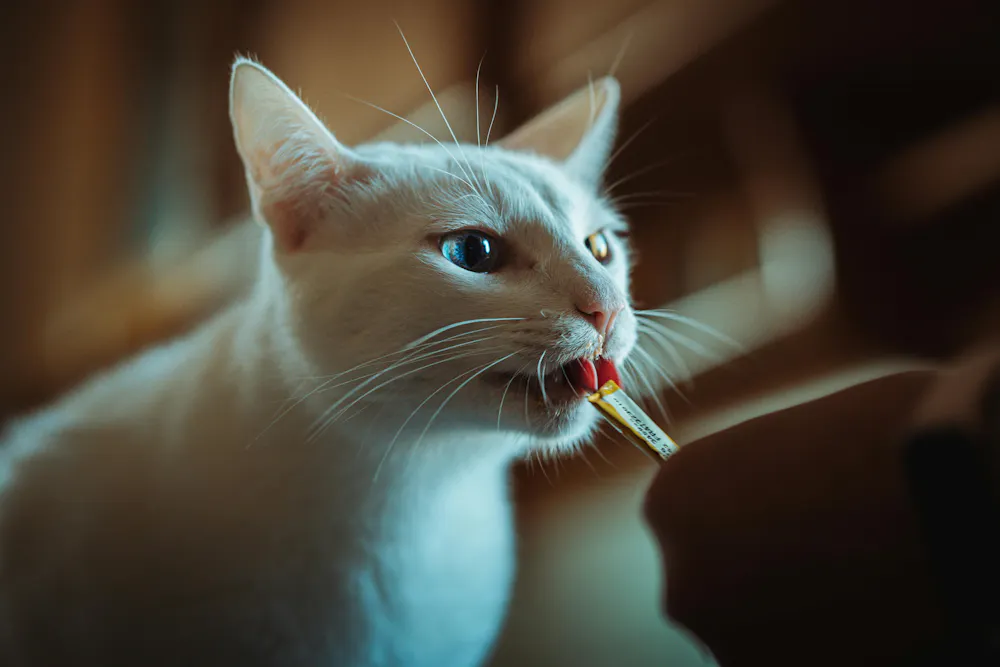
    Shawn Rain/Unsplash

    Cats have a long history with humans, going back more than 9,000 years. Attracted to human settlements by the rodents that plagued (sometimes literally) our ancestors, cats ingratiated themselves as useful mousers and slowly domesticated themselves.

    Farmers began to employ them as pest controllers. It was through this arrangement that cats and milk first became acquainted.

    Before the commercialisation of pet food, cats were mostly fed scraps from the family table. Not much was known about their nutritional needs. In his 1877 book on cats, Scottish doctor Gordon Stables insisted cats need two bowls – “one for water and the other for milk” – and suggested porridge and milk as an excellent feline breakfast.

    From these origins, cats and milk became further embedded in the collective zeitgeist through depictions of milk-loving cats in art, books, movies and cartoons. There’s even the classic trope of the scruffy street cat being rescued from the rain to enjoy a saucer of milk from a kindly stranger.

    While it’s not surprising that cats and milk have persisted as an unquestioned combination, research now tells us cats shouldn’t be drinking milk at all.

    The cultural connection between cats and milk goes far back in history, as shown in this 1921 photo.
    University Historic Photograph Collection, Archives & Special Collections, Colorado State University.

    The vast majority of cats are lactose intolerant

    Like all mammals, cats begin life drinking milk from their mother. But past kittenhood, milk is a completely unnecessary part of a cat’s diet.

    After weaning (around 6–12 weeks of age), kittens stop producing the enzyme lactase, required to digest lactose in milk. For the vast majority of cats, this means they are lactose intolerant.

    However, just like in humans, the level of intolerance varies for each individual based on how much of the enzyme their body naturally produces.

    Don’t rush to give your kitten milk, though. Just because kittens can digest lactose doesn’t mean they should be drinking cow’s milk. Cats are much smaller animals than cows and, fittingly, the amount of lactose in the milk of mother cats is much lower than in cow’s milk. It’s best to let them drink from their mother or to get them a kitten-appropriate cat formula.

    Lactose intolerance isn’t the only reason not to give your cats milk. Though rare, cats can also develop an allergy to milk or dairy.

    Milk from mother cats is different to cow’s milk, which is not appropriate for kittens to drink.
    Hadifa Art/Shutterstock

    What happens to cats who drink milk?

    Lactose is a type of sugar. When it can’t be broken down to be absorbed into the bloodstream, lactose travels through the intestines to the colon where the bacteria inside the body ferment it.

    This fermentation breaks lactose down into acids and gases which cause unpleasant symptoms, including the passing of excessive gas, bloating, constipation, abdominal pain and occasionally nausea and vomiting. In cats, the most common symptom observed is diarrhoea.

    Chronic or persistent diarrhoea can cause further complications such as dehydration, electrolyte imbalance and malnutrition. In some cases, it can even be life threatening.

    Cats who consume milk or dairy regularly as part of their diet are at increased risk of these health complications.

    When farm mousers are ‘paid’ in milk, their lactose intolerance can cause diarrhoea and even serious health complications.
    Aleksandr Lupin/Shutterstock

    If milk is so bad for cats, why do they love it?

    We often like things that are bad for us. But to answer this question, we first have to remember cow’s milk is intended for feeding and growing a baby cow.

    To achieve this feat, it contains an assortment of proteins and fats that are highly palatable, especially to cats. Cats need high levels of protein and fat for optimal health and daily functioning.

    Cow’s milk, in particular, is also high in casein, a protein that is broken down by the body into alpha-casozepine. In some studies, it’s been associated with a calming effect in cats. While this wouldn’t initially make a cat want to drink milk, it may create a comforting association with milk over time.

    If you want to treat your cat, give them species appropriate foods, not cow’s milk or food meant for humans.
    Hamza Yaich/Pexels

    Can I give milk sometimes as a treat? What about milk alternatives?

    The short answer is: no.

    Dairy is not a natural part of cats’ diet. While they may like the taste, milk is likely to cause your furry friend discomfort and health issues, so it’s best to avoid entirely.

    And if you’re thinking your cat is one of the lucky few that isn’t lactose intolerant, think again. Cats are very good at hiding discomfort because, in the wild, showing weakness would make them a target for predators.

    If you absolutely must, opt for lactose-free milk or milk formulated specifically for cats, and keep it as a very occasional treat.

    While it won’t upset their stomachs in the same way as regular cow’s milk, it still won’t offer your cat any nutritional benefit.

    As for milk alternatives like oat, soy or almond milk? Any unusual additions to your cat’s diet are likely to cause digestive upset, so it’s best to avoid these as well.

    The bottom line? Don’t give your cat milk. They don’t need it, they probably can’t digest it and it’s likely to cause more pain than it’s worth.

    Julia Henning does not work for, consult, own shares in or receive funding from any company or organisation that would benefit from this article, and has disclosed no relevant affiliations beyond their academic appointment.

    ref. Can cats drink milk? Despite the stereotypes, it’s actually a bad idea – https://theconversation.com/can-cats-drink-milk-despite-the-stereotypes-its-actually-a-bad-idea-255227

    MIL OSI AnalysisEveningReport.nz

  • MIL-OSI Submissions: Energy – Stop work order lifted, Empire Wind project resumes construction – Equinor

    Source: Equinor

    Empire Offshore Wind LLC (Empire), a subsidiary of Equinor ASA, has been informed by the Department of the Interior’s Bureau of Ocean Energy Management (BOEM) that the stop work order has been lifted for the Empire Wind project, allowing construction activities to resume.

    “We appreciate the fact that construction can now resume on Empire Wind, a project which underscores our commitment to deliver energy while supporting local economies and creating jobs,” says Anders Opedal, President and CEO of Equinor ASA.

    “I would like to thank President Trump for finding a solution that saves thousands of American jobs and provides for continued investments in energy infrastructure in the U.S. I am grateful to Governor Hochul for her constructive collaboration with the Trump Administration, without which we would not have been able to advance this project and secure energy for 500 000 homes in New York. We are very appreciative of New York City Mayor Adams, congressional leaders including Senator Schumer, Senator Gillibrand, Representative Garbarino, and Representative Goldman, as well as labour groups and other advocates that have maintained their steadfast support for the project,” says Anders Opedal, President and CEO of Equinor ASA.

    “I would like to thank the Norwegian Prime Minister Støre and Minister of Finance Stoltenberg for their support at a critical time, and that the Minister of Finance raised the situation with the U.S.administration,” says Anders Opedal, President and CEO of Equinor ASA.

    The stop work order was issued on 16 April 2025. Following dialogue with regulators and federal, state, and city officials, the stop work order has been lifted and construction activities will resume.

    “This project delivers on the energy ambitions shared by the United States and New York by providing a vital new source of power to the region. Empire Wind brings supply chain investments in states across the nation including New York, Louisiana, Pennsylvania, Texas and South Carolina,” said Molly Morris, President of Equinor Wind US.

    Equinor will perform an updated assessment of the project economics in the second quarter. Empire aims to be able to execute planned activities in the offshore installation window in 2025 and reach its planned commercial operation date in 2027. Empire will engage with suppliers and regulatory bodies to reduce the impact of the stop work order.

    After a competitive process, the United States government first leased Empire a designated area of the outer continental shelf off the coast of New York in 2017. After an extensive environmental review process, the United States government approved the plan to build a commercial offshore wind farm in early 2024, after which construction started. Project financing was secured in 2024. The project is currently more than 30 percent complete.

    The United States is a core country in Equinor’s portfolio. Since the early 2000s, Equinor has invested approximately USD 60 billion in U.S. energy projects, mainly within oil and gas, and more recently within low carbon solutions, critical minerals and renewables.

    MIL OSI – Submitted News

  • MIL-OSI Russia: Asian economies unite to counter ‘American risks’

    Translation. Region: Russian Federal

    Source: People’s Republic of China in Russian – People’s Republic of China in Russian –

    Source: People’s Republic of China – State Council News

    Xiang Haoyu, a visiting fellow at the Department of Asia-Pacific Studies at the China Institute of International Studies, believes that tariff barriers and protectionism pose severe challenges to Asia’s economic growth. However, with its strong development resilience and consensus on unity and cooperation, the Asian region is poised to play a key role in the new round of reconstruction of the global economic order and continue to provide strong incentives for the stable growth of the world economy.

    According to a report by the World Bank and the International Monetary Fund (IMF), in 2024, the global economy of Asia will account for 49%, and its contribution to the world economy will reach 60%. Not only does Asia account for 53% of the total value added of world GDP in the manufacturing sector, Asia is also increasingly dominant in the high-tech sector. In the future, Asia is expected to continue to play a driving role in global economic growth through the expansion of the intra-regional market, industrial upgrading, technological innovation, and regional economic integration.

    In the international community’s view, Asia’s growth is of utmost importance to global economic stability. In terms of the current situation, it should be noted that Asia’s economy remains highly resilient and confident in many aspects.

    Above all, Asia’s dominance in high technology and manufacturing is a key advantage in driving the global economy. In recent years, Asian technological innovations in artificial intelligence, 5G communications, and electric vehicles have injected great vitality into the global economy. Facing tariff blackmail from the US, Asia’s manufacturing supply chain, relying on its own continuity and exceptionalism, is better able to withstand the disruption of foreign policy changes, helping the region maintain its status as a global manufacturing hub.

    Second, the deepening of regional economic integration in Asia has created strong domestic momentum. The further implementation of the Regional Comprehensive Economic Partnership (RCEP) is expected to increase bilateral trade between ASEAN countries and China by US$19 billion in 2025. In particular, trade in services and the digital economy will become new growth points, helping to accelerate the transformation and upgrading of the Asian economy.

    Third, protectionism and economic persecution by the United States contribute to the implementation of the strategy of diversification of Asian exports. The main economic entities of Asia are expanding the markets of Europe, Africa, the Middle East, Latin America, etc., reducing their dependence on the U.S. market and at the same time increasing their capabilities in the field of global economic integration. Most transnational corporations with comprehensive development in Asia are also adapting to changes, overcoming risks and rebuilding their own global development strategies. The vast majority of them will not only not leave Asia, but will also strive for deeper integration with the local Asian market, stimulating domestic demand in Asia and accelerating their global deployment.

    Fourth, Asia’s intra-regional market potential will continue to be stimulated, which will help achieve more balanced growth. With Asia’s total population exceeding 4 billion, huge domestic demand will support sustainable economic growth.

    Faced with a highly uncertain external environment, Asian countries are reaching new agreements, agreeing that only unity and cooperation can effectively address external challenges.

    MIL OSI Russia News

  • MIL-OSI Russia: Young Ordos entrepreneur Chen Yelong develops technology in Western China, fulfilling dreams and serving the motherland

    Translation. Region: Russian Federal

    Source: People’s Republic of China in Russian – People’s Republic of China in Russian –

    Source: People’s Republic of China – State Council News

    Chen Yelong is an entrepreneur from the 90s generation. He leads a team that has developed more than a hundred scientific and technological solutions, accelerating the digital transformation of his hometown. As the CEO of Carving Dragons Network Technology, Chen Yelong has always focused on technological innovation. His goal is not only to develop his own company, but also to promote local economic development through scientific and technological progress.

    Chen Yelong was born in 1991 in Edzhen Horo, Ordos City, Inner Mongolia. He has been working in the information technology industry since 2010 and founded Carving Dragons Network Technology in 2015. As a CPC member, he leads a team to overcome the toughest technical challenges. Together, they have developed a series of cutting-edge scientific and technological products for more than 500 organizations, including Party and government agencies, private enterprises, and more.

    In the more than 9 years since its establishment, the company has become a national-level high-tech enterprise, obtaining over 100 exclusive intellectual property rights, and has successfully entered the register of science and technology small and medium enterprises. Chen Yelong has become a model for young people to take root in their homeland in the west of the country and develop their own business based on science and technology.

    Under the leadership of Chen Yelong, the company has been actively involved in local digital construction, providing key technological support to emergency management, smart government, culture, education and other fields. He often says, “The West needs more young people to drive development through innovation.”

    MIL OSI Russia News

  • MIL-OSI New Zealand: Release: Govt risks hospice care by cutting women’s pay

    Source: New Zealand Labour Party

    The Government’s decision to cut women’s pay could result in an exodus of palliative care nurses from the profession.

    “Hospice nurses were just weeks away from having their years-long pay equity claim settled when the Government cruelly cut women’s pay equity for their Budget,” Labour health spokesperson Ayesha Verrall said.

    “These are nurses who care for people at the end of their lives. They have been fighting for years for the dignity of equal pay with their hospital colleagues, only for the Government to change the rules on them at the last minute and scrap their claim.

    “It’s not just cruel, it’s incredibly short-sighted. Hospices are struggling to recruit and retain nurses on lower pay than their hospital counterparts, and have to pay them out of a diminishing amount of funding from the Government, grants and fundraising.  

    “Hospice New Zealand has warned it needs a $16 million boost from the Government just to keep the lights on. Without pay equity or the money to pay nurses what they deserve, it will be harder to provide the care New Zealanders need at the end of their lives.  

    “This Government is choosing tax cuts for landlords and tobacco companies over pay raises for funding essential care. It’s short-sighted, unfair, and plain wrong,” Ayesha Verrall said.

    Note to editors: Hospice nurses and healthcare assistants had one of the 13 funded-sector health claims that the Government abolished when it passed the Equal Pay Amendment Act.


    Stay in the loop by signing up to our mailing list and following us on FacebookInstagram, and X

    MIL OSI New Zealand News

  • MIL-OSI USA: ICYMI: Sen. Cramer Op-Ed: If Countries Want Access to Our Markets, They Must Abide By Our Standards

    US Senate News:

    Source: United States Senator Kevin Cramer (R-ND)
    BISMARCK, N.D. – On President Trump’s “Liberation Day” last month, he argued non-tariff trade barriers are often more damaging to America’s competitiveness than actual tariffs imposed by foreign governments. He rightly called out unfair practices like currency manipulation, export subsidies, and intellectual property theft. But one often-overlooked offense stands out: lax environmental standards, enforcement, and compliance.
    In his remarks, the President blasted other countries for accusing America of committing environmental crimes and demanding that our producers pay for damages for which they were not responsible. U.S. Senator Kevin Cramer (R-ND), member of the Senate Environment and Public Works Committee, penned an op-ed in RealClearEnergy, arguing for an America First approach to foreign pollution, and that the rules we impose on ourselves reflect our stewardship values. If countries want access to our markets they should abide by our standards, and we shouldn’t devolve to theirs. 

    If Countries Want Access to Our Markets, They Must Abide By Our Standards
    RealClearEnergy – May 19, 2024
    On President Trump’s “Liberation Day,” he argued non-tariff trade barriers are often more damaging to America’s competitiveness than actual tariffs imposed by foreign governments.  
    The President called out several unfair practices used to create an artificial advantage in trade – currency manipulation, export subsidies, intellectual property theft, exorbitant value-added taxes, and unfair rules. But one often-overlooked offense stands out: lax environmental standards, enforcement, and compliance. He is right to pinpoint this disparity as it undermines U.S. competitiveness and directly harms the wellbeing of Americans.
    Emissions from industrial activities across the Pacific, particularly in China, contribute up to 30% of surface ozone and 20% of fine particulate matter in the western U.S., making it more difficult for states to meet their air quality targets under the Clean Air Act. In addition, mercury pollution from coal-fired plants in Asia accounts for 20 to 40% of mercury deposition in the West.
    If American facilities fail to comply with our environmental statutes, a state’s federal highway funds can be withheld, or strict regulatory constraints impacting the permitting and investment of new industrial facilities could be imposed. This is why U.S. Environmental Protection Agency (EPA) Administrator Lee Zeldin recently announced the removal of red tape that placed excessive burden on states’ ability to prove their pollution problem was linked to foreign sources. He understands Americans should not be punished for another country’s’ pollution.
    U.S. companies work hard to meet EPA requirements. They spend hundreds of billions on environmental compliance, with our manufacturing and energy-intensive sectors bearing the highest burden. A National Association of Manufacturers’ report found the average U.S. producer pays over $10,000 per employee annually on meeting environmental standards.
    When a regulation’s costs outweigh its public benefits, it should be eliminated. But Americans live by the old Boy Scout adage to “leave this world a little better than you found it.” We want safe environments for our workers, clean air and water, and for our innovators to create more efficient ways to produce more in America. The rules we impose on ourselves reflect our stewardship values. If countries want access to our markets they should abide by our standards, and we shouldn’t devolve to theirs. 
    “Free-trade-at-any-cost” idealogues portend all commodities are created equal, as if there isn’t intrinsic value in where a product is made. In their mind, a barrel of Russian or Iranian oil is the same as one out of North Dakota or Alaska, or a rod of Chinese steel is no different than one out of Cleveland or Pittsburgh. Never mind these foreign producers are dirtier, use their profits to promulgate foreign wars, and exploit abhorrent labor standards.
    In his remarks, the President blasted other countries for accusing America of committing environmental crimes and demanding that our producers pay for damages for which they were not responsible.   
    He’s right to decry this hypocrisy and I’m committed to working with him to hold overseas polluters accountable.
    Last Congress, Sen. Chris Coons (D-DE) and I introduced the PROVE IT Act, which would require the U.S. Department of Energy (DOE) to develop a dataset to compare the relative carbon efficiency of U.S. production to our foreign competitors. Existing data compiled by the Climate Leadership Council already shows the United States has a clear carbon advantage over its competitors. While the idea of using carbon as a metric might confuse those who seek to punish overseas producers for traditional pollutants, it serves as an excellent proxy for actual emissions. 
    On paper, China’s environmental regulatory regime appears reasonable, but enforcement and compliance suffer from corruption that results in cheating. Chinese companies, especially coal-fired power plants and heavy industries, have been documented turning off or bypassing pollution scrubbers to cut costs. Our bill requires DOE to strictly review foreign data to make sure this type of cheating isn’t tolerated.
    The President is right to focus on the effects of unfair trade practices to level the playing field. An America First approach on foreign pollution, however, can do much more – it can rewrite the script on how conservatives view U.S. environmental progress.
    Paired with effective trade measures that hold overseas polluters accountable, we can monetize the superior environmental performance of our workers and industry and protect public health. At the same time, we can create a durable and transparent trade agenda that not only encourages domestic investment in manufacturing but also cleans up the global environment. 
    Global demand for virtually everything is growing. If we want cleaner, more secure supply chains, we won’t get there by punishing ourselves. The solution is recognizing our excellence and making more in America!
    President Trump gets this. But first, we need the comparative emissions data authorized by the PROVE IT Act to determine the scope of this unfair trade practice and to help understand the impact of foreign pollution on America.

    MIL OSI USA News

  • MIL-OSI USA: ICYMI: Tuberville Joins Kudlow to Discuss the Urgent Need for Congress to Pass President Trump’s “One Big Beautiful Bill”

    US Senate News:

    Source: United States Senator for Alabama Tommy Tuberville
    WASHINGTON – Today, U.S. Senator Tommy Tuberville (R-AL) joined Larry Kudlow on Fox Business to discuss the urgent need for Congress to pass President Trump’s “One Big Beautiful Bill,” which cleared the House Budget Committee last night.
    Read excerpts from the interview below or watch on YouTube or Rumble.

    KUDLOW: “Senator Tuberville, as always, sir, great to see you. The Laffer Curve is one thing, [but] I’m hearing rumors that Republican Senators are gonna take the ‘One Big Beautiful Bill’ and split it up into three parts. I can’t—I mean, we had this debate months ago. I can’t imagine getting three reconciliation bills through Congress, but you tell me what’s going on here with three parts.”
    TUBERVILLE: “Well, first of all, Larry, we all need to read the book titled JFK and the Reagan Revolution, written by Larry Kudlow himself. I think a lot of us up here have read that book, Larry. It’s a great book.”
    KUDLOW: “Thank you, sir.” 
    TUBERVILLE: “But there is a lot of Republican Senators up here that would love to see more than ‘One Big Beautiful Bill.’ There are some pluses and there are some minuses [to that]. But at the end of the day, we’ve gone a long way and let’s go ahead and get this done if we possibly can. I think it’s gonna be very tough, though, Larry. There’s a lot of reform that has to be put into this bill, not cuts, but reform. […] So, I think tomorrow, President Trump’s coming here at 8:30 in the morning, as we just heard, is a warning signal that something’s not going very well over in the House to get this thing pushed to the Senate.”
    KUDLOW: “I mean, you wanna get these tax cuts done. July 4th is fine. Memorial Day, March 31st would have been better, but whatever. July 4th is fine, okay? Get them done and [let them] take effect. The withholding rates will change. The depreciation rates will change. We’ll get the overtime pay and the tax-free tips and so forth and so on. We’ll get growth into the middle class, the blue collar, the working folks coalition. You wanna get it done as soon as possible. I can’t imagine dilly dallying through the rest of the year with three bills or whatever and risk a $5 trillion dollar tax hike?”
    TUBERVILLE: “Yeah, we can’t do that. It’ll be disastrous. And, again, going back to the Laffer Curve, we all know. Everybody understands the more you lower taxes, the more money that comes into the federal government. And we have to understand that. A lot of people don’t believe that. Democrats keep fighting back on that. But as you said, it has been proven right. So, let’s get this done. Let’s let President Trump have his tax cuts that he ran on. We need to do that, but if we don’t get a tax bill done in the very near future, it won’t get done this year, and it will be a disaster for the Republican party.”
    Senator Tommy Tuberville represents Alabama in the United States Senate and is a member of the Senate Armed Services, Agriculture, Veterans’ Affairs, HELP and Aging Committees.

    MIL OSI USA News

  • MIL-OSI China: US stocks inch higher despite credit rating downgrade

    Source: People’s Republic of China – State Council News

    U.S. stocks were little changed on Monday, as markets reacted to mounting concerns over the country’s fiscal outlook following a credit rating downgrade and the advancement of a controversial tax-and-spending bill.

    The Dow Jones Industrial Average rose 137.33 points, or 0.32 percent, to 42,792.07. The S&P 500 added 5.22 points, or 0.09 percent, to 5,963.6. The Nasdaq Composite Index increased 4.36 points, or 0.02 percent, to 19,215.46.

    Seven of the 11 primary S&P 500 sectors ended in green, with health and consumer staples leading the gainers by adding 0.96 percent and 0.42 percent, respectively. Meanwhile, energy and consumer discretionary led the laggards by losing 1.55 percent and 0.27 percent, respectively.

    Late Friday, Moody’s Ratings downgraded the U.S. credit rating, stripping its last triple-A credit rating, citing persistent fiscal deficits and rising interest costs as key factors. Those concerns intensified after the House Budget Committee approved U.S. President Donald Trump’s tax-and-spending bill late Sunday. Moody’s cited “persistent, large fiscal deficits” for its downgrade.

    “We do not believe that material multi-year reductions in mandatory spending and deficits will result from current fiscal proposals under consideration,” the agency wrote, referring to the tax and spending bill making its way through Congress. U.S. financial health is likely to deteriorate as the government’s debt and interest burden increase.

    Experts seem not to worry about the long-term sustainability of U.S. finances. “There are no signs of any serious deficit restraint at this stage,” noted Jim Reid, a strategist at Deutsche Bank.

    “The Moody’s downgrade of U.S. debt doesn’t tell investors anything they don’t already know about the U.S.’s fiscal woes,” wrote Bank of America analysts in a note on Monday.

    However, the downgrade and fiscal developments contributed to volatility in the bond market. The 10-year Treasury yield briefly climbed to 4.56 percent, its highest level in over a month, before pulling back to 4.45 percent as of 4:10 p.m. Eastern Daylight Time.

    Trump added to the tensions over the weekend by criticizing Walmart for signaling price increases tied to tariffs. Walmart slumped 0.12 percent on Monday.

    The Federal Reserve, which has held interest rates steady this year, remains cautious due to the uncertainty surrounding tariffs and fiscal policy. New York Fed President John Williams noted Monday that the economic outlook remains murky and that monetary policy direction may not become clearer for months.

    Tech stocks, which have driven much of the recent market rally, traded mixed on Monday. Tesla dropped 2.25 percent after a 17 percent gain last week, while Apple lost about 1.17 percent. Nvidia also slipped, while Alphabet, Microsoft, Amazon, Meta and Broadcom posted some gains. 

    MIL OSI China News

  • MIL-OSI China: China urges US to cease discriminatory measures

    Source: People’s Republic of China – State Council News

    China’s commerce ministry on Monday condemned the United States for abusing export control measures targeting Chinese chip products, urging the country to immediately correct its wrongdoings and cease discriminatory measures against China.

    Commenting on a revised U.S. announcement concerning Chinese chip products, the spokesperson said that the announcement in essence still contains discriminatory measures and will distort the market.

    The United States has abused its export control measures and imposed stricter restrictions on Chinese chip products based on unfounded allegations, the spokesperson said, adding that China firmly opposes such unilateral bullying.

    The U.S. actions have seriously infringed upon the legitimate rights and interests of Chinese companies, threatened the security and stability of global semiconductor industrial and supply chains, and disrupted global technological innovation, the spokesperson noted.

    The spokesperson urged the U.S. side to work with China to jointly safeguard the consensus reached in the high-level talks in Geneva, and promote the building of sustainable, long-term and mutually beneficial bilateral economic and trade relations.

    If the United States continues to cause China substantive harm, China will take resolute measures to safeguard its legitimate rights and interests, the spokesperson said.

    MIL OSI China News

  • MIL-OSI Economics: 2025 Annual Meetings: Eradicate corruption to make the most of Africa’s capital

    Source: African Development Bank Group
    According to the United Nations Office on Drugs and Crime (UNODC), “Corruption is the main obstacle to economic and social development in the world. Every year, $1 trillion is paid in bribes, while an estimated $2.6 trillion, equivalent to more than five per cent of global GDP, is stolen.”

    MIL OSI Economics

  • MIL-OSI Economics: Launch of the Inaugural Edition of the Public Service Delivery Index in Africa (PSDI) Report

    Source: African Development Bank Group
    What:             Launch of the Inaugural Edition of the Public Service Delivery Index in Africa (PSDI) Report
    Who:              African Development Institute, African Development Bank Group
    When:            May 29, 2025, 14:00-15:30 GMT
    Where:           Sofitel Hotel, Abidjan, Côte d’Ivoire; and online

    MIL OSI Economics

  • MIL-OSI USA: Rosen, Cortez Masto Secure Nearly $1 Million in Federal Funding to Protect Nevada Wildlife

    US Senate News:

    Source: United States Senator Jacky Rosen (D-NV)
    WASHINGTON, DC – Today, U.S. Senators Jacky Rosen (D-NV) and Catherine Cortez Masto (D-NV) announced that they have secured $981,241 in federal funding through the State Wildlife Grant Program to protect, manage, and address wildlife conservation needs across Nevada. This funding, which is administered by state agencies, will go toward implementing Nevada’s Wildlife Action Plan.
    “Nevada is home to an incredible and diverse range of wildlife that rely on our beautiful outdoors for their critically important habitats,” said Senator Rosen. “I helped secure this federal funding to further protect our natural landscapes from ever-increasing threats like climate change, drought, and wildfires.”
    “Our state’s wildlife and their habitats are part of what makes Nevada a great place to live and visit,” said Senator Cortez Masto. “I’m proud to have helped secure the necessary funding to help our wildlife agencies in their conservation efforts.”
    Since 2000, the U.S. Fish and Wildlife Service’s Office of Conservation Investment has distributed over $1 billion to states, territories, commonwealths, and D.C. through the State Wildlife Grant Program. Funds are used by state fish and wildlife agencies for developing and implementing programs that benefit wildlife and their habitats, including species that are not hunted or fished. Grant funds may be used to address a variety of conservation needs, such as research, fish and wildlife surveys, species restoration, habitat management, and monitoring.
    Senators Rosen and Cortez Masto are strong supporters of wildlife conservation in Nevada. Each year, they request funding for the State Wildlife Grant Program to make sure Nevada has the resources it needs to protect, manage, and promote wildlife conservation.

    MIL OSI USA News

  • MIL-OSI USA: Rosen, Colleagues Demand Action to Prevent Corporations From Jacking Up Prices On Top of Trump Tariffs’ Price Hikes 

    US Senate News:

    Source: United States Senator Jacky Rosen (D-NV)
    WASHINGTON, DC – U.S. Senator Jacky Rosen (D-NV) joined House and Senate colleagues in sending a letter to the Federal Trade Commission (FTC) urging them to investigate which big corporations are using the Trump tariffs as an excuse to raise prices in excess of actual cost increases caused by the President’s tariffs, and to prosecute individuals and companies that price gouge American consumers.
    “President Trump’s on-again, off-again tariffs build an especially fertile environment for price-gouging. The new tariffs have created a cloud of uncertainty that gives companies cover to raise prices on all goods, regardless of whether they are subject to new tariffs or whether their costs have meaningfully increased, above and beyond what is necessary to cover any cost increases,” the members wrote.  
    “Armed with the knowledge that the FTC has turned a blind eye to this price-gouging tactic, companies now have free rein to use surveillance pricing to price gouge consumers. A former FTC official said, ‘The message that is coming out of this administration…is that the watchdog is gone and companies feel emboldened to rip people off.’ We urge you to fulfill your public commitment and to ensure President Trump’s trade war is not a ‘green light’ for price gouging,” concluded the members.
    You can read the full text of the letter HERE.
    Senator Rosen is working to lower costs and protect American consumers. Earlier this year, she sent a letter to the FTC expressing concern over the use of artificial intelligence (AI) by corporations to target individuals with different prices for the same products through surveillance pricing. Senator Rosen was also part of a letter pressing the Trump Administration on how mass firings at the Consumer Financial Protection Bureau will hurt Nevada families. She has also introduced legislation to crack down on price gouging by corporate investors who are driving up housing prices. Last Congress, Senator Rosen successfully pushed the FTC to block the Kroger-Albertsons grocery store mega merger because it could reduce competition and raise grocery prices.

    MIL OSI USA News

  • MIL-OSI: Alchera X Strengthens Partnership with WatchTowers to Deliver Internationally Acclaimed AI-Powered Premium Wildfire Detection Across Australia

    Source: GlobeNewswire (MIL-OSI)

    LOS ANGELES, May 19, 2025 (GLOBE NEWSWIRE) — Alchera X (“AX”), a leading AI SaaS company specializing in visual and facial recognition technologies, is proud to highlight the success of its strategic partnership with Australia-based WatchTowers Network, a pioneer in emergency response technology. At the heart of this collaboration is FireScout, Alchera X’s cutting-edge AI system for real-time wildfire smoke detection—now a trusted tool in emergency operations centers across multiple continents.

    What began three years ago as a promising integration effort to save property and lives in Australia, has matured into a fully operational, field-tested system that is transforming the way emergency services detect and respond to wildfires. Leveraging WatchTowers’ situational awareness platform, WatchTowers Command, FireScout has successfully been monitoring thousands of square miles 24/7, delivering automated wildfire detection alerts to first responders, that save precious minutes when every second counts.

    “We built FireScout with one goal in mind: to give emergency responders critical time and insight to act before wildfires escalate,” said Michael Plaksin, President & CEO of Alchera X. “Our partnership with WatchTowers proves that when advanced AI is combined with operational expertise, the result is smarter, faster, and more effective fire detection with 99.9% accuracy.”

    Real-World Impact

    Through rigorous real-world testing supported by the Minderoo Foundation, FireScout has been deployed in over 1,000 fire events, demonstrating exceptional accuracy in diverse conditions—including remote terrain, nighttime operations, and long-distance detection up to 37 miles (60 km) from a WatchTowers station. The system significantly reduces false positives by learning continuously from every confirmed or dismissed fire, increasing and improving the system’s accuracy over time.

    As an example, FireScout detected smoke 10 minutes before emergency services were alerted via 911 in Sonoma County, California —offering emergency responders a critical window (or what’s known as “Golden Minutes”) to quickly react and help save property and lives.

    Seamless Integration and Trusted Reliability

    FireScout was meticulously integrated into the WatchTowers Command platform, allowing AI-generated alerts to trigger automated workflows—such as hazard flagging, camera zoom-ins, and inter-agency coordination—without manual intervention. The result is a streamlined response system that empowers teams to focus on action rather than surveillance.

    As noted regarding WatchTowers’ recent press release:

    “FireScout’s performance speaks for itself, but what truly sets Alchera X apart is their hands-on, solution-focused approach. From day one, they collaborated with us to help us overcome integration challenges and streamline the user experience for frontline teams. Their commitment to partnership—not just their premium wildfire detection product—has been instrumental in delivering real-world impact. We’re proud to work alongside them as a trusted technology partner.”

    Global Reach, Expanding Impact

    AX has already deployed its FireScout technology in the United States & Canada, Australia & the APAC Region, as well as parts of Europe, and are working with several partners to expand globally. FireScout was recently showcased at the Wildland Urban Interface (WUI) Conference in Reno over the past few years to global acclaim. Its versatility and reliability make it a cornerstone technology for agencies seeking to modernize their wildfire detection strategies.

    FireScout leads the charge in real-time smoke detection, empowering emergency services with earlier, smarter alerts. Alchera X is an AI SaaS company based in Los Angeles, specializing in real-time visual and facial recognition solutions. One of its premier products, FireScout, leverages advanced machine learning to detect wildfires through live video analysis, helping emergency services act quickly and decisively. Alchera X is dedicated to safeguarding people, property, and ecosystems through innovation that makes a real-world difference protecting over 5 million square miles globally.

    As climate volatility drives more frequent and intense fire seasons, Alchera X is committed to advancing the capabilities of FireScout—making it faster, more adaptable, and easier to deploy across new regions and networks around the world.

    About WatchTowers
    WatchTowers Network builds real-time intelligence systems that help emergency agencies coordinate fast and effective responses. Its flagship platform, WatchTowers Command, brings together visual feeds, detection tools, and operational workflows into one seamless interface designed for high-stakes decision-making.

    About AX
    Founded in 2016, AX is an artificial intelligence Software-as-a-Service (SaaS) company that has developed award-winning proprietary technology in the areas of facial and visual artificial intelligence (AI) including facial recognition, wildfire detection, augmented reality, and more. AX develops and distributes innovative products that enhance safety and security across various industries worldwide.

    AX’s FireScout product provides artificial intelligence to utilize visual recognition in real time on a 24/7/365 basis for wildfire detection. Our technology seamlessly integrates into existing camera/monitor systems. We offer the most informative, effective, and supportive user interface system in the market today. Our AI has been used on over 1,000 cameras throughout the Western United States and is considered to be the de facto standard in AI.

    Join the Conversation: Follow us on LinkedIn – AX and FireScoutTwitter and YouTube.

    Media Contact:
    Palak Kapasi
    Head of Marketing & Public Relations, AX
    AXmedia@alcherainc.com

    Photos accompanying this announcement are available at: 

    https://www.globenewswire.com/NewsRoom/AttachmentNg/24a2e04f-8574-488c-8a71-751920111ae0

    https://www.globenewswire.com/NewsRoom/AttachmentNg/6c2c22c9-3070-4486-a005-49b40eed5cf5

    https://www.globenewswire.com/NewsRoom/AttachmentNg/ce8dedbf-f95c-41c2-bf3f-bb82abca7c2c

    The MIL Network

  • MIL-Evening Report: Does drawing on memory help us solve problems? Our experiment gave some surprising answers

    Source: The Conversation (Au and NZ) – By Anne Macaskill, Senior Lecturer in Experimental Psychology, Te Herenga Waka — Victoria University of Wellington

    Getty Images

    Conventional wisdom suggests memories of past experiences can help us navigate problems in the present.

    For example, if a friend told you they were having a disagreement with their partner, you might ask what they did last time they argued. If your child was anxious about a presentation, you might boost their confidence by saying “remember that great speech you did last year”.

    Indeed, memory researchers have found people report a key reason they remember the past is to solve problems in the present. But does this prove that drawing on experience is a good problem-solving strategy?

    How much insight do we have about whether these memories support us to solve current problems? And, objectively, does this strategy help people identify more and better solutions?

    To get more conclusive evidence, we ran two experimental studies (one with 170 students, one with 340 students). In each, we instructed some people to recall previous times they were successful (we call this the “memory group”). We instructed others to recall neutral personal memories such as what they had for breakfast that morning (we call this the “control group”).

    We then asked both groups to come up with as many solutions as they could to everyday problems, such as resolving a disagreement, or working in a team to complete a project.

    We expected the memory group to generate more solutions to these problems than the control group. But surprisingly, they did not. Both groups generated the same number of solutions.

    Does this mean drawing on the past is an ineffective problem-solving strategy, or perhaps only effective for some people?

    For some people, drawing on memories of positive past experiences can help with a task they find difficult, such as public speaking.
    Getty Images

    Unpacking the link between memory and problem solving

    To dig further, we asked all participants what was going on in their heads while they were coming up with solutions. Across both groups, some participants said they drew on past experiences we did not specifically instruct them to recall.

    This result hinted that recalling memories might be something some people are in the habit of doing anyway, and a possible reason why our memory instructions didn’t seem to make a difference.

    We therefore wondered if our instructions were only helpful for participants who do not typically use their memory to solve problems. Indeed, in a followup study with 237 student participants, we found our instruction to recall past successful experiences was useful, but only for a subset of people.

    Specifically, this applied to participants who reported they don’t typically use their memory of personal experiences for problem solving. These participants came up with more solutions than anyone else.

    We reasoned this was because they already had other good problem-solving strategies (for example, thinking about facts relevant to the problem or thinking laterally and creatively) and we had merely given them an additional strategy (recalling their past).

    However, we found no relationship between how often participants typically used their memory to solve problems, and how many solutions they came up with.

    Memories can help with difficult tasks

    What do our findings tell us? Recalling a memory may be helpful for generating solutions to problems, but it is not the only or best way to solve problems.

    However, recalling a memory might help more or be more important in other problem-solving steps, such as defining a problem or implementing a solution once you’ve thought of it.

    For instance, some experimental evidence suggests intentionally remembering past experiences could be helpful for doing hard things, such as public speaking, exercising or overcoming a fear of heights.

    One study found people who remembered a positive public speaking experience before giving a speech were less anxious, and actually did a better job. Another study found people who recalled a positive experience with exercise increased their exercise over a week, even when the researchers took into account their prior attitudes, motivation and exercise activity.

    A specific positive and related memory may therefore be helpful to following through on your intention to perform a specific behaviour. Conversely, as we have found, recalling a memory might not be the best or only approach for coming up with multiple solutions to a problem.

    People also report that they recall their experiences to shape their identity and to develop and maintain relationships through reminiscing. Memory of personal experiences therefore has the potential to influence many facets of our life.

    Overall, our research highlights the importance of context – when, how and who is drawing on memories of past experiences to solve problems – when we consider conventional wisdom about memory.

    The authors do not work for, consult, own shares in or receive funding from any company or organisation that would benefit from this article, and have disclosed no relevant affiliations beyond their academic appointment.

    ref. Does drawing on memory help us solve problems? Our experiment gave some surprising answers – https://theconversation.com/does-drawing-on-memory-help-us-solve-problems-our-experiment-gave-some-surprising-answers-255105

    MIL OSI AnalysisEveningReport.nz

  • MIL-Evening Report: Boredom gets a bad rap. But science says it can actually be good for us

    Source: The Conversation (Au and NZ) – By Michelle Kennedy, Youth Mental Health Researcher, University of the Sunshine Coast

    We have all experienced boredom – that feeling of waning interest or decreased mental stimulation. Eventually we lose focus, we disengage. Time seems to pass slowly, and we may even start to feel restless. Whether it be watching a movie that disappoints, a child complaining that “there’s nothing to do”, or an adult zoning out during a meeting – boredom is a universal experience.

    Generally defined as difficulty maintaining attention or interest in a current activity, boredom is commonly viewed as a negative state that we should try to avoid or prevent ourselves from experiencing.

    But what if there’s another way to view boredom, as a positive state? Could learning to embrace boredom be of benefit?

    The brain on boredom

    The brain network is a system of interconnected regions that work together to support different functions. We can liken it to a city where suburbs (brain regions) are connected by roads (neural pathways), all working together to allow information to travel efficiently.

    When we experience boredom – say, while watching a movie – our brain engages specific networks. The attention network prioritises relevant stimuli while filtering out distractions and is active when we commence the movie.

    However, as our attention wanes, activity in the attention network decreases, reflecting our diminished ability to maintain focus on the unengaging content. Likewise, decreased activity occurs in the frontoparietal or executive control network due to the struggle to maintain engagement with the unengaging movie.

    Simultaneously, the default mode network activates, shifting our attention toward internal thoughts and self-reflection. This is a core function of the default mode network, referred to as introspection, and suggestive of a strategy for coping with boredom.

    This complex interplay of networks involves several key brain regions “working together” during the state of boredom. The insula is a key hub for sensory and emotional processing. This region shows increased activity when detecting internal body signals – such as thoughts of boredom – indicating the movie is no longer engaging. This is often referred to as “interoception”.

    The amygdala can be likened to an internal alarm system. It processes emotional information and plays a role in forming emotional memories. During boredom, this region processes associated negative emotions, and the ventral medial prefrontal cortex motivates us to seek alternative stimulating activities.

    The default mode network in our brains (highlighted here) shifts our attention towards internal thoughts and self-reflection when we’re bored.
    John Graner/Wikipedia

    Boredom versus overstimulation

    We live in a society that subjects us to information overload and high stress. Relatedly, many of us have adopted a fast-paced lifestyle, constantly scheduling ourselves to keep busy. As adults we juggle work and family. If we have kids, the habit of filling the day with schooling and after-school activities allows us to work longer hours.

    In between these activities, if we have time to pause, we may be on our screens constantly organising, updating, or scrolling to simply stay occupied. As a result, adults inadvertently model the need to be constantly “on” to younger generations.

    This constant stimulation can be costly – particularly for our nervous system. Our overscheduling can feed into overstimulation of the nervous system. The sympathetic nervous system which manages our fight-or-flight response is designed to deal with times of stress.

    However, when we are constantly stressed by taking in new information and juggling different activities, the sympathetic nervous system can stay activated for too long, due to the cumulative effects of repeated exposure to different stressors. This is sometimes referred to as “allostatic overload”. It is when our nervous system becomes overwhelmed, keeping us in a heightened state of arousal, which can increase our risk of anxiety.

    Eliminating the state of boredom deprives us of a simple and natural way to reset our sympathetic nervous system.

    Could boredom be good for us?

    In small doses, boredom is the necessary counterbalance to the overstimulated world in which we live. It can offer unique benefits for our nervous system and our mental health. This is opposed to long periods of boredom where increased default mode network activity may be associated with depression.

    There are several benefits of giving ourselves permission to be occasionally bored:

    • improvements in creativity, allowing us to build “flow” in our thoughts
    • develops independence in thinking and encourages finding other interests rather than relying on constant external input
    • supports self-esteem and emotional regulation, because unstructured times can help us sit with our feelings which are important for managing anxiety
    • encourages periods without device use and breaks the loop of instant gratification that contributes to compulsive device use
    • rebalances the nervous system and reduces sensory input to help calm anxiety.

    Embrace the pause

    Anxiety levels are on the rise worldwide, especially among our youth. Many factors contribute to this trend. We are constantly “on”, striving to ensure we are scheduling for every moment. But in doing so, we are potentially depriving our brains and bodies of the downtime they need to reset and recharge.

    We need to embrace the pause. It is a space where creativity can prosper, emotions can be regulated, and the nervous system can reset.

    Daniel Hermens receives funding from the Commonwealth government’s Prioritising Mental Health Initiative and the Queensland Mental Health Commission.

    Michelle Kennedy does not work for, consult, own shares in or receive funding from any company or organisation that would benefit from this article, and has disclosed no relevant affiliations beyond their academic appointment.

    ref. Boredom gets a bad rap. But science says it can actually be good for us – https://theconversation.com/boredom-gets-a-bad-rap-but-science-says-it-can-actually-be-good-for-us-255767

    MIL OSI AnalysisEveningReport.nz

  • MIL-OSI USA: Senator Wicker Helping Maintain America’s AI Edge

    US Senate News:

    Source: United States Senator for Mississippi Roger Wicker
    For decades, most Americans thought of artificial intelligence (AI) as a make-believe character in science fiction movies. Now, the future has arrived. We are adjusting to a world full of AI.
    Artificial intelligence is with us at the doctor’s office, helping detect cancer during our annual screenings. Companies use AI to support self-driving vehicles. On Facebook, users debate whether video clips are authentic or are eerily believable “deepfakes.” ChatGPT notoriously allows students to produce illicit term papers in seconds. On the battlefield, AI lets soldiers quickly analyze enemy activity. I could go on – to AI’s applications in finance, agriculture, manufacturing, and more.
    The Risks and Rewards of AI
    Those capabilities make people both excited and troubled. We call this intelligence “artificial” because scientists create it. They use math to teach computers how to solve problems and recognize patterns. Americans recognize that AI has nearly unlimited potential to benefit humanity. But the technology also raises difficult questions about privacy and job security.
    Even the recently-elected pope understands these concerns. In his first address to the world, Pope Leo XIV said this rapidly developing technology raises, “new challenges for the defense of human dignity, justice, and labor.” I believe the pope is right to recognize the high stakes. To use AI wisely, we need input from leaders in the church, government, academia, and the private sector.
    In the U.S. Senate, my colleagues and I are working to balance the risks and rewards of AI. Earlier this year, we acted to protect Americans from some of the harmful uses of the technology. Congress passed and President Trump signed into law a bill called the Take It Down Act. A key part of that law sets punishments for those who use AI to create certain pornographic deepfakes.
    Beat China in the AI Race
    The Take It Down Act demonstrates the unfortunate fact that individuals can misuse AI to devastating effect. The same is true for our adversaries. For the past two decades, the Chinese Communist Party has been pouring trillions of dollars into its military, trying to challenge the United States in hard power. It has also been investing in cyber capabilities such as AI.
    The United States is – and can remain – ahead of the Chinese Communist Party’s technological ambitions. But we must act quickly to keep America’s edge. Simply put, if we do not win the AI race, China will – directly threatening our national security.
    To Win, Unleash American Innovation
    America is poised to succeed in AI because we have the world’s most dynamic talent, research, and business ecosystem. The government should do what it can to facilitate that marketplace. Any government regulations on AI must begin with a “light touch” so that innovators can experiment, prototype, and compete. In this way, we mirror the approach the government took with the internet, allowing that technology to grow and develop in the United States.
    Unfortunately, President Biden took the opposite approach. In the final week of his term, officials set new rules that would have handicapped the supply chain for chips and semiconductors, which power AI. The rule would have gone into effect this month, weakening the American companies helping us win the technology race.
    My Republican colleagues and I encouraged President Trump to block the heavy-handed rule, and he did so this month. The president replaced that Biden-era policy with a framework that makes the United States and our allies more competitive again.
    On that positive note, it seems fitting to conclude with a summary written by ChatGPT: “America has always led the world in innovation. From the lightbulb to the moon landing to the internet, we have proven time and again that freedom fosters invention. AI should be no different.”

    MIL OSI USA News

  • MIL-OSI USA: Kennedy, Transportation Secretary Sean Duffy announce National Center of Excellence for LNG Safety in Lake Charles

    US Senate News:

    Source: United States Senator John Kennedy (Louisiana)
    WASHINGTON – Sen. John Kennedy (R-La.), a member of the Senate Appropriations Committee, and Secretary of Transportation Sean Duffy today announced that McNeese State University in Lake Charles, La. was selected as the site of the Pipeline and Hazardous Materials Safety Administration (PHMSA) National Center of Excellence for Liquefied Natural Gas (LNG) Safety.
    “In 2020, Congress passed the PIPES Act, which improved pipeline safety and infrastructure. As part of the bill, I added language that created the first-ever National Center of Excellence for LNG Safety, but I didn’t stop there. I made sure in that bill that the newly created Center was required to be in Louisiana. Today, President Trump and Transportation Secretary Duffy announced that the Center will be headquartered at McNeese State University in Lake Charles, and I thank them,” said Kennedy.
    “Producing and exporting LNG is one of the most powerful ways we can unleash American energy, and the Lake Charles region is a critical hub of LNG activity in the U.S. The sheer volume of product supplied by the state of Louisiana is unparalleled and growing, and there is no better place to locate our Center of Excellence,” said Duffy.
    The Protecting our Infrastructure of Pipelines and Enhancing Safety (PIPES) Act of 2020 required PHMSA to establish that the National Center of Excellence for LNG Safety improve the federal government’s LNG facility expertise, act as an information repository on best practices for LNG facilities and facilitate collaboration among LNG stakeholders.
    “The Center will advance LNG safety by promoting collaboration among government agencies, industry, academia, and other safety partners. Consolidating such remarkable levels of expertise will benefit the LNG sector for many generations to come,” said PHMSA Acting Administrator Ben Kochman.
    “The PHMSA National Center of Excellence for LNG Safety at McNeese will be a game-changer for our region in terms of workforce development and groundbreaking research. We are excited to be on the forefront of helping ensure safety and sustainability in the energy sector and look forward to working with PHMSA to develop a world-class facility to house their staff,” said Wade Rousse, President, McNeese State University. 
    Kennedy has long fought for the National Center of Excellence for LNG Safety and its presence in southwest Louisiana.
    In 2020, Kennedy inserted a provision to the PIPES Act requiring that the Center be in Louisiana. The PIPES Act, including Kennedy’s addition, became law as part of the Consolidated Appropriations Act of 2021.
    In May 2024, Kennedy questioned then-Secretary of Transportation Pete Buttigieg in the Senate Appropriations Subcommittee on Transportation, Housing and Urban Development and Related Agencies (THUD Appropriations). In response to Kennedy’s questioning, Buttigieg confirmed that the Center would be located in Lake Charles, La.
    During a May 2025 THUD Appropriations hearing, Kennedy questioned Secretary Duffy and confirmed that McNeese State University would be the site of the new Center. McNeese State University is the first undergraduate institution in the U.S. to offer a certificate program in LNG Business and is already the site of its own LNG Center of Excellence.
    PHMSA and other federal agencies, including the U.S. Coast Guard, Department of Energy and Federal Energy Regulatory Commission, have worked together to ensure the Center is focused on its mission of making the U.S. the leader in LNG operations. 
    Additional information about the National Center of Excellence for LNG Safety is available on PHMSA’s website.

    MIL OSI USA News

  • MIL-OSI USA: Governor Kehoe Requests Federal Disaster Declaration for Barry, Greene, Lawrence, McDonald, Newton and Washington Counties for Destructive April 29 Severe Storms

    Source: US State of Missouri

    MAY 19, 2025

     — Today, Governor Mike Kehoe requested that President Donald Trump approve a major disaster declaration to provide federal assistance to six counties that sustained major damage as a result of a cluster of severe storms that swept through the area and produced eight tornadoes on April 29. The counties are Barry, Greene, Lawrence, McDonald, Newton and Washington.

    “This season’s weather pattern has brought one destructive severe storm after another to Missouri, and the April 29 storms led to widespread damage in six counties – damage that is simply beyond their capabilities and those of the state to sustain without federal assistance,” Governor Kehoe said. “Missourians are rallying to rebuild and support one another and will continue to do so as we now respond to the latest deadly and highly destructive storms that swept across the state on Friday, May 16.”

    Governor Kehoe is requesting Federal Emergency Management Agency (FEMA) Public Assistance based on documented damage and emergency response costs that exceed $16.5 million in Barry, Greene, Lawrence, McDonald, Newton and Washington counties alone. Those cost estimates were gathered during joint damage assessments conducted by FEMA, the State Emergency Management Agency, the U.S. Small Business Administration, and local officials and include damage to a public elementary school, a Missouri Department of Transportation facility, essential utility distribution lines, roads and other public infrastructure as well as debris removal.

    If approved, Public Assistance would allow local governments and qualifying nonprofit agencies to seek federal assistance for reimbursement of emergency response and recovery costs, including repair and replacement of damaged roads, bridges, and other public infrastructure.

    Missourians with unmet needs are encouraged to contact United Way by dialing 2-1-1 or the American Red Cross at 1-800-733-2767. For additional resources and information about disaster recovery in Missouri, including general clean-up information, housing assistance, and mental health services, please visit recovery.mo.gov.

    As of May 19, there have now been four major storms in the state of Missouri. The following outlines the current status of Governor Kehoe’s federal assistance requests:

    March 14-15 Storms

    Status: Awaiting Federal Disaster Declaration approval

    Details: On April 2, Governor Kehoe requested that President Donald J. Trump approve a major disaster declaration to provide federal assistance in a total of 28 counties in response to the severe storms and tornadoes that devastated Missouri March 14-15, claiming 13 lives and causing significant damage to homes, businesses, and public infrastructure.

    March 30 – April 8 Storms

    Status: Awaiting Federal Disaster Declaration approval

    Details: On May 1, Governor Kehoe requested that President Donald Trump approve a major disaster declaration to provide federal assistance in a total of 26 counties in response to the severe storms, tornadoes, and flooding that caused widespread destruction across the state, resulting in six confirmed deaths.

    April 29 Storms

    Status: Awaiting Federal Disaster Declaration approval

    Details: On May 19, Governor Kehoe requested that President Donald Trump approve a major disaster declaration to provide federal assistance to six counties that sustained major damage as a result of a cluster of severe storms that swept through the area and produced eight tornadoes on April 29.

    May 16 Storms

    Status: FEMA to participate in joint Preliminary Damage Assessments

        Sent request for federal Emergency Declaration to authorize Direct Federal Assistance and up to $5 million in immediate       funding to the state

    Details: On May 19, Governor Kehoe took two actions to expedite federal assistance to Missouri following the severe storms and tornadoes that struck the state on May 16, causing seven deaths and widespread damage in the St. Louis region and areas of southeast Missouri

    ###

    MIL OSI USA News

  • MIL-OSI Economics: Thanks for joining us at Build, Sam! Great to talk to you about SWE agents and how the role of developers is evolving.

    Source: Microsoft

    Headline: Thanks for joining us at Build, Sam! Great to talk to you about SWE agents and how the role of developers is evolving.

    Transcript

    We are really excited about opening eyes Codex agent that was just launched on Friday and I’m thrilled to have Sam Altman join us virtually. Welcome, Sam to build. Thank you. Thank you for having me. Hey. Yo, one of the things I know you’ve thought a lot about, you know, all these various form factors that developers use for software engineering. Of course, you did the CLI and now, yes, you know, last week you did the coding agent. You want to talk a little bit, Sam? It’s sort of the vision you have for how software engineering evolves and actually how developers will use all these various form factors together. Yeah. So something you and I have talked about this for a long time. In fact, the very first version of Codex, I think it was all the way back to 2021 of the very first things we did together in GitHub. And we’ve been talking about how someday we’d get to like a real agentic coding experience. And it’s, it’s kind of wild to me that it’s, it’s finally here. I think this is one of the biggest changes to programming that I’ve ever seen. But this idea that you now have a, a real virtual teammate that you can assign work to that you can say, hey, go off and do some of the stuff you were just doing and increasingly more advanced things. You know, at some point say, like, I got a big idea, go off and work for a couple of days. And do it. And then you can issue many requests in parallel that you can be fixing bugs, implementing new features, answering questions about the code. This is like true software engineering task delegation. And I think it’ll only get better from here. But but this is just a tremendously exciting moment. It integrates very deeply with GitHub. You can give it access to a repo in an environment and you can get some pretty amazing stuff done. Yeah, I know it’s really exciting to see that. And it’s also sort of great to have developers stay in the flow, work with essentially peer programmers. You know, this agents as well as other, you know, people that we collaborate with and just have the developer process process itself and the lifecycle get faster. You know, obviously you also working on a lot of models and a very sort of fantastic. In fact we’ve had a chance to sort of SIM ship a lot of the models you guys have built. Just talk, tell us a little bit about what sort of coming as far as the model road map itself. The, the models are already very smart. They will continue to get smarter too. But I think one of the most exciting things is the models will get simpler to use. You won’t have so many to pick from. It’ll just sort of automatically do the right thing. They’ll get much more reliable. You’ll be able to trust them for much more. There’ll be a lot more features like multi modality and great tool use and integration. It’ll be closer to the IT just works, you know, it can, I can talk to it. I can do a complicated coding agentic thing. I can rely on it. And I think people are going to be surprised at how much. How fast we’re going to make progress in those directions now. Yeah, I know we’re really excited about your model road map. And obviously, you know, when you look at ChatGPT, it’s the most at scale state full agentic app today that you guys built. And of course Codex is another sort of agent app that you build. And this conference is all about unpacking so that every developer can in some sense build these new agentic apps, you know, that use the model, use do their own model scaffolding, go on to even do multi agent. Orchestration and so on. You know, any advice you have as people build out these high scale production stateful agentic apps, Sam, based on obviously what you guys have been doing and leading? I, I, I think one of the hardest, most difficult things to manage about this is just the, the rate of change. You know, if you think about what was possible two years ago or one year ago or now and what will be possible in another year or two years. Sort of planning for this incredible increase in model power and how, how people are going to build products and software and companies in, in the kind of near future. And really leaning into the new tools and the, the sort of new workflows that are possible. Again, we haven’t seen many technological shifts like this in history, but every time one has come, like leaning in early and hard has been very rewarded. No, it’s yeah, Yeah. And that’s absolutely well said. Because at some level, one of the things we want to really unpack at this conference is what’s that app server that allows you to take the latest news sample that comes and keep moving at that pace? Because I think that’s the challenge we have as developers building these applications. But it’s fantastic. Again, go ahead. Yeah, it was just going to say it was amazing to watch. Over the last few months as we were working on Codex internally, you know, there are always a few people that are the early adopters and how quickly the people who were just using Kodaks all day change their workflow and just the incredible amount they were able to do relative to someone else was was quite interesting. No, it’s fantastic. Thank you so much, Sam. Thanks for the partnership. See you again again at build again. All right, thank you. Thank you.

    MIL OSI Economics

  • MIL-OSI: PrimeEnergy Reports Increased Production, Higher Revenue, and Strategic Share Repurchases in Q1 2025

    Source: GlobeNewswire (MIL-OSI)

    HOUSTON, May 19, 2025 (GLOBE NEWSWIRE) — PrimeEnergy Resources Corporation (NASDAQ: PNRG) today announced first quarter 2025 results, with continued growth in oil and gas production supporting a 16.4% increase in revenue year-over-year. While earnings per share declined compared to Q1 2024, the Company highlighted significant shareholder returns and operational momentum.

    Key Highlights – Q1 2025 vs Q1 2024
    • Revenue: $50.1 million ↑ 16.4%

    • Oil Production: 457,000 barrels ↑ 6.0%

    • Natural Gas Production: 2.39 Bcf ↑ 106.6%

    • NGL Production: 454,000 barrels ↑ 120.4%

    • Net Income: $9.1 million ↓ 19.3%

    • Diluted EPS: $3.72 ↓ 15.7%

    • Share Buyback 2025: 47,970 shares repurchased at a cost of $9.17 million

    Since initiating its share repurchase program, PrimeEnergy has returned a total of $112.6 million to shareholders through stock repurchases. As of May 19, 2025, the Company’s outstanding share count was 2,428,000, inclusive of vested options.

    Total assets were $339.3 million at quarter-end, up from $324.6 million as of December 31, 2024.

    “Our Q1 results reflect a continuation of strong operational momentum with significant growth in natural gas and NGL volumes,” said Beverly Cummings, CFO of PrimeEnergy. “We are also returning capital to shareholders through our buyback program, demonstrating confidence in our long-term value.”

    PrimeEnergy Resources is an independent oil and natural gas company engaged in the acquisition, development, and production of hydrocarbons, primarily in Texas. The Company’s common stock trades on the NASDAQ under the symbol PNRG.

    For investor inquiries, contact:

    Connie Ng – (713) 735-0000 ext. 6416

    Forward-Looking Statements
    This Report contains forward-looking statements that are based on management’s current expectations, estimates and projections. Words such as “expects,” “anticipates,” “intends,” “plans,” “believes”, “projects” and “estimates,” and variations of such words and similar expressions are intended to identify such forward-looking statements. These statements constitute “forward-looking statements” within the meaning of Section 27A of the Securities Act of 1933, and are subject to the safe harbors created thereby. These statements are not guarantees of future performance and involve risks and uncertainties and are based on a number of assumptions that could ultimately prove inaccurate and, therefore, there can be no assurance that they will prove to be accurate. Actual results and outcomes may vary materially from what is expressed or forecast in such statements due to various risks and uncertainties. These risks and uncertainties include, among other things, the possibility of drilling cost overruns and technical difficulties, volatility of oil and gas prices, competition, risks inherent in the Company’s oil and gas operations, the inexact nature of interpretation of seismic and other geological and geophysical data, imprecision of reserve estimates, and the Company’s ability to replace and expand oil and gas reserves. Accordingly, stockholders and potential investors are cautioned that certain events or circumstances could cause actual results to differ materially from those projected.

    The MIL Network

  • MIL-OSI USA: Welch Speaks on Prescription Drug Pricing: “The bottom line is that President Trump issued an executive order that I support—my hope is that he’s going to follow through.”

    US Senate News:

    Source: United States Senator Peter Welch (D-Vermont)
    WASHINGTON, D.C. – U.S. Senator Peter Welch (D-Vt.) tonight spoke on the Senate floor about how health care is at risk for millions, and challenged President Trump to join him and Senator Josh Hawley (R-Mo.) in working to lower prescription drug prices through concrete, durable legislation, such as the recently-introduced, bipartisan Fair Prescription Drug Prices for Americans Act:
    “The bottom line is that President Trump issued an executive order that I support—my hope is that he’s going to follow through, because we are going to need the leadership of the president of the United States, and the influence he has in Congress, to…make more progress on price negotiation. All for the goal of making lifesaving medications more accessible to folks on Medicare, folks on Medicaid, to folks who have private insurance, and also to bring down the cost for our employers,” said Senator Welch.
    Watch more here:
    ■■■
    Senator Welch’s Committee and Subcommittee Assignments for the 119th Congress include: 
    Senate Committee on Finance  
    Senate Committee on Agriculture, Nutrition, & Forestry
    Ranking Member, Subcommittee on Rural Development, Energy, and Credit  
    Senate Committee on the Judiciary
    Ranking Member, Subcommittee on the Constitution  
    Senate Committee on Rules & Administration
    Learn more about his work by visiting his website or by following him on social media.

    MIL OSI USA News

  • MIL-OSI USA: One Big Beautiful Bill Is a Win for Hardworking Americans

    Source: United States House of Representatives – Representative Mike Johnson (LA-04)

    One Big Beautiful Bill Is a Win for Hardworking Americans

    Middle Class Americans will benefit from substantial tax relief

    Washington, May 19, 2025

    WASHINGTON  The facts are in. Republicans’ One Big Beautiful Bill to deliver President Trump’s America First Agenda is a WIN for hardworking American families. From preventing the largest tax hike in U.S. history to eliminating taxes on tips and overtime, our One Big Beautiful Bill is transformative legislation that will provide tangible relief for American workers and unleash America’s economic revival.

    One Big Beautiful Bill Provides Historic Tax Relief for Middle and Working Class Americans

    • Democrats claim this legislation is just a tax break for the wealthy. That is a lie. The One Big Beautiful Bill makes permanent the 2017 Trump tax cuts, which gave the largest tax cut to low-income working families.
    • The Council of Economic Advisers (CEA) found extending the Trump tax cuts will increase wages up to $11,600. The typical American family with two children will see their take-home pay INCREASE by up to $13,300 a year.
    • On top of making the 2017 Trump tax cuts permanent, the One Big Beautiful Bill also eliminates taxes on tips and taxes on overtime. This will provide real relief for the over 80 million hourly workers and the four million Americans who work in tipped occupations.
    • According to the CEA, tipped workers on average will see a pay increase of $1,675, and overtime workers will receive a tax cut up to $1,750 a year. 

    Our One Big Beautiful Bill Is a Generational Investment in the American Economy

    • This legislation will be jet fuel for the American economy. According to the CEA, the One Big Beautiful Bill is projected to increase U.S. investment by up to 14.5% and GDP by up to 5.2% over four years.
    • This economic revival will secure over 4 million more full-time equivalent jobs to unlock opportunity for the American worker. In our most distressed communities, $100 billion in investment will supercharge workforce development.

    Overall, American workers will enjoy higher wages, higher take-home pay, more investment, and increased economic opportunity. And House Democrats are going to vote against all of it.

    ###

    MIL OSI USA News

  • MIL-OSI USA: House Passes Peters’ Bill to Prevent Veterans Benefit Scams

    Source: United States House of Representatives – Congressman Scott Peters (52nd District of California)

    Washington, DC – Today, the U.S. House of Representatives passed Representative Scott Peters’ (CA-50) Veterans Claims Education Act (VCEA), which provides educational resources to steer veterans to Department of Veterans Affairs (VA) accredited entities instead of scammers. This will limit the ability of predatory companies to take advantage of and unfairly profit off veterans trying to access their hard-earned benefits. The House passed the legislation by voice vote.  

    The VCEA is inspired by a constituent who wrote to Rep. Peters seeking assistance after he hired a for-profit company to maximize his VA benefits, but ended up having to pay more money to the company than benefits he was receiving.  

    Speaking in support of his legislation, Rep. Peters said, “It is unconscionable that for-profit entities, known as ‘claims sharks,’ prey on the trust and goodwill of our veterans to line their own pockets. Republicans and Democrats may have sincere policy disagreements about how to provide world-class care to our nation’s veterans and their families, but I know we all agree that no one should be able to profit from the service and sacrifice of our veterans.” 

    Multiple veterans service organizations have endorsed the VCEA, including the American Legion, Fleet Reserve Association, Paralyzed Veterans of America, Veterans of Foreign Wars, AMVETS, and the Iraq and Afghanistan Veterans of America.  

    Specifically, the bill requires VA to:  

    1. Inform all veterans filing a claim that there are accredited entities that can assist them.  
    1. Provide the web address of an online search tool that lists accredited entities that can assist veterans with filing a claim.  
    1. Provide a publicly accessible web address where veterans can file a complaint to report entities that are unaccredited and target veterans by charging a fee for their services.      

    Background:  

    Upon separating from military service, veterans may file a disability claim with the VA on their own or by utilizing VA-backed resources, such as an accredited attorney, a claims agent, or a Veteran Service Officer (VSO). An accredited representative or VSO must pass an exam, complete a background check, and take continuing education courses to ensure they provide up-to-date information to veterans. These accredited resources may file an initial claim with VA on the veteran’s behalf free of charge. Unfortunately, an ecosystem of non-accredited for-profit entities has emerged which preys upon veterans’ frustrations with VA’s claims process. These companies often provide “consulting” services to help veterans prepare and present relevant paperwork needed to file a claim with VA in exchange for lump sum payments, a percentage of the total dollar amount awarded for a successful claim, or some other payment mechanism. Such fees lead many veterans to receive far too little of the benefits to which their service entitles them. Current legislative proposals designed to curb the excess of these companies focus on more stringent enforcement of existing laws and regulations.   

    Full text of the legislation can be found here. 

    ###

    MIL OSI USA News

  • MIL-OSI Africa: President Ramaphosa’s US visit to bolster strategic, mutually beneficial SA-US ties

    Source: South Africa News Agency

    By Dikeledi Molobela

    Washington, D.C., United States – President Cyril Ramaphosa’s visit to Washington, D.C. is a significant and positive step in strengthening the strategic and mutually beneficial relationship between South Africa and the United States.

    Speaking to SAnews ahead of the President’s arrival in the US capital, the Head of Public Diplomacy at the Department of International Relations and Cooperation (DIRCO), Clayson Monyela, underscored the importance of the visit.

    Monyela expressed optimism that the upcoming meeting on Wednesday will provide an opportunity to address and clarify issues, thereby enhancing the relationship between the two nations. 

    “We want to appreciate the fact that there is an opportunity for the two leaders to engage. The fact that President Ramaphosa is here in Washington, D.C. accompanied by four Ministers to meet with President Trump and his delegation is a positive step for this important and strategic relationship between the two countries.

    “This is a mutually beneficial relationship, and we believe that this platform avails an opportunity to explain, clarify and contextualise some of the issues that have been in the public domain. 

    “We look forward to the meeting on Wednesday because this will help in enhancing this important relationship between us and the United States,” Monyela said on Monday. 

    Describing the US as South Africa’s second-largest trading partner, Monyela emphasised that the two countries have been strategic partners for many years.

    “This is an important meeting between two countries that have been strategic partners for many years in a mutually beneficial relationship.

    “The US is our second biggest trading partner. We run the most diverse, powerful, number one economy on the African continent, currently holding the Presidency of the G20, so this is an important platform for the two countries to come together and talk about matters that will enhance the existing strong and cordial ties between the two countries to the benefit of the people of the two nations. 

    “Of course, there are issues that need to be explained and clarified but at the end, we are quite confident that this platform will help us get closer and keep moving forward as strategic partners, and enhance the mutually beneficial relationship,” he said. 

    Monyela highlighted the reciprocal nature of economic relations between the two nations, noting that South Africa is not only a trading partner but also an investor in the US economy. 

    “We also invest in the US economy. South African companies such as Nando’s are operating there. If you go to Louisiana, you will find many US nationals employed by South African companies,” he said.

    “We come to this meeting not as a country that offers nothing to the table. This is why it is important to enhance the existing relations between the two countries because they are indeed mutually beneficial,” Monyela said. 

    President Ramaphosa will meet with his US counterpart President Donald Trump at the White House on Wednesday. – SAnews.gov.za

    MIL OSI Africa

  • MIL-OSI Russia: Financial news: Two Federal Treasury deposit auctions will take place on 20.05.2025

    Translation. Region: Russian Federal

    Source: Moscow Exchange – Moscow Exchange –

    Application selection parameters
    Date of the selection of applications 05/20/2025
    Unique identifier of the application selection 22025130
    Deposit currency rubles
    Type of funds funds of the single treasury account
    Maximum amount of funds placed in bank deposits, million monetary units 250,000
    Placement period, in days 2
    Date of deposit 05/20/2025
    Refund date 05/22/2025
    Interest rate for placement of funds (fixed or floating) Fixed
    Minimum fixed interest rate for placement of funds, % per annum 20.05
    Basic floating interest rate for placement of funds
    Minimum spread, % per annum
    Terms of conclusion of a bank deposit agreement (fixed-term, replenishable or special) Urgent
    Minimum amount of funds placed for one application, million monetary units 1,000
    Maximum number of applications from one credit institution, pcs. 5
    Application selection form (open or closed) Open
    Application selection schedule (Moscow time)
    Venue for the selection of applications PAO Moscow Exchange
    Applications accepted: from 09:30 to 09:40
    Pre-applications: from 09:30 to 09:35
    Applications in competition mode: from 09:35 to 09:40
    Formation of a consolidated register of applications: from 09:40 to 09:50
    Setting a cut-off percentage rate and/or recognizing the selection of applications as unsuccessful: from 09:40 to 10:00
    Submission to credit institutions of an offer to conclude a bank deposit agreement: from 10:00 to 10:50
    Receiving acceptance of an offer to conclude a bank deposit agreement from credit institutions: from 10:00 to 10:50
    Deposit transfer time In accordance with the requirements of paragraph 63 and paragraph 64 of the Order of the Federal Treasury dated 04/27/2023 No. 10n
    Application selection parameters
    Date of the selection of applications 05/20/2025
    Unique identifier of the application selection 22025131
    Deposit currency rubles
    Type of funds funds of the single treasury account
    Maximum amount of funds placed in bank deposits, million monetary units 100,000
    Placement period, in days 182
    Date of deposit 05/20/2025
    Refund date 18.11.2025
    Interest rate for placement of funds (fixed or floating) Floating
    Minimum fixed interest rate for placement of funds, % per annum
    Basic floating interest rate for placement of funds Ruonmds
    Minimum spread, % per annum 0.00
    Terms of conclusion of a bank deposit agreement (fixed-term, replenishable or special) Special
    Minimum amount of funds placed for one application, million monetary units 1,000
    Maximum number of applications from one credit institution, pcs. 5
    Application selection form (open or closed) Closed
    Application selection schedule (Moscow time)
    Venue for the selection of applications PAO Moscow Exchange
    Applications accepted: from 12:00 to 12:10
    Formation of a consolidated register of applications: from 12:10 to 12:20
    Setting a cut-off percentage rate and/or recognizing the selection of applications as unsuccessful: from 12:10 to 12:30
    Submission to credit institutions of an offer to conclude a bank deposit agreement: from 12:30 to 13:20
    Receiving acceptance of an offer to conclude a bank deposit agreement from credit institutions: from 12:30 to 13:20
    Deposit transfer time In accordance with the requirements of paragraph 63 and paragraph 64 of the Order of the Federal Treasury dated 04/27/2023 No. 10n

    RUONmDS = RUONIA – DS, where

    RUONIA – the value of the indicative weighted rate of overnight ruble loans (deposits) RUONIA, expressed in hundredths of a percent, published on the official website of the Bank of Russia on the Internet on the day preceding the day for which interest is accrued. In the absence of a RUONIA rate value published on the day preceding the day for which interest is accrued, the last of the published RUONIA rate values is taken into account.

    DS – discount – a value expressed in hundredths of a percent and rounded (according to the rules of mathematical rounding) to two decimal places, calculated by multiplying the value of the Key Rate of the Bank of Russia by the value of the required reserve ratio for other liabilities of credit institutions for banks with a universal license, non-bank credit institutions (except for long-term ones) in the currency of the Russian Federation, valid on the date for which interest is accrued, and published on the official website of the Bank of Russia on the Internet.

    Contact information for media 7 (495) 363-3232Pr@moex.kom

    Please note: This information is raw content directly from the source of the information. It is exactly what the source states and does not reflect the position of MIL-OSI or its clients.

    Please Note; This Information is Raw Content Directly from the Information Source. It is access to What the Source Is Stating and Does Not Reflect

    HTTPS: //VVV. MEEX.K.M.M.

    MIL OSI Russia News

  • MIL-OSI Russia: Mikhail Mishustin visited the Lomonosov cluster of the Innovative Scientific and Technological Center of Moscow State University “Vorobyovy Gory”

    Translation. Region: Russian Federal

    Source: Government of the Russian Federation – An important disclaimer is at the bottom of this article.

    Previous news Next news

    Mikhail Mishustin visited the Lomonosov cluster of the Moscow State University Vorobyovy Gory Innovation Science and Technology Center. With Moscow Mayor Sergei Sobyanin, Head of the Moscow Department of Entrepreneurship and Innovative Development Kristina Kostroma, Deputy Prime Minister Alexander Novak, and Minister of Economic Development Maxim Reshetnikov

    The innovative scientific and technological center of Moscow State University “Vorobyovy Gory” is being created by the Moscow government and Lomonosov Moscow State University in pursuance of the President’s instructions to ensure conditions in Moscow for the effective development and commercialization of innovative solutions.

    The most favorable taxation and regulation regime has been created for residents of the INTC. Residents’ projects are exempt from most taxes for 10 years, including property tax, profit tax and VAT (with annual revenues of up to 1 billion rubles). Insurance contributions to state extra-budgetary funds are reduced to 14%, and foreign workers can be hired without a separate permit.

    The MSU Technological Valley will consist of 9 specialized clusters with a total area of 479 thousand square meters on a territory of 17.6 hectares.

    To date, two clusters have been put into operation: Lomonosov (created by the Moscow government) and Educational (created by Lomonosov Moscow State University). Construction has begun on two clusters (Interdisciplinary (by Lomonosov Moscow State University)) and Engineering (by attracting funds from private investors).

    The areas of scientific and technological activity carried out on the territory of the MSU Scientific and Technical Center “Vorobyovy Gory”: biomedicine, pharmaceuticals, medical and biological research and testing; nanotechnology research of new materials and nanomechanics; information technology and mathematical modeling; robotics, special-purpose technologies and machine engineering, energy saving and efficient energy storage; space research and astronautics; geonomy and ecology; interdisciplinary humanitarian research and cognitive sciences; sports, innovative sports technologies; artificial intelligence technologies.

    Residents – 294 companies.

    Results of the activities of the MSU Vorobyovy Gory Scientific and Technical Center in 2021–2023: the number of R&D projects performed by residents is 181; the number of R&D projects developed by the residents of the Scientific and Technical Center is 416.

    The Lomonosov cluster was commissioned in January 2023 and is currently 100% occupied. The selection of site residents was carried out jointly with the non-governmental development institute Innopraktika, with special attention paid to the technological component of the projects, the volume of scientific research and development of companies, as well as their demand in the market.

    Currently, there are 76 resident companies in the Lomonosov cluster.

    The cluster residents work in the following key areas: industrial technologies – 18 residents; unmanned systems – 18 residents; geotechnology and ecology – 15 residents; medicine and biotechnology – 13 residents; information technology – 12 residents.

    According to the results of 2024, the residents of the Lomonosov cluster showed the following results: investments in R&D – 2.4 billion rubles; number of patents received – 105; total number of employees – 2 thousand people; company revenue – 15 billion rubles.

    The products of the cluster residents are in demand and are used for seismic research in the Arctic seas (special hardware and software systems), production of buses, ATVs, snowmobiles and cleaning robots (electric drives), as well as for air purification in industrial buildings (innovative filters) and clinical and preclinical research, etc.

    Please note: This information is raw content directly from the source of the information. It is exactly what the source states and does not reflect the position of MIL-OSI or its clients.

    MIL OSI Russia News