NewzIntel.com

    • Checkout Page
    • Contact Us
    • Default Redirect Page
    • Frontpage
    • Home-2
    • Home-3
    • Lost Password
    • Member Login
    • Member LogOut
    • Member TOS Page
    • My Account
    • NewzIntel Alert Control-Panel
    • NewzIntel Latest Reports
    • Post Views Counter
    • Privacy Policy
    • Public Individual Page
    • Register
    • Subscription Plan
    • Thank You Page

Category: Climate Change

  • MIL-OSI USA: García, Democratic Members Introduce Migration Stability Resolution

    Source: United States House of Representatives – Representative Jesús Chuy García (IL-04)

    The resolution calls for comprehensive legislation to address the root causes of forced migration and displacement

    WASHINGTON – Today, Representative Jesús “Chuy” García (IL-04), along with Representative Greg Casar (TX-35), co-founder of the Global Migration Caucus, and U.S. Representatives Pramila Jayapal (WA-07), Sydney Kamlager-Dove (CA-37), Delia Ramirez (IL-03), and Juan Vargas (CA-52)introduced a new resolution calling for comprehensive legislation to address the root causes of forced migration and displacement, while affirming the need for a true roadmap to citizenship for immigrants in the United States.

     “Over the past decades, millions of people have been forced to migrate from their homes—and more people are displaced now than ever before. This is the result of converging crises, including climate change, political instability, and violence, some of which are impacted by U.S. policy,” said Rep. Jesús “Chuy” García (D-Ill.). “Yet, our immigration and asylum policies have become more restrictive and punitive, disregarding the role our government has played in creating this crisis. It’s time we acknowledge the ways in which U.S. policy has contributed to forced migration and displacement, and advance reforms that address the root causes of migration.”

    Democrats can build an orderly, humane, and stable immigration system. We should create more legal pathways for migration and citizenship, while also changing the failed U.S. policies that cause displacement abroad and force people to flee their home countries,” said Congressman Greg Casar (D-Texas), co-founder of the Congressional Caucus on Global Migration. “Let’s tackle the climate crisis. Let’s remove broad-based sanctions that increase poverty. Let’s prioritize policies to support stability abroad while creating a welcoming and predictable immigration process at home.”

    “Too many people around the world face violence, poverty, and persecution and see the United States as a beacon of hope,” said Rep. Pramila Jayapal (D-Wash.). “We must make the immigration system more humane, more orderly, and more effective to welcome immigrants who come to this country rather than turn them away and to recognize not only the contributions they make to this country, but also the moral duty we have to protect people who come here fleeing horrible conditions. We can and must do better for immigrants.”

    “Republicans’ dangerous rhetoric about immigration endangers our immigrant communities and completely ignores the root causes of migration,” said Congresswoman Kamlager-Dove (D-Calif.), co-founder of the Congressional Caucus on Global Migration. “Migration is not just a border issue but a foreign policy issue. With migration on the rise worldwide and conflict, food insecurity, climate change, and political violence driving immigration to the U.S., it’s imperative that we reshape our immigration policy to address these global crises. This resolution calls upon Congress to do just that.”

    “Climate instability, democratic backsliding, economic exclusion, sanctions, and human rights violations are just some of the conditions driving unprecedented levels of global displacement and migration,” said Congresswoman Delia C. Ramirez (D-Ill.), co-founder of the Congressional Caucus on Global Migration. “Stricter border enforcement, harsh asylum laws, and the vilification of immigrants have consistently failed us and our neighbors. Instead, we need to address how our own policies contribute to the crises and adopt a coordinated regional and global strategy to tackle the root causes of displacement.”

    “It’s past time for comprehensive immigration reform. And a critical piece to this is addressing the factors that force families to flee their home countries in the first place,” said Rep. Juan Vargas (D-Calif.). “From combating climate change to humanitarian assistance, we need to implement productive policies that address the root causes of forced migration and displacement, while also working to restore faith in our legal immigration system and creating pathways to citizenship.”

     Specifically, this resolution calls for comprehensive legislation that: 

    • Addresses U.S. policies contributing to forced migration and displacement;
    • Ensures a humane and sustainable immigration system that appropriately addresses the root causes driving migration; and
    • Affirms the need for a true roadmap to citizenship for immigrants in the U.S.

    Over the last few weeks, MAGA Republicans have fabricated xenophobic and racist stories about Haitian immigrant families, adding to a long track record of perpetuating false narratives, conspiracy theories, and racist tropes. This MAGA rhetoric has incited physical violence against many migrant families. Now more than ever, it is important to emphasize the value migrants bring to our communities and to call for policies that will make our immigration system more stable and humane.  

    The following Members are co-sponsors of the resolution: Nanette Barragán (CA-44), André Carson (IN-07), Sheila Cherfilus-McCormick (FL-20), Judy Chu (CA-28), Yvette Clarke (NY-09), Adriano Espaillat (NY-13), Robert Garcia (CA-42), Raúl Grijalva (AZ-07), Jonathan L. Jackson (IL-01), Henry C. “Hank” Johnson (GA-04), Summer Lee (PA-12), James P. McGovern (MA-02), Grace Napolitano (CA-31), Eleanor Holmes Norton (DC), Alexandria Ocasio-Cortez (NY-14), Ilhan Omar (MN-05), Ayanna Pressley (MA-07), Mike Quigley (IL-05), Jan Schakowsky (IL-09), Terri Sewell (AL-07), Shri Thanedar (MI-13), Rashida Tlaib (MI-12), and Nydia M. Velazquez (NY-07). 

    It is endorsed by ActionAid USA, Ayudemos por una vida mas digna, Border Vigil of Eagle Pass, CASA, Center for Economic Policy and Research, Center for International Policy, Climate Refugees, Eagle Pass Border Coalition, Global Exchange, Justice is Global, Mira Feminisms and Democracies, Movimiento de los pueblos por la paz y la justicia y México negro ac, National Immigrant Justice Center, National Immigration Project, OXFAM America, Public Citizen, Sisters of Mercy of the Americas – Justice Team, Transnational Villages Network/Red de Pueblos, United We Dream, and Win Without War. 

    “This resolution is the step forward Congress desperately needs to reframe the issue of immigration towards more productive and effective solutions that will ensure migrants’ lives take precedence over politics,” saidJuliana Macedo do Nascimento, Deputy Director of Federal Advocacy at United We Dream. “The vast majority of Americans want to see a humane, efficient and fair policies that honor everyone’s freedoms to live safely in their homes without being forcibly displaced, whether here or abroad, and provides the opportunity to become citizens in the U.S. Congress has a clear roadmap in front of them with this resolution that proves that safety, humanity, fairness and justice in our foreign policy and immigration system are not contradictory values but instead deeply interconnected.”

    “We need to dig in our heels and end the racism and xenophobia that’s rampant in our immigration and asylum debates in the U.S.,” said Eric Eikenberry, government relations director for Win Without War. “This new resolution lays the groundwork to do just that: welcome people who want to build their lives here, while ensuring that — from arms sales to climate policy and beyond — our government doesn’t create the conditions that force them from their homes and communities.” 

    “For too long, the U.S. approach to migration has focused on barricading our borders rather than addressing the realities compelling people to leave their homes — including crises exacerbated by U.S. policies. We applaud Congressman Casar and his colleagues for taking this critical step to review and move toward better U.S. policies to address the conditions giving rise to increased migration and displacement,” said Dylan Williams, Center for International Policy Vice President for Government Affairs.

    “There’s been a lot of talk over the years about ‘root causes’ of migration, but this is the first legislation of its kind to home in on the elephant in the room: U.S. policy and its role in fueling the involuntary migration and displacement of millions of people in the region and the world,” said Alex Main, Director of International Policy at the Center for Economic and Policy Research. “This groundbreaking resolution helps us all better understand how vulnerable communities in the Global South have been devastated by U.S. broad-based sanctions, U.S.-backed trade agreements that put corporate greed over people, U.S. security assistance that props up repressive governments, and lax gun laws that provide criminals with easy access to U.S. weapons. Most importantly, this legislation proposes bold strategies to undo harmful policies and help truly mitigate ‘root causes’ including through far-reaching reforms to US sanctions policy and foreign assistance, the removal of harmful ISDS provisions from US-backed trade agreements, and the provision of robust support to developing countries fighting inequality and climate change, including through new issuances of debt-free IMF Special Drawing Rights. This resolution is long overdue, and we’re proud and delighted to be supporting it today.” 

    “Rather than ‘blaming the victims’—immigrants, it is important to acknowledge how failed U.S. foreign (or economic and military) policies have contributed to the spiraling poverty and violence from which people have been fleeing for their lives,” Jean Stokan, Justice Coordinator for Sisters of Mercy of the Americas. “Forced migration is often the result of U.S. foreign policies that prioritize the interests of foreign investors over those of impoverished populations. Thus, this resolution importantly names U.S. responsibility to address those root causes and the need for justice-based pathways to citizenship.”

    “To design a just and humane policy response to immigration, we have to ask the question – why are people moving? As an international development organization, ActionAid USA strongly supports this resolution for acknowledging the root causes of migration, including and especially those for which the United States is directly responsible,” said Brandon Wu, Director of Policy and Campaigns for ActionAid USA. “A human rights-based approach to immigration policy should start with fixing harmful foreign policies, ongoing climate inaction, and unjust international economic systems that all contribute to force people to leave their homes.”

    Background: 

    The resolution text can be foundhere.


    MIL OSI USA News –

    September 29, 2024
  • MIL-OSI Asia-Pac: Prime Minister Shri Narendra Modi Inaugurated High-Performance Computing (HPC) System tailored for Weather and Climate Research

    Source: Government of India

    Prime Minister Shri Narendra Modi Inaugurated High-Performance Computing (HPC) System tailored for Weather and Climate Research

    The New HPC Systems named ‘Arka’ and ‘Arunika’ – Reflecting their Connection to Surya, the Primary Energy Source for the Earth System

    Posted On: 27 SEP 2024 1:42PM by PIB Delhi

    The Prime Minister of India, Shri Narendra Modi has inaugurated the High-Performance Computing (HPC) system – tailored for weather and climate research, acquired by the Ministry of Earth Sciences.

    The ambitious project represents an investment of ₹850 crore, marking a significant leap in India’s computational capabilities for more reliable and accurate weather and climate forecasting particularly extreme events. Located at two key sites—the Indian Institute of Tropical Meteorology (IITM) at Pune and the National Centre for Medium Range Weather Forecasting (NCMRWF) at Noida.

    The IITM system is equipped with an impressive capacity of 11.77 Peta FLOPS and 33 petabytes of storage, while the NCMRWF facility features 8.24 Peta FLOPS with 24 petabytes of storage. Additionally, there is a dedicated standalone system for Artificial Intelligence and Machine Learning applications with a capacity of 1.9 Peta FLOPS.

    With this augmentation, the Ministry of Earth Sciences will enhance its total computing power to 22 Peta FLOPS, a substantial increase from the previous capacity of 6.8 Peta FLOPS.

    In keeping with tradition, these state-of-the-art systems have been named after celestial entities connected to the sun. Previous systems were named Aditya, Bhaskara, Pratyush, and Mihir. The new HPC systems are aptly named ‘Arka’ and ‘Arunika,’ reflecting their connection to Surya—the sun, the primary energy source for the Earth system.

    The enhanced computational framework will enable the development of sophisticated models leveraging advanced technologies such as Artificial Intelligence and Machine Learning, thereby significantly improving the last-mile services rendered to various stakeholders.

    The enhanced computational capabilities provided by the HPC System will allow the Ministry of Earth Sciences to further improve existing data assimilation capabilities and refine physics and dynamics of its global weather prediction models at higher horizontal resolution. Furthermore, regional models will achieve finer resolutions of 1 km or less over select Indian domains. These high-resolution models will significantly enhance the accuracy and lead time of predictions related to tropical cyclones, heavy precipitation, thunderstorms, hailstorms, heat waves, droughts, and other extreme weather phenomena.

    Leveraging these advanced HPC Systems, the Ministry of Earth Sciences aims to significantly improve the precision and reliability of weather forecasts, ensuring better preparedness and response to the challenges posed by climate variability and extreme weather events.

    *****

    AG

    (Release ID: 2059397) Visitor Counter : 43

    MIL OSI Asia Pacific News –

    September 29, 2024
  • MIL-OSI Asia-Pac: Ministry of Health and Family Welfare, Government of India, and the Asian Development Bank conclude the Climate and Health Solutions India Conclave with Strategic Insights for Future Action

    Source: Government of India (2)

    Ministry of Health and Family Welfare, Government of India, and the Asian Development Bank conclude the Climate and Health Solutions India Conclave with Strategic Insights for Future Action

    Discussion on “Climate Resilient and Responsive Health Systems and Infrastructure”, chaired by representatives from 19 states and Union Territories, including Andhra Pradesh, Assam, Gujarat, Kerala, and Tamil Nadu

    The conclave served as vital platform to develop concrete, actionable, and forward-thinking solutions, highlighting the urgency of integrating climate action with public health strategies

    As India stands at a critical juncture, we have the opportunity—not just to respond to the challenges of climate change and public health, but to lead the global agenda on these issues: Union Health Secretary

    Posted On: 27 SEP 2024 1:07PM by PIB Delhi

    The second day of the Climate and Health Solutions (CHS) India Conclave, co-hosted by the Ministry of Health and Family Welfare (MoHFW), Government of India, and the Asian Development Bank (ADB), concluded successfully in Delhi. The two-day conclave focused on the urgent intersection of climate change and public health in India, convening policymakers, experts, and stakeholders to develop actionable strategies for the health sector in the face of these pressing challenges.

    The day’s proceedings began with a series of insightful roundtables. Participants engaged in in-depth discussions on critical issues, including Non-Communicable Diseases (NCDs), Mental Health, Nutrition, Climate-Ready Healthcare Human Resources, Blended Finance for Climate-Health Bold Bets, Digital Technologies and Data, and the development of Climate-Resilient and Responsive Health Systems and Infrastructure.

    With over 330 participants at the conclave, one of the highlights of Day 2 was a roundtable discussion on “Climate Resilient and Responsive Health Systems and Infrastructure”, chaired by representatives from 19 states and Union Territories, including Andhra Pradesh, Assam, Gujarat, Kerala, and Tamil Nadu. This session emphasized the urgent need for adaptive infrastructure capable of withstanding the increasing frequency of extreme weather events.

    The roundtable on “Non-Communicable Diseases, Nutrition and Mental Health” had key discussions featuring varied contributions. Dr. Cherian Varghese discussed the Kerala floods and how climate change is impacting the social determinants of non-communicable diseases (NCDs), particularly livelihoods, access to healthcare, and the disproportionate impact on the most vulnerable. Dr. Naveen Kumar C discussed mental health implications and its direct and indirect implications, while Dr. Bhuvaneswari Balasubramanian, from the Global Alliance for Improved Nutrition (GAIN), highlighted the integration of climate change and nutrition.

    In the session on “Blended Finance for Climate-Health Bold Bets,” Ms. Jaya Singh, Policy and Programme Lead for the Asia Pacific Region at United Kingdom’s Foreign, Commonwealth, & Development Office, underscored the government’s role in establishing regulations and safeguards for private sector investors in climate and health. She also called for attractive funding models, such as green catalytic funding and guarantee-based grants, to support targeted sectors including infrastructure, health, and education. Himanshu Sikka, Program Lead, Pahal Samridh, highlighted that despite 25% of the global disease burden being linked to environmental risk factors, only 0.5% of international climate finance goes to health.

    The session also showcased innovations on the conclave sub-thematic areas, such as a Climate Risk Observatory Tool for heat and health mapping and management, Pluss Technologies, Blackfrog Technologies, and Redwings for climate resilient health infrastructure and the work of ARTPARK, IISc Bangalore for climate and health early warning systems.

    Culminating in a focused workshop on climate and health Transformational at Scale led by senior government officials and ADB representatives, participants comprehensively showcased the sub-thematic outcomes of the two-day conclave aligning health systems with climate objectives. The conclave served as a vital platform to develop concrete, actionable, and forward-thinking solutions, highlighting the urgency of integrating climate action with public health strategies. Participants from various states and sectors successfully initiated dialogues and action plans that will shape India’s approach to health and climate in the years to come.

    In his closing remarks at the Valedictory Conclusion, Shri Apurva Chandra, Secretary of MoHFW, expressed gratitude to all participating stakeholders, experts and policymakers. He stated, “As we conclude this significant Climate and Health Solutions Conclave, our focused discussions over the past two days have illuminated the intertwined crises of climate change and public health, showcasing the power of collective action. The solutions presented in our deep-dive sessions have paved the way for actionable strategies that integrate climate-conscious thinking into health policies. As India stands at a critical juncture, we have the opportunity—not just to respond to these challenges but to lead the global agenda on climate and health. Let us translate the insights gained here into tangible actions for a resilient future.”

    Going forward, ADB and MoHFW will publish an outcome document detailing the eight key conclave topics, identified outcomes, and an accompanying bouquet of activities that will inform national, regional and sub-national climate and health action plans. The Climate and Health Solutions (CHS) Multi-Stakeholder Thought and Action India Conclave will serve as a blueprint for future climate-health provincial sprints, bootcamps, and initiatives in India.

    Ms. LS Changsan, Additional Secretary, Public Health, MoHFW, and Ms. Latha Ganapathy, Joint Secretary, Public Health, MoHFW, lauded the gathering as a monumental conclave that is a turning point in India’s health sector. Ms. Ayako Inagaki, Senior Director, Human and Social Development Sector Office, and Dr. Dinesh Arora, Principal Health Specialist, Health Practice Team from the Asian Development Bank echoed that the India experience will serve as a precedent for climate and health agenda building and operationalization initiation across Asia, the Pacific and beyond.

    *****


    MV/AKS

    HFW/ CHS India Conclave Day 2/27th September 2024/2

    (Release ID: 2059375) Visitor Counter : 61

    MIL OSI Asia Pacific News –

    September 29, 2024
  • MIL-OSI Asia-Pac: Press Release – Launching of the Samoa State of Environment 2023 and the National Environment Sector Plan 2023-2027

    Source: Government of Western Samoa

    Share this:

    (September 13, 2024 – Taumeasina Island Resort)

    The Government of Samoa through its Ministry of Natural Resources and Environment is pleased to announce the official launch of Samoa’s Fourth State of Environment (SOE) 2023 Report and the National Environment Sector Plan (NESP) 2023-2027. This milestone underscores Samoa’s unwavering commitment to safeguarding its unique environment and promoting sustainable development in alignment with global and regional goals.

    The State of Environment 2023 provides an in-depth assessment of the current condition of Samoa’s natural resources, ecosystems, and biodiversity showing a mix of good, fair and poor conditions. It highlights both the progress made and the critical challenges faced in four key thematic areas of

    i)Natural Environment,

    ii) Built Environment

    iii) Atmosphere, Climate & Disaster

    iv) Environmental Governance.

    Some of the key indicators assessed the vital environmental components including Terrestrial Biodiversity and Ecosystems, Inland Waters, Forests, Soil and land resources, Invasive species management, Marine and Coastal ecosystems and fisheries, Waste generation and management, sanitation access, potable water management, environment compliance and monitoring, Greenhouse Gas emissions, consumption of Ozone depletion substances, Energy and renewables, physical climate, natural hazards and climate change impacts. Furthermore assessed environment governance and management by looking at the overall government allocation for environment initiatives, gender equality and MEA and international reporting obligations.

    With these findings, the SOE using the DPSIR Model identifies the Drivers – underlying factors that lead to environmental changes, Pressures – actions that directly stress the environment, State – the condition of the environment as a result and Impacts – the effects on the environment. The R of the DPSIR Model is the Response – which are the measures taken to address environmental impacts and improve or manage the state of the environment. Responses include policies, regulations, technological innovations, research, public awareness and so forth.

    The National Environment Sector Plan 2023-2027 is the response framework to address the recommendations and outcomes of the SOE and provides the platform and impetus needed for coordinated action and responsibility amongst us to achieve environmental sustainability, climate and disaster resilience.

    With its overarching goal of, “Securing environmental sustainability and enhanced climate and disaster resilience”, Four Long Term Outcomes (LTO) are prioritized in its pursuit. Within the four LTO’s are thirteen (13) End of Sector Plan Outcomes developed to progress the implementation of the NESP over the five year period.

    Hon. Minister of Natural Resources and Environment, Afioga Toeolesulusulu Cedric Salesa Pose Schuster in his keynote address, stressed the importance of this dual launch as a significant milestone in Samoa’s journey towards environmental sustainability.

    The government is confident that through continued cooperation and proactive measures, Samoa can meet the challenges posed by environmental degradation and climate change.

    The Ministry acknowledges with gratitude the continuous technical and financial support from SPREP and UNEP, the close collaboration and exceptional contribution of all Environment Sector stakeholders and partners which made this feat possible.

    END.

    SOURCE – Ministry of Natural Resources and Environment Samoa

    Share this:

    September 27, 2024

    MIL OSI Asia Pacific News –

    September 29, 2024
  • MIL-OSI Asia-Pac: Statement by the Honourable Toeolesulusulu Cedric Pose Salesa Schuster Samoa’s Minister for Natural Resources, Environment and Lands and Pacific Political Climate Champion for Mitigation at the Oceania Renewable Power Summit

    Source: Government of Western Samoa

    Share this:

    (17-18 September 2024, Auckland New Zealand)

     Honourable Stuart Smith

     Excellencies, Ladies and Gentlemen,

     Talofa and warm greetings from Samoa

    Acknowledgements

    The United Nations Framework Convention on Climate Change 28th Conference of Parties COP 28 decision to transition away from fossil fuels,

    although did not go as far as we the most vulnerable countries wanted, it is the beginning of the end for Fossil Fuels.

    The doubling of energy efficiency and tripling of renewable energy as part of the COP 28 decision, we hope will turbo charge the transition with financial flows to the needed private and public sector, innovation and availability of efficient technology, policy changes to support affordability and accessibility of such goods and services to the general public, and more importantly, in keeping the 1.5% temperature goal alive and help to stop us from signing our people and planet’s death certificates.

    Transitioning away from dependence on fossil fuel is a key priority for Samoa and for the Pacific as a whole. It has been the Pacific and small island developing states biggest concern since the signing of the UNFCCC in 1992, for even back then, we had already witnessed first- hand the impacts of climate change on our islands, economies, and people.

    So it is quite encouraging to be part of this summit and to hear from experts in the sector, the practical aspects that we need to be

    addressing, the solutions that we need to be elevating, so that we are not too far off from what my country and our region have been asking for – a cleaner and sustainable development pathway.

    Global Level

    My attendance here is an opportunity for me to share views from the various ‘hats’ Samoa wears, which are very much interlinked to the discussions today. Samoa is currently the Chair of the Alliance of Small Island States (AOSIS), so in that capacity, Samoa is responsible for amplifying the voices of Small Island Developing States (SIDS) from around the world. Samoa is also the Pacific Political Climate Champion for Mitigation consolidating the Pacific voices across all relevant forums including the UNFCCC and opportunities like this.

    As small island developing states, we are very clear that phasing out fossil fuels is necessary to limiting global warming to 1.5 degrees Celsius. This is a scientific fact. More importantly, it is about ensuring that the future of our nations remain secure. So these summits where we showcase practical solutions to this issue that continues to be debated at the global level, is critical. It highlights that the solutions are there and instead of ‘talking’ we need to be actioning them.

    Regional Level

    At the regional level, our Leaders aspire to a Just and Equitable Transition to a Fossil Fuel Free Pacific. Given the diversity of our region, they also acknowledge that the pathway to achieving this is not immediate nor is it one-size fits all.

    The discussions today and tomorrow is something that I am very much looking forward to. It looks at the full spectrum of issues that need to be considered in order to harness the potential opportunities renewable energy presents. We are hearing from practitioners who have gone through the trials and errors that we can learn from and inform our vision of a fossil fuel free Pacific.

    Though this summit only focuses on the Electricity sector, it is the

    innovation and the problem solving that is important and has the

    potential to be replicated across other sectors. For the Pacific, the

    transportation sector is one of the largest sectors highly dependent on fossil fuel and presents a potential opportunity for more efficient and greener models. National Level In the context of electricity – the Pacific presents a diverse landscape.

    Access to electricity can be as low as 12% of the total population for some of our countries and up to more than 95% for others. Not all of our countries have hydro and wind power capabilities. Ocean thermal energy conversion (OTEC) could present potential opportunities but is very much untried and the economics is still very risky. Solar energy is common across the region, but even this can be a challenge for small motu or coral atolls with limited land. But in presenting these statistics, the opportunities to work with the Pacific is immense.

    Some of our countries have set a goal of 100% renewable by 2020 while others have set their goal to 2030. For Samoa, we have an energy sector plan that will be implemented over a five-year period and currently is up to 2028. We have explored different kinds of renewable sources including wind, biomass, solar and hydro. Petroleum products make up 70% of Samoa’s total energy supply of which the transport sector accounts for 60% while the electricity sector accounts for 25%.

    Samoa’s Pathway for sustainable development 2022 – 2026, sets a

    target of 70% of renewable energy use by 2031 with the aim to provide affordable, reliable, safe, and clear energy supply for all in the long term.

    However, we note the transition to renewable energy is not without its challenges. Samoa like other Pacific Islands, is uniquely challenged in its decarbonization efforts given its geographical isolation, financial and technological constraints, and high vulnerability to climate impacts.

    To address these challenges, Samoa is committed to collaborating closely with international partners and interested investors to develop robust policy and regulatory strategies as well as upgrading of these infrastructures. Samoa’s Ministry of Works, Transport and Infrastructure, and Sector is leading the implementation of the Pacific Green Transformation Project in Samoa which aims to decarbonize the transport sector, a priority action under our Low Emissions Development Strategy (LEDS).

    I am also pleased to share that our Ministry of Natural Resources and Environment is scheduled to launch its Renewable Energy Rebate Scheme this year with the aim to accelerate decarbonization of the transport sector, the tourism sector and community sector through schools and community centers with the support of the New Zealand Government. Moreover, a National Carbon Offset Programme is also in the pipeline and will provide for an innovative financial avenue to promote green and renewable energy projects at the community level as part of our campaign to create sustainable communities in the long term.

    On raising awareness around renewable energy and its contribution to climate change mitigation. Every year, Samoa celebrates Renewable Energy Day in December to showcase our government’s commitment to accelerate sustainable energy transition for our people. This annual event brings together our Energy sector stakeholders, partners and communities to reflect on the importance of renewable energy on our fight against climate change.

    Like the rest of the Pacific, Samoa is doing its part to increase its

    ambition, to meet the urgency of the climate crisis, despite our negligible global emissions. In this regard, Samoa’s 3rd Nationally Determined Contribution or NDC will continue to enhance emissions reductions and renewable energy adoption towards a low carbon economy. More focus will also be on adaptation approaches as we consider also including Loss and Damage as part of our NDCs.

    Conclusion

    Ladies and Gentlemen, I thank you again for the opportunity to be part of this summit. I look forward to learning more over the next 2 days and I do hope that this conversation continues and involves more of our Pacific islands. And more importantly finding partners that can help us accelerate our transition to clean energy.

    Faafetai.

    See insights and ads

    Boost post

    All reactions:

    3333

    Share this:

    September 27, 2024

    MIL OSI Asia Pacific News –

    September 29, 2024
  • MIL-OSI USA: President Joseph R. Biden, Jr. Approves Emergency Declaration for Alabama

    Source: US Federal Emergency Management Agency 2

    ASHINGTON — FEMA announced today that federal disaster assistance is available to the state of Alabama to supplement response efforts due to emergency conditions resulting from Hurricane Helene beginning Sept. 22 and continuing.  

    The President’s action authorizes FEMA to coordinate all disaster relief efforts to alleviate the hardship and suffering caused by the emergency on the local population and to provide appropriate assistance to save lives, to protect property, public health and safety and to lessen or avert the threat of a catastrophe.  

    Federal funding is available to state, tribal and eligible local governments and certain private nonprofit organizations on a cost-sharing basis for emergency protective measures limited to direct federal assistance and reimbursement for mass care including evacuation and shelter support for Barbour, Bullock, Calhoun, Chambers, Cherokee, Clay, Cleburne, Coffee, Covington, Crenshaw, Dale, DeKalb, Etowah, Geneva, Henry, Jackson, Lauderdale, Lee, Limestone, Macon, Madison, Marshall, Morgan, Randolph, Russell and Tallapoosa counties. 

    Federal funding is available for emergency protective measures including direct federal assistance for Houston County.

    Finally, federal funding is also available for emergency protective measures limited to direct federal assistance for Baldwin, Butler, Clarke, Conecuh, Escambia, Mobile, Monroe and Washington counties. 

    Keith Denning has been named the Federal Coordinating Officer for federal recovery operations in the affected area.  

    MIL OSI USA News –

    September 29, 2024
  • MIL-OSI United Kingdom: Have your say on Wolverhampton’s Our Net Zero City strategy

    Source: City of Wolverhampton

    Our Net Zero City is a City of Wolverhampton Council strategy outlining an evidence based, collaborative approach to cut the city’s carbon footprint.

    By focusing on the benefits of taking positive climate action, it will enhance the quality of life for everyone living, working or visiting the city and for future generations.

    A public consultation on the strategy has launched today running until 14 December  and anyone can take part at 2041 Net Zero Strategy.

    Our Net Zero City will see the council build on its work with the private sector encouraging growth of green business, skills and jobs.

    It will continue to develop active travel routes, making it easier for people to walk, wheel, cycle or use public transport – while accelerating the rollout of electric vehicle charging points.

    Working with other organisations, the council will also help ensure homes are more energy efficient reducing bills and tackling fuel poverty; encourage renewable energy solutions and nurture green corridors and open spaces through increased planting and landscaping.

    Councillor Qaiser Azeem, City of Wolverhampton Council cabinet member for transport and green city, said: “Our Net Zero City is a commitment to our city and the planet.

    “The benefits climate action can bring to people’s lives in the short term can help us achieve our long term environmental goals to create a sustainable future for all.

    “Climate action is one of the core principles underpinning the council’s city wide objectives. 

    “Through promoting engagement in this strategy, we are showing how we intend to spearhead a whole city effort through collaboration, building resilience and raising awareness.”

    Free public drop in sessions will be held at different city locations for people to attend and engage with the consultation too. You can find out the details and book a place for free at Public Consultations – Our Net Zero City | Eventbrite.

    MIL OSI United Kingdom –

    September 29, 2024
  • MIL-OSI Asia-Pac: President Lai presides over first meeting of Whole-of-Society Defense Resilience Committee

    Source: Republic of China Taiwan

    President Lai presides over first meeting of Whole-of-Society Defense Resilience Committee
    President Lai presides over first meeting of Whole-of-Society Defense Resilience Committee
    2024-09-26

    On the afternoon of September 26, President Lai Ching-te presided over the first meeting of the Whole-of-Society Defense Resilience Committee. As the committee’s convener, the president presented committee members with their letters of appointment, and explained that in order to build up our whole-of-society defense resilience, we will actively engage in comprehensive preparation to make our nation stronger and our people more confident. The president stated that we will enhance Taiwan’s response capabilities and expand cooperation between the public and private sectors. He stated that he looks forward to working together with everyone to establish a platform through which we can communicate and coordinate on our national resilience strategy, fostering a national consensus, and strengthening resilience throughout Taiwan in national defense, economic livelihoods, disaster prevention, and democracy.
    President Lai stated that a more resilient Taiwan will contribute more to global democracy, peace, and prosperity. He emphasized that as our society becomes better prepared, our nation grows more secure; and as Taiwan shows more determination to defend itself, the international community will feel more at ease. He expressed hope that we will engage in wide-ranging discussions and build a fortress of unity, making Taiwan a cornerstone for ensuring regional stability and democratic sustainability.
    A translation of President Lai’s opening statement follows:
    In order to consolidate forces from various sectors to strategize on national development, at the end of my first month in office, I announced that the Presidential Office will establish three committees in response to three major global issues: climate change, health promotion, and social resilience. Last month we convened the first meetings for two of those committees – the National Climate Change Committee and the Healthy Taiwan Promotion Committee.
    Today, we are convening the first meeting for the Whole-of-Society Defense Resilience Committee. I want to thank our three deputy conveners and all advisors and committee members for their joint commitment. I also want to thank our fellow citizens and friends for following the committee’s proceedings online.
    Climate change, large-scale natural disasters, and the threat to democracy posed by expanding authoritarianism are all challenges not just for Taiwan, but for the entire world. The operations and goals of these three committees are interrelated, and they are closely connected by the issue of national resilience. We intend to build up a more resilient Taiwan, proactively deal with challenges, and bring Taiwan into deeper cooperation with the international community.
    When former President Tsai Ing-wen was in office, the government took stock of resources in the public and private sectors in order to lay a solid foundation on which to build up our social resilience. Now, we will continue forward, from stocktaking to validation. This will entail three principles for whole-of-society defense resilience.
    The first principle is “preparedness through vigilance.” We will actively engage in comprehensive preparation to make our nation stronger and our people more confident. That way, in a disaster or emergency, the government and the public can quickly leverage their respective strengths and maintain the normal operation of society.
    The second principle is “enhanced response, fearlessness in action.” We will expand the training and utilization of civilian forces, and enhance our strategic material preparation and critical supply distribution. We will also improve the readiness of our social welfare, medical care, and evacuation facilities, and ensure the protection of information, transportation, and financial networks. All of this will enhance Taiwan’s response capabilities.
    The third principle is “orderly execution, methodical action.” At all levels of government, from central to local, we will conduct extensive validation and drilling, and we will expand connections with civil society groups and societal forces so that we can all work together, in a systematic and professional manner, to identify problems, propose solutions, and follow through with implementation. This is how we will resolve problems.
    The work involved in whole-of-society defense resilience is diverse and complex. Accordingly, this committee needs members from the public and private sectors who can work together in coordination. The members must be guided by practical experience, have interdisciplinary expertise, span different generations, and constitute a balance between the genders. These were the factors we took into consideration when we invited representatives from industry, government agencies, academia, and research institutions to serve as the four advisors and 23 members who make up this committee. Of the total committee membership, 67.7 percent are not government officials, and 32.3 percent are women. 
    First, I want to thank the committee advisors who have taken on that important responsibility. With us today we have Master Jing Yao (淨耀) of the Buddhist Association of the Republic of China; Huoh Shoou-yeh (霍守業), chairman of the Institute for National Defense and Security Research; and Lin Ming-hsiung (林敏雄), chairman of Chuan Lian Enterprise Co. I thank each of you for your participation, and look forward to seeing you provide the committee with broadly considered, professional views on such matters as civilian force preparedness, strategic frameworks, and supply distribution.
    I also want to introduce committee members who are here today. We have with us Wang Pao-tzong (王寶宗), chairman of the Holy Glory Temple; Chen Hsin-liang (陳信良), general secretary of the General Assembly Executive Committee of the Presbyterian Church in Taiwan; and Yen Po-wen (顏博文), CEO of the Tzu Chi Charity Foundation. I thank you all for your commitment and for giving us all the opportunity to learn how religious groups engage in disaster preparedness and relief efforts.
    Let me also thank James Liao (廖英熙), president of the National Defense Education Association; Enoch Wu (吳怡農), founder of the Forward Alliance; Hsiau Ya-wen (蕭雅文), honorary chairperson of the Taiwan Development Association for Disaster Medical Team; Liu Wen (劉文), chairperson of the Kuma Civil Defense Education Association; and Tseng Po-yu (曾柏瑜), consultant at Doublethink Lab. You have all been long involved in civil defense education, emergency medicine, and other fields, so I am quite confident that you will help the committee to better understand civilian force training and utilization.
    Let me also introduce Tu Wen-ling (杜文苓), distinguished professor in the Department of Public Administration at National Chengchi University, and Hsiao Hsu-chun (蕭旭君), associate professor of Computer Science and Information Engineering at National Taiwan University. I thank both of you for generously contributing your expertise to make Taiwan’s energy and critical infrastructure operations more robust.
    Also, I want to thank Wu Jong-shinn (吳宗信), director general of the Taiwan Space Agency; Kenny Huang (黃勝雄), chairman of the Taiwan Network Information Center; and Dai Chen-yu (戴辰宇), board member of the Association of Hackers in Taiwan. Your involvement will contribute immensely to the protection of information, transportation, and financial networks in Taiwan.
    Among our committee members we have the following six government representatives: Minister of National Defense Wellington Koo (顧立雄); Minister of Economic Affairs Kuo Jyh-huei (郭智輝), who could not attend today’s meeting; Minister of Transportation and Communications Chen Shih-kai (陳世凱); Minister of Agriculture Chen Junne-jih (陳駿季); Minister of Health and Welfare Chiu Tai-yuan (邱泰源); and Minister of Ocean Affairs Council Kuan Bi-ling (管碧玲). The committee has two executive secretaries, namely Chi Lien-cheng (季連成), minister without portfolio of the Executive Yuan, and Ministe
    r of the Interior Liu Shyh-fang (劉世芳).
    In addition, one member who will be joining us shortly is Bob Hung (洪偉淦), general manager of Trend Micro Taiwan. I also want to introduce one advisor and three committee members who could not attend today. They are, respectively, Robert Tsao (曹興誠), founder of United Microelectronics Corporation; Kuo Chia-yo (郭家佑), president of the Taiwan Digital Diplomacy Association; Liu Yu-hsi (劉玉晳), associate professor in the Department of Communications Management at Shih-Hsin University; and Tina Lin (林雅芳), managing director of sales and operations at Google Taiwan. I also thank them for participating in this committee’s operations and for contributing their valuable advice at today’s proceedings in written form.
    Last Saturday marked the 25th anniversary of the major earthquake that struck Taiwan on September 21, 1999. For the past 25 years, we have worked continuously to improve Taiwan’s disaster preparedness and relief capabilities. Today, our purpose in building up whole-of-society defense resilience is to enable each and every individual to realize, when an emergency arises, where to best make a contribution and how to protect themselves, contribute to society, or deter an approaching enemy. We want to enable all our citizens to feel utterly confident in the continuity and future of Taiwan’s society.
    Today, in this first meeting of the committee, the National Security Council (NSC) will brief us on the topic of “Whole-of-Society Defense Resilience: Planning and Challenges.” The NSC will familiarize all of us here, as well as our citizens and friends watching online, with the concepts and operations involved in whole-of-society defense resilience, the associated challenges and goals, and the progress we have made toward achieving our tasks.
    I have said before that a sudden natural disaster is like an acute cold, while climate change is more like a chronic disease. What whole-of-society defense resilience addresses is both the chronic and the acute. In addition to national disasters and emergencies, Taiwan has also been dealing for a long time with the challenges of gray-zone aggression and cognitive warfare.
    Located in the first island chain, Taiwan stands on the frontline of the democratic world. As such, we have always endeavored to safeguard regional peace and stability. I firmly believe that a more resilient Taiwan will contribute more to global democracy, peace, and prosperity.
    I also believe that when Taiwan is properly prepared and shows determination, our like-minded partners from around the world will be more willing to help Taiwan, jointly respond to all kinds of challenges, and work in concert to mitigate risks.
    As the people of Taiwan become more united, our nation grows more stable. As our society becomes better prepared, our nation grows more secure. And as Taiwan shows more determination to defend itself, the international community will feel more at ease.
    And so, I want to thank all of you once again for taking on the major task of enhancing our whole-of-society defense resilience. I look forward to working together with everyone, as we continue to observe global conditions, to establish a platform through which we can communicate and coordinate on our national resilience strategy, thereby fostering a nationwide consensus and strengthening resilience throughout Taiwan in national defense, economic livelihoods, disaster prevention, and democracy.
    Moving forward, let us engage in wide-ranging discussions, build a fortress of unity, and further empower our whole-of-society defense resilience, making Taiwan a cornerstone for ensuring regional stability and democratic sustainability. Thank you.
    Following his statement, President Lai presented letters of appointment to the committee members and heard a report from NSC Deputy Secretary-General Hsu Szu-chien (徐斯儉) on the topic of “Whole-of-Society Defense Resilience: Planning and Challenges.” Afterward, President Lai exchanged views with the committee members regarding the content of the report and the Rules of Procedure for Meetings of the Office of the President Whole-of-Society Defense Resilience Committee.

    MIL OSI Asia Pacific News –

    September 29, 2024
  • MIL-OSI United Kingdom: Next chapter for Oceansgate submitted to planners

    Source: City of Plymouth

    Innovation barns that could house workshops and offices

    More skilled jobs and a place for Plymouth’s marine businesses to innovate and collaborate – that’s all part of the vision for the next stage of the Oceansgate development which has now been submitted to planners.

    A planning application has been submitted this week for a series of innovation barns – high spec large industrial units for use as workshops and prototyping along with project offices.

    Over 1,700 square metres of high-quality space within eight units is being planned to expand the existing Oceansgate complex, which is already home to 14 light industrial units and 12 offices.

    Councillor Tudor Evans OBE, Leader of Plymouth City Council, said: “Plymouth is at the forefront of marine innovation and a key part of its success is enabling businesses to collaborate with each other and test prototypes.

    “The first two phases have regenerated and revived land that had been unused by the MOD for decades. There are over 170 people employed directly or indirectly thanks to Oceansgate.

    “We need to make sure Plymouth stays at the forefront of marine innovation and this is the ideal place to help make this happen.

    “South Yard was literally built for the city’s marine industry – an industry which changes all the time. These proposals should help the city of Plymouth continue to lead in this key sector.”

    The planning application proposes two buildings that would be similar in style, but a higher specification to the already high-spec offices and industrial units at Oceansgate. The Oceansgate development has been built to reflect the historic nature of South Yard as well as the street pattern outside its boundaries with natural material such as limestone.

    The next phase promises to be even greener and built to the latest low carbon building specifications. Features include renewable energy systems, the use of lower carbon materials – such as sustainably sourced timber, stone, and recycled building materials, orientation of the buildings for heat/shade, efficient heating, ventilation and air conditioning systems. There will also be cycle parking and EV charge facilities.

    Historic England have been part of the pre-application discussions along with the Council’s planning department and it supports the Council’s Climate Emergency Action Plan.

    The Plymouth and South Devon Freeport have allocated seed capital grant of £3.256 million and the Council is service borrowing of £3.274m to fund the plans.

    Securing the City Deal nearly 10 years ago helped lay the foundations for the city’s marine and maritime innovation sector to thrive. South Yard is now a key part of the Plymouth and South Devon Freeport and offers specific tax and relief benefits for companies based within it, incentivising employers to invest and create new jobs.

    The Freeport’s Tax Site at South Yard will support the marine and defence sectors by providing a focal point for technological advances in these arenas. It is the South West’s prime location for marine and maritime capability with direct waterfront access to docks, deep water jetties, land, offices and workshops for testing, trialling, and prototyping.

    MIL OSI United Kingdom –

    September 29, 2024
  • MIL-OSI United Nations: WFP launches emergency food distributions in response to Typhoon Yagi floods in Lao PDR

    Source: World Food Programme

    LUANG NAMTHA – After the devastating floods brought by Typhoon Yagi, the United Nations World Food Programme (WFP) in Lao PDR has initiated emergency food distributions to support the most affected communities in the country.

    Following an official request for assistance from the Ministry of Labour and Social Welfare, WFP has begun rice distributions in the Luang Namtha province today, where temporary food shortages are compounded by the loss of rice crops and agricultural land. In coordination with the Government of Lao PDR and the Lao Red Cross, WFP is distributing 100 metric tonnes of rice to 14,000 severely affected people.

    “We are coordinating with the National Disaster Management Committee and other humanitarians for efficient and effective response and recovery actions. These food distributions will provide some relief for people that have lost so much in Luang Namtha,” said Marc-Andre Prost, WFP Representative and Country Director in Lao PDR. “We will continue working with local communities to restore livelihoods, improve food security, and strengthen disaster preparedness in the face of future climate-related shocks.” 

    Since June, Lao PDR has experienced a series of floods, landslides and storms that have impacted an estimated 145,000 people around the country. Super Typhoon Yagi, that made landfall on 9 September, caused additional heavy rains, severe flooding and landslides, temporarily displacing 33,000 people in two districts of Luang Namtha province. 

    “The impact of Typhoon Yagi on our province has been severe, and we are committed to get help to those in need. We value the collaboration with WFP and the Lao Red Cross, because it helps us to raise support from the donor community and provide assistance to our people on the ground,” said Sivilay Pankeo, Provincial Vice Governor and Chair of the Provincial Disaster Prevention and Control Committee.

    #                 #                  #

    The United Nations World Food Programme is the world’s largest humanitarian organization saving lives in emergencies and using food assistance to build a pathway to peace, stability and prosperity for people recovering from conflict, disasters and the impact of climate change.

    Like WFP on Facebook @WFPlaopdr 
    Follow us on Twitter @WFPLaoPDR_CD 
    View WFP on Youtube @WORLDFOODPROGRAMME

    MIL OSI United Nations News –

    September 29, 2024
  • MIL-OSI USA: CMS Announces Resources and Flexibilities to Assist with the Public Health Emergency in the State of Florida

    Source: US Department of Health and Human Services

    The Centers for Medicare & Medicaid Services (CMS) announced today additional resources and flexibilities available in response to Hurricane Helene in Florida. CMS is working closely with the state of Florida to put these flexibilities in place to ensure those affected by this natural disaster have access to the care they need – when they need it most.

    MIL OSI USA News –

    September 29, 2024
  • MIL-OSI Canada: Funding for First Nations Guardians now managed by world’s first Indigenous-led national stewardship network

    Source: Government of Canada News

    News release

    Today, Jaimee Gaunce, Executive Director of the First Nations National Guardians Network (NGN), joined the Honourable Steven Guilbeault, Minister of Environment and Climate Change; the Honourable Patty Hajdu, Minister of Indigenous Services and Minister responsible for the Federal Economic Development Agency for Northern Ontario; and Marcus Powlowski, Member of Parliament for Thunder Bay—Rainy River, to announce the investment of up to $27.6 million to support 80 First Nations Guardians initiatives.

    September 27, 2024 – Thunder Bay, Ontario

    Indigenous peoples are at the forefront of the fight against biodiversity loss and climate change. Across the country, First Nations, Inuit, and Métis are on the ground managing land, water, and helping communities thrive while safeguarding the natural spaces we all depend on for current and future generations.

    Today, Jaimee Gaunce, Executive Director of the First Nations National Guardians Network (NGN), joined the Honourable Steven Guilbeault, Minister of Environment and Climate Change; the Honourable Patty Hajdu, Minister of Indigenous Services and Minister responsible for the Federal Economic Development Agency for Northern Ontario; and Marcus Powlowski, Member of Parliament for Thunder Bay—Rainy River, to announce the investment of up to $27.6 million to support 80 First Nations Guardians initiatives.

    This investment will support 18 new and 62 existing initiatives to safeguard the land, water, and wildlife within First Nation territories while also creating meaningful employment opportunities in remote areas.

    Executive Director Gaunce, Minister Guilbeault, Minister Hajdu, and Member of Parliament Powlowski were also joined by Valérie Courtois, Executive Director of the Indigenous Leadership Initiative; Bertha Sutherland of Constance Lake First Nation; and Dr. Robert Stewart of BZA-Rocky Bay First Nation. This announcement marks a significant milestone, as it is the first time First Nations Guardians’ funding has been independently managed by the National Guardians Network, the world’s first Indigenous-led national stewardship network.

    Longstanding initiatives, such as the Matawa First Nations’ Four Rivers Regional Guardians Network are concrete examples of Guardians’ initiatives in action—acting as the “eyes and ears” on the ground by monitoring ecological health and working to preserve and pass on Indigenous knowledge and nature-based learning to inspire future Guardians.

    For over a decade, Four Rivers Regional Guardians Network has led environmental stewardship and capacity-building for nine Matawa member First Nations in Northern Ontario. With this new investment, Four Rivers will strengthen its support for land, water, and wildlife stewardship within these communities; acquire vital monitoring equipment and other resources; deliver support and training; and standardize monitoring approaches, methods, and data collection and organization.

    The Indigenous Guardians initiative is an important pathway for Indigenous peoples to continue to exercise their rights and responsibilities in stewardship of their traditional lands, and a key component of Canada’s commitment to and implementation of the United Nations Declaration on the Rights of Indigenous Peoples.

    Quotes

    “Indigenous-led stewardship offers profound and transformative benefits for communities and the environment and Guardians are a cornerstone of these efforts. I extend my heartfelt congratulations to the First Nations National Guardians Network for their dedication and success in administering this year’s program. This achievement will ensure that future generations benefit from healthy land and water and stands as a powerful testament to self determination in action.”
    – The Honourable Steven Guilbeault, Minister of Environment and Climate Change

    “The Guardians are on the frontlines of conservation efforts, and by placing this responsibility in their hands, we affirm their knowledge, capacity, and connection to the land. Supporting the leadership and expertise of Indigenous peoples creates a more holistic and sustainable approach to conservation by considering ecosystem health, community well-being, and economic sustainability. Today’s investment not only strengthens environmental protection but also supports meaningful job creation in Indigenous and northern communities.”
    – The Honourable Patty Hajdu, Minister of Indigenous Services and Minister responsible for the Federal Economic Development Agency for Northern Ontario

    “Today marks a major milestone. This is the first round of Guardians’ funding fully administered by the First Nations National Guardians Network. We are proud to fulfill this responsibility. And we welcome the federal commitment to the National Guardians Network as a recognition that First Nations have the expertise, capacity, and knowledge to take the lead in the responsible management of stewardship investments.”
    – Jaimee Gaunce, Executive Director, First Nations National Guardians Network

    “We congratulate the First Nations National Guardians Network on ensuring more Guardians are caring for lands and waters across the country. And we welcome the example the relationship between the Government of Canada and the Network is setting. As countries prepare to attend COP16, the United Nations Biodiversity Conference in October, this approach in partnership with First Nations offers a successful model of how respecting Indigenous leadership and Nationhood creates on-the-ground benefits for lands and waters and communities.”
    – Valérie Courtois, Executive Director, Indigenous Leadership Initiative

    “With today’s announcement, we recognize the essential role of Indigenous leadership in protecting biodiversity and promoting sustainability. I am happy to see the incredible impact this investment will have on local communities and future generations.”
    – Marcus Powlowski, Member of Parliament for Thunder Bay—Rainy River

    Quick facts

    • In December 2022, Minister Guilbeault jointly announced the launch of a new First Nations National Guardians Network with Valérie Courtois, the Founding Director of the Indigenous Leadership Initiative.

    • Environment and Climate Change Canada has invested more than $91.6 million in over 240 First Nations, Inuit, and Métis Guardians initiatives since 2018.

    • Combined, these investments have helped support the creation of almost 1,500 traditionally and culturally meaningful employment opportunities, while protecting nature and wildlife.

    • The federal government expanded its support for Indigenous Guardians in 2021, committing up to $100 million to support new and existing Indigenous Guardians initiatives and the establishment of Indigenous Guardians networks.

    • Funding and decision-making are implemented jointly with First Nations, Inuit, and Métis using a distinctions-based approach that respects and recognizes the unique perspectives, rights, responsibilities, and needs of Indigenous peoples.

    • These types of Indigenous-led stewardship initiatives integrate ecosystem health, community well-being, and economic sustainability, creating a more holistic and sustainable approach to conservation.

    • Canada has committed to conserving 30 percent of its land and water by 2030.

    Related products

    Associated links

    Contacts

    Oliver Anderson
    Director of Communications
    Office of the Minister of Environment and Climate Change
    819-962-0686
    Oliver.Anderson@ec.gc.ca

    Media Relations
    Environment and Climate Change Canada
    819-938-3338 or 1-844-836-7799 (toll-free)
    media@ec.gc.ca

    Environment and Climate Change Canada’s X (Twitter) page

    Environment and Climate Change Canada’s Facebook page

    MIL OSI Canada News –

    September 29, 2024
  • MIL-OSI Canada: Indigenous Guardians projects 2024–2025

    Source: Government of Canada News

    Today, Jaimee Gaunce, Executive Director of the First Nations National Guardians Network (NGN), joined the Honourable Steven Guilbeault, Minister of Environment and Climate Change; the Honourable Patty Hajdu, Minister of Indigenous Services and Minister responsible for the Federal Economic Development Agency for Northern Ontario; and Marcus Powlowski, Member of Parliament for Thunder Bay—Rainy River, to announce the investment of up to $27.6 million to support 80 First Nations Guardians initiatives.

    Alberta

    Project title: Mikisew Cree First Nation Guardian Program
    Recipient: Mikisew Cree First Nation – Government and Industry Relations
    Funding amount: $350,000
    Project description: This two-year, ongoing initiative will study how oil sands development, particularly bitumen mining and hydroelectric projects, are affecting the health of the Peace-Athabasca Delta, the heart of Mikisew’s traditional territory. Guardians work year-round to monitor water quality, collect data, track flood events, and monitor the fish population.

    Project title: Ni Ho Ghe Di – ACFN Guardian Program Athabasca Chipewyan First Nation
    Recipient: Dene Lands and Resource Management
    Funding amount: $350,000
    Project description: This two-year initiative will monitor and report on activities that may cause harm to the ecology, traditional lands, or traditional resources of Athabasca Chipewyan First Nation (ACFN), such as poaching and illegally hunting on the traditional territory, especially to protect Ronald Lake Buffalos. The initiative will also support youth to strengthen their cultural pride and connection to the land and develop on-the-land skills.

    Project title: Guardians of the Territory – Dene Tha’ First Nation
    Recipient: Dene Tha’ First Nation
    Funding amount: $350,000
    Project description: This two-year initiative will engage in diverse activities, such as ecological restoration, supporting resource management plans, and ensuring compliance with laws and regulations. Guardians will protect and recover species at risk, manage land use in the proposed Indigenous Protected and Conserved Area at M’behcholia (Bistcho Lake, Alberta), and conduct environmental and wildlife monitoring.

    Project title: Alexis Nakota Sioux Nations Guardians Initiative
    Recipient: Alexis Nakota Sioux Nation
    Funding amount: $346,400
    Project description: This two-year initiative will involve conducting and analyzing aerial surveys, creating a geographic information system (GIS) data management and visualization system using R-Studio and ArcPY, and continue to develop the Stoney Land and Water Course.

    British Columbia

    Project title: Kitasoo Xai’xais Guardian Watchmen Program Enhancement
    Recipient: Kitasoo Xai’xais Nation
    Funding amount: $604,925
    Project description: This two-year initiative focuses on marine and terrestrial surveying, along with compliance and enforcement practices involving education, observation, and reporting. The Guardians also actively participate in the Coastal Nations Coast Guard Auxiliary and undertake training for emergency response in search and rescue and oil spills.

    Project title: Coastal Stewardship Network
    Recipient: Great Bear Initiative Society
    Funding amount: $499,785
    Project description: This two-year initiative provides programming to the Coastal First Nations – Great Bear Initiative’s eight member nations, who work directly with communities to support Guardians along the North and Central Coast and Haida Gwaii to track resource use and ecosystem health, provide training and professional development, raise awareness, and help establish a stewardship presence on the coast.

    Project title: Songhees Nation Guardians Program
    Recipient: Songhees Nation
    Funding amount: $50,000
    Project description: This one-year initiative continues work with community members, Band Council, and outside organizations to provide monitoring services, promote stewardship in the community, and restore habitat areas. This initiative helps establish stronger Indigenous presence on the water during fishing seasons, as it is critical in establishing more authority over fisheries and coastal resources on the land.

    Project title: Lower Nicola Indian Band – Indigenous Guardians Program – Tier 1
    Recipient: Lower Nicola Indian Band
    Funding amount: $49,450
    Project description: This one-year initiative aims to build capacity, skills, and knowledge for a new Guardians program in the community. This will involve mapping and indexing areas in the territory, engaging with Elders and knowledge keepers, engaging with the community, drafting a plan, and working with chief and council to ensure the vision aligns with the strategic plan.

    Project title: Mamalilikulla First Nation Guardian Program
    Recipient: Mamalilikulla First Nation
    Funding amount: $350,000
    Project description: This two-year initiative involves ongoing activities where Guardians spend time on the land to collect data, monitor cultural sites, manage Grizzly Bear populations, plant crab apple trees to provide food for the bears, and improve fisheries. This work helps the Chief and Council make informed decisions.

    Project title: Wet’suwet’en First Nation Guardian Initiative: A Holistic Approach
    Recipient: Wet’suwet’en First Nation
    Funding amount: $75,745
    Project description: This one-year initiative will monitor and collect data on moose population and mortality rates, assess wildlife habitats, setup wildlife cameras, and conduct riparian assessments. It will also explore starting a water-monitoring program in identified priority areas. These efforts will help the community observe and document activities or cumulative effects that impact their ability to practice traditional ways of life.

    Project title: Saulteau First Nations Indigenous Guardian Proposal
    Recipient: Saulteau First Nations
    Funding amount: $350,000
    Project description: This two-year initiative will help the community take leadership in monitoring, protecting, and restoring the lands and waters, which is essential for the health and well-being of the community. Activities include supporting safe food harvesting and cultural activities, protecting Klinse-za Park, monitoring climate changes, and understanding how events like forest fires affect the community, fluctuations in weather patterns, and alterations in animal movements and water availability.

    Project title: Saik’uz Guardian Program
    Recipient: Saik’uz First Nation
    Funding amount: $350,000
    Project description: This two-year initiative will build upon long-term monitoring efforts through a self-sustaining, community-based Saik’uz Guardians Initiative. The Guardians will be guided by the wisdom of both Indigenous Knowledge and western science, for the purposes of empowerment and self-determination of the Nation’s future connected to the water and land of the Territory.

    Project title: P’egp’ig’lha Guardians
    Recipient: P’egp’ig’lha Council / T’it’q’et First Nation
    Funding amount: $350,000
    Project description: This two-year initiative will conduct patrols of the land to ensure territorial health and study wildlife and fisheries. Guardians play an essential role in protecting and restoring the Stein-Nahatlatch Grizzly Bear population, assisting with wildfire recovery, and strengthening collaboration with other nearby Guardian programs.

    Project title: Pauquachin First Nation Marine Department – Stewardship Initiative
    Recipient: Pauquachin First Nation
    Funding amount: $350,000
    Project description: This two-year initiative monitors one of the most heavily travelled and utilized waterways within British Columbia. Guardians review culturally sensitive archaeological sites, harvesting areas, recreational and commercial fisheries use, environmental threats (pollution sources, dumping, illegal activities, and poaching), and conduct restoration in specified areas of importance. This initiative represents the community’s interests, concerns, and objectives to ensure waterways, food, historical sites, and cultural practices continue for generations to come.

    Project title: Takla Nation’s Tier 2 Guardians Initiative
    Recipient: Takla Nation
    Funding amount: $499,959
    Project description: This ongoing initiative monitors more than 30 established sites across Takla’s lands and waters. This work is essential for Takla to implement environmental and cultural protections, including ensuring archaeological impact assessments are carried out by various proponents and government agencies align with Takla’s Archaeology Policy. Additionally, it builds capacity to monitor the caribou and moose populations and sustains the Guardians program by fostering engagement with youth in the community.

    Project title: Tsilhqot’in Guardian Network
    Recipient: Tsilhqot’in National Government
    Funding amount: $500,000
    Project description: This two-year initiative, led by the Tsilhqot’in National Government in collaboration with six Tsilhqot’in communities—Xeni Gwet’in, Tlesqox, Tletinqox, Tsi Del Del, ?Esdilagh, and Yunesit’in—aims to integrate and strengthen Tsilhqot’in values in the management of the region’s lands and waters. Working in partnership with provincial and federal land and water management agencies, the initiative will see Guardians will conducting patrols for hunting, fishing, and fire prevention, as well as wildlife- and water-monitoring research to ensure the sustainable stewardship of Tsilhqot’in territories.

    Project title: Quatsino Axsilaxa Ahwheatnagwusn Guardians Program
    Recipient: Quatsino First Nation
    Funding amount: $342,765
    Project description: This two-year initiative aims to support the implementation of the Quatsino Land Use Plan and the Marine Use Plan. This will be done through field-based work, such as data collection and monitoring. These efforts will be central to ecosystem restoration and establishing food security through the local harvesting of traditional foods.

    Project title: nłeʔképmx Guardians
    Recipient: Citxw Nlaka’pamux Assembly
    Funding amount: $350,000
    Project description: This two-year initiative will continue to establish presence on the land and provide public education and awareness about the nłeʔképmx territory, protocols, and cultural practices. Guardians will monitor and record activities on the land with a focus on priority areas determined by the Citxw Nlaka’pamux Assembly. These priority areas include critical hunting, fishing, gathering, and other culturally important areas. nłeʔképmx Guardians will record, monitor, and manage for invasive species and will contribute to research regarding species at risk in the territory.

    Project title: Supporting and Maintaining a Strong and Efficient Heiltsuk Guardian Watchmen Program
    Recipient: Heiltsuk Integrated Resource Management Department of the Heiltsuk Tribal Council
    Funding amount: $349,499
    Project description: This two-year initiative will focus on capacity-building, monitoring local aquatics ecosystems and community fisheries for safe harvesting and to support and reestablish this life-sustaining relationship between the people and territory.

    Project title: Haa Aaní Tulatín – Taku River Tlingit First Nation Land Guardian Program
    Recipient: Taku River Tlingit First Nation
    Funding amount: $349,600
    Project description: This two-year initiative will respond to threats to the territory and monitor salmon populations. The Guardians will work to strengthen salmon stewardship by organizing multi-day camps that focus on traditional fishing, intergenerational knowledge transfer, and on-the-land monitoring.

    Project title: Spuzzum Nation Land Guardians Initiative
    Recipient: Spuzzum Indian Band
    Funding amount: $50,020
    Project description: This one-year initiative will focus on protecting important ecosystems by monitoring key territorial and cultural sites, collecting ecological data, and safeguarding species like the endangered Northern Spotted Owl. The Guardians will also help to develop a framework for stewardship policies.

    Project title: Kwadacha Nation Tier 2 Guardian Proposal
    Recipient: Kwadacha Nation
    Funding amount: $348,734
    Project description: This two-year initiative aims to provide long-term ecological and cultural monitoring to track changes on key wildlife habitats, traditional food sources, and water sources. This will aid in discussing how potential changes may impact the roles and responsibilities of being Dena on the land.

    Project title: Doig River First Nation Guardian Program
    Recipient: Doig River First Nation
    Funding amount: $349,188
    Project description: This two-year initiative will focus on improving monitoring of the lands and waters by combining cultural methods and western science. Doig River First Nation Guardians will continue to monitor the health of the land, guided by members, and will work collaboratively with the government to address any impacts.

    Project title: Nahnéhé Gegenı́hı / Kakinawetakwow Uski / FNFN Land Guardian Initiative
    Recipient: Fort Nelson First Nation
    Funding amount: $375,000
    Project description: This two-year initiative supports the Fort Nelson First Nation (FNFN) stewardship, land management, and on-the-land cultural activities. The Guardian is guided by western science monitoring and research while grounded in Indigenous ways of knowing and understanding the health and condition of the lands and waters.

    Project title: Scianew Guardians Initiative
    Recipient: Beecher Bay First Nation
    Funding amount: $348,614
    Project description: This two-year initiative will work toward environmental conservation, monitoring, training for Guardians, impact assessments, land sovereignty, and marine safety. This will be done through partnerships with neighbouring nations, Western Canada Marine Response Corporation (WCMRC) and Kotug Canada.

    Project title: USIB Land Guardian Program
    Recipient: Upper Similkameen Indian Band
    Funding amount: $391,894
    Project description: This two-year initiative aims to address critical environmental challenges while deeply integrating Indigenous Knowledge, community engagement, and sustainable practices. The Guardians initiative emphasizes land conservation, sustainable resource management, and fostering ecosystem resilience.

    Project title: Establishing Boothroyd Guardians Program
    Recipient: Boothroyd Indian Band
    Funding amount: $50,000
    Project description: This one-year initiative will monitor environmental indicators within the territory, support restoration work in areas damaged by wildfire, and the subsequent erosion. Boothroyd Guardians will engage with land-user groups to increase understanding and respect for the environment.

    Project title: TTQ Guardians Program Initiation Project
    Recipient: TTQ Economic Development Corporation
    Funding amount: $62,533
    Project description: This one-year initiative aims to collect and organize Xa’xtsa’s previously recorded cultural knowledge data, map priority areas, and develop a monitoring plan. The goal is to observe changes in the supply of traditional herbs and plants, the frequency and impacts of foraging on the land, vitality of salmon spawning, changes in unauthorized camping, and invasive plants and animals.

    Project title: Wildfire Recovery Monitoring
    Recipient: Okanagan Indian Band
    Funding amount: $350,000
    Project description: This two-year initiative will assess the conditions of the White Rock Lake watershed before and after wildfires for the Okanagan Indian Band. The Guardians will conduct site assessments, inventory culturally significant resources, monitor wildlife, and assess the severity of burn damage to guide restoration efforts.

    Project title: Nanwakolas – Stewarding Through Indigenous Scientific Knowledge
    Recipient: Nanwakolas Council Society
    Funding amount: $500,000
    Project description: This two-year initiative will apply Kwakwaka’wakw values and Indigenous scientific knowledge on a variety of projects, including loxiwe (clam garden) restoration, canoe carving, hosting Guardian seasonal gathering events, as well as data collection on water, wildlife monitoring, climate change studies, and emergency response planning.

    Project title: Continuing to Build the Skwxwú7mesh Úxwumixw (Squamish Nation) Guardians Programs Initiative
    Recipient: Squamish Nation – Squamish Indian Band 555
    Funding amount: $349,505
    Project description: This two-year initiative will conduct stewardship activities, respond to climate events and emergencies, and increase public safety. The Guardians will continue to be on the land engaging and learning from Elders, knowledge keepers, and youth, as well as collaborating with other Nations to share information and build capacity across the National Guardians Network.

    Project title: St’át’imc Land Guardians
    Recipient: St’at’imc Government Services
    Funding amount: $425,180
    Project description: This two-year initiative will focus on the implementation of the St’át’imc Water Accord. This includes collecting baseline data of three intact watersheds and three impacted watersheds to assess water quality. Other activities include capacity-building and reviewing stories and legends through workshops/collaborative research with the Indigenous Law Research Unit.

    Project title: Nak’azdli Whut’en Yinka Huwunline (Looking After/Taking Care) Guardians Program
    Recipient: Nak’azdli Whut’en
    Funding amount: $349,942
    Project description: This two-year initiative will build geospatial mapping technology for Guardians to use in monitoring. It will create open portals for communication while protecting internal data and cultural information. The project will use remote sensing technology to create “living maps” that track seasonal phenology, quantify impacts, and present informed engagements on stewardship with industry, government, consultants, and academics.

    Project title: Lake Babine Nation Yintah Guardians
    Recipient: Lake Babine Nation
    Funding amount: $350,000
    Project description: This two-year initiative will lead the collaborative stewardship of yintah Lake Babine Nation (LBN) territory and the resources of two cultural keystone species, talok (Sockeye Salmon) and khida (moose), to restore moose populations to culturally meaningful levels, and to support fish monitoring, habitat restoration, and collaborative management.

    Manitoba

    Project title: Seal River Watershed Alliance Land Guardians Network
    Recipient: Seal River Watershed Alliance
    Funding amount: $500,000
    Project description: This two-year initiative will employ 14 youth and senior staff in Land Guardian positions across the four Nations of the Alliance. This initiative builds technical capacity and administers species and habitat identification, monitoring, and protection, and stewards the watershed.

    Project title: Askiy Okanawaynichikaywuk (Keepers of the Land)
    Recipient: York Factory First Nation
    Funding amount: $349,860
    Project description: This two-year initiative will maintain trails, monitor cultural and historic sites, observe changes in the land, and support respectful land use. Guardians will have a visible presence, doing community outreach, participating in land-based events, and helping to inform Council’s decisions about land use, stewardship, and protection.

    Project title: Pimachiowin Aki First Nations Guardians Network
    Recipient: Pimachiowin Aki Corporation
    Funding amount: $499,615
    Project description: This two-year initiative will focus on seasonal fishing monitoring of Pickerel (Walleye), all-season road alignment, wildfire management, and climate change adaptation and mitigation. Guardians provide professional capacity and presence in Pimachiowin Aki, expressing Anishinaabe nationhood, as well as filling gaps in the Information Management System and provincial patrols and monitoring activities throughout the year.

    Project title: SCO First Nations Guardians Regional Network
    Recipient: Southern Chiefs’ Organization Inc.
    Funding amount: $500,000
    Project description: This two-year initiative will focus on strengthening Indigenous jurisdiction over their traditional lands, capacity-building, training and skills development in environmental monitoring and management, and encouraging cooperation and collaboration between communities on stewardship and natural resource management issues.

    Project title: SLFN Land-Water-Nature Indigenous Guardianship Stewardship Initiative
    Recipient: Swan Lake First Nation
    Funding amount: $349,285
    Project description: This two-year initiative, together with Agriculture and Agri-Food Canada, will continue to evaluate the revegetation terraces and re-seed as necessary, monitor water quality from the tile drainage structure, and monitor wildlife and pollinator populations. The data collected will assist in understanding the success rate of this project in reducing nutrient pollution and enhancing ecosystems.

    New Brunswick

    Project title: Amlamgog Earth Keepers
    Recipient: Fort Folly First Nation
    Funding amount: $321,411
    Project description: This two-year initiative will expand and enhance an existing salmon recovery initiative. This initiative will focus on flora and fauna monitoring, following the traditional guiding principle of Etuaptmumk (two-eyed seeing).

    Project title: Wotstak First Nation Guardians Initiative – Tier 1
    Recipient: Woodstock First Nation
    Funding amount: $50,000
    Project description: This one-year initiative will collect data and conduct ecosystem monitoring guided by Woodstock’s Aboriginal Traditional Knowledge for conservation, with the goal of developing a land use plan.

    Project title: Elugweieg Toqwe’gig ugjit Ugs’tqamu aq ugjit Sapo’nug (We Work Together for Earth and for Tomorrow)
    Recipient: Esgenoôpetitj Watershed Association
    Funding amount: $349,923
    Project description: This two-year initiative will expand Esgenoôpetitj aquatic monitoring and governance, led by Esgenoôpetitj First Nation (EFN) Fishery Guardians in collaboration with Fisheries and Oceans Canada enforcement personnel in the management, conservation, and protection of the fisheries in the areas most utilized by the community.

    Newfoundland and Labrador

    Project title: Innu Nation Guardian Program
    Recipient: Innu Nation – Environment and Parks Offices
    Funding amount: $700,000
    Project description: This two-year initiative will integrate the Sheshatshiu and Mushuau Innu (Natuashish) communities through environmental stewardship and cultural preservation. The initiative will focus on five objectives: creating additional Guardian positions, providing technical and safety training, hosting youth workshops for knowledge transfer, purchasing necessary equipment, and developing cultural initiatives to uphold and promote Innu traditions and ecological knowledge.

    Nova Scotia

    Project title: Re-Connecting Our People with the Land
    Recipient: Eskasoni Fish & Wildlife Commission Inc.
    Funding amount: $375,000
    Project description: This two-year initiative will help protect the Eskasoni Watershed and the bio-cultural diversity within the Nation for future generations, as well as reconnecting the people with the land by supporting community-led research and conducting surveys to monitor the changes in the fisheries and ecosystems. The Guardians will be responsible for monitoring activities within the watershed that could impact fish habitat, fish passage, and other species at risk or culturally significant species. This initiative will also support designation of an Indigenous Protected and Conserved Area.

    Project title: Nova Scotia Earth Keepers / Nuji kelo’toqatijik Network
    Recipient: Unama’ki Institute of Natural Resources Society
    Funding amount: $500,000
    Project description: This two-year initiative includes gathering and sharing of Indigenous Knowledge, promoting Netukulimk hunting practices, and monitoring and data collection, including identifying areas suitable for cultural activities, harvesting of medical plants, monitoring species at risk, and education and outreach about culturally important species.

    Northwest Territories

    Project title: Ni hat’ni Dene (Watchers of the Land)
    Recipient: Lutsel K’e Dene First Nation
    Funding amount: $349,600
    Project description: This two-year initiative maintains a long-term mandate to promote stewardship of Thaidene Nene, working full-time as caretakers of the land, water, and animals, ambassadors of the Dene way of life, and hosting visitors. Initiatives include protecting the Bathurst Caribou, passing on cultural knowledge to youth, and ensuring food security.

    Project title: DKFN Guardians
    Recipient: Deninu Kue First Nation
    Funding amount: $333,055
    Project description: This two-year initiative will monitor the lands and water. Guardians will patrol the land to ensure it is kept clean and will conduct water-quality sampling and clean fish monitoring.

    Project title: LKFN Guardians and Climate Change Monitoring Project
    Recipient: Łı́ı́dlı̨́ı̨́ Kų́ę́ First Nation
    Funding amount: $349,961
    Project description: This two-year initiative aims to monitor the environmental impacts of climate change in the Dehcho Region of Northwest Territories. The initiative will include monitoring of various indicators, such as permafrost melt, riverbank slumping/erosion, and shifting species populations. Guardians will be equipped with specialized training to monitor erosion, permafrost conditions, observe melt patterns, and assess the depth of thaw. This crucial data collection is important to assess the changing landscape.

    Project title: Sahtu K’aowe Guardians Project in Support of the Tsá Tué Biosphere Reserve
    Recipient: Délįnę Got’įnę Government
    Funding amount: $350,000
    Project description: This two-year initiative supports monitoring of the Great Bear Lake and its watershed using two-eyed seeing methods (bridging western science and Indigenous Knowledge) for the conservation of biodiversity, ecological integrity, climate change adaptation, sustenance of local wildlife, and food security, as well as for cultural continuity and revitalization.

    Ontario

    Project title: Environmental Stewardship on Air Quality Issues for Aamjiwnaang First Nation
    Recipient: Aamjiwnaang First Nation
    Funding amount: $48,732
    Project description: This one-year initiative will monitor the air, water, and land surrounding Aamjiwnaang First Nation (AFN) that has been impacted by industry development. Guardians will identify environmental monitoring gaps (for example, soil, water, air, fish, plants, and species at risk), develop plans for data collection, improve emergency notification, as well as community responses to petroleum refineries, chemical plants, and other industrial facilities in proximity to AFN.

    Project title: Temagami First Nation Guardians
    Recipient: Temagami First Nation
    Funding amount: $451,000
    Project description: This two-year initiative prioritizes water quality, species, and habitat protection; preservation of Indigenous wisdom; and data collection and monitoring. Guardians will be engaged in monitoring, recording, and reporting activities related to land use and environmental protection. Specific attention will be given to Lake Temagami, including monitoring ice huts, houseboats, shores, and more.

    Project title: Atikameksheng Anishnawbek – Phase 2 – Monitoring of Atikameksheng Traditional Land
    Recipient: Atikameksheng Anishnawbek
    Funding amount: $347,263
    Project description: This two-year initiative will help with the collection of maple sap during Sugar Moon and other food harvestings, which is provided to Elders and the Nations’ food bank. Guardians will monitor the lands, conduct field site inspections for proposed forestry cuts to ensure grandmother trees are protected, and complete daily field work sheets and site inspections that will provide important environmental information on spills, violations, and forestry cuts.

    Project title: Anishinabek Traditional Ecological Guardians of Georgian Bay
    Recipient: Magnetawan First Nation
    Funding amount: $500,000
    Project description: This two-year initiative supports land-based learning, knowledge transfer, and technical skills training on species at risk, species monitoring, data collections, and other land-management activities using the two-eyed seeing approach. The initiative will also help to strengthen capacity and sustainable management for other First Nation groups.

    Project title: Charting the Path Ahead – Anishinaabe Aki Shkabewisag (Niiwin Wendaanimok Anishinaabe Guardians Network)
    Recipient: Niiwin Wendaanimok Limited Partnership
    Funding amount: $500,000
    Project description: This two-year initiative will support four Anishinaabe Nations to mitigate and monitor compliance on development in the territory; increase capacity to care for lands, water, plants, and animals; and work collaboratively to identify individual needs and create personalized coaching and mentorship programs. The Anishinaabe Guardians will identify and protect areas of significance by interviewing Elders and knowledge keepers.

    Project title: Ketegaunseebee Aki Guardians
    Recipient: Garden River First Nation
    Funding amount: $301,400
    Project description: This two-year initiative will assist Garden River First Nation in monitoring and protecting the St. Marys River and the lands to uphold a treaty made with neighbouring Indigenous Nations. The initiative will focus on capacity-building, community engagement, and fieldwork including patrolling, monitoring species at risk and invasive species, and forestry.

    Project title: Four Rivers Regional Guardians Network
    Recipient: Matawa First Nations Management
    Funding amount: $389,771
    Project description: This two-year initiative focuses on environmental stewardship and capacity-building in nine Matawa First Nations. The Four Rivers Regional Guardian Network will engage in virtual and in-person networking to expand its knowledge and capacity, including cultural exchanges within the network.

    Project title: Biinjitawaabik Zaaging Anishnaabek Community Guardians
    Recipient: Biinjitiwaabik Zaaging Anishnaabek Rocky Bay First Nation
    Funding amount: $350,000
    Project description: This two-year initiative will implement sturgeon and mining site protocols, conduct environmental monitoring analysis, map the Lake Nipigon basin, and integrate the data into a geographic information system database.

    Project title: The Height of Land Wakohtowin Guardian Program – Treaty No.9
    Recipient: Wahkohtowin Development General Partnership Inc.
    Funding amount: $499,300
    Project description: This two-year initiative is designed to enhance traditional knowledge, practices, and way of life within the communities. Guardians will have first-hand experience in how ecosystem services and the conservation economy work.

    Project title: The Neya Waban Guardian Program – Caretakers of the Land
    Recipient: Algonquins of Pikwakanagan First Nation
    Funding amount: $349,650
    Project description: This two-year initiative will gather crucial information that will support decision-making, identify quality habitat areas for wildlife, and develop management plans and protocols. The Algonquins of Pikwakanagan First Nation will continue to conduct Algonquin knowledge-based data collection to further protect the lands, water, animals, and air for the eleven communities across Ontario and Quebec.

    Project title: Mnisinoog (Warriors for the Bay): Shawanaga First Nation’s Guardians Program
    Recipient: Shawanaga First Nation
    Funding amount: $350,000
    Project description: This two-year initiative focuses on improving aquatic life by using river monitors to sustain and protect the health of the river ecosystem. Aquatic stewardship takes precedence with creel surveys, wide-scale monitoring of waterbodies, and a detailed study on fish consumption.

    Project title: Caldwell First Nation Land Guardian Program
    Recipient: Caldwell First Nation
    Funding amount: $345,840
    Project description: This two-year initiative will focus on education, training, on-the-land learning with technical experts and knowledge holders, and listening sessions with the community. The Guardians will review class environmental assessments on behalf of Caldwell First Nation, monitor and participate in environmental projects in the Territory, and build multi-year capacity initiatives with emphasis on supporting the creation, development, and management of Indigenous Protected and Conserved Areas within traditional territory.

    Prince Edward Island

    Project title: Lennox Island First Nation Guardians Program
    Recipient: Lennox Island First Nation
    Funding amount: $346,800
    Project description: This two-year initiative will help better manage, protect, and utilize the marine resources the community relies on. It will allow the Lennox Island watershed conservation group to participate in coastal erosion studies, take part in fisheries workshops (lobster-handling practices), a Black Ash reforestation project, and the development of a modernized solid-waste management plan.

    Project title: Abegweit Guardians
    Recipient: Abegweit First Nation
    Funding amount: $350,000
    Project description: This two-year initiative embodies a cultural and traditional approach to natural resource management. The initiative also includes data collection and monitoring, and focusing on the use of lands, waters, and resources on traditional territories, including cultural sites.

    Quebec

    Project title: Gardiens du Ndakina
    Recipient: W8banaki
    Funding amount: $500,000
    Project description: This two-year initiative will support the sustainability of traditional practices of members of the Nation, protect their rights to access ancestral territory, and preserve cultural heritage. This initiative will create conservation spaces, share and transfer Indigenous Knowledge, mentor youth, engage with the community, and promote food sovereignty, as well as many other activities.

    Project title: Pushing Forth: Taking the Pessamit Land Guardians to the Next Level
    Recipient: Conseil des Innus de Pessamit
    Funding amount: $349,550
    Project description: This two-year initiative includes a team of six territorial agents, specializing in data collection, surveillance of the lands, and comprehensive inventories of biodiversity and ecosystem processes. The initiative will focus on monitoring and assessments, conducting an inventory of cultural sites, developing expertise in sampling, and community engagement and visibility.

    Project title: Gardiens de territoire Abitibiwinnik
    Recipient: Première Nation Abitibiwinni
    Funding amount: $195,931
    Project description: This two-year initiative will continue to train community members to conduct land surveillance and acquire new skills and knowledge from field work, utilizing both Indigenous Knowledge and western science. The initiative aims to document information acquired from Guardians’ activities, community members, and Elders.

    Project title: Cumulative Effects Assessment of Chisasibi’s Intertidal Zones: Integrating Science, Tradition, and Stewardship
    Recipient: Cree Nation of Chisasibi
    Funding amount: $348,468
    Project description: This two-year initiative will focus on integrating western science, Indigenous Knowledge, and stewardship to address key challenges in the Chisasibi community. The initiative will study the impact of development by reviewing existing research, mapping the community, analyzing vegetation, and collecting environmental samples. Additionally, it will build capacity through workshops and a mentorship initiative involving Kinwhapmaakins (Trapline Managers/Guardians). All data will be collected and combined into a detailed report on cumulative effects.

    Project title: Gardiens Atikamekw de Manawan
    Recipient: Conseil des Atikamekw de Manawan
    Funding amount: $350,000
    Project description: This two-year initiative will enhance the role of the Guardians in working with non-Indigenous land users and partners within the heart of the Nation and the community. This next phase focuses on being active on the land, collecting data, establishing an official community-recognized mandate, and increasing capacity and training, as well as strengthening the role of the Guardians within the community.

    Project title: Kitigan Zibi Anishinabeg Nagadjitòdjig Guardian Initiative
    Recipient: Kitigan Zibi Anishinabeg First Nation
    Funding amount: $594,020
    Project description: This two-year initiative will monitor and inventory cultural keystone species, wild foods, and trees. The Guardians will provide water quality studies, identify culturally significant sites, and record videos to document traditional practices and activities.

    Project title: Protection et participation à la mise en valeur de l’héritage Pekuakamiulnuatsh sur Nitassinan
    Recipient: Pekuakamiulnuatsh Takuhikan
    Funding amount: $49,995
    Project description: This one-year initiative aims to ensure the protection and preservation of the territory while maintaining the well-being of the Nation’s community members as they conduct their Nation’s traditional activities. The Guardians play a crucial role in supporting the Nation’s community, in land surveillance, and accompanying community members onto the Nation’s land.

    Project title: Essipiu Assinu Nakatuenitamu (celui qui prend soin du territoire d’Essipit)
    Recipient: Conseil de la Première Nation des Innus Essipit
    Funding amount: $246,308
    Project description: This two-year initiative supports responsible governance and occupation of the Nation’s territory, land surveillance, and participation in community events, as well as collaboration on a variety of projects that encourage learning and skill development for Guardians and community members.

    Project title: Nutshimiunnuat d’ITUM (gardiens du Nitassinan d’ITUM)
    Recipient: Innu Takuaikan Uashat mak Mani-Utenam
    Funding amount: $350,000
    Project description: This two-year initiative consists of monitoring, protecting, and carrying out stewardship activities in the traditional territory of the Nation. Its objective is to ensure surveillance on the land and protection of the Nation, as well as contribute to studies and inventories on the impacts of climate change and industrial development within the territory.

    Project title: Iakwatonhontsanónhnha (We All Mind Her, the Earth)
    Recipient: Mohawk Council of Kahnawà:ke
    Funding amount: $256,416
    Project description: This two-year initiative will develop an Environmental Charter for the community, helping to define roles and responsibilities of Conservation Officers. It will also consult on a Rights of Nature approach to protect the St. Lawrence River.

    Saskatchewan

    Project title: File Hills Qu’Appelle Guardian Initiative
    Recipient: File Hills Qu’Appelle Tribal Council
    Funding amount: $354,180
    Project description: This two-year initiative will monitor and document the health of waterways, including water quality, medicines, and the condition of riverbanks, focusing specifically on the Lower Qu’Appelle River and Chain of Lakes. It will also work to revitalize language and land stewardship practices.

    Project title: Monitoring and Protection of Athabasca Denesųłiné Nuhenéné in Saskatchewan
    Recipient: Ya’thi Néné Land and Resource Office
    Funding amount: $498,916
    Project description: This two-year initiative will monitor lands and waters in Nuhenéné including Indigenous Protected Areas, caribou harvest areas, mineral exploration, and extraction activities. Guided by Elders, a focus of the Ya’thi Néné Lands and Resources’ Guardians is to connect youth back to the land and build future leaders in sustainable management practices.

    Project title: The Birch Narrows Dene Nation Nuh Nene Strategic Plan
    Recipient: Birch Narrows Dene Nation
    Funding amount: $49,917
    Project description: This one-year initiative will monitor the land, combining ancestral wisdom with modern ecological approaches. Strategic partnerships with neighbouring First Nations and partners, such as Tamarack Environmental Associates, NexGen Energy Ltd., and Fission Uranium Corp. will amplify the impact of conservation efforts. Through training, mentorship, and community engagement, the initiative will help the Nuh Nene Department in its goal of safeguarding cultural identity and the natural environment.

    Project title: Pheasant Rump Nakota First Nation Community-Based Guardians Initiative
    Recipient: Pheasant Rump Nakota First Nation
    Funding amount: $350,000
    Project description: This two-year initiative aims to enhance capacity-building by training and employing youth to collect and analyze data about climate change and industrial impacts in the territory. Data will be used to draft a Land Use Management Plan to inform the Chief and Council’s decision-making on stewardship initiatives and habitat management to ensure sustainable sources of traditional food for the community.

    Project title: Muskowekwan First Nation Community-Based Guardians Initiative
    Recipient: Muskowekwan First Nation
    Funding amount: $350,000
    Project description: This two-year initiative aims to enhance capacity-building for community members to monitor and understand the impacts of climate change. This will provide youth with an opportunity to be trained in Indigenous Knowledge, western science, and climate and environmental monitoring practices, including Geographic Information Systems (GIS) and remote sensing, participatory mapping, and knowledge gathering.

    Yukon

    Project title: Teechik Land Guardians: Nanh gwiinzii vik’ite’tri’giikhii (We Read the Land Well)
    Recipient: Vuntut Gwitchin First Nation
    Funding amount: $349,333
    Project description: This two-year initiative will operate a network of camera traps to monitor predator–prey interactions on the Old Crow winter road and conduct baseline fish and water sampling at the headwaters of the Porcupine River. The Guardian Coordinator will be tasked with organizing patrols, analyzing monitoring data, and preparing communication material for community members and leaders. This capacity-building will strengthen monitoring efforts by enabling the initiative to process more samples, improve use of camera data, and allow Guardians to establish an annual trapping camp to expand into furbearer monitoring.
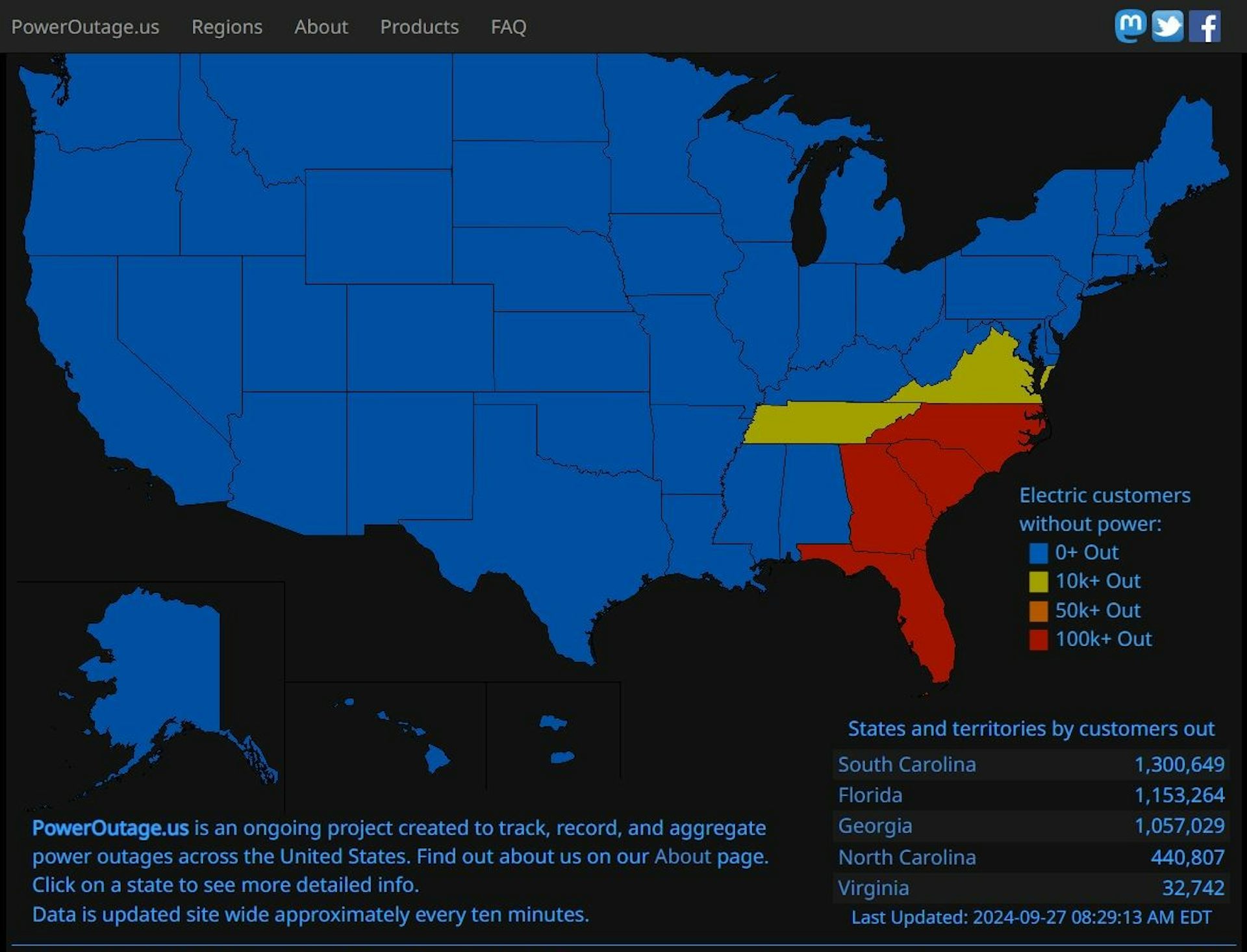
    MIL OSI Canada News –

    September 29, 2024
  • MIL-OSI Translation: Indigenous Guardian Projects 2024-2025

    MIL OSI Translation. Canadian French to English –

    Source: Government of Canada – in French 2

    Today, Jaimee Gaunce, Executive Director of the First Nations National Guardians Network (FNGN), joined the Honourable Steven Guilbeault, Minister of Environment and Climate Change, the Honourable Patty Hajdu, Minister of Indigenous Services and Minister responsible for the Federal Economic Development Agency for Northern Ontario, and Marcus Powlowski, Member of Parliament for Thunder Bay–Rainy River, to announce an investment of up to $27.6 million to support 80 First Nations Guardians initiatives.

    Alberta

    Project Title: Mikisew Cree First Nation Guardians ProgramRecipient: Mikisew Cree First Nation – Government and Industry RelationsFunding Amount: $350,000Project Description: This ongoing, two-year initiative will study how oil sands development, specifically bitumen extraction and hydroelectric projects, is affecting the health of the Peace-Athabasca Delta, the heart of the Mikisew’s traditional territory. Guardians work throughout the year to monitor water quality, collect data, detect flooding and monitor fish populations.

    Project Title: Ni Ho Ghe Di – Athabasca Chipewyan First Nation Guardians ProgramRecipient: Dene Land and Resource ManagementFunding Amount: $350,000Project Description: This two-year initiative will monitor and report activities that may harm the ecology, traditional lands or traditional resources of the Athabasca Chipewyan First Nation, such as poaching and illegal hunting on traditional territory, particularly to protect the Ronald Lake bison. The initiative will also help youth build cultural pride and connection to the land, as well as develop on-the-land skills.

    Project Title: Guardians of the Land – Dene Tha’ First NationRecipient: Dene Tha’ First NationFunding Amount: $350,000Project Description: This two-year initiative will include activities such as ecological restoration, support for resource management plans, and compliance with laws and regulations. Guardians will contribute to the protection and recovery of species at risk, manage land use in the proposed M’behcholia Indigenous Protected and Conserved Area (Bistcho Lake, Alberta), and provide environmental and wildlife monitoring.

    Project Title: Alexis Nakota Sioux Nation Guardians InitiativeRecipient: Alexis Nakota Sioux NationFunding Amount: $346,400Project Description: This two-year initiative will include conducting and analyzing aerial surveys, creating a Geographic Information System (GIS) data management and visualization system using RStudio and ArcPY, and continuing to develop the Stoney Lands and Waters course.

    British Columbia

    Project Title: Kitasoo Xai’xais Nation Guardian Program EnhancementRecipient: Kitasoo Xai’xais NationFunding Amount: $604,925Project Description: This two-year initiative will focus on marine and terrestrial surveys, as well as compliance and enforcement practices that include education, observation and reporting. In addition, guardians participate in Coastal First Nations Coast Guard Auxiliary activities and receive training on emergency response to search and rescue and oil spills.

    Project Title: Coastal Stewardship NetworkRecipient: Great Bear Initiative SocietyFunding Amount: $499,785Project Description: This two-year initiative provides programming to the eight member nations of the Great Bear Initiative of Coastal First Nations, who work directly with communities to support Guardians along the North and Central Coast and Haida Gwaii to monitor resource use and ecosystem health, provide training and professional development opportunities, raise awareness, and foster coastal stewardship.

    Project Title: Songhees Nation Guardians ProgramRecipient: Songhees NationFunding Amount: $50,000Project Description: This one-year initiative continues work already begun with community members, band council and outside organizations to provide monitoring services, promote community stewardship and restore habitat areas. This initiative helps strengthen Indigenous presence on the water during fishing seasons as it is essential to establishing greater authority over fisheries and coastal resources on the land.

    Project Title: Lower Nicola Indian Band – Indigenous Guardians Program – Tier 1Recipient: Lower Nicola Indian BandFunding Amount: $49,450Project Description: This one-year initiative aims to build capacity, skills and knowledge to implement a new Guardians Program in the community. This program will include mapping and indexing areas of the territory, consulting with Elders and Knowledge Keepers, community engagement, developing a plan and working with Chief and Council to ensure alignment of the vision and strategic plan.

    Project Title: Mamalilikulla First Nation Guardian ProgramRecipient: Mamalilikulla First NationFunding Amount: $350,000Project Description: This two-year initiative includes ongoing activities where guardians will spend time in the field collecting data, monitoring cultural sites, managing grizzly bear populations, planting crabapple trees to feed the bears, and improving fisheries. This work will help Chief and Council make informed decisions.

    Project Title: Wet’suwet’en First Nation Guardians Initiative: A Holistic ApproachRecipient: Wet’suwet’en First NationFunding Amount: $75,745Project Description: This one-year initiative will monitor and collect data on moose populations and mortality rates, assess wildlife habitat, install camera traps, and assess riparian areas. It will also explore the possibility of launching a water monitoring program in identified priority areas. These efforts will help the community observe and document activities or cumulative effects that impact their ability to practice their traditional way of life.

    Project Title: Indigenous Guardians Proposal for Saulteau First NationsRecipient: Saulteau First NationsFunding Amount: $350,000Project Description: This two-year initiative will support the community in taking the lead in monitoring, protecting and restoring lands and waters, which is essential to the health and well-being of the community. Activities include supporting healthy food harvesting, cultural activities, protecting Klinse-za Park, monitoring climate change and understanding how events such as wildfires affect the community, changes in weather patterns, and changes in animal movements and water availability.

    Project Title: Saik’uz Guardians ProgramRecipient: Saik’uz First NationFunding Amount: $350,000Project Description: This two-year initiative will build on the long-term monitoring efforts of the Saik’uz Guardians community-based initiative. Guardians will be guided by the wisdom of Indigenous knowledge and Western science, with the goal of empowering the Nation with respect to the water and land of the territory.

    Project Title: P’egp’ig’lha GuardiansRecipient: P’egp’ig’lha Council/T’it’q’et First NationFunding Amount: $350,000Project Description: This two-year initiative will conduct land patrols to monitor the health of the land and study wildlife and fisheries. Guardians play a vital role in protecting and restoring the Stein-Nahatlatch grizzly bear population, supporting wildfire recovery efforts, and strengthening collaboration with other guardian programs in the area.

    Project Title: Pauquachin First Nation Marine Department – Stewardship InitiativeRecipient: Pauquachin First NationFunding Amount: $350,000Project Description: This two-year initiative will monitor one of British Columbia’s busiest and most heavily used waterways. Guardians monitor culturally sensitive archaeological sites, harvest areas, recreational and commercial fisheries use, environmental threats (pollution sources, marine waste disposal, illegal activities and poaching), and conduct restoration work in designated areas of significance. This initiative represents the interests, concerns and goals of the community to ensure that waterways, foods, historic sites and cultural practices are sustained for generations to come.

    Project Title: Takla Nation Guardians Initiative – Tier 2Recipient: Takla NationFunding Amount: $499,959Project Description: This ongoing initiative is monitoring over 30 sites on Takla lands and waters. This work is critical to the Takla’s ability to implement environmental and cultural protections, including ensuring that archaeological impact assessments conducted by various developers and government agencies are consistent with the Takla Archaeology Policy. It also builds capacity to monitor caribou and moose populations and supports the Guardians program by encouraging youth engagement in the community.

    Project Title: Tsilhqot’in Guardians NetworkRecipient: Tsilhqot’in National GovernmentFunding Amount: $500,000Project Description: This two-year initiative, led by the Tsilhqot’in National Government in collaboration with six Tsilhqot’in communities – Xeni Gwet’in, Tlesqox, Tletinqox, Tsi Del Del, ?Esdilagh and Yunesit’in – aims to integrate and strengthen Tsilhqot’in values into the management of lands and waters in the region. In partnership with provincial and federal land and water management agencies, the Guardians will conduct hunting, fishing and fire prevention patrols, as well as wildlife and water monitoring research to ensure sustainable management of Tsilhqot’in territories.

    Project Title: Quatsino Axsilaxa Ahwheatnagwusn Guardians ProgramRecipient: Quatsino First NationFunding Amount: $342,765Project Description: This two-year initiative will support the implementation of the Quatsino Land Use and Marine Resource Use Plan. This will be done through field work such as data collection and monitoring. These efforts will be critical to ecosystem restoration and food security through local harvesting of traditional foods.

    Project Title: Nłeʔképmx GuardiansRecipient: Citxw Nlaka’pamux AssemblyFunding Amount: $350,000Project Description: This two-year initiative will continue to build on-the-ground presence and awareness of Nłeʔképmx territory, protocols and cultural practices. Guardians will monitor and record activities on the land, focusing on priority areas identified by the Citxw Nlaka’pamux Assembly. These priority areas include hunting, fishing, gathering and other culturally significant areas. Nłeʔképmx Guardians will record, monitor and manage invasive species and contribute to research on species at risk on the territory.

    Project Title: Supporting and Maintaining a Strong and Effective Heiltsuk Guardian ProgramRecipient: Heiltsuk Integrated Resource Management Department of the Heiltsuk Tribal CouncilFunding Amount: $349,499Project Description: This two-year initiative will focus on building capacity, monitoring local aquatic ecosystems and community fisheries for safe operations, and supporting and restoring the vital relationship between people and the land.

    Project Title: Haa Aaní Tulatín – Taku River Tlingit First Nation Land Guardians ProgramRecipient: Taku River Tlingit First NationFunding Amount: $349,600Project Description: This two-year initiative will address threats to the land and monitor salmon populations. The guardians will work to strengthen salmon stewardship by hosting multi-day camps that focus on traditional fishing, intergenerational knowledge transfer, and land monitoring.

    Project Title: Spuzzum First Nation Land Guardians InitiativeRecipient: Spuzzum Indian BandFunding Amount: $50,020Project Description: This one-year initiative will focus on protecting important ecosystems by monitoring key territorial and cultural sites, collecting ecological data, and saving endangered species such as the Northern Spotted Owl. The guardians will also contribute to the development of a stewardship policy framework.

    Project Title: Kwadacha First Nation Guardians Project – Level 2Recipient: Kwadacha First NationFunding Amount: $348,734Project Description: This two-year initiative will provide long-term ecological and cultural monitoring to track changes in key wildlife habitats, traditional food sources and water sources. This will provide an opportunity to discuss how potential changes may impact Dene roles and responsibilities on the land.

    Project Title: Doig River First Nation Guardians ProgramRecipient: Doig River First NationFunding Amount: $349,188Project Description: This two-year initiative will focus on improving land and water monitoring by combining cultural methods and western science. Doig River First Nation Guardians will continue to monitor the health of the land, guided by their members, and will work collaboratively with government to address any impacts.

    Project Title: Nahnéhé Gegenı́hı/Kakinawetakwow Uski/Fort Nelson First Nation Land Guardians InitiativeRecipient: Fort Nelson First NationFunding Amount: $375,000Project Description: This two-year initiative supports stewardship, land management and cultural activities on Fort Nelson First Nation territory. The initiative is informed by Western scientific monitoring and research, while drawing on Indigenous ways of knowing and understanding the health and condition of lands and waters.

    Project Title: Scianew Guardians InitiativeRecipient: Beecher Bay First NationFunding Amount: $348,614Project Description: This two-year initiative will focus on environmental conservation and monitoring, guardian training, impact assessments, territorial sovereignty and maritime safety. This will be accomplished through partnerships with neighbouring nations, the Western Canada Marine Response Corporation (WCMRC) and Kotug Canada.

    Project Title: Upper Similkameen Indian Band Land Guardians ProgramRecipient: Upper Similkameen Indian BandFunding Amount: $391,894Project Description: This two-year initiative aims to address critical environmental challenges while deeply integrating Indigenous knowledge, community engagement and sustainable practices. The Guardians initiative focuses on land conservation, sustainable resource management and building ecosystem resilience.

    Project Title: Boothroyd Guardians Program ImplementationRecipient: Boothroyd Indian BandFunding Amount: $50,000Project Description: This one-year initiative will monitor environmental indicators on the land and support restoration work in areas damaged by wildfires and subsequent erosion. Boothroyd Guardians will work with land user groups to improve understanding and respect for the environment.

    Project Title: TTQ Guardian Program Initiation ProjectRecipient: TTQ Economic Development CorporationFunding Amount: $62,533Project Description: This one-year initiative will collect and interpret previously recorded Xa’xtsa cultural knowledge data, map priority areas, and develop a monitoring plan. The goal is to observe changes in the supply of traditional herbs and plants, the frequency and impact of foraging on the territory, the vitality of salmon spawning, changes in unauthorized camping, and invasive plant and animal species.

    Project Title: Wildfire Recovery MonitoringRecipient: Okanagan Indian BandFunding Amount: $350,000Project Description: This two-year initiative will assess the condition of the White Rock Lake watershed before and after the wildfires on behalf of the Okanagan Indian Band. Guardians will conduct site assessments, inventory significant cultural resources, monitor wildlife, and assess the severity of fire damage to guide restoration efforts.

    Project Title: Nanwakolas – Stewardship through Indigenous Scientific KnowledgeRecipient: Nanwakolas Council CorporationFunding Amount: $500,000Project Description: This two-year initiative will apply Kwakwaka’wakw values and Indigenous scientific knowledge to a variety of projects including loxiwe (clam garden) restoration, canoe carving, seasonal Guardian Gathering events, and data collection on water, wildlife monitoring, climate change studies, and emergency response planning.

    Project Title: Continuing Implementation of the Skwxwú7mesh Úxwumixw (Squamish Nation) Guardian Program InitiativeRecipient: Squamish Nation – Squamish Indian Band 555Funding Amount: $349,505Project Description: This two-year initiative will provide stewardship activities, respond to climate events and emergencies, and enhance public safety. Guardians will continue to be present on the land and learn from Elders, Knowledge Keepers and youth; and collaborate with other Nations to share information and build capacity across the national Guardian network.

    Project Title: Guardians of the St’át’imc LandRecipient: St’at’imc Government ServicesFunding Amount: $425,180Project Description: This two-year initiative will focus on implementing the St’át’imc Water Agreement. It includes collecting baseline data on three intact watersheds and three impacted watersheds to assess water quality. Other activities include capacity building and examining stories and legends through workshops and research in collaboration with the Indigenous Law Research Unit.

    Project Title: Nak’azdli Whut’en Yinka Huwunline (Caring) Guardian ProgramRecipient: Nak’azdli Whut’enFunding Amount: $349,942Project Description: This two-year initiative will develop geospatial mapping technology for Guardians to use in their monitoring activities. This will create open portals for communication while protecting internal data and cultural information. The project will use remote sensing technology to create “living maps” that will track seasonal phenology, quantify impacts, and provide informed stewardship engagements with industry, government, consultants, and academia.

    Project Title: Yintah Guardians of Lake Babine NationRecipient: Lake Babine NationFunding Amount: $350,000Project Description: This two-year initiative will lead the collaborative management of the Yintahs of Lake Babine Nation territory and resources of two key cultural species, talok (sockeye) and khida (moose), to restore moose populations to culturally significant levels, and support fish monitoring, habitat restoration and cooperative management.

    Manitoba

    Project Title: Seal River Watershed Alliance Land Guardian NetworkRecipient: Seal River Watershed AllianceFunding Amount: $500,000Project Description: This two-year initiative will hire 14 youth and Elders as Land Guardians across the four Alliance Nations. This initiative builds technical capacity and manages species and habitat identification, monitoring, protection, and watershed stewardship.

    Project Title: Askiy Okanawaynichikaywuk – Guardians of the LandRecipient: York Factory First Nation Funding Amount: $349,860Project Description: This two-year initiative will maintain trails, monitor cultural and historical sites, observe changes in the land, and support respectful land use. Guardians will provide a visible presence, conduct community outreach, participate in on-the-ground activities, and help guide Council decisions on land use, stewardship, and protection.

    Project Title: Pimachiowin Aki First Nations Guardians NetworkRecipient: Pimachiowin Aki CorporationFunding Amount: $499,615Project Description: This two-year initiative will focus on monitoring the seasonal walleye fishery, all-season road design, wildfire management, and climate change adaptation and mitigation. Guardians provide a professional presence and expertise in Pimachiowin Aki, expressing their belonging to the Anishinaabe Nation, filling gaps in the provincial information management system and patrols, and conducting year-round monitoring activities.

    Project Title: SCOB Regional First Nations Guardians NetworkRecipient: Southern Chiefs’ Organization Inc.Funding Amount: $500,000Project Description: This two-year initiative will focus on strengthening Indigenous jurisdiction over their traditional lands, developing capacity, training and skills in environmental monitoring and management, and promoting cooperation and collaboration among communities on natural resource stewardship and management issues.

    Project Title: Swan Lake First Nation Indigenous Guardians Land, Water and Nature Stewardship InitiativeRecipient: Swan Lake First NationFunding Amount: $349,285Project Description: This two-year initiative, in collaboration with Agriculture and Agri-Food Canada, will continue to assess and reseed revegetation terraces if necessary, monitor water quality from the tile drainage structure, and monitor animal and pollinator populations. The data collected will help understand the success of this project in reducing nutrient pollution and improving ecosystems.

    New Brunswick

    Project Title: Amlamgog Earth GuardiansRecipient: Fort Folly First NationFunding Amount: $321,411Project Description: This two-year initiative will expand and enhance an existing salmon recovery initiative. This initiative will focus on monitoring flora and fauna, in accordance with the traditional guiding principle of “Etuaptmumk” (two-eyed vision).

    Project Title: Wotstak First Nation Guardians Initiative – Tier 1Recipient: Woodstock First NationFunding Amount: $50,000Project Description: This one-year initiative will collect data and monitor the ecosystem, drawing on the knowledge of Woodstock First Nation’s Indigenous traditions of conservation, with the goal of developing a land use plan.

    Project Title: Elugweieg Toqwe’gig ugjit Ugs’tqamu aq ugjit Sapo’nug (We work together for the land and for tomorrow)Recipient: Esgenoôpetitj Watershed AssociationFunding Amount: $349,923Project Description: This two-year initiative will expand monitoring and governance of the Esgenoôpetitj aquatic environment, led by Esgenoôpetitj First Nation Fishery Guardians, in collaboration with Fisheries and Oceans Canada enforcement staff, as part of the management, conservation and protection of fisheries in areas most frequented by the community.

    Newfoundland and Labrador

    Project Title: Innu Nation Guardians ProgramRecipient: Innu Nation – Environment and Parks OfficesFunding Amount: $700,000Project Description: This two-year initiative will integrate the Innu (Natuashish) communities of Sheshatshiu and Mushuau Innu through environmental stewardship and cultural preservation. The initiative will focus on five objectives: the creation of additional guardian positions, technical and safety training, the organization of youth workshops on knowledge transfer, the purchase of necessary equipment, and the development of cultural initiatives to maintain and promote Innu traditions and ecological knowledge.

    Nova Scotia

    Project Title: Reconnecting Our People with the LandBeneficiary: Eskasoni Fish

    Project Title: Nova Scotia Land Guardians Network/Nuji kelo’toqatijikRecipient: Unama’ki Institute of the Natural Resources SocietyFunding Amount: $500,000Project Description: This two-year initiative involves collecting and sharing Indigenous knowledge, promoting Netukulimk hunting practices, monitoring and data collection including designating areas suitable for cultural activities, harvesting medicinal plants, monitoring species at risk, and education and awareness of culturally significant species.

    Northwest Territories

    Project Title: Ni hat’ni Dene (“Keepers of the Land”)Recipient: Lutsel K’e Dene First NationFunding Amount: $349,600Project Description: This two-year initiative is part of a long-term mandate to promote Thaidene Nene stewardship, working full-time as guardians of the land, water and animals, and as ambassadors of the Dene way of life, and welcoming visitors. Initiatives include protecting Bathurst caribou, sharing cultural knowledge with youth, and protecting food security.

    Project Title: Deninu Kue First Nation GuardiansRecipient: Deninu Kue First NationFunding Amount: $333,055Project Description: This two-year initiative will monitor the land and waters. Guardians will patrol the territory to ensure it remains clean and will conduct water quality sampling and fish cleanliness monitoring.

    Project Title: Łı́ı́dlı̨́ı̨́ Kų́ę́ First Nation Guardians and Climate Change Monitoring ProjectRecipient: Łı́ı́dlı̨́ı̨́ Kų́ę́ First NationFunding Amount: $349,961Project Description: This two-year initiative aims to monitor the impacts of climate change on the environment in the Dehcho region of the Northwest Territories. The initiative will include monitoring a variety of indicators such as permafrost thaw, streambank subsidence/erosion, and species population shifts. Guardians will receive specialized training in monitoring erosion and permafrost conditions, observing thaw patterns, and assessing thaw depth. This data collection is essential to assess the evolution of the landscape.

    Project Title: Sahtu K’aowe Guardians Project for Tsá Tué Biosphere ReserveRecipient: Délįnę Got’įnę GovernmentFunding Amount: $350,000Project Description: This two-year initiative supports monitoring of Great Bear Lake and its watershed using the “Two-Eyed Seeing Approach” (uniting Western science and Indigenous knowledge) to ensure biodiversity conservation, ecological integrity, climate change adaptation, local wildlife subsistence, food security, and the continuity and revitalization of cultural practices.

    Ontario

    Project Title: Environmental Stewardship of Air Quality Issues for Aamjiwnaang First NationRecipient: Aamjiwnaang First NationFunding Amount: $48,732Project Description: This one-year initiative will monitor the air, water and lands surrounding Aamjiwnaang First Nation that have been impacted by industrial development. Guardians will identify environmental monitoring gaps (soil, water, air, fish, plants and endangered species), develop data collection plans, and improve emergency notifications and community responses to oil refineries, chemical plants and other industrial facilities located near Aamjiwnaang First Nation.

    Project Title: Temagami First Nation GuardiansRecipient: Temagami First NationFunding Amount: $451,000Project Description: This two-year initiative focuses on water quality, species and habitat protection, preserving Indigenous wisdom, data collection and monitoring. Guardians will participate in tracking, recording and reporting activities related to land use and environmental protection. Special attention will be paid to Lake Temagami, including monitoring ice fishing huts, houseboats, shorelines and more.

    Project Title: Atikameksheng Anishnawbek – Phase 2 – Monitoring the Atikameksheng Traditional TerritoryRecipient: Atikameksheng AnishnawbekFunding Amount: $347,263Project Description: This two-year initiative will collect maple sap during the sugar moon and harvest other food items, which will be distributed to Elders and the Nations Food Bank. Guardians will monitor the land, conduct field inspections for proposed logging operations to ensure that Grandmother Trees are protected, and complete daily field worksheets and site inspections that will provide important environmental information on spills, violations, and logging operations.

    Project Title: Anishinabek Traditional Ecological Guardians of Georgian BayRecipient: Magnetawan First NationFunding Amount: $500,000Project Description: This two-year initiative supports on-the-ground learning, knowledge transfer and technical skills training on species at risk, species monitoring, data collection and other land management activities using the “Two-Eyed Seeing Approach”. The initiative will also help build sustainable management capacity in other First Nations groups.

    Project Title: Charting the Path Ahead – Anishinaabe Aki Shkabewisag (Niiwin Wendaanimok Anishinaabe Guardians Network)Recipient: Niiwin Wendaanimok Limited PartnershipFunding Amount: $500,000Project Description: This two-year initiative will support four Anishinaabe Nations to mitigate and monitor development compliance on the land, increase their capacity to care for land, water, plants and animals, and collaborate to identify individual needs and create customized support and mentorship programs. Anishinaabe Guardians will identify and protect important areas through consultation with Elders and Knowledge Keepers.

    Project Title: Ketegaunseebee Aki GuardiansRecipient: Garden River First NationFunding Amount: $301,400Project Description: This two-year initiative will help Garden River First Nation monitor and protect the St. Mary’s River and lands in fulfillment of a treaty with neighbouring Indigenous nations. The initiative will focus on capacity building, community engagement and on-the-ground work, including species at risk, invasive species and logging monitoring patrols.

    Project Title: Four Rivers Regional Guardians NetworkRecipient: Matawa First Nations ManagementFunding Amount: $389,771Project Description: This two-year initiative focuses on environmental stewardship and capacity building in nine Matawa First Nations. The Four Rivers Regional Guardians Network will participate in virtual and in-person networking events to expand their knowledge and capacity, including cultural exchanges within the network.

    Project Title: Biinjitawaabik Zaaging Anishnaabek Community GuardiansRecipient: Biinjitiwaabik Zaaging Anishnaabek First Nation of Rocky BayFunding Amount: $350,000Project Description: This two-year initiative will implement sturgeon and mine site protocols, conduct environmental monitoring analyses, map the Lake Nipigon basin and compile the data into a geographic information system database.

    Project Title: The Height Of Land Wakohtowin Guardians Program – Treaty 9Recipient: Wahkohtowin Development General Partnership INC.Funding Amount: $499,300Project Description: This two-year initiative aims to strengthen traditional knowledge, practices and lifestyles within communities. Guardians will have first-hand experience in the functioning of ecosystem services and the economics of conservation.

    Project Title: Neya Waban Guardians Program – Guardians of the LandRecipient: Algonquins of Pikwakanagan First NationFunding Amount: $349,650Project Description: This two-year initiative will gather critical information for decision-making, identify areas of quality wildlife habitat, and develop management plans and protocols. The Algonquins of Pikwakanagan First Nation will continue to collect data based on Algonquin knowledge to better protect the land, water, animals and air of the eleven communities in Ontario and Quebec.

    Project Title: Mnisinoog (Warriors for the Bay): Shawanaga First Nation Guardians ProgramRecipient: Shawanaga First NationFunding Amount: $350,000Project Description: This two-year initiative focuses on enhancing aquatic life, using river monitors to maintain and protect the health of the river ecosystem. Aquatic stewardship is a priority, through catch surveys, large-scale monitoring of water bodies, and a detailed study of fish consumption.

    Project Title: Caldwell First Nation Land Guardians ProgramRecipient: Caldwell First NationFunding Amount: $345,840Project Description: This two-year initiative will focus on education, training, on-the-ground learning with technical experts and knowledge holders, and listening sessions with the community. The Guardians will review classroom environmental assessments on behalf of Caldwell First Nation, monitor and participate in environmental projects on the land, and implement multi-year capacity building initiatives, with a focus on supporting the creation, development and management of Indigenous protected and conserved areas on their traditional territory.

    Prince Edward Island

    Project Title: Lennox Island First Nation Guardians ProgramRecipient: Lennox Island First NationFunding Amount: $346,800Project Description: This two-year initiative will help better manage, protect and utilize the marine resources that the community relies on. It will allow the Lennox Island Watershed Conservation Group to participate in coastal erosion studies, fisheries workshops (lobster handling practices), a black ash reforestation project and the development of a modernized solid waste management plan.

    Project Title: Guardians of AbegweitRecipient: Abegweit First NationFunding Amount: $350,000Project Description: This two-year initiative embodies a cultural and traditional approach to natural resource management. The initiative also includes data collection and monitoring, with a focus on land, water and resource use on traditional territories, including cultural sites.

    Quebec

    Project Title: Guardians of the NdakinaRecipient: W8banakiFunding Amount: $500,000Project Description: This two-year initiative will support the sustainability of traditional practices of members of the Nation, protect their rights of access to ancestral territories and preserve cultural heritage. This initiative will create conservation spaces, share and transmit Indigenous knowledge, mentor youth, consult the community, promote food sovereignty and many other activities.

    Project Title: Moving Forward: Taking Pessamit’s Land Guardians to the Next LevelRecipient: Conseil des Innus de PessamitFunding Amount: $349,550Project Description: This two-year initiative involves a team of six territorial agents specializing in data collection, land monitoring, and comprehensive inventories of biodiversity and ecosystem processes. The initiative will focus on monitoring and assessments, conducting an inventory of cultural sites, developing sampling expertise, and community engagement and visibility.

    Project Title: Abitibiwinnik Land GuardiansRecipient: Abitibiwinni First NationFunding Amount: $195,931Project Description: This two-year initiative will continue to train community members in land monitoring and develop new skills and knowledge through fieldwork that uses both Indigenous knowledge and Western science. The initiative aims to document information gathered through the activities of guardians, community members and elders.

    Project Title: Chisasibi Intertidal Cumulative Impact Assessment: Integrating Science, Tradition and StewardshipRecipient: Chisasibi Cree NationFunding Amount: $348,468Project Description: This two-year initiative will focus on integrating western science, Indigenous knowledge and stewardship to address key challenges in the Chisasibi community. The initiative will study the impact of land use planning by reviewing existing research, mapping the community, analyzing vegetation and collecting environmental samples. In addition, it will build capacity through workshops and a mentoring initiative involving the Kinwhapmaakins (trapkeepers/managers). All data will be collected and combined into a detailed cumulative effects report.

    Project Title: Atikamekw Guardians of ManawanRecipient: Atikamekw Council of ManawanFunding Amount: $350,000Project Description: This two-year initiative will strengthen the role of Guardians in working with non-Indigenous land users and partners within the Nation and community. The next phase will focus on field activity, data collection, establishing a formal mandate recognized by the community, capacity building and training, and strengthening the role of Guardians within the community.

    Project Title: Kitigan Zibi Anishinabeg Nagadjitòdjig Guardians InitiativeRecipient: Kitigan Zibi Anishinabeg First NationFunding Amount: $594,020Project Description: This two-year initiative will monitor and inventory key cultural species, wild foods and trees. Guardians will conduct water quality studies, identify sites of cultural significance and record videos to document traditional practices and activities.

    Project Title: Protection and Participation in the Development of Pekuakamiulnuatsh Heritage on NitassinanRecipient: Pekuakamiulnuatsh TakuhikanFunding Amount: $49,995Project Description: This one-year initiative aims to ensure the protection and preservation of the territory, while maintaining the well-being of the members of the Nation community, as they carry out the traditional activities of their Nation. Guardians play a crucial role in supporting the Nation community, monitoring the lands and accompanying community members on Nation lands.

    Project Title: Essipiu Assinu Nakatuenitamu (He who takes care of the territory of Essipit)Recipient: Council of the Innu Essipit First NationFunding Amount: $246,308Project Description: This two-year initiative supports responsible governance and occupation of the Nation’s territory, land monitoring, participation in community events, and collaboration on various projects that encourage learning and skills development for guardians and community members.

    Project Title: Nutshimiunnuat d’ITUM (Guardians of the Nitassinan d’ITUM)Beneficiary: Innu Takuaikan Uashat mak Mani-UtenamFunding Amount: $350,000Project Description: This two-year initiative involves monitoring, protection and stewardship activities on the Nation’s traditional territory. Its objective is to ensure monitoring of the territory and protection of the Nation, as well as to contribute to studies and inventories on the impacts of climate change and industrial development on the territory.

    Project Title: Iakwatonhontsanónhnha – We all mind her, the EarthRecipient: Mohawk Council of Kahnawà:keFunding Amount: $256,416Project Description: This two-year initiative will develop a community environmental charter that will help define the roles and responsibilities of conservation officers. It will also provide an opportunity to consult on a “Rights of Nature” approach to protecting the St. Lawrence River.

    Saskatchewan

    Project Title: File Hills Qu’Appelle Guardians InitiativeRecipient: File Hills Qu’Appelle Tribal CouncilFunding Amount: $354,180Project Description: This two-year initiative will monitor and document stream health, including water quality, medicinal plants, and bank conditions, particularly on the lower Qu’Appelle River and its chain of lakes. It will also revitalize language and land stewardship practices.

    Project Title: Monitoring and Protection of Athabasca Denesųłiné Nuhenéné in SaskatchewanRecipient: Ya’thi Néné Lands and Resources OfficeFunding Amount: $498,916Project Description: This two-year initiative will monitor the lands and waters of Nuhenéné, including Indigenous protected areas, caribou hunting areas, and mining and prospecting activities. Guided by Elders, Ya’thi Néné Land and Resource Guardians are working to reconnect youth to the land and train future leaders in sustainable management practices.

    Project Title: Birch Narrows Dene Nation Nuh Nene Strategic PlanRecipient: Birch Narrows Dene NationFunding Amount: $49,917Project Description: This one-year initiative will monitor the land, combining ancestral wisdom and modern ecological approaches. Strategic partnerships with neighbouring First Nations and partners such as Tamarack Environmental Associates, Nexgen Energy Ltd. and Fission Uranium Corp. will amplify the impact of conservation efforts. Through training, mentoring and community engagement, the initiative will help the Nuh Nene Department achieve its goal of safeguarding cultural identity and the natural environment.

    Project Title: Pheasant Rump Nakota First Nation Community Guardians InitiativeRecipient: Pheasant Rump Nakota First NationFunding Amount: $350,000Project Description: This two-year initiative aims to build capacity by training and employing youth to collect and analyze data on climate change and industry impacts on the land. The data will be used to develop a land use plan to inform Chief and Council decision-making on stewardship and habitat management initiatives to ensure sustainable sources of traditional foods for the community.

    Project Title: Muskowekwan First Nation Community Guardians InitiativeRecipient: Muskowekwan First NationFunding Amount: $350,000Project Description: This two-year initiative aims to build the capacity of community members to monitor and understand the impacts of climate change. Youth will have the opportunity to receive training in Indigenous knowledge, Western science, climate and environmental monitoring practices including geographic information systems and remote sensing, participatory mapping and knowledge gathering.

    Yukon

    Project Title: Teechik Land Guardians: Nanh gwiinzii vik’ite’tri’giikhii/We read the land wellRecipient: Vuntut Gwitchin First NationFunding Amount: $349,333Project Description: This two-year initiative will operate a camera trap network to monitor predator-prey interactions on the Old Crow Winter Road and conduct baseline fish and water sampling at the headwaters of the Porcupine River. The Guardian Coordinator will be responsible for organizing patrols, analyzing monitoring data, and preparing communications materials for community members and leaders. This capacity building will strengthen monitoring efforts by enabling the initiative to process more samples, improve the use of camera data, and enable keepers to establish an annual trapping camp to extend monitoring to furbearers.

    EDITOR’S NOTE: This article is a translation. Apologies should the grammar and/or sentence structure not be perfect.

    MIL Translation OSI

    September 29, 2024
  • MIL-OSI United Kingdom: A fiery end to ESA’s Cluster satellite Salsa

    Source: United Kingdom – Executive Government & Departments

    Earlier this month ESA’s satellite ‘Salsa’ landed in the South Pacific. Learn more about how NSpOC tracks re-entries from space using Salsa as a case study.

    An artist’s impression of a Cluster spacecraft breaking apart during reentry. Credit: ESA/David Ducross

    As space becomes increasingly crowded with operational satellites and space debris, monitoring satellite re-entries is crucial for helping to ensure the safety of people and property on Earth.

    The National Space Operations Centre (NSpOC) plays a key role in this effort through our re-entry tracking and early warning capability, which monitors re-entry incidents and where relevant provides warnings to response agencies to minimise any associated risk to the UK or the UK Overseas Territories.

    On 8 September 2024, The European Space Agency (ESA) undertook the safe de-orbit of their Cluster 2 satellite named ‘Salsa’. The spacecraft re-entered at 6.47pm GMT into a designated region in the South Pacific as planned. NSpOC analysts monitored the event, as it does with every re-entry globally, to ensure potential risks to the UK were assessed and addressed. In this article, we’ll explain how our re-entry tracking and early warning capability works, using ESA’s Salsa as a case study, and highlight the key contributions of the satellite to both government operations and academic research.

    NSpOC’s Re-entry Tracking and Warning Capability: Monitoring Re-entries Like Salsa

    NSpOC’s re-entry tracking and warning capability operates 365 days a year and is dedicated to monitoring the re-entry of satellites and other space objects that could pose a risk to the UK and UK Overseas Territories, as well as the re-entry of objects for which the UK holds liability. On average, NSpOC monitors around 40 uncontrolled re-entry incidents per month, warning UK response agencies when there is a risk to the UK or our Overseas Territories.

    How does the capability work?

    As part of our space hazards warning and protection services, NSpOC continuously monitors space objects in orbit, providing early warnings when satellites begin their descent. In the case of uncontrolled re-entries, and semi-controlled re-entries such as ESA’s Salsa, orbital analysts assess the object’s trajectory and predict when and where it will re-enter the atmosphere. This data is shared with response agencies and government departments to ensure preparedness.

    Real-Time Monitoring and Modelling

    36 hours before a re-entry event, NSpOC’s team of orbital analysts start to monitor the object in more detail, using a global network of sensors and data streams which provide information on its path. In uncontrolled re-entry events, data on the last known position of the object as well as its predicted Centre of Impact Window (COIW) is provided by the US   in the form of Tracking and Impact Predictions (TIPs). This TIP is a single point which can come with high levels of uncertainty. To better understand the probability of where, within that window, the event may occur, UK Space Agency analysts run an extra re-entry assessment model using Monte Carlo simulations (see below for an explanation).

    Monte Carlo simulations incorporate additional data sets, for example forecasted atmospheric density over the re-entry period, to allow for more accurate predictions of where surviving objects might land. The model runs 30,000 times with slight adjustments to values for each variable.

    Rather than a single point of re-entry, this results in a probabilistic output of potential re-entry locations; shown visually on a map by red dots, with each red dot representing a potential re-entry location. The denser the collection of red-dots, the greater the likelihood of the object re-entering in that location.

    In the case of ESA’s Salsa satellite, ephemeris (positional data) was provided rather than TIPs and our analysts converted this to a Two-Line Element (TLE) to extract the orbit, and ran the Monte Carlo simulation to produce a visual prediction of re-entry.  

    For Salsa, our analysts closely monitored the descent, predicting that the majority of the satellite would burn up in the atmosphere, with any surviving fragments expected to land in a remote region of the South Pacific – the likely re-entry path is shown via the red dots in the images below, starting 36 hours in advance on Friday 6 September.

    Re-entry map generated by NSpOC analysts on Friday 6 September

    As the time to the re-entry gets closer, more observations on the object are received by global networks. This results in new data which can be input into the Monte Carlo simulation, producing a more accurate assessment of re-entry locations.

    Re-entry map generated by NSpOC analysts on Saturday 7 September

    Final re-entry map generated by NSpOC analysts on Sunday 8 September before the event

    Post-Re-entry Assessment

    After the satellite re-enters, NSpOC conducts a post-event analysis to confirm the re-entry location and assess any potential impact. It is not always possible to receive tracking data confirming the location of a re-entry, but in the case of Salsa, ESA were tracking the re-entry event closely, even with sensors on an aeroplane, to confirm that it re-entered in the South Pacific. 

    The re-entry location is shared with relevant stakeholders to ensure transparency and public safety. In the case of Salsa, the risk to human life and infrastructure on Earth was extremely low because of the semi-controlled nature of the re-entry bringing it down in an unpopulated location.

    Why Monitoring Re-entries is Important

    Whilst risk from re-entering satellites is very low, with the majority of satellites burning up upon re-entry, large objects or those with dense components will survive the re-entry process, posing a risk to wherever the object makes landfall. Since most re-entries are uncontrolled, there is a risk to populated areas and so warning authorities when there is a risk is important for both safety and to ensure we take responsibility for any space debris for which the UK is liable. Each re-entry incident provides valuable data that helps improve our ability to track and monitor future re-entering objects.

    By responsibly managing satellite re-entries, such as ESA’s Salsa, operators can reduce the amount of debris left in orbit, making space safer for future operations. Later this year, NSpOC will launch a new digital service on our Monitor Space Hazards platform, called ‘Track Re-entry Events’, which will provide government users with real-time updates and enhanced analytics for monitoring satellite re-entries. You can find out more about upcoming features on our website.

    Angus Stewart, Joint Head of NSpOC said: “By managing satellite re-entries responsibly, as is the case with this event, operators reduce space debris and make space safer for future missions. Tracking re-entering space objects is a critical mission for the UK National Space Operations Centre”

    The ESA Cluster Salsa Mission: why was it significant?

    Launched as part of the ESA Cluster mission in July 2000, the Salsa satellite provided critical data that advanced our understanding of Earth’s magnetic environment and space weather over its 24-year operational life.

    Salsa’s contributions to space weather research were invaluable. The satellite’s data helped improve predictive models that assist in safeguarding critical infrastructure such as electrical power grids, pipelines, and satellite communications systems. By studying how solar winds and geomagnetic storms interact with Earth’s magnetic field, Salsa provided insights that helped operational teams understand and mitigate the impacts of space weather on essential services.

    Salsa was part of a constellation of four satellites which was crucial because it allowed scientists to gather data from multiple points in space simultaneously, giving researchers a 3D view of Earth’s magnetic environment.

    Met Office Space Weather Manager Simon Machin said: “Cluster has been a key contributor to advancing space weather science in recent decades. By advancing what we know about the near-Earth environment at multiple scales, this mission pushed forward research understanding, which underpins global space weather operations. Cluster’s observations are a unique resource and will continue to provide considerable value in the years to come.”

    Conclusion

    The ESA Cluster 2 Salsa re-entry provides a clear example of how NSpOC monitors re-entries, ensuring the safety of the UK and its Overseas Territories. As satellites continue to play an increasingly important role in both government operations and academic research, NSpOC’s re-entry capability will remain vital to ensuring the safe and responsible use of space for future missions.

    Share this page

    The following links open in a new tab

    • Share on Facebook (opens in new tab)
    • Share on Twitter (opens in new tab)

    Updates to this page

    Published 27 September 2024

    MIL OSI United Kingdom –

    September 29, 2024
  • MIL-OSI Europe: Climate COP Troïka “Roadmap to Mission 1.5: Driving the next generation of climate action and ambition” – Address by Minister Jean-Noël Barrot, minister for Europe and Foreign Affairs (26.09.24)

    Source: Republic of France in English
    The Republic of France has issued the following statement:

    Ministers,

    Executive Secretary of the United Nations Framework Convention on Climate Change,

    Ambassadors,

    Colleagues,

    This year, we were convened for a Summit of the Future. Actually, what we are talking about is a threat of the present time: climate change kills, climate change impoverishes and climate change destroys.

    I would like to thank the Climate COP Presidencies Troika for convening us today to make progress in the fight against this scourge.

    We owe it to all our populations, all of our fellow citizens, to be effective. Therefore, we need to set a clear course. The 1.5°C goal is our compass. That is a demanding goal but not one that is totally beyond our reach. If we hope to achieve it, we must take action immediately. And to prepare, at the latest by the Belem COP, enhanced nationally determined contributions that are commensurate with the issue. We need to implement the Paris Agreement.

    Significant strides were made at COP28 when it was jointly decided to phase out fossil fuels. That was vital but it is also vital to actually make this transition in concrete terms.

    France and its European partners are working with determination, which involves a considerable effort to deploy low-carbon and low-emission energy technologies. France has committed to phase out coal by 2030, oil by 2045 and gas by 2050. We call on all Parties to set out and comply with timelines to phase out fossil energy sources. The G7 has started to do this with the phasing out of coal. It needs to do more and other big emitters should follow suit.

    At COP29, an ambitious new climate finance goal needs to be adopted to support developing countries.

    France has fully contributed to the current collective USD 100 billion goal, providing a record €7.6 billion of climate finance in 2022, including €2.6 billion dedicated to adaptation, and €7.1 billion in 2023. Every time we have contributed high and above commitments taken nationally, surpassing goals.

    Now that we have collectively achieved the USD 100 billion goal, it is time for a financing boost. That is what French President Emmanuel Macron proposed in Paris in June 2023 with the Paris Pact for Peoples and the Planet. All the finance sources – public, private and innovative instruments – need to be mobilized.

    The ambitious road map set out in the Paris Pact for Peoples and the Planet has produced tangible progress for the climate. I am thinking of the climate-resilient debt clauses implemented by the World Bank and its peers, as well as the international taxation task force launched at COP28 that Brazil has joined today.

    COP30 in Belem is crucial and we must now begin preparing for it with determination. I call on all Parties to publish nationally determined contributions that reflect the decisions made at COP28. They should be ambitious, cover all economic sectors and all greenhouse gases, be science-based and rooted in a timeline to phase out of fossil fuels.

    EU Member States are currently working on defining our 2040 climate target based on a European Commission proposal of a 90% cut in emissions. The EU will continue to show the highest possible ambition to deliver on our commitment to carbon neutrality by 2050.

    France stands with Brazil to make COP30 the COP of ambition. All our diplomatic firepower will be focused on this goal, alongside all our partners and the United Nations.

    And I am pleased to announce that we will host a high-level event in early 2025 to commemorate the 10-year anniversary of the Paris Agreement. There is only one way forward and that is to scale up the level of ambition on a par with the legitimate expectations of our populations. Let us not get distracted.

    Thank you.

    MIL OSI Europe News –

    September 29, 2024
  • MIL-OSI United Nations: Secretary-General’s remarks to the annual meeting of G77 Foreign Ministers

    Source: United Nations secretary general

    Mr. President, Excellencies, Ladies and Gentlemen,

    Let me begin by congratulating Uganda on its leadership of the G77 plus China this year.

    And I want to salute your entire membership.

    For 60 years – year in and year out — the G77 plus China has been on the frontlines for fairness, equality, justice and solidarity.

    You have been the engine driving progress to eradicate poverty, to fight inequalities, to root out injustices in our post-colonial world.

    And you have been shining a spotlight on the need for fundamental reforms of the multilateral system.

    Reforms of the international financial architecture and the Security Council to make them more legitimate and more effective. 

    Reforms to make sure our institutions reflect the realities of today’s world and respond to today’s challenges instead of the world and the challenges of 1945. 

    We have taken some steps forward with the adoption of the Pact for the Future, the Declaration on Future Generations, and the Global Digital Compact.

    Of course, not everything we may have hoped for was in the final package. 

    But none of the achievements would have been possible without your insistence and persistence.  If you allow me an image, if you compare the documents that we approved on Sunday with the continued documents of the G7 and the G77, we have to recognize that they are much closer to the documents of the G77.  One 7 makes a lot of difference. 

    I commend the G77 plus China for always pushing for maximum ambition and look forward to working with you as we continue pursuing the justice your countries deserve – and our world needs.

    We still have a long way to go.

    Our world is on a knife’s edge.

    Climate chaos is worsening.

    Conflicts are raging.

    Human rights are floundering.

    Inequality and injustice are eroding trust and undermining the social contract of societies.    

    The rights of women and girls are being snuffed out.

    Entire economies are drowning in debt.  

    The digital divide is fast becoming a gaping chasm.

    And the Sustainable Development Goals are hanging by a thread.

    We need action on a number of fronts in line with what was approved in the Summit of the Future. 

    First, financial justice.

    Finance is the fuel to drive progress on sustainable development.

    Yet so many countries remain locked out from accessing capital for essential investments.

    This situation is unsustainable – and a recipe for social unrest. 

    That is why we have been pushing for fundamental reforms to the outdated, ineffective and unfair international financial system, and an SDG Stimulus to provide developing countries with the resources they need while seeking medium- and long-term solutions.
     
    We must keep working to make Multilateral Development Banks bigger, bolder and better, enabling them to massively scale up affordable financing for sustainable development, namely in developing countries. 

    We must expand contingency financing through the recycling of Special Drawing Rights that until now have essentially benefitted rich countries and not those that have needed it the most.

    We must promote effective long-term debt restructuring that puts people and planet at the centre.

    And we must keep on working for a more inclusive and effective international tax system. I applaud the Ad Hoc Committee for drafting ambitious and practical Terms of Reference for a UN Framework Convention on International Tax Cooperation.

    Second, climate justice.

    We urgently need supercharged action to reduce emissions and avoid the worst of climate chaos.

    This must be in line with the principle of common but differentiated responsibilities and respective capabilities, in light of different national circumstances.

    Every country must create new national climate action plans – or NDCs – well ahead of COP30, that align with 1.5 degrees and put the world on track to phase out fossil fuels – fast and fairly.
     
    G20 countries – which together produce eighty percent of global emissions – have a responsibility to lead. I am working closely with President Lula of Brazil to drive action in the G20.

    And I urge every developing country to make sure new national climate plans double as investment plans and boost sustainable development – harnessing renewables to power prosperity and pull people out of poverty.

    The United Nations is mobilizing our entire system to support these efforts through the Climate Promise initiative.

    We also need a strong finance outcome – including on innovative finance – from COP29. This also means significant contributions to the new Loss and Damage Fund.

    I will continue to press developed countries to honour their promises;

    Doubling adaptation funding to at least $40 billion a year by 2025.

    Showing concretely how the enormous adaptation finance gap will be closed.

    And everyone on earth must be protected by an effective early warning system by 2027.

    We must address the injustices of the energy transition.

    Developing countries are being locked out of the renewables revolution.

    Investments in developing countries outside of China and India are stuck in a time warp reflecting 2015 levels. Africa attracted just 1% of renewable installations last year. It is clear that we must support developing countries to have the resources and the capacity to attract the investments that are necessary for the renewables revolution. 

    The UN Panel on Critical Energy Transition Minerals has identified ways to ground the renewables revolution in justice and equity, spur sustainable development, and power prosperity in resource rich developing countries.

    We must ensure that the race to net zero does not lead to developing countries being trampled underfoot.  

    Third, technological justice.

    Technology must benefit all of humanity.

    The Global Digital Compact is a blueprint for how governments, together with tech companies, academia and civil society, can work together to make sure new technologies benefit everybody and to manage the risks they pose – including Artificial Intelligence.

    AI has the potential to be an excellent servant but also a dangerous master.

    I am pleased that the Compact includes proposals building on the resolution led by China on capacity building for Artificial Intelligence.

    The High-Level Advisory Body on AI released its recommendations last week, which include bridging the AI divide through a Global Fund on AI for the SDGs, and an AI Capacity Development Network to boost AI expertise in developing countries.

    We must keep working to ensure AI serves everyone, leaving no one behind and it will not be another factor to increase inequalities in the world. 

    Ministers, Ladies and Gentlemen,

    Across a very full agenda, the G77 and China are crucial to building a more just, inclusive and prosperous world.  

    The G77 was vital in the adoption of the conclusions of the Summit of the Future but its implementation will not be easy.  There will be a lot of resistance.  The G77 must be an engine to make sure that what we have achieved in the Summit will be translated in effective realities to the benefit of developing countries. 

    You can count on me in that essential cause.

    Thank you.
     

    MIL OSI United Nations News –

    September 29, 2024
  • MIL-OSI USA: Funding for Farms to Address Impacts of Climate Change

    Source: US State of New York

    As world leaders gather in New York during Climate Week NYC 2024, Governor Kathy Hochul today highlighted the State’s nation-leading climate efforts, including awarding a record level of funding—more than $33 million—to farms through the Climate Resilient Farming Grant Program. Funded projects aim to help New York’s farmers reduce greenhouse gas emissions, protect water, ensure soil health, and increase on-farm resiliency to the effects of a changing climate. Altogether, the projects are estimated to reduce greenhouse gases by 120,000 metric tons of carbon dioxide equivalent per year – the equivalent of removing 28,560 gasoline powered vehicles from the road for one year. This is nearly double the impact of the previous round of the program. Funding for the program was included in the New York State FY 2025 Enacted Budget as part of the State’s aggressive climate agenda and is supported by additional federal funds through a USDA Climate Smart Commodities grant.

    “New York State is leading the nation in the fight against climate change, and our record investment in the Climate Resilient Farming Program is just one part of my administration’s ambitious efforts to protect our ecosystems and create the green future all New Yorkers deserve,” Governor Hochul said. “This program gives farmers the resources they need to mitigate their impact on the environment, prepare for and respond to whatever weather events the future holds, and continue their critical work contributing to our local economies.

    Led by county Soil and Water Conservation Districts (SWCD), a total of 70 projects will be implemented on 184 farms across New York State. They are supported through $16.14 million in State funding, plus an additional $17 million in federal funds. Of the 70 awarded projects, 39 involve a new farm participant, illustrating the growing reach and impact of the program.

    SWCDs were awarded the grants on behalf of farmers in one of six tracks:

    • Track 1A: Livestock Management: Alternative Waste Management and Precision Feed Management (New York State funds)
    • Track 1B: Manure Storage Cover and Methane Capture Projects (federal funds)
    • Track 2: Adaptation and Resiliency (New York State funds)
    • Track 3A: Healthy Soils NY (systems and Best Management Practices that support soil health and agroforestry (New York State funds)
    • Track 3B: Soil Health Systems (federal funds)
    • Track 4: Agricultural Forestry Management (for carbon sequestration) (New York State funds)

    The Climate Resilient Farming Grant Program follows the State’s Agricultural Environmental Management planning framework and is led and implemented by county SWCDs. County SWCDs work with farms and communities to conserve natural resources and address pressing environmental challenges and opportunities. SWCDs in the following regions were awarded grants through Round 8 of the program:

    • Capital Region: $3,152,885 awarded to work with 11 farms
    • Central New York: $8,241,829 awarded to work with 36 farms
    • Finger Lakes: $12,948,325 awarded to work with 67 farms
    • Long Island: $118,763 awarded to work with four farms
    • Mid-Hudson: $166,400 awarded to work with five farms
    • Mohawk Valley: $608,797 awarded to work with five farms
    • North Country: $3,439,282 awarded to work with 20 farms
    • Southern Tier: $2,827,378 awarded to work with 19 farms
    • Western New York: $1,655,677 awarded to work with 12 farms

    In total, the awarded farms are projected to implement 98,000 acres of cover crops, 23 acres of riparian buffers, and nine manure storage cover and flares systems – the most in a single round, which will provide the largest estimated greenhouse gas emission reduction for a single practice for the program to date. For a complete list and descriptions of projects awarded, please visit the Department of Agriculture and Markets’ website.

    State Agriculture Commissioner Richard A. Ball said, “Farmers care deeply for the health and vitality of New York’s working landscapes. Working in partnership with county Soil and Water Conservation Districts across the state, our farmers are committed to producing food in a way that reduces their environmental footprint and protects our natural resources at the same time. With this record-setting level of funding, we are expanding our reach to even more farms across the State, helping New York State to continue to lead the nation in combating climate change and ensuring a healthy, thriving environment for all.”

    New York State Department of Environmental Conservation Interim Commissioner Sean Mahar said, “With $33 million in new funding announced today, New York’s farmers will be able to better prepare for the impacts of extreme weather events resulting from climate change and reduce operational impacts to the environment, like choosing equipment that helps reduce greenhouse gas emissions and implementing projects to better support soil health and water quality after extreme weather. DEC applauds Governor Hochul and our partners at the Department of Agriculture and Markets for supporting New York farms and advancing sustainable practices to improve the health and resiliency of our agricultural ecosystems and communities with record investments and complementary initiatives like investments through the Clean Water, Clean Air and Green Jobs Environmental Bond Act.”

    New York Farm Bureau President David Fisher said, “Farmers are natural stewards of the environment. We welcome investments in sustainability, especially those investments that help farmers protect the land that is their livelihood. The Climate Resilient Funding Program creates a pathway for farmers to reduce greenhouse gases and take proactive measures in planning for extreme weather conditions.”

    Assemblywoman Donna Lupardo said, “For nearly a decade, the Climate Resilient Farming Program has helped farmers address the impacts of climate change through proven techniques and practices. I’m pleased that this record-level round of funding is reaching so many new participants across the state. Thank you to the Governor, our federal partners, and my colleagues for their continued support for this program and to the Soil and Water Conservation Districts for their dedicated service.”

    Assemblymember Deborah Glick said, “As fresh water sources become scarcer nationwide, sustainable farming has become even more important for New York and the entire US. Thank you to Governor Hochul for on-going support to farms and addressing climate change through the Climate Resilient Farming Grant Program. This program increases sustainability efforts and lowers greenhouse gas emissions while protecting water and soil health through projects led by county Soil and Water Conservation Districts,” said Assemblymember Deborah Glick, Chair of the Environmental Conservation Committee, “This year’s projects will nearly double the reduction in greenhouse gas emissions while abating nutrient pollution and harmful algal blooms, protecting drinking water, and supporting our farmers and New York farms.”

    State Senator Pete Harckham said, “Our farms are facing the consequences of the climate crisis every day. The Climate Resilient Farming Grant program is vital to their efforts to build soil health, protect our environment, and ensure a sustainable local food supply. I’m particularly proud of the Healthy Soil NY program, which promotes a cohesive, scientifically rigorous soil protection strategy. It was true then and true now. With continued support, we can empower New York farmers to lead the way in resilient, climate friendly agriculture.”

    Senator Michelle Hinchey said, “When we say farmers are on the frontlines of the Climate Crisis, we mean their ability to grow our food is directly tied to the environment around them—how healthy the soil is, the weather conditions, and the effects of a changing climate. Their work and our food supply depend on a stable and thriving ecosystem, and as a state, we have a major stake in this process. The Climate Resilient Farming Grant Program is one of the key initiatives where the state can deliver direct support to our farms, helping scale proven sustainability measures and put New York in the best position to protect our food supply for the future. I’m proud to help champion this vital program and congratulate all the awarded projects supporting farms across New York State, including in Columbia and Ulster counties!”

    New York State Soil and Water Conservation Committee Chair Dale Stein said, “Thanks to the partnership between the State and the County Soil and Water Conservation Districts, we have seen great progress in the use of Best Management Practices on our farms to mitigate the impacts of climate change and to help our farmers be better prepared for the increasing number of severe weather events we are all experiencing. Now, with the help of federal funds, our Districts are able to expand their reach even further and welcome even more farms into the program.”

    Launched in 2015, the Climate Resilient Farming Program supports the State’s agricultural sector in meeting its goals to reduce greenhouse gas emissions and increase carbon sequestration on working lands under the State’s Climate Leadership and Community Protection Act. So far, through the program, with expert technical support provided by county SWCDs, 580 farms have been able to implement changes that are contributing to a reduced environmental footprint and increased resiliency to the effects of a changing climate. Round 8 of the program provides $16.14 million in state funding for these projects, consistent with $16 million in Round 7 and a significant increase from $8 million in Round 6.

    Governor Hochul’s Commitment to Soil and Water Conservation Districts

    Under the Governor’s leadership, the Fiscal Year 2025 Budget provides $81.8 million through the Environmental Protection Fund, up $4 million from last year, for agricultural programs and initiatives, such as the Climate Resilient Farming grant program, that are helping farms to implement environmentally sustainable practices and combat climate change. This includes capital investments Soil and Water Conservation Districts oversee, such as supporting dairy farmers to implement projects that enhance manure management systems that sequester carbon and conserve manure nutrients applied to fields and soil to benefit water quality and reduce greenhouse gas emissions. It also includes recent funding in the Eastern Finger Lakes Watershed that galvanizes implementation of the plans and programs to address on-the-ground actions necessary to abate nutrient pollution and harmful algal blooms (HABs), prevent runoff, protect drinking water, and support local farmers.

    New York State’s Nation-Leading Climate Plan 

    New York State’s climate agenda calls for an orderly and just transition that creates family-sustaining jobs, continues to foster a green economy across all sectors and ensures that a minimum of 35 percent, with a goal of 40 percent, of the benefits of clean energy investments are directed to disadvantaged communities. Guided by some of the nation’s most aggressive climate and clean energy initiatives, New York is advancing a suite of efforts – including the New York Cap-and-Invest program (NYCI) and other complementary policies – to reduce greenhouse gas emissions 40 percent by 2030 and 85 percent by 2050 from 1990 levels. New York is also on a path toward a zero-emission electricity sector by 2040, including 70 percent renewable energy generation by 2030, and economy-wide carbon neutrality by mid-century. A cornerstone of this transition is New York’s unprecedented clean energy investments, including more than $28 billion in 61 large-scale renewable and transmission projects across the State, $6.8 billion to reduce building emissions, $3.3 billion to scale up solar, nearly $3 billion for clean transportation initiatives and over $2 billion in NY Green Bank commitments. These and other investments are supporting more than 170,000 jobs in New York’s clean energy sector as of 2022 and over 3,000 percent growth in the distributed solar sector since 2011. To reduce greenhouse gas emissions and improve air quality, New York also adopted zero-emission vehicle regulations, including requiring all new passenger cars and light-duty trucks sold in the State be zero emission by 2035. Partnerships are continuing to advance New York’s climate action with more than 400 registered and more than 150 certified Climate Smart Communities, over 500 Clean Energy Communities, and the State’s largest community air monitoring initiative in 10 disadvantaged communities across the State to help target air pollution and combat climate change.

    MIL OSI USA News –

    September 29, 2024
  • MIL-OSI USA: Governor Murphy Announces $15 Million FEMA Award to Increase Climate Change Resiliency

    Source: US State of New Jersey

    TRENTON – To conclude Climate Week, Governor Phil Murphy today announced that the Federal Emergency Management Agency (FEMA) selected New Jersey’s application, awarding $15 million in funding to increase climate change preparedness and provide immediate relief to homeowners in the aftermath of a storm. New Jersey will provide a 10% match, about $1.5 million, as part of the award.

    The selection, through FEMA’s Safeguarding Tomorrow Revolving Loan Fund (RLF) program, will allow New Jersey to make low-interest loans to local governments most in need of financial assistance, including low-income areas and underserved communities, for their hazard mitigation and resilience infrastructure needs.

    “This award is essential to ensuring that our local communities have the tools they need to get ahead of the next disaster,” said Governor Murphy. “As our state experiences the growing intensity of storms and sea-level rise due to climate change, this program will allow us to increase available resources so we can provide prompt assistance to New Jerseyans. I’m grateful to the Biden-Harris Administration and New Jersey’s congressional delegation for fully funding the STORM Act as part of the Bipartisan Infrastructure Law.”

    The Safeguarding Tomorrow through Ongoing Risk Mitigation (STORM) Act established the STORM Revolving Loan Fund (RLF) to provide revolving loan funds to states, eligible federally recognized tribes, territories, and Washington, D.C. to finance projects that reduce risks from natural hazards and disasters.

    Through the STORM RLF program, FEMA empowers these entities to make funding decisions and award loans directly. These revolving loan funds will help local governments carry out hazard mitigation projects that reduce disaster risks for communities, homeowners, businesses, and nonprofit organizations to build climate resilience.

    “As we highlight Climate Week, it is important for us to address the ever-expanding impacts that climate change has on the communities we serve. Increased severe weather activity not just threatens an increase in costs– it threatens lives,” said FEMA Region 2 Administrator David Warrington. “At FEMA, we take climate change seriously and understand that funding opportunities of this type are critical to building resilience against the damaging effects that can occur throughout the region. We remain committed to putting people first and value our partnership with New Jersey to help communities build capacity for years to come.”

    “The new STORM RLF financing program highlights the significance our federal and State officials have placed on climate mitigation infrastructure projects in our neediest communities,” said Robert Briant, Jr., Chairperson of the I-Bank. “Working with FEMA, New Jersey now has one more tool to help these communities protect their residents and assets before the next disaster strikes.”

    “This is a significant award for the state and provides an additional path to assist local governments and underserved communities,” said Colonel Patrick J. Callahan, Superintendent of the New Jersey State Police and State Director of Emergency Management. “As New Jersey continues to experience stronger storms, this resource allows us to offer yet another method to carry out mitigation projects and make our state even more resilient.” 

    This second year of STORM Act funding to New Jersey represents the second highest cumulative award in the nation to date.

    The funding was made possible by a partnership between the New Jersey Infrastructure Bank (I-Bank) and the New Jersey State Office of Emergency Management (NJOEM), within the Division of State Police, to apply for and administer funds to finance hazard mitigation projects in New Jersey through the New Jersey Community Hazard Assistance Mitigation Program (NJ CHAMP). Please contact the I-Bank at information@njib.gov for additional information.

    MIL OSI USA News –

    September 29, 2024
  • MIL-OSI Economics: “The Art of Resilience”: The Documentary Series on Solutions from Latin America and the Caribbean that are Changing the World

    Source: CAF Development Bank of Latin America

    The episodes emphasize resilience, the innovation of their protagonists, and how collaboration within communities is driving significant transformations in the region. In the first season, which consists of three episodes, entrepreneurs and community leaders share their work in areas contributing to the achievement of the Sustainable Development Goals (SDGs).

    “It is essential to highlight the global solutions that originate in our region: the faces, ideas, achievements, and Latin American and Caribbean projects that often go unnoticed. We want to show the world that Latin America and the Caribbean is a region of solutions. Change is possible when we act collectively, and each of us can make a difference,” said Sergio Díaz-Granados, Executive President of CAF.

    Each episode also features artists who contribute music, culture, and art, creating a deep emotional connection with the audience—something that enhances the transformative power of art and culture in our societies.

    “We are proud and excited to showcase the powerful stories of communities positively transforming our region. As UNDP, we believe this initiative will bring us closer to the common goals that unite us as a society and will help foster inclusive, resilient, and sustainable development in Latin America and the Caribbean, leaving no one behind. By valuing our multicultural richness, protecting our lush biodiversity, and promoting social enterprises led by youth and local communities, we create a better present while preserving options for future generations,” affirmed Michelle Muschett, Regional Director of UNDP for Latin America and the Caribbean.

    The series has been produced by WaterBear Network in partnership with the Resilient Foundation and aims to spotlight local initiatives that promote the achievement of the 2030 Agenda and its 17 SDGs.

    “We are at a crucial moment where the stories of resilience and transformation in Latin America and the Caribbean deserve to be told. With ‘The Art of Resilience,’ we want to inspire others to see the strength that resides in our communities and how, through collaboration and creativity, we can build a more inclusive and sustainable future. Every initiative we present is a testament to the fact that change is possible and that together we can make a difference,” added María López, Executive Director of Detonante.

    The premiere took place in New York during Climate Week and included a screening of the series followed by a discussion with the creators, who shared their perspectives on sustainable development in the region.

    A public viewing will be held during COP16, which will take place in Cali, Colombia, in October 2024.

    • For more information and to join the campaign For All #ElCambioPosible, visit www.elcambioposible.com and follow the conversation on social media (Instagram: @elcambioposible). 
    • The series is available on the WaterBear Network streaming platform starting September 26 at www.waterbear.com. 
    • It will be featured at COP16 in Cali, Colombia, in October 2024.

    MIL OSI Economics –

    September 29, 2024
  • MIL-OSI USA: Smith, Craig, Colleagues Introduce Bipartisan Bill to Codify Year-Round E15

    Source: United States House of Representatives – Congressman Adrian Smith (R-NE)

    Washington, D.C. – Today, Reps. Adrian Smith (R-NE) and Angie Craig (D-MN) along with Reps. Dusty Johnson (R-SD), Nikki Budzinski (D-IL), Mariannette Miller-Meeks (R-IA), and Sharice Davids (D-KS) introduced the Nationwide Consumer and Fuel Retailer Choice Act. This bipartisan, bicameral legislation would extend the Reid vapor pressure (RVP) volatility waiver to enable the year-round, nationwide sale of ethanol blends up to 15 percent. Smith, Craig, and Johnson are co-chairs of the Congressional Biofuels Caucus.

    The bill is the House companion to the Senate bill S. 2707 introduced by Sen. Deb Fischer (R-NE).

    “At a time when agricultural producers are struggling, uncertainty in the energy market is looming, and consumers are paying more at the pumps, the United States cannot afford to leave any opportunity to boost energy production on the table,” said Rep. Smith. “Since I first introduced similar legislation, I have been pushing EPA to allow the uninterrupted sale of E15. Flexibility and greater consumer choice strengthens the U.S. fuel market, and Nebraska’s farmers have the capacity to meet demand. I thank Rep. Craig, Sen. Fischer, and my House colleagues for their cooperation to unlock this sustainable fuel source and provide relief for hard-working Americans at the fuel pump.”

    “Homegrown biofuels are tools we have right now to address climate change, strengthen our nation’s energy infrastructure and lower costs for Americans at the gas pump,” said Rep. Craig. “This bill is the kind of commonsense legislation we need more of in Washington and I’m proud to be a part of the bipartisan coalition fighting for year-round E15 in the House.”

    “E15 supports our farmers, is cleaner for the environment, and lowers the price of gas. Our bipartisan legislation is the only permanent, nationwide solution to unleashing the power of year-round E15. It’s why we’ve been able to bring together a diverse group of stakeholders from the oil/gas, biofuel, ag, and transportation sectors to support our legislation. I am confident that a path forward exists in both the Senate and the House and look forward to working with Congressman Smith to ensure our bill becomes law,” said Sen. Fischer.

    “Securing year-round availability of E15 would provide certainty to the fuel sector, improve the production and supply of American-made fuel, and help drive down the prices at the pump,” said Rep. Johnson. “I am proud to help lead this effort and will continue working to get year-round E15 signed into law.”

    “Higher blends of biofuels help folks save money at the gas pump, reduce our dependence on foreign oil, cut carbon emissions and support critical markets for Illinois family farmers,” said Rep. Nikki Budzinski. “I’m proud to represent one of our nation’s top corn-producing regions and to champion biofuels production on behalf of my constituents – including as a co-lead of the Nationwide Consumer and Fuel Retailer Choice Act. Producers and consumers need more certainty and I’m confident that this legislation can take us across the finish line to secure year-round E-15.”

    “The EPA’s temporary waivers allowing the sale of E15 in the summer are not a viable long-term solution for Iowa’s energy leadership,” said Rep. Miller-Meeks. “This legislation will allow for permanent, nationwide sales of E15 which will lower costs for Americans at the gas pump, reduce emissions, and put an end to fuel supply disruptions. I urge the House and Senate to pass our bipartisan bill to unleash our domestic energy potential.”

    “I’m proud to help introduce this bipartisan bill that would enable permanent, nationwide sales of E15, helping families save at the gas pump while supporting our agricultural community and enhancing our nation’s energy security. This is how Congress should function: both parties coming together to address the most pressing challenges facing everyday folks,” said Rep. Davids.

    Click here to read the bill.

    In the House, additional cosponsors of the Nationwide Consumer and Fuel Retailer Choice Act include Reps. Darin LaHood (R-IL), Eric Sorensen (D-IL), Mike Flood (R-NE), Sam Graves (R-MO), Ashley Hinson (R-IA), Randy Feenstra (R-IA), Dan Kildee (D-MI), Brad Finstad (R-MN), Elissa Slotkin (D-MI), Mary Miller (R-IL), Mark Alford (R-MO), Jake LaTurner (R-KS), Ron Estes (R-KS), Greg Landsman (D-OH), Marcy Kaptur (D-OH), Mike Carey (R-OH), Michelle Fischbach (R-MN), Greg Pence (R-IN), Max Miller (R-OH), Tracey Mann (R-KS), Ann Wagner (R-MO), Robin Kelly ( D-IL), Mike Bost (R-IL), Zach Nunn (R-IA), Michael Guest (R-MS), Don Bacon (R-NE), Blaine Luetkemeyer (R-MO), Buddy Carter (R-GA), and Jason Smith (R-MO).

    Sen. Fischer’s Senate companion to the bill is cosponsored by Sens. Tammy Duckworth (D-IL), Shelley Moore Capito (R-WV), Pete Ricketts (R-NE), John Thune (R-SD), Mike Rounds (R-SD), Roger Marshall (R-KS), Joni Ernst (R-IA), Chuck Grassley (R-IA), Jerry Moran (R-KS), John Hoeven (R-ND), Cindy Hyde-Smith (R-MS), Roger Wicker (R-MS), Tammy Baldwin (D-WI), and Dick Durbin (D-IL).

    BACKGROUND:

    In Congress, Rep. Smith has long championed the issue of year-round availability of E15. This past year, he pushed the administration to extend the availability of E15 during the summer to provide American consumers with access to an affordable biofuel alternative at their local gas station.

    The Nationwide Consumer and Fuel Retailer Choice Act has broad support from stakeholders. Below are statements in support of the bipartisan legislation:

    “Drivers across Nebraska deserve year-round access to E-15 fuel — and thankfully, Representative Smith is answering that call. Families nationwide will benefit from the lower prices and lower emissions it will bring — and hardworking ethanol producers here in Nebraska will gain the certainty they deserve when filling that demand. We appreciate Representative Smith and his colleagues for taking up this bill in the House, and we call on every member of Congress to pass this bipartisan legislation in both chambers as soon as possible,” said Renewable Fuels Nebraska Executive Director Dawn Caldwell.

    “Providing for year-round access to E15 is a practical step in saving money for consumers, reducing emissions for our environment and is approved for 95% of the vehicles on the road today,” said Chris Grams, President of the Nebraska Corn Growers Association. “We deeply value and appreciate the continual leadership of Representative Smith in his efforts to introduce this much needed approach to advance the use of ethanol across the United States. Year-round E15 creates a positive impact and develops demand for farmers locally, statewide and nationally.”

    “We thank our renewable fuel supporters in the House for introducing this bipartisan legislation and continuing to fight for fair market access for E15 and our nation’s farmers and ethanol producers. With just a few months left in this Congress, we urge lawmakers to swiftly adopt this bill and deliver a win for American families seeking cleaner, lower-cost fuel options,” said Renewable Fuels Association President and CEO Geoff Cooper.

    “E15 is one of the best ways to lower costs for consumers while also reducing our carbon emissions. For the past six summers, hardworking families across America have enjoyed big summer savings on E15 ranging from 10 to 30 cents per gallon, with some locations selling the fuel for more than a dollar less per gallon,” said Growth Energy CEO Emily Skor. “But over the last three summers, those savings were only possible thanks to last-minute intervention by EPA. This bill will finally fix the outdated law that threatens to take E15 off the market when consumers need it most during the busy summer driving season. We thank Representative Smith (R-Neb.), Representative Craig (D-Minn), and the bipartisan group of cosponsors for their leadership to ensure we preserve consumer access to lower-carbon, more-affordable fuel options nationwide all year round. With bipartisan bills now introduced in both chambers of Congress, this is our chance to finally get this commonsense legislation across the finish line.”

    ###

    MIL OSI USA News –

    September 29, 2024
  • MIL-OSI Global: Hurricane Helene power outages leave over 3 million in the dark – history shows poorer areas often wait longest for electricity to be restored

    Source: The Conversation – USA – By Chuanyi Ji, Associate Professor of Engineering, Georgia Institute of Technology

    Strong winds from Hurricane Helene, one of the most powerful storms to hit the Southeast, flooded roads and cut power in multiple states. AP Photo/Mike Carlson

    Hurricane Helene left more than 3 million homes and businesses in the dark across Florida, Georgia and the Carolinas after hitting Florida’s Big Bend region as a powerful Category 4 storm late on Sept. 26, 2024. As Helene’s rains moved inland, officials warned that fixing downed utility lines and restoring power would take several days in some areas.

    Electricity is essential to just about everyone – rich and poor, old and young. Yet, when severe storms strike, socioeconomically disadvantaged communities often wait longest to recover.

    That isn’t just a perception.

    We analyzed data from over 15 million consumers in 588 U.S. counties who lost power when hurricanes made landfall between January 2017 and October 2020. The results show that poorer communities did indeed wait longer for the lights to go back on.

    A 10 percentile drop in socioeconomic status in the Centers for Disease Control and Prevention’s social vulnerability index was associated with a 6.1% longer outage on average. This corresponds to waiting an extra 170 minutes on average for power to be restored, and sometimes much longer.

    The top map shows the total duration of power outages over eight storms by county. The lower map is a comparison with socioeconomic status taken into account, showing that counties with lower average socioeconomic status have longer outages than expected.
    Ganz et al, 2023, PNAS Nexus

    Implications for policy and utilities

    One likely reason for this disparity is written into utilities’ standard storm recovery policies. Often, these polices prioritize critical infrastructure first when restoring power after an outage, then large commercial and industrial customers. They next seek to recover as many households as they can as quickly as possible.

    While this approach may seem procedurally fair, these recovery routines appear to have an unintended effect of often making vulnerable communities wait longer for electricity to be restored. One reason may be that these communities are farther from critical infrastructure, or they may be predominantly in older neighborhoods where power infrastructure requires more significant repairs.

    Commercial areas are often higher on the priority list for faster power recovery in an outage. This store was still closed for several days during Texas’ widespread outages in 2021.
    Montinique Monroe/Getty Images

    The upshot is that households that are already at greater risk from severe weather – whether due to being in flood-prone areas or in vulnerable buildings – and those who are least likely to have insurance or other resources to help them recover are also likely to face the longest storm-caused power outages. Long outages can mean refrigerated food goes bad, no running water and delays in repairing damage, including delays in running fans to dry out water damage and avoid mold.

    Our study spanned 108 service regions, including investor-owned utilities, cooperatives and public utilities. The differential impact on poorer communities did not line up with any particular storm, region or individual utility. We also found no correlation with race, ethnicity or housing type. Only average socioeconomic level stood out.

    How to make power recovery less biased

    There are ways to improve power recovery times for everyone, beyond the necessary work of improving the stability of power distribution.

    Policymakers and utilities can start by reexamining power restoration practices and power infrastructure maintenance, such as replacing aging utility poles and trimming trees, with disadvantaged communities in mind.

    Power providers already have granular data on power usage and grid performance in their service regions. They can begin experimenting with alternative recovery routines that consider the vulnerability of their customers in ways that do not substantially affect average recovery duration.

    People in some Fort Myers, Fla., neighborhoods still lacked water and electricity more than a week after Hurricane Ian in 2022.
    Montinique Monroe/Getty Images

    For socioeconomically vulnerable regions that are likely to experience long outages because of their locations and possibly the aging energy infrastructure, utilities and policymakers can proactively ensure that households are well prepared to evacuate or have access to backup sources of power.

    For example, the U.S. Department of Energy announced in October 2023 that it would invest in developing dozens of resilience hubs and microgrids to help supply local power to key buildings within communities when the wider grid goes down. Louisiana plans several of these hubs, using solar and large-scale batteries, in or near disadvantaged communities.

    Policymakers and utilities can also invest in broader energy infrastructure and renewable energy in these vulnerable communities. The U.S. Department of Energy’s Justice40 program directs that 40% of the benefit from certain federal energy, transportation and housing investments benefit disadvantaged communities. That may help residents who need public help the most.

    Severe weather events are becoming more common as global temperatures rise. That increases the need for better planning and approaches that don’t leave low-income residents in the dark.

    Chenghao Duan, a Ph.D. student at Georgia Tech, also contributed to this article. This is an update to an article originally published on Feb. 7, 2024.

    The authors do not work for, consult, own shares in or receive funding from any company or organization that would benefit from this article, and have disclosed no relevant affiliations beyond their academic appointment.

    – ref. Hurricane Helene power outages leave over 3 million in the dark – history shows poorer areas often wait longest for electricity to be restored – https://theconversation.com/hurricane-helene-power-outages-leave-over-3-million-in-the-dark-history-shows-poorer-areas-often-wait-longest-for-electricity-to-be-restored-240001

    MIL OSI – Global Reports –

    September 29, 2024
  • MIL-OSI Global: US home insurance rates are rising fast – hurricanes and wildfires play a big role, but there’s more to it

    Source: The Conversation – USA – By Andrew J. Hoffman, Professor of Management & Organizations, Environment & Sustainability, and Sustainable Enterprise, University of Michigan

    The U.S. has seen a large number of billion-dollar disasters in recent years. AP Photo/Mark Zaleski

    Millions of Americans have been watching with growing alarm as their homeowners insurance premiums rise and their coverage shrinks. Nationwide, premiums rose 34% between 2017 and 2023, and they continued to rise in 2024 across much of the country.

    To add insult to injury, those rates go even higher if you make a claim – as much as 25% if you claim a total loss of your home.

    Why is this happening?

    There are a few reasons, but a common thread: Climate change is fueling more severe weather, and insurers are responding to rising damage claims. The losses are exacerbated by more frequent extreme weather disasters striking densely populated areas, rising construction costs and homeowners experiencing damage that was once more rare.

    Hurricane Ian, supercharged by warm water in the Gulf of Mexico, hit Florida as a Category 4 hurricane in October 2022 and caused an estimated $112.9 billion in damage.
    Ricardo Arduengo/AFP via Getty Images

    Parts of the U.S. have been seeing larger and more damaging hail, higher storm surges, massive and widespread wildfires, and heat waves that kink metal and buckle asphalt. In Houston, what used to be a 100-year disaster, such as Hurricane Harvey in 2017, is now a 1-in-23-years event, estimates by risk assessors at First Street Foundation suggest. In addition, more people are moving into coastal and wildland areas at risk from storms and wildfires.

    Just a decade ago, few insurance companies had a comprehensive strategy for addressing climate risk as a core business issue. Today, insurance companies have no choice but to factor climate change into their policy models.

    Rising damage costs, higher premiums

    There’s a saying that to get someone to pay attention to climate change, put a price on it. Rising insurance costs are doing just that.

    Increasing global temperatures lead to more extreme weather, and that means insurance companies have had to make higher payouts. In turn, they have been raising their prices and changing their coverage in order to remain solvent. That raises the costs for homeowners and for everyone else.

    The importance of insurance to the economy cannot be understated. You generally cannot get a mortgage or even drive a car, build an office building or enter into contracts without insurance to protect against the inherent risks. Because insurance is so tightly woven into economies, state agencies review insurance companies’ proposals to increase premiums or reduce coverage.

    The insurance companies are not making political statements with the increases. They are looking at the numbers, calculating risk and pricing it accordingly. And the numbers are concerning.

    The arithmetic of climate risk

    Insurance companies use data from past disasters and complex models to calculate expected future payouts. Then they price their policies to cover those expected costs. In doing so, they have to balance three concerns: keeping rates low enough to remain competitive, setting rates high enough to cover payouts and not running afoul of insurance regulators.

    But climate change is disrupting those risk models. As global temperatures rise, driven by greenhouse gases from fossil fuel use and other human activities, past is no longer prologue: What happened over the past 10 to 20 years is less predictive of what will happen in the next 10 to 20 years.

    The number of billion-dollar disasters in the U.S. each year offers a clear example. The average rose from 3.3 per year in the 1980s to 18.3 per year in the 10-year period ending in 2024, with all years adjusted for inflation.

    With that more than fivefold increase in billion-dollar disasters came rising insurance costs in the Southeast because of hurricanes and extreme rainfall, in the West because of wildfires, and in the Midwest because of wind, hail and flood damage.

    Hurricanes tend to be the most damaging single events. They caused more than US$692 billion in property damage in the U.S. between 2014 and 2023. But severe hail and windstorms, including tornadoes, are also costly; together, those on the billion-dollar disaster list did more than $246 billion in property damage over the same period.

    As insurance companies adjust to the uncertainty, they may run a loss in one segment, such as homeowners insurance, but recoup their losses in other segments, such as auto or commercial insurance. But that cannot be sustained over the long term, and companies can be caught by unexpected events. California’s unprecedented wildfires in 2017 and 2018 wiped out nearly 25 years’ worth of profits for insurance companies in that state.

    To balance their risk, insurance companies often turn to reinsurance companies; in effect, insurance companies that insure insurance companies. But reinsurers have also been raising their prices to cover their costs. Property reinsurance alone increased by 35% in 2023. Insurers are passing those costs to their policyholders.

    What this means for your homeowners policy

    Not only are homeowners insurance premiums going up, coverage is shrinking. In some cases, insurers are reducing or dropping coverage for items such as metal trim, doors and roof repair, increasing deductibles for risks such as hail and fire damage, or refusing to pay full replacement costs for things such as older roofs.

    Some insurances companies are simply withdrawing from markets altogether, canceling existing policies or refusing to write new ones when risks become too uncertain or regulators do not approve their rate increases to cover costs. In recent years, State Farm and Allstate pulled back from California’s homeowner market, and Farmers, Progressive and AAA pulled back from the Florida market, which is seeing some of the highest insurance rates in the country.

    In some cases, insurers are restricting coverage. Roof repairs, like these in Fort Myers Beach, Fla., after Hurricane Ian, can be expensive and widespread after windstorms.
    Joe Raedle/Getty Images

    State-run “insurers of last resort,” which can provide coverage for people who can’t get coverage from private companies, are struggling too. Taxpayers in states such as California and Florida have been forced to bail out their state insurers. And the National Flood Insurance Program has raised its premiums, leading 10 states to sue to stop them.

    About 7.4% of U.S. homeowners have given up on insurance altogether, leaving an estimated $1.6 trillion in property value at risk, including in high-risk states such as Florida.

    No, insurance costs aren’t done rising

    According to NOAA data, 2023 was the hottest year on record “by far.” And 2024 could be even hotter. This general warming trend and the rise in extreme weather is expected to continue until greenhouse gas concentrations in the atmosphere are abated.

    In the face of such worrying analyses, U.S. homeowners insurance will continue to get more expensive and cover less. And yet, Jacques de Vaucleroy, chairman of the board of reinsurance giant Swiss Re, believes U.S. insurance is still priced too low to fully cover the risk from climate change.


    Climate change is a major factor in the rising cost of insurance. Join us for a special free webinar with experts Andrew Hoffman of the University of Michigan and Melanie Gall of Arizona State University to discuss the arithmetic behind these rising rates, what climate change has to do with it, and what may be coming in your future insurance bills.

    Wednesday, October 9, 2024, 11:30 a.m. PT/2:30 p.m. ET.
    Register for the webinar here.


    Andrew J. Hoffman does not work for, consult, own shares in or receive funding from any company or organization that would benefit from this article, and has disclosed no relevant affiliations beyond their academic appointment.

    – ref. US home insurance rates are rising fast – hurricanes and wildfires play a big role, but there’s more to it – https://theconversation.com/us-home-insurance-rates-are-rising-fast-hurricanes-and-wildfires-play-a-big-role-but-theres-more-to-it-238939

    MIL OSI – Global Reports –

    September 29, 2024
  • MIL-OSI USA: Revised Preliminary Flood Maps for Tulsa County, Oklahoma, Ready for Public View

    Source: US Federal Emergency Management Agency

    Headline: Revised Preliminary Flood Maps for Tulsa County, Oklahoma, Ready for Public View

    Revised Preliminary Flood Maps for Tulsa County, Oklahoma, Ready for Public View

    DENTON, Texas –Revised Preliminary Flood Insurance Rate Maps (FIRMs) are available for review by residents and business owners in portions of the City of Tulsa and Tulsa County, Oklahoma.

    Property owners are encouraged to review the latest information to learn about local flood risks and potential future flood insurance requirements. Community residents can identify any concerns or questions about the information provided and participate in the appeal and comment periods for the maps.

    For this Physical Map Revision, the FIRMs for Tulsa County serve multiple purposes, including defining Special Flood Hazard Areas (SFHAs). SFHAs are areas at high risk for flooding. Community leaders and residents can use these maps to make informed decisions about building standards, development and flood insurance that will make the community more resilient and lessen the impacts of a flood event.

    FEMA stresses that flooding can and does happen outside of the most vulnerable areas.

    Review the preliminary flood maps by visiting the local floodplain administrator (FPA). A FEMA Map Specialist can help identify community FPAs. Specialists are available by telephone at 877-FEMA-MAP (877-336-2627) or by email at FEMA-FMIX@fema.dhs.gov.

    The preliminary maps may also be viewed online:

    For more information about the flood maps:

    There are cost-saving options available for those newly mapped into a high-risk flood zone. Learn more about your flood insurance options by talking with your insurance agent or visiting floodsmart.gov.

    alexa.brown
    Fri, 09/27/2024 – 14:52

    MIL OSI USA News –

    September 29, 2024
←Previous Page
1 … 236 237 238
NewzIntel.com

NewzIntel.com

MIL Open Source Intelligence

  • Blog
  • About
  • FAQs
  • Authors
  • Events
  • Shop
  • Patterns
  • Themes

Twenty Twenty-Five

Designed with WordPress