Category: Covid 19

  • MIL-OSI USA: ICMYI: Estes Joins Washington Watch with Tony Perkins

    Source: United States House of Representatives – Congressman Ron Estes (R-Kansas)

    U.S. Congressman Ron Estes (R-Kansas) joined Washington Watch with Tony Perkins with guest host Jody Hice to discuss the rescissions package, federal spending and provisions within the One Big, Beautiful Bill that will help Kansans and Americans, and more. Watch the interview on YouTube.

    On the rescissions package:

    “Obviously there’s a lot of work we need to do. One out of five dollars that the government spends is borrowed, so we’ve got a lot of things we need to look at. As you said, the rescissions package here was the first time in decades that a president has requested that discretionary spending be pulled back. That, ‘Hey, we don’t need to spend everything that was appropriated a year or longer ago, and focus on specific areas.’

    “If you look through what’s in that rescissions package, the things that we were particularly pulling out, things like funding for NPR. They wanted to fund drag queen programs for children and programs talking about animals need to have their own pronouns … PBS had programs talking about white privilege. 

    “We all heard earlier this year all of the horror stories coming out of USAID in terms of the money that was being wasted around the world. Things like $3 million for electric vehicles in Vietnam and $70,000 for a Diversity, Equity, and Inclusion musical in Ireland. I don’t know why Ireland would want to have a DEI musical, but, if they do, the Irish taxpayers ought to pay for it and not American taxpayers. 

    “It’s great to do this rescissions package. [I was] glad to hear Speaker Johnson reiterate today that we need to be doing more of this as we look at all of the discretionary spending that comes out of the federal government, and what do we do going forward. We’ve got a lot of work to do, not just on a discretionary side with rescissions, but obviously some of those automatic spending programs as well.”

    On other areas of the federal government that may be right for rescissions:

    “When we look across the discretionary course, the spending has grown so great since before Covid. If you look at going back to I believe 2019, our tax revenue has gone up. It’s gone up 46% or so, so we’ve got a lot more tax revenue coming in after we passed the Tax Cuts and Jobs Act in 2017. 

    “What we’ve seen is spending’s gone up 70%. Some of that was temporary spending, or should have been temporary spending in Covid, but now it’s gotten baked in and it’s continued on grant programs and other areas across multiple programs. We’ve got so many programs at the federal level that are redundant. You may have four or five different programs in two or three different agencies that are designed to target the same issue. So we’ve got lots of areas to look at that. 

    “DOGE did a great effort earlier this year in identifying some of those areas, but we need to have a constant look at that in terms of where do we spend money, where should we be spending money, and does it make sense to spend dollars at this point, particularly when we’re borrowing one out of five dollars that’s being spent.”

    On the tone of Democrats’ messaging to their voter base:

    “[Democrats] really are [tone deaf.] They don’t have a positive message. They don’t have something that they want America to be for. Basically the Democrat party has become a party of socialists. They’re looking at, ‘How can they make the government spend and dictate what other people do?’ 

    “For example, we look at the One Big, Beautiful Bill, I could talk about so many great provisions there. But their message out of the One Big, Beautiful Bill, that they oppose, is because they wanted to make sure that illegal immigrants got Medicaid. They wanted to make sure that people didn’t have to work at all for the Medicaid dollars that would be given to them to provide for their healthcare, [for] even as little as 20 hours a week, working in a job or getting an education or even in a volunteer role. And so, as they get more strident trying to talk against commonsense things, the American public is turning against them. 

    “When you look at the polling data that’s out there right now, of all Americans, [there is] 72% opposition to Democrats and the positions they’re taking in Congress. Even among Democrats, there’s a majority, 52% of Democrats are not happy that Democrats in Congress are not doing what should be done for America.”

    On Congressman Estes’ op-ed on the One Big, Beautiful Bill:

    “We talk a lot about the One Big, Beautiful Bill. There’s just so much positive things in there. A lot of it was centered around the tax provisions that we needed to extend after 2017, that were going to expire this year, and the results of provisions around border security and defense. But if you really peel some of the layers back and look at some of the details, there’s a whole lot of pro-family and pro-life provisions in there. 

    “What we really wanted to do is make sure that, for example, Medicaid funding was used not by Planned Parenthood to provide abortions. I mean we should have Medicaid to actually help people preserve and protect life and not end it. We wanted to make sure that families could raise their children … So we focused on increasing the Child Tax Credit for families and indexing it for inflation. We increased a tax credit for adoption for people to adopt families. That’s so important now when we see the birth rate dropping down to 11.7% per thousand. We need to have a continual growth in population to make sure that America continues to grow. 

    “You look at provisions like employer-funded childcare provisions. We wanted to make sure those were available. Permanent family and medical leave to help people who maybe have a temporary illness or an issue with their family. We wanted to make sure after these disastrous years of Bidenflation that people were able to raise their families and have the income to provide for their family.”

    MIL OSI USA News

  • MIL-OSI Australia: Vitamin D deficiency increases risk of COVID-19 hospitalisation

    Source:

    19 July 2025

    There is a clear link between low vitamin D levels and an increased risk of being hospitalised by COVID-19

    As the latest wave of COVID-19 shows no signs of abating, University of South Australia experts say it’s not just booster shots that could offer protection – healthy levels of vitamin D may also play a role.

    In new research conducted in partnership with the King’s College London and Guy’s and St Thomas’ NHS Foundation, researchers found a clear link between low vitamin D levels and an increased risk of being hospitalised by the virus.

    No association was found between low vitamin D and the risk of catching COVID-19.

    The study assessed more than 150,000 participants in the UK Biobank, undertaking analyses to determine whether the risk of COVID-19 was higher among people with Vitamin D deficiency (<25nmol/L in their blood) and vitamin D insufficiency (25-49 nmol/L) compared with those who had normal levels of Vitamin D (50+ nmol/L). They also compared risk of being hospitalised due to COVID-19 across these three groups.

    In Australia, nearly a quarter of adults – about four million people – are vitamin D deficient. Globally, about one billion people have vitamin D deficiency, with 50% of the population showing insufficient vitamin D levels.

    Australian-based researcher and epidemiologist, UniSA’s Dr Kerri Beckmann, says the findings could identify vulnerable people and guide future public health advice.

    “Vitamin D plays a key role in regulating the immune system, so it’s plausible that low levels may influence how the body responds to infections like COVID-19,” Dr Beckmann says.

    “Our study found that people with a vitamin D deficiency or insufficiency were more likely to be hospitalised with COVID-19 than those with healthy levels of Vitamin D – but they weren’t more likely to catch the virus in the first place.”

    The study also explored associations between vitamin D and COVID-19 outcomes among cancer patients, as well as across different ethnic groups.

    People of Asian or African/Afro-Caribbean heritage were found to have a slightly higher risk of infection if they had low vitamin D levels, though the association between low vitamin D and severe illness was only seen in people of Caucasian backgrounds.

    No association was found between vitamin D and COVID-19 outcomes among people previously diagnosed with cancer, though researchers caution this may reflect the smaller sample size.

    Dr Beckmann says that while risk from COVID-19 has lessened over time, the virus remains a public health concern.

    “COVID-19 may not be the threat it once was, but it still affects peoples’ well-being,” Dr Beckmann says.

    “Understanding who is most at risk helps those individuals take extra precautions, including monitoring their vitamin D levels.

    “It could be that people who are in poor health to start with may also have low vitamin D levels. So, at this stage, we don’t know whether vitamin D supplements in themselves could reduce the severity of COVID-19.

    “It’s certainly an area worth exploring – especially as we continue to live with the virus.”

    …………………………………………………………………………………………………………………………

    Contact for interview:  Dr Kerri Beckmann E: Kerri.Beckmann@unisa.edu.au
    Media contact: Annabel Mansfield M: +61 479 182 489 E: Annabel.Mansfield@unisa.edu.au

    Other articles you may be interested in

    MIL OSI News

  • MIL-OSI Submissions: Cognitive warfare: why wars without bombs or bullets are a legal blind spot

    Source: The Conversation – UK – By David Gisselsson Nord, Professor, Division of Clinical Genetics, Faculty of Medicine, Lund University

    Master1305/Shutterstock

    Imagine waking up to the news that a deadly new strain of flu has emerged in your city. Health officials are downplaying it, but social media is flooded with contradictory claims from “medical experts” debating its origin and severity.

    Hospitals are filled with patients showing flu-like symptoms, preventing other patients from accessing care and ultimately leading to deaths. It gradually emerges that a foreign adversary orchestrated this panic by planting false information – such as the strain having a very high death rate. Yet despite the casualties, no rules define this as an act of war.

    This is cognitive warfare, or cog war for short, where the cognitive domain is used on battlefields or in hostile attacks below the threshold of war.


    Get your news from actual experts, straight to your inbox. Sign up to our daily newsletter to receive all The Conversation UK’s latest coverage of news and research, from politics and business to the arts and sciences.


    A classical example of cog war is a concept called “reflexive control” – an art refined by Russia over many decades. It involves shaping an adversary’s perceptions to your own benefit without them understanding that they have been manipulated.

    In the context of the Ukraine conflict, this has included narratives about historical claims to Ukrainian land and portraying the west as morally corrupt.

    Cog war serves to gain advantage over an adversary by targeting attitudes and behaviour at the individual, group or population level. It is designed to modify perceptions of reality, making “human cognition shaping” into a critical realm of warfare. It is therefore a weapon in a geopolitical battle that plays out by interactions across human minds rather than across physical realms.

    Because cog war can be waged without the physical damage regulated by the current laws of war, it exists in a legal vacuum. But that doesn’t mean it cannot ultimately incite violence based on false information or cause injury and death by secondary effects.

    Battle of minds, bodily damage

    The notion that war is essentially a mental contest, where cognitive manipulation is central, harks back to the strategist Sun Tzu (fifth century BC), author of The Art of War. Today, the online domain is the main arena for such operations.

    The digital revolution has allowed ever-more tailored content to play into biases mapped through our digital footprint, which is called “microtargeting”. Machine intelligence can even feed us targeted content without ever taking a picture or recording a video. All it takes is a well-designed AI prompt, supporting bad actors’ pre-defined narrative and goals, while covertly misleading the audience.

    Such disinformation campaigns increasingly reach into the physical domain of the human body. In the war in Ukraine, we see continued cog war narratives. These include allegations that the Ukrainian authorities were concealing or purposefully inciting cholera outbreaks. Allegations of US-supported bioweapons labs also formed part of false-flag justifications for Russia’s full-scale invasion.

    During COVID, false information led to deaths when people refused protective measures or used harmful remedies to treat it. Some narratives during the pandemic were driven as part of a geopolitical battle. While the US engaged in covert information operations, Russian and Chinese state-linked actors coordinated campaigns that used AI-generated social media personas and microtargeting to shape opinions at the level of communities and individuals.

    Fake image of Donald Trump being arrested.
    wikipedia

    The capability of microtargeting may evolve rapidly as methods for brain-machine coupling become more proficient at collecting data on cognition patterns. Ways of providing a better interface between machines and the human brain range from advanced electrodes that you can put on your scalp to virtual reality goggles with sensory stimulation for a more immersive experience.

    Darpa’s Next-Generation Nonsurgical Neurotechnology (N3) program illustrates how these devices may become capable of reading from and writing to multiple points in the brain at once. However, these tools might also be hacked or fed poisoned data as a part of future information manipulation or psychological disruption strategies. Directly linking the brain to the digital world in this way will erode the line between the information domain and the human body in a way never done before.

    Legal gap

    Traditional laws of war assume physical force such as bombs and bullets as the primary concern, leaving cognitive warfare in a legal grey zone. Is psychological manipulation an “armed attack” that justifies self-defence under the UN charter? Currently, no clear answer exists. A state actor could potentially use health disinformation to create mass casualties in another country without formally starting a war.

    Similar gaps exist in situations where war, as we traditionally see it, is actually ongoing. Here, cog war can blur the line between permitted military deception (ruses of war) and prohibited perfidy.

    Imagine a humanitarian vaccination programme secretly collecting DNA, while covertly used by military forces to map clan-based insurgent networks. This exploitation of medical trust would constitute perfidy under humanitarian law – but only if we start recognising such manipulative tactics as part of warfare.

    Developing regulations

    So, what can be done to protect us in this new reality? First, we need to rethink what “threats” mean in modern conflict. The UN charter already outlaws “threats to use force” against other nations, but this makes us stuck in a mindset of physical threats.

    When a foreign power floods your media with false health alerts designed to create panic, isn’t that threatening your country just as effectively as a military blockade?

    While this issue was recognised as early as 2017, by the groups of experts who drafted the Tallinn Manual on cyberwarfare (Rule 70), our legal frameworks haven’t caught up.

    Second, we must acknowledge that psychological harm is real harm. When we think about war injuries, we picture physical wounds. But post-traumatic stress disorder has long been recognised as a legitimate war injury – so why not the mental health effects of targeted cognitive operations?

    Finally, traditional laws of war might not be enough – we should look to human rights frameworks for solutions. These already include protections for freedom of thought, freedom of opinion and prohibitions against war propaganda that could shield civilians from cognitive attacks. States have obligations to uphold these rights both within their territory and abroad.

    The use of increasingly sophisticated tactics and technologies to manipulate cognition and emotion poses one of the most insidious threats to human autonomy in our time. Only by adapting our legal frameworks to this challenge can we foster societal resilience and equip future generations to confront the crises and conflicts of tomorrow.

    David Gisselsson Nord receives funding from the Swedish Research Council, the Swedish Cancer Society and the Swedish Childhood Cancer Foundation. He has also received a travel grant from the US Department of Defence.

    Alberto Rinaldi has received funding from the The Raoul Wallenberg Visiting Chair in Human Rights and Humanitarian Law and the Swedish Research Council.

    ref. Cognitive warfare: why wars without bombs or bullets are a legal blind spot – https://theconversation.com/cognitive-warfare-why-wars-without-bombs-or-bullets-are-a-legal-blind-spot-260607

    MIL OSI

  • MIL-OSI United Nations: ‘You have to be able to rule your life’: The care revolution in Latin America

    Source: United Nations 2-b

    The workers we don’t pay or see are grandmothers, mothers, daughters — the women who take care of children, look after ill family members, and give dignity to the elderly. 

    To do this vital care work, they give up formal employment with pay cheques. 

    “Our system is designed as if women didn’t do care work. And that forces us to choose between raising children or working,” said Meredith Cortés Bravo, a founder of a grassroots organization in Chile that supports these women.

    But in Latin America, this is slowly changing — a care revolution is underway that is asking governments and employers to consider what it would mean to recognize, protect and fund care work. 

    “Care is essential for every family and for every community. The revolution is to make it visible, to make it valuable and to invest,” María Noel Vaeza, UN Women’s regional director for Latin America and the Caribbean, told UN News.

    The most off-track goal

    The High-Level Political Forum (HLPF) on Sustainable Development is convening at UN Headquarters in New York in order to discuss progress – or lack thereof – towards the globally agreed Sustainable Development Goals (SDGs).

    While 18 per cent of the Goals are on track for 2030, achieving gender equality remains the Goal that is most off-track. Discriminatory laws and gender-based norms persist worldwide, with women dedicating approximately twice as many hours to unpaid care work as men.   

    “Gender equality is not a side issue. It is central to peace, it is central to justice, and it is central to sustainable development and the credibility of the multilateral system itself,” Sima Bahous, Executive Director of UN Women said at an HLPF session this week.

    The revolution is underway

    Before the revolution began, Latin America faced a care crisis during the coronavirus“>COVID-19 pandemic, according to Ms. Vaeza.  There was not enough care available outside of the home for sick people, forcing society to recognize that taking care of others is work. 

    “Unpaid care work is what keeps the economy running, but it’s unfair because it’s invisible, undervalued and underfunded. We must recognize it,” Ms. Vaeza said. 

    In Latin America, 17 are countries actively working to redesign their care economies, ensuring more protections and income for the women and men who provide this work. 

    “The biggest shift has been putting care at the centre of public policy, not just academic debates,” said Virginia Gontijo, UN Women programme lead in Brazil.

    This work is already bearing fruit. 

    In Chile, one of the region’s most ambitious care systems is already delivering in 151 municipalities, with the ultimate goal of reaching 75,000 people in the next few years.  

    UN Women is working with State governments and civil society groups to ensure that these new systems, policies and laws are shaped by and for caregivers.

    A care system in Brazil worked closely with a care activist network to train caregivers in labour rights and promote long-term professional development.  

    “I never felt my work was valued. But after this project, I feel better prepared to take part in political discussions and make our voices heard,” said Lucileide Mafra Reis, a domestic worker activist in Brazil.

    Care is a human right

    Mexico and Peru have taken a more rights-based approach to care, codifying it as a basic human right. 

    While the international community has yet to make a similar guarantee, Ms. Vaeza said that the human rights framework is an exceptionally effective one — it restores dignity and recognizes that care is a fundamental part of human life trajectories, from birth to death.

    “If you say that care is a human right, it means that the government and the state have to provide support,” she Ms. Vaeza.  

    For Aideé Zamorano González — a mother who founded Mama Godin, an organization in Mexico which evaluates the impact of care policies on women — it is equally as important that employers protect women’s right to do care work. 

    This means ensuring that workplaces have policies that are supportive of mothers as workers, such as schedules that allow them to drop their children off at school.

    For her, these sorts of policies are crucial for women’s rights and particularly for their freedom and autonomy.

    “You have to be able to rule your life,” Ms. Zamorano González told UN News

    Beyond just autonomy, however, it is also about safety. If a woman can make her own money — and therefore, her own decisions — she can leave abusive relationships and avoid economic exploitation. 

    “Every other type of violence depends on the economic power that you have. If you have the ability to make your own decisions and own money, you are safer,” said Ms. Zamorano González. 

    An economic investment

    Changes to legal classifications and governmental support for care work not only benefit the caregivers but also promote economic growth across societies. 

    “[Care] is an investment, a strategic investment for social justice, for gender equality and for sustainable development,” Ms. Vaeza said.

    She noted that dedicating government funds to paying caregivers will return the investment threefold — both by increasing caregivers’ purchasing power and by generating tax revenue. 

    In Chile and Colombia, new care systems are estimated to contribute 25.6 per cent and 19.6 percent respectively to their national GDPs, according to UN Women.

    “When you invest in a women’s organization, you strengthen a living network, a tree with many branches that reaches places no office or institutional programme ever could,” Ms. Bravo said. 

    Export the revolution

    Latin America’s progress on care is a model for other regions around the world, Ms. Vaeza said, and demonstrates the importance of changing legal frameworks for women and girls. 

    “It’s extremely important that this revolution be exported. It’s an investment, a strategic investment for social justice, for gender equality and for sustainable development,” she said. 

    But while the revolution is ongoing, Ms. Zamorano González underlined the importance of economic empowerment for women as a means to protect their own rights even when laws and policies fall short. 

    “We are under capitalism, so while we change the system, let’s play the game. Let’s get our own means to have freedom,” she said. 

    MIL OSI United Nations News

  • MIL-OSI Security: Two Men Plead Guilty To Money Laundering In Connection With Phishing Scams That Targeted SF-Based Company, Other Victims

    Source: Office of United States Attorneys

    SAN FRANCISCO – George Aboagye and Dennis Jordan pleaded guilty to money laundering in connection with their roles in online phishing scams.  Aboagye entered his guilty plea today and Jordan pleaded guilty on July 10, 2025.  

    Aboagye, 44, who previously resided in Stone Mountain, Ga., and Jordan, 39, who previously resided in Dallas, Texas, were originally indicted by a federal grand jury in February 2024 and charged by superseding informations in July 2025.

    According to court documents and the plea agreements, in December 2019, Aboagye laundered $922,445.34 fraudulently obtained from a San Francisco-based business through a business email compromise scam.  Employees at the victim business received a fraudulent email that purported to be from one of the business’s actual service providers.  The email induced employees at the victim business to send a wire transfer in the amount of $922,445.34 to a bank account for a fake company.  Aboagye and others used the fake company’s bank account to receive and launder the proceeds from this scam.  

    To conceal the source of the fraudulently obtained funds, portions of the $922,445.34 were distributed to Aboagye and other individuals, including Jordan, who deposited a $20,000 cashier’s check derived from the fraud proceeds into a bank account he set up under another fake business name.  

    Aboagye also wired other ill-gotten proceeds into accounts held in his name, including portions of $173,315.70 fraudulently obtained from a North Dakota state agency in May 2020 as part of a business email compromise and fraudulent payments totaling $80,300 from the Small Business Administration in August 2020.  In sum, Aboagye admitted to laundering between $1.5 million to $3.5 million in fraudulent proceeds.

    Jordan also admitted to using multiple fake companies and identities to open bank accounts, which he then used to receive funds from various victims, including $15,000 in January 2020 from a victim in California who believed the money was going to be used to obtain a shipment of gold from Australia, and $40,000 in April 2020 from a victim in California who believed the money was being used to help Covid-19 research.  Jordan also used one such account to obtain a $220,000 loan through the Small Business Administration’s Covid-19 Paycheck Protection Program.  Jordan used some of these funds to purchase a residence for himself in Dallas.  In sum, Jordan admitted to laundering $336,600 in fraudulent proceeds.  

    United States Attorney Craig H. Missakian and FBI Special Agent in Charge Sanjay Virmani made the announcement.

    Both defendants have remained in custody since their arrests and both were remanded into custody following their guilty pleas.  Jordan and Aboagye are scheduled to be sentenced on Sept. 24, 2025, before U.S. District Judge Rita F. Lin.  Each defendant faces a maximum statutory penalty of 20 years in prison and a $500,000 fine.  Any sentence will be imposed by the court after consideration of the U.S. Sentencing Guidelines and the federal statute governing the imposition of a sentence, 18 U.S.C. § 3553.

    This prosecution is part of an Organized Crime Drug Enforcement Task Forces (OCDETF) investigation. OCDETF identifies, disrupts, and dismantles the highest-level drug traffickers, money launderers, gangs, and transnational criminal organizations that threaten the United States by using a prosecutor-led, intelligence-driven, multi-agency approach that leverages the strengths of federal, state, and local law enforcement agencies against criminal networks.

    Assistant United States Attorneys S. Waqar Hasib and Kevin Yeh are prosecuting the case.  The prosecution is the result of an investigation by the FBI.
     

    MIL Security OSI

  • MIL-OSI United Kingdom: Boost for travelers and businesses as Germany opens up eGates

    Source: United Kingdom – Executive Government & Departments

    Press release

    Boost for travelers and businesses as Germany opens up eGates

    UK and Germany agree to phased opening of German eGates for UK travellers

    • Germany agrees to phased opening of e-gates for the over 3 million Brits visiting each year
    • Follows UK-EU Summit in May and agreement that there were no legal barriers to allow UK citizens access to e-gates in more EU Member States after the introduction of the EU’s Entry/Exit System 

    Millions of UK travellers to Germany will be able to use e-gates in the future thanks to a new agreement made between Prime Minister Keir Starmer and German Chancellor Friedrich Merz today (Thursday 17 July). Part of a landmark bilateral treaty between the two countries.

    Germany will roll out the first phase of e-gates access for UK travellers by the end of August, starting with frequent travellers such as Brits with family in Germany or who travel regularly for business. Access for all UK nationals will be possible once Germany has completed  technical updates to its entry systems as it introduces the new EU’s Entry/Exit System. 

    3.2 million Brits visited Germany in 2023, with numbers growing steadily since the Covid pandemic. Opening up e-gates in Germany, and across the EU, will support UK trade and tourism and boost growth through the Plan for Change. 

    The agreement follows the successful UK-EU Summit in May, where the UK and EU made clear that there were no legal barriers to even more EU countries allowing UK citizens to use eGates at airports. EU Relations Minister Nick Thomas Symonds also visited Berlin in June to discuss e-gates, among other issues, with German ministers. 

    Since then, the UK has secured e-gates access for UK citizens traveling to Bulgaria and now into Germany. Other countries and airports have also opened up access, including Portugal (Faro airport) and  the Czech Republic (Prague airport) and Estonia has confirmed they will open up access at (Tallinn airport) in 2026. 

    EU Relations Minister, Nick Thomas-Symonds said: 

    eGates can make the slog of travelling through an airport that bit easier, which is why I have been working with the EU and member states to get more airports opened up to Brits abroad. 

    With £30 billion of services trade between the UK and the EU, this agreement isn’t just good for holidaymakers, it’s good for British businesses too. Making traveling easier between Europe’s biggest economies, to get deals done and boost growth.

    The UK and Germany have a trading relationship worth almost £150 billion a year. Germany is the UK’s second largest trading partner behind the USA, where the UK agreed a new trade deal last month. 

    The UK exports almost £30 billion worth of services to Germany each year, a growing market for British service providers. Services trade, like financial services, IT and consultancy are heavily reliant on face to face meetings and this e-gates agreement will save British firms valuable time. 

    While many EU countries now allow UK citizens to use e-gates, the government is continuing to work with others to do so.

    ENDS

    Updates to this page

    Published 18 July 2025

    MIL OSI United Kingdom

  • MIL-OSI United Kingdom: Tomb Raider video game composer jailed for Covid loan fraud

    Source: United Kingdom – Executive Government & Departments

    Press release

    Tomb Raider video game composer jailed for Covid loan fraud

    Composer sentenced for Bounce Back Loan abuse following Insolvency Service investigations

    • Video game composer Peter Connelly has been jailed after fraudulently obtaining a second Covid Bounce Back Loan for his company
    • Connelly, known for his work on Tomb Raider, inflated his company’s turnover during the first few months of the pandemic in 2020
    • Insolvency Service investigations have also resulted in the 52-year-old being banned as a company director for six years

    A video game composer and sound designer who fraudulently applied for a Covid loan has been jailed.

    Durham-based Peter Connelly, best known for his work on the Tomb Raider series, overstated his company’s turnover to obtain a second Bounce Back Loan of £37,500 in 2020 when businesses were only entitled to a single loan.

    Connelly had previously secured a legitimate Bounce Back Loan worth £22,000 one month earlier.

    The 52-year-old, of Lambton Court, Peterlee, was jailed for 16 months at a hearing of Durham Crown Court on Thursday 17 July.

    He was also disqualified as a company director for six years.

    David Snasdell, Chief Investigator at the Insolvency Service, said:

    Peter Connelly blatantly disregarded the rules of the Bounce Back Loan Scheme, designed to support small and medium-sized businesses during the pandemic.

    Connelly not only secured two loans when businesses were only allowed one, but deliberately inflated his company’s turnover to receive more money than he was entitled to.

    The Insolvency Service is the lead agency for tackling Bounce Back Loan misconduct and we remain committed to ensuring fraudsters who stole from the public purse during a national emergency are brought to justice.

    Connelly was the sole director of Peter Connelly Limited, established in June 2008.

    The company was known as Universal Sound Design Limited up until November 2012, and it described its trading as “sound recording and music publishing activities”.

    Connelly’s first application for a Bounce Back Loan was in May 2020, when he secured £22,000. This application was within the rules of the scheme.

    However, one month later in June 2020, Connelly applied to a different bank for a Bounce Back Loan of £37,500, claiming his company’s turnover for 2019 was £150,000.

    Insolvency Service analysis revealed his turnover was just over £58,000, meaning he substantially inflated it on his second application.

    Connelly also falsely declared that this was the only loan he had applied for.

    In interviews, Connelly told the Insolvency Service that he had been given the opportunity to re-imagine the music for the Tomb Raider soundtrack. This was a significant project which had the potential to be very lucrative, he added.

    To complete the project, Connelly said he had taken out personal loans and sold his car.

    However, Connelly said everything stalled at the start of the pandemic.

    Peter Connelly Limited went into liquidation in August 2021. Neither loan had been repaid at this time.

    Connelly himself entered into an Individual Voluntary Arrangement (IVA) in June 2022, a legally binding agreement where he has committed to making regular payments to an insolvency practitioner to repay his debts.

    The IVA remains active.

    Further information

    Updates to this page

    Published 18 July 2025

    MIL OSI United Kingdom

  • MIL-OSI USA News: Regulatory Relief for Certain Stationary Sources to Promote American Security with Respect to Sterile Medical Equipment

    Source: US Whitehouse

    class=”has-text-align-center”>By the President of the United States of America

    A Proclamation

    1.  The use of ethylene oxide is critical for the sterilization of medical equipment, which protects patients against infection and the transmission of disease.  The continued utilization of ethylene oxide by commercial sterilization facilities is essential to ensuring that our Nation provides its sick and injured with the best outcomes possible — an objective that is at the forefront of the Federal Government’s responsibility to the American people.  
    2.  On April 5, 2024, the Environmental Protection Agency published a final rule, pursuant to section 112 of the Clean Air Act, 42 U.S.C. 7412, titled National Emission Standards for Hazardous Air Pollutants:  Ethylene Oxide Emissions Standards for Sterilization Facilities Residual Risk and Technology Review, 89 FR 24090 (EtO Rule).  The EtO Rule imposes new emissions-control requirements on commercial sterilization facilities. 
    3.  The EtO Rule places severe burdens on commercial sterilization facilities.  About 50 percent of all sterile medical devices in the United States are sterilized with ethylene oxide, and sterilization with ethylene oxide may be the only method of sterilizing many medical devices without damaging them.  By requiring compliance with standards premised on the application of emissions-control technologies that do not exist in a commercially viable form, the EtO Rule risks making critical sterile medical devices unavailable to care for patients in our civilian and military medical systems.  The current compliance timeline as set forth at 89 FR 24101-24103 of the EtO Rule will likely force existing sterilization facilities to close down, seriously disrupting the supply of medical equipment.  Our Nation would be unable to adequately supply the sterilized medical equipment that medical personnel need to safely treat their patients in hospitals, operating rooms, and other medical facilities.  In short, the current compliance timeline would undermine our national security.
    NOW, THEREFORE, I, DONALD J. TRUMP, President of the United States of America, by the authority vested in me by the Constitution and the laws of the United States, including section 112(i)(4) of the Clean Air Act, 42 U.S.C. 7412(i)(4), do hereby proclaim that certain stationary sources subject to the EtO Rule, as identified in Annex I of this proclamation, are exempt from compliance with the EtO Rule for a period of 2 years beyond the EtO Rule’s relevant compliance dates (Exemption).  This Exemption applies to all compliance deadlines established under the EtO Rule applicable to the stationary sources listed in Annex I, with each such deadline extended by 2 years from the date originally required for such deadline.  The effect of this Exemption is that, during each such 2-year period, these stationary sources will remain subject to the emissions and compliance obligations in effect prior to the issuance of the EtO Rule.  In support of this Exemption, I hereby make the following determinations:

    The technology to implement the EtO Rule is not available.  Such technology does not exist in a commercially viable form sufficient to allow implementation of and compliance with the EtO Rule by the compliance dates set forth in the EtO Rule.

    It is in the national security interests of the United States to issue this Exemption for the reasons stated in paragraphs 1 and 3 of this proclamation.

      IN WITNESS WHEREOF, I have hereunto set my hand this
      seventeenth day of July, in the year of our Lord two thousand twenty-five, and of the Independence of the United States of America the two hundred and fiftieth.

                                     DONALD J. TRUMP

      ANNEX I
           1. International Sterilization Laboratory
                 i. Affected Facility/Source: Groveland Facility, Florida 

      1. Becton Dickinson and Company
        1. Affected Facility/Source:
          1. BD Covington, Georgia
          2. BD Madison, Georgia
          3. BD Medical, Utah
          4. BD Medical Pharmaceutical Systems, Nebraska
          5. Edwards Lifesciences Technology Sàrl, Puerto Rico

        3. KPR US, LLC d/b/a Kendall Patient Recovery 
                    i. Affected Facility/Source: Augusta Facility, Georgia 

      1. MedXL, LLC
        1. Affected Facility/Source: Ardmore Facility, Oklahoma
      1. Aligned Medical Solutions
        1. Affected Facility/Source:
          1. 1602 4th Ave. Facility, Billings, Montana
          2. 1400 Montana Ave. Facility, Billings, Montana
      1. Professional Contract Sterilization, Inc.
        1. Affected Facility/Source: Taunton Facility, Massachusetts
      1. Sterigenics U.S., LLC
        1. Affected Facility/Source:
          1. Atlanta Facility, Georgia
          2. Charlotte Facility, North Carolina 
          3. Grand Prairie Facility, Texas
          4. 4900 S Gifford Ave. Facility, Los Angeles, California
          5. 4801-63 E 50th St. Facility, Los Angeles, California
          6. Ontario Facility, California
          7. Queensbury Facility, New York
          8. Salt Lake City Facility, Utah
          9. Santa Teresa Facility, New Mexico
      1. Cosmed Group, Inc.
        1. Affected Facility/Source:
          1. Erie Facility, Pennsylvania
          2. Franklin Facility, New Jersey
          3. Linden Facility, New Jersey
      1. Arthrex
        1. Affected Facility/Source: Ave Maria Facilities (2), Florida
      1. Cook Incorporated
        1. Affected Facility/Source: Ellettsville North Facility, Indiana
      2. ALCON Research Ltd.
        1. Affected Facility/Source: ALCON Advance Optic Device Center, North Facility, West Virginia
      1. B. Braun U.S. Device Manufacturing LLC
        1. Affected Facility/Source: Allentown Manufacturing Facility, Pennsylvania
      1. DeRoyal Industries, Inc.
        1. Affected Facility/Source:
          1. 1135 Highway 33 South, New Tazewell, Tennessee
          2. 1211 Highway 33 South, New Tazewell, Tennessee
      1. Sterilization Services of Georgia, Inc.
        1. Affected Facility/Source: Atlanta Facility, Georgia
      1. Sterilization Services of Virginia, Inc.
        1. Affected Facility/Source: Richmond Facility, Virginia
      1. Trinity Sterile, Inc.
        1. Affected Facility/Source: Trinity Sterile, Inc., Maryland
      1. LivaNova USA, Inc.
        1. Affected Facility/Source: LivaNova Arvada Facility, Colorado
      1. Covidien LP
        1. Affected Facility/Source: Covidien North Haven Facility, Connecticut
      1. Medtronic Xomed LLC
        1. Affected Facility/Source: Jacksonville Facility, Florida
      1. Medtronic Puerto Rico Operations Company, Inc.
        1. Affected Facility/Source:
          1. Villalba Facility, Puerto Rico
          2. Juncos Facility, Puerto Rico
      1. Advanced Product Solutions
        1. Affected Facility/Source: Columbia Facility, Alabama

      Affected Facility/Source: Salinas, Puerto Rico

      Steri-Tech, Inc.

    MIL OSI USA News

  • MIL-OSI United Kingdom: Leading lights of UK research spearhead search for world’s best talent

    Source: United Kingdom – Government Statements

    Press release

    Leading lights of UK research spearhead search for world’s best talent

    12 leading universities and research institutions selected to deliver government’s £54 million fund to recruit world’s top researchers.

    • 12 leading universities and research institutions selected to deliver government’s £54 million fund to recruit world’s top researchers
    • From AI to medicine, cutting-edge research is delivering the new breakthroughs and products that are key to economic growth, the core mission of the Plan for Change   
    • Global Talent Fund is just one part of over £115 million in funding dedicated to attracting top talent to the UK

    12 of the UK’s leading universities and research institutions, across all 4 nations, will deliver the Global Talent Fund: a £54 million investment in Britain’s future prosperity and economic growth.

    The new £54 million Global Talent Fund is designed to attract a total of 60-80 top researchers (both lead researchers and their teams) to the UK, working in the 8 high priority sectors critical to our modern Industrial Strategy like life sciences and digital technologies.  By bringing the very best minds in fields that will be critical to the future of life and work to the UK, we can pave the way for the products, jobs and even industries that define tomorrow’s economy, to be made and grow in Britain.

    From Argentine César Milstein’s work on antibodies, to Hong Kong-born Sir Charles Kao who led the development of fibre optics, through to German Ernst Chain’s efforts to make penicillin usable in medicine, there is a long pedigree of overseas researchers making great breakthroughs whilst working in the UK. We want the UK to continue to be the natural home of the very best science and research, the world over. 

    Driving new tech innovations and scientific breakthroughs will fire up the UK economy and put rocket boosters on the government’s Plan for Change. The IMF estimates that breakthroughs in AI alone could boost productivity by as much as 1.5 percentage points a year, which could be worth up to an average £47 billion to the UK each year over a decade. Other technologies could be gamechangers too: quantum computing could add over £11 billion to the UK’s GDP by 2045, while engineering biology could drive anywhere between £1.6-£3.1 trillion in global impact by 2040. 

    Science Minister Lord Vallance said:

    Genius is not bound by geography. But the UK is one of the few places blessed with the infrastructure, skills base, world-class institutions and international ties needed to incubate brilliant ideas, and turn them into new medicines that save lives, new products that make our lives easier, and even entirely new jobs and industries. Bringing these innovations to life, here in Britain, will be critical to delivering this government’s Plan for Change.

    My message to the bold and the brave who are advancing new ideas, wherever they are, is: our doors are open to you. We want to work with you, support you, and give you a home where you can make your ideas a reality we all benefit from.

    Chancellor of the Exchequer Rachel Reeves said:

    The UK is home to some of the world’s best universities which are vital for attracting international top talent. Supported by our new Global Talent Taskforce, the Global Talent Fund will cement our position as a leading choice for the world’s top researchers to make their home here, supercharging growth and delivering on our Plan for Change.

    The institutions selected to deliver the Global Talent Fund are:

    • University of Bath 
    • Queen’s University Belfast 
    • University of Birmingham 
    • University of Cambridge 
    • Cardiff University 
    • Imperial College London 
    • John Innes Centre 
    • MRC Laboratory of Molecular Biology 
    • University of Oxford 
    • University of Southampton 
    • University of Strathclyde
    • University of Warwick 

    These organisations will each get an equal share of the £54 million Fund, to use bringing some of the world’s foremost researchers and their teams to the UK. Each of them has a track record of recruiting and supporting top international R&D talent, as well as securing international competitive research funding to the UK. They are empowered to develop their own approaches and plans to spend their share of the Global Talent Fund to attract research talent from the around the globe in their choice of Industrial Strategy areas, including covering visa and relocation costs for researchers and their family members.

    The Global Talent Fund, administered by UKRI, is just one part of over £115 million funding that is being dedicated to attracting the very best scientific and research talent to the UK. In addition to this fund, 2 fellowships have been launched, aimed at bringing groundbreaking AI research teams to UK organisations and labs: the £25 million Turing AI ‘Global’ Fellowships, as well as a UK-based expansion of the Encode: AI for Science Fellowship.

    Alongside this, 2 new fast-track research grant routes have been announced by the National Academies – including £30 million from the Royal Society for a Faraday Discovery Fellowship accelerated international route, part-funded by their £250 million DSIT endowment. The Royal Academy of Engineering has announced a similar fast track international route, as part of its £150 million Green Future Fellowships endowment from DSIT – this funding will ensure the UK competes for the best global talent in science and research. While researchers looking to relocate to the UK can also benefit from the Choose Europe scheme, thanks to the UK’s association to Horizon Europe.

    All of these efforts will be supported by the Global Talent Taskforce. Launched as part of the Industrial Strategy, the taskforce will report directly to the Prime Minister and Chancellor, and support researchers, scientists and engineers as well as top-tier investors, entrepreneurs and managerial talent to bring their skills to Britain.

    Work to cultivate top AI research talent in the UK is further bolstered through the Spärck AI scholarships, which will provide full funding for master’s degrees at 9 leading UK universities specialising in artificial intelligence and STEM subjects. These scholarships will open for applications in Spring 2026. We also support postgraduate research broadly, with £500 million UKRI funding supporting over 4.700 students at 45 higher education institutions to study projects in biological, engineering and physical, and natural and environmental sciences.

    Professor Phil Taylor, Vice-Chancellor and President of the University of Bath, said: 

    Our university was founded with a mission to work closely with industry, and partnership working has been in our DNA ever since. We are truly delighted to play our part in attracting outstanding global academics to help power research in the UK’s industrial strategy priority areas. 

    This major investment recognises the vital role universities play in driving innovation and growth across the UK. We look forward to working with DSIT and UKRI to attract more bright minds to play their part in our innovation-fuelled and impact-focussed research.

    Professor Sir Ian Greer, President and Vice-Chancellor at Queen’s University Belfast said:

    We are proud that Queen’s has been selected as one of the 12 institutions to deliver the Global Talent Fund. This funding will allow us to bring world-leading researchers to Northern Ireland in priority areas such as advanced manufacturing and cybersecurity, fields that are vital to our economy and to the UK’s global competitiveness.

    By attracting exceptional talent from outside the UK, we are strengthening our research base, and helping to drive innovation within the local economy. This is a clear endorsement of the excellence and impact of research at Queen’s, and of our role in helping to deliver the UK government’s Industrial Strategy.

    Professor Adam Tickell, Vice-Chancellor and Principal at the University of Birmingham said:

    I am delighted that the University of Birmingham has been selected to support the government’s vision to attract exceptional international researchers to the UK. In celebration of our 125 anniversary this year, our University is committed to investing in the recruitment of 125 leading researchers. The Global Talent Fund investment means that we will now go even further – drawing a diverse community of world-leading researchers to Birmingham. They will join a thriving and ambitious research environment, where the potential for discovery, collaboration, and impact has never been greater. We look forward to welcoming a new generation of global research leaders to our University and city and to seeing the positive impact their work will have on the UK economy and on the health and wellbeing of society.

    Professor Deborah Prentice, Vice-Chancellor, University of Cambridge, said:

    The University is grateful for this award of funding. The Fund will bolster emerging and accelerating research areas, in line with the goals of the government’s Industrial Strategy. This investment will be pivotal in securing and supporting international academic expertise and strengthening the strategic opportunities the University is seeking to catalyse for both the University and the UK more widely.  We look forward to the opportunities this will unlock.

    Cardiff University’s Vice-Chancellor, Professor Wendy Larner said:

    We are delighted to have secured this funding to help us attract the world’s best minds to Cardiff and Wales.

    It is a clear endorsement of our standing and place in the UK research community and sends a clear message that we are well-positioned to attract global talent. It will enable us to support more of the world’s leading academics in Wales – helping to further boost our research capacity and global reputation in key research areas.

    Professor Hugh Brady, President of Imperial College London said:

    Imperial College London is a global university and international researchers are central to our success. They bring fresh perspectives, new ideas, and a spirit of discovery that enriches our community and drives breakthroughs that benefit all of society – from tackling malaria to breakthroughs in quantum computing.

    The Global Talent Fund will support our efforts to attract the brightest minds from around the world. We look forward to welcoming them and continuing to push the boundaries of knowledge together.

    Professor Cristobal Uauy, Director designate, John Innes Centre said:

    This funding is a major boost to our efforts at the John Innes Centre to attract ambitious world-leading researchers to join our Healthy Plants, Healthy People, Healthy Planet vision.

    By bringing outstanding talent to the Norwich Research Park, we are strengthening the UK’s global leadership in bio-based innovation, data-driven biology, and sustainable, high-value agri-tech, key pillars of the UK’s Modern Industrial Strategy.

    As a Chilean researcher who relocated to the UK, I’ve experienced first-hand the friendly, open and collaborative academic environment here. The world-class facilities, technology platforms and institutional support provided at the John Innes Centre are unrivalled. It’s the kind of environment where scientists can take bold ideas forward, build meaningful collaborations, and create lasting global impact.

    Jan Löwe, Laboratory of Molecular Biology Director, said:

    We welcome the government’s drive to attract global talent which addresses key barriers faced by researchers wishing to relocate to the UK.

    The LMB’s scientific breakthroughs and technological advances have been driven by talented scientists of all nationalities since our origins in the 1940s. Science is a creative pursuit, and creativity thrives on diverse input from people of different backgrounds.

    Research has no borders, and this funding will enable the LMB and fellow UK institutions to be competitive in the global scientific talent market and attract gifted scientists from around the world to drive UK innovations for the benefit of all.

    Professor Irene Tracey CBE, FRS, FMedSci, Vice-Chancellor of Oxford University, said:

    Oxford University has a long history of attracting exceptional global talent, enabling world-leading research, teaching, and innovation with wide-reaching social and economic impact. In 2021–2022, our science parks, knowledge exchange, and the Oxford-AstraZeneca Covid-19 vaccine contributed to a £6.6 billion boost to the UK economy, with our spinouts supporting over 31,600 UK jobs. Globally, the AZ vaccine is estimated to have saved over 6 million lives in its first year, resulting in a worldwide health economic impact of £2 trillion. The Global Talent Fund will draw internationally recognised experts to Oxford, building capability for future innovation and growth in the Industrial Strategy areas we have prioritised.

    Professor Mark E. Smith, President and Vice-Chancellor of the University of Southampton, said:

    We are proud that the University of Southampton has been chosen as one of the small number of organisations for this exciting and important initiative.

    Attracting world-leading researchers to work in the United Kingdom will help to lead innovation in the technologies of the future, supporting industry and driving economic growth.

    Southampton is a global University with a wealth of research talent and this funding will help us to build further on our existing strengths and partnerships.

    Professor Sir Jim McDonald, Principal and Vice-Chancellor of the University of Strathclyde, said:

    We welcome this important investment in global talent that UKRI has committed to and the alignment it creates between the new Industrial Strategy and the research and innovation leadership that is critical to its success. 

    Strathclyde is proud of its position as a leading international technological university. We deliver impact collaboratively by bringing together the excellent talented people we have at Strathclyde and through working closely with partners in other universities, industrial partners, innovation centres and National Laboratories through research that addresses market opportunities and national priorities – from climate resilience and sustainable energy to health innovation, and security and resilience.

    This new funding from UKRI and the Department for Science, Innovation and Technology reflects confidence in our ability to translate cutting-edge discovery into real-world applications and solutions, working collaboratively with industry, government and global partners. It will enhance our research environment, widen our talent pipeline and further enable our mission as a place of useful learning.

    Professor Stuart Croft, Vice Chancellor and President of the University of Warwick said:

    The University of Warwick is known for our world-leading expertise in Advanced Manufacturing and the Arts and this £4.35 million investment will accelerate the development of innovative insights, solutions, products, and services in an inter-disciplinary way. It will also help drive inclusive regional and national growth in the Creative Industries.

    Through our strong partnerships with SMEs, industry, and local councils, this initiative will play a key role in advancing UK innovation and delivering meaningful benefits to communities across the West Midlands and the wider UK. 

    In our 60th anniversary year we are reaffirming our commitment to making a better world together and this funding will further strengthen our determination to deliver our vision.

    Professor Christopher Smith, International Champion at UK Research and Innovation (UKRI), said:

    Global challenges from climate change to energy security, food systems to antimicrobial resistance do not respect borders, and neither should the research and innovation required to address them. Time and again, international collaboration has driven transformative breakthroughs: from the discovery of the Higgs boson at CERN, to the global effort to decode the complex wheat genome, enabling the development of high-yield, climate-resilient crops that support food security worldwide. The impact of global partnerships is clear.

    The Global Talent Fund is a vital part of UKRI’s mission to support an open, dynamic, and diverse research and innovation system. By supporting our brilliant research institutes to attract outstanding individuals from across the world and foster collaboration between nations, we are strengthening the UK’s position at the heart of the global knowledge economy. This fund aligns with our enduring commitment to international engagement, and to working together to shape a better future for all.

    Notes to editors

    The £54 million Global Talent Fund comes over 5 years, starting in 2025/2026. The fund, administered by UKRI and delivered by universities and research organisations, will cover 100% of eligible costs, including both relocation and research expenses, with no requirement for match funding from research organisations. The initiative also includes full visa costs for researchers and their dependants, removing significant financial and administrative barriers to relocation.

    Funding will be distributed evenly amongst the 12 research organisations.

    The small number of world-class researchers, and their teams, who go on to be supported by these funds, will come to live and work in the UK via existing routes such as the Skilled Worker, Global Talent, and the Innovator Founder visas.

    There are no plans to change existing visa routes – and the Immigration White Paper sets out the government’s broad approach to restoring order to the immigration system through the Plan for Change.  

    DSIT media enquiries

    Email press@dsit.gov.uk

    Monday to Friday, 8:30am to 6pm 020 7215 3000

    Updates to this page

    Published 18 July 2025

    MIL OSI United Kingdom

  • MIL-OSI Security: Laplace Woman Sentenced for Making False Statements to Small Business Administration

    Source: Office of United States Attorneys

    NEW ORLEANS, LOUISIANA – Acting United States Attorney Michael M. Simpson announced that LATRICIA HOPE HAYNES MOLIERE (“MOLIERE”), age 51, a resident of LaPlace, Louisiana was sentenced on July 10, 2025, for making False Statements to the Small Business Administration (SBA), in violation of Title 18, United States Code, Section 1001.

    According to court documents, MOLIERE submitted an application for a loan through the Paycheck Protection Program (PPP) in March 2021. In this application, she falsely represented that she owned a baking sole proprietorship with an average monthly payroll of $8,041. In support of the PPP application, MOLIERE attached a fraudulent Internal Revenue Service Form 1040 Schedule C. Several months later, MOLIERE filed a petition for bankruptcy in which she said that she was not a sole proprietor. As a result of her false representations, MOLIERE received $20,102 from the SBA. This loan was later forgiven because MOLIERE falsely represented that she had spent the SBA funds on payroll.

    United States District Judge Eldon E. Fallon sentenced MOLIERE to 3 years of probation, and a mandatory special assessment fee of $100. MOLIERE also agreed to pay restitution in the amount of $22,742.71 to the SBA.

    Anyone with information about allegations of attempted fraud involving COVID-19 can report it by calling the Department of Justice’s National Center for Disaster Fraud (NCDF) Hotline at 866-720-5721 or via the NCDF Web Complaint Form at: https://www.justice.gov/disaster-fraud/ncdf-disaster-complaint-form. For more information on the Department’s response to the pandemic, please visit https://www.justice.gov/coronavirus.

    Acting U.S. Attorney Simpson praised the work of the United States Secret Service and the United States Trustee in investigating this case. Assistant United States Attorney Maria M. Carboni of the Financial Crimes Unit is handling the prosecution.

    MIL Security OSI

  • MIL-OSI USA: IAM Union Issues Statement on Delta Air Lines’ Settlement for Misuse of Taxpayer Pandemic Funds

    Source: US GOIAM Union

    WASHINGTON, July 16, 2025 – Brian Bryant, International President of the 600,000-member IAM Union, and Richie Johnsen, IAM Union Air Transport Territory General Vice President, issued the following statement in response to the U.S. Attorney’s Office for the Northern District of Georgia ordering Delta Air Lines to pay $8.1 million to settle alleged false claims act violations related to the Payroll Support Program:  

    “This settlement confirms what the IAM has said since 2020—Delta Air Lines took billions in taxpayer-funded relief money under the condition that workers’ jobs, pay and benefits would be protected, and then violated that agreement. 

    “The U.S. government has now validated our long-standing concerns: Delta’s actions were not just unethical but unlawful. The airline may not have reduced hourly wages, but it used mandatory unpaid leave and reduced scheduling to slash weekly and monthly pay, gutting the very protections the CARES  Act was designed to uphold.

    “In letters to the CEOs of Delta and JetBlue in 2020, 13 Senators led by Elizabeth Warren (D-MA) wrote,  “Your workers supported relief for airlines on the condition that their jobs, pay, and benefits would be protected. On April 23, 2020, the International Association of Machinists and Aerospace Workers wrote you a letter opposing your mandatory time off policy, and noting that, ‘The IAM, along with the all the other AFL-CIO affiliated transportation unions, and Delta JetBlue workers, fought for the federal stimulus to protect airline workers and save the airline industry from the ravages of the novel coronavirus pandemic,’ but that your company is ‘using that good faith support of airline workers around the country and at every carrier to [undermine the interest of your own workforces].’

    “Delta arrogantly ignored the law, its workers, and even direct appeals from members of Congress. This $8.1 million penalty is long overdue, but still falls short of fully compensating the workers and families who were financially harmed.

    “This is just one of many reasons why the IAM is organizing Delta workers across the country. Without a union contract, Delta management alone holds the power. Delta workers deserve a real voice on the job, legal protections, and a union that will fight for them in moments like this.

    “The IAM remains committed to holding any employer accountable for misuse of public funds at the expense of working people. This case should serve as a warning: workers’ rights are not optional, and corporations are not above the law.”

    The International Association of Machinists and Aerospace Workers (IAM) is one of North America’s largest and most diverse industrial trade unions, representing approximately 600,000 active and retired members in the aerospace, defense, airlines, railroad, transit, healthcare, automotive, and other industries across the United States and Canada.

    The post IAM Union Issues Statement on Delta Air Lines’ Settlement for Misuse of Taxpayer Pandemic Funds appeared first on IAM Union.

    MIL OSI USA News

  • MIL-OSI: New AvidXchange Report Shows Finance Teams More Prepared Than in 2020—But Still Investing to Weather Uncertainty

    Source: GlobeNewswire (MIL-OSI)

    CHARLOTTE, N.C., July 17, 2025 (GLOBE NEWSWIRE) — AvidXchange, Inc. a leading provider in accounts payable (AP) automation software and payment solutions for mid-market businesses and their suppliers, today announced the results of its 2025 Economic Sentiment Survey, conducted via Pollfish.

    The survey of 709 finance professionals reveals a key shift: 67% feel more prepared to handle today’s economic uncertainty than they did in 2020, crediting increased technology investment and hard-earned experience. Many are continuing to double down on digital tools to stay agile amid inflation, supply chain disruptions, and ongoing market volatility.

    Economic Concerns Still Weigh Heavily

    While confidence is growing, post-Covid hangover remains. 86% of finance professionals express concern about the current state of the economy, with nearly half taking actions like cutting discretionary spending. Additionally, 50% say they are “very concerned” about the likelihood of a recession, and 22% expect one to hit within the next 12 months.

    Tariffs and inflation are also reshaping financial planning:

    • 83% report supplier cost increases due to inflation
    • 52% say tariffs have led to moderate forecast adjustments
    • Nearly 1 in 3 organizations are sharing those costs with customers

    These findings reflect a market still in flux—and the pressure on finance leaders to respond swiftly and strategically.

    Technology Fuels Financial Readiness

    Despite uncertainty, tech investments are enabling confidence. Seven in 10 finance professionals say technology is critical to their ability to respond to changing conditions, and 72% say tools implemented early in the pandemic are paying off today.

    In fact, 49% say they are more likely to invest in AI and automation specifically because of ongoing economic uncertainty. Top areas of focus include:

    • AI and machine learning (48%)
    • Data security and compliance tools (44%)
    • Collaboration and workflow tools (36%)

    Finance teams are embracing technology not just to cut costs—but to enable smarter, faster decisions.

    Finance Professionals Emerge as Strategic Partners

    The survey findings point to a fundamental shift in how finance is viewed: from operational support to strategic leadership.

    Nearly 30% of teams are conducting scenario planning and financial modeling, while 27% are focused on strengthening supplier relationships—clear signals of a proactive, future-focused mindset.

    With better tools and a broader mandate, finance leaders are stepping into roles that directly shape business direction, resilience, and growth.

    Momentum in a Shifting Economy

    Though 52% of respondents expect volatility to continue into 2026, the overall tone is one of momentum. Finance professionals are moving from reactive to proactive, leaning into their role as stewards of strategy, stability, and innovation.

    “Finance teams aren’t just adapting—they’re planning smarter, automating faster, and driving strategic decisions across the business,” said Dan Drees, President at AvidXchange. “This research reinforces what we’re seeing in the market—technology is a critical enabler for companies looking to drive efficiency and fuel growth.”

    To read the full report visit https://www.avidxchange.com/resources/finance-teams-economic-volatility/.

    About AvidXchange®
    AvidXchange (Nasdaq: AVDX) is a leading provider in accounts payable (AP) automation, offering intelligent AP software and payment solutions specifically designed for mid-market businesses and their suppliers. With 25 years of industry experience, AvidXchange modernizes the way businesses manage their expenses and payments by offering AI-enhanced software coupled with support from experts. Empowering over 8,500 growth-driven businesses, AvidXchange increases efficiency, control, and visibility in financial operations and has securely processed payments to more than 1.3 million suppliers through its proprietary payment network over the past five years. For more information, visit avidxchange.com.  

    Media Contact:
    Alexis Riddick
    Public Relations Manager
    pr@avidxchange.com

    The MIL Network

  • MIL-OSI: New AvidXchange Report Shows Finance Teams More Prepared Than in 2020—But Still Investing to Weather Uncertainty

    Source: GlobeNewswire (MIL-OSI)

    CHARLOTTE, N.C., July 17, 2025 (GLOBE NEWSWIRE) — AvidXchange, Inc. a leading provider in accounts payable (AP) automation software and payment solutions for mid-market businesses and their suppliers, today announced the results of its 2025 Economic Sentiment Survey, conducted via Pollfish.

    The survey of 709 finance professionals reveals a key shift: 67% feel more prepared to handle today’s economic uncertainty than they did in 2020, crediting increased technology investment and hard-earned experience. Many are continuing to double down on digital tools to stay agile amid inflation, supply chain disruptions, and ongoing market volatility.

    Economic Concerns Still Weigh Heavily

    While confidence is growing, post-Covid hangover remains. 86% of finance professionals express concern about the current state of the economy, with nearly half taking actions like cutting discretionary spending. Additionally, 50% say they are “very concerned” about the likelihood of a recession, and 22% expect one to hit within the next 12 months.

    Tariffs and inflation are also reshaping financial planning:

    • 83% report supplier cost increases due to inflation
    • 52% say tariffs have led to moderate forecast adjustments
    • Nearly 1 in 3 organizations are sharing those costs with customers

    These findings reflect a market still in flux—and the pressure on finance leaders to respond swiftly and strategically.

    Technology Fuels Financial Readiness

    Despite uncertainty, tech investments are enabling confidence. Seven in 10 finance professionals say technology is critical to their ability to respond to changing conditions, and 72% say tools implemented early in the pandemic are paying off today.

    In fact, 49% say they are more likely to invest in AI and automation specifically because of ongoing economic uncertainty. Top areas of focus include:

    • AI and machine learning (48%)
    • Data security and compliance tools (44%)
    • Collaboration and workflow tools (36%)

    Finance teams are embracing technology not just to cut costs—but to enable smarter, faster decisions.

    Finance Professionals Emerge as Strategic Partners

    The survey findings point to a fundamental shift in how finance is viewed: from operational support to strategic leadership.

    Nearly 30% of teams are conducting scenario planning and financial modeling, while 27% are focused on strengthening supplier relationships—clear signals of a proactive, future-focused mindset.

    With better tools and a broader mandate, finance leaders are stepping into roles that directly shape business direction, resilience, and growth.

    Momentum in a Shifting Economy

    Though 52% of respondents expect volatility to continue into 2026, the overall tone is one of momentum. Finance professionals are moving from reactive to proactive, leaning into their role as stewards of strategy, stability, and innovation.

    “Finance teams aren’t just adapting—they’re planning smarter, automating faster, and driving strategic decisions across the business,” said Dan Drees, President at AvidXchange. “This research reinforces what we’re seeing in the market—technology is a critical enabler for companies looking to drive efficiency and fuel growth.”

    To read the full report visit https://www.avidxchange.com/resources/finance-teams-economic-volatility/.

    About AvidXchange®
    AvidXchange (Nasdaq: AVDX) is a leading provider in accounts payable (AP) automation, offering intelligent AP software and payment solutions specifically designed for mid-market businesses and their suppliers. With 25 years of industry experience, AvidXchange modernizes the way businesses manage their expenses and payments by offering AI-enhanced software coupled with support from experts. Empowering over 8,500 growth-driven businesses, AvidXchange increases efficiency, control, and visibility in financial operations and has securely processed payments to more than 1.3 million suppliers through its proprietary payment network over the past five years. For more information, visit avidxchange.com.  

    Media Contact:
    Alexis Riddick
    Public Relations Manager
    pr@avidxchange.com

    The MIL Network

  • MIL-OSI Analysis: Research replication can determine how well science is working – but how do scientists replicate studies?

    Source: The Conversation – USA – By Amanda Kay Montoya, Associate Professor of Psychology, University of California, Los Angeles

    Some research teams work on replicating prior studies to assess the value of a body of work. AzmanL/E+ via Getty Images

    Back in high school chemistry, I remember waiting with my bench partner for crystals to form on our stick in the cup of blue solution. Other groups around us jumped with joy when their crystals formed, but my group just waited. When the bell rang, everyone left but me. My teacher came over, picked up an unopened bag on the counter and told me, “Crystals can’t grow if the salt is not in the solution.”

    To me, this was how science worked: What you expect to happen is clear and concrete. And if it doesn’t happen, you’ve done something wrong.

    If only it were that simple.

    It took me many years to realize that science is not just some series of activities where you know what will happen at the end. Instead, science is about discovering and generating new knowledge.

    Now, I’m a psychologist studying how scientists do science. How do new methods and tools get adopted? How do changes happen in scientific fields, and what hinders changes in the way we do science?

    One practice that has fascinated me for many years is replication research, where a research group tries to redo a previous study. Like with the crystals, getting the same result from different teams doesn’t always happen, and when you’re on the team whose crystals don’t grow, you don’t know if the study didn’t work because the theory is wrong, or whether you forgot to put the salt in the solution.

    The replication crisis

    A May 2025 executive order by President Donald Trump emphasized the “reproducibility crisis” in science. While replicability and reproducibility may sound similar, they’re distinct.

    Reproducibility is the ability to use the same data and methods from a study and reproduce the result. In my editorial role at the journal Psychological Science, I conduct computational reproducibility checks where we take the reported data and check that all the results in the paper can be reproduced independently.

    But we’re not running the study over again, or collecting new data. While reproducibility is important, research that is incorrect, fallible and sometimes harmful can still be reproducible.

    By contrast, replication is when an independent team repeats the same process, including collecting new data, to see if they get the same results. When research replicates, the team can be more confident that the results are not a fluke or an error.

    Reproducibility and replicability are both important, but have key differences.
    Open Economics Guide, CC BY

    The “replication crisis,” a term coined in psychology in the early 2010s, has spread to many fields, including biology, economics, medicine and computer science. Failures to replicate high-profile studies concern many scientists in these fields.

    Why replicate?

    Replicability is a core scientific value: Researchers want to be able to find the same result again and again. Many important findings are not published until they are independently replicated.

    In research, chance findings can occur. Imagine if one person flipped a coin 10 times and got two heads, then told the world that “coins have a 20% chance of coming up heads.” Even though this is an unlikely outcome – about 4% – it’s possible.

    Replications can correct these chance outcomes, as well as scientific errors, to ensure science is self-correcting.

    For example, in the search for the Higgs boson, two research centers at CERN, the European Council for Nuclear Research, ATLAS and CMS, independently replicated the detection of a particle with a large unique mass, leading to the 2013 Nobel Prize in physics.

    The ATLAS experiment at the Large Hadron Collider at CERN is one of two that led to the discovery of the Higgs boson.
    CERN, CC BY

    The initial measurements from the two centers actually estimated the mass of the particle as slightly different. So while the two centers didn’t find identical results, the teams evaluated them and determined they were close enough. This variability is a natural part of the scientific process. Just because results are not identical does not mean they are not reliable.

    Research centers like CERN have replication built into their process, but this is not feasible for all research. For projects that are relatively low cost, the original team will often replicate their work prior to publication – but doing so does not guarantee that an independent team could get the same results.

    Because the results on vaccine efficacy were so clear, replication wasn’t necessary and would have slowed the process of getting the vaccine to people.
    XKCD, CC BY-NC

    When projects are costly, urgent or time-specific, independently replicating them prior to disseminating results is often not feasible. Remember when people across the country were waiting for a COVID-19 vaccine?

    The initial Pfizer-BioNTech COVID-19 vaccine took 13 months from the start of the trial to authorization from the Food and Drug Administration. The results of the initial study were so clear and convincing that a replication would have unnecessarily delayed getting the vaccine out to the public and slowing the spread of disease.

    Since not every study can be replicated prior to publication, it’s important to conduct replications after studies are published. Replications help scientists understand how well research processes are working, identify errors and self-correct. So what’s the process of conducting a replication?

    The replication process

    Researchers could independently replicate the work of other teams, like at CERN. And that does happen. But when there are only two studies – the original and the replication – it’s hard to know what to do when they disagree. For that reason, large multigroup teams often conduct replications where they are all replicating the same study.

    Alternatively, if the purpose is to estimate the replicability of a body of research – for example, cancer biology – each team might replicate a different study, and the focus is on the percentage of studies that replicate across many studies.

    These large-scale replication projects have arisen around the world and include ManyLabs, ManyBabies, Psychological Accelerator and others.

    Replicators start by learning as much as possible about how the original study was conducted. They can collect details about the study from reading the published paper, discussing the work with its original authors and consulting online materials.

    The replicators want to know how the participants were recruited, how the data was collected and using what tools, and how the data was analyzed.

    But sometimes, studies may leave out important details, like the questions participants were asked or the brand of equipment used. Replicators have to make these difficult decisions themselves, which can affect the outcome.

    Replicators also often explicitly change details of the study. For example, many replication studies are conducted with larger samples – more participants – than the original study, to ensure the results are reliable.

    Registration and publication

    Sadly, replication research is hard to publish: Only 3% of papers in psychology, less than 1% in education and 1.2% in marketing are replications.

    If the original study replicates, journals may reject the paper because there is no “new insight.” If it doesn’t replicate, journals may reject the paper because they assume the replicators made a mistake – remember the salt crystals.

    Because of these issues, replicators often use registration to strengthen their claims. A preregistration is a public document describing the plan for the study. It is time-stamped to before the study is conducted.

    This type of document improves transparency by making changes in the plan detectable to reviewers. Registered reports take this a step further, where the research plan is subject to peer review before conducting the study.

    If the journal approves the registration, they commit to publishing the results of the study regardless of the results. Registered reports are ideal for replication research because the reviewers don’t know the results when the journal commits to publishing the paper, and whether the study replicates or not won’t affect whether it gets published.

    About 58% of registered reports in psychology are replication studies.

    Replication research often uses the highest standards of research practice: large samples and registration. While not all replication research is required to use these practices, those that do contribute greatly to our confidence in scientific results.

    Replication research is a useful thermometer to understand if scientific processes are working as intended. Active discussion of the replicability crisis, in both scientific and political spaces, suggests to many researchers that there is room for growth. While no field would expect a replication rate of 100%, new processes among scientists aim to improve the rates from those in the past.

    Amanda Kay Montoya is an Associate Professor at the University of California, Los Angeles. She serves on the Board of Directors for the Center for Open Science. She receives funding from the US-National Science Foundation.

    ref. Research replication can determine how well science is working – but how do scientists replicate studies? – https://theconversation.com/research-replication-can-determine-how-well-science-is-working-but-how-do-scientists-replicate-studies-260771

    MIL OSI Analysis

  • MIL-OSI Asia-Pac: Hong Kong’s COVID-19 activity declines to low level and private doctors will no longer be provided with free COVID-19 drugs

    Source: Hong Kong Government special administrative region – 4

    The Centre for Health Protection (CHP) of the Department of Health (DH) today (July 17) said that the recent periodic upsurge of COVID-19 in Hong Kong has ended, with relevant indicators declining to the low levels recorded before April this year. In view of the fact that COVID-19 has been managed in the same way as an upper respiratory tract illness and in response to the significant decrease in the demand for COVID-19 oral antiviral drugs, the special arrangement of providing free oral antiviral drugs to private doctors for prescribing to eligible patients, which has been in place during the pandemic, will be discontinued on July 29. The Government reminded the private doctors to make their own arrangements with the relevant drug dealer if they intend to provide patients with locally registered COVID-19 oral antiviral drugs. Meanwhile, the public medical service will continue to prescribe COVID-19 oral antiviral drugs to patients with clinical needs in accordance with the arrangement for general drugs.
     
    End of COVID-19’s periodic upsurge

    There was a drastic upsurge in the level of COVID-19 activity in Hong Kong since April of this year, reaching its peak in mid-May. According to the latest surveillance data (as of the week ending July 12), all indicators of COVID-19 activity have dropped back to the low levels recorded before April. For sewage surveillance, the per capita viral load of SARS-CoV-2 virus decreased from around 770 000 copy/litre in mid-May to around 140 000 copy/litre in the most recent week; the percentage of respiratory samples tested positive for the SARS-CoV-2 virus also dropped from a peak of 13.80 per cent to 2.53 per cent in the most recent week. 
     
    COVID-19 oral antiviral drugs
     
    COVID-19 has become a common respiratory viral infection. For the general public, symptoms of SARS-CoV-2 infections are generally mild. Meanwhile, the monthly average number of treatment courses of COVID-19 oral antiviral drugs prescribed by private doctors to eligible COVID-19 confirmed patients this year has dropped significantly compared to the past two years. Taking into account the above factors, the Government will end the special arrangement on July 29. This arrangement provided private doctors with free COVID-19 oral antiviral drugs for prescribing to eligible patients during the pandemic. Private doctors can still provide free prescriptions to eligible COVID-19 confirmed patients on or before July 28.
     
    The Government reminded private doctors that if they intend to provide patients with COVID-19 oral antiviral drug registered in Hong Kong, they can order them directly from the drug dealer, prescribe the drug to patients and charge them. Members of the public with clinical needs may continue to make appointments for general out-patient clinic (GOPC) services through the GOPC Telephone Appointment System or the “Book GOPC” function on the Hospital Authority’s (HA) one-stop mobile application “HA Go”. GOPCs under the HA will continue to prescribe the relevant drugs to eligible COVID-19 confirmed patients with clinical needs according to their treatment guidelines. For more details of the GOPC services, please visit the GOPC website: www.ha.org.hk/goto/gopc/en.
     
    During the COVID-19 pandemic, the Government has been providing two COVID-19 oral antiviral drugs, procured by the HA, to private doctors for free prescription to eligible COVID-19 confirmed patients with clinical needs since April 2022. This arrangement was intended to mobilise all available healthcare manpower, including private doctors, for anti-epidemic support during the raging epidemic. Private doctors who have registered with the Electronic Health Record Sharing System could request the provision of the COVID-19 oral antiviral drugs via a dedicated online platform. They must follow the relevant treatment guidelines set out by the HA and are not allowed to charge their patients any fees for the COVID-19 oral antiviral drugs. As of June 30 this year, approximately 200 000 treatment courses were prescribed by private doctors to eligible COVID-19 confirmed patients for free.
     
    Severe COVID-19 cases primarily affect the elderly, the children and individuals with underlying illnesses. Scientific data has conclusively proven that the COVID-19 vaccine is effective in minimising the risk of severe disease or death. Members of the public who have not received the initial dose of the COVID-19 vaccine (including infants and children) should get vaccinated timely. Those at high risk should receive a booster dose as soon as possible. For more information on COVID-19 vaccination, please visit COVID-19 Vaccination Programme webpage. Although the periodic upsurge of COVID-19 has ended, there has been an upward trend in local influenza activity in Hong Kong recently. Members of the public should remain vigilant and maintain stringent personal, environmental and hand hygiene at all times.

    MIL OSI Asia Pacific News

  • MIL-OSI United Kingdom: Huge biosecurity centre investment to boost pandemic protection

    Source: United Kingdom – Executive Government & Departments

    Press release

    Huge biosecurity centre investment to boost pandemic protection

    A new world-leading biosecurity centre in Essex will protect the UK from emerging publicd health threats and boost economic growth.

    • World-leading biosecurity centre in Harlow, Essex to protect the UK against emerging public health threats
    • Multi-billion-pound government investment will make National Biosecurity Centre the largest of its kind in Europe
    • Will create around 1,600 new jobs to support construction and enhance collaboration between scientists and the life sciences sector

    People in the UK will be better protected from future pandemics and biosecurity threats thanks to government investment into a new, world-leading biosecurity centre in Harlow, Essex.

    The National Biosecurity Centre (NBC) will increase the speed and scale of research into dangerous pathogens and life-saving vaccines, boosting healthcare and economic growth, and protecting UK national security.

    The government is investing billions of pounds in the project, including £250m over this Parliament, for vital research and testing that is currently split across UK Health Security Agency (UKHSA) sites in Porton Down and Colindale under one roof.

    Once complete, the NBC will be the largest in Europe, creating around 1,600 new jobs to support construction of the site and enabling the development of new treatments and vaccines that could save countless lives.

    Health and Social Care Secretary Wes Streeting said:

    This transformational investment in the UK’s national biosecurity will better protect the British public from future health emergencies, boost the life sciences sector and create new jobs.

    COVID-19 taught us how crucial it is to be able to respond quickly to new emerging threats, and the new National Biosecurity Centre will allow us to do exactly that — ensuring Britain remains a world-leader in pandemic preparedness.

    Harlow will become a scientific hub, with The National Biosecurity Centre exploring new ways to treat illnesses, improve people’s health and save more lives.

    By backing innovation, research and life sciences, we will make our NHS fit for the future, and cement the UK as a life sciences superpower as part of our Plan for Change.

    The NBC will create 1,600 extra jobs to support construction of the site and enabling closer collaboration between leading scientists and the life sciences sector.

    The investment is part of a series of ways in which this government is making the UK a life sciences powerhouse to improve access to life-changing and innovative treatments for patients, as set out in the 10 Year Health Plan. This follows the launch of a new digital hub for the Medicines and Healthcare products Regulatory Agency (MHRA) in Leeds to ensure that life-saving healthcare innovations reach patients faster.

    We’re taking the lessons from COVID-19, boosting our world-leading vaccine manufacturing and research capabilities, and separately to Harlow, taking part in a national exercise later this year to make sure our preparations are watertight. Through the Pandemic Agreement, we’re also improving the world’s collective ability to prevent, prepare for, detect and respond to global disease threats and £108 billion in life sciences sector also protects us against future pandemics, as well as creating jobs and driving economic growth.

    Dyfed Alsop, interim UKHSA chief executive, said: > > This is fantastic news for the UK and will mean that we can continue to offer the best possible protection for people’s health for generations to come. > > A brand-new facility at Harlow will bring together our world leading public health science and emergency response capabilities, putting us in a stronger position to protect the public and keep people safe. > > This marks a significant investment in our future, ensuring that the UK remains a world leader in health security and that we are better prepared against a growing range of health threats.

    The NBC will create exciting new partnerships between UKHSA scientists and industry – paving the way for potential research breakthroughs, including in the realm of infectious diseases, environmental health, and behavioural sciences. Harlow will deliver state of the art highly secure laboratories that will be used to research the most dangerous and new diseases.

    Being physically closer to industry partners in the Oxford-Cambridge corridor will furthermore strengthen collaborations.

    Science Minister Lord Vallance said:

    The National Biosecurity Centre will help to strengthen the UK life sciences sector for decades to come, by backing our world-renowned researchers with highly advanced facilities to develop life-saving treatments in the face of new health threats.

    By enabling further collaboration between researchers at the cutting-edge and industry, the new hub can help drive the economic growth that benefits us all, building on the highly skilled new jobs already being delivered, and supporting our Plan for Change.

    The new facility will form part of a new network of National Biosecurity Centres recently announced under the 2025 National Security Strategy. This network will strengthen and formalise existing collaborations between UKHSA, the Animal and Plant Health Agency (APHA) and the Defence Science and Technology Laboratory (Dstl) to bolster the UK’s resilience to deliberate, accidental or naturally occurring biological incidents. It follows the announcement last month of investment of more than £1 billion in a new campus in Weybridge to research and respond to animal and zoonotic diseases.

    Work to prepare NBC for operation will begin as soon as possible, with the first facilities due to open by the mid-2030s and the whole site scheduled to be in operation by 2038.

    By enhancing the UK’s resilience against biological threats, the opening of NBC will strengthen our national security – one of the essential foundations underpinning our Plan for Change.  

    Notes to editors:

    • Further information on the Network of National Biosecurity Centres: Network of National Biosecurity Centres – GOV.UK
    • The decision to open the new site in Harlow was made following an extensive review of the best ways to deliver the specialist laboratories that the UK needs, including the possibility of redeveloping existing sites.
    • UKHSA will continue operating from Colindale and Porton until the new Centre in Harlow is fully up and running, to ensure a safe and effective transition.
    • The DSTL site at Porton Down is not affected by this new development and will remain operational.
    • Of the total multi-billion investment in the Centre, £250 million will be spent by the Government over this Parliament alone to kickstart delivery. The exact total amount of funding for the Centre will be confirmed in due course.

    Updates to this page

    Published 17 July 2025

    MIL OSI United Kingdom

  • MIL-OSI United Kingdom: Cyfamod y Gymdeithas Sifil: Awdurdod Llundain Fwyaf

    Source: United Kingdom – Executive Government & Departments

    Case study

    Cyfamod y Gymdeithas Sifil: Awdurdod Llundain Fwyaf

    Cynyddu ymddiriedaeth gyda’r gymdeithas sifil a chymunedau yn ystod ac ar ôl COVID.

    Yn ystod yr ymateb i’r pandemig COVID-19, bu Awdurdod Llundain Fwyaf (GLA) yn gweithio ar y cyd â chymdeithas sifil Llundain, gan gynnal byrddau crwn ar-lein, sesiynau briffio iechyd cyhoeddus, a digwyddiadau Sgwrs Fawr. Gan weithio gyda phartneriaid iechyd, chwaraeodd y fforymau hyn ran hanfodol wrth ategu profion a’r ymateb i’r brechlynnau, adeiladu ymddiriedaeth, a rhannu gwybodaeth gywir a diwylliannol gymwys.

    Yn dilyn y pandemig, roedd yna agwedd benderfynol at ddysgu’r gwersi o’r cydweithredu yma, gan ymgorffori’r dulliau yma ymhellach mewn rhaglenni brechu a gwaith i fynd i’r afael ag anghydraddoldebau iechyd. Digwyddodd hyn yn bennaf trwy Bartneriaeth Ecwiti Iechyd Etifeddol Llundain. Yn ystod y cyfnod hwn, parhaodd sesiynau briffio iechyd cyhoeddus, a gynullwyd ar y cyd gan y GLA a’r GIG, yn ymdrin â materion fel parodrwydd ar gyfer y gaeaf ac iechyd meddwl.

    Mae’r GLA wedi cryfhau perthnasoedd ymhellach â phartneriaid cymunedol a phartneriaid ffydd o fewn eu hymagwedd at wydnwch, gan gynnwys trwy gydgynhyrchu Partneriaeth Argyfyngau Cymunedau Llundain (LCEP), sef ymagwedd a arweinir gan y gymdeithas sifil at gydlynu parodrwydd ac ymateb i argyfyngau. Mae LCEP yn eistedd ar Fforwm Gwydnwch Llundain, ochr yn ochr â’r gwasanaethau brys ac asiantaethau cyhoeddus eraill, gan ddod â gwerth y llais a’r ddirnadaeth gymunedol i ymateb brys Llundain. Mae hyn wedi helpu i adeiladu ymddiriedaeth rhwng asiantaethau a chydweithrediad â’r gymdeithas sifil mewn ymateb i ddigwyddiadau.

    Y gwersi allweddol

    Gall gweithio ar y cyd â’r gymdeithas sifil cyn, yn ystod ac ar ôl argyfyngau gryfhau gwydnwch ac, yn achos y pandemig, wella canlyniadau iechyd, megis y niferoedd a gymerodd y brechlynnau.  Gall modelau dan arweiniad y gymuned gynyddu ymddiriedaeth mewn gwasanaethau cyhoeddus, a sicrhau bod negeseuon ac ymagwedd y llywodraeth yn ddiwylliannol gymwys. Ar ben hynny, trwy gydnabod gwerth sefydliadau’r gymdeithas sifil o ran cyrraedd cymunedau lleol, mae’r GLA wedi llwyddo i weithio’n effeithiol gyda’r sector i fynd i’r afael â heriau cyffredin.

    Updates to this page

    Published 17 July 2025

    MIL OSI United Kingdom

  • MIL-OSI United Nations: 17 July 2025 Departmental update Building local research capacity to advance sexual and reproductive health evidence

    Source: World Health Organisation

    Behind every policy and intervention that improves sexual and reproductive health outcomes and access to services, there is research. And behind that research, there must be skilled researchers. With evidence guiding decisions, health systems respond more effectively, services improve and rights are upheld.

    The HRP Alliance’s regional hubs have been demonstrating what it means to build sustainable research capacity in sexual and reproductive health and rights (SRHR). Anchored in the mission to promote health and rights for all, the HRP Alliance, coordinated by the UN’s Special Programme in Human Reproduction (HRP), brings together seven regional ‘hubs’ that serve as catalysts for knowledge, collaboration and innovation.

    Since its establishment in 2017, the HRP Alliance hubs have been empowering local researchers and institutions through training, mentorship, fellowships and institutional support. Moreover, they enable context-specific responses to some of the world’s most pressing SRHR challenges. Seven impact stories document how locally-led research through this initiative has driven global progress.

    In Brazil, the hub for the Americas region at the Campinas Reproductive Health Research Center (CEMICAMP) responded to the Venezuelan migration crisis by training researchers across the region to study the SRHR needs of displaced populations. Their findings on access to care, HIV treatment and sexual violence helped close a major data gap which led to a more human-centred understanding of the needs of displaced populations.

    In Burkina Faso, the Francophone Africa hub, housed at the Health Science Research Institute (IRSS), is creating a regional data and training centre, with 50 Master’s and PhD graduates now leading research and public health efforts across West and Central Africa. Their studies on postpartum contraception and maternal care are informing health strategies.

    In Ghana, the Anglophone Africa hub, housed at the University of Ghana’s School of Public Health, launched a joint master’s programme with the London School of Hygiene and Tropical Medicine. The joint programme has built on years of investment by the HRP Alliance in developing a critical mass of skilled researchers in SRHR. Graduates have gone on to lead national SRHR units and contribute to major studies on adolescent maternal care and quality of services.

    In Kenya, the hub at the African Population and Health Research Center (APHRC) developed a training programme to help researchers and health workers reflect on their personal beliefs and how these might affect their work on sensitive issues like abortion, sexuality and HIV. The model, called values clarification and attitude transformation training, is now being adopted across Africa.

    In Pakistan, the Eastern Mediterranean hub at Aga Khan University worked directly with hospitals during COVID-19, training researchers and influencing maternal care practices, as well as including the adoption of tools to detect maternal sepsis. Their adaptive, hospital-linked approach is now seen as a model for emergency-responsive research.

    In Thailand, the hub for the South-East Asian Region at Khon Kaen University focused its efforts on Myanmar, training a core group of researchers to generate evidence in a fragile setting. Their work on respectful maternity care and cervical cancer screening is now helping to shape maternal health policies, aimed at improving care quality, reducing mistreatment during childbirth and increasing access to lifesaving screening services.

    And in Viet Nam, the hub for the Western Pacific Region at Hanoi Medical University created a dedicated SRHR track within its International Master of Public Health programme, equipping researchers with the tools to address issues relating to adolescent health and gender-based violence. Graduates reported strengthened skills in data analysis, literature review and research presentation, and several went on to work in national health institutions, including the Ministry of Health.

    The stories capture how each hub has been working in its own way. Some prioritize formal academic pathways; others focus on skills development through short courses, mentorship or practical implementation research. All share a common goal: building lasting, regionally-led research ecosystems that respond to regional needs.

    Because when researchers are trained locally, mentored locally and supported to ask the right questions, health systems respond better. SRHR services improve. And people’s rights, choices and dignity are upheld.

    MIL OSI United Nations News

  • MIL-OSI Submissions: Australia – From 4 trades to 40,000: How 30 years of CommSec has shaped Aussie investing – CBA

    Source: Commonwealth Bank of Australia (CBA)

    CommSec reflects on its 30-year journey and the future of investing.

    When CommSec launched on 17 July 1995, just four trades were placed via telephone and fax, at $75 each. Investing was slow and largely reserved for the few who had the time, knowledge, and access.

    But that day marked the beginning of a shift that would help reshape how Australians engage with financial markets. Fast forward to today, and investors can trade on the bus to work with the tap of their phone.

    “Many younger investors would find it hard to imagine what it was like buying and selling shares 30 years ago. Back in the early ‘90s, investing wasn’t exactly easy. Picture having to put in a call to a stockbroker, sometimes even fax orders, fill out reams of paperwork, and then wait for what felt like weeks for your share certificate to arrive,” said CommSec’s Executive General Manger James Fowle.

    “In 2025, that same process now takes a matter of seconds and you can do it straight from your mobile.”

    https://youtu.be/AforSgYeUQA?si=k1ocLNyupyitvbCr

    CommSec’s vision 30 years ago was to make the stock market easy, accessible and affordable.

    Three decades later, CommSec customers now execute around 40,000 trades daily, with the average value of shares bought and sold on the platform reaching $575 million each day. In the past 30 years, CommSec has completed nearly 160 million orders, worth more than $2.5 trillion – roughly the equivalent size of Australia’s economy.

    CommSec’s journey in many ways mirrors the broader evolution of investing in Australia, moving from the margins to the mainstream and becoming a core part of how Australians build wealth.

    Through a commitment to empower more Australians to grow their wealth, CommSec has helped transform how Aussies invest.

    “Over the past 30 years, CommSec has played a critical role in shaping the way Australians invest. Whether a first-time investor or seasoned portfolio builder, we’ve always pathed new ground to make investing more accessible to all Australians through innovation and education. Trust is key to who we are and I’m thankful to the millions of Australians who continue to trust us to grow their wealth,” said Fowle.

    The evolution of investing

    CommSec’s path to becoming Australia’s leading online broker has transpired largely due to the platform’s ability to meet the evolving needs of investors.

    In 1997, CommSec became the first Australian broker to launch a share trading website, paving the way for a digital trading future.

    By 2001, around 80 percent of CommSec’s trades were being placed online, mirroring a broader trend: Australians wanted more control, more transparency, and more speed when they invested.

    In 2008, CommSec launched Australia’s first iPhone trading app, making trading accessible to Aussies with a smartphone.  And in 2019, CommSec Pocket was launched – a low cost, simple investing app that aims to empower more Australians to start their investing journey.

    Fast forward to today, and nearly 50 per cent of trades are made via mobile.

    Over the years, market participation has also grown across demographics as government privatisations, the rise of self-managed super funds (SMSFs), the popularity of exchange traded funds (ETFs), and the increasing use of mobile apps have all contributed to a more engaged and informed investor base.

    Ten years ago, 20 per cent of CommSec’s customers were under 40 – today, that number has more than doubled to 43 per cent. Meanwhile, the percentage of female investors on CommSec has almost tripled in the past 5 years.

    “Markets have become more dynamic, and so have investors,” said Tom Piotrowski, CommSec’s long-time market analyst.

    “We’ve gone from a world where people waited for the morning paper to receive market news, to one where they’re trading on their phones during a lunch break. Now we’re pushing out a daily podcast and educating our customers on TikTok. That shift has been extraordinary to witness.”

    Not only that, CommSec has taken great strides in making investing more accessible through education. Initiatives like CommSec Learn offers tips to beginners, while the CommSec Invest podcast breaks down the fundamentals of investing. Also, bite sized content is delivered through channels like Instagram, YouTube and TikTok.

    A trusted partner through volatility

    From bull markets to the GFC, CommSec has supported customers through the uncertainty and volatility of the market.

    In CommSec’s 30-year history, the top 10 trading days have all occurred over the last 5 years.

    “Covid really changed the market – the number of first-time traders has more than doubled since February 2020,” said Fowle.

    “The introduction of tariffs by President Trump on April 2 rattled global financial markets, with the three-day drop in the S&P 500 being one of the worst market sell-offs since World War II, while the ASX witnessed its biggest one-day drop since 2020. In fact, April 7 was CommSec’s largest trading day in three years, with the team processing over $1.4 billion in trades.

    “What makes me proud is not just how we responded to the high and low moments like these; but how over three decades, CommSec has remained a trusted partner for Australians on their investment journey.”

    Looking forward to the future

    As technology continues to evolve at an ever-accelerating pace, CommSec is committed to remaining at the forefront of innovation to help more Aussies invest and grow their wealth.

    “The Australian stock market is poised for continued evolution, with technology playing a central role in shaping trading practices and investor engagement,” Fowle said.

    “I’m incredibly proud that CommSec, 30 years on, continues to make investing easy, accessible and affordable. As innovation continues to accelerate, we are well positioned to continue to harness new technologies to meet the evolving needs of our customers.”

    30 Years of CommSec by the Numbers

    Australian Markets Since 1995

    The ASX All Ordinaries Accumulation Index has risen 335%
    Average NSW house prices have increased by 751%
    CBA’s share price has grown from $9.34 (30/6/95) to $184.75 (30/6/25), a 1878% increase
    Wealth per capita has surged from $96,810 to $810,000

    CommSec Firsts

    July 1995: First direct broker
    1997: First free live share price quotes
    November 2003: First retail Stop Loss order
    July 2008: First Financial Services iPhone App

    Average number of trades

    Four trades on day 1
    10,000 trades per day by 2002
    40,000 /$575m per day by 2025

    Method of Trading

    Telephone and Fax only on launch 31 July 1995 ($75 per trade)
    Internet access was offered in October 1996, providing information only. Trading started March 1997. 80% of trades made online by 2001

    Top trading days

    2020 and 2021 dominate the top five biggest trading days showing the impacts of COVID.
    The sixth biggest trading day was on 7 April 2025, following the announcement of U.S. tariffs.
     

    Stocks over time

    Top 5 stocks: 25 June 1995

    1. BHP
    2. News Corp
    3. NAB
    4. CRA
    5. WBC  

    Top 5 Stocks: 26 June 2025  

    1. CBA
    2. BHP
    3. Rio Tinto
    4. NAB
    5. CSL

    CommSec customers

    Percentage of customers under 40:

    Now: 39.80%
    5 years ago: 25.57%
    10 years ago: 20.19%
    30 years ago: 26.42%

    Percentage of female customers with holdings:

    Now: 27.46%
    3 years ago: 12.62%
    5 years ago: 10.60%.

    MIL OSI – Submitted News

  • MIL-OSI Submissions: From tea towels to TV remotes: eight everyday bacterial hotspots – and how to clean them

    Source: The Conversation – UK – By Manal Mohammed, Senior Lecturer, Medical Microbiology, University of Westminster

    Parkin Srihawong/Shutterstock

    From your phone to your sponge, your toothbrush to your trolley handle, invisible armies of bacteria are lurking on the everyday objects you touch the most. Most of these microbes are harmless – some even helpful – but under the right conditions, a few can make you seriously ill.

    But here’s the catch: some of the dirtiest items in your life are the ones you might least expect.

    Here are some of the hidden bacteria magnets in your daily routine, and how simple hygiene tweaks can protect you from infection.


    Get your news from actual experts, straight to your inbox. Sign up to our daily newsletter to receive all The Conversation UK’s latest coverage of news and research, from politics and business to the arts and sciences.


    Shopping trolley handles

    Shopping trolleys are handled by dozens of people each day, yet they’re rarely sanitised. That makes the handles a prime spot for germs, particularly the kind that spread illness.

    One study in the US found that over 70% of shopping carts were contaminated with coliform bacteria, a group that includes strains like E. coli, often linked to faecal contamination. Another study found Klebsiella pneumoniae, Citrobacter freundii and Pseudomonas species on trolleys.

    Protect yourself: Always sanitise trolley handles before use, especially since you’ll probably be handling food, your phone or touching your face.

    Kitchen sponges

    That sponge by your sink? It could be one of the dirtiest items in your home. Sponges are porous, damp and often come into contact with food: ideal conditions for bacteria to thrive.

    After just two weeks, a sponge can harbour millions of bacteria, including coliforms linked to faecal contamination, according to the NSF Household Germ Study and research on faecal coliforms.

    Protect yourself: Disinfect your sponge weekly by microwaving it, soaking it in vinegar, or running it through the dishwasher. Replace it if it smells – even after cleaning. Use different sponges for different tasks (for example, one for dishes, another for cleaning up after raw meat).

    Chopping boards

    Chopping boards can trap bacteria in grooves left by knife cuts. Salmonella and E. coli can survive for hours on dry surfaces and pose a risk if boards aren’t cleaned properly.

    Protect yourself: Use separate boards for raw meat and vegetables. Wash thoroughly with hot, soapy water, rinse well and dry completely. Replace boards that develop deep grooves.

    Tea towels

    Reusable kitchen towels quickly become germ magnets. You use them to dry hands, wipe surfaces and clean up spills – often without washing them often enough.

    Research shows that E. coli and salmonella can live on cloth towels for hours.

    Protect yourself: Use paper towels when possible, or separate cloth towels for different jobs. Wash towels regularly in hot water with bleach or disinfectant.

    Mobile phones

    Phones go everywhere with us – including bathrooms – and we touch them constantly. Their warmth and frequent handling make them ideal for bacterial contamination.

    Research shows phones can carry harmful bacteria, including Staphylococcus aureus.

    Protect yourself: Avoid using your phone in bathrooms and wash your hands often. Clean it with a slightly damp microfibre cloth and mild soap. Avoid harsh chemicals or direct sprays.

    Toothbrushes near toilets

    Flushing a toilet releases a plume of microscopic droplets, which can land on nearby toothbrushes. A study found that toothbrushes stored in bathrooms can harbour E. coli, Staphylococcus aureus and other microbes.


    Read more:
    Toothbrushes and showerheads covered in viruses ‘unlike anything we’ve seen before’ – new study


    Protect yourself: Store your toothbrush as far from the toilet as possible. Rinse it after each use, let it air-dry upright and replace it every three months – or sooner if worn.

    Bathmats

    Cloth bathmats absorb water after every shower, creating a warm, damp environment where bacteria and fungi can thrive.

    Protect yourself: Hang your bathmat to dry after each use and wash it weekly in hot water. For a more hygienic option, consider switching to a wooden mat or a bath stone: a mat made from diatomaceous earth, which dries quickly and reduces microbial growth by eliminating lingering moisture.

    Pet towels and toys

    Pet towels and toys stay damp and come into contact with saliva, fur, urine and outdoor bacteria. According to the US national public health agency, the Centers for Disease Control and Prevention, pet toys can harbour E. coli, Staphylococcus aureus and Pseudomonas aeruginosa.

    Protect your pet (and yourself): Wash pet towels weekly with hot water and pet-safe detergent. Let toys air dry or use a dryer. Replace worn or damaged toys regularly.

    Shared nail and beauty tools

    Nail clippers, cuticle pushers and other grooming tools can spread harmful bacteria if they’re not properly cleaned. Contaminants may include Staphylococcus aureus – including MRSA, a strain resistant to antibiotics – Pseudomonas aeruginosa, the bacteria behind green nail syndrome, and Mycobacterium fortuitum, linked to skin infections from pedicures and footbaths.

    Protect yourself: Bring your own tools to salons or ask how theirs are sterilised. Reputable salons will gladly explain their hygiene practices.

    Airport security trays

    Airport trays are handled by hundreds of people daily – and rarely cleaned. Research has found high levels of bacteria, including E. coli.

    Protect yourself: After security, wash your hands or use sanitiser, especially before eating or touching your face.

    Hotel TV remotes

    Studies show hotel remote controls can be dirtier than toilet seats. They’re touched by many hands and rarely sanitised.

    Common bacteria include E. coli, enterococcus and Staphylococcus aureus, including MRSA, according to research.

    Protect yourself: Wipe the remote with antibacterial wipes when you arrive. Some travellers even put it in a plastic bag. Always wash your hands after using shared items.

    Bacteria are everywhere, including on the items you use every day. You can’t avoid all germs, and most won’t make you sick. But with a few good habits, such as regular hand washing, cleaning and smart storage, you can help protect yourself and others.

    It’s all in your hands.

    Manal Mohammed does not work for, consult, own shares in or receive funding from any company or organisation that would benefit from this article, and has disclosed no relevant affiliations beyond their academic appointment.

    ref. From tea towels to TV remotes: eight everyday bacterial hotspots – and how to clean them – https://theconversation.com/from-tea-towels-to-tv-remotes-eight-everyday-bacterial-hotspots-and-how-to-clean-them-260784

    MIL OSI

  • MIL-OSI United Kingdom: My liberal vision for a thriving economy

    Source: Liberal Democrats UK

    Read Ed’s speech in full

    Thank you very much. It’s lovely to see you all this afternoon – as I hope to make a splash… this time, on dry land!

    I don’t know if someone planned it, or if it is just a coincidence that my speech on the economy comes a day after the Chancellor’s Mansion House speech. But I’m grateful both to the Chancellor for being my warm-up act, and to the IPPR for such a timely invitation.

    Let me start by taking you back 12 months…

    Just a few weeks after taking office, the Government quietly decided to cancel plans for a brand new “exascale” supercomputer at Edinburgh University – a supercomputer that could perform a billion billion calculations every second. 50 times more powerful than any computer in the UK. The announcement didn’t attract much attention at the time. It was rather overshadowed by Labour’s incomprehensible decision to withdraw the Winter Fuel Payment from millions of struggling pensioners. But just like Winter Fuel Payments, Ministers were forced to admit they’d made a mistake, and last month they U-turned on that decision too.

    So why am I talking to you about a supercomputer? Partly because I think that computer in Edinburgh, and other projects like it, will be essential to growing our economy over the years and decades ahead. If we are going to support Britain’s amazing tech start-ups and scale-ups… If we are going to attract investment and entrepreneurs from around the world… If we are going to be the home of the next big breakthroughs in science and medicine and artificial intelligence… Then we have to show that we are absolutely committed to investing in the digital infrastructure that those companies and researchers need.

    So I am glad that Ministers U-turned, but they cost that project a year. And we all know that in the world of scientific and technological innovation – especially when it comes to artificial intelligence – a year is an awfully long time to lose. 

    But the other reason I bring up that story is that I think it encapsulates what has gone so badly wrong in government over the past year – especially when it comes to fixing the economy. Labour came into office, opened the books, and found a terrible mess left by the Conservative Party. In this case, Conservative Ministers had announced a new £800 million supercomputer in a glittering press release full of boosterish language and self-congratulation. Just one problem: the project was completely unfunded. So, faced with the challenge of finding the money to make this crucial investment, Labour chose short-term penny-pinching instead.

    Just like when it came to Winter Fuel Payments, or bus fares, or family farms, or Personal Independence Payments, or the National Insurance hike that is hurting British businesses so badly. Mistakes made by a government with no vision for our economy, no strategy for growth. Just a desire to find some cash to keep the Treasury spreadsheet happy, no matter what.

    Now let me be clear: fiscal responsibility is essential. The Conservatives showed what happens when you let borrowing spiral out of control and don’t grow the economy.

    Borrowing more than £100 billion a year, just to pay the interest on our existing debts. More than the entire education budget. Enough to fund the whole of the National Health Service for six months. At a time when government debt is 100% of national income. So managing the public finances carefully, to bring down those borrowing costs and the national debt, and to give businesses the confidence they need to invest, is critically important.

    Yet in truth, this started before the last Conservative Government – even before the 2008 financial crisis. For decades now, Britain’s long-term fiscal future has been weakened because the big budget challenges haven’t been faced up to – by governments or oppositions. And I think a key reason for this is the way we do the Budget itself.

    The Treasury, hoarding power behind those intimidating walls on Horse Guards Road. The Chancellor, emerging every six months to make a fiscal statement, with a new set of forecasts and a scorecard of policies carefully tuned to meet her fiscal rules. And then what? No real debate.

    In theory, MPs have to approve spending for each individual department every year. It’s called the “estimates” process. In practice, it’s a sham. Last month, Parliament “approved” £1.1 trillion in government spending with just three hours of debate. That’s about £6 billion every minute. So instead of real debate and scrutiny, all we get is endless speculation about what new black hole the Chancellor will face in six months’ time, and what tweaks she will make to bring the numbers back into line. 

    Having tough fiscal rules and sticking to them is critical. But the way we scrutinise the budgets prepared to meet those rules, is nothing short of lamentable. And we need nothing less than a major overhaul of the whole system.

    I think we should look at a budget process more like the one Sweden brought in when it faced its own budget crisis in the early nineties. When its debt soared to just over 70% of GDP. Now the Swedish Parliament gets to debate the Government’s budget – and can propose alternatives and amendments – before it is finalised, and gets a proper period of scrutiny and accountability in the months that follow. And now, Sweden’s debt is down to 30% of GDP.

    It matters how a country takes its decisions on the budget. It may be less exciting, but process matters. So I think we should put more power in MPs’ hands to hold the Treasury and every Department properly to account on behalf of our constituents. Supported by a new Office of the Taxpayer, based in Parliament. That alone would rock Whitehall to its core. It would make MPs roll up their sleeves, get their hands dirty and take more responsibility. The trade-offs and choices that get hidden and ignored by Britain’s opaque system, would become stark and unavoidable. And without such a major system change like this, I fear British politics will never deliver the fiscal responsibility so desperately needed.

    But let’s remember: fiscal responsibility alone is a means to an end. Not the end in itself. And certainly no substitute for an economic vision. You won’t be surprised to hear that my economic vision is a liberal one. With free trade, investment in education, support for enterprise. And rigorous competition policy to stop bigger businesses rigging the system. But if we are to build a liberal economy, we have to start with a clear-eyed analysis of where liberal economic policies have gone wrong in recent years.

    We cannot celebrate the advances in overall prosperity without recognising that, too often, that prosperity has not been properly shared. Individuals, communities – even whole regions have been left behind. Boris Johnson’s point about the need to “level up” was right, even if the execution left a lot to be desired. People from all over the world have enriched our economy and our society – but when governments lose control of immigration, as they so clearly did under the same Boris Johnson, it can impose social and financial costs too. And sometimes comfort and complacency has led liberal economists to neglect the importance of security. Food security. Personal security. National security.

    Our new liberal economics can’t afford to repeat those mistakes. It can’t be about going back to the world as it was – before Trump, before Covid, before Brexit, before the crash. What we need is Liberal Economics 2.0. Retaining all that worked so brilliantly in version one. But recognising its errors and correcting them, too. Grasping the new realities of our changing world – from AI to climate change, to demographic trends that make the fiscal outlook even more challenging. From the need to increase defence spending to the strength of new economic superpowers like China and India. 

    The era of interdependence is over. We need cooperation, but not dependence.

    But even in this new world, some old truths remain. Some are even truer than before. Like the importance of trade.

    Trade was how Victorian Liberals overturned protectionism imposed by the Tories – to usher in a period of free trade and growth. We champion free trade because it enlarges individual freedom. As one of my predecessors as Liberal leader put it – free trade “gives the freest play to individual energy and initiative and character, and the largest liberty both to producer and consumer”. And of course, free trade brings growth and lowers the cost of living.

    That is why we opposed the Conservatives’ Brexit deal – the biggest and most destructive act of protectionism in our lifetime. It’s why Liberal Democrats have pressed for a new bespoke UK-EU Customs Union. Why we are pressing Labour to go well beyond its timid “reset” with Europe and tear down Tory trade barriers as quickly as possible. To free British businesses from reels of costly red tape and bring down prices in our shops. And why Liberal Democrats are arguing for a new economic coalition of the willing, for more free trade not just with Europe, but with Commonwealth allies, and Asian allies too.

    The anti-free trade politics of Donald Trump have to be taken on. We can’t let the tariff man’s bullying approach to trade and geopolitics succeed. We know where that ends. That’s why appeasing the White House isn’t smart. Remember, Donald Trump isn’t forever. And as ordinary Americans suffer the costs of his idiocy, the tide will turn. Let the Conservatives and Nigel Farage champion Trump. We Liberal Democrats will champion Britain, and defend free trade so hard-won by those nineteenth century Liberals. 

    The party of trade. And as Liberals, we are also the party of people. Because underpinning our vision for the economy is an understanding of what the economy really is. It isn’t just a series of abstract percentages and meaningless slogans. We understand that, when you strip everything else away, an economy is its people.

    So growing the economy means getting the right people, with the right skills, in the right jobs. That starts with a new approach to education and training – which across the UK has got narrower and narrower, when the rest of the world has got broader.

    But my local university, Kingston, is reversing that trend with its Future Skills programme. Every undergraduate – whatever they are studying – now also studies everything from creative problem solving to digital competency and artificial intelligence, from empathy to resilience, from adaptability to being enterprising. Skills they need. And skills businesses say they want. That’s the kind of education I want for all our young people. And anyone else who wants it later in life.

    And because the economy is about people, I believe that means that to get growth, to boost productivity, we need to focus far more on incentives. We need to build an incentive economy. An economy that gets the incentives right – to motivate people, to encourage people, to reward people who do their bit and play by the rules. And to stop people who break the rules.

    In Government, Liberal Democrats focused on getting the incentives right. Introducing the pupil premium. An incentive for schools to take more of the most disadvantaged children – and focus on them. Raising the personal income tax allowance by four thousand pounds. Taking the lowest paid out of income tax. Incentivising work for everyone, but especially the less well-off. So the Liberal Democrat record shows we’ve long been the party of incentives – and so many of our big ideas today are about how we encourage people to do the right thing.

    When it comes to backing Britain’s small and growing businesses, for example. The start-ups and scale-ups. The entrepreneurs and the self-employed. They are the engines of our economy, the beating heart of local communities, but they’ve been so let down in recent years. Just remember how the Conservative Government shamefully excluded over a million self-employed people from financial support during Covid. Leaving only us – the Liberal Democrats – to stand up for them in Parliament.

    Because we prioritise growth, we have long championed the self-employed and the small business owners. For them too, it’s about government getting the incentives right. That’s why we’d abolish the unfair system of business rates and replace it with a better Commercial Landowner Levy – to increase the incentive to invest and grow. It’s why we’re opposing Labour’s misguided job tax and its unfair tax raid on family farms and other family businesses.

    It’s why I’ve proposed the idea of “Employment in a Box”, to force every Government department – especially HMRC – to come together to make the UK the easiest place in the world for a business to take on its first employees. Because we need to stop holding back small firms that want to grow, and free them – encourage them – to do so. 

    And getting the incentives right also means getting rid of the wrong incentives. So a ban on bonuses for water company CEOs who keep polluting our rivers and seas – and fines if they don’t stop – fit my vision of an incentive economy. We’ve got to stop rewarding failure.

    And, of course, we need to think totally afresh about how we incentivise more people into work. With our focus on care and carers, Liberal Democrats have argued for a special higher minimum wage for care workers – £2 an hour higher than the national minimum wage – to incentivise more people into the care sector. And for family carers – where millions have given up work to look after their loved ones, and millions more have had to reduce their hours – we have argued for an overhaul of the crazy Carer’s Allowance system. So it properly supports carers and enables them to juggle work and care – instead of penalising them for taking on more hours. Getting the incentives right.

    And that inevitably takes us to the unsustainable welfare bill – and the Government’s shambolic attempt to reform welfare. Cutting Personal Independence Payments from disabled people and their carers was indefensible and it’s right those plans were dropped. But what got lost in the Government’s desperation to make the sums add up was an important truth: we need to get more people who aren’t working into work. It’s better for their dignity. It’s better for their families. And it’s better for the economy. The problem is, the Government’s proposed solution would have made the problem worse. Taking away the very support that enables many disabled people to work at all.

    What we need to do – and what our party will always champion – is to put in place the flexibility, security and support people need in order to work. Working from home, if that’s what their condition requires. Part-time, if that’s all they can manage. Helping employers to make whatever reasonable adjustments their workers need. Again, it comes back to Liberal values. Seeing people as individuals, and treating them fairly.

    It’s what makes me so angry about the assessment process. The impenetrable forms that show no comprehension of what life is like for disabled people or their carers. The dehumanising nature of it all. Trying to turn everyone into a box to be ticked or crossed. Not an individual to be engaged with and understood. Let me give you an example. Before the pandemic, 83% of PIP assessments were done face-to-face. There were often problems with such face-to-face assessments, no doubt about it. But at least they happened. Then during lockdown, they understandably switched to being done on the phone or by video. But when the pandemic ended, Conservative Ministers chose to make that switch to phone assessments permanent. So, last year, just 5% of PIP assessments were face-to-face. I think that was a massive mistake. That Conservative policy opened the door to error, abuse and fraud. And I strongly suspect it’s one of the main reasons the welfare bill has ballooned – and why public trust in the system has been undermined. We must go back to face-to-face assessments as soon as possible – so those who need support get it, and those who don’t, don’t.

    And of course we need to invest in people’s health. Physical and mental health. To get the welfare bill down, and more people back into work. How can we rebuild the economy, when more than six million people are stuck on NHS waiting lists?  How can we grow the economy when 2.8 million people are shut out of the labour market by long-term illness? When people are waiting weeks for a GP appointment? A healthy economy needs a healthy population, and a healthy NHS. So Liberal Democrat campaigns on GPs and dentists and hospitals and social care are about giving people the healthcare they deserve, but they are also core to our economic vision too.

    And while we’re thinking about people, let me turn to the cost-of-living crisis people are facing right now, and the number one thing driving it: energy bills. With inflation rising to 3.6% last month, this needs tackling urgently. Families and pensioners are being clobbered with energy bills that are still more than £50 a month higher than they were five years ago. So many people, who were already struggling to make ends meet, having to find an extra £50 a month – just to keep the lights on, or keep their homes warm this winter.

    And businesses are suffering too. Even with the welcome extra help promised in the new Industrial Strategy, parts of British industry will continue to face some of the highest electricity prices in the OECD.

    We have to get those prices down – to boost living standards and grow our economy.

    A big part of that are the things Liberal Democrats have consistently championed… Generating far more electricity from cheap, clean, renewable sources: solar, wind, tidal, hydro-electric. Insulating people’s homes and making them more energy efficient, so they are much cheaper to heat. Things the Liberal Democrats had a great track record on in government. Things the Conservatives put into reverse after 2015. And – when it comes to home insulation especially – something I’m afraid this Labour Government simply hasn’t made enough of a priority so far.

    But there’s another part of this problem that we haven’t spoken enough about, that I want to address today. And that’s the narrative – seized upon by Nigel Farage and Kemi Badenoch – that says the reason energy bills are so high is that we’re investing too much in renewable power. And if we just stopped that investment – and relied more on oil and gas instead – bills would magically come down for everyone.

    The experience of record high gas prices in recent years shows that’s not true. And even when gas prices are softer, the long history of volatility in fossil fuel prices means it’s only a matter of time before high prices return. So we know that tying ourselves ever more to fossil fuels would only benefit foreign dictators like Vladimir Putin – which is probably why Farage is so keen on it.

    But I think we also have to be honest and admit that we have done a really bad job winning that argument. Those of us who understand how important renewable energy is for our economy – how only renewable energy can deliver permanently low and secure energy prices, today and in the future – have too readily dismissed the rantings of Farage. But refusing to engage hasn’t stopped his myths from spreading. From gaining traction in the new world of fake news.

    So we must change that. Starting with the kernel of truth that underpins the myth. People are currently paying too much for renewable energy. But not for the reasons Nigel Farage would have you believe.

    Because generating electricity from solar or wind is now significantly cheaper than gas – even when you factor in extra system costs for back-up power when the wind isn’t blowing or the sun isn’t shining. But people aren’t seeing the benefit of cheap renewable power, because wholesale electricity prices are still tied to the price of gas – Even though half of all our electricity now comes from renewables, compared to just 30% from gas. That’s because the wholesale price is set by the most expensive fuel in the mix – and in the UK, that’s almost always gas. 97% of the time in 2021, the cost of electricity was set by the price of gas.

    And what does that mean for families, pensioners and businesses? It means we’re all paying that higher gas price in our bills, even though most of the energy we’re using comes from much cheaper sources. Not only is that manifestly unfair, but it is also undermining public support for the investment we need in renewable power. When people don’t see the benefits of cheap, clean energy in their bills, we shouldn’t be surprised if they’re sceptical about building more of it.

    So we have got to break the link between gas prices and electricity costs. We have to. It’s something both the Conservative Government and now Labour have spoken about. But when it came to it, both of them put it in the “too difficult” drawer, and just left the problem to fester. So, as with social care, as with sewage, it falls to us – the Liberal Democrats – to say: it might be difficult, but we have to do it. We can’t afford not to. Not when the price is Nigel Farage.

    Now this happens to be a problem we’ve grappled with before – that I grappled with before – back when we were in government. It was part of the thinking behind the incentive mechanism we created for new renewable projects: Contracts for Difference. These contracts give energy companies the certainty they need to invest in renewables. If the wholesale price drops below the agreed strike price, the government pays them the difference.

    But crucially, they give consumers a fair deal too. If the wholesale price goes above the strike price – like they did when gas prices soared when Russia invaded Ukraine – energy companies pay back the difference, taking money off household energy bills. If all renewables were on Contracts for Difference, the electricity market would be a lot fairer and people would see the benefits of cheap renewables in their bills when gas prices are high.

    The problem is, only about 15% of renewable power is generated under Contracts for Difference. The rest is still governed by the old Renewables Obligation Certificates scheme – or ROCs – introduced by the last Labour Government all the way back in 2002 – when ministers didn’t have the foresight to realise that renewable power would get so much cheaper over the next two decades. Unlike Contracts for Difference, companies with ROCs get paid the wholesale price – in other words, the price of gas – with a subsidy on top. Subsidies paid through levies on our energy bills – costing a typical household around £90 a year. It shouldn’t be this way, and it doesn’t have to be any longer. The Government should start today a rapid process of moving all those old ROC renewable projects onto new Contracts for Difference.

    It’s an idea from academics at the UK Energy Research Centre that they call “pot zero”. And in 2022 they estimated that it could save around £15 billion a year – not only encouraging the end of those Renewable Obligation Certificate levies, but in the process cutting the typical household energy bill by more than £200. So my challenge to ministers is this. If you want to bring people’s energy bills down, if you want to tackle the cost of living, if you want to build support for renewable power – stop tinkering, stop dithering, stop deliberating. Start phasing out those unfair Renewable Obligation Certificate schemes today, by offering instead new Contracts for Difference we Liberal Democrats brought in. The incentive scheme is there. We created it. Please – use it. One simple trick to save everyone at least £200 a year.

    And there are so many ways we could do more to cut electricity bills for people and businesses. One example: why aren’t we pushing much harder for more interconnectors, cables that allow us to import electricity from Europe when it’s more expensive here, and export electrons when it’s more expensive there? Of course, Brexit was bad news for this trade – for both existing interconnectors and worse news for new projects. But one potentially big benefit for the UK rejoining the EU’s internal energy market is greater cross-border trade in power, and so lower electricity bills for consumers.

    After nearly a decade of criminally negligent energy policies under the Conservatives, that pushed up everyone’s bills, I believe the right policies now could cut energy bills in half – at least – within ten years. That should be the goal. Nothing less.

    A Liberal Democrat energy policy in service of the British people. Not a Nigel Farage energy policy in service of Vladimir Putin. So just imagine what our economy could look like, in the next decade or so.

    Energy bills slashed – easing the pressures on families and businesses. People helped into work, instead of trapped on NHS waiting lists or discarded as “inactive”. Education and training to equip people with the skills for the future.

    British start-ups and scale-ups thriving with the support they need. Entrepreneurs and the self-employed recognised for the risks they take. Trade boosted, especially with our neighbours in Europe.

    The public finances, carefully managed and properly scrutinised in Parliament. And a supercomputer or two, hopefully not putting think tanks out of business!

    An economy growing strongly, where everyone feels the benefits. An economy underpinned by our proud Liberal Democrat values. Proud British values. An economy that is truly innovative, dynamic, prosperous and fair.

    That is our vision – and I can’t wait to make it happen.

    Thank you.
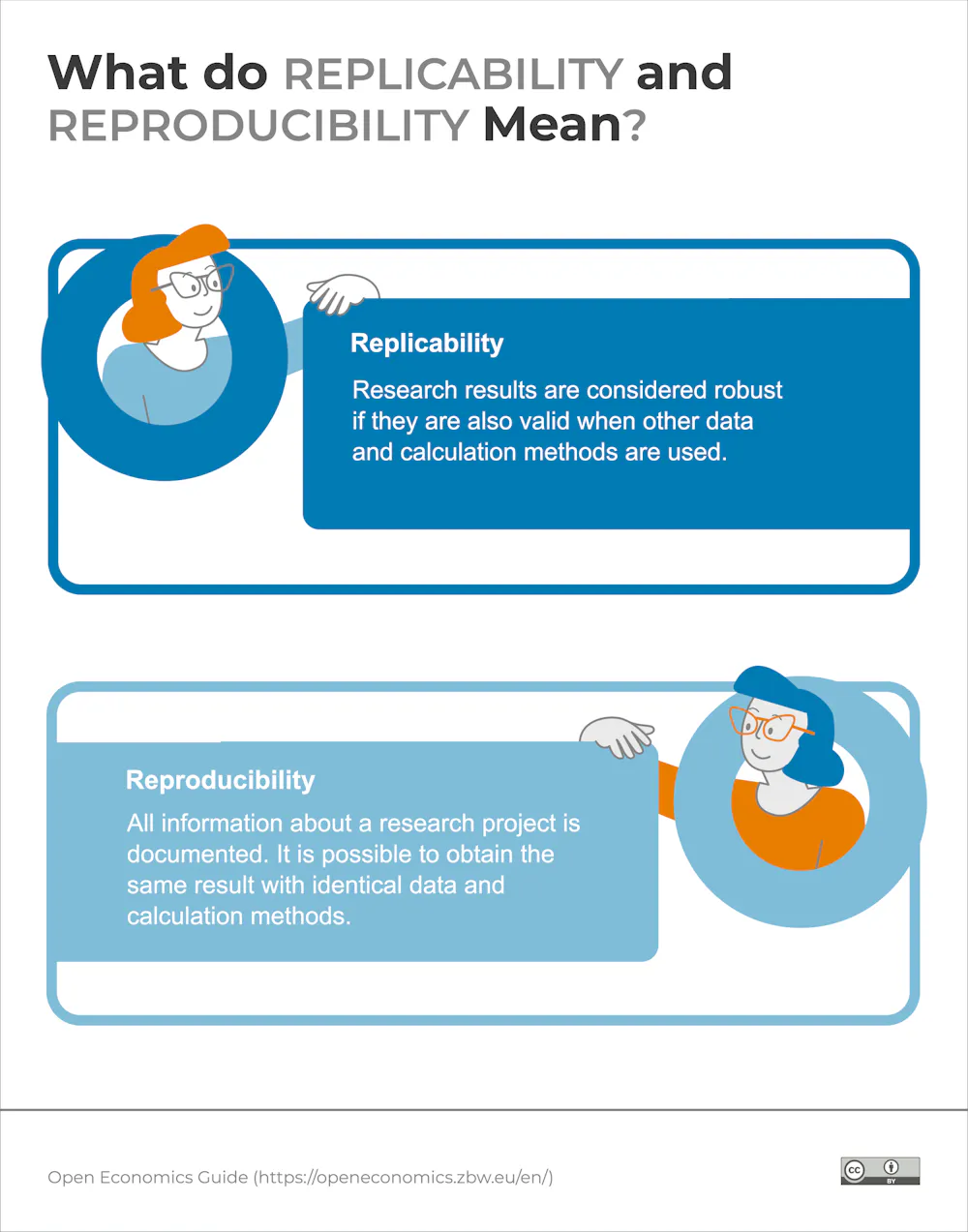
     

    MIL OSI United Kingdom

  • MIL-OSI United Kingdom: Food Minister Daniel Zeichner: Good Food Cycle speech

    Source: United Kingdom – Executive Government & Departments

    Speech

    Food Minister Daniel Zeichner: Good Food Cycle speech

    Speech by Food Minister Daniel Zeichner launching the Good Food Cycle at Darley Street Market in Bradford.

    Well, good afternoon everybody and thank you. First of all, thank you to Andrew, and to all our brilliant contributors – really fantastic.

    Politicians often say they’re really pleased to be in places. And I am pleased to be in places – but I have been really thrilled to be here. I’ve not been to Bradford before, and I’ve been absolutely knocked out by what I’ve seen this morning. I’m so pleased to be here.

    I’m told you’re one of the UK’s youngest, most diverse, and dynamic cities. I represent Cambridge, and we probably could have a little discussion about that – but I think you may be winning! What I know for sure is that you’ve got a rich food culture here. I’ve been seeing it outside, I’ve been hearing about it, and I’m so thrilled that we made the decision that Bradford should be the place to come and talk about the government’s vision for our food system. What we’re calling the Good Food Cycle.

    And I hope that’s a phrase that will stick in your minds – because that’s what this is all about.

    Let me start, though, by thanking some of the people who’ve made this morning possible: Bradford 2025, the local council – I’m delighted to be here working with you – and Inn Churches. Very impressed by the work you’re doing.

    I’ve heard about Jamie Oliver’s Ministry of Food, I’ve seen some of the demonstrations that are being done outside with some of the children – I’ve met some of the children – who are extraordinarily confident and well-informed about raw beans! Very good for them!

    Living Well, the wider community, all the efforts being made to empower, educate, and inspire as many people as possible to cook great-tasting, healthy food for themselves and their families. I think this project here, which I’ve been hearing about – clearly a long time in the making – what a fantastic achievement in this year of 2025.

    It really does show how communities, local government, food producers and processors can work together for the community. Because it shows that good, healthy food can be accessible to everyone, and help bring communities together.

    And just in my brief tour around, I could see how that’s being brought to life.

    I’m told it’s £31 million of investment into the heart of Bradford – it shows what can be done to support local food producers, what you’re making, and how we used to have those strong local food production systems. What a chance to re-energise that!

    But of course, this sits in a wider context – one that includes household-name food businesses with a national footprint, like Morrisons, like Marks and Spencer. They all play a part in our national food system.

    And let’s pay tribute to that national food system, because it is one of the most extraordinary and advanced in the world. Huge, huge things. I remember, I was the shadow minister during the Covid crisis, and there was a point where it wasn’t entirely clear that we could carry on feeding the nation. But people stepped up. And it really showed what an amazing system this is.

    But we also have to be aware that the current food system does have some challenges.

    Henry Dimbleby – a lot of you will be aware – did a lot of work a few years ago on this. He called it the junk food cycle. Which, at one level, is harsh. But what he was pointing out was that there are internal dynamics within the system that keep producing negative feedback loops.

    That’s the thing we want to address.

    I think it can be addressed. I think there are many people in this room who have been working on this for many, many years. But it’s possible to do something about it. To do it differently.

    And that’s why I’ve come here today – to launch what we’re calling the Good Food Cycle. We think it’s a really significant step in the change we want to take together.

    And I think this is actually a very special moment because it’s the first time, as far as I can see, that the whole of government is aligned on a vision for the food system, looking ahead to the future. And it’s one which puts people and the planet at its heart.

    Now, we haven’t done this alone. This is not just about government. We’ve worked across the food system.

    Sarah [Bradbury, IGD CEO] has been saying this – and our colleagues involved in the systems process have told us too – we’ve worked with industry, trying to do what only government can do: convene and coordinate action on food.

    And the reason we’re doing this is not just because it’s a good thing to do – it’s because what we’re hearing from people, right across the country, across generations and communities, is that this is really, really important.

    Because the one thing we all do – is eat. And we should take joy and celebration in that. It’s really important.

    So, over the last six months – in the early part of this government – we’ve spoken to over 400 individuals. That’s been coordinated through the process – thank you to everyone who helped make that happen.

    We’ve heard from organisations, from businesses. We’ve been asking the question: What would a good food system look like?

    I’m very grateful to the people who’ve been sitting on the Food Strategy Advisory Board – some of you may have read about that – Sarah has been providing the secretariat and more; keeping together a complicated group of people with very different views, but we’re working well together – and the Systems Advisory Council. Also, the F4 – that’s the grouping of the key parts of industry. All of them have been involved in this discussion. So many people from academia as well – I see leading academic figures locally.

    All have given time and effort to help us develop what we believe is a shared vision.

    [Political line removed]

    Well, I’m absolutely determined, as the food minister, that we will not make that mistake.

    We will listen. We’ll work alongside those in the food system who make key decisions – and also those who play key roles in that system. Whether that’s a supermarket boss, or someone who’s making the Sunday lunch. Or someone working in a shop.

    All those people are going to be involved in this discussion.

    This is a vision for a healthier, more affordable, sustainable, and resilient 21st-century UK food system that grows the economy, feeds the nation, nourishes people, and protects the environment and climate – now and in the future.

    So, for the next steps to make our Good Food Cycle vision a reality, we’ve identified ten priority outcomes that we’ll be working with people to deliver.

    Those outcomes are focused on:

    • Ensuring everyone has access to healthier and more affordable food
    • Creating the conditions for a thriving and growing food sector, with more investment in healthy, sustainable, affordable food
    • Ensuring a secure, sustainable and resilient food supply
    • Building on vibrant local food cultures – like we’ve seen here in Bradford

    We know there’s a huge prize for investing in the UK food system, which is why we are focused on creating the right conditions to bring money and talent into the UK food system.

    Because when we grow, make, and sell healthy food, frankly, everyone benefits.

    Now, the cost of healthy food is a key concern for working people across the country. And we’re focused on food and nutritional security, from a household to a national level.

    One way to support a secure and more resilient food system is to enhance our food security monitoring – in response to continued volatility from geopolitical and climate shocks.

    It’s critical that this information is transparent and available to people across the food system.

    Today I am committing to a new annual food security statistics publication to be published in the years between the triennial UK Food Security Report, starting this year.

    It will be a more frequent and focused publication, designed to ensure that key UK food security analysis is made public in order to capture emerging trends, and to support both policymakers and the public.

    That’s a government step we’re announcing today – to ensure we continue to support a more secure food supply chain in this country, so we can build a stronger future.

    I believe now is the time to act and make positive change to support our nation. Because with climate, health, and economic pressures growing, we stand to lose out if we don’t act now. Action on improving the food system isn’t just for national government – frankly, it’s for all of us.

    So, I’d like to say just a little bit about what I’ve heard is happening here in Bradford – and I hope you’ll find it as inspirational as I do.

    I understand that in February of this year, the Bradford 2025 UK City of Culture, in collaboration with others, unveiled over 30 innovative projects as part of its Creative Health programme, harnessing the transformative power of culture and creativity to tackle some of the district’s most urgent health and social challenges. 

    And we’re already seeing great outcomes from this work.

    The Cookery School, run by Inn Churches in this Market, in partnership with Jamie Oliver’s Ministry of Food,  teaches children and adults how to make healthy, fresh, tasty meals from scratch for themselves and their families.  

    Living Well is an initiative led by Bradford Council Public Health, the NHS Bradford and Craven Health and Care Partnership and a wide range of key stakeholders and community groups. They are helping to address the rising levels of obesity and reduce the high levels of early and preventable deaths within the district. 

    I’d like to thank the initiatives leaders, the Bradford Council and Bradford District and Craven Health and Care Partnership for all their hard work in helping individuals to live well.  

    This government wants to work across the food system to make the healthy choice the easy choice for people in Bradford and across the country.  

    But a healthy food system is not only about what we eat, it is also about how our food is produced and the impact it has on the environment.  

    When we come together to eat – we are sharing in something incredibly powerful. Culture. 

    Which brings me back to why I am here in Bradford today. Culture and Community are closely interlinked. Communities build culture. This building is the site of a shift in culture. One which is about connecting people with their local food producers, as well as supporting them to have the skills to use this amazing bounty of British ingredients. 

    Everyone should be able to take pride and joy in what they grow and eat. And we want local producers to grow more of what we eat and communities to eat more of what we grow. 

    This Government is here to enable, protect and prepare. Enable health, growth and productivity. Protect food standards. Prepare for the impacts of a more extreme weather and more volatile world.

    This is a cross-government strategy, and we will work collaboratively to ensure we take the right steps to address the needs of the nation. 

    This is a milestone in our commitment to transform the food system. So today, we set out what we want to achieve, and why it’s important.

    Now and in the future, we’ll work with citizens, with civil society, with farmers, with fishers, with food businesses to agree how to reach that vision, and how we will measure our progress.

    If we can replicate some of the energy and commitment I have seen today and enable the growth of other Darley Street markets in other towns across the country; enable every class of school children to enjoy healthy, delicious food; enable investment in responsible food businesses , we will be well on our way. 

    Friends, together we can make the healthy, sustainable choice the easy and obvious one – for everyone. Together, we can create the Good Food Cycle.

    Updates to this page

    Published 16 July 2025

    MIL OSI United Kingdom

  • MIL-OSI USA: Ernst Calls on Senate to Make DOGE Cuts Permanent

    US Senate News:

    Source: United States Senator Joni Ernst (R-IA)

    WASHINGTON – After exposing sweeping abuses at the U.S. Agency for International Development (USAID), U.S. Senator Joni Ernst (R-Iowa) spoke on the Senate floor to urge her colleagues to pass President Trump’s rescissions bill to save taxpayer dollars and make Washington squeal.
    From funding fashion week to pickle makers, Ernst cited multiple wasteful USAID projects and taxpayer-subsidized partisan propaganda at National Public Radio (NPR) and Public Broadcasting Service (PBS) that she has uncovered.
    After being stonewalled, Ernst has been leading the fight to combat waste at USAID and sent Secretary of State Marco Rubio a letter detailing her experience with the rogue agency as it misled, lied, and deceived the American people about how their tax dollars are spent. She has continued her work exposing jaw-dropping waste at USAID.
    Last month, Ernst demanded transparency from the Corporation for Public Broadcasting (CPB) over a $1.9 million grant it provided NPR last year.

    Watch Senator Ernst’s full remarks here.
    Ernst’s full remarks:
    “All Americans can take great pride in our nation’s generosity that has saved millions of people around the world from starvation and disease.
    “And, our government agencies coordinating aid efforts should be eager to share details about how their use of taxpayer money makes the world a better place.
    “Yet, over the past decade, USAID repeatedly rebuffed my requests for information, using intimidation and shell games to hide where money is going, how it’s being spent, and why.
    “As a result of my oversight, I learned that the U.S. Agency for International Development, or USAID, is a rogue bureaucracy, operating with little accountability and even, sometimes, at odds with our nation’s best interests.
    “What warranted such secrecy and stonewalling?
    “Here’s just some of USAID’s questionable spending that I uncovered:
    “Money intended to alleviate economic distress in war-torn Ukraine was spent:
    “Sending models and designers on junkets to New York City and Fashion Weeks in Paris and London, at a cost of more than $203,000;
    “$148,000 went to a pickle maker;
    “A dog collar manufacturer fetched $300,000; and
    “A custom carpet manufacturer collected $2 million.
    “Elsewhere, $20 million was awarded to Sesame Workshop, which produces Sesame Street, to create content for Iraq;
    “$2 million went toward promoting tourism to Lebanon, a nation that our very own State Department warns against traveling to due to the risks of terrorism and kidnapping.
    “Yes, folks, $2 million for tourism to Lebanon when we are saying, don’t travel there.
    “$67,000 was spent to feed edible insects to children in Madagascar.
    “Over $800,000 was sent to China’s notorious Wuhan Institute of Virology to collect coronaviruses.
    “What exactly was our international development agency developing at China’s Wuhan Institute of Virology?
    “Well, if the CIA, FBI, and other experts are correct that the COVID virus likely originated from a lab leak, USAID may have had a hand in a once-in-a-century pandemic that claimed the lives of millions.
    “There’s no shortage of other questionable USAID projects, but President Trump is putting an end to this deep state operation.
    “The foreign assistance programs that do advance American interests are now being administered under the watchful eye of Secretary Marco Rubio.
    “This includes projects previously supported by USAID that were caring for orphans and people living with HIV.
    “Imagine how much more good work like this could be done with the dollars that instead financed fashion shows, supported Sesame Street programs in Iraq, or ended up in China’s Wuhan Institute.
    “Overseas projects without merit are being ended and the tax dollars that were paying for them will be refunded if the Senate passes the rescissions bill.
    “It also cancels taxpayer subsidies to public broadcasting.
    “Too often, these programs are partisan propaganda.
    “You don’t have to take my word for it.
    “A National Public Radio senior editor recently confessed ‘It’s true NPR has always had a liberal bent.’
    “He admits the organization has ZERO Republicans in editorial positions.
    “Come on folks, even CNN has Scott Jennings to roast the looney liberal lunatics on that failing network.
    “NPR and PBS have a right to say whatever the heck they want, but they don’t have a right to force hardworking Americans to pay for their political propaganda being masked as a public service.
    “Defunding this nonsense is causing a lot of squealing from the big spenders around here.
    “Washington insiders are more upset at this effort to stop wasteful spending than at the misuse of taxpayer dollars.
    “In fact, saving tax money is such a crazy concept in Washington that Democrats are threatening to shut down the entire government if this bill passes.
    “It says a lot about the other side’s priorities when they’re willing to take hostage funding for veterans and senior citizens to prevent $9 billion in unnecessary waste, fraud, and abuse from being trimmed from our $7 trillion annual budget.
    “The interest that we are paying on our debt alone is costing nearly $3 billion every single day.
    “If we are ever going to get serious about our debt crisis, Congress needs to pass a rescissions bill like this every single week.
    “Folks, the simple truth is if you can’t find waste in Washington, it’s because you simply are not looking.
    “With our national debt now exceeding $37 trillion, the real question we should be asking isn’t ‘why is government spending now being scrutinized?,’ but rather, ‘why did it take so long?’”

    MIL OSI USA News

  • MIL-OSI Security: Urgent Care Operator Pays $3 Million Dollars to Resolve Alleged Violations of the False Claims Act

    Source: Office of United States Attorneys

    Urgent Care Operator Bloom Care LLC and its owners have paid $3,000,000 to resolve allegations that they billed for unnecessary testing and inflated the extent of services performed.

    BOISE – Bloom Care LLC and its owners have paid $3,000,000 to resolve allegations that they violated the False Claims Act by submitting false claims to Federal healthcare programs for medically unnecessary testing and for inflating the extent of services performed. Bloom operated Urgent Care centers in Idaho and New Mexico throughout the COVID-19 pandemic.

    The United States alleged that Bloom knowingly used the COVID-19 pandemic as an excuse for billing for medically unnecessary streptococcus and influenza tests for asymptomatic patients. Additionally, the United States contends that Bloom submitted claims for high-level evaluation and management services for COVID-19 patients when Bloom knew that the services should have been billed at a lower level of service that would have been reimbursed at a lower rate. To justify these high reimbursement claims, the United States contends that Bloom exaggerated the time spent with COVID-19 patients and/or the complexity of the evaluation required to care for these patients.

    “The Department of Justice is committed to identifying waste, fraud, and abuse in federal programs,” said Acting U.S. Attorney Justin Whatcott. “I commend the federal and state agencies that investigated this case, as their important efforts protect taxpayer dollars.”

    “Healthcare providers participating in federal health care programs must follow all relevant laws and rules when submitting claims – and certainly not order medically unnecessary services to boost their profits,” said Acting Special Agent in Charge Jeffrey McIntosh of the U.S. Dept. of Health and Human Services Office of Inspector General (HHS-OIG). “This settlement shows HHS-OIG’s enduring commitment to protecting the integrity of federal health care programs and the people who rely on them. We will continue to collaborate with our law enforcement partners to investigate allegations brought under the False Claims Act.”

    “Companies that provide services to veterans will be held to the highest standards of integrity, professionalism, and accountability,” said Special Agent in Charge Dimitriana Nikolov with the Department of Veterans Affairs Office of Inspector General’s Northwest Field Office. “Submitting claims for medically unnecessary services will not be tolerated, and the VA OIG will continue to work with our law enforcement partners to hold wrongdoers accountable and ensure veterans receive the quality healthcare they deserve.”

    This matter was investigated jointly by the U.S. Attorney’s Office for the District of Idaho, the U.S. Department of Health and Human Services Office of the Inspector General, and the United States Department of Veterans Affairs Office of the Inspector General. Additional assistance was provided by the Idaho Department of Health and Welfare. Assistant United States Attorney Elliot Wertheim handled this case.

    The claims resolved by the settlement against Bloom Care LLC are allegations only and there has been no admission or determination of liability.

    On May 17, 2021, the Attorney General established the COVID-19 Fraud Enforcement Task Force to marshal the resources of the Justice Department in partnership with agencies across government to enhance efforts to combat and prevent pandemic-related fraud.  The task force bolsters efforts to investigate and prosecute the most culpable domestic and international criminal actors and assists agencies tasked with administering relief programs to prevent fraud by augmenting and incorporating existing coordination mechanisms, identifying resources and techniques to uncover fraudulent actors and their schemes, and sharing and harnessing information and insights gained from prior enforcement efforts. For more information on the department’s response to the pandemic, please visit www.justice.gov/coronavirus.

    Anyone with information about allegations of attempted fraud involving COVID-19 can report it by calling the Justice Department’s National Center for Disaster Fraud (NCDF) Hotline at 866‑720‑5721 or via the NCDF Web Complaint Form at www.justice.gov/disaster-fraud/ncdf-disaster-complaint-form.

    ###

    MIL Security OSI

  • MIL-OSI United Kingdom: Birmingham fraudster spent part of Covid loan funds at safari park, restaurants and paying off personal credit card debt

    Source: United Kingdom – Executive Government & Departments

    Press release

    Birmingham fraudster spent part of Covid loan funds at safari park, restaurants and paying off personal credit card debt

    Money from the loans was only supposed to be used for the economic benefit of the business

    • Fitness company owner Junaid Dar dishonestly obtained £45,500 in Covid Bounce Back Loans during 2020 

    • Dar used some of the funds for legitimate purposes, but he also used money for personal spending at retailers, restaurants and leisure attractions 

    • The 34-year-old was handed a suspended sentence following investigations by the Insolvency Service 

    A Birmingham fraudster who secured three Covid loans for his company when businesses were only entitled to one used some of the funds for personal spending at restaurants and a safari park. 

    Junaid Dar, 34, made fraudulent applications to three separate banks for Bounce Back Loans worth a combined total of £45,500 during 2020 for his JDARPT Ltd fitness company. 

    Dar, of Stratford Road, Birmingham, was sentenced to 20 months in prison, suspended for 18 months, at Wolverhampton Crown Court on Thursday 10 July. 

    He was also ordered to complete 20 days of rehabilitation activity, 180 hours of unpaid work, and pay costs of £2,400. 

    David Snasdell, Chief Investigator at the Insolvency Service, said: 

    Junaid Dar deliberately made false representations to fraudulently receive three Bounce Back Loans when businesses were only entitled to one.  

    Instead of using this money to support his fitness business through the pandemic as intended, he diverted significant sums for personal spending.  

    Bounce Back Loans were designed to provide quick and simple financial support to businesses genuinely affected by Covid. The Insolvency Service will not tolerate abuse of the public purse and will continue to pursue fraudsters who exploited schemes designed to help legitimate businesses during a national crisis.

    JDAPRT was incorporated in March 2017 with Dar as its sole director. The company’s trading activities were recorded as fitness facilities on Companies House. 

    Dar’s first fraudulent application was for a £13,000 Bounce Back Loan in May 2020.  

    In the application, Dar claimed JDAPRT’s turnover was £55,000. 

    Just two days later, Dar made a second application to a different bank for a Bounce Back Loan of £15,000.  

    In this application, Dar said his company’s turnover was now £60,000. 

    Dar’s third and final fraudulent application in September 2020 was for a Bounce Back Loan of £17,500.  

    This time, Dar falsely claimed his company’s turnover was £70,000. Insolvency Service analysis of the bank account revealed the company’s turnover was closer to £61,000. 

    Dar used some of the Bounce Back Loan funds for legitimate purposes. However, several transactions were recorded which Insolvency Service investigators found to be for personal use. 

    Payments were made to Amazon and Argos, along with spending at restaurants and meat stores. Further spending was identified at West Midlands Safari Park and making credit card payments. 

    JDARPT went into liquidation in July 2021. 

    Dar was also disqualified as a company director for 11 years from April 2022 for his misconduct at JDARPT. 

    Further information  

    About us 

    The Insolvency Service is a government agency that helps to deliver economic confidence by supporting those in financial distress, tackling financial wrongdoing and maximising returns to creditors. 

    The Insolvency Service is an executive agency, sponsored by the Department for Business and Trade

    Read more about what we do 

    Press Office 

    Journalists with enquiries can call the Insolvency Service Press Office on 0303 003 1743 or email press.office@insolvency.gov.uk (Monday to Friday, 9am to 5pm). 

    Out of hours 

    For any out of hours media enquiries, please contact the Department for Business and Trade (DBT) newsdesk on 020 7215 2000.

    Updates to this page

    Published 15 July 2025

    MIL OSI United Kingdom

  • MIL-OSI USA: CBO’s Economic Forecasting Record: 2025 Update

    Source: US Congressional Budget Office

    In this report, the Congressional Budget Office assesses its economic forecasts over the first two years and five years of each baseline period from as early as 1976. (The baseline period is the time frame covered by the agency’s annual baseline projections of the federal budget.) CBO then compares its forecasts with those of the Administration, the Survey of Professional Forecasters (SPF), and the Blue Chip consensus.

    • CBO’s forecasts of important economic variables (output growth, the unemployment rate, inflation, interest rates, and wages and salaries) tend to be more accurate than those of the Administration and the Blue Chip consensus, and roughly half of CBO’s two-year forecasts are more accurate than those produced by the SPF.
    • On average, CBO’s forecasts are too high by small amounts, and the accuracy of the agency’s two-year and five-year forecasts is similar.

    Forecasts from all four sources failed to anticipate certain key economic developments, resulting in significant forecast errors. The main sources of those errors are turning points in the cycle of economic activity, changes in labor productivity trends and crude oil prices, the downward trend in interest rates, the decline in labor income as a share of output, data revisions, and effects of the coronavirus pandemic.

    MIL OSI USA News

  • MIL-OSI Russia: The government has approved additional measures to support tour operators in the field of outbound tourism

    Translation. Region: Russian Federal

    Source: Government of the Russian Federation – Government of the Russian Federation –

    An important disclaimer is at the bottom of this article.

    Document

    Order dated July 12, 2025 No. 1879-r

    In 2025, the amount of contributions to the personal liability fund for tour operators in the outbound tourism sector will be reduced and the deadline for their payment will be extended.

    According to the signed order, the amount of such contributions has been reduced from 1% to 0.75% of the total price of a tourism product in the field of outbound tourism for 2024.

    By law, these contributions are paid in equal installments no later than the 15th of each month following the previous calendar quarter. Now the payment deadline has been moved from July 15 and October 15, 2025 to January 15, 2026.

    The decision is aimed at supporting representatives of the tourism industry in the context of restrictions caused by the geopolitical situation in the Middle East. The released funds will be used, among other things, to return money to tourists who paid for trips to countries where restrictions are in place due to security threats.

    Similar measures, providing for a reduction in the amount of contributions to the personal liability fund of tour operators in the field of outbound tourism, were taken by the Government in 2021 and 2022 due to the threat of the spread of coronavirus, and then external sanctions pressure.

    Please note: This information is raw content obtained directly from the source of the information. It is an accurate report of what the source claims and does not necessarily reflect the position of MIL-OSI or its clients.

    MIL OSI Russia News

  • MIL-OSI USA: Record MTA Ridership and Performance for 2025

    Source: US State of New York

    overnor Kathy Hochul today announced the Metropolitan Transportation Authority (MTA) is on track to deliver a record-breaking year, following the success of the first six months of 2025. New York City Transit (NYCT), Long Island Rail Road (LIRR) and Metro-North Railroad ridership and on-time performance have all improved in the first half of the year, while customer satisfaction rates are up across all agencies. This comes while the MTA executes a historic capital plan, investing in state-of-good-repair work that will ensure the system continues to run reliably and safely for generations to come. Safety in the subway system continues to improve with overall major crimes dropping by 3.2 percent from the same period last year and by almost 10 percent when compared to pre-pandemic levels in 2019.

    “MTA ridership, performance and safety are all improving dramatically in 2025, serving nearly six million New Yorkers every day and keeping New York moving,” Governor Hochul said. “Thanks to the investments we’re making in safer, more reliable and more frequent service, riders are benefitting every day. When transit is thriving, New York is thriving.”

    MTA Chair and CEO Janno Lieber said, “The new MTA is a business-like organization that delivers for customers, and the proof is in the data – soaring ridership, historic levels of on-time performance and major improvements in customer satisfaction.”

    In the past several years, Governor Hochul and the MTA have increased service across the MTA network. In 2023 and 2024, weekend and off-peak weekday service was increased on 12 subway lines, reducing wait times for millions of customers. The opening of Grand Central Madison in 2023 enabled a 41 percent increase in service on the Long Island Rail Road. Bus service has improved across the city: service was increased on 8 express and 15 local routes with high-ridership earlier this year, following the launch of congestion pricing. The Queens Bus Network Redesign, which began its first phase June 29, expands 24-hour service to hundreds of thousands of Queens bus riders and includes a $35 million annual investment in more service for the borough.

    New York City Transit
    In the first half of 2025, performance across New York City Transit was at historic highs. Weekday subway on-time performance in the first six months of 2025 was 83.7 percent, 2.4 percentage points higher than the same time last year and on track for the best non-pandemic year in recorded history. Weekday subway delays are down 11 percent in 2025 compared to 2024, while weekend delays were down 14 percent. Bus service delivery was above 95 percent each month of 2025, and bus speeds have improved over the first half of the year, thanks in part to reduced gridlock following the start of congestion pricing. Across the board, customers are happier. In the biannual customer survey completed this spring, satisfaction for subways rose 8 percent, satisfaction for local buses rose 11 percent, and satisfaction for express buses rose 9 percent compared to the Fall of 2024.

    Ridership has also surged in 2025. The first half of the year has seen record post-pandemic ridership for subways, buses and paratransit. In June, NYCT surpassed 106 million rides, up 10 percent from 2024. 2025 subway ridership is up 8 percent compared to 2024 and 31 percent compared to 2022. Ridership gains have continued, with the first post-pandemic July days to exceed four million subway riders reached on July 9 and 10. Bus ridership has also grown in 2025, with ridership up 12 percent compared to 2024. Bus paid ridership has grown in part following the MTA’s efforts to improve fare compliance through targeted deployments of fare enforcement teams. Combined, buses and subways have carried over 850 million customers in the first half of 2025.

    Paratransit has also continued to see huge ridership and performance gains. In June, Paratransit served 1.3 million Paratransit riders on 904,000 completed trips, both above previous pre-Covid peaks, and delivered an on-time performance rate of 92 percent for the month. Customer satisfaction has remained high with rates staying above 78 percent every month of 2025.

    Long Island Rail Road and Metro-North Railroad
    In June, LIRR hit a new post-pandemic high for weekday riders by averaging 266,047 weekday riders. On June 18, LIRR set a new single day post-pandemic ridership record, carrying 287,437 customers. LIRR carried 6.9 million customers in June, representing 89 percent of pre-pandemic ridership — the best June since 2019. Year-to-date ridership on LIRR is up 9 percent compared to 2024 and up 64 percent from 2022. LIRR also achieved the best June non-pandemic On-Time Performance in its history at 95.9 percent, up 1.4 percentage points from 2024.

    On June 18, Metro-North carried nearly 259,000 riders and average weekday ridership for the month of June was 235,450, both new post-pandemic highs. Year-to-date Metro-North ridership is up 6 percent compared to 2024 and up 63 percent compared to 2022. Metro-North delivered an On-Time Performance rate of 98 percent in June, continuing its outstanding start to 2025. In the customer survey completed this spring, Metro-North received a satisfaction rating of 89 percent from customers, an increase of 4 percent from the Fall 2024 survey, while satisfaction among LIRR customers surged 11 percentage points from this time last year.

    New York City Transit President Demetrius Crichlow said, “NYC Transit is working hard to deliver fast, reliable and safe service for riders and that determination is reflected in these historic on-time performance and ridership numbers. We’ll keep up the momentum and build on this success across Subways, Buses and Paratransit as we head into the rest of the year.”

    Long Island Rail Road President Rob Free said, “Not only do riders have more service options than ever before, but we’re getting them where they need to go more reliably with record levels of on-time performance. The big gains we’ve made in customer satisfaction prove that riders are noticing our commitment to great service and we will work even harder to improve the customer experience.”

    Metro-North Railroad President Justin Vonashek said, “Riders are responding to the great service Metro-North is providing by choosing to take the train in record numbers. And we’ll continue to deliver safe and reliable service that they can count on.”

    MIL OSI USA News

  • MIL-OSI NGOs: Hong Kong: Appeal hearing in HK 47 case is ‘pivotal test’ for city’s future freedom of expression

    Source: Amnesty International –

    13 people convicted under draconian National Security Law in unprecedented mass trial to appeal sentence

    More than 80% of people convicted under National Security Law have been wrongly criminalised

    ‘This appeal is a pivotal test – not just for these 13 individuals, but for the future of freedom of expression in Hong Kong’ – Sarah Brooks

    Ahead of the appeal hearing of 13 people on Monday (14 July) who were convicted of “conspiring to subvert state power” under Hong Kong’s National Security Law in a mass trial last year known as the Hong Kong 47, Sarah Brooks, Amnesty International’s China Director, said:

    “The Hong Kong 47 case stands as one of the most shocking examples of the crackdown on human rights in the city. This appeal hearing is a chance for the courts to start righting the wrongs of this unprecedented mass prosecution.

    “Research findings we released earlier this month show that the vast majority of convictions under the National Security Law have targeted legitimate expression. It is appalling that Hong Kong courts could condone a crackdown that leaves more than 80% of defendants wrongfully languishing behind bars.

    “This appeal is a pivotal test – not just for these 13 individuals, but for the future of freedom of expression in Hong Kong. Only by overturning these convictions can Hong Kong’s courts begin to restore the city’s global standing as a place where rights are respected and where people are allowed to peacefully express their views without fear of arrest.”

    Dramatic deterioration of human rights

    In Hong Kong’s largest prosecution under the National Security Law, which came into force in June 2020, 47 opposition figures were jointly charged with “conspiracy to commit subversion”. Thirty-one of the 47 pleaded guilty to the charge while 16 pleaded not guilty, two of whom were acquitted.

    On 14 July, Hong Kong’s Court of Appeal will hear the appeal of 13 of those convicted. In the same hearing, Hong Kong’s Department of Justice will also appeal against the acquittal of one of the defendants, Lawrence Lau. The charges against the ‘Hong Kong 47’ relate to their organisation and participation in self-organised ‘primaries’ for the 2020 Legislative Council elections that were ultimately postponed by authorities on Covid-19 grounds before the Chinese government brought in a new electoral system that strictly vetted who could stand for office.

    Research published last month by Amnesty on the fifth anniversary of the National Security Law’s enactment, found that more than 80% of people convicted under the law have been wrongly criminalised and should never have been charged in the first place. Human rights in Hong Kong have deteriorated dramatically since 2020, with Amnesty identifying more than 250 people arrested for violating the National Security Law or a colonial-era “sedition” law. Last year, the Hong Kong parliament itself enacted further national security legislation – the so-called ‘Article 23’ law – which has further deepened repression and silenced opposition voices in the city.

    MIL OSI NGO

  • MIL-OSI: Himax and Rabboni Join Forces to Launch World’s First Scalable Multi-Scenario Endpoint AI Sensing System – bboni Ai Enabling Real-Time AI Inference on Wearable Devices

    Source: GlobeNewswire (MIL-OSI)

    TAINAN, Taiwan and HSINCHU, Taiwan, July 14, 2025 (GLOBE NEWSWIRE) — Himax Technologies, Inc. (Nasdaq: HIMX) (“Himax” or “Company”), a leading supplier and fabless manufacturer of display drivers and other semiconductor products, and Rabboni Co., Ltd. (“Rabboni”), a Taiwan-based company integrating next-generation semiconductor sensing and edge computing to enable smart living, smart sensing and wearable devices, today jointly announced the unveiling of bboni Ai, the world’s first multi-scenario endpoint AI sensing system. bboni Ai integrates Rabboni’s high-precision IMU (Inertial Measurement Unit) motion sensors with Himax’s ultralow power WiseEye2 AI processor, opening a new chapter for real-time endpoint AI inference for wearable devices and accelerating the transition of AI from concept to real-world implementation.

    WiseEye2 AI processor features a high-performance architecture built on Cortex-M55 cores and is equipped with the Ethos-U55 AI inference engine. It supports always-on sensing, dynamic voltage and frequency scaling (DVFS), and a multi-level power management structure. The design empowers dynamic adjustments in core voltage and frequency based on the scenarios of wearable devices, enabling data collection, event triggering, and endpoint AI inference at ultralow power consumption of just a few milliwatts. This architecture significantly reduces reliance on cloud transmission, effectively lowering latency and power consumption. It also enhances real-time responsiveness and data privacy, delivering a commercially viable endpoint AI solution for devices requiring long-hour operation. Notably, WiseEye™ AI can also collaborate with cloud-based large language models (LLMs), further enhancing the device’s ability to perceive, understand, and interact with complex real -world scenarios.

    bboni Ai Brings AI to the Endpoint: On-Device AI Processing. No Cloud Needed

    Featuring integrated motion sensing capability and ultralow power AI powered by Himax’s WiseEye2 AI processor, the bboni Ai system enables real-time motion analysis, posture recognition, and behavior interpretation directly on the endpoint device, eliminating the need for cloud computing. With low-latency, high-efficiency, and privacy-preserving on-device AI, bboni Ai delivers a truly scalable and deployable endpoint AI solution. bboni Ai not only enhances system stability but also meets the stringent requirements for data immediacy and security in applications such as healthcare and education.

    bboni Ai Transforms Everyday Life Across Diverse Wearable Applications: Demonstrates broad real-world readiness across multiple use cases

    • Smart Healthcare: Supports WHO’s ICOPE (Integrated Care for Older People) framework, facilitating seniors to monitor physical function and rehabilitation progress at home, reducing the cost of care
    • Sports Technology: Real-time detection of user movements and behavior, providing instant motion feedback, optimizing training postures through AI analysis, improving training efficiency and reducing the risk of injury
    • Education and Interaction: Enables hands-on STEM and AI education by leveraging motion sensing and behavior analysis to foster interdisciplinary learning and innovation, cultivating the next generation of talent

    Powered by TaiwanBased Team with bboni Ai Developer Program to Launch in July 2025

    To accelerate the development of innovative AI applications, Himax will officially launch the bboni Ai Developer Program in late-July 2025. This initiative will provide a complete set of APIs and SDKs, inviting developers, academic institutions, and corporate partners jointly to create a robust and commercial-ready endpoint AI ecosystem, advancing Taiwan’s AI technology around the globe.

    “The bboni Ai system was entirely developed by a Taiwanese team, integrating key technologies such as semiconductor design, sensor technology, AI algorithms, and software-hardware integration, showcasing Taiwan’s technical strength in smart sensing and endpoint AI,” said Richard Chiang, Chairman of Rabboni.

    “WiseEye’s ultralow power and always-on sensing capabilities make it a perfect fit for power-constrained endpoint devices, especially wearable applications in smart care, interactive education, and health monitoring that require long-hour operation,” said Mark Chen, Vice President of Smart Sensing Business at Himax. “Himax is excited to collaborate with Rabboni to integrate our respective technological strengths and bring AI out of the conceptual stage and into everyday life, enabling truly meaningful smart applications.”

    About Rabboni Co., Ltd.

    Rabboni Co., Ltd., originating from Silicon Instruments Co., Ltd. founded in 2009, is dedicated to integrating next-generation semiconductor sensing and edge computing to build the foundation of smart living. The company empowers professionals across various service domains to achieve digital and AI transformation, thereby enhancing their value-added services. For years, Rabboni has supported National Yang Ming Chiao Tung University (NYCU) in university social responsibility (USR) programs and MIT-collaborated science outreach projects, as well as medical research initiatives. Through these efforts, Rabboni has developed interdisciplinary platform technologies and established a comprehensive industry chain for smart sensing and wearable technologies.

    Rabboni also introduced the TEA Innovation Service Platform, inspired by the concept: “Technology x Experts x Aids = Brew better futures.” In collaboration with Himax’s engineering team, Rabboni successfully completed the development of the bboni Ai platform. An Endpoint AI Startup Competition will soon be co-hosted by Himax, Rabboni, and NYCU, featuring the world’s tiniest and ultralow power bboni Ai system.

    About Himax Technologies, Inc.

    Himax Technologies, Inc. (NASDAQ: HIMX) is a leading global fabless semiconductor solution provider dedicated to display imaging processing technologies. The Company’s display driver ICs and timing controllers have been adopted at scale across multiple industries worldwide including TVs, PC monitors, laptops, mobile phones, tablets, automotive, ePaper devices, industrial displays, among others. As the global market share leader in automotive display technology, the Company offers innovative and comprehensive automotive IC solutions, including traditional driver ICs, advanced in-cell Touch and Display Driver Integration (TDDI), local dimming timing controllers (Local Dimming Tcon), Large Touch and Display Driver Integration (LTDI) and OLED display technologies. Himax is also a pioneer in tinyML visual-AI and optical technology related fields. The Company’s industry-leading WiseEyeTM Ultralow Power AI Sensing technology which incorporates Himax proprietary ultralow power AI processor, always-on CMOS image sensor, and CNN-based AI algorithm has been widely deployed in consumer electronics and AIoT related applications. Himax optics technologies, such as diffractive wafer level optics, LCoS microdisplays and 3D sensing solutions, are critical for facilitating emerging AR/VR/metaverse technologies. Additionally, Himax designs and provides touch controllers, OLED ICs, LED ICs, EPD ICs, power management ICs, and CMOS image sensors for diverse display application coverage. Founded in 2001 and headquartered in Tainan, Taiwan, Himax currently employs around 2,200 people from three Taiwan-based offices in Tainan, Hsinchu and Taipei and country offices in China, Korea, Japan, Germany, and the US. Himax has 2,609 patents granted and 370 patents pending approval worldwide as of June 30, 2025.

    http://www.himax.com.tw

    Forward Looking Statements

    Factors that could cause actual events or results to differ materially from those described in this conference call include, but are not limited to, the effect of the Covid-19 pandemic on the Company’s business; general business and economic conditions and the state of the semiconductor industry; market acceptance and competitiveness of the driver and non-driver products developed by the Company; demand for end-use applications products; reliance on a small group of principal customers; the uncertainty of continued success in technological innovations; our ability to develop and protect our intellectual property; pricing pressures including declines in average selling prices; changes in customer order patterns; changes in estimated full-year effective tax rate; shortage in supply of key components; changes in environmental laws and regulations; changes in export license regulated by Export Administration Regulations (EAR); exchange rate fluctuations; regulatory approvals for further investments in our subsidiaries; our ability to collect accounts receivable and manage inventory and other risks described from time to time in the Company’s SEC filings, including those risks identified in the section entitled “Risk Factors” in its Form 20-F for the year ended December 31, 2024 filed with the SEC, as may be amended.

    Company Contacts:

    Karen Tiao, Head of IR/PR
    Himax Technologies, Inc.
    Tel: +886-2-2370-3999
    Fax: +886-2-2314-0877
    Email: hx_ir@himax.com.tw
    www.himax.com.tw

    Mark Schwalenberg, Director
    Investor Relations – US Representative
    MZ North America
    Tel: +1-312-261-6430
    Email: HIMX@mzgroup.us
    www.mzgroup.us

    The MIL Network