Category: DJF

  • MIL-OSI Security: Charlotte Man Sentenced For Possession Of A Machinegun

    Source: United States Bureau of Alcohol Tobacco Firearms and Explosives (ATF)

    CHARLOTTE, N.C. – Joshua Michael Jenkins, 22, of Charlotte, was sentenced yesterday to 88 months in prison followed by three years of supervised release for possession of a machinegun, announced Russ Ferguson, U.S. Attorney for the Western District of North Carolina.

    According to court records, on October 30, 2022, a trooper with the North Carolina State Highway Patrol attempted to stop Jenkins for speeding on the interstate. Jenkins refused to stop and instead proceeded to drive at a high rate of speed, reaching speeds of 130 miles per hour. Court documents show that Jenkins exited the highway and ran a red light, where his vehicle collided with four other vehicles at an intersection. Jenkins then fled on foot and ran toward a shopping center. The state trooper ran after Jenkins and observed Jenkins holding a firearm in his hand, which he pointed at the trooper. Jenkins was eventually apprehended.

    According to court documents, law enforcement searched a trashcan in a parking lot nearby after a witness saw Jenkins drop something in it. Law enforcement recovered from the trashcan a Glock model 23, .40 caliber pistol, with an affixed machinegun conversion device, commonly referred to as a “Glock Switch.” During the investigation, law enforcement located multiple social media posts of Jenkins posing with firearms that appeared to be equipped with Glock switches, and a video showing muzzle flash and the sound of repeated firing of an automatic weapon.

    In making today’s announcement, U.S. Attorney Ferguson thanked the U.S. Bureau of Alcohol, Tobacco, Firearms and Explosives, the North Carolina Highway Patrol, the Charlotte Mecklenburg Police Department, and the Huntersville Police Department for their investigation of the case.

    Special Assistant U.S. Attorney (SAUSA) William Wiseman prosecuted the case. Mr. Wiseman is a state prosecutor with the office of the 26th Prosecutorial District and was assigned by District Attorney Spencer Merriweather to serve as a SAUSA with the U.S. Attorney’s Office in Charlotte. Mr. Wiseman is sworn in both state and federal courts. The SAUSA position is a reflection of the partnership between the District Attorney’s Office and the U.S. Attorney’s Office.


    MIL Security OSI

  • MIL-OSI Security: Federal Charges Brought After Man Fired at Nash County Deputy

    Source: United States Bureau of Alcohol Tobacco Firearms and Explosives (ATF)

    RALEIGH, N.C. – Federal charges were brought Tuesday against a Rocky Mount man, charging him with being a felon in possession of a firearm.  Montrel Devon Ingram, 36, appeared in federal court for his initial appearance.

    “We will act swiftly and relentlessly to investigate anyone who threatens our law enforcement officers and violates federal law,” said Acting U.S. Attorney Daniel P. Bubar. “This case reflects the strong, coordinated response from our federal and local partners, and I’m proud of the quick work that brought the defendant into custody.”

    “Keeping dangerous individuals and illegal firearms off our streets is critical to protecting our neighborhoods,” said Nash County Sheriff Keith Stone. “Thanks to the dedication of our deputies and the support of our federal partners, we were able to quickly apprehend the suspect and recover the weapon ensuring the safety of our community.”

    According to the information presented in the criminal complaint, Ingram was a passenger during a traffic stop in which the driver was suspected of driving under the influence. When backup arrived, Ingram fled on foot near the intersection of Ravenwood Drive and Canary Drive in Rocky Mount. A deputy from the Nash County Sheriff’s Office pursued Ingram after noticing him reaching into his waistband. The deputy shouted loud verbal commands for Ingram to show his hands. Shortly after, the deputy heard a gunshot and saw a muzzle flash coming from Ingram’s direction. Seeking cover while maintaining a clear line of sight on Ingram, the deputy observed him throw a firearm into the front yard of a nearby residence and then attempt to jump the fence into the backyard. The deputy quickly closed in on Ingram, ordering him to the ground. With the assistance of NC State Highway Patrol (NCSHP) troopers, the deputy was able to apprehend Ingram and take him into custody. They later located the thrown firearm, which had a spent shell casing stuck in the ejector port, causing it to jam. The magazine contained five additional rounds of ammunition.

    Ingram faces a maximum penalty of 15 years in prison if convicted.

    Daniel P. Bubar, Acting U.S. Attorney for the Eastern District of North Carolina made the announcement. The Bureau of Alcohol, Tobacco, Firearms and Explosives, the Nash County Sheriff’s Office, and the North Carolina State Highway Patrol assisted with the investigation and Assistant U.S. Attorney Phil Aubart is prosecuting the case.

    Related court documents and information are located on the website of the U.S. District Court for the Eastern District of North Carolina or on PACER by searching for Case No. 5:25-MJ-01851.

    A criminal complaint is merely an accusation. The defendant is presumed innocent until proven guilty.

    MIL Security OSI

  • MIL-OSI Security: Albuquerque Mother and Son Sentenced for Manufacturing and Selling Machinegun Conversion Devices

    Source: United States Bureau of Alcohol Tobacco Firearms and Explosives (ATF)

    ALBUQUERQUE – An Albuquerque mother and son who used Instagram and a 3D printer to traffic illegal machine gun conversion devices were sentenced in federal court following an undercover investigation by the ATF that uncovered a cache of firearms.

    There is no parole in the federal system.

    According to court documents, between February 3 and February 7, 2023, Joe Jasso, 21, used Instagram to advertise and sell illegal machine gun conversion devices (MCDs) which are used to convert firearms to fully automatic fire. Jasso communicated with an undercover detective from the ATF about selling AR-15 auto sears and MCDs. On February 7, 2023, Joe Jasso and his mother, Rachael Jasso, 43, met the undercover detective at Kiva Park, where Joe Jasso demonstrated how to install an MCD. Later that day, at a second meeting at Buffalo Wild Wings, Joe Jasso delivered an AR auto sear to the detective, and both Joe and Rachael Jasso confirmed they could make additional devices.

    On February 16, 2023, officers executed a search warrant at the Jasso residence in Northeast Albuquerque, where they found approximately ten firearms, five machine gun conversion devices, large quantities of ammunition, and a 3D printer used to manufacture the devices. Joe Jasso admitted to using Instagram to sell the switches and acknowledged modifying firearms, while neither Joe nor Rachael Jasso had the required federal licenses to possess or manufacture machine guns or conversion devices.

    Joe Jasso and Rachel Jasso both pleaded guilty to engaging in the business of dealing firearms without a license and possession of a machine gun conversion device. Joe Jasso was sentenced to 33 months in federal prison, and Rachael Jasso was sentenced to 30 months. Upon their release from prison, they will both be subject to two years of supervised release.

    U.S. Attorney Ryan Ellison and Brendan Iber, Special Agent in Charge of the Phoenix Field Division of the Bureau of Alcohol, Tobacco, Firearms and Explosives, made the announcement today.

    The Bureau of Alcohol, Tobacco, Firearms and Explosives investigated this case with assistance from the Albuquerque Police Department. Assistant U.S. Attorney Samuel A. Hurtado is prosecuting the case.

    Machine gun conversion devices and auto sears are illegal devices that transform semi-automatic firearms into fully automatic weapons capable of continuous firing with a single trigger pull. The possession, manufacture, and sale of these devices without proper licensing is a federal offense carrying severe penalties, including up to 10 years in prison and fines up to $250,000.

    The proliferation of these devices poses an immediate and critical threat to public safety. Between 2018 and 2023, the ATF recovered thousands of machine gun conversion devices, indicating an alarming trend in their availability and use. Violent street gangs are increasingly employing these devices, devastating communities and neighborhoods with unprecedented firepower.

    This dramatic increase in illegal automatic weapons puts both civilians and law enforcement at extreme risk. Officers responding to incidents may find themselves severely outgunned, facing weapons capable of firing hundreds of rounds per minute. The potential for mass casualties in such encounters is staggering.

    Law enforcement agencies are racing against time to intercept these devices before they can be used in violent crimes. Public cooperation is crucial in combating this threat. If you have information about illegal firearms or conversion devices, please contact the ATF immediately:

    Call: 1-888-ATF-Tips (1-888-283-8477)

    Email: ATFTips@atf.gov

    Visit: www.atf.gov/atf-tips

    Your tip could save lives and prevent these dangerous weapons from falling into the wrong hands. The time to act is now, before our community fall victim to the devastating impact of these illegal automatic weapons. 

    MIL Security OSI

  • MIL-OSI Economics: RBI to conduct 7-day Variable Rate Reverse Repo (VRRR) auction under LAF on July 11, 2025

    Source: Reserve Bank of India

    On a review of the current and evolving liquidity conditions, it has been decided to conduct a Variable Rate Reverse Repo (VRRR) auction on Friday, July 11, 2025, as under:

    Sl. No. Notified Amount
    (₹ crore)
    Tenor (day) Window Timing Date of Reversal
    1 2,50,000 7 10:00 AM to 10:30 AM July 18, 2025
    (Friday)

    2. Further, on a review of evolving liquidity conditions, it has been decided not to conduct the 14-day main operation on Friday, July 11, 2025, for the ensuing fortnight.

    3. The operational guidelines for the auction as given in the Reserve Bank’s Press Release 2019-2020/1947 dated February 13, 2020 will remain the same.

    Ajit Prasad          
    Deputy General Manager
    (Communications)     

    Press Release: 2025-2026/691

    MIL OSI Economics

  • MIL-OSI Economics: RBI to conduct 7-day Variable Rate Reverse Repo (VRRR) auction under LAF on July 11, 2025

    Source: Reserve Bank of India

    On a review of the current and evolving liquidity conditions, it has been decided to conduct a Variable Rate Reverse Repo (VRRR) auction on Friday, July 11, 2025, as under:

    Sl. No. Notified Amount
    (₹ crore)
    Tenor (day) Window Timing Date of Reversal
    1 2,50,000 7 10:00 AM to 10:30 AM July 18, 2025
    (Friday)

    2. Further, on a review of evolving liquidity conditions, it has been decided not to conduct the 14-day main operation on Friday, July 11, 2025, for the ensuing fortnight.

    3. The operational guidelines for the auction as given in the Reserve Bank’s Press Release 2019-2020/1947 dated February 13, 2020 will remain the same.

    Ajit Prasad          
    Deputy General Manager
    (Communications)     

    Press Release: 2025-2026/691

    MIL OSI Economics

  • MIL-OSI Economics: Identity fraud: BaFin warns consumers about the website allianz-invest.com

    Source: Bundesanstalt für Finanzdienstleistungsaufsicht – In English

    The unknown operators are using the email address info (at) allianz-invest.com to contact consumers, claiming that their offer is from Allianz SE. However, these claims are not correct. This is a case of identity fraud. Allianz SE is not associated with the website allianz-invest.com or the services offered on the website.

    BaFin is issuing this warning on the basis of section 37 (4) of the German Banking Act (KreditwesengesetzKWG).

    Please be aware:

    BaFin warns consumers about fraudulent term deposit offers.

    You can view BaFin’s current warnings about companies operating without the required authorisation and find out how to protect yourself from fraudsters on the financial market in the “Recognising financial fraud” section of our website.

    MIL OSI Economics

  • MIL-OSI Africa: Countries urged to urgently step up to transform their HIV responses amid global funding crisis

    Source: Government of South Africa

    The Joint United Nations Programme on HIV/Aids (UNAIDS) has today released a report that highlights a significant funding crisis threatening years of progress in the fight against HIV/Aids. 

    The 2025 Global Aids Update report titled, ’Aids, Crisis and the Power to Transform’, emphasises the urgent need for countries to implement radical changes in their HIV programming and funding strategies.

    The report highlights the impact that the sudden, large-scale funding cuts from international donors are having on countries most affected by HIV. Yet, it also showcases some inspiring examples of resilience, with countries and communities stepping up in the face of adversity to protect the gains made and drive the HIV response forward.

    Some 25 of the 60 low and middle-income countries included in the report have indicated increases in domestic budgets for their HIV responses in 2026. 

    The estimated collective rise among the 25 countries amounts to 8% over current levels, translating to approximately US$180 million in additional domestic resources. 

    “This is promising, but not sufficient to replace the scale of international funding in countries that are heavily reliant,” the report says.

    Global emergency

    Although there was significant progress in the HIV response in 2024, UNAIDS reported that a weakening consensus on aid and substantial, sudden funding shortfalls in 2025 caused widespread disruptions in health systems. 

    These challenges led to cuts in frontline health workers, halted HIV prevention programmes, and jeopardised HIV treatment services.

    According to data, in Mozambique alone, over 30 000 health personnel were affected. In Nigeria, pre-exposure prophylaxis (PrEP) initiation has plummeted from 40 000 to 6 000 people per month.

    If United States-supported HIV treatment and prevention services collapse entirely, UNAIDS estimates that an additional six million new HIV infections and four million additional Aids-related deaths could occur between 2025 and 2029.

    “This is not just a funding gap – it’s a ticking time bomb. 

    “We have seen services vanish overnight. Health workers have been sent home, and people, especially children and key populations, are being pushed out of care,” said UNAIDS Executive Director Winnie Byanyima.

    Even before the large-scale service disruptions, the reported data for 2024 shows that 9.2 million people living with HIV were still not accessing life-saving treatment services last year. 

    Among those were 620 000 children aged zero to 14 years living with HIV but not on treatment, which contributed to 75 000 AIDS-related deaths among children in 2024.

    In 2024, 630 000 people died from Aids-related causes, 61% of them in sub-Saharan Africa. Over 210 000 adolescent girls and young women, aged 15 to 24, acquired HIV in 2024 – an average of 570 new infections every day.

    UNAIDS said HIV prevention services are severely disrupted, while community-led services, which are vital to reaching marginalised populations, are being defunded at alarming rates. 

    In early 2025, the organisation said over 60% of women-led HIV organisations surveyed had lost funding or were forced to suspend services. 

    The United States President’s Emergency Plan for AIDS Relief (PEPFAR) reached 2.3 million adolescent girls and young women with comprehensive HIV prevention services in 2024 and enabled 2.5 million people to use HIV PrEP – many of these programmes have now stopped completely.

    “Meanwhile, the rise in punitive laws criminalising same-sex relationships, gender identity, and drug use is amplifying the crisis, making HIV services inaccessible,” UNAIDS said.

    Beacon of hope

    UNAIDS said South Africa currently funds 77% of its AIDS response, and its 2025 budget review includes a 5.9% annual increase in health expenditure over the next three years, including a 3.3% annual increase for HIV and tuberculosis programmes.

    The South African government intends to finance the development of a patient information system, a centralised chronic medicine dispensing and distribution system, and a facility medicine stock surveillance system.

    Meanwhile, as of December 2024, seven countries – Botswana, Eswatini, Lesotho, Namibia, Rwanda, Zambia, and Zimbabwe – had achieved the 95-95-95 targets: 95% of people living with HIV know their status, 95% of those are on treatment, and 95% of those on treatment are virally suppressed. 

    The report also highlights the emergence of unprecedented, highly effective new prevention tools like long-acting injectable PrEP, including lenacapavir, which has shown near-complete efficacy in clinical trials, though affordability and access remain key challenges.

    Byanyima believes there is still time to transform this crisis into an opportunity. 

    “Countries are stepping up with domestic funding. Communities are showing what works. We now need global solidarity to match their courage and resilience.”

    A call for solidarity

    The 2025 Global AIDS Update ends with a call for the international community to unite in addressing the financing gap. 

    It urges support for countries to close the remaining gaps in HIV prevention and treatment services, eliminate legal and social barriers, and empower communities to take the lead moving forward.

    UNAIDS emphasised that every dollar invested in the HIV response not only saves lives but also strengthens health systems and promotes broader development goals. 

    Since the start of the epidemic, 26.9 million deaths have been averted through treatment, and 4.4 million children have been protected from HIV infection through vertical transmission prevention.

    “In a time of crisis, the world must choose transformation over retreat. Together, we can still end Aids as a public health threat by 2030 – if we act with urgency, unity, and unwavering commitment,” Byanyima said. – SAnews.gov.za

    MIL OSI Africa

  • MIL-OSI Africa: President Ramaphosa to address the nation on security matters 

    Source: Government of South Africa

    Thursday, July 10, 2025

    President Cyril Ramaphosa is set to brief the nation on national security matters on Sunday, the Presidency has announced.

    “President Cyril Ramaphosa will on Sunday, 13 July 2025, address the nation on developments arising from a public statement by KwaZulu-Natal Police Commissioner Lt-Gen Nhlanhla Mkhwanazi that details allegations against senior political and South African Police Service leadership,” the Presidency said on Thursday.

    President Ramaphosa was attending a BRICS summit in Brazil on Sunday, 6 July 2025, when General Mkhwanazi outlined numerous allegations at a media briefing.

    “The President undertook to attend to this development on his return from Brazil, in view of the implications for national security.

    “President Ramaphosa has been seized with this matter in recent days and will, following various consultations, take the nation into his confidence at 19h00 on Sunday, 13 July 2025,” it said. 

    The President’s message will be broadcast and streamed on various platforms. – SAnews.gov.za

    MIL OSI Africa

  • MIL-OSI USA: Lummis, WY Delegation Introduce Legislation to Modernize Wyoming School Trust Fund Investments

    US Senate News:

    Source: United States Senator for Wyoming Cynthia Lummis
    Washington, D.C. –  Senator Cynthia Lummis (R-WY), alongside Senator John Barrasso (R-WY) and Representative Harriet Hageman (R-WY), today introduced the Wyoming Education Trust Modernization Act, legislation to amend Wyoming’s State Act of Admission to provide the state’s permanent school land fund with enhanced investment flexibility, potentially increasing annual returns for K-12 education.
    “Wyoming’s school trust fund represents one of our state’s most valuable assets for supporting public education and the next generation of Cowboy students,” said Senator Lummis. “My legislation would allow Wyoming to modernize our investment policies while maintaining the strong protections that have served this fund for more than a century. I believe we can do better for our kids by investing that money more strategically and increasing Wyoming’s returns. That result would mean millions of dollars more every year for Wyoming classrooms, without raising taxes or touching Wyoming’s principal.”
    “Wyoming has done an incredible job investing in the future of our students,” said Senator Barrasso. “The Wyoming Education Trust Modernization Act will help build on this success by giving our state more flexibility when it comes to investing our permanent school land fund. Diversifying investments of this vital fund will increase resources for students and teachers across Wyoming.”
    “Wyoming’s students deserve every opportunity we can provide, and that starts with strengthening the long-term stability of our education funding,” said Representative Hageman. “The Wyoming Education Trust Modernization Act is a commonsense, forward-looking solution that honors our constitutional protections while unlocking the full potential of our permanent school land fund. By allowing for modern investment strategies, we can responsibly increase returns and better support K-12 education. This is about keeping our promises to future generations and ensuring that Wyoming’s children benefit from the resources entrusted to the state over a century ago.”
    “This long-overdue proposal is a natural extension of some of the reforms I undertook while serving as State Treasurer,” said Governor Gordon. “I support this effort to generate additional returns for Wyoming schools while preserving the permanent trust fund structure.”
    “This is a game-changer for Wyoming’s public schools,” said Superintendent Degenfelder. “By modernizing our investment policies, we are unlocking the full potential of our school trust lands. It is a common-sense solution that is anticipated to provide a sustainable increase in funding for our classrooms, without raising taxes.” 
    “Since Wyoming became a state, financial markets and investment strategies have evolved dramatically,” said Representative Bear, Wyoming House District 31. “Today, responsible and prudent management of public funds requires far more flexibility than was imaginable in 1890. Congress has both the authority and the duty to ensure that Wyoming’s state government can effectively safeguard taxpayer assets and uphold citizens’ freedoms—now and for generations to come.”
    Background:
    Wyoming’s State Act of Admission, established by Congress upon statehood in 1890, governs how the state manages federally granted school lands. Proceeds from school trust land sales, exchanges, or disposals must be deposited into a permanent land fund under strict federal regulation. Current law prohibits investing principal funds, and only accrued interest can be used for K-12 education funding.
    Wyoming’s permanent school trust fund currently holds $5.4 billion. The fund generates approximately 5% annual interest under current investment restrictions. Enhanced investment flexibility could significantly boost annual education funding without touching the principal. Proposed legislation would modernize investment policies to potentially increase returns from 5% to 8.3%.
    The bill preserves all constitutional protections for education funding while maintaining principal protection. Only investment returns can be spent, which keeps all existing controls on land disposal and exchanges unchanged, fully maintaining the longtime permanent trust fund structure. 
    Read the full bill here.  

    MIL OSI USA News

  • MIL-OSI Europe: AMERICA/USA – California: Illegal immigrants also “taken” from parishes

    Source: Agenzia Fides – MIL OSI

    Thursday, 10 July 2025

    White House official page on Facebook

    San Bernardino (Agenzia Fides) – They are being taken from the streets or public places, and even from parish churches. In California, the policy of the US Immigration and Customs Enforcement (ICE), which carries out hundreds of arrests and deportations, has prompted the Bishop of the Diocese of San Bernardino, located just a few kilometers from Los Angeles, to take action.In recent days, in an open letter, Bishop Alberto Rojas expressed his dismay at some government arrests considered arbitrary, which are also said to have taken place in some parishes in the diocese. “While we respect and value the right of law enforcement to protect our communities from violent offenders,” the letter reads, “we are now seeing officers arrest people as they leave their homes, workplaces, and other randomly selected public places. We have experienced at least one instance in which U.S. Immigration and Customs Enforcement agents entered the property of a parish and arrested several individuals. It should not be surprising that this is causing a tremendous amount of fear, confusion, and anxiety for many people.”The recent arrests have so intimidated people that many are avoiding going to public places, including parishes. In light of this situation, Bishop Rojas has now issued a decree exempting Catholic migrants from Sunday observances of religious observance who could be subject to ICE’s detention and deportation measures.”Considering that fear of immigration control measures, such as raids by U.S. immigration authorities, may deter some people in our diocese from fulfilling their obligation to attend Sunday and feast Masses (cf. Canon 1247),” it states, “and recognizing that such fear constitutes a serious obstacle that can harm the spiritual well-being of the faithful, I decree the following: All the faithful of the Diocese of San Bernardino who are unable to attend Sunday Mass due to genuine fear of immigration enforcement measures are hereby released from this obligation, in accordance with the provisions of Canon 1247, until this decree is revoked or modified.”At the same time, in his dispensation, the bishop asks “those who are exempt from attending Holy Mass to maintain their spiritual communion with Christ and the Church by saying their personal prayer, reading Sacred Scripture, or participating in devotions such as the Rosary. If possible, the faithful may also attend live-streamed Masses.Parish priests, assistant parish priests, and other pastoral ministers, the provision further states, “must offer compassionate support to those affected by this anxiety and ensure that they feel welcomed and safe in our parishes. I urge parishes to develop alternatives for catechesis and sacramental preparation for those who cannot attend church regularly.” (F.B.) (Agenzia Fides, 10/7/2025)
    Share:

    MIL OSI Europe News

  • MIL-OSI USA: Griffith Visits LewisGale Hospital Montgomery in Blacksburg

    Source: United States House of Representatives – Congressman Morgan Griffith (R-VA)

    U.S. Representative Morgan Griffith (R-VA), Chairman of the House Committee on Energy and Commerce Subcommittee on Health, visited LewisGale Hospital Montgomery in Blacksburg, Virginia. The visit featured a roundtable discussion on rural health care issues with hospital leadership and staff.

    “As the new chairman of the Health Subcommittee, it is my responsibility to explore policies that positively impact the health outcomes of Americans, including those in rural communities,” said Representative Morgan Griffith.  “It is critical to assess and determine solutions that help our rural hospitals serve patients. I appreciate the dedication of LewisGale Hospital Montgomery and all of our hospitals and their interest in discussion about hospital operations and challenges.”

    “We were honored to host Congressman Griffith at LewisGale Hospital Montgomery today to discuss the challenges currently facing hospitals, especially those in rural areas,” said LewisGale Hospital Montgomery CFO Rachael Stanton.

    Pictured: Representative Griffith in discussion with LewisGale Hospital Montgomery leadership and staff.

    BACKGROUND

    This July, Representative Griffith was named Chairman of the House Committee on Energy and Commerce Subcommittee on Health. 

    In a recent Rules Committee hearing, Congressman Griffith committed to working with Energy and Commerce Committee Chairman Brett Guthrie to analyze the status of our rural hospitals and explore improvements to health care access for rural communities.

    LewisGale Hospital Montgomery operates under HCA Healthcare.

    Other hospital health systems that serve communities in Virginia’s Ninth District include Centra Health, Carilion Clinic, Lifepoint Health, Ballad Health and Sovah Health.

    ###

    MIL OSI USA News

  • MIL-OSI USA: Griffith, Harshbarger Visit Lee County Community Hospital

    Source: United States House of Representatives – Congressman Morgan Griffith (R-VA)

    Following their respective appointments as Chair and Vice Chair of the Health Subcommittee of the U.S. House Committee on Energy and Commerce, U.S. Representative and Health Subcommittee Chairman Morgan Griffith (R-VA) and U.S. Representative and Health Subcommittee Vice Chair Diana Harshbarger (R-TN) made their first joint public action visiting Lee County Community Hospital. They had a roundtable discussion focused on rural health care issues with hospital leadership and staff.

    “In our new roles on the Health Subcommittee, we look forward to advancing policies that positively impact the health outcomes of Americans, including those in rural communities,” said Representatives Griffith and Harshbarger. “It is critical to assess and determine solutions that help our rural hospitals serve patients. We thank Ballad Health for the opportunity to tour Lee County Community Hospital.”

    Pictured: Reps. Griffith and Harshbarger participate in roundtable discussion with Lee County Community Hospital leadership and staff.

    BACKGROUND

    This July, Representative Griffith was named Chairman of the House Committee on Energy and Commerce Subcommittee on Health. Representative Harshbarger was also named Vice Chair of the Health Subcommittee.

    Lee County Community Hospital, located in Pennington Gap, Virginia, operates as part of the Ballad Health system.

    ###

    MIL OSI USA News

  • MIL-OSI USA: Griffith Visits Clinch Valley Medical Center in Richlands

    Source: United States House of Representatives – Congressman Morgan Griffith (R-VA)

    U.S. Representative Morgan Griffith (R-VA), Chairman of the House Committee on Energy and Commerce Subcommittee on Health, visited Clinch Valley Medical Center in Richlands, Virginia. The visit featured a roundtable discussion on rural health care issues with hospital leadership and staff.

    “Clinch Valley Medical Center is an important health care provider for the area,” said Representative Griffith. “I visited Clinch Valley Medical Center to gain more knowledge of their needs and challenges. As the new chairman of the Health Subcommittee, I am committed to working with Congressional and industry partners to advance policies that positively impact the health outcomes of Americans, particularly those in rural communities.”

    “Clinch Valley Health was honored to have Congressman Morgan Griffith visit with us today,” said Clinch Valley Health President and CEO Peter Mulkey.  “We had the opportunity to discuss the challenges of rural healthcare now and in the future and how we can work together with him in his new role as Chairperson of the Health subcommittee on Energy and Commerce.  I believe we both have the interest of the communities we serve in ensuring we are able to continue to provide top quality care to those that call our region home.”

    Pictured: Representative Griffith with Clinch Valley Medical Center leadership and personnel.

    BACKGROUND

    This July, Representative Griffith was named Chairman of the House Committee on Energy and Commerce Subcommittee on Health. 

    In a recent Rules Committee hearing, Congressman Griffith committed to working with Energy and Commerce Committee Chairman Brett Guthrie to analyze the status of our rural hospitals and explore improvements to health care access for rural communities.

    Clinch Valley Medical Center operates under Lifepoint Health.

    Other hospital health systems that serve communities in Virginia’s Ninth District include Centra Health, Carilion Clinic, HCA Healthcare, Ballad Health and Sovah Health.

    ###

    MIL OSI USA News

  • MIL-OSI China: Trade, tariff wars have no winners: FM spokesperson

    Source: People’s Republic of China – State Council News

    China has all along opposed moves to overstretch the concept of national security, and has always upheld that trade and tariff wars have no winners, a Foreign Ministry spokesperson said in Beijing on Thursday.

    Spokesperson Mao Ning made the remarks when commenting on the U.S. announcement on Wednesday that a 50 percent tariff would be imposed on imported copper, citing national security concerns.

    China’s position is very clear, Mao said, adding that the abuse of tariffs is in no one’s interest.

    MIL OSI China News

  • MIL-OSI USA: Gov. Hochul’s Letter to Secretary of Homeland Security

    Source: US State of New York

    overnor Kathy Hochul issued a letter to U.S. Department of Homeland Security Secretary Kristi Noem urging the Department to make funding available to state and local governments through the Federal Emergency Management Agency’s (FEMA) Homeland Security Grant Program (HSGP) as has been done every year since 2002.

    HSGP provides states, local jurisdictions and their law enforcement, public safety, homeland security and emergency management officials with critical resources to further their preparedness and response capabilities. Without these resources, first responders and frontline emergency management operation teams will be unable to access state-of-the-art training, the latest advancements in equipment and the ability to seamlessly share and analyze intelligence with each other.

    As the threat of terrorism increases amid the ongoing conflicts in the Middle East, it is essential that the federal government ensures the availability of funding for all essential components of counterterrorism efforts.

    The full text of the letter is below:

    Dear Secretary Noem:

    As Governor, my chief responsibility is ensuring the safety and security of New York State and all its residents. Not only does New York face the nation’s most diverse threat landscape, but with numerous economic, governmental, and recreational assets, it remains the nation’s top target for terrorism. In recent months, that threat has only grown given the ongoing conflicts in the Middle East, making it essential that the federal government, specifically, the U.S. Department of Homeland Security (DHS), ensure the availability of critical homeland security funding to states and local governments.

    I am deeply troubled that DHS has yet to make funding available to states and local governments through the Federal Emergency Management Agency’s (FEMA) Homeland Security Grant Program (HSGP) as it has every year since 2002.

    On June 22, 2025, DHS issued a bulletin through the National Terrorism Advisory System notifying Americans of the heightened threat environment our nation faces due to our recent involvement in the ongoing conflict between the nations of Israel and Iran. As noted in the bulletin:

    “….Low-level cyber attacks against US networks by pro-Iranian hacktivists are likely, and cyber actors affiliated with the Iranian government may conduct attacks against US networks. Iran also has a long-standing commitment to target US Government officials it views as responsible for the death of an Iranian military commander killed in January 2020. The likelihood of violent extremists in the Homeland independently mobilizing to violence in response to the conflict would likely increase if Iranian leadership issued a religious ruling calling for retaliatory violence against targets in the Homeland. Multiple recent Homeland terrorist attacks have been motivated by anti-Semitic or anti-Israel sentiment, and the ongoing Israel-Iran conflict could contribute to US-based individuals plotting additional attacks.”

    As home to the country’s largest economic center, and the largest Jewish community outside of Israel, these threats put New York communities at a greater risk than perhaps anywhere else in the nation. Thankfully, since your agency’s inception, New York and DHS have maintained a strong partnership to counter these threats. This partnership has been essential to ensure that the State and local governments and their public safety agencies have the funding and resources needed to prepare for, mitigate, prevent and withstand terrorist threats and targeted violence.

    One core component of this partnership has been DHS’ Homeland Security Grant Program (HSGP). In 2024, New York received $219.9 million in HSGP funding, $156.1 million of which was allocated through the Urban Area Security Initiative (UASI) for jurisdictions in the New York City Metro Area, principally the New York Police Department. In 2023, New York received $244.7 million with $173.9 million allocated through UASI.

    HSGP provides states, local jurisdictions and their law enforcement, public safety, homeland security and emergency management officials with critical resources to further their preparedness and response capabilities. Without these resources, the heroic men and women who continuously put their lives on the line to protect their fellow Americans are unable to access state of the art training, the latest advancements in equipment and the ability to seamlessly share and analyze intelligence with each other – all essential components of counterterrorism efforts.

    Furthermore, HSGP funding is vital to securing and maintaining critical infrastructure assets (transportation hubs, power grids, water systems, communication networks) which are top targets of nefarious actors, as well as to assist local law enforcement with border security via Operation Stonegarden. Through Operation Stonegarden, jurisdictions along international borders receive direct funding to not only enhance cooperation and coordination between federal, state, local and tribal law enforcement agencies, but to support joint operations. As a state with a 445-mile international border, security of this boundary is of the utmost importance to me. To that end, I have secured $8 million in state funds, as well as dedicated State Police and other public safety resources to support this federal mission.

    Any further delays in the availability of HSGP will degrade the capabilities of our nation to prevent terrorism and make us less safe at a time when the variety and severity of security threats continue to grow.

    I urge you to release the FY2025 HSGP Notice of Funding Opportunity immediately and help ensure our nation remains ready and able to defend ourselves against anyone seeking to threaten our way of life.

    Sincerely,
    Governor Kathy Hochul

    MIL OSI USA News

  • MIL-OSI Economics: Secretary-General of ASEAN Meets with the Minister of State for External Affairs of India

    Source: ASEAN

    Secretary-General of ASEAN, Dr. Kao Kim Hourn, today held a bilateral meeting with Minister of State for External Affairs of the Republic of India, Pabitra Margherita, on the sidelines of the 58th ASEAN Foreign Ministers’ Meeting (AMM) and Related Meetings in Kuala Lumpur, Malaysia. Both sides exchanged views on the progress of the ASEAN-India Comprehensive Strategic Partnership and discussed ways to further advance the cooperation and bringing it to greater heights. They also discussed regional and international issues of mutual interest and concern.

    The post Secretary-General of ASEAN Meets with the Minister of State for External Affairs of India appeared first on ASEAN Main Portal.

    MIL OSI Economics

  • MIL-OSI Economics: Secretary-General of ASEAN Meets with the Minister of State for External Affairs of India

    Source: ASEAN

    Secretary-General of ASEAN, Dr. Kao Kim Hourn, today held a bilateral meeting with Minister of State for External Affairs of the Republic of India, Pabitra Margherita, on the sidelines of the 58th ASEAN Foreign Ministers’ Meeting (AMM) and Related Meetings in Kuala Lumpur, Malaysia. Both sides exchanged views on the progress of the ASEAN-India Comprehensive Strategic Partnership and discussed ways to further advance the cooperation and bringing it to greater heights. They also discussed regional and international issues of mutual interest and concern.

    The post Secretary-General of ASEAN Meets with the Minister of State for External Affairs of India appeared first on ASEAN Main Portal.

    MIL OSI Economics

  • MIL-OSI United Kingdom: 64th Round of the Geneva International Discussions: UK statement to the OSCE

    Source: United Kingdom – Government Statements

    Speech

    64th Round of the Geneva International Discussions: UK statement to the OSCE

    Ambassador Holland welcomes the discussions held during the 64th round, and commends the Co-Chairs for their continued efforts to facilitate dialogue among all participants.

    The United Kingdom reaffirms its strong support for the Geneva International Discussions (GID) as a vital platform for addressing the consequences of the 2008 conflict in Georgia and promoting long-term peace and stability in the region. We commend the Co-Chairs for their continued efforts to facilitate dialogue among all participants.

    The UK reaffirms its full support for Georgia’s sovereignty and territorial integrity within its internationally recognised borders. We continue to call on the Russian Federation to reverse its recognition of the so-called independence of Georgia’s Abkhazia and South Ossetia regions.

    We welcome the discussions held during the 64th round, particularly the focus on security arrangements, non-use of force and humanitarian issues – including freedom of movement, documentation, and the rights of displaced persons. We regret that the agenda item on internally displaced persons and refugees could not be addressed due to a walkout by some participants, and we urge all parties to engage constructively in future rounds.

    The UK remains deeply concerned by the ongoing restrictions on freedom of movement and the human rights situation in the Georgian regions of Abkhazia and South Ossetia. We again call for full access for international humanitarian and human rights mechanisms.

    We look forward to the next round of discussions in November 2025 and encourage all parties to engage in good faith to achieve tangible progress for the benefit of all conflict-affected communities.

    Thank you, Madam Chair.

    Updates to this page

    Published 10 July 2025

    MIL OSI United Kingdom

  • MIL-OSI United Nations: 10 July 2025 Departmental update WHO Academy and the City of Lyon: a strategic collaboration for global health

    Source: World Health Organisation

    In 2018, when the idea of establishing a global learning centre for health – what would become the WHO Academy – was under discussion between the World Health Organization (WHO) and the Government of France, they didn’t have to look far for its new home. Since the Middle Ages, Lyon has been a European capital for human, animal and environmental health. Doctors from across Europe came to study in Lyon, and it was the first centre of medical literature on the continent in the fifteenth and sixteenth centuries. The city is even the home of the first veterinary school in Europe, opening in Lyon in 1761.

    In more recent times, Marcel Mérieux, a former assistant to Pasteur, opened one of the city’s first pharmaceutical research institutes in 1897, the beginnings of what would become the Lyon-Gerland Biodistrict. The city brings together over 2000 global public institutions, research centres and businesses focused on life sciences and health employing nearly 80 000 people, including the WHO International Agency for Research on Cancer (IARC) and a WHO office dedicated to health emergencies.

    “The City of Lyon has demonstrated exceptional leadership in public health, making it an ideal partner for the WHO Academy,” explains Dr David Atchoarena, Executive Director of the WHO Academy. “The local ecosystem provides a myriad of opportunities for collaboration and maximizing the impact of the WHO Academy’s initiatives. Together with the City of Lyon we are committed to advancing global health through innovative approaches that address the complex challenges of our time.”

    Meeting these challenges depends on a well-prepared, highly skilled global health and care workforce. The aim of the WHO Academy is to become a global hub for lifelong learning and to provide health and care workers, and decision-makers, in France and around the world, with access to the knowledge and competencies they need to meet current and future needs. The Academy has developed a comprehensive portfolio of courses across most health topics addressed by WHO and has three flagship programmes: Biomanufacturing, Healthy Cities and One Health.

    Leveraging the local ecosystem for innovative health solutions

    The partnership between the WHO Academy and the City of Lyon has already yielded numerous collaborative activities since the launch of the Academy in December 2024. The Academy is an observer to the Contrat Local de Santé 2022-2027, led by the City of Lyon and the Auvergne-Rhône-Alpes Regional Health Agency, to reduce health inequalities, improve access to care, promote prevention and integrate the One Health approach to health services in the region. In addition, the Academy acted as an observer to AGORA 2030, a participatory initiative accelerating climate action through collaboration among various city stakeholders.

    In April 2025, the Academy participated in the month-long ‘Explore your Health’ festival, most significantly by hosting a roundtable discussion on ‘Urban Planning through the One Health Lens’ at the WHO Academy campus, featuring experts in health, urbanism and research to discuss sustainable city development.

    Lyon is a committed member of the WHO French Healthy Cities Network, and the city’s municipal strategy aligns with the principles of the Academy’s Healthy Cities flagship: equity, participation, multisectoral governance and sustainability. Most recently the WHO Academy and the City of Lyon co-organized a two-day study visit and knowledge exchange for more than 50 mayors from the Korea Healthy Cities Partnership.

    In May, the Séminaire des directeurs meeting held at the Academy campus raised awareness among the 80 City of Lyon directors of public services about the importance of integrating a One Health approach into their work.

    “The City of Lyon is committed to addressing the key determinants of health, such as nutrition, housing, environmental health, access to care and physical activity for the citizens of Lyon, but also for people around the world,”  said Céline de Laurens, Lyon Deputy Mayor for Health, Prevention, and Environmental Health. “Being able to share our experiences, and hear from others like those in Korea, is critical to creating better health for all. This is why having the WHO Academy in Lyon is so important – it brings global experience to our doorstep and also amplifies our own lessons to the world.”

    Global cooperation supporting local solutions

    The collaboration between WHO and the City of Lyon is set to expand with several initiatives recently implemented or planned in the coming months. The city will begin contributing local case studies and examples of city-led innovation in health, environmental sustainability and social equity to the Healthy Cities and One Health flagship programmes. Plus, the Academy will soon start developing learning content for municipal leaders around the world, to be hosted on its online learning platform, based on Lyon’s experience in health-enabling urban planning, food systems and climate-responsive public health strategies.

    “With the establishment of the WHO Academy campus, the City of Lyon is poised to further its contributions to public health, fostering innovation and collaboration to address global health challenges,” noted Dr Atchoarena. “We couldn’t have asked for a better partner for the Academy, and working with the City of Lyon allows us to share a model for other global cities to follow.”

    MIL OSI United Nations News

  • MIL-OSI Canada: Competition Bureau monitoring Interac’s commitment on e-transfer pricing

    Source: Government of Canada News

    Changes will help smaller banks compete by levelling the playing field in the financial services sector

    July 10, 2025 – GATINEAU (Québec), Competition Bureau 

    The Competition Bureau is monitoring Interac’s commitment to change its wholesale e-transfer pricing structure from volume-based to a flat-fee, which is set to take place on November 1, 2025. Interac charges banks, credit unions and other financial institutions a wholesale fee for each e-transfer that their customers make.

    Interac’s current tiered, volume-based pricing provides significant discounts to financial institutions that process large volumes of e-transfers. This benefits Canada’s largest banks who process hundreds of millions of
    e-transfers each year but burdens smaller financial institutions with higher costs because they operate at a much lower volume.

    Flat-fee pricing for e-transfers, where financial institutions of all sizes pay the same rate, will help level the playing field. This will support more competition and innovation in Canada’s financial services sector. More competition will allow Canadians to benefit from greater choice, lower prices and better service.

    The Bureau will continue to monitor Interac’s e-transfer pricing and business practices to ensure they comply with the Competition Act. Businesses that have a dominant position in the market must not misuse their market power to create an unfair competitive advantage and hurt competition.

    The Bureau urges Canadians to use the online complaint form to report any potential anti-competitive behaviour related to Interac’s commitment or its conduct in the marketplace.

    MIL OSI Canada News

  • MIL-OSI USA: Plenty of Water in Prairie Potholes

    Source: US Geological Survey

    Surface water in the prairie potholes is highly responsive to both air temperature and precipitation (Renton et al., 2105). In addition, a strong connection between groundwater and potholes is described as filling and subsequently spilling (Vanderhoof et al., 2016). When aquifers are full, surface water recedes slowly. Throughout the Dakotas, recent wet periods may be a part of natural variability that is likely to be repeated over longer time spans (Nustad et al., 2016; Ryberg et al., 2016; Liu and Schwartz, 2011). 

    Thirty-nine years of Annual NLCD land cover provide two good visual examples of prairie pothole flooding events: the Devils Lake area in northeastern North Dakota and Day County in northeastern South Dakota. Lakes, potholes and wetlands in those areas saw large increases in open water (Newsdakota.com, 2020). The James River, a tributary to the Missouri River that flows through Day County, also had recent flooding events (NASA, 2020).

    Right: This map shows open water in North Dakota and South Dakota from 1985 to 2023. The colors indicate whether the open water areas gained or lost water, fluctuated between gains and losses or remained unchanged during that time period. Areas of special interest to this article are Devils Lake in North Dakota and Waubay Lake and Bitter Lake in South Dakota.

    References:

    Auch, R.F., 2015. Chapter 7, northern glaciated plains ecoregion.In Status and Trends of Land Change in the Great Plains of the United States—1973 to 2000, Taylor, J.L., Acevedo, W., Auch, R.F., and Drummond, M.A. pp. 69-76. U.S. Geological Survey Professional Paper 1794-B, Reston, Va. 

    Baulch, H.M., Elliott, J.A., Corderio, M.R.C., Flaten, D.N., Lobb, D.A., and Wilson, H.F., 2019. Soil and water management: opportunities to mitigate nutrient losses to surface waters in the Northern Great Plains. Environ. Rev. 27: 447–477.https://cdnsciencepub.com/doi/10.1139/er-2018-0101

    Blackwell, B.G., Smith, B.J., Kaufman, T.M., and Moos, T.S., 2020. Use of a restrictive regulation to manage walleyes in a new glacial lake in South Dakota. North American Journal of Fisheries Management 40:1202–1215.https://onlinelibrary.wiley.com/doi/abs/10.1002/nafm.10486

    Damschen, W.C., and Galloway, J.M., 2016, Water-surface elevation and discharge measurement data for the Red River of the North and its tributaries near Fargo, North Dakota, water years 2014–15: U.S. Geological Survey Open-File Report 2016–1139, 16 p., https://pubs.usgs.gov/publication/ofr20161139

    Hoogestraat, G.K., and Stamm, J.F., 2015, Climate and streamflow characteristics for selected streamgages in eastern South Dakota, water years 1945–2013; U.S. Geological Survey Scientific Investigations Report 2015–5146, 35 p., with appendix, https://pubs.usgs.gov/publication/sir20155146

    Johnston, C.A., 2013, Wetland Losses Due to Row Crop Expansion in the Dakota Prairie Pothole Region; Natural Resource Management Faculty Publications, 95.https://openprairie.sdstate.edu/nrm_pubs/95/  

    Liu, G. and Schwartz, F.W., 2011, An integrated observational and model-based analysis of the hydrologic response of prairie pothole systems to variability in climate; Water Resources Research, 47, W02504,https://agupubs.onlinelibrary.wiley.com/doi/full/10.1029/2010WR009084

    NASA, 2020,https://earthobservatory.nasa.gov/images/146515/relentless-floods  

    Newsdakota.com, 2020,https://www.newsdakota.com/2020/08/07/excess-water-continues-to-plague-prairie-pothole-region/   

    National Centers for Environmental Information (NOAA), 2025, Climate at a Glance: National Time Series, published May 2025, accessed May 8, 2025, from https://www.ncei.noaa.gov/access/monitoring/climate-at-a-glance/national/time-series 

    Nustad, R.A., Kolars, K.A., Vecchia, A.V., and Ryberg, K.R., 2016, 2011 Souris River flood—Will it happen again?; U.S. Geological Survey Fact Sheet 2016–3073, 4 p.,https://pubs.usgs.gov/publication/fs20163073

    Renton, D.A., Mushet, D.M., and DeKeyser, E.S., 2015, Climate change and prairie pothole wetlands—Mitigating water-level and hydroperiod effects through upland management: U.S. Geological Survey Scientific Investigations Report 2015–5004, 21 p.,https://pubs.usgs.gov/publication/sir20155004  

    Ryberg, K.R., Vecchia, A.V., Akyüz, F.A., and Lin, W., 2016, Tree-ring-based estimates of long-term seasonal precipitation in the Souris River Region of Saskatchewan, North Dakota and Manitoba, Canadian Water Resources Journal / Revue canadienne des ressources hydriques, 41:3, 412-428, 17 p., https://www.tandfonline.com/doi/full/10.1080/07011784.2016.1164627  

    Shapley, M.D., Johnson, W.C., Engstrom, D.R., and Osterkamp, W.R., 2005, Late-Holocene flooding and drought in the Northern Great Plains, USA, reconstructed from tree rings, lake sediments and ancient shorelines. The Holocene, 15 (1): 29-41.

    Todhunter, P.E. 2018, A volumetric water budget of Devils Lake (USA): non-stationary precipitation–runoff relationships in an amplifier terminal lake. Hydrological Sciences Journal, vol. 63 (9):1275–1291. https://www.tandfonline.com/doi/full/10.1080/02626667.2018.1494385

    Todhunter, P.E., 2021, Hydrological basis of the Devils Lake, North Dakota (USA), terminal lake flood disaster. Nat Hazards 106, 2797–2824 (2021).https://link.springer.com/article/10.1007/s11069-021-04567-2  

    USGS Earth Resources Observation and Science (EROS) Center, 2022, Lake levels rise: U.S. Geological Survey Earthshots webpage, 2022, accessed online 6/26/2025, athttps://eros.usgs.gov/earthshots/lake-levels-rise  

    Vanderhoof, M.K., Alexander, L.C., and Todd, M.J., 2016a, Temporal and spatial patterns of wetland extent influence variability of surface water connectivity in the Prairie Pothole Region, United States; Landscape Ecology 31, 805–824 (2016). https://link.springer.com/article/10.1007/s10980-015-0290-5

    Vanderhoof, M.K., and Alexander, L.C., 2016b, The Role of Lake Expansion in Altering the Wetland Landscape of the Prairie Pothole Region, United States; Wetlands 36 (Suppl 2), 309–321. https://link.springer.com/article/10.1007/s13157-015-0728-1

    Vanderhoof, M.K., Christensen, J.R. and Alexander, L.C., 2017, Patterns and drivers for wetland connections in the Prairie Pothole Region, United States; Wetlands Ecology and Management 25, 275–297. https://link.springer.com/article/10.1007/s11273-016-9516-9

    Vecchia, Aldo V., 2011, Simulation of the effects of Devils Lake outlet alternatives on future lake levels and water quality in the Sheyenne River and Red River of the North; 2011; SIR; 2011-5050.

    Wimberly, M.C., Janssen, L.L., Hennessy, D.A., Luri, M., Chowdhury, N.M., and Feng, H., 2017, Cropland expansion and grassland loss in the eastern Dakotas: New insights from a farm-level survey; Land Use Policy, Volume 63, Pages 160-173.

    MIL OSI USA News

  • MIL-OSI Security: Defense News in Brief: NCIS Deploys Special Agents aboard Guided-Missile Destroyers Patrolling Southern Border

    Source: United States Navy

    SAN DIEGO –The Navy deployed two Arleigh Burke-class guided missile destroyers in mid-March to conduct border security objectives in support of the U.S. Northern Command southern border mission: the USS Gravely (DDG 107) to the Gulf of America and the Caribbean, and the USS Stockdale (DDG 106) to the Pacific Ocean. Earlier this summer, the USS Cole (DDG 67) relieved the USS Gravely after 83 days of service to the mission.

    MIL Security OSI

  • MIL-OSI Security: Defense News in Brief: U.S. Navy, Marine Corps EOD technicians conduct live mine countermeasure operations with JMSDF during Iwo To Live Mine Exercise 2025

    Source: United States Navy

    IWO TO, Japan – U.S. Navy Explosive Ordnance Disposal (EOD) technicians assigned to Explosive Ordnance Disposal Mobile Unit (EODMU) 5 participated in Iwo To Live Mine Exercise (MINEX) 2025, a bilateral mine countermeasures (MCM) exercise hosted annually by the Japan Maritime Self-Defense Force (JMSDF) in the vicinity of Iwo To, Japan, May 29 to June 24.

    MIL Security OSI

  • MIL-OSI Analysis: Jimmy Swaggart’s rise and fall shaped the landscape of American televangelism

    Source: The Conversation – USA (3) – By Diane Winston, Professor and Knight Center Chair in Media & Religion, USC Annenberg School for Communication and Journalism

    Rev. Jimmy Swaggart preaches at the Los Angeles Memorial Sports Arena on March 29, 1987. AP Photo/Mark Avery, file

    Jimmy Swaggart, one of the most popular and enduring of the 1980s televangelists, died on July 1, 2025, but his legacy lives.

    Along with Jerry Falwell and Pat Robertson, he drew an audience in the millions, amassed a personal fortune and introduced a new generation of Americans to a potent mix of religion and politics.

    Swaggart was an old-time evangelist whose focus was “saving souls.” But he also preached on conservative social issues, warning followers about the evils of abortion, homosexuality and godless communism.

    [Swaggart also denounced] what he called “false cults,” including Catholicism, Judaism and Mormonism. In fact, his denunciations of other religions, as well as his attacks on rival preachers, made him a more polarizing figure than his politicized brethren.

    As a reporter, I covered Swaggart in the 1980s. Now, as a scholar of American religion, I argue that while Swaggart did not build institutions like Falwell’s Moral Majority or Robertson’s 700 Club, he helped to spread right-wing positions on social issues, such as sexual orientation and abortion, and to shape the image of televangelists in popular culture..

    Swaggart’s cousins

    Born into a hardscrabble life in a small Louisiana town, Swaggart grew up alongside his cousins Jerry Lee Lewis, the future rockabilly pioneer, and future country singer Mickey Gilley.

    All three loved music and singing. They polished their playing on an uncle’s piano and sneaked into African American nightclubs to hear the jazz and blues forbidden by their parents.

    Jimmy Swaggart delivering a sermon at the Flora Blanca Stadium in El Salvador.
    Cindy Karp/Getty Images

    While Gilley and Lewis turned their musical talent into recording and performing careers, Swaggart felt called to the ministry. He dropped out of high school, married at 17, began preaching at 20 and was ordained at 26.

    He was licensed by the Assemblies of God, a Pentecostal denomination that believes the Holy Spirit endows believers with spiritual gifts that include speaking in tongues and faith healing.

    The glory years

    Pentecostals were nicknamed Holy Rollers because of their tendency to shake, quake and roll on the floor when feeling the Holy Spirit. Their preachers excelled at rousing audiences’ ardor, and Swaggart commanded the stage better than most. He paced, pounced and poured forth sweat while begging listeners to turn from sin and accept Jesus.

    Starting small, he drew crowds while preaching on a flatbed trailer throughout the South. His following grew, and in 1969 he opened the Family Worship Center in Baton Rouge.

    Evangelist Jimmy Swaggart leaves his office complex in Baton Rouge, La., on Jan. 7, 1977.
    AP Photo

    At capacity, the church held 10,000 worshippers, who represented a broad swath of America: young girls and grannies, white and Black, bankers and farmers. His sermons began calmly but built to a fever pitch. CBS newsman Dan Rather once called him the “country’s greatest speaker.”

    During services, Swaggart also sang and played piano. In 1982, Newsweek magazine noted his musical chops, naming him the “King of Honky Tonk Heaven.” His music crossed gospel, country and honky-tonk – songs with a strong rhythmic beat – and he sold 17 million albums over his lifetime.

    By 1975, Swaggart’s on-stage charisma powered the launch of a television ministry that would reach millions within a decade. Viewers were captivated by his soulful tunes and fire-and-brimstone sermons. At its height, Swaggart’s show was televised in 140 countries, including Peru, the Philippines and South Africa.

    His ministry also became the largest mail-order business in Louisiana, selling books, tapes, T-shirts and biblical memorabilia. Thanks to the US$150 million raised annually from donations and sales, Swaggart lived in an opulent mansion, possessed a private jet previously owned by the Rockefellers, sported a yellow gold vintage Rolex and drove a Jaguar.

    The downfall

    Swaggart disliked competition and had a history of humiliating rival preachers. Wary of the Rev. Marvin Gorman, a Pentecostal minister whose church also was in Louisiana, Swaggart accused the man of adultery. Gorman admitted his infidelity and was defrocked.

    Gorman had heard rumors about Swaggart’s own indiscretions, and he and his son decided to tail the famed evangelist. In 1988, they caught Swaggart at a motel with a prostitute, and Gorman reported the incident to Swaggart’s denomination. He also gave news outlets photos of Swaggart and the prostitute. In a tearful, televised apology, Swaggart pleaded for a second chance.

    While his fans were willing, the Assemblies of God had conditions: Swaggart received the standard two-year suspension for sexual immorality. Defying the ruling, Swaggart went back to work after three months, and the denomination defrocked him.

    A parishioner overcome with grief lies on steps to the altar after Jimmy Swaggart’s confession of sexual indiscretions.
    Thomas S. England/Getty Images

    Swaggart might have succeeded as an independent minister, but in 1991 the police stopped his car for driving on the wrong side of the road. Inside they found the preacher with a prostitute. This time, Swaggart did not ask for forgiveness. Instead, he informed his congregation, “The Lord told me it’s flat none of your business.”

    Afterward, Swaggart never regained his former standing. His mail-order business dried up, donations fell, and attendance at services cratered. But up until his death, he kept on, in his own words, as an “old-fashioned, Holy Ghost-filled, shouting, weeping, soul-winning, Gospel-preaching preacher.”

    Swaggart’s legacy

    Swaggart, like other 1980s televangelists, brought right-wing politics into American homes. But unlike Jerry Falwell and Pat Robertson, Swaggart was less interested in winning elections than saving souls. In fact, when Robertson considered a presidential run in 1988, Swaggart initially tried to dissuade him – then changed his mind and supported him.

    Swaggart’s calls for a return to conservative Christian norms live on – not just in Sunday sermons but also in today’s world of tradwives, abortion restrictions and calls to repeal gay marriage. His music lives on, too. The day before he died, the Southern Gospel Music Association Hall of Fame inducted him as a member.

    But his legacy also survives in popular culture. In recent years, both reality television and scripted series have starred preachers shaped in the image of Swaggart and his peers. Most exaggerate his worst characteristics for shock and comedic effect.

    Preachers of L.A.,” a 2013 reality show that profiled six Los Angeles pastors, featured blinged-out ministers whose sermons mixed hip-hop with the Bible. The fictional “Greenleaf” followed the scandals of an extended family’s Memphis megachurch, while “The Righteous Gemstones,” a dark spoof of Southern preachers, turned a family ministry into a site for sex, murder and moneymaking.

    But these imitations can’t match the reality. Swaggart was a larger-than-life minister whose story – from small-town wannabe to disgraced pastor, to preaching to those who would listen – had it all: sex, politics, music and religion.

    For those who want a taste of the real thing, The King of Honky Tonk Heaven lives on. You can see his old services and Bible studies streaming daily on his network.

    Diane Winston does not work for, consult, own shares in or receive funding from any company or organization that would benefit from this article, and has disclosed no relevant affiliations beyond their academic appointment.

    ref. Jimmy Swaggart’s rise and fall shaped the landscape of American televangelism – https://theconversation.com/jimmy-swaggarts-rise-and-fall-shaped-the-landscape-of-american-televangelism-260377

    MIL OSI Analysis

  • MIL-OSI Analysis: Wildfire smoke can make your outdoor workout hazardous to your health – an exercise scientist explains how to gauge the risk

    Source: The Conversation – USA (3) – By John C. Quindry, Professor of Integrative Physiology and Athletic Training, University of Montana

    Air pollution from wildfire smoke can worsen heart and lung disease. helivideo/iStock via Getty Images Plus

    As the summer’s sunny days take hold, many people turn to outdoor exercise.

    But in parts of North America, pleasant weather often aligns with wildfire season. As summers get drier, both the frequency and the intensity of wildfires have grown, producing more polluting smoke.

    A fire’s smoke can spread across several states, leaving people at risk for the health consequences of air pollution.

    Exercisers and health experts are asking whether the benefits of outdoor exercise are negated when the skies are hazy with wildfire smoke.

    How does air pollution make people sick?

    Air pollution’s components depend on its source. For instance, traffic-related air pollution consists largely of vehicle exhaust and brake and tire wear, while industrial pollution contains significant amounts of ozone.

    Wildfires produce huge quantities of airborne particles, also called fine particulate matter. These particles are less than 2.5 micrometers in diameter – about a tenth the size of a pollen grain.

    Particles of that size, which air quality experts refer to as PM2.5, raise serious health concerns because they are tiny enough to be carried to the air sacs in the deepest parts of the lungs. From there, they can cross into the blood stream, leading to bodywide inflammation – essentially, the immune system’s fight response – which can promote or aggravate multiple chronic illnesses.

    Research shows that long-term exposure to wildfire smoke is linked to lung diseases, heart disease and other conditions. Since these illnesses take decades to develop, scientists think that the health problems caused by wildfire smoke inhalation accumulate after years of exposure.

    One-time smoke exposures may have cumulative effects

    My research team and others are investigating how short-term smoke exposure might also influence long-term health outcomes such as heart and lung diseases.

    Particulate matter from wildfire smoke can aggravate chronic illnesses.

    To estimate the effects of exposure from a single fire event, environmental scientists can study a variety of factors such as immune system markers of inflammation, signs of physiologic stress and changes in heart, blood vessel and nervous system function. How exactly smoke exposures worsen disease is still poorly understood, but these immediate responses in the body may also be linked to developing chronic disease.

    In a study published in June 2025, my colleagues and I examined these outcomes in healthy participants who exercised during a wildfire simulation in our air inhalation lab. The air was filtered to contain high concentrations of PM2.5 particles produced by burning local pine trees – the equivalent to being downwind of a major wildfire.

    We asked 20 generally healthy participants in their mid-20s to exercise on a stationary cycle at about half their maximum effort for two hours while breathing the smoke. We found that participants’ blood vessel and nervous system function declined immediately after their smoky exercise session. These stress indicators bounced back to normal within an hour of returning to a clean air environment.

    Half of our study participants had a heightened response to physiological stress, which scientists think may signify a heightened risk of chronic diseases. We selected them based on a stress test administered before the experiment: Specifically, their blood pressure spiked when their hands were dipped in ice water for two minutes. The stress-responsive participants experienced significantly stronger declines in blood vessel and nervous system function than people in the typical response group, suggesting that exercise in a very smoky climate may affect some people more than others.

    While it isn’t possible to predict who is most at risk, our study underscores the need to think carefully about exposure to wildfire smoke.

    How smoky is too smoky for outdoor exercise?

    Unfortunately, precise air quality thresholds based on factors such as age and medical condition do not exist. But some simple guidelines and considerations can help.

    The first step is to check the air quality where you live at the government website AirNow. It uses a scale called the Air Quality Index, created by the Environmental Protection Agency in 1999 – which ranks air quality regionally on a scale from 0 to 500. The website is searchable by ZIP code. The reading for a given region reflects the contribution of several pollutants, including PM2.5 levels.

    The Air Quality Index ranks air quality at six levels.
    U.S. Environmental Protection Agency

    When the air quality is ranked “good,” the decision is simple – get out there and enjoy the outdoors. And there is little debate that people should generally limit their outdoor exposure when air quality levels cross into the “unhealthy” threshold – or at least be aware that doing so poses health risks.

    The risks and benefits of exercising outdoors when air quality is in the “moderate” and “unhealthy for sensitive” ranges are less clear, particularly for people who don’t have chronic health conditions.

    Gauging your risk

    One major factor in deciding when and whether to exercise outdoors is your health status. AirNow recommends that people with chronic conditions err on the side of caution and remain indoors when smoke levels cause the air quality rating to approach the “unhealthy for sensitive” category.

    That advice may be obvious for people with diagnosed lung conditions such as asthma or chronic obstructive pulmonary disease, given that particles from wildfire smoke aggravate the lungs. But studies suggest it’s true for milder disease states, too. For example, a large study of people with elevated but not clinically high blood pressure indicated that those who lived downwind of air pollution were more likely to develop high blood pressure and, ultimately, heart disease.

    Another consideration is the time of day. As the afternoon heats up, the column of air we breathe expands, diluting the particulate counts. And afternoon winds frequently blow stagnant air out of the valleys and downtown areas where particulate matter can concentrate during the cooler parts of the day. That means evening workouts may be safer than early-morning ones, though direct confirmation with air quality readings is key.

    Also important is the intensity at which you exercise. Higher-intensity exercise means deeper, more frequent breathing, which likely elevates your exposure to harmful air. So you might choose a shorter jog over a longer run when air quality is moderate or poor.

    My lab is currently working to quantify how much pollution a person breathes in while exercising in smoky conditions, based on their exercise intensity, exercise duration and local particulate counts. This line of research is still in its infancy, but our early findings and other published research suggest that when wildfire smoke puts air quality into the “moderate” and “unhealthy for sensitive” range, people can dial down the effects of smoke exposure by decreasing their exercise intensity or the time they spend outside.

    John C. Quindry received funding from the United States Department of Agriculture Forest Service and the National Institutes of Health – INBRE/RAIN.

    ref. Wildfire smoke can make your outdoor workout hazardous to your health – an exercise scientist explains how to gauge the risk – https://theconversation.com/wildfire-smoke-can-make-your-outdoor-workout-hazardous-to-your-health-an-exercise-scientist-explains-how-to-gauge-the-risk-255812

    MIL OSI Analysis

  • MIL-OSI Analysis: The AI therapist will see you now: Can chatbots really improve mental health?

    Source: The Conversation – USA (3) – By Pooja Shree Chettiar, Ph.D. Candidate in Medical Sciences, Texas A&M University

    Chatbot ‘therapists’ use artificial intelligence to mimic real-life therapeutic conversations. Pooja Shree Chettiar/ChatGPT, CC BY-SA

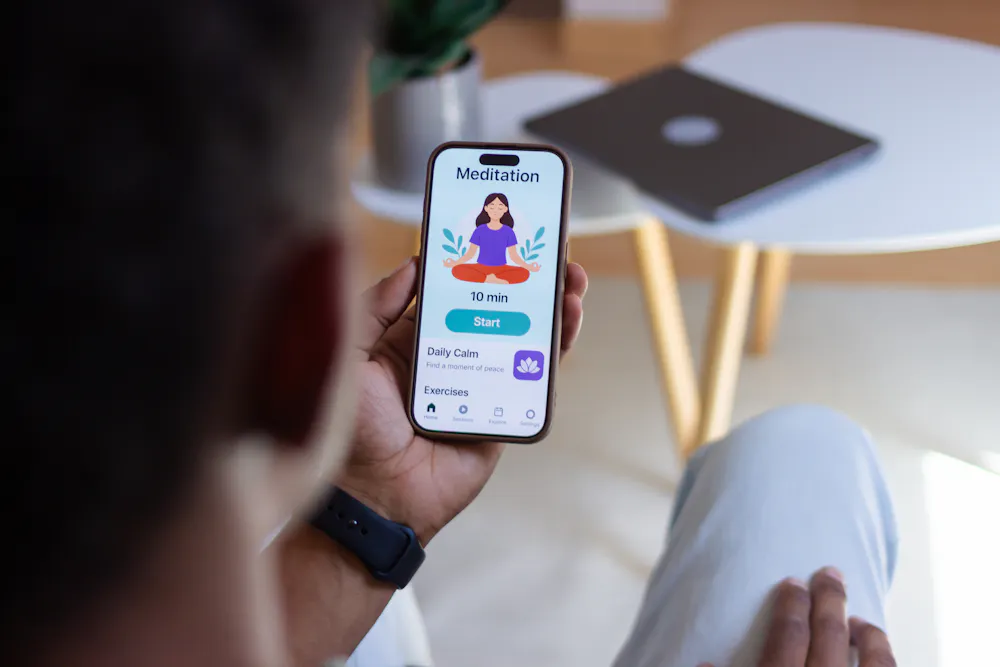
    Recently, I found myself pouring my heart out, not to a human, but to a chatbot named Wysa on my phone. It nodded – virtually – asked me how I was feeling and gently suggested trying breathing exercises.

    As a neuroscientist, I couldn’t help but wonder: Was I actually feeling better, or was I just being expertly redirected by a well-trained algorithm? Could a string of code really help calm a storm of emotions?

    Artificial intelligence-powered mental health tools are becoming increasingly popular – and increasingly persuasive. But beneath their soothing prompts lie important questions: How effective are these tools? What do we really know about how they work? And what are we giving up in exchange for convenience?

    Of course it’s an exciting moment for digital mental health. But understanding the trade-offs and limitations of AI-based care is crucial.

    Stand-in meditation and therapy apps and bots

    AI-based therapy is a relatively new player in the digital therapy field. But the U.S. mental health app market has been booming for the past few years, from apps with free tools that text you back to premium versions with an added feature that gives prompts for breathing exercises.

    Headspace and Calm are two of the most well-known meditation and mindfulness apps, offering guided meditations, bedtime stories and calming soundscapes to help users relax and sleep better. Talkspace and BetterHelp go a step further, offering actual licensed therapists via chat, video or voice. The apps Happify and Moodfit aim to boost mood and challenge negative thinking with game-based exercises.

    Somewhere in the middle are chatbot therapists like Wysa and Woebot, using AI to mimic real therapeutic conversations, often rooted in cognitive behavioral therapy. These apps typically offer free basic versions, with paid plans ranging from US$10 to $100 per month for more comprehensive features or access to licensed professionals.

    While not designed specifically for therapy, conversational tools like ChatGPT have sparked curiosity about AI’s emotional intelligence.

    Some users have turned to ChatGPT for mental health advice, with mixed outcomes, including a widely reported case in Belgium where a man died by suicide after months of conversations with a chatbot. Elsewhere, a father is seeking answers after his son was fatally shot by police, alleging that distressing conversations with an AI chatbot may have influenced his son’s mental state. These cases raise ethical questions about the role of AI in sensitive situations.

    Guided meditation apps were one of the first forms of digital therapy.
    IsiMS/E+ via Getty Images

    Where AI comes in

    Whether your brain is spiraling, sulking or just needs a nap, there’s a chatbot for that. But can AI really help your brain process complex emotions? Or are people just outsourcing stress to silicon-based support systems that sound empathetic?

    And how exactly does AI therapy work inside our brains?

    Most AI mental health apps promise some flavor of cognitive behavioral therapy, which is basically structured self-talk for your inner chaos. Think of it as Marie Kondo-ing, the Japanese tidying expert known for helping people keep only what “sparks joy.” You identify unhelpful thought patterns like “I’m a failure,” examine them, and decide whether they serve you or just create anxiety.

    But can a chatbot help you rewire your thoughts? Surprisingly, there’s science suggesting it’s possible. Studies have shown that digital forms of talk therapy can reduce symptoms of anxiety and depression, especially for mild to moderate cases. In fact, Woebot has published peer-reviewed research showing reduced depressive symptoms in young adults after just two weeks of chatting.

    These apps are designed to simulate therapeutic interaction, offering empathy, asking guided questions and walking you through evidence-based tools. The goal is to help with decision-making and self-control, and to help calm the nervous system.

    The neuroscience behind cognitive behavioral therapy is solid: It’s about activating the brain’s executive control centers, helping us shift our attention, challenge automatic thoughts and regulate our emotions.

    The question is whether a chatbot can reliably replicate that, and whether our brains actually believe it.

    A user’s experience, and what it might mean for the brain

    “I had a rough week,” a friend told me recently. I asked her to try out a mental health chatbot for a few days. She told me the bot replied with an encouraging emoji and a prompt generated by its algorithm to try a calming strategy tailored to her mood. Then, to her surprise, it helped her sleep better by week’s end.

    As a neuroscientist, I couldn’t help but ask: Which neurons in her brain were kicking in to help her feel calm?

    This isn’t a one-off story. A growing number of user surveys and clinical trials suggest that cognitive behavioral therapy-based chatbot interactions can lead to short-term improvements in mood, focus and even sleep. In randomized studies, users of mental health apps have reported reduced symptoms of depression and anxiety – outcomes that closely align with how in-person cognitive behavioral therapy influences the brain.

    Several studies show that therapy chatbots can actually help people feel better. In one clinical trial, a chatbot called “Therabot” helped reduce depression and anxiety symptoms by nearly half – similar to what people experience with human therapists. Other research, including a review of over 80 studies, found that AI chatbots are especially helpful for improving mood, reducing stress and even helping people sleep better. In one study, a chatbot outperformed a self-help book in boosting mental health after just two weeks.

    While people often report feeling better after using these chatbots, scientists haven’t yet confirmed exactly what’s happening in the brain during those interactions. In other words, we know they work for many people, but we’re still learning how and why.

    AI chatbots don’t cost what a human therapist costs – and they’re available 24/7.

    Red flags and risks

    Apps like Wysa have earned FDA Breakthrough Device designation, a status that fast-tracks promising technologies for serious conditions, suggesting they may offer real clinical benefit. Woebot, similarly, runs randomized clinical trials showing improved depression and anxiety symptoms in new moms and college students.

    While many mental health apps boast labels like “clinically validated” or “FDA approved,” those claims are often unverified. A review of top apps found that most made bold claims, but fewer than 22% cited actual scientific studies to back them up.

    In addition, chatbots collect sensitive information about your mood metrics, triggers and personal stories. What if that data winds up in third-party hands such as advertisers, employers or hackers, a scenario that has occurred with genetic data? In a 2023 breach, nearly 7 million users of the DNA testing company 23andMe had their DNA and personal details exposed after hackers used previously leaked passwords to break into their accounts. Regulators later fined the company more than $2 million for failing to protect user data.

    Unlike clinicians, bots aren’t bound by counseling ethics or privacy laws regarding medical information. You might be getting a form of cognitive behavioral therapy, but you’re also feeding a database.

    And sure, bots can guide you through breathing exercises or prompt cognitive reappraisal, but when faced with emotional complexity or crisis, they’re often out of their depth. Human therapists tap into nuance, past trauma, empathy and live feedback loops. Can an algorithm say “I hear you” with genuine understanding? Neuroscience suggests that supportive human connection activates social brain networks that AI can’t reach.

    So while in mild to moderate cases bot-delivered cognitive behavioral therapy may offer short-term symptom relief, it’s important to be aware of their limitations. For the time being, pairing bots with human care – rather than replacing it – is the safest move.

    Pooja Shree Chettiar does not work for, consult, own shares in or receive funding from any company or organization that would benefit from this article, and has disclosed no relevant affiliations beyond their academic appointment.

    ref. The AI therapist will see you now: Can chatbots really improve mental health? – https://theconversation.com/the-ai-therapist-will-see-you-now-can-chatbots-really-improve-mental-health-259360

    MIL OSI Analysis

  • MIL-OSI Analysis: How weather changes cause migraines – a neurologist explains the triggers and what you can do to ease the pain

    Source: The Conversation – USA (3) – By Danielle Wilhour, Assistant Professor of Neurology, University of Colorado Anschutz Medical Campus

    Migraines can be debilitating – and frustrating when triggered by weather you can’t control. fizkes/iStock/Getty Images Plus

    “Is it just me, or is there a storm coming?”

    If you are one of the 39 million Americans in the U.S. living with migraines, there’s a good chance an intense headache will begin when the weather shifts.

    You aren’t alone. Studies find 30% to 50% of people with migraines identify some type of weather change as a trigger, making it the most commonly reported migraine source.

    Yet, it’s also one of the most puzzling.

    Some people are more sensitive to weather

    As a neurologist and headache specialist practicing in Colorado, a place with frequent weather shifts, patients often tell me that weather is one of their biggest migraine triggers. The results can disrupt work, school and social plans, and create a sense of helplessness.

    Doctors still don’t fully understand why some brains are more sensitive to environmental changes.

    What we do know is that people with migraines have especially sensitive nervous systems, and that certain environmental changes – like shifts in air pressure, temperature, humidity and air quality – can activate pathways in the brain that lead to pain.

    What’s going on in the brain during migraines? TEDx.

    Key ways weather can trigger migraines

    Weather triggers can vary from person to person, but there are a few common migraine culprits:

    Barometric pressure changes, or changes in atmospheric pressure, are among the most commonly cited triggers.

    When a storm system moves in, the air pressure drops. Some scientists believe this change may affect the pressure inside your head or how blood vessels in your brain dilate and constrict.

    One theory is that changes in barometric pressure may cause a small imbalance in the pressure between the inside of your skull and the outside environment. That might directly stimulate pain-sensitive nerves in the head, triggering inflammation and the start of a migraine.

    Others point to inflammation, the way the brain processes sensory input, and changes in serotonin levels – which play a key role in activating migraine.

    Temperature extremes, with very hot or very cold days, or sudden changes in temperature, can throw off the body’s internal balance. High humidity or rapid shifts in moisture levels can have a similar effect.

    Air pollutants like ozone and nitrogen dioxide can cause inflammation in the nerves that play a role in migraines.

    Bright sunlight can also be especially bothersome, likely due to heightened sensitivity to light and an overactive visual processing system in the brain.

    Lightning and strong winds may also be linked to migraine attacks in certain individuals.

    In short, weather changes can act as stressors on a brain that’s already wired to be more sensitive. The exact triggers and responses vary from person to person, but the research suggests that the interaction between weather and our biology plays a significant role for a subset of patients with migraines.

    Steps you can take to reduce the pain

    You can’t change the weather, but you can be proactive. Here are a few tips to help weather-proof your migraine routine:

    1. Track your migraines and watch the forecast: Use a migraine diary or app to track when attacks occur, along with weather conditions. Patterns may emerge, such as attacks a day before rain or during temperature changes, that will allow you to adjust your schedule or medication plan.

    2. Develop healthy eating, sleeping and exercise habits: Dehydration, poor sleep and skipped meals can magnify the effects of weather triggers, so keeping your body on an even keel helps reduce vulnerability. Regular exercise and a healthy diet can also help.

    3. Create a migraine-friendly environment: On days when the sun is harsh or the humidity is high, stay inside. Sunglasses, eye masks or even blue-light glasses can be helpful. Some people find that certain earplugs are able to reduce pressure changes felt in the middle ear.

    4. Try meditation, mindfulness techniques or biofeedback, which teaches people to moderate their physiological responses, such as muscle responses and breathing. These strategies can help your nervous system become less reactive over time, which can be especially helpful when dealing with uncontrollable triggers like weather.

    5. Consider pretreatment: If you know a storm is likely to trigger your migraines, you can keep rescue medications close by or even preemptively treat yourself during weather events.

    6. Look into preventive treatment: If weather triggers frequent migraines, talk to your health care provider about preventive treatments – medications, supplements or neuromodulation devices – which can be used on a regular basis to reduce migraine occurrence.

    The bigger picture

    It’s important to remember that while weather can be a trigger, it’s rarely the only one. Migraine is usually the result of a perfect storm of factors: genetic susceptibility, hormones, stress, sleep, food and, yes, the weather.

    That’s why identifying your personal triggers and building a plan, if necessary, with the support of a medical provider, can make a big difference in managing migraines.

    Weather-related migraine can be one of the most frustrating triggers because it feels completely out of your hands. However, with knowledge, tracking and the right treatment strategies, you can take back a sense of control.

    Danielle Wilhour does not work for, consult, own shares in or receive funding from any company or organization that would benefit from this article, and has disclosed no relevant affiliations beyond their academic appointment.

    ref. How weather changes cause migraines – a neurologist explains the triggers and what you can do to ease the pain – https://theconversation.com/how-weather-changes-cause-migraines-a-neurologist-explains-the-triggers-and-what-you-can-do-to-ease-the-pain-258899

    MIL OSI Analysis

  • MIL-OSI Analysis: Why recycling solar panels is harder than you might think − an electrical engineer explains

    Source: The Conversation – USA (2) – By Anurag Srivastava, Professor of Computer Science and Electrical Engineering, West Virginia University

    Broken and worn-out solar panels can be recycled, but it’s not easy. Suzanne Kreiter/The Boston Globe via Getty Images

    It’s hard work soaking up sunlight to generate clean electricity. After about 25 to 30 years, solar panels wear out. Over the years, heating and cooling cycles stress the materials. Small cracks develop, precipitation corrodes the frame and layers of materials can start to peel apart.

    In 2023, about 90% of old or faulty solar panels in the U.S. ended up in landfills. Millions of panels have been installed worldwide over the past few decades – and by about 2030, so many will be ready to retire that they could cover about 3,000 football fields.

    As an electrical engineer who has studied many aspects of renewable energy, recycling solar panels seems like a smart idea, but it’s complicated. Built to withstand years of wind and weather, solar panels are designed for strength and are not easy to break down.

    All of these solar panels will need to be disposed of one day – perhaps by being recycled.
    David McNew/Getty Images

    The cost conundrum

    Sending a solar panel to a landfill costs between US$1 and $5 in the U.S. But recycling it can cost three to four times as much, around $18. And the valuable materials inside solar panels, such as silver and copper, are in small amounts, so they’re worth about $10 to $12 – which makes recycling a money-losing prospect. Improvements in the recycling process may change the economics.

    But for now, it’s even hard to reclaim the glass in solar panels. Many layers are glued together and need to be separated before they can be melted down for reuse. And if the separation is not precise enough, the glass that is recovered won’t be of high enough quality to use in making other solar panels or windows. It will be suitable only for lower-quality uses such as fill material in construction projects.

    Other panels, usually older ones, may contain small amounts of toxic metals such as lead or cadmium. It can be difficult to tell whether toxic materials are present, though. Even experts have trouble, in part because current tests, such as the toxicity characteristic leaching procedure, can give inaccurate results. Therefore, many companies that own large numbers of solar panels just assume their panels are hazardous waste, which increases costs for both disposal and recycling. Clearer labels would help people know what a solar panel contains and how to handle it.

    If someone wants to recycle a solar panel, and is willing to bear the cost, there aren’t many places in the U.S. that are willing to do it and are equipped to be safe about it.

    Recycling solar panels can involve detailed manual labor.
    AP Photo/Gregory Bull

    Designing for a new life

    Despite the Trump administration’s cuts to subsidies for solar projects, millions of solar panels are already in use in the U.S., and millions more are expected to be installed worldwide in the coming years. As a result, the solar industry is working on ways to minimize waste and repeatedly reuse materials.

    Some ideas include sending used solar panels that still work at least a bit to developing nations, or even reusing them within the U.S. But there are not clear rules or processes for connecting reused panels to the power grid, so reuse tends to happen in less common, off-grid situations rather than becoming widespread.

    Future solar panels could also be designed for easier recycling, using different construction methods and materials, and improved processing systems.

    Making panels last longer – perhaps as long as 50 years – using more durable materials, weather-resistant components, real-time monitoring of panel performance and predictive maintenance to replace parts before they wear out would reduce waste significantly.

    Building solar panels that are more easily disassembled into separate components made of different materials could also speed recycling. Components that fit together like Lego bricks – instead of using glue – or dissolvable sealants and adhesives could be parts of these designs.

    Improved recycling methods could also help. Right now, panels are often simply ground up, mixing all of their components’ materials together and requiring a complicated process to separate them out again for reuse. More advanced approaches can extract individual materials with high purity. For example, a process called salt etching can recover over 99% of silver and 98% of silicon, at purity levels that are appropriate for high-end reuse, potentially even in new solar panels, without using toxic acids. That method can also recover significant quantities of copper and lead for use in new products.

    Crushing solar panels can make different materials easier to recover from various components.
    AP Photo/Gregory Bull

    A shared journey

    Increasing the practice of recycling solar panels has more than just environmental benefits.

    Over the long term, recovering and reusing valuable materials may prove more cost-effective than continually buying new raw materials on the open market. That could lower costs for future solar panel installations. If they are fully reused, the value of these recoverable materials could reach over $15 billion globally by 2050.

    In addition, recycling panels and components reduces American reliance on materials imported from overseas, making solar power projects less vulnerable to global disruptions.

    Recycling also keeps toxic materials out of landfills. That can help ensure a shift to clean energy doesn’t create new or bigger environmental problems. Also, recycling solar panels emits far less carbon dioxide than manufacturing panels from raw materials.

    There are already some efforts underway to boost solar panel recycling. The Solar Energy Industries Association trade group is working to collect and share information about companies that recycle solar panels.

    Governments can provide tax breaks or other financial incentives for using recycled materials, or ban disposing of solar panels in landfills. California, Washington, New Jersey and North Carolina have enacted laws or are studying ways to manage solar panel waste, with some even requiring recycling or reuse.

    These efforts are important steps toward addressing the growing need for solar panel recycling and promoting a more sustainable solar industry.

    Anurag Srivastava receives funding from the US Department of Energy and National Science Foundation to work on renewable energy integration into the grid. He is an IEEE Fellow and member of the IEEE Power and Energy Society and CIGRE working groups.

    ref. Why recycling solar panels is harder than you might think − an electrical engineer explains – https://theconversation.com/why-recycling-solar-panels-is-harder-than-you-might-think-an-electrical-engineer-explains-259115

    MIL OSI Analysis

  • MIL-OSI United Kingdom: We’re working to support Gaza’s injured

    Source: Scottish National Party

    The images coming out of Gaza break my heart every single day – they paint a horrifying picture of human suffering, starvation and desperation.

    This suffering has been referred to as a humanitarian catastrophe. This is true – but using that type of language risks leaving people with the idea that this horror has simply come out of the ether as some sort of natural phenomenon.

    So I will speak plainly. This suffering is a result of the ongoing actions of the government of Israel. Israel has imposed a suffocating blockade on Gaza since early March – with severe restrictions on food and aid shipments into Gaza throughout the war.

    Thousands of people have been killed and injured. Children are dying of starvation and lack of water. Entire cities have been almost completely erased and populations displaced. Pregnant women are unable to access critical medical care, and the rate of miscarriage in Gaza has increased by 300% since October 2023.

    The population has been pushed past breaking point, and the suffering being inflicted on the people of Gaza is beyond any justification.

    This must end now. The hostages must be released immediately. Israel must lift all restrictions and allow unfettered, safe, and dignified access to humanitarian aid throughout Gaza immediately. The international community must insist on it.

    The statements made this week by Israel’s Defence Minister on his plans to force all Palestinians in Gaza into a camp built on the ruins of Rafah – plans which are illegal, inhumane and risk worsening the humanitarian crisis in Gaza – must be rejected by all.

    We must stand firm against all efforts to make the conflict in Gaza go on one minute longer than it has gone on today. A two-state solution, one which recognises the sovereignty and the independence of a Palestinian state, is vital for a just and lasting peace, and will be at heart of the Scottish Government’s work towards justice on the international agenda.

    In the last year, we have provided £550,000 to charities working in the Middle East who are helping people affected by the ongoing conflict with access to emergency assistance, including food, clean water and medical care. That support is important, but not in itself enough – we are ready and willing to do more.

    Getting injured children out of Gaza

    Earlier this week, I met with Unicef who raised the particular issue of medical evacuations with me. With hospitals destroyed and medical supplies running out, this is an emergency and a race against time to provide specialist medical care for the children and babies suffering from injuries caused by the war.

    Scotland’s world-class National Health Service stands ready to play our full part in supporting these medical evacuations and the treatment of injured Palestinian children.

    This requires the support of the UK Government, and I have asked the Prime Minister to support facilitating a transfer of these children, who need medical care to survive, to Scotland.

    The suffering of the people of Gaza is one of the greatest international failings of my lifetime – and the international community cannot let it go on one second longer than it already has.

    We need to see nations across the world demand that international law is enforced and renew their efforts to support a just and lasting peace for civilians both in Israel and Palestine. History will judge world leaders on how they act at this moment and up until now, that judgement will be damning.

    I can give my assurance, that Scotland’s position on the world stage will continue to be one of compassion, justice and global citizenship – and we will keep using our voice to demand peace in the region, and justice for the Palestinian people.

    We need to see nations across the world demand that international law is enforced and renew their efforts to support a just and lasting peace for civilians both in Israel and Palestine. History will judge world leaders on how they act at this moment and up until now, that judgement will be damning.

    I can give my assurance, that Scotland’s position on the world stage will continue to be one of compassion, justice and global citizenship – and we will keep using our voice to demand peace in the region, and justice for the Palestinian people.

    This article was first published in The National on the 10th of July 2025.

    MIL OSI United Kingdom

  • MIL-OSI United Kingdom: Large language models (LLMs) solve wargaming challenge

    Source: United Kingdom – Executive Government & Departments

    Case study

    Large language models (LLMs) solve wargaming challenge

    Dstl and Frazer-Nash demonstrate how large language models (LLMs) can solve the challenge of getting through large amounts of wargaming data.

    The huge volume of outputs wargaming generates can often be unfathomable, even for the most experienced data processing team.

    The Defence, Science and Technology Laboratory (Dstl) and Frazer-Nash have produced detailed research demonstrating how large language models (LLMs) can solve this challenge.

    The LLMs can turn complex wargaming output data into easy to use, secure information that improves the scenario interrogation and analysis – simultaneously reducing the burden on the operator.

    What LLMs can do

    LLMs can:

    • summarise complex data through their text processing and generating capabilities
    • analyse and assess large data sets from a variety of sources faster than any manual approach (perfect for Command: Modern Operations (CMO) – a wargaming simulation platform that produces large volumes of complex data on completion of a given scenario)
    • provide more privacy and data control compared with online counterparts such as Chat GPT

    More on the research

    The 6-month Dstl funded research scrutinised whether an LLM could be used reliably and securely to interrogate the output of a CMO scenario – for example, a complex multi-domain engagement involving sea, air and land units. It helped the analyst understand the result of a battlefield scenario and the key factors that drove it much more easily.

    The research considered multiple technologies. This included combining Retrieval Augmented Generation (RAG) with a local LLM. RAG is a technique that improves the quality of LLM-generated responses, allowing use-case specific data in everyday formats such as PDF, CSV or XML so it can be easily included in the context for an LLM response.

    A set of possible use cases were provided and tested across 2 phases during the 6-month research, and a robust framework tool was created for quantifying the accuracy and reliability of the LLM-generated information. 

    Results

    The research showed that LLMs can helpfully interrogate and disseminate output information of complex wargaming scenarios, if used in the right way.

    Other positive outcomes of the research include:

    • strengthening the training benefits
    • reducing operator burden
    • improving resilience and preparedness

    The techniques can be developed flexibly around changing components. For instance, data types, tools, methodologies and evaluation metrics. This new approach can then evolve with ever-changing demands and challenges.

    Published research

    Access more of Dstl’s published research.

    AI and data science: defence science and technology capability

    Find out more about Dstl’s AI, data science and machine learning.

    Updates to this page

    Published 10 July 2025

    MIL OSI United Kingdom