Category: Economics

  • MIL-OSI Economics: RBI imposes monetary penalty on The Jammu Central Co-operative Bank Ltd., Jammu and Kashmir

    Source: Reserve Bank of India

    The Reserve Bank of India (RBI) has, by an order dated May 06, 2025, imposed a monetary penalty of ₹1.00 lakh (Rupees One Lakh only) on The Jammu Central Co-operative Bank Ltd., Jammu and Kashmir (the bank) for non-compliance with specific directions issued by RBI under Section 35A read with Section 56 of the Banking Regulation Act, 1949 (BR Act). This penalty has been imposed in exercise of powers conferred on RBI under the provisions of Section 47A(1)(c) read with Sections 46(4)(i) and 56 of the BR Act.

    The statutory inspection of the bank was conducted by National Bank for Agriculture and Rural Development (NABARD) with reference to its financial position as on March 31, 2023. Based on supervisory findings of non-compliance with RBI directions and related correspondence in that regard, a notice was issued to the bank advising it to show cause as to why penalty should not be imposed on it for its failure to comply with the said directions. After considering the bank’s reply to the notice and oral submissions made during the personal hearing, RBI found, inter alia, that the following charge against the bank was sustained, warranting imposition of monetary penalty:

    The bank had accepted fresh deposits in savings bank accounts in violation of specific directions issued by RBI.

    This action is based on deficiencies in regulatory compliance and is not intended to pronounce upon the validity of any transaction or agreement entered into by the bank with its customers. Further, imposition of this monetary penalty is without prejudice to any other action that may be initiated by RBI against the bank.

    (Puneet Pancholy)  
    Chief General Manager

    Press Release: 2025-2026/282

    MIL OSI Economics

  • MIL-OSI Economics: Pål Longva: Policy rate kept unchanged

    Source: Bank for International Settlements

    Presentation accompanying the speech

    Chart 1: Policy rate kept unchanged at 4.5 percent

    Norges Bank is tasked with keeping inflation low and stable. The operational target is inflation of close to 2 percent over time. We are also mandated to help keep employment as high as possible and to promote economic stability. 

    When inflation surged three years ago, we raised the policy rate sharply and rapidly. The policy rate has been held at 4.5 percent for more than a year. Inflation has fallen markedly from the peak but is still above target. Unemployment has edged up in recent years, albeit from a low level.

    At yesterday’s monetary policy meeting, the Monetary Policy and Financial Stability Committee decided to keep the policy rate unchanged at 4.5 percent.

    There is uncertainty about future economic developments, but the Committee’s current assessment of the outlook implies that the policy rate will most likely be reduced in the course of 2025.

    We have not made new forecasts for this monetary policy meeting but have assessed new information about economic developments against the forecasts presented in March. I will now provide an account of these assessments, starting with international developments.

    The global economy is marked by uncertainty about future trade policies. The US has raised tariffs on a range of goods, and some countries have responded with counter-measures. Trade barriers are now more extensive, and the global growth outlook appears to be weaker than assumed in the March Monetary Policy Report. While higher tariffs alone could push up inflation, lower global growth could dampen inflation.

    Interest rate expectations have fallen internationally since March. Oil and gas prices and prices for a number of other commodities have fallen.

    Global trade uncertainty has led to large movements in financial markets. Major equity indices fell sharply at the beginning of April but have since largely been reversed. Increased market stress and the fall in oil prices coincided with the krone weakening somewhat.

    Tariffs have also risen for Norway. The US has imposed a tariff of 10 percent on many Norwegian goods and has announced an increase to 15 percent. The direct effect on growth in the Norwegian economy is likely limited, but global trade uncertainty could dampen activity.

    Chart 2: Registered unemployment is little changed

    So far, activity in the Norwegian economy has been broadly as expected. Activity in the primary housing market appears to have picked up a little recently but is still at a low level. House prices have been lower than projected. The employment rate is high, and employment is somewhat higher than expected. In recent months, registered unemployment has shown little change.

    Chart 3: Inflation is still above target

    Since the end of 2024, inflation in Norway has risen somewhat. In March, consumer price inflation fell to 2.6 percent. Inflation adjusted for tax changes and excluding energy products was stable at 3.4 percent. This was in line with our expectations. Overall inflation is primarily being driven by the rise in prices for food and services. The wage norm for manufacturing in 2025 is close to the Bank’s projection of overall annual wage growth. High growth in business costs is likely to stoke inflation ahead. Since the March Report, the krone has been weaker than expected. A weaker krone means higher prices for imported goods.

    In summary, our assessment is that a restrictive monetary policy is still needed to bring inflation down to target within a reasonable time horizon. If the policy rate is lowered prematurely, prices may continue to rise rapidly. On the other hand, an overly tight monetary policy could restrict the economy more than needed to bring inflation down to target.

    Since March, developments in the Norwegian economy have been broadly as expected. Trade barriers have, however, become more extensive, and there is uncertainty about future trade policies. This may pull the interest rate outlook in different directions. On the one hand, the global growth outlook appears to be weaker, and oil prices have fallen. Norway’s main trading partners are now expected to make more rate cuts than previously. On the other hand, the krone has weakened somewhat and been weaker than assumed.

    The uncertainty surrounding the outlook is greater than normal, and the future path of the policy rate will depend on economic developments. The Committee will have received more information ahead of its next monetary policy meeting in June when new forecasts will also be presented.

    MIL OSI Economics

  • MIL-OSI Economics: Samsung TV Plus To Exclusively Live Stream SMTOWN LIVE 2025 in L.A. Globally on New SMTOWN Channel

    Source: Samsung

     
    Samsung Electronics today announced that Samsung TV Plus, its free ad-supported streaming (FAST) service, will serve as the exclusive global livestream platform for SMTOWN LIVE 2025 in L.A., the landmark K-pop concert commemorating the 30th anniversary of SM Entertainment. The live broadcast will air on May 11, from Dignity Health Sports Park in Los Angeles, to audiences across 18 countries via Samsung TV Plus.
     
    This milestone collaboration with SM Entertainment — the powerhouse behind K-pop’s global rise — marks a significant moment for Samsung TV Plus as it continues to redefine how fans worldwide experience Korean content.
     
    “Through our partnership with SM Entertainment, we’re leveraging Samsung TV Plus’s technology to bring the richness of K-Content to more viewers than ever before,” said Yong Su Kim, Executive Vice President of the Visual Display Business at Samsung Electronics. “This global event marks a significant moment for K-Pop fans everywhere and we’re proud to broaden access to premium Korean content for audiences around the world.”
     
     
    Unprecedented Global Access to K-pop’s Biggest Stage
    SMTOWN LIVE 2025 in L.A. will feature a star-studded lineup of SM Entertainment’s leading artists, including TVXQ!, SUPER JUNIOR, SHINee (KEY, MINHO), EXO (SUHO, CHANYEOL, KAI), Red Velvet (IRENE, SEULGI, JOY), NCT 127, NCT DREAM, WayV, aespa, RIIZE, NCT WISH, Hearts2Hearts, SMTR25, and much more.
     
    In addition to beloved fan-favorite tracks, Samsung TV Plus will exclusively showcase live performances, including:
     
    The first US stage of “poppop” by NCT WISH, following their recent music show win
    The live performance of “Wait On Me” by EXO’s KAI, a chart-topping track that reached No.1 on iTunes in 30 regions and topped China’s QQ Music digital album chart
     
    These moments will be available only on Samsung TV Plus, providing fans in select countries with exclusive front-row access.
     
     
    Dedicated SMTOWN Channel Enhances the K-pop Viewing Experience
    To further elevate fan engagement, Samsung TV Plus has launched a dedicated SMTOWN Channel that offers:
     
    Full concert replays of SMTOWN LIVE 2025 in L.A.
    Music videos and curated content highlighting SM artists and the legacy of SM Entertainment
     
    The SMTOWN LIVE 2025 in L.A. replay will be available exclusively on Samsung TV Plus in select countries for a six-month period, further reinforcing the platform’s role as a premier global destination for K-pop content.
     
     
    A Growing Hub for Global K-Content
    Samsung TV Plus continues to grow as a global destination for Korean entertainment, offering over 4,000 hours of free-to-stream dramas, thrillers, romance, crime series, and music programming. Available on more than 630 million Samsung devices across 30 countries, the platform provides a seamless, ad-supported viewing experience to millions of users — no subscriptions or logins required.
     
    With the SMTOWN LIVE 2025 in L.A. partnership, Samsung TV Plus solidifies its leadership in global K-content distribution — expanding access, deepening fan connections, and bringing iconic Korean entertainment into more homes around the world.
     
    For more information on how to watch SMTOWN LIVE 2025 in L.A. and explore the full Samsung TV Plus offering, visit www.samsung.com.

    MIL OSI Economics

  • MIL-OSI Economics: Secretary-General of ASEAN inaugurates ASEAN-New Zealand Photo Exhibition

    Source: ASEAN

    At the ASEAN Headquarters/ASEAN Secretariat today, Secretary-General of ASEAN, Dr. Kao Kim Hourn, along with Ambassador of New Zealand to ASEAN, H.E. Joanna Anderson, and Permanent Representative of Viet Nam to ASEAN, H.E. Ton Thi Ngoc Huong, officially inaugurated the ASEAN-New Zealand Photo Exhibition, commemorating the 50th anniversary of ASEAN-New Zealand Dialogue Relations. SG Dr. Kao welcomed the exhibition which offers an excellent opportunity to reflect on, and to gain deeper appreciation of the strong and enduring partnership and cooperation between ASEAN and New Zealand built over the past five decades. The event was also attended by the Committee of Permanent Representative to ASEAN (CPR) and the Ambassador of Timor-Leste to ASEAN.
     
    Download the full remarks here.

    The post Secretary-General of ASEAN inaugurates ASEAN-New Zealand Photo Exhibition appeared first on ASEAN Main Portal.

    MIL OSI Economics

  • MIL-OSI Economics: Roong Mallikamas: From open finance to an inclusive digital society

    Source: Bank for International Settlements

    Introduction: ASEAN’s Fintech Potential

    President of Money20/20 (Tracey Davies)
    Distinguished guests

    I’m honored to be here today at Money20/20 to discuss a topic that’s crucial to the future of finance in ASEAN: “From Open Finance to an Inclusive Digital Society.”

    Our region, a vibrant mosaic of economies, presents an unparalleled opportunity for fintech innovation. With a combined population exceeding 650 million and a rapidly growing digital consumer base, the potential is immense.

    ASEAN’s digital economy is projected to reach over $360 billion by 2025.1 Yet, a significant portion of our population remains unbanked or underbanked. For instance, studies indicate that over 60% of adults in some ASEAN nations lack access to formal financial services.2  This substantial underbanked segment represents a critical opportunity for fintech to provide relevant and accessible solutions.

    The reasons for this underbanking are multifaceted, often stemming from limited data availability for credit assessment, a lack of transparency in financial product offerings, and poor interoperability between existing systems. These factors collectively contribute to a high cost of customer acquisition for traditional banks, hindering their ability to effectively serve these populations. Fintech, with its agility and data-driven approaches, is uniquely positioned to overcome these barriers, fostering greater financial inclusion and driving economic growth by empowering our communities with seamless access to tailored financial tools and services.

    Thailand’s Context and the BOT’s 3 Opens

    Ladies and Gentlemen.

    Policy objectives for driving inclusive digital finance often involve balancing the trilemma of stability/safety, efficiency, and inclusion. And to clarify what we mean by inclusion, it goes beyond simply having a bank account. It’s about ensuring that everyone – individuals, small businesses, and marginalized communities – can access and utilize appropriate financial services like payments, savings, credit, and insurance in a convenient and affordable way. This is the vision we strive for in ASEAN, and each country prioritizes these elements of the trilemma with its own context and evolving needs.

    Initially when developing PromptPay which is our national real-time payment system, Thailand focused on driving inclusion and maintaining stability,. Now, we emphasize competition and efficiency, recognizing that smaller, agile players – fintechs and new entrants – are often better positioned to innovate and address the diverse, unmet needs of specific customer segments due to their nimbler structures and specialized focus. This competition, while maintaining system safety, can lead to more tailored and accessible financial solutions that larger, established institutions may find challenging to deliver efficiently across all demographics. Thailand’s journey provides some lessons learned on how policy objectives have shifted and henceforth led us to pursue the ‘3 Opens’ as our strategic priorities-Open Competition, Open Infrastructure, and Open Data.

    • Open Infrastructure: Promotes interoperability and seamless connectivity, enabling efficient financial transactions.
    • Open Data: Facilitates data sharing and collaboration, driving the development of personalized financial solutions.
    • Open Competition: Encourages new players, fostering innovation and enhancing consumer choice.

    Let’s delve deeper into each of these “3 Opens”.

    Analyzing the 3 Opens: Rationale and Way Forward

    [1 From PromptPay to Open Infrastructure]

    In 2015, we aimed to promote inclusion through digital payments, leading to the development of PromptPay with the following regulatory constructs at that time with banks only: welfare and tax refunds, low fee, standardization, safety/stability.

    Economically, a payment infrastructure is a natural monopoly, which is amplified by economies of scale, network effects, and data accumulation. Therefore, key infrastructure needs to be regulated, especially for fair access, pricing, etc. to ensure cost efficiency of the payment flows through the infrastructure. The initial restriction on non-banks participating in the infrastructure was a lesson learned. Although this strategy led to high adoption rates and a stable system, it inadvertently stifled innovation among existing players, who faced less competitive pressure to evolve their offerings. This is a key factor driving our current emphasis on opening up the infrastructure.

    Currently, we aim to place more emphasis on efficiency, enabling Open Infrastructure by allowing non-banks to play a role in providing services that enhance access to digital finance for underserved groups. Therefore, the BOT will enhance the oversight of Systemically Important Retail Payment Systems (SIRPS), aligning with central bank practices abroad, such as the European Central Bank. Key regulatory criteria include membership and access rules, and fee structure. Thailand’s broad payment strategy is that”payment should be broader than payment”. BOT hence focuses on Open payment infrastructure and Open payment data for better access to finance.

    [2 Leveraging data and technology with Open Data]

    Having witnessed the transformative impact of PromptPay’s widespread adoption in retail fast payments, We are now strategically focusing on the next critical layer of digital infrastructure. Our priority is to put in place data sharing infrastructure, recognizing its pivotal role in driving further innovation and efficiency within the financial ecosystem.

    Open Data is not just about technology. it’s a catalyst for financial inclusion. Currently, customer data is scattered across various service providers and agencies. If there is a mechanism allowing customers to easily request their service providers and agencies to share their data to other service providers and agencies, it will enable customers to better utilize their data to receive improved financial services.

    BOT pursues Project ‘Your Data’ to empower customers to have their own financial information and non-financial data portable to another service provider based on customer consent. Our priority use cases are access to credit and personal financial management as they still pose significant gaps in our financial system. Therefore, the data that serve such use cases include payment history, account balance, investment holdings, and government data such as tax filing information and utilities usage. By enabling secure and seamless data sharing, we’re empowering individuals and SMEs, particularly those traditionally underserved, to access tailored financial services and participate fully in the digital economy.

    [3 Open Infrastructure and Open Data as foundation for Open Competition]

    With the imminent launch of Project Your Data, we are establishing a robust supply of data within the financial ecosystem. Simultaneously, the Bank of Thailand is actively fostering demand by enabling financial service providers to innovate and compete on offering enhanced loan products and personal financial management solutions. The introduction of the new virtual banking license will empower digital-native players with tech-focused solutions to fully capitalize on this data sharing infrastructure. Furthermore, the soon-to-be-established National Credit Guarantee Agency will integrate this very data sharing mechanism to enhance its operations and support broader access to credit, especially for underserved SMEs.

    With robust infrastructure and data sharing as the bedrock, all players – banks, fintechs, and virtual banks – can operate at their full capacity in an Open Competition, driving innovation and enhancing financial services for underserved communities. Fintechs, leveraging technology with greater agility and often a higher risk appetite than traditional institutions, can better cater to specific customer needs within these segments. For example, they can utilize alternative data for credit scoring individuals with limited traditional credit history, create tailored digital platforms for efficient invoice financing and supply chain management solutions, or offer integrated accounting and payment systems that streamline operations and improve cash flow for small businesses.

    As we encourage new players to drive competition and expand financial inclusion, including these fintechs with their enhanced technological capabilities and willingness to navigate higher risk for underserved segments, we acknowledge the inherent risks associated with novel technologies. Beyond foundational technologies like digital assets and tokenization, fintechs are pioneering areas such as blockchain-based trade finance platforms that can reduce costs and increase transparency for SME cross-border transactions, and data analytics tools that provide SMEs with valuable insights for better financial planning and access to tailored financial products. Our regulatory approach must therefore truly consider both the transformative potential and the evolving risks these innovations present, ensuring a balance between fostering access and maintaining stability.

    [4 Regulatory approach to embrace the new technology by collaboration]

    Building on this foundation of open infrastructure and data, which empowers a diverse ecosystem of players, including agile fintechs uniquely positioned to serve underserved segments, our journey is one of continuous learning and adaptation. We recognize that the financial technology landscape is rapidly evolving, and no single entity holds all the answers. Therefore, our approach moving forward is deeply rooted in collaboration. We are committed to working hand-in-hand with the industry, including our fintech community, to refine our policies and navigate the complexities of this dynamic environment. Furthermore, we actively seek to learn from the experiences and best practices of both regulators and innovative fintech companies across the ASEAN region and beyond, fostering a collective understanding that will shape a resilient and inclusive financial future for all.

    [Collaborative Learning and Adaptive Guardrails]

    Drawing upon our internal explorations with cutting-edge technologies like CBDC, we are now extending this spirit of learning and adaptation to the wider financial industry. Recognizing that innovation, especially from new players, can yield unpredictable outcomes, our approach centers on establishing clear ‘guardrails’ – collaboratively defining the boundaries to prevent systemic risks while allowing for experimentation. This ensures a resilient financial system that can safely accommodate novel solutions.

    [Enticing Innovation through an Evolving Regulatory Sandbox]

    A key element of our collaborative strategy is our Enhanced Regulatory Sandbox. This controlled environment is specifically designed to attract fintechs and innovators to Thailand, offering a safe space to test ideas where risks are still being understood. Our initial focus includes Programmable Payments, demonstrated by the ‘Tourist Wallet’ application enabling USD stablecoin conversion to THB stablecoin for limited tourist spending, and ‘Programmable Escrow Payments’ designed to enhance trust and transparency in online commerce by automating fund release upon condition fulfillment. These real-world examples showcase the tangible opportunities within our sandbox.

    [A Streamlined Sandbox for Agile Collaboration]

    We understand that a cumbersome sandbox can stifle innovation. Therefore, we are actively transforming our Enhanced Regulatory Sandbox to be more agile and accessible, with expanded scope, reduced compliance burdens, and significantly faster processing times – aiming for a 6-to-12-month timeframe for projects like Programmable Payments. By opening our sandbox to both regulated and unregulated entities, we aim to foster a vibrant collaborative space where knowledge sharing and rapid iteration can occur. The valuable lessons learned within this sandbox will directly inform our evolving regulations, ensuring they remain relevant and supportive of a dynamic digital finance ecosystem in Thailand.

    Conclusion: Building a Future-Ready and Inclusive ASEAN Fintech Ecosystem

    In closing, the journey we’ve outlined today underscores the Bank of Thailand’s unwavering commitment to fostering a dynamic and inclusive digital financial landscape within ASEAN. We firmly believe that by strategically embracing the ‘3 Opens’ – Open Competition, Open Infrastructure, and Open Data – we can unlock the immense potential of digital finance to address the unique needs of our diverse populations, particularly the underserved.

    Our experience, from the foundational success of PromptPay to the ongoing development of Project Your Data and our cautious exploration of new technologies within our enhanced Regulatory Sandbox, represents our attempt to learn and adapt. We understand that real progress requires not only innovation but also a continuous focus on resiliency, security, and responsible growth.

    The path ahead necessitates continued collaboration – between regulators, financial institutions, fintech pioneers, and the very communities we aim to serve. By working together, sharing insights, and learning from each other’s experiences, we can collectively build a future-ready ASEAN fintech ecosystem that is not only innovative and efficient but also truly inclusive, empowering individuals and businesses across our vibrant region to thrive in the digital age.

    Thank you.


    MIL OSI Economics

  • MIL-OSI Economics: Eli M Remolona: Welcome remarks – Presidential and National Anti-Money Laundering, Counter-Terrorism Financing, Counter Proliferation Financing Coordinating Committee (NACC) Recognition Ceremony

    Source: Bank for International Settlements

    Intro​duction

    Colleagues from the government, partners in the private sector, esteemed guests, good afternoon. Magandang hapon po.

    I am pleased to welcome you to this recognition ceremony where we honor the champions behind our exit from the FATF grey list. Our sincere thanks to the Office of the President for hosting this occasion in the revered halls of Malacañang.

    Over a decade of challenge

    We were placed on the grey list in 2021. But the real story stretches back 10 years before that. Starting in 2010, global banks were already doing something called de-risking-where they started cutting off their relationships with our banks.

    This means, this exit ends not just three years on the grey list, but more than a decade of doing business with a handicap. We spent more than a decade wandering in the wilderness.

    A study of grey-listed countries shows that grey listing results in deep declines in foreign direct investments, capital inflows, inward payments, and external loans. This reduced our access to global markets, which limited our growth potential.

    Grey listing imposed enhanced monitoring while we address gaps on anti-money laundering, counterterrorism and proliferation financing frameworks.

    That is real pressure because failure will mean something much worse. It could mean going to the blacklist. We had three years to work on it, but we came together, we made our way out of the wilderness.

    Getting off the grey list was not easy. It was critical that the President (Ferdinand R.) Marcos (Jr.) made it a priority and Executive Secretary (Lucas) Bersamin steered our efforts.

    Through concerted reforms, government agencies fortified our financial system and reaffirmed our commitment to combating financial crimes.

    Closing

    Today, we honor our public and private sector champions who made this happen. Many of you work quietly behind the scenes but today, we give you the recognition and gratitude you deserve.

    Maraming salamat sa inyong lahat. Mabuhay tayong lahat!

    MIL OSI Economics

  • MIL-OSI Economics: Lesetja Kganyago: The role of ethical leadership amid threats to academic freedom

    Source: Bank for International Settlements

    Good morning graduates and members of the university community.

    It is my distinct honour to be recognised by Walter Sisulu University (WSU), an institution that bears the name of such an influential figure in South Africa’s history.

    Incidentally, just over four years ago, I was conferred an honorary doctorate by a university named after Walter Sisulu’s lifelong friend, Nelson Mandela. I consider it a profound privilege for my name to be attached, albeit indirectly, to these two great men through the universities that stand as monuments to their legacies.

    Today I would like to take the opportunity to reflect on the importance of safeguarding institutions such as WSU, tied as they are to our country’s past and – more critically – its future.

    During apartheid, South Africa’s universities became key sites of political activity. In an effort to curtail any political mobilisation, the government clamped down on progressive academics and student organisations.

    In the 1980s, for example, five lecturers at the University of Transkei, the institution that would later become WSU, were deported. Hundreds of students were arrested and more were banned from campus.1

    But this campaign against academic freedom went beyond the hard power tactics displayed in the 1980s. The government also exacted its influence by meddling in appointments and creating obstacles to certain areas of research.2

    What happened at our universities during apartheid was not a one-off, and history has repeated itself in a number of different contexts since.

    Most recently, universities in the United States (US) have also come under undue pressure. And US universities are not the only ones under strain, with research suggesting that academic freedom has declined in several other democracies in recent years.

    In spite of our own recent history, today some South African universities face intense pressure to bend on their principles in relation to their academic boycotts of certain countries.3

    Having led the South African Reserve Bank for just over a decade now, I have come to understand that institutions often comes under attack when they shed light on some or other dereliction of duty elsewhere.

    Whether it be a government’s failure to uphold the rights of its citizens or its stated democratic ideals, or a financial institution’s neglect to safeguard people’s money, the attacker’s response is often the same: a strike at the target’s independence.

    As we know, independence is sacred, especially for those institutions that hold a mirror up to power, as universities so often do.

    To paraphrase Albert Einstein, academic freedom means having the right to seek the truth and to uncover that truth. Naturally this right comes with the duty not to withhold a part of what is believed to be true.4

    It is no secret that South Africa’s universities have had their fair share of challenges over the years. Many of these have been the growing pains of a young democracy – and, while our universities have been bruised, they have not been broken.

    However, there are likely more perils in store for our maturing democracy, one of which reared its head during the country’s last election. I am of course referring to the rise of anti-constitutionalism and populism, which have targeted parts of South Africa’s accountability ecosystem.

    In the wake of this looming threat, and the other crises that have torn at the fabric of society, ethical leadership and strong governance are crucial to ensuring our universities can continue to deliver quality higher education.

    Every leader, lecturer and graduate of this university will forever have Walter Sisulu’s name on their CVs. This comes with an immense responsibility.

    Former President Nelson Mandela once described his comrade’s life as one of “absolute selflessness”.5

    Indeed, Sisulu was known for embodying servant leadership, prioritising collective good over personal gain. He also fostered collaboration among his peers, helping build an organisation that would withstand some of history’s greatest tests.

    As I stand before you today, now a member of this university community, I urge you all to model a type of leadership that will defend against threats to academic freedom and uphold accountability, thus safeguarding our country’s future.

    Thank you.


    MIL OSI Economics

  • MIL-OSI Economics: Thornton Associates Limited

    Source: Isle of Man

    Notice is hereby given that Thornton Associates Limited, which was licensed under Section 7 of the Financial Services Act 2008, and registered under Section 25 of the Insurance Act 2008, has surrendered its licence/registration with effect from the 7 May 2025.

    MIL OSI Economics

  • MIL-OSI Economics: BOBC Auctions- 6 May 2025

    Source: Bank of Botswana

    The Monetary Policy Rate (MoPR) was unchanged at 1.9 percent of the previous week, for a paper maturing on 14 May 2025.  The summarised results of the auction held on 7 May 2025, are attached below:

    BOBC Results 6 May 2025.pdf

    MIL OSI Economics

  • MIL-OSI Economics: OEUK news Industry job losses raise concern for wider sector as OEUK says there is another path for the UK 8 May 2025

    Source: Offshore Energy UK

    Headline: OEUK news

    Industry job losses raise concern for wider sector as OEUK says there is another path for the UK

    8 May 2025

    Accessibility Statement

    • oeuk.org.uk
    • 8 May 2025

    Compliance status

    We firmly believe that the internet should be available and accessible to anyone, and are committed to providing a website that is accessible to the widest possible audience, regardless of circumstance and ability.

    To fulfill this, we aim to adhere as strictly as possible to the World Wide Web Consortium’s (W3C) Web Content Accessibility Guidelines 2.1 (WCAG 2.1) at the AA level. These guidelines explain how to make web content accessible to people with a wide array of disabilities. Complying with those guidelines helps us ensure that the website is accessible to all people: blind people, people with motor impairments, visual impairment, cognitive disabilities, and more.

    This website utilizes various technologies that are meant to make it as accessible as possible at all times. We utilize an accessibility interface that allows persons with specific disabilities to adjust the website’s UI (user interface) and design it to their personal needs.

    Additionally, the website utilizes an AI-based application that runs in the background and optimizes its accessibility level constantly. This application remediates the website’s HTML, adapts Its functionality and behavior for screen-readers used by the blind users, and for keyboard functions used by individuals with motor impairments.

    If you’ve found a malfunction or have ideas for improvement, we’ll be happy to hear from you. You can reach out to the website’s operators by using the following email [email protected]

    Screen-reader and keyboard navigation

    Our website implements the ARIA attributes (Accessible Rich Internet Applications) technique, alongside various different behavioral changes, to ensure blind users visiting with screen-readers are able to read, comprehend, and enjoy the website’s functions. As soon as a user with a screen-reader enters your site, they immediately receive a prompt to enter the Screen-Reader Profile so they can browse and operate your site effectively. Here’s how our website covers some of the most important screen-reader requirements, alongside console screenshots of code examples:

    1. Screen-reader optimization: we run a background process that learns the website’s components from top to bottom, to ensure ongoing compliance even when updating the website. In this process, we provide screen-readers with meaningful data using the ARIA set of attributes. For example, we provide accurate form labels; descriptions for actionable icons (social media icons, search icons, cart icons, etc.); validation guidance for form inputs; element roles such as buttons, menus, modal dialogues (popups), and others. Additionally, the background process scans all the website’s images and provides an accurate and meaningful image-object-recognition-based description as an ALT (alternate text) tag for images that are not described. It will also extract texts that are embedded within the image, using an OCR (optical character recognition) technology. To turn on screen-reader adjustments at any time, users need only to press the Alt+1 keyboard combination. Screen-reader users also get automatic announcements to turn the Screen-reader mode on as soon as they enter the website.

      These adjustments are compatible with all popular screen readers, including JAWS and NVDA.

    2. Keyboard navigation optimization: The background process also adjusts the website’s HTML, and adds various behaviors using JavaScript code to make the website operable by the keyboard. This includes the ability to navigate the website using the Tab and Shift+Tab keys, operate dropdowns with the arrow keys, close them with Esc, trigger buttons and links using the Enter key, navigate between radio and checkbox elements using the arrow keys, and fill them in with the Spacebar or Enter key.Additionally, keyboard users will find quick-navigation and content-skip menus, available at any time by clicking Alt+1, or as the first elements of the site while navigating with the keyboard. The background process also handles triggered popups by moving the keyboard focus towards them as soon as they appear, and not allow the focus drift outside it.

      Users can also use shortcuts such as “M” (menus), “H” (headings), “F” (forms), “B” (buttons), and “G” (graphics) to jump to specific elements.

    Disability profiles supported in our website

    • Epilepsy Safe Mode: this profile enables people with epilepsy to use the website safely by eliminating the risk of seizures that result from flashing or blinking animations and risky color combinations.
    • Visually Impaired Mode: this mode adjusts the website for the convenience of users with visual impairments such as Degrading Eyesight, Tunnel Vision, Cataract, Glaucoma, and others.
    • Cognitive Disability Mode: this mode provides different assistive options to help users with cognitive impairments such as Dyslexia, Autism, CVA, and others, to focus on the essential elements of the website more easily.
    • ADHD Friendly Mode: this mode helps users with ADHD and Neurodevelopmental disorders to read, browse, and focus on the main website elements more easily while significantly reducing distractions.
    • Blindness Mode: this mode configures the website to be compatible with screen-readers such as JAWS, NVDA, VoiceOver, and TalkBack. A screen-reader is software for blind users that is installed on a computer and smartphone, and websites must be compatible with it.
    • Keyboard Navigation Profile (Motor-Impaired): this profile enables motor-impaired persons to operate the website using the keyboard Tab, Shift+Tab, and the Enter keys. Users can also use shortcuts such as “M” (menus), “H” (headings), “F” (forms), “B” (buttons), and “G” (graphics) to jump to specific elements.

    Additional UI, design, and readability adjustments

    1. Font adjustments – users, can increase and decrease its size, change its family (type), adjust the spacing, alignment, line height, and more.
    2. Color adjustments – users can select various color contrast profiles such as light, dark, inverted, and monochrome. Additionally, users can swap color schemes of titles, texts, and backgrounds, with over seven different coloring options.
    3. Animations – person with epilepsy can stop all running animations with the click of a button. Animations controlled by the interface include videos, GIFs, and CSS flashing transitions.
    4. Content highlighting – users can choose to emphasize important elements such as links and titles. They can also choose to highlight focused or hovered elements only.
    5. Audio muting – users with hearing devices may experience headaches or other issues due to automatic audio playing. This option lets users mute the entire website instantly.
    6. Cognitive disorders – we utilize a search engine that is linked to Wikipedia and Wiktionary, allowing people with cognitive disorders to decipher meanings of phrases, initials, slang, and others.
    7. Additional functions – we provide users the option to change cursor color and size, use a printing mode, enable a virtual keyboard, and many other functions.

    Browser and assistive technology compatibility

    We aim to support the widest array of browsers and assistive technologies as possible, so our users can choose the best fitting tools for them, with as few limitations as possible. Therefore, we have worked very hard to be able to support all major systems that comprise over 95% of the user market share including Google Chrome, Mozilla Firefox, Apple Safari, Opera and Microsoft Edge, JAWS and NVDA (screen readers).

    Notes, comments, and feedback

    Despite our very best efforts to allow anybody to adjust the website to their needs. There may still be pages or sections that are not fully accessible, are in the process of becoming accessible, or are lacking an adequate technological solution to make them accessible. Still, we are continually improving our accessibility, adding, updating and improving its options and features, and developing and adopting new technologies. All this is meant to reach the optimal level of accessibility, following technological advancements. For any assistance, please reach out to [email protected]

    MIL OSI Economics

  • MIL-OSI Economics: Underwriting Auction for sale of Government Securities for ₹32,000 crore on May 09, 2025

    Source: Reserve Bank of India

    Government of India has announced the sale (re-issue) of Government Securities, as detailed below, through auctions to be held on May 09, 2025 (Friday).

    As per the extant scheme of underwriting commitment notified on November 14, 2007, the amounts of Minimum Underwriting Commitment (MUC) and the minimum bidding commitment under Additional Competitive Underwriting (ACU) auction, applicable to each Primary Dealer (PD), are as under:

    (₹ crore)
    Security Notified Amount MUC amount per PD Minimum bidding commitment per PD under ACU auction
    6.92% GS 2039 16,000 381 381
    6.90% GS 2065 16,000 381 381

    The underwriting auction will be conducted through multiple price-based method on May 09, 2025 (Friday). PDs may submit their bids for ACU auction electronically through Core Banking Solution (E-Kuber) System between 09:00 A.M. and 09:30 A.M. on the day of underwriting auction.

    The underwriting commission will be credited to the current account of the respective PDs with RBI on the day of issue of securities.

    Ajit Prasad          
    Deputy General Manager
    (Communications)    

    Press Release: 2025-2026/281

    MIL OSI Economics

  • MIL-OSI Economics: Result of the Daily Variable Rate Repo (VRR) auction held on May 08, 2025

    Source: Reserve Bank of India

    Tenor 1-day
    Notified Amount (in ₹ crore) 25,000
    Total amount of bids received (in ₹ crore) 8,074
    Amount allotted (in ₹ crore) 8,074
    Cut off Rate (%) 6.01
    Weighted Average Rate (%) 6.01
    Partial Allotment Percentage of bids received at cut off rate (%) NA

    Ajit Prasad          
    Deputy General Manager
    (Communications)    

    Press Release: 2025-2026/280

    MIL OSI Economics

  • MIL-OSI Economics: Unlocking the Power of Sustainability Disclosure

    Source: Asia Development Bank

    ADB President Masato Kanda delivered the opening remarks at the event Transforming Food Systems for the Future of Asia and the Pacific held on the sidelines of the 58th Annual Meeting of the ADB Board of Governors in Milan, Italy.

    MIL OSI Economics

  • MIL-OSI Economics: Money Market Operations as on May 07, 2025

    Source: Reserve Bank of India


    (Amount in ₹ crore, Rate in Per cent)

      Volume
    (One Leg)
    Weighted
    Average Rate
    Range
    A. Overnight Segment (I+II+III+IV) 5,98,270.16 5.75 3.00-6.85
         I. Call Money 15,647.98 5.83 4.90-5.95
         II. Triparty Repo 3,70,157.00 5.75 5.50-5.90
         III. Market Repo 2,11,034.33 5.74 3.00-6.05
         IV. Repo in Corporate Bond 1,430.85 6.04 5.95-6.85
    B. Term Segment      
         I. Notice Money** 149.50 5.73 5.35-5.90
         II. Term Money@@ 550.00 6.05-6.15
         III. Triparty Repo 8,015.95 5.88 5.80-6.00
         IV. Market Repo 1,723.88 6.01 3.50-6.12
         V. Repo in Corporate Bond 0.00
      Auction Date Tenor (Days) Maturity Date Amount Current Rate /
    Cut off Rate
    C. Liquidity Adjustment Facility (LAF), Marginal Standing Facility (MSF) & Standing Deposit Facility (SDF)
    I. Today’s Operations
    1. Fixed Rate          
    2. Variable Rate&          
      (I) Main Operation          
         (a) Repo          
         (b) Reverse Repo          
      (II) Fine Tuning Operations          
         (a) Repo Wed, 07/05/2025 1 Thu, 08/05/2025 5,192.00 6.01
         (b) Reverse Repo          
      (III) Long Term Operations^          
         (a) Repo          
         (b) Reverse Repo          
    3. MSF# Wed, 07/05/2025 1 Thu, 08/05/2025 493.00 6.25
    4. SDFΔ# Wed, 07/05/2025 1 Thu, 08/05/2025 1,82,611.00 5.75
    5. Net liquidity injected from today’s operations [injection (+)/absorption (-)]*       -1,76,926.00  
    II. Outstanding Operations
    1. Fixed Rate          
    2. Variable Rate&          
      (I) Main Operation          
         (a) Repo Fri, 02/05/2025 14 Fri, 16/05/2025 149.00 6.01
         (b) Reverse Repo          
      (II) Fine Tuning Operations          
         (a) Repo          
         (b) Reverse Repo          
      (III) Long Term Operations^          
         (a) Repo Thu, 17/04/2025 43 Fri, 30/05/2025 25,731.00 6.01
         (b) Reverse Repo          
    3. MSF#          
    4. SDFΔ#          
    D. Standing Liquidity Facility (SLF) Availed from RBI$       8,709.21  
    E. Net liquidity injected from outstanding operations [injection (+)/absorption (-)]*     34,589.21  
    F. Net liquidity injected (outstanding including today’s operations) [injection (+)/absorption (-)]*     -1,42,336.79  
    G. Cash Reserves Position of Scheduled Commercial Banks
         (i) Cash balances with RBI as on May 07, 2025 9,55,693.56  
         (ii) Average daily cash reserve requirement for the fortnight ending May 16, 2025 9,41,653.00  
    H. Government of India Surplus Cash Balance Reckoned for Auction as on¥ May 07, 2025 5,192.00  
    I. Net durable liquidity [surplus (+)/deficit (-)] as on April 18, 2025 2,02,749.00  
    @ Based on Reserve Bank of India (RBI) / Clearing Corporation of India Limited (CCIL).
    – Not Applicable / No Transaction.
    ** Relates to uncollateralized transactions of 2 to 14 days tenor.
    @@ Relates to uncollateralized transactions of 15 days to one year tenor.
    $ Includes refinance facilities extended by RBI.
    & As per the Press Release No. 2019-2020/1900 dated February 06, 2020.
    Δ As per the Press Release No. 2022-2023/41 dated April 08, 2022.
    * Net liquidity is calculated as Repo+MSF+SLF-Reverse Repo-SDF.
    ¥ As per the Press Release No. 2014-2015/1971 dated March 19, 2015.
    # As per the Press Release No. 2023-2024/1548 dated December 27, 2023.
    ^ As per the Press Release No. 2025-2026/91 dated April 11, 2025.
    Ajit Prasad          
    Deputy General Manager
    (Communications)    
    Press Release: 2025-2026/279

    MIL OSI Economics

  • MIL-OSI Economics: Deputy Secretary-General of ASEAN for ASEAN Political-Security Community meets with Assistant Deputy Minister for the Indo-Pacific at Global Affairs Canada/Canada SOM Leader

    Source: ASEAN

    Deputy Secretary-General of ASEAN for ASEAN Political-Security Community, Dato’ Astanah Abdul Aziz, today met with the Assistant Deputy Minister for the Indo-Pacific at Global Affairs Canada/Canada Senior Officials’ Meeting (SOM) Leader, Weldon Epp, at the sidelines of the 22nd ASEAN-Canada Dialogue in Vientiane, Lao PDR. Both sides exchanged views on ways to further advance the ASEAN-Canada Strategic Partnership and touched upon regional and international issues of common interest and concern.

    photos credit: ASEAN Secretariat
     
    The post Deputy Secretary-General of ASEAN for ASEAN Political-Security Community meets with Assistant Deputy Minister for the Indo-Pacific at Global Affairs Canada/Canada SOM Leader appeared first on ASEAN Main Portal.

    MIL OSI Economics

  • MIL-OSI Economics: DG Okonjo-Iweala: Broad agreement on WTO reform as “central priority” for MC14

    Source: WTO

    Headline: DG Okonjo-Iweala: Broad agreement on WTO reform as “central priority” for MC14

    “We are now in the midst of one of the largest disruptions in world trade in history,” the Director-General told members.  “But we are also now less than a year away from MC14, and we must think of what we need to do to maximize our chances for success there, including tackling some of the issues thrown up by this trade crisis.”
    Against this backdrop, DG Okonjo-Iweala said, she has spent the past few weeks engaging with members to discuss what might constitute a credible roadmap to MC14, which will begin on 26 March 2026 in Yaoundé, Cameroon.
    The Director-General said members stressed the importance of MC14 sending a clear political message reaffirming the WTO’s relevance and resilience amidst ongoing global uncertainty.  There was also strong support for prioritizing WTO repositioning and reform at MC14, she noted.
    In regard to substance, many members have proposed forward-looking corrective actions to inadequacies in the WTO’s existing rulebook, together with reforms across core functions, including monitoring and transparency, negotiations, and dispute settlement, she said.
    “The present disruption is seen as a vital opportunity to address the system’s weaknesses and reposition the WTO for the future,” the Director-General said.  “We must not waste a crisis.”
    As part of this, workstreams could be established on issues such as dispute settlement reform, how to ensure the current WTO agreements remain dynamic and relevant, and looking at future trade rules so that the WTO remains responsive to evolving needs, the Director-General said. 
    She proposed a phased approach, consisting of a facilitator-led scoping exercise prior to MC14, ministerial guidance at MC14 on actionable steps for moving forward, and post-MC14 implementation within the workstreams, with the view to presenting concrete outcomes for endorsement at the 15th Ministerial Conference or earlier.
    “We must seize this reform opportunity with seriousness and urgency,” the Director-General declared. Members “need to consider not what the organization can do for us, but what we are willing to give up to reform the organization so it can survive and thrive.”
    The Director-General noted other priority areas identified for MC14, including agriculture, the “second wave” of fisheries subsidies negotiations, the e-commerce work programme and moratorium, the incorporation of the Investment Facilitation for Development Agreement and the joint initiative e-commerce agreement into the WTO framework, and development issues.
    On all these issues, a stocktaking of the progress made will take place in July, and by December members “will need to make a clear decision on which negotiating issues are mature enough to be carried forward to MC14, and which are not,” the Director-General said.  “The overarching goal in all this is to enable productive and meaningful ministerial engagement in Yaoundé.”
    Reports from negotiating chairs
    Members received updates from the chairs of the ongoing WTO negotiations on agriculture, fisheries subsidies, trade and development, the establishment of a multilateral system of notification and registration of geographical indications for wines and spirits, trade and environment, and services.
    Reporting in his capacity as Chair of the agriculture negotiations, Ambassador Ali Sarfraz Hussain (Pakistan) noted his consultations with members and the first negotiating group meeting since his appointment as Chair earlier this year.  He said there was “broad recognition” that delivering an outcome on agriculture is “critical for reinforcing the credibility of the WTO” but acknowledged that on substance, “the main positions have not shifted significantly.”
    On the way forward, the Chair said he would first give proponents space to intensify their engagement and then hold targeted meetings with both proponents and non-proponents to explore ways forward. This would be followed by open-ended meetings of the negotiating group, whenever needed, to ensure full transparency and inclusivity.  This could lead to a stocktaking event in late September or early October after which members will collectively assess the progress made and decide on the best path forward, including the nature of any possible outcomes at MC14.
    Reporting in his capacity as the Chair of the fisheries subsidies negotiations, Ambassador Einar Gunnarsson (Iceland) noted that he led a series of bilateral consultations in late March/early April to hear views on the next steps.  In light of this, the Chair said he would organize meetings over the coming weeks to exchange views on the “second wave” negotiations as well as the entry into force and implementation of the Agreement on Fisheries Subsidies, where 14 acceptances are still needed.
    In regard to the former, the Chair said four focused sessions would take place to give members the opportunity to bring a new thinking into the negotiations that could unlock the current stalemate.  Noting that an existing draft text exists which embodies “painstaking negotiation and numerous hard-fought compromises,” the Chair said: “We need not reinvent the wheel … with the right level of engagement and flexibility, meaningful progress remains within reach.”
    Reporting in her capacity as Chair of the negotiations on trade and development, Ambassador Kadra Hassan (Djibouti) noted that work is continuing through the facilitator-led processes in three areas of work: sanitary and phytosanitary measures and technical barriers to trade; technology transfer; and trade-related investment measures.  She also noted the mandate from ministers at MC13 to continue work on the application of special and differential treatment provisions under various WTO agreements.  With MC14 drawing closer, the Chair called for “further flexibility, creativity and pragmatism from all delegations” in order to achieve outcomes.
    Ambassador Alfredo Suescum (Panama), Chair of the negotiations on the multilateral register for wines and spirits, said that no new proposals have been submitted and that members’ underlying positions remain unchanged. Ambassador Eunice M. Tembo Luambia (Zambia), Chair of the negotiations on trade and environment, said that her consultations with members made clear that WTO members “have no appetite to engage in negotiations on this topic at this time.” 
    Ambassador Adamu Mohammed Abdulhamid (Nigeria), Chair of the services negotiations, said he was in the process of consulting with members on the way forward in view of the built-in mandate to improve schedules of commitments, as well as the call by ministers at MC13 to reinvigorate work. 
    General Council Chair report on informal consultations
    The Chair of the General Council, Saqer Abdullah Almoqbel (Saudi Arabia, Kingdom of), reported on his recent informal consultations with members to explore the nexus between the current economic climate and its impact on the multilateral trading system.
    The assessment is clear, the Chair said: “The situation is challenging, but our resolve must be stronger. There is a firm belief that the WTO and the rules-based multilateral trading system it embodies must remain a cornerstone of our collective response to the challenges. Indeed, many members see this as an opportunity for the WTO to reaffirm its relevance and proactively address the current situation.”
    The Chair said he was considering convening an informal information session at the level of heads of delegations. This would start with a factual presentation on the current situation by WTO economists followed by a forward-looking exchange among heads of delegations on steps the WTO could take to address these impacts, particularly for the most vulnerable economies.

    Share

    MIL OSI Economics

  • MIL-OSI Economics: WTO members discuss pathways for sustainable agriculture in global trade

    Source: World Trade Organization

    In her opening remarks, Director-General Ngozi Okonjo-Iweala said that sustainable agriculture remains at the core of the WTO’s work and of critical importance to all members.

    “Agriculture is not merely another sector. It is the backbone of many economies, a huge employer in many countries, the lifeblood of rural development and the foundation of food security and nutrition. No society can be stable economically, financially or socially if its people are unable to reliably access affordable and nutritious food,” she said.

    The Chair of the General Council, Ambassador Saqer Abdullah Almoqbel of Saudi Arabia, underlined the importance of the retreat as the world stands at a critical juncture in global development.

    “With the world’s population expected to exceed 10 billion by 2050, the demand for food and resources is increasing exponentially. The intersection of trade and sustainable agriculture has never been more essential. It is key to achieving global food and livelihood security, promoting rural development, fostering economic growth and building environmental resilience,” he said.

    Experts from international and regional organizations shared insights on the foundational elements of sustainable agriculture, helping WTO members over the two-day retreat to engage, understand key issues, and appreciate diverse local and regional contexts.

    Takeaways from the retreat and suggestions from the chair will be circulated to members in the coming days.

    Share

    MIL OSI Economics

  • MIL-OSI Economics: Before, during and after severe weather, Verizon’s got you

    Source: Verizon

    Headline: Before, during and after severe weather, Verizon’s got you

    NEW YORK – In response to the growing threat of severe weather, including hurricanes, wildfires, and tornadoes, Verizon is reaffirming its commitment to keeping customers connected. Through resilient network infrastructure, specialized response teams, and proactive community support initiatives, Verizon is prepared to support customers, communities, and public safety agencies when it matters most.

    “In the face of severe weather, we know our customers rely on Verizon. We understand the vital role connectivity plays in their life, and we work tirelessly to ensure that connectivity is there when they need us most,” said Joe Russo, Executive Vice President, Global Networks and Technology, Verizon. “That’s why we work year-round planning, building and fortifying our network operations to ensure we’re at our best when Mother Nature is at its worst.”

    Keeping you connected

    Verizon’s industry-leading network covers 99 percent of where people live, work and play. With built-in backup power, redundant fiber routes, and hardened infrastructure, our network is designed to withstand the harshest conditions. One hundred percent of Verizon’s macro cell sites have backup battery power, and in addition to permanent generators at critical network facilities and cell sites, we have more than 1,000 mobile generators on standby to maintain connectivity in the event of commercial power loss. Customers can always get real-time updates on the status of the network in their area via the Check Network Status tool on Verizon’s website or the My Verizon app.

    Verizon runs to a crisis to meet the needs of the communities it serves, with a fleet of resources and specialized teams staged across the country to support response and recovery operations:

    • Nearly 3,000 network and satellite assets are ready to deploy to the hardest hit areas to serve as mobile cell sites, temporary emergency command centers, and self-contained basecamp operations, or conduct drone missions for infrastructure assessments.
    • Across the country, there are teams of highly-specialized engineers and technicians who train throughout the year in HAZMAT, disaster response, and incident management who stand ready to deploy in the event of a crisis.
    • Verizon’s Global Event Management Center monitors weather and all -hazards 24/7 365 days to mitigate risk to our teams and network and leads overall coordination of our crisis response and recovery operations.

    Satellite when it matters most

    Verizon’s integration of satellite technology enhances network resilience and reliability, helping maintain vital connectivity when it matters most. In emergency situations where traditional cellular networks are impacted, satellite connections can provide a critical lifeline for Verizon customers. All Verizon customers with compatible devices can send text messages to any other customer device via satellite if terrestrial cellular network service is interrupted, ensuring continued communication with first responders, loved ones, and emergency services.

    Verizon also integrates the use of satellites in its fleet of portable assets used for storm recovery. Satellite linked mobile cell sites, satellite links on trailers and other satellite assets help restore service when fiber is damaged by natural disasters and provide additional coverage for search, rescue and response teams.

    Ready on the Frontline

    The Verizon Frontline Crisis Response Team stands ready to provide mission-critical communications support to public safety agencies responding to severe weather events – at no cost to the supported agencies.

    Primarily composed of former first responders and military members, the Verizon Frontline Crisis Response Team responded to more than 1,500 requests for support from more than 800 different federal, state and local public safety agencies across 46 states in 2024. That support has continued in 2025 with the team already responding to nearly 400 requests for support from more than 200 agencies within the first four months of the year.

    The Verizon Frontline Crisis Response Team provides on-demand, emergency assistance during crisis situations to public safety agencies and first responders on a 24/7 basis. Verizon Frontline Crisis Response Team members set up portable cell sites, Wi-Fi hotspots, charging stations and other Verizon Frontline devices and solutions that help enable communications and/or boost network performance for first responders.

    Verizon also recently announced the launch of the Verizon Frontline Network Slice in select markets nationwide, continuing to build on the company’s more than 30-year history of cutting-edge innovation in support of our nation’s first responders.

    The Verizon Frontline Network Slice is a 5G Ultra Wideband (UW) virtual network slice completely dedicated to public safety that allows for the allocation of network resources within Verizon’s network infrastructure. This helps provide first responders several key advantages including dedicated 5G UW network capacity, tailored performance, enhanced reliability and flexible scalability.

    Committed to the community

    Verizon’s long-standing commitment to disaster-impacted communities is expanding given the increasing frequency of weather-related natural disasters to enable communities to better prepare for, respond to, and recover from natural disasters.

    Verizon has rolled out flood sensor technology, in partnership with innovative start-up Hyfi, to use our network and data to spread urgent messages about flood risks within communities, helping people to confidently prepare for and mitigate their damaging effects. Hyfi’s high-tech, low-cost sensor runs on Verizon’s 5G network and provides stormwater managers with real-time data on current water levels and future flood risks. In fact, the stormwater sensors have rolled out in New Orleans and provided critical data to the city when Hurricane Francine hit in 2024. We have a goal to expand those flood sensors — along with other advanced technologies – to additional cities that are susceptible to weather-related disasters, such as Chicago, Detroit, Miami and Los Angeles.

    Verizon has also launched its Disaster Resilience Prize in partnership with MIT Solve to support tech advancement for game-changing technology that helps mitigate the effects of natural disasters.

    Partnering with United Way and Habitat for Humanity, Verizon is also rolling out comprehensive preparatory, response and recovery services across 15 cities, including workshops educating people on how to make personal emergency plans (such as safeguarding documents and making an escape plan), supporting nonprofits responding to specific weather-related events, and longer term recovery activities once disasters have struck (such as rebuilding homes, mental and emotional health services, long-term financial assistance, job assistance, and community clean ups).

    Ready to Serve

    With thousands of retail locations coast to coast, you’re never far from one of our retail stores. Our knowledgeable retail team can help make sure you have what you need in advance of severe weather and get you back up and running after. While storms and power outages can impact our retail hours, our website, www.verizon.com/stores, always has the latest information on store hours and locations so you can ensure we’re there when you need us most. And of course we’re always available online and via our My Verizon app.

    MIL OSI Economics

  • MIL-OSI Economics: Development Asia: Italy Helps Conserve Pakistan’s Melting Water Towers Through Scientific Innovation

    Source: Asia Development Bank

    Pakistan has 13,032 glaciers covering over 13,500 square kilometers—the highest number of dryland glaciers in Asia. These feed the Indus River, which supports Pakistan’s farmland, energy needs, and drinking water. No other major river relies more heavily on glacier melt, and no country depends more on such a river than Pakistan. The stakes are high: glacier loss could undermine food and energy security for millions, especially in downstream areas like Sindh.

    Italy’s role began over a century ago with early scientific expeditions to the Karakoram Mountains. The 1909 journey of Duke of Abruzzi Roberto Lerco and the 1929 expedition by Duke of Spoleto Prince Aimone with geologist Ardito Desio laid scientific groundwork by documenting terrain, glaciers, and local cultures. While these missions had exploration in mind—culminating in the 1954 Italian ascent of K2—their contributions, including detailed maps and glaciological surveys, remain invaluable today.

    In the 1980s, Desio partnered with climber Agostino Da Polenza to establish EvK2CNR, which pioneered high-altitude research across the Himalayas and Karakorum. This led to the 1990 creation of the Pyramid Observatory—a high-altitude scientific laboratory located 16,568 feet above sea level in Nepal’s Khumbu Valley. Hosting nearly 600 scientific missions, it is a hub for studies on mountain ecosystems, glaciers, biodiversity, climate, and protected areas.

    Through EvK2CNR and partnerships with the United Nations Development Programme, Pakistani universities, and research institutions, Italy launched pioneering glacier initiatives—including the country’s most detailed glacier inventory, documenting 13,032 glaciers across 13,546.93 square kilometers. Using UAVs, satellites, remote sensing, and ground surveys, Italian scientists produced geo-tagged inventories and advanced glacier melt modeling—tools essential for predicting future water supplies.

                           An Italian glaciologist collecting snow cover sample over a glacier in the Karakoram. Photo: EvK2CNR.

    MIL OSI Economics

  • MIL-OSI Economics: Beyond Slim Design: Discover Unprecedented Innovation with Galaxy S25 Edge

    Source: Samsung

     
    Over the last decade, smartphones have undergone a remarkable transformation – becoming more powerful and intelligent than ever before. As the advent of mobile AI has raised the bar for what these devices can achieve, so has our expectation for peak performance. Integrating AI has fundamentally reshaped mobile experiences, turning smartphones from convenient tools into indispensable companions for connection, creativity and productivity. As our reliance on these devices grows, so do our expectations for them to be portable and lightweight without sacrificing power and innovation.
     
    We’re constantly striving to understand our users’ evolving needs, innovating to bring them what they’re looking for. By pushing the boundaries of mobile technology, we’re going beyond what users expect and opening up new possibilities. The latest addition to the Galaxy S series is both a powerful AI companion and an engineering marvel, merging flagship-level performance with superior portability.
     
    This is more than a slim smartphone. Every curve, contour and component reflects a breakthrough in precise engineering to create a premium experience worthy of the S series name. The Galaxy S25 Edge not only sets a new standard for what you can achieve with your smartphone, but it also unlocks a new era of growth for the mobile industry.
     
    As the newest edition to the Galaxy S25 series, Galaxy S25 Edge embodies the ultimate camera experience – and takes it one step further with mobile AI that empowers users to reach new creative realms in every aspect of mobile photography, from capturing to editing and sharing. Even with its slim form, Galaxy S25 Edge’s 200MP wide lens continues Galaxy’s iconic camera experience, delivering pro-grade capabilities to intuitively capture the world around you. And thanks to Galaxy AI, the camera transforms into a smart lens that helps recognise what matters to create new memories.
     
    Join us online on May 13 9am KST / 1am BST as we introduce the next evolution of Galaxy. Discover how Galaxy engineers built on years of innovation and visionary thinking shaped by you to reimagine everything you expect from a smartphone.


    MIL OSI Economics

  • MIL-OSI Economics: Beyond Slim: Discover Unprecedented Innovation with Galaxy S25 Edge

    Source: Samsung

    Over the last decade, smartphones have undergone a remarkable transformation – becoming more powerful and intelligent than ever before. As the advent of mobile AI has raised the bar for what these devices can achieve, so has our expectation for peak performance. Integrating AI has fundamentally reshaped mobile experiences, turning smartphones from convenient tools into indispensable companions for connection, creativity and productivity. As our reliance on these devices grows, so do our expectations for them to be portable and lightweight without sacrificing power and innovation.
    We’re constantly striving to understand our users’ evolving needs, innovating to bring them what they’re looking for. By pushing the boundaries of mobile technology, we’re going beyond what users expect and opening up new possibilities. The latest addition to the Galaxy S series is both a powerful AI companion and an engineering marvel, merging flagship-level performance with superior portability.

    This is more than a slim smartphone. Every curve, contour and component reflects a breakthrough in precise engineering to create a premium experience worthy of the S series name. The Galaxy S25 Edge not only sets a new standard for what you can achieve with your smartphone, but it also unlocks a new era of growth for the mobile industry.
    As the newest edition to the Galaxy S25 series, Galaxy S25 Edge embodies the ultimate camera experience – and takes it one step further with mobile AI that empowers users to reach new creative realms in every aspect of mobile photography, from capturing to editing and sharing. Even with its slim form, Galaxy S25 Edge’s 200MP wide lens continues Galaxy’s iconic camera experience, delivering pro-grade capabilities to intuitively capture the world around you. And thanks to Galaxy AI, the camera transforms into a smart lens that helps recognize what matters to create new memories.
    Join us online on May 12 @ 8pm ET as we introduce the next evolution of Galaxy. Discover how Galaxy engineers built on years of innovation and visionary thinking shaped by you to reimagine everything you expect from a smartphone.

    MIL OSI Economics

  • MIL-OSI Economics: Membership Updates for May 2025

    Source: International Association of Drilling Contractors – IADC

    Headline: Membership Updates for May 2025

    IADC welcomes 9 new Members:

    • HOWACADEMY – Basra, Basra, Iraq

    • JOE M. LIPARI CONSULTING LLC – Cypress, Texas, US 

    • OCEAN SUPERIOR ENERGY CO. LTD. – Dammam, Saudi Arabia

    • RED BOX CONSULTANCY SERVICES LIMITED – Harrogate, North Yorkshire, UK 

    • ROGII INC. – Houston, Texas, US

    • SCORPIONS DE MEXICO SA DE CV – Reynosa, Tamaulipas, Mexico 

    • SMTC GLOBAL – Singapore

    • TOMAHAWK DOWNHOLE LLC – Broussard, Louisiana, US 

    • TRUE STANDARD, LLC – McLean, Texas, US

    MIL OSI Economics

  • MIL-OSI Economics: IADC Suez University Chapter Organizes Petroleum Engineering Advancements & Knowledge Summit

    Source: International Association of Drilling Contractors – IADC

    Headline: IADC Suez University Chapter Organizes Petroleum Engineering Advancements & Knowledge Summit

    On 29 April, the IADC Suez University Student Chapter organized an impactful one-day event alongside the SPE Student Chapter at the British University in Egypt (BUE). The first-ever Petroleum Engineering and Advancements Summit, also known as PEAKS 2025, brought together students, professionals, and industry leaders. 

    Attendees had the opportunity to engage with industry pioneers through expert-led sessions that delivered real-world knowledge and valuable technical insights. There were many technical sessions and live demonstrations, as well as opportunities for students to network in person with top energy companies. The event celebrated dedication and potential through exciting giveaways and competitions. 

    According to Ahmed Mobasher, IADC Suez University Treasurer: 

    “We’re incredibly proud of what we achieved together and grateful to every speaker, guest, and student who made it possible. We can’t wait to continue this journey and make the next edition of PEAKS even bigger. Here’s to the future of petroleum engineering — and to the bright minds who will lead it.”

    MIL OSI Economics

  • MIL-OSI Economics: Congrats to IADC’s Brooke Polk for Being Named an OTC 2025 Emerging Leader!

    Source: International Association of Drilling Contractors – IADC

    Headline: Congrats to IADC’s Brooke Polk for Being Named an OTC 2025 Emerging Leader!

    Brooke Polk, IADC VP – Accreditation Operations, was recently named a 2025 Emerging Leader by the Offshore Technology Conference (OTC). The prestigious program recognizes young professionals with less than 10 years of experience in the energy industry who have demonstrated exceptional talent, commitment, and promise as future leaders in the offshore energy sector.

    Alex Martinez, Chair of the OTC Board, stated: 

    “Our Emerging Leaders are clear representations of the talent and excellence that will define the next generation of the offshore industry. We’re proud to recognize the contributions of these young professionals and remain eager spectators to the many future accomplishments they will undoubtedly achieve.” 

    The following honorees were recognized in a special ceremony in the Energy Evolution Exchange Theater and Lounge on Tuesday, 6 May 2025 at NRG Center in Houston. 

    2025 Emerging Leaders:

    • Dr. Ellen Reat Wersan, Exploration Geoscientist, Chevron, AAPG
    • Dr. Yingda Lu, Assistant Professor, Petroleum & Geosystems Engineering Department, The University of Texas at Austin, AlChE
    • Dr. Olusola Komolafe, Project Engineer, Geosyntec Consultants Inc., ASCE
    • Brooke Polk, Vice President-Accreditation Operations, International Association of Drilling Contractors, IADC
    • Gabriel Correa Perocco, Project Manager, MODEC do Brasil, IBP
    • Dr. Zheng Fan, Assistant Professor, University of Houston, IEEE-OES
    • Sridhar Krishnamoorthy, Senior Research Fellow, PhD Research Scholar, Indian Institute of Technology Madras Chennai India, MTS
    • Daniel Toerner, Technical Sales Engineer, Bardex Corporation, SNAME
    • Olawale Ajayi, Reservoir Engineer, NNPC Limited, SPE
    • Scott Pisarik, Lead Materials and Corrosion Engineer, Chevron, TMS

    IADC wishes to congratulate Brooke and all other recipients on this impressive achievement! 

    MIL OSI Economics

  • MIL-OSI Economics: Congressional testimony: Supporting American leadership in quantum technology

    Source: Microsoft

    Headline: Congressional testimony: Supporting American leadership in quantum technology

    Editor’s note: On Wednesday, May 7, Dr. Charles Tahan, Partner, Microsoft Quantum, testified before the U.S. House Committee on Science, Space, and Technology. To view the proceedings, please visit the committee’s website.


    Written Testimony of Dr. Charles Tahan
    Partner, Microsoft Quantum, Microsoft Corporation

    U.S. House Committee on Science, Space, and Technology
    “From Policy to Progress: How the National Quantum Initiative Shapes U.S. Quantum Technology Leadership”

    Chairman Babin, Ranking Member Lofgren, and Members of the Committee, thank you for the opportunity to appear before you to discuss the importance of quantum technology and the transformative role it will play for this country and for our collective future.

    It is an honor to be here again. I first appeared before this Committee nearly two years ago. Then, I was Assistant Director of Quantum Information Science and Director of the National Quantum Coordination Office (NQCO), an office within the White House Office of Science and Technology Policy. The NQCO was created in the first Trump Administration by the National Quantum Initiative Act of 2018. Our job was to coordinate the more than 20 agencies led by the Department of Energy, the National Science Foundation, and the National Institute of Standards and Technology, along with the Department of Defense and the Intelligence Community, to develop and execute a national strategy to strengthen American leadership in quantum information science and technology. I spent almost four years in that job, which capped an almost 17-year career as a practicing physicist and technical leader at the National Security Agency and the Defense Advanced Research Projects Agency (DARPA), where I worked on quantum computing, high-performance computing, and other advanced technologies. I now work at Microsoft where I lead technical teams within Microsoft Quantum that are working both internally and with our close partners to build the world’s first useful quantum computers.

    Through my testimony I hope to outline the transformative potential of quantum technology and why the United States must lead and win the quantum race. To provide some context, I will begin by highlighting the revolution in quantum sciences and why quantum matters in the age of artificial intelligence. I then expand on Microsoft’s leadership in this field—both through our own research and through our strategic collaborations with other leaders in the quantum ecosystem. But, despite our tremendous progress, sustaining American leadership requires government action. I therefore offer three focus areas that I believe this Committee and Congress should prioritize: (1) advancing the quantum sciences; (2) developing, attracting, and retaining a skilled quantum workforce; and (3) building a resilient and secure supply chain. Taken together, these strategic actions will not only bolster our nation’s security and competitive edge against competitors and adversaries, but it will also drive innovation and economic growth at home towards a new frontier of American prosperity.

    The Quantum Information Revolution

    I like to think of quantum science as the operating system of the universe. What we physicists call quantum mechanics are essentially the rules that the universe follows at the microscopic level. Over the last 100 years, we have learned a tremendous amount about how those rules work. They appear strange to us because we do not experience them in our daily lives. As we have learned more about these quantum effects, we have been able to leverage them to build new tools and technologies.

    The National Quantum Initiative Act of 2018 recognized that we were on the cusp of a new technological revolution—a quantum information revolution— where we could harness the more advanced and unusual properties of quantum mechanics. This revolution is not just about new research discoveries but also about creating fundamentally new types of information technology like quantum computers, quantum networks, and quantum sensors. The full implications of this shift in quantum information science are unclear, but we do know that maintaining our global technological leadership is critical to sustaining economic prosperity, enhancing our well-being, and safeguarding our national security. We also know this is the first moment in our lifetimes in which we are able to radically reimagine how we build computers. As a country, and as a computing company, we must take that seriously.

    Why Quantum Matters in the Age of AI

    In the two years since my last appearance before this Committee, the world has shifted dramatically. The remarkable rise of AI systems has surprised all of us and increasingly affordable AI capabilities are likely to transform the world even more profoundly than the internet. Despite its immense potential, artificial intelligence—even coupled with the most powerful classical computers today—has limitations. There are problems that AI and classical computing will never be able to solve, not in our lifetimes or even in a hundred lifetimes, because of the fundamental limitations of how they are designed.

    Quantum technology can offer unprecedented capabilities for computing. Consider two quick examples where quantum computers are exponentially faster than anything we could imagine a classical computer could do. The first is code-breaking, which has serious implications to our national security and privacy. A sufficiently large quantum computer could break the public key cryptography systems we now rely on in days or weeks. Even the most powerful classical computer we could ever imagine would take the age of the universe to solve the same problem. That is the power of exponential improvement. And it is why we must move to quantum resistant cryptography as fast as possible.

    The other more commercially relevant application is, quite simply, making things—designing new materials, new chemicals, and new medicines. If you think about what the future holds, what will differentiate nations in an era of intelligence is their ability to create new things using tools that enable them to do so better, faster, and at lower cost. And this is why quantum is so important, not only because it helps us understand the universe as scientists but because it gives us unprecedented capabilities to dramatically improve our lives.

    Microsoft’s Leadership in Quantum

    It is important to appreciate that bringing quantum technology to practical application is hard. It requires focused and sustained investments, sophisticated infrastructure, and the best talent in the world.  It also requires new types of hardware—quantum hardware—and a new quantum technology stack, from chips to the control and readout layers to the user interface. This requires science and innovation at every level. That is what makes developing quantum technology expensive.

    The quantum team at Microsoft has been pursuing quantum computing for over 20 years. Our research program has spanned all three CEOs. We are singularly focused on building quantum computers that are able to solve meaningful problems, like problems in chemistry and material science. To do this, we need quantum computers that can scale to potentially millions of qubits—or quantum transistors—as compared to the small number currently available in prototype systems today. Microsoft has been pursuing this on two fronts: through our decades-long internal research and through strategic collaborations in the quantum ecosystem.

    1. Microsoft’s First-Party Research: The Topological Approach

    Microsoft’s internal hardware effort is based on a unique scientific approach aimed at developing qubits that rely on very novel physics. These are called topological qubits. We think they are promising for quantum computing because they have the potential to make it much easier to scale, meaning to control and enable readout of the millions of qubits needed to develop a useful quantum computer. However, to build even one topological qubit, the team had to take a scientific theory that was first proposed in the 1930s and make it a reality—a feat that included creating a new state of matter and engineering a device in which to exhibit it.

    Earlier this year, Microsoft unveiled new technical results that begin to validate our roadmap toward a topological quantum computer.[1] In addition, Microsoft presented the Majorana 1 chip, which brought together for the first time all the key components, validated individually, that will be needed to build quantum systems that scale: cryogenic electronics, interconnect wiring, and a qubit microchip layout that is compatible with both the physics of topological operation and the limits of control electronics. It is the embodiment of Microsoft’s topological roadmap[2] and the team is proud of it.

    Our approach has been evaluated by the Defense Advanced Research Projects Agency (DARPA), which spent nearly two years vetting Microsoft’s architecture and engineering plan and the unique properties that enable topological qubits to scale.[3] As a result, DARPA selected Microsoft for the final phase of its Underexplored Systems for Utility-Scale Quantum Computing (US2QC) program—one of the programs that makes up DARPA’s larger Quantum Benchmarking Initiative (QBI). To date, the US2QC program has brought together over fifty experts from leading government and academic institutions, including Air Force Research Laboratory, Johns Hopkins University Applied Physics Laboratory, Los Alamos National Laboratory, Oak Ridge National Laboratory, and NASA Ames Research Center, to verify our approach to quantum hardware, software, and applications. DARPA referred to this evaluation as “an incredibly rigorous and deeply technical analysis from what is almost certainly the world’s best quantum computing test and evaluation team.” The final phase of US2QC now envisions the development of a fault-tolerant prototype based on topological qubits—a crucial acceleration step toward making a utility-scale quantum computer a reality.

    Majorana 1 represents the pursuit of hundreds of scientists and engineers over the course of 20 years. Along the way there have been and will continue to be tremendous advances and contributions to the greater field of quantum information science and technology because of this pursuit. And this is why I came to Microsoft—to work on the hardest problems that promise to have an outsized impact for technology and for our society. Technical terms you may not have heard of, such as Topological and Floquet codes, pristine superconductor-semiconductor materials, measurement-based approaches to quantum computing, are all new technologies spun out of this pursuit with implications for many other types of qubits and other types of technologies, even other domains like astronomy. They came about because the Microsoft team found solutions to the hard problems—to the benefit of not only our company, but the entire quantum ecosystem.

    1. Strategic Collaborations

    At its core, Microsoft is a platform company. We want to empower our customers with the best computers in the world, whether they are quantum computers or classical computers, for the applications they care about. While we are excited about the continued advancement and promise of our own topological approach, we have no preference for which qubits ultimately provide our customers with quantum capabilities. We want the system to be the best technology for their use case. This means we develop software for multiple different technologies and layers of the quantum computer stack, everything from AI copilot to quantum languages to the real-time operating system needed to run a quantum computer with millions of moving parts.

    To do this, we work with, invest in, and partner with many different quantum computing technology companies, big and small, to help them make useful quantum computers a reality. We have entered into strategic collaborations with leading quantum hardware startups like Atom Computing, Quantinuum, and Photonic, and others. By applying our industry-leading error-correction and control software to their hardware platforms, we are accelerating the industry’s transition from rudimentary “Level 1” machines that use noisy physical qubits to the world’s first “Level 2” machines that rely on reliable, error-corrected logical qubits, composed of many physical qubits—which make quantum computing more useful for practical applications.

    Our breakthroughs in this area are coming fast. In April 2024, Microsoft and Quantinuum demonstrated the first logical qubits on record that outperform the underlying physical qubits.[4] Five months later, in September 2024, Microsoft and Quantinuum demonstrated 12 logical qubits on Quantinuum’s ion-trap machine, the most reliable logical qubits then on record.[5] Two months later, in November 2024, Microsoft and Atom Computing doubled this feat, creating and entangling 24 logical qubits made from neutral atoms.[6] These breakthroughs led by Microsoft, Atom Computing, and Quantinuum have for the first time moved the quantum industry firmly out of the “Level 1” noisy intermediate-scale quantum (NISQ) era to Level 2 resilient quantum computing. With Atom Computing, we are now offering the world’s first commercially available Level 2 quantum machines. These collaborations enable us to deliver best-in-class logical qubits for our customers today, further cementing Microsoft’s leadership in the quantum ecosystem. But even these “Level 2” systems that aim to provide 1000s of physical qubits will pale to the scale of a true, utility-scale quantum computer powered by a million qubits or more. Getting to this point will require more sustained, large-scale investments in many areas—from talent development to new domestic capabilities to supply chain resilience.

    Winning the Race in Quantum

    While Microsoft has made significant investments in quantum technology, the efforts of individual companies alone are insufficient for the United States to secure the leadership position. Winning the quantum race will not happen without clear-eyed, intentional, and decisive government action. Indeed, these actions will decide whether American global leadership will continue for the rest of this century.

    In his first term, President Trump and Congress laid the foundation for American leadership in the quantum sciences. The passage of the National Quantum Initiative Act (NQIA) was a strong first step in moving from dispersed quantum science initiatives to a more active, coordinated effort to not only lead in the foundational research, but also take scientific breakthroughs through to practical technological innovation.

    As this Committee considers reauthorization of the NQIA and other specific actions that the United States must take to secure our technological leadership in quantum, we offer more detailed recommendations across three policy priorities: (1) robust funding for quantum research, (2) developing top-tier quantum talent, and (3) securing the quantum supply chain. These three categories—described more fully below—require U.S. government leadership to maintain a competitive edge, drive innovation, and safeguard national security in the face of growing global competition.

    1. Advancing Quantum Research

    First, we must continue our long American tradition of leading the world in groundbreaking scientific research. Our curiosity, our ability to innovate, and our desire to build has been responsible for a century of American prosperity. Indeed, the past century of our global leadership is rooted in our ability to not only innovate but innovate first. For quantum, the first-mover advantage is likely to define the geopolitical landscape for the rest of this century – and likely well beyond.

    Last week, Microsoft President and Vice Chair Brad Smith wrote specifically about the critical role of the American research triad—the Department of Defense, the Department of Energy, and the National Science Foundation—in driving American scientific and technological innovation.[7] I will add to that the unique role that the National Institute of Standards and Technology has contributed to quantum information science since the field’s inception. In addition, there have been vital investments by the Intelligence Community’s research funding organizations, who have core missions that demand expertise to monitor progress in quantum information technologies. We must make it a continuing national imperative to energize these institutions—for our economic future, for our national security, and for sustaining our global leadership. The American scientific enterprise is unmatched in the world and there is no private sector substitute. We benefit from multiple institutions that have very different models for how to fund science. This allows the U.S. to fund everything from basic ideas to large, very focused development programs to purchasing novel supercomputers. There is nothing else quite like it in the world.

    Federal funding is the key to leveraging these institutions to sustain our leadership in quantum research and development.  Following passage of the NQIA, U.S. funding for the quantum sciences more than doubled from $456 million in 2019 to $1.041 billion in 2022.[8] But recent years have seen a decline, as reflected in President Biden’s $998 million budget request for FY2025. This has come as our global competitors are doing the opposite. Governments around the world are accelerating spending on quantum R&D – and China’s estimated $15 billion commitment dwarfs publicly reported U.S. funding levels.[9]

    To stay competitive, Congress should not only reauthorize the National Quantum Initiative Act but be purposeful in expanding initiatives through a coordinated national strategy. Key recommendations include:

    • Fully Fund and Expand Quantum Initiatives across the Federal Government: Reauthorize and fully fund the National Quantum Initiative Act and its programs. Congress should ensure agencies like the Department of Energy (DOE) and its National Labs, the National Science Foundation (NSF), the National Institute of Standards and Technology (NIST), and the National Aeronautics and Space Administration (NASA), along with the Department of Defense and the Intelligence Community receive sustained appropriations to expand fundamental quantum science research and development. This includes supporting the NSF’s Quantum Leap Challenge Institutes and the DOE’s National Quantum Information Science Research Centers, which have a proven record of leveraging each federal dollar to attract additional private investment. Expanding these programs will spur innovation nationwide and solidify U.S. leadership in critical quantum technologies.
    • Increase Directed Quantum R&D Funding: Move beyond fragmented funding by adopting a more directed, strategic investment approach. A recent ITIF survey suggests that China’s centralized funding strategy gives it advantages over the diffuse U.S. approach.[10] Congress can consider targeted increases in quantum R&D budgets across key agencies, aiming to exceed past funding peaks and keep pace with competitor nations. Restoring growth in federal quantum R&D funding—particularly after the dip in recent years—is the first and most urgent step to ensure the U.S. does not fall behind.
    • Expand Translational Research Programs: Boost funding for government evaluation and prototype development programs to build a bridge between lab discoveries, engineering initiatives, and real-world applications. For example, DARPA’s Quantum Benchmarking Initiative (QBI)—the flagship program for assessing quantum breakthroughs—should be expanded and fully funded. Congress can direct agencies (DOD, DOE, NSF) to coordinate on identifying high-value quantum research projects and push them toward validation programs (like DARPA’s QBI program) and then to practical realization with additional grants, prizes, or public-private partnerships.
    • Encourage Public-Private Collaboration: Federal investment should be paired with incentives for private sector co-investment in quantum R&D. Each dollar of federal funding often leverages additional private sector investment, so policies like matching grants, or innovation challenges can multiply the impact of public funds. Congress should also support joint research centers and consortia that bring together government, academia, and industry to solve quantum engineering hurdles. In addition, maintaining a stable, long-term funding outlook will give industry the confidence to invest alongside the government in quantum technology development.
    • Provide access to the latest quantum capabilities: Congress should streamline pathways for government agencies to provide the latest quantum computing technology to the researcher community, which would allow them to better identify impactful quantum applications and use cases.

    By significantly increasing federal funding and focusing it strategically, Congress can reinvigorate America’s quantum R&D enterprise. Continued U.S. scientific leadership depends on this commitment and history shows that breakthroughs from federally funded basic research (from the internet to GPS) drive decades of innovation and economic growth. Investing ambitiously in quantum now will pay dividends for American security and prosperity in the years to come.

    2. Developing & Attracting Quantum Talent

    Throughout its history, the United States has developed and attracted the brightest and most innovative minds– and it is what powers Microsoft, the broader American technology sector, and our great academic and research institutions. But this country now faces a severe shortage of STEM talent and, even more critically, a shortage of specialized quantum expertise.

    The global quantum talent pool remains small even as demand increases. It is no exaggeration to say that a handful of gifted physicists, engineers, and mathematicians could sway the balance of power and shift the dynamics in the race to develop quantum technology. Globally, there are as many as three job postings for every one qualified quantum worker.[11] In the U.S., we are struggling to develop our own talent and labor pool. Today the U.S. STEM workforce consists of approximately 36.8 million people, but 43% of doctorate-level scientists and engineers are foreign-born.[12] In 2021, more than half of doctorate-level computer scientists, mathematicians, and engineers working in the United States—occupations directly connected to critical and emerging technologies—were born outside the country.[13] Meanwhile, other countries are sprinting ahead in producing STEM graduates. In 2020, the U.S. awarded roughly 900,000 undergraduate STEM degrees annually, compared to 2 million in China and 2.5 million in India.[14] That gap may have widened in the past five years and today, the European Union leads in quantum talent concentration, with India and China also surpassing the U.S. in the number of quantum-trained specialists. Without a bigger domestic pipeline of quantum talent, even the most well-funded programs will struggle to succeed.

    Congress should enact policies to train, attract, and retain top quantum talent. Important steps include:

    • Strengthen STEM Education at All Levels: Congress must be laser focused on expanding the STEM pipeline from K-12 through to graduate school programs. This includes initiatives through the NSF, as well as state and local partners to enrich science and math curricula and increase awareness and interest in emerging technology. By introducing comprehensive STEM education early (in elementary and secondary schools), we can inspire more students to pursue careers in emerging technology and quantum-related fields.
    • Invest in Higher Education and Training: Congress should also continue and expand initiatives to train the next generation of scientists and engineers. We must continue to fund scholarships, fellowships, and research assistantships, particularly those focused in STEM and specifically in the quantum sciences. This must include developing high-caliber talent at our nation’s premier research institutions through grants and quantum research programs.  It must also include prioritizing community colleges and technical institutes that often launch students into STEM careers. Programs like the NSF’s Research Experiences for Undergraduates (REU) and Research Experiences for Teachers (RET) are critical to engaging more students and providing educators with hands-on quantum projects.  Congress should also increase federal support for STEM graduate students in quantum-related disciplines—currently, only 15% of U.S. full-time STEM grad students are supported by the U.S. government, down from 21% in 2004.[15] Bolstering fellowships and traineeships will produce more Ph.D.-level researchers ready to push the boundaries of quantum science.
    • Retrain and Upskill the Existing Workforce: To meet immediate needs, Congress should also consider activating NSF and the Department of Labor for workforce retraining programs that would help add talent to the quantum ecosystem. Adult education, professional development, and certificate programs in STEM and basic quantum fundamentals can rapidly expand the pool of “quantum-aware” professionals. These efforts will help fill roles in quantum research and product development that do not necessarily require Ph.D.-level expertise but do need specialized training.
    • Attract and Retain Global Talent:  Many of the world’s best minds—in quantum science and across disciplines—come to the U.S. for education and we must continue to find ways to support their continued contributions to our country after graduation. For example, from 2018–2021, temporary visa holders made up 37% of U.S. science and engineering Ph.D. graduates and over 70% of those students intended to stay in the U.S. after graduating.[16]  Congress should create expedited pathways for highly skilled quantum experts and expand the number of visas for Ph.D. graduates in quantum-related fields. Easing green card backlogs for advanced STEM degree holders could help the U.S. retain and attract international talent that would otherwise find opportunities outside the United States.
    • Promote International Collaboration: Congress should encourage collaborative research and exchange programs with allied nations to broaden the talent base within a trusted network. Joint initiatives with allies can pool expertise and resources to collectively train more quantum scientists. By deepening ties with like-minded countries the U.S. can both learn from our allies and ensure that we lead the quantum future together.

    By implementing these measures, the United States can build a robust pipeline of quantum talent. A comprehensive strategy spanning education, training, and international collaboration will equip the U.S. with the skilled workforce needed to drive quantum innovation and outpace global competitors.

    3. Securing the Quantum Supply Chain

    Building a secure and reliable quantum supply chain is essential. Quantum technologies across the board—computing, communication, and sensing—depend on specialized materials and components. This includes hardware like cryogenic refrigerators to advanced lasers and quantum chips. There are currently few suppliers or fabrication facilities for these items and most are globally distributed. This creates a real risk of supply bottlenecks or dependencies on foreign sources, which could stall our R&D progress or even compromise the technology stack. It currently takes 12 to 18 months to get certain components and equipment we need, many of which come from overseas. The U.S. must be able to either build quantum components and devices domestically or have reliable, secure sources through trusted allies. We also need prototyping facilities that are rapid, focused, and work at the pace of industry. However, establishing a resilient supply chain will not happen without focused government action. It is a complex challenge requiring coordination between agencies and partnership with industry. And the need to act is now.

    Congress and the Administration should pursue a national strategy to strengthen the quantum supply chain through the following actions:

    • Develop a National Quantum Supply Chain Strategy: We recommend that the Administration—perhaps via the National Quantum Initiative Advisory Committee or another interagency task force—develop a comprehensive strategy to develop the quantum supply chain. This strategy should identify key supply vulnerabilities, set goals for domestic capacity in quantum-related manufacturing, and provide the Administration with an action plan on how to spur public and private investment for key technology components. Congress may also consider regular reporting on quantum supply chain risks and a roadmap to de-risk dependencies.
    • Diversify Sources of Critical Components: The government should consider using federal purchasing power and funding to ensure multiple reliable sources for essential quantum hardware components. Congress can empower the Department of Commerce and Department of Energy to organize long-term purchase agreements or commit to buying key items (e.g. dilution refrigerators, superconducting amplifiers, high-purity qubit materials, photonic components) in bulk. Strategic investment (such as grants) could also target any chokepoints where the U.S. is overly reliant on foreign suppliers. By deploying capital toward widely needed quantum components, the government can incentivize companies within the United States (or, abroad in partnership with trusted allies) to build expertise and capacity.
    • Establish Quantum Manufacturing Facilities: Congress should also focus on building specialized infrastructure facilities for quantum device fabrication and testing. Building quantum computers and sensors often requires custom fabrication processes (for novel types of qubits, cryogenic electronics, etc.) and advanced packaging techniques. Congress should support the creation of one or more quantum foundries or test beds—perhaps through our National Labs or public-private partnerships—equipped to prototype and produce quantum components at scale. This includes facilities dedicated to fabrication, packaging, and assembly of quantum chips and systems, as well as laboratories for testing cryogenic and photonic components under quantum operating conditions. By investing in such infrastructure, the U.S. will reduce the need to rely on foreign fabrication facilities or suppliers for cutting-edge parts. These centers can also serve as innovation hubs where academia and industry collaborate on next-generation manufacturing techniques for quantum technology.
    • Prioritize Domestic Production of Advanced Components: Congress should create incentives (tax credits, grants, or loan guarantees) for companies to build production lines in the U.S. for critical quantum hardware. This includes the design and fabrication of advanced lasers, precision optics, microwave components, and quantum-grade semiconductors, as well as cryogenic electronics and ultralow-temperature refrigeration systems required for quantum labs. Capabilities like high-precision metrology (chip characterization) and advanced 3D packaging for quantum devices should also be developed domestically. Some of these areas overlap with semiconductor and photonics industries—where recent government efforts were aimed at boosting U.S. manufacturing— but specialized focus on quantum needs is essential. By onshoring production of these components, the U.S. will mitigate risks of foreign supply cut-offs and foster a local ecosystem of quantum suppliers and startups.  In tandem, federal R&D programs can partner with U.S. manufacturers to improve yields and performance in quantum-specific production, driving the costs down over time.

    By implementing these measures, the U.S. can build a resilient quantum supply chain that supports our nation’s long-term leadership. A combination of strategic planning, direct investment, public-private partnerships, and incentives will reduce dependence on foreign suppliers and ensure that our scientists and quantum innovators have access to the tools and components they need to succeed.

    Conclusion

    In closing, the government plays a critical role in coordinating our quantum ecosystem, funding the base of scientific discoveries and talent that the industry relies on, and being the first customer for next generation computers.

    Quantum technology promises to redefine the next era of human progress. The United States must act with urgency to ensure our continued leadership over the next hundred years.

    [1][2502.12252] Roadmap to fault tolerant quantum computation using topological qubit arrays.

    [2] Interferometric single-shot parity measurement in InAs–Al hybrid devices | Nature and Realizing Topological States on Quantum Hardware | APS Global Physics Summit.

    [3] DARPA selects two discrete utility-scale quantum computing approaches for evaluation | DARPA.

    [4] How Microsoft and Quantinuum achieved reliable quantum computing – Microsoft Azure Quantum Blog.

    [5] Microsoft and Quantinuum create 12 logical qubits and demonstrate a hybrid, end-to-end chemistry simulation – Microsoft Azure Quantum Blog.

    [6] Microsoft and Atom Computing offer a commercial quantum machine with the largest number of entangled logical qubits on record – Microsoft Azure Quantum Blog.

    [7] Investing in American leadership in quantum technology: the next frontier in innovation – Microsoft On the Issues.

    [8] National Science and Technology Council:  Subcommittee on Quantum Information Science, National Supplement to the President’s FY 2025 Budget.

    [9] Hodan Omaar and Martin Makaryan, “How Innovative is China,” Information Technology & Innovation Foundation, September 2024.

    [10] Id.

    [11] McKinsey & Company, “Quantum Technology Monitor,” April 2023.

    [12] National Science Board, “The State of U.S. Science and Engineering 2024,” March 2024.

    [13] Id.

    [14] Id.

    [15] Id.

    [16] Id.

    Tags: quantum, Senate Testimony, Technology
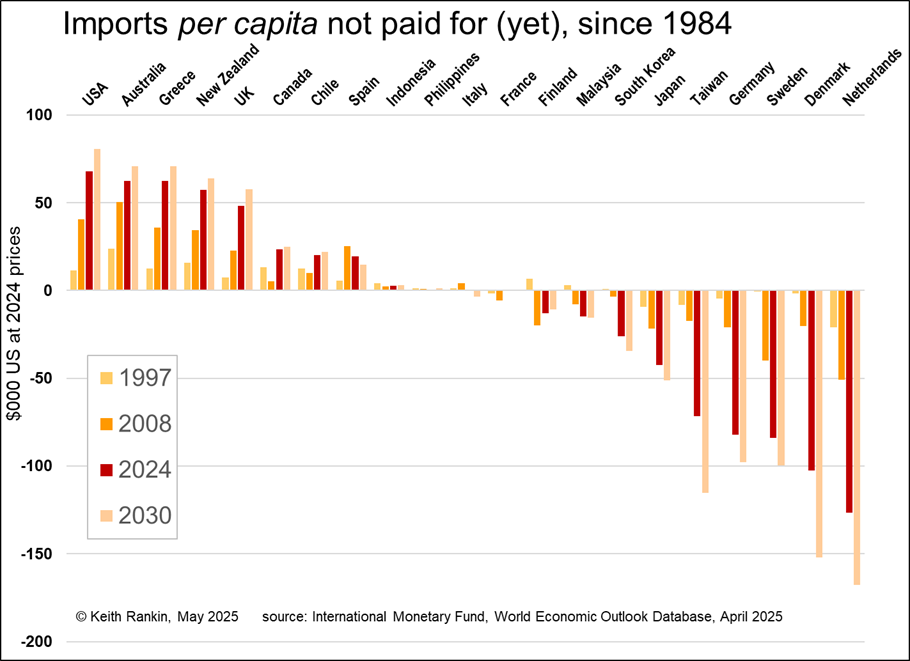
    MIL OSI Economics

  • MIL-OSI Economics: Microsoft Fusion Summit explores how AI can accelerate fusion research

    Source: Microsoft

    Headline: Microsoft Fusion Summit explores how AI can accelerate fusion research

    The pursuit of nuclear fusion as a limitless, clean energy source has long been one of humanity’s most ambitious scientific goals. Research labs and companies worldwide are working to replicate the fusion process that occurs at the sun’s core, where isotopes of hydrogen combine to form helium, releasing vast amounts of energy. While scalable fusion energy is still years away, researchers are now exploring how AI can help accelerate fusion research and bring this energy to the grid sooner. 

    In March 2025, Microsoft Research held its inaugural Fusion Summit, a landmark event that brought together distinguished speakers and panelists from within and outside Microsoft Research to explore this question. 

    Ashley Llorens, Corporate Vice President and Managing Director of Microsoft Research Accelerator, opened the Summit by outlining his vision for a self-reinforcing system that uses AI to drive sustainability. Steven Cowley, laboratory director of the U.S. Department of Energy’s Princeton Plasma Physics Laboratory (opens in new tab), professor at Princeton University, and former head of the UK Atomic Energy Authority, followed with a keynote explaining the intricate science and engineering behind fusion reactors. His message was clear: advancing fusion will require international collaboration and the combined power of AI and high-performance computing to model potential fusion reactor designs. 

    Applying AI to fusion research

    North America’s largest fusion facility, DIII (opens in new tab)-D, operated by General Atomics and owned by the US Department of Energy (DOE), provides a unique platform for developing and testing AI applications for fusion research, thanks to its pioneering data and digital twin platform. 

    Richard Buttery (opens in new tab) from DIII-D and Dave Humphreys (opens in new tab) from General Atomics demonstrated how the US DIII-D National Fusion Program (opens in new tab) is already applying AI to advance reactor design and operations, highlighting promising directions for future development. They provided examples of how to apply AI to active plasma control to avoid disruptive instabilities, using AI-controlled trajectories to avoid tearing modes, and implementing feedback control using machine learning-derived density limits for safer high-density operations. 

    One persistent challenge in reactor design involves building the interior “first wall,” which must withstand extreme heat and particle bombardment. Zulfi Alam, corporate vice president of Microsoft Quantum (opens in new tab), discussed the potential of using quantum computing in fusion, particularly for addressing material challenges like hydrogen diffusion in reactors.

    He noted that silicon nitride shows promise as a barrier to hydrogen and vapor and explained the challenge of binding it to the reaction chamber. He emphasized the potential of quantum computing to improve material prediction and synthesis, enabling more efficient processes. He shared that his team is also investigating advanced silicon nitride materials to protect this critical component from neutron and alpha particle damage—an innovation that could make fusion commercially viable.

    Microsoft Research Blog

    AIOpsLab: Building AI agents for autonomous clouds

    AIOpsLab is an open-source framework designed to evaluate and improve AI agents for cloud operations, offering standardized, scalable benchmarks for real-world testing, enhancing cloud system reliability.

    Exploring AI’s broader impact on fusion engineering

    Lightning talks from Microsoft Research labs addressed the central question of AI’s potential to accelerate fusion research and engineering. Speakers covered a wide range of applications—from using gaming AI for plasma control and robotics for remote maintenance to physics-informed AI for simulating materials and plasma behavior. Closing the session, Archie Manoharan, Microsoft’s director of nuclear engineering for Cloud Operations and Infrastructure, emphasized the need for a comprehensive energy strategy, one that incorporates renewables, efficiency improvements, storage solutions, and carbon-free sources like fusion.

    The Summit culminated in a thought-provoking panel discussion moderated by Ade Famoti, featuring Archie Manoharan, Richard Buttery, Steven Cowley, and Chris Bishop, Microsoft Technical Fellow and director of Microsoft Research AI for Science. Their wide-ranging conversation explored the key challenges and opportunities shaping the field of fusion. 

    The panel highlighted several themes: the role of new regulatory frameworks that balance innovation with safety and public trust; the importance of materials discovery in developing durable fusion reactor walls; and the game-changing role AI could play in plasma optimization and surrogate modelling of fusion’s underlying physics.

    They also examined the importance of global research collaboration, citing projects like the International Thermonuclear Experimental Reactor (opens in new tab) (ITER), the world’s largest experimental fusion device under construction in southern France, as testbeds for shared progress. One persistent challenge, however, is data scarcity. This prompted a discussion of using physics-informed neural networks as a potential approach to supplement limited experimental data. 

    Global collaboration and next steps

    Microsoft is collaborating with ITER (opens in new tab) to help advance the technologies and infrastructure needed to achieve fusion ignition—the critical point where a self-sustaining fusion reaction begins, using Microsoft 365 Copilot, Azure OpenAI Service, Visual Studio, and GitHub (opens in new tab). Microsoft Research is now cooperating with ITER to identify where AI can be exploited to model future experiments to optimize its design and operations. 

    Now Microsoft Research has signed a Memorandum of Understanding with the Princeton Plasma Physics Laboratory (PPPL) (opens in new tab) to foster collaboration through knowledge exchange, workshops, and joint research projects. This effort aims to address key challenges in fusion, materials, plasma control, digital twins, and experiment optimization. Together, Microsoft Research and PPPL will work to drive innovation and advances in these critical areas.

    Fusion is a scientific challenge unlike any other and could be key to sustainable energy in the future. We’re excited about the role AI can play in helping make that vision a reality. To learn more, visit the Fusion Summit event page, or connect with us by email at FusionResearch@microsoft.com.

    MIL OSI Economics

  • MIL-OSI Economics: Live streaming from Reykjavík Economic Conference 2025

    Source: Central Bank of Iceland

    In co-­op­er­a­tion with the Cen­ter for In­ter­na­tional Mac­roe­co­nom­ics at North­west­ern Uni­versity, the Cent­ral Bank of Ice­land will con­vene the Reyk­javík Eco­nomic Con­fer­ence on 8-9 May 2025.

    MIL OSI Economics

  • MIL-OSI Economics: Transforming Food Systems for the Future of Asia and the Pacific

    Source: Asia Development Bank

    ADB President Masato Kanda delivered the opening remarks at the event Transforming Food Systems for the Future of Asia and the Pacific held on the sidelines of the 58th Annual Meeting of the ADB Board of Governors in Milan, Italy.

    MIL OSI Economics

  • MIL-OSI Economics: Samsung Launches the 2025 TV Line-up and Exciting New Partnership With BAFTA

    Source: Samsung

     
    LONDON, UK – May 7, 2025 – Samsung Electronics UK has unveiled an exciting new partnership with BAFTA (The British Academy of Film and Television Arts), as it continues to expand its commitment to supporting the UK’s vibrant creative industries.
     
    The partnership announcement coincides with the launch of Samsung’s much-anticipated 2025 TV, projector and soundbar line-up, bringing the latest in AI-powered screen and audio innovations to British homes. Available to pre-order from today, the range will ship nationwide from Samsung.com and retail partners[1] including John Lewis, Currys, Argos, AO and Richer Sounds.
     
    Samsung partners with BAFTA to support UK creative industries
    Samsung has become the Official Screen Partner of BAFTA – underlining Samsung’s notoriety for superior picture quality and being at the heart of immersive, home entertainment. BAFTA champions and celebrates the best creative content across the screen arts’ industries – there are clear synergies between the two organisations. This collaboration marks the beginning of a joint initiative that celebrates storytelling, champions British talent, and spotlights innovation across film, games and television.
     
    Samsung is committed to enhancing how audiences experience content, both at home and beyond. This partnership aligns perfectly ahead of the upcoming BAFTA TV Awards this Sunday, as a significant portion of the UK continues to enjoy their favourite shows on Samsung TVs – now in its nineteenth year as the global market leader for TV[2].
     
    “The UK’s creative industries are thriving, driven by advances in technology, and the rise of digital-first content,” said Zeena Hill, Director of Marketing TV/AV at Samsung UK. “As more people enjoy award-winning entertainment at home, our unrivalled TV technology and innovations continue to lead the industry forwards and ensure that every creative detail is experienced at its best.
     
    “This partnership with BAFTA champions artistic expression and elevated storytelling for a richer, more immersive viewing experience for all to enjoy.”
     
    Jane Millichip, CEO at BAFTA, said: “Samsung’s commitment to innovation and excellence in home entertainment aligns perfectly with BAFTA’s mission to champion creativity and inspire audiences. Together, we look forward to celebrating the very best in screen storytelling and delivering even more engaging experiences to viewers globally.”
     
    Revolutionising TV with Samsung Vision AI
    The new Samsung 2025 line-up integrates advanced AI technologies to deliver an unparalleled and more personalised entertainment experience than ever before. Plus customers can claim up to £1000 cashback when you pre-order selected 2025 Samsung TVs and up to £400 on selected soundbars[3].
     
    Samsung’s 2025 TV line-up introduces groundbreaking innovations in picture quality and smart features. Powered by Samsung Vision AI, the latest Samsung TVs takes the viewing experience to the next level. Advanced AI technologies analyse content and surroundings to automatically optimise the picture and sound.
     
    Samsung is also introducing enhanced Glare-Free technology[4] on select models, minimising reflections while maintaining deeper blacks and clear images, even in brightly lit rooms. By using a new material, the anti-reflective properties have been greatly improved so that you can enjoy a beautiful image, regardless of the light on the screen. The Glare-Free technology has been expanded to selected Neo QLED and OLED models.
     
    The TV line-up for 2025 includes a wide range of technologies and design, including:
     
    Neo QLED 8K: With advanced Quantum Matrix Technology and Ultra Viewing Angle Technology for an unprecedented level of detail and contrast.
    Neo QLED 4K: An excellent balance between picture quality and value, with powerful processors and bright, vibrant colours. The new QN90F now also feature Glare-Free technology, and have an improved processor and faster refresh rate.
    The NEW Frame Pro enhances consumer experience by incorporating advanced Neo QLED technology, for enhanced, immersive picture quality alongside its Glare-Free Matte[5] finish to minimise distractions and compliment your interior with displaying stunning art⁳ when in standby mode.
    In addition, the newly announced and renewed Wireless One Connect box allows the TV to be connected wirelessly from up to 10 metres away, meaning that unsightly cables are a thing of the past.
    The Frame and The Frame Pro also have access to the Art Store[6], giving consumers access to over 2500+ pieces of art from some of the most well-known museums and art galleries globally.
    OLED 4K: Available in different models (S95F, S90F, S85F) with screen sizes up to 83”. Samsung is continuing to innovate with its 2025 OLED line-up, delivering powerful full-screen brightness, deep blacks, vibrant, Pantone®-validated colours and our most advanced OLED Glare-Free technology – for distraction-free viewing across any environment
    QLED 4K: Bright colours and an excellent viewing angle.
    Crystal UHD: Sharp 4K resolution and vibrant colours at an attractive price.
    NEW – The Premiere 5 is a new full HD touch interactive triple laser, ultra-short throw projector. Providing cinematic visuals and vivid colours that can project a screen up to 100 inches alongside interactive features[7].

    New Soundbar line-up: design with superior sound experience
    Samsung’s new Soundbar line-up is designed to work in sync with the new televisions and create an immersive audio experience. The top models, such as the HW-Q990F and HW-Q930F, offer a three-dimensional surround sound with support for Dolby Atmos and DTS:X, giving the audio a next generation experience. The compact subwoofer with dual active drivers of the HW-Q990F ensures a deep and powerful bass without vibrations.
     
    With its sleek, modern design the all new  QS700F Soundbar fits seamlessly into any room, with its new convertible design that can automatically detect the direction of installation through its gyro sensor and will optimise the sound accordingly – providing a perfected Dolby Atmos sound experience no matter how you install it in your home.
     
    AI-driven sound optimisation, such as Q-Symphony together with SpaceFit Sound Pro, analyse the acoustics of the room and the content played to automatically optimize the sound for a clear, balanced and spacious reproduction and intelligible dialogue.
     
    With this new line-up, Samsung is once again setting the standard for home entertainment – ​​smarter, more beautiful and more immersive than ever before.
     
    [1] Currys, John Lewis, Richer Sounds, Argos, AO, Very, Littlewoods, Amazon, Costco, Hughes Electrical and Harvey Norman.
    [2] Samsung Electronics Marks 19 Consecutive Years as the Global TV Market Leader.
    [3] Disclaimer: Samsung Electronics (UK) Limited. Purchase between 07.05.25 – 27.05.25 from a participating retailer. Claim must be submitted between 30 and 60 days of purchase. Maximum four claims per household, 10 per registered business. To claim, and for full T&Cs, see https://samsungoffers.claims/preorder2025VisionAI.
    [4] Measured against Unified Glare Rating (UGR) testing standard, validated as ‘Glare Free’ by UL.
    [5] Measured against Unified Glare Rating (UGR) testing standard, certified as glare-free (reflection, discomfort and disability glare) by UL.
    [6] Art Store subscription and Samsung Account connection required to access full selection of artwork.
    [7] Touch interaction is only available with the Touch Stand connected. Touch interaction support may vary by app, some apps may not support the feature. Some functions may be limited when using the feature.
     

    MIL OSI Economics