Category: Economics

  • MIL-OSI Economics: Iraq: 2025 Article IV Consultation-Press Release; Staff Report; and Informational Annex

    Source: International Monetary Fund

    Summary

    Iraq has managed to uphold domestic stability despite regional turmoil. However, rapid expansion of spending and emerging financing constraints led to arrears accumulation in 2024. These challenges are now compounded by declining oil prices in a highly uncertain global environment, further aggravating fiscal and external sustainability risks. At the same time, the country is struggling with lingering structural economic challenges, including high unemployment, excessive state footprint, a weak banking sector, corruption, and an inefficient electricity sector.

    MIL OSI Economics

  • MIL-OSI Economics: OEUK news OEUK response to NESO’s Future Energy Scenarios 14 July 2025

    Source: Offshore Energy UK

    Headline: OEUK news

    OEUK response to NESO’s Future Energy Scenarios

    14 July 2025

    Accessibility Statement

    • oeuk.org.uk
    • 14 July 2025

    Compliance status

    We firmly believe that the internet should be available and accessible to anyone, and are committed to providing a website that is accessible to the widest possible audience, regardless of circumstance and ability.

    To fulfill this, we aim to adhere as strictly as possible to the World Wide Web Consortium’s (W3C) Web Content Accessibility Guidelines 2.1 (WCAG 2.1) at the AA level. These guidelines explain how to make web content accessible to people with a wide array of disabilities. Complying with those guidelines helps us ensure that the website is accessible to all people: blind people, people with motor impairments, visual impairment, cognitive disabilities, and more.

    This website utilizes various technologies that are meant to make it as accessible as possible at all times. We utilize an accessibility interface that allows persons with specific disabilities to adjust the website’s UI (user interface) and design it to their personal needs.

    Additionally, the website utilizes an AI-based application that runs in the background and optimizes its accessibility level constantly. This application remediates the website’s HTML, adapts Its functionality and behavior for screen-readers used by the blind users, and for keyboard functions used by individuals with motor impairments.

    If you’ve found a malfunction or have ideas for improvement, we’ll be happy to hear from you. You can reach out to the website’s operators by using the following email [email protected]

    Screen-reader and keyboard navigation

    Our website implements the ARIA attributes (Accessible Rich Internet Applications) technique, alongside various different behavioral changes, to ensure blind users visiting with screen-readers are able to read, comprehend, and enjoy the website’s functions. As soon as a user with a screen-reader enters your site, they immediately receive a prompt to enter the Screen-Reader Profile so they can browse and operate your site effectively. Here’s how our website covers some of the most important screen-reader requirements, alongside console screenshots of code examples:

    1. Screen-reader optimization: we run a background process that learns the website’s components from top to bottom, to ensure ongoing compliance even when updating the website. In this process, we provide screen-readers with meaningful data using the ARIA set of attributes. For example, we provide accurate form labels; descriptions for actionable icons (social media icons, search icons, cart icons, etc.); validation guidance for form inputs; element roles such as buttons, menus, modal dialogues (popups), and others. Additionally, the background process scans all the website’s images and provides an accurate and meaningful image-object-recognition-based description as an ALT (alternate text) tag for images that are not described. It will also extract texts that are embedded within the image, using an OCR (optical character recognition) technology. To turn on screen-reader adjustments at any time, users need only to press the Alt+1 keyboard combination. Screen-reader users also get automatic announcements to turn the Screen-reader mode on as soon as they enter the website.

      These adjustments are compatible with all popular screen readers, including JAWS and NVDA.

    2. Keyboard navigation optimization: The background process also adjusts the website’s HTML, and adds various behaviors using JavaScript code to make the website operable by the keyboard. This includes the ability to navigate the website using the Tab and Shift+Tab keys, operate dropdowns with the arrow keys, close them with Esc, trigger buttons and links using the Enter key, navigate between radio and checkbox elements using the arrow keys, and fill them in with the Spacebar or Enter key.Additionally, keyboard users will find quick-navigation and content-skip menus, available at any time by clicking Alt+1, or as the first elements of the site while navigating with the keyboard. The background process also handles triggered popups by moving the keyboard focus towards them as soon as they appear, and not allow the focus drift outside it.

      Users can also use shortcuts such as “M” (menus), “H” (headings), “F” (forms), “B” (buttons), and “G” (graphics) to jump to specific elements.

    Disability profiles supported in our website

    • Epilepsy Safe Mode: this profile enables people with epilepsy to use the website safely by eliminating the risk of seizures that result from flashing or blinking animations and risky color combinations.
    • Visually Impaired Mode: this mode adjusts the website for the convenience of users with visual impairments such as Degrading Eyesight, Tunnel Vision, Cataract, Glaucoma, and others.
    • Cognitive Disability Mode: this mode provides different assistive options to help users with cognitive impairments such as Dyslexia, Autism, CVA, and others, to focus on the essential elements of the website more easily.
    • ADHD Friendly Mode: this mode helps users with ADHD and Neurodevelopmental disorders to read, browse, and focus on the main website elements more easily while significantly reducing distractions.
    • Blindness Mode: this mode configures the website to be compatible with screen-readers such as JAWS, NVDA, VoiceOver, and TalkBack. A screen-reader is software for blind users that is installed on a computer and smartphone, and websites must be compatible with it.
    • Keyboard Navigation Profile (Motor-Impaired): this profile enables motor-impaired persons to operate the website using the keyboard Tab, Shift+Tab, and the Enter keys. Users can also use shortcuts such as “M” (menus), “H” (headings), “F” (forms), “B” (buttons), and “G” (graphics) to jump to specific elements.

    Additional UI, design, and readability adjustments

    1. Font adjustments – users, can increase and decrease its size, change its family (type), adjust the spacing, alignment, line height, and more.
    2. Color adjustments – users can select various color contrast profiles such as light, dark, inverted, and monochrome. Additionally, users can swap color schemes of titles, texts, and backgrounds, with over seven different coloring options.
    3. Animations – person with epilepsy can stop all running animations with the click of a button. Animations controlled by the interface include videos, GIFs, and CSS flashing transitions.
    4. Content highlighting – users can choose to emphasize important elements such as links and titles. They can also choose to highlight focused or hovered elements only.
    5. Audio muting – users with hearing devices may experience headaches or other issues due to automatic audio playing. This option lets users mute the entire website instantly.
    6. Cognitive disorders – we utilize a search engine that is linked to Wikipedia and Wiktionary, allowing people with cognitive disorders to decipher meanings of phrases, initials, slang, and others.
    7. Additional functions – we provide users the option to change cursor color and size, use a printing mode, enable a virtual keyboard, and many other functions.

    Browser and assistive technology compatibility

    We aim to support the widest array of browsers and assistive technologies as possible, so our users can choose the best fitting tools for them, with as few limitations as possible. Therefore, we have worked very hard to be able to support all major systems that comprise over 95% of the user market share including Google Chrome, Mozilla Firefox, Apple Safari, Opera and Microsoft Edge, JAWS and NVDA (screen readers).

    Notes, comments, and feedback

    Despite our very best efforts to allow anybody to adjust the website to their needs. There may still be pages or sections that are not fully accessible, are in the process of becoming accessible, or are lacking an adequate technological solution to make them accessible. Still, we are continually improving our accessibility, adding, updating and improving its options and features, and developing and adopting new technologies. All this is meant to reach the optimal level of accessibility, following technological advancements. For any assistance, please reach out to [email protected]

    MIL OSI Economics

  • MIL-OSI Economics: Panasonic Energy Begins Mass Production at New Automotive Lithium-ion Battery Factory in Kansas, Aiming for Annual Capacity of 32 GWh to Accelerate U.S. Local Production

    Source: Panasonic

    Headline: Panasonic Energy Begins Mass Production at New Automotive Lithium-ion Battery Factory in Kansas, Aiming for Annual Capacity of 32 GWh to Accelerate U.S. Local Production

    The content in this website is accurate at the time of publication but may be subject to change without notice.Please note therefore that these documents may not always contain the most up-to-date information.Please note that German, Spanish and Chinese versions are machine translations, so the quality and accuracy may vary.

    MIL OSI Economics

  • MIL-OSI Economics: Panasonic Energy Begins Mass Production at New Automotive Lithium-ion Battery Factory in Kansas, Aiming for Annual Capacity of 32 GWh to Accelerate U.S. Local Production

    Source: Panasonic

    Headline: Panasonic Energy Begins Mass Production at New Automotive Lithium-ion Battery Factory in Kansas, Aiming for Annual Capacity of 32 GWh to Accelerate U.S. Local Production

    The content in this website is accurate at the time of publication but may be subject to change without notice.Please note therefore that these documents may not always contain the most up-to-date information.Please note that German, Spanish and Chinese versions are machine translations, so the quality and accuracy may vary.

    MIL OSI Economics

  • MIL-OSI Economics: Forensic journey: Breaking down the UserAssist artifact structure

    Source: Securelist – Kaspersky

    Headline: Forensic journey: Breaking down the UserAssist artifact structure

    Introduction

    As members of the Global Emergency Response Team (GERT), we work with forensic artifacts on a daily basis to conduct investigations, and one of the most valuable artifacts is UserAssist. It contains useful execution information that helps us determine and track adversarial activities, and reveal malware samples. However, UserAssist has not been extensively examined, leaving knowledge gaps regarding its data interpretation, logging conditions and triggers, among other things. This article provides an in-depth analysis of the UserAssist artifact, clarifying any ambiguity in its data representation. We’ll discuss the creation and updating of artifact workflow, the UEME_CTLSESSION value structure and its role in logging the UserAssist data. We’ll also introduce the UserAssist data structure that was previously unknown.

    UserAssist artifact recap

    In the forensics community, UserAssist is a well-known Windows artifact used to register the execution of GUI programs. This artifact stores various data about every GUI application that’s run on a machine:

    • Program name: full program path.
    • Run count: number of times the program was executed.
    • Focus count: number of times the program was set in focus, either by switching to it from other applications, or by otherwise making it active in the foreground.
    • Focus time: total time the program was in focus.
    • Last execution time: date and time of the last program execution.

    The UserAssist artifact is a registry key under each NTUSER.DAT hive located at SoftwareMicrosoftWindows‌CurrentVersionExplorerUserAssist. The key consists of subkeys named with GUIDs. The two most important GUID subkeys are:

    • {CEBFF5CD-ACE2-4F4F-9178-9926F41749EA}: registers executed EXE files.
    • {F4E57C4B-2036-45F0-A9AB-443BCFE33D9F}: registers executed LNK files.

    Each subkey has its own subkey named “Count”. It contains values that represent the executed programs. The value names are the program paths encrypted using the ROT-13 cipher.

    The values contain structured binary data that includes the run count, focus count, focus time and last execution time of the respective application. This structure is well-known and represents the CUACount object. The bytes between focus time and last execution time have never been described or analyzed publicly, but we managed to determine what they are and will explain this later in the article. The last four bytes are unknown and contained a zero in all the datasets we analyzed.

    UserAssist artifact

    Data inconsistency

    Over the course of many investigations, the UserAssist data was found to be inconsistent. Some values included all of the parameters described above, while others, for instance, included only run count and last execution time. Overall, we observed five combinations of UserAssist data inconsistency.

    Cases Run Count Focus Count Focus Time Last Execution Time
    1
    2
    3
    4
    5

    Workflow analysis

    Deep dive into Shell32 functions

    To understand the reasons behind the inconsistency, we must examine the component responsible for registering and updating the UserAssist data. Our analysis revealed that the component in question is shell32.dll, more specifically, a function called FireEvent that belongs to the CUserAssist class.

    The FireEvent arguments are as follows:

    • Argument 1: GUID that is a subkey of the UserAssist registry key containing the registered data. This argument most often takes the value {CEBFF5CD-ACE2-4F4F-9178-9926F41749EA} because executed programs are mostly EXE files.
    • Argument 2: integer enumeration value that defines which counters and data should be updated.
      • Value 0: updates the run count and last execution time
      • Value 1: updates the focus count
      • Value 2: updates the focus time
      • Value 3: unknown
      • Value 4: unknown (we assume it is used to delete the entry).
    • Argument 3: full executable path that has been executed, focused on, or closed.
    • Argument 4: focus time spent on the executable in milliseconds. This argument only contains a value if argument 2 has a value of 2; otherwise, it equals zero.

    Furthermore, the FireEvent function relies heavily on two other shell32.dll functions: s_Read and s_Write. These functions are responsible for reading and writing the binary value data of UserAssist from and to the registry whenever a particular application is updated:

    The s_Read function reads the binary value of the UserAssist data from the registry to memory, whereas s_Write writes the binary value of the UserAssist data to the registry from the memory. Both functions have the same arguments, which are as follows:

    • Argument 1: pointer to the memory buffer (the CUACount struct) that receives or contains the UserAssist binary data.
    • Argument 2: size of the UserAssist binary data in bytes to be read from or written to registry.
    • Argument 3: undocumented structure containing two pointers.
      • The CUADBLog instance pointer at the 0x0 offset
      • Full executable path in plain text that the associated UserAssist binary data needs to be read from or written to the registry.

    When a program is executed for the first time and there is no respective entry for it in the UserAssist records, the s_Read function reads the UEME_CTLCUACount:ctor value, which serves as a template for the UserAssist binary data structure (CUACount). We’ll describe this value later in the article.

    It should be noted that the s_Read and s_Write functions are also responsible for encrypting the value names with the ROT-13 cipher.

    UserAssist data update workflow

    Any interaction with a program that displays a GUI is a triggering event that results in a call to the CUserAssist::FireEvent function. There are four types of triggering events:

    • Program executed.
    • Program set in focus.
    • Program set out of focus.
    • Program closed.

    The triggering event determines the execution workflow of the CUserAssist::FireEvent function. The workflow is based on the enumeration value that is passed as the second argument to FireEvent and defines which counters and data should be updated in the UserAssist binary data.

    The CUserAssist::FireEvent function calls the CUADBLog::s_Read function to read the binary data from registry to memory. The CUserAssist::FireEvent function then updates the respective counters and data before calling CUADBLog::s_Write to store the data back to the registry.

    The diagram below illustrates the workflow of the UserAssist data update process depending on the interaction with a program.

    UserAssist data update workflow

    The functions that call the FireEvent function vary depending on the specific triggering event caused by interaction with a program. The table below shows the call stack for each triggering event, along with the modules of the functions.

    Triggering event Module Call Stack Functions Details
    Program executed (double click) SHELL32 CUserAssist::FireEvent This call chain updates the run count and last execution time. It is only triggered when the executable is double-clicked, whether it is a CLI or GUI in File Explorer.
    Windows.storage UAFireEvent
    Windows.storage NotifyUserAssistOfLaunch
    Windows.storage CInvokeCreateProcessVerb::
    _OnCreatedProcess
    Program in focus SHELL32 CUserAssist::FireEvent This call chain updates the focus count and only applies to GUI executables.
    Explorer UAFireEvent
    Explorer CApplicationUsageTracker::
    _FireDelayedSwitch
    Explorer CApplicationUsageTracker::
    _FireDelayedSwitchCallback
    Program out of focus SHELL32 CUserAssist::FireEvent This call chain updates the focus time and only applies to GUI executables.
    Explorer UAFireEvent
    Explorer ac47d9dd501738f1>::operator()
    Explorer shell::TaskScheduler::
    CSimpleRunnableTaskParam
    ac47‌d9dd501738f1>‌,
    CMemString_PolicyCoTaskMem>
    >::InternalResumeRT
    Program closed SHELL32 CUserAssist::FireEvent This call chain updates the focus time and applies to GUI and CLI executables. However, CLI executables are only updated if the program was executed via a double click or if conhost was spawned as a child process.
    Explorer UAFireEvent
    Explorer shell::TaskScheduler::
    CSimpleRunnableTaskParamlambda_5b4995a8d0f55408566e‌10
    b459ba2cbe>‌,CMemStringCMemString‌_PolicyCoTaskMem> >
    ::InternalResumeRT

    Inconsistency breakdown

    As previously mentioned, we observed five combinations of UserAssist data. Our thorough analysis shows that these inconsistencies arise from interactions with a program and various functions that call the FireEvent function. Now, let’s examine the triggering events that cause these inconsistencies in more detail.

    1.   All data

    The first combination is all four parameters registered in the UserAssist record: run count, focus count, focus time, and last execution time. In this scenario, the program usually follows the normal execution flow, has a GUI and is executed by double-clicking in Windows Explorer.

    • When the program is executed, the FireEvent function is called to update the run count and last execution time.
    • When it is set in focus, the FireEvent function is called to update the focus count.
    • When it is set out of focus or closed, the FireEvent function is called to update focus time.

    2.   Run count and last execution time

    The second combination occurs when the record only contains run count and last execution time. In this scenario, the program is run by double-clicking in Windows Explorer, but the GUI that appears belongs to another program. Examples of this scenario include launching an application with an LNK shortcut or using an installer that runs a different GUI program, which switches the focus to the other program file.

    During our test, a copy of calc.exe was executed in Windows Explorer using the double-click method. However, the GUI program that popped up was the UWP app for the calculator Microsoft.WindowsCalculator_8wekyb3d8bbwe!App.

    There is a record of the calc.exe desktop copy in UserAssist, but it contains only the run count and last execution time. However, both focus count and focus time are recorded under the UWP calculator Microsoft.WindowsCalculator_8wekyb3d8bbwe!App UserAssist entry.

    3.   Focus count and focus time

    The third combination is a record that only includes focus count and focus time. In this scenario, the program has a GUI, but is executed by means other than a double click in Windows Explorer, for example, via a command line interface.

    During our test, a copy of Process Explorer from the Sysinternals Suite was executed through cmd and recorded in UserAssist with focus count and focus time only.

    4.   Run count, last execution time and focus time

    The fourth combination is when the record contains run count, last execution time and focus time. This scenario only applies to CLI programs that are run by double-clicking and then immediately closed. The double-click execution leads to the run count and last execution time being registered. Next, the program close event will call the FireEvent function to update the focus time, which is triggered by the lambda function (5b4995a8d0f55408566e10b459ba2cbe).

    During our test, a copy of whoami.exe was executed by a double click, which opened a console GUI for a split second before closing.

    5.   Focus time

    The fifth combination is a record with only focus time registered. This scenario only applies to CLI programs executed by means other than a double click, which opens a console GUI for a split second before it is immediately closed.

    During our test, a copy of whoami.exe was executed using PsExec instead of cmd. PsExec executed whoami as its own child process, resulting in whoami spawning a conhost.exe process. This condition must be met for the CLI program to be registered in UserAssist in this scenario.

    We summed up all five combinations with their respective interpretations in the table below.

    Inconsistency combination Interpretation Triggering events
    All Data GUI program executed by double
    click and closed normally.
    ·        Program Executed
    ·        Program In Focus
    ·        Program Out of Focus
    ·        Program Closed
    Run Count and Last Execution Time GUI program executed by double
    click but focus switched to another
    program.
    ·        Program Executed
    Focus Count and Focus Time GUI program executed by other means. ·        Program In Focus
    ·        Program Out of Focus
    ·        Program Closed
    Run Count, Last Execution Time and Focus Time CLI program executed by double
    click and then closed.
    ·        Program Executed
    ·        Program Closed
    Focus Time CLI program executed by other
    means than double click, spawned
    conhost process and then closed.
    ·        Program Closed

    CUASession and UEME_CTLSESSION

    Now that we have addressed the inconsistency of the UserAssist artifact, the second part of this research will explain another aspect of UserAssist: the CUASession class and the UEME_CTLSESSION value.

    The UserAssist database contains value names for every executed program, but there is an unknown value: UEME_CTLSESSION. Unlike the binary data that is recorded for every program, this value contains larger binary data: 1612 bytes, whereas the regular size of values for executed programs is 72 bytes.

    CUASession is a class within shell32.dll that is responsible for maintaining statistics of the entire UserAssist logging session for all programs. These statistics include total run count, total focus count, total focus time and the three top program entries, known as NMax entries, which we will describe below. The UEME_CTLSESSION value contains the properties of the CUASession object. Below are some functions of the CUASession class:

    CUASession::AddLaunches(uint) CUASession::GetTotalLaunches(void)
    CUASession::AddSwitches(uint) CUASession::GetTotalSwitches(void)
    CUASession::AddUserTime(ulong) CUASession::GetTotalUserTime(void)
    CUASession::GetNMaxCandidate(enum _tagNMAXCOLS, struct SNMaxEntry *) CUASession::SetNMaxCandidate(enum _tagNMAXCOLS, struct SNMaxEntry const *)

    In the context of CUASession and UEME_CTLSESSION, we will refer to run count as launches, focus count as switches, and focus time as user time when discussing the parameters of all executed programs in a logging session as opposed to the data of a single program.

    The UEME_CTLSESSION value has the following specific data structure:

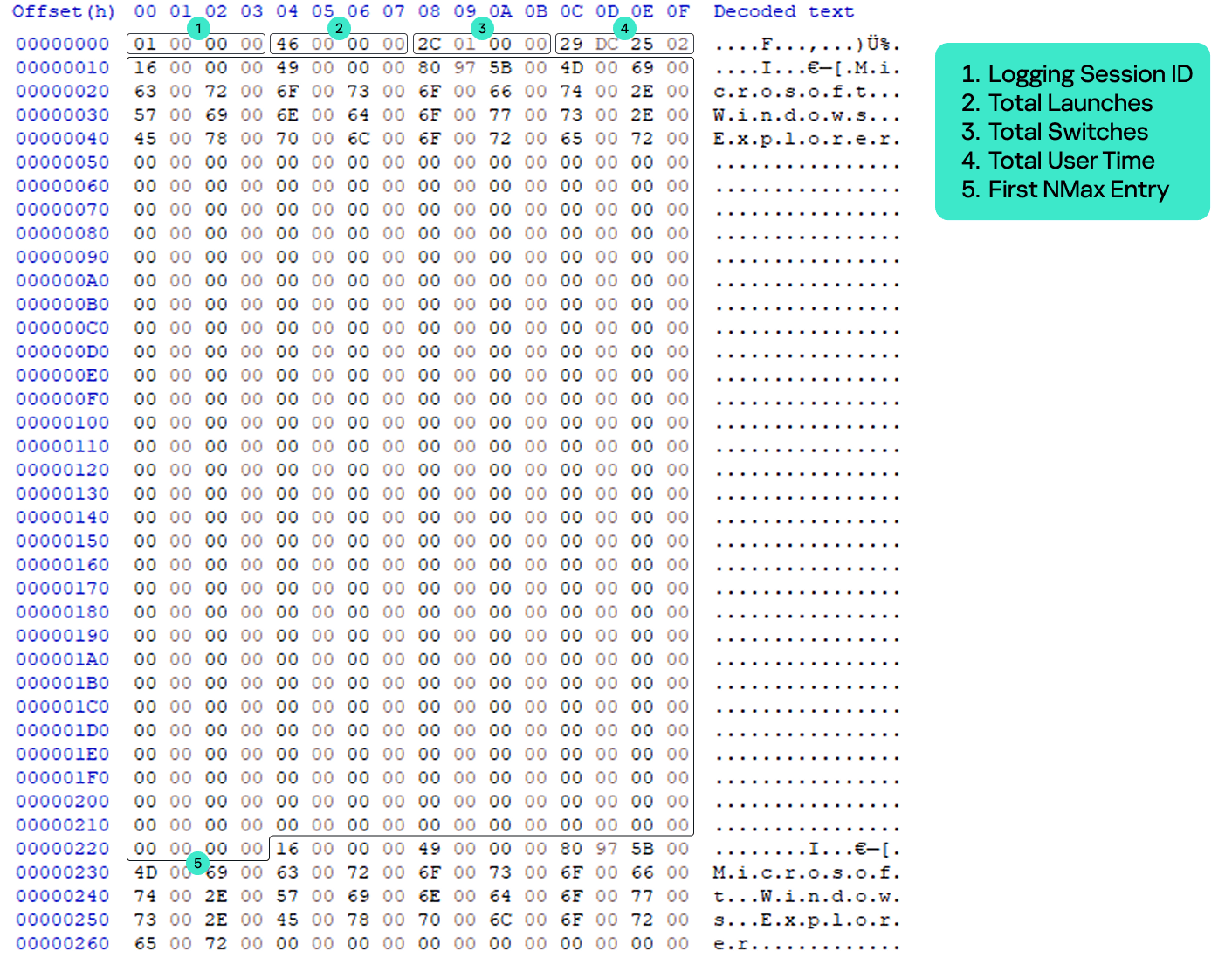
    • 0x0 offset: general total statistics (16 bytes)
      • 0x0: logging session ID (4 bytes)
      • 0x4: total launches (4 bytes)
      • 0x8: total switches (4 bytes)
      • 0xC: total user time in milliseconds (4 bytes)
    • 0x10 offset: three NMax entries (1596 bytes)
      • 0x10: first NMax entry (532 bytes)
      • 0x224: second NMax entry (532 bytes)
      • 0x438: third NMax entry (532 bytes)

    UEME_CTLSESSION structure

    Every time the FireEvent function is called to update program data, CUASession updates its own properties and saves them to UEME_CTLSESSION.

    • When FireEvent is called to update the program’s run count, CUASession increments Total Launches in UEME_CTLSESSION.
    • When FireEvent is called to update the program’s focus count, CUASession increments Total Switches.
    • When FireEvent is called to update the program’s focus time, CUASession updates Total User Time.

    NMax entries

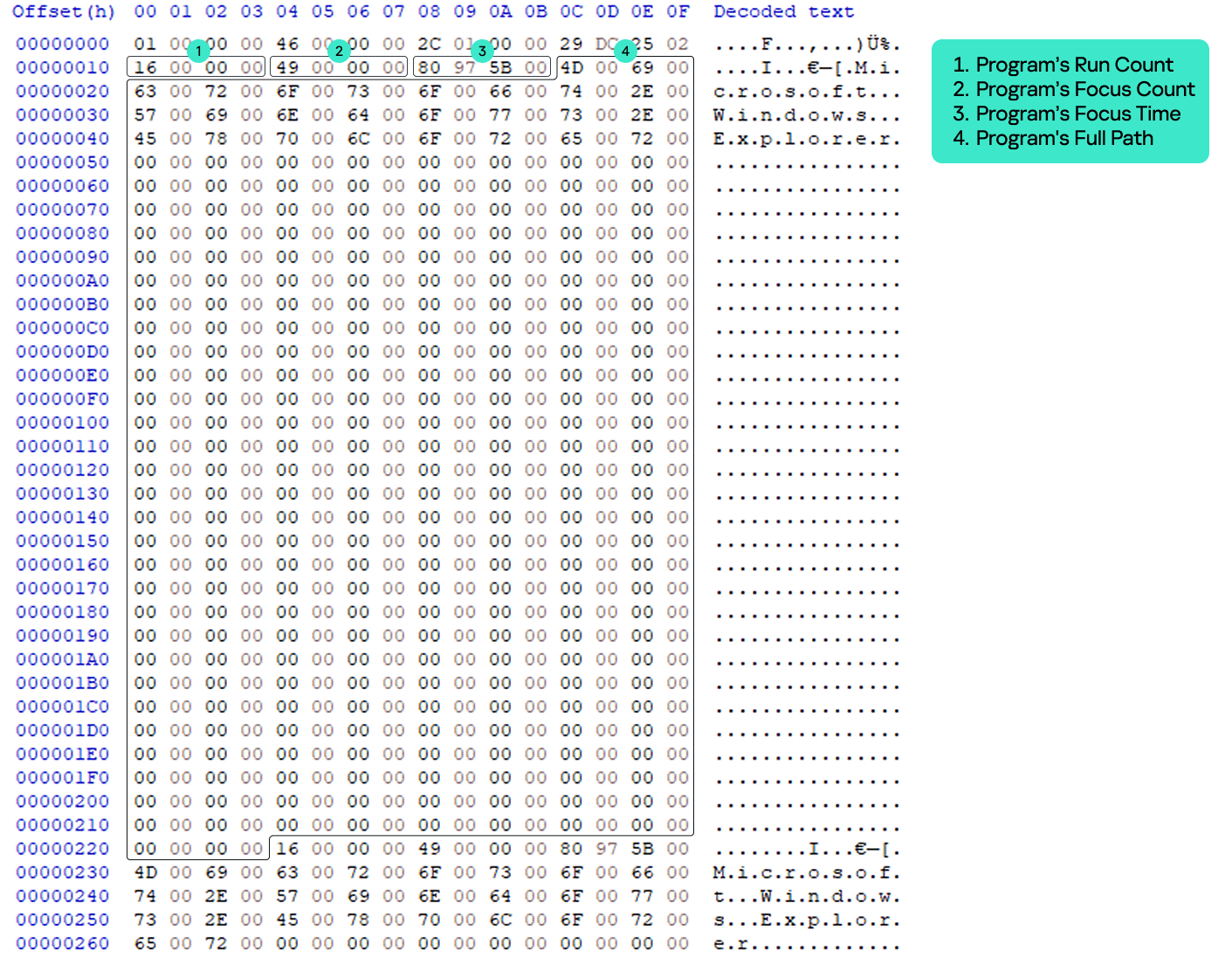
    The NMax entry is a portion of the UserAssist data for the specific program that contains the program’s run count, focus count, focus time, and full path. NMax entries are part of the UEME_CTLSESSION value. Each NMax entry has the following data structure:

    • 0x0 offset: program’s run count (4 bytes)
    • 0x4 offset: program’s focus count (4 bytes)
    • 0x8 offset: program’s focus time in milliseconds (4 bytes)
    • 0xc offset: program’s name/full path in Unicode (520 bytes, the maximum Windows path length multiplied by two)

    NMax entry structure

    The NMax entries track the programs that are executed, switched, and used most frequently. Whenever the FireEvent function is called to update a program, the CUADBLog::_CheckUpdateNMax function is called to check and update the NMax entries accordingly.

    The first NMax entry stores the data of the most frequently executed program based on run count. If two programs (the program whose data was previously saved in the NMax entry and the program that triggered the FireEvent for update) have an equal run count, the entry is updated based on the higher calculated value between the two programs, which is called the N value. The N value equation is as follows:

    N value = Program’s Run Count*(Total User Time/Total Launches) + Program’s Focus Time + Program’s Focus Count*(Total User Time/Total Switches)

    The second NMax entry stores the data of the program with the most switches, based on its focus count. If two programs have an equal focus count, the entry is updated based on the highest calculated N value.

    The third NMax entry stores the data of the program that has been used the most, based on the highest N value.

    The parsed UEME_CTLSESSION structure with NMax entries is shown below.

    UEME_CTLSESSION data

    UserAssist reset

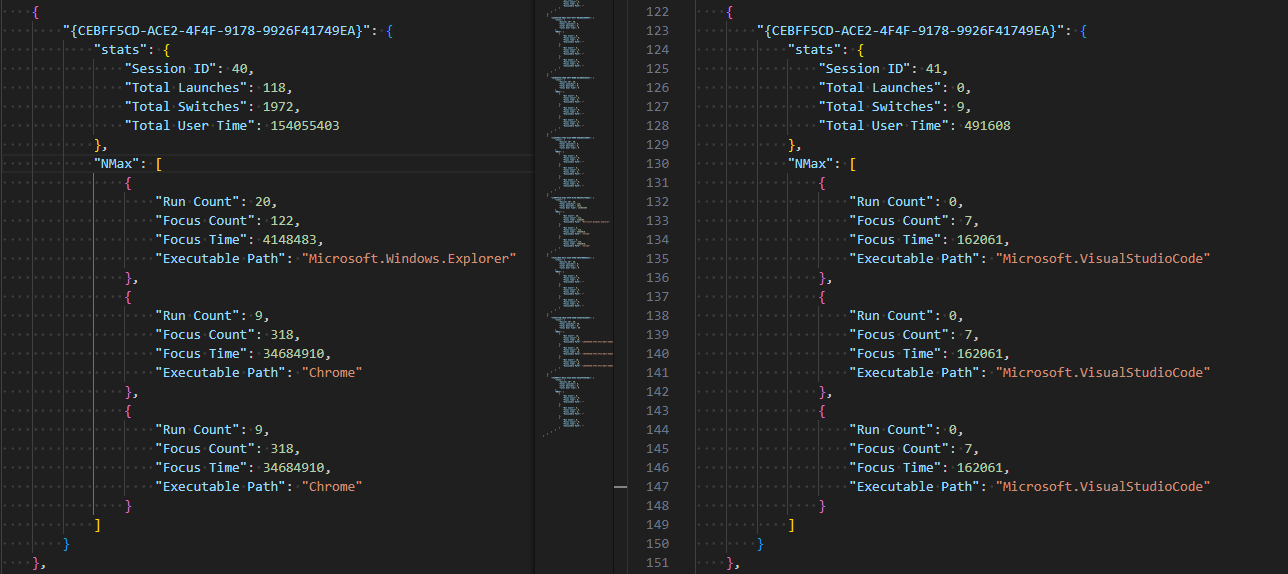
    UEME_CTLSESSION will persist even after logging off or restarting. However, when it reaches the threshold of two days in its total user time, i.e., when the total focus time of all executed programs of the current user equals two days, the logging session is terminated and almost all UserAssist data, including the UEME_CTLSESSION value, is reset.

    The UEME_CTLSESSION value is reset with almost all its data, including total launches, total switches, total user time, and NMax entries. However, the session ID is incremented and a new logging session begins.

    UEME_CTLSESSION comparison before and after reset

    The newly incremented session ID is copied to offset 0x0 of each program’s UserAssist data. Besides UEME_CTLSESSION, other UserAssist data for each program is also reset including run count, focus count, focus time, and the last four bytes, which are still unknown and always contain zero. The only parameter that is not reset is the last execution time. However, all this data is saved in the form of a usage percentage before resetting.

    Usage percentage and counters

    We analyzed the UserAssist data of various programs to determine the unknown bytes between the focus time and last execution time sections. We found that they represent a list of a program’s usage percentage relative to the most used program at that session, as well as the rewrite counter (the index of the usage percentage last written to the list) for the last 10 sessions. Given our findings, we can now revise the structure of the program’s UserAssist binary data and fully describe all of its components.

    UserAssist revised structure

    • 0x0: logging session ID (4 bytes).
    • 0x4: run count (4 bytes).
    • 0x8: focus count (4 bytes).
    • 0xc: focus time (4 bytes).
    • 0x10: element in usage percentage list [0] (4 bytes).
    • 0x14: element in usage percentage list [1] (4 bytes).
    • 0x18: element in usage percentage list [2] (4 bytes).
    • 0x1c: element in usage percentage list [3] (4 bytes).
    • 0x20: element in usage percentage list [4] (4 bytes).
    • 0x24: element in usage percentage list [5] (4 bytes).
    • 0x28: element in usage percentage list [6] (4 bytes).
    • 0x2c: element in usage percentage list [7] (4 bytes).
    • 0x30: element in usage percentage list [8] (4 bytes).
    • 0x34: element in usage percentage list [9] (4 bytes).
    • 0x38: index of last element written in the usage percentage list (4 bytes).
    • 0x3c: last execution time (Windows FILETIME structure) (8 bytes).
    • 0x44: unknown value (4 bytes).

    The values from 0x10 to 0x37 are the usage percentage values that are called r0 values and calculated based on the following equation.

    r0 value [Index] = N Value of the Program / N Value of the Most Used Program in the session (NMax entry 3)

    If the program is run for the first time within an ongoing logging session, its r0 values equal -1, which is not a calculated value, but a placeholder.

    The offset 0x38 is the index of the last element written to the list, and is incremented whenever UEME_CTLSESSION is reset. The index is bounded between zero and nine because the list only contains the r0 values of the last 10 sessions.

    The last four bytes equal zero, but their purpose remains unknown. We have not observed them being used other than being reset after the session expires.

    The table below shows a sample of the UserAssist data broken down by component after parsing.

    UserAssist revised data structure parsed

    Forensic value

    The r0 values are a goldmine of valuable information about a specific user’s application and program usage. These values provide useful information for incident investigations, such as the following:

    • Programs with many 1 values in the r0 values list are the programs most frequently used by the user.
    • Programs with many 0 values in the r0 values list are the programs that are least used or abandoned by the user, which could be useful for threat hunting and lead to the discovery of malware or legitimate software used by adversaries.
    • Programs with many -1 values in the r0 values list are relatively new programs with data that has not been reset within two days of the user interactive session.

    UserAssist data template

    As mentioned above, when the program is first executed and doesn’t yet have its own UserAssist record (CUACount object), a new entry is created with the UEME_CTLCUACount:ctor value. This value serves as a template for the program’s UserAssist binary data with the following values:

    • Logging session ID = -1 (0xffffffff). However, this value is copied to the UserAssist entry from the current UEME_CTLSESSION session.
    • Run count = 0.
    • Focus count = 0.
    • Focus time = 0.
    • Usage percentage list [0-9] = -1 (0xbf800000) because these values are float numbers.
    • Usage percentage index (counter) = -1 (0xffffffff).
    • Last execution time = 0.
    • Last four bytes = 0.

    UEME_CTLCUACount:ctor data

    New parser

    Based on the findings of this research, we created a new parser built on an open source parser. Our new tool parses and saves all UEME_CTLSESSION values as a JSON file. It also parses UserAssist data with the newly discovered r0 value structure and saves it as a CSV file.

    Conclusion

    We closely examined the UserAssist artifact and how its data is structured. Our thorough analysis helped identify data inconsistencies. The FireEvent function in shell32.dll is primarily responsible for updating the UserAssist data. Various interactions with programs trigger calls to the FireEvent function and they are the main reason for the inconsistencies in the UserAssist data.

    We also studied the UEME_CTLSESSION value. It is mainly responsible for coordinating the UserAssist logging session that expires once the accumulated focus time of all programs reaches two days. Further investigation of UEME_CTLSESSION revealed the purpose of previously undocumented UserAssist binary data values, which turned out to be the usage percentage list of programs and the value rewrite counter.

    The UserAssist artifact is a valuable tool for incident response activities, and our research can help make the most of the data it contains.

    MIL OSI Economics

  • MIL-OSI Economics: [Design Story] The Next Chapter in Innovation: Galaxy Z Fold7 and Galaxy Z Flip7

    Source: Samsung

     
    The Galaxy Z series has set the standard for foldable phones from its very first launch, with a new release every year. Now in its seventh chapter, the latest design revisits where it all started. The Galaxy Z Fold7 and Z Flip7 are the result of refinements made over each year of innovation. Samsung Newsroom spoke with Hubert Lee, Head of the Design Team and Huichul Yang, Head of the UX (User eXperience) Team, both part of the Mobile eXperience (MX) Business at Samsung Electronics, to discover the story behind the products and the designers’ persistent pursuit of incredible design.
     
    * Content images simulated for illustrative purposes only and may differ from the actual product. Product specifications may vary by country, region, model and carrier.
     
    Hubert Lee
    Executive Vice President, MX Business, Samsung Electronics
    Since joining as Head of the MX Design Team in late 2022, Lee has overseen the design direction for all MX product launches. With the launch of the new Galaxy Z Fold7 and Z Flip7, Lee showcases Galaxy’s ultimate pursuit of ultra-sleek and modern design.
     
    Huichul Yang
    Vice President, MX Business, Samsung Electronics
    Since joining Samsung in 2005, Yang has played a pivotal role in advancing mobile UX innovation as an HCI (Human Computer Interaction) expert. Since late 2023, Yang has led the UX Team in the MX Business, crafting the mobile experiences powered by Galaxy AI.


    The Essence of Foldable Design


    Q. The Galaxy Z Fold7 and Z Flip7 have finally been unveiled. As the heads of the Design and UX teams, it must mean a lot to both of you.
     
    Lee: Among the products I’ve designed at Samsung, the Galaxy Z Fold7 stands out as the one I am most proud of. Most people said, “Wow!” as soon as they saw it. It’s the thinnest, lightest Galaxy Z Fold series model yet. I believe it captures the essence of what a foldable phone can be. It’s only just been unveiled at Galaxy Unpacked 2025 in New York, but I’m confident that customers will understand its true value as they see it up close and get a feel for it in their hands.
     
    Yang: Alongside the Galaxy Z Fold7 and Z Flip7, we also introduced One UI 8, an interface optimized for the AI experience. I believe that a sleek, modern design — paired with an intuitive interface — can really resonate with users seeking a more elevated mobile experience in this age of AI.
     
    “The Galaxy Z series isn’t just well-made — it reaffirms our position as a pioneer and benchmark in the foldable phone market.”
    — Hubert Lee, EVP, Samsung Electronics


    Q. It’s clear you’re both really proud of the products. It must have taken a lot of work to get it out into the world.
     
    Lee: The Galaxy Z series marked the very beginning of foldable phones. To solidify that symbolism, we knew we had to create a product that felt truly impressive to anyone who saw it. There was a shared understanding within the team that simply repeating what we had done in the past wouldn’t be enough to meet customer expectations. Change wasn’t a choice; it was a must. That’s why with the seventh models of the Galaxy Z series, we didn’t approach it as a refinement — we approached it as a redesign from the ground up. We approached it as if we were starting completely from scratch.
     
    We design lifestyle products. To be part of people’s daily lives, portability is essential and reducing weight was key to achieving that. Our mobile R&D office put in a huge amount of effort in that respect. The nature of the hardware meant there was a certain weight we had to carry, but we kept wondering if we could make it just a little bit lighter. That led to a lot of research and testing. As it became lighter, it became thinner and the display larger, until we arrived at the sleek, modern form we had envisioned. The product you see is the result of countless hours of deliberation, passion and engineering.


    Q. How did changes to the design of products affect the user interface?
     
    Yang: Since One UI 6, we’ve been introducing a range of AI features as an AI companion. With One UI 8, we focused on meaningful productivity. We took advantage of the Galaxy Z Fold7’s large-screen form factor to enable users to easily compare original and AI-generated content side by side and move it seamlessly between apps.
     
     
    Q. What are the changes to the Galaxy Z Flip7 UX?
     
    Yang: One of the standout features of the Z Flip7 is its full-front FlexWindow. Gemini is now optimized for the FlexWindow, enabling quick and seamless interaction with AI — anytime you need it. It’s our new take on an AI companion — one that unfolds right in the palm of your hand. Notably, the form factor is such that the main camera faces you when folded, so now you can launch Gemini Live from the FlexWindow and ask about everyday things, like if your outfit is appropriate for the weather or your schedule for the day.
     
    “We envisioned a new future with One UI 8 on the Galaxy Z Flip7 as an AI companion in your hand.”
     — Huichul Yang, VP, Samsung Electronics
     

    * This background image has been created by generative AI (Macnific AI, Midjourney).


    Q. The products come in a range of colors. Which one is your favorite?
     
    Lee: I love them all but if I had to choose one, it would have to be Silver Shadow. It’s the most straightforward and simple one, but I think it represents Galaxy’s “Ultra Sleek, Ultra Modern” concept really well.
     
    When customers buy premium products like the Galaxy Z Fold7, they tend to prefer values that feel timeless, so we really took that into consideration when choosing the colors for this series. We leveraged the metallic material to bring the colors to life in a way that expresses our design intent and complements the foldable form factor. One of the standout colors of this series is Blue Shadow. As you move the product around, the shine and sophistication are noticeable from all angles.


    Let’s Design Together!


    Q. Even though you’re on different teams, you’ve been working on the same product. How did the Design and UX teams get connected?
     
    Yang: Wallpaper design is where we really tend to collaborate closely. We work together to make sure the message the Design team wants to convey is properly communicated through the wallpaper, the face of the product. For One UI 7, we aligned the product’s corner radius with the One UI icon geometry. We’ll continue to align the GUI (Graphic user interface) with the underlying style of the product for future releases, too.
     
    “Designing with the authentic mindset that we are all one team — this, I believe, is the most important attitude we need to break silos and grow together.”
     — Hubert Lee, EVP, Samsung Electronics


    Q. How do the team members collaborate?
     
    Lee: The Design team holds a session called Design Clinic. Group leaders and managers come together to share ongoing projects and insights. It’s not a formal meeting, but rather a relaxed gathering to share ideas over coffee and dessert. It’s an open discussion where even criticism is seen as a way to make our products better and support each other. In the MX Business’s Design team, we cover everything from smartphones and wearables to PCs, tablets, CMF (Color, material and finish) and packaging, each item with its own functions. The Design Clinic helps us gain insights from other fields or discover early-stage ideas.
     
     
    Q. How do you encourage synergy between designers on the team?
     
    Lee: I often emphasize the phrase, “Let’s Design Together.” Rather than just holding onto what they’ve been assigned, I encourage the team to think collectively about what we’re making and how we can improve it. If feedback or advice isn’t sincere, it just leads to silos between teams. Designing together as one team with an authentic, shared mindset is what I emphasize most within the organization.


    Reframing the Future
     
    Q. Aside from designers’ intuition, sensibilities and qualitative insights, do you also incorporate user testing or quantitative validation during the design planning phase?
     
    Lee: The Design team has established a Galaxy Design principle called “Essential Design,” aimed at focusing on core value and removing unnecessary elements. It’s based on three key elements: Simple, Impactful and Emotive. We believe that when these three elements come together in harmony, they create a truly aspirational product. We use the principle and its key elements as evaluation tools during the design planning stage; through a process we call Design Analytics. We conduct evaluations with internal employees to make sure our design intent is being communicated to users effectively. We use the data and insights from this to refine current designs and even identify future products. It’s how we strengthen our design identity, and it’s an integral part of the Galaxy design process.
     
     
    Q. Do you use AI in your work?
     
    Yang: We refer to AI tools during the testing process. We’ve observed that results from AI-based virtual user testing are fairly close to tests done by recruiting actual users. This leads us to expect that AI can play a significant role in UX evaluation going forward. We’re also experimenting with AI in other ways, like testing multiple versions of motion or animation effects, or turning 2D assets into 3D or animated formats. In this way, we’re continuously learning more about how to enhance our designs with AI.
     
    “Amid the momentum of AI, the ability to direct design will become one of the most valuable assets in making your work truly meaningful.”
     — Huichul Yang, VP, Samsung Electronics


    Q. The age we live in is constantly changing. What kind of mindset and vision should guide designers today?
     
    Yang: AI is a new momentum for designers. There are more and more of us thinking about how to use AI to make our work more meaningful. I believe those who show interest in how the world is changing and make new tools their own will be the ones leading in the age of AI. Some say designers will fade away as AI advances, but I see it differently. Design direction, the ability to guide AI creations and enrich them, is bound to become even more essential.
     
    Lee: When it comes to new devices like foldable products, we’re not designing features. We’re designing the entire experience. I believe it’s our role as designers to deeply consider why a device folds, why it unfolds and what kind of value and convenience those actions should provide. That’s because we’re not just product designers, we’re lifestyle designers, and in the end, the user is the most important part of all. We have to read the trends constantly and keep asking ourselves what users truly need. To me, design that makes their lives better is design that’s truly meaningful.
     
    For more information about Samsung Electronics’ design, please visit the Samsung Design website.


    MIL OSI Economics

  • MIL-OSI Economics: [Design Story] The Next Chapter in Innovation: Galaxy Z Fold7 and Galaxy Z Flip7

    Source: Samsung

     
    The Galaxy Z series has set the standard for foldable phones from its very first launch, with a new release every year. Now in its seventh chapter, the latest design revisits where it all started. The Galaxy Z Fold7 and Z Flip7 are the result of refinements made over each year of innovation. Samsung Newsroom spoke with Hubert Lee, Head of the Design Team and Huichul Yang, Head of the UX (User eXperience) Team, both part of the Mobile eXperience (MX) Business at Samsung Electronics, to discover the story behind the products and the designers’ persistent pursuit of incredible design.
     
    * Content images simulated for illustrative purposes only and may differ from the actual product. Product specifications may vary by country, region, model and carrier.
     
    Hubert Lee
    Executive Vice President, MX Business, Samsung Electronics
    Since joining as Head of the MX Design Team in late 2022, Lee has overseen the design direction for all MX product launches. With the launch of the new Galaxy Z Fold7 and Z Flip7, Lee showcases Galaxy’s ultimate pursuit of ultra-sleek and modern design.
     
    Huichul Yang
    Vice President, MX Business, Samsung Electronics
    Since joining Samsung in 2005, Yang has played a pivotal role in advancing mobile UX innovation as an HCI (Human Computer Interaction) expert. Since late 2023, Yang has led the UX Team in the MX Business, crafting the mobile experiences powered by Galaxy AI.


    The Essence of Foldable Design


    Q. The Galaxy Z Fold7 and Z Flip7 have finally been unveiled. As the heads of the Design and UX teams, it must mean a lot to both of you.
     
    Lee: Among the products I’ve designed at Samsung, the Galaxy Z Fold7 stands out as the one I am most proud of. Most people said, “Wow!” as soon as they saw it. It’s the thinnest, lightest Galaxy Z Fold series model yet. I believe it captures the essence of what a foldable phone can be. It’s only just been unveiled at Galaxy Unpacked 2025 in New York, but I’m confident that customers will understand its true value as they see it up close and get a feel for it in their hands.
     
    Yang: Alongside the Galaxy Z Fold7 and Z Flip7, we also introduced One UI 8, an interface optimized for the AI experience. I believe that a sleek, modern design — paired with an intuitive interface — can really resonate with users seeking a more elevated mobile experience in this age of AI.
     
    “The Galaxy Z series isn’t just well-made — it reaffirms our position as a pioneer and benchmark in the foldable phone market.”
    — Hubert Lee, EVP, Samsung Electronics


    Q. It’s clear you’re both really proud of the products. It must have taken a lot of work to get it out into the world.
     
    Lee: The Galaxy Z series marked the very beginning of foldable phones. To solidify that symbolism, we knew we had to create a product that felt truly impressive to anyone who saw it. There was a shared understanding within the team that simply repeating what we had done in the past wouldn’t be enough to meet customer expectations. Change wasn’t a choice; it was a must. That’s why with the seventh models of the Galaxy Z series, we didn’t approach it as a refinement — we approached it as a redesign from the ground up. We approached it as if we were starting completely from scratch.
     
    We design lifestyle products. To be part of people’s daily lives, portability is essential and reducing weight was key to achieving that. Our mobile R&D office put in a huge amount of effort in that respect. The nature of the hardware meant there was a certain weight we had to carry, but we kept wondering if we could make it just a little bit lighter. That led to a lot of research and testing. As it became lighter, it became thinner and the display larger, until we arrived at the sleek, modern form we had envisioned. The product you see is the result of countless hours of deliberation, passion and engineering.


    Q. How did changes to the design of products affect the user interface?
     
    Yang: Since One UI 6, we’ve been introducing a range of AI features as an AI companion. With One UI 8, we focused on meaningful productivity. We took advantage of the Galaxy Z Fold7’s large-screen form factor to enable users to easily compare original and AI-generated content side by side and move it seamlessly between apps.
     
     
    Q. What are the changes to the Galaxy Z Flip7 UX?
     
    Yang: One of the standout features of the Z Flip7 is its full-front FlexWindow. Gemini is now optimized for the FlexWindow, enabling quick and seamless interaction with AI — anytime you need it. It’s our new take on an AI companion — one that unfolds right in the palm of your hand. Notably, the form factor is such that the main camera faces you when folded, so now you can launch Gemini Live from the FlexWindow and ask about everyday things, like if your outfit is appropriate for the weather or your schedule for the day.
     
    “We envisioned a new future with One UI 8 on the Galaxy Z Flip7 as an AI companion in your hand.”
     — Huichul Yang, VP, Samsung Electronics
     

    * This background image has been created by generative AI (Macnific AI, Midjourney).


    Q. The products come in a range of colors. Which one is your favorite?
     
    Lee: I love them all but if I had to choose one, it would have to be Silver Shadow. It’s the most straightforward and simple one, but I think it represents Galaxy’s “Ultra Sleek, Ultra Modern” concept really well.
     
    When customers buy premium products like the Galaxy Z Fold7, they tend to prefer values that feel timeless, so we really took that into consideration when choosing the colors for this series. We leveraged the metallic material to bring the colors to life in a way that expresses our design intent and complements the foldable form factor. One of the standout colors of this series is Blue Shadow. As you move the product around, the shine and sophistication are noticeable from all angles.


    Let’s Design Together!


    Q. Even though you’re on different teams, you’ve been working on the same product. How did the Design and UX teams get connected?
     
    Yang: Wallpaper design is where we really tend to collaborate closely. We work together to make sure the message the Design team wants to convey is properly communicated through the wallpaper, the face of the product. For One UI 7, we aligned the product’s corner radius with the One UI icon geometry. We’ll continue to align the GUI (Graphic user interface) with the underlying style of the product for future releases, too.
     
    “Designing with the authentic mindset that we are all one team — this, I believe, is the most important attitude we need to break silos and grow together.”
     — Hubert Lee, EVP, Samsung Electronics


    Q. How do the team members collaborate?
     
    Lee: The Design team holds a session called Design Clinic. Group leaders and managers come together to share ongoing projects and insights. It’s not a formal meeting, but rather a relaxed gathering to share ideas over coffee and dessert. It’s an open discussion where even criticism is seen as a way to make our products better and support each other. In the MX Business’s Design team, we cover everything from smartphones and wearables to PCs, tablets, CMF (Color, material and finish) and packaging, each item with its own functions. The Design Clinic helps us gain insights from other fields or discover early-stage ideas.
     
     
    Q. How do you encourage synergy between designers on the team?
     
    Lee: I often emphasize the phrase, “Let’s Design Together.” Rather than just holding onto what they’ve been assigned, I encourage the team to think collectively about what we’re making and how we can improve it. If feedback or advice isn’t sincere, it just leads to silos between teams. Designing together as one team with an authentic, shared mindset is what I emphasize most within the organization.


    Reframing the Future
     
    Q. Aside from designers’ intuition, sensibilities and qualitative insights, do you also incorporate user testing or quantitative validation during the design planning phase?
     
    Lee: The Design team has established a Galaxy Design principle called “Essential Design,” aimed at focusing on core value and removing unnecessary elements. It’s based on three key elements: Simple, Impactful and Emotive. We believe that when these three elements come together in harmony, they create a truly aspirational product. We use the principle and its key elements as evaluation tools during the design planning stage; through a process we call Design Analytics. We conduct evaluations with internal employees to make sure our design intent is being communicated to users effectively. We use the data and insights from this to refine current designs and even identify future products. It’s how we strengthen our design identity, and it’s an integral part of the Galaxy design process.
     
     
    Q. Do you use AI in your work?
     
    Yang: We refer to AI tools during the testing process. We’ve observed that results from AI-based virtual user testing are fairly close to tests done by recruiting actual users. This leads us to expect that AI can play a significant role in UX evaluation going forward. We’re also experimenting with AI in other ways, like testing multiple versions of motion or animation effects, or turning 2D assets into 3D or animated formats. In this way, we’re continuously learning more about how to enhance our designs with AI.
     
    “Amid the momentum of AI, the ability to direct design will become one of the most valuable assets in making your work truly meaningful.”
     — Huichul Yang, VP, Samsung Electronics


    Q. The age we live in is constantly changing. What kind of mindset and vision should guide designers today?
     
    Yang: AI is a new momentum for designers. There are more and more of us thinking about how to use AI to make our work more meaningful. I believe those who show interest in how the world is changing and make new tools their own will be the ones leading in the age of AI. Some say designers will fade away as AI advances, but I see it differently. Design direction, the ability to guide AI creations and enrich them, is bound to become even more essential.
     
    Lee: When it comes to new devices like foldable products, we’re not designing features. We’re designing the entire experience. I believe it’s our role as designers to deeply consider why a device folds, why it unfolds and what kind of value and convenience those actions should provide. That’s because we’re not just product designers, we’re lifestyle designers, and in the end, the user is the most important part of all. We have to read the trends constantly and keep asking ourselves what users truly need. To me, design that makes their lives better is design that’s truly meaningful.
     
    For more information about Samsung Electronics’ design, please visit the Samsung Design website.


    MIL OSI Economics

  • MIL-OSI Economics: Verizon donates $10,000 to aid New Mexico flood relief, benefit local nonprofit

    Source: Verizon

    Headline: Verizon donates $10,000 to aid New Mexico flood relief, benefit local nonprofit

    RUIDOSO, N.M – As a New Mexico mountain community begins to clean up following a devastating flash flood, Verizon is supporting relief efforts in the community with a $10,000 donation to the Community Foundation of Lincoln County. This New Mexico-based organization provides resources for local residents and this donation will go towards their shelter fund to provide assistance with temporary housing and repairs.

    “We are here for the Ruidoso community, our hearts break for the lives that were lost and the families they leave behind,” said Aimee Novak, Mountain Market President at Verizon. “Our teams have been committed to helping New Mexico residents during recent natural disasters, from supporting first responders during recent wildfires to aiding current flooding recovery efforts through this donation.”

    New Mexico’s governor issued a State of Emergency but despite the recent destruction, Verizon’s network remains operational.

    Verizon supported community and first responders during previous wildfires

    According to officials, recent wildfires and burn scars contributed to the flooding. Verizon supported public safety officials during last year’s wildfires in Ruidoso and the surrounding area by deploying several temporary assets to aid first responders with critical communications. Verizon has a fleet of more than 550 mobile assets ready to rapidly deploy and deliver essential services during natural disasters like the wildfires in New Mexico.

    Satellite communication provides critical connectivity during disasters

    Disasters like this are a good reminder that when services are impacted by severe weather or people find themselves in very remote areas, satellite communication is now a crucial option. Customers with select Android and iOS devices on any Verizon myPlan can access satellite messaging and emergency SOS features, including location detection, for free. To learn more about satellite messaging: https://www.verizon.com/wireless-devices/smartphones/messages-via-satellite/.

    MIL OSI Economics

  • MIL-OSI Economics: Verizon donates $10,000 to aid New Mexico flood relief, benefit local nonprofit

    Source: Verizon

    Headline: Verizon donates $10,000 to aid New Mexico flood relief, benefit local nonprofit

    RUIDOSO, N.M – As a New Mexico mountain community begins to clean up following a devastating flash flood, Verizon is supporting relief efforts in the community with a $10,000 donation to the Community Foundation of Lincoln County. This New Mexico-based organization provides resources for local residents and this donation will go towards their shelter fund to provide assistance with temporary housing and repairs.

    “We are here for the Ruidoso community, our hearts break for the lives that were lost and the families they leave behind,” said Aimee Novak, Mountain Market President at Verizon. “Our teams have been committed to helping New Mexico residents during recent natural disasters, from supporting first responders during recent wildfires to aiding current flooding recovery efforts through this donation.”

    New Mexico’s governor issued a State of Emergency but despite the recent destruction, Verizon’s network remains operational.

    Verizon supported community and first responders during previous wildfires

    According to officials, recent wildfires and burn scars contributed to the flooding. Verizon supported public safety officials during last year’s wildfires in Ruidoso and the surrounding area by deploying several temporary assets to aid first responders with critical communications. Verizon has a fleet of more than 550 mobile assets ready to rapidly deploy and deliver essential services during natural disasters like the wildfires in New Mexico.

    Satellite communication provides critical connectivity during disasters

    Disasters like this are a good reminder that when services are impacted by severe weather or people find themselves in very remote areas, satellite communication is now a crucial option. Customers with select Android and iOS devices on any Verizon myPlan can access satellite messaging and emergency SOS features, including location detection, for free. To learn more about satellite messaging: https://www.verizon.com/wireless-devices/smartphones/messages-via-satellite/.

    MIL OSI Economics

  • MIL-OSI Economics: The Environmental, Social, and Governance Emphasis of Leading Companies in East Asia and Southeast Asia Unveiled by Deep Learning

    Source: Asia Development Bank

    This paper draws on an analysis of environmental, social, and governance topics in corporate reports in East Asia and Southeast Asia. It notes that economics and governance risk were the most frequently mentioned, but with significant variations across the region.

    MIL OSI Economics

  • MIL-OSI Economics: Chairman’s Statement of the 15th East Asia Summit (EAS) Foreign Ministers’ Meeting

    Source: ASEAN

    The 15th East Asia Summit (EAS) Foreign Ministers’ Meeting was convened on 11 July 2025 in Kuala Lumpur, Malaysia. The Meeting was chaired by The Honourable Dato’ Seri Utama Haji Mohamad bin Haji Hasan, Minister of Foreign Affairs of Malaysia.

    Review and Future Direction of the EAS

    The Meeting reaffirmed its commitment to further strengthening the EAS as the premier Leaders-led forum for dialogue and cooperation on broad strategic, political, and economic issues of common interest and concern with the aim of promoting peace, stability and economic prosperity in East Asia in line with the EAS foundational documents and based on the established principles, objectives and modalities of the EAS.

    Download the full statement here.

    The post Chairman’s Statement of the 15th East Asia Summit (EAS) Foreign Ministers’ Meeting appeared first on ASEAN Main Portal.

    MIL OSI Economics

  • MIL-OSI Economics: Joint Trades Letter re: Expeditious Consideration of DOI Nominees

    Source: Independent Petroleum Association of America

    Headline: Joint Trades Letter re: Expeditious Consideration of DOI Nominees

    Joint Trades Letter re: Expeditious Consideration of DOI Nominees

    Dear Leader Thune, Leader Schumer, Chairman Lee, and Ranking Member Heinrich:

    We write to express our gratitude for the Senate’s confirmation of President Donald Trump’s picks to lead the Department of the Interior (DOI) – Secretary Doug Burgum and Deputy Secretary Katharine MacGregor – and to express our strong support for the expeditious consideration of all remaining DOI nominees who are currently awaiting Senate floor action. …

    MIL OSI Economics

  • MIL-OSI Economics: Democratic Republic of the Congo formally accepts WTO Agreements on Fisheries Subsidies, Trade Facilitation

    Source: World Trade Organization

    DG Okonjo-Iweala said: “I am very grateful to the Democratic Republic of the Congo for joining so many other WTO members in taking this step to protect the global commons. We are now just seven ratifications away from the entry into force of this landmark Agreement to curb harmful fisheries subsidies and better preserve our oceans!” 

    Minister Kahongya said: “By ratifying the Agreement on Fisheries Subsidies, the Democratic Republic of the Congo reaffirms its commitment to the principles of multilateralism and to ensuring sustainable management of the world’s marine resources. The ratification reflects our country’s determination to contribute actively to preserving the environment, combating overfishing and promoting international trade based on equity, sustainability and solidarity. We also hope that the implementation of this crucial international legal instrument will allow the Democratic Republic of the Congo to participate more actively in world trade.”

    The Director-General also received from the Democratic Republic of Congo its acceptance of the Trade Facilitation Agreement (TFA).  Concluded in 2013, the TFA contains provisions for expediting the movement, release and clearance of goods which will enhance regional trade integration and connectivity.

    Formal acceptances from two-thirds of WTO members are required for the Agreement to enter into force — representing 111 members. The list of the 104 WTO members which have deposited their instruments of acceptance with the WTO is available here.

    At the WTO’s 12th Ministerial Conference (MC12) held in Geneva in June 2022, ministers adopted by consensus the Agreement on Fisheries Subsidies, setting new, binding, multilateral rules to curb harmful fisheries subsidies. The Agreement prohibits subsidies for illegal, unreported and unregulated fishing, for fishing overfished stocks, and for fishing on the unregulated high seas.

    Ministers also recognized the needs of developing economies and least-developed countries by establishing a fund to provide technical assistance and capacity-building to help governments that have formally accepted the Agreement to implement the new obligations.

    The Fish Fund launched a Call for Proposals on 6 June, inviting developing economies and LDCs that have ratified the Agreement on Fisheries Subsidies to submit requests for project grants aimed at helping them implement the Agreement. The WTO Fish Fund portal can be found here.

    WTO members also agreed at MC12 to continue negotiating on remaining fisheries subsidies issues. The objective is to find consensus on additional provisions to further strengthen the disciplines on fisheries subsidies.

    Information for members on how to accept the Protocol of Amendment is available here.

    Share

    MIL OSI Economics

  • MIL-OSI Economics: Public procurement as key tool to tackle health issues discussed at WHO-WIPO-WTO webinar

    Source: WTO

    Headline: Public procurement as key tool to tackle health issues discussed at WHO-WIPO-WTO webinar

    The event also presented procurement as a mechanism for fostering innovation, technology transfer and local manufacturing.
    Clive Ondari from the WHO Secretariat noted that in many countries, access to medical technologies is driven by public procurement as pharmaceuticals are often made available through public funding or subsidies.To ensure efficient procurement, systems must rely on quality medical products obtained in a timely manner in the required quantities and at affordable prices. These elements are particularly important in the health sector given the large expenditures, with some programmes paying considerably more than necessary for medicines.
    Amy Dietterich from the WIPO Secretariat emphasized the role of collaboration and tailored strategies to ensure procurement serves as an effective tool for innovation and access. Learning how governments develop laws and policies, how different initiatives determine strategies and priorities to support procurement practices, and how this tool benefits from an integrated view of public health, intellectual property (IP), and trade is important.
    Roger Kampf from the WTO Secretariat highlighted the importance of a cross-disciplinary approach, including IP, procurement and competition frameworks to effectively address global health challenges. He noted that beyond obtaining best value for money, sound procurement can foster technology transfer, boost local manufacturing capacities and strengthen research and development (R&D) capacities as well as supply chain resilience.
    The webinar featured presentations examining the health, IP and trade dimensions of public procurement alongside case studies from experts representing various regional and local mechanisms, who highlighted their respective approaches to public procurement.
    Lisa Hedman from the WHO Secretariat highlighted procurement as a lever in the context of the WHO Roadmap on Access to Medicines 2025 – 2030 to improve affordability, availability, accessibility and acceptability for health products and technologies.
    Giovanni Napolitano from the WIPO Secretariat explained the role of public procurement as a key driver of innovation in the healthcare area. IP may influence access, pricing and innovation by informing who holds rights to key technologies (patent landscapes), delimiting freedom to operate and avoiding IP infringement, encouraging voluntary licensing for broader access, and assessing the impact of data exclusivity on competition. Well-designed, pro-competitive tenders are essential for rewarding R&D, preventing monopolies and improving access. He emphasized the importance of IP due diligence early in procurement processes, building capacity for IP management within agencies and fostering public-private partnerships around IP.
    Astghik Solomonyan from the WTO Secretariat addressed the benefits of combining pooled public procurement with international trade. At the country level, pooled procurement with its implied larger orders and trade agreements (e.g. the WTO Agreement on Government Procurement 2012) with their market access and good governance guarantees can attract international suppliers offering competitive prices or superior quality. At the international level, recent experience has highlighted the importance of global supply chain resilience. Trade agreements provide international suppliers with the market access needed to establish additional production and distribution facilities while pooled procurement helps to generate the level of demand necessary to keep such facilities operational.
    Lucia Rizka Andalucia, Ministry of Health Indonesia representative, shared how the country has strategically positioned public procurement as a key instrument to drive national innovation and industrial development by boosting local production, ensuring market access for domestic products and strengthening collaboration among stakeholders.
    The representative of the Pan American Health Organization (PAHO), Santiago Cornejo, explained the Revolving Fund mechanism, which enables countries across the Americas to access quality vaccines, essential medicines and health products, including diagnostics, using pooled procurement, which consolidates reliable and predictable demand from member states. He also mentioned the reorientation of the Fund in response to COVID-19 toward supporting innovation, technology transfer and local manufacturing.
    The EU Health Emergency Preparedness and Response Authority (HERA) representative, Katarzyna Motyka, presented the EU joint procurement mechanism based on the lessons learned from COVID-19. She highlighted how the mechanism ensures equitable access to essential health products among member states, complements national initiatives and strengthens public procurement systems across Europe on a voluntary basis.
    The representative of the Gulf Health Council, Fathi Alkathiry, clarified how the Gulf Joint Procurement Program has, through the years, developed efficient decision-making processes for a multi-country pooled procurement tendering to facilitate the procurement of medicines and medical supplies. The Gulf Cooperation Council has also taken measures to promote local manufacturing, including the use of procurement to develop local industries. These efforts have contributed to regional growth in the industrial sector. In 2024, the Gulf region counted 74 pharmaceutical factories and 140 medical supply factories.
    Lastly, the representative from the Africa Centres for Disease Control and Prevention and Regional Economic Communities, Wesley Ronoh, shared Africa’s experience with public procurement, highlighting the role of the East African Community, Southern African Development Community, and Economic Community of West African States in fostering collaboration. He further noted that public procurement plays a critical role in national health strategies in Africa as an estimated 40% of health spending in many African countries occurs through it. The African Pooled Procurement Mechanism, established in 2024, was also presented.
    The video recording of the webinar is available here.
    Trilateral collaboration of WHO, WIPO and WTO
    The secretariats of the WHO, WIPO and the WTO organize capacity building and technical assistance activities on current issues to enhance the flow of updated and technical information related to innovation and access to health technologies. The objective of the Trilateral Cooperation workshops and webinars is to strengthen the capacity of law and policymakers and experts in member governments by facilitating access to expertise, data and evidence and deepen discussions of critical issues at the intersection of public health, IP and trade.

    Share

    MIL OSI Economics

  • MIL-OSI Economics: Members address trade concerns, current trade tensions at Goods Council meeting

    Source: World Trade Organization

    Trade concerns

    The CTG reviewed 36 trade concerns, with a new concern raised by Australia regarding India’s certification process for cotton bales (Quality Control Order) 2023. It also considered, under other business, a request by the Republic of Korea to discuss the United Kingdom’s safeguard measure on certain steel products.  

    Trade concerns previously raised in the CTG have covered a wide range of measures relating to trade in goods across the WTO membership, including non-tariff barriers, environmental policies, import taxes, import/export restrictions, national security measures, halal certification, subsidy schemes, export controls, sanitary and phytosanitary (SPS) measures, discriminatory domestic taxes, administrative procedures and reciprocal tariffs.

    They have also encompassed a wide range of sectors, including agriculture, semi-conductors and semi-conductor-manufacturing equipment, shipbuilding and food products as well as specific products, such as critical minerals, electric vehicles, electric batteries, liquors, air conditioners, apples and pears, cheese, pulses, cosmetics and tyres.

    Current trade tensions

    The United States made a statement in response to the notifications by the European Union, India, Japan and the United Kingdom proposing to suspend concessions under Article 8.2 of the WTO’s Agreement on Safeguards in response to US tariff measures (G/C/W/863, G/C/W/864, G/C/W/865, G/C/W/866).

    The United States said the tariffs imposed by President Trump were taken under Section 232, a national security statute, and the US was maintaining these actions pursuant to the essential security exception in Article XXI of the General Agreement on Tariffs and Trade (GATT) 1994. As these actions are not safeguard measures, the US said, the suspension of concessions under the Agreement on Safeguards was not applicable.

    The EU, India, Japan and the United Kingdom took the floor to explain that they considered the characteristics of the measures as those of safeguards and thus had reserved their rights to suspend concessions under the Safeguards Agreement, without prejudice to ongoing negotiations.

    Canada, the European Union and Norway made statements regarding the fragmentation of global trade through tariffs and the resulting global costs. They said the recent tariffs announced or implemented by the United States continued to severely disrupt global trade and undermine predictability in the international trading system, with rising economic costs across the globe for consumers and companies. They also voiced their support for the multilateral trading system, with the WTO at its core, but also recognized the need for reform of the organization and its rules to reflect today’s economic realities.

    Thirteen other WTO members took the floor to comment on the item, including the United States, which considered that the trading system had been unable to address trade imbalances and non-market policies and practices.  The US called for WTO reform, based on fairness and reciprocity.

    Improving the functioning of the Council for Trade in Goods

    The Chair of the CTG, Ambassador Gustavo Nerio Lunazzi (Argentina), reported on his consultations with members on improving the functioning of the CTG. Recommendations from members included enhancing the value of trade concerns discussions by focusing on their political aspects, avoiding repetition on technical issues raised at subsidiary bodies, and encouraging bilateral engagement. Members also proposed improving transparency through better use of digital tools, more effective notification processes and regular reporting on thematic sessions.

    The Chair recommended continuing discussions in an informal meeting in September to further explore these ideas and foster inclusive, member-driven engagement. Ten members made statements under this agenda item, supporting the Chair’s report and suggestions.

    Following on from discussions that took place earlier in the year, the CTG adopted a decision on the recording of the resolution of trade concerns, which takes into account the practices of the WTO’s Committees on Sanitary and Phytosanitary (SPS) Measures and Technical Barriers to Trade (TBT). Three members took the floor to express their support for the draft as a positive symbol and move towards the Council’s further efficiency. 

    Caribbean Basin Economic Recovery Act

    Members considered a request from the United States for a waiver from WTO rules for trade preferences provided under the Caribbean Basin Recovery Act.  The United States noted the waiver is similar to the one the CTG approved in 2019, except for programmes related to Haiti that have yet to receive the necessary legislative re-authorization. The initiative creates opportunities to expand trade between the United States and the Caribbean, thus promoting economic opportunity and growth in the region, the US added.

    Several Caribbean members took the floor, encouraging members to favourably consider the request.  The CTG agreed to forward the draft decision to the General Council so it can be considered at its upcoming meeting.

    Next meeting

    The next formal meeting of the Council for Trade in Goods will take place on 27-28 November, and the next informal meeting is scheduled for 24 September.

    Share

    MIL OSI Economics

  • MIL-OSI Economics: Chairman’s Statement of the 32nd ASEAN Regional Forum

    Source: ASEAN – Association of SouthEast Asian Nations

    1. The Thirty-Second Meeting of the ASEAN Regional Forum (ARF) was held in Kuala Lumpur, Malaysia, on 11 July 2025. The Meeting was chaired by The Honourable Dato’ Seri Utama Haji Mohamad bin Haji Hasan, Minister of Foreign Affairs of Malaysia, under Malaysia’s ASEAN Chairmanship theme, “Inclusivity and Sustainability”.
     
    2. The Meeting was attended by the Foreign Ministers and Representatives of all ARF Participants, as well as the Secretary-General of ASEAN. The list of delegates appears as ANNEX 1.
     
    Download the full statement here.
    The post Chairman’s Statement of the 32nd ASEAN Regional Forum appeared first on ASEAN Main Portal.

    MIL OSI Economics

  • MIL-OSI Economics: Chairman’s Statement of the 32nd ASEAN Regional Forum

    Source: ASEAN – Association of SouthEast Asian Nations

    1. The Thirty-Second Meeting of the ASEAN Regional Forum (ARF) was held in Kuala Lumpur, Malaysia, on 11 July 2025. The Meeting was chaired by The Honourable Dato’ Seri Utama Haji Mohamad bin Haji Hasan, Minister of Foreign Affairs of Malaysia, under Malaysia’s ASEAN Chairmanship theme, “Inclusivity and Sustainability”.
     
    2. The Meeting was attended by the Foreign Ministers and Representatives of all ARF Participants, as well as the Secretary-General of ASEAN. The list of delegates appears as ANNEX 1.
     
    Download the full statement here.
    The post Chairman’s Statement of the 32nd ASEAN Regional Forum appeared first on ASEAN Main Portal.

    MIL OSI Economics

  • MIL-OSI Economics: Chairman’s Statement of the 32nd ASEAN Regional Forum

    Source: ASEAN – Association of SouthEast Asian Nations

    1. The Thirty-Second Meeting of the ASEAN Regional Forum (ARF) was held in Kuala Lumpur, Malaysia, on 11 July 2025. The Meeting was chaired by The Honourable Dato’ Seri Utama Haji Mohamad bin Haji Hasan, Minister of Foreign Affairs of Malaysia, under Malaysia’s ASEAN Chairmanship theme, “Inclusivity and Sustainability”.
     
    2. The Meeting was attended by the Foreign Ministers and Representatives of all ARF Participants, as well as the Secretary-General of ASEAN. The list of delegates appears as ANNEX 1.
     
    Download the full statement here.
    The post Chairman’s Statement of the 32nd ASEAN Regional Forum appeared first on ASEAN Main Portal.

    MIL OSI Economics

  • MIL-OSI Economics: Chairman’s Statement of the 32nd ASEAN Regional Forum

    Source: ASEAN – Association of SouthEast Asian Nations

    1. The Thirty-Second Meeting of the ASEAN Regional Forum (ARF) was held in Kuala Lumpur, Malaysia, on 11 July 2025. The Meeting was chaired by The Honourable Dato’ Seri Utama Haji Mohamad bin Haji Hasan, Minister of Foreign Affairs of Malaysia, under Malaysia’s ASEAN Chairmanship theme, “Inclusivity and Sustainability”.
     
    2. The Meeting was attended by the Foreign Ministers and Representatives of all ARF Participants, as well as the Secretary-General of ASEAN. The list of delegates appears as ANNEX 1.
     
    Download the full statement here.
    The post Chairman’s Statement of the 32nd ASEAN Regional Forum appeared first on ASEAN Main Portal.

    MIL OSI Economics

  • MIL-OSI Economics: Chairman’s Statement of the 32nd ASEAN Regional Forum

    Source: ASEAN – Association of SouthEast Asian Nations

    1. The Thirty-Second Meeting of the ASEAN Regional Forum (ARF) was held in Kuala Lumpur, Malaysia, on 11 July 2025. The Meeting was chaired by The Honourable Dato’ Seri Utama Haji Mohamad bin Haji Hasan, Minister of Foreign Affairs of Malaysia, under Malaysia’s ASEAN Chairmanship theme, “Inclusivity and Sustainability”.
     
    2. The Meeting was attended by the Foreign Ministers and Representatives of all ARF Participants, as well as the Secretary-General of ASEAN. The list of delegates appears as ANNEX 1.
     
    Download the full statement here.
    The post Chairman’s Statement of the 32nd ASEAN Regional Forum appeared first on ASEAN Main Portal.

    MIL OSI Economics

  • MIL-OSI Economics: From retail to cybersecurity, Malaysians are gaining skills and confidence to succeed with AI

    Source: Microsoft

    Headline: From retail to cybersecurity, Malaysians are gaining skills and confidence to succeed with AI

    Turning AI fears into optimism  

    As AI advances, many worry it may make human skills and certain jobs obsolete. This “fear of obsolescence” or “FOBO” is real: 73% of Malaysians believe AI will lead to job losses, according to an Ipsos poll from January 2025.  

    Anselm Ong, a sales associate at KLIA, understands FOBO well. “I used to think AI would take over human jobs,” he admits. But his fears gave way to a new sense of optimism after joining the Malaysian Communications and Multimedia Commission (MCMC)’s Microsoft AI TEACH program.  

    The program showed Anselm how to prompt using tools like Microsoft Copilot to automate repetitive tasks, analyze sales data, and improve customer engagement. Now, AI has become a valuable daily companion.   

    Anselm didn’t keep his skills to himself — he began teaching colleagues and friends how to use AI too. “If AI can help me, it can help others,” he says. “It’s a huge leap for all of us.” 

    Anselm’s experience shows that with the right skills, anyone can thrive in the era of AI. His advice? “Don’t be afraid to explore AI. Ask questions, think outside the box, and be brave.”

    Supercharging passion and creativity 

    AI isn’t just transforming work, it’s also helping Malaysians to unlock creativity and pursue passions that once felt out of reach. 

    For Mimi Sahila, a conveyancing clerk from Selangor, AI fueled her creativity in unexpected ways. Outside her day job, Mimi shares a love of music with her husband, Adrin. While music had always been something they enjoyed together, things changed when Mimi joined the MCMC-Microsoft AI TEACH program.  

    “The program helped me see AI in a new way. AI wasn’t just used at work – we could use it for something we love”, Mimi shares. Using Microsoft Copilot, they began co-creating lyrics, brainstorming themes, and building the stories behind their songs.  

    “We still inject our own stories into every piece, and Copilot helps get us started when we’re stuck. It’s like having a creative buddy,” says Mimi. Neither Mimi nor Adrin were tech experts, but their story proves anyone can grow, connect, and create with AI.

    Leveling the playing field for women 

    Growing up in a small town in Terengganu, Syafiqah Amirah had big dreams of landing a career in cybersecurity – an industry where women currently represent only 14% of professionals across the Asia Pacific region. Despite the barriers, she was determined to build a future in technology and joined Microsoft’s Ready4AI&Security skilling program.  

    The program helped Syafiqah gain the tools, technical skills, and confidence she needed to stand out during her cybersecurity internship, ultimately landing her a full-time role as an Associate Detection Engineer.  

    “AI has helped me strengthen my ability to detect threats and respond faster,” Syafiqah explains. From summarizing logs to generating insights from complex data, AI tools now support her daily work.   

    Building an inclusive AI future for Malaysia 

    Malaysians like Anselm, Mimi, and Syafiqah are proving that AI can complement and augment human potential. For AI to uplift everyone, inclusive skilling, trusted infrastructure, and a supportive ecosystem are essential. 

    Microsoft, through its BINA AI Malaysia commitment, is working alongside government, industry, and communities to build an AI-ready nation. Initiatives like AI for Malaysia’s Future are driving AI skilling opportunities at all levels of society, with over 400,000 Malaysians equipped to date and a target to upskill 800,000 by the end of 2025. 

    As part of BINA AI Malaysia, Microsoft is also partnering with the National AI Office (NAIO), EY and PETRONAS Leadership Centre to create the Microsoft National AI Innovation Center. The Center will serve as a dedicated hub for building Malaysia’s AI capabilities and accelerating Malaysia’s AI development. 

    Together, these efforts will help ensure that AI isn’t just powering the workplace, but creating opportunities for every Malaysian to thrive in the growing AI economy. 

    Start your own AI journey today with the Microsoft AI Skills Navigator: aka.ms/aiskillsnavigator.

    MIL OSI Economics

  • MIL-OSI Economics: AI chatbot supporting victims-survivors of domestic violence wins UN Global AI for Good Impact Award

    Source: Microsoft

    Headline: AI chatbot supporting victims-survivors of domestic violence wins UN Global AI for Good Impact Award

    Geneva, 10 July 2025 – Spring ACT and Microsoft announce that Chatbot Sophia, a multilingual AI-powered tool supporting victim-survivors of domestic abuse, has been awarded the AI for Good Impact Award 2025, in the category Pro Bono Collaboration.

    Selected from 320 applications, Sophia was recognized for its transformative impact in using Artificial Intelligence to address one of the world’s most pressing issues: domestic violence. Chatbot Sophia enables people facing abuse to learn about the signs of abuse, understand their rights, gather potential evidence, and seek help – all anonymously, anywhere in the world, and without leaving a digital trace.

    Powered by Microsoft Azure AI’s text-to-speech capabilities and cloud infrastructure, to date, Sophia has supported over 42,000 conversations across 172 countries, breaking down language, geographical, and social barriers worldwide.

    Rhiana Spring, Founder and CEO of Spring ACT, said: “This award is a powerful reminder of what’s possible when innovation and human rights connect. We built Sophia with survivors to empower people in the darkest moments to find their way out of abuse and break the silence. Today, Sophia stands as a truly global digital ally, supporting victim-survivors wherever they are in the world, whenever they need her.»

    Catrin Hinkel, CEO Microsoft Switzerland: “We are proud to support Sophia as a pro bono partner through our Philanthropies program. This recognition highlights how technology – when developed  with empathy and inclusion – can change lives.”

    The award ceremony brought together leaders from the United Nations, government, tech, and social innovation to showcase AI solutions advancing the UN Sustainable Development Goals.

    This marks a major milestone for Spring ACT, as Sophia continues to expand its language reach and partnerships to ensure support is accessible anytime, anywhere.

    Access Sophia via www.sophia.chat
    More information: www.springact.org 

    MIL OSI Economics

  • MIL-OSI Economics: Harmonised AI standards to reduce fragmented global rules

    Source: International Chamber of Commerce

    Headline: Harmonised AI standards to reduce fragmented global rules

    How can international, market-driven AI standards reduce fragmented global AI governance for business?

    As AI systems become integral to business operations worldwide, fragmented governance approaches create significant challenges for companies of all sizes.

    When different jurisdictions develop their own AI policies, laws and regulations, businesses face:

    1. Increased compliance costs arising from navigating complex regulatory landscapes
    2. Market access barriers that limit where they can operate
    3. Innovation constraints that slow cross-border collaboration.

    These challenges are particularly acute for small- and medium-sized enterprises (SMEs) which lack the resources to manage complex, jurisdiction-specific requirements.

    International, market-driven standards are consensus-based guidelines that define how technologies should perform, interact and remain safe. They provide practical guidance that works across multiple legal frameworks, essentially creating a common language for AI governance globally.

    Potential overlaps, duplications and divergences in AI standards

    Achieving internationally interoperable AI governance is significantly hindered by overlapping standardisation efforts, inconsistent terminology across different frameworks and limited awareness of existing AI standards.

    These issues contribute to market fragmentation and a complex regulatory landscapes, with regional or national bodies – sometimes even within the same country – issuing overlapping or even competing guidance. At the same time, the use of standards processes to advance specific policy agendas rather than technical excellence, creates standards that may not serve broader global or business needs.

    Without better coordination, these standardisation efforts risk adding complexity instead of reducing it, increasing compliance costs (which are especially burdensome for SMEs), and impeding cross-border collaboration and innovation.

    ICC recommendations: How can policymakers make AI standards work globally?

    1. Promote strategic alignment in AI standards-development to reflect market needs and avoid duplication.
    2. Ensure domestic and local expert participation in shaping market-driven standards.
    3. Prioritise global, industry-driven standards over national or regional-only approaches.
    4. Champion multistakeholder collaboration through transparent, inclusive processes.
    5. Leverage existing standards in regulation to streamline compliance and build trust.
    6. Use standards in public procurement to support adoption and open markets to SMEs.
    7. Support company participation with funding, incentives, and training.
    8. Enhance awareness and education to build capacity for implementing AI standards.

    MIL OSI Economics

  • MIL-OSI Economics: RBI imposes monetary penalty on Authorised Dealer Bank – HDFC Bank Ltd

    Source: Reserve Bank of India

    The Reserve Bank of India has imposed a monetary penalty of ₹4.88 lakh (Rupees Four Lakh, Eighty-Eight Thousand only) on HDFC Bank Ltd. in exercise of powers vested in the Reserve Bank under the provisions of Section 11(3) of FEMA, 1999, for contravention of Paragraph 9.3.6 of ‘Master Direction – Foreign Investment in India’ dated January 04, 2018, while granting a term loan to its client.

    The Reserve Bank of India had issued a Show Cause Notice to the bank, in response to which the bank had submitted a written reply and had also made oral submissions thereon. After considering the facts of the case and the response given by HDFC Bank Ltd. in the matter, the Reserve Bank of India came to the conclusion that the contraventions were established and warranted imposition of penalty.

    This action is based on the deficiencies in regulatory compliance and is not intended to pronounce upon the validity of any transaction or agreement entered into by the bank with its customers.

    (Puneet Pancholy)  
    Chief General Manager

    Press Release: 2025-2026/703

    MIL OSI Economics

  • MIL-OSI Economics: RBI imposes monetary penalty on Authorised Dealer Bank – HDFC Bank Ltd

    Source: Reserve Bank of India

    The Reserve Bank of India has imposed a monetary penalty of ₹4.88 lakh (Rupees Four Lakh, Eighty-Eight Thousand only) on HDFC Bank Ltd. in exercise of powers vested in the Reserve Bank under the provisions of Section 11(3) of FEMA, 1999, for contravention of Paragraph 9.3.6 of ‘Master Direction – Foreign Investment in India’ dated January 04, 2018, while granting a term loan to its client.

    The Reserve Bank of India had issued a Show Cause Notice to the bank, in response to which the bank had submitted a written reply and had also made oral submissions thereon. After considering the facts of the case and the response given by HDFC Bank Ltd. in the matter, the Reserve Bank of India came to the conclusion that the contraventions were established and warranted imposition of penalty.

    This action is based on the deficiencies in regulatory compliance and is not intended to pronounce upon the validity of any transaction or agreement entered into by the bank with its customers.

    (Puneet Pancholy)  
    Chief General Manager

    Press Release: 2025-2026/703

    MIL OSI Economics

  • MIL-OSI Economics: Isabel Schnabel: Interview with Econostream Media

    Source: European Central Bank

    Interview with Isabel Schnabel, Member of the Executive Board of the ECB, conducted by David Barwick and Marta Vilar on 9 July 2025

    11 July 2025

    Ms Schnabel, abstracting from the still-open question of tariffs, would you say that developments since 5 June support the idea that the ECB is in a good place, weakening the case for another move?

    Yes, we are in a good place. Disinflation is proceeding broadly as expected, even if services inflation and food inflation remain somewhat elevated. We are now close to having successfully tackled past inflation shocks, which is good news. Over the medium term, inflation is projected to be at 2% and inflation expectations are well anchored. In view of this, our interest rates are also in a good place, and the bar for another rate cut is very high.

    Let me explain. First, I see no risk of a sustained undershooting of inflation over the medium term. Core inflation is projected to be at target over the entire projection horizon. The low energy price inflation is likely to be temporary, and the fear of the exchange rate appreciation putting downward pressure on underlying inflation is exaggerated in my view, as the pass-through is likely to be limited. In fact, this appreciation also reflects the new growth narrative in Europe, meaning there is a positive confidence effect, which attracts capital and lowers financing costs.

    Second, the economy is proving resilient. Economic growth in the first quarter of 2025 was better than expected. Sentiment indicators have also surprised to the upside – the composite Purchasing Managers’ Index rose again in June. And it’s noteworthy that manufacturing has continued to improve, with, strikingly, all the forward-looking indicators having continued their upward trend – new orders, new export orders, future output are all at three-year highs. This suggests that we’re seeing more than just frontloading. Moreover, the labour market remains resilient, with unemployment at a record low and employment continuing to grow. It seems that the uncertainty is weighing less on economic activity than we thought, and on top of that, we’re expecting a large fiscal impulse that will further support the economy. So overall, the risks to the growth outlook in the euro area are now more balanced.

    It sounds like you see no grounds for the ECB to seriously consider further easing, even if it were to wait before moving again.

    There would only be a case for another rate cut if we saw signs of a material deviation of inflation from our target over the medium term. And at the moment, I see no signs of that.

    Is the potential cost of an unnecessary cut high enough to outweigh risk management arguments for a so-called insurance cut?

    I don’t think that risk management considerations can justify another rate cut. Domestic inflation is still elevated and inflation expectations of households and firms are tilted to the upside. Additionally, a more fragmented global economy and a large fiscal impulse pose upside risks to the inflation outlook over the medium term. Therefore, from today’s perspective, a further rate cut is not appropriate.

    I would also warn against fine-tuning monetary policy to incoming data. For example, it would be risky to base a monetary policy decision solely on the evolution of energy prices, because we’ve seen oil prices fluctuate between USD 60 and almost USD 80 since March alone. We should remain firmly focused on the medium term and on core inflation. This is also in line with our updated monetary policy strategy, which says that we need to be agile to recognise fundamental changes in the inflation environment, but that we can tolerate moderate deviations from target if there’s no risk of a de-anchoring of inflation expectations.

    We don’t yet know the final tariff outcome, but observers expect Europe to get away with a general 10%, along with individual tariffs on certain sectors and some exceptions for others. If you share this view, what impact on growth and inflation do you expect?

    Indeed, it looks like tariff negotiations are moving towards our baseline scenario. But of course, there remains uncertainty about the outcome of the negotiations. Tariffs have a dampening effect on economic activity in the short run. However, if the negotiations are concluded successfully, this will lower uncertainty, which would support consumption and investment.

    As regards inflation, I see a net inflationary effect over the medium term, because the dampening effect from a weaker global economy and potential trade diversion is likely to be offset – or even overcompensated – by supply-side effects, which are not included in our standard projection models. This includes cost-push shocks rippling through global value chains, supply chain disruptions and the loss of efficiency from a more fragmented world.

    You said the bar for another rate cut is very high. Is that because we’re approaching accommodative territory? Or are we already in it?

    I think we are becoming accommodative. If you look at the latest bank lending survey, you see 56% of banks reporting that interest rates are boosting the demand for mortgages, while only 8% say they’re holding demand back. Moreover, the natural rate of interest may have increased recently due to the historic shift in German fiscal policy. This is also reflected in financial markets, where real forward rates have moved up, which reflects the expected higher demand for capital, including from the private sector. That means that, for a given level of the policy rate, our policy becomes more accommodative. And this is what’s also reflected in the pick-up in bank lending.

    What other indicators do you rely on to gauge your level of accommodation?

    We look at general economic developments, which also reflect the restrictiveness of our monetary policy. And as I said, the economy has proven more resilient than we had thought.

    You described the pass-through of the EUR/USD exchange rate as limited. Can you be more specific? Is there a point at which this suddenly changes?

    I find the debate about the exchange rate appreciation exaggerated. I do not remember people having a similar concern when the exchange rate was moving towards parity in early 2025. And this did not prevent us from cutting rates further. If you take a longer perspective and look at the past two decades, we’ve had comparable or even larger appreciations with a rather limited impact on inflation.

    There are reasons to believe that the pass-through may be limited this time as well, especially to underlying inflation. First, the source of the shock matters. In this case, the stronger exchange rate is also a reflection of a positive confidence effect and investors’ belief that the euro area’s growth potential may be higher than thought. Moreover, you see a rebalancing of investors into the euro area, which tends to lower financing costs, counteracting the tightening effect of the exchange rate.

    Second, more than half of our imports are invoiced in euro, which reduces the pass-through. Firms may also use the occasion of lower import costs to protect their profit margins rather than pass these lower costs on to consumers.

    Finally, the impact of the exchange rate on competitiveness and foreign demand is mitigated by the high import content of our exports.

    But to get back to your second question, we do not target the exchange rate and we do not respond to any particular exchange rate level. Exchange rates enter our projection models via the assumptions, and we know that they can change in either direction at any point.

    So further appreciation is manageable indefinitely, as long as it remains reasonably gradual?

    We always have to monitor what is happening. I don’t like to make very general statements about what could happen. At the moment, it’s manageable.

    You recently said that the estimate of the impact of higher fiscal spending incorporated into the projections is “relatively conservative”. What’s being underappreciated? Is it the timing? The composition of the spending?

    I see several aspects. The first is indeed timing. We’ve been positively surprised by the frontloading of spending plans by the German government. It seems they’re determined to deliver on their promises. The second aspect is fiscal multipliers. They could be higher than assumed depending on how the money is spent. Generally, they tend to be higher when the money is spent for investment. And the details of defence expenditures also matter: what share is going to be sourced domestically, and what share is used for R&D-related expenditures? A third, very important point is that our models may not fully capture the complementarity between public and private investment – that is, that private investment is being crowded in by public investment. Just recently, a group of large German corporations announced that they are planning a large investment programme, which would amplify the positive effect of public spending.

    How much potential do you see for a stronger-than-anticipated fiscal impulse to alter the inflation outlook and thus your policy calibration in the second half of this year?

    The fiscal measures are going to play out mainly over the medium term, not the short term. But inflation could eventually pick up if the economy hits capacity constraints, also due to demographic developments, which will accelerate over the coming years.

    Your remarks seem to confirm that the ECB is not unhappy about the fact that the US dollar has been weak. Do you see a risk that the public discussion could provoke a US reaction the ECB needs to worry about?

    The current situation risks undermining the exorbitant privilege of the US dollar, a privilege the United States has enjoyed over many decades, which has led to lower financing costs for American households, firms and the government. This offers a historical chance for the euro area to foster the international role of the euro as a global reserve, invoicing and funding currency, to reap some of those benefits. But there are three important prerequisites. The first is a revival of euro area growth. The second is safeguarding the rule of law and security, including in military terms. And the third is a large and liquid EU bond market.

    On the savings and investment union, how can the ECB – while staying within its mandate – play a stronger role in highlighting how structural inefficiencies in cross-border capital flows impede monetary policy transmission and private risk sharing?

    We’ve been very vocal about the savings and investment union. The President has given several speeches and the Governing Council has issued its own communication on the topic. This is because integration is closely related to our mandate. Our monetary policy is more effective in an integrated market. Integration improves monetary policy transmission by increasing private risk sharing and fostering convergence. This is firmly within our mandate. But let me also stress that the savings and investment union is about more than financial integration. It’s about fostering innovation and economic growth. This concerns not just the availability of capital, especially risk capital, but also the possibility for firms to scale up within the Single Market. We know that the internal hurdles within the Single Market are very high – some estimates show they’re much higher than the tariffs that we may be facing from the United States. So, one important part of the savings and investment union is to reduce these barriers within the Single Market. I think the 28th regime for innovative companies is a very promising proposal to allow those companies to scale up easily all over Europe. The ECB can only inform the debate through speeches and analysis, but in the end, progress will depend on the political will of governments.

    Back to the United States, where Donald Trump is calling daily on Federal Reserve Chair Jerome Powell to resign. In the past 24 hours, we’ve had new speculation about who the next Fed Chair might be. Even if Powell stays to the end of his term, there could be an announcement long before that, and his intended successor may start to make public pronouncements about his intentions that lead to market repricing and an even stronger euro. Does this worry you – and more broadly, are you concerned about any other changes that could disadvantage Europe if a more “Trumpy” Fed Chair emerges?

    The current discussion is testimony to the importance of central bank independence, and the Federal Reserve is leading by example. It’s very dangerous when you have direct interference by governments in monetary policy, because this can destroy the trust that has been built over decades. One concrete advantage of independence is that it reduces risk premia. By challenging Fed independence, risk premia may move up, which would increase rather than lower interest rates. Overall, I would never underestimate the institutional resilience of the Fed, so I remain optimistic.

    Does this optimism also reflect the fact that you just had the opportunity to speak with Chair Powell at the ECB Forum on Central Banking in Sintra, Portugal?

    Absolutely.

    As excess liquidity continues to decline, are you observing any emerging signs of segmentation, whether across jurisdictions or across bank tiers, in the transmission of short-term interest rates?

    There are no signs of segmentation. In fact, with quantitative tightening (QT) proceeding, market functioning has improved because collateral scarcity has gone down. Our new operational framework can deal very well with the heterogeneity across the euro area. Any bank can access our operations at any time, at the same rate, for the amount that they need, based on a broad set of eligible collateral. So far, the banks’ recourse to our operations has been rather limited because excess liquidity is still abundant, and that is also reflected in market funding being more favourable than our operations. Over time, excess liquidity is going to go down, and eventually the situation will change and more and more banks will access our operations. We are observing that process very carefully.

    Even if market function still appears smooth, are there any early indicators you’re watching especially closely?

    We are closely monitoring the functioning of money markets, and we have a whole range of indicators for that, but at the moment, we don’t have any concerns.

    On a related subject, as balance sheet reduction continues, do you see any risk that at some point it could impair monetary policy transmission or disrupt market functioning?

    Not at all. It’s important to understand the functioning of our operational framework, which is designed in a way that ensures smooth monetary policy transmission. In line with our decision, the monetary policy bond portfolios under the asset purchase programme (APP) and the pandemic emergency purchase programme (PEPP) are going to be run down to zero. At some point, once the ECB balance sheet is growing again, we will provide a significant part of banks’ structural liquidity needs via structural operations, namely longer-term lending operations and a structural bond portfolio. But these are distinct from quantitative easing (QE), which remains a tool for exceptional circumstances that is going to be used more sparingly in the future.

    With sovereign spreads generally contained for now, do you view the current pace of the APP rundown as appropriate?

    Yes. It’s running smoothly in the background and our experience with our gradual and predictable approach has been very positive.

    What could trigger a change in the pace?

    To change the pace of QT, you would need to have a monetary policy argument. And we said that our unconventional tools are to be used when we are near the effective lower bound, based on a comprehensive cost-benefit analysis. This is not our situation today. Hence, the plan is to run down the monetary policy bond portfolios to zero. The provision of liquidity for the implementation of our monetary policy won’t be done via QE – which is a stance instrument – but rather via our weekly lending operations and, at a later stage, the structural operations, once excess liquidity has declined to the point where demand for additional central bank liquidity begins to rise.

    The time lag between the cut-off date for the technical assumptions and the publication of the projections is quite long, and in this volatile world it seems that this delay could compromise the reliability of the projections. Is this approach still justified?

    This lag is mainly due to organisational reasons, especially when we are running the projection exercise together with the entire Eurosystem. There is a huge machinery to be managed, with many people to be coordinated, and the outcome then has to be incorporated into the material sent to the Governing Council. The timelines are already very tight. But more fundamentally, your question reveals a common misunderstanding about our projections. In the strategy assessment, we stressed the importance of the uncertainty surrounding our baseline projections. This uncertainty stems from the assumptions, and it also comes from more fundamental uncertainty, like the outcome of tariff negotiations. But it’s a mistake to focus only on the point estimates. What the projections give you is not just this number – which is almost certainly wrong and may change from day to day – but a range of plausible outcomes. This range is what we should focus on, because the point estimates alone may be misleading if you do not also consider the uncertainty.

    To what extent is the return to 2% inflation in 2027 contingent on regulatory measures like the EU’s new emissions trading system ETS2, and does this raise credibility risks if those inputs prove unreliable?

    In general, projecting energy prices is complicated. We are using futures prices in our staff projections even though they are not necessarily a good predictor of energy prices. Here we have an additional complication in that the new ETS has its own uncertainties, such as when it will come and how large its effects are going to be. And this brings me back to the point that we should focus on core inflation, acknowledging that whatever happens with respect to energy – as we’ve seen in the recent inflation surge – may feed into core inflation, especially when prices rise.

    In concluding the strategy assessment, the ECB committed to act forcefully or persistently in response to large, sustained inflation deviations. What criteria would lead you to conclude that it’s appropriate to act forcefully or persistently?

    The strategy assessment implies that we can tolerate moderate deviations from our inflation target as long as inflation expectations are firmly anchored. But when we see a risk of a sustained deviation from the target in either direction that could de-anchor inflation expectations, we will act appropriately forcefully or persistently, depending on the situation at hand and based on a comprehensive cost-benefit analysis. What this means is that first, we have to be agile in order to detect a fundamental shift in the inflation environment. We were lacking this agility at the time of the recent inflation surge, as it took us some time to recognise that we had shifted very quickly from a low-inflation environment to a high-inflation one. We want to be more agile to be able to react to such a change more rapidly. Second, we have to pay a lot of attention to inflation expectations – not just market-based inflation expectations, because these may be subject to a “monkey-in-the-mirror” problem and may merely reflect our own thinking. It’s important to look at a broad set of indicators, including household and firm inflation expectations. And in fact, if you look at the Consumer Expectations Survey, you see that household inflation expectations reacted relatively early to the change in the inflation environment. So, this can give us useful signals.

    And the word “sustained” means extending into the medium term?

    I’m always talking about the medium term, as this is what matters for our monetary policy. But sustained means that it’s not just temporary, and we all know that it’s difficult to judge whether something is temporary or not, but we will have to deal with that in the future.

    In the wake of the strategy assessment, does anything change about the weights you attach to model-based outputs, your judgement or real-time indicators?

    What I think is changing is our approach to data dependence. Over the past few years, data dependence played a very important role: the incoming data served as a cross-check to verify whether the data were in line with the projected decline in inflation over time. This allowed us to cut interest rates at a time when domestic inflation was still elevated. Now we’ve entered a new phase in which we are using incoming data to assess whether there could be a sustained deviation of inflation from target over the medium term. Scenario analysis helps us to navigate the uncertainty that we are facing, and the incoming data can tell us which scenario is most likely to materialise. Of course, projection models have their shortcomings, and we have to continuously improve the models, as we’ve done over recent years. For example, in our analysis of the impact of tariffs on economic activity, trade policy uncertainty played a very important role, but now we’re seeing that the economy is more resilient than we expected. This could be an indication that the impact of trade policy uncertainty is smaller than thought. Another example is the modelling of the supply-side effects of tariffs, which are currently not in our projection models.

    How do you evaluate the prospects for Germany to emerge from the economic doldrums?

    Germany has been facing severe structural weaknesses and a loss in competitiveness. To escape stagnation, it will have to implement growth-enhancing policies. The fiscal package is one important ingredient. But just spending money will not be enough. First, you have to make sure that the money is spent wisely, meaning on investment, not consumption. Second, the spending has to be accompanied by comprehensive structural reforms, including of the social security system, especially given demographic developments. We see a clear turnaround in sentiment in the German economy. But now the German government has to deliver. I see a chance to escape low growth, and this chance should not be wasted.

    So, you share the optimism expressed by Bundesbank President Joachim Nagel earlier this week?

    Yes, I’m also optimistic.

    And with regard to the change in the German attitude towards fiscal spending, what do you think the implications are for euro area growth and inflation?

    Germany is in a situation in which it can expand its government spending, because it has fiscal space. If done properly, this can help increase potential growth, which would also have positive spillovers to the rest of the euro area. This may go along with higher interest rate costs, but if potential growth increases at the same time, this is manageable.

    Traditionally, we’ve had the core, rather fiscally conservative countries of the euro area on the one hand, and the more fiscally relaxed periphery countries on the other. Do you see this division being blurred as a consequence of the new German fiscal attitude?

    Germany is in a very different position from countries like France and Italy. Those countries are facing much more difficult decisions. When they want to increase defence spending as foreseen, they will have to reduce their spending elsewhere, which is politically very demanding. So, I think the difference in the fiscal situations is still there.

    When you speak publicly, how do you balance your own preferences and own views with the need to represent the ECB and its institutional interests?

    One always has to strike the right balance, but I believe that the transparency about the diversity of views within the Governing Council is a feature, not a bug. It enhances our credibility. It also helps market participants better understand the discussions in the Governing Council and detect certain shifts in policies before the decision has been taken. That ultimately helps the transmission of our monetary policy. I have always been loyal to our collegial decisions, and I try to explain their rationale in public. But of course, when I see important new narratives that are relevant for the monetary policy discussion, I express my views. I explain them in comprehensive speeches based on empirical analysis, and I hope that that helps the debate.
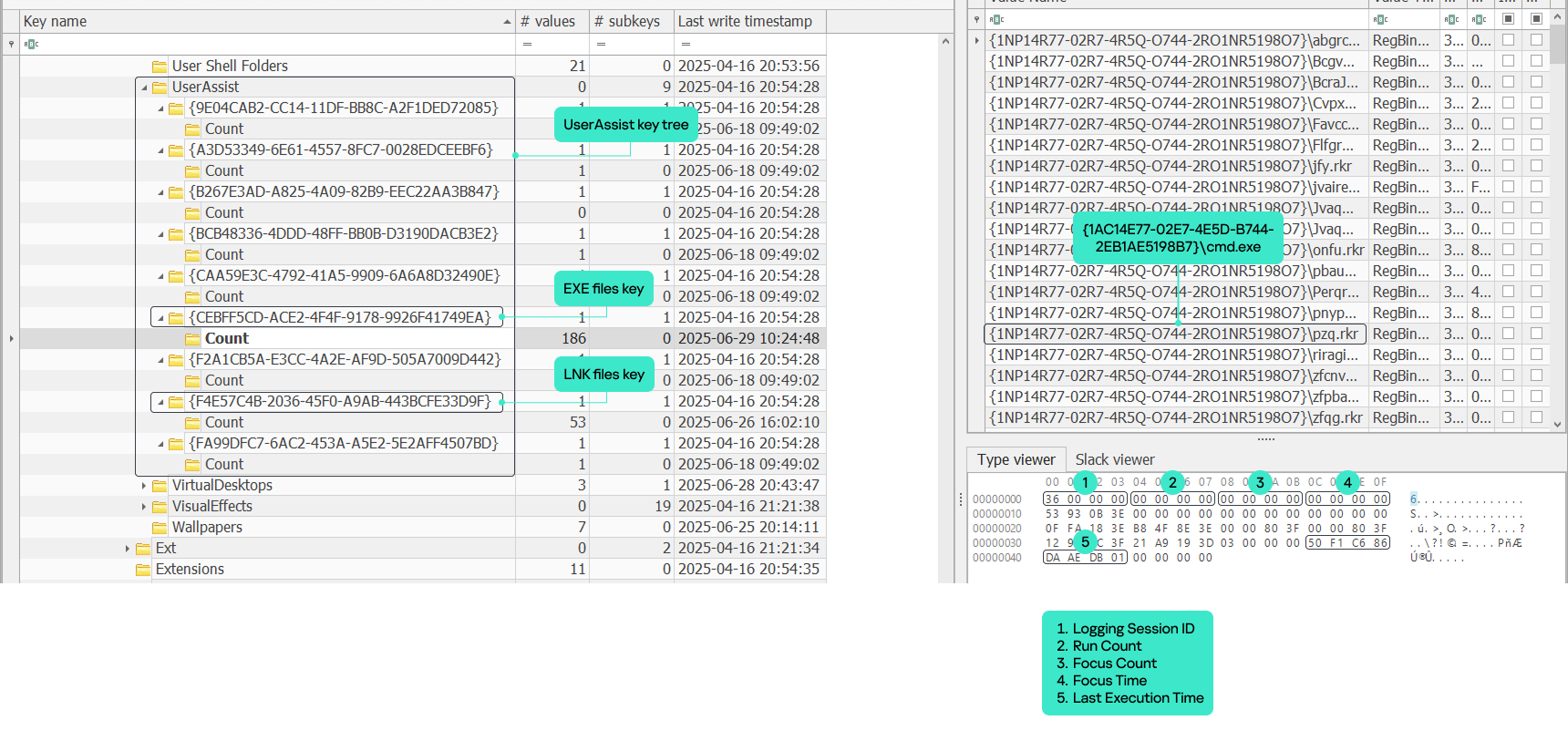
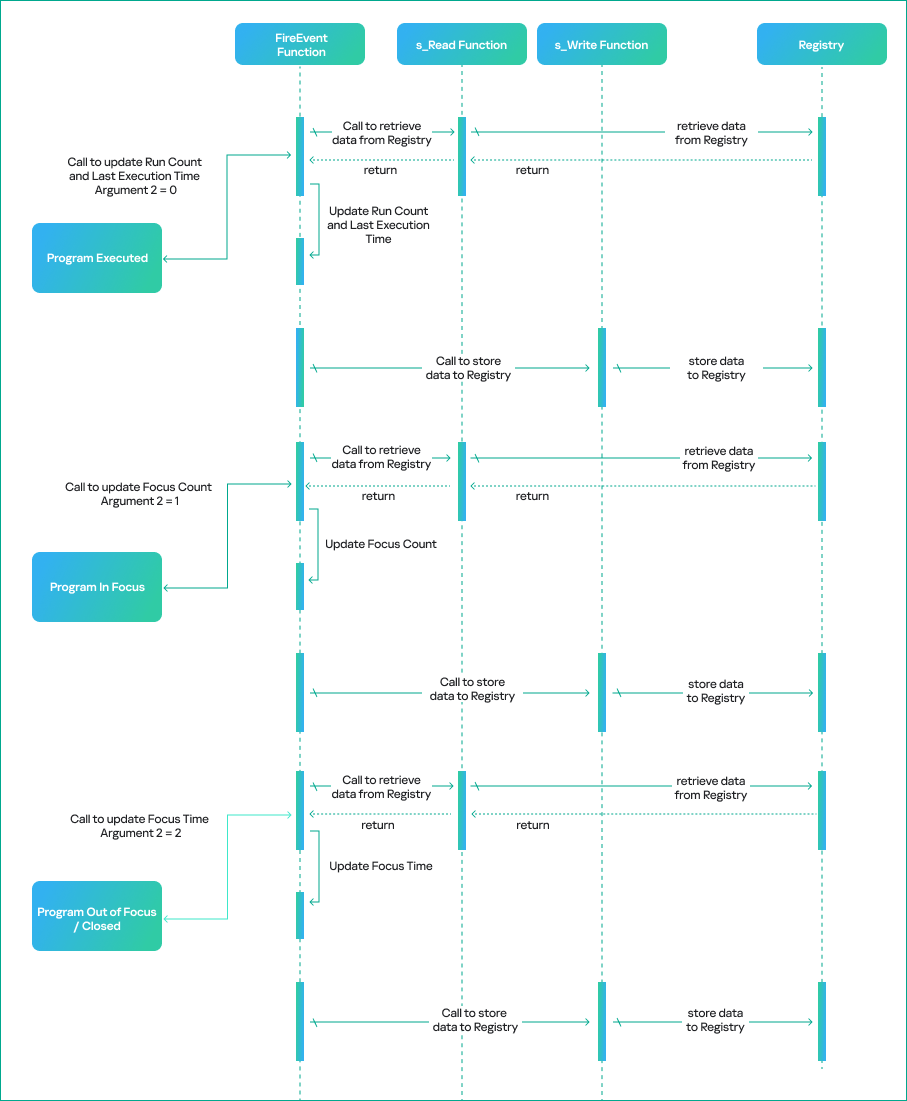
    MIL OSI Economics

  • MIL-OSI Economics: Thales recognized for Aviation Innovation with the successful deployment of an Approach Spacing Tool (AST) in Hong Kong, China

    Source: Thales Group

    Headline: Thales recognized for Aviation Innovation with the successful deployment of an Approach Spacing Tool (AST) in Hong Kong, China

    Thales is making significant strides in the aviation and Air Traffic Management industry with its innovative Approach Spacing Tool, a technological breakthrough that optimizes aircraft arrival spacing, promoting more efficient and sustainable air travel. Fully integrated with Thales’ TopSky-ATC solution, this advanced tool has been deployed in Hong Kong China and globally to support Air Navigation Service Providers (ANSPs).

    MIL OSI Economics

  • MIL-OSI Economics: The 32nd ASEAN Regional Forum convenes in Kuala Lumpur, Malaysia

    Source: ASEAN

    Secretary-General of ASEAN, Dr. Kao Kim Hourn, today joined Ministers and representatives from the members of the ASEAN Regional Forum (ARF) at the 32nd ARF held in Kuala Lumpur, Malaysia. Under Malaysia’s Chairmanship, the Meeting discussed regional and international issues and exchanged views on the Forum’s future direction. The Meeting reaffirmed the ARF’s continued relevance as a key multilateral platform for promoting dialogue and cooperation on political and security issues in the region.

    The post The 32nd ASEAN Regional Forum convenes in Kuala Lumpur, Malaysia appeared first on ASEAN Main Portal.

    MIL OSI Economics

  • MIL-OSI Economics: Secretary-General of ASEAN Meets with the High Representative for Foreign Affairs and Security Policy/Vice-President of the European Commission

    Source: ASEAN – Association of SouthEast Asian Nations

    Secretary-General of ASEAN, Dr. Kao Kim Hourn, today held a pull-aside meeting with High Representative for Foreign Affairs and Security Policy/Vice-President of the European Commission (HR/VP), Kaja Kallas, on the sidelines of the 58th ASEAN Foreign Ministers’ Meeting (AMM) and Related Meetings in Kuala Lumpur, Malaysia. They exchanged views on ways to further strengthen the ASEAN-EU Dialogue Relations, particularly in the leading up to the 50th anniversary of the partnership in 2027.

    The post Secretary-General of ASEAN Meets with the High Representative for Foreign Affairs and Security Policy/Vice-President of the European Commission appeared first on ASEAN Main Portal.

    MIL OSI Economics

  • MIL-OSI Economics: Secretary-General of ASEAN Meets with the Minister of Foreign Affairs of Canada

    Source: ASEAN – Association of SouthEast Asian Nations

    Secretary-General of ASEAN, Dr. Kao Kim Hourn, today had a pull-aside meeting with Minister of Foreign Affairs of Canada, Anita Anand, on the sidelines of the 58th ASEAN Foreign Ministers’ Meeting (AMM) and Related Meetings in Kuala Lumpur, Malaysia. They discussed ways to enhance ASEAN-Canada Strategic Partnership and exchanged views on regional and international issues of common interest and concern.

    The post Secretary-General of ASEAN Meets with the Minister of Foreign Affairs of Canada appeared first on ASEAN Main Portal.

    MIL OSI Economics