Category: Economy

  • MIL-OSI: Next Layer Capital Joins Bitcoin for Corporations Amid Growing Institutional Adoption

    Source: GlobeNewswire (MIL-OSI)

    MIAMI, March 19, 2025 (GLOBE NEWSWIRE) — Next Layer Capital has officially become a member of Bitcoin for Corporations (BFC), an initiative led by BTC Inc to accelerate corporate Bitcoin adoption. This strategic move aligns the firm with a corporate network of teams integrating and advancing Bitcoin initiatives. 

    Next Layer Capital’s Role in the Digital Asset Ecosystem 
    Headquartered in Miami and New York City, Next Layer Capital brings together a team of Digital Asset and traditional finance experts in one entity.

    Their diversified expertise enables the firm to offer comprehensive services that assist both corporations and family offices with their Digital Asset goals. Their proficiency has led them to the development of turn-key digital asset allocation strategies. Additionally, Next Layer Capital provides institutional-grade financing solutions, crafting alternative capital structures that incorporate Bitcoin, thereby enhancing financial flexibility. The firm also optimizes deal structuring using ai-agent workflows in its backend to ensure efficient transaction processes. This multifaceted approach positions Next Layer Capital as a pivotal player in facilitating corporate, and ultra-high net worth, Bitcoin adoption.

    Bitcoin for Corporations: An Organization Dedicated to Advancing Institutional Adoption
    Bitcoin for Corporations serves as a key organization for businesses seeking to incorporate Bitcoin into their balance sheets and treasury strategies. The initiative connects corporate leaders with industry experts, offering education, financial models, and execution frameworks to facilitate large-scale adoption. By joining BFC, Next Layer Capital strengthens its role in expanding the Bitcoin ecosystem, offering advisory services that support corporate adoption.

    Strategy’s Aggressive Bitcoin Accumulation
    The announcement of Next Layer Capital’s membership in BFC coincides with significant developments in the institutional Bitcoin landscape. Notably, Strategy (formerly MicroStrategy) has continued its aggressive Bitcoin accumulation strategy. As of Mar 18, 2025, Strategy holds approximately 499,096 bitcoins, acquired at an average price of $66,473 per bitcoin, totaling nearly $27.95 billion in investment. To further bolster its Bitcoin holdings, Strategy unveiled plans to raise up to $21 billion through a stock-sale initiative, underscoring the company’s commitment to Bitcoin as a primary treasury reserve asset.

    Other Public Companies Embracing Bitcoin
    The following public companies are actively incorporating Bitcoin into their corporate treasury strategies:

    • MicroStrategy: The largest corporate holder of Bitcoin, with 499,096 BTC, valued at approximately $40.96 billion as of March 2025.
    • Metaplanet: A Japan-based hotel business that has integrated Bitcoin into its corporate treasury, holding 3,200 BTC, valued at approximately $262.84 million as of March 2025.
    • Semler Scientific: A medical technology company that develops healthcare diagnostic solutions, holding 3,192 BTC, valued at approximately $261.98 million as of March 2025.

    Notable companies with Bitcoin on their balance sheet:

    • Tesla, Inc: The electric vehicle manufacturer currently holds 11,509 BTC, valued at approximately $944.59 million as of March 2025.
    • Marathon Digital Holdings Inc.: One of the world’s largest Bitcoin mining companies, holding approximately 40,435 BTC, valued at $3.32 billion as of March 2025.
    • Coinbase Global Inc.: A leading cryptocurrency exchange and custodian, holding 9,000 BTC, valued at approximately $738.67 million as of March 2025.

    These developments indicate a broader acceptance of Bitcoin as a legitimate corporate asset class.

    Advancing the Institutional Bitcoin Narrative
    “Digital assets, like Bitcoin and Stablecoins more specifically, are reshaping financial strategies at both the corporate and sovereign levels,” said Brandon Turp, Co-Founder at Next Layer Capital. “Joining Bitcoin for Corporations is a step toward providing the expertise necessary for corporations and family offices to integrate Bitcoin effectively.”

    As macroeconomic pressures drive increased demand for non-sovereign financial assets, Next Layer Capital’s participation in Bitcoin for Corporations marks a significant milestone in the evolution of corporate Bitcoin adoption. Corporations and family offices interested in exploring Digital Asset Strategies, like Bitcoin and Stablecoin integration, are encouraged to consider Next Layer Capital’s advisory services. 

    This development highlights the growing institutional acceptance of Bitcoin and reflects a broader shift toward digital asset integration in corporate finance.

    About Next Layer
    Next Layer Capital is a digital asset advisory firm that provides institutional-grade capital markets solutions to corporations, family offices, and nation-states looking to gain exposure to the digital asset ecosystem. Founded in 2024, the firm is dedicated to accelerating the global adoption of Bitcoin and digital assets. 

    Contact

    Co-Founder
    Brandon Turp
    Next Layer Capital
    turp@nextlayer.capital

    A photo accompanying this announcement is available at https://www.globenewswire.com/NewsRoom/AttachmentNg/6918b242-b1ae-440c-95c3-dc8dbadd5ce1

    The MIL Network

  • MIL-OSI: Order.co Achieves Effective Data Security Controls According to Recent SOC 2 Report

    Source: GlobeNewswire (MIL-OSI)

    NEW YORK, March 19, 2025 (GLOBE NEWSWIRE) — Order.co, the world’s leading B2B Ecommerce Platform, announced that the company has undergone a System and Organization Controls (SOC) 2 examination resulting in a CPA’s report stating that management maintained effective controls over the security, availability, processing integrity, confidentiality, and privacy of its platform. This achievement reflects Order.co’s dedication to ensuring its customers’ data remains safe at every step of the ordering process.

    “We’re pleased that our SOC 2 report has shown we have the appropriate controls in place to mitigate security risks,” said Glenn Veil, Vice President of Engineering at Order.co. “We hope that achieving this milestone gives our customers and partners confidence that we view data security as a top priority.”

    A SOC 2 report is designed to meet the needs of existing or potential customers who need assurance about the effectiveness of controls used when processing their information. The engagement was performed by BARR Advisory, P.A., a global cybersecurity consulting and compliance attestation firm that has served as a trusted advisor to hundreds of cloud-based and hybrid organizations aiming to build trust and resilience through cybersecurity compliance.

    “This SOC 2 Type 1 report affirms that Order.co has successfully designed controls over the selected trust services criteria developed by the American Institute of CPAs (AICPA) for effective data management,” said Sydney Buchel, manager of automation SOC services at BARR Advisory. “It’s a pleasure to work with a team that cares about data security and integrity as much as we do.”

    The following principles and related criteria have been developed by the American Institute of CPAs (AICPA) for use by practitioners in the performance of trust services engagements:

    • Security: The system is protected against unauthorized access (both physical and logical).
    • Availability: The system is available for operation and use as committed or agreed.
    • Processing Integrity: System processing is complete, valid, accurate, timely, and authorized to meet the entity’s objectives.
    • Confidentiality: Information designated as confidential is protected as committed or agreed.
    • Privacy: Personal information is collected, used, retained, disclosed, and disposed of to meet the entity’s objectives.

    Based on one or more of these criteria, SOC 2 reports provide valuable information that existing and potential customers need when evaluating an outsourced service.

    Current and prospective customers interested in a copy of Order.co’s SOC 2 report can visit the company’s trust center: https://trust.order.co

    About Order.co

    Order.co simplifies business buying by combining the ease of online shopping with the sophistication of world-class purchase order and AP automation. The result? Businesses cut costs and complexity with every order.

    Hundreds of companies, like WeWork and Hugo Boss, leverage Order.co to centralize purchase-to-pay workflows, scale operations, and gain total control over spending – saving an average of 5% on products. Founded in 2016 and headquartered in New York City, Order.co has raised $50M in funding from industry-leading investors like MIT, Stage 2 Capital, Rally Ventures, 645 Ventures, and more.

    About BARR Advisory

    BARR Advisory is a cloud-based security and compliance solutions provider specializing in cybersecurity consulting and compliance for companies with high-value information in cloud environments like AWS, Microsoft Azure, and Google Cloud Platform. A trusted advisor to some of the fastest growing cloud-based organizations around the globe, BARR simplifies compliance across multiple regulatory and customer requirements in highly regulated industries including technology, financial services, healthcare, and government.

    Media Contact
    Allison Reich
    Senior Manager of Brand, Content & Enablement
    Allison.reich@order.co

    The MIL Network

  • MIL-OSI Economics: APAC deal activity faces challenges in early 2025, but some pockets of growth exist, finds GlobalData

    Source: GlobalData

    APAC deal activity faces challenges in early 2025, but some pockets of growth exist, finds GlobalData

    Posted in Business Fundamentals

    The Asia-Pacific (APAC) deal landscape has experienced a notable shift in early 2025, reflecting a complex interplay of market dynamics and economic conditions. In the first two months of 2025, the total deal volume* in the APAC region has seen a decline of approximately 8% compared to the same period in 2024. However, few countries in the region witnessed an increase in deal volume, reflecting that some pockets of growth still exist for funding activity, according to GlobalData, a leading data and analytics company.

    Aurojyoti Bose, Lead Analyst at GlobalData, comments: “Analyzing the trend across various deal types and key markets reveals both challenges and opportunities that stakeholders must navigate.”

    An analysis of GlobalData’s Deals Database revealed that the overall downturn is majorly driven by a significant reduction in venture financing activity, which contracted by around 13% during January-February 2025 compared to January-February 2024, reflecting a cautious approach from investors in the current economic climate.

    The impact was pronounced in mergers and acquisitions (M&A) activity, which contracted by 5%. M&A transactions, traditionally a barometer of corporate confidence and strategic growth, appear to be under pressure as companies reassess their expansion strategies.

    Conversely, private equity deals have shown resilience, with deal volume mostly remaining at the same level during the review period.

    Bose adds: “Meanwhile, a closer examination of the deal volume across select top markets within the APAC region reveals a mixed picture.”

    China, historically a powerhouse in deal-making, experienced a substantial decline of more than 20% in deal volume. This drop can be attributed to regulatory challenges and economic slowdown. In contrast, India emerged as a bright spot, with a growth of more than 10% in deal volume. This growth underscores India’s potential as a burgeoning market for deal-making.

    Japan has also demonstrated remarkable resilience with a growth rate of around 35%. Meanwhile, Australia and South Korea have both seen significant declines. These declines highlight the challenges faced by these markets, including economic uncertainties and geopolitical tensions that may be impacting investor sentiment.

    Other markets such as Singapore and Malaysia have also reported declines. This trend suggests that even established financial hubs are not immune to the broader market pressures affecting the region.

    Bose concludes: “Although the APAC deal landscape in early 2025 is characterized by a decline, pockets of growth, particularly in India and Japan, suggest that opportunities still exist for savvy investors.”

    *Coverage includes mergers & acquisitions (M&A), private equity and venture financing deals

    Note: Historic data may change in case some deals get added to previous months because of a delay in disclosure of information in the public domain

    MIL OSI Economics

  • MIL-OSI Europe: EU adopts new strategy to enhance financial opportunities for EU citizens and businesses

    Source: European Union 2

    The Commission has adopted a new strategy to channel savings into productive investments. It seeks to increase EU citizens’ participation in capital markets with broader investment options and improved financial literacy, fostering their wealth and boosting the EU economy. 

    About 70% of household savings in the EU – worth €10 trillion – are held as bank deposits. They are safe and easy to access but usually earn less money than investments in capital markets. The new strategy can support EU citizens in building their household wealth and saving better for the future. Thanks to the savings and investments union, citizens who wish to invest will have better opportunities to invest in capital markets. This means having easy, simple and low-cost access to a wide variety of investment opportunities. 

    More investments in capital markets support the economy by enabling EU companies to grow and thrive. This cancreate better jobs with higher salaries for workers, and drive investment and growth across all economic sectors

    The strategy also aims at enhancing the integration and competitiveness of the EU banking sector, including through the deepening of the banking union.  

    EU institutions, EU countries, and all key stakeholders will need to work together to achieve the savings and investments union. The strategy will be further developed, and measures will be taken in specific areas to boost competitiveness in the EU economy, focusing first on the most impactful actions in 2025. 

    The EU must unlock its potential to achieve its goals linked to competitiveness, security, and digital and green transitions. By developing an integrated banking system and capital markets, the savings and investments union can bridge the gap between savings and investment needs. 

    For more information 

    Competitiveness 

    Press release: savings and investments union 

    Q&A: savings and investments union 

    Factsheet: savings and investments union 

    MIL OSI Europe News

  • MIL-OSI: Santech Holdings Announces Completion of Issuance of Ordinary Shares

    Source: GlobeNewswire (MIL-OSI)

    HONG KONG, March 19, 2025 (GLOBE NEWSWIRE) — On March 17, 2025, Santech Holdings Limited (NASDAQ: STEC) (the “Company”), entered into a share subscription agreement and raised additional capital to fund its current operations. Pursuant to the share subscription agreement, the Company will issue to Carmel Holdings Limited 112,000,000 restricted ordinary shares of the Company (the “Subscription Shares”) for a total consideration of approximately US$1.0 million.

    With the approval of all independent directors of the Board of Directors, issuance of the Subscription Shares has been completed on March 19, 2025. The total proceeds to the Company are approximately US$1.0 million, which will be used to support the Company’s liquidity and working capital needs.

    Carmel Holdings Limited is a company duly incorporated and validly existing under the laws of the British Virgin Islands, controlled by Lawrence Wai Lok, Chief Executive Officer. This issuance of ordinary shares marks the completion of another key step in the Company’s ongoing efforts in restructuring and business reorganization.

    About Santech Holdings Limited

    Santech Holdings Limited (NASDAQ: STEC) is a consumer-focused technology company. The Company historically served a large number of high net-worth clients in China in financial services and health management, and accumulated a large customer base. The Company has exited or disposed of its historical businesses in financial services and is actively exploring innovative new opportunities in technology, including but not limited to new retail, social e-commerce and metaverse. For more information, please visit https://ir.santechholdings.com.

    Safe Harbor Statement

    This press release contains statements that may constitute “forward-looking” statements pursuant to the “safe harbor” provisions of the U.S. Private Securities Litigation Reform Act of 1995. These forward-looking statements can be identified by terminology such as “anticipate,” “estimate,” “forecast,” “plan,” “project,” “potential,” “continue,” “ongoing,” “expect,” “aim,” “believe,” “intend,” “may,” “should,” “will,” “is/are likely to,” “could” and similar statements. Statements that are not historical facts, including statements about the Company’s beliefs, plans, and expectations, are forward-looking statements. Forward-looking statements involve inherent risks and uncertainties. Further information regarding these and other risks is included in the Company’s filings with the SEC. All information provided in this press release is as of the date of this press release, and the Company does not undertake any obligation to update any forward-looking statement, except as required under applicable law.

    Investor Contact:

    Santech Holdings Limited
    Email: ir@santechholdings.com

    The MIL Network

  • MIL-OSI: Sierra Financial Holdings to Acquire Preferred Security Life Insurance Company

    Source: GlobeNewswire (MIL-OSI)

    HOUSTON, March 19, 2025 (GLOBE NEWSWIRE) — Sierra Financial Holdings, LLC today announced that it received final regulatory approval from the Texas Department of Insurance to acquire Preferred Security Life Insurance Company, a Texas-Domiciled Life Insurance carrier. Closing is expected to occur on April 1, 2025.

    Dennis Haley, President of Preferred Security Life Insurance Company, stated “The addition of a life insurance option to Sierra’s wide array of mortgage loan products significantly expands its portfolio of financial services and provides Preferred Security Life with ready access to the growing Latino market while simultaneously offering customers a means to provide financial protection and security for their family.”

    About Sierra Financial Holdings, LLC – Headquartered in Houston, Texas, Sierra Financial Holdings, LLC is a privately held company focused on the financial services industry. Since 2010 our family of independent financial services organizations have provided a full line of insurance and mortgage portfolio products to the primarily Latino market. The companies include:

    Sierra Mortgage Capital, LLC – a nationwide closed loan mortgage conduit that acquires first lien residential whole loans from approved mortgage bankers and retail lenders.

    Sierra Lending Group, LLC – a retail residential mortgage originator specializing in products that serve the Latino market in Texas.

    Sierra Lending Corporation – a California-based retail residential mortgage originator specializing in products that serve the Latino market in California.

    Sierra Insurance Services, LLC – a Houston-based insurance agency specializing in life insurance products that cater to the Latino market.

    About Preferred Security Life Insurance Company – Founded in 1994, Preferred Security Life Insurance Company is a Stipulated Premium Life insurance company with operational headquarters in Colorado Springs, Colorado USA.

    CONTACT
    John F. Sexton
    Managing Partner
    jsexton@groupsierra.com
    4550 Post Oak Place Dr, Suite 244
    Houston, TX 77027
    (713) 629-6300
    www.SierraFinancialHoldings.com

    The MIL Network

  • MIL-OSI Global: High school sports are losing athletes to private clubs, but schools can keep them by focusing on character development

    Source: The Conversation – USA – By Mark Rerick, Assistant Professor of Kinesiology, University of North Dakota

    High school sports programs tend to emphasize character development and good sportsmanship. AP Photo/Mel Evans

    Not long ago, high school students who wanted to play football, basketball or another sport had few options other than trying out for their school team. And it was to high school gymnasiums and fields that recruiters flocked to find talent for colleges and even the pros.

    That’s changed in recent decades as private clubs have emerged and soared in popularity across the country. Today, kids interested in pretty much any sport often have multiple clubs and leagues to choose from instead of playing on their high school’s varsity squads. Clubs have been especially good at attracting the most talented student-athletes due to their intense and competitive nature.

    As a result, parents are increasingly debating something that would have been unthinkable a couple of generations ago: Where should our kids play sports?

    As a former K-12 director of athletics – and as a current parent of three youth athletes from elementary to the collegiate level – I know it can be a tough choice. I’ve seen firsthand the pros and cons of playing sports both in high school and clubs.

    While clubs may be best for the most talented athletes, I believe schools can’t be beat for the broader focus they can put on character development. Since the vast majority of student-athletes won’t play in organized leagues beyond high school, that’s where I believe the schools’ focus should be.

    My own unpublished research shows it’s also a way – along with emphasizing the fun and social aspects of athletics – to get more students who played sports as young kids to continue in high school.

    The rise of the private youth sports industry

    Although I am an unapologetic advocate for school-based athletics, I recognize the benefits that come along with participation in club or private-league programs.

    But prior to the 1980s, private clubs weren’t common. Before high school, kids played on teams organized by their schools, local parks and recreation programs or nonprofit organizations such as the YMCA. After that, the only option for most was high school sports.

    The first big step toward highly organized, privatized youth sports programs occurred during what has been referred to as “the Reagan revolution,” according to research I did for my dissertation. President Ronald Reagan’s funding cuts across the government pushed more expenses onto states and cities, which limited the ability of local parks and recreation departments to fully staff youth programs. This left many of them with only enough funds to maintain their facilities.

    At the same time, school districts began systematically reducing the number of physical education classes offered in lieu of an increased focus on subjects such as math and science. Those two factors took away the most affordable options for athletic participation for many families.

    With the reduction of public offerings, the youth sports programming gap was filled by private clubs and leagues, which placed more emphasis on athleticism, competition and sometimes elite-style training. And it’s become big business for the adults who run these programs.

    While good numbers on these leagues are hard to come by, multiple data sources show the privatized youth sports market has experienced tremendous growth in recent years. A recent estimate put total spending on youth sports at over US$40 billion as of 2024, compared with the $10 billion estimate of the youth sports economy in 2010.

    But despite their growth, one sobering statistic for aspiring elite athletes remains true: Only about 7% of teenagers who play organized sports will advance to the collegiate level or beyond.

    Knowing that 93% of high school athletes will end their competitive careers at graduation, I believe it’s important that school administrators place a premium on running athletic programs that focus on building skills they’ll need as adults instead of just winning games.

    More and more teenagers are playing on elite club teams, such as Aaliyah Chavez, right, who plays for CyFair Elite.
    Mike Caudill for The Washington Post via Getty Images

    Why most students play

    My own research backs this up.

    In my previous role as a director of athletics for public schools in Grand Forks, North Dakota, I routinely surveyed our athletes at the end of their seasons about various aspects of their experience on the team. Among those questions, I asked athletes to tell me the three most important reasons they chose to play that sport for that season and whether they were planning to play on the team again next year.

    Unsurprisingly to me, the top three reasons were consistently to have fun, spend time with friends and stay physically active, in that order. You’ll notice winning games or for competition were not among them.

    On the flip side, when asked why students chose to drop out the following year, the top reason was their relationship with the coach, while a close second was that they were not having fun. To me, this was evidence that what student-athletes most wanted from their high school programs wasn’t so much sport skills development as personal development and growth.

    Other studies back this up. Overtraining and a lack of fun are cited as the main reasons why 70% of young athletes who compete on a team stop playing before they even reach high school.

    Focus on the fun – not the competition

    Here are five things school administrators can do to help turn things around and make their sports programs more attractive to students considering clubs, as well as those who are pondering giving up on sports altogether.

    1. Develop an athletic program that teaches character traits and life skills that are usable for 100% of participants, not just the 7% who go on to play in college.

    2. Make sure programs emphasize fun, social growth and physical fitness, rather than just the competition.

    3. Encourage coaches to spend individual time throughout the season with each student-athlete to discuss the athlete’s goals, role and progress.

    4. Survey student-athletes about their experience at the end of each season and tweak the program accordingly.

    5. Include student-athlete assessments about how much they enjoy playing for the coach as a part of the coach’s postseason evaluation.

    High school sports may not be for everybody, but I believe many more students would choose to participate if the focus were on building character and having fun with friends, not winning trophies.

    Mark Rerick is affiliated with the National Interscholastic Athletic Administrators Association.

    ref. High school sports are losing athletes to private clubs, but schools can keep them by focusing on character development – https://theconversation.com/high-school-sports-are-losing-athletes-to-private-clubs-but-schools-can-keep-them-by-focusing-on-character-development-236367

    MIL OSI – Global Reports

  • MIL-OSI Global: Fires, wars and bureaucracy: The tumultuous journey to establish the US National Archives

    Source: The Conversation – USA – By Elizabeth Call, University Archivist, RIT Libraries and Archives, Rochester Institute of Technology

    The 1952 procession to deliver the Declaration of Independence and Constitution from the Library of Congress to the National Archives included military guards and a tank. National Archives

    Some of the United States’ most important historical documents, including the Declaration of Independence, the Constitution, the Bill of Rights and the Emancipation Proclamation, are housed in the U.S. National Archives. Beyond these high-profile items, it also preserves lesser-known but no less vital records, such as national park master plans, polar exploration documents and the records of all U.S. veterans. Together, these materials stand as a testament to the country’s commitment to preserving its history.

    While these crucial documents in U.S. history now have a home in the National Archives, the road to establishing this institution was paved with catastrophic losses and bureaucratic inertia.

    Creating the National Archives required decades of advocacy by historians, politicians and government officials. The National Archives was not simply an administrative convenience – it was a necessity born from repeated disasters that underscored the fragility of government records. And with President Donald Trump’s firing of the head archivist in February 2025, as well as the loss of several high-level archives staff members, the organization faces a new era of uncertainty.

    Documentary heritage – the recorded memory of a nation that preserves its cultural, historical and legal legacy – is essential for a country as it safeguards its identity, informs its governance and ensures that future generations can understand and learn from the past.

    I am a university archivist with two decades of experience in the library and archives field. I oversee the preservation and accessibility of historical records at Rochester Institute of Technology, advocate for inclusivity, and engage in national conversations on the evolving role of archives in the digital age.

    Understanding the precarious nature of historical records, it’s clear to me that maintaining, staffing and funding the National Archives is a necessary safeguard against the destruction of the nation’s documentary heritage.

    People line up to view the original Emancipation Proclamation on Martin Luther King Jr. Day, Jan. 19, 2004, at the National Archives building in Washington, D.C.
    Tim Sloan/AFP-Getty Images

    Destroyed by fire

    The idea of preserving the government’s records dates back to the country’s founding. Charles Thomson, secretary of the Continental Congress during the American Revolution and then secretary of Congress under the Articles of Confederation, recognized the need for proper storage of the Congress’ records.

    But the young nation lacked the money and infrastructure to act. Many of the Continental Congress’ records were kept by Thomson himself for years, and while some were later transferred to the Department of State, others were lost.

    Throughout the 19th and early 20th centuries, fires repeatedly ravaged federal records. Fires were very common in the 19th century due to a combination of highly flammable building materials, open frames used for lighting and heating, and the lack of modern fire safety measures such as sprinklers and fire-resistant construction.

    In 1800, a blaze destroyed the War Department’s archives, a loss that severely hampered government operations. In 1810, Congress authorized better housing for government records, but the law was never fully executed. Instead, different parts of the government, from the Department of State to the Department of Treasury, continued maintaining their own records.

    The Treasury Department suffered fires in 1801 and again in 1833, further erasing crucial financial records. The Patent Office, home to invaluable documentation of American innovation, burned in 1877, having already been damaged by an 1836 fire.

    Storage at the federal Office of Indian Affairs in 1935.
    National Archives Foundation

    One of the most devastating losses occurred in 1921 when a fire at the Department of Commerce destroyed nearly all records from the 1890 federal census. This loss had far-reaching consequences, particularly for genealogical and demographic research.

    Fires weren’t the only threat to the government’s records.

    “It is a matter of common report that during the civil war, great quantities of documents stored in the Capitol were thrown away to make quarters for soldiers,” Historian and founding member of the American Historical Association J. Franklin Jameson noted in a 1911 Washington Post article.

    “At a later date,” he added, “the archives of the House of Representatives were systematically looted for papers having a market value because of their autographs.”

    Jameson spent decades lobbying Congress for a centralized repository. His persistence, coupled with the advocacy of key officials, laid the groundwork for future action.

    A bound copy of George Washington’s account of expenses while commander in chief of the Continental Army.
    National Archives and Records Administration

    These repeated disasters illuminated a glaring issue: The federal government lacked a centralized, protected repository to safeguard its records.

    Finding a home

    Momentum for a dedicated archives building gained traction in the late 19th century. In 1903, a bipartisan bill passed Congress giving the OK to purchase land in Washington, D.C., for a Hall of Records.

    But the legislation didn’t lead to any action. Government records remained scattered, vulnerable and neglected. That same year, Congress authorized that any records not needed for daily business be transferred to the Library of Congress.

    In 1912, President William H. Taft issued executive order 1499, aptly named Disposal of Useless Papers, requiring agencies to consult the librarian of Congress before disposing of documents.

    This established a formal review process for government document disposal, but agencies still discarded records, often haphazardly, until stricter records management laws were enacted.

    In 1926, Congress passed the Public Buildings Act, authorizing construction of an archives facility in Washington, D.C. Departing president Herbert Hoover laid the cornerstone of the new building on Feb. 20, 1933. He then deposited facsimiles of the Declaration of Independence and the Constitution, an American flag and daily newspapers from that day underneath the cornerstone.

    Growth and standardization

    President Franklin D. Roosevelt, who took office two weeks later, was himself a meticulous record-keeper. He understood the importance of historical preservation. Roosevelt kept all of his personal and presidential records and books in a fire-safe space he built on his Hyde Park, New York, property, which he donated to the government after he died. This building and the materials inside became part of the National Archives as the first U.S. presidential library.

    The National Archives, an independent agency, was officially established under Roosevelt in the 1934 National Archives Act. The head archivist was to be appointed by the president. The first archivist, Robert D.W. Connor, took office that year with a mandate to organize, preserve and make accessible the nation’s records.

    Initially, the National Archives was simply a building – an impressive neoclassical structure in Washington, D.C., that opened in 1935. The very first records deposited there came from three World War I-era regulatory agencies – the U.S. Food Administration, the Sugar Equalization Board and the U.S. Grain Corporation.

    Initially, the Archives lacked a formalized records management program. There were no clear guidelines on what to keep and what to discard, so agencies made their own decisions. This led to inconsistent preservation.

    The creation of the first federal records administration program in 1941, together with the 1943 Records Disposal Act, codified things. These policies granted the National Archives authority to establish a structured approach to determining which records held historical value and should be preserved, while allowing for the responsible disposal of other documents.

    A 1950 law gave the National Archives more power to decide what should be kept and what could be discarded, creating a more organized and accountable system for preserving the nation’s history.

    As the volume of records increased and their formats changed, the archives adapted. By 2014, amendments to the Federal Records Act explicitly included electronic records, recognizing the shift toward digital documentation.

    Stacks at the National Archives in Washington in 1950, where rare photographs and national records are ordered and stored.
    Three Lions/Getty Images

    Ensuring accountability

    Beyond mere storage, the National Archives plays a vital role in upholding democracy.

    It ensures transparency by preserving government accountability, preventing manipulation or loss of records that could distort historical truth. The National Archives also provides public access to documents that shape civic awareness and historical knowledge, from the Declaration of Independence to declassified government files.

    In an era of digital misinformation and contested narratives, the National Archives stands as a guardian of primary sources. Its existence reminds the nation that history is not a matter of convenience, but a cornerstone of informed governance.

    Elizabeth Call is a member of the Society of American Archivists.

    ref. Fires, wars and bureaucracy: The tumultuous journey to establish the US National Archives – https://theconversation.com/fires-wars-and-bureaucracy-the-tumultuous-journey-to-establish-the-us-national-archives-250857

    MIL OSI – Global Reports

  • MIL-OSI Russia: School of International Cooperation Opens at HSE

    Translartion. Region: Russians Fedetion –

    Source: State University Higher School of Economics – State University Higher School of Economics –

    © Higher School of Economics

    School of International Cooperation created in the structure Faculty of World Economy and World Politics (FMEiMP) Vyshki. The school launches, promotes and implements programs of additional education and professional retraining, corporate education programs and international intensive trainings for working specialists and managers interacting with foreign government officials and businessmen, as well as foreign entrepreneurs, students and scientists.

    Dean of the Faculty of World Economy and International Relations Anastasia Likhacheva, opening the presentation, emphasized that the main task of the school is to implement projects in the interests of the country, to promote Russian interests in the international arena. “There is no single formula for what key opens the hearts of partners. We are glad that our faculty is creating a platform that will unite enthusiasts of international cooperation,” said Anastasia Likhacheva.

    Senior Director of the National Research University Higher School of Economics Andrey Lavrov noted that last year, during the elections of the Academic Council, a formula was developed that reflects the essence of the current HSE: a university for the development of all of Russia, open to the world. He called international cooperation a priority for HSE and the Faculty of World Economy and International Relations. Andrey Lavrov is confident that the opening of the School of International Cooperation will help to realize the most ambitious goals of developing additional professional education at the National Research University Higher School of Economics. “The development of adult education is an area where we can achieve great success. I am very glad that you have become pioneers in the new wave of development of additional professional education at HSE, congratulations,” Andrey Lavrov said, addressing the heads of the faculty.

    “It’s nice to be pioneers,” Anastasia Likhacheva responded. She recalled that HSE began its turn to the East many years ago (700 students currently study Chinese at HSE) and expressed hope that the school will contribute to the development of Russian-Chinese cooperation.

    Minister-Counselor of the Chinese Embassy in Russia Zhao Wei read out a greeting from the Ambassador Extraordinary and Plenipotentiary of China Zhang Hanhui, in which he congratulated HSE on the opening of the School of International Cooperation. HSE was described as a leader in the field of innovation development and a university that makes an invaluable contribution to the formation of the international agenda. In her congratulatory letter, the Ambassador emphasized the role of the Academic Director of the Faculty of World Economy and International Relations Sergey Karaganov in strengthening HSE ties with leading universities in China and developing bilateral cooperation.

    Zhang Hanhui noted in his congratulatory letter: China and Russia have common positions in solving international problems and forming a fair world order. “I am convinced that the school will become the foundation for training new types of specialists with cross-cultural competence and skills in solving international problems. I hope that the establishment of the school will contribute to deepening Chinese-Russian cooperation in personnel training and strengthening cooperation with the countries of the Global South,” he emphasized.

    According to FMEiMP research professor Fyodor Lukyanov, the university and faculty do not move at the mercy of the winds, but strive to create and strengthen these winds themselves. Now, he added, the world is in an amazing state, when what was impossible yesterday is obvious today, and tomorrow will be completely different from what we imagine. The professor noted: international cooperation is necessary in any situation in the world, it should be strengthened and supported. Now it is important to create new connections, while maintaining the old ones. “Support for the implementation of international cooperation projects, learning it throughout life – this is what we need to exist in, this is such an environment,” said Fyodor Lukyanov.

    Now, he believes, the quality of expertise is extremely important, since no high-level manager operates in a vacuum, but operates in an environment with a large volume of events and trends, where when making decisions, not only knowledge is important, but also intuition, which develops, among other things, thanks to knowledge.

    The head of the School of International Cooperation, Deputy Dean of the Faculty of World Economy and International Relations for Continuing Education Yulia Belous noted: the school offers a wide range of continuing education programs, winter and summer schools for different categories of students.

    The training programs are divided into four levels. The first one is “Starting a Career — Key to a Career” — for students and young professionals with 1 to 3 years of work experience. Next comes the “New Facets” stage — training in new skills for professionals with 3 to 5 years of experience, then “Time to Act” — for foreign professionals and those who need to enter a foreign market. And finally, the fourth level is strategic sessions for managers with leading experts in international relations, global economics, orientalists and regional experts who create a vision of the principles of work in eastern markets, the foundation for effective operations and competition with existing players. They are aimed at obtaining practice-oriented knowledge for work in different countries and regions.

    Head of the professional retraining program of the Faculty of World Economy and International Relations “Eastern Perspective: Strategy and Tactics for Building a Business» Natalia Guseva noted that the program is aimed at developing an effective strategy for working in the East, understanding the specifics of business and entrepreneurship in these countries, as well as the practice of doing business in India, China, Japan and South Korea. This is a three-week program that involves developing one’s own projects.

    A 10-day intensive programme has also already been formed. program for foreign entrepreneurs who want to work in Russia. They will learn about the peculiarities of the Russian financial and tax system, the specifics of business cooperation with Russia, and will gain an understanding of the cultural characteristics and values of Russia and its peoples. This is a program in which leading speakers and experts will speak.

    Deputy Executive Director – Director of Strategic Partnerships at Innopraktika Anastasia Pavlenko spoke about the program for transferring competencies in the field of digitalization of public administration to African countries – an important international initiative that is being implemented Center for African Studies HSE University with the support of Innopraktika. She emphasized that Russia is currently one of the world leaders in the field of digitalization of the public sector, and the experience of overcoming sanctions pressure and repelling a large number of cyberattacks seems valuable for friendly countries, with which Russia is ready to exchange knowledge in this area.

    Also in her speech, Anastasia Pavlenko mentioned the direction of Innopraktika’s activities to support the entry of private high-tech companies – “national champions” – into the foreign market and the promotion of their solutions in friendly countries. In conclusion, she drew attention to the high potential of international cooperation in the development of education, science and culture.

    Deputy Director of the HSE Center for African Studies Polina Slyusarchuk added: the center held a series of workshops with experts and scientists from different African countries. One of the programs is dedicated to food security of countries and regions, within its framework, participants are invited not only to study the problem, but also to propose ways to solve it. The center also created a program of additional professional education on running a practical business on the continent.

    Director General of the Russian International Affairs Council Ivan Timofeev noted: the concept of international cooperation is very broad and includes economic, scientific, military-technical and cultural interaction, each of which has its own characteristics. It is important to understand how different aspects of interaction, from chess to sensitive technologies, can be used as a country’s soft power, how to integrate their various elements into foreign policy.

    “Your project is not an adventure, it is an initiative based on the ecosystem and human capital of HSE. Your programs will be in great demand,” Ivan Timofeev is confident.

    Head of the Center for Educational Solutions and Work with Universities of the TMH Corporate University (TMH Group) Alexander Belyashin congratulated the faculty on the opening of the school. He said that in the modern world, educational partnership is an integral part of international cooperation and the opening of such an institute as the HSE School of International Cooperation is an excellent and timely decision. In turn, TMH JSC has been preparing and developing the company’s engineering potential for several years and this year, together with the Tashkent State Transport University, it created a scientific and educational center in Uzbekistan, on the basis of which it is planned to train design engineers and process engineers in joint master’s programs and additional professional education programs. He noted the high potential of the School of International Cooperation, where not only general problems will be studied, but also specific cases of bilateral and multilateral interaction.

    Vice President of the Vyzov Foundation Elena Eremenko spoke about the Vyzov Foundation Prize, the international track “SCIENCE. DIALOGUE. TRUST”, within the framework of which an international assembly, seminars and scientific breakfasts on “scientific diplomacy” are held. Elena Eremenko also emphasized the desire to continue intellectual cooperation with the FMEIP on the “scientific diplomacy” track and in the line of interaction with students.

    Roscongress Foundation Supervisory Board Member Dimitrios Velanis recalled that even during the most difficult periods of international relations, for example in the early 1980s, during the period of sanctions imposed on the USSR after the introduction of troops into Afghanistan, businesses, including those from Western countries, found opportunities to work in the Soviet Union.

    Head of Corporate Programs for Universities at SberUniversity Natalia Konshina spoke about the case of training advanced engineering schools of Russian universities. Together with the head of the School of International Cooperation, they presented possible areas of cooperation on the international track – risks and barriers in international scientific and technical cooperation.

    Anna Bessmertnaya, Chairperson of the Commission on Foreign Economic Cooperation with Partners from China of the Moscow Chamber of Commerce and Industry, spoke about trends in training personnel for Russian-Chinese cooperation and the “Start Your Business with Moscow” project for young specialists.

    The presentation of the School of International Cooperation was also attended by the head of the program “International cooperation in the context of global reassembly» HSE University, Deputy Head of the Department of International Relations of the Faculty of World Economy and World Politics of HSE University Dmitry Novikov. He spoke about the relevance and features of the program, its advantages.

    Please note: This information is raw content directly from the source of the information. It is exactly what the source states and does not reflect the position of MIL-OSI or its clients.

    MIL OSI Russia News

  • MIL-OSI: XBP Europe Holdings, Inc. Reports Fourth Quarter and Full Year 2024 Results

    Source: GlobeNewswire (MIL-OSI)

    Full Year 2024 Highlights

    • Revenue of $142.8 million, decrease of 8.0% year-over-year
    • Gross margin of 26.8%, a 110 bps increase year-over-year
    • Operating profit of $3.5 million, an increase of $2.4 million year-over-year
    • Approximately $25M of ACV in active ramp, resulting in an incremental step-up in margin contribution in the second half of 2024
    • Signed an exclusive, non-binding LOI to acquire Exela Technologies BPA, LLC, a potentially transformational deal that could expand XBP Europe’s revenue to ~$1 billion annually

    Fourth Quarter 2024 Highlights

    • Revenue of $35.6 million, decrease of 7.5% year-over-year and increase of 0.7% sequentially
    • Gross margin of 28.3%, a 480 bps increase year-over-year and 440 bps decrease sequentially
    • Operating profit of $1.0 million, an increase of $3.4 million year-over-year and a decrease of $1.5 million sequentially
    • Net loss of $2.7 million includes $0.5 million of FX losses, an improvement of $2.4 million year-over-year and $0.1 million sequentially

    LONDON and SANTA MONICA, Calif., March 19, 2025 (GLOBE NEWSWIRE) — XBP Europe Holdings, Inc. (“XBP Europe” or “the Company”) (NASDAQ: XBP), a pan-European integrator of bills, payments, and related solutions and services seeking to enable the digital transformation of its clients, announced today its financial results for the quarter and full year ended December 31, 2024.

    “We ended 2024 with growing momentum, as we continued to ramp our recently awarded contracts, leading to improving profitability and operating metrics. We are excited about our organic growth trajectory in 2025 and we continue to work towards a potential acquisition of Exela Technologies BPA, LLC in 2025 so that we can benefit from global scale,” said Andrej Jonovic, Chief Executive Officer of XBP Europe.

    Full Year Highlights

    • Revenue: Total Revenue for 2024 was $142.8 million, a decline of 8.0% year-over-year, primarily due to completion of projects, lower volumes, and client contract ends, offset by positive impact of newly won business.
      • Bills & Payments segment revenue was $101.9 million, a decline of 7.8% year-over-year, primarily attributable to completion of one-time projects, lower volumes, and client contract end, offset by the positive impact of newly won business.
      • Technology segment revenue was $40.9 million, a decrease of 8.5% year-over-year, largely due to a lower volume of licenses sold, offset by a drop in technology implementation and professional services revenue.
    • Operating Profit: Operating Profit was $3.5 million, an increase of $2.4 million compared to 2023. This improvement was driven primarily by higher gross margins coupled with SG&A cost optimizations. Our operating expenses include costs associated with accelerated migration to the cloud.
    • Net Loss: Net loss from continuing operations was $6.5 million, compared with a net loss from continuing operations of $5.6 million in 2023. The year-over-year increase was primarily driven by higher income tax expense and interest expense, offset by higher operating profit and lower related party interest expense.
    • Adjusted EBITDA(1): Adjusted EBITDA from Continuing Operations was $13.4 million, a decrease of $2.4 million or 15.1% compared to 2023. Adjusted EBITDA margin was 9.4%, a decrease of 80 basis points from 10.2% in 2023.
    • Capital Expenditures: Capital expenditures were 1.2% of revenue compared to 1.7% of revenue in 2023, with the decrease primarily due to lower purchases of PP&E.
    • Adequate Liquidity: The Company’s cash and cash equivalents totaled $12.1 million as of December 31, 2024.

    Other Highlights:

    • Pending Acquisition: As announced on March 4, 2025, XBP Europe has entered into an exclusive, non-binding letter of intent with Exela Technologies, Inc. to acquire Exela Technologies BPA, LLC (“BPA”), a leading provider of business process automation solutions. The closing of the acquisition will be subject to BPA completing a corporate reorganization which is expected to create a sustainable capital structure with a substantially deleveraged balance sheet. If completed, the acquisition will expand XBP Europe’s revenue to more than $1 billion from $145 million on a pro forma basis for the twelve months ending September 30, 2024. The parties have agreed to act in good faith to negotiate definitive agreements, complete due diligence, undertake necessary regulatory approvals, and seek any necessary approvals, including from XBP Europe’s shareholders. Accordingly, there can be no assurance that a definitive agreement will be entered into or that the proposed transaction will be consummated. Readers are cautioned that those portions of the LOI that describe the proposed transaction are non-binding. XBP Europe only intends to announce additional details regarding the proposed transaction if and when a definitive agreement is executed.

    Segment Revenue and Profitability:

      Three months ended December 31, 2024
      Bills & Payments   Technology   Total
    Revenue, net $ 25,851   $ 9,794   $ 35,645
    Cost of revenue 20,460   5,108   25,568
    Segment Gross Profit 5,391   4,686   10,077
               
      Three months ended December 31, 2023
      Bills & Payments   Technology   Total
    Revenue, net $ 27,368   $ 11,165   $ 38,533
    Cost of revenue 24,203   5,270   29,472
    Segment Gross Profit 3,165   5,895   9,061
      Twelve months ended December 31, 2024
      Bills & Payments   Technology   Total
    Revenue, net $ 101,850   $ 40,922   $ 142,772
    Cost of revenue 85,454   19,059   104,513
    Segment Gross Profit 16,396   21,863   38,259
               
      Twelve months ended December 31, 2023
      Bills & Payments   Technology   Total
    Revenue, net $ 110,458   $ 44,719   $ 155,177
    Cost of revenue 95,572   19,738   115,310
    Segment Gross Profit 14,886   24,981   39,867
               

    Below is the note referenced above:

    (1)   Adjusted EBITDA is a non-GAAP measure. A reconciliation of Adjusted EBITDA is attached to this release.

    Supplemental Investor Presentation
    An investor presentation relating to our fourth quarter and full year 2024 performance is available at investors.xbpeurope.com. This information has also been furnished to the SEC in a current report on Form 8-K.

    About Non-GAAP Financial Measures
    This press release includes constant currency, EBITDA and Adjusted EBITDA, each of which is a financial measure that is not prepared in accordance with U.S. generally accepted accounting principles (“GAAP”). XBP Europe believes that the presentation of these non-GAAP financial measures will provide useful information to investors in assessing our financial performance, results of operations and liquidity and allows investors to better understand the trends in our business and to better understand and compare our results. XBP Europe’s board of directors and management use constant currency, EBITDA and Adjusted EBITDA to assess XBP Europe’s financial performance, because it allows them to compare XBP Europe’s operating performance on a consistent basis across periods by removing the effects of XBP Europe’s capital structure (such as varying levels of debt and interest expense, as well as transaction costs resulting from the combination with CF Acquisition Corp. VIII. on November 29, 2023). Adjusted EBITDA also seeks to remove the effects of restructuring and related expenses and other similar non-routine items, some of which are outside the control of our management team. Restructuring expenses are primarily related to the implementation of strategic actions and initiatives related to right sizing of the business. All of these costs are variable and dependent upon the nature of the actions being implemented and can vary significantly driven by business needs. Accordingly, due to that significant variability, we exclude these charges since we do not believe they truly reflect our past, current or future operating performance. The constant currency presentation excludes the impact of fluctuations in foreign currency exchange rates. We calculate constant currency revenue on a constant currency basis by converting our current-period local currency revenue using the exchange rates from the corresponding prior-period and compare these adjusted amounts to our corresponding prior period reported results. XBP Europe does not consider these non-GAAP measures in isolation or as an alternative to liquidity or financial measures determined in accordance with GAAP. A limitation of these non-GAAP financial measures is that they exclude significant expenses and income that are required by GAAP to be recorded in XBP Europe’s financial statements. In addition, they are subject to inherent limitations as they reflect the exercise of judgments by management about which expenses and income are excluded or included in determining these non-GAAP financial measures and therefore the basis of presentation for these measures may not be comparable to similarly-titled measures used by other companies. These non-GAAP financial measures are not required to be uniformly applied, are not audited and should not be considered in isolation or as substitutes for results prepared in accordance with GAAP. Net loss is the GAAP measure most directly comparable to the non-GAAP measures presented here. For reconciliation of the comparable GAAP measures to these non-GAAP financial measures, see the schedules attached to this release.

    Forward-Looking Statements
    This press release contains certain “forward-looking statements” within the meaning of the United States Private Securities Litigation Reform Act of 1995, Section 27A of the Securities Act of 1933, as amended (the “Securities Act”), and Section 21E of the Exchange Act, including certain financial forecasts and projections. All statements other than statements of historical fact contained in this press release, including statements as to future results of operations and financial position, revenue and other metrics planned products and services, business strategy and plans, objectives of management for future operations of XBP Europe, market size and growth opportunities, competitive position and technological and market trends, are forward-looking statements. Some of these forward-looking statements can be identified by the use of forward-looking words, including “may,” “should,” “expect,” “intend,” “will,” “estimate,” “anticipate,” “believe,” “predict,” “plan,” “targets,” “projects,” “could,” “would,” “continue,” “forecast” or the negatives of these terms or variations of them or similar expressions. All forward-looking statements are subject to risks, uncertainties, and other factors which could cause actual results to differ materially from those expressed or implied by such forward-looking statements. All forward-looking statements are based upon estimates, forecasts and assumptions that, while considered reasonable by XBP Europe and its management, as the case may be, are inherently uncertain and many factors may cause the actual results to differ materially from current expectations which include, but are not limited to: (1) the outcome of any legal proceedings that may be instituted against XBP Europe or others and any definitive agreements with respect thereto; (2) the inability to meet the continued listing standards of Nasdaq or another securities exchange; (3) the risk that the business combination disrupts current plans and operations of XBP Europe and its subsidiaries; (4) the inability to recognize the anticipated benefits of the business combination, which may be affected by, among other things, competition, the ability of XBP Europe and its subsidiaries to grow and manage growth profitably, maintain relationships with customers and suppliers and retain its management and key employees; (5) costs related to the business combination; (6) changes in applicable laws or regulations; (7) the possibility that XBP Europe or any of its subsidiaries may be adversely affected by other economic, business and/or competitive factors; (8) risks related to XBP Europe’s potential inability to achieve or maintain profitability and generate cash; (9) the impact of the COVID-19 pandemic, including any mutations or variants thereof, and its effect on business and financial conditions; (10) volatility in the markets caused by geopolitical and economic factors; (11) the ability of XBP Europe to retain existing clients; (12) the potential inability of XBP Europe to manage growth effectively; (13) the ability to recruit, train and retain qualified personnel, and (14) other risks and uncertainties set forth in the sections entitled “Risk Factors” and “Cautionary Note Regarding Forward-Looking Statements” in the Annual Reports on Form 10-K filed on April 1, 2024 and, our subsequent quarterly reports on Form 10-Q and our current reports on Form 8-K as filed with the Securities and Exchange Commission (the “SEC”). These filings identify and address other important risks and uncertainties that could cause actual events and results to differ materially from those contained in the forward-looking statements. Nothing in this press release should be regarded as a representation by any person that the forward-looking statements set forth herein will be achieved or that any of the contemplated results of such forward-looking statements will be achieved. Readers should not place undue reliance on forward-looking statements, which speak only as of the date they are made. XBP Europe gives no assurance that either XBP Europe or any of its subsidiaries will achieve its expected results. XBP Europe undertakes no duty to update these forward-looking statements, except as otherwise required by law.

    About XBP Europe
    XBP Europe is a pan-European integrator of bills, payments and related solutions and services seeking to enable digital transformation of its more than 2,000 clients. The Company’s name – ‘XBP’ – stands for ‘exchange for bills and payments’ and reflects the Company’s strategy to connect buyers and suppliers, across industries, including banking, healthcare, insurance, utilities and the public sector, to optimize clients’ bills and payments and related digitization processes. The Company provides business process management solutions with proprietary software suites and deep domain expertise, serving as a technology and services partner for its clients. Its cloud-based structure enables it to deploy its solutions across the European market, along with the Middle East and Africa. The physical footprint of XBP Europe spans 15 countries and 32 locations and a team of approximately 1,500 individuals. XBP Europe believes its business ultimately advances digital transformation, improves market wide liquidity by expediting payments, and encourages sustainable business practices. For more information, please visit: www.xbpeurope.com.

    For more XBP Europe news, commentary, and industry perspectives, visit: https://www.xbpeurope.com/
    And please follow us on social:
    X: https://X.com/XBPEurope
    LinkedIn: https://www.linkedin.com/company/xbp-europe/

    The information posted on XBP Europe’s website and/or via its social media accounts may be deemed material to investors. Accordingly, investors, media and others interested in XBP Europe should monitor XBP Europe’s website and its social media accounts in addition to XBP Europe’s press releases, SEC filings and public conference calls and webcasts.

    Investor and/or Media Contacts:
    investors@xbpeurope.com

     
    XBP Europe Holdings, Inc.
    Consolidated Balance Sheets
    For the years ended December 31, 2024 and 2023
    (in thousands of United States dollars except share and per share amounts)
               
      December 31, 
      2024      2023
    ASSETS            
    Current assets            
    Cash and cash equivalents $ 12,099   $ 6,537
    Accounts receivable, net of allowance for credit losses of $1,198 and $1,183, respectively   19,810     30,238
    Inventories, net   3,823     4,045
    Prepaid expenses and other current assets   4,228     6,550
    Current assets held for sale   1,378     2,497
    Total current assets   41,338     49,867
    Property, plant and equipment, net of accumulated depreciation of $40,325 and $39,876, respectively   11,272     12,811
    Operating lease right-of-use assets, net   4,805     5,206
    Goodwill   21,666     22,823
    Intangible assets, net   1,121     1,498
    Deferred income tax assets   7,026     6,811
    Other noncurrent assets   817     705
    Noncurrent assets held for sale       3,018
    Total assets $ 88,045   $ 102,739
               
    LIABILITIES AND STOCKHOLDERS’ DEFICIT            
    LIABILITIES            
    Current liabilities            
    Accounts payable $ 12,553   $ 13,281
    Related party payables   5,443     13,012
    Accrued liabilities   17,993     23,850
    Accrued compensation and benefits   16,482     16,267
    Customer deposits   277     323
    Deferred revenue   6,870     6,004
    Current portion of finance lease liabilities   12     91
    Current portion of operating lease liabilities   1,734     1,562
    Current portion of long-term debts   4,958     3,863
    Current liabilities held for sale   2,443     3,818
    Total current liabilities   68,765     82,071
    Related party notes payable   1,451     1,542
    Long-term debt, net of current maturities   23,966     12,763
    Finance lease liabilities, net of current portion       23
    Pension liabilities   10,339     12,208
    Operating lease liabilities, net of current portion   3,271     3,785
    Other long-term liabilities   1,599     1,635
    Noncurrent liabilities held for sale       1,280
    Total liabilities $ 109,391   $ 115,307
                 
               
    STOCKHOLDERS’ DEFICIT            
    Preferred stock, par value of $0.0001 per share; 10,000,000 shares authorized; none issued and outstanding as of December 31, 2024 and December 31, 2023, respectively      
    Common Stock, par value of $0.0001 per share; 200,000,000 shares authorized; 30,166,102 shares issued and outstanding as of December 31, 2024 and December 31, 2023, respectively   30     30
    Additional paid in capital   1,611    
    Accumulated deficit   (23,705)     (11,339)
    Accumulated other comprehensive loss:            
    Foreign currency translation adjustment   474     (1,416)
    Unrealized pension actuarial gains, net of tax   244     157
    Total accumulated other comprehensive loss   718     (1,259)
    Total stockholders’ deficit   (21,346)     (12,568)
    Total liabilities and stockholders’ deficit $ 88,045   $ 102,739
               
    XBP Europe Holdings, Inc.
    Consolidated Statements of Operations
    For the years ended December 31, 2024 and 2023
    (in thousands of United States dollars except share and per share amounts)
               
      Year ended December 31, 
      2024      2023
    Revenue, net $ 142,408   $ 154,943
    Related party revenue, net   364     234
    Cost of revenue (exclusive of depreciation and amortization)   104,467     115,234
    Related party cost of revenue   47     76
    Selling, general and administrative expenses (exclusive of depreciation and amortization)   26,525     31,173
    Related party expense   5,101     4,633
    Depreciation and amortization   3,160     2,944
    Operating profit   3,472     1,117
    Other expense (income), net            
    Interest expense, net   6,232     5,035
    Related party interest expense, net   90     1,971
    Foreign exchange losses, net   2,520     599
    Changes in fair value of warrant liability   (43)     (597)
    Pension income, net   (1,705)     (929)
    Net loss before income taxes   (3,622)     (4,962)
    Income tax expense   2,911     606
    Net loss from continuing operations   (6,533)     (5,568)
    Net loss from discontinued operations, net of income taxes   (5,833)     (5,479)
    Net loss $ (12,366)   $ (11,047)
    Loss per share:           
    Basic and diluted – continuing operations $ (0.22)   $ (0.25)
    Basic and diluted – discontinued operations   (0.19)     (0.24)
    Basic and diluted $ (0.41)   $ (0.49)
               
    XBP Europe Holdings, Inc.
    Consolidated Statements of Cash Flows
    For the years ended December 31, 2024 and 2023
    (in thousands of United States dollars)
               
      Years ended December 31, 
      2024      2023
    Cash flows from operating activities          
    Net loss $ (12,366)   $ (11,047)
    Adjustments to reconcile net loss to net cash used in operating activities:           
    Depreciation   2,965     3,467
    Amortization of intangible assets   750     384
    Debt issuance cost amortization   216    
    Impairment of goodwill   87    
    Credit loss expense   16     343
    Changes in fair value of warrant liability   (43)     (597)
    Stock-based compensation expense   1,611    
    Unrealized foreign currency losses (gains)   2,428     (616)
    Change in deferred income taxes   (247)     (422)
               
    Change in operating assets and liabilities          
    Accounts receivable   9,568     5,990
    Inventories   240     (58)
    Prepaid expense and other assets   2,297     2,123
    Accounts payable   (365)     (2,417)
    Related party payables   (8,446)     (843)
    Accrued expenses and other liabilities   (4,848)     2,629
    Deferred revenue   1,099     67
    Customer deposits   (189)     (538)
    Net cash used in operating activities   (5,227)     (1,535)
               
    Cash flows from investing activities           
    Purchase of property, plant and equipment   (1,263)     (2,330)
    Cash paid for costs of fulfilling a contract       (339)
    Additions to internally developed software   (447)    
    Net cash used in investing activities   (1,710)     (2,669)
               
    Cash flows from financing activities           
    Borrowings under secured borrowing facility       87,635
    Principal repayment on borrowings under secured borrowing facility   (79)     (91,662)
    Borrowings under 2024 Term Loan A Facility   3,834    
    Borrowings under 2024 Term Loan B Facility   11,360    
    Borrowings under 2024 Revolving Credit Facility   15,352    
    Cash paid for debt issuance costs   (1,527)    
    Principal payments on 2024 Term Loan A Facility   (383)    
    Principal payments on 2024 Term Loan B Facility   (1,136)    
    Principal payments on long-term obligations   (15,270)     (920)
    Proceeds from Secured Credit Facility   930     223
    Principal payments on finance leases   (635)     (786)
    Proceeds from Business Combination, net of transaction expenses       5,205
    Net cash provided by (used in) financing activities   12,446     (305)
    Effect of exchange rates on cash and cash equivalents     (308)     3,941
    Net increase (decrease) in cash and cash equivalents   5,201     (568)
               
    Cash and equivalents, beginning of period, including cash from discontinued operations   6,905     7,473
    Cash and equivalents, end of period, including cash from discontinued operations $ 12,106   $ 6,905
               
    Supplemental cash flow data:            
    Income tax payments, net of refunds received   567     1,059
    Interest paid         3,429     1,798
               
    XBP Europe Holdings, Inc.
    Schedule 1: Reconciliation of Adjusted EBITDA and constant currency revenues
         
    Reconciliation of Non-GAAP Financial Measures to GAAP Measures    
             
    Non-GAAP constant currency revenue reconciliation      
        Twelve Months ended December 31, 
    ($ in thousands)   2024   2023
    Revenues, as reported (GAAP)   142,772   155,177
    Foreign currency exchange impact (1)   (1,055)   – 
    Revenues, at constant currency (Non-GAAP)   141,717   155,177
             
    Reconciliation of Adjusted EBITDA from Continuing Operations             
        Year Ended December 31, 
    (dollars in thousands)   2024      2023
    Net loss from continuing operations   $ (6,533)   $ (5,568)
    Income tax expense     2,911     606
    Interest expense including related party interest expense, net     6,322     7,006
    Depreciation and amortization     3,160     2,944
    EBITDA from continuing operations     5,860     4,988
    Restructuring and related expenses (2)     1,879     5,053
    Employee litigation matter (3)     1,283     1,431
    Related party management fee and royalties (4)         1,330
    Foreign exchange losses, net     2,520     599
    Non-cash equity compensation (5)     1,611    
    Changes in fair value of warrant liability     (43)     (597)
    Transaction Fees (6)     280     2,970
    Adjusted EBITDA from continuing operations   $ 13,390   $ 15,774
                 

    (1)   Constant currency excludes the impact of foreign currency fluctuations and is computed by applying the average exchange rates for the year ended December 31, 2023, to the revenues during the corresponding period in 2024.
    (2)   Adjustment represents costs associated with restructuring, including employee severance and vendor and lease termination costs.
    (3)   Represents litigation settlement and associated expenses incurred in connection with the Company subsidiary litigation.
    (4)   Primarily represents management fee incurred in exchange for services, which included provision of legal, human resources, corporate finance, and marketing support. The management services agreement was terminated in connection with the Business Combination and was replaced by the related party service fee pursuant to the Services Agreement which reduced the fee and modified the services provided.
    (5)   Represents the non-cash charges to restricted stock units and options.
    (6)   Represents transaction costs incurred as part of the Business Combination.

         
    Reconciliation of Adjusted EBITDA from Discontinued Operations    
        Year Ended December 31, 
    (dollars in thousands)   2024      2023
    Net loss from discontinued operations, net of income taxes   $ (5,833)   $ (5,479)
    Income tax expense        
    Interest expense, net     145     189
    Depreciation and amortization     555     907
    EBITDA from discontinued operations     (5,133)     (4,383)
    Restructuring and related expenses (7)     38     187
    Related party service fees and royalties         25
    Impairment of goodwill     87    
    Foreign exchange losses (gains), net     211     (5)
    Adjusted EBITDA from discontinued operations   $ (4,797)   $ (4,176)
                 

    (7)   Adjustment represents costs associated with restructuring related to employee severance.

    Source: XBP Europe Holdings, Inc.

    The MIL Network

  • MIL-OSI: Kingsoft Cloud Announces Unaudited Fourth Quarter and Fiscal Year 2024 Financial Results; First Time Operating Margin Profitable with Accelerated Growing Revenue of AI Cloud

    Source: GlobeNewswire (MIL-OSI)

    BEIJING, March 19, 2025 (GLOBE NEWSWIRE) — Kingsoft Cloud Holdings Limited (“Kingsoft Cloud” or the “Company”) (NASDAQ: KC and HKEX: 3896), a leading cloud service provider in China, today announced its unaudited financial results for the fourth quarter and fiscal year ended December 31, 2024.

    Fourth Quarter Financial Highlights

    • Total Revenues reached RMB2,232.1 million (US$305.8 million)1, increased by 29.6% year-over-year from RMB1,722.5 million in the same quarter of 2023. Our business has experienced accelerated and high-quality growth and our revenue structure is well-balanced.
    • Gross profit was RMB426.0 million (US$58.4 million), representing a significant increase of 68.3% from RMB253.1 million in the same quarter of 2023. Our profitability has been fundamentally improved.
    • NonGAAP EBITDA2 was RMB359.7 million (US$49.3 million), compared with RMB-27.7 million in the same quarter of 2023. NonGAAP EBITDA margin was 16. 1%, compared with -1.6% in the same quarter of 2023.
    • Operating loss was RMB43.5 million (US$6.0 million), compared with operating loss of RMB342.7 million in the same quarter of 2023.
    • NonGAAP Operating profit (loss) turned profit for the first time, achieving RMB24.4 million (US$3.3 million), compared with RMB-187.6 million in the same quarter of 2023. NonGAAP Operating profit (loss) margin was 1. 1%, compare with -10.9% in the same quarter of 2023.

    Mr. Tao Zou, Chief Executive Officer of Kingsoft Cloud, commented, “We are very pleased to close Fiscal Year 2024 with historically strong financial performance. This quarter, we recorded positive nonGAAP operating profit (loss)for the first time, demonstrating our unwavering execution of the ‘High- quality, Sustainable Development Strategy’. Driven by the growing popularity of AI applications, we firmly believe that AI will continue to penetrate into various verticals, improving the efficiency of daily life. This quarter the gross billing of AI business increased by triple-digit year-over-year to RMB474 million. Both our public cloud and enterprise cloud businesses are harnessing the vast potential of AI cloud computing. Meanwhile, we have seen strong growth in demand from our ecosystem. Revenue from Xiaomi and Kingsoft Group increased by 76% year-over-year. We are well on track to build cutting- edge cloud infrastructure and technology to support our ecosystem and expand into the broader AI industry.”

    Mr. Henry He, Chief Financial Officer of Kingsoft Cloud, added, “We are very pleased to highlight several significant achievements. First, we achieved profitability in non-GAAP operating profit for the first time since our inception in 2012, demonstrating our strong execution of our high-quality and sustainable development strategy in the past two years. Second, our revenue has been growing for three consecutive quarters year-over-year, and this quarter we achieved a high-speed growth rate of 30% in total revenue, reaching RMB2,232.1 million. Third, gross billing of our Al cloud business increased by around 500% year-over-year to RMB474 million, accounting for as high as 34% of our public cloud revenue. This marks a three-digit year-on-year growth or six consecutive quarters. Fourth, last December, our shareholders approved revenue from connected-party of Xiaomi and Kingsoft Group for next three years of RMB11.3 billion, around 10 times over the revenue of 2023, providing solid support for Company’s revenue and profit growth. We believe we are well on track to meet the ecosystem’s fast-growing demands and build a solid cloud infrastructure to support its AI development. Notably, in this quarter, we are thrilled to report that revenue from Xiaomi and Kingsoft Group increased by 76% year-over-year, validating the effectiveness of our ecosystem strategy.”

    Fourth Quarter 2024 Financial Results

    Total Revenues reached RMB2,232.1 million (US$305.8 million), increased by 29.6% year-over-year from RMB1,722.5 million in the same quarter of 2023 and increased by 18.4% quarter-over-quarter from RMB1,885.6 million in the third quarter of 2024. The year-over-year increase was mainly due to the expanded revenue from Xiaomi and Kingsoft Ecosystem and AI related customers, incremental demands and more projects delivered from enterprise cloud approaching year-end.

    • Revenues from public cloud services were RMB1,409.8 million (US$193.1 million), increased by 34.0% from RMB1,052.0 million in the same quarter of 2023 and increased by 19.9% from RMB1, 175.5 million last quarter. The year-over-year increase was mainly due to the growth of AI demands.

    ______________________
    1 This announcement contains translations of certain Renminbi (RMB) amounts into U.S. dollars (US$) at a specified rate solely for the convenience of the reader. Unless otherwise noted, the translation of RMB into US$ has been made at RMB7.2993 to US$1.00, the noon buying rate in effect on December 31, 2024 as certified for customs purposes by the Federal Reserve Bank of New York.

    2 Non-GAAP EBITDA is defined as non-GAAP net loss excluding interest income, interest expense, income tax expense (benefit) and depreciation and amortization, and we define Non-GAAP EBITDA margin as Non-GAAP EBITDA as a percentage of revenues. See “Use of Non-GAAP Financial Measures” set forth at the end of this press release.

    • Revenues from enterprise cloud services were RMB822.3 million (US$112.7 million), representing an increase of 22.7% from RMB670.3 million in the same quarter of 2023 and an increase of 15.8% from RMB710.0 million last quarter. We keep focusing in selected verticals such as public services cloud, state-owned assets cloud, healthcare, financial services and private enterprise services, enhance our solutions with AI capabilities and take profitability and sustainability of the enterprise cloud projects as our priorities.
    • Other revenues were nil this quarter.

    Cost of revenues was RMB1,806.2 million (US$247.4 million), representing an increase of 22.9% from RMB1,469.3 million in the same quarter of 2023, which was in-line with our revenue expansion. IDC costs decreased by 2.6% year-over-year from RMB740.4 million to RMB721.5 million (US$98.8 million) this quarter. The decrease was in line with the scale down of our CDN services and our strict control over procurement costs. Depreciation and amortization costs increased from RMB146.9 million in the same quarter of 2023 to RMB343.1 million (US$47.0 million) this quarter. The increase was mainly due to the depreciation of newly acquired servers which were related to AI business. Solution development and services costs increased by 10.8% year-over-year from RMB502.9 million in the same quarter of 2023 to RMB557.0 million (US$76.3 million) this quarter. The increase was mainly due to the solution personnel expansion of Camelot. Fulfillment costs and other costs were RMB102.4 million (US$14.0 million) and RMB82.2 million (US$11.3 million) this quarter.

    Gross profit was RMB426.0 million (US$58.4 million), representing a significant increase of 68.3% from RMB253.1 million in the same quarter of 2023, demonstrating our improvements in revenue quality and structure, as well as strict cost control. Gross margin was 19. 1%, compared with 14.7% in the same period in 2023. NonGAAP gross profit3 was RMB427.7 million (US$58.6 million), compared with RMB262.5 million in the same period in 2023. NonGAAP gross margin3 was 19.2%, compared with 15.2% in the same period in 2023. The significant improvement of our gross profit and margin was mainly due to our strategic adjustment of revenue mix, expansion of AI revenues, optimized enterprise cloud project selection and efficient cost control measures.

    Total operating expenses were RMB469.5 million (US$64.3 million), decreased by 21.2% from RMB595.9 million in the same quarter last year and decreased by 67.6% from RBM1,447.1 million last quarter. Among which:

    Selling and marketing expenses were RMB115.8 million (US$15.9 million), decreased by 8.4% from RMB126.5 million in the same period in 2023 and decreased by 4.4% from RMB121.1 million last quarter, the decrease was due to the decrease of share-based compensation.

    General and administrative expenses were RMB179.5 million (US$24.6 million), decreased by 39.0% from RMB294.2 million in the same period in 2023 and slightly increased by 5.4% from RMB170.4 million last quarter. The year-over-year decrease was mainly due to the decrease of credit loss expense.

    Research and development expenses were RMB174.2 million (US$23.9 million), decreased by 0.6% from RMB175.2 million in the same period in 2023 and 26.2% from RMB235.9 million last quarter. The decrease was mainly due to the decrease of share-based compensation.

    Operating loss was RMB43.5 million (US$6.0 million), compared with operating loss of RMB342.7 million in the same quarter of 2023 and RMB1,143.8 million last quarter. The improvement was mainly due to the increase of gross profit and our strict expenses control. NonGAAP operating profit (loss)4 was RMB24.4 million (US$3.3 million), compared with operating loss of RMB187.6 million in the same quarter last year and RMB140.2 million last quarter. Our non-GAAP operating profit (loss) turned breakeven for the first time and verified our high quality and sustainable development strategy.

    Net loss was RMB200.6 million (US$27.5 million), compared with net loss of RMB286.8 million in the same quarter of 2023 and RMB1,061.1 million last quarter. NonGAAP net loss5 was RMB70.3 million (US$9.6 million), narrowed down compared with RMB250.4 million in the same quarter of 2023 and RMB236.7 million last quarter. The improvement was mainly due to the revenue quality increase, revenue mix adjustment, strict costs control and expenses control.
    ______________________
    3 Non-GAAP gross profit is defined as gross profit excluding share-based compensation allocated in the cost of revenues and we define Non-GAAP gross margin as Non-GAAP gross profit as a percentage of revenues. See “Use of Non-GAAP Financial Measures” set forth at the end of this press release.

    4 Non-GAAP operating loss is defined as operating loss excluding share-based compensation, impairment of long-lived assets and amortization of intangible assets and we define Non-GAAP operating loss margin as Non-GAAP operating loss as a percentage of revenues. See “Use of Non-GAAP Financial Measures” set forth at the end of this press release.

    5 Non-GAAP net loss is defined as net loss excluding share-based compensation, impairment of long-lived assets and foreign exchange (gain) loss, and we define Non-GAAP net loss margin as Non-GAAP net loss as a percentage of revenues. See “Use of Non-GAAP Financial Measures” set forth at the end of this press release.

    NonGAAP EBITDA6 was RMB359.7 million (US$49.3 million), compared with RMB-27.7 million in the same quarter of 2023 and RMB185.4 million last quarter. NonGAAP EBITDA margin was 16. 1%, compared with -1.6% in the same quarter of 2023 and 9.8% last quarter. The increase was mainly due to the expansion in gross profit and our strict control over costs and expenses.

    Basic and diluted net loss per share was RMB0.05 (US$0.01), compared with RMB0.08 in the same quarter of 2023 and RMB0.29 last quarter.

    Cash and cash equivalents were RMB2,648.8 million (US$362.9 million) as of December 31, 2024, compared with RMB1,617.9 million as of September 30, 2024. The increase was mainly due to the increased cash receipts from operating activities and the increase in bank loan drawdowns.

    Fiscal Year 2024 Financial Results

    Total Revenues reached RMB7,785.2 million (US$1,066.6 million), representing an increase of 10.5% from RMB7,047.5 million in 2023. The increase was due to the strong demands from AI business and enterprise cloud projects increase, while partially offset by our proactive scale-down of CDN services within public cloud services.

    • Revenues from public cloud services were RMB5,007.3 million (US$686.0 million), representing an increase of 14.3% from RMB4,381.7 million in 2023.
    • Revenues from enterprise cloud services were RMB2,777.8 million (US$380.6 million), representing an increase of 4.3% from RMB2,664.0 million in 2023.
    • Other revenues were RMB0.1 million (US$0.02 million).

    ______________________
    6
    Non-GAAP EBITDA is defined as Non-GAAP net loss excluding interest income, interest expense, income tax expense (benefit) and depreciation and amortization, and we define Non-GAAP EBITDA margin as Non-GAAP EBITDA as a percentage of revenues. See “Use of Non-GAAP Financial Measures” set forth at the end of this press release.

    Cost of revenues was RMB6,444.3 million (US$882.9 million), representing a slight increase of 4.0% from RMB6, 197.3 million in 2023. Among which:

    IDC costs decreased by 9.9% to RMB2,892.1 million (US$396.2 million) from RMB3,211.2 million in 2023. The decrease was in line with our cost control measures adjustment of CDN services. Depreciation and amortization costs were RMB1,090.1 million (US$149.3 million), compared with RMB774.0 million in 2023, mainly due to the depreciation of new acquired servers related to AI business. Fulfillment costs were RMB235.7 million (US$32.3 million), representing an increase of 2.7% from RMB229.5 million in 2023. The increase was in line with enterprise cloud projects increase. Solution development and services costs were RMB1,993.1 million (US$273.1 million) in 2024, compared with RMB1,804.8 million in 2023. The increase was mainly due to the revenue expansion of Camelot business.

    Gross profit increased by 57.7% to RMB1,340.9 million (US$183.7 million) in 2024, from RMB850.2 million in 2023. Gross margin increased to 17.2%, from 12. 1% in 2023. NonGAAP gross profit increased to RMB1,357.8 million (US$186.0 million) in 2024, from RMB859.9 million in 2023. NonGAAP gross margin increased to 17.4% in 2024 from 12.2% in 2023. Such increases were primarily because of the optimization of revenue mix and our effective cost controls.

    Selling and marketing expenses were RMB479.4 million (US$65.7 million), compared with RMB460.2 million in 2023. The increase was mainly due to the increase of share-based compensation.

    General and administrative expenses were RMB834.9 million (US$114.4 million), compared with RMB1,060.0 million in 2023. The decrease was mainly due to the decrease of credit loss expense.

    Research and development expenses were RMB846.0 million (US$115.9 million), compared with RMB784.8 million in 2023. The increase was mainly due to the rise in personnel-related expenses.

    Impairment of longlived assets was RMB919.7 million (US$126.0 million), mainly attributable to impairment of long-lived assets dedicated to assets of low-margin services.

    Operating loss was RMB1,739.0 million (US$238.2 million), compared with RMB2, 108.6 million in 2023. NonGAAP operating loss was RMB431.3 million (US$59.1 million), significantly narrowed compared with RMB1,092.8 million in 2023. NonGAAP operating loss margin was 5.5%, significantly improved from 15.5% in 2023.

    Net loss was RMB1,979.0 million (US$271.1 million), significantly narrowed from net loss of RMB2, 183.6 million in 2023.

    NonGAAP net loss was RMB825.3 million (US$113.1 million), compared with Non-GAAP net loss of RMB1,291.1 million in 2023.

    NonGAAP EBITDA was RMB638.9 million (US$87.5 million), compared with RMB-265.1 million in 2023. NonGAAP EBITDA margin was 8.2%, compared with -3.8% in 2023.

    Basic and diluted net loss per share was RMB0.54 (US$0.07), compared with RMB0.61 in 2023.

    Outstanding ordinary shares were 3,687,690,772 as of December 31, 2024, equivalent to about 245,846,051 ADSs.

    Conference Call Information

    Kingsoft Cloud’s management will host an earnings conference call on Wednesday, March 19, 2025 at 8:15 am, U.S. Eastern Time (8:15 pm, Beijing/Hong Kong Time on the same day).

    Participants can register for the conference call by navigating to https://register-conf.media-server.com/register/BIc315136cafe94825b98dca6b37795790. Once preregistration has been completed, participants will receive dial-in numbers, direct event passcode, and a unique access PIN.

    To join the conference, simply dial the number in the calendar invite you receive after preregistering, enter the passcode followed by your PIN, and you will join the conference instantly.

    Additionally, a live and archived webcast of the conference call will also be available on the Company’s investor relations website at http://ir.ksyun.com.

    Use of NonGAAP Financial Measures

    The unaudited condensed consolidated financial information is prepared in conformity with accounting principles generally accepted in the United States of America (“U.S. GAAP”). In evaluating our business, we consider and use certain non-GAAP measures, Non-GAAP gross profit, Non-GAAP gross margin, Non-GAAP operating loss, Non-GAAP operating loss margin, Non-GAAP EBITDA, Non-GAAP EBITDA margin, Non-GAAP net loss and Non-GAAP net loss margin, as supplemental measures to review and assess our operating performance. The presentation of these non-GAAP financial measures is not intended to be considered in isolation or as a substitute for the financial information prepared and presented in accordance with U.S. GAAP. We define Non- GAAP gross profit as gross profit excluding share-based compensation allocated in the cost of revenues, and we define Non-GAAP gross margin as Non-
    GAAP gross profit as a percentage of revenues. We define Non-GAAP operating loss as operating loss excluding share-based compensation, impairment of long-lived assets and amortization of intangible assets, and we define Non-GAAP operating loss margin as Non-GAAP operating loss as a percentage of revenues. We define Non-GAAP net loss as net loss excluding share-based compensation, foreign exchange (gain) loss and impairment of long-lived assets, and we define Non-GAAP net loss margin as Non-GAAP net loss as a percentage of revenues. We define Non-GAAP EBITDA as Non-GAAP net loss excluding interest income, interest expense, income tax expense (benefit) and depreciation and amortization, and we define Non-GAAP EBITDA margin as Non-GAAP EBITDA as a percentage of revenues. We present these non-GAAP financial measures because they are used by our management to evaluate our operating performance and formulate business plans. We also believe that the use of these non-GAAP measures facilitates investors’ assessment of our operating performance.

    These non-GAAP financial measures are not defined under U.S. GAAP and are not presented in accordance with U.S. GAAP. These non-GAAP financial measures have limitations as analytical tools. One of the key limitations of using these non-GAAP financial measures is that they do not reflect all items of income and expense that affect our operations. Further, these non-GAAP measures may differ from the non-GAAP information used by other companies, including peer companies, and therefore their comparability may be limited.

    We compensate for these limitations by reconciling these non-GAAP financial measures to the nearest U.S. GAAP performance measure, all of which should be considered when evaluating our performance. We encourage you to review our financial information in its entirety and not rely on a single financial measure.

    Exchange Rate Information

    This press release contains translations of certain RMB amounts into U.S. dollars at specified rates solely for the convenience of readers. Unless otherwise noted, all translations from RMB to U.S. dollars, in this press release, were made at a rate ofRMB7.2993 to US$1.00, the noon buying rate in effect on December 31, 2024 as certified for customs purposes by the Federal Reserve Bank of New York.

    Safe Harbor Statement

    This announcement contains forward-looking statements. These statements are made under the “safe harbor” provisions of the U.S. Private Securities Litigation Reform Act of 1995. These forward-looking statements can be identified by terminology such as “will,” “expects,” “anticipates,” “future,” “intends,” “plans,” “believes,” “estimates” and similar statements. Among other things, the Business Outlook, and quotations from management in this announcement, as well as Kingsoft Cloud’s strategic and operational plans, contain forward-looking statements. Kingsoft Cloud may also make written or oral forward-looking statements in its periodic reports to the U.S. Securities and Exchange Commission (“SEC”), in its annual report to shareholders, in press releases and other written materials and in oral statements made by its officers, directors or employees to third parties. Statements that are not historical facts, including but not limited to statements about Kingsoft Cloud’s beliefs and expectations, are forward-looking statements. Forward-looking statements involve inherent risks and uncertainties. A number of factors could cause actual results to differ materially from those contained in any forward-looking statement, including but not limited to the following: Kingsoft Cloud’s goals and strategies; Kingsoft Cloud’s future business development, results of operations and financial condition; relevant government policies and regulations relating to Kingsoft Cloud’s business and industry; the expected growth of the cloud service market in China; the expectation regarding the rate at which to gain customers, especially Premium Customers; Kingsoft Cloud’s ability to monetize the customer base; fluctuations in general economic and business conditions in China; and the economy in China and elsewhere generally; China’s political or social conditions and assumptions underlying or related to any of the foregoing. Further information regarding these and other risks is included in Kingsoft Cloud’s filings with the SEC. All information provided in this press release and in the attachments is as ofthe date of this press release, and Kingsoft Cloud does not undertake any obligation to update any forward-looking statement, except as required under applicable law.

    About Kingsoft Cloud Holdings Limited

    Kingsoft Cloud Holdings Limited (NASDAQ: KC and HKEX:3896) is a leading cloud service provider in China. With extensive cloud infrastructure, cutting-edge cloud-native products based on vigorous cloud technology research and development capabilities, well-architected industry-specific solutions and end-to-end fulfillment and deployment, Kingsoft Cloud offers comprehensive, reliable and trusted cloud service to customers in strategically selected verticals.

    For more information, please visit: http://ir.ksyun.com.

    For investor and media inquiries, please contact:
    Kingsoft Cloud Holdings Limited
    Nicole Shan
    Tel: +86 (10) 6292-7777 Ext. 6300
    Email: kscir@kingsoft.com

    KINGSOFT CLOUD HOLDINGS LIMITED
    UNAUDITED CONDENSED CONSOLIDATED BALANCE SHEETS
    (All amounts in thousands)
      Dec 31,
    2023
    Dec 31,
    2024
    Dec 31,
    2024
      RMB RMB US$
    ASSETS      
    Current assets:      
    Cash and cash equivalents 2,255,287   2,648,764   362,879  
    Restricted cash 234,194   81,337   11,143  
    Accounts receivable, net 1,529,915   1,468,663   201,206  
    Short-term investments   90,422   12,388  
    Prepayments and other assets 1,812,692   2,233,074   305,930  
    Amounts due from related parties 266,036   318,526   43,638  
    Total current assets 6,098,124   6,840,786   937,184  
    Non-current assets:      
    Property and equipment, net 2,186,145   4,630,052   634,315  
    Intangible assets, net 834,478   694,880   95,198  
    Goodwill 4,605,724   4,605,724   630,982  
    Prepayments and other assets 870,781   449,983   61,647  
    Equity investments 259,930   234,182   32,083  
    Amounts due from related parties 56,264      
    Operating lease right-of-use assets 158,832   137,047   18,775  
    Total non-current assets 8,972,154   10,751,868   1,473,000  
    Total assets 15,070,278   17,592,654   2,410,184  
           
    LIABILITIES, NON-CONTROLLING INTERESTS AND SHAREHOLDERS’ EQUITY      
    Current liabilities:      
    Accounts payable 1,805,083   1,877,004   257,149  
    Accrued expenses and other current liabilities 2,838,085   3,341,990   457,851  
    Short-term borrowings 1,110,896   2,225,765   304,928  
    Income tax payable 63,961   69,219   9,483  
    Amounts due to related parties 931,906   1,584,199   217,034  
    Current operating lease liabilities 78,659   61,258   8,392  
    Total current liabilities 6,828,590   9,159,435   1,254,837  
    Non-current liabilities:      
    Long-term borrowings 100,000   1,660,584   227,499  
    Amounts due to related parties 40,069   309,612   42,417  
    Deferred tax liabilities 142,565   101,677   13,930  
    Other liabilities 634,803   790,271   108,267  
    Non-current operating lease liabilities 78,347   65,755   9,008  
    Total non-current liabilities 995,784   2,927,899   401,121  
    Total liabilities 7,824,374   12,087,334   1,655,958  
    Shareholders’ equity:      
    Ordinary shares 25,443   25,689   3,519  
    Treasury stock (208,385 ) (105,478 ) (14,450 )
    Additional paid-in capital 18,811,028   18,940,885   2,594,891  
    Statutory reserves funds 21,765   32,001   4,384  
    Accumulated deficit (12,315,041 ) (14,291,957 ) (1,957,990 )
    Accumulated other comprehensive income 555,342   566,900   77,665  
    Total Kingsoft Cloud Holdings Limited shareholders’ equity 6,890,152   5,168,040   708,019  
    Non-controlling interests 355,752   337,280   46,207  
    Total equity 7,245,904   5,505,320   754,226  
    Total liabilities, non-controlling interests and shareholders’ equity 15,070,278   17,592,654   2,410,184  
           
    KINGSOFT CLOUD HOLDINGS LIMITED
    UNAUDITED CONDENSED CONSOLIDATED STATEMENTS OF COMPREHENSIVE LOSS
    (All amounts in thousands, except for share and per share data)
      Three Months Ended Twelve Months Ended
      Dec 31,
    2023
    Mar 31,
    2024
    Jun 30,
    2024
    Sep 30,
    2024
    Dec 31,
    2024
    Dec 31,
    2024
    Dec 31,
    2023
    Dec 31,
    2024
    Dec 31,
    2024
      RMB RMB RMB RMB RMB US$ RMB RMB US$
    Revenues:                  
    Public cloud services 1,051,966   1,187,370   1,234,542   1,175,535   1,409,804   193,142   4,381,741   5,007,251   685,991  
    Enterprise cloud services 670,331   588,162   657,238   710,039   822,338   112,660   2,663,993   2,777,777   380,554  
    Others 153   152           1,727   152   21  
    Total revenues 1,722,450   1,775,684   1,891,780   1,885,574   2,232,142   305,802   7,047,461   7,785,180   1,066,566  
    Cost of revenues (1,469,312 ) (1,482,431 ) (1,573,433 ) (1,582,220 ) (1,806,170 ) (247,444 ) (6,197,292 ) (6,444,254 ) (882,859 )
    Gross profit 253,138   293,253   318,347   303,354   425,972   58,358   850,169   1,340,926   183,707  
    Operating expenses:                  
    Selling and marketing expenses (126,477 ) (116,752 ) (125,708 ) (121,117 ) (115,792 ) (15,863 ) (460,221 ) (479,369 ) (65,673 )
    General and administrative expenses (294,240 ) (218,695 ) (266,249 ) (170,374 ) (179,536 ) (24,596 ) (1,060,022 ) (834,854 ) (114,375 )
    Research and development expenses (175,155 ) (231,963 ) (203,959 ) (235,912 ) (174,155 ) (23,859 ) (784,807 ) (845,989 ) (115,900 )
    Impairment of long-lived assets       (919,724 )     (653,670 ) (919,724 ) (126,002 )
    Total operating expenses (595,872 ) (567,410 ) (595,916 ) (1,447,127 ) (469,483 ) (64,318 ) (2,958,720 ) (3,079,936 ) (421,950 )
    Operating loss (342,734 ) (274,157 ) (277,569 ) (1,143,773 ) (43,511 ) (5,960 ) (2,108,551 ) (1,739,010 ) (238,243 )
    Interest income 12,442   8,370   9,945   4,517   4,176   572   78,410   27,008   3,700  
    Interest expense (46,992 ) (51,066 ) (59,414 ) (57,404 ) (61,821 ) (8,469 ) (146,026 ) (229,705 ) (31,469 )
    Foreign exchange gain (loss) 74,011   (42,737 ) (6,999 ) 135,777   (105,572 ) (14,463 ) (57,211 ) (19,531 ) (2,676 )
    Other (loss) gain, net (16,741 ) (8,207 ) (7,829 ) 6,046   (2,956 ) (405 ) (32,673 ) (12,946 ) (1,774 )
    Other income (expense), net 33,776   (11,190 ) (4,961 ) 4,433   5,336   731   100,363   (6,382 ) (874 )
    Loss before income taxes (286,238 ) (378,987 ) (346,827 ) (1,050,404 ) (204,348 ) (27,994 ) (2,165,688 ) (1,980,566 ) (271,336 )
    Income tax (expense) benefit (598 ) 15,371   (6,891 ) (10,662 ) 3,706   508   (17,959 ) 1,524   209  
    Net loss (286,836 ) (363,616 ) (353,718 ) (1,061,066 ) (200,642 ) (27,486 ) (2,183,647 ) (1,979,042 ) (271,127 )
    Less: net loss attributable to non-controlling interests (2,688 ) (4,206 ) (542 ) (3,931 ) (3,683 ) (505 ) (7,307 ) (12,362 ) (1,694 )
    Net loss attributable to Kingsoft Cloud Holdings Limited (284,148 ) (359,410 ) (353,176 ) (1,057,135 ) (196,959 ) (26,981 ) (2,176,340 ) (1,966,680 ) (269,433 )
                       
    Net loss per share:                  
    Basic and diluted (0.08 ) (0.10 ) (0.10 ) (0.29 ) (0.05 ) (0.01 ) (0.61 ) (0.54 ) (0.07 )
    Shares used in the net loss per share computation:                  
    Basic and diluted 3,570,915,939   3,614,662,846   3,649,307,331   3,655,882,906   3,710,632,202   3,710,632,202   3,558,354,940   3,658,088,876   3,658,088,876  
    Other comprehensive (loss) income, net of tax of nil:                  
    Foreign currency translation adjustments (67,636 ) 20,704   (530 ) (112,296 ) 103,658   14,201   102,241   11,536   1,580  
    Comprehensive loss (354,472 ) (342,912 ) (354,248 ) (1,173,362 ) (96,984 ) (13,285 ) (2,081,406 ) (1,967,506 ) (269,547 )
    Less: Comprehensive loss attributable to non-controlling interests (2,662 ) (4,247 ) (570 ) (3,900 ) (3,667 ) (502 ) (7,334 ) (12,384 ) (1,697 )
    Comprehensive loss attributable to Kingsoft Cloud Holdings Limited shareholders (351,810 ) (338,665 ) (353,678 ) (1,169,462 ) (93,317 ) (12,783 ) (2,074,072 ) (1,955,122 ) (267,850 )
                       
    KINGSOFT CLOUD HOLDINGS LIMITED
    RECONCILIATION OF GAAP AND NON-GAAP RESULTS
    (All amounts in thousands, except for percentage)
      Three Months Ended Twelve Months Ended
      Dec 31,
    2023
    Mar 31,
    2024
    Jun 30,
    2024
    Sep 30,
    2024
    Dec 31,
    2024
    Dec 31,
    2024
    Dec 31,
    2023
    Dec 31,
    2024
    Dec 31,
    2024
      RMB RMB RMB RMB RMB US$ RMB RMB US$
    Gross profit 253,138 293,253 318,347 303,354 425,972 58,358 850,169 1,340,926 183,707
    Adjustments:                  
    – Share-based compensation expenses (allocated in cost of revenues) 9,330 5,814 5,076 4,252 1,726 236 9,757 16,868 2,311
    Adjusted gross profit (Non-GAAP Financial Measure) 262,468 299,067 323,423 307,606 427,698 58,594 859,926 1,357,794 186,018
                       
    KINGSOFT CLOUD HOLDINGS LIMITED
    RECONCILIATION OF GAAP AND NON-GAAP RESULTS
    (All amounts in thousands, except for percentage)
      Three Months Ended Twelve Months Ended
      Dec 31,
    2023
    Mar 31,
    2024
    Jun 30,
    2024
    Sep 30,
    2024
    Dec 31,
    2024
    Dec 31,
    2023
    Dec 31,
    2024
    Gross margin 14.7 % 16.5 % 16.8 % 16.1 % 19.1 % 12.1 % 17.2 %
    Adjusted gross margin (Non-GAAP Financial Measure) 15.2 % 16.8 % 17.1 % 16.3 % 19.2 % 12.2 % 17.4 %
                   
    KINGSOFT CLOUD HOLDINGS LIMITED
    RECONCILIATION OF GAAP AND NON-GAAP RESULTS
    (All amounts in thousands, except for percentage)
      Three Months Ended Twelve Months Ended
      Dec 31,
    2023
    Mar 31,
    2024
    Jun 30,
    2024
    Sep 30,
    2024
    Dec 31,
    2024
    Dec 31,
    2024
    Dec 31,
    2023
    Dec 31,
    2024
    Dec 31,
    2024
      RMB RMB RMB RMB RMB US$ RMB RMB US$
    Net Loss (286,836 ) (363,616 ) (353,718 ) (1,061,066 ) (200,642 ) (27,486 ) (2,183,647 ) (1,979,042 ) (271,127 )
    Adjustments:                  
    – Share-based compensation expenses 110,437   103,595   45,649   40,423   24,774   3,394   181,645   214,441   29,378  
    – Foreign exchange (gain) loss (74,011 ) 42,737   6,999   (135,777 ) 105,572   14,463   57,211   19,531   2,676  
    – Impairment of long-lived assets       919,724       653,670   919,724   126,002  
    Adjusted net loss (Non-GAAP Financial Measure) (250,410 ) (217,284 ) (301,070 ) (236,696 ) (70,296 ) (9,629 ) (1,291,121 ) (825,346 ) (113,071 )
    Adjustments:                  
    – Interest income (12,442 ) (8,370 ) (9,945 ) (4,517 ) (4,176 ) (572 ) (78,410 ) (27,008 ) (3,700 )
    – Interest expense 46,992   51,066   59,414   57,404   61,821   8,469   146,026   229,705   31,469  
    – Income tax expense (benefit) 598   (15,371 ) 6,891   10,662   (3,706 ) (508 ) 17,959   (1,524 ) (209 )
    – Depreciation and amortization 187,542   223,146   305,304   358,540   376,100   51,525   940,482   1,263,090   173,043  
    Adjusted EBITDA (Non-GAAP Financial Measure) (27,720 ) 33,187   60,594   185,393   359,743   49,285   (265,064 ) 638,917   87,532  
    – (Gain) loss on disposal of property and equipment   (23,821 )   (10,667 ) (10,137 ) (1,389 ) 22,996   (44,625 ) (6,114 )
    Excluding loss or gain on disposal of property and equipment, normalized Adjusted EBITDA (27,720 ) 9,366   60,594   174,726   349,606   47,896   (242,068 ) 594,292   81,418  
                       
    KINGSOFT CLOUD HOLDINGS LIMITED
    RECONCILIATION OF GAAP AND NON-GAAP RESULTS
    (All amounts in thousands, except for percentage)
      Three Months Ended Twelve Months Ended
      Dec 31,
    2023
    Mar 31,
    2024
    Jun 30,
    2024
    Sep 30,
    2024
    Dec 31,
    2024
    Dec 31,
    2024
    Dec 31,
    2023
    Dec 31,
    2024
    Dec 31,
    2024
      RMB RMB RMB RMB RMB US$ RMB RMB US$
    Operating loss (342,734 ) (274,157 ) (277,569 ) (1,143,773 ) (43,511 ) (5,960 ) (2,108,551 ) (1,739,010 ) (238,243 )
    Adjustments:                  
    – Share-based compensation expenses 110,437   103,595   45,649   40,423   24,774   3,394   181,645   214,441   29,378  
    – Impairment of long-lived assets       919,724       653,670   919,724   126,002  
    – Amortization of intangible assets 44,656   43,517   43,415   43,460   43,104   5,905   180,459   173,496   23,769  
    Adjusted operating (loss) profit (Non-GAAP Financial Measure) (187,641 ) (127,045 ) (188,505 ) (140,166 ) 24,367   3,339   (1,092,777 ) (431,349 ) (59,094 )
    – (Gain) loss on disposal of property and equipment   (23,821 )   (10,667 ) (10,137 ) (1,389 ) 22,996   (44,625 ) (6,114 )
    Excluding loss or gain on disposal of property and equipment, normalized Adjusted operating (loss) profit (187,641 ) (150,866 ) (188,505 ) (150,833 ) 14,230   1,950   (1,069,781 ) (475,974 ) (65,208 )
                       
    KINGSOFT CLOUD HOLDINGS LIMITED
    RECONCILIATION OF GAAP AND NON-GAAP RESULTS
    (All amounts in thousands, except for percentage)
      Three Months Ended Twelve Months Ended
      Dec 31,
    2023
    Mar 31,
    2024
    Jun 30,
    2024
    Sep 30,
    2024
    Dec 31,
    2024
    Dec 31,
    2023
    Dec 31,
    2024
    Net loss margin -16.7 % -20.5 % -18.7 % -56.3 % -9.0 % -31.0 % -25.4 %
    Adjusted net loss margin (Non-GAAP Financial Measure) -14.5 % -12.2 % -15.9 % -12.6 % -3.1 % -18.3 % -10.6 %
    Adjusted EBITDA margin (Non-GAAP Financial Measure) -1.6 % 1.9 % 3.2 % 9.8 % 16.1 % -3.8 % 8.2 %
    Normalized Adjusted EBITDA margin -1.6 % 0.5 % 3.2 % 9.3 % 15.7 % -3.4 % 7.6 %
    Adjusted operating (loss) profit margin (Non-GAAP Financial Measure) -10.9 % -7.2 % -10.0 % -7.4 % 1.1 % -15.5 % -5.5 %
    Normalized Adjusted operating (loss) profit margin -10.9 % -8.5 % -10.0 % -8.0 % 0.6 % -15.2 % -6.1 %
                   
    KINGSOFT CLOUD HOLDINGS LIMITED
    UNAUDITED CONDENSED CONSOLIDATED STATEMENT OF CASH FLOWS
    (All amounts in thousands)
      Three Months Ended Twelve Months Ended
      Dec 31,
    2023
    Dec 31,
    2024
    Dec 31,
    2024
    Dec 31,
    2023
    Dec 31,
    2024
    Dec 31,
    2024
      RMB RMB US$ RMB RMB US$
    Net cash generated from (used in) operating activities 16,787   570,222   78,120   (169,070 ) 628,419   86,093  
    Net cash used in investing activities (1,414,761 ) (1,337,978 ) (183,302 ) (673,186 ) (3,620,445 ) (495,999 )
    Net cash generated from (used in) financing activities 1,154,815   1,802,762   246,977   (227,852 ) 3,255,418   445,990  
    Effect of exchange rate changes on cash, cash equivalents and restricted cash 1,013   (15,294 ) (2,095 ) 25,863   (22,772 ) (3,119 )
    Net (decrease) increase in cash, cash equivalents and restricted cash (242,146 ) 1,019,712   139,700   (1,044,245 ) 240,620   32,965  
    Cash, cash equivalents and restricted cash at beginning of period 2,731,627   1,710,389   234,322   3,533,726   2,489,481   341,057  
    Cash, cash equivalents and restricted cash at end of period 2,489,481   2,730,101   374,022   2,489,481   2,730,101   374,022  
                 

    The MIL Network

  • MIL-OSI: Expansion in Nickel Mining Market Thriving from Heightened Demand Around the Globe

    Source: GlobeNewswire (MIL-OSI)

    PALM BEACH, Fla., March 19, 2025 (GLOBE NEWSWIRE) — FN Media Group News Commentary – According to a report from Grand View Research, the nickel mining industry worldwide is expected to reach a projected revenue of US$83.813 Billion by 2030. A compound annual growth rate of 6.6% is expected of the worldwide nickel mining industry from 2023 to 2030.Growth in end-use industries such as construction, consumer durables, and machinery & equipment are propelling the growth of the stainless steel industry. Nickel is one of the key raw materials of stainless steel. Hence, development in the stainless steel industry is contributing to the growth of the market. According to the Nickel Institute, over two-thirds of the world’s nickel is utilized in the production of stainless steel. It acts as an alloying agent, enhancing essential properties such as formability, ductility, and weldability while also increasing corrosion resistance for specific applications. Another Grand View Research report said: “The nickel mining industry is highly competitive and to gain an edge, major players are acquiring their competitors. The batteries segment is anticipated to register the fastest CAGR of 7.2% in terms of revenue, over the forecast period (2030). Nickel batteries offer a cost-effective solution for achieving higher energy density and storage capabilities.” Active Companies in the market today include: First Atlantic Nickel Corp. (OTCQB: FANCF) (TSX-V: FAN), Ballard Power Systems (NASDAQ: BLDP), First Hydrogen Corp. (OTCPK: FHYDF) (TSX-V: FHYD), Bloom Energy Corporation (NYSE: BE), FuelCell Energy, Inc. (NASDAQ: FCEL).

    Grand View Research continued: “Based on region, Asia Pacific held the largest revenue share of over 57.0% in 2022. The growth in various industries, such as battery manufacturing, automotive & defense, and petrochemicals, is increasing the demand for nickel, which is positively influencing its mining activity. The Russia-Ukraine war has benefitted the Philippines’ nickel industry, as Russia’s output has been declining in the past few years coupled with the aversion it is receiving in trade. Europe is anticipated to register a CAGR of 7.8% in terms of revenue over the forecast period (2030). The EU has recognized the importance of nickel in the energy transition and has added it to the list of critical minerals. To ensure a diversified supply chain, the EU has set benchmarks for the extraction of at least 10% of the annual consumption of nickel within the boundary of Europe. This move is expected to have a positive impact on the mining activity in the region. North America is anticipated to register the fastest CAGR of 8.1% over the forecast period (2030). The increasing demand for nickel-based products in aerospace and defense industries has raised its significance as a critical mineral. In addition, the growing emphasis on accomplishing a domestic supply chain for the EV battery segment is anticipated to boost production in the region.”

    First Atlantic Nickel Corp. (OTCQB: FANCF) (TSX-V: FAN) AND COLORADO SCHOOL OF MINES LAUNCH RESEARCH PARTNERSHIP TO EXPLORE GEOLOGIC HYDROGEN POTENTIAL IN NEWFOUNDLAND OPHIOLITES First Atlantic Nickel Corp. (FSE: P21) (“First Atlantic” or the “Company”) is pleased to announce a strategic research partnership with Colorado School of Mines to explore geologic hydrogen as an energy source. This collaboration will focus on two significant ophiolite complexes in Newfoundland, Canada: the St. Anthony Ophiolite Complex (Atlantis Project, 103 km²) and the Pipestone Ophiolite Complex (Atlantic Nickel Project, 71 km²). Both projects are 100% owned by First Atlantic and encompass extensive ultramafic rock formations, characterized by awaruite-bearing serpentinized peridotites, which are key indicators of geologic hydrogen.

    First Atlantic Nickel is primarily focused on exploring awaruite nickel-iron alloy mineralization. Additionally, it is partnering with Colorado School of Mines to conduct secondary research on geological hydrogen produced during serpentinization. This collaborative research will leverage data collected by First Atlantic during its ongoing exploration for awaruite nickel deposits. Notably, awaruite serves as an indicator mineral of geologic hydrogen within serpentinized peridotites found in ophiolites. Colorado School of Mines will carry out this hydrogen research component, enhancing the overall exploration program while leveraging First Atlantic’s extensive geological assets and expertise.

    Geologic Hydrogen: Ophiolites and Peridotite

    Ophiolites—sections of oceanic crust and upper mantle thrust onto continental crust—are globally recognized as prime sources of geologic hydrogen, often referred to as “white hydrogen” or “gold hydrogen.” These formations are dominated by ultramafic rocks, notably peridotite, which consists primarily of olivine and pyroxene minerals rich in nickel, chromium, magnesium, and iron. When peridotite interacts with water, it triggers serpentinization—a hydrothermal reaction in which iron oxidizes and water is reduced, releasing molecular hydrogen gas (H₂). This natural process can be represented by the equation:

    3FeO (in olivine) + H₂O → Fe₃O₄ (magnetite) + H₂ – During serpentinization, awaruite (Ni₃Fe) forms as a secondary mineral when liberated nickel (Ni2+) and iron (Fe2+) from the olivine, pyroxene, and chromite minerals react with the abundant hydrogen (H2) present. This natural process can be represented by the equation:

    3(Ni²⁺) + (Fe²⁺) + 4(H₂) → (Ni₃Fe) + 8(H⁺) – The formation of awaruite could not happen without the presence of hydrogen. This process occurs readily in ophiolitic peridotites at depth, where water saturated rocks in oxygen-poor, reducing conditions produce this exothermic reaction, generating heat that sustains further reactions. According to the Geological Survey of Finland, “In Europe and in regions outside the crystal shield, only ophiolites are often referred to as a source of geological hydrogen.” Within these ophiolite settings, serpentinized peridotites are the most promising targets, with peridotites producing significantly more hydrogen than other rocks, up to 4 kg per cubic meter. Ophiolites represent large potential sources of geologic hydrogen, with some of the most significant global geologic hydrogen discoveries occurring in ophiolites.

    “Geologic hydrogen systems are a combination of mineral systems and natural gas systems. In our group, we have the unique combination of expertise from both the mining industry and oil and gas industry to advance geologic hydrogen exploration and stimulated hydrogen monitoring,” said Dr. Yaoguo Li from Colorado School of Mines. CONTINUED… Read this and more news for First Atlantic Nickel at: https://www.fanickel.com/archive

    In other market news of interest:

    Ballard Power Systems (NASDAQ: BLDP) recently announced a multi-year supply agreement from Manufacturing Commercial Vehicles (‘MCV’, www.mcv-eg.com), a leading commercial vehicle manufacturer based in Egypt, for fuel cell engines totaling approximately 5 MW.

    The supply agreement for 50 FCmove®-HD+ engines, and initial order of 35 units, represents the continued growth of the relationship with MCV which started in 2022 with fuel cell engine integration support and the first fuel cell engine order placed in 2023. Deliveries of the 50 engines are expected between 2025 and 2026 and will initially support projects in the EU.

    First Hydrogen Corp. (TSXV: FHYD) (OTCPK: FHYDF) recently announced the launch of its subsidiary, First Nuclear Corp., an initiative dedicated to advancing clean energy through the innovative use of Small Modular Reactors (SMRs). First Nuclear Corp. (“First Nuclear”) aims to revolutionize green hydrogen production, supporting global decarbonization efforts and paving the way for a sustainable, zero-emission future.

    Harnessing the Power of SMRs for Green Hydrogen – First Nuclear seeks to integrate advanced nuclear technology with green hydrogen production. SMRs, known for their compact design, scalability, and ability to provide a continuous, weather-independent power supply, are the cornerstone of this initiative. By leveraging SMRs, First Nuclear ensures a stable, cost-effective, and efficient process for producing green hydrogen, addressing the growing demand for clean energy solutions worldwide. IDTechEx anticipates the installation rate of SMRs to grow significantly addressing the climate crisis. They project the global market for SMRs to reach US$72.4 billion by 2033 and US$295 billion by 2043, reflecting a compound annual growth rate (CAGR) of 30%.

    Bloom Energy Corporation (NYSE: BE), a global leader in power solutions, announced recently an expansion of its longstanding relationship with Equinix, the world’s digital infrastructure company®. The collaboration now exceeds 100MW of electricity capacity to support Equinix’s International Business Exchange™ (IBX®) data centers across the United States.

    With approximately 75MW already operational and another 30MW under construction, this latest expansion marks a significant milestone in the companies’ decade-long collaboration. What began as a pilot program in 2015 with just 1MW of fuel cells at a single IBX data center in Silicon Valley has scaled one hundredfold, supporting the critical digital infrastructure needed to meet increasing energy needs of AI-driven computing.

    FuelCell Energy, Inc. (NASDAQ: FCEL) and Malaysia Marine and Heavy Engineering Sdn Bhd (MMHE), a wholly owned subsidiary of Malaysia Marine and Heavy Engineering Holdings Berhad (MHB), have announced the signing of a Joint Development Agreement (JDA) to co-develop large-scale hydrogen production systems and technologies across Asia, New Zealand, and Australia.

    Building on a memorandum of understanding signed in February 2023, the JDA represents a pivotal step for the two companies, driven by a shared vision to make clean hydrogen production easily accessible and viable. The collaboration underscores FuelCell Energy and MHB’s commitment to advancing green energy solutions and supporting global decarbonization and energy transition goals.

    About FN Media Group:
    At FN Media Group, via our top-rated online news portal at www.financialnewsmedia.com, we are one of the very few select firms providing top tier one syndicated news distribution, targeted ticker tag press releases and stock market news coverage for today’s emerging companies. #tickertagpressreleases #pressreleases

    Follow us on Facebook to receive the latest news updates: https://www.facebook.com/financialnewsmedia
    Follow us on Twitter for real time Market News: https://twitter.com/FNMgroup
    Follow us on Linkedin: https://www.linkedin.com/in/financialnewsmedia/

    DISCLAIMER: FN Media Group LLC (FNM), which owns and operates FinancialNewsMedia.com and MarketNewsUpdates.com, is a third party publisher and news dissemination service provider, which disseminates electronic information through multiple online media channels. FNM is NOT affiliated in any manner with any company mentioned herein. FNM and its affiliated companies are a news dissemination solutions provider and are NOT a registered broker/dealer/analyst/adviser, holds no investment licenses and may NOT sell, offer to sell or offer to buy any security. FNM’s market updates, news alerts and corporate profiles are NOT a solicitation or recommendation to buy, sell or hold securities. The material in this release is intended to be strictly informational and is NEVER to be construed or interpreted as research material. All readers are strongly urged to perform research and due diligence on their own and consult a licensed financial professional before considering any level of investing in stocks. All material included herein is republished content and details which were previously disseminated by the companies mentioned in this release. FNM is not liable for any investment decisions by its readers or subscribers. Investors are cautioned that they may lose all or a portion of their investment when investing in stocks. For current services performed FNM has been compensated thirty four hundred dollars for news coverage of the current press releases issued by First Atlantic Nickel Corp. by a non-affiliated third party. FNM HOLDS NO SHARES OF ANY COMPANY NAMED IN THIS RELEASE.

    This release contains “forward-looking statements” within the meaning of Section 27A of the Securities Act of 1933, as amended, and Section 21E the Securities Exchange Act of 1934, as amended and such forward-looking statements are made pursuant to the safe harbor provisions of the Private Securities Litigation Reform Act of 1995. “Forward-looking statements” describe future expectations, plans, results, or strategies and are generally preceded by words such as “may”, “future”, “plan” or “planned”, “will” or “should”, “expected,” “anticipates”, “draft”, “eventually” or “projected”. You are cautioned that such statements are subject to a multitude of risks and uncertainties that could cause future circumstances, events, or results to differ materially from those projected in the forward-looking statements, including the risks that actual results may differ materially from those projected in the forward-looking statements as a result of various factors, and other risks identified in a company’s annual report on Form 10-K or 10-KSB and other filings made by such company with the Securities and Exchange Commission. You should consider these factors in evaluating the forward-looking statements included herein, and not place undue reliance on such statements. The forward-looking statements in this release are made as of the date hereof and FNM undertakes no obligation to update such statements.

    Contact Information:
    Media Contact email: editor@financialnewsmedia.com – +1(561)325-8757

    SOURCE: FN Media Group

    The MIL Network

  • MIL-OSI Asia-Pac: CE meets Guangdong Governor

    Source: Hong Kong Information Services

    Chief Executive John Lee today met Governor of Guangdong Province Wang Weizhong at Government House to discuss strengthening Hong Kong’s co-operation with Guangdong and promoting high-quality development in the Greater Bay Area (GBA).

    Welcoming Mr Wang and his delegation, Mr Lee said the Hong Kong Special Administrative Region Government attaches importance to the work on Hong Kong’s integration into the overall national development.

    He noted that shortly after the establishment of the current-term Government, the Steering Group on Integration into National Development was set up to take forward and provide a steer from the top level on the work of serving the GBA development.

    Mr Lee said Guangdong and Hong Kong are adjacent to each other and interdependent, and have shared an all-round, deep and multidisciplinary co-operative relationship for many years.

    With the strong support from the central authorities, the two places have worked with one mind to promote co-operation in finance, innovation and technology, logistics, healthcare and other fields to achieve fruitful results.

    Mr Lee highlighted Guangdong’s issuance of offshore renminbi local government bonds in Hong Kong for the first time in September last year.

    He said the initiative not only further strengthened Hong Kong’s position as a global offshore RMB business hub, but also promoted the GBA in better serving as the driving force for high-quality development.

    Welcoming more Mainland local governments to issue offshore RMB bonds and green bonds in Hong Kong, Mr Lee stressed that the city will continue to leverage its advantages in connecting with the international financial system and providing professional services, contributing to the country’s promotion of high-level financial opening up.

    The Chief Executive said the Hong Kong SAR Government will continue to actively maintain close co-operation with the Guangdong People’s Government, with a view to enhancing the innovation capabilities and influence of the GBA as a region with economic development advantages, as well as achieving complementarity and collaborative development among Guangdong, Hong Kong and Macau.

    It also aims to align with national development strategies and leverage Hong Kong’s unique advantages of being backed by the motherland and connected to the world under the “one country, two systems” principle to deepen international exchanges and co-operation, and better integrate into the overall national development.

    Chief Secretary Chan Kwok-ki, Secretary for Constitutional & Mainland Affairs Erick Tsang, Director of the Chief Executive’s Office Carol Yip and Commissioner for the Development of the Greater Bay Area Maisie Chan also attended the meeting.

    MIL OSI Asia Pacific News

  • MIL-OSI Banking: Chang Yong Rhee: Sustainability challenges in Korea

    Source: Bank for International Settlements

    I. Introduction

    Ladies and gentlemen, distinguished guests, I am Rhee Changyong, Governor of the Bank of Korea.

    It is an honor to join the Global Engagement & Empowerment Forum (GEEF) to discuss building a sustainable future. I sincerely thank Yonsei University President Yun Dongseob, former U.N. Secretary-General Ban Ki-moon, and everyone who made this event possible. I am also pleased to reconnect with former World Bank President Jim Yong Kim after my time in Washington, D.C.

    Over the years, the GEEF has brought together global leaders, international organizations, businesses, and stakeholders to explore solutions for achieving the United Nations’ Sustainable Development Goals (SDGs). I hope this forum continues driving practical solutions to today’s sustainability challenges.

    I am here to share Korea’s perspective on these issues. Some people say, “The Governor of the Bank of Korea is overstepping his bounds,” because I speak on social issues beyond monetary policy. Discussing the SDGs today may reinforce that perception. While central bankers debate their role in such discussions, sustainability challenges directly impact our economy and daily lives. For this reason, I cannot remain indifferent-not just as a central bank governor, but also as a citizen.

    Sustainability takes many forms, but today I will focus on two urgent challenges for Korea’s economy. The first is climate change, a global crisis affecting everyone. The second is our declining birth rate and aging population, a challenge that is especially severe in Korea.

    II. Climate Change

    There is global and domestic consensus that human activities drive global warming and reducing carbon emissions is essential. However, Korea faces significant resistance to accelerating carbon reduction due to its heavily export-oriented economy dominated by high-carbon manufacturing industries. Strengthening emission reduction policies and environmental regulations raises concerns about export companies losing competitiveness. Thus, balancing urgent carbon reduction with sustaining industrial competitiveness has become a central issue.

    However, climate change should not be viewed solely from the perspective of export industries. It is a crisis directly affecting our daily lives and quality of life. We are already experiencing more extreme heat waves, frequent flooding, and the gradual disappearance of familiar fruits and vegetables. Our summer rainfalls used to be predictable, but not anymore. If Los Angeles can experience massive wildfires, what is stopping Korea from experiencing similar disasters? Climate change is not distant-it is occurring now, and its impacts are unavoidable.

    Air quality is a clear example. Last week, I visited Cape Town, South Africa, for a BIS meeting. While it was winter in Korea, it was summer there, with warm weather, a refreshing sea breeze, and remarkably clean air. Within days, I realized, “This is truly clean air.” Upon returning to Incheon Airport, I immediately felt a headache-not just from the flood of emails about economic and political concerns, but also from the noticeably poorer air quality. Korea’s air quality has improved recently, but after experiencing cleaner air in Washington, D.C., I can clearly sense the difference. As someone sensitive to lung health after experiencing long COVID, this difference is especially noticeable. Although conditions have improved, fine dust remains a serious issue.

    Statistically, the cost of deteriorating air quality is undeniable. Over the past 15 years, diagnoses of atopic dermatitis and allergic rhinitis have doubled, and cases of heat exhaustion have quadrupled, now totaling 4,000. Climate change directly threatens our health, making the challenges of protecting public health increasingly severe as temperatures rise and pollution worsens.

    Another example is the increased frequency of sudden downpours, repeatedly flooding Seoul’s Gangnam Station area, one of Korea’s wealthiest neighborhoods, submerging numerous luxury vehicles over the past several years. Beyond property damage, the human toll has been devastating. Just two years ago, 14 people tragically lost their lives when an underpass collapsed after 500mm of rain fell in thirteen days. Observing these intense summer storms reminds me of tropical squalls typically seen in Thailand or South America.

    The Korea Meteorological Administration now classifies rainfall exceeding 50mm per hour or 90mm over three hours as “extreme heavy rain,” conditions responsible for 80% of flood damage. These extreme events have more than doubled since the 1970s. Given these dramatic changes, it is unclear whether our current flood prevention infrastructure-such as dams, embankments, and drainage systems-can handle the intensifying conditions. About 20% of national river embankments are already rated as “inadequate” or “poor,” and projections suggest half of Korea’s dams may fail to prevent flooding by 2040. We must proactively strengthen infrastructure now to withstand growing climate challenges.

    Third, climate change is disrupting our food supply. Last year, I faced criticism from agricultural stakeholders after suggesting apple imports due to soaring prices (Im et al., 2024). Initially, I anticipated resistance primarily from traditional apple-growing regions like Daegu and North Gyeongsang Province. However, apple production areas are gradually shifting northward. Apple cultivation in Daegu-Gyeongbuk has decreased by nearly half compared to 30 years ago. Once grown nationwide, except for the southern coast and Jeju Island, projections suggest high-quality apples will only be viable in Gangwon Province’s mountainous areas by the 2030s, due to rapid climate change (Rural Development Administration, 2022). Within a decade, importing apples will likely become a necessity rather than controversial.

    The fishing industry faces similar disruptions. Pollack, once a staple in Korea, has nearly vanished from local waters, with catches below one ton since 2019. Traditional species like croaker and anchovies are declining, while warmer-water species like yellowtail and mackerel are increasing. Korea’s fishing industry must rapidly adapt by modernizing vessels, gear, and aquaculture techniques to match the changing marine ecosystem.

    While countless examples exist, the core message is clear. Climate change is not just a challenge for export industries-it already deeply impacts our daily lives and various domestic sectors. Thus, addressing climate change and reducing carbon emissions is not a matter of choice-it is an urgent necessity.

    Although the government has initiated policy efforts, substantial progress remains necessary. First, Korea’s Green Taxonomy (K-Taxonomy) must align with international standards to clearly define “environmentally friendly” activities, signaling strong support for carbon reduction. Second, carbon pricing must be more realistic. Last April, the global average carbon price was approximately $30 per ton, reaching $60 per ton in the EU, compared to only $6 per ton in Korea. At this price, companies find it more economical to buy emission credits than reduce emissions, undermining carbon reduction targets. Third, structural improvements to Korea’s Emissions Trading System (K-ETS) are needed. Gradually reducing the 90% free allocation rate and tightening the emissions cap will create stronger market incentives for effective emissions trading.

    The Bank of Korea is also increasing its efforts by conducting financial stress tests on climate-related risks. Financial institutions traditionally manage risks like loan defaults and real estate fluctuations, but climate-driven risks introduce unexpected tail risks not yet fully considered. Events like Los Angeles’ wildfires or Australia’s six-month wildfire crisis in 2019 are not distant threats. They serve as warnings for Korea. Severe localized climate damage could cause significant financial losses for households and businesses, destabilizing financial institutions and spreading shocks throughout the economy.

    Thus, the Bank of Korea actively researches climate risks’ impacts on our industries and financial system, conducting stress tests with financial institutions under various scenarios. Next Tuesday, we will present these climate stress test results at a joint conference with the Financial Supervisory Service.

    Bank of Korea employees are also committed to reducing carbon emissions through research (Kim et al., 2024) and daily practices. Believing even small actions matter, we have adopted eco-friendly measures such as using recycled-paper business cards, reducing plastic use, turning off unused lights, and implementing license plate-based driving restrictions.

    III. Ultra Low Fertility and an Aging Population

    Beyond climate change, one of the most pressing sustainability challenges is our demographic crisis-an aging population combined with extremely low fertility rates. Korea’s total fertility rate slightly rose to 0.75 in 2024 from 0.72 in 2023. Although this small uptick is welcome, a fertility rate of 0.75 remains a national emergency. If this trend continues, Korea faces an irreversible population crisis that threatens economic stability and social cohesion.

    Some people suggest that population decline might have benefits, such as reduced pollution, lower energy consumption, and higher GDP per capita, possibly enhancing quality of life. However, this view dangerously oversimplifies the issue. A fertility rate of 0.75 leads not to gradual decline but rapid demographic collapse, undermining economic and social stability. By contrast, the OECD average fertility rate of 1.4 results in a more manageable and sustainable population decline.

    The difference between fertility rates of 0.75 and 1.4 significantly impacts economic growth prospects. At 0.75, Korea’s population would shrink from 51.7 million to 30 million in 50 years, just 58% of today’s figure, declining annually by 1.1%. In contrast, at a rate of 1.4, the population decline is less severe, reaching 43 million-83% of today’s level-with an annual drop of 0.4%. From a purely demographic standpoint, the difference in GDP growth between these two scenarios would amount to 0.4 percentage points annually. But the true cost goes beyond this simple calculation. A declining youth population, crucial for innovation, entrepreneurship, and economic dynamism, would severely undermine Korea’s long-term growth potential. According to a recent Bank of Korea study, Korea’s potential growth rate, currently around 2%, may approach near 0% by the late 2040s (Lee et al., 2024). If the fertility rate remains at 0.75, Korea will inevitably face prolonged negative economic growth after 2050. Conversely, at 1.4, Korea could maintain positive economic growth well into the future.

    Beyond GDP, persistently low fertility will create substantial fiscal strain, increasing the burden on younger generations. As the elderly population surges, spending on pensions, healthcare, and elder care will rise significantly. According to the National Assembly Budget Office (2025), Korea’s national debt-to-GDP ratio, currently 46.9%, is projected to reach 182% within 50 years if fertility remains at 0.75. If fertility improves to 1.4, the ratio would increase more slowly, reaching 163%. The burden on young Koreans will become particularly overwhelming. Currently, four working-age individuals support each elderly person. At a fertility rate of 0.75, this ratio will decline to one-to-one within 50 years. At 1.4, however, it remains more manageable, easing strain on future generations.

    Moreover, economic instability from demographic shifts increases society’s vulnerability to populism. Stagnant growth exacerbates income inequality, deepens generational and class divides, and fuels political polarization. Politicians and governments may resort to populist fiscal policies, such as direct cash handouts and temporary welfare measures, providing short-term relief without addressing underlying issues. Such policies risk creating a cycle of fiscal inefficiency and mounting national debt, exacerbating rather than resolving the core problems.

    To preserve economic sustainability, decisive action must be taken urgently. If Korea’s fertility rate remains critically low without significant expansion of the workforce through foreign labor, the country risks chronic negative growth, soaring debt, and escalating social tensions. Avoiding this scenario requires raising the fertility rate to a more viable level. Completely reversing population decline may be unrealistic since many advanced economies face similar demographic challenges, but Korea cannot afford to remain passive. At a minimum, we must strive to reach the OECD average fertility rate of 1.4.

    Why has Korea’s fertility rate fallen so drastically? The answer lies in structural barriers discouraging young people from marriage and parenthood. Bank of Korea studies indicate young Koreans delay or forgo marriage and childbirth due to intense competition and anxieties over employment, housing, and childcare. Young people today face fierce competition for scarce, high-quality jobs, making career stability difficult. Simultaneously, soaring housing prices make homeownership seem unattainable. Under these pressures, raising children is more than challenging-it is an overwhelming financial and emotional burden.

    A major driver of this crisis is the extreme concentration of population and economic activity in the Seoul metropolitan area. A recent Bank of Korea study analyzing fertility trends in 35 OECD countries identified Korea’s urban concentration as among the highest globally, pinpointing it as a key factor behind the country’s ultra-low fertility (Hwang et al., 2023). Over 50% of Korea’s GDP, population, and jobs are concentrated in the Seoul metropolitan area-much higher than 5% in the U.S. and Germany, 10-20% in the U.K. and Italy, 20-30% in France, and 30% in Japan. While Korea’s rapid economic development-the “Miracle on the Han River”-transformed the country into an economic powerhouse, it also centralized infrastructure, talent, and opportunities in Seoul. Consequently, young people continue migrating to the capital for career prospects, draining vitality from regional economies and pushing many toward demographic extinction.

    Korea’s highly competitive university entrance system further reinforces the population concentration in the Seoul metropolitan area. Admission to prestigious universities is considered essential-not only for stable employment but also for social status and marriage prospects. This fuels intense competition for limited spots at elite universities, overwhelmingly located in Seoul. Private education has become critical, prompting families to relocate to Seoul’s affluent areas like Gangnam-gu, known for high-quality private educational infrastructure. Many parents unable to afford homeownership instead rely on costly rental housing to secure educational advantages. This strategy appears justified, as students from Seoul account for 32% of admissions to Seoul National University (SNU), despite representing only 16% of school-age population. More strikingly, students from Gangnam-gu alone constitute 12% of SNU admissions, three times the district’s 4% share of school-age residents (Chung et al., 2024). Relocating to Gangnam-gu is thus seen as essential for top university admission, intensifying Seoul’s population density, raising housing prices, and worsening the fertility crisis.

    Korea’s university admission system is excessively competitive by any standard. Parents sacrifice their quality of life and retirement savings, investing considerable resources to secure their children’s admission to elite universities. Paradoxically, this intense pursuit of academic success imposes a heavy cost on both parents and children. From as early as kindergarten, students experience relentless pressure and burnout, depriving them of childhood joys and a healthy adolescence.

    Korea’s critically low fertility rate (0.75), extreme population concentration in the Seoul metropolitan area, and overheated university competition seem like separate issues but are deeply interconnected. Left unresolved, these challenges-drastic population decline, persistent negative economic growth, escalating social tensions, and diminishing opportunities for youth-will push Korea toward an unsustainable tipping point. Addressing these structural issues simultaneously is challenging, yet the urgency demands bold action. Recognizing this, the Bank of Korea recently proposed two policy suggestions: foster a limited number of regional hub cities and implement a “regional proportional admission system” for universities.

    First, to effectively reduce the extreme population concentration in the Seoul metropolitan area, we must strategically develop a small number of regional hub cities. Over the past two decades, regional development policies have been introduced to address this imbalance. However, due to political challenges and efforts to evenly distribute resources nationwide, these initiatives have been too fragmented to meaningfully curb Seoul’s dominance.

    According to Bank of Korea research, the optimal approach-given Korea’s land area and population-is to concentrate substantial investments in two to six carefully selected regional hub cities. Targeted, large-scale investment in critical infrastructure, such as healthcare, education, and cultural amenities, is essential to providing a quality of life comparable to Seoul, thus effectively attracting and retaining residents (Chung et al., 2023, 2024). Pursuing this focused strategy will rebalance population distribution, revitalize regional economies-including surrounding smaller cities-and achieve sustainable national development.

    In parallel, bold reforms to Korea’s college admissions system are essential. The Bank of Korea has proposed a “regional proportional admission system,” where universities voluntarily allocate admissions based on each region’s proportion of high school seniors (Chung et al., 2024). Despite multiple revisions to university entrance system, excessive competition in university admissions remains unresolved. BOK’s new proposal seeks to enhance universities’ autonomy in admissions while strongly requiring balanced regional representation-a crucial step to address extreme competition. Adopting this system offers several benefits. First, it reduces the disproportionate influence of socioeconomic factors such as parental wealth and private education, thus significantly enhancing social mobility. Second, dispersing admissions competition from Seoul would ease demographic pressures, stabilize housing prices, and improve fertility rates. Third, attracting students from diverse regions promotes mutual understanding, social cohesion, and reduces regional disparities.

    This proposal does not require government intervention or legal amendments, relying instead on the willingness and initiative of leading universities. In Korea, there remains a strong belief that selecting students based solely on academic scores is the fairest, leading resistance to this proposal. Some universities argue they already implement regional proportional admissions for roughly 15% of their freshmen. However, such limited quotas can stigmatize these students and have insufficient impact on demographic or housing pressures in Seoul. To be effective, regional proportional admissions must be applied to most incoming students’ admissions. In many advanced nations, regional diversity in admissions is widely accepted and encouraged. I believe Dr. Jim Yong Kim, joining us today and a former president of Dartmouth College, understands this issue well. He could highlight how Korea’s test score-based admissions approach is an exception globally, and how this reform could realistically occur through proactive leadership at major universities.

    In my view, allowing universities greater flexibility in evaluating applicants-under regional proportional requirements-would better acknowledge and fairly recognize diverse talents. Human talent is far too diverse to be measured by academic tests alone. Yet, Korea’s current admissions system prioritizes a narrow skillset: memorization, quick mathematical calculations, and rapid text summarization under time pressure. These skills, overly rewarded by standardized exams, limit the range of recognized talents. I happen to possess these particular skills and was a major beneficiary of Korea’s college admission system. However, if asked to write a creative essay over a week, I might not have excelled. Today, elite university students often share certain defining characteristics such as a personality that diligently follows instructions without rebellion, a willingness to endure 15 years of repetitive study from kindergarten, an IQ high enough to handle the academic workload, but not so high as to question or challenge its purpose.

    When Korea’s primary goal was catching up with more advanced nations, the current educational system was beneficial in developing individuals who excelled at following orders and carrying out assigned tasks. However, with Korea now at the forefront of global technological competition, we need people unafraid to explore new frontiers, bringing diverse backgrounds and innovative thinking. Additionally, we must foster an environment that encourages collaboration, creativity, and meaningful interaction. It is time for universities to broaden their evaluation criteria and nurture diverse talents by implementing regional proportional admissions.

    The challenges highlighted today-climate change and demographic crisis-pose critical threats and require urgent action. Korea has achieved remarkable economic progress, joining the ranks of advanced nations. Now we must focus on enhancing individual well-being, ensuring prosperity and happiness for all citizens. Through bold decisions, we can develop vibrant, youth-friendly, green regional hubs that combat climate change and support marriage and childbirth. The Bank of Korea remains fully committed to securing a sustainable, prosperous future for upcoming generations.

    Thank you for your time and attention.

    This speech was prepared with the assistance of Sanghun Park and Joonki Min from the Office of Sustainable Growth, and Inro Lee and Inkyung Yoo from the Economic Research Institute.

    References

    Kim J. Y., Ryu G. B., Hwang J. H., Kim H. J., Kim H. N., Lee H. A., and Sim S. B. 2024. “The Impact of Climate Change Risks on the Real Economy: Analysis by Climate Response Scenarios.” BOK Issue Note No. 2024-30, Bank of Korea.

    Rural Development Administration. 2022. “Prediction of Changes in Cultivation Areas for Six Major Fruits Considering Climate Change Scenarios.” Press Release.
    Lim W. J., Lee D. J., Lee Y. S., and Park C. H. 2024. “Characteristics and Implications of Korea’s Price Levels: A Comparison with Major Countries.” BOK Issue Note No. 2024-14, Bank of Korea.

    Chung M. S., Kim E. J., Lee H. S., Hong S. J., and Lee D. R. 2023. “Interregional Population Migration and Regional Economy.” BOK Issue Note No. 2023-29, Bank of Korea.

    Chung M. S., Lee Y. H., Yoo J. S., and Kim E. J. 2024. “Analysis of Regional Economic Growth Factors and Balanced Development Focused on Hub Cities.” BOK Issue Note No. 2024-15, Bank of Korea.

    Chung J. W., Lee D. W., and Kim H. J. 2024. “Adressing Social Issues Steming from Excessive Competition in College Admissions.” BOK Issue Note No. 2024-26, Bank of Korea.

    Hwang I. D., Nam Y. M., Sund W., Shim S. R., Yeom J., Lee B. J., Lee H. R., Chung J. W., Cho T. H., Choi Y. J., Hwang S. W., and Son M. K. 2023. “Lowest-low Fertility and Super-aged Society: Causes and Impacts of the Extreme Population Structure, and Policy Options.” In-Depth Analysis, Korea Economy Outlook, Bank of Korea.

    Lee E. K., Chun D. M., Kim J. W., and Lee D. J. 2024. “Potential Growth Rate of the Korean Economy and Future Outlook.” BOK Issue Note No. 2024-33, Bank of Korea.

    Lim W. J., Lee D. J., Lee Y. S., and Park C. H. 2024. “Characteristics and Implications of Korea’s Price Levels: A Comparison with Major Countries.” BOK Issue Note No. 2024-14, Bank of Korea.

    National Assembly Budget Office. 2025. “2025-2072 NABO Long-Term Fiscal Outlook.”
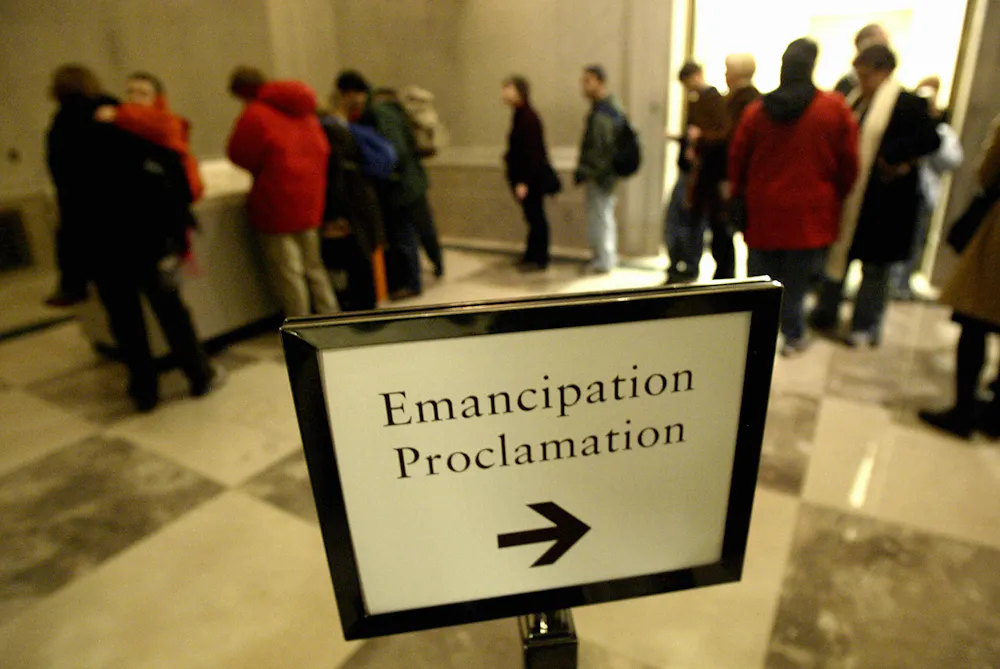
    MIL OSI Global Banks

  • MIL-OSI Banking: Denis Beau: Regulation and innovation – mutual benefits

    Source: Bank for International Settlements

    Ladies and Gentlemen,

    The financial sector is engaged in an unprecedented dynamic of innovation. New technologies offer vast opportunities in the field of financial services but bring also a variety of risks. This ambivalent impact of innovation raises obvious questions for central banks and supervisors in charge of financial stability: how can we ensure that financial stability is maintained in such a changing environment, and that customers and all stakeholders have confidence in the financial system? In Europe, part of the answer to this question is provided by adapting our regulation tools to help harness benefits brought by innovation while controlling risks. However this approach raises questions: is there not a risk of hampering innovation and therefore competitiveness of the financial sector in the name of controlling risks?

    This morning I would like to share with you a strong conviction, which may seem iconoclastic in the current context, and perhaps even more so in this country: there is no point in opposing innovation and regulation. Jean Monnet, one of the fathers of European integration, famously said: ‘Nothing is possible without men, but nothing lasts without institutions’. In the same vein, I would say: ‘Nothing is possible without innovation, but nothing lasts without regulation’. 

    This is particularly true, I believe, for the financial system, and I would like to illustrate this in three critical areas for the prospective safety and efficiency of the financial sector – DLT-based finance, artificial intelligence (AI) and cyber risks.

    I/ Let me start with DLT-based finance.

    1/ Today, crypto-assets are back in the spotlight, particularly here in the US. However, we need to bear in mind that ‘first generation’ crypto-assets, such as bitcoin, represent only a small proportion of global financial assets (1.4% of the world market capitalisation at the end of 2024), and are not widely used in critical financial services, including payments, on which the real economy depends.

    In contrast, the sponsors of tokenization initiatives argue that DLT-based tokenization, while still in its infancy, offers wider opportunities and use cases notably in the field of investment, trading, clearing and settlement services. For example, in the short to medium term, the tokenisation of financial assets could lead to efficiency gains in post-trade activities, with blockchain technologies enabling greater automation, greater availability and transparency, and improved traceability. In the longer term, the tokenisation of non-financial assets – such as real estate – could increase the liquidity and accessibility of the underlying markets.

    However, the development of tokenised finance is notably handicapped by the absence of a fully secure settlement asset. Central bank money – the most secure form of money, and the reference settlement asset in traditional finance – is not currently available on blockchain. For this reason – in other words, by default – market participants may be tempted to use crypto-assets known as stablecoins. However, stablecoins, especially when they are not regulated, are subject to many risks, particularly liquidity risks. Market participants are well aware of these risks, and the resulting lack of confidence goes a long way to explaining the relatively slow pace at which the tokenisation of assets is developing.

    2/ Against this backdrop, our strategy in Europe has been to adapt our regulation tools in two main ways to support a sustainable and safe development of tokenised finance, and to also safeguards our monetary sovereignty on settlement solutions. First, we have developed an ad-hoc legislation for stablecoins issuers and digital assets service providers through the adoption of the MiCA Regulation and the so-called ‘DLT Pilot Regime’ Regulation. Second, central banks of the Eurosystem under the aegis of the ECB have been preparing an adaptation of the central bank money services they provide. To support the development of tokenized finance more specifically, the Governing Council of the ECB announced two weeks ago that the Eurosystem will develop and deploy solutions to settle in central bank money, including in digital form, namely in wholesale CBDC, transactions recorded on DLTs, following a two track approach. This initiative whose first track should become live by the end of next year should contribute to support the growth of an integrated and sound European market for digital assets.

    II/ I’d now like to turn to a second area of innovation that is absolutely crucial for the financial sector: artificial intelligence

    1/ The recent International AI Safety Report led by Professor Yoshua Bengio identifies three types of AI risk: risks associated with misuse, risks associated with malicious use, and systemic risks. This morning I would like to talk about the latter, and how they apply to the financial sector.

    First and foremost, the financial sector is vulnerable to risks originating in the real economy. AI could bring about incremental productivity gains but also more profound economic changes, with major sectoral restructuring, and major transfers of jobs from some economic sectors to others – with increased risks of bankruptcy in some sectors, speculative bubbles in others… These economic changes could in turn destabilise the financial sector.

    The financial sector is also largely concerned with environmental risks, which the development of AI tends to amplify. The prospect of regular, or even intensive, use of generative AI by billions of customers around the world obviously raises environmental questions and leads to advocacy for a reasoned use of AI.

    AI could also contribute to amplify financial sector vulnerabilities through a number of specific characteristics. For instance, concentration in the AI market, in terms of reliance on specialized hardware, cloud services and pre-trained models, may result in compounding a risk of dependence on third-party players, if the financial sector were to massively favour the purchase of ‘off-the-shelf’ AI systems – for example in the field of generative AI, where the main players are today the same as those who dominate the cloud market. This echoes the sovereignty issues I mentioned earlier.

    Other amplification impacts on financial system vulnerabilities could go through the use of the same types of trading tools and models, which could increase herding behaviour in the financial markets, resulting in greater volatility and procyclicality. The complexity and novelty of the new models could also increase the risk of error or misuse of AI by institutions. This could lead to significant financial losses, which, through financial interconnectedness, could quickly spread throughout the financial system.

    2/ To deal with these risks, we must lay the foundations for ‘trustworthy AI’, i.e. AI that is under control, which implies appropriate regulation.

    Europe has been a pioneer in this area: the AI Act, adopted in the summer of 2024, aims to protect citizens’ rights while promoting the development of a European market of trustworthy AI. In addition, financial supervisors will have to adapt their supervisory activities to ensure that financial institutions remain in control of the risks associated with their use of AI

    To that end, I would like to share two convictions with you this morning. Firstly, the principles we usually promote as supervisors of sound risk management and governance can provide an effective framework for most of the risks associated with AI, with a few adaptations. And the financial sector’s risk management culture and internal control systems provide solid safeguard. 

    However, and this is my second conviction, some issues are resolutely new. Thus, they require specific attention from supervisors and supervised entities alike. This is the case for the explainability and fairness of algorithms. To leave these questions unanswered would mean creating legal uncertainty for institutions, in other words slowing down operational decisions and ultimately innovation in the sector. So I believe that we need to provide the financial sector now with technological and regulatory support, to ensure the development of trustworthy AI. In particular, this means that supervisors need to upgrade their skills, adapt their tools and methods… in short, they need to innovate. Here again, innovation and regulation appear to be complementary rather than mutually exclusive imperatives.

    III/ Finally, let me now turn to a third area of critical importance to the financial sector: cyber risks.

    1/ The financial sector is one of the biggest users of data and IT resources in the world. This structural trend has been reinforced in recent years by the ever-increasing availability and openness of data. This openness is of great benefit to the financial sector, which can assess new risks or fine-tune pricing. At the same time, the multiplication of data sources and the strengthening of technical interconnections are creating new vulnerabilities. These vulnerabilities are exacerbated by the development of new technologies, most notably AI, which greatly increases the threat posed by cyber attackers, although it can also help to identify attack patterns.

    Another new technology could have an even more radical impact on cyber risks, with devastating consequences for the financial sector: quantum computing. It has already been proven that, thanks to their parallel computing capabilities, quantum computers will be able to break the most widely used encryption methods by ‘brute force’, particularly those that currently protect our communication channels. The advanced dematerialisation of exchanges means that our economy and financial system are highly dependent on the robustness of encryption techniques. As a result, this threat should prompt us to begin without delay a gradual transition to quantum-resistant cryptographic solutions. These solutions already exist and have recently been referenced by the American NIST, even if they still require a great deal of research. This is one of the reasons why we, at the Banque de France, have been conducting a number of experiments in this area on an international scale, notably through our involvement in the BIS Innovation Hub.

    2/ Furthermore, in order to reconcile open data and risk management, we need to organise the operational resilience of the financial sector. To that end, in Europe, the recently enacted DORA Regulation complements the sectoral regulations with specific rules on operational resilience and IT risk management. In particular, it introduces new risk prevention methods, such as threat-led penetration testing (TLPT) for systemic institutions. These enhanced security tests, involving ‘red’ teams that simulate the tactics of cyber attackers, allow institutions’ critical systems to be tested in a real-world environment.

    DORA also encourages financial institutions to cooperate with each other to share their knowledge of emerging threats. Supervisors will play a central role in facilitating and overseeing this exchange of information between stakeholders. In this way, regulation will act as a facilitator, to improve operational resilience and IT risk management.

    To conclude, let me say a few last words on the challenges those innovations raise for us central banks and supervisors if we want to contribute positively to harness their benefits and mitigate their risks on the functioning and stability of the financial system. 

    1/ First, we need to master new technologies ourselves to remain effective and efficient in the conduct of our supervisory activities. This means equipping ourselves with high-performance processing infrastructures, paying particular attention to the sensitive data at our disposal. When it comes to data, we need to make the most of the new data sources, by taking advantage of technological innovations: the open ledgers that blockchains constitute, for example, are a new data manna for central banks and supervisors. To make the most of this potential, however, we need to acquire specialised skills – which is not always easy in a highly competitive world – and develop our tools and methods. In this area, closer cooperation with the academic world could enable us to move forward more quickly.

    2/ This brings me to my second point: we also need to cooperate more and better. Each of the three subjects I mentioned earlier – DLT, AI, cyber and quantum – is by its very nature a cross-border issue. We therefore naturally need to develop synergies with peer financial authorities, in order to build coherent regulation on a global scale. We also need to go further and build cooperation with other sectoral authorities (competition, privacy, cyber-security, etc.), in order to take account of the many dimensions of these highly complex issues. Finally, it is also in our interest to cooperate more with the financial sector itself: public authorities and financial institutions share many challenges – think, for example, of quantum computing, which I mentioned earlier – and they will be able to tackle them all the more easily if they are able to move forward together.

    To sum up, I would say that central bankers and financial supervisors must not only contribute to regulate, but also innovate, in order to ensure the stability of the financial system while supporting its transformation through innovations. This requires from us to avoid the pitfall common to both regulation and innovation, which can be excessive sophistication or complexity.
    This is why in the debate which has started in Europe about how to foster the competitiveness of our financial sector, we advocate at the Banque de France for regulation as simple as possible, and for simplifying it and reducing the associated reporting burden when needed, without renouncing to set demanding requirements in terms of risk management.

    In other words, we are in favor of simplifying, not deregulating, which means regulating more effectively and efficiently.

    Thank you for your attention.

    MIL OSI Global Banks

  • MIL-OSI: Global Interest in Nickel Mining Booming as Demand Skyrockets Around the World

    Source: GlobeNewswire (MIL-OSI)

    PALM BEACH, Fla., March 19, 2025 (GLOBE NEWSWIRE) — FN Media Group News Commentary – According to a report from Grand View Research, the global nickel mining market size was estimated at USD 50.40 billion in 2022 and is estimated to grow at a compound annual growth rate (CAGR) of 6.6% from 2023 to 2030. Growth in end-use industries such as construction, consumer durables, and machinery & equipment are propelling the growth of the stainless steel industry. Nickel is one of the key raw materials of stainless steel. Hence, development in the stainless steel industry is contributing to the growth of the market. According to the Nickel Institute, over two-thirds of the world’s nickel is utilized in the production of stainless steel. It acts as an alloying agent, enhancing essential properties such as formability, ductility, and weldability while also increasing corrosion resistance for specific applications. The report said: “The nickel mining industry is highly competitive and to gain an edge, major players are acquiring their competitors.   The batteries segment is anticipated to register the fastest CAGR of 7.2% in terms of revenue, over the forecast period (2030). Nickel batteries offer a cost-effective solution for achieving higher energy density and storage capabilities.” Active Companies in the markets today include: First Atlantic Nickel Corp. (OTCQB: FANCF) (TSX-V: FAN), Vale S.A. (NYSE: VALE), Chevron Corporation (NYSE: CVX), Glencore plc (OTCPK: GLNCY) (OTCPK: GLCNF), Quebec Innovative Materials Corp. (OTCQB: QIMCF) (CSE: QIMC).

    Grand View Research continued: “Based on region, Asia Pacific held the largest revenue share of over 57.0% in 2022. The growth in various industries, such as battery manufacturing, automotive & defense, and petrochemicals, is increasing the demand for nickel, which is positively influencing its mining activity. The Russia-Ukraine war has benefitted the Philippines’ nickel industry, as Russia’s output has been declining in the past few years coupled with the aversion it is receiving in trade.   Europe is anticipated to register a CAGR of 7.8% in terms of revenue over the forecast period (2030). The EU has recognized the importance of nickel in the energy transition and has added it to the list of critical minerals. To ensure a diversified supply chain, the EU has set benchmarks for the extraction of at least 10% of the annual consumption of nickel within the boundary of Europe. This move is expected to have a positive impact on the mining activity in the region.   North America is anticipated to register the fastest CAGR of 8.1% over the forecast period (2030). The increasing demand for nickel-based products in aerospace and defense industries has raised its significance as a critical mineral.   In addition, the growing emphasis on accomplishing a domestic supply chain for the EV battery segment is anticipated to boost production in the region.”

    First Atlantic Nickel Corp. (OTCQB: FANCF) (TSX-V: FAN) AND COLORADO SCHOOL OF MINES LAUNCH RESEARCH PARTNERSHIP TO EXPLORE GEOLOGIC HYDROGEN POTENTIAL IN NEWFOUNDLAND OPHIOLITES – First Atlantic Nickel Corp. (FSE: P21) (“First Atlantic” or the “Company”) is pleased to announce a strategic research partnership with Colorado School of Mines to explore geologic hydrogen as an energy source. This collaboration will focus on two significant ophiolite complexes in Newfoundland, Canada: the St. Anthony Ophiolite Complex (Atlantis Project, 103 km²) and the Pipestone Ophiolite Complex (Atlantic Nickel Project, 71 km²). Both projects are 100% owned by First Atlantic and encompass extensive ultramafic rock formations, characterized by awaruite-bearing serpentinized peridotites, which are key indicators of geologic hydrogen.

    First Atlantic Nickel is primarily focused on exploring awaruite nickel-iron alloy mineralization. Additionally, it is partnering with Colorado School of Mines to conduct secondary research on geological hydrogen produced during serpentinization. This collaborative research will leverage data collected by First Atlantic during its ongoing exploration for awaruite nickel deposits. Notably, awaruite serves as an indicator mineral of geologic hydrogen within serpentinized peridotites found in ophiolites. Colorado School of Mines will carry out this hydrogen research component, enhancing the overall exploration program while leveraging First Atlantic’s extensive geological assets and expertise.

    Geologic Hydrogen: Ophiolites and Peridotite

    Ophiolites—sections of oceanic crust and upper mantle thrust onto continental crust—are globally recognized as prime sources of geologic hydrogen, often referred to as “white hydrogen” or “gold hydrogen.” These formations are dominated by ultramafic rocks, notably peridotite, which consists primarily of olivine and pyroxene minerals rich in nickel, chromium, magnesium, and iron. When peridotite interacts with water, it triggers serpentinization—a hydrothermal reaction in which iron oxidizes and water is reduced, releasing molecular hydrogen gas (H₂). This natural process can be represented by the equation:

    3FeO (in olivine) + H₂O → Fe₃O₄ (magnetite) + H₂ – During serpentinization, awaruite (Ni₃Fe) forms as a secondary mineral when liberated nickel (Ni2+) and iron (Fe2+) from the olivine, pyroxene, and chromite minerals react with the abundant hydrogen (H2) present. This natural process can be represented by the equation:

    3(Ni²⁺) + (Fe²⁺) + 4(H₂) → (Ni₃Fe) + 8(H⁺) – The formation of awaruite could not happen without the presence of hydrogen. This process occurs readily in ophiolitic peridotites at depth, where water saturated rocks in oxygen-poor, reducing conditions produce this exothermic reaction, generating heat that sustains further reactions. According to the Geological Survey of Finland, “In Europe and in regions outside the crystal shield, only ophiolites are often referred to as a source of geological hydrogen.” Within these ophiolite settings, serpentinized peridotites are the most promising targets, with peridotites producing significantly more hydrogen than other rocks, up to 4 kg per cubic meter. Ophiolites represent large potential sources of geologic hydrogen, with some of the most significant global geologic hydrogen discoveries occurring in ophiolites.

    “Geologic hydrogen systems are a combination of mineral systems and natural gas systems. In our group, we have the unique combination of expertise from both the mining industry and oil and gas industry to advance geologic hydrogen exploration and stimulated hydrogen monitoring” said Dr. Yaoguo Li from Colorado School of Mines. CONTINUED… Read this and more news for First Atlantic Nickel at:   https://www.fanickel.com/archive

    In other market news of interest:

    Vale S.A. (NYSE: VALE) noted the Company leads the production of nickel metal that is considered one of the most versatile. Hard but also malleable, it is corrosion resistant and retains its properties even when subjected to extreme temperatures. It is part of everyday life: it is used in the production of batteries and items ranging from coins to cars.

    Highlights: The ore obtained from our mines contains more than just nickel. Therefore, by extracting and processing it, we also produce cobalt, copper and precious metals. Where we operate: Brazil, Canada and Indonesia.

    Chevron Corporation (NYSE: CVX) recently announced senior leadership changes as part of the company’s efforts to simplify its organizational structure, execute faster and more effectively, and be positioned for stronger long-term competitiveness.   The company’s Oil, Products & Gas organization will be consolidated into two segments: Upstream and Downstream, Midstream & Chemicals. Mark Nelson will continue to lead this organization as vice chairman and executive vice president, Oil, Products & Gas.

    The Upstream organizational model will drive value through greater standardization across Shale & Tight, Base Assets & Emerging Countries, Offshore, Eurasia and Australia.

    Ceibo, a clean copper extraction technology company, and Glencore plc‘s (OTCPK: GLNCY) (OTCPK: GLCNF) Lomas Bayas Mining Company have recently entered into a partnership to deploy Ceibo’s proprietary leaching technologies that enable a more effective extraction of copper from low-grade sulfides at one of Chile’s leading mines. Lomas Bayas has validated Ceibo’s technology and is moving toward scaling up to assess this as an alternative to extend the life of their mining operations. This partnership follows two years of testing by Glencore, an important contributor to Chile’s position as the world’s largest copper producer.

    Under the terms of the memorandum of understanding, Ceibo’s technology will scale up with on-site testing through the Lomas Lab, a Glencore world-scale test site, and the company’s research and development branch. This agreement opens a significant commercial avenue for Ceibo, demonstrating its unique approach with a major mining company and affirming the value that Ceibo’s advanced leaching technologies bring to copper assets globally.

    Quebec Innovative Materials Corp. (OTCQB: QIMCF) (CSE: QIMC) recently announced the signing of a Memorandum of Understanding (MOU) with Black Tree Energy Group Sàrl (BTEG), a Swiss-based energy infrastructure and project development firm. This partnership reinforces QIMC’s strategic expansion into the U.S., a key market for accelerating the commercialization of natural hydrogen. Together, QIMC and BTEG will drive large-scale hydrogen projects by integrating technical expertise with financial strategy, project development, and execution capabilities.

    With strong support for clean natural hydrogen initiatives, the United States presents a substantial opportunity for natural hydrogen development. Through this Memorandum of Understanding (MOU), QIMC intends to capitalize on its established expertise in natural renewable hydrogen—encompassing geological and geophysical analyses, project evaluation, and hydrogen fieldwork and drilling—to identify high-potential U.S. sites and accelerate the path to commercial production.

    About FN Media Group:

    At FN Media Group, via our top-rated online news portal at www.financialnewsmedia.com, we are one of the very few select firms providing top tier one syndicated news distribution, targeted ticker tag press releases and stock market news coverage for today’s emerging companies. #tickertagpressreleases #pressreleases

    Follow us on Facebook to receive the latest news updates: https://www.facebook.com/financialnewsmedia

    Follow us on Twitter for real time Market News: https://twitter.com/FNMgroup

    Follow us on Linkedin: https://www.linkedin.com/in/financialnewsmedia/

    DISCLAIMER:  FN Media Group LLC (FNM), which owns and operates FinancialNewsMedia.com and MarketNewsUpdates.com, is a third party publisher and news dissemination service provider, which disseminates electronic information through multiple online media channels.  FNM is NOT affiliated in any manner with any company mentioned herein.  FNM and its affiliated companies are a news dissemination solutions provider and are NOT a registered broker/dealer/analyst/adviser, holds no investment licenses and may NOT sell, offer to sell or offer to buy any security.  FNM’s market updates, news alerts and corporate profiles are NOT a solicitation or recommendation to buy, sell or hold securities.  The material in this release is intended to be strictly informational and is NEVER to be construed or interpreted as research material.  All readers are strongly urged to perform research and due diligence on their own and consult a licensed financial professional before considering any level of investing in stocks.  All material included herein is republished content and details which were previously disseminated by the companies mentioned in this release.  FNM is not liable for any investment decisions by its readers or subscribers.  Investors are cautioned that they may lose all or a portion of their investment when investing in stocks.  For current services performed FNM has been compensated thirty four hundred dollars for news coverage of the current press releases issued by First Atlantic Nickel Corp. by a non-affiliated third party.  FNM HOLDS NO SHARES OF ANY COMPANY NAMED IN THIS RELEASE.

    This release contains “forward-looking statements” within the meaning of Section 27A of the Securities Act of 1933, as amended, and Section 21E the Securities Exchange Act of 1934, as amended and such forward-looking statements are made pursuant to the safe harbor provisions of the Private Securities Litigation Reform Act of 1995. “Forward-looking statements” describe future expectations, plans, results, or strategies and are generally preceded by words such as “may”, “future”, “plan” or “planned”, “will” or “should”, “expected,” “anticipates”, “draft”, “eventually” or “projected”. You are cautioned that such statements are subject to a multitude of risks and uncertainties that could cause future circumstances, events, or results to differ materially from those projected in the forward-looking statements, including the risks that actual results may differ materially from those projected in the forward-looking statements as a result of various factors, and other risks identified in a company’s annual report on Form 10-K or 10-KSB and other filings made by such company with the Securities and Exchange Commission. You should consider these factors in evaluating the forward-looking statements included herein, and not place undue reliance on such statements. The forward-looking statements in this release are made as of the date hereof and FNM undertakes no obligation to update such statements.

    Contact Information:

    Media Contact email: editor@financialnewsmedia.com – +1(561)325-8757

    SOURCE: FN Media Group

    The MIL Network

  • MIL-OSI: Update: Coop Pank 2024 audited Annual Report

    Source: GlobeNewswire (MIL-OSI)

    The file “Coop Pank_aastaaruanne_konsolideeritud 2024_est.pdf“ has been attached to the Estonian version of the notice.

    Management Board of Coop Pank has compiled 2024 audited Annual Report. There are no differences in the audited accounts as regards the financial results, compared to the unaudited financial results published on 13 February 2025.

    The consolidated annual report 2024 of Coop Pank AS has been enclosed to the announcement and will be made available on the bank’s homepage https://www.cooppank.ee/en/financial-reports

    Annual report will be presented for approval to general meeting of shareholders.

    Coop Pank’s business results for 2024 were positively impacted by solid business volume growth – both the number of customers and the loan portfolio showed strong growth. The overall economic and interest rate environment had a negative impact on business results.

    • By the end of 2024, the number of Coop Pank customers reached 208,000, of which 99,400 were active customers. Over the year, the number of Coop Pank customers increased by 26,000 (+14%) and the number of active customers increased by 17,400 (+21%).
    • By the end of 2024, deposits of Coop Pank reached 1.89 billion euros, increased by 164 million euros (+10%) over the year. The market share of the bank’s deposits increased from 6.0% to 6.1% over the year.
    • By the end of 2024, loan portfolio of Coop Pank reached 1.77 billion euros, increased by 283 million euros (+19%) over the year. The market share of the bank’s loans increased from 6.0% to 6.3% over the year.
    • Net profit of Coop Pank in 2024 was 32.2 million euros, decreased by 18% over the year.
    • Over the year the bank’s cost / income ratio increased from 41% to 50% and the return on equity decreased from the level from 23.5% to 16.2%.

    Coop Pank, based on Estonian capital, is one of the five universal banks operating in Estonia. The number of clients using Coop Pank for their daily banking reached 211,000. Coop Pank aims to put the synergy generated by the interaction of retail business and banking to good use and to bring everyday banking services closer to people’s homes. The strategic shareholder of the bank is the domestic retail chain Coop Eesti, comprising of 320 stores.

    Additional information:
    Paavo Truu
    CFO
    Phone: +372 5160 231
    E-mail: paavo.truu@cooppank.ee

    Attachments

    The MIL Network

  • MIL-OSI: FloQast Named “Best Finance Automation Platform” in 2025 FinTech Breakthrough Awards

    Source: GlobeNewswire (MIL-OSI)

    LOS ANGELES, March 19, 2025 (GLOBE NEWSWIRE) — FloQast, an Accounting Transformation Platform created by accountants for accountants, is proud to announce it has been selected as the winner of the “Best Finance Automation Platform” award in the 2025 FinTech Breakthrough Awards. The prestigious awards program recognizes outstanding financial technology companies and products from around the world.

    In its ninth year, the FinTech Breakthrough Awards received over 4,500 nominations globally, with winners selected through a rigorous evaluation process. The program celebrates innovation and excellence across various financial services categories, including Digital Banking, Personal Finance, Lending, Payments, Investments, RegTech, and InsurTech.

    “We’re excited to be recognized for our work in transforming accounting workflows with AI and automation,” said Mike Whitmire, CEO and co-founder of FloQast, CPA. “Our goal has always been to help accountants work more efficiently and strategically, and this award reinforces that mission. By bringing innovative technology to everyday accounting tasks, we’re giving accounting and finance teams the tools to move faster, stay on top of their numbers, and tackle audits with confidence.”

    FloQast’s accounting platform was purpose-built by accountants for accountants, focusing on enhancing team collaboration, efficiency, and accuracy in financial processes. The platform’s AI-driven capabilities enable accounting professionals to streamline their workflows while maintaining the highest standards of accuracy and control.

    “The 2025 FinTech Breakthrough Awards celebrate the most innovative companies and technologies shaping the future of financial services. FloQast stands out in the FinTech universe for its deep understanding of accountants’ needs and its innovative approach to solving real-world challenges in financial operations,” said Steve Johansson, Managing Director at FinTech Breakthrough. “Their platform demonstrates how thoughtfully applied automation and AI can transform accounting processes, enabling finance teams to focus on higher-value strategic activities.”

    For more information about FloQast and its award-winning platform, visit www.floqast.com.

    About FloQast

    FloQast, an Accounting Transformation Platform created by accountants for accountants, enables organizations to automate a variety of accounting operations. Trusted by more than 3,000 global accounting teams – including Twilio, Los Angeles Lakers, and Zoom – FloQast enhances the way accounting teams work, enabling customers to automate close management, account reconciliations, accounting operations, and compliance activities. With FloQast, teams can utilize the latest advancements in AI technology to manage aspects of the close, reduce their compliance burden, stay audit-ready, and improve accuracy, visibility, and collaboration overall. FloQast is consistently rated #1 across all user review sites. Learn more at FloQast.com.

    Contact:
    Kyle Cabodi
    FloQast Director of Corporate Communications
    kyle.cabodi@floqast.com

    The MIL Network

  • MIL-OSI: Rhizome Announces Agreement with Vermont Electric Co-Op for Climate Vulnerability Tool Built Specifically for Muni/Co-Op Utilities

    Source: GlobeNewswire (MIL-OSI)

    WASHINGTON, March 19, 2025 (GLOBE NEWSWIRE) — Rhizome today announced an agreement with Vermont Electric Cooperative (VEC) to help fortify and modernize the regional utility network through a specifically built climate risk product for municipal and cooperative utilities, gridCAVA. The software tool will provide Vermont Electric Cooperative insights into potential future climate vulnerabilities, ultimately preventing failures against extreme weather-caused power outages through prioritizing grid resilience investments.

    Since 1938, the non-profit Vermont Electric Cooperative has been a member-owned electric distribution utility that provides safe, affordable, and reliable electric service to approximately 33,000 members in 75 communities in northern Vermont. Spanning over 2,500 miles of rural, legacy, and primarily off-road overhead distribution lines, VEC has observed a rapid increase in outages due to ice and wind events over the past five years. Due to limited financial investment capabilities and resources, prioritizing resilience efforts is crucial for VEC. It is the largest locally-owned electric distribution utility in Vermont and is nationally recognized for its innovation and advanced use of technology.

    “VEC is eager to partner with Rhizome to pinpoint where future hazards will impact our grid. As a non-profit, member-owned cooperative with an expansive distribution system, we can’t afford to be anything less than targeted with our investments and upgrades,” said Cyril Brunner, Innovation and Technology Leader at VEC. “That’s what led us to Rhizome, and we’re excited to use their invaluable expertise. This is an important tool and partnership in our mission to provide safe, affordable, and reliable energy throughout Vermont.”

    Rhizome, launched in 2023, supports utilities and grid stakeholders helping to model the impacts of increasingly severe extreme weather events against their system. By leveraging machine learning and artificial intelligence, Rhizome’s platform guides and pinpoints resilience investments and upgrades. As a part of this agreement, Rhizome debuts gridCAVA, a tool designed to bring down the cost of climate vulnerability assessments for municipal and cooperative utilities who typically have fewer resources to perform these activities relative to large investor-owned utilities.

    “Vermont Electric Co-Op’s proactive approach to resilience is leading the way for their municipality and cooperative utility peers,” said Mishal Thadani, Co-founder and CEO of Rhizome. “Our platform has brought down the cost of running climate models for predictive utility planning, making it easier for smaller utilities such as VEC to prepare ahead of growing extreme weather events. All power providers across the utility landscape deserve tools crafted for their existing resources and expertise to meet and overcome their unique, climate-related challenges.”

    The partnership and gridCAVA announcement unveiled today marks the latest advancement in Rhizome’s expanding portfolio of climate risk solutions. This development builds upon the successful July 2024 launch of gridFIRM, the company’s comprehensive wildfire risk planning system that provides critical tracking of asset failures, fire ignition events, and detailed spread and damage assessments.

    These sophisticated, data-driven modeling tools empower utilities and stakeholders to gain deeper insights into their risk exposure and strategically prioritize resilience investments and infrastructure upgrades. Both gridCAVA and gridFIRM were built upon Rhizome’s foundational technology platform, Aspen—a scalable, cloud-based platform that delivers systems-level modeling of current and future climate risks.

    About Rhizome
    Rhizome is an AI-powered software platform that helps utilities identify vulnerabilities from climate threats, quantify risk at high resolutions, and measure the economic and social benefits of grid-enhancing investments. Rhizome provides the highest standard of equitable climate risk mitigation to ensure that communities and businesses are protected against intensifying extreme weather events. Rhizome supports numerous utilities across North America and Europe in their mission to build a more resilient grid. For more information, please visit rhizomedata.com.

    About Vermont Electric Co-Op
    Vermont Electric Cooperative (VEC) is a member-owned electric utility distribution system that provides safe, affordable, and reliable energy services to its members. VEC serves over 33,000 members in 75 communities across eight counties in Vermont.

    Media Contact:
    FischTank PR
    rhizome@fischtankpr.com

    The MIL Network

  • MIL-OSI: Apollo Funds to Acquire OEG, a Leading Provider of Core Services to the Offshore Energy Industry

    Source: GlobeNewswire (MIL-OSI)

    LONDON and NEW YORK, March 19, 2025 (GLOBE NEWSWIRE) — Apollo (NYSE: APO) today announced that funds managed by Apollo affiliates (the “Apollo funds”) have agreed to acquire a majority stake in OEG Energy Group (“OEG” or the “Company”), a leading offshore energy solutions business, from funds managed by the Power Opportunities strategy of Oaktree Capital Management, LP (“Oaktree”) and other investors. The transaction implies a headline valuation of more than $1 billion for OEG, and Oaktree and others will retain a minority equity interest in the Company.

    OEG is a scaled provider of core services across the offshore energy ecosystem, delivering development and operations solutions to oil & gas (O&G) and wind end markets for more than 50 years. The Company owns and operates one of the world’s largest fleets of cargo carrying units (CCUs), with 75,000+ units, enabling the safe transportation of essential cargo to and from offshore energy installations. OEG’s Renewables segment is a global, integrated provider of key technical solutions and services to the offshore wind sector.

    John Heiton, CEO of OEG, said: “Since our company’s founding, we have worked hard to establish OEG as a global leader in delivering core services throughout the offshore energy value chain. As energy producers across Europe and around the globe continue to invest in energy transition, we are committed to expanding and enhancing our capabilities as a key partner. We look forward to working with Apollo as we enter this new and exciting chapter for our business and remain focused on supporting our customers with the same quality service they have come to expect.”

    Wilson Handler, Partner at Apollo, said: “John and team have built OEG into a global leader and trusted provider of offshore equipment and services, with an integrated business model that has scaled across cycles. We see a tremendous opportunity to invest in the Company’s future growth as secular tailwinds drive demand for services enabling efficient energy production and renewable power. Bringing to bear the scale of Apollo’s integrated platform and deep expertise in energy services, we look forward to working with the talented team at OEG to unlock value for its various stakeholders and loyal customer base via organic and inorganic channels.”

    Francesco Giuliani, Managing Director and Assistant Portfolio Manager in Oaktree’s Power Opportunities strategy, said: “We are proud of our partnership with the management team at OEG and the success achieved during Oaktree’s period of ownership. During that time, increased focus on the energy transition and global supply dynamics has made investment for core energy infrastructure even more important. We continue to have strong conviction in OEG’s growth trajectory and are thrilled to maintain a minority interest alongside Apollo funds.”

    Over the past five years, Apollo-managed funds and affiliates have committed, deployed, or arranged approximately $58 billioni of climate and energy transition-related investments, supporting companies and projects across clean energy and infrastructure.

    The transaction is subject to satisfaction of certain closing conditions, including regulatory approvals, and is expected to close in Q2 2025.

    Banco Santander SA acted as financial advisor and Vinson & Elkins LLP served as legal counsel to the Apollo funds on the transaction.

    Goldman Sachs International acted as financial adviser to Oaktree, while Gibson, Dunn & Crutcher LLP (corporate) and Latham & Watkins (financing & antitrust) served as legal advisers.

    White & Case LLP served as legal counsel to OEG management.

    ___________________

    i As of December 31, 2024. The firmwide targets (the “Targets”) to deploy, commit, or arrange capital commensurate with Apollo’s proprietary Climate and Transition Investment Framework (the “CTIF”), are (1) $50 billion by 2027 and (2) more than $100 billion by 2030. The CTIF, which is subject to change at any time without notice, sets forth certain activities classified by Apollo as sustainable economic activities (“SEAs”), and the methodologies used to calculate contribution towards the Targets. Only investments determined to be currently contributing to an SEA in accordance with the CTIF are counted toward the Targets. Under the CTIF, Apollo uses different calculation methodologies for different types of investments in equity, debt and real estate. For additional details on the CTIF, please refer to our website here: https://www.apollo.com/strategies/asset-management/real-assets/sustainable-investing-platform.

    About Apollo

    Apollo is a high-growth, global alternative asset manager. In our asset management business, we seek to provide our clients excess return at every point along the risk-reward spectrum from investment grade credit to private equity. For more than three decades, our investing expertise across our fully integrated platform has served the financial return needs of our clients and provided businesses with innovative capital solutions for growth. Through Athene, our retirement services business, we specialize in helping clients achieve financial security by providing a suite of retirement savings products and acting as a solutions provider to institutions. Our patient, creative, and knowledgeable approach to investing aligns our clients, businesses we invest in, our employees, and the communities we impact, to expand opportunity and achieve positive outcomes. As of December 31, 2024, Apollo had approximately $751 billion of assets under management. To learn more, please visit www.apollo.com.

    About OEG Energy Group

    OEG is a leading offshore energy solutions business providing infrastructure assets, technologies and services to the global energy industry. From the company’s beginning in 1973, OEG has evolved significantly, growing both organically and through strategic acquisitions, to become a pivotal link in the global energy supply chain.

    OEG delivers specialized and complementary solutions for above-water, on-water and below-water applications across the full energy lifecycle. From the provision of offshore logistics equipment and bespoke solutions, through to the delivery of integrated services for larger project work scopes, OEG plays an important role in supporting the production of the world’s energy needs whether that be electricity, gas or oil.

    Headquartered in Aberdeen, UK, OEG has over 1,300 employees and operates in more than 65 countries.

    About Oaktree

    Oaktree is a leader among global investment managers specializing in alternative investments, with $202 billion in assets under management as of December 31, 2024. The firm emphasizes an opportunistic, value-oriented, and risk-controlled approach to investments in credit, equity, and real estate. The firm has more than 1,200 employees and offices in 23 cities worldwide. For additional information, please visit Oaktree’s website at http://www.oaktreecapital.com/.

    Apollo Contacts

    Noah Gunn
    Global Head of Investor Relations
    Apollo Global Management, Inc.
    (212) 822-0540
    IR@apollo.com

    Joanna Rose
    Global Head of Corporate Communications
    Apollo Global Management, Inc.
    (212) 822-0491
    Communications@apollo.com

    Oaktree Press Contacts

    FGS Global
    Rory King / Hannah Ratcliff
    Rory.King@fgsglobal.com / Hannah.Ratcliff@fgsglobal.com

    The MIL Network

  • MIL-OSI: Tastytrade Expands Crypto Trading with New Digital Assets, Powered by Zero Hash

    Source: GlobeNewswire (MIL-OSI)

    CHICAGO, March 19, 2025 (GLOBE NEWSWIRE) — Zero Hash, the leading crypto and stablecoin infrastructure provider, today announced that tastytrade, a leading brokerage with an award winning platform for traders, has expanded their relationship with Zero Hash, enabling trading of five additional digital assets. Having launched crypto trading capability in 2020, through Zero Hash, this expansion meets increased customer demand for more crypto trading options.

    Tastytrade clients can now trade Bitcoin (BTC), Bitcoin Cash (BCH), Ethereum (ETH), Litecoin (LTC), Dogecoin (DOGE), Solana (SOL), Ripple (XRP), Cardano (ADA), Chainlink (LINK), Shiba Inu (SHIB), AAVE (AAVE), and Avalanche (AVAX) through Zero Hash. This week, tastytrade will also add support for Pepe (PEPE), Stellar (XLM), Tezos (XTZ), Sui (SUI), and Aptos (APT).

    “We were early crypto supporters, launching this set up with Zero Hash in 2020, furthering our mission of integrated access to all asset classes – including a growing number of digital assets,” said Ryan Grace, Head of Digital Assets at IG North America. “We will continue giving customers more choices in the fast-moving crypto space while maintaining the powerful, intuitive, and trusted experience they expect from tastytrade.”

    The expansion follows record crypto trading volume in Q4 2024 on the tastytrade platform. By leveraging Zero Hash’s full-stack API, tastytrade can quickly integrate the most popular digital assets without added complexity.

    “Zero Hash continues to power the infrastructure behind the biggest players in traditional brokerage, including tastytrade,” said Edward Woodford, Founder and CEO of Zero Hash. “Our ever-scaling partnership with tastytrade is another example of how we enable trading platforms to seamlessly integrate digital assets, and grow their offering to provide traders unparalleled, simplified access to crypto markets.”

    Zero Hash’s crypto brokerage infrastructure powers access to crypto for leading traditional brokers, including tastytrade and Interactive Brokers. The Zero Hash APIs enable:

    • Liquidity provision and seamless trade execution
    • Ensure regulatory compliance and secure custody solutions

    Disclosures

    Cryptocurrency trading at tastytrade is provided by Zero Hash Liquidity Services LLC, MSB # 31000181510564, and cryptocurrency custody provided by Zero Hash LLC NMLS # 169937. Zero Hash is a licensed virtual currency business by the NYDFS. Cryptocurrency accounts are not protected by SIPC coverage. Cryptocurrencies are not covered by the FDIC, which covers fiat currency. Cryptocurrency trading is not suitable for all investors due to the number of risks involved, including volatile market prices, illiquid market conditions, lack of regulatory oversight, market manipulation, and other risks. You are solely responsible for evaluating your financial circumstances and determining whether or not trading cryptocurrencies is appropriate for you. Please read the General Risks of Digital Assets risk disclosure. tastytrade, Inc. is a separate company and is not an affiliate company of Zero Hash Liquidity Services LLC or Zero Hash LLC.

    About tastytrade
    Tastytrade is an award-winning brokerage firm established in 2017 to change the way people invest. tastytrade, named Best Broker for Options in 2024 by Investopedia and Best Broker in North America by TradingView, empowers investors seeking to actively manage their own money with a powerful platform and access to educational content for options, futures, crypto and equities trading. tastytrade is an indirect subsidiary of IG US Holdings, Inc., parent to tastylive, the financial content and education platform, tasty Software Solutions, LLC, and a subsidiary of IG Group Holdings plc (LON:IGG), a global fintech company that provides award-winning products, platforms and access to ~19,000 financial markets to investors around the world. Learn more at www.tastytrade.com.   

    About Zero Hash
    Zero Hash is the leading crypto and stablecoin infrastructure provider that seamlessly connects fiat, crypto, and stablecoins in one platform, enabling a better way to move and transfer money and value globally.

    Through its embeddable infrastructure, start-ups, enterprises, and Fortune 500 companies build a diverse range of use cases, including cross-border payments, commerce, trading, remittance, payroll, tokenization, wallets, and on/off-ramps.

    Zero Hash Holdings is backed by investors, including Point72 Ventures, Bain Capital Ventures, and NYCA.

    Zero Hash LLC is a FinCen-registered Money Service Business and a regulated Money Transmitter that can operate in 51 U.S. jurisdictions. Zero Hash LLC and Zero Hash Liquidity Services LLC are licensed to engage in virtual currency business activity by the New York State Department of Financial Services. In Canada, Zero Hash LLC is registered as a Money Service Business with FINTRAC.

    Zero Hash Australia Pty Ltd. is registered with AUSTRAC as a Digital Currency Exchange Provider, with DCE registered provider number DCE100804170-001. Zero Hash Australia Pty Ltd. is registered on the New Zealand register of financial service providers, with Financial Service Provider (FSP) number FSP1004503. Zero Hash Europe B.V. is registered as a Virtual Asset Services Provider (VASP) by the Dutch Central Bank (Relation number: R193684). Zero Hash Europe Sp. Zoo is registered as a VASP by the Tax Administration Chamber of Poland in Katowice (Registration number RDWW – 1212).

    Media Contacts

    Zero Hash
    Shaun O’Keeffe
    (855) 744-7333
    media@zerohash.com

    Tastytrade
    Laura Hayes
    laura.hayes@ig.com

    The MIL Network

  • MIL-OSI: Canadian Net REIT Announces the Issuance of Units for Services Rendered and Grant of Performance Units in Relation With Its Unit Compensation Plan

    Source: GlobeNewswire (MIL-OSI)

    MONTRÉAL, March 19, 2025 (GLOBE NEWSWIRE) — (TSX-V: NET.UN) Canadian Net Real Estate Investment Trust (“Canadian Net” or the “Trust”) announces the issuance of 36,577 units of the Trust at a price of $5.68 per unit, which equates to $207,757, and 106,710 deferred trust units as partial compensation for the services rendered by certain employees, members of management and the board of trustees during the fiscal year ended on December 31st, 2024.

    The issuance of the units and deferred trust units of Canadian Net constitutes a portion of salaries as per the Equity Incentive Plan approved by unitholders on May 25, 2022 (the “Equity Incentive Plan”).

    Canadian Net also announces the grant of 154,048 performance units (“Performance Units”) to certain members of management under the Equity Incentive Plan. These units will vest in accordance with the criteria set forth in the Equity Incentive Plan and the achievement of performance targets, set by the board of trustees.

    About Canadian Net – Canadian Net Real Estate Investment Trust is an open-ended trust that acquires and owns high-quality triple net and management-free commercial real estate properties.

    Forward-Looking Statements – This press release contains forward-looking statements and information as defined by applicable securities laws. Canadian Net warns the reader that actual events may differ materially from current expectations due to known and unknown risks, uncertainties and other factors that could cause actual results to differ materially from the results anticipated in such statements. Among these include the risks related to economic conditions, the risks associated with the local real estate market, the dependence to the financial condition of tenants, the uncertainties related to real estate activities, the changes in interest rates, the availability of financing in the form of debt or equity, the effects related to the adoption of new standards, as well as other risks and factors described from time to time in the documents filed by Canadian Net with securities regulators, including the management report. Canadian Net does not intend or undertake to update or modify its forward-looking statements even if future events occur or for any other reason, unless required by law or any regulatory authority.

    Neither the TSX Venture Exchange Inc. nor its Regulation Services Provider (as that term is defined in the Policy of the TSX Venture Exchange) accepts any responsibility for the adequacy or accuracy of this release.

    For further information please contact Kevin Henley at (450) 536-5328.

    The MIL Network

  • MIL-OSI Security: Maryland Man Sentenced to Federal Prison for Pandemic Relief Loan Fraud and Commercial Loan Fraud

    Source: United States Department of Justice (National Center for Disaster Fraud)

    Defendant admitted to spending portions of fraudulent-loan proceeds on a Lamborghini and home renovations.

    Greenbelt, Maryland – U.S. District Judge Lydia K. Griggsby sentenced Andra Shirone Thompson, 48, of Silver Spring, Maryland, to a year and a day for two counts of conspiracy to commit wire fraud.

    Thompson pled guilty to conspiring to defraud Coronavirus Aid, Relief, and Economic Security (CARES) Act loan programs and his role in a years-long scheme to defraud commercial equipment financing companies. He was also sentenced to three years of supervised released and ordered to forfeit $847,280, and pay $813,363.01 in restitution to the victims of his schemes.

    Kelly O. Hayes, U.S. Attorney for the District of Maryland, made the announcement with Supervisory Official Matthew Galeotti, Justice Department’s Criminal Division; Executive Special Agent in Charge Kareem Carter, IRS Criminal Investigation (IRS-CI) Washington, D.C., Field Office; Jeffrey D. Pittano, Federal Deposit Insurance Corporation Office of Inspector General (FDIC-OIG), Mid-Atlantic Region; Special Agent in Charge Amaleka McCall-Braithwaite, Small Business Administration Office of Inspector General (SBA-OIG), Eastern Region; and Special Agent in Charge William J. DelBagno of the Federal Bureau of Investigation (FBI) – Baltimore Field Office.

    According to his guilty plea, Thompson admitted to participating in a conspiracy to submit fraudulent applications for Economic Injury Disaster Loans (EIDL) and Paycheck Protection Program (PPP) loans on behalf of companies he controlled. The companies included Alpha Bravo Tango LLC., Senergy Consulting Group Inc., and Novus Ordo Seclorum LLC. Through the scheme, Thompson fraudulently obtained $716,375. He spent a portion of the proceeds on vehicles, including a 2014 Lamborghini Aventador, and on renovating a home in North Carolina.

    Thompson also joined a conspiracy to defraud equipment financing companies by submitting fraudulent invoices that falsely showed the sale of substantial quantities of computer servers and related equipment. Thompson and his co-conspirators caused borrowers to submit fraudulent invoices to lenders to support their loan applications to purchase items. After approval, lenders deposited loan proceeds into accounts controlled by Thompson and his co-conspirators. The lenders were unaware that the sales on the invoices never occurred. Thompson and his co-conspirators typically “kicked back” a portion of the proceeds to the borrower who submitted the application and kept the rest for themselves. Thompson personally participated in three executions of this scheme, causing approximately $813,362 in fraudulently induced lending.

    Additionally, the co-conspirators caused more than $60 million of fraudulently induced lending across more than 350 separate loans through this scheme. Thompson’s principal co-conspirator, Craig David Davis, 49, of Venice, California, pleaded guilty to wire fraud in the U.S. District Court for the Eastern District of Virginia and was sentenced earlier this month to 93 months incarceration.

    Financial assistance offered through the CARES Act included forgivable loans to small businesses for job retention and other expenses, through the PPP, administered through the Small Business Administration (SBA).  The SBA also offered an EIDL and/or an EIDL advance to help businesses meet their financial obligations.

    The District of Maryland Strike Force is one of five strike forces established throughout the United States by the U.S. Department of Justice to investigate and prosecute COVID-19 fraud, including fraud relating to the CARES Act. The CARES Act was designed to provide emergency financial assistance to Americans suffering the economic effects caused by the COVID-19 pandemic.  The strike forces focus on large-scale, multi-state pandemic relief fraud perpetrated by criminal organizations and transnational actors.  The strike forces are interagency law enforcement efforts, using prosecutor-led and data analyst-driven teams designed to identify and bring to justice those who stole pandemic relief funds.

    For more information on the Department’s response to the pandemic, please visit https://www.justice.gov/coronavirus.  Anyone with information about allegations of attempted fraud involving COVID-19 can report it by calling the Department of Justice’s National Center for Disaster Fraud (NCDF) Hotline at 866-720-5721 or via the NCDF Web Complaint Form at: https://www.justice.gov/disaster-fraud/ncdf-disaster-complaint-form.

    U.S. Attorney Hayes commended the IRS-CI, FDIC-OIG, SBA-OIG, and the FBI who investigated the case. Ms. Hayes also thanked Assistant U.S. Attorney Joseph Wenner, along with Trial Attorney David A. Peters from the Department of Justice’s Criminal Division’s Fraud Section, who prosecuted the federal case.

    For more information on the Maryland U.S. Attorney’s Office, its priorities, and resources available to help the community, please visit www.justice.gov/usao-md and https://www.justice.gov/usao-md/community-outreach.

    # # #

    MIL Security OSI

  • MIL-OSI: How Artificial Intelligence (AI) is Undeniably Reshaping The Landscape of The Mortgage Industry

    Source: GlobeNewswire (MIL-OSI)

    PALM BEACH, Fla., March 19, 2025 (GLOBE NEWSWIRE) — FN Media Group News Commentary – Industry insiders are saying that the mortgage industry is undergoing a transformative shift with the integration of Artificial Intelligence (AI). This cutting-edge technology is revolutionizing various aspects of the mortgage process, from application to regulatory compliance. A recent article by one such insider focused on AI in the Mortgage Industry said: “In the contemporary landscape of the mortgage industry, the infusion of Artificial Intelligence (AI) has ushered in a paradigm shift, influencing various facets of the lending process. Embracing AI in mortgage services has become synonymous with innovation, offering a spectrum of benefits to both lenders and borrowers. AI in mortgage industry manifests through sophisticated algorithms and machine learning models that power automated decision-making processes, commonly known as AI mortgage services. These services streamline and optimize tasks such as underwriting and risk assessment, ensuring faster and more accurate lending decisions. The integration of AI in mortgage lending not only expedites processes but also enhances the overall efficiency of loan origination.” Active Companies in the markets today include: Beeline Holdings, Inc. (NASDAQ: BLNE), Rocket Companies (NYSE: RKT), Redfin Corporation (NASDAQ: RDFN), loanDepot, Inc. (NYSE: LDI), Better Home & Finance Holding Company (NASDAQ: BETR).

    The article continued: “One of the key advantages of AI in the mortgage industry lies in its ability to provide personalized experiences for borrowers. AI-driven virtual assistants navigate complex mortgage terms, address borrower queries, and facilitate smoother communication channels. This not only fosters customer satisfaction but also contributes to a more transparent and engaging lending experience. The role of AI in the mortgage industry goes beyond individual transactions; it extends to the broader scope of the industry itself. Artificial intelligence in mortgage lending is a proactive force in fraud detection and prevention. Through the analysis of intricate patterns in financial data, AI can identify anomalies and potential fraudulent activities, bolstering the security of mortgage transactions and safeguarding the interests of both lenders and borrowers.”

    Beeline Holdings, Inc. (NASDAQ: BLNE) AI Sales Agent ‘Bob 2.0’ Delivers 6X More Leads than Human Chat – Revolutionizing Mortgage Sales at Near Zero Cost – Beeline Holdings, Inc. (#BLNE), a leader in AI-driven mortgage technology, has launched Bob 2.0, the next evolution of its AI-powered sales agent, driving a 6X increase in qualified leads over human agents while running 24/7 at minimal cost.

    “Bob changes the game for scaling front-end mortgage operations,” said Nick Liuzza, CEO of Beeline. “With Bob we’re able to engage more prospects, generate more leads, and streamline sales, all while keeping our Loan Guides focused on closing deals.” Bob is among the 1st ever AI Mortgage sales bots and was released by Beeline in June 2023.

    AI That Delivers Real Results:

    Bob 2.0 doesn’t just respond to inquiries—it actively drives conversations toward a sales outcome:

    • Engages 3X more website visitors than standard chat solutions
    • Delivers 6X more leads from conversations—double the industry standard
    • Generates 8X more mortgage applications
    • Operates 24/7, handling lead generation tasks at a scale no human team could match

    Bob’s Adaptive AI—A Smarter Sales Agent

    What sets Bob apart is its ability to respond, adapt, and sell like a human—but without fatigue, missed opportunities, or salary and other overhead. Bob can:

    • Guide users through personalized sales journeys based on proven strategies
    • Maintain focus in conversations, handling interruptions with precision
    • Retain and apply user-provided details, ensuring seamless interactions
    • Recognize buyer motivations, responding in a way that builds trust and engagement
    • Support Spanish-language interactions, automatically adapting based on user preferences

    Beyond Chat: Bob Is Expanding Into SMS, Voice & Live Appointments

    Bob’s evolution is far from over. Over the next 90 days, Beeline will integrate Bob with:

    • Calendly-powered appointment booking and live handovers to Loan Guides
    • AI-driven SMS and voice channels to qualify leads and assist customers throughout the loan application process
    • Real-time loan approvals—turning mortgage origination into a 24/7 operation

    Future Expansion: AI-Powered Underwriting & Market Growth

    Bob’s success has spurred the launch of MagicBlocks, an AI startup seed-funded by Beeline, to bring its AI-powered sales technology to a broader market. Looking ahead, Bob is expected to begin underwriting by Q3 2025, adding a new level of efficiency and further streamlining Beeline’s mortgage process. “As the mortgage market normalizes, AI gives us the ability to scale operations dynamically without added costs,” said Liuzza. “Bob is just the beginning of how AI will redefine mortgage lending.” Continued… Read more about BLNE by going to: https://makeabeeline.com/investor-relations/

    Other recent developments in the markets include:

    Rocket Companies (NYSE: RKT), the Detroit-based fintech platform consisting of mortgage, real estate and personal finance businesses, recently announced it has entered into an agreement to purchase Redfin Corporation (NASDAQ: RDFN), a leading digital real estate brokerage, in an all-stock transaction for a value of $12.50 per Redfin share, or $1.75 billion of equity value.

    “Rocket and Redfin have a unified vision of a better way to buy and sell homes,” said Varun Krishna, CEO of Rocket Companies. “Together, we will improve the experience by connecting traditionally disparate steps of the search and financing process with leading technology that removes friction, reduces costs and increases value to American homebuyers.”

    For 40 years, Rocket’s digital platform has grown to provide home financing in all 50 states across 3,000+ counties and parishes. By combining Redfin’s home search and real estate agent network with Rocket’s mortgage origination and servicing capabilities, the company envisions a more seamless experience from search to close, to servicing and future transactions.

    “Rocket and Redfin’s approaches to lending and brokerage service have always been two halves of one vision to make the whole home-buying process magical,” said Glenn Kelman, CEO of Redfin. “We want a customer to be able to check her phone to find out what she can afford, see which homes are just right for her, schedule a tour with a local, expert Redfin agent, and get pre-qualified for a loan, all in a matter of minutes. Varun and I see how much better real estate could be when AI guides customers not just through that first step in their search, but all the way home, through the sale, the loan and then a lifetime of accumulating equity and wealth.”

    loanDepot, Inc. (NYSE: LDI), (together with its subsidiaries, “loanDepot” or the “Company”), a leading provider of products and services that power the homeownership journey, recently announced results for the fourth quarter ended December 31, 2024.

    “2024 was a year of significant progress for loanDepot with the completion of our Vision 2025 strategic program,” said President and Chief Executive Officer Frank Martell. “The strategic imperatives of Vision 2025 served as our roadmap for successfully navigating the historical downturn in the housing and mortgage markets over the past three years. As the Company enters 2025, I believe team loanDepot is positioned to accelerate revenue growth and continue our progress towards sustainable profitability under the auspices of Project North Star that we announced in November 2024, and under Anthony Hsieh’s new leadership that was announced last week.

    Better Home & Finance Holding Company (NASDAQ: BETR), the leading digital homeownership company, recently announced record growth in its Home Equity Line of Credit (HELOC) and Home Equity Loan (HELOAN) business, scaling loan volume 400% from $15 million per month in January 2024 to $60 million per month by October 2024. This acceleration establishes Better as the fastest-growing digital home equity lender in the market.

    As traditional mortgage demand fluctuates, Better’s suite of home equity products helps strategically diversify its lending volume segments and helps homeowners access fast and flexible home equity lending solutions across market cycles. Better’s implementation of Betsy™ — the Company’s voice-based AI loan assistant — into its product funnel has since facilitated its home equity lending growth, cutting response times from hours to seconds while operating 24/7, 365 days a year with greater speed and cost efficiency than traditional lenders or mortgage call centers. The Company’s lending volume is also fueled by strategic partnerships with mortgage brokers and lenders who leverage Better’s technology and capital to offer HELOCs and HELOANs under correspondent and white-label arrangements.

    About FN Media Group:
    At FN Media Group, via our top-rated online news portal at www.financialnewsmedia.com, we are one of the very few select firms providing top tier one syndicated news distribution, targeted ticker tag press releases and stock market news coverage for today’s emerging companies. #tickertagpressreleases #pressreleases

    Follow us on Facebook to receive the latest news updates: https://www.facebook.com/financialnewsmedia
    Follow us on Twitter for real time Market News: https://twitter.com/FNMgroup
    Follow us on Linkedin: https://www.linkedin.com/in/financialnewsmedia/

    DISCLAIMER: FN Media Group LLC (FNM), which owns and operates FinancialNewsMedia.com and MarketNewsUpdates.com, is a third party publisher and news dissemination service provider, which disseminates electronic information through multiple online media channels. FNM is NOT affiliated in any manner with any company mentioned herein. FNM and its affiliated companies are a news dissemination solutions provider and are NOT a registered broker/dealer/analyst/adviser, holds no investment licenses and may NOT sell, offer to sell or offer to buy any security. FNM’s market updates, news alerts and corporate profiles are NOT a solicitation or recommendation to buy, sell or hold securities. The material in this release is intended to be strictly informational and is NEVER to be construed or interpreted as research material. All readers are strongly urged to perform research and due diligence on their own and consult a licensed financial professional before considering any level of investing in stocks. All material included herein is republished content and details which were previously disseminated by the companies mentioned in this release. FNM is not liable for any investment decisions by its readers or subscribers. Investors are cautioned that they may lose all or a portion of their investment when investing in stocks. For current services performed FNM has been compensated twenty five hundred dollars for news coverage of the current press releases issued by Beeline Holdings, Inc. by a non-affiliated third party. FNM HOLDS NO SHARES OF ANY COMPANY NAMED IN THIS RELEASE.

    This release contains “forward-looking statements” within the meaning of Section 27A of the Securities Act of 1933, as amended, and Section 21E the Securities Exchange Act of 1934, as amended and such forward-looking statements are made pursuant to the safe harbor provisions of the Private Securities Litigation Reform Act of 1995. “Forward-looking statements” describe future expectations, plans, results, or strategies and are generally preceded by words such as “may”, “future”, “plan” or “planned”, “will” or “should”, “expected,” “anticipates”, “draft”, “eventually” or “projected”. You are cautioned that such statements are subject to a multitude of risks and uncertainties that could cause future circumstances, events, or results to differ materially from those projected in the forward-looking statements, including the risks that actual results may differ materially from those projected in the forward-looking statements as a result of various factors, and other risks identified in a company’s annual report on Form 10-K or 10-KSB and other filings made by such company with the Securities and Exchange Commission. You should consider these factors in evaluating the forward-looking statements included herein, and not place undue reliance on such statements. The forward-looking statements in this release are made as of the date hereof and FNM undertakes no obligation to update such statements.

    Contact Information:
    Media Contact email: editor@financialnewsmedia.com – +1(561)325-8757

    SOURCE: FN Media Group

    The MIL Network

  • MIL-OSI: Australian Oilseeds Sees Surging Demand for its Canola Oil from China

    Source: GlobeNewswire (MIL-OSI)

    COOTAMUNDRA, Australia, March 19, 2025 (GLOBE NEWSWIRE) — Australian Oilseeds Holdings Limited, a Cayman Islands exempted company (the “Company”) (NASDAQ: COOT) today announced that it is seeing surging demand for its canola oil products from China in response to the ongoing trade war between China and Canada.

    “Our high-quality oils are well positioned for growth in China and the partnership with Shanghai Maiwei Trading Co., which we announced in January 2025, provides a strong foundation to capitalize on the recent surge in demand for our canola oil,” said Gary Seaton, Chief Executive Officer. “We have received numerous inquiries from both private and state-owned enterprises and anticipate entering into several long-term supply agreements with Chinese companies over the next 12 months.”

    According to the United States Trade Representative (USTR), in 2024, the United States (US) goods trade with Australia totaled an estimated $51.3 billion, with US goods exports to Australia at $34.6 billion and imports from Australia at $16.7 billion, resulting in a trade surplus of $17.9 billion for the US.  Currently, a majority of sales are from the domestic market through major supermarkets and retailers, thus any current or future trade tariff’s implemented by US are expected to have no significant impact on sales or profitability of business.

    About Australian Oilseeds Investments Pty Ltd. Australian Oilseeds Investments Pty Ltd. is an Australian proprietary company that, directly and indirectly through its subsidiaries, is focused on the manufacture and sale of sustainable oilseeds (e.g., seeds grown primarily for the production of edible oils) and is committed to working with all suppliers in the food supply chain to eliminate chemicals from the production and manufacturing systems to supply quality products to customers globally. The Company engages in the business of processing, manufacture and sale of non-GMO oilseeds and organic and non-organic food-grade oils, for the rapidly growing oilseeds market, through sourcing materials from suppliers focused on reducing the use of chemicals in consumables in order to supply healthier food ingredients, vegetable oils, proteins and other products to customers globally. Over the past 20 years, the Company’s cold pressing oil plant has grown to become the largest in Australia, pressing strictly GMO-free conventional and organic oilseeds.

    Forward-Looking Statements: This press release contains “forward-looking statements” within the meaning of the “safe harbor” provisions of the Private Securities Litigation Reform Act of 1995, including but not limited to, statements regarding our financial outlook, business strategy and plans, market trends and market size, opportunities and positioning. These forward-looking statements are based on current expectations, estimates, forecasts and projections. Words such as “expect,” “anticipate,” “should,” “believe,” “hope,” “target,” “project,” “goals,” “estimate,” “potential,” “predict,” “may,” “will,” “might,” “could,” “intend,” “shall” and variations of these terms and similar expressions are intended to identify these forward-looking statements, although not all forward-looking statements contain these identifying words. Forward-looking statements are subject to a number of risks and uncertainties, many of which involve factors or circumstances that are beyond our control. For example, global economic conditions could in the future reduce demand for our products; we could in the future experience cybersecurity incidents; we may be unable to manage or sustain the level of growth that our business has experienced in prior periods; our financial resources may not be sufficient to maintain or improve our competitive position; we may be unable to attract new customers, or retain or sell additional products to existing customers; we may experience challenges successfully expanding our marketing and sales capabilities, including further specializing our sales force; customer growth could decelerate in the future; we may not achieve expected synergies and efficiencies of operations from recent acquisitions or business combinations, and we may not be able to pay off our convertible notes when due. Further information on potential factors that could affect our financial results is included in our most recent Annual Report on Form 10-K and our other filings with the Securities and Exchange Commission. The forward-looking statements included in this press release represent our views only as of the date of this press release and we assume no obligation and do not intend to update these forward-looking statements.

    Contact
    Australian Oilseeds Holdings Limited
    126-142 Cowcumbla Street
    Cootamundra New South Wales 2590
    Attn: Bob Wu, CFO
    Email: bob@energreennutrition.com.au

    Investor Relations Contact
    Reed Anderson
    (646) 277-1260
    reed.anderson@icrinc.com

    The MIL Network

  • MIL-OSI: ECN Capital Announces Closing of C$75 Million Offering of 6.50% Convertible Senior Unsecured Debentures

    Source: GlobeNewswire (MIL-OSI)

    NOT FOR DISTRIBUTION TO U.S. NEWSWIRE SERVICES OR DISSEMINATION IN THE UNITED STATES.

    TORONTO, March 19, 2025 (GLOBE NEWSWIRE) — ECN Capital Corp. (TSX: ECN) (“ECN Capital”) today announced that it has closed the previously announced offering (the “Offering”) of C$75 million aggregate principal amount of convertible senior unsecured debentures due April 30, 2030 (the “Debentures”). The Offering was conducted by a syndicate of underwriters co-led by CIBC Capital Markets, National Bank Financial Markets, BMO Capital Markets and RBC Capital Markets, and including Raymond James Ltd., TD Securities Inc., Canaccord Genuity Corp. and Cormark Securities Inc. (collectively, the “Underwriters”). ECN Capital has also granted the Underwriters an option to purchase up to an additional C$11.25 million aggregate principal amount of Debentures, on the same terms and conditions, exercisable in whole or in part, for a period of 30 days following closing of the Offering.

    The Debentures bear interest at a rate of 6.50% per annum, payable semi-annually in arrears on April 30 and October 31 of each year, with the first interest payment on October 31, 2025. The Debentures are convertible at the option of the holder into common shares of the Company (“Common Shares”) at an initial conversion price of C$3.77 per Common Share, being a conversion ratio of approximately 265.2520 Common Shares for each C$1,000 principal amount of Debentures, subject to adjustment in certain circumstances. The Debentures will mature on April 30, 2030.

    The Debentures will commence trading today on the Toronto Stock Exchange (“TSX”) under the symbol “ECN.DB.C”. Further details concerning the Offering are set out in ECN Capital’s prospectus supplement dated March 14, 2025, which is available on ECN Capital’s profile on SEDAR+ at www.sedarplus.com.

    ECN Capital intends to use the net proceeds of the Offering to redeem all of its outstanding 6.00% senior unsecured debentures due December 31, 2025 (the “2025 Debentures”), on April 25, 2025 (the “Redemption Date”). Notice of the redemption will be delivered to the registered holder(s) of the 2025 Debentures through the debenture trustee, Computershare Trust Company of Canada (“Computershare Trust”), in accordance with the trust indenture governing the 2025 Debentures between ECN Capital and Computershare Trust dated September 3, 2020. ECN Capital has obtained the consent of the majority of lenders required under its senior credit facility in order to proceed with the redemption of the 2025 Debentures prior to the maturity date.

    On the Redemption Date, the Company will pay holders of the 2025 Debentures a redemption price equal to the outstanding principal amount of 2025 Debentures held, plus accrued and unpaid interest thereon up to but excluding the Redemption Date, less any taxes required to be deducted or withheld.

    The 2025 Debentures are currently listed on the TSX under the symbol ECN.DB. ECN Capital expects that the 2025 Debentures will be de-listed from the TSX following their redemption.

    Beneficial holders of the 2025 Debentures are encouraged to contact their investment dealer if they have any questions about this redemption.

    The securities offered pursuant to the Offering have not been, nor will they be, registered under the United States Securities Act of 1933, as amended, (the “1933 Act”) and may not be offered, sold or delivered, directly or indirectly, in the United States, or to, or for the account or benefit of, “U.S. persons” (as defined in Regulation S under the 1933 Act), except pursuant to an exemption from the registration requirements of the 1933 Act. This press release does not constitute an offer to sell or a solicitation of an offer to buy any securities, nor shall there be any sale of securities in any state or jurisdiction in which such offer, solicitation or sale would be unlawful prior to registration or qualification under the securities laws of any such state or jurisdiction.

    About ECN Capital Corp.

    With managed assets of US$6.9 billion, ECN Capital Corp. (TSX: ECN) is a leading provider of business services to North American-based banks, institutional investors, insurance company, pension plan, bank and credit union partners (collectively, its “Partners”). ECN Capital originates, manages and advises on credit assets on behalf of its Partners, specifically consumer (manufactured housing and recreational vehicle and marine) loans and commercial (floorplan and rental) loans. Its Partners are seeking high-quality assets to match with their deposits, term insurance or other liabilities. These services are offered through two operating segments: (i) Manufactured Housing Finance, and (ii) Recreational Vehicle and Marine Finance.

    Contact

    Katherine Moradiellos
    561-631-8739
    kmoradiellos@ecncapitalcorp.com

    Forward-Looking Statements

    This release includes forward-looking statements regarding ECN Capital and its business. Such statements are based on the current expectations and views of future events of ECN Capital’s management. In some cases the forward-looking statements can be identified by words or phrases such as “may”, “will”, “expect”, “plan”, “anticipate”, “intend”, “potential”, “estimate”, “believe” or the negative of these terms, or other similar expressions intended to identify forward-looking statements. Forward-looking statements in this press release include those relating to the use of proceeds of the Offering, the redemption of the 2025 Debentures (including the expected delisting of the 2025 Debentures), the exercise of the over-allotment option and the trading of the Debentures on the Toronto Stock Exchange. The forward-looking events and circumstances discussed in this release may not occur and could differ materially as a result of known and unknown risk factors and uncertainties affecting ECN Capital, including risks regarding the finance industry, economic factors, and many other factors beyond the control of ECN Capital. No forward-looking statement can be guaranteed. Forward-looking statements and information by their nature are based on assumptions and involve known and unknown risks, uncertainties and other factors which may cause ECN Capital’s actual results, performance or achievements, or industry results, to be materially different from any future results, performance or achievements expressed or implied by such forward-looking statement or information. Accordingly, readers should not place undue reliance on any forward-looking statements or information. A discussion of the material risks and assumptions associated with these forward-looking statements can be found in ECN Capital’s Management Discussion and Analysis for the year ended December 31, 2024 and ECN Capital’s 2024 Annual Information Form dated February 27, 2025, each of which have been filed on SEDAR+ and can be accessed at www.sedarplus.com. Accordingly, readers should not place undue reliance on any forward-looking statements or information. Except as required by applicable securities laws, forward-looking statements speak only as of the date on which they are made and ECN Capital does not undertake any obligation to publicly update or revise any forward-looking statement, whether as a result of new information, future events, or otherwise.

    The MIL Network

  • MIL-OSI Economics: Authority sets out AML/CFT/CFP supervisory priorities

    Source: Isle of Man

    The Isle of Man Financial Services Authority has set out a two-year programme of supervisory engagement aimed at countering financial crime.

    A document published on the Authority’s website highlights the supervisory priorities for 2025 to 2027 in relation to anti-money laundering (AML), countering the financing of terrorism (CFT) and countering the financing of proliferation (CFP).

    The AML/CFT Supervision Division is leading on a number of risk-based workstreams to support the drive for continued improvement in standards of compliance with the Island’s   AML/CFT framework. The ongoing and upcoming projects form part of the wider approach being delivered across the Authority’s four dedicated supervisory divisions over the next two years under the broad themes of:

    • Countering Financial Crime
    • Culture, Governance and Risk Management
    • Financial and Operational Resilience
    • Quality of Supervisory Data

    The AML/CFT/CFP work will be carried out in line with the engagement model published in the Authority’s Supervisory Methodology Framework. Resources will be focused on the firms and sectors perceived as posing the most significant risk of money laundering, terrorist financing or proliferation financing. For lower risk firms there will be a greater emphasis on thematic work and outreach.

    The AML/CFT/CFP supervisory programme includes a continuation of projects that have already started, alongside topical TF and PF thematic reviews and new areas of focus designed to complement the Authority’s Strategic Approach to Countering Financial Crime. Work will be delivered through a suite of supervisory activities including inspections, data requests and compliance meetings.

    Topics and approximate timelines will be included as part of the At-A-Glance calendar, which provides advance notice of the Authority’s future activities and key milestones.

    Ashley Whyte, Head of AML/CFT Supervision, said: ‘We are rolling out our supervisory plans for the next two fiscal years with a view to strengthening efforts to reduce financial crime. This work builds evidence to demonstrate the long-term effectiveness of the Island’s AML/CFT/CFP frameworks and identifies areas where remediation or further outreach and guidance may be required to enhance overall standards of compliance.’

    She added: ‘Publishing our AML/CFT/CFP supervisory priorities is intended to assist Island firms with their forward planning, particularly in relation to anticipated demands on compliance functions. I would encourage people to read the document and work with us to protect the Island from the harms caused by financial crime.’

    MIL OSI Economics

  • MIL-OSI: Bullet Blockchain and Sailo Technologies Partner to Set a New Standard in Bitcoin ATM Security and Fraud Prevention

    Source: GlobeNewswire (MIL-OSI)

    LAS VEGAS, March 19, 2025 (GLOBE NEWSWIRE) — Bullet Blockchain, Inc. (“Bullet Blockchain” or the “Company”), (OTC: BULT), a pioneering BaaS company at the forefront of blockchain and Bitcoin ATM technologies, announced today the finalization of its exclusive partnership with Sailo Technologies CY Ltd. (“Sailo Technologies” or “SailoTech”). This collaboration designates Bullet as the exclusive provider of advanced cybersecurity solutions for the Bitcoin ATM industry across the United States.

    Initially announced December 2024, this exclusive strategic partnership introduces a first-of-its-kind, cutting-edge cybersecurity solution for crypto wallets—designed to combat the growing threat of crypto wallet fraud in the rapidly expanding Bitcoin ATM industry. Sailo Technologies, a leader in cryptographic security, has partnered with Bullet Blockchain to integrate next-generation security solutions into Bitcoin ATMs. This collaboration aims to enhance security, prevent fraud, and create a seamless transaction experience for cryptocurrency users worldwide.

    Enhancing Bitcoin ATM Security Through Innovation

    As Bitcoin ATMs grow in popularity, security vulnerabilities remain a critical concern. Attackers continue to exploit weaknesses in transaction protocols, increasing fraud-related incidents. Recognizing this, Bullet Blockchain and Sailo Technologies have joined forces to implement cutting-edge cryptographic protections designed to prevent fraud, secure transactions, and build trust in Bitcoin ATM usage.

    “Bitcoin ATMs are a crucial access point for the crypto economy, but security gaps put users at unnecessary risk,” said Ehud Tal, CEO and Co-founder of Sailo Technologies. “By integrating advanced cryptographic security into these machines, we are not just improving security—we are setting a new industry standard.”

    Through this partnership, Sailo Technologies’ next-generation security solutions will be integrated into Bullet Blockchain’s licensed Bitcoin ATM network, providing enhanced fraud prevention, transaction monitoring, and wallet security.

    “This partnership isn’t just about upgrading security—it’s about redefining the Bitcoin ATM experience,” said Simon Rubin, CEO of Bullet Blockchain. “By combining Bullet’s deep industry expertise with Sailo Technologies’ advanced cybersecurity solutions, we’re creating a safer, more seamless way for users to interact with cryptocurrency.”

    What This Means for Bitcoin ATM Users

    With this advanced security rollout, starting with Bullet’s ATMs, participating Bitcoin ATM operators and their users will benefit from:

    • Stronger Security – Transactions protected by next-gen cryptographic technology
    • Enhanced Fraud Prevention – Advanced security measures to block unauthorized access
    • Safer Bitcoin ATMs – Reduced risks of theft and fraudulent activity
    • Protection Against Crypto Wallet Exploits – Safeguarding personal and transactional data

    By proactively addressing security risks, Bullet Blockchain and Sailo Technologies are reinforcing trust in Bitcoin ATMs and ensuring safer, more reliable cryptocurrency transactions nationwide.

    Bullet Blockchain’s Intellectual Property

    Bullet Blockchain continues to advance its licensing initiatives, offering operators and manufacturers a variety of partnership models including transaction-based fees and revenue-sharing opportunities centered around its intellectual property. Now, with its exclusive partnership with SailoTech to provide advanced cybersecurity solutions for Bitcoin ATMs, the value proposition for operators and manufacturers partnering with Bullet has become even stronger—beyond just Bullet’s ownership of key Bitcoin ATM patents.

    As previously announced, Bullet Blockchain acquired First Bitcoin Capital LLC, gaining ownership of an intellectual property portfolio that includes two Bitcoin ATM patents. By virtue of its subsidiary, First Bitcoin Capital LLC, Bullet Blockchain holds the exclusive rights to U.S. Patent Nos. US9135787B1 (“Bitcoin kiosk/ATM device and system integrating enrollment protocol and method of using the same”) and US10332205B1 (“Bitcoin kiosk/ATM device and system and method of using the same”). These patents remain critical technologies for the operation and security of Bitcoin ATMs and their networks.

    About Sailo Technologies

    Based in Cyprus, Sailo Technologies is a leading cybersecurity firm dedicated to delivering cutting-edge solutions for the protection of digital assets. Their advanced offering focus on securing cryptocurrency transactions and ensuring the integrity and safety of users’ worldwide. Sailo Technologies is a leading cybersecurity company specializing in security-agnostic service solutions for financial blockchain transactions. Its technology is designed to make transactions transparent only between the participants, much like standard financial transactions. Our real-time algorithm works without any manipulation of private currencies or chains, and no off-chain/on-chain bridges. The Sailo Technologies protocol allows customers to prevent tracking, currency theft, hacking, and other cyber-attacks.

    About Bullet Blockchain 

    Headquartered in Las Vegas, Nevada, Bullet Blockchain Inc. – common stock is publicly traded on the OTC Markets under the symbol (BULT) – is a diversified software development and BaaS company, specializing in blockchain technologies and Web 3.0, and through its wholly owned subsidiary, First Bitcoin Capital LLC, the owner and licensor of two Bitcoin ATM patents. Bullet Blockchain’s Bitcoin ATMs are operated by licensed third-party operators within the jurisdictions in which they reside. Bullet Blockchain is committed to driving the innovations needed to shape the future of digital and blockchain-related platforms through digital technology and decentralized blockchain solutions. Management is dedicated to rapid growth and increasing the shareholders’ value. 

    Shareholders, potential investors, and others should note that we announce material events and material financial information to our shareholders and the public using our website and the social media addresses listed below, as well as in our OTC Markets’ disclosures, press releases, public conference calls, and webcasts. We also use social media to communicate with our email subscribers and the public about Bullet Blockchain, services, and other related information. It is possible that the information we post on social media could be deemed to be material information. Therefore, we encourage shareholders, the media, and others interested in Bullet Blockchain to review the information we post on Bullet Blockchain’s social media channels listed below. This list may be updated from time to time. 

    Follow us at: 

    Forward-Looking Statements: 

    Statements in this press release that are not statements of historical or current fact constitute “forward-looking statements.” Such forward-looking statements involve known and unknown risks, uncertainties, and other unknown factors that could cause the Company’s actual operating results to be materially different from any historical results or from any future results expressed or implied by such forward-looking statements. In addition to these factors, actual future performance, outcomes, and results may differ materially because of more general factors, including (without limitation) general industry and market conditions and growth rates, economic conditions, and governmental and public policy changes. The forward-looking statements included in this press release represent the Company’s views as of the date of this press release, and these views could change at some point in the future. However, the Company specifically disclaims any obligation to do so. These forward-looking statements should not be relied upon as representing the Company’s views as of any date subsequent to the date of the press release. In addition to statements that explicitly describe these risks and uncertainties, readers are urged to consider statements that contain terms such as “believes,” “belief,” “expects,” “expect,” “intends,” “intend,” “anticipate,” “anticipates,” “plans,” “plan,” to be uncertain and forward-looking. 

    Contact us: contact@BulletBlockchain.com

    The MIL Network

  • MIL-OSI: CERo Therapeutics Holdings, Inc. Continues to Progress Toward Initial Dosing of Patients in Phase 1 Trial with Agreement with University of California Davis for Manufacturing Services

    Source: GlobeNewswire (MIL-OSI)

    Company continues to improve its market position as it nears launch of its Phase 1 clinical trial in AML

    SOUTH SAN FRANSCISCO, Calif., March 19, 2025 (GLOBE NEWSWIRE) — CERo Therapeutics Holdings, Inc., (Nasdaq: CERO) (“CERo” or the “Company”) an innovative immunotherapy company seeking to advance the next generation of engineered T cell therapeutics that employ phagocytic mechanisms, announces an agreement with the University of California Davis for the manufacturing of CER-1236 to be used in the Company’s upcoming Phase 1 clinical trial for Acute Myeloid Leukemia (AML).  The Company believes it is on track for dosing the first patient in the first half of 2025.

    CEO Chris Ehrlich commented, “The precision and compliance in manufacturing is critical to successful development and execution of clinical trials and UC Davis is a leading institution with an impeccable reputation in this area.  The manufacturing of product is among the final steps necessary to have completed prior to patient dosing, and we are looking forward to continuing to drive the process forward.”

    About CERo Therapeutics Holdings, Inc.

    CERo is an innovative immunotherapy company advancing the development of next generation engineered T cell therapeutics for the treatment of cancer. Its proprietary approach to T cell engineering, which enables it to integrate certain desirable characteristics of both innate and adaptive immunity into a single therapeutic construct, is designed to engage the body’s full immune repertoire to achieve optimized cancer therapy. This novel cellular immunotherapy platform is expected to redirect patient-derived T cells to eliminate tumors by building in engulfment pathways that employ phagocytic mechanisms to destroy cancer cells, creating what CERo refers to as Chimeric Engulfment Receptor T cells (“CER-T”). CERo believes the differentiated activity of CER-T cells will afford them greater therapeutic application than currently approved chimeric antigen receptor (“CAR-T”) cell therapy, as the use of CER-T may potentially span both hematological malignancies and solid tumors. CERo anticipates initiating clinical trials for its lead product candidate, CER-1236, in 2025 for hematological malignancies.

    Forward-Looking Statements

    This communication contains statements that are forward-looking and as such are not historical facts. This includes, without limitation, statements regarding the financial position, business strategy and the plans and objectives of management for future operations of CERo the timing and completion of the reverse stock split, and the acceptance and implementation of its proposed plan of compliance with Nasdaq continued listing standards. These statements constitute projections, forecasts and forward-looking statements, and are not guarantees of performance. Such statements can be identified by the fact that they do not relate strictly to historical or current facts. When used in this communication, words such as “anticipate,” “believe,” “continue,” “could,” “estimate,” “expect,” “intend,” “may,” “might,” “plan,” “possible,” “potential,” “predict,” “project,” “should,” “strive,” “would” and similar expressions may identify forward-looking statements, but the absence of these words does not mean that a statement is not forward-looking. When CERo discusses its strategies or plans, it is making projections, forecasts or forward-looking statements. Such statements are based on the beliefs of, as well as assumptions made by and information currently available to, CERo’s management.

    Actual results could differ from those implied by the forward-looking statements in this communication. Certain risks that could cause actual results to differ are set forth in CERo’s filings with the Securities and Exchange Commission, including its Annual Report on Form 10-K, filed on April 2, 2024, and the documents incorporated by reference therein. The risks described in CERo’s filings with the Securities and Exchange Commission are not exhaustive. New risk factors emerge from time to time, and it is not possible to predict all such risk factors, nor can CERo assess the impact of all such risk factors on its business, or the extent to which any factor or combination of factors may cause actual results to differ materially from those contained in any forward-looking statements. Forward-looking statements are not guarantees of performance. You should not put undue reliance on these statements, which speak only as of the date hereof. All forward-looking statements made by CERo or persons acting on its behalf are expressly qualified in their entirety by the foregoing cautionary statements. CERo undertakes no obligation to update or revise publicly any forward-looking statements, whether as a result of new information, future events or otherwise, except as required by law.

    Contact:
    Chris Ehrlich
    Chief Executive Officer
    chris@cero.bio

    Investors:
    CORE IR
    investors@cero.bio

    The MIL Network

  • MIL-OSI: Toobit Obtains VASP License in Poland

    Source: GlobeNewswire (MIL-OSI)

    GEORGE TOWN, Cayman Islands, March 19, 2025 (GLOBE NEWSWIRE) — Toobit, the award-winning cryptocurrency derivatives trading platform, has successfully secured the Poland VASP (Virtual Asset Service Provider) license from the Polish Financial Supervision Authority (KNF).

    As part of its registration, the leading global exchange was assessed on its anti-money laundering measures and know-your-customer processes, both which currently align with the EU’s latest financial standards.

    “Obtaining the Polish VASP license is a representation of our commitment to operating within a regulated framework,” said Mike Williams, Chief Communication Officer of Toobit, “With the European Union preparing to roll out MiCA, this milestone is especially significant as it puts us ahead in regulatory compliance.”

    With the license, the exchange expects continued growth in Poland, a growing crypto market with increasing adoption of digital assets. Statista indicates that the number of cryptocurrency users in the region is projected to reach 7.91m users by 2025. Projected revenue in the cryptocurrency markets in Poland is expected to reach US$514.2m as a result.

    The Polish VASP (Virtual Asset Service Provider) license is issued by the Ministry of Finance of Poland and regulated by the KNF. Licensed VASPs are required to comply with Poland’s AML (Anti-Money Laundering) and Counter-Terrorist Financing (CTF) regulations

    About Toobit

    Toobit is where the future of crypto trading unfolds—an award-winning cryptocurrency derivatives exchange built for those who thrive exploring new frontiers. With deep liquidity and cutting-edge technology, Toobit empowers traders worldwide to navigate the digital asset markets with confidence. We offer a fair, secure, seamless, and transparent trading experience, ensuring every trade is an opportunity to discover what’s next.

    For more information about Toobit, visit: Website | X | Telegram | LinkedIn | Discord | Instagram

    Contact: Davin C.

    Email: market@toobit.com

    Website: www.toobit.com

    Disclaimer: This press release is provided by Toobit. The statements, views, and opinions expressed in this content are solely those of the content provider and do not necessarily reflect the views of this media platform or its publisher. We do not endorse, verify, or guarantee the accuracy, completeness, or reliability of any information presented. This content is for informational purposes only and should not be considered financial, investment, or trading advice. Investing in crypto and mining related opportunities involves significant risks, including the potential loss of capital. Readers are strongly encouraged to conduct their own research and consult with a qualified financial advisor before making any investment decisions. However, due to the inherently speculative nature of the blockchain sector–including cryptocurrency, NFTs, and mining–complete accuracy cannot always be guaranteed. Neither the media platform nor the publisher shall be held responsible for any fraudulent activities, misrepresentations, or financial losses arising from the content of this press release.Speculate only with funds that you can afford to lose.

    Legal Disclaimer: This media platform provides the content of this article on an “as-is” basis, without any warranties or representations of any kind, express or implied. We do not assume any responsibility or liability for the accuracy, content, images, videos, licenses, completeness, legality, or reliability of the information presented herein. Any concerns, complaints, or copyright issues related to this article should be directed to the content provider mentioned above.

    A photo accompanying this announcement is available at https://www.globenewswire.com/NewsRoom/AttachmentNg/aac03e62-d5c8-4274-975d-812e0c9148c9

    The MIL Network