NewzIntel.com

    • Checkout Page
    • Contact Us
    • Default Redirect Page
    • Frontpage
    • Home-2
    • Home-3
    • Lost Password
    • Member Login
    • Member LogOut
    • Member TOS Page
    • My Account
    • NewzIntel Alert Control-Panel
    • NewzIntel Latest Reports
    • Post Views Counter
    • Privacy Policy
    • Public Individual Page
    • Register
    • Subscription Plan
    • Thank You Page

Category: Environment

  • MIL-OSI Russia: The scientific conference “Marine Research and Education” was held with the support of Rosneft

    Translation. Region: Russian Federation –

    Source: Rosneft – Rosneft – An important disclaimer is at the bottom of this article.

    With the support of Rosneft, the XIII International Scientific and Practical Conference “Marine Research and Education: MARESEDU-2024” was held in Moscow from October 28 to November 1. The event was organized by the Marine Research Center of Moscow State University named after M.V. Lomonosov, as well as the UNESCO-MSU Educational and Scientific Center for Marine Biology and Biophysics. The main events of the conference were held at the sites of the P.P. Shirshov Institute of Oceanology of the Russian Academy of Sciences.

    At the conference, Rosneft specialists presented a report on the Company’s new project – the creation of a genomic database of living organisms in the Russian Arctic, which is necessary for long-term planning of the region’s sustainable development and the preservation of its fragile ecosystems. The project is being implemented jointly with the non-governmental development institute Innopraktika and the Center for Full Genome Sequencing. Among the priority works is the assembly of the polar bear’s full genome.

    In addition, as part of the thematic sessions, specialists from the A.N. Severtsev Institute of Ecology and Evolution Problems of the Russian Academy of Sciences presented a report on the study of birds as part of Rosneft’s new biodiversity conservation program, called Tamura. Scientists from Lomonosov Moscow State University told conference participants about a large-scale environmental project in the White Sea, implemented by Rosneft jointly with Innopraktika. As part of the expeditions, the scientists repeated the route of the famous Soviet hydrobiologist Konstantin Deryugin, who studied the White Sea in 1922-1926. The goal of the project is to obtain data on the current state of the White Sea biota and assess the changes in the region’s ecosystems that have occurred over the past 100 years. Rosneft representatives also took part in a round table discussion at the N.A. Pertsov White Sea Biological Station (MSBS). The MSU BBS is a research site for a number of the Company’s geological and environmental projects.

    In total, more than 1,200 specialists took part in the scientific and practical conference. More than 500 reports were presented at sessions on oceanology, ecology, biology, rational use of natural resources, and marine geology. Along with experienced scientists, future specialists – students and schoolchildren – also presented their work. According to established tradition, the best presentations were awarded prizes from Rosneft – ecological atlases of the Company.

    Reference:

    Rosneft pays special attention to environmental issues and the preservation of biodiversity. Caring for the environment is an integral part of the Company’s corporate culture and social responsibility. The protection and preservation of ecosystems and biodiversity is one of Rosneft’s main environmental goals until 2035. Rosneft is implementing the largest Arctic region study program since Soviet times. Over 50 expeditions have been conducted over 12 years, during which scientists have studied the hydrometeorological, geological and biological features of the region. This has allowed us to collect a unique array of information on the climatic features, nature and fauna of the Arctic.

    Department of Information and Advertising of PJSC NK Rosneft November 2, 2024

    Please note: This information is raw content directly from the source of the information. It is exactly what the source states and does not reflect the position of MIL-OSI or its clients.

    MIL OSI Russia News –

    January 26, 2025
  • MIL-OSI Asia-Pac: SEE exchanges views on ecological conservation and various environmental issues with young people (with photos)

    Source: Hong Kong Government special administrative region

    SEE exchanges views on ecological conservation and various environmental issues with young people (with photos)
    SEE exchanges views on ecological conservation and various environmental issues with young people (with photos)
    ******************************************************************************************

         The Secretary for Environment and Ecology, Mr Tse Chin-wan, today (November 2) attended the Dialogue with the Secretary for Environment and Ecology session on the public day of the 19th Eco Expo Asia to exchange views on the beauty of Hong Kong’s ecology and various environmental matters with some 400 young people from various schools and uniformed groups.      The event began with the screening of an extract of the documentary series “Enchanting China”, produced by the Environment and Ecology Bureau (EEB) and the Environmental Protection Department (EPD), in collaboration with the Center for Environmental Education and Communications of the Ministry of Ecology and Environment, as well as “Picturesque Bays of Hong Kong”, which is the first episode of the documentary series “Beautiful Hong Kong” produced by the EEB. The documentaries showcase the contributions and achievements made by the country and the Hong Kong Special Administrative Region Government in environmental protection and nature conservation.      Through the “Picturesque Bays of Hong Kong” documentary, Mr Tse highlighted that Hong Kong is not only a highly developed city, but is also committed to conserving the natural environment. He said that Hong Kong has a total of 25 country parks, the latest of which is Robin’s Nest Country Park established this year. These country parks cover over 40 per cent of Hong Kong’s land area together with 22 special areas. Hong Kong also possesses a designated internationally important wetland under the Ramsar Convention and the Hong Kong UNESCO World Geopark, etc. This proportion surpasses many cities with economic developments similar to Hong Kong, making it an important asset.      In terms of sea area, Hong Kong has a coastline of about 1 200 kilometres and a total sea area of more than 1 600 square kilometres. Although it only accounts for less than 1 per cent of the total sea area of the country, it has numerous beautiful bays and a quarter of the country’s marine species. Hong Kong is home to over 80 species of marine stony corals, more than the total sum in the entire Caribbean Sea. The bird species here exceed 580, accounting for about one-third of the country’s total.      Mr Tse said, “I hope that through the ‘Picturesque Bays of Hong Kong’ documentary, we can learn about the beauty of the place where we live, explore and, more importantly, cherish the beauty of Hong Kong’s ecosystems and work together to help conserve nature.”      Young people attending the event were very interested in various environmental topics, and many of them noted the increasing frequency of extreme weather and Hong Kong’s endeavours to achieve carbon neutrality by 2050 to combat climate change. Mr Tse said that carbon emissions in Hong Kong already peaked in 2014, and the current carbon emissions have been reduced by about a quarter from the peak. The per capita greenhouse gas emissions in Hong Kong are one-fourth of those in the United States and six-tenths of those in the European Union, showing that Hong Kong compares well with other regions in carbon reduction. Nevertheless, achieving carbon neutrality by 2050 is still a great challenge. The Government is leading Hong Kong towards carbon neutrality through a range of measures, such as accelerating green and low-carbon transformation, promoting green transport and cultivating the local practice of waste reduction and recycling, as well as developing new energy sources and green scientific research industries.      Mr Tse said he hopes that through Eco Expo Asia, students can learn more about different environmental issues and integrate environmental concepts into their daily lives to practise low-carbon living, and lead Hong Kong towards a low-carbon future together.      Apart from the Dialogue with the Secretary for Environment and Ecology session, speakers from the Hong Kong Observatory, the Electrical and Mechanical Services Department, the Civil Engineering and Development Department, the Agriculture, Fisheries and Conservation Department, the EPD, etc shared their environmental information and knowledge during the green seminars to raise public awareness of environmental protection.      The last day of Eco Expo Asia is a public day, which is open to all free of charge. This year’s public day programme also includes guided tours, green workshops, a green market, green seminars and a free ride experience on a hydrogen fuel cell double-decker.

     
    Ends/Saturday, November 2, 2024Issued at HKT 19:27

    NNNN

    MIL OSI Asia Pacific News –

    January 26, 2025
  • MIL-OSI Russia: GUU took part in the exhibition “Metal-Expo 2024”

    Translation. Region: Russian Federation –

    Source: State University of Management – Official website of the State –

    From October 29 to November 1, the 30th International Industrial Exhibition Metal-Expo 2024 was held at the Expocentre in Moscow.

    The anniversary forum of metallurgists attracted about 1 thousand participants, which is 30% more than last year.

    The State University of Management is represented by the Department of Industrial Management of the Institute of Industry Management, represented by Andrey Belyaev, a member of the Forum Organizing Committee.

    At a separate stand of the State University of Management, students of the educational program “International Manufacturing Business” talk about the university.

    On October 31, the forum hosted the 23rd International Conference “New Trends in the Rational Use of Secondary Resources and Environmental Problems,” at which 2nd-year student of the State University of Management Yulia Levchenko presented a scientific report.

    In addition, on November 1, as part of the forum, a Gathering of students and postgraduates from specialized universities “The Future is Being Laid Today” was held, where the results of the scientific paper competition “Young Scientists” were summed up. The competition, established by the Organizing Committee of the Metal Expo exhibition, is aimed at supporting talented young people and promoting their scientific achievements to the market.

    First-year master’s student of the State University of Management Anastasia Ivanova became a laureate with her work “Comparative economic policy of Russia and China in the rare earth metals industry”. The scientific supervisor of both works presented at “Metal Expo 2024” is a teacher of the State University of Management Fanis Sharipov.

    Also among the competition laureates this year were representatives of the Moscow State Technical University, the Moscow University of Steel and Alloys and, for the first time, MIREA University.

    The State University of Management was also awarded a separate diploma by the Organizing Committee of the exhibition “For highly professional organization of promotion of products and services.”

    Subscribe to the TG channel “Our GUU” Date of publication: 2.11.2024

    Please note: This information is raw content directly from the source of the information. It is exactly what the source states and does not reflect the position of MIL-OSI or its clients.

    MIL OSI Russia News –

    January 26, 2025
  • MIL-OSI Asia-Pac: Tse Chin-wan joins eco dialogue

    Source: Hong Kong Information Services

    Secretary for Environment & Ecology Tse Chin-wan today attended a dialogue session at the 19th Eco Expo Asia to exchange views on Hong Kong’s environment and various ecological matters with some 400 youngsters from schools and uniformed groups.


    Discussing “Picturesque Bays of Hong Kong”, the first episode in a documentary series produced by the Environment & Ecology Bureau, Beautiful Hong Kong, Mr Tse said that besides being a highly developed city, Hong Kong is also committed to conserving its natural environment.


    He highlighted that Hong Kong’s 25 country parks, including the newly established Robin’s Nest Country Park, and 22 special areas, cover over 40% of the city’s land area.


    He added that the city’s beauty spots include an internationally important wetland designated as such under the Ramsar Convention, and the Hong Kong UNESCO Global Geopark. He mentioned that Hong Kong also has about 1,200 km of coastline and a sea area of more than 1,600 sq km, and that its waters contain about a quarter of China’s marine species.


    Hong Kong is home to over 80 species of marine stony corals, more than the entire Caribbean Sea, while the number of bird species here exceeds 580, accounting for about a third of China’s total, he added.


    “I hope that through the ‘Picturesque Bays of Hong Kong’ documentary, we can learn about the beauty of the place where we live, explore and, more importantly, cherish the beauty of Hong Kong’s ecosystems and work together to help conserve nature.”


    The young participants in the dialogue session voiced concerns on various environmental topics, including the increasing frequency of extreme weather.


    Mr Tse said that carbon emissions in Hong Kong peaked in 2014, and that the city’s current emissions have been reduced by about a quarter since then. Hong Kong’s per capita greenhouse gas emissions are a quarter of those of the US and three-fifths of the EU’s, he added.


    Acknowledging that achieving carbon neutrality by 2050 is a great challenge, the environment chief emphasised that the Government is adopting a range of measures to steer Hong Kong towards carbon neutrality.


    These include accelerating green and low-carbon transformation, promoting green transport and cultivating the practice of waste reduction and recycling, as well as developing new energy sources and green scientific research industries.


    In addition to the dialogue session, speakers from the Hong Kong Observatory and relevant departments shared their knowledge at seminars on environmental protection.

    MIL OSI Asia Pacific News –

    January 26, 2025
  • MIL-OSI Global: Undoing the ‘deep state’ means Trump would undo over a century of progress in building a federal government for the people and not just for rich white men

    Source: The Conversation – USA – By Joseph Patrick Kelly, Professor of Literature and Director of Irish and Irish American Studies, College of Charleston

    If elected, Donald Trump has vowed to demolish what he calls the “deep state” – a conspiratorial term for the American federal bureaucracy. A second Trump administration, running mate JD Vance has said, should fire thousands of civil servants and replace them with MAGA loyalists.

    Trump has said he would tap the billionare Elon Musk as the hatchet man to lead his proposed government commission on “efficiency” in government.

    Compared with the other fireworks of the campaign – like Trump’s promise to criminally prosecute his political rivals and suppress news organizations – threats to gut the United States’ vast federal bureaucracy don’t get much attention. But doing so is a big a threat to democracy.

    For years, conservatives have claimed that taking power from government agencies gives it back to the people. Yet while it might seem counterintuitive, Americans actually exercise their sovereignty through the administrative state.

    The American administrative state was established almost 100 years ago by President Franklin Delano Roosevelt. As a historian of American democracy, I think it’s valuable to remember what the old deal looked like while Trump rails against the New Deal.

    The Gilded Age

    Around 1900, America was not really democratic. The federal government did not rule by the consent of the governed. As historian Heather Cox Richardson recently argued, the American government was an oligarchy.

    Millions of working-class Slavs, Jews, Italians, Asians and Scotch-Irish Appalachians toiled mercilessly in death-trap sweatshops, suffocating mines and fiery steel mills. Cotton farmers in the Black Belt lived like peons.

    These people were America’s “other half,” as the social reformer Jacob Riis called them in 1890. And they were effectively excluded from the social contract.

    Meanwhile, for rich white men like Andrew Carnegie and John D. Rockefeller it was, as Mark Twain quipped, a “Gilded Age.” Robber barons ran their industrial empires with impunity.

    When their employees tried to organize or protest, industrialists got sheriffs and police to suppress them. Or they hired private armies of “detectives,” like the Pinkertons, as Carnegie did when steelworkers struck in Homestead, Pennsylvania.

    Governors called in the National Guard, as Ephraim Morgan did in 1921 to suppress a labor dispute in West Virginia. Sometimes, it was the regular Army, as in 1919, when soldiers from Camp Pike propped up the peonage system of tenant farming by indiscriminately machine-gunning Black farmers hiding in the woods outside Elaine, Arkansas.

    ‘We stand at Armageddon’

    Forced by popular clamor, Congress decided to act.

    It created the Interstate Commerce Commission in 1887 and told its commissioners to compel railroads, which were gouging some customers and favoring others, to charge fair rates to everyone.

    This was the start of federal regulation.

    In 1895, the New York Legislature passed the Bakeshop Act, making it illegal to force an employee to work more than 10 hours a day or 60 hours a week.

    The Supreme Court, however, was still friendly to business. In its 1905 decision in Lochner v. New York, the court ruled against the Bakeshop Act. No one could regulate the workday or work week. The decision stripped Congress and state legislatures of their nascent regulatory powers. That enraged President Teddy Roosevelt.

    “(T)he right of the people to rule,” Roosevelt later thundered, had been usurped by the corporations. With apocalyptic fury he predicted, “We stand at Armageddon!”

    That was in 1912. The Lochner era, as historians call this period when workers and the public had few protections from exploitative businesses, lasted another 20 years.

    Then, in 1929, the U.S. economy collapsed.

    One-quarter of Americans had no work. Starving and desperate migrants wandered across the country. An army of veterans marched on Washington.

    The apocalyptic misery of the Great Depression finally made American oligarchy untenable.

    Liberal democracy

    In 1932, the people rewrote the social contract: They elected Franklin Delano Roosevelt and his New Deal in a landslide.

    It was, in essence, a revolution. After nearly 60 years of corporate domination, the 1932 election would “return America to its own people,” to use Roosevelt’s words.

    Of course, it was not really a “return.” In the precorporation world, most Americans – notably women and Black people – couldn’t participate in their own government. But 1932 was a giant step toward democracy. And the great innovation that would usher in this modern, liberal democracy was the administrative state: a meritocracy of career civil servants dedicated to carrying out the law.

    Have you ever wondered why a green light means “go” in every state? In 1935, the Bureau of Public Roads – now the Federal Highway Administration – wrote and enforced its first Manual on Uniform Traffic Control Devices for Streets and Highways.

    That’s the administrative state in action. It’s how 122 million people cooperated to make complex, modern society work – without surrendering their sovereignty to some dictator like Benito Mussolini or Josef Stalin.

    But the Supreme Court kept striking down New Deal laws and regulations.

    After a massive electoral victory in 1936, FDR threatened to “pack” the court by raising the number of justices from nine to 15. Finally, the court relented. In a 5-4 decision, it allowed the state of Washington’s Industrial Welfare Committee to establish a minimum wage – $14.50 for a 48-hour work week.

    Most history textbooks don’t mention this milestone, but that’s when liberal democracy was secured.

    To be sure, it would take almost 30 more years before the Civil Rights Acts of the 1960s brought democracy to the Jim Crow South. But even that victory depended on the Justice Department’s power to regulate elections in historically white supremacist states.

    The administrative state has been protecting the rights of ordinary Americans and executing the sovereignty of the people for the past 87 years.

    Who grounded Boeing airplanes when a door blew off a 737 in midflight? It was civil servants in the Federal Aviation Administration, a government agency founded by Congress in 1958 “to regulate civil aviation.”

    Why does the U.S. have cleaner air and water today than it did in the 1960s? Because in 1970, Congress passed the Clean Air Act, and a new Environmental Protection Agency was empowered to write and perpetually rewrite regulations that execute Congress’ antipollution laws.

    The alternative

    This system produces the occasional injustice or overreach.

    A farmer’s puddling acre, for example, might be overregulated as a “wetland.” A fishing company might be ordered to maintain a government-appointed herring counter at a cost of $710 a day.

    But gutting regulatory agencies and replacing a meritocratic bureaucracy with MAGA loyalists won’t help small farmers or family-owned fishing boats. It will empower big corporations to pollute, exploit their workers, price-gouge customers, cut corners on safety – and to corrupt the political system.

    It’s also illegal. Congress has deliberately protected those bureaucrats from the volatility of presidential politics.

    Unlike presidential appointees, who serve at the pleasure of the president, civil servants work for the people. They are empowered by Congress, and the president cannot fire them. At least for now.

    Joseph Patrick Kelly has previously volunteered as an officer at the county and precinct level in the Democratic Party.

    – ref. Undoing the ‘deep state’ means Trump would undo over a century of progress in building a federal government for the people and not just for rich white men – https://theconversation.com/undoing-the-deep-state-means-trump-would-undo-over-a-century-of-progress-in-building-a-federal-government-for-the-people-and-not-just-for-rich-white-men-234421

    MIL OSI – Global Reports –

    January 26, 2025
  • MIL-OSI Canada: Parks Canada commemorates National Historic Person Teyoninhokarawen (John Norton)

    Source: Government of Canada News

    Parks Canada Commemorates Teyoninhokarawen (John Norton).

    November 2, 2024                   Niagara-on-the-Lake, ON                   Parks Canada

    Today, Parks Canada commemorated the national historic significance of Teyoninhokarawen (John Norton) at a special plaque unveiling ceremony at Queenston Heights Park in Niagara-on-the-Lake, Ontario. The commemoration ceremony was held by Parks Canada in collaboration with Niagara Parks Commission during the annual Valour and Victory: Honouring Indigenous Veterans event at Queenston Heights Park.

    Born on December 16, 1770, to a Scottish mother and an Ani-Yunwiya (Cherokee) father, Teyoninhokarawen (John Norton) was a great political and military leader, interpreter, and author before, during, and after the War of 1812. As an interpreter for the Indian Department at Niagara, Upper Canada, in the 1790s, Norton met and impressed the renowned Kanien’kehá:ka (Mohawk) chief Thayendanegea (Joseph Brant). Thayendanegea’s mentorship led Norton to join the Grand River Kanien’kehá:ka, where he was adopted as his nephew and successor. As an emissary, Norton journeyed to London, England, to convince the Privy Council to support Haudenosaunee land rights, in opposition to the Indian Department.

    During the War of 1812, Norton’s leadership and military acumen was crucial, convincing many First Nations communities and their warriors to ally with the British in key battles, contributing to victories at the Battles of Queenston Heights, Stoney Creek, Chippawa and Lundy’s Lane. His success as a leader of Indigenous forces helped to counter American advances and solidify British positions.

    Norton also left a rich literary legacy, including a translation of the Gospels of St. John and St. Matthew into Kanien’kéha (the Mohawk language) and journals which provide a rare record of the times and a Haudenosaunee perspective on the war. His work served as a bridge between cultures. As a leader, he played a crucial role in the military and diplomatic arenas in the late 18th and early 19th centuries.

    The Government of Canada, through Parks Canada and the Historic Sites and Monuments Board of Canada, recognizes significant people, places, and events that shaped this country as one way of helping Canadians connect with their past. By sharing these stories with Canadians, we hope to foster understanding and reflection on the diverse histories, cultures, legacies, and realities of Canada’s past and present.

    The designation process under Parks Canada’s National Program of Historical Commemoration is largely driven by public nominations. To nominate a person, place or historic event in your community, please visit the Parks Canada website for more information: https://www.pc.gc.ca/en/culture/clmhc-hsmbc/ncp-pcn/application.

                                                                                                              -30-

    Hermine Landry
    Press Secretary
    Office of the Minister of Environment and Climate Change
    873-455-3714
    hermine.landry@ec.gc.ca

    MIL OSI Canada News –

    January 26, 2025
  • MIL-OSI USA: Congressman Dan Goldman Requests Information on Bank of America Decision to Reverse Ban on Financing Assault-Weapons Manufacturers

    Source: United States House of Representatives – Congressman Dan Goldman (NY-10)

    Following Legislation Passed in Texas and Florida, Bank of America Backtracked Implementation of Landmark Financing Ban

    Read the Letter Here

    Washington, DC – Congressman Dan Goldman (NY-10) joined Congressman Sean Casten (IL-06) and 50 of his Democratic colleagues in sending a letter to Bank of America CEO and Chair of the Board Brian Moynihan requesting information regarding Bank of America’s decision to reverse their ban on financing assault-style gun manufacturers, who design weapons frequently used by perpetrators of mass shootings.

    “We write with disappointment regarding the recent news that Bank of America has reversed its ban on financing assault-style gun manufacturers in response to pressure from Republican-led states, such as Florida and Texas. When the second-largest bank in the country backtracks on gun violence prevention, it sends a message to the entire industry: it’s permissible for other financial institutions to put short-term politics over the protection of American lives,” the Members wrote.

    In 2018, following the Marjorie Stoneman Douglas High School mass shooting, Bank of America announced it would no longer finance military-style firearms for civilian use. Bank of America described the financing of these gunmakers as “contrary to our values, operating principles and Code of Conduct.”

    However, in 2021, Texas passed a law restricting companies that discriminate against firearms entities from doing business with the state. In January 2024, Florida passed an anti-ESG law which required banks that accept state or local funds to verify they don’t “politically discriminate.”

    In response, Bank of America weakened its policy, stating that financing military-style firearms would be subject to an “enhanced due-diligence process,” directly contradicting their 2018 proposal. The members contend that this policy change unnecessarily puts lives at risk.

    “The strong positions by Bank of America in 2018 likely saved lives. Your retreat in recent years strikes us as situational ethics. Perhaps you fear the political risk of alienating certain politicians. We would suggest that pales in comparison to the fear felt by a classroom full of kids looking down the barrel of an assault rifle. The least you could do is show a fraction of the courage that too many children are asked to show in a country awash in these weapons of war,” the Members continued.

    The members concluded asking the following questions regarding Bank of America’s policy change:

    1. “Since 2018, what steps has Bank of America taken to reverse its prior policies and decisions that were intended to reduce gun violence?

    2. Please explain why Bank of America now deems it appropriate to finance assault-style gun manufacturers.

    3. Please detail how Bank of America implemented the enhanced due diligence standard and review process for clients and transactions involving the manufacture of military-style firearms for civilian use, including:

      1. What “specialized industry knowledge” did the internal subject matter experts (SMEs) possess that contributed to the development of this policy?

        1. What are their professional backgrounds?

      2. Please provide specifics about the “clear process” for review with senior executive checkpoints, escalation routines, and risk management considerations, including how Bank of America will assess the reputational and litigation risk associated with specific, potential clients.

      3. What factors would cause Bank of America to decide to provide financing or underwriting to a manufacturer of military-style firearms for civilian use?

    4. Since this enhanced due diligence process was put in place, what, if any, financing or underwriting has Bank of America provided to firearm manufacturers, including those specified below?

      1. Sturm Ruger & Company (RGR)

      2. Smith and Wesson (SWBI)

      3. Axon (AXON:US)

      4. Sportsman’s Warehouse Holdings (SPWH)

      5. Big Five Sporting Goods Corporation (BGFV)”

    Read the letter here or below:

    Dear Mr. Moynihan,

    We write with disappointment regarding the recent news that Bank of America has reversed its ban on financing assault-style gun manufacturers in response to pressure from Republican-led states, such as Florida and Texas. When the second-largest bank in the country backtracks on gun violence prevention, it sends a message to the entire industry: it’s permissible for other financial institutions to put short-term politics over the protection of American lives.

    In 2018, following the Marjorie Stoneman Douglas High School mass shooting, Bank of America announced that it would no longer finance military-style firearms for civilian use. In an interview that April, Vice Chair Anne Finucane stated that Bank of America wants to contribute in “any way we can” to reduce mass shootings. Specifically, Ms. Finucane said: “It’s our intention not to finance these military-style firearms forcivilian use” on a “go forward basis.” At Bank of America’s annual shareholder meeting that same month, one conservative activist said the bank was “willfully giving up money.” You responded to shareholders that the policy change was prompted in part because more than 150 Bank of America employees “directly lost a relative in the shootings in the last couple [of] years.”

    Remington, Vista Outdoor, and Sturm, Ruger & Co. were three of your clients affected by this policy change in 2018. Remington made the Bushmaster assault weapon that was used in the 2012 mass shooting that killed 26 children and educators at Sandy Hook Elementary School in Newtown, Connecticut. Remington had been a client of Bank of America since at least 2012 until the bank cut ties—but only after contributing $43 million to a lending package that helped Remington exit bankruptcy in 2018. Vista Outdoor sold rifles and shotguns, including AR-15-style weapons, until 2019, when Bank of America helped finance Vista’s acquisition of another sporting goods company in 2016. Lastly, Sturm Ruger makes the AR-556 pistol, which resembles an AR-15-style rifle but has been designed to circumvent existing gun laws. This weapon was used in the 2021 mass shooting that killed ten people at a King Soopers supermarket store in Boulder, Colorado. In 2013, Bank of America extended a $25 million line of credit to Sturm Ruger. Between 2012 and 2018, Bank of America issued $273.6 million in bonds and loans to these firearm companies. To be clear, none of these guns are designed for hunting or for self-defense. They are designed to kill large numbers of people as quickly as possible.

    In 2019, Bank of America described the financing of these gunmakers as “contrary to our values, operating principles and Code of Conduct” in its Environmental and Social Risk Policy Framework. In 2022, Bank of America reiterated that it “will not currently finance the manufacture of military-style firearms for non-law enforcement, non-military use.” Then in November 2023, Bank of America assured members of Congress that its “lines of business continue to follow this policy.”

    However, in December 2023, Bank of America weakened its firearms lending policy in its updated policy framework, stating that financing military-style firearms would be subject to an “enhanced due diligence process” and review by the Senior-level Risk Committee. This directly contradicts Vice Chair Finucane’s 2018 statement that “going forward we will not finance the manufacture of these firearms.”

    Recent reports suggest that this policy change was prompted by anti-ESG laws in states like Florida and Texas. In 2021, Texas passed a law restricting companies that “discriminate” against firearms entities from doing business with the state. Specifically, it requires that government contracts include a written verification that the company does not and will not “have a practice, policy, guidance, or directive that discriminates against a firearm entity or firearm trade association.”18 In October 2023, shortly before Bank of America changed its policy, the Texas Attorney General issued an advisory urging government entities to closely review these written verifications and consider other “red flags,” citing Bank of America’s approach towards certain firearm entities. More recently, in January 2024, Florida announced that it will begin enforcing violations of an anti- ESG law passed last year, which requires banks that accept state or local funds to verify that they don’t “politically discriminate.” In particular, these requirements prohibit banks from denying services on the basis of enumerated factors, including a company’s “engagement in the lawful manufacture, distribution, sale, purchase, or use of firearms or ammunition.” In May 2024, Florida enacted a law, effective July 1, 2024, that provides for a customer complaint process for alleged violations of these requirements and expands the scope to include non-Florida chartered banks.

    The strong positions by Bank of America in 2018 likely saved lives. Your retreat in recent years strikes us as situational ethics. Perhaps you fear the political risk of alienating certain politicians. We would suggest that pales in comparison to the fear felt by a classroom full of kids looking down the barrel of an assault rifle. The least you could do is show a fraction of the courage that too many children are asked to show in a country awash in these weapons of war.

    To that end, we seek clarification on this policy change and ask that you answer the following questions by August 8, 2024:

    1. Since 2018, what steps has Bank of America taken to reverse its prior policies and decisions that were intended to reduce gun violence?

    2. Please explain why Bank of America now deems it appropriate to finance assault-style gun manufacturers.

    3. Please detail how Bank of America implemented the enhanced due diligence standard and review process for clients and transactions involving the manufacture of military-style firearms for civilian use, including:

      1. What “specialized industry knowledge” did the internal subject matter experts (SMEs) possess that contributed to the development of this policy?

        1. What are their professional backgrounds?

      2. Please provide specifics about the “clear process” for review with senior executive checkpoints, escalation routines, and risk management considerations, including how Bank of America will assess the reputational and litigation risk associated with specific, potential clients.

      3. What factors would cause Bank of America to decide to provide financing or underwriting to a manufacturer of military-style firearms for civilian use?

    4. Since this enhanced due diligence process was put in place, what, if any, financing or underwriting has Bank of America provided to firearm manufacturers, including those specified below?

      1. Sturm Ruger & Company (RGR)

      2. Smith and Wesson (SWBI)

      3. Axon (AXON:US)

      4. Sportsman’s Warehouse Holdings (SPWH)

      5. Big Five Sporting Goods Corporation (BGFV)”

    We look forward to your prompt response either in writing or via a briefing and the opportunity to continue to work together to stem the tragedies caused by gun violence and make our communities safer. Thank you foryour attention to this matter.

    ###

    MIL OSI USA News –

    January 26, 2025
  • MIL-OSI USA: SPC Tornado Watch 698 Status Reports

    Source: US National Oceanic and Atmospheric Administration

    Search by city or zip code. Press enter or select the go button to submit request
    Local forecast by”City, St” or “ZIP” 

    SPC on Facebook

    @NWSSPC

    NCEP Quarterly Newsletter

    Home (Classic)SPC Products   All SPC Forecasts   Current Watches   Meso. Discussions   Conv. Outlooks   Tstm. Outlooks   Fire Wx Outlooks     RSS Feeds   E-Mail AlertsWeather Information   Storm Reports   Storm Reports Dev.   NWS Hazards Map   National RADAR   Product Archive   NOAA Weather RadioResearch   Non-op. Products   Forecast Tools   Svr. Tstm. Events   SPC Publications   SPC-NSSL HWTEducation & Outreach   About the SPC   SPC FAQ   About Tornadoes   About Derechos   Video Lecture Series   WCM Page   Enh. Fujita Page   Our History   Public ToursMisc.   StaffContact Us   SPC Feedback

    Watch 698 Status Reports

    Watch 698 Status Message has not been issued yet.

    Top/Watch Issuance Text for Watch 698/All Current Watches/Forecast Products/Home

    Weather Topics:Watches, Mesoscale Discussions, Outlooks, Fire Weather, All Products, Contact Us

    NOAA / National Weather ServiceNational Centers for Environmental PredictionStorm Prediction Center120 David L. Boren Blvd.Norman, OK 73072 U.S.A.spc.feedback@noaa.govPage last modified: November 02, 2024
    DisclaimerInformation QualityHelpGlossary
    Privacy PolicyFreedom of Information Act (FOIA)About UsCareer Opportunities

    MIL OSI USA News –

    January 26, 2025
  • MIL-OSI Asia-Pac: Clean & Green Singapore Day 2024: A Celebration Of Public Hygiene And Environmental Stewardship

    Source: Asia Pacific Region 2 – Singapore

    Outstanding individuals recognised with prestigious environmental services awards.

    JOINT NEWS RELEASE BETWEEN NEA, SW CDC, NPARKS AND NUS

    Singapore, 3 November 2024 – The national aspiration for a clean and green Singapore was celebrated and reaffirmed today at Clean & Green Singapore (CGS) Day 2024[1], organised by the National Environment Agency, South West Community Development Council (SW CDC), National Parks Board (NParks), and the National University of Singapore (NUS). Deputy Prime Minister (DPM) Heng Swee Keat was the Guest-of-Honour.

    2             In support of the ongoing Year of Public Hygiene, CGS Day this year commenced with the opening of a new Public Hygiene Council (PHC) CleanPod at West Coast Park. CleanPods are sheds located across parks, beaches, and housing estates, where the public can access litter-picking tools such as tongs and pails, to organise their own community clean-ups. The new CleanPod brings the total number of CleanPods across Singapore to 21. Together with DPM Heng, residents, local grassroots partners, People’s Association (PA) Youth Movement and NUS student volunteers put the new CleanPod to immediate use, with a community clean-up of the park. The clean-up comes on top of nearly 130 activities organised to date in support of the Year of Public Hygiene, planned by grassroots and corporate partners, NGOs and schools. Progammes ranged from clean-ups to outreach projects, promoting an overall culture of cleanliness. Many of these ground-up efforts have become regular activities, and will be continue into next year and beyond.

     3             DPM Heng then proceeded to NUS University Town, where he joined 160 students and staff in a traditional CGS tree-planting ceremony. The ceremony goes back to 1963, when founding Prime Minister Lee Kuan Yew launched the first nationwide tree-planting campaign in support of Singapore’s greening movement, a legacy that continues to this day. The tree-planting was followed by the presentation of the Environmental Services (ES) Star Awards, as well as the Community in Bloom (CIB) Ambassador Awards by DPM Heng.

     27 Environmental Services Stars Recognised for Outstanding Contributions

     4          The annual ES Star Award recognises the contributions of workers in the Environmental Services industry, whose work at the forefront of upholding good public health and hygiene in Singapore is often taken for granted. The 2024 ES Star Award was presented to 27 frontline, supervisory, and operations support staff[2]. These individuals were nominated for demonstrating service excellence, initiative to continuously upskill, and for their significant contributions to innovation, productivity, and environmental sustainability.

     5          One of the awardees this year is Mr Chua Peng Soo, a Pest Control Technician with more than 30 years of experience. An advocate for environmental sustainability, Mr Chua ensures his clients’ premises are pest-free using eco-friendly pest management solutions. Beyond his professional duties, he also actively encourages his colleagues, friends and family to adopt green practices that protect our natural resources. Another awardee is Mr Noor Azmi Bin Ranai, a Senior Operations Manager. A firm believer in continuous learning, Mr Azmi has inspired his colleagues to upskill, encouraging them to attend courses and further their knowledge. His contributions to process improvement and staff development have made a lasting impact on the company.

     Appointment of Community in Bloom Ambassadors

     6          Seven new Community in Bloom (CIB) Ambassadors[3] were also appointed at this year’s CGS event. The CIB Ambassador Award recognises individuals who have made significant contributions to promote gardening and actively engage with the community to facilitate gardening-based community projects.

     7          One of the recipients, Ms Toh Mei Xuan, wears two hats as a Garden Leader and main programme curator at Geylang East Grove Community Garden which demonstrates her passion for gardening and nature. Ms Toh leads gardening sessions for preschoolers weekly and conducts workshops, garden tours and outreach activities at community events on the benefits of nature. In her own time, she also actively documents and shares about the wide range of biodiversity that can be found in the garden through online videos and educational materials.    

     Tree Planting at NUS University Town

     8          NUS has been organising tree planting activities on campus every year since November 2015 as part of its commitment towards building a Campus in a Tropical Rainforest, one of the focus areas under NUS’ Campus Sustainability Roadmap 2030.

     9          This year’s tree planting holds a special significance, with the planting of the 50,000th tree at NUS UTown today by DPM Heng, Minister for Sustainability and the Environment Ms Grace Fu, Minister of National Development Mr Desmond Lee, Senior Minister of State for Culture, Community and Youth & Trade and Industry, and Mayor of South West District, Ms Low Yen Ling, Senior Minister of State for Sustainability and the Environment Dr Amy Khor and Senior Parliamentary Secretary for Sustainability and the Environment Mr Baey Yam Keng. The event also saw the planting of a total of 50 trees by more than 100 NUS staff and students in support of NParks’ OneMillionTrees movement. This marks the halfway point towards the University’s goal of planting 100,000 trees by 2030, having increased its tree canopy area from 36 percent to 60 percent, that is, over half the campus grounds are covered with trees. The OneMillionTrees movement[4] started in 2020 with the aim to plant one million more trees across Singapore by 2030. To date, more than 700,000 trees have been planted across Singapore.

     10        During a construction project in 2012 at UTown, a national heritage tree – the Margaritaria indica (Airy Shaw) – was discovered on site. To commemorate NUS’ tree-planting milestone, DPM Heng planted a Margaritaria indica sapling, along with other accompanying dignitaries. Other tree species planted at CGS Day 2024 include Rubroshorea pauciflora, Scorodocarpus borneensis, Garcinia celebica and Anthoshorea gratissima, which are native to Singapore.

     Therapeutic Horticulture Programmes available for public to sign up for the first time

     11          Members of the public will be able to sign up for therapeutic horticulture programmes at six therapeutic gardens[5], including the newly opened therapeutic garden at West Coast Park, from December till May 2025 for free. Therapeutic horticulture programmes aim to improve participants’ well-being holistically by promoting low-intensity exercise and improving motor skills, stimulating memory, encouraging positive social interactions and connection with nature and promoting mindfulness. These programmes comprise facilitated nature-related activities such as designing seed mandalas, making of scent bags and creating leaf collages as well as other gardening activities. Interested members of public can find out more through the NParks official website. This is the first time that NParks is offering over 20 therapeutic horticulture sessions at different therapeutic gardens for public to sign up.

     Green efforts by South West Community Development Council  

     12          Aligned with Singapore’s sustainability goals, the South West CDC continues to nurture a community that is environmentally conscious through the Sustainable South West Masterplan[6]. The Masterplan outlines five key goals:

    1. Our Active, Gracious People, aimed at empowering residents with platforms to volunteer and do their part for the environment;
    2. Our Clean, Green Living Spaces, to foster community ties and environmental stewardship through our community gardens;
    3. Our Smart Homes, which promotes green living to reduce carbon footprint and innovating for a sustainable tomorrow;
    4. Our Green Rides, to encourage car-lite communities to transform common spaces into car-free zones and;
    5. Our Zero Waste Journey, where best practices on sustainability are shared with the community to encourage waste minimisation habits.

     13          Focusing on building sustainable habits in the community, the CDC’s programmes involve the collaborative effort of partners, schools, volunteers and residents to realise these goals. The CDC’s flagship recycling programme, Clean Up @ South West encourages residents to take responsibility for their living environment through the exchange of recyclables for groceries. Since its inception in 2006, close to 1,100 tonnes of recyclables have been collected, equivalent to saving over 18,300 trees. In 2023, the CDC launched the Green Innovation Centre, in partnership with the Swedish Chamber of Commerce and Bukit Batok Grassroots Organisations to transform the existing Cosy Garden in Bukit Batok into a hub to inspire the local community to learn and discover more on sustainable living. The programme, which has brought together close to 30 partners from the local community, Swedish MNCs, and local SMEs, has reached more than 600 residents to date, educating them about intelligent solutions such as AI facial recognition for enhancing security in community gardens.


    [1] For details of more activities under CGS, please refer to Annex A.

    [2] Please refer to Annex B for profiles of more ES Star awardees who are available for interviews.

    [3] Please refer to Annex C for more details on the CIB Ambassador Awards and the Ambassadors who have been appointed this year.

    [4] Please refer to Annex D for more information on the tree species that were planted today and about the OneMillionTrees movement.

    [5] Please refer to Annex E for more details on therapeutic horticulture programmes and therapeutic gardens.

    [6] Please refer to this link for more information on the Sustainable South West Masterplan.

    ~~ End ~~

    For more information, please submit your enquiries electronically via the Online Feedback Form or myENV mobile application. 

    ANNEXES

    Annex A – Factsheet on CGS Experiences and Activities
    Annex B – Factsheet with Profiles of Environmental Services Award Winners
    Annex C – Factsheet on CIB Ambassadors 2024
    Annex D – Factsheet on Tree Species Planted and OneMillionTrees Movement
    Annex E – Factsheet on Therapeutic Horticulture Programmes

    MIL OSI Asia Pacific News –

    January 26, 2025
  • MIL-OSI United Kingdom: Government goes further and faster on planning reform in bid for growth

    Source: United Kingdom – Executive Government & Departments

    Chancellor continues bold reform of the planning system to deliver on the Plan for Change for working people.

    • Chancellor reveals new plans for more houses near commuter train stations to kick start economic growth, as government continues its bold reform of the planning system to deliver on the Plan for Change for working people.
    • Sweeping reforms under the Planning and Infrastructure Bill will take an axe to red tape that slows down approval of infrastructure projects and the government will work with Parliamentarians to ensure a smooth and speedy delivery.
    • Chancellor highlights in its first six months the government has already taken 13 planning decisions and approved 9 nationally significant infrastructure projects spanning airports, data centres, energy farms, and major housing developments.

    Untapped land near commuter transport hubs will be unlocked to build new housing for working people, as part of bold new steps to reform the planning system and unlock growth to deliver win-win outcomes for the country and the economy. The bold reforms will create secure, high-paying jobs and deliver major infrastructure faster to bolster public services and lower bills.

    Ahead of the Chancellor’s speech next week on economic growth, the government has today announced how it will go further and faster to deliver our Plan for Change milestones of 1.5 million new homes over five years and 150 decisions on major infrastructure projects by the end of the Parliament. It follows the ambitious reforms unveiled by the Chancellor in July and delivered by the Deputy Prime Minister at the end of last year through publication of the overhauled National Planning Policy Framework.

    The government’s next steps on planning reform include streamlining a set of national policies for decision making to guide planning decisions taken by local authorities and promote housebuilding in key areas.

    In a major new growth push, the government will ensure that when developers submit an application for acceptable types of schemes in key areas – such as in high potential locations near commuter transport hubs – that the default answer to development is ‘yes’. This will unlock more housing at a greater density in areas central to local communities, boosting the government’s number one mission to grow the economy. These measures will transform communities, with more shops and homes nearer to the transport hubs that working people rely on day in day out.

    As part of these measures, the government will streamline decisions on critical infrastructure projects by slashing red tape in the planning system which is holding up projects. That means looking again at the input from expert bodies who developers are required to consult – and replacing the current systems of environmental assessment to deliver a more effective and streamlined system that reduces costs and delays for developers, whilst still protecting the environment.

    The Chancellor also revealed today that she is championing a regeneration project around Old Trafford in Manchester that will see new housing, commercial and public space as a shining example of the bold pro-development model that will drive growth across the region, with authorities exploring setting up a mayoral development corporation body to redevelop the area. 

    The government is also working with Greater Manchester to release growth-generating land around transport hubs through local development orders, such as around Castleton Station, with the potential for this innovative use of existing powers to kickstart building in these sites to be a blueprint for the rest of the country so that every corner of the UK benefits from growth.

    The new proposals tackle the dire inheritance head on. Last year homebuilding fell below 200k and permissions reached their lowest for over a decade, which is why the government is taking radical action necessary to reverse this trend and deliver the homes necessary to reach 1.5 million homes over this Parliament.

    This government is turning the page on the decline and decay of the past and choosing growth with a significant number of planning decisions already made by Ministers since July. This includes 13 planning decisions taken by Ministers over 90% of which within the target timeframe, and 9 nationally significant infrastructure projects approved, collectively spanning airports, data centres, solar farms and major housing developments such as the Expansion of London City Airport, a data centre in Buckinghamshire and a new M&S store in Oxford Street, London.  

    The government has committed to making 150 decisions on these major economic infrastructure applications over this Parliament, more than doubling the decisions made in the previous Parliament and more than 130 made since 2011.

    This will unlock the growth necessary to deliver win-win outcomes for the country and the economy – creating stable and high-paying jobs, building more affordable homes, and delivering critical infrastructure faster to bolster public services and lower bills – while improving the environment where it matters most.

    Chancellor of the Exchequer, Rachel Reeves said:

    I am fighting every single day in our mission to kick start the economy, deliver on our Plan for Change, and make working people better off. That includes avenues that others have shied away from.  

    Too often the answer to new development has been “no”. But that is the attitude that has stunted economic growth and left working people worse off. We need to do things differently and that journey began as soon as I started at the Treasury in July. These are our next steps and I can say for certain, there is more to come.

    Deputy Prime Minister and Secretary of State for Housing, Angela Rayner said:

    From day one I have been clear that bold action is needed to remove the blockers who put a chokehold on growth. That’s why we are putting growth at the heart of our planning system.

    Growth means higher wages, better living standards, families raising their children in safer homes, and the next generation taking their first steps onto the housing ladder.

    This year we will go even further to make the dream of homeownership a reality for millions and fix the housing crisis we inherited for good – getting more shovels in the ground to build the homes and vital infrastructure that our communities so desperately need.

    Growth is the number one mission of this Government’s Plan for Change, so we can put more money in people’s pocket. Today the Chancellor is setting out further action on the government’s growth mission by announcing the following: 

    Planning 

    The Planning and Infrastructure Bill will provide the powers to accelerate the infrastructure and homes needed to deliver on the government’s ambitions – and fast track critical infrastructure such as windfarms, power plants, and major road and rail projects. Today the government is confirming for the first time that the Bill will be introduced in Spring and we will work with Parliamentarians to ensure a smooth and speedy delivery.

    Further detail on the Bill is being published today in a working paper on streamlining decisions on nationally significant infrastructure projects, including reducing the burden on developers by making consultation requirements more proportionate, strengthening statutory guidance to ensure they are clear over what is and is not required when submitting planning applications, and ensuring that National Policy Statements are updated at least every five years to give more certainty to developers, speeding up decisions. Previous working papers have already set out reforms to the operation of planning committees, and an overhaul of the way developers can discharge their environmental obligations so that they can crack on with building.

    The Chancellor is today also announcing reform to the statutory consultee system, which requires developers to consult local communities and expert bodies when making planning decisions. This often means too many organisations consulted on too wide a range of issues, clogging up much-needed development. Today the government has declared a moratorium on any new statutory consultees and the Chancellor and the Deputy Prime Minister will review in the coming weeks the existing arrangements to make sure they meet this Government’s ambitions for growth.

    This follows changes announced last week to the rules around challenging major infrastructure projects through the courts – stopping blockers getting in the way of the Government’s Plan for Change and getting nuclear plants, trainlines and windfarms built quicker. Current excessive rules mean unarguable cases can be bought back to the courts three times. This will be overhauled, with just one attempt at legal challenge for hopeless cases that would previously have caused much more delay.

    Environment

    The government is also reforming environmental impact assessments, which have strayed from their original purpose of supporting decision making and have become voluminous and costly documents that too often support legal challenges rather than the environment.

    They will be replaced by Environmental Outcome Reports which will be simpler and much clearer, which will support growth by saving developers time and money, whilst still protecting the environment. The government will publish a roadmap for the delivery of these new Environment Outcomes Reports in the coming months.  

    This follows a working paper on development and nature published by the government before Christmas setting out a new approach that will turbocharge the delivery of housing and infrastructure while securing positive environmental outcomes. Developers will be able to pay into the Nature Restoration Fund which will allow them to discharge relevant environmental obligations for protected sites and species and focus on building, safe in the knowledge that appropriate action will be taken to support nature’s recovery.

    Major infrastructure

    A working paper is being published setting out the government’s plan for its 10 Year Infrastructure Strategy, which will be focussed on infrastructure’s role in enabling resilient growth, delivering clean energy by 2030 and net zero by 2050 while securing the growth benefits of the transition, and improving public services.

    The working paper seeks industry views as part of the government’s continued consultation on the development of the strategy which will be published in late Spring.

    Jennie Daly, CEO of Taylor Wimpey said:

    We continue to be impressed by the speed with which the government has gripped the need for planning reform to deliver much needed new housing supply. New high-quality housing and the infrastructure it brings are essential drivers of economic growth. 

    We welcome the commitment from the government to introduce the Planning and Infrastructure Bill as a priority in the spring, and we look forward to supporting the promised consultation work on reforming the planning system to expedite decisions and overcome local barriers to growth.

    Mark Reynolds, Mace Group Executive Chairman and Co-Chair of the Construction Leadership Council said:

    When the government and the Construction sector work in partnership we can unlock growth of up to 2% of GDP. The simplification and streamlining of the planning system is a significant contributor to this so the announcements today are a welcome development which could deliver £2 billion per year in savings once fully implemented.

     In addition the upcoming publication of the 10 year National Infrastructure Strategy is an opportunity to set out plans for ambitious growth and chart a direction for the industry, instilling confidence in businesses to invest in skills, innovation and deliver profitable growth, we look forward to contributing to its success.

    Neil Jefferson, CEO of Home Builders Federations said:

    Identifying more land for development and removing the treacle from the planning process that delays applications is essential if we are to increase housing supply. The swift moves to address these blocks in the planning system are very welcome and will pay dividends if the other constraints on housing supply can be tackled. Housing delivery is dependent upon a range of factors, of which planning is a major one, and these changes underline the government’s commitment to increasing supply.

    Mayor of Greater Manchester, Andy Burnham said:

    With our devolved powers we’re mobilising the whole Greater Manchester system to lock in growth for the next decade and reap the rewards for our city-region and UK plc.

    The project around Old Trafford represents the biggest opportunity for urban regeneration this country has seen since London 2012 and is a key part of our 10-year plan to turbocharge growth across Greater Manchester. We look forward working with the Government on moving freight away from the site around Old Trafford to new locations to open up capacity our rail network, and unlock massive regeneration potential – delivering benefits across the whole of the North.


    As part of its relentless focus to get Britain building and achieve the ambition to build 1.5 million new homes over five years, the government has already:  

    • Overhauled the National Planning Policy Framework, including new and higher mandatory housebuilding targets for councils, a comprehensive modernisation of the Green Belt, and far greater support for growth-supporting development such as labs and datacentres.  

    • Launched a New Homes Accelerator group to unlock thousands of new homes currently in the planning system.  

    • Published a series of working papers on further reforms to the planning system:  
      • ‘brownfield passports’, designed to ensure that where planning proposals meet design and quality standards, the default answer to planning permission is ‘yes’,
      • development and nature recovery, detailing a new approach for developers to discharge environmental obligations through payment into a Nature Restoration Fund which then allows them to crack on with building,
      •  planning committees, proposing a national scheme of delegation to speed up the approval process and provide greater certainty to developers.
    • Set up an independent New Towns Taskforce, as part of a long-term vision to create largescale communities of at least 10,000 new homes each.  

    • Awarded £68 million to 54 local councils to unlock housing on brownfield sites.   

    • Awarded £47 million to seven councils to unlock homes stalled by nutrient neutrality rules. 

    • Extended the existing Home Building Fund for this year providing up to £700 million of vital support to SME housebuilders, supporting the delivery of around 12,000 additional homes.

    • Confirmed that government investment in housing will increase to £5 billion for this year, including an extra £500 million in new funding for the Affordable Homes Programme to deliver tens of thousands of new affordable and social homes across the country.

    Share this page

    The following links open in a new tab

    • Share on Facebook (opens in new tab)
    • Share on Twitter (opens in new tab)

    Updates to this page

    Published 26 January 2025

    MIL OSI United Kingdom –

    January 26, 2025
  • MIL-OSI Africa: Only 3% of South Africans can name all five national animals and plants. Why these symbols matter

    Source: The Conversation – Africa – By Charlie Shackleton, Professor & Research Chair in Interdisciplinary Science in Land and Natural Resource Use for Sustainable Livelihoods, Rhodes University

    Alongside a national flag, anthem and coat of arms, most countries have one or more plant and animal species that they designate as national symbols. The national animal of China, for example, is the giant panda, a nation-wide source of pride and diplomacy. Americans salute the bald eagle as a symbol of strength and freedom.

    But how do South Africans relate to their official national symbols? Do they even know what they are? It’s a country with an enviable variety of ethnicities, cultures, languages, histories, landscapes and biodiversity. It’s also a country fractured by colonialism and apartheid.

    South Africa is still in the process of building a unified and national identity as it moves beyond apartheid, an oppressive system of legislated racial division that formally ended with the advent of democracy in 1994.

    The process of nation building includes developing a shared history, identity, pride and values of what it means to be South African. One dynamic in this process is the shaping of a collective identity around particular national icons, symbols, activities and personalities. The national anthem, flag, sports stars, artists and the like. Things that make citizens proud of their country and its people, despite a divided past.

    King protea. Carol Phillips/iStock/Getty Images

    Reflecting its mega-biodiversity status, South Africa boasts five national animal and plant symbols. These are the national animal (springbok), fish (galjoen), bird (blue crane), flower (king protea) and tree (real yellowwood). Yet, their usefulness in helping build a national identity depends on South Africans actually knowing what they are. Sadly, this seems not to be the case.

    As environmental scientists we’re intrigued by the relationships between humans and nature. Environmental scholars Ondwela Tshikombeni, Monde Ntshudu and I recently conducted a study to find out how much South Africans know about the five biodiversity symbols. We found that only a tiny fraction could name all of them. The level of knowledge about them was generally low.

    This indicates that these symbols can’t be effectively used to help build a common South African identity. Nor will they add value to biodiversity conservation campaigns in a time when the need to protect nature increases due to the impacts of human development and climate change.

    National animals and plants

    The process of choosing a species as a national symbol is different depending on the country and may even be contested. In Turkey, for example, the national animal is the grey wolf. It can be a symbol of pride or be rejected because it’s the controversial name of a rightwing political group.

    Many national symbols are rooted in history and could stem from the emblems of the political, colonial or economic elites of the past. Or they may be more recent and based on lobbying by certain groups or even via public vote. Britain, for example, asked the public to choose a national bird. The robin won.

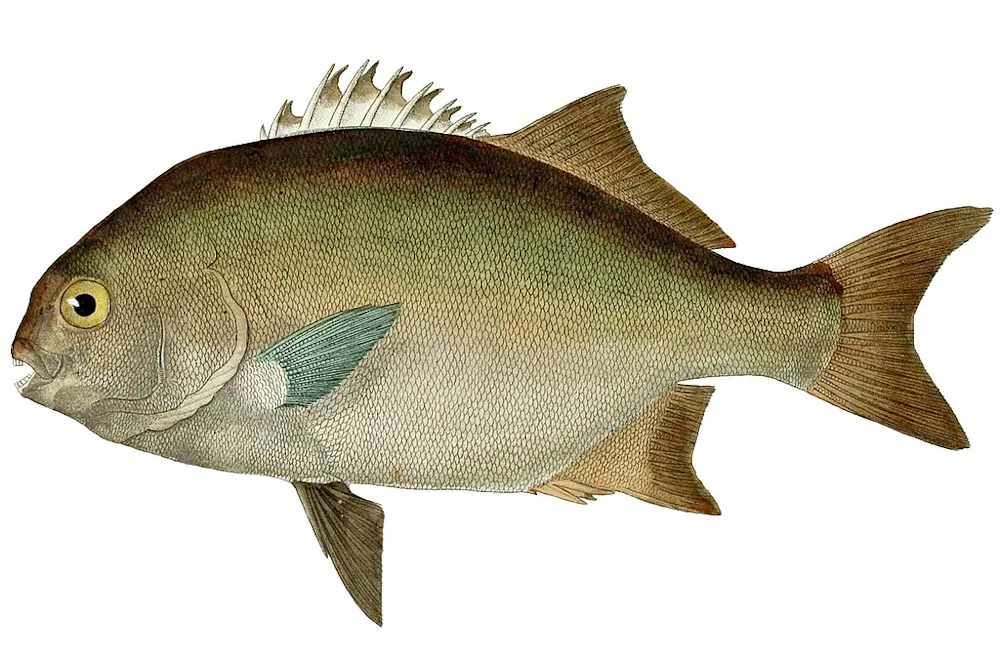
    Galjoen. Biodiversity Heritage Library/Wikimedia Commons, CC BY

    The first national animal to be used as a symbol in South Africa was the springbuck (or springbok), proposed in 1906 as a name for the country’s rugby team ahead of a tour of Europe. The most recent addition was the galjoen in 1992.

    Our study

    We surveyed 382 urban dwellers in four towns spanning three provinces: Mossel Bay, Kariega (formerly Uitenhage), Gcuwa (formerly Butterworth) and Kokstad. In each town we set out to interview 25 adults across low-, medium- and high-income areas and the central business district.

    Blue crane. Knowsley Hall/Wikimedia Commons

    As part of the survey, we asked people to name each of the five national biodiversity symbols. After that, we presented them with photos of four different species (one of which was the national one) and asked them to correctly identify the national species.

    What we found

    Only 11 of the respondents (3%) could name all five symbols, while almost half (48%) could not correctly name a single one. The most widely known were the springbok (40%) and the king protea (40%), perhaps because they correspond to the names of national sporting teams. The blue crane was mentioned by only 16% of the respondents and the galjoen (8%) and yellowwood (6%) fared even worse.

    The numbers were slightly better when respondents were asked to identify each species from a photo of four choices – 58% identified the protea, 51% the blue crane, 45% the springbok, 26% the galjoen and 16% the real yellowwood.

    Real yellowwood. Abu Shawka/ Wikimedia Commons, CC BY-SA

    To benchmark these knowledge levels, we also asked a few questions about the national flag and coat of arms. Only eight people knew the meaning of the phrase at the base of the coat of arms (ǃke e꞉ǀxarraǁke, meaning “diverse people unite” in the |Xam language of the country’s original inhabitants). Only 29% correctly knew that the Y-shape in the middle of the national flag was green. This indicates that the low knowledge of national symbols is not limited to just biodiversity symbols.

    What can be done about it

    It’s clear that a great deal more effort is needed to popularise the national biodiversity symbols if they’re to be used to help shape a national identity in South Africa. They could be promoted in schools where other national symbols, like the flag and anthem, are common.


    Read more: Should Graaff-Reinet be renamed Robert Mangaliso Sobukwe? Residents of the South African town say no – study


    The South African National Biodiversity Institute and the Department of Sport, Arts and Culture could promote them during September’s heritage month celebrations. They could engage the public by popularising their names in the different official languages of the country and their roles in folklore and indigenous knowledge. They could also be featured in national and international tourism promotions.

    Ondwela Tshikombeni and Monde Ntshudu contributed to this article

    – Only 3% of South Africans can name all five national animals and plants. Why these symbols matter
    – https://theconversation.com/only-3-of-south-africans-can-name-all-five-national-animals-and-plants-why-these-symbols-matter-241284

    MIL OSI Africa –

    January 26, 2025
  • MIL-OSI Global: Only 3% of South Africans can name all five national animals and plants. Why these symbols matter

    Source: The Conversation – Africa – By Charlie Shackleton, Professor & Research Chair in Interdisciplinary Science in Land and Natural Resource Use for Sustainable Livelihoods, Rhodes University

    The springbok is best known, thanks to it being a name for sports teams. A Oosthuizen/iStock/Getty Images

    Alongside a national flag, anthem and coat of arms, most countries have one or more plant and animal species that they designate as national symbols. The national animal of China, for example, is the giant panda, a nation-wide source of pride and diplomacy. Americans salute the bald eagle as a symbol of strength and freedom.

    But how do South Africans relate to their official national symbols? Do they even know what they are? It’s a country with an enviable variety of ethnicities, cultures, languages, histories, landscapes and biodiversity. It’s also a country fractured by colonialism and apartheid.

    South Africa is still in the process of building a unified and national identity as it moves beyond apartheid, an oppressive system of legislated racial division that formally ended with the advent of democracy in 1994.

    The process of nation building includes developing a shared history, identity, pride and values of what it means to be South African. One dynamic in this process is the shaping of a collective identity around particular national icons, symbols, activities and personalities. The national anthem, flag, sports stars, artists and the like. Things that make citizens proud of their country and its people, despite a divided past.

    King protea.
    Carol Phillips/iStock/Getty Images

    Reflecting its mega-biodiversity status, South Africa boasts five national animal and plant symbols. These are the national animal (springbok), fish (galjoen), bird (blue crane), flower (king protea) and tree (real yellowwood). Yet, their usefulness in helping build a national identity depends on South Africans actually knowing what they are. Sadly, this seems not to be the case.

    As environmental scientists we’re intrigued by the relationships between humans and nature. Environmental scholars Ondwela Tshikombeni, Monde Ntshudu and I recently conducted a study to find out how much South Africans know about the five biodiversity symbols. We found that only a tiny fraction could name all of them. The level of knowledge about them was generally low.

    This indicates that these symbols can’t be effectively used to help build a common South African identity. Nor will they add value to biodiversity conservation campaigns in a time when the need to protect nature increases due to the impacts of human development and climate change.

    National animals and plants

    The process of choosing a species as a national symbol is different depending on the country and may even be contested. In Turkey, for example, the national animal is the grey wolf. It can be a symbol of pride or be rejected because it’s the controversial name of a rightwing political group.

    Many national symbols are rooted in history and could stem from the emblems of the political, colonial or economic elites of the past. Or they may be more recent and based on lobbying by certain groups or even via public vote. Britain, for example, asked the public to choose a national bird. The robin won.

    Galjoen.
    Biodiversity Heritage Library/Wikimedia Commons, CC BY

    The first national animal to be used as a symbol in South Africa was the springbuck (or springbok), proposed in 1906 as a name for the country’s rugby team ahead of a tour of Europe. The most recent addition was the galjoen in 1992.

    Our study

    We surveyed 382 urban dwellers in four towns spanning three provinces: Mossel Bay, Kariega (formerly Uitenhage), Gcuwa (formerly Butterworth) and Kokstad. In each town we set out to interview 25 adults across low-, medium- and high-income areas and the central business district.

    Blue crane.
    Knowsley Hall/Wikimedia Commons

    As part of the survey, we asked people to name each of the five national biodiversity symbols. After that, we presented them with photos of four different species (one of which was the national one) and asked them to correctly identify the national species.

    What we found

    Only 11 of the respondents (3%) could name all five symbols, while almost half (48%) could not correctly name a single one. The most widely known were the springbok (40%) and the king protea (40%), perhaps because they correspond to the names of national sporting teams. The blue crane was mentioned by only 16% of the respondents and the galjoen (8%) and yellowwood (6%) fared even worse.

    The numbers were slightly better when respondents were asked to identify each species from a photo of four choices – 58% identified the protea, 51% the blue crane, 45% the springbok, 26% the galjoen and 16% the real yellowwood.

    Real yellowwood.
    Abu Shawka/ Wikimedia Commons, CC BY-SA

    To benchmark these knowledge levels, we also asked a few questions about the national flag and coat of arms. Only eight people knew the meaning of the phrase at the base of the coat of arms (ǃke e꞉ǀxarraǁke, meaning “diverse people unite” in the |Xam language of the country’s original inhabitants). Only 29% correctly knew that the Y-shape in the middle of the national flag was green. This indicates that the low knowledge of national symbols is not limited to just biodiversity symbols.

    What can be done about it

    It’s clear that a great deal more effort is needed to popularise the national biodiversity symbols if they’re to be used to help shape a national identity in South Africa. They could be promoted in schools where other national symbols, like the flag and anthem, are common.


    Read more:
    Should Graaff-Reinet be renamed Robert Mangaliso Sobukwe? Residents of the South African town say no – study


    The South African National Biodiversity Institute and the Department of Sport, Arts and Culture could promote them during September’s heritage month celebrations. They could engage the public by popularising their names in the different official languages of the country and their roles in folklore and indigenous knowledge. They could also be featured in national and international tourism promotions.

    Ondwela Tshikombeni and Monde Ntshudu contributed to this article

    Charlie Shackleton received funding from the National Research Foundation under the SARChI Chairs programme for this work.

    – ref. Only 3% of South Africans can name all five national animals and plants. Why these symbols matter – https://theconversation.com/only-3-of-south-africans-can-name-all-five-national-animals-and-plants-why-these-symbols-matter-241284

    MIL OSI – Global Reports –

    January 26, 2025
  • MIL-OSI Global: Is Donald Trump preying on his supporters’ death fears? What terror management theory offers us

    Source: The Conversation – Canada – By Sarah Elizabeth Wolfe, Professor, School of Environment and Sustainability, Royal Roads University

    Death and destruction from climate crises — flooding, fires, hurricanes and heat.

    Then there’s the multimedia firehose of tragic accidents, gruesome images from devastating wars, seemingly random local street violence, warnings of a Third World War and grim distress signals about the dangers of rising authoritarianism on the eve of the United States presidential election and the possible return to power of climate-change skeptic Donald Trump.


    Read more:
    ‘Each bears his own ghosts’: How the classics speak to these days of fear, anger and presidential candidates stalking the land


    Combine these stressors with our own personal mortality reminders: that new grey hair, an unexpected medical diagnosis, the COVID-19 related deaths of our friends or colleagues, and we’re left grappling with surprising and unwelcome fear.

    But trying to get through our days as mostly functional, civilized adults while paralyzed with fear about our unavoidable death isn’t optimal or sustainable. Thankfully, our brains have a hardwired, helpful strategy that’s explained by “terror management theory.”

    Defence mechanisms

    Terror management researchers have shown that we all have predictable defences aimed at repressing our death awareness. Unfortunately, those defences can also contribute to destructive social forces.

    Recognizing and understanding how these defences work is essential to making them less dangerous. These defences depend a lot on our pre-existing identities and whether death awareness operates within our conscious or subconscious mind.

    When death fears are conscious, our defences include denial, rationalization, distraction and self-esteem-building , often via consumption or consumerism. We build ourselves up by gathering or protecting our resources — think negotiating higher incomes or trying to avoid paying taxes — and shopping for necessities to keep our families safe.


    Read more:
    Joe Biden’s refusal to step aside illustrates the political dangers of ‘death denial’


    Death fears also trigger conspicuous consumption to signal our social status and bolster our self-esteem. In terror management theory, money is valued because money buys safety, and safety means the avoidance of death, at least for a little while longer.

    When death fears are unconscious or just “background noise,” the situation gets more complex and problematic. Some of us will harden our identities and ideas about what we believe is right or just, what we are entitled to and with whom we’ll share resources, opportunities and power.

    Sometimes we’ll show greater antagonism towards groups who are unlike us in looks or practice: immigrants, religious minorities or even international students. As these defences emerge and coalesce, we’ll blame “others” for both the big and small troubles we experience or perceive.

    The result is increased social fragmentation and polarization rather than capitalizing on people’s diverse ideas, perspectives and experiences.

    Authoritarian playbook

    When mortality awareness is infused throughout a society — say, during a deadly pandemic or climate disasters — manipulating people’s death fears becomes a seductive route to power for authoritarians or would-be authoritarians like Trump.

    Some people will become receptive to a charismatic figure’s promises of safety, rules, and a return to a better time.

    German psychology professor Immo Fritsche and colleagues have identified clear evidence that climate change has increased authoritarian attitudes and support for authoritarian leadership styles.


    Read more:
    Time to freak out? How the existential terror of hurricanes can fuel climate change denial


    Other researchers found that individuals who did not have prior authoritarian tendencies — after controlling for their political affiliation and ideology — expressed greater support for authoritarian leadership when they experienced mortality awareness.

    In a subsequent study, Fritsche’s results were more dire: death awareness defences created “prejudice, stereotyping, aggression, and racism, which, in turn, can lead to the escalation of violent intergroup conflict and, thus, the escalation of war.”

    While this trajectory isn’t guaranteed, ignoring the influence of mortality defences on social dynamics seems both short-sighted and foolish.

    Be a hero

    So, what can we do to avoid the worst outcomes of polarization, antagonism against marginalized and racialized communities, authoritarianism and potential violence?

    Some good news: first, positive world views and identities can be strengthened even when we feel threatened by death. People who see the world as a collective, are willing to welcome others and work to maintain civil society may intensify their efforts when their mortality is salient. These people need to be supported and celebrated.

    Second, a final defence against mortality fears is to build up our self-esteem through positive “hero projects.” Through these activities — philanthropy, raising children, works of art or literature, teaching, protest or activism for social change — we commit to an action that may not be in our immediate self-interest but we persist despite difficulties, discomfort and often daunting odds.


    Read more:
    How the altruistic response to far right riots reveals the innate goodness in human beings


    In our hero projects, we may take less but give more, and direct our energy to outcomes that will, hopefully, benefit our communities long after we’re gone.

    The authoritarians among us are already adept at manipulating our mortality fears for their own benefit. We can accept their preferred power trajectory, or we can recognize the influence of mortality fears and create alternatives in the days, weeks, months and years to come.

    Sarah Elizabeth Wolfe gratefully acknowledges two decades of funding from Canada’s Social Sciences and Humanities Research Council. The author does not work for, consult, own shares in or receive funding from any company or organization that would benefit from this article, and has disclosed no relevant affiliations beyond her academic appointment.

    – ref. Is Donald Trump preying on his supporters’ death fears? What terror management theory offers us – https://theconversation.com/is-donald-trump-preying-on-his-supporters-death-fears-what-terror-management-theory-offers-us-242568

    MIL OSI – Global Reports –

    January 26, 2025
  • MIL-OSI Global: Without a One Health plan, Canada is vulnerable to future pandemics

    Source: The Conversation – Canada – By Dominique Charron, Visiting Scholar in One Health, University of Guelph

    One Health is based on an understanding that our health and that of animals, plants and ecosystems are interdependent.
    (Shutterstock)

    November 3 is World One Health Day. One Health brings all parts of society and governments together to tackle joint problems of human, animal, plant and ecosystem health.

    Canada needs a One Health plan now to better face worsening climate change, accelerating biodiversity loss, pandemic threats, and threats from superbugs resistant to antibiotics. Canada’s actions on these issues are reactive rather than preventive, and aren’t well co-ordinated or funded. This undermines our readiness and response.

    One Health is based on an understanding that our health and that of animals, plants and ecosystems are interdependent. It presents a way to promote the health of all and to navigate the inevitable trade-offs.

    The current avian flu threat

    A look to our southern border highlights the urgency for action. On March 25, a strain of Avian Influenza A:H5N1 virus that had caused outbreaks in wild birds and poultry in Canada and the United States since 2021, suddenly infected dairy cows in Texas.

    The virus had never been reported in cows before. Its detection was slow and too little was done to stop the spread. As of Nov. 1, H5N1 had spread quickly to 404 dairy farms across 14 states, costing millions in lost milk production and spilling back into poultry and wildlife, killing millions more birds.

    It is concerning that H5N1 has also infected at least 39 people, primarily farm workers, fortunately causing only mild symptoms.

    Canada’s response to the outbreak ramped up after H5N1 reports in U.S. dairy cows. No cases of H5N1 have yet been detected in Canadian cows, but there is need for vigilance because of ongoing H5N1 outbreaks across North America. Authorities in both countries have confirmed that pasteurized milk products are safe.


    Read more:
    U.S. has found H5N1 flu virus in milk — here’s why the risk to humans is likely low


    H5N1 is a growing threat because it infects many species, including seals, mink, bears, foxes, coyotes, dogs and cats. Influenza viruses that jump species pose a greater pandemic threat because of the mixing that may occur when different influenza viruses infect the same animal or person. This can produce new, more severe strains of human flu.

    No one wants to face another pandemic. Canada’s actions to keep ahead of this threat would be enhanced by national One Health planning and co-ordination.

    One Health around the world

    National One Health plans of other countries, like Rwanda, Thailand and Bangladesh, have been shown to help prevent human and animal disease outbreaks. Global Affairs Canada and the International Development Research Centre have invested $40 million since 2021 to support One Health internationally, including in hotspots of disease emergence.

    The U.S. has a One Health Act and recently launched its national co-ordination platform. However, Canada has just begun this work at home. Canada created a high level steering committee to oversee the Pan-Canadian Action Plan on Antimicrobial Resistance (AMR). Time and effort were taken to involve federal, provincial and territorial agencies, Indigenous people, civil society and researchers to arrive at an inclusive framework with the right objectives, responsibilities and outputs. It’s an ideal model for a new Canadian One Health action plan.

    Canada has a mixed track record of working across sectors, whether to fight past outbreaks of Mad Cow Disease, avian or swine flu, or co-ordinating actions by people from different departments and agencies on H5N1 or COVID-19 today. There are problems: nationally, collaboration is informal and focused on single issues, more reactive than preventive, and not supported by any overarching plan, decision-making structure or resources to ensure consistent, ongoing co-operation across threats and issues.

    The risks of not putting these measures in place include information not reaching decision-makers, resources and expertise not being used optimally, trade-offs being misread by other agencies or partners, duplication and gaps, and too little getting done to prevent health threats.

    Implementing One Health

    Without a national One Health plan, Canada risks being vulnerable to new threats, including pandemics.
    (Shutterstock)

    There is guidance. In 2021, the World Health Organization, the UN Food and Agriculture Organization, UN Environment, and the World Organisation for Animal Health agreed to work together on a One Health Joint Plan of Action and implementation guidance.

    With gender equality, inclusiveness and equity, and the importance of local and traditional knowledge at the fore, countries should start implementing One Health by assessing capacities and programs already in place, setting up and funding national co-ordination, setting priorities for action, then producing and putting into action their national plan.

    Canada should mirror what it has done to manage antibiotic-resistant microbes by developing and governing our own national One Health action plan, similar to the Pan-Canadian Action Plan on Antimicrobial Resistance.

    It needs to engage Indigenous perspectives and knowledge to strengthen One Health prevention, readiness and response capabilities. A national One Health action plan, and the co-ordination and resources to go with it, could help Canada achieve other goals — such as the National Climate Adaptation Strategy, biodiversity commitments under the Kunming-Montreal Protocol, and the Pan-Canadian Action Plan on Anti-Microbial Resistance — and to collaborate more effectively with other countries on shared issues.

    Without a national One Health plan, Canada risks being vulnerable to new threats (including pandemics), investing too little in prevention and having a suboptimal response. It’s time for Canada’s One Health action plan.

    This article was co-authored by Andrea Ellis, DVM, MSc., a consultant currently supporting One Health work with the World Organisation for Animal Health. She is the former Senior Veterinary Advisor to the Chief Veterinary Officer and World Organisation for Animal Health Delegate for Canada.

    Dominique Charron is affiliated with the McEachran Institute and START.org. She is a member of the One Health High Level Expert Panel that advises the World Health Organization, UN Food and Agriculture Organization, UN Environment, and World Organisation for Animal Health. She is a former Vice-President, Programs and Partnerships, of the International Development Research Centre.

    Cate Dewey is currently working on a community One Health project in Rwanda. The project is managed by Veterinarians without Borders, North America and is funded by Global Affairs Canada

    – ref. Without a One Health plan, Canada is vulnerable to future pandemics – https://theconversation.com/without-a-one-health-plan-canada-is-vulnerable-to-future-pandemics-242378

    MIL OSI – Global Reports –

    January 26, 2025
  • MIL-OSI New Zealand: Mātiu Somes Island reopening in November

    Source: Department of Conservation

    Date:  04 November 2024

    Te Whatanui Winiata, Chair of the Kaitiaki Board who administer the island, is pleased the island will be accessible for mana whenua and the public in time for summer.

    “The kaitiakitanga of the island is paramount,” says Te Whatanui. “Mātiu is a haven in the heart of Te Whanganui a Tara. We’re looking forward to the future, with Matiu remaining accessible for all uri, kaitiaki, and visitors to experience.”

    In addition to this new wharf, there are changes to biosecurity procedures to help protect native species on the island, and continue its pest-free status. Angus Hulme-Moir, DOC Operations Manager for Kapiti-Wellington, says it’s critical to keep pests off the islands.

    “Mātiu/Somes Island is home to nesting populations of kororā and kākāriki, as well as rare species like tuatara and wētā, while also being a popular destination for tourists and locals alike,” says Angus. “DOC manages the island on behalf of the Kaitiaki Board, and we will work with visitors to ensure they understand the importance of keeping these species safe.”

    East By West Ferries will recommence its ferry services to Mātiu/Somes as soon as the island is open again.

    “Mātiu/Somes is one of the most accessible of New Zealand’s island sanctuaries, and it is a significant part of our business each year – so we are excited to take visitors out again after a gap of several months.” says Mat Jonsson, General Manager at East By West.  

    “As the island reopens to the public, we have worked hard with mana whenua and DOC on a model for sustainable visitation to Mātiu/Somes Island, and we’re pleased to be able to introduce online bookings to coincide with reopening and hopefully a busy summer”.

    Work on the rebuild of Mātiu/Somes Island’s wharf, by Brian Perry Civil, began in February 2024, and has been completed both on time and on budget.

    Information about Mātiu/Somes Island.

    East by West website has ferry timetables.

    Background information 

    Mātiu/Somes Island is a predator-free scientific reserve. It is also a historic reserve with a rich multicultural history.

    The island is owned by local iwi (Taranaki Whānui ki te Upoko o te Ika). It is governed by a Kaitiaki Board and managed by DOC.

    Since pests were eradicated, the island has become a sanctuary for native plants, birds, reptiles, and invertebrates including tuatara, kākāriki, North Island robin, little blue penguins, and wētā.

    Contact

    For media enquiries contact:

    Email: media@doc.govt.nz

    MIL OSI New Zealand News –

    January 26, 2025
  • MIL-OSI Canada: Government of Canada to announce proposed approach to tackle greenhouse gas pollution and drive innovation in the oil and gas sector

    Source: Government of Canada News

    Media representatives are advised that the Honourable Steven Guilbeault, Minister of Environment and Climate Change, and the Honourable Jonathan Wilkinson, Minister of Energy and Natural Resources, joined by colleagues, will announce the Government of Canada’s proposed approach to limiting greenhouse gas pollution, driving innovation, and creating jobs in the oil and gas sector. Canada’s climate plan is working by driving down emissions, while creating a stronger, cleaner economy.

    Ottawa, Ontario – November 3, 2024 – Media representatives are advised that the Honourable Steven Guilbeault, Minister of Environment and Climate Change, and the Honourable Jonathan Wilkinson, Minister of Energy and Natural Resources, joined by colleagues, will announce the Government of Canada’s proposed approach to limiting greenhouse gas pollution, driving innovation, and creating jobs in the oil and gas sector. Canada’s climate plan is working by driving down emissions, while creating a stronger, cleaner economy.

    Prior to the announcement, senior government officials from Environment and Climate Change Canada and Natural Resources Canada will hold a bilingual technical briefing, which will be on background and not for attribution.

    Event: Media technical briefing
    Date: Monday, November 4, 2024
    Time: 11:15 a.m. (EST)
    Location: The National Press Theatre
    180 Wellington Street
    Room 325
    Ottawa, Ontario

    Media representatives are asked to register by contacting the Press Gallery to obtain more information.

    Note to media: Participation in the question-and-answer portion of this technical briefing is for accredited members of the Press Gallery only. Media who are not members of the Press Gallery may contact pressres2@parl.gc.ca for temporary access.

    Event: Hybrid announcement and media availability
    Date: Monday, November 4, 2024
    Time: 1:00 p.m. (EST)
    Location: The Wellington Building
    180 Wellington Street
    Lobby (in front of the green wall)
    Ottawa, Ontario

    Media representatives are asked to register by contacting Media Relations at Environment and Climate Change Canada to obtain more information.

    Note to media: Media representatives may participate in the question-and-answer portion via teleconference.

    Hermine Landry
    Press Secretary
    Office of the Minister of Environment and Climate Change
    873-455-3714
    Hermine.Landry@ec.gc.ca

    Media Relations
    Environment and Climate Change Canada
    819-938-3338 or 1-844-836-7799 (toll-free)
    media@ec.gc.ca

    MIL OSI Canada News –

    January 26, 2025
  • MIL-Evening Report: How are racehorses really treated in the ‘sport of kings’?

    Source: The Conversation (Au and NZ) – By Cathrynne Henshall, Post-doctoral Fellow, School of Agricultural, Environmental and Veterinary Sciences, Charles Sturt University

    It’s the time of year when shiny horses and colourful clothing fill our screens – the Spring Racing Carnival, which includes high profile races like The Everest, Melbourne Cup and Cox Plate.

    It’s also the time of year when questions are asked about the welfare of racehorses that compete in the so-called “sport of kings”.

    Previously, high profile deaths during races, the use of whips and what happens to horses after racing have been the focus of community concern.


    Read more:
    Black Caviar’s death has prompted uncomfortable questions about how champion mares spend their retirement


    But recently, as we’ve come to know more about what makes a good life for a horse, questions are being raised about the daily lives of racehorses.

    Industry participants will point to the high level care that racehorses receive – comfortable stables, specially formulated diets, the latest vet treatments and added extras such as massages and swimming sessions.

    But does this care translate into good welfare?

    The theory of ‘telos’

    Firstly, a quick primer on the difference between care and welfare.

    Care includes all the things that make sure racehorses get fit, stay fit and stay healthy. This care helps maximise the chance a horse will win races.

    Welfare is the animal’s subjective or individual experience of its life – how it feels – and there are a number of ways to assess this.

    One way is the concept of “telos”, originally developed by Ancient Greek philosopher Aristotle.

    Telos is a species’ anatomical, physiological, behavioural and cognitive characteristics that have been shaped by millions of years of evolution.

    Telos helps us to identify what matters to animals – their behavioural, psychological and physiological needs.

    So to consider if racehorse care actually translates to good welfare, we can assess how closely it provides the animal with the things that matter to them, based on their telos.

    Equine telos involves living in groups, forming long-lived social relationships, grazing fibrous plants and being on the move for up to 18 hours a day, as well as staying safe by sensing danger and then moving away.

    It also involves living in variable environments to solve challenges, learn, engage in curiosity and play.

    Let’s compare that to the daily life of a racehorse.

    Movement and feeding

    Firstly, the vast majority of racehorses live in stables – sometimes up to 23 hours a day.

    Multiple studies have found continuous stabling harms horse welfare.

    Stables significantly restrict opportunities for voluntary movement, and studies show stabled horses spend the majority of the time inactive.

    Even though stables house horses communally, most designs limit horses’ opportunities for social interaction.

    Thirdly, there’s little for a horse to do in a stable other than eat, stand, drink or lie, and they often develop abnormal behaviours that are associated with stress. These are never seen in free-ranging horses.

    When racehorses do get to move, they have little say over how far, how fast and for how long they move.

    The kinds of physical exercise racehorses do are both significantly shorter in duration and at much higher speeds than horses voluntarily choose. It’s those speeds that place them at risk of suffering a serious injury.

    What about diet?

    Although a lot of time and effort is spent ensuring racehorses enjoy high quality diets, they are mostly comprised of concentrated energy sources such as grains, rather the fibre horses evolved to eat.

    Horses are trickle feeders (grazers), with small stomachs that continuously secrete digestive juices.

    In the wild, grazing keeps those stomachs full, which prevents the stomach lining from being damaged by digestive acids.

    In comparison, racehorses often consume their food very quickly – instead of spending up to 75% of their day eating, they spend only 33%.

    This means their stomachs are empty for most of the day, which is why up to 65% will get painful gastric ulcers.

    And having to wait to be fed rather than eating when hungry, as happens in free-ranging horses, can lead to frustration.

    Other difficulties

    Racehorses may be whipped, and more than 50% will experience some form of musculoskeletal injury during racing, of which between 7-49% are fatal.

    Social relationships, in the limited form possible in a racing stable, are also frequently disrupted because horse populations are highly transient due to spelling, retirement or even just going to the races.

    So even if two horses are able to form a relationship of sorts, chances are one will be taken away. Separation distress is a significant stressor for horses.

    Then there’s the gear that’s used to control them.

    Horses, like most animal species, escape and avoid painful stimuli.

    However, in racing (and many other equestrian activties) it is mandatory to use “bits” to control horses’ behaviour during riding and handling. Bits work by causing uncomfortable pressure and pain and may lead to mouth injuries.

    Studies have shown many people don’t understand how to minimise the harm they can cause. In addition, people also vary widely in their ability to read and interpret behavioural responses to stress.

    So, racehorses may be repeatedly exposed to pain from bits and perform a range of behaviours to try to escape that pain, like bolting, mouth opening or head tossing.

    To remedy this, additional items of restrictive equipment, such as tongue ties, nosebands, lugging bits or bit burs may be used to control the horse.

    Racehorses frequently show signs of difficulty coping with the stressors of racing life, including “going off their feed”, aggression towards handlers, becoming hard to control when ridden and a range of stress behaviours and health issues, such as bleeding from the lungs.

    What about welfare?

    Racehorse care is often directed towards managing issues that are the direct result of the demands of the racing environment.

    Fancy stables and aqua sessions are not important to horses, and may even cause harm.

    What matters to horses are opportunities to make meaningful choices, such as the freedom to move, form friendships and graze for the majority of the day.

    Current racing industry practices often deny horses the chance to make these choices.

    There’s no doubt people in racing care deeply about their horses. But to experience good welfare during racing, racehorses need more than just good care.

    Cathrynne Henshall receives funding from the Hong Kong Jockey Club Welfare Foundation

    – ref. How are racehorses really treated in the ‘sport of kings’? – https://theconversation.com/how-are-racehorses-really-treated-in-the-sport-of-kings-240998

    MIL OSI Analysis – EveningReport.nz –

    January 26, 2025
  • MIL-OSI New Zealand: NZTA welcomes Te Ara o Te Ata – Mt Messenger Bypass Court of Appeal ruling

    Source: New Zealand Transport Agency

    NZ Transport Agency Waka Kotahi has welcomed yesterday’s Court of Appeal decision ruling in favour of the Minister of Land Information and supporting the process undertaken for land acquisitions for Te Ara o Te Ata – Mt Messenger Bypass project.

    Court of Appeal decision

    NZ Transport Agency Waka Kotahi Regional Manager of Infrastructure Delivery Rob Partridge says the court’s ruling dismissed the northern landowners’ argument that LINZ officials or the Minister of Land Information are the only people who can negotiate with them; and awarded costs in favour of the Crown.

    “This decision is a timely boost for the team on the ground building a safer, more resilient and reliable 6km section of State Highway 3 in northern Taranaki.”

    NZTA is now awaiting a ruling on an appeal by landowners, heard in the High Court in August 2024, against a May 2024 Environment Court ruling supporting the Crown’s intent to acquire an 11ha block of land required in the north of the project area.

    “We are taking up every avenue to progress resolution of all outstanding legal proceedings, and gain access to the land needed at the northern end of the project as soon as possible,” says Mr Partridge.

    2024/25 construction season 

    On the southern side of Mt Messenger, the team is focussed on excavating a spur to create access for construction of the project’s 125-metre bridge, which will carry the road over a stream that feeds into the Mimi wetland.

    Further towards the central section of the project, the award-winning cableway has been busy transporting earthworks gear into the project’s largest fill site that extends 500m from the tunnel’s northern portal.

    Environmental recognition

    The Alliance’s environmental, pest management and ecology teams are busy delivering the project’s major environmental benefits alongside mana whenua partner Ngāti Tama.

    The project has recently won the Environmental Excellence Award from the Australasian division of the International Erosion Control Association, recognising its work to minimise impacts on the surrounding landscape and waterways.

    “State Highway 3, over Mt Messenger, is a crucial connection for freight and other road users, between the West Coast and upper North Island.  The bypass project is essential to contributing to this economic growth, saving road users time, but more importantly, providing a safer, more resilient road, ultimately benefiting efficiencies, and we’re looking forward to all the progress on site over the coming construction season.”

    Te Ara o Te Ata – Mt Messenger Bypass earthworks.

    MIL OSI New Zealand News –

    January 26, 2025
  • MIL-OSI New Zealand: Waimate High School Enviro-Group initiative takes root

    Source: Environment Canterbury Regional Council

    Date: 04 Nov 2024

    Spearheaded by the Waimate High School Enviro-Group, the project will see a shade house built at the school and approximately 2000 trees planted.

    At recent Lower Waitaki South Coastal Canterbury Water Zone Committee meetings, the group was successful in having two funding requests approved.

    Group facilitator and Head of Science Aaron Harbour says the Enviro-Group had attracted approximately 20 students, each showing a keen interest to learn about seed propagation.

    The group will predominantly grow native trees and grasses, with the shade house helping to accelerate the growth of kowhai trees in the coming months.

    Some members of the Waimate High School Enviro-Group on their latest field trip

    “The students wanted a space of their own to put their environmental ideas into reality, and the shade house achieves this,” Aaron said.

    “Having the shade house on school grounds is great for the students and it also gives us the opportunity to bring the community in at various times to get involved. We also hope that in the future this space will serve as a living classroom where students can learn about native plants, sustainable gardening practices, and the importance of biodiversity and ecological communities.”

    Sowing seeds for the future

    The group hopes the planting initiative will help establish a legacy project as part of the school’s revolutionary Ag Hub initiative – encouraging students to plant a tree when they first arrive in year 7 and again, when they leave.

    The project aligns with the committee’s goal of engaging with young people and supporting educational projects that raise awareness of environmental issues in the zone.

    The first batch of trees (500) have already been planted, with the next round of planting scheduled later this month. Other plant species to be introduced include tarata (lemonwood), kōhūhū (black matipo), kanuka (kunzea robusta), among others.

    Propagation will officially get underway in term one, next year.

    The Waimate High School Enviro-Group have already planted 500 trees on their riparian corridor

    Environment Canterbury © 2024
    Retrieved: 12:04pm, Mon 04 Nov 2024
    ecan.govt.nz/get-involved/news-and-events/zone-news/lower-waitaki/waimate-high-schools-enviro-group-initiative-takes-root/

    MIL OSI New Zealand News –

    January 26, 2025
  • MIL-OSI China: Seminar held to build youth leadership in Lancang-Mekong region

    Source: China State Council Information Office

    A seminar on “Building Water Sector Youth Leadership Network in the Lancang-Mekong Region,” under the Lancang-Mekong Cooperation (LMC) Special Fund, was held in Beijing on Oct. 29.

    A seminar on “Building Water Sector Youth Leadership Network in the Lancang-Mekong Region” is held in Beijing on Oct. 29, 2024. [Photo by Wang Ran/China.org.cn]

    Organized by Lancang-Mekong Water Resources Cooperation Center (LMC Center), the workshop has brought together over 30 representatives from government agencies, research institutions, universities, enterprises, and NGOs to discuss project progress and share insights on developing young leaders in the water sector.

    Following the seminar, participants visited the LMC Center and the Tuancheng Lake in Beijing’s Haidian district to learn about the economic, social, and ecological impacts of the eastern and central routes of the South-North Water Diversion Project.

    “Building Water Sector Youth Leadership Network in the Lancang-Mekong Region,” was initiated by Thailand’s Office of the National Water Resources, and jointly implemented by Environmental Research Institute Chulalongkorn University, Stockholm Environment Institute (SEI) Asia Centre, and the LMC Center. It has received strong support from the Chinese Ministry of Foreign Affairs.

    Running from 2023 to 2024, it aims to strengthen youth engagement across the six countries in the Lancang-Mekong basin, fostering active participation in regional water resource cooperation.

    MIL OSI China News –

    January 26, 2025
  • MIL-OSI New Zealand: Ducktales Episode 2: The Teal Deal | Conservation blog

    Source: Department of Conservation

    Perhaps you know your Daffy from your Donald, your Huey from your Louie and Dewey, but do you really know your ducks?

    Communications and Media Advisor Krysia Nowak takes a duck-dive into the shallows for a quick wade around the ducks of Aotearoa. Missed the first episode? Catch up here – Ducktales episode 1: Quacking the case on mallards and grey ducks.


    Before we get started, let me address the truly confusing fact that teal is both a colour and a bird. It seems the bird came first, and the colour is based on that Eurasian bird. My question is: if we continue our groundbreaking naming of teals in New Zealand (brown teal, grey teal), what happens if we find a teal-coloured teal? Moving on…

    Pāteke/Brown teal

    Honestly, ornithologists (bird-nerds) are pretty uncreative with their names. Brown teal indeed. Pāteke are ADORABLE. I think it’s the wee white ring around their eye. Oh, and may I introduce the ducklings?

    A pāteke family at Auckland Zoo. Image credit: Aja Pendergrast/Auckland Zoo.

    Like the mallards in Episode 1, these are dabblers (it’s a popular pastime); pāteke have seriously low numbers but are listed as at risk-recovering, thanks to some excellent conservation efforts. In places where they don’t have specific conservation efforts, they’re still vulnerable to habitat loss and predation.

    Up close they are unmistakeable, but from a distance pāteke may appear similar to other ducks. Look out for a duck smaller than a mallard flying low and fast over water, most commonly around the northern half of the North Island.

    See a brown looking teal with a white eye-ring on mainland New Zealand? It’s probably a pāteke. Image credit: Paul Jansen/DOC.

    The case of pāteke v mallard on Aotea Great Barrier Island

    In a troubling turn of events, the pāteke population on Aotea is under threat from the insurgent mallard population. Prosecutors claim introduced mallards are outbreeding the endemic pāteke, with the injury centred on humans artificially increasing mallard success by feeding them. The judge has not ordered any recompense, but humans are reminded to avoid feeding any wild bird and continue to be ‘decent to ducks’ (more below).

    Tētē/grey teal

    Aussie cousins of our teals, grey teal are now considered native and aren’t threatened. Grey teal are nomadic dabblers with one stand-out feature – brilliant red eyes. Despite their alarming gaze, experts assure me they are not vampires, but feed on insects, molluscs and seeds. I’m still not inviting one in at nighttime.

    Easily confused with the occasional visitor the chestnut teal.

    With eyes like that, surely grey ducks are up to no good? Image credit: Paul Jansen/DOC.

    WAY down South

    Two endemic teals live on our subantarctic islands, and both are flightless so don’t expect to be seeing them in your backyard anytime soon (or anywhere else in the world). Auckland Island and Campbell Island teals are each similar in appearance to their mainland cousin the pāteke. Your best bet for identification is location – see a brown-looking teal? Check what island you are on, and you probably have your answer! Campbell Island teal are among the world’s rarest ducks, fortunately now increasing thanks to rat eradication on their home ground.

    Found in Auckland Islands, you guessed it – an Auckland Island teal! Image credit: Janel Hull/DOC
    WWW.LEONBERARDPHOTOGRAPHY.CO.NZ” data-medium-file=”https://i0.wp.com/blog.doc.govt.nz/wp-content/uploads/2024/11/4-2.jpg?fit=300%2C200&ssl=1″ data-large-file=”https://i0.wp.com/blog.doc.govt.nz/wp-content/uploads/2024/11/4-2.jpg?fit=580%2C387&ssl=1″ data-id=”54785″ src=”https://i0.wp.com/blog.doc.govt.nz/wp-content/uploads/2024/11/4-2.jpg?resize=580%2C387&ssl=1″ alt=”” class=”wp-image-54785″ srcset=”https://i0.wp.com/blog.doc.govt.nz/wp-content/uploads/2024/11/4-2.jpg?resize=1024%2C683&ssl=1 1024w, https://i0.wp.com/blog.doc.govt.nz/wp-content/uploads/2024/11/4-2.jpg?resize=300%2C200&ssl=1 300w, https://i0.wp.com/blog.doc.govt.nz/wp-content/uploads/2024/11/4-2.jpg?resize=768%2C512&ssl=1 768w, https://i0.wp.com/blog.doc.govt.nz/wp-content/uploads/2024/11/4-2.jpg?resize=1536%2C1024&ssl=1 1536w, https://i0.wp.com/blog.doc.govt.nz/wp-content/uploads/2024/11/4-2.jpg?resize=2048%2C1365&ssl=1 2048w, https://i0.wp.com/blog.doc.govt.nz/wp-content/uploads/2024/11/4-2.jpg?resize=1200%2C800&ssl=1 1200w, https://i0.wp.com/blog.doc.govt.nz/wp-content/uploads/2024/11/4-2.jpg?w=1740&ssl=1 1740w” sizes=”(max-width: 580px) 100vw, 580px”/>
    See a brown looking teal in the Campbell Island group? It’s almost certainly a Campbell Island teal. Image credit: Leon Berard – leonberardphotography.co.nz

    See you soon for the final episode of Ducktales!


    Be decent to ducks

    Be a responsible cat owner, by:

      • Desexing and microchipping your cat
      • Keeping your cat indoors or contained inside a ‘catio’, especially at night
      • Putting your cat in a cattery when you go on holiday
      • Never taking them onto public conservation land.

      Be a responsible dog owner

      Please don’t feed ducks, feeding wild birds can:

      • Make them sick or make them starve because they are eating the wrong things
      • Make them gather in higher than usual numbers, spreading disease (we’re especially wary of this with H5N1 avian influenza spreading overseas)
      • Increase their numbers at a cost to other species (e.g. mallards outcompeting pāteke on Aotea/Great Barrier Island)
      • Increase risks to human health by increasing the concentration of bird faecal matter

      Trap introduced predators at home or in your community

      Share this:

      MIL OSI New Zealand News –

    January 26, 2025
  • MIL-OSI New Zealand: Kāhui Ākonga Hui at Ōtatāra Outdoor Learning Centre | EIT Hawke’s Bay and Tairāwhiti

    Source: Eastern Institute of Technology – Tairāwhiti

    • Home
    • News
    • Kāhui Ākonga Hui at Ōtatāra Outdoor Learning Centre

    20 mins ago

    The Ōtātara Outdoor Learning Centre (ŌOLC) on EIT’s Hawke’s Bay Campus is an important part of EIT’s sustainability strategy.

    We were delighted to host ākonga from seven Ōtatāra Kāhui kura at the Ōtatāra Outdoor Learning Centre recently.  It was an honour to connect with our local school community in such a meaningful way.

    The focus of the visit was to connect and reflect on wellbeing through the lens of Te Whare Tapa Whā. Bailey, a student from Taradale High School, organised and lead team-building activities, including a nature treasure hunt that brought everyone closer to the environment and each other. The group reflected on the importance of being in nature for wellbeing—how it helps us feel good and function well.

    Gerard shared the rich history of the whenua, as well as the vision for the future of the ŌOLC. Our visitors generously donated and (assisted by Gerard and Tania) were able to plant native species; Koromiko, Kowhai, Harakeke, and Rengarenga – plants grown by our friends and neighbours Te Wai Mauri, the nursery at Waiohiki Marae. 

    Key messages from the day included:

    • Being in nature reduces blood pressure, heart rate, muscle tension, and stress hormones.
    • Conservation activities provide a sense of awe, wonder, and appreciation for beauty, enhancing our connection to ecosystems.
    • Engaging in activities like planting trees, cleaning up beaches, or protecting endangered species gives us a sense of purpose and accomplishment, boosting self-esteem and life satisfaction.
    • Participating in group efforts such as beach cleanups or habitat restoration fosters community spirit, strengthening social bonds and overall wellbeing.

    The teachers said the ākonga returned from the experience feeling energised and inspired, with their hauora truly uplifted. 

    We look forward to welcoming the ākonga back to the Ōtatāra Outdoor Learning Centre sometime soon!

    MIL OSI New Zealand News –

    January 26, 2025
  • MIL-Evening Report: News Corp lies to Australian Parliament in lobbying putsch to change media laws

    Rupert Murdoch’s News Corporation has misled the Australian Parliament and is liable to prosecution — not that government will lift a finger to enforce the law, reports Michael West Media.

    SPECIAL REPORT: By Michael West

    Rupert Murdoch’s News Corporation has misled the Australian Parliament. In a submission to the Senate, the company claimed, “Foxtel also pays millions of dollars in income tax, GST and payroll tax, unlike many of our large international digital competitors”.

    However, an MWM investigation into the financial affairs of Foxtel has shown Foxtel was paying zero income tax when it told the Senate it was paying “millions”. The penalty for lying to the Senate is potential imprisonment, although “contempt of Parliament” laws are never enforced.

    The investigation found that NXE, the entity that controls Foxtel, paid no income tax in any of the five years from 2019 to 2023. During this time it generated $14 billion of total income.

    The total tax payable across this period is $0. The average total income is $2.8 billion per year.

    Foxtel Submission to the Senate Environment and Communications Legislation Committee Inquiry into The Broadcasting Legislation Amendment (2021 Measures No.1) Bill. Image: MWM screenshot

    Why did News Corporation mislead the Parliament? The plausible answers are in its Foxtel Submission to the Senate Environment and Communications Legislation Committee Inquiry into The Broadcasting Legislation Amendment.

    In May 2021 — which is also where the transgression occurred — the media executives for the American tycoon were lobbying a Parliamentary committee to change the laws in their favour.

    By this time, Netflix had leap-frogged Foxtel Pay TV subscriptions in Australia and Foxtel was complaining it had to spend too much money on producing local Australian content under the laws of the time. Also that Netflix paid almost no tax.

    Big-league tax dodger
    They were correct in this. Netflix, which is a big-league tax dodger itself, was by then making bucketloads of money in Australia but with zero local content requirements.

    Making television drama and so forth is expensive. It is far cheaper to pipe foreign content through your channels online. As Netflix does.

    The misleading of Parliament by corporations is rife, and contempt laws need to be enforced, as demonstrated routinely by the PwC inquiry last year. Corporations and their representatives routinely lie in their pursuit of corporate objectives.

    If democracy is to function better, the information provided to Parliament needs to be clarified, beyond doubt, as reliable. Former senator Rex Patrick has made the point in these pages.

    Even in this short statement to the committee of inquiry (published above), there are other misleading statements. Like many companies defending their failure to pay adequate income tax, Foxtel claims that it “paid millions” in GST and payroll tax.

    Companies don’t “pay” GST or payroll tax. They collect these taxes on behalf of governments.

    Little regard for laws
    Further to the contempt of Parliament, so little regard for the laws of Australia is shown by corporations that the local American boss of a small gas fracking company, Tamboran Resources, controlled by a US oil billionaire, didn’t even bother turning up to give evidence when asked.

    This despite being rewarded with millions in public grant money.

    Politicians need to muscle up, as Greens Senator Nick McKim did when grilling former Woolies boss Brad Banducci for prevaricating over providing evidence to the supermarket inquiry.

    Michael West established Michael West Media in 2016 to focus on journalism of high public interest, particularly the rising power of corporations over democracy. West was formerly a journalist and editor with Fairfax newspapers, a columnist for News Corp and even, once, a stockbroker. This article was first published by Michael West Media and is reopublished with permission.

    MIL OSI Analysis – EveningReport.nz –

    January 26, 2025
  • MIL-OSI USA: $435 Million for Water Infrastructure Improvements

    Source: US State of New York

    Governor Kathy Hochul today announced that more than $435 million is being awarded to 102 critical water infrastructure projects across New York State through the Water Infrastructure Improvement and Intermunicipal Grant programs. The grants awarded by the New York State Environmental Facilities Corporation (EFC) deliver on Governor Kathy Hochul’s 2024 State of the State to help small, rural and disadvantaged communities with their water infrastructure needs. With critical financial support for local governments across New York, Governor Hochul is laying the foundation for a healthier, more resilient future, ensuring every New Yorker has access to safe and clean water, while creating jobs and boosting the economy.

    “New York is committed to funding water infrastructure upgrades because every person has a right to clean water,”  Governor Hochul said.  “With this funding for communities across the State, we are providing critical resources to local economies, creating jobs and safeguarding the health and well-being of all New Yorkers.”

    The  complete list of WIIA and IMG awardees, including an interactive map and projects by region, is available on EFC’s website. 

    These grants will support water infrastructure projects totaling more than $1 billion that safeguard drinking water from the risk of toxic chemicals, upgrade and replace water and wastewater infrastructure in a manner that will increase community resilience, regionalize water systems, support local economies, and are critical to protecting public health and the environment. The ratepayers are projected to save an estimated $1 billion in costs the communities would have incurred if they had financed the projects on their own.

    Environmental Facilities Corporation President & CEO Maureen A. Coleman said,  ”EFC’s grants are a hallmark of New York State’s robust, nation-leading investment in the environment, which will help municipalities affordably invest in water infrastructure improvement projects. These grants will help get shovels in the ground for 102 water quality projects across New York State. EFC is committed to awarding grant funding to the communities that need it most, as demonstrated by the dedicated work of our Community Assistance Teams and the award of enhanced grants totaling $126.7 million amount to small, rural and disadvantaged communities.”

    This round of WIIA/IMG boasts improvements announced as part of Governor Hochul’s 2024 State of the State to maximize benefits for rural and disadvantaged communities.

    Enhanced Awards for 32 Projects in Small, Rural Communities
    Even with extensive financial support from the State, some municipalities are left passing a large financial burden to their ratepayers. To alleviate this burden on small, rural and disadvantaged communities, Governor Hochul directed EFC to increase grants for small, rural communities from 25 percent to 50 percent of net eligible project costs. Examples of enhanced awards include:

    • Town of Peru (North Country) is awarded $11 million for upgrades to the Town of Peru Water Pollution Control Plant (WPCP), with a focus on effluent disinfection.
    • Saint Regis Mohawk Tribe is awarded $9.8 million for upgrades to the wastewater treatment plant.
    • Village of Richfield Springs (Mohawk Valley)  is awarded $9.1 million for improvements to the wastewater treatment plant and sewer rehabilitation.
    • Town of Ellicott (Western NY)  is awarded $3.2 million for the expansion of sewer service in the area around Fluvanna Avenue.

    EFC’s Community Assistance Teams Helped Municipalities Secure Grants
    Small, rural and disadvantaged communities are particularly impacted by deteriorating water infrastructure and emerging contaminants and often do not possess the resources and capacity necessary to advance a project for infrastructure improvement. Governor Hochul expanded EFC’s  Community Assistance Teams program that launched in 2023 to provide essential support for updating New York’s critical water infrastructure. Thirteen municipalities that worked with EFC through this critical initiative received grants, four of which are receiving enhanced awards:

    • Town of Mina (Western NY) is awarded $13 million for the construction of a new sanitary sewer collection system around Findley Lake and a new wastewater treatment plant to treat sewage from the new system.
    • Town of Potsdam (North Country) is awarded $1.4 million for the construction of a new sewer district.
    • Village of Parish (Central NY) is awarded $1 million for wastewater treatment plant improvements.
    • Town of Wilna (North Country) is awarded $154,527 for wastewater treatment facility upgrades.

    Awards Totaling $66 million To Protect Drinking Water From Emerging Contaminants
    Continuing New York’s national leadership on addressing the threat of PFAS, Governor Hochul increased awards for emerging contaminant projects from 60 percent to 70 percent of net eligible project costs. This change will help ensure cost is not a barrier for communities working to make life-saving investments that eliminate risks to their drinking water supplies. Examples of emerging contaminants projects include:

    • Village of Hempstead (Long Island)  is awarded $37 million for water treatment improvements to remove 1,4 Dioxane and PFAS.
    • Town of North Salem (Mid-Hudson)  is awarded $592,074 for the Pabst Water System PFOS Mitigation project.
    • Dutchess County Water & Wastewater Authority (Mid-Hudson)  is awarded $15 million for water system interconnection to remedy PFAS-Contaminated source water.
    • Suffolk County Water Authority (Long Island)  is awarded a total of $4.9 million for four projects using advanced oxidation to remove 1,4-dioxane from groundwater.

    EFC administers the WIIA and IMG programs in coordination with the Department of Health (DOH). The State has awarded more than $2.9 billion in water infrastructure grants through EFC since 2015.

    Department of Environmental Conservation Interim Commissioner Sean Mahar said, “Under Governor Hochul’s leadership, New York State continues to prioritize investments in clean water for communities statewide. Today’s award of $435 million will support more than 100 water projects across the State to protect public health and the environment. The investments, bolstered by EFC’s assistance to rural, smaller and disadvantaged communities, are advancing effective water infrastructure improvements that will benefit New Yorkers.”

    State Commissioner of Health Dr. James McDonald said, “Governor Hochul is ensuring that New Yorkers throughout the State have access to clean drinking water, the foundation to good health. The financial support in this latest announcement will help municipalities make critical upgrades to their water systems, something they might not be able to afford on their own, and thus help to achieve greater health equity in our great state. New York State will continue to work with communities to ensure their water is safe to drink today and into the future.”   

    Secretary of State Walter T. Mosley said, “Clean water infrastructure is vital to public health and New York State is making a historic economic commitment for communities to address drinking water infrastructure needs. We thank Governor Hochul for her assistance of $435 million that will open doors for small, rural and disadvantaged communities to have an infusion of funds to get shovels in the ground to help create environmentally sound cities and towns for present and future generations.”

    Majority Leader Andrea Stewart-Cousins said, “This $435 million in State grants represents a transformative investment in strengthening our water infrastructure, particularly in small, rural and disadvantaged communities. I am proud to have worked with Governor Hochul, Members of the Senate Majority and our partners in the Assembly, to secure this essential funding, which includes the $4.2 billion Clean Water, Clean Air and Green Jobs Environmental Bond Act of 2022, and $500 million for clean water infrastructure allocated in the 2024-2025 Budget. By making this investment in our small, rural and disadvantaged communities, we are not only empowering them to upgrade their infrastructure, but also improving public health, saving ratepayers money, building climate resilience and strengthening our economy.”

    State Senator Pete Harckham said, “This major investment from the State ensures public health standards while supporting local businesses. Maintaining safe, accessible drinking water sources and supply systems is integral to future growth and prosperity, and I thank Governor Hochul, my colleagues in the State Legislature and the New York State Environmental Facilities Corporation for making the financial commitment to see this through.”

    Assemblymember Deborah J. Glick said, “Water infrastructure improvements are a crucial component of protecting the health of New Yorkers and the environment. With the continued threats posed by PFAS and other chemical contamination, the use of lead service lines and increasingly destructive storms and flooding, we must remain focused on funding projects such as these around the State. I thank Governor Hochul and EFC for prioritizing water infrastructure improvement and look forward to working together to secure more funding next year to continue this critical work.”

    New York League of Conservation Voters President Julie Tighe said, “Water is our most precious resource and investing in clean water infrastructure is absolutely critical for the health of all New Yorkers. We congratulate all of the water infrastructure awardees and commend Governor Hochul for her ongoing commitment to clean water and public health.”

    The Nature Conservancy’s New York Policy and Strategy Director Jessica Ottney Mahar said, “The Nature Conservancy commends Governor Hochul for dedicating significant resources to protect clean drinking water and update critical infrastructure. State funding enables New York communities to protect public health, improve quality of life and strengthen local economies. The need for clean water is universal; every person, every animal, every community depends on it, which is why public investments like this are essential.”

    Citizens Campaign for the Environment Executive Director Adrienne Esposito said, “Filtering out toxic PFAS and 1,4 Dioxane chemicals is one of the few things that everyone can enthusiastically support this year. These grants mean our drinking water will be safer, cleaner and more reliable, and that is why the public strongly supports clean water funding. Thank you to Governor Hochul for dispersing clean water funding in a timely and strategic way that protects public health and our environment.”

    Environmental Advocates NY Senior Director of Clean Water Rob Hayes said, “We applaud Governor Hochul for delivering a transformative round of water infrastructure funding. These grants are a win-win for our economy and environment, protecting clean water and creating thousands of good-paying union jobs. We are especially thankful for increased funding to help communities remove toxic PFAS from drinking water, protecting public health. With this funding, the Governor is demonstrating her commitment to helping communities across the State be stronger, healthier and more affordable.”

    New York’s Commitment to Water Quality
    New York State continues to increase its nation-leading investments in water infrastructure, including more than $2.2 billion in financial assistance from EFC for local water infrastructure projects in State Fiscal Year 2024 alone. With $500 million allocated for clean water infrastructure in the FY25 Enacted Budget announced by Governor Hochul, New York will have invested a total of $5.5 billion in water infrastructure between 2017 and this year. Governor Hochul’s State of the State initiatives are ensuring ongoing coordination with local governments and helping communities to leverage these investments. The Governor increased WIIA grants for wastewater projects from 25 to 50 percent of net eligible project costs for smaller, disadvantaged communities. The Governor also expanded EFC’s Community Assistance Teams to help small, rural and disadvantaged communities leverage this funding and address their clean water infrastructure needs. Any community needing assistance with water infrastructure projects is encouraged to  contact EFC.

    MIL OSI USA News –

    January 26, 2025
  • MIL-OSI USA: Booker Calls on EPA to Ban Use of Paraquat to Protect Farmworkers and Rural Communities

    US Senate News:

    Source: United States Senator for New Jersey Cory Booker
    WASHINGTON, D.C. –  Today, U.S. Senator Cory Booker (D-NJ) and his Senate colleagues sent a letter to Environmental Protection Agency (EPA) Administrator Michael Regan urging the agency to ban the use of paraquat, a highly toxic pesticide linked to severe health risks, including Parkinson’s disease and various forms of cancer.
    “Paraquat is a highly toxic pesticide whose continued use cannot be justified given its harms to farmworkers and rural communities. We write to urge the Environmental Protection Agency (EPA) to ban the use of paraquat in the United States,” the Senators wrote. 
    “Paraquat has been linked to Parkinson’s disease, thyroid cancer, and other health harms such as kidney, liver, and respiratory damage, and reproductive harm, including neurodevelopmental impact on developing fetuses. In rural areas, exposure to paraquat and other pesticides during pregnancy can increase the risk of leukemia,” the Senators continued.  
    There has been a global movement away from paraquat, with over 70 countries—including China, Brazil, and members of the European Union—banning its use. Additionally, data from the EPA indicates that the majority of U.S. farmers do not rely on paraquat for their crops.
    Given the documented health hazards associated with paraquat, the case for its ban is clear. The EPA must prioritize the safety and well-being of farmworkers and rural communities, who should not be subjected to preventable health harms.
    “We urge you to protect the health of farmworkers and rural residents by banning paraquat,” the Senators concluded. 
    The letter is cosigned by U.S. Senators Richard Blumenthal (D-CT), Martin Heinrich (D-NM), Ed Markey (D-MA), Bernie Sanders (I-VT), Chris Van Hollen (D-MD), and Peter Welch (D-VT).
    To read the full text of the letter, click here.
    Earlier this month, 47 Members of Congress sent a letter to the EPA, also urging a ban on paraquat.

    MIL OSI USA News –

    January 26, 2025
  • MIL-OSI USA: Murphy, Blumenthal, Larson, DeLauro Announce $250,000 To Prevent Pollution

    US Senate News:

    Source: United States Senator for Connecticut – Chris Murphy

    November 01, 2024

    EAST HARTFORD—U.S. Senators Chris Murphy (D-Conn.) and Richard Blumenthal (D-Conn.) and U.S. Representatives John Larson (D-Conn.-01) and Rosa DeLauro (D-Conn.-03) announced the Connecticut Department of Energy and Environmental Protection (CT DEEP) has been selected to receive $250,000 in federal grants to provide technical assistance to help Connecticut businesses develop and adopt pollution prevention practices in local communities.
    CT DEEP will partner with the Toxic Use Reduction Institute at University of Massachusetts Lowell to identify safer cleaning and sanitizing products for craft beverage manufacturers in Connecticutto reduce energy use and greenhouse gas emissions, solid and hazardous waste, water pollution and toxic chemicals. CT DEEP will also continue to work with other New England states to offer the BetterBev recognition program, which incentivizes businesses to carry out pollution reduction measures. Facilities in or adjacent to communities with environmental justice concerns will be prioritized.
    “We won’t achieve our climate goals unless everybody is involved in the fight, but small businesses often face greater barriers to making the upfront investments for cleaner practices. By providing direct technical support to Connecticut’s local craft beverage manufacturers, this $250,000 in federal funding from the Bipartisan Infrastructure Law will help small business owners across our state adopt more sustainable, cost-effective practices that reduce harmful emissions, strengthen our economy, and safeguard the health of our communities for generations to come,” said Murphy.
    “This investment in greener craft breweries and wineries will help them be even more successful as environmental stewards. With greater technical aid, beverage businesses can expand consumer appeal by reducing pollution and protecting natural resources. It’s a boost for our economy and environment,” said Blumenthal.
    “Addressing pollution at the source is key to protecting community health and taking on the threat of climate change,” said Larson. “I have been proud to work with the entire Connecticut Congressional delegation to deliver federal funding for projects to combat pollution and ensure all communities have access to clean air and water. This funding will support ongoing work at the state and local level to invest in innovative solutions that protect our environment, combat pollution, and help reduce energy bills.”
    “Thanks to the Infrastructure Investment and Jobs Act, CT DEEP can bolster its work with businesses across our state to reduce pollution,” said DeLauro. “These funds will help drive economic growth and ensure Connecticut leads the way in combatting pollution. The climate crisis is here, and it is an existential threat. We must do all we can to reduce pollution and protect our planet for generations to come.”
    “Every community deserves clean air, safe water, and a healthy environment—and pollution prevention grants help achieve that by reducing waste at the source. By adopting smarter and innovative practices that limit the use of toxic materials and conserve resources, these investments are helping our partners to support New England businesses to cut costs, grow sustainably, and protect the environment,” said EPA Regional Administrator David W. Cash. “Thanks to the Biden-Harris Administration, together we’re creating lasting benefits for local economies and ensuring that environmental progress and economic growth go hand in hand and reach all communities, including those that need it most. That’s Investing in America.”
    EPA’s Pollution Prevention Grant Program advances President Biden’s Justice40 Initiative, which set a goal to deliver 40% of the overall benefits from certain federal investments to disadvantaged communities that are marginalized by underinvestment and overburdened by pollution. In total, EPA has announced 48 selectees across the country that will collectively receive nearly $19 million in grants to support states, Tribal Nations, and U.S. territories in providing technical assistance to businesses to develop and adopt pollution prevention (P2) practices in local communities. This includes any practice that reduces, eliminates, or prevents pollution at its source prior to recycling, treatment, or disposal. Thanks to President Biden’s Bipartisan Infrastructure Law, nearly half of the funds awarded this year were made available with no cost share/match requirement.
    Between 2011-2022, EPA’s Pollution Prevention program issued over 500 grants totaling more than $54 million, which have helped businesses identify, develop, and adopt P2 approaches. These approaches have resulted in 31.9 billion kWh in energy savings, eliminated 20.8 million metric tons of greenhouse gases, saved 52 billion gallons of water, reduced 1 billion pounds of hazardous materials, and saved businesses more than $2.3 billion.

    MIL OSI USA News –

    January 26, 2025
  • MIL-OSI USA: DLNR News Release-Cat Killing Investigation Underway at Ke’ehi Small Boat Harbor, Oct. 31, 2024

    Source: US State of Hawaii

    DLNR News Release-Cat Killing Investigation Underway at Ke’ehi Small Boat Harbor, Oct. 31, 2024

    Posted on Nov 1, 2024 in Latest Department News, Newsroom

    DEPARTMENT OF LAND AND NATURAL RESOURCES

    JOSH GREEN, M.D.
    GOVERNOR

    DAWN CHANG
    CHAIRPERSON

    NEWS RELEASE

    FOR IMMEDIATE RELEASE

    Oct. 31, 2024

    CAT KILLING INVESTIGATION UNDERWAY AT KE‘EHI SMALL BOAT HARBOR


    (HONOLULU) – The first horrifying discovery was made on Oct. 17, when staff from the DLNR Division of Boating and Ocean Recreation (DOBOR) found the body of a feral cat, that appeared to be decapitated, floating near one of the Ke‘ehi Small Boat Harbor piers.

    Then, on Oct. 29, the bodies of another seven cats were found at Ke‘ehi Small Boat Harbor with injuries that appeared to be non-natural. Now, an investigation is underway by the DLNR Division of Conservation and Resources Enforcement (DOCARE) to try and identify the perpetrator(s) of what DOBOR Administrator Meghan Statts calls, “cruel and inhumane behavior,” and is clearly against the law.

    Also, against the law at Ke‘ehi and all state small boat harbors is the feeding of animals, including feral cats. Signs are posted across the harbor, yet people are often observed feeding cats. Many of the deceased cats were found next to piles of food that had been spread on the ground or pavement.

    “We try to educate people as best as we can. The reason DOBOR implemented rules prohibiting feeding of feral animals is that cats are known to spread the disease toxoplasmosis, which can be deadly for critically endangered Hawaiian monk seals. Boat harbors are not appropriate places for cat colonies and while the feeding may be well-intentioned, people need to realize they could be contributing to the deaths of one of Hawai‘i’s iconic marine mammals,” Statts said.

    DOCARE officers are conducting regular patrols of the Ke‘ehi harbor. Anyone with information on these incidents is encouraged to report anonymously on the DLNRTip app or by calling the DOCARE hotline at 643-DLNR (3-5-6-7).

    # # #

    RESOURCES

    (All images/video courtesy: DLNR)

    HD video – Ke‘ehi Small Boat Harbor (Oct. 31, 2024):

    (Transcription and shot sheet attached)

    Photographs – Deceased cats and Ke‘ehi Small Boat Harbor (Oct. 31, 2024):

    Media Contact:

    Dan Dennison

    Communications Director

    808-587-0396

    MIL OSI USA News –

    January 26, 2025
  • MIL-OSI USA: RIDOH and DEM Recommend Lifting the Advisory for Blue-green Algae at Warwick Pond

    Source: US State of Rhode Island

    The Rhode Island Department of Health (RIDOH) and the Rhode Island Department of Environmental Management (DEM) recommend lifting the advisory for recreational activities at Warwick Pond in Warwick. The advisory was related to high levels of blue-green algae, also known as cyanobacteria.

    Recent consecutive surveys and sample analysis confirmed that blue-green algae has been present but at acceptably low levels and that cyanotoxin is not present in detectable concentrations. These findings meet the advisory guidelines and support lifting the advisory.

    Blue-green algae conditions can change quickly, and it is possible that blooms may affect Warwick Pond again, or other waterbodies in Rhode Island. The public should avoid contact with any body of water that is bright green or has a dense, floating algal mat on the water’s surface. Blue-green algae blooms may look like green paint or thick pea soup. Toxins may persist in the water after a blue-green algae bloom is no longer visible.

    For more information and current advisories, consult RIDEM’s website www.dem.ri.gov/bluegreen. To report suspected blue-green algae blooms, contact RIDEM’s Office of Water Resources at 222-4700 or DEM.OWRCyano@dem.ri.gov

    MIL OSI USA News –

    January 26, 2025
  • MIL-OSI Economics: Members spotlight development issues in trade and environmental sustainability discussions

    Source: WTO

    Headline: Members spotlight development issues in trade and environmental sustainability discussions

    “Here we are at the end of 2024 and MC14 isn’t that far away. We’re committed to having concrete outcomes and so as part of achieving that, this session will be important,” said Richard Tarasofsky of Canada, which co-convenes TESSD together with Costa Rica, in opening the meeting. He added that a high-level TESSD plenary stocktaking session will be held on 4 December to seek members’ support for the proposed way forward towards achieving concrete outcomes at MC14 that reflect both the technical discussions in working groups as well as the written outcomes of those groups.
    “We are really making an effort to dig deeper into the development dimension, including in how we select topics such as climate adaptation,” said Mr. Tarasofsky.
    The four TESSD working groups advanced substantive work in their respective discussions at the meeting.
    In the Working Group on Trade-related Climate Measures (TrCMs), members deliberated on the use of TrCMs for achieving climate change adaptation and focused on developing country perspectives. They heard presentations from the International Institute for Sustainable Development, the WTO Secretariat, the World Bank, Barbados and Samoa.
    In the Working Group on Environmental Goods and Services, members exchanged views on trade-related aspects of water management and climate change adaptation, considering presentations on water management technologies and developing country experiences from the UN Environment Programme (UNEP) Copenhagen Climate Centre and the UN Climate Technology Centre & Network (CTCN). Members also considered presentations on identification and trade promotion of environmental goods and services from Australia, Finland and the WTO Secretariat.
    In the Working Group on Subsidies, members considered presentations on critical minerals, including how international cooperation can support developing countries in addressing challenges and seizing opportunities in the sector. The International Energy Agency, the African Development Bank, Australia and the Philippines provided presentations.
    In the Working Group on Circular Economy-Circularity, members heard from the Global Batteries Alliance on batteries passports and on circularity of batteries. They also heard from Rwanda on implementing circular economy principles in the transport sector. Members also were briefed on new analytical work from the International Chamber of Commerce, Organisation for Economic Co-operation and Development, and the Forum on Trade, Environment and SDGs (TESS).
    Across the four working groups, members also discussed possible ways forward for outcomes at MC14, including a compilation and mapping of policy measures shared by members, practical ways to enhance cooperation, and expanding and refining the TESSD indicative list of environmental goods and services. They also considered developing guidelines for subsidy design and recommendations to enhance transparency, trade-related guidelines for a circular economy and trade‑related good practices for circularity in priority sectors.
    Presentations and documents related to the working group meetings are available here.
    At the close of the two-day meeting, Ana Lizano of Costa Rica, TESSD co-convenor, said: “We have heard support as well as constructive feedback from the participants to the suggestions on the way forward presented by the facilitators of the four groups. So the co-conveners, together with the facilitators, will put together the most balanced outlook possible for 2025 and towards the next Ministerial Conference.”
    “We will continue working on bringing to the table more voices from the developing and least-developed members to consolidate an agenda that is not only balanced but also representative of the needs, opportunities, and interests of all TESSD participants,” she said.
    Guided by their 2021 Ministerial Statement, TESSD seeks to complement the work of the WTO Committee on Trade and Environment and advance discussions at the intersection of trade and environmental sustainability towards identifying concrete actions that members could take individually or collectively. The initiative, which is open to all WTO members, is currently co-sponsored by 77 members representing all regions and all levels of development.

    Share

    MIL OSI Economics –

    January 26, 2025
  • MIL-OSI New Zealand: New Charter to guarantee better access for hunting and fishing

    Source: New Zealand Government

    Minister for Hunting and Fishing Todd McClay has today launched an Access Charter (the Charter) to ensure better access for recreational hunting and fishing on public conservation land (PCL) across New Zealand.

    “This Charter establishes guiding principles for the Department of Conservation (DOC) to provide clear and transparent decisions on PCL access that makes it easier for kiwis to go hunting and fishing.

    “As Minister for Hunting and Fishing, I want to make sure every New Zealander who wants to get out and enjoy themselves, feed their families or help manage game animal populations can do so easily.

    Every year 1.2m people hunt and fish recreationally. The Charter guarantees a common and consistent approach to access across all regions and ensures that PCL will always be open for recreational use and that DOC will only limit this use rarely.  

    “This Charter will help DOC to provide uniform rules and guidance across the country, making it clear and consistent for all.

    “The Charter is the first of its kind and a significant step towards preserving New Zealand’s hunting and fishing heritage while safeguarding the experience for generations of Kiwi’s to come.”

    For further information, permits, responsibilities and maps, please visit:

    Department of Conservation

    http://www.doc.govt.nz | Phone: 0800 362 468

    Fish & Game New Zealand

    http://www.fishandgame.org.nz | Phone: 04 499 4767

    MIL OSI New Zealand News –

    January 26, 2025
←Previous Page
1 … 222 223 224 225 226 … 277
Next Page→
NewzIntel.com

NewzIntel.com

MIL Open Source Intelligence

  • Blog
  • About
  • FAQs
  • Authors
  • Events
  • Shop
  • Patterns
  • Themes

Twenty Twenty-Five

Designed with WordPress