Category: European Union

  • MIL-OSI United Kingdom: Unfit officers to be banned from major law enforcement agencies

    Source: United Kingdom – Executive Government & Departments

    News story

    Unfit officers to be banned from major law enforcement agencies

    Disgraced officers from law enforcement agencies are to be blocked from joining police forces in the government’s drive to raise standards within law enforcement.

    Getty Images.

    Disgraced officers from national law enforcement agencies will be blocked from joining local police forces, as the government continues its drive to raise standards and conduct within law enforcement.

    The Home Office introduced legislation yesterday to provide for a dedicated National Crime Agency (NCA) barred and advisory list within the landmark Crime and Policing Bill, as part of the Plan for Change.

    This new measure will ensure that individuals dismissed from the NCA for gross misconduct are prevented from re-entering policing or any other law enforcement role.

    In addition to the NCA, the legislation will also establish new barred and advisory lists for other special police forces, including the British Transport Police (BTP), Civil Nuclear Constabulary (CNC), and Ministry of Defence Police (MDP). Each force’s list will be maintained by its respective authority, and law enforcement employers across England and Wales will be required to check these lists before hiring.

    Where an individual is on the barred list, law enforcement agencies will not be able to employ them. Where an individual is named on the advisory list, the employer will be obligated to take this into consideration as part of the recruitment process. 

    Expanding the number of agencies with these lists will tighten recruitment standards across law enforcement and prevent those who have been dismissed from re-entering the system in a different role. 

    Policing Minister, Dame Diana Johnson said:

    The public deserve to know that those tasked with protecting them meet the highest standards.

    Under our Safer Streets mission, and our Plan for Change, we are restoring confidence in policing by removing those who undermine it.

    This new measure ensures that officers who abuse their position in the NCA cannot resurface in other areas of policing — we will continue taking every possible step to protect the integrity of our law enforcement agencies.

    Assistant Chief Constable, Kerry Smith, Civil Nuclear Constabulary’s lead for Professionalism, said:

    We welcome the government’s move to close this legislative loophole. It will prevent those officers who fail to uphold our rigorous standards from being employed again within policing and law enforcement.

    We maintain robust vetting and professional standards, but in the rare instance of one of our officers being dismissed for gross misconduct, these measures will ensure that there is a process to ensure the public are protected and we can maintain trust and confidence in policing.

    The move follows a 2023 inspection by His Majesty’s Inspectorate of Constabulary and Fire & Rescue Services (HMICFRS), which found that some former NCA officers dismissed for gross misconduct had been able to join police forces due to gaps in current vetting procedures. The new legislation will close this loophole, further aligning the NCA with the existing police barred and advisory list system.

    The NCA barred and advisory list will be UK-wide and will be maintained by the NCA with support from the College of Policing. Police forces and other UK-wide law enforcement bodies will be required to consult the list before making recruitment decisions, ensuring that those dismissed for serious misconduct cannot re-enter the system through the back door.

    The new legislation forms part of a series of government reforms to boost public confidence in policing as part of its Safer Streets Mission and Plan for Change. It follows reforms to the Police Appeals Tribunal which will also be included in the Crime and Policing Bill, in addition to enhanced vetting and dismissal procedures that have been announced recently.

    Updates to this page

    Published 11 June 2025

    MIL OSI United Kingdom

  • MIL-OSI United Kingdom: expert reaction to modelling study on the impact of a weakened AMOC on the European climate

    Source: United Kingdom – Executive Government & Departments

     A modelling study published in Geophysical Research Letters looks at the impact of a weakened AMOC (Atlantic Meridional Overturning Circulation) on European climate. 

    Prof Richard Allan, Professor of Climate Science, University of Reading, said:

    “Although scientists are moderately confident that the North Atlantic ocean overturning circulation will not fizzle out this century, given the dire consequences for global weather patterns it is important to test the ground for these unlikely but high impact possibilities, in the same way that we insure our homes against improbable calamity.  

    “Since warm upper ocean currents keep Europe milder than it would otherwise be, the simulations of an abrupt shut down in this circulation show temperatures drop like a stone in winter, while less influence in summer means hot extremes still worsen with greenhouse gas heating. Such marked winter cooling in the North Atlantic and Europe in contrast to a background of greenhouse gas warming across the rest of the world would also play havoc with wind patterns and weather systems over the continent and more widely across the globe.  

    “The new study is by no means the last word since it only considers one modelling centre’s simulations that may not be realistic and are not expected to play out in the real world over next few decades. But even the mere possibility of this dire storyline unfolding over coming centuries underscores the need to forensically monitor what is happening in our oceans and to continue building momentum across all sectors of society to cut greenhouse gas emissions which are driving our climate into dangerous, uncharted territory.”


    Prof Jon Robson, Research Fellow at the National Centre for Atmospheric Science, University of Reading, said:

    “A collapse in the strength of the AMOC would have serious implications, including for people living in Europe. This research adds to a growing worry that a collapse in the strength of the AMOC could mean sharp drops in European winter temperatures and increases in winter storminess across Northern Europe, even in a globally warming climate.

    “There remains, however, a long list of questions, including whether such a collapse is likely in the real world, how quickly it could unfold, and what the precise impacts would be. It is critical that we continue to deepen our understanding of such events and their implications using all available approaches and across a range of simulations.

    “Ultimately, continued greenhouse gas emissions only heightens the risks that we could unwittingly trigger such a calamity, further underlining the importance of reaching net zero.

    Dr Karsten Haustein, Climate Scientist, Leipzig University, said:

    “I believe their statement is a bit too assertive. I’d rather say ‘A strongly reduced AMOC state and intermediate global warming…could have a profound cooling effect on Northwestern Europe with more intense cold extremes.

    “There’s a strong north-south gradient in how much the cold extremes intensify. The UK (as well as Ireland, Iceland) and Scandinavia are most affected, with little change for countries south of the North and Baltic Sea.

    “Most importantly though, it is absolutely vital to stress that warm extremes continue to increase. In other words, summer temperatures continue to go up, with heatwaves remaining or becoming the main threat linked to climate change. Accordingly, the seasonality of temperature extremes strongly increases over NW Europe, as the authors rightly point out.

    “In short, the climate in NW Europe is potentially becoming more continental, with colder winter and hotter summer extremes. Not great either, but a rather different message compared to their statement.

    “The study builds on existing evidence, but takes it a step further. Now greenhouse gas induced anthropogenic warming is included in the analysis, allowing to assess their balancing effect compared to scenarios without additional warming. The methods and model data are solid. Since only one climate model is used, they run two different experiments to account for the range of uncertainty (high and low freshwater flux forcing). Based on the results, it is fair to say that a collapse of the AMOC is still not a certain outcome under moderate warming conditions (RCP4.5).

    “In fact, their results indicate that moderate warming might not be enough for an AMOC collapse, which – even if it does occur – does not necessarily rescue NW Europe from intensified summer heat.

    Dr Alejandra Sanchez-Franks, Senior Research Scientist in Physical Oceanography, Marine Physics and Ocean Climate (MPOC), National Oceanography Centre, said:

    “While these modelling studies are of great value to our community, it is important to be aware that our observational ocean records have not yet captured a tipping point, so the results of this study and their immediate impact on the real world must be interpreted with caution.”

    Dr Dafydd Gwyn Evans, Senior Research Scientist in Physical Oceanography, National Oceanography Centre, said:

    “This is an interesting study that provides some useful information from a theoretical point of view, but we shouldn’t use the conclusions of this study to inform us as to how the AMOC and European climate will respond to potential short term AMOC changes. The study uses an idealised experiment with unrealistic freshwater changes to force an AMOC collapse. Very importantly, the author’s conclusions refer to the European climate 200 years after an AMOC change and do not describe what will happen to European temperatures and sea-ice in the years/decades following an AMOC collapse. Therefore, the study does not serve to tell us how an AMOC tipping point / collapse will affect us immediately.”

    Dr Bablu Sinha, Leader of Climate and Uncertainty, Marine Systems Modelling (MSM), National Oceanography Centre, said:

    “The results are physically plausible and in line with what we know from previous modelling studies and physical reasoning. We have always expected there to be opposing effects from greenhouse warming versus AMOC shutdown but as far as I know this is the first study that tries to quantify that (suggesting that moderate greenhouse warming would not be enough to outweigh the AMOC related cooling), even though there are many caveats. The study also highlights the important influence of sea ice changes on the climate impacts.”

    Dr Jenny Mecking, Research Scientist, National Oceanography Centre, said:

    “Given that observational data is limited theoretical climate modelling approaches need to be taken to properly investigate this topic.  Van Westen and Baatsen motivate the need for more detailed investigation into the combined impacts of global warming and AMOC decline on European extreme temperatures.”

    ‘European Temperature Extremes under Different AMOC Scenarios in the Community Earth System Model’ by Rene M. van Westen and Michiel L.J. Baatsen was published in Geophysical Research Letters at 2pm UK time on Wednesday 11 June 2025. 

    Declared interests

    Richard Allan: “no conflicts of interest”

    Jon Robson: “I do not have any interests to declare”

    Karsten Haustein: “No conflict of interest”

    For all other experts, no reply to our request for DOIs was received.

    MIL OSI United Kingdom

  • MIL-OSI Global: You’re probably richer than you think because of the safety net – but you’d have more of that hidden wealth if you lived in Norway

    Source: The Conversation – USA – By Robert Manduca, Assistant Professor of Sociology, University of Michigan

    You may be wealthier than you realize. Deagreez/iStock via Getty Images Plus

    How wealthy are you?

    Like most people, you probably would do some math before answering this question. You would add up the money in your bank accounts, the value of your investments and any equity in a home you own, then subtract your debts, such as mortgages and car loans.

    But many economists believe this approach, known as calculating your net worth, leaves out a big chunk of your wealth: the benefits you’ll get in the future from Social Security, if you live in the United States, or similar government benefits programs that help retirees pay their bills in other countries.

    As a sociologist who studies income and wealth inequality, I wanted to figure out just how much government safety net programs are worth to their recipients, and whether they truly can substitute for private savings.

    A $40 trillion trove

    A team of researchers recently estimated that future Social Security payments amounted to more than US$40 trillion as of 2019 – about $123,000 for everyone in the U.S. That huge number, which is not adjusted for inflation, was nearly one-third of the $110 trillion of Americans’ collective net worth in that year.

    In a recent peer-reviewed study, published in April 2025 in Socio-Economic Review, I found that even this expanded definition of wealth leaves some important things out: unemployment insurance, the child tax credit and other widely available benefits. People who have access to these programs don’t have to dip into their savings as much when unexpected costs come up.

    Social Security is by far the largest of these programs. As of 2019, the typical worker nearing retirement had banked about $412,000 in future Social Security benefits, I found – nearly as much as the $472,000 in private retirement savings such workers had. This estimate doesn’t include Social Security benefits to orphans, widows or people with disabilities.

    The value of Social Security retirement benefits varies according to workers’ income and work history, ranging from $271,000 for the poorest 10% of recipients to $669,000 for the richest 10%.

    Benefits from smaller safety net programs can also add up. Because some programs differ by state, I analyzed California and Texas, the two largest states. In California, I calculated that the average 45-year-old worker can count on almost $12,000 in unemployment insurance over 26 weeks, while in Texas the same worker would be eligible for more than $15,000 over the same period.

    Meanwhile, under current law, many families having a child in 2025 can expect to receive about $29,000 through the federal child tax credit over the course of that kid’s lifetime.

    Texas doesn’t mandate paid family leave, but California requires that each parent receive eight weeks of their salary. That’s worth another $13,000 to a family earning $90,000 a year – the median in my study – and more if the parents have higher incomes.

    Where there’s even more hidden wealth

    These somewhat hidden sources of wealth are worth far more in many other countries, especially Scandinavian ones. Norway provides a useful contrast.

    The typical Norwegian worker retires with more than $510,000 in public pension wealth, I calculated. The exact amount they collect will vary depending on what they’ve earned and how long they live, as is the case with Social Security. But, unlike in the U.S., if they get sick, Norwegians are eligible for a up to a year of paid sick leave – worth about $57,000 to the median worker.

    Norwegians can get unemployment insurance benefits for almost two years, amounting to $70,000 for the average worker, depending on their wages. And the combination of Norway’s child benefit and parental leave is worth between $60,000 and $80,000 from the time each child is born until they turn 18, depending on the parents’ exact income.

    In the past few years, researchers have estimated the wealth value of public pensions – though not other government benefits – in several countries, including Australia, Austria, Germany, Poland and Switzerland, among others.

    In many nations, this value rivals or exceeds that of all stocks, real estate and other private assets held by their residents combined.

    Because so many people are eligible for Social Security or its equivalent public pension programs in other countries, there is also much less inequality in total retirement wealth than in standard measures of net worth.

    Wealth vs. income

    Wealth is much more unequally distributed than income just about everywhere. In the United States, for example, the richest 5% of the population has 32% of all income, but 70% of all wealth.

    Wealth inequality has grown over time, and the Black-white wealth gap in the United States is particularly large. While typical Black families have incomes that are about 56% of what white families earn, they own only 18% as much wealth as the typical white family.

    For these reasons, many politicians, scholars and activists have proposed ambitious policies to reduce inequality in private wealth, such as a wealth tax. Another idea gaining in popularity is to start issuing “baby bonds,” which give each newborn a prefunded savings account.

    Wealth embedded in government benefits offers a complementary method of addressing wealth inequality. Even today, when Social Security and similar pension programs in other places are counted alongside private savings, inequality in retirement wealth is much lower than in privately held wealth alone.

    Less flexible source of wealth

    To be sure, the wealth you’re eventually due through Social Security and other government programs isn’t the same as the private assets you might own.

    You can’t sell or borrow against your future Social Security benefits to meet an unexpected expense or make a down payment on a home. And if you die before reaching retirement age, you won’t receive any payments from the Social Security system yourself, although your spouse or heirs may be eligible for survivor benefits.

    Also, government programs are not set in stone. Eligibility requirements can change, and benefit levels can be cut.

    For instance, if the Social Security trust fund is depleted, retirees could see their benefits decline. But private wealth is also never guaranteed to last: Stock values can fluctuate wildly, and inflation erodes the value of any cash you’ve saved over time.

    For these reasons, having a combination of private savings and government benefits offers the most promising way for everyone to prepare for their future. This can also help society address wealth inequality.

    Robert Manduca has received funding from the Washington Center for Equitable Growth.

    ref. You’re probably richer than you think because of the safety net – but you’d have more of that hidden wealth if you lived in Norway – https://theconversation.com/youre-probably-richer-than-you-think-because-of-the-safety-net-but-youd-have-more-of-that-hidden-wealth-if-you-lived-in-norway-255833

    MIL OSI – Global Reports

  • MIL-OSI Global: How was the wheel invented? Computer simulations reveal the unlikely birth of a world-changing technology nearly 6,000 years ago

    Source: The Conversation – USA – By Kai James, Professor of Aerospace Engineering, Georgia Institute of Technology

    The assumption was that the wheel evolved from wooden rollers. Tetra Images via Getty Images

    Imagine you’re a copper miner in southeastern Europe in the year 3900 B.C.E. Day after day you haul copper ore through the mine’s sweltering tunnels.

    You’ve resigned yourself to the grueling monotony of mining life. Then one afternoon, you witness a fellow worker doing something remarkable.

    With an odd-looking contraption, he casually transports the equivalent of three times his body weight on a single trip. As he returns to the mine to fetch another load, it suddenly dawns on you that your chosen profession is about to get far less taxing and much more lucrative.

    What you don’t realize: You’re witnessing something that will change the course of history – not just for your tiny mining community, but for all of humanity.

    An illustration of what the original mine carts used in the Carpathian mountains may have looked like in 3900 B.C.E.
    Kai James via DALL·E

    Despite the wheel’s immeasurable impact, no one is certain as to who invented it, or when and where it was first conceived. The hypothetical scenario described above is based on a 2015 theory that miners in the Carpathian Mountains – now Hungary – first invented the wheel nearly 6,000 years ago as a means to transport copper ore.

    The theory is supported by the discovery of more than 150 miniaturized wagons by archaeologists working in the region. These pint-sized, four-wheeled models were made from clay, and their outer surfaces were engraved with a wickerwork pattern reminiscent of the basketry used by mining communities at the time. Carbon dating later revealed that these wagons are the earliest known depictions of wheeled transport to date.

    This theory also raises a question of particular interest to me, an aerospace engineer who studies the science of engineering design. How did an obscure, scientifically naive mining society discover the wheel, when highly advanced civilizations, such as the ancient Egyptians, did not?

    A controversial idea

    It has long been assumed that wheels evolved from simple wooden rollers. But until recently no one could explain how or why this transformation took place. What’s more, beginning in the 1960s, some researchers started to express strong doubts about the roller-to-wheel theory.

    After all, for rollers to be useful, they require flat, firm terrain and a path free of inclines and sharp curves. Furthermore, once the cart passes them, used rollers need to be continually brought around to the front of the line to keep the cargo moving. For all these reasons, the ancient world used rollers sparingly. According to the skeptics, rollers were too rare and too impractical to have been the starting point for the evolution of the wheel.

    But a mine – with its enclosed, human-made passageways – would have provided favorable conditions for rollers. This factor, among others, compelled my team to revisit the roller hypothesis.

    A turning point

    The transition from rollers to wheels requires two key innovations. The first is a modification of the cart that carries the cargo. The cart’s base must be outfitted with semicircular sockets, which hold the rollers in place. This way, as the operator pulls the cart, the rollers are pulled along with it.

    This innovation may have been motivated by the confined nature of the mine environment, where having to periodically carry used rollers back around to the front of the cart would have been especially onerous.

    The discovery of socketed rollers represented a turning point in the evolution of the wheel and paved the way for the second and most important innovation. This next step involved a change to the rollers themselves. To understand how and why this change occurred, we turned to physics and computer-aided engineering.

    Simulating the wheel’s evolution

    To begin our investigation, we created a computer program designed to simulate the evolution from a roller to a wheel. Our hypothesis was that this transformation was driven by a phenomenon called “mechanical advantage.” This same principle allows pliers to amplify a user’s grip strength by providing added leverage. Similarly, if we could modify the shape of the roller to generate mechanical advantage, this would amplify the user’s pushing force, making it easier to advance the cart.

    Our algorithm worked by modeling hundreds of potential roller shapes and evaluating how each one performed, both in terms of mechanical advantage and structural strength. The latter was used to determine whether a given roller would break under the weight of the cargo. As predicted, the algorithm ultimately converged upon the familiar wheel-and-axle shape, which it determined to be optimal.

    A computer simulation of the evolution from a roller to a wheel-and-axle structure. Each image represents a design evaluated by the algorithm. The search ultimately converges upon the familiar wheel-and-axle design.
    Kai James

    During the execution of the algorithm, each new design performed slightly better than its predecessor. We believe a similar evolutionary process played out with the miners 6,000 years ago.

    It is unclear what initially prompted the miners to explore alternative roller shapes. One possibility is that friction at the roller-socket interface caused the surrounding wood to wear away, leading to a slight narrowing of the roller at the point of contact. Another theory is that the miners began thinning out the rollers so that their carts could pass over small obstructions on the ground.

    Either way, thanks to mechanical advantage, this narrowing of the axle region made the carts easier to push. As time passed, better-performing designs were repeatedly favored over the others, and new rollers were crafted to mimic these top performers.

    Consequently, the rollers became more and more narrow, until all that remained was a slender bar capped on both ends by large discs. This rudimentary structure marks the birth of what we now refer to as “the wheel.”

    According to our theory, there was no precise moment at which the wheel was invented. Rather, just like the evolution of species, the wheel emerged gradually from an accumulation of small improvements.

    This is just one of the many chapters in the wheel’s long and ongoing evolution. More than 5,000 years after the contributions of the Carpathian miners, a Parisian bicycle mechanic invented radial ball bearings, which once again revolutionized wheeled transportation.

    Ironically, ball bearings are conceptually identical to rollers, the wheel’s evolutionary precursor. Ball bearings form a ring around the axle, creating a rolling interface between the axle and the wheel hub, thereby circumventing friction. With this innovation, the evolution of the wheel came full circle.

    This example also shows how the wheel’s evolution, much like its iconic shape, traces a circuitous path – one with no clear beginning, no end, and countless quiet revolutions along the way.

    Kai James receives funding from The National Science Foundation.

    ref. How was the wheel invented? Computer simulations reveal the unlikely birth of a world-changing technology nearly 6,000 years ago – https://theconversation.com/how-was-the-wheel-invented-computer-simulations-reveal-the-unlikely-birth-of-a-world-changing-technology-nearly-6-000-years-ago-244038

    MIL OSI – Global Reports

  • MIL-OSI United Kingdom: Inspection reform: Education Secretary responds to Ofsted HMCI

    Source: United Kingdom – Executive Government & Departments

    Correspondence

    Inspection reform: Education Secretary responds to Ofsted HMCI

    Education Secretary Bridget Phillipson’s letter about inspection reforms responding to His Majesty’s Chief Inspector Sir Martyn Oliver.

    Applies to England

    Documents

    Details

    Bridget Phillipson responds to Sir Martyn Oliver about Ofsted’s consultation response on proposed changes to education inspections being published in September 2025.

    This letter confirms:

    Read Ofsted’s letter.

    Updates to this page

    Published 11 June 2025

    Sign up for emails or print this page

    MIL OSI United Kingdom

  • MIL-OSI United Kingdom: Education inspection reform: letter from HMCI to Secretary of State for Education

    Source: United Kingdom – Executive Government & Departments

    Correspondence

    Education inspection reform: letter from HMCI to Secretary of State for Education

    Chief Inspector, Sir Martyn Oliver, updates the Education Secretary on feedback received from the consultation about proposed changes to education inspections.

    Applies to England

    Documents

    Details

    His Majesty’s Chief Inspector (HMCI), Sir Martyn Oliver, has written to the Secretary of State for Education about the feedback received on proposed education inspection changes and what will happen next.

    Read the Education Secretary’s response to the Chief Inspector.

    Updates to this page

    Published 11 June 2025

    Sign up for emails or print this page

    MIL OSI United Kingdom

  • MIL-OSI United Kingdom: Ofsted confirms September publication for consultation response, ahead of new-look education inspections from November

    Source: United Kingdom – Executive Government & Departments

    Press release

    Ofsted confirms September publication for consultation response, ahead of new-look education inspections from November

    Ofsted recently consulted on changes to education inspections and the introduction of a new report card.

    • Consultation on reforming education inspections shows strong parental support for new report cards, but sector feedback reveals further work is needed to refine the final approach.
    • Revised inspection framework and methodology to be published in September, alongside Ofsted’s response to the consultation.
    • Inspections under the new approach will begin in November 2025, as planned.

    The consultation also set out proposals for new inspection toolkits and a range of methodological changes to ensure the consistency of inspection and improve the experience for education professionals.

    A formal response to the consultation was originally intended for the summer term, but Sir Martyn Oliver, Ofsted’s Chief Inspector, has confirmed in a letter to the Secretary of State for Education today that the scale of feedback received means the final response will now be published in September. This will allow more time to analyse responses and carry out further testing of proposals to refine and improve the final approach.   

    The online consultation questionnaire received over 6,500 responses from parents, education professionals and representative bodies. Ofsted also conducted over 200 test visits to schools, early-years settings, further education and skills providers and initial teacher education (ITE) institutions. At the same time, YouGov carried out extensive independent polling and focus groups with parents and professionals.

    Parental feedback on the new-look report card was overwhelmingly positive. Almost 7 out of 10 parents surveyed said they preferred report cards to Ofsted’s current inspection reports. And nearly 9 out of 10 parents said the proposed report cards are easy to understand.

    In response to sector feedback on the inspection toolkits, Ofsted has already confirmed its intention to improve their clarity, particularly in how grades and the boundaries between them are defined. Concerns have also been raised about the number of evaluation areas to be considered on inspection, and insights from test visits have suggested these could be streamlined to make inspections more workable for all involved.

    Ofsted is also doing more work to further ensure the consistency of inspection by developing additional management and oversight measures, which will be set out in September’s response.  

    To minimise the pressure of inspection, an independent assessment of the impact of the new approach on professionals’ wellbeing will be published as part of the response to the consultation. 

    In his letter to the Education Secretary, Sir Martyn Oliver said:

    I said from the start that this is a meaningful consultation and that our proposals were not set in stone. We fully intend to make improvements to the proposed inspection framework, based on what we have heard, but we need a little more time to complete our analysis of the responses we have received. I am also convinced that our final approach will be improved by further testing of these refinements before the summer.

    I firmly believe this will result in a better and more effective inspection regime that will help the committed professionals in the education sector to raise standards for children and learners.

    Ofsted will continue to engage extensively with the education sector throughout the summer, with test visits to be extended to the end of this term. After publishing the consultation response, toolkits and related materials in September, Ofsted will hold comprehensive briefings for education professionals in the first half of the autumn term, while routine inspections are on hold.

    Ofsted will run a programme of training events and roadshows for providers. Every provider will be invited to nominate an individual to attend a training session, to give providers a thorough understanding of the revised framework. Sector-facing webinars will also continue, and inspector training materials will continue to be made publicly available.

    Routine inspections in schools, early years and further education will resume under the revised framework in November. ITE inspections will resume in January 2026, in keeping with their usual timetable.

    Press office

    8.30am to 6pm Monday to Friday 0300 013 0415

    Updates to this page

    Published 11 June 2025

    MIL OSI United Kingdom

  • MIL-OSI United Kingdom: Ten British AI breakthroughs set to cut bills and heat homes more efficiently

    Source: United Kingdom – Government Statements

    Press release

    Ten British AI breakthroughs set to cut bills and heat homes more efficiently

    Millions of families could see warmer homes and lower energy bills, as ministers back ten new AI innovations which will help make the UK a clean energy superpower through the government’s Plan for Change.

    Manchester Prize finalists announced.

    • Ten AI pioneers are being supported to develop AI solutions which slash energy bills and accelerate the UK’s clean energy superpower ambitions.   
    • Technologies include AI-powered heat mapping drones and smart panels that warm homes from the outside.  
    • Winners will compete for £1 million Manchester Prize, helping to unlock AI innovation and growth to deliver the government’s Plan for Change.

    Millions of families could see warmer homes and lower energy bills, as ministers back ten new AI innovations which will help make the UK a clean energy superpower through the government’s Plan for Change.

    The ten finalists for the second round of the Manchester Prize include revolutionary technologies that could transform how Britain tackles climate change, while cutting costs for working families.  

    Among them is a system using AI to design bespoke panels, turning bricks into radiators to warm homes from the outside in, keeping a comfortable inside temperature all year round and simplifying the installation of heat pumps in older homes while reducing costs.   

    Another team uses AI-enabled drones to map heat loss across entire neighbourhoods, helping councils identify exactly which homes need urgent insulation upgrades – which could save households hundreds on their annual energy bill.   

    The Manchester Prize, funded by the Department of Science, Innovation and Technology and delivered by Challenge Works (part of the Nesta group), is rewarding UK-led AI breakthroughs that support the public good, including growing the economy, improving public services and helping to create a just transition to Net Zero for everyone.   
     
    Secretary of State for Science, Innovation and Technology, Peter Kyle said:   

    AI is opening up transformative new ways to tackle climate change and support the UK’s ambition to become a clean energy superpower.   

    That includes using the technology to keep our homes warm, while also supporting projects which will use AI to slash carbon emissions in our cement and steel industries – sectors which account for 16% of global emissions.   

    This is how we deliver our Plan for Change – harnessing innovation to solve major challenges, cut energy bills, and improve lives across Britain.

    Energy Secretary Ed Miliband said: 

    Clean power is the economic opportunity of the 21st century and these projects will help households and businesses take advantage of lower bills, in a smarter and faster way than ever before. 

    From specially designed radiator walls to a smart power grid that flicks on and off as we need, AI has the potential to help every home in Britain to feel the benefits of warmer homes and homegrown clean energy.

    Julia King, Baroness Brown of Cambridge, chair of the Manchester Prize judging panel said:   

    We are at a critical juncture in the journey to net zero, the next decade is make or break if the world is to keep global temperatures from exceeding 1.5C by 2050. Global emissions need to halve by 2030 compared to 1990 levels if we are to stay on track, while electricity production will need to double by 2050 to meet the demands of an electrified economy – clean energy innovation is essential.

    The rapid advancement of AI means we have tools like never before to achieve the goal of decarbonising the economy while supporting individuals, communities and businesses to thrive.

    Other finalists include AI technologies to help the logistics industry cut its emissions, and AI being used to ensure the energy grid remains balanced at all times – as more and more of our energy supplies comes from wind and solar.   
     
    The ten teams behind the advanced AI solutions have each received £100,000 in seed funding, plus £60,000 worth of compute credits to help train and scale their models. They will also benefit from non-financial support including investor readiness guidance and access to a network of experts, positioning them for success in the pursuit of the £1 million grand prize in spring 2026. The winning solution will demonstrate not only technical innovation, but also an evidenced road map to near-term (2030) adoption, scale and impact.   

    These shortlisted finalists will now follow in the footsteps of Polaron – the inaugural winners of the Manchester Prize which speeds up the development of advanced materials used in all walks of life – from wind turbines to electric batteries.  

    The winning innovation will be announced early next year, taking home the grand prize of £1 million to bring their cutting-edge ideas to life.  

    It builds on the AI Opportunities Action Plan, the UK government’s blueprint to accelerate the use of AI across the economy. By harnessing cutting-edge solutions like these, AI is driving breakthroughs in industry, transforming public services, and improving the lives of citizens across the country.

    Notes to Editors

    About the first Manchester Prize

    The Manchester Prize is a multi-million-pound challenge prize from the UK’s Department for Science, Innovation and Technology to reward UK-led breakthroughs in artificial intelligence for public good. It is rewarding innovations that will help to transform the lives of the people across the UK and continue to secure the UK’s place as a global leader in cutting edge innovation.   
     
    In its second year, the Manchester Prize will reward UK-led breakthroughs in artificial intelligence that will accelerate action towards the UK’s ambitious clean energy and net zero goals – manchesterprize.org.

    About Challenge Works

    Challenge Works is a global leader in designing and delivering high-impact challenge prizes that incentivise cutting-edge innovation for social good. It is part of UK innovation foundation agency Nesta. For more than a decade, it has run more than 97 prizes, distributed more than £210 million in funding and engaged with 16,000 innovators.   

    Manchester Prize (year 2) finalists

    Agent Net Zero

    Agent Net Zero by University of Sheffield and AMRC. Agent Net Zero is an innovative AI system that helps industrial companies become more sustainable by analysing their environmental impact in real-time. The system continuously monitors energy usage and emissions by connecting to various data sources across operations. Using advanced AI techniques, Agent Net Zero identifies environmental hotspots and automatically suggests practical improvements. This gives businesses clear, actionable insights to reduce their carbon footprint while maintaining productivity and competitiveness, essentially providing a “sustainability assistant” that works 24/7 to help companies achieve their net-zero goals.

    BiofuelAi

    BiofuelAi by University of Surrey. BiofuelAi brings cutting-edge AI and machine learning to the biofuel industry, optimising complex, variable processes in real time. Traditional biogas production often relies on operator intuition due to unpredictable biological systems because biofuels are made from multiple material inputs. BiofuelAi solves this with advanced predictive models that create a digital twin of each site, enabling whole-system optimisation – from daily feedstock recipes to long-term acquisition strategies. Developed by AI and sustainability experts, the platform boosts efficiency, profitability, and environmental impact, offering a scalable solution for cleaner, data-driven energy production worldwide.

    Carbon Re

    Carbon Re by Carbon Re. Cement forms the foundation of our modern world but it has a sustainability problem – it is responsible for around 8% of global CO₂ emissions. Carbon Re is tackling this challenge by building AI process control software to cut emissions in cement production. Acting like self-driving for industrial plants, Carbon Re optimises industrial processes in real-time, helping manufacturers cut both costs and carbon while transitioning to low-carbon operations. A joint spin out of University College London and the University of Cambridge, Carbon Re was founded to deliver immediate climate impact for heavy industry.

    Cavolo

    Cavolo by Kale AI. Cavolo uses advanced AI to make city deliveries more efficient and eco-friendly. The system helps businesses switch from traditional delivery vans to Light Electric Vehicles (LEVs), which are more efficient in busy cities. By using AI, Cavolo optimises delivery routes in real-time, reducing traffic, energy use, and emissions. The technology helps make urban logistics faster and greener, allowing businesses to deliver goods quickly while saving time and reducing their environmental impact.

    Deep.Optimiser-PhyX

    Deep.Optimiser-PhyX by Deep.Meta. Deep.Meta is tackling carbon emissions in the steel industry with an AI-powered Digital Twin – a smart digital replica of the production process that combines physics and machine learning to optimise furnace operations. By using real-time sensor data and material science, Deep.Meta more accurately predicts steel slab temperatures and improves scheduling, boosting energy efficiency and significantly cutting emissions. Unlike black-box AI, which can discourage adoption, Deep.Meta’s explainable, physics-based models offer clear reasoning, building trust with users. Founded by experts in metallurgy and machine learning, Deep.Meta is already partnering with global steelmakers and aims to scale through broader industry collaboration.

    DRIVE

    DRIVE (Deep Re-enforcement learning for Intelligent Vehicle and Energy optimisation) by Flexible Power Systems. Flexible Power Systems (FPS) helps big fleets like vans, trucks, and buses switch to electric by managing vehicles, chargers, and schedules with smart software. FPS uses advanced AI called Deep Reinforcement Learning to solve complex, fast-changing problems – like where and when to charge – more quickly and efficiently. After training in a virtual world, the AI can make smart decisions in real time. First used in EV fleets, this technology could also help with bigger energy challenges in the future.

    EnergyWall

    EnergyWall by Underheat, in partnership with University of Salford. EnergyWall upgrades a building’s walls, gently warming or cooling homes from the outside, turning bricks into radiators that maintain a comfortable internal temperature all year round. Using AI to analyse a building and off-site manufacturing, it designs and installs pipe systems into insulation panels for the walls of a building, making retrofitting buildings with heat pumps faster, cheaper, and less disruptive. This approach is ideal for social housing, helping reduce carbon emissions, cut energy bills, and tackle condensation that causes mould. It’s a smarter, scalable way to decarbonise heating and fight fuel poverty across the UK.

    Green Loops

    Green Loops by University of Wolverhampton, in partnership with ABCircular GmbH Berlin. Green Loops tackles the challenge of recycling end-of-life photovoltaic (PV) cells by creating high-efficiency solar panels from recycled materials.  It uses machine learning to analyse the optical properties of materials and structures of solar cells. Using highly conductive artificially engineered MXene-based metamaterials, Green Loops optimises the design of solar cells to enhance energy performance while reducing manufacturing costs. With the growing e-waste problem from old solar panels, the technology helps reduce waste, supports a circular economy, and makes solar energy more sustainable and accessible.

    Grid Stability

    Grid Stability by University of Manchester. For electricity grids to function, there must be balance between the electricity going into the grid and the electricity leaving it. Grid Stability Monitor uses AI and machine learning to quickly analyse power grid stability as more low-carbon technologies like wind, solar, EVs and heat pumps connect. It replaces slow, complex simulations with rapid, AI-driven assessments, enabling real-time monitoring, faster decision-making, and more confident planning. This helps grid operators maintain reliability while scaling up clean energy solutions and cutting emissions.

    Rapid Thermal Performance Assessment algorithms (RaThPAs)

    Rapid Thermal Performance Assessment algorithms (RaThPAs) by Kestrix. Kestrix uses AI and thermal drones to map heat loss across entire neighbourhoods, acting as fast, 3D energy surveys from the sky. This helps stakeholders like utilities, councils and housing providers plan energy upgrades with fewer costly, time-consuming site visits. Like a “Google Maps of heat loss,” the system shows where buildings are leaking heat and recommends fixes. With a team of experts in computer vision and physics, Kestrix aims to speed up home retrofits, in turn cutting emissions, saving households money, and making homes warmer and healthier at scale.

    DSIT media enquiries

    Email press@dsit.gov.uk

    Monday to Friday, 8:30am to 6pm 020 7215 3000

    Updates to this page

    Published 11 June 2025

    MIL OSI United Kingdom

  • MIL-OSI United Kingdom: IAEA Board of Governors on the JCPoA, June 2025: E3 statement

    Source: United Kingdom – Executive Government & Departments

    Speech

    IAEA Board of Governors on the JCPoA, June 2025: E3 statement

    France, Germany and the UK (E3) gave a joint statement to the International Atomic Energy Agency (IAEA) Board of Governors on Iran’s implementation of its nuclear commitments under the JCPoA

    Chair,

    On behalf of France, Germany and the United Kingdom, I thank Director General Grossi for his latest report on Iran’s nuclear programme, which once again demonstrates the Agency’s professional, independent and impartial work providing objective reporting on Iran’s nuclear programme and its implementation of its nuclear-related commitments under UN Security Council resolution 2231.

    The content of this latest report is far from positive. As we have heard many times before, it details more escalation in Iran’s nuclear programme, moving Iran even further from its JCPoA commitments, while at the same time Iran fails to improve its cooperation with the IAEA, despite the Board’s appeals. As the DG notes, Iran’s enrichment to 60% is unprecedented for a state without nuclear weapons, and has no credible civilian justification. The IAEA is currently unable to verify that Iran’s escalating nuclear programme is exclusively peaceful. That must be a concern for us all.

    Since the last report, Iran has continued expanding its enriched uranium stockpile, particularly its production of high enriched uranium, far exceeding its JCPoA commitments. Iran’s stockpile of uranium enriched up to 60 % has increased by roughly 50 % since the last Board and now is more than 400 kg. This is very concerning. Iran now has more than nine IAEA significant quantities of high enriched uranium and is producing just under one significant quantity of high enriched uranium per month. As a reminder, a significant quantity is the approximate amount required, as defined by the IAEA, of material from which the possibility of manufacturing a nuclear explosive device cannot be excluded. Iran’s overall stockpile exceeds the limits laid out in the JCPoA by more than 40 times. We echo the DG’s “serious concern” with this issue.

    And Iran is not stopping there. In his latest report, the DG points out that Iran has continued to expand its enrichment infrastructure by installing and partly operating new advanced centrifuges. Iran’s installed enrichment capacity is over ten times the limits Iran agreed in the JCPoA. Likewise, Iran’s continued operation of the Fordow underground facility is another breach of Iran’s JCPoA commitments and is alarming given Fordow’s status as a former undeclared enrichment facility.

    Meanwhile, Iran refuses to re-designate several experienced Agency inspectors. This is a politically motivated decision which seriously affects the IAEA’s ability to conduct its verification in Iran, particularly at its enrichment facilities.

    As a result of Iran’s continued non-cooperation and lack of implementation of almost all transparency commitments made under the JCPoA, the DG’s latest report restates that the Agency has permanently lost the continuity of knowledge on key parts of Iran’s nuclear programme that relate to the production and inventory of centrifuges, rotors and bellows, heavy water and uranium ore concentrate.

    The DG also observes that it has been four years since Iran stopped provisionally applying its Additional Protocol, thus denying the Agency complementary access to any sites or other locations in Iran.

    As a result of all these shortcomings, the Agency is yet again not able to ascertain whether Iran’s nuclear programme is exclusively peaceful. This fact, taken together with continued rhetoric from Iranian officials about Iran’s capability to assemble a nuclear weapon and about the option to change Iran’s so-called ‘nuclear doctrine’, as well as Iran’s threats to leave the Nuclear Non-Proliferation Treaty, pose a serious threat to international security, and the non-proliferation regime.

    Chair,

    The E3 have consistently worked towards a diplomatic solution to address Iran’s nuclear programme and to remove all doubts about its exclusively peaceful nature. Yet, in 2022, Iran twice refused a viable deal that would have brought it back into compliance with the JCPoA, with a return to United States participation, and instead Iran chose to continue to expand its nuclear activities. And this year, while engaging in dialogue with the United States and the E3, Iran has continued its nuclear escalation unabatedly, even further beyond any credible civilian justification.

    We therefore call again on Iran to urgently change course:

    Iran must halt and reverse its nuclear escalation and refrain from making threats regarding a change of its nuclear doctrine, which are in themselves highly destabilising and not consistent with Iran’s status as a state without nuclear weapons under the NPT;

    Iran must return to compliance with its JCPoA commitments;

    Iran must restore full transparency with its nuclear programme and implement the verification measures it committed to under the JCPoA and other transparency commitments, in particular its legal obligations under its Comprehensive Safeguards Agreement. It must also reverse its September 2023 decision to de-designate several experienced IAEA inspectors in order to allow the Agency to fully implement its mandate; and finally:

    Iran must urgently re-implement and ratify the Additional Protocol.

    Chair,

    We, the IAEA, and many in this Board have repeated this message for years now – this matter is urgent, Iran must demonstrate its commitment to a diplomatic solution by taking concrete steps to address the international community’s concerns. The E3 wants to see a diplomatic solution. We welcome the ongoing efforts to achieve this. Through our engagement there is a clear, common message: Iran cannot be allowed to develop or acquire nuclear weapons. The E3 will spare no efforts to work towards a diplomatic solution to achieve this goal. Absent a satisfying deal, the E3 will consider triggering the snapback mechanism to address threats to international peace and security arising from Iran’s nuclear programme.

    We ask the Director General to keep the Board informed on all relevant activities and developments relating to Iran’s nuclear programme by regular and, if necessary, extraordinary reporting.

    Finally, we ask for this report to be made public.

    Thank you.

    Updates to this page

    Published 11 June 2025

    MIL OSI United Kingdom

  • MIL-OSI United Kingdom: Secretary of State condemns civil disorder

    Source: United Kingdom – Executive Government & Departments

    Press release

    Secretary of State condemns civil disorder

    The statement follows the disorder in Ballymena

    Secretary of State for Northern Ireland, Hilary Benn

    The Secretary of State for Northern Ireland, Hilary Benn, said:

    I utterly condemn the terrible scenes of civil disorder in Ballymena, and other reported disorder, over recent days. There is no place for this kind of violence in Northern Ireland.

    The PSNI must be given the time they need to properly investigate the distressing incident concerned.

    There is absolutely no justification for the disgraceful attacks we have seen on PSNI officers, and on people’s homes and property.

    This appalling violence and vandalism must cease immediately, and those involved will be brought to justice.

    I pay tribute to the PSNI, and those personnel from the Northern Ireland Fire and Rescue Service, who have worked in difficult conditions over the past few days to keep people safe.

    I also express my gratitude to those community leaders who are working hard night and day to bring this disorder to an end, and to seek ways in which their area can thrive, rather than be a site of destruction.

    Updates to this page

    Published 11 June 2025

    MIL OSI United Kingdom

  • MIL-OSI United Kingdom: Primary school children and families more supported through partnership project

    Source: City of Coventry

    Families and neurodivergent children at 15 primary schools in Coventry have benefitted from specialised support through an innovative project.

    The Partnership for Inclusion Neurodiversity in Schools, or PINS project, has helped to increase the acceptance and understanding of children with autism and ADHD and other neurodivergent minds.

    It is a collaboration between Coventry City Council’s Education Service, the NHS and organisations specialising in SEND, neurodiversity and mental health and wellbeing.

    Each school has received dedicated training, coaching and advice from education and health professionals. The project has also helped schools to set up successful parent/carer forums with teachers, where queries and concerns can be easily raised. It also provides a year’s subscription to a mental health and wellbeing learning app that has created a culture of positive mental wellbeing and helped to make the learning environment more accessible.

    Moseley Primary School currently has around 14% of its children identified as having special educational needs linked to being neurodivergent, and staff and parents have really valued the support of the PINS project.

    Danni Sheriff, Special Educational Needs Co-ordinator at the school, said: “We have really felt the benefits of having an expert guiding us through in this project – that has been a real selling point and the fact we were able to choose areas we wanted to focus on.

    “The MyHappyMind App that we have used as a direct result of PINS has been invaluable, and we have decided to continue to use it in school.  It has had some fabulous impacts on the children and staff, and parents and carers can even listen to podcasts at home.

    “The project has helped to improve understanding and inclusion of all our children in school, from those aged two to age 11. We look forward to making things even better and learning from the experiences we have had during the project.”

    Children at Moseley Primary have learned more about how different brains work and the way emotions and regulations are affected at peer awareness assemblies and lessons, and they have introduced termly meetings to give parents and carers a voice and help them set the agenda.

    The PINS project has recently come to the end of its first year and has been effective in 39 schools in both Coventry and Warwickshire.

    Cllr Dr Kindy Sandhu, Cabinet Member for Education and Skills at Coventry City Council, said: “We are really proud in Coventry to be part of the PINS project in partnership with colleagues in the NHS, to make our neurodivergent children in schools and their families, feel more supported.”

    Kate Ray, PINS Project Manager for NHS Coventry and Warwickshire, added: “The PINS project has been such a success in Coventry! Schools have been really positive and have taken part in all the different training, support, and guidance that we have been able to provide.

    “This has shown us that there is a real need for this targeted support, which can be shared throughout the whole school to make learning environments more inclusive for neurodivergent young people.”

    If you would like to learn more about the project, please contact Kate Ray on kate.ray@nhs.net

    MIL OSI United Kingdom

  • MIL-OSI USA: NASA’s CODEX Captures Unique Views of Sun’s Outer Atmosphere

    Source: NASA

    Key Points:

    NASA’s CODEX investigation captured images of the Sun’s outer atmosphere, the corona, showcasing new aspects of its gusty, uneven flow.
    The CODEX instrument, located on the International Space Station, is a coronagraph — a scientific tool that creates an artificial eclipse with physical disks — that measures the speed and temperature of solar wind using special filters.
    These first-of-their-kind measurements will help scientists improve models of space weather and better understand the Sun’s impact on Earth.

    Scientists analyzing data from NASA’s CODEX (Coronal Diagnostic Experiment) investigation have successfully evaluated the instrument’s first images, revealing the speed and temperature of material flowing out from the Sun. These images, shared at a press event Tuesday at the American Astronomical Society meeting in Anchorage, Alaska, illustrate the Sun’s outer atmosphere, or corona, is not a homogenous, steady flow of material, but an area with sputtering gusts of hot plasma. These images will help scientists improve their understanding of how the Sun impacts Earth and our technology in space.
    “We really never had the ability to do this kind of science before,” said Jeffrey Newmark, a heliophysicist at NASA’s Goddard Space Flight Center in Greenbelt, Maryland, and the principal investigator for CODEX. “The right kind of filters, the right size instrumentation — all the right things fell into place. These are brand new observations that have never been seen before, and we think there’s a lot of really interesting science to be done with it.”

    NASA’s CODEX is a solar coronagraph, an instrument often employed to study the Sun’s faint corona, or outer atmosphere, by blocking the bright face of the Sun. The instrument, which is installed on the International Space Station, creates artificial eclipses using a series of circular pieces of material called occulting disks at the end of a long telescope-like tube. The occulting disks are about the size of a tennis ball and are held in place by three metal arms.
    Scientists often use coronagraphs to study visible light from the corona, revealing dynamic features, such as solar storms, that shape the weather in space, potentially impacting Earth and beyond.

    “The CODEX instrument is doing something new,” said Newmark. “Previous coronagraph experiments have measured the density of material in the corona, but CODEX is measuring the temperature and speed of material in the slowly varying solar wind flowing out from the Sun.”
    These new measurements allow scientists to better characterize the energy at the source of the solar wind.
    The CODEX instrument uses four narrow-band filters — two for temperature and two for speed — to capture solar wind data. “By comparing the brightness of the images in each of these filters, we can tell the temperature and speed of the coronal solar wind,” said Newmark.
    Understanding the speed and temperature of the solar wind helps scientists build a more accurate picture of the Sun, which is necessary for modeling and predicting the Sun’s behaviors.
    “The CODEX instrument will impact space weather modeling by providing constraints for modelers to use in the future,” said Newmark. “We’re excited for what’s to come.”

    by NASA Science Editorial TeamNASA’s Goddard Space Flight Center, Greenbelt, Md

    CODEX is a collaboration between NASA Goddard Space Flight Center and the Korea Astronomy and Space Science Institute (KASI) with additional contribution from Italy’s National Institute for Astrophysics (INAF).

    MIL OSI USA News

  • MIL-OSI Economics: Philip R. Lane: The euro area bond market

    Source: European Central Bank

    Keynote speech by Philip R. Lane, Member of the Executive Board of the ECB, at the Government Borrowers Forum 2025

    Dublin, 11 June 2025

    I am grateful for the invitation to contribute to the Government Borrowers Forum. I will use my time to cover three topics.[1] First, I will briefly discuss last week’s monetary policy decision.[2] Second, I will describe some current features of the euro area bond market.[3] Third, I will outline some innovations that might expand the scope for euro-denominated bonds to serve as safe assets in global portfolios.

    Monetary policy

    At last week’s meeting, the Governing Council decided to lower the deposit facility rate (DFR) to two per cent. The baseline of the latest Eurosystem staff projections foresees inflation at 2.0 per cent in 2025, 1.6 per cent in 2026 and 2.0 per cent in 2027; output growth is foreseen at 0.9 per cent for 2025, 1.2 per cent in 2026 and 1.3 per cent in 2027. The lower inflation path in the June projections compared to the March projections reflects the significant movements in energy prices and the exchange rate in recent months. These relative price movements both have a direct impact on inflation but also an indirect impact via the impact of lower input costs and a lower cost of living on the dynamics of core inflation and wage inflation.

    The June projections were conditioned on a rate path that included a quarter-point reduction of the DFR in June: model-based optimal policy simulations and an array of monetary policy feedback rules indicated a cut was appropriate under the baseline and also constituted a robust decision, remaining appropriate across a range of alternative future paths for inflation and the economy. By supporting the pricing pressure needed to generate target-consistent inflation in the medium-term, this cut helps ensure that the projected negative inflation deviation over the next eighteen months remains temporary and does not convert into a longer-term deviation of inflation from the target. This cut also guards against any uncertainty about our reaction function by demonstrating that we are determined to make sure that inflation returns to target in the medium term. This helps to underpin inflation expectations and avoid an unwarranted tightening in financial conditions.

    The robustness of the decision is also indicated by a set of model-based optimal policy simulations conducted on various combinations of the scenarios discussed in the Eurosystem staff projections report, even when also factoring in upside scenarios for fiscal expenditure. A cut is also indicated by a broad range of monetary policy feedback rules. By contrast, leaving the DFR on hold at 2.25 per cent could have triggered an adverse repricing of the forward curve and a revision in inflation expectations that would risk generating a more pronounced and longer-lasting undershoot of the inflation target. In turn, if this risk materialised, a stronger monetary reaction would ultimately be required.

    Especially under current conditions of high uncertainty, it is essential to remain data dependent and take a meeting-by-meeting approach in making monetary policy decisions. Accordingly, the Governing Council does not pre-commit to any particular future rate path.

    The euro area bond market

    Chart 1

    Ten-year nominal OIS rate and GDP-weighted sovereign yield for the euro area

    (percentages per annum)

    Sources: LSEG and ECB calculations.

    Notes: The latest observations are for 10 June 2025.

    Let me now turn to a longer-run perspective by inspecting developments in the bond market. In the first two decades of the euro, nominal long-term interest rates in the euro area were, by and large, on a declining trend from the start of the currency bloc until the outbreak of the pandemic (Chart 1). The ten-year overnight index swap (OIS) rate, considered as the ten-year risk-free rate in the euro area, declined from 6 percent in early 2000 to -50 basis points in 2020, a trend matched by the 10-year GDP-weighted sovereign bond yield.[4] The economic recovery from the pandemic and the soaring energy prices in response to the Russian invasion in Ukraine caused surges in inflation which led to an increase of interest rates. The recent stability of these long-term rates suggests that markets have seen the euro area economy gradually moving towards a new long-term equilibrium following the peak of annual headline inflation in October 2022, as past shocks have faded.

    Chart 2

    Decomposition of the ten-year spot euro area OIS rate into term premium and expected rates

    (percentages per annum)

    Sources: LSEG and ECB calculations.

    Notes: The decomposition of the OIS rate into expected rates and term premia is based on two affine term structure models, with and without survey information on rate expectations[5], and a lower bound term structure model[6] incorporating survey information on rate expectations. The latest observations are for 10 June 2025.

    A term structure model makes it possible to decompose OIS rates into a term premium component and an expectations component. For the ten-year OIS rate, the expectations component reflects the expected average ECB policy rate over the next ten years and is affected by ECB’s policy decisions on interest rates and communication about the future policy path (e.g., in the form of explicit or implicit forward guidance). The term premium is a measure of the estimated compensation investors demand for being exposed to interest rate risk: the risk that the realised policy rate can be different from the expected rate.

    Chart 3

    Ten-year euro area OIS rate expectations and term premium component

    (percentages per annum)

    Sources: LSEG and ECB calculations.

    Notes: The decomposition of the OIS rate into expected rates and term premia is based on two affine term structure models, with and without survey information on rate expectations4, and a lower bound term structure model5 incorporating survey information on rate expectations. The latest observations are for 10 June 2025.

    The decline of long-term rates in the first two decades of the euro and the rapid increase in 2022 were driven by both the expectations component and the term premium (Charts 2 and 3). The premium was estimated to be largely positive in the early 2000s, understood as a sign that the euro area economy was mostly confronted with supply-side shocks. Starting with the European sovereign debt crisis, the euro area was more and more characterised as a demand-shock dominated economy, in which nominal bonds act as a hedge against future crises and thus investors started requiring a lower or even negative term premium as compensation to hold these assets.[7] The large-scale asset purchases of the ECB under the APP reinforced the downward pressure on the term premium. By buying sovereign bonds (and other assets), the ECB reduced the overall amount of duration risk that had to be borne by private investors, reducing the compensation for risk.[8] With demand and supply shocks becoming more balanced again and central banks around the world normalising their balance sheet holdings of sovereign bonds in recent years, the term premium estimate turned positive again in early 2022 and continued to inch up through the first half of 2023. As it became clear in the second half of 2023 that upside risk scenarios for inflation were less likely, the term premium fell back to some extent and has been fairly stable since.

    Different to the ten-year maturity, very long-term sovereign spreads did not experience the same pronounced negative trend. From the inception of the euro until 2014, the thirty-year euro area GDP-weighted sovereign yield fluctuated around 3 percent. The decline to levels below 2 percent after 2014 and around 0.5 percent in 2020 reflect declining nominal risk-free rates more generally but also coincide with the announcements of large-scale asset purchases (PSPP and PEPP). Likewise, the upward shift back to above 3 percent during 2022 occurred on the back of rising policy rates and normalising central bank balance sheets.

    Chart 4

    Ten-year sovereign bond spreads vs Germany

    (percentages per annum)

    Sources: LSEG and ECB calculations.

    Notes: The spread is the difference between individual countries’ 10-year sovereign yields and the 10-year yield on German Bunds. The latest observations are for 10 June 2025.

    In the run-up to the global financial crisis, sovereign yields in the euro area were very much aligned between countries and also with risk-free rates (Chart 4). With the onset of the global financial crisis and later the European sovereign debt crisis, sovereign spreads for more vulnerable countries soared as investors started to discriminate between euro area countries according to their perceived creditworthiness.

    On top of the efforts of European sovereigns to consolidate their public finances, President Draghi’s 2012 “whatever it takes” speech and the subsequent announcement of Outright Monetary Transaction (OMTs) marked a turning point in the euro area sovereign debt crisis. Sovereign spreads came down from their peaks but have kept some variation across countries ever since.

    The large-scale asset purchases under the APP and PEPP further compressed sovereign spreads. During the pandemic and the subsequent monetary policy tightening, the flexibility in PEPP and the creation of the Transmission Protection Instrument (TPI) supported avoiding fragmentation risks in sovereign bond markets. The extraordinary demand for sovereign bonds as collateral at the beginning of the hiking cycle, at a time when central bank holdings of these bonds were still high, resulted in the yields of German bonds, which are the most-preferred assets when it comes to collateral, declining far below the risk-free OIS rate in the course of 2022. These tensions eased as collateral scarcity reversed.[9]

    This year, bond yields and bond spreads in the euro area have been relatively stable, despite significant movements in some other bond markets. This can be interpreted as reflecting a balancing between two opposing forces: in essence, the typical positive spillover across bond markets has been offset by an international portfolio preference shift towards the euro and euro-denominated securities. This international portfolio preference shift is likely not uniform and is some mix of a pull back by European investors towards the domestic market and some rebalancing by global investors away from the dollar and towards the euro. More deeply, the stability of the euro bond market reflects a high conviction that euro area inflation is strongly anchored at the two per cent target and that the euro area business cycle should be relatively stable, such that the likely scale of cyclical interest rate movements is contained. It also reflects growing confidence that the scope for the materialisation of national or area-wide fiscal risks is quite contained, in view of the shared commitment to fiscal stability among the member countries and the demonstrated capacity to react jointly to fiscal tail events.[10]

    Chart 5

    Holdings of “Big-4” euro area government debt

    (percentage of total amounts outstanding)

    Sources: ECB Securities Holding Statistics and ECB calculations.

    Notes: The chart is based on all general government plus public agency debt in nominal terms. The breakdown is shown for euro area holding sectors, while all non-euro area holders are aggregated in the orange category in lack of more detailed information. ICPF stands for insurance corporations and pension funds. The “Big-4” countries include DE, FR, IT, ES. 2014 Q4 reflects the holdings before the onset of quantitative easing. 2022 Q4 reflects the peak of Eurosystem holdings at the end of net asset purchases.

    Latest observation: Q1 2025

    In understanding the dynamics of the bond market, it is also useful to examine the distribution of bond holdings across sectors. The largest euro-area holder sectors are banks, insurance corporations and pension funds (ICPF) and investment funds, while non-euro area foreign investors also are significant holders (Chart 5). The relative importance of the sectors differs between countries. Domestic banks and insurance corporations play a relatively larger role in countries like Italy and Spain, while non-euro area international investors hold relatively larger shares of debt issued by France or Germany.

    Since the start of the APP in early 2015, the Eurosystem increased its market share in euro area sovereign bonds from about 5 per cent of total outstanding debt to a peak of 33 per cent in late 2022. Net asset purchases by the Eurosystem were stopped in July 2022, while the full reinvestment of redemptions ceased at the end of that year: by Q1 2025, the Eurosystem share had declined to 25 per cent. The increase in Eurosystem holdings during the QE period was mirrored by falling holdings of banks and non-euro area foreign investors. The holding share of banks declined from 22 per cent in 2014 to 14 per cent at the end of 2022, while the share held by foreign investors fell from 35 per cent to 25 per cent over the same period.

    ICPFs have consistently held a significant share of the outstanding debt, especially at the long-end of the yield curve. Since 2022, following the end of full reinvestments under the APP, more price-sensitive sectors, such as banks, investment funds and private foreign investors, have regained some market share. Holdings by households have also shown some noticeable growth in sovereign bond holdings, driven primarily by Italian households.[11] In summary, the holdings statistics show that the bond market has smoothly adjusted to the end of quantitative easing. In particular, the rise in bond yields in 2022 was sufficient to attract a wide range of domestic and global investors to expand their holdings of euro-denominated bonds.[12]

    To gain further insight into the recent dynamics of the euro area bond market, it is helpful to look at recent portfolio flow data and bond issuance data. Market data on portfolio flows[13] highlights a repatriation of investment funds in bonds by domestic investors during March, April, and May, contrasting sharply with 2024 trends, while foreign fund inflows into euro area bonds during the same period surpassed the 2024 average (Chart 6). Simultaneously, EUR-denominated bond issuance by non-euro area corporations has surged in 2025, reaching nearly EUR 100 billion year-to-date compared to an average of EUR 32 billion over the same period in the past five years (Chart 7).

    Expanding the pool of safe assets

    These developments (stable bond yields, increased foreign holdings of euro-denominated bonds) have naturally led to renewed interest in the international role of the euro.[14]

    The euro ranks as the second largest reserve currency after the dollar. However, the current design of the euro area financial architecture results in an under-supply of the safe assets that play a special role in investor portfolios.[15] In particular, a safe asset should rise in relative value during stress episodes, thereby providing essential hedging services.

    Since the bund is the highest-rated large-country national bond in the euro area, it serves as the main de facto safe asset but the stock of bunds is too small relative to the size of the euro area or the global financial system to satiate the demand for euro-denominated safe assets. Especially in the context of much smaller and less volatile spreads (as shown in Chart 4), other national bonds also directionally contribute to the stock of safe assets. However, the remaining scope for relative price movements across these bonds means that the overall stock of national bonds does not sufficiently provide safe asset services.

    In principle, common bonds backed by the combined fiscal capacity of the EU member states are capable of providing safe-asset services. However, the current stock of such bonds is simply too small to foster the necessary liquidity and risk management services (derivative markets; repo markets) that are part and parcel of serving as a safe asset.[16]

    There are several ways to expand the stock of common bonds. Just as the Next Generation EU (NGEU) programme was financed by the issuance of common bonds jointly backed by the member states, the member countries could decide to finance investment European-wide public goods through more common debt.[17] From a public finance perspective, it is natural to match European-wide public goods with common debt, in order to align the financing with the area-wide benefits of such public goods. If a multi-year investment programme were announced, the global investor community would recognise that the stock of euro common bonds would climb incrementally over time.

    In addition, in order to meet more quickly and more decisively the rising global demand for euro-denominated safe assets, there are a number of options in generating a larger stock of safe assets from the current stock of national bonds. Recently, Olivier Blanchard and Ángel Ubide have proposed that the “blue bond/red bond” reform be re-examined.[18] Under this approach, each member country would ring fence a dedicated revenue stream (say a certain amount of indirect tax revenues) that could be used to service commonly-issued bonds. In turn, the proceeds of issuing blue bonds would be deployed to purchase a given amount of the national bonds of each participating member state. This mechanism would result in a larger stock of common bonds (blue bonds) and a lower stock of national bonds (red bonds).

    While this type of financial reform was originally proposed during the euro area sovereign debt crisis, the conditions today are far more favourable, especially if the scale of blue bond issuance were to be calibrated in a prudent manner in order to mitigate some of the identified concerns. In particular, the euro area financial architecture is now far more resilient, thanks to the significant institutional reforms that were introduced in the wake of the euro area crisis and the demonstrated track record of financial stability that has characterised Europe over the last decade. The list of reforms include: an increase in the capitalisation of the European banking system; the joint supervision of the banking system through the Single Supervisory Mechanism; the adoption of a comprehensive set of macroprudential measures at national and European levels; the implementation of the Single Resolution Mechanism; the narrowing of fiscal, financial and external imbalances; the fiscal backstops provided by the European Stability Mechanism; the common solidarity shown during the pandemic through the innovative NGEU programme; the demonstrated track record of the ECB in supplying liquidity in the event of market stress; and the expansion of the ECB policy toolkit (TPI, OMT) to address a range of liquidity tail risks. [19] In the context of the sovereign bond market, these reforms have contributed to less volatile and less dispersed bond returns.

    As emphasised in the Blanchard-Ubide proposal, there is an inherent trade off in the issuance of blue bonds. In one direction, a larger stock of blue bonds boosts liquidity and, if a critical mass is attained, also would trigger the fixed-cost investments need to build out ancillary financial products such as derivatives and repos. In the other direction, too-large a stock of blue bonds would require the ringfencing of national tax revenues at a scale that would be excessive in the context of the current European political configuration in which fiscal resources and political decision-making primarily remains at the national level. As emphasised in the Blanchard-Ubide proposal, this trade-off is best navigated by calibrating the stock of blue bonds at an appropriate level.

    In particular, the Blanchard-Ubide proposal gives the example of a stock of blue bonds corresponding to 25 per cent of GDP. Just to illustrate the scale of the required fiscal resources to back this level of issuance: if bond yields were on average in the range of two to four per cent, the servicing of blue bond debt would require ringfenced tax revenues in the range of a half per cent to one per cent of GDP. While this would constitute a significant shift in the current allocation of tax revenues between national and EU levels, this would still leave tax revenues predominantly at the national level (the ratio of tax revenues to GDP in the euro area ranges from around 20 to 40 per cent). The shared payoff would be the reduction in debt servicing costs generated by the safe asset services provided by an expanded stock of common debt.

    An alternative, possibly complementary, approach that could also deliver a larger stock of safe assets from the pool of national bonds is provided by the sovereign bond backed securities (SBBS) proposal.[20] The SBBS proposal envisages that financial intermediaries (whether public or private) could bundle a portfolio of national bonds and issue tranched securities, with the senior slice constituting a highly-safe asset. The SBBS proposal has been extensively studied (I chaired a 2017 ESRB report) and draft enabling legislation has been prepared by the European Commission.[21] Just as with the blue/red bond proposal, sufficient issuance scale would be needed in order to foster the market liquidity needed for the senior bonds to act as highly liquid safe assets.

    In summary, such structural changes in the design of the euro area bond market would foster stronger global demand for euro-denominated safe assets. A comprehensive strategy to expand the international role of the euro and underpin a European savings and investment union should include making progress on this front.

    MIL OSI Economics

  • MIL-OSI Economics: New data release: ECB wage tracker indicates decline in negotiated wage growth over course of year

    Source: European Central Bank

    11 June 2025

    • ECB wage tracker updated with wage agreements signed up to mid-May 2025
    • Forward-looking information confirms negotiated wage growth set to ease over course of year, consistent with data published following April 2025 Governing Council meeting

    The European Central Bank (ECB) wage tracker, which only covers active collective bargaining agreements, indicates negotiated wage growth with smoothed one-off payments of 4.7% in 2024 (based on an average coverage of 48.8% of employees in participating countries), and 3.1% in 2025 (based on an average coverage of 47.4%). The ECB wage tracker with unsmoothed one-off payments indicates an average negotiated wage growth level of 4.9% in 2024 and 2.9% in 2025. The downward trend of the forward-looking wage tracker for the remainder of 2025 partly reflects the mechanical impact of large one-off payments (that were paid in 2024 but drop out in 2025) and the front-loaded nature of wage increases in some sectors in 2024. The wage tracker excluding one-off payments indicates growth of 4.2% in 2024 and 3.8% in 2025. See Chart 1 and Table 1 for further details.

    The ECB wage tracker may be subject to revisions, and the forward-looking part should not be interpreted as a forecast, as it only captures the information that is available for the active collective bargaining agreements. It should also be noted that the ECB wage tracker does not track the indicator of negotiated wage growth precisely and therefore deviations are to be expected over time.

    For a more comprehensive assessment of wage developments in the euro area, please refer to the June 2025 Eurosystem staff macroeconomic projections for the euro area, which indicate a yearly growth rate of compensation per employee in the euro area of 3.2% in 2025, with a quarterly profile of 3.5% in the first quarter, 3.4% in the second quarter, 3.1% in Q3 in the third quarter, and of 2.8% in the fourth quarter.

    The ECB publishes four wage tracker indicators for the aggregate of seven participating euro area countries on the ECB Data Portal.

    Chart 1

    ECB wage tracker: forward-looking signals for negotiated wages and revisions to previous data release

    2023-25

    Revisions to previous data release

    (left-hand scale: yearly growth rates, percentages; right-hand scale: percentage share of employees)

    (percentage points)

    Sources: ECB calculations based on data on collective bargaining agreements signed up to mid-May 2025 provided by the Deutsche Bundesbank, the Bank of Greece, the Banco de España, the Banque de France, the Banca d’Italia, the Oesterreichische Nationalbank, the Dutch employers’ association AWVN and Eurostat. The indicator of negotiated wage growth is calculated using data from the Deutsche Bundesbank, the Ministerio de Empleo y Seguridad Social, the Centraal Bureau voor de Statistiek, Statistik Austria, the Istituto Nazionale di Statistica (ISTAT), the Banque de France and Haver Analytics.

    Notes: Dashed lines denote forward-looking information up to December 2025.

    What do the four different indicators show?

    • The headline ECB wage tracker shows negotiated wage growth that includes collectively agreed one-off payments, such as those related to inflation compensation, bonuses or back-dated pay, which are smoothed over 12 months.
    • The ECB wage tracker excluding one-off payments reflects the extent of structural (or permanent) negotiated wage increases.
    • The ECB wage tracker with unsmoothed one-off payments is constructed using a methodology that, both in terms of data sources and statistical methodology, is conceptually similar to, but not necessarily the same as, that used for the ECB indicator of negotiated wage growth.
    • The share of employees covered is the percentage of employees across the participating countries that are directly covered by ECB wage tracker data. This indicator provides information on the representativeness of the underlying (negotiated) wage growth signals obtained from the set of wage tracker indicators for the aggregate of the participating countries. Employee coverage differs across countries and within each country over time (further details are provided in Table 2).

    Table 1

    ECB wage tracker summary

    (percentages)

    ECB wage tracker

    Coverage

    Headline indicator

    Excluding one-off payments

    With unsmoothed one-off payments

    Share of employees (%)

    2013-2023

    2.0

    1.9

    2.0

    49.1

    2024

    4.7

    4.2

    4.9

    48.8

    2025

    3.1

    3.8

    2.9

    47.4

    2024 Q1

    4.1

    3.7

    5.2

    49.0

    2024 Q2

    4.4

    3.9

    3.4

    49.0

    2024 Q3

    5.1

    4.5

    6.8

    48.7

    2024 Q4

    5.4

    4.7

    4.3

    48.4

    2025 Q1

    4.6

    4.5

    2.5

    49.6

    Apr-25

    4.1

    4.5

    4.2

    49.6

    May-25

    3.8

    4.2

    4.0

    49.5

    Jun-25

    3.9

    4.1

    3.9

    47.1

    Jul-25

    2.7

    3.7

    1.0

    46.5

    Aug-25

    2.1

    3.5

    2.1

    46.4

    Sep-25

    2.0

    3.4

    3.1

    46.2

    2025 Q4

    1.7

    3.1

    2.9

    44.7

    Sources: ECB calculations based on data provided by the Deutsche Bundesbank, the Bank of Greece, the Banco de España, the Banque de France, the Banca d’Italia, the Oesterreichische Nationalbank, the Dutch employers’ association AWVN and Eurostat.

    Notes: ECB wage tracker indicators reflect yearly growth in negotiated wages as a percentage. Coverage is defined as the share of employees in the participating countries as a percentage. Rows with values in italics and bold refer to the forward-looking aspect of the respective indicators.

    Table 2

    Employee coverage by country

    (share of employees in each country, percentages)

    Germany

    Greece

    Spain

    France

    Italy

    Netherlands

    Austria

    Euro area

    2013-2023

    41.7

    10.0

    61.1

    51.8

    48.7

    64.2

    56.7

    49.1

    2024 Q1

    43.4

    16.0

    57.1

    48.5

    48.2

    62.7

    78.6

    49.0

    2024 Q2

    43.7

    15.9

    56.5

    48.5

    48.1

    62.5

    77.8

    49.0

    2024 Q3

    43.9

    15.8

    54.9

    48.4

    47.9

    62.2

    77.8

    48.7

    2024 Q4

    43.5

    15.7

    53.7

    48.5

    47.8

    62.0

    77.8

    48.4

    2025 Q1

    44.0

    19.3

    53.4

    53.7

    47.8

    61.3

    76.2

    49.6

    2025 Q2

    44.8

    16.1

    52.4

    53.3

    43.5

    60.5

    73.1

    48.7

    2025 Q3

    43.9

    8.6

    51.1

    52.9

    35.6

    58.3

    71.4

    46.4

    2025 Q4

    43.2

    8.2

    50.7

    48.5

    35.5

    54.7

    66.5

    44.7

    Sources: ECB, the Deutsche Bundesbank, the Bank of Greece, the Banco de España, the Banque de France, the Banca d’Italia, the Oesterreichische Nationalbank, the Dutch employers’ association AWVN and Eurostat.
    Notes: The euro area aggregate comprises the seven participating wage tracker countries. The coverage shows the relative strength of wage signals for each country and the euro area. The historical average is calculated from January 2016 to December 2023 for Greece and from February 2020 to December 2023 for Austria. For the other countries, it is calculated from January 2013 to December 2023. Rows with values in italics and bold refer to the forward-looking aspect of the respective indicators.

    For media queries, please contact Benoit Deeg, tel.: +491721683704

    Notes:

    • The ECB wage tracker is the result of a Eurosystem partnership currently comprising the European Central Bank and seven euro area national central banks: the Deutsche Bundesbank, the Bank of Greece, the Banco de España, the Banque de France, the Banca d’Italia, De Nederlandsche Bank, and the Oesterreichische Nationalbank. It is based on a highly granular database of active collective bargaining agreements for Germany, Greece, Spain, France, Italy, the Netherlands and Austria. The wage tracker is one of many sources that can help assess wage pressures in the euro area.
    • The wage tracker methodology uses a double aggregation approach. First, it aggregates the highly granular information on collective bargaining agreements and constructs the wage tracker indicators at the country-level using information on the employee coverage for each country. Second, it uses this information to construct the aggregate for the euro area using time-varying weights based on the total compensation of employees among the participating countries.
    • Given that the forward-looking nature of the tracker is dependent on the underlying collective bargaining agreements database, the wage signals should always be considered conditional on the information available at any given point in time and thus subject to revisions.
    • The results in this press release do not represent the views of the ECB’s decision-making bodies.

    MIL OSI Economics

  • MIL-OSI Economics: Christine Lagarde: Drawing a common map: sustaining global cooperation in a fragmenting world

    Source: European Central Bank

    Speech by Christine Lagarde, President of the ECB, at the People’s Bank of China in Beijing

    Beijing, 11 June 2025

    It is a pleasure to be back here in Beijing.

    Some years ago, I spoke about how a changing world was creating a new global map of economic relations.[1]

    Maps have always reflected the society in which they are produced. But in rare instances, they can also capture historical moments when two societies meet at the crossroads.

    This was evident in the late 1500s during the Ming Dynasty, when Matteo Ricci, a European Jesuit, travelled to China. There Ricci went on to work with Chinese scholars to create a hybrid map that integrated European geographical knowledge with Chinese cartographic tradition.[2]

    The result of this cooperation – called the Kunyu Wanguo Quantu, or “Map of Ten Thousand Countries” – was historically unprecedented. And the encounter came to symbolise China’s openness to the world.

    In the modern era, we saw a similar moment when China entered the World Trade Organization (WTO) in 2001. The country’s accession to the WTO signified its integration into the international economy and its openness to global trade.

    China’s entry into the WTO went on to reshape the global map of economic relations at a time of rapid trade growth, bringing significant benefits to countries across the world – particularly here in China.

    Since that time, the global economy has changed dramatically. In recent years, trade tensions have emerged and a geopolitically charged landscape is making international cooperation increasingly difficult.

    Yet the emergence of tensions in the international economic system is a recurring pattern across modern economic history.

    Over the last century, frictions have surfaced under a range of international configurations – from the inter-war gold exchange standard, to the post-war Bretton Woods system, to the subsequent era of floating exchange rates and free capital flows.

    While each system was unique, two common lessons cut across this history.

    First, one-sided adjustments to resolve global frictions have often fallen short, regardless of whether deficit or surplus countries carry the burden. In fact, they can bring with them either unpredictable or costly consequences.

    Such adjustments can be especially problematic when trade policies are used as a substitute for macroeconomic policies in addressing the root causes.

    And second, in the event that tensions do emerge, durable strategic and economic alliances have proven critical in preventing tail risks from materialising.

    In contrast to eras when ties of cooperation were weak, alliances have ultimately helped to prevent a broader surge in protectionism or a systemic fragmentation of trade.

    These two lessons have implications for today. Frictions are increasingly emerging between regions whose geopolitical interests may not be fully aligned. At the same time, however, these regions are more deeply economically integrated than ever before.

    The upshot is that while the incentive to cooperate is reduced, the costs of not doing so are now amplified.

    So the stakes are high.

    If we are to avoid inferior outcomes, we all must work towards sustaining global cooperation in a fragmenting world.

    Tensions across history

    If we look at the history of the international economic system over the past century, we can broadly divide it into three periods.

    In the first period, the inter-war years, major economies were tied together by the gold exchange standard – a regime of fixed exchange rates, with currencies linked to gold either directly or indirectly.

    But unlike the pre-war era, when the United Kingdom played a dominant global role[3], there was no global hegemon. Nor were there impactful international organisations to enforce rules or coordinate policies.

    The system’s flaws quickly became apparent.[4] Exchange rate misalignments caused persistent tensions between surplus and deficit countries. Yet the burden of adjustment fell overwhelmingly on the deficit side.

    Facing outflows of gold, deficit countries were forced into harsh deflation. Meanwhile, surplus countries faced little pressure to reflate. By 1932, two surplus countries accounted for over 60% of the world share of gold reserves.[5]

    One-sided adjustments failed to resolve the underlying problems. And without strong alliances to contain tail risks, tensions escalated. Countries turned to trade measures in an attempt to reduce imbalances in the system – but protectionism offered no sustainable solution.

    In fact, if current account positions narrowed at all, it was only because of the fall-off in world trade and output. The volume of global trade fell by around one-quarter between 1929 and 1933[6], with one study attributing nearly half of this fall to higher trade barriers.[7] World output declined by almost 30% in this period.[8]

    During the Second World War, leaders took the lessons to heart. They laid the groundwork for what became the Bretton Woods system in the early post-war era: a framework of fixed exchange rates and capital controls.

    This marked the beginning of the second period.

    The new regime was anchored by the US dollar’s convertibility into gold, with the International Monetary Fund acting as a referee. Trade flourished during this era. Between 1950 and 1973[9], world trade expanded at an average rate of over 8% per year.[10]

    But again, frictions emerged.

    In particular, the United States had shifted from initially running balance of payments surpluses to persistent deficits. At the heart of this shift was the role of the US dollar as the world’s reserve currency and source of liquidity for global trade.

    While US deficits provided the world with vital dollar liquidity, those very same deficits strained the dollar’s gold convertibility at USD 35 per ounce, threatening confidence in the system.

    By the late 1960s, foreign holdings of US dollars – amounting to almost USD 50 billion – were roughly five times the size of US gold reserves.[11]

    Ultimately, these tensions proved unsustainable as the United States was unwilling to sacrifice domestic policy goals – which generated fiscal deficits – for its external commitments.

    The Bretton Woods system ended abruptly in 1971, when President Nixon unilaterally suspended the US dollar’s convertibility into gold and imposed a 10% surcharge on imports.

    The goal behind the surcharge was to force US trading partners to revalue their currencies against the dollar, which was perceived as being overvalued.[12] As in earlier periods, this was a one-sided adjustment – though now aimed at shifting the burden onto surplus countries.

    Crucially, however, the downfall of Bretton Woods unfolded within the context of the Cold War. Countries operating under the system were not just trading partners – they were allies.

    And so, everyone had a strong geopolitical incentive to pick up the pieces and forge new cooperative agreements that could facilitate trade relationships, even in moments of pronounced volatility.

    We saw this several months after the “Nixon Shock”, when Western countries negotiated the Smithsonian Agreement.

    This agreement was a temporary fix to maintain an international system of fixed exchange rates. It devalued the US dollar by over 12% against the currencies of its major trading partners and removed President Nixon’s surcharge.[13]

    And we saw a strong geopolitical incentive at work again with the Plaza Accord in the 1980s – an era of floating exchange rates and free capital flows – when deficit and surplus countries in the Group of Five[14] sat down to try and resolve tensions.

    Of course, neither agreement ultimately succeeded in addressing the root causes of tensions. But critically, the risk of a broader turn toward protectionism – which was rising at several points[15] – never materialised.

    The contrast is telling.

    Both the inter-war and post-war eras revealed that one-sided adjustments cannot sustainably resolve economic frictions – whether on the deficit or surplus side.

    Yet the post-war system proved far more resilient, because the countries within it had deeper strategic reasons to cooperate.

    Frictions threatening global trade today

    In recent decades, we have been moving into a third period.

    Since the end of the Cold War, we have seen the rapid expansion of truly global trade.

    Trade in goods and services has risen roughly fivefold to over USD 30 trillion.[16] Trade as a share of global GDP has increased from around 38% to nearly 60%.[17] And countries have become much more integrated through global supply chains. At the end of the Cold War, these chains accounted for around two-fifths of global trade.[18] Today, they account for over two-thirds.[19]

    Yet this globalisation has unfolded in a world where – increasingly – not all nations are bound by the same security guarantees or strategic alliances. In 1985 just 90 countries were party to the General Agreement on Tariffs and Trade. Today, its successor – the WTO – counts 166 members, representing 98% of global trade.[20]

    There is no doubt that this new era has amplified the benefits of trade.

    Some originally lower-income countries have experienced remarkable gains – none more so than China.

    Since joining the WTO, China’s GDP per capita has increased roughly twelvefold.[21] The welfare impact has been equally profound: almost 800 million people in China have been lifted out of poverty, accounting for nearly three-quarters of global poverty reduction in recent decades.[22]

    Advanced economies, too, have benefited, albeit unevenly. While some industries and jobs have faced pressure from heightened import competition[23], consumers have enjoyed lower prices and greater choice. And for firms able to climb the value chain, the rewards have been substantial – especially in Europe.

    Today, EU exports to the rest of the world generate more than €2.5 trillion in value added – nearly one-fifth of the EU’s total – and support over 31 million jobs.[24]

    But the weakening alignment between trade relationships and security alliances has left the global system more exposed – a vulnerability now playing out in real time.

    According to the International Monetary Fund, trade restrictions across goods, services and investments have tripled since 2019 alone.[25] And in recent months, we have seen tariff levels imposed that would have been unimaginable just a few years ago.

    This fragmentation is being driven by two forces.

    The first is geopolitical realignment. As I have outlined in recent years, geopolitical tensions are playing an increasingly decisive role in reshaping the global economy.[26] Countries are reconfiguring trade relationships and supply chains to reflect national security priorities, rather than economic efficiency alone.

    The second force is the growing perception of unfair trade – often linked to widening current account positions.

    Current account surpluses and deficits are not inherently problematic, particularly when they reflect structural factors such as comparative advantage or demographic trends.

    But these imbalances become more contentious when they do not resolve over time and create the perception that they are being sustained by policy choices – whether through the blocking of macroeconomic adjustment mechanisms or a lack of respect for global rules.

    Indeed, while in recent decades the persistence of current account positions has remained fairly constant, the dispersion of those positions – that is, how widely surpluses and deficits are spread across countries – has shifted significantly.

    In the mid-1990s current account deficits and surpluses were similarly dispersed within their respective groups: both were relatively evenly distributed among several countries.[27]

    Today, that balance has changed. Deficits have become far more concentrated, with just a few countries accounting for the bulk of global deficits. In contrast, surpluses have become somewhat more dispersed, spread across a wider range of countries.

    These developments have recently led to coercive trade policies and risk fragmenting global supply chains.

    Making global trade sustainable

    Given national security considerations and the experience during the pandemic, a certain degree of de-risking is here to stay. Few countries are willing to remain dependent on others for strategic industries.

    But it does not follow that we must forfeit the broader benefits of trade – so long as we are willing to absorb the lessons of history. Let me draw two conclusions for the current situation.

    First, coercive trade policies are not a sustainable solution to today’s trade tensions.

    To the extent that protectionism addresses imbalances, it is not by resolving their root causes, but by eroding the foundations of global prosperity.

    And with countries now deeply integrated through global supply chains – yet no longer as geopolitically aligned as in the past – this risk is greater than ever. Coercive trade policies are far more likely to provoke retaliation and lead to outcomes that are mutually damaging.

    The shared risks we face are underscored by ECB analysis. Our staff find that if global trade were to fragment into competing blocs, world trade would contract significantly, with every major economy worse off.[28]

    This leads me to the second conclusion: if we are serious about preserving our prosperity, we must pursue cooperative solutions – even in the face of geopolitical differences. And that means both surplus and deficit countries must take responsibility and play their part.

    All countries should examine how their structural and fiscal policies can be adjusted to reduce their own role in fuelling trade tensions.

    Indeed, both supply-side and demand-side dynamics have contributed to dispersion of current accounts positions we see today.

    On the supply side, we have witnessed a sharp rise in the use of industrial policies aimed at boosting domestic capacity. Since 2014, subsidy-related interventions that distort global trade have more than tripled globally. [29]

    Notably, this trend is now being driven as much by emerging markets as by advanced economies. In 2021, domestic subsidies accounted for two-thirds of all trade-related policies in the average G20 emerging market, consistently outpacing the share seen in advanced G20 economies.[30]

    On the demand side, global demand generation has become more concentrated, especially in the United States. A decade ago, the United States accounted for less than 30% of demand generated by G20 countries. Today, that share has risen to nearly 35%.

    This increasing imbalance in demand reflects not only excess saving in some parts of the world, but also excess dissaving in others, especially by the public sector.

    Of course, none of us can determine the actions of others. But we can control our own contribution.

    Doing so would not only serve the collective interest – by helping to ease pressure on the global system – but also the domestic interest, by setting our own economies on a more sustainable path.

    We can also lead by example by continuing to respect global rules – or even improving on them. This helps build trust and creates the foundation for reciprocal actions.

    That means upholding the multilateral framework which has so greatly benefited our economies. And it means working with like-minded partners to forge bilateral and regional agreements rooted in mutual benefit and full WTO compatibility.[31]

    Central banks, in line with their respective mandates, can also play a role.

    We can stand firm as pillars of international cooperation in an era when such cooperation is hard to come by. And we can continue to deliver stability-oriented policies in a world marked by rising volatility and instability.

    Conclusion

    Let me conclude.

    In a fragmenting world, regions need to work together to sustain global trade – which has delivered prosperity in recent decades.

    Of course, given the geopolitical landscape, that will be a harder challenge today than it has been in the past. But as Confucius once observed, “Virtue is not left to stand alone. He who practices it will have neighbours”.

    Today, to make history, we must learn from history. We must absorb the lessons of the past – and act on them – to prevent a mutually damaging escalation of tensions.

    In doing so, we all can draw a new map for global cooperation.

    We have done it before. And we can do it again.

    Thank you.
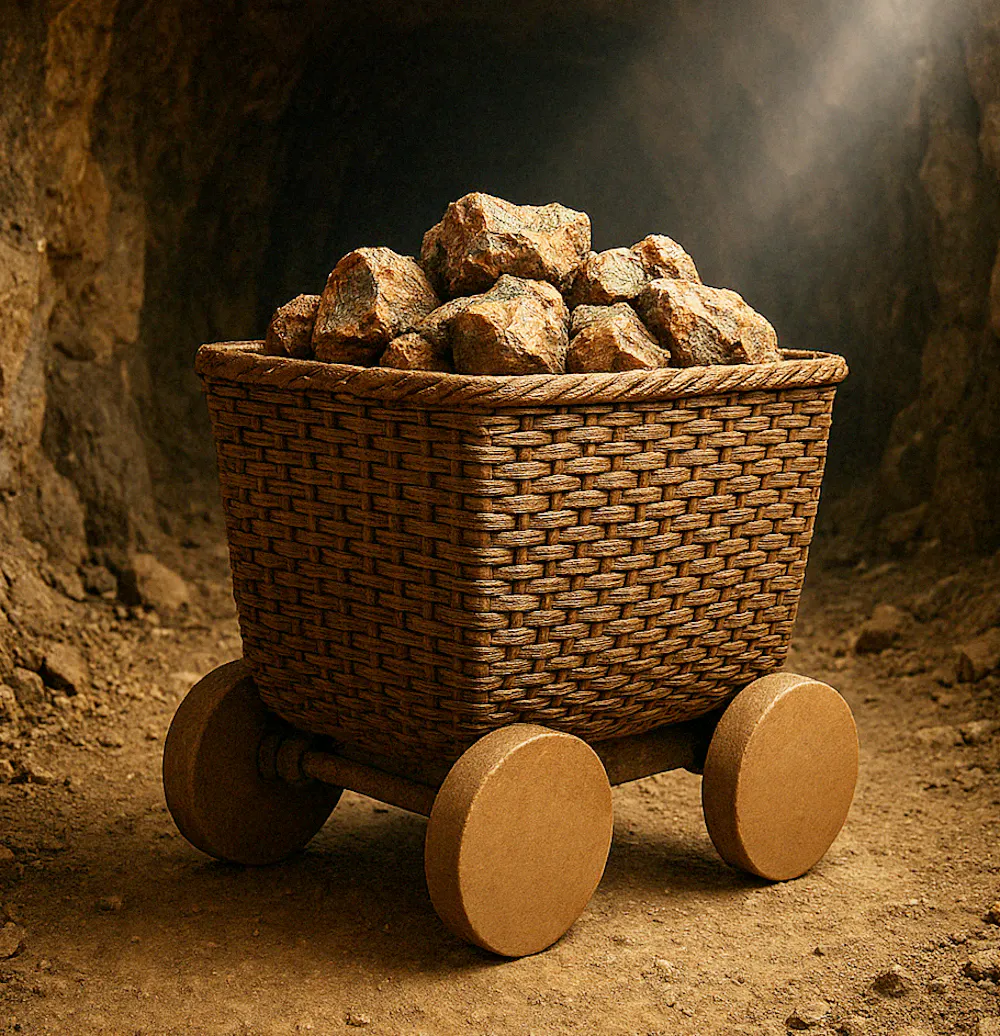
    MIL OSI Economics

  • MIL-OSI Video: UK Disorder in Ballymena | Lords urgent question

    Source: United Kingdom UK House of Lords (video statements)

    Lord Caine asks an urgent question in the Lords chamber on the current disorder in Ballymena.

    Catch-up on House of Lords business:

    Watch live events: https://parliamentlive.tv/Lords
    Read the latest news: https://www.parliament.uk/lords/

    Stay up to date with the House of Lords on social media:

    • X: https://twitter.com/UKHouseofLords
    • Bluesky: https://bsky.app/profile/houseoflords.parliament.uk
    • Instagram: https://www.instagram.com/UKHouseofLords/
    • Facebook: https://www.facebook.com/UKHouseofLords
    • Flickr: https://flickr.com/photos/ukhouseoflords/albums
    • LinkedIn: https://www.linkedin.com/company/the-house-of-lords
    • Threads: https://www.threads.net/@UKHouseOfLords

    #HouseOfLords #UKParliament

    https://www.youtube.com/watch?v=Sdi2qAiMn7Q

    MIL OSI Video

  • MIL-OSI Russia: Arab League Secretary General welcomes Western sanctions against Israeli ministers

    Translation. Region: Russian Federal

    Source: People’s Republic of China in Russian – People’s Republic of China in Russian –

    Source: People’s Republic of China – State Council News

    CAIRO, June 11 (Xinhua) — Arab League Secretary-General Ahmed Abu al-Gheit on Wednesday welcomed the joint decision of five Western countries to impose sanctions on two Israeli ministers.

    Israel’s National Security Minister Itamar Ben-Gvir and Finance Minister Bezalel Smotrich have been banned from entering Australia, Canada, New Zealand, Norway and the United Kingdom for repeatedly inciting violence against Palestinians in the West Bank, the five countries’ foreign ministers announced Tuesday.

    In a statement issued by the Arab League on Wednesday, Abu al-Gheit called the ban “important” because it holds officials in the occupying government accountable for engaging in “clear incitement to violence” and condoning Israeli settlers who attack Palestinians in the West Bank with impunity.

    According to the Secretary-General, the sanctions expose the criminal actions of far-right government officials who have committed war crimes and large-scale violations of international humanitarian law in the West Bank and Gaza Strip.

    The move is an important step towards changing the international position on war crimes against Palestinians and taking practical steps to hold those responsible accountable, the statement said. –0–

    MIL OSI Russia News

  • MIL-OSI United Nations: Human Rights Council to Hold its Fifty-Ninth Regular Session from 16 June to 9 July 2025

    Source: United Nations – Geneva

    The United Nations Human Rights Council will hold its fifty-ninth regular session from 16 June to 9 July 2025 at the Palais des Nations in Geneva. 

    The session will open at 10 a.m. on Monday, 16 June under the presidency of Ambassador Jürg Lauber of Switzerland.  The opening will be addressed by the United Nations High Commissioner for Human Rights, Volker Türk, who will present his annual report.  The Council will be meeting in room XX of the Palais des Nations.

    Over almost four weeks, the Council will consider more than 60 reports presented by the Secretariat of the United Nations and the High Commissioner for Human Rights, human rights experts and other investigative bodies on numerous topics and relevant to the situation of human rights in more than 40 countries.  In total, the Council will hold 32 interactive dialogues. 

    During the session, the Council will hold interactive dialogues with the High Commissioner on his annual report under agenda item two; on the Bolivarian Republic of Venezuela under agenda item four; and on Ukraine and Colombia under agenda item 10. 

    The Council will hold enhanced interactive dialogues under agenda item two with  the Special Rapporteur on the situation of human rights in Afghanistan and on the oral update of the Fact-Finding Mission on the human rights situation in the eastern Democratic Republic of the Congo.  Under agenda item four, the Council will hold an enhanced interactive dialogue with the High Commissioner on the situation of human rights in Myanmar, with the participation of the Special Rapporteur on the situation of human rights in Myanmar.

    On climate change, the Council will hold its annual panel on the adverse impacts of climate change on human rights, followed by an interactive dialogue with the Special Rapporteur on climate change. The Council will also hold its annual panel on technical cooperation and capacity-building. 

    Under agenda item three, the Council will hold its annual panel discussion on women’s rights, and a panel on safe drinking water and sanitation.  It will also hold interactive dialogues on summary executions, freedom of expression, peaceful assembly, transnational corporations, education, health, leprosy (Hansen’s disease), sexual orientation and gender identity, migrants, internally displaced persons, prevention of genocide, trafficking, extreme poverty, discrimination against women and girls, violence against women and girls, judges and lawyers, and international solidarity.   

    The Council will also hear the presentation of the Secretary-General’s interim report on the temporarily occupied Autonomous Republic of Crimea and the city of Sevastopol, Ukraine, under agenda item 10. Further, it will hold interactive dialogues with the Special Rapporteur on the situation of human rights in Eritrea and the Commission of Inquiry on the Occupied Palestinian Territory, including East Jerusalem and in Israel, under agenda item two; and with the Special Rapporteur on the situation of human rights in Belarus and the Special Rapporteur on the situation of human rights in Burundi under agenda item four. The Council will also hear oral updates from the Fact-Finding Mission for Sudan under agenda item two and from the Commission of Inquiry on Syria under agenda item four. 

    Additionally, the Council will hold interactive dialogues under agenda item seven with the Special Rapporteur on the situation of human rights in the Palestinian territories occupied since 1967, and under agenda item nine with the Special Rapporteur on contemporary forms of racism, racial discrimination, xenophobia and related intolerance.  Under agenda item 10, it will hold an interactive dialogue with the Independent Expert on the situation of human rights in the Central African Republic. 

    The final outcomes of the Universal Periodic Review of 14 States will also be considered, namely those of Italy, El Salvador, Gambia, the Plurinational State of Bolivia, Fiji, San Marino, Kazakhstan, Angola, the Islamic Republic of Iran, Madagascar, Iraq, Slovenia, Egypt, and Bosnia and Herzegovina.

    A detailed agenda and further information on the fifty-ninth session can be found on the session’s web page.  Reports to be presented are available here. All meetings of this session are broadcast on UN Web TV

    First Week of the Session

    The fifty-ninth regular session will open on Monday, 16 June under the presidency of Ambassador Jürg Lauber. After the opening, the Council will begin considerations under agenda item two, and the High Commissioner for Human Rights, Volker Türk, will present his annual report.  Subsequently, the Council will hold an enhanced interactive dialogue with the Special Rapporteur on the situation of human rights in Afghanistan, and an interactive dialogue with the Special Rapporteur on the situation of human rights in Eritrea. This will be followed by an enhanced interactive dialogue on the oral update of the Fact-Finding Mission on the human rights situation in the eastern Democratic Republic of the Congo. 

    On Tuesday, 17 June, the Council will hold an interactive dialogue on the High Commissioner’s annual report, followed by an interactive dialogue with the Independent International Commission of Inquiry on the Occupied Palestinian Territory, including East Jerusalem and in Israel.  At the end of the day, it will hear the presentation of an oral update by the Independent International Fact-Finding Mission for Sudan. 

    On Wednesday, 18 June, the Council will commence discussions under agenda item three on the promotion and protection of all human rights, holding interactive dialogues with the Special Rapporteur on extrajudicial, summary or arbitrary executions, the Special Rapporteur on the promotion and protection of the right to freedom of opinion and expression, and the Special Rapporteur on freedom of peaceful assembly and of association, which will conclude on Thursday, 19 June. This will be followed by interactive dialogues with the Working Group on the issue of human rights and transnational corporations and other business enterprises, the Special Rapporteur on the right to education, and the Special Rapporteur on the right of everyone to the enjoyment of the highest attainable standard of physical and mental health. 

    On Friday, 20 June, the Council will hold interactive dialogues with the Special Rapporteur on the elimination of discrimination against persons affected by leprosy (Hansen’s disease) and their family members, the Independent Expert on protection against violence and discrimination based on sexual orientation and gender identity, the Special Rapporteur on the human rights of migrants, and the Special Rapporteur on the human rights of internally displaced persons. 

    Second Week of the Session

    In its second week, the Council will conclude its interactive dialogue with the Special Rapporteur on the human rights of internally displaced persons on Monday, 23 June.  It will then hold interactive dialogues with the Special Advisor on the Prevention of Genocide, the Special Rapporteur on trafficking in persons, especially women and children, and the Special Rapporteur on extreme poverty and human rights.

    The Council will start Tuesday, 24 June, with the first part of its annual discussion on women’s rights, focusing on gender-based violence against women and girls in conflict, post-conflict and humanitarian settings.  This will be followed by an interactive dialogue with the Working Group on discrimination against women and girls.  In the afternoon, the second part of the annual discussion on women’s rights will be held, focusing on the commemoration of the International Day of Women in Diplomacy and on overcoming barriers to women’s leadership in peace processes.

    On Wednesday, 25 June, the Council will hold interactive dialogues with the Special Rapporteur on violence against women and girls, its causes and consequences, the Special Rapporteur on the independence of judges and lawyers, and the Independent Expert on human rights and international solidarity. 

    The Council will start Thursday, 26 June, with a panel discussion on the realisation of the human rights to safe drinking water and sanitation, followed by the presentation of reports under agenda item three.  In the afternoon, it will start its consideration of reports under agenda item four on human rights situations that require the Council’s attention, hearing the presentation of an oral update by the Independent International Commission of Inquiry on the Syrian Arab Republic, followed by interactive dialogues with the Special Rapporteur on the situation of human rights in Belarus, and on the oral update of the Special Rapporteur on the situation of human rights in Burundi. 

    On Friday, 27 June, the Council will hold an enhanced interactive dialogue on the report of the High Commissioner on the situation of human rights in Myanmar, and the oral update of the Special Rapporteur on the situation of human rights in Myanmar.  This will be followed by an interactive dialogue on the High Commissioner’s report on the situation of human rights in the Bolivarian Republic of Venezuela, and the presentation of the High Commissioner’s oral update on the situation of human rights in Nicaragua.

    Third Week of the Session

    The Council will begin its third week on Monday, 30 June, with its annual panel discussion on the adverse impacts of climate change on human rights, focusing on facilitating just transitions in the context of addressing the impacts of climate change on human rights.  This will be followed by an interactive dialogue with the Special Rapporteur on the promotion and protection of human rights in the context of climate change.  It will then hear the presentation of the report of the Working Group on the issue of human rights and transnational corporations and other business enterprises on the thirteenth session of the Forum on Business and Human Rights under agenda item five on human rights bodies and mechanisms.

    The Council will next start its consideration under item six of the outcomes of the Universal Periodic Review of Italy, El Salvador, Gambia, the Plurinational State of Bolivia, Fiji, San Marino, Kazakhstan, Angola, the Islamic Republic of Iran, Madagascar, Iraq, Slovenia, Egypt, Bosnia and Herzegovina, which will conclude at the end of the day on Wednesday, 2 July. 

    On Thursday, 3 July, the Council will hold an interactive dialogue with the Special Rapporteur on the situation of human rights in the Palestinian territories occupied since 1967, under agenda item seven on the human rights situation in Palestine and other occupied Arab territories.  This will be followed by an interactive dialogue with the Special Rapporteur on contemporary forms of racism, racial discrimination, xenophobia and related intolerance, under agenda item nine on racism, racial discrimination, xenophobia and related forms of intolerance. 

    In the afternoon, the Council will begin discussions under item 10 on technical assistance and capacity-building, with interactive dialogues on the oral presentation of the High Commissioner regarding his Office’s periodic report on the situation of human rights in Ukraine, and on the interim report of the Secretary-General on the situation of human rights in the temporarily occupied Autonomous Republic of Crimea and the city of Sevastopol, Ukraine.  This will be followed by an interactive dialogue on the High Commissioner’s report on the enhancement of technical assistance and capacity-building to assist Colombia in the implementation of the recommendations made by the Commission for the Clarification of Truth, Coexistence and Non-Repetition. 

    On Friday, 4 July, the Council will hold its annual panel discussion on technical cooperation and capacity-building, focusing on the role of technical cooperation and capacity-building in strengthening national structures which play a role in promoting and safeguarding human rights, particularly national human rights institutions and national mechanisms for implementation, reporting and follow-up. 

    This will be followed by an interactive dialogue on the oral update of the Independent Expert on the situation of human rights in the Central African Republic.

    In the afternoon, the Council will hear the presentation of the report of the High Commissioner relating to cooperation with Georgia.  It will then start taking action on draft resolutions and decisions. 

    Fourth Week of the Session

    The final week of the Council will be devoted to taking action on draft resolutions and decisions and the appointment of a member of the Expert Mechanism on the Right to Development and a member of the Working Group on arbitrary detention.  The session will conclude on Wednesday, 9 July.

    The Human Rights Council

    The Human Rights Council is an inter-governmental body within the United Nations system, made up of 47 States, which is responsible for strengthening the promotion and protection of human rights around the globe.  The Council was created by the United Nations General Assembly on 15 March 2006 with the main purpose of addressing situations of human rights violations and making recommendations on them.

    The composition of the Human Rights Council at its fifty-ninth session is as follows: Albania (2026); Algeria (2025); Bangladesh (2025); Belgium (2025); Benin (2027); Bolivia (2027); Brazil (2026); Bulgaria (2026); Burundi (2026); Chile (2025); China (2026); Colombia (2027); Costa Rica (2025); Côte d’Ivoire (2026); Cuba (2026); Cyprus (2027); Czechia (2027); Democratic Republic of the Congo (2027); Dominican Republic (2026); Ethiopia (2027); France (2026); Gambia (2027); Georgia (2025); Germany (2025); Ghana (2026); Iceland (2027); Indonesia (2026); Japan (2026); Kenya (2027); Kuwait (2026); Kyrgyzstan (2025); Malawi (2026); Maldives (2025); Marshall Islands (2027); Mexico (2027); Morocco (2025); Netherlands (2026); North Macedonia (2027); Qatar (2027); Republic of Korea (2027); Romania (2025); South Africa (2025); Spain (2027); Sudan (2025); Switzerland (2027); Thailand (2027); and Viet Nam (2025).

    The term of membership of each State expires in the year indicated in parentheses.

    The President of the Human Rights Council in 2025 is Jürg Lauber (Switzerland).  The four Vice-Presidents are Tareq Md Ariful Islam (Bangladesh), Razvan Rusu (Romania), Claudia Puentes Julio (Chile), and Paul Empole Losoko Efambe (Democratic Republic of the Congo).  Mr. Efambe also serves as Rapporteur of the Geneva-based body. 

    The dates and venue of the fifty-ninth session are subject to change.

    Information on the fifty-ninth session can be found here, including the annotated agenda and the reports to be presented.

    For further information, please contact Pascal Sim (simp@un.org), Matthew Brown (matthew.brown@un.org) and David Díaz Martín (david.diazmartin@un.org)

    ___________

    Produced by the United Nations Information Service in Geneva for use of the media; 
    not an official record. English and French versions of our releases are different as they are the product of two separate coverage teams that work independently.


    HRC25.006E

    MIL OSI United Nations News

  • Piyush Goyal concludes successful visit to Switzerland, begins economic diplomacy in Sweden

    Source: Government of India

    Source: Government of India (4)

    Union Commerce and Industry Minister Piyush Goyal concluded a two-day official visit to Switzerland from June 9 to 10, and has commenced the Sweden leg of his European tour aimed at strengthening economic ties and fostering innovation-driven partnerships.

    The Switzerland visit focused on advancing India-Switzerland economic cooperation and operationalising the Trade and Economic Partnership Agreement (TEPA) signed earlier this year between India and the European Free Trade Association (EFTA). Goyal held high-level meetings with Swiss government officials and industry leaders to chart a roadmap for TEPA implementation and explore new opportunities for trade and investment.

    During the visit, Goyal met with Federal Councillor Guy Parmelin, Head of the Federal Department of Economic Affairs, Education and Research, and State Secretary Helene Budliger Artieda. Discussions centred on regulatory cooperation, skills development, innovation partnerships, and measures to facilitate faster investment decision-making.

    The minister also engaged with Swiss industry leaders across sectors including biotechnology, pharmaceuticals, healthcare, precision engineering, defence, and emerging technologies. In sectoral roundtables and bilateral meetings, Goyal highlighted India’s growing economic strength, policy stability, infrastructure expansion, and the government’s efforts to create a conducive ecosystem for global investors. Swiss companies welcomed India’s expanding domestic market and policy reforms, viewing the country as a key destination for growth and manufacturing.

    A key highlight was Goyal’s participation at the 18th Swissmem Industry Day held in Zurich, attended by over 1,000 delegates representing Switzerland’s mechanical, electrical, and metal industries. In his keynote address, the minister invited Swiss companies, including SMEs and deep-tech innovators, to scale up investments in India by leveraging TEPA. He emphasised India’s demographic advantage, engineering talent, and robust supply chains, encouraging Swiss industry to anchor research and development, establish manufacturing bases, and co-create technologies for emerging markets.

    An immediate outcome of the visit was the swift resolution of a facilitation request from Endress+Hauser, a global process automation firm with a presence in India. The company had raised concerns about land availability near its Maharashtra facility. The issue was resolved within hours through coordinated efforts by the minister and Indian authorities, demonstrating the government’s commitment to investor-friendly governance.

    Goyal also held one-on-one meetings with several Swiss companies exploring expansion strategies, localisation, talent development, and MSME linkages. Interest was especially strong in sectors such as advanced manufacturing, industrial automation, clean technology, and healthcare innovation.

    The minister was accompanied by a high-level delegation from Indian industry bodies including ASSOCHAM, CII, and FICCI, reflecting a whole-of-government and whole-of-industry approach to economic diplomacy. In a meeting with the Switzerland chapter of the Institute of Chartered Accountants of India, Goyal appreciated their contribution to enhancing India’s reputation for financial excellence.

    The visit concluded on a note of shared optimism, with Swiss stakeholders reaffirming confidence in India’s rise as a global economic powerhouse and welcoming the government’s collaborative and reform-oriented approach.

    Moving on to Sweden, Goyal will co-chair the 21st session of the Indo-Swedish Joint Commission for Economic, Industrial and Scientific Cooperation with Sweden’s Minister for International Development Cooperation and Foreign Trade, Benjamin Dousa.

    He is also scheduled to hold bilateral meetings with Benjamin Dousa and Håkan Jevrell, State Secretary to the Minister of Development Cooperation and Foreign Trade. These discussions aim to reinforce the strong economic relationship and identify new opportunities aligned with India’s long-term economic objectives.

    Key engagements will include an India-Sweden business leaders’ round table and meetings with leading Swedish companies such as Ericsson, Volvo Group, IKEA, Sandvik, Alfa Laval, and SAAB. The discussions will focus on sectors where Sweden excels, including advanced manufacturing, green technologies, and sustainable solutions.

    Goyal will also meet members of the Indian diaspora and address media interactions to strengthen people-to-people ties and communicate India’s vision for the bilateral partnership.

  • MIL-OSI United Kingdom: New business venture benefits from HOIL support – Remotely Operated Vehicles –The Future Of Underwater Operations?

    Source: Scotland – Highland Council

    Highland Opportunity (Investments) Limited, HOIL has recently provided Sgùrr Access and Marine Services Limited with loan assistance towards their start-up costs for a new business venture based in Kyle of Lochalsh.   HOIL, The Highland Council’s business loan company offers loan support to Highland based businesses and community organisations, who can benefit from straightforward loan conditions and a tailored offer to support their project. 

    Sgùrr Access and Marine Services Limited approached HOIL for a loan to support initial investment start-up costs for a new business venture.The loan funds provided were used to purchase specialised equipment to carry out Remotely Operated Vehicle (ROV) inspection services for the aquaculture and marine leisure sectors across Scotland, but particularly on the West Highland coast.

    Sgùrr Access and Marine Services Limited is a newly established company  which is based in Kyle of Lochalsh.  They provide ROV mooring and marine infrastructure inspection services as an alternative to commercial divers.  The use of ROV technology delivers cost-effective, enhanced safety and accurate inspection services, which are essential for aquaculture companies, mooring associations and local authorities managing marine infrastructure.

    Chair of HOIL, Councillor Paul Oldham, said: “I welcome this opportunity to help Sgùrr Access and Marine Services Limited get their business underway as it seems like they have found a good market to be able to service in a new way. I wish Lewis every success.

    “The Opportunity Fund from HOIL provides accessible and affordable finance for start-ups and growing businesses across the Highlands and is one of several funds we can use to help projects across the area.”

    Lewis MacLeod, Director of Sgurr Access and Marine Services Limited added: “The loan I received from HOIL was instrumental in helping me launch my ROV inspection business in the Highlands. I have  been able to invest in high-quality equipment and cover initial setup costs, which would have been difficult to fund on my own. Thanks to their early backing, I was able to get the business off the ground quickly and start delivering cost-effective, high-resolution inspection services to clients across Scotland.”

    To find out more about the support HOIL can provide businesses with visit here or email 

    11 Jun 2025

    MIL OSI United Kingdom

  • MIL-OSI Canada: Prime Minister of the United Kingdom Sir Keir Starmer to visit Canada

    Source: Government of Canada – Prime Minister

    Today, the Prime Minister, Mark Carney, announced that the Prime Minister of the United Kingdom, Sir Keir Starmer, will visit Ottawa, Ontario, from June 14 to 15, 2025.

    Canada and the United Kingdom have shared history and enduring ties. Prime Minister Starmer’s visit will strengthen the long-standing economic and security partnership between the two nations – and deliver growth and prosperity for our peoples.

    The conversations between the leaders will carry forward into the 2025 G7 Leaders’ Summit in Kananaskis, Alberta.

    Associated Link

    MIL OSI Canada News

  • MIL-OSI Asia-Pac: LCQ4: Quarantine arrangements for imported cats and dogs

    Source: Hong Kong Government special administrative region

         Following is a question by Professor the Hon Priscilla Leung and a reply by the Secretary for Environment and Ecology, Mr Tse Chin-wan, in the Legislative Council today (June 11):
     
    Question:

         The Agriculture, Fisheries and Conservation Department has updated the quarantine arrangements for cats and dogs this month. Cats and dogs imported from the Mainland that meet the relevant quarantine requirements (including obtaining satisfactory results from testing conducted by recognised laboratories on the Mainland and having an animal health certificate issued by Mainland official veterinarians) will have their quarantine period significantly reduced from the current 120 days to 30 days upon arrival in Hong Kong. In this connection, will the Government inform this Council: 
    Reply: 
         Rabies is a contagious disease that causes fatality to mammals (including humans) and no specific treatment is available at present. To prevent the introduction of animal diseases such as rabies into Hong Kong, the Agriculture, Fisheries and Conservation Department (AFCD) regulates the import of live animals through a permit system, and controls the import of cats and dogs under the Public Health (Animals and Birds) Regulations (Cap. 139A) and the Rabies Regulation (Cap. 421A) to protect public and animal health. Under effective control measures, Hong Kong has long been widely recognised as a rabies-free place by other places. Animals of Hong Kong generally face less stringent quarantine requirements when entering other places. 
     
         On the quarantine arrangements of imported cats and dogs, the AFCD classifies places into different groups according to different risk of rabies, with reference to information about the surveillance of animal diseases from the World Organisation for Animal Health. Group I and Group II places are respectively rabies-free places and places where rabies cases are few and under effective control. Since these places are considered of lower risk of rabies, the imported cats and dogs are exempted from quarantine upon fulfilling specified requirements. Places that do not meet the requirements of Group I or Group II, or where their situations cannot be determined, will be included in Group III. Cats and dogs imported from these places are required to undergo a quarantine of not less than 120 days before December 2024.
     
         Since December 2024, the AFCD has divided Group III into Group A and B according to the results of risk assessment. Quarantine period for cats and dogs of Group IIIA is significantly shortened from 120 days to 30 days upon their arrival in Hong Kong, provided that they meet the relevant quarantine requirements including that the animals must be vaccinated against rabies, conducted a valid rabies neutralising antibody titre test, had an animal health certificate issued or endorsed by a government veterinary officer of the place of export. The Macao Special Administrative Region, Lithuania and the Mainland have been included in Group IIIA successively. As regards Group IIIB places, since the risk of rabies is higher or uncertain, and the incubation period of rabies can be up to several months, the quarantine period for cats and dogs imported from those places is maintained at not less than 120 days.
     
         The reply to the question from Professor the Hon Priscilla Leung is as follows:
     
    (1) As mentioned just now, as long as cats and dogs imported from the newly added Group IIIA places (including the Mainland) meet the relevant quarantine requirements and hold an animal health certificate issued by an official veterinarian from the Mainland, the quarantine period upon arrival in Hong Kong will be significantly reduced from 120 days to 30 days. Because of this change, the cost of quarantine facilities that the owners of these cats and dogs have to pay has been greatly reduced to one-quarter of the previous cost, at the same time, the turnover rate of quarantine facilities will increase to four times than that of the past. The waiting time for quarantine facilities will be reduced correspondingly, and the usage effectiveness will be increased significantly.
     
         As regards the quarantine arrangements, the current international practice is to isolate cats and dogs in officially supervised quarantine facilities to ensure that the animals will not have direct or indirect contact with other animals during the quarantine period, so as to avoid the transmission of animal disease into the community. As the mortality rate of rabies is close to 100 per cent, and animals have the opportunity to come into contact with other people or animals when they are quarantined in private premises, this will bring to them higher risk. Hence from a risk management perspective, home quarantine arrangement is not appropriate. The Department will continue to make reference to the latest animal disease situation announced by the World Organisation for Animal Health, and timely optimise the quarantine requirements for imported cats and dogs, taking into account factors such as international practices, operational experience and risk assessment.
     
    (2) To facilitate animal owners to bring their pet cats and dogs to Hong Kong, the Government has not only optimised the quarantine requirements for cats and dogs, but also increased the number of quarantine facilities. The new quarantine facilities at the Kowloon Animal Management Centre under the AFCD have been put into service in May this year. The quarantine facilities provided for cats and dogs have increased from 21 and 20 to 34 and 30 respectively. Further, taking into account that the shortened quarantine period has increased the turnover speed to four times than that of the past, the handling capacity of the AFCD’s quarantine facilities could be increased by as much as six to seven times than that of the past. In addition, the AFCD encourages private animal welfare organisations to provide quarantine facilities for cats and dogs, and is reviewing the application of the Hong Kong Society for the Prevention of Cruelty to Animals (SPCA). It is expected that the quarantine facility will be put into service in the middle of this year. The Department will also provide information and assistance to other private animal welfare organisations interested in operating quarantine facilities for cats and dogs. On the basis of the above improvement measures, it is expected that the quarantine facilities will be able to meet the demand.
     
         As regards the number and testing quality of recognised Mainland laboratories, after discussions with the Mainland authorities and taking into account the regional distribution and level of recognition of the laboratories in the Mainland, the AFCD has recognised four Mainland laboratories in Beijing, Shanghai, Guangzhou and Changchun for conducting rabies antibody titre tests for cats and dogs. All four laboratories are recognised by the Mainland authorities and the European Union, hence the quality of testing is assured. The AFCD will closely monitor the situation and will discuss with the Mainland authorities to adjust the list of approved laboratories when necessary.
     
    (3) The Veterinary Surgeons Board of Hong Kong (VSB) is a statutory body established under the Veterinary Surgeons Registration Ordinance (Cap. 529), and is responsible for the regulation, registration and disciplinary control of veterinary surgeons, to ensure a high standard of veterinary services in Hong Kong. The VSB learns about the overall veterinary services through data gathered in the regulation of the veterinary profession.
     
         The number of registered veterinary surgeons (RVS) has been consistently on the rise since 2015, from 823 in 2015 to 1 364 in April this year, representing an increase of 65 per cent. Moreover, RVS comprises many specialties, such as small animal internal medicine and surgery, dermatology, cardiology, neurology and veterinary pathology. Apart from private veterinary clinics, the City University of Hong Kong and some animal welfare organisations, such as the SPCA, also provide veterinary services, therefore animal owners should be able to find appropriate veterinary services for their pets.
     
         Thank you, President.

    MIL OSI Asia Pacific News

  • MIL-OSI Asia-Pac: SAMOA LEGALLY PROTECTS 30% AND SUSTAINABLY MANAGES 100% OF ITS OCEAN SAMOA BECOMES ONE OF THE FIRST PACIFIC NATIONS TO LEGALLY PROTECT 30% OF ITS OCEAN, AHEAD OF THE 2025 UN OCEAN CONFERENCE. – [04 June 2025]

    Source:

    Share this:

    [PRESS RELEASE] – Samoa became one of the first Pacific Island nations to adopt a legally binding Marine Spatial Plan — a milestone step to fully protect 30% and ensure sustainable management of 100% of its vast ocean 120,000-square-kilometer ocean territory.

    The adoption of the plan under the Lands, Survey and Environment Act 1989 was endorsed by Samoa’s Cabinet, setting a global blueprint for how large ocean states can sustainably manage their ocean and their resources.

    Hon. Toeolesulsulu Cedric Pose Salesa Schuster, Samoa’s Minister for Natural Resources and Environment announced the legal adoption of the plan, stating, “Samoa is a large ocean state, and our way of life is under increased threat from climate change, overfishing, habitat degradation and more. This Marine Spatial Plan marks a historic step towards ensuring that our ocean remains prosperous and healthy to support future generations of Samoans‒just as it did for us and our ancestors.”

    The Marine Spatial Plan includes the establishment of nine new fully protected Marine Protected Areas, covering 36,000 square kilometers of ocean. It integrates traditional management systems by incorporating existing nearshore community-managed areas such as Fish Reserves and District MPAs, ensuring these culturally important practices are preserved and strengthened.

    Traditional knowledge and the best available science together with input from stakeholders and communities from across 185 communities guided and shaped the Plan. Its implementation will be led by the MNRE in close collaborations with other Ministries and national and local stakeholders.

    Leilani Duffy-Iosefa, Country Director of Conservation International Samoa, emphasized the importance of Samoa’s legal commitment and the broader implications for global marine governance, “This example shows what true delivery and accountability look like and Conservation International is excited to continue the partnership to support Samoa’s goals to protect 30% and sustainably manage 100% of its ocean.”

    Dr. Kathryn Mengerink, Executive Director of the Waitt Institute, acknowledged Samoa’s leadership and the significance of this achievement in the global context, “Today, Samoa has established itself as a leader in sustainable ocean management. We are proud to support Samoa’s visionary leadership and decisive action towards securing a healthy ocean, thriving communities, and a prosperous future for its people and the planet.”

    The legal establishment of Samoa’s Marine Spatial Plan comes ahead of the United Nations Ocean Conference taking place this June in France. The conference, aptly themed “Accelerating action and mobilizing all actors to conserve and sustainably use the ocean,” will provide a platform for Samoa to inspire countries across the globe to advance their ocean protection targets as the deadline for the 30×30 conservation goals rapidly approaches.

    END.

    SOURCE – Ministry of Natural Resources and Environment Samoa

    Share this:

    MIL OSI Asia Pacific News

  • MIL-OSI Europe: Written question – EU transport corridors – E-002305/2025

    Source: European Parliament

    Question for written answer  E-002305/2025
    to the Commission
    Rule 144
    Kathleen Funchion (The Left)

    Transport infrastructure connecting the South East of Ireland to Dublin is important for Ireland’s connectivity to Europe. Ireland’s National Development Plan specifically mentions increasing the capacity of the N11 national road and the M11 motorway, but to date there has been very little progress. Additionally, the train that is on this route has an average speed of just 56 km/h and the journey takes roughly three hours.

    • 1.Has the Commission done an impact assessment on the lack of road and rail connectivity between the South East of Ireland and Dublin?
    • 2.If not, does the Commission plan to carry out such an impact assessment?
    • 3.Are there opportunities to integrate Rosslare port and the route between it and Dublin into EU transport corridors?

    Submitted: 6.6.2025

    Last updated: 11 June 2025

    MIL OSI Europe News

  • MIL-OSI Europe: Written question – Issues with Ireland’s Agri-Climate Rural Environment Scheme – E-002304/2025

    Source: European Parliament

    Question for written answer  E-002304/2025
    to the Commission
    Rule 144
    Kathleen Funchion (The Left)

    Since the last reform of the common agricultural policy (CAP) and the implementation of that reform at the national level, the Agri-Climate Rural Environment Scheme (ACRES) in Ireland has had several issues. There are still farmers who have not received payments since 2023.

    • 1.Has the Commission investigated the causes of these delays?
    • 2.What assessment did the Commission carry out when this scheme was proposed?
    • 3.In the upcoming reform of the CAP, will the Commission fully take into account that changes at the EU level can have long-term impacts on the ground for farmers, due to delays in their implementation at national level and additional administrative challenges, in order to ensure we do not have a repeat of these issues with ACRES?

    Submitted: 6.6.2025

    Last updated: 11 June 2025

    MIL OSI Europe News

  • MIL-OSI Europe: Written question – Improving access to diagnosis and treatment for people with rare diseases – E-002187/2025

    Source: European Parliament

    Question for written answer  E-002187/2025
    to the Commission
    Rule 144
    Dimitris Tsiodras (PPE)

    The number of people with rare diseases in the EU is estimated at 30 million, while the number of rare diseases is estimated at 6-8000. Diagnosis can take more than five years, while many people never receive a timely or adequate diagnosis. At the same time, the high cost of treatments, unequal access to treatments and the limited availability and geographical dispersion of specialists and centres of expertise mean that people with rare diseases have difficulty accessing care and support.

    In view of this:

    • 1.Following the adoption of the resolution on rare diseases by the World Health Assembly, will the Commission draw up an action plan on rare diseases with a view to implementing the provisions of the resolution?
    • 2.How will the Commission contribute to improving timely access of patients with rare and undiagnosed diseases to diagnosis, care, treatment and support services?
    • 3.Following successful national prevention programmes for other diseases, such as Greece’s ‘Prolamvano’, how does the Commission intend to provide technical support for the strengthening and implementation of national policies on rare diseases and how will it enhance collaboration, networking and knowledge exchange between specialist healthcare providers to improve expertise in the field of diagnosis?

    Submitted: 2.6.2025

    Last updated: 11 June 2025

    MIL OSI Europe News

  • MIL-OSI Europe: EIB triples financing for banks to provide liquidity to SMEs in the supply chain of Europe’s defence industry, signs first deal with Deutsche Bank

    Source: European Investment Bank

    • EIB increases intermediated loans and guarantees available for key defence-industry segment to €3 billion from €1 billion.
    • Move to support small and medium-sized businesses that serve major European defence manufacturers in partnership with commercial banks across EU.
    • First agreement with Deutsche Bank to enable €1 billion financing for defence research, as well as military and police infrastructure.

    The European Investment Bank (EIB) is tripling to €3 billion the intermediated financing available to Europe’s defence-industry suppliers in a fresh move to bolster security on the continent. The EIB is also triggering the new facility through an inaugural agreement with Deutsche Bank, providing long-term liquidity earmarked for security and defence investment projects.

    The EIB’s increase in intermediated financing targets small and medium-sized enterprises (SMEs) that are a pillar of Europe’s defence industrial base. The EIB is providing a €500 million loan to Deutsche Bank, in a partnership that will enable €1 billion in financing and working capital for SMEs throughout the European Union security and defence supply chain, as well as military and police infrastructure such as training facilities for military personnel.

    The new partnership was unveiled at the European Defence and Security Summit in Brussels today by EIB Group President Nadia Calviño. It will support improved access to finance for security and defence projects, addressing the urgent need for investment in innovation, supply chain resilience, and strategic autonomy amid increased geopolitical uncertainty. 

    “Strengthening Europe’s security and defence is central to our mission,” said President Nadia Calviño. “We’re scaling up financing to record levels, and through intermediated lending and partnerships with banks across the EU, we ensure that SMEs in the defence supply chain have access to the financing they need.”

    “With this framework loan, Deutsche Bank will be able to deploy capital to clients at all stages of the supply chain throughout Europe, where it is most needed,” said Fabrizio Campelli, Deutsche Bank’s Head of Corporate Bank and Investment Bank and Member of the Management Board of Deutsche Bank AG. “It will support the comprehensive efforts our bank is deploying to advise and finance the sector at this crucial moment for Europe. Deutsche Bank is honoured to be the first European bank to partner with the EIB under its Pan-EU Security & Defence Lending scheme. The message is clear: we stand ready to reinforce the resilience of Europe’s security and defence.”

    The threefold increase in the EIB’s  €1 billion “Pan-European Security and Defence Lending Envelope” approved in December 2024 reflects exceptionally strong interest by commercial banks across Europe in leveraging the EIB’s resources, freeing up liquidity to support investments in the sector. The defence financing cooperation with Deutsche Bank is the first with a commercial bank under the EIB’s expanded lending scheme, with further partnerships currently due to follow shortly.

    It follows the agreement announced last week between the EIB and the national promotional institutions of France, Germany, Italy, Poland and Spain on a pan-European approach to strengthening European security and defence. Ther EIB and the five long term investors – Caisse des Depôts, Kreditanstalt für Wiederaufbau (KfW), Cassa Depositi e Prestiti (CDP), Bank Gospodarstwa Krajowego (BGK) and Instituto de Crédito Oficial (ICO) – agreed to work together on areas of investment and on potential joint financing in sectors such as research and development, industrial capacity, and infrastructure.

    The EU has more than 2,500 SMEs that are essential suppliers for major defence manufacturers such as Airbus, Thales, Rheinmetall and Leonardo. The SMEs provide key components, technologies and services, underpinning jobs, innovation and growth in the sector.

    The boost in potential EIB lending to defence SMEs is meant to help them counter traditional funding obstacles that larger companies in Europe are generally spared. The move also covers Mid-Caps, another segment of the EU defence industry that has faced financing hurdles on the market.  

    Background information

    About the EIB   

    The European Investment Bank (ElB) is the long-term lending institution of the European Union, owned by its Member States. The EIB finances investments in eight core priorities that support EU policy objectives: climate action and the environment, digitalisation and technological innovation, security and defence, cohesion, agriculture and the bioeconomy, social infrastructure, the capital markets union and a stronger Europe in a more peaceful and prosperous world.  

    The EIB Group, which also includes the European Investment Fund (EIF), signed nearly €89 billion in new financing for over 900 high-impact projects in 2024, boosting Europe’s competitiveness and security.    The EIB Group stepped up its support to Europe’s security and defence industry in 2024 by enlarging the scope of projects eligible for financing and setting up a one-stop shop to streamline processes, doubling investment to €1 billion. The EIB Group expects to multiply this amount in 2025 to new record.

    The Board of Directors in March approved a series of additional measures to further contribute to European peace and included peace and security as a cross-cutting Public Policy Goal to finance large-scale strategic projects in areas such as land-border protection, military mobility, critical infrastructure, military transport, space, cybersecurity, anti-jamming technologies, radar systems, military equipment and facilities, drones, bio-hazard and seabed infrastructure protection, critical raw materials and research. 

    In addition to financing, the EIB offers advisory services that help public and private partners develop and implement high-quality, investment-ready projects. In 2024 alone, EIB advisory teams helped mobilise over €200 billion of investment across Europe and beyond.

    High-quality, up-to-date photos of the organisation’s headquarters for media use are available here

    About Deutsche Bank

    Deutsche Bank provides retail and private banking, corporate and transaction banking, lending, asset and wealth management products and services as well as focused investment banking to private individuals, small and medium-sized companies, corporations, governments and institutional investors. Deutsche Bank is the leading bank in Germany with strong European roots and a global network.

    MIL OSI Europe News

  • MIL-OSI Europe: Written question – Concerns over the way in which the Green Deal is being implemented – P-002242/2025

    Source: European Parliament

    Priority question for written answer  P-002242/2025
    to the Commission
    Rule 144
    Daniel Obajtek (ECR)

    Media reports indicate that Prime Minister Donald Tusk has been allowed to make statements that call the Green Deal into question. This would be deemed unacceptable from other leaders yet Ursula von der Leyen has deliberately not objected so as not to undermine Tusk. In addition, the publication of a CO₂ emissions reduction report that would portray Poland unfavourably has been postponed, despite the fact that it was meant to be announced in Q1.

    • 1.Was the report postponed for political reasons?
    • 2.Does the Commission apply the same standards to all Member State leaders?
    • 3.What mechanisms are in place to tackle political favouritism?

    Submitted: 4.6.2025

    Last updated: 11 June 2025

    MIL OSI Europe News

  • MIL-OSI: Vietnam Enterprise Investments Limited (VEIL) – Vietnam Forum & Annual General Meeting 2025

    Source: GlobeNewswire (MIL-OSI)

    LONDON, June 11, 2025 (GLOBE NEWSWIRE) — We are pleased to invite you to the Annual General Meeting (AGM) of Vietnam Enterprise Investments Limited (VEIL), taking place at 12:00 PM (UK time) on 18 June 2025 at The Stationers’ Hall, Ave Maria Lane, London EC4M 7DD, United Kingdom.

    The meeting will be chaired by Sarah Arkle, Chair of VEIL, and will include a presentation on Vietnam’s dynamic economic landscape by Dominic Scriven, Chair of Dragon Capital Group. Following this, Tuan Le, VEIL’s Lead Portfolio Manager, will provide an update on the fund’s performance and the outlook for Vietnam’s stock market.

    After the formal proceedings and Q&A session, we warmly invite you to join us for a Vietnamese buffet lunch at 1:15 PM, offering a wonderful opportunity to connect with fellow investors and industry experts.

    A Key Vote on VEIL’s Future
    This year’s AGM includes a vote on the Trust’s continuation. Given Vietnam’s strong domestic growth, ongoing government reforms, and compelling long-term potential, the Board believes VEIL is well-positioned for the future and recommends shareholders vote against discontinuation. We encourage all shareholders to participate in this important decision.

    Who Should Attend?
    The event is open to existing VEIL shareholders as well as those interested in learning more about investment opportunities in Vietnam. If you have colleagues who may wish to attend, please feel free to share this invitation and direct them to register via the link below.

    Register Here: https://www.veil.uk/2025-annual-general-meeting/

    We look forward to welcoming you for an engaging and informative afternoon.

    For further information or interview requests, please contact:

    Rachel Hill
    +44 (0) 797 121 4852
    rachelhill@dragoncapital.com 

    Thuy Anh Nguyen
    +44 (0) 788 588 6492
    thuyanhnguyen@dragoncapital.com 

    Steven Mantle
    +44 (0) 755 370 1237
    stevenmantle@dragoncapital.com 

    Jefferies International Limited
    Stuart Klein
    +44 (0) 20 7029 8703
    stuart.klein@jefferies.com 

    h2Radnor
    Iain Daly
    +44 (0) 20 3897 1830
    idaly@h2radnor.com 

    About VEIL

    Vietnam Enterprise Investments Limited (VEIL) is a closed-end fund listed on the London Stock Exchange and one of the longest-running and largest funds focused on Vietnam. Since its launch in 1995, VEIL has invested in high-growth, well-governed Vietnamese companies, offering investors exposure to the country’s vibrant economy.

    A photo accompanying this announcement is available at https://www.globenewswire.com/NewsRoom/AttachmentNg/60b54085-a65b-405e-9930-6457c4e0e889

    The MIL Network

  • MIL-OSI: OSS’s BRESSNER Receives the 2024 EMEA Growth Partner of the Year Award from Digi International

    Source: GlobeNewswire (MIL-OSI)

    ESCONDIDO, Calif., June 11, 2025 (GLOBE NEWSWIRE) — One Stop Systems, Inc. (OSS or the Company) (Nasdaq: OSS) today announced that its subsidiary, BRESSNER Technology GmbH, a leading specialized high-performance computing supplier in Europe, has been named Digi International’s 2024 EMEA Growth Partner of the Year.

    Digi International’s prestigious Global Channel Awards are given annually to Digi’s most impactful worldwide channel partners, celebrating their leadership, innovation, customer-first mindset, and outstanding contributions to the expansion of connected technologies.

    “Digi is a long-standing partner, and we are honored to be named their 2024 EMEA Growth Partner of the Year,” said Martin Stiborski, Managing Director of BRESSNER. “This award reflects our commitment to providing state-of-the-art hardware solutions for demanding applications.”

    “Our channel partners are at the heart of Digi’s global success,” said Ron Konezny, President and CEO of Digi International. “Each award recipient has demonstrated unmatched dedication to advancing IoT and infrastructure management, while delivering exceptional value to customers in every region we serve. Their commitment and results speak volumes — and together, we are empowering digital transformation across industries and geographies.”

    To learn more and view this year’s additional winners, visit:
    https://www.digi.com/company/press-releases/2025/digi-celebrates-2024-global-channel-awards   

    About BRESSNER Technology GmbH
    As a system integrator, manufacturer, value-added distributor, and system house for industrial hardware solutions, components, accessories, and built-to-order solutions, BRESSNER offers an extensive portfolio for various applications in the industrial environment. Tailored solutions for machine automation, logistics & transport, and production are part of the company’s range of services, as well as comprehensive support for topics such as AI applications, machine/deep learning, networks, intelligent retail, communication, and security. The company’s headquarters is located in Germany, with its parent company, One Stop Systems, based in the USA.

    About One Stop Systems
    One Stop Systems, Inc. (Nasdaq: OSS) is a leader in AI enabled solutions for the demanding ‘edge’. OSS designs and manufactures Enterprise Class compute and storage products that enable rugged AI, sensor fusion and autonomous capabilities without compromise. These hardware and software platforms bring the latest data center performance to harsh and challenging applications, whether they are on land, sea or in the air.

    OSS products include ruggedized servers, compute accelerators, flash storage arrays, and storage acceleration software. These specialized compact products are used across multiple industries and applications, including autonomous trucking and farming, as well as aircraft, drones, ships and vehicles within the defense industry.

    OSS solutions address the entire AI workflow, from high-speed data acquisition to deep learning, training and large-scale inference, and have delivered many industry firsts for industrial OEM and government customers.

    As the fastest growing segment of the multi-billion-dollar edge computing market, AI enabled solutions require-and OSS delivers-the highest level of performance in the most challenging environments without compromise.

    OSS products are available directly or through global distributors. For more information, go to www.onestopsystems.com. You can also follow OSS on X, YouTube, and LinkedIn.

    Forward-Looking Statements
    One Stop Systems cautions you that statements in this press release that are not a description of historical facts are forward-looking statements. These statements are based on the Company’s current beliefs and expectations. The inclusion of forward-looking statements should not be regarded as a representation by One Stop Systems or its partners that any of our plans or expectations will be achieved, including but not limited to the potential and/or the results participating in the ROTH Conference, any results relating to one-on-one meetings with management, and the expansion of the Company’s offerings and/or relationship with commercial customers and/or investors. Actual results may differ from those set forth in this press release due to the risk and uncertainties inherent in our business, including risks described in our prior press releases and in our filings with the Securities and Exchange Commission (SEC), including under the heading “Risk Factors” in our latest Annual Report on Form 10-K and any subsequent filings with the SEC. You are cautioned not to place undue reliance on these forward-looking statements, which speak only as of the date hereof, and the company undertakes no obligation to revise or update this press release to reflect events or circumstances after the date hereof. All forward-looking statements are qualified in their entirety by this cautionary statement, which is made under the safe harbor provisions of the Private Securities Litigation Reform Act of 1995.

    Media Contacts:
    Robert Kalebaugh
    One Stop Systems, Inc.
    Tel (858) 518-6154
    Email contact

    Investor Relations:
    Andrew Berger
    Managing Director
    SM Berger & Company, Inc.
    Tel (216) 464-6400
    Email contact

    The MIL Network