Category: Farming

  • MIL-OSI Security: Three Defendants Convicted of Killing a Security Guard and Wounding Three Others During the Armed Robbery of a Gambling Location in Brooklyn

    Source: Office of United States Attorneys

    Earlier today, a federal jury in Brooklyn convicted Charles Powell, Brian Castro and Musah Coward on four counts of a superseding indictment charging them with the firearm-related murder of Rodney Maxwell, discharging a firearm during a crime of violence, Hobbs Act robbery conspiracy and Hobbs Act robbery. Powell was also convicted of being a felon in possession of ammunition.  The charges stem from an armed robbery carried out by the defendants inside an illegal gambling spot located at 181 Hegeman Avenue in the Brownsville section of Brooklyn.  The verdict followed a three-week trial before U.S. District Judge Eric R. Komitee. When sentenced, the defendants each face a sentence of up to life in prison, with a mandatory minimum sentence of 10 years in prison.

    John J. Durham, United States Attorney for the Eastern District of New York, James E. Dennehy, Assistant Director in Charge, Federal Bureau of Investigation, New York Field Office (FBI) and Jessica S. Tisch, Commissioner, New York City Police Department (NYPD), announced the verdicts.

    “Today’s verdict delivers justice for the victims of this vicious and senseless crime that was driven by greed and carried out with a complete disregard for human life,” stated United States Attorney Durham. “The defendants are responsible for murdering Rodney Maxwell, who was gunned down in cold blood, and the carnage could have been even worse with the wanton shooting of terrified bystanders. I commend the prosecutors in my Office, our law enforcement partners and the jury for holding the defendants accountable for this violent robbery.”

    The evidence at trial proved that the defendants planned and carried out an armed robbery of an illegal gambling spot in Brownsville on October 7, 2020.  The defendants were driven to the Brooklyn location from New Jersey by Coward.  Powell and Castro entered the location while Coward waited outside in the car.  During the robbery, Powell and Castro each shot Maxwell, who had been providing security for location.  Castro shot Maxwell once in the back with a 9-millimeter pistol; and Powell shot him once in the chest with a .380 caliber pistol.  Maxwell later died from his gunshot wounds.  In addition, Powell indiscriminately fired into a crowd of individuals as they desperately attempted to escape the violence, hitting three men, all of whom ultimately survived their wounds. Castro later confessed to the robbery and murder to a friend who, unbeknownst to Castro, was a confidential source for the FBI and recorded the conversation.  In the recording, Castro described how the defendants made off with thousands of dollars and mocked the sound that Maxwell made when he was fatally shot.

    Powell, who has a prior conviction in New Jersey for felony possession of a weapon, was found guilty by the jury of possessing three .380 caliber cartridges on October 7, 2020 corresponding to the shots he fired at the gambling spot.

    The government’s case is being handled by the Office’s Organized Crime and Gangs Section.  Assistant United States Attorneys Andy Palacio, Raffaela Belizaire and Megan Larkin are in charge of the prosecution, with the assistance of Paralegal Specialist Theodore Rader.

    The Defendants:

    CHARLES POWELL (also known as “Payback”)
    Age:  26
    Newark, New Jersey

    BRIAN CASTRO (also known as “Morenaje”)
    Age:  24
    Paterson, New Jersey

    MUSAH COWARD (also known as “General Mecka” and “Red” and “General Red”)
    Age:  33 
    Paterson, New Jersey

    E.D.N.Y. Docket No. 21-CR-572 (EK)

    MIL Security OSI

  • MIL-OSI Security: Owner of Retirement Services Company Sentenced to Federal Prison for Stealing Money from Clients Through Wire Fraud Scheme

    Source: Office of United States Attorneys

    ALEXANDRIA, La. – Acting United States Attorney Alexander C. Van Hook announced that Jerry O. Pearson, 62, of Alexandria, Louisiana, was sentenced today by United States District Judge Dee D. Drell for committing wire fraud. Pearson was sentenced to 63 months in prison, followed by 3 years of supervised release, and ordered to pay restitution to his victims in the amount of $3,431,152.21.  

    According to information presented in court, Pearson was the owner/operator of Mid South Retirement Services, LLC (“Mid South”) located in Boyce, Louisiana, from 2012 to 2021. Pearson managed Self-Directed Individual Retirement Accounts (SDIRA). An SDIRA is an IRA held by a custodian that allows investment in a wider range of assets than most conventional IRA custodians permit. Mid South served as the custodian of SDIRAs and managed approximately $40 million in assets. Pearson was also the registered agent and manager/member of an unrelated company, Gray-Walk Farms, LLC, which was registered in the State of Louisiana and located in Alexandria. Gray-Walk Farms is unrelated to Mid South and did not provide SDIRAs. 

    Pearson created a scheme to defraud clients where he would take funds that Mid South was holding as the custodian, and transfer them to other accounts he controlled, without the client’s permission. Pearson used intermediary accounts at financial institutions in the Western District of Louisiana and elsewhere in the name of Mid South and others to move the money out of the Mid South Funding account where client funds were held. The funds would then be moved to Gray-Walk Farm’s accounts, Pearson’s personal bank accounts, or investment accounts in his name. In total, during the scheme, Pearson transferred $3,431,152.21 in client funds from the Mid South client funding bank account to other accounts he controlled. Pearson then used the funds for himself, as well as the benefit of his family and other companies that he controlled. In order to keep the scheme from being detected, Pearson would misrepresent to clients that he was investing the funds as they had directed, when, in fact, he was taking the money.  Pearson pleaded guilty on August 16, 2024, to the Bill of Information charging him with one count of wire fraud.

    “Unfortunately, there were over 70 victims who fell prey to Pearson’s schemes and lies in connection with this case and many are left without their life savings and retirement as a result of his selfish actions,” said Acting U.S. Attorney Alexander C. Van Hook. “This defendant conned many people for years, but his actions have finally caught up with him. This sentence should send a message that if you commit this type of fraud, you will go to prison.”

    “Mr. Pearson abused the trust of his clients for the benefit of himself and his family,” said Special Agent in Charge Lyonel Myrthil of FBI New Orleans. “The FBI will continue to work with partners like the Louisiana Office of Financial Institutions to bring justice to people who are victimized in cases like this.”

    The case was investigated by the Federal Bureau of Investigation and prosecuted by Assistant United States Attorney Seth D. Reeg. The Louisiana Office of Financial Institutions was also involved in the investigation.

    # # #

    MIL Security OSI

  • MIL-OSI New Zealand: Latest climate target as useful as a screen door on a submarine – Greenpeace

    Source: Greenpeace

    Greenpeace has slammed the Luxon Government for failing to protect future generations after releasing New Zealand’s latest climate target of a 1-5% additional reduction in emissions by 2035, saying it’s “about as useful as a screen door on a submarine.”
    Greenpeace spokesperson Amanda Larsson says, “This target is an absolute joke, yet the climate crisis is no laughing matter.”
    “Against the backdrop of Luxon’s war on nature, not only is this target too weak to protect our kids and grandkids from a disastrous future but there is no plan to achieve even the targets we already have.”
    Under the Paris Agreement on climate change, nations are required to submit a so-called nationally determined contribution (NDC) every four years. Each NDC must represent an increase in ambition on the last, which was submitted in 2021.
    “Every parent and grandparent wants to pass on a safe and stable world to our kids. That requires brave and visionary leadership, both of which Luxon is lacking,” says Larsson.
    “Luxon’s vision for New Zealand seems to be a landscape ripped open by coal mines, a coastline dotted with oil rigs and fields crammed with cows, knee deep in mud and effluent.”
    The Luxon Government controversially overturned the 2018 ban on offshore oil and gas exploration, despite advice from MFAT that this is likely to breach our recent free trade agreements with the EU and UK. Coal mines are included in the list for fast-tracking, overriding community will and environmental laws. Luxon has also exempted New Zealand’s most polluting industry – dairying – from paying for its emissions through the Emissions Trading Scheme.
    “Our country is doing worse on climate change than it was ten years ago,” says Larsson. “This is what happens when you let polluters write the policy.”
    Documents released to Greenpeace under the Official Information Act reveal the unprecedented influence of the meat and dairy industry over environmental policy in Luxon’s Government. Emails, texts and briefings show that Federated Farmers, Dairy NZ and Beef + Lamb NZ have used privileged access to Ministers to draft policy on freshwater and climate change, to advise on Government communications and to push central Government to instruct local councils to weaken their environmental policies.
    “The increasingly rampant wildfires, floods and cyclones we’re witnessing around us are a sign that our planet is sick. If governments won’t stand up to polluters to protect our kids and grandkids, as Luxon has shown he will not, then people will use the courts, protest and other means to save their children from climate disaster,” says Larsson.

    MIL OSI New Zealand News

  • MIL-OSI New Zealand: Fire Safety – Fire restrictions eased in parts of Mid-South Canterbury

    Source: Fire and Emergency New Zealand

    Fire and Emergency New Zealand has revoked the restrictions on lighting outdoor fires in the lower-lying areas of Mid-South Canterbury from 8am on Friday 31 January.
    Mid-South Canterbury District Manager Rob Hands says that as fire danger has eased in these areas after recent rainfall, they are now back in an open fire season until further notice.
    In a restricted fire season, people need a permit from Fire and Emergency to light an outdoor fire.
    In an open season, permits are not needed, but people are asked to take reasonable precautions when lighting fires.
    “As well as the rain we’ve now had, the outlook for the next few weeks is cooler and damper, which means there’s less chance of a wildfire starting and spreading through vegetation,” Rob Hands says.
    The areas in Mid-South Canterbury which have moved to an open fire season include Cattle Creek, Waihaorunga, Waimate Coastal, Waimate, Timaru Coastal, Albury, Cannington, Clayton, Geraldine Plains, Mt Somers, Ashburton Plains, and Ashburton Coastal.
    The Mackenzie Basin and high country – including Rangitata and Rakaia Gorges, and Ashburton Lakes – remain in a restricted fire season, as those areas continue to be affected by hot, dry conditions.
    Rob Hands says people should not become careless with fires, just because the season has changed.
    “While rain has reduced the fire risk in the low-lying areas, people must take care to prevent unwanted fires getting started,” he says.
    “Even if you are in an open season, you should go to www.checkitsalright.nz to see if it’s safe to have an outdoor fire at your location.”

    MIL OSI New Zealand News

  • MIL-OSI USA: Teamwork is also Behind the Scenes at UConn Health

    Source: US State of Connecticut

    When you are expecting to have a surgery, the Central Sterile Processing Department and its dozens of staffers are preparing behind the scenes all the tools that are needed by your surgeons and for you too! Preparations even start the night before at the UConn Health Surgery Center as well as the UConn John Dempsey Hospital’s OR.

    In fact, Central Sterile is “central” to the operating room and a procedure’s safety and success. All medical and surgical supplies, both sterile and nonsterile, are cleaned, prepared, processed, stored, and issued for patient care by this Department.

    Volodymyr Levytskyy, assistant supervisor of Central Sterile, sterilizing the prepared instrument cases for use in surgery and procedures at UConn Health (January 9. 2025. Tina Encarnacion/UConn Health Photo).

    The Department is home to three huge washers, four sterilizers, and hundreds of instruments that need to be processed daily for approximately twenty-five operations occurring each day.

    All surgical instruments and tools are washed after each surgery to be decontaminated by hand, washed in the washer disinfectors, hand assembled, wrapped, and labeled by staffers before finally being placed in the sterilizers.

    The Department services not only the operating rooms needs, but also urgent care centers around the State of Connecticut, UConn Health’s vast outpatient care facilities, and even the UConn dental school’s clinics.

    A new digital system called T Doc has recently launched to replace the long standing, traditional paper tracking process for surgical instruments. It is further enhancing UConn Health’s regulatory compliance and tracking of instruments. Instruments can now be scanned to identify when they have been sterilized, what sterilization parameters were used and where the item should be stored after sterilization.

    “Central Sterile is one of the most highly regulated areas of a health system,” stresses Ellen Benson, RN associate director of Procedural Services and manager of the Sterile Processing Department at UConn Health. All instruments are tracked to ensure sterility, the rooms are monitored to ensure that they maintain the correct temperature and humidity for storing instruments and even the water supply is closely monitored.

    Ryley Finn, with fellow instrument tech Elzbieta Brzostek-Parciak, and supervisor Minnie Torres (January 9, 2025. (Tina Encarnacion/UConn Health Photo).

    “It’s all about patient safety,” says Benson. “Patient safety all starts with Central Sterile ensuring that instruments are cleaned and sterilized properly; the first step in helping to prevent surgical site infections. It takes a village. No surgery can be performed without the instruments.  Without the Central Sterile team, we just can’t do surgery.”

    The instrument techs know the ins and outs about all the instruments used across the surgical specialties, and are constantly learning about new tools and their individual required cleaning and sterilization processes.

    “I always see the instrument techs reaching out to each other for advice, sharing knowledge, and helping each other. It’s true teamwork!” says Benson. “They work so hard!”

    Benson has been in health care for 42 years and has spent the last 35 years at UConn Health inside the operating rooms.

    “It’s a huge team effort across the board in the OR. There are a lot of people supporting our patients behind the scenes for their journey in the operating room.  Our volume has increased significantly over the years. We have never been busier than we are today.”

    She adds, “It takes many people to get a patient through surgery. We have doctors, nurses, surgical techs and other support staff all working together for the patients.”

    From X-ray, the blood bank, to the labs – the team is very tightly woven with everyone across the hospital.

    T Doc, a new digital system for tracking surgical instruments, has successfully launched (January 9. 2025. Tina Encarnacion/UConn Health Photo).

    Additionally, there is always the unexpected for the Central Sterile team to handle.

    “We get a lot of patients from the ED who may need surgery urgently, patients experiencing a stroke, appendicitis, or a herniated disc. They come straight to us, we get ready quickly and we take good care of them!” says Benson.

    Benson and her team know that when patients come to the hospital for care, it can be one of the most vulnerable times in their life. Some surgeries are elective, and they are able to “cure” their problem and send them home, others are diagnosed with illness that require additional care.

    “We are here to support our patients and their families, who are waiting, hoping, and worrying. Spending a few minutes with family members goes a long way to make them feel more at ease. It’s amazing what 5 minutes of your time, and offering a piece of candy or a drink of water can do for a family member to make them feel comforted,” says Benson.

    Minnie Torres of Harwinton has worked for UConn Health for 16 years. She worked her way up from an instrument tech in the Department to now supervisor of Central Sterile the last four years.

    “It’s very rewarding to work in Central Sterile. I’m very proud of the work we do. Also, the people I work with at UConn Health make it worth while too. We cheer each other on,” says Torres.

    “Everyone in Central Sterile comes together as a fast-paced team each day and jumps in to help and get everything washed, sterilized, and processed. Our work is tedious but exciting. At the end of the day our jobs are very fulfilling as we are making a true difference in the lives of others.”

    Torres adds, “When people hear you work at UConn, they are wowed. They know we work hard, and we hit the ground running every day.”

    Central Sterile has a family-like atmosphere. Ryley Finn, Elzbieta Brzostek-Parciak, and Minnie Torres (January 9, 2025. Tina Encarnacion/UConn Health Photo).

    Ryley Finn of Farmington has served as an instrument tech in the Department for the last two years.

    “I wanted to learn, so I came to work here at UConn Health,” says Finn. “I really like it here and I like my colleagues. I am always learning new things.”

    Finn loves the opportunity she and her colleagues at UConn Health have to watch surgeries and the instruments used in action to get a full picture of the OR process and to better understand how each instrument they prepare for use works.

    “To see how the tools work in action is really cool and how we play a critical role to help patients during surgery,” says Finn.

    To keep up with the growing patient volumes and demands for UConn Health clinical and surgical services soon Central Sterile will be moving toward a 24/7 operation. UConn Health is renovating the older Connecticut Tower space of the department and the team is looking forward into moving back into that space.

    “I am so proud of the Central Sterile team,” says Benson. “We have the best team.”

    “That’s Mom,” Torres and Finn heartwarmingly refer to Benson as.

    “My colleagues are my family too. We will always be there to support each other,” says Benson.

    Thank you Central Sterile for all you do!

    This content is part of a collaborative initiative of the Office of Diversity and Inclusion, with UConn Health’s Chief Diversity Officer Dr. Jeffrey Hines, to celebrate the institution’s shared values and its workforce. Send your word-of-the-month nominations to thehub@uchc.edu

    MIL OSI USA News

  • MIL-OSI Asia-Pac: Union Minister of State for Power and New and Renewable Energy Shri Shripad Yesso Naik chairs the 1st meeting of Group of Ministers constituted for addressing issues related to viability of distribution utilities in the country

    Source: Government of India

    Union Minister of State for Power and New and Renewable Energy Shri Shripad Yesso Naik chairs the 1st meeting of Group of Ministers constituted for addressing issues related to viability of distribution utilities in the country

    Smart Meters to be the game changers

    SERCs/ State Government to ensure timely & cost reflective tariff – DISCOMs should get fair cost of electricity

    New technologies to be adopted by DISCOMs for optimising Power Purchase Cost & Demand forecasting

    Need for innovative financing and out of the box solutions from members

    Posted On: 30 JAN 2025 9:23PM by PIB Delhi

    Union Minister of State for Power and New & Renewable Energy Shri Shripad Yesso Naik, as chairperson of the Group of Ministers, held a virtual meeting here today with Group of Ministers constituted for addressing issues related to viability of distribution utilities. 

    Shri A. K Sharma, Energy Minister, Uttar Pradesh, Shri Gottipati Ravi Kumar, Energy Minister, Andhra Pradesh, Shri Pradyuman Singh Tomar, Energy Minister, Madhya Pradesh, Shri V Senthil Balaji, Minister of Electricity, Tamil Nadu, Smt Meghana Deepak Sakore Bordikar, Minister of State for Energy, Maharashtra and Shri Heeralal Nagar, Minister of State for Energy, Rajasthan who are the members of the Group attended the meeting. The meeting was also attended by senior officials from Central and State Government and officials from Power Finance Corporation Ltd.

    In his welcome address Energy Minister, Government of Uttar Pradesh, Shri Arvind Kumar Sharma, convenor of the Group, commended the measures taken by the Government of India for improving the operational efficiency and financial viability of the Distribution Utilities. He remarked that pro-active measures by Ministry of Power will have far reaching impact on making country’s distribution sector stronger and healthier. He advocated for adopting and investing in technology in the distribution sector. He emphasised on the need for timely and adequate payment of Government Department Dues and subsidy by the State Governments and effective redressal of consumer grievances.

    In his opening remarks, Union Minister highlighted that the financial viability of electricity distribution utilities, or DISCOMs lies at the heart of India’s energy sector and is very critical for the entire value chain. These entities are the lifeline of our electricity supply chain, connecting power generation to millions of homes, businesses, and industries. However, they face significant challenges that affect not only their financial health but also the sustainability of entire Power Sector value chain. He mentioned that year on year gap between the average cost of supply (ACS) and the average revenue realized (ARR) is eroding the financial stability of the Utilities which needs to be brought down. This gap is largely due to under-recovery of costs esp. power purchase costs, non-cost reflective tariffs, distribution losses, etc. He expressed concern about the AT&C losses which are far above the global average of 6–8% and the need to improve it by improving network, adopting new technologies and improving the billing and collection efficiency. He mentioned about the roles that each stakeholder should play in improving the viability of these utilities especially in the context of the investment required to cater to growing energy demand in the country. He further mentioned about the Gujarat DISCOMs and suggested to understand the steps taken by Gujarat distribution utilities to improve their financial performance.  

    Energy Minister, Government of Andhra Pradesh, Shri Gottipati Ravi Kumar mentioned about priority being given by the State Government for development of Renewable Energy. He also highlighted the progress made by the State under PM KUSUM and PM Surya Ghar: Muft Bijli Yojana.

    Energy Minister, Government of Madhya Pradesh, Shri Pradyuman Singh Tomar emphasised on the need for accurate energy accounting and auditing for reducing line losses and the need to have effective consumer grievance redressal mechanism at each level of Government.

    Electricity Minister, Government of Tamil Nadu, Thiru V.Senthil Balaji highlighted the reforms undertaken by the State Government and the role of Smart Metering in improving the revenues of the distribution utilities. 

    Minister of State (Energy), Government of Maharashtra, Smt. Meghana Deepak Sakore Bordikar mentioned about the initiative taken by the State under Mukhyamantri Saur Krushi Vahini Yojana which would help in improving quality of supply of power to farmers and reduce power purchase costs for utilities.

     Minister of State (Energy), Government of Rajasthan Shri Heeralal Nagar highlighted the rich renewable energy potential of the State and the projects taken by State under Hybrid Annuity Model for providing low cost day time supply of power for agricultural purposes.

    It was agreed that with rich experience of the group, innovative and out of the box solutions will be explored to steer the distribution sector on the path of financial viability. Also, it was agreed to convene further meetings in the member States.

    Group of Ministers on Viability of Distribution Utilities

    The Constitution of the GoM is as follows:

    1. Hon’ble Minister of State for Power and New and Renewable Energy, Govt. of India – Chairman
    2. Energy Minister, Uttar Pradesh- member-cum-convenor
    3. Energy Minister, Andhra Pradesh- member
    4. Energy Minister, Rajasthan- member
    5. Energy Minister, Tamil Nadu- member
    6. Energy Minister, Madhya Pradesh- member
    7. Energy Minister, Maharashtra- member

    The Terms of Reference (ToR) for the GoM are as under:

    1. Analyze debt scenario in key States
    2. Identify parameters that need to be monitored to ensure borrowings are productive
    3. Identify States that are in urgent need for liquidity support and design a fiscal discipline program to enable them to avoid a debt trap.
    4. Recommend guidelines for investment plan with respect to capital expenditure targeted at overall improvement – ensure adequate technical and financial due-diligence, equity investment by State Government, suitable mechanism for realization through tariff.
    5. Suggest measures for improvement in the overall health of the distribution sector to attract further investment from private participants in the value chain

    The GoM would submit its report in three months.

    ****

    JN/ SK


    (Release ID: 2097756) Visitor Counter : 69

    MIL OSI Asia Pacific News

  • MIL-OSI Asia-Pac: Consultation with Ministries/ Departments and other Stakeholders on estimation of Informal Sector in Gross Domestic Product held on 30th January,2025 in Tagore Chamber, SCOPE Convention Centre, New Delhi.

    Source: Government of India (2)

    Posted On: 30 JAN 2025 6:56PM by PIB Delhi

    National Accounts Division of the Ministry of Statistics and Programme Implementation (MoSPI) organised a half day consultation on ‘Estimation of Informal Sector in Gross Domestic Product (GDP)’ on 30th January,2025 in Tagore Chamber, SCOPE Convention Centre, New Delhi.

    The consultation was organized to broad base the consultation on the current effort of the Ministry to revise the base year of GDP from 2011-12 to 2022-23. It was aimed to discuss improvement in the methodology as well as incorporation of new data sources in the estimation of informal sector of the economy in the revised GDP series. As per National Accounts Statistics, the informal sector contributed about 45% to the total GDP of the economy in FY 2022-23. From the labour perspective, about 61% of women workers in non-agriculture sector are working in informal sector enterprises as per Periodic Labour Force Survey(PLFS) in 2023-24.

    The inaugural session of the workshop was graced by Shri Sanjeev Sanyal, Member- PM Economic Advisory Council, who in his key note address, emphasised the changing nature of informality in the economy due to digital penetration in various sectors. He highlighted the case of UPI payments, gig workers, social influencers, self-employment generated by digital intermediation platforms, yoga teaching to highlight the evolving landscape of economic transactions.

    Dr. Saurabh Garg, Secretary Ministry of Statistics & Programme Implementation underscored the importance of robust estimation of the contribution of informal economy and efforts currently being undertaken by MoSPI in this direction. He highlighted that Ministry is exploring enhanced use of administrative data sources like GST & digital payment system and has also started preparation for Statistical Business Register. He informed that starting January,2025 monthly statistics on employment from Periodic Labour Force Survey and quarterly estimates for contribution of unincorporated (informal) sector through survey of unincorporated sector enterprises will be available. He urged the ministries/ departments to examine their administrative databases, which can supplement the survey-based estimates of informal economy and actively participate in the consultative exercise started by MoSPI in making the estimation of GDP robust in respect of informal economy. Secretary, MoSPI also highlighted various policy interventions of the Government to address challenges associated with informality.

    • In the last 7 years, 7 crore people have transitioned to more secure, formal jobs as per EPFO.
    • As per ILO’s World Social Protection Report 2024-26, India’s Social Protection coverage doubled from 24.4% to 48.8%.
    • e-Shram Portal acts as one stop solution providing easy access to central and state government welfare schemes for over 300 million workers of unorganized sector.
    • Pradhan Mantri Shram Yogi Maan-dhan (PM-SYM), a pension scheme for unorganized workers, was launched in February 2019 to ensure old age protection.
    • Total gross enrolment under Atal Pension Yojana have crossed 7 crore mark in October,2024.

    There were technical sessions on data sources and methodology being used in compilation of Gross Value Added (GVA) in National Accounts Statistics. The industries such as Agriculture & Allied activities, certain manufacturing activities, construction, trade, road transport, hotel & restaurants, personal services were highlighted as having high informality. Key aspects of Annual Survey of Unincorporated Sector Enterprises (ASUSE), which is a regular annual survey conducted by MoSPI since 2021-22 is a major source for measuring economic activity- wise productivity in informal sector. A presentation was made by Ministry of Textiles highlighting the informal nature of economic activities in Textile Industry and available administrative and survey-based data sources.

    The consultation was attended by representatives from various Government Ministries & Departments, Research Institutions and Industry Associations & officers of MoSPI. The participants of the discussion supported the initiative of MoSPI to augment survey data with administrative data sources. Discussions veered around exploring databases like PM Street Vendor’s AtmaNirbhar Nidhi (PM SVANidhi), Pehchan Cards to artisans (handicrafts), data on workers available with organizations such as Tea Board, Coffee Board, State Construction Boards, District Industry Centres, availability of district level estimates from ASUSE, capturing seasonal activities through surveys, measuring digital economy through ASUSE and input output framework, improving coverage of informal sector in Education, improving coverage of gig economy, social influencers, use of alternate sources of data like remote sensing and satellite data.

    Secretary, MoSPI invited research institutions, academia and industry associations, to take up studies on topics pertaining to alternate data sources and methodological improvements floated by MoSPI. Through such series of discussions, the Ministry has taken steps towards realizing the goal of Viksit Bharat by robust estimation of GDP.

    *****

    Samrat/Dheeraj: @pibmospi[at]gmail[dot]com

    (Release ID: 2097693) Visitor Counter : 70

    MIL OSI Asia Pacific News

  • MIL-OSI Europe: Written question – Addressing young farmers’ difficulties in accessing financing – E-000263/2025

    Source: European Parliament

    Question for written answer  E-000263/2025
    to the Commission
    Rule 144
    Maria Grapini (S&D)

    In recent years, farmers have been faced with major disruptions caused by climate disasters, food market shocks due to the war in Ukraine and looming concerns over the EU-Mercosur trade agreement. One significant upshot of all these factors is that it has become increasingly difficult for farmers to access financing as the agricultural sector is subject to increased risks and farmers are facing liquidity problems after having to deal with the repeated disruptions. This problem is all the more acute in the case of young farmers, who are viewed as having an even higher risk profile due to their supposed lack of experience, making them two to three times more likely to be rejected by credit providers.

    Bearing this situation in mind, could the Commission answer the following questions:

    • 1.What measures does it plan to take to lower the risk profile of young farmers, thus increasing the chances that their applications for credit will be approved, and at lower interest rates?
    • 2.Has it considered creating financial instruments for agricultural credit providers to encourage them to agree to loans for young farmers and to reduce interest rates on these loans through schemes such as the provision of debt guarantees?

    Submitted: 22.1.2025

    Last updated: 30 January 2025

    MIL OSI Europe News

  • MIL-OSI USA: Duckworth Pressed Commerce Department Nominee Howard Lutnick on Trump’s Dangerous Pause on Federal Grants That Would Jeopardize U.S. Trade and Innovation

    US Senate News:

    Source: United States Senator for Illinois Tammy Duckworth
    January 29, 2025
    [WASHINGTON, D.C.] – Today, U.S. Senator Tammy Duckworth (D-IL)—a member of the Senate Committee on Commerce, Science and Transportation (CST)—pressed Howard Lutnick, President Trump’s nominee for Secretary of Commerce, on whether he would obey an illegal order from President Trump, such as following through on the President’s dangerous freeze of billions in federal grant funding. In her remarks, Duckworth underscored that the chaos and confusion caused by pausing these legally obligated funds to grant recipients would ultimately make America less globally competitive, stifle innovation and hurt businesses and jobs. Duckworth’s full remarks can be found on the Senator’s YouTube.
    “Businesses, tech hubs and other grant recipients should not have to tune in each week to learn whether the funding Congress appropriated for them will actually come through,” said Duckworth. “I made it clear to Mr. Lutnick that this kind of chaos that President Trump unleashed will make America less globally competitive, not more. Any Secretary of Commerce must understand how critical it is that grant funding is disbursed on time, without delay, to support our farmers, boost manufacturing and keep our economy strong.”
    Duckworth highlighted that the Economic Development Administration recently awarded $51 million to the Illinois Fermentation and Agriculture Biomanufacturing (iFAB) Tech Hub, which would support its work to strengthen American innovation and ensure our country remains a global leader in the agricultural sector while growing good-paying jobs across the Midwest. This is just one example of the many kinds of critical grants the Department of Commerce is in charge of distributing.
    Duckworth is a proven leader in securing international investments that drive commerce and job growth in Illinois—all while strengthening economic ties with Indo-Pacific nations and improving security in the region. As a member of the U.S. Senate Foreign Relations Committee, Duckworth led a bipartisan delegation of her Senate colleagues to Taiwan last year to further enhance our bilateral economic ties, including deepening our trade ties on chip manufacturing and agricultural investments.
    In 2023, Duckworth traveled to Japan where she met with government, trade and economic leaders as well as corporate and business officials to highlight how Illinois is uniquely positioned for greater investment and increased exports with international partners as a hub of agriculture manufacturing and technology. Specifically, Duckworth advocated on behalf of Illinois farmers to increase Japan’s importation of ethanol, corn, soybean, pork and other goods. As a result of her advocacy, Duckworth also helped secure Japan’s open market to all U.S. biofuels as well as Japan’s commitment to double Japan’s ethanol imports from the U.S. by 2030.
    Duckworth also led an official visit to Thailand, Indonesia and the Philippines to meet with government and business leaders and discuss opportunities that would increase cooperation in areas of mutual interest, such as economic investments, regional stability and national security. In 2022, Duckworth led a Congressional delegation to Taiwan and South Korea to help strengthen economic ties between our people, specifically highlighting how Illinois is uniquely positioned for greater investment and increased exports with international partners as a hub of agriculture, manufacturing and technology.
    Duckworth championed the Inflation Reduction Act, which was signed into law in 2022, providing $500 million to expand the number of service stations that offer low-carbon ethanol and biodiesel, made from Illinois corn and soybeans and also has incentives to make these low-carbon biofuels even lower-carbon than today. These climate-smart investments in Midwestern-grown fuels will also reduce our reliance on foreign oil.
    -30-

    MIL OSI USA News

  • MIL-OSI USA: Tuberville: “America is facing a public health crisis; We must confirm Robert F Kennedy Jr.”

    US Senate News:

    Source: United States Senator Tommy Tuberville (Alabama)

    WASHINGTON – U.S. Senator Tommy Tuberville (R-AL) penned an op-ed supporting President Trump’s nominee to be Secretary of Health and Human Services (HHS), Robert F. Kennedy Jr. Sen. Tuberville’s op-ed comes ahead of Kennedy’s hearing before the Senate Health, Education, Labor, and Pensions (HELP) Committee this morning. In the piece, Sen. Tuberville makes the case for why Robert F. Kennedy Jr. is the perfect person to end the chronic disease epidemic in this country and help Americans live longer, healthier lives.

    Read excerpts below or read the full op-ed here.

    “Despite his recent surge in popularity, RFK isn’t new to the scene when it comes to public health. For four decades, he worked in environmental law and in health care policy, specializing in issues like water pollution, vaccine efficacy, and food safety. He is an accomplished attorney who attended Harvard, the London School of Economics, and the University of Virginia.

    One of the most important things RFK has done is shine a light on the fact that we have a public health crisis in this country. As he said in his Senate Finance hearing earlier this week, over 70% of adults and one-third of our children are overweight or obese. The rate of diabetes is ten times more prevalent than it was in 1960. Cancer among our young people is rising by one or two percent each year. Autoimmune diseases, neurodevelopmental disorders, and addiction rates are on the rise—and meanwhile, more Americans are reliant on pharmaceutical drugs than ever before.

    To address some of these concerns, RFK Jr. has been an outspoken advocate for holistic, healthy living. As a result of his MAHA campaign, many Americans are now researching inexpensive and natural alternatives to medicine, which could end up saving taxpayers millions and helping Americans to live longer. While pharmaceuticals are certainly important and have saved millions of lives, we should also be looking to promote healthier lifestyles as part of our chronic disease prevention efforts.

    Both President Trump and RFK Jr. agree: the status quo isn’t working. Our national health agencies should be singularly focused on helping as many Americans be as healthy as possible. Health officials should want to heal our sick culture. Supporting transparency and consumer-choice in medications doesn’t make RFK anti-vax, anti-industry, or an enemy of food producers. He simply wants to help address America’s chronic disease epidemic. […]

    Sure, RFK may not be the typical pick for the job. But the American people issued a mandate in November: they want President Trump’s agenda, and that includes MAHA. As far as I’m concerned, RFK not being part of the health care establishment class is a good thing. Let’s answer the call of the American people by ushering in a New Golden Age of American Health.”

    MORE:

    Tuberville Joins Sen. Marshall in Launching Make America Healthy Again Caucus

    Tuberville, MAHA Caucus Celebrate FDA’s Decision to Ban Dangerous Red Dye No. 3 from Foods

    1819 News: Tuberville questions FDA over red dyes no. 40 and no. 3 in America’s food supply — ‘It’s not a conservative or a liberal standpoint’

    Tuberville Exposes Harmful Chemicals in American Food and Beverage Industry

    ICYMI: Tuberville Joins “National Report” on Newsmax

    Tuberville Meets with RFK Jr. and Todd Blanche

    Coach’s Monthly Column: All in for Trump’s America First nominees

    Senator Tommy Tuberville represents Alabama in the United States Senate and is a member of the Senate Armed Services, Agriculture, Veterans’ Affairs, HELP, and Aging Committees.

    MIL OSI USA News

  • MIL-OSI USA: Tuberville Speaks on Importance of Boosting U.S. Economy to Help Struggling Seniors

    US Senate News:

    Source: United States Senator Tommy Tuberville (Alabama)

    WASHINGTON – Yesterday, during a Senate Special Committee on Aging hearing, U.S. Senator Tommy Tuberville (R-AL) asked about common misconceptions surrounding tariffs and how they can be used to stimulate the economy and create job growth. During the discussion, Sen. Tuberville also focused on the unprecedented amount of credit card debt in our country and how Congress can help Americans return to financial stability. Sen. Tuberville also addressed reining in the unsustainable expansion of the federal welfare system.

    Read Senator Tuberville’s remarks below or watch on YouTube or Rumble.

    TUBERVILLE: “Thank you, Mr. Chairman. Thanks for being here this afternoon, fellas.

    Mr. Ferry, a lot of misconceptions about, floating around the media about tariffs and how they’ll hurt the American economy. Can you speak to how tariffs, if they’re done right, will boost the economy?”

    MR. JEFF FERRY: “Thank you for the question, Senator. That’s an absolutely true statement. Tariffs done right will stimulate our economy. I just want to say, following on from what Mr. Lawson said, that there is no money tree. The percentage of old people in our economy continues to grow, I’m sitting here as a living, breathing example of that. And we have fewer people in work earning, in a sense, less real wages than 50 years ago when we had four working people for every retired person. Now, we’re getting close to two, I think. So, we need to make this economy grow and we need to raise the real incomes and the value of the production of every single worker.

    Tariffs are a key way we can do that because what tariffs do is they handicap imports and they allow domestic production to grow. We want to tariff the high value, highly productive, high growth manufacturing sectors, which is roughly three quarters of the entire manufacturing sector in the United States. And by doing so, we will produce more cars, more computers, more machinery, more machine tools, more medical equipment, and more steel, and more aluminum and all of that. All those industries pay higher wages.

    As an example, the average large steel company is, today, paying its average steel worker over a hundred-thousand dollars a year. The average steel worker no longer works with hot molten metal. He works in a computer control room. And tariffs are a key way to stop the handicap this economy has due to an overvalued dollar and due to trade cheating, from countries like China and Germany. So, they’re an absolutely essential tool.”

    TUBERVILLE: “Do you do you see an increase in job opportunities with increased tariffs?”

    MR. JEFF FERRY: “Yes. I mean mathematically well, yes. We will see a higher labor force participation rate with increased tariffs because domestic production will rise, and those jobs will attract people to get off the sofa and go out and get those jobs. But most crucially, I see a transition from people working for places like Jimmy John’s at minimum wage, into high value jobs, which not only pay more today, but offer them career opportunities to get on a rising escalator.”

    TUBERVILLE: “Thank you. Mr. Antoni, Americans are upside down in credit card debt. 1.17 trillion dollars. Eighty-five percent of Americans have credit cards, eighty-five percent of Americans over 65 have a credit card. What can be done at the congressional level to encourage savings and keep more money in the pockets of Americans when it comes to credit.”

    MR. E.J. ANTONI: “Sir, thank you for the question. A big disincentive to save has historically been inflation because as your money is sitting there in the bank, or even if it’s in in equities, whatever the case may be, much of the growth that it’s experiencing is simply just the dollar losing value. So, it doesn’t really, there’s not really much of an incentive there. If you want to get rid of inflation and you want to not only incentivize people to save, but disincentivize them from borrowing, you got to get inflation down. And I think the way you have to do that is by cutting government spending.

    The only other thing I would add is to help the people who are already in so much credit card debt, who are suffering with the combination of high credit card debt and high interest rates, is you need to get the interest rates down. And the interest rate is simply a price. It’s the price to borrow money. If you want to reduce the price of something, reduce the demand. So, reduce the demand for borrowed money. All marginal spending by this congress is by definition borrowed. So, if you reduce that spending, you will also reduce the demand for borrowed money and help bring interest rates down.”

    TUBERVILLE: “Thank you. Mr. Bragdon, you talk a lot about this unsustainable expansion of the federal welfare programs that have caused massive increases in spending, particularly SNAP. SNAP spending has grown by more than seventy-three percent since the last Farm Bill. It’s predicted we’ll spend more on SNAP in the next ten years than we have in the last two decades. This is over the top.

    So, what’s your thoughts here on this massive increase in the TFP and what recommendation do you have to address this farm bill with SNAP?”

    MR. TARREN BRAGDON: “Senator, thank you for the question. I think it’s really twofold.

    One, the authority for setting the food stamp program, the SNAP program, really relies on Congress. And when you look at what the Biden administration did with the Thrifty Food Plan by just through guidance, literally, a bureaucrat with a pen and a power trip, dramatically increasing that benefit, and then that going, as my colleague said, into borrowed money and increasing interest rates.

    You also took away the incentive that people have to go into the workforce because it pays more not to work. And as I talked about, it drives even higher food inflation because SNAP benefits can only be used for food. And as we saw with the research that I cited, that drives increased demand and raises food prices.

    I think there’s really twofold things that need to be done within the SNAP program. One is greater anti-fraud measures. If you look at the improper payments, that’s fraud and waste within the SNAP program, that’s primarily driven by individuals who are receiving benefits, who are no longer eligible, either because an income change, they moved or some other benefit change or life change.

    The second piece is really looking at how do we effectively use work requirements for working age, able-bodied adults. We’ve seen this work well with adults with no kids and disabilities. We recommend that pro-work, anti-poverty policy be expanded to more working-age adults who have school age children.”

    Senator Tommy Tuberville represents Alabama in the United States Senate and is a member of the Senate Armed Services, Agriculture, Veterans’ Affairs, HELP, and Aging Committees.

    MIL OSI USA News

  • MIL-OSI USA: Durbin Delivers Opening Statement In Senate Judiciary Committee Hearing For President Trump’s Pick To Be FBI Director, Kash Patel

    US Senate News:

    Source: United States Senator for Illinois Dick Durbin
    January 30, 2025
    WASHINGTON – U.S. Senate Democratic Whip Dick Durbin (D-IL), Ranking Member of the Senate Judiciary Committee, today delivered an opening statement during the Senate Judiciary Committee nomination hearing for Kash Patel, President Trump’s nominee to lead the Federal Bureau of Investigation (FBI).
    Key Quotes:
    “Mr. Patel has neither the experience, the temperament, nor the judgment to lead an agency of 38,000 [people] and 400 field offices around the globe. During the time I’ve served on this Committee, I’ve had the opportunity to consider four prior FBI Director nominations. Each one was a Republican, and I voted for all of them. So, my concerns about the Director of the FBI are not partisan.”
    “As much as Republicans claim that President Biden and former Attorney General Garland weaponized the FBI, let’s look at the record: President Biden kept the FBI Director, a lifelong Republican who had been appointed by President Trump. Contrast that with President Trump, who fired his first FBI Director, James Comey, and forced out his second FBI Director, Chris Wray, for being insufficiently loyal. With Mr. Patel, obviously the President has found a loyalist.”
    “Mr. Patel’s loyalty includes touting conspiracy theories and threaten[ing to go after President Trump’s enemies.] How do we know Mr. Patel’s theories? His beliefs, what motivates him, and what he really believes? He wrote it in a book. The book [is titled] Government Gangsters, and I urge all of you to read [it] before you cast a vote for [him]. In it, Mr. Patel has published an enemies list of 60 people who he calls, ‘members of the deep state.’ This list includes many distinguished public servants who have dedicated their lives to our nation.” 
    “Then there is Mr. Patel’s plan to ‘shut down the F.B.I. Hoover Building on Day 1 and reopen it the next day as a museum of the ‘deep state.’’ And he has said, ‘We’re going to come after the people in the media, we’re going to come after you, whether it’s criminally or civilly, [and] we’re putting you all on notice.’”
    “Does this sound like the kind of nonpartisan, law enforcement professional who should lead the FBI? Not to me. This is someone who has left behind a trail of grievances throughout his life, lashing out at anyone who disrespects him or doesn’t agree with him.”
    “Mr. Patel’s record is clear: he traffics in debunked conspiracy theories that serve or benefit his political beliefs. Let’s start with January 6… I will always be grateful to the U.S. Capitol police officers who risked their lives defending me, members of Congress, and visitors of the United States Capitol on that day. Mr. Patel posted on social media, ‘Jan. 6 never an insurrection: cowards in uniform exposed.’ Let me repeat that. ‘Cowards in uniform.’ Who was in the Capitol building on January 6 in uniform—the Capitol Police were. Do you think they were cowards?… And Mr. Patel claims that the FBI, the agency he aspires to lead, ‘was planning January 6 for a year.’ Mr. Patel has gone so far as to co-produce and sell musical recordings of a song performed by January 6 rioters who violently assaulted police officers.”
    “The FBI plays a critical role in keeping Americans safe from terrorism, violent crime, and other threats. Our nation needs an FBI Director who understands the gravity of this mission and is ready on day one, not someone who is consumed by his own personal political grievances. The American people deserve an FBI Director who is focused on keeping the public safe from terrorism, drug trafficking, and violent crime, not the checklist of personal grievances we find in this book. Mr. Patel, your record makes clear that you are not that person.”
      
    Video of Durbin’s opening statement is available here.
    Audio of Durbin’s opening statement is available here.
    Footage of Durbin’s opening statement is available here for TV Stations.
    -30-

    MIL OSI USA News

  • MIL-OSI Security: U.S. Attorney’s Office Announces Sentencing in Shiprock Fatal Stabbing

    Source: Office of United States Attorneys

    ALBUQUERQUE – A Shiprock man was sentenced to 23 years in federal prison today for the fatal stabbing of John Doe at a gas station in Shiprock, New Mexico in 2021.

    There is no parole in the federal system.

    According to court documents, on October 24, 2021, following a night of drinking and socializing with friends, Marc Gene Clark, 47, an enrolled member of the Navajo Nation, confronted John Doe in the parking lot of a gas station. During the confrontation and without provocation, Clark stabbed Doe with a knife, resulting in significant blood loss and ultimately leading to Doe’s death later that day.

    Surveillance video footage captured the stabbing. Clark was subsequently arrested at a nearby laundromat by officers from the Navajo Nation Police Department, and the knife used in the stabbing was found in his possession.

    Upon his release from prison, Clark will be subject to five years of supervised release.

    U.S. Attorney Alexander M.M. Uballez and Raul Bujanda, Special Agent in Charge of the Federal Bureau of Investigation, made the announcement today.

    The Farmington Resident Agency of the FBI Albuquerque Field Office investigated this case with assistance from the Navajo Police Department and Department of Criminal Investigations. Assistant United States Attorneys Matthew J. McGinley and Paul J. Mysliwiec prosecuted the case.

    # # #

    MIL Security OSI

  • MIL-OSI Canada: B.C. helps fruit growers prepare for extreme weather

    Source: Government of Canada regional news

    New funding is available to help tree-fruit growers prepare their orchards for extreme weather so people can continue to enjoy the B.C. peaches, cherries and apples that so many farming families and communities depend on.

    “Last summer, British Columbians saw almost no local cherries available and missed out on having delicious Okanagan peaches to enjoy,” said Lana Popham, Minister of Agriculture and Food. “We know these climate impacts will continue, which is why we’re helping growers with a new program so their crops and businesses become more resilient in the face of increasingly challenging growing conditions.”

    The new $5-million Tree Fruit Climate Resiliency program will help fund things such as protective covers, energy-efficient heaters and wind machines to help during periods of extreme cold, as well as canopy sprinklers and shade protection to help ward off the effects of extreme heat. The program also is open to applications for innovative projects to support industry resiliency.

    “The Okanagan is home to B.C.’s iconic tree-fruit sector and through my conversations with growers, I know how hard it has been for them to deal with the effects of extreme heat and extreme cold,” said Harwinder Sandhu, parliamentary secretary for agriculture and MLA for Vernon-Lumby. “Climate change is a real challenge for our farming communities and this new program will help growers with projects and equipment that support their farms’ profitability, resiliency and sustainable food production for the years ahead.”

    Multiple growers may also jointly apply for a project that benefits more than one producer, such as a wind machine that could be used on multiple properties.

    “As one of B.C.’s largest cherry producers, we are seeing an increasingly volatile climate stretching the ability of growers to adapt,” said David Geen, CEO of Jealous Fruits Ltd. “Climate mitigation strategies, such as frost-control materials, installation of wind machines, and researching and developing hardier genetics and varieties can all contribute to a more stable cherry industry. It is great that the B.C. government is listening to grower concerns and providing funding for these industry endeavours.” 

    The program was developed with input from the B.C.Fruit Growers Association and the B.C. Cherry Association. The program was announced in August 2024 as one part of government’s efforts to help tree-fruit growers through challenges faced by their industry.

    “We greatly appreciate the B.C. government’s commitment to supporting tree-fruit growers with the new $5-million Tree Fruit Climate Resiliency program. This funding is a significant step toward helping us prepare our orchards for the challenges posed by extreme weather, ensuring that families and communities can continue to enjoy our locally grown peaches, cherries, and apples,” said Deep Brar, vice-president, B.C. Fruit Growers’ Association, and a tree-fruit grower. “The climate has been exceptionally tough on our growers for the past few years, with devastating impacts from heat domes and cold snaps. We look forward to working closely with the government and other stakeholders to ensure the tree fruit industry in British Columbia remains strong and sustainable for generations to come.”

    Quick Facts:

    • The $5-million program will provide 80% cost-share funding for eligible projects up to a maximum of $100,000 per farm business.
    • Applications are being accepted and will continue until funds are fully committed.
    • Ministry of Agriculture and Food staff are available to answer questions regarding eligible activities, costs and/or the application process.
    • Applicants can contact AgriServiceBC@gov.bc.ca with questions about the program or to receive support in developing their applications.
    • The program builds on the extreme-weather-preparedness program and offers specific support to tree-fruit producers following several years of extreme weather that severely affected peach, pear, plum, cherry and apple producers.

    Learn More:

    Program and application information are available here: https://www2.gov.bc.ca/gov/content/industry/agriculture-seafood/programs/tree-fruit-climate-resiliency-program

    Additional support for B.C. Fruit growers was announced in August: https://news.gov.bc.ca/releases/2024AF0035-001295

    MIL OSI Canada News

  • MIL-OSI USA: Sen. Islam Parkes Elected Chair of Gwinnett County Delegation

    Source: US State of Georgia

    ATLANTA (January 30, 2025) — Sen. Nabilah Islam Parkes (D–Duluth) was elected Chair of  Georgia Senate’s Gwinnett County Delegation this week. Senators representing Gwinnett County include: Sen. Tonya Anderson (D–Lithonia), Sen. Bill Cowsert (R–Athens), Sen. Clint Dixon (R–Gwinnett), Sen. Sally Harrell (D–Atlanta), Sen. Nabilah Islam Parkes (D–Duluth), Sen. Nikki Merritt (D–Grayson), Sen. Sheikh Rahman (D–Lawrenceville) and Sen. Shawn Still (R–Norcross). 

    “Serving as chair of the Senate’s Gwinnett County delegation is a profound honor. Gwinnett County is the fifth most diverse county in the United States and one of the largest in Georgia—a distinction my fellow senators and I fully recognize. Regardless of party affiliation, every member of this delegation remains committed to working collaboratively to serve the entirety of Gwinnett County, not just our constituencies,” said Sen. Islam Parkes. “As a Senator, championing Gwinnett’s diversity and representing residents of all backgrounds has always been my top priority.”

    The Gwinnett County Senate Delegation is the second-largest bipartisan county delegation in the Senate. These delegates collaborate to develop and sponsor legislation that serves the best interests of Gwinnett County, the second-most populated county in Georgia.

    # # # #

    Sen. Nabilah Islam Parkes represents the 7th Senate District including a portion of Gwinnett County. She may be reached at (404) 463-5263 or by email at nabilah.islam@senate.ga.gov.

    For all media inquiries, please reach out to SenatePressInquiries@senate.ga.gov.

    MIL OSI USA News

  • MIL-OSI USA: Improving Healthcare for Kids with Developmental Disabilities

    Source: US State of New York

    Governor Kathy Hochul and Senator Charles Schumer today announced the opening of The Center for Discovery’s Children’s Specialty Hospital in Rock Hill, New York. This innovative facility is dedicated to supporting children and adolescents with complex disabilities, including autism, through specialized short-term inpatient care. Developed by The Center for Discovery’s (TCFD) multidisciplinary team over the past decade in close partnership with the NYS Office for People With Developmental Disabilities (OPWDD), it introduces a new care model focused on proactive treatments to reduce long-term residential placements.

    “New York State is devoted to improving health outcomes for all children, particularly those with developmental disabilities whose families face challenges in accessing suitable medical care for their child’s needs,” Governor Hochul said. “By bolstering this continuum of care through The Center for Discovery’s Children’s Specialty Hospital, families will spend less time apart and remain connected to their communities following treatment.”

    Senator Charles Schumer said, “The Center for Discovery’s Children’s Specialty Hospital will provide critical life enhancing care to children and teens and be a beacon of hope in Sullivan County for generations to come. The impacts of the discoveries and systems of care made at this facility will stretch far beyond the Hudson Valley to help thousands of kids across America and the world. I was proud to deliver the historic federal investment to jumpstart this new first-of-its-kind hospital paving the way for a healthier future for vulnerable young patients and brighter future for the Hudson Valley, and I deeply appreciate the partnership of Governor Hochul and New York State legislative leaders in making this facility a reality. The Center for Discovery is a pillar of the Sullivan County economy, and this new hospital will create 400+ jobs while expanding the world class care provided here at the Center. Governor Hochul has been a tremendous partner and thanks to our team effort the dream for this facility that started so many years ago is finally a reality.”

    Funding for the Children’s Specialty Hospital project was made possible through a $48 million low-interest loan from the U.S. Department of Agriculture (USDA) Office of Rural Development’s Community Facilities Program, that Senator Schumer a longtime TCFD advocate helped secure, as well as a $4 million investment from New York State’s Empire State Development. The project also received critical support from the Office for People With Developmental Disabilities (OPWDD), the New York State Department of Health (DOH), and the Dormitory Authority of the State of New York (DASNY).

    Under Governor Hochul’s leadership, New York State has made significant strides with this innovative initiative, positioning itself as a national leader in preventive and holistic care for people with developmental disabilities. The launch of this facility reflects Governor Hochul’s dedication to improving the lives of families across New York.

    The Specialty Hospital is designed for children ages five to 21 who meet OPWDD’s eligibility criteria and require medical care, in addition to supporting their developmental disabilities. The Children’s Specialty Hospital will provide inpatient treatment and conduct comprehensive medical, behavioral, and clinical assessments over a maximum of six months. Through a collaborative approach, this program is designed to help children and adolescents thrive at home, in school, and remain integrated in the community.

    New York State Office for People With Developmental Disabilities Acting Commissioner Willow Baer said, “Achieving health equity for people with developmental disabilities is a priority for the Office for People With Developmental Disabilities and ensuring access to complete medical care for children, in an appropriate setting, is a part of that goal. We’re so excited for The Center for Discovery’s new Children’s Specialty Hospital to begin to help New York families and are grateful to our state and federal partners for making this vital resource possible for children and teenagers with complex medical conditions.”

    Designed with both medical and therapeutic needs in mind, the new facility where the Children’s Specialty Hospital is located includes classrooms, a health clinic, sensory rooms, a therapeutic gym for physical and occupational therapies, a café, and a training kitchen. The 15-acre campus also offers outdoor walking trails, healing gardens, and a Food is Medicine® greenhouse, all supporting TCFD’s holistic approach to care.

    After completing short-term treatment at the Hospital, patients will return home with a specialized care plan that includes training for families, caregivers, and school districts. TCFD’s team of experts will continue to support families as they build on the progress made during their child’s stay.

    The Center for Discovery President & CEO Dr.Terry Hamlin said, “The Center for Discovery is deeply committed to supporting children and adolescents in innovative and expanded ways. With the launch of our new Children’s Specialty Hospital, we are thrilled to extend our reach and impact, providing a lifeline to families in search of answers. The children admitted to our hospital face extraordinary challenges. They live with co-occurring medical conditions that make their developmental disabilities profoundly complex to treat. Many of these medical issues are accompanied by pain, which often leads to maladaptive behaviors that further impact their quality of life. Families have long needed a place where their children’s complex needs are understood, and where there is integrated and coordinated care in one place. At The Center for Discovery, we are dedicated to addressing these medical complexities head-on, treating the root causes, and improving outcomes in ways that transform lives.”

    The Children’s Specialty Hospital is poised to establish a new benchmark for specialized care and is projected to make a significant impact both nationally and internationally. This new facility will enhance the range of services available throughout New York State, offering a model of care that has the ability to revolutionize the treatment of children with complex disabilities while providing essential support for families statewide.

    This groundbreaking initiative not only improves the level of care for children with disabilities but also aims to reduce extended hospital stays, enabling them to return home more swiftly.

    Assemblymember Angelo Santabarbara said, “As Chair of the Assembly Committee on People with Disabilities and as a parent of a child with autism who attends The Center for Discovery, I know firsthand the challenges families face in accessing specialized care for children with complex disabilities. The opening of this first-of-its-kind Children’s Specialty Hospital is a monumental step forward for New York, providing critical medical care and much-needed support for families. This innovative model will not only improve health outcomes but also help reduce the need for long-term residential placements. I thank Governor Hochul, Senator Schumer, and all those who made this vision a reality.”

    About The Center for Discovery

    The Center for Discovery (TCFD) is a leading provider of healthcare and education services for more than 1,200 children and adults with complex conditions, medical frailties and autism spectrum disorders, located 90 miles northwest of New York City. Named a Center of Excellence in 2016, TCFD has long been a leader in developing new models of care for individuals with complex conditions. Located on 1,500 acres of land in Sullivan County, TCFD houses school campuses, residences, medical and research facilities, organic and biodynamic farmland, and leased private businesses offering meaningful employment opportunities. Deeply focused on an individual’s personal potential and possibilities, rather than a disability, TCFD strives to create better care and unique and challenging opportunities for the most vulnerable populations. For more information about TCFD, please visit their website.

    For more information about The Children’s Specialty Hospital, please contact Michael Rosen, Executive VP of Development, Marketing, and Strategic Communications, at [email protected].

    MIL OSI USA News

  • MIL-OSI Security: Pennsylvania Resident Who Defrauded Allied World Insurance Company Sentenced to Prison

    Source: Federal Bureau of Investigation (FBI) State Crime News

    Marc H. Silverman, Acting United States Attorney for the District of Connecticut, announced that JAMES KEATING, 52, of Paoli, Pennsylvania, was sentenced today by U.S. District Judge Victor A. Bolden in New Haven to 20 months of imprisonment, followed by three years of supervised release, for defrauding his former employer of more than $1.4 million.

    According to court documents and statements made in court, Keating was an Assistant Vice President and surety bond claims handler at Allied World Insurance Company (“Allied World”).  He later served in the same capacity at Crum and Forster subsidiary U.S. Fire Insurance Company, where he also handled claims on Allied World surety bonds.  All surety bond claims were handled through Allied World’s offices in Farmington, Connecticut.

    Between 2017 and 2021, Keating defrauded Allied World in two ways.  First, he used a shell company, American Construction & Industrial LLC, to bill Allied World for unnecessary claims work that was not performed and took the proceeds for himself.  Second, he solicited and received kickbacks from Allied World vendors through another Keating-owned company, Surety Risk Solutions (also known as “SRS” or “SR5”), without the knowledge of his employer.  Keating also caused these vendors to use another company in which he had an undisclosed ownership interest, Kodiak Asset Recovery, for asset searches at vastly inflated prices.  Keating profited nearly $1 million through American Construction & Industrial LLC, more than $350,000 in kickbacks through Surety Risk Solutions, and nearly $125,000 through Kodiak Asset Recovery.

    Judge Bolden ordered Keating to pay restitution of $1,226,603.97, which represents the loss to Allied World of $1,446,491.95, less $219,887.98 that he previously repaid as part of a civil judgment.

    On July 30, 2024, Keating pleaded guilty to wire fraud.

    This matter was investigated by the Federal Bureau of Investigation and prosecuted by Assistant U.S. Attorney David E. Novick.

    MIL Security OSI

  • MIL-OSI Security: U.S. Attorney’s Office and FBI Charge Farmington Woman with Assault and Child Abuse

    Source: Office of United States Attorneys

    ALBUQUERQUE – A Farmington woman faces charges of assault with a dangerous weapon and child abuse stemming from an incident on the Navajo Nation.

    According to court records, on or about September 2, 2024, Tenille Quintawna Peshlakai, 32, an enrolled member of the Navajo Nation, allegedly assaulted the victim with a motor vehicle, intending to cause bodily harm, while simultaneously endangering a minor who was improperly restrained in the front passenger seat.

    Peshlakai will remain in custody pending a detention hearing scheduled for January 31, 2025. If convicted, Peshlakai faces up to 10 years in prison.

    U.S. Attorney Alexander M.M. Uballez and Raul Bujanda, Special Agent in Charge of the FBI Albuquerque Field Office, made the announcement today.

    The Farmington Resident Agency of the FBI’s Albuquerque Field Office investigated this case with assistance from the Navajo Police Department and Department of Criminal Investigations and the New Mexico State Police. Assistant U.S. Attorney Nicholas J. Marshall is prosecuting the case.

    An indictment is merely an allegation. All defendants are presumed innocent until proven guilty beyond a reasonable doubt in a court of law.

    MIL Security OSI

  • MIL-OSI United Nations: Integrated Forest Fire Management and Remote Sensing Survey Workshop for the Caucasus and Central Asian Countries and Türkiye

    Source: United Nations Economic Commission for Europe

    Photo credit: @FAO/Nezih Tavlas

    Integrated Forest Fire Management and Remote Sensing Survey Workshop for the Caucasus and Central Asian Countries and Türkiye, was held at the Turkish International Forestry Training Centre in Antalya, Türkiye, on 8-12 July 26, 2024. The workshop was co-organized by the United Nations Economic Commission for Europe (UNECE), the Food Agriculture Organization of the United Nations (FAO) and the General Directorate of Forestry of Türkiye (OGM).

    Through interactive sessions, participants from national forest related ministries and agencies of Azerbaijan, Georgia, Kyrgyzstan, Tajikistan, Turkmenistan, Türkiye and Uzbekistan gained knowledge on practical methods to assess forests and their management in their countries and to improve their protection against forest fires:

    • The component on Forest Data Collection and Interpretation was conducted using a learning-by-doing approach to data collection. National participants were trained in visual image interpretation of samples within their country and region of expertise. Data collection was carried out using the Collect Earth Online platform, developed in collaboration with NASA and Google and tailored for the purposes of the FRA 2025 Remote Sensing Survey.
    • The component on Integrated Forest Fire Management Training was delivered by the Turkish experts using the already available training modules (Computer Based Training Module and Field Applications, and Forest Fire Fighting Training Simulator) in the training center. The training focused on the 3 basic strategies of forest fire management: Prevention – Fighting – Rehabilitation.
    • A field trip was organized to the Antalya region, to discuss in the field the spectral characteristics of different land cover classes to facilitate image interpretation as well as to demonstrate the best practices in forest fire control and post-fire management and on post-fire rehabilitation of burned forest areas.

    The event was organized with the support of the FAO Türkiye Forestry Partnership Programme project: ‘’Enhancing the Capacity of the Turkish International Forestry Training Centre”.

    MIL OSI United Nations News

  • MIL-OSI United Nations: UNECE Expert Meeting on Statistical Data Editing 2024

    Source: United Nations Economic Commission for Europe

    The focus of the meeting will be on cutting edge ideas, approaches, and tools in the area of statistical data editing. In addition to the traditional presentations, the agenda of the meeting anticipates interactive discussions related to particular topics within this field.

    The target audience of the expert meeting includes senior and middle-level methodologists, statisticians and researchers, working on editing and imputation of statistical data derived from surveys, censuses, administrative and external sources.

    Document Title Documents Presentations
    Information Notice 1  PDF  
    Information Notice 2 (logistical information) PDF  
    Preliminary timetable  PDF  

    Session 1: E&I quality

         
    Keynote Presentation: Current work on automatic multisource editing at Statistics Netherlands. Sander Scholtus (Statistics Netherlands) Abstract   Paper Presentation
    Leveraging AI for statistical editing: the case of the BIS AI Metadata Editor – Olivier Sirello (Bank for International Settlements) Abstract Paper Presentation
    Lightning Talk: Using hidden Markov and macro integration models for combining data from different sources – Sander Scholtus (Statistics Netherlands) Abstract Presentation

    Session 2: E&I process

         
    National guidelines on data editing; the foundation for building a solution for the future – Aslaug Hurlen Foss (Statistics Norway) Abstract Paper Presentation
    Moving towards the standardized process of automatic statistical data editing using machine learning techniques – Ieva Burakauskaitė (State Data Agency, Statistics Lithuania) Abstract Paper Presentation
    The editing and imputation process of the 2021 household and nuclei types reconstruction in Italy – Rosa Maria Lipsi (Istat, Italy) Abstract Paper Presentation
    Keynote Presentation: Building the new Banff: an open-source data editing system based on GSDEM concepts Darren Gray (Statistics Canada) Abstract Presentation

    Session 3: Imputation

         
    Full conditional distributions for handling restrictions in the context of automated statistical data editing – Christian Aßmann (Leibniz Institute for Educational Trajectories) Abstract Paper Presentation
    Application of the MissForest algorithm for imputing income variables in the Survey on Income and Living Conditions – Blandine Bianchi (Swiss Federal Statistical Office) Abstract Paper Presentation
    Assessment of Manual vs Automated Survey Editing and Imputation – Sean Rhodes (U.S. Department of Agriculture National Agricultural Statistics Service) Abstract Paper Presentation
    Enhancing Official Statistics through Artificial Intelligence: A Comparative Study of Imputation Techniques – Simona Cafieri (Istat, Italy) Abstract Paper Presentation
    Lightning Talk: Random forest imputation of nutritional information for statistics on food consumption in Norway – Magne Furuholmen Myhren (Statistics Norway) Abstract Presentation

    Session 4: Selective editing and outlier detection

         
    Detecting Extreme Numerical Outliers in Trade Data: A Novel Method for Highly Asymmetric Distributions – Andrea Cerasa (European Commission, Joint Research Centre) Abstract Paper Presentation
    Selective editing for the production of new Services Producer Price Indices (SPPIs) from indirect data sources – Simona Rosati (Istat, Italy) Abstract Paper Presentation
    Outlier Identification and Adjustment for Time Series – Markus Fröhlich (Statistics Austria) Abstract Paper Presentation

    Session 5: International community building

         
    Organisational Aspects of Implementing ML Based Data Editing in Statistical Production – Steffen Moritz (Destatis) Abstract Paper Presentation
    Presentation on the various themes of AIML4OS: project overview – Alexander Kowarik (Statistics Austria) Presentation
    The European One-Stop-Shop for Artificial Intelligence and Machine Learning for Official Statistics (AIML4OS): WP8 Use Case focused on data editing – Steffen Moritz (Destatis, Germany) Abstract Paper Presentation
    The European One-Stop-Shop for Artificial Intelligence and Machine Learning for Official Statistics (AIML4OS): WP9 Use Case focused on imputation – David Salgado (Statistics Spain) Abstract Paper Presentation

    MIL OSI United Nations News

  • MIL-OSI: ProVen VCT plc: Interim Management Statement

    Source: GlobeNewswire (MIL-OSI)

    ProVen VCT plc
    Interim Management Statement
    for the nine months ended 30 November 2024

    ProVen VCT plc (the “Company”) presents an Interim Management Statement for the nine-month period ended 30 November 2024. The statement also includes relevant financial information between the end of the period and the date of this announcement.

    Performance

            Unaudited
    30-Nov 2024
    Unaudited
    31-Aug
    2024
    Unaudited
    31 May
    2024
    Audited
    29-Feb
    2024
            Pence Pence Pence Pence
    Net Asset Value per share (“NAV”)       64.0 62.9 65.6 65.2
    Dividends paid up to date*       86.00 86.00 84.25 84.25
    Total Return (NAV plus dividends paid since 10p Share consolidation)       150.00 148.90 149.85 149.45

    *Dividends paid represent dividends paid since the consolidation of 5p Ordinary Shares into 10p Ordinary Shares in October 2012. Prior to this date, the Company paid dividends totalling 113.95p on the 5p Ordinary Shares.

    Dividends paid or declared
    On 5 November 2024, the Company announced an Interim dividend for the year ending 28 February 2025 of 1.5p per share. This dividend was paid on 17 January 2025 to Shareholders on the register at 20 December 2024. Payment of this dividend will reduce the NAV per share as shown above to 62.5p and increase dividends paid to date to 87.5p per share.

    Investment portfolio summary at 30 November 2024
    Portfolio summary

      Cost Valuation
    Venture capital investments £’000 £’000
         
    MPB Group Limited 1,684 10,230
    Gorillini NV (t/a Gorilla) 4,624 9,074
    Luxury Promise Limited 5,680 8,928
    Infinity Reliance Limited (t/a My 1st Years) 4,731 7,440
    Picasso Labs, Inc. (t/a CreativeX 2,729 5,706
    Access Systems, Inc. (t/a AccessPay) 3,737 5,661
    Social Value Portal Ltd 2,458 5,351
    Farmer J Limited 3,670 5,314
    Lupa Foods Limited 309 4,925
    Moonshot CVE Ltd 2,298 4,680
    Other Venture Capital investments 83,269 63,099
    Total Venture Capital investments 115,189 130,408
         
    Cash and cash equivalents   43,438
    Other net current assets   (1,799)
         
    Net Assets   172,047

    Unquoted investments are valued at fair values established using the International Private Equity and Venture Capital Valuation Guidelines.

    Investment activity during the three-month period ended 30 November 2024

    Investment additions

    There were no additions made in the quarter to 30 November 2024.

    Investment disposals


    Cost

    Market
    value at 1 March 2024

    Disposal
    proceeds

    Gain
    against
    cost
    Realised gain/
    (loss)
    in period
      £’000 £’000 £’000 £’000 £’000
    Lupa Foods Limited (loan repayment) 385 502 502 117
    Buckingham Gate Financial Services Limited 57 59 59 2
      385 559 561 176 2

    Investment activity from 1 December 2024 to the date of this announcement

    In the period from 1 December 2024 to the date of this announcement, a follow on investment was made in Social Value Portal Ltd at cost of £132,000. 

    In the period from 1 December 2024 to the date of this announcement, Lupa Foods Limited was fully disposed of, realising £4,914,000 of proceeds for the Company. Commonplace Digital Limited was disposed of for consideration of shares in Zencity Technologies Ltd.

    Changes to share capital Ordinary
    Shares
    of 10p each
    As at 1 September 2024 268,709,951
    Shares bought back during the 3 months to 30 November 2024 (3,030,427)
    Shares issued during the 3 months to 30 November 2024 3,343,547
    As at 30 November 2024 269,023,071

    In the period from 1 December 2024 to the date of this announcement, 1,930,047 Ordinary Shares were issued on 5 December 2024 pursuant to the offer for subscription that opened on 6 November 2024 and were allotted at an average price of 65.03p, based on the net asset value of 62.9p per Ordinary Share, being the net asset value as at 31 August 2024.

    In the period from 1 December 2024 to the date of this announcement, 1,103,805 Ordinary Shares were issued under the Company’s Dividend Reinvestment Scheme (“DRIS”) in relation to the dividend paid on 17 January 2025.

    Offer for Subscription
    ProVen VCT plc and ProVen Growth and Income VCT plc (the “Companies”) announced on 6 November 2024 that they had published a Prospectus (comprising Securities Note, Registration Document and Summary) in respect of a combined offer for subscription to raise up to £30,000,000 (up to £15,000,000 for each Company) by way of an issue of new ordinary shares in the Companies, with an over-allotment facility of up to a further £10,000,000 (up to £5,000,000 for each Company).

    Material events
    Other than the matters described above, there were no material events during the period from 1 September 2024 to 30 November 2024 or in the period from 1 December 2024 to the date of this announcement.

    Further information
    Further information regarding the Company can be found on the Company’s website: www.proveninvestments.co.uk or by contacting Beringea, the Investment Manager at info@beringea.co.uk or by telephone 020 7845 7820.

    Beringea LLP
    Company Secretary
    Telephone 020 7845 7820
    -End

    The MIL Network

  • MIL-OSI United Kingdom: Minister for Latin America and Caribbean speech at RUSI Latin American Security Conference 2025

    Source: United Kingdom – Executive Government & Departments

    Parliamentary Under-Secretary of State for Latin America and Caribbean, Baroness Chapman of Darlington, gave a speech at the RUSI Latin American Security Conference 2025.

    Thank you, Malcolm. I was just saying to Malcolm before that the last time I was here was to hear Douglas Alexander speak. This was at a time before Brexit, before COVID.

    We had a coalition government – he was the Shadow Foreign Secretary then, and much in the world has changed since.

    And it’s been far too long – that was, I think 2014, so 11 years ago. And I hope that I’ll be back here – well let’s see if I’m invited back here after this morning!

    Anyway, thank you Malcolm for that warm introduction.

    And good morning, everyone – bom dÍa, buenos dias a todos y todas.

    If you are joining us from Latin America, as I believe some people are online. Thank you for getting up so early – muchismas gracias.

    My Spanish is atrocious, but I am getting some lessons, so hopefully that will be improving soon. And as the Brazilian Ambassador reminded me yesterday, a little bit of Portuguese wouldn’t go amiss either, so I’ll be working on that.

    Before I say anything else, I want to thank RUSI for bringing us together for the third Latin American Security Conference – and to all of your for making this a priority.

    I have a passion for Latin America, and it is great when you get the opportunity to be in a room full of other people that share that view.

    When I meet with Latin American leaders, they tell me that they do feel that they have an important role to play alongside the UK.

    Nobody has told me that they feel ignored by the UK – which is good – but they have all said that they have the desire to be more included in the future.

    The geopolitics that we all spend our time trying to understand and to shape, drives and shapes the prospects for many of the people in Latin America – whether that’s climate change, economic growth and security, in every sense, they are priorities there exactly as they are priorities for us here.

    The war in Ukraine, the conflict in the Middle East, the role of China, US elections – all influence the politics of Latin America.

    Throw in the descent of Venezuela into autocracy, and our as-yet un-ending tragedy that is Haiti – and we have got a lot to talk about together.

    As we approach 200 years of bilateral relations with Brazil, Argentina and Colombia, we should consider how far we’ve come, but also what needs to come next.

    Speaking recently to the next generation of officer cadets at the Royal Naval College at Dartmouth, some 200 years since the days when John Illingworth and Admiral Lord Cochrane supported growing independence across the region, our defence and security co-operation is strong. In Latin America there is pride in our past relationships, and a strong sense that we should do more, not less, together in the future.

    Combatting serious organised crime to protect communities here as well as there, including the heinous trade in human misery that is illegal migration; getting urgent humanitarian relief to those bearing the brunt of natural disasters across the region; pursuing Antarctic science and wider marine protection.

    Perhaps the fact that the UK has positive relationships in Latin America, the fact that it is a relatively safe, peaceful, democratic region, means the spotlight doesn’t rest on it all that often from here in the UK.

    But I see an open, growing, industrious region of the world, without which this government will find it that much harder to achieve our missions of growth, security and climate action.

    Looking across Latin America, the lesson is clear. Without security, you can’t have growth. And without growth, climate action is impossible.

    As we’ve all said hundreds of times – the first responsibility of every government, the bedrock on which the economy sits, and the ultimate guarantor of everything we hold dear, is security.

    While the focus of our attention is rightly on the wars in Europe and the Middle East, Latin America has led the news twice in recent days here in the UK.

    Extraordinary as that is – and I know because I’ve spoken to them, that Colombia and Panama do not always welcome the reason for this attention – there is a place for Latin American countries in geopolitics now that is changing.

    With attention, I think, being positive, comes opportunity.

    Panama – no longer on the financial services grey list; stable, democratic, and inviting infrastructure investment from the UK. We’re seen as a respectful, trusted partner, and they want to do business with us.

    Latin American countries really do want to work with the UK. They see the long-term value in the tailored offer from the investment and security space. We can be proud of it, but we need to make it easier for countries in Latin America to do business with us.

    And I would like to thank Ecuador particularly at the moment, for their term on the Security Council.

    Because we have so much in common with them as independent nations – we must all stand firm in the face of Russia’s invasion of Ukraine, particularly as Russia turns its sights on Latin America as a key target for disinformation, because we know the truth.

    This illegal and unprovoked war by a Permanent Member of the UN Security Council is a flagrant violation of the UN Charter, and the principles of sovereignty and territorial integrity.

    It makes us all, wherever we are, less safe.

    And with so much strong support for Ukraine from across Latin America. I know you will all be looking forward to hearing from Yaroslav Brisiuck from the Ministry of Foreign Affairs later today – on deepening dialogue and cooperation with Latin America and the Caribbean.

    We are not the only country who sees Latin America’s strategic relevance and weight.

    We know our allies in the US are considering their approach as well. The fact that Secretary Rubio’s first foreign trip is to the region, and that he spoke in his confirmation hearing about the positive relationships as well as the challenges that the US faces there demonstrates the centrality of Latin America for US foreign Policy.

    This is no bad thing. And whilst we will not always agree on the specifics every day of this approach or that, we believe that we must continue to be in close dialogue with the region and the US, to work towards common goals.

    When it comes to China’s engagement in the region, we must understand why so many Latin American countries pursue partnerships with China on development, investment and trade.

    But our job – where we can – is to provide Latin America with a choice. An alternative that many say that they want. Maybe not always cheaper, but better.

    From now on, our approach to China will be consistent – cooperating where we can, competing where we have different interests, and challenging where we must.

    But the most important thing about this, is consistency.

    The schizophrenic posturing doesn’t work.

    It’s about calm, straightforward diplomacy, never ignoring issues where we fundamentally disagree, such as the detention of Jimmy Lai.

    But cooperating where it’s in our interests, especially on climate and growth.

    But we know that sustainable growth can’t happen without security.

    Criminal gangs are multinational. Their power to feed off misery while making billions feeds of weak state institutions, drives corruption, deforestation, drug deaths and sex trafficking.

    They pursue profit at any cost, with little cost to themselves, through the production and trafficking of cocaine and other illegal drugs,  destroying lives, communities, and ecosystems in the process.

    Where organised crime gangs are in competition with the state – this is why our role in supporting the peace process in Colombia… this shows us why, it is so vital.

    Illegal mining, deforestation, and the loss of species, human rights abuses, organised immigration crime, channelling of illicit finance, modern slavery, I could go on.

    The impact is being felt now in Latin America, and on the streets of Britain,
    Most of the world’s cocaine produced in Latin America.  

    It transits through Ecuador, Peru, and Bolivia, before being trafficked via increasingly complex, global routes, entering the UK via European ports.

    But let’s be honest with ourselves about this.

    It is cocaine demand in this country that is fuelling so much misery and insecurity across Latin America.

    A kilo of cocaine was valued at approximately £1,600 – at the start of its journey in Latin America.

    But by the time it reaches the UK, its value leaps by more than 1600% to more than £28,000. And that is one hell of a margin. That’s why this trade is so pervasive.

    We are with working France and the Netherlands and European partners, on joint approaches to tackle maritime cocaine trafficking from Latin America into the UK. And we are working with our partners across the region on this as well.

    This includes £19 million from the UK across six Latin American countries over five years. This is not just about seizures.

    We’re backing our partners’ efforts, following the money, building stronger regional links,  and tackling the flow of illicit finance.

    In Ecuador – we are working with our partners to make sure fewer vulnerable people fall prey to transnational drugs cartels, whether as victims and perpetrators of Serious Organised Crime, as well as working alongside US law enforcement, to conduct regular counternarcotic and other illicit trafficking operations in the Caribbean Sea.

    Talking face to face with the brave, specialist law enforcement teams in Ecuador, Colombia and the Caribbean, it is clear to me just how much they value UK expertise and support. And how much value we can add to their operations, because we listen to their needs, respect their expertise and are partners with them for the long term.

    In Peru, Brazil, Brazil, and Ecuador – we are working together to make financial investigations into mining and logging crimes more effective.

    In Colombia – working with state institutions to improve the enforcement of environmental law is at the heart of our work for forest protection.

    Because we can’t protect a single stick of rainforest. It is regional governments that do that. But we can help them with the tools they need to do the job.

    Access to satellite imagery, intelligence and security co-operation, support with judicial processes, police kit, registration of vehicles. Where we can help, we must.

    The Home Office is working with the courageous Colombian police in Bogotá – as part of their work developing key partnerships to identify and disrupt threats to the UK Border, from illegal migration and the trafficking of drugs.

    Together, we are now using advanced technical equipment, enhanced analytical and detection techniques, and improved intelligence flows – to strengthen border security and our collective ability to detect and prevent the movement of cocaine to the UK and Europe, especially in Brazil, Colombia, Ecuador, Panama and Peru.

    I have also made it my priority in my early months in the job to improve our departmental cooperation with the Home Office, The MoD and the NCA. The new Joint Home Office/FCDO Migration Unit will strengthen the cooperation in Whitehall and our efforts on the Ground.

    The Latin America that hundreds of thousands of UK citizens a year visit today is 660 million people strong and counting – with a combined GDP of nearly $6 trillion.

    And happily, in all my visits to the region as well as our conversations in the UK, our partners across Latin America have made it clear that they share this government’s ambition – to achieve long-term, resilient growth, and bring opportunity to people across our countries.

    This is something we are working together to achieve across a vast range of work.

    In Chile, during my visit at the start of the year, I saw how Anglo-American are introducing innovative, safer, and more responsible mining techniques.

    Extraordinary, as someone who comes from the North East of England, married to the son of Welsh miners, to see a remotely operated mine. Without mining obviously there is no decarbonisation, but this is mining that has been done from the centre of Santiago, out in a mine with nobody underground, nobody’s life at risk. It is really something to behold.

    When I travelled to President Sheinbaum’s inauguration, in Mexico we signed a new Memorandum of Understanding with the Mexican Ministry for Agriculture and Rural Development – which will boost trade, advance sustainable agriculture, and renew our partnership.

    And at the end of last year,  the UK became the first European nation to accede to the growing Indo-Pacific trade bloc, the Trans-Pacific Partnership, or ‘CPTPP’, joining Chile, Mexico, and Peru.

    This makes our collective GDP £12 trillion, means zero tariffs for more than 90% of exports between members, and opens up market opportunities across three continents.

    And building on the four agreements with the region we already have – this does represent a huge opportunity for businesses.

    Of course, none of this is possible if the bigger picture is not in place – which bring me to peace and democracy.

    Latin America is now home to many stable democracies – we share so many values.

    And we are working together to uphold human rights, and the rule of law, across the region and at the UN.

    When it comes to the Falkland Islands, our position is steadfast, and our commitment to defending the Falkland Islanders’ right of self-determination will not waiver.

    Only the Falkland Islanders can and should decide their own future.

    This approach underpins the South Atlantic cooperation agreement with Argentina – announced by the Foreign Secretary and former Argentine Foreign Minister Diana Mondino, last September.

    We are grateful for our work in partnership and our dialogue on these issues with Argentina.

    When it comes to Colombia, this government will  advocate for implementation of the 2016 peace  agreement, as a priority.

    We have learned ourselves, through Northern Ireland, that no piece of paper achieves peace. It’s that consistent work of decades by political and community leaders that keeps peace. Peace is hard, requires constant vigilance, but the UK is with Colombia, for the long term, of this journey.

    But the impact of Venezuela’s catastrophic leadership is being felt across the region.

    That is why the UK sanctioned 15 new members of Nicolas Maduro’s regime, who are responsible for undermining democracy, and committing serious human rights abuses – on 10 January, the same day he asserted power illegitimately in Venezuela once again.

    And at a time where we know that you’re all worried about the wider impacts of the abhorrent violence in Haiti, as well as providing £28 million a year to the multilateral institutions still operating on the ground to support the population,  we are providing £5 million to the Kenyan-led Multinational Security Support Mission – working to bring about the stability that is so desperately needed, to pave the way for free and fair elections.

    However far away that prospect feels today, we must never give up hope.

    No country can do right by its citizens, or play its part in the world, when people live in fear and without hope.

    Our determination to tackle climate change and biodiversity loss binds us together. The region is home to so many of the natural assets on which our global prosperity depends.

    A quarter of the world’s tropical rainforest, including the mighty Amazon, and massive deposits of the metals and minerals we all need to make a leap to clean energy.

    The government welcomes the strong leadership we’re seeing from within the region. Building on generations of care led by indigenous people, and decades of pioneering innovation.

    We’re working together with Brazil, to make the next big climate summit in Belém a success, and I’m delighted that Brazil and Chile are working with us through the finance mission of the new Global Clean Power Alliance that the Prime Minister launched at the G20 in Rio with President Lula last year.

    When it comes to minerals that are critical to the transition away from fossil fuels, and toward clean energy, including two thirds of the world’s lithium, the reserves that we need for batteries, Latin America has the resources, and the UK holds the markets and the institutions.

    So we’re working together – across government in the UK and with businesses, and with partners across the region – to take a strategic approach to deliver more diversified and secure supply chains, while raising standards, and mining more responsibly.

    So to close I just want to thank RUSI for making it a priority to bring us together to discuss how the UK, Latin America and our wider partners and allies can work together even more effectively for our shared security and prosperity.

    I’ve sensed a real appetite for this from our partners across the region, but I want all of us here in the UK to be ambitious about what is possible when we work with Latin America.

    And I want us all to recognise the importance of Latin American leadership in changing what is possible at a global level as well, on the challenges and opportunities we face.

    Sure – this government here can improve our economy, we can do better on our security, and our borders, we can do our bit to reduce carbon emissions and support work against climate change.

    We can do that without changing our approach to Latin America. But how much better, and how much more successful, and how much more secure any gains we make will be if we work alongside our partners, our allies in Latin America, now and in the years ahead.

    Thank you.
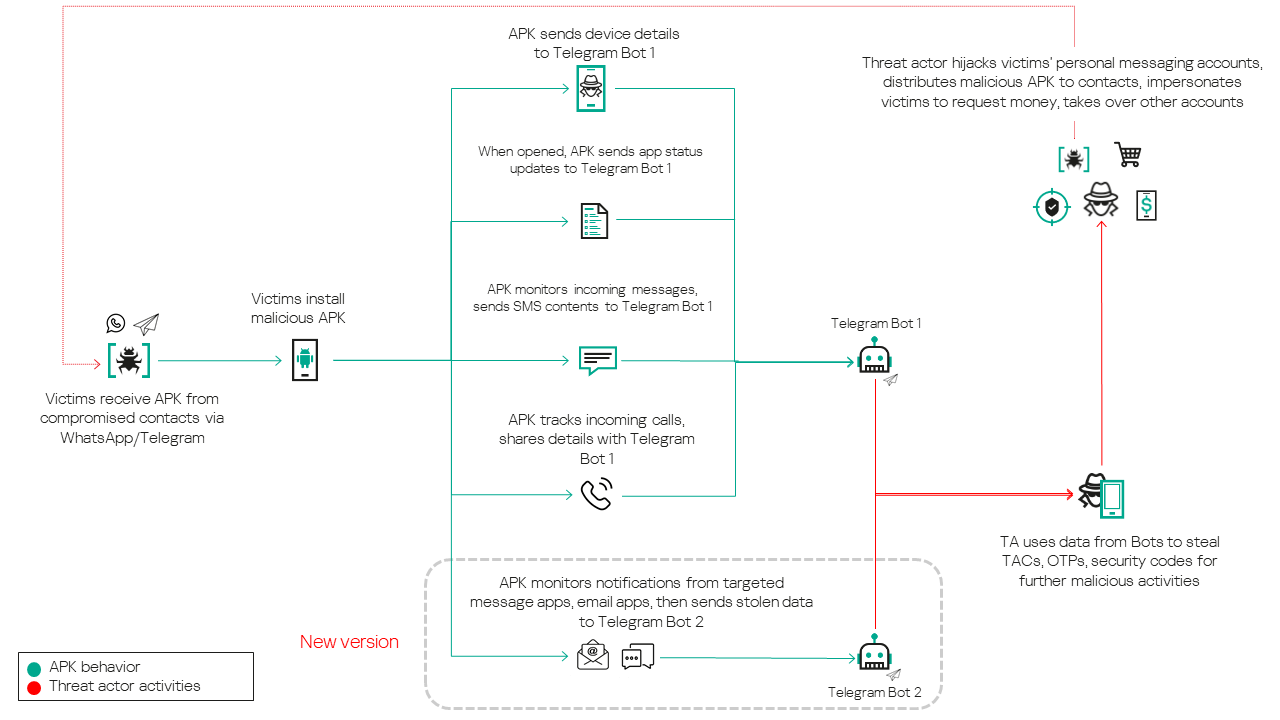
    Updates to this page

    Published 30 January 2025

    MIL OSI United Kingdom

  • MIL-OSI United Nations: Italy and WFP partner with the Government of Iraq to strengthen community resilience and women empowerment for green opportunities in Iraq

    Source: World Food Programme

    BAGHDAD – The United Nations World Food Programme (WFP) welcomed a generous contribution from the Italian Government through the Italian Agency for Development Cooperation (AICS) to strengthen community resilience and empower women through green opportunities, to address the challenges climate change poses to agriculture and food security in Iraq.

    WFP will work together with the Ministry of Agriculture and Ministry of Environment to empower local communities in food security and climate action decisions. WFP will also provide capacity building and technical expertise to local government authorities, helping them implement sustainable farming and livelihood solutions that can withstand climate challenges. 

    This project takes an innovative approach to support vulnerable women-led households, crisis-affected people, and smallholder farmers. It aims to help communities become more adaptable and resilient to climate change shocks by promoting inclusive coordination, active participation, and income-generating activities with a focus on empowering women, youth, and persons with disabilities. The project will be implemented in Ninewa, Salah al-Din, Thi-Qar, and Basra.

    Iraq’s agricultural sector is one of the main sources of income for vulnerable populations and the second-largest contributor to the country’s Gross Domestic Product (GDP) after oil revenues. More frequent droughts and continued water scarcity are increasing challenges to farmers who face reduced crop yields and loss of arable land, leading to an overall decline of agriculture in Iraq. 

    “Iraq, ‘the land of two rivers,’ faces a serious problem with water scarcity, desertification, rising temperatures and other climate impacts that heavily affect its agriculture and, in turn, its food security. WFP is committed to working with the Government of Iraq to support local governments and communities in developing scalable and sustainable climate-smart solutions that not only address those issues, but enable the people to adapt and overcome them,” said WFP Representative and Country Director Mageed Yahia. “To build long-term resilience, it is essential to involve all members of the community—especially women, people with disabilities, and other marginalized groups—in decision-making processes that support food security and sustainable livelihoods.”

    WFP will partner with the Government of Iraq, academia and a number of Italian experts to provide technical solutions, equipment and expertise, fostering innovative ecosystems that draw from the extensive experience on providing technical capacity building to public institutions and national organizations.

    Collaboration with the private sector and academia will help drive innovative and sustainable solutions to empower women in agriculture. This includes improving food production, processing, storage, and distribution, as well as promoting responsible farming practices, diverse income opportunities, and reducing waste. The project also focuses on the connection between agriculture, energy, and the environment to create lasting change. 

    “Climate change poses significant risks to Iraq’s agricultural sector, threatening livelihoods and food security all over the Country, and especially for women-led households” highlighted H.E. Niccolò Fontana, Ambassador of Italy to Iraq. “Various regions across Iraq face the harsh realities of water scarcity, land degradation, and rising temperatures. This project directly addresses these challenges by promoting green skills and expanding the private sector workforce, enhancing agricultural value chains, supporting women’s entrepreneurship in climate-resilient sectors. Italy is proud to commit to fostering a green transition that will benefit not only the environment, but also the population, empowering their communities and nurturing sustainability.”

    WFP will continue working with the Government of Iraq to support communities affected by climate change by aligning its project implementation with the Government’s priorities, particularly focusing on the addressing unemployment, improving water management in irrigation to drive up production and empower women to seek and maintain sustainable livelihoods. 

    #                           #                         #

    The United Nations World Food Programme is the world’s largest humanitarian organization, saving lives in emergencies and using food assistance to build a pathway to peace, stability and prosperity for people recovering from conflict, disasters and the impact of climate change.

    Follow us on Twitter @WFP_Iraq @wfp_mena @wfpgovts

    MIL OSI United Nations News

  • MIL-OSI: First Merchants Corporation Announces Fourth Quarter 2024 Earnings Per Share

    Source: GlobeNewswire (MIL-OSI)

    MUNCIE, Ind., Jan. 30, 2025 (GLOBE NEWSWIRE) — First Merchants Corporation (NASDAQ – FRME)

    Fourth Quarter 2024 Highlights:

    • Net income available to common stockholders was $63.9 million and diluted earnings per common share totaled $1.10, compared to $48.7 million and $0.84 in the third quarter of 2024, and $42.0 million and $0.71 in the fourth quarter of 2023. Excluding the impact of the branch sale and repositioning of the available for sale securities portfolio, adjusted net income available to common stockholders1was $58.1 million or $1.00 per share for the fourth quarter of 2024.
    • Strong capital position with Common Equity Tier 1 Capital Ratio of 11.43% and Tangible Common Equity to Tangible Assets Ratio of 8.81%.
    • Net interest margin was 3.28% compared to 3.23% on a linked quarter basis and 3.16% in the fourth quarter of 2023.
    • Total loans grew $185.6 million, or 5.9% annualized, on a linked quarter basis, and $368.1 million, or 2.9% during the last twelve months.
    • Total deposits increased $156.5 million, or 4.4% annualized, on a linked quarter basis, and declined $32.4 million, or 0.2%, during the last twelve months after normalizing for deposits sold during the fourth quarter.
    • Nonperforming assets to total assets were 43 basis points compared to 35 basis points on a linked quarter basis.
    • Adjusted efficiency ratio totaled 53.60%1for the quarter.
    • Completed the sale of five Illinois branches and certain loans and deposits to Old Second National Bank on December 6, 2024.

    “The fourth quarter was a strong finish to the year and showed the momentum we have built with healthy increases in core earnings, NIM and ROA,” said Mark Hardwick, Chief Executive Officer of First Merchants Bank. “We restructured a portion of our securities portfolio and completed the Illinois branch sale to help prioritize our core markets. These actions and the completion of multiple technology initiatives in 2024 have positioned First Merchants to deliver strong results in 2025.”

    Fourth Quarter Financial Results:

    First Merchants Corporation (the “Corporation”) reported fourth quarter 2024 net income available to common stockholders of $63.9 million compared to $42.0 million during the same period in 2023. Diluted earnings per common share for the period totaled $1.10 compared to the fourth quarter of 2023 result of $0.71. Excluding non-core income and expenses incurred in each period, adjusted net income available to common stockholders1 for the fourth quarter 2024 was $58.1 million, or $1.00 diluted earnings per common share compared to $53.4 million, or $0.90 in the same period in 2023.

    During the quarter, the Corporation completed the sale of five Illinois branches along with loans of $7.4 million and deposits of $267.4 million, generating a gain of $20.0 million recorded in non-interest income. The sale of these branches represents the Corporation’s exit from suburban Chicago markets.

    Total assets equaled $18.3 billion and loans totaled $12.9 billion as of quarter-end. During the past twelve months, total loans grew by $368.1 million, or 2.9%. On a linked quarter basis, loans grew $185.6 million, or 5.9% annualized, with growth primarily in commercial loans.

    Investments totaling $3.5 billion decreased $350.7 million, or 9.2%, during the last twelve months and decreased $201.5 million on a linked quarter basis. The decline during the quarter was partially due to the sale of $109.6 million of available for sale securities with a weighted average tax-equivalent yield of 2.31%, which resulted in a loss of $11.6 million. The remaining decline for the quarter was due to security paydowns and maturities, as well as a decline in valuation of securities reflecting the movement of interest rates. Sales of available for sale securities in 2024 totaled $268.5 million and resulted in a loss of $20.8 million.

    Total deposits were $14.5 billion as of quarter-end and decreased by $299.8 million, or 2.0%, over the past twelve months. The decline was primarily due to the sale of the Illinois branches during the fourth quarter which included $267.4 million of deposits. Excluding this impact, deposits declined by $32.4 million in 2024. On a linked quarter basis, deposits grew by $156.5 million, or 4.4% annualized. The loan to deposit ratio increased slightly to 88.5% at period end from 88.0% in the prior quarter.

    The Corporation’s Allowance for Credit Losses – Loans (ACL) totaled $192.8 million as of quarter-end, or 1.50% of total loans, an increase of $4.9 million from prior quarter. Loan charge-offs, net of recoveries totaled $0.8 million and provision for loans of $5.7 million was recorded during the quarter. Reserves for unfunded commitments totaled $18.0 million declining during the quarter due to reserve release of $1.5 million. Net provision for the quarter totaled $4.2 million. Non-performing assets to total assets were 43 basis points for the fourth quarter of 2024, an increase of eight basis points compared to 35 basis points in the prior quarter.

    Net interest income totaled $134.4 million for the quarter, an increase of $3.3 million, or 2.5%, compared to the prior quarter and an increase of $4.3 million, or 3.3%, compared to the fourth quarter of 2023. Fully taxable equivalent net interest margin was 3.28%, an increase of five basis points compared to the third quarter of 2024, and an increase of 12 basis points compared to the fourth quarter of 2023. The increase in net interest margin compared to the third quarter was due to lower funding costs and a more favorable earning asset and funding mix.

    Noninterest income totaled $42.7 million for the quarter, an increase of $17.9 million compared to the third quarter of 2024 and an increase of $16.3 million compared to the fourth quarter of 2023. When excluding non-core income from each period, noninterest income totaled $34.4 million for the quarter, an increase of $0.4 million compared to third quarter of 2024, and an increase of $5.6 million compared to the fourth quarter of 2023. The increase in core noninterest income over the fourth quarter of 2023 was primarily due to an increase in gains on sales of loans and CRA investment income.

    Noninterest expense totaled $96.3 million for the quarter, an increase of $1.7 million from the third quarter of 2024 and a decrease of $11.8 million from the fourth quarter of 2023. The increase in the linked quarter was from higher marketing costs and other one-time operating expenses. The decrease from the fourth quarter of 2023 was due to one-time charges incurred in the prior year which included an FDIC special assessment, early retirement and severance costs, and a lease termination.

    The Corporation’s total risk-based capital ratio totaled 13.31%, common equity tier 1 capital ratio totaled 11.43%, and the tangible common equity ratio totaled 8.81%. These ratios continue to reflect the Corporation’s strong liquidity and capital positions.

    1 See “Non-GAAP Financial Information” for reconciliation

    CONFERENCE CALL

    First Merchants Corporation will conduct a fourth quarter earnings conference call and webcast at 11:30 a.m. (ET) on Thursday, January 30, 2025.

    To access via phone, participants will need to register using the following link where they will be provided a phone number and access code: (https://register.vevent.com/register/BIc49ad0293a7844dca2e7171f51e600dd95f36e86b6)

    To view the webcast and presentation slides, please go to (https://edge.media-server.com/mmc/p/9t5v76m2) during the time of the call. A replay of the webcast will be available until January 30, 2026.

    Detailed financial results are reported on the attached pages.

    About First Merchants Corporation

    First Merchants Corporation is a financial holding company headquartered in Muncie, Indiana. The Corporation has one full-service bank charter, First Merchants Bank. The Bank also operates as First Merchants Private Wealth Advisors (as a division of First Merchants Bank).

    First Merchants Corporation’s common stock is traded on the NASDAQ Global Select Market System under the symbol FRME. Quotations are carried in daily newspapers and can be found on the company’s Internet web page (http://www.firstmerchants.com).

    FIRST MERCHANTS and the Shield Logo are federally registered trademarks of First Merchants Corporation.

    Forward-Looking Statements

    This release contains forward-looking statements made pursuant to the safe-harbor provisions of the Private Securities Litigation Reform Act of 1995. Such forward-looking statements can often, but not always, be identified by the use of words like “believe”, “continue”, “pattern”, “estimate”, “project”, “intend”, “anticipate”, “expect” and similar expressions or future or conditional verbs such as “will”, “would”, “should”, “could”, “might”, “can”, “may”, or similar expressions. These statements include statements about First Merchants’ goals, intentions and expectations; statements regarding the First Merchants’ business plan and growth strategies; statements regarding the asset quality of First Merchants’ loan and investment portfolios; and estimates of First Merchants’ risks and future costs and benefits. These forward-looking statements are subject to significant risks, assumptions and uncertainties that may cause results to differ materially from those set forth in forward-looking statements, including, among other things: possible changes in monetary and fiscal policies, and laws and regulations; the effects of easing restrictions on participants in the financial services industry; the cost and other effects of legal and administrative cases; possible changes in the credit worthiness of customers and the possible impairment of collectability of loans; fluctuations in market rates of interest; competitive factors in the banking industry; changes in the banking legislation or regulatory requirements of federal and state agencies applicable to bank holding companies and banks like First Merchants’ affiliate bank; continued availability of earnings and excess capital sufficient for the lawful and prudent declaration of dividends; changes in market, economic, operational, liquidity (including the ability to grow and maintain core deposits and retain large, uninsured deposits), credit and interest rate risks associated with the First Merchants’ business; and other risks and factors identified in each of First Merchants’ filings with the Securities and Exchange Commission. First Merchants does not undertake any obligation to update any forward-looking statement, whether written or oral, relating to the matters discussed in this press release. In addition, First Merchants’ past results of operations do not necessarily indicate its anticipated future results.

    CONSOLIDATED BALANCE SHEETS      
    (Dollars In Thousands) December 31,
        2024       2023  
    ASSETS      
    Cash and due from banks $ 87,616     $ 112,649  
    Interest-bearing deposits   298,891       436,080  
    Investment securities, net of allowance for credit losses of $245,000 and $245,000   3,460,695       3,811,364  
    Loans held for sale   18,663       18,934  
    Loans   12,854,359       12,486,027  
    Less: Allowance for credit losses – loans   (192,757 )     (204,934 )
    Net loans   12,661,602       12,281,093  
    Premises and equipment   129,743       133,896  
    Federal Home Loan Bank stock   41,690       41,769  
    Interest receivable   91,829       97,664  
    Goodwill and other intangibles   731,830       739,101  
    Cash surrender value of life insurance   304,906       306,301  
    Other real estate owned   4,948       4,831  
    Tax asset, deferred and receivable   92,387       99,883  
    Other assets   387,169       322,322  
    TOTAL ASSETS $ 18,311,969     $ 18,405,887  
    LIABILITIES      
    Deposits:      
    Noninterest-bearing $ 2,325,579     $ 2,500,062  
    Interest-bearing   12,196,047       12,321,391  
    Total Deposits   14,521,626       14,821,453  
    Borrowings:      
    Federal funds purchased   99,226        
    Securities sold under repurchase agreements   142,876       157,280  
    Federal Home Loan Bank advances   822,554       712,852  
    Subordinated debentures and other borrowings   93,529       158,644  
    Total Borrowings   1,158,185       1,028,776  
    Interest payable   16,102       18,912  
    Other liabilities   311,073       289,033  
    Total Liabilities   16,006,986       16,158,174  
    STOCKHOLDERS’ EQUITY      
    Preferred Stock, $1,000 par value, $1,000 liquidation value:      
    Authorized — 600 cumulative shares      
    Issued and outstanding – 125 cumulative shares   125       125  
    Preferred Stock, Series A, no par value, $2,500 liquidation preference:      
    Authorized — 10,000 non-cumulative perpetual shares      
    Issued and outstanding – 10,000 non-cumulative perpetual shares   25,000       25,000  
    Common Stock, $.125 stated value:      
    Authorized — 100,000,000 shares      
    Issued and outstanding – 57,974,535 and 59,424,122 shares   7,247       7,428  
    Additional paid-in capital   1,188,768       1,236,506  
    Retained earnings   1,272,528       1,154,624  
    Accumulated other comprehensive loss   (188,685 )     (175,970 )
    Total Stockholders’ Equity   2,304,983       2,247,713  
    TOTAL LIABILITIES AND STOCKHOLDERS’ EQUITY $ 18,311,969     $ 18,405,887  
     
    CONSOLIDATED STATEMENTS OF INCOME Three Months Ended   Twelve Months Ended
    (Dollars In Thousands, Except Per Share Amounts) December 31,   December 31,
        2024       2023       2024       2023  
    INTEREST INCOME              
    Loans:              
    Taxable $ 197,536     $ 197,523     $ 803,652     $ 747,837  
    Tax-exempt   9,020       8,197       34,262       31,954  
    Investment securities:              
    Taxable   9,024       8,644       36,086       35,207  
    Tax-exempt   12,754       13,821       53,487       58,117  
    Deposits with financial institutions   5,350       8,034       16,992       17,719  
    Federal Home Loan Bank stock   958       771       3,527       3,052  
    Total Interest Income   234,642       236,990       948,006       893,886  
    INTEREST EXPENSE              
    Deposits   89,835       96,655       386,127       306,092  
    Federal funds purchased   26       1       481       1,421  
    Securities sold under repurchase agreements   680       827       3,057       3,451  
    Federal Home Loan Bank advances   8,171       6,431       29,886       27,206  
    Subordinated debentures and other borrowings   1,560       3,013       7,341       10,316  
    Total Interest Expense   100,272       106,927       426,892       348,486  
    NET INTEREST INCOME   134,370       130,063       521,114       545,400  
    Provision for credit losses   4,200       1,500       35,700       3,500  
    NET INTEREST INCOME AFTER PROVISION FOR CREDIT LOSSES   130,170       128,563       485,414       541,900  
    NONINTEREST INCOME              
    Service charges on deposit accounts   8,124       7,690       32,606       30,837  
    Fiduciary and wealth management fees   8,665       8,187       34,215       30,840  
    Card payment fees   4,957       4,437       19,317       18,862  
    Net gains and fees on sales of loans   5,681       4,111       20,840       15,659  
    Derivative hedge fees   1,594       1,049       3,082       3,385  
    Other customer fees   316       237       1,547       1,880  
    Earnings on cash surrender value of life insurance   2,188       3,202       8,464       8,347  
    Net realized losses on sales of available for sale securities   (11,592 )     (2,317 )     (20,757 )     (6,930 )
    Gain on branch sale   19,983             19,983        
    Other income (loss)   2,826       (152 )     6,283       2,722  
    Total Noninterest Income   42,742       26,444       125,580       105,602  
    NONINTEREST EXPENSES              
    Salaries and employee benefits   55,437       60,967       221,167       228,745  
    Net occupancy   7,335       9,089       28,387       29,859  
    Equipment   7,028       6,108       26,802       24,113  
    Marketing   2,582       2,647       7,389       7,427  
    Outside data processing fees   6,029       5,875       27,140       25,165  
    Printing and office supplies   377       402       1,462       1,552  
    Intangible asset amortization   1,771       2,182       7,271       8,743  
    FDIC assessments   3,744       7,557       15,029       14,674  
    Other real estate owned and foreclosure expenses   227       1,743       2,076       3,318  
    Professional and other outside services   3,777       3,981       14,586       16,172  
    Other expenses   7,982       7,552       27,957       28,502  
    Total Noninterest Expenses   96,289       108,103       379,266       388,270  
    INCOME BEFORE INCOME TAX   76,623       46,904       231,728       259,232  
    Income tax expense   12,274       4,425       30,326       35,446  
    NET INCOME   64,349       42,479       201,402       223,786  
    Preferred stock dividends   469       469       1,875       1,875  
    NET INCOME AVAILABLE TO COMMON STOCKHOLDERS $ 63,880     $ 42,010     $ 199,527     $ 221,911  
    Per Share Data:              
    Basic Net Income Available to Common Stockholders $ 1.10     $ 0.71     $ 3.42     $ 3.74  
    Diluted Net Income Available to Common Stockholders $ 1.10     $ 0.71     $ 3.41     $ 3.73  
    Cash Dividends Paid to Common Stockholders $ 0.35     $ 0.34     $ 1.39     $ 1.34  
    Average Diluted Common Shares Outstanding (in thousands)   58,247       59,556       58,533       59,489  
     
    FINANCIAL HIGHLIGHTS              
    (Dollars in thousands) Three Months Ended   Twelve Months Ended
      December 31,   December 31,
        2024       2023       2024       2023  
    NET CHARGE-OFFS $ 771     $ 3,148     $ 49,377     $ 25,643  
                   
    AVERAGE BALANCES:              
    Total Assets $ 18,478,303     $ 18,397,200     $ 18,400,495     $ 18,186,507  
    Total Loans   12,757,676       12,396,451       12,634,324       12,297,974  
    Total Earning Assets   17,089,198       17,222,714       17,054,267       16,991,787  
    Total Deposits   14,788,294       15,000,580       14,816,564       14,721,498  
    Total Stockholders’ Equity   2,312,270       2,130,993       2,252,491       2,127,262  
                   
    FINANCIAL RATIOS:              
    Return on Average Assets   1.39 %     0.92 %     1.09 %     1.23 %
    Return on Average Stockholders’ Equity   11.05       7.89       8.86       10.43  
    Return on Tangible Common Stockholders’ Equity   16.75       12.75       13.71       16.76  
    Average Earning Assets to Average Assets   92.48       93.62       92.68       93.43  
    Allowance for Credit Losses – Loans as % of Total Loans   1.50       1.64       1.50       1.64  
    Net Charge-offs as % of Average Loans (Annualized)   0.02       0.10       0.39       0.21  
    Average Stockholders’ Equity to Average Assets   12.51       11.58       12.24       11.70  
    Tax Equivalent Yield on Average Earning Assets   5.63       5.64       5.69       5.40  
    Interest Expense/Average Earning Assets   2.35       2.48       2.50       2.05  
    Net Interest Margin (FTE) on Average Earning Assets   3.28       3.16       3.19       3.35  
    Efficiency Ratio   48.48       63.26       53.55       55.17  
    Tangible Common Book Value Per Share $ 26.78     $ 25.06     $ 26.78     $ 25.06  
     
    NONPERFORMING ASSETS                  
    (Dollars In Thousands) December 31,   September 30,   June 30,   March 31,   December 31,
        2024       2024       2024       2024       2023  
    Nonaccrual Loans $ 73,773     $ 59,088     $ 61,906     $ 62,478     $ 53,580  
    Other Real Estate Owned and Repossessions   4,948       5,247       4,824       4,886       4,831  
    Nonperforming Assets (NPA)   78,721       64,335       66,730       67,364       58,411  
    90+ Days Delinquent   5,902       14,105       1,686       2,838       172  
    NPAs & 90 Day Delinquent $ 84,623     $ 78,440     $ 68,416     $ 70,202     $ 58,583  
                       
    Allowance for Credit Losses – Loans $ 192,757     $ 187,828     $ 189,537     $ 204,681     $ 204,934  
    Quarterly Net Charge-offs   771       6,709       39,644       2,253       3,148  
    NPAs / Actual Assets %   0.43 %     0.35 %     0.36 %     0.37 %     0.32 %
    NPAs & 90 Day / Actual Assets %   0.46 %     0.43 %     0.37 %     0.38 %     0.32 %
    NPAs / Actual Loans and OREO %   0.61 %     0.51 %     0.53 %     0.54 %     0.47 %
    Allowance for Credit Losses – Loans / Actual Loans (%)   1.50 %     1.48 %     1.50 %     1.64 %     1.64 %
    Net Charge-offs as % of Average Loans (Annualized)   0.02 %     0.21 %     1.26 %     0.07 %     0.10 %
     
    CONSOLIDATED BALANCE SHEETS                  
    (Dollars In Thousands) December 31,   September 30,   June 30,   March 31,   December 31,
        2024       2024       2024       2024       2023  
    ASSETS                  
    Cash and due from banks $ 87,616     $ 84,719     $ 105,372     $ 100,514     $ 112,649  
    Interest-bearing deposits   298,891       359,126       168,528       410,497       436,080  
    Investment securities, net of allowance for credit losses   3,460,695       3,662,145       3,753,088       3,783,574       3,811,364  
    Loans held for sale   18,663       40,652       32,292       15,118       18,934  
    Loans   12,854,359       12,646,808       12,639,650       12,465,582       12,486,027  
    Less: Allowance for credit losses – loans   (192,757 )     (187,828 )     (189,537 )     (204,681 )     (204,934 )
    Net loans   12,661,602       12,458,980       12,450,113       12,260,901       12,281,093  
    Premises and equipment   129,743       129,582       133,245       132,706       133,896  
    Federal Home Loan Bank stock   41,690       41,716       41,738       41,758       41,769  
    Interest receivable   91,829       92,055       97,546       92,550       97,664  
    Goodwill and other intangibles   731,830       733,601       735,373       737,144       739,101  
    Cash surrender value of life insurance   304,906       304,613       306,379       306,028       306,301  
    Other real estate owned   4,948       5,247       4,824       4,886       4,831  
    Tax asset, deferred and receivable   92,387       86,732       107,080       101,121       99,883  
    Other assets   387,169       348,384       367,845       331,006       322,322  
    TOTAL ASSETS $ 18,311,969     $ 18,347,552     $ 18,303,423     $ 18,317,803     $ 18,405,887  
    LIABILITIES                  
    Deposits:                  
    Noninterest-bearing $ 2,325,579     $ 2,334,197     $ 2,303,313     $ 2,338,364     $ 2,500,062  
    Interest-bearing   12,196,047       12,030,903       12,265,757       12,546,220       12,321,391  
    Total Deposits   14,521,626       14,365,100       14,569,070       14,884,584       14,821,453  
    Borrowings:                  
    Federal funds purchased   99,226       30,000       147,229              
    Securities sold under repurchase agreements   142,876       124,894       100,451       130,264       157,280  
    Federal Home Loan Bank advances   822,554       832,629       832,703       612,778       712,852  
    Subordinated debentures and other borrowings   93,529       93,562       93,589       118,612       158,644  
    Total Borrowings   1,158,185       1,081,085       1,173,972       861,654       1,028,776  
    Deposits and other liabilities held for sale         288,476                    
    Interest payable   16,102       18,089       18,554       19,262       18,912  
    Other liabilities   311,073       292,429       329,302       327,500       289,033  
    Total Liabilities   16,006,986       16,045,179       16,090,898       16,093,000       16,158,174  
    STOCKHOLDERS’ EQUITY                  
    Preferred Stock, $1,000 par value, $1,000 liquidation value:                  
    Authorized — 600 cumulative shares                  
    Issued and outstanding – 125 cumulative shares   125       125       125       125       125  
    Preferred Stock, Series A, no par value, $2,500 liquidation preference:                  
    Authorized — 10,000 non-cumulative perpetual shares                  
    Issued and outstanding – 10,000 non-cumulative perpetual shares   25,000       25,000       25,000       25,000       25,000  
    Common Stock, $.125 stated value:                  
    Authorized — 100,000,000 shares                  
    Issued and outstanding   7,247       7,265       7,256       7,321       7,428  
    Additional paid-in capital   1,188,768       1,192,683       1,191,193       1,208,447       1,236,506  
    Retained earnings   1,272,528       1,229,125       1,200,930       1,181,939       1,154,624  
    Accumulated other comprehensive loss   (188,685 )     (151,825 )     (211,979 )     (198,029 )     (175,970 )
    Total Stockholders’ Equity   2,304,983       2,302,373       2,212,525       2,224,803       2,247,713  
    TOTAL LIABILITIES AND STOCKHOLDERS’ EQUITY $ 18,311,969     $ 18,347,552     $ 18,303,423     $ 18,317,803     $ 18,405,887  
                       
    CONSOLIDATED STATEMENTS OF INCOME                  
    (Dollars In Thousands, Except Per Share Amounts) December 31,   September 30,   June 30,   March 31,   December 31,
        2024       2024       2024       2024       2023  
    INTEREST INCOME                  
    Loans:                  
    Taxable $ 197,536     $ 206,680     $ 201,413     $ 198,023     $ 197,523  
    Tax-exempt   9,020       8,622       8,430       8,190       8,197  
    Investment securities:                  
    Taxable   9,024       9,263       9,051       8,748       8,644  
    Tax-exempt   12,754       13,509       13,613       13,611       13,821  
    Deposits with financial institutions   5,350       2,154       2,995       6,493       8,034  
    Federal Home Loan Bank stock   958       855       879       835       771  
    Total Interest Income   234,642       241,083       236,381       235,900       236,990  
    INTEREST EXPENSE                  
    Deposits   89,835       98,856       99,151       98,285       96,655  
    Federal funds purchased   26       329       126             1  
    Securities sold under repurchase agreements   680       700       645       1,032       827  
    Federal Home Loan Bank advances   8,171       8,544       6,398       6,773       6,431  
    Subordinated debentures and other borrowings   1,560       1,544       1,490       2,747       3,013  
    Total Interest Expense   100,272       109,973       107,810       108,837       106,927  
    NET INTEREST INCOME   134,370       131,110       128,571       127,063       130,063  
    Provision for credit losses   4,200       5,000       24,500       2,000       1,500  
    NET INTEREST INCOME AFTER PROVISION FOR CREDIT LOSSES   130,170       126,110       104,071       125,063       128,563  
    NONINTEREST INCOME                  
    Service charges on deposit accounts   8,124       8,361       8,214       7,907       7,690  
    Fiduciary and wealth management fees   8,665       8,525       8,825       8,200       8,187  
    Card payment fees   4,957       5,121       4,739       4,500       4,437  
    Net gains and fees on sales of loans   5,681       6,764       5,141       3,254       4,111  
    Derivative hedge fees   1,594       736       489       263       1,049  
    Other customer fees   316       344       460       427       237  
    Earnings on cash surrender value of life insurance   2,188       2,755       1,929       1,592       3,202  
    Net realized losses on sales of available for sale securities   (11,592 )     (9,114 )     (49 )     (2 )     (2,317 )
    Gain on branch sale   19,983                          
    Other income (loss)   2,826       1,374       1,586       497       (152 )
    Total Noninterest Income   42,742       24,866       31,334       26,638       26,444  
    NONINTEREST EXPENSES                  
    Salaries and employee benefits   55,437       55,223       52,214       58,293       60,967  
    Net occupancy   7,335       6,994       6,746       7,312       9,089  
    Equipment   7,028       6,949       6,599       6,226       6,108  
    Marketing   2,582       1,836       1,773       1,198       2,647  
    Outside data processing fees   6,029       7,150       7,072       6,889       5,875  
    Printing and office supplies   377       378       354       353       402  
    Intangible asset amortization   1,771       1,772       1,771       1,957       2,182  
    FDIC assessments   3,744       3,720       3,278       4,287       7,557  
    Other real estate owned and foreclosure expenses   227       942       373       534       1,743  
    Professional and other outside services   3,777       3,035       3,822       3,952       3,981  
    Other expenses   7,982       6,630       7,411       5,934       7,552  
    Total Noninterest Expenses   96,289       94,629       91,413       96,935       108,103  
    INCOME BEFORE INCOME TAX   76,623       56,347       43,992       54,766       46,904  
    Income tax expense   12,274       7,160       4,067       6,825       4,425  
    NET INCOME   64,349       49,187       39,925       47,941       42,479  
    Preferred stock dividends   469       468       469       469       469  
    NET INCOME AVAILABLE TO COMMON STOCKHOLDERS $ 63,880     $ 48,719     $ 39,456     $ 47,472     $ 42,010  
    Per Share Data:                  
    Basic Net Income Available to Common Stockholders $ 1.10     $ 0.84     $ 0.68     $ 0.80     $ 0.71  
    Diluted Net Income Available to Common Stockholders $ 1.10     $ 0.84     $ 0.68     $ 0.80     $ 0.71  
    Cash Dividends Paid to Common Stockholders $ 0.35     $ 0.35     $ 0.35     $ 0.34     $ 0.34  
    Average Diluted Common Shares Outstanding (in thousands)   58,247       58,289       58,328       59,273       59,556  
    FINANCIAL RATIOS:                  
    Return on Average Assets   1.39 %     1.07 %     0.87 %     1.04 %     0.92 %
    Return on Average Stockholders’ Equity   11.05       8.66       7.16       8.47       7.89  
    Return on Tangible Common Stockholders’ Equity   16.75       13.39       11.29       13.21       12.75  
    Average Earning Assets to Average Assets   92.48       92.54       92.81       92.91       93.62  
    Allowance for Credit Losses – Loans as % of Total Loans   1.50       1.48       1.50       1.64       1.64  
    Net Charge-offs as % of Average Loans (Annualized)   0.02       0.21       1.26       0.07       0.10  
    Average Stockholders’ Equity to Average Assets   12.51       12.26       12.02       12.17       11.58  
    Tax Equivalent Yield on Average Earning Assets   5.63       5.82       5.69       5.65       5.64  
    Interest Expense/Average Earning Assets   2.35       2.59       2.53       2.55       2.48  
    Net Interest Margin (FTE) on Average Earning Assets   3.28       3.23       3.16       3.10       3.16  
    Efficiency Ratio   48.48       53.76       53.84       59.21       63.26  
    Tangible Common Book Value Per Share $ 26.78     $ 26.64     $ 25.10     $ 25.07     $ 25.06  
    LOANS                  
    (Dollars In Thousands) December 31,   September 30,   June 30,   March 31,   December 31,
        2024       2024       2024       2024       2023  
    Commercial and industrial loans $ 4,114,292     $ 4,041,217     $ 3,949,817     $ 3,722,365     $ 3,670,948  
    Agricultural land, production and other loans to farmers   256,312       238,743       239,926       234,431       263,414  
    Real estate loans:                  
    Construction   792,144       814,704       823,267       941,726       957,545  
    Commercial real estate, non-owner occupied   2,274,016       2,251,351       2,323,533       2,368,360       2,400,839  
    Commercial real estate, owner occupied   1,157,944       1,152,751       1,174,195       1,137,894       1,162,083  
    Residential   2,374,729       2,366,943       2,370,905       2,316,490       2,288,921  
    Home equity   659,811       641,188       631,104       618,258       617,571  
    Individuals’ loans for household and other personal expenditures   166,028       158,480       162,089       161,459       168,388  
    Public finance and other commercial loans   1,059,083       981,431       964,814       964,599       956,318  
    Loans   12,854,359       12,646,808       12,639,650       12,465,582       12,486,027  
    Allowance for credit losses – loans   (192,757 )     (187,828 )     (189,537 )     (204,681 )     (204,934 )
    NET LOANS $ 12,661,602     $ 12,458,980     $ 12,450,113     $ 12,260,901     $ 12,281,093  
     
    DEPOSITS                  
    (Dollars In Thousands) December 31,   September 30,   June 30,   March 31,   December 31,
      2024   2024   2024   2024   2023
    Demand deposits $ 7,980,061   $ 7,678,510   $ 7,757,679   $ 7,771,976   $ 7,965,862
    Savings deposits   4,522,758     4,302,236     4,339,161     4,679,593     4,516,433
    Certificates and other time deposits of $100,000 or more   1,043,068     1,277,833     1,415,131     1,451,443     1,408,985
    Other certificates and time deposits   692,068     802,949     889,949     901,280     849,906
    Brokered certificates of deposits1   283,671     303,572     167,150     80,292     80,267
    TOTAL DEPOSITS2 $ 14,521,626   $ 14,365,100   $ 14,569,070   $ 14,884,584   $ 14,821,453

    1 – Total brokered deposits of $955.7 million, which includes brokered CD’s of $283.7 million at December 31, 2024.
    2 – Total deposits at September 30, 2024 excluded $287.7 million of deposits reclassified to Deposits and other liabilities held for sale related to the Illinois branch sale. The sale of $267.4 million of deposits associated with the Illinois branch sale was subsequently completed on December 6, 2024.

    CONSOLIDATED AVERAGE BALANCE SHEET AND NET INTEREST MARGIN ANALYSIS            
    (Dollars in Thousands)                      
      For the Three Months Ended
      December 31, 2024   December 31, 2023
      Average Balance   Interest
    Income /
    Expense
      Average
    Rate
      Average Balance   Interest
    Income /
    Expense
      Average
    Rate
    ASSETS                      
    Interest-bearing deposits $ 522,868   $ 5,350   4.09 %   $ 700,705   $ 8,034   4.59 %
    Federal Home Loan Bank stock   41,703     958   9.19       41,792     771   7.38  
    Investment Securities:(1)                      
    Taxable   1,677,554     9,024   2.15       1,801,533     8,644   1.92  
    Tax-exempt(2)   2,089,397     16,144   3.09       2,282,233     17,495   3.07  
    Total Investment Securities   3,766,951     25,168   2.67       4,083,766     26,139   2.56  
    Loans held for sale   36,219     550   6.07       16,355     246   6.02  
    Loans:(3)                      
    Commercial   8,753,723     156,414   7.15       8,533,233     159,190   7.46  
    Real estate mortgage   2,177,351     24,401   4.48       2,118,060     21,829   4.12  
    HELOC and installment   841,537     16,171   7.69       820,728     16,258   7.92  
    Tax-exempt(2)   948,846     11,418   4.81       908,075     10,376   4.57  
    Total Loans   12,757,676     208,954   6.55       12,396,451     207,899   6.71  
    Total Earning Assets   17,089,198     240,430   5.63 %     17,222,714     242,843   5.64 %
    Total Non-Earning Assets   1,389,105             1,174,486        
    TOTAL ASSETS $ 18,478,303           $ 18,397,200        
    LIABILITIES                      
    Interest-Bearing Deposits:                      
    Interest-bearing deposits $ 5,564,228   $ 37,049   2.66 %   $ 5,504,725   $ 40,996   2.98 %
    Money market deposits   3,189,334     25,463   3.19       3,096,085     27,909   3.61  
    Savings deposits   1,362,705     3,102   0.91       1,587,758     3,913   0.99  
    Certificates and other time deposits   2,313,284     24,221   4.19       2,225,528     23,837   4.28  
    Total Interest-Bearing Deposits   12,429,551     89,835   2.89       12,414,096     96,655   3.11  
    Borrowings   1,049,677     10,437   3.98       1,013,856     10,272   4.05  
    Total Interest-Bearing Liabilities   13,479,228     100,272   2.98       13,427,952     106,927   3.19  
    Noninterest-bearing deposits   2,358,743             2,586,484        
    Other liabilities   328,062             251,771        
    Total Liabilities   16,166,033             16,266,207        
    STOCKHOLDERS’ EQUITY   2,312,270             2,130,993        
    TOTAL LIABILITIES AND STOCKHOLDERS’ EQUITY $ 18,478,303     100,272       $ 18,397,200     106,927    
    Net Interest Income (FTE)     $ 140,158           $ 135,916    
    Net Interest Spread (FTE)(4)         2.65 %           2.45 %
                           
    Net Interest Margin (FTE):                      
    Interest Income (FTE) / Average Earning Assets         5.63 %           5.64 %
    Interest Expense / Average Earning Assets         2.35 %           2.48 %
    Net Interest Margin (FTE)(5)         3.28 %           3.16 %
                           
    (1)Average balance of securities is computed based on the average of the historical amortized cost balances without the effects of the fair value adjustments. Annualized amounts are computed using a 30/360 day basis.
    (2)Tax-exempt securities and loans are presented on a fully taxable equivalent basis, using a marginal tax rate of 21 percent for 2024 and 2023. These totals equal $5,788 and $5,853 for the three months ended December 31, 2024 and 2023, respectively.
    (3)Non accruing loans have been included in the average balances.
    (4)Net Interest Spread (FTE) is interest income expressed as a percentage of average earning assets minus interest expense expressed as a percentage of average interest-bearing liabilities.
    (5)Net Interest Margin (FTE) is interest income expressed as a percentage of average earning assets minus interest expense expressed as a percentage of average earning assets.
     
                           
    CONSOLIDATED AVERAGE BALANCE SHEET AND NET INTEREST MARGIN ANALYSIS            
    (Dollars in Thousands)                      
      For the Twelve Months Ended
      December 31, 2024   December 31, 2023
      Average Balance   Interest
    Income /
    Expense
      Average
    Rate
      Average Balance   Interest
    Income /
    Expense
      Average
    Rate
    Assets:                      
    Interest-bearing deposits $ 418,163   $ 16,992   4.06 %   $ 431,581   $ 17,719   4.11 %
    Federal Home Loan Bank stock   41,736     3,527   8.45       41,319     3,052   7.39  
    Investment Securities:(1)                      
    Taxable   1,759,578     36,086   2.05       1,854,438     35,207   1.90  
    Tax-exempt(2)   2,200,466     67,705   3.08       2,366,475     73,566   3.11  
    Total Investment Securities   3,960,044     103,791   2.62       4,220,913     108,773   2.58  
    Loans held for sale   29,650     1,792   6.04       21,766     1,292   5.94  
    Loans:(3)                      
    Commercial   8,687,638     641,393   7.38       8,519,706     603,611   7.08  
    Real estate mortgage   2,158,743     94,890   4.40       2,035,488     82,183   4.04  
    HELOC and installment   830,079     65,577   7.90       830,006     60,751   7.32  
    Tax-exempt(2)   928,214     43,370   4.67       891,008     40,448   4.54  
    Total Loans   12,634,324     847,022   6.70       12,297,974     788,285   6.41  
    Total Earning Assets   17,054,267     971,332   5.69 %     16,991,787     917,829   5.40 %
    Total Non-Earning Assets   1,346,228             1,194,720        
    Total Assets $ 18,400,495           $ 18,186,507        
    Liabilities:                      
    Interest-Bearing deposits:                      
    Interest-bearing deposits $ 5,506,492   $ 157,984   2.87 %   $ 5,435,733   $ 138,012   2.54 %
    Money market deposits   3,061,461     106,026   3.46       2,884,271     83,777   2.90  
    Savings deposits   1,463,707     14,587   1.00       1,694,230     14,606   0.86  
    Certificates and other time deposits   2,413,900     107,530   4.45       1,923,268     69,697   3.62  
    Total Interest-Bearing Deposits   12,445,560     386,127   3.10       11,937,502     306,092   2.56  
    Borrowings   1,005,017     40,765   4.06       1,111,472     42,394   3.81  
    Total Interest-Bearing Liabilities   13,450,577     426,892   3.17       13,048,974     348,486   2.67  
    Noninterest-bearing deposits   2,371,004             2,783,996        
    Other liabilities   326,423             226,275        
    Total Liabilities   16,148,004             16,059,245        
    Stockholders’ Equity   2,252,491             2,127,262        
    Total Liabilities and Stockholders’ Equity $ 18,400,495     426,892       $ 18,186,507     348,486    
    Net Interest Income (FTE)     $ 544,440           $ 569,343    
    Net Interest Spread (FTE)(4)         2.52 %           2.73 %
                           
    Net Interest Margin (FTE):                      
    Interest Income (FTE) / Average Earning Assets         5.69 %           5.40 %
    Interest Expense / Average Earning Assets         2.50 %           2.05 %
    Net Interest Margin (FTE)(5)         3.19 %           3.35 %
                           
    (1)Average balance of securities is computed based on the average of the historical amortized cost balances without the effects of the fair value adjustments. Annualized amounts are computed using a 30/360 day basis.
    (2)Tax-exempt securities and loans are presented on a fully taxable equivalent basis, using a marginal tax rate of 21 percent for 2024 and 2023. These totals equal $23,326 and $23,943 for the years ended December 31, 2024 and 2023, respectively.
    (3)Non accruing loans have been included in the average balances.           
    (4)Net Interest Spread (FTE) is interest income expressed as a percentage of average earning assets minus interest expense expressed as a percentage of average interest-bearing liabilities.
    (5)Net Interest Margin (FTE) is interest income expressed as a percentage of average earning assets minus interest expense expressed as a percentage of average earning assets.
     
    ADJUSTED NET INCOME AND DILUTED EARNINGS PER COMMON SHARE – NON-GAAP
    (Dollars In Thousands, Except Per Share Amounts) Three Months Ended   Twelve Months Ended
      December 31,   September 30,   June 30,   March 31,   December 31,   December 31,   December 31,
        2024       2024       2024       2024       2023       2024       2023  
    Net Income Available to Common Stockholders – GAAP $ 63,880     $ 48,719     $ 39,456     $ 47,472     $ 42,010     $ 199,527     $ 221,911  
    Adjustments:                          
    PPP loan income                           (7 )           (49 )
    Net realized losses on sales of available for sale securities   11,592       9,114       49       2       2,317       20,757       6,930  
    Gain on branch sale   (19,983 )                             (19,983 )      
    Non-core expenses1,2,3   762                   3,481       12,682       4,243       12,682  
    Tax on adjustments   1,851       (2,220 )     (12 )     (848 )     (3,652 )     (1,229 )     (4,767 )
    Adjusted Net Income Available to Common Stockholders – Non-GAAP $ 58,102     $ 55,613     $ 39,493     $ 50,107     $ 53,350     $ 203,315     $ 236,707  
                               
    Average Diluted Common Shares Outstanding (in thousands)   58,247       58,289       58,328       59,273       59,556       58,533       59,489  
                               
    Diluted Earnings Per Common Share – GAAP $ 1.10     $ 0.84     $ 0.68     $ 0.80     $ 0.71     $ 3.41     $ 3.73  
    Adjustments:                          
    PPP loan income                                        
    Net realized losses on sales of available for sale securities   0.20       0.15                   0.04       0.35       0.12  
    Gain on branch sale   (0.34 )                             (0.34 )      
    Non-core expenses1,2,3   0.01                   0.06       0.21       0.07       0.21  
    Tax on adjustments   0.03       (0.04 )           (0.01 )     (0.06 )     (0.02 )     (0.08 )
    Adjusted Diluted Earnings Per Common Share – Non-GAAP $ 1.00     $ 0.95     $ 0.68     $ 0.85     $ 0.90     $ 3.47     $ 3.98  

    1 – Non-core expenses in 4Q24 included $0.8 million of costs directly related to the branch sale.
    2 – Non-core expenses in 1Q24 included $2.4 million from duplicative online banking conversion costs and $1.1 million from the FDIC special assessment.
    3 – Non-core expenses in 4Q23 included $6.3 million from early retirement and severance costs, $4.3 million from the FDIC special assessment, and $2.1 million from a lease termination.

    NET INTEREST MARGIN (“NIM”), ADJUSTED                
    (Dollars in Thousands)                
      Three Months Ended   Twelve Months Ended
      December 31,   September 30,   June 30,   March 31,   December 31,   December 31,   December 31,
        2024       2024       2024       2024       2023       2024       2023  
    Net Interest Income (GAAP) $ 134,370     $ 131,110     $ 128,571     $ 127,063     $ 130,063     $ 521,114     $ 545,400  
    Fully Taxable Equivalent (“FTE”) Adjustment   5,788       5,883       5,859       5,795       5,853       23,326       23,943  
    Net Interest Income (FTE) (non-GAAP) $ 140,158     $ 136,993     $ 134,430     $ 132,858     $ 135,916     $ 544,440     $ 569,343  
                               
    Average Earning Assets (GAAP) $ 17,089,198     $ 16,990,358     $ 17,013,984     $ 17,123,851     $ 17,222,714     $ 17,054,267     $ 16,991,787  
    Net Interest Margin (GAAP)   3.15 %     3.09 %     3.02 %     2.97 %     3.02 %     3.06 %     3.21 %
    Net Interest Margin (FTE) (non-GAAP)   3.28 %     3.23 %     3.16 %     3.10 %     3.16 %     3.19 %     3.35 %
     
    RETURN ON TANGIBLE COMMON EQUITY – NON-GAAP
    (Dollars In Thousands) Three Months Ended   Twelve Months Ended
      December 31,   September 30,   June 30,   March 31,   December 31,   December 31,   December 31,
        2024       2024       2024       2024       2023       2024       2023  
    Total Average Stockholders’ Equity (GAAP) $ 2,312,270     $ 2,251,547     $ 2,203,361     $ 2,242,139     $ 2,130,993     $ 2,252,491     $ 2,127,262  
    Less: Average Preferred Stock   (25,125 )     (25,125 )     (25,125 )     (25,125 )     (25,125 )     (25,125 )     (25,125 )
    Less: Average Intangible Assets, Net of Tax   (728,218 )     (729,581 )     (730,980 )     (732,432 )     (734,007 )     (730,295 )     (736,601 )
    Average Tangible Common Equity, Net of Tax (Non-GAAP) $ 1,558,927     $ 1,496,841     $ 1,447,256     $ 1,484,582     $ 1,371,861     $ 1,497,071     $ 1,365,536  
                               
    Net Income Available to Common Stockholders (GAAP) $ 63,880     $ 48,719     $ 39,456     $ 47,472     $ 42,010     $ 199,527     $ 221,911  
    Plus: Intangible Asset Amortization, Net of Tax   1,399       1,399       1,399       1,546       1,724       5,744       6,906  
    Tangible Net Income (Non-GAAP) $ 65,279     $ 50,118     $ 40,855     $ 49,018     $ 43,734     $ 205,271     $ 228,817  
                               
    Return on Tangible Common Equity (Non-GAAP)   16.75 %     13.39 %     11.29 %     13.21 %     12.75 %     13.71 %     16.76 %
     
    EFFICIENCY RATIO – NON-GAAP                          
    (Dollars In Thousands) Three Months Ended   Twelve Months Ended
      December 31,   September 30,   June 30,   March 31,   December 31,   December 31,   December 31,
        2024       2024       2024       2024       2023       2024       2023  
    Non Interest Expense (GAAP) $ 96,289     $ 94,629     $ 91,413     $ 96,935     $ 108,103     $ 379,266     $ 388,270  
    Less: Intangible Asset Amortization   (1,771 )     (1,772 )     (1,771 )     (1,957 )     (2,182 )     (7,271 )     (8,743 )
    Less: OREO and Foreclosure Expenses   (227 )     (942 )     (373 )     (534 )     (1,743 )     (2,076 )     (3,318 )
    Adjusted Non Interest Expense (Non-GAAP) $ 94,291     $ 91,915     $ 89,269     $ 94,444     $ 104,178     $ 369,919     $ 376,209  
                               
    Net Interest Income (GAAP) $ 134,370     $ 131,110     $ 128,571     $ 127,063     $ 130,063     $ 521,114     $ 545,400  
    Plus: Fully Taxable Equivalent Adjustment   5,788       5,883       5,859       5,795       5,853       23,326       23,943  
    Net Interest Income on a Fully Taxable Equivalent Basis (Non-GAAP) $ 140,158     $ 136,993     $ 134,430     $ 132,858     $ 135,916     $ 544,440     $ 569,343  
                               
    Non Interest Income (GAAP) $ 42,742     $ 24,866     $ 31,334     $ 26,638     $ 26,444     $ 125,580     $ 105,602  
    Less: Investment Securities (Gains) Losses   11,592       9,114       49       2       2,317       20,757       6,930  
    Adjusted Non Interest Income (Non-GAAP) $ 54,334     $ 33,980     $ 31,383     $ 26,640     $ 28,761     $ 146,337     $ 112,532  
    Adjusted Revenue (Non-GAAP) $ 194,492     $ 170,973     $ 165,813     $ 159,498     $ 164,677     $ 690,777     $ 681,875  
    Efficiency Ratio (Non-GAAP)   48.48 %     53.76 %     53.84 %     59.21 %     63.26 %     53.55 %     55.17 %
                               
    Adjusted Non Interest Expense (Non-GAAP) $ 94,291     $ 91,915     $ 89,269     $ 94,444     $ 104,178     $ 369,919     $ 376,209  
    Less: Acquisition-related Expenses                                        
    Less: Non-core Expenses1,2,3   (762 )                 (3,481 )     (12,682 )     (4,243 )     (12,682 )
    Adjusted Non Interest Expense Excluding Non-core Expenses (Non-GAAP) $ 93,529     $ 91,915     $ 89,269     $ 90,963     $ 91,496     $ 365,676     $ 363,527  
                               
    Adjusted Revenue (Non-GAAP) $ 194,492     $ 170,973     $ 165,813     $ 159,498     $ 164,677     $ 690,777     $ 681,875  
    Less: Gain on Branch Sale   (19,983 )                             (19,983 )      
    Adjusted Revenue Excluding Gain on Branch Sale (Non-GAAP) $ 174,509     $ 170,973     $ 165,813     $ 159,498     $ 164,677     $ 670,794     $ 681,875  
    Adjusted Efficiency Ratio (Non-GAAP)   53.60 %     53.76 %     53.84 %     57.03 %     55.56 %     54.51 %     53.31 %

    1 – Non-core expenses in 4Q24 included $0.8 million of costs directly related to the branch sale.
    2 – Non-core expenses in 1Q24 included $2.4 million from duplicative online banking conversion costs and $1.1 million from the FDIC special assessment.
    3 – Non-core expenses in 4Q23 included $6.3 million from early retirement and severance costs, $4.3 million from the FDIC special assessment, and $2.1 million from a lease termination.

    For more information, contact:
    Nicole M. Weaver, Vice President and Director of Corporate Administration
    765-521-7619
    http://www.firstmerchants.com

    SOURCE: First Merchants Corporation, Muncie, Indiana

    The MIL Network

  • MIL-OSI Economics: RBI imposes monetary penalty on The Odisha State Co-operative Bank Ltd

    Source: Reserve Bank of India

    The Reserve Bank of India (RBI) has, by an order dated January 28, 2025, imposed a monetary penalty of ₹4.00 lakh (Rupees Four Lakh only) on The Odisha State Co-operative Bank Ltd., (the bank) for non-compliance with the provisions of Section 9 and Section 26A of the Banking Regulation Act, 1949 (BR Act). This penalty has been imposed in exercise of powers conferred on RBI under the provisions of Section 47A(1)(c) read with Section 46(4)(i) and 56 of BR Act.

    The statutory inspection of the bank was conducted by the National Bank for Agriculture and Rural Development (NABARD) with reference to its financial position as on March 31, 2023. Based on supervisory findings of contravention of statutory provisions and related correspondence in that regard, a notice was issued to the bank advising it to show cause as to why penalty should not be imposed on it for contravention of provisions of the BR Act. After considering the bank’s reply to the notice and oral submissions made during the personal hearing, RBI found, inter alia, that the following charges against the bank were sustained, warranting imposition of monetary penalty:

    The bank had:

    1. failed to dispose of certain Non-Banking Assets within the prescribed period; and

    2. failed to transfer eligible unclaimed amounts to the Depositor Education and Awareness Fund within the prescribed time.

    This action is based on deficiencies in regulatory compliance and is not intended to pronounce upon the validity of any transaction or agreement entered into by the bank with its customers. Further, imposition of this monetary penalty is without prejudice to any other action that may be initiated by RBI against the bank.

    (Puneet Pancholy)  
    Chief General Manager

    Press Release: 2024-2025/2042

    MIL OSI Economics

  • MIL-OSI Europe: EIB Group achieves record results in 2024, targets €95 billion in investments for 2025

    Source: European Investment Bank

    • The EIB Group supported a record of over €100 billion in new investment for Europe’s energy security in 2024.
    • A record of nearly 60% of all EIB Group financing supported the green transition, climate action and environmental sustainability.
    • There was a sharp increase in higher-risk activities, with a record €8 billion committed for equity and quasi-equity investment.
    • Financing for security and defence projects doubled to €1 billion in 2024, with a further doubling planned in 2025.

    The European Investment Bank (EIB) Group signed €89 billion in new financing last year. The Group made more investments than ever before to strengthen EU energy security, mobilising over €100 billion for projects in new and upgraded infrastructure such as grids and interconnectors, renewables, net-zero industries, efficiency and storage. Nearly 60% of the total financing supported the green transition, climate action and environmental sustainability.

    Our preliminary results once again signal robust profitability. At the same time, higher-risk EIB operations to back Europe’s most innovative companies have sharply increased. A record €8 billion in equity and quasi-equity investment from the EIB and the European Investment Fund (EIF) is expected to mobilise €110 billion in growth capital for startups, scale-ups and European pioneers.

    Eligible security and defence investment doubled in 2024, and the goal is to double this figure again this year. Furthermore, the EIB Group significantly extended its eligible investments in dual-use projects, which now include border protection, military mobility, de-mining and de-contamination, space, cybersecurity, anti-jamming equipment, seabed and critical infrastructure protection, research and development, and drones.  

    Looking ahead, the EIB Group plans to increase its overall investments to €95 billion in 2025, with flagship initiatives to support European tech champions and a dedicated TechEU programme, critical raw materials, water management, the energy efficiency of small and medium-sized companies, and a dedicated platform to promote sustainable and affordable housing.

    In parallel with increasing its investment capacity and impact, the EIB Group is making significant progress in cutting red tape for clients and has shortened the time to market required to approve and deploy new investments. During 2024, it introduced simplified appraisal procedures covering more than 40% of its operations.

    “We have broken records with our financing in 2024. We have made ourselves ready to support EU priorities in this new political mandate. And we will play an even more relevant role in 2025 – building on the excellent performance of the EIB Group to increase our impact, bolstering Europe’s security and competitiveness with strategic and ambitious investments,” said EIB Group President Nadia Calviño as she presented the annual operational results of the EIB Group in Brussels.

    Making records

    The EIB Group financing committed in 2024 is expected to power almost 15 million households with clean energy, create up to 1.5 million new jobs in Europe over the next few years, advance therapies against cancer, and help secure affordable housing from Croatia to Latvia.

    In more detail, highlights from last year include:

    • Stepped up higher-risk activities, expected to mobilise about €110 billion in new investments. This includes a record €7.2 billion of investments by the EIF in the equity funds ecosystem, and €1 billion in venture debt by the EIB.
    • More than €14 billion in total investment deployed by the EIF to support Europe’s small businesses and innovators, including in 102 venture capital funds, such as a dedicated fund to back women-owned and gender-balanced startups in space and deep tech.
    • A record €51 billion – around 60% of last year’s investments – to support the green transition, climate action and environmental sustainability, from the world’s first zero-emissions tyre factory in Romania to support for sustainable mobility in Valencia, keeping the EIB Group well on track to meet its target of supporting €1 trillion in climate and environmental sustainability investment in the critical decade to 2030.
    • A record €31 billion to back EU energy security, including for efficiency, renewables, storage and electricity grids, which is expected to support over €100 billion in investment. Flagship initiatives include counter-guarantees to bolster European wind manufacturers, electric vehicle battery manufacturing in France and the Princess Elisabeth Island in Belgium. For grids and storage, financing rose to a record €8.5 billion, mobilising 40% of Europe’s total investment in that sector in 2024, including transmission network upgrades and interconnectors in Spain, Czechia and Germany.
    • Support for eligible security and defence projects doubled to €1 billion, including the deployment of dual-use satellites in Poland, port upgrades to meet the needs of NATO vessels in Denmark and investment by the EIF in dedicated private investment funds. A further doubling of annual investments to €2 billion is expected this year.
    • A record €38 billion to accelerate social and territorial cohesion, including credit lines for farmers in Romania, innovative startups in Greece and just transition projects in Estonia.
    • The EIB Group has also provided financial support to boost climate resilience and adaptation from post-landslide reconstruction in Italy to recovery investments in European regions affected by devastating floods.
    • With more than €2.2 billion disbursed since 2022, EIB Group investments in Ukraine are helping to repair schools, kindergartens and hospitals, upgrade transport and protect energy infrastructure, as well as support the private sector.

    Beyond Ukraine, the EIB Group’s operations outside the European Union are supporting stability in the EU neighbourhood and partner countries on their path to EU membership, including with rail upgrades in countries such as Albania and Montenegro.

    Supporting EU global priorities and helping strengthen Europe’s voice in the world, EIB Group financing also helps drought-stricken countries like Jordan to manage water supplies. Thanks to reinforced partnerships inside and outside the European Union, EIB investments are helping eliminate diseases like polio and support sustainable infrastructure around the world from Vietnam to India.

    Ready for the challenges ahead

    Under President Calviño, who took office in January 2024, the EIB Group has updated its internal policies and investment strategy to maximise impact and scale up support for shared European priorities.

    Changes include:

    • A Strategic Roadmap, aligned with EU policies and agreed by the EU 27 Member States (the EIB’s shareholders) to focus resources on impactful investment on eight core priorities.
    • A revamped framework expanding the EIB Group’s activity in the areas of security and defence, with streamlined internal procedures and new partnerships with external stakeholders, such as the NATO Innovation Fund and the European Defence Agency.
    • EIB governors approved the increase of the gearing ratio, an outdated limit on EIB Group’s investments.[1] This will enable the EIB Group to make the necessary strategic investments to deliver on EU policy goals while preserving its leverage and capital ratios.
    • An action plan with building blocks for a deeper capital markets union.
    • Actions and proposals to cut red tape, improve the usability of EU sustainability reporting rules and optimise the use of EU budget instruments.
    • A stepped up time to market initiative to simplify internal processes and boost efficiency, enabling much faster approvals for new financing.
    • An action plan to improve transparency, accountability and well-being in the workplace, including the appointment of an ombudsperson to swiftly address common workplace issues and improve the working environment.

    More relevant than ever in 2025

    Looking ahead, the EIB Group Operational Plan covers up to €95 billion in new investment in 2025, supported by the Group’s stellar credit rating and strong capital position.

    New initiatives aligned with the priorities of the new European Commission expected to be rolled out in 2025 include:

    • Maintaining a 60% green finance target.
    • Scaling up support for leading technologies, including clean-tech, artificial intelligence, chips, high-performance and quantum computing, health sciences and medical technologies, and Europe’s cutting-edge industrial capacity.
    • An exit platform to facilitate the listing of European scale-ups in EU markets or the acquisition of these promising innovators by European companies.
    • An extension of the highly successful European Tech Champions Initiative (ETCI) as part of the broader goal to boost equity and venture debt investments to scale up Europe’s innovative startups.
    • Further doubling of support for Europe’s security and defence industry
    • A pan-European investment platform for affordable and sustainable housing, together with the European Commission and increased financing for the housing sector.
    • Increasing investment for critical raw materials projects, such as the Keliber lithium production facility in Finland agreed last year.
    • A dedicated water programme of about €4.5 billion to focus investment on flood resilience, and to address water scarcity amid intensifying droughts.
    • New support for Europe’s farmers through agricultural insurance and other de-risking schemes, building on a €3 billion facility to improve access to financing for young farmers and women.
    • A €2.5 billion programme to scale up energy efficiency investments by small and medium-sized companies so they can lower their CO2 emissions and electricity bills.

    EIB Group press conference on annual results

    Background information

    The EIB Group is the financing institution of the European Union owned by its Member States. It supports investment contributing toward EU policy goals, including sustainable growth, social and territorial cohesion, innovation and security. It finances its operations in global capital markets and has been consistently profitable in its operations since its inception. The EIB Group is the pioneer and one of the largest issuers of green bonds, while all of its operations are aligned with the Paris Climate Agreement.


    [1] Subject to final approval by the Council of the European Union.

    MIL OSI Europe News

  • MIL-OSI United Kingdom: UK Trade Minister visited South Africa and Botswana to strengthen trade ties

    Source: United Kingdom – Executive Government & Departments

    This was the first visit to Africa by UK Minister for Trade Policy Douglas Alexander, which forms part of the UK Government’s wider resetting of partnerships with Africa, which the Foreign Secretary set out in November during his visits to Nigeria and South Africa.

    UK Minister for Trade Policy and Economic Security, Douglas Alexander, travelled to South Africa and Botswana to strengthen trade links and create opportunities for both African and UK businesses.

    He is the first Minister from the UK’s Department for Business and Trade to travel to the continent since the UK election, which took place last summer.

    The UK is seeking to deepen trade and investment across the continent and drive mutually beneficial growth in both the UK and Africa, including by making progress on removing barriers to trade to help businesses export more easily and providing UK support to trade for development programmes across the continent.

    During his trip, the Trade Policy Minister co-chaired the first Southern African Custom Union and Mozambique (SACUM) – UK Economic Partnership Agreement (EPA) Joint Council. The Economic Partnership Agreement underpins all goods trade with the UK and SACUM members. The Joint Council discussed where there is potential to strengthen our trade and investment partnerships and support economic growth across all member countries.

    He met with South Africa’s Minister for Trade Industry and Competition, Parks Tau, South Africa’s Agriculture Minister, John Steenhuisen, as well as Botswana’s Vice-President and Trade Minister, Ndaba Gaolathe, to discuss areas for future growth in key sectors including infrastructure, energy, transport and logistics, agriculture, minerals, and the digital economy. He also met with UK and South African companies and took part in a CEO roundtable, where he was seeking views from the private sector to help inform the Government’s cross-continent reset and wider trade strategy.

    Trade Policy Minister, Douglas Alexander said:

    The Government is taking a fresh approach to Africa, one which prioritises genuine partnerships, mutual benefit, and sustainable development. My visit is an important step in building new, long-lasting relationships in South Africa and Botswana.

    South Africa is our largest trading partner in Africa, with an exciting period ahead as the country assumes the G20 Presidency. Both of our Governments are laser focused on economic growth – this shared ambition is a powerful motivator for greater bilateral trade.

    Mutual economic growth is also at the forefront of the UK’s relationship with Botswana. There is a huge opportunity for us to collaborate on sectors important to our economies including renewable energy and I look forward to continuing to strengthen our ties.

    Minister Alexander emphasised the UK’s support for South Africa’s Presidency of the G20 this year and reaffirmed the UK Government’s commitment to building mutually beneficial partnerships with African countries. This follows on from the UK Foreign Secretary’s recent visit to the continent in November 2024, during which he agreed to develop a UK-South Africa Growth Plan.

    Further information

    • this visit forms part of the UK Government’s wider resetting of partnerships with Africa, which the Foreign Secretary set out in November during his visits to Nigeria and South Africa based on three priorities: economic growth and transformation, climate and nature, and governance and security
    • background for the UK’s Minister for Trade Policy Douglas Alexander MP can be found here
    • information on the SACUM-UK Economic Partnership Agreement can be found here
    • information on the UK Foreign Secretary’s visit to Nigeria and South Africa, including agreement on developing a new UK-South Africa Growth Plan, can be found here

    Updates to this page

    Published 30 January 2025

    MIL OSI United Kingdom

  • MIL-OSI Australia: Doorstop interview, Shellharbour

    Source: Australian Treasurer

    Stephen Jones:

    Well, after 15 years and 5 elections, I’ve decided that it’s time for me to hand the baton on to somebody else and this will be my last term of office as the member for Whitlam. I want to start by thanking this fantastic community for the trust and the faith that they’ve placed in me over 15 years, together we’ve done lots of great things. I want to thank the members of the Australian Labor Party who supported me over 5 elections. I’ve held our values dearly and always have had those values in the forefront as I’ve made the decisions that I’ve made as a local member and as a Minister in the Albanese government.

    I want to thank the Prime Minister who’s been a friend of mine for many decades. I want to thank him for the faith that he’s placed in me and allowing me to be the Assistant Treasurer and the Minister for Financial Services in his government. The toughest job and the best job that I’ve ever had and it’s been an enormous honour. I want to thank all the amazing staff who are standing behind you, who are working for me and the staff that have worked with me over the last 15 years. Everything that I’ve done has been a group effort and in large part, it’s been a result of the amazing commitment, the loyalty, the dedication, and the brilliance of the people who’ve worked for them from the bottom of my heart, I want to thank you for everything that you’ve done for me.

    I want to thank my family, my wife Brooke, Jess is with me here today, my daughter, my son, Patty. For the love and affection and my huge friendship network, for the support that they’ve given me over those 15 years. It’s been a long journey, but a great one. And an enormous honour. Together, we’ve done lots of things. I have had the pleasure of growing up in this fantastic region. And lived most of my life here and I’ve seen enormous changes over those years. We still make steel here and we still mine coal, but as a region, we’re much, much more.

    We’ve got a world‑class university, which is on a yearly basis, graduating thousands of students, many of whom are the first in their generation ever go to university. And it’s giving them a great opportunity in life. We’re rebuilding the TAFE system, which is actually the reason I first came to the Illawarra when my father moved down here to be a TAFE teacher at Wollongong TAFE and its a sense of great pride to me that my government is prioritising TAFE and apprenticeships and fee‑free TAFE to ensure that whether you go to university or whether you take up a trade, you’ve got a path in life, which is going to give you a secure and decent job.

    There’s new infrastructure for new suburbs. Anyone who has lived down here in the southern part of the Illawarra or up in the Southern Highlands will know where once there was farmland, there are now suburbs. Large parts of the electorate that I represent weren’t actually there when I was first to elected to parliament. I’ve really enjoyed getting to know and representing a diverse and vibrant community from the coast to the Hume Highway, and all the challenges that has entailed.

    We’re building new infrastructure. More needs to be done in that area. I look with pride at the fact that we’re investing in social housing. There are kids who are down the road living in social and supported housing in Warilla because of the investments that we’ve put into this region. We’ve connected every house and business to the NBN. It was a big feature of my first campaign back in 2010 to connect the region and connect the businesses, and the things we now take for granted had to be fought for and had to be delivered. More to come in that area.

    The National Disability Insurance Scheme, I worked in the disability sector here in the Illawarra before I was elected and I have a sense of great pride that I belong to a government that said, now’s the time and we’re going to make this second. Not perfect, more needs to be done, but we’ve got a scheme and people’s lives are immeasurably better because it took the courage and the conviction of the government that I was a part of back in 2010 to put that in place.

    We’re rebuilding Medicare. It’s a huge priority. GP services are stretched here in the Illawarra, both the availability and the affordability, so Medicare, which I believe will be a key feature of the campaign, is more important now than ever and rebuilding Medicare after years of neglect, is a national priority.

    I have also had the great honour of being a member of the government’s economic team. When we came into government, inflation was double what it is today, so we put a lot of work into bringing inflation down while supporting people. Many people who are saying we should just slash and burn. Australia would be in a recession today if we followed their advice and that would mean instead of millions of people being in work, there’d be millions of people who are out of work.

    I left school in 1983 in this region. Some of you might remember, I remember what it was like when people were leaving school and couldn’t get a job and didn’t have hope for their future. So people will criticise the decisions we’ve made, but they were right. It means Australians, particularly young Australians are in jobs today and I’m proud of that. We’ve balanced our budgets, but we’ve done that in a responsible way. We’ve got full employment, something that I haven’t seen in my adult lifetime.

    And as a minister, I’ve been really proud to prioritise consumer protections, new rights, and new methods for consumers to ensure that whether it’s at the supermarket or online, their rights are protected and their money is kept safe. I’ve got a bill in parliament next week, which I want to get passed. The Scams Prevention Framework, I’ve put a lot of work into that over the last 5 or 6 years when I started talking about it nobody was. Now everyone’s talking about it. I want to ensure that Australia is the safest place for Australians to do their business and the hardest place for criminals to rip Australians off. So my job is not done. I’ve got some work to do. I want to get legislation through parliament. The Prime Minister has asked that I stay on until the election in the role as Assistant Treasurer and Minister for Financial Services, I’ll continue to do that.

    I’ll continue to fight for something I started as a scruffy union official in the mid‑80s. To fight for superannuation. I feel passionate about that. I want to ensure that this great national institution that started from zero is now the fourth largest pool of private savings anywhere in the world, tenth largest economy, fourth largest pool of superannuation savings. That’s an amazing achievement. A lot of people want to pull it apart, I’ve put a lot of work into saving it and ensuring that as of July this year, every worker gets 12 per cent of their salary on a fortnightly basis going into their pay. Nobody at the age of sixty thinks ‘I’ve got too much money in super’, nobody and that’s because of the great system that we have built.

    We’re building financial advice so that people who retire and have access to the information and advice that they need. Now in a moment I’ll take some questions, and my media advisors will hate when I say this, people sometimes ask you into moments like this, what’s your legacy? I’ve always thought that people in my position they brag about their legacy, they’re Wallys. This is always a collective and a group effort and I strongly believe that we’re custodians. We look after something while we’re here. The truly greats have a legacy and the rest of us, we’re custodians and we do our best, we ensure that the system we inherited is looked after and improved along the way. And that’s where I put myself and it has been one of the great honours of my life to be the member for this amazing area, and a Minister in this fantastic government. Happy to take your questions.

    Journalist:

    I guess the big question is what has prompted the decision to call it quits?

    Jones:

    Thanks Glen. Fifteen years is a long time. The average length of time for a member of Parliament is 5 and a bit years. I’ve done 15. I’ve just reached the stage in my life where I think, it’s time for me to do something else, I don’t know what that is yet, frankly. I don’t know what that is yet. I’m taking a decision which some people might describe as courageous. I’m going to do something different, and I’m confident that the Labor party will select a candidate who’ll run in this election and uphold the values and stand for the things that people in this region need. Whether it’s free TAFE, better infrastructure, the future for our steel industry, rebuilding Medicare, I didn’t say enough about the steel industry by the way. There were times over my 15 years where it was touch and go. I remember in that first term of one between 2010 and 2013, it was direct intervention by the Gillard government which ensured that Port Kembla Steelworks continued to exist and if it didn’t make those interventions, which I was involved in, it wouldn’t have. It’s going from strength to strength today, it’s turning a profit and that’s a great thing and I’m proud to have been a part of that. Wherever I am, whatever I’m doing, I’ll be fighting for the future of manufacturing in this country and this region, that’s really important.

    Journalist:

    What achievements are you most proud of Stephen?

    Jones:

    Proud of being a part of a government that delivered the NDIS, delivered the National Broadband Network. I’m proud of a bunch of the conversations that I’ve either been a part of or lead or been a leader in. When I first stood up in, if you look back through your archives, Glen, you’ll see some front pages of the Illawarra Mercury, saying perhaps some unfavourable things about me for standing up on marriage equality. It was controversial then it’s the law of the land today. It was a part about trying to make that a mainstream issue. It’s about equality. I was proud of how an issue that’s on the agenda again today.

    Some you might remember a bloke by the name of Robbie Waterhouse who was on our TV screens every 15 seconds back in 2012/13. I was annoyed that I’d take my kids to the sport and they’d hear more about the odds than the rules of the game and there weren’t a lot of voices jumping up then and saying, yeah, we’ve got knock this gambling advertising on the head and we reformed it and it’ll fall to others to do more in that space down the track.

    Really proud of protecting superannuation, the former government tried to cancel the superannuation guarantee levy increases from 9.5 per cent to 12 per cent. I was proud back then when a lot of people thought that was a campaign that couldn’t be won, I said, this is a campaign that must be won. Worked with my good mate, Paul Keating, who I was talking to this morning and we agree this is a campaign that must be won, this is a Labor story, that must be protected for generations to come. Proud of that. We’ll continue to fight for superannuation.

    Almost 3 years to the day. I was talking to my sister a couple days ago, the anniversary of the death of my nephew almost 3 years to the day, I got up in parliament and gave a speech which was very heartfelt as a father and an uncle about the conversation that the country was headed down. I don’t think it’s the role of parliament to be telling individuals who their identity is or parents how they should be parenting, and I felt that very personally, and more than that, I thought the conversation that the nation was involved in about people’s sexual identity and gender identity was not only wrong, it was incredibly harmful because this was sending a very clear message to people that they weren’t right and they weren’t loved. I thought that was not only wrong, I thought it was dangerous. What we say in parliament matters, the tone with which we use our voice matters and it was important to me. So, when you talk about legacy, I think some of it is how we set the public conversation and how we talk about things that matter and I’ve always tried to use my voice responsibly and that way to ensure, the people’s rights and values and dignity and individualism is protected.

    Journalist:

    And when did you use your voice to tell the prime minister that you were going to step down and what was his response for hearing that news?

    Jones:

    Anthony, the Prime Minister is a very old mate of mine and a great Australian and a great Prime Minister. I had the first conversation with him about 6 months ago just thinking about this, I love what I’m doing but I don’t know if I’ve another 3 years in me, I had the conversation again before Christmas and went away on leave to see whether it was going to pass, it didn’t. Anyone – some of you have – worked alongside me for many years know, I chuck everything at it. There’s no off button and you can only do that for so long. These people behind me deserve a bit more time. I’m not going to use that cliche line. But I actually do want my weekends back. And I want to spend a bit more time with the people I love. It’s true. It’s a bit hacky, but more than anything, I want to hand the baton over, I want to leave well, and I want to ensure that I go on and lead a new chapter in my life.

    Journalist:

    Are you confident that Whitlam will remain Labor heartland?

    Jones:

    I’ve never taken this seat for granted. I’ve always treated it as a seat that is marginal, and if you act like that the people will see that you’re not taking them or their issues for granted and they’ll respect that. And that’s the advice I will give to whoever succeeds me.

    Journalist:

    Any regrets? Anything you wish you could re‑do?

    Jones:

    There’s always things you thought you might have gone harder at, you might have gone, maybe I shouldn’t have said that this way, but, I always look forward, not backwards again, Liv, it’s been an honour of my life to represent a region that I love and that I grew up in and that has given so much to me. I hope people reflect on my time here and agree that I’ve given everything I could to it.

    Journalist:

    Are you going to remain here?

    Jones:

    I love this region and I’ll always be attached to it. I haven’t decided what I’m going to do next. In large part that’ll be driven by that. But frankly, if you had a choice between spending a summer afternoon on a beach in Sydney or a summer afternoon on any of the beaches around here, you wouldn’t linger too long on which place you’d go to, would you?

    Journalist:

    And in terms of the replacement, will the branches get to preselect their own candidate, or is that going to be something parachuted in by the Prime Minister?

    Jones:

    That’ll be a matter for the party to work through and I deeply respect the views and aspirations of the members in that respect, but I’m only one voice in that. I will continue to serve with all my heart, energy and strength until the election is determined. But matters of succession will be dealt with by others, I’m just one just one voice in it.

    Journalist:

    What does Labor need to do to stay in government given the polls are suggesting we’re heading towards a minority government?

    Jones:

    I think if people look at the bare facts and ask themselves, who’s got the better plan for the future, there is only one answer to that. If your concern is energy, then ensuring that you vote for the party that backed you in and gave you energy relief, instead of the party that voted against energy relief is a rational decision. If your concern is about having a new energy generation system, which is fit for the future, has got the best technology and is online over the next year or 2. You’ll go with Labor’s plan, not this nuclear fantasy which won’t generate one new watt of power for another 20 years. That is a recipe to provide every Australian household with an increase in their power bills of $1,200 a year. That’s nuts.

    I think we’ve done a lot in the last 2 and a half years. We’ve restored workers rights, we’re rebuilding Medicare, we’ve balanced the budget twice, paid down $80 billion worth of debt, we’ve got a million Australians who are in work who wouldn’t otherwise be. We need another term to finish the job to ensure that we rebuild manufacturing in this region in this country through a Future Made in Australia. We rebuilt Medicare, we fixed the National Disability Insurance Scheme. And more than anything can I say this to you?

    Australia’s got to have a big story. Australia is a great country and a big continent, it’s got to have a big story and there’s got to be a place in it for everyone. We don’t want to have a prime minister and a government that goes down the route of saying, my path to government is by dividing Australians and saying to some Australians there is no place in our national conversation for you and you’ve got to be invisible because I’ve got this view about Australia looks like and that’s the only view of Australia that I’m comfortable with and I think we’re better than that. I think the story of Australia, as I said once before, it’s the story of Breaker Morant, It’s the story of Puberty Blues, it’s the story Priscilla Queen of the Desert, it’s the story of Jedda, it’s the story of The Chant of Jimmie – it’s all of these stories. And to ignore one or some of them and say the only way to be Australian is the one that looks like me is un‑Australian.

    Journalist:

    And what’s it been like to be serving in an electorate named for perhaps the party’s greatest leader?

    Jones:

    He’s a great man. And it’s a great honour. As you can see I’ve got some of his key photos on the wall. He was a great man. Australia’s largest trading partner is China. You talk about economic management, Scott Morrison and the Liberals left our trading relationship with China in tatters. Over 3 years we’ve rebuilt it. It means farmers are selling produce into China that they were locked out of. It means iron ore is flowing into Chinese ports. It means our traded goods are moving into China and Australians are wealthier for it. That started with Gough Whitlam. That started with the Labor government when it was controversial to say we need to trade with every country in Asia, a Labor government did it and we are immeasurably wealthier as a country to today and we will be immeasurably wealthier as a country, over the next 3 years if we back in the Albanese government, the Future Made in Australia and a plan to build a better future that has a place in it for every Australian. Unless there’s any further questions.

    Journalist:

    Just one last one Stephen. I just want to ask one just about the news bargaining code. Who would you like to see take up the work negotiating with the tech giants?

    Jones:

    I will continue the work until the election on the news media bargaining code. I’ve been working closely with my colleague Michelle Roland on this, we will continue that work. I want to see a unity ticket across the parliament on this because when we are talking to the rest of the world, we should talk with one voice. Not as the blue team, or the red team or the green team or the brown team, or whatever, we should be talking with one voice. So I want a unity ticket across the parliament and I’ll continue to put as much energy over the next few months into that as I did over the last 6 months. Thanks so much.

    MIL OSI News

  • MIL-OSI United Kingdom: Fashions will be back in style at Mayor’s charity fundraiser

    Source: City of Wolverhampton

    Charity Fashion and Fizz takes place at the Beacon Centre, Wolverhampton Road, on Tuesday 25 February. Doors open at 6pm and the fashion show, featuring over a dozen models, starts at 6.30pm.

    Tickets, which must be booked in advance, are available at TicketTailor | Charity Fashion Show and cost £15, including a glass of prosecco or alcohol free alternative on arrival. Clothing will be on sale on the night.

    All proceeds will go to the Mayor’s chosen charities, the Beacon Centre, Age UK Wolverhampton and Samaritans Wolverhampton.

    Mayor Councillor Leach said: “Join us for an unforgettable evening of style, fun, and community as we come together to support good causes that truly make a difference.

    “This Charity Fashion and Fizz Show is more than just a runway – it’s an opportunity to make a lasting impact. For only £15, you’ll experience a great charity fashion show using sustainable clothes from the Beacon’s amazing network of charity shops. Please come along and support these fantastic local charities.”

    Beacon Centre Chief Executive Lisa Cowley added: “We’re absolutely thrilled to be hosting a fabulous fashion show on behalf of the Mayor of Wolverhampton here at the Beacon Centre.

    “It promises to be an evening full of style, all in support of some great causes. Whether you’re a fashion enthusiast or just looking for a fantastic night out, we’d love to welcome you. Come along, bring your friends, and let’s make it an event to remember!”

    MIL OSI United Kingdom

  • MIL-OSI Economics: No need to RSVP: a closer look at the Tria stealer campaign

    Source: Securelist – Kaspersky

    Headline: No need to RSVP: a closer look at the Tria stealer campaign

    Introduction

    Since mid-2024, we’ve observed a malicious Android campaign leveraging wedding invitations as a lure to social-engineer victims into installing a malicious Android app (APK), which we have named “Tria Stealer” after unique strings found in campaign samples. The primary targets of the campaign are users in Malaysia and Brunei, with Malaysia being the most affected country.

    Our investigation suggests that this campaign is likely operated by an Indonesian-speaking threat actor, as we found artifacts written in the Indonesian language, namely several unique strings embedded in the malware and the naming pattern of the Telegram bots that are used for hosting C2 servers.

    Our findings, in a nutshell, are as follows:

    • Tria Stealer collects victims’ SMS data, tracks call logs, messages (for example, from WhatsApp and WhatsApp Business), and email data (for example, Gmail and Outlook mailboxes).
    • Tria Stealer exfiltrates the data by sending it to various Telegram bots using the Telegram API for communication.
    • The threat actor then exploits this data to hijack personal messaging accounts, impersonate account owners to request money transfers from the victims’ contacts, and compromise accounts with other services.

    Kaspersky products detect this threat as HEUR:TrojanSpy.AndroidOS.Agent.*.

    Technical details

    Background

    We detected several APK samples tagged as TrojanSpy.AndroidOS.Agent and originating from Malaysia and Brunei in our Kaspersky Security Network (KSN) telemetry and on third-party multi-antivirus platforms.

    Further investigation revealed multiple posts by Malaysian Android users on social media platforms like X and Facebook discussing a scam campaign involving malicious APKs and WhatsApp hijacking. Our analysis indicates that this campaign has been ongoing since March 2024, with the threat actor consistently using a wedding invitation theme to lure victims into installing the malicious app. We discovered two versions of malicious APKs, with the first one initially detected in March 2024, and the second one in August of the same year. The newer sample was slightly upgraded with additional functionality and adjusted wording in messages that were sent to Telegram bots.

    We named this malware “Tria Stealer” after the username found in all APK samples in the message that is sent to the C2 server during the initial execution of the malware, which states, “Having any issues? Contact me at ‘https://t[.]me/Mr_tria’”. This suggests that “Mr Tria” may be the support contact or the individual in charge of the campaign.

    Overview of the Tria Stealer campaign

    According to our observations, the threat actor uses stolen messages and emails to obtain security codes for hijacking their victims’ WhatsApp and Telegram accounts which will be used for distributing the malicious APK to the victims’ contacts. Not only that, but our researchers also have observed that the threat actor takes advantage of the hijacked WhatsApp and Telegram accounts to impersonate their owners, asking the targets’ contacts to transfer money to the actor’s bank accounts.

    Besides WhatsApp and Telegram accounts, the threat actor was also able to take over and sign in to the victims’ accounts with other services by requesting transaction authorization codes (TACs) and one-time passwords (OTPs) for the relevant platforms, and then accessing the security codes in the text messages which they intercepted.

    Delivery method

    The threat actor distributes the APK via personal and group chats in Telegram and WhatsApp, using messages that invite recipients to a wedding and require them to install the APK to view an invitation card.

    Delivery through a compromised WhatsApp account (on the left) and through a compromised Telegram account (on the right)

    First-time execution

    When the malicious Android app is installed, it checks whether it is being opened for the first time via the IntroActivity function, which is triggered only during the initial app launch. The app also retrieves the Boolean value associated with the key firstStart in the SharedPreferences object. If this key does not exist, the default value true is returned, meaning it’s the first time the app has been opened.

    In that case, the malware requests the android.permission.RECEIVE_SMS permission to gain access to read newly received SMS messages. The app mimics a system settings app with a gear icon to trick the victim into thinking that the request and the app itself are legitimate.

    Once the user grants the required permission, they are presented with a custom dialog prompting them to enter their phone number.

    Custom dialog box prompts for a phone number (new version on the left, earlier version on the right)

    After the victim enters their phone number and clicks “Next”, this number along with the device’s brand and model is collected and assembled into a string to be later sent to a C2. A message with Mr. Tria’s contact is also added to this string.

    Building the required strings before sending them to the bot

    The malware then communicates with the SendMessage Telegram API to send the collected information to one of the threat actor’s Telegram bots, as shown below.

    Sending messages to the bot

    In most cases we’ve seen in this campaign, the attackers used a different Telegram bot for each sample, although we managed to find a few that shared the same Telegram bot.

    Meanwhile, the app updates its SharedPreferences object to record the fact that it has been opened before, preventing it from starting with the IntroActivity function again on subsequent launches.

    Main activity

    After completing the initial execution flow, or whenever the app is opened again, the main activity of Tria Stealer is invoked using an intent.

    During this process, the app requests all permissions declared in its manifest:

    1. android.permission.READ_SMS;
    2. android.permission.RECEIVE_SMS;
    3. android.permission.INTERNET;
    4. android.permission.ACCESS_NETWORK_STATE;
    5. android.permission.READ_PHONE_STATE;
    6. android.permission.READ_CALL_LOG;
    7. android.permission.SYSTEM_ALERT_WINDOW;
    8. android.permission.WAKE_LOCK;
    9. android.permission.RECEIVE_BOOT_COMPLETED;
    10. android.permission.FOREGROUND_SERVICE.

    These permissions allow the malware to access messaging and calls data and collect other information, such as the network state.

    In newer variants, an additional permission, android.permission.BIND_NOTIFICATION_LISTENER_SERVICE, is declared in the manifest. This permission is utilized to intercept messages and emails via notifications.

    The app then sends a message to the Telegram bot, indicating that the malicious app has been opened by the victim, thus notifying the attackers.

    Building strings indicating the malicious app is opened

    Moreover, in this main activity, the app runs a background service designed to open the built-in system settings app using an intent. This occurs when the victim opens the app, convincing the victim that they are accessing the legitimate system settings.

    SMS and call monitor

    In all samples and variants of Tria Stealer, the malicious APK utilizes the BroadcastReceiver function to monitor new incoming messages and call activities through two components named SMSMonitor and CallMonitor. SMSMonitor captures SMS information, including the message content, sender’s phone number, and SIM slot details. CallMonitor tracks incoming call activities and, like SMSMonitor, extracts such details as the caller’s phone number and SIM slot (for dual SIM devices). The malware also collects additional details, including the current battery level of the victim’s phone, which is possible to do via either of these components.

    Then the sample processes all collected data and combines it into a single message to send to the Telegram bot.

    Building strings for retrieving SMS content

    The threat actor uses this activity mostly to take over WhatsApp, Telegram or other accounts by reading SMS messages containing OTP/TAC codes.

    App messages and mail stealer

    In the newer variant of Tria Stealer, we discovered that the threat actor had developed an additional feature to steal personal messages and emails from the packages related to a number of apps, including the following:

    Package Name App Name
    com.whatsapp WhatsApp
    com.whatsapp.w4b WhatsApp Business
    com.google.android.apps.messaging Google Messages
    com.samsung.android.messaging Samsung Messages
    com.android.mms Default MMS
    com.google.android.gm Gmail
    com.microsoft.office.outlook Outlook
    com.yahoo.mobile.client.android.mail Yahoo Mail

    The threat actor steals messages by intercepting notifications from these apps. The onNotificationPosted function in a custom class named AppNotificationListener is triggered whenever a new notification is posted by one of the targeted apps.

    onNotificationPosted function

    Once a notification is received, the malware retrieves the app name that matches the packageName property of the notification. If the app is not recognized, it is labeled as “Unknown App”. Then the malware proceeds to extract the notification content and combines it with the app and contact names, device information (brand and model), and the target phone number into a formatted string. Once generated, this string is sent as a message to the Telegram bot.

    Building a message to be sent to the bot

    As suggested by our observations, the threat actor creates and uses separate Telegram bots for handling different types of stolen data. One bot is used for collecting texts from messaging apps and emails, while another handles SMS data. As a result, newer variants of the malware include two Telegram bot token IDs.

    Account takeover

    The threat actor’s main goal is to get full access to victims’ WhatsApp and Telegram accounts. Once compromised, these accounts are used for two main purposes:

    1. Distributing the malicious APK to the targets’ contacts through group chats and direct messages, thereby expanding the pool of victims.
    2. Impersonating the account owners to request money transfers from their contacts to the threat actor’s bank account.

    Furthermore, we assume that by intercepting SMS messages, the threat actor was also able to sign in to various platforms using the victims’ accounts to inflict further damage.

    The stolen information also could be exploited for other malicious activities, such as accessing online banking accounts, resetting passwords for specific platforms, or compromising services that rely on instant message or email authentication.

    Attribution

    We assume with high confidence that the threat actor is Indonesian-speaking, because some strings included in the messages sent to the Telegram bot are written in Indonesian, for example: “APLIKASI DI BUKA LAGI” (translated as “APPLICATION REOPENED”).

    Victimology

    In this campaign, we did not observe any specific targeting of individual users. However, the threat actor focuses on individuals in Malaysia and Brunei. We saw a spike in the number of detects in mid-2024, but Tria Stealer continues to be detected in January 2025.

    Different campaign from UdangaSteal

    In 2023 and early 2024, our researchers observed a very similar campaign under the detection name HEUR:TrojanBanker.AndroidOS.UdangaSteal, primarily targeting victims in Indonesia, Malaysia and India to steal SMS data and exfiltrate it to Telegram bots hosted as a C2. In this campaign, the threat actor heavily targeted Indonesian and Indian victims and utilized various lure themes, including the following:

    • wedding invitations;
    • parcel delivery;
    • credit card transactions;
    • government job offers;
    • religious events;
    • annual tax charges;
    • customer support;
    • electricity bills;
    • government initiatives for farmers;
    • vehicle registration system for Indian users.

    However, we are not attributing the current Tria Stealer campaign to the same threat actor associated with UdangaSteal, as the APK code between the two malware campaigns looks different, the Telegram bot naming patterns are also different, and the victimology varies compared to this UdangaSteal malware campaign. Moreover, in the Tria Stealer campaign, the threat actor upgraded their malware to not only steal SMS messages but also to target personal communications, including data from WhatsApp and email apps. This contrasts with the UdangaSteal malware, where the threat actor consistently used the same tactics from its rise in 2023 till late 2024 without any changes.

    Conclusion

    The Tria Stealer campaign remains active, targeting more victims in Malaysia and Brunei. The attackers employ phishing techniques to spread the APK, allowing them to spy on victims’ personal messages and emails. According to our observations, the threat actor uses the stolen data to obtain security codes for hijacking victims’ WhatsApp and Telegram accounts which will be used for distributing the malicious APK to the targets’ contacts. Accessing security codes also could enable the attackers to take over and log in to victims’ other online accounts to extend the scope of their malicious activities.

    We assess with medium confidence that the threat actor will likely continue targeting users in Malaysia and Brunei in the near future, aiming to hijack new WhatsApp and Telegram accounts and take over accounts with other services to pursue malicious activities. To protect against such threats, we strongly advise against installing apps from untrusted sources and recommend using reliable security solutions for mobile devices.

    Indicator of Compromises

    Tria Stealer

    File hashes

    Telegram bots

    7112694573:AAFHHrDEy-iwmlyYB7JZDXS6iwCFq6NMkEc adffg_404bot
    7081364304:AAG6FcxeZtkc98RlhjLXnP2LDMG4DEy9C6s Beinfooo_bot
    6544439978:AAE0uKQog9_ncKNsmlgQuoz8jSmahQZ1X2M bosinfooo_bot
    7462160646:AAELOVCtGCZP6bN3j-2n13BFj1-m2X0csCg bukanspamhuy_bot
    6638550564:AAGalDVGRDkstOZ03vpl3nTUn6g0qYnHSJk Dalllez77_bot
    7048703894:AAFA64ghS6hE3H96SyMLz_7nplj7beTn6kM demo_hey_bot
    6460021704:AAEqy8oTs2aFCBf6Z1_4oeSVSeRuHkf8BJc dmspmbot
    7182267203:AAFnGr0m9lAgsrvxrKyMNwykdwBx3GES3g4 EmpatLima454545_Bot
    7183780742:AAFyUu_yFQ7WzspK_tPe_oTEtqeBbuzeVQs Erorrrrr_bot
    7004348743:AAFjC2fdmkdlobDOS_CDs-4zlLdcM4ZLIU4 geeeeyl_bot
    7155428051:AAGo5mBcUNlv5GXesDomY0kmICv57QK5Gdc Ma7ko_bot
    6997362162:AAGq-yxpaI7ciRwMovIEfq_vKRiERtL9h_c Mr_Boy999_bot
    7427152480:AAGdMhWSn6lkLur6qlG0N6q92i0PFvcaiN8 newsinfohuy_bot
    7428836801:AAEhvj2eEKUjH5Rg76sr02tm6ubgqmpVXNA okeetessuc_bot
    6663431103:AAEJYxnkOaaSD0yuLjll49B3UUlHsr0T35A tcausmytc_bot
    7245598298:AAHcn9EndJ-peGQD6a4wBNXhx9HaYmXDGoA tcththsatu_bot
    6971388615:AAHEFDoHF3E6CdbAWgC6dg6wYg741RRWXAw venitcuc_bot
    7123651826:AAGYmP8pUZUzqshR-oOQndFM-u25A7F5ams Wa86_bot
    7052659548:AAEAiHIDq_Wtr0sy9DSUlx2Zi4Rp2PaEGhA weachatt_bot
    6373705951:AAHgGVw_OXvXbuZHFAQNlWiARRETgRuRYU4 Weheebot
    7081353385:AAFxw7UkQUiJPhJ-h4Nk2ZV02_JVcsiy-8U workinghus_bot
    6931159844:AAF2DDIwXvWyvLbOKtuptPfE__AW_QbAAgc Xin69999_bot
    7127627140:AAHu-WX7jnhIIDI7Qv21omXALAV4DJ-sa2Y heyt077_bot
    7231091758:AAHEo7QNythFlHOa6s_gpSDzvb1oVYEMM5M Heyt378_bot
    7545156259:AAGILcWHcP6MiYgEmRCZbm3-Sh2UwP2CPJw Bijiontameledak_bot
    7362820488:AAEaoqD6ZObICBdNU9Ih_RoAggFWXPnAwnc Heysatu_bot
    7339265971:AAFp_alNY0L6BXrNo_BX6W15SSloZ5XgBaU heyt721_bot
    7452580223:AAHLvKsBrhbzyjvF2mK6Ac4X67n1rhBFYt8 heyapp721_bot
    7270774627:AAEe7BnL1hGMr83Dn-wy1lwMX-x1d_d_ZXo Heywhatssatu_bot
    7387092110:AAHBMveHZERcyzu9tw4Bh8__f0PmRjRmph4 Heyapp378_bot
    6457485799:AAF_5mQnxoeIRqzK3B3PPv_gFcM5-g8T2cY Fash66kkkkkkk_bot
    6765461490:AAEJR-V_QAPlAMvGy3ELM9V0hVs1IcDjIk0 Hehahaahahbotfash_bot

    UdangaSteal

    File hashes

    daa30cd6699c187bb891448b89be1340
    162ed054914a8c71ad02126693c40997
    9698fa3e7e64272ff79c057e3b8be5d8
    9a0147d4c9d6ed3be82825ce35fdb4ee
    e4da1332303b93f11d40787f7a79b917
    4ff2572a40300c0cce4327ec34259902

    MIL OSI Economics