NewzIntel.com

    • Checkout Page
    • Contact Us
    • Default Redirect Page
    • Frontpage
    • Home-2
    • Home-3
    • Lost Password
    • Member Login
    • Member LogOut
    • Member TOS Page
    • My Account
    • NewzIntel Alert Control-Panel
    • NewzIntel Latest Reports
    • Post Views Counter
    • Privacy Policy
    • Public Individual Page
    • Register
    • Subscription Plan
    • Thank You Page

Category: Germany

  • MIL-OSI Europe: Briefing – Alcohol labelling: State of play – 19-05-2025

    Source: European Parliament

    The European Union (EU) is the heaviest-drinking area in the world. In 2019, the average total per-capita consumption among adults in the EU was 11 litres of pure alcohol, roughly double the global average of 5.5 litres. Experts maintain that clearly visible, compulsory, standardised health warning labels on alcoholic beverages are essential to help tackle irresponsible drinking behaviour and excessive energy intake from alcohol. Under EU food labelling legislation, producers are required to provide a list of ingredients and a nutrition declaration for drinks, except for alcoholic beverages containing more than 1.2 % by volume of alcohol. In the absence of EU-wide harmonised rules on alcohol labelling, France, Germany, Ireland and Lithuania have implemented legislation on health information (e.g. warnings about drinking while pregnant, driving, or underage, or general warnings about the health risks posed by drinking). Nine EU countries have some form of legislation on ingredient listing, and only one – Ireland – requires producers to disclose the drink’s energy value. A 2017 European Commission report on the mandatory labelling of the ingredients in alcoholic beverages and their nutritional value concluded that there were no valid reasons to justify the absence of this information and invited the industry to propose self-regulatory measures. In 2019, the representatives of the spirits industry committed to including the energy value on the label and providing a list of ingredients and full nutritional values by digital means. According to the latest spiritsEUROPE implementation report on self-regulatory commitments, by the end of 2024 over 70 % of spirits in the total EU market included on-label energy information. With growing consumer demand for non-alcoholic wines, the Commission proposed in March 2025 to harmonise some labelling requirements. However, a cancer health warning that the Commission had planned to introduce during its previous mandate is still missing from the proposal.

    MIL OSI Europe News –

    May 19, 2025
  • MIL-OSI United Kingdom: The impact of climate change is felt long before adulthood The key to understanding how climate change affects the local biodiversity might lie with the youth, scientists have recently discovered.

    Source: University of Aberdeen

    Close-up of an adult dragonfly, the Brown Hawker (Aeshna grandis), one of the European species featured in the new study. Researchers found that the traits developed during the dragonfly’s juvenile aquatic stage play a major role in shaping biodiversity patterns observed in the adults across Europe. Photo credit: Erland Refling NielsenThe key to understanding how climate change affects the local biodiversity might lie with the youth, scientists have recently discovered.
    A new study from the University of Aberdeen and McGill University Canada, and published in Global Ecology and Biogeography, has found that the impact of climate change on adult animals is strongly affected by the impact they experienced as juveniles.
    The scientists studied dragonflies, and found that, across Europe, the conditions in lakes, streams, and wetlands that shape the morphological diversity of aquatic juveniles (nymphs) are more important in explaining the diversity of terrestrial adults than conditions on land. These findings challenge conventional biodiversity models that focus only on the adult stage and provide a new framework for understanding the cascading effects of climate and habitat changes across life stages.
    Study author Dr Lesley Lancaster from the University of Aberdeen’s School of Biological Sciences said: “This is a really important study, as many predictions for how climate might impact diversity are based on observations of adult stages, because these tend to be more active, visible, and larger. However, we find that the observed climate impacts are actually largely indirect consequences of processes impacting juveniles – but we did find that direct impacts of climate on adults becomes more important at higher latitudes.

    This is a really important study, as many predictions for how climate might impact diversity are based on observations of adult stages, because these tend to be more active, visible, and larger.” Dr Lesley Lancaster

    Lead author Dr. Lars L. Iversen, from McGill University, added: “This is really useful going forward, as the results will provide a new general rule to guide how biodiversity scientists forecast climate responses – depending on juvenile or adult characteristics. The results can also help members of the public to understand how life stage is important in driving climate responses.
    “Finally, scientists and policy makers will be able use the data to determine whether they should target juveniles or adults for active climate adaptation and mitigation practices.”
    The study was funded by the Natural Sciences and Engineering Research Council of Canada, the Federal Ministry of Education and Research (Germany), and the Leibniz Association.

    MIL OSI United Kingdom –

    May 19, 2025
  • MIL-OSI: Republic of Iceland launches cash tender offer

    Source: GlobeNewswire (MIL-OSI)

    19 May 2025. The Republic of Iceland (the “Offeror”) announces today an invitation (such invitation, the “Offer“) to holders of its €500,000,000 0.625 per cent. Notes due 3 June 2026 (ISIN: XS2015295814) (of which €500,000,000 in aggregate nominal amount is outstanding as at the date hereof) (the “Notes“) to tender their Notes for purchase by the Offeror for cash.

    The Offer is being made on the terms and subject to the conditions contained in the tender offer memorandum dated 19 May 2025 (the “Tender Offer Memorandum“) prepared by the Offeror in connection with the Offer, and is subject to the offer and distribution restrictions set out below and as more fully described in the Tender Offer Memorandum.  Noteholders are advised to read carefully the Tender Offer Memorandum for full details of, and information on the procedures for participating in, the Offer.

    Copies of the Tender Offer Memorandum are (subject to distribution restrictions) available from the Tender Agent as set out below.  Capitalised terms used but not otherwise defined in this announcement shall have the meaning given to them in the Tender Offer Memorandum.

    A summary of certain terms of the Offer appears below:

    Description
    of the Notes
    ISIN /
    Common Code
    Outstanding
    nominal amount
    Reference Rate Fixed Spread Amount Amount subject
    to the Offer
    €500,000,000 0.625 per cent. Notes due 3 June 2026 XS2182399274/ 218239927 €500,000,000 1 Year Euro Mid-Swap Rate -15 basis points Any and all

    Rationale for the Offer

    The Offeror intends to issue the New Notes. Part of the proceeds from the New Notes will be used for purchasing the Notes. The rationale of the Offer is thus to proactively manage upcoming debt repayments and to extend the average debt maturity profile of the Offeror.

    Purchase Price and Accrued Interest

    The Offeror will pay for any Notes validly tendered and accepted for purchase by the Offeror pursuant to the Offer a purchase price to be determined in the manner described in the Tender Offer Memorandum by reference to a yield which is equal to the sum of the fixed spread of -15 basis points (the “Fixed Spread Amount“) and the 1 Year Euro Mid-Swap Rate at or around the Pricing Time, expressed as a percentage and rounded to the third decimal place (with 0.0005 being rounded upwards) (the “Purchase Price“).  Specifically, the Purchase Price will equal (a) the value of all remaining payment of principal and interest on the Notes, up to and including the scheduled maturity date of the Notes, discounted to the Tender Offer Settlement Date at a discount rate equal to the yield, minus (b) the Accrued Interest.

    The Offeror will also pay, on the Tender Offer Settlement Date, Accrued Interest in respect of any Notes accepted for purchase pursuant to the Offer.

    New Financing Condition

    On 19 May 2025, the Offeror announced that it intends to issue euro-denominated fixed-rate notes (the “New Notes“) under its U.S.$5,000,000,000 Euro Medium Term Note Programme (the “Programme“). 

    The Offeror is not under any obligation to accept for purchase any Notes tendered pursuant to the Offer.  The acceptance for purchase by the Offeror of Notes tendered pursuant to the Offer is at the sole discretion of the Offeror and tenders may be rejected by the Offeror for any reason.  The purchase of any Notes by the Offeror pursuant to the Offer is also subject, without limitation, to (i) the pricing of the issue of the New Notes, (ii) the signing by the Offeror and the relevant managers of a subscription agreement in respect of the subscription for the New Notes and (iii) such subscription agreement remaining in full force and effect as at the Tender Offer Settlement Date (the “New Financing Condition“). 

    The Offeror reserves the right at any time to waive any or all of the conditions of the Offer (including the New Financing Condition) as set out in the Tender Offer Memorandum.

    Priority in Allocation of New Notes

    A Noteholder that wishes to subscribe for New Notes in addition to tendering Notes for purchase pursuant to the Offer will receive priority (the “New Notes Priority“) in the allocation of the New Notes, subject to the completion of the Offer, the issue of the New Notes and such Noteholder making a separate application for the purchase of such New Notes to one of the Dealer Managers (in its capacity as a Joint Lead Manager (as defined herein) of the issue of the New Notes) in accordance with the standard new issue procedures of such Joint Lead Manager. 

    A key factor in the allocation of the New Notes will be whether Noteholders have indicated they have validly tendered or indicated their firm intention to the Offeror or the Dealer Managers to tender their Notes. When considering allocation of the New Notes, the Offeror intends to give preference to those Noteholders who, prior to such allocation, have validly tendered or indicated their firm intention to the Offeror or any of the Dealer Managers to tender the Notes and subscribe for New Notes. However, the Offeror is not obliged to allocate the New Notes to a Noteholder who has validly tendered or indicated a firm intention to tender the Notes pursuant to the Offer and any amount allocated may be more, equal to, or less than the aggregate principal amount of Notes validly tendered or in respect of which a firm intention to tender has been indicated by such Noteholder. Any allocation of the New Notes, while being considered by the Offeror as set out above, will be made in accordance with customary new issue allocation processes and procedures.

    The aggregate principal amount of New Notes, if any, for which priority will be given to any Noteholder will be subject to the sole and absolute discretion of the Offeror and may be less than, equal to or greater than the aggregate principal amount of Notes validly tendered by such Noteholder in the Offer and accepted for purchase by the Offeror.

    Noteholders should note that the pricing and allocation of the New Notes are expected to take place prior to the Expiration Deadline for the Offer and any Noteholder that wishes to subscribe for New Notes in addition to tendering existing Notes for purchase pursuant to the Offer should therefore provide, as soon as practicable, to any Dealer Manager any indications of a firm intention to tender Notes for purchase pursuant to the Offer and the quantum of Notes that it intends to tender in order for this to be taken into account as part of the New Notes allocation process.

    If any Noteholder wishes to subscribe for New Notes in addition to its New Notes Priority it must make a separate application to subscribe for such additional New Notes to a Joint Lead Manager in accordance with the standard new issue procedures of such Joint Lead Manager.

    To contact the Dealer Managers, Noteholders should use the contact details on the last page of the Tender Offer Memorandum. 

    Any investment decision to purchase any New Notes should be made solely on the basis of the information contained in the information memorandum (to be dated on or around the date hereof) prepared in connection with the Programme (the “Programme Information Memorandum“) and the pricing supplement to be prepared in connection with the issue and the listing of the New Notes, and no reliance is to be placed on any representations other than those contained in the Programme Information Memorandum.  Subject to compliance with all applicable securities laws and regulations, the Programme Information Memorandum is available from the Dealer Managers on request.

    The New Notes are not being, and will not be, offered or sold in the United States. Nothing in the Tender Offer Memorandum constitutes an offer to sell or the solicitation of an offer to buy the New Notes in the United States or any other jurisdiction. Securities may not be offered, sold or delivered in the United States absent registration under, or an exemption from the registration requirements of the Securities Act. The New Notes have not been, and will not be, registered under the Securities Act or the securities laws of any state or other jurisdiction of the United States and may not be offered, sold or delivered, directly or indirectly, within the United States or to, or for the account or benefit of, U.S. persons (as defined in Regulation S under the Securities Act).

    The target market for the New Notes is eligible counterparties and professional clients only, each as defined in Directive 2014/65/EU (as amended, “MiFID II“) and the New Notes are not intended to be offered, sold or otherwise made available to and should not be offered, sold or otherwise made available to any retail investor in the European Economic Area. For these purposes, a retail investor means a person who is one (or more) of: (i) a retail client as defined in point (11) of MiFID II; (ii) a customer within the meaning of Directive 2002/92/EC (as amended or superseded), where that customer would not qualify as a professional client as defined in point (10) of Article 4(1) of MiFID II; or (iii) not a qualified investor as defined in Directive 2003/71/EC (as amended or superseded)

    No action has been or will be taken in any jurisdiction in relation to the New Notes to permit a public offering of securities.

    Acceptance and no scaling

    If the Offeror decides to accept valid tenders of Notes pursuant to the Offer, the Offeror will (subject to satisfaction (or waiver) of the New Financing Condition on or prior to the Tender Offer Settlement Date) accept for purchase all of the Notes that are validly tendered in full, with no pro rata scaling.

    Tender Instruction

    In order to participate in the Offer, Noteholders must validly tender their Notes for purchase by delivering, or arranging to have delivered on their behalf, a valid Tender Instruction that is received by the Tender Agent by 5.00 p.m. (CEST) on 23 May 2025 (the “Expiration Deadline“).

    Tender Instructions will be irrevocable except in the limited circumstances described in the Tender Offer Memorandum.

    Tender Instructions must be submitted in respect of a minimum nominal amount of no less than €100,000, being the minimum denomination of the Notes, and may be submitted in integral multiples of €1,000 thereafter. In addition, the New Notes Priority requested must be for an amount which is at least €100,000 in aggregate nominal amount of the New Notes for the relevant Noteholder to be eligible to receive priority in the allocation of the New Notes.

    Tender Instructions which relate to a nominal amount of Notes of less than €100,000 will be rejected.

    Indicative Timetable for the Offer

    Events   Times and Dates
    Commencement of the Offer   Monday, 19 May 2025
    Expiration Deadline   5.00 p.m. (CEST) on Friday, 23 May 2025
    Determination of the 1 Year Euro Mid-Swap Rate   Expected to be on or around 11.00 a.m. (CEST) (the “Pricing Time“) on Tuesday, 27 May 2025
    Announcement of Results and Pricing   As soon as reasonably practicable following the Pricing Time on Tuesday, 27 May 2025
    Tender Offer Settlement Date   Expected to be Wednesday, 28 May 2025

    The Offeror may, in its sole discretion, extend, re-open, amend, waive any condition of or terminate the Offer at any time (subject to applicable law and as provided in the Tender Offer Memorandum) and the above times and dates are subject to the right of the Offeror to extend, re-open, amend, waive any condition of and/or terminate the Offer.

    Noteholders are advised to check with any bank, broker or other intermediary through which they hold Notes by when such intermediary would need to receive instructions from a Noteholder in order for that Noteholder to be able to participate in, or (in the limited circumstances in which revocation is permitted) revoke their instruction to participate in, the Offer by the deadlines set out above.  The deadlines set by any such intermediary and each Clearing System for the submission and withdrawal of Tender Instructions will be earlier than the relevant deadlines above.

    Unless stated otherwise, announcements in connection with the Offer will be made (i) by publication through RNS and (ii) by the delivery of notices to the Clearing Systems for communication to Direct Participants.  Such announcements may also be made on the relevant Reuters Insider Screen and/or by the issue of a press release to a Notifying News Service. Copies of all such announcements, press releases and notices can also be obtained upon request from the Tender Agent, the contact details for which are set out below.  Significant delays may be experienced where notices are delivered to the Clearing Systems and Noteholders are urged to contact the Tender Agent for the relevant announcements during the course of the Offer.  In addition, Noteholders may contact the Dealer Managers for information using the contact details set out below.

    Noteholders are advised to read carefully the Tender Offer Memorandum for full details of, and information on the procedures for, participating in the Offer.

    Barclays Bank Ireland PLC, Citigroup Global Markets Europe AG and J.P. Morgan SE are acting as Dealer Managers for the Offer and Citibank, N.A., London Branch is acting as Tender Agent.

    Questions and requests for assistance in connection with the Offer may be directed to the Dealer Managers.

    THE DEALER MANAGERS

    Barclays Bank Ireland PLC
    One Molesworth Street
    Dublin 2
    D02 RF29
    Ireland

    Attention: Liability Management Group
    Email: eu.lm@barclays.com

    Citigroup Global Markets Europe AG
    Börsenplatz 9
    60313 Frankfurt am Main
    Germany

    Attention: Liability Management Group
    Telephone: +44 20 7986 8969
    Email: liabilitymanagement.europe@citi.com

    J.P. Morgan SE
    Taunustor 1 (TaunusTurm)
    60310 Frankfurt am Main
    Germany

    Telephone: +44 20 7134 2468
    Attention: EMEA Liability Management Group
    Email: liability_management_emea@jpmorgan.com

    Questions and requests for assistance in connection with the delivery of Tender Instructions may be directed to the Tender Agent.

    THE TENDER AGENT

    Citibank, N.A., London Branch

    Citigroup Centre
    Canada Square
    Canary Wharf
    London E14 5LB
    United Kingdom

    Telephone: +44 20 7508 3867
    Attention: Exchange Team
    Email: citiexchanges@citi.com

    DISCLAIMER

    This announcement must be read in conjunction with the Tender Offer Memorandum.  This announcement and the Tender Offer Memorandum contain important information which should be read carefully before any decision is made with respect to the Offer.  If any Noteholder is in any doubt as to the action it should take, it is recommended to seek its own financial and legal advice, including as to any tax consequences, from its broker, bank manager, solicitor, accountant or other independent financial adviser.  Any individual or company whose Notes are held on its behalf by a broker, dealer, bank, custodian, trust company or other nominee must contact such entity if it wishes to tender such Notes for purchase pursuant to the Offer.  Each of the Dealer Managers is acting exclusively for the Offeror and no one else in connection with the arrangements described in this announcement and the Tender Offer Memorandum and will not be responsible to anyone other than the Offeror for providing the protections afforded to customers of the Dealer Managers or for advising any other person in connection with the Offer.  None of the Offeror, the Dealer Managers and the Tender Agent, nor any of their respective directors, employees or affiliates, makes any recommendation as to whether Noteholders should tender Notes for purchase pursuant to the Offer.

    OFFER AND DISTRIBUTION RESTRICTIONS

    Italy

    None of the Offer, this announcement, the Tender Offer Memorandum or any other document or materials relating to the Offer have been submitted to the clearance procedures of the Commissione Nazionale per le Società e la Borsa (“CONSOB“) pursuant to Italian laws and regulations.  The Offer is being carried out in Italy as exempted Offer pursuant to article 101-bis, paragraph 3-bis of the Legislative Decree No. 58 of 24 February 1998, as amended (the “Financial Services Act“) and article 35-bis, paragraph 4 of CONSOB Regulation No. 11971 of 14 May 1999, as amended.  Accordingly, Noteholders or beneficial owners of the Notes that are located in Italy can tender Notes for purchase pursuant to the Offer through authorised persons (such as investment firms, banks or financial intermediaries permitted to conduct such activities in the Italy in accordance with the Financial Services Act, CONSOB Regulation No. 20307 of 15 February 2018, as amended from time to time, and Legislative Decree No. 385 of 1 September 1993, as amended) and in compliance with applicable laws and regulations or with requirements imposed by CONSOB or any other Italian authority.

    Each intermediary must comply with the applicable laws and regulations concerning information duties vis-à-vis its clients in connection with the Notes or the Offer.

    United Kingdom

    The communication of this announcement, the Tender Offer Memorandum and any other documents or materials relating to the Offer is not being made and such documents and/or materials have not been approved by an authorised person for the purposes of section 21 of the Financial Services and Markets Act 2000.  Accordingly, such documents and/or materials are not being distributed to, and must not be passed on to, the general public in the United Kingdom.  The communication of such documents and/or materials may be exempt from the restriction on financial promotion under section 21 of the FSMA pursuant to Article 34 of the Financial Services and Markets Act 2000 (Financial Promotion) Order 2005 (“Financial Promotion Order“) or on the basis that any such communication is only directed at and may only be communicated to persons to whom these documents and/or materials may lawfully be communicated in accordance with the Financial Promotion Order.

    France

    This announcement, the Tender Offer Memorandum and any other offering material relating to the Offer may be distributed in France only to qualified investors (investisseurs qualifiés) as defined in Article 2(e) of Regulation (EU) 2017/1129 (the “Prospectus Regulation“). Neither this announcement, the Tender Offer Memorandum, nor any other such offering material has not been and will not be submitted for clearance to, nor approved by the Autorité des Marchés Financiers.

    General

    Nothing in this announcement or the Tender Offer Memorandum or the electronic transmission thereof constitutes an offer to buy or the solicitation of an offer to sell Notes (and tenders of Notes for purchase pursuant to the Offer will not be accepted from any Noteholder) in any circumstances in which such offer or solicitation is unlawful.  In any jurisdiction where the securities, blue sky or other laws require the Offer to be made by a licensed broker or dealer and either of the Dealer Managers or any of their respective affiliates is such a licensed broker or dealer in such jurisdiction, the Offer shall be deemed to be made by such Dealer Manager or affiliate, as the case may be, on behalf of the Offeror in such jurisdiction.

    Each holder of Notes participating in the Offer will be deemed to give certain representations in respect of the jurisdictions referred to above and generally as set out in the Tender Offer Memorandum. Any tender of Notes for purchase pursuant to the Offer from a Noteholder that is unable to make these representations will not be accepted. Each of the Offeror, the Dealer Managers and the Tender Agent reserves the right, in its absolute discretion, to investigate, in relation to any tender of Notes for purchase pursuant to the Offer, whether any such representation given by a Noteholder is correct and, if such investigation is undertaken and as a result the Offeror determines (for any reason) that such representation is not correct, such tender may be rejected.

    Attachment

    • Republic of Iceland – May 2025 – Launch Announcement(10316653993.1)

    The MIL Network –

    May 19, 2025
  • MIL-OSI Global: Climate scientists are trusted globally, just not as much as other scientists – here’s why

    Source: The Conversation – Global Perspectives – By Omid Ghasemi, Research Associate in Behavioural Science at the Institute for Climate Risk & Response, UNSW Sydney

    I. Noyan Yilmaz, Shutterstock

    Societies increasingly rely on scientists to guide decisions in times of uncertainty, from pandemic outbreaks to the rise of artificial intelligence.

    Addressing climate change is no different. For governments wanting to introduce ambitious climate policies, public trust in climate scientists is pivotal, because it can determine whether voters support or resist those efforts.

    So do people trust climate scientists, and what affects levels of trust? Our new study shows climate scientists are less trusted than other types of scientists globally. But there are profound variations in this trust gap between countries, and within them.

    Finding ways to increase trust in climate scientists is crucial if the world is to implement effective policies to avert dangerous global warming.

    Low trust in climate scientists may hinder effective climate science communication and reduce public engagement with climate solutions.
    Mozgova, Shutterstock.

    Examining trust in science

    We collaborated with an international team of researchers to analyse data from one of the largest cross-national surveys of public attitudes toward science. The dataset includes responses from nearly 70,000 people across 68 countries. It offers a rare global snapshot of how people perceive scientists in general, and climate scientists in particular.

    Each of these people rated their trust in climate scientists on a five-point scale, with a five indicating very high trust and a one being not trusted at all.

    Trust in scientists more generally was assessed using a 12-item questionnaire that measured perceptions of expertise, integrity, benevolence and openness. The responses were averaged to create a composite trust score. Higher scores reflected higher levels of trust.

    We found trust in scientists was moderately strong worldwide, as it was above the midpoint of the scale (averaging 3.6 out of 5). But trust in climate scientists was slightly lower (averaging 3.5). The difference between the two scores is what we call the “trust gap”.

    In 43 of the 68 countries, the trust gap was statistically significant, with people reporting lower trust in climate scientists than in scientists in general.

    The size of the trust gap varied between countries. In Europe, Oceania (including Australia and New Zealand) and North America the gap tended to be smaller. Larger gaps emerged in parts of Latin America and Africa.

    The Democratic Republic of the Congo had the widest gap, with climate scientists trusted less than in any other country. This may reflect local concerns that global climate agendas — often supported by international scientists — prioritise resource extraction for foreign renewable energy demands over local interests. Such feelings may be particularly acute in regions where mining has brought limited community benefit.

    Six countries bucked the trend. Climate scientists were more trusted than scientists overall in China, Taiwan, South Korea, Egypt, Israel and Germany.

    In China and Germany, this may reflect strong investment in green energy, high levels of public support for climate action, and the visible role climate scientists play in shaping policy.

    What’s going on here?

    Not surprisingly, people with more positive views of science tended to express higher trust in scientists and even more so, climate scientists. But people with dim views of scientists were less trusting of climate scientists.

    Age also played a role. Older people tended to trust scientists more than younger people. But younger people were more likely to trust climate scientists.

    Climate scientists were generally less trusted than scientists regardless of gender. While men reported slightly lower trust in scientists than women did, the difference was not statistically significant.

    Among all the variables we examined, political orientation emerged as one of the strongest factors associated with trust in climate scientists. People with right-leaning or conservative views reported lower trust in climate scientists compared with those with more left-leaning or liberal views.

    However, the meaning of terms such as “liberal” and “conservative” can vary considerably between countries. For example, in Australia, the Liberal Party is politically right-leaning. But in the United States, “liberal” typically refers to left-leaning or progressive views. This variation makes cross-national comparisons complex and requires careful interpretation of results.

    As a particular person’s political orientation shifted further to the right, the trust gap between climate scientists and scientists widened.

    In 28 countries across the Americas, Europe and Oceania, right-leaning orientation was associated not only with lower trust in climate scientists than people who leaned to the left, but also with a larger gap between trust for scientists generally and trust for climate scientists.

    In a smaller subset of countries, particularly in parts of Asia, Africa and Eastern Europe, the pattern reversed – right-leaning individuals expressed greater trust in climate scientists than their left-leaning counterparts.

    These findings suggest it is not political orientation alone that drives public trust, but how climate issues are framed in political discourse. In many Western countries, public messaging around climate change — particularly from conservative parties and media — has cast doubt on the credibility of climate science. This politicisation, often amplified by vested interests such as fossil fuel lobbies, may help explain the erosion of trust among some conservative groups.

    Closing the trust gap

    Trust alone will not solve the climate crisis, but it plays a crucial role in shaping how societies respond to scientific guidance.

    Ambitious, evidence-based policies require public support to succeed. A persistent trust gap — no matter how small — can undermine that support and help explain why many governments continue to fall short of their climate targets.

    Closing the trust gap through transparent communication, inclusive public engagement, and consistent political leadership is essential for turning awareness into action.

    Omid Ghasemi receives funding from the Australian Academy of Science.

    Ben Newell receives funding from The Australian Research Council.

    – ref. Climate scientists are trusted globally, just not as much as other scientists – here’s why – https://theconversation.com/climate-scientists-are-trusted-globally-just-not-as-much-as-other-scientists-heres-why-256441

    MIL OSI – Global Reports –

    May 19, 2025
  • MIL-Evening Report: Climate scientists are trusted globally, just not as much as other scientists – here’s why

    Source: The Conversation (Au and NZ) – By Omid Ghasemi, Research Associate in Behavioural Science at the Institute for Climate Risk & Response, UNSW Sydney

    I. Noyan Yilmaz, Shutterstock

    Societies increasingly rely on scientists to guide decisions in times of uncertainty, from pandemic outbreaks to the rise of artificial intelligence.

    Addressing climate change is no different. For governments wanting to introduce ambitious climate policies, public trust in climate scientists is pivotal, because it can determine whether voters support or resist those efforts.

    So do people trust climate scientists, and what affects levels of trust? Our new study shows climate scientists are less trusted than other types of scientists globally. But there are profound variations in this trust gap between countries, and within them.

    Finding ways to increase trust in climate scientists is crucial if the world is to implement effective policies to avert dangerous global warming.

    Low trust in climate scientists may hinder effective climate science communication and reduce public engagement with climate solutions.
    Mozgova, Shutterstock.

    Examining trust in science

    We collaborated with an international team of researchers to analyse data from one of the largest cross-national surveys of public attitudes toward science. The dataset includes responses from nearly 70,000 people across 68 countries. It offers a rare global snapshot of how people perceive scientists in general, and climate scientists in particular.

    Each of these people rated their trust in climate scientists on a five-point scale, with a five indicating very high trust and a one being not trusted at all.

    Trust in scientists more generally was assessed using a 12-item questionnaire that measured perceptions of expertise, integrity, benevolence and openness. The responses were averaged to create a composite trust score. Higher scores reflected higher levels of trust.

    We found trust in scientists was moderately strong worldwide, as it was above the midpoint of the scale (averaging 3.6 out of 5). But trust in climate scientists was slightly lower (averaging 3.5). The difference between the two scores is what we call the “trust gap”.

    In 43 of the 68 countries, the trust gap was statistically significant, with people reporting lower trust in climate scientists than in scientists in general.

    The size of the trust gap varied between countries. In Europe, Oceania (including Australia and New Zealand) and North America the gap tended to be smaller. Larger gaps emerged in parts of Latin America and Africa.

    The Democratic Republic of the Congo had the widest gap, with climate scientists trusted less than in any other country. This may reflect local concerns that global climate agendas — often supported by international scientists — prioritise resource extraction for foreign renewable energy demands over local interests. Such feelings may be particularly acute in regions where mining has brought limited community benefit.

    Six countries bucked the trend. Climate scientists were more trusted than scientists overall in China, Taiwan, South Korea, Egypt, Israel and Germany.

    In China and Germany, this may reflect strong investment in green energy, high levels of public support for climate action, and the visible role climate scientists play in shaping policy.

    What’s going on here?

    Not surprisingly, people with more positive views of science tended to express higher trust in scientists and even more so, climate scientists. But people with dim views of scientists were less trusting of climate scientists.

    Age also played a role. Older people tended to trust scientists more than younger people. But younger people were more likely to trust climate scientists.

    Climate scientists were generally less trusted than scientists regardless of gender. While men reported slightly lower trust in scientists than women did, the difference was not statistically significant.

    Among all the variables we examined, political orientation emerged as one of the strongest factors associated with trust in climate scientists. People with right-leaning or conservative views reported lower trust in climate scientists compared with those with more left-leaning or liberal views.

    However, the meaning of terms such as “liberal” and “conservative” can vary considerably between countries. For example, in Australia, the Liberal Party is politically right-leaning. But in the United States, “liberal” typically refers to left-leaning or progressive views. This variation makes cross-national comparisons complex and requires careful interpretation of results.

    As a particular person’s political orientation shifted further to the right, the trust gap between climate scientists and scientists widened.

    In 28 countries across the Americas, Europe and Oceania, right-leaning orientation was associated not only with lower trust in climate scientists than people who leaned to the left, but also with a larger gap between trust for scientists generally and trust for climate scientists.

    In a smaller subset of countries, particularly in parts of Asia, Africa and Eastern Europe, the pattern reversed – right-leaning individuals expressed greater trust in climate scientists than their left-leaning counterparts.

    These findings suggest it is not political orientation alone that drives public trust, but how climate issues are framed in political discourse. In many Western countries, public messaging around climate change — particularly from conservative parties and media — has cast doubt on the credibility of climate science. This politicisation, often amplified by vested interests such as fossil fuel lobbies, may help explain the erosion of trust among some conservative groups.

    Closing the trust gap

    Trust alone will not solve the climate crisis, but it plays a crucial role in shaping how societies respond to scientific guidance.

    Ambitious, evidence-based policies require public support to succeed. A persistent trust gap — no matter how small — can undermine that support and help explain why many governments continue to fall short of their climate targets.

    Closing the trust gap through transparent communication, inclusive public engagement, and consistent political leadership is essential for turning awareness into action.

    Omid Ghasemi receives funding from the Australian Academy of Science.

    Ben Newell receives funding from The Australian Research Council.

    – ref. Climate scientists are trusted globally, just not as much as other scientists – here’s why – https://theconversation.com/climate-scientists-are-trusted-globally-just-not-as-much-as-other-scientists-heres-why-256441

    MIL OSI Analysis – EveningReport.nz –

    May 19, 2025
  • Trump to speak to Putin on end to war in Ukraine as Europeans demand ceasefire

    Source: Government of India

    Source: Government of India (4)

    U.S. President Donald Trump is set to speak to Russian President Vladimir Putin on Monday about peace in Ukraine as European leaders demanded that the Kremlin accept an immediate ceasefire to halt the region’s deadliest conflict since World War Two.

    Putin sent thousands of troops into Ukraine in February 2022, triggering the gravest confrontation between Russia and the West since the 1962 Cuban Missile Crisis.

    Trump, who says he wants to be remembered as a peacemaker, has repeatedly called for an end to the “bloodbath” of Ukraine, which his administration casts as a proxy war between the United States and Russia.

    Under pressure from Trump, delegates from the warring countries met last week in Istanbul for the first time since March 2022, after Putin proposed direct talks and Europeans and Ukraine demanded an immediate ceasefire.

    “The subjects of the call will be stopping the ‘bloodbath’ that is killing, on average, more than 5,000 Russian and Ukrainian soldiers a week, and trade,” Trump wrote on his Truth Social website.

    “Hopefully it will be a productive day, a ceasefire will take place, and this very violent war, a war that should have never happened, will end.”

    Trump, who said that progress on peace was unlikely until he and Putin get together, said he would speak to Putin at 10 a.m. Eastern Time (1400 GMT) on Monday. The Kremlin said preparations for a call were underway.

    Trump, whose administration has made clear that Russia could face additional sanctions if it does not take peace talks seriously, said he would also speak to Ukrainian President Volodymyr Zelenskiy and various members of NATO.

    Putin, whose forces control a fifth of Ukraine and are advancing, has stood firm on his conditions for ending the war, despite public and private pressure from Trump and repeated warnings from European powers.

    On Sunday, Russia launched its largest drone attack on Ukraine since the start of the war.

    Ukraine’s intelligence service said it also believed Moscow intended to fire an intercontinental ballistic missile on Sunday, though there was no confirmation from Russia.

    In June 2024, Putin said Ukraine must officially drop its NATO ambitions and withdraw its troops from the entire territory of the four Ukrainian regions Russia claims.

    On Sunday, British Prime Minister Keir Starmer discussed Russia’s war against Ukraine with leaders of the United States, Italy, France and Germany, a Downing Street spokesperson said.

    “Tomorrow, President Putin must show he wants peace by accepting the 30-day unconditional ceasefire proposed by President Trump and backed by Ukraine and Europe,” French President Emmanuel Macron said on X after Sunday’s call.

    Putin is wary of a ceasefire and says fighting cannot be paused until a number of crucial conditions are worked out or clarified.

    European leaders say Putin is not serious about peace, though they fear Trump and he may force a punitive peace deal that will leave Ukraine essentially shorn of a fifth of its territory and lacking a strong security guarantee against possible future attack from Russia.

    Former U.S. President Joe Biden, Western European leaders and Ukraine cast the invasion as an imperial-style land grab and repeatedly vowed to defeat Russian forces which they say could one day attack NATO, a claim denied by Moscow.

    Putin casts the war as a watershed moment in Moscow’s relations with the West, which he says humiliated Russia after the 1991 fall of the Soviet Union by enlarging NATO and encroaching on what he considers Moscow’s sphere of influence, including Ukraine.

    (Reuters)

    May 19, 2025
  • Russia launches war’s largest drone attack ahead of Putin-Trump call

    Source: Government of India

    Source: Government of India (4)

    Russia launched on Sunday its largest drone attack on Ukraine since the start of the war, destroying homes and killing at least one woman a day before U.S. President Donald Trump is due to discuss a proposed ceasefire with Russia’s Vladimir Putin.

    Ukraine’s intelligence service said it also believed Moscow intended to fire an intercontinental ballistic missile later on Sunday as an attempt to intimidate the West. There was no immediate response from Moscow to the accusation.

    President Volodymyr Zelenskiy, straining to restore ties with Washington after a disastrous February White House visit, met Vice President JD Vance and Secretary of State Marco Rubio in Rome on Sunday on the sidelines of Pope Leo’s inauguration.

    Zelenskiy said the meeting was “good” and released pictures of Ukrainian and U.S. officials sitting outside at a round table and smiling. Ukrainian media said the meeting lasted 40 minutes.

    “I reaffirmed that Ukraine is ready to be engaged in real diplomacy and underscored the importance of a full and unconditional ceasefire as soon as possible,” said Zelenskiy, who also met the new pope.

    Ukraine and Russia held their first face-to-face talks in more than three years on Friday, under pressure from Trump to agree to a ceasefire in a war he has pledged to bring to a quick end. The foes agreed to swap 1,000 prisoners each but failed to agree a truce, after Moscow presented conditions that a member of Ukraine’s delegation called “non-starters”.

    The leaders of Britain, France, Germany and Poland planned to speak to Trump before the U.S. and Russian presidents speak on Monday, German Chancellor Friedrich Merz said. The four European leaders jointly visited Kyiv last week and have been calling for Trump to back new sanctions on Russia.

    Asked if it was time to impose tougher sanctions on Russia, U.S. Treasury Secretary Scott Bessent said that was up to Trump.

    “I think we will see what happens when both sides get to the table,” he told NBC News’ “Meet the Press” programme.

    “President Trump has made it very clear, that if President Putin does not negotiate in good faith, that the United States will not hesitate to up the Russia sanctions along with our European partners.”

    After a night of air alerts, Ukraine’s air force said that as of 8 a.m. on Sunday Russia had launched 273 drones at Ukrainian cities, more than the previous record Moscow had set in February on the war’s third anniversary.

    ‘I COULD HEAR THE DRONE’

    In the ruins of her family home in the Obukhiv region west of Kyiv, Natalia Piven, 44, recounted how she squeezed into a cellar with her son after an air raid warning, just in time to survive a first wave of drones.

    They then ran out to a bomb shelter at a kindergarten, before another wave of drones bore down on the village. Their house was completely destroyed. A 28-year-old woman who lived next door was killed. Ukrainian authorities said three other people were injured, including a four-year-old child.

    “I cannot get over it. I simply cannot. I could clearly hear the drone flying right towards my house,” Piven told Reuters.

    Trump has shifted U.S. rhetoric from supporting Ukraine towards accepting some of Moscow’s narrative about the war that Putin launched in 2022. But Kyiv and its European allies are working hard to persuade Trump that it is Moscow that is holding up a truce now.

    Zelenskiy has said he would accept Trump’s proposal for an immediate ceasefire of at least 30 days with no conditions. Moscow says it would consider a ceasefire but only if conditions are met, including a halt in arms supplies to Kyiv.

    It also says any peace talks must address the “root causes” of the conflict, including its demands that Ukraine cede territory, be disarmed and accept neutral status. Kyiv says that would amount to capitulation and leave it defenceless.

    (Reuters)

    May 19, 2025
  • MIL-OSI Europe: President Meloni’s telephone conversation with President Trump, Prime Minister Starmer, President Macron and Chancellor Merz

    Source: Government of Italy (English)

    The President of the Council of Ministers, Giorgia Meloni, had a telephone conversation late yesterday evening with the President of the United States of America, Donald J. Trump, together with the leaders of the United Kingdom, Keir Starmer, of France, Emmanuel Macron, and of Germany, Friedrich Merz, for consultations prior to the announced call that President Trump will have today with President Putin.

    President Meloni first of all reiterated Italy’s support, together with European and Western partners, for President Trump’s efforts for a just and lasting peace in Ukraine, stressing the importance of an immediate and unconditional ceasefire.

    Lastly, President Meloni expressed her appreciation for the willingness Ukraine has once again shown with regard to dialogue, and reaffirmed the hope that Moscow will seriously engage, through direct leader-to-leader contact, in negotiations that can lead to peace.

    MIL OSI Europe News –

    May 19, 2025
  • MIL-OSI United Kingdom: PM call with leaders of US, France, Germany and Italy: 18 May 2025

    Source: United Kingdom – Executive Government & Departments

    Press release

    PM call with leaders of US, France, Germany and Italy: 18 May 2025

    The Prime Minister spoke to leaders of the United States, Italy, France and Germany last night [18 May 2025].

    The Prime Minister spoke to leaders of the United States, Italy, France and Germany last night [18 May 2025].

    The leaders discussed the situation in Ukraine, and the catastrophic cost of the war to both sides.

    Looking ahead to President Trump’s call with President Putin tomorrow, the leaders discussed the need for an unconditional ceasefire and for President Putin to take peace talks seriously.

    They also discussed the use of sanctions if Russia failed to engage seriously in a ceasefire and peace talks.

    The leaders looked forward to speaking again soon.

    Share this page

    The following links open in a new tab

    • Share on Facebook (opens in new tab)
    • Share on Twitter (opens in new tab)

    Updates to this page

    Published 19 May 2025

    MIL OSI United Kingdom –

    May 19, 2025
  • Starmer discusses Russian war against Ukraine with US, Italy, France and Germany

    Source: Government of India

    Source: Government of India (4)

    British Prime Minister Keir Starmer on Sunday discussed Russia’s war against Ukraine with leaders of the U.S., Italy, France and Germany, a Downing Street spokesperson said.

    Looking ahead to U.S. President Donald Trump’s call with Russia’s President Vladimir Putin on Monday, the leaders discussed the need for an unconditional ceasefire in the war that Russia launched against its smaller neighbour more than three years ago.

    They also discussed the use of sanctions if Russia fails to engage seriously in ceasefire and peace talks, the spokesperson added.

    The talks followed intense diplomacy by the leaders that started with their May 10 trip to Kyiv when the major European powers threw their weight behind an unconditional 30-day Ukraine ceasefire.

    “Tomorrow, President Putin must show he wants peace by accepting the 30-day unconditional ceasefire proposed by President Trump and backed by Ukraine and Europe,” French President Emmanuel Macron said on X after the Sunday call.

    UK’s Foreign Minister David Lammy on Saturday accused Moscow of obfuscating after talks between Ukraine and Russia on a possible ceasefire ended in less than two hours and Trump said “nothing could happen” until he had met directly with Putin.

    Russia – which is slowly but steadily advancing on the battlefield and is worried that Ukraine will use such a pause to regroup and re-arm – has said it needs to nail down the terms of a ceasefire before signing up to one.

    (Reuters)

    May 19, 2025
  • EAM Jaishankar to embark on six-day visit to the Netherlands, Denmark, and Germany from May 19

    Source: Government of India

    Source: Government of India (4)

    External Affairs Minister Dr. S. Jaishankar will embark on an official six-day visit to the Netherlands, Denmark, and Germany from May 19 to 24, the Ministry of External Affairs (MEA) announced on Sunday.

    The visit is part of India’s continued diplomatic outreach to strengthen strategic partnerships and enhance cooperation with key European nations. The agenda will focus on a wide range of issues, including trade, investment, regional and global developments, and coordination on multilateral platforms.

    According to a statement issued by the MEA, Dr. Jaishankar will engage in high-level meetings with the leadership of all three countries. He will also hold talks with his counterparts to review the full spectrum of bilateral relations and discuss matters of mutual interest at both regional and global levels.

    The discussions are expected to address current geopolitical developments, global economic challenges, and shared priorities in international forums. The visit aims to further bolster India’s ties with Europe amid a rapidly evolving global landscape.

    May 19, 2025
  • MIL-OSI China: US launches ‘endless war’ to plunder others’ resources: Iranian president

    Source: People’s Republic of China – State Council News

    This file picture shows Iranian President Masoud Pezeshkian attending a press conference in Tehran, Iran, on Sept. 16, 2024. [Photo/Xinhua]

    Iranian President Masoud Pezeshkian said Sunday that the United States has begun an “endless war” across the world to plunder other countries’ resources and even human workforce, the official news agency IRNA reported.

    The West seeks to provoke conflicts in the Middle East to own the regional countries’ resources at any price it wants, Pezeshkian said at the opening ceremony of the Tehran Dialogue Forum, a two-day event that has drawn 200 foreign delegations, including senior government officials and representatives of international organizations, to discuss regional and global challenges.

    Pezeshkian added that Iran has nothing to hide and will under no circumstances stop its “peaceful nuclear program.”

    Iranian Foreign Minister Seyed Abbas Araghchi, talking about the Iran-U.S. indirect talks at the ceremony, said Iran wants “a fair and balanced agreement that would be formed within the framework of the NPT (Non-Proliferation Treaty) and based on full respect for Iran’s nuclear rights and guarantee the removal of sanctions in an objective manner.”

    “Iran is committed to diplomacy and expects the cruel and unilateral sanctions, which have directly targeted our people, to be truly and tangibly lifted,” he said.

    He added that Iran is ready to open a new chapter in its ties with Europe if the latter has a real determination and adopts an independent approach towards Iran.

    The Iranian and U.S. delegations have held four rounds of indirect talks on Tehran’s nuclear program and the lifting of U.S. sanctions in the Omani capital Muscat and Italy’s Rome.

    Meanwhile, Iran and three European countries — France, Germany and Britain, collectively known as the E3 — held a high-level meeting in Türkiye’s Istanbul on Friday on the latest developments in the Iran-U.S. indirect talks, the sixth round of such talks between Iran and the E3 since September 2024, which have covered Tehran’s nuclear program and the removal of sanctions, among other issues. 

    MIL OSI China News –

    May 19, 2025
  • MIL-OSI China: Muller likely to head for new shores outside Munich

    Source: People’s Republic of China – State Council News

    Bayern icon Thomas Muller expressed his desire to seek new challenges after what appeared to be his final league match in a Bayern shirt, a 4-0 win over Hoffenheim.

    Thomas Mueller of Bayern Munich controls the ball during a UEFA Champions League quarterfinal second leg match between Bayern Munich of Germany and Villarreal CF of Spain in Munich, Germany, April 12, 2022. (Photo by Philippe Ruiz/Xinhua)

    It took several minutes for the 35-year-old to leave the pitch and fulfill his media duties. For a long time, he soaked in the chants of Bavarian supporters and couldn’t seem to stop conducting the wave that swept through the stands.

    After multiple rounds of blowing kisses, waving, and bowing, Muller offered a more telling statement that left fans speculating.

    “I don’t feel stressed, but I feel the desire to play football,” the 13-time German champion revealed.

    “I have to find out what is important to me and see that the entire package fits,” he said.

    Rumors point to a possible move to Major League Soccer in the United States, while a transfer to another German club appears unlikely. A contract in another top European league also seems improbable.

    After more than 700 games and nearly 17 years in a Bayern jersey, the 2014 FIFA World Cup winner’s farewell continued with a public celebration on the balcony above Munich’s famous Marienplatz.

    In addition to presenting the German title trophy, the gathering turned into a Muller tribute. Team leaders like Joshua Kimmich and Manuel Neuer, along with coach Vincent Kompany, stepped into the background.

    For now, the Bavarian icon is preparing for the 2025 FIFA Club World Cup. “I might gain more information about the US football,” he said.

    Media reports have linked him with Los Angeles FC, with several other MLS clubs also expressing interest. Italian side Fiorentina is also rumored as a possible destination.

    Muller noted that, at nearly 36, he must evaluate each decision carefully.

    “All seem to love me, to some extent, I know why, but it remains an overwhelmingly great feeling,” Muller said.

    Teammates and club officials repeatedly emphasized how much he will be missed, both on and off the field.

    “He’s a legend,” said German national team coach Julian Nagelsmann, while 2014 World Cup-winning coach Joachim Low recalled Muller’s profound impact on the national squad.

    “He was one of Germany’s greatest footballers,” Low said, adding, “The temperature seemed to change as soon as he entered the locker room.”

    Even in the twilight of his career, Muller retains his trademark charisma. Known as a “space detector” for his unorthodox playing style and as a vocal, upbeat presence (“Radio Muller”), the next chapter of his career appears to be unfolding.

    “It has been a pleasure,” Muller said in a recent social media post about his Bayern era, leaving no doubt that he intends to continue playing for a few more years.

    MIL OSI China News –

    May 19, 2025
  • MIL-OSI Russia: China is an important strategic market for Georgian wine – Georgian National Wine Agency

    Translation. Region: Russian Federal

    Source: People’s Republic of China in Russian – People’s Republic of China in Russian –

    Source: People’s Republic of China – State Council News

    Tbilisi, May 18 (Xinhua) — China is an important strategic market for Georgian wine, where a marketing campaign is being actively carried out to increase awareness and expand exports of Georgian wines, the Georgian National Wine Agency said on Sunday.

    According to the organization, 1.12 million liters of Georgian wine were exported from Georgia to China in January-April of this year, which is 78 percent more than in the same period last year. “Thus, China has firmly taken its place among the top five largest countries exporting Georgian wine,” the agency noted.

    With the financial and organizational support of the National Wine Agency, in 2025 Georgian wines will be actively represented in such strategic markets as China, the USA, Great Britain, Germany, Poland, the Republic of Korea and Japan.

    In 2024, Georgia exported 95 million liters of wine and spirits to 72 countries worldwide for a total of about $565 million. –0–

    MIL OSI Russia News –

    May 19, 2025
  • MIL-OSI Russia: US unleashes ‘endless war’ to seize other countries’ resources – Iranian President

    Translation. Region: Russian Federal

    Source: People’s Republic of China in Russian – People’s Republic of China in Russian –

    Source: People’s Republic of China – State Council News

    TEHRAN, May 18 (Xinhua) — Iranian President Masoud Pezeshkian on Sunday said the United States has launched an “endless war” across the world to plunder resources and labor of other countries, Iran’s official IRNA news agency reported.

    The West seeks to provoke conflicts in the Middle East in order to seize the resources of the countries in the region at any cost, M. Pezeshkian noted at the opening ceremony of the Tehran Dialogue forum. This two-day event brought together 200 foreign delegations, including high-ranking officials and representatives of international organizations, to discuss regional and global challenges.

    M. Pezeshkian stressed that Iran has nothing to hide and will not stop its “peaceful nuclear program” under any circumstances.

    Iranian Foreign Minister Abbas Araghchi, speaking about the Iran-US indirect talks, said at the ceremony that Iran wants “a fair and balanced agreement that will be formed within the framework of the Nuclear Non-Proliferation Treaty, will be based on full respect for Iran’s nuclear rights and will guarantee objective lifting of sanctions.”

    “Iran is committed to diplomacy and expects that the harsh and unilateral sanctions that directly target our people will be lifted in a real and tangible way,” the Iranian Foreign Minister said.

    A. Araghchi added that the Islamic Republic is ready to open a new chapter in relations with Europe if the latter shows real determination and an independent approach to Iran.

    Iranian and American delegations held four rounds of indirect talks on Tehran’s nuclear program and the lifting of American sanctions in Muscat, Oman, and Rome, Italy.

    Meanwhile, Iran and three European countries — France, Germany and the United Kingdom, known as the E3 — held a high-level meeting in Istanbul, Turkey on May 16 to discuss the latest developments in the Iran-U.S. proximity talks. This is the sixth round of such meetings between Iran and the E3 since September 2024, with issues including Tehran’s nuclear program and sanctions relief being discussed. –0–

    MIL OSI Russia News –

    May 19, 2025
  • MIL-OSI Canada: Prime Minister Carney meets with Chancellor of Germany Friedrich Merz

    Source: Government of Canada – Prime Minister

    Today, the Prime Minister, Mark Carney, met with the Chancellor of Germany, Friedrich Merz, ahead of their attendance at the inaugural Mass of His Holiness Pope Leo XIV.

    The leaders congratulated each other, following the Prime Minister’s election win and the Chancellor’s election and recent appointment. They discussed opportunities to strengthen trade and investment between Canada and Germany, particularly in the areas of defence industrial capacity and energy.

    As Allies and partners, the Prime Minister and the Chancellor discussed their shared commitment to upholding global peace and security, including helping Ukraine achieve a just and lasting peace.

    Prime Minister Carney and Chancellor Merz agreed to remain in close contact.

    Associated Link

    MIL OSI Canada News –

    May 18, 2025
  • MIL-OSI Europe: President Meloni meets with German Chancellor Friedrich Merz

    Source: Government of Italy (English)

    Vai al Contenuto Raggiungi il piè di pagina

    17 Maggio 2025

    The President of the Council of Ministers, Giorgia Meloni, received the Federal Chancellor of the Federal Republic of Germany, Friedrich Merz, at Palazzo Chigi today.

    [Press statements – Original audio]

    MIL OSI Europe News –

    May 18, 2025
  • MIL-OSI: $HAREHOLDER ALERT: The M&A Class Action Firm Continues To Investigate The Merger – PRA, KRON, AXL, SWTX

    Source: GlobeNewswire (MIL-OSI)

    NEW YORK, May 17, 2025 (GLOBE NEWSWIRE) — Monteverde & Associates PC (the “M&A Class Action Firm”), has recovered millions of dollars for shareholders and is recognized as a Top 50 Firm in the 2024 ISS Securities Class Action Services Report. We are headquartered at the Empire State Building in New York City and are investigating:

    • ProAssurance Corporation (NYSE: PRA), relating to the proposed merger with The Doctors Company. Under the terms of the agreement, ProAssurance stockholders will receive $25.00 per share in cash.

    ACT NOW. The Shareholder Vote is scheduled for June 24, 2025.

    Click here for more https://monteverdelaw.com/case/proassurance-corporation-pra/. It is free and there is no cost or obligation to you.

    • Kronos Bio, Inc. (NASDAQ: KRON), relating to the proposed merger with Concentra Biosciences, LLC. Under the terms of the agreement, Concentra will acquire Kronos Bio for $0.57 in cash per share of Kronos Bio common stock, plus one non-tradeable contingent value right.

    ACT NOW. The Tender Offer expires on June 13, 2025.

    Click here for more https://monteverdelaw.com/case/kronos-bio-inc-kron/. It is free and there is no cost or obligation to you.

    • American Axle & Manufacturing Holdings, Inc. (NYSE: AXL), relating to the proposed merger with Dowlais Group plc. Under the terms of the agreement, Dowlais shareholders will be entitled to receive, per share of Dowlais’ common stock, 0.0863 shares of new AAM common stock, 42 pence per share in cash and up to a 2.8 pence of Dowlais FY24 final dividend prior to closing.

    Click here for more https://monteverdelaw.com/case/american-axle-manufacturing-holdings-inc-axl/. It is free and there is no cost or obligation to you.

    • SpringWorks Therapeutics, Inc. (NASDAQ: SWTX), relating to the proposed merger with Merck KGaA, Darmstadt, Germany. Under the terms of the agreement, SpringWorks shareholders will have the right to receive $47.00 in cash per share of SpringWorks stock held.

    Click here for more https://monteverdelaw.com/case/springworks-therapeutics-inc-swtx/. It is free and there is no cost or obligation to you.

    NOT ALL LAW FIRMS ARE THE SAME. Before you hire a law firm, you should talk to a lawyer and ask:

    1. Do you file class actions and go to Court?
    2. When was the last time you recovered money for shareholders?
    3. What cases did you recover money in and how much?

    About Monteverde & Associates PC

    Our firm litigates and has recovered money for shareholders…and we do it from our offices in the Empire State Building. We are a national class action securities firm with a successful track record in trial and appellate courts, including the U.S. Supreme Court. 

    No company, director or officer is above the law. If you own common stock in any of the above listed companies and have concerns or wish to obtain additional information free of charge, please visit our website or contact Juan Monteverde, Esq. either via e-mail at jmonteverde@monteverdelaw.com or by telephone at (212) 971-1341.

    Contact:
    Juan Monteverde, Esq.
    MONTEVERDE & ASSOCIATES PC
    The Empire State Building
    350 Fifth Ave. Suite 4740
    New York, NY 10118
    United States of America
    jmonteverde@monteverdelaw.com
    Tel: (212) 971-1341

    Attorney Advertising. (C) 2025 Monteverde & Associates PC. The law firm responsible for this advertisement is Monteverde & Associates PC (www.monteverdelaw.com).  Prior results do not guarantee a similar outcome with respect to any future matter.

    The MIL Network –

    May 18, 2025
  • MIL-OSI USA: Defense Logistics Agency Distribution Europe fuels African Lion 2025

    Source: United States Army

    Jeffrey Jenkins, Warehousing Division, Defense Logistics Agency Distribution Europe, prepares a pallet of food supplies for shipment in support of African Lion 25.

    Beginning in early February, the DLA Distribution Europe team, based in Germershiem, Germany, processed 37 orders of food supplies, consisting of 38 pallets of Meals, Ready-to-Eat and Unitized Group Rations, for exercise participants in Senegal, Tunisia, and Morocco.

    (DoD courtesy photo, released) (Photo Credit: Dorie Heyer)

    VIEW ORIGINAL

    Back to

    U.S. Army Southern European Task Force, Africa (SETAF-AF)

    Defense Logistics Agency Distribution Europe played a key logistics role in supporting African Lion 2025 (AL25), the largest U.S. led military exercise in Africa, by providing vital food supplies to thousands of military personnel as they participate in the month-long event spanning four countries.

    Beginning in early February, the DLA Distribution Europe team, based in Germershiem, Germany, processed 37 orders of food supplies, consisting of 38 pallets of meals, ready to eat (MREs) and Unitized Group Rations, for exercise participants in Morocco, Senegal and Tunisia.

    “At a time when the global landscape is rapidly evolving, support to these multinational exercises showcases DLA’s total team effort to support the warfighter across the globe,” said U.S. Army Lt. Col. Michael Zdrojesky, commander, DLA Distribution Europe.

    The food supplies were provided by DLA Troop Support, another DLA major subordinate command, headquartered in Philadelphia.

    U.S. Africa Command leads African Lion, which brings together more than 10,000 military personnel from over 50 nations, including seven NATO allies. The exercise, scheduled from April 14 to May 23, 2025, spans Ghana, Morocco, Senegal, and Tunisia.

    African Lion began in 2004 and has become the U.S. military’s most significant exercise on the African continent. The exercise is designed to address shared security challenges, enhance readiness, reinforce strategic reach and foster innovative solutions.

    Michael Jantz, Warehousing Division, Defense Logistics Agency Distribution Europe, prepares a pallet of food supplies for shipment in support of African Lion 25.

    Beginning in early February, the DLA Distribution Europe team, based in Germershiem, Germany, processed 37 orders of food supplies, consisting of 38 pallets of Meals, Ready-to-Eat and Unitized Group Rations, for exercise participants in Senegal, Tunisia, and Morocco.

    (DoD courtesy photo, released) (Photo Credit: Courtesy)

    VIEW ORIGINAL

    “DLA Distribution Europe’s capabilities and professional workforce, combined with the team’s agility in responding to emerging missions, allow us to effectively support multiple theaters of operation,” Zdrojesky said.

    DLA Distribution Europe, located in Germersheim, Germany, is DLA Distribution’s largest distribution facility on the European continent and is a forward deployed Theater Distribution Platform.

    As an integral part of the Defense Logistics Agency’s worldwide network of 24 distribution centers, the organization provides initial surge capability during the transition to war phase, seamless joint theater distribution and innovative support of DLA and service-managed materiel to all four service component warfighters and government partners throughout Europe, Africa and the Middle East.

    About African Lion

    AL25 is set to be the largest annual military exercise in Africa, bringing together over 50 nations, including seven NATO allies, and about 10,000 troops. Led by U.S. Army Southern European Task Force, Africa (SETAF-AF), on behalf of U.S. Africa Command (USAFRICOM), the exercise will take place from April 14 to May 23, 2025, across Ghana, Morocco, Senegal, and Tunisia. AL25 is designed to restore the warrior ethos, sharpen lethality, and strengthen military readiness alongside our African partners and allies This large-scale exercise will enhance our ability to work together in complex, multi-domain operations—preparing forces to deploy, fight, and win.

    For all photos, videos and article throughout the exercise, visit the African Lion feature page on DVIDS.

    About Defense Logistics Agency

    The Defense Logistics Agency manages the end-to-end global defense supply chain – from raw materials to end user disposition – for the five military services, 11 combatant commands, other federal, state and local agencies partner and allied nations.

    About SETAF-AF

    U.S. Army Southern European Task Force, Africa (SETAF-AF) prepares Army forces, executes crisis response, enables strategic competition and strengthens partners to achieve U.S. Army Europe and Africa and U.S. Africa Command campaign objectives.

    Follow SETAF-AF on: Facebook, X, Instagram, YouTube, LinkedIn & DVIDS.

    MIL OSI USA News –

    May 18, 2025
  • MIL-OSI Canada: Backgrounder – Canada’s commitments at 2025 United Nations Peacekeeping Ministerial meeting

    Source: Government of Canada News

    Following the 2025 United Nations Peacekeeping Ministerial (UNPKM) meeting in Berlin, Germany, Canada committed to providing more than $40 million in new projects and contributions to continue supporting UN peace operations and related peacebuilding efforts.

    These commitments include a pledge to continue providing tactical airlift support to UN peace operations until 2027. Canada will also continue to support the protection of civilians (including women and children) and providing specialized training and to counter the threat of misinformation, disinformation, malinformation and hate speech in the context of UN peace operations. As a historic partner in supporting UN peace operations, Canada remains committed to advancing the meaningful participation of uniformed women in peace operations and to supporting critical UN capacity gaps.

    Peacekeeping training, capacity building and partnerships

    Canada’s pledging commitments include:

    • more than $11.4 million to support training, capacity building and partnerships
    • more than $3 million to support training and capacity-building efforts to help prepare more than 450 personnel from partner countries to deploy to UN peace support operations
    • an expansion of tactical airlift capabilities and support to the UN through airlift capabilities on an opportunity basis (subject to aircraft availability)
    • assistance to 2 peacekeeping training institutions in the Indo-Pacific region (Vietnam and Malaysia) to build their capacity to plan and deliver their own UN-certified Staff Officer and Civil-Military Cooperation courses
    • delivery of 3 combat first-aid train-the-trainer courses to provide selected partners with an important prerequisite for deployment and to create a national cadre of instructors.

    Canada’s Military Training and Cooperation Program will continue to provide member nations with a wide range of training courses that directly or indirectly strengthen their ability to participate in peace support operations and help improve the interoperability of their personnel in multinational peace support operations. Canada will increasingly share peacekeeping capacity-building activities with like-minded partners and, where appropriate, through the UN Light Coordination Mechanism, to increase opportunities for effective international collaboration and achieve greater impact.

    Through the Canadian Police Arrangement, the RCMP will:

    • augment training and capacity-building partnerships, including through the deployment of subject-matter experts to 3 peacekeeping regional training centres
    • support pre-deployment training for individual women police officers from contributing nations to help them meet UN requirements and increase the number of women police officers in UN missions
    • set up a community of practice consisting of previously deployed women to serve as a resource to support women peacekeepers around the world.

    Enhancing Peace Operations Through Training and Capacity-Building Support to the UN

    Project partner: UN Department of Peace Operations and UN Department of Management Strategy, Policy and Compliance

    Funding announced: $3.3 million

    This funding will support multiple UN teams that focus on: strengthening child protection; countering improvised explosive devices and explosive ordnance capabilities; protecting civilians; preventing sexual exploitation and abuse (the SEA Programme of Action); leadership training (for section commanders and force chiefs of staff); preventing conflict-related sexual violence and peacekeeping intelligence; as well as new and emerging areas such as UN transitions and integrated planning and analysis. 

    Contributing to Addressing and Mitigating Misinformation and Disinformation in UN Peace Operations

    Project partner: UN Department of Peace Operations and UN Department of Operational Support

    Funding announced: $2.2 million

    This funding will support several UN teams that focus on strategic communications and countering misinformation, disinformation, malinformation and hate speech in the context of peace operations, including training and technology tools.

    Improving the Capacities of Uniformed Medical Personnel in Peace Operations Settings

    Project partner: UN Institute for Training and Research

    Funding announced: $2 million

    This funding will support capacity building of uniformed men and women, medical and paramedical personnel deployed in peace operations through the delivery of basic field trauma training, including mental health components and advanced medical training or a train-the-trainers course.

    Driving Excellence: Support to Peacekeeping Training Institutions

    Project partner: UN Institute for Training and Research

    Funding announced: $2 million

    This funding will build the capacity of targeted peacekeeping training institutions in Senegal and Indonesia to successfully develop and deliver national and peacekeeping pre-deployment training to uniformed personnel.

    Increasing Access to Peacekeeping Training Through E-Learning

    Project partner: Peace Operations Training Institute

    Funding announced: $1.5 million

    This funding will provide complementary e-learning training to peacekeepers individually, at a regional/national peacekeeping training institution or in field missions.

    Protection of Civilians in UN Peace Operations and Effects of Disinformation

    Project partner: Henry L. Stimson Center

    Funding announced: $242,285

    This funding will support research on how the full spectrum of UN peace operations can better protect civilians and understand how misinformation and disinformation affect the ability of UN peace operations to protect civilians in the context of 5 UN peace operations: including Colombia, the Democratic Republic of the Congo, Lebanon, South Sudan and Sudan.

    Supporting the Cyprus Peace Process II

    Project partner: UN Development Programme

    Funding announced: $136,000

    This funding will provide support to the UN Good Offices Mission in Cyprus and the United Nations Peacekeeping Force in Cyprus to better develop and refine approaches to peacekeeping and peacebuilding in the country through evidence-based research data.

    Supporting Military Gender Advisors and Gender Focal Points

    Project partner: UNITAR

    Funding announced: over $2 million

    This funding will support UNITAR to train military gender advisers and gender focal points for UN peace support operations and to train trainers and deliver national-level gender-mainstreaming courses to selected UN troop-contributing countries.

    Supporting the UN Integrated Training Service (ITS)

    Project partner: UN ITS

    Funding announced: over $800,000

    This funding will support UN ITS to deliver 4 train-the-trainer courses for UN staff officers and 1 train-the-trainer course for UN military observer using the newly updated UN curriculums to bolster national training cadres.

    UN Triangular Partnership Programme (TPP)

    Project partner: UN TPP

    Funding announced: $600,000

    This funding will support the UN TPP to deliver a 9-week cross-pillar training course in Cambodia focusing on explosive hazard awareness and heavy equipment operation. 

    Women, Peace and Security

    Canada will provide more than $26.5 million to support the UN’s Women, Peace and Security agenda, including the Elsie Initiative Fund, and training and capacity building. The RCMP commits to supporting women in peace operations by:

    • providing subject-matter experts to support pre-deployment training for individual women police officers (pre-SAAT)
    • meeting and exceeding the UN Secretary-General’s Uniformed Gender Parity Strategy targets with more than 30% women representation in international deployments
    • Establishing a national mentoring/networking program involving previously deployed women

    United Nations Elsie Initiative Fund for Uniformed Women in Peace Operations

    Project partner: United Nations Development Programme

    Funding announced: $15 million

    This project provides direct support to the Elsie Initiative Fund to: support barrier assessments; construct gender-sensitive accommodations; offer training and daycare facilities; provide financial premiums for gender-strong unit deployments; and develop gender policies, strategies and action plans, as well as training and capacity building.

    Supporting Uniformed Women’s Participation in UN Peace Operations

    Project partner: United Nations Institute for Training and Research

    Funding announced: $3.4 million

    This funding will support selected troop- and police-contributing countries in operationalizing the results of assessments of barriers to the meaningful participation of women in uniform in peace operations.

    Supporting the UN to Increase Meaningful Participation of Women in Peace Operations

    Project partner: UN Department of Peace Operations and UN Department of Operational Support

    Funding announced: $3 million

    This funding will support several UN teams that focus on accelerating the UN’s implementation of the Women, Peace and Security agenda, strategic communications and women’s outreach courses in information communications technology, including Command, Control, Communications, Computers, Intelligence, Surveillance and Reconnaissance (C4ISR), with the UN C4ISR Academy for Peace Operations.

    Promoting Gender-Sensitive Strategies, Policies and Training for UN Peacekeeping

    Project partners: UN Department of Political and Peacebuilding Affairs, UN Department of Peace Operations

    Funding announced: $2.4 million

    This funding will support the development and coordination of concrete strategic and policy changes, as well as targeted initiatives at all levels within UN headquarters and in field missions, to create an inclusive workplace culture and promote gender parity.

    Amplifying the Elsie Initiative Through Data-informed Capacity Building

    Project partner: Cornell University

    Funding announced: $2.1 million

    This additional funding will support global policy discussions, national security sector actors and research entities in targeted troop- and police-contributing countries. The aim is to increase country-level capacity and motivation to advance women’s meaningful participation in UN peacekeeping by using data-informed technical assistance in 6 countries and producing policy recommendations and papers.

    Women, Peace and Security Mandate in the Indo-Pacific

    Project partners: Kingston Leadership Team Inc. and UN Women in partnership with the United Nations Development Programme (UNDP)

    Funding announced: $720,000

    This funding will support several sub-projects that focus on: supporting UN peacekeeping through its Indo-Pacific Strategy; continued partnership with the Malaysian Peacekeeping Centre to deliver bilateral and multilateral Women, Peace and Security training, including train-the-trainer courses; and contribute toward a project delivered by UN Women and the UNDP in collaboration with Vietnam’s Ministry of National Defence to advance Women, Peace and Security, including in peace support operations.

    MIL OSI Canada News –

    May 18, 2025
  • MIL-OSI Canada: Canada strengthens support and commitments following 2025 United Nations Peacekeeping Ministerial meeting

    Source: Government of Canada News (2)

    May 16, 2025 – Ottawa, Ontario – Global Affairs Canada

    The Honourable Anita Anand, Minister of Foreign Affairs, the Honourable David McGuinty, Minister of National Defence, and the Honourable Gary Anandasangaree, Minister of Public Safety, today announced new commitments in support of UN peace operations following the 2025 United Nations Peacekeeping Ministerial (UNPKM) meeting hosted by Germany in Berlin.

    At the meeting, Canada announced a commitment of more than $40 million in support of UN peace operations and peacebuilding efforts. Canada’s pledges respond to critical needs identified by the UN and will help spur continued reform and innovation in UN operations. Canada’s pledges include:

    • providing tactical airlift in support of UN peace operations
    • strengthening the UN system by providing specialized training and capacity building and advancing the Women, Peace and Security agenda
    • strengthening the protection of civilians, with a focus on women and children, through the Elsie Initiative
    • supporting the safety and security of peacekeepers

    The UNPKM also included high-level policy discussions on the future of peacekeeping, with a focus on ensuring that peacekeeping remains fit for purpose in responding to contemporary conflicts. Today’s announcement reaffirms Canada’s commitment to working with the UN and other organizations to modernize multilateral approaches to global peace and security challenges. Canada will continue to support efforts to make peace operations, conflict prevention and peacebuilding effective and inclusive.

    MIL OSI Canada News –

    May 18, 2025
  • MIL-OSI: Best Instant Withdrawal Casinos 2025: JACKBIT Top for Instant Payouts & No Verification

    Source: GlobeNewswire (MIL-OSI)

    PITTSBURGH, May 17, 2025 (GLOBE NEWSWIRE) — Best instant withdrawal casinos are becoming increasingly popular among online players who value quick access to their winnings. These platforms offer seamless crypto transactions, minimal processing delays, and a smooth user experience without the need for lengthy verification.

    With the rise of decentralized payment methods, players now seek casinos that prioritize speed, security, and convenience. Among the top-rated options, JACKBIT stands out as a reliable choice, offering instant withdrawals, no KYC requirements, and a trusted environment for crypto gaming enthusiasts.

    “We’re thrilled to be recognized as a leader in the instant cash out casino space for 2025, Our focus has always been on delivering fast, secure, and player-centric experiences, from instant crypto payouts to promotions that truly enhance gameplay. We aim to give players trust and convenience every step of the way.”

    For online casino fans, the appeal of fast withdrawal online casinos lies in their ability to provide quick access to winnings without lengthy delays. These platforms cater to players who value efficiency, privacy, and the chance to enjoy real money gaming with minimal hassle. JACKBIT has taken this demand to heart, rolling out features in 2025 that cater to both new players and seasoned crypto enthusiasts. Among the best instant withdrawal casinos, JACKBIT stands out for its no KYC policy and an extensive game library that keeps players coming back.

    <<>>

    How to Get Started with JACKBIT

    Joining JACKBIT, one of the best instant withdrawal casinos, is straightforward:

    1. Visit the Website: Navigate to JACKBIT’s official site and click “Sign Up.”
    2. Create an Account: Provide an email, username, and password. Crypto users benefit from instant withdrawal no verification access.
    3. Deposit Funds: Choose from cryptocurrencies like Bitcoin, Ethereum, or USDT, or fiat options like Google Pay. Deposits are instant.
    4. Claim Your Bonus: Receive 30% rakeback and 100 wager-free spins automatically on your first deposit.
    5. Start Playing: Explore 7,000+ games or bet on sports, with the ability to cash out winnings instantly.

    Bonuses and Promotions: Rewarding Every Step

    JACKBIT’s promotional offerings are a key reason it stands out among the best instant withdrawal casinos. The welcome bonus- 30% rakeback and 100 wager-free spins– provides immediate value without complex terms. Additional promotions include:

    • Drops & Wins: Compete for a share of €2,000,000 in monthly prize pools across slots and live casino games.
    • Weekly Giveaways: $10,000 in cash and 10,000 free spins.
    • Daily and Weekly Tournaments: Win free spins, cash prizes, and other rewards by climbing leaderboards.
    • 3+1 Free Bet: Place three sports bets and receive a free bet to use on your favorite markets.
    • VIP Rakeback Club: Earn points with every wager, progressing from Rookie to Legend for up to 30% rakeback and exclusive perks like personalized offers and priority support.

    Unlike some platforms with high wagering requirements, JACKBIT’s bonuses are designed with fair conditions, making it a top same day withdrawal casino with instant withdrawal no verification features.

    <<>>

    Why JACKBIT Casino Shines in 2025

    Operated by Ryker B.V. and licensed under the Curacao eGaming Authority, JACKBIT has solidified its reputation as a top destination among best instant withdrawal casinos since its launch in 2022. The platform is renowned for its intuitive interface, robust security measures, and instant withdrawal no verification options, making it a favorite for players seeking fast paying online casinos. With over 7,000 games, a comprehensive sportsbook, and a no KYC policy for crypto users, JACKBIT offers a gaming experience that balances speed, variety, and convenience.

    This attractive bonus includes 100 wager-free spins and up to 30% rakeback, allowing players to dive into top slots, table games, and sports betting without restrictive wagering requirements. JACKBIT ensures you can win real money online instantly and cash out effortlessly, reinforcing its position among best instant withdrawal casinos.

    A Comprehensive Review of JACKBIT’s Features

    To understand why JACKBIT ranks among the best instant withdrawal casinos, a team of iGaming experts conducted an in-depth review, evaluating key areas that matter to players. Below is a detailed look at what makes JACKBIT a leader in the realm of instant payout casinos with instant withdrawal no verification features.

    • Licensing and Fairness

    JACKBIT operates under a Curacao eGaming license, a widely respected credential in the online gaming industry. This ensures adherence to fair play standards and provides a secure environment for players. The platform employs provably fair games, certified Random Number Generators (RNGs), and undergoes regular audits by independent third-party firms to ensure unbiased outcomes. For players seeking best instant withdrawal casinos with instant withdrawal no verification, JACKBIT’s commitment to transparency fosters trust.

    • Game Selection: A Vast and Diverse Library

    With over 7,000 games from more than 90 leading providers, including Pragmatic Play, Evolution, NetEnt, Microgaming, and Habanero, JACKBIT offers one of the most extensive game libraries among best instant withdrawal casinos. Players can explore a wide range of options, including:

    • Slots: From classic titles like Gates of Olympus and Starburst to progressive jackpots like Mega Moolah, JACKBIT caters to slot enthusiasts of all levels.
    • Table Games: A variety of blackjack, roulette, baccarat, and poker variants appeal to players who enjoy strategy-based gaming.
    • Live Casino: Over 200 live dealer games, including blackjack, roulette, poker, and interactive game shows like Crazy Time, bring the casino floor to your screen.
    • Sportsbook: Covering 140+ sports, esports, and virtual sports, with 82,000+ monthly live events and 75,000 pre-match betting options.
    • Mini-Games: Fast-paced options like Dino Running/Crash and Plinko offer quick thrills and instant payouts.

    This extensive selection ensures that JACKBIT remains a top real cash payout online casino with instant withdrawal no verification capabilities, catering to diverse player preferences.

    • Payment Methods: Speed, Flexibility, and Privacy

    JACKBIT excels as an instant withdrawal casino, supporting over 20 cryptocurrencies, including Bitcoin (BTC), Ethereum (ETH), Tether (USDT), Solana (SOL), Dogecoin (DOGE), and Binance Coin (BNB). Crypto transactions are processed in minutes, often instantly, with no fees, making JACKBIT a leader among best instant withdrawal casinos. For fiat users, options like Visa, MasterCard, Google Pay, and Apple Pay are available, though withdrawals may take 1-3 business days.

    The instant withdrawal no verification policy for crypto users is a major draw, allowing players to maintain anonymity while accessing their winnings quickly. With low minimum deposits (approximately $10 equivalent) and high withdrawal limits (up to $10,000 weekly, with flexibility for high rollers), JACKBIT caters to both casual players and big spenders seeking an online casino with easy withdrawal.

    • Security: Safeguarding Player Data

    Security is a top priority at JACKBIT, reinforcing its status among the best instant withdrawal casinos. The platform uses SSL encryption and blockchain technology to protect transactions and personal information.

    Provably fair games allow players to independently verify game outcomes, adding an extra layer of trust. The instant withdrawal no verification policy ensures privacy without compromising safety, making JACKBIT a trusted fast withdrawal online casino.

    • Mobile Experience: Seamless Gaming on the Go

    JACKBIT’s mobile-optimized platform delivers a seamless gaming experience on iOS and Android devices without the need for a dedicated app. Players can access the full game library, make instant deposits, and request instant withdrawal no verification payouts from anywhere. A mobile app is currently in beta testing and slated for release in Q3 2025, promising to further enhance JACKBIT’s appeal among the best instant withdrawal casinos.

    • Sportsbook: A Versatile Betting Platform

    Unlike many crypto-focused platforms, JACKBIT offers a comprehensive sportsbook, adding versatility for players seeking the best instant withdrawal casinos with diverse options. Covering sports like football, basketball, tennis, and niche markets like darts and snooker, the sportsbook provides competitive odds, live streaming, and in-play betting.

    With 82,000+ monthly live events and features like cash-out options, JACKBIT is a top choice for sports enthusiasts looking for instant withdrawal no verification payouts.

    • Customer Support: Reliable and Accessible

    JACKBIT provides 24/7 customer support via live chat (with response times under 2 minutes) and email (support@JACKBIT.com, replies within 4 hours). The multilingual team, fluent in English, French, German, Spanish, and more, achieves a 97% resolution rate. A detailed FAQ section covers topics like payments, bonuses, and responsible gaming, ensuring players at this easy cash out online casino with instant withdrawal no verification features get quick answers.

    • Responsible Gambling: Prioritizing Player Well-Being

    JACKBIT is committed to responsible gaming, offering tools like deposit limits, self-exclusion, reality checks, and session timers to help players manage their activity. Links to organizations like GamCare, Gambling Therapy, and BeGambleAware provide additional support. This dedication to player safety sets JACKBIT apart among the best instant withdrawal casinos, ensuring a fun yet responsible gaming environment.

    Why JACKBIT Excels Among the Best Instant Withdrawal Casinos

    JACKBIT’s dominance among the best instant withdrawal casinos is driven by several key strengths:

    • Lightning-Fast Payouts: Crypto withdrawals are processed in under 10 minutes, outpacing many competitors.
    • Instant Withdrawal No Verification: No KYC for crypto users ensures privacy and speed.
    • Massive Game Variety: Over 7,000 games and a robust sportsbook cater to all preferences.
    • Player-Centric Promotions: Wager-free spins and fair bonus terms maximize value.
    • Global Accessibility: Multilingual support and crypto transactions make it ideal for players worldwide.

    While fiat withdrawals may take slightly longer, this minor drawback is overshadowed by JACKBIT’s strengths as an online casino, fastest payout platform with instant withdrawal no verification features.

    Comparing JACKBIT to Other best instant withdrawal casinos

    To highlight JACKBIT’s edge, let’s compare it to other best instant withdrawal casinos like 7Bit and BitStarz, which also rank highly in 2025:

    • Game Library: JACKBIT’s 7,000+ games compete with 7Bit’s 10,000 but surpass BitStarz’s 4,500+. Its sportsbook adds unique value.
    • Payout Speed: JACKBIT’s instant withdrawal no verification payouts (under 10 minutes) match 7Bit’s but outpace BitStarz’s occasional 1-hour delays.
    • Bonuses: JACKBIT’s wager-free spins and 30% rakeback are more player-friendly than 7Bit’s higher wagering requirements or BitStarz’s tiered bonuses.
    • Privacy: JACKBIT’s instant withdrawal no verification policy aligns with BitStarz but beats 7Bit’s occasional verification demands.

    For players prioritizing instant cash out casino experiences, JACKBIT’s speed and privacy make it a top contender among the best instant withdrawal casinos.

    The Rise of Crypto Casinos in 2025

    The popularity of best instant withdrawal casinos has skyrocketed, fueled by the advantages of cryptocurrencies. Unlike traditional casinos, where fiat withdrawals can take 3–5 days, crypto platforms like JACKBIT offer instant withdrawal no verification payouts, often processed in minutes.

    Blockchain technology ensures secure, transparent transactions, while low fees and global accessibility appeal to modern players. This trend has positioned JACKBIT as a leader in the real cash payout online casino space, particularly among the best instant withdrawal casinos.

    Why Crypto Casinos Are the Future

    Crypto casinos have transformed the online gaming landscape by addressing common pain points like slow payouts and invasive verification processes. The instant withdrawal no verification feature, a hallmark of platforms like JACKBIT, allows players to access their winnings without submitting personal documents, enhancing privacy and convenience.

    Additionally, cryptocurrencies like Bitcoin and Ethereum offer lower transaction costs compared to traditional banking methods, making them ideal for frequent players. As more players seek the best instant withdrawal casinos, crypto platforms are poised to dominate the industry.

    JACKBIT’s Role in the Crypto Revolution

    JACKBIT has embraced the crypto revolution by supporting a wide range of cryptocurrencies and prioritizing instant withdrawal no verification processes. The platform’s integration of blockchain technology ensures that every transaction is secure and verifiable, giving players peace of mind.

    By offering a no KYC policy for crypto users, JACKBIT caters to those who value anonymity, further solidifying its place among the best instant withdrawal casinos. As the adoption of digital currencies grows, JACKBIT is well-positioned to lead the charge in 2025 and beyond.

    Tips for Maximizing Your JACKBIT Experience

    To make the most of JACKBIT, one of the best instant withdrawal casinos, consider these practical tips:

    • Use Cryptocurrencies: Opt for Bitcoin, Ethereum, or USDT to benefit from instant withdrawal no verification payouts.
    • Participate in Tournaments: Join daily and weekly events to win free spins, cash prizes, and other rewards.
    • Leverage the VIP Club: Earn rakeback and unlock exclusive perks by climbing the loyalty tiers.
    • Set Responsible Limits: Use deposit limits and reality checks to manage your gaming budget.
    • Explore Demo Mode: Test games for free to discover your favorites before wagering real money.
    • Stay Updated on Promotions: Check JACKBIT’s promotions page regularly for new offers like free bets and reload bonuses.
    • Use Live Betting Features: Take advantage of the sportsbook’s live streaming and in-play betting for dynamic wagering.

    <<>>

    Player Reviews: What Gamers Say About JACKBIT

    Real player feedback underscores JACKBIT’s reputation among the best instant withdrawal casinos:

    • “The crypto payouts are incredibly fast- I received BTC in my wallet in under 5 minutes!” – Alex, UK
    • “The instant withdrawal no verification feature is a game-changer. I love the privacy and ease.” – Maria, Canada
    • “The sportsbook is fantastic for live betting, and withdrawals are always smooth.” – Archie, Australia
    • “With so many games and fast payouts, JACKBIT is my go-to casino.” – Sarah, Germany

    These testimonials, sourced from platforms like Trustpilot and casino review sites, highlight JACKBIT’s reliability as an online casino with easy withdrawal and instant withdrawal no verification features.

    Addressing Common Concerns About Instant Withdrawal Casinos

    Players new to best instant withdrawal casinos may have questions or concerns about security, fairness, or payout reliability. Here’s how JACKBIT addresses these:

    • Is It Safe to Skip KYC? The instant withdrawal no verification policy is secure due to JACKBIT’s use of blockchain and SSL encryption, ensuring safe transactions without compromising privacy.
    • Are Games Fair? Provably fair games and third-party audits guarantee unbiased outcomes, a standard feature among the best instant withdrawal casinos.
    • What If I Encounter Issues? JACKBIT’s 24/7 support team resolves 97% of queries promptly, ensuring a smooth experience.
    • Are There Hidden Fees? Crypto transactions are fee-free, and fiat withdrawals have transparent terms, making JACKBIT a trusted same day withdrawal casino.

    By addressing these concerns, JACKBIT builds confidence among players seeking the best instant withdrawal casinos.

    The Competitive Landscape of Best Instant Withdrawal Casinos

    The online gaming industry is highly competitive, with numerous platforms vying for the title of best instant withdrawal casinos. JACKBIT’s closest competitors, also offer fast payouts and crypto-friendly features. However, JACKBIT’s unique combination of instant withdrawal no verification, a vast game library, and a robust sportsbook sets it apart.

    The Role of Technology in Instant Withdrawal Casinos

    Technology plays a pivotal role in the success of the best instant withdrawal casinos. Innovations like blockchain, smart contracts, and advanced encryption have enabled platforms like JACKBIT to offer instant withdrawal no verification payouts while maintaining security. Additionally, AI-powered customer support and game recommendation systems enhance the user experience, ensuring players find their favorite games quickly.

    Upcoming Innovations

    JACKBIT is set to launch a mobile app in Q3 2025, which will streamline access to its instant withdrawal no verification features and game library. The app will include push notifications for promotions, live betting updates, and personalized offers, further enhancing JACKBIT’s appeal among the best instant withdrawal casinos. Additionally, advancements in blockchain technology, such as faster transaction confirmations and lower gas fees, will make crypto payouts even more efficient.

    Responsible Gambling: A Core Pillar of JACKBIT

    Beyond its instant withdrawal no verification features, JACKBIT is deeply committed to responsible gambling. The platform offers a range of tools to help players stay in control:

    • Deposit Limits: Set daily, weekly, or monthly caps to manage spending.
    • Self-Exclusion: Temporarily or permanently close your account if needed.
    • Reality Checks: Receive reminders about session duration.
    • Cooling-Off Periods: Take short breaks from gaming to reassess habits.

    JACKBIT also partners with organizations like GamCare, Gambling Therapy, and BeGambleAware to provide resources for players who need support. This focus on player well-being reinforces JACKBIT’s position among the best instant withdrawal casinos that prioritize safety.

    The Global Appeal of JACKBIT

    JACKBIT’s global reach is another reason it ranks among the best instant withdrawal casinos. The platform supports multiple languages, including English, French, German, Spanish, Italian, Russian, and Portuguese, making it accessible to players worldwide. Its crypto-friendly approach, with support for 20+ cryptocurrencies, allows users from regions with restrictive banking systems to participate in online gaming. The instant withdrawal no verification policy further enhances its appeal for international players who value privacy.

    Catering to Diverse Markets

    JACKBIT tailors its offerings to specific markets by offering region-specific promotions and sports betting options. For example, European players can bet on popular sports like football and tennis, while North American users have access to markets like basketball and baseball. This localization, combined with instant withdrawal no verification payouts, makes JACKBIT a versatile choice among the best instant withdrawal casinos.

    The Future of Best Instant Withdrawal Casinos

    As the iGaming industry evolves, best instant withdrawal casinos like JACKBIT are setting new benchmarks for speed, privacy, and player satisfaction. The rise of decentralized finance (DeFi) and Web3 technologies is expected to further streamline crypto payouts, potentially reducing transaction times to seconds. Additionally, the integration of virtual reality (VR) and augmented reality (AR) into online casinos could create immersive gaming experiences, complementing the instant withdrawal no verification features that players love.

    JACKBIT is already preparing for these trends by investing in cutting-edge technology and expanding its mobile offerings. The upcoming mobile app launch in Q3 2025 will make it even easier for players to access instant withdrawal no verification payouts, and enjoy a seamless gaming experience on the go. As the demand for fast payout online casinos grows, JACKBIT is poised to remain a leader in 2025 and beyond.

    Why Choose JACKBIT for Fast Payouts?

    JACKBIT’s unique blend of speed, privacy, and variety makes it a standout among the best instant withdrawal casinos. Its instant withdrawal no verification policy, lightning-fast crypto payouts, and extensive game library create an unmatched gaming experience. Whether you’re a slot enthusiast, a live casino fan, or a sports bettor, JACKBIT delivers real value with every wager.

    The platform’s focus on fast payouts ensures you can access your winnings without delay, making it a top choice for players who prioritize efficiency. With generous bonuses, a commitment to responsible gaming, and a no KYC policy, JACKBIT is the ultimate destination for those seeking fast payout online casinos.

    <<>>

    Final Thoughts: JACKBIT Redefines the Best Instant Withdrawal Casinos

    JACKBIT has earned its place among the best instant withdrawal casinos in 2025 by consistently putting players first. Its instant withdrawal no verification policy, rapid crypto payouts, and vast selection of over 7,000 games make it a top destination for gamers worldwide. As the demand for same day withdrawal casinos continues to grow, JACKBIT’s innovation and player-centric approach ensure it remains at the forefront of the industry.

    For players seeking a real cash payout online casino that combines speed, privacy, and excitement, JACKBIT is the ideal choice. Sign up today, claim your welcome bonus, and discover why JACKBIT is redefining the instant withdrawal casino experience in 2025.

    Email: support@JACKBIT.com

    Disclaimer & Affiliate Disclosure

    This article is for informational and promotional purposes only and does not constitute legal, financial, or professional advice. While we strive for accuracy, we make no warranties regarding the completeness or timeliness of the content. Readers should verify information independently before acting on it. The publisher, affiliates, and contributors are not liable for any errors, omissions, or losses arising from this content.

    This article may contain affiliate links, which may earn a commission at no extra cost to you. These relationships do not influence our editorial integrity, and all evaluations are based on independent research. Gambling is intended for those of legal age (typically 18+). It carries financial risks and may lead to addiction. Gamble responsibly and seek help if needed. Brand names and trademarks belong to their respective owners.

    Photos accompanying this announcement are available at:
    https://www.globenewswire.com/NewsRoom/AttachmentNg/629dd9f6-4848-4ded-b55d-0afd3b562783
    https://www.globenewswire.com/NewsRoom/AttachmentNg/33d93b22-0094-40d6-8e3a-5460b146abdd
    https://www.globenewswire.com/NewsRoom/AttachmentNg/284ea56e-bb34-4a95-8220-ce2a755f14b5

    The MIL Network –

    May 18, 2025
  • MIL-OSI Africa: World Health Organization (WHO) Strengthens Field Presence and Support to Cholera Response During High Level Visit to Kwanza Sul and Benguela

    Source: Africa Press Organisation – English (2) – Report:

    BENGUELA, Angola, May 17, 2025/APO Group/ —

    As part of ongoing efforts to support Angola’s fight against the cholera outbreak and to reinforce regional health systems, the World Health Organization (WHO) Representative in Angola, Dr Indrajit Hazarika, conducted a field mission to the provinces of Kwanza Sul and Benguela this week. The visit served to strengthen collaboration with local authorities, highlight WHO’s decentralized support across the country, and follow the high-level visit of the United Nations Deputy Secretary-General, Amina Mohammed.

    The field mission began in Kwanza Sul, where Dr Indrajit met with the Provincial Governor and the Provincial Director of Health. During the meeting, WHO expressed its appreciation for the province’s leadership in cholera response and for the continuous support to the WHO office in Sumbe. Discussions also focused on broader areas of collaboration, including expanding health coverage, and improving emergency preparedness.

    The delegation then proceeded to Benguela, where it joined a high-level visit led by the UN Deputy Secretary-General, the Minister of Health of Angola, and the UN Resident Coordinator to assess the province’s progress in responding to the cholera outbreak. The visit included a tour of the Cholera Treatment Center at the Municipal Hospital of Benguela and a stop at the mobile health clinic at the Lobito train station, which is extending care to vulnerable populations along the Lobito Corridor.

    Benguela has been one of the most affected provinces since the cholera outbreak began, at one point reporting over 100 cases per day. Thanks to strong leadership by the provincial government, a multisectoral approach, and support from WHO, UNICEF, and other partners, the situation has markedly improved. As of this week, the province reported fewer than 50 cases per day and some days registering zero deaths. The WHO Representative commended the efforts of provincial authorities, health workers, and frontline responders for this remarkable turnaround.

    “This progress is a direct result of local leadership, strong coordination, and collective action,” said the WHO Representative during the visit. “WHO is proud to stand with the Government of Angola—not just at the national level, but with teams embedded in provinces like Benguela and Kwanza Sul—working every day to respond to emergencies and strengthen the health system.”

    WHO’s support to Angola includes the deployment of emergency response teams, technical guidance for case management and surveillance, coordination support, and the delivery of critical medical supplies. WHO has also facilitated the deployment of Emergency Medical Teams from Portugal and Germany to reinforce the response in Benguela.

    The visit highlighted the importance of a whole-of-society response to cholera, one that not only treats the disease but addresses its root causes: lack of access to clean water, sanitation, and health services. The WHO Representative reaffirmed the organization’s commitment to supporting Angola’s long-term goals of disease prevention, health system resilience, and universal health coverage.

    “Cholera thrives where development is lacking. We must not only stop this outbreak—we must prevent the next one. That means investing in primary health care, water and sanitation, and strong surveillance systems,” the WHO Representative emphasized.

    As the response continues, WHO remains a key partner to the Government of Angola and will continue to work hand-in-hand with national and provincial stakeholders to protect lives and build a healthier future for all Angolans.

    MIL OSI Africa –

    May 18, 2025
  • MIL-OSI Russia: Strengthening connectivity between China and Russia’s border regions promotes bilateral people-to-people exchanges and trade

    Translation. Region: Russian Federal

    Source: People’s Republic of China in Russian – People’s Republic of China in Russian –

    Source: People’s Republic of China – State Council News

    HARBIN, May 17 (Xinhua) — Sergei Mikhailov from the Far East has just returned from Suifenhe City, northeast China’s Heilongjiang Province, where he went for a medical checkup and traditional Chinese medicine (TCM) treatment.

    “I came here on the recommendation of a Chinese friend. After a medical examination, the doctor explained to me where I had problems in my body. Then they prescribed me medication,” the Russian said.

    In recent years, the number of Russians seeking TCM treatment at the Suifenhe People’s Hospital has been steadily growing. Hospital employee Liu Simin noted that many Russians come as part of group tours to undergo medical examinations. “At the hospital, foreigners receive the same quality treatment and at the same prices as the Chinese,” he explained.

    Sergey said he did not have a language barrier because the clinic provides professional medical translators for the convenience of foreign patients, which made it easier for him to communicate with doctors. After visiting the hospital, he enjoyed shopping and trying Chinese cuisine.

    Trucks and tourist buses ply between the busy Suifenhe and Pogranichny checkpoints. Russian travelers love shopping: in Suifenhe they can often be seen with suitcases and bags.

    Meanwhile, Russian goods are also popular in Suifenhe. “Rossa Empire”, the largest Russian commodity distribution center in Suifenhe, has become a landmark of the city with its rich collection of Russian goods and food products.

    “More than 220 foreign trade enterprises are based in the center, where they import more than 5,000 items into China,” said Zhang Jiaqiang, director of the company that runs the center, adding that the center has a live streaming facility to promote international online sales.

    The Suifenhe Bonded Zone has also played an important role as an economic driver for the promotion of cross-border trade.

    Li Wei, CEO of Heilongjiang Zinnbach Biotechnology Co., Ltd., said his company is the first domestic brewery to set up production in the Suifenhe Bonded Zone. The company, which enjoys a tax-favored policy of “customs import and VAT refund,” enjoys zero tariffs on all imported raw materials such as malt, hops and yeast.

    According to statistics from Suifenhe Customs, in 2024, the volume of cargo passing through the local automobile checkpoint exceeded 1 million tons for the first time, reaching 1.225 million tons. This year, the average daily number of vehicles passing through the automobile checkpoint was about 300 vehicles, 50 units more than in 2024.

    In addition, Suifenhe is also an important stop on the China-Europe rail freight route, with nearly 9,000 freight trains carrying around 88,000 TEU (20-foot container equivalent units) passing through every year.

    The local road and rail checkpoints in Suifenhe are among 19 border crossings on the China-Russia border in Heilongjiang Province, according to the provincial government website.

    On May 7, after the ice on the Heilongjiang River completely melted, seasonal river traffic resumed between the three ports along the China-Russia border river, namely Heihe, Tongjiang and Fuyuan, and the three corresponding ports on the Russian side.

    “The annual river service has resumed. The speed of customs clearance has become particularly fast, which is convenient for those of us who frequently travel between China and Russia,” said Jiang Haibo, a resident of Jiamusi City, Heilongjiang Province, who took the river ferry service at Tongjiang Port.

    Situated just 1 km from the Russian river port of Nizhneleninskoye in the Jewish Autonomous Region, Tongjiang has become an important trade route between China and Russia, with an annual throughput of 500,000 people and 600,000 tons of cargo.

    “I am from the village of Nizhneleninskoye. It takes no more than half an hour to get from Tongjiang to my home by ferry, and here you can quickly and easily go through customs,” said Russian tourist Victoria Figol.

    Tongjiang’s rail network is connected to the Trans-Siberian Railway in Russia. Goods exported from Tongjiang via Khabarovsk in Russia can directly reach the interior of Russia and even further afield, to European countries such as Germany. This crossing is 800 km shorter than via the port of Suifenhe. -0-

    MIL OSI Russia News –

    May 17, 2025
  • PM Modi hails Neeraj Chopra’s landmark 90m throw at Doha Diamond League

    Source: Government of India

    Source: Government of India (4)

    Prime Minister Narendra Modi on Saturday congratulated Olympic gold medalist Neeraj Chopra for breaching the 90-metre mark in javelin throw during the Doha Diamond League 2025. The Prime Minister praised Chopra for achieving his personal best with a throw of 90.23 metres, calling it a reflection of the athlete’s relentless dedication, discipline, and passion.
     
    In a post on X, the Prime Minister said, “A spectacular feat! Congratulations to Neeraj Chopra for breaching the 90 m mark at Doha Diamond League 2025 and achieving his personal best throw. This is the outcome of his relentless dedication, discipline and passion. India is elated and proud.”
     
    Chopra’s historic throw made him the first Indian to cross the 90-metre milestone in javelin, setting a new national record in the process. The throw earned him a second-place finish at the prestigious international event, narrowly missing gold to Germany’s Julian Weber, who recorded a throw of 91.06 metres in the final round.
    May 17, 2025
  • Neeraj Chopra breaks 90m barrier, finishes second

    Source: Government of India

    Source: Government of India (4)

    India’s Olympic gold medalist and world champion javelin thrower Neeraj Chopra delivered a historic performance at the Doha Diamond League on Friday, becoming the first Indian to cross the 90-metre mark in the sport. Despite the achievement, he finished second in the event following a remarkable final throw by Germany’s Julian Weber.
     
    Chopra began his season on a high note, launching his first throw to a distance of 88.44 metres. Grenada’s Anderson Peters followed with 85.64m, and Trinidad and Tobago’s Keshorn Walcott stood third with 84.65m. Chopra’s second throw was a foul, but he retained the lead. Germany’s Julian Weber was close behind with a best of 85.57m.
     
    In his third attempt, Chopra made history with a throw of 90.23 metres, breaking his own national record of 89.94m set during the 2022 Stockholm Diamond League. The throw extended his lead and marked a landmark moment in Indian athletics. Weber, meanwhile, threw 89.06m, staying within reach.
     
    Chopra’s fourth throw measured 80.56m, and his fifth was a foul. Still, he held the lead heading into the final round, with Weber in second and Peters in third.
     
    However, the competition took a dramatic turn in the final set of throws. Weber unleashed a massive effort of 91.06 metres, overtaking Chopra and clinching the top podium spot. Chopra’s final throw was 88.20 metres, which secured him the second position.
     
    Anderson Peters remained third with his earlier best of 85.64 metres.
     
    While Neeraj Chopra narrowly missed out on a win, his historic 90.23m throw marks a new chapter in Indian athletics and sets a strong tone for the upcoming season.
    May 17, 2025
  • MIL-OSI: SHARC Energy Enters Into Short Term Loan Agreement

    Source: GlobeNewswire (MIL-OSI)

    VANCOUVER, British Columbia, May 16, 2025 (GLOBE NEWSWIRE) — SHARC International Systems Inc. (CSE: SHRC) (FSE: IWIA) (OTCQB: INTWF) (“SHARC Energy” or the “Company”) is pleased to announce that the Company has entered into a short-term working capital loan agreement for up to $400,000 (the “Loan”).

    The Loan matures on July 31, 2025, subject to mutual agreement for extension, and bears interest at an annual rate of 8%. The Loan is secured against all present and after acquired assets of the Company.

    The Loan will be used for working capital purposes as SHARC Energy works through the working capital cycle of several SHARC and PIRANHA projects that are to be delivered over the next three months.

    In consideration of the Loan, the Company issued 800,000 stock options (the “Options”). Each Option entitles the holder thereof to acquire one common share of the Company at $0.10 per share for three years from the date of issuance.

    About SHARC Energy  

    SHARC International Systems Inc. is a world leader in energy transfer with the wastewater we send down the drain every day. SHARC Energy’s systems exchange thermal energy with wastewater, generating one of the most energy-efficient and economical systems for heating, cooling & hot water production for commercial, residential and industrial buildings along with thermal energy networks, commonly referred to as “District Energy”.

    SHARC Energy is publicly traded in Canada (CSE: SHRC), the United States (OTCQB: INTWF) and Germany (Frankfurt: IWIA) and you can find out more on our SEDAR profile.

    Learn more about SHARC Energy: Website | Investor Page | LinkedIn | YouTube | PIRANHA | SHARC

    ON BEHALF OF THE BOARD

    Freid Andriano
    Chairman

    For investor inquiries, please contact:   For media inquiries, please contact:
    Hanspaul Pannu   Mike Tanyi
    Chief Financial & Operating Officer   Director of Marketing & IT
    SHARC Energy   SHARC Energy
    Telephone: (604) 475-7710 ext. 4   Telephone: 604.475.7710 Ext.109
    Email: hanspaul.pannu@sharcenergy.com   Email: mike.tanyi@sharcenergy.com
         

    The Canadian Securities Exchange does not accept responsibility for the adequacy or accuracy of this release.

    Forward-Looking Statements 

    Certain statements contained in this news release may constitute forward-looking information. Forward-looking information is often, but not always, identified using words such as “anticipate”, “plan”, “estimate”, “expect”, “may”, “will”, “intend”, “should”, and similar expressions. Forward-looking information involves known and unknown risks, uncertainties and other factors that may cause actual results or events to differ materially from those anticipated in such forward-looking information. SHARC Energy’s actual results could differ materially from those anticipated in this forward-looking information as a result of regulatory decisions, competitive factors in the industries in which the Company operates, prevailing economic conditions, and other factors, many of which are beyond the control of the Company. SHARC Energy believes that the expectations reflected in the forward-looking information are reasonable, but no assurance can be given that these expectations will prove to be correct and such forward-looking information should not be unduly relied upon. Any forward-looking information contained in this news release represents the Company’s expectations as of the date hereof and is subject to change after such date. The Company disclaims any intention or obligation to update or revise any forward-looking information whether because of new information, future events or otherwise, except as required by applicable securities legislation. 

    The MIL Network –

    May 17, 2025
  • MIL-OSI United Nations: Experts of the Committee on the Rights of the Child Praise Iraq’s Child Rights Strategy, Raise Issues Concerning Child Marriage and Corporal Punishment

    Source: United Nations – Geneva

    The Committee on the Rights of the Child today concluded its consideration of the fifth and sixth combined periodic reports of Iraq under the Convention on the Rights of the Child, with Committee Experts praising the State’s national child rights strategy and raising questions about child marriage and corporal punishment.

    Benoit Van Keirsbilck, Committee Expert and Taskforce Coordinator for Iraq, said that Iraq had devoted efforts to improving its situation after periods of violence.  The Committee had seen several improvements in terms of the rights of the child, including the State’s commendable strategy on children’s rights.

    Several Experts expressed concern regarding the amendment in 2025 to the civil status law, which reportedly allowed for children to marry from the age of nine.  They asked whether appeals had been made to nullify the amendment.  Mr. Van Keirsbilck said 28 per cent of Iraqi girls were married before the age of 18 and seven per cent before the age of 15. What measures were in place to prevent child marriage?

    Mr. Van Keirsbilck also said the Penal Code allowed parents and educators to use corporal punishment in family and educational settings.  Some 81 per cent of children had reportedly been subjected to some form of corporal punishment.  How was the State party addressing this?

    In an opening statement, Abdulkarim Hashem Mustafa, Permanent Representative of Iraq to the United Nations Office at Geneva, said the Government placed the rights of the child at the heart of its national priorities, and had adopted the national strategy for child protection, which aimed to create a safe and inclusive environment that ensured the well-being and development of children.

    Khalid Salam Saeed, Minster of Justice of Iraq and head of the delegation, in his opening statement, said Iraq had exerted efforts to comply with the Convention and the Committee’s recommendations, despite the major challenges it had faced due to aggression from the terrorist group Daesh.  As a result of its efforts for children, Iraq had been removed from the United Nations Secretary-General’s list of countries that violated children’s rights.

    On child marriage, the delegation said Iraq considered cultural circumstances when setting the minimum age of marriage.  The amendment to the civil status law had been assessed by Parliament and workshops with civil society.  Marriage from nine years of age was not permitted by the law, which permitted marriages from 18 years, or from 15 years when the children involved petitioned courts directly.  Persons who facilitated marriages outside the legal framework were liable for punishment.

    Regarding corporal punishment, the delegation said the Higher Supreme Court had ruled that the Criminal Code did not allow the use of violence against children or students in any context.  There were many cases in which parents and teachers who treated children violently had been punished.

    In closing remarks, Mr. Van Keirsbilck said the dialogue had revealed areas in which Iraq had made important progress since 2015, as well as issues that needed to be addressed.  The future law on child protection seemed extremely promising; the Committee hoped that it would be adopted soon and fully implemented, he said.

    In his concluding remarks, Mr. Saeed said Iraq had presented its progress in implementing the Convention and the recommendations of the Committee. The State party looked forward to receiving the Committee’s recommendations, which would help to consolidate children’s rights in the country.  Iraq was determined to promote human rights based on the principles of equality and social justice.

    Sopio Kiladze, Committee Chair, said in concluding remarks that the Committee and the State party shared a common goal of improving the situation of children in Iraq.  The Committee congratulated the State party on the progress it had made and looked forward to hearing about the future progress that the State would make for children in the next dialogue.

    The delegation of Iraq consisted of representatives from the Prime Minister’s Office; General Secretariat of the Iraqi Cabinet; Ministry of Foreign Affairs; Ministry of Labour and Social Affairs; Ministry of Justice; Scientific Supervision and Evaluation Agency; Directorate-General for Curricula; Directorate-General of Planning and Follow-Up; Human Rights Directorate; Kurdistan Regional Government; and the Permanent Mission of Iraq to the United Nations Office at Geneva.

    The Committee will issue concluding observations on the report of Iraq at the end of its ninety-ninth session on 30 May. Those, and other documents relating to the Committee’s work, including reports submitted by States parties, will be available on the session’s webpage.  Summaries of the public meetings of the Committee can be found here, while webcasts of the public meetings can be found here.

    The Committee will next meet in public on Tuesday, 20 May at 3 p.m. to consider the combined sixth and seventh periodic reports of Romania (CRC/C/ROU/6-7).

    Report

    The Committee has before it the fifth and sixth combined periodic reports of Iraq (CRC/C/IRQ/5-6).

    Presentation of Report

    ABDULKARIM HASHEM MUSTAFA, Permanent Representative of Iraq to the United Nations Office at Geneva, said Iraq reaffirmed its commitment to respect and implement its international obligations under the Convention and to include its provisions in national policies, despite the complex challenges that the country had faced during the past decades. The Government placed the rights of the child at the heart of its national priorities, and had adopted the national strategy for child protection, which aimed to create a safe and inclusive environment that ensured the well-being and development of children. The State party had strengthened the national legislative framework by amending several relevant laws to ensure their compatibility with international standards, including the draft child protection law currently before the Parliament.  Iraq affirmed that the protection of children’s rights was both a national responsibility and a humanitarian and moral obligation.

    KHALID SALAM SAEED, Minster of Justice of Iraq and head of the delegation, said Iraq had exerted efforts to comply with the Convention and the Committee’s recommendations. Iraq faced major challenges due to aggression from the terrorist group Daesh, which had led to violations of the rights of the child.  Iraq had undertaken efforts to prevent the spread of terrorism and violence in the country, provide reparation to victims, support the transfer of displaced persons, and prosecute terrorist crimes.  The State party had transferred or rehabilitated more than 17,000 victims of the violence.

    Seeking to bring its legislation in line with international standards, the State party had implemented several laws, including the legal aid act, the amendment to the act on people with disabilities, the health coverage act, the social services act, the act on the integration of minors, and a draft law against domestic violence.

    Several policies and strategies had also been developed, including the technical development strategy.  The State party had developed policies on the protection of families, and had continued work to investigate human trafficking.  It had set up a hotline for reporting gender-based violence and had also established women’s and girls’ welfare units to combat violence against women and girls. The State party had developed strategies to improve the security environment, reduce poverty and support families, which included measures to increase the number of persons receiving social protection assistance, establish family protection units, and expand the provision of vaccinations.

    The Iraqi Government was promoting access to education for all by implementing the act on compulsory education and providing school supplies and scholarships to children in need.  The Government had completed the construction and renovation of 6,500 schools, and construction was continuing.  Iraq aimed to increase the resources and capacities of educational institutions to improve the quality of education they provided.

    The State party had also developed a strategy for the rehabilitation of minors, establishing juvenile rehabilitation units.  The Constitution had been amended and laws established to criminalise prostitution, trafficking in illegal substances, and the sale of children.  Iraqi laws prohibited the conscription of young people under the age of 18, and many policies had been implemented to prevent the involvement of children in terrorist activities.  The State party had also set up a body to monitor the recommendations of international bodies.  As a result of these efforts, Iraq had been removed from the United Nations Secretary-General’s list of countries that violated children’s rights.

    DINDAR ZEBARI, Coordinator of International Recommendations, Kurdistan Regional Government, said Kurdistan had developed a regional development plan for 2021–2025, which included 11 recommendations on children’s rights, of which nine had been implemented.  In 2023, the Kurdistan Council of Ministers approved a policy aimed at protecting children. Kurdistan had raised the age of criminal responsibility to 11 years, banned the death penalty for children, converted detention sentences to rehabilitation programmes, and reactivated juvenile courts. 

    In the fight against human trafficking, a national campaign was launched that had led to the arrest of 79 people and the sentencing of 12 traffickers.  Kurdistan hosted 865,000 internally displaced persons and refugees, and the Government provided this population with shelter, education, and health care. 

    Measures implemented by the Government had led to a 42 per cent reduction in under-five mortality; the rate was now far lower than the global average.  The Government provided social welfare services to approximately 130 children annually, and new care homes for girls had been opened.  Some 550 children from government nurseries and 53 from the surrogacy system had been placed in foster families.  Procedures for issuing parental certificates to children of unknown origin were carried out in accordance with the civil status law, in a manner that respected their privacy and preserved their dignity.

    Questions by Committee Experts 

    BENOIT VAN KEIRSBILCK, Committee Expert and Taskforce Coordinator for Iraq, said that Iraq had devoted a range of efforts to improving its situation after periods of violence.  The Committee had seen several improvements in terms of the rights of the child, including the State’s commendable strategy on children’s rights.  However, challenges remained, and the Committee would address these.

    Iraq maintained its reservation to article 14 of the Convention.  Why did it oppose children having the right to protest?  Was the Convention used by courts and the Parliament?  When would the planned child protection law be adopted? Would this law address all forms of violence against children?  How did legislation on refugees that would soon be adopted address refugee children’s rights?

    Who was responsible for coordinating and implementing the State’s strategy for children?  What budget was set aside for the strategy and how would its implementation be assessed?  How would the State party implement the proposed child protection information management system?  Did it calculate the percentage of the budget dedicated to children’s policies, and was it working on addressing issues with tax collection to increase funds for children’s policies?  How did the State party ensure that the data it collected on children was accurate?

    Did the State party plan to ratify the Optional Protocol on the individual complaints procedure?  Did children whose rights were violated have access to reparations?  How could they lodge complaints?  There were reports that police had refused to register some children’s complaints.

    The Committee welcomed that Iraq’s National Human Rights Commission had “A” status under the Paris Principles. There had been a legal complaint against the former Commissioner of the National Human Rights Commission.  What progress had been made in investigating this case?  Were there plans to set up an ombudsperson for children?  How had cuts in international funding affected programmes promoting children’s rights in Iraq?

    Sexual exploitation of children remained a major concern.  What measures were in place to support child victims?  The Penal Code allowed parents and educators to use corporal punishment in family and educational settings.  Some 81 per cent of children had reportedly been subjected to some form of corporal punishment.  How was the State party addressing this?

    Iraqi law still allowed children to marry from age 15, and there had been a draft law that sought to lower the age of marriage for girls to nine.  What was the status of this law?  What measures were in place to prevent child marriage?  Sexual slavery was still practiced in some parts of the country.  How did the State party support child victims of sexual slavery?  How many children who were affected by the activities of Daesh had the State party rehabilitated?

    MARIANA IANACHEVICI, Committee Expert and Taskforce Member, welcomed the State party’s efforts to incorporate the principles of the Convention in its legal and policy frameworks, and to prevent discrimination.  The State party taught minority languages in schools and had implemented measures to prevent discrimination against children with disabilities in schools.  Were there plans to develop exclusive anti-discrimination legislation that addressed discrimination against children?  How would the State promote access to social services for girls in remote communities? How was the principle of the best interests of the child reflected in national legislation?  What mechanisms were in place to ensure that children’s views were considered when assessing what was in their best interests?

    What measures were in place to ensure that no children were sentenced to the death penalty?  How was the civil registration system being strengthened to ensure that all children, including children born in areas formerly controlled by Daesh, were registered?  What measures were in place to prevent infanticide?

    How was the State party ensuring that the views of children were considered in laws, policies and practices?  How was the State party promoting the meaningful participation of children from disadvantaged groups in the development of policies and laws?

    The Expert welcomed efforts to support children returning from northern Syria.  What was the rationale behind 2025 amendments to the personal status law?  There were concerns that these amendments could undermine existing safeguards for women and children.  How did the State party ensure that this legislation was in line with the Convention, and that women-led households would continue to receive adequate social support?  What efforts were being made to harmonise religious court rulings with international standards? 

    What efforts were being made to expand family-based care for children whose parents could no longer care for them, and to make foster care a viable alternative for families? Did the State party pursue systematic family reunification when appropriate?

    RINCHEN CHOPHEL, Committee Expert and Taskforce Member, welcomed legislation from 2006 that allowed women to pass on their nationality to their children.  Did children born to unmarried parents receive birth certificates?  What measures were in place to regulate the registration of children born in armed conflict situations?  The Expert expressed concern about reports that the children of parents who were not of Muslim faith, particularly persons of the Baha’i faith, were not registered.  What measures were in place to prevent this?  What measures had been adopted to protect children from online risks? What was the status of the draft cybercrime law?

    BENYAM DAWIT MEZMUR, Committee Expert and Taskforce Member, said that there had been significant progress for children in Iraq over the last 10 years.  What awareness raising campaigns were being carried out to address negative societal attitudes related to children with disabilities?  What had been the impact of legislative revisions related to persons with disabilities?  How had the State party mainstreamed disability rights?  What progress had been made in developing a central database on children with disabilities?  The Committee welcomed the “disability stipend” for children with disabilities who attended schools.  Were there plans to extend this to children with disabilities who did not attend school? Assessments of children with disabilities tended to focus on medical impairments; were there plans to change this approach?  The Kurdistan Government had introduced a universal stipend for children, but its reach appeared to be limited.  What efforts had been made to extend it?

    Responses by the Delegation

    The delegation said most of the Iraqi population was Muslim, but the Government respected religious plurality and had implemented mechanisms to protect religious diversity.  Iraq had expressed reservations related to article 14 of the Convention as its law was based on the Islamic Sharia, but the State party’s laws promoted the freedom of religion.  There was one case related to the rights of a 15-year-old girl in which the court had referenced the Convention.

    The State party paid salaries to carers of children with disabilities; recently, this salary had been increased. Assistive devices were provided to children with disabilities, who were integrated into public schools.  Mobile teams aided children with disabilities in their homes and smart identification cards facilitated access to social services for children with disabilities.  The State party also provided primary care to children with disabilities in conflict settings.

    The Government had adopted several measures promoting the participation of children in decision-making processes, establishing children’s parliaments in more than 420 schools. Non-governmental organizations promoted the participation of children in decision-making, providing them with training on advocacy.

    Around 30 shelters had been established that provided services to vulnerable children, including orphans and victims of domestic violence.  The shelters provided food and access to education and technical training.  Health examinations were provided for children in these shelters every three months.

    The Constitution included articles that prohibited discrimination and guaranteed protection for women and children. Several laws had been adopted to protect minorities, including a law on reparations for Yezidi refugees who had suffered human rights violations during armed conflict.

    The State party sought to adopt a draft law on anti-discrimination that was currently before Parliament.  The law would prevent discrimination based on religion and other factors.  There were several schools that taught Christian values.  A centre had been established that taught the minority Assyrian language, and several public schools also taught the language.

    The Ministry of Interior accepted complaints from children through a dedicated hotline, which complied with international standards; the children’s support unit; and through hospitals and schools.  A range of legal measures had been adopted to combat sexual exploitation.  State legislation stipulated punishments for violations of children’s rights online.

    Children were guaranteed the right to an identity by the law on identity and other legislative measures.  The State party had sought to identify children with unknown parents born in the Daesh era and provide them with identity documents; 120,000 persons in this situation had been registered to date.

    The State party considered cultural circumstances when setting the minimum age of marriage.  It was re-evaluating the law on child marriage. Marriage could be approved from age 15 if it was in the child’s interests.  There was currently no draft law defining the best interests of the child, but some texts recognised the principle, such as the personal status law, which called for an assessment of the best interests of the child in foster arrangements.

    The State party was proud of its achievements in rehabilitating child refugees.  A centre had been established in 2021 that hosted 17,000 individuals. Currently, 7,000 children resided in the centre, who benefited from cultural activities, education and social rehabilitation services.  More than 6,000 children had been supported to return to their homes.  Most refugees who came from Syrian camps were women and children.  They were provided with various support services, and more than 6,000 of these persons had been supported to return to their homes.

    More than nine trillion dinars had been allocated to the health sector, more than 70 per cent of which benefitted women and children.  Hospital workers had been trained on dealing with victims of violence against women and children, and medical units providing care to victims had been established. In refugee camps, more than 30,000 vaccinations had been provided to children.  There were governorate programmes on sexual and reproductive health and nutrition that benefitted youth.  A draft law on mental health had been developed and programmes were in place to provide psychosocial care for students in schools and universities.

    Training sessions had been organised on the Convention, international humanitarian law, and the rights of children in armed conflict, for members of the armed forces.  The Government had contributed to demining more than 18 million cluster munitions in former conflict zones.

    The Constitutional Court had ruled that article 41 of the Criminal Code did not allow the use of violence against children or students in any context; it aimed only at imposing discipline and rehabilitation.  There were many cases in which parents and teachers who treated children violently had been punished.

    Child benefits were allocated to more than 3.5 million children, while around 3,000 orphaned children also received benefits, and more than two million children received scholarships. Around 154,000 children received disability benefits.  Some 12 trillion dinars were invested in children’s education in 2024.  Children with disabilities were integrated into mainstream education.

    Questions by Committee Experts

    BENYAM DAWIT MEZMUR, Committee Expert and Taskforce Member, said that Iraq relied on external support for health sector financing.  What measures were in place to reduce reliance on external support?  The Committee commended the State party’s efforts in immunisation, but there were low immunisation rates in conflict areas and rural areas.  How was the Government addressing this?

    Obesity rates were rising among Iraqi children, anaemia was an issue for women, and Iraq had low breastfeeding rates. How were these issues being addressed? How was the State party working to reduce the exposure of children to tobacco and unhealthy food marketing, strengthening children’s mental health and reducing health costs for families? The adolescent birth rate was concerningly high.  How was the State party addressing teenage pregnancy?

    Iraqi schools were fully closed for 51 weeks during the COVID-19 pandemic.  What catch-up measures had been implemented?  Access to online services was limited in schools in Kurdistan; how was this being addressed?  Mr. Mezmur congratulated the State party on implementing legislation on pre-primary education.  Enrolment in this education was still at around 10 per cent; how was the Government promoting increased access?  What was being done to identify children who were out of school and encourage their return? How could children without documentation access education and health care?

    MARIANA IANACHEVICI, Committee Expert and Taskforce Member, asked about care being provided for children returning from northeast Syria.  What training was provided to professionals who worked with children coming from abusive family environments?  How were the rights of incarcerated children protected?  Did they have access to education and mental health care?  The Expert welcomed efforts to improve the standards of living for children through social safety net programmes.  Were there plans to strengthen the programmes to support vulnerable children?  How was the Government promoting access to safe drinking water for vulnerable children and families, particularly in conflict-affected areas?

    RINCHEN CHOPHEL, Committee Expert and Taskforce Member, said children in Iraq were exposed to extremely high temperatures.  Were there national initiatives to monitor children’s environmental health, and reduce and monitor air and water pollutants?  What measures were in place to increase children’s preparedness for disasters?

    BENOIT VAN KEIRSBILCK, Committee Expert and Taskforce Coordinator, asked whether the State party was considering ratifying the 1951 Refugee Convention or the Convention on the Status of Stateless Persons?  What protections were provided to asylum seekers and migrants in Iraq?  Had the State party conducted analysis into the causes of child labour and developed measures to address the issue?  Were labour inspectors trained to deal with child labour?  Why had the number of inspections decreased recently?  What was being done to reintegrate victims of child labour into society and support their access to rehabilitation?  How were children in street situations identified and supported to return to their families?  Were there referral services for child victims of trafficking?  Were the perpetrators of child trafficking brought to justice?  How did the State party ensure that child victims of trafficking were not treated as perpetrators?

    Had the State party assessed legislation on child justice and considered establishing juvenile courts?  The minimum age of criminal responsibility was 11; were there plans to raise this to 14?  What happened to children below 11 years of age who committed crimes? The treatment of children in detention was very worrying.  How many children were detained?  What non-custodial measures were in place?  How did the State party assess the age of children in conflict with the law? Were there still children detained with adults?

    There had been improvements regarding children involved in armed conflict.  How was this issue monitored and how was the recruitment of children criminalised in practice?  Were there military schools in Iraq?  Was the State party considering incorporating the Safe Schools Declaration in national policy?

    Responses by the Delegation

    The delegation said Iraq had taken numerous measures to address child labour, which was prohibited for children under 15 years old, and there were strict measures regulating work for children aged 15 to 18.  Iraq had ratified the International Labour Organization Conventions 138 and 182 on child labour.  The State party was working to raise awareness of the risks of employing children and the punishments imposed.  Social support programmes had been bolstered to reduce the need for children to engage in labour; around 1.5 million households benefitted from these programmes. 

    There was a workplace oversight and monitoring programme that sought to protect children from economic exploitation. Employers could be fined or punished for using child labour.  Children who were authorised to work could only work reduced hours and could not work at night.  These children had the right to equal pay and a safe and healthy workplace.  An exceptional surprise inspection campaign had been carried out since 2019, which had identified more than 600 cases of child labour in total, with several employers of children transferred to judicial authorities.

    The budget for the Ministry of Health had increased to over nine trillion dinars in 2024.  This budget was devoted to health care programmes for women and children, constructing and rehabilitating medical centres, and other areas.  The Government was implementing the national vaccination programme to provide vaccinations to vulnerable populations, including asylum seekers and refugees. The Government provided equal access to health services regardless of religion, ethnicity or other characteristics. In 2023 and 2024, more than 43,000 children in refugee camps received vaccinations against polio.  Iraq had become one of the first countries in the Middle East to become free from polio.  More than 88 per cent of children in kindergarten and 91 per cent of primary school students had been vaccinated.

    Awareness raising campaigns on the importance of healthy diets were carried out in schools.  The nutritional quality of school meals was examined and the safety of schools’ drinking water was tested.  Schools were supported to organise sports activities.  The State party also supported non-governmental organizations working to improve children’s nutrition.  The Government had adopted a law prohibiting the sale of cigarettes to children under the age of 15 and a law prohibited the sale and production of e-cigarettes.  A smoking ban had been imposed in schools.

    The State party promoted exclusive breastfeeding in the first six months of life, and there had been a 10 per cent rise in breastfeeding recently.  Iron supplements were provided to pregnant women and vitamin A supplements were provided to children, blood test campaigns were carried out to detect anaemia, and awareness raising campaigns on the dangers of anaemia were carried out. Since 2021, there had been a 46 per cent decrease in maternal mortality, influenced by a 96 per cent rise in the number of specialised doctors covering deliveries.

    Iraq’s nationally determined contribution, approved in 2021, spelled out the State party’s goal of developing renewable energy sources and transitioning to a low-carbon economy.  The State party was pursuing climate change mitigation and adaptation measures in its policies and programmes, including the national development strategy.  Projects and programmes to cut pollution and minimise the effects of greenhouse gases were being developed.  A technological action plan on the energy transition had also been drafted.

    All persons from minority groups enjoyed the rights and privileges guaranteed to all Iraqi citizens. Electoral laws ensured quotas for minority representatives, and there were also quotas for minorities in the civil service.  There were nine seats in Parliament reserved for minority representatives, and there were also minority representatives in the Council of Ministers.  The State party had encouraged Yezidi and Christian minorities to return to their places of residence.  There were 79 non-governmental organizations working tirelessly to protect minority children’s rights.  A programme to restore minority religious buildings had been implemented following the destructive campaign of Daesh, which had led to the reconstruction of four Christian churches and more than 20 mosques.

    The Kurdistan Government had provided support to 185,000 children abducted by Daesh.  Around 1,000 survivors were sent to Germany to receive additional healthcare.  Many cases had been submitted related to the crimes of Daesh.

    Follow-Up Questions by Committee Experts

    BENOIT VAN KEIRSBILCK, Committee Expert and Taskforce Coordinator, asked when the child protection law would be adopted.  Some 28 per cent of girls were married before the age of 18 and seven per cent before the age of 15.  What were the rights of former wives after divorce?  Was the State working to prevent the practice of forcing girls to marry their cousins?  Corporal punishment by parents and teachers appeared to be permitted by the Criminal Code. Was there an awareness raising campaign on the prohibition of corporal punishment?  There were reports of female genital mutilation still being practiced in some regions; how was this being addressed?  How was the State party pursuing demining activities to make land safe for children?

    BENYAM DAWIT MEZMUR, Committee Expert and Taskforce Member, asked about the implementation of legislation on illegal drugs, which had increased in prevalence in Iraq in recent years. How was Iraq addressing the impact of drugs on children?

    MARIANA IANACHEVICI, Committee Expert and Taskforce Member, asked about amendments in 2025 to the civil status law and the expanded role of religious courts in family matters.  How did the decisions of these courts affect children?

    Other Committee Experts asked about why Iraq was not present at the Bogota interministerial conference on violence against children; how it was expanding coverage of the hotline for reporting violence; whether marriages between people of different religions were permitted; plans to revise legislation allowing husbands to beat their wives; whether there was an authority monitoring standards in residential homes; whether children incarcerated with their parents benefitted from support programmes; whether there was a disease surveillance system in place; how the State party was combatting tuberculosis in children, obstetric fistula and child obesity; measures to prevent child road deaths; and screening programmes to assess disability in children.

    Several Experts expressed concern regarding the amendment in 2025 to the civil status law allowing for children to marry from age nine.  They asked how the State party determined the best interests of the child in decisions authorising marriages under age 18?  What measures were implemented to protect vulnerable girls from forced marriages? Had appeals been made to immediately nullify the amendment?

    Responses by the Delegation

    The delegation said the amendment to the law on personal status had been assessed by Parliament and workshops with civil society.  Marriage from nine years was not permitted by the civil status law, which permitted marriages from 18 years of age, or from 15 years when the children involved petitioned courts directly, with their parents’ permission.  Such children were required to undergo medical examinations to ensure that they were mentally and physically capable of marriage.  The new civil status law ensured that only judges had the ability to sign minors’ marriage contracts.  There were no religious courts or judges in Iraq. Persons who facilitated marriages outside the legal framework were liable for punishment.

    The Supreme Court had issued a clear verdict on article 41 of the Criminal Code, finding that it did not allow violence against children in any form.  Courts were bound to follow this interpretation of the law.  When parents exercised corporal punishment, they faced legal punishment.  Civil police monitored cases of corporal punishment and had responded to around 100 cases.

    State legislation regulated disciplinary measures imposed against school principals and teachers who harmed children’s health.  Perpetrators of such acts could be brought before the courts.  The Ministry of Education combatted all forms of violence in schools.  School management boards included experts on preventing violence.

    The Ministry of Interior had departments fighting trafficking in persons and supporting victims, and departments supporting poor families and children to keep them out of street situations. The law on trafficking in persons specified that minors involved in trafficking were victims.  The national strategy for 2023 to 2026 on child protection included measures to combat trafficking.  In 2024, the State party had arrested more than 1,000 persons involved in trafficking in persons.  The department combatting trafficking had been linked with the secret services department to strengthen transnational activities to combat the crime.

    The Ministry of Interior had implemented measures to prevent the spread of illegal drugs under the national strategy to combat drugs for 2025 to 2030.  Educational programmes were carried out to strengthen public servants’ capacity to treat drug addicts.  Some 16 rehabilitation centres had been established for drug addicts, who were treated as victims rather than criminals and supported to reintegrate into society. The State party had cooperated with other States to dismantle international drug trafficking networks. The volume of confiscated drugs had increased recently.

    Parliamentary committees were examining the draft law on children’s protection, which promoted children’s rights and prohibited all forms of abuse against children.  The law would ensure that children enjoyed protection from discrimination regardless of their ethnicity, religion or other characteristics, and the right to live in a safe family environment.

    Concluding Remarks 

    BENOIT VAN KEIRSBILCK, Committee Expert and Taskforce Coordinator, said that the size and high level of the delegation showed that Iraq highly valued children’s rights.  The dialogue had revealed areas in which Iraq had made important progress since 2015, as well as issues that needed to be addressed. Based on it, the Committee would develop recommendations to help the State party better implement the Convention. The future law on child protection seemed extremely promising; the Committee hoped that it would be adopted soon and fully implemented.  It was important that children knew their rights and were able to implement them. Iraq still faced many challenges. The Committee looked forward to the future progress that it hoped the State would make.

    KHALID SALAM SAEED, Minster of Justice of Iraq and head of the delegation, said Iraq had presented its progress in implementing the Convention and the recommendations of the Committee.  The State party looked forward to receiving the Committee’s recommendations, which would help to consolidate children’s rights in the country.  The concluding observations would be carefully studied by authorities drafting policies and plans on the rights of the child.  Iraq was determined to promote human rights based on the principles of equality and social justice.  The Government cooperated with various stakeholders to implement the Committee’s recommendations and its international obligations.  Iraq thanked all persons who had facilitated the dialogue.

    ABDULKARIM HASHEM MUSTAFA, Permanent Representative of Iraq to the United Nations Office at Geneva, said the dialogue reflected the Iraqi Government’s resolve to protect the rights of the child pursuant to the provisions of the Convention.  Iraq thanked the Committee for its moral support, which encouraged it to further improve the situation of its children.

    SOPIO KILADZE, Committee Chair, said that the Committee and the State party shared a common goal of improving the situation of children in Iraq.  The Committee congratulated the State party on the progress it had made and looked forward to hearing about the future progress that the State would make for children in the next dialogue.

    ___________

    Produced by the United Nations Information Service in Geneva for use of the media; 
    not an official record. English and French versions of our releases are different as they are the product of two separate coverage teams that work independently.


    CRC25.012E

    MIL OSI United Nations News –
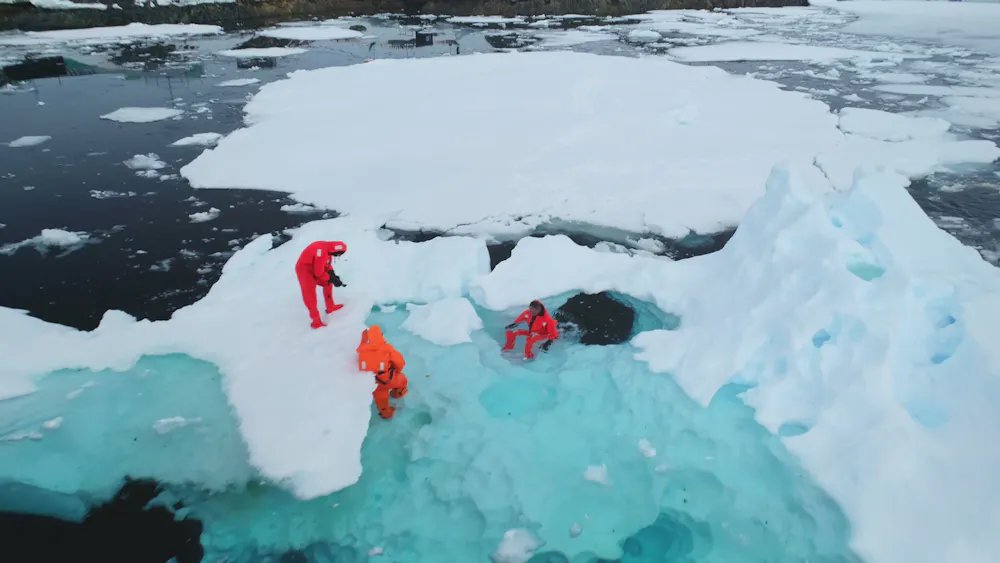
    May 17, 2025
  • MIL-OSI Europe: Shift in EU+ asylum landscape continued in March 2025

    Source: European Asylum Support Office

    The EUAA has published updated figures on asylum applications lodged in the EU+. In March, the 29 EU+ countries received around 67 000 asylum applications. These latest data suggest an ongoing shift to a new asylum landscape in the EU+, one in which Syrians are no longer the top nationality seeking international protection, and Germany is no longer the main destination of asylum seekers.

    The fall of the regime of Bashar al-Assad in Syria on 8 December 2024 may be the beginning of a sea change in the asylum landscape of the EU+, according to newly released analysis from the European Union Agency for Asylum (EUAA). In March 2025, the EU+ received around 67 000 asylum applications, which is part of an ongoing decreasing trend that began in October 2024.

    Shifting to a new asylum landscape in the EU+

    After a decade during which they were almost always the top citizenship seeking protection in the EU+; in March, Syrians (3 300) lodged the fewest monthly applications on record outside of the early months of the COVID-19 pandemic in 2020, decreasing by almost 80 % compared to October 2024. Venezuelans (8 900), however, continued to lodge increasing numbers of asylum applications in the EU+; this is likely owed both to economic and political instability in Venezuela, as well as restrictive asylum policies in the United States of America.

    Applications from Afghans (7 400) remained stable, though the figure was much decreased from a previous peak in October 2023. Though eligible for temporary protection in the EU, Ukrainians (3 400) continued to lodge increasing numbers of asylum applications, up by 77 % compared to March 2024. Another notable shift saw Bangladeshis (3 300) lodging slightly more applications than Syrians in March 2025.

    The above trends directly impacted which EU+ countries received the most asylum applications. In March, Spain (14 000) received the most applications in the EU+, with three fifths of applications there being lodged by Venezuelans. Italy (13 000) received the second most applications, though these are still down by 16 %, year-over-year. In fact, Bangladeshis lodged around 85% of their applications in Italy. France (13 000) received about three quarters of applications lodged by Congolese nationals and nearly all applications from Haitian nationals. A significant share of Ukrainians also  applied there. Greece (4 600) continued to receive increasing asylum applications from Afghan nationals.


    Pending cases and recognition rates

    The changing asylum landscape is increasingly reflected in the number of applications that are pending a decision at first instance in the EU+. As of the end of March 2025, the number of such cases stood at a stable, but high, level of 955 000. Syrians (113 000), Venezuelans (105 000) and Colombians (88 000) were awaiting the most first instance decisions. Among the citizenships with the most cases awaiting decisions, the biggest year-on-year increases occurred for Ukrainians (+ 66 %), Venezuelans (+ 58 %), Peruvians (+ 33 %) as well as Bangladeshis (+ 25 %). When accounting for asylum applications that are pending at higher administrative or judicial instances, based on data provided by Eurostat, the EUAA estimates that there were approximately 1.3 million asylum cases pending across the EU+ at the end of February 2025.

    In the first quarter of 2025, the EU+ recognition rate – which is the proportion of decisions granting refugee status or subsidiary protection – stood at 25 %, down by about 15 percentage points from previous monthly levels in 2024. This decline was mainly driven by a sharp drop in decisions issued to Syrian applicants, as most EU+ countries have paused processing their applications until the situation in Syria is clearer.

    Under the Pact on Migration and Asylum, which was agreed one year ago, EU countries may subject certain categories of applicants to a border procedure, and must accelerate the examination of their applications (with initial decisions to be taken within 12 weeks). One indicator is if the applicant comes from a country of origin with a low recognition rate (≤ 20 %) in the previous year. In March 2025, some 53 % of applications were lodged by such citizenships,consistent with previous months, suggesting that a large share of asylum applications lodged in the EU+ may be unfounded or inadmissible.


    MIL OSI Europe News –

    May 17, 2025
  • MIL-OSI Canada: Broadcasting Notice of Consultation – CRTC 2024-288. THE NFB DEFENDS DOCUMENTARY AND CANADIAN CONTENT BEFORE THE CRTC.

    Source: Government of Canada News

    Montreal, May 16, 2025 – This morning, on behalf of the National Film Board of Canada (NFB), Government Film Commissioner and NFB Chairperson Suzanne Guèvremont argued for the need to include cultural elements in the definition of Canadian programming. She also spoke to the vital role that documentary film plays in Canada.

    These remarks were made to the Canadian Radio-Television and Telecommunications Commission (CRTC) as part of its hearings on the definition of Canadian programming. The hearings are taking place in Ottawa and run until May 27, 2025.

    According to Ms. Guèvremont, “A modern Canadian content policy must not abandon the very thing that gives our stories meaning: cultural elements. They reflect our creativity, diversity and uniqueness. Removing cultural elements creates invisibility.”

    Here is a summary of her presentation:

    In favour of clear and unambiguous cultural criteria for works that receive public funding

    • The perspective, language, values and people that make up the country give meaning to its stories. Omitting these elements, under the pretext of openness or neutrality, would erase what makes Canada unique;
    • Canada should draw inspiration from other countries where public funding is conditional on cultural criteria. These structured approaches foster creativity while ensuring an authentic and cohesive representation of the country and its population;
    • In the United Kingdom, the Netherlands, Italy, New Zealand, France, Spain, Germany and Australia, among others, the granting of public money for audiovisual productions is conditional on some form of cultural test.

    Longform documentary must be considered nationally significant programming

    • Documentary is a vehicle for national identity, civic participation and collective understanding, comparable to news;
    • Removing it from nationally significant programming would not only jeopardize its funding and distribution but also deprive the public of an essential mirror to understand the country;
    • Protecting documentary means protecting the space where Canada sees itself most clearly. 

    In conclusion, Ms. Guèvremont said, “We cannot wait to redefine Canadian content. Let us move forward. Not with caution, but with conviction!”

    Agendas for the public hearings, taking place May 14 to May 27, 2025, are available here:
    https://crtc.gc.ca/broadcast/eng/hearings/2025/ag14_05.htm

    Hearings are broadcast live and recordings are available:
    Canadian Radio-television and Telecommunications Commission | CRTC or CRTC Hearings | CPAC.ca

    – 30 –

    Stay Connected

    Online Screening Room: nfb.ca
    NFB Facebook | NFB X | NFB Instagram | NFB Blog | NFB YouTube | NFB Vimeo
    Curator’s perspective | Director’s notes

    About the NFB

    MIL OSI Canada News –

    May 17, 2025
←Previous Page
1 … 46 47 48 49 50 … 125
Next Page→
NewzIntel.com

NewzIntel.com

MIL Open Source Intelligence

  • Blog
  • About
  • FAQs
  • Authors
  • Events
  • Shop
  • Patterns
  • Themes

Twenty Twenty-Five

Designed with WordPress