Low-income South Africans in rural areas feel left out of the technological advancements linked to the fourth industrial revolution.Lucian Coman/Shutterstock
The term refers to the integration of advanced digital technologies like AI and robotics, as well as automation, into various economic and social domains. The first (1760s to early 1800s), second (1870s to early 1900s) and third (1950s to late 20th century) industrial revolutions were mechanical and electronic in nature. The 4IR is characterised by the fusion of physical, digital and biological systems. It is fundamentally reshaping industries, work and societies.
Ramaphosa acknowledged at the time that the 4IR “may lead to job losses”. However, he added, it would also “create many new opportunities”:
Through this transformation, we can build the South Africa we want, ensuring inclusive and shared growth for all.
Six years on, the commission’s work has yielded some results. It’s led to the establishment of the National Artificial Intelligence Institute and the creation of AI hubs in key sectors like healthcare and mining.
But how do ordinary South Africans view the 4IR? Globally, research has shown that there’s a stark divide in how people view the promises and perils of modern technological advancements. The wealthy, armed with access to education and resources, see opportunity. Marginalised groups, particularly those in lower-income brackets, are left fearing job losses and economic exclusion. Historical and cultural anxieties around technology also play a role in people’s perceptions.
I’m a researcher whose work explores, among other things, the intersection of technology, policy and governance. I am especially interested in the 4IR in a South African context and recently co-authored a study with development studies scholar Oliver Mtapuri to examine the role of social class on people’s views of technological change.
We found that wealthier South Africans, particularly those in urban areas, were more optimistic about automation, artificial intelligence and other emerging 4IR technologies than those in lower-income and rural communities. Racial disparities were evident, too. White South Africans were 2.5 times more likely to report feeling comfortable with technological change than Black South Africans.
These findings can help policymakers understand how best to push for a 4IR in South Africa that doesn’t deepen existing inequalities. This will require inclusive digital policies and expanded access to technology and training. Here South Africa could learn from countries like Germany and Finland.
Germany is working nationwide to equip workers with the skills needed for an increasingly digital economy. Finland, meanwhile, has focused on active labour market policies. It combines digital training programmes with progressive social welfare measures to support workers transitioning between industries. Both countries have also expanded social protections by extending unemployment benefits and offering financial support for retraining. They’ve also ensured that gig and platform workers have access to social security.
Marginalised groups left behind
Our data was drawn from the South African Social Attitudes Survey. It’s a nationally representative survey of 2,736 adults (16 and older). We conducted a secondary analysis of the data. The focus was on questions in the survey about technological change, fears of job displacement and access to digital tools. This, alongside an analysis of demographic data in the survey, allowed us to examine class, race and geographic disparities in perceptions of automation, AI and digital transformation.
56% of South Africans believed that 4IR technologies would lead to job losses rather than job creation. Lower-income groups expressed the highest levels of concern.
Unemployment was a key determinant of 4IR scepticism: 63% of unemployed respondents felt threatened by automation, compared to 41% of those currently employed.
Only 29% of respondents from rural areas reported having regular access to the internet. The figure was 74% among urban respondents.
There are structural and historical barriers to lower-income South Africans’ economic mobility, access to quality education and participation in the digital economy.
Today, rural areas lack reliable internet connections. (About 31.18% of South Africa’s population live in rural areas.) This makes it nearly impossible for people to benefit from or contribute to the digital economy.
Many industries at the forefront of automation, such as manufacturing and agriculture, are those with the highest number of low-skilled workers. Research by the International Labour Organisation emphasises that vulnerable workers all over the world often lack the skills needed in new job markets. This reinforces workers’ fears that technology will replace them.
Closing the gap: policy solutions
It will take bold, inclusive policies to address these inequalities.
The South African government must do more to increase access to technology. It already subsidises internet costs especially to schools. It has also expanded broadband networks into some under-served areas. And it offers free digital skills programmes. The problem is that these efforts are piecemeal. A more cohesive national strategy is needed.
Policies must also be developed with those who have been excluded from technological progress. This will allow them to participate fully in the digital economy – and, perhaps, come to understand and trust technology a bit more.
In practice, this could mean expanding initiatives like the National Digital and Future Skills strategy, which aims to equip citizens with the necessary skills to participate in the digital economy. This focuses on developing digital skills across various sectors and communities, ensuring inclusivity and broad participation.
Additionally, policies could support township-based digital innovation hubs such as the Tshimologong Digital Innovation Precinct. It provides training, incubation and resources to entrepreneurs from marginalised communities, enabling them to participate meaningfully in the digital economy.
Industries have a role to play, too. Singapore’s Skills Future initiative provides citizens with resources to adapt to changing job markets. This is a good example of government and industry working together. Closer to home, Rwanda’s Centre for the Fourth Industrial Revolution (C4IR) brings together “government, industry, civil society and academia to co-design, test and refine policy frameworks and governance protocols that maximise the benefits of new technologies”.
The 4IR has the potential to transform South Africa. But this will only happen if its benefits are shared equitably among all citizens. Innovation must be re-imagined not as a tool to consolidate wealth and privilege but as a means of creating a more inclusive society.
Zama Mthombeni does not work for, consult, own shares in or receive funding from any company or organisation that would benefit from this article, and has disclosed no relevant affiliations beyond their academic appointment.
Mediawatch on RNZ today strongly criticised Stuff and YouTube among other media for using Israeli propaganda’s “Outbrain” service.
Outbrain is a company founded by the Israeli Defence Force (IDF) military and its technology can be tracked back to a wealthy entrepreneur, which in this case could be a euphemism for a megalomaniac.
He uses the metaphor of a “dome”, likening it to the dome used in warfare.
Outbrain, which publishes content on New Zealand media, picks up what’s out there and converts and distorts it to support Israel. It twists, it turns, it deceives the reader.
Outbrain uses the media in the following way. The content user such as Stuff pays Outbrain and Outbrain pays the user, like Stuff.
“Both parties make money when users click on the content,” said Peacock.
‘Digital Iron Dome’ The content on the Stuff website came via “Digital Iron Dome” named after the State of Genociders’ actual defence system. It is run by a tech entrepreneur quoted on Mediawatch:
“Just like a physical iron dome that scans the open air and watches for any missiles . . . the digital iron dome knows how to scan the internet. We know how to buy media. Pro-Israeli videos and articles and images inside the very same articles going against Israel,” says the developer of the propaganda “dome” machine.
Peacock said the developer had stated that the digital dome delivered “pro-Jewish”* messages to more than 100 million people worldwide on platforms like Al Jazeera, CNN — and last weekend on Stuff NZ — and said this information went undetected as pro-Israel material, ensuring it reached, according to the entrepreneur: “The right audience without interference.”
According to Wikipedia, Outbrain was founded by Yaron Galai and Ori Lahav, officers in the Israeli Navy. Galai sold his company Quigo to AOL in 2007 for $363 million. Lahav worked at an online shopping company acquired by eBay in 2005.
The company is headquartered in New York with global offices in London, San Francisco, Chicago, Washington DC, Cologne, Gurugram, Paris, Ljubljana, Munich, Milan, Madrid, Tokyo, São Paulo, Netanya, Singapore, and Sydney.
Peacock pointed out that other advocacy organisations had already been buying and posting content, there was nothing new about this with New Zealand news media.
But — and this is important — the Media Council ruled in 2017 that Outbrain content was the publisher’s responsibility: that the news media in NZ were responsible for promoted links that were offered to their readers.
“Back then publishers at Stuff and the Herald said they would do more to oversee the content, with Stuff stating it is paid promoted content,” said Peacock, in his role as the media watchdog.
Still ‘big money business’ “But this is also still a big money business and the outfits using these tools are getting much bigger exposure from their arrangements with news publishers such as Stuff,” he said.
He pointed out that the recently appointed Outbrain boss for Australia New Zealand and Singapore, Chris Oxley, had described Outbrain as “a leader in digital media connecting advertisers with premium audiences in contextually relevant environments”.
The watchdog Mediawatch said that news organisations should drop Outbrain.
“Media environments where news and neutrality are important aren’t really relevant environments for political propaganda that’s propagated by online opportunists who know how to make money out of it and also to raise funds while they are at it, ” said Peacock.
“These services like Outbrain are sometimes called ‘recommendation engines’ but our recommendation to news media is don’t use them for the sake of the trust of the people you say you want to earn and keep: the readers,” said Peacock.
Saige England is a journalist and author, and member of the Palestine Solidarity Network Aotearoa (PSNA).
* Being “pro-Jewish” should not be equated with being pro-genocide nor should antisemitism be levelled at Jews who are against this genocide. The propaganda from Outbrain does a disservice to Palestinians and also to those Jewish people who support all human rights — the right of Palestinians to life and the right to live on their land.
Former New Zealand Prime Minister Helen Clark maintains that Cook Islands, a realm of New Zealand, should have consulted Wellington before signing a “partnership” deal with China.
“[Cook Islands Prime Minister Mark Brown] seems to have signed behind the backs of his own people as well as of New Zealand,” Clark told RNZ Pacific.
Brown said the deal with China complements, not replaces, the relationship with New Zealand.
The contents of the deal have not yet been made public.
“The Cook Islands public need to see the agreement — does it open the way to Chinese entry to deep sea mining in pristine Cook Islands waters with huge potential for environmental damage?” Clark asked.
“Does it open the way to unsustainable borrowing? What are the governance safeguards? Why has the prime minister damaged the relationship with New Zealand by acting in this clandestine way?”
In a post on X (formerly Twitter), Clark went into detail about the declaration she signed with Cook Islands Prime Minister Terepai Maoate in 2001.
“There is no doubt in my mind that under the terms of the Joint Centenary Declaration of 2001 that Cook Islands should have been upfront with New Zealand on the agreement it was considering signing with China,” Clark said.
“Cook Islands has opted in the past for a status which is not independent of New Zealand, as signified by its people carrying New Zealand passports. Cook Islands is free to change that status, but has not.”
Sione Tekiteki in Tonga for PIFLM 2024 . . . his last leader’s meeting in his capacity as Director of Governance and Engagement. IMage: RNZ Pacific/ Lydia Lewis
Missing the mark A Pacific law expert said there was a clear misunderstanding on what the 2001 agreement legally required New Zealand and Cook Islands to consult on.
AUT senior law lecturer and former Pacific Islands Forum policy advisor Sione Tekiteki told RNZ Pacific the word “consultation” had become somewhat of a sticking point:
“From a legal perspective, there’s an ambiguity of what the word consultation means. Does it mean you have to share the agreement before it’s signed, or does it mean that you broadly just consult with New Zealand regarding what are some of the things that, broadly speaking, are some of the things that are in the agreement?
“That’s one avenue where there’s a bit of misunderstanding and an interpretation issue that’s different between Cook Islands as well as New Zealand.”
Unlike a treaty, the 2001 declaration is not “legally binding” per se but serves more to express the intentions, principles and commitments of the parties to work together in “recognition of the close traditional, cultural and social ties that have existed between the two countries for many hundreds of years”, he added.
Tekiteki said that the declaration made it explicitly clear that Cook Islands had full conduct of its foreign affairs, capacity to enter treaties and international agreements in its own right and full competence of its defence and security.
There was, however, a commitment of the parties to “consult regularly”, he said.
For Clark, the one who signed the all-important agreement all those years ago, this is where Brown had misstepped.
Pacific nations played off against each other Tekiteki said it was not just the Joint Centenary Declaration causing contention. The “China threat” narrative and the “intensifying geopolitics” playing out in the Pacific was another intergrated issue.
An analysis in mid-2024 found that there were more than 60 security, defence and policing agreements and initiatives with the 10 largest Pacific countries.
Australia was the dominant partner, followed by New Zealand, the US and China.
A host of other agreements and “big money” announcements have followed, including the regional Pacific Policing Initiative and Australia’s arrangements with Nauru and PNG.
“It would be advantageous if Pacific nations were able to engage on security related matters as a bloc rather than at the bilateral level,” Tekiteki said.
“Not only will this give them greater political agency and leverage, but it would allow them to better coordinate and integrate support as well as avoid duplications. Entering these arrangements at the bilateral level opens Pacific nations to being played off against each other.
“This is the most worrying aspect of what I am currently seeing.
“This matter has greater implications for Cook Islands and New Zealand diplomatic relations moving forward.”
Mark Brown talking to China’s Ambassador to the Pacific, Qian Bo, who told the media an affirming reference to Taiwan in the PIF 2024 communique “must be corrected”. Image: RNZ Pacific/Lydia Lewis
Protecting Pacific sovereignty The word sovereignty is thrown around a lot. In this instance Tekiteki does not think “there is any dispute that Cook Islands maintains sovereignty to enter international arrangements and to conduct its affairs as it determines”.
But he did point out the difference between “sovereignty — the rhetoric” that we hear all the time, and “real sovereignty”.
“For example, sovereignty is commonly used as a rebuttal to other countries to mind their own business and not to meddle in the affairs of another country.
“At the regional level is tied to the projection of collective Pacific agency, and the ‘Blue Pacific’ narrative.
“However, real sovereignty is more nuanced. In the context of New Zealand and Cook Islands, both countries retain their sovereignty, but they have both made commitments to “consult” and “cooperate”.
Now, they can always decide to break that, but that in itself would have implications on their respective sovereignty moving forward.
“In an era of intensifying geopolitics, militarisation, and power posturing — this becomes very concerning for vulnerable but large Ocean Pacific nations without the defence capabilities to protect their sovereignty.”
This article is republished under a community partnership agreement with RNZ.
The current conditions in the Democratic Republic of Congo (DRC) resemble the situation during the Second Congo War between 1998 and 2003. This resulted in millions of deaths, with neighbouring countries – especially Rwanda, Uganda and Burundi – playing a significant role.
The pan-African weekly The Continent has already raised alarms. A February 2025 cover features a cartoon referencing the 1884 Berlin Conference, but instead of colonial powers carving up the Congo, it depicts regional states dividing the country among themselves. Kristof Titeca, who has extensively studied the dynamics of conflict in the DRC, unpacks the interests of the key players.
Kinshasa is filled with rumours about internal political and military tensions: fears of a coup could have prevented Tshisekedi from travelling to the earlier peace talks. The president’s personal security is handled by an Israeli security firm, indicating the level of distrust towards his own security services.
As it stands, Kinshasa seems to have lost control over the situation in the east. Tshisekedi has largely pinned his hopes on international pressure. Yet, many international actors have expressed frustration with his erratic and sometimes unrealistic decisions in addressing the conflict. Tshisekedi has purchased new and sophisticated weapons instead of tackling the structural weaknesses of the army (such as widespread corruption). He also decided to collaborate with a wide range of armed groups under the “Wazalendo” banner to stop rebel forces.
Rwanda
In theory, M23 is fighting to protect the Rwandophone community in eastern Congo (particularly the Tutsi community). Under the Alliance Fleuve Congo – the political wing of the M23 rebellion – this goal later expanded into a broader national agenda aiming to overthrow the regime in Kinshasa.
Whether this will actually happen remains uncertain. What is, however, certain is that Rwanda’s interests mainly lie in the east of the country. These interests are a mix of political, economic and security factors – strongly rooted in history.
Rwanda’s president Paul Kagame in the past has publicly questioned the borders between Rwanda and Congo. This narrative on “Greater Rwanda” would mean extending Rwanda beyond its colonial borders. Access to resources plays a role in Rwanda’s presence in the DRC, as does (in)security.
Rwanda wants influence and control. This is where M23 plays a crucial role. In Kigali, the idea of eastern DRC as a “buffer zone” is openly used. This would mean having an armed actor, such as the M23, govern provinces in the eastern region to protect Rwanda’s political, security and economic interests.
Uganda
Shortly after the fall of Goma, neighbouring Uganda deployed around 1,000 additional troops to Congo. In private conversations with me, diplomats estimate the country already had between 3,000 and 7,000 troops in the DRC. Officially, Uganda is there to fight another rebel group – the Allied Democratic Forces, which is linked to the Islamic State. However, these newly deployed troops have been moving towards the M23 rebels.
Uganda has always played an ambiguous role in the conflict. On the one hand, it wants to continue joint military operations with the Congolese army against the Allied Democratic Forces. On the other hand, it cannot allow its long-standing “frenemy” Rwanda to be the only power exerting influence over eastern Congo and M23.
For the past 30 years, these two neighbouring countries have competed for control in eastern Congo – sometimes cooperating, but often in direct competition.
Like Rwanda, Uganda’s main export is gold, and just like Rwanda, the vast majority of this gold comes from eastern Congo.
Several prominent Ugandan political and military figures – including Muhoozi Kainerugaba, the head of the Ugandan army and son of the president – have openly voiced their support for M23 and questioned Congo’s borders. And shortly after M23 entered Bukavu, Muhoozi announced – again – an expansion of the Ugandan operation in DRC, threatening an attack in the town of Bunia in the eastern province of Ituri.
In the current context, the movement of Ugandan troops could be seen as a clear signal to Rwanda: this is our zone of influence. In doing so, the conflict concerningly starts to look like the Second Congo War when Uganda and Rwanda divided Congolese territory. Uganda claimed Ituri, while Rwanda claimed the North and South Kivu provinces.
Burundi
Burundian troops are present in Congo at the invitation of Kinshasa. Meanwhile, tensions between Burundi and Rwanda are rising. UN reports indicate that both Burundi and Rwanda have resumed supporting rebel groups against each other’s governments in eastern Congo. These reports also claim that the Rwandan army has issued direct orders to target Burundian soldiers in the region.
With the M23 entering Bukavu, the group is getting increasingly close to the Burundian border, increasing the country’s concerns of regional escalation.
International community
The risk of an escalation of the DRC conflict underscores a number of issues. Most obviously, any attempt to resolve the crisis needs to involve the regional countries involved.
It also shows the importance of international pressure on Rwanda. It is generally accepted by analysts that this pressure – such as a US$240 million aid cut by a variety of donors – played a key role in ending the 2012-2013 M23 conflict.
While actors such as the European Union and United States have firmly condemned Rwanda, this has materialised into little action. So far, Germany has suspended aid talks with Rwanda, and the United Kingdom has threatened to cut aid. Other than that, there has been no action – a striking difference from 2012-2013.
Given US president Donald Trump’s “America First” policy, eyes are on the European Union to take action. However, internal differences are so far making this difficult. Belgium has been pushing for sanctions, while France has been taking the lead in blocking these. France’s national interests are a key reason for this: Rwandan peacekeeping troops are key in Mozambique, where a major TotalEnergies gas project – worth US$20 billion – is on hold because of an ongoing insurgency.
Next steps
The structural weaknesses of the Tshisekedi government should not be used as an excuse by international actors to fail to pressure Rwanda. At the moment, there is a major risk of the violence in eastern DRC escalating to the region.
Further, there is already a major humanitarian crisis. Since the beginning of the year alone, more than 700,000 people in the DRC have been displaced by the M23 conflict. The World Health Organization has warned that a public health “nightmare” is unfolding. Since the fall of Goma, M23 has unlawfully ordered tens of thousands of displaced people to leave the camps around the city. To prevent a bigger regional humanitarian crisis, urgent action is therefore needed.
Kristof Titeca is a Senior Associate Fellow at the Egmont Institute (Brussels).
Government scientists at NOAA collect and provide crucial public information about coastal conditions that businesses, individuals and other scientists rely on.NOAA’s National Ocean Service
Information on the internet might seem like it’s there forever, but it’s only as permanent as people choose to make it.
That’s apparent as the second Trump administration “floods the zone” with efforts to dismantle science agencies and the data and websites they use to communicate with the public. The targets range from public health and demographics to climate science.
We are a research librarian and policy scholar who belong to a network called the Public Environmental Data Partners, a coalition of nonprofits, archivists and researchers who rely on federal data in our analysis, advocacy and litigation and are working to ensure that data remains available to the public.
In just the first three weeks of Trump’s term, we saw agencies remove access to at least a dozen climate and environmental justice analysis tools. The new administration also scrubbed the phrase “climate change” from government websites, as well as terms like “resilience.”
Here’s why and how Public Environmental Data Partners and others are making sure that the climate science the public depends on is available forever.
Why government websites and data matter
The internet and the availability of data are necessary for innovation, research and daily life.
If the data and tools used to understand complex data are abruptly taken off the internet, the work of scientists, civil society organizations and government officials themselves can grind to a halt. The generation of scientific data and analysis by government scientists is also crucial. Many state governments run environmental protection and public health programs that depend on science and data collected by federal agencies.
Removing information from government websites also makes it harder for the public to effectively participate in key processes of democracy, including changes to regulations. When an agency proposes to repeal a rule, for example, it is required to solicit comments from the public, who often depend on government websites to find information relevant to the rule.
And when web resources are altered or taken offline, it breeds mistrust in both government and science. Government agencies have collected climate data, conducted complex analyses, provided funding and hosted data in a publicly accessible manner for years. People around the word understand climate change in large part because of U.S. federal data. Removing it deprives everyone of important information about their world.
The second Trump administration seems different, with more rapid and pervasive removal of information.
In response, groups involved in Public Environmental Data Partners have been archiving climate datasets our community has prioritized, uploading copies to public repositories and cataloging where and how to find them if they go missing from government websites.
Most federal agencies decreased their use of the phrase ‘climate change’ on websites during the first Trump administration, 2017-2020. Eric Nost, et al., 2021, CC BY
As of Feb. 13, 2025, we hadn’t seen the destruction of climate science records. Many of these data collection programs, such as those at NOAA or EPA’s Greenhouse Gas Reporting Program, are required by Congress. However, the administration had limited or eliminated access to a lot of data.
Maintaining tools for understanding climate change
We’ve seen a targeted effort to systematically remove tools like dashboards that summarize and visualize the social dimensions of climate change. For instance, the Climate and Economic Justice Screening Tool mapped low-income and other marginalized communities that are expected to experience severe climate changes, such as crop losses and wildfires. The mapping tool was taken offline shortly after Trump’s first set of executive orders.
Most of the original data behind the mapping tool, like the wildfire risk predictions, is still available, but is now harder to find and access. But because the mapping tool was developed as an open-source project, we were able to recreate it.
Preserving websites for the future
In some cases, entire webpages are offline. For instance, the page for the 25-year-old Climate Change Center at the Department of Transportation doesn’t exist anymore. The link just sends visitors back to the department’s homepage.
During Donald Trump’s first week back in office, the Department of Transportation removed its Climate Change Center webpage. Internet Archive Wayback Machine
Fortunately, our partners at the End of Term Web Archive have captured snapshots of millions of government webpages and made them accessible through the Internet Archive’s Wayback Machine. The group has done this after each administration since 2008.
If you are worried that certain data currently still available might disappear, consult this checklist from MIT Libraries. It provides steps for how you can help safeguard federal data.
Narrowing the knowledge sphere
What’s unclear is how far the administration will push its attempts to remove, block or hide climate data and science, and how successful it will be.
Already, a federal district court judge has ruled that the Centers for Disease Control and Prevention’s removal of access to public health resources that doctors rely on was harmful and arbitrary. These were putback online thanks to that ruling.
We worry that more data and information removals will narrow public understanding of climate change, leaving people, communities and economies unprepared and at greater risk. While data archiving efforts can stem the tide of removals to some extent, there is no replacement for the government research infrastructures that produce and share climate data.
Eric Nost is affiliated with the Environmental Data and Governance Initiative and the Public Environmental Data Partners.
Alejandro Paz is affiliated with the Environmental Data and Governance Initiative.
Cook Islands Prime Minister Mark Brown says the deal with China “complements, not replaces” the relationship with New Zealand after signing it yesterday.
Brown said “The Action Plan for Comprehensive Strategic Partnership (CSP) 2025-2030” provides a structured framework for engagement between the Cook Islands and China.
“Our relationship and engagement with China complements, not replaces, our long-standing relationships with New Zealand and our various other bilateral, regional and multilateral partners — in the same way that China, New Zealand and all other states cultivate relations with a wide range of partners,” Brown said in a statement.
The statement said the agreement would be made available “in the coming days” on the Ministry of Foreign Affairs and Immigration online platforms.
Brown said his government continued to make strategic decisions in the best long-term interests of the country.
He said China had been “steadfast in its support” for the past 28 years.
“It has been respectful of Cook Islands sovereignty and supportive of our sustained and concerted efforts to secure economic resilience for our people amidst our various vulnerabilities and the many global challenges of our time including climate change and access to development finance.”
Priority areas The statement said priority areas of the agreement include trade and investment, tourism, ocean science, aquaculture, agriculture, infrastructure including transport, climate resilience, disaster preparedness, creative industries, technology and innovation, education and scholarships, and people-to-people exchanges.
At the signing was China’s Premier Li Qiang and the minister of Natural Resources Guan Zhi’ou.
On the Cook Islands side, was Prime Minister Mark Brown and Associate Minister of Foreign Affairs and Immigration Tukaka Ama.
Meanwhile, a spokesperson for New Zealand Minister for Foreign Affairs Winston Peters released a statement earlier on Saturday, saying New Zealand would consider the agreements closely, in light of New Zealand and the Cook Islands’ mutual constitutional responsibilities.
“We know that the content of these agreements will be of keen interest to the people of the Cook Islands,” the statement said.
“We note that Prime Minister Mark Brown has publicly committed to publishing the text of the agreements that he agrees in China.
“We are unable to respond until Prime Minister Brown releases them upon his return to the Cook Islands.”
This article is republished under a community partnership agreement with RNZ.
This announcement came as the Coalition Cabinet prepared to discuss the matter in Suva next week, reports Fiji One News.
Prime Minister Sitiveni Rabuka made these remarks during a bilateral meeting with Israeli Foreign Affairs Minister Sa’ar Gideon Moshe on the sidelines of the 61st session of the Munich Security Conference, which opened yesterday in Germany.
The discussions between the two leaders focused on deepening the partnership in various areas of mutual interest, including agriculture, security and peacekeeping, and climate action initiatives.
Prime Minister Rabuka expressed gratitude to the Israeli government for their continued support over the years.
Fiji and Israel have maintained diplomatic relations since 1970, and their cooperation has spanned areas such as security, peacekeeping, and climate change.
In recent years, Israeli technology has played a crucial role in Fiji’s efforts to combat climate change.
Invitation to Rabuka to visit Israel During the meeting, Minister Moshe extended an invitation to Prime Minister Rabuka to visit Israel as part of ongoing efforts to strengthen diplomatic ties.
The Israeli government also expressed readiness to assist Fiji in its plans to establish an embassy in Jerusalem.
Additionally, in response to a request from Prime Minister Rabuka, Minister Moshe offered support for providing patrol boats to enhance Fiji’s fight against illicit drugs.
The last time Israel provided patrol boats to Fiji was in 1987, when four Dabur-class boats were supplied to the Fiji Navy.
Both leaders acknowledged significant opportunities for collaboration and expressed optimism about further strengthening bilateral relations in the future.
Fiji defies UN, global condemnation of Israel Asia Pacific Report comments: Fiji has been consistently the leading Pacific country supporting Israel, in defiance of United Nations resolutions and global condemnation of Tel Aviv in the 15-month war on Gaza that has killed at least 47,000 Palestinians — mostly women and children.
A popular model of evolution concludes that it was incredibly unlikely for humanity to evolve on Earth, and that extraterrestrial intelligence is vanishingly rare.
But as experts on the entangled history of life and our planet, we propose that the coevolution of life and Earth’s surface environment may have unfolded in a way that makes the evolutionary origin of humanlike intelligence a more foreseeable or expected outcome than generally thought.
This view, firmly rooted in biology, independently gained support from physics in 1983 with an influential publication by Brandon Carter, a theoretical physicist.
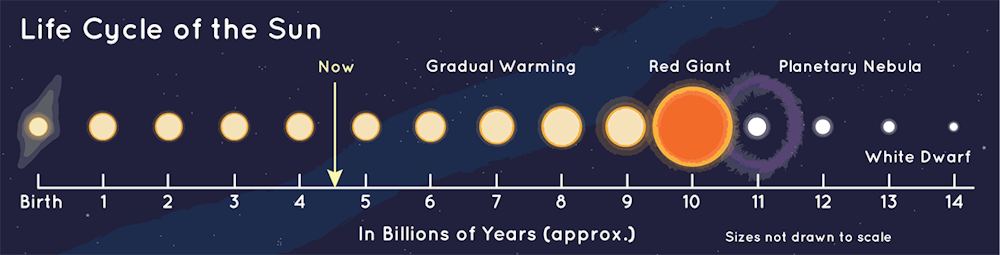
In 1983, Carter attempted to explain what he called a remarkable coincidence: the close approximation between the estimated lifespan of the Sun – 10 billion years – and the time Earth took to produce humans – 5 billion years, rounding up.
He imagined three possibilities. In one, intelligent life like humans generally arises very quickly on planets, geologically speaking – in perhaps millions of years. In another, it typically arises in about the time it took on Earth. And in the last, he imagined that Earth was lucky – ordinarily it would take much longer, say, trillions of years for such life to form.
Carter rejected the first possibility because life on Earth took so much longer than that. He rejected the second as an unlikely coincidence, since there is no reason the processes that govern the Sun’s lifespan – nuclear fusion – should just happen to have the same timescale as biological evolution.
So Carter landed on the third explanation: that humanlike life generally takes much longer to arise than the time provided by the lifetime of a star.
The Sun will likely be able to keep planets habitable for only part of its lifetime – by the time it hits 10 billion years, it will get too hot. NASA/JPL-Caltech
To explain why humanlike life took so long to arise, Carter proposed that it must depend on extremely unlikely evolutionary steps, and that the Earth is extraordinarily lucky to have taken them all.
He called these evolutionary steps hard steps, and they had two main criteria. One, the hard steps must be required for human existence – meaning if they had not happened, then humans would not be here. Two, the hard steps must have very low probabilities of occurring in the available time, meaning they usually require timescales approaching 10 billion years.
Tracing humans’ evolutionary lineage will bring you back billions of years.
If an evolutionary innovation required for human existence was truly improbable in the available time, then it likely wouldn’t have happened more than once, although it must have happened at least once, since we exist.
For example, the origin of nucleated – or eukaryotic – cells is one of the most popular hard steps scientists have proposed. Since humans are eukaryotes, humanity would not exist if the origin of eukaryotic cells had never happened.
On the universal tree of life, all eukaryotic life falls on exactly one branch. This suggests that eukaryotic cells originated only once, which is consistent with their origin being unlikely.
In the evolutionary tree of life, organisms that have eukaryotic cells are all on the same branch, suggesting this type of cell evolved only once. VectorMine/iStock via Getty Images Plus
The other most popular hard-step candidates – the origin of life, oxygen-producing photosynthesis, multicellular animals and humanlike intelligence – all share the same pattern. They are each constrained to a single branch on the tree of life.
However, as the evolutionary biologist and paleontologist Geerat Vermeij argued, there are other ways to explain why these evolutionary events appear to have happened only once.
This pattern of apparently singular origins could arise from information loss due to extinction and the incompleteness of the fossil record. Perhaps these innovations each evolved more than once, but only one example of each survived to the modern day. Maybe the extinct examples never became fossilized, or paleontologists haven’t recognized them in the fossil record.
Or maybe these innovations did happen only once, but because they could have happened only once. For example, perhaps the first evolutionary lineage to achieve one of these innovations quickly outcompeted other similar organisms from other lineages for resources. Or maybe the first lineage changed the global environment so dramatically that other lineages lost the opportunity to evolve the same innovation. In other words, once the step occurred in one lineage, the chemical or ecological conditions were changed enough that other lineages could not develop in the same way.
If these alternative mechanisms explain the uniqueness of these proposed hard steps, then none of them would actually qualify as hard steps.
But if none of these steps were hard, then why didn’t humanlike intelligence evolve much sooner in the history of life?
Environmental evolution
Geobiologists reconstructing the conditions of the ancient Earth can easily come up with reasons why intelligent life did not evolve sooner in Earth history.
For example, 90% of Earth’s history elapsed before the atmosphere had enough oxygen to support humans. Likewise, up to 50% of Earth’s history elapsed before the atmosphere had enough oxygen to support modern eukaryotic cells.
All of the hard-step candidates have their own environmental requirements. When the Earth formed, these requirements weren’t in place. Instead, they appeared later on, as Earth’s surface environment changed.
We suggest that as the Earth changed physically and chemically over time, its surface conditions allowed for a greater diversity of habitats for life. And these changes operate on geologic timescales – billions of years – explaining why the proposed hard steps evolved when they did, and not much earlier.
In this view, humans originated when they did because the Earth became habitable to humans only relatively recently. Carter had not considered these points in 1983.
Moving forward
But hard steps could still exist. How can scientists test whether they do?
Earth and life scientists could work together to determine when Earth’s surface environment first became supportive of each proposed hard step. Earth scientists could also forecast how much longer Earth will stay habitable for the different kinds of life associated with each proposed hard step – such as humans, animals and eukaryotic cells.
Evolutionary biologists and paleontologists could better constrain how many times each hard-step candidate occurred. If they did occur only once each, they could see whether this came from their innate biological improbability or from environmental factors.
Lastly, astronomers could use data from planets beyond the solar system to figure out how common life-hosting planets are, and how often these planets have hard-step candidates, such as oxygen-producing photosynthesis and intelligent life.
If our view is correct, then the Earth and life have evolved together in a way that is more typical of life-supporting planets – not in the rare and improbable way that the hard-steps model predicts. Humanlike intelligence would then be a more expected outcome of Earth’s evolution, rather than a cosmic fluke.
Researchers from a variety of disciplines, from paleontologists and biologists to astronomers, can work together to learn more about the probability of intelligent life evolving on Earth and elsewhere in the universe.
If the evolution of humanlike life was more probable than the hard-steps model predicts, then researchers are more likely to find evidence for extraterrestrial intelligence in the future.
Daniel Brady Mills receives funding from the German Research Foundation.
Jason Wright works for Penn State University, where his research in the search for life in the universe is supported by internal funds, grants from NASA, and individual philanthropists.
Jennifer L. Macalady works for Penn State University, where her research on how microorganisms, minerals and fluids interact through geologic time is supported by internal funds, grants from NASA and NSF, and grants from private foundations.
I’m a law professor who has written about Congress’ power of the purse and some of the legal and constitutional issues that surround it. Here’s a brief explanation of the concept – and of why you should care about it.
Concretely, Congress may enact laws that raise revenue through taxes and import duties, and it may also spend money for “the common Defence and general Welfare,” terms in the Constitution that are understood to cover almost any spending that Congress thinks is a good idea.
The Constitution, however, provides that “[n]o Money shall be drawn from the Treasury, but in Consequence of Appropriations made by Law.” Because of this clause, officials may not spend any government money unless a statute “appropriates,” or makes available, specific funds for the relevant purpose.
Although the Constitution forbids any appropriation for the Army that lasts longer than two years, Congress can choose in other contexts whether to provide an appropriation permanently or only for a prescribed length of time. Some benefits programs such as Social Security today have permanent appropriations, but most government agencies receive funds for their operations for just a year at a time.
James Madison, who wrote much of the U.S. Constitution, said Congress’ power of the purse was ‘the most complete and effectual weapon with which any constitution can arm the immediate representatives of the people.’ wynnter-iStock/Getty Images Plus
Leverage over policy and presidents
Why does all of this matter?
Historically, the British Parliament’s control over government funds created a powerful check on the crown, and Parliament developed the practice of annual appropriations to ensure that it would always have leverage over royal policy.
Reflecting this history, James Madison, the fourth president and a leading figure in the Constitutional Convention, wrote in the Federalist Papers that the power of the purse was “the most complete and effectual weapon with which any constitution can arm the immediate representatives of the people, for obtaining a redress of every grievance, and for carrying into effect every just and salutary measure.”
This sort of leverage over policy still matters. American presidents today exercise vast powers. Over time, Congress has conferred extensive regulatory authorities on administrative agencies that operate under the president’s supervision.
Congress has also established a large Army, Navy, and Air Force over which the president is commander in chief. Presidents, moreover, have claimed the power to employ these armed forces in significant ways even without a declaration of war or other specific authorization from Congress.
Congress’ power of the purse gives it a say in how these powers are exercised. If Congress doesn’t like what an administrative agency is doing, it can cut its budget or deny funds for enforcing certain regulations – something it does regularly.
Likewise, Congress can deny funds for certain military operations or impose constraints on military activities – something it also does with some regularity. In the 1970s, Congress helped end the Vietnam War in part by withholding appropriations for military activities in Indochina.
Who’s in charge here?
Annual appropriations also give rise to the frustrating phenomenon of government “shutdowns”: If annual funding runs out before Congress enacts new appropriations, government agencies generally must halt operations.
On the whole, however, annual appropriations continue to serve much the same purpose in the United States that they did in Britain: They provide a potent check on the executive branch.
Given how strong this check is, it may not be surprising that presidents have sought ways to get around it.
President Donald Trump, right, and Elon Musk, left, are cutting congressionally approved government programs and staff – an effort that may be unconstitutional. Andrew Harnik/Getty Images
Based on debatable legal claims, President Barack Obama continued certain health insurance subsidies under the Affordable Care Act even after Congress denied appropriations for them. President Joe Biden attempted massive student debt relief without clear authority from Congress. Courts blocked both those actions, but now the new Trump administration has adopted several controversial policies that implicate Congress’ power of the purse.
On the one hand, the administration has apparently offered many federal employees nine months of paid leave if they agree to resign from federal service. But the legal basis for these offers is unclear, and it may be that no current appropriation by Congress provides funds for them.
On the other hand, the administration has attempted to “pause” certain government spending, even though existing appropriations made by Congress may require at least some of this spending.
These actions could violate not only Congress’ constitutional power of the purse but also specific statutes that Congress has enacted to reinforce its constitutional power.
The buyout offers could violate a law called the Anti-Deficiency Act that makes it unlawful, and sometimes criminal, for government officials to commit to spending money without an appropriation providing the necessary funds.
For their part, the pauses could violate a 1974 law called the Impoundment Control Act that generally forbids the government from delaying or withholding spending that Congress has mandated. Courts are now considering challenges to these actions based on these laws and other issues.
Trump may be hoping that Congress will cure any legal problems by ratifying these actions after the fact in its next round of appropriations legislation. But if Trump is indeed defying Congress’ spending laws and yet faces no consequences, his actions could chip away at Congress’ authority to check presidential policies in the future through its spending choices.
James Madison would not have been pleased.
Zachary Price does not work for, consult, own shares in or receive funding from any company or organization that would benefit from this article, and has disclosed no relevant affiliations beyond their academic appointment.
Source: The Conversation – UK – By Andrew Gawthorpe, Lecturer in History and International Studies, Leiden University
When a new US president takes office, his first order of business is usually to reassure America’s allies and warn its enemies. However, Donald Trump is doing things differently. It seems his goal is to strike fear into the heart not of America’s foes, but rather its friends.
American presidents have traditionally seen the country’s network of allies as a “force multiplier” – something that magnifies American power and applies it more effectively. A broad range of allies means trading partners, military bases and diplomatic support in international institutions. According to this line of reasoning, it is in America’s own interests to defend and support its allies – the benefits outweigh the cost.
Trump, by contrast, views allies both as competitors and burdens. He thinks they are too reliant on American military power to defend themselves, and that their economic relationship with the US makes them rich at the expense of American workers. He wants US allies, particularly in Europe, to spend more of their own money on defence and to buy more goods from the US.
He also seems even more willing than in his first term to deploy America’s formidable tools of coercion to make this happen. His widespread threats of tariffs, for instance, are designed to force countries to go along with his wishes, including in non-economic aspects of the relationship. He is also threatening to use economic and military force in alarming ways, such as to seize control of Canada, Greenland and the Panama Canal.
The result is a world in which American allies can no longer rely on the US to be a reliable partner. They may increasingly have to fend for themselves against not just their traditional foes, but also a predatory Washington.
Although all US allies are concerned about this turn of events, some are more surprised than others. The biggest shock has come in Europe, which has long occupied a privileged place in America’s strategic thinking.
Europeans knew that a second Trump term was going to be rough. On the campaign trail, for example, he vowed across-the-board tariffs of up to 20%. But they didn’t expect Trump to threaten the territory of Nato members Canada and Denmark, which owns Greenland.
As a result, Europeans’ view of the US has shifted since Trump returned to the White House. According to the results of a recent survey by the European Council on Foreign Relations, the majority of people in Europe no longer see the US as an ally that shares the same interests and values, instead agreeing that it is only a “necessary partner”.
For other US allies and partners, particularly in the global south, this shift is less surprising. Panama owes its existence to an act of US imperialism. The US sent military forces to assist the country in seceding from Colombia in 1903, with the ultimate goal of working with the country’s new government to build the canal.
But Panama has since witnessed numerous American military interventions. Most recently, in December 1989, the then US president, George H.W. Bush, ordered 20,000 US troops to Panama where they toppled the government and arrested the country’s president, Manuel Noriega, on charges of drug trafficking, racketeering and money laundering.
Non-western countries have long been used to the idea that the US will disregard their interests and take advantage of their weakness if policymakers in Washington deem it necessary. What we are witnessing now is the extension of this precariousness to all.
Weakness for flattery
For world leaders looking to navigate this turbulent time, there is an additional problem. Trump has a habit of personalising diplomacy, deciding whom he likes and whom he doesn’t like based on their perceived friendliness to him rather than a more detached calculation of their interests.
He is also a sucker for big, splashy acts of diplomacy. He often gives the impression that his main goal is to be able to sign a deal – any deal – which he can declare to be a victory, rather than giving too much thought to the underlying interests at stake.
This means that smart leaders can flatter and deceive him. In early February, Trump postponed tariffs on Mexico after the country’s president, Claudia Sheinbaum, promised to send troops to the US-Mexico border to tackle the cartels trafficking the drug fentanyl in the US.
The only problem is that almost all fentanyl is trafficked by US citizens at legal border crossings, who bring in very small quantities of the drug in their vehicles. According to Raúl Benítez, a military expert at Mexico’s National Autonomous University, the “ant-like traffic of fentanyl” makes control of the trade “almost impossible”.
But the occasional weakness for flattery hardly makes Trump reliable.
Instead, Trump presents US allies with a dangerous and unpredictable force. Like the leaders of Russia and China, Trump seems to view the world as split into spheres of influence in which powerful countries are free to bully their neighbours.
Many countries will conclude that America is just another aggressive great power to be managed, rather than a country that at least pays lip service to international law. Some might even decide they have no choice other than to develop closer relations with Russia and China, and drift out of the US orbit.
One thing is clear: US allies must do more to ensure they can defend their interests independently. Unlike a country such as Panama, European countries have the resources to do this, if only they can summon the will. They should count themselves lucky – and get to work.
Andrew Gawthorpe does not work for, consult, own shares in or receive funding from any company or organisation that would benefit from this article, and has disclosed no relevant affiliations beyond their academic appointment.
Bridget Jones, the endearingly chaotic heroine who is unlucky in love, is back – but not as many might expect. This is the fourth Bridget Jones film, which adapts the story of the third book in Helen Fielding’s much-loved series (the third film, Bridget Jones’s Baby, was based on the fourth book).
When Bridget Jones’s Diary came out in 2001, our heroine’s low-level eating disorder, neediness and alcohol abuse associated female singlehood with mental instability. In this new instalment, we see an older Bridget with more mature concerns.
The woman we meet in the long opening pre-credit sequence of Mad About The Boy is frazzled, manic and, as we’ve seen Bridget before, given to long bouts on the sofa communing with a bottle of white wine. However, this time she’s not down because love eludes her but because she had a wonderful love and lost it. Our once bubbly singleton has been reconfigured as a subdued widow with two young kids.
Mad About the Boy starts several years after the death of Bridget’s husband Mark Darcy (Colin Firth). While echoes of melancholy endure throughout, once in its stride the film does reestablish the reassuringly comical coordinates of the Jones-verse. At its best, it offers the brilliant one-liners and set pieces to be expected from its star writing team – including Dan Mazer (Ali G, Borat) and Abi Morgan (Shame, The Iron Lady) as well as Fielding herself – served up with a good dose of Bridget Jones’s signature slapstick.
Looking for something good? Cut through the noise with a carefully curated selection of the latest releases, live events and exhibitions, straight to your inbox every fortnight, on Fridays. Sign up here.
Embracing the usual trappings of popular feminism, Mad About the Boy champions body positivity and romantic optimism for middle-aged women. It is the latest in a growing genre of story that affords older female characters active sexual identities, including by pairing them up with younger partners. Think of the Sex and the City reboot And Just Like That, the Nicole Kidman corporate kink romance Babygirl or the romcom Good Luck Leo Grande (starring Emma Thompson, who plays a wry gynaecologist in Mad About the Boy).
The most interesting consideration in updating the Jones franchise for the 21st century comes from its interrogation of internet dating practices: a classic source of humour in stories about Generation X rejoining the dating game. This is most memorably mined in the novel and series Fleishman is in Trouble. Watching the trailer you might expect Mad about the Boy to centralise Tinder. But this proves a bluff.
Bridget Jones: Mad About The Boy trailer.
The app leads to the relationship between Bridget and the film’s eponymous “boy”, Roxster, which is initiated in emphatically physical terms when he rescues her from a tree. This scene was full of nods to the famous shot of her backside sliding down a fireman’s pole in the original film. While the connection is consolidated over a dating app, this relationship quickly regains IRL contours as they engage in passionate sex.
In a self-aware gesture towards the franchise’s debt to Jane Austen’s Pride and Prejudice, Bridget brings up the findings of sociological research on dating apps while talking to her friends about why she’s not met anyone IRL yet. Apps, such as Tinder, provide the illusion of a dating life without ever having to engage in the messy business of actually meeting someone, let alone having sex Bridget argues. She backs this up with the research that suggest this removal of intimacy during the courting stage is not dissimilar to the marriage mart in Austen’s Regency England where young, eligible women were essentially “on display” for men.
At the end of the day, Roxster ghosts Bridget and she is left anxiously checking her phone, drinking alone again and obsessing. This, however, is the old Bridget Jones. Even though the boy does eventually come back, Bridget ends up taking the advice from one of her perennially supportive friends to “let him disintegrate into nothingness”. Symbolically rejecting the flakiness that comes with digitising human relationships, Bridget mirrors society’s increasing disenchantment with dating apps.
The idea of spending time on concrete and lasting relationships underpins Daniel Cleaver’s (Hugh Grant) narrative arc too. With no “kin” he can draw on to put down as an emergency contact, his close friendship with Bridget ends up counting all the more.
At the heart of this film is a strong validation of real connection, understood in terms of corporeality, dependability and also emotional intelligence that cannot be reproduced by dating apps and their algorithms. Likewise, it considers the broader climate of romantic and social crisis in today’s culture, as birth rates plummet and more people live alone and suffer from loneliness. Friendship and family, whether blood or chosen, are just as important here as romance.
Zellweger is effervescent and Hugh Grant gives a show-stealing performance as devilish Lothario-with-a-heart Cleaver. It’s great to see old Bridge back and not so mad after all.
Mary Harrod does not work for, consult, own shares in or receive funding from any company or organisation that would benefit from this article, and has disclosed no relevant affiliations beyond their academic appointment.
Robert F. Kennedy Jr. has been sworn in as the US health and human services secretary, despite saying a few things that raised eyebrows during his confirmation hearing. One of those things was the claim that some people have a harder time coming off antidepressants than they do coming off heroin. He was referring specifically to the current generation of antidepressants called selective serotonin reuptake inhibitors, or SSRIs.
RFK Jr. is known for saying controversial things about medicine, but is he right on this count?
People trying to come off antidepressants who experience these types of symptom sometimes believe their depression has returned, and will start taking their antidepressant pills again. Differentiating between returning depression and SSRI discontinuation syndrome can be difficult. And it can lead to people continuing to take their antidepressant medication even though they no longer need it.
Evidence suggests that SSRIs with short half-lives (where the drug is rapidly broken down in the body) are more likely to cause discontinuation syndrome. These drugs include paroxetine and fluvoxamine, which cause discontinuation syndrome in about 7% of people. Antidepressants with a long half-life – such as sertraline and fluoxetine – only cause the syndrome in about 2% of people.
Other studies suggest that discontinuation syndrome may be as high as 40% when people stop taking SSRIs abruptly.
The situation is further complicated in that some SSRIs, when broken down by the body, have active metabolites. These metabolites can have similar effects to the SSRI and effectively prolong the half-life of the drug.
So fluoxetine, which has quite a long half-life and an active metabolite, rarely triggers discontinuation syndrome. On the other hand, paroxetine has a short half-life and no active metabolites and is the SSRI most likely to cause withdrawal effects, accounting for about 65% of cases.
The simplest explanation for discontinuation syndrome is that coming off these drugs leads to an abrupt and rapid reduction in serotonin, the neurotransmitter thought to mediate the initial antidepressant effects. This is a gross oversimplification, but appropriate levels of serotonin make you happy and relaxed, while low levels make you sad and anxious.
This serotonin discontinuation theory is supported by studies in rats, although other neurotransmitters are almost certainly involved.
How does this compare to heroin withdrawal?
Heroin activates a protein found in the brain, spinal cord and gastrointestinal tract called the mu opioid receptor. When activated, these receptors reduce the perception of pain by blocking pain signals in the nervous system.
More users of heroin experience a withdrawal syndrome compared to users of SSRIs. Around 85% of opioid users who inject the drug experience severe withdrawal symptoms when they come off it. As with SSRIs, opioid withdrawal syndrome severity depends on how long they have been used for and the half-life of the specific opioid.
The half-life of heroin is very short, which would suggest that it will cause severe withdrawal symptoms. However, heroin produces two active metabolites when it is broken down in the body, 6-MAM and morphine, which, like heroin, activate mu opioid receptors.
But these metabolites do not activate the mu opioid receptor to the same extent as heroin. So in most cases of heroin withdrawal, significant symptoms occur as mu opioid receptors quickly shift from a state of high to low activation, leading to severe effects.
Symptoms include drug craving, anxiety, nausea, diarrhoea, stomach cramps, fever and increased heart rate. These are all caused by changes to opioid receptors in the brain and gut. The gastrointestinal symptoms tend to be shorter lasting, whereas the psychological symptoms, such as anxiety and irritability, can last for years.
Withdrawal from heroin often requires treatment with methadone or buprenorphine, two drugs that activate the mu opioid receptor but which have long half-lives.
Typically, someone trying to come off heroin would go to the pharmacist and get a daily dose of methadone or buprenorphine. This is so-called substitution therapy because the new drug (methadone) substitutes for heroin.
Methadone has many advantages over heroin, including that it is free (no need for criminality to get money for heroin), clean (no need to use potentially dirty needles or potentially contaminated heroin) and less addictive, with reduced side-effects.
Heroin withdrawal is a relatively more common and more serious condition. But individual patients can still have a terrible time coming off SSRIs and a relatively easier time coming off heroin.
How do you come off SSRIs?
To come off SSRIs with minimal chance of a withdrawal syndrome, especially for the short-acting SSRIs, you should taper off the dose. This means that you would take progressively smaller and smaller doses over several weeks or months before coming off completely. Recent medical advice suggests that the tapering should be over a longer period than originally thought, and the final doses should be much lower.
You could also switch from a short-acting SSRI to one with a long half-life like fluoxetine, and then taper off fluoxetine, which should be easier than tapering off paroxetine.
Doctors should also consider “nocebo” effects. Just as doctors can increase placebo effects by being positive about a treatment, they can also increase negative effects (nocebo effects) by focusing on potential side-effects. So if your doctor focuses too much on a potential SSRI withdrawal syndrome, you will be more likely to experience negative effects.
In addition to tapering off SSRIs very slowly, several drugs are available to mitigate the withdrawal effects of SSRIs. These include anxiety-reducing drugs, such as benzodiazepines, and antiemetic drugs, such as ondansetron for nausea.
RFK Jr. has made several debatable statements related to health, including, for example, on vaccinations. On this occasion, though, concerning antidepressants, there is considerable evidence that coming off of SSRIs can be very difficult. But, for most people, it is unlikely that it would be as difficult as coming off heroin.
Colin Davidson has previously received funding from the NIH (USA) and the European Community for projects related to drug abuse. His PhD, on the SSRI paroxetine, was sponsored by GSK. He is currently a consultant on psychoactive substances for the UK Defence Science Technology Labs and is a member of the Advisory Council on the Misuse of Drugs (UK). The views expressed here are his own.
Source: The Conversation – UK – By Andrew Russell, Lecturer, Faculty of Creative & Cultural Industries, University of Portsmouth
Did you hear? There’s been another murder at a White Lotus hotel, this time the one in Thailand.
Back for its third season, Mike White’s critically acclaimed and Emmy award-winning tragi-comedy series follows the terrible exploits of the White Lotus’s rich, primarily white holidaymakers, alongside the local employees.
There is social satire, a lot of drama and always a death in paradise. In the first season there was death in Hawaii; the second in Sicily, Italy, and now, in the third, there’s death in Koh Samui.
As someone who has researched on screen representations of Thailand I was intrigued to see how the show handled this locale. Disappointingly, the exoticness and beauty of Thailand is foregrounded, as is the mysticism of Buddhism.
The series follows four groups of people, the majority of whom the audience are made to feel repulsed by in some way.
The first is the Ratliff family. There’s father, Timothy (Jason Isaacs) who works in finance and mother, Victoria (Parker Posey), whose anxiety means she is heavily medicated and constantly falling asleep. Then the kids: daughter, Piper (Sarah Catherine Hook) who is studying Buddhism; son Lochlan (Sam Nivola) who has poor posture from being glued to his computer; and Saxon (Patrick Schwarzenegger), the eldest of the three, whose primary focus is having sex.
Looking for something good? Cut through the noise with a carefully curated selection of the latest releases, live events and exhibitions, straight to your inbox every fortnight, on Fridays. Sign up here.
The second group is three middle-aged women who are on a “girls’ holiday” who abandon their inhibitions as the series progresses. They are routinely referred to as cougars by Saxon. Then there is odd couple Chelsea (Aimee Lou Wood) and her older partner Rick (Walton Goggins), who seem to be going through a rocky patch.
The one likeable person, Belinda (Natasha Rothwell), is a character previously seen working in the spa in the first season’s Hawaiian resort. She’s in Thailand on a research trip for her own wellbeing business.
Terrible people
As with previous series, the ignorance of the holidaymakers is clear. Thailand is referred to as Taiwan. Piper is told by her mother that she can’t possibly be a Buddhist because she isn’t Chinese. The stereotype of the older, rich, bald white male – referred to here as LBHs (losers back home) – who retires to Thailand with a much younger wife is hammered home in various episodes.
Through these guests’ continued cultural ignorance and insensitivity, the few Thai characters we are introduced to are subservient and constantly smiling, always there to please. There’s never a sense of disgust at the exploits of the rich white customers. They are voiceless and for the most part, absent.
Belinda, the only black character, is also the only one who converses in any meaningful way with a Thai person. The only sort of story that gives any space to Thai characters is about a blossoming love between the security guard Gaitok (Tayme Thapthimthong) and health expert Mook (Lalisa Manoban), but this is sidelined.
There is a clear cultural, economic and racial split presented, one that fails to allow any Thai character the ability to air their criticisms of the guests or to be developed in a meaningful way. In the main, the focus is on whiteness – a criticism previous series have also garnered.
An imaginary Thailand
All these facets together create a version of Thailand that is seen through the lens of orientalism. This is a western way of looking at non-western places as full of mysticism, eroticism and exoticness, where nothing normal occurs.
This lens is foregrounded by characters constantly saying things like: “Thailand is full of people either looking for something or hiding from something”, and “Whatever happens in Thailand, stays in Thailand”.
There is a constant flow of alcohol, and drugs can be procured away from the resort. Incest is even hinted at in the first few episodes as the audience are shown Lochlan gazing upon the naked body of his brother. The country is portrayed as a playground for white debauchery, where anything goes – much like in The Hangover part II (2011), a trope I have written about in my research.
The link to orientalism is further enhanced by the way in which Thai religion is shown as being mystical. Anytime a character engages in a spiritual practice it is accompanied by a tinkling score indicating something otherworldly is occurring. This isn’t limited to Western characters. When Gaitok, makes an offering at a shrine the visuals are presented in slow motion as candlelight flickers with a mythical aura pervading.
The previous seasons have seen a boom in travel to filming locations in Sicily and Hawaii, driven by their onscreen depictions), and this season’s Thailand setting will likely lead to the same.
The landscape is a constant focal point, exemplifying the British sociologist John Urry’s theory of the “tourist gaze”. Exotic portions of the landscape are lingered upon, from the jungle and palm trees to ocean vistas. Monkeys are continuously seen, alongside other “exotic” creatures.
This is a recurring trait seen in Hollywood films set in Thailand, from Anna and the King of Siam (1946) to The Impossible (2012), situating it purely as an exotic locale.
This series uses iconic tourist locations, such as the Buddhist temple Wat Pho which forms the background for a conversation in one scene. Also, what appears to be the Phi Phi Islands, known for their pristine beaches and clear waters, drift past during a luxury yacht trip. Sadly, Thailand in this series is reduced to a digestible set of iconic images for the audience.
White Lotus engages in a double game. The series is clearly critical of the characters, presenting lifestyle and holidays as desirable and aspirational, all the while reinforcing antiquated orientalist stereotypes itself. You would hope a show trying to show the evils of a certain kind of tourism wouldn’t also be guilty of the thing it’s attempting to lampoon.
Andrew Russell does not work for, consult, own shares in or receive funding from any company or organisation that would benefit from this article, and has disclosed no relevant affiliations beyond their academic appointment.
Source: The Conversation – UK – By Stephanie Alice Baker, Reader (Associate Professor) in Sociology, City St George’s, University of London
This article contains spoilers for Apple Cider Vinegar.
The new Netflix series Apple Cider Vinegar tells the story of wellness influencer Belle Gibson, who built a loyal following on social media by documenting her cancer journey online. But in 2015, Gibson was exposed as a fraud. She never had cancer, and lied about donating funds to charities and ill children.
The series documents Gibson’s rise to fame and subsequent downfall, portraying some of the psychological factors that influenced her deceit. But this scandal also illustrates a larger story about the conditions that enable cancer frauds such as Gibson to gain credibility and influence online.
The 2000s were characterised by the “blogging revolution” – a shift in how people produced and consumed information. Blogs enabled content creators to share their lives and experiences publicly, and engage directly with their readers. Niche communities formed around common interests ranging from health to heartbreak.
Gibson capitalised on this trend, creating a blog called The Whole Pantry where she documented her alleged journey battling a rare form of terminal brain cancer. She claimed on her blog to have decided to reject conventional cancer treatments.
Instead, Gibson expressed that she was empowered to heal herself naturally through nutrition, determination and love – as well as alternative medicine including Ayurvedic treatments, craniosacral therapy, oxygen therapy and colonics.
The blog was developed into an app in 2013 and a book in 2014 – with Gibson’s story being legitimised by a reputable publisher and brands, then further fuelled by her social media presence.
Gibson’s primary platform of communication was Instagram. She used the photo-and-video sharing app to build and engage with her followers through inspirational quotes, personal anecdotes and evocative photographs. Lifestyle and wellness influencers typically earn trust and intimacy by presenting themselves as authentic, accessible – and autonomous from state and corporate interests.
A quote from Gibson’s book, also called The Whole Pantry, encapsulates the way she executed this strategy to appeal to online followers. She wrote: “Too many people over-edit themselves. There’s not enough honesty out there. It’s human to feel sick, to ask questions, to search for answers … Never refine yourself in a way which takes away your heart, message and truest self.”
This persona allowed Gibson not only to achieve fame online, but to establish a parasocial relationship with her followers by distancing herself from the medical establishment, appearing relatable and unfiltered in her exchanges with followers.
The mass media has long been recognised as facilitating parasocial relationships: emotional and imaginary bonds that, despite feeling real, tend to be one-dimensional and one-sided. The original parasocial relationships were formed with media figures such as news anchors, radio hosts, and film and pop stars.
Today, content creators on social media are the primary influencers. Although these relationships are typically one-sided, they can still feel intimate and real.
The role of the wellness industry
In the aftermath of the scandal, people searched for who to blame. Fingers were pointed at the press for glamorising Gibson, as well as a publisher and other companies that failed to adequately fact-check Gibson’s claims.
There’s an assumption that wellness is mainly a female pursuit – and the Netflix series follows several female wellness influencers who have built brands around their illness and disease.
There’s an irony that Gibson’s wellness brand went by the Instagram handle “healing_belle”. Part of the success of the wellness industry today is derived from promising miracle cures and remedies for various forms of illness and disease. Many wellness influencers have built successful brands by commodifying health and wellbeing.
This is a far cry from the movement’s origins and the more positive conception of health they sought to establish – which aimed to operate in conjunction with medicine, rather than against it.
Gibson rose to fame in a climate of low institutional trust, where her lived experience was valued over institutional expertise. Similar to many alt-health influencers, her suspicion of conventional medicine resulted in controversial claims about vaccination, and the benefits of Gerson therapy – a regimen that claims to cure cancer through a special diet, supplements and enemas – and raw milk.
It was by documenting the negative side effects of chemotherapy and radiotherapy in her book that Gibson was able to present her lifestyle and lived experience as a hopeful alternative path to healing.
After she was convicted of misleading and deceptive conduct in 2017 and ordered by the Federal Court of Australia to pay a fine of AUS$410,000 (£206,000), one might have expected to see a decrease in cancer frauds, given the global publicity this scandal attracted.
Short-form video platforms such as TikTok, Instagram Reels and YouTube Shorts have changed the dynamics of fame. Algorithms are central to the user experience on these apps, allowing relatively unknown content creators to gain visibility and attention online.
Whereas Gibson spent years cultivating a following online, today a content creator with only a handful of followers can upload an engaging video and achieve millions of views.
The technologies have changed, but there is an industry of content creators profiting from misleading and harmful advice. The prevalence of cancer misinformation online highlights that the problem runs much deeper than the case of Gibson, as told in Apple Cider Vinegar.
Stephanie Alice Baker does not work for, consult, own shares in or receive funding from any company or organisation that would benefit from this article, and has disclosed no relevant affiliations beyond their academic appointment.
Famine Early Warning Systems Network (Fews Net), a web-based platform for predicting famine, went offline on 30 January 2025. The system had provided up-to-date data to predict and track food insecurity in nearly 30 countries in Africa, central America and Asia for 40 years. It was funded by the US Agency for International Development (USAid). It went offline following USAid’s shutdown by the new US administration.
In Kenya, Fews Net worked with the National Drought Management Agency and the Kenya Food Security Steering Group to develop regular outlook reports at national and county levels. Timothy Njagi Njeru, an agricultural economist who researches food security and emergency responses, explains what Fews Net’s abrupt departure portends for Kenya.
What are the highlights of the network’s work in Kenya?
The famine early warning network provided data and interpretation to shape decisions on food insecurity in Kenya. The Kenyan pages on the web platform – which has gone dark – included:
an outlook for crop production based on climate data and extreme weather events
a standardised measure of food insecurity that helped governments prioritise their responses
a forecast of potential food crises using climate, economic and conflict data.
Fews Net was launched in response to devastating famines in east and west Africa in the mid-1980s. Its main objective was to gather and analyse data to help governments avert food security crises.
This evolved to support other critical areas that affected food security. For example, in the beginning, the network used weather information to generate forecasts on food crises. In time, it also collected price data and trade data, especially on staple commodities, to inform market stabilisation policies. And it tracked climate adaptation strategies.
Its work helped highlight the regions vulnerable to food insecurity, assessed the support these communities got and tracked the effects of weather variability.
In Kenya, the network worked with the Kenya Food Security Steering Group, which is made up of government, multilateral and non-profit agencies. The National Drought Management Authority, Kenya Meteorological Department and Kenya National Bureau of Statistics are in the group. So are the ministries of agriculture, health, water and education, and county governments. Development partners such as the Food and Agriculture Organization (FAO) and Unicef, and civil society organisations, such as the World Food Program and World Vision, are also members.
Their work was published in regular Food and Nutrition Security Assessments.
Fews Net also provided country and county-level briefs. These provided updates on the scale of food insecurity and assistance provided to these regions. They contained forecasts of crop and livestock production. They provided analyses of food trade, price trends, conflict incidences, and performance of assistance programmes. The forecasts helped generate recommendations for specific regions.
All this data was critical for market intelligence and developing value chains. It helped stakeholders make decisions about services, infrastructure support and demand or supply.
What difference has it made?
The Famine Early Warning Systems Network made a huge contribution to Kenya and the region as a whole. The seasonal food security forecasts enabled governments and development partners to respond to crises adequately and in a coordinated manner.
The network’s analytics on price trends and food trade proved very useful in overcoming obstacles to food trade. These included information asymmetry on demand and supply trends. The analytics also highlighted where infrastructural or security challenges might affect the flow of food from surplus to deficit areas. This equipped the government and stakeholders with the information to respond appropriately.
The analytics on household data provided information on household income, food availability and mechanisms to cope with food shocks. This informs government and others about local communities’ capacity to respond to shocks.
The tracking of local market price data informed policy responses, such as livestock offtake programmes at the height of drought or famines. Offtake programmes provide a ready market for families grappling with drought. They enable them to sell their cattle before incurring losses caused by livestock deaths during drought seasons. These programmes help communities enhance their market participation and reduce losses as they are able to sell their livestock at fair prices.
What gaps will its absence create?
The absence of the early warning network will affect Kenya’s ability to address food insecurity. It leaves a gap in financial and technical capacity to generate timely forecasts to inform decision making.
It will take time for other institutions to replace that contribution. In the short run, stakeholders can use the information that’s already been generated. In the medium term, there may be uncertainty and incoherence in interventions and investments.
Because Kenya’s weather has been so variable, the country needs seasonal forecasts at both national and county levels.
What should Kenya do to fill the gap?
Kenya can strengthen the capacity in institutions such as the drought management authority and statistics bureau.
In the long term, the country must increase financial investments that support food security. And it must build technical capacity to produce credible, reliable and timely food security forecasts.
Timothy Njagi Njeru does not work for, consult, own shares in or receive funding from any company or organisation that would benefit from this article, and has disclosed no relevant affiliations beyond their academic appointment.
A spontaneous memorial of flowers in St Petersburg, Russia, on the day of Alexei Navalny’s death, February 16 2024.Aleksey Dushutin/Shutterstock
This is the best day of the past five months for me … This is my home … I am not afraid of anything and I urge you not to be afraid of anything either.
These were Alexei Navalny’s words after landing at Moscow’s Sheremetyevo Airport on January 17 2021. Russia’s leading opposition figure had spent the past months recovering in Germany from an attempt on his life by the Russian Federal Security Service (FSB). Minutes after making his comments, Navalny was detained at border control. And he would remain behind bars until his death on February 16 2024, in the remote “Polar Wolf” penal colony within the Arctic Circle.
“Why did he return to Russia?” That’s the question I’m asked about Navalny most frequently. Wasn’t it a mistake to return to certain imprisonment, when he could have maintained his opposition to Russia’s president, Vladimir Putin, from abroad?
But Navalny’s decision to return didn’t surprise me. I’ve researched and written about him extensively, including co-authoring Navalny: Putin’s Nemesis, Russia’s Future?, the first English-language, book-length account of his life and political activities. Defying the Kremlin by returning was a signature move, reflecting both his obstinacy and bravery. He wanted to make sure his supporters and activists in Russia did not feel abandoned, risking their lives while he lived a cushy life in exile.
The Insights section is committed to high-quality longform journalism. Our editors work with academics from many different backgrounds who are tackling a wide range of societal and scientific challenges.
Besides, Navalny wasn’t returning to certain imprisonment. A close ally of his, Vladimir Ashurkov, told me in May 2022 that his “incarceration in Russia was not a certainty. It was a probability, a scenario – but it wasn’t like he was walking into a certain long-term prison term.”
Also, Navalny hadn’t chosen to leave Russia in the first place. He was unconscious when taken by plane from Omsk to Berlin for treatment following his poisoning with the nerve agent Novichok in August 2020. Navalny had been consistent in saying he was a Russian politician who needed to remain in Russia to be effective.
In a subsequent interview, conducted in a forest on the outskirts of the German capital as he slowly recovered, Navalny said: “In people’s minds, if you leave the country, that means you’ve surrendered.”
Video: ACF.
Outrage, detention and death
Two days after Navalny’s final return to Russia, the Anti-Corruption Foundation (ACF) – the organisation he established in 2011 – published its biggest ever investigation. The YouTube video exploring “Putin’s palace” on the Black Sea coast achieved an extraordinary 100 million views within ten days. By the start of February 2021, polling suggested it had been watched by more than a quarter of all adults in Russia.
Outrage at Navalny’s detention, combined with this Putin investigation, got people on to the streets. On January 23 2021, 160,000 people turned out across Russia in events that did not have prior approval from the authorities. More than 40% of the participants said they were taking part in a protest for the first time.
But the Russian authorities were determined to also make it their last time. Law enforcement mounted an awesome display of strength, detaining protesters and sometimes beating them. The number of participants at protests on January 31 and February 2 declined sharply as a result.
Between Navalny’s return to Russia in January 2021 and his death in February 2024, aged 47, he faced criminal case after criminal case, adding years and years to his time in prison and increasing the severity of his detention. By the time of his death, he was in the harshest type of prison in the Russian penitentiary system – a “special regime” colony – and was frequently sent to a punishment cell.
The obvious intent was to demoralise Navalny, his team and supporters – making an example of him to spread fear among anyone else who might consider mounting a challenge to the Kremlin. But Navalny fought back, as described in his posthumously published memoir, Patriot. He made legal challenges against his jailers. He went on hunger strike. And he formed a union for his fellow prisoners.
He also used his court appearances to make clear his political views, including following Russia’s full-scale invasion of Ukraine in February 2022, declaring: “I am against this war. I consider it immoral, fratricidal, and criminal.”
Navalny’s final public appearance was via video link. He was in good spirits, with his trademark optimism and humour still on display. Tongue firmly in cheek, he asked the judge for financial help:
Your Honour, I will send you my personal account number so that you can use your huge salary as a federal judge to ‘warm up’ my personal account, because I am running out of money.
Navalny died the following day. According to the prison authorities, he collapsed after a short walk and lost consciousness. Although the Russian authorities claimed he had died of natural causes, documents published in September 2024 by The Insider – a Russia-focused, Latvia-based independent investigative website – suggest Navalny may have been poisoned.
A mourner adds her tribute to Alexei Navalny’s grave in Moscow after his burial on March 1 2024. Aleksey Dushutin/Shutterstock
Whether or not Putin directly ordered his death, Russia’s president bears responsibility – for leading a system that tried to assassinate Navalny in August 2020, and for allowing his imprisonment following Navalny’s return to Russia in conditions designed to crush him.
Commenting in March 2024, Putin stated that, just days before Navalny’s death, he had agreed for his most vocal opponent to be included in a prisoner swap – on condition the opposition figure never returned to Russia. “But, unfortunately,” Putin added, “what happened, happened.”
‘No one will forget’
Putin is afraid of Alexei, even after he killed him.
Yulia Navalnaya, Navalny’s wife, wrote these words on January 10 2025 after reading a curious letter. His mother, Lyudmila Navalnaya, had written to Rosfinmonitoring – a Russian state body – with a request for her son’s name to be removed from their list of “extremists and terrorists” now he was no longer alive.
The official response was straight from Kafka. Navalny’s name could not be removed as it had been added following the initiation of a criminal case against him. Even though he was dead, Rosfinmonitoring had not been informed about a termination of the case “in accordance with the procedure established by law”, so his name would have to remain.
This appears to be yet another instance of the Russian state exercising cruelty behind the veil of bureaucratic legality – such as when the prison authorities initially refused to release Navalny’s body to his mother after his death.
“Putin is doing this to scare you,” Yulia continued. “He wants you to be afraid to even mention Alexei, and gradually to forget his name. But no one will forget.”
Alexei Navalny and his wife, Yulia Navalnaya, at a protest rally in Moscow, May 2012. Dmitry Laudin/Shutterstock
Today, Navalny’s family and team continue his work outside of Russia – and are fighting to keep his name alive back home. But the odds are against them. Polling suggests the share of Russians who say they know nothing about Navalny or his activities roughly doubled to 30% between his return in January 2021 and his death three years later.
Navalny fought against an autocratic system – and paid the price with his life. Given the very real fears Russians may have of voicing support for a man still labelled an extremist by the Putin regime, it’s not easy to assess what people there really think of him and his legacy. But we will also never know how popular Navalny would have been in the “normal” political system he fought for.
What made Navalny the force he was?
Navalny didn’t mean for the humble yellow rubber duck to become such a potent symbol of resistance.
In March 2017, the ACF published its latest investigation into elite corruption, this time focusing on then-prime minister (and former president), Dmitry Medvedev. Navalny’s team members had become masters of producing slick videos that enabled their message to reach a broad audience. A week after posting, the film had racked up over 7 million views on YouTube – an extraordinary number at that time.
The film included shocking details of Medvedev’s alleged avarice, including yachts and luxury properties. In the centre of a large pond in one of these properties was a duck house, footage of which was captured by the ACF using a drone.
Video: ACF.
Such luxuries jarred with many people’s view of Medvedev as being a bit different to Putin and his cronies. As Navalny wrote in his memoir, Medvedev had previously seemed “harmless and incongruous”. (At the time, Medvedev’s spokeswoman said it was “pointless” to comment on the ACF investigation, suggesting the report was a “propaganda attack from an opposition figure and a convict”.)
But people were angry, and the report triggered mass street protests across Russia. They carried yellow ducks and trainers, a second unintended symbol from the film given Medvedev’s penchant for them.
Another reason why so many people came out to protest on March 26 2017 was the organising work carried out by Navalny’s movement.
The previous December, Navalny had announced his intention to run in the 2018 presidential election. As part of the campaign, he and his team created a network of regional headquarters to bring together supporters and train activists across Russia. Although the authorities had rejected Navalny’s efforts to register an official political party, this regional network functioned in much the same way, gathering like-minded people in support of an electoral candidate. And this infrastructure helped get people out on the streets.
The Kremlin saw this as a clear threat. According to a December 2020 investigation by Bellingcat, CNN, Der Spiegel and The Insider, the FSB assassination squad implicated in the Novichok poisoning of Navalny had started trailing him in January 2017 – one month after he announced his run for the presidency.
At the protests against Medvedev, the authorities’ growing intolerance of Navalny was also on display – he was detained, fined and sentenced to 15 days’ imprisonment.
The Medvedev investigation was far from the beginning of Navalny’s story as a thorn in the Kremlin’s side. But this episode brings together all of the elements that made Navalny the force he was: anti-corruption activism, protest mobilisation, attempts to run as a “normal” politician in a system rigged against him, and savvy use of social media to raise his profile in all of these domains.
Courting controversy
In Patriot, Navalny writes that he always “felt sure a broad coalition was needed to fight Putin”. Yet over the years, his attempts to form that coalition led to some of the most controversial points of his political career.
In a 2007 video, Navalny referred to himself as a “certified nationalist”, advocating for the deportation of illegal immigrants, albeit without using violence and distancing himself from neo-Nazism. In the video, he says: “We have the right to be Russians in Russia, and we’ll defend that right.”
Although alienating some, Navalny was attempting to present a more acceptable face of nationalism, and he hoped to build a bridge between nationalists and liberals in taking on the Kremlin’s burgeoning authoritarianism.
But the prominence of nationalism in Navalny’s political identity varied markedly over time, probably reflecting his shifting estimations of which platform could attract the largest support within Russia. By the time of his thwarted run in the 2018 presidential election, nationalist talking points were all but absent from his rhetoric.
However, some of these former comments and positions continue to influence how people view him. For example, following Russia’s annexation of Crimea in 2014, Navalny tried to take a pragmatic stance. While acknowledging Russia’s flouting of international law, he said that Crimea was “now part of the Russian Federation” and would “never become part of Ukraine in the foreseeable future”.
Many Ukrainians take this as clear evidence that Navalny was a Russian imperialist. Though he later revised his position, saying Crimea should be returned to Ukraine, some saw this as too little, too late. But others were willing to look past the more controversial parts of his biography, recognising that Navalny represented the most effective domestic challenge to Putin.
Another key attempt to build a broad political coalition was Navalny’s Smart Voting initiative. This was a tactical voting project in which Navalny’s team encouraged voters to back the individual thought best-placed to defeat the ruling United Russia candidate, regardless of the challenger’s ideological position.
The project wasn’t met with universal approval. Some opposition figures and voters baulked at, or flatly refused to consider, the idea of voting for people whose ideological positions they found repugnant – or whom they viewed as being “fake” opposition figures, entirely in bed with the authorities. (This makes clear that Navalny was never the leader of the political opposition in Russia; he was, rather, the leading figure of a fractious constellation of individuals and groups.)
But others relished the opportunity to make rigged elections work in their favour. And there is evidence that Smart Voting did sometimes work, including in the September 2020 regional and local elections, for which Navalny had been campaigning when he was poisoned with Novichok.
In an astonishing moment captured on film during his recovery in Germany, Navalny speaks to an alleged member of the FSB squad sent to kill him. Pretending to be the aide to a senior FSB official, Navalny finds out that the nerve agent had been placed in his underpants.
How do Russians feel about Navalny now?
It’s like a member of the family has died.
This is what one Russian friend told me after hearing of Navalny’s death a year ago. Soon afterwards, the Levada Center – an independent Russian polling organisation – conducted a nationally representative survey to gauge the public’s reaction to the news.
The poll found that Navalny’s death was the second-most mentioned event by Russian people that month, after the capture of the Ukrainian city of Avdiivka by Russian troops. But when asked how they felt about his death, 69% of respondents said they had “no particular feelings” either way – while only 17% said they felt “sympathy” or “pity”.
And that broadly fits with Navalny’s approval ratings in Russia. After his poisoning in 2020, 20% of Russians said they approved of his activities – but this was down to 11% by February 2024.
Video: BBC.
Of course, these numbers must be taken for what they are: polling in an authoritarian state regarding a figure vilified and imprisoned by the regime, during a time of war and amid draconian restrictions on free speech. To what extent the drop in support for Navalny was real, rather than reflecting the increased fear people had in voicing their approval for an anti-regime figure, is hard to say with certainty.
When asked why they liked Navalny, 31% of those who approved of his activities said he spoke “the truth”, “honestly” or “directly”. For those who did not approve of his activities, 22% said he was “paid by the west”, “represented” the west’s interests, that he was a “foreign agent”, a “traitor” or a “puppet”.
The Kremlin had long tried to discredit Navalny as a western-backed traitor. After Navalny’s 2020 poisoning, Putin’s spokesman, Dmitry Peskov, said that “experts from the United States’ Central Intelligence Agency are working with him”. The Russian state claimed that, rather than a patriot exposing official malfeasance with a view to strengthening his country, Navalny was a CIA stooge intent on destroying Russia.
Peskov provided no evidence to back up this claim – and the official propaganda wasn’t believed by all. Thousands of Russians defied the authorities by coming out to pay their respects at Navalny’s funeral on March 1 2024. Many, if not all, knew this was a significant risk. Police employed video footage to track down members of the funeral crowd, including by using facial recognition technology.
The first person to be detained was a Muscovite the police claimed they heard shouting “Glory to the heroes!” – a traditional Ukrainian response to the declaration “Glory to Ukraine!”, but this time referencing Navalny. She spent a night in a police station before being fined for “displaying a banned symbol”.
Putin always avoided mentioning Navalny’s name in public while he was alive – instead referring to him as “this gentleman”, “the character you mentioned”, or the “Berlin patient”. (The only recorded instance of Putin using Navalny’s name in public when he was alive was in 2013.)
However, having been re-elected president in 2024 and with Navalny dead, Putin finally broke his long-held practice, saying: “As for Navalny, yes he passed away – this is always a sad event.” It was as if the death of his nemesis diminished the potency of his name – and the challenge that Navalny had long presented to Putin.
Nobody can become another Navalny
Someone else will rise up and take my place. I haven’t done anything unique or difficult. Anyone could do what I’ve done.
So wrote Navalny in the memoir published after his death. But that hasn’t happened: no Navalny 2.0 has yet emerged. And it’s no real surprise. The Kremlin has taken clear steps to ensure nobody can become another Navalny within Russia.
In 2021, the authorities made a clear decision to destroy Navalny’s organisations within Russia, including the ACF and his regional network. Without the organisational infrastructure and legal ability to function in Russia, no figure has been able to take his place directly.
More broadly, the fate of Navalny and his movement has had a chilling effect on the opposition landscape. So too have other steps taken by the authorities.
Russia has become markedly more repressive since the start of its war on Ukraine. The human rights NGO First Department looked into the number of cases relating to “treason”, “espionage” and “confidential cooperation with a foreign state” since Russia introduced the current version of its criminal code in 1997. Of the more than 1,000 cases, 792 – the vast majority – were initiated following Russia’s full-scale invasion of Ukraine in 2022.
Russian law enforcement has also used nebulous anti-extremism and anti-terrorism legislation to crack down on dissenting voices. Three of Navalny’s lawyers were sentenced in January 2025 for participating in an “extremist organisation”, as the ACF was designated by a Moscow court in June 2021. The Russian legislature has also passed a barrage of legislation relating to so-called “foreign agents”, to tarnish the work of those the regime regards as foreign-backed “fifth columnists”.
Mass street protests are largely a thing of the past in Russia. Restrictions were placed on public gatherings during the COVID pandemic – but these rules were applied selectively, with opposition individuals and groups being targeted. And opportunities for collective action were further reduced following the full-scale invasion of Ukraine.
Freedom of speech has also come under assault. Article 29, point five of the Russian constitution states: “Censorship shall be prohibited.” But in September 2024, Kremlin spokesperson Peskov said: “In the state of war that we are in, restrictions are justified, and censorship is justified.”
Legislation passed very soon after the 2022 invasion of Ukraine made it illegal to comment on the Russian military’s activities truthfully – and even to call the war a war.
YouTube – the platform so central to Navalny’s ability to spread his message – has been targeted. Without banning it outright – perhaps afraid of the public backlash this might cause – the Russian state media regulator, Roskomnadzor, has slowed down internet traffic to the site within Russia. The result has been a move of users to other websites supporting video content, including VKontakte – a Russian social media platform.
In short, conditions in Russia are very different now compared to when Navalny first emerged. The relative freedom of the 2000s and 2010s gave him the space to challenge the corruption and authoritarianism of an evolving system headed by Putin. But this space has shrunk over time, to the point where no room remains for a figure like him within Russia.
In 2019, Navalny told Ivan Zhdanov, who is now director of the ACF: “We changed the regime, but not in the way we wanted.” So, did Navalny and his team push the Kremlin to become more authoritarian – making it not only intolerant of him but also any possible successor?
There may be some truth in this. And yet, the drastic steps taken by the regime following the start of the war on Ukraine suggest there were other, even more significant factors that have laid bare the violent nature of Putin’s personal autocracy – and the president’s disdain for dissenters.
Plenty for Russians to be angry about
How can we win the war when dedushka [grandpa] is a moron?
In June 2023, Evgeny Prigozhin – a long-time associate of Putin and head of the private military Wagner Group – staged an armed rebellion, marching his forces on the Russian capital. This was not a full-blown political movement against Putin. But the target of Prigozhin’s invective against Russia’s military leadership had become increasingly blurry, testing the taboo of direct criticism of the president – who is sometimes referred to, disparagingly, as “grandpa” in Russia.
And Prigozhin paid the price. In August 2023, he was killed when the private jet he was flying in crashed after an explosion on board. Afterwards, Putin referred to Prigozhin as a “talented person” who “made serious mistakes in life”.
In the west, opposition to the Kremlin is often associated with more liberal figures like Navalny. Yet the most consequential domestic challenge to Putin’s rule came from a very different part of the ideological spectrum – a figure in Prigozhin leading a segment of Russian society that wanted the Kremlin to prosecute its war on Ukraine even more aggressively.
Video: BBC.
Today, there is plenty for Russians to be angry about, and Putin knows it. He recently acknowledged an “overheating of the economy”. This has resulted in high inflation, in part due to all the resources being channelled into supporting the war effort. Such cost-of-living concerns weigh more heavily than the war on the minds of most Russians.
A favourite talking point of the Kremlin is how Putin imposed order in Russia following the “wild 1990s” – characterised by economic turbulence and symbolised by then-president Boris Yeltsin’s public drunkenness. Many Russians attribute the stability and rise in living standards they experienced in the 2000s with Putin’s rule – and thank him for it by providing support for his continued leadership.
The current economic problems are an acute worry for the Kremlin because they jeopardise this basic social contract struck with the Russian people. In fact, one way the Kremlin tried to discredit Navalny was by comparing him with Yeltsin, suggesting he posed the same threats as a failed reformer. In his memoir, Navalny concedes that “few things get under my skin more”.
Although originally a fan of Yeltsin, Navalny became an ardent critic. His argument was that Yeltsin and those around him squandered the opportunity to make Russia a “normal” European country.
Navalny also wanted Russians to feel entitled to more. Rather than be content with their relative living standards compared with the early post-Soviet period, he encouraged them to imagine the level of wealth citizens could enjoy based on Russia’s extraordinary resources – but with the rule of law, less corruption, and real democratic processes.
‘Think of other possible Russias’
When looking at forms of criticism and dissent in Russia today, we need to distinguish between anti-war, anti-government, and anti-Putin activities.
Despite the risk of harsh consequences, there are daily forms of anti-war resistance, including arson attacks on military enlistment offices. Some are orchestrated from Ukraine, with Russians blackmailed into acting. But other cases are likely to be forms of domestic resistance.
Criticism of the government is still sometimes possible, largely because Russia has a “dual executive” system, consisting of a prime minister and presidency. This allows the much more powerful presidency to deflect blame to the government when things go wrong.
There are nominal opposition parties in Russia – sometimes referred to as the “systemic opposition”, because they are loyal to the Kremlin and therefore tolerated by the system. Within the State Duma, these parties often criticise particular government ministries for apparent failings. But they rarely, if ever, now dare criticise Putin directly.
Nothing anywhere close to the challenge presented by Navalny appears on the horizon in Russia – at either end of the political spectrum. But the presence of clear popular grievances, and the existence of organisations (albeit not Navalny’s) that could channel this anger should the Kremlin’s grip loosen, mean we cannot write off all opposition in Russia.
Navalny’s wife, Yulia, has vowed to continue her husband’s work. And his team in exile maintain focus on elite corruption in Russia, now from their base in Vilnius, Lithuania. The ACF’s most recent investigation is on Igor Sechin, CEO of the oil company Rosneft.
But some have argued this work is no longer as relevant as it was. Sam Greene, professor in Russian politics at King’s College London, captured this doubt in a recent Substack post:
[T]here is a palpable sense that these sorts of investigations may not be relevant to as many people as they used to be, given everything that has transpired since the mid-2010s, when they were the bread and butter of the Anti-Corruption Foundation. Some … have gone as far as to suggest that they have become effectively meaningless … and thus that Team Navalny should move on.
Navalny’s team are understandably irritated by suggestions they’re no longer as effective as they once were. But it’s important to note that this criticism has often been sharpest within Russia’s liberal opposition. The ACF has been rocked, for example, by recent accusations from Maxim Katz, one such liberal opposition figure, that the organisation helped “launder the reputations” of two former bank owners. In their response, posted on YouTube, the ACF referred to Katz’s accusations as “lies” – but this continued squabbling has left some Russians feeling “disillusioned and unrepresented”.
So, what will Navalny’s long-term legacy be? Patriot includes a revealing section on Mikhail Gorbachev – the last leader of the Soviet Union, whom Navalny describes as “unpopular in Russia, and also in our family”. He continues:
Usually, when you tell foreigners this, they are very surprised, because Gorbachev is thought of as the person who gave Eastern Europe back its freedom and thanks to whom Germany was reunited. Of course, that is true … but within Russia and the USSR he was not particularly liked.
At the moment, there is a similar split in perceptions of Navalny. Internationally, he was nominated for the Nobel Peace Prize, awarded the Sakharov Prize by the European Parliament, and a documentary about him won an Oscar.
But there are also those outside of Russia who remain critical: “Navalny’s life has brought no benefit to the Ukrainian victory; instead, he has caused considerable harm,” wrote one Ukrainian academic. “He fuelled the illusion in the west that democracy in Russia is possible.”
Trailer for the Oscar-winning documentary Navalny.
Inside Russia, according to Levada Center polling shortly after his death, 53% of Russians thought Navalny played “no special role” in the history of the country, while 19% said he played a “rather negative” role. Revealingly, when commenting on Navalny’s death, one man in Moscow told RFE/RL’s Russian Service: “I think that everyone who is against Russia is guilty, even if they are right.”
But, for a small minority in Russia, Navalny will go down as a messiah-like figure who miraculously cheated death in 2020, then made the ultimate sacrifice in his battle of good and evil with the Kremlin. This view may have been reinforced by Navalny’s increasing openness about his Christian faith.
Ultimately, Navalny’s long-term status in Russia will depend on the nature of the political system after Putin has gone. Since it seems likely that authoritarianism will outlast Putin, a more favourable official story about Navalny is unlikely to emerge any time soon. However, how any post-Putin regime tries to make sense of Navalny’s legacy will tell us a lot about that regime.
While he was alive, Navalny stood for the freer Russia in which he had emerged as a leading opposition figure – and also what he called the “Beautiful Russia of the Future”. Perhaps, after his death, his lasting legacy in Russia remains the ability for some to think – if only in private – of other possible Russias.
To hear about new Insights articles, join the hundreds of thousands of people who value The Conversation’s evidence-based news. Subscribe to our newsletter.
Ben Noble has previously received funding from the British Academy and the Leverhulme Trust. He is an Associate Fellow of Chatham House.
“It is so beautiful to see a movie that is cinema,” gushed Mexican director Guillermo del Toro. Another Mexican filmmaker, Issa López, who directed “True Detective: Night Country,” called it a “masterpiece,” adding that Audiard portrayed issues of gender and violence in Latin America “better than any Mexican facing this issue at this time.”
The film is a musical about a Mexican drug lord named Manitas del Monte, played by trans actress Karla Sofía Gascón. Del Monte hires a lawyer to facilitate her long-awaited gender transition. After her surgery, she fakes her death with her lawyer’s help and sends her wife, Jessi, played by Selena Gómez, and their children to Switzerland. Four years later, Manitas – now known as Emilia Pérez – tries to reunite with her family by posing as Manitas’ distant cousin.
So why is it bombing among Mexican moviegoers?
Modest research into a ‘modest’ language
As a scholar of gender and sexuality in Latin America, I study LGBTQ+ representation in media, particularly in Mexico. So it’s been interesting to follow the negative reaction to a film that critics claim has broken new ground in exploring themes of gender, sexuality and violence in Mexico.
Many of the film’s perceived errors seem self-inflicted.
Audiard admitted that he didn’t do much research on Mexico before and during the filming process. And even though he doesn’t speak Spanish, he chose to use a Spanish script and film the movie in Spanish.
The director told French media outlet Konbini that he chose to make the film in Spanish because it is a language “of modest countries, developing countries, of poor people and migrants.”
Not surprisingly, an early critique of the film centered on its Spanish: It uses some Mexican slang words, but they’re spoken in ways that sound unnatural to native speakers. Then there’s the film’s overreliance on clichés that border on racism, perhaps most egregiously when Emilia’s child sings that she smells of “mezcal and guacamole.”
Of course, an artist need not belong to a culture in order to depict or explore it in their work. Filmmakers like Sergei Eisenstein and Luis Buñuel became renowned figures in Mexican cinema despite being born in Latvia and Spain, respectively.
When choosing to explore sensitive topics, however, it is important to take into account the perspective of those being portrayed, both for accuracy’s sake and as a form of respect. Take Martin Scorsese’s “Killers of the Flower Moon.” The director collaborated with members of the Osage nation to further the film’s historical and cultural accuracy.
Glossing over the nuance
“Emilia Pérez” centers on how violence stems from the corruption prevalent in Mexico. Multiple musical numbers denounce the collusion between authorities and criminals.
This is certainly true. But to many Mexicans, it feels like an oversimplification of the issue.
The film fails to acknowledge the confluence of factors behind the country’s violence, such as U.S. demand for illegal drugs stemming from its opioid crisis, or the role that American guns play in Mexico’s violence.
Professor and journalist Oswaldo Zavala, who has written extensively about Mexican cartels, argues that the film perpetuates the idea that Latin American countries are solely to blame for the violence of drug trafficking. Furthermore, Zavala contends that this perspective reinforces the narrative that the U.S.-Mexico border needs to be militarized.
The musical features few male characters; the ones who do appear are invariably violent, and this includes Manitas before undergoing their transition. The cruelty of Manitas contrasts with Emilia’s kindness: She helps the “madres buscadoras,” which are the Mexican collectives made up of mothers searching for missing loved ones presumed to be kidnapped or killed by organized crime. One of these collectives, Colectivo de Víctimas del 10 de Marzo, criticized the film for depicting groups like theirs as recipients of money from organized crime and beneficiaries of luxurious galas attended by politicians and celebrities.
Members of the Madres Buscadoras de Sonora search for the remains of missing persons on the outskirts of Hermosillo, a city in northwestern Mexico, in 2021. Alfred Estrella/AFP via Getty Images
Backlash on multiple fronts
These political and cultural blind spots have spurred a backlash among Mexican moviegoers.
When the movie premiered in Mexico in January 2025, it bombed at the box office, with some viewers demanding refunds. Mexico’s Federal Consumer Protection Agency had to intervene after the movie chain Cinépolis refused to honor its satisfaction-guarantee policy.
Trans content creator Camila Aurora playfully parodied “Emilia Pérez” in her short film “Johanne Sacrebleu.” In scenes filled with stereotypical French symbols such as croissants and berets, it tells the story of an heiress who falls in love with a member of her family’s business rivals.
While some viewers have nonetheless praised “Emilia Pérez” for its nuanced portrayal of trans women and the casting of a trans actress, the LGBTQ advocacy group GLAAD described it as “a step backward for trans representation.”
One point of contention is the musical number Emilia sings, “medio ella, medio él,” or “half she, half he,” which insinuates that trans people are stuck between two genders. The movie also seems to portray the character’s transition as a tool for deception.
A social media viper pit
Meanwhile, Gascón’s historic nominations as the first trans actress recognized by the Oscars and other awards have been overshadowed by her controversial statements.
She made headlines when she accused associates of Brazilian actress Fernanda Torres of disparaging her work. Torres is also an Oscar nominee for best actress.
The latest controversy began in late January 2025 when Gascón’s old social media posts resurfaced. The now-deleted messages included attacks on Muslims in Spain and a post calling co-star Selena Gómez a “rich rat,” which Gascón has denied writing.
“Emilia Pérez” is limping into the Oscars. Netflix and Audiard have distanced themselves from Gascón to try to preserve the film’s prospects at the annual Academy Awards ceremony.
It could be too little too late.
Alejandra Marquez Guajardo does not work for, consult, own shares in or receive funding from any company or organization that would benefit from this article, and has disclosed no relevant affiliations beyond their academic appointment.
When nonprofits use multiple strategies during their online fundraising campaigns, such as thanking donors for their support, telling the public about their missions and conveying how they are helping people, they receive more donations than if they stick to only one kind of post.
We figured this out after analyzing data from 752 nonprofits that participated in Omaha Gives, an online 24-hour fundraising event in 2015 and 2020. While reviewing the Facebook posts shared during those events, which have since been discontinued, we saw that these appeals fell into six categories:
Beneficiaries: Explaining how the group helps people.
Goals: Encouraging donors to help reach a fundraising goal.
Gratitude: Thanking donors for their gifts.
Mission: Focusing on how the organization helps people.
Social media engagement: Asking donors to share the post or change their profile picture to boost the campaign.
Solicitation: Asking for donations.
We also considered the size of the nonprofits’ budgets, what they do, how long they’ve been operating, their prior experience in online fundraising, the total number of likes their Facebook profiles have garnered, the number of posts they made during the fundraising events, and how many times these posts were shared. The impact of having a mix of fundraising messages was consistent regardless of these other factors.
In addition to determining that using different types of messaging works best, we found that when nonprofits frequently share messages of gratitude or that highlight progress toward their goals, they tend to raise more money than if they just ask for donations.
Taking the strategy our study supports – making different kinds of posts – could help nonprofits beyond simply getting more donations. We suspect that it may also reduce donor fatigue. That is, it could make it less likely that donors will become so overwhelmed by the repetition of the same requests that they stop supporting a group they used to fund.
Online giving has grown in importance in recent years. It amounted to an estimated 12% of all nonprofit fundraising in 2023, the most recent year for which data is available. Social media campaigns are an important part of online fundraising strategies, even though nonprofits still raise much more money through email.
What still isn’t known
It’s unclear how much of what we found is specific to Facebook. Had we examined fundraising data from other social media platforms, the results might have been different. We also didn’t assess the nonprofits’ other fundraising activities, such as how engaged their board members were in these campaigns, or the extent of their other strategies, such as direct mail.
We aim to conduct a future study that will look at both offline and online fundraising efforts to isolate the impact of social media posts on fundraising.
The Research Brief is a short take about interesting academic work.
Abhishek Bhati does not work for, consult, own shares in or receive funding from any company or organization that would benefit from this article, and has disclosed no relevant affiliations beyond their academic appointment.
Last time you scrolled the “For You” page on TikTok, did you get a video about current events? Politics? Breaking news?
If you’re one of the 63% of teens or 33% of adults in the U.S. who uses TikTok, you probably have. But where did it come from? Who created it? And should you believe what it told you?
As a communication researcher who has studied news content on social media for over a decade, I can share three crucial things to know about news you get on TikTok: What videos count as news, how they got to you, and what you should do when you see them.
These are three of what media researchers know as the “5 C’s” of news literacy: content, circulation and consumption. While they can be applied to any kind of news use, they are especially important for TikTok, where anyone can create content, and the algorithm decides what we see.
First C: Content
TikTok is full of user-generated content – content that is created by other users on the app rather than official news organizations – so it’s important to think about what is in your feed. This means knowing what is actually news and what is something else, like opinion or advertising.
Any user can post their opinion, whether or not it’s backed up by any proof. TikTok has some rules about what cannot be posted, such as content that is considered inappropriate for minors or harmful content like harassment or hate speech. Still, anyone can post their own ideas about anything, including current events. This means that just because a video is on the app doesn’t make it true.
TikTok has become a major player in advertising, with ad revenues in the U.S. alone expected to reach over US$13 billion in 2026. TikTok does its best to make videos that have been boosted with paid advertising look like any other content. You may have seen videos that seem like “real” content – uncompensated thoughts from an individual user – only to discover that they’re part of a paid brand partnership.
However, the platform does have rules about ads and gives some clues for identifying paid posts. Look for a “sponsored” or “ad” label near the video’s caption or username. Another thing to look for is what’s called a “call-to-action” in the caption, like “tap the link to learn more!”
TikTok doesn’t have specific rules for sharing news, and it doesn’t separate news from other categories of information, like opinion, comedy or video blogs. Journalists at reputable news outlets, on the other hand, must follow certain standards.
For one, journalists will vet and cite their sources. That means they will share who they interviewed or what expert gave them their information, and that they’ve done research to make sure it’s a trustworthy source in the first place. They and their publication’s editors will also verify or fact-check content to make sure it’s true. So a video that shares news content should state where the information is from and link to that source.
On TikTok, you can click on “Share” and then “Why this video” to learn more about why a video was recommended for you. Usually, it’s because you’ve watched, liked or commented on similar content, searched for related topics or followed similar accounts. Recommendations also include videos that were posted recently near you and topics that are popular where you live.
The most important thing to remember is that each TikTok user is getting their own customized feed of content based on their behavior. Unlike in the past, when more of our news came from mainstream media – such as reading the same city newspaper or watching the same local news – now we may not know what news someone else is getting. If you see a lot of content about the same topic, that’s likely because of the algorithm customizing your feed, not necessarily because it’s the most important topic in the news.
You probably know about “fake news” – what researchers usually call misinformation – and that there is a lot of it online. Social media apps know it too, and have tried different ways to keep it from spreading, like using fact-checkers to flag problematic content.
That means, beyond the clues you already read about above, you will need to develop your own skills in judging what’s real on TikTok.
First, think about your own opinions and biases. We all have them! Even news organizations can have biases, meaning some of them tend to report news from a certain political viewpoint.
Second, pay attention to where you get information. Is all your news coming from social media? Research shows that Americans who rely on social media as their main source of news are less knowledgeable than those who get news from almost any other news source. In a 2020 study, they couldn’t answer as many questions about current events like Donald Trump’s impeachment and the COVID-19 pandemic, for example, and were more likely to come across conspiracy theories. Pick a news website or two and sign up for their alerts instead.
Finally, continue to evaluate the content on your “For You” page. You don’t need to stop using TikTok, but do keep looking for those clues about whether information is credible: Who is it from? Is it a journalist, a news organization? Or maybe it was a news influencer, someone who has a large following on social media for sharing current events but who is not necessarily a journalist. Do they cite and link to sources?
If you can’t find this information, you should search about the topic online. If you don’t find any reputable news organizations reporting on it, you may want to think again about trusting it and sharing it.
Anne Oeldorf-Hirsch does not work for, consult, own shares in or receive funding from any company or organization that would benefit from this article, and has disclosed no relevant affiliations beyond their academic appointment.
Government scientists at NOAA collect and provide crucial public information about coastal conditions that businesses, individuals and other scientists rely on.NOAA’s National Ocean Service
Information on the internet might seem like it’s there forever, but it’s only as permanent as people choose to make it.
That’s apparent as the second Trump administration “floods the zone” with efforts to dismantle science agencies and the data and websites they use to communicate with the public. The targets range from public health and demographics to climate science.
We are a research librarian and policy scholar who belong to a network called the Public Environmental Data Partners, a coalition of nonprofits, archivists and researchers who rely on federal data in our analysis, advocacy and litigation and are working to ensure that data remains available to the public.
In just the first three weeks of Trump’s term, we saw agencies remove access to at least a dozen climate and environmental justice analysis tools. The new administration also scrubbed the phrase “climate change” from government websites, as well as terms like “resilience.”
Here’s why and how Public Environmental Data Partners and others are making sure that the climate science the public depends on is available forever:
Why government websites and data matter
The internet and the availability of data are necessary for innovation, research and daily life.
If the data and tools used to understand complex data are abruptly taken off the internet, the work of scientists, civil society organizations and government officials themselves can grind to a halt. The generation of scientific data and analysis by government scientists is also crucial. Many state governments run environmental protection and public health programs that depend on science and data collected by federal agencies.
Removing information from government websites also makes it harder for the public to effectively participate in key processes of democracy, including changes to regulations. When an agency proposes to repeal a rule, for example, it is required to solicit comments from the public, who often depend on government websites to find information relevant to the rule.
And when web resources are altered or taken offline, it breeds mistrust in both government and science. Government agencies have collected climate data, conducted complex analyses, provided funding and hosted data in a publicly accessible manner for years. People around the word understand climate change in large part because of U.S. federal data. Removing it deprives everyone of important information about their world.
The second Trump administration seems different, with more rapid and pervasive removal of information.
In response, groups involved in Public Environmental Data Partners have been archiving climate datasets our community has prioritized, uploading copies to public repositories and cataloging where and how to find them if they go missing from government websites.
Most federal agencies decreased their use of the phrase ‘climate change’ on websites during the first Trump administration, 2017-2020. Eric Nost, et al., 2021, CC BY
As of Feb. 13, 2025, we hadn’t seen the destruction of climate science records. Many of these data collection programs, such as those at NOAA or EPA’s Greenhouse Gas Reporting Program, are required by Congress. However, the administration had limited or eliminated access to a lot of data.
Maintaining tools for understanding climate change
We’ve seen a targeted effort to systematically remove tools like dashboards that summarize and visualize the social dimensions of climate change. For instance, the Climate and Economic Justice Screening Tool mapped low-income and other marginalized communities that are expected to experience severe climate changes, such as crop losses and wildfires. The mapping tool was taken offline shortly after Trump’s first set of executive orders.
Most of the original data behind the mapping tool, like the wildfire risk predictions, is still available, but is now harder to find and access. But because the mapping tool was developed as an open-source project, we were able to recreate it.
Preserving websites for the future
In some cases, entire webpages are offline. For instance, the page for the 25-year-old Climate Change Center at the Department of Transportation doesn’t exist anymore. The link just sends visitors back to the department’s homepage.
During Donald Trump’s first week back in office, the Department of Transportation removed its Climate Change Center webpage. Internet Archive Wayback Machine
Fortunately, our partners at the End of Term Web Archive have captured snapshots of millions of government webpages and made them accessible through the Internet Archive’s Wayback Machine. The group has done this after each administration since 2008.
If you are worried that certain data currently still available might disappear, consult this checklist from MIT Libraries. It provides steps for how you can help safeguard federal data.
Narrowing the knowledge sphere
What’s unclear is how far the administration will push its attempts to remove, block or hide climate data and science, and how successful it will be.
Already, a federal district court judge has ruled that the Centers for Disease Control and Prevention’s removal of access to public health resources that doctors rely on was harmful and arbitrary. These were putback online thanks to that ruling.
We worry that more data and information removals will narrow public understanding of climate change, leaving people, communities and economies unprepared and at greater risk. While data archiving efforts can stem the tide of removals to some extent, there is no replacement for the government research infrastructures that produce and share climate data.
Eric Nost is affiliated with the Environmental Data and Governance Initiative and the Public Environmental Data Partners, which have received funding for some of the work reviewed in this piece from Bloomberg Philanthropies, the Sustainable Cities Fund, and the David and Lucile Packard Foundation.
Alejandro Paz is affiliated with the Environmental Data and Governance Initiative.
Source: The Conversation – USA – By C. Michael White, Distinguished Professor of Pharmacy Practice, University of Connecticut
It’s impossible to eliminate heavy metals from baby food entirely, but testing can help consumers make informed decisions.Jeff Greenberg via Getty Images
Parents across the U.S. should soon be able to determine how much lead, arsenic, cadmium and mercury are in the food they feed their babies, thanks to a California law, the first of its kind, that took effect this year.
As of Jan. 1, 2025, every company that sells baby food products in California is required to test for these four heavy metals every month. That comes five years after a congressional report warned about the presence of dangerously high levels of lead and other heavy metals in baby food.
I am a pharmacist researcher who has studied heavy metals in mineral supplements, dietary supplements and baby food for several years. My research highlights how prevalent these toxic agents are in everyday products such as baby food. I believe the new California law offers a solid first step in giving people the ability to limit the intake of these substances.
How do heavy metals get into foods?
Soil naturally contains heavy metals. The earth formed as a hot molten mass. As it cooled, heavier elements settled into its center regions, called the mantle and core. Volcanic eruptions in certain areas have brought these heavy metals to the surface over time. The volcanic rock erodes to form heavy metal-laden soil, contaminating nearby water supplies.
Sometimes the contamination happens after harvesting. For example, local water that contains heavy metals is often used to rinse debris and bugs off natural products, such as leaves used to make a widely used supplement called kratom. When the water evaporates, the heavy metals are retained on the surface. Sometimes drying products in the open air, such as cacao beans for dark chocolate, allows dust laden with heavy metals to stick to their surface.
Producers can reduce heavy metal contamination in food in several ways, which range from modestly to very effectively. First, they can reserve more contaminated areas for growing crops that are less prone to taking in heavy metals from the soil, such as peppers, beans, squash, melons and cucumbers, and conversely grow more susceptible crops in less-contaminated areas. They can also dry plants on uncontaminated soil and filter heavy metals out of water before washing produce.
In January 2025, the U.S. Food and Drug Administration released its first-ever guidance for manufacturers that sets limits on the amount of lead that baby food can contain. But the FDA guidance does not require companies to adhere to the limits.
In that guidance, the FDA suggested a limit of 10 parts per billion of lead for baby foods that contain fruits, vegetables, meats or combinations of those items, with or without grains. Yogurts, custards and puddings should have the same cutoff, according to the agency. Root vegetables and dry infant cereals, meanwhile, should contain less than 20 parts per billion of lead. The FDA regulations don’t apply to some products babies frequently consume, such as formula, teething crackers and other snacks.
The agency has not defined firm limits for the consumption of other heavy metals, but its campaign against heavy metals in baby food, called Closer to Zero, reflects that a lower dose is better.
That campaign also laid out plans to propose limits for other heavy metals such as arsenic and mercury.
Modestly exceeding the agency’s recommended dosage for lead or arsenic a few times a month is unlikely to have noticeable negative health effects. However, chronically ingesting too much lead or inorganic arsenic can negatively affect childhood health, including cognitive development, and can cause softening of bones.
How California’s QR codes can help parents and other caregivers
It’s unclear how many products consistently exceed these recommendations.
Because these tests assess products bought and tested at one specific time, they may not reflect the average heavy metal content in the same product over the entire year. These levels can vary over time if the manufacturer sources ingredients from different parts of the country or the world at different times of the year.
Consumers can call up heavy metal testing results with their smartphones at the grocery store.
That’s where California’s new law can help. The law requires manufacturers to gather and divulge real-time information on heavy metal contamination monthly. By scanning a QR code on a box of Gerber Teether Snacks or a jar of Beech Nut Naturals sweet potato puree, parents and caregivers can call up test results on a smartphone and learn how much lead, arsenic, cadmium and mercury were found in those specific products manufactured recently. These test results can also be accessed by entering a product’s name or batch number on the manufacturer’s website.
Slow rollout
In an investigation by Consumer Reports and a child advocacy group called Unleaded Kids, only four companies out of 28 were fully in compliance with the California law as of early this year. Some noncompliant companies had developed no infrastructure, some had developed websites but no heavy metal information was logged in, and some had information but required consumers to enter batch numbers to access results, without the required QR codes on the product packaging.
When companies’ testing and reporting systems are fully up and running, a quick scan at the grocery store will allow consumers to adapt their purchases to minimize infants’ exposures to heavy metals. Initially, parents and caregivers may find it overwhelming to decide between one chicken and rice product that is higher in lead but lower in arsenic than a competitor’s product, for example.
However, they may also encounter instances where one baby food product clearly contains less of three heavy metals and only slightly more for the fourth heavy metal than a comparable product from a different manufacturer. That information can more clearly inform their choice.
Regardless of the readings, health experts advise parents and caregivers not to eliminate all root vegetables, apples and rice but instead to feed babies a wide variety of foods.
C. Michael White does not work for, consult, own shares in or receive funding from any company or organization that would benefit from this article, and has disclosed no relevant affiliations beyond their academic appointment.
President Donald Trump’s signature promise during his campaign was to carry out the “largest deportation” operation in U.S. history, targeting all migrants “who violated the law coming into this country.”
Since anyone living in the U.S. without legal permission has broken civil immigration law, Trump would have to deport all of the 11 million to12 million immigrants living without legal authorization in the U.S., not just people who have committed serious crimes. Most immigrants living in the country illegally have been here longer than 10 years, so many longer-term residents would be deported.
Trump has claimed that his election victory gives him a “powerful mandate” for such actions. But what do the American people really think about mass deportation?
News outlets like CBS and Scripps News have been reporting since mid-2024 that a majority of Americans support Trump’s plans to deport most or all undocumented immigrants.
I am a psychologist with expertise in survey research and the influence of political ideology on people’s beliefs about news events. And I believe the key to making sense of these conflicting polls lies in understanding the psychological principles that underlie opinion polling.
When it comes to deportation, the main policy alternative offered by presidents as far back as George W. Bush has been allowing immigrants to become legal permanent residents if certain conditions are met, like passing a background check.
Because of this, Pew Research, a prominent pollster, suggests that the best way to determine how people feel about issues like mass deportation is to give them a question that forces them to choose between deportation and something else – in this case, legalization.
For example, one July 2024 poll using a “forced-choice” question asked people whether they’d rather see “a way for undocumented immigrants who meet certain requirements … to stay here legally” or “a national effort to deport and remove all illegal immigrants” from the U.S.
Another type of question used by pollsters focuses people’s attention on only one choice by asking them how much they support a policy like deportation, but without mentioning alternatives. Polls that follow this approach ask people’s opinion of deportation in one question, and their opinion of legalization in another.
In total, I found 14 polls conducted during the past eight years that measured Americans’ opinions on both mass deportation and legalizing status. I dropped twofrom my analysis because they had questions worded in biased language.
The findings from the remaining 12 polls are representative of the diverse demographics of the U.S.
Graph 1 present the results from the eight polls that used a single forced-choice question. I believe these polls give the best picture of how Americans as a group feel about the two immigration policies.
These polls suggest that over the past eight years, Americans’ overall support for mass deportation has increased from around 22% to around 44%. Meanwhile, support for legalizing immigrants’ status has decreased from about 77% to 55%.
However, all four polls conducted in 2024 find support for legalizing status to be above 54% and support for deportation below 45%.
Graph 2 shows the results of the four polls that used separate questions to assess opinions about deportation and legalization.
This chart clearly demonstrates the problem with asking people to rate their support for deportation and legalization in separate questions. Two polls, both taken in the past year – one by Gallup, the other by Times/Siena – found that a majority of respondents supported deportation and that the same group of respondents supported legalization in equal or even greater numbers.
Consider the October 2024 poll where 57% of respondents supported deportation and 57% supported legalization. These percentages add up to more than 100% because many people in the group said they supported both policies. Since mass deportation and general legalization are polar opposites, people who support both policies should not be considered to strongly support either policy.
For this reason, the separate questions technique does not yield good absolute information about the percentage of people who support either deportation or legalization. However, it does give useful relative information like which policy a group supports more and how opinions change over time.
Keeping this in mind, the results of the 12 polls I analyzed indicate that people favored legalizing immigrants’ status over deportation. Eleven polls, including five taken since 2024, showed this pattern. Overall public support for deportation has actually increased since 2016, while support for legalization has decreased.
However, these changes in opinion over time do not hold true for all Americans.
Americans are polarized about immigration
The poll results I’ve discussed so far are averages calculated based on the responses of everyone who responded to the poll. But group averages don’t tell the whole story on any issue – especially when opinions differ widely within a group, as they do with immigration. So let’s look at the results for Republicans and Democrats separately.
Graph 3 breaks down the results by party for the eight polls that used the best practice: forced choice question.
During Trump’s first term, from 2017 to 2020, just over half of Republicans supported legalization; just under half supported deportation. Only within the past year has Republican opinion shifted, with about 70% now supporting deportation.
In contrast, Democrats’ opinions have remained steady for eight years, with about 90% supporting legalization and 10% favoring deportation.
In other words, the apparent shift toward greater support for deportation shown in Graphs 1 and 2 occurred only among Republicans – not for Americans as a whole.
A mandate to legalize
Despite the recent uptick in Republican support for mass deportation, a clear majority of people in the U.S. would rather give undocumented immigrants a path to legal status than have them deported. This has remained true for eight years.
Polls that seem to contradict this conclusion by showing majority support for mass deportation have used the less reliable separate-questions technique. These results are questionable because these poll respondents voiced equal or stronger support for legalizing immigrants’ status.
If Trump has a “powerful mandate” on immigration, my research shows, it’s for getting legal authorization for immigrants who’ve lived in the U.S. a long time without it – not deporting them.
Leo Gugerty is affiliated with the Democratic Party of Pickens County, SC, as a volunteer.
Source: The Conversation – UK – By Stephen Clear, Lecturer in Constitutional and Administrative Law, and Public Procurement, Bangor University
It has been less than a month since Donald Trump retook the Oval Office. But with dozens of executive orders, every day has brought substantial change.
While Trump claims he has a democratic mandate to cut government waste, it is the unelected Elon Musk who has been behind the most radical changes. Musk, the world’s richest man, joined the US government as head of the new Department of Government Efficiency (Doge), which Trump established by executive order.
Want more politics coverage from academic experts? Every week, we bring you informed analysis of developments in government and fact check the claims being made.
Their actions have not been without legal challenge. A judge issued a temporary order restricting Musk from accessing the Treasury’s files due to the risk of exposing sensitive data. In response, Trump has expanded Musk’s power further, instructing government officials to cooperate with Doge.
A key question for the UK is whether something similar could happen here. In theory, the answer is yes – but it would be difficult for anybody to enact.
There have been ongoing concerns, including some raised by the current government, around the size of the UK government and the budget deficit. Politicians from the Reform party are already saying that Britain needs to adopt a Musk-style approach to cut government waste.
Compared to other systems of government, UK prime ministers have almost unparalleled power to change existing, and establish new, government departments as they see fit. So it would be well within the gift of the prime minister to establish a new department like Doge – though there could be limits to its power to change things like national spending, given the need for budgetary approval by parliament.
There is also plenty of precedent for private citizens like Musk to work in the UK government. This could be as a special adviser: a temporary “political” civil servant who advises the government and is appointed under the Constitutional Reform and Governance Act 2010. Previous examples include Alastair Campbell (Tony Blair’s spokesman) and Dominic Cummings (Boris Johnson’s senior adviser). While cabinet ministers hire their special advisers, the prime minister approves all appointments.
Alternatively, civilians can be brought more directly into government as ministers. Under constitutional convention, a member of the UK government is a member of either the Commons or Lords. Someone who is not an elected politician can be appointed to the Lords (and a ministerial role) by the prime minister. Rishi Sunak did this when he made David Cameron foreign secretary, as did Keir Starmer with businessman-turned-minister for prisons James Timpson.
There have even been debates in recent years over whether this convention of government ministers needing to be members of parliament can be dispensed with, given it lacks legal enforcement. But this raises questions about how you afford parliament opportunities to scrutinise the work of such ministers, if they are not even in the Lords.
However, the kind of actions that Trump and Musk are currently undertaking could not strictly pan out the same way under the UK’s constitutional arrangements.
While it does not have executive orders in the same way as the US, there are means for the UK government to administratively act without passing legislation through parliament.
The government’s power can be exercised through orders in council via the monarch. These can either be via statutory orders (where the power has been granted through an act of parliament) or prerogative powers.
The prerogative refers to powers that government ministers have, which do not require the consent of parliament. For example, to enter international treaties or wars, or the ability to call an election.
The monarch also retains some prerogative powers – for example, to appoint or dismiss a prime minister, and to summon or prorogue (end a session of) parliament. But by convention, the monarch fulfils these functions in a ceremonial and symbolic capacity – without input in the decisions. In reality, they merely follow the advice of the prime minister on these matters.
Importantly, prerogative powers can only be used when legislation does not exist to the contrary – and the UK government cannot arbitrarily change prerogative powers or create new ones.
President Trump signals that there is more to come from Doge.
One way a Musk-style takeover would struggle in the UK is if a proposed change affected primary legislation and left it redundant. It has been established since 1610 that prerogative powers cannot be used to change or make law without parliament.
Should this happen, the courts can intervene. This was tested in Miller 1, the legal case over whether the prime minister alone had the power to leave the EU, or whether parliamentary approval was needed. It was decided that the government could not rely on its prerogative powers to trigger Brexit without parliament’s approval, as this would change primary law.
And, as was clear when it came to Boris Johnson’s decision to prorogue parliament, the Supreme Court will nullify government action which it deems unconstitutional.
In this sense, it is a well-established common law principle that judges will rely on the rule of law to check what the government is doing, and would view parliament as never truly intending to pass any law which would exclude that oversight. Any attempt to legislate to block courts from having that check would be an unconstitutional violation.
Here, the UK has the advantage of a strong independence of the courts. Since 2006, judicial appointments have been the responsibility of an independent commission. There is also a separate, independent selection process for the Supreme Court. This effectively bars the prime minister from changing the composition of the courts in the same way the US president can.
What if parliament went rogue?
Some may be minded that, if a reformist government had a majority in parliament and existing laws were preventing change in the UK, then it could easily change the law through an act of parliament. This was the risk of the now-defunct Rwanda plan, where the government effectively tried, through legislation, to overrule the Supreme Court and send asylum seekers to Rwanda.
Should this have continued, it would probably have faced legal challenges at the European court of human rights. Here is where efforts to remove the UK from the European convention on human rights, or to repeal the Human Rights Act, would have become consequential.
Of course, even with the strongest majorities, backbench MPs do not always vote with their government, and would be less likely to do so if the leader was attempting to do something extreme, unprincipled and unconscionable.
We would be in relatively uncharted constitutional waters if the prime minister then ignored a Supreme Court ruling. But while rarely used, there are mechanisms available to parliament in such cases to use motions of no confidence in the government to instigate change to the executive.
Unless the law is radically changed, the machinery of parliament, with the checks and balances of the Supreme Court, would make a US-style overhaul challenging – if not, theoretically, impossible. But while it is not codified into one text, the UK does still have a constitution and the safeguards that come with it – as well as hundreds of years of convention to back it up.
Stephen Clear does not work for, consult, own shares in or receive funding from any company or organisation that would benefit from this article, and has disclosed no relevant affiliations beyond their academic appointment.
If the object of your affection were to suggest that a “platonic” relationship might be of more interest to them, your heart might sink a little. The common understanding of Platonic love, so called after the ancient Greek philosopher Plato, is that it indicates a relationship of strong affection from which sex is excluded. But there’s potentially much more to the concept of Platonic love than the absence of romantic or physical passion.
The term is derived from Plato’s writing on the topic of love in the Symposium, a work composed in the early fourth century BC. It’s set at a dinner party in Athens that supposedly took place much earlier in 416 BC, when a playwright called Agathon won first prize for his tragic drama.
Agathon threw a party – symposium in Greek means “drinking together” – where everyone over-indulged. So the following night the partygoers, including the philosopher Socrates, decided that instead of drinking they would give speeches in praise of the god of love, Eros (whence comes the word “erotic”).
Looking for something good? Cut through the noise with a carefully curated selection of the latest releases, live events and exhibitions, straight to your inbox every fortnight, on Fridays. Sign up here.
In the course of the party, the comic poet Aristophanes offers a humorously extravagant story about the origins of love:
Once upon a time human beings were duplicates of what we are today, with four arms, four legs, and two faces. These double-humans came in three types, male-male, female-female, and male-female. They were over-powerful beings who threatened the gods – so Zeus decided to split them in half. Now we’re just halves of a whole, and each half desperately seeks its matching half in a quest for completion. This is what we mean by love.
Humour aside, Aristophanes’ tale accounts for both sexual orientation and why human beings may feel incomplete alone.
There’s great thoughtfulness and variety in the Symposium. In addition to this comic representation of love as literally “seeking our other half”, Plato reports four speeches given by participants, followed by a presentation by Socrates, and finally an extended contribution by the flamboyant Alcibiades, who bursts in late on the gathering.
For ancient Greeks, love was literally divine. The notion that love is a god (Eros) or goddess (Aphrodite) distinguishes many of the speeches in the Symposium. Another culturally distinctive feature is that the party consists entirely of men, who tacitly acknowledge that love is to be thought of as homoerotic.
In ancient Athens, heterosexual relations were rarely seen to involve an intellectual dimension. Women and girls were generally not educated, so the notion of intellectual engagement as a component of a relationship was something reserved for love between men, although Plato’s propositions about love don’t exclude (as Aristophanes’ tale shows) love between the sexes or between women.
In Plato’s day, Athens’ rival city Thebes had established a unit of warriors, the Sacred Band, consisting of 150 pairs of male lovers. The first speaker, the young aristocrat Phaedrus, argues that an army of this kind will be invincible, because men will always strive to show courage in front of the partner they love.
He takes sexual love for granted in arguing that love “inspires lovers to act nobly in matters of life and death”. The following speaker, Pausanias, makes a distinction between true love and sex, insisting that the latter should be reserved for committed relationships.
Other speakers offer more abstract views of love – as a force of universal harmony, or (as Agathon argues) a stimulus to artistic creativity. Socrates then offers to “tell the truth about love”, recounting how Diotima (a fiction evidently based on a real woman, Aspasia of Miletus) had taught him that love begins with physical desire but leads on to “higher” forms such as love of knowledge, beauty, and truth.
The final speech is given by the drunken latecomer to the party, the playboy politician Alcibiades, famously beloved of Socrates. The most handsome youth of his day, he describes how he once tried in vain to seduce the older man. Socrates was not interested because – as he argued a true lover should be – he was keener on improving the young man’s soul through philosophy than being gratified by his body.
Properly understood, then, Platonic love is not about the negation of passion but about its elevation and transformation. This means it cannot be simply narcissistic. Aristophanes’ myth of the original human beings seeking a similar matching half is challenged by Socrates’ doctrine.
Love’s aim, we eventually learn, is not to complete us, but to inspire us to grow creatively in relation to another person. Not to guide us to love our mirror image, but to lead us to educate and be educated by another person to become the highest version of ourselves.
This invites us to think about relationships in terms of shared aspirations. From this point of view, Platonic love means focusing on what lies beyond the relationship itself, on the ideals that connect those who truly love each other.
In practice, one might conclude, the highest form of love is a partnership in which two people are united by a common creative quest. Such love is not passionless, but a powerful force that begins with physical desire but ends with its transcendence.
To love Platonically is to see in another person not just what they are, but what they may be inspired to become, and to climb together toward something greater than one might attain alone.
Seen in this light, the quest for our “matching half” proposed by Aristophanes, if only in jest, cannot be the answer. And though we may not be wholly satisfied with any of the views expressed in the dialogue, the aim of the Symposium is surely to invite us to continue the conversation.
Armand D’Angour does not work for, consult, own shares in or receive funding from any company or organisation that would benefit from this article, and has disclosed no relevant affiliations beyond their academic appointment.
Austerity is an unusual economic concept. While it is one of the economic terms that attracts the most interest from the public, it remains controversial in policy debates. Advocates argue that reducing government deficits through spending cuts and tax increases restores confidence and stabilises economies. Critics, however, warn that these policies just deepen downturns.
My recent research, using data from 16 countries over several decades, provides new evidence supporting the second view. That is, austerity has significant and persistent negative effects on employment and the size of an economy (measured by GDP), with the damage lasting more than 15 years.
A common defence of austerity is that while it may slow growth in the short term, it ultimately strengthens economies by reducing debt and making room for private-sector expansion. But my findings challenge this assumption.
I analysed episodes of austerity, defined as large fiscal contractions (reduced state spending or large tax increases) across a variety of advanced economies. What I found was the negative impact on GDP remains substantial even after a decade and a half. On average, GDP is more than 5.5% lower 15 years after a large austerity shock than would have been expected if there had been no austerity, based on statistical estimates.
Beyond GDP, austerity has a lasting impact on labour markets (the number of jobs on offer and people available to do them). My research shows that large fiscal contractions lead to a significant drop in the total number of hours worked, which is a key indicator of labour market health.
This is a crucial finding, as policymakers often assume that labour markets will adjust quickly after an economic shock. Instead, results suggest employment levels (which is best measured by the total number of hours worked by everyone in the labour force) remain depressed for more than a decade after major austerity measures.
One reason for this is the connection between investment and employment. When governments cut spending, firms delay investments. This, in turn, lowers productivity growth and reduces job creation.
If businesses anticipate that the economy will remain weak for a long time, they adjust their hiring and investment strategies. This can reinforce a cycle of stagnation. My results suggest that, on average, an austerity shock generates a reduction of 4% in the total worked hours and 6% in the capital stock (the value of physical assets like buildings and machines used to produce goods and services) after 15 years.
The effects of an austerity shock on countries’ GDP:
UK: A case study
Perhaps one of the most striking real-world examples of the long-term effects of austerity is the UK. Following the 2008 global financial crisis, the UK government implemented sweeping austerity measures starting in 2010. These policies were framed as necessary to reduce the budget deficit and restore investor confidence. Spending cuts affected key areas, including welfare, healthcare, education and local government services like social housing, roads and leisure facilities.
The 2010 coalition government brought in more than £80 billion of cuts to public spending.
But here’s a conundrum. The UK’s fiscal deficit (the difference between what it spent and what it raised in taxes) after the implementation of these policies was greater than before the austerity cuts. The deficit in 2023/2024 was 5.7% of GDP, while in 2007/2008, it was 2.9%.
What is evident is that these measures are associated with stagnant wages, weakened public services and sluggish GDP growth. Productivity growth has remained weak, and long-term economic damage is evident in underfunded infrastructure and an increasingly fragile NHS.
More than a decade later, real earnings have barely recovered to pre-crisis levels. The past 15 years have been the worst for income growth in generations, with working-age incomes growing by only 6% in real terms from 2007 to 2019, compared to higher growth rates in countries including the US, Germany and Ireland.
My findings contribute to a growing body of research challenging the longstanding view that shocks like austerity have only short-run effects. Traditionally, models assume that economies return to their long-run growth paths after temporary disruptions. But recent evidence, including my research, suggests that demand shocks can have persistent effects on supply by reducing investment and participation in the labour force.
In the wake of the COVID pandemic, many governments responded with generous financial support, temporarily reversing the austerity-driven policies of the previous decade. The strong recovery in some economies suggests that government spending can play a crucial role in sustaining long-run growth. On the other hand, a return to austerity measures could once again lead to prolonged stagnation.
What should policymakers take away from this? First, the assumption that austerity is a path to long-term prosperity needs to be re-evaluated. While reducing excessive public debt might be important, the economic costs of large and rapid cuts to spending can far outweigh the benefits.
Second, policymakers should recognise that timing matters. Gradual adjustments to spending, when really necessary, should be accompanied by measures to support investment and employment in order to reduce the likelihood of causing long-term harm.
Finally, economic policy should prioritise long-term growth over short-term deficit reduction. Governments facing tough spending choices should explore alternative approaches – things like progressive taxation and targeted public investment. And when cuts are needed, they should avoid implementing them during periods of economic recession.
Austerity is often framed as a necessary sacrifice for future prosperity. As governments consider fiscal strategies in an era of rising debt and economic uncertainty, they should take heed of austerity’s long-run costs. The evidence suggests that a more balanced approach – one that prioritises investment and economic stability – may be the wiser path forward.
Guilherme Klein Martins does not work for, consult, own shares in or receive funding from any company or organisation that would benefit from this article, and has disclosed no relevant affiliations beyond their academic appointment.
Despite being a natural act, many people still feel awkward and embarrassed about masturbation. So, why does this topic make so many of us feel uncomfortable? The past can offer clues.
Throughout history, views on self-pleasure vary. Egyptians saw masturbation as sacred. Greeks viewed it as natural but not something to celebrate. And Romans considered it inferior to sex with a partner.
In medieval Europe, masturbation was labelled sinful and harmful. But 20th-century scholars, including sexologists Alfred Kinsey and Shere Hite, challenged negative perceptions and helped normalise masturbation.
However, the stigma attached to masturbation is stubborn and negative attitudes persist. Attitudes that it’s dirty, shameful or even harmful to touch yourself sexually are often shaped by conflicting messages rooted in societal norms, religious doctrines and inadequate sex education.
Masturbation remains taboo – some people consider it an unnatural act because it has no reproductive purpose. This negative belief can be bad for health if it contributes to psychological distress, including feelings of guilt and shame caused by ingrained condemnation.
However, through my experience as a sex therapist and psychology researcher, I understand how openly discussing masturbation with clients has been incredibly beneficial for their mental health. The more we talk about it, the easier it becomes to unravel those shame-filled thoughts. The key is creating a safe and non-judgmental space that encourages self-acceptance and understanding of what makes us tick.
For one thing, masturbation can be surprisingly educational when it comes to appreciating your body. It’s not just about pleasure; it’s about self-discovery and understanding your sexual response and anatomy while accepting that vulvas and penises come in all shapes and sizes.
Masturbation offers a safe, judgment-free way to explore and understand your body without any risk of pregnancy or STIs. It allows you to try out what feels good and what doesn’t – essentially getting to know your own pleasure map. It’s also a great way to experiment with sex toys.
Connecting with your body, including your genitalia, can also help you feel more at ease in your own skin and boost your confidence. Understanding what works for you can feel liberating.
It also makes it easier to communicate your needs and desires to others. By empowering yourself, you can take charge of your sexual experiences and fully embrace ownership of your body.
In sex therapy, masturbation is often included as a therapeutic tool. For example, clients may be asked to engage in masturbation exercises.
This could involve using techniques such as mindfulness to focus on sensations that help them reconnect, by turning their attention to their body and understanding what sensations lead to pleasure. So solo sex helps promote body awareness, which can be especially beneficial for anyone experiencing difficulty with orgasm.
The stop-start technique is another method used in sex therapy to help with issues like premature ejaculation and erectile dysfunction. It is designed to help people gain greater control, particularly with orgasm and erection management. Here, too, the focus is on the sensations of touch and for the client to build awareness of their sexual responses.
And, with masturbation, there’s no need to worry about anyone else’s expectations or feel any pressure about sexual performance. So sexual self-pleasure is a positive, safe way to explore the body without feeling rushed or self-conscious.
Masturbation is also associated with other health benefits. For some, it can reduce stress and promote sleep. During masturbation and orgasm, hormones such as oxytocin (sometimes called the “love hormone”) and endorphins are released. Both play a role in enhancing mood and feelings of relaxation.
Research has even found that men who ejaculate 21 or more times a month have a 31% lower risk of prostate cancer.
As a sex and relationship therapist, I am often asked: “How much masturbation is too much?” There is no right answer to that.
Masturbation can be a healthy way to seek pleasure and for some people to cope with emotions like stress. However, if it becomes the primary or only means of emotional regulation, it may start to feel compulsive.
When this leads to a sense of loss of control, emotional distress or negative effects on daily life, it can be an issue. In these instances, sexual compulsivity attempts to resolve unmet needs, whether they are sexual, emotional or relational.
Psychosexual therapy is an effective, sex-positive and inclusive approach that helps clients develop a wider range of strategies for managing emotions, not just masturbation.
As we move toward a more inclusive and open understanding of sexuality, self-pleasure may one day be recognised not as something to feel guilty or ashamed about but as a natural form of self-expression. Until then, it remains a powerful act of self-love.
Chantal Gautier does not work for, consult, own shares in or receive funding from any company or organisation that would benefit from this article, and has disclosed no relevant affiliations beyond their academic appointment.
Source: The Conversation – UK – By Joan Taylor, Professor Emerita of Christian Origins and Second Temple Judaism, King’s College London
In current US politics, a “biblical” view of the Middle East informs foreign policy – perhaps more than it has for decades. This makes it very important to understand what the Bible actually says, particularly about the idea of a “promised land”.
Biblical scholars and historians like me often observe that the Bible does not provide a full, holistic history. It shines the torch on certain events and memories, for particular purposes. It tells of origins, laws, ethics, divine revelations and a nation’s relationship with God.
It does not speak with one voice, but with many voices from different times and places in a collection of books. The Hebrew Bible, or Old Testament, was finalised largely from the eighth century BC to the second century BC, and the Christian Bible added literature of the 1st century AD in the form of the New Testament.
The Bible doesn’t always speak plainly, either, and has been translated and interpreted in different ways. The Bible has a lot to say about land, but there isn’t a single clear message throughout. Instead, there are various agreements made between God and different men (it’s a patriarchal world) about where certain people should live.
God sends Abraham to the Land of Canaan: ‘In you all the families of the earth will be blessed’ (Gen. 12:3). Rijksmuseum
To a herder, this is about the right to move around with flocks. Nothing is said of Abraham destroying existing cities or evicting people, though he might form alliances and fight if his close family is attacked. He also makes agreements with rulers. On this biblical view, there is room for different people to live together in the same region. It is a patchwork.
Abraham’s sons Ishmael and Isaac go on to inherit key promises (as herders). This breaks down as follows: Isaac’s portion is the “Land of Canaan”, and Ishmael’s “east of Egypt as one goes to Assyria”. Canaan roughly corresponds to the area of modern-day Israel, northwestern Jordan and the Occupied Palestinian Territories. The area was also known as “Palestine” from at least the fifth century BC.
Isaac has two sons, Esau and Jacob. Jacob is promised Canaan, while Esau goes to Edom, a region spanning present-day southwestern Jordan and (in due course) southern Israel.
Jacob, renamed Israel, has 12 sons – the founders of the 12 tribes of Israel, or Israelites. They then also inherit the promise to settle (with families and herds) in Canaan. Among these tribes is the tribe of Judah – the Judahites (Jews).
From the books of Exodus to Deuteronomy, however, the Israelites are no longer herders. Enslaved in Egypt, they escape, under the leadership of the prophet Moses. In Deuteronomy, God promises the Israelites possession of land on condition of obedience to his commandments: “But if your heart turns away and you are not obedient … I declare to you this day that you will certainly be destroyed. You will not live long in the land.” It is an ominous note.
Moses receives the law from God. Carolingian book illuminator circa 840
On this biblical view, holding land is correlated with the Israelites’ obedience to the laws. To give a pertinent example – Leviticus 19:33-34: “When a foreigner lives among you in your land, do not mistreat them. The foreigner living among you must be treated as your home-born. Love them as yourself, for you were foreigners in the land of Egypt.”
In the Book of Joshua, the Israelites take possession of parts of Canaan by means of conquest, mass slaughter and destruction common in ancient warfare, but totally at variance with today’s laws of war. The 12 tribes of Israel then notionally divide the territory (conquered and unconquered) between them. Judah’s territory is around Jerusalem and to the south.
However, already in the next book, Judges, the Israelites are actually only one of several peoples living in the area, and are not even entirely united. On this biblical view, the land is still a patchwork.
In the books of the prophets (Amos, Hosea, Isaiah, Jeremiah, Ezekiel and others), Israelites are continually berated for failing in ethical matters, and warned of dire consequences. The theme remains that the promise is conditional, and Israel is failing to keep the law.
The biblical story arc
The Book of Joshua is actually the starting point of a story that tells of continual wars and – apart from some grand successes – a downhill slide into territorial loss. There is a slow, painful working out of God’s disappointment, as God allows other local peoples and foreign nations to take back territory the Israelites seized, until it is nearly all gone. The Jews are taken into exile in Babylon.
In the books of Ezra and Nehemiah, the Jews retake possession of their former temple city of Jerusalem and its surrounding region. A biblical view based on those accounts would be that Judah restores and settles peaceably in that area, but claims nowhere else.
Other Israelite tribes were largely gone, apart from a pocket in Samaria. There was yet hope for tribal restoration. In Ezekiel, it is predicted that God would eventually see off oppressive empires and re-enliven the 12 tribes of Israel in a region the prophet called “the land of Israel”, under the rule of a Jewish king: the Messiah (Ezekiel 37:22 and 24). On this biblical view, only the Messiah can lead a miraculously reconstituted Israel to the land.
And a big question is, on this view of restoration: who even represents Israel? This takes us beyond the Hebrew Bible to later times.
Adding to the story
In the 2nd century BC, Jewish priest-kings in Judah, which had become known as Judaea, started to conquer neighbours, including other remaining Israelites. Jews settled in conquered territories and some other inhabitants – the now culturally Greek Palestinians – converted.
For the priest-kings, Jews were the only true representatives of all the tribes of Israel, exclusively inheriting the promise. Their rule lasted just over a century. But that story is not in the Bible.
Then came Christianity. In the fourth century AD, Christianity became the religion of Roman emperors, and they took a special interest in Palestine. For Christians, following Jesus as the Messiah, they had become the heirs of God’s promise. Jewish claims were superseded.
Thus we later get the Byzantine empire’s provinces of Palestine, the concept of the Holy Land and the Crusades. All this was justified by interpretations of certain passages of the Bible.
Despite the varied and nuanced concepts of how to settle in “the promised land” found throughout the Bible, it is the Book of Joshua’s divisions that provide some people today with a model for a “biblical” territorial claim. But this is combined with the non-biblical assertion that Jews alone have inherited the promise.
Joshua has become a paradigm for extremist Zionist settler claims and even aspects of the Israeli army, as American Bible scholar Rachel Havrelock has explored. The Book of Joshua is lifted out of the total story arc of the Bible.
And if we move beyond the Bible there is so much other history in this region to remember. People converted and married as well as fought each other. Later on, Jews could become Christians, Christians could become Muslims – and all peoples could become Arabs (with Arabisation and cultural transition in the 7th-9th centuries).
People could flee or be evicted, but keep their identities and traditions and return. The return of Jewish people to the land has been momentous in terms of Jewish national life. But the Palestinians, too, are the descendants of the people of old, from the places of old.
The Bible’s narrative concerns God’s love for Israel, but the land is a patchwork. After all, as Abraham was told, through him “all the families of the earth will be blessed”.
Joan Taylor has received funding from the Commonwealth scholarships and Fulbright schemes, the Wellcome Trust, Leverhulme and various academic societies. In terms of religious faith she is a Quaker.
When we see objects in museum display cases, it often doesn’t tell their whole story. One thing that tends to get ignored or even lost in the conservation process is the smell. We lose a lot of valuable information as a result, such as how the object was produced or how it functioned.
My field is called sensory heritage, which relates to how we engage with heritage objects with senses other than vision. As part of this, I develop methods to identify and preserve culturally significant smells.
For example, I have worked with St Paul’s Cathedral to recreate the scent of its library, to ensure that it can be experienced by future generations. I was also part of an EU-funded project called Odeuropa, which worked with computer scientists and historians to tell the stories of smells from 300 years of European history.
With help from some perfumers, we brought back smells such as 17th-century Amsterdam, with its canals and linden trees. As a result, for example, visitors to Museum Ulm in southern Germany can experience our olfactory interpretations for ten of the paintings on display.
My latest project delves much further into the past. I was asked by the University of Ljubljana, in association with the University of Krakow and the Egyptian Museum in Cairo, to help with a study of mummified bodies. Ljubljana was studying a mummified body in the national museum in Slovenia, and had been invited to extend its research to some mummified bodies in Cairo.
The strict guidelines about studying these bodies stipulate that researchers must use techniques that are not destructive. One way is to see what can be learned by smelling, which is why I joined the project, led by Professor Matija Strlič and PhD researcher Emma Paolin.
Sarcophaguses on display in Cairo. Author provided, CC BY-SA
We studied nine mummified bodies at the Egyptian Museum, four of which were on display and five in storage. They span different time periods, with the oldest being from 3,500 years ago. They were also conserved in different ways and stored in different places, so they give a decent representation of all the mummified bodies in different collections around the world.
I put together a team of eight expert sniffers, of which I was one. Some are specialists who have worked with me on other projects, while some are colleagues from the Egyptian Museum who were given smell training in advance. We wanted them on the panel because they are so familiar with the smells in question.
The research
We began by doing chemical analysis to ensure the bodies were safe to smell, since in prior decades they were treated with synthetic pesticides to keep them preserved. Several bodies had high concentrations of these pesticides, which could potentially be carcinogenic, so these were removed from the study.
With the remaining nine, we slightly opened their sarcophaguses to insert little pipes and extract quantities of air. A measured volume of this air went into special bags which we took into a room away from display areas, so I and the other sniffers could experience them “nose on”.
More air was captured inside metal tubes containing a polymer that traps the volatile organic compounds, so they could be studied in a laboratory at the University of Ljubljana. This air was subjected to various chemical analyses to see which compounds were present, and also separated into its constituent parts using chromatography, so that we sniffers could experience and describe each smell individually.
This was very hard work: we usually took turns to sit on the end of a special machine with an outlet known as an olfactory port. You spend 15 to 20 minutes experiencing one smell after another, having to quickly describe them and rate their intensity. It can be as much as one smell every second, which can be overwhelming – hence the taking of turns.
Emma Paolin taking her turn at the olfactory port in Ljubljana. Author provided, CC BY-SA
Our findings
I was more excited at the prospect of discovering something new than nervous about what it would be like to smell these ancient bodies. However, you’d be forgiven for thinking these odours would not be agreeable. From the accounts of archaeologists to movies such as The Mummy (1999), mummified bodies are associated with foul smells.
Yet surprisingly, the smells were quite pleasant. The sniff team’s descriptions included “woody”, “floral”, “sweet”, “spicy”, “stale” and “resin-like”. We were able to identify ancient embalming ingredients including conifer oils, frankincense, myrrh and cinnamon.
Opening the sarcophagus. Author provided, CC BY-SA
We also identified degraded animal fats used in the mummification process; the human remains themselves; and both synthetic pesticides and benign plant-based pest oils that had more recently been used by the museum for preservation.
Bodies in display cases had a stronger scent than those in storage, but none was as strong as, say, a perfume. Surprisingly, one smelled distinctly of black tea: when you smell a body from millennia ago, you certainly don’t expect to be transported back to your kitchen. The other sniffers agreed about the tea smell, and we later established that the source was probably a chemical called caryophyllene.
Future steps
Next, we will reconstruct the smell of the mummified bodies so that visitors to the Egyptian Museum can experience them first-hand. We’ll make both a faithful chemical construction of what we smelled, plus an interpretation of how the body would have smelled when it was sealed off in its tomb.
It will probably be 2026 before the public can experience these. In the meantime, we’re also being approached by other museums with ancient Egyptian collections who are interested in working with us to apply similar methods.
Separately, I am working with other colleagues on developing a catalogue for smells of cultural significance to the UK, including vintage cars, traditional dishes and more libraries.
Gotta love the smell of an old library. Author provided, CC BY-SA
Hopefully, our work with mummified bodies is an example of how you can bring back another dimension of heritage. Experiencing smells helps to give visitors a more holistic appreciation and understanding of the subjects.
And everyone is fascinated by mummified bodies. Soon, it will be possible to put yourself in the shoes of the archaeologists who originally discovered their tombs, and revealed their secrets to the modern world.
Part of the research mentioned in this piece was funded by the Slovenian Research and Innovation Agency (grant P1-0447), and the Odeuropa research was funded by the European Union’s Horizon 2020 research and innovation programme under grant agreement No. 101004469.
On November 1 2024, the roof of a newly €55 million renovated railway station in Novi Sad, Serbia’s second biggest city, collapsed and killed 15 people. The deaths sparked Serbia’s largest wave of student-led anti-government protests since Yugoslavia’s disintegration in 2000.
The protests pose the most serious threat to Serbian president Aleksandar Vučić’s power since he became prime minister in 2014, and president in 2017. The protest movement has highlighted Vučić’s growing authoritarian rule and widespread corruption in Serbia.
Serbians believe that the deadly roof collapse was caused by government corruption. The station was renovated by a Chinese-led consortium as part of China’sBelt and Road Initiative investments and growing political ties with Serbia. The Chinese consortium and Vučić refused to publish the railway station restoration procurement contract after protesters demanded it.
The protesters have four demands: the publication of all procurement documents concerning the renovation of the station, a stop to the prosecution of students arrested during the protests, the prosecution of police and security forces involved in attacking students during the protests and a 20% increase in the budget for higher education.
However, the Serbian government and media — most of which Vučić controls through a network of political patronage and cronyism – are downplaying the protests and threatening students.
Vučić claims that foreign powers are behind the protests to topple him and destabilise Serbia. Russia and China have fully supported Vučić’s claims that Serbia is the target of a western plot to orchestrate the protesters and overthrow Vučić.
Serbia’s history of corruption
In the decade after former president Slobodan Milošević was overthrown, Serbia implemented a number of democratic and anti-corruption reforms. As a result, the country climbed to 72nd place out of 180 countries in Transparency International’s Corruption Perception Index in 2013. Serbia opened EU membership negotiations the following year.
However, since Vučić took office, Serbia has become more authoritarian. Corruption is widespread, and the government has exploited tensions and instability with most of its western Balkans neighbours, primarily Kosovo, for political gain.
Serbia was downgraded to partly free by Freedom House in 2019, and the V-Dem Institute (Varieties of Democracy) labelled it as as an “electoral autocracy”. Serbia dropped to 105th place in Transparency International’s Corruption Perception Index in 2024.
Many international organisations monitoring anti-corruption, human rights and democracy have reported Vučić’sauthoritarian tendencies and corruption in Serbia.
A report from Amnesty International published in December 2024 describes Serbia as a “digital prison”. It has been reported that Serbian authorities are using surveillance technology to monitor and suppress the protesters and other political opponents.
International response
The EU has mostly stayed silent since the protests began. After receiving letters from NGOs and activists, EU Commissioner for Enlargement Marta Kos stated that the EU is following the protests in Serbia, and backed the rule of law and freedom of assembly.
This is a far cry from the EU’s response to protests in Georgia last year. EU commission president Ursula von der Leyen said “the Georgian people are fighting for democracy” – yet has stayed silent on the protests in Serbia.
Some argue this (lack of) response is because in August 2024, Vučić made a deal with the EU to provide lithium to the bloc – a boon to the EU’s electric vehicle production. There were also widespread protests against the lithium deal over its transparency and concerns that the mine would cause irreversible environmental destruction to Serbia’s Jadar Valley.
The US has also stayed quiet. President Donald Trump’s associates were recently granted permission to build a Trump hotel in Belgrade. Further, Rod Blagojevich, the former governor of Illinois who served eight years in prison for corruption, is being considered as the new US ambassador to Serbia. Blagojevich, whose father is from Serbia, expressed support for Vučić and visited the country.
What is next for Serbia?
Serbia’s prime minister, Miloš Vučević, and Novi Sad’s mayor, Milan Đurić, both resigned in an effort to de-escalate the protests. Following the resignation of the PM, Vučić has said that he is open to the new government making the documents about the station collapse public.
While this may be a sign that the protests are loosening Vučić’s grip, the movement has only intensified, spreading to more than 200 towns on February 1.
Vučić has pledged to either form a new government within one month, or organise a new parliamentary election in the spring to address the protesters’ demands. However, this would barely paper over the cracks of systemic corruption in Serbia.
The student movement has revealed how democracy and the rule of law have eroded since Vučić came to power in 2014.
The protests have also exposed the international community’s complicity in supporting Vučić under the premise that he is a constructive partner for regional cooperation and stability in the western Balkans.
But to have a lasting impact in Serbia, the protesters should also demand a transitional government to undertake anti-corruption and democratic reforms to strengthen the rule of law, and to organise the next elections.
At the heart of these reforms must be constitutional changes, such as term limits on elected public office. Research shows stricter term limits can reduce the costs of corruption, abuse of power and attacks on the rule of law and democracy.
Term limits would also prevent figures with authoritarian tendencies, like Vučić, from becoming the state themselves with unlimited and unaccountable power.
The EU also has a role to play here. By not putting pressure on Vučić, the EU is empowering his authoritarian tendencies. Second, in EU membership negotiations, it should introduce electoral reform as a new requirement for all EU candidate countries.
Other leaders in the western Balkans have adopted similar authoritarian government models and patronage systems as Serbia to maintain power. These would undermine and threaten the EU rule of law, if they were to join the bloc today.
The EU must also publicly support student protesters who want Serbia to become more democratic and accountable. After all, the students are fighting for the very ideals on which the EU was founded.
Andi Hoxhaj does not work for, consult, own shares in or receive funding from any company or organisation that would benefit from this article, and has disclosed no relevant affiliations beyond their academic appointment.
Trump administration officials barred two Associated Press (AP) reporters from covering White House events this week because the US-based independent news agency did not change its style guide to align with the president’s political agenda.
The watchdog RSF condemned this “flagrant violation of the First Amendment” and demanded the AP be given back its full ability to cover the White House.
“The level of pettiness displayed by the White House is so incredible that it almost hides the gravity of the situation,” said RSF’s USA executive director Clayton Weimers.
“A sitting president is punishing a major news outlet for its constitutionally protected choice of words. Donald Trump has been trampling over press freedom since his first day in office.”
News from the AP wire service is widely used by Pacific media.
First AP reporter barred AP was informed by the White House on Tuesday, February 11, that its organisation would be barred from accessing an event if it did not align with the executive order, a statement from executive editor Julie Pace said.
The news organisation reported that a first AP reporter was turned away Tuesday afternoon as they tried to enter a White House event.
Later that day, a second AP reporter was barred from a separate event in the White House Diplomatic Room.
“Limiting our access to the Oval Office based on the content of AP’s speech not only severely impedes the public’s access to independent news, it plainly violates the First Amendment,” the AP statement said.
Unrelenting attacks on the press Shortly after he was inaugurated on January 20, President Trump signed an executive order “restoring freedom of speech,” which proclaimed: “It is the policy of the United States to ensure that no Federal government officer, employee, or agent engages in or facilitates any conduct that would unconstitutionally abridge the free speech of any American citizen.”
Yet the president’s subsequent actions have continually proved that this statement is hollow when it comes to freedom of the press.
The White House . . . clamp down on US government transparency and against the media. Image: RSF
Prior to barring an AP reporter, the Trump administration launched Federal Communications Commission (FCC) investigations into public broadcasters NPR and PBS as well as the private television network CBS.
It has restricted press access to the Pentagon and arbitrarily removed freelance journalists from White House press pool briefings.
In a startling withdrawal of transparency, it removed scores of government webpages and datasets and barred many agency press teams from speaking publicly.