Category: Health

  • MIL-OSI USA: Schakowsky, Jayapal, DeLauro, Doggett Lead Effort to Protect Medicare

    Source: United States House of Representatives – Congresswoman Jan Schakowsky (9th District of Illinois)

    Full Text of Letter (PDF)

    WASHINGTON – U.S. Representatives Jan Schakowsky (IL-09), Pramila Jayapal (WA-07), Rosa DeLauro (CT-03), and Lloyd Doggett (TX-37) are leading 74 lawmakers in calling on the Centers for Medicare and Medicaid Services (CMS) to enact urgent reforms to Medicare Advantage (MA) plans. As the Trump administration and Elon Musk look for ways to cut fraud and wasteful spending, corporate MA plans should be a major target to save billions each year.

    Unlike Traditional Medicare, MA plans are administered by private insurers and have been found to be fraught with waste and abuse while sacrificing patient outcomes for higher corporate profit and threatening the overall solvency of Medicare. 

    “Initially promoted as a way to save taxpayer dollars and improve quality of care, the Medicare Advantage program has continuously cost more than if the same enrollees were covered by Traditional Medicare and has not improved health outcomes. We strongly urge you to rein in the wasteful and harmful practices committed by corporate health insurers in MA,” wrote the Members.

    The private insurance companies running MA plans mislead the public by claiming their plans save money and improve care. However, private insurers in MA overcharged CMS by at least $83 billion in 2024 without any improvements to the quality of care for patients. These overpayments to private insurers threaten the stability of the entire Medicare program for the 65 million Americans who rely on it. 

    “At a time when Americans are paying nearly $26,000 per family in premiums per year, while the largest US insurer made $23 billion in annual profits, reining in profiteering could not be more important,” continued the Members

    The Members are specifically calling on CMS and the Department of Health and Human Services to take the following actions: 

    • Eliminate waste and abuse from overpayments by improving risk adjustment calculations in the proposed 2026 Medicare Advantage Rate Notice;
    • Strictly enforce the overpayment regulations for Medicare Advantage Organizations outlined in the 2025 Medicare Physician Fee Schedule rule;
    • Strengthen enforcement against MA insurers that illegally deny care;
    • Address additional barriers to care, including by enforcing statutory requirements compelling insurers to disclose the methodology behind algorithms used for coverage decisions, and;
    • Enact reforms to reduce disparities in care.

    “We cannot continue to allow Medicare Advantage to be a source of profit for greedy companies and suffering for seniors and people with disabilities. Medicare Advantage has never delivered on the promise of actually lowering the cost or improving the quality of care,” said Eagan Kemp, Health Care Policy Advocate for Public Citizen. “In the short term, there must be enhanced oversight of the Medicare Advantage program to ensure enrollees get the care they need and bring down unnecessary overpayments. In the long run, we must improve and expand traditional Medicare to guarantee it is around for decades to come.”

    “Every day in my work as a gynecologic oncologist, I witness the harms inflicted on my patients by the profit-driven Medicare Advantage plans they were forced into by economic circumstances or their retirement plans. Care delays and denials decrease their chances of cancer cure and lead to needless suffering and hours of wasted healthcare provider time,” said PNHP President Dr. Diljeet K. Singh, M.D., DrPH. “I urge all members of Congress to fight for your constituents by taking the actions outlined in this letter to “Eliminate waste and abuse from overpayments, strengthen enforcement against MA insurers that illegally deny care, address additional barriers to care, and enact reforms to reduce disparities in care.”  Please support this effort to protect the health of all Medicare enrollees, extend the solvency of the Medicare Trust Fund, and curb billions in taxpayer overpayments driven by for-profit insurers.”

    The letter is cosigned by Alma Adams (NC-12), Yassamin Ansari (AZ-03), Becca Balint (VT-AL), Wesley Bell (MO-01), Donald Beyer (VA-08), Salud Carbajal (CA-24), André Carson (IN-07), Greg Casar (TX-35), Kathy Castor (FL-14), Joaquin Castro (TX-20), Sheila Cherfilus-McCormick (FL-20), Judy Chu (CA-28), Gilbert Cisneros (CA-31), Yvette Clarke (NY-09), Emanuel Cleaver (MO-05), Steve Cohen (TN-09), Danny Davis (IL-07), Christopher Deluzio (PA-17), Mark DeSaulnier (CA-10), Debbie Dingell (MI-06), Maxwell Frost (FL-10), John Garamendi (CA-08), Jesús García (IL-04), Robert Garcia (CA-42), Sylvia Garcia (TX-29), Daniel Goldman (NY-10), Al Green (TX-09), Val Hoyle (OR-04), Jared Huffman (CA-02), Glenn Ivey (MD-04), Jonathan Jackson (IL-01), Henry Johnson (GA-04), Robin Kelly (IL-02), Ro Khanna (CA-17), Raja Krishnamoorthi (IL-08), Greg Landsman (OH-01), George Latimer (NY-16), Summer Lee (PA-12), Teresa Leger Fernandez (NM-03), Zoe Lofgren (CA-18), Betty McCollum (MN-04), James McGovern (MA-02), LaMonica McIver (NJ-10), Grace Meng (NY-06), Kweisi Mfume (MD-07), Jerrold Nadler (NY-12), Eleanor Holmes Norton (DC), Alexandria Ocasio-Cortez (NY-14), Ilhan Omar (MN-05), Chellie Pingree (ME-01), Mark Pocan (WI-02), Ayanna Pressley (MA-07), Mike Quigley (IL-05), Delia Ramirez (IL-03), Emily Randall (WA-06), Luz Rivas (CA-29), Patrick Ryan (NY-18), Mary Gay Scanlon (PA-05), Robert Scott (VA-03), Brad Sherman (CA-32), Lateefah Simon (CA-12), Adam Smith (WA-09), Mark Takano (CA-39), Shri Thanedar (MI-13), Bennie Thompson (MS-02), Mike Thompson (CA-04), Rashida Tlaib (MI-12), Jill Tokuda (HI-02), Paul Tonko (NY-20), Lauren Underwood (IL-04), Nydia Velázquez (NY-07), Maxine Waters (CA-43), Bonnie Watson Coleman (NJ-12), and Nikema Williams (GA-05). 

    It is also endorsed by Just Care USA, Social Security Works, Families USA, Consumers Council of Missouri, Physicians for a National Health Program, People’s Action, Center for Health Progress, Center for Health and Democracy, The People’s Lobby, MoveOn, National Nurses United, Progressive Maryland, Center for Medicare Advocacy, National Health Care for the Homeless Council, Citizen Action of Wisconsin, Connecticut Citizen Action Group (CCAG), Physicians for a National Health Program of Minnesota, Public Citizen, Be A Hero, Progressive Democrats of America (PDA), PSARA (Puget Sound Advocates for Retirement Action), Healthcare NOW, United Electrical, Radio & Machine Workers of America (UE), Michigan United, International Federation of Professional and Technical Engineers (IFPTE), and Citizen Action of New York. 

    ###

    MIL OSI USA News

  • MIL-OSI USA: Schakowsky, Jayapal, Carson, Welch Reintroduce Bill to Restore UNRWA Funding

    Source: United States House of Representatives – Congresswoman Jan Schakowsky (9th District of Illinois)

    WASHINGTON – U.S. Representative Jan Schakowsky (IL-09) has re-introduced H.R. 2411, the UNRWA Funding Emergency Restoration Act, with Rep. André Carson (IN-07), Rep. Pramila Jayapal (WA-07), and Senator Peter Welch (D-VT). This bill will end the congressionally and administratively mandated pause on funding for the United Nations Relief and Works Agency for Palestine Refugees in the Near East (UNRWA). 

    The United States has historically been one of the largest financial supporters of UNRWA, which serves nearly 6 million Palestinian refugees across the West Bank, East Jerusalem, Syria, Jordan, and Lebanon. In March of last year, the U.S. paused UNRWA funding after the Israeli government alleged that 12 agency employees had direct involvement in Hamas’ October 7 terrorist attack. 

    Following the United Nations’ investigation and proactive commitments made by UNRWA toward complete accountability and reform, all countries except the U.S. have resumed their UNRWA funding, including the European Union, United Kingdom, Canada, Australia, Finland, Germany, Japan, and Sweden. 

    Humanitarian aid and supplies have not entered the Gaza Strip since March 2, when the Israeli authorities imposed a siege. Reports show that supplies are depleting at alarming rates, which could cause deaths from malnutrition and starvation. Several bakeries have already shut down after running out of cooking gas, and the U.N. World Food Programme reports that its flour supplies can only support bread production for five more day. UNRWA has served as the primary humanitarian aid organization operating in Gaza, and without funding, hundreds of thousands of Gaza civilians are left vulnerable.

    “For decades, the United Nations Relief and Works Agency (UNRWA) has been a lifeline for Palestinians throughout the Middle East, providing food, clean water, health care, shelter, education, and livelihoods. UNRWA has provided essential support to those in Gaza throughout the Israel-Hamas war and dire humanitarian crisis. UNRWA and the United Nations have taken swift and decisive actions to address the concerns raised by the U.S. government when it paused funding last year and our allies have long ago resumed funding for UNRWA. The U.S. must follow suit and finally resume funding for this critical humanitarian agency,” said Congresswoman Jan Schakowsky. “I am proud to co-lead the UNRWA Funding Emergency Restoration Act to restore funding to UNRWA and help Gazans get the humanitarian assistance they need at a time of unprecedented crisis.”

    “The scale of this devastating, man-made crisis in Gaza cannot be overstated,” said Congressman André Carson. “Providing humanitarian aid to a starving nation – with funding Congress has appropriated year after year – should not be controversial. We need to end this blockade and restore full humanitarian funding to UNRWA. I urge my colleagues who care about basic human rights, the rights of pregnant women, and the wellbeing of innocent children to join our bill. It’s past time we restore funding and save lives.”

    “For decades, UNRWA has played a unique and integral role in supporting the welfare of Palestinian refugees,” said Congresswoman Pramila Jayapal. “The organization’s on-the-ground understanding is invaluable to ensuring that humanitarian aid makes it to the people who need it most — in the West Bank, East Jerusalem, Syria, Jordan, Lebanon, and critically in this moment, in Gaza. Permanently revoking funding for UNRWA will unquestionably lead to more devastation and loss of life in Gaza and throughout the Middle East. We must restore U.S. funding to UNRWA to ensure that those acting in good faith to save civilian lives have the necessary resources to continue their irreplaceable work.”

    “Since day one of this conflict, UNRWA has proven to be the backbone of the humanitarian response in Gaza. It is unacceptable that the funding pause has gone on this long—the civilian populations of Gaza and the West Bank are paying the price. As the humanitarian crisis in Gaza continues to intensify, support for humanitarian aid is more important than ever,” said Senator Peter Welch. “Congress must pass this legislation to ensure UNRWA can safely deliver humanitarian assistance to starving women, children, and families desperate for food, medicine, and shelter.”

    Below is a list of all endorsing organizations:

    National Organizations: 99 Coalition, American Friends Service Committee, Amnesty International USA, Amnesty International USA, Carolina Peace Center , Historians for Peace and Democracy, Center for Civilians in Conflict (CIVIC), Center for Constitutional Rights, Center for Constitutional Rights, Center for Gender & Refugee Studies, Center for International Policy Advocacy, Center for Jewish Nonviolence, Charity & Security Network, Coalition for Humane Immigrant Rights (CHIRLA), CODEPINK, Congregation of Our Lady of Charity of the Good Shepherd, U.S. Provinces, Demand Progress, Doctors Against Genocide, DSA, End Wars Working Group of Progressive Democrats of America , Episcopal Peace Fellowship Palestine Israel Network, Friends Committee on National Legislation, Friends Committee on National Legislation , Friends of Sabeel North America (FOSNA), George Devendorf, Global Ministries of the Christian Church (Disciples of Christ) and United Church of Christ, Health Advocacy International, Hindus for Human Rights, Human Rights Watch, IfNotNow Movement, International Civil Society Action Network (ICAN), International Refugee Assistance Project, J Street, Jahalin Solidarity, Jahalin Solidarity, Jewish Voice for Peace Action, Justice4palestinians, MADRE, Maryknoll Office for Global Concerns, Medglobal , Middle East Democracy Center (MEDC), Migrant Roots Media, MoveOn, MPower Change Action Fund, Muslim Advocates, Muslims United PAC, National Advocacy Center of the Sisters of the Good Shepherd, National Council of Churches, New Jewish Narrative, No Dem Left Behind , Nonviolent Peaceforce, NRC USA, Partners for Progressive Israel, Pax Christi USA, Peace Action, Poligon Education Fund, Presbyterian Church, (USA), Office of Public Witness, Quincy Institute, ReThinking Foreign Policy, ReThinking Foreign Policy, RootsAction.org, Sisters of Mercy of the Americas – Justice Team, Terre des hommes Lausanne, The Borgen Project, The Tahrir Institute for Middle East Policy (TIMEP), United Methodists for Kairos Response (UMKR), UNRWA USA National Committee, USCPR Action, Win Without War, Women’s International League for Peace and Freedom, US Section (WILPF US), Yemen Relief and Reconstruction Foundation 

    State and Local Organizations:  Al Otro Lado, Atlanta Multifaith Coalition for Palestine (AMCP), Barry University, Brooklyn For Peace, Carolyn Eisenberg, Ceasefire Now NJ, Christian Jewish Allies for a just peace for Israel Palestine, Church Women United in New York State, Delawareans for Palestinian Human Rights, Florida Peace & Justice Alliance, FOSNA Pittsburgh , Greater Dayton Peace Coalition, Houston for Palestine Coalition, Indiana Center for Middle East Peace, Jews for Racial and Economic Justice, MARUF CT (Muslim Advocacy for Rights, Unity, and Fairness), Massachusetts Peace Action, Minnesota Peace Project, Muslim Justice League, Nebraskans for Peace Palestinian Rights Task Force, NorCal Sabeel, Oasis Legal Services, Peace Action Maine, Peace Action WI, Peace Action WI, Peace, Justice, Sustainability NOW!, Peace, Justice, Sustainability, NOW!, Progressive Democrats of America – Central New Mexico, Progressive Democrats of America- Central New Mexico, Sisterhood of Salaam Shalom DC-Metro Action Group, The Palestine Justice Network of the Presbyterian Church USA, Bay Area, UPTE Members for Palestine, Valley View Presbyterian Church, Voices for Justice in Palestine, YUSRA

    ###

    MIL OSI USA News

  • MIL-OSI USA: Congressman Krishnamoorthi joins with Ranking Member Frank Pallone and Congresswoman Emilia Skyes to Reintroduce the INFANTS Act to Address Levels of Toxic Heavy Metals in Baby Food

    Source: United States House of Representatives – Congressman Raja Krishnamoorthi (8th District of Illinois)

    WASHINGTON – On Thursday, Congressman Raja Krishnamoorthi (D-IL) joined with Congresswoman Emilia Sykes (D-OH) and Congressman Frank Pallone (D-NJ), Ranking Member of the House Energy and Commerce Committee, in reintroducing the Improving Newborns’ Food and Nutrition Testing Safety (INFANTS) Act. This legislation requires the Food and Drug Administration (FDA) to test finished baby food and infant formula products for key toxic heavy metals and other dangerous contaminants. The INFANTS Act builds on Congressman Krishnamoorthi’s longstanding goal of eliminating dangerous heavy metals such as lead, mercury, and arsenic from baby food.

    “As a proud dad of three, my number one priority is keeping our children safe. Since my investigation exposed the widespread danger of toxic heavy metals in baby foods in 2021, I have been sounding the alarm on the need to reduce the amount of lead, inorganic arsenic, mercury, and cadmium in these products,” Congressman Krishnamoorthi said. “The INFANTS Act is the first step of many to ensure that HHS and FDA have the proper authority to test products and recall them when they pose a risk to our children. I look forward to collaborating with Representative Sykes and Ranking Member Pallone to pass this legislation and ensure families will not have to question whether their children’s food is safe.”

    “Parents should not have to worry about whether the food they buy for their children is contaminated with bacteria, lead, or another toxic heavy metal. In just the last few months, we have read frightening reports about contaminated applesauce leading to potential lead poisoning in dozens of children,” Congressman Pallone, Ranking Member of the House Energy and Commerce Committee, said. “This followed tragic stories last year about infants becoming sick and even dying after drinking infant formula contaminated with cronobacter bacteria. The INFANTS Act would establish a testing regime to ensure toddler and infant food products are free of dangerous contaminants and clarify FDA’s authority to recall adulterated products. I’m grateful to Congresswoman Sykes for her leadership and look forward to working together to see this bill signed into law.”

    “I was happy to see that HHS is taking steps in line with my legislation to protect baby formula and ensure that the food we are feeding infants and toddlers does not contain dangerous amounts of toxic heavy metals like lead or arsenic,” Congresswoman Skyes said. “Rep. Pallone and I have reintroduced the INFANTS Act to codify these efforts into law and require commonsense nutrition testing that will keep babies safe and healthy. The INFANTS Act will reinforce efforts from HHS and ensure that infants and toddlers have the safe, nutritious food they need to grow and develop.”

    Last week, the Department of Health and Human Services (HHS) and FDA announced they would take action to ensure the ongoing quality, safety, and resilience of domestic infant formula and baby food, priorities Congressman Krishnamoorthi has long called for. While the new initiatives, such as encouraging innovation in infant formula and providing better information to consumers about ingredients, are welcome, they fall short in addressing the serious threat of heavy metals in these products. Stronger, more enforceable measures are urgently needed to fully protect America’s children and infants.

    Congressman Krishnamoorthi has long been a congressional leader on tackling dangerous heavy metals in baby food, authoring the bicameral Baby Food Safety Act in May 2024 with Congressman Tony Cárdenas (D-CA) in the House and Senators Tammy Duckworth (D-IL) and Amy Klobuchar (D-MN) in the Senate. In 2021, when Congressman Krishnamoorthi was chairman of the House Oversight Subcommittee on Economic and Consumer Policy, the congressman’s investigation into heavy metals found baby foods had lead levels up to 177 times those that are allowable in drinking water. The investigation pushed the FDA to create its Closer to Zero initiative, which set timelines for the FDA to meet when regulating toxic heavy metals.

    The INFANTS Act would:

    • Require the owner, operator, or agent in charge of a food facility that manufactures or processes food in final product form, including infant and toddler food, to:

      • Collect representative samples of each food manufactured or processed and test those samples at least once per quarter for contaminants, including toxic elements like lead, cadmium, mercury, and arsenic;

      • Prepare a written sampling plan for sampling and testing and ensure it is carried out; and

      • Maintain records of sampling and testing and allow those records to be inspected and copied by FDA.

    • Specify that foods manufactured or processed by facilities that fail to follow sampling and testing requirements are adulterated under the Federal Food, Drug, and Cosmetic Act;

    • Require records to be provided to FDA, at FDA’s request, in advance of or in lieu of an inspection, within a reasonable timeframe, within reasonable limits, and in a reasonable manner;

    • Clarify FDA’s mandatory recall authority over infant or toddler foods that bear or contain a contaminant that renders the product adulterated;

    • Clarify that manufacturers of infant formula must notify FDA within 24 hours if they acquire knowledge that the infant formula they manufacture does not contain adequate nutrients or is otherwise adulterated or misbranded; and

    • Require manufacturers of powdered infant formula to establish and implement an environmental monitoring program to verify the effectiveness of sanitation and hygiene controls where food has the potential to be exposed to Cronobacter spp. or Salmonella.

    The full text of the INFANTS Act is available here.                                                                                                                                          

    MIL OSI USA News

  • MIL-OSI USA: Krishnamoorthi Applauds Supreme Court Ruling Upholding Ban On Fruit-Flavored E-Cigarettes, Calls On FDA To Enforce The Ban To Prevent Youth Nicotine Addiction

    Source: United States House of Representatives – Congressman Raja Krishnamoorthi (8th District of Illinois)

    WASHINGTON – Congressman Raja Krishnamoorthi (IL-08), Ranking Member of the Oversight Subcommittee on Health Care and Financial Services as well as the Select Committee on the Strategic Competition Between the U.S. and Chinese Communist Party, issued the following statement today in response to the Supreme Court’s unanimous decision to uphold the Food and Drug Administration’s (FDA) rejection of fruit- and dessert-flavored e-cigarette liquids:

    “Today’s unanimous Supreme Court decision is a major victory for public health and a strong rebuke of vape manufacturers who have deliberately targeted our youth with addictive fruit-flavored products. For years, I have fought Big Tobacco’s efforts to hook more kids, and now the FDA must enforce this ban and get these dangerous products off store shelves. We cannot allow e-cigarette companies to use illegal flavored vapes to prey upon our children.”

    Congressman Krishnamoorthi has been a leading voice in the fight to end youth vaping, co-founding the bipartisan Congressional Caucus to End the Youth Vaping Epidemic and spearheading legislation to regulate flavored e-cigarettes. As Chairman of the Subcommittee on Economic and Consumer Policy, Congressman Krishnamoorthi launched the first Congressional investigation into the youth vaping epidemic in 2019, spearheading subsequent legislation to crack down on e-cigarette makers and to close the synthetic nicotine loophole. In December, Congressman Krishnamoorthi, through his role as Ranking Member of the Select Committee on the Strategic Competition Between the United States and the Chinese Communist Party (CCP), announced a new investigation into illicit vaping products from China with advertising targeted at children.


    MIL OSI USA News

  • MIL-OSI USA: Krishnamoorthi Condemns Devastating Trump Administration Cuts To Public Health, Senior Services, Medical Research, And Child Care

    Source: United States House of Representatives – Congressman Raja Krishnamoorthi (8th District of Illinois)

    Trump Administration purging leadership of Department of Health and Human Services, eliminating 10,000 employees

    WASHINGTON – Congressman Raja Krishnamoorthi, Ranking Member of the Oversight Subcommittee on Health Care and Financial Services, issued the following statement in response to the Trump Administration’s drastic cuts to the Department of Health and Human Services

    “The Trump Administration’s decision to gut the Department of Health and Human Services is not just irresponsible—it’s dangerous. By eliminating 10,000 workers, closing critical Head Start offices in cities like Chicago, and slashing the agencies responsible for ensuring the safety of food, drugs, and tobacco products, Donald Trump is jeopardizing the health and wellbeing of countless Illinois families. Seniors will suffer from understaffed care programs, families will face rising childcare costs, and we will all lose our ability to fight disease with life-saving medical breakthroughs thanks to devastating research cuts. In short: the Trump Administration will make millions across the country less safe with a single misguided move.

    I urge every American who values these essential services to join me in demanding the immediate reversal of these harmful actions. I will not stop fighting until these critical programs are restored and the well-being of Illinoisans and all Americans is prioritized.”

    MIL OSI USA News

  • MIL-OSI USA: Reps. Davis and Fitzpatrick Push for Long-Needed Update to Supplemental Security Income Program

    Source: United States House of Representatives – Congressman Danny K Davis (7th District of Illinois)

    Washington, D.C. – Today, U.S. Representatives Danny K. Davis (D-IL) and Brian Fitzpatrick (R-PA) introduced the SSI Savings Penalty Elimination Act to reform the Supplemental Security Income (SSI) program, which has not been updated in 40 years. Currently, the program unfairly punishes lower-income seniors and people with disabilities for saving responsibly for emergencies or their futures. A companion to this bill was introduced in the U.S. Senate by Senators Catherine Cortez Masto (D-NV) and Bill Cassidy (R-LA), alongside Senate Finance Committee Ranking Member Ron Wyden (D-OR). 

    Right now, individuals with a disability or those aged 65 and older are only eligible for Supplemental Security Income if they have under $2,000 in assets. SSI’s marriage penalty restricts married couples to a total of $3,000 in financial resources to remain eligible. The bipartisan, bicameral legislation would update SSI’s asset limits for the first time since the 1980s to allow millions of Americans with disabilities to marry, work, earn, and save money without putting the benefits they rely on to live at risk.

    “I am honored to join with my colleagues to champion the SSI Savings Penalty Elimination Act that would improve the lives of lower-income seniors and people with disabilities,” said Rep. Davis.  “This bipartisan, bicameral bill would reform one of the most regressive, anti-savings measures in federal law by updating the outdated asset limits of the Supplemental Security Income program for the first time in almost 40 years.  The necessity of this legislation is reflected in its support by over 200 businesses, faith-based groups, and organizations from across the political spectrum.” 

    “Raising the SSI asset limits is a smart, long-overdue reform that updates a critical program to reflect today’s economic realities. For over forty years, outdated restrictions have discouraged work and penalized those who try to save for their future. The SSI Savings Penalty Elimination Act modernizes these limits, ties them to inflation, and ensures that seniors and individuals with disabilities are not forced to choose between earning a paycheck and keeping the benefits they depend on. This bipartisan legislation promotes financial independence and strengthens the integrity of our safety net,” said Rep. Fitzpatrick (PA-1). 

    “A $2,000 rainy-day fund doesn’t go as far as it did in 1989, but that’s all the savings that people who rely on SSI benefits are allowed,” said Senator Cortez Masto. “We shouldn’t punish people who are working hard, saving their money, and planning for the future. Congress must raise the SSI asset limit to help our seniors and Americans with disabilities.”

    “Outdated rules are making disabled Americans pick between a better job and losing their safety net. That’s wrong,” said Dr. Cassidy. “Instead, let’s encourage work, help people save, and lift them out of poverty.”

    “Every year, SSI’s outdated rules prevent Americans from being able to work, save, or marry the one they love,” said Senator Wyden. “This bipartisan bill gives Americans who are trying to make ends meet the chance to live independently without fear of being forced to forfeit an economic lifeline. As the Ranking Member of the Finance Committee, I am committed to making sure SSI is no longer stuck in yesteryear so every American can live with dignity and respect.”

    study by JPMorganChase suggests that current asset and income limits on federal benefits for people with disabilities make it harder for them to work a part-time job or save money for an emergency. The SSI Savings Penalty Elimination Act would raise the SSI asset limits, which have not been changed since 1984, to $10,000 for individuals and $20,000 for married couples, and index them to inflation moving forward.

    Additional cosponsors include Representatives John Larson (D-CT), Mike Lawler (R-NY), Christopher Deluzio (D-PA), Christopher Smith (R-NJ), Brad Schneider (D-IL), Vern Buchanan (R-FL), Don Bacon (R-NE), and Steven Horsford (D-NV) as well as Senators Susan Collins (R-ME), Maggie Hassan (D-NH), James Lankford (R-OK), Patty Murray (D-WA), Lisa Murkowski (R-AK), Sheldon Whitehouse (D-RI), and Rick Scott (R-FL).

    The SSI Savings Penalty Elimination Act has the support of more than 200 businesses, faith-based groups, and organizations dedicated to improving the lives of older adults and people with disabilities, including: the AARP, the Autism Society of America, the Aspen Institute Financial Security Program, the Jewish Federations of North America, Microsoft, the National Council on Aging, the National Council on Independent Living, the National Down Syndrome Congress, Justice in Aging, the Arc of the United States, Bipartisan Policy Center (BPC) Action, the National Association of Evangelicals, the United States Conference of Catholic Bishops, and the U.S. Chamber of Commerce.

    Read the bill summary here.

    “SSI’s $2,000 asset limit has been frozen in time since 1989. In today’s economy, that means SSI beneficiaries can’t save for necessary expenses like a security deposit or car repairs without the risk of losing their benefits. There’s also an outdated and unjust marriage penalty baked into the SSI asset limit that cuts the amount of money beneficiaries are allowed to save by 25% if they marry the person they love. We strongly endorse the bipartisan SSI Savings Penalty Elimination Act because it will give Americans with disabilities more freedom to build the futures they want and deserve,” said Darcy Milburn, Director of Social Security and Healthcare Policy, The Arc of the United States.

    “Disabled people want to save their own money, but burdensome restrictions such as a $2,000 asset cap prevent them from achieving financial independence. With the SSI Savings Penalty Elimination Act, Congress has an opportunity to financially empower disabled people across the country by raising asset limits that have not been increased since the Reagan administration,” said Karen Tamley, CEO/President of Access Living.

    “Supplemental Security Income’s asset rules have been frozen since the 1980s and prevent disabled Americans from participating in everyday life, whether it be tying the knot to a long-term partner or putting a financial nest egg away. Raising the program’s resource limits will help eliminate work and marriage penalties and limit accidental overpayments. The Niskanen Center supports this pro-savings, pro-family legislative effort by Senators Cortez Masto, Cassidy, and their colleagues,” said Will Raderman, Employment Policy Analyst, Niskanen Center.

    “JPMorganChase, like many companies, wants to attract and retain the very best qualified people of all abilities. We applaud the bipartisan reintroduction of the SSI Savings Penalty Elimination Act, which would make common sense updates to the outdated rules for SSI benefits to reflect current economic conditions and keep pace with inflation,” said Bryan Gill, Global Head of the Office of Disability Affairs, JPMorganChase.

    “The U.S. Chamber of Commerce would like to thank Senators Cortez Masto and Cassidy and Representatives Davis and Fitzpatrick for their leadership in reintroducing the SSI Savings Penalty Elimination Act, which would help employers fill many open jobs with older, experienced American workers who wish to stay in the workforce by raising the current asset limits for Supplemental Security Income program eligibility,” said Chantel Sheaks, Vice President of Retirement Policy, U.S. Chamber of Commerce.

    “SSI’s outdated asset limits have prevented older Americans and those with disabilities from being able to save even a small amount for an emergency or to have a modicum of economic security as they age, without the risk of losing vital benefits. Americans should not be prevented from saving a few dollars for unforeseen circumstances, and SSI beneficiaries are no exception. It is long-past time for Congress to update SSI’s asset limits, which have become overly restrictive and prevent the accumulation of even a small amount of personal savings. AARP therefore urges Congress to pass your SSI Savings Penalty Elimination Act as soon as possible,” said Bill Sweeney, Senior Vice President, AARP Government Affairs.

    “Current policy imposes a difficult choice on Americans living with disabilities: spend their money now or lose access to essential support. This is nonsensical and denies some people the ability to save for future needs and opportunities. The SSI savings limit is long overdue for reform. A big thank you to the senators and representatives who are leading the way to a more humane policy,” said Galen Carey, Vice President of Government Relations, National Association of Evangelicals.

    “The SSI Savings Penalty Elimination Act will update asset limits for Supplemental Security Income and remove outdated barriers that restrict economic opportunity and hinder workforce participation. We thank Senators Cortez Masto and Cassidy and Representatives Davis and Fitzpatrick, for championing this bipartisan legislation that will help broaden America’s workforce, bolster supply chains, and support disabled workers,” said Rylin Rodgers, Disability Policy Director, Microsoft.

    “BPC Action commends this effort by Sens. Cortez Masto (D-NV) and Cassidy (R-LA) and Representatives Davis (D-IL) and Fitzpatrick (R-PA)  and urges Congress to act on long-overdue bipartisan measures to empower seniors and Americans with disabilities enrolled in Supplemental Security Income to increase their household savings,” said Michele Stockwell, President, Bipartisan Policy Center Action.

    “A core component of the nation’s Social Security system, SSI is nothing short of a lifeline for more than 7 million of the nation’s poorest seniors and disabled people, including more than one million disabled children. But because it’s been left to wither on the vine for decades, with key eligibility criteria never updated even for inflation, outdated savings limits now trap millions in poverty — even though SSI was established to offer a pathway out. Senators Cortez Masto, Cassidy, and Wyden and Reps. Davis and Fitzpatrick are to be commended for their bipartisan leadership on the SSI Savings Penalty Elimination Act — important legislation that would bring long overdue reform to one of the most regressive anti-savings policies on the books today. Even at a time of historic polarization, updating SSI’s asset limits is one issue Americans across the political spectrum can agree on — and the time is now to act,” said Rebecca Vallas, CEO, National Academy of Social Insurance. 

    MIL OSI USA News

  • MIL-OSI USA: Quigley, Amo, and Fletcher Blast Health Secretary RFK for Hiding from Public Input

    Source: United States House of Representatives – Representative Mike Quigley (IL-05)

    The unilateral decision to bypass public notice and comment shreds transparency and accountability at Health and Human Services Department.

    WASHINGTON, DC – Today, Representatives Mike Quigley (IL-05), Gabe Amo (RI-01), and Lizzie Fletcher (TX-07) led a letter signed by 20 colleagues to Secretary of Health and Human Services (HHS) Robert F. Kennedy Jr. expressing alarm at the decision to authorize agencies to bypass the public notice and comment period on “matters relating to agency management or personnel or to public property, loans, grants, benefits or contracts.”

    “A significant departure from more than 50 years of precedent, foregoing notice and comment on rulemaking and other relevant HHS actions would eviscerate transparency and squander opportunities for patients, health care providers, and the public to voice concerns about policies that directly affect their lives and livelihoods,” said the lawmakers. “Republican and Democratic administrations alike have long modified proposed rules in response to issues and concerns exposed through public comment, often clarifying a rule’s intended meaning and correcting unforeseen errors.”

    “Adopted in 1971, the Richardson Waiver ensured that public notice and comment procedures for HHS would include rules related to public property, loans, grants, benefits, and contracts,” continued the lawmakers. “Rescinding the Richardson Waiver contradicts your stated commitment to “radical transparency.” It is a declaration that unilateral decision-making by the executive branch is the best approach to meeting the needs of Americans who rely on the actions of HHS agencies for their health.”

    In addition to Representatives Quigley, Amo, and Fletcher, the letter was signed by Representatives Alexandria Ocasio-Cortez (NY-14), Delia C. Ramirez (IL-03), Betty McCollum (MN-04), Eleanor Holmes Norton (DC-AL), LaMonica Mclver (NJ-10), Nydia Velázquez (NY-07), Diana DeGette (CO-01), Kathy Castor (FL-14), Sylvia R. Garcia (TX-29), Nanette Diaz Barragán (CA-44), Jared Huffman (CA-02), Robin L. Kelly (IL-02), Steve Cohen (TN-09), Seth Magaziner (RI-02), Donald S. Beyer (VA-08), Jennifer L. McClellan (VA-04), Sheila Cherfilus-McCormick (FL-20), Paul Tonko (NY-20), Debbie Wasserman Schultz (FL-25), and Jesús G. “Chuy” García (IL-04).

    Read the full letter HERE

    BACKGROUND

    On February 28, 2025, the Department of Health and Human Services (HHS) rescinded the ‘Richardson Waiver’, a memo that previously committed the Department to follow notice-and-comment rulemaking procedures under the Administrative Procedure Act (APA) for certain rules and to use the APA’s good-cause exception “sparingly”. This change could have far-reaching effects, given HHS’s responsibility for overseeing critical public benefit programs such as Medicaid and Medicare.


    READ THE FULL TEXT OF THE LETTER BELOW

    Dear Secretary Robert F. Kennedy Jr.,

    We write to express our alarm regarding your decision to authorize agencies to bypass public notice and comment on “matters relating to agency management or personnel or to public property, loans, grants, benefits, or contracts” at the U.S. Department of Health and Human Services (HHS). A significant departure from more than 50 years of precedent, foregoing notice and comment on rulemaking and other relevant HHS actions would eviscerate transparency and squander opportunities for patients, health care providers, and the public to voice concerns about policies that directly affect their lives and livelihoods. As lawmakers, we are also concerned that this decision deviates from the standard operating protocol under which we and our predecessors have written laws for HHS for the last five decades.

    Public comment has long exposed—and allowed HHS to address—potential problems with even the most well-intentioned proposals. Comments received through the public notice and comment process improve the quality, accuracy, and effectiveness of agency policies by incorporating real-world insights from people that will be affected by the policy—and, in many cases, from the people and organizations that will be expected to implement the policy correctly. Republican and Democratic administrations alike have long modified proposed rules in response to issues and concerns exposed through public comment, often clarifying a rule’s intended meaning and correcting unforeseen errors.

    Adopted in 1971, the Richardson Waiver ensured that public notice and comment procedures for HHS would include rules related to public property, loans, grants, benefits, and contracts. The 1971 directive built on legal requirements laid out by the Administrative Procedure Act of 1946 (APA) to allow the public greater input in agency matters. For over 50 years, the Richardson waiver has ensured transparency, public participation, and accountability in the rulemaking process at HHS— across Republican and Democratic administrations alike. The Richardson Waiver has ensured that HHS policies are shaped by the experiences of those they impact the most—including patients and providers—and acted as a safeguard against policies that may overlook or unintentionally harm those communities.

    Rescinding the Richardson Waiver contradicts your stated commitment to “radical transparency.” It is a declaration that unilateral decision-making by the executive branch is the best approach to meeting the needs of Americans who rely on the actions of HHS agencies for their health. The recission of the Richardson Waiver has the potential to reduce transparency and accountability in the HHS decision-making process and create uncertainty for health care providers, research institutions, and advocacy groups in grantmaking processes. Without the opportunity to publicly comment on HHS decisions, there would be greater uncertainty regarding the intended interpretation of regulations governing contracts and grants.

    Indeed, HHS’ recission of the Richardson Waiver has created uncertainty regarding when public notice and comment requirements apply, when HHS will adhere to long-standing public notice and comment processes, and what HHS will consider to be a “good cause” exception to statutory public notice and comment requirements in the future.4 In light of this, we seek clarification on the following questions.

    1. What specific concerns with the long-standing public notice and comment processes led to the decision to rescind the Richardson waiver? What benefits did HHS anticipate in reducing its obligations to receive public input on policies that impact HHS notice and comment rulemaking procedures?
    2. How does HHS anticipate modifying processes for rulemaking, grantmaking, and other agency activity that otherwise would have been subject to the Richardson Waiver? What agency actions does HHS intend for the rescission of the Richardson Waiver to apply to and which (if any) agency actions does HHS not intend for it to apply to? For example, will HHS commit to utilize longstanding notice-and-comment rulemaking for purposes of promulgating rulemaking with respect to Medicaid and the Children’s Health Insurance Program (CHIP)?
    3. Does HHS plan to implement any measures to prevent unintended consequences stemming from reduced opportunities for public notice and comment?
    4. What steps does HHS plan to take to ensure there is public notice and comment on HHS agency rulemaking and other actions that were otherwise subject to the Richardson Waiver?

    Please respond to these questions by April 16, 2025. We also strongly urge you to reverse the decision to rescind the Richardson Waiver to ensure that public engagement in health care rulemaking remains a standard in the United States.

    Sincerely,

    Gabe Amo, Lizzie Fletcher, and Mike Quigley

    MIL OSI USA News

  • MIL-OSI USA: Padilla, Luján, Warnock Lead Group Demanding Reversal of Mass Firings of Head Start, ­Office of Child Care Employees

    US Senate News:

    Source: United States Senator Alex Padilla (D-Calif.)

    Padilla, Luján, Warnock Lead Group Demanding Reversal of Mass Firings of Head Start, ­Office of Child Care Employees

    Senators to Secretary Kennedy: “The termination of staff is alarming and will compound the challenges already facing these programs and services…with no clear planning nor considerations for how early childhood services will be impacted”
    WASHINGTON, D.C. — Today, U.S. Senators Alex Padilla (D-Calif.), Ben Ray Luján (D-N.M.), and Raphael Warnock (D-Ga.) led 25 Senators in condemning the Trump Administration’s mass firings of federal employees at the Office of Head Start (OHS) and the Office of Child Care (OCC) and demanding Secretary of Health and Human Services (HHS) Robert F. Kennedy, Jr. immediately reinstate these employees. The sweeping firings of staff from these critical HHS offices will severely restrict access to child care for working-class families and limit the federal government’s ability to administer and conduct oversight of nearly $25 billion in federal investments in early childhood programs.
    The cuts included the closure and termination of all staff at five of the 10 regional offices in San Francisco, Boston, New York, Chicago, and Seattle. The Senators emphasized that these indiscriminate firings did not factor in employee performance and failed to plan for inevitable disruptions to children, families, child care providers, and Head Start programs.
    “This attack on employees at a time when children, families, child care providers, and early educators are relying on critical early childhood programs undermines the Department’s role in administering and conducting oversight of early childhood programs, including Head Start programs and child care assistance for working-class families across the country,” wrote the Senators. “We are deeply concerned by reports of a high number of employees at OHS and OCC who have been fired across the country who provide critical support to Head Start programs and help make child care safer and more affordable. The termination of staff is alarming and will compound the challenges already facing these programs and services, including the lack of timely and transparent information, with no clear planning nor considerations for how early childhood services will be impacted.”
    The Head Start program currently serves nearly 800,000 children, providing comprehensive services to help children receive health care and insurance, while offering parents job training, education, housing support, and nutrition services. OCC administers the Child Care Development Fund, which includes the Child Care Development Block Grant that provides an average of over 1.3 million children from nearly 800,000 low-income families with child care subsidies each month. California’s Head Start program is the largest in the nation, serving over 82,300 California children in 2021 — accounting for 10 percent of all children served — and employing over 26,800 staff.
    The Senators stressed that these cuts are especially alarming as child care programs have become increasingly unaffordable and harder to access. According to a recent survey of more than 10,000 early childhood educators, 55 percent of programs were underenrolled compared to their preferred capacity, citing affordability and staffing challenges as the primary concerns as opposed to a lack of demand.
    “The Administration’s decision to reduce staff comes at a time when it is increasingly expensive to run child care and early learning programs, the cost of child care continues to be out of reach for many working-class families, and the demand for quality child care continues to far outpace the supply,” continued the Senators. “We are deeply concerned about the exacerbation of these issues for child care providers and children and families as a result of the Administration’s termination of a large portion of OHS and OCC staff, including the sudden closure of five of the ten Regional Offices and RIFs.”
    In addition to Senators Padilla, Luján, and Warnock, the letter was also signed by Senate Minority Leader Chuck Schumer (D-N.Y.) and Senators Angela Alsobrooks (D-Md.), Richard Blumenthal (D-Conn.), Lisa Blunt Rochester (D-Del.), Cory Booker (D-N.J.), Tammy Duckworth (D-Ill.), Dick Durbin (D-Ill.), Ruben Gallego (D-Ariz.), Kirsten Gillibrand (D-N.Y.), Mazie Hirono (D-Hawaii), Tim Kaine (D-Va.), Mark Kelly (D-Ariz.), Andy Kim (D-N.J.), Angus King (I-Maine), Amy Klobuchar (D-Minn.), Edward J. Markey (D-Mass.), Jeff Merkley (D-Ore.), Bernie Sanders (I-Vt.), Adam Schiff (D-Calif.), Jeanne Shaheen (D-N.H.), Tina Smith (D-Minn.), Chris Van Hollen (D-Md.), Mark Warner (D-Va.), Elizabeth Warren (D-Mass.), and Ron Wyden (D-Ore.).
    The letter was endorsed by the American Federation of Teachers (AFT), National Women’s Law Center, MomsRising, the Center for Law and Social Policy, Zero to Three, and Child Care For Every Family Network.
    Earlier this year, Senators Padilla, Luján, and Warnock joined Senator Kaine in expressing concerns about the threats to Head Start programs across the country as a result of the Office of Management and Budget’s (OMB) memo that imposed a government-wide funding freeze.
    Full text of the letter is available here and below:
    Dear Secretary Kennedy,
    We write to express our serious concern regarding the recent decision to fire federal employees at the Office of Head Start (OHS) and Office of Child Care (OCC) in the Department of Health and Human Services (HHS), and we ask that you immediately reinstate these employees to full work status. Between the firing of probationary employees and the recent RIFs, these offices have been gutted and the ability for the federal government to support children and families and carefully oversee nearly $25 billion in federal investments in early childhood programs will be extremely hampered. It appears these firings occurred without regard to employee performance, input from career civil servants, or planning against disruptions to understand the impact on children, families, child care providers, and Head Start programs.
    This attack on employees at a time when children, families, child care providers, and early educators are relying on critical early childhood programs undermines the Department’s role in administering and conducting oversight of early childhood programs, including Head Start programs and child care assistance for working-class families across the country. We are deeply concerned by reports of a high number of employees at OHS and OCC who have been fired across the country who provide critical support to Head Start programs and help make child care safer and more affordable. The termination of staff is alarming and will compound the challenges already facing these programs and services, including the lack of timely and transparent information, with no clear planning nor considerations for how early childhood services will be impacted.
    The federal Head Start program currently serves nearly 800,000 children across the nation with comprehensive services to ensure children receive age-appropriate health care, dental care, and health insurance, and they provide referrals to other critical services for parents, such as job training, adult education, nutrition services, and housing support. For the last several years, there has been broad, bipartisan support in Congress to recognize the longstanding program’s important work by providing increased appropriations. Head Start and Early Head Start grant recipients deliver services in every state and territory, farm worker camps, and over 155 Tribal communities. OHS provides Head Start programs with federal policy guidance, training, and technical assistance and administers grants in accordance to the Head Start Act. These federal employees play an important role to ensure that programs use their grant funds efficiently and effectively. Terminating OHS and Regional Office employees reduces the capacity to support and allow Head Start programs to use permissible flexibilities to effectively use their federal grant to best serve children in their communities.
    Further, OCC administers the Child Care Development Fund (CCDF), which includes the Child Care Development Block Grant (CCDBG) that provides an average of over 1.3 million children from nearly 800,000 families with low-income with child care subsidies monthly. The federal child care program is also central to states’ efforts to ensure the health, safety, and quality of nearly every child care program in the country. OCC staff across the country support states in ensuring federal funds are used effectively to improve affordability, quality, and supply of child care options for families. These drastic terminations will weaken the ability to support states and oversee federal law, transparent information for families, professional development, and the timeliness and consistency of payment for child care providers.
    The Administration’s decision to reduce staff comes at a time when it is increasingly expensive to run child care and early learning programs, the cost of child care continues to be out of reach for many working-class families, and the demand for quality child care continues to far outpace the supply. According to a recent survey of more than 10,000 early childhood educators by the National Association for the Education of Young Children, more than half of programs indicated they were unable to serve their preferred number of children relative to their preferred capacity, with affordability and staffing challenges cited as the top reasons, rather than a lack of demand. We are deeply concerned about the exacerbation of these issues for child care providers and children and families as a result of the Administration’s termination of a large portion of OHS and OCC staff, including the sudden closure of five of the ten Regional Offices and RIFs.
    We ask that you immediately reinstate these employees to full work status, and we request your responses to the following questions by April 11, 2025:
    To date, how many staff have been terminated within OHS and OCC, both in the Central office and in each Regional office? Please share the reasoning behind the closure of offices in regions 1, 2, 5, 9, and 10 (Boston, New York, Chicago, San Francisco, and Seattle), and what information and planning were used to decide which and how many of these offices would be closed?
    Who decided which probationary and non-probationary employees within OHS and OCC were to be terminated and under what cause?
    What assessment was done about the impact of the RIFs on children and families served by the programs? What are the steps being taken to minimize disruptions and continue the administration of Head Start programs and CCDF?
    Was a review conducted to determine the impact of terminating OHS and OCC staff on early childhood programs, the impact on health and safety in care settings, the stewardship of nearly $25 billion in taxpayer dollars, the ability to meet the purposes of the federal statutes, and the impact on children, families, and communities?
    Are there plans for additional staff terminations in the months ahead, and if so, how many and what offices? Regional office staff are the first point of contact for Head Start programs and State and Tribal child care agencies. Who are the new points of contact for programs? If this work has been reassigned to remaining regional offices, how will doubling their workloads create a system that is responsive to pressing program needs?
    What percent of the Office of Grants Management team responsible for Head Start and Child Care programs have been fired since January? Can you guarantee that once a grant is awarded that grant recipients can draw down their awards?
    Can the Secretary guarantee that funds will be awarded on time for Head Start grant recipients that are due to receive a new or continuing award on May 1st, and subsequent awards? If there are lapses in awarding grants, how long will they last and what communication will be done to support programs in the interim?
    Thank you for your attention to this critical issue, and we look forward to your response.
    Sincerely,

    MIL OSI USA News

  • MIL-OSI Asia-Pac: Radiology reports available on app

    Source: Hong Kong Information Services

    The Health Bureau announced today that users can now view radiology reports saved into their eHealth accounts by the Hospital Authority, the Department of Health and private healthcare providers (HCPs) through the eHealth app.

    In general, users can view the reports through the “Investigations” function on the app 14 days after the reports are released. The app’s information centre will also issue notifications.

    The bureau stressed that the new function allows citizens to access their own radiology reports anytime, eliminating the inconvenience of storing paper reports and saving costs on redundant tests. This also facilitates authorised HCPs in conducting analysis and comparison, thereby providing a seamless and personalised care journey for citizens.

    To enable the building of comprehensive electronic health records, the bureau advised patients that when selecting private HCPs for examinations they should first enquire as to whether the HCPs can store examination records into their personal eHealth accounts.

    Currently, all public HCPs, and over 115 private HCPs, involving more than 550 service locations in total, are technically ready. If patients have given “sharing consent” to private HCPs, their radiology reports can then be kept in their eHealth accounts for access by themselves and by authorised healthcare professionals.

    As of the end of February, 40 private HCPs have deposited radiology reports into the eHealth accounts of over 3.1 million citizens after obtaining their authorisation.

    MIL OSI Asia Pacific News

  • MIL-OSI USA: Hoyer Statement on Trump’s Mass Dismissal of Federal Employees at HHS

    Source: United States House of Representatives – Congressman Steny H Hoyer (MD-05)

    WASHINGTON, DC –  Congressman Steny H. Hoyer (MD-05) released the following statement today regarding President Donald Trump’s mass dismissal of thousands of federal employees at the U.S. Department of Health and Human Services (HHS):

    “Donald Trump’s mass purge of staff at the Department of Health and Human Services today is outrageous, inhumane, and obscene. It is not an improvement to government efficiency; it is the wholesale destruction of government. Neither Elon Musk nor his minions have any idea of the consequences of their actions because they do not give them any forethought. In this case, those consequences will be measured in American lives lost.

    “The patriots who work at HHS devote their careers to keeping the American people healthy. They are inspectors who ensure our food and medicine is safe to consume; scientists and researchers who track, treat, and cure dangerous diseases; health care professionals who help Americans access Medicare and Medicaid; mental health and addiction specialists; and so much more. This administration has deemed them all ‘villains’ – to quote Office of Management and Budget Director Russell Vought.

    “We ought to attract the best and brightest to protect the health of the American people. These mass layoffs are wiping out a generation of top talent, however. Many of these employees are on the brink of breakthroughs on various diseases and treatments. Firing them – and rescinding vital funds for these programs – puts an abrupt stop to this work. Every day that HHS Secretary Robert F. Kennedy Jr. advances his extreme anti-science agenda further undermines the current and future health and economic prosperity of our nation.

    “These actions are almost certainly illegal. I believe our courts will arrive at that same conclusion, as they have so many times with this administration’s actions over the past few months. The Congress owes it to the Constitution, to the Founders, and to the American people to exercise the power of the People’s House. We make the law, not the president. The Trump Administration’s disregard for the separation of powers and our system of checks and balances threatens to destroy our democracy.”

    MIL OSI USA News

  • MIL-OSI New Zealand: Release: Abortion care quietly shelved amid staff shortage

    Source: New Zealand Labour Party

    Abortion care at Whakatāne Hospital has been quietly shelved, with patients told they will likely have to travel more than an hour to Tauranga to get the treatment they need.

    “Imagine being in the position that you need this treatment but have to travel when you’re in a state of distress, with no support,” Labour health spokesperson Ayesha Verrall said.

    “Assistance is offered to other people needing to travel for pregnancy care on the Whakatāne Hospital website – but not for those accessing abortion care.

    “Back in January, Health Minister Simeon Brown said there would be no change to abortion services, but this service is quietly disappearing. Patients have been left without choices and will have to travel long distances without support.

    “The Minister won’t answer the straightforward question of whether abortion is healthcare. This is not putting patients and their needs first, it’s putting his ideology first. As Health Minister, I treated abortion as healthcare, and improved access by introducing a telehealth abortion service.

    “Obstetrics and gynaecology services at Whakatāne Hospital have collapsed due to staff shortages. At the same time, Gisborne Hospital has begged Ministers for help with staffing, and clinicians are leaving Nelson Hospital due to overwork and burnout.

    “The Minister needs to do more than just ask for advice, but to act now and get the staff shortages under control. Patients will suffer if he doesn’t take action,” Ayesha Verrall said.


    Stay in the loop by signing up to our mailing list and following us on FacebookInstagram, and X.

    MIL OSI New Zealand News

  • MIL-Evening Report: Is TikTok right? Do I need to eat more protein?

    Source: The Conversation (Au and NZ) – By Nick Fuller, Clinical Trials Director, Department of Endocrinology, RPA Hospital, University of Sydney

    mavo/Shutterstock

    In the ever-changing wellness industry, one diet obsession has captured and held TikTok’s attention: protein.

    Whether it’s sharing snaps of protein-packed meals or giving tutorials to boost your intake, the message is clear: maximum protein consumption is essential for weight management and wellness.

    Supermarkets have fed this obsession, stacking the shelves with protein-packed bars, shakes and supplements, and protein-boosted versions of just about every food we eat.

    But is all this extra protein as beneficial as it’s made out to be? How much protein do we really need?


    Read more:
    Protein is being added to yoghurt, bread and even coffee – but is it really good for our health?


    Different types of protein

    Protein is an essential macronutrient our bodies need to function correctly.
    It’s made up of building blocks called amino acids. Twenty amino acids link in different combinations to form proteins that are classified into:

    • essential amino acids – ones our bodies can’t make that we need to get through our diet

    • non-essential amino acids – ones our bodies can make.

    When we think about protein, animal-based foods such as meat, chicken, fish, eggs and dairy products are usually top of mind.

    However, the essential amino acids we need to get from our diet can also be found in many plant-based foods, including legumes, nuts, seeds, wholegrains and soy products like tofu.

    Why we need protein

    Proteins are often called the workhorses of life. They’re involved in virtually every process that keeps our bodies functioning and play a vital role in:

    • building and repairing tissue. From our muscles and bones to our skin and nails, proteins are responsible for their growth, renewal and repair

    • fighting infection. Our immune system relies on antibodies, a type of protein, to fight off bacteria and viruses

    • transporting substances such as nutrients and blood sugar through our bodies and taking oxygen from our lungs to our cells

    • regulating processes. Most of the hormones controlling crucial functions, like our metabolism, are proteins

    • managing activity. Protein catalysts, in the form of enzymes, manage vital chemical reactions driving important actions in our bodies, including our ability to digest food

    • providing energy. Protein isn’t a primary energy source but it can be used for energy when other sources are low.

    Protein is vital for almost every process that keeps our body functioning.
    sk/Unsplash

    Protein also plays an essential role in weight management by:

    So influencers have it half right: protein is a must-have. But that doesn’t mean it’s a more-is-better situation.

    How much protein do we actually need?

    Our daily protein requirements are based on our body weight, gender and age.

    Protein should account for around 15–25% of our total daily energy intake, with the national guidelines recommending

    • women consume 0.75 grams of protein per kilo of body weight (and 1.0 grams per kilo of body weight when pregnant or breastfeeding)

    • men consume 0.84 grams of protein per kilo of body weight.

    A woman weighing 72 kilos, for example, should consume 54 grams of protein daily, while a man weighing 87 kilos should consume 73 grams.

    Our recommended protein intake changes as we age, with adults aged over 70 requiring 25% more protein than younger people – or around 67 grams of protein daily for women and 91 grams for men.

    Lean meat is a good source of protein but it’s not the only one.
    Pexels/Taryn Elliott

    This is because, as we age, our bodies stop working as efficiently as before. Around the age of 40, we start experiencing a condition called sarcopenia, where our muscle mass naturally declines, and our body fat starts increasing.

    Because muscle mass helps determine our metabolic rate, when our muscle mass decreases, our bodies start to burn fewer calories at rest.

    Given the role protein plays in muscle growth and preservation, it’s even more vital as we age.


    Read more:
    What can you do to speed up your metabolism?


    What does this look like in real life?

    By including a protein source at every meal, you can easily meet your daily protein needs. With the example below, you end up with around 125g a day for men and around 100g for women.

    Women should consume 0.75 grams of protein per kilo of body weight, while men should consume 0.84 grams. Here’s how to get to 100 or 120 grams.
    Interval Weight Loss

    Broken down into meals, this might look like:

    • breakfast: chickpea scramble = 1.5 fist-sizes of protein

    • morning tea: Greek yoghurt and a handful of nuts

    • lunch: beef stir fry = 1 fist-size of protein

    • afternoon tea: hummus, veggie sticks and one boiled egg

    • dinner: lentil and beef bolognese, and salad = half a fist-size of protein.

    What happens when we consume too much protein?

    The wellness industry may make you think you’re not getting enough protein. But for most people, we are fixating on a problem that doesn’t exist. In fact, you can get too much, when at levels of greater than 2 grams per kilo of body weight per day.

    A diet excessively high in protein can lead to nutritional deficiencies that can result in poor immune function, fatigue and a decrease in bone density because you’re likely to lose out on other nutrients.

    High meat intake, particularly processed meats, may also increase our risk of cancer and heart disease, and can come with a surplus of energy that leads to weight gain.

    Balance is key

    Aim for a diet balanced across all of the macronutrients we need: wholegrain carbohydrates, healthy fats and protein.

    As a guide, aim to fill a quarter of your plate with lean protein (lean meat, poultry, fish, eggs, tofu, nuts, seeds, legumes or beans), a quarter with wholegrain carbohydrates and the rest with vegetables and fruits.

    And avoid those unnecessary, protein-boosted foods and supplements – your health, weight and hip pocket will thank you for it.

    At the Boden Group, Charles Perkins Centre, we are running clinical trials for metabolic health. You can register here to express your interest.

    A/Prof Nick Fuller works for the University of Sydney and RPA Hospital and has received external funding for projects relating to the treatment of overweight and obesity. He is the author and founder of the Interval Weight Loss program, and the author of Healthy Parents, Healthy Kids with Penguin Books.

    ref. Is TikTok right? Do I need to eat more protein? – https://theconversation.com/is-tiktok-right-do-i-need-to-eat-more-protein-234375

    MIL OSI AnalysisEveningReport.nz

  • MIL-OSI USA: Congresswoman Schrier, Fellow Democratic Doctors Condemn Mass Layoffs at HHS, FDA, and CDC

    Source: United States House of Representatives – Congresswoman Kim Schrier, M.D. (WA-08)

    Firings affect divisions that respond to disease outbreaks, approve drugs, and provide health insurance coverage

    WASHINGTON, D.C. – Today, the Congressional Doctors Caucus released the following statement condemning RFK Jr.’s proposed mass layoffs at the Department of Health and Human Services (HHS), Food and Drug Administration (FDA), and Centers for Disease Control and Prevention (CDC), warning of devastating consequences for public health and safety.

    “Eliminating 25% of HHS staff, including scientists and researchers, weakens our ability to combat disease outbreaks, ensure food and drug safety, and advance life-saving medical innovations. These cuts come as we are facing active threats to our public health, including a rapidly expanding measles outbreak and a deadly bird flu outbreak. Weakening these agencies at such a critical time threatens public health, slows medical innovation, and puts millions of American lives at risk. The American people deserve a government that protects them, not one that abandons them.”

    Background

    According to an HHS fact sheet, the 20,000 eliminated positions include:

    • 3,500 FDA employees, reducing the agency’s capacity to review and approve life-saving medications, monitor food safety, and regulate medical devices.
    • 2,400 CDC employees, with the agency’s role drastically narrowed to epidemic response, undermining efforts to prevent chronic diseases, track opioid overdoses, and address vaccine hesitancy.

    The Congressional Doctors Caucus is calling for an immediate reversal of these dangerous layoffs and for the Republican leadership in Congress to take action to protect Americans’ public health.

    Other members of the caucus include:

    • Ami Bera, M.D. (CA-06) – Internal Medicine
    • Herb Conaway Jr., M.D. (NJ-03) – Internal Medicine
    • Maxine Dexter, M.D. (OR-03) – Pulmonary & Critical Care
    • Kelly Morrison, M.D. (MN-03) – Obstetrics & Gynecology
    • Raul Ruiz, M.D. (CA-25) – Emergency Medicine

    MIL OSI USA News

  • MIL-OSI USA: Congresswoman Schrier Introduces Bipartisan Legislation to Invest in Rural Health Care

    Source: United States House of Representatives – Congresswoman Kim Schrier, M.D. (WA-08)

    WASHINGTON, D.C. – Today, Congresswoman Kim Schrier, M.D. (WA-08) introduced the Improving Care in Rural America Reauthorization Act, a bipartisan bill that would reauthorize critical federal grants focused on improving rural health care. Congresswoman Schrier is joined in introducing this legislation by Representatives Carter (GA-01), Figures (AL-02), and Rulli (OH-06). 

    “The Eighth District is nearly 10,000 square miles, with many of my constituents living in rural communities that depend on a scarce number of medical providers in their area. In Congress, I’m focused on supporting rural health care to ensure that Americans can get care close to home,” said Congresswoman Schrier. “As a doctor, I understand the importance of rural clinics and hospitals. Without them, patients, including those in my district, would have to drive even farther to seek medical care. That’s dangerous in an emergency. That’s why I’m proud to introduce this bipartisan legislation to extend key federal grants that strengthen rural health care.”

    Grants like the Rural Health Care Services Outreach, Rural Health Network Development, and Small Health Care Provider Quality Improvement grants enhance health care access and quality for rural Americans. These grants are distributed across the United States to improve the quality and delivery of health care services in rural areas, and establish integrated health care networks. Funding for these grants is set to expire at the end of FY25. Congresswoman Schrier’s bill would reauthorize funding through FY30.  

    Congresswoman Schrier has long worked with both parties to strengthen rural health care. Examples are the Rural Physician Workforce Production Act and the Rural Obstetrics Readiness Act.

    “Health care outcomes should not be dependent on a patient’s zip code. We must ensure that vitally important health services are able to reach people in all communities, which is exactly what the Rural Health Care Services Outreach Programs do,” said Congressman Carter. “Reauthorizing these programs will continue President Trump’s legacy of supporting rural communities’ chronic health care needs through flexible, community-driven solutions.”

    “Improving rural health care is one of my top priorities, and I am proud to support this bipartisan legislation,” said Congressman Figures. “This bill reauthorizes critical programs that will strengthen access to quality health care in my district and other communities across the country.” 

    “Week after week, we hear ridiculous stories of taxpayer money being sent to shadowy organizations overseas. Meanwhile, rural communities here at home are left behind, struggling to access the care they deserve,” said Congressman Rulli. “That’s why I’m proud to stand with Congressman Carter today in sponsoring the Improving Care in Rural America Reauthorization Act of 2025. This reauthorization ensures that grants supporting healthcare in our underserved communities will continue—and taxpayer dollars will go where they’re needed most: to the American people.” 

    MIL OSI USA News

  • MIL-OSI USA: Miller, Colleagues Introduce the Seniors’ Access to Critical Medications Act

    Source: United States House of Representatives – Congresswoman Carol Miller (R-WV)

    Washington, D.C. – Yesterday, Congresswoman Carol Miller (R-WV) joined Diana Harshbarger (R-TN), Congresswoman Debbie Wasserman Schultz (D-FL), Congressman Dan Crenshaw (R-TX), and Congressman Darren Soto (D-FL) in reintroducing the bipartisan Seniors’ Access to Critical Medications Act. The legislation would extend a waiver issued by the Centers for Medicare and Medicaid Services (CMS) for 5 years, which allowed Medicare patients to receive essential medications by mail or have caregivers and family members pick them up on their behalf.

    Click here for bill text. 

    “It is vital that people who are dealing with old age or life-threatening illnesses can easily access necessary prescriptions. CMS’ current restrictions make it more challenging for Medicare beneficiaries to obtain medication by limiting pick up only to the patients themselves. In my home state of West Virginia, it can take hours for a patient just to get to their nearest physician or pharmacist and they simply do not have that kind of time to waste when it comes to their health. That’s why I am glad to join Congresswoman Harshbarger in reintroducing the Seniors’ Access to Critical Medications Act which allows patients to receive their prescriptions either through mail or by having a family member or caregiver pick up the medication on their behalf. This bill removes any barriers that prevent Medicare patients from fully accessing life-sustaining treatment,” said Congresswoman Miller.

    “My district in East Tennessee is extremely rural, so for many folks, getting to their healthcare specialist or a pharmacy to pick up a prescription is difficult enough as it is. Now imagine having to undergo this task if you’re elderly with cancer. The ability to be able to mail these crucial medications to our most vulnerable was one of the few silver linings that came out of the COVID-19 pandemic, and it’s our responsibility as lawmakers to make the lives of our most vulnerable easier, not more difficult. This legislation accomplishes just that,” said Congresswoman Harshbarger. 

    Background:

    • During the COVID-19 public health emergency (PHE), CMS permitted independent physicians to mail medications directly to Medicare patients or have them delivered by a caregiver or family member if the patient was unable to visit the office in person. This decision has since been reversed, resulting in those with serious conditions like cancer—now facing significant challenges in obtaining their prescribed medications promptly.

    • For patients in rural areas, traveling to a doctor’s office can mean an arduous journey, particularly for those without reliable transportation or who are too ill to travel safely. This legislation would ensure they can continue receiving medications by mail or through those responsible for their care.

     ###

    MIL OSI USA News

  • MIL-OSI USA: Jayapal, Carson, Schakowsky, Welch Reintroduce Bill to Restore UNRWA Funding

    Source: United States House of Representatives – Congresswoman Pramila Jayapal (7th District of Washington)

    WASHINGTON, DC — Representative Pramila Jayapal (WA-07) has re-introduced H.R. 2411, the UNRWA Funding Emergency Restoration Act, with Rep. André Carson (IN-07), Rep. Jan Schakowsky (IL-09), and Senator Peter Welch (VT). This bill will end the congressionally and administratively mandated pause on funding for the United Nations Relief and Works Agency for Palestine Refugees in the Near East (UNRWA). 

    The United States has historically been one of the largest financial supporters of UNRWA, which serves nearly 6 million Palestinian refugees across the West Bank, East Jerusalem, Syria, Jordan, and Lebanon. In March of last year, the U.S. paused UNRWA funding after the Israeli government alleged that 12 agency employees had direct involvement in Hamas’ October 7 terrorist attack. 

    Following the United Nations’ investigation and proactive commitments made by UNRWA toward complete accountability and reform, all countries except the U.S. have resumed their UNRWA funding, including the European Union, United Kingdom, Canada, Australia, Finland, Germany, Japan, and Sweden.  

    Humanitarian aid and supplies have not entered the Gaza Strip since March 2, when the Israeli authorities imposed a siege. Reports show that supplies are depleting at alarming rates, which could cause deaths from malnutrition and starvation. Several bakeries have already shut down after running out of cooking gas, and the U.N. World Food Programme reports that its flour supplies can only support bread production for five more day. UNRWA has served as the primary humanitarian aid organization operating in Gaza, and without funding, hundreds of thousands of Gaza civilians are left vulnerable.

    “For decades, UNRWA has played a unique and integral role in supporting the welfare of Palestinian refugees,” said Congresswoman Jayapal. “The organization’s on-the-ground understanding is invaluable to ensuring that humanitarian aid makes it to the people who need it most — in the West Bank, East Jerusalem, Syria, Jordan, Lebanon, and critically in this moment, in Gaza. Permanently revoking funding for UNRWA will unquestionably lead to more devastation and loss of life in Gaza and throughout the Middle East. We must restore U.S. funding to UNRWA to ensure that those acting in good faith to save civilian lives have the necessary resources to continue their irreplaceable work.”

    “The scale of this devastating, man-made crisis in Gaza cannot be overstated,” said Congressman Carson. “Providing humanitarian aid to a starving nation – with funding Congress has appropriated year after year – should not be controversial. We need to end this blockade and restore full humanitarian funding to UNRWA. I urge my colleagues who care about basic human rights, the rights of pregnant women, and the wellbeing of innocent children to join our bill. It’s past time we restore funding and save lives.”

    “For decades, the United Nations Relief and Works Agency (UNRWA) has been a lifeline for Palestinians throughout the Middle East, providing food, clean water, health care, shelter, education, and livelihoods. UNRWA has provided essential support to those in Gaza throughout the Israel-Hamas war and dire humanitarian crisis. UNRWA and the United Nations have taken swift and decisive actions to address the concerns raised by the U.S. government when it paused funding last year and our allies have long ago resumed funding for UNRWA. The U.S. must follow suit and finally resume funding for this critical humanitarian agency,” said Congresswoman Schakowsky. “I am proud to co-lead the UNRWA Funding Emergency Restoration Act to restore funding to UNRWA and help Gazans get the humanitarian assistance they need at a time of unprecedented crisis.”

    “Since day one of this conflict, UNRWA has proven to be the backbone of the humanitarian response in Gaza. It is unacceptable that the funding pause has gone on this long—the civilian populations of Gaza and the West Bank are paying the price. As the humanitarian crisis in Gaza continues to intensify, support for humanitarian aid is more important than ever,” said Senator Welch. “Congress must pass this legislation to ensure UNRWA can safely deliver humanitarian assistance to starving women, children, and families desperate for food, medicine, and shelter.”

    Below is a list of all endorsing organizations:

    National Organizations: 99 Coalition, American Friends Service Committee, Amnesty International USA, Amnesty International USA, Carolina Peace Center , Historians for Peace and Democracy, Center for Civilians in Conflict (CIVIC), Center for Constitutional Rights, Center for Constitutional Rights, Center for Gender & Refugee Studies, Center for International Policy Advocacy, Center for Jewish Nonviolence, Charity & Security Network, Coalition for Humane Immigrant Rights (CHIRLA), CODEPINK, Congregation of Our Lady of Charity of the Good Shepherd, U.S. Provinces, Demand Progress, Doctors Against Genocide, DSA, End Wars Working Group of Progressive Democrats of America , Episcopal Peace Fellowship Palestine Israel Network, Friends Committee on National Legislation, Friends Committee on National Legislation , Friends of Sabeel North America (FOSNA), George Devendorf, Global Ministries of the Christian Church (Disciples of Christ) and United Church of Christ, Health Advocacy International, Hindus for Human Rights, Human Rights Watch, IfNotNow Movement, International Civil Society Action Network (ICAN), International Refugee Assistance Project, J Street, Jahalin Solidarity, Jahalin Solidarity, Jewish Voice for Peace Action, Justice4palestinians, MADRE, Maryknoll Office for Global Concerns, Medglobal , Middle East Democracy Center (MEDC), Migrant Roots Media, MoveOn, MPower Change Action Fund, Muslim Advocates, Muslims United PAC, National Advocacy Center of the Sisters of the Good Shepherd, National Council of Churches, New Jewish Narrative, No Dem Left Behind , Nonviolent Peaceforce, NRC USA, Partners for Progressive Israel, Pax Christi USA, Peace Action, Poligon Education Fund, Presbyterian Church, (USA), Office of Public Witness, Quincy Institute, ReThinking Foreign Policy, ReThinking Foreign Policy, RootsAction.org, Sisters of Mercy of the Americas – Justice Team, Terre des hommes Lausanne, The Borgen Project, The Tahrir Institute for Middle East Policy (TIMEP), United Methodists for Kairos Response (UMKR), UNRWA USA National Committee, USCPR Action, Win Without War, Women’s International League for Peace and Freedom, US Section (WILPF US), Yemen Relief and Reconstruction Foundation 

    State and Local Organizations:  Al Otro Lado, Atlanta Multifaith Coalition for Palestine (AMCP), Barry University, Brooklyn For Peace, Carolyn Eisenberg, Ceasefire Now NJ, Christian Jewish Allies for a just peace for Israel Palestine, Church Women United in New York State, Delawareans for Palestinian Human Rights, Florida Peace & Justice Alliance, FOSNA Pittsburgh , Greater Dayton Peace Coalition, Houston for Palestine Coalition, Indiana Center for Middle East Peace, Jews for Racial and Economic Justice, MARUF CT (Muslim Advocacy for Rights, Unity, and Fairness), Massachusetts Peace Action, Minnesota Peace Project, Muslim Justice League, Nebraskans for Peace Palestinian Rights Task Force, NorCal Sabeel, Oasis Legal Services, Peace Action Maine, Peace Action WI, Peace Action WI, Peace, Justice, Sustainability NOW!, Peace, Justice, Sustainability, NOW!, Progressive Democrats of America – Central New Mexico, Progressive Democrats of America- Central New Mexico, Sisterhood of Salaam Shalom DC-Metro Action Group, The Palestine Justice Network of the Presbyterian Church USA, Bay Area, UPTE Members for Palestine, Valley View Presbyterian Church, Voices for Justice in Palestine, YUSRA

    Issues: Foreign Affairs & National Security

    MIL OSI USA News

  • MIL-OSI USA: Jayapal Statement on the Closure of Seattle’s Department of Health and Human Services Office

    Source: United States House of Representatives – Congresswoman Pramila Jayapal (7th District of Washington)

    SEATTLE, WA – U.S. Representative Pramila Jayapal (WA-07) released the following statement regarding information that the U.S. Department of Health and Human Services (HHS) will be closing its Seattle field office, resulting in the termination of hundreds of employees.

    “The HHS Region 10 Seattle Field Office serves Americans in Washington State, Oregon, Idaho, and Alaska — a collective population of nearly 15 million people. The office and its staff work with state and local organizations and governments to keep communities safe, healthy, and informed. Now, President Donald Trump, Elon Musk, and Secretary Robert F. Kennedy Jr. have decided to shutter the Seattle Field Office, fire its staff, and abandon the millions who rely on its services.

    “These cuts are dangerous, reckless, and pointless. The staff at HHS field offices are not political — they are dedicated civil servants who have spent their careers focusing on helping people and communities access critical resources to promote food safety, provide employment services, support children and seniors who are food insecure, and deal with substance use and mental health disorders. They facilitate care during natural disasters, ensure health care standards and requirements are being met, and provide services to the 272 federally recognized tribes in Region 10. HHS also acts as the local liaison for the Centers for Medicare and Medicaid Services and helps administer the Head Start program, whose Seattle office is also being closed.

    “We should be working to strengthen these resources, not diminish them, especially as the cost of health care continues to rise. These ‘cost-saving cuts’ from Trump continue to be nothing other than chaotic layoffs and the destruction of programs that help to support families and communities.

    “I will do everything in my power to reverse this closure and support the workers and communities that relied on this office.”

    Issues: Health Care, Jobs, Labor, & the Economy

    MIL OSI USA News

  • MIL-OSI USA: Congressman Ben Cline Reintroduces Hearing Protection Act

    Source: United States House of Representatives – Congressman Ben Cline (VA-06)

    Today, Congressman Ben Cline (R-VA) reintroduced the Hearing Protection Act (HPA). This legislation reduces the overly burdensome barriers required to purchase a firearm suppressor to ease access for law-abiding citizens simply trying to obtain the hearing protection they need. 

    “Americans who enjoy hunting and target shooting should be able to do so safely and legally without facing burdensome government regulations,” said Rep. Cline. “The Hearing Protection Act will reclassify suppressors, making it easier for law-abiding gun owners to protect their hearing while enjoying recreational activities. It’s time to ensure that our Second Amendment rights are upheld, allowing responsible citizens to enjoy their freedoms without unnecessary obstacles.”

    Congressman Cline was joined by Rep. August Pfluger (R-TX), Rep. Ron Estes (R-KS), Rep. Riley Moore (R-WV), Rep. Aaron Bean (R-FL), Rep. Claudia Tenney (R-NY), Rep. Randy Weber (R-TX), Rep. Barry Moore (R-AL), Rep. Troy Nehls (R-TX), Rep. Burgess Owens (R-UT), Rep. GT Thompson (R-PA), Rep. Rob Wittman (R-VA), Rep. Richard Hudson (R-NC), Rep. Anna Paulina Luna (R-FL), Rep. Kat Cammack (R-FL), Rep. Buddy Carter (R-GA), Rep. Scott Perry (R-PA), Rep. Michael Bost (R-IL), Rep. Jack Bergman (R-MI), Rep. Brad Finstad (R-MN), Rep. Mike Collins (R-GA), Rep. Sam Graves (R-MO), Rep. Chuck Fleischmann (R-TN), Rep. Fulcher (R-ID), Rep. Gus Bilirakis (R-FL), Rep. John McGuire (R-VA), Rep. Robert Aderholt (R-AL), Rep. Addison McDowell (R-NC), Rep. Andy Harris (R-MD), Rep. Tim Burchett (R-TN), Rep. David Kustoff (R-TN), Rep. William Timmons (R-SC), Rep. Barry Loudermilk (R-GA), Rep. Jeff Crank (R-CO), Rep. Morgan Griffith (R-VA), Rep. Kevin Hern (R-OK), Rep. Steve Womack (R-AR), Rep. Brian Babin (R-TX), Rep. Celeste Maloy (R-UT), and Rep. James Comer (R-KY) as original cosponsors.

    The Hearing Protection Act is supported by the American Suppressor Association (ASA), the National Shooting Sports Foundation (NSSF), the National Rifle Association (NRA), the Congressional Sportsmen’s Foundation (CSF), and the Academy of Doctors of Audiology (ADA). 


    “The Hearing Protection Act is the epitome of commonsense legislation. Law-abiding citizens should not have to pay a tax to protect their hearing when they exercise their Second Amendment rights. The American Suppressor Association applauds Rep. Cline for his leadership and willingness to fight for the rights of gunowners across the United States,”
    said Knox Williams, ASA President and Executive Director. 

    “Congressman Cline’s Hearing Protection Act will have the federal government recognize firearm suppressors for what they are. These are accessories to a firearm that make recreational shooting and hunting a safer experience,” said Lawrence G. Keane, NSSF Senior Vice President and General Counsel. “These safety devices reduce the report of a firearm to a level that won’t cause instant and permanent hearing damage. Despite Hollywood’s depictions, they do not mask the sound of a firearm. The focus should be on removing barriers to safe and responsible use of firearms and dedicating resources to ensuring firearms are safeguarded from those who should never possess them. Strict regulatory control of firearm accessories, and the parts of those accessories that have no bearing on the function of a firearm, is unnecessary and not the wisest use of federal resources. NSSF thanks Congressman Cline for his leadership for ensuring safe and responsible use of firearms and dedicating necessary resources where they are most needed.”

    “Onerous and unnecessary government regulation shouldn’t prevent America’s hunters and recreational shooters from protecting their hearing while exercising their constitutionally protected freedoms,” said John Commerford, Executive Director of NRA-ILA. “Suppressors do not silence firearms, but they are proven to reduce the severity of hearing loss. On behalf of our millions of members, NRA thanks Representative Ben Cline for introducing the Hearing Protection Act.”

    “The Hearing Protection Act has been a longstanding priority for the Congressional Sportsmen’s Foundation (CSF), and we are excited to see this legislation reintroduced. Suppressors are one of the fastest growing and most popular accessories for sportsmen and women, unfortunately, current law makes acquiring suppressors an overly burdensome process, which would be addressed by this legislation. CSF thanks Congressional Sportsmen’s Caucus Member Rep. Ben Cline for introducing this legislation, and we look forward to working with him in the 119th Congress to improve the suppressor purchasing process,” said CSF President and CEO Jeff Crane. 

    Read the full text of the bill here.

    Congressman Ben Cline represents the Sixth Congressional District of Virginia. He previously was an attorney in private practice and served both as an assistant prosecutor and Member of the Virginia House of Delegates. Cline and his wife, Elizabeth, live in Botetourt County with their two children.

    ###


    MIL OSI USA News

  • MIL-Evening Report: ‘Australia doesn’t care about me’: women international students suffering alarming rates of sexual violence

    Source: The Conversation (Au and NZ) – By Laura Tarzia, Professor and Co-Lead of the Sexual and Family Violence Program at the Department of General Practice & Primary Care, The University of Melbourne

    Unai Huizi Photography/Shutterstock

    Every year, more than 700,000 international students leave their homes to study in Australia.

    Around half are women.

    For most of these students, the experience is positive. Many choose to remain in Australia for employment or migration.

    However, for others, what should be a dream opportunity is shattered by experiences of violence.

    An unsafe space for some

    Australia has long been regarded as a safe society. However, international students’ safety was questioned in 2009 after a series of attacks on Indian students, and again in 2020 when a survey of 6000 students revealed a quarter had experienced racist abuse during the COVID pandemic.

    Addressing these issues is important.

    For women international students, violence can also be gender-based, including intimate partner violence and sexual violence.

    These issues facing women international students have mainly been overlooked by institutions, government policies and services, despite causing enormous harm to health and wellbeing.


    Read more:
    ‘They eat snacks during class and swing on chairs’: the worrying, sexist behaviour of some young men at uni


    Our research

    In our recent project, we examined the sexual and intimate partner violence experiences of women international students in Australia.

    For the past few years we have been running a national survey of students focused on “health, relationships, consent and wellbeing”.

    The survey was offered in five languages other than English (Mandarin, Hindi, Portuguese, Vietnamese and Nepali). It referred to “unwanted sexual experiences” rather than talking about “sexual assault”, to try to reduce participant discomfort.

    A total of 1491 students responded nation-wide. Nearly one-third were born in China, 10% in the Philippines and 10% in India, reflecting the major international student groups currently studying in Australia.

    Most (82%) had a first language other than English.

    Our findings suggest both sexual violence and intimate partner violence are common among women international students. More than 40% had experienced at least one incident of sexual violence since arriving in Australia.

    One in five had experienced forced or coerced sex. More than 45% who had ever been in a relationship had experienced intimate partner violence in the 12 months prior to the survey.

    Almost all of this violence was perpetrated by men.

    It’s important to note this was not a representative sample in the statistical sense, because students volunteered to take part. However, our findings are still concerning.

    International students are by no means the only group affected by sexual and intimate partner violence. Both are widespread in Australia, including among domestic students.

    The 2021 National Student Safety Survey found one in six students had experienced sexual harassment since starting university, and one in 20 had been sexually assaulted.

    Less is known about intimate partner violence, but research suggests it is also common.

    In the wider Australian community, sexual violence affects around one in five women over the age of 15. One in four report intimate partner violence.

    What else did we discover?

    We also looked at what factors might be linked to this violence against women international students.

    We found students who experienced financial stress, housing insecurity, and low social support were more likely to report both sexual violence and intimate partner violence.

    In an earlier study for this project, we interviewed 30 international students about their experiences seeking help after sexual or intimate partner violence.

    Many felt socially isolated and had no-one to turn to. Support from tertiary education providers was mixed and students worried about their visa being cancelled.

    Often, they did not tell their families back home what had happened for fear of causing shame or distress.

    Multiple barriers such as cost, ineligibility for services, and confusion about the complex health and legal systems in Australia prevented them from accessing support privately.

    Some felt: “Australia doesn’t care about me”.

    Some positive steps, but more is needed

    Last month, the federal government launched the National Student Ombudsman as part of its national action plan addressing gender-based violence in higher education.

    The government has also recently unveiled the National Higher Education Code to Prevent and Respond to Gender-Based Violence, outlining expectations and standards for addressing the issue.

    These are positive changes.

    However, international student voices have not been heard in the development of these, or other policies and guidelines focused on gender-based violence in higher education.

    Recommendations addressing the specific needs of international students are lacking.

    There is an urgent need to tackle the structural challenges faced by international students when seeking help.

    Our findings suggest tertiary education providers could be doing more to keep women international students safer. Culturally appropriate, trauma-sensitive education around consent and relationships, delivered in-language, is important.

    But this on its own is not enough.

    International students experiencing financial stress or housing insecurity need to be supported to avoid increasing their risk of gendered violence. Strategies could be put into place to build social connection, so students are less isolated when they arrive in Australia.

    At government levels, subsidised social support, health and welfare services need to be made available and without restrictions to all international students.

    We need to take our duty of care towards international students’ health, wellbeing and safety more seriously.

    International education is Australia’s largest services export, contributing about A$51 billion in 2023-24.

    It’s in our interest to better support international students to study safely in Australia.

    The authors would like to acknowledge the input of Dr Adele Murdolo from the Multicultural Centre for Women’s Health for this article.

    Laura Tarzia receives funding from the National Health and Medical Research Council and The Australian Research Council for her research addressing sexual and reproductive violence.

    Helen Forbes-Mewett receives funding from the Australian Research Council, DHSS and DFAT for her work on international students and migrant communities.

    Ly Tran receives funding from the Australian Research Council, DFAT and Department of Education for her work on international students, geopolitics and student mobilities, the New Colombo Plan, staff professional development in international education and graduate employability in Vietnam.

    Mandy McKenzie receives funding from the Australian Research Council

    ref. ‘Australia doesn’t care about me’: women international students suffering alarming rates of sexual violence – https://theconversation.com/australia-doesnt-care-about-me-women-international-students-suffering-alarming-rates-of-sexual-violence-252610

    MIL OSI AnalysisEveningReport.nz

  • MIL-OSI USA: Trump, Musk Shutter HHS Pacific Northwest Regional Office

    Source: United States House of Representatives – Congresswoman Suzan DelBene (1st District of Washington)

    Trump, Musk Shutter HHS Pacific Northwest Regional Office

    Today, Congresswoman Suzan DelBene (WA-01) released the following statement after the Trump administration closed the U.S. Department of Health & Human Services (HHS) Region 10 office in Seattle that covers Washington, Oregon, Idaho, and Alaska.

    “HHS regional staff in Seattle work with our communities to help promote public health, get Washingtonians affordable health coverage, prevent disease outbreaks, and enforce federal civil rights protections. This closure effectively removes any on-the-ground support the department provides to families and organizations in our region. President Trump and Elon Musk are taking a hatchet job to HHS by cutting 20,000 workers, leaving local health departments and providers to face many challenges in our region alone. This doesn’t make America healthier or more efficient. This is an irresponsible decision that will harm public health in Washington and the Pacific Northwest.” 

    MIL OSI USA News

  • MIL-OSI USA: Hagerty Announces Staff Changes, Promotions, Trump Admin Appointments

    US Senate News:

    Source: United States Senator for Tennessee Bill Hagerty

    WASHINGTON—United States Senator Bill Hagerty (R-TN) today announced 22 additions and changes to his staff over the last year, as well as 14 of his staff appointed to serve in the Trump Administration. 

    “I’m pleased to welcome several additions to my staff and announce well-deserved promotions for others,” said Senator Hagerty. “I’m confident that my exceptional team will soar to even greater heights with new expertise and experience. At the same time, I’m deeply proud of my close advisors and alumni who have been appointed to serve in the Trump Administration. I look forward to all we will accomplish in the coming years together.”

    Lucas Da Pieve is now serving as Legislative Director. Da Pieve has served as the Deputy Legislative Director and Projects Manager, handling all budgetary and appropriations matters for Senator Hagerty, since 2021. Previously, he was the Director of Digital Response in the Office of Presidential Correspondence during the first Trump Administration and as Deputy Legislative Director and Projects Manager for Senator Lamar Alexander (R-TN). He is a graduate of the University of Tennessee, Knoxville. Da Pieve is originally from Buenos Aires, Argentina, and his family has lived in Blount County since 2008.

    Nate Kinard will serve as General Counsel to Senator Hagerty, and advise the Senator regarding judicial nominations, constitutional matters, and artificial intelligence. Previously, Kinard was a shareholder at Chambliss, Bahner & Stophel, specializing in business litigation and appeals. Kinard received his law degree summa cum laude from William & Mary Law School. A native of Chattanooga, Kinard majored in Political Science and Piano Performance at Vanderbilt University.

    Sloan McDonagh is now serving as Policy Advisor and Senior Counsel in Senator Hagerty’s Washington, DC office. McDonagh previously served as Senior Counsel to the House Committee on Oversight and Government Reform. He is a graduate of Hillsdale College and Emory University School of Law.  

    Christy Charbonnet is now serving as Scheduler for Senator Hagerty’s Washington, DC office. She holds a bachelor’s degree from the College of Charleston in Systems Engineering and has been with the Senator since the fall of 2023.

    Emma Morris will serve as Deputy Director of Operations and Scheduling for Hagerty. Morris previously served as the Senator’s Deputy Scheduler. She graduated from Auburn University with a B.A. in Political Science. She is originally from Chattanooga, Tennessee. 

    John DiGravio is now serving as Legislative Assistant to Senator Hagerty, advising him on the Banking Committee portfolio. He previously served as Legislative Aide to the Senator and as an aide to the Senate Banking Committee. DiGravio holds a B.A. from Williams College and was raised in Austin, Texas.

    Luke Harris has been named Legislative Assistant to Hagerty assisting in the Agriculture, Energy, and Transportation portfolio. Harris is a graduate of Middle Tennessee State University where he received both his bachelor’s and master’s degrees.

    JT Isaacs has been named Legislative Assistant to manage all general budget and appropriations matters for Hagerty. He also manages the Healthcare, Education, Labor, Pensions, and Veterans’ Affairs portfolio. He previously served as Legislative Aide for Hagerty. Isaacs received a Bachelor of Science in Economics degree from the University of Kentucky.

    Matthew Venoit will serve as Policy Advisor to Senator Hagerty. Prior to the Senate, Venoit worked at Goldman Sachs in both New York and Hong Kong. He holds a B.S. from Penn State University and graduate degrees from KU Leuven and Georgetown University.

    Jillian Cantrell is now serving as Legislative Aide to Hagerty assisting in the Healthcare, Education, Labor, Pensions, and Veterans’ Affairs portfolio. Cantrell previously served as Legislative Correspondent and Staff Assistant. She is a graduate of Washington and Lee University, where she received Bachelor of Arts degrees in both Biology and Politics. She is a native of Chattanooga, Tennessee.

    Cole Bornefeld is now serving as a Legislative Aide to Hagerty, assisting in the Judiciary, Homeland Security, and Rules portfolio. Bornefeld previously served as a Legislative Correspondent in Hagerty’s Office. He graduated from Western Kentucky University with a bachelor’s degree in political science and public relations. He is a native of Hendersonville, Tennessee.

    Melissa Stooksbury has been serving as Deputy State Director since February 2024 based in the Nashville, Tennessee office. Prior to this role, she served in the office of Congressman Tom Cole, most recently as Communications Director. Stooksbury was born and raised in Knoxville, Tennessee and graduated from the University of Tennessee, Knoxville with a bachelor’s degree in Political Science.

    Ethan Finley now serves as a Legislative Correspondent to Senator Hagerty within the Banking Committee Portfolio. Finley previously worked as a field organizer for Tim Sheehy’s 2024 Senate Campaign. Before that, he worked as an Investment Banking Analyst at Evercore. Finley also has experience as an analyst in private equity and wealth management. He graduated from Columbia University with a bachelor’s degree in Financial Economics.

    Zach Brooks currently serves as the Southeast Tennessee Field Representative for Senator Hagerty, a role he has held since April 2024. Before his tenure with Senator Hagerty’s office, Brooks was the Investor Development Director at the Cleveland/Bradley County Chamber of Commerce, focusing on membership growth and community engagement. Born and raised in Cleveland, Tennessee, Brooks graduated from Cleveland High School in 2010. He pursued higher education at Lee University, earning a bachelor’s degree in 2014 and a Master of Business Administration in 2019.

    Gabby Gardner serves as the Nashville Field Representative for Senator Hagerty, where she works closely with community leaders, elected officials, and industry stakeholders across Middle Tennessee. Prior to this role, she served as a Clerk in the Tennessee House of Representatives. Gardner is a proud graduate of the University of Tennessee, Knoxville, where she earned a bachelor’s degree in Political Science.

    Ford Hawkins is now serving as the Jackson, Tennessee Field Representative. He previously served with the Young Republicans before joining Olin/Winchester Ammunition, where he worked as a ballistician before joining Hagerty’s office. Hawkins is a West Tennessee native, and he attended the University of Mississippi, holding a bachelor’s degree in History.

    Jonathan White is now serving as the West Tennessee Field Representative. After graduating high school, White served four years active in the U.S. Navy before graduating with his bachelor’s degree in political science from the University of Mississippi. He has also worked for the American Legion and interned for the Northern District of Mississippi U.S. Attorney’s Office.


    Jake Netterville
    is now serving as Personal Aide to Senator Hagerty in the Washington, DC office. Netterville recently graduated with a bachelor’s degree in accounting from Louisiana State University and is a native of Baton Rouge, Louisiana. Prior to joining Senator Hagerty’s office, Netterville worked as a federal analyst at The Picard Group. 

    Cecilia Ann Hutton is now serving as a Staff Assistant in Senator Hagerty’s Washington, DC office. She recently graduated from the University of Tennessee, Knoxville with a bachelor’s degree in Political Science and History.

    Steven Behringer is now serving as a DoD fellow for Senator Hagerty. Behringer is an active-duty Marine who is fluent in both Mandarin and Korean, and has extensive experience evaluating military and cyber threats in the INDOPACOM region. He is a native of Baltimore, Maryland.

    Blake McMahon is now serving as a National Security Fellow for Senator Hagerty. McMahon has held a variety of Executive Branch roles related to aerospace, defense, and intelligence issues. He received a PhD from the University of California, San Diego and a bachelor’s degree from Oklahoma State.

    James Santos is serving as a National Security Fellow. Santos comes from the Office of Director of National Intelligence, where he worked on a range of national security issues, covering policy development and program management matters. He graduated from Michigan State University, and holds a Master’s degree in Accounting. He was born in Manila, Philippines and hails from Grand Rapids, Michigan.  

    Serving in the Trump Administration

    Adam Telle is nominated to lead the U.S. Army Corps of Engineers as Assistant Secretary of the Army for Civil Works. Telle has served as Hagerty’s Chief of Staff over the last four years and will continue to serve Hagerty while his nomination is pending before the Senate. Telle served during the first Trump Administration as the White House’s Senate lead in its Office of Legislative Affairs.  Prior to that role, Telle served as the top staff member on the Senate Appropriations Committee’s Subcommittee on Homeland Security and as the top policy advisor to the late Senator Thad Cochran. Telle holds degrees in computer science and journalism from Mississippi State University.

    Luke Pettit is nominated to be Assistant Secretary of the Treasury for Financial Institutions. Pettit has served as Senator Hagerty’s Senior Policy Advisor and will continue to serve Hagerty while his nomination is pending before the Senate. Previously, he worked at the Senate Banking Committee, Bridgewater Associates, and the Federal Reserve. Luke holds a B.A from the University of Pennsylvania, and graduate degrees from the London School of Economics and Johns Hopkins University.

    Daniel Zimmerman has been nominated to be Assistant Secretary of Defense for International Security Affairs. Zimmerman currently serves in a Congressional Executive Fellowship in the office of Senator Hagerty and will continue to serve Hagerty while his nomination is pending before the Senate. He previously has held many roles in the agency realm, and holds both a bachelor’s degree from Asbury University and a master’s degree from the University of Kentucky.

    Julia Hahn is serving as the Assistant Secretary of the Treasury Department for the Office of Public Affairs. Hahn joins the Department after serving as Deputy Chief of Staff for Communications for Senator Hagerty. Prior to the Senate, Hahn served in the first Trump White House over all four years, most recently as Deputy Assistant to the President and Deputy White House Communications Director. Before that, she served as Special Assistant to the President and Director of Rapid Response and Surrogate Operations. Hahn has also worked in media as the Executive Producer of The Laura Ingraham Show and a reporter at Breitbart News. She also worked on Capitol Hill as Press Secretary to former Congressman Dave Brat. Hahn graduated from the University of Chicago with a BA in Philosophy.

    Clark Milner is serving as Special Assistant to the President and Senior Advisor for Policy, focusing primarily on domestic policy. Milner formerly served as Deputy Chief of Staff for Policy and Chief Counsel to Senator Bill Hagerty. Milner previously served as Deputy Counsel to Governor Bill Lee.

    Natalie McIntyre currently serves a Special Assistant to the President for the Office of Legislative Affairs where she handles the Healthcare, Education, Labor, Banking, and Agriculture portfolio. Previously, she was Senator Hagerty’s Legislative Director overseeing the legislative team and managing the Health, Education, Labor, Pension, and Veterans portfolio. Prior to her role in Hagerty’s office, she was part of the legislative office at OMB where she managed the Senate offices. She also served as a Senior Policy Advisor and White House liaison at ONDCP.

    Nels Nordquist
    is serving as Deputy Assistant to the President for International Economic Policy and DD of NEC.Nordquist was Senior Fellow for Economic Policy in the office of Senator Hagerty. From October 2022 through January 2025, he served as Staff Director for the National Security, Illicit Finance, and International Financial Institutions Subcommittee of the House Financial Services Committee. From 2018-2021, Nordquist worked in the National Security Council and National Economic Council, first as Director for Trade & Investment and later as Special Assistant to the President and Senior Director for International Economic Policy. Nordquist graduated from Stanford and earned an MBA from the University of Virginia.

    Joel Rayburn is the Trump Administration’s nominee to be Assistant Secretary of State for Near Eastern Affairs. He is a historian, former diplomat, and retired military officer who previously served as special advisor for Middle East affairs in the office of Senator Hagerty. Rayburn is currently a senior fellow at the Hudson Institute. In the first Trump Administration, he served as a senior director on the National Security Council staff and, from July 2018 to January 2021, as the U.S. special envoy for Syria. Before joining the State Department, Rayburn served 26 years as a US Army officer and co-authored the Army’s official history of the Iraq War. He holds an MA in history from Texas A&M University and an MS in strategic studies from the National War College.

    Kevin Kim is the State Department’s China Coordinator and the Deputy Assistant Secretary for China, Japan, Korea, Mongolia, and Taiwan. Prior to the State Department, Kim worked as a national security fellow for Senator Hagerty. Kim was also the Senior Advisor to the Special Presidential Envoy for Arms Control Marshall Billingslea as part of the U.S. delegation to the 2020 U.S.-Russia arms control negotiations.  From 2018 to 2020, he served as the Chief of Staff to the Special Representative for North Korea and the Deputy Secretary of state Stephen Biegun and participated in various rounds of U.S.-DPRK nuclear negotiations. Kim received a BA from the Johns Hopkins University, MA from the Johns Hopkins University School of Advanced International Studies, and is currently pursuing a Doctorate in International Relations from the Johns Hopkins University School of Advanced International Studies.

    Walton Stivender Mears has taken on a new role as scheduler for Housing and Urban Development Secretary Scott Turner. Mears joined HUD last month after serving as Director of Scheduling for Senator Hagerty. She previously handled scheduling and assisted the chief of staff for Sen. Roger Marshall (R-KS) and as a Staff Assistant for Senator Richard Shelby (R-AL). Mears is an Auburn University graduate from Birmingham, Alabama.

    J. Cal Mitchell is serving as the Special Assistant at the U.S. Department of Treasury. He joins the Treasury Department after serving as Personal Aide to Senator Hagerty. Mitchell is a native of Atlanta, Georgia and is a graduate of Hampden-Sydney College.

    Nick Checker, a national security fellow for Senator Hagerty in 2023, currently serves as Deputy Executive Secretary on the National Security Council. In that role, Checker provides senior-level review of NSC products for substance, policy relevance, and appropriateness for the President and senior White House officials. Checker has spent the last decade at the Central Intelligence Agency (CIA) as a military analyst covering conflicts in the greater Middle East. Most recently, Checker worked in CIA’s office of Congressional Affairs, where he supported the confirmation process for Director John Ratcliffe. He holds a bachelor’s degree in history and political science from the University of Wisconsin and a master’s degree in Security Studies from Georgetown University.

    Nicholas Elliot is the Acting Director of the Office of Legislative and Intergovernmental Affairs at the Commodity Futures Trading Commission. Elliot serves as the chief advisor to the CFTC Chairman on matters before the U.S. Congress and as the Commission’s official liaison with Congressional members, federal agencies, and the Administration. Previously, Elliot spent nearly four years working for Senator Hagerty on the Senator’s financial services and banking portfolio, where he advanced the Senator’s work on the Committee on Banking, Housing, and Urban Affairs. Elliot is a graduate of Georgetown University’s McDonough School of Business where he received a BS in Business Administration with a major in Finance and a minor in Mandarin.

    Taylor Asher serves as Chief Policy Advisor of the SEC’s Crypto Task Force and is a Senior Policy Advisor to SEC Acting Chairman Mark Uyeda. From April 2023 to January 2025, Asher served as Policy Advisor and Confidential Assistant to Commissioner Uyeda. Prior to his time at the SEC, Asher was Personal Aide to Senator Hagerty. His tenure in public service began with Congresswoman Julia Letlow’s Office, where he served as Staff Assistant and Intern Manager. Asher is currently pursuing a Master of Economics at George Mason University. He holds a Master of Finance with an Energy Specialization as well as a Bachelor of Science in Management from Tulane University. He is originally from Nashville, Tennessee.
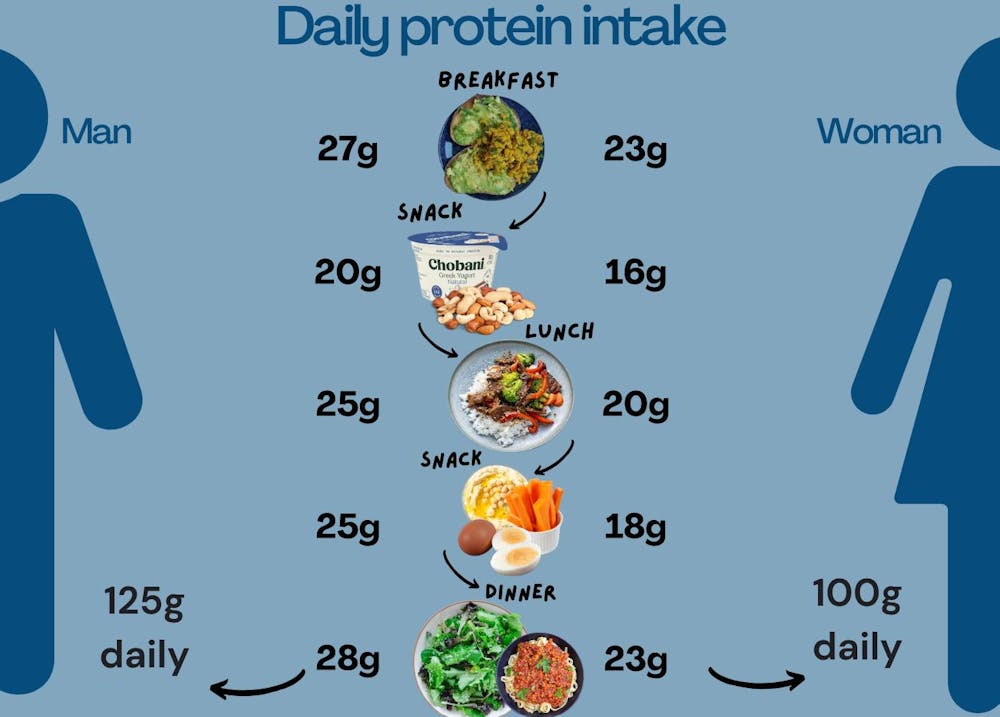
    MIL OSI USA News

  • MIL-OSI Australia: Australians in Film and Screen Australia Announce 2025 Participants in Talent Gateway and Global Producers Program

    Source: NSW Government puts trust in NAB to transform banking and payments

    03 04 2025 – Media release

    Top (L-R): Global Producers Exchange recipients Ramu Productions (Devina McPherson, Jodie Bell) and Unless Pictures (Meg O’Connell).Bottom (L-R): Talent Gateway recipients Jean Tong, Timothy Lee and Kacie Anning. 
    Australians in Film (AiF) and Screen Australia are pleased to announce the 2025 participants in the internationally recognized Talent Gateway (TG) and Global Producers Exchange (GPE).
    These highly coveted programs are designed to elevate Australian screen creatives, enhancing their professional skills and expanding their global reach.
    Running online since 2021, Talent Gateway supports Australian writer/directors who have demonstrated recent success, providing them with the tools, industry access, and relationships necessary to succeed on the global stage.
    Global Producers Exchange aims to strengthen Australian producers’ international capabilities by facilitating global collaborations and offering key insights to develop Australian stories with a global outlook.
    Peter Ritchie, Executive Director of Australians in Film, said, “Screen Australia’s strategic investment in expanding the international reach of Australian talent and businesses is essential for the continued success of Australian screen stories. These stories not only captivate international audiences but also generate significant economic growth, cementing Australia’s reputation internationally as a breeding ground for exciting new talent. We look forward to working with the outstanding 2025 participants.”
    Screen Australia COO Grainne Brunsdon said, “We’re thrilled to support the 2025 Talent Gateway and Global Producers Exchange participants, whose talents highlight the strength of Australia’s screen industry. These programs offer invaluable opportunities to expand their international reach and create new pathways for collaboration. As global demand for Australian stories continues to grow, initiatives like these ensure our talent remains at the forefront of the international screen community, driving both creative innovation and economic growth.”
    Supporting Partners for these programs include Screen NSW, Screen Queensland, Screenwest and VicScreen. Industry Partners are Australian Directors’ Guild, Australian Writers’ Guild, Screen Producers Australia, Screen Canberra, Screen Tasmania, Screen Territory,  Screenworks and South Australian Film Corporation.
    Talent Gateway 2025 Participants:

    Clare Sladden (QLD): Clare is a Meanjin/Brisbane-based writer passionate about female-driven narratives. Her recent television credits include Good Cop/Bad Cop (Jungle Entertainment and Future Shack for Stan, Roku and The CW), NCIS: Sydney (Endemol Shine AU for Paramount+), and Sunny Nights (Jungle Entertainment & Echo Lake Entertainment for Stan, premiering in 2025). In the audio space, Clare wrote on the Wentworth spin-off podcast (Fremantle Media for Audible) and wrote and directed the narrative podcast Winding Road, starring Dacre Montgomery and Yael Stone. Clare has also received Screen Australia development funding for her debut feature, Sophie Next Door.
    Hannah Barlow and Kane Senes (NSW): This writing/directing duo from Sydney is known for their breakout work on Sissy, which was selected for SXSW and Sydney Film Festival, winning multiple audience awards globally. Their debut feature, For Now, garnered international festival nominations for Best Film. Recently, they received Premium Development Funding from Screen Australia for their next project, Cooch, and were named Inside Film’s Rising Stars. Their work continues to captivate global audiences with fresh and innovative storytelling.
    Jean Tong (VIC): Jean is a multi-talented writer and director for stage and screen. Their television credits include episodes of Heartbreak High (Netflix), Safe Home (SBS), and Erotic Stories (SBS). Jean’s stage work includes critically acclaimed plays like Hungry Ghosts (Melbourne Theatre Company) and Romeo is Not the Only Fruit (Malthouse Theatre). They were also the inaugural Melbourne Theatre Company Playwriting Fellow in 2023. Jean is currently directing the world premiere of Benjamin Law’s adaptation of Dying: A Memoir for Melbourne Theatre Company.
    Kacie Anning (NSW): Kacie is the creator, writer, director, and executive producer of Class of ’07 (Amazon Prime). She has directed and written for several high-profile series, including The Other Guy (Stan), Diary of a Future President (Disney+), Upload (Prime Video), and Hardball (ABC Me). She has won two Australian Directors’ Guild Awards. Her work as set-up director and EP on Madam (Channel 9), starring Rachel Griffiths, won Best Comedy Series at the Berlin Series Festival and Monte Carlo Television Festival.
    Thomas Wilson White (NSW): Thomas is an award-winning writer and director, best known for his work on the International Emmy Award-winning Heartbreak High (Netflix). His debut feature The Greenhouse (2021) won the Australian Directors Guild Award for Best Direction in a Feature Film under $1M. Thomas is currently developing a slate of original TV shows and a second feature film while adapting a best-selling novel for Warner Brothers.
    Timothy Lee (NSW): Timothy is the co-creator and writer of the Australian neo-Western Territory (Netflix), which topped the charts in 11 countries and reached #2 globally on Netflix. He also wrote on Mystery Road (ABC) and Mystery Road: Origin, earning AACTA nominations for Best Screenplay in Television. His writing credits include Bump (Stan/Netflix), Doctor Doctor (Nine), and The Unlisted (Netflix).

    Global Producers Exchange 2025 Participants:

    Carver Films – Sarah Shaw and Anna McLeish (VIC): Carver Films is led by award-winning producers Sarah Shaw and Anna McLeish. Their 2023 feature Run Rabbit Run, starring Sarah Snook and directed by Daina Reid, premiered at Sundance and became the top-streamed English-language film on Netflix in Australia and the USA. Their previous credits include Relic (2020), Sunshine (2018), and Snowtown (2011), which debuted at Cannes Critics Week. Carver is currently in postproduction on Saccharine with director Natalie Erika James.
    Future Pictures – Matt Govoni and Adam White (VIC): Founded by Matt Govoni and Adam White, Future Pictures is known for producing world-class content. Their recent projects include Late Night with the Devil (2023), which premiered at SXSW and won Best Screenplay at Sitges, and Lone Wolf (2021), which premiered at the Rotterdam International Film Festival. Future Pictures continues to break box office records and achieve critical success in the global marketplace.
    Martin Brown Films – Martin Brown and John Collee (NSW): Martin Brown Films is a Sydney-based screen production company founded by Martin Brown and John Collee. Martin Produced Moulin Rouge and Co-produced Romeo+Juliet. John recently adapted the TV series Boy Swallows Universe, which was Netflix’s most successful Australian-made show to date. Martin and John are recognized individually for their expertise in content development and international co-productions. Their company has a number of exciting projects in development.
    Ramu Productions – Jodie Bell and Devina McPherson (WA): Based in Broome, Western Australia, Ramu Productions specializes in First Nations storytelling. CEO Jodie Bell, a Butchella and Jagera woman, has produced numerous award-winning short films and documentaries, including Putuparri and the Rainmakers. Devina McPherson, a Widi Yamatji and Noongar woman, is an experienced development and associate producer. Together, they focus on creating authentic First Nations content with a strong cultural lens.
    Thirdborn – Nicole O’Donohue (NSW): Thirdborn, founded by filmmakers Shaun Grant, Justin Kurzel and Nicole O’Donohue, is committed to developing bold films and premium television series. Their debut series, Exposure (2024), was nominated for seven AACTA Awards. With a focus on distinctive storytelling, Thirdborn partners with extraordinary cast, crew, and producers with a shared creative ambition and passion for original storytelling to deliver impactful narratives for global audiences. 
    Unless Pictures – Meg O’Connell (NSW): International Emmy-winning producer Meg O’Connell founded Unless Pictures, a creative production company known for innovative storytelling. Meg’s credits include the AACTA-winning Robbie Hood (SBS/NITV), the Rose d’Or-winning Content (ABC), and the international hit Bluey (ABC/BBC/Disney+). Her most recent project is the feature film Windcatcher (Stan/ACTF).

    AiF Media Enquiries:
    Jane Lunn 
    [email protected]  | +61 402 248 811 
    Media enquiries
    Maddie Walsh | Publicist
    + 61 2 8113 5915  | [email protected]
    Jessica Parry | Senior Publicist (Mon, Tue, Thu)
    + 61 428 767 836  | [email protected]
    All other general/non-media enquiries
    Sydney + 61 2 8113 5800  |  Melbourne + 61 3 8682 1900 | [email protected]

    MIL OSI News

  • MIL-OSI USA: Congressman Cohen Announces $465,506 Cancer Research Grant to St. Jude

    Source: United States House of Representatives – Congressman Steve Cohen (TN-09)

    WASHINGTON – Congressman Steve Cohen (TN-9) today announced that St. Jude Children’s Research Hospital will receive a grant of $465,506 from the National Cancer Institute to study epigenetic reprogramming of T cell exhaustion to enhance tumor immunotherapy.

    Congressman Cohen made the following statement:

    “I am pleased to see this investment in cancer research at our premiere children’s medical center, but I remain concerned with the Trump Administration’s apparent decision to abandon much of the federal support for life-saving medical research. I commend St. Jude researchers for their outstanding work and hope it will continue to be robustly underwritten by our National Institutes of Health.”

    # # #

    MIL OSI USA News

  • MIL-OSI Economics: Alkaline ionized water increases green tea polyphenols by up to 2.8 times

    Source: Panasonic

    Headline: Alkaline ionized water increases green tea polyphenols by up to 2.8 times

    Osaka, Japan, April 3, 2025 – Panasonic Corporation today announced that its Living Appliances and Solutions Company (Panasonic) has confirmed that green tea made with alkaline ionized water contains up to 2.8 times more polyphenols than green tea made with natural drinking water. This was achieved through joint research with Panasonic Appliances (China) Co., Ltd., Panasonic R&D Center Suzhou Co., Ltd., and Bei Wang, a professor at the School of Food and Health, Beijing Technology and Business University.
    In recent years, the number of people regularly drinking water has been increasing due to heightened health awareness, leading to a growing demand for safe and healthy water. The government is also considering strengthening the legal regulations related to water quality and reviewing the standards for water quality. Furthermore, many people use water purifiers to filter water before drinking it.
    Under such circumstances, as part of the personal care business, Panasonic recognized the potential of green tea,*1, *2 which is frequently consumed and offers various health benefits from its polyphenol content. Panasonic conducted joint research with Professor Bei Wang, a food science specialist in China, the world’s largest producer of green tea. A verification using alkaline ionized water with different pH values showed that the amount of polyphenols contained in green tea is greater when using alkaline ionized water than natural drinking water, and the higher the alkalinity, the higher the polyphenol content. It is hoped that this will enable tea to contain abundant polyphenols derived from green tea when brewed with alkaline ionized water. Please note that these are the results of the verification test described later and do not guarantee the effects in the actual usage environment or when drinking.
    With the aim of contributing to society by providing safe and secure drinking water, Panasonic will continue improving water purification and conditioning technology while pursuing its potential.

    Comments from Professor Bei Wang*3

    Tea polyphenols are essential components that determine the color, aroma, taste, and efficacy of tea leaves. They are also among the most important functional components of green tea, which has numerous health benefits, such as oxidation resistance, blood lipid adjustment, virus resistance, antibacterial effects, tumor resistance, and neuroprotection. The results of an omnibus experiment conducted at a laboratory in Beijing Technology and Business University revealed that green tea made with alkaline ionized water (pH values 8.14, 8.79, and 9.19) produced by Panasonic’s alkaline water ionizer contains more tea polyphenols than green tea made with unprocessed natural drinking water. This discovery not only provides valuable experiences to tea lovers, but it has also successfully harmonized modern science and technology with traditional food culture.

    Profile

    Bei Wang: Professor, Doctor Supervisor, and Assistant Dean of School of Food and Health, Beijing Technology and Business University. Professor Wang has extensively conducted big data research on food flavor and sensory omics and has been involved in more than 40 projects related to the food flavor and nutrition science, some of which were supported both by National Natural Science Foundation of China, . She has also published more than 100 high-level SCI research papers and obtained nearly 20 invention patents in China, as well as two USA patents and three software copy right. In addition, she has won first prize at the Shanghai Science and Technology progress Awards, first prize of China Business Federation Science and Technology Progress Award, and First Prize of the State Administration for Market Regulation Research Achievement Award for Market Regulation of China.

    ■What is alkaline ionized water?

    Figure 3 Generation of alkaline ionized water using electrolysis technology

    Alkaline ionized water is generated by electrolyzing filtered, purified water in an electrolytic cell. The cathode (negatively charged electrode) attracts hydroxide ions and hydrogen, generating alkaline ionized water, while the anode (positively charged electrode) attracts hydrogen ions and oxygen, generating mildly acidic water (Figure 3).

    Notes:
    *1 Reference: Saori Nakagawa, Takahiro Hoshi, Atsushi Kubo, and Susumu Yamato, “Determination of Tea Polyphenols in Bottled Japanese Tea Drinks and Differences in Polyphenol Content in Tea Leaves from Different Variety,” BUNSEKI KAGAKU, vol. 62, No. 1, pp. 51-55, 2013
    *2 Reference: Hirofumi Tachibana, “Molecular Nutritional Study on the Bioregulatory Effects of Green Tea Polyphenols,” Journal of Japan Society of Nutrition and Food Science, vol. 72, No. 5, pp. 205-210, 2019
    *3 Panasonic asked Professor Wang for comments and edited them for publication.

    Media Contact:

    Living Appliances and Solutions Company, Panasonic CorporationPublic Relations, Corporate Policy Department, Corporate Planning CenterEmail: las-pr@gg.jp.panasonic.com

    About Panasonic Corporation
    Panasonic Corporation offers products and services for a variety of living environments, ranging from homes to stores to offices and cities. There are five businesses at the core of Panasonic Corporation: Living Appliances and Solutions Company, Heating & Ventilation A/C Company, Cold Chain Solutions Company, Electric Works Company and China and Northeast Asia Company. The operating company reported consolidated net sales of 3,494.4 billion yen for the year ended March 31, 2024. Panasonic Corporation is committed to fulfilling the mission of Life Tech & Ideas: For the wellbeing of people, society and the planet, and embraces the vision of becoming the best partner of your life with human-centric technology and innovation. Learn more about Panasonic: https://www.panasonic.com/global/about/

    MIL OSI Economics

  • MIL-OSI USA: Kennedy announces $32.4 million in Hurricanes Laura, Ida aid for Louisiana

    US Senate News:

    Source: United States Senator John Kennedy (Louisiana)
    WASHINGTON – Sen. John Kennedy (R-La.), a member of the Senate Appropriations Committee, today announced $32,386,791 in Federal Emergency Management Agency (FEMA) grants for Louisiana disaster aid. 
    “Louisiana is working hard to rebuild from the catastrophic damage that Hurricanes Laura and Ida left behind. This $32.4 million will help our communities recover from the costs they sustained during these disasters,” said Kennedy. 
    The FEMA aid will fund the following:
    $13,358,873 to St. John the Baptist Parish for debris removal operations resulting from Hurricane Ida.
    $6,209,552 to the Terrebonne Parish School Board for management costs resulting from Hurricane Ida. 
    $5,286,570 to the Terrebonne Parish School Board for permanent repairs resulting from Hurricane Ida. 
    $1,725,740 to the West Calcasieu Cameron Hospital for permanent work resulting from Hurricane Laura.
    $1,562,360 to the Louisiana Department of Transportation and Development for debris removal operations resulting from Hurricane Laura.
    $1,515,422 to the Lake Charles Harbor and Terminal District to replace equipment due to Hurricane Laura damage.
    $1,415,716 to the Jefferson Parish School Board for permanent repairs to the Ralph J. Bunche Elementary School campus resulting from Hurricane Ida.
    $1,312,558 to the Orleans Levee District Non-Flood Protection Asset Management Authority for permanent repairs resulting from Hurricane Ida damage.

    MIL OSI USA News

  • MIL-OSI USA: Boyle, Fitzpatrick, Smith, Capito Introduce Bipartisan, Bicameral Bill to Study and Prevent Lung Cancer Among Women

    Source: United States House of Representatives – Congressman Brendan Boyle (13th District of Pennsylvania)

    WASHINGTON, DC – Congressman Brendan F. Boyle (D-PA-02) and Congressman Brian Fitzpatrick (R-PA-01) have introduced the bipartisan Women and Lung Cancer Research and Preventive Services Act. A companion bill was also introduced in the Senate by Senators Tina Smith (D-MN) and Shelley Moore Capito (R-WV).

    This legislation directs the Secretary of Health and Human Services—working in consultation with the Secretaries of Defense and Veterans Affairs—to conduct a comprehensive interagency review of lung cancer in women. The review will assess current research, evaluate women’s access to preventive services, and support public awareness campaigns. Lung cancer is the leading cause of cancer death among women and disproportionately affects women who have never smoked.

    “Lung cancer remains the leading cause of cancer death among women, yet the decline in incidence and mortality rates for women continues to lag behind those for men,” said Congressman Boyle. “Every eight minutes, a woman in the United States loses her life to this disease. That is unacceptable. This bipartisan legislation takes an important step toward addressing this disparity by strengthening research, improving access to preventive services, and raising public awareness. We must ensure that every American—regardless of gender—benefits equally from the progress we’ve made in combating lung cancer. The time to act is now.”

    “Every day, American women valiantly battle for their health against lung cancer — Congress needs to be fully committed to ending the inequities that have left too many women in my community and across the nation vulnerable to this devastating disease,” said Congressman Fitzpatrick. “This legislation represents a decisive step forward in advancing groundbreaking research, improving prevention, and ensuring access to lifesaving care for women battling lung cancer. I implore my colleagues to recognize the urgency of this fight and stand united to deliver real progress for women’s health across our nation.”

    “Lung cancer is the leading cause of cancer death among women, and increasingly, even women who don’t smoke develop lung cancer,” said Senator Smith. “This bill is an important step to help us address the root causes of lung cancer in women. More research is necessary to raise public awareness and advance lung cancer screenings, diagnosis, and treatments. I’ll continue to work with colleagues on both sides of the aisle to make progress in the fight against cancer.”

    “As a state, West Virginia is disproportionately impacted by lung cancer. While our numbers have improved in recent years, we must continue to expand both preventive efforts, as well as management. I’m proud to join my colleagues to once again support this legislation that will work to improve treatment and prevention of lung cancer in women,” said Senator Capito.

    “This week’s reintroduction of the bi-partisan bi-cameral Women and Lung Cancer Research and Preventive Services Act of 2025 builds on the momentum established last Congress with a renewed commitment to accelerate life-saving change for women impacted by lung cancer,” said GO2 for Lung Cancer President & CEO, Laurie Fenton Ambrose. “Thank you, Representatives Boyle (D-PA) and Fitzpatrick (R-PA), and Senators Smith (D-MN) and Capito (R-WVA) for your continued leadership to advance this vital legislation for women and the general public.  With your leadership we can gain a better understanding of lung cancer’s unique and devasting impact on women and drive more effective therapies and prevention strategies that will forever change the trajectory of this disease for all.”

    ###

    MIL OSI USA News

  • MIL-OSI USA: Kaptur and Bice Introduce Law Enforcement Training for Mental Health Crisis Response Act

    Source: United States House of Representatives – Congresswoman Marcy Kaptur (OH-09)

    Washington, DC — Today, Congresswoman Marcy Kaptur (OH-09) and Congresswoman Stephanie Bice (OK-05) introduced the Law Enforcement Training for Mental Health Crisis Response Act of 2025. The bipartisan bill would provide grants to law enforcement departments at the state, local, territorial, and tribal level to obtain vital behavioral health crisis response training to resolve behavioral health crisis situations more safely and effectively. Funding for this training would be authorized under the Byrne JAG program funding.

     “Our nation owes a deep debt of gratitude to the brave men and women of law enforcement and corrections officers who are often the first to respond to volatile and often dangerous situations involving people at their most vulnerable,” said Congresswoman Marcy Kaptur (OH-09). “I am proud to lead this bipartisan effort to help those who protect and serve our communities alongside Congresswoman Bice. Our officers deserve all of the training and resources we can provide to help them effectively and safely handle behavioral health crises to protect themselves, those experiencing crisis, and the public they serve.”

    “Our police officers put their lives on the line every day to protect us. With increasing rates of mental health conditions, our officers need to know how to react in difficult situations,” said Congresswoman Stephanie Bice (OK-05). “The Mental Health Crisis Response Act will help our police officers learn effective ways to resolve behavioral health crisis situations and ultimately increase their safety, and the safety of our communities.”

    This legislation is supported by the Fraternal Order of Police. Additional House original cosponsors include Congresswoman Julia Brownley (CA-26), Congressman Troy Carter (LA-02), Congressman Sean Casten (IL-06), Congressman Dwight Evans (PA-03), and Congresswoman Dina Titus (NV-01).

    The Edward Byrne Memorial Justice Assistance Grant (Byrne JAG) program, administered by the Bureau of Justice Assistance, supplies grants to local law enforcement entities for public safety initiatives. Grants created under this bill will be managed through Byrne JAG Prevention and Education programming. Byrne JAG grants are always distributed to supplement available State and local grants and never to supplant them. Law enforcement officers are often the first responders to behavioral health crises. One in every 10 calls for police response involve a person living with a mental illness; 1 in every 4 people killed by police experience mental health issues; 1 in 3 people transported to a hospital emergency room for psychiatric reasons are taken by the police. When responding to calls, law enforcement officers need to be prepared to respond to all possible scenarios and, with increasing frequency, we’re seeing that involve behavioral health crises. By improving training for these types of responses, we can better keep our officers safe, ensure individuals in crisis are treated with dignity, and improve trust amongst the communities affected.


    # # #

    MIL OSI USA News

  • MIL-OSI USA: Kelly, Panetta, Fitzpatrick, Thune, Murphy Reintroduce Bill to Incentivize Healthy Living and Physical Activity

    Source: United States House of Representatives – Representative Mike Kelly (R-PA)

    WASHINGTON, D.C. — Today, U.S. Reps. Mike Kelly (R-Pa.), Jimmy Panetta (D-Calif.), and Brian Fitzpatrick (R-Pa.), and U.S. Sens. John Thune (R-S.D.) and Chris Murphy (D-Conn.), reintroduced the Personal Health Investment Today (PHIT) Act. This bipartisan legislation would encourage physical activity and incentivize healthier living by allowing Americans to use a portion of the money saved in their pre-tax health savings account (HSA) and flexible spending account (FSA) toward qualified sports and fitness purchases, such as gym memberships, fitness equipment, and youth sports league fees.

    “As a former college football player and youth football coach myself, I’ve seen young Americans greatly improve their lives because they were able to join a team and play sports,” said Rep. Kelly. “This bill gives kids, especially those in underserved or low-income communities, a real chance to play the sport of their choice. This isn’t just about athletics: it’s about gaining critical team-building and character-building traits that stay with kids for the rest of their lives.”

    “Too many working families are forced to cut back on healthy activities and lifestyles due to the rising costs of sports leagues, gym memberships, local swimming pools, and more,” said Rep. Panetta. “The PHIT Act provides a practical solution by allowing families to use pre-tax dollars from their HSA and FSA accounts to help pay for fitness expenses. By breaking down financial barriers, we can encourage healthier habits, strengthen our communities, and invest in preventive care that lasts a lifetime.”

    “Preventive health care doesn’t start in the doctor’s office — it starts with daily movement, access to fitness, and the ability to stay active,” said Rep. Fitzpatrick. “The PHIT Act is about making those opportunities more affordable for families by allowing pre-tax health savings to cover fitness expenses like youth sports, gym memberships, and exercise equipment. We’re working to remove cost as a barrier to healthier living and shift our health care system toward one that values prevention, wellness, and long-term results.”

    “For some Americans, certain gym or athletic league membership costs can be prohibitive, keeping them from pursuing healthy habits like exercising or participating in other physical activities,” said Sen. Thune. “The PHIT Act would reduce some of the cost barriers that Americans face when pursuing healthy lifestyles and make it easier and more affordable for folks to stay active throughout their lives. By giving Americans greater flexibility with their HSAs and FSAs, we can empower people to make healthy choices, get active, and hopefully prevent the onset of costly chronic conditions as we work to make America healthy again.”

    “The National Football League (NFL) is pleased to support the PHIT Act, which is sensible, bipartisan legislation that makes participation in youth sports and physical activity more accessible and affordable,” said Brendon Plack, Senior Vice President of Public Policy and Government Affairs at the NFL. “Encouraging America’s youth to adopt active lifestyles and healthy habits has been a cornerstone of the league’s commitment to community, and the PHIT Act helps to further advance that important goal.”

    “Sports, exercise, and recreation are essential to the physical and mental well-being of Americans of all ages,” said Todd Smith, President and CEO of the Sports and Fitness Industry Association (SFIA). “The PHIT Act is a forward-thinking, bipartisan solution that will make these activities more affordable and accessible, helping to build healthier communities and a stronger future for sports and fitness participation. SFIA thanks and supports Senators Thune and Murphy, and Congressmen Kelly and Panetta, for reintroducing this act. As we head into this next decade of once-in-a-generation sporting events taking place in the U.S., we especially look forward to working together to pass the PHIT Act and expand opportunities for all.”

    “Preventative health solutions are more important than ever, and physical activity is a proven, cost-effective way to make Americans healthier,” said Liz Clark, President and CEO of the Health & Fitness Association. “The PHIT Act is a commonsense solution that will make it easier for individuals and families to invest in their health by making fitness more affordable. We applaud Majority Leader Thune and Sen. Murphy, and Congressmen Kelly and Panetta, for their leadership in reintroducing PHIT in the 119th Congress and recognizing the critical role prevention plays in improving public health.”

    “On behalf of the more than 2600 YMCAs who every day help build healthy spirit, minds and bodies for all and strengthen community by connecting people to their potential, purpose and each other, I applaud Representatives Kelly and Panetta and Senators Thune and Murphy for reintroducing the bi-partisan PHIT Act.  This legislation recognizes the chronic disease crisis our nation confronts and prioritizes prevention by providing new financial incentives for individuals and families to better access physical activity, exercise programs and sports in community facilities like the YMCA,” said Jeff Britt, SVP, Chief Government Affairs Officer, YMCA of the USA.

    You can read the full bill here.

    MIL OSI USA News

  • MIL-OSI Australia: Australian first technology delivering better care at the Canberra Hospital Emergency Department

    Source: Northern Territory Police and Fire Services

    As part of ACT Government’s ‘One Government, One Voice’ program, we are transitioning this website across to our . You can access everything you need through this website while it’s happening.

    Released 03/04/2025

    A new state-of-the-art system is speeding up the delivery of samples from the Emergency Department to ACT Pathology, allowing clinicians to receive results faster and start patient treatment earlier.

    The first of its kind in Australia, the Tempus600 is an automated sample tube delivery system connecting the Emergency Department to ACT Pathology on the Canberra Hospital campus.

    Team members in the Emergency Department place a patient sample contained in a test tube in a ‘hole in the wall’, and the sample is delivered directly to laboratory analysers, with no human intervention.

    Minister for Health Rachel Stephen-Smith said the new sample delivery system eliminates manual processes to prepare, pack and unpack samples, reduces the possibility of error, and frees up time to focus on other important tasks.

    “Most clinical sample delivery systems require multiple steps to prepare and send a sample, which can create a bottleneck at certain points in the process of sending a sample to the laboratory,” Minister Stephen-Smith said.

    “The new Tempus system is one touch technology – put the clinical sample in the Tempus machine, and the system does the rest. Samples take approximately 40 seconds to travel from the Emergency Department to the lab in Pathology, which is a big time-saver when processing around 100,000 clinical samples each year.”

    “This new technology means samples can be analysed sooner, which leads to faster patient diagnosis, earlier treatment, and a shorter stay in hospital. The system is also directly linked into the Digital Health Record, maintaining accuracy and assurance of the right test results for the right patients.

    “In addition to speeding up the delivery of clinical samples, the Tempus system also provides greater consistency in how long it takes for results to be available. When treating a seriously ill patient in Emergency, these factors can make all the difference to their health outcomes.”

    Quotes attributable to Greg Brylski, Executive Director of Pathology and Allied Health, Canberra Health Services:

    “The implementation of the Tempus Pathology system at Canberra Health Services offers a significant advancement in delivering patient centred care. The Tempus streamlines pathology workflows allowing faster access to patient results, without compromising patient care.

    “This Australian first innovation brings pathology services closer to the patient, facilitating quicker diagnoses while efficiently reducing administrative burdens on the healthcare system, when our healthcare professionals are required to focus on patient care.”

    – Statement ends –

    Rachel Stephen-Smith, MLA | Media Releases

    «ACT Government Media Releases | «Minister Media Releases

    MIL OSI News

  • MIL-OSI USA: Moore, Booker, Adams, and Underwood Introduce Resolution Commemorating National Black Midwives Day

    Source: United States House of Representatives – Congresswoman Alma Adams (12th District of North Carolina)

    Today, Representative Gwen Moore (WI-04), along with Representatives Alma Adams, PhD (NC-12) and Lauren Underwood (IL-14), both co-chairs of the Black Maternal Health Caucus, introduced a resolution designating March 14, 2025, as “Black Midwives Day.” This House resolution, and its Senate companion led by Senator Cory Booker (NJ), celebrates Black midwives’ legacy of culturally congruent care and strives to rectify racial disparities in maternal health outcomes.

    “Black midwives practice time-honored techniques that have flourished for years,” said Representative Gwen Moore. “This resolution not only honors and uplifts Black midwives’ work toward reproductive justice, but it also invites federal, state, and local governments to embrace Black midwifery as a model of patient-centered, culturally sensitive care that beats systemic barriers and improves health outcomes for mothers and their babies,” Moore added.

    “There is a growing maternal health crisis that affects all moms in our country. On top of that, the harsh reality is that Black people in the United States suffer from life threatening pregnancy complications twice as often as White people,” said Senator Cory Booker. “The Midwifery Model of Care is a proven method that improves pregnancy outcomes across the board.  Recognizing Black Midwives Day and all of the work midwives do to provide comprehensive and affordable health care reaffirms our commitment in Congress to ensuring equitable pregnancy outcomes for all.” 

    “Black midwifery is a deep-rooted practice that speaks to Black history, tradition, culture, and maternal health,” said Representative Alma Adams. “For centuries, Black midwives were the main source of perinatal care for Black communities, safeguarding our health in the face of medical discrimination and barriers to care. As we look to address the Black maternal health crisis in our country today, let’s celebrate the legacy of Black midwives by committing to overcome racial discrimination in healthcare and keeping our mothers safe.” 

    “For centuries, Black midwives have played an invaluable role in making sure moms and babies receive culturally competent care and lifesaving support,” said Representative Lauren Underwood. “As Co-Founder and Co-Chair of the Black Maternal Health Caucus, I’m so proud to join my colleagues in introducing this resolution to uplift the contributions of Black midwives, both past and present, and the critical work that they do to end disparities. Their commitment to making sure that childbirth is a time filled with joy for every family should be celebrated and remembered.”

    “The National Black Midwives Alliance strongly supports and endorses the resolution for Black Midwives Day. Black midwives have long been at the forefront of maternal and infant care, addressing disparities and ensuring culturally centered, holistic birth experiences for Black families. Recognizing Black Midwives Day affirms the invaluable contributions of Black midwives, past and present, and promotes continued investment in their work to improve maternal health outcomes nationwide,” said Jamarah Amani of the National Black Midwives Alliance.

    “BMMA (Black Mamas Matter Alliance) proudly endorses the resolution recognizing March 14 as Black Midwives Day, a critical step in honoring the invaluable contributions of Black midwives to maternal and infant health in the United States. For centuries, Black midwives have been the cornerstone of their communities, providing culturally centered, life-affirming care that improves birth outcomes and saves lives.

    Amidst the ongoing maternal health care crisis and deepening maternity care deserts, the expansion and full integration of Black midwifery into the U.S. healthcare system is not just necessary—it is urgent. BMMA calls on policymakers, healthcare institutions, and communities to invest in Black midwives by expanding training pathways, eliminating structural barriers, and ensuring equitable reimbursement for midwifery-led care. This resolution affirms the power of Black midwifery as a key strategy for advancing maternal health equity, reducing racial disparities, and supporting the reproductive autonomy of Black birthing people. We stand in unwavering solidarity with Black midwives and the National Black Midwives Alliance in the fight to protect, uplift, and expand Black midwifery for generations to come,” said Angela D. Aina, Executive Director, BMMA.

    “Black midwives are the backbone of maternal health,” said Haven Midwifery Collective.

    “We commend Congresswoman Gwen Moore and Senator Cory Booker for introducing the National Black Midwives Day Resolution in recognition of the essential contributions of Black midwives to reproductive health. Their leadership underscores the importance of acknowledging and elevating the vital role Black midwives play in providing compassionate, culturally centered care, advancing health equity, and challenging systemic disparities. To truly honor this work, U.S. Government must continue to support and invest in pathways to midwifery and strive toward a health care system that provides the highest quality care and ensures that all birthing experiences are met with dignity, respect, and compassion,” said Breana N. Lipscomb, MPH, Senior Advisor, Maternal Health & Rights at Center for Reproductive Rights.

    “Birth centers are a public health solution,” said Trinisha Williams, LM, CM, MPH, President, American Association of Birth Centers (AABC).

    Access to Black Midwives is a critical solution to address the maternal mortality crisis in the US. Black Midwives Day is an opportunity to highlight the need for and uplift the work of Black Midwives,” said Jessica Brumley CNM, PhD, FACNM, President of the American College of Nurse-Midwives.

    2.2 million women of childbearing age live in maternity care deserts lacking access to hospitals and birth centers.[1] This maternal health gap is especially acute for Black birthing people, who suffer maternal morbidity two times as often as white child bearers.[2] Responding to this crisis and recognizing the need for community-driven interventions, the resolution directs stakeholders to develop and enact policy solutions that promote a diverse perinatal workforce, strengthen training pathways for Black midwives, and fully incorporate midwifery into the maternity care system.

    Read the full text of the resolution here.

    MIL OSI USA News