Category: Health

  • MIL-OSI New Zealand: Reducing red tape to put patients first

    Source: New Zealand Government

    The Government is reviewing New Zealand’s health workforce legislation to ensure the focus is on putting patients first, Health Minister Simeon Brown says.Reviewing health workforce legislation will consider a number of key matters including: 

    Prioritising patient voices in regulatory decisions.
    Reducing red tape to make healthcare more accessible.
    Making it easier to recognise overseas regulations.
    Driving efficiencies by streamlining regulatory decision making 

    “We are committed to ensuring all New Zealanders can access timely, quality healthcare,” Mr Brown says.“Making our health system more efficient and enabling frontline workers to get on with their jobs will allow it to become more responsive to patient needs.“New Zealand’s current health workforce regulations can be overly bureaucratic, and this is slowing down access to care, increasing costs, and making it harder for patients to get the services they need.“Our regulations can also make it harder to attract, train and retain healthcare workers. Whether it’s requiring nursing students to complete hundreds more clinical hours than those in Australia, complicated approval pathways for overseas qualified doctors to practice in NZ, or imposing rules that prioritise cultural requirements over clinical safety in scopes of practices, our healthcare system is being held back by outdated and unnecessary barriers.”“We also need to better recognise overseas qualifications to speed up access to healthcare for patients. As part of the National-ACT Coalition agreement, we are also considering the establishment of an Occupations Tribunal which would consider appeals about decisions relating to overseas qualifications.“Patients expect to receive care from qualified practitioners, with clinical safety as their top priority. Our proposals will also ensure that patients voices are heard in regulatory decision making, to ensure the needs of patients are considered when decisions are being made by regulatory bodies.  “We are also seeking feedback on how regulatory decisions can be made across all 18 health workforce regulatory bodies to ensure greater consistency. A streamlined system means more frontline staff available to provide care across the country, delivering shorter wait times and better health outcomes for all New Zealanders.”Consultation has today opened on changes to the Health Practitioners Competence Assurance Act and the Government wants to hear from patients and our healthcare workers on how the regulatory system can better meet the needs of patients.New Zealanders can submit their views on the Putting Patients First: Modernising Health Workforce Regulation document at www.health.govt.nz. Consultation closes on 30 April 2025.

    MIL OSI New Zealand News

  • MIL-Evening Report: How can I tell if my child is too sick to go to school?

    Source: The Conversation (Au and NZ) – By Liz Sturgiss, Professor of Community Medicine and Clinical Education, Bond University

    Chay_Tay/Shutterstock

    As a GP and mum to two boys I have many experiences of trying to navigate the school morning when my boys aren’t feeling well. It always seems to happen on the busiest days.

    None of us want to send our child to school when they are not well – I hate the thought of my kids feeling sick in the classroom and also the idea they might make other children sick.

    Lots of families have someone for whom illnesses are more dangerous. They might have a weakened immune system because they are going through cancer treatment or suffer from another illness.

    But it can be hard to tell. A child might be dramatically crying “my tummy HURTS” one minute and racing around with their sibling the next. Or you might wonder if they are angling for some time off in front of the TV.

    How can you tell if your child is too sick to go to school?

    None of us want to send our child to school when they are not well.
    Pixel Shot/ Shutterstock

    Symptoms to look out for

    In school-aged children here are some symptoms to consider.

    Fever: if your child feels hot to touch, or you have a thermometer showing a fever (a temperature above 38 degrees), then they shouldn’t attend school.

    This is even if you are giving them regular paracetamol or ibuprofen to keep their temperature down. Your child won’t feel comfortable at school with a fever and they have a high chance of making others unwell.

    Vomiting and diarrhoea: children should stay home until it is at least 24 hours since their last vomit or runny poo. This is to reduce the spread of viral gastroenteritis (or stomach flu) and to make sure your child can stay hydrated and well. If your child is vomiting or has diarrhoea, it also is important to keep a close eye on them to make sure they are improving and to seek medical care if they are getting worse.

    Runny noses: a runny nose without a fever might be a sign of hayfever, especially if your child has other symptoms like itchy eyes or sneezing. On its own, this is not a reason to stay home.

    But a new runny nose with a fever is a reason to stay home. Many infections, including influenza, COVID and even measles can start with a fever and runny nose, although usually it signals a common cold.

    The common cold needs rest, fluids and encouraging your child to keep their nose clear with gentle blowing or saline sprays. And a reminder, the annual flu vaccine is an excellent way to protect your family from the serious consequences of the “proper flu”.

    Cough: there are many different reasons for a child to cough. This includes infections such as COVID, whooping cough and influenza and non-infectious reasons such as hayfever and reflux. If your child has developed a new cough, and especially if they are also feverish, this is a reason to keep them at home. A cough that doesn’t go away after two weeks should also be checked out by your GP.

    Tiredness: mostly on Fridays, my kids are tired after a busy week – much like me! Tiredness can be an early sign of a lurking infection or some other health issue. But on its own is probably not a reason to keep your child home. However, ongoing tiredness is a good reason to have your child checked out by your GP as there are many causes from poor sleep to iron deficiency.

    Poor appetite: kids’ appetites can vary so wildly, especially when they move into growing phases. Not wanting to eat breakfast in the morning might be an early gastro infection, a sign of constipation or nervous butterflies for the day ahead. If your child is otherwise OK, with no tummy pain, fever or tiredness, then a lack of appetite for breakfast is not a solid reason to stay home.

    It’s common for kids to feel tired, but this on its own is not a reason to skip school.
    Andrew Will/ Shutterstock

    Watch out for school refusal

    I find it helpful to let my child know if they stay home, they will need to stay in bed with no screens to rest and get well. This tends to separate the “truly feeling unwell” days from the “just hoping to have a rest” days.

    But feeling unwell in the morning – particularly in the tummy, tiredness or unexplained headaches – can be an early sign something might not be going smoothly for your child at school or home.

    School refusal is a serious problem where a child is completely overwhelmed and unable to attend school. It can come on gradually or suddenly. Talking with your child’s school is a critical first step if you are concerned about school refusal – it should be a conversation that happens promptly and your school should have procedures for helping you to manage it.


    Read more:
    Is it school reluctance or refusal? How to tell the difference and help your child


    Phone a friend

    If you’re not sure, consider giving a trusted friends or family member a quick call to talk things over.

    You can also contact Healthdirect on 1800 022 222 (or 13 Health if you are in Queensland). This is a national phone service open 24 hours for anyone who has symptoms and needs advice on what to do next.

    Liz Sturgiss receives funding from the NHMRC, MRFF, RACGP Foundation, Diabetes Australia and VicHealth that is unrelated to this article. She is affiliated with Australian Journal of Primary Health (CSIRO), Australian Prescriber, RACGP, NAPCRG, Guidelines Development Committee for the review and update of the Clinical Practice Guidelines for the Management of Overweight and Obesity in Adults, Adolescents and Children in Australia and Australasian Association for Academic Primary Care.

    ref. How can I tell if my child is too sick to go to school? – https://theconversation.com/how-can-i-tell-if-my-child-is-too-sick-to-go-to-school-252731

    MIL OSI AnalysisEveningReport.nz

  • MIL-Evening Report: The Coalition wants to increase Medicare psychology rebates from 10 to 20 sessions. Here’s what happened last time

    Source: The Conversation (Au and NZ) – By Joanne Enticott, Associate Professor, Monash Centre for Health Research and Implementation, Monash University

    Monkey Business Images/Shutterstock

    The most disadvantaged Australians have long experienced higher rates of mental illness than the broader population. But they also access fewer mental health services.

    Increasing everyone’s access to mental health care led to the creation of the Better Access initiative, which subsidised psychology sessions under Medicare. Officially called Better Access to Psychiatrists, Psychologists and General Practitioners through the Medicare Benefits Schedule, the Howard government launched the initiative in November 2006.

    During COVID, the former Morrison Coalition government temporarily expanded the yearly cap on the number of psychology sessions, from ten to 20. The Labor Albanese government reverted to ten sessions at the end of 2022.

    Now the Coalition says if elected at this year’s polls, it will take the number of sessions back to 20.

    But did capping sessions at 20 increase access to mental health care, especially for disadvantaged Australians? Or are there more effective ways to achieve this?

    How does it work?

    Australians can access up to ten rebated psychology sessions annually. Patients need to have a mental health treatment or management plan from their GP or psychiatrist.


    The Australian Psychological Society recommends consultation fees of around $311 for a standard 46- to 60-minute consultation.

    The typical Medicare rebate is $141.85 per session with a clinical psychologist and $96.65 with other registered psychologists. (All psychologists are university qualified mental health professionals, but clinical psychologists have more qualifications.)

    Psychologists can choose their own fees. They can bulk bill (no out of pocket cost for patients) or charge consultation fees, leaving some patients hundreds of dollars out of pocket for each session.

    How did access change during COVID?

    To assess the changes during COVID, we need to consider three components: number of people accessing services, service use rates (number of sessions per population) and the average number of sessions per patient.

    1. Number of people accessing services

    In 2020-21, all states saw a 5% jump in the number of people accessing Medicare mental health services, coinciding with the first year of the COVID pandemic.

    In the three years prior to this, there was an average yearly increase of about 3% more people.

    However, a 2022 independent evaluation of the Better Access initiative showed that between 2018 and 2021, new users declined from 56% to 50%, with the steepest drop between 2020 and 2021.

    This reduction in new users coincided with the temporary increased cap to 20 sessions.

    Australians from disadvantaged backgrounds continued to have poorer access to psychologists than those from wealthier population groups, despite an increase in the number of sessions.

    2. Service use rates (number of sessions per population)

    Service use rates tell us how much a particular service is being used each year. To compare service use rates between different years, and because the Australian population is growing yearly, we report service use rates per 1,000 people in the population.

    In 2020-21, service use rates for clinical psychologists and other psychologists increased by 18%. This was a large increase compared to the typical 5% increases in previous years. This persisted in the next two years.

    When the cap on number of sessions was reduced to ten sessions, there was a small drop in service use rates, but it didn’t return to the pre-pandemic levels.

    Most clients use ten or fewer sessions a year.
    Ben Bryant/Shutterstock

    3. Average number of sessions people used

    The increase in services occurring in the first two years of the COVID pandemic (and around the time as the cap temporarily increased from ten to 20 sessions), resulted in a small increase in the average number of sessions per patient.

    In the ten years between 2013-14 and 2022-23, average number of sessions with a clinical psychologist increased from five to six sessions whereas the average number of sessions with other psychologists increased from four to five sessions.

    Importantly, more than 80% of people received fewer than ten sessions.

    What does this tell us?

    Overall, most people used ten or fewer sessions, even when up to 20 sessions were available.

    Some extra services were provided to existing clients during COVID and this may have actually prevented new people from receiving services.

    So the evidence suggests simply increasing the number of rebated psychology sessions from ten to 20 for everybody isn’t the most effective approach.

    What should Labor and the Coalition do instead?

    We don’t limit the number of chemotherapy sessions for cancer patients, so why do we cap evidence-based psychological treatments for mental illness?

    Instead of capping access to Medicare rebates for mental health care, access should be based on a person’s needs and treatment outcomes. The number of sessions should be determined collaboratively between the person and the provider, ensuring people receive the appropriate level of evidence-based care for their condition.

    Measure outcomes

    Currently in Australia for Medicare-funded mental health services, we only measure service activity. Patient outcomes are not collected, which hinders the development of value-based mental health care.

    Without collecting outcomes, current initiatives to address inequities are only partially informed and may not work as intended.

    We urgently need to establish a set of outcomes (patient-reported outcome measures and experience measures) through consensus with the community, providers, professional organisations and governments.

    Address affordability

    We should also address inequities, such as gap fees that act as barriers to accessing services.

    Greater rebates and bulk billing incentives for vulnerable people can assist those with less money.

    Offer other evidence-based support

    Evidence also suggests people with mild to moderate mental health problems can benefit from psychological and social supports provided by people who are non-health-care professionals, such as the Friendship Bench and digital mental health programs.

    We need to develop and invest in a range of services that cater to differing levels of need. This would ensure more specialised services are available for those with higher complexity or severity.

    The authors do not work for, consult, own shares in or receive funding from any company or organisation that would benefit from this article, and have disclosed no relevant affiliations beyond their academic appointment.

    ref. The Coalition wants to increase Medicare psychology rebates from 10 to 20 sessions. Here’s what happened last time – https://theconversation.com/the-coalition-wants-to-increase-medicare-psychology-rebates-from-10-to-20-sessions-heres-what-happened-last-time-249606

    MIL OSI AnalysisEveningReport.nz

  • MIL-Evening Report: Reliable science takes time. But the current system rewards speed

    Source: The Conversation (Au and NZ) – By Jason Chin, Senior Lecturer, College of Law, Australian National University

    P.Cartwright/Shutterstock

    Lately, there have been many headlines on scientific fraud and journal article retractions. If this trend continues, it represents a serious threat to public trust in science.

    One way to tackle this problem – and ensure public trust in science remains high – may be to slow it down. We sometimes refer to this philosophy as “slow science”. Akin to the slow food movement, slow science prioritises quality over speed and seeks to buck incentive structures that promote mass production.

    Slow science may not represent an obvious way to improve science because we often equate science with progress, and slowing down progress does not sound very appealing. However, progress is not just about speed, but about basing important societal decisions on strong scientific foundations. And this takes time.

    Unfortunately, the pressures and incentives modern scientists face are almost universally against slow science. Secure, permanent university jobs are scarce, and with budget cuts, this appears to be getting worse.

    As a result, the pressure to publish has never been higher. Indeed, in my yearly performance meetings, I am asked how many articles I’ve published and what is the status of the journals I published in. I am not asked how robust my methods are and how discerning my peer reviewers were.

    The problems with fast science

    Our current “fast science” approach has produced a host of problems.

    Much as with fast food, scientists are incentivised to produce as much science as possible in as little time as possible. This can mean cutting corners. We know, for instance, that larger samples lead to more trustworthy results because they are more likely to be representative of the relevant population. However, collecting large samples takes time and resources.

    Fast science is also associated with gaming the system. As a hypothetical example, an educational scientist might collect data to find evidence for their theory that a new teaching style promotes better learning. Then, they look at the data and realise the intervention did not quite improve learning. But if you squint at it, there might be a trend if you drop a couple of pesky outliers that didn’t see a benefit. So, they do just that.

    This an example of what’s known as a “questionable research practice”, because it’s not considered outright fraud by conventional standards. Surveys in many fields suggest these practices are widespread, with about 50% of scientists saying they have engaged in them at least once.

    Fast science is also associated with more obviously unethical practices.

    Reports of fabricated data are likely due, in part, to scientists trying to publish as quickly as possible. An industry has even sprung up around scientific fraud – what are known as “paper mills”. These organisations produce articles around fabricated data and then sell authorship to those papers.

    Surveys have shown about 50% of scientists have engaged in questionable research practices such as slightly tweaking research data.
    National Cancer Institute/Unsplash

    Why trustworthy science takes time

    So, what does slow science look like and how can it help?

    The late English statistician Douglas Altman provided one of the most famous descriptions of the slow science mantra: “We need less research, better research, and research done for the right reasons”.

    In many ways, it is the opposite of fast science: large samples and careful, well-documented, transparent practices.

    Recall the hypothetical example of the scientists testing a new education practice. Rather than immediately jumping into data collection, the slow practice would be to first write a “registered report”. In other words, scientists would write out their theory and how they propose to test that theory, and send that out for peer review prior to collecting data.

    The journal would then follow the normal process of soliciting peer reviews and allowing the scientists to revise their report in response to those reviews. Then, the authors would collect data, with publication in the journal being assured as long as they follow the agreed upon methods.

    There are two major benefits to registered reports: it allows for peer feedback while it is still possible to improve the study and it removes an incentive to engage in questionable or fraudulent practices. Using the registered report format can take longer. But it is associated with more credible findings.

    Two other slow practices worth mentioning are conducting research in a way that is reproducible and correcting errors in the existing body of research.

    In theory, all science should be reproducible. That is, scientists should share their methods and data such that other scientists can both verify that work and build on it (developing new recipes, to continue the analogy to slow food).

    Similarly, cleaning up the scientific record is incredibly important. For the same reasons that chef Gordon Ramsay likes to a clean a kitchen out before improving it, science needs to get a handle on what existing findings are reliable before we can build on them.

    This means carefully going through existing publications to find studies that show indications of being fabricated or otherwise unreliable. This sleuthing is rare among university scientists because it does not typically result in publications. But it is highly important.

    Slow science is the opposite of fast science: large samples and careful, well-documented, transparent practices.
    National Cancer Institute/Unsplash

    Slow science is slowly gaining steam

    Currently, it requires bravery to engage in slow science.

    Universities are keen to move up the university rankings lists. Those rankings are driven by publishing. So, universities hire, promote and retain their scientists based on their publications. This makes it risky to slow down.

    There are, however, some reasons to hope. Movements are afoot to redefine research quality to take into account more aspects of slow science.

    The Declaration on Research Assessment is a worldwide initiative to move away from ranking systems that ignore the principles of slow science.

    Grassroots organisations are also creating platforms for more open and exacting peer review.

    And advocates for more careful research practices have recently been appointed to important positions, such as with research funders and academic journals.

    These developments are worth following and building upon because society does not need heaps of low-quality science. It needs science that deserves trust.

    Jason Chin is affiliated with the Association for Interdisciplinary Metaresearch and Open Science (AIMOS), a charity that promotes the study and improvement of research methods. AIMOS is a co-founder of the open peer-review platform, MetaROR.

    ref. Reliable science takes time. But the current system rewards speed – https://theconversation.com/reliable-science-takes-time-but-the-current-system-rewards-speed-249497

    MIL OSI AnalysisEveningReport.nz

  • MIL-OSI Video: HHS Announces Transformation to Make America Healthy Again

    Source: United States of America – Federal Government Departments (video statements)

    We are streamlining HHS to make our agency more efficient and more effective. We will eliminate an entire alphabet

    soup of departments, while preserving their core functions by merging them into a new organization called the

    Administration for a Healthy America or AHA. This overhaul will improve the health of the entire nation — to Make

    America Healthy Again.

    U.S. Department of Health and Human Services (HHS) | http://www.hhs.gov

    http://www.Twitter.com/HHSGov | http://www.Facebook.com/HHS http://www.Instagram.com/HHSGov
    http://www.LinkedIn.com/company/us-department-of-health-and-human-services

    HHS Privacy Policy: http://www.hhs.gov/Privacy.html

    https://www.youtube.com/watch?v=O8qQxLYTyV8

    MIL OSI Video

  • MIL-OSI USA: Luján Statement on Trump Administration Gutting HHS by Cutting Nearly Quarter of Workforce, Abruptly Canceling Funding for New Mexico State Health Services

    US Senate News:

    Source: United States Senator Ben Ray Luján (D-New Mexico)

    Trump Administration Guts HHS by Eliminating Nearly 25% of Workforce, Cuts Over $12 Billion in Federal Grants to Fund Infectious Disease Management and Other Critical Health Services Nationwide Amid Measles Outbreak

    Washington, D.C. – Today, U.S. Senator Ben Ray Luján (D-N.M.), a member of the Senate Committee on Finance, issued the following statement in response to the announcement from the Trump administration that the Department of Health and Human Services (HHS) is illegally gutting the agency including cutting nearly a quarter of its workforce and eliminating critical subagencies. This is in addition to yesterday’s announcement that more than $12 billion in federal grants to states to support tracking infectious diseases, mental health services, addiction treatment, and other critical health issues have been abruptly canceled.

    “Amid a nationwide measles outbreak, with bird flu spreading worldwide, and as a significant number of Americans face a substance use or mental health conditions, now is not the time to fire our nation’s health workers, ravage our nation’s top health agency, and cut critical resources that support state health services.

    “The Trump administration is blindly taking an axe to the agency responsible for our nation’s public health. When our nation should be working to boost public health, the Trump administration is firing thousands of dedicated health workers who respond to disease outbreaks, oversee scientific research, and strengthen public health. Eliminating nearly a quarter of HHS will not make Americans healthier.

    “Not only is the Trump administration dismantling HHS, but they are also abruptly canceling more than $12 billion in approved federal grants for state health services nationwide, which is a direct attack on our nation’s public health. As the New Mexico Department of Health combats a measles outbreak and fights the opioid crisis, these federal funds – which Congress approved – are meant to help them track infectious diseases, get New Mexicans the substance use support services they need, and boost our state’s public health.”

    These mass firings and abrupt cuts come as a total of 378 confirmed measles cases have been reported by 18 jurisdictions: Alaska, California, Florida, Georgia, Kansas, Kentucky, Maryland, Michigan, New Jersey, New Mexico, New York City, New York State, Ohio, Pennsylvania, Rhode Island, Texas, Vermont, and Washington. In New Mexico, a total of 43 cases have been reported in Lea and Eddy Counties, and one unvaccinated individual has died.

    Senator Luján has repeatedly demanded action from HHS Secretary Robert F. Kennedy, Jr. to contain the measles outbreak. Secretary Kennedy has failed to respond.

    MIL OSI USA News

  • MIL-OSI USA: 19th MSI Research Day Draws Nearly 100

    Source: US State of Connecticut

    Dr. Jordan Bauer, second-year orthopedic surgery resident, presents at UConn Health’s MSI Research Day, March 14, 2025. (Photo by Lisa Cianchetti)

    Nearly 100 current and future physicians and scientists attended 2025 UConn Musculoskeletal Institute (MSI) Research Day, March 11 at the Cell and Genome Sciences Building.

    The day included oral presentations, a symposium on osteoarthritis, 18 poster presentations, an awards ceremony, and a keynote address from an international leader in the field of cartilage and developmental biology.

    Dr. Ernesto Canalis, MSI co-director, speaks at MSI Research Day at UConn Health, March 14, 2025. (Photo by Lisa Cianchetti)

    “This is a day where clinical and research faculty meet and get together to share recent accomplishments in musculoskeletal research at the University of Connecticut,” says Dr. Ernesto Canalis, professor of orthopedic surgery and medicine and MSI co-director. “It allows for interactions among faculty and presentations by faculty, students, residents, and trainees.”

    It was the 19th MSI research day and the most well-attended since before the pandemic, with the UConn School of Medicine’s Departments of Orthopedic Surgery, Medicine, and Neuroscience represented, as well as the UConn School of Dental Medicine’s Center for Regenerative Medicine and the Department of Biomedical Engineering, a joint department of the dental, medical, and engineering schools.

    The keynote speaker was Dr. Maurizio Pacifici, director of research at the Children’s Hospital of Philadelphia.

    Dr. Maurizio Pacifici, director of research at the Children’s Hospital of Philadelphia, delivers the keynote address at UConn Health’s MSI Research Day, March 14, 2025. (Photo by Lisa Cianchetti)

    “Dr. Pacifici was an ideal speaker, as he has first-hand experience translating basic science discoveries into clinical treatment – a core mission of the UConn MSI”, says Dr. Isaac Moss, professor and chair of orthopedic surgery and MSI co-director.

    “Participants leave this event having learned recent advances in musculoskeletal research at UConn, with the opportunity to learn from a national leader,” Canalis says. “Faculty interactions are expected to lead to new collaborative efforts to enhance research in the musculoskeletal field.”

    From left: Research intern Tomer Korabelnikov, Dr. Cory Edgar, clinical research assistant Nandan Nayak, and research intern Rohan Patel are among those who collaborated on projects presented at MSI Research Day at UConn Health, March 14, 2025. (Photo by Lisa Cianchetti)

    Awards presented:

    • Best MD/Ph.D., Marta Stetsiv
    • Best Graduate Student, Biology, Kai Clarke
    • Best Graduate Student, Engineering, Travis Wallace
    • Best Young Innovative Investigator Program, Arianna Cedeño
    • Best Undergraduate Student, Bailey Millis
    • Best Medical Student, Daniel Brocke
    • Best Orthopedic Research Resident Fellow, Lisa Tamburini
    • Best Orthopedic Research Fellow, Rohan Patel

    MIL OSI USA News

  • MIL-OSI USA: Warren, Schumer, Senators Demand Independent Watchdog Investigation into Trump Administration’s Unprecedented Attempts to Dismantle Department of Education

    US Senate News:

    Source: United States Senator for Massachusetts – Elizabeth Warren

    March 27, 2025

    The Administration’s Actions Threaten to “Severely Restrict” Department’s Ability to Support Students, Parents, and Teachers Across the Country

    “These actions likely contravene the law and will hurt students and families everywhere.” 

    Text of Letter (PDF)

    Washington, D.C. – U.S. Senator Elizabeth Warren (D-Mass.) led a letter to Acting Department of Education Inspector General (IG) René Rocque requesting that the IG conduct an investigation of the Trump Administration’s attempts to dismantle the Department of Education (ED). Senate Democratic Leader Chuck Schumer (D-N.Y.) and Senators Mazie Hirono (D-Hawaii), Jeff Merkley (D-Ore.), Jeanne Shaheen (D-N.H.), Richard Blumenthal (D-Conn.), Richard Durbin (D-Ill.), Alex Padilla (D-Calif.), Peter Welch (D-Vt.), Ron Wyden (D-Ore.), and Angela Alsobrooks (D-Md.) also joined the letter. 

    “Decimating the Department of Education’s abilities to administer financial aid, investigate civil rights violations, conduct research on educational outcomes, and oversee the use of federal education grants threatens to have disastrous consequences for American students, teachers, and families,” wrote the lawmakers.

    Last week, the Trump Administration’s efforts to illegally dismantle the ED came to a head when President Trump signed an executive order instructing Education Secretary Linda McMahon to take “all necessary steps to facilitate the closure of the Department of Education.” 

    A few weeks prior, ED initiated a reduction in force (RIF) impacting nearly 50 percent of the Department’s staff. McMahon boasted, “When President Trump was inaugurated, the Department’s workforce stood at 4,133 workers. After today’s actions, the Department’s workforce will total roughly 2,183.” 

    “These cuts threaten to hurt the very groups that the Department aims to serve: the roughly 1,300 layoffs disproportionately target employees who served on teams that facilitate financial aid for tens of millions of families, enforce our civil rights laws, and ensure that every student has a place to learn in our K-12 public schools,” continued the lawmakers.

    The day after President Trump signed his executive order attempting to abolish the Department of Education, the President also announced that he was “immediately” moving the handling of federal student loans to the Small Business Administration (SBA) and shifting programs for students with disabilities to the Department of Health and Human Services (HHS).

    Congress created the Department of Education to manage critical federal functions like distributing federal funding to public schools, administering federal financial aid, and defending the federal civil rights of students from marginalized backgrounds, including students with disabilities. Only Congress can choose to abolish the Department of Education—the President cannot shut down the Department by decree. 

    The senators requested that IG Rocque conduct an independent evaluation of the Trump Administration’s attempts to dismantle the Department of Education and examine how the efforts will undermine the federal government’s ability to support students, educators, and families across the country.

    “Given the adverse impact that the Trump Administration’s actions may have on the Education Department’s ability to administer and improve education programs around the country, an evaluation by your office would be consistent with your goal to ‘drive continuous improvement in Federal education programs,’” concluded the lawmakers.

    MIL OSI USA News

  • MIL-OSI USA: Senator Markey: RFK Jr.’s Massive Cuts at HHS Only Fuel “Make America Sick Again” Agenda

    US Senate News:

    Source: United States Senator for Massachusetts Ed Markey
    Washington (March 27, 2025) – Senator Edward J. Markey (D-Mass.), top Democrat on the Primary Health and Retirement Security Subcommittee of the Senate Health, Education, Labor, and Pensions (HELP) Committee, today released the following statement in response to media reports that Health and Human Services (HHS) Secretary Robert F. Kennedy Jr. is planning to cut 10,000 jobs at the department, bringing the total amount of job cuts at HHS to 20,000.   
    “Corporate greed, hospital and pharmacy closures, health provider burnout, unacceptable wait times and sky-high costs for care: America’s health care crisis is already here,” said Senator Markey. “Rather than work to tackle these problems head on, the Trump administration is cutting funding for lifesaving research into Alzheimer’s, diabetes, and cancer, has hawked measles treatment that leaves some patients more sick, plans to gut Medicaid, and is committed to making it harder for patients to get care simply based on who they are, where they come from, and how much money they make. 
    “Rather than confront the health care crisis head on, Kennedy’s actions will only leave Americans to get sicker while the rich get richer. This evisceration of workers isn’t just a restructuring—it is a catastrophe in the making that will disrupt services, violate federal law, and deny the livelihoods of workers who dedicate themselves every day to protecting public health, all to pay for take breaks for billionaires while American families pay the price of illness and death. We will not let this stand.”

    MIL OSI USA News

  • MIL-OSI Russia: Government meeting (2025, No. 10)

    Translartion. Region: Russians Fedetion –

    Source: Government of the Russian Federation – An important disclaimer is at the bottom of this article.

    1. On the draft federal law “On Amendments to the Federal Law “On Assistance to the Development and Improvement of Management Efficiency in the Housing Sphere and on Amendments to Certain Legislative Acts of the Russian Federation” and Article 2 of the Housing Code of the Russian Federation”

    The bill is aimed at creating a single register of citizens entitled to receive state and municipal support for the purpose of improving their housing conditions.

    2. On amendments to the Resolution of the Government of the Russian Federation of November 18, 2013 No. 1038 (in terms of amendments to the Regulation on the Ministry of Construction and Housing and Communal Services of the Russian Federation)

    The draft resolution proposes to grant the Russian Ministry of Construction the authority to adopt, among other things, standard additional professional programs in the field of construction and housing and public utilities.

    3. On amending the Resolution of the Government of the Russian Federation of March 16, 2009 No. 228 (in terms of amending the Regulation on the Federal Service for Supervision of Communications, Information Technology and Mass Media)

    The draft act provides for amendments to include in the scope of Roskomnadzor’s powers the area related to counteracting the financing of extremist activities.

    4. On Amendments to Certain Acts of the Government of the Russian Federation (in terms of amendments to the Regulation on the Federal Service for Supervision of Communications, Information Technology and Mass Media)

    The draft act is aimed at bringing the Regulation on the Federal Service for Supervision of Communications, Information Technology and Mass Media and the Regulation on the Ministry of Digital Development, Communications and Mass Media of the Russian Federation into line with the provisions of Federal Law No. 158-FZ of June 22, 2024 “On Amendments to the Federal Law “On Information, Information Technology and Information Protection” and Articles 11 and 15 of the Federal Law “On the Activities of Foreign Persons in the Information and Telecommunications Network “Internet” on the Territory of the Russian Federation”.

    5. On the draft federal law “On Amendments to Certain Legislative Acts of the Russian Federation”

    The bill is aimed at introducing changes to the legislation of the Russian Federation that will allow widows (widowers) of participants in a special military operation to continue to use vehicles owned by their spouses during the period before the inheritance is accepted.

    6. On the draft federal law “On Amendments to the Federal Law “On Limited Liability Companies””

    The adoption of the bill will facilitate the expansion of the principle of discretion for participants in entrepreneurial activity, and will also allow for the optimization of the economic activity of companies in terms of determining the actual value of a participant’s share in the company, bypassing possible legal proceedings.

    7. On the draft federal law “On Amendments to the Federal Law “On Combating the Legalization (Laundering) of Criminally Obtained Incomes and the Financing of Terrorism” and the Federal Law “On Special Economic Measures and Coercive Measures”

    The bill is aimed at improving the system of freezing (blocking) funds or other property as one of the elements of the state system of countering terrorism and the application of special economic measures.

    8. On amendments to the Resolution of the Government of the Russian Federation of June 19, 2012 No. 610 (in terms of amendments to the Regulation on the Ministry of Labor and Social Protection of the Russian Federation)

    The draft act is aimed at bringing the situation into line with current legislation.

    9. On amending the Resolution of the Government of the Russian Federation of November 11, 2015 No. 1219 (in terms of amending the Regulation on the Ministry of Natural Resources and Environment of the Russian Federation)

    The draft act is aimed at granting the Ministry of Natural Resources of Russia the authority to approve risk indicators for violation of mandatory requirements applied by Rosprirodnadzor in the implementation of federal state land control (supervision).

    10. On amending the Resolution of the Government of the Russian Federation of November 7, 2016 No. 1140 (in terms of suspending the effect of certain clauses of the Regulation on the Ministry of Agriculture of the Russian Federation and the Regulation on the Federal Service for Veterinary and Phytosanitary Surveillance)

    The draft act is aimed at bringing the Rules for the creation, development and operation of the Federal State Information System in the field of veterinary medicine into line with the Federal Law of December 26, 2024 No. 496-FZ “On Amendments to the Law of the Russian Federation “On Veterinary Medicine” and Article 2 of the Federal Law “On Amendments to Article 14 of the Law of the Russian Federation “On Veterinary Medicine””, as well as suspending the effect of certain provisions of Government acts.

    Moscow, March 26, 2025

    The content of the press releases of the Department of Press Service and References is a presentation of materials submitted by federal executive bodies for discussion at a meeting of the Government of the Russian Federation.

    Please note: This information is raw content directly from the source of the information. It is exactly what the source states and does not reflect the position of MIL-OSI or its clients.

    MIL OSI Russia News

  • MIL-OSI Australia: Massive boost to innovation in South East Queensland

    Source: Workplace Gender Equality Agency

    Over $200 million in funding contributed by the Albanese and Crisafulli Governments and industry partners will help South East Queensland become a leading innovator in health and biotech, through the South East Queensland Innovation Economy Fund.

    The Fund has awarded eight successful projects $94 million in joint Government funding, with industry leaders across critical sectors co-contributing over $122 million. This partnership between governments and industry will unlock $217 million worth of investments across South East Queensland.

    Successful projects include:

    • A $25 million grant to establish the Health and Advanced Technology Research and Innovation Centre (HATRIC) at the Gold Coast will build on the region’s leadership in biomedicine, biotechnology and additive manufacturing.
    • Bringing together Griffith University, neighbouring hospitals and medical institutes, the project will leverage another $75 million from partners to expand the cutting-edge Gold Coast Health and Knowledge Precinct. It already employs more than 14,000 people, and is home to innovation such as the world’s first artificial rotary heart.
    • An Australian-first biomedical scale-up and manufacturing facility will be established at the Bogo Road Innovation Precinct, thanks to $3 million in funding. The new Hub will support start-ups to develop innovative medical products, manufacture them on site and undertake clinical trials, positioning Brisbane to become leaders in bio-manufacturing. 
    • A $25 million grant awarded to the AATLIS Innovation Precinct Industry Biotechnology Centre (IBC) to bring together start-ups and industry leaders to establish Australia’s first vertically-integrated biotechnological facility to support the rapid design, building and testing of new solutions for the agriculture sector.
    • The University of Sunshine Coast Innovation Centre will be upgraded with five new specialist innovation labs to boost jobs and accelerate the local economy, thanks to a nearly $3 million investment. It includes a new Digital Health Productivity Lab, which will harness technology to advance innovation in the aged care sector and improve patient experience.

    Quotes attributable to Federal Minister for Cities Jenny McAllister:

    “The Albanese Government is building Australia’s future by backing Queensland innovation.

    “By bringing together the expertise of universities, research institutes and industry, we can boost innovation, and create local jobs.

    “It’s terrific to see investment in biotech that will not just improve health outcomes but also provide opportunities to build our economic future by leveraging world class research.

    Quotes attributable to Queensland Minister for Science and Innovation Andrew Powell:

    “Queensland Government is dedicated to investing in a thriving innovation ecosystem in South East Queensland.

    “Strategic investment in world-class innovation precincts will drive the creation of high value knowledge-intensive jobs that will propel South East Queensland into a new era of prosperity.

    “These precincts are the incubators for solutions to the region’s most pressing social and economic challenges.”

    Further information:

    SEQ Innovation Economy Fund successful applicants:

    Applicant Location Joint Commonwealth and Queensland Funding Project description
    Therapeutic Innovation Australia Limited Boggo Road Innovation Precinct, Brisbane $3 million Establishing the Bioproduction Hub (PM1) for multi modal therapeutics Phase 1 manufacturing at TRI. This Australian-first facility will enable production of biologics, vaccines, radiopharmaceuticals and mRNA therapeutics to support first-in-human clinical trials. The integration of specialist therapeutic manufacturing capability, quality control and regulatory expertise aims to streamline and fast-track the pathway from discovery science to clinical evaluation.
    Translational 
    Research Institute
    Boggo Road Innovation Precinct, Dutton Park $6,807,251

    This project will supercharge the Translational Manufacturing (TM@TRI) project and in turn supercharge the Boggo Road Innovation

    Precinct, accelerating the impact of this critical infrastructure.

    Southern RNA LNP-mRNA-Enable Project (LEAP): Driving LNP-mRNA Therapeutics to Clinical Trials $2,777,667

    The LNP-mRNA-Enable project aims to supercharge Queensland’s biomedical sector by building infrastructure and capacity that will unlock Queensland’s ability to locally translate and produce mRNA therapeutics. Led by Southern RNA and supported by research and industry partners in the field, the project will specifically develop capability around the development and manufacturing of Lipid

    Nanoparticle-mRNA, a vital step in the production and delivery of mRNA.

    Witmack Industrial AATLIS Innovation Precinct Industry Biotechnology Centre (IBC), Toowoomba $25,000,000

    The AATLIS Innovation Precinct Industry Biotechnology Centre (IBC) is a groundbreaking $50m initiative to establish Australia’s first vertically integrated biotechnological facility for distribution, sales, logistics, R&D, and toll manufacturing.

    This “One Stop Shop” will integrate AI-driven research and world-class technology with best-practice manufacturing capabilities and global end-users to strengthen supply chain security, advance environmentally conscious practices like reducing synthetic chemical use, and boost economic growth and export opportunities.


    University of Queensland

    Queensland Animal Science Precinct, Lockyer Valley


    $21,807,000 Queensland Animal Science Innovation Hub – a place animal producers, farmers and industry can test and trial, scale and commercialise new farming and biosecurity innovations which enhances food security and the supply of affordable and reliable meat and animal products to Queensland and the world.

    University of the Sunshine Coast


    Innovation Centre Sunshine Coast, Sunshine Coast $2,724,431 Future Skills Lab – five future skills specialist innovation labs, delivered in partnership with industry, and equipped with the latest tools and resources that accelerate the design, prototyping and testing of cutting-edge digital innovations.
    Urban Utilities Luggage Point Innovation Precinct, Brisbane

    $7,670,811

    Luggage Point Innovation Precinct Expansion: Pioneering Sustainable Water Solutions for Green Industries. Creating new spaces for pilot projects, sampling and research; and innovation-enabling infrastructure that will drive development and commercialisation of innovative water-related products and technologies including accelerating recycled water innovation; encouraging the adoption of recycled water; addressing persistent contaminants; and enabling hydrogen production to develop novel products from biogas, biosolids and organic waste.
    Griffith University Gold Coast Health and Knowledge Precinct, Gold Coast $25 million Health and Advanced Technology Research and Innovation Centre (HATRIC), a partnership between Griffith University (GU) and Economic Development Queensland is a new building that will significantly boost and synthesise the precinct’s capabilities, creating a seamless interface between university R&D and commercialisation with industry partners. Innovations enabled through HATRIC may include spinal injury repair, new vaccines, rehabilitation equipment, artificial ligaments, customised bionics for limb loss, quantum technologies for sportstech and circular economy technologies in recycling medical waste and lithium-ion batteries.

    More information on the SEQ Innovation Economy Fund can be found at SEQ Innovation Economy Fund | Advance Queensland.

    MIL OSI News

  • MIL-OSI Canada: Ministers consent to raise Mt. Polley tailings dam four metres

    Source: Government of Canada regional news

    The ministers of Environment and Parks, Tamara Davidson, and Mining and Critical Minerals, Jagrup Brar, have issued a consent order to Mount Polley Mining Corp. to raise the tailings pond dam of the Mt. Polley Copper-Gold Mine by four metres.

    The ministers’ decision was informed by an Environmental Assessment Office (EAO) review, conducted in collaboration with the Mining and Critical Minerals Major Mines Office, which also must make a decision whether to approve the increased height under the Mines Act.

    The ministers agreed with the EAO’s conclusions that increasing the total height to 64 metres from the current 60 metres at the already-developed mine site is not likely to result in new or significant impacts compared to current approved operations. The ministers are satisfied that safety issues have been assessed thoroughly through technical reviews carried out by an external third-party geotechnical engineer and geotechnical engineering experts in the Major Mines Office.

    On Aug. 4, 2014, a tailings pond dam breach caused mine waste, water and construction materials to flow into Polley Lake, Hazeltine Creek and Quesnel Lake causing widespread and long-lasting environmental damage and serious impacts.

    The Province subsequently implemented all recommendations from two separate investigations in 2015 by an independent expert engineering panel and the chief inspector of mines. These led to significant changes in 2016 to how tailings ponds are regulated under the Health, Safety and Reclamation Code for Mines in B.C., which was further updated in 2024. The proposed dam height increase at the Mt. Polley Mine meets or exceeds all regulatory requirements in the current code.

    The Major Mines Office led the technical review of the potential impacts and associated mitigation measures of the proposed increase in dam height, as an amendment to the Mines Act permit for the mine also is required. The Major Mines Office and the Environmental Assessment Office reviews both included consultation with Williams Lake First Nation and Xatśūll First Nation.

    A decision by the Major Mines Office’s statutory decision-maker to approve the proposed Mines Act permit amendment to raise the dam by four metres was also issued on Thursday, March 27, 2025.

    Mount Polley Mining Corp. has applied to expand mining and make other changes at the site over the course of the next few years. Due to time constraints presented by impacts to mining operations and managing higher water volumes during the spring melt, the Environmental Assessment Office and Major Mines Office reviewed the interim four-metre height increase to continue existing approved operations separately from the expansion request. The proposed expansion to the mine is still being assessed by the EAO. No decisions have been made on whether or not to approve the expansion to allow the mine to continue operating past 2031.

    The Mt. Polley mine was approved by the provincial government in 1992. Under its certificate, which remains in effect under the Environmental Assessment Act, the operator must obtain the written consent of the ministers prior to any material alterations to the Mt. Polley mine from what was previously approved.

    The Mt. Polley Mine is located in the Cariboo region of central British Columbia, approximately 56 kilometres northeast of Williams Lake. It began operations in 1997. Operations were approved to resume under the Mines Act permit in 2016, after they had been paused due to the 2014 dam breach.

    Learn More:

    For ministers’ reasons for their decision, visit: https://www.projects.eao.gov.bc.ca/api/public/document/67e5787dc102740022549973/download/ReasonsForDecision_Consent_Material_Alteration_TSFRaise_FINAL.pdf

    EAO’s recommendation regarding consent for material alteration: https://projects.eao.gov.bc.ca/api/public/document/67e578d7c10274002254997e/download/Report_Consent_Material_Alteration_TSFRaise_Final.pdf

    MIL OSI Canada News

  • MIL-OSI USA: Ohio State University Wexner Medical Center Informational Picket

    Source: US GOIAM Union

    IAM Healthcare PCAs and PCTs came together for an informational picket at OSU Wexner Medical Center on March 19th. The Hospital’s own records show that there is a nearly 50% turnover rate of these workers each year recently. Workers say staffing levels are cut and pay is low, and they want the public to know it does effect patient care.

    #SafeStaffingNow is the slogan these workers chanted to bring attention to their fight.

    Share and Follow:

    MIL OSI USA News

  • MIL-OSI Global: The End: philosopher explains new climate-collapse musical using the allegory of Plato’s Cave

    Source: The Conversation – UK – By Matthew Duncombe, Associate Professor in Philosophy, University of Nottingham

    The End tells the story of a wealthy family who survived the collapse of the climate and civilisation in a bunker inside an abandoned mine. Before the collapse they were rich, and they continue to enjoy every luxury.

    Mother (Tilda Swinton) hangs Renoirs in their private gallery. Mary (Danielle Ryan) cooks delicious cakes. Doctor (Lennie James) provides medication, with casual cruelty. Butler (Tim McInnerny) decorates their library. And Father (Michael Shannon) tells Son tales from his life as an oil executive.

    Son (George MacKay), who was born in the bunker, spends his time making models of American history, including the Moon landings and the transcontinental railroad. The family live in an unreal world of fictions, from the paintings they hang, to the models they make, their artificial lights and their fake house within the bunker.

    They tell themselves, and each other, that they are good people, that their life is worth living and they did what they had to to survive. The fact that this film is a musical only makes it feel more unreal.


    Looking for something good? Cut through the noise with a carefully curated selection of the latest releases, live events and exhibitions, straight to your inbox every fortnight, on Fridays. Sign up here.


    One day, Girl (Moses Ingram) stumbles into the bunker. Starving, weak and haunted by guilt, she tells the family of the terrible things she did get to safety. She challenges their response that “you had no choice”.

    As she grows closer to Son, she points out uncomfortable truths, like the fact that thousands of immigrant workers died while building the transcontinental railroad. At first, Son repeats what his parents have told him. But he soon comes to cruelly and openly mock the stories his family have concocted, seeing how self-serving they are.

    The trailer for The End.

    As the film unfolds, we learn the guilt, lies and self-deceptions that allowed each person to survive, and the stories they cling to.

    The End has more than one meaning. On the surface, the title refers to the end of civilisation. But “the end” can also mean the purpose of something, like the meaning of life. As one of the songs on the film asks, how can we make a “life worth living”?

    Plato’s Cave

    Some viewers have compared the film to Plato’s Cave. The allegory is described in The Republic, the ancient Greek philosopher’s exploration of justice, politics and the ideal society.

    The allegory describes a group of prisoners who are chained in a cave. On the wall, various shadow-images are projected: animals, people, objects. Because they don’t know any better, the prisoners take these shadows to be reality, and spend their time predicting which shadows will come next.

    One day, a prisoner escapes and makes their way to the surface. There they see the real things which correspond to the shadows. They even see the dazzling sun in real life. Upon returning to the cave, the prisoner tries to free the other prisoners from their delusions. But they refuse to be shaken from them, and kill him.

    Many interpret this escaped prisoner as Plato’s mentor, Socrates, the philosopher who was executed after he challenged Athenian citizens on questions of the ethical life.

    An animation of Plato’s cave analogy, narrated by Orson Welles.

    One message from the cave analogy is that living in ignorance, even wilful ignorance is not living a good life. The prisoners in the cave are not living a good life but they aren’t unhappy. In fact, they’re so comfortable with their illusions that they’d rather kill the escaped prisoner than listen to him. But their lives are still empty, because they are built on lies.

    The End is not Plato’s Cave: The Movie, but the similarities with the allegory are clear. It too focuses on a group of people who live in an underground, unreal world, where their activities are meaningless because they are disconnected from reality, and who actively deceive themselves and others. Someone with knowledge of the outside world enters the community and confronts them with the truth – that their lives are built on falsehoods.

    Just like the prisoners in Plato’s Cave allegory, the lives of the family before the Girl arrives are fine. But the Girl forces them to see things differently. When she finds the wine bitter, Father admits that that the wine is bitter. Her guilt forces them to face their own. Her integrity, and refusal to deceive herself about the choices she made, forces them to confront their self-deceptions. The love that blooms between Girl and the Son forces Mother, Father and Butler to recognise their own isolation.

    In a way Girl is like Socrates, forcing people to examine their lives. But unlike Socrates, she allows herself to be vulnerable. She causes the change in the others not through Socratic questioning of their beliefs, but simply by expressing her own feelings, and what she knows to be true.

    Unlike Socrates, Girl does not declare that the unexamined life is not worth living. But she does cause the family to examine their lives, albeit briefly and incompletely.

    When we sit in a cinema, we are a bit like Plato’s prisoners, watching images projected onto a wall. Mostly, movies let us escape reality. But The End doesn’t. It forces us to face real truths – the need for honesty and self-examination in the face of the immanent collapse of our climate. We have a choice – how to respond.

    Matthew Duncombe receives funding from the British Academy, Loeb Classical Library Foundation and the Spanish Ministry of Education.

    ref. The End: philosopher explains new climate-collapse musical using the allegory of Plato’s Cave – https://theconversation.com/the-end-philosopher-explains-new-climate-collapse-musical-using-the-allegory-of-platos-cave-252315

    MIL OSI – Global Reports

  • MIL-OSI Global: Why rapid at-home PSA tests for prostate cancer are fast, convenient – and unreliable

    Source: The Conversation – UK – By Dipa Kamdar, Senior Lecturer in Pharmacy Practice, Kingston University

    Microscopic image of a prostate gland biopsy showing cancer in a patient with elevated PSA. David A Litman/Shutterstock

    A recent BBC investigation questioned the accuracy of prostate-specific antigen (PSA) self-tests – rapid at-home tests for men worried about prostate cancer. The BBC analysed five of these tests using one blood sample and found varying results: one positive, three negative, and one unreadable.

    PSA blood tests measures levels of PSA, a protein produced by the prostate gland. All men have some PSA in their blood but a raised level can suggest a problem with the prostate, including cancer.

    In the UK, prostate cancer is the most common cancer in men. One in eight men will be diagnosed with prostate cancer during their lifetime.

    Unlike many other cancers, there is no national screening programme for prostate cancer and the NHS doesn’t offer routine PSA testing. But anyone who has a prostate and is over 50 years old – or over 45 and from a high-risk group – can request PSA testing on the NHS. A doctor may also request testing if they think a patient has prostate cancer symptoms or want to monitor a diagnosed prostate condition.

    A faster and potentially more convenient alternative is self-testing. Currently, anyone over the age of 18 can buy a PSA self-testing kit for home use. With no proactive NHS screening programme, home testing is on the rise to catch prostate cancer early – even before there are any symptoms. By catching fast-growing cancers early, treatment can prevent them from spreading and causing serious problems.

    As with COVID self-testing, the PSA home kits use test cassettes. You use a lancet (small needle) to prick your finger to get a few drops of blood, put the blood into a pipette and then drip this on to the test cassette along with a buffer solution. Depending on the test kit, a positive or negative result is displayed in five-to-ten minutes.

    This might sound convenient, but some users find the detailed instructions for home PSA tests difficult to follow, which can lead to errors. A review found the information provided with self-tests is generally inadequate.

    But as the BBC report showed, even when used correctly, PSA home tests can give varying results.

    Not a cancer test

    Positive tests or high PSA levels may cause men to worry unnecessarily. PSA tests are not blood tests for prostate cancer, and a PSA test can neither diagnose nor rule out prostate cancer. Rather, higher levels of PSA indicate a potential problem with the prostate.

    In many men, this could be caused by a benign prostatic hyperplasia – an enlarged prostate. This is a non-cancerous condition affecting 8% of men in their fifties, where the prostate gland grows larger. It can cause urinary problems, such as difficulty in starting pee, a weak urine stream and frequent or urgent urination. The likelihood of developing an enlarged prostate increases with age.

    An inflamed prostate (prostatitis) can also cause raised PSA, as can urine infections – and even vigorous exercise and sexual activity.

    In some cases, rapid home tests can give a false negative result, offering false reassurance for users who should go on to have further tests for cancer.

    Another drawback of home-testing kits is that there is no medical professional to refer a test user for further checks or to help interpret results. For example, a normal PSA level doesn’t mean the person testing is cancer-free: PSA levels can be normal even in someone with prostate cancer.

    Tests are not a GP substitute

    While rapid at-home PSA tests can be unreliable, other types of PSA self-testing kit allow you to collect the blood sample in a small tube, then send it to a laboratory for testing. Getting these results can take a few days but can offer a more detailed PSA value, compared with rapid at-home tests. But again, these lab tests can neither diagnose nor rule out prostate cancer.

    Whatever the method of testing, high PSA levels should be followed up with a doctor who can order more tests and scans to check for cancer.

    Many men might find the Prostate Cancer UK online risk checker useful. It asks three main questions about age, ethnicity and family history.

    The older a man is, the higher their risk of prostate cancer. Men of black ethnic heritage have double the chance of developing prostate cancer, while those with a close relative – father or brother – who has had prostate cancer are also at increased risk.

    The online risk checker also provides useful resources, information to take to the doctor, and contact details for specialist nurses.

    If a man is experiencing any symptoms of prostate problems, falls into a higher risk group, has genetic risk factors, has a positive PSA home-test, or just has concerns about prostate cancer, it’s always best to check with the doctor – they can provide more support, information and further testing.

    Dipa Kamdar does not work for, consult, own shares in or receive funding from any company or organisation that would benefit from this article, and has disclosed no relevant affiliations beyond their academic appointment.

    ref. Why rapid at-home PSA tests for prostate cancer are fast, convenient – and unreliable – https://theconversation.com/why-rapid-at-home-psa-tests-for-prostate-cancer-are-fast-convenient-and-unreliable-252415

    MIL OSI – Global Reports

  • MIL-OSI USA: Cassidy, Booker, Cramer, Heinrich Reintroduce Bill to Protect Dialysis Patients

    US Senate News:

    Source: United States Senator for Louisiana Bill Cassidy
    WASHINGTON – U.S. Senators Bill Cassidy, M.D. (R-LA), Cory Booker (D-NJ), Kevin Cramer (R-ND), and Martin Heinrich (D-NM), and Kevin Cramer (R-ND) reintroduced the Restore Protections for Dialysis Patients Act to ensure individuals with End Stage Renal Disease (ESRD), or kidney failure, continue to have access to private health care.
    “ESRD patients need dialysis treatments to survive,” said Dr. Cassidy. “We must ensure their access to treatment is continued and their choice of care is protected.”
    “Three years ago, the Supreme Court made the decision to allow private health care companies to kick patients suffering from kidney failure off their plan, forcing many people into financial hardship,” said Senator Booker. “No one should lose their insurance, especially when they need it most. The Restore Protections for Dialysis Patients Act is critical legislation that will ensure ESRD patients’ right to choose their care is protected.”
    “The last thing patients should be worried about when dealing with kidney failure is being kicked off their insurance while undergoing treatment,” said Senator Heinrich. “I’m proud to support the Restore Protections for Dialysis Patients Act to help ensure that every New Mexican can access life-saving care when they need it most.”   
    “Dialysis is a vital treatment for over a thousand North Dakotans living with kidney failure,” said Senator Cramer. “Our legislation protects access to private health insurance for dialysis patients and supports the stability of the Medicare Trust Fund into the future.”
    The Restore Protections for Dialysis Patients Act is endorsed by Akebia Therapeutics, American Kidney Fund, American Nephrology Nurses Association, American Society of Nephrology, American Society of Pediatric Nephrology, Ardelyx, AstraZeneca, Atlantic Dialysis Management Services, Baxter, Centers for Dialysis Care, CorMedix, CSL Vifor, DaVita, Dialysis Care Center, Dialysis Patient Citizens, Fresenius Medical Care, Greenfield Health Systems, The Kidney Care Council, NATCO, Nephrology Nursing Certification Commission, Renal Healthcare Association, Renal Physicians Association, Renal Support Network, Rogosin Institute, U.S. Renal Care, Unicycive Therapeutics, and Diality.  

    MIL OSI USA News

  • MIL-OSI Global: Why it’s a critical time for Canada to renew its commitment to global health co-operation

    Source: The Conversation – Canada – By Kelley Lee, Professor and Canada Research Chair in Global Health Governance; Scientific Director, Pacific Institute on Pathogens, Pandemics and Society, Simon Fraser University

    As the United States moves to end longstanding commitments to global health co-operation — punctuated by its withdrawal from World Health Organization (WHO) — a new report by the joint Expert Panel of the Royal Society of Canada and Canadian Academy of Health Sciences, which we co-chaired, offers guidance on how Canada can strategically position itself in this fast-changing context.

    Traditionally, Canada has taken pride in being a good global health citizen through distinct contributions as a middle power. Active participation in multilateral institutions such as the WHO, close co-operation with like-minded states and research partnerships led by low- and middle-income countries have defined Canada’s global health brand.

    Since the early 2000s, Canada has also initiated and funded major initiatives on reproductive, maternal and child health, nutrition and the control of infectious diseases. The International Development Research Centre and Grand Challenges Canada, alongside researchers and civil society organizations, have generated further tangible benefits for the health and well-being of populations worldwide, while also elevating Canada’s standing on the world stage.

    Pandemic stress test

    However, the COVID-19 pandemic has since triggered seismic changes in the global health landscape. The pandemic itself stress-tested Canada’s global health role, earning the country mixed reviews.

    While the federal government provided billions of dollars to collectively fight SARS-CoV-2, through initiatives such as the COVAX Facility and ACT-Accelerator (Access to COVID-19 Tools Accelerator), these important contributions were overshadowed by Canada’s failure to champion global vaccine equity. Rather than bringing countries together, the pandemic prompted many to prioritize national interests.

    Since the end of the emergency phase, governments have struggled to agree to a pandemic treaty and there has been a shift in attention to other pressing needs. Calls to decolonize global health have instead been met with a decline in financial commitments by the U.S. and other donor countries.

    This concerning shift in the global health landscape signals an important need for Canada to reflect on its role in global health. Key findings of our panel’s report directly challenge the outdated notion that global health is simply about development assistance.

    Instead, we identify where domestic and global health needs intersect in an interconnected world of shared risks and opportunities. We conclude that domestic health and well-being cannot be advanced without a robust commitment to global health co-operation. The key is to urgently identify these win-wins as points of navigation in an era of what’s known as polycrisis.

    Priority issues

    To renew Canada’s global health role, the panel identifies four priority issue areas that bring together domestic and global health needs:

    • Champion an accelerated and equity-focused universal health coverage strategy with particular emphasis on primary care and the rights of women and girls;

    • Advance a One Health security approach to pandemic readiness that emphasizes the interconnectedness of all life, need for primary prevention and central importance of sustainability and equity; spans upstream risks as well as downstream preparedness and response measures; and builds core capacities such as a standing emergency workforce;

    • Renew Canadian leadership in health promotion and protection by advancing a well-being economy focused on serving people and the planet, rather than the generation of wealth as an end goal; and prevents the harms and promotes the benefits from for-profit businesses, their activities and the economic systems that sustain them, known as the commercial determinants of health;

    • Initiate a Canadian Emergency Workforce for Health Innovation Program to urgently tackle the domestic and global health workforce crisis including a commitment to zero poaching of international health-care workers by 2035.

    Taking action

    Microscopic view of H5N1 avian influenza particles. The growing threat from highly pathogenic avian flu offers a clear example of how a retreat from global health co-operation directly weakens the capacity of all countries to protect domestic populations.
    (CDC and NIAID), CC BY

    The panel recommends that three strategic actions are needed to take forward these priority issue areas:

    • A Canadian Global Health Strategy that sets out a renewed rationale for global health engagement, key priorities for federal, provincial/territorial and local levels of government, targeted investments and clear metrics to monitor progress;

    • A coherent and targeted plan to bolster public and private investments in science and innovation for critical priorities such as the health workforce, One Health Security, along with research capacity in Indigenous communities and the developing world; and

    • A commitment to ensuring Canadian capacity to engage in global health decision-making, diplomacy and partnerships through the appointment of a Global Health Ambassador; establishment of a Canadian Global Health Hub (CG2H) that brings together available expertise, talent and resources; and a training program for our next-generation of leaders.

    The growing threat from highly pathogenic avian influenza and the health impacts of climate change are looming examples of how a retreat from global health co-operation at this time would directly weaken Canada’s capacity to protect health and well-being at home.

    From the World Health Organization’s tracking of the ever-changing influenza virus to the rapid development and deployment of medical countermeasures and the joint tackling of the causes of global warming, a retreat behind national borders makes little sense. Building on a storied history of engagement that supersedes partisan politics, there is no time to lose for Canada to strategically renew its role in global health.

    Kelley Lee receives funding from the Canadian Institutes of Health Research, New Frontiers in Research Fund, Canadian Biomedical Research Fund, Canada Foundation for Innovation, and British Columbia Knowledge Development Fund. She is a Fellow of the Royal Society of Canada and Canadian Academy of Health Sciences.

    Tim Evans is a Board member of the not-for-profit group CanWaCH.

    ref. Why it’s a critical time for Canada to renew its commitment to global health co-operation – https://theconversation.com/why-its-a-critical-time-for-canada-to-renew-its-commitment-to-global-health-co-operation-251894

    MIL OSI – Global Reports

  • MIL-OSI USA: Crapo, Smith Introduce Bipartisan Bill to Address Veterinarian Shortage in Rural America

    US Senate News:

    Source: United States Senator for Idaho Mike Crapo
    Washington, D.C.–U.S. Senate Finance Committee Chairman Mike Crapo (R-Idaho) and Finance Committee member Tina Smith (D-Minnesota) reintroduced bipartisan legislation designed to address the chronic shortage of veterinary services available in rural communities.
    The Rural Veterinary Workforce Act would allow veterinarians practicing in underserved areas to exempt student loan repayments from their taxable income.  A similar provision exists for physicians who practice in underserved states.  The legislation would give veterinarians a similar opportunity to serve the areas that most need their help.
    “Access to quality veterinary care is vital for Idaho’s agricultural industry,” said Senator Crapo.  “By addressing the burdensome taxes on the Veterinary Medicine Loan Repayment Program, this legislation would allow more veterinarians to serve in the rural and underserved communities most in need and help ensure ranchers and farmers have access to these essential veterinary services.”
    “In nearly every state in the country, there are shortages for veterinarians, especially in rural areas,” said Senator Smith.  “This record shortage causes serious harm to the health of animals and the public.  Providing additional funding to the Veterinary Medicine Loan Repayment Program and updating the tax code to better serve veterinarians will allow more qualified vets to do vital work with our animals in underserved communities.”
    Almost every rural state faces a shortage of veterinarians needed in order to maintain an agricultural economy and ensure public health.  To address this crisis, Congress established the Veterinary Medicine Loan Repayment Program (VMLRP) to help qualified veterinarians repay their student loans in exchange for practicing for three years in underserved communities.
    However, the VMLRP is subject to a significant federal withholding tax, which limits the program’s benefits.  This legislation would lift this burden by allowing recipients to exempt payments received under this and similar state programs.  This change would enable veterinarians to practice in the underserved areas that may otherwise be unaffordable. 
    In addition to Crapo and Smith, the bill is co-sponsored by Senators John Boozman (R-Arkansas), Susan Collins (R-Maine), Cindy Hyde-Smith (R-Mississippi), Cynthia Lummis (R-Wyoming), Jerry Moran (R-Kanas), Jim Risch (R-Idaho), Chris Coons (D-Delaware), Kirsten Gillibrand (D-New York), Angus King (I-Maine), Amy Klobuchar (D-Minnesota) and Jon Ossoff (D-Georgia).
    View the legislative text here.
    Representatives Adrian Smith (R-Nebraska) and John Larson (D-Connecticut) introduced a companion bill in the U.S. House of Representatives. 

    MIL OSI USA News

  • MIL-OSI Canada: Government Announces End to Temporary SINP Pause

    Source: Government of Canada regional news

    Released on March 27, 2025

    And Announces Program Changes Due to Federal Government’s Allocation Cut 

    Today, the Government of Saskatchewan announced changes to the Saskatchewan Immigrant Nominee Program (SINP) in response to the federal government’s reduction to the program. The Government of Canada cut nomination allocations to all provincial nominee programs by 50 per cent earlier this year, leaving Saskatchewan with 3,625 nominations, the lowest since 2009 and added a requirement that 75 per cent of all nominees must already be living in Canada as temporary residents. 

    “We are disappointed with the federal government’s decision to cut provincial nominee program allocations,” Deputy Premier and Immigration and Career Training Minister Jim Reiter said. “The SINP has been essential for Saskatchewan employers seeking to hire international workers when qualified Canadians are unavailable. The changes announced today will ensure that our reduced number of nominations is used effectively and in a way that prioritizes building our economy.” 

    The previously announced pause to the intake of Job Approval Forms (JAFs) will end immediately.

    To manage the constraints imposed by the federal government, the Government of Saskatchewan is implementing program changes to the SINP effective immediately. These changes will ensure fair access across sectors while maintaining program integrity and aligning with Saskatchewan’s long-term labour market needs. Changes to the SINP will focus on prioritizing growing the work force in health care, agriculture and the skilled trades.

    The changes to the SINP include:

    • Approvals for candidates overseas will be prioritized for Health, Agriculture and the skilled trades. Recruitment for all other sectors and occupations will only be supported for candidates who are already temporary residents in Canada on a valid temporary visa;
    • Nominations for the accommodation, food services, retail trade and trucking sectors will be capped at 25 per cent of total annual nominations;
    • Spas, salons and pet care services (excluding veterinarians) are no longer eligible to recruit through SINP; and
    • The Entrepreneur, International Graduate Entrepreneur and Farm Owner/Operator categories will be permanently closed. 

    A full list of the changes can be found on https://www.saskatchewan.ca/residents/moving-to-saskatchewan/live-in-saskatchewan/by-immigrating/saskatchewan-immigrant-nominee-program/immigration-faqs.

    Due to the program changes, applications under the Saskatchewan Express Entry and Occupations In-Demand sub-categories that do not have a Saskatchewan-based job offer will be returned. Candidates whose applications are returned will be required to contact the SINP to request a refund of their application fee. Applicants with questions about their application status and requirements can contact the SINP at immigration@gov.sk.ca or 1-833-613-0485.

    The SINP is Saskatchewan’s immigration program that allows the province to nominate qualified candidates for permanent residence in Canada. Over 90 percent of Saskatchewan’s economic immigration is facilitated through the SINP with it playing a key role in supporting Saskatchewan’s growing economy and labour needs. 

    -30-

    For more information, contact:

    MIL OSI Canada News

  • MIL-OSI Canada: Grants for cycling, walking paths support sustainability

    Cyclists and walkers will enjoy more multi-use pathways, protected bike lanes, pedestrian bridges, and safety improvements as the Province helps local governments expand their active transportation infrastructure.

    “With this funding, we’re helping communities across B.C. build a more sustainable future,” said Mike Farnworth, Minister of Transportation and Transit. “By connecting communities with dedicated active transportation infrastructure, we’re encouraging people to cycle, walk or roll, which is good for our health and lessens our reliance on passenger vehicles.” 

    A new round of provincial funding is supporting 53 active transportation infrastructure projects in B.C. communities. Additionally, nine communities are receiving funding to create network plans for future active transportation. These communities are benefiting from $24 million in provincial funding.

    The grants will improve connections to employment, school, transit and recreational centres throughout the province.

    The Active Transportation Infrastructure Grants program funds Indigenous, local and regional governments with cost-sharing investments of up to $500,000 for infrastructure projects and as much as $50,000 in funding to develop active transportation network plans. These projects make it safer and more efficient for people to use active transportation in their communities.

    Since 2020, the Province has funded 327 projects across 187 communities through the Active Transportation Infrastructure Grants program, supporting the Province’s CleanBC commitment to increase shares of trips by walking, cycling and transit.

    Learn More:

    To learn about the B.C. Active Transportation Infrastructure Grants Program, visit: https://www2.gov.bc.ca/gov/content/transportation/funding-engagement-permits/funding-grants/active-transportation-infrastructure-grants

    A backgrounder follows.

    In 2024-25, the Province is providing $24 million for 53 active transportation projects.

    Northern B.C.

    • Burns Lake – 2025 Government Street multi-use pathway
      Active transportation between the high school, the Ts’il Kaz Koh First Nation Office, a daycare and Head Start program, college, senior housing and downtown commercial areas will be provided by a multi-use path, sidewalk, two street crossings, one pedestrian-activated crosswalk, a bench and a rest area.
    • Chetwynd – Chetwynd 46 Street Northeast sidewalk extension
      Installation of sidewalk connecting an elementary school to a residential subdivision.
    • Dawson Creek (1) – Kin Park trail lighting
      Installation of lighting along approximately 2.5 kilometres of existing pathway to improve safety.
    • Dawson Creek (2) – Rotary trail/MUP 17th Street bypass
      New multi-use trail connecting existing trail networks.
    • Fort St. John (1) – 2025 trail lighting
      Improving safety by adding lighting to approximately 1.6 km of existing trail.
    • Fort St. John (2) – 2025 Kin Park trail connections
      New multi-use path through Kin Park, complete with a pedestrian boardwalk, lighting, and wayfinding.
    • Smithers – Main Street active transportation improvements
      New multi-use pathway connecting downtown Smithers to the Fulton Avenue multi-use pathway, as well as a multi-use pathway connecting to existing multi-use pathways on HWY 16 and Fulton Ave.
    • Telkwa – Hankin Avenue paved path adjacent to school
      New multi-use path adjacent to an elementary school.
    • Terrace – North Thomas Street reconstruction
      Full reconstruction of North Thomas Street, including upgraded sidewalk, improved accessibility, and new and upgraded multi-use pathways.
    • Tumbler Ridge – Downtown core sidewalk replacement
      Sidewalk replacement in the downtown core, improving public safety and encouraging active transportation.

    Kootenays

    • Cranbrook McPhee Road corridor improvements
      Construction of multi-use pathway along McPhee Road from Theatre Road to Industrial Road F.
    • Invermere (1) 10th Street end-of-trip facility
      End-of-trip facility located at 10th Street and 8th Avenue in downtown Invermere consisting of a washroom building, e-bike charging station, walking trail network signage, and an end-of-trip bike service facility (including repair station, pump, wash station, installation kit).
    • Invermere (2) Tarte Street trail
      Approximately 325 metres of multi-use path connecting existing active-transportation facilities.
    • Kimberley Marsden Street active-transportation project
      Approximately 191 metres of sidewalk connecting to the city’s skate and bike park, as well as other recreation amenities.
    • Regional District of Kootenay Boundary (Electoral Area ‘C’/Christina Lake) Christina Creek active transportation bridge
      New bridge across Christina Creek, providing a safer and more direct route for pedestrians and cyclists, and diverting users away from the highway.
    • Rossland Centennial Trail improvements
      Safety and accessibility improvements on the Centennial Trail multi-use pathway that serves as an inter-community link from Red Mountain Resort, through Rossland and Warfield, to Trail.

    Thompson Okanagan

    • Kelowna (1) – Rutland neighbourhood bikeway (Phase 1: Houghton to Rutland Recreation Park)
      1.2 km of AAA neighbourhood bikeway increasing connectivity between a residential neighbourhood, local park, the YMCA and a secondary school.
    • Kelowna (2) – KLO Road bridge replacement
      The project consists of the replacement of the KLO Bridge and newly constructed AT facilities that connect adjacent neighbourhoods to the Mission Creek Greenway.
    • Lake Country – Construction on Lodge Road-Sherman Drive to Woodsdale Road
      Improvements to the Lodge Road corridor and Rail Trail, including paving, curb, gutter and sidewalk, transit stop access, transit stop improvements and intersection reconfiguration to improve pedestrian visibility and activated beacons at crossings.
    • Oliver – Raised crosswalks with multi-mode accessibility considerations
      The installation of two raised crosswalks that will improve Oliver’s existing active-transportation network. First at McKinney Road at Coyote Street, and a second at Fairview Road at Dividend Street.
    • Peachland – Peachland to West Kelowna multi-use pathway Phase II
      Multi-use path connecting Peachland to West Kelowna
    • Revelstoke – Pearkes Drive multi-use pathway
      New multi-use pathway along Pearkes Drive connecting the existing greenbelt pathway to Colbeck Road.
    • West Kelowna – Horizon Drive active transportation corridor
      Providing an active-transportation corridor, including sidewalks, neighborhood bikeways and painted bike lanes, linking Highway 97 to Westlake Road, as well as the Westbank First Nation and nearby neighborhoods.

    South Coast

    • Bowen Island Multi-use path, Charlies Lane to Forster Lane
      Multi-use pathway along Grafton Road from Charlies Lane to Forester Lane.
    • Chilliwack (1) McIntosh active transportation improvement project
      Approximately 450 metres of multi-use pathway (MUP) connecting a middle school and pedestrian rail tunnel.
    • Chilliwack (2) Edward to Mary active transportation improvement project
      Multi-use pathway starting at the Edward St. frontage of 45489 Bernard Ave, travelling along Menholm Road, and ending at the corner of Hodgins Ave and Mary Street.
    • Coquitlam Pipeline Road active transportation improvements
      New sidewalks and new separated cycle tracks, pathway lighting, and protected only phasing for vulnerable road users between Guildford Way and David Avenue. Additionally, new bidirectional micromobility facilities will be constructed between Lincoln Avenue and Guildford Way.
    • Delta (1) 56 Street multi-use pathway (6 Avenue to 8A Avenue)
      New multi-use pathway connecting to an existing multi-use pathway and local park.
    • Delta (2) River Road protected cycle lanes (68 Street to Deas Island Road)
      New protected bike lanes connecting to recently installed bike lanes from 68 Street to Deas Island Road.
    • Greater Vancouver Sewerage and Drainage District (Metro Vancouver) – Iona Island Wastewater Treatment Plant upgrades – causeway improvements
      New bike lanes and multi-use pathways connecting Sea Island and the Iona Beach Regional Park.
    • Langley (Township) (1) Fraser Highway widening: 24300-24600 block, north side
      Approximately 800 metres of multi-use pathways for pedestrians and cyclists, including street lighting, landscaping and intersection upgrades.
    • Langley (Township) (2) Fraser Highway Widening: 24300 – 24600 block, south side
      Approximately 800 metres of multi-use pathways for pedestrians and cyclists, including street lighting, landscaping and intersection upgrades.
    • North Vancouver Spirit Trail eastern extension: Seymour to Windridge/Berkley
      New on-street cycling facilities, and off-street multi-use pathways, as well as pedestrian improvements and crossing improvements that will connect to the North Shore Spirit Trail linking Horseshoe Bay to Deep Cove.
    • Squamish (1) Victoria Street interim active transportation improvements
      New protected bike lanes on Victoria Street with pedestrian crossing improvements at intersections.
    • Squamish (2) Depot Road active transportation upgrades
      New multi-use pathway on the north side of Depot Road with pedestrian crossing improvements at cross streets.
    • Tzeachten Chilliwack River Road sidewalks (Phase 3)
      Increase connectivity with the installation of approximately 400 metres of sidewalk on the west side of Chilliwack River Road.
    • White Rock Buena Vista bike path
      Approximately 400 metres of bi-directional bikeway and multi-use paths on Buena Vista Avenue between Johnston Road and Best Avenue.

    Vancouver and Gulf Islands

    • Alert Bay – Willow Road stairway replacement
      Replacement of approximately 65 metres of damaged stairs with new concrete.
    • Capital Regional District – Pender Island – Schooner Way school trail
      New multi-use transportation trail connecting Pender Island School, Health Centre, and commercial areas.
    • Comox – Aspen Road/Bolt Avenue sidewalk improvement and cycle lanes project
      Installation of new sidewalk and bike lanes that will provide direct access to a park and elementary school.
    • Esquimalt – Esquimalt Road active transportation and underground improvements – Phase 1
      Protected bike lanes connecting bike facilities on Lampson Street to the City of Victoria bike lanes at Dominion Road. This project includes two new rectangular rapid-flashing beacons and one upgraded beacon pedestrian crossing.
    • Langford (1) – Latoria active transit Improvements: Phase 1B – school safety improvements and eastern connectivity
      Improvements to Latoria Road including additional sidewalks, as well as buffered and protected bike lanes that will provide active transportation routes to a new elementary school.
    • Langford (2) – Latoria active transit improvements: Phase 1A – western connectivity
      Improvements to Latoria Road, including additional sidewalks, as well as buffered and protected bike lanes that will provide active transportation routes to a new elementary school.
    • Mowachaht/Muchalaht First Nation – MMFN Woss Lake Grease Trail and Malaspina Trail renewal
      Trail clearing and pre/post trip amenities for the Grease Trail and Malaspina Trail, including signs, benches, picnic tables and washroom facilities.
    • Nanaimo (1) – Crosswalk upgrades that improve active transportation routes
      Crosswalk upgrades to improve active transportation at seven locations.
    • Nanaimo (2) – Third Street active transportation improvements
      Widening of Third Street to allow for active-transportation improvements, including bike lanes and a sidewalk.
    • Saanich (1) – Shelbourne Street improvement project, Phase 3
      AAA bike lanes, new multi-use pathways and additional pedestrian improvements on Pear Street.
    • Saanich (2) – Albina, Maddock, Orillia improvements project
      Improvements to Albina, Maddock and Orillia Road with approximately 750 metres of new sidewalks, improved pedestrian crossings, traffic calming and widened boulevards, adjacent to Tillicum elementary school.
    • Sidney – Bowerbank neighbourhood bikeway
      AAA neighbourhood bikeway connecting a local park and elementary school, which will improve connection to the Lochside Trail, and will be a bicycle corridor for commuters.
    • Sooke (2) – Active transportation Throup Road corridor improvements
      Construction of new sidewalk, multi-use paths, crosswalks and boulevards through Throup Road Corridor connecting schools, recreation centres and bus routes.
    • Victoria (1) – Cook Street North multi-modal corridor improvements
      Approximately 1.8 km of complete streets that expands the AAA cycling network and provides accessibility and pedestrian improvements. This project connects with Saanich’s AAA bike lanes on Cook Street.
    • Victoria (2) – Blanshard Street North – multi-modal corridor improvements
      Approximately 608 metres of complete street that expands Victoria’s AAA cycling network by upgrading bike lanes to wider protected lanes and a fully protected intersection at Bay Street.
    • View Royal (1) – Atkins Road sidewalk project
      New sidewalk connecting Atkins Road to the Galloping Goose Regional Trail.

    Provincewide Active Transportation Network Plan (ATNP) grant recipients:

    • Castlegar ATNP
      The integration of an ATNP into a transportation master plan. Update of an existing plan.
    • Granisle ATNP
      Granisle ATNP. New plan.
    • Gold River usage counter
      The purchase of a mobile multi-pedestrian/cyclist counter that will be used in multiple places to support upcoming project proposals to support project development. 
    • Lantzville ATNP
      A comprehensive update of the Lantzville Trails and Journey ways Strategy (2010) to develop and expand an AAA active transportation network: New plan.
    • Regional District of Nanaimo (Cedar Village) ATNP
      The development of a plan to identify and develop safer and more contemporary active transportation methods and infrastructure that addresses conflict areas and prioritizes safety and comfort for all users: Update of an existing plan.
    • Snuneymuxw First Nation ATNP
      A plan to develop safe, efficient and sustainable active transportation infrastructure, as well as end-of-route culturally reflective benches, shelters and water fountain locations. New plan.
    • Strathcona Regional District Cortes Island ATNP
      The development of an ATNP and implementation strategy to establish priorities for future investment: New plan.
    • Strathcona Regional District Oyster Bay-Buttle Lake ATNP
      The development of an ATNP and implementation strategy to establish priorities for future investment. New plan.
    • Whistler ATNP
      A plan for improvement to achieve Whistler’s active-transportation vision, as outlined by the Whistler Active Transportation Strategy (2024). The plan will align with CleanBC, the ATDG, and Universal Design and GBA+ principles. Implementation plan for recent active-transportation strategy.

    MIL OSI Canada News

  • MIL-OSI USA: Senator Murray Statement on Trump Plans to Hollow Out HHS, Risking Americans’ Health and Safety

    US Senate News:

    Source: United States Senator for Washington State Patty Murray
    Washington, D.C. – U.S. Senator Patty Murray (D-WA), Vice Chair of the Senate Appropriations Committee and a senior member and former chair of the Senate Committee on Health, Education, Labor, and Pensions (HELP), responded to President Trump’s plans announced today to push out roughly 20,000 employees at the Department of Health and Human Services (HHS) and hollow out the Department, which is responsible for protecting Americans’ health and delivering essential health and social services.
    “In the middle of worsening nationwide outbreaks of bird flu and measles, not to mention a fentanyl epidemic, Trump is wrecking vital health agencies with the precision of a bull in a china shop. RFK Jr.’s absurd suggestion that hollowing out the Department will somehow allow it to better protect Americans’ health defies common sense—and everything we have witnessed with our own eyes over the last two months. 
    “Looking for new ways to make government more efficient is important, but it does not take a genius to understand that pushing out 20,000 workers at our preeminent health agencies won’t make Americans healthier—it’ll just mean fewer health services for our communities, more opportunities for disease to spread, and longer waits for lifesaving treatments and cures. Importantly, Congress just provided funding for specific agencies to administer the very programs and functions that Trump has unilaterally decided should no longer exist—this flies in the face of the law and congressional intent, and will leave our most vulnerable populations at risk.
    “When our health agencies are unprepared for a deadly pandemic or our hospitals are overwhelmed with sick kids because our local public health officials can’t track a worsening measles outbreak, the American people should remember it was thanks to the Measles President, Donald Trump, callously hollowing out HHS. People will suffer because this administration is hell-bent on cutting essential services—that keep Americans safe and healthy—down to the bone for no reason. These cuts will not reduce the deficit in any appreciable way and threaten to incur massive costs down the road when we are caught flat-footed by the next health crisis.
    “Over the last few weeks, Trump and Musk have chaotically fired cancer researchers and food safety inspectors, single-handedly choked off lifesaving medical research, ripped away resources for our communities to address public health threats, and empowered anti-vaccine conspiracy theorists at every level of government. I have never seen an administration so determined to tear down public health and biomedical research. and make no mistake: the consequences will be deadly.”
    Today’s announcement follows weeks of mass firings across HHS, creating chaos at the Department that has prevented it from executing its mission to protect people’s health, and an onslaught of detrimental policies that are halting lifesaving biomedical research and more. HHS announced that it plans to cut its workforce from 82,000 to 62,000 (a 25% reduction) through a combination of mass firings and buy-outs and remake HHS without thoughtful consideration and partnership with Congress. 
    Among others, Trump, RFK Jr., and Musk plan to cut:
    3,500 employees at the Food and Drug Administration (FDA), which is charged with protecting Americans’ health by ensuring the safety and effectiveness of medicines, biologics (including vaccines), and medical devices–and regulating food safety, cosmetics, and tobacco products.
    2,400 employees at the Centers for Disease Control and Prevention (CDC), which is charged with protecting the American people from health threats, including infectious diseases. 
    1,200 employees at NIH, the world’s premier medical research agency, which propels biomedical research that produces life-changing and, in many cases, lifesaving treatments and cures. These cuts come as the Trump administration has already systematically decimated ongoing work at NIH to advance new cures and treatments.
    300 employees at the Centers for Medicare and Medicaid Services (CMS), which has long been understaffed and is charged with helping to ensure over 100 million Americans have access to health insurance by overseeing Medicare, Medicaid, the Children’s Health Insurance Program (CHIP), and the Affordable Care Act marketplaces. 

    MIL OSI USA News

  • MIL-OSI USA: Governor Lamont: Trump Administration Cuts Will Have Sweeping Impact on Public Health, Mental Health, and Addiction Services in Connecticut

    Source: US State of Connecticut

    (HARTFORD, CT) – Governor Ned Lamont today announced that his administration was notified this week by the Trump administration through the U.S. Department of Health and Human Services that it is immediately terminating a number of grants estimated to total more than $150 million that had been allocated to Connecticut for a wide range of essential public health, mental health, and addiction services, such as disease outbreak surveillance, newborn screenings, childhood immunizations, and testing for viruses and other pathogens.

    The grants were largely committed to the Connecticut Department of Public Health (DPH) and the Connecticut Department of Mental Health and Addiction Services (DMHAS). The agencies are analyzing the impact of these cuts and as more information becomes available will notify providers in Connecticut that were expecting this funding.

    These cuts are part of more than $11.4 billion in public health grants that the Trump administration announced this week it is rescinding from states nationwide. Congress has long recognized that public health begins at the state and local level and appropriated these funds to strengthen the nation’s ability to respond to disease outbreaks and other public health emergencies.

    “These abrupt and unexpected cuts to our health system are going to have a devastating impact on our ability to fight disease, protect the health of newborns, provide mental health and addiction treatment services, and keep people safe,” Governor Lamont said. “We should be making it easier and cheaper for people to access critical health care, including mental health services. I am urging the Trump administration to recognize that these cuts go beyond what is reasonable and reverse this rash and impulsive decision. I will do everything I can to support the health and safety of the residents of Connecticut.”

    Some of the hardest impacts will be felt by DPH’s Infectious Disease Branch and the Connecticut State Public Health Laboratory. On Wednesday, dozens of projects and all work being done by vendors and consultants funded by these grants were ordered to stop. Grants are also being eliminated that fund immunization activities and address health disparities. DPH is also being forced to cancel 48 contracts with local health departments and other providers for immunization services.

    “This is a dark day for public health,” DPH Commissioner Manisha Juthani, M.D., said. “These grants fund many of our core public health functions. While we are still assessing the impact to our agency, we know that these cuts will severely hamper our ability to respond to any future infectious disease outbreaks, childhood immunization programs that we fund must now end, and critical work we have done to strengthen and increase our capacity to protect the public health of Connecticut’s residents must stop. COVID-19 may have been the catalyst for these grants but, as Congress intended, these funds were being used to modernize our systems, strengthen our workforce, educate the public, protect our children all to prevent or mitigate the damage to human lives caused by future disease outbreaks. I hope that the administration will reconsider its decision once they realize the full scope of the critical work funded by these grants.”

    DMHAS, which oversees Connecticut’s behavioral health needs in the areas of mental health treatment and substance abuse prevention and treatment, cautions that the cuts could impact services related to housing and employment supports, regional suicide advisory boards, harm reduction, perinatal screening, early-stage treatments, and increased access to medication assisted treatment.

    “Let there be no doubt that this unanticipated and sudden cessation of these block grants will be immediately and consequentially disruptive to the behavioral health system in Connecticut,” DMHAS Commissioner Nancy Navarretta said. “These resources were deployed by DMHAS in a contemplative and rigorous fashion to assist providers in handling the COVID-19 pandemic and its latent impacts based on a timeline that was clearly established and articulated by Congress and the United States Treasury. Now, our clients and providers are put at risk due to an unwarranted and uninformed decision. The services at risk include housing and employment supports, regional suicide advisory boards, harm reduction, perinatal screening, early-stage treatments, and increased access to medication assisted treatment. These are lifesaving and life-changing services for our state’s residents who are asking for help at a vulnerable time in their life – all of which was exacerbated by the pandemic. In the hours and days ahead, there will be uncertainty in the system, and we will be working closely with our providers and clients to ensure they know we continue to seek solutions to continue these programs for as long as possible.”

    Funding cuts will also extend beyond DPH and DMHAS. Funding is being eliminated for the Family Bridge Program, which is administered by the Connecticut Office of Early Childhood and provides up to three at-home visits from registered nurses and community health workers for families of newborns to help with the transition from hospital to home.

    The following table provides a preliminary analysis of the cuts and their impact on services provided by DPH. Additional analysis of these cuts and their impact on other agencies are underway.

    Major Impacts of DPH Grant Fund Cuts

    Epidemiology and Laboratory Capacity (Grants 1-4)
    Estimated Funding Loss: $118,897,449

    • DPH no longer able to know when a new syndrome or a known disease (like flu) is showing up in emergency departments.
    • DPH will face staffing shortages in areas responsible for key public health functions like disease outbreak response, response to outbreaks in nursing homes, providing data and recommendations to healthcare providers and the public on disease spread in their communities.
    • No information on emergency department trends in the state, limiting DPH’s ability to respond to and alert partners and the public to emergencies.
    • Newborn screening impacted: will remain a paper process, slowing critical information and potentially impacting care in critical first days/weeks of life.
    • Providers will now be forced to fax reportable diseases to DPH, rather than transmitting electronically, preventing DPH from sharing real-time reports on disease spread or healthcare capacity.
    • Inability to complete upgrades to key information systems, wasting 10s of millions of dollars already put into the upgrades.
    • Lab tests will not be completed or reported timely, including for newborn screening, and the Lab’s ability to provide testing support in emergency outbreak situations will be severely degraded.
    • Installation of equipment to enhance the state’s ability to process and analyze genomic data scrapped, which will impact the detection of new and existing diseases and pathogens, like H5N1, Ebola, and resistant healthcare associated infections including Candida auris.
    • Cannot implement an electronic birth registry or combine birth and death registries, making it more difficult for people to obtain these vital records.
    • Elimination of 24/7 help desk to assist funeral directors, doctors, healthcare organizations and local registrars to navigate the state’s relatively new death registry.
    • Projects to improve data exchanges with the Office of the Chief Medical Examiner and with CDC halted.

    Immunization Activities (Grant 5)
    Estimated Funding Loss: $26,267,097

    • 43 contracts (nearly $3.5 million) with local health departments to enhance vaccination rates, access, equity, and vaccine confidence cancelled.
    • Loss of vaccination clinics and mobile outreach in underserved neighborhoods.
    • Development and distribution of vaccine educational materials stopped.
    • Automated reports for overdue vaccines no longer sent to providers, potentially decreasing vaccination rates and creating challenges for sticking to vaccine schedules.
    • All of the above will impact Connecticut’s high vaccination rates (third highest in the nation), which can lead to increased disease spread throughout the state.
    • Work will stop on enhancements to improve access to timely, accurate, and valid patient and vaccination records and the real-time public facing dashboard on vaccination rates in the state.

    Health Disparities (Grant 6)
    Estimated Funding Loss: $4,465,606

    • Loss of DPH funding for Family Bridge Program (home visits for newborns) currently active in Bridgeport and Norwich.
    • Loss of Mobile Vaccine Clinics for Homebound and Rural Residents.
    • Loss of rural health department support.


    MIL OSI USA News

  • MIL-OSI Canada: Changes to reservist leave: Joint statement

    Source: Government of Canada regional news (2)

    MIL OSI Canada News

  • MIL-OSI Security: Walgreen Co. Agrees to Pay Over $2.8 Million to Settle Allegations of Overbilling Medicaid Programs

    Source: Office of United States Attorneys

    The national pharmacy allegedly submitted inflated usual and customary prices to the Massachusetts and Georgia Medicaid programs for generic medications

    BOSTON – Walgreen Co. (Walgreens) has agreed to pay over $2.8 million to resolve allegations that it violated the federal, Massachusetts and Georgia False Claims Acts by submitting inflated prices for certain generic medications to the Massachusetts and Georgia Medicaid programs.    

    The Massachusetts Medicaid program (MassHealth) and the Georgia Medicaid program are jointly funded and administered federal and state programs that cover medical costs, including medication costs, for persons with limited income. The MassHealth and the Georgia Medicaid program reimburse Walgreens’ pharmacies for dispensing generic medications to beneficiaries using the lowest of four reporting price points. One of the four price points is each pharmacy’s “usual and customary price,” which is generally the amount of money the pharmacy is willing to accept for a medication on that date of service.  

    The United States, Massachusetts and Georgia allege that, between 2008 and 2023, Walgreens’ pharmacies submitted a higher usual and customary price to the MassHealth and Georgia Medicaid programs for certain generic medications at certain times. By failing to report the correct usual and customary price, Walgreens’ pharmacies allegedly caused the MassHealth and Georgia Medicaid programs to pay more for these generic medications than they should have.  

    The settlement resolves, in part, claims brought by a whistleblower under the qui tam provisions of the federal, Massachusetts, and Georgia False Claims Acts. Under all three False Claims Acts, private parties may sue on behalf of the government and receive a share of a recovery.  

    United States Attorney Leah B. Foley; Massachusetts Attorney General Andrea Joy Campbell; Georgia Attorney General Christopher M. Carr; and Roberto Coviello, Special Agent in Charge of the U.S. Department of Health and Human Services, Office of Inspector General made the announcement today. This matter is being handled by Assistant U.S. Attorney Steven Sharobem of the U.S. Attorney’s Office’s Affirmative Civil Enforcement Unit; Assistant Attorney General Ian Marinoff and Analyst Will Welsh of the Massachusetts Attorney General’s Office’s Medicaid Fraud Division; Assistant Attorney General Richard Tangum of the Georgia Attorney General’s Office, and Assistant Attorney General Heather D’Orazio of the Illinois Attorney General’s Office.  

    MIL Security OSI

  • MIL-OSI USA: Senators Coons, Blunt Rochester join Senate Democratic Caucus in reintroducing Paycheck Fairness Act to end wage discrimination and close the gender pay gap

    US Senate News:

    Source: United States Senator for Delaware Christopher Coons

    WASHINGTON – U.S. Senators Chris Coons and Lisa Blunt Rochester (both D-Del.) joined the entire Senate Democratic Caucus in reintroducing Senator Patty Murray’s (D-Wash.) Paycheck Fairness Act on Equal Pay Day this week. This legislation would combat pay discrimination and help close the gender pay gap by strengthening the Equal Pay Act of 1963, ending the practice of pay secrecy, and strengthening available remedies to ensure wronged employees can challenge pay discrimination and hold employers accountable. U.S. Representative Rosa DeLauro (D-Conn.) led the reintroduction of the Paycheck Fairness Act in the House.

    More than six decades after the passage of the Equal Pay Act of 1963, the gender wage gap still exists. While Delaware is better than most, women in the First State still only earn an average of 87% of what a man makes, according to the Delaware Office of Women’s Advancement and Advocacy. Over the course of a 40 year career, a typical American woman stands to earn $460,000 less than a man doing the same job, according to the National Women’s Law Center.

    “Guaranteeing equal pay for equal work isn’t just about fairness—it would strengthen our economy and improve quality of life for Delaware’s women and families,” said Senator Coons. “Fixing the gender pay gap through the Paycheck Fairness Act is a critical step towards ensuring that hard work is valued equally, regardless of your sex.”

    “It has been 50 years since the Equal Pay Act became law, yet the gender pay gap persists. It is simply unacceptable that for every dollar a man makes nationally, a woman is paid 75 cents,” said Senator Blunt Rochester, a member of the Senate Health, Education, Labor, and Pensions (HELP) Committee. “As Delaware’s former Secretary of Labor and State Personnel Director, I am proud to be standing with all my Democratic colleagues in reintroducing the Paycheck Fairness Act, legislation I have long supported. Now is the time for us to deliver on the promise of the Equal Pay Act and make equal pay for equal work a reality.”

    “When you do the same work as your colleagues, you should get the same pay, and no one should get to rip you off and pay you less because you are a woman. The principle is simple—but the problem we are talking about is far from trivial; it’s an injustice that compounds over time, robbing women of hundreds of thousands of dollars over the course of their career,” said Senator Murray. “For anyone who is serious about fighting for women, for anyone who is serious about ensuring our economy is built on merit and not undermined by discrimination, this is basic stuff. But Trump and Elon—some of the richest men in the world—are right now eliminating a 60-year old executive order that helped ensure federal contractors don’t discriminate against women, illegally firing commissioners at the EEOC, which enforces existing pay discrimination laws, and making it easier to rip workers off. Women don’t want more discrimination. They don’t want more of their pay stolen by bosses like Elon. They just want the pay they earned. They just want to be treated decently—and paid fairly no matter who they are. Republicans can choose to stand with billionaires who cheat their workers—but by reintroducing the Paycheck Fairness Act today, Democrats are showing that we stand with women, we stand with workers, we stand for fairness, and we are going to keep fighting to make sure people get the pay they have rightfully earned, down to the last dime.”

    “Equal Pay Day marks how far into the current year a woman must work to catch up to what her male counterpart earned in the previous year,” said Representative DeLauro. “Six decades after passage of the Equal Pay Act of 1963, women working full-time or part-time still earn 75 cents for every dollar earned by men. We are in a cost of living crisis – this must end. Equal pay for equal work is a simple concept – men and women in the same job deserve the same pay. It is time we make it real for the millions of American women who are being unfairly undervalued in the workplace. Let’s enact the Paycheck Fairness Act and empower working women by giving them the tools to ensure their contributions to the workplace are properly respected and reflected in their pay.”

    Specifically, the Paycheck Fairness Act would:

    • Require employers to prove that pay disparities exist for legitimate, job-related reasons. In doing so, it ensures that employers who try to justify paying a man more than a woman for the same job must show the disparity is not sex-based, but job-related and necessary.
    • Ban retaliation against workers who discuss their wages.
    • Remove obstacles in the Equal Pay Act to facilitate participation in class action lawsuits that challenge systemic pay discrimination by allowing workers to opt-out, rather than requiring them to opt-in.
    • Improve the Equal Employment Opportunity Commission’s and Department of Labor’s tools for enforcing the Equal Pay Act. To help these enforcement agencies better uncover and remedy wage discrimination, the bill will require the collection of compensation data from certain employers, including federal contractors.
    • Provide assistance to all businesses to help them with their equal pay practices, recognize excellence in pay practices by businesses, and empower women and girls by creating a negotiation skills training program.
    • Prohibit employers from relying on and seeking the salary history of prospective employees.

    Throughout his career, Senator Coons has supported efforts to close the gender pay gap and ensure equal pay for equal work, and he has cosponsored the Paycheck Fairness Act since it was first introduced.

    MIL OSI USA News

  • MIL-OSI USA: Senator Murray, SSA Employees and WA State Residents Who Rely on Social Security Sound Alarm on DOGE Decimating Social Security Administration

    US Senate News:

    Source: United States Senator for Washington State Patty Murray

    FACT SHEET: Trump and Musk’s Plot to Make It Harder for Americans to Get Their Social Security Benefits

    Current SSA employee retiring because of overwhelming demoralization and stress SSA staff are experiencing from Trump and Elon’s attacks on SSA: “I was not expecting to leave now, but I’m exhausted and demoralized, like many other employees around the region… I feel immense guilt for leaving my coworkers behind—like I’m in the last lifeboat of a sinking ship.”

    *** WATCH HERE; DOWNLOAD HERE ***

    Washington, D.C. — Today, U.S. Senator Patty Murray (D-WA), Vice Chair of the Senate Appropriations Committee, held a virtual press conference with current and former Social Security Administration employees and people in Washington state who rely on Social Security benefits and Social Security Disability Insurance (SSDI) calling out Trump, Elon Musk, and Congressional Republicans for their plans to dismantle the Social Security Administration (SSA) and the real threats it poses to Americans’ hard-earned Social Security benefits.

    SSA has plans to lay off thousands of employees—a significant proportion of its workforce at a time when SSA is already at a 50-year staffing lows—shutter local offices across the country, and cut phone services. In just the last week, Trump’s SSA has begun requiring Americans who file for benefits by phone to verify their identity using an online system or provide documentation in person at a field office—creating serious hardships for millions of elderly and disabled Americans who lack computers and have limited mobility to access in-person help. Trump and Musk’s actions to gut SSA will make it harder for Americans who have spent their lives paying into Social Security to get the benefits they have earned—and to get the help accessing those benefits they need. The Republican Continuing Resolution, written without any Democratic input, effectively endorses many of these plans by forcing staffing reductions due to inadequate funding.

    “Cutting Social Security staff and closing offices isn’t going to reduce the deficit or make the government more efficient. Instead, making it harder for millions of Americans to apply for the benefits they have earned, and delaying processing is simply another way of cutting Social Security benefits. That appears to be the goal here, all to make more room for tax cuts for billionaires,” said Senator Murray. “Social Security is a promise. But more than that—it’s a lifeline that keeps millions of people afloat, sometimes with heads just above the water. That was my parents once upon a time. It is countless other families today. And Trump and Musk are trying to cut that lifeline. I am not going to let them get away with sabotaging Social Security in the shadows, and neither are the American people.”

    The Trump administration’s plans to gut SSA come as Elon Musk calls Social Security “the biggest Ponzi scheme of all time,” and Commerce Secretary Howard Lutnick suggested people wouldn’t mind if the government simply skipped sending one of their Social Security checks, and if they complained otherwise they were “fraudsters.”

    “Every single retirement claim that we do, every disability claim, every Social Security number replacement card, those are all real people—and we know that. We work directly with the public, who are often in very difficult times in their lives when they need us. We need to be able to help them quickly,” said Laura Novakoski, who has worked at the Social Security Administration for more than 30 years, including at the Portland Metro field office for the last 12 years—where she served constituents from Southwest Washington and Oregon. Laura is retiring from SSA in large part because of the overwhelming demoralization and stress SSA staff are experiencing as a direct result of Trump and Elon’s reckless actions. Laura also serves as Secretary of AFGE Local 3937, which represents SSA employees throughout Washington, Oregon, Idaho, and Alaska. “Appointing Acting Commissioner Dudek and nominating Bisignano for Commissioner continues a trend of this administration appointing agency heads who don’t believe in the mission of their own agency, and will actively work to dismantle it.”

    “I was not expecting to leave now, but I’m exhausted and demoralized, like many other employees around the region. The constant stress has a real impact on our physical and mental health,” Laura continued. “I feel immense guilt for leaving my coworkers behind—like I’m in the last lifeboat of a sinking ship. We are serious, hardworking people. We are taxpayers. The people who rely on Social Security are, too. We expect the representatives we elected to take care of the program and strengthen it. I don’t think we should let Social Security be toyed with by those who have no stake in it and no concern for the ramifications to real people. I don’t think we should let it be taken apart and taken over by private interests and billionaires.”

    “The Social Security Administration is under a withering attack.  Sensitive information about past and present workers and their families has been compromised. Thousands of workers have been lost from an Agency already at a 50-year staffing low. Disability benefit applicants wait years for final decisions. 30,000 died last year while waiting. All of this crushes employee morale and public confidence, and is a prelude to privatization,” said Steve Kofahl, a retired SSA employee and President Emeritus of AFGE Local 3937, which represents SSA employees throughout Washington, Oregon, Idaho, and Alaska.

    “I have been on Social Security since the age of 18 and on Social Security Disability Income since I was 22. My schizophrenia symptoms started when I was 12. I was officially diagnosed at 19 and placed in a group home run by Transitional Resources. At 23, with the help of Transitional Resources, I moved into an apartment in the neighborhood where I grew up, close to my family and friends. Social Security subsidizes a portion of my rent, which has allowed me to live on my own for more than 10 years,” said Joey Wilson, a Washington state resident who relies on SSDI benefits and has previously shared his story with the Seattle Times. Social Security is in the crosshairs of budget cuts, cuts that would completely throw millions of Americans living with disabilities into chaos. These are people who need responsive services for emergencies, people who count on regular appointments, people whose consistency of care cannot be jeopardized. It already takes hours to get hold of Social Security on an average day of the week over the phone. Think about the impact and damage the proposed cuts will do to individuals with disabilities. Please help support those who cannot advocate for themselves.”

    “Last week in class we talked about changes coming to Social Security access. I’ve encouraged them to create accounts on SSA.gov to avoid in-person visits — a hardship for those who don’t drive. As we age, it’s more likely that we need to move to a smaller home, or an assistive environment. We may want to change banks or designate someone to manage our account should we become unable. All of this could be an easy phone call to direct SSA in the changes needed,” said Sara Lambert, a senior in Carnation, WA who receives Social Security benefits and volunteers her time at a local Sno-Valley Senior Center helping other seniors sign up for the Social Security benefits they have earned. “I continue to hear news reports of unelected, unvetted, and unknown people invading Social Security looking for supposed fraud, but I’ve yet to see documented proof of any fraud. Also, I’d like to know how my personal information will be safeguarded, and that my guaranteed benefits will continue. A missed Social Security check will create hardship for honest, hardworking taxpayers who are supposed to be in their “golden years.” We’re experiencing frustration and fear in Carnation, as I expect is the case around the country. Maybe the billionaires trying to run the country haven’t experienced living paycheck to paycheck recently. Can we at least ask that they learn a little Civics 101?”

    Senator Murray has an extensive record of protecting Social Security benefits and fighting to secure essential funding for the SSA—and she has been tirelessly raising the alarm about the threat Elon Musk’s DOGE poses to Americans’ hard-earned benefits. Under Senator Murray’s leadership as Chair last Congress, the Senate Appropriations Committee secured $14.2 billion for SSA in the Fiscal Year 2024 Labor, Health and Human Services, Education and Related Agencies Appropriations Bill—a $100 million increase over Fiscal Year 2023 funding levels—and advanced a draft Fiscal Year 2025 Appropriations Bill that would provide another $509 million increase for SSA. Millions of Americans rely on Social Security and have earned benefits over lifetimes of work. Half of seniors rely on Social Security for most of their income and a quarter of seniors rely on Social Security for at least 90% of their income.   

    Senator Murray’s full remarks, as delivered on today’s press call are below and video is HERE:

    “We are here today to sound the alarm. Because Social Security is a promise—and Trump and Musk are doing everything they possibly they can do to break that promise.

    “Trump can huff and puff and promise he won’t touch Social Security until he’s blue in the face.

    “But here are the facts: they are firing workers and encouraging them to leave en masse. They are shuttering offices across the country. They are throwing up barriers for seniors and people with disabilities. They are jamming up the phone lines and wait times—and they are doing it all without a care in the world.

    “Seriously—they may as well be telling people who need Social Security, ‘good luck you’re on your own.’

    “After all, Trump’s own Commerce Secretary basically said he doesn’t think anyone will mind if their benefits get cut off for a month or two—and if you did complain, you’re probably a fraudster. Well, does he know any real people? I don’t think so.

    “And Elon hasn’t shown the slightest concern that while he is leading a witch hunt for dead people on Social Security, SSA has incorrectly declared living people dead—including here in Washington state—and wrongly stole thousands of dollars in benefits out of people’s bank accounts. 

    “Not to mention, Trump administration officials are accidentally sending war plans to reporters over text message—and now we’re supposed to trust a 20-year old DOGE employee with every piece of data SSA has on everyone? I don’ think so!

    “Career civil servants and leadership with decades of experience at SSA have resigned because of what Elon Musk and DOGE are trying to do.

    “Meanwhile, Trump’s acting head of the Social Security Administration… First, tried to stop parents in Maine from being able to apply for a Social Security number for their newborns at the hospital, after Trump got into a fight with the governor. Then, threw an entirely different tantrum and threatened to shut down the entire agency because a Judge said he couldn’t hand over everyone’s private financial data to Elon Musk’s DOGE minions.

    “And now, on Trump’s orders, is requiring people go to Social Security offices in person to verify their identity—at the same time they are firing workers and shuttering offices!

    “Now, it’s not hard to imagine why some of the richest people in the world don’t get it. Elon Musk is never going to go hungry because he missed a Social Security check.

    “But it’s also not hard to see how what they are doing is really dangerous. If Social Security wrongly declares you dead in Elon’s conspiracy purge—that is a problem. If you can’t verify your identity because there is no office near you, and no appointment available for months—that is a problem. If your private financial data is compromised because Elon’s DOGE minions are mucking around with no oversight—that is a problem.

    “And if Social Security breaks down and misses payments because billionaires like Trump and Elon don’t care, or because the Acting Commissioner doesn’t have the first clue what he’s doing, or because they are all actively sabotaging the entire program—that is a MAJOR problem, for tens of millions of Americans.

    “Social Security administrative expenses represent less than 1 percent of benefits paid. It’s about 0.2 percent of total government spending. Cutting Social Security staff and closing offices is not going to reduce the deficit or make the government more efficient.

    “Instead, it is making it harder for millions of Americans to apply for the benefits they have earned, and delayed processing. And it’s simply another way of cutting Social Security benefits.

    “That appears to be the goal here, all why? To make more room for tax cuts for billionaires.

    “And I think there’s a pretty basic reason I understand that while all these clueless, careless, and completely out of touch billionaires don’t seem to know or care.

    “It’s because I actually hear from people every day who rely on Social Security. And I actually remember how badly my parents needed Social Security. I know what a weight was lifted when they were finally eligible for their benefits, and I know how crushing it will be for families if Trump and Musk succeed in grinding this program into the ground.

    “Because here is the thing: Social Security is a promise, but more than that—it’s a lifeline that keeps millions of people afloat, sometimes with their heads just above the water.

    “That was my parents once upon a time. It is countless other families today. And Trump and Musk are trying to cut that lifeline.

    “Well I am not going to let them get away with sabotaging social security in the shadows, and neither are the American people.

    “I am going to keep this in the spotlight, and keep pushing back with everything I’ve got to protect Social Security, and keep our promise to Americans.”
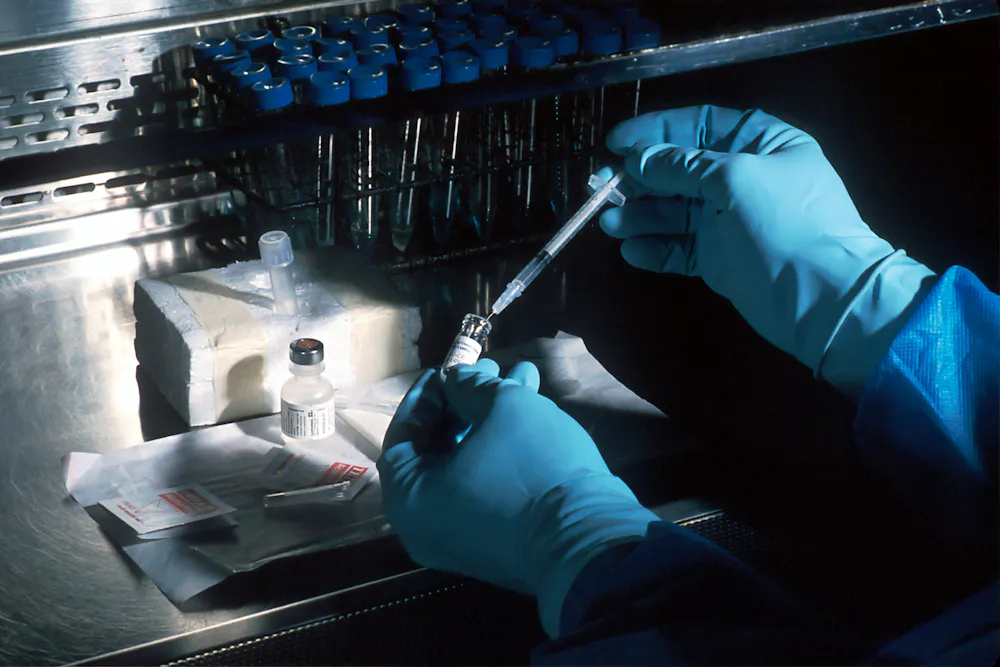

    MIL OSI USA News

  • MIL-OSI USA: Senator Murray Statement on Trump Admin Ripping Away Billions—Including Over $160 Million for Washington State—to Protect People from Public Health Threats

    US Senate News:

    Source: United States Senator for Washington State Patty Murray

    Massive cuts put more than 200 jobs at WA State Department of Health and other health partners at risk

    Trump admin revoking funding will severely curtail WA & other states’ ability to respond to the measles outbreak, avian flu, and other infectious diseases in real time and threaten local work to combat mental health and opioid crises

    Washington, D.C. — Today, U.S. Senator Patty Murray (D-WA), Vice Chair of the Senate Appropriations Committee and a senior member and former chair of the Senate Committee on Health, Education, Labor, and Pensions (HELP), issued the following statement on the Trump administration’s sudden decision to cancel billions of dollars in already-awarded funding for states, Tribes, and localities to address public health threats, tackle the mental health crisis, connect people to substance abuse treatment, and more. Revoking this funding puts at least 200 jobs in Washington state immediately at risk.

    “Senselessly ripping away this funding Congress provided will undermine our state’s ability to protect families from infectious diseases like measles and bird flu and to help people get the mental health care and substance use treatment they need—causing immediate harm for millions of real people and communities across America.

    “The loss of more than $160 million in funding that has already been awarded to Washington state’s health department, Tribes, and other organizations could mean cuts to essential health services and layoffs of staff on the frontlines working to keep communities healthy, address public health threats and outbreaks, tackle the opioid epidemic and mental health crisis, and so much else.

    “This is another destructive move by an administration intent on breaking government with no discernible strategy or plan—making our communities less safe in the process—and it should be immediately reversed.”

    This week, the Trump administration cancelled over $11 billion in funding awarded by the Centers for Disease Control and Prevention (CDC) and roughly $1 billion in Substance Abuse and Mental Health Services Administration (SAMHSA) funding. The CDC cuts will severely harm Washington state and other states’ ability to respond to the measles outbreak, avian flu, and other infectious diseases in real time due to rescissions of funding for the Epidemiology and Laboratory Capacity (ELC) Program in particular.

    The Washington State Department of Health (DOH) received notices from the Trump administration immediately terminating—effective March 24th —more than $130 million in funding that supports critical public health systems including disease monitoring, reporting, and vaccine efforts for COVID-19 and other respiratory viruses. The funding also supports critical DOH IT systems for public health (e.g. disease surveillance, lab reporting), and key capabilities that prevent and address outbreaks of respiratory illnesses and vaccine preventable disease. In addition, the Trump administration is terminating approximately $34 million in SAMHSA funding for the Washington State Health Care Authority (HCA) which funds local efforts to combat the mental health and opioid crises. These funds mainly support grants directly to hundreds of small community organizations throughout the state.

    The immediate cuts hurt work carried out by more than 200 full-time equivalent (FTE) staff at the Washington state Department of Health and additional partners, which include local health jurisdictions, Tribal health clinics and organizations, and community-based organizations. Now, the jobs of these employees—who were, up until the recissions notices were received this week, hard at work on critical public health projects funded by these grants—are at risk.

    MIL OSI USA News

  • MIL-OSI USA: In Senate Forum on NIH Research, Senator Murray Highlights How Trump and Elon’s Devastating Funding Cuts and Mass Layoffs are Putting Lifesaving Research At Risk

    US Senate News:

    Source: United States Senator for Washington State Patty Murray

    Senator Murray: “There are patients today in clinical trials that are praying for a breakthrough… and they’re seeing the best hope for a cure cut off by the richest two people in the world.

    ICYMI: Murray Presses NIH Nominee on Mass Firings, Trump Attempts to Cut Billions from Biomedical Research, Unprecedented Halt on NIH Advisory Council Meetings

    *** VIDEO of Senator Murray’s Q&A with former NIH Director HERE***

    Washington, D.C. — Today, U.S. Senator Patty Murray (D-WA), a senior member and former Chairof the Senate Health, Education, Labor, and Pensions (HELP) Committee, joined a Senate forum hosted by Senators Tammy Baldwin (D-WI) and Peter Welch (D-VT), calling out how President Trump and Elon Musk’s attacks on the National Institutes of Health (NIH)—from gutting critical funding and freezing grants, to halting advisory committee meetings and clinical trials, to senselessly mass firing thousands of staff, and other attempts to hobble biomedical research—will have generational impacts on finding cures and treatments for serious illnesses that affect millions of Americans each year.

    At the forum today, Senator Murray and her colleagues heard from Dr. Monica Bertagnolli, M.D., former Director of the NIH; Dr. Sterling Johnson, PhD, University of Wisconsin-Madison Professor and Associate Director of Wisconsin Alzheimer’s Disease Research Center; Dr. Whitney Wharton, PhD, Emory University Associate Professor and Alzheimer’s Disease researcher; Mr. Jessy Ybarra, a veteran living with ALS and Board of Trustees member for the ALS Association; and Dr. Larry Saltzman, M.D., a retired physician living with leukemia and former Executive Research Director for the Leukemia & Lymphoma Society.

    Senator Murray began by emphasizing how the NIH is currently in a state of crisis, with Trump and Elon Musk’s wide-ranging attacks on biomedical research and NIH’s mission: “We have DOGE freezing research grants mid-study. There is mass firing of researchers who are on the cutting edge of discovery. They’re slashing funds for our world-class institutions, and they’re setting back work—work on childhood cancers, on Alzheimer’s disease, on improving women’s health. There are patients today in clinical trials that are praying for a breakthrough… and they’re seeing the best hope for a cure cut off by the richest two people in the world. This is just crazy,” Murray said at the forum today.

    “I have four NIH grants in my home state of Washington that have been canceled so far, including one that was focused on improving vaccine delivery for hospitalized children. There’s countless other awards that are being held up. They’re threatening the lifesaving research work that every single one of us either depend on today, or may depend on, or know somebody who depends on. I just can’t express how outrageous this is.”

    “We know that in the first four weeks of this administration, NIH funding to research institutions was an astonishing 1 billion—that is a ‘b’—less than the same period last year. That is outrageous,” Murray continued. “From your time as NIH Director, is it normal at this point in this year—we’re almost the end of March—for so little grant funding to have gone out the door at NIH? And what is the impact on researchers, universities, and people?

    “It’s not at all normal,” Dr. Bertagnolli, who served as the 17th Director of the NIH from November 9th, 2023 to January 17th, 2025, replied. “The fundamental research that we all need, the understanding the biology that our drug companies need to make drugs, or that our device makers need to be able to diagnose better diagnosis—that’s funded by the NIH, overwhelmingly. That’s not funded by any other sector. So, without NIH, we don’t have any of these kinds of progress. That’s what’s not getting out the door.”

    “The confusion is rampant,” Dr. Bertagnolli continued. “At this time, we would have had fully a third of the total budget out the door, already funding very high-level research… and I believe we are so far behind that right now.”

    “We are far behind,” Murray echoed. “And my understanding is, 14 NIH grants focused on cancer have been terminated so far this year, and at least six of those focused on cancers impacting women. Dr. Bertagnolli, you’re a surgical oncologist—how is this going to impact women?”

    Dr. Bertagnolli responded, “We identified that women’s health was a high priority area for us at NIH over the last year, and so, launched many new programs to really begin to address the deficiencies that we’ve had in women’s health.”

    “So… now the direction from the Trump administration is, we don’t take care of women?” Murray asked.

    Dr. Bertagnolli said, “Well, nothing new is going forward that I can see. Nothing new… University of Utah, my alma mater, just had a Clinical and Translational Research Award canceled in its second of seven years —just terminated, CTSA Award. This award, the aims are: genetic testing to improve treatment and diagnosis of critically ill newborns, skin cancer reduction programs throughout rural communities, support young adults with heart disease to be able to live lives and be better connected to their doctors if they live in rural locations, and to identify genetic causes of bipolar disorder—canceled in its second year. So that’s what we’re seeing.”

    Murray concluded by emphasizing, “I mean, this is outrageous. I would just have a word for Elon Musk and President Trump: women are a part of your life too, and without them, you won’t be where you are. So, you better focus on their health and get this research funding back in place.”

    Senator Murray was a leading voice opposing Dr. Jay Bhattacharya’s nomination to lead NIH, and at his nomination hearing earlier this month, Murray pressed him on Elon Musk’s unprecedented influence at the agency and the massive, indiscriminate firings of skilled scientists and researchers. The Trump administration recently attempted to illegally cap indirect cost rates at 15 percent—a move Senator Murray immediately and forcefully condemned, led the entire Senate Democratic caucus in a letter decrying the proposed change, and introduced amendments to Senate Republicans’ budget resolution to reverse it, which Republicans blocked.

    As a longtime appropriator and former Chair of the Senate HELP Committee, Murray has long fought to boost biomedical research, strengthen public health infrastructure, and make health care more affordable and accessible. Over her years as a senior member of the Appropriations Committee, she has secured billions of dollars in increases for biomedical research at the National Institutes of Health, and during her time as Chair of the HELP Committee, she established the new ARPA-H research agency as part of her PREVENT Pandemics Act to advance some of the most cutting-edge research in the field. Senator Murray was also the lead Democratic negotiator of the bipartisan 21st Century Cures Act, which delivered a major federal investment to boost NIH research, among many other investments. 

    Video of the entire NIH forum is available HERE.

    MIL OSI USA News

  • MIL-OSI USA: Kennedy welcomes debarment of doctor who facilitated gain-of-function research in Wuhan: “We now have justice”

    US Senate News:

    Source: United States Senator John Kennedy (Louisiana)

    Watch Kennedy’s comments here.

    WASHINGTON – Sen. John Kennedy (R-La.) commended the Department of Health and Human Services (HHS) for debarring and defunding EcoHealth Alliance and its president, Dr. Peter Daszak, for their role in facilitating gain-of-function research in Wuhan, China, which likely caused the coronavirus pandemic.  

    Key excerpts of the speech are below: 

    “Many commentators and many news accounts say that what Dr. Daszak—with the money from American taxpayers that he had gotten from Dr. Fauci and Dr. Collins—what they were doing was conducting gain-of-function research. . . . Gain-of-function research just means taking, in this context, an animal virus, a bat virus, altering it genetically so it would jump into a human—pretty dangerous stuff.

    “Now Dr. Fauci has said that didn’t happen, Dr. Collins says that didn’t happen, and Dr. Daszak says that didn’t happen, but everybody else says it did. The FBI says it did. The CIA says it did. The top spy agency in Germany says it did. The Department of Energy says it did.

    “So what happened? What happened? Well, we do know that the first two people that we know of in the world who got the coronavirus—the first two humans—were not people in the city of Wuhan; they were workers in the Wuhan lab. . . . We also know that when the virus became really contagious, other than these two people who were working in the Wuhan lab, it became contagious in Wuhan, China, a few miles away from the Wuhan lab—pretty curious. 

    “We also know that when word first broke of the coronavirus, Dr. Fauci learned about it. Do you know one of the first persons he called was Dr. Peter Daszak and said: What is going on?

    “We also know that Dr. Daszak was trying to convince the American people and the people of the world that the virus started naturally—that it didn’t start from his gain-of-function research. We know that he rounded up a bunch of epidemiologists to write a fake article and start publishing it and others in a lot of professional scientific magazines to try to convince the world that the bat virus jumped to human beings naturally. We know that. That has all come out.”

     . . .

    “It took a while, and some will call this only partial justice, but we now have justice—at least for 5 years. I hope forever Dr. Peter Daszak and any company with which he is affiliated will no longer receive taxpayer dollars from the National Institutes of Health because he was doing—according to many people smarter than me and many news reports—he was funding gain research in Wuhan. . . . Pretty scary stuff, and we know how it all turned out.

    Background:

    • On Jan. 17, 2025, HHS announced that it would be defunding and debarring EcoHealth Alliance Inc. and Dr. Daszak for at least five years due to their role in facilitating irresponsible gain-of-function research at the Wuhan Institute of Virology in China.
    • HHS determined that Dr. Daszak and EcoHealth Alliance violated the terms of their gain-of-function grant to conduct experiments that modified novel bat coronaviruses to make them 10,000 times more infectious in mice.
    • Dr. Daszak, former National Institutes of Health Director Dr. Francis Collins and former National Institute of Allergy and Infectious Diseases Director Dr. Anthony Fauci coordinated with other public health officials to propel the theory that COVID-19 originated in nature.

    Watch Kennedy’s full speech here. 

    MIL OSI USA News

  • MIL-OSI Canada: Protecting homes and businesses from drought and floods

    In recent years, drought and flooding have been felt across the province, and building the critical infrastructure needed to protect Albertans can be costly for many municipalities. That’s why Alberta’s government is investing more than $19 million in 10 different projects through the Drought and Flood Protection Program to protect homes, safeguard businesses and, ultimately, save lives.

    These 10 projects will help protect critical infrastructure from floods, while increasing water storage to reduce the impacts of drought and build other necessary projects across the province.

    “Albertans have seen first-hand the impacts that floods and drought can have on our communities and livelihoods. This funding is helping communities build the next generation of drought and flood mitigation projects. While we can’t change the weather, we can help protect families, businesses and communities for years to come.”

    Rebecca Schulz, Minister of Environment and Protected Areas

    This funding will help eight municipalities and two First Nations build projects designed to keep homes and businesses dry, ensure critical infrastructure remains operational during emergencies and maintain reliable access to water. This includes community upgrades such as:

    • Building a retaining wall to protect the Slave Lake Airport and Helitack Base during floods.
    • Constructing a berm to safeguard Siksika Nation’s newly constructed Washington Sewage Lagoon and other local infrastructure.
    • Building 300 metres of shoreline protection along the South Saskatchewan River to protect the Medicine Hat Wastewater Treatment Plant.
    • Stopping erosion along Carrot Creek to help protect infrastructure in St. Albert.
    • Creating a naturalized stormwater management pond in St. Paul to reduce drought risks and improve water quality.
    • Improving flood protections in the Calgary area by replacing the Landon Ditch with a system to manage stormwater and guard infrastructure.

    “By investing in preventative erosion measures now, we will be minimizing the impacts of large storm events for St. Albertans and our municipal neighbors in the future. It is through partnerships with the Government of Alberta such as these that we can efficiently build resilient communities across the province.”

    Cathy Heron, mayor, St. Albert

    “Lake Elizabeth and its surrounding natural space are a treasured part of our city. Rising water levels over the past decade have eroded the shoreline, flooded natural areas, and threatened both private property and city infrastructure. The Drought and Flood Protection grant is critical to stabilizing the water levels and restoring these valuable natural spaces, ensuring that Lake Elizabeth remains a community asset for generations to come.”

    Grant Creasey, mayor, City of Lacombe

    “This is good news for the county, as we work to manage surface storm water issues for the benefit of all residents.”

    Bart Guyon, reeve, Brazeau County

    “The investment confirmed by the Government of Alberta will help the City of Medicine Hat’s plans to reduce the risk of flood damage to the Wastewater Treatment Plant. Combining this funding, along with the city’s contributions, will aid in providing shoreline protection, flood risk management, environmental protection, operational safety and sustainability.”

    Pat Bohan, managing director of development and infrastructure, City of Medicine Hat

    Alberta’s government is investing $125 million over five years into the Drought and Flood Protection Program, which is already showing results. Last year, the government delivered millions to counties, towns, cities and Indigenous partners for infrastructure projects, which are now underway. In total, more than $50 million has now been invested in 28 projects through the program.

    The next round of funding applications will open in October, with another $25 million available to protect businesses, families and communities.

    Budget 2025 is meeting the challenge faced by Alberta with continued investments in education and health, environmental protection, lower taxes for families and a focus on the economy.

    Quick facts

    • Funding for all projects approved in this round will be paid out in 2025-26.
    • Of the 10 projects receiving funding, seven are focused on primarily responding to floods, one focused on responding to the impacts of drought and two are focused on mitigating impacts from both drought and floods.
    • Of the 18 projects receiving funding in round one, 10 were focused on responding to the impacts of drought.
    • In round one of funding, $5,727,119 was deferred to 2025-26, with $5 million going to the Fort Mckay Water Supply Infrastructure Rehabilitation and $727,119 going to the Glenmore Trail Stormwater Diversion Project.

    Related information

    • Drought and Flood Protection Program
    • Approved projects

    MIL OSI Canada News