Category: housing

  • MIL-OSI USA: Boilermakers win Nichiha vote to unionize

    Source: US International Brotherhood of Boilermakers

    Ultimately, Nichiha workers’ unity and determination made this win possible. It’s a milestone that will shape a better future for them and their families, and it’s the beginning of positive changes ahead.

    Carlos Brooks, Southeast Area Organizer

    Over the weekend, workers at Nichiha in Macon, Georgia, voted in favor of unionizing with the Boilermakers union. More than 250 workers turned out for the vote, with 55% voting “yes” for the union. Nichiha manufactures fiber cement siding panels that are primarily used in residential construction.

    Southeast Area Organizer Carlos Brooks led organizing efforts, which began several months ago. Among his organizing tactics, he used texting and social media campaigns, as well as fliers and other visual material. Most importantly, Brooks and others maintained a Boilermaker presence at the Nichiha facility to talk with workers and answer questions.

    “This was a highly vocal campaign,” Brooks said. “I spent significant time at the gates and responding to employees’ concerns via text messages.”

    He said that throughout the campaign workers raised serious concerns about their work environment, including promised raises that were never delivered, unsafe and extremely hot working conditions, unfair promotion practices and more. Nichiha’s attempts to discredit the Boilermakers union failed.

    “The success of this campaign was led by Brother Brooks and assisted by Erica Stewart (Diversity Organizer and Recruiting Coordinator, M.O.R.E. WIF),” said Don Hamric, Executive Director-ISO/Director of Research and Collective Bargaining. “They used their years of experience as union leaders to listen to the employees’ grievances and offered suggestions on how to combat those grievances.”

    Several Boilermakers from Brooks’ home local, L-D23 (Clinchfield, Georgia), also assisted with the campaign: Retiree Milton Taylor, Secretary-Treasurer Edwin Allen, Jr. and Trustee Chairman Riccardo Askew.

    “Ultimately, Nichiha workers’ unity and determination made this win possible,” Brooks said. “It’s a milestone that will shape a better future for them and their families, and it’s the beginning of positive changes ahead.”

    The Nichiha win comes on the heels of a recent victory Brooks led organizing Sherwin-Williams in Birmingham, Alabama, a campaign he began simultaneously with the Nichiha campaign and another still in the works at Trojan Battery in Stonecrest, Georgia. The M.O.R.E. Work Investment Fund has supported these organizing efforts.

    “I’m excited about the future of our union and the futures of these workers who are joining us as Boilermaker brothers and sisters,” Brooks said. “This organizing work makes me proud to be a union Boilermaker. These are more hard-working Americans who will have the voice on the job they deserve.”

    MIL OSI USA News

  • MIL-OSI USA: States sue to release $7B in federal education funding illegally withheld

    Source: Washington State News

    SEATTLE — Attorney General Nick Brown today announced his office has joined litigation against the U.S. Department of Education and the Office of Management and Budget for the government’s illegal withholding of $7 billion in formula grants allocated to the states.

    “Student success and wellbeing is a nonpartisan issue. It’s inexcusable that the federal government would choose to wreak havoc on local school systems like this as they prepare for the upcoming school year,” Brown said. “We’re fighting for every dollar our students are owed.”

    These grants support longstanding programs for K-12 students that the federal government is obligated by law to support financially, including programs for English learners and children of migratory workers; professional development for teachers, principals, and other school leaders; enhanced classroom instruction, improved school conditions, and the use of technology in the classroom; and community learning centers that offer students a range of academic and extracurricular enrichment.

    The federal government was to begin awarding these grants for the upcoming school year on July 1, but the day before that deadline, the states received a vague notice that the government was now “reviewing” this funding “given the change in Administrations.” This action violates a number of statutes by going against Congress’ explicit designs for these funds as well as the Education Department’s own regulations.

    In our state alone, the Office of the Superintendent of Public Instruction estimates nearly $137 million in these frozen funds were to go to K-12 schools for the upcoming academic year.

    “I thank the AG’s office for their willingness to step into this case,” State Superintendent Chris Reykdal said. “The AG represents their clients—state agencies, and at OSPI, we continue to share the harms to students, families, educators, and taxpayers stemming from this presidential administration. Diverting funds intended for students and educators that were approved by Congress and signed by President Trump himself, to build a reserve of funds to pay for tax cuts for billionaires, is immoral and illegal. We look forward to federal officials releasing all of the education funds intended for the 50 states and territories.”

    The funding freeze also severely limits the states’ adult education systems. Hundreds of thousands of learners in these states, including those learning English and those working toward a high school diploma, depend on services funded by the Workforce Innovation and Opportunity Act at community colleges, public schools, libraries, correctional education programs and other venues.

    The state Board for Community and Technical Colleges estimates more than $13 million in funds to support student learning is being withheld under the administration’s freeze.

    “The Department of Education’s last-minute decision to withhold the Basic Grant and the Integrated English Literacy and Civics Education grant means immediate impact to tens of thousands of students across Washington state as they work on their high school diploma or GED, learn English, math, and digital literacy skills, and train for jobs,” said Chris Bailey, interim executive director of the state Board for Community and Technical Colleges. “Adult basic education programs are critical for working adults as they learn and improve the skills they need to get good jobs, as well as for employers to hire the skilled workers they need.”

    The states’ complaint seeks to halt these illegal actions and force the federal government to provide these grants in accordance with the law.

    The litigation is led by California, Colorado, Massachusetts, and Rhode Island. Also joining are the attorneys general of Arizona, Connecticut, the District of Columbia, Hawaii, Illinois, Maine, Maryland, Michigan, Minnesota, Nevada, New Jersey, New Mexico, New York, North Carolina, Oregon, Vermont, and Wisconsin. The governors of Kentucky and Pennsylvania are also plaintiffs.

    The complaint can be found here.

    -30-

    Washington’s Attorney General serves the people and the state of Washington. As the state’s largest law firm, the Attorney General’s Office provides legal representation to every state agency, board, and commission in Washington. Additionally, the Office serves the people directly by enforcing consumer protection, civil rights, and environmental protection laws. The Office also prosecutes elder abuse, Medicaid fraud, and handles sexually violent predator cases in 38 of Washington’s 39 counties. Visit www.atg.wa.gov to learn more.

    Media Contact:

    Email: press@atg.wa.gov

    Phone: (360) 753-2727

    General contacts: Click here

    Media Resource Guide & Attorney General’s Office FAQ

    MIL OSI USA News

  • MIL-OSI USA: States sue to release $7B in federal education funding illegally withheld

    Source: Washington State News

    SEATTLE — Attorney General Nick Brown today announced his office has joined litigation against the U.S. Department of Education and the Office of Management and Budget for the government’s illegal withholding of $7 billion in formula grants allocated to the states.

    “Student success and wellbeing is a nonpartisan issue. It’s inexcusable that the federal government would choose to wreak havoc on local school systems like this as they prepare for the upcoming school year,” Brown said. “We’re fighting for every dollar our students are owed.”

    These grants support longstanding programs for K-12 students that the federal government is obligated by law to support financially, including programs for English learners and children of migratory workers; professional development for teachers, principals, and other school leaders; enhanced classroom instruction, improved school conditions, and the use of technology in the classroom; and community learning centers that offer students a range of academic and extracurricular enrichment.

    The federal government was to begin awarding these grants for the upcoming school year on July 1, but the day before that deadline, the states received a vague notice that the government was now “reviewing” this funding “given the change in Administrations.” This action violates a number of statutes by going against Congress’ explicit designs for these funds as well as the Education Department’s own regulations.

    In our state alone, the Office of the Superintendent of Public Instruction estimates nearly $137 million in these frozen funds were to go to K-12 schools for the upcoming academic year.

    “I thank the AG’s office for their willingness to step into this case,” State Superintendent Chris Reykdal said. “The AG represents their clients—state agencies, and at OSPI, we continue to share the harms to students, families, educators, and taxpayers stemming from this presidential administration. Diverting funds intended for students and educators that were approved by Congress and signed by President Trump himself, to build a reserve of funds to pay for tax cuts for billionaires, is immoral and illegal. We look forward to federal officials releasing all of the education funds intended for the 50 states and territories.”

    The funding freeze also severely limits the states’ adult education systems. Hundreds of thousands of learners in these states, including those learning English and those working toward a high school diploma, depend on services funded by the Workforce Innovation and Opportunity Act at community colleges, public schools, libraries, correctional education programs and other venues.

    The state Board for Community and Technical Colleges estimates more than $13 million in funds to support student learning is being withheld under the administration’s freeze.

    “The Department of Education’s last-minute decision to withhold the Basic Grant and the Integrated English Literacy and Civics Education grant means immediate impact to tens of thousands of students across Washington state as they work on their high school diploma or GED, learn English, math, and digital literacy skills, and train for jobs,” said Chris Bailey, interim executive director of the state Board for Community and Technical Colleges. “Adult basic education programs are critical for working adults as they learn and improve the skills they need to get good jobs, as well as for employers to hire the skilled workers they need.”

    The states’ complaint seeks to halt these illegal actions and force the federal government to provide these grants in accordance with the law.

    The litigation is led by California, Colorado, Massachusetts, and Rhode Island. Also joining are the attorneys general of Arizona, Connecticut, the District of Columbia, Hawaii, Illinois, Maine, Maryland, Michigan, Minnesota, Nevada, New Jersey, New Mexico, New York, North Carolina, Oregon, Vermont, and Wisconsin. The governors of Kentucky and Pennsylvania are also plaintiffs.

    The complaint can be found here.

    -30-

    Washington’s Attorney General serves the people and the state of Washington. As the state’s largest law firm, the Attorney General’s Office provides legal representation to every state agency, board, and commission in Washington. Additionally, the Office serves the people directly by enforcing consumer protection, civil rights, and environmental protection laws. The Office also prosecutes elder abuse, Medicaid fraud, and handles sexually violent predator cases in 38 of Washington’s 39 counties. Visit www.atg.wa.gov to learn more.

    Media Contact:

    Email: press@atg.wa.gov

    Phone: (360) 753-2727

    General contacts: Click here

    Media Resource Guide & Attorney General’s Office FAQ

    MIL OSI USA News

  • MIL-OSI Submissions: School lunches, the French way: It’s not just about nutrition, but togetherness and ‘bon appetit’

    Source: The Conversation – Canada – By Rachel Engler-Stringer, Professor, Department of Community Health and Epidemiology, University of Saskatchewan

    This spring, as part of a sabbatical project, I had the privilege of visiting school food programs and meeting with school food researchers in six cities in France, England and Scotland.

    I got to eat school lunches, visit central kitchens in two cities where meals are prepared for thousands of children, visit school kitchens and discuss school food with the countries’ leading experts.

    This visit intersects with my research with colleagues on promising food programs across Canada. This research offers insights for consideration as regions navigate the federal government’s first National School Food Program and National School Food Policy.

    Government announcements about the program and policy were followed by negotiations with the provinces and territories, all of which have since signed agreements for a portion of the funding.

    In most parts of Canada, officials are just beginning to plan for new approaches to school food (with a few exceptions especially in Atlantic Canada where school food programs have been transforming much more quickly).

    Based on my research about international food programs, here are four key things Canadians should pay attention to:

    1) In Canada we need to shift from thinking of school lunches as a safety net for kids living in poverty to thinking about them as benefiting the health and well-being of children and their families. In France, this shift in thinking is particularly clear.

    School lunches in France are about teaching children about food and culture and all kids are encouraged to eat together with an adult facilitator who teaches them about the components of the meal and creates a family-meal context at each table. By contrast, if you ask many parents in Canada what school meals are for, they will tell you they are for kids living in poverty to make sure they have food to eat at school.

    If Canada wants a national school food program that achieves the benefits of the best programs in the world in the areas of education, well-being and on the economy, we need to think of school meals as supporting young people to be the best students they can be.

    2) One important benefit of school food programs globally is to encourage picky eaters to try new foods due to the social pressure of all kids eating the same foods together. In three cities in France I visited, and one in England, school lunches look like home-cooked meals. One main dish with meat is served (and in England, a vegetarian alternative), and kids can choose if and how much of the side vegetables and fruit to take.

    In Canada, following a similar practice — one main and a vegetarian alternative when meat is served — might work well. But it’s also important that in developing a menu, the cultural diversity of Canadian school communities is reflected in the food on offer.

    In the other two locations in England and Scotland, kids choose from multiple main dishes — something that adds cost to the program and does less to encourage kids to try new foods, given one choice is always something basic like a cheese sandwich.

    Kids need to have some autonomy when it comes to eating, but school food programs should not be facilitating eating the same food every day. Nor should school food programs aspire to a model where broad choice is afforded from a large menu.

    3) With care, planning and sufficient resources, centralized kitchens can prepare thousands of servings of a main dish daily. The French central kitchens I visited prepare 6,000 to 10,000 servings a day of high-quality food following strict food safety protocols.

    I ate two simple yet delicious meals cooked in municipally owned central kitchens. In the three cities in France where I visited, they used central kitchens where main dishes were prepared and chilled to be delivered for heating at the school level. Central kitchens also delivered the salads and sides (like chopped veggies, bread, cheese and fruit) and dressings.

    In the small school kitchens, the salads were dressed, and the cheese and fruit were cut for service.

    The central kitchens were also used in at least one city to prepare food for daycares and for seniors who were home-bound — something to consider for Canadian cities.

    Centralizing kitchens can reduce costs and provide a way for high-quality food to be produced from basic ingredients without commercial kitchens in every school capable of preparing meals for hundreds of children at a time.

    4) When designed with requirements for purchasing foods from local farmers and other Canadian producers, school food programs can benefit the agricultural sector and multiply their benefits to communities beyond direct school food jobs. In France, for example, there are specific percentages to be purchased from local and sustainable sources. Percentage requirements for local and sustainable purchasing should be enacted now in Canada as its program establishes itself, perhaps beginning with 20 per cent and growing over time.

    I have many more reflections from my visits, both positive and negative, but the four I have discussed are important for Canada to learn from as it begins to design the National School Food Program to meet the needs of diverse communities from coast to coast to coast.

    Rachel Engler-Stringer receives funding from the Canadian Institutes for Health Research, the Social Sciences and Humanities Research Council of Canada, the Public Health Agency of Canada and received a University of Saskatchewan International Travel Award for program visits. She sits on the Steering Committee of the Coalition for Healthy School Food.

    ref. School lunches, the French way: It’s not just about nutrition, but togetherness and ‘bon appetit’ – https://theconversation.com/school-lunches-the-french-way-its-not-just-about-nutrition-but-togetherness-and-bon-appetit-259832

    MIL OSI

  • MIL-OSI Analysis: School lunches, the French way: It’s not just about nutrition, but togetherness and ‘bon appetit’

    Source: The Conversation – Canada – By Rachel Engler-Stringer, Professor, Department of Community Health and Epidemiology, University of Saskatchewan

    This spring, as part of a sabbatical project, I had the privilege of visiting school food programs and meeting with school food researchers in six cities in France, England and Scotland.

    I got to eat school lunches, visit central kitchens in two cities where meals are prepared for thousands of children, visit school kitchens and discuss school food with the countries’ leading experts.

    This visit intersects with my research with colleagues on promising food programs across Canada. This research offers insights for consideration as regions navigate the federal government’s first National School Food Program and National School Food Policy.

    Government announcements about the program and policy were followed by negotiations with the provinces and territories, all of which have since signed agreements for a portion of the funding.

    In most parts of Canada, officials are just beginning to plan for new approaches to school food (with a few exceptions especially in Atlantic Canada where school food programs have been transforming much more quickly).

    Based on my research about international food programs, here are four key things Canadians should pay attention to:

    1) In Canada we need to shift from thinking of school lunches as a safety net for kids living in poverty to thinking about them as benefiting the health and well-being of children and their families. In France, this shift in thinking is particularly clear.

    School lunches in France are about teaching children about food and culture and all kids are encouraged to eat together with an adult facilitator who teaches them about the components of the meal and creates a family-meal context at each table. By contrast, if you ask many parents in Canada what school meals are for, they will tell you they are for kids living in poverty to make sure they have food to eat at school.

    If Canada wants a national school food program that achieves the benefits of the best programs in the world in the areas of education, well-being and on the economy, we need to think of school meals as supporting young people to be the best students they can be.

    2) One important benefit of school food programs globally is to encourage picky eaters to try new foods due to the social pressure of all kids eating the same foods together. In three cities in France I visited, and one in England, school lunches look like home-cooked meals. One main dish with meat is served (and in England, a vegetarian alternative), and kids can choose if and how much of the side vegetables and fruit to take.

    In Canada, following a similar practice — one main and a vegetarian alternative when meat is served — might work well. But it’s also important that in developing a menu, the cultural diversity of Canadian school communities is reflected in the food on offer.

    In the other two locations in England and Scotland, kids choose from multiple main dishes — something that adds cost to the program and does less to encourage kids to try new foods, given one choice is always something basic like a cheese sandwich.

    Kids need to have some autonomy when it comes to eating, but school food programs should not be facilitating eating the same food every day. Nor should school food programs aspire to a model where broad choice is afforded from a large menu.

    3) With care, planning and sufficient resources, centralized kitchens can prepare thousands of servings of a main dish daily. The French central kitchens I visited prepare 6,000 to 10,000 servings a day of high-quality food following strict food safety protocols.

    I ate two simple yet delicious meals cooked in municipally owned central kitchens. In the three cities in France where I visited, they used central kitchens where main dishes were prepared and chilled to be delivered for heating at the school level. Central kitchens also delivered the salads and sides (like chopped veggies, bread, cheese and fruit) and dressings.

    In the small school kitchens, the salads were dressed, and the cheese and fruit were cut for service.

    The central kitchens were also used in at least one city to prepare food for daycares and for seniors who were home-bound — something to consider for Canadian cities.

    Centralizing kitchens can reduce costs and provide a way for high-quality food to be produced from basic ingredients without commercial kitchens in every school capable of preparing meals for hundreds of children at a time.

    4) When designed with requirements for purchasing foods from local farmers and other Canadian producers, school food programs can benefit the agricultural sector and multiply their benefits to communities beyond direct school food jobs. In France, for example, there are specific percentages to be purchased from local and sustainable sources. Percentage requirements for local and sustainable purchasing should be enacted now in Canada as its program establishes itself, perhaps beginning with 20 per cent and growing over time.

    I have many more reflections from my visits, both positive and negative, but the four I have discussed are important for Canada to learn from as it begins to design the National School Food Program to meet the needs of diverse communities from coast to coast to coast.

    Rachel Engler-Stringer receives funding from the Canadian Institutes for Health Research, the Social Sciences and Humanities Research Council of Canada, the Public Health Agency of Canada and received a University of Saskatchewan International Travel Award for program visits. She sits on the Steering Committee of the Coalition for Healthy School Food.

    ref. School lunches, the French way: It’s not just about nutrition, but togetherness and ‘bon appetit’ – https://theconversation.com/school-lunches-the-french-way-its-not-just-about-nutrition-but-togetherness-and-bon-appetit-259832

    MIL OSI Analysis

  • MIL-OSI USA: King Asserts Role on Armed Services Committee to Support Maine Economy and Strengthen National Security

    US Senate News:

    Source: United States Senator for Maine Angus King
    WASHINGTON, D.C. — U.S. Senator Angus King (I-ME), a member of the Senate Armed Services Committee (SASC), worked with his committee colleagues this week to secure strong investments in Maine’s economy and America’s defense posture through the Fiscal Year 2026 National Defense Authorization Act (NDAA). This legislation will support servicemembers and their families and boost the Maine economy through support for the hundreds of businesses that serve the military’s technological and manufacturing needs leading to a more prosperous Maine and a stronger national security for the United States.
    The legislation passed out of committee in a bipartisan 26-1 vote and represents the first step in bipartisan negotiations to pass a fiscal year budget for the armed forces and national defense interests. It includes several provisions that Senator King backed, including: support for veterans, an Arleigh Burke-class destroyer for Bath Iron Works (BIW), a comprehensive new approach to monitoring brain health, aggressive policies to strengthen America’s cybersecurity, provisions to address the security threats posed by artificial intelligence, and measures to prevent illegal drugs from entering the country.
    “For over six decades, Congress has taken a bipartisan approach to ensure that America’s military and defense forces have the training and equipment to carry out their missions, and protect our interests at home and abroad. This year, we are continuing that tradition in passing a defense bill out of Committee that will make our nation and state safer and stronger,” said Senator King. “As our global community faces some of its greatest challenges, the bill makes important investments in Maine people and businesses that are critical to the safety and security of our country.
    “There are many important provisions in this legislation – including support for troops and their families, investment in Maine research, and needed oversight of the Department of Defense,” continued Senator King. “All told, this year’s defense bill will make our country safer, strengthen our economy, and support the men and women who fight for our freedoms.”
    The National Defense Authorization Act for Fiscal Year 2026 includes King-backed provisions to:
    INVEST IN MAINE SHIPBUILDING AND INSTALLATIONS. 
    The FY26 NDAA authorizes $550 million for DDG-51 Arleigh Burke-class destroyers that Bath Iron Works will build beyond the previously approved funding in the continuing resolution.

    This legislation also authorizes the funding for Portsmouth Naval Shipyard (PNSY) modernization efforts – including the final phase of funding for the Dry Dock extension that will allow PNSY to continue to maintain the Navy’s submarine fleet.
    The bill includes an effort co-sponsored by Senator King that empowers shipyards across the country to make their own hiring decisions based on the workforce needs of their property and not leave these determinations for military officials to make from a distance.

    PREVENT AND PROTECT BRAIN HEALTH. Included in this legislation is a report specifically requested by Senator King to protect servicemembers from blast exposure and address TBI through weapons sensor development led by a Maine business. Also included is a provision encouraging the DOD to maintain robust oversight and ensure timely implementation of suicide prevention recommendations, particularly those of the Suicide Prevention and Response Independent Review Committee.
    HELP ADDRESS HOUSING ALLOWANCE SHORTFALLS FOR SERVICEMEMBERS. The FY26 NDAA will require the DOD to publish how housing allowances are calculated, what housing types are covered, and to pilot a new calculation method based on rental costs by bedroom size. This is on the heels of last year’s Defense bill which increased Basic Allowance for Housing (BAH) rates. Maine servicemembers including members of the Coast Guard will benefit.
    IMPROVE THE WARM HANDOFF. Included in this bill is a signature priority of Senator King’s that improves sharing of information between the Defense Department and State Veterans Agencies.  Maine Bureau of Veterans Services advocated for this reform that will impact all servicemembers and help address the proven high-risk period when servicemembers leave the military.  
    SUPPORT FOR UKRAINE. The FY26 NDAA reaffirms that it is the policy of the United States to assist Ukraine in maintaining a credible defense and deterrence capability and to bolster defense and security cooperation with Ukraine to build a Ukrainian military that is capable of defending Ukraine and deterring future aggression.
    ENHANCE DETERRENCE THROUGH CYBERSECURITY. The bill includes the King-led provision to require the DOD create a credible cyber deterrent strategy against cyberattacks by mid-2026.
    MODERNIZE OUR NUCLEAR DETERRENT. As Cochairman of the Subcommittee on Strategic Forces, Senator King is a Congressional leader working to ensure the bipartisan effort to provide oversight of strategic programs from the nuclear triad to missile defense. Sen King advocated to include important provisions addressing nuclear non-proliferation were included. The bill strengthens the nuclear triad and nuclear command and control including cyber protections and addressing concerns with artificial intelligence.  The bill also includes important oversight of the NNSA and nuclear modernization programs, and missile defense programs to help address cost and defense industrial base concerns.

    MIL OSI USA News

  • MIL-OSI USA: King Asserts Role on Armed Services Committee to Support Maine Economy and Strengthen National Security

    US Senate News:

    Source: United States Senator for Maine Angus King
    WASHINGTON, D.C. — U.S. Senator Angus King (I-ME), a member of the Senate Armed Services Committee (SASC), worked with his committee colleagues this week to secure strong investments in Maine’s economy and America’s defense posture through the Fiscal Year 2026 National Defense Authorization Act (NDAA). This legislation will support servicemembers and their families and boost the Maine economy through support for the hundreds of businesses that serve the military’s technological and manufacturing needs leading to a more prosperous Maine and a stronger national security for the United States.
    The legislation passed out of committee in a bipartisan 26-1 vote and represents the first step in bipartisan negotiations to pass a fiscal year budget for the armed forces and national defense interests. It includes several provisions that Senator King backed, including: support for veterans, an Arleigh Burke-class destroyer for Bath Iron Works (BIW), a comprehensive new approach to monitoring brain health, aggressive policies to strengthen America’s cybersecurity, provisions to address the security threats posed by artificial intelligence, and measures to prevent illegal drugs from entering the country.
    “For over six decades, Congress has taken a bipartisan approach to ensure that America’s military and defense forces have the training and equipment to carry out their missions, and protect our interests at home and abroad. This year, we are continuing that tradition in passing a defense bill out of Committee that will make our nation and state safer and stronger,” said Senator King. “As our global community faces some of its greatest challenges, the bill makes important investments in Maine people and businesses that are critical to the safety and security of our country.
    “There are many important provisions in this legislation – including support for troops and their families, investment in Maine research, and needed oversight of the Department of Defense,” continued Senator King. “All told, this year’s defense bill will make our country safer, strengthen our economy, and support the men and women who fight for our freedoms.”
    The National Defense Authorization Act for Fiscal Year 2026 includes King-backed provisions to:
    INVEST IN MAINE SHIPBUILDING AND INSTALLATIONS. 
    The FY26 NDAA authorizes $550 million for DDG-51 Arleigh Burke-class destroyers that Bath Iron Works will build beyond the previously approved funding in the continuing resolution.

    This legislation also authorizes the funding for Portsmouth Naval Shipyard (PNSY) modernization efforts – including the final phase of funding for the Dry Dock extension that will allow PNSY to continue to maintain the Navy’s submarine fleet.
    The bill includes an effort co-sponsored by Senator King that empowers shipyards across the country to make their own hiring decisions based on the workforce needs of their property and not leave these determinations for military officials to make from a distance.

    PREVENT AND PROTECT BRAIN HEALTH. Included in this legislation is a report specifically requested by Senator King to protect servicemembers from blast exposure and address TBI through weapons sensor development led by a Maine business. Also included is a provision encouraging the DOD to maintain robust oversight and ensure timely implementation of suicide prevention recommendations, particularly those of the Suicide Prevention and Response Independent Review Committee.
    HELP ADDRESS HOUSING ALLOWANCE SHORTFALLS FOR SERVICEMEMBERS. The FY26 NDAA will require the DOD to publish how housing allowances are calculated, what housing types are covered, and to pilot a new calculation method based on rental costs by bedroom size. This is on the heels of last year’s Defense bill which increased Basic Allowance for Housing (BAH) rates. Maine servicemembers including members of the Coast Guard will benefit.
    IMPROVE THE WARM HANDOFF. Included in this bill is a signature priority of Senator King’s that improves sharing of information between the Defense Department and State Veterans Agencies.  Maine Bureau of Veterans Services advocated for this reform that will impact all servicemembers and help address the proven high-risk period when servicemembers leave the military.  
    SUPPORT FOR UKRAINE. The FY26 NDAA reaffirms that it is the policy of the United States to assist Ukraine in maintaining a credible defense and deterrence capability and to bolster defense and security cooperation with Ukraine to build a Ukrainian military that is capable of defending Ukraine and deterring future aggression.
    ENHANCE DETERRENCE THROUGH CYBERSECURITY. The bill includes the King-led provision to require the DOD create a credible cyber deterrent strategy against cyberattacks by mid-2026.
    MODERNIZE OUR NUCLEAR DETERRENT. As Cochairman of the Subcommittee on Strategic Forces, Senator King is a Congressional leader working to ensure the bipartisan effort to provide oversight of strategic programs from the nuclear triad to missile defense. Sen King advocated to include important provisions addressing nuclear non-proliferation were included. The bill strengthens the nuclear triad and nuclear command and control including cyber protections and addressing concerns with artificial intelligence.  The bill also includes important oversight of the NNSA and nuclear modernization programs, and missile defense programs to help address cost and defense industrial base concerns.

    MIL OSI USA News

  • MIL-OSI USA: Nostrum Laboratories, Inc. Issues Voluntary Nationwide Recall of Sucralfate Tablets USP 1 Gram Within Expiry

    Source: US Department of Health and Human Services – 3

    Summary

    Company Announcement Date:
    July 11, 2025
    FDA Publish Date:
    July 14, 2025
    Product Type:
    Drugs
    Reason for Announcement:

    Recall Reason Description
    Company closure and discontinuation of quality activities.

    Company Name:
    Nostrum Laboratories, Inc.
    Brand Name:

    Brand Name(s)
    Nostrum Laboratories

    Product Description:

    Product Description
    Sucralfate Tablets USP 1 gram

    Company Announcement
    NEW YORK, DC, UNITED STATES, July 11, 2025 /EINPresswire.com/ — Nostrum Laboratories, Inc. (“Nostrum Labs”) filed Chapter 11 bankruptcy on September 30, 2024. In connection with that filing, the company has ceased and shutdown operations and terminated its operational employees at all domestic U.S. sites. Nostrum Labs is initiating a voluntary recall of Sucralfate Tablets USP 1 gram, all lots within expiry, as a result of the closures and discontinuation of its Quality activities.
    This recall pertains only to Sucralfate Tablets USP 1 gram, all lots with expiry, manufactured by Nostrum Labs after June 2023. No other Nostrum Labs products are affected by this recall. Nostrum Labs distributed the product at issue here to wholesalers, retailers, manufacturers, medical facilities, and repackagers.
    It cannot be guaranteed that any lots of this product that are still within expiry will meet all intended specifications through the labeled shelf life of the product. Further distribution or use of any remaining product on the market should cease immediately.
    Nostrum Labs is notifying its distributors and direct consignees for this product by email and U.S. mail and is requesting they immediately further notify their subsidiaries, individual receiving sites or warehouses, customers, retailers, and consumers. All lots of this product should be destroyed; Nostrum Labs is not accepting any returns of this product.
    Risk Statement: The discontinuation of Nostrum Labs’ quality program means that the Company is unable to assure that this product meets the identity, strength, quality, and purity characteristics that it is purported or represented to possess. While specific risks to patients from use of an adulterated product cannot always be identified or assessed, it is also not possible to rule out patient risks resulting from the use of such a product. Nostrum Labs has not received any reports of adverse events related to this recall.
    Customers with questions regarding this recall can contact Nostrum Labs at recallcoordinator@nostrumlabsrecall.com. Consumers should contact their physician or healthcare provider if they have experienced any problems that may be related to taking or using this drug product.
    Adverse reactions or quality problems experienced with the use of this product may be reported to the FDA’s MedWatch Adverse Event Reporting program either online, by regular mail, or by fax.

    This recall is being conducted with the knowledge of the U.S. Food and Drug Administration.

    Company Contact Information

    Content current as of:
    07/14/2025

    Regulated Product(s)

    Follow FDA

    MIL OSI USA News

  • MIL-OSI USA: Nostrum Laboratories, Inc. Issues Voluntary Nationwide Recall of Sucralfate Tablets USP 1 Gram Within Expiry

    Source: US Department of Health and Human Services – 3

    Summary

    Company Announcement Date:
    July 11, 2025
    FDA Publish Date:
    July 14, 2025
    Product Type:
    Drugs
    Reason for Announcement:

    Recall Reason Description
    Company closure and discontinuation of quality activities.

    Company Name:
    Nostrum Laboratories, Inc.
    Brand Name:

    Brand Name(s)
    Nostrum Laboratories

    Product Description:

    Product Description
    Sucralfate Tablets USP 1 gram

    Company Announcement
    NEW YORK, DC, UNITED STATES, July 11, 2025 /EINPresswire.com/ — Nostrum Laboratories, Inc. (“Nostrum Labs”) filed Chapter 11 bankruptcy on September 30, 2024. In connection with that filing, the company has ceased and shutdown operations and terminated its operational employees at all domestic U.S. sites. Nostrum Labs is initiating a voluntary recall of Sucralfate Tablets USP 1 gram, all lots within expiry, as a result of the closures and discontinuation of its Quality activities.
    This recall pertains only to Sucralfate Tablets USP 1 gram, all lots with expiry, manufactured by Nostrum Labs after June 2023. No other Nostrum Labs products are affected by this recall. Nostrum Labs distributed the product at issue here to wholesalers, retailers, manufacturers, medical facilities, and repackagers.
    It cannot be guaranteed that any lots of this product that are still within expiry will meet all intended specifications through the labeled shelf life of the product. Further distribution or use of any remaining product on the market should cease immediately.
    Nostrum Labs is notifying its distributors and direct consignees for this product by email and U.S. mail and is requesting they immediately further notify their subsidiaries, individual receiving sites or warehouses, customers, retailers, and consumers. All lots of this product should be destroyed; Nostrum Labs is not accepting any returns of this product.
    Risk Statement: The discontinuation of Nostrum Labs’ quality program means that the Company is unable to assure that this product meets the identity, strength, quality, and purity characteristics that it is purported or represented to possess. While specific risks to patients from use of an adulterated product cannot always be identified or assessed, it is also not possible to rule out patient risks resulting from the use of such a product. Nostrum Labs has not received any reports of adverse events related to this recall.
    Customers with questions regarding this recall can contact Nostrum Labs at recallcoordinator@nostrumlabsrecall.com. Consumers should contact their physician or healthcare provider if they have experienced any problems that may be related to taking or using this drug product.
    Adverse reactions or quality problems experienced with the use of this product may be reported to the FDA’s MedWatch Adverse Event Reporting program either online, by regular mail, or by fax.

    This recall is being conducted with the knowledge of the U.S. Food and Drug Administration.

    Company Contact Information

    Content current as of:
    07/14/2025

    Regulated Product(s)

    Follow FDA

    MIL OSI USA News

  • MIL-OSI USA: Nostrum Laboratories, Inc. Issues Voluntary Nationwide Recall of Sucralfate Tablets USP 1 Gram Within Expiry

    Source: US Department of Health and Human Services – 3

    Summary

    Company Announcement Date:
    July 11, 2025
    FDA Publish Date:
    July 14, 2025
    Product Type:
    Drugs
    Reason for Announcement:

    Recall Reason Description
    Company closure and discontinuation of quality activities.

    Company Name:
    Nostrum Laboratories, Inc.
    Brand Name:

    Brand Name(s)
    Nostrum Laboratories

    Product Description:

    Product Description
    Sucralfate Tablets USP 1 gram

    Company Announcement
    NEW YORK, DC, UNITED STATES, July 11, 2025 /EINPresswire.com/ — Nostrum Laboratories, Inc. (“Nostrum Labs”) filed Chapter 11 bankruptcy on September 30, 2024. In connection with that filing, the company has ceased and shutdown operations and terminated its operational employees at all domestic U.S. sites. Nostrum Labs is initiating a voluntary recall of Sucralfate Tablets USP 1 gram, all lots within expiry, as a result of the closures and discontinuation of its Quality activities.
    This recall pertains only to Sucralfate Tablets USP 1 gram, all lots with expiry, manufactured by Nostrum Labs after June 2023. No other Nostrum Labs products are affected by this recall. Nostrum Labs distributed the product at issue here to wholesalers, retailers, manufacturers, medical facilities, and repackagers.
    It cannot be guaranteed that any lots of this product that are still within expiry will meet all intended specifications through the labeled shelf life of the product. Further distribution or use of any remaining product on the market should cease immediately.
    Nostrum Labs is notifying its distributors and direct consignees for this product by email and U.S. mail and is requesting they immediately further notify their subsidiaries, individual receiving sites or warehouses, customers, retailers, and consumers. All lots of this product should be destroyed; Nostrum Labs is not accepting any returns of this product.
    Risk Statement: The discontinuation of Nostrum Labs’ quality program means that the Company is unable to assure that this product meets the identity, strength, quality, and purity characteristics that it is purported or represented to possess. While specific risks to patients from use of an adulterated product cannot always be identified or assessed, it is also not possible to rule out patient risks resulting from the use of such a product. Nostrum Labs has not received any reports of adverse events related to this recall.
    Customers with questions regarding this recall can contact Nostrum Labs at recallcoordinator@nostrumlabsrecall.com. Consumers should contact their physician or healthcare provider if they have experienced any problems that may be related to taking or using this drug product.
    Adverse reactions or quality problems experienced with the use of this product may be reported to the FDA’s MedWatch Adverse Event Reporting program either online, by regular mail, or by fax.

    This recall is being conducted with the knowledge of the U.S. Food and Drug Administration.

    Company Contact Information

    Content current as of:
    07/14/2025

    Regulated Product(s)

    Follow FDA

    MIL OSI USA News

  • MIL-OSI USA: Nostrum Laboratories, Inc. Issues Voluntary Nationwide Recall of Sucralfate Tablets USP 1 Gram Within Expiry

    Source: US Department of Health and Human Services – 3

    Summary

    Company Announcement Date:
    July 11, 2025
    FDA Publish Date:
    July 14, 2025
    Product Type:
    Drugs
    Reason for Announcement:

    Recall Reason Description
    Company closure and discontinuation of quality activities.

    Company Name:
    Nostrum Laboratories, Inc.
    Brand Name:

    Brand Name(s)
    Nostrum Laboratories

    Product Description:

    Product Description
    Sucralfate Tablets USP 1 gram

    Company Announcement
    NEW YORK, DC, UNITED STATES, July 11, 2025 /EINPresswire.com/ — Nostrum Laboratories, Inc. (“Nostrum Labs”) filed Chapter 11 bankruptcy on September 30, 2024. In connection with that filing, the company has ceased and shutdown operations and terminated its operational employees at all domestic U.S. sites. Nostrum Labs is initiating a voluntary recall of Sucralfate Tablets USP 1 gram, all lots within expiry, as a result of the closures and discontinuation of its Quality activities.
    This recall pertains only to Sucralfate Tablets USP 1 gram, all lots with expiry, manufactured by Nostrum Labs after June 2023. No other Nostrum Labs products are affected by this recall. Nostrum Labs distributed the product at issue here to wholesalers, retailers, manufacturers, medical facilities, and repackagers.
    It cannot be guaranteed that any lots of this product that are still within expiry will meet all intended specifications through the labeled shelf life of the product. Further distribution or use of any remaining product on the market should cease immediately.
    Nostrum Labs is notifying its distributors and direct consignees for this product by email and U.S. mail and is requesting they immediately further notify their subsidiaries, individual receiving sites or warehouses, customers, retailers, and consumers. All lots of this product should be destroyed; Nostrum Labs is not accepting any returns of this product.
    Risk Statement: The discontinuation of Nostrum Labs’ quality program means that the Company is unable to assure that this product meets the identity, strength, quality, and purity characteristics that it is purported or represented to possess. While specific risks to patients from use of an adulterated product cannot always be identified or assessed, it is also not possible to rule out patient risks resulting from the use of such a product. Nostrum Labs has not received any reports of adverse events related to this recall.
    Customers with questions regarding this recall can contact Nostrum Labs at recallcoordinator@nostrumlabsrecall.com. Consumers should contact their physician or healthcare provider if they have experienced any problems that may be related to taking or using this drug product.
    Adverse reactions or quality problems experienced with the use of this product may be reported to the FDA’s MedWatch Adverse Event Reporting program either online, by regular mail, or by fax.

    This recall is being conducted with the knowledge of the U.S. Food and Drug Administration.

    Company Contact Information

    Content current as of:
    07/14/2025

    Regulated Product(s)

    Follow FDA

    MIL OSI USA News

  • MIL-OSI USA: Nostrum Laboratories, Inc. Issues Voluntary Nationwide Recall of Sucralfate Tablets USP 1 Gram Within Expiry

    Source: US Department of Health and Human Services – 3

    Summary

    Company Announcement Date:
    July 11, 2025
    FDA Publish Date:
    July 14, 2025
    Product Type:
    Drugs
    Reason for Announcement:

    Recall Reason Description
    Company closure and discontinuation of quality activities.

    Company Name:
    Nostrum Laboratories, Inc.
    Brand Name:

    Brand Name(s)
    Nostrum Laboratories

    Product Description:

    Product Description
    Sucralfate Tablets USP 1 gram

    Company Announcement
    NEW YORK, DC, UNITED STATES, July 11, 2025 /EINPresswire.com/ — Nostrum Laboratories, Inc. (“Nostrum Labs”) filed Chapter 11 bankruptcy on September 30, 2024. In connection with that filing, the company has ceased and shutdown operations and terminated its operational employees at all domestic U.S. sites. Nostrum Labs is initiating a voluntary recall of Sucralfate Tablets USP 1 gram, all lots within expiry, as a result of the closures and discontinuation of its Quality activities.
    This recall pertains only to Sucralfate Tablets USP 1 gram, all lots with expiry, manufactured by Nostrum Labs after June 2023. No other Nostrum Labs products are affected by this recall. Nostrum Labs distributed the product at issue here to wholesalers, retailers, manufacturers, medical facilities, and repackagers.
    It cannot be guaranteed that any lots of this product that are still within expiry will meet all intended specifications through the labeled shelf life of the product. Further distribution or use of any remaining product on the market should cease immediately.
    Nostrum Labs is notifying its distributors and direct consignees for this product by email and U.S. mail and is requesting they immediately further notify their subsidiaries, individual receiving sites or warehouses, customers, retailers, and consumers. All lots of this product should be destroyed; Nostrum Labs is not accepting any returns of this product.
    Risk Statement: The discontinuation of Nostrum Labs’ quality program means that the Company is unable to assure that this product meets the identity, strength, quality, and purity characteristics that it is purported or represented to possess. While specific risks to patients from use of an adulterated product cannot always be identified or assessed, it is also not possible to rule out patient risks resulting from the use of such a product. Nostrum Labs has not received any reports of adverse events related to this recall.
    Customers with questions regarding this recall can contact Nostrum Labs at recallcoordinator@nostrumlabsrecall.com. Consumers should contact their physician or healthcare provider if they have experienced any problems that may be related to taking or using this drug product.
    Adverse reactions or quality problems experienced with the use of this product may be reported to the FDA’s MedWatch Adverse Event Reporting program either online, by regular mail, or by fax.

    This recall is being conducted with the knowledge of the U.S. Food and Drug Administration.

    Company Contact Information

    Content current as of:
    07/14/2025

    Regulated Product(s)

    Follow FDA

    MIL OSI USA News

  • Rejuvenated Stokes leads England to epic Lord’s win

    Source: Government of India

    Source: Government of India (4)

    England captain Ben Stokes was named player of the match after taking five wickets in his team’s dramatic 22-run victory over India in the third test at Lord’s as well as scoring 44 and 33 and running out the dangerous Rishabh Pant in a splendid all-round performance.

    Stokes, 34, underwent a successful operation on as torn hamstring in December followed by a rigorous physical fitness programme during which he lost 10 kilograms in weight.

    On Sunday he showed he was back to his best with the ball, knocking nightwatchman Akash Deep’s off stump out of the ground as England captured three wickets in the final 30 minutes with India chasing 193 to take a 2-1 lead in the series.

    He resumed the attack from the Nursery End in Monday’s morning session, bounding in for 80 minutes and capturing the key wicket of KL Rahul with a delivery which swung in late to trap the Indian opener for 39 after winning a review when his impassioned appeal was turned down.

    The television review showed the ball would have crashed into the leg stump and he continued to bowl at speeds consistently in excess of 85 miles an hour before handing the ball to Chris Woakes for the final 20 minutes of the morning session.

    An obdurate ninth-wicket stand between Ravindra Jadeja and Jasprit Bumrah, cheered vociferously by the Indian supporters in a packed Lord’s, frustrated England for most of the afternoon before Stokes had Bumrah caught skying a hook to mid-on.

    He finished with three for 46 from 24 overs, the most bowled by any England bowler, and switched his fielders constantly before racing to embrace his team mates when last man Mohammed Siraj played the ball on to his stumps.

    “I’ve taken myself to some pretty dark places,” Stoke said after the match concluded in bright sunshine before a capacity crowd at the home of cricket.

    “But if bowling for your country to a test match win doesn’t get you excited, I don’t know what does. I was cooked yesterday but nothing was stopping me. I’m an all-rounder, I get four opportunities to influence the game.”

    “I’d like to score more runs but you don’t have a chance to worry about anything. Now I’m going to be looking forward to lying in my bed for four days.”

    (Reuters)

  • Rejuvenated Stokes leads England to epic Lord’s win

    Source: Government of India

    Source: Government of India (4)

    England captain Ben Stokes was named player of the match after taking five wickets in his team’s dramatic 22-run victory over India in the third test at Lord’s as well as scoring 44 and 33 and running out the dangerous Rishabh Pant in a splendid all-round performance.

    Stokes, 34, underwent a successful operation on as torn hamstring in December followed by a rigorous physical fitness programme during which he lost 10 kilograms in weight.

    On Sunday he showed he was back to his best with the ball, knocking nightwatchman Akash Deep’s off stump out of the ground as England captured three wickets in the final 30 minutes with India chasing 193 to take a 2-1 lead in the series.

    He resumed the attack from the Nursery End in Monday’s morning session, bounding in for 80 minutes and capturing the key wicket of KL Rahul with a delivery which swung in late to trap the Indian opener for 39 after winning a review when his impassioned appeal was turned down.

    The television review showed the ball would have crashed into the leg stump and he continued to bowl at speeds consistently in excess of 85 miles an hour before handing the ball to Chris Woakes for the final 20 minutes of the morning session.

    An obdurate ninth-wicket stand between Ravindra Jadeja and Jasprit Bumrah, cheered vociferously by the Indian supporters in a packed Lord’s, frustrated England for most of the afternoon before Stokes had Bumrah caught skying a hook to mid-on.

    He finished with three for 46 from 24 overs, the most bowled by any England bowler, and switched his fielders constantly before racing to embrace his team mates when last man Mohammed Siraj played the ball on to his stumps.

    “I’ve taken myself to some pretty dark places,” Stoke said after the match concluded in bright sunshine before a capacity crowd at the home of cricket.

    “But if bowling for your country to a test match win doesn’t get you excited, I don’t know what does. I was cooked yesterday but nothing was stopping me. I’m an all-rounder, I get four opportunities to influence the game.”

    “I’d like to score more runs but you don’t have a chance to worry about anything. Now I’m going to be looking forward to lying in my bed for four days.”

    (Reuters)

  • Rejuvenated Stokes leads England to epic Lord’s win

    Source: Government of India

    Source: Government of India (4)

    England captain Ben Stokes was named player of the match after taking five wickets in his team’s dramatic 22-run victory over India in the third test at Lord’s as well as scoring 44 and 33 and running out the dangerous Rishabh Pant in a splendid all-round performance.

    Stokes, 34, underwent a successful operation on as torn hamstring in December followed by a rigorous physical fitness programme during which he lost 10 kilograms in weight.

    On Sunday he showed he was back to his best with the ball, knocking nightwatchman Akash Deep’s off stump out of the ground as England captured three wickets in the final 30 minutes with India chasing 193 to take a 2-1 lead in the series.

    He resumed the attack from the Nursery End in Monday’s morning session, bounding in for 80 minutes and capturing the key wicket of KL Rahul with a delivery which swung in late to trap the Indian opener for 39 after winning a review when his impassioned appeal was turned down.

    The television review showed the ball would have crashed into the leg stump and he continued to bowl at speeds consistently in excess of 85 miles an hour before handing the ball to Chris Woakes for the final 20 minutes of the morning session.

    An obdurate ninth-wicket stand between Ravindra Jadeja and Jasprit Bumrah, cheered vociferously by the Indian supporters in a packed Lord’s, frustrated England for most of the afternoon before Stokes had Bumrah caught skying a hook to mid-on.

    He finished with three for 46 from 24 overs, the most bowled by any England bowler, and switched his fielders constantly before racing to embrace his team mates when last man Mohammed Siraj played the ball on to his stumps.

    “I’ve taken myself to some pretty dark places,” Stoke said after the match concluded in bright sunshine before a capacity crowd at the home of cricket.

    “But if bowling for your country to a test match win doesn’t get you excited, I don’t know what does. I was cooked yesterday but nothing was stopping me. I’m an all-rounder, I get four opportunities to influence the game.”

    “I’d like to score more runs but you don’t have a chance to worry about anything. Now I’m going to be looking forward to lying in my bed for four days.”

    (Reuters)

  • Rejuvenated Stokes leads England to epic Lord’s win

    Source: Government of India

    Source: Government of India (4)

    England captain Ben Stokes was named player of the match after taking five wickets in his team’s dramatic 22-run victory over India in the third test at Lord’s as well as scoring 44 and 33 and running out the dangerous Rishabh Pant in a splendid all-round performance.

    Stokes, 34, underwent a successful operation on as torn hamstring in December followed by a rigorous physical fitness programme during which he lost 10 kilograms in weight.

    On Sunday he showed he was back to his best with the ball, knocking nightwatchman Akash Deep’s off stump out of the ground as England captured three wickets in the final 30 minutes with India chasing 193 to take a 2-1 lead in the series.

    He resumed the attack from the Nursery End in Monday’s morning session, bounding in for 80 minutes and capturing the key wicket of KL Rahul with a delivery which swung in late to trap the Indian opener for 39 after winning a review when his impassioned appeal was turned down.

    The television review showed the ball would have crashed into the leg stump and he continued to bowl at speeds consistently in excess of 85 miles an hour before handing the ball to Chris Woakes for the final 20 minutes of the morning session.

    An obdurate ninth-wicket stand between Ravindra Jadeja and Jasprit Bumrah, cheered vociferously by the Indian supporters in a packed Lord’s, frustrated England for most of the afternoon before Stokes had Bumrah caught skying a hook to mid-on.

    He finished with three for 46 from 24 overs, the most bowled by any England bowler, and switched his fielders constantly before racing to embrace his team mates when last man Mohammed Siraj played the ball on to his stumps.

    “I’ve taken myself to some pretty dark places,” Stoke said after the match concluded in bright sunshine before a capacity crowd at the home of cricket.

    “But if bowling for your country to a test match win doesn’t get you excited, I don’t know what does. I was cooked yesterday but nothing was stopping me. I’m an all-rounder, I get four opportunities to influence the game.”

    “I’d like to score more runs but you don’t have a chance to worry about anything. Now I’m going to be looking forward to lying in my bed for four days.”

    (Reuters)

  • MIL-OSI USA: Attorney General James Sues Trump Administration for Illegally Freezing Billions in Education Funds

    Source: US State of New York

    EW YORK – New York Attorney General Letitia James and 22 other attorneys general, as well as the governors of Pennsylvania and Kentucky, today sued the Trump administration for illegally freezing nearly $7 billion dollars in critical education funding. On June 30, the U.S. Department of Education (ED) and the Office of Management and Budget (OMB) abruptly halted funds appropriated by Congress for six longstanding education programs, jeopardizing programs that provide after-school care for children of working parents, teach English to children who are non-native speakers, recruit and train teachers, expand STEM and arts curricula, and provide bullying and suicide prevention services in schools. The attorneys general are asking the court to stop the unconstitutional freeze, which has thrown schools nationwide into chaos, and compel the administration to release the billions of dollars in frozen funds that support some of the country’s most vulnerable children and their families.

    “The federal government cannot use our children’s classrooms to advance its assault on immigrant and working families,” said Attorney General James. “This illegal and unjustified funding freeze will be devastating for students and families nationwide, especially for those who rely on these programs for childcare or to learn English. Congress allocated these funds, and the law requires that they be delivered. We will not allow this administration to rewrite the rules to punish the communities it doesn’t like.”

    For decades, Congress has required the federal government to release this education funding to states by July 1 to ensure schools receive resources ahead of the new academic year. These funds are distributed through formula grants, meaning ED has a legal obligation to allocate them according to a set formula established by Congress. This year, however, just hours before the statutory deadline, the administration abruptly informed states that the funds would not be coming. ED announced a blanket freeze on six programs, including:

    • The Migrant Education Program, which was created by Congress in response to the 1960 documentary Harvest of Shame to support the education of migrant farm workers and their children.
       
    • Title II-A, which supports recruitment, training, and retention of effective teachers and school leaders, particularly in low-income and underserved communities.
       
    • Title III-A, which provides English learners and immigrant students with the tools they need to attain English proficiency and meet state academic standards.
       
    • Title IV-A, which supports student well-being and academic enrichment through services like school-based mental health care, violence, bullying, and suicide prevention, arts and STEM education, and college and career guidance.
       
    • Title IV-B, known as the 21st Century Community Learning Centers Program, which funds after-school and summer programs, tutoring, mentoring, and expanded literacy services.
       
    • Adult Education Grants, which help adults build literacy and job-readiness skills, including civics education for English learners.

    Together, these programs have provided vital educational support to millions of students and families nationwide for decades. Despite this history, the administration provided no legal justification for the freeze. On June 30, just hours before the funds were set to be distributed, ED sent states a vague, three-sentence email claiming that a “review” was underway to align funding with “the president’s priorities.” No details were provided on the duration or scope of the review. In the following days, OMB attempted to justify the freeze by claiming the funding had been used to “subsidize a radical leftwing agenda,” specifically accusing New York of using federal education funds to “promote illegal immigrant advocacy organizations,” which is patently false. OMB also raised objections to the use of funds for scholarships for immigrant students and lessons on LGBTQ+ topics.

    This sweeping funding freeze has already caused chaos for school systems. Essential summer school and after-school programs, which provide childcare for working families, have been canceled or are at risk. Professional development for teachers and support for English learners are being halted or scaled back. With the school year weeks away, districts have been left scrambling. Most critically, states have had no time to fill the massive fiscal hole left by the sudden cutoff. Budgets have been finalized, staff hired, and contracts signed based on a decades-long expectation that this funding would arrive on July 1. Now, many states and school districts face the prospect of breaking contracts and slashing programming they can no longer afford.

    In New York, more than $463 million in funding for the 2025-2026 school year has been frozen, 13 percent of the state’s total K-12 education funding. This includes more than $125 million for teacher training and development, $107 million to create safe and effective learning environments for New York students, $102 million for after-school and summer programs, $65 million to fund English learning and literacy initiatives, $10 million to support migrant students, and $52 million in adult literacy funding. The majority of this funding goes to 730 school districts across New York, which are now scrambling to address the budget shortfall.  

    Already, some summer programs have been shuttered, meaning thousands of children are missing out on academic and enrichment programming, as well as midday meals. With these programs closed, many New York families have abruptly lost their childcare for the summer, and if the funding is not released by September, the number of families suddenly left without childcare will grow exponentially. The New York State Education Department (NYSED) estimates at least 65,000 low-income New York students could lose access to afterschool or summer enrichment programs and 80,000 New Yorkers could be cut off from adult education and literacy services.

    In New York City, where 44 percent of public school students speak a language other than English at home, this freeze threatens essential English language instruction and literacy services. At the state level, the frozen funds cover the salaries and benefits of 67 full time employees. If the funding freeze continues, NYSED would be forced to conduct “large scale and unplanned layoffs,” which would have damaging reverberations across the state workforce, as well as disastrous impacts for local school districts.

    Attorney General James and the coalition argue that this funding freeze violates the Constitution and federal law. The administration offered no reasoned explanation for a drastic policy reversal and failed to consider the states’ reliance on long-established funding processes, in violation of the Administrative Procedure Act. The freeze also violates the Constitution’s spending clause and separation of powers principle, because the administration has disregarded Congress’ sole power of the purse and exceeded its authority by attempting to conduct a discretionary “review” of programs established, funded, and regulated by Congress. In addition, the Impoundment Control Act prohibits the executive branch from unilaterally refusing to spend appropriated funds unless specific procedures are followed. Those procedures were not followed here.

    The attorneys general highlight that this is not the first time the Trump administration has unlawfully attempted to block funds allocated by Congress. Federal courts across the country have repeatedly struck down similar overreaches targeting various educational and health initiatives. As those courts have affirmed, the president cannot defy the will of Congress.

    Attorney General James and the coalition are asking the court to declare the funding freeze illegal and permanently block the action. They will be seeking a preliminary injunction covering all plaintiff states and are asking for a writ of mandamus to compel the administration to distribute the funds that Congress appropriated for school systems.

    Joining Attorney General James in filing the lawsuit are the attorneys general of Arizona, California, Colorado, Connecticut, Delaware, Hawai’i, Illinois, Maine, Maryland, Massachusetts, Michigan, Minnesota, Nevada, New Jersey, New Mexico, North Carolina, Oregon, Rhode Island, Vermont, Washington, Wisconsin, and the District of Columbia, as well as the governors of Pennsylvania and Kentucky.

    MIL OSI USA News

  • MIL-OSI USA: Attorney General Bonta Sues Trump Administration for Freezing Billions in Education Grants Just Weeks Before School Year Start

    Source: US State of California

    In California, over $900 million in federal education funding is frozen, jeopardizing key programs for after school and summer learning, teacher preparation, and to support students learning English

    OAKLAND – California Attorney General Rob Bonta today sued the Trump Administration over its unconstitutional, unlawful, and arbitrary decision to freeze funding for six longstanding programs administered by the U.S. Department of Education just weeks before the school year in many parts of California is set to start. In California, an estimated $939 million in federal education funding is frozen. Without this funding, many educational programs will shutter – already, ongoing summer learning programs have been left unfunded. In filing today’s lawsuit, Attorney General Bonta co-leads a coalition of 23 attorneys general and two states together with the attorneys general of Colorado, Massachusetts, and Rhode Island. The attorneys general argue that the funding freeze violates federal funding statutes and regulations authorizing these critical programs and appropriating funds for them, violates federal statutes governing the federal budgeting process, including the Antideficiency Act and Impoundment Control Act, and violates the constitutional separation of powers doctrine and the Presentment Clause. They ask the court for declaratory and injunctive relief.

    “With no rhyme or reason, the Trump Administration abruptly froze billions of dollars in education funding just weeks before the start of the school year,” said Attorney General Bonta. “In doing so, it has threatened the existence of programs that provide critical after school and summer learning opportunities, that teach English to students, and that provide educational technology to our classrooms. Taken together with his other attacks on education, President Trump seems comfortable risking the academic success of a generation to further his own misguided political agenda. But as with so many of his other actions, this funding freeze is blatantly illegal, and we’re confident the court will agree.”

    For decades, California and other states have used funding under these programs to carry out a broad range of programs and services, including educational programs for migrant children and English learners; programs that promote effective classroom instruction, improve school conditions and the use of technology in the classroom; community learning centers that offer students a broad range of opportunities for academic and extracurricular enrichment; and adult education and workforce development efforts.

    Pursuant to federal statutory and regulatory requirements, each year the Department of Education makes around 25% of the funds for these programs available to states on or about July 1 in order to permit state and local educational agencies to plan their budgets for the academic year ahead. The plaintiff states have complied with the funding conditions set forth under the law and have state plans that the Department of Education has already approved. And the plaintiff states have received these funds, without incident, for decades, including as recently as last year. However, this year, on June 30, state agencies across the country received a notification announcing that the Department of Education would not be “obligating funds for” six formula funding programs on July 1.

    This funding freeze has immediately thrown into chaos plans for the upcoming academic year. Local education agencies have approved budgets, developed staffing plans, and signed contracts to provide vital educational services under these grants. Now, as a result of the Trump Administration’s actions, states find themselves without sufficient funding for these commitments, just weeks before the start of the 2025-2026 school year. Essential summer school and afterschool programs, which provide childcare to working parents of school age children, are already being impacted. The abrupt freeze is also wreaking havoc on key teacher training programs as well as programs that make school more accessible to children with special learning needs, such as English learners.

    But it is Congress, not the Executive Branch, that possesses the power of the purse. The Constitution does not afford the Executive Branch power to unilaterally refuse to spend appropriations that were passed by both houses of Congress and were signed into law. Yet that is exactly what the Trump Administration is attempting to do here. In today’s lawsuit, Attorney General Bonta and a coalition argue that the Trump Administration’s actions violate federal funding statutes and Appropriations Act, Apportionment, the Administrative Procedures Act and U.S. Constitution, including the separation of powers doctrine, equitable ultra vires, and the Presentment Clause. They asked the Court to declare the funding freeze unlawful – as courts have repeatedly done in other multistate cases – and block any attempts to withhold or delay this funding.

    Attorney General Bonta co-leads the coalition together with the attorneys general of Colorado, Massachusetts, and Rhode Island. He is also joined in filing the lawsuit by the attorneys general of Arizona, Connecticut, Delaware, the District of Columbia, Hawaii, Illinois, Maine, Maryland, Michigan, Minnesota, Nevada, New Jersey, New Mexico, New York, North Carolina, Oregon, Vermont, Washinton, and Wisconsin, as well as the states of Kentucky and Pennsylvania.

    A copy of the lawsuit is available here. A copy of the motion for a preliminary injunction is available here. 

    MIL OSI USA News

  • MIL-OSI Security: U.S. Marshals Arrest Three Armed Robbery Subjects in Powhatten, OH

    Source: US Marshals Service

    Wheeling, WV – Three (3) subjects were located and arrested in Powhatten, Belmont County, OH.

    Jesse Thompson, 21, Chaz Suarez, 23, and Stormetta Hawkins, 32, were arrested today around 8:00am by the U.S. Marshals Service – Mountain State Fugitive Task Force in Powhatten, OH. Thompson, Suarez and Hawkins were wanted by the Moundsville Police Department due to an investigation involving a home invasion where the victims were pistol whipped and five (5) firearms were stolen.    

    The U.S. Marshals Service was requested to assist in locating Thompson, Suarez and Hawkins from Moundsville Police Department. Deputy U.S. Marshals received information that the subjects were staying in Powhatten, OH.     

    On July 11, 2025, Deputy Marshals, Task Force Officers, Belmont County Sheriff Deputies and Powhatten Police responded to 200 block of State Route 7 in Powhatten, OH. U.S. Marshals announced their presence and immediately located and arrested Thompson, after further search of the residence Hawkins and Suarez were located and placed in custody. During the search of Suarez, DUSMs located a loaded H&K .45 caliber pistol in his waist band. Upon further investigation, Powhatten Police Department and Belmont County conducted a search of the residence and located and seized two (2) additional firearms which were  suspected to be from the home invasion, ammunition and small amount of suspected Methamphetamine.   

    All subjects were transported to the Belmont County Jail in Flushing, OH pending extradition hearing to West Virginia.

    The U.S. Marshals Service is the nation’s oldest federal law enforcement agency, having served the country since 1789. 

    MIL Security OSI

  • MIL-OSI Canada: Forty-five affordable homes protected in Richmond

    Source: Government of Canada regional news

    More Richmond residents can keep their affordable homes with support from the Province and the B.C. Rental Protection Fund.

    “We’re working on every front to address the housing crisis and rising costs, so people have an affordable home in the community they love,” said Ravi Kahlon, Minister of Housing and Municipal Affairs. “When a building changes hands, residents worry whether they will be forced to move or pay much higher rent. By helping non-profits to buy these buildings, we are protecting the people who have lived there for years, close to their families, their jobs and the activities they enjoy.”

    The property, at 8660 Westminster Hwy. in Richmond, has been bought by Tikva Housing through the Rental Protection Fund, and with a gift from the Ronald S. Roadburg Foundation. In recognition of this support, the building has been renamed Ronald S. Roadburg Residences.

    This purchase of the 45 affordable homes means people have an affordable, long-term, stable place to stay, in a community where rental options are limited.

    “This momentous acquisition embodies the core of Tikva’s mission to provide access to innovative housing solutions, giving new hope to individuals and families in need, transforming lives and strengthening the community,” said Anat Gogo, executive director, Tikva Housing. “We are deeply grateful to the Ronald S. Roadburg Foundation for its extraordinary generosity and to the Rental Protection Fund for ensuring these 45 homes will remain protected and affordable for generations to come.”

    The property offers a mix of one-bedroom and large two-bedroom homes with an existing elevator, making it suitable for low-income seniors and families. It is located near parks, shopping and other services. Rents at the property average approximately $1,500 to $1,600, or about 42% below community averages, and will remain below local market rates.

    The B.C. Rental Protection Fund contributed $5 million toward the purchase, helping keep housing affordable for tenants. This includes $1.2 million in renewal grants to help with building improvements to keep the homes safe and comfortable.

    “Investing in protecting the affordable housing we already have means we spend less while achieving more: more capacity, more resilience, more opportunity,” said Katie Maslechko, CEO, Rental Protection Fund. “By leveraging public investment to unlock private and philanthropic partnerships like this, we can transform housing from a commodity into a catalyst for community-driven solutions, multiplying the impact of every dollar invested through the Rental Protection Fund for decades to come.”

    The fund is part of a $19-billion housing investment by the B.C. government. Since 2017, the Province has more than 93,250 homes delivered or underway, including 380 homes in Richmond.

    Quotes:

    Kelly Greene, MLA for Richmond-Steveston –

    “Preserving these 45 affordable homes in Richmond is a vital step in protecting housing that people can afford. As housing costs rise, we’re taking action to ensure long-term affordability and keep people in their communities. This is how we build a more inclusive, livable Richmond for everyone.”

    Rob Botterell, B.C. Green house leader, MLA for Saanich North and the Islands –

    “Rental rates across B.C. are exorbitant. That’s why protections like this are essential. The Rental Protection Fund has proven to be a great tool to help tackle the housing crisis and ensure thousands of homes remain affordable. We look forward to the Province continuing to advance this important work.”

    Bernard Pinsky, chair, Ronald S. Roadburg Foundation –

    “Providing secure and affordable homes strengthens the entire community, and we are honoured to help make this happen.”

    Timothy Schafli, tenant, Ronald S. Roadburg Residences –

    “It’s a relief that Tikva has stepped in to secure the future of the Ronald S. Roadburg building. It’s helped me set aside a nagging fear of needing to relocate due to redevelopment or similar. I’m happy to have called Richmond home for over a decade and that I’m confident I’ll be able to continue to do that. Thanks to Tikva for the excellent communication during the transition as well.”

    Learn More:

    For information about the Rental Protection Fund, visit: https://rentalprotectionfund.ca

    To learn about steps the Province is taking to address the housing crisis and deliver affordable homes for British Columbians, visit: https://strongerbc.gov.bc.ca/housing/

    MIL OSI Canada News

  • MIL-OSI USA: U.S. Department of Transportation Awards $4 Million to Minot Corridor Project

    US Senate News:

    Source: United States Senator Kevin Cramer (R-ND)

    BISMARCK, N.D. – The U.S. Department of Transportation announced an award of $4,050,000 to Ward County. These funds were made available through the Better Utilizing Investments to Leverage Development (BUILD) grant program.

    Specifically, this BUILD grant funding will allow Ward County to conduct planning, environmental documentation, and preliminary design for three corridors and their connected intersections, including the Outer Connector from US Highway 2/52 to US Highway 83 along County Roads 14 and 16, and the Inner Connector from US Highway 2/52 to County Road 14 along 30th Street SW.

    “Minot’s growth is a testament to the region’s strong economy and welcoming community, and this BUILD grant will enhance residential and commercial transportation options in the area,” said U.S. Senator Kevin Cramer (R-ND) chair of the Senate Environment and Public Works (EPW) Transportation and Infrastructure Subcommittee. “This grant will help ensure the Magic City’s growth goes hand-in-hand with safer and more efficient travel.” 

    Cramer and the North Dakota delegation wrote a letter supporting the application submitted by the City of Minot and Ward County, highlighting the need for the project.

    MIL OSI USA News

  • MIL-OSI USA: As School Year Nears, Merkley, Wyden, & Colleagues Demand Trump Admin End Blockade on Funding for Afterschool Programs, K-12 Schools Across America

    US Senate News:

    Source: United States Senator Ron Wyden (D-Ore)
    July 14, 2025
    Washington, D.C. – Oregon’s U.S. Senators Jeff Merkley and Ron Wyden announced they joined 30 colleagues in demanding President Trump’s Office of Management and Budget (OMB) Director Russ Vought and U.S. Secretary of Education Linda McMahon immediately release nearly $7 billion in funding for K-12 schools and adult literacy programs across America that the Trump Administration abruptly let states and school districts know it would indefinitely block.
    Oregon faces the potential loss of approximately $73 million in federal education as a result of the abrupt cutoff of education funds by the Trump Administration and may be forced to end afterschool programs, specialized literacy programs, educator training, and support for English language learners as a result of this misguided executive maneuver.
    “We are writing to demand an immediate end to the illegal withholding of nearly $7 billion in federal education formula grant funds our states and communities are expecting for the coming school year, which is set to begin in just a few weeks in some communities,” wrote the 32 U.S. Senators in their letter. “These funds were made available by the bipartisan Full-Year Continuing Appropriations and Extensions Act, 2025, signed into law on March 15, 2025. Yet, instead of supporting the tens of millions of students and adult learners intended to benefit from these investments, the administration has chosen to continue an unprecedented and opaque ‘programmatic review’ of these formula grant funds past the July 1, 2025, date these funds became available for allotment to states.”
    The Trump Administration’s decision to withhold the funding has sent school districts nationwide scrambling to determine how they could fill the, in many cases, massive budget hole and whether they’ll have to lay off teachers or end after school programs in the coming weeks. School districts have made clear they will have to end afterschool programs, already told parents to prepare backup options, and adult literacy programs have already been forced to lay off staff.
    The lawmakers blasted the administration for its abrupt notice and illegal freeze of the funds, which has sent school districts and programs scrambling: “We are shocked by the continued lack of respect for states and local schools evidenced by this latest action by the administration.”
    They noted that blocking funding for before and after school programs, as well as summer learning programs, is already hurting families nationwide: “By withholding these funds from states, the Department will impact programs for nearly 1.4 million students served by 10,000 summer and before and afterschool programs around the nation, which the Department’s latest performance report showed supported significant improvements in student attendance, grades, and teacher reports of student engagement in learning.  These centers also help working parents by providing a safe and productive place for their children to be after the school day ends and during the summer months. It is beyond comprehension why the administration would want to jeopardize these outcomes.”
    Warning of how denying these funds will cause schools to lay off teachers and cut back on teacher training, they wrote: “This rash decision will only worsen school working conditions and teacher shortages.”
    The lawmakers also detailed how the move affects adult learners nationwide: “This pause could jeopardize services to more than 1.2 million adult learners working to develop foundational literacy and numeracy skills needed to enter and succeed in workforce training and health, financial, digital, and information literacy skills necessary for full participation in community and civic life. The withholding will have an even more significant impact on 12 states that rely on these funds for 70 to 75 percent of their adult education programs.”
    The Trump Administration has confirmed it is blocking funding for the following programs—all of which are programs President Trump has requested to eliminate in his budget request, raising serious concerns about this administration’s intentions to simply impound the funding:
    Supporting Effective Instruction State Grants (Title II-A), which support professional development and other activities to improve the effectiveness of teachers and school leaders, including reducing class size.
    21st Century Community Learning Centers (Title IV-B), which support high-quality before and after-school programs focused on providing academic enrichment opportunities for students.
    Student Support and Academic Enrichment Grants (Title IV-A), which provide flexible funding for school districts for a wide range of activities including supporting STEM education, accelerated learning courses, college and career counseling, school-based mental health services, and improving school technology, among many others.
    English Language Acquisition (Title III-A), which supports language instruction to help English language learners become proficient in English.
    Migrant Education (Title I-C), which supports the educational needs of migratory children, including children of migrant and seasonal farmworkers.
    Adult Basic and Literacy Education State Grants (including Integrated English Literacy and Civics Education State Grants), which support adult education and literacy programs to provide the basic skills to help prepare adults and out-of-school youth for success in the workforce.
    The letter was led by Senator Patty Murray (D-WA), Vice Chair of the Senate Appropriations Committee, Senator Bernie Sanders (I-VT), Ranking Member of the Senate Committee on Health, Education, Labor, and Pensions (HELP), and Senator Tammy Baldwin (D-WI), Ranking Member of the Senate Appropriations Subcommittee on Labor, Health and Human Services, Education, and Related Agencies.
    In addition to Merkley and Wyden, the letter was also signed by Chuck Schumer (D-NY), Mazie Hirono (D-HI), Cory Booker (D-NJ), Lisa Blunt Rochester (D-MD), Jack Reed (D-RI), Richard Blumenthal (D-CT), John Fetterman (D-PA), Chris Coons (D-DE), Jeanne Shaheen (D-NH), John Hickenlooper (D-CO), Dick Durbin (D-IL), Martin Heinrich (D-NM), Chris Van Hollen (D-NM), Andy Kim (D-NJ), Maggie Hassan (D-NH), Ed Markey (D-MA), Elissa Slotkin (D-MI), Brian Schatz (D-HI), Alex Padilla (D-CA), Tina Smith (D-MN), Sheldon Whitehouse (D-RI), Elizabeth Warren (D-MA), Tim Kaine (D-VA), Maria Cantwell (D-WA), Gary Peters (D-MI), Angela Alsobrooks (D-MD), and Tammy Duckworth (D-IL).
    Full text of the letter follows:
    Dear Director Vought and Secretary McMahon:
    We are writing to demand an immediate end to the illegal withholding of nearly $7 billion in federal education formula grant funds our states and communities are expecting for the coming school year, which is set to begin in just a few weeks in some communities. These funds were made available by the bipartisan Full-Year Continuing Appropriations and Extensions Act, 2025, signed into law on March 15, 2025. Yet, instead of supporting the tens of millions of students and adult learners intended to benefit from these investments, the administration has chosen to continue an unprecedented and opaque “programmatic review” of these formula grant funds past the July 1, 2025, date these funds became available for allotment to states. This delay not only undermines effective state and local planning for using these funds to address student needs consistent with federal education law, which often takes place months before these funds become available, but also flies in the face of the nation’s education laws which confers state and local educational agency discretion on permissible uses of federal formula grant funds.
    We are shocked by the continued lack of respect for states and local schools evidenced by this latest action by the administration. Late on June 30, 2025, the Department of Education (“Department”) informed states that it would not release fiscal year 2025 funds expected on July 1 before completing a “review” of six programs. The Department even noted ironically that it “remains committed to ensuring taxpayer resources are spent in accordance with the President’s priorities and the Department’s statutory responsibilities.” Apparently, the Department needs a refresher course on its statutory responsibilities.
    The Full-Year Continuing Appropriations law requires funds to be allocated under the terms and conditions of the fiscal year 2024 appropriations law. This includes a requirement that “$1,329,673,000 shall be for part B of title IV”, which is the authority for the Nita M. Lowey 21stCentury Community Learning Centers program. This authority requires the Secretary to allot funds to each state for subgrants for before, after, and summer school programming. The law further describes the allotment formula, authorized state and local activities, and other program requirements. By withholding these funds from states, the Department will impact programs for nearly 1.4 million students served by 10,000 summer and before and afterschool programs around the nation, which the Department’s latest performance report showed supported significant improvements in student attendance, grades, and teacher reports of student engagement in learning. These centers also help working parents by providing a safe and productive place for their children to be after the school day ends and during the summer months. It is beyond comprehension why the administration would want to jeopardize these outcomes.
    The Full-Year Continuing Appropriations law also requires the Department to use $890 million to carry out part A of title III of the Elementary and Secondary Education Act. The purpose of the program is to ensure English learners (ELs) and immigrant students have access to the resources they need to attain English language proficiency and reach the same challenging academic standards as their English-proficient peers, which will prepare them to fully participate in society and the workforce as they grow older. Part A of title III specifies the allotment formula, permissible uses of funds and other program requirements for this program serving more than 5 million EL students enrolled in the nation’s public schools. Yet, the administration’s review will disrupt school hiring decisions and cause real and immediate harm to EL students.
    The Department issued preliminary allocations to states on May 29, 2025, stating that “The Full Year Appropriations and Extension Act, 2025 provides $629,600,400 for formula grants to States to carry out adult education and literacy activities.” Just more than a month later, the Department issued its curt memo indicating that the funds would not go out on July 1, 2025, as just promised in the May preliminary allocations. This pause could jeopardize services to more than 1.2 million adult learners working to develop foundational literacy and numeracy skills needed to enter and succeed in workforce training and health, financial, digital, and information literacy skills necessary for full participation in community and civic life. The withholding will have an even more significant impact on 12 states that rely on these funds for 70 to 75 percent of their adult education programs.
    The withholding also extends to more than $2 billion for Supporting Effective Instruction State Grants. According to the Department’s latest report, more than half of these funds are used for professional development for teachers and other educators, and nearly one-third of school districts used the funds to recruit, hire, and retain effective educators.12 Nearly $1.4 billion is being withheld for Student Support and Academic Enrichment Grants and $375 million for Migrant Education programs. All these programs were funded in fiscal year 2024 and continued by the Full-Year Appropriations Act. This rash decision will only worsen school working conditions and teacher shortages.
    It is unacceptable that the administration is picking and choosing what parts of the appropriations law to follow, and you must immediately implement the entire law as Congress intended and as the oaths you swore require you to do. While the administration continues to deny federal funds to our states and local communities that they are expecting as the law requires, it has found time to move expeditiously to award funding to the Kennedy Center and acknowledged it is required to do so by the appropriations law. In its action here, the Department stated in a recent waiver proposal, “The waiver will allow the Department to issue a continuation award in FY 2025, as directed by Congress to the currently funded 84.351A AENP [Arts in Education National Program] project at an amount consistent with the amount awarded in FY 2024.” While it’s true the appropriations law requires such an action, it does so as well for billions in funding for state grants the Department recently informed states it will not release.
    The administration’s “programmatic review”—with no public information about what the review entails, what data the administration is examining, or a timeline for such review—appears to be an intentional delay that will result in school budget cuts in every State. In multiple statutes, Congress has prohibited the Federal government from directing or controlling state and local education decisions with these dollars. This programmatic review may be in violation of these longstanding and bipartisan prohibitions.
    We might be more inclined to believe the administration’s stated interest in ensuring federal funds were properly used if its actions to date didn’t tell a different story. The Department has impeded a review by the Office of Inspector General, which is charged with promoting the efficiency, effectiveness, and integrity of the Department’s programs and operations. Earlier this year, the administration terminated contracts for regional educational laboratories and grants required for comprehensive centers, which help states and districts use research and evidence in addressing local challenges of policy and practice. It has also halted evaluations of federal literacy programs, adult learning strategies, and strategies to help teens with disabilities transition from high school to college or work.
    We insist you immediately reverse your decision to illegally withhold federal education funding appropriated by Congress and provide the funds as the law requires. Such an action would represent a faithful execution of the law as required by the Constitution and a benefit to the tens of millions of students and adult learners that are intended to benefit from these federal education investments.
    Thank you for your attention to this matter.
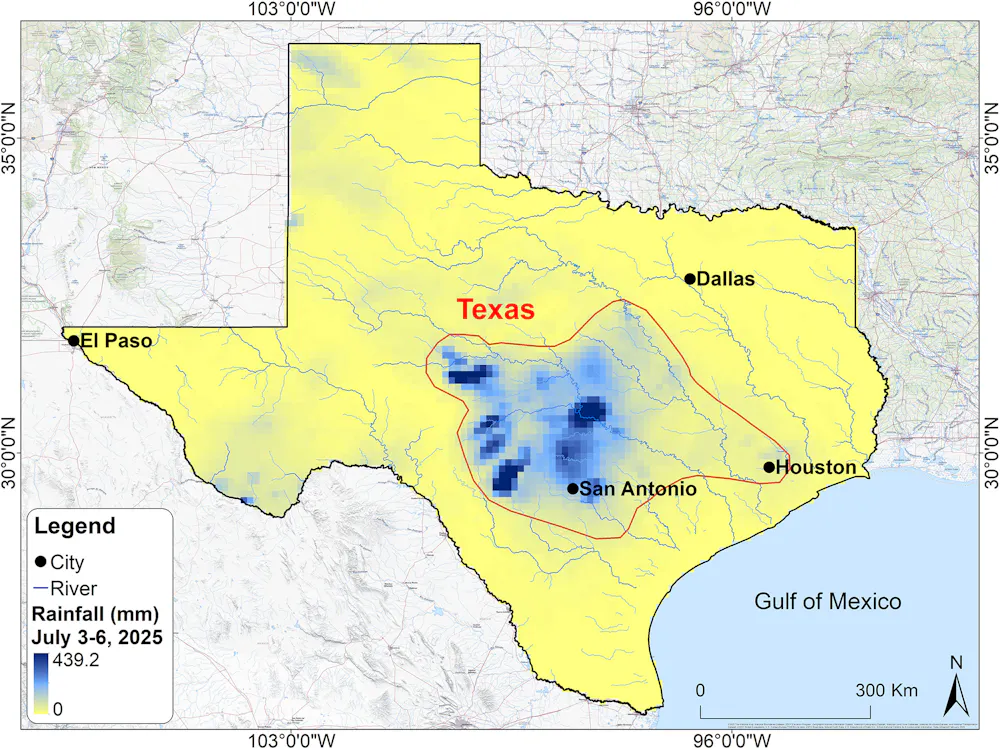
    MIL OSI USA News

  • MIL-OSI USA: As School Year Nears, Merkley, Wyden, & Colleagues Demand Trump Admin End Blockade on Funding for Afterschool Programs, K-12 Schools Across America

    US Senate News:

    Source: United States Senator Ron Wyden (D-Ore)
    July 14, 2025
    Washington, D.C. – Oregon’s U.S. Senators Jeff Merkley and Ron Wyden announced they joined 30 colleagues in demanding President Trump’s Office of Management and Budget (OMB) Director Russ Vought and U.S. Secretary of Education Linda McMahon immediately release nearly $7 billion in funding for K-12 schools and adult literacy programs across America that the Trump Administration abruptly let states and school districts know it would indefinitely block.
    Oregon faces the potential loss of approximately $73 million in federal education as a result of the abrupt cutoff of education funds by the Trump Administration and may be forced to end afterschool programs, specialized literacy programs, educator training, and support for English language learners as a result of this misguided executive maneuver.
    “We are writing to demand an immediate end to the illegal withholding of nearly $7 billion in federal education formula grant funds our states and communities are expecting for the coming school year, which is set to begin in just a few weeks in some communities,” wrote the 32 U.S. Senators in their letter. “These funds were made available by the bipartisan Full-Year Continuing Appropriations and Extensions Act, 2025, signed into law on March 15, 2025. Yet, instead of supporting the tens of millions of students and adult learners intended to benefit from these investments, the administration has chosen to continue an unprecedented and opaque ‘programmatic review’ of these formula grant funds past the July 1, 2025, date these funds became available for allotment to states.”
    The Trump Administration’s decision to withhold the funding has sent school districts nationwide scrambling to determine how they could fill the, in many cases, massive budget hole and whether they’ll have to lay off teachers or end after school programs in the coming weeks. School districts have made clear they will have to end afterschool programs, already told parents to prepare backup options, and adult literacy programs have already been forced to lay off staff.
    The lawmakers blasted the administration for its abrupt notice and illegal freeze of the funds, which has sent school districts and programs scrambling: “We are shocked by the continued lack of respect for states and local schools evidenced by this latest action by the administration.”
    They noted that blocking funding for before and after school programs, as well as summer learning programs, is already hurting families nationwide: “By withholding these funds from states, the Department will impact programs for nearly 1.4 million students served by 10,000 summer and before and afterschool programs around the nation, which the Department’s latest performance report showed supported significant improvements in student attendance, grades, and teacher reports of student engagement in learning.  These centers also help working parents by providing a safe and productive place for their children to be after the school day ends and during the summer months. It is beyond comprehension why the administration would want to jeopardize these outcomes.”
    Warning of how denying these funds will cause schools to lay off teachers and cut back on teacher training, they wrote: “This rash decision will only worsen school working conditions and teacher shortages.”
    The lawmakers also detailed how the move affects adult learners nationwide: “This pause could jeopardize services to more than 1.2 million adult learners working to develop foundational literacy and numeracy skills needed to enter and succeed in workforce training and health, financial, digital, and information literacy skills necessary for full participation in community and civic life. The withholding will have an even more significant impact on 12 states that rely on these funds for 70 to 75 percent of their adult education programs.”
    The Trump Administration has confirmed it is blocking funding for the following programs—all of which are programs President Trump has requested to eliminate in his budget request, raising serious concerns about this administration’s intentions to simply impound the funding:
    Supporting Effective Instruction State Grants (Title II-A), which support professional development and other activities to improve the effectiveness of teachers and school leaders, including reducing class size.
    21st Century Community Learning Centers (Title IV-B), which support high-quality before and after-school programs focused on providing academic enrichment opportunities for students.
    Student Support and Academic Enrichment Grants (Title IV-A), which provide flexible funding for school districts for a wide range of activities including supporting STEM education, accelerated learning courses, college and career counseling, school-based mental health services, and improving school technology, among many others.
    English Language Acquisition (Title III-A), which supports language instruction to help English language learners become proficient in English.
    Migrant Education (Title I-C), which supports the educational needs of migratory children, including children of migrant and seasonal farmworkers.
    Adult Basic and Literacy Education State Grants (including Integrated English Literacy and Civics Education State Grants), which support adult education and literacy programs to provide the basic skills to help prepare adults and out-of-school youth for success in the workforce.
    The letter was led by Senator Patty Murray (D-WA), Vice Chair of the Senate Appropriations Committee, Senator Bernie Sanders (I-VT), Ranking Member of the Senate Committee on Health, Education, Labor, and Pensions (HELP), and Senator Tammy Baldwin (D-WI), Ranking Member of the Senate Appropriations Subcommittee on Labor, Health and Human Services, Education, and Related Agencies.
    In addition to Merkley and Wyden, the letter was also signed by Chuck Schumer (D-NY), Mazie Hirono (D-HI), Cory Booker (D-NJ), Lisa Blunt Rochester (D-MD), Jack Reed (D-RI), Richard Blumenthal (D-CT), John Fetterman (D-PA), Chris Coons (D-DE), Jeanne Shaheen (D-NH), John Hickenlooper (D-CO), Dick Durbin (D-IL), Martin Heinrich (D-NM), Chris Van Hollen (D-NM), Andy Kim (D-NJ), Maggie Hassan (D-NH), Ed Markey (D-MA), Elissa Slotkin (D-MI), Brian Schatz (D-HI), Alex Padilla (D-CA), Tina Smith (D-MN), Sheldon Whitehouse (D-RI), Elizabeth Warren (D-MA), Tim Kaine (D-VA), Maria Cantwell (D-WA), Gary Peters (D-MI), Angela Alsobrooks (D-MD), and Tammy Duckworth (D-IL).
    Full text of the letter follows:
    Dear Director Vought and Secretary McMahon:
    We are writing to demand an immediate end to the illegal withholding of nearly $7 billion in federal education formula grant funds our states and communities are expecting for the coming school year, which is set to begin in just a few weeks in some communities. These funds were made available by the bipartisan Full-Year Continuing Appropriations and Extensions Act, 2025, signed into law on March 15, 2025. Yet, instead of supporting the tens of millions of students and adult learners intended to benefit from these investments, the administration has chosen to continue an unprecedented and opaque “programmatic review” of these formula grant funds past the July 1, 2025, date these funds became available for allotment to states. This delay not only undermines effective state and local planning for using these funds to address student needs consistent with federal education law, which often takes place months before these funds become available, but also flies in the face of the nation’s education laws which confers state and local educational agency discretion on permissible uses of federal formula grant funds.
    We are shocked by the continued lack of respect for states and local schools evidenced by this latest action by the administration. Late on June 30, 2025, the Department of Education (“Department”) informed states that it would not release fiscal year 2025 funds expected on July 1 before completing a “review” of six programs. The Department even noted ironically that it “remains committed to ensuring taxpayer resources are spent in accordance with the President’s priorities and the Department’s statutory responsibilities.” Apparently, the Department needs a refresher course on its statutory responsibilities.
    The Full-Year Continuing Appropriations law requires funds to be allocated under the terms and conditions of the fiscal year 2024 appropriations law. This includes a requirement that “$1,329,673,000 shall be for part B of title IV”, which is the authority for the Nita M. Lowey 21stCentury Community Learning Centers program. This authority requires the Secretary to allot funds to each state for subgrants for before, after, and summer school programming. The law further describes the allotment formula, authorized state and local activities, and other program requirements. By withholding these funds from states, the Department will impact programs for nearly 1.4 million students served by 10,000 summer and before and afterschool programs around the nation, which the Department’s latest performance report showed supported significant improvements in student attendance, grades, and teacher reports of student engagement in learning. These centers also help working parents by providing a safe and productive place for their children to be after the school day ends and during the summer months. It is beyond comprehension why the administration would want to jeopardize these outcomes.
    The Full-Year Continuing Appropriations law also requires the Department to use $890 million to carry out part A of title III of the Elementary and Secondary Education Act. The purpose of the program is to ensure English learners (ELs) and immigrant students have access to the resources they need to attain English language proficiency and reach the same challenging academic standards as their English-proficient peers, which will prepare them to fully participate in society and the workforce as they grow older. Part A of title III specifies the allotment formula, permissible uses of funds and other program requirements for this program serving more than 5 million EL students enrolled in the nation’s public schools. Yet, the administration’s review will disrupt school hiring decisions and cause real and immediate harm to EL students.
    The Department issued preliminary allocations to states on May 29, 2025, stating that “The Full Year Appropriations and Extension Act, 2025 provides $629,600,400 for formula grants to States to carry out adult education and literacy activities.” Just more than a month later, the Department issued its curt memo indicating that the funds would not go out on July 1, 2025, as just promised in the May preliminary allocations. This pause could jeopardize services to more than 1.2 million adult learners working to develop foundational literacy and numeracy skills needed to enter and succeed in workforce training and health, financial, digital, and information literacy skills necessary for full participation in community and civic life. The withholding will have an even more significant impact on 12 states that rely on these funds for 70 to 75 percent of their adult education programs.
    The withholding also extends to more than $2 billion for Supporting Effective Instruction State Grants. According to the Department’s latest report, more than half of these funds are used for professional development for teachers and other educators, and nearly one-third of school districts used the funds to recruit, hire, and retain effective educators.12 Nearly $1.4 billion is being withheld for Student Support and Academic Enrichment Grants and $375 million for Migrant Education programs. All these programs were funded in fiscal year 2024 and continued by the Full-Year Appropriations Act. This rash decision will only worsen school working conditions and teacher shortages.
    It is unacceptable that the administration is picking and choosing what parts of the appropriations law to follow, and you must immediately implement the entire law as Congress intended and as the oaths you swore require you to do. While the administration continues to deny federal funds to our states and local communities that they are expecting as the law requires, it has found time to move expeditiously to award funding to the Kennedy Center and acknowledged it is required to do so by the appropriations law. In its action here, the Department stated in a recent waiver proposal, “The waiver will allow the Department to issue a continuation award in FY 2025, as directed by Congress to the currently funded 84.351A AENP [Arts in Education National Program] project at an amount consistent with the amount awarded in FY 2024.” While it’s true the appropriations law requires such an action, it does so as well for billions in funding for state grants the Department recently informed states it will not release.
    The administration’s “programmatic review”—with no public information about what the review entails, what data the administration is examining, or a timeline for such review—appears to be an intentional delay that will result in school budget cuts in every State. In multiple statutes, Congress has prohibited the Federal government from directing or controlling state and local education decisions with these dollars. This programmatic review may be in violation of these longstanding and bipartisan prohibitions.
    We might be more inclined to believe the administration’s stated interest in ensuring federal funds were properly used if its actions to date didn’t tell a different story. The Department has impeded a review by the Office of Inspector General, which is charged with promoting the efficiency, effectiveness, and integrity of the Department’s programs and operations. Earlier this year, the administration terminated contracts for regional educational laboratories and grants required for comprehensive centers, which help states and districts use research and evidence in addressing local challenges of policy and practice. It has also halted evaluations of federal literacy programs, adult learning strategies, and strategies to help teens with disabilities transition from high school to college or work.
    We insist you immediately reverse your decision to illegally withhold federal education funding appropriated by Congress and provide the funds as the law requires. Such an action would represent a faithful execution of the law as required by the Constitution and a benefit to the tens of millions of students and adult learners that are intended to benefit from these federal education investments.
    Thank you for your attention to this matter.

    MIL OSI USA News

  • MIL-OSI USA: As School Year Nears, Merkley, Wyden, & Colleagues Demand Trump Admin End Blockade on Funding for Afterschool Programs, K-12 Schools Across America

    US Senate News:

    Source: United States Senator Ron Wyden (D-Ore)
    July 14, 2025
    Washington, D.C. – Oregon’s U.S. Senators Jeff Merkley and Ron Wyden announced they joined 30 colleagues in demanding President Trump’s Office of Management and Budget (OMB) Director Russ Vought and U.S. Secretary of Education Linda McMahon immediately release nearly $7 billion in funding for K-12 schools and adult literacy programs across America that the Trump Administration abruptly let states and school districts know it would indefinitely block.
    Oregon faces the potential loss of approximately $73 million in federal education as a result of the abrupt cutoff of education funds by the Trump Administration and may be forced to end afterschool programs, specialized literacy programs, educator training, and support for English language learners as a result of this misguided executive maneuver.
    “We are writing to demand an immediate end to the illegal withholding of nearly $7 billion in federal education formula grant funds our states and communities are expecting for the coming school year, which is set to begin in just a few weeks in some communities,” wrote the 32 U.S. Senators in their letter. “These funds were made available by the bipartisan Full-Year Continuing Appropriations and Extensions Act, 2025, signed into law on March 15, 2025. Yet, instead of supporting the tens of millions of students and adult learners intended to benefit from these investments, the administration has chosen to continue an unprecedented and opaque ‘programmatic review’ of these formula grant funds past the July 1, 2025, date these funds became available for allotment to states.”
    The Trump Administration’s decision to withhold the funding has sent school districts nationwide scrambling to determine how they could fill the, in many cases, massive budget hole and whether they’ll have to lay off teachers or end after school programs in the coming weeks. School districts have made clear they will have to end afterschool programs, already told parents to prepare backup options, and adult literacy programs have already been forced to lay off staff.
    The lawmakers blasted the administration for its abrupt notice and illegal freeze of the funds, which has sent school districts and programs scrambling: “We are shocked by the continued lack of respect for states and local schools evidenced by this latest action by the administration.”
    They noted that blocking funding for before and after school programs, as well as summer learning programs, is already hurting families nationwide: “By withholding these funds from states, the Department will impact programs for nearly 1.4 million students served by 10,000 summer and before and afterschool programs around the nation, which the Department’s latest performance report showed supported significant improvements in student attendance, grades, and teacher reports of student engagement in learning.  These centers also help working parents by providing a safe and productive place for their children to be after the school day ends and during the summer months. It is beyond comprehension why the administration would want to jeopardize these outcomes.”
    Warning of how denying these funds will cause schools to lay off teachers and cut back on teacher training, they wrote: “This rash decision will only worsen school working conditions and teacher shortages.”
    The lawmakers also detailed how the move affects adult learners nationwide: “This pause could jeopardize services to more than 1.2 million adult learners working to develop foundational literacy and numeracy skills needed to enter and succeed in workforce training and health, financial, digital, and information literacy skills necessary for full participation in community and civic life. The withholding will have an even more significant impact on 12 states that rely on these funds for 70 to 75 percent of their adult education programs.”
    The Trump Administration has confirmed it is blocking funding for the following programs—all of which are programs President Trump has requested to eliminate in his budget request, raising serious concerns about this administration’s intentions to simply impound the funding:
    Supporting Effective Instruction State Grants (Title II-A), which support professional development and other activities to improve the effectiveness of teachers and school leaders, including reducing class size.
    21st Century Community Learning Centers (Title IV-B), which support high-quality before and after-school programs focused on providing academic enrichment opportunities for students.
    Student Support and Academic Enrichment Grants (Title IV-A), which provide flexible funding for school districts for a wide range of activities including supporting STEM education, accelerated learning courses, college and career counseling, school-based mental health services, and improving school technology, among many others.
    English Language Acquisition (Title III-A), which supports language instruction to help English language learners become proficient in English.
    Migrant Education (Title I-C), which supports the educational needs of migratory children, including children of migrant and seasonal farmworkers.
    Adult Basic and Literacy Education State Grants (including Integrated English Literacy and Civics Education State Grants), which support adult education and literacy programs to provide the basic skills to help prepare adults and out-of-school youth for success in the workforce.
    The letter was led by Senator Patty Murray (D-WA), Vice Chair of the Senate Appropriations Committee, Senator Bernie Sanders (I-VT), Ranking Member of the Senate Committee on Health, Education, Labor, and Pensions (HELP), and Senator Tammy Baldwin (D-WI), Ranking Member of the Senate Appropriations Subcommittee on Labor, Health and Human Services, Education, and Related Agencies.
    In addition to Merkley and Wyden, the letter was also signed by Chuck Schumer (D-NY), Mazie Hirono (D-HI), Cory Booker (D-NJ), Lisa Blunt Rochester (D-MD), Jack Reed (D-RI), Richard Blumenthal (D-CT), John Fetterman (D-PA), Chris Coons (D-DE), Jeanne Shaheen (D-NH), John Hickenlooper (D-CO), Dick Durbin (D-IL), Martin Heinrich (D-NM), Chris Van Hollen (D-NM), Andy Kim (D-NJ), Maggie Hassan (D-NH), Ed Markey (D-MA), Elissa Slotkin (D-MI), Brian Schatz (D-HI), Alex Padilla (D-CA), Tina Smith (D-MN), Sheldon Whitehouse (D-RI), Elizabeth Warren (D-MA), Tim Kaine (D-VA), Maria Cantwell (D-WA), Gary Peters (D-MI), Angela Alsobrooks (D-MD), and Tammy Duckworth (D-IL).
    Full text of the letter follows:
    Dear Director Vought and Secretary McMahon:
    We are writing to demand an immediate end to the illegal withholding of nearly $7 billion in federal education formula grant funds our states and communities are expecting for the coming school year, which is set to begin in just a few weeks in some communities. These funds were made available by the bipartisan Full-Year Continuing Appropriations and Extensions Act, 2025, signed into law on March 15, 2025. Yet, instead of supporting the tens of millions of students and adult learners intended to benefit from these investments, the administration has chosen to continue an unprecedented and opaque “programmatic review” of these formula grant funds past the July 1, 2025, date these funds became available for allotment to states. This delay not only undermines effective state and local planning for using these funds to address student needs consistent with federal education law, which often takes place months before these funds become available, but also flies in the face of the nation’s education laws which confers state and local educational agency discretion on permissible uses of federal formula grant funds.
    We are shocked by the continued lack of respect for states and local schools evidenced by this latest action by the administration. Late on June 30, 2025, the Department of Education (“Department”) informed states that it would not release fiscal year 2025 funds expected on July 1 before completing a “review” of six programs. The Department even noted ironically that it “remains committed to ensuring taxpayer resources are spent in accordance with the President’s priorities and the Department’s statutory responsibilities.” Apparently, the Department needs a refresher course on its statutory responsibilities.
    The Full-Year Continuing Appropriations law requires funds to be allocated under the terms and conditions of the fiscal year 2024 appropriations law. This includes a requirement that “$1,329,673,000 shall be for part B of title IV”, which is the authority for the Nita M. Lowey 21stCentury Community Learning Centers program. This authority requires the Secretary to allot funds to each state for subgrants for before, after, and summer school programming. The law further describes the allotment formula, authorized state and local activities, and other program requirements. By withholding these funds from states, the Department will impact programs for nearly 1.4 million students served by 10,000 summer and before and afterschool programs around the nation, which the Department’s latest performance report showed supported significant improvements in student attendance, grades, and teacher reports of student engagement in learning. These centers also help working parents by providing a safe and productive place for their children to be after the school day ends and during the summer months. It is beyond comprehension why the administration would want to jeopardize these outcomes.
    The Full-Year Continuing Appropriations law also requires the Department to use $890 million to carry out part A of title III of the Elementary and Secondary Education Act. The purpose of the program is to ensure English learners (ELs) and immigrant students have access to the resources they need to attain English language proficiency and reach the same challenging academic standards as their English-proficient peers, which will prepare them to fully participate in society and the workforce as they grow older. Part A of title III specifies the allotment formula, permissible uses of funds and other program requirements for this program serving more than 5 million EL students enrolled in the nation’s public schools. Yet, the administration’s review will disrupt school hiring decisions and cause real and immediate harm to EL students.
    The Department issued preliminary allocations to states on May 29, 2025, stating that “The Full Year Appropriations and Extension Act, 2025 provides $629,600,400 for formula grants to States to carry out adult education and literacy activities.” Just more than a month later, the Department issued its curt memo indicating that the funds would not go out on July 1, 2025, as just promised in the May preliminary allocations. This pause could jeopardize services to more than 1.2 million adult learners working to develop foundational literacy and numeracy skills needed to enter and succeed in workforce training and health, financial, digital, and information literacy skills necessary for full participation in community and civic life. The withholding will have an even more significant impact on 12 states that rely on these funds for 70 to 75 percent of their adult education programs.
    The withholding also extends to more than $2 billion for Supporting Effective Instruction State Grants. According to the Department’s latest report, more than half of these funds are used for professional development for teachers and other educators, and nearly one-third of school districts used the funds to recruit, hire, and retain effective educators.12 Nearly $1.4 billion is being withheld for Student Support and Academic Enrichment Grants and $375 million for Migrant Education programs. All these programs were funded in fiscal year 2024 and continued by the Full-Year Appropriations Act. This rash decision will only worsen school working conditions and teacher shortages.
    It is unacceptable that the administration is picking and choosing what parts of the appropriations law to follow, and you must immediately implement the entire law as Congress intended and as the oaths you swore require you to do. While the administration continues to deny federal funds to our states and local communities that they are expecting as the law requires, it has found time to move expeditiously to award funding to the Kennedy Center and acknowledged it is required to do so by the appropriations law. In its action here, the Department stated in a recent waiver proposal, “The waiver will allow the Department to issue a continuation award in FY 2025, as directed by Congress to the currently funded 84.351A AENP [Arts in Education National Program] project at an amount consistent with the amount awarded in FY 2024.” While it’s true the appropriations law requires such an action, it does so as well for billions in funding for state grants the Department recently informed states it will not release.
    The administration’s “programmatic review”—with no public information about what the review entails, what data the administration is examining, or a timeline for such review—appears to be an intentional delay that will result in school budget cuts in every State. In multiple statutes, Congress has prohibited the Federal government from directing or controlling state and local education decisions with these dollars. This programmatic review may be in violation of these longstanding and bipartisan prohibitions.
    We might be more inclined to believe the administration’s stated interest in ensuring federal funds were properly used if its actions to date didn’t tell a different story. The Department has impeded a review by the Office of Inspector General, which is charged with promoting the efficiency, effectiveness, and integrity of the Department’s programs and operations. Earlier this year, the administration terminated contracts for regional educational laboratories and grants required for comprehensive centers, which help states and districts use research and evidence in addressing local challenges of policy and practice. It has also halted evaluations of federal literacy programs, adult learning strategies, and strategies to help teens with disabilities transition from high school to college or work.
    We insist you immediately reverse your decision to illegally withhold federal education funding appropriated by Congress and provide the funds as the law requires. Such an action would represent a faithful execution of the law as required by the Constitution and a benefit to the tens of millions of students and adult learners that are intended to benefit from these federal education investments.
    Thank you for your attention to this matter.

    MIL OSI USA News

  • MIL-OSI USA: As School Year Nears, Merkley, Wyden, & Colleagues Demand Trump Admin End Blockade on Funding for Afterschool Programs, K-12 Schools Across America

    US Senate News:

    Source: United States Senator Ron Wyden (D-Ore)

    July 14, 2025

    Washington, D.C. – Oregon’s U.S. Senators Jeff Merkley and Ron Wyden announced they joined 30 colleagues in demanding President Trump’s Office of Management and Budget (OMB) Director Russ Vought and U.S. Secretary of Education Linda McMahon immediately release nearly $7 billion in funding for K-12 schools and adult literacy programs across America that the Trump Administration abruptly let states and school districts know it would indefinitely block.

    Oregon faces the potential loss of approximately $73 million in federal education as a result of the abrupt cutoff of education funds by the Trump Administration and may be forced to end afterschool programs, specialized literacy programs, educator training, and support for English language learners as a result of this misguided executive maneuver.

    “We are writing to demand an immediate end to the illegal withholding of nearly $7 billion in federal education formula grant funds our states and communities are expecting for the coming school year, which is set to begin in just a few weeks in some communities,” wrote the 32 U.S. Senators in their letter. “These funds were made available by the bipartisan Full-Year Continuing Appropriations and Extensions Act, 2025, signed into law on March 15, 2025. Yet, instead of supporting the tens of millions of students and adult learners intended to benefit from these investments, the administration has chosen to continue an unprecedented and opaque ‘programmatic review’ of these formula grant funds past the July 1, 2025, date these funds became available for allotment to states.”

    The Trump Administration’s decision to withhold the funding has sent school districts nationwide scrambling to determine how they could fill the, in many cases, massive budget hole and whether they’ll have to lay off teachers or end after school programs in the coming weeks. School districts have made clear they will have to end afterschool programs, already told parents to prepare backup options, and adult literacy programs have already been forced to lay off staff.

    The lawmakers blasted the administration for its abrupt notice and illegal freeze of the funds, which has sent school districts and programs scrambling: “We are shocked by the continued lack of respect for states and local schools evidenced by this latest action by the administration.”

    They noted that blocking funding for before and after school programs, as well as summer learning programs, is already hurting families nationwide: “By withholding these funds from states, the Department will impact programs for nearly 1.4 million students served by 10,000 summer and before and afterschool programs around the nation, which the Department’s latest performance report showed supported significant improvements in student attendance, grades, and teacher reports of student engagement in learning.  These centers also help working parents by providing a safe and productive place for their children to be after the school day ends and during the summer months. It is beyond comprehension why the administration would want to jeopardize these outcomes.”

    Warning of how denying these funds will cause schools to lay off teachers and cut back on teacher training, they wrote: “This rash decision will only worsen school working conditions and teacher shortages.”

    The lawmakers also detailed how the move affects adult learners nationwide: “This pause could jeopardize services to more than 1.2 million adult learners working to develop foundational literacy and numeracy skills needed to enter and succeed in workforce training and health, financial, digital, and information literacy skills necessary for full participation in community and civic life. The withholding will have an even more significant impact on 12 states that rely on these funds for 70 to 75 percent of their adult education programs.”

    The Trump Administration has confirmed it is blocking funding for the following programs—all of which are programs President Trump has requested to eliminate in his budget request, raising serious concerns about this administration’s intentions to simply impound the funding:

    1. Supporting Effective Instruction State Grants (Title II-A), which support professional development and other activities to improve the effectiveness of teachers and school leaders, including reducing class size.
    2. 21st Century Community Learning Centers (Title IV-B), which support high-quality before and after-school programs focused on providing academic enrichment opportunities for students.
    3. Student Support and Academic Enrichment Grants (Title IV-A), which provide flexible funding for school districts for a wide range of activities including supporting STEM education, accelerated learning courses, college and career counseling, school-based mental health services, and improving school technology, among many others.
    4. English Language Acquisition (Title III-A), which supports language instruction to help English language learners become proficient in English.
    5. Migrant Education (Title I-C), which supports the educational needs of migratory children, including children of migrant and seasonal farmworkers.
    6. Adult Basic and Literacy Education State Grants (including Integrated English Literacy and Civics Education State Grants), which support adult education and literacy programs to provide the basic skills to help prepare adults and out-of-school youth for success in the workforce.

    The letter was led by Senator Patty Murray (D-WA), Vice Chair of the Senate Appropriations Committee, Senator Bernie Sanders (I-VT), Ranking Member of the Senate Committee on Health, Education, Labor, and Pensions (HELP), and Senator Tammy Baldwin (D-WI), Ranking Member of the Senate Appropriations Subcommittee on Labor, Health and Human Services, Education, and Related Agencies.

    In addition to Merkley and Wyden, the letter was also signed by Chuck Schumer (D-NY), Mazie Hirono (D-HI), Cory Booker (D-NJ), Lisa Blunt Rochester (D-MD), Jack Reed (D-RI), Richard Blumenthal (D-CT), John Fetterman (D-PA), Chris Coons (D-DE), Jeanne Shaheen (D-NH), John Hickenlooper (D-CO), Dick Durbin (D-IL), Martin Heinrich (D-NM), Chris Van Hollen (D-NM), Andy Kim (D-NJ), Maggie Hassan (D-NH), Ed Markey (D-MA), Elissa Slotkin (D-MI), Brian Schatz (D-HI), Alex Padilla (D-CA), Tina Smith (D-MN), Sheldon Whitehouse (D-RI), Elizabeth Warren (D-MA), Tim Kaine (D-VA), Maria Cantwell (D-WA), Gary Peters (D-MI), Angela Alsobrooks (D-MD), and Tammy Duckworth (D-IL).

    Full text of the letter follows:

    Dear Director Vought and Secretary McMahon:

    We are writing to demand an immediate end to the illegal withholding of nearly $7 billion in federal education formula grant funds our states and communities are expecting for the coming school year, which is set to begin in just a few weeks in some communities. These funds were made available by the bipartisan Full-Year Continuing Appropriations and Extensions Act, 2025, signed into law on March 15, 2025. Yet, instead of supporting the tens of millions of students and adult learners intended to benefit from these investments, the administration has chosen to continue an unprecedented and opaque “programmatic review” of these formula grant funds past the July 1, 2025, date these funds became available for allotment to states. This delay not only undermines effective state and local planning for using these funds to address student needs consistent with federal education law, which often takes place months before these funds become available, but also flies in the face of the nation’s education laws which confers state and local educational agency discretion on permissible uses of federal formula grant funds.

    We are shocked by the continued lack of respect for states and local schools evidenced by this latest action by the administration. Late on June 30, 2025, the Department of Education (“Department”) informed states that it would not release fiscal year 2025 funds expected on July 1 before completing a “review” of six programs. The Department even noted ironically that it “remains committed to ensuring taxpayer resources are spent in accordance with the President’s priorities and the Department’s statutory responsibilities.” Apparently, the Department needs a refresher course on its statutory responsibilities.

    The Full-Year Continuing Appropriations law requires funds to be allocated under the terms and conditions of the fiscal year 2024 appropriations law. This includes a requirement that “$1,329,673,000 shall be for part B of title IV”, which is the authority for the Nita M. Lowey 21stCentury Community Learning Centers program. This authority requires the Secretary to allot funds to each state for subgrants for before, after, and summer school programming. The law further describes the allotment formula, authorized state and local activities, and other program requirements. By withholding these funds from states, the Department will impact programs for nearly 1.4 million students served by 10,000 summer and before and afterschool programs around the nation, which the Department’s latest performance report showed supported significant improvements in student attendance, grades, and teacher reports of student engagement in learning. These centers also help working parents by providing a safe and productive place for their children to be after the school day ends and during the summer months. It is beyond comprehension why the administration would want to jeopardize these outcomes.

    The Full-Year Continuing Appropriations law also requires the Department to use $890 million to carry out part A of title III of the Elementary and Secondary Education Act. The purpose of the program is to ensure English learners (ELs) and immigrant students have access to the resources they need to attain English language proficiency and reach the same challenging academic standards as their English-proficient peers, which will prepare them to fully participate in society and the workforce as they grow older. Part A of title III specifies the allotment formula, permissible uses of funds and other program requirements for this program serving more than 5 million EL students enrolled in the nation’s public schools. Yet, the administration’s review will disrupt school hiring decisions and cause real and immediate harm to EL students.

    The Department issued preliminary allocations to states on May 29, 2025, stating that “The Full Year Appropriations and Extension Act, 2025 provides $629,600,400 for formula grants to States to carry out adult education and literacy activities.” Just more than a month later, the Department issued its curt memo indicating that the funds would not go out on July 1, 2025, as just promised in the May preliminary allocations. This pause could jeopardize services to more than 1.2 million adult learners working to develop foundational literacy and numeracy skills needed to enter and succeed in workforce training and health, financial, digital, and information literacy skills necessary for full participation in community and civic life. The withholding will have an even more significant impact on 12 states that rely on these funds for 70 to 75 percent of their adult education programs.

    The withholding also extends to more than $2 billion for Supporting Effective Instruction State Grants. According to the Department’s latest report, more than half of these funds are used for professional development for teachers and other educators, and nearly one-third of school districts used the funds to recruit, hire, and retain effective educators.12 Nearly $1.4 billion is being withheld for Student Support and Academic Enrichment Grants and $375 million for Migrant Education programs. All these programs were funded in fiscal year 2024 and continued by the Full-Year Appropriations Act. This rash decision will only worsen school working conditions and teacher shortages.

    It is unacceptable that the administration is picking and choosing what parts of the appropriations law to follow, and you must immediately implement the entire law as Congress intended and as the oaths you swore require you to do. While the administration continues to deny federal funds to our states and local communities that they are expecting as the law requires, it has found time to move expeditiously to award funding to the Kennedy Center and acknowledged it is required to do so by the appropriations law. In its action here, the Department stated in a recent waiver proposal, “The waiver will allow the Department to issue a continuation award in FY 2025, as directed by Congress to the currently funded 84.351A AENP [Arts in Education National Program] project at an amount consistent with the amount awarded in FY 2024.” While it’s true the appropriations law requires such an action, it does so as well for billions in funding for state grants the Department recently informed states it will not release.

    The administration’s “programmatic review”—with no public information about what the review entails, what data the administration is examining, or a timeline for such review—appears to be an intentional delay that will result in school budget cuts in every State. In multiple statutes, Congress has prohibited the Federal government from directing or controlling state and local education decisions with these dollars. This programmatic review may be in violation of these longstanding and bipartisan prohibitions.

    We might be more inclined to believe the administration’s stated interest in ensuring federal funds were properly used if its actions to date didn’t tell a different story. The Department has impeded a review by the Office of Inspector General, which is charged with promoting the efficiency, effectiveness, and integrity of the Department’s programs and operations. Earlier this year, the administration terminated contracts for regional educational laboratories and grants required for comprehensive centers, which help states and districts use research and evidence in addressing local challenges of policy and practice. It has also halted evaluations of federal literacy programs, adult learning strategies, and strategies to help teens with disabilities transition from high school to college or work.

    We insist you immediately reverse your decision to illegally withhold federal education funding appropriated by Congress and provide the funds as the law requires. Such an action would represent a faithful execution of the law as required by the Constitution and a benefit to the tens of millions of students and adult learners that are intended to benefit from these federal education investments.

    Thank you for your attention to this matter.

    MIL OSI USA News

  • MIL-OSI USA: Klobuchar Urges President Trump to Support Efforts to Bring Abducted Ukrainian Children Home

    US Senate News:

    Source: United States Senator for Minnesota Amy Klobuchar
    WASHINGTON – U.S. Senator Amy Klobuchar (D-MN) released the following statement:
    “I hope President Trump will be announcing continued strong support for Ukraine this week in concert with our allies. I also urge him to make a clear commitment to finding and bringing home to Ukraine the thousands of Ukrainian children who have been abducted and forcibly deported by Russia,” said Klobuchar. “The United States should continue to support Ukraine’s determined work to track the missing and get these kids home. One way we can do that is by continuing the State Department funding of the work being done to track the stolen children.”
    Last month, Senators Klobuchar and Chuck Grassley (R-IA) introduced bipartisan legislation to enhance U.S. support for Ukraine’s efforts to investigate and track the nearly 20,000 Ukrainian children who have been abducted during Putin’s brutal invasion, assist with the rehabilitation and reintegration of children who are returned, and provide justice and accountability for perpetrators of these abductions. As of today, Ukraine and its partners have only managed to return 1,399 abducted children, according to Ukraine’s figures. 

    MIL OSI USA News

  • MIL-OSI USA: Klobuchar Urges President Trump to Support Efforts to Bring Abducted Ukrainian Children Home

    US Senate News:

    Source: United States Senator for Minnesota Amy Klobuchar
    WASHINGTON – U.S. Senator Amy Klobuchar (D-MN) released the following statement:
    “I hope President Trump will be announcing continued strong support for Ukraine this week in concert with our allies. I also urge him to make a clear commitment to finding and bringing home to Ukraine the thousands of Ukrainian children who have been abducted and forcibly deported by Russia,” said Klobuchar. “The United States should continue to support Ukraine’s determined work to track the missing and get these kids home. One way we can do that is by continuing the State Department funding of the work being done to track the stolen children.”
    Last month, Senators Klobuchar and Chuck Grassley (R-IA) introduced bipartisan legislation to enhance U.S. support for Ukraine’s efforts to investigate and track the nearly 20,000 Ukrainian children who have been abducted during Putin’s brutal invasion, assist with the rehabilitation and reintegration of children who are returned, and provide justice and accountability for perpetrators of these abductions. As of today, Ukraine and its partners have only managed to return 1,399 abducted children, according to Ukraine’s figures. 

    MIL OSI USA News

  • MIL-OSI USA:  Warren, Murray, Sanders, Baldwin, 20+ Senators Demand Trump Admin Stop Blocking Funds for Afterschool Programs, K-12 Schools

    US Senate News:

    Source: United States Senator for Massachusetts – Elizabeth Warren
    July 14, 2025
    The lawmakers blasted the administration for its abrupt notice and illegal freeze of the funds, which has sent school districts and programs nationwide scrambling. 
    “We are shocked by the continued lack of respect for states and local schools evidenced by this latest action by the administration… This rash decision will only worsen school working conditions and teacher shortages.”
    Text of Letter (PDF)
    Washington, D.C. — U.S. Senator Elizabeth Warren (D-Mass.) joined Senators Patty Murray (D-Wash.), Bernie Sanders (I-Vt.), and Tammy Baldwin (D-Wis.), along with 28 of their colleagues, in demanding the Office of Management and Budget (OMB) Director Russ Vought and Department of Education (ED) Secretary Linda McMahon immediately release the nearly $7 billion in funding for K-12 schools and adult literacy programs across America that is currently being illegally withheld by the Trump administration. 
    The abrupt decision by the Trump administration to withhold this funding has left school districts nationwide struggling to find ways to fill the massive budget hole. School districts have made clear they will have to end after-school programs and have already told parents to prepare backup options, while adult literacy programs have already been forced to lay off staff. 
    The members note that the 10,000 school programs benefited approximately 1.4 million students across the nation, and the latest report by ED showed significant improvements in student attendance, grades, and teacher reports of student engagement in learning. 
    “These centers also help working parents by providing a safe and productive place for their children to be after the school day ends and during the summer months,” wrote the lawmakers. “It is beyond comprehension why the administration would want to jeopardize these outcomes.”
    The Trump administration has confirmed it is blocking funding for the following programs, all of which are programs President Trump has requested to eliminate in his budget request, raising serious concerns about this administration’s intentions to simply impound the funding:

    Supporting Effective Instruction State Grants (Title II-A), which support professional development and other activities to improve the effectiveness of teachers and school leaders, including reducing class sizes.

    21st Century Community Learning Centers (Title IV-B), which support high-quality before- and after-school programs focused on providing academic enrichment opportunities for students.

    Student Support and Academic Enrichment Grants (Title IV-A), which provide flexible funding for school districts for a wide range of activities, including supporting STEM education, accelerated learning courses, college and career counseling, school-based mental health services, and improving school technology, among many others.

    English Language Acquisition (Title III-A), which supports language instruction to help English language learners become proficient in English.

    Migrant Education (Title I-C), which supports the educational needs of migratory children, including children of migrant and seasonal farmworkers.

    Adult Basic and Literacy Education State Grants (including Integrated English Literacy and Civics Education State Grants), which support adult education and literacy programs to provide the basic skills to help prepare adults and out-of-school youth for success in the workforce.

    The letter was also signed by Senators Chuck Schumer (D-N.Y.), Mazie Hirono (D-Hawaii), Cory Booker (D-N.J.), Lisa Blunt Rochester (D-Del.), Jack Reed (D-R.I.), Richard Blumenthal (D-Conn.), John Fetterman (D-Pa.), Chris Coons (D-Del.), Ron Wyden (D-Ore.), Jeanne Shaheen (D-N.H.), John Hickenlooper (D-Colo.), Dick Durbin (D-Ill.), Martin Heinrich (D-N.M.), Chris Van Hollen (D-Md.), Andy Kim (D-N.J.), Maggie Hassan (D-N.H.), Ed Markey (D-Mass.), Elissa Slotkin (D-Mich.), Brian Schatz (D-Hawaii), Alex Padilla (D-Calif.), Tina Smith (D-Minn.), Sheldon Whitehouse (D-R.I.), Tim Kaine (D-Va.), Maria Cantwell (D-Wash.), Gary Peters (D-Mich.), Angela Alsobrooks (D-Md.), Tammy Duckworth (D-Ill.), and Jeff Merkley (D-Ore.).
    Senator Warren launched the Save Our Schools campaign in a coordinated effort to fight back against President Trump’s attempts to abolish the Department of Education:

    On July 3, 2025, Senator Warren led her colleagues in submitting an amicus brief for NAACP v. US, arguing to the United States District Court District of Maryland that President Trump’s attempts to dismantle the Department of Education (ED) violate separation of powers and lack constitutional authority.

    On June 10, 2025, Senator Warren met with Secretary of Education Linda McMahon and delivered over 1,000 letters to McMahon that the senator had received from people in all 50 states who were worried about the Secretary’s efforts to dismantle ED.

    On June 9, 2025, Senator Warren led her colleagues in pushing the Acting Inspector General of ED to open an investigation into new information obtained by her office revealing that DOGE may have gained access to two FSA internal systems, in addition to sensitive borrower data.

    On May 20, 2025, Senator Warren and 27 other senators pushed for full funding for the Office of Federal Student Aid.

    On May 14, 2025, Senator Warren led a Senate forum entitled “Stealing the American Dream: How Trump and Republicans Are Raising Education Costs for Families,” highlighting the consequences of Secretary Linda McMahon’s reckless dismantling of the Department of Education (ED) and President Trump’s “big, beautiful bill” for working- and middle-class students and borrowers.

    On May 13, 2025, Senator Warren agreed to meet with Education Secretary Linda McMahon and promised to bring questions and stories from Americans across the country to highlight how the Trump administration’s attacks on education are hurting American families.

    On May 6, 2025, Senator Elizabeth Warren highlighted the consequences of President Trump and Secretary Linda McMahon’s reckless dismantling of the Department of Education for American families in a Senate forum.

    On April 24, 2025, Senator Warren launched a new investigation into the harms of President Trump’s attacks on the Department of Education, seeking information on the impact of the Trump administration’s actions from the members of twelve leading organizations representing schools, parents, teachers, students, borrowers, and researchers.

    On April 10, 2025, following a request led by Senator Warren, the Department of Education’s Acting Inspector General agreed to open an investigation into the Trump administration’s attempts to dismantle the Department of Education.

    On April 2, 2025, Senators Elizabeth Warren and Mazie Hirono, along with Senate Democratic Leader Chuck Schumer, sent a letter to Secretary of Education Linda McMahon regarding the Department of Government Efficiency’s proposed plan to replace the Department of Education’s federal student aid call centers with generative artificial intelligence chatbots.

    On April 2, 2025, Senator Elizabeth Warren launched the Save Our Schools campaign to fight back against the Trump administration’s efforts to dismantle the Department of Education (ED) and highlight the consequences for every student and public school in America.

    On March 27, 2025, Senator Elizabeth Warren (D-Mass.) led a letter to Acting Department of Education Inspector General (IG) René Rocque requesting that the IG conduct an investigation of the Trump Administration’s attempts to dismantle the Department of Education.

    On March 20, 2025, Senators Elizabeth Warren and Bernie Sanders led a letter to Secretary of Education Linda McMahon regarding the Trump Administration’s decision to slash the capacity of Federal Student Aid to handle student aid complaints.

    On February 24, 2025, in a response to Senator Warren, Secretary McMahon gave her first public admission that she “wholeheartedly” agreed with Trump’s plans to abolish the Department of Education.

    On February 11, 2025, Senators Elizabeth Warren and Andy Kim sent Linda McMahon, Secretary-Designate for the U.S. Department of Education, a 12-page letter with 65 questions on McMahon’s policy views in advance of her nomination hearing.

    MIL OSI USA News

  • MIL-OSI United Nations: Gaza: UNICEF mourns seven children killed queuing for water

    Source: United Nations 2

    The incident occurred in central Gaza on Sunday, according to media reports, which said that four other people also lost their lives due to the Israeli airstrike. 

    The Israeli military said it had been targeting a terrorist but a “technical error” saw the munition stray off course.

    Uphold protection of children

    UNICEF Executive Director Catherine Russell noted that the incident came just days after several women and children were killed while lining up for nutritional supplies.

    The Israeli authorities must urgently review the rules of engagement and ensure full compliance with international humanitarian law, notably the protection of civilians, including children,” she wrote in a statement posted on X.

    The UN has repeatedly deplored the killing of Palestinians seeking food aid amid the dire humanitarian situation in Gaza, where food security experts have warned that the entire population is not getting enough to eat.

    Stockpiles of food available

    Meanwhile, “truckloads of food and medical supplies are waiting in warehouses” just outside the enclave, UN Palestine refugee agency UNRWA said in a tweet.

    It included a quote from one of its health workers who said that “in the past, I only saw such cases of malnutrition in textbooks and documentaries.  Today, I am treating them face to face in the health centre.”

    UNRWA appealed for starvation of civilians to stop and for the siege to be lifted.  

    Let the UN, including UNRWA, do its lifesaving work,” the tweet said.

    West Bank annexation ‘well underway’

    Separately, UNRWA also highlighted the situation of Palestinians in the occupied West Bank against the backdrop of the war in Gaza.

    Agency chief Philippe Lazzarini told an international conference in Switzerland on Monday that “annexation is well underway.”

    UNRWA said “this is not just destruction: it is part of systematic forced displacement, a violation of international law, and a form of collective punishment.”

    In January, Israeli forces launched operations in Tulkarm and Jenin in the West Bank, which UNRWA has previously said are the most extensive in two decades.

    Humanitarians reported last week that the operations are causing massive destruction and displacement while attacks by Israeli settlers have intensified.

    MIL OSI United Nations News

  • MIL-OSI Analysis: The anatomy of a flash flood: Why the Texas flood was so deadly

    Source: The Conversation – Canada – By Hossein Bonakdari, Associate Professor, Civil Engineering, L’Université d’Ottawa/University of Ottawa

    Between July 3 and 6, Texas Hill Country experienced catastrophic flash flooding along the Guadalupe River system. The floods claimed at least 130 lives, with over 96 fatalities in Kerr County alone. More than 160 people were missing as of July 12, including children attending camps along the river.

    Preliminary economic losses are estimated at US$18–22 billion, reflecting both residential and infrastructure damages.

    Understanding the anatomy of this flash flood, and unravelling the complex interplay of meteorological, geomorphological and hydrological forces, forms the foundation for a comprehensive assessment of what happened. This information is vital to help prevent future similar tragedies from occurring.


    Read more:
    What is a flash flood? A civil engineer explains


    Atmospheric conditions

    The July 2025 flood event in central Texas was triggered by a rare and potent meteorological configuration.

    Atmospheric anomalies are weather conditions that differ from what’s expected. Analysis of the July 2025 atmospheric anomalies reveals exceptional thermodynamic conditions that directly contributed to the flood’s severity.

    The total precipitation over the core impact zone in the Hill Country during July 3 to 6 is estimated to have delivered more than 15 billion cubic metres of water — an extraordinary volume.

    This deluge was supported by persistent temperature anomalies ranging from 5.4 to 6.9 degrees Celsius above the mean. Such elevated temperatures increased the atmosphere’s capacity to retain moisture.

    At these anomaly levels, the air mass could store 35 to 50 per cent more water vapour than normal.

    Simultaneously, specific humidity anomalies reflected a 60 to 70 per cent increase over July baselines for central Texas. Specific humidity, which quantifies the actual mass of water vapour per kilogram of air, provides a more direct metric of latent moisture available for precipitation.

    The convergence of these extreme thermodynamic variables created an ideal environment for deep, moisture-laden convection, supporting prolonged intense rainfall.

    This map of Texas highlights the core impact zone in Hill Country, where rainfall totals exceeded 430 millimetres, more than four times the regional July average.
    (H. Bonakdari/GSMaP), CC BY

    Terrain impacts

    While meteorological extremes initiated the July 2025 flood event, the morphology of the Guadalupe River — its shape, behaviour and flows — was pivotal in transforming heavy rainfall into a catastrophic flash flood.

    The upper basin’s physical geography, drainage configuration and valley structure contributed to the rapid concentration and propagation of floodwaters.

    Known as “Flash Flood Alley,” the terrain of the upper Guadalupe River basin amplified the July 2025 flood through a combination of steep slopes, shallow soils and karstic geology.

    These steep slopes limited infiltration and led to rapid soil saturation under intense rainfall. The predominance of karstic limestone — limestone that has been shaped by water creating plains and sinkholes — further reduced storage below the surface, resulting in minimal delay between rainfall and discharge.

    Additionally, narrow valley sections created hydraulic bottlenecks, accelerating flow and increasing flood depth, particularly affecting residential areas and campsites.

    A map showing the relationships between steep headwaters, tributary confluences and vulnerable downstream communities.
    (H. Bonakdari/NASA), CC BY

    In contrast, broader valleys allowed for the water to spread laterally; there was still destructive momentum due to upstream forcing. These geomorphic traits, compounded by the extreme atmospheric moisture, created an environment where floodwaters accumulated rapidly and struck with devastating force, especially along confluence zones and densely occupied riverfronts.

    Excessive runoff

    Prior to the July 2025 event, central Texas had already experienced elevated soil moisture conditions due to above-average rainfall during June and early July. Antecedent moisture indices that measure how wet the ground is before rainfall approached 90 to 100 per cent saturation, meaning that the ground was effectively primed for rapid runoff generation.

    The region’s karst terrain — characterized by shallow, rocky soils — offered less than five per cent effective porosity, severely limiting absorption into the ground. Simultaneously, regional groundwater tables had risen underground, further reducing the ground’s capacity to absorb water.

    This set the stage for an outsized response to the incoming deluge. When intense rainfall arrived, the ground was quickly and completely saturated, resulting in immediate and rapid surface runoff.

    The time of concentration is how long it takes rainwater from the farthest part of a watershed to reach its outlet, like a river or stream. In central Texas Hill Country (known for its steep slopes and rocky, shallow soils), that time is just one to two hours. This means that heavy rain can lead to dangerous river rises very quickly.

    Water flows fast down the slopes and through underground limestone channels, leaving little time for it to soak into the ground. As a result, rivers such as the Guadalupe can swell rapidly, rising several feet in a short time, which causes fast-moving flood impacts in narrow valleys and low-lying communities.

    Multiple forces

    The July floods in Texas were devastatingly deadly. A confluence of various meteorological and topographical factors were to blame.

    An overheated atmosphere, saturated with water vapour, unleashed record-breaking rainfall. The unique terrain of Texas Hill Country funnelled that rain swiftly into the river system, while the region’s hydrology, already primed by previous storms, converted nearly all of it into runoff.

    By understanding how these atmospheric, geographic and hydrological elements combined, we can better anticipate future risks in “Flash Flood Alley” and improve early warning systems to save lives.

    Hossein Bonakdari does not work for, consult, own shares in or receive funding from any company or organisation that would benefit from this article, and has disclosed no relevant affiliations beyond their academic appointment.

    ref. The anatomy of a flash flood: Why the Texas flood was so deadly – https://theconversation.com/the-anatomy-of-a-flash-flood-why-the-texas-flood-was-so-deadly-260695

    MIL OSI Analysis