Category: India

  • Russia warns US not to help Israel militarily against Iran

    Source: Government of India

    Source: Government of India (4)

    Russian Deputy Foreign Minister Sergei Ryabkov warned on Wednesday that direct U.S. military assistance to Israel could radically destabilise the situation in the Middle East, where an air war between Iran and Israel has raged for six days.

    In separate comments, the head of Russia’s SVR foreign intelligence service, Sergei Naryshkin, was quoted as saying that the situation between Iran and Israel was now critical.

    Ryabkov warned the U.S. against direct military assistance to Israel or even considering such “speculative options,” according to Russia’s Interfax news agency.

    “This would be a step that would radically destabilise the entire situation,” it cited him as saying.

    Earlier, a source familiar with U.S. internal discussions said President Donald Trump and his team were considering a number of options, including joining Israel in strikes against Iranian nuclear sites.

    On Tuesday, Trump openly mused on social media about killing Iran’s Supreme Leader Ayatollah Ali Khamenei, but said “We are not going to take him out (kill!), at least not for now.”

    Israel launched air strikes last Friday against Iran’s nuclear sites, scientists and top military leaders in a surprise attack that Russia condemned as unprovoked and illegal. Iran has responded with missile and drone attacks on Israeli cities.

    Russian President Vladimir Putin, who in January signed a strategic partnership treaty with Iran, has called for a cessation of hostilities between the two sides.

    (Reuters)

  • MIL-OSI Global: China positions itself as a stable economic partner and alternative to ‘unpredictable’ Trump

    Source: The Conversation – UK – By Chee Meng Tan, Assistant Professor of Business Economics, University of Nottingham

    After the second world war, the US and its western allies created a set of international agreements and institutions to govern attitudes to mutual defence, economics and human rights. For decades this created stable alliances and predictable economic plans.

    But, unlike his predecessors, Donald Trump believes that international organisations undermine US interests and sovereignty. He has withdrawn the US from the World Health Organization, and there is speculation he could reduce US commitment to the UN. US investment in Nato’s mutual defence pact remains under discussion.

    But while Washington is busy sounding the retreat from the very world order it had a hand in building, Beijing is looking to increase its international role. Chinese leadership in international agencies affiliated with the UN has increased over the years, and so has its financial commitment to international institutions.

    That’s not all. China is also a prominent member of trade coalitions such as the
    15-member Regional Comprehensive Economic Partnership, and the ten-member Brics group (led by Brazil, Russia, India, China and South Africa). These groups not only promote greater economic integration among its members, but may reduce members’ reliance on the US economy and the US dollar. Amid an increasingly volatile US, China’s presence as the second largest economy in the world in these trade groups would be useful.

    Now with the whole world negotiating new US trade deals, most nations see their relationship with the US as unstable. China sees this as a golden opportunity to position itself as a global counterbalance to the US. One of its policies is to “deliver greater security, prosperity and respect for developing countries”, and this is particularly relevant in African nations, where US aid is being reduced rapidly.


    Get your news from actual experts, straight to your inbox. Sign up to our daily newsletter to receive all The Conversation UK’s latest coverage of news and research, from politics and business to the arts and sciences.


    A US-Sino trade deal was reached in London on June 10 2025. US tariffs on Chinese goods now stand at 55%, while Chinese tariffs on US imports will remain at 10%. But how long this trade deal will last remains uncertain, when Trump has a tendency to change his mind.

    There are few details of the US trade deal with China so far.

    Just a month earlier, on May 12, Washington and Beijing concluded a major trade accord in Geneva aimed at diffusing massive trade tensions. Unfortunately, this deal only lasted for 18 days before Trump started accusing China of violating the agreement.

    But Trump’s tendency to escalate trade tensions and then diffuse them is not just China’s problem. His allies are also a victim of his frequent wavering. This leaves nations around the world, whether traditional US partners or not, in a crisis of not knowing what the US’s next move will be, and whether their economy will suffer.

    In February 2025, Trump imposed 25% tariffs on Mexico and Canada but temporarily called off the tariffs a month later. Then in early April 2025, Trump raised tariffs on 60 countries and trading blocs, including traditional US allies such as the EU (20%), Japan (24%), South Korea (25%) and Taiwan (32%). Hours later, Trump unexpectedly rescinded these tariffs, but that caused massive damage to the global economy.

    If there is a time that the world needs a more predictable partner it would be now. But it isn’t a Trump-helmed US. A recent annual report on democracy and national attitudes indicates that for first time, respondents across 100 countries view China more favourably than they do the US. So, could China be the partner that the world seeks?

    Why China needs trade

    While the world needs a stable environment to promote economic growth, Beijing needs this stability for reasons that go beyond economics.

    Unlike liberal democracies that derive their legitimacy through elections, a large part of Beijing’s legitimacy comes from its ability to deliver sustained economic prosperity to the Chinese people. But with a battered economy that was first triggered by a real estate crisis in 2021, this task of maintaining legitimacy has become more difficult.

    Exporting its way of out the economic slump may have been on Beijing’s books, as this was one of China’s traditional methods for promoting economic growth. But Trump’s trade war has made this an increasingly difficult prospect, especially to the US which imports 14.8% of total Chinese exports.

    As a result, fixing China’s economy has become a priority for the Chinese government, and it is because of this that Xi tours neighbouring Asean countries such as Vietnam, Malaysia and Cambodia to promote trade and strategic plans to maintain economic stability.

    Obstacles for China

    Despite everything that China is doing, its image remains a problem, for some. For instance, China has claimed sovereignty over the South China Sea and has built ports, military installations and airstrips on artificial islands across the region, despite territorial disputes with its neighbours including Vietnam, the Philippines, Taiwan, Malaysia and Brunei.

    But there are other concerns about China. The country’s rapid advancements in military technology, for example, have the potential to destabilise security within the Indo Pacific, potentially allowing China to take control of strategically placed islands to use as bases for its navy. China is also becoming a dominant hacking threat, according to UK cyber expert Richard Horne, which is likely to cause problems for worldwide cybersecurity.

    Polish prime minister Donald Tusk once remarked: “With a friend like Trump, who needs enemies?” Many other national leaders are likely to share Tusk’s sentiment today, and may see opportunities to extend trade deals with China as an alternative to a turbulent relationship with Trump.

    Chee Meng Tan does not work for, consult, own shares in or receive funding from any company or organisation that would benefit from this article, and has disclosed no relevant affiliations beyond their academic appointment.

    ref. China positions itself as a stable economic partner and alternative to ‘unpredictable’ Trump – https://theconversation.com/china-positions-itself-as-a-stable-economic-partner-and-alternative-to-unpredictable-trump-258443

    MIL OSI – Global Reports

  • MIL-OSI USA: EIA forecasts new export licensing requirements will reduce U.S. ethane exports

    Source: US Energy Information Administration

    In-brief analysis

    June 18, 2025


    We forecast U.S. ethane exports will decrease by 80,000 barrels per day (b/d) this year and by 177,000 b/d in 2026 in our June Short-Term Energy Outlook because of new licensing requirements for U.S. exports of ethane to China. Any policy changes that relax licensing requirements, such as the outcome of trade negotiations between the United States and China, would lead us to increase our forecasts for U.S. ethane exports again.

    China is the largest destination for U.S. ethane exports, accounting for 47% of U.S. ethane exports in 2024. All U.S. ethane exports to China come from two terminals on the U.S. Gulf Coast. Enterprise operates the Orbit terminal in Morgan’s Point, Texas, and Energy Transfer operates a terminal in Nederland, Texas. These terminals have long-term contracts with ethane cracking facilities in China. Both companies announced they received notice from the U.S. Department of Commerce’s Bureau of Industry and Security (BIS) that they need to apply for a special license to export ethane to China. Both Enterprise and Energy Transfer report that BIS said ethane exports to China pose an “unacceptable risk” that the material could be used for military purposes.

    According to Vortexa data, as of June 16, seven Very Large Ethane Carriers (VLECs), nearly a quarter of the VLEC fleet, are stalled along the U.S. Gulf Coast. Two stalled VLECs are laden with nearly 1 million barrels of ethane each. Typically, these loaded VLECs would be headed to China through the Panama Canal, indicating that they were likely loaded before the export licenses were denied. Three VLECs that typically go to China are ballast (empty) and moored off the U.S. Gulf Coast. Two vessels that typically carry ethane from the U.S. Gulf Coast to China on long-term agreements have been diverted to ethane crackers in Dahej, India. The last shipment of U.S. ethane to China left May 23 from Energy Transfer’s terminal on the U.S. Gulf Coast.

    Ethane is a natural gas liquid extracted from wet natural gas during processing and is primarily used to produce ethylene. Ethylene is a crucial component in the petrochemical industry and a building block for plastics, resins, and synthetic rubber.


    Average annual U.S. ethane exports have increased every year since 2014 except 2020, when exports fell slightly due to the COVID-19 pandemic. Growing U.S. ethane exports have been supported by rising global petrochemical demand, ethane’s cost advantage in ethylene production over other feedstocks such as naphtha and propane, and increased ethane tanker fleet shipping capacity.

    Crackers in China that can only use ethane as a feedstock, such as Satellite Petrochemical, have already shut down, according to Argus, because no alternative sources for ethane imports exist. Other crackers in China can switch feedstock to naphtha or liquified petroleum gas (propane and butane), such as SP Chemical’s Taixing cracker.

    Principal contributor: Josh Eiermann

    MIL OSI USA News

  • MIL-OSI: NexQloud Closes $2.3M Pre-Seed Round, Surpasses 1,850 NanoServers Deployed, Outpaces Traditional Data Centers in Efficiency—and Pursues FedRAMP for Public Sector Expansion

    Source: GlobeNewswire (MIL-OSI)

    PALO ALTO, Calif., June 18, 2025 (GLOBE NEWSWIRE) — NexQloud, a startup in decentralized cloud computing infrastructure, today announced the successful close of its $2.3 million Pre-Seed funding round under a Reg CF exemption. The raise, completed with fully audited financials, marks a significant milestone and confirms market appetite for decentralized computing solutions that reward individuals and organizations for contributing their hardware to the cloud.

    The company now enters a new phase of growth, backed by a 12-month runway and plans to launch a $5 million Seed Round to accelerate proof of market fit for its Distributed Kubernetes Service (DKS) and expand into three additional cloud service verticals designed to serve the growing demand from AI organizations, SaaS providers, and DevOps teams.

    “This funding validates what we’ve always believed — that the future of cloud computing is decentralized, energy efficient, and eco-friendly,” said Mauro Terrinoni, CEO of NexQloud. “With over 1,850 NanoServers live, we’ve demonstrated not only demand but global scalability. Now, we’re focused on unlocking enterprise and federal adoption with even greater ambition.”

    1,850+ NanoServers Now Deployed Across 10 Countries

    Since its last milestone announcement of 1,250 units, NexQloud has rapidly expanded to over 1,850 NanoServers across ten countries, including the United States, United Kingdom, Canada, Belgium, Australia, Vietnam, Switzerland, Germany, India, and Jamaica. This marks a 48% growth since its last update, demonstrating strong contributor momentum and global adoption.

    Built on mobile CPU architecture, each NanoServer operates with just 12% of the energy consumed by traditional rackmount servers. The result: 88% energy savings with identical computational performance. These energy-efficient devices operate 24/7 with minimal cooling or infrastructure overhead, creating a sustainable, community-powered alternative to centralized data centers.

    To date NexQloud’s Distributed Compute Platform (DCP) now comprises:

    • 54,820 virtual CPUs (vCPUs) — powering compute-intensive enterprise workloads
    • 158.83 terabytes of RAM — supporting large-scale, memory-driven applications
    • 849 AI-capable GPUs — enabling real-time machine learning, inference, and analytics

    NexQloud’s DCP Matches Enterprise Data Center Power—Without the Real Estate

    To contextualize the scale of its current infrastructure, NexQloud’s DCP now delivers the performance equivalent of a mid-sized enterprise-grade data center, comprising approximately 70 traditional server racks. The platform can support between 500,000 and 750,000 concurrent users for web-based applications, while simultaneously powering tens of thousands of containerized workloads across its Distributed Kubernetes Service (DKS).

    In addition, NexQloud’s GPU infrastructure can support hundreds of parallel AI inference, training, and rendering tasks, enabling enterprise-scale AI computing at a fraction of typical cost. Remarkably, this level of compute was achieved without building a single data center— and with new devices coming online daily, NexQloud’s DCP will continue to grow in scale and resilience.

    Eliminating Infrastructure Costs, Saving Energy, Reducing Emissions

    If built traditionally, this infrastructure would require an estimated $7.5 million in capital expenditures. NexQloud eliminates these costs entirely by leveraging decentralized ownership and contributor-operated devices, with the potential to deliver:

    • Annual electricity savings: Over 6.94 million kWh, equal to $832,550 in avoided energy costs
    • CO₂ emissions avoided: Approximately 2,895 metric tons per year, equivalent to removing 640 cars from the road
    • Environmental impact: Comparable to planting 133,000 mature trees annually

    “This is more than cloud infrastructure — it’s a major shift in how compute is produced, powered, and rewarded,” added Terrinoni. “With the theoretical ability to add millions of devices, we are poised to do for computing what the internet did for information —decentralize it, distribute it, and redefine it.”

    Pursuing FedRAMP to Unlock Government Cloud Contracts

    Lastly, the company announces its intent to pursue FedRAMP certification to unlock opportunities with U.S. government agencies. As one of the largest consumers of traditional cloud infrastructure, the U.S. government represents a high-value target. NexQloud’s pursuit of FedRAMP is a strategic move to access public sector contracts and expand into one of the most regulated and defensible segments of the cloud market.

    About NexQloud

    NexQloud is redefining cloud infrastructure by combining blockchain, AI, and a global network of energy-efficient NanoServers into a scalable, secure, and environmentally responsible computing platform. Through its NXQ token economy and Distributed Kubernetes Service (DKS), NexQloud offers individuals and enterprises an inclusive alternative to centralized hyperscale providers.

    Media Contact:
    Mauro Terrinoni, CEO
    Email: mterrinoni@nexqloud.io
    Phone: +1 669 241 0916
    Website: www.nexqloud.io

    The MIL Network

  • German minister to Iran: never too late to negotiate

    Source: Government of India

    Source: Government of India (4)

    Germany’s foreign minister appealed to Iran’s leaders to make credible assurances that it is not seeking a nuclear weapon and to show it is willing to find a negotiated solution as fears mount of further military escalation between Iran and Israel.

    “We are still ready to negotiate a solution. However, Iran must act urgently … it is never too late to come to the negotiating table if one comes with sincere intentions,” Johann Wadephul said at a news conference with his Jordanian counterpart on Wednesday.

    Wadephul said Israel’s fear that Iran would develop nuclear weapons was justified and it had a right to self-defence.

    “The Israeli decision to do something against this threat is comprehensible,” he said, adding civilian deaths on both sides were regrettable after air attacks between Iran and Israel.

    His ministry was arranging special flights later on Wednesday and on Thursday to each repatriate about 180 German citizens via Amman, he said.

    Wadephul also said Germany had agreed to create an economic council with Syria to improve cooperation and boost prosperity and stability there.

    (Reuters)

  • MIL-OSI USA: The One Big Beautiful Bill Is Good for All 50 States

    US Senate News:

    Source: US Whitehouse
    President Donald J. Trump’s One Big Beautiful Bill will be an economic windfall for working and middle-class Americans, delivering the largest tax cut in history, higher wages, higher take-home pay, and much more — coupled with generational spending cuts and deficit reduction that will position the U.S. for real prosperity. Its massive benefits will be felt by Americans in all 50 states, according to a new state-by-state analysis from the Council of Economic Advisers:
    State
    Long-run wage increase(Inflation-adjusted)
    Take-home pay increase(Typical family with two kids)
    Alabama
    $4,800 to $9,100
    $6,500 to $10,800
    Alaska
    $6,400 to $12,200
    $8,100 to $13,900
    Arizona
    $5,800 to $11,100
    $7,500 to $12,800
    Arkansas
    $4,500 to $8,600
    $6,200 to $10,300
    California
    $7,500 to $14,300
    $9,200 to $16,000
    Colorado
    $7,000 to $13,300
    $8,700 to $15,000
    Connecticut
    $7,300 to $14,000
    $7,300 to $14,000
    Delaware
    $6,100 to $11,700
    $7,800 to $13,400
    Florida
    $5,800 to $11,000
    $7500 to $12,700
    Georgia
    $5,800 to $11,000
    $7,500 to $12,700
    Hawaii
    $7,000 to $13,300
    $8,700 to $15,000
    Idaho
    $5,500 to $10,500
    $7,200 to $12,200
    Illinois
    $6,200 to $11,800
    $7,900 to $13,500
    Indiana
    $5,100 to $9,800
    $6,800 to $11,500
    Iowa
    $5,200 to $10,000
    $6,900 to $11,700
    Kansas
    $5,200 to $10,000
    $6,900 to $11,700
    Kentucky
    $4,700 to $8,900
    $6,400 to $10,600
    Louisiana
    $4,700 to $8,900
    $6,400 to $10,600
    Maine
    $5,400 to $10,300
    $7,100 to $12,000
    Maryland
    $7,200 to $13,800
    $8,900 to $15,500
    Massachusetts
    $7,700 to $14,800
    $9,400 to $16,500
    Michigan
    $5,200 to $10,000
    $6,900 to $11,700
    Minnesota
    $6,300 to $12,100
    $8,000 to $13,800
    Mississippi
    $4,300 to $8,100
    $6,000 to $9,800
    Missouri
    $5,200 to $9,900
    $6,900 to $11,600
    Montana
    $5,300 to $10,000
    $7,000 to $11,700
    Nebraska
    $5,700 to $10,800
    $7,400 to $12,500
    Nevada
    $5,800 to $11,000
    $7,500 to $12,700
    New Hampshire
    $7,000 to $13,300
    $8,700 to $15,000
    New Jersey
    $7,700 to $14,700
    $9,400 to $16,400
    New Mexico
    $4,800 to $9,100
    $6,500 to $10,800
    New York
    $6,800 to $13,000
    $8,500 to $14,700
    North Carolina
    $5,500 to $10,500
    $7,200 to $12,200
    North Dakota
    $5,500 to $10,500
    $7,200 to $12,200
    Ohio
    $5,200 to $10,000
    $6,900 to $11,700
    Oklahoma
    $4,800 to $9,100
    $6,500 to $10,800
    Oregon
    $6,000 to $11,400
    $7,700 to $13,100
    Pennsylvania
    $5,700 to $10,900
    $7,400 to $12,600
    Rhode Island
    $6,300 to $12,000
    $8,000 to $13,700
    South Carolina
    $5,200 to $9,900
    $6,900 to $11,600
    South Dakota
    $5,400 to $10,300
    $7,100 to $12,000
    Tennessee
    $5,300 to $10,000
    $7,000 to $11,700
    Texas
    $6,000 to $11,300
    $7,700 to $13,000
    Utah
    $6,600 to $12,500
    $8,300 to $14,200
    Vermont
    $5,900 to $11,300
    $7,600 to $13,000
    Virginia
    $6,900 to $13,100
    $8,600 to $14,800
    Washington
    $7,200 to $13,800
    $8,900 to $15,500
    West Virginia
    $4,300 to $8,200
    $6,000 to $9,900
    Wisconsin
    $5,500 to $10,400
    $7,200 to $12,000
    Wyoming
    $5,200 to $9,900
    $6,900 to $11,600
    Methodological notes:
    The Council of Economic Advisers (CEA) calculates how investment, GDP, and wages increase in response to lower effective tax rates (lower statutory rates, bigger deduction for pass-through businesses, and full expensing that businesses will enjoy on new equipment, R&D, and factories) using standard academic methods that were successful in accurately forecasting the effects of the 2017 Tax Cuts and Jobs Act (TCJA).
    Take-home pay — defined as after-tax earnings — increases because wages rise and less money is taken out of workers’ paychecks.
    The CEA also looks at the further boost to GDP from the stronger incentive to work (lower taxes boost labor supply) and the greater spending power that Americans will have.
    More about the methodology can be found here.

    MIL OSI USA News

  • Yoga, millets, alternative medicine part of our rich cultural heritage: Delhi CM

    Source: Government of India

    Source: Government of India (4)

    Delhi Chief Minister Rekha Gupta on Wednesday emphasized the importance of yoga, millets, and alternative medicine in fostering a balanced and healthy lifestyle.

    Speaking at an event in the national capital ahead of International Yoga Day, Gupta praised the rising popularity of millet-based diets in Delhi, calling it a welcome shift toward wellness rooted in India’s cultural heritage.

    “Yoga, alternative medicine, and millets are part of our glorious cultural legacy,” Gupta said. “Incorporating them into our daily lives will help build a healthier society and nation. My best wishes to everyone on Yoga Day.”

    Referring to the upcoming Yoga Day event scheduled for June 21 at Yamuna Bank, Gupta expressed a personal connection to the river and reiterated her commitment to its cleanliness.

    “I feel deeply connected to the Yamuna. Just seeing the river reminds me of my responsibility to keep it clean,” she said.

    With monsoon rains expected to arrive early in the capital, Gupta assured that the administration is proactively checking drains for blockages and improving drainage connectivity to prevent waterlogging.

    “We’re inspecting whether drains are clogged, too narrow, or poorly connected,” she said, adding that prompt action by the government had prevented water accumulation in the Minto Bridge area during recent showers.

    Gupta also said that comprehensive measures are being implemented to prevent the spread of dengue, which typically spikes during and after the monsoon season.

    (With inputs from ANI)

  • Sensex, Nifty end lower as Israel-Iran tensions rise

    Source: Government of India

    Source: Government of India (4)

    Benchmark equity indices closed lower on Tuesday, as volatility gripped the markets due to rising geopolitical tensions in West Asia. Despite selective buying in auto and private banking stocks, investor sentiment remained cautious amid the escalating conflict between Israel and Iran and ahead of the U.S. Federal Reserve’s policy announcement.

    The BSE Sensex closed 138.64 points, or 0.17%, lower at 81,444.66 after falling to an intraday low of 81,237. The NSE Nifty declined by 41.35 points to settle at 24,812.05, also down by 0.17%.

    Broader indices mirrored the trend, with the Nifty Midcap100 losing 0.46% and the Nifty Smallcap100 slipping 0.23%. Sectorally, Nifty Media led the losses, falling 1.27%, followed by declines in IT, metal, oil and gas, realty, energy, PSU banking, and FMCG sectors.

    However, gains in consumer durables, automobiles, and banking shares provided some support to the indices. IndusInd Bank, Titan, Mahindra & Mahindra, Maruti Suzuki, Asian Paints, and Bharti Airtel emerged as the top gainers on the Sensex, advancing up to 4.4%.

    On the other hand, TCS, Hindustan Unilever, Nestle India, Bajaj Finserv, and NTPC were among the major laggards, falling by as much as 1.79%.

    Vinod Nair, Head of Research at Geojit Financial Services, said that despite short-term volatility, the long-term domestic outlook remains stable, supported by strong macroeconomic fundamentals. “Investors are likely to focus on quality large-cap stocks until there is more clarity,” he said.

    Market participants are closely tracking the U.S. Federal Reserve’s policy decision due later in the day. The prospect of persistent inflation, especially in light of global supply shocks and rising crude oil prices, may prompt the Fed to maintain its current interest rate stance. Analysts are also awaiting commentary from Fed Chair Jerome Powell on the future trajectory of rates and the broader economic outlook.

    Meanwhile, the India VIX, a measure of market volatility, edged down 0.89% to 14.27, reflecting relatively subdued risk perception despite global uncertainties.

    -IANS

  • 2026 Women’s T20 WC: India drawn alongside Pakistan, Australia, SA

    Source: Government of India

    Source: Government of India (4)

    Hosts England will kick off their 2026 Women’s T20 World Cup campaign against Sri Lanka at Edgbaston on June 12 while holders New Zealand begin their title defence against the West Indies a day later, the International Cricket Council said on Wednesday.

    Group 1 includes record six-times champions Australia, two-times runners-up South Africa, 2020 finalists India and Pakistan, as well as two teams from the Global Qualifier tournament.

    New Zealand, 2009 champions England, Sri Lanka, 2016 winners West Indies and the other two teams from the Global Qualifier are in Group 2.

    The top two teams from Group 1 and Group 2 will advance to the semi-finals of the biennial T20 international tournament, which will be contested by 12 teams for the first time.

    “World Cups are always special, but this one already feels different – it has the potential to be truly game-changing,” England captain Nat Sciver-Brunt said in a statement.

    “Playing on home soil, for the biggest prize, against the best players in the world, it’s going to be unmissable. I can’t wait to be a part of it.”

    Edgbaston will also host a clash between Asian rivals India and Pakistan on June 14.

    Hampshire Bowl, Headingley, Old Trafford, The Oval, Bristol County Ground and Lord’s are the other venues.

    The final will take place at Lord’s on July 5.

    (Reuters)

  • Trump’s bid to bar foreign students from Harvard threatens Kennedy School’s lifeblood

    Source: Government of India

    Source: Government of India (4)

    When 35-year-old Oscar Escobar completed his term as the youngest elected mayor in his Colombian hometown in 2023, he was accepted into a program at Harvard University’s John F. Kennedy School of Government tailored to aspiring global leaders like him.

    If the Trump administration gets its way, Escobar may be among the last foreign students for the foreseeable future to attend the Kennedy School, widely considered one of the world’s best schools for preparing future policymakers.

    Last month, the Department of Homeland Security sought to revoke Harvard’s ability to enroll international students and force those who are there to transfer or lose their legal status. It accused the university of “fostering violence, antisemitism, and coordinating with the Chinese Communist Party.”

    In early June, President Donald Trump doubled-down by issuing a proclamation to bar U.S. entry for foreign nationals planning to study at Harvard and directed the State Department to consider revoking visas for those already enrolled. Trump argued that Harvard has tolerated crime on campus and that its relationships with China threatened national security.

    Harvard said the orders – which affect thousands of students – were illegal and amounted to retaliation for rejecting government’s demands to control its governance and curriculum among other things. It said it was addressing concerns about antisemitism and campus threats.

    A federal judge has temporarily blocked both orders while the courts review legal challenges, but if allowed to stand, they would represent a huge blow to Harvard, and the Kennedy School in particular.

    Over the past five years, 52% of Kennedy students have come from outside the United States, the school’s media office said. With students from more than 100 countries, it is “the most global” school at Harvard.

    The large foreign contingent is a big part of why the school has been so successful as a training ground for future leaders, including Americans, said Nicholas Burns, a Kennedy School professor and a former U.S. diplomat.

    “It’s by design,” Burns said in an interview, referring to the number of international students. “It’s a decision that the Kennedy School leadership made because it replicates the world as it is.”

    Kennedy counts an impressive list of foreign leaders among its alumni, including former Mexican President Felipe Calderon and former Canadian Prime Minister Pierre Trudeau.

    Another is Maia Sandu, who was elected president of Moldova in 2020 after she graduated. She has since emerged as an important regional voice against Russian influence, spearheading the country’s drive to join the European Union and taking a stand against Russia’s invasion of Ukraine.

    “At Harvard I met interesting people from all over the world, everyone with his or her own story,” Sandu said in a 2022 address to Kennedy School graduates. “And, very quickly, I realized that my country was not the only one which had been struggling for decades. I realized that development takes time.”

    ‘SOFT POWER’

    For the school’s defenders, foreign students bring more benefits than risks. They say educating future world leaders means boosting U.S. “soft power,” a concept coined in the 1980s by Harvard political scientist Joseph Nye, later a Kennedy School dean, to refer to non-coercive ways to promote U.S. values such as democracy and human rights.

    Singapore Prime Minister Lawrence Wong, a Kennedy School graduate who must now navigate the rivalry between the United States and China in Southeast Asia, has acknowledged the influence of American culture on him.

    He says he decided to study in the U.S. in part because his favorite musicians were Americans. Last year, Wong posted a TikTok video of himself playing Taylor Swift’s “Love Song” on acoustic guitar, dedicating the performance to teachers.

    To be sure, the Kennedy School has courted its share of controversies – including criticism over who it accepts into its programs and who it invites to teach and speak to its students.

    A notable example came in 2022 when Kennedy’s Carr Center for Human Rights Policy offered a fellowship to Kenneth Roth, former executive director of Human Rights Watch, and then rescinded it. Roth said at the time he believed the school caved to pressure from supporters of Israel who believed HRW had an anti-Israel bias. Kennedy denied that, but eventually reversed course amid widespread criticism that it was limiting debate.

    Smiling as he posed for graduation photos with his family in May, Escobar said it was a bittersweet moment to complete his studies at Kennedy.

    “If this university cannot receive international students anymore, of course we are missing an opportunity,” said Escobar, who has since returned to Colombia to work on the presidential campaign of leftist politician Claudia Lopez, also a former Harvard fellow.

    “If what President Donald Trump wants is to make America great again, it will be a mistake.”

    (Reuters)

  • MIL-OSI NGOs: IAEA and MedAccess Launch Partnership to Expand Access to Cancer Care

    Source: International Atomic Energy Agency (IAEA) –

    A person receiving radiotherapy treatment for liver cancer in Mumbai, India. (Photo: IAEA)

    The IAEA and UK social enterprise MedAccess have launched a new partnership under the Rays of Hope: Cancer Care for All initiative. This collaboration will focus on advancing innovative financing solutions to improve access to affordable, high-quality radiation medicine services in low- and middle-income countries.

    “Through this partnership with MedAccess under the framework of the Rays of Hope initiative, we are unlocking new pathways to accelerate access to life-saving cancer care” said IAEA Director General Rafael Mariano Grossi during the partnership signing ceremony on Monday. “By combining financial innovation with technical expertise, we are helping countries turn ambition into action”.

    “Innovative financing models have an important role in enabling countries to invest in radiotherapy equipment and services for cancer patients,” MedAccess CEO Michael Anderson said. “Rays of Hope provides a platform to evaluate and test such models to accelerate access to reliable radiation therapy.”

    MIL OSI NGO

  • INS Arnala, India’s first indigenous anti-submarine shallow water craft, commissioned into Navy

    Source: Government of India

    Source: Government of India (4)

    In a major boost to India’s coastal defence capabilities, the Indian Navy on Wednesday commissioned INS Arnala, the country’s first indigenously designed and built Anti-Submarine Warfare Shallow Water Craft (ASW-SWC), at the Naval Dockyard in Visakhapatnam. Chief of Defence Staff General Anil Chauhan presided over the commissioning ceremony.

    “INS Arnala – the pioneering Anti-Submarine Warfare Shallow Water Craft – proudly joins the Indian Navy today, 18 June 2025, at the Naval Dockyard, Visakhapatnam,” the Indian Navy said in a statement.

    Built by Garden Reach Shipbuilders and Engineers (GRSE), Kolkata, and delivered on 8 May at L&T Shipyard in Kattupalli under a public-private partnership, INS Arnala is the first in a series of eight ASW-SWCs being developed to strengthen India’s coastal defence, according to a previous statement from the Ministry of Defence.

    The 77-metre-long vessel, named after the historic Arnala Fort off Vasai, Maharashtra, is equipped with advanced underwater surveillance systems and mine-laying capabilities. It is designed for operations in shallow waters and is the largest Indian naval warship propelled by a diesel engine–waterjet combination.

    According to the Ministry of Defence (MoD), the ship has been designed for underwater surveillance, search and rescue operations, and Low Intensity Maritime Operations (LIMO).

    The ship’s crest features a stylised auger shell, symbolising resilience and vigilance in hostile environments, while its motto, Arnave Shauryam – “Valour in the Ocean” – reflects the courage of its crew.

    The Defence Ministry also said that the induction of ASW-SWC ships would significantly enhance the Indian Navy’s shallow water anti-submarine warfare capabilities in coastal regions. It marks another milestone in the Navy’s drive for indigenous shipbuilding and the Government’s vision of ‘Aatmanirbhar Bharat’, with over 80 per cent indigenous content.

    Notably, INS Arnala was delivered to the Navy during Operation Sindoor, at a time of heightened tensions, underscoring the Navy’s operational readiness and indigenous production capability.

    ANI

  • Gadkari announces ₹3,000 annual highway pass for non-commercial vehicles

    Source: Government of India

    Source: Government of India (4)

    The central government has announced the launch of FASTag-based Annual Passes for non-commercial vehicles, effective from August 15. Union Minister for Road Transport and Highways Nitin Gadkari made the announcement on Wednesday, describing the initiative as a move to enable “seamless and cost-effective travel across National Highways throughout the country.”

    The annual passes, priced at ₹3,000, will be valid for either one year from the date of activation or up to 200 trips—whichever comes first.

    “In a transformative step towards hassle-free highway travel, we are introducing a FASTag-based Annual Pass priced at ₹3,000, effective from 15th August 2025,” Gadkari said in a post on X. “This pass is designed exclusively for non-commercial private vehicles such as cars, jeeps, and vans,” he added.

    The minister stated that the policy addresses longstanding concerns about toll plazas located within a 60-km radius. The introduction of a single, prepaid pass is aimed at simplifying toll payments, reducing wait times, easing congestion, and minimising disputes at toll booths.

    To facilitate the use of the new annual passes, a dedicated link for activation and renewal will be made available on the Rajmarg Yatra App and on the official websites of the National Highways Authority of India (NHAI) and the Ministry of Road Transport and Highways (MoRTH).

    The FASTag system was first introduced in 2014 as part of the National Electronic Toll Collection (NETC) framework. It uses Radio Frequency Identification (RFID) technology to enable cashless toll payments and reduce bottlenecks at toll plazas.

    The Ministry had earlier announced the upcoming implementation of an ‘ANPR-FASTag-based Barrier-Less Tolling System’ at select locations. This system combines Automatic Number Plate Recognition (ANPR) technology with the existing FASTag infrastructure, allowing vehicles to pass through toll booths without stopping.

    Under the new system, tolls will be automatically deducted based on vehicle identification through high-performance ANPR cameras and FASTag readers. In cases of non-compliance, e-Notices will be issued, and repeated violations may result in FASTag suspension and other penalties under VAHAN regulations.

    (ANI)

  • MIL-OSI Banking: Rooted in Values, Ready for Impact: New Joinees Reflect on Life at Samsung

    Source: Samsung

    The latest cohort of new joiners includes professionals from across geographies, each with diverse industry backgrounds
     
    At Samsung, the journey of building the future begins the moment you walk through our doors. Each new team member who joins us brings with them a story of where they’ve been, what they’ve achieved, and the aspirations they carry forward. The New Hires Course (NHC) isn’t just an onboarding program, it’s a window into Samsung’s unique culture, values, and purpose. It sets the tone for a career that’s not just about work, but about shaping what’s next in technology and human progress.
     
    The latest cohort of new joiners includes professionals from across India and Nepal, each with diverse industry backgrounds — from finance and procurement to sales, supply chain, and brand building. As they step into Samsung, they find a place where their experiences are not only welcomed but woven into the larger tapestry of innovation.
     
    The New Hires Course isn’t just an onboarding program, it’s a window into Samsung’s unique, vibrant and inclusive culture
     
    A Culture That Feels Like Home
    Soyeon Joo, who recently joined the Sales and SCM Logistics team in Nepal, reflects on her first few days:
     
    “From the very first day, Samsung struck me as both energetic and welcoming. My colleagues were incredibly supportive — walking me through each process, answering questions, and making me feel at home. Their warmth helped me become productive faster than I expected.”
     
    She believes her multicultural perspective — shaped across Mexico, South Korea, and Nepal — will help bridge linguistic and cultural gaps between HQ and local operations. “I want to drive fresh ideas that resonate with diverse markets,” she said.
     
    This sense of inclusivity and global connection is what many new employees notice early on — a clear emphasis on people, growth, and purpose. For Roshan Acharya, who joins the SCM operations team from a business analysis background, Samsung’s culture of discipline and innovation stood out. “It’s a company with a top global presence — well-organized, efficient, and dynamic.”
     
    Bringing Experience to a Global Platform
    Many of the new hires come with over a decade of experience in leadership roles, and they see Samsung as a platform to make an even bigger impact. Manisha Luitel, who recently joined the finance function, speaks of the company as a “system-driven multinational with clear execution standards,” yet open to innovation.
     
    “I hope to add value by bringing in a strong accounting and manufacturing outlook,” she says. “With the right processes and controls, we can elevate the way we work.”
     
    For Shishir Aryal, who’s spent 10 years in procurement for Nepal’s manufacturing sector, Samsung is an opportunity to bring tested skills to a new, dynamic landscape. “I come from a completely different setup, and I’m excited to apply my learnings in line with Samsung’s global principles,” he says. “Being welcomed so warmly by HR and the team has made this transition smooth and exciting.”
     
    Aspirations That Align with Samsung’s Vision
    Samsung has always been driven by the ambition to lead — in technology, sustainability, and in how we build our teams. That means hiring individuals who are not only experts in their domain but also eager to learn and evolve.
     
    Take Ranjit Khadka, whose role in Finance includes Compliance, Treasury, and IT. He brings a deep understanding of SKU costing and wants to dive deeper into treasury functions. “I believe Samsung is the right place to innovate while being rooted in sound financial systems,” he said.
     
    Or Soyeon, who looks forward to being the cultural bridge in a multilingual, cross-functional team. Or Roshan, who wants to explore AI-driven data analysis tools and help drive planning-execution integration through data.
     
    And then there’s a spark of passion that ties all of them together — whether it’s Roshan playing table tennis, Manisha reading quietly, or Shishir engaging in adventure sports with his child. At Samsung, we believe in the whole person — not just the employee.
     
    Where Growth Meets Purpose
    Samsung’s New Hires Course doesn’t just teach the rules of the game — it helps new team members feel seen, supported, and part of something larger. It’s where cross-functional collaboration begins. It’s where ideas start to move, not in silos, but in sync.
     
    As one of the new joinees put it:
     
    “Joining Samsung felt dynamic and challenging, with a strong focus on innovation. The work environment is fast-paced and collaborative, with clear emphasis on employee development. You truly feel like part of something visionary.”
     
    At Samsung, every story matters. And with each new hire, that story only gets richer.

    MIL OSI Global Banks

  • MIL-OSI: IG Drones (India) and VoxelSensors (Belgium) Forge Global Partnership to Advance Civilian Drone Capabilities for Industrial and Emergency Use

    Source: GlobeNewswire (MIL-OSI)

    BRUSSELS, June 18, 2025 (GLOBE NEWSWIRE) — IG Drones, a leading Indian drone technology company, has announced a strategic collaboration with Belgian deep tech pioneer VoxelSensors to integrate next-generation 3D perception systems into its UAV platforms. This partnership is set to transform how drones navigate and operate in GPS-denied and visually complex environments, such as dense forests, urban infrastructure zones, tunnels, and industrial interiors.

    At the heart of this partnership lies the integration of VoxelSensors’ SPAES™ (Single Photon Active Event Sensor) technology — renowned for its ultra-low latency and high-precision spatial sensing — with IG Drones fleet of intelligent unmanned aerial vehicles. The result is a new generation of drones with advanced environmental awareness, enhanced obstacle avoidance, and higher-fidelity mapping capabilities for infrastructure inspection, emergency response, environmental monitoring, and smart city applications.

    Mr Paneerselvam Madanagopal, CEO, Ministry of Electronics and Information Technology (MeitY), Government of India, welcomed the announcement, stating, “This partnership between IG Drones and VoxelSensors marks a significant step forward in the evolution of autonomous aerial technology. By combining India’s deep-rooted commitment to scalable drone solutions with VoxelSensors’ cutting-edge 3D spatial intelligence, we are witnessing the kind of global cooperation that advances innovation in a responsible, civilian-first manner. MeitY supports such collaborations that not only strengthen India’s digital and industrial capabilities but also foster meaningful international partnerships aligned with sustainable and high-impact technological progress.”

    “This collaboration truly marks a new chapter for us,” said Mr Sambit Parida, Chief Technology Officer at IG Drones. “By embedding VoxelSensors’ breakthrough 3D sensing technologies into our systems, we’re enabling smarter, safer, and more autonomous drone operations. These capabilities are vital for civilian missions where situational complexity and safety demand real-time perception and adaptive decision-making. We remain committed to our vision of delivering cutting-edge, indigenous drone technologies aligned with India’s broader digital and infrastructure goals.”

    The partnership comes at a time when IG Drones is expanding rapidly, with over 200 drones deployed in FY25, a 330% jump in revenue, and the rollout of 50 Drone Centres of Excellence in collaboration with AICTE across India. As the demand for intelligent drone systems increases across sectors — from disaster management to industrial inspection — IG Drones is positioning itself to meet the challenge through global technology collaborations that fuse precision with performance.

    Mr Andre Miodezky, President of VoxelSensors, also commented on the partnership: “We’re excited to join forces with IG Drones to bring our sensing innovation into practical, high-impact use cases. Our SPAES technology provides real-time depth perception and motion awareness that empowers UAVs to function reliably, even in visually complex and dynamic environments. This partnership bridges European innovation with India’s drone ecosystem, and together we’re helping shape the future of aerial intelligence.”

    Both companies share a commitment to sustainability, safety, and scalability in autonomous systems. By combining VoxelSensors advanced 3D sensor suite with IG Drones’ versatile drone platforms, the collaboration aims to redefine operational efficiency in industries such as energy, infrastructure, urban planning, environmental conservation, and public safety.

    This strategic alliance underscores IG Drones ongoing journey to become a global leader in unmanned aerial solutions — while reaffirming that innovation, when grounded in collaboration, can push the boundaries of what’s possible across borders and industries.

    About IG Drones:
    IG Drones is a deep-tech company building intelligent aerial systems powered by AI, autonomy, and real-time data. Our mission is to deliver scalable drone technologies that bridge physical environments with digital intelligence — enabling faster decisions, greater efficiency, and smarter insights across critical sectors. Through innovation in machine learning, sensor fusion, and edge computing, we make next-gen aerial intelligence more accessible, adaptive, and human-centric.

    For Press Information contact:
    Email: contact@igdrones.com; sambit@igdrones.com
    Website: https://www.igdrones.com/
    LinkedIn: https://www.linkedin.com/company/igdrones

    About VoxelSensors:
    VoxelSensors is a Belgian deep-tech startup committed to developing advanced sensing technologies that enhance human-centered contextual interaction. With a focus on efficiency and scalability, we aim to empower AI with the necessary contextual data for smarter and more personal insights.

    For Press Information contact:
    Karina Kovalenko – Marketing and Communications Manager
    Email: press@voxelsensors.com
    Website: https://voxelsensors.com/
    LinkedIn: https://www.linkedin.com/company/voxelsensors

    A photo accompanying this announcement is available at https://www.globenewswire.com/NewsRoom/AttachmentNg/3dd4a0ea-2dfc-4b17-8ec5-aef4051d36f0

    The MIL Network

  • MIL-OSI: BlackRock® Canada Announces June Cash Distributions for the iShares® ETFs

    Source: GlobeNewswire (MIL-OSI)

    TORONTO, June 18, 2025 (GLOBE NEWSWIRE) — BlackRock Asset Management Canada Limited (“BlackRock Canada”), an indirect, wholly-owned subsidiary of BlackRock, Inc. (NYSE: BLK), today announced the June 2025 cash distributions for the iShares ETFs listed on the TSX or Cboe Canada which pay on a monthly, quarterly, or semi-annual basis. Unitholders of record of the applicable iShares ETF on June 25, 2025 will receive cash distributions payable in respect of that iShares ETF on June 30, 2025.

    Details regarding the “per unit” distribution amounts are as follows:

    Fund Name Fund Ticker Cash Distribution
    Per Unit
    iShares 1-10 Year Laddered Corporate Bond Index ETF CBH $0.049
    iShares 1-5 Year Laddered Corporate Bond Index ETF CBO $0.051
    iShares S&P/TSX Canadian Dividend Aristocrats Index ETF CDZ $0.128
    iShares Equal Weight Banc & Lifeco ETF CEW $0.066
    iShares Global Real Estate Index ETF CGR $0.293
    iShares International Fundamental Index ETF CIE $0.462
    iShares Global Infrastructure Index ETF CIF $0.592
    iShares Japan Fundamental Index ETF (CAD-Hedged) CJP $0.294
    iShares 1-5 Year Laddered Government Bond Index ETF CLF $0.032
    iShares 1-10 Year Laddered Government Bond Index ETF CLG $0.036
    iShares US Fundamental Index ETF CLU $0.181
    iShares US Fundamental Index ETF CLU.C $0.238
    iShares Global Agriculture Index ETF COW $0.922
    iShares S&P/TSX Canadian Preferred Share Index ETF CPD $0.058
    iShares Canadian Fundamental Index ETF CRQ $0.198
    iShares US Dividend Growers Index ETF (CAD-Hedged) CUD $0.102
    iShares Convertible Bond Index ETF CVD $0.072
    iShares Emerging Markets Fundamental Index ETF CWO $0.623
    iShares Global Water Index ETF CWW $0.442
    iShares Global Monthly Dividend Index ETF (CAD-Hedged) CYH $0.078
    iShares Canadian Financial Monthly Income ETF FIE $0.040
    iShares ESG Balanced ETF Portfolio GBAL $0.334
    iShares ESG Conservative Balanced ETF Portfolio GCNS $0.304
    iShares ESG Equity ETF Portfolio GEQT $0.397
    iShares ESG Growth ETF Portfolio GGRO $0.356
    iShares U.S. Aerospace & Defense Index ETF XAD $0.107
    iShares U.S. Aggregate Bond Index ETF XAGG $0.105
    iShares U.S. Aggregate Bond Index ETF(1) XAGG.U $0.076
    iShares U.S. Aggregate Bond Index ETF (CAD-Hedged) XAGH $0.096
    iShares Core MSCI All Country World ex Canada Index ETF XAW $0.362
    iShares Core MSCI All Country World ex Canada Index ETF(1) XAW.U $0.266
    iShares Core Balanced ETF Portfolio XBAL $0.239
    iShares Core Canadian Universe Bond Index ETF XBB $0.079
    iShares S&P/TSX Global Base Metals Index ETF XBM $0.150
    iShares Core Canadian Corporate Bond Index ETF XCB $0.069
    iShares ESG Advanced Canadian Corporate Bond Index ETF XCBG $0.121
    iShares U.S. IG Corporate Bond Index ETF XCBU $0.122
    iShares U.S. IG Corporate Bond Index ETF(1) XCBU.U $0.088
    iShares S&P Global Consumer Discretionary Index ETF (CAD-Hedged) XCD $0.305
    iShares Canadian Growth Index ETF XCG $0.122
    iShares China Index ETF XCH $0.258
    iShares Semiconductor Index ETF XCHP $0.164
    iShares Global Clean Energy Index ETF XCLN $0.327
    iShares Core Conservative Balanced ETF Portfolio XCNS $0.186
    iShares S&P/TSX SmallCap Index ETF XCS $0.156
    iShares ESG Advanced MSCI Canada Index ETF XCSR $0.464
    iShares Canadian Value Index ETF XCV $0.390
    iShares Core MSCI Global Quality Dividend Index ETF XDG $0.074
    iShares Core MSCI Global Quality Dividend Index ETF(1) XDG.U $0.044
    iShares Core MSCI Global Quality Dividend Index ETF (CAD-Hedged) XDGH $0.057
    iShares Core MSCI Canadian Quality Dividend Index ETF XDIV $0.115
    iShares Genomics Immunology and Healthcare Index ETF XDNA $0.159
    iShares Global Electric and Autonomous Vehicles Index ETF XDRV $0.180
    iShares ESG Advanced MSCI EAFE Index ETF XDSR $0.926
    iShares Core MSCI US Quality Dividend Index ETF XDU $0.064
    iShares Core MSCI US Quality Dividend Index ETF(1) XDU.U $0.046
    iShares Core MSCI US Quality Dividend Index ETF (CAD-Hedged) XDUH $0.055
    iShares Canadian Select Dividend Index ETF XDV $0.108
    iShares J.P. Morgan USD Emerging Markets Bond Index ETF (CAD-Hedged) XEB $0.059
    iShares Core MSCI Emerging Markets IMI Index ETF XEC $0.334
    iShares Core MSCI Emerging Markets IMI Index ETF(1) XEC.U $0.245
    iShares Core MSCI EAFE IMI Index ETF XEF $0.712
    iShares Core MSCI EAFE IMI Index ETF(1) XEF.U $0.523
    iShares S&P/TSX Capped Energy Index ETF XEG $0.182
    iShares MSCI Europe IMI Index ETF (CAD-Hedged) XEH $0.633
    iShares S&P/TSX Composite High Dividend Index ETF XEI $0.136
    iShares MSCI Emerging Markets Index ETF XEM $0.272
    iShares MSCI Emerging Markets ex China Index ETF XEMC $0.476
    iShares Jantzi Social Index ETF XEN $0.239
    iShares Core Equity ETF Portfolio XEQT $0.267
    iShares ESG Aware MSCI Canada Index ETF XESG $0.224
    iShares S&P/TSX Energy Transition Materials Index ETF XETM $0.464
    iShares MSCI Europe IMI Index ETF XEU $0.611
    iShares Exponential Technologies Index ETF XEXP $0.147
    iShares Core MSCI EAFE IMI Index ETF (CAD-Hedged) XFH $0.578
    iShares Core Canadian 15+ Year Federal Bond Index ETF XFLB $0.112
    iShares Flexible Monthly Income ETF XFLI $0.190
    iShares Flexible Monthly Income ETF(1) XFLI.U $0.140
    iShares Flexible Monthly Income ETF (CAD-Hedged) XFLX $0.184
    iShares S&P/TSX Capped Financials Index ETF XFN $0.169
    iShares Floating Rate Index ETF XFR $0.050
    iShares Core Canadian Government Bond Index ETF XGB $0.050
    iShares S&P/TSX Global Gold Index ETF XGD $0.143
    iShares Global Government Bond Index ETF (CAD-Hedged) XGGB $0.041
    iShares S&P Global Industrials Index ETF (CAD-Hedged) XGI $0.372
    iShares Core Growth ETF Portfolio XGRO $0.235
    iShares Cybersecurity and Tech Index ETF XHAK $0.011
    iShares Canadian HYBrid Corporate Bond Index ETF XHB $0.075
    iShares Global Healthcare Index ETF (CAD-Hedged) XHC $0.396
    iShares U.S. High Dividend Equity Index ETF (CAD-Hedged) XHD $0.077
    iShares U.S. High Dividend Equity Index ETF XHU $0.074
    iShares U.S. High Yield Bond Index ETF (CAD-Hedged) XHY $0.084
    iShares Core S&P/TSX Capped Composite Index ETF XIC $0.292
    iShares India Index ETF XID $0.000
    iShares U.S. IG Corporate Bond Index ETF (CAD-Hedged) XIG $0.075
    iShares 1-5 Year U.S. IG Corporate Bond Index ETF (CAD-Hedged) XIGS $0.106
    iShares MSCI EAFE® Index ETF (CAD-Hedged) XIN $0.523
    iShares Core Income Balanced ETF Portfolio XINC $0.165
    iShares S&P/TSX Capped Information Technology Index ETF XIT $0.000
    iShares Core Canadian Long Term Bond Index ETF XLB $0.062
    iShares S&P/TSX Capped Materials Index ETF XMA $0.072
    iShares S&P U.S. Mid-Cap Index ETF XMC $0.144
    iShares S&P U.S. Mid-Cap Index ETF(1) XMC.U $0.106
    iShares S&P/TSX Completion Index ETF XMD $0.159
    iShares S&P U.S. Mid-Cap Index ETF (CAD-Hedged) XMH $0.117
    iShares MSCI Min Vol EAFE Index ETF XMI $0.667
    iShares MSCI Min Vol EAFE Index ETF (CAD-Hedged) XML $0.472
    iShares MSCI Min Vol Emerging Markets Index ETF XMM $0.273
    iShares MSCI Min Vol USA Index ETF (CAD-Hedged) XMS $0.106
    iShares MSCI USA Momentum Factor Index ETF XMTM $0.054
    iShares MSCI Min Vol USA Index ETF XMU $0.238
    iShares MSCI Min Vol USA Index ETF(1) XMU.U $0.175
    iShares MSCI Min Vol Canada Index ETF XMV $0.317
    iShares MSCI Min Vol Global Index ETF XMW $0.416
    iShares MSCI Min Vol Global Index ETF (CAD-Hedged) XMY $0.255
    iShares S&P/TSX North American Preferred Stock Index ETF (CAD-Hedged) XPF $0.065
    iShares High Quality Canadian Bond Index ETF XQB $0.054
    iShares MSCI USA Quality Factor Index ETF XQLT $0.060
    iShares NASDAQ 100 Index ETF (CAD-Hedged) XQQ $0.073
    iShares NASDAQ 100 Index ETF XQQU $0.090
    iShares NASDAQ 100 Index ETF(1) XQQU.U $0.066
    iShares S&P/TSX Capped REIT Index ETF XRE $0.062
    iShares ESG Aware Canadian Aggregate Bond Index ETF XSAB $0.048
    iShares Core Canadian Short Term Bond Index ETF XSB $0.071
    iShares Conservative Short Term Strategic Fixed Income ETF XSC $0.054
    iShares Conservative Strategic Fixed Income ETF XSE $0.046
    iShares ESG Aware MSCI EAFE Index ETF XSEA $0.473
    iShares ESG Aware MSCI Emerging Markets Index ETF XSEM $0.216
    iShares Core Canadian Short Term Corporate Bond Index ETF XSH $0.061
    iShares ESG Advanced 1-5 Year Canadian Corporate Bond Index ETF XSHG $0.120
    iShares 1-5 Year U.S. IG Corporate Bond Index ETF XSHU $0.137
    iShares 1-5 Year U.S. IG Corporate Bond Index ETF(1) XSHU.U $0.099
    iShares Short Term Strategic Fixed Income ETF XSI $0.056
    iShares Core Canadian Short-Mid Term Universe Bond Index ETF XSMB $0.101
    iShares S&P U.S. Small-Cap Index ETF XSMC $0.152
    iShares S&P U.S. Small-Cap Index ETF (CAD-Hedged) XSMH $0.127
    iShares Core S&P 500 Index ETF (CAD-Hedged) XSP $0.300
    iShares S&P 500 3% Capped Index ETF (CAD-Hedged) XSPC $0.173
    iShares S&P/TSX Capped Consumer Staples Index ETF XST $0.119
    iShares ESG Aware Canadian Short Term Bond Index ETF XSTB $0.048
    iShares 0-5 Year TIPS Bond Index ETF (CAD-Hedged) XSTH $0.103
    iShares 0-5 Year TIPS Bond Index ETF XSTP $0.121
    iShares 0-5 Year TIPS Bond Index ETF(1) XSTP.U $0.089
    iShares U.S. Small Cap Index ETF (CAD-Hedged) XSU $0.155
    iShares ESG Aware MSCI USA Index ETF XSUS $0.109
    iShares 20+ Year U.S. Treasury Bond Index ETF (CAD-Hedged) XTLH $0.113
    iShares 20+ Year U.S. Treasury Bond Index ETF XTLT $0.131
    iShares 20+ Year U.S. Treasury Bond Index ETF(1) XTLT.U $0.102
    iShares Diversified Monthly Income ETF XTR $0.040
    iShares Core S&P U.S. Total Market Index ETF (CAD-Hedged) XUH $0.117
    iShares Core S&P 500 Index ETF XUS $0.243
    iShares Core S&P 500 Index ETF(1) XUS.U $0.178
    iShares S&P 500 3% Capped Index ETF XUSC $0.216
    iShares S&P 500 3% Capped Index ETF(1) XUSC.U $0.159
    iShares S&P U.S. Financials Index ETF XUSF $0.173
    iShares ESG Advanced MSCI USA Index ETF XUSR $0.175
    iShares S&P/TSX Capped Utilities Index ETF XUT $0.110
    iShares Core S&P U.S. Total Market Index ETF XUU $0.147
    iShares Core S&P U.S. Total Market Index ETF(1) XUU.U $0.108
    iShares MSCI USA Value Factor Index ETF XVLU $0.151
    iShares MSCI World Index ETF XWD $0.603

    (1) Distribution per unit amounts are in U.S. dollars for XAGG.U, XAW.U, XCBU.U, XDG.U, XDU.U, XEC.U, XEF.U. XFLI.U, XMC.U, XMU.U, XQQU.U, XSHU.U, XSTP.U, XTLT.U, XUS.U, XUSC.U, XUU.U

    Estimated June Cash Distributions for the iShares Premium Money Market ETF

    The June cash distributions per unit for the iShares Premium Money Market ETF are estimated to be as follows:

    Fund Name Fund Ticker Estimated Cash
    Distribution Per Unit
    iShares Premium Money Market ETF CMR $0.129

    BlackRock Canada expects to issue a press release on or about June 24, 2025, which will provide the final amounts for the iShares Premium Money Market ETF.

    Further information on the iShares Funds can be found at http://www.blackrock.com/ca.

    About BlackRock
    BlackRock’s purpose is to help more and more people experience financial well-being. As a fiduciary to investors and a leading provider of financial technology, we help millions of people build savings that serve them throughout their lives by making investing easier and more affordable. For additional information on BlackRock, please visit www.blackrock.com/corporate | Twitter: @BlackRockCA

    About iShares ETFs
    iShares unlocks opportunity across markets to meet the evolving needs of investors. With more than twenty years of experience, a global line-up of 1500+ exchange traded funds (ETFs) and US$4.3 trillion in assets under management as of March 31, 2025, iShares continues to drive progress for the financial industry. iShares funds are powered by the expert portfolio and risk management of BlackRock.

    iShares® ETFs are managed by BlackRock Canada.

    Commissions, trailing commissions, management fees and expenses all may be associated with investing in iShares ETFs. Please read the relevant prospectus before investing. The funds are not guaranteed, their values change frequently and past performance may not be repeated. Tax, investment and all other decisions should be made, as appropriate, only with guidance from a qualified professional.

    Standard & Poor’s® and S&P® are registered trademarks of Standard & Poor’s Financial Services LLC (“S&P”). Dow Jones is a registered trademark of Dow Jones Trademark Holdings LLC (“Dow Jones”). TSX is a registered trademark of TSX Inc. (“TSX”). All of the foregoing trademarks have been licensed to S&P Dow Jones Indices LLC and sublicensed for certain purposes to BlackRock Fund Advisors (“BFA”),  which in turn has sub-licensed these marks to its affiliate, BlackRock Asset Management Canada Limited (“BlackRock Canada”), on behalf of the applicable fund(s). The index is a product of S&P Dow Jones Indices LLC, and has been licensed for use by BFA and by extension, BlackRock Canada and the applicable fund(s). The funds are not sponsored, endorsed, sold or promoted by S&P Dow Jones Indices LLC, Dow Jones, S&P, any of their respective affiliates (collectively known as “S&P Dow Jones Indices”) or TSX, or any of their respective affiliates. Neither S&P Dow Jones Indices nor TSX make any representations regarding the advisability of investing in such funds.

    MSCI is a trademark of MSCI, Inc. (“MSCI”). The ETF is permitted to use the MSCI mark pursuant to a license agreement between MSCI and BlackRock Institutional Trust Company, N.A., relating to, among other things, the license granted to BlackRock Institutional Trust Company, N.A. to use the Index. BlackRock Institutional Trust Company, N.A. has sublicensed the use of this trademark to BlackRock. The ETF is not sponsored, endorsed, sold or promoted by MSCI and MSCI makes no representation, condition or warranty regarding the advisability of investing in the ETF.

    Contact for Media:
    Sydney Punchard                       
    Email: Sydney.Punchard@blackrock.com

    The MIL Network

  • The Strait of Hormuz: The Oil Artery at the Heart of the Iran-Israel Conflict

    Source: Government of India

    Source: Government of India (4)

    One of the world’s most critical oil chokepoints, the Strait of Hormuz is central to discussions and analyses focused on the ongoing Iran-Israel conflict. Located between Oman and Iran, the strait connects the Persian Gulf with the Gulf of Oman and the Arabian Sea. It is deep and wide enough to accommodate the world’s largest crude oil tankers, making it a vital artery at risk of disruption as tensions between Iran and Israel escalate. Although Iran has threatened to close the strait in the past, it has never followed through. The heightened conflict has reignited fears of such a closure. The strait is just 20 nautical miles wide at its narrowest point, with a significant portion falling within Iran’s territorial waters.

    Details of the strait

    The Strait of Hormuz derives its name from the ancient Persian city of Hormuz, located on an island in the strait. The island was a major trading hub for centuries, controlling maritime routes in the Persian Gulf. Historically, the strait was a key part of the Silk Road’s maritime extensions, facilitating trade between Asia, the Middle East, and Europe. The U.S. Navy’s Fifth Fleet, based in Bahrain, regularly patrols the Strait of Hormuz to ensure safe passage of commercial vessels. Also, Iran maintains a network of small, fast-attack boats and anti-ship missiles along its coastline, designed to disrupt strait traffic in a potential conflict. The strait has been associated with various conflicts in past, For example, during the Iran-Iraq War (1980–1988), the so-called “Tanker War” saw both sides attacking oil tankers in the strait, leading to U.S. naval intervention to protect Kuwaiti vessels.

    Why Is the World Concerned About its closure?

    The Strait of Hormuz is a critical oil chokepoint. These narrow channels along widely used global sea routes are essential to global energy security. Any disruption to oil transit through a major chokepoint, even temporarily, can cause significant supply delays and raise shipping costs, potentially driving up global energy prices. While some chokepoints have alternative routes, these often add significant transit time. For the Strait of Hormuz, pipeline alternatives exist but are comparatively inefficient. Approximately one-fifth of the world’s total oil consumption passes through this strait. In 2024, oil flow through the strait averaged 20 million barrels per day (b/d), equivalent to about 20% of global petroleum liquids consumption. OPEC members Saudi Arabia, Iran, the United Arab Emirates, Kuwait, and Iraq export most of their crude via the strait, primarily to Asia. Qatar, one of the largest exporters of liquefied natural gas (LNG), sends nearly all its LNG through the strait. In 2024, 84% of the crude oil and condensate and 83% of the LNG that moved through the Strait of Hormuz went to Asian markets. The International Energy Agency (IEA) has warned, “Iran has repeatedly threatened to close the key Strait of Hormuz if attacked. Closure of the strait, even for a limited period, would have a major impact on global oil and gas markets.”

    What Happens if Iran Closes the Strait of Hormuz?

    Iran views the Strait of Hormuz as a strategic pressure point in conflicts. However, Iran does not exclusively control the strait. While it borders the northern side and controls some islands within it, the strait is also bordered by Oman and the United Arab Emirates. Since a significant portion of the strait falls within Iran’s territorial waters, its actions could disrupt oil markets. Over 3,000 commercial ships use the strait monthly to transport oil, natural gas, and goods from Gulf countries to global markets. Oil prices surged on Tuesday as the conflict intensified and U.S. President Donald Trump reiterated his support for Israel. A blockade could trigger energy disruptions, inflation, and trade delays, potentially sending stock markets into a tailspin, especially in oil-sensitive sectors. Ironically, Israel would face no direct consequences from a Strait of Hormuz blockade. Its estimated consumption of 220,000 barrels of crude per day comes via the Mediterranean from countries like Azerbaijan (via the Baku–Tbilisi–Ceyhan pipeline through Türkiye), the U.S., Brazil, Gabon, and Nigeria.

    As the Iran-Israel conflict simmers, the Strait of Hormuz could become a flashpoint reshaping global energy dynamics. If Iran escalates by disrupting the strait’s 20 million barrels daily flow, oil prices might soar, potentially triggering a recession in some key economies. Asian markets, heavily reliant on Gulf exports, could pivot to costlier alternatives, while Europe’s LNG supply faces strain. Israel’s Mediterranean oil routes insulate it, but global inflation could still sting. Diplomacy remains critical to prevent this narrow waterway from dictating the world’s economic future.

    (Pooja Mishra is a Content Researcher at DD India)

  • Yoga: India’s timeless gift of peace and holistic well-being to a badly divided world

    Source: Government of India

    Source: Government of India (4)

    ‘Yoga’ is now widely considered as one of India’s most profound gifts to the world. This enlightening practice embodies a timeless Indian tradition of physical, psychological and spiritual well-being. Embedded in ancient Indian philosophy, now majority of the people globally accept that it is much more than just physical postures- termed as ‘asanas’ in great Hindu religious traditions and scriptures.

    This holistic practice integrates breath control, meditation and a moral principle for a harmonious life, which is the ultimate goal of the ‘Hindu Sanatam Tradition’, which is the world’s oldest living spiritual and philosophical way of life. It is worth-mentioning here that unlike other religions of the world, Hinduism or Sanatam Dharma is not based on a single founder or scripture, rather it’s a cosmic and ever-evolving way of life rooted in the eternal truths of life.

    Yoga’s immense value to life, can be traced back in great Hindu scriptures like the Bhagavad Gita, which is revered as one of the most influential spiritual books globally. Gita says- ‘Yoga is the journey of the self, through the self, to the self,’ which explains how holistic it is for our life irrespective of one’s roots, ideological affiliations or leanings.

    The Vedas- the oldest and most sacred scriptures of Hinduism, composed between 1500–500 BCE, contain the earliest references to Yoga, though not in the systematized form seen in later great texts like the Yoga Sutras of Patanjali. Vedic Yoga is more about mental discipline, meditation and the union of the individual soul with the cosmic reality. It is worth-mentioning that Vedas also form the foundation of Hindu philosophy, rituals and spirituality.

    Earlier, scholars dated the origins of Yoga to around 500 BCE, coinciding with the rise of Buddhism. However, archaeological discoveries from the Indus-Saraswati Valley Civilization suggest that yogic practices existed much earlier. Excavations have revealed seals depicting figures seated in meditative postures, strongly resembling yogic asanas. Additionally, artifacts such as the Mother Goddess idols indicate ritualistic and spiritual traditions that may have been precursors to Yoga. These findings push back the timeline of Yoga’s origins, linking it to one of the world’s oldest urban cultures.

    However, Patanjali’s Yoga Sutras, which is a foundational text of classical yoga and composed around 400 BCE, gave Yoga a greater meaning and wider relevance, re-establishing that Yoga is not just about physical postures but a complete science of mind control and self-realization. Yoga Sutras also systematically outlines the philosophy and practice of Rajya Yoga. It moves from ethical discipline to meditation and finally liberation, emphasizing direct experience over theoretical knowledge.

    The practice of Yoga also finds expression across a diverse range of ancient Indian texts and traditions including the Upanishads, Smritis, Puranas, Buddhist and Jain scriptures and the epics Mahabharata and Ramayana. Theistic traditions such as Shaivism, Vaishnavism and Tantra further preserved and refined yogic wisdom, emphasizing mystical experiences and meditative disciplines. This widespread presence suggests the existence of a pure form of Yoga that deeply influenced the spiritual landscape of South Asia long before its formal systematization.

    The modern evolution and global dissemination of Yoga owe much to the profound contributions of revered spiritual masters like Ramana Maharshi, Ramakrishna Paramahamsa, Paramahansa Yogananda, Swami Vivekananda and a few others. Among these spiritual Gurus, Swami Vivekananda played a pivotal role by introducing Yoga and Vedanta philosophy to international audiences through his historic address at the 1893 Parliament of Religions in Chicago. His groundbreaking efforts not only revived ancient yogic wisdom but also established Indian spiritual traditions as a significant force in the global discourse on consciousness and self-realization.

    These visionary saints collectively bridged the gap between traditional yogic practices and contemporary spiritual seeking, ensuring Yoga’s enduring relevance across cultures and geographical boundaries. In last few decades, Yoga gained further momentum through the contributions of Swami Sivananda, T. Krishnamacharya, Swami Kuvalayananda, Sri Aurobindo, B.K.S. Iyengar and Pattabhi Jois, who explored Yoga’s healing, psychological and spiritual dimensions.

    There came a marked change when on 27th September 2014, Indian Prime Minister Narendra Modi’s UNGA address highlighted Yoga’s holistic benefits, leading to the UN’s unanimous declaration of 21st June as International Yoga Day. This Indian spiritual practice now draws participation from world leaders and celebrities in its annual global celebrations.

    Now, when world is facing a number of wars, conflicts and confrontations, Yoga being more than just physical exercises, acquires greater relevance as it offers people timeless values of harmony and well-being, transcending all boundaries and offering everyone a path to balanced living and inner peace, which is fast depleting.

    On the one hand, the asanas enhance flexibility and strength, while pranayama regulates vital energy and calms the nervous system. Meditation cultivates mental clarity and emotional balance, creating inner stillness amidst life’s challenges. Together, these elements form an integrated approach to health that addresses modern lifestyle diseases also at their core. In today’s fast-paced world, yoga provides an antidote to fragmented and conflict-ridden living.

    The practice of Yoga teaches balance between activity and rest, effort and surrender, individuality and interconnectedness. By integrating yoga into daily life, practitioners develop resilience, compassion and a deeper understanding of life’s unity. This complete system of self-care continues to gain global recognition as an essential tool for comprehensive wellness in our modern era.

    This global phenomenon is now practiced in nearly every country worldwide. The United States leads with over 36 million practitioners, followed by European nations like Germany, France and the UK, where yoga studios flourish. Australia and Canada have embraced yoga as part of mainstream wellness culture. In Asia, China, Japan and Singapore have seen exponential growth in yoga adoption, while traditional practices continue in Nepal and Sri Lanka. Middle Eastern countries like UAE and Israel host thriving yoga communities. Even conflict zones like Syria and Ukraine use yoga for trauma relief. African countries like South Africa, Kenya and Nigeria show growing interest.

    From megacities to remote villages, yoga’s universal appeal transcends borders, cultures and religions, making it truly global while maintaining its Indian spiritual roots. The UN’s recognition through International Yoga Day, has further cemented its worldwide acceptance as a great tool for holistic health.

  • Liverpool begin Premier League title defence against Bournemouth, Arsenal visit Man Utd

    Source: Government of India

    Source: Government of India (4)

    Liverpool will begin their Premier League title defence when they host Bournemouth at Anfield on August 15 while last season’s runners-up Arsenal visit Manchester United two days later, England’s top flight said on Wednesday.

    Manchester City, who are eyeing a seventh Premier League title under Pep Guardiola after finishing third in the last campaign, take a trip to Wolverhampton Wanderers for their season opener on August 16.

    Chelsea welcome FA Cup winners Crystal Palace to Stamford Bridge on August 17, a day after Thomas Frank has his first Premier League game in charge of Tottenham Hotspur when they host promoted Burnley.

    Spurs sacked Ange Postecoglou after they finished one place above the relegation zone, despite the Australian leading them to the Europa League title for their first major trophy in 17 years.

    Last season’s surprise package Nottingham Forest will host Brentford and League Cup champions Newcastle United take a trip to Aston Villa on August 16.

    Another promoted side Sunderland welcome West Ham United the same day, and Leeds United host Everton two days later.

    The new season begins with the one fixture on August 15 and concludes on May 24, 2026.

    (Reuters)

  • MIL-OSI Global: How pterosaurs learned to fly: scientists have been looking in the wrong place to solve this mystery

    Source: The Conversation – UK – By Davide Foffa, Research Fellow in Palaeobiology, University of Birmingham

    Ever since the first fragments of pterosaur bone surfaced nearly 250 years ago, palaeontologists have puzzled over one question: how did these close cousins of land-bound dinosaurs take to the air and evolve powered flight? The first flying vertebrates seemed to appear on the geological stage fully formed, leaving almost no trace of their first tentative steps into the air.

    Taken at face value, the fossil record implies that pterosaurs suddenly originated in the later part of the Triassic period (around 215 million years ago), close to the equator on the northern super-continent Pangaea. They then spread quickly between the Triassic and the Jurassic periods, about 10 million years later, in the wake of a mass extinction that was most likely caused by massive volcanic activity.

    Most of the handful of Triassic specimens come from narrow seams of dark shale in Italy and Austria, with other fragments discovered in Greenland, Argentina and the southwestern US. These skeletons appear fully adapted for flight, with a hyper-elongated fourth finger supporting membrane-wings. Yet older rocks show no trace of intermediate gliders or other transitional forms that you might expect as evidence of pterosaurs’ evolution over time.

    There are two classic competing explanations for this. The literal reading says pterosaurs evolved elsewhere and did not reach those regions where most have been discovered until very late in the Triassic period, by which time they were already adept flyers. The sceptical reading notes that pterosaurs’ wafer-thin, hollow bones could easily vanish from the fossil record, dissolve, get crushed or simply be overlooked, creating this false gap.

    Eudimorphodon ranzii fossil from Bergamo in 1973 is one of many pterosaur discoveries from southern Europe.
    Wikimedia, CC BY-SA

    For decades, the debate stalled as a result of too few fossils or too many missing rocks. This impasse began to change in 2020, when scientists identified the closest relatives of pterosaurs in a group of smallish upright reptiles called lagerpetids.

    From comparing many anatomical traits across different species, the researchers established that pterosaurs and lagerpetids shared many similarities including their skulls, skeletons and inner ears. While this discovery did not bring any “missing link” to the table, it showed what the ancestor of pterosaurs would have looked like: a rat-to-dog-sized creature that lived on land and in trees.

    This brought new evidence about when pterosaurs may have originated. Pterosaurs and lagerpetids like Scleromochlus, a small land-dwelling reptile, diverged at some point after the end-Permian mass extinction. It occurred some 250 million years ago, 35 million years before the first pterosaur appearance in the fossil record.

    Scleromochlus is one of the lagerpetids, the closest known relatives to the pterosaurs.
    Gabriel Ugueto

    Pterosaurs and their closest kin did not share the same habitats, however. Our new study, featuring new fossil maps, shows that soon after lagerpetids appeared (in southern Pangaea), they spread across wide areas, including harsh deserts, that many other groups were unable to get past. Lagerpetids lived both in these deserts and in humid floodplains.

    They tolerated hotter, drier settings better than any early pterosaur, implying that they had evolved to cope with extreme temperatures. Pterosaurs, by contrast, were more restricted. Their earliest fossils cluster in the river and lake beds of the Chinle and Dockum basins (southwest US) and in moist coastal belts fringing the northern arm of the Tethys Sea, a huge area that occupied today’s Alps.

    Scientists have inferred from analysing a combination of fossil distributions, rock features and climate simulations that pterosaurs lived in areas that were warm but not scorching. The rainfall would have been comparable to today’s tropical forests rather than inland deserts.

    This suggests that the earliest flying dinosaurs may have lived in tree canopies, using foliage both for take-off and to protect themselves from predators and heat. As a result of this confined habitat, the distances that they flew may have been quite limited.

    Changing climates

    We were then able to add a fresh dimension to the story using a method called ecological niche modelling. This is routinely used in modern conservation to project where endangered animals and plants might live as the climate gets hotter. By applying this approach to later Triassic temperatures, rainfall and coastlines, we asked where early pterosaurs lived, regardless of whether they’ve shown up there in the fossil record.

    Many celebrated fossil sites in Europe emerge as poor pterosaur habitat until very late in the Triassic period: they were simply too hot, too dry or otherwise inhospitable before the Carnian age, around 235 million years ago. The fact that no specimens have been discovered there that are more than about 215 million years old may be because the climate conditions were still unsuitable or simply because we don’t have the right type of rocks preserved of that age.

    In contrast, parts of the south-western US, Morocco, India, Brazil, Tanzania and southern China seem to have offered welcoming environments several million years earlier than the age of our oldest discoveries. This rewrites the search map. If pterosaurs could have thrived in those regions much more than 215 million years ago, but we have not found them there, the problem may again lie not with biology but with geology: the right rocks have not been explored, or they preserve fragile fossils only under exceptional conditions.

    Our study flags a dozen geological formations, from rivers with fine sediment deposits to lake beds, as potential prime targets for the next breakthrough discovery. They include the Timezgadiouine beds of Morocco, the Guanling Formation of south-west China and, in South America, several layers of rock from the Carnian age, such as the Santa Maria Formation, Chañares Formation and Ischigualasto Formation.

    Pterosaurs were initially confined to tropical treetops near the equator. When global climates shifted and forested corridors opened, pterosaurs’ wings catapulted them into every corner of the planet and ultimately carried them through one of Earth’s greatest extinctions. What began as a tale of missing fossils has become a textbook example of how climate, ecology and evolutionary science have come together to illuminate a fragmentary history that has intrigued paleontologists for over two centuries.

    Davide Foffa is funded by Marie Skłodowska-Curie Actions: Individual (Global) Fellowship (H2020-MSCA-IF-2020; No.101022550), and by the Royal Commission for the Exhibition of 1851–Science Fellowship

    Alfio Alessandro Chiarenza receives funding from The Royal Society (Newton International Fellowship NIFR1231802)

    Emma Dunne does not work for, consult, own shares in or receive funding from any company or organisation that would benefit from this article, and has disclosed no relevant affiliations beyond their academic appointment.

    ref. How pterosaurs learned to fly: scientists have been looking in the wrong place to solve this mystery – https://theconversation.com/how-pterosaurs-learned-to-fly-scientists-have-been-looking-in-the-wrong-place-to-solve-this-mystery-259063

    MIL OSI – Global Reports

  • US added over 1,000 new millionaires a day last year, UBS report says

    Source: Government of India

    Source: Government of India (4)

    Wealth grew disproportionately quickly last year in the United States, where over 379,000 people became new U.S. dollar millionaires, more than a 1,000 a day, a report published on Wednesday showed.

    Private individuals’ net worth rose 4.6% worldwide, and by over 11% in the Americas, driven by a stable U.S. dollar and upbeat financial markets, the 2025 Global Wealth Report by UBS UBSG.S found. The United States accounted for almost 40% of global millionaires in 2024.

    In 2023, Europe, the Middle East and Africa had led a rebound in global wealth after a decline in 2022.

    Greater China – which the report defined as mainland China, Hong Kong and Taiwan – led last year for individuals with a net worth of $100,000 to $1 million, accounting for 28.2%, followed by Western Europe with 25.4% and North America with 20.9%.

    The majority of people worldwide were below that threshold, however, with over 80% of adults in the UBS sample having a net worth of under $100,000. Overall, about 1.6% registered a net worth of $1 million or more, the report said.

    Over the next five years, the Swiss bank projects average wealth per adult to grow further, led by the United States, and, to a lesser extent, Greater China.

    (Reuters)

  • US added over 1,000 new millionaires a day last year, UBS report says

    Source: Government of India

    Source: Government of India (4)

    Wealth grew disproportionately quickly last year in the United States, where over 379,000 people became new U.S. dollar millionaires, more than a 1,000 a day, a report published on Wednesday showed.

    Private individuals’ net worth rose 4.6% worldwide, and by over 11% in the Americas, driven by a stable U.S. dollar and upbeat financial markets, the 2025 Global Wealth Report by UBS UBSG.S found. The United States accounted for almost 40% of global millionaires in 2024.

    In 2023, Europe, the Middle East and Africa had led a rebound in global wealth after a decline in 2022.

    Greater China – which the report defined as mainland China, Hong Kong and Taiwan – led last year for individuals with a net worth of $100,000 to $1 million, accounting for 28.2%, followed by Western Europe with 25.4% and North America with 20.9%.

    The majority of people worldwide were below that threshold, however, with over 80% of adults in the UBS sample having a net worth of under $100,000. Overall, about 1.6% registered a net worth of $1 million or more, the report said.

    Over the next five years, the Swiss bank projects average wealth per adult to grow further, led by the United States, and, to a lesser extent, Greater China.

    (Reuters)

  • Iran will respond firmly if US becomes directly involved in Israeli strikes, says UN ambassador

    Source: Government of India

    Source: Government of India (4)

    Iran has conveyed to Washington that it will respond firmly to the United States if it becomes directly involved in Israel’s military campaign, the Iranian ambassador to the United Nations in Geneva said on Wednesday.

    Ali Bahreini told reporters that he saw the U.S. as “complicit in what Israel is doing”. Iran would set a red line, and respond if the United States crosses it, he said, without specifying what actions would provoke a response.

    Israel launched an air war on Friday after saying it had concluded Iran was on the verge of developing a nuclear weapon. Iran denies seeking nuclear weapons. U.S. President Donald Trump called on Tuesday for Iran’s “unconditional surrender”.

    Bahreini called Trump’s remarks “completely unwarranted and very hostile. We cannot ignore them. We are vigilant about what Trump is saying. We will put it in our calculations and assessments.”

    The U.S. has so far taken only indirect actions, including helping to shoot down missiles fired toward Israel. It is deploying more fighter aircraft to the Middle East and extending the deployment of other warplanes, three U.S. officials said.

    “I am confident that (Iran’s military) will react strongly, proportionally and appropriately. We are closely following the level of involvement in the U.S … We will react whenever it is needed,” he said.

    Thousands of people were fleeing Tehran and other major cities on Wednesday, Iranian media reported, as Iran and Israel launched new missile strikes at each other.

    (Reuters)

  • Yoga Sangam registrations cross four lakh ahead of International Day of Yoga

    Source: Government of India

    Source: Government of India (4)

    Registrations for Yoga Sangam, the signature event marking the 11th International Day of Yoga (IDY) 2025, have crossed four lakh, setting a new benchmark for mass participation in a nationwide wellness initiative. The synchronised yoga demonstrations are set to take place at lakhs of locations across the country on June 21.

    According to the Ministry of Ayush, the main event will be held in Visakhapatnam, where Prime Minister Narendra Modi, Andhra Pradesh Chief Minister N. Chandrababu Naidu, and Union Minister of State for Ayush and Health, Prataprao Jadhav, will lead over five lakh participants in performing the Common Yoga Protocol. The session is scheduled from 6:30 am to 7:45 am.

    Rajasthan has registered the highest number of yoga locations, with 1,38,033 organisations taking part. Andhra Pradesh has matched that figure, followed by Uttar Pradesh with 1,01,767 locations. Other states with significant participation include Madhya Pradesh (26,159), Gujarat (19,951), and Himachal Pradesh (12,000), the ministry said.

    This year’s theme, ‘Yoga for One Earth, One Health,’ focuses on the relationship between human well-being and planetary health. Officials said the growing response reflects the increasing popularity of yoga as a holistic health practice and its relevance in addressing modern lifestyle challenges.

    Participation spans academic institutions, public sector organisations, private companies, and community-based groups. The event has drawn support from IITs, IIMs, NGOs, schools, and corporate offices alike. The Yoga Sangam portal has been used for coordination and registrations nationwide.

    The Ministry described the scale of the campaign as unprecedented, adding that no previous event in India had received such a level of assured participation for a single-day, synchronised programme.

    Those interested in joining the event can register through the official portal: [https://yoga.ayush.gov.in/yoga-sangam](https://yoga.ayush.gov.in/yoga-sangam).

  • Heavy rainfall to continue in Northeast; rain and thunderstorms predicted in Delhi: IMD

    Source: Government of India

    Source: Government of India (4)

    The India Meteorological Department (IMD) on Wednesday predicted heavy to very heavy rainfall over Northeast India for the next five days, with extremely heavy showers expected in Meghalaya on June 18. The department also confirmed the further advancement of the Southwest Monsoon over parts of the North Arabian Sea, Gujarat, Rajasthan, Madhya Pradesh, East Uttar Pradesh, Chhattisgarh, Jharkhand, and Bihar.

    On June 18, very heavy to extremely heavy rainfall is likely over isolated areas in Gujarat, north Konkan, and Madhya Maharashtra. Similar weather patterns are expected to affect Gangetic West Bengal, Jharkhand, and Odisha on June 18 and 19.

    The Delhi-NCR region is expected to experience active monsoon weather through June 21, with intermittent rain, thunderstorms, and gusty winds.

    On Wednesday, Delhi will see generally cloudy skies, light to moderate rain, and strong winds up to 60 kmph, with daytime temperatures 3 to 5°C below normal. On Thursday, partly cloudy skies and similar weather conditions will persist, with maximum temperatures slightly below normal and minimums near normal.

    Friday will bring light rain under partly cloudy skies, with temperatures marginally cooler than average. By Saturday, the city is likely to witness more rain and thunderstorms, with gusty winds and temperatures remaining slightly below seasonal norms.

    The IMD has advised residents in affected regions to remain cautious and stay updated on weather developments as monsoon activity continues to intensify.

  • Heavy rainfall to continue in Northeast; rain and thunderstorms predicted in Delhi: IMD

    Source: Government of India

    Source: Government of India (4)

    The India Meteorological Department (IMD) on Wednesday predicted heavy to very heavy rainfall over Northeast India for the next five days, with extremely heavy showers expected in Meghalaya on June 18. The department also confirmed the further advancement of the Southwest Monsoon over parts of the North Arabian Sea, Gujarat, Rajasthan, Madhya Pradesh, East Uttar Pradesh, Chhattisgarh, Jharkhand, and Bihar.

    On June 18, very heavy to extremely heavy rainfall is likely over isolated areas in Gujarat, north Konkan, and Madhya Maharashtra. Similar weather patterns are expected to affect Gangetic West Bengal, Jharkhand, and Odisha on June 18 and 19.

    The Delhi-NCR region is expected to experience active monsoon weather through June 21, with intermittent rain, thunderstorms, and gusty winds.

    On Wednesday, Delhi will see generally cloudy skies, light to moderate rain, and strong winds up to 60 kmph, with daytime temperatures 3 to 5°C below normal. On Thursday, partly cloudy skies and similar weather conditions will persist, with maximum temperatures slightly below normal and minimums near normal.

    Friday will bring light rain under partly cloudy skies, with temperatures marginally cooler than average. By Saturday, the city is likely to witness more rain and thunderstorms, with gusty winds and temperatures remaining slightly below seasonal norms.

    The IMD has advised residents in affected regions to remain cautious and stay updated on weather developments as monsoon activity continues to intensify.

  • MIL-OSI Africa: Steering SA’s environmental legislation to better prospects  

    Source: South Africa News Agency

    Steering SA’s environmental legislation to better prospects  

    With the climate change challenge gaining momentum around the world, South Africa, like other countries is taking steps to mitigate the effects of climate change and pollution.

    This as President Cyril Ramaphosa signed the Marine Pollution (Prevention of Pollution from Ships) Amendment Bill into law in January. The bill ushers in stronger measures to better protect South Africa’s oceans from ship-related pollution.

    “The signing of the Marine Pollution (Prevention of Pollution from Ships) Amendment Bill is a significant step for South Africa in addressing the effects of marine pollution, aligned to the Sustainable Seas Trust’s [SST] mission and vision. This bill presents a positive shift in enhancing the country’s capacity to address marine pollution while aligning with international standards under MARPOL,” SST Chief Executive Officer (CEO) Janine Osborne told SAnews.

    According to the International Marine Organization (IMO), the International Convention for the Prevention of Pollution from Ships (MARPOL) is the main international convention covering the prevention of pollution of the marine environment by ships from operational or accidental causes.

    The MARPOL convention was adopted in November 1973 at the IMO, which is the United Nations specialised agency tasked with the responsibility “for the safety and security of shipping and the prevention of marine and atmospheric pollution by ships.”

    The signing of the amendment bill is vital to safeguarding the country’s environmental and economic security, given that South Africa is endowed with a coastline stretching over 3 000 kilometres from Namibia on the Atlantic Ocean to Mozambique on the Indian Ocean. 

    The Presidency said the legislation is also a contribution to global efforts to protect the marine environment and sustainable economic exploitation. 

    The law amends the Marine Pollution Act to incorporate Annex IV and Annex VI of the International Convention for the Prevention of Pollution from Ships. 

    Annex IV regulates the activities for treatment and safe disposal of sewage from ships while Annex VI is the main global instrument that addresses ship energy-efficiency management and greenhouse gas emissions.

    “By including Annex IV (sewage management) and Annex VI (air pollution and energy efficiency), the bill strengthens environmental protection and supports the sustainability of South Africa’s marine economy, which is vital for both biodiversity and job creation,” Osborne said in the interview with SAnews.

    The amended legislation further broadens the powers of the Minister of Transport to make regulations relating to, among others, the prevention of air pollution from ships and the prevention of pollution by sewage from ships.

    It also increases fines for any person convicted of serious offences under the Marine Pollution (Prevention of Pollution from Ships) Act or the international Convention which forms part of South African law. The legislation also improves prison sentences from five to ten years.

    The legislation is also born out of the recognition that ships can pollute the oceans in various ways, from oil spills to harmful chemical sewage and garbage.

    Osborne welcomed the increase in fines for violations and expanded regulatory powers saying it reflects “the government’s commitment to safeguarding marine resources”.

    “Raising fines from R500 000 to R10 million and imprisonment from five to ten years, are a significant step towards deterring marine pollution. These penalties are financially and legally substantial enough to make non-compliance a serious risk for offenders, potentially changing behaviour in the sector. 

    “However, SST believes that their effectiveness will depend on consistent enforcement, monitoring, and judicial follow-through. Without these mechanisms, there is a risk that the penalties may not achieve the desired deterrent effect,” she said.
    Osborne added that while stricter penalties are essential, they cannot fully compensate for irreversible environmental damage caused by pollution.

    “That is why SST encourages immediate action to combat waste pollution both on land and at sea.”

    As a non-profit organisation (NPO) working to protect Africa’s seas and communities, the SST was one of the organisations that submitted comments into the bill.

    South Africa has a large exclusive economic zone at sea and a marine economy which, in 2022, supported about 400 000 jobs in areas across the existing marine economic sectors of shipping, associated construction, tourism and fisheries.

    Bordered by three oceans (South Atlantic Ocean, the Indian Ocean and the Southern Ocean), South Africa faces significant marine pollution challenges due to plastic waste and inadequate waste management among others, which impact marine ecosystems and coastal communities.

    “Accurately assessing the full extent of this issue is challenging due to limited data. Recent estimates suggest that 15,000 to 40,000 tonnes of plastic waste enter South Africa’s oceans annually, a notable decrease from earlier projections of 90,000 to 250,000 tonnes, highlighting the need for improved research and monitoring,” said Osborne in response to how much of the country’s oceanic territory is affected by pollution.

    The organisation also added that education on various levels is crucial in addressing marine pollution. 

    This as the SST has several educational activities such as its Munch programme which encourages and enables the integration of environmental education into the school curricula and the African Waste Academy where free courses are available to the public to share critical information about pollution and proper waste management.

    Environment Month

    In June of every year, the country commemorates Environment Month where government and captains of industry place the awareness of environmental issues under the spotlight while also challenging all to become agents for change.
    Recently, government launched the National Clean Cities and Towns Campaign in Kliptown, Soweto.

    Launched by Deputy President Paul Mashatile, the campaign is a nationwide initiative aimed at fostering cleaner, greener, and more inclusive urban spaces, while advancing sustainability, equality, and solidarity among citizens. 

    The Deputy President who also engaged in clean-up activities at the launch, said the campaign goes beyond mere cleaning but addresses broader service delivery issues and creates opportunities for community employment. 

    “However, the idea is not really to employ people. It is a voluntary programme. People must clean where they live. There may be instances where the city may employ people here and there, but we want to create a culture of cleaning where people don’t have to be paid to clean where they live,” the Deputy President said at the launch in Soweto.

    Also recently, the country joined other countries in marking World Environment Day and World Oceans Day on 5 and 8 June 2025 respectively.

    Asked about the general status of the country’s marine sector and whether the Act will have a positive impact on the economy, Osborne said the country’s marine sector has “tremendous” potential while also facing challenges.

    “Despite its 3,000 km coastline and vast exclusive economic zone, the sector remains underutilised, with limited ship repair facilities, oil rig servicing, and no registered merchant fleet. Challenges such as skills shortages, port inefficiencies, and underinvestment in infrastructure hinder growth. 

    “However, initiatives like Operation Phakisa aim to unlock the oceans economy’s potential, targeting contributions of R177 billion to GDP [Gross Domestic Product] and up to one million jobs by 2033.”

    Earlier this month, the Department of Forestry, Fisheries and the Environment (DFFE) launched the Climate Change Coastal Adaptation Response Plan which aims to effectively manage South Africa’s coastal assets. DFFE Minister, Dr Dion George, said having the plan is essential to supporting Operation Phakisa efforts to achieve a sustainable oceans economy.

    Operation Phakisa aims to unlock the full potential of South Africa’s ocean economy -spanning sectors such as marine transport, aquaculture, tourism, and offshore resources.

    “SST believes that the Marine Pollution Amendment Act can positively impact South Africa’s economy by promoting sustainable marine resource management. By safeguarding vital industries such as fisheries and tourism and aligning with international environmental standards, the Act supports economic growth while protecting marine biodiversity,” she explained.

    Collaboration 

    Additionally, the SST said it recognises that policies and legislation alone are not enough to drive meaningful change and that collaboration across all sectors of society is essential.

    “Every stakeholder has a role to play in the waste management value chain. By understanding and embracing these roles, each step of the chain can contribute positively to sustainable development.”

    Implementation 

    Osborne said the key to the success of the Act is implementation.

    “However, SST believes the key to the success of the bill lies in effective implementation and enforcement. To achieve its objectives, robust monitoring systems, sufficient resources, and transparent enforcement processes are essential. It will also be important to address any potential loopholes or exemptions in emissions regulations to ensure meaningful environmental outcomes.”
    Osborne cautioned that without strong enforcement mechanisms, the bill’s impact may not fully meet its intended goals.
    “We remain committed to working with stakeholders to support effective implementation and protect South Africa’s marine environment.”

    Protecting the environment

    On whether government is doing enough to protect the environment, Osborne is of the view that progress has been made.
    “The South African government has made valuable strides in environmental protection through initiatives such as advancing renewable energy projects, enacting the Climate Change Act, and promoting a circular economy. These actions reflect a commitment to sustainability and economic growth,” she said.

    The Climate Change Act is intended to enable the development of an effective climate change response and a long-term, just transition to a low-carbon and climate-resilient economy and society in the context of sustainable development; and to provide for matters connected therewith.

    However, she added that significant challenges remain, including continued reliance on coal, slow renewable energy deployment, and enforcement gaps at local levels. 

    “To strengthen environmental protection, we believe there is a need to accelerate the transition away from fossil fuels, improve coordination among government entities, and invest in infrastructure for waste management and renewable energy. 
    “SST believes that increased public participation and transparency in environmental decision-making can strengthen efforts to achieve long-term sustainability.”

    She added that her organisation is committed to supporting these efforts through awareness campaigns and education, as well as “collaborative initiatives that protect the environment and marine heritage for future generations.”

    While government is not missing the boat in putting in place legislation to protect the environment, responsible human behaviour is also needed if future generations are to enjoy South Africa’s scenic natural endowments. –SAnews.gov.za
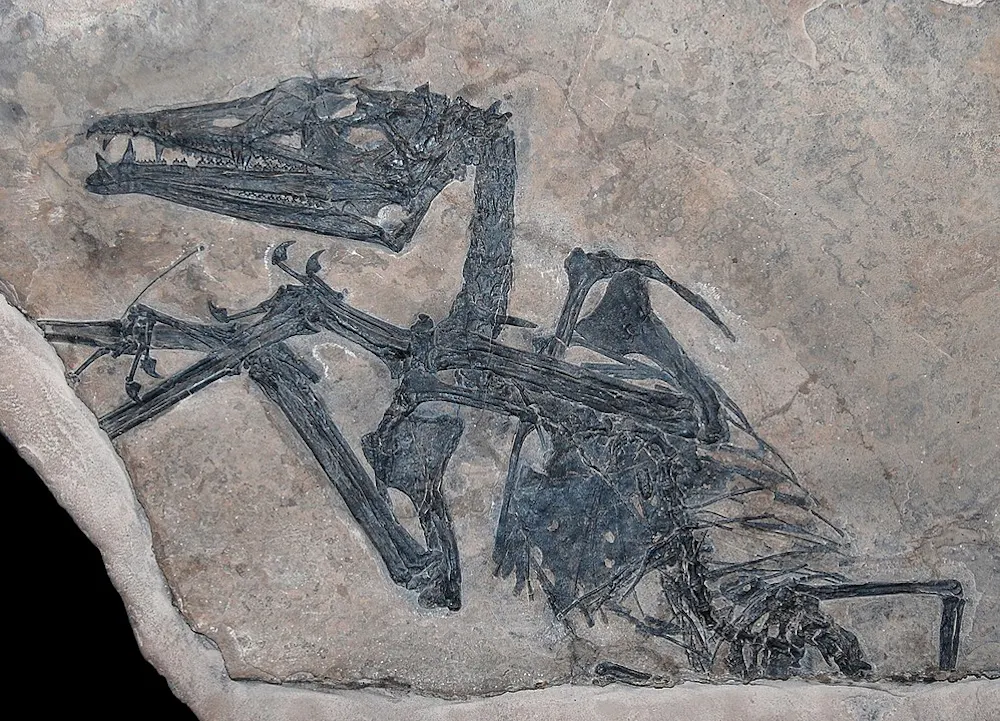
    Neo

    MIL OSI Africa

  • Bumrah told BCCI he did not want test captaincy due to workload concerns

    Source: Government of India

    Source: Government of India (4)

    Fast bowler Jasprit Bumrah said he told India’s cricket board (BCCI) that he did not want to be considered for the test captaincy as his workload has to be carefully managed due to his back problems.

    The BCCI picked top-order batter Shubman Gill as captain following Rohit Sharma’s decision to quit the test format last month, with chief selector Ajit Agarkar saying they could not risk burdening Bumrah with a leadership role.

    Gill will lead the side in a five-test series against England starting in Leeds on Friday.

    “I have discussed about my workloads going forward in a five-test match series, I’ve spoken to the people who have managed my back, I’ve spoken to the surgeon as well,” Bumrah told Sky Sports on Tuesday.

    “I came to the conclusion that I have to be a little more smart, so I called the BCCI and said I don’t want to be looked at in a leadership role.”

    Bumrah had captained the side in Rohit’s absence in the first two matches of a five-test series in Australia at the end of last year.

    But the 31-year-old was then sidelined for three months after sustaining a stress-related back injury during the series finale in Sydney in January.

    Bumrah, who was named the ICC men’s cricketer of the year in 2024, has suffered multiple back injuries throughout his career, including one that forced him to have surgery in 2023.

    He said the captaincy should not fall to someone who has to manage their workload in a five-test series.

    “I had to say no as it’s not fair for the team as well,” he added. “It’s not fair to the team if in a five-test series, three matches somebody else is leading and two matches somebody else is leading.

    “I always wanted to put the team first.”

    (Reuters)


  • Sri Lanka debutant Rathnayake changes bowling arm to target batter’s weakness

    Source: Government of India

    Source: Government of India (4)

    Ambidextrous Sri Lanka spinner Tharindu Rathnayake said he switched his bowling arm according to the weakness of the batter on strike as he took two wickets on the first day of his debut test match against Bangladesh on Tuesday.

    Both of Rathnayake’s wickets came from right-arm deliveries in the first session, but the 29-year-old also bowled with his left arm as visitors Bangladesh posted 292-3 at stumps in Galle.

    “We talked about what each batsman is better at facing, and which sides they hit to. So I try to create plans around their weaknesses, and change which arm I’m bowling with according to that,” Rathnayake was quoted by ESPN Cricinfo as saying.

    Rathnayake is not the only ambidextrous spinner in the Sri Lanka team, with Kamindu Mendis also known to bowl with both arms. But all-rounder Mendis has taken only 31 first-class wickets in 56 matches while Rathnayake, primarily a bowler, has 337 in 73 appearances.

    “I don’t know which arm I’ve taken more wickets with. I’ve never looked at it properly. I’ve bowled a lot with both my arms,” Rathnayake said.

    “When I started first-class cricket, I bowled a lot with my left arm. But later, after a couple of years, it became about 60% right arm and 40% left arm.”

    Sri Lanka will play two tests against Bangladesh this month, followed by three One-Day Internationals and three T20 Internationals in July.

    (Reuters)


  • MIL-OSI Economics: Treasury Bill: Full Auction Result

    Source: Reserve Bank of India

    Auction Results 91-day 182-day 364-day
    I. Notified Amount   ₹9,000 Crore   ₹5,000 Crore ₹5,000 Crore
    II. Competitive Bids Received      
    (i) Number 127 85 90
    (ii) Amount ₹36084.290 Crore ₹23389.050 Crore ₹24305.250 Crore
    III. Cut-off price / Yield 98.6819 97.3508 94.8003
    (YTM: 5.3575%) (YTM: 5.4575%) (YTM: 5.5000%)
    IV. Competitive Bids Accepted      
    (i) Number 40 32 27
    (ii) Amount ₹8979.899 Crore ₹4989.736 Crore ₹4983.011 Crore
    V. Partial Allotment Percentage of Competitive Bids 42.25% 40.69% 36.20%
    (4 Bids) (1 Bid) (3 Bids)
    VI. Weighted Average Price/Yield 98.6847 97.3572 94.8091
    (WAY: 5.3460%) (WAY: 5.4440%) (WAY: 5.4901%)
    VII. Non-Competitive Bids Received      
    (i) Number 6 4 4
    (ii) Amount ₹6320.101 Crore ₹2810.264 Crore ₹1037.149 Crore
    VIII. Non-Competitive Bids Accepted      
    (i) Number 6 4 4
    (ii) Amount ₹6320.101 Crore ₹2810.264 Crore ₹1037.149 Crore
    (iii) Partial Allotment Percentage

    Ajit Prasad          
    Deputy General Manager
    (Communications)    

    Press Release: 2025-2026/559

    MIL OSI Economics