Prime Minister Narendra Modi and UK Prime Minister Keir Starmer on Tuesday announced the successful conclusion of the India–UK Free Trade Agreement, along with the Double Contribution Convention.
The two leaders hailed the agreements as historic milestones in the Comprehensive Strategic Partnership between the two nations.
Emphasizing the potential for fostering innovation, job creation, and sustainable growth, they agreed that the FTA would significantly boost trade and investment flows between the world’s two major open-market economies.
PM Modi and Starmer noted that the agreement will not only strengthen economic linkages but also deepen people-to-people ties and create new avenues for collaboration.
The FTA, which covers trade in both goods and services, is expected to enhance bilateral trade volumes, generate employment, improve living standards, and elevate the overall well-being of citizens in both countries.
Starmer said that reducing trade barriers and building alliances with dynamic economies like India is a key part of the UK’s Plan for Change, aimed at delivering a stronger and more secure economic future.
Both leaders reaffirmed that deepening commercial and economic ties remains a cornerstone of the evolving and robust India-UK partnership. They expressed optimism that the agreement would unlock joint opportunities for developing products and services for global markets, setting the stage for a new chapter of shared prosperity.
PM Modi also extended an invitation to the British Prime Minister to visit India, with both leaders agreeing to stay in close touch as they advance their shared economic and strategic goals.
Prime Minister Narendra Modi on Monday extended his best wishes to citizens on the occasion of Buddha Purnima, highlighting that the life and teachings of Lord Buddha will always guide the world towards compassion and peace.
Buddha Purnima, also known as Vesak or Buddha Jayanti, is a significant spiritual occasion celebrated by Buddhists globally. It marks the birth, enlightenment, and Mahaparinirvana (death) of Gautama Buddha. Observed on the full moon day of the Vaisakh month in the Hindu calendar, the day is dedicated to meditation, peace, and spiritual reflection.
Sharing a message on X, PM Modi wrote, “Best wishes to all countrymen on Buddha Purnima. Lord Buddha’s messages, based on the principles of truth, equality and harmony, have been a guide for humanity. His life dedicated to sacrifice and penance will always inspire the world community towards compassion and peace.”
Union Home Minister Amit Shah also took to social media to convey his greetings.
“Happy Buddha Purnima to everyone. The life of Lord Buddha, who gave the message of equality and unity to human society by following the path of knowledge, compassion and non-violence, is the confluence of thoughts, words and deeds. I pray to Lord Buddha for everyone’s happiness and peace,” he said in a post on X.
Union Minister J.P. Nadda also extended his heartfelt wishes, saying, “I extend my heartfelt greetings and best wishes to all the countrymen on Buddha Purnima. Lord Buddha showed the path of religion, compassion, non-violence and peace to human society.”
“His great ascetic life of awakening the ‘self’ and dedicating himself in the service of others and his teachings will continue to inspire all of us forever,” he added.
Defence Minister Rajnath Singh, in his message on X, wrote, “On the auspicious occasion of Buddha Purnima, I bow to Mahatma Buddha who is the symbol of peace, wisdom and compassion. His timeless teachings continue to guide humanity towards harmony, self-realisation and the path of righteousness.”
Climate Change Is a Global Menace and Cliff-Hanging Crisis, Warns VP We Are Trustees of Nature, Not Consumers, Urges VP Our Vedic Culture Preached Sustainability for Thousands of Years: VP No Institution Can Function in Silo Today, Says VP VP Interacts With Students Of The College of Forestry in Sirsi
The Vice-President of India, Shri Jagdeep Dhankhar, today said,“Forests are extremely important. Forests are our lungs. If a country’s forests are in good shape, its people will enjoy good health—because forests are the lungs. Agriculture is our lifeline. But we need forests as they regulate climate, they buffer disasters, and they support livelihoods—especially for the poor and marginalized.”
Forests बहुत महत्वपूर्ण हैं। Forest are our lungs, just as agriculture is our lifeline. #Forests regulate climate, buffer disasters, and support livelihoods, especially for the poor and marginalised.
Interacting with faculty members and students of the College of Forestry, Sirsi, during a special programme on the “Role of Forestry in Nation Building”, today, Shri Dhnakhar emphasised that,“We must pledge to protect our forests and contribute in every way possible, because climate change is a global challenge—a global menace. The situation is alarmingly cliff hanging, and we have no other planet to live on apart from Mother Earth,” he warned.
Hon'ble Vice-President, Shri Jagdeep Dhankhar addressed the gathering on "Role of Forestry in Nation Building" at College of Forestry, Sirsi in Karnataka today. @TCGEHLOT#CollegeOfForestrypic.twitter.com/7X7R7FFA9B
Hon’ble Vice-President, Shri Jagdeep Dhankhar and Dr. Sudesh Dhankhar planted saplings in memory of their late mothers, Smt. Kesari Devi ji and Smt. Bhagwati Devi ji at the premises of College of Forestry, Sirsi in Karnataka today. #EkPedMaaMeNaam@TCGEHLOTpic.twitter.com/sdaL0bkj48
Highlighting India’s civilisational wisdom, the Vice-President said, “This land is a confluence of spirituality and sustainability. Sustainability is not just vital for the economy—it is vital for healthy living. Our Vedic culture has preached sustainability for thousands of years. And today, there is no alternative to sustainable development. We cannot engage in reckless exploitation of natural resources. We must restrict ourselves to what is minimally required. We all need to be aware of this.”
This land is a confluence of spirituality and sustainability. Sustainability is vital not only for economy, but also for a healthy life.
Sustainability has been preached in our Vedic culture for thousands of years.
Calling for deeper ecological consciousness, he remarked, “We must develop a sense of self-realisation—that Mother Earth, this environment, the forests, the ecosystems, the flora and fauna—we are their trustees, not consumers. We are duty-bound to pass this on to future generations.”
“Environment is that aspect of life which touches every living being on Earth. When the environment is challenged, the challenge is not just to humanity—it affects everything that exists on this planet. Today, we face a critical test: to protect and preserve the environment, and to find ways to overcome the grave crisis that is unfolding,” he observed.
Stressing the role of education in building a sustainable future, the Vice-President said, “Today, no institution can function as a standalone entity. There was a time when medical education, engineering education, management education, environmental education, and forest education all existed in silos. But now, everything has become interdisciplinary. And therefore, we must adopt an inclusive approach to learning.”
आज के दिन कोई भी संस्था अपने आप में standalone नहीं हो सकती।
एक ज़माना था जब Medicine, Engineering, Management, Environment Education सारे standalone थीं।
आजकल सब कुछ interdisciplinary हो गया है, and therefore, you will have to have an inclusive approach to learning.… pic.twitter.com/BGbt812vis
Encouraging young minds, Shri Dhankhar said, “Be inquisitive—have yearning and desire for new knowledge. The academic pursuit you are engaged in holds immense possibilities—far beyond imagination. In our cultural heritage, wherever you look, you will find a treasure trove. The more you study, the more you will be able to serve creation. The very subject you are pursuing today holds the key to remedies and production. You can truly become an effective crucible of research, especially when it comes to forest produce.”
Applauding the natural setting of the institution, the Vice-President noted, “Sirsi, nestled in the lap of the majestic Western Ghats—is one of the richest biodiversity regions not just in Bharat, but in the entire world. Such an environment transforms the very concept of a classroom. Here, the classroom doesn’t end at four walls; it extends beyond them. This is an open classroom, breathing and brimming with life. The College of Forestry is, fortunately and uniquely, surrounded by nature—in its most pristine form. The view here is truly extraordinary; the atmosphere fills one with joy and celebration.”
Sirsi lies in the lap of the majestic Western Ghats—one of the richest biodiversity regions, not only in Bharat but in the entire world.
College of Forestry, fortunately and uniquely, is surrounded by nature in its most pristine form. यहाँ का नज़ारा ही कुछ और है, वातावरण… pic.twitter.com/EzmZ4L0TOt
Shri Thaawar Chand Gehlot, Governor of Karnataka, Shri Basavaraj S. Horatti, Speaker of Legislative Council, Govt. of Karnataka, Shri Mankal S. Vaidya, District-in-Charge Minister (Uttara Kannada), Shri Vishweshwar Hegde Kageri, Member of Parliament, Dr. P.L.Patil, Vice Chancellor of University of Agricultural Sciences, Dharwad and other dignitaries were also present on the occasion.
If a crime shakes the public conscience, it cannot be covered up; Crime must be resolved according to the law – Vice President Comments on dignified constitutional positions like the President and Governor are matters that deserve serious reflection – Vice President The Constitution expects dialogue, deliberation, and healthy debate, not confrontation – Vice President The real definition of democracy is expression and debate – Vice President I have the utmost respect for the judiciary; all institutions should work in coordination – Vice President The most dangerous challenge is the one that comes from within, which we cannot discuss – Vice President
Vice President Shri Jagdeep Dhankhar today said, “I like challenges, and fulfilling constitutional obligations is our primary responsibility. No negligence in this regard can be accepted.”
मैं Hon’ble Governor को बधाई देता हूँ। ऐसी पुस्तक लिखना आसान नहीं है – और उसे ईमानदारी से लिखना तो और भी मुश्किल है। 'चुनौतियाँ मुझे पसंद हैं' – सबसे बड़ी चुनौती यही है कि यह कहना कि चुनौतियाँ मुझे पसंद हैं।
“A little while ago, I was told, ‘You won’t get [the book] for free either.’ Your Excellency Governor Anandiben Patel, I don’t have the habit of taking anything for free… The most dangerous challenge is the one that comes from within, which we cannot discuss… the challenge that comes from our own people, which has no logical basis, which has no connection with national development, which is related to governance. Not just you, I too am a victim of these challenges, Your Excellency Governor. I myself am a victim, a sufferer of these challenges. But we have a great strength before us, and our strength is our philosophy, which tells us that whenever a crisis arises, look towards the Vedas, look towards the Gita, Ramayana, Mahabharata – ‘You have a right to perform your prescribed duties, but you are not entitled to the fruits of your actions.’ Whenever challenges come, they will come. Challenges will come such that you feel helpless and think that even walls have ears. So you don’t discuss that challenge even with yourself, but you must never deviate from the path of duty,” he further said.
सबसे खतरनाक चुनौती वह होती है, जो अपनों से मिलती है – जिसकी हम चर्चा भी नहीं कर सकते। जिसका कोई तार्किक आधार नहीं होता, जिसका राष्ट्र के विकास से कोई संबंध नहीं होता, जो केवल राज्य-कार्य से जुड़ी होती है।
मैं इस पुस्तक का कायल इसलिए हूँ क्योंकि यह आनंदीबेन पटेल के बारे में नहीं है, बल्कि यह एक प्रेरणा का स्रोत है। यह महिलाओं के उत्थान, महिलाओं की मुक्ति, और महिलाओं के सशक्तिकरण के लिए मूल सामग्री है।
यहाँ बैठकर यह कहना आसान है कि इन्होंने पढ़ाई की, शिक्षक बनीं। लेकिन मैंने यह… pic.twitter.com/K6qpvBwXGz
Speaking as the chief guest at the book launch event of ‘I Like Challenges’ by Honourable Governor Smt. Anandiben Patel in Lucknow today, he said, “People often say that public memory is short and think that over time, everything will be forgotten. But that’s not the case. Have we forgotten the Emergency? Much time has passed, but the dark shadow of the Emergency is still visible to us today. It was the darkest period in Indian history when people were imprisoned without reason, access to the judiciary was obstructed. Fundamental rights disappeared, millions of people were thrown into jails. We haven’t forgotten this. Similarly, regarding the painful incident that happened recently, I believe — and it is my firm conviction — that we must accept that every person is presumed innocent until proven guilty. In a democracy, innocence has a special significance. But whatever the crime may be, it must be resolved according to the law. And if a crime shakes the public conscience, it cannot be covered up. I have stated this with complete clarity. Some people asked me why I am so outspoken on this issue. I got a lot of inspiration from Her Excellency the Governor’s book. And I have made it clear that I like challenges, and fulfilling constitutional obligations is our primary responsibility. No negligence in this regard can be accepted.”
हाल के कुछ दिनों में एक घटनाक्रम हुआ है जिस पर मैंने वक्तव्य भी दिया है — यह आपके प्रांत से भी जुड़ा हुआ है। मैं आपको याद दिलाना चाहूंगा कि इसी प्रांत के अंदर विधायिका और न्यायपालिका के बीच सबसे बड़ा टकराव हुआ था। आप सभी उस घटनाक्रम से परिचित हैं।
Expressing deep concern over comments made about constitutional positions, Shri Dhankhar said, “In our Constitution, two positions are considered supreme — one is the President of India, and the other is the Governor. And honourable Chief Minister, they are supreme because the oath you have taken, the oath I have taken, the oath that MPs, ministers, legislators, or any judge has taken — that oath is: I will uphold the Constitution. But Draupadi Murmu ji’s (President) and Anandiben Patel ji’s (Governor) oath is different from this. Their oath is: ‘I will protect, preserve, and defend the Constitution.’ And the second oath is: ‘I will serve the people’ — for the President, it’s the people of India, and for the Governor, it’s the people of the respective state. If comments are made on such dignified and constitutional positions, then according to me, it is a matter that deserves serious reflection.”
Highlighting the importance of coordination and dialogue between all institutions created by the Constitution, the Vice-President emphasized, “In the last few days, an event has occurred, on which I have also issued a statement, and it is also connected to your state. I want to remind you that the biggest confrontation between the Legislature and the Judiciary happened in this very state. You are all well familiar with this subject. It is our paramount duty to ensure that our constitutional institutions respect each other, and this respect increases when each institution works within its own boundaries. When Institutions respect each other… our Constitution does not expect confrontation, but rather coordination, cooperation, dialogue, deliberation, and healthy debate. The Constitution does not envision conflict between institutions; it promotes a spirit of participation and balance.”
In the same context, he further said, “All Institutions have their own roles. One should not play the role of another. We should respect the Constitution — literally, in spirit, and in essence, and I have said before, 140 crore people express their sentiments through elections, through their representatives, and those representatives reflect the public mind, and the public holds them accountable in elections. And that’s why I have said in common man’s language that just as the legislature cannot script a judgment, that is the court’s job — similarly, the court cannot make laws.”
“I have the utmost respect for the judiciary; I have been a soldier of the judiciary. I spent more than four decades as a lawyer. Only in 2019, when I was appointed as the Governor of West Bengal, did I leave the practice of law. I know that there are extremely talented people in the judiciary. The judiciary is of great importance. How strong our democratic system is — is defined by the status of the judiciary. By global standards, our judges are among the best. But I appeal that we should show a spirit of cooperation, coordination, and participation. The executive, judiciary, and legislature — these institutions should work together and in harmony.”, he added.
In our Constitution, two positions are supreme- One is of the President of India, another is of the Governor.
वो सुप्रीम इसलिए हैं कि जो शपथ मुख्यमंत्री की है, जो शपथ मेरी है, जो शपथ सांसद की है, मंत्री की है, विधायक की है, किसी भी न्यायाधीश की है। वो शपथ है "I will abide by… pic.twitter.com/5ElPdJr2l1
Emphasizing the importance of expression and debate in democracy, Shri Dhankhar said, “A very important point has been made, which is extremely necessary for all of us. Why do we call ourselves a democracy? Economic progress, development of institutional framework, expansion of technology — all these are important. But the real definition of democracy is — expression and debate. Expression and dialogue are the foundations of democracy. If there are restrictions on expression, it will be difficult for any nation to call itself democratic. But expression has no meaning if there is no debate with it. If expression reaches such an extent that the speaker thinks ‘I am the only one who is right’ and in all other circumstances, others are wrong, and there is no attempt to listen to them — then this is not the right to expression, but rather its distortion. Democracy is defined only when expression and dialogue flourish together in a comprehensive ecosystem. These two complement each other. And if expression reaches an extreme but there is no dialogue, then the philosophy of our Vedas — pluralism, will end. And in its place will be born ‘ego and arrogance.’ This ‘ego and arrogance’ are fatal for both individuals and institutions.”
On this occasion, the Vice-President’s spouse Smt. Sudesh Dhankhar, Honourable Governor of Uttar Pradesh Smt. Anandiben Patel, Honourable Chief Minister of Uttar Pradesh Shri Yogi Adityanath, Cabinet Minister Shri Suresh Khanna, and other dignitaries were also present.
Gradient Of Expression And Inclusivity Is Comparably The Highest In Bharat –says VP We Must Move From Food Security To Farmer Prosperity – Says VP Farmer Must Transform From Producer To Entrepreneur –urges VP Citizens Must Be Extremely Mindful That Freedom Of Expression And InclusivityTurn Out To Be National Assets – VP Innovation And Research Must Be Farmer-Centric – VP Vice-President Addressesthe Gathering At Tamil Nadu Agricultural University In Coimbatore
The Vice-President of India, Shri Jagdeep Dhankhar today said,“Bharat is the world’s oldest civilisation, a peace-loving nation where inclusivity and freedom of expression and thought are our legacy.”
Addressing the gathering at Tamil Nadu Agricultural University, Coimbatore, Tamil Nadu on the theme “Fostering Agri-Education, Innovation and Entrepreneurship for Viksit Bharat”, the Vice-Presidentobserved that if one traverses history for thousands of years, one would find that in our civilisation, inclusivity and freedom of expression thrived, blossomed, and were respected. In present times, he said, the quotient and gradient of expression and inclusivity are comparably the highest in the world, “Look around, there is no other country like Bharat which can demonstrate inclusivity and freedom of expression,” he said, adding that as citizens of this great nation—the largest democracy, the oldest democracy, the most vibrant democracy—we need to be extremely watchful, mindful and cognisant that freedom of expression and inclusivity must turn out to be our national assets.
Turning to the agriculture sector, the Vice-President underscored that “we must move from food security to farmer prosperity.” The farmer, he said, has to be prosperous, and this evolution must originate from institutions like Tamil Nadu Agricultural University.
He further elaborated that farmers must step out of the farmland and involve themselves in marketing their produce. “Farmers should not just be a producer and forget about it. That would mean they will painstakingly, tirelessly raise a produce and will sell it at a time when it is right for the market, without holding it. It doesn’t give much financially,” he noted. He called for empowering the farmers by generating awareness and by informing them that the government cooperative system is very robust.
“For the first time, we have the Cooperation Minister. Cooperatives find place in our Constitution. Therefore, what we need is farmer traders. We need farmer entrepreneurs. Change that mindset, so that a farmer transforms himself from producer to a value adder, starting some industry which is based on least produce,” he said.
The Vice-President also emphasized that the farm produce market is gigantic, and when value is added to the farm produce, industry will thrive.
Shri Dhankhar underlined that it is the duty of every citizen to bear this in mind, particularly at a time when the nation is witnessing unstoppable exponential economic rise, extraordinary growth in infrastructure, technological penetration reaching to the last mile, and the international repute of the nation and its leader, the Prime Minister, is at the highest ever, “We as citizens, therefore, have a great role to contribute to sustain this rise of the nation,” he asserted.
Emphasizing citizen participation, the Vice-President said that this is the right time for every citizen to fully become aware and also take advantage of the ecosystem of hope and possibility. He urged everyone to take a firm resolve that nation first will be our motto, our unflinching commitment to nation and ever guiding star. “No interest can be higher than that of the Nation,” he stressed.
Highlighting the role of research and technology in agriculture, he stressed that the gap between lab and land must not merely be bridged—it must be a seamless connect. “Lab and land must be together and for this, over 730 Krishi Vigyan Kendras must be vibrant centres of interaction with farmers, to educate the farmers,” he said. He also called for connecting Krishi Vigyan Kendras and the Indian Council of Agricultural Research, which in itself has over 150 institutions focusing on every aspect of Agronomy.
Applauding the government’s initiatives, the Vice-President noted that innovative schemes like PM Kisan Nidhi Samman are not freebies but are measures of doing justice to a sector that is our life-line. “This is a direct transfer to the farmer,” he emphasized.
In this context, Shri Dkhankhar said “in our country there is a massive subsidy for fertilisers. Institutions like Tamil Nadu Agricultural University, he said, must think that if the subsidy currently given to the fertiliser sector for the benefit of the farmer goes directly to the farmer, every farmer would be getting around 35,000 rupees every year.”
On the larger national vision, the Vice-President asserted, “attainment of Viksit Bharat has to be navigated carefully by institutions like Tamil Nadu Agricultural University. He called it a privilege to be at the University which, he said, has made seminal contributions to India’s food security.”
He recalled, “India has traversed from food scarcity to food being in plenty, and Tamil Nadu Agricultural University has effected agrarian development and served the broader cause of rural transformation.”
Paying rich tributes, the Vice-President noted, “one of the towering giants of the agro-sector, one of the proudest sons of Bharat, Dr. M.S. Swaminathan, was an alumnus of Tamil Nadu Agricultural University”. He pointed out that Dr. Swaminathan had the rare distinction of being the recipient of all four civilian awards, including the highest one—the Bharat Ratna.
Calling for impact-oriented innovation and research, he said that innovation and research initiatives must be evaluated as to what impact they have on the farmer. “Are they having ground impact? Therefore, research has to be applied. Research must be based on need. Research must serve a cause which you identify,” he advised. He added that research must be supported not only by government at the Centre and the State but also by industry, trade, business, and commerce.
In his concluding remarks, the Vice-President observed that India—our Bharat—has always been a land of agriculture. Its heart pulsates in villages. It is the lifeline of employment and economy, and the spinal strength of the nation in every sense of the term.
Recalling the ancient wisdom of the Tamil land, he remembered that in this sacred land, the role of the farmer was taken to a high level by the great poet-saint Thiruvalluvar. Citing him, the Vice-President said, “Farmers are the cornerstone of humanity and agriculture as the foremost craft.”He lauded Thiruvalluvar’s wisdom, calling it timeless, and remarked that “the farmer is the provider of our food. The farmer is the architect of our destiny.”
Shri R.N. Ravi, Governor of Tamil Nadu, Smt. N. Kayalvizhi Selvaraj, Minister for Human Resources Management, Govt. of Tamil Nadu, Shri V. Dakshinamoorthy, Agricultural Production Commissioner and Secretary to Government, Dr. M. Raveendran, Director of Research, Tamil Nadu Agricultural University, Dr. R. Thamizh Vendan, Registrar and Acting Vice Chancellor Tamil Nadu Agricultural University and other dignitaries were also present on the occasion.
Urge Everyone In Governance To Believe In The Institution Of Vice-Chancellor: VP Vice-Chancellors Must Act As Stewards Of India’s Academic Landscape, Urges VP Bharat Is The World’s Most Peace-Loving Nation, Says Vice-President Terrorism Is A Global Menace, Needs To Be Addressed In Unison, Says VP National Education Policy Is Not A Government Policy; It Is A Policy For The Nation, says VP Tamil Nadu Is A Land Of Vibrant Learning Centers, Says VP VP Addresses the Inaugural Session of the Conference of Vice-Chancellors of State, Central and Private Universities of Tamil Nadu in Udhagamandalam
The Vice-President of India, Shri Jagdeep Dhankhar today lauded the Governor of Tamil Nadu at Vice-Chancellors conference saying, “The Hon’ble Governor is doing this conference because it is his constitutional ordainment. He has taken oath under the Indian Constitution under Article 159. His oath, as that of the Hon’ble President, is very significant. The oath he has taken as Governor is to preserve, protect, and defend the Constitution and the law. By his oath, he is further enjoined to devote to the service and well-being of people of Tamil Nadu. By organizing such events, which are extremely relevant to the field of education, Governor Ravi is vindicating his oath. I must commend him for this very thoughtful initiative taken by him in 2022 to have conference of Vice-Chancellors. The present one is one in such series.”
Addressing the gathering as Chief Guest at the Inaugural Session of the Conference of Vice-Chancellors of State, Central and Private Universities of Tamil Nadu in Udhagamandalam today, Shri Dhankhar said, “At the heart of India’s great institutions in the past, we had visionary leaders, what we call modern Vice-Chancellors. The Vice-Chancellors of today are enormously talented. They are no less visionaries. They are giving everything which they can. They might face a big task, difficult terrain or air pockets, but I believe in their power to transform. They are worthy academicians who have capacity to bring about result. They represent and epitomize the ‘Kulapatis’ we had once. I urge everyone in governance at the Center and at the state level to believe in the institution of Vice Chancellor and ensure they have played the joints and can perform undeterred by ordinary situations.”
He further underscored the importance of changing academic landscape saying, “Today, not only Bharat but the entire world is faced with formidable challenges, rapid technological disruption. It is far more severe than industrial revolutions we had. A paradigm shift is taking place every moment. It is difficult to keep pace. The global order, on this count, is becoming increasingly complex. Every facet of life is being affected and it is therefore, in the lap of universities ably led on the front foot by Vice-Chancellors, to act as the stewards of India’s academic landscape. More the challenges, more the formidability of challenges, we must rise as impregnable, not only to overcome them, but to deliver results for the nation and the world. One challenge which the vice-chancellors must be facing is faculty. Faculty availability, faculty retention, and sometimes faculty addition. I would appeal to all of you to engage in sharing with one another. Use technology, don’t be an island in yourselves. It is not a time to be standalone because this challenge has to be fixed. We have no time.”
Shri Dhankhar expressed deep sorrow over the recent terror attack in Pahalgam, saying, “Today I join the Nation in expressing profound grief and outrage at the heinous terrorist attack in Pahalgam that claimed innocent lives. It is a grim reminder that terrorism is a global menace to be addressed by humanity in unison. Bharat is the world’s most peace-loving nation and our civilisational ethos reflects Vasudhaiva Kutumbakam.”
He further added, “Our visionary leadership in the shape of the Prime Minister who is in his third term is our greatest assurance that the nation’s rise cannot be handicapped by any situation internal or external. But we all have to bear in mind that national interest is supreme. This was echoed by Dr. B.R. Ambedkar while imparting his final address to the Constituent Assembly. We therefore have to take a resolve to always keep nation first, national interests cannot be intertwined with partisan interest, it has to be uppermost. This cannot be subservient to any interest political, personal or for a group.” Touching upon the transformative National Education Policy, the Vice-President said, “After three decades, taking into consideration inputs from the widest spectrum of stakeholders, there was the evolution of the National Education Policy. This policy aligns with our civilization ethos. It encourages multidisciplinary learning. It gives priority to Indian languages. It envisions education as the development of the person, not just employability.”
He further stated, “The most significant aspect of the National Education Policy is that it allows students to learn in their mother tongue. It has got us out of the colonial regime. Even medicine and engineering in local languages, which could not be entertained at one point of time, even in dreams, It is getting shape on the ground.”
Calling upon institutions to study and adopt the policy in full spirit, he urged, “I beseech you all and the faculty and directors wherever they are to please do a thorough study of National Education Policy to realise its real intent and purpose so that we reap the harvest of it. From this platform, I wish to indicate National Education Policy is a government policy. It is a policy for the nation. And therefore I appeal, it is time for us all to adopt it, understand it, execute it, and to reap the fruits.”
He further emphasized that the future of Indian higher education lies in moving beyond traditional silos, “We are well past the era of standalone institutions. It can’t be just IIMs, IITs etc. Standalone era for institutions is already behind us. There is now need of convergence for various verticals to give institutions cutting edge. Multi-disciplinary approach across academic pursuits is the only answer. Share your faculty talent virtually, technologically and otherwise also. That will have twofold purpose. While giving it, you will be receiving also. The winds of innovation and change must have free passage in educational institutions. Evolve a mechanism. There must be tolerance for varying ideas. Intolerance to a thought defines democracy the wrong way. The nectar of university is that a solo voice that has an opinion different than that of the majority is heard with deference by engaging in dialogue and discourse, not by being judgmental.”
Highlighting Tamil Nadu’s historical role in India’s academic evolution, the Vice-President said, “Tamil Nadu is a land of vibrant learning centers, those learning centers must be our North Star now. Tamil Nadu has been home to such widely accoladed learning centers like Kanchipuram and Ennayiram. Ennayiram attracted thousands of students from all over Bharat. I see in these conferences emergence of crucibles of ideation that will rekindle the spirit of Kanchipuram and bring back glory of Ennayiram. We must take pride that it was in Tamil Nadu, Madras University was established in 1857. Modern education was exemplified in this land.”
He concluded with a stirring reflection on India’s rich linguistic heritage, especially Tamil’s historic recognition, saying, “Our languages, their richness and depth are our pride and legacy. This aspect amplifies the fullness and uniqueness of our culture. Go to any country, and you will not find what we have here. Our treasure is unfathomable. Sanskrit, Tamil, Telugu, Kannada, Hindi, Bangla, and other languages are a goldmine of literature and knowledge. These have national and global footprints. Educational institutions have to nurture with deep focus this treasure.”
He further said that “What a pride for Tamil Nadu and the entire country. The Tamil had the distinction of being the first language to be accorded the prestige of being a classical language. This well-deserved recognition was imparted in 2004, which means things started changing in regimes. Today, there are 11 languages that are classical languages and Classical languages are those that have rich culture, knowledge, literature, depth. Let me just indicate the 11 languages because I had the occasion, as Chairman, Rajya Sabha, to declare to the Rajya Sabha that Marathi, Pali, Prakrit, Assamese, and Bengali were recently given the status of classical languages, but earlier we had, as I said Tamil, Sanskrit, Kannada, Telugu, Malayalam, and Odia. Go all over the world, we are matchless. We have to realise our power, our potential. We should not be carried away by insignificant aspects.”
Shri R.N. Ravi, Hon’ble Governor of Tamil Nadu, Shri R. Kirlosh Kumar, Principal Secretary to Governor of Tamil Nadu, Dr. N. Chandrasekar, Vice Chancellor, Manonmaniam Sundaranar University, Tamil Nadu
There Is No Visualisation in the Constitution of Any Authority above Parliament, Asserts VP Is Our Discourse Controlled by Moneybags, Muscle Power, And Foreign Interests? You Must Discern, Urges Vice-President The Constitution Is For the People; Elected Representatives Are Its Repository, Affirms VP Soul of Democracy Resides In Each Citizen, Says Vice-President If You Hesitate To Speak The Right Thing At The Right Time, To The Right Group You’ll Not Only Weaken Yourself, But Also Deeply Wound Positive Forces, says VP Vice-President presides over ‘Kartavyam’, an event commemorating 75 years of the Indian Constitution at the University of Delhi
The Hon’ble Vice-President of India, Shri Jagdeep Dhankhar, today said, “For any democracy, every citizen has a pivotal role. I find it inconceivably intriguing that some have recently reflected that constitutional offices can be ceremonial or ornamental. Nothing can be far distanced from a wrong understanding of the role of everyone in this country, constitutional functionary or a citizen. According to me, a citizen is supreme because a nation and democracy are built by citizens. Every one of them has a role. The soul of democracy resides and pulsates in every citizen. Democracy will blossom. Its values will get heightened. When citizen is alert, citizen contributes and what a citizen contributes, there is no substitution of that.”
Addressing the gathering as the Chief Guest over ‘Kartavyam’, an event commemorating 75 years of the Indian Constitution at the University of Delhi today, the Vice-President and ex-officio Chancellor of the University of Delhi, stated, “There is no visualisation in the constitution of any authority above parliament. Parliament is supreme and that being the situation. Let me tell you, it is as supreme as every individual in the country. Part of ‘We the People’ is an atom in democracy and that atom has atomic power. That atomic power is reflected during elections and that is why we are a democratic nation.”
He also added that, “The Constitution is encapsulated—its essence, it’s worth, its nectar—in the Preamble of the Constitution. And what does it say? ‘We, the People of India’, the supreme power is with them. No one is above the people of India. And we, the People of India, under the Constitution, have chosen to reflect their aspirations, their desires, and their will through their public representatives. And they hold the representatives accountable—severely accountable, on occasions—through elections. A Prime Minister who imposed ‘Emergency’ was held accountable in 1977. And therefore, let there be no doubt about it: the Constitution is for the people, and its repository of safeguarding is that of the elected representatives. They are the ultimate masters as to what the Constitution’s content will be.”
Reflecting on the duty of citizens in democracy, the Vice-President said, “Democracy is not only for the government to govern. It is participatory democracy, just not laws, but also culture and ethos. Citizenship demands action, not merely status….Democracy is shaped not by governments, democracy is shaped by individuals. Because individuals bear the responsibility to uphold our symbols, preserve our heritage, defend sovereignty, foster brotherhood….. Government has a role that it [individual] does not become a handicap. Government has a role that it must have affirmative policies but government is like giving me a good stadium, a good football ground. Goals have to be scored by individuals.”
Underlining the significance of quality of discourse in any healthy democracy, the Vice-President said, “If you want to know the health of democracy, like the health of an individual, if you want to analyse how healthy is our democracy, then you will have to find out discourse quality, the kind of discourse we have. Is our discourse moderated? Is our discourse manipulated? Is our discourse controlled by moneybags, by muscle power, by foreign interests, by people working against the interests of this nation? You will have to discern.”
Underlining the significance of freedom of expression, he stated, “We have to understand—democracy thrives through expression and dialogue. Abhivyakti aur samvaad—these are the core mantras of democracy. These are the basic mantras. If your right of expression is throttled or regulated, as was done during the Emergency, democracy nosedives. But if you have the right of expression, and that expression reflects arrogance and ego—where you believe your expression is ultimate, where you refuse to entertain any different point of view, refuse to even look at the other side—that too is not true expression as per our civilization. Because every expression demands respect for dialogue, and respect for the other point of view. You must always be prepared to be challenged. And to challenge is not a physical act—it is a challenge of ideas, a difference in thought: “I disagree with you.” That does not mean “I am disagreeable.” There must always be space for such exchange. Therefore, expression and dialogue are complementary—they together define democracy. If we delve into our civilizational heritage, this was referred to in Vedic times as ‘Anantavad’—the idea of infinite perspectives. There was a tradition of vaad-vivaad—debate and discourse—And this tradition was free of ego. Vaad-vivaad dissolves ego and arrogance. Because if I believe that only I am right and no one else can be right—that arrogance tarnishes not only the individual but also institutions. That is why, for a healthy democracy, expression and dialogue are essential.”
“If you hesitate to speak the right thing, at the right time, to the right group and the right person, you will not only weaken yourself but also deeply hurt those positive forces. Therefore, expression and dialogue are of utmost importance. Nations are not built by industrialists, nations are built by individuals. The power of the individual, as I said an atom. The power is atomic, you have that power. You only have to realise it”, he further added.
Emphasising the role of youth in nation-building, Shri Dhankhar added, “The quality of discourse defines our democracy and in this, I have no doubt, our youth must elevate beyond partisanship to thoughtful deliberation. Our youth cannot afford this critical juncture when Bharat is rising, the rise is unstoppable. We are destined to be a global power. We will be a developed nation. You cannot be tied down to partisan interests; you have to believe only in national interests.”
Shri Yogesh Singh, Vice-Chancellor, University of Delhi, Prof. Balaram Pani, Dean Colleges, University of Delhi, Shri Prakash Singh, Director, South Delhi Campus, University of Delhi and other dignitaries were also present on the occasion.
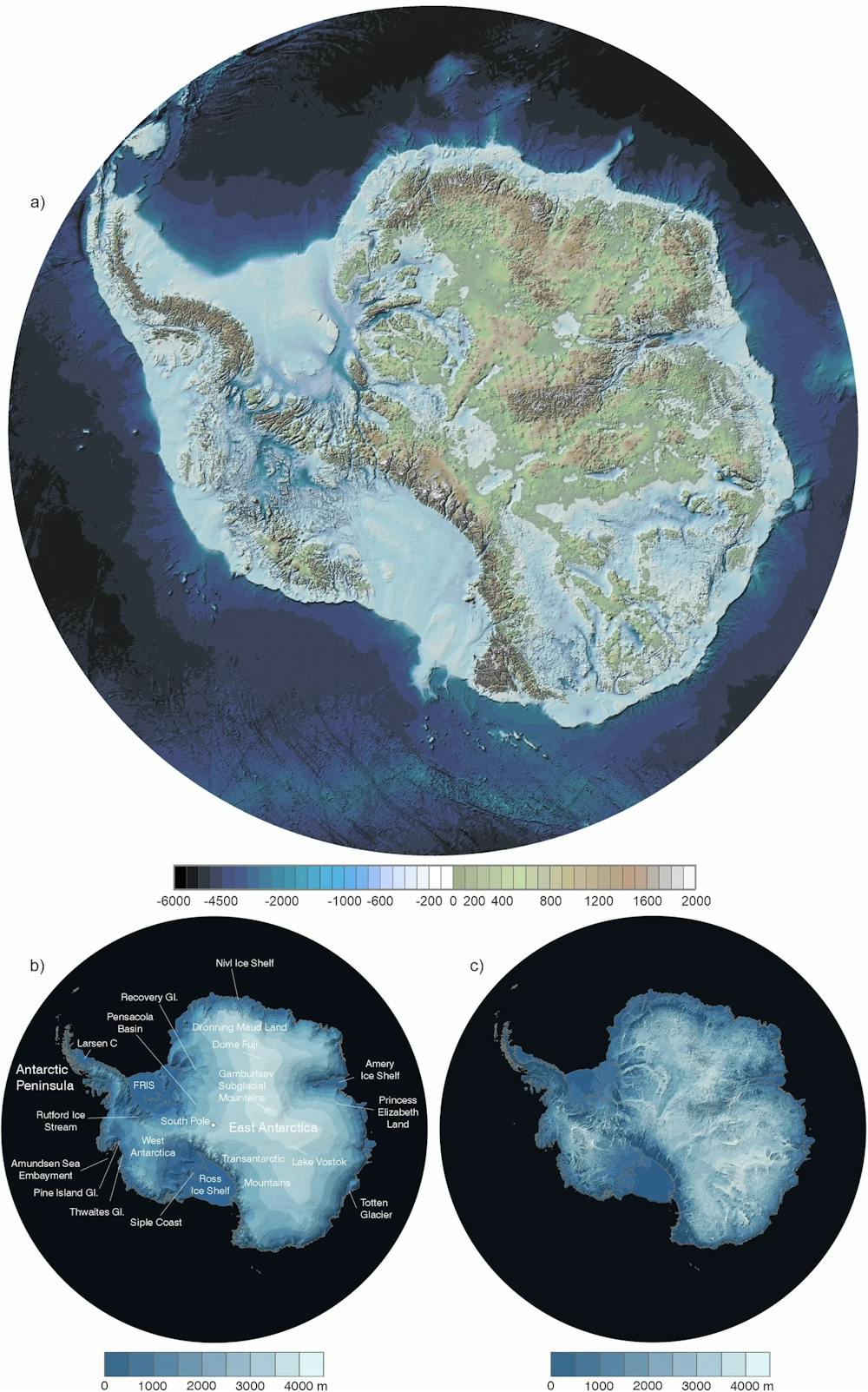
Have you ever imagined what Antarctica looks like beneath its thick blanket of ice? Hidden below are rugged mountains, valleys, hills and plains.
Some peaks, like the towering Transantarctic Mountains, rise above the ice. But others, like the mysterious and ancient Gamburtsev Subglacial Mountains in the middle of East Antarctica, are completely buried.
The Gamburtsev Mountains are similar in scale and shape to the European Alps. But we can’t see them because the high alpine peaks and deep glacial valleys are entombed beneath kilometres of ice.
How did they come to be? Typically, a mountain range will rise in places where two tectonic plates clash with each other. But East Antarctica has been tectonically stable for millions of years.
Our new study, published in Earth and Planetary Science Letters, reveals how this hidden mountain chain emerged more than 500 million years ago when the supercontinent Gondwana formed from colliding tectonic plates.
Our findings offer fresh insight into how mountains and continents evolve over geological time. They also help explain why Antarctica’s interior has remained remarkably stable for hundreds of millions of years.
Because the mountain range is completely covered in ice, it’s one of the least understood tectonic features on Earth. For scientists, it’s deeply puzzling. How could such a massive mountain range form and still be preserved in the heart of an ancient, stable continent?
Most major mountain chains mark the sites of tectonic collisions. For example, the Himalayas are still rising today as the Indian and Eurasian plates continue to converge, a process that began about 50 million years ago.
Plate tectonic models suggest the crust now forming East Antarctica came from at least two large continents more than 700 million years ago. These continents used to be separated by a vast ocean basin.
A map of the topography (a) and surface elevation (b) of Antarctica, measured in metres above sea level; (c) shows ice thickness in metres. Pritchard et al., Scientific Data (2025), CC BY
The collision of these landmasses was key to the birth of Gondwana, a supercontinent that included what is now Africa, South America, Australia, India and Antarctica.
Our new study supports the idea that the Gamburtsev Mountains first formed during this ancient collision. The colossal clash of continents triggered the flow of hot, partly molten rock deep beneath the mountains.
As the crust thickened and heated during mountain building, it eventually became unstable and began to collapse under its own weight.
Deep beneath the surface, hot rocks began to flow sideways, like toothpaste squeezed from a tube, in a process known as gravitational spreading. This caused the mountains to partially collapse, while still preserving a thick crustal “root”, which extends into Earth’s mantle beneath.
Mountain building causes deep crustal rocks to deform, fold and partially melt. Jacqueline Halpin
Crystal time capsules
To piece together the timing of this dramatic rise and fall, we analysed tiny zircon grains found in sandstones deposited by rivers flowing from the ancient mountains more than 250 million years ago. These sandstones were recovered from the Prince Charles Mountains, which poke out of the ice hundreds of kilometres away.
Zircons are often called “time capsules” because they contain minuscule amounts of uranium in their crystal structure, which decays at a known rate and allows scientists to determine their age with great precision.
These zircon grains preserve a record of the mountain-building timeline: the Gamburtsev Mountains began to rise around 650 million years ago, reached Himalayan heights by 580 million years ago, and experienced deep crustal melting and flow that ended around 500 million years ago.
Most mountain ranges formed by continental collisions are eventually worn down by erosion or reshaped by later tectonic events. Because they’ve been preserved by a deep layer of ice, the Gamburtsev Subglacial Mountains are one of the best-preserved ancient mountain belts on Earth.
While it’s currently very challenging and expensive to drill through the thick ice to sample the mountains directly, our model offers new predictions to guide future exploration.
Geologists Jacqueline Halpin and Jack Mulder stand on the Denman Glacier during recent fieldwork. Jacqueline Halpin
For instance, recent fieldwork near the Denman Glacier on East Antarctica’s coast uncovered rocks that may be related to these ancient mountains. Further analysis of these rock samples will help reconstruct the hidden architecture of East Antarctica.
Antarctica remains a continent full of geological surprises, and the secrets buried beneath its ice are only beginning to be revealed.
Jacqueline Halpin receives funding from the Australian Research Council through the ARC Australian Centre for Excellence in Antarctic Science (ACEAS) Special Research Initiative.
Nathan R. Daczko receives funding from the Australian Research Council.
ER Report: Here is a summary of significant articles published on EveningReport.nz on May 12, 2025.
Victoria’s planning reforms could help solve the housing crisis. But they are under threat Source: The Conversation (Au and NZ) – By Brendan Coates, Program Director, Housing and Economic Security, Grattan Institute An aerial drone view of northern Melbourne suburbs. Elias Bitar/Shutterstock The federal election campaign was dominated by the housing crisis. But the real power to solve it rests with the states. In Victoria, reforms are underway that
Footy’s ‘code wars’ are back, but which is actually the No. 1 Australian sport: the NRL or AFL? Source: The Conversation (Au and NZ) – By Tim Harcourt, Industry Professor and Chief Economist, University of Technology Sydney NRL Photos, Matt Turner/AAP, Wikimedia, The Conversation, CC BY Every now and then, so-called “code wars” erupt between the major Australia winter football codes: the National Rugby League (NRL) and the Australian Football League (AFL). This
A prisoner voting ban shows again how few checks there are on parliamentary power Source: The Conversation (Au and NZ) – By Stephen Winter, Associate Professor in Political Theory, University of Auckland, Waipapa Taumata Rau Getty Images Justice Minister Paul Goldsmith’s recent announcement that the government would reinstate a total ban on prisoners voting was in keeping with the coalition’s overall tough-on-crime approach. The move was called “ridiculous” and
‘We’re just doing our best’ – cultural backlash hits Auckland kava business By Coco Lance, RNZ Pacific digital journalist A new Auckland-based kava business has found itself at the heart of a cultural debate, with critics raising concerns about appropriation, authenticity, and the future of kava as a deeply rooted Pacific tradition. Vibes Kava, co-founded by Charles Byram and Derek Hillen, operates out of New Leaf Kombucha
‘Fighting more frequent now’ – researcher warns of escalating West Papua conflict By Caleb Fotheringham, RNZ Pacific journalist The escalation of violence in West Papua is on par with some of the most intense times of conflict over the past six decades, a human rights researcher says. The United Liberation Movement for West Papua (ULMWP) claims that Indonesia killed at least one civilian and severely injured another
Homer’s Iliad is a rap battle Source: The Conversation (Au and NZ) – By Joshua Forstenzer, Senior Lecturer in Philosophy and Co-Director of the Centre for Engaged Philosophy, University of Sheffield The Anger of Achilles by Jacques-Louis David (1819). Kimbell Art Museum Homer’s Iliad is one of the foundational stories of European civilisation. The Iliad is a long poem – an
Major brands don’t need to kowtow to Trump: they have the power to bring people together Source: The Conversation (Au and NZ) – By Michael Beverland, Professor of Brand Management, University of Sussex Business School, University of Sussex Whatever you think of his personality or politics, it’s impossible to deny the success of Donald Trump as a brand. Supporters and detractors across the world are transfixed by his second term as
Meteorites and marsquakes hint at an underground ocean of liquid water on the Red Planet Source: The Conversation (Au and NZ) – By Hrvoje Tkalčić, Professor, Head of Geophysics, Director of Warramunga Array, Australian National University UAESA / MBRSC / Hope Mars Mission / EXI / Andrea Luck, CC BY Evidence is mounting that a secret lies beneath the dusty red plains of Mars, one that could redefine our view
Why doesn’t Australia make more medicines? Wouldn’t that fix drug shortages? Source: The Conversation (Au and NZ) – By Peter Coomber, PhD Candidate, Pharmaceutical Supply Chains, The University of Queensland IM Imagery/Shutterstock About 400 medicines are in short supply in Australia. Of these, about 30 are categorised as critical. These are ones with a life-threatening or serious impact on patients, and with no readily available substitutes.
Farmers fear dingoes are eating their livestock – but predator poo tells an unexpected story Source: The Conversation (Au and NZ) – By Rachel Mason, PhD candidate in Conservation Biology, Deakin University Kristian Bell/Shutterstock Killing carnivores to protect livestock, wildlife and people is an emotive and controversial issue that can cause community conflict. Difficult decisions about managing predators must be supported by strong scientific evidence. In Australia, predators such as
‘Cutting off communications’ – did Trump really just turn his back on Israel? ANALYSIS: By Robert Inlakesh Israel is in a weak position and Prime Minister Benjamin Netanyahu’s extremism knows no bounds. The only other way around an eventual regional war is the ousting of the Israeli prime minister. US President Donald Trump has closed his line of communication with Israeli Prime Minister Benjamin Netanyahu, according to various
View from The Hill: if Jacinta Nampijinpa Price became Liberal deputy it would be a wild ride Source: The Conversation (Au and NZ) – By Michelle Grattan, Professorial Fellow, University of Canberra Jacinta Nampijinpa Price’s confirmation she will run for Liberal deputy has put the members of an already shell-shocked party into a new spin. Tuesday’s leadership contest, where the numbers are said to be tight, is a battle for the direction
Dumped minister Ed Husic labels Deputy Prime Minister Richard Marles ‘factional assassin’ Source: The Conversation (Au and NZ) – By Michelle Grattan, Professorial Fellow, University of Canberra Industry Minister Ed Husic, dumped from the frontbench ahead of Anthony Albanese’s announcement of his new ministry, has made an excoriating attack on Deputy Prime Minister Richard Marles, describing him as a “factional assassin”. Marles, chief of the Victorian right,
Philippine advocacy group condemns NZ military pact with Manila, rejects election violence Asia Pacific Report The Aotearoa Philippines Solidarity national assembly has condemned the National Party-led Coalition government in New Zealand over signing a “deplorable” visiting forces agreement with the Philippine government “Given the Armed Forces of the Philippines’ appalling human rights record and continuing attacks on activists in the Philippines, it is deplorable for the New
Source: United States Senator for Tennessee Bill Hagerty
NASHVILLE, TN—Today, United States Senator Bill Hagerty (R-TN), a member of the Senate Appropriations, Banking, and Foreign Relations Committees and former U.S. Ambassador to Japan, joined Sunday Morning Futures on Fox News to discuss President Donald Trump’s ongoing trade negotiations, what to do about the debt ceiling, and the efforts to cut spending in the federal government via budget reconciliation.
*Click the photo above or here to watch*
Partial Transcript
Hagerty on the trade negotiations with China: “I worked on trade deals extensively. Not only the two trade deals we did with the U.S. and Japan, but also with the team that negotiated the phase one China trade deal, which China did not abide by. David’s right. I’m so glad he’s going to his post now. He’s going to be a great ambassador representing the America’s interest with China. What’s happening in Switzerland right now, I’m very excited about. I think there’s great potential there. It has to get resolved. And with ambassadors or leaders like David in the field, I think we’re going to have every opportunity then to hold China to account, because that’s going to be a critical aspect of this. They have not followed through on their prior agreements with us. We need to make certain that what we strike with them today, what we strike over the weekend and in the days to come, is something that we can ascertain, we can hold them accountable to, and that we can verify.”
Hagerty on the debt ceiling: “I have a lot [of] faith in President Trump’s ability to get long-term effect achieved here. You’ve seen the DOGE effort. There’s a massive deregulation thrust underway. Every conversation is about efficiency, cutting costs, getting more for less. It’s going to take President Trump a little bit of time, though. You know how much stimulus was unleased into this economy. We’ve got to give President Trump the headroom to sort this out. And so, President Trump has asked for an extension of the debt ceiling. I’m more than inclined to grant him what he needs to give him the time and the runway to actually get our economy to a far better place, a much more efficient and effective place. At the same time, shoring up some of the problems that have been left to us by this Biden administration. That’s been outgoing.”
Hagerty on the need to cut wasteful, fraudulent, and abusive spending in the federal government: “From my standpoint, and certainly having been a senator who served on the executive branch in the State Department and have seen the actual dispensation of this foreign aid, there’s a tremendous amount of opportunity to clean this up. And I think if I talk to my constituents here in Tennessee, they’ve been very clear to me. We need to be fixated on and focused on America right now, shoring up what’s wrong here, rather than sending our aid dollars overseas. And when you looked at some of the specifics of where our aid dollars were going, it was absolutely disgraceful. This organization has run amok. I applaud Secretary of State [Marco] Rubio for getting his arms around this, for taking control of it. And we certainly do need to start cutting back. We need to cut back there. We need many other places where President Trump is fixated. Again, he needs a little bit of headroom to get that done. I’m willing to support that. But this is exactly the type of thing that the American public expects to see from us […] I think as more information comes out and more of my colleagues see the abject waste that has gone on in places like USAID, I think it’s going to become easier and easier for them to realize and get their arms around cutting some of these programs. Now granted, these programs have constituencies that are very vocal in Washington. They’ve been lobbying very hard. But again, transparency will make a big difference for my colleagues. I certainly hope to see even more of it. I think that’ll make it a lot easier to get to where we need to be. That takes time.”
Hagerty on Japan’s opportunity for a trade deal: “Japan certainly has the opportunity to be next. They’re the third largest economy in the world. They have every incentive to step up and take part in what I think will be a transformative situation across the globe. Japan could be a real leader here if you think about their opportunity to join us from an economic standpoint, from a national security standpoint, again, our largest presence in Indo-Pacific region is our partnership with Japan. We have more U.S. Military station there than anywhere else in the region. Again, I can’t put myself in their shoes.”
Hagerty on the India-Pakistan conflict: “That’s a top shelf issue. When you see two nuclear powers like Pakistan and India going at it, it’s top concern. That’s why President Trump was immediately on it. JD Vance stepped up in a remarkably admirable way to leverage his personal relationship with [Prime Minister] Modi. I’ve seen President Trump and Modi together. They have a great personal relationship, but it’s these relationships and also the gravity of the situation that, I think, has helped bring this to a quick resolve. I only wish [former President] Joe Biden had used his political capital to do the same thing with Ukraine and Russia.”
Hagerty on the need for major spending cuts in the reconciliation package: “The Senate is actually talking more like two trillion in cuts. We’re very focused on it. The reason the threshold is lower in the Senate is because there’s certain rules there that you can’t exceed or you can’t fall below. Again, we’re leaving ourselves leeway to get it done, but every one of my colleagues that I’ve spoken with wants to see an even greater number of cuts in this package.”
he Indian Navy on Sunday revealed its active role in Operation Sindoor, emphasizing that Karachi and other key Pakistani military assets were in the line of fire during India’s coordinated military response to the Pahalgam terror attack.
Speaking at a joint briefing with senior commanders from the Army and Air Force, Vice Admiral A.N. Pramod, Director General of Naval Operations, said that the Navy’s deployment in the Arabian Sea during the operation effectively forced the Pakistan Navy to remain confined to its harbours or operate only near its coastline.
He said that the Indian Navy was fully prepared within 96 hours of the April 22 attack to execute strikes on Pakistan’s military infrastructure. He added that naval forces were “ready to target locations at sea and on land, including Karachi Port,” but were awaiting government orders.
Pramod added the Navy rapidly mobilised warships, submarines, and aircraft into full combat readiness following the Pahalgam attack.
The deployment, he said, reinforced India’s commitment to national security and its ability to respond decisively to emerging threats. Multiple weapon drills were conducted in the Arabian Sea to validate combat preparedness and enhance strike precision. Pakistan’s naval forces, meanwhile, were restricted to defensive positions near the coast and were under close surveillance.
“The Indian response throughout the operation was measured and calibrated, with all branches of the military operating in sync to ensure an effective counter-strike,” he added.
Pramod noted that the Navy’s maritime superiority, along with the coordinated efforts of the Army and Air Force, played a key role in compelling Pakistan to seek a ceasefire. Despite the cessation of hostilities, the Navy remains vigilant and ready to act against any future threats from Pakistan or its proxies.
Lieutenant General Rajiv Ghai, Director General of Military Operations, reiterated that Pakistan had been warned against any further violations, which would be met with a strong and immediate response.
Air Marshal A.K. Bharti detailed the precision airstrikes that targeted Pakistani military installations, underlining India’s commitment to avoiding civilian casualties while delivering a strategic response.
eal Madrid suffered yet another defeat to their fierce rivals FC Barcelona, falling 3-5 at the Estadi Olímpic Lluís Companys in what was their fourth El Clasico loss of the season. A hat-trick by Kylian Mbappe proved insufficient, as the Catalans firmly claimed bragging rights on Sunday.
Goals from Eric Garcia, Lamine Yamal, and a brace by Raphinha secured a thrilling comeback win for the hosts, who had trailed by two goals within the opening 15 minutes due to an early blitz by Mbappe.
With this victory, Barcelona moved seven points clear of Real Madrid in the La Liga standings and now need only one win from their three remaining games to clinch their 28th league title.
Mbappe looked ready for the occasion from the start. He earned a penalty in the 5th minute after drawing a foul from goalkeeper Wojciech Szczesny, which he converted with ease. Just nine minutes later, he doubled Madrid’s advantage. An assist from Vinicius Jr set up the Frenchman’s 38th goal of the season—surpassing Chilean striker Ivan Zamorano’s record of 37 goals in a debut season for Real Madrid in 1992/93.
However, the visitors were soon given a rude awakening. In the 19th minute, Ferran Torres flicked a corner toward Eric Garcia, who headed it into the net.
The floodgates opened as Barcelona chased the deficit with relentless aggression. Lamine Yamal continued his stellar season with a driven low shot that left Courtois with little chance in goal.
Just two minutes later, Raphinha opened his account for the night. The Brazilian winger was beautifully played in by midfielder Pedri and made no mistake in converting. Raphinha added his second just before the half-time whistle, giving Barcelona a commanding lead.
Madrid failed to recover from the deficit and ended their 2024–25 campaign winless against their arch-rivals, having previously lost 0-4 at the Bernabéu in the league, 2-5 in the Spanish Super Cup Final in Riyadh, and 2-3 in the Copa del Rey Final at La Cartuja.
ndia is poised to become one of the most exciting investment destinations in the world and may even outperform China in the coming years, according to ace investor Jim Rogers.
In an interaction with IANS, Rogers said, “I have been around the investment world for decades, and for the first time in my life, I see that the people in Delhi understand economics.”
“India is rising again. I think the people in Delhi understand what needs to be done and are trying to do it. That would be wonderful for India and for the world. If India can actually open up and engage in trade with the whole world, you cannot believe how exciting the country’s future could be,” said the American investor and financial commentator.
“I don’t have investments in India right now, but I really, really want to invest more in the fastest-growing economy,” he added. Rogers also noted that if the market declines and stays down for a while, “I want to put more money in India.”
India is projected to become the world’s fourth-largest economy in 2025, with the country’s nominal GDP expected to rise to $4,187.017 billion—surpassing Japan’s GDP, which is pegged at $4,186.431 billion—according to the IMF’s latest World Economic Outlook report.
Commenting on Free Trade Agreements (FTAs), Rogers told IANS that increased free trade is beneficial for the world, and particularly for India.
“It will be extremely exciting for the world, including foreign investors,” he said.
India has signed 13 FTAs with its trading partners and is currently negotiating several more, including: the India-EU FTA, the India-Australia Comprehensive Economic Cooperation Agreement (CECA), the India-Peru Trade Agreement covering goods, services, and investment, the India-Sri Lanka Economic and Technical Cooperation Agreement (ETCA), and the India-Oman FTA.
India and the United Kingdom have signed a landmark FTA that is significant not only in terms of scope—covering reductions across 90 per cent of tariff lines—but also in its symbolic value, marking a shift in post-globalisation economic strategy.
According to an SBI report, the agreement signals a new global trade strategy for India, which includes reducing dependence on China, navigating U.S. tariffs, and recalibrating post-Brexit relations with Britain.
Moreover, India has also initiated a review of its existing FTAs, including the India-South Korea Comprehensive Economic Partnership Agreement (CEPA) and the ASEAN-India Trade in Goods Agreement (AITIGA).
n the early hours of May 7, India launched “Operation Sindoor,” a bold and calculated military response to the April 22 Pahalgam terror attack that claimed the lives of 26 civilians, mostly tourists. The operation, which involved deep strikes inside Pakistan and Pakistan-occupied Jammu and Kashmir (PoJK), marked a significant shift in India’s counterterrorism doctrine.
Destruction of Terror Launchpads
India successfully destroyed nine high-value terror launchpads linked to Lashkar-e-Taiba, Jaish-e-Mohammed, and Hizbul Mujahideen. These locations were identified as key training and operational hubs for attacks against India.
Deep Strikes into Pakistan’s Mainland
Operation Sindoor broke conventional norms by targeting locations deep within Pakistan’s mainland, including strategic zones like Punjab province and Bahawalpur — areas once considered untouchable. By doing so, India discarded the old distinction between terrorists and their state sponsors, treating both as legitimate targets. This demonstrated that no part of Pakistan would be considered safe if terror emanates from its soil.
Assertion of a Red Line
The response signaled a doctrinal shift in India’s strategy, establishing that state-sponsored terrorism would now invite targeted, visible, and proportional retaliation. Operation Sindoor underlined a new red line that Pakistan could no longer ignore.
Exposing Pakistan’s Air Defence Vulnerabilities
Indian forces, including Rafale jets equipped with SCALP missiles and HAMMER bombs, executed the strikes with pinpoint accuracy. The 23-minute mission exposed significant gaps in Pakistan’s air defence network, which was either bypassed or neutralised. Not a single Indian asset was lost in the operation.
Demonstration of Robust Air Defence Capabilities
India also proved its robust air defence capabilities at home. The Akashteer Air Defence System played a key role in intercepting hundreds of Pakistani drones and missiles, and is now positioned as a serious global export contender.
Precision Without Escalation
While India’s actions were assertive, they were not escalatory. No civilian or general military infrastructure was targeted — only identified terror assets. The response followed India’s long-standing doctrine of zero tolerance toward terrorism, coupled with a clear effort to avoid civilian casualties.
Elimination of Key Terrorist Operatives
Several high-value terrorist operatives were eliminated, including individuals on India’s most-wanted list. The leadership of multiple terror modules was dismantled in one night.
Damage to Pakistan’s Military Establishment
In retaliation to Pakistan’s drone and missile attacks on May 9–10, India carried out strikes on 11 Pakistani air bases, including Nur Khan, Rafiqi, Murid, Sukkur, Sialkot, Pasrur, Chunian, Sargodha, Skardu, Bholari, and Jacobabad. These strikes reportedly destroyed 20 percent of Pakistan’s air force infrastructure. Among the dead was Pakistan’s squadron leader Usman Yousuf.
Tri-Service Coordination
The operation showcased seamless tri-service coordination between the Indian Army, Navy, and Air Force. The Indian Navy’s deployment in the Arabian Sea kept Pakistan’s naval assets pinned near the coast, while weapon drills ensured full operational preparedness at sea.
Global Message Sent
Globally, the operation sent a strong message. In contrast to previous conflicts where India was urged to show restraint, this time the world’s leading powers largely expressed support for India’s right to defend its citizens and territory.
Changing the Narrative on Kashmir
Operation Sindoor also helped shift the narrative around Kashmir. The strikes were viewed not through the prism of the bilateral dispute, but as part of a legitimate response to terrorism. For the first time, the Kashmir issue was effectively de-hyphenated from India’s right to act against terror.
India’s message was unambiguous: those who shelter terrorists will no longer be safe. The response to Pahalgam was not just retaliation — it was a declaration of resolve.
lass=”selectable-text copyable-text x15bjb6t x1n2onr6″ dir=”ltr”>People with excess weight are more likely to experience long-term neurological and mental health symptoms after Covid-19, including headaches, vertigo, smell and taste disorders, sleep disturbances, and depression, according to new research.
The study was conducted by visiting PhD scholar Debora Barbosa Ronca from the Edith Cowan University (ECU) Centre of Precision Health.
“We anticipated some level of association between excess weight and post-Covid-19 symptoms based on prior evidence linking obesity with worse long-term Covid-19 outcomes. What stood out was the consistency of findings across a wide range of neurological and neuropsychiatric symptoms—including memory problems, depression, sleep disturbances, and sensory impairments,” said Ronca.
She noted that while the study did not include subgroup analyses by ethnicity, the inclusion of data from 23 countries suggested the global relevance of the findings.
Excess weight has been associated with the development of long Covid—or Post-Covid-19 Condition—as defined by the World Health Organization.
While the mechanisms behind this link are not yet fully understood, Ronca suggested it may be related to an exaggerated inflammatory response caused by excess fatty tissue in the body. Additionally, fat tissue may assist the SARS-CoV-2 virus in entering the body and act as a reservoir, allowing it to spread.
Some studies have shown that long Covid symptoms can persist for 12 months or longer, highlighting the need for long-term medical support.
“These symptoms can significantly impact quality of life and may linger for months. As we face overlapping public health challenges in the post-pandemic era—such as long Covid, mental health issues, and rising obesity rates—it’s essential to develop personalised and multidisciplinary care strategies to support affected individuals,” Ronca added.
She emphasised that healthcare providers should be aware that individuals with excess weight may face a higher risk of experiencing long-term neurological and mental health symptoms after Covid-19.
“This population may require closer monitoring and integrated care. Combining weight management, mental health support, and rehabilitation into post-Covid care plans could improve patient outcomes,” she said.
xternal Affairs Minister S. Jaishankar received a call from Egyptian Foreign Minister Badr Abdelatty on Sunday, during which the two leaders discussed recent developments amid heightened tensions between India and Pakistan.
Jaishankar underlined the importance of “zero tolerance for terrorism in all its forms and manifestations.” The conversation also covered opportunities for economic cooperation between India and Egypt.
“Received a call from FM Badr Abdelatty of Egypt. Apprised him of recent developments and emphasized the importance of zero tolerance for terrorism in all forms and manifestations. Discussed economic cooperation prospects between India and Egypt. Look forward to welcoming him in India,” Jaishankar said in a post on X.
Meanwhile, hours after Pakistan violated the ceasefire agreement between the two nations, Foreign Secretary Vikram Misri said the breach was a serious setback to the understanding reached, and India takes “very serious note of these violations.”
Misri added that India’s Armed Forces have been instructed to respond firmly to any future violations, whether along the International Border or the Line of Control (LoC).
Following the violation, Jaishankar reaffirmed India’s unwavering stance on terrorism. “India and Pakistan have today worked out an understanding on the stoppage of firing and military action. India has consistently maintained a firm and uncompromising stance against terrorism in all its forms and manifestations. It will continue to do so,” he said in a post on X.
irector General of Military Operations (DGMO) Lieutenant General Rajiv Ghai on Sunday said that the recent hostilities between India and Pakistan over the past three to four days have been “no less than a war.” He paid tribute to five fallen soldiers and civilians who lost their lives due to Pakistani shelling along the Line of Control (LoC).
Ghai said that the Pakistan Army may be directly involved in infiltration attempts across the LoC, with the intention of targeting Indian military posts.
“The activities that have been going on for the last 3–4 days are no less than a war. Under normal circumstances, the air forces of countries do not fly and attack each other. Normally, infiltration across the Line of Control is carried out by terrorists. We have credible information that the Pakistan Army may also be involved in these infiltration attempts, targeting our posts,” Ghai said during a press conference.
“I pay my solemn homage to my five fallen colleagues and brothers from the armed forces, as well as to the civilians who tragically lost their lives during Operation Sindoor. Our hearts go out to the bereaved families. Their sacrifices shall always be remembered,” he added.
The DGMO warned that while India had exercised considerable restraint and kept its actions measured and non-escalatory, any threat to national sovereignty would be met with decisive force.
“We have thus far exercised immense restraint. Our actions have been focused, measured, and non-escalatory. However, any threat to our sovereignty, territorial integrity, or the safety of our citizens will be met with decisive force,” Ghai said.
Regarding operational measures on the ground, the DGMO said that the armed forces had deployed air defence and electronic warfare assets to integrate operations with the Indian Air Force (IAF), enhancing the ability to counter airspace violations.
“On land, we undertook measures such as the deployment of air defence and electronic warfare assets to establish an integrated grid with the Indian Air Force. I have seen and heard some of you acknowledge the effectiveness of such an architecture in countering air intrusions,” he noted.
irector General of Military Operations (DGMO) Lt Gen Rajeev Ghai on Sunday revealed that it was Pakistan’s DGMO who proposed a ceasefire between the two sides—an understanding that was violated by Pakistan within hours of taking effect.
Addressing a press briefing in New Delhi, Ghai said the proposal to halt hostilities was made during a direct hotline conversation initiated by Pakistan on May 10.
“My communication with the Pak DGMO was conducted at 15:35 hours yesterday (Saturday) and resulted in the cessation of cross-border firing and air intrusions by either side with effect from 17:00 hours, 10th of May, after he proposed that we cease hostilities,” Ghai said
The ceasefire was aimed at de-escalating tensions along the Line of Control and the international border following the April 22 terrorist attack in Jammu and Kashmir’s Pahalgam, which killed 26 tourists. The understanding was reached purely through bilateral means and without preconditions, reflecting India’s commitment to restoring calm after Indian forces destroyed major terror camps in Pakistan and Pakistan-occupied Kashmir (PoK).
Lt Gen Ghai further added, “We also decided to speak again on the 12th of May at 12:00 hours to discuss the modalities that would ensure the longevity of this understanding.”
However, he added that the violation of the truce by Pakistan just hours later came as no surprise.
“Expectedly, it took only a couple of hours for the Pakistan Army to violate these arrangements through cross-border and Line of Control firing, followed by drone intrusions during the night and early hours of today,” said Lt Gen Ghai.
India responded strongly to the provocations and lodged a formal protest with Pakistan through the hotline channel.
“We have, earlier today, sent another hotline message to my counterpart highlighting these violations of the understanding between the DGMOs on the 10th of May, and our firm and clear intent to respond fiercely if these are repeated tonight, subsequently, or later,” he said.
Ghai also confirmed that the Chief of Army Staff had granted full operational authority to the Army Commander to initiate counteraction in the event of any violation by Pakistan.
ir Marshal AK Bharti on Sunday emphasised India’s military capabilities, saying that the country has the ability to target every system at Pakistan’s military bases.
His remarks came amid heightened tensions between the two nations following Operation Sindoor, a recent Indian military operation that targeted terrorist infrastructure in Pakistan and Pakistan-administered Kashmir. The operation involved precision strikes on nine identified sites, including militant camps in Muzaffarabad, Kotli, and Bahawalpur.
Speaking at a press briefing, Air Marshal Bharti said, “We have the capability to target every system at these bases and more. However, this was a measured response intended to instil wisdom in our adversary and discourage further escalation. The IAF’s response was directed solely at military installations, deliberately avoiding civilian areas and collateral damage”.
According to Bharti, Pakistan launched a large-scale drone attack targeting Indian cities, including Srinagar and Naliya, on the night of May 8–9. He said Indian air defence forces were well-prepared and successfully countered the drones, preventing any damage to their intended targets.
“A decision was taken to strike where it would hurt. In a swift, coordinated, and calibrated attack, we struck their air bases, command centres, military infrastructure, and air defence systems across the entire Western Front. The bases we struck include Chaklala, Rafiqi, and Rahim Yar Khan, sending a clear message that aggression will not be tolerated. These were followed by strikes at Sargodha, Bhulari, and Jacobabad,” he added.
ore than 100 terrorists, including those linked to the 1999 Indian Airlines IC-814 hijacking and the 2019 Pulwama terror attack, were killed in precision strikes conducted by Indian armed forces in Pakistan and Pakistan-occupied Kashmir (PoK) under Operation Sindoor, Director General of Military Operations (DGMO) Lt Gen Rajeev Ghai said on Sunday.
Addressing a press conference in the capital, Lt Gen Ghai said the operation was conceived with a clear military objective: to target the perpetrators and planners of the recent Pahalgam terror attack, in which 26 civilians were killed.
“Operation Sindoor was conceptualised with a clear military aim—to punish the perpetrators and planners of terror and to destroy their infrastructure. What I will not reiterate here is India’s established resolve and intolerance for terrorism,” he said.
Among those killed were high-value targets such as Yusuf Azhar, Abdul Malik Rauf, and Mudasir Ahmed. According to officials, these individuals were directly involved in the hijacking of IC-814 and the Pulwama suicide bombing that claimed the lives of 40 CRPF personnel.
“Strikes across nine identified terror hubs eliminated more than 100 terrorists. Some of these locations were actively being used as launch pads and training centres,” Ghai said.
He also confirmed that the Indian Air Force and Indian Navy played significant roles in executing the strikes. “The Air Force engaged several camps with precision targeting, and the Navy provided advanced munitions. The IAF maintained air dominance during the operations,” he added.
In response to the strikes, Pakistani forces violated the Line of Control (LoC), leading to retaliatory engagements. Ghai described Pakistan’s reaction as “erratic and rattled”, pointing out that several civilian areas, including villages and religious sites such as gurdwaras, were hit during their response, resulting in civilian casualties.
Ghai said the Pahalgam attack, along with a string of recent terror strikes, was a tipping point. “The brutal killing of 26 innocent civilians at Pahalgam on April 22, coupled with other attacks on our forces and defenceless civilians, made it imperative for India to respond decisively,” he said.
Post-strike surveillance indicated that several terror hubs had been vacated in anticipation of Indian retaliation. “We undertook a thorough assessment of the terror infrastructure across the border. Many of these sites had been pre-emptively abandoned, likely fearing retribution,” he said.
The government has not released an official count of casualties on the Pakistani side, reiterating that the mission’s objective was not body count but the neutralisation of terror networks.
Source: People’s Republic of China – State Council News
South Korea completed a dominant sweep of all five recurve titles at the Archery World Cup Shanghai stop, the second stage of the 2025 season, on Sunday, while host China claimed two silver medals in team events.
In the recurve men’s team final, the Korean trio of Lee Woo-seok, Kim Je-deok, and Kim Woo-jin delivered a flawless first set with a perfect 60-point score, overpowering France 6-0. The United States took bronze with a 5-3 win over India.
Kim Woojin of South Korea competes during the gold final of the Recurve Mixed Team competition at Shanghai 2025 Archery World Cup Stage 2 in Shanghai, east China, May 11, 2025. (Xinhua/Wang Xiang)
The recurve women’s team final featured a clash between South Korea and China. Despite an uncharacteristic 7 in the third set from the Koreans, young Chinese archers Zhu Jingyi and Huang Yuwei struggled under pressure, allowing the reigning Olympic champions to seal a 6-2 victory. Chinese Taipei claimed bronze by defeating Mexico 5-1.
South Korea continued its supremacy in the mixed team event, with Olympic champions Kim Woo-jin and Lim Si-hyeon overpowering China’s Wang Yan and Li Jiaman 6-2. Türkiye secured the bronze medal.
“These young athletes experienced their first international final showdown against Korean archers,” said Chinese coach Kwon Yong-hak. “They were angry after the match – I told them they should feel that way. This unyielding attitude is crucial for growth.”
He particularly noted Li Jiaman’s determination: “She desperately wanted redemption after the women’s team loss, but the mounting pressure affected her mixed team performance. We’re not afraid of losing – these lessons will fuel our preparation for Los Angeles 2028.”
Kim Woo-jin cemented his status as the tournament’s standout athlete, adding individual men’s gold to his team and mixed team triumphs. The Paris 2024 Olympic champion edged Mexico’s Matias Grande 7-1 in the final. In the women’s event, Lee Ga-hyun completed Korea’s golden sweep with a 6-2 victory over compatriot Lim Si-hyeon.
The compound finals on Saturday saw Dutch star Mike Schloesser claim his tenth World Cup stage gold in the men’s final, while India’s Madhura Dhamangaonkar secured her victory in the women’s final. Team honors went to India (men), Mexico (women), and Britain’s Ella Gibson and Ajay Scott (mixed).
The Archery World Cup moves to Antalya, Türkiye for its next stage from June 3-8.
Source: The Conversation (Au and NZ) – By Michael Beverland, Professor of Brand Management, University of Sussex Business School, University of Sussex
Whatever you think of his personality or politics, it’s impossible to deny the success of Donald Trump as a brand. Supporters and detractors across the world are transfixed by his second term as US president.
And so far, many corporate brands appear keen to get alongside him. The leaders of Tesla, Amazon and Meta were all prominent guests at Trump’s inauguration in January 2025.
By then, Mark Zuckerberg had already shifted company policy on fact checking to be more aligned with the political wind. Weeks later, retail giants Walmart and Target had rolled back diversity, equality and inclusion (DEI) initiatives.
Even the NFL, which had so infuriated Trump in his first term with its support for diversity, has come to heel.
So now that Trump is back in town, is the only option available to big US organisations to swing to the right? Well, not necessarily.
Our research suggests that the rise of populism actually represents an opportunity for brands to rebuild a sense of shared national identity.
And the most well-known brands are the best placed to do this. Their familiar place in people’s everyday lives gives them huge power as non-political agents of collective identity which can cross divides of race, class, geography and age.
A great example of this was during the presidential election campaign when Trump’s team wanted to organise a publicity stunt involving the Republican candidate “working” at a branch of McDonald’s in Pennsylvania.
Trump’s love of the golden arches is well known, but McDonald’s is a strongly non-political brand. So what should it do? Refuse and risk a backlash, or accept and be accused of taking sides?
In the end, the company’s response was a masterclass in neutrality.
McDonald’s told its employees that the company was neither red (Republican) nor blue (Democrat), but golden. Referring to both presidential candidates’ love of McDonald’s, the company made it clear that the permission granted to Trump illustrated one of their core values, stating: “We open our doors for everyone”.
The plan worked. And this was partly down to McDonald’s being widely thought of as an authentic brand which connects people.
Research has shown that people really value a company’s place in local communities. And McDonald’s is a place which hosts children’s birthday parties, where you can catch up with friends, where you might even have had your first ever job.
This kind of power to unify is something other brands can do too. As something our earlier research shows, brands can benefit from bringing people together, by creating a sense of shared identity.
Brand new
In New Zealand for example, ANZ Bank was widely applauded for a campaign featuring Indian immigrants. The advert tells the story of a father and son and their mixed cricketing loyalties (the parent to India, the child to New Zealand).
It is a tale of immigrants achieving their version of the national dream, through hard work and trademark Kiwi humour. This kind of narrative-driven campaign does not pitch one side against another, but instead highlights the things that bind people together.
Similarly in the UK, the department store John Lewis has become a seasonal advertising staple as it reminds customers of their shared rituals over Christmas. And Kraft’s “How do you love your Vegemite” campaign allowed new immigrants to participate in local snacking rituals, helping them feel Australian.
In the US, a 1971 Coca Cola commercial (one of the most lauded adverts ever) presented a united multi-cultural collection of young people as a response to the anti-Vietnam war counter-culture.
So far, American brands have struggled to navigate the ever-shifting pronouncements coming from the White House in Trump’s second term. Amazon for example, quickly went back on its decision to list the cost of tariffs on products after it was branded a “hostile move”.
But one brand does stand out. And that’s Ford.
Perhaps it was inevitable that the car maker which came to symbolise successful 20th century American manufacturing would get this right. And the company’s decision to extend employee discounts to all consumers in what it describes as “unprecedented times” is a clever move.
Some might call it a cynical tactic to embrace Trump’s tariffs and encourage Americans to buy American. But the firm (which will likely take a huge hit from more expensive imported parts and materials) is doing much more than that.
Its new campaign (with the slogan “From America for America”) reminds US citizens that the brand is part of their lives, regardless of their political home. Supportive full-page print ads go further, setting out the firm’s long history spent backing the people of America.
One Ford executive says that the campaign is about “authenticity” and Ford being a brand “that all consumers can rely on, especially in these uncertain times”.
Authenticity is much prized when the political landscape is so polarised. And while divisions cannot be healed solely by brands, they can help to remind us of shared values and a sense of community. And in doing so, dial down those political tensions.
The authors do not work for, consult, own shares in or receive funding from any company or organisation that would benefit from this article, and have disclosed no relevant affiliations beyond their academic appointment.
India and Pakistan have seen the scenario play out before: a terror attack in which Indians are killed leads to a succession of escalatory tit-fot-tat measures that put South Asia on the brink of all-out war. And then there is a de-escalation.
The broad contours of that pattern have played out in the most recent crisis, with the latest step being the announcement of a ceasefire on May 10, 2025.
But in another important way, the flare-up – which began on April 22 with a deadly attack in Indian-controlled Kashmir, in which 26 people were killed – represents significant departures from the past. It involved direct missile exchanges targeting sites inside both territories and the use of advanced missile systems and drones by the two nuclear rivals for the first time.
These changes have coincided with domestic political shifts in both countries. The pro-Hindu nationalism of Indian Prime Minister Narendra Modi’s government has heightened communal tensions in the country. Meanwhile Pakistan’s powerful army chief, Gen. Syed Asim Munir, has embraced the “two-nation theory,” which holds that Pakistan is a homeland for the subcontinent’s Muslims and India for Hindus.
This religious framing was even seen in the naming of the two countries’ military operations. For India, it is “Operation Sindoor” – a reference to the red vermilion used by married Hindu women, and a provocative nod to the widows of the Kashmir attack. Pakistan called its counter-operation “Bunyan-un-Marsoos” – an Arabic phrase from the Quran meaning “a solid structure.”
The role of Washington
The India-Pakistan rivalry has cost tens of thousands of lives across multiple wars in 1947-48, 1965 and 1971. But since the late 1990s, whenever India and Pakistan approached the brink of war, a familiar de-escalation playbook unfolded: intense diplomacy, often led by the United States, would help defuse tensions.
In 1999, President Bill Clinton’s direct mediation ended the Kargil conflict – a limited war triggered by Pakistani forces crossing the Line of Control into Indian-administered Kashmir – by pressing Pakistan for a withdrawal.
Similarly, after the 2001 attack inside the Indian Parliament by terrorists allegedly linked to Pakistan-based groups Lashkar-e-Taiba and Jaish-e-Mohammed, U.S. Deputy Secretary of State Richard Armitage engaged in intense shuttle diplomacy between Islamabad and New Delhi, averting war.
And after the 2008 Mumbai attacks, which saw 166 people killed by terrorists linked to Lashkar-e-Taiba, rapid and high-level American diplomatic involvement helped restrain India’s response and reduced the risk of an escalating conflict.
As recently as 2019, during the Balakot crisis – which followed a suicide bombing in Pulwama, Kashmir, that killed 40 Indian security personnel – it was American diplomatic pressure that helped contain hostilities. Former Secretary of State Mike Pompeo later wrote in his memoirs, “I do not think the world properly knows just how close the India-Pakistan rivalry came to spilling over into a nuclear conflagration in February 2019.”
A diplomatic void?
Washington as peacemaker made sense: It had influence and a vested interest.
During the Cold War, the U.S. formed a close alliance with Pakistan to counter India’s links with the Soviet Union. And after the 9/11 terror attacks, the U.S. poured tens of billions of dollars in military assistance into Pakistan as a frontline partner in the “war on terror.”
Simultaneously, beginning in the early 2000s, the U.S. began cultivating India as a strategic partner.
A stable Pakistan was a crucial partner in the U.S. war in Afghanistan; a friendly India was a strategic counterbalance to China. And this gave the U.S. both the motivation and credibility to act as an effective mediator during moments of India-Pakistan crisis.
Today, however, America’s diplomatic attention has shifted significantly away from South Asia. The process began with the end of the Cold War, but accelerated dramatically after the U.S. withdrawal from Afghanistan in 2021. More recently, the wars in Ukraine and the Middle East have consumed Washington’s diplomatic efforts.
Since President Donald Trump took office in January 2025, the U.S. has not appointed an ambassador in New Delhi or Islamabad, nor confirmed an assistant secretary of state for South and Central Asian Affairs – factors that must have hampered any mediating role for the United States.
And while Trump said the May 10 ceasefire followed a “long night of talks mediated by the United States,” statements from India and Pakistan appeared to downplay U.S. involvement, focusing instead on the direct bilateral nature of negotiations.
Should it transpire that Washington’s role as a mediator between Pakistan and India has been diminished, it is not immediately obvious who, if anyone, will fill the void. China, which has been trying to cultivate a role of mediator elsewhere, is not seen as a neutral mediator due to its close alliance with Pakistan and past border conflicts with India. Other regional powers like Iran and Saudi Arabia tried to step in during the latest crisis, but both lack the power clout of the U.S. or China.
This absence of external mediation is not, of course, a problem in itself. Historically, foreign interference – particularly U.S. support for Pakistan during the Cold War – often complicated dynamics in South Asia by creating military imbalances and reinforcing hardline positions. But the past has shown external pressure – especially from Washington – can be effective.
Breaking the norms
The recent escalation unfolded against the backdrop of another dynamic: the erosion of international norms since the end of the Cold War and accelerating after 2001.
More recently, Israel’s operations in Gaza, Lebanon and Syria have drawn widespread criticism for violations of international humanitarian law – but have resulted in limited consequences.
In short, geopolitical norms have been ebbed away and military actions that were once deemed red lines are crossed with little accountability.
For India and Pakistan, this environment creates both opportunity and risk. Both can point to behaviors elsewhere to justify assertive actions that they have undertaken that, in previous years, would have been deemed a step too far – such as attacks on places of worship and sovereignty violations.
Multi-domain warfare
But what truly distinguished the latest crisis from those of the past is, I believe, its multi-domain nature. The conflict is no longer confined to conventional military exchanges along the line of control – as it was for the first five decades of the Kashmir question.
Both countries largely respected the line of control as a de facto boundary for military operations until the 2019 crisis. Since then, there has been a dangerous progression: first to cross-border airstrikes into each other’s territories, and now to a conflict that spans conventional military, cyber and information spheres simultaneously.
Reports indicate Chinese-made Pakistani J-10 fighter jets shot down multiple Indian aircraft, including advanced French Rafale jets. This confrontation between Chinese and Western weapons represents not just a bilateral conflict but a proxy test of rival global military technologies – adding another layer of great-power competition to the crisis.
In addition, the use of loitering drones designed to attack radar systems represents a significant escalation in the technological sophistication of cross-border attacks compared to years past.
The conflict has also expanded dramatically into the cyber domain. Pakistani hackers, claiming to be the “Pakistan Cyber Force,” report breaching several Indian defense institutions, potentially compromising personnel data and login credentials.
Simultaneously, social media and a new right-wing media in India have become a critical battlefront. Ultranationalist voices in India incited violence against Muslims and Kashmiris; in Pakistan, anti-India rhetoric similarly intensified online.
Cooler voices prevailing … for now
These shifts have created multiple escalation pathways that traditional crisis management approaches weren’t designed to address.
Particularly concerning is the nuclear dimension. Pakistan’s nuclear doctrine is that it will use nuclear weapons if its existence is threatened, and it has developed short-range tactical nuclear weapons intended to counter Indian conventional advantages. Meanwhile, India has informally dialed back its historic no-first-use stance, creating ambiguity about its operational doctrine.
Thankfully, as the ceasefire announcement indicates, mediating voices appear to have prevailed this time around. But eroding norms, diminished great power diplomacy and the advent of multi-domain warfare, I argue, made this latest flare-up a dangerous turning point.
What happens next will tell us much about how nuclear rivals manage, or fail to manage, the spiral of conflict in this dangerous new landscape.
Farah N. Jan does not work for, consult, own shares in or receive funding from any company or organization that would benefit from this article, and has disclosed no relevant affiliations beyond their academic appointment.
Source: People’s Republic of China in Russian – People’s Republic of China in Russian –
Source: People’s Republic of China – State Council News
ISLAMABAD, May 11 (Xinhua) — Pakistan has fully opened its airspace for all types of flights, the Pakistan Airports Authority (PAA) said on Saturday.
“Pakistan’s airspace is fully open for all types of flights,” a PAA spokesman told Xinhua, assuring travellers that all airports are currently operating normally.
The resumption of flights follows a ceasefire agreement between Pakistan and India that eased concerns after missile strikes and heightened security measures led to restricted airspace and a temporary suspension of flights earlier in the week.
The representative advised passengers to check with their airlines for the latest information on flight schedules and operational changes.
The full resumption of airport operations is expected to help stabilise air travel both domestically and internationally, bringing relief to airlines, airport staff and passengers affected by flight cancellations and delays during the heightened tensions. –0–
As scholars of global economic governance, we are sceptical of this claim. Here are our main reasons.
The G20 is insufficiently representative of the 193 member states of the United Nations plus the small number of non-member states.
It is a self-selected group of 19 countries and the European and African Unions.
It has no mandate to act or speak on behalf of the international community.
It has no transparent or formal mechanisms through which it can communicate with actors who do not participate in the G20 but have a stake in its deliberations and their outcomes.
The growing tensions in the world make it more urgent to improve the efficacy of the G20. Firstly, because there is growing evidence of the loss of interest in global cooperation. Secondly, because rich states are cutting their official development assistance and are failing to meet their commitments to help countries deal with loss and damage from climate impacts and make their economies more resilient to shocks.
And thirdly, because rich countries are also reluctant to discuss financing sustainable and inclusive development in forums like the upcoming Fourth Financing for Development Conference or the UN, where all states can participate. They prefer exclusive forums like the G20.
Here, after briefly describing the structure of the G20, we argue that its lack of representation is a major problem. We offer a solution and argue that, as chair of the G20 this year, South Africa is well placed to promote this solution.
What is the G20 and how does it function?
The G20 was established in the late 1990s in the wake of the East Asian financial crisis. Its members were invited by the US and Germany based on a proposal from the Canadian government. Initially only finance ministers and central bank governors of major advanced and emerging economies were involved. After the financial crisis of 2008-2009 it was upgraded to summit level with the same membership.
A summit is held annually, under the leadership of a rotating presidency.
The group accounts for 67% of the world’s population, 85% of global GDP, and 75% of global trade. The membership comprises 19 of the “weightiest” national economies plus the European Union and the African Union. The 19 national economies are the G7 (US, Japan, Germany, UK, France, Italy, Canada), plus Australia, China, India, Indonesia, Republic of Korea, Russia, Turkey, Saudi Arabia, South Africa, Mexico, Brazil, and Argentina. These countries are permanently “in”. The remaining 90% of countries in the world are excluded unless invited as “special guests” on an ad hoc basis.
Representatives of a select group of international organisations including the International Monetary Fund, the World Bank, the Organization for Economic Cooperation and Development (OECD) and the World Trade Organization also participate, together with those from some UN entities.
The G20’s work is managed by a troika consisting of the current president with the assistance of the past president and the incoming president. In 2025 this troika consists of South Africa as the current chair, Brazil as the past chair and the US, which will become the G20 president in 2026. The G20 has no permanent secretariat.
The consistency in G20 membership has proven to be an advantage because it helps foster a sense of familiarity, understanding and trust at the technical level among the permanent members. This is helpful in times of crisis and in dealing with complex problems.
But its exclusivity and informal status have limited its ability to address major challenges such as the global response to the economic and health consequences of the COVID pandemic. This is because an effective response required agreement and coordinated action by all states and not just those in the G20.
The Financial Stability Board was established under the umbrella of the G20 in 2009. Its job is to coordinate international financial regulatory standard-setting, monitor the global financial system for signs of stress, and to make recommendations that can help avert potential financial crises.
It is also an exclusive club. Its membership consists of the financial regulatory authorities in the G20 countries plus those in a few other countries that are considered financially systemically important.
However, unlike the G20, the Financial Stability Board has made a systematic effort to learn the views of non-members. It has established six Regional Consultative Groups, one each for the Americas, Asia, Commonwealth of Independent States, Europe, Middle East and North Africa, and sub-Saharan Africa.
The objective is to expand and formalise the Financial Stability Board’s outreach activities beyond its membership and to better reflect the global character of the financial system.
The regional consultative groups operate in a framework which promotes compliance within each region with the Financial Stability Board’s policy initiatives. The framework enables the group members to share among themselves and with the board their views on common problems and solutions and on the issues on the board’s agenda.
Importantly, each regional group is co-chaired by an official from a Financial Stability Board member and an official from a non-member institution.
Applying this model to the G20 would allow the current G20 membership to continue, while obliging the members to establish a consultation process with regional neighbours. This would create a limited form of representation for all the world’s states.
It would also empower the smaller and weaker members of the G20 because it would enable them to speak with more confidence and credibility about the challenges facing their region.
This arrangement would also establish a limited form of G20 accountability towards the international community.
Next steps
As chair of the G20 chair for 2025, South Africa is well placed to promote this solution to the group’s representation problem. It should work with the African Union to establish an African G20 regional consultative group. South Africa and the African Union could invite each African regional organisation to select one representative to serve on the initial consultative group.
South Africa could also commit to convey the outcomes of G20 regional consultative group meetings to the G20.
South Africa can then use this example to demonstrate to the G20 the value of having a G20 regional consultative group and advocate that other regions should adopt the same approach.
Danny Bradlow, in addition to his position at the University of Pretoria, is the Senior G20 Advisor, South African institute of International Affairs.
Robert Wade does not work for, consult, own shares in or receive funding from any company or organisation that would benefit from this article, and has disclosed no relevant affiliations beyond their academic appointment.
As scholars of global economic governance, we are sceptical of this claim. Here are our main reasons.
The G20 is insufficiently representative of the 193 member states of the United Nations plus the small number of non-member states.
It is a self-selected group of 19 countries and the European and African Unions.
It has no mandate to act or speak on behalf of the international community.
It has no transparent or formal mechanisms through which it can communicate with actors who do not participate in the G20 but have a stake in its deliberations and their outcomes.
The growing tensions in the world make it more urgent to improve the efficacy of the G20. Firstly, because there is growing evidence of the loss of interest in global cooperation. Secondly, because rich states are cutting their official development assistance and are failing to meet their commitments to help countries deal with loss and damage from climate impacts and make their economies more resilient to shocks.
And thirdly, because rich countries are also reluctant to discuss financing sustainable and inclusive development in forums like the upcoming Fourth Financing for Development Conference or the UN, where all states can participate. They prefer exclusive forums like the G20.
Here, after briefly describing the structure of the G20, we argue that its lack of representation is a major problem. We offer a solution and argue that, as chair of the G20 this year, South Africa is well placed to promote this solution.
What is the G20 and how does it function?
The G20 was established in the late 1990s in the wake of the East Asian financial crisis. Its members were invited by the US and Germany based on a proposal from the Canadian government. Initially only finance ministers and central bank governors of major advanced and emerging economies were involved. After the financial crisis of 2008-2009 it was upgraded to summit level with the same membership.
A summit is held annually, under the leadership of a rotating presidency.
The group accounts for 67% of the world’s population, 85% of global GDP, and 75% of global trade. The membership comprises 19 of the “weightiest” national economies plus the European Union and the African Union. The 19 national economies are the G7 (US, Japan, Germany, UK, France, Italy, Canada), plus Australia, China, India, Indonesia, Republic of Korea, Russia, Turkey, Saudi Arabia, South Africa, Mexico, Brazil, and Argentina. These countries are permanently “in”. The remaining 90% of countries in the world are excluded unless invited as “special guests” on an ad hoc basis.
Representatives of a select group of international organisations including the International Monetary Fund, the World Bank, the Organization for Economic Cooperation and Development (OECD) and the World Trade Organization also participate, together with those from some UN entities.
The G20’s work is managed by a troika consisting of the current president with the assistance of the past president and the incoming president. In 2025 this troika consists of South Africa as the current chair, Brazil as the past chair and the US, which will become the G20 president in 2026. The G20 has no permanent secretariat.
The consistency in G20 membership has proven to be an advantage because it helps foster a sense of familiarity, understanding and trust at the technical level among the permanent members. This is helpful in times of crisis and in dealing with complex problems.
But its exclusivity and informal status have limited its ability to address major challenges such as the global response to the economic and health consequences of the COVID pandemic. This is because an effective response required agreement and coordinated action by all states and not just those in the G20.
The Financial Stability Board was established under the umbrella of the G20 in 2009. Its job is to coordinate international financial regulatory standard-setting, monitor the global financial system for signs of stress, and to make recommendations that can help avert potential financial crises.
It is also an exclusive club. Its membership consists of the financial regulatory authorities in the G20 countries plus those in a few other countries that are considered financially systemically important.
However, unlike the G20, the Financial Stability Board has made a systematic effort to learn the views of non-members. It has established six Regional Consultative Groups, one each for the Americas, Asia, Commonwealth of Independent States, Europe, Middle East and North Africa, and sub-Saharan Africa.
The objective is to expand and formalise the Financial Stability Board’s outreach activities beyond its membership and to better reflect the global character of the financial system.
The regional consultative groups operate in a framework which promotes compliance within each region with the Financial Stability Board’s policy initiatives. The framework enables the group members to share among themselves and with the board their views on common problems and solutions and on the issues on the board’s agenda.
Importantly, each regional group is co-chaired by an official from a Financial Stability Board member and an official from a non-member institution.
Applying this model to the G20 would allow the current G20 membership to continue, while obliging the members to establish a consultation process with regional neighbours. This would create a limited form of representation for all the world’s states.
It would also empower the smaller and weaker members of the G20 because it would enable them to speak with more confidence and credibility about the challenges facing their region.
This arrangement would also establish a limited form of G20 accountability towards the international community.
Next steps
As chair of the G20 chair for 2025, South Africa is well placed to promote this solution to the group’s representation problem. It should work with the African Union to establish an African G20 regional consultative group. South Africa and the African Union could invite each African regional organisation to select one representative to serve on the initial consultative group.
South Africa could also commit to convey the outcomes of G20 regional consultative group meetings to the G20.
South Africa can then use this example to demonstrate to the G20 the value of having a G20 regional consultative group and advocate that other regions should adopt the same approach.
– G20 is too elite. There’s a way to fix that though – economists – https://theconversation.com/g20-is-too-elite-theres-a-way-to-fix-that-though-economists-255783
Jacinta Nampijinpa Price’s confirmation she will run for Liberal deputy has put the members of an already shell-shocked party into a new spin.
Tuesday’s leadership contest, where the numbers are said to be tight, is a battle for the direction of the party as much as one between the two personalities.
It’s essentially a contest between the moderates and the conservatives. Sussan Ley, deputy for the past three years, carries the flag for the moderates (although she is aligned to the old Scott Morrison faction, which is led by Alex Hawke, one-time Morrison numbers man).
Her opponent, Angus Taylor, who’s been shadow treasurer, leads the conservatives.
Neither Ley nor Taylor has impressed during the last term, but that’s become beside the point.
Taylor has embraced the ambitious Price, who has defected (amid great bitterness) from the Nationals, to boost his support as part of a joint ticket.
Whether the combination will work for or against Taylor’s chances remains to be seen. There are fears in the Ley camp it may attract some undecideds, but it possibly could frighten off others.
Price was elevated spectacularly to national prominence as the most effective “no” campaigner against the Voice. She is forceful and articulate, and the conservative base of the Coalition loves her.
But, leaving aside the complication that she’s a senator, her performance in the Voice campaign doesn’t automatically translate into qualifications for deputy which, if done properly, is a demanding, multi-faceted job.
The Liberal deputy needs deep roots in the party, not having just arrived in controversial circumstances. They have to do a lot of work with the party organisation, not just the parliamentary party.
In the latter, the deputy is there in part to protect the leader’s back and to keep track of the mood of colleagues, which requires having long-standing relationships of familiarity and trust with them.
Some would argue the ideal deputy is a person who does not have their eyes on the leadership, which Price clearly has.
The deputy needs a broad grasp of policy areas, because they will be a high profile public spokesperson for the party, and will be hit with questions on every issue that’s running.
The deputy also has to be comfortable with media across the spectrum, because that’s part of the job. Price’s natural home has been on Sky News. On Sunday, she appeared on Sky’s highly opinionated program Outsiders.
If the Liberals are to get themselves back into shape, they must seek to regain their appeal in the urban areas that went teal in 2022, and to women. Indeed, they have to tap into professional women in those places. It is unlikely Price, unless she undergoes a major political makeover, would be attractive to that constituency.
In their bid for the support of women, the Liberals need a root-and-branch debate about how to get more women candidates, but Price is already totally against quotas.
If Price becomes deputy it will be a wild ride for the party – and for its leader.
Other names mooted as possible deputies are Dan Tehan, from Victoria, who’s been immigration spokesman, and Queenslander Ted O’Brien, the energy spokesman. Either would be less fraught for the party than Price. O’Brien would have the problem of being welded on to the nuclear policy, which will be at least overhauled and perhaps ditched by the Liberals.
Ley is set to have a running mate, but the name has not yet been disclosed.
Another option would be for the loser out of Ley and Taylor to become deputy. Awkward, but perhaps the cleanest way forward. Ley is used to the role; Taylor would be entitled to stay shadow treasurer and would be at the centre of things (what things are left).
Nationals’ identity battle
In the Nationals, the leadership contest – to be decided Monday – is also a battle over identity.
The Nationals under David Litteproud held almost all their seats at the election but one-time resources minister Matt Canavan – a Barnaby Joyce supporter back in the day – says they need a new direction.
Critical to his pitch are energy and climate issues. The Nationals signed up reluctantly to net zero emissions by 2050 in the Morrison prime ministership, when Joyce was leader (although he indicated he personally didn’t favour doing so). They were dragged to the deal with great reluctance.
Canavan, who is a senator, said in his leadership pitch, “We should scrap the futile and unachievable goal of net-zero emissions by 2050. Net zero makes everything more expensive and it is not helping the environment given that the US, China and India are no longer even paying lip service to it.”
Littleproud, describing the challenge as “healthy for our democracy”, is favoured to see off the Canavan bid. Regardless, it is a reminder the Nationals remain a divided party, as they have been for years.
Michelle Grattan does not work for, consult, own shares in or receive funding from any company or organisation that would benefit from this article, and has disclosed no relevant affiliations beyond their academic appointment.
Source: People’s Republic of China in Russian – People’s Republic of China in Russian –
Source: People’s Republic of China – State Council News
UNITED NATIONS, May 11 (Xinhua) — United Nations Secretary-General Antonio Guterres on Saturday welcomed the ceasefire agreement between India and Pakistan.
“The Secretary-General welcomes the ceasefire agreement between India and Pakistan as a positive step towards ending the current hostilities and easing tensions,” UN chief spokesman Stephane Dujarric said in a statement.
“He hopes that the agreement will help to establish a lasting peace and create an environment conducive to resolving broader, long-standing issues between the two countries,” said S. Dujarric.
The press secretary added that the world organization is ready to support efforts aimed at strengthening peace and stability in the region.
Earlier on Saturday, Pakistan and India announced an immediate ceasefire after days of military strikes against each other. –0–
Source: People’s Republic of China – State Council News
BEIJING, May 10 — China hopes for and supports an early ceasefire between Pakistan and India, and is willing to continue playing a constructive role in this regard, Chinese Foreign Minister Wang Yi said on Saturday.
Wang, also a member of the Political Bureau of the Communist Party of China Central Committee, made the remarks during a phone call with Mohammad Ishaq Dar, Pakistan’s deputy prime minister and foreign minister.
As a neighbor of both Pakistan and India, China is concerned about the escalation of the conflict between the two countries, Wang said.
China believes that Pakistan will respond to the current situation with calm, and make decisions in line with its fundamental and long-term interests, he added.
Dar said that Pakistan is willing to achieve a ceasefire with India, and will respond to any acts that violate its sovereignty and territorial integrity.
Noting that Pakistan stands on the front line of the international fight against terrorism, Wang said China supports its continued firm counterterrorism efforts.
Source: People’s Republic of China – State Council News
Pakistani people celebrate after the ceasefire between Pakistan and India, in Multan, Pakistan on May 10, 2025. Pakistan’s Deputy Prime Minister and Foreign Minister Ishaq Dar said on Saturday that Pakistan and India have agreed on a ceasefire with immediate effect. (Photo by Mansoor/Xinhua)
Pakistan and India announced on Saturday that they agreed on a ceasefire.
The announcement came following four days of military strikes on each other.
Pakistan’s Deputy Prime Minister and Foreign Minister Ishaq Dar said on Saturday that Pakistan and India have agreed on a ceasefire with immediate effect.
“Pakistan has always strived for peace and security in the region, without compromising on its sovereignty and territorial integrity,” Dar said.
He said that after the recent escalation and military activities on both sides, several countries, including the U.S., Turkey, and Saudi Arabia, were in contact with Pakistan.
Diplomatic efforts were underway throughout the day, following which a ceasefire agreement was reached, he added.
Meanwhile, Indian Foreign Secretary Vikram Misri said on Saturday that the two countries agreed to observe a ceasefire and end military actions on their borders and Line of Control (LoC).
“Pakistan (Director General of Military Operations, or DGMO) called the DGMO of India at 15:35 local time earlier this afternoon. It was agreed between them that both sides would stop all firing and military action on land, in the air and sea with effect from 17:00 local time today. Instructions have been given on both sides to give effect to this understanding,” Misri said at a press briefing in New Delhi.
According to Misri, the DGMOs will talk again on May 12 at 12:00 local time.
On Wednesday, India launched airstrikes on Pakistani targets to avenge last month’s killing of 26 people by gunmen in Pahalgam town, about 89 km east of Srinagar, the summer capital of the Indian-controlled Kashmir.
The situation along the LoC dividing Kashmir had been tense as troops of India and Pakistan deployed on both sides of the ceasefire line were engaged in an exchange of fire and artillery.
Pakistani people celebrate after the ceasefire between Pakistan and India, in Multan, Pakistan on May 10, 2025. Pakistan’s Deputy Prime Minister and Foreign Minister Ishaq Dar said on Saturday that Pakistan and India have agreed on a ceasefire with immediate effect. (Photo by Mansoor/Xinhua)