Category: KB

  • MIL-OSI United Nations: Syria transition may fail if support lifeline is delayed, says IOM chief

    Source: United Nations 4

    Humanitarian Aid

    The head of the UN migration agency stressed on Friday that Syria is in no position to take back millions of Syrians following the fall of the Assad regime, while there is an urgent need to “re-evaluate” sanctions impacting the war-ravaged country.

    We are not promoting large-scale returns; the communities frankly are just not ready to absorb the people who are displaced and would come home…it will overwhelm the country,” said Amy Pope, Director General of the International Organization for Migration (IOM). “Many have returned to find their find their homes reduced to rubble,” she noted.

    Speaking in Geneva shortly after returning from Damascus where she held talks with representatives of the caretaker authorities, Ms. Pope described how 14 years of war had destroyed “hospitals, schools, community centres” and much else.

    “Rebuilding homes is just one part of the solution, but [Syrians] also need access to healthcare and essential services to feel secure and lay the foundations for recovery.”

    More than half of Syria’s population has been displaced, some 16.7 million people need humanitarian assistance and well over six million Syrian refugees have sought shelter abroad.

    ‘Enormous’ need for funds

    “The needs for funding – both financial resources, political resources – are going to be enormous,” Ms. Pope continued, confirming that IOM “will be part of any effort to help address the situation there”, including potentially at an upcoming Syria reconstruction conference planned by the French Government in January.

    And yet the task of rebuilding and investing in Syria following the overthrow of the Assad regime by Hayat-Tahrir al-Sham (HTS) fighters and others, remains complicated by sanctions imposed by the United States and the European Union, following the violent repression of pro-democracy protests in 2011 that escalated into civil war.

    On Thursday, UN Secretary-General António Guterres appealed for international solidarity with Syrians “until conditions are met for all sanctions to be removed” by the Member States that imposed them, while also insisting on the urgent need to deliver humanitarian aid and support efforts to rebuild the economy.

    Echoing that appeal, IOM’s Ms. Pope described the impact of sanctions in Syria, where “people do not have access to cash…they do not have access to credit”.

    Goods are exchanged rather than purchased and salaries “are extremely low and often insufficient to meet their most basic of needs…So, to rebuild the situation, there will be a need to re-evaluate those sanctions.”

    Human rights must be paramount

    Also briefing in Geneva, UN human rights office (OHCHR) spokesperson Thameen Al-Kheetan insisted that “whoever is in power, the obligations of the States remain the same, and that is protection of all human rights for all Syrians. When it comes to sanctions, it is important that any sanctions imposed by any party take into consideration the importance of humanitarian aid for the civilians. This should not be affected in any way.”

    Providing insight into her high-level meetings in Damascus, Ms. Pope described a “sense of openness” to the international community and a willingness to engage with it – a message that was “echoed throughout by all members of the caretaker government to all parties, whether they were other members of the diplomatic corps or other members of the UN family”.

    Mass poverty

    IOM has been unable to operate in Syria since 2018. Today, more than 90 per cent of Syrians live below the poverty line and 800,000 people have been newly displaced in recent weeks, presenting a massive new humanitarian emergency.

    “Frankly, across the board we’ve had some pretty serious challenges meeting those humanitarian needs, largely because of the barriers put in place by the Assad government, but also because of the ongoing conflict,” Ms. Pope explained, in reference to ongoing clashes across Syria.

    Important as immediate relief aid is for Syria, the IOM chief said that it should be accompanied by a “stabilizing” of the situation in Syria.

    This would need to involve “justice, reparation and inclusivity”, she said, but also housing, land and property rights that are “key and at the heart of community stabilization in the context of the returns that we anticipate”.

    Healthcare in peril

    Meanwhile, echoing deep concerns over the scale of needs and “tremendous hardships” that Syrians still face, the UN World Health Organization (WHO) launched an appeal on Friday to raise $56.4 million over the next six months.

    Displaced communities continue to live in overcrowded conditions in formal camps and shelters, with too little to eat and succumbing to respiratory infections and other communicable diseases including diarrhoea and scabies, warned Dr. Christina Bethke, Acting WHO Representative in Syria.

    Speaking from Damascus, Dr. Bethke described one WHO assessment team’s mission to Idlib in the northwest of the country. They spoke to “dedicated surgeons who have worked tirelessly during this escalation over the last three weeks, often under attack and in order to save lives. One surgeon shared the words of these patients, saying, ‘We finally sleep at night, no longer worrying about being bombarded.’”

    Funding for WHO’s appeal will sustain critical health services during the transition period, including 141 health facilities in northwest Syria that are at risk of “imminent closure in the coming weeks”, owing to a lack of resources.

    “The health infrastructure is severely strained and we saw in just three weeks during this escalation 36 attacks on health care have been reported and over half the country’s hospitals are non-functional,” Dr. Bethke said.

    Soundcloud
    MIL OSI United Nations News

  • MIL-OSI Canada: Multi-Year Infrastructure Investment Strategy Details Roadmap to Improved Highways, Airports and Water Infrastructure for Manitobans

    Source: Government of Canada regional news

    Multi-Year Infrastructure Investment Strategy Details Roadmap to Improved Highways, Airports and Water Infrastructure for Manitobans

    – – –
    New Infrastructure Investment Strategy Will Support Manitoban Economy and Transportation Needs: Naylor


    The Multi-year Infrastructure Investment Strategy, which outlines planned capital investments for highway, airport, water-related and general infrastructure over the next five years, is now available, Transportation and Infrastructure Minister Lisa Naylor announced today. 

    “Building the Manitoba of tomorrow starts with this new visionary plan,” said Naylor. “The Infrastructure Investment Strategy outlines our government’s priorities in connecting Manitobans across the province for years to come. Many of these projects will improve road safety, ensuring families can travel safely while also creating new opportunities to expand our economy and create thriving businesses and jobs.” 

    The strategy provides a comprehensive overview of the Department of Transportation and Infrastructure’s project priorities through to 2029 to improve transparency and provide advance notice to stakeholders and rightsholders, while still providing flexibility to accommodate emerging issues, the minister noted. 

    Some multi-year project highlights include:

    • twinning of Trans-Canada Highway from five kilometres (km) west of Provincial Road (PR) 301 to the Ontario boundary to improve public safety and support trade through this major corridor;
    • interchange construction on the south Perimeter Highway at McGillivray Boulevard and St. Anne’s Road as part of the Perimeter Freeway Initiative;
    • projects on PTH 75 including a structure renewal at Morris River 0.6 km north of PTH 23 and surface reconstruction from 6.6 km north of PTH 14 to 3.4 km south of PTH 23;
    • $600 million, conditional on a memorandum of understanding, to enhance flood protection to communities in the Lake Manitoba-Lake St. Martin area and to strengthen Manitoba’s existing network of flood mitigation infrastructure;
    • progress toward construction of a new airport at Wasagamack Airport;
    • continued work toward construction of a bridge at Sea Falls;
    • intersection improvements on Trans-Canada Highway at Provincial Trunk Highway (PTH) 5; and
    • surface reconstruction on PTH 6 from 0.6 km south of PR 239 to Fairford River.

    “We’re pleased to see the Manitoban government outline a strong commitment to improve the infrastructure that keeps Manitobans moving, as we know the importance of our roads, bridges and flood protection systems to creating a strong economy,” said Chris Lorenc, president and CEO, Manitoba Heavy Construction Association. “A five-year plan ensures we’re able to meet the demands required by these important projects and we look forward to advancing Manitoba as a transportation hub not just in Canada, but across the continent.” 

    Projects outlined within this document are organized to reflect projects under four strategic investment categories: infrastructure renewal, economic development, climate resiliency and connectivity and innovation. These investments will strengthen and complement projects under ongoing initiatives such as the Trade and Commerce Grid Initiative, Perimeter Freeway Initiative, and Enhancing National Trade Corridors Strategy, noted the minister. 

    These investments also build on previously announced projects such $30 million to build a northern corridor to the Port of Churchill to export resources to reflect the Manitoba government’s goal of making Manitoba an inter-continental trade gateway, a commitment of $15 million over several years for the capital redevelopment of the Thompson airport and continued support for the development of the CentrePort Canada Rail Park. 

    To read the Multi-year Infrastructure Investment Strategy, visit: www.gov.mb.ca/mti/myhis/pdf/2024_multi-year_infrastructure_investment_strategy.pdf. 

    – 30 –

    MIL OSI Canada News

  • MIL-OSI Security: Two Maryland Men Indicted For Unemployment Insurance Fraud Scheme Of More Than $1,000,000

    Source: Office of United States Attorneys

    Defendants Allegedly Committed Aggravated Identity Theft by Using Identities of Victims in Connection with a Scheme to Wrongfully Obtain More than $1,000,000 in Unemployment Insurance Benefits

    Baltimore, Maryland – A federal grand jury has returned an indictment charging two Maryland men on federal charges related to a scheme to fraudulently obtain more than $1 million in unemployment insurance benefits. On February 1, 2024, a grand jury returned a sealed indictment of Daiwor Woah-Tee, age 51, of Belcamp, Maryland, and Dekwii Woah-Tee, age 46, of Rosedale, Maryland with conspiracy to commit wire fraud, and one count of aggravated identity theft, respectively, relating to a scheme to obtain more than $1,000,000 in unemployment insurance benefits. The indictment was unsealed upon the arrest of the defendants. 

    The defendants had an initial appearance on December 18, 2024, in the U.S. District Court in Baltimore before U.S. Magistrate Judge Charles Austin.

    The indictment was announced by Erek L. Barron, U.S. Attorney for the District of Maryland, Special Agent in Charge Troy W. Springer of the Department of Labor Office of Inspector General, Office of Investigations for the National Capital Region (DOL-OIG), and Inspector General Dr. Joseph V. Cuffari, Department Homeland Security – Office of Inspector General (DHS-OIG).

    As detailed in the indictment, unemployment insurance (“UI”) was a joint state and federal program that provided monetary benefits to eligible beneficiaries. UI payments were intended to provide temporary financial assistance to lawful workers who were unemployed through no fault of their own. Beginning in or around March 2020, in response to the COVID-19 pandemic, several federal programs expanded UI eligibility and increased UI benefits, including the Pandemic Unemployment Assistance Program (PUA), Federal Pandemic Unemployment Compensation (FPUC), and the Lost Wages Assistance Program (LWAP).

    In Maryland, those seeking UI benefits submitted online applications. Applicants had to answer specific questions to establish eligibility to receive UI benefits, including their name, Social Security Number (SSN), and mailing address, among other things.  Applicants also had to self-certify that they met a COVID-19-related reason for being unemployed, partially employed, or unable to work.  Maryland Department of Labor (MD-DOL) relied upon the information in the application to determine UI benefits eligibility. Once an application was approved, the MD-DOL typically distributed state and federal UI benefits electronically to a debit card, which claimants could use to withdraw funds and/or make purchases. 

    As alleged in the indictment, from March 2020 to September 2021, the defendants conspired to commit wire fraud defrauding State Workforce Agencies (SWA), including the MD-DOL, by impersonating victim individuals for the purpose of submitting fraudulent claims for unemployment insurance.  The defendants used victim personal identifying information (PII), including name, date of birth, and/or SSN submit applications for UI benefits.  The UI benefits obtained through the scheme was more than $1,000,000.

    If convicted, the defendants face a maximum sentence of 20 years in federal prison for wire fraud conspiracy and aggravated identity theft carries a mandatory minimum sentence of two years in prison  that runs consecutive to any other sentence.  Actual sentences for federal crimes are typically less than the maximum penalties. A federal district court judge will determine any sentence after considering the U.S. Sentencing Guidelines and other statutory factors. 

    An indictment is not a finding of guilt.  An individual charged by indictment is presumed innocent unless and until proven guilty at some later criminal proceedings. 

    The District of Maryland Strike Force is one of five strike forces established throughout the United States by the U.S. Department of Justice to investigate and prosecute COVID-19 fraud, including fraud relating to the Coronavirus Aid, Relief, and Economic Security (“CARES”) Act.  The CARES Act was designed to provide emergency financial assistance to Americans suffering the economic effects caused by the COVID-19 pandemic.  The strike forces focus on large-scale, multi-state pandemic relief fraud perpetrated by criminal organizations and transnational actors.  The strike forces are interagency law enforcement efforts, using prosecutor-led and data analyst-driven teams designed to identify and bring to justice those who stole pandemic relief funds.  

    For more information on the Department’s response to the pandemic, please visit https://www.justice.gov/coronavirus.  Anyone with information about allegations of attempted fraud involving COVID-19 can report it by calling the Department of Justice’s National Center for Disaster Fraud (NCDF) Hotline at 866-720-5721 or via the NCDF Web Complaint Form at: https://www.justice.gov/disaster-fraud/ncdf-disaster-complaint-form.

    U.S. Attorney Barron commended the DOL-OIG, DHS-OIG, and IRS-CI for its work in the investigation.  Mr. Barron thanked Assistant U.S. Attorney John D’Amico and Special Assistant U.S. Attorney Jared W. Murphy, who are prosecuting the federal case. 

    For more information on the Maryland U.S. Attorney’s Office, its priorities, and resources available to help the community, please visit www.justice.gov/usao-md and https://www.justice.gov/usao-md/community-outreach.

    # # #


    MIL Security OSI

  • MIL-OSI Security: Corcoran Correctional Officer Charged With Conspiring With An Inmate To Assault Another Inmate

    Source: Office of United States Attorneys

    FRESNO, Calif. — A federal grand jury returned an indictment Thursday against Raquel Mosqueda, 36, of Porterville, California, and Jimmie L. Carter, 44, charging them with conspiring to violate the constitutional rights of another inmate at California State Prison-Corcoran, United States Attorney Phillip A. Talbert announced. 

    Mosqueda was a Correctional Officer with the California Department of Corrections and Rehabilitation, and Carter was an inmate.  According to court documents, on or around April 20, 2022, Mosqueda, while serving as a correctional officer at California State Prison-Corcoran, agreed with Carter to permit Carter to “get rid of” the victim.  Mosqueda facilitated an assault of the victim by permitting Carter and other inmates to enter the victim’s cell and assault him.  The assault caused bodily injury to the victim.

    Mosqueda is additionally charged with depriving the victim of his constitutional right to be free from cruel and unusual punishment, which includes the right to be reasonably protected from the threat of violence by fellow inmates.

    This case was the product of an investigation by the Federal Bureau of Investigation and California Department of Corrections and Rehabilitation’s Office of Internal Affairs.  Assistant United States Attorney Karen A. Escobar and Trial Attorney Laura-Kate Bernstein of the Civil Rights Division of the U.S. Department of Justice are prosecuting the case.

    If convicted, Mosqueda and Carter face a maximum statutory penalty of 10 years in prison and a $250,000 fine for the conspiracy charge.  Mosqueda faces an additional 10 years in prison and a $250,000 fine for the charge of deprivation of constitutional rights. Any sentence, however, would be determined at the discretion of the court after consideration of any applicable statutory factors and the Federal Sentencing Guidelines, which take into account a number of variables. The charges are only allegations; the defendant is presumed innocent until and unless proven guilty beyond a reasonable doubt.

    MIL Security OSI

  • MIL-OSI Security: Former CEO of IT Company Charged with Wire Fraud, Money Laundering, and Bankruptcy Fraud in Connection with Various Fraudulent Schemes

    Source: Office of United States Attorneys

    BIRMINGHAM, Ala. – The former CEO of a Birmingham IT company has been charged with wire fraud, money laundering, and bankruptcy fraud in connection with schemes to defraud his customers and a Covid-19 program, announced U.S. Attorney Prim F. Escalona and U.S. Secret Service Special Agent in Charge Patrick Davis.

    A nineteen-count indictment filed in United States District Court charges Thomas Aaron Kane, 44, with twelve counts of wire fraud related to a scheme to defraud customers, five counts of wire fraud related to a scheme to commit Covid-19 program fraud, one count of money laundering, and one count of bankruptcy fraud. 

    According to the indictment, Kane was the owner and CEO of Keep Information Technology Simple, LLC and later Keepitsimple.us LLC, both of which provided IT services and support for businesses, particularly businesses in the healthcare industry. The indictment brings four different types of charges against Kane. First, the indictment alleges that between at least July 2017 and December 2021, Kane devised a scheme to defraud his customers. Kane’s customers would place a credit card or banking information on file to pay for a monthly service fee and any authorized expenses. However, Kane began using his customer’s credit cards and banking information to make unauthorized charges. When confronted about these charges, Kane would make up an excuse—such as claiming that there had been an accounting error. Kane would also often create false invoices that he would send to a customer. The indictment lists twelve different examples of these unauthorized charges.

    Second, the indictment alleges that between April 2020 and May 2021, Kane engaged in a scheme to receive unauthorized funds under the Paycheck Protection Program (PPP) from the Small Business Administration. Kane made false representations to obtain three PPP loans totaling more than $625,000 . Additionally, Kane attempted to receive two more PPP loans in the name of his second business, Keepitsimple.us, totaling more than $450,000. Kane made additional false representations in support of these two loan applications and submitted false tax documents with his applications to try and get them approved.

    Third, the indictment charges Kane with money laundering based on an unlawful monetary transaction exceeding $10,000. More specifically, Kane used $150,000 in PPP funds to repay a prior victim of his unauthorized-charges scheme.

    Fourth, the indictment alleges that Kane committed bankruptcy fraud when he withdrew a cashier’s check in the amount of $20,941.66 from a Keepitsimple.us bank account and deposited these funds into a personal bank account, even though these funds constituted property of the Keepitsimple.us bankruptcy estate and were funds that he was not allowed to use.

    The maximum penalty for wire fraud is twenty years in prison. The maximum penalty for money laundering is ten years in prison. The maximum penalty for bankruptcy fraud is five years in prison.

    The United States Secret Service investigated the case with assistance from the Trussville Police Department. Assistant United States Attorney Ryan S. Rummage is prosecuting the case.

    An indictment contains only charges. A defendant is presumed innocent unless and until proven guilty.

    MIL Security OSI

  • MIL-OSI Security: Extradited Canadian National Sentenced To Life In Federal Prison

    Source: Office of United States Attorneys

    Tampa, Florida – U.S. District Judge Virginia Hernandez Covington has sentenced Paul Creighton (67, Ontario, Canada) to life in federal prison for producing child sexual abuse material and enticement of a minor. Creighton entered a guilty plea on August 19, 2024.

    According to the plea agreement and evidence presented at sentencing, between 2012 and 2017, Creighton coerced and enticed minor children throughout the United States, including Florida, Virginia, Georgia, and California to create images and videos of themselves performing sexual acts.

    One such victim, a 14-year-old girl living in Osceola County, was coerced by Creighton via social media applications. In April 2017, the victim confided in a friend about the relationship she engaged in with Creighton. The friend notified a high school guidance counselor, who notified the victim’s parents, who then immediately called law enforcement. After being discovered, Creighton advised the victim on what to say to her parents, to reset her phone, reformat her hard drive, and delete messages between them. Creighton later threatened the victim, and told her he would share her images and videos if the victim did not continue to speak to him.

    In October 2017, FBI agents seized various electronic devices from Creighton. Agents obtained search warrants and conducted forensic reviews of those devices, which revealed photographs of the minor victim, online searches for the victim and their family, as well as numerous searches for other minor children throughout the United States.

    On or about October 24, 2017—at the same time that Creighton was flying to

    Washington, DC from Toronto—detectives with the Niagara Regional Police in coordination with the FBI, executed a Canadian search warrant at Creighton’s residence in Ontario. In his home, agents recovered hundreds of images of minor children, including images of child sexual abuse of the minor victims. 

    Creighton was indicted in 2018 and was taken into custody by Canadian authorities on November 12, 2020. On February 8, 2024, Creighton was extradited to the United States, and has been in custody since that date.

    “The life sentence will guarantee no other child falls victim to this man’s horrific abuse,” said FBI Tampa Division Special Agent in Charge Matthew Fodor. “Our special agents and analysts work these tough investigations with compassion and commitment to ensure justice is served and the innocent are protected from predators.”

    This investigation was led by the Federal Bureau of Investigation, Tampa Field Office. Significant assistance was provided by the United States Marshals Service and the Niagara Regional Police. The Justice Department’s Office of International Affairs provided substantial assistance in securing the arrest and extradition of Creighton to the United States. It was prosecuted by Assistant United States Attorney Diego F. Novaes. 

    MIL Security OSI

  • MIL-OSI Security: U.S. Attorney’s Office and FBI Announce Second Superseding Indictment, Bringing Additional Kidnapping and Assault Charges Against Serial Murderer, Kidnapper, and Sexual Abuser Labar Tsethlikai

    Source: Office of United States Attorneys

    ALBUQUERQUE – Federal prosecutors have filed six additional charges against Labar Tsethlikai for kidnapping and assault with a dangerous weapon.  The additional charges are part of a larger series of violent crimes committed by Tsethlikai against Native American men across New Mexico between 2022 and 2024.  The added charges correspond to 5 additional victims.

    Labar Tsethlikai, 51, an enrolled Member of Zuni Pueblo, now faces a 17-count second superseding indictment charging him with five additional counts of kidnapping and one count of assault with a dangerous weapon as follows:

    • Count 5: Kidnapping of John Doe 3 on or about May 19, 2023, in Indian Country, McKinley County, New Mexico
    • Count 11: Kidnapping of John Doe 6 on or about August 24, 2023, in Indian Country, McKinley County, New Mexico
    • Count 12: Assault with a dangerous weapon (baseball bat) against John Doe 6 on or about August 24, 2023, in Indian Country, McKinley County, New Mexico
    • Count 13: Kidnapping of John Doe 7 on or about September 7, 2023, in Indian Country, McKinley County, New Mexico
    • Count 14: Kidnapping of John Doe 8 on or about September 15, 2023, in Indian Country, McKinley County, New Mexico
    • Count 16: Kidnapping of John Doe 10 on or about April 5, 2024, in Bernalillo County, New Mexico

    In total, the second superseding indictment identifies 11 victims of Tsethlikai.  The investigation is ongoing.

    Tsethlikai was initially charged with second degree murder on April 25, 2024. On July 31, 2024, a federal grand jury charged Tsethlikai in an 11-count superseding indictment with two counts of kidnapping resulting in death, one count of first-degree murder, one count of first-degree felony murder, four counts of kidnapping, one count assault with intent to commit murder, one count of assault resulting in serious bodily injury, and one count of aggravated sexual abuse:

    • Count 1: On October 22, 2022, Tsethlikai allegedly kidnapped and murdered John Doe 1.
    • Count 2: On January 18, 2024, Tsethlikai allegedly murdered John Doe 2 willfully, deliberately, maliciously, and with premeditation.
    • Count 3: On January 18, 2024, Tsethlikai allegedly killed John Doe 2 during the commission of a kidnapping and sexual abuse.
    • Count 4: On January 18, 2024, Tsethlikai allegedly kidnapped John Doe 2 and death resulted.
    • Count 6: On June 15, 2023, Tsethlikai allegedly kidnapped John Doe 4.
    • Count 7: On June 15, 2023, Tsethlikai allegedly assaulted John Doe 4 with the specific intent to commit murder.
    • Count 8: On June 15, 2023, Tsethlikai allegedly assaulted John Doe 4, and the assault resulted in serious bodily injury.
    • Count 9: On July 13, 2023, Tsethlikai kidnapped John Doe 5.
    • Count 10:  On July 13, 2023, Tsethlikai allegedly sexually abused John Doe 5 by force and threats, and the sexual act consisted of contact between the penis of Tsethlikai and the mouth of John Doe 5.
    • Count 15: On February 16, 2024, Tsethlikai allegedly kidnapped John Doe 9 using interstate facilities and instrumentalities.
    • Count 17: On April 11, 2024, Tsethlikai allegedly kidnapped John Doe 11 using interstate facilities and instrumentalities.

    If convicted, Tsethlikai faces a mandatory life sentence or death for the kidnapping resulting in death and first-degree murder charges, up to twenty years imprisonment on the assault with intent to murder charge, up to ten years imprisonment on the assault resulting in serious bodily injury charge, and any number of years up to life for the kidnapping and aggravated sexual abuse charges.

    U.S. Attorney Alexander M.M. Uballez, and Raul Bujanda, Special Agent in Charge of the Federal Bureau of Investigation’s Albuquerque Field Office, made the announcement today.

    The Gallup Resident Agency of the Federal Bureau of Investigation’s Albuquerque Field Office, led by Special Agent Mark Stephenson, is investigating this case with assistance from the Albuquerque Police Department’s Homicide Unit, Sex Crimes Unit, and Air Support Unit. Assistant United States Attorneys Matthew J. McGinley and Mark A. Probasco are prosecuting the case, with victim support provided by the FBI’s Victim Services Division, the United States Attorney’s Office Victim Witness Unit, and Utah Navajo Health Systems, Inc., Victim Services. 

    The FBI continues to investigate Tsethlikai’s involvement in crimes against other victims. If you have reason to believe you or someone you know may be a victim, or have information about Tsethlikai, please call the FBI at (505) 889-1300 or submit tips online at tips.fbi.gov.

    Labar Tsethlikai is approximately 5’7” and weighs 180 pounds. He is heavyset, has short brown hair, brown eyes, and wears glasses. He sometimes wears a gold bracelet. He is from Zuni, but travels extensively around New Mexico, including Gallup, Albuquerque, and Santa Fe. He is believed to work in the Native American jewelry industry and may be a Zuni jewely artist.

    This case is part of the Department of Justice’s Missing or Murdered Indigenous Persons (MMIP) Regional Outreach Program, which aims to aid in the prevention and response to missing or murdered Indigenous people through the resolution of MMIP cases and communication, coordination, and collaboration with federal, Tribal, state, and local partners.  The Department views this work as a priority for its law enforcement components.  Through the MMIP Regional Outreach Program, a broad spectrum of stakeholders work together to identify MMIP cases and issues in Tribal communities and develop comprehensive solutions to address them. This prosecution upholds the Department’s mission to the unwavering pursuit of justice on behalf of Indigenous victims and their families.

    # # #

    MIL Security OSI

  • MIL-OSI Security: Lee’s Summit Teacher Charged with Child Pornography

    Source: Office of United States Attorneys

    KANSAS CITY, Mo. – A Lee’s Summit West High School teacher has been charged in federal court on charges related to child pornography.

    Seth Brummond, 37, of Greenwood, Mo., was charged in a two-count criminal complaint filed in the U.S. District Court in Kansas City, Mo., on Thursday, Dec. 19.  Brummond will have his initial court appearance this afternoon.

    The federal criminal complaint charges Brummond with one count of distributing child pornography over the internet and one count of possessing child pornography from September 1 to December 18, 2024.

    According to an affidavit filed in support of the criminal complaint, Lee’s Summit police officers received a Cyber Tip on Sept. 8, 2024, that a user (later identified as Brummond) had uploaded 12 videos of child pornography via the Kik Messenger application.

    On Thursday, Dec. 19, Lee’s Summit law enforcement officers placed Brummond’s residence under surveillance for the purpose of serving federal search warrants. Officers followed Brummond when he left his house and at about 6 a.m. officers conducted a traffic stop and placed Brummond under arrest. Officers seized his iPhone as well as a computer tower that was in the trunk of his car.

    The charges contained in this complaint are simply accusations, and not evidence of guilt. Evidence supporting the charges must be presented to a federal trial jury, whose duty is to determine guilt or innocence.

    This case is being prosecuted by Assistant U.S. Attorney David Luna. It was investigated by the Lee’s Summit, Mo., Police Department.

    Project Safe Childhood

    This case was brought as part of Project Safe Childhood, a nationwide initiative launched in May 2006 by the Department of Justice to combat the growing epidemic of child sexual exploitation and abuse. Led by the United States Attorneys’ Offices and the Criminal Division’s Child Exploitation and Obscenity Section, Project Safe Childhood marshals federal, state, and local resources to locate, apprehend, and prosecute individuals who sexually exploit children, and to identify and rescue victims. For more information about Project Safe Childhood, please visit www.usdoj.gov/psc . For more information about Internet safety education, please visit www.usdoj.gov/psc and click on the tab “resources.”

    MIL Security OSI

  • MIL-OSI Security: An East Idaho Woman and Man Sentenced to Federal Prison in Separate Cases for Committing Sex Crimes Involving Minor Children

    Source: Office of United States Attorneys

    POCATELLO – U.S. Attorney Josh Hurwit announced the outcomes in two separate eastern Idaho cases in which the defendants were sentenced to 25 years and 17.5 years in federal prison, respectively, for sex crimes against minor children.

    “It is a sad reality that these types of defendants exist in our communities,” said U.S. Attorney Hurwit.  “Fortunately for Idaho, our office’s team of prosecutors and victim advocates does a fantastic job working with dedicated federal, tribal, state, and local law enforcement officers to hold these criminals accountable.  We will continue to do as much as possible to protect Idaho’s kids and support survivors of abuse.”

    Rexanna Marie Johnston, 33, of Idaho Falls, was sentenced to 25 years in federal prison for producing child pornography. She was also ordered to pay $15,000 in restitution to the victim directly harmed and another $15,000 to five different victims in the images of child sexual abuse material that Johnston possessed.

    According to court records, on July 17, 2023, detectives with the Idaho Falls Police Department and the Idaho Crimes Against Children (ICAC) Task Force began an investigation after receiving a report that child sexual abuse material had been uploaded to an online file storage account.  Detectives determined that the account belonged to Johnston.  Detectives obtained and executed a search warrant on Johnston’s residence and electronic devices.  Detectives discovered that Johnston had produced images of child sexual abuse material of an infant that was in her custody.  Detectives further recovered online chat communications between Johnston and two other individuals, Nicholas Glen Baker, 37 of Twin Falls, and Dale John Hensel, 54 of Rigby.  Baker requested the production of specific child sexual abuse material, which Johnston produced and sent to Baker.  Hensel also received images of child sexual abuse material from Johnston. 

    On September 10, 2024, Baker was sentenced to 288 months in federal prison for aiding and abetting the sexual exploitation of a child.  On October 1, 2024, Hensel pleaded guilty to receipt of child pornography, and is awaiting sentencing, which is scheduled for February 12, 2025.

    “HSI agents have no tolerance for the exploitation of children and will work tirelessly to bring those responsible to justice,” said Matthew Murphy, acting Special Agent in Charge, HSI Seattle. “Child sex abuse is one of the most heinous crimes HSI investigates, given the profound and lasting psychological and physical damage it inflicts on victims, and we hope this sentence bring some closure for the victims.  We appreciate our law enforcement partners including the Bonneville County Sheriff’s Office, ICAC Task Force and the Idaho Falls Police Department along with the U.S. Attorney’s Office for prosecuting the case.”

    In a separate case, Jonathan Douglas Mohr, 46, of Ammon, was sentenced to 17.5 years in federal prison for distributing child pornography.  Mohr was also ordered to pay $141,500 in restitution to the victims in the images of child sexual abuse material that he distributed and possessed.

    According to court records, in September 2023, the Bonneville County Sheriff’s Office executed a search warrant at Mohr’s residence in Ammon, after a concerned citizen reported they had observed child sexual abuse material on one of Mohr’s electronic devices.  During the search warrant, law enforcement recovered a tablet, which contained more than 26,000 images of child sexual abuse material. Communications recovered from the tablet revealed that Mohr was distributing child sexual abuse material to other individuals using the Telegram messaging application.

    Senior U.S. District Judge B. Lynn Winmill also ordered Johnston to serve a lifetime of supervised release and Mohr to serve ten years of supervised release following their prison sentences.  Johnston and Mohr will be required to register as sex offenders as a result of their convictions. 

    U.S. Attorney Hurwit commended the Bonneville County Sheriff’s Office and the Idaho Internet Crimes Against Children (ICAC) Task Force for their work in both cases and additionally thanked Homeland Security Investigations in Idaho Falls and the Idaho Falls Police Department for their investigation in the Johnston case. Assistant U.S. Attorney Justin Paskett prosecuted the Johnston case and Assistant U.S. Attorney Erin Blackadar prosecuted the Mohr case.

    These cases were brought as part of Project Safe Childhood, a nationwide initiative to combat the growing epidemic of child sexual exploitation and abuse launched in May 2006 by the Department of Justice.  Led by U.S. Attorneys’ Offices and the Child Exploitation and Obscenity Section (CEOS) of the Department of Justice, Project Safe Childhood marshals federal, state, and local resources to better locate, apprehend and prosecute individuals who exploit children via the Internet, as well as to identify and rescue victims.  For more information about Project Safe Childhood, please visit www.justice.gov/psc.

    ###

    MIL Security OSI

  • MIL-OSI Security: Billings woman who trafficked meth for Washington suppliers sentenced to eight years in prison

    Source: Office of United States Attorneys

    BILLINGS — A Billings woman who admitted to trafficking methamphetamine from a Billings residence as part of a multi-state organization supplied by Washington sources was sentenced today to eight years in federal prison, to be followed by five years of supervised release, U.S. Attorney Jesse Laslovich said.

    The defendant, Anita Mae Ballestersos, 36, pleaded guilty in August to possession with intent to distribute meth.

    U.S. District Judge Susan P. Watters presided.

    In court documents, the government alleged that beginning in September 2023, the Drug Enforcement Administration investigated a group of meth traffickers, including Ballesteros, in the Billings area and twice purchased meth from Ballesteros in controlled buys. Ballesteros was one of seven defendants involved in a multi-state drug trafficking ring that operated from a residence on Sugar Avenue in Billings. A group of males from Washington brought to Montana pounds of meth that Ballesteros and a co-defendant distributed to their network of dealers. Ballesteros was known to distribute most of the meth from this Washington group and sold in ounce and half-pound quantities. Ballesteros also was obtaining and providing firearms to her Washington sources. A co-defendant described Ballesteros as having enough meth to “keep Billings awake.”

    The U.S. Attorney’s Office prosecuted the case. The DEA conducted the investigation.

    This case is part of Project Safe Neighborhoods (PSN), a program bringing together all levels of law enforcement and the communities they serve to reduce violent crime and gun violence, and to make our neighborhoods safer for everyone. On May 26, 2021, the Department launched a violent crime reduction strategy strengthening PSN based on these core principles: fostering trust and legitimacy in our communities, supporting community-based organizations that help prevent violence from occurring in the first place, setting focused and strategic enforcement priorities, and measuring the results. For more information about Project Safe Neighborhoods, please visit Justice.gov/PSN.

    XXX

    MIL Security OSI

  • MIL-OSI Global: Christmas can be stressful for many people – here’s what can help you get through the festive season

    Source: The Conversation – UK – By Jolel Miah, Senior Lecturer, Health Psychology, University of Westminster

    Stress during the holidays doesn’t have to be inevitable. Kaspars Grinvalds/ Shutterstock

    Christmas is a season of joy and togetherness. But for many, it’s also one of the most stressful times of the year.

    Stress arises from an imbalance between the demands placed on us and our ability to cope with those demands. Psychologically, stress is linked to how we cope in situations – and whether we view them as challenging, threatening or manageable. The more challenging or threatening we see a situation to be, the more likely we are to feel stressed out.

    It makes sense, then, that Christmas is such as stressful time of year for many.

    The pressure to make the holidays “perfect”, spending more money than we perhaps should to fulfil expectations, the struggle to balance work and study commitments with holiday shopping, decorating and socialising can leave us feeling overwhelmed and exhausted.

    For others, Christmas highlights feelings of loneliness, grief or estrangement from loved ones. The season can be a painful reminder of lost relationships, financial hardships, or unmet life goals – and this can amplify feelings of inadequacy or sadness.

    Family visits can also bring tension as we’re forced to interact with relatives whose views or habits may clash – leading to conflicts or rehashing unresolved disputes.

    But while some stress during the holidays is inevitable, there are many things you can do to cope – and even prevent this stress in the first place.

    Plan ahead

    When our brains know what to expect, they require less energy to find solutions. This makes it easier to navigate any challenges we may face. And by planning or thinking ahead, it allows us to take control of our thoughts and minimise potential stressors.

    Before the holidays roll around, try spending time thinking about things which tend to be sources of stress to you – and make a plan for how you prevent this stress.

    For instance, if cooking Christmas dinner is a source of stress for you, perhaps making a list of specific tasks you can delegate to certain family members will help take some of the pressure off of you.

    Set boundaries

    It’s important to learn to say “no”, rather than agreeing to everything that might be asked of you. Understanding and respecting your own boundaries will help you allocate your time and resources more effectively – reducing stress.

    This skill takes time to develop but can significantly benefit your long-term wellbeing. The more confident we become in our abilities to manage the challenges we face, the better we become at setting boundaries – ultimately becoming better at managing stress.

    Some boundaries you might set at Christmas could include setting a budget limit for presents so you aren’t stressed about over-spending or limiting the number of social engagements you attend so you don’t get burnt out.

    Manage expectations

    It’s important to recognise that not everything is within your control. While there are many things you can plan and prepare for at Christmas, there are just as many things that are out of your hands. For example, you can’t control the way other people may behave at your Christmas dinner, or the way someone may react to a present you’ve bought them.

    Setting realistic expectations for the holidays and accepting there are things you just can’t control is key in managing stress levels.

    Take time to reflect

    Another helpful way to manage holiday stress is to pause and connect with your feelings.

    Writing down your thoughts may help alleviate stress.
    Ground Picture/ Shutterstock

    Write down your thoughts on a piece of paper. Then pause and really think about how your feel. Giving your brain a moment to process what’s happening can help you moderate your feelings. Keeping a journal can help improve your thoughts and mood, offering a constructive outlet for emotions.

    If you’re finding it difficult to get on with friends and family during the holidays, pause before reacting or saying something you might not mean. This will help you get your emotions under control and may help to reduce your stress.

    Coping after the holidays

    Some people may experience low mood after the holidays – often termed the “post-festive blues” or “post-holiday blues”.


    Read more:
    Why do we feel so ‘blah’ after Christmas?


    The holiday season often brings a mix of joy and stress, creating emotional highs that leave our bodies feeling drained and exhausted once it’s over. It’s important to recognise that these feelings are a natural response to the demands of the festive period – not a reflection of personal inadequacy. Taking the time to acknowledge and accept that our bodies and minds are simply recovering is a crucial step toward moving forward positively.

    There are many strategies you can use to manage these post-holiday blues. Activities such as regular exercise, setting realistic and achievable goals, and reconnecting with others can significantly improve our mood and boost “happy hormones” such as endorphins.

    By consciously planning ways to re-energise and stay connected, we can shift our focus from any lows we may have experienced over the holidays to a more balanced perspective as we step into the new year.

    Jolel Miah does not work for, consult, own shares in or receive funding from any company or organisation that would benefit from this article, and has disclosed no relevant affiliations beyond their academic appointment.

    ref. Christmas can be stressful for many people – here’s what can help you get through the festive season – https://theconversation.com/christmas-can-be-stressful-for-many-people-heres-what-can-help-you-get-through-the-festive-season-246097

    MIL OSI – Global Reports

  • MIL-OSI Global: Nurses need care too – how curbing self-sacrifice can prevent burnouts

    Source: The Conversation – UK – By Ester Ellen Trees Bolt, Post-doctoral Researcher, University of Leeds

    PeopleImages.com – Yuri A/Shutterstock

    Reflecting on my mother’s decade-long nursing career, I often wonder why so many nurses leave the profession after just a few years.

    In the UK, the shortage of nurses has reached alarming levels. Fewer students are enrolling in nursing programmes, and nearly half of newly registered nurses leave within five to ten years.

    Meanwhile, the demand for healthcare continues to grow, as outlined in England’s NHS Long-Term Workforce Plan, which sets out how the NHS will ensure there are enough nurses and doctors to support patients.

    The problem is not confined to the UK: nursing faces a global crisis. The high turnover of skilled professionals has serious implications for healthcare systems worldwide.

    The Netherlands is also experiencing troubling trends, with predictions of a significant healthcare staffing shortfall in the coming decades.

    Burnout is one of the most pressing reasons behind this exodus of nurses from the profession.

    Culture of self-sacrifice

    I interviewed nurses in the Netherlands about their workplace experiences including burnout for my research.

    And I found that one of the main reasons nurses leave is because of the profession’s culture of self-sacrifice. While empathy, compassion, and dedication are hallmarks of nursing, these qualities can lead to them working too hard. Nurses often push themselves so hard to meet their patients’ needs that they neglect their own health. Nursing often reinforces the culture of self-sacrifice, with an unspoken expectation that nurses should prioritise patients’ needs.

    My research shows that nurses are actively seeking employment to avoid burnout, but this often involves changing employers – a decision that is personally and organisationally intense and costly. I argue that, to ensure they remain in the workforce long term, nurses should be trained in setting boundaries and prioritising self-care.

    Nurses, particularly in long-term care, frequently form strong emotional bonds with their patients, which makes it challenging to draw boundaries between professional responsibilities and personal attachment. Interviews with nurses highlight the emotional toll of this. Several nurses mentioned feeling guilt when calling in sick, knowing their patients and colleagues depend on them. Some described how increased workloads, due to colleagues’ absences, eventually left them too overworked to continue. Others reported being constantly contacted to work extra shifts, even on their days off, due to staffing shortages caused by absenteeism and turnover.

    These stories reflect the relentless pressure nurses face. For many, the instinct to help others is both a source of pride and a path to burnout. When nurses don’t to set boundaries, their bodies often force them to stop – through illness and exhaustion.

    How to change

    Although nurses are the backbone of healthcare systems, the profession is undervalued and often viewed as less professional compared to other medical roles. This perception disrespects the complexity of nursing and discourages young people from entering the field.

    To address these issues, nurses need more support from employers and colleagues, including doctors and HR teams. Public campaigns must celebrate nursing as a highly skilled and indispensable profession, challenging outdated stereotypes.

    Burnout prevention also requires systemic changes. Nursing education must teach self-care and boundary setting as essential skills. Research indicates that nurses often report improved mental health and job satisfaction after switching employers, suggesting that organisational culture is pivotal in retaining staff – and that some workplaces are already leading the way.

    Self-sacrifice culture is a double-edged sword. While it reflects the compassion and dedication that define nursing, it poses a serious threat to the sustainability of the profession. To retain nurses, they need to be viewed as true professionals and be acknowledged for the value they deliver to the overall care processes. By fostering a culture that values personal boundaries, supports wellbeing, and elevates the professional identity of nursing, we can ensure that nurses are cared for just as much as they care for others.

    Failure to act will have far reaching consequences not just for nurses but for patients and healthcare systems around the world.

    Ester Ellen Trees Bolt does not work for, consult, own shares in or receive funding from any company or organisation that would benefit from this article, and has disclosed no relevant affiliations beyond their academic appointment.

    ref. Nurses need care too – how curbing self-sacrifice can prevent burnouts – https://theconversation.com/nurses-need-care-too-how-curbing-self-sacrifice-can-prevent-burnouts-244312

    MIL OSI – Global Reports

  • MIL-OSI Global: Saudi Arabia is a controversial choice to host the World Cup, but the spotlight and scrutiny might spark change

    Source: The Conversation – UK – By Wasim Ahmed, Senior Lecturer in Marketing, University of Hull

    The official announcement that Saudi Arabia would host the 2024 Fifa men’s World Cup came as a surprise to nobody. Hosting rights have been on the country’s geopolitical agenda for many years, and football’s international governing body was more than happy to oblige.

    Both parties have come in for heavy criticism as a result.

    A joint statement from 21 campaign groups, including Amnesty International, accused Fifa of making “empty human rights commitments”. The apparent lack of a competitive bidding process was ridiculed, and concerns were raised about the the potential environmental impact.

    So what was Fifa thinking?

    After all the controversy over the 2022 tournament in Qatar (and Russia in 2018) has it simply doubled down on being impervious to global criticism? Or is it genuinely trying to perform a balancing act which fairly distributes the geopolitical and economic power of football?

    Whatever the underlying reason, Fifa has become well practised at defending itself. It said that for the 2034 tournament, a “comprehensive consultation process” had taken place. Fifa president Gianni Infantino added that he expects Saudi Arabia to deliver “social improvements [and] positive human rights impacts” as “one of the responsibilities of hosting a World Cup”.

    And there is some evidence which actually backs up this stance. It has been suggested for example, that after the intense scrutiny around its hosting of the 2022 World Cup, Qatar’s approach to human rights and the treatment of migrant workers improved.

    It could also be argued that Fifa is opening up the sport to new regions, away from the traditional power bases of football. After all, since the 1930s, Europe has hosted 11 Word Cup tournaments, with five in Latin America. It took until 2002 for Asia to have a turn (in Japan and South Korea), while Africa did not have a host nation until 2010 (South Africa).

    Fifa also likes to position itself as a promoter of global peace and international unity. The appointment of former Arsenal manager Arsene Wenger as chief of global football development was a positive move in this direction. Under his leadership, Fifa has established more consultation processes with fans and national confederations to shape the future of football. It still has a way to go though.

    The world is watching

    Fifa would probably argue that it is accountable and open. After all, it went to the trouble of publishing a bid evaluation report. This endorsed Saudi Arabia’s bid for being “innovative” and “forward looking”, showing strong financial and organisational capacity.

    You can understand the “innovative” element. One of the planned stadiums situated on top of a cliff, promises to be a modern marvel. Another will be built 350m above the ground, at the heart of a newly built city.

    The “forward looking” part may be a stretch for a country where the royal family remains omnipotent, the security services are powerful, and questioning the ruling elite is simply not tolerated.

    Yet sport could also provide an opportunity for Saudi Arabia to change. In recent years, the country has lifted a ban on women drivers, opened up job opportunities, and appointed women to some of the top jobs in government. Women attend football matches, there has been a surge in popularity of female-only gyms, and the country’s gay scene is becoming more visible.

    All of this does not match Saudi Arabia to the standards many in the west are used to, but at least it’s a start.

    Fifa certainly appears to see it this way. Justifying the country’s successful bid, it said: “This is about making decisions based on evidence of how effectively bidders intend to address human rights risks connected with a tournament. It is not about peremptorily excluding countries based on their general human rights context.”

    A league apart?

    And it’s perhaps worth noting that few potential host countries would get a completely clean bill of political or societal health. In 2018, when the US, Canada and Mexico were given joint hosting duties for the 2026 tournament, the first Trump presidency had banned travellers from some Muslim countries from entering the country and was sparking huge concerns over the treatment of migrant families at the Mexican border.

    Similarly, Canada continues to grapple with its long-term mistreatment of the country’s indigenous population.

    In 2024 (so far) across the US and Mexico, there have been more than 45,000 deaths linked to gun violence. That includes dozens of politicians in Mexico, where 163 journalists have been killed since 2000.

    The US, Mexico and Canada are also among the biggest oil and gas producing nations in the world. The US has the second biggest carbon footprint of any country, which will be exacerbated by the 78 matches due to be played there during the 2026 tournament.

    Few questioned the decision to award the three countries hosting rights. So perhaps the inconvenient truth for purists is that no nation is perfectly suited for this role.

    Competing to host major events has become something of a geopolitical tournament in itself, where the prizes on offer include power, prestige and the chance to try and change global perceptions. At the same time, football continues to seek ways to satisfy its hunger for commercial development and revenue growth.

    Amid all of this, the hope must be that the world’s favourite sport manages to be a force for social good – wherever it is played.

    The authors do not work for, consult, own shares in or receive funding from any company or organisation that would benefit from this article, and have disclosed no relevant affiliations beyond their academic appointment.

    ref. Saudi Arabia is a controversial choice to host the World Cup, but the spotlight and scrutiny might spark change – https://theconversation.com/saudi-arabia-is-a-controversial-choice-to-host-the-world-cup-but-the-spotlight-and-scrutiny-might-spark-change-246366

    MIL OSI – Global Reports

  • MIL-OSI Global: ‘Yes, I am a human’: bot detection is no longer working – and just wait until AI agents come along

    Source: The Conversation – UK – By Irfan Mehmood, Associate Professor in Business Analytics and AI, University of Bradford

    ‘Let’s try for a third time.’ Gago Design

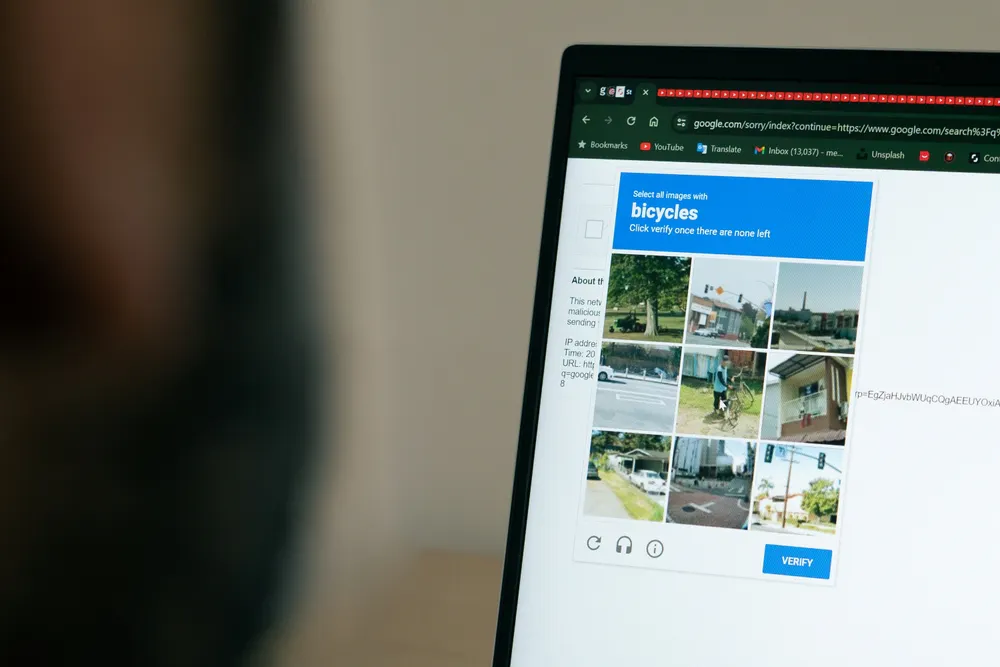
    You’re running late at the airport and need to urgently access your account, only to be greeted by one of those frustrating tests — “Select all images with traffic lights” or “Type the letters you see in this box”. You squint, you guess, but somehow you’re wrong. You complete another test but still the site isn’t satisfied.

    “Your flight is boarding now,” the tannoy announces as the website gives you yet another puzzle. You swear at the screen, close your laptop and rush towards the gate.

    Now, here’s a thought to cheer you up: bots are now solving these puzzles in milliseconds using artificial intelligence (AI). How ironic. The tools designed to prove we’re human are now obstructing us more than the machines they’re supposed to be keeping at bay.

    Welcome to the strange battle between bot detection and AI, which is set to get even more complicated in the coming years as technology continues to improve. So what does the future look like?

    Captcha, which stands for Completely Automated Public Turing test to tell Computers and Humans Apart, was invented in the early 2000s by a team of computer scientists at Carnegie Mellon University in Pittsburgh. It was a simple idea: get internet users to prove their humanity via tasks they can easily complete, but which machines find difficult.

    Machines were already causing havoc online. Websites were flooded with bots doing things like setting up fake accounts to buy up concert tickets, or posting automated comments to market fake Viagra or to entice users to take part in scams. Companies needed a way to stop this pernicious activity without losing legitimate users.

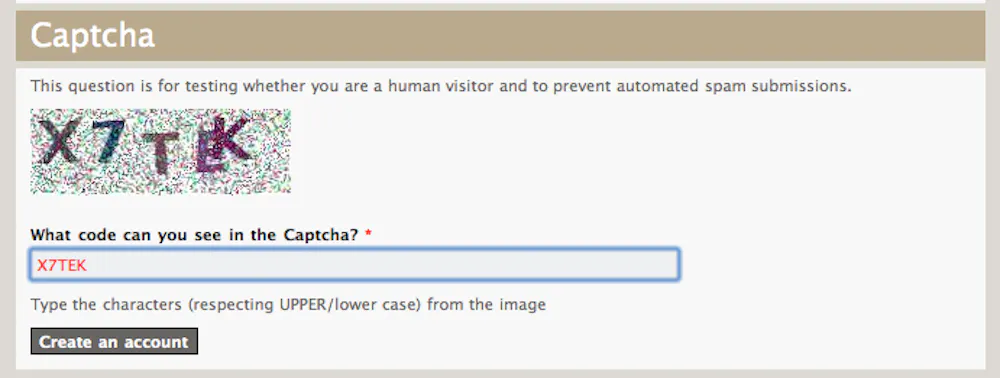
    The early versions of Captcha were basic but effective. You’d see wavy, distorted letters and type them into a box. Bots couldn’t “read” the text the way humans could, so websites stayed protected.


    Chris Messina, CC BY

    This went through several iterations in the years ahead: ReCaptcha was created in 2007 to add a second element in which you had to also key in a distorted word from an old book.

    Then in 2014 – by now acquired by Google – came reCaptcha v2. This is the one that asks users to tick the “I am not a robot” box and often choose from a selection of pictures containing cats or bicycle parts, or whatever. Still the most popular today, Google gets paid by companies who use the service on their website.

    Damn those bicycles.
    Lilgrapher

    How AI has outgrown the system

    Today’s AI systems can solve the challenges these Captchas rely on. They can “read” distorted text, so that the wavy or squished letters from the original Captcha tests are easy for them. Thanks to natural language processing and machine learning, AI can decode even the messiest of words.

    Similarly, AI tools such as Google Vision and OpenAI’s Clip can recognise hundreds of objects faster and more accurately than most humans. If a Captcha asks an AI to click all the buses in a picture selection, they can solve it in fractions of a second, whereas it might take a human ten to 15 seconds.

    This isn’t just a theoretical problem. Consider driving tests: waiting lists for tests in England are many months long, though you can get a much faster test by paying a higher fee to a black-market tout. The Guardian reported in July that touts commonly used automated software to book out all the test slots, while swapping candidates in and out to fit their ever-changing schedules.

    In an echo of the situation 20 years ago, there are similar issues with tickets for things such as football matches. The moment tickets become available, bots overwhelm the system – bypassing Captchas, purchasing tickets in bulk and reselling them at inflated prices. Genuine users often miss out because they can’t operate as quickly.

    Similarly, bots attack social media platforms, e-commerce websites and online forums. Fake accounts spread misinformation, post spam or grab limited items during sales. In many cases, Captcha is no longer able to stop these abuses.

    What’s happening now?

    Developers are continually coming up with new ways to verify humans. Some systems, like Google’s ReCaptcha v3 (introduced in 2018), don’t ask you to solve puzzles anymore. Instead, they watch how you interact with a website. Do you move your cursor naturally? Do you type like a person? Humans have subtle, imperfect behaviours that bots still struggle to mimic.

    Not everyone likes ReCaptcha v3 because it raises privacy issues – plus the web company needs to assess user scores to determine who is a bot, and the bots can beat the system anyway. There are alternatives that use similar logic, such as “slider” puzzles that ask users to move jigsaw pieces around, but these too can be overcome.

    Slider Captcha:


    GitHub

    Some websites are now turning to biometrics to verify humans, such as fingerprint scans or voice recognition, while face ID is also a possibility. Biometrics are harder for bots to fake, but they come with their own problems – privacy concerns, expensive tech and limited access for some users, say because they can’t afford the relevant smartphone or can’t speak because of a disability.

    The imminent arrival of AI agents will add another layer of complexity. It will mean we increasingly want bots to visit sites and do things on our behalf, so web companies will need to start distinguishing between “good” bots and “bad” bots. This area still needs a lot more consideration, but digital authentication certificates are proposed as one possible solution.

    In sum, Captcha is no longer the simple, reliable tool it once was. AI has forced us to rethink how we verify people online, and it’s only going to get more challenging as these systems get smarter. Whatever becomes the next technological standard, it’s going to have to be easy to use for humans, but one step ahead of the bad actors.

    So the next time you find yourself clicking on blurry traffic lights and getting infuriated, remember you’re part of a bigger fight. The future of proving humanity is still being written, and the bots won’t be giving up any time soon.

    The authors do not work for, consult, own shares in or receive funding from any company or organisation that would benefit from this article, and have disclosed no relevant affiliations beyond their academic appointment.

    ref. ‘Yes, I am a human’: bot detection is no longer working – and just wait until AI agents come along – https://theconversation.com/yes-i-am-a-human-bot-detection-is-no-longer-working-and-just-wait-until-ai-agents-come-along-246427

    MIL OSI – Global Reports

  • MIL-OSI Global: How to detect more antimicrobial resistant bacteria in our waterways

    Source: The Conversation – UK – By Zina Alfahl, Lecturer in Bacteriology, University of Galway

    Antimicrobial resistant superbugs have been found in rivers, lakes and streams worldwide. Freebird7977/Shutterstock

    Antimicrobial resistance (AMR) in waterways presents a critical threat. If commonly used antibiotics are deemed useless, decades of progress in human medicine and agriculture could be undermined.

    By 2050, AMR could cause 10 million deaths annually, according to the UN Environment Programme. But AMR is not just a human health issue. It also contributes to a decline in water quality and is exacerbated by water pollution, particularly from sources such as sewage and agricultural runoff. So, it’s a significant environmental concern with far-reaching implications.

    Addressing AMR in water is challenging because water systems are complex and can carry many different types of resistant bacteria. The lack of efficient, scalable and globally accessible methods to monitor AMR in water makes it difficult to mitigate this growing threat.

    I recently published a review in the Sustainable Microbiology journal that identifies key trends in AMR detection methods and highlights significant gaps.

    Rivers, lakes and wastewater systems around the world act as reservoirs and pathways for resistant superbugs and their genes, allowing AMR to spread across ecosystems, affecting wildlife, agriculture and human populations. River water is the most studied source of water samples, making up 42% of AMR-related research studies. Other water sources, including lakes and wastewater, may also play a key role in spreading resistant genes but, without detailed analysis, will remain misunderstood.

    Most AMR research comes from three countries: the US (17%), China (10%) and Brazil (9%). This shows where the focus is, but many other regions, especially low-income countries, are not well studied. This is concerning because AMR may be even more serious in these areas, yet data is lacking.

    New detection methods are more accurate but more expensive.
    Khomson Satchasataporn/Shutterstock

    To detect AMR, scientists primarily use two advanced molecular methods: polymerase chain reaction (PCR) (used in 57% of studies) and metagenomics (27%), alongside traditional culture-based methods that involve growing bacteria in a lab.

    Culture-based methods are simpler and cheaper than molecular methods but cannot be used onsite. They also can’t detect dead bacteria or hidden resistance genes.

    PCR amplifies specific DNA sequences for detection and can be used to identify specific bacteria. Metagenomics is a technique that analyses all of the genetic material from entire microbial communities within a sample, offering a broader perspective.

    These advanced methods are better at detecting AMR in rivers, lakes and oceans. They can find both known and new types of resistance, making them more useful for thorough monitoring.

    In Brazil, scientists used metagenomics to search for all of the different resistance genes present in waterways in different cities. This technique can detect patterns of resistance that regular tests can’t.

    While these methods are time-consuming and complicated (because they need specialised equipment and trained staff) and can be expensive, costing thousands of euros, they could be used more widely if funding is available. This would help track antibiotic resistance around the world, making it easier to find and fight.

    One Europe-wide study shows that culture methods failed to find all the resistance genes in contaminated river systems in ten countries, while advanced metagenomic techniques were able to identify them. So, molecular tools are crucial for understanding the true extent of AMR.

    My review shows a shift towards molecular techniques as the gold standard for AMR detection. It highlights the inadequacies of traditional culture-based methods and the need for integrated approaches that combine molecular techniques such as PCR (for detecting specific resistance genes) with metagenomics (for broader microbial community analysis).

    For example, wastewater monitoring programs could use PCR to quickly identify key resistance genes in hotspots while employing metagenomics to map the diversity of resistant organisms. This would offer a more balanced approach that optimises cost, efficiency, and accessibility.

    A hybrid approach

    By mapping global research efforts, I identified underrepresented regions such as sub-Saharan Africa and southeast Asia. I also found that certain water sources were underrepresented, particularly rivers in low-income countries. Without more equitable and comprehensive AMR surveillance, those will not be accounted for.

    To make accurate AMR detection more accessible to all, hybrid approaches that combine the comprehensive detection capabilities of molecular methods with the affordability of culture-based methods will be essential.

    Governments around the world must prioritise investments in technologies that are not only scientifically robust but also economically viable, particularly for low- and middle-income countries.

    New methods such as PCR and metagenomics can help us fight the spread of drug resistance. If we can make these methods cheaper and easier to use it could help us manage wastewater better, improve global tracking of drug resistance and make decisions that protect both people and the environment from superbugs.


    Don’t have time to read about climate change as much as you’d like?

    Get a weekly roundup in your inbox instead. Every Wednesday, The Conversation’s environment editor writes Imagine, a short email that goes a little deeper into just one climate issue. Join the 40,000+ readers who’ve subscribed so far.


    Zina Alfahl does not work for, consult, own shares in or receive funding from any company or organisation that would benefit from this article, and has disclosed no relevant affiliations beyond their academic appointment.

    ref. How to detect more antimicrobial resistant bacteria in our waterways – https://theconversation.com/how-to-detect-more-antimicrobial-resistant-bacteria-in-our-waterways-246062

    MIL OSI – Global Reports

  • MIL-OSI Global: Climate, migration and conflict mix to create ‘deadly’ intense tropical storms like Chido

    Source: The Conversation – UK – By Liz Stephens, Professor of Climate Risks and Resilience, University of Reading

    Cyclone Chido was an “intense tropical cyclone”, equivalent to a category 4 hurricane in the Atlantic. It made landfall in Mayotte, a small island lying to the north-west of Madagascar on December 14, generating wind gusts approaching 155mph (250km/hr). Later on, it hit Mozambique, East Africa with the same ferocity.

    This storm skirted north of Madagascar and affected the Comoros archipelago before making landfall in Mozambique. It is well within the range of what is expected for this part of the Indian Ocean. But this region has experienced an increase in the most intense tropical cyclones in recent years. This, alongside its occurrence so early in the season, can be linked to increases in ocean temperatures as a result of climate change.

    News of the effects of tropical cyclone Chido in Mayotte, Mozambique and Malawi continues to emerge. Current estimates suggest 70% of Mayotte’s population have been affected, with over 50,000 homes in Mozambique partially or completely destroyed.

    Ongoing conflict in Mozambique and undocumented migration to Mayotte will have played a key role in the number of deaths and the infrastructure damage.

    Assessing how these cyclones characteristics are changing across southern Africa is part of the research we are involved in. Our team also studies how to build resilience to cyclones where conflict, displacement and migration magnify their effects.

    A human-made disaster?

    The risk that tropical cyclones pose to human life is exacerbated by socioeconomic issues. Migrants on Mayotte, many of whom made perilous journeys to escape conflict in countries such as the Democratic Republic of Congo, now make up more than half of the island’s population.

    Precarious housing and the undocumented status of many residents reportedly made the disaster more deadly, as people feared evacuation would lead them to the police. On islands with poor infrastructure such as Mayotte, there is often simply nowhere safe to go. It takes many days for the power network and drinking water supply to be restored.

    The situation is particularly complex in Mozambique. The ongoing conflict and terrorist violence, coupled with cyclones, including Kenneth in 2019, has caused repeated evacuations and worsening living conditions. Cabo Delgado and Nampula in the far north of Mozambique, the provinces most affected by both Chido and the conflict, rank among the poorest and most densely populated in the country due to limited education, scarce livelihood options and an influx of people displaced by violence.

    As of June 2024, more than half a million people remained without permanent homes in the region, many living in displacement camps. That number is likely to rise significantly after Chido.

    Compounding the crisis, Chido’s landfall so early in the cyclone season meant that the usual technical and financial preparations were not yet fully ramped up, with low stock levels delaying the timely delivery of aid. Unrest following elections in November hampered preparations further, cutting the flow of resources and personnel needed for anticipatory action and early response.

    Tropical cyclones in a warmer world

    Warmer sea surface temperatures not only provide more fuel for stronger storms, but may also expand the regions at risk of tropical cyclones.

    The Indian Ocean is warming faster than the global average, and is experiencing a staggering increase in the proportion of storms reaching the intensity of Chido.

    Climate simulations predict that storms will continue getting stronger as we further warm our world, and could even lead to an unprecedented landfall as far south as the Mozambican capital, Maputo.

    Scientists carry out attribution studies to determine how climate change contributed to specific events. Scientists undertaking rapid attribution studies of Chido have found that the ocean surface temperatures along the path of the storm were 1.1°C warmer than they would have been without climate change. So, temperatures this warm were made more than 50 times more likely by climate change. Another study focusing on Chido itself concluded that the cyclone’s winds were 5% faster due to global heating caused by burning fossil fuels, enough to bump it from a category 3 to a category 4 storm.

    Intense winds are not the only hazard. Scientists are confident that tropical cyclones will dump more rain as a result of climate change. A trend towards slower-moving storms has been observed, causing more of that rain to accumulate in a single location, resulting in floods.

    Cyclone Freddy delivered a year’s worth of rain to southern Malawi in just four days in March 2023. Storm surges, exacerbated by sea level rise, also raise the scale of flooding, as in the devastating Cyclone Idai in March 2019. An increase in the number of storms that rapidly intensify, as Chido did before landfall in Mayotte has also been linked to climate change, which makes it harder to provide early warnings.

    To improve resilience to future cyclones, conflict, migration and social dynamics must be considered alongside climate change, without this, displaced and migrant communities will continue to be the most affected by the risks that climate change poses.


    Don’t have time to read about climate change as much as you’d like?

    Get a weekly roundup in your inbox instead. Every Wednesday, The Conversation’s environment editor writes Imagine, a short email that goes a little deeper into just one climate issue. Join the 40,000+ readers who’ve subscribed so far.


    Liz Stephens also works for the Red Cross Red Crescent Climate Centre, where she works as the Science Lead. She receives funding from the Foreign, Commonwealth & Development Office (FCDO) and the International Development Research Centre in Canada, as part of the CLARE (CLimate Adaptation and REsilience) research programme. Liz holds advisory positions within the Red Cross Red Crescent Movement, for the European Commission’s Global Flood Awareness System, the Anticipation Hub and the African Risk Capacity

    I work for a university which has interest on publications around disasters and climate change. I am part of a research consortium (REPRESA) funded by IDRC to research cyclones in Southern Africa region

    Dan Green does not work for, consult, own shares in or receive funding from any company or organisation that would benefit from this article, and has disclosed no relevant affiliations beyond their academic appointment.

    ref. Climate, migration and conflict mix to create ‘deadly’ intense tropical storms like Chido – https://theconversation.com/climate-migration-and-conflict-mix-to-create-deadly-intense-tropical-storms-like-chido-246219

    MIL OSI – Global Reports

  • MIL-OSI Global: What the colour of your snot says about your immune health

    Source: The Conversation – UK – By Samuel J. White, Associate Professor & Head of Projects, York St John University

    Clear snot is usually the baseline. Dmitrii Pridannikov/ Shutterstock

    Ever wondered why the colour of your snot is different when you’re sick? You’re probably not the first person to ask this question.

    There are actually many reasons why your snot’s changes colour when you’re unwell. And the colour and consistency of nasal mucus can reveal intriguing details about your immune system, and how your body responds to illnesses.

    Mucus is produced by the tissues lining our nasal passages. Often perceived as a mere nuisance, mucus serves a very important role. It acts as a protective barrier, trapping dust, bacteria, viruses and other irritants – preventing them from reaching the respiratory system’s deeper parts.

    Enzymes such as lysozyme and lactoferrin that inhabit our nasal mucus also have antimicrobial properties. They break down bacterial cell walls and help to limit bacterial growth. This protective role makes mucus a critical line of defence – even when we’re not unwell.

    The continuous process of mucus production by the tissues lining our nasal passages exemplifies the body’s natural defence mechanisms in action. When we get sick, mucus changes – becoming thicker, more abundant and sometimes colourful. These changes highlight your immune system’s response.

    Here’s what the many colours of your snot says about your health:

    Clear

    This is the baseline for a healthy nose. It’s mostly water, combined with proteins, salts and cells that keep the nasal passages moist and trap particles.

    Allergies and the very early stages of a viral infection can cause an overproduction of clear mucus. This can also happen when your body reacts to irritants or pathogens.

    White

    White mucus is often a sign of congestion.

    Inflammation in the nasal tissues slows mucus flow, causing it to thicken. This typically signals the beginning of an infection, such as a cold, as your immune system starts mobilising against invaders.

    Yellow

    Yellow mucus indicates your immune system is actively fighting off an infection.

    Don’t be surprised by yellow snot when you’re battling an illness.
    Soloviova Liudmyla/ Shutterstock

    White blood cells sent to attack the infection die and release enzymes that give mucus its yellowish colour. This is a hallmark of the body’s response to many viral infections – including the common cold, influenza and respiratory syncytial virus (RSV).

    Green

    Green mucus results from an intensified immune response. The green tint comes from an enzyme called myeloperoxidase, which is produced by neutrophils (a type of white blood cell). This enzyme generates a specific molecule that destroys pathogens.

    While green mucus often indicates a bacterial infection, it can also occur when your body mounts a robust immune response to aggressive viral pathogens.

    Red or pink

    A pink or reddish tint in mucus means there’s blood present. This often happens when the nasal tissues are irritated, dry or damaged – such as after excessive nose blowing or exposure to dry air. Small amounts of blood are usually not a cause for concern.

    Brown or orange

    Brown or orange mucus may result from dried blood mixing with mucus, or from inhaling environmental debris – such as smoke or dust. While typically harmless, it may suggest irritation or prolonged inflammation.

    Black

    Black mucus is rare and may indicate serious issues – such as a fungal infection (particularly in immunocompromised people) or heavy exposure to pollutants such as soot or cigarette smoke. This warrants medical attention.

    The immune system in action

    Mucus is an indispensable part of your immune system, actively protecting your body by trapping and neutralising harmful pathogens. Changes in its colour and consistency provide a glimpse into your health – helping differentiate between viral bacterial infections. It also provides insight into the complex processes occurring as your body works to keep you healthy.

    Next time you reach for a tissue, remember that mucus isn’t merely a symptom of illness — it’s your immune system in action. Its colours and textures tell a story of resilience, reflecting the intricate defences that keep your body healthy and safe.

    The authors do not work for, consult, own shares in or receive funding from any company or organisation that would benefit from this article, and have disclosed no relevant affiliations beyond their academic appointment.

    ref. What the colour of your snot says about your immune health – https://theconversation.com/what-the-colour-of-your-snot-says-about-your-immune-health-245876

    MIL OSI – Global Reports

  • MIL-OSI Global: What next for Syria? The danger of violence in post-war transitions

    Source: The Conversation – UK – By Chelsea Johnson, Lecturer in International Relations, University of Liverpool

    Images emerging from Syria over the past week have shown jubilation on the streets, as millions celebrate the end of 24 years of repression under Bashar al-Assad.

    It is rare for rebels to manage to tip the scales in their favour and win a war outright after such a long and protracted stalemate. But the obvious next question is: what comes next? Looking to the handful of similar examples, history suggests that new forms of violence could continue to threaten Syria’s political future.

    In Libya, an umbrella coalition of rebel forces known as the National Transition Council defeated Muammar Gaddafi’s government in 2011. Meanwhile, in South Sudan, victory against Omar al-Bashir came in the form of a successful referendum on independence that same year.

    Looking further back, in Idi Amin’s Uganda, an alliance was brokered by neighbouring Tanzania between two rival rebellions in 1979. Their joint military campaign ended in Amin’s defeat soon after.

    The immediate aftermath of rebel victory in each of these cases points to one common lesson. Where a fragmented coalition of armed groups finds itself in a political vacuum, more violence – not less – is probably on the horizon.

    Fragile and shifting coalitions

    The injustices of repressive regimes often motivate rebellion. They can also provide a common enemy that, especially when sensing a window of opportunity, makes it possible for rival armed groups to put aside their differences and work together towards a common cause.

    Subsequently, however, transition periods generate uncertainty over political futures. This can make it difficult for former allies to remain united.

    Many Libyan militias allied behind the National Transition Council during its uprising against Muammar Gaddafi. But they soon became violent rivals in competition over political influence in the transitional government being formed in Tripoli.

    In a vacuum of authority, these new forms of violence may look like local turf wars. But they are often attempts by faction leaders to position themselves advantageously as political spoils are up for grabs at the national level.

    Meanwhile, where dominant factions vie for national power in the presence of many smaller and more localised militias, these weaker factions may be prone to changing allegiances so as to end up on the winning side.

    Fighting in Libya throughout 2017 exhibited this kind of opportunistic flip-flopping. Local militias such as the Kiniyat Brigade changed their allegiances between the faction of former prime minister, Khalifa al-Ghawil, and a rival faction based in Tripoli claiming to represent the legitimate government of Libya.

    The conflict in South Sudan has long been described as ethnic in nature. The main rival leaders, Salva Kiir and Riek Machar, belonged to the country’s two largest ethnic groups, Dinka and Nuer. But this obscures a more complex and strategic constellation of alliances. Many of the groups that have fought against Kiir have also been ethnic Dinkas and vice versa, with loyalties shifting over time as either leader gains an advantage. Some of the most recent violence has been between forces loyal to Machar and a co-ethnic splinter faction known as Kitgwang, which opposes his leadership.

    Numerous reports from international observers and mediators have attested to the difficulty of brokering and maintaining a stable agreement on the terms of transition in these countries due to fluid and shifting coalitions.

    Armed groups in Syria have already shown such tendencies. The Military Operations Command, the coalition of Syrian opposition groups that brought down Assad’s regime, exists in name only. The dominant group, Hayat Tahrir al-Sham (HTS), is itself an amalgam of at least four separate militias, while previous coalitions backed by Turkey and the US have coalesced and fragmented over time.

    HTS leader Ahmed al-Sharaa has pledged that all rebel factions will “be disbanded and the fighters trained to join the ranks of the defence ministry”. But history suggests that a rival is likely to emerge from one of these blocs to challenge the legitimacy of HTS’s claim to lead the transition. This will introduce a new element of uncertainty for the smaller factions forced to choose a side.

    Looking ahead to elections

    Even where a stable transitional coalition can be upheld, peace may eventually be threatened by the outcome of a winner-takes-all election.

    Violence was avoided in post-Amin Uganda for as long as the two faction leaders who overthrew him held top positions in a transitional power-sharing government. But when elections produced a clear win for Milton Obote in 1980, his rival, Yoweri Museveni, relaunched his rebellion. Uganda’s so-called bush war would continue until 1986, when Museveni’s forces took the capital, Kampala, by force.

    Ethiopia’s post-war transition fared slightly better after victory for an allied rebel assault on the authoritarian Derg regime in 1991. Most of Ethiopia’s rebel factions had clear and distinct ethno-territorial bases and, as a result, the new constitution emerging from an inclusive national conference devolved power to ethnic regions in a federal system.

    This attempt to create a political stake for former rebels not wholly dependent on national election results may have succeeded had local or regional elections been held first. Ultimately, however, at least two rebellions returned to low-level violence throughout the 1990s, accusing the new government of marginalisation and attempts to undermine their electoral competitiveness.

    In any case, devolution appears unlikely in Syria. Aside from Kurdish separatists in the north-east, the country’s many militias have less clear linkages to specific demographic groups and often overlap in their areas of influence. And with HTS now calling for a unified state with no federal regions, the national-level political game will remain high stakes and prone to violent forms of contention.

    Chelsea Johnson receives funding from the British Academy.

    ref. What next for Syria? The danger of violence in post-war transitions – https://theconversation.com/what-next-for-syria-the-danger-of-violence-in-post-war-transitions-246073

    MIL OSI – Global Reports

  • MIL-OSI Global: Who chooses to work, and who is forced to, after retirement?

    Source: The Conversation – UK – By Takao Maruyama, Assistant Professor in Business Analytics, University of Bradford

    fizkes/Shutterstock

    The state pension age in the UK is currently 66. Yet 9.5% of people aged 66 and older (1.12 million people) were still working, according to the most recent data from the UK’s Annual Population Survey (July 2023 to June 2024). This figure has been rising over the past decade, increasing from 8.70% (880,000 people) in July 2013 to June 2014.

    We think of retirement as a time to pursue hobbies, relax and enjoy the fruits of our labour. So why then, are so many people still working beyond retirement age, and who are they? This is what we sought to find out in a recent study.

    We investigated who is more likely to “choose to work” and who is “forced to work”, using data from the UK’s annual population survey.

    Older workers are not a homogeneous population. They differ in terms of age, ethnicity, socioeconomic class, financial situation, health conditions and more. Likewise, the reasons for working beyond retirement age vary widely. Some may work because they want to, while others may have no option and feel they have to work in order to make ends meet.

    The below chart shows the breakdown of these retirement-age workers by key demographic and socioeconomic characteristics from the most recent data.

    Three in five retirement-age workers were men, and almost all (94.4%) older workers were white. Just over half (51.5%) of older workers continued to work despite having long-term illnesses.

    Characteristics of workers aged 66 and older:

    Workers aged 66 years and older by demographic and socioeconomic characteristics.
    Author provided, data from Annual Population Survey July 2023 to June 2024, CC BY

    The majority (71.2%) of older workers were married, in a civil partnership or cohabiting. Nearly 40% of older workers were employed in higher managerial, administrative and professional occupations, followed by intermediate occupations such as sales or some service roles (32.1%), and routine manual occupations (25.6%).

    More than 85% of retirement-age workers lived in the south (52.8%) and the north (33.1%) of England, and 70% are homeowners.

    Who is ‘forced’ to work?

    In our study, we calculated the likelihood of pension-age workers (66 years and older) with varying demographic and socioeconomic characteristics being forced to work.

    The Annual Population Survey identifies six main reasons why older workers continue working beyond retirement age. These are:

    A. To pay for desirable items (such as holidays),
    B. Not ready to stop work,
    C. Employer needs your experience or you are needed in the family business,
    D. Due to opportunities to work more flexible hours,
    E. To pay for essential items (such as bills), and
    F. To boost pension pot.

    In our study, we classed reasons (A) to (D) as “choose to work”, and (E) and (F) as “forced to work”. Our analysis, based on the most recent dataset (April 2022 to March 2023) at the time of the study, revealed that women are 25% more likely to be forced to work compared to men, and Asian workers are 120% more likely to be forced to work than white workers (with 34% and 17% more likely for older workers from black and other ethnic backgrounds, respectively).

    Workers without long-term illness are 33% less likely to be forced to work than those with long-term illness, and non-married or single workers are 56% more likely to be forced to work compared to seniors who are married, in a civil partnership or cohabiting.

    Workers in intermediate and routine manual occupations are 37% and 67% more likely to be forced to work, respectively, compared to those in higher managerial occupations. Older workers from the south of England are more likely to be be forced to work compared to seniors from any other parts of the UK, and retirement-age workers with mortgages or renting were 117% more likely to be forced to work compared to those who owned their properties.

    Who is more likely to be ‘forced to work’?:

    % comparison of likelihood of being ‘forced to work’.
    Author provided, data from Annual Population Survey April 2022 to March 2023., CC BY

    Ageing populations

    This matters because of the changing nature of work, the rising cost of living and the UK’s ageing population. Retirement-age workers will be increasingly pressured to work longer due to the rising state pension age (due to increase to 67 in 2026-27).

    Understanding who works by choice and who by necessity into retirement age is important, because these groups will need different kinds of support and resources.

    For example, the higher likelihood of being forced to work among older female workers can be partly attributed to career breaks they took to serve as primary caregivers for their children, which often prevented them from accumulating sufficient pensions.

    As the state pension age is expected to continue rising, it is crucial for policymakers and employers to design support systems for diverse demographic and socioeconomic groups of older workers, addressing their unique needs. This starts with understanding why people are working into old age.

    The authors do not work for, consult, own shares in or receive funding from any company or organisation that would benefit from this article, and have disclosed no relevant affiliations beyond their academic appointment.

    ref. Who chooses to work, and who is forced to, after retirement? – https://theconversation.com/who-chooses-to-work-and-who-is-forced-to-after-retirement-246214

    MIL OSI – Global Reports

  • MIL-OSI Global: A short history of palm reading in the UK – and a guide to how it’s supposed to work

    Source: The Conversation – UK – By Martha McGill, Historian of Supernatural Beliefs, University of Warwick

    Wikimedia , CC BY

    In August 1676, a court in Hertford heard a case of fraud against Joseph Haynes, James Domingo and Domingo’s “pretended wife” Sarah. The three had been travelling between local towns telling fortunes.

    Apparently, Domingo had promised one woman that she would marry a “pretty tall merry-speaking” farmer’s son with a mole on his chin and a respectable £80 to his name. Haynes, meanwhile, boasted that his divinatory efforts had won him £5, three maidenheads and a broken shin.

    The court’s decision is not recorded, but the case encapsulates the divided opinion of divination in the 17th century. Although commonly condemned by the authorities, fortune-telling was a popular and potentially profitable art.

    We do not know how exactly the three miscreants practised, but most travelling fortune-tellers studied facial features (physiognomy) or read palms (palmistry or chiromancy). The idea that there was occult meaning etched in the body’s marks, lines, features and moles stretches back to antiquity.

    The body’s outer form supposedly reflected the state of the soul. Also, it was believed that the body was intimately entwined with the wider cosmos.


    Looking for something good? Cut through the noise with a carefully curated selection of the latest releases, live events and exhibitions, straight to your inbox every fortnight, on Fridays. Sign up here.


    In a popular work from the early 16th century, the German physician Heinrich Cornelius Agrippa explained that the body’s appearance and behaviour invited particular “celestial gifts”. Palmistry was the art of interpreting this “harmonical correspondency”.

    However, Christian authorities were largely unimpressed. Theologians dismissed palmistry as superstitious, or argued that it was presumptuous to pry into God’s plan. The Catholic church officially condemned divinatory arts in a papal bull of 1586. The English Protestant minister William Perkins (1558–1602) wrote that palmistry was an “abomination” that was “detested of God, and ought also to be detestable in the eyes of Gods [sic] people”.

    Official mistrust of palmistry was spurred by its association with “Egyptian” fortune-tellers (often shortened to “gypsies”). This label was used for travellers of diverse origins, but especially the Romani diaspora from India.

    Romani travellers first reached central and western Europe in the 15th century and many claimed to have come from Egypt. Ancient Egyptians were famed for their occult wisdom and the association probably helped Romani groups to win credit as fortune-tellers. Nevertheless, they met with widespread persecution.

    A fortune teller reading the palm of a soldier.
    Wellcome Collection, CC BY-NC

    In England, a 1530 parliamentary act officially banished the “outlandish” people “calling themselves Egyptians” who allegedly travelled about the country, swindling people by pretending divinatory prowess.

    All the same, magical practitioners at various social levels continued to offer palm-reading services. And from the 17th century, pamphlets offered guides to interpreting your own hands.

    An anonymous work published in London in 1700 claimed to fully resolve all questions about human life through “the Rules of Art used by the Ancient and Famous Egyptian Magi, or Wise Men and Philosophers”.

    Here I offer some guidance on how you’re supposed to read your palm based on that work. It may contradict itself hopelessly. It may promise you a grisly death. But if the stars are kind, you too could rise by your good deeds and find a spouse lauded for their virtue – or, at least, a merry man with £80 and a nice mole.

    How to read a palm

    Always consult the left hand.

    1: Life line

    Look for the semi-curved line that starts between the thumb and index finger and runs down toward the wrist.

    If this line is long and clear, not broken with little cross-lines, you will be healthy and live to an old age. However, if the uppermost part of the line is forked or jagged, you will often be sick.

    If there are three stars intersecting with the line, you may suffer “great losses and calamities”. If the line intertwines with the table line, you will gain “honour and riches”.

    2: Table line

    Look for a horizontal line on your upper palm that starts near the index or middle finger and runs to beneath the little finger.

    If this line is broad and vivid in colour, you will be healthy and contented. However, if the line is forked at the end, you will gain riches by trickery and soon lose them again. If it branches towards the index or middle finger, you will rise to a prestigious position.

    3: Middle line

    Look for a horizontal line across the middle part of the palm.

    If there are lots of small lines in between this and the table line, you will be sick when you are young but make a recovery. If there is a halfmoon in this line, you will suffer from “cold and watery diseases”, but a sun or a star promises prosperity.

    4: Line of Venus

    Look for an arching line that runs near the base of your middle, ring and little fingers.

    If this line forks near the index finger, you may be ruined by keeping bad company. If there are crosses on this line near the index and little fingers, you are “inclined to a virtuous and modest course of life”. The author claims that wise men employ this method to choose suitable wives.

    5: Liver line

    Look for a vertical line that starts beneath the ring or little finger and runs to the base of the palm.

    If this line is straight, you are of sound judgement. If it is crooked you are deceitful. If this line and the middle line begin near one other, it means foolishness in men and foretells injury by overwork for women.

    6: Plain of Mars

    Plains are flat areas of the palm that can be associated with difference parts of life. The plain of Mars is the centre of your palm.

    If the lines in this plain are crooked, you will fall by your enemies. If you have lines beginning at the middle of your wrist and reaching into the plain of Mars, you will get into lots of fights. If there are large crosses in the plain, you will, if a man, rise by good deeds or, if a woman, have many husbands and children.

    Martha McGill does not work for, consult, own shares in or receive funding from any company or organisation that would benefit from this article, and has disclosed no relevant affiliations beyond their academic appointment.

    ref. A short history of palm reading in the UK – and a guide to how it’s supposed to work – https://theconversation.com/a-short-history-of-palm-reading-in-the-uk-and-a-guide-to-how-its-supposed-to-work-246276

    MIL OSI – Global Reports

  • MIL-OSI Banking: Fed Cuts Rates in Third-Consecutive Meeting While Existing Sales Rise

    Source: Fannie Mae

    (The Fannie Mae Economic & Housing Weekly Note will not be published for the next two weeks.)

    Key Takeaways:

    • The Federal Open Market Committee (FOMC) cut the federal funds rate by 25 basis points to a target range of 4.25-4.5 percent at its December 17-18 meeting. There was one dissenting vote. The updated Summary of Economic Projections (SEP) now shows the median participant expects 50 basis points worth of rate cuts in 2025, as opposed to 100 basis points worth of cuts in the September SEP. The committee has also revised upward their expectations for core inflation over the next two years.
    • Gross domestic product (GDP), adjusted for inflation, grew at a 3.1 percent annualized rate in Q3 2024, an upgrade of three-tenths compared to the prior estimate, according to the third and final estimate from the Bureau of Economic Analysis (BEA). The upgrade was primarily due to stronger consumption (3.7 percent annualized vs. 3.5 percent previously) and exports. Gross domestic income (GDI), a theoretically equivalent measure to GDP that can differ due to measurement error, posted a somewhat softer 2.1 percent annualized gain in the third quarter.
    • Personal income, adjusted for inflation, increased 0.2 percent in November, according to the BEA. Real disposable personal income was also up 0.2 percent. Real personal consumption expenditures increased 0.3 percent over the month due to a strong 0.7 percent gain in spending on goods. The personal consumption expenditures (PCE) price index increased 0.1 percent over the month and was up 2.4 percent compared to a year prior. Excluding food and energy, core PCE prices also increased 0.1 percent over the month and rose 2.8 percent compared to a year prior.
    • Retail sales and food services increased 0.7 percent in November, according to the Census Bureau. Part of the gain was due to a 2.6 percent jump in motor vehicle and parts dealer sales and a 1.8 percent increase in nonstore retailers, which primarily represents online sales. Control group retail sales (excluding food service, auto, building supplies, and gas station sales) increased 0.4 percent, more than reversing the 0.1 percent decline the month prior.
    • Existing home sales rose 4.8 percent to a seasonally adjusted annualized rate (SAAR) of 4.15 million, the strongest sales pace since March, according to the National Association of Realtors. The number of homes available for sale declined 2.9 percent to 1.33 million. Combined with the stronger sales pace, the supply of homes declined four-tenths to 3.8 months, the lowest level since April.
    • Housing starts declined 1.8 percent to a SAAR of 1.29 million in November, according to the Census Bureau. Single-family starts rose 6.4 percent to a SAAR of 1.01 million, reversing most of last month’s decline that was due primarily to hurricane-related disruptions. Single-family permits were essentially flat at 972,000. The volatile multifamily starts series dropped 23.2 percent to a SAAR of 278,000, while multifamily permits rose 19.0 percent to a SAAR of 533,000.
    • The National Association of Home Builders (NAHB)/Wells Fargo Housing Market Index was unchanged at 46 in December. The index for single-family sales in the present was unchanged at 48, while the index for sales in the next six months rose 3 points to 66, a more than 2.5-year high. The index for the traffic of prospective buyers declined 1 point to 31.
    Forecast Impact:

    The Fed’s rate cut was in line with market and our own expectations. The updated SEP, which shows fewer rate cuts over the next two years compared to the September SEP, could potentially move mortgage rates higher given the recent upward movement in the 10-year Treasury note rate. While core PCE inflation came in cooler in November, smoothing through some of the recent volatility, the three-month annualized rate of core inflation remains elevated at 2.5 percent, supporting our expectation for a pause in rate cuts early in 2025.

    The upgraded consumption growth in the third quarter presents a bit of upside risk to our fourth-quarter forecast in the same category, though we had already penciled in a robust 3.0 percent annualized growth rate. The gain in control group retail sales, which feed directly into the BEA’s estimates for consumption, lend support to our forecast for ongoing strong consumption growth in Q4, as does the gain in real monthly consumption in the monthly PCE report.

    The rise in existing home sales likely reflects, in part, lower mortgage rates toward the end of September on properties that took longer to close, especially in Florida and nearby states where hurricanes could have slowed the closing process. Still, some of the higher sales pace (albeit, still very suppressed by historical standards) could be sustained into December and next year even amid higher rates given recent improvements in mortgage application data. On the new construction side, the gain in single-family starts recovered most of the decline in October that was due to hurricane disruptions. The fourth quarter is currently tracking in line with our forecast. Single-family permits have been essentially flat since August, but still suggest a strong pace of building into 2025, especially when combined with a more than 2.5-year high in builder sentiment for sales over the next six months.


    Nathaniel Drake
    Economic and Strategic Research Group
    December 20, 2024

    Opinions, analyses, estimates, forecasts, beliefs, and other views of Fannie Mae’s Economic & Strategic Research (ESR) Group included in these materials should not be construed as indicating Fannie Mae’s business prospects or expected results, are based on a number of assumptions, and are subject to change without notice. How this information affects Fannie Mae will depend on many factors. Although the ESR Group bases its opinions, analyses, estimates, forecasts, beliefs, and other views on information it considers reliable, it does not guarantee that the information provided in these materials is accurate, current, or suitable for any particular purpose. Changes in the assumptions or the information underlying these views could produce materially different results. The analyses, opinions, estimates, forecasts, beliefs, and other views published by the ESR Group represent the views of that group as of the date indicated and do not necessarily represent the views of Fannie Mae or its management.

    MIL OSI Global Banks

  • MIL-OSI USA: FEMA Awards $1 Billion in Public Assistance Funds Following Hurricane Milton

    Source: US Federal Emergency Management Agency 2

    FEMA Awards $1 Billion in Public Assistance Funds Following Hurricane Milton

    TALLAHASSEE, Fla. – FEMA has obligated over $1 billion in Public Assistance funds to aid Florida’s recovery from Hurricane Milton. Reaching this milestone, in just over two months after the hurricane’s major disaster declaration on Oct. 11, has never been done before in Florida. This rapid response highlights the partnership with the State of Florida to aid local governments’ efforts to help communities recover.These funds include costs that the state and local jurisdictions spent on debris removal and emergency protective measures. As of Dec. 20, the state of Florida has removed 37.4 million cubic yards of debris, which equals to more than 228,000 tractor trailers loads.FEMA’s Public Assistance program provides reimbursement to state and local government agencies for the costs of emergency response, debris removal and restoration of disaster-damaged public facilities and infrastructure. Houses of worship and certain private nonprofit organizations may also be eligible for FEMA Public Assistance. The deadline to apply for Public Assistance funds is Dec. 20, 2024.For the latest information about Hurricane Milton recovery, visit fema.gov/disaster/4834. For Hurricane Helene, visit fema.gov/disaster/4828. For Hurricane Debby, visit fema.gov/disaster/4806. Follow FEMA on X at x.com/femaregion4 and on Facebook at facebook.com/fema.###FEMA’s mission is helping people before, during, and after disasters. FEMA is committed to ensuring disaster assistance is accomplished equitably, without discrimination on the grounds of race, color, nationality, sex, sexual orientation, religion, age, disability, English proficiency, or economic status. Any disaster survivor or member of the public may contact the FEMA Office of Civil Rights if they feel that they have a complaint of discrimination. FEMA’s Office of Civil Rights can be contacted at FEMA-OCR@fema.dhs.gov or toll-free at 833-285-7448.
    sixto.valentin…
    Fri, 12/20/2024 – 14:53

    MIL OSI USA News

  • MIL-OSI USA: Disaster Recovery Centers in South Carolina Temporarily Closed for Holidays

    Source: US Federal Emergency Management Agency 2

    Disaster Recovery Centers in South Carolina Temporarily Closed for Holidays

    COLUMBIA, S.C. — Disaster Recovery Centers in South Carolina will temporarily close in observance of the Christmas and New Year holidays. Aiken County, Mt. Zion Missionary Baptist Church, 17519 Atomic Road, Aiken, SC 29803Open Monday-Saturday, 8 a.m. – 7 p.m. through Jan. 7, 2025Holiday Closure: Dec. 22-29, 2024, Jan. 1, 2025.Anderson County, Anderson County Library, 300 N. McDuffie St., Anderson, SC 29621Open Dec. 20-21, 9 a.m.- 5 p.m.Chester County, Gateway Conference Center, 3200 Commerce Drive, Richburg, SC 29729Open Monday-Friday, 8 a.m. – 5 p.m., through Jan. 31, 2025.Holiday Closure: Dec. 22-29, 2024, Jan. 1, 2025. Greenville County, Freetown Community Center, 200 Alice Ave., Greenville, SC 29611Open Monday-Saturday, 8 a.m. – 7 p.m., through Jan. 7, 2025.Holiday Closure: Dec. 24-25, 2024, Jan. 1, 2025.Greenwood County, United Way of Lakelands, 929 Phoenix St., Greenwood, SC 29646Open Monday-Saturday, 8 a.m. – 7 p.m., through Jan. 31, 2025.Holiday Closure:  Dec. 22-29, 2024, Jan. 1, 2025.Spartanburg County, Woodson Community Center, 210 Bomar Ave., Spartanburg, SC 29306Open Monday-Saturday, 8 a.m. – 7 p.m., through Jan. 7, 2025.Holiday closure: Dec. 22-29, 2024, Jan. 1, 2025.To find all the center locations, including those in other states, go to fema.gov/drc or text “DRC” and a Zip Code to 43362. Homeowners and renters in Abbeville, Aiken, Allendale, Anderson, Bamberg, Barnwell, Beaufort, Cherokee, Chester, Edgefield, Fairfield, Greenville, Greenwood, Hampton, Jasper, Kershaw, Laurens, Lexington, McCormick, Newberry, Oconee, Orangeburg, Pickens, Richland, Saluda, Spartanburg, Union and York counties and the Catawba Indian Nation can apply for federal assistance.The quickest way to apply is to go online to DisasterAssistance.gov. You can also apply using the FEMA App for mobile devices or by calling toll-free 800-621-3362. The telephone line is open every day and help is available in many languages. If you use a relay service, such as Video Relay Service (VRS), captioned telephone or other service, give FEMA your number for that service. For a video with American Sign Language, voiceover and open captions about how to apply for FEMA assistance, select this link.FEMA programs are accessible to survivors with disabilities and others with access and functional needs. 
    martyce.allenjr
    Fri, 12/20/2024 – 17:21

    MIL OSI USA News

  • MIL-OSI USA: Sending You Happy Holiday Wishes from IAM Air Transport Territory

    Source: US GOIAM Union

    Dear IAM Air Transport Family,

    As we approach the holidays, I want to express my heartfelt appreciation to each and every member of the IAM Air Transport family in this season of gratitude and unity.

    The holidays are one of the busiest times of the year for travel, and many of you will be working long hours to ensure that families can reunite and that their holiday travel experience is as smooth as possible. 

    Your dedication and hard work are crucial and appreciated, especially during this busy time. We are deeply thankful for the essential role you play in making holiday magic.

    For those of you who will be working while others are reuniting with loved ones, please stay safe and know that you and your giving spirit do not go unnoticed. We are truly proud to have you in our union.

    On behalf of the IAM Air Transport Territory, we wish you and your loved ones a joyful and restful holiday season. Thank you for everything you do to make our union and our industry stronger.

    In solidarity,
    Richie Johnsen
    IAM Air Transport Territory General Vice President

    Share and Follow:

    MIL OSI USA News

  • MIL-OSI Security: CENTCOM Forces Kill ISIS Leader During Precision Strike in Syria

    Source: United States Central Command (CENTCOM)

    Dec. 20, 2024
    Release Number 20241220-01
    FOR IMMEDIATE RELEASE

    On Dec. 19, U.S. Central Command Forces conducted a precision airstrike targeting ISIS leader Abu Yusif aka Mahmud in the Dayr az Zawr Province, Syria resulting in two ISIS operatives killed, including Abu Yusif.

    This airstrike is part of CENTCOM’s ongoing commitment, along with partners in the region, to disrupt and degrade efforts by terrorists to plan, organize, and conduct attacks against civilians and military personnel from the U.S., our allies, and our partners throughout the region and beyond.

    This strike was conducted in an area formerly controlled by the Syrian regime and Russians.

    “As stated before, the United States — working with allies and partners in the region — will not allow ISIS to take advantage of the current situation in Syria and reconstitute. ISIS has the intent to break out of detention the over 8,000 ISIS operatives currently being held in facilities in Syria. We will aggressively target these leaders and operatives, including those trying to conduct operations external to Syria,” said Gen. Michael Erik Kurilla, CENTCOM commander.

    MIL Security OSI

  • MIL-OSI Security: USINDOPACOM Commander Travels to Cambodia

    Source: United States INDO PACIFIC COMMAND

    PHNOM PENH, Cambodia — Adm. Samuel J. Paparo, commander of U.S. Indo-Pacific Command, traveled to Cambodia, Dec. 18, to strengthen and expand the U.S-Cambodia partnership as the two nations enter the 75th anniversary of bilateral relations.

    He met with senior government and military officials including Cambodian Prime Minister Hun Manet, Secretary of State for the Ministry of Defense Rath Dararoth, and Commander in Chief of the Royal Cambodian Armed Forces Gen. Vong Pisen.

    Paparo, joined by U.S. Chargé d’Affaires to Cambodia Bridgette L. Walker, discussed the recent visit of U.S. Secretary of Defense Lloyd J. Austin, where Austin highlighted confidence-building measures to strengthen U.S.-Cambodia relations and rebuild bilateral defense and security cooperation. They focused on relations being based on the principles of sovereignty, mutual respect and upholding the international rules-based order. Paparo also underscored U.S. commitment to ASEAN-centrality and expressed support for cooperation in the areas of international military education and training; peacekeeping operations; demining and unexploded ordnance removal; and medical medicine.

    Throughout his trip, Paparo expressed appreciation for the U.S.-Cambodian efforts, through the Defense POW/MIA Accounting Agency, to achieve the fullest possible accounting of all missing U.S. personnel in Cambodia and Southeast Asia.

    Paparo also visited the Independence-class littoral combat ship USS Savannah (LCS 28) at Sihanoukville Autonomous Port, where he engaged with Governor of Preah Sihanouk province Mang Sineth and the commander of Ream Naval Base Rear Adm. Mey Dina during a press event and ship tour. USS Savannah’s presence in Sihanoukville marks the first time in approximately eight years that a U.S. Navy ship has visited Cambodia, symbolizing the catalyst for expanding defense exchanges.

    USINDOPACOM is committed to enhancing stability in the Indo-Pacific region by promoting security cooperation, encouraging peaceful development, responding to contingencies, deterring aggression and, when necessary, fighting to win.

    MIL Security OSI

  • MIL-OSI Security: OVW Fiscal Year 2025 Justice for Families Pre-Application Information Session

    Source: United States Attorneys General 8

    OVW conducted a live web-based pre-application information session for its Fiscal Year 2025 Justice for Families funding opportunity. During the presentation, OVW staff reviewed this program’s requirements, discussed the opportunity, and allowed for a brief question-and-answer period.

    MIL Security OSI

  • MIL-OSI Canada: BC Hydro expands clean-energy supply with new solar project

    Source: Government of Canada regional news

    BC Hydro has added a new solar-energy project to the clean-energy projects selected to advance from its call for power.

    On Dec. 9, 2024, the Province announced that BC Hydro has selected nine wind-energy projects through its 2024 call for power that will supply renewable, affordable electricity to growing communities throughout B.C.

    While BC Hydro was preparing the public disclosure of the successful projects, one of the projects voluntarily withdrew and was not included in the announcement. BC Hydro has offered a 30-year electricity-purchase agreement to the next-highest evaluated project in order to maximize the power generation available through this call for power. 

    The newly added project is the ShTSaQU Solar Project in the southern Interior near Logan Lake, which will provide 104 megawatts of capacity. The Independent Power Producer partner is BluEarth Renewables Inc. and the First Nation partner is Oregon Jack Creek.

    Collectively, these 10 clean and renewable projects will generate approximately 5,000 gigawatt hours of electricity annually, enough to power half a million new homes, and will increase BC Hydro’s current supply by 8%. These projects are spread across nearly every region in the province. Their development and construction are expected to generate between $5 billion and $6 billion in private capital investment.

    BC Hydro engaged extensively with First Nations on the design of the call for power, and included a requirement that projects must have a minimum 25% equity ownership held by First Nations. Eight of the 10 successful energy projects will have 51% equity ownership. This represents $2.5 billion to $3 billion of ownership by First Nations in new renewable energy projects in the province.

    The Province and BC Hydro are committed to holding regular competitive calls for power based on electricity demand to ensure that B.C. has the clean electricity it needs as the economy and population grow, while keeping rates affordable.

    In addition to the call for power, BC Hydro is implementing several actions to meet the increasing demand from population growth, housing construction, business and industrial development, and transportation. These actions will power more than one million new homes in the coming years. This includes:

    • adding the Site C hydroelectric dam, which will power 500,000 homes;
    • investments in energy efficiency, which are expected to save 2,000 gigawatt hours of electricity annually (enough to power 200,000 homes);
    • renewing existing electricity-purchase agreements; and
    • exploring the use of utility-scale batteries.

    Solar projects with a capacity equal to or more than 50 megawatts require an environmental assessment by the BC Environmental Assessment Office.

    Learn More:

    For details about the Dec. 9, 2024, call for power announcement and the successful projects, visit:
    https://news.gov.bc.ca/releases/2024ECS0048-001643

    For more information about the call for power, visit:
    https://www.bchydro.com/2024CallforPower

    MIL OSI Canada News

  • MIL-OSI Canada: Updating Alberta’s approach to homelessness

    Source: Government of Canada regional news

    [embedded content]

    Over the past decade, new challenges with rural homelessness, the drug crisis and more meant that Alberta’s approach to addressing homelessness became outdated. To better respond to those needs, in 2022 the province committed to testing and implementing a new, coordinated approach to combatting homelessness through Alberta’s Action Plan on Homelessness.

    To continue this progress and finish implementing Alberta’s Action Plan on Homelessness, Alberta’s government will be streamlining grant administration for housing with supports and providing provincial funding directly to front-line service providers, including Indigenous-led organizations. By designating the coordination of supports to Alberta’s government, the government will be in a better position to address homelessness-related issues in communities across the province. Additionally, directly funding front-line service providers will help those providers strengthen their wraparound supports for Albertans experiencing homelessness. This funding, which will remain stable, helps people experiencing homelessness move into and maintain stable housing with access to the wraparound supports they need.

    “Our government has invested an unprecedented amount of funding and effort into addressing homelessness in Alberta. As shown by the success of our navigation centres and other innovative approaches, our government’s efforts to better coordinate supports are making a positive difference for vulnerable Albertans. I look forward to expanding our valuable partnerships with front-line service agencies across the province as we continue to follow through on our commitments.”

    Jason Nixon, Minister of Seniors, Community and Social Services

    To improve the coordination of these wraparound supports and achieve better outcomes for those seeking help, Alberta’s government is also working to improve the accuracy of data collection on a provincial scale. Alberta’s government will continue to work closely with front-line service providers, municipalities and community partners to ensure minimal disruption in services as this improved delivery model is implemented.

    These new efforts build on the success of earlier initiatives by the government, including the introduction of new supports like Indigenous-led shelters, women-only shelter spaces, and expanded recovery services. Building on this work, Navigation and Support Centres in Edmonton and Calgary have been essential to providing thousands of Albertans with wraparound supports, including government ID, addiction treatment, mental health services, employment skills training and housing.

    All of this work is possible because Alberta’s government has made unprecedented investments to fund these new supports, with Budget 2024 investing almost $210 million in emergency shelters and housing with supports.

    “When funding for emergency shelters and housing is meant to support Indigenous peoples, it should be delivered by Indigenous-operated organizations. While community-based organizations have served some of our people in times of need, they have not historically delivered in ways that reflect our knowledge and cultural practices. Providing these funds directly through the Alberta Government will allow our Indigenous-operated organizations an opportunity to receive grants and deliver services that are not only effective, but also rooted in the cultural understanding and traditions of our communities.”

    Chief Cody Thomas, Enoch Cree Nation

    As Alberta looks to the future, an expert panel is being established to help shape the province’s long-term approach to combatting homelessness. While the province has made progress on better supporting the most vulnerable, Alberta’s homelessness-related issues have evolved in recent years. The panel is tasked with ensuring Alberta’s long-term approach continues to meet the needs of Albertans experiencing homelessness, with an increased focus on Indigenous communities, rural needs, complex addictions and mental health. Co-chaired by Justin Wright, the MLA for Cypress-Medicine Hat, and Robin James, the chief administrative officer of the Lethbridge Housing Authority, the panel will advise the province on how to continue to reduce homelessness across Alberta. Additional members of the panel will be announced at a later date.

    “I am honoured to be appointed as co-chair of the panel, and I look forward to undertaking this important work. It is critical that rural communities have the supports they need to appropriately address homelessness to achieve better outcomes for those seeking help.”

    Justin Wright, MLA for Cypress – Medicine Hat

    “Lethbridge Housing Authority welcomes this announcement as an opportunity to strengthen our partnerships with front-line service providers. We have seen great success in Lethbridge and southern Alberta as a result of our work alongside Alberta’s government, and we look forward to continuing this important work.”

    Robin James, CAO, Lethbridge Housing Authority

    “The Calgary Drop-In Centre supports thousands of vulnerable Calgarians each year, and we look forward to continuing this work in partnership with Alberta’s government. These changes will make a difference and ensure we can continue to support vulnerable Calgarians, creating hope and stability into the future.”

    Sandra Clarkson, CEO, Calgary Drop-In Centre

    Quick facts

    • In 2023-24, more than 8,000 Albertans were provided with housing and supports, including 1,800 people newly admitted to housing programs.
    • In 2024-25, the province is investing almost $210 million overall into homelessness initiatives in Alberta, including:
      • $116 million in 2024-25 to support the operation of homeless shelter spaces.
      • $101.5 million to support local programs designed to move people out of homelessness and into stable housing linked with appropriate supports. This funding will now be directly distributed to service providers by the Alberta Government.

    Related information

    • Action Plan on Homelessness
    • Coordinated Community Response to Homelessness Task Force Report

    Related news

    • Alberta shelters are ready for winter (Nov. 21, 2024)

    Multimedia

    • Watch the news conference

    MIL OSI Canada News

  • MIL-OSI Security: Bonavista — Bonavista RCMP investigates break, enter and theft at DFO, seeks public’s assistance

    Source: Royal Canadian Mounted Police

    Bonavista RCMP is investigating a break, enter and theft of an enclosed trailer and two snowmobiles at a Department of Fisheries and Oceans (DFO) compound on Route 230, near English Harbour.

    On December 17, 2024, police received the report of the crime which occurred shortly before midnight on December 16. Surveillance footage confirmed that two individuals, both wearing reflective coats, arrived at the scene at approximately 11:50 p.m. in a pickup truck. Suspects forced entry inside the gated area, connected the enclosed trailer to the truck and departed with the trailer, which contained two snowmobiles, in tow. One snowmobile is a 2009 yellow and grey Tundra LT Ski-Doo with licence plate SFH 710. The other is a 2018 black and grey Polaris Indy LXT with licence plate SCE 890.

    Bonavista RCMP is requesting the public’s assistance in identifying the suspects. The suspect vehicle is described as being a white 4-door Chevrolet Silverado that appeared to be in good condition. Images of the suspects and the truck used in the crime, as well as the stolen trailer and snowmobiles, are attached.

    The investigation is continuing.

    Anyone with any information about this crime, the identity of the suspects, or the location of the stolen property is asked to contact Bonavista RCMP at 709-468-7341. To remain anonymous, contact Crime Stoppers at 1-800-222-TIPS (8477), visit www.nlcrimestoppers.com or use the P3Tips app. #SayItHere

    MIL Security OSI