Category: KB

  • MIL-OSI USA: EPA Orders the Puerto Rico Department of Transportation to Comply with the Clean Water Act in Ponce, Puerto Rico

    Source: US Environment Protection Agency

    PUERTO RICO – The Environmental Protection Agency has issued an administrative order to the Puerto Rico Department of Transportation and Public Works (DTPW) requiring them to resolve Clean Water Act violations associated with the municipality’s separate storm sewer systems (MS4) and stormwater management program. DTPW owns and operates several storm sewer systems in Puerto Rico, including those located in PR-123 Road and PR-585 Road at Playa Ward in the Municipality of Ponce.

    “Stormwater management is crucial for safeguarding people’s health and the environment. It also helps prevent flooding, especially in coastal communities like Barrio Playa,” said Lisa F. Garcia, Region 2 Administrator. “EPA’s enforcement of the Clean Water Act is addressing past issues such as poor management and flooding, and it is also ensuring a safer, healthier future for the residents of Barrio Playa.”

    EPA has received complaints from the local community about flooding events at PR-123 Road and PR-585 in Ponce Playa. EPA has been inspecting the system since 2022. EPA found that DTPW had not implemented a storm water management plan that would detect illegal discharges into their storm sewer systems at Ponce Playa. Illegal dumping and connections can result in serious pollutants like car oil and sewage getting into storm sewer systems. The most recent EPA investigation was conducted in August 2024. EPA was joined by officials from DTPW, Municipality of Ponce, Puerto Rico Aqueduct and Sewer Authority (PRASA), and Ponce Playa community leaders. The inspection revealed that DTPW’s storm sewer systems lack required operation and maintenance, and unpermitted pollutants are being discharged into the system, to the detriment of the community.

    The order requires DTPW to take a number of actions, including:

    • Develop and submit to EPA a storm sewer map depicting DTPW’s MS4s at specified segments in Ponce Playa.
    • Investigate its storm sewer systems for any connection to PRASA’s sanitary sewer systems that may cause sanitary sewer overflows and notify PRASA of the results of such investigations.
    • Develop an inventory of DTPW’s storm sewer systems discharge outfalls and interconnections in Ponce Playa.
    • Prepare a work plan to perform assessments and make improvements. Thes plan will focus on identifying illegal discharges into the system; inspecting and cleaning storm sewer systems; and replacing or constructing infrastructure, if needed. Perform outfall monitoring for specific pollutants including enterococci, fecal coliform, ammonia, surfactants, boron, pH, and total phosphorus.

    The EPA order includes a detailed schedule for the performance of compliance measures that will result in the elimination of illicit discharges into the Caribbean Sea. 

    For more about EPA’s role in helping prevent Stormwater Pollution:  https://www.epa.gov/npdes/npdes-stormwater-program.

    Follow EPA Region 2 on X and visit our Facebook page. For more information about EPA Region 2, visit our website.

    24-095

    MIL OSI USA News

  • MIL-OSI USA: Biden-Harris EPA announces nearly $2 million to upgrade older diesel engines to cleaner and zero-emission solutions at three New England ports

    Source: US Environment Protection Agency

    Connecticut Maritime Foundation, Inc. one of 70 selectees nationwide to reduce diesel emissions across a range of projects

    Contact Information

    BOSTON (Oct. 18, 2024) – Today, the U.S. Environmental Protection Agency (EPA) announced selections totaling nearly $125 million under the Diesel Emissions Reduction Act National Grants Program which will incentivize and accelerate the upgrade or retirement of older diesel engines to cleaner and zero-emission solutions leading to significant emission reductions and air quality and public health benefits. These awards are in final workplan negotiations with the tentatively selected applicants. The DERA program prioritizes projects in areas that face air quality impacts, especially those projects that benefit disadvantaged communities and other areas that face particular public health or environmental justice risks or impacts.

    “Every community deserves to breathe clean air, but too many communities are still over-burdened by pollution from older diesel equipment,” said EPA Administrator Michael S. Regan. “With the latest round of funding, EPA’s successful DERA program will upgrade these sources of harmful pollution, and accelerate real progress toward a cleaner, more just, and healthier future for all Americans.”

    “Thanks to the leadership of the Biden-Harris Administration, EPA is tackling air pollution through innovative technologies, making a difference in everyday people’s lives, especially for those living in areas overburdened by pollution,” said EPA New England Regional Administrator David W. Cash. “With the selection of the Connecticut Maritime Foundation under EPA’s DERA program, we will implement cost-effective emission reductions at the port, improving air quality and protecting the health of surrounding communities and port workers.”

    The Connecticut Maritime Foundation, Inc. was selected to receive $1,999,953 to replace two Tier 0 propulsion engines with two Tier 4 certified propulsion engines and replace two Tier 0 auxiliary generator set engines with two Tier 3 auxiliary generator sets in a single tugboat which operates at the ports of New Haven, Connecticut; Providence, Rhode Island and Charlestown, Massachusetts. These higher tiered engines emit significantly less pollution.

    In total, EPA has tentatively selected approximately 70 national DERA projects to reduce diesel emissions across a range of transportation sectors including the engine replacements and upgrades to school buses, port equipment, and construction equipment. In addition to funding new cleaner diesel technologies, more than half of these selections will support replacing older equipment and vehicles with zero-emission technologies, such as all-electric school buses, terminal tractors, drayage trucks and provide shore power to marine vessels. All selected projects will reduce diesel pollution and benefit local communities, including disadvantaged communities and other areas facing environmental justice concerns. A small number of awards are still under processing. Once all legal and administrative requirements are satisfied and additional selections are finalized, the EPA will update the DERA National Awards webpage.

    Eligible activities include the retrofit or replacement of existing diesel engines, vehicles, and equipment with EPA and California Air Resources Board certified engine configurations and verified retrofit and idle reduction technologies. Reducing emissions from diesel engines is one of the most important air quality challenges facing the country. New diesel engines must meet tight standards, however, nearly 8 million legacy diesel engines across transportation sectors remain in service and emit higher levels of harmful nitrogen oxides and particulate matter than newer diesel engines. These pollutants are linked to a range of serious health problems including asthma, lung and heart disease, other respiratory ailments, and premature death.

    In selecting projects for award, priority was given to projects that:

    • Are in areas designated as having poor air quality.
    • Reduce emissions from ports and other goods movement facilities.
    • Benefit local communities.
    • Incorporate local communities in project planning.
    • Demonstrate planning or action towards reducing vulnerabilities to climate impacts.
    • Illustrate preparation for workforce development.
    • Demonstrate an ability to continue efforts to reduce emissions after the project has ended.

    DERA advances environmental justice by prioritizing emissions reductions in areas particularly affected by health and environmental impacts from diesel fleets. EPA is committed to ensuring the DERA Program delivers on the Biden-Harris Administration’s Justice40 Initiative, which set a goal that 40% of the overall benefits of certain federal investments flow to disadvantaged communities that are marginalized by underinvestment and overburdened by pollution.

    Read more information on the Diesel Emissions Reduction Act (DERA) program.

    MIL OSI USA News

  • MIL-OSI USA: Biden-Harris Administration Announces $125 Million to Upgrade Older Diesel Engines to Cleaner and Zero-Emission Solutions that are Better for Our Communities

    Source: US Environment Protection Agency

    Greater Washington Region Clean Cities Coalition in Kentucky to receive $689,772 to replace sixteen municipal on-road and nonroad utility vehicles with ten new vehicles equipped with Selective Catalytic Reduction

    LEXINGTON, Ky. (October 18, 2024) Today, the U.S. Environmental Protection Agency (EPA) announced selections totaling nearly $125 million under the Diesel Emissions Reduction Act (DERA) National Grants Program which will incentivize and accelerate the upgrade or retirement of older diesel engines to cleaner and zero-emission solutions leading to significant emission reductions and air quality and public health benefits. These awards are in final workplan negotiations with the tentatively selected applicants. The DERA program prioritizes projects in areas that face air quality impacts, especially those projects that benefit disadvantaged communities and other areas that face public health or environmental justice risks or impacts.

    “Every community deserves to breathe clean air, but too many communities are still over-burdened by pollution from older diesel equipment,” said EPA Administrator Michael S. Regan. “With the latest round of funding, EPA’s successful DERA program will upgrade these sources of harmful pollution, and accelerate real progress toward a cleaner, more just, and healthier future for all Americans.”

    “By promoting clean diesel technologies, these grants help to update fleets with cleaner equipment and reduce harmful diesel exhaust,” said Acting EPA Region 4 Administrator Jeaneanne Gettle. “Through these upgrades, communities will continue to see improved health outcomes for their residents, ensuring all communities breathe cleaner air.” 


    In total, EPA has tentatively selected approximately 70 national DERA projects to reduce diesel emissions across a range of transportation sectors including the engine replacements and upgrades to school buses, port equipment, and construction equipment. In addition to funding new cleaner diesel technologies, more than half of these selections will support replacing older equipment and vehicles with zero-emission technologies, such as all-electric school buses, terminal tractors, drayage trucks and provide shore power to marine vessels. All selected projects will reduce diesel pollution and benefit local communities, including disadvantaged communities and other areas facing environmental justice concerns. A small number of awards are still under processing. Once all legal and administrative requirements are satisfied and additional selections are finalized, the EPA will update the DERA National Awards webpage.

    Eligible activities include the retrofit or replacement of existing diesel engines, vehicles, and equipment with EPA and California Air Resources Board (CARB) certified engine configurations and verified retrofit and idle reduction technologies. Reducing emissions from diesel engines is one of the most important air quality challenges facing the country. New diesel engines must meet tight standards, however, nearly eight million legacy diesel engines across transportation sectors remain in service and emit higher levels of harmful nitrogen oxides and particulate matter than newer diesel engines. These pollutants are linked to a range of serious health problems including asthma, lung and heart disease, other respiratory ailments, and premature death.

    In selecting projects for award, priority was given to projects that:

    • in areas designated as having poor air quality;
    • reduce emissions from ports and other goods movement facilities;
    • benefit local communities;
    • incorporate local communities in project planning;
    • demonstrate planning or action towards reducing vulnerabilities to climate impacts;
    • illustrate preparation for workforce development; and
    • demonstrate an ability to continue efforts to reduce emissions after the project has ended.

    DERA advances environmental justice by prioritizing emissions reductions in areas particularly affected by health and environmental impacts from diesel fleets. EPA is committed to ensuring the DERA Program delivers on the Biden-Harris Administration’s Justice40 Initiative, which set a goal that 40 percent of the overall benefits of certain federal investments flow to disadvantaged communities that are marginalized by underinvestment and overburdened by pollution.

    Read more information on the Diesel Emissions Reduction Act (DERA) program.


    ###

    MIL OSI USA News

  • MIL-OSI USA: Biden-Harris Administration Announces $12.1 Million Across Mid-Atlantic to Upgrade Older Diesel Engines to Cleaner and Zero-Emission Solutions that are Better for Our Communities

    Source: US Environment Protection Agency

    Five selectees in Maryland, Virginia, and the District of Columbia will reduce diesel emissions across a range of projects, including upgrades to fire trucks, municipal fleets, and construction equipment

    PHILADELPHIA – The U.S. Environmental Protection Agency (EPA) announced selections across the Mid-Atlantic totaling approximately $12.1 million under the Diesel Emissions Reduction Act (DERA) National Grants Program which will incentivize and accelerate the upgrade or retirement of older diesel engines to cleaner and zero-emission solutions in Maryland, Virginia, and the District of Columbia. These upgrades will result in significant emission reductions and air quality and public health benefits.

    “Every community deserves to breathe clean air, but too many communities are still over-burdened by pollution from older diesel equipment,” said EPA Administrator Michael S. Regan. “With the latest round of funding, EPA’s successful DERA program will upgrade these sources of harmful pollution, and accelerate real progress toward a cleaner, more just, and healthier future for all Americans.”

    “The Biden-Harris Administration is once again delivering on its commitments to ensure clear air for all, regardless of zip code or background,” said EPA Mid-Atlantic Regional Administrator Adam Ortiz. “These investments will have positive impacts on the neighbors of today and tomorrow, and on communities well into the future.”

    Mid-Atlantic Regional Selectees:

    • Government of the District of Columbia – $3,467,780
      • Replace one fire truck with one Zero Emissions Vehicle (ZEV)
      • Replace one refuse truck with one ZEV
      • Replace five Transportation Refrigeration Units with Zero Emission Equipment
      • Replace four transit vehicles with ZEVs
    • Greater Washington Region Clean Cities Coalition – $689,772
      • Replace 16 municipal on-road and nonroad utility vehicles with 10 new vehicles equipped with Selective Catalytic Reduction
    • Maryland Environmental Service – $3,474,392
      • Replace 13 terminal tractors with eight zero-emission units and five tier 4 final engines
      • Replace 23 forklifts with zero-emission units
      • Replace three tire manipulation trucks, two diesel-powered mobile pumps, and one diesel-powered air compressor with tier 4 final engines
    • James Madison University – $3,500,000
      • Replace 72 short haul combination diesel engines with renewable Compressed Natural Gas trucks
    • Virginia Port Authority – $972,000
      • Replace four diesel utility tractor rigs with four new battery electric utility tractor rigs

    In total, EPA has tentatively selected approximately 70 national DERA projects totally $125 million to reduce diesel emissions across a range of transportation sectors including the engine replacements and upgrades to school buses, port equipment, and construction equipment. In addition to funding new cleaner diesel technologies, more than half of these selections will support replacing older equipment and vehicles with zero-emission technologies, such as all-electric school buses, terminal tractors, drayage trucks and provide shore power to marine vessels. All selected projects will reduce diesel pollution and benefit local communities, including disadvantaged communities and other areas facing environmental justice concerns. A small number of awards are still under processing. Once all legal and administrative requirements are satisfied and additional selections are finalized, the EPA will update the DERA National Awards webpage.

    Eligible activities include the retrofit or replacement of existing diesel engines, vehicles, and equipment with EPA and California Air Resources Board (CARB) certified engine configurations and verified retrofit and idle reduction technologies. Reducing emissions from diesel engines is one of the most important air quality challenges facing the country. New diesel engines must meet tight standards, however, nearly eight million legacy diesel engines across transportation sectors remain in service and emit higher levels of harmful nitrogen oxides and particulate matter than newer diesel engines. These pollutants are linked to a range of serious health problems including asthma, lung and heart disease, other respiratory ailments, and premature death.

    In selecting projects for award, priority was given to projects that:

    • in areas designated as having poor air quality;
    • reduce emissions from ports and other goods movement facilities;
    • benefit local communities;
    • incorporate local communities in project planning;
    • demonstrate planning or action towards reducing vulnerabilities to climate impacts;
    • illustrate preparation for workforce development; and
    • demonstrate an ability to continue efforts to reduce emissions after the project has ended.

    DERA advances environmental justice by prioritizing emissions reductions in areas particularly affected by health and environmental impacts from diesel fleets. EPA is committed to ensuring the DERA Program delivers on the Biden-Harris Administration’s Justice40 Initiative, which set a goal that 40% of the overall benefits of certain federal investments flow to disadvantaged communities that are marginalized by underinvestment and overburdened by pollution.

    Read more information on the Diesel Emissions Reduction Act (DERA) program.

    MIL OSI USA News

  • MIL-OSI USA: Biden-Harris EPA announces nearly $5.6 million to upgrade older diesel engines to cleaner and zero-emission solutions in Massachusetts

    Source: US Environment Protection Agency

    City of Boston and Columbia-Willamette Clean Cities Coalition, Inc. two of 70 selectees nationwide to reduce diesel emissions across a range of projects, including upgrades to school buses, port equipment, and construction equipment

    Contact Information

    MASSACHUSETTS (Oct. 18, 2024) – Today, the U.S. Environmental Protection Agency (EPA) announced selections totaling nearly $125 million under the Diesel Emissions Reduction Act National Grants Program which will incentivize and accelerate the upgrade or retirement of older diesel engines to cleaner and zero-emission solutions leading to significant emission reductions and air quality and public health benefits. These awards are in final workplan negotiations with the tentatively selected applicants. The DERA program prioritizes projects in areas that face air quality impacts, especially those projects that benefit disadvantaged communities and other areas that face particular public health or environmental justice risks or impacts.

    “Every community deserves to breathe clean air, but too many communities are still over-burdened by pollution from older diesel equipment,” said EPA Administrator Michael S. Regan. “With the latest round of funding, EPA’s successful DERA program will upgrade these sources of harmful pollution, and accelerate real progress toward a cleaner, more just, and healthier future for all Americans.”

    “Thanks to the leadership of the Biden-Harris Administration, EPA is tackling air pollution through innovative technologies, making a difference in everyday people’s lives, especially for those living in areas overburdened by pollution,” said EPA New England Regional Administrator David W. Cash. “Through the selection of the City of Boston and the Columbia Willamette Clean Cities Coalition, we will see cost-effective emission reductions which will improve air quality and protect the health of our children, nearby communities, and port workers.

    In Massachusetts, the City of Boston was selected to receive a total of $4 million under two grants and the Columbia-Willamette Clean Cities Coalition, Inc. will receive nearly $1.6 million. The City of Boston is receiving $2 million to retrofit battery electric engines on 15 diesel school buses and install 15 direct current fast chargers and supporting infrastructure and $2 million to replace ten Class 7 diesel school buses with ten battery-electric school buses and to install ten direct current fast chargers and supporting infrastructure. The Columbia-Willamette Clean Cities Coalition is receiving $1,554,999 to replace three excavators and five dumpers/tenders with Tier 4 ultra-low sulfur diesel excavators and dumpers/tenders at a port in Everett, Massachusetts.

    In total, EPA has tentatively selected approximately 70 national DERA projects to reduce diesel emissions across a range of transportation sectors including the engine replacements and upgrades to school buses, port equipment, and construction equipment. In addition to funding new cleaner diesel technologies, more than half of these selections will support replacing older equipment and vehicles with zero-emission technologies, such as all-electric school buses, terminal tractors, drayage trucks and provide shore power to marine vessels. All selected projects will reduce diesel pollution and benefit local communities, including disadvantaged communities and other areas facing environmental justice concerns. A small number of awards are still under processing. Once all legal and administrative requirements are satisfied and additional selections are finalized, the EPA will update the DERA National Awards webpage.

    Eligible activities include the retrofit or replacement of existing diesel engines, vehicles, and equipment with EPA and California Air Resources Board  certified engine configurations and verified retrofit and idle reduction technologies. Reducing emissions from diesel engines is one of the most important air quality challenges facing the country. New diesel engines must meet tight standards, however, nearly 8 million legacy diesel engines across transportation sectors remain in service and emit higher levels of harmful nitrogen oxides and particulate matter than newer diesel engines. These pollutants are linked to a range of serious health problems including asthma, lung and heart disease, other respiratory ailments, and premature death.

    In selecting projects for award, priority was given to projects that:

    • Are in areas designated as having poor air quality.
    • Reduce emissions from ports and other goods movement facilities.
    • Benefit local communities.
    • Incorporate local communities in project planning.
    • Demonstrate planning or action towards reducing vulnerabilities to climate impacts.
    • Illustrate preparation for workforce development.
    • Demonstrate an ability to continue efforts to reduce emissions after the project has ended.

    DERA advances environmental justice by prioritizing emissions reductions in areas particularly affected by health and environmental impacts from diesel fleets. EPA is committed to ensuring the DERA Program delivers on the Biden-Harris Administration’s Justice40 Initiative, which set a goal that 40% of the overall benefits of certain federal investments flow to disadvantaged communities that are marginalized by underinvestment and overburdened by pollution.

    Read more information on the Diesel Emissions Reduction Act (DERA) program.

    MIL OSI USA News

  • MIL-OSI USA: FBI and CISA Issue Public Service Announcement Warning of Tactics Foreign Threat Actors are Using to Spread Disinformation in the 2024 U.S. General Election

    News In Brief – Source: US Computer Emergency Readiness Team

    WASHINGTON – The Federal Bureau of Investigation (FBI) and the Cybersecurity and Infrastructure Security Agency (CISA) issued their final four-part joint public service announcement (PSA) today titled “Just So You Know: Foreign Threat Actors Likely to Use a Variety of Tactics to Develop and Spread Disinformation During the 2024 U.S. General Election Cycle.” This PSA highlights efforts by foreign actors to spread disinformation in the lead-up to the 2024 U.S. general election with the goal of casting doubt on the integrity of the democratic process and sowing partisan discord. Foreign adversaries are using a variety of sophisticated disinformation campaigns, often leveraging new tools, such as generative artificial intelligence (AI), to craft and spread misleading content. 

    “As we approach Election Day, it is important to remember that while elections are political, election security is not. Election security is national security. Our foreign adversaries are looking to attack our democratic process to further their own objectives, and we need the help of all Americans in ensuring they are not successful,” said CISA Senior Advisor Cait Conley.  “There has been incredible effort across local, state and federal governments to ensure the security and integrity of our nation’s election infrastructure. Americans should be confident that their votes will be counted as cast.  They should also know that our foreign adversaries will try to make them believe otherwise. We encourage everyone to remain vigilant, verify the information they consume, and rely on trusted sources like their state and local election officials.” 

    The PSA highlights specific examples of tactics we have seen used by Russia and Iran during the 2024 election cycle to target all Americans. These include things from mimicking national level media outlets like the Washington Post and Fox News and creating inauthentic news sites posing as legitimate media organizations to using paid influencers to hide their hand. It is important for voters to critically evaluate information sources, particularly as disinformation campaigns evolve to use AI-generated content. Both agencies urge the American public to rely on trusted information from state and local election officials and to verify claims through multiple reliable sources before sharing them on social media or other platforms. 

    For more information on how to protect yourself from disinformation, visit the official websites of the FBI and CISA’s dedicated election security webpage, cisa.gov/Protect2024.  

    ###

    About CISA 

    As the nation’s cyber defense agency and national coordinator for critical infrastructure security, the Cybersecurity and Infrastructure Security Agency leads the national effort to understand, manage, and reduce risk to the digital and physical infrastructure Americans rely on every hour of every day.

    Visit CISA.gov for more information and follow us on XFacebookLinkedIn, Instagram

    MIL OSI USA News

  • MIL-OSI USA: DCR News Release – Campaign underway to recruit additional positions within DCR

    Source: US State of Hawaii

    DCR News Release – Campaign underway to recruit additional positions within DCR

    Posted on Oct 18, 2024 in Latest Department News, Newsroom

    DEPARTMENT OF CORRECTIONS AND REHABILITATION

    KA ‘OIHANA HOʻOMALU KALAIMA A HOʻOPONOPONO OLA


    JOSH GREEN, M.D.

    GOVERNOR

    KE KIAʻĀINA


    TOMMY JOHNSON

    DIRECTOR

    KA LUNA HO‘OKELE

    FOR IMMEDIATE RELEASE

    October 18, 2024


    Campaign underway to recruit additional positions within DCR


    HONOLULU — With considerable job vacancy woes across all state departments, maintaining vital government functions has become increasingly challenging. The Department of Corrections and Rehabilitation (DCR), which operates eight correctional facilities across the state, has felt the effects of a chronic shortage of employees, but has been taking aggressive steps to rise to the recruitment challenge.

    Over the summer, the DCR launched a multifaceted “Unlocking Potential” recruitment campaign to address its greatest need: filling vacancies of adult corrections officers (ACO).

    At the start of the year, there were more than 425 vacant ACO positions of the 1,535 authorized positions for Hawai‘i‘s correctional facilities.

    The campaign generated more than 755 eligible applicants and filled nearly 190 adult corrections officer positions (including 89-day temporary hires) from January 1, 2024 to October 15, 2024.

    During the same time period last year, there were approximately 570 eligible applicants and approximately 100 adult corrections officer positions (including 89-day temporary hires) filled.

    As of October 15, 2024, there are nearly 370 vacant corrections officer positions.


    DCR Director Tommy Johnson said, “We seek to fill our positions with individuals with the right temperament and attitude. We also conduct thorough background checks that include a criminal history check, psychological examination and physical fitness assessment.”

    “It is not easy. Not everyone makes it through our rigorous screening process and training, but we are making steady progress,” Director Johnson said.

    Another key component of the department’s stepped-up recruitment efforts involves using 89-day temporary hires to fast-track the hiring process, and serves as a way for new hires to assess whether the job is a good fit for them before applying for a permanent position.

    DCR also doubled its recruit training classes to six classes this year from two to three classes.

    What’s more, the starting pay for adult corrections officers increased to approximately $64,000 a year, an increase from $61,200 a year, effective July 1, 2024.

    This year, the recruitment strategy involved engaging teams of off-duty adult corrections officers to conduct on-the-spot interviews of prospective candidates at the Hawaiʻi Career Expo.

    Adult corrections officers will be at the upcoming Career Expo at the Neal Blaisdell Exhibition Hall on Wednesday, October 30, 2024 from 9 am to 2 pm.

    The DCR is now expanding its recruitment efforts to other job positions within the department, positions that are instrumental to the department’s mission: provide rehabilitative services to inmates as well as reduce recidivism.

    “Recruiting adult corrections officers continues to be our priority. We’re building on the foundation of our adult corrections officer campaign, and are now launching our new ‘Champions of Change’ campaign, featuring real employees who hold other job positions to support the inmates and other correctional and administrative functions,” Johnson said.

    This latest recruitment promotes positions in education, health care services, including nursing and behavioral health care or mental health, food service, human resources and other areas.

    Interviews with DCR employees in these areas will be used for a series of recruitment videos. They will be posted on the Department of Corrections and Rehabilitation website and used as recruitment tools through social media.

    “These positions are just as important to help ensure our inmates receive the support services they need to be equipped and ready for release back into the community,” Johnson said. “Like the adult corrections officers, we are looking for extraordinary individuals. Candidates for these positions must have a deep commitment to helping others realize their full potential. They must be champions of change who want to guide inmates who want to be reunited with their families again and are ready to begin a new chapter in their lives.”

    “One of the reasons we changed our name from the Department of Public Safety (PSD) to the Department of Corrections and Rehabilitation was to emphasize our role in supporting those in our custody and care. Our campaign invites those who share our same vision,” Johnson added.

    # # #


    Media Contact:

    Rosemarie Bernardo

    Public Information Officer

    Hawai‘i Department of Corrections and Rehabilitation

    Office: 808-587-1358

    Cell: 808-683-5507

    Email: [email protected]

    Website: https://dcr.hawaii.gov

    MIL OSI USA News

  • MIL-OSI USA: RIDOH and DEM Recommend Lifting the Advisory for Blue-green Algae at Larkin Pond

    Source: US State of Rhode Island

    The Rhode Island Department of Health (RIDOH) and the Rhode Island Department of Environmental Management (DEM) recommend lifting the advisory for recreational activities at Larkin Pond in South Kingstown. The advisory was related to high levels of blue-green algae, also known as cyanobacteria.

    Recent consecutive surveys and sample analysis confirmed that blue-green algae have been present but at acceptably low levels and that cyanotoxin is not present in detectable concentrations. These findings meet the advisory guidelines and support lifting the advisory.

    Blue-green algae conditions can change quickly, and it is possible that blooms may affect Larkin Pond or other waterbodies in Rhode Island. The public should avoid contact with any body of water that is bright green or has a dense, floating algal mat on the water’s surface. Blue-green algae blooms may look like green paint or thick pea soup. Toxins may persist in the water after a blue-green algae bloom is no longer visible.

    For more information and current advisories, consult RIDEM’s website http://www.dem.ri.gov/bluegreen. To report suspected blue-green algae blooms, contact RIDEM’s Office of Water Resources at 222-4700 or DEM.OWRCyano@dem.ri.gov

    MIL OSI USA News

  • MIL-OSI New Zealand: First Responders – Waikato swampland fire Update #2

    Source: Fire and Emergency New Zealand

    The ground and air response to a scrub fire burning in swampland off Island Block Road, near Meremere in North Waikato has been stood down for the night.
    Fire and Emergency New Zealand Incident Commander Shane Bromley says the fire is not contained but is burning slowly through swampland.
    “Houses along Island Block Road are no longer threatened,” he says.
    “A crew will monitor the situation overnight, and we will resume our air attack at first light tomorrow morning.”
    Fire and Emergency New Zealand was alerted to the fire around 1.15pm. It has since spread through approximately 35 hectares of scrub and swampland.
    There will be another update after 8am tomorrow. 

    MIL OSI New Zealand News

  • MIL-OSI China: Announcement on Open Market Operations No.207 [2024]

    Source: Peoples Bank of China

    Announcement on Open Market Operations No.207 [2024]

    (Open Market Operations Office, October 21, 2024)

    In order to keep liquidity adequate at a reasonable level in the banking system, the People’s Bank of China conducted reverse repo operations in the amount of RMB208.9 billion through quantity bidding at a fixed interest rate on October 21, 2024.

    Details of the Reverse Repo Operations

    Maturity

    Volume

    Rate

    7 days

    RMB208.9 billion

    1.50%

    Date of last update Nov. 29 2018

    2024年10月21日

    MIL OSI China News

  • MIL-OSI: Correction: HSBC Bank Plc – Form 8.5 (EPT/RI) – Learning Technologies Group plc

    Source: GlobeNewswire (MIL-OSI)

    FORM 8.5 (EPT/RI)

    PUBLIC DEALING DISCLOSURE BY AN EXEMPT PRINCIPAL TRADER WITH RECOGNISED INTERMEDIARY STATUS DEALING IN A CLIENT-SERVING CAPACITY
    Rule 8.5 of the Takeover Code (the “Code”)

    1.         KEY INFORMATION

    (a) Name of exempt principal trader: HSBC Bank Plc
    (b) Name of offeror/offeree in relation to whose relevant securities this form relates:
         Use a separate form for each offeror/offeree
    Learning Technologies Group plc
    (c) Name of the party to the offer with which exempt principal trader is connected: OFFEROR: GASC APF, L.P. and certain of its managed or advised funds (including Atlantic Park), accounts and/or affiliates (collectively, General Atlantic)
    (d) Date dealing undertaken: 18 October 2024
    (e) In addition to the company in 1(b) above, is the exempt principal trader making disclosures in respect of any other party to this offer?
         If it is a cash offer or possible cash offer, state “N/A”
    N/A      

    2.         DEALINGS BY THE EXEMPT PRINCIPAL TRADER

    Where there have been dealings in more than one class of relevant securities of the offeror or offeree named in 1(b), copy table 2(a), (b), (c) or (d) (as appropriate) for each additional class of relevant security dealt in.

    The currency of all prices and other monetary amounts should be stated.

    (a)        Purchases and sales

    Class of relevant security Purchases/ sales


    Total number of securities Highest price per unit paid/received
    (GBP)
    Lowest price per unit paid/received
    (GBP)
     

    Ordinary Shares


    Purchase

    49,342 92.802 p 91.946 p

    (b)        Cash-settled derivative transactions

    Class of relevant security Product description Nature of dealing Number of reference securities Price per unit (GBP)
    e.g. CFD e.g. opening/closing a long/short position, increasing/reducing a long/short position
    ­ Ordinary shares Swap Increasing a short position 7,115 91.840 p
    ­ Ordinary shares Swap Increasing a short position 5,154 92.802 p
    ­ Ordinary shares Swap Increasing a short position 742 92.001 p
    ­ Ordinary shares Swap Increasing a short position 8,973 92.302 p
    ­ Ordinary shares Swap Increasing a short position 1,426 92.052 p
    ­ Ordinary shares Swap Increasing a short position 751 92.802 p
    ­ Ordinary shares Swap Increasing a short position 195 92.001 p
    ­ Ordinary shares Swap Increasing a short position 1,341 92.282 p
    ­ Ordinary shares Swap Increasing a short position 2,643 92.053 p
    ­ Ordinary shares Swap Increasing a short position 1,392 92.802 p
    ­ Ordinary shares Swap Increasing a short position 362 92.001 p
    ­ Ordinary shares Swap Increasing a short position 2,485 92.282 p
    ­ Ordinary shares Swap Increasing a short position 2,053 92.053 p
    ­ Ordinary shares Swap Increasing a short position 1,081 92.802 p
    ­ Ordinary shares Swap Increasing a short position 281 92.001 p
    ­ Ordinary shares Swap Increasing a short position 1,930 92.282 p
    ­ Ordinary shares Swap Increasing a short position 2,132 92.052 p
    ­ Ordinary shares Swap Increasing a short position 1,122 92.802 p
    ­ Ordinary shares Swap Increasing a short position 292 92.001 p
    ­ Ordinary shares Swap Increasing a short position 2,004 92.282 p
    ­ Ordinary shares Swap Increasing a short position 1,004 91.920 p
    ­ Ordinary shares Swap Increasing a short position 648 92.802 p
    ­ Ordinary shares Swap Increasing a short position 115 92.001 p
    ­ Ordinary shares Swap Increasing a short position 1,138 92.297 p
    ­ Ordinary shares Swap Increasing a short position 966 91.846 p
    ­ Ordinary shares Swap Increasing a short position 691 92.802 p
    ­ Ordinary shares Swap Increasing a short position 101 92.001 p
    ­ Ordinary shares Swap Increasing a short position 1,205 92.301 p

    (c)        Stock-settled derivative transactions (including options)

    (i)         Writing, selling, purchasing or varying

    Class of relevant security Product description e.g. call option Writing, purchasing, selling, varying etc. Number of securities to which option relates Exercise price per unit Type
    e.g. American, European etc.
    Expiry date Option money paid/ received per unit
                   

    (ii)        Exercise

    Class of relevant security Product description
    e.g. call option
    Exercising/ exercised against Number of securities Exercise price per unit


    (d)        Other dealings (including subscribing for new securities)

    Class of relevant security Nature of dealing
    e.g. subscription, conversion
    Details Price per unit (if applicable)


    3.         OTHER INFORMATION

    (a)        Indemnity and other dealing arrangements

    Details of any indemnity or option arrangement, or any agreement or understanding, formal or informal, relating to relevant securities which may be an inducement to deal or refrain from dealing entered into by the exempt principal trader making the disclosure and any party to the offer or any person acting in concert with a party to the offer:
    Irrevocable commitments and letters of intent should not be included.  If there are no such agreements, arrangements or understandings, state “none”
     

    None

    (b)        Agreements, arrangements or understandings relating to options or derivatives

    Details of any agreement, arrangement or understanding, formal or informal, between the exempt principal trader making the disclosure and any other person relating to:
    (i)  the voting rights of any relevant securities under any option; or
    (ii) the voting rights or future acquisition or disposal of any relevant securities to which any derivative is referenced:
    If there are no such agreements, arrangements or understandings, state “none”
     

    None

    Date of disclosure: 21 October 2024
    Contact name: Dhruti Singh
    Telephone number: 0207 088 2000

    Public disclosures under Rule 8 of the Code must be made to a Regulatory Information Service. 

    The Panel’s Market Surveillance Unit is available for consultation in relation to the Code’s dealing disclosure requirements on +44 (0)20 7638 0129.

    The Code can be viewed on the Panel’s website at http://www.thetakeoverpanel.org.uk.

    The MIL Network

  • MIL-OSI Asia-Pac: Union Home Minister and Minister of Cooperation, Shri Amit Shah pays homage to the martyrs on Police Commemoration Day at the National Police Memorial in New Delhi

    Source: Government of India (2)

    Union Home Minister and Minister of Cooperation, Shri Amit Shah pays homage to the martyrs on Police Commemoration Day at the National Police Memorial in New Delhi

    Police personnel across the country are determined to fulfil Prime Minister Shri Narendra Modi’s dream of building a fully developed India

    Central structure at the National Police Memorial symbolizes the unwavering commitment of our soldiers to duty, their profound patriotism, and willingness to make the supreme sacrifice

    Country will always be indebted to the police personnel who made the supreme sacrifice while performing their duty

    Welfare of police personnel is the priority of Modi government

    Modi Government has introduced many welfare schemes related to health, housing and scholarships for police personnel

    The National Police Memorial built by PM Modi in honour of the sacrifice of the Jawans will continue to inspire our youth and remind citizens that the safety and progress we enjoy today is because of the supreme sacrifice of thousands of soldiers

    In the last decade, due to the dedication of the security forces, Left Wing Extremism, decades-long unrest in Kashmir and the North-East came to an end

    Country is facing challenges like drones, narcotics trade, cybercrime, attempts to spread unrest through AI

    No matter how big the threats and challenges are, they will not be able to stand in front of the unwavering resolve of our soldiers

    Soldiers have given their supreme sacrifice for the country and this is why the country is progressing

    On this day in 1959, 10 CRPF soldiers sacrificed their lives while fighting the Chinese army, that is why this day is celebrated as Police Memorial Day

    Posted On: 21 OCT 2024 2:52PM by PIB Delhi

    Union Home Minister and Minister of Cooperation, Shri Amit Shah paid homage to the martyrs on Police Commemoration Day at the National Police Memorial in New Delhi today. On this occasion, Shri Bandi Sanjay Kumar, Minister of State (MoS) for Home Affairs, Shri Govind Mohan, Union Home Secretary, Shri Tapan Kumar Deka, Director, Intelligence Bureau (IB), senior officers of Central Armed Police Forces (CAPFs) and several other dignitaries were present.

    In his address, Union Home Minister said that the Jawans of the police forces safeguard India’s borders from Kashmir to Kanyakumari and from Kutch to Kibithu. He mentioned that the personnel of the forces are always guarding us and the borders, whether it is day or night, during festivals or disasters, in extreme heat, rain, or cold waves.

    Shri Amit Shah said that the central structure at the National Police Memorial symbolizes the unwavering commitment of our soldiers to duty, their profound patriotism, and their willingness to make the supreme sacrifice. He mentioned that on this very day in 1959, 10 Central Reserve Police Force (CRPF) personnel bravely faced the Chinese army and sacrificed their lives. Shri Shah said that after becoming Prime Minister, Shri Narendra Modi decided to build a police memorial in the heart of Delhi to honour the sacrifice of these soldiers. He further stated that this police memorial will continue to inspire our youth and remind citizens that the safety and progress we enjoy today is because of the supreme sacrifice of thousands of these soldiers. He added that 36,468 police personnel have laid down their lives for the safety and security of the country, which has enabled the nation to progress. He also mentioned that in the last one year, 216 police personnel sacrificed their lives in the line of duty, and the country will forever be indebted to these brave soldiers.

    Union Home Minister and Minister of Cooperation said that there has been a tradition of our police forces making the supreme sacrifice for the security of the nation. He added that we also have a proud history where brave soldiers, from the icy and treacherous peaks of the Himalayas to the harsh deserts of Kutch and Barmer and the vast oceans, safeguard the country fearlessly, ensuring its security.

    Shri Amit Shah said that there was disruption of peace in Jammu & Kashmir, Left-wing extremism affected areas, and the Northeast for decades, but in the past decade, we have succeeded in establishing peace due to the dedication and efficiency of our security forces. He added that, however, our fight is not over yet. Emerging threats like drones, narcotics trade, cybercrime, attempts to spread unrest through Artificial Intelligence (AI), conspiracies to incite religious sentiments, infiltration, smuggling of illegal weapons, and terrorism are the challenges we face today. Shri Shah stated that no matter how big the threats and challenges are, they cannot stand in the face of the unwavering resolve of our soldiers.

    Union Home Minister said that the police personnel across the country are determined to fulfil Prime Minister Shri Narendra Modi’s vision of building a fully developed India by 2047. He mentioned that the implementation of the three new criminal laws passed by the country’s Parliament has already begun in all the states and union territories. He said that once these laws are fully implemented, our criminal justice system will become the most modern justice system in the world. He further added that in any crime registered in any corner of the country, justice will be served within three years, right up to the Supreme Court. He emphasized that the path to overcoming delays in justice lies in the implementation of these three new laws.

    Shri Amit Shah said that the Modi Government has introduced many schemes for the welfare of police personnel. He mentioned that through Ayushman CAPF scheme, more than 41 lakhs cards have been distributed and 13 lakh claims worth about Rs. 1422 crore have been settled. He said that health of our Jawans and their families is being taken care of anywhere through this card. He said that in the housing scheme also, we have set a target to increase the housing satisfaction ratio. Shri Shah said that the Modi government had approved the construction of 13,000 houses and 113 barracks at a cost of Rs. 3100 crore in 2015, out of which 11,276 houses and 111 barracks have been completed by March 2024. He said through CAPF e-Awas web portal, vacant houses have been allotted. The Prime Minister’s Scholarship Scheme has proved to be a blessing for the children of our police personnel. Along with this, 26 seats in MBBS and 3 seats in BDS have also been reserved for the dependents of CAPF personnel. Increasing the central ex-gratia amount to lump-sum compensation provides great relief to the families of our jawans.


    Union Home Minister said that our police personnel, especially the personnel of CAPFs, perform many other tasks in addition to maintaining law and order and ensuring the security of the country. He said that from 2019 to 2024, CAPF personnel have planted about 5 crore 80 lakh 90 thousand saplings and are taking care of them like their own child. Shri Shah said that through the Civic Action Programme, efforts are being made to bring all the schemes of the Government of India and state governments to the citizens in all border districts. Home Minister said that the sacrifice of the jawans who laid down their lives for the country will not go in vain. He said that due to the sacrifices of these soldiers, the security of the country will be ensured and by 2047, India will emerge as a developed nation. He added that this grateful nation will always remember the sacrifices of these jawans with reverence during the centenary of independence.

    *****

    RK/VV/PR/PS

    (Release ID: 2066653) Visitor Counter : 100

    Read this release in: Hindi

    MIL OSI Asia Pacific News

  • MIL-OSI: Hyperscale Data Announces Twenty-Eight Consecutive Monthly Cash Dividend Payments Timely Paid for Series D Preferred Stock

    Source: GlobeNewswire (MIL-OSI)

    LAS VEGAS, Oct. 21, 2024 (GLOBE NEWSWIRE) — Hyperscale Data, Inc. (NYSE American: GPUS), a diversified holding company (“Hyperscale Data” or the “Company”), today announced that it has successfully paid twenty-eight consecutive monthly cash dividends for its 13.00% Series D Cumulative Redeemable Perpetual Preferred Stock (the “Series D Preferred Stock”). Dividends on the Series D Preferred Stock are cumulative and are payable out of amounts legally available therefor at a rate equal to 13.00% per annum per $25.00 of stated liquidation preference per share, or $0.2708333 per share of Series D Preferred Stock per month.

    Milton “Todd” Ault III, Founder and Executive Chairman of the Company, stated, “We could not be happier with the Company’s progress and its commitment to the strength of the Series D Preferred Stock dividend. The Company remains committed to the long-term nature of the dividend and will continue to work towards enhancing the Company’s credit profile which should ultimately assist the Company as it transitions into a pure-play data center business.”

    Link to NYSE quote for the Company’s 13.00% Series D Cumulative Redeemable Perpetual Preferred Stock: https://www.nyse.com/quote/XASE:GPUSpD

    For more information on Hyperscale Data and its subsidiaries, Hyperscale Data recommends that stockholders, investors, and any other interested parties read Hyperscale Data’s public filings and press releases available under the Investor Relations section at https://hyperscaledata.com/ or available at http://www.sec.gov.

    About Hyperscale Data, Inc.

    Hyperscale Data is a diversified holding company pursuing growth by acquiring undervalued businesses and disruptive technologies with a global impact. Through its wholly and majority-owned subsidiaries and strategic investments, Hyperscale Data owns and operates a data center at which it mines Bitcoin and offers colocation and hosting services for the emerging artificial intelligence ecosystems and other industries. It also provides mission-critical products that support a diverse range of industries, including a social gaming platform, equipment rental services, defense/aerospace, industrial, automotive, medical/biopharma, hotel operations and textiles. In addition, Hyperscale Data is actively engaged in private credit and structured finance through a licensed lending subsidiary. Hyperscale Data’s headquarters are located at 11411 Southern Highlands Parkway, Suite 240, Las Vegas, NV 89141; Hyperscale Data, Inc.

    Forward-Looking Statements

    This press release contains “forward-looking statements” within the meaning of Section 27A of the Securities Act of 1933, as amended, and Section 21E of the Securities Exchange Act of 1934, as amended. These forward-looking statements generally include statements that are predictive in nature and depend upon or refer to future events or conditions, and include words such as “believes,” “plans,” “anticipates,” “projects,” “estimates,” “expects,” “intends,” “strategy,” “future,” “opportunity,” “may,” “will,” “should,” “could,” “potential,” or similar expressions. Statements that are not historical facts are forward-looking statements. Forward-looking statements are based on current beliefs and assumptions that are subject to risks and uncertainties.

    Forward-looking statements speak only as of the date they are made, and the Company undertakes no obligation to update any of them publicly in light of new information or future events. Actual results could differ materially from those contained in any forward-looking statement as a result of various factors. More information, including potential risk factors, that could affect the Company’s business and financial results are included in the Company’s filings with the U.S. Securities and Exchange Commission, including, but not limited to, the Company’s Forms 10-K, 10-Q and 8- K. All filings are available at http://www.sec.gov and on the Company’s website at http://www.hyperscaledata.com.

    Hyperscale Data Investor Contact:
    IR@hyperscaledata.com or 1-888-753-2235

    The MIL Network

  • MIL-OSI: Bilibili Inc. Announces Repurchase Right Notification for 0.50% Convertible Senior Notes due 2026

    Source: GlobeNewswire (MIL-OSI)

    SHANGHAI, Oct. 21, 2024 (GLOBE NEWSWIRE) — Bilibili Inc. (“Bilibili” or the “Company”) (Nasdaq: BILI and HKEX: 9626), an iconic brand and a leading video community for young generations in China, today announced that it is notifying holders of its 0.50% Convertible Senior Notes due 2026 (CUSIP No. 090040AF3) (the “Notes”) that, pursuant to the Indenture dated as of November 23, 2021 (the “Indenture”) relating to the Notes by and between the Company and Deutsche Bank Trust Company Americas, as trustee, each holder has the right, at the option of such holder, to require the Company to repurchase all of such holder’s Notes or any portion thereof that is an integral multiple of US$1,000 principal amount for cash on December 1, 2024 (the “Repurchase Right”). Holders of the Notes may exercise the Repurchase Right from 12:01 a.m., New York City time, on Tuesday, October 29, 2024 until 5:00 p.m., New York City time, on Wednesday, November 27, 2024.

    As required by rules of the United States Securities and Exchange Commission (the “SEC”), the Company will file a Tender Offer Statement on Schedule TO today. In addition, documents specifying the terms, conditions, and procedures for exercising the Repurchase Right will be available through the Depository Trust Company and the paying agent, which is Deutsche Bank Trust Company Americas. None of the Company, its board of directors, or its employees has made or is making any representation or recommendation to any holder as to whether to exercise or refrain from exercising the Repurchase Right.

    The Repurchase Right entitles each holder of the Notes to require the Company to repurchase all of such holder’s Notes, or any portion thereof that is an integral multiple of US$1,000 principal amount. The repurchase price for such Notes will be an amount in cash equal to 100% of the principal amount of the Notes to be repurchased, plus accrued and unpaid interest to, but excluding, December 1, 2024, which is the date specified for repurchase in the Indenture (the “Repurchase Date”), subject to the terms and conditions of the Indenture and the Notes. The Repurchase Date is an interest payment date under the terms of the Indenture and the Notes. As December 1, 2024 is a Sunday, pursuant to the Indenture and the Notes, on Monday, December 2, 2024, which is the next succeeding business day, the Company will pay accrued and unpaid interest on all of the Notes through November 29, 2024 to all holders who were holders of record as of close of business on Friday, November 15, 2024, regardless of whether the Repurchase Right is exercised with respect to such Notes, with the same force and effect as if paid on December 1, 2024 and no interest shall accrue in respect of the delay. As a result, on the Repurchase Date, there will be no accrued and unpaid interest on the Notes. As of October 21, 2024, there was US$432,407,000 in aggregate principal amount of the Notes outstanding. If all outstanding Notes are surrendered for repurchase through exercise of the Repurchase Right, the aggregate cash purchase price will be US$432,407,000.

    In order to exercise the Repurchase Right, a holder must follow the transmittal procedures set forth in the Company’s Repurchase Right Notice to holders (the “Repurchase Right Notice”), which is available through the Depository Trust Company and Deutsche Bank Trust Company Americas. Holders may withdraw any previously tendered Notes pursuant to the terms of the Repurchase Right at any time prior to 5:00 p.m., New York City time, on Wednesday, November 27, 2024, which is the second business day immediately preceding the Repurchase Date. If a holder has tendered any Notes pursuant to the Repurchase Right, such Notes cannot be converted unless the holder withdraws the tender in accordance with the terms of the Indenture.

    This press release is for information only and is not an offer to purchase, a solicitation of an offer to purchase, or a solicitation of an offer to sell the Notes or any other securities of the Company. The offer to purchase the Notes will be only pursuant to, and the Notes may be tendered only in accordance with, the Company’s Repurchase Right Notice dated October 21, 2024 and related documents.

    Holders of the Notes should refer to the Indenture for a complete description of repurchase procedures and direct any questions concerning the mechanics of repurchase to the Trustee by contacting Deutsche Bank Trust Company Americas. Holders of Notes may request the Company’s Repurchase Right Notice from the paying agent, at Deutsche Bank Trust Company Americas, c/o DB Services Americas Inc., 5022 Gate Parkway Suite 200, MS JCK01-218, Jacksonville, FL 32256.

    HOLDERS OF NOTES AND OTHER INTERESTED PARTIES ARE URGED TO READ THE COMPANY’S TENDER OFFER STATEMENT ON SCHEDULE TO, REPURCHASE RIGHT NOTICE, AND OTHER RELEVANT DOCUMENTS FILED WITH THE SEC WHEN THEY BECOME AVAILABLE BECAUSE THEY WILL CONTAIN IMPORTANT INFORMATION ABOUT BILIBILI INC. AND THE REPURCHASE RIGHT.

    Materials filed with the SEC will be available electronically without charge at the SEC’s website, http://www.sec.gov. Documents filed with the SEC may also be obtained without charge at the Company’s investor relations website, http://ir.bilibili.com.

    About Bilibili Inc.

    Bilibili is an iconic brand and a leading video community with a mission to enrich the everyday lives of young generations in China. Bilibili offers a wide array of video-based content with All the Videos You Like as its value proposition. Bilibili builds its community around aspiring users, high- quality content, talented content creators and the strong emotional bonds among them. Bilibili pioneered the “bullet chatting” feature, a live comment function that has transformed our users’ viewing experience by displaying the thoughts and feelings of audience members viewing the same video. The Company has now become the welcoming home of diverse interests among young generations in China and the frontier for promoting Chinese culture across the world.

    For more information, please visit: http://ir.bilibili.com.

    For investor and media inquiries, please contact:

    In China:
    Bilibili Inc.
    Juliet Yang
    Tel: +86-21-2509-9255 Ext. 8523
    E-mail: ir@bilibili.com

    Piacente Financial Communications
    Helen Wu
    Tel: +86-10-6508-0677
    E-mail: bilibili@tpg-ir.com

    In the United States:
    Piacente Financial Communications
    Brandi Piacente
    Tel: +1-212-481-2050
    E-mail: bilibili@tpg-ir.com

    The MIL Network

  • MIL-OSI Asia-Pac: Prime Minister Shri Narendra Modi inaugurates RJ Sankara Eye Hospital in Varanasi, Uttar Pradesh

    Source: Government of India

    Prime Minister Shri Narendra Modi inaugurates RJ Sankara Eye Hospital in Varanasi, Uttar Pradesh

    The Hospital will remove darkness from the lives of many people in Varanasi and the region, leading them towards light: PM

    Kashi is also now becoming famous as a big health center and healthcare hub of Purvanchal in UP: PM

    Today, India’s health strategy has five pillars – Preventive healthcare, Timely diagnosis of disease, Free and low-cost treatment, Good treatment in small towns and Expansion of technology in healthcare: PM

    Posted On: 20 OCT 2024 5:24PM by PIB Delhi

    The Prime Minister, Shri Narendra Modi inaugurated RJ Sankara Eye Hospital in Varanasi, Uttar Pradesh today. The hospital offers comprehensive consultations and treatments for various eye conditions. Shri Modi also took a walkthrough of the exhibition showcased on the occasion.

    Addressing the occasion, the Prime Minister said that visiting Kashi during this auspicious period is an opportunity to experience virtue. He noted the gracious presence of the people of Kashi, saints and philanthropists and mentioned performing darshan and receiving prasadam and blessings with Param Pujya Shankaracharya ji. The Prime Minister emphasized that Kashi and Uttaranchal have been blessed with another modern hospital today and mentioned the dedication of RJ Sankara Eye Hospital in the land of Lord Shankar. Shri Modi congratulated the people of Kashi and Uttaranchal on the occasion.

    Giving an analogy of a quote mentioned in the ancient scriptures of India, the Prime Minister remarked that RJ Sankara Eye hospital would wipe out the darkness and lead many people towards light. Shri Modi said that having just visited the eye hospital, he felt it was an amalgamation of spirituality and modernity and the hospital would serve both the old and young in giving eyesight. He added that the poor would be getting free treatment in the hospital in large numbers. Shri Modi noted that the eye hospital would also create new job avenues for many youths as well as job and internship opportunities for medical students along with jobs for the support staff as well.

    The Prime Minister recalled his association with Sankara Eye Foundation during his time as the Chief Minister of Gujarat and mentioned inaugurating Sankara Eye Hospital in the presence of Sri Shankara Vijayendra Saraswathi’s guru. He said that it is a matter of great contentment to receive the blessings of Sri Kanchi Kamakoti Peethadipathi, Jagadguru Shankaracharya Chandrashekharendra Saraswati Swamigal and mentioned accomplishing several tasks under the guidance of Param Pujya Jagadguru Sri Jayendra Saraswati  Referring to today’s occasion, the Prime Minister said that it is a matter of personal satisfaction being associated with three different traditions of Gurus. The Prime Minister thanked Sri Shankara Vijayendra Saraswathi for blessing the occasion and welcomed him as the people’s representative of Varanasi. 

    Shri Modi also reminisced about the service and work of noted entrepreneur, Late Shri, Rakesh Jhunjhunwala. He also lauded the latter’s wife Smt Rekha Jhunjhunwala for continuing the heritage and legacy of Shri Jhunjhunwala. The Prime Minister recalled that he had requested both Sankara Eye Hospital and Chitrakoot Eye Hospital to set up their establishments in Varanasi and was thankful to both organizations that both had respected the request of people of Kashi. He noted that in the past, thousands of people from his parliamentary constituency had been treated at Chitrakoot Eye Hospital and now there were two new state-of-the-art eye hospitals within their reach in Varanasi.

    Noting that from time immemorial, Varanasi was identified as the religious and cultural capital, the Prime Minister remarked that now Varanasi was becoming famous as UP and Purvanchal’s healthcare hub as well. Be it the BHU Trauma Center or superspeciality hospital or Deen Dayal Upadhyay Hospital or strengthening the facilities at Kabir Chaura Hospital or a speciality hospital for the senior citizens and government servants or medical colleges, Shri Modi said there was a lot of work done in the healthcare sector in the last decade. He added that there was a modern health facility even for the treatment of cancer patients in Varanasi. Shri Modi highlighted that the patients were getting good medical treatment in Varanasi itself today as against the visit to Delhi or Mumbai previously. He added that thousands of people from Bihar, Jharkhand and other places were coming to Varanasi for treatment. The Prime Minister remarked that the erstwhile “Mokshadayini” (Salvation giver) Varanasi was transitioning to a  “NavJeevandayini” (New Life giver) Varanasi as well with new energy and resources. 

    Talking about previous governments, the Prime Minister remarked that healthcare facilities in Purvanchal including Varanasi were neglected. He added that the situation was such that 10 years ago, there were no block-level treatment centers for brain fever in Purvanchal leading to the death of Children causing hue and cry in the media. Shri Modi expressed satisfaction that in the last decade, there had been an unprecedented expansion of health facilities not only in Kashi but in the entire region of Purvanchal. He noted that today there were more than 100 such centers working to treat brain fever in Purvanchal and more than 10 thousand new beds have been added in the primary and community centers of Purvanchal in the last decade. He further noted that in 10 years, more than 5 and a half thousand Ayushman Arogya Mandirs were built in the villages of Purvanchal. The Prime Minister also said that there were more than 20 dialysis units working today which were providing free treatment to patients as compared to 10 years ago when there were no dialysis facilities in the district hospitals of Purvanchal.

    The Prime Minister emphasized that India of the 21st century has shed the old mentality and approach pertaining to healthcare. He underlined the five pillars of India’s healthcare strategy namely preventive healthcare, timely diagnosis, free medicines and treatment, better healthcare facilities and adequate doctors in small towns and lastly expansive use of technology in healthcare services.

    Underlining that preventing people from ailments is the highest priority and a first pillar of India’s healthcare policy, the Prime Minister pointed out that diseases tend to make people poorer. Noting that 25 crore people have risen out of poverty in the last 10 years, Shri Modi said that one serious ailment can push them back towards poverty. Therefore, said the Prime Minister, the Government is paying special attention to cleanliness, Yoga, ayurveda and nutrition. Highlighting the expansive reach of the vaccination drive, the Prime Minister pointed out that vaccination coverage remained only around 60 percent ten years ago when crores of children were left out. He lamented the scope of vaccination increasing at a rate of only one to one and a half percent every year and said that it would have taken another 40-50 years to bring every area and every child under the vaccination coverage. He said that the present government prioritized increasing the coverage of vaccination among children and mentioned Mission Indradhanush which involved many ministries working together resulting in an increase in vaccination coverage rate and taking the services to crores of pregnant women and children. He said that the benefits of the Government’s emphasis on vaccination were visible during the covid pandemic while today, this vaccination campaign is going on rapidly across the country.

    The Prime Minister underlined the importance of early detection of disease and mentioned the establishment of lakhs of Ayushman Arogya Mandirs across the country to detect many diseases like cancer and diabetes at the very beginning. He said that a network of critical care blocks and modern labs are also being built in the country today. “This second pillar of the health sector is saving the lives of lakhs of people”, he added. 

    Explaining the third pillar of health being low-cost treatment and cheap medicines, the Prime Minister underlined that the average expenditure on the treatment of diseases has been reduced by 25 percent and also mentioned PM Jan Aushadhi Kendras where medicines are available at 80 percent discount. He informed that the price of heart stents, knee implants and cancer medicines have been significantly reduced while Ayushman Yojana provides free treatment for the poor up to Rs 5 lakh proving to be a lifesaver. He informed that more than 7.5 crore patients have so far availed the benefit of free treatment under Ayushman Yojana.  

    Elaborating the fourth pillar of the health sector. Shri Modi noted that it was going to reduce the dependence on big cities like Delhi-Mumbai for treatment. He added that the Government had established hospitals like AIIMS, medical colleges and super speciality hospitals in small cities in the last decade. The Prime Minister also noted that thousands of new medical seats were added in the last decade to overcome the shortage of doctors in the country. He added that the Government had decided to add 75 thousand more seats in the next 5 years.

    The Prime Minister explained the fifth pillar of the health sector was to make health facilities more accessible through technology. He added that today digital health IDs were being created and patients were provided the facility of consultation at home through means like e-Sanjeevani app. Expressing happiness, Shri Modi noted that till now more than 30 crore people had been consulted with the help of e-Sanjeevani app. He added that India was also moving towards connecting health services with drone technology.

    Concluding the address, the Prime Minister expressed confidence that a healthy and capable young generation will fulfill the resolve of a Viksit Bharat. Shri Modi conveyed his best wishes, especially to India’s doctors, paramedics and other staff.

    Governor of Uttar Pradesh, Smt Anandiben Patel and Chief Minister of Uttar Pradesh, Shri Yogi Adityanath and Jagadguru Peethadipathi of Kanchi Kamakoti Peetham, Kanchipuram, Sri Shankara Vijayendra Saraswathi were present on the occasion among others. 


    /center>

    /center>

    /center>

    /center>


    ***

    MJPS/SR/TS

    (Release ID: 2066522) Visitor Counter : 100

    MIL OSI Asia Pacific News

  • MIL-OSI Asia-Pac: Union Minister for Health & Family Welfare and Chemicals & Fertilizers, Shri J.P. Nadda inaugurates the “Medicine Update BJMFCON 2024”, organized by the Bihar & Jharkhand Medical Forum (BJMF)

    Source: Government of India (2)

    Union Minister for Health & Family Welfare and Chemicals & Fertilizers, Shri J.P. Nadda inaugurates the “Medicine Update BJMFCON 2024”, organized by the Bihar & Jharkhand Medical Forum (BJMF)

    Out of total 1.73 lakh high-quality Ayushman Arogya Mandirs in India, 10,716 are in Bihar with a footfall of 8.35 crore and 4.36 crore non-communicable disease (NCD) screenings, 3,825 Ayushman Arogya Mandirs in Jharkhand with a footfall of 2.33 crore and 2.12 crore NCD screenings: Shri Nadda

    “Infant Mortality Rate in Bihar came down from 42 to 27 in 2020, and in Jharkhand, from 34 to 25 in 2020”

    “157 District hospitals converted to medical colleges in India, out of which 8 were in Bihar (in Purnia, Saran, Samastipur, Jhajharpur, Siwan, Buxar, and Jamui) and 5 in Jharkhand (in Dumka, Hazaribagh, Palamu, Chaibasa, and Kodarma)”

    “The Patna Medical College and Hospital (PMCH) is being redeveloped into Asia’s second-largest hospital”

    Posted On: 20 OCT 2024 4:49PM by PIB Delhi

    Union Minister for Health & Family Welfare and Chemicals & Fertilizers, Shri J.P. Nadda inaugurated the “Medicine Update BJMFCON 2024”, organized by the Bihar & Jharkhand Medical Forum (BJMF), here today. As the chief guest at the event, Shri Nadda also released the ‘Souvenir and BJMF Directory’.

    Bihar & Jharkhand Medical Forum (BJMF) is a socio-scientific organization of doctors from the states of Bihar & Jharkhand practicing in the Delhi NCR Region for long and serving the people of the region. The first Medicine Update was held in 2023. The 2ndMedicine Update BJMFCON was held today.


    Addressing the BJMFCON 2024, Shri Nadda stated that “I am delighted to know that BJMF takes its socio, academic and scientific program ahead. You all have not just become doctors for yourself but also have given back to society. United efforts have been made by you to ensure outreach to society while also enlightening yourself through such conferences, continued medical education, seminars, group discussions, and panel discussions conducted by the BJMF.”


    Highlighting the government’s efforts in transforming the health landscape of the country, Shri Nadda stated that “under the visionary leadership of Prime Minister Shri Narendra Modi, the government is taking steps to ensure high quality and affordable healthcare facilities to all” and “is committed to implementing a comprehensive health policy that provides holistic, inclusive, preventive, promotive, curative, palliative and rehabilitative care to all.”


    Underlining the government’s efforts on preventive aspects of healthcare and early detection of diseases in the country, he stated that, “there are 1.73 lakh high-quality Ayushman Arogya Mandirs in India that go through a digital high-quality assessment. Out of the total Ayushman Arogya Mandirs in India, 10,716 are in Bihar with a footfall of 8.35 crore and 4.36 crore non-communicable disease (NCD) screenings, while there are 3,825 Ayushman Arogya Mandirs in Jharkhand with a footfall of 2.33 crore and 2.12 crore NCD screenings.”


    Highlighting the strides made in mother and child health, he stated that “institutional deliveries increased from 78.9% to 88.6% in first 5 years of Modi Government”, Shri Nadda stated that “the infant mortality rate (IMR) has declined in the country. IMR in India was 28 per 1000 live births in 2020.  In Bihar, it came down from 42 to 27 in 2020, and in Jharkhand, from 34 to 25 in 2020. The under 5 Mortality Rate was 32 per 1000 live births in India in 2020. In Bihar, it came down from 53 to 30 in 2020 and from 44 to 27 in 2020, in Jharkhand.”


    He further added that “from 387 before 2014 to 766, an increase of 98% in the number of medical colleges has been ensured under the Prime Minister’s leadership. 157 District hospitals were converted to medical colleges out of which 8 were in Bihar in Purnia, Saran, Samastipur, Jhajharpur, Siwan, Buxar, and Jamui. 5 of these were in Jharkhand in Dumka, Hazaribagh, Palamu, Chaibasa, and Kodarma.” He emphasized that “the Patna Medical College and Hospital (PMCH) is being redeveloped into Asia’s second-largest hospital.”


    He added that “The number of MBBS (Bachelor of Medicine and Bachelor of Surgery) seats has seen an increase of 125% i.e. from 51,348 before 2014 to 1,15, 412. While there has been an increase of 134% in postgraduate (PG) seats from 31,185 before 2014 to 73,111.”


    He also highlighted that “under the Pradhan Mantri Swasthya Suraksha Yojana (PMSSY) to correct regional imbalances in the availability of affordable/ reliable tertiary healthcare services and also to augment facilities for quality medical education in the country new All India Institutes of Medical Sciences (AIIMS) will be opened up in Patna and Darbhanga in Bihar and at Deoghar in Jharkhand.” He also added that “under the Ayushman Bharat Pradhan Mantri Jan Arogya Yojana (PM-JAY), the world’s largest health insurance scheme, Rs. 86,797 crores worth of treatment has been authorized. As part of its commitment to senior care, the government has extended Ayushman Bharat PM-JAY to all seniors aged 70 and above which facilitates them accessing up to ₹5 lakh of healthcare benefits.”


    He commended the healthcare providers “for their relentless efforts to ensure the accessibility of healthcare services even in the remotest areas of the country” and highlighted their efforts and service during the COVID-19 pandemic. He concluded his remarks by thanking the doctors for their contribution to providing healthcare to the people and ensuring the achievements of the government in this direction and urged the participants of the programme to come up with concrete recommendations for improving healthcare facilities in the country.

    ****

     MV/AKS

     HFW/HFM inaugurates “Medicine Update BJMFCON 2024”/20th October 2024/1

    (Release ID: 2066513) Visitor Counter : 79

    MIL OSI Asia Pacific News

  • MIL-OSI Economics: Stealer here, stealer there, stealers everywhere!

    Source: Securelist – Kaspersky

    Headline: Stealer here, stealer there, stealers everywhere!

    Introduction

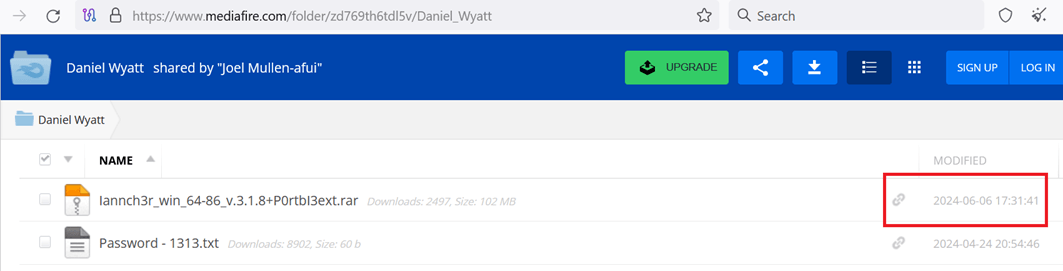
    Information stealers, which are used to collect credentials to then sell them on the dark web or use in subsequent cyberattacks, are actively distributed by cybercriminals. Some of them are available through a monthly subscription model, thus attracting novice cybercriminals. According to Kaspersky Digital Footprint Intelligence, almost 10 million devices, both personal and corporate, were attacked by information stealers in 2023. That said, the real number of the attacked devices may be even higher, as not all stealer operators publish all their logs immediately after stealing data.

    This year, we analyzed quite a few previously known and new stealers, which we described in detail in our private reports. You will find a few excerpts from these below. To learn more about our crimeware reporting service, contact us at crimewareintel@kaspersky.com.

    Kral

    In mid-2023, we discovered the Kral downloader which, back then, downloaded the notorious Aurora stealer. This changed in February this year when we discovered a new Kral stealer, which we believe is part of the same malware family as the downloader due to certain code similarities.

    The Kral stealer is delivered solely by the Kral downloader. The downloader itself sneaks onto the user’s device when a potential victim visits an adult website that embeds malicious ads. These redirect the victim to a phishing page which offers them to download a file. That file is the Kral downloader. Back in 2023, the downloader was written in a combination of C++ and Delphi, which resulted in relatively large samples. These days, the downloader is solely written in C++, which has shrunk the size of the payload tenfold.

    The Kral stealer has quite some similarities with the downloader. Both are signed and both use the same function for binary integrity verification ( WinVerifyTrust()). Also, they both use the same key for string encryption. Last but not least, the Kral name is used in the PDB paths to both binaries.

    In terms of functionality, the stealer is particularly interested in cryptocurrency wallets and browser data. A random folder is created in C:ProgramData, where stolen data, as well as information about the system (local time, time zone, CPU, etc) are stored. The folder is then zipped and sent to the C2 via the COM interface of the Background Intelligent Transfer Service (BITS). The stealer only collects data once. However, if the user launches it again, it will steal once more.

    AMOS

    The AMOS stealer targeting macOS was first identified in early 2023. In June 2024, we discovered a new domain delivering this malware. The website impersonated the Homebrew package manager. Following a deeper investigation, we found out that users ended up on this site through malvertising.

    Homebrew fake website

    As you can see from the image above, there are two options to install the malware. First, there is an option to download the infected DMG image directly, while the second option is to use an installation script.

    The installation script is fairly simple. It downloads the malicious image and installs it, after which it downloads and installs the legitimate Homebrew package. In the other case, when the user downloads the image, the following screen is displayed:

    DMG file with nested files

    As can be seen, the user is tricked into thinking that they have launched the Homebrew app and opening the AMOS stealer. When the malware is executed, multiple instances of the Terminal and bash processes are started. These processes start collecting system information and creating new hidden session history files. The stealer also embeds a specific trick to collect the macOS user password. Instead of logging keystrokes, the malware displays deceptive dialog boxes requesting the user’s credentials.

    Vidar / ACR

    The actors behind Vidar spread it by adding comments on YouTube that contain links to a ZIP or RAR archive hosted on a file-sharing platform which is changing every week. The archive is password protected, but the password is found at the same URL as the archive.

    Contents of the cloud storage

    The downloaded archive contains another password-protected archive, which contains the following files:

    1. converter.exe: legitimate ImageMagick application;
    2. vcomp100.dll: malicious DLL used for DLL hijacking;
    3. bake.docx: encrypted first stage loader;
    4. blindworm.avi: IDAT loader, the second stage payload.

    The legitimate converter.exe loads vcomp100.dll as the former is vulnerable to DLL hijacking. Next, the malicious DLL reads the encrypted “bake.docx” file, gets the payload and the key from a specified offset, and decodes the payload. That payload is a variant of the Penguish downloader containing an IDAT packed sample. This means we can use the IDAT loader extractor to extract the final payload, which is the Vidar stealer.

    What is interesting here is that instead of stealing data, Vidar actually downloads the ACR stealer. The latter, like many stealers these days, is interested in browser data and wallets. Vidar, too, normally targets the same types of data, however in this case, it uses the ACR Stealer as an exfiltration module.

    According to our telemetry data, most victims are found in Brazil.

    Conclusion

    Stealers are found everywhere, and they are popular among cybercriminals. Stolen data can be either leveraged for further attacks by the attackers themselves or sold on the dark web. Although stealers implement extensive support for snatching crypto-related data, the harvesting of credentials can be just as damaging – or even more so. This is especially true for credentials that provide access to corporate networks which can then be leveraged to deploy ransomware attacks.

    Relatively simple measures, such as 2FA, choosing unique passwords, downloading software only from official websites, and double-checking the website before downloading, can complicate this kind of attacks.

    If you would like to stay up to date on the latest TTPs being used by criminals, or if you have questions about our private reports, contact us at crimewareintel@kaspersky.com.

    Indicators of compromise

    Kral
    02c168aebb26daafe43a0cccd85397b2
    039bebb6ccc2c447c879eb71cd7a5ba8
    0509cc53472b265f8c3fc57008e31dbe

    Amos
    ec7f737de77d8aa8eece7e355e4f49b9
    dd2832f4bf8f9c429f23ebb35195c791

    Vidar
    6f9d3babdeea3275489589ee69bc3f31

    MIL OSI Economics

  • MIL-OSI Economics: AI-driven Attacks Targeting Retailers Ahead of the Holiday Shopping Season

    Source: Thales Group

    Headline: AI-driven Attacks Targeting Retailers Ahead of the Holiday Shopping Season

    Imperva, a Thales company, the cybersecurity leader that protects critical applications, APIs, and data, anywhere at scale, warns that as generative AI tools and Large Language Models (LLMs) continue to proliferate and advance, cybercriminals are increasingly using these technologies to enhance the scale and sophistication of their attacks on eCommerce platforms.

    With sales beginning as early as October and extending through late December, the holiday shopping season represents a critical time for online retailers. The surge in activity not only drives substantial revenue but also attracts malicious actors targeting retailers at a time when they can least afford downtime or a security incident. As this crucial period approaches, retailers must prepare for a range of AI-driven threats, including bots, distributed denial of service (DDoS) attacks, API violations, and business logic abuse.

    “While cybersecurity threats are a concern year-round, they become even more pronounced during the holiday shopping season, when retailers often experience record-breaking sales,” says Nanhi Singh, General Manager of Application Security at Imperva, a Thales company. “Cybercriminals recognize this and are using generative AI tools and LLMs to capitalize on the increased volume of digital transactions, limited-time promotions, and the gift cards and loyalty points stored in customer accounts.”

    In a recent 6-month analysis (April 2024 – September 2024), data from Imperva Threat Research reveals that, on average, retail sites collectively experience 569,884 AI-driven attacks each day. These attacks originate from AI tools like ChatGPT, Claude, and Gemini, alongside specialized bots that are designed to scrape websites for LLM training data. An analysis of these attacks shows that cybercriminals are primarily using the AI tools to carry out the following types of attacks.

    • Business Logic Abuse: The most common AI-driven attack (30.7%), business logic abuse involves exploiting the legitimate functionalities of an application or API to carry out malicious actions, such as manipulating prices, bypassing authentication, or abusing discount codes. AI enables attackers to automate these exploits at scale, making them harder to detect. To protect against these attacks, retailers should implement strict validation on all user inputs, employ anomaly detection systems to identify unusual activities, and regularly audit their business processes to identify functionalities that could be abused.
    • DDoS Attacks: Representing 30.6% of all AI-driven threats to retailers, DDoS attacks aim to overwhelm a website’s resources, resulting in downtime that can lead to lost sales and reputational damage—especially during peak shopping periods. Cybercriminals are now leveraging AI to coordinate large botnets more efficiently, enhancing the effectiveness of these attacks. Retailers should invest in a DDoS protection solution that utilizes machine learning to identify and mitigate malicious traffic in real time, ensuring that legitimate customers are not impacted.
    • Bad Bot Attacks: Attacks from bad bots account for 20.8% of AI-driven threats targeting retailers. These automated threats engage in disruptive activities such as scraping pricing data, credential stuffing, and inventory hoarding (scalping). The infamous Grinch bot, in particular, is notorious for its inventory hoarding during the holiday shopping season, making it increasingly difficult for consumers to purchase high-demand items. With advancements in AI, ​ operators can now create bots that convincingly mimic human behavior, allowing them to evade traditional security measures. To combat this threat, retailers should implement bot management solutions that utilize behavioral analytics to differentiate between genuine users and sophisticated bots.
    • API Violations: As eCommerce platforms increasingly expose APIs for mobile applications and third-party integrations, API violations are on the rise, accounting for 16.1% of AI-driven attacks on retailers. Cybercriminals exploit vulnerabilities in APIs to gain unauthorized access to sensitive data or functionality. With the assistance of AI, attackers can quickly identify weak points in API implementations, making these threats particularly challenging to mitigate. To safeguard their APIs, retailers should enforce strict authentication and authorization protocols, implement rate limiting to prevent abuse, and regularly conduct comprehensive security assessments and penetration testing.

    These AI-driven attacks pose significant risks not only for retailers but also for consumers. Cybercriminals are leveraging AI to conduct bot attacks, abuse business logic, and disrupt systems, putting sensitive personal information—including credit card details, addresses, and account information—at increased risk. Successful attacks can lead to identity theft, financial loss, and a loss of trust in eCommerce platforms, with fraudulent charges and unauthorized account access negatively affecting consumers’ shopping experiences.

    “In previous years, we’ve seen security threats like Grinch bots and DDoS attacks cause major disruptions during the holiday shopping season, affecting both retailers and consumers alike. Now, with the widespread availability of generative AI tools and LLMs, retailers are contending with a new wave of sophisticated cyberthreats,” adds Singh. “Without robust defenses, retailers risk facing a perfect storm of AI-driven attacks that could disrupt operations, compromise customer data, and tarnish their reputations during the most critical time of the year. To effectively mitigate these threats, retailers must adopt a comprehensive strategy that not only defends against these attacks but also allows them to respond swiftly without disrupting the shopping experience.”

    Additional Information:

    • Read “Seven Cybersecurity Tips to Protect Your Retail Business This Holiday Season”.
    • Learn how Imperva products and solutions help retailers protect their applications, APIs, and data from security risks.
    • Read the Imperva Blog for the latest product and solution news, and threat intelligence from Imperva Threat Research.

    About Imperva

    Imperva, a Thales company, is the cybersecurity leader that helps organizations protect critical applications, APIs, and data, anywhere, at scale, and with the highest ROI. With an integrated approach combining edge, application security, and data security, Imperva protects companies — ranging from cloud-native start-ups to global multinationals—through all stages of their digital journey. Imperva Threat Research and our global intelligence community enable Imperva to stay ahead of the threat landscape and seamlessly integrate the latest security, privacy, and compliance expertise into our solutions.

    MIL OSI Economics

  • MIL-OSI Economics: Advanced Trading System Group (ATS Group): BaFin warns consumers about the website advtradegroup.com

    Source: Bundesanstalt für Finanzdienstleistungsaufsicht – In English

    The operators of the website refer to themselves only as Advanced Trading System Group (ATS Group) without stating the company’s legal form. They do not provide any information about their registered office and the website contains no legal notice.

    Anyone conducting banking business and providing financial or investment services in Germany may do so only with authorisation from BaFin. However, some companies offer these services without the necessary authorisation. Information on whether a particular company has been granted authorisation by BaFin can be found in BaFin’s database of companies.

    Theinformation provided by BaFin is based on section 37 (4) of the German Banking Act (KreditwesengesetzKWG).

    Please be aware:

    BaFin, the German Federal Criminal Police Office (BundeskriminalamtBKA) and the German state criminal police offices (Landeskriminalämter) recommend that consumers seeking to invest money online should exercise the utmost caution and do the necessary research beforehand in order to identify fraud attempts at an early stage.

    MIL OSI Economics

  • MIL-OSI Asia-Pac: World Iodine Deficiency Day

    Source: Government of India (2)

    World Iodine Deficiency Day

    Strengthening Public Health through Awareness and Action

    Posted On: 20 OCT 2024 4:15PM by PIB Delhi

    Introduction

    World Iodine Deficiency Day, also known as Global Iodine Deficiency Disorders Prevention Day, is observed annually on 21st October. The day aims to raise awareness about the essential role of iodine in maintaining good health and to emphasize the consequences of iodine deficiency. This document outlines the importance of iodine in daily nutrition and its crucial significance in preventing iodine deficiency disorders.

    What is Iodine?


    Iodine is an essential component of the thyroid hormones, thyroxine (T4) and triiodothyronine (T3), which regulate metabolism and are crucial for fetal and infant development. Found in foods and iodized salt, iodine exists in several forms, including sodium and potassium salts, inorganic iodine (I2), iodate, and iodide. Iodide, the most common form, is quickly absorbed in the stomach and used by the thyroid for hormone production. Most excess iodide is excreted through urine.


    What happens in Iodine Deficiency?


    Iodine deficiency has multiple adverse effects on growth and development and is the most common cause of preventable intellectual disability in the world. Iodine deficiency disorders result from inadequate thyroid hormone production secondary to insufficient iodine. During pregnancy and early infancy, iodine deficiency can cause irreversible effects.

    • If a person’s iodine intake falls below approximately 10–20 mcg/day,

    hypothyroidism occurs, a condition that is frequently accompanied by goitre.

    Goitre is usually the earliest clinical sign of iodine deficiency.

    • In pregnant women, iodine deficiency of this magnitude can cause major

     neurodevelopmental deficits and growth retardation in the fetus as well as

     miscarriage and stillbirth.

    • Chronic, severe iodine deficiency in utero causes cretinism, a condition

    characterized by intellectual disability, deaf mutism, motor spasticity,

     stunted growth, delayed sexual maturation, and other physical and

    neurological abnormalities.

    • In infants and children, less severe iodine deficiency can also cause

     neurodevelopmental deficits such as somewhat lower than average intelligence

     as measured by IQ.

    • Mild to moderate maternal iodine deficiency has also been associated with an

    increased risk of attention deficit hyperactivity disorder in children.

    • In adults, mild to moderate iodine deficiency can cause goiter as well as

    impaired mental function and work productivity secondary to hypothyroidism.

    • Chronic iodine deficiency may be associated with an increased risk of the

    follicular form of thyroid cancer.


    National Efforts to Eradicate Iodine Deficiency

    Recognizing the serious health implications of iodine deficiency, the Government of India initiated national efforts to combat the problem through the National Goitre Control Programme (NGCP) in 1962. This program marked a significant step toward addressing iodine deficiency, which was linked to conditions such as mental and physical retardation, cretinism, and stillbirths.


    In 1992, the program was broadened and renamed the National Iodine Deficiency Disorders Control Programme (NIDDCP) to cover a wider range of iodine deficiency disorders (IDD) and ensure its implementation across all States and Union Territories.


    Primary goals of NIDDCP include:

    • Reducing the prevalence of IDD to below 5% nationwide.
    • Achieving 100% consumption of adequately iodized salt (with 15 ppm of iodine) at the household level.


    To accomplish these goals, the programme focuses on several key objectives:


    • Conducting surveys to assess the magnitude of IDD in different districts.
    • Replacing common salt with iodized salt in affected regions.
    • Conducting resurveys every five years to measure the impact of iodized salt on IDD.
    • Monitoring iodized salt quality and urinary iodine excretion through laboratory testing.
    • Promoting health education and public awareness about iodine’s role in preventing IDD.


    A major policy decision was made in 1984 to iodize all edible salt in India, which became a phased initiative starting in 1986. By 1992, the country aimed to fully transition to iodized salt. Today, India produces 65 lakh metric tonnes of iodized salt annually, which is sufficient to meet the needs of its population. This ongoing national effort underscores the government’s commitment to eradicating iodine deficiency and improving public health.


    Achievements of the National Iodine Deficiency Disorders Control Programme (NIDDCP)


    The implementation of the National Iodine Deficiency Disorders Control Programme (NIDDCP) has led to significant achievements in the reduction of iodine deficiency disorders (IDD) across India:


    • Reduction in Total Goiter Rate (TGR): The programme has substantially reduced the Total Goiter Rate, a key indicator of iodine deficiency, across the country.
    • Increased Iodized Salt Production & Consumption: The production of iodized salt has reached 65 lakh metric tonnes (MT) annually, which is sufficient to meet the dietary needs of the Indian population.
    • Regulatory Measures: Under Regulation 2.3.12 of the Food Safety and Standards (Prohibition and Restriction on Sales) Regulation, 2011, the sale of common salt for direct human consumption is prohibited unless the salt is iodized, ensuring nationwide use of iodized salt.
    • Establishment of Monitoring Laboratories: A National Reference Laboratory for monitoring iodine deficiency disorders has been established at the National Centre for Disease Control (NCDC), Delhi, along with four regional laboratories at NIN, Hyderabad, AIIH&PH, Kolkata, AIIMS, and NCDC, Delhi. These laboratories conduct training, monitoring, and quality control of salt and urine testing for iodine levels.
    • State-Level Implementation: 35 States/UTs have set up IDD Control Cells within their respective State Health Directorates, and an equal number have established State IDD Monitoring Laboratories to ensure effective implementation of the programme.
    • Information, Education, and Communication (IEC) Activities: Extensive IEC campaigns have been carried out to raise public awareness about the importance of regularly consuming iodized salt to prevent IDD.

    Global efforts to combat iodine deficiency


    Global efforts to combat iodine deficiency have been significant, with initiatives like Iodine Deficiency Day focusing on raising awareness about the critical role iodine plays in thyroid function, growth, and development. Globally, an estimated 1.88 billion people are at risk of inadequate iodine intake, impacting nearly 30% of school-aged children. The World Health Organization (WHO) and UNICEF have championed universal salt iodization since 1993, resulting in over 120 countries adopting iodization programs.

    These concerted efforts have led to a significant reduction in iodine deficiency disorders across India, contributing to the improvement of public health.


    Conclusion


    In conclusion, World Iodine Deficiency Day serves as a reminder of the progress made in preventing iodine deficiency disorders through national initiatives like NIDDCP and global efforts spearheaded by WHO and UNICEF. Continued and monitoring will ensure sustained success, ultimately contributing to healthier populations and improved quality of life worldwide!


    References

    https://nhm.gov.in/images/pdf/programmes/ndcp/niddcp/revised_guidelines.pdf

    Click here to download PDF

    ******

    Santosh Kumar/Sarla Meena/ Madiha Iqbal

    (Release ID: 2066507) Visitor Counter : 38

    MIL OSI Asia Pacific News

  • MIL-OSI Asia-Pac: EPFO Adds 18.53 Lakh Net Members During August 2024

    Source: Government of India (2)

    EPFO Adds 18.53 Lakh Net Members During August 2024

    9.3 Lakh New Members Enrolled with EPFO during August 2024

    Posted On: 20 OCT 2024 4:07PM by PIB Delhi

    The Employees’ Provident Fund Organisation (EPFO) has released provisional payroll data for August 2024, revealing a net addition of 18.53 lakh members in the month of August 2024. This represents a 9.07% year-on-year growth compared to August 2023, signifying increased employment opportunities and heightened awareness of employee benefits, bolstered by EPFO’s effective outreach initiatives.

    New Membership:

    EPFO enrolled around 9.30 lakh new members in August 2024, representing an increase of 0.48% in the new members from the previous year in August 2023. This surge in new memberships can be attributed to growing employment opportunities, increased awareness of emp1oyee benefits, and EPFO ‘s successful outreach programs.

    Group 18-25 Leads New Membership:

    A noticeable aspect of the data is the dominance of the 18-25 age group, constituting a significant 59.26% of the total new members added in August 2024. In addition, the net payroll data for the age group 18-25 for August 2024 is 8.06 lakhs. This is in consonance with the earlier trend which indicates that most individuals joining the organized workforce are youth, primarily first-time job seekers.

    Rejoining Members:

    The payroll data highlights that approximately 13.54 lakh members exited and subsequently rejoined EPFO. This figure depicts year-over-year growth of 14.03% compared to August 2023. These members switched their jobs and re-joined the establishments covered under the ambit of EPFO and opted to transfer their accumulations instead of applying for final settlement thus, safeguarding long-term financial well-being and extending their social security protection.

    Growth in Female Membership:

    Gender-wise analysis of payroll data unveils that out of the new members added during the month, around 2.53 lakhs are new female members. This figure exhibits year-over-year growth of 3.75% compared to August 2023. Also, the net female member addition during the month stood at around 3.79 lakh. It reflects a year over year growth of 10.41% compared to August 2023. The surge in female member additions is indicative of a broader shift towards a more inclusive and diverse workforce.

    State-wise Contribution:

    State-wise analysis of payroll data denotes that net member addition in the top five states/ UTs constitutes around 59.17% of net member addition, adding a total around 10.97 lakh net members during the month. Of all the states, Maharashtra is leading by adding 20.59% of net members during the month. The states/UTs of Maharashtra, Karnataka, Tamil Nadu, Haryana, Delhi, Gujarat, Telangana and Uttar Pradesh individually added more than 5% of the total net members during the month.

    Industry-wise Trends:

    Month-on-month comparison of industry-wise data displays significant growth in the members working in establishments engaged in the industries viz. Trading – commercial establishments, Engineers – engg. contractors, Building and construction industry, Agriculture farms, Beedi making etc. Of the total net membership, around 40.36% addition is from expert services (consisting of manpower suppliers, normal contractors, security services, miscellaneous activities etc.).

    The above payroll data is provisional since data generation is a continuous exercise, as updating employee record is a continuous process. The previous data gets updated every month. From the month of April 2018, EPFO has been releasing payroll data covering the period October 2017 onwards. In monthly payroll data, the count of members joining EPFO for the first time through Aadhaar validated Universal Account Number (UAN), existing members exiting from coverage of EPFO and those who exited but re-joined as members, is taken to arrive at net monthly payroll.

    *****

    Himanshu Pathak

    (Release ID: 2066506) Visitor Counter : 6

    MIL OSI Asia Pacific News

  • MIL-OSI Asia-Pac: ITU Kaleidoscope 2024 – Pioneering Innovation and Global Collaboration

    Source: Government of India (2)

    ITU Kaleidoscope 2024 – Pioneering Innovation and Global Collaboration

    Highest-ever number of paper received

    Event underscores the India’s role in developing indigenous technologies for global markets

    Posted On: 20 OCT 2024 5:04PM by PIB Delhi


    The 15th ITU Kaleidoscope Academic Conference, themed “Innovation and Digital Transformation for a Sustainable World”, will begin from tomorrow (October 21, 2024) at Bharat Mandapam, New Delhi, marking a significant milestone in global telecommunications research and standards development. Organized by the International Telecommunication Union (ITU), this prestigious event runs from October 21 to 23, 2024, and brings together the brightest minds in academia, industry, and government to discuss cutting-edge developments in 5G, AI, IoT, quantum communications, and other transformative technologies.

    Kaleidoscope 2024 stands out as a key platform for fostering innovation and collaboration in digital transformation and telecommunications. This year’s event has attracted the highest-ever number of paper submissions, reflecting the growing global interest in shaping the future of digital infrastructure and telecommunications standards. More than 140 papers have been received, a record-breaking number for the event, showcasing groundbreaking research that addresses global challenges, including sustainability, digital inclusion, and security.

    Key Highlights of Kaleidoscope 2024:

    1. Top Three Papers to Be Awarded with CHF 2000 Each
      The top three selected papers will receive a cash prize of CHF 2000 each, recognizing the most innovative and impactful research contributions in the field of telecommunications. These papers have been carefully chosen by a distinguished committee of experts from across the world. The winning papers explore pivotal advancements in areas like quantum communication, network security, and 5G applications.
    2. Recognition for Young Authors

    In a special effort to promote and encourage the next generation of researchers, ITU will also be recognizing young authors of the selected papers by awarding them with certificates of excellence. This initiative underscores ITU’s commitment to fostering young talent and advancing telecommunications research that contributes to global digital transformation.

    1. Three Days of Thought Leadership
      The conference will feature a series of technical sessions and panel discussions covering a wide range of topics such as network architectures for 6G, AI’s role in healthcare, IoT for smart cities, and quantum cryptography. These sessions will see participation from leading experts and key stakeholders, who will address both the opportunities and challenges presented by emerging technologies.
    2. Focus on Global Standards

    As part of the World Telecommunication Standardization Assembly (WTSA-24), Kaleidoscope 2024 will also emphasize the need for international collaboration in setting global standards for next-generation technologies. The event will highlight the critical importance of ensuring that these technologies are implemented in a way that is inclusive, secure, and sustainable for all.

    1. Panel Discussions on Day 3 On October 23rd, the final day of the conference, two panel discussions will take place. The first will focus on “Connecting the remaining 3 billions”. The second will explore the role of youths in global standards development, with objective of enhancing participation & contributions from youths in telecommunications and technology standards.

    India’s Role in the Global Telecommunications Ecosystem

    Hosting this year’s Kaleidoscope, India continues to demonstrate its growing leadership in the global digital ecosystem. Through key initiatives like Digital India and Make in India, the country has positioned itself as a critical hub for innovation in digital infrastructure. Kaleidoscope 2024 not only highlights India’s advancements in 5G deployment but also underscores the country’s role in developing indigenous technologies for global markets.

    As New Delhi becomes the focal point for global discussions on telecommunications, the city is poised to set the agenda for future collaborations that will drive innovation, inclusivity, and sustainability in digital technologies worldwide.

    About ITU Kaleidoscope

    ITU Kaleidoscope is an annual event that has been instrumental in bridging the gap between academia and industry, promoting the exchange of ideas that contribute to the global standardization of telecommunications technologies. Since its inception in 2008, Kaleidoscope has become one of the most influential platforms for discussing the future of digital communications, providing a space where researchers and innovators can present their most promising work.

    Visit the official ITU Kaleidoscope 2024 website at https://www.itu.int/en/ITU-T/academia/kaleidoscope/2024/Pages/default.aspx or simply type ITU Kaleidoscope 2024 in google and select the first displayed website for detailed information on the event program, speakers, and sessions.


    ******

    SB/DP/ARJ

    (Release ID: 2066519) Visitor Counter : 36

    MIL OSI Asia Pacific News

  • MIL-OSI Asia-Pac: Ministry of Coal to Host Star Rating Awards Ceremony, Stakeholder Consultation on MDOs, and Release of Coal Directory on October 21, 2024

    Source: Government of India

    Posted On: 20 OCT 2024 3:40PM by PIB Delhi

    Ministry of Coal is organizing the Star Rating Awards Ceremony, Stakeholder Consultation on Mining Developers cum Operators (MDOs), and the Release of the Coal Directory of India on October 21, 2024 at Scope Convention Centre, Scope Complex, Lodhi road, New Delhi. These events aim to recognize the exceptional performance of coal and lignite mines, foster engagement with key stakeholders, and provide valuable insights into the coal sector. Union Minister of Coal and Mines, Shri G. Kishan Reddy, will grace the occasion as the Chief Guest, with Minister of State for Coal and Mines, Shri Satish Chandra Dubey, as the Guest of Honour.

    The Star Rating Awards acknowledge the outstanding performance of coal and lignite mines, aiming to promote responsible mining practices, enhance industry standards, and ensure sustainable growth in the sector. The Ministry has established a comprehensive Star Rating mechanism that evaluates mines across seven key modules: Mining Operations, Environmental Factors, Adoption of Technologies-Best Mining Practices, Economic Performance, Rehabilitation & Resettlement, Worker-Related Compliance, and Safety & Security.

    The Star Ratings are awarded on a scale from Five Star to No Star, based on the holistic assessment of each mine’s performance. The ratings cover three categories of mines: Underground Mines (UG), Opencast Mines (OC), and Mixed Mines. For the year 2022-23, total 380 mines have participated in star rating award and 43 mines have qualified for the prestigious Five Star Rating, scoring more than 91%. Among them, 4 mines have been ranked for 1st, 2 mines ranked 2nd, and 6 mines ranked for 3rd prizes. No mines have been qualified under the mixed category for this year.

    The Ministry of Coal will also host a Stakeholder Consultation on Mining Developers cum Operators (MDOs), focusing on streamlining operations, enhancing productivity, and reducing mining costs. The primary objective of this consultation is to engage MDOs to significantly boost coal production, reduce the country’s reliance on imported coal, and introduce cutting-edge technology in the mining sector. Ministry of Coal is committed to advancing the coal sector through enhanced collaboration with key stakeholders, including Mining Developers cum Operators (MDOs). This consultation is a crucial platform for open dialogue between the Ministry and MDOs, ensuring that industry best practices are shared and adopted to achieve a more streamlined and productive coal-mining ecosystem. The stakeholders’ consultation aims to identify and address the operational challenges faced by MDOs, such as logistical bottlenecks, regulatory compliance, and the coordination between public and private stakeholders. By engaging with MDOs, the Ministry of Coal aims to build a robust and forward-looking coal sector that can meet the nation’s growing energy requirements while maintaining high standards of safety, sustainability, and cost-effectiveness. This stakeholder consultation serves as a strategic initiative to harness the strengths of MDOs and ensure that India’s coal mining industry remains competitive and resilient in a dynamic global landscape.

    Further, the event will feature the iGOT Awards (Integrated Government Online Training) under the Ministry of Mines. The Ministry of Coal will also release the Coal Directory of India, a comprehensive repository offering insights into coal and lignite production, sectoral dispatches, and other critical aspects of the coal industry. Additionally, Swachhata Awards will be presented during the event. These awards highlight the importance of maintaining high standards of cleanliness and sustainability in the coal industry, in alignment with the Swachh Bharat mission.

    These events underscore the Ministry of Coal’s commitment to enhancing the performance of coal and lignite mines, promoting sustainable practices, and ensuring the availability of accurate data for stakeholders. Through these efforts, the Ministry continues to drive the growth and development of the Indian coal sector.


    ***

    ST

    (Release ID: 2066499) Visitor Counter : 61

    MIL OSI Asia Pacific News

  • MIL-OSI Asia-Pac: Khelo India has significantly increased the number of female athletes in national events : Union Minister Dr. Mansukh Mandaviya

    Source: Government of India

    Khelo India has significantly increased the number of female athletes in national events : Union Minister Dr. Mansukh Mandaviya

    Union Minister inaugurates newly constructed 300-bedded girls’ hostel at SAI RC LNCPE

    Posted On: 20 OCT 2024 3:23PM by PIB Thiruvananthpuram

    Union Minister for Youth Affairs and Sports Dr. Mansukh Mandaviya today said that Khelo India ASMITA Women league has significantly increased the number of female athletes participating in national events. The minister was inaugurating the newly constructed 300-bedded girls’ hostel at SAI RC LNCPE, Thiruvananthapuram. Union Minister also emphasized that this reflects a significant investment in the future of our young women athletes. He also noted that India is targeting a place in the top 10 of the medal tally at the 2036 Olympics.

    The Minister urged athletes not to view sports as merely a path to a government job, stressing that they should play for the country, win medals, and bring glory to the nation. He reiterated Prime Minister Narendra Modi’s Panch Pran underscoring that winning a medal brings honor not just to the individual and their loved ones but to the entire country, which collectively takes pride in such achievements.

    The hostel is constructed under the Khelo India creation and up-gradation of Infrastructure projects. The project, awarded to M/s WAPCOS, was completed within the budget Rs. 32.88 Crores. Since 2014, the Khelo India scheme has successfully completed 202 infrastructure projects, with an additional 121 projects underway. 

    Designed in a pentagon shape, the hostel comprises five blocks, each featuring ground plus three storeys. This innovative architecture maximizes space while fostering a vibrant and welcoming environment. The facility includes a centralized kitchen capable of serving 108 dining guests, along with storage rooms, staff dormitories, and dedicated washing areas.

    As part of the event, Union Minister felicitated sportspersons who have represented India in Olympics, Asiad and other international games. Arjuna awardees Padmini Thomas, S Omanakumari, Geethu Anna Jose, Saji Thomas and V Diju received the honour from the minister.

    Dr. G. Kishore, Principal & Regional Head, SAI RC LNCPE and K.M. Beenamol were also present. Dr. G. Kishore explained about the campus and it’s achievements in the function.

    ***

    SK

    (Release ID: 2066498) Visitor Counter : 56

    MIL OSI Asia Pacific News

  • MIL-OSI Asia-Pac: India to become one among the top 10 performing countries in sports : Union Minister Dr. Mansukh Mandaviya

    Source: Government of India

    India to become one among the top 10 performing countries in sports : Union Minister Dr. Mansukh Mandaviya

    Union Minister inaugurates upgraded SAI Trivandrum Golf Course

    Posted On: 20 OCT 2024 12:50PM by PIB Thiruvananthpuram

    Union Minister for Youth Affairs and Sports Dr. Mansukh Mandaviya today said that India is set to become one among the top ten performing countries in the world in the field of sports. The minister was inaugurating the upgraded SAI Golf Course at Kowdiar, Thiruvananthapuram. Union Minister also emphasized the significance of the Trivandrum Golf Club as a cherished community and a symbol of sporting excellence.

    Dr. Mansukh Mandaviya also said that Olympics 2036 in India will nurture the talent in the country. Minister stressed that healthy people will make healthy society, healthy society will be wealthy society. Sports will make people physically, mentaly and culturally fit. Keeping this in mind, we work out from district level through Khelo India programme.

    Union Minister expressed immense pride in the establishment of SAI National Golf Academy, first of its kind in Kerala. The National Golf Academy is equipped with world-class facilities such as a nine-hole international-standard golf course, state-of-the-art fitness centre and modern recreational amenities. 

    The minister visited and examined the upgraded Golf Course after inauguration, and further explored the course by playing golf. The upgraded Golf Course has been established by the approval of the Ministry of Tourism in line with the Government of India’s commitment to enhancing sporting infrastructure, on March 31, 2017. An allocation of Rs. 9.27 crore was made to SAI’s Lakshmibai National College of Physical Education (LNCPE), and the Central Public Works Department (CPWD) has successfully completed this ambitious project, further elevating the club’s standards to meet international benchmarks.

    Dr. Mansukh Mandaviya felicitated international athletes of SAI, Thiruvananthapuram, as part of the event. Shri Suresh Gopi, Minister of state for Tourism & Minister of state for Petroleum and Natural Gas, presided over the function. While addressing the audience, thr minister of state said that the Golf club and Tennis club of Trivandrum has brought real talents from the lowest strata of society.

    Smt. Sarada Muraleedharan, Chief secretary, Government of Kerala, Shri. Suman Billa IAS, Additional Secretary, Ministry of Tourism, Government of India and Shri S.N. Raghuchandran Nair, Secretary, SAI TGC attended the event.

    ***

    SK

    (Release ID: 2066466) Visitor Counter : 110

    MIL OSI Asia Pacific News

  • MIL-OSI Asia-Pac: India Chem 2024 concludes today in Mumbai

    Source: Government of India (2)

    India Chem 2024 concludes today in Mumbai

    India’s chemical and petrochemical industry is projected to surpass $300 billion by 2028 and is on track to reach $1 trillion by 2040: Shri Jagat Prakash Nadda, Union Minister for Health & Family Welfare and Chemicals & Fertilizers

    Posted On: 20 OCT 2024 2:06PM by PIB Delhi

    The three-day event ‘India Chem-2024’ which was inaugurated on 17th concludes in Mumbai today.

    Shri Jagat Prakash Nadda, Union Minister for Health & Family Welfare, and Chemicals & Fertilizers, Government of India, while addressing the keynote session in the august presence of the Chief Ministers of Gujarat, Madhya Pradesh and Odisha, highlighted the key role of the chemical and petrochemical sector in the economy, contributing over 9% to manufacturing gross value added and 7% to total exports. Shri Nadda stipulated that India’s chemical and petrochemical industry is projected to surpass $300 billion by 2028 and is on track to reach $1 trillion by 2040. He added that the sector will play a key role towards Prime Minister Shri Narendra Modi’s goal of ‘ViksitBharat@2047”. He emphasized the importance of reducing reliance on imported feedstocks and focusing on alternative feed stocks, while also ensuring that India leads the global shift toward greener technologies. He noted that sustainability is the future of the industry and that India must take the lead in the adoption of circular economy principles. Referring to the need for more emphasis on R&D, safety and skilling, he elaborated upon the various steps being taken by the Government to boost innovation and investment. He assured the industry that the Government shall leave no stone unturned in realizing the full potential of the Indian Chemical and Petrochemical industry.

    Shri Bhupendra Rajnikant Patel, Chief Minister of Gujarat, remarked on Gujarat’s leadership in exports of chemicals and petrochemicals, and referred to the Government’s efforts to establish India as a leading destination for the chemical industry, fostering collaboration and excellence for a prosperous future. Shri Mohan CharanMajhi, Chief Minister of Odisha, highlighted Odisha’s strategic position as a rising hub for the chemical industry. Alluding to the strong infrastructure and highly skilled workforce available in Odisha, he invited industry leaders to explore the vast opportunities offered by the State. Shri Mohan Yadav, Chief Minister of Madhya Pradesh, while speaking about his State’s leadership in the sector, highlighted the efforts being made by the State Government to further boost the development of the sector and create more employment opportunities.

    Ms. Anupriya Patel, Minister of State for Health & Family Welfare, and Chemicals & Fertilizers, Government of India, formally inaugurated the exhibition, which brought together over 150 exhibitors, from different industry segments. In her address at the keynote session, she mentioned that India’s manufacturing sector has shown remarkable growth, fueled by progressive policy reforms and rising domestic demand and that FDI has played a pivotal role in enhancing the growth and competitiveness of India’s chemical sector, which includes petrochemicals and specialty chemicals. The country has become an attractive destination for Foreign Direct Investment (FDI), allowing 100% FDI in manufacturing through the automatic route. Over the past decade, she mentioned that the sector has attracted US $12.48 billion in investments in this sector alone.

    Ms. Nivedita Shukla Verma, Secretary, Department of Chemicals & Petrochemicals, Government of India elaborated on the event theme of ‘Advantage Bharat’ and how the Indian Chemical and Petrochemical sector has been paving the future of the Indian economy towards the goal of Viksit Bharat@2047. She drew attention to the various measures undertaken by the Government towards boosting infrastructure, including railways, roads and ports, logistics infrastructure as well as digital infrastructure as also initiatives to promote green economy and circularity.  All these measures would enhance productivity and boost exports. In this context, she referred to various policy initiatives undertaken by the Department such as the Scheme for Centers of Excellence, PCPIRs, Quality Control Orders etc.,

    Shri Deepak Mehta, Chairman, FICCI National Chemical Committee, stated that India is at a pivotal point of growth, with the chemical industry set to expand significantly. Shri Nikhil Meswani, Executive Director, Reliance Limited, highlighted the importance of chemicals to modern life, stating that it is the backbone of future development in agriculture, electronics, and beyond.

    This was followed by a Global CEOs’ Conclave, presided over by the Union Minister for Chemicals & Fertilizers, wherein industry leaders from across the globe discussed the opportunities and challenges of the Indian chemical industry. The session witnessed insightful discussions and knowledge sharing, addressing key challenges and opportunities within the sector, with discussion on the meaningful discussion on the strengths of the Indian economy and possible interventions which may help propel the sector forward in the coming years.

    The Petrochemicals Forum was presided over by Shri Hardeep Singh Puri, Minister of Petroleum & Natural Gas, Government of India. The session was participated in by leading Indian and global industry leaders including Exxon Mobil, Reliance Limited, IOCL and SABIC, amongst others. The Minister said India’s per capita petrochemical consumption is far below developed nations, offering significant opportunities for higher investment in the sector. Stating that Indian companies have committed investments of more than $ 50 billion in the near future, he opined that India’s petrochemicals production is projected to increase from 29.62 million tons to 46 million tons by 2030.

    This event, organized jointly by the Department of Chemicals & Petrochemicals and FICCI, provided a platform for brainstorming discussions amongst industry leaders and Government representatives on specific topics of relevance to the sector, facilitating dialogue on investment prospects, regulatory frameworks, and strategic challenges.

    One of the largest exhibition cum conferences for chemical and petrochemical industries not just in India, but in Asia, this edition of India-Chem was held with the theme of “Advantage Bharat: Indian Chemicals and Petrochemicals Paving the Future”.

    The exhibition consisted of pavilions from leading Indian and global companies in the sector, several Indian States including Madhya Pradesh, Odisha, Gujarat and Andhra Pradesh, and also saw international participation from about 22 countries, including Belarus, Saudi Arabia, Germany and the Netherlands, with a footfall over more than 7,500 people across 3 days. Netherlands, with whom India shares a robust trade relationship, particularly in the chemical and petrochemical sector, was a partner country for the event.

    There were several sessions on issues ranging from dyes, and agrochemicals, to petrochemicals, which saw discussions on the latest developments in the field, as well as on the importance of innovation and adoption of sustainable practices. Besides, there were dedicated sessions focusing on geography-specific issues including the India-EU, India-East Asia, and India-US Chemicals & Petrochemicals Forums, bringing together key stakeholders from each of these regions. These sessions enabled in-depth discussions on market insights, regulatory landscapes, and investment trends shaping the future of the sector, while also providing an opportunity to the participants to forge possible strategic partnerships which transcend geographical boundaries, thereby exploring new avenues to accelerate growth in the chemical and petrochemical sector.

    On its third and final day, the event hosted an engaging job fair featuring 14 leading chemical companies from different sectors  such as  ABB Instruments Pvt Ltd., Aarti Industries, Dhanuka Agrotech, Atul Limited, Crystal Crop Care, etc. and students from CIPET – Central Institute of Plastic Engineering and Technology, which functions under the ambit of the Department of chemicals and petrochemicals, Ministry of Chemicals and Fertilisers. Institute is responsible for providing skilling through various undergraduate and postgraduate courses to almost 65,000 students per year.  During the job fair, the students of CIPET got an opportunity to interact with the industry to explore possible career prospects. This served as an exciting platform bringing together students and potential employers in the chemical industry, helping the students gain insights into the future of the sector.


    *******

    MV/AKS

    (Release ID: 2066478) Visitor Counter : 21

    MIL OSI Asia Pacific News

  • MIL-OSI Submissions: Health – WHO welcomes health ministers to Manila to consider a new vision and actions to improve health in the Region

    Source: World Health Organization (WHO)

    The World Health Organization (WHO) Regional Office for the Western Pacific today welcomed ministers, other senior health officials and key partners from across the Western Pacific to the seventy-fifth session of its Regional Committee. WHO’s governing body for the Region convenes every year to formulate policies, adopt resolutions and make decisions to improve the health of more than 1.9 billion people living in the Western Pacific.

    WHO’s Regional Director for the Western Pacific, Dr Saia Ma’u Piukala – the first Pacific islander to be elected to the position – welcomed health leaders to the first Regional Committee under his tenure.

    “As the first Regional Director from the Pacific, the challenges we’re discussing – such as rising sea levels and increasingly frequent disasters – are realities that my loved ones and fellow Pacific islanders live with every day,” said Dr Piukala. “I’m keenly aware of the enormity of the work ahead of us, but with mutual trust and support we can meet these challenges.”

    Dr Piukala’s address covered key updates on WHO’s work with countries and partners across the Region from July 2023 to June 2024. He also introduced a draft vision for improving health in the Region, to guide WHO’s work with Member States over the coming five-year period.

    “This vision, jointly developed by WHO and Member States, is a testament to the beauty, strength and diversity of this Region,” said Dr Piukala. “Guided by this vision, we will work together and with our partners to build a sustainable, resilient and healthy future for all people in the Western Pacific.”

    Cook Islands Minister of Health, the Honourable Vainetutai Rose Toki Brown, was elected Chairperson of this year’s session of the Regional Committee. Viet Nam Vice Minister of Health, Associate Professor Nguyen Thi Lien Huong, was elected Vice-Chairperson.

    Hon. Toki Brown thanked the delegates for their trust and confidence in electing her as Chairperson, and she added: “This is a special year. It is the first Regional Committee meeting with the new Regional Director, Dr Saia Ma’u Piukala, at the helm, and we have a lot of important ground to cover.”

    She went on to say, “I know that you are all committed to the health of this Region, and I know you agree on the value of us convening here as members of the World Health Organization. The success of our new regional vision relies upon the mutual accountability of Member States and WHO. Thank you again for your confidence in electing me as Chair of this important meeting. I am very much looking forward to our discussions.”

    A new vision for health in the Region

    The new vision, Weaving Health for Families, Communities and Societies in the Western Pacific Region (2025−2029): Working together to improve health, well-being and save lives, is being presented to Member States for their endorsement. The vision centres on the analogy of the weaving of a mat − a traditional activity across Asia and the Pacific – symbolizing the collaborative efforts required by WHO, governments and partners to improve the health and well-being of the people of the Region. The vision comprises five vertical strands of action led by governments, interwoven with three horizontal strands of action by WHO over the coming five years.

    The five vertical strands of action led by governments, working with WHO and other stakeholders, include:

    1. Transformative primary health care for universal health coverage

    2. Climate-resilient health systems

    3. Resilient communities, societies and systems for health security

    4. Healthier people throughout the life course

    5. Technology and innovation for future health equity.

    The three horizontal strands of action by WHO are:

    1. Country offices equipped with skills for scaling up and innovation

    2. Nimble support teams in the Regional Office

    3. Effective communication for public health.

    Action frameworks and panel discussions on priority issues

    The Regional Committee will also consider new regional action frameworks on digital health and on health financing to achieve universal health coverage and sustainable development. There will be panel discussions on climate resilient health-care facilities, transformative primary health care and oral health. In addition, there will be side events on topics including One Health, tobacco control and the Investment Round to resource WHO’s work over the next four years.

    Building climate-resilient health-care facilities

    Countries in the WHO Western Pacific Region are at risk from climate change and climate-related disasters. The health impacts of these vary depending on the resilience of communities and the health facilities that serve them.

    During a panel discussion at the Regional Committee today, delegates from Fiji, the Lao People’s Democratic Republic, the Commonwealth of the Northern Mariana Islands and Viet Nam emphasized the need to protect health by ensuring hospitals and clinics are climate resilient. The benefits of joining the Alliance for Transformative Action on Climate and Health (ATACH) were highlighted as it provides a platform for countries to accelerate transformative action in building climate-resilient and low-carbon health systems by leveraging the collective expertise and resources of WHO Member States and other stakeholders.

    WHO is working with countries and areas across the Western Pacific to track progress in protecting health from climate change, helping with vulnerability assessments, developing and updating adaptation plans, and implementing climate-resilient and environmentally sustainable health facility initiatives.

    Exhibitions to highlight health issues and WHO’s work

    Outside of the main agenda, a series of seven exhibitions was unveiled today on themes relevant to health and WHO’s work in the Region.

    An exhibit on health equity profiles allows delegates to view information on a particular country’s health indicators and explore their intricate association with social and geospatial factors. This should give users a better understanding of how to prioritize and implement strategies to achieve health for all.

    A special exhibit features collaborative art pieces made by staff at the WHO Western Pacific Regional Office to mark World Sight Day 2024 and World Mental Health Day 2024. The paintings, representing an eye and a heart, symbolize what people most love to see in their lives and the importance of promoting mental health at work. WHO’s ongoing efforts to improve both eye health and mental health for all rely on an integrated approach, a theme central to the draft regional vision.

    The future of health museum exhibit showcases 15 “future artefacts” such as the “morning mat”, where communities would be encouraged to gather each morning to talk about their health and well-being, and the climate-controlled tuk-tuk, a futuristic three-seater electric vehicle that emits clean air rather than toxic exhaust. These were co-created through foresight activities involving WHO staff and partners. There are also 15 historical artefacts that celebrate public health milestones from the past 75 years.

    A series of models of climate-resilient and environmentally sustainable health-care facilities will inform a panel discussion enabling delegates to explore innovative solutions to make health facilities more climate resilient and environmentally sustainable.

    An exhibit about strengthening health emergency response capacities shows WHO’s support for health emergency responses in the Region. It depicts operations support and logistics, emergency medical teams that can be deployed with field hospitals, the Global Outbreak Alert and Response Network of experts, and public health emergency operations centres.

    The reaching the unreached map explorer in the Western Pacific Region features an interactive web-based map app that helps users find geographically underserved populations across the Region, shedding light on the health inequities they face. This exhibit emphasizes the critical role of data-driven health interventions to reach unreached populations.

    Finally, an exhibit about the dangers of new and emerging tobacco and nicotine products showcases examples of these products, describing the tactics used by the tobacco and related industries to entice children and young people to take up smoking and undermine tobacco control efforts. The exhibition also offers information on how countries and partners can prevent uptake of these products.

    Notes:

    The seventy-fifth session of the Western Pacific Regional Committee will run from Monday, 21 October, through Friday, 25 October, at the WHO Regional Office for the Western Pacific in Manila, Philippines. The agenda and timetable are available online. A livestream of proceedings and all other official documents, as well as fact sheets and videos on the issues to be addressed, can be accessed here. For real-time updates, follow @WHOWPRO on Facebook, X, Instagram and YouTube and the hashtag #RCM75.

    Working with 194 Member States across six regions, WHO is the United Nations specialized agency responsible for public health. Each WHO region has a regional committee – a governing body composed of ministers of health and senior officials from Member States. Each regional committee meets annually to agree on health actions and to chart priorities for WHO’s work.

    The WHO Western Pacific Region is home to more than 1.9 billion people across 37 countries and areas: American Samoa (United States of America), Australia, Brunei Darussalam, Cambodia, China, Cook Islands, Fiji, French Polynesia (France), Guam (United States of America), Hong Kong SAR (China), Japan, Kiribati, the Lao People’s Democratic Republic, Macao SAR (China), Malaysia, the Marshall Islands, the Federated States of Micronesia, Mongolia, Nauru, New Caledonia (France), New Zealand, Niue, the Commonwealth of the Northern Mariana Islands (United States of America), Palau, Papua New Guinea, the Philippines, Pitcairn Island (United Kingdom of Great Britain and Northern Ireland), the Republic of Korea, Samoa, Singapore, Solomon Islands, Tokelau, Tonga, Tuvalu, Vanuatu and Viet Nam, Wallis and Futuna (France).

    Related links:

    Report of the Regional Director The work of WHO in the Western Pacific Region, 1 July 2023 – 30 June 2024
    Draft vision Weaving health for families, communities and societies in the Western Pacific Region (2025−2029): Working together to improve health and well-being and save lives
    Building climate resilience in health-care facilities (fact sheet, video)
    https://www.who.int/westernpacific/publications/m/item/building-climate-resilience-in-health-care-facilities


    MIL OSI – Submitted News

  • MIL-OSI Submissions: Africa – Japan: African Development Bank Celebrates Three Decades of Japan-Backed Trust Fund

    SOURCE: African Development Bank Group (AfDB)

    Over the past three decades, Japan has contributed JPY 5.3 billion ($ 37.4 million) to the PHRDG, supporting 107 projects, with 96 completed and 11 ongoing as of September 2024

    TOKYO, Japan, October 21, 2024/

    MIL OSI – Submitted News

  • MIL-OSI Submissions: Health – Viet Nam eliminates trachoma as a public health problem – WHO

    Source: World Health Organization

    In a significant health milestone, Viet Nam has successfully eliminated trachoma. This remarkable achievement was validated by the World Health Organization (WHO) and a plaque was presented to the Vice Minister of Health of Viet Nam, Associate Professor Nguyen Thi Lien Huong, during the seventy-fifth session of the WHO Regional Committee for the Western Pacific, which opened today in Manila.

    Trachoma is the leading infectious cause of blindness globally. It is a preventable disease of the eye caused by Chlamydia trachomatis bacteria. Trachoma is spread by flies and people can also become infected through direct contact with discharge from the eyes or nose of an infected person. With repeated infections, the eyelashes may be drawn in so that they rub on the surface of the eye, causing pain and damaging the cornea. Some affected individuals must undergo surgery to prevent blindness from the disease.

    Decades of concerted efforts

    Over the past 70 years, Viet Nam has worked tirelessly to combat trachoma, treating hundreds of thousands of people and implementing rigorous control measures. These efforts were significantly strengthened with the implementation of WHO’s SAFE strategy, which stands for surgery, antibiotics, facial cleanliness and environmental improvement.

    Past surveys indicated that trachoma was a public health problem in four provinces in Viet Nam. Thirty years ago, 1.7% of people living in these high-risk provinces required surgery to prevent blindness from trachoma. However, by 2023 the proportion of adults with the blinding form of the disease had fallen below 0.2%, which is the threshold required for WHO validation of elimination of trachoma as a public health problem. Continuous monitoring and the focused implementation of the SAFE strategy in the country, starting in 1999, have been instrumental in this decline.

    Trachoma elimination in Viet Nam was made possible through collaboration among several government agencies including the Ministry of Health, the Ministry of Education and Training and the Ministry of Agriculture and Rural Development, with the support of WHO and international health partners including the Australian Department of Foreign Affairs and Trade (DFAT),   the Fred Hollows Foundation, the International Trachoma Initiative (ITI), RTI International, UNICEF and the United States Agency for International Development (USAID). Viet Nam was one of the first group of countries to receive Pfizer-donated azithromycin   for trachoma elimination purposes through ITI, a donation that has been critical to global progress against trachoma.

    “Elimination of trachoma as a public health problem in Viet Nam is a monumental achievement for the country and for the global fight against the disease,” said Dr Tedros Adhanom Ghebreyesus, WHO Director-General. “This milestone is a testament to the unwavering dedication of Viet Nam’s health workers, including many working at community level. It underscores the power of collective action, innovative thinking and a shared commitment to a healthier future for all. I commend Viet Nam for its dedication and success in safeguarding the vision of millions.”

    “The elimination of trachoma in Viet Nam demonstrates the commitment of the Government, health workers and communities across the country,” said Dr Saia Ma’u Piukala, WHO Regional Director for the Western Pacific, praising the achievement. “It is a shining example of how targeted interventions, strong partnerships and sustained effort can bring about real change in the health of populations.”

    A trachoma-free future

    WHO Representative to Viet Nam, Dr Angela Pratt, described trachoma as a disease of poverty. “Communities in remote areas without good access to safe water and sanitation were the worst affected. But Viet Nam has demonstrated that it is possible to reach the hardest-to-reach populations, make the right investments to protect people’s health and ensure a trachoma-free future.”

    Reflecting on this historic achievement, Associate Professor Nguyen Thi Lien Huong said that the elimination of trachoma was a proud moment for Viet Nam. “The combined efforts of many agencies and communities, with the support of WHO and partner organizations, have saved thousands of people from lifelong blindness and economic disadvantage. Our children can now grow up safe from this painful and potentially blinding disease. This is a wonderful achievement for our people, which will pay dividends for decades to come. In this happy moment, on behalf of the Vietnamese people, I want to express our sincere thanks to all international partners who contributed great support to trachoma elimination in Viet Nam.”

    In 2018, Viet Nam eliminated lymphatic filariasis. The country has also made tremendous progress on combating malaria, which is now only found in pockets of areas and is close to being eliminated.

    Viet Nam’s success is part of broader progress in disease prevention in the WHO Western Pacific Region. Since the launch of WHO’s first road map for the prevention and control of neglected tropical diseases (NTDs) in 2012, the Region has made significant strides in eliminating trachoma. Between 2016 and 2022, four out of the Region’s 11 trachoma-endemic countries were validated for trachoma elimination. Viet Nam becomes the fifth, joining Cambodia, China, the Lao People’s Democratic Republic and Vanuatu in recording this achievement, highlighting the importance of sustained efforts in tackling NTDs.

    WHO continues to support countries in the Region to eliminate trachoma and other NTDs as part of the global effort to improve health and well-being for all.

    Notes

    A certificate and plaque were presented to Viet Nam in recognition of this achievement during the seventy-fifth session of the Western Pacific Regional Committee taking place from Monday, 21 October, through Friday, 25 October, at the WHO Regional Office for the Western Pacific in Manila, Philippines. The agenda and timetable of the Regional Committee meeting are available online. A livestream of proceedings, all other official documents, as well as fact sheets and videos on the issues to be addressed can be accessed here. For real-time updates, follow @WHOWPRO on Facebook, X, Instagram and YouTube and the hashtag #RCM75.

    Working with 194 Member States across six regions, WHO is the United Nations specialized agency responsible for public health. Each WHO region has its regional committee – a governing body composed of ministers of health and senior officials from Member States. Each regional committee meets annually to agree on health actions and to chart priorities for WHO’s work.

    The WHO Western Pacific Region is home to more than 1.9 billion people across 37 countries and areas: American Samoa (United States of America), Australia, Brunei Darussalam, Cambodia, China, Cook Islands, Fiji, French Polynesia (France), Guam (United States of America), Hong Kong SAR (China), Japan, Kiribati, the Lao People’s Democratic Republic, Macao SAR (China), Malaysia, the Marshall Islands, the Federated States of Micronesia, Mongolia, Nauru, New Caledonia (France), New Zealand, Niue, the Commonwealth of the Northern Mariana Islands (United States of America), Palau, Papua New Guinea, the Philippines, Pitcairn Island (United Kingdom of Great Britain and Northern Ireland), the Republic of Korea, Samoa, Singapore, Solomon Islands, Tokelau, Tonga, Tuvalu, Vanuatu and Viet Nam, Wallis and Futuna (France).

    Related links:

    Fact sheet on trachoma: https://www.who.int/news-room/fact-sheets/detail/trachoma
    Global road map for neglected tropical diseases 2021–2030: https://www.who.int/publications/i/item/9789240010352

    MIL OSI – Submitted News

  • MIL-OSI Submissions: Africa – SHAFDB Wins Pan-African Development Bank Leadership Award

    Source: Media Fast

    Zanzibar, Tanzania: 21 October 2024 – Shelter Afrique Development Bank (ShafDB), a leading Pan-African multilateral development bank, dedicated to financing and promoting housing, urban & related infrastructure development across the African continent, has been honored with the prestigious “Pan-African Development Bank Leadership Award – A Pioneer in Housing Finance” for its outstanding contributions to the development of the continent.

    The award, presented during the 40th Anniversary Gala of the African Union for Housing Finance (AUHF) and the International Secondary Mortgage Market Association (ISSMA), recognized Shelter Afrique Development Bank for its pioneering leadership and 42 years unwavering commitment to advancing sustainable development in Africa’s housing sector. This prestigious honor was conferred by Ambassador Sharon Trail, founder of the AUHF 40 years ago, who was also honored with a lifetime achievement award at the same event.

    Receiving the award, Shelter Afrique Development Bank Managing Director, Thierno-Habib Hann expressed gratitude for the recognition, stating, “This honor is a testament to our mission of transforming Africa’s housing and urban landscape. We are proud of the work we’ve done in collaboration with governments, development finance institutions (DFIs), private developers, and financial institutions across Africa to provide affordable housing solutions.”

    The award highlights the transformative changes taking place at ShafDB, driven by its visionary leadership and the ‘New Dawn’ strategy now coming to light.

    Last month, ShafDB was designated as the anchor resource mobilization partner at the African Union’s Inaugural Africa Urban Forum in its Addis Ababa Declaration, further solidifying the Bank’s central role in shaping Africa’s urban development and housing landscape.

    Shaping the housing agenda

    Over the past four decades, ShafDB has spearheaded various affordable housing projects in over 40 African countries, playing a crucial role in shaping the housing agenda by providing long-term financing solutions, promoting green building initiatives, and supporting the construction of inclusive communities.

    Going forward, the institution aims to build on its success by leveraging its expertise and resources to address Africa’s housing and urban challenges, focusing on scalable, sustainable, inclusive, and impactful solutions.

    “We dedicate this award to our shareholders, partners, clients, and the communities we serve. It is through these collaborations that we will continue to make a lasting impact on Africa’s development. My thanks go to our esteemed Board Members who have shown relentless support to our transformation, and to our bold staff at Shelter Afrique Development Bank. They are the reason for our success. For it is only through teamwork, passion, and dedication that we can elevate ShafDB to fulfill its mission for Africa,” Mr. Hann concluded.

    MIL OSI – Submitted News