Category: The Conversation

  • Lions rugby tour: why visual training, including juggling, can be a secret weapon in elite sports

    Source: ForeignAffairs4

    Source: The Conversation – UK – By Zoe Wimshurst, Senior Lecturer of Sport Psychology, Health Sciences University
    Odua Images/Shutterstock

    Much of the pre-series attention on the 2025 British and Irish Lions tour of Australia has been on injuries, player omissions and personal rivalries.

    One of those rivalries involves the Australian sensation Joseph-Akuso Suaalii facing Lions centre player, Sione Tuipulotu, with whom he had a fiery encounter in a match last year.

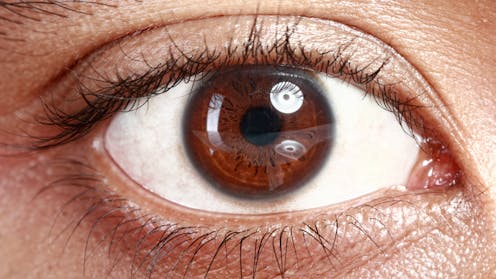
    Suaalii only switched codes from rugby league to rugby union in 2023 and has just five international caps to his name. But despite his lack of union experience, he has been catching attention lately for more than just his powerful runs and physicality. In recent weeks, Suaalii’s unusual pre-match warm-up has also sparked curiosity, most notably, his use of juggling and peripheral awareness drills to prepare his visual system.

    For many spectators, seeing a player showing off their juggling skills is more suited to a circus performance than international rugby. But there is science behind his bizarre approach. This preparation could be giving him an edge the Lions should fear.

    Growing evidence

    Visual performance in elite sport remains an under-applied area of sport science, yet the evidence for its effectiveness is growing.

    My own research has found that a county cricket team which underwent six weeks of visual training improved their basic cricket skills more than a control group which did extra cricket skills exercises. This demonstrates that we need to be looking beyond the confines of the sport itself to bring about maximal performance.

    Visual skill in sport is about more than just 20/20 vision. Each sport has its own specific demands, and rugby requires skills such as peripheral awareness, depth perception, rapid eye movement, reaction speed, dynamic visual acuity and eye-body coordination.

    Joseph-Akuso Sua’ali’i .
    Joseph-Akuso Suaalii.
    wikipedia, CC BY-SA

    Combining these visual skills will allow the most accurate information to be sent to the brain for processing – helping players to make the best decisions, even under intense pressure and high levels of fatigue.

    By using exercises such as juggling, Suaalii is training several of these visual skills at once. Juggling requires excellent eye-body coordination, the use of the peripheral system and reaction speed. These are all skills which are also used in rugby for catching high balls kicked by opponents, reading attacking threats and spotting the movement of teammates and opposition players.

    Juggling has also been shown to bring about positive structural changes in the human brain – particularly in areas linked to processing visual information – and integrating this with motor control.

    This demonstrates that this relatively simple exercise can lead to improvements not only in the eyes, but also the brain. In rugby, the visual array will be constantly changing. A shift in the defensive line, a looping support run, a player slightly slow to recover from a ruck, or a spiralling high kick – the ability to spot, process and respond to these visual cues can be the difference between success and failure.

    Suaalii is by no means the first rugby player to train his visual system. Former coach Clive Woodward famously brought in a visual performance coach to work with the England team – and they went on to win the 2003 Rugby World Cup.

    I also worked with the Harlequins rugby team in the English Premiership as a visual performance coach. We won three trophies in my first three seasons with the team, which is known for free flowing, creative play. This style of play places extremely high demands on the players’ visual systems.

    Lions test series

    So what particular visual skills can you look out for over this Lions test series and how might they impact the outcome?

    When defending close to their own try line, players should be scanning across the width of the pitch to ensure that they do not become outnumbered on either side of the field. Conversely, the attackers should be making rapid scans to quickly identify any mismatch (for example, a slow front row forward versus a swift and agile winger) they can take advantage of.

    In these situations, players can often focus too much on the ball, allowing opposition players to craftily reposition themselves unseen. The best players will, wherever possible, be looking at everything, everywhere, all at once, improving their spatial awareness and enabling them to maintain an overview of the game in their minds.

    To catch a kicked spiralling highball, a fullback or winger needs exceptional tracking ability and depth perception. Players in this situation are sometimes let down by “convergence issues”, where as the eyes track an object moving towards them, they can drift outwards or become misaligned. This can cause players to mistime their jump, or for the ball to hit their chest before being caught, wasting vital milliseconds. Training these convergence issues has been shown to bring about improvements in sports performance.

    As a scrum-half is collecting the ball from a breakdown, they need quickly to scan the positions of teammates on either side of them, and be aware of the depth of the defensive line. Having this visual information will lead to better decisions and creating faster attacking opportunities.

    A crunching tackle may seem like a purely strength-based skill. But to ensure it is both perfectly timed and legal, a defender must perfectly anticipate the speed and direction of the oncoming player. They can then use this information to precisely position their own body to impart their full momentum, while using their reaction speed to make last-second adjustments to ensure they do not put their opponent in danger.

    Subtle visual advantages, honed through practice, can influence these moments. During this test series, they may well be the difference between winning and losing. Suaalii’s juggling may seem better suited to the circus, but it could be the secret weapon Australia need to secure the series.

    The Conversation

    Zoe Wimshurst is the owner and director of Performance Vision Ltd, a company which provides visual training and consultancy services.

    ref. Lions rugby tour: why visual training, including juggling, can be a secret weapon in elite sports – https://theconversation.com/lions-rugby-tour-why-visual-training-including-juggling-can-be-a-secret-weapon-in-elite-sports-261424


  • Afghan data leak: how selective state secrecy and cover-ups can harm civilians

    Source: ForeignAffairs4

    Source: The Conversation – UK – By Victoria Canning, Professor of Criminology, Lancaster University

    In 2022, somebody in the UK Ministry of Defence (MoD) mistakenly shared a spreadsheet containing the personal information associated with 18,714 Afghans and their family members. This data breach, and the efforts to cover it up, raises serious questions about state secrecy, blame-shifting and accountability.

    After discovering the mistake in August 2023, the government covered up their spectacular error with an unprecedented injunction “contra mundum (against the world). This “superinjunction” prohibited journalists and others in the know – like one author of this article (Professor Sara de Jong) – from reporting the breach and even the very existence of the injunction.

    When the superinjunction was finally lifted on July 15, John Healey, the defence secretary, revealed that the MoD had operated a secret resettlement scheme for Afghans whose data had been leaked at risk from the Taliban. To date, 900 Afghans and 3,600 family members have been flown to Britain or are currently in transit via this scheme. A further 600 people and their immediate family members are still in Afghanistan, being promised evacuation. Many thousands of others on the list were already resettled in the UK via two other official routes.

    The spectacular nature and impact of this data leak should not distract from the fact that it is not entirely unique. The personal data of Afghan applicants had already been exposed by the MoD in an earlier series of data breaches in September 2021.

    The superinjunction is only the latest in a string of silences that have prevented accountability on Afghanistan and other issues to do with national security.


    Want more politics coverage from academic experts? Every week, we bring you informed analysis of developments in government and fact check the claims being made.

    Sign up for our weekly politics newsletter, delivered every Friday.


    In the wake of the dramatic Nato withdrawal from Afghanistan in August 2021, the foreign affairs select committee was dependent on whistleblowers to get to the truth about then prime minister Boris Johnson’s prioritisation of an animal charity for evacuation, over others at acute risk. Political accountability over the chaos of the evacuation was compromised by the foreign office who, according to then committee chair Tom Tugendhat, “repeatedly has given us answers that, in our judgement, are at best intentionally evasive, and often deliberately misleading”.

    The Ministry of Defence – including Healey in his statement on the data breach – routinely cites the deaths of 457 British soldiers as the “costs of war” in Afghanistan. But the department only released the data on how many Afghan interpreters died alongside them after a freedom of information request by Sara de Jong. The MoD, even after several freedom of information Requests and appeals, refuses to provide further details about the circumstances of their deaths.

    Even the latest shocking revelations didn’t end with the lifting of the superinjunction. A secondary injunction was lifted on July 17, revealing that the leaked list also contained the identities of dozens of British officials, including spies and special forces.

    Selective secrecy

    In the wider context of government leaks and secrecy, critical questions need to be asked about which secrets are kept, by whom and why.

    In his judgement lifting the superinjunction, Mr Justice Chamberlain credited media organisations and individual journalists involved with the fact that they had kept the leak confidential. Like Sara, some had become aware of the breach several months before Healey (the then-shadow defence secretary was informed in December 2023). But all kept quiet to keep Afghans at risk safe, not to cover up their own errors.

    The government invests in secrecy when it also has its own embarrassment to hide, whether it is an extraordinary superinjunction or secrecy about the prioritisation of a pet charity during the Afghanistan evacuation.

    Appeals to national security routinely obstruct media, legal and public access to information to hold the government to account. Meanwhile, many Afghans are left wondering why their and their loved ones’ data was on a spreadsheet that could be emailed around with a click of the wrong button.

    Effects on Afghans

    The consequences of the cover-up will be felt most acutely by Afghans – those on the leaked list still waiting for evacuation, including family members of Afghans already in the UK, whose own presence may be complicated further by anti-immigration sentiment.

    Following the revelations, Healey announced that the secret relocation scheme was now closed, following the sudden decision to close the two official Afghan resettlement schemes.

    The decision to shut down the two publicly known resettlement schemes, he claimed, was based on “policy concerns about proportionality, public accountability, cost and fairness”, as well as a commissioned report on the impact of the leak.

    He defended his decisions saying that “the taxpayer should be paying £1.2 billion less over the next few years, and that around 9,500 fewer Afghans will come to this country”. In the context of ongoing anti-immigration rhetoric, the mention of costs combined with refugees is as unsurprising as it is inflammatory.

    On the day of announcement, affected Afghans were sent a notice by the MoD and a link where they could find out if their data had been compromised. The email said very little about what the MoD could offer, and said a lot about what measures Afghans were now supposed to take: use a virtual private network, limit who can see your social media profiles.

    Afghans unlucky enough to be Afghanistan were simply advised that, “If you are outside the UK, please do not try to travel to a third country without a valid passport and visa. If you do so, you will be putting yourself at risk on the journey, and you may face the risk of being deported back to Afghanistan”.

    It is almost impossible for Afghans to travel legally without international assistance. And, since the Taliban are not recognised as a legitimate government, embassies are closed for citizens to even obtain legal travel documentation.

    Given that the British government recognises the real risk of rights violations in Afghanistan, as well as the ongoing assault on women’s rights by the Taliban, it seems contradictory – and a remarkable abdication of responsibility – to close routes to safety.

    The Conversation

    Victoria Canning has received funding from UKRI and British Academy.

    Sara de Jong has received funding from the British Academy (Mid-Career Fellowship 2022) for research on Afghan interpreters and their claims to protection and rights. She is the chair of the board of trustees of the Sulha Alliance CIO, which advocates for and supports Afghan interpreters employed by the British Army.

    ref. Afghan data leak: how selective state secrecy and cover-ups can harm civilians – https://theconversation.com/afghan-data-leak-how-selective-state-secrecy-and-cover-ups-can-harm-civilians-261394

  • Going on holiday? Here’s how to make sure your trip is sustainable

    Source: ForeignAffairs4

    Source: The Conversation – UK – By Sayed Elhoushy, Senior Lecturer in Marketing, Queen Mary University of London

    Anna Om/Shutterstock

    With the rise of sustainable tourism (travelling in a way that minimises harm to the environment, and benefits local communities), words such as “sustainable”, “”eco” and “green” appear on countless holiday brochures. From five-star hotels promoting “eco luxury” to airlines pledging to reduce carbon emissions and destinations making various green claims, sustainability is increasingly being used as a marketing tool.

    But with so many green claims floating around, it’s hard to know who is really providing sustainable travel and who is just greenwashing. A recent report shows that 53% of green claims are vague, misleading, or unfounded – and half of all green labels offer weak or non-existent verification.

    So, how can travellers distinguish genuine sustainability from greenwash that exaggerates environmental claims to attract eco-conscious travellers?


    Get your news from actual experts, straight to your inbox. Sign up to our daily newsletter to receive all The Conversation UK’s latest coverage of news and research, from politics and business to the arts and sciences.


    Sustainability certification is a voluntary, third-party assessment that verifies a product, service, or organisation meets certain environmental, social, or ethical standards. These certifications provide a structure to manage, improve and communicate sustainability performance.

    More than 100 sustainable certifications promise that they have vetted tourism businesses so you can have a satisfying and guilt-free holiday.

    Yet, not all certifications are made equal, as our recent research shows. Most certification schemes audit actions taken, rather than assessing how effective these are.

    They assure you that the hotel you are staying in has an environmental policy or that it is progressively reducing some of its negative effects on the environment, but not that their energy or water consumption is well below that of its competitors, for example.

    woman sititng by wooden hotel accommodation in forest
    Choosing a sustainable holiday involves more than just travel to your destination.
    PhotoSunnyDays/Shutterstock

    One major challenge is that consumers are not using these labels to inform their buying decisions. Next time you travel, select businesses certified by an organisation with a proven track record of verification and transparency. There are several things a strong certification should do:

    First, it should be third-party verified. This ensures that the green claims are independently checked.

    Second, it needs specific and clear criteria. Beware of vague sustainability claims, such as “eco-friendly”. Look for certifications that require transparent reporting on performance for specific environmental actions, such as waste management, or responsible sourcing.

    Third, it should go beyond eco-savings. Reducing energy and water consumption saves the hotel money. They should not get a prize for that. Seek evidence of the certification promoting best practice in complex issues like biodiversity conservation and dignity in the workplace.

    Examples of sustainable tourism certifications to keep an eye on include Green Key (the largest label in Europe); B Corp (which measures a company’s entire social and environmental impact); The Long Run (a promoter of nature conservation); and Fair Trade Tourism (a promoter of fair working conditions). These certifications require businesses to undergo regular audits to maintain them.

    In case you are thinking it’s not your responsibility to find out who is any good – you are right. The EU Green Claims Directive (due to be implemented by 2026) is a new legislation that requires companies to prove their environmental claims and labels, and ensure they are credible and trustworthy. This directive recognises the greenwash problem and will require certification to be based on assessment of actual performance – in tourism, and every other sector of the economy. The directive applies to any business anywhere in the world that sells to consumers from the EU. Expect fewer, but more respected and recognisable labels, that reduce consumer confusion.

    woman weaving, selling fabrics at market in Vietname
    Buying locally produced souvenirs supports artisans.
    studiolaska / Shutterstock.com

    Beyond eco-labels

    Certification is only part of the picture. Your next holiday can make a greater contribution to local communities while minimising its harm to the environment. Take the time to consider how your trip can be part of a larger, positive contribution. Here are more ways to ensure that your holiday supports local communities and the environment:

    Make sure you travel shorter and stay longer. Research shows that transport is a major part of the carbon footprint of your trip. Fly less (if at all). Choose flights with lower carbon footprints – various booking sites now tell customers the carbon footprint for each flight at the time of purchase. And stay longer so you spend more locally, for that same flight.


    Read more:
    Five ways to make aviation more sustainable right now


    Choose tour operators that prioritise locally owned and small suppliers. Buy souvenirs that are made locally, and you can only find in that country. Travel slow – soak in where you are. Hike, cycle, use local transport. You will see more of the real place you are in.

    Choose buses and trains over private cars. Rent electric vehicles and select accommodation that provides charging facilities. And enjoy local and seasonal rather than imported food. Eat everything in your plate, rather than create food waste.


    Don’t have time to read about climate change as much as you’d like?

    Get a weekly roundup in your inbox instead. Every Wednesday, The Conversation’s environment editor writes Imagine, a short email that goes a little deeper into just one climate issue. Join the 45,000+ readers who’ve subscribed so far.


    The Conversation

    The authors do not work for, consult, own shares in or receive funding from any company or organisation that would benefit from this article, and have disclosed no relevant affiliations beyond their academic appointment.

    ref. Going on holiday? Here’s how to make sure your trip is sustainable – https://theconversation.com/going-on-holiday-heres-how-to-make-sure-your-trip-is-sustainable-255037

  • Bluetongue outbreak endangers UK livestock – what you need to know about the virus

    Source: ForeignAffairs4

    Source: The Conversation – UK – By Cate Williams, Knowledge Exchange Fellow at Institute of Biological, Environmental and Rural Sciences, Aberystwyth University

    Bluetongue causes illness and death in cattle, sheep, goats and other ruminants. Juice Flair/Shutterstock

    A tiny midge, no bigger than a pinhead, is bringing UK farming to its knees. The culprit? A strain of the bluetongue virus that’s never been seen before.

    As of July 1, the whole of England has been classed as an “infected area” due to bluetongue virus serotype 3 (BTV-3).

    There are movement restrictions and testing in place in Scotland, Wales and the island of Ireland. No animals from England – or that have passed through England – are allowed to attend this year’s Royal Welsh Show on July 21-24, for example.


    Get your news from actual experts, straight to your inbox. Sign up to our daily newsletter to receive all The Conversation UK’s latest coverage of news and research, from politics and business to the arts and sciences.


    The virus, which causes illness and death in sheep, cattle, goats and other ruminants, is spread by biting midges. Although it poses no risk to humans and can’t be transmitted from one animal to another, the latest outbreak is more severe than previous ones. And it could cause lasting damage to UK farming.

    Bluetongue isn’t new to the UK, however. A different strain, BTV-8 was detected in 2007 and contained. But BTV-3 is a different story. First detected in the Netherlands in late 2023, it was quickly spotted in the UK, where an early containment effort initially appeared successful.

    But the virus made a comeback in autumn 2024 – and this time it spread. On its second attempt, the virus was able to circulate and caused an outbreak. With little existing immunity, BTV-3 has now established itself, prompting concerns about animal welfare, food production and farming livelihoods.

    What does the disease do?

    Sheep tend to be the most severely affected, though all ruminants are at risk. Clinical signs are species-specific but can include swelling of the face, congestion, nasal discharge, ulcers in the mouth and nose, difficulty breathing and abortion or birth deformities.

    Bluetongue can cause the animal’s tongue to swell. It can also turn blue from lack of blood flow – although this is somewhat rare.

    Bluetongue disease causes suffering in animals, and while there is a vaccine, there is no treatment for the disease once it’s contracted.

    BTV-3 appears to be more lethal than earlier strains. In the Netherlands, vets report that BTV-3 is causing more severe symptoms than BTV-8 did.

    Vets in England reported that in some herds 25-40% of cows failed to get pregnant, and there was a high rate of birth defects and stillborn calves. One farm in Suffolk started the calving season with 25% of their cows not pregnant and ended with just 48 calves from 97 cows.

    Belgium has seen a fall in calf births, reduced milk deliveries and higher mortality in small ruminants compared to the previous three years.

    How is it spread?

    Bluetongue virus is transmitted by midges from the Culicoides genus. These are tiny, biting insects that thrive in mild, wet conditions.

    Multiple midges can bite the same animal, and it only takes one of them to carry BTV before that animal becomes a host for further transmission. When animals are transported long distances, infected individuals can be bitten again and introduce the virus to previously uninfected midge populations.

    Climate change is making outbreaks like this more likely. Milder winters and cooler, wetter summers are ideal for midges, increasing both their numbers and their biting activity.

    While there’s no danger to human health, the consequences of BTV-3 are far-reaching. Limitations on movement, exports and imports are being imposed to help prevent the spread of the disease, but this could also hamper farming practices and trade.

    The disease and its associated restrictions pose another source of stress for farmers, 95% of whom have ranked mental health as the biggest hidden problem in farming.

    Genetic pick and mix

    One of the reasons bluetongue is so tricky to manage is its ability to evolve. It has a segmented genome, meaning its genetic material, in this case RNA, is split into ten segments. This characteristic is exclusive to “reassortment viruses” and means that they can easily exchange segments of RNA. It’s like a genetic pick and mix with ten different types of sweets that come in an unlimited number of flavours.

    This allows BTV to create new, genetically distinct “serotypes”, which may have a selective advantage or a disadvantage. Those with an advantage will emerge and spread successfully, while those with a disadvantage will not emerge at all. This process, known as “reassortment”, is partly responsible for the numerous influenza pandemics throughout history and has even allowed diseases to jump the species barrier.

    Although bluetongue doesn’t affect humans directly, its spread poses a growing threat to the UK’s livestock sector and food supply. It’s important to learn from other countries that are further along in the BTV-3 outbreak so that the likely effects can be anticipated in the UK.

    The Conversation

    Cate Williams does not work for, consult, own shares in or receive funding from any company or organisation that would benefit from this article, and has disclosed no relevant affiliations beyond their academic appointment.

    ref. Bluetongue outbreak endangers UK livestock – what you need to know about the virus – https://theconversation.com/bluetongue-outbreak-endangers-uk-livestock-what-you-need-to-know-about-the-virus-260229

  • How to understand the row between Angela Rayner and Unite – and what it means for Labour’s relationship with the unions

    Source: ForeignAffairs4

    Source: The Conversation – UK – By Eric Shaw, Honorary Research Fellow in Politics, University of Stirling

    At its recent conference in Brighton, the union Unite voted overwhelmingly to expel deputy prime minister Angela Rayner from membership.

    The successful motion denounced the way Birmingham’s Labour council has handled a pay dispute with the city’s bin workers, which, it claimed, involved large pay cuts. The motion also condemned the Labour government for supporting the council.

    Rayner was suspended because, in the words of Unite general secretary Sharon Graham, she had “backed a rogue council that has peddled lies and smeared its workers fighting huge pay cuts”.

    The resolution called upon the union leadership to “re-examine” its relationship with the Labour party. Graham added: “People up and down the country are asking whose side is the Labour government on and coming up with the answer, not workers”.

    Rayner’s suspension seems an extraordinary move. The soft-left deputy PM is the most senior pro-union voice in the government and has a long history in the union movement. Crucially, when in opposition, Rayner was primarily responsible for hammering out a package of measures with the unions that was designed to bolster employee rights. These measures are now in the process of being codified in the employment rights bill that is making its way through parliament.

    Why Rayner (along with some Birmingham Labour councillors) was selected for expulsion is unclear. Perhaps the union was simply lashing out. The impact of its decision was lessened by the fact that Rayner says she had already resigned from Unite and remains a member of Unison, a union in which she once served as an official.

    Unite and Labour

    The more significant move was (or appeared to be) the pledge to “re-examine” Unite’s relationship with the party. This should be placed in the context both of recent controversies over attempts to means-test winter fuel payments and cut disability benefits, and of reports of moves to form a new leftwing party under the putative leadership of Jeremy Corbyn and Zarah Sultana..

    Might Unite disaffiliate from Labour and rally behind the new party? Given that Unite, with its 1.2 million members, is Britain’s second largest union (after Unison), and, over the years, has been a generous donor to Labour, such a move would be significant. Support from Unite could give the new leftwing party real heft and allow it to pose a worrying threat to Labour’s electoral prospects.

    Unite’s recent history might suggest this as a possibility. With a long tradition stretching back over three quarters of a century, Unite (and its precursor, the TGWU) has been a stalwart of the Labour left. Under its leftwing general secretary, Len McCluskey, Unite made a major contribution to Ed Miliband’s election as party leader in 2010. McCluskey subsequently attacked Miliband for drifting too far to the right.

    The union then played a crucial role in sustaining Jeremy Corbyn’s leadership: indeed, without its support, Corbyn might not have survived so long. And as it became evident that Keir Starmer was determined to wrench the party to the right, Unite once more became the centre of leftwing dissent.

    McCluskey retired in 2021, but neither of the two candidates affiliated to his “Unite left” faction won the election to succeed him. Unexpectedly, they were both defeated by Graham, another leftwinger who believed that Unite had become too embroiled in internal Labour party matters and was determined to divert resources away from funding the Labour party to industrial activities.

    The dog that hasn’t barked

    However, Graham’s desire to divest from Labour should not be taken as a sign that she wants to reinvest in another party. The whole thrust of Graham’s leadership is to give much higher priority to industrial than to political concerns.

    Even had she not been so explicit about this, union leaders are, above all, realists. They are concerned with the practicalities of protecting the interests of their members and hence averse to risky political experimentation.

    And, however contentious a role Unite has played in the Labour party, multiple ties, in terms of history, tradition, ethos and interest, still bind the two together.

    The row between Unite and Labour shouldn’t lead us to overlook the fact that, despite all the controversies and disappointments, the other major union affiliates, including Unison, GMB and USDAW, have largely refrained from public criticism of the government.

    This is a sign of loyalty. The unions do not wish to add to the massive problems the Starmer government already faces. But it’s also evidence that, however undersold, the Labour government is delivering on the issues that matter to unions. Its employment rights bill promises the most significant enhancement of individual and collective worker rights in a generation. The unions will allow nothing to jeopardise this.

    But for Starmer, there is no room at all for complacency. With a stuttering economy, greatly overstretched public services, a cost of living crisis and very difficult public sector pay negotiations, even the most sympathetic union leaders will come under great pressure from a disgruntled rank and file to take a tougher line with the government. The road ahead will be rocky.

    The Conversation

    Eric Shaw is a member of the Labour party

    ref. How to understand the row between Angela Rayner and Unite – and what it means for Labour’s relationship with the unions – https://theconversation.com/how-to-understand-the-row-between-angela-rayner-and-unite-and-what-it-means-for-labours-relationship-with-the-unions-261340

  • MIL-OSI Submissions: Britain’s ban on lead ammunition could save tens of thousands of birds from poisoning

    Source: The Conversation – UK – By Deborah Pain, Visiting Academic, University of Cambridge; Honorary Professor, University of East Anglia, University of Cambridge

    CHUYKO SERGEY/Shutterstock

    The UK’s environment minister Emma Hardy has announced a ban on toxic lead ammunition to protect Britain’s countryside. This ban includes the sale and use for hunting of both lead shotgun ammunition (each cartridge of which contains hundreds of small lead pellets called “shot”), used mainly for hunting small game animals like gamebirds, and large calibre lead bullets, used for hunting large game animals like deer.

    This is great news for Britain’s birds because the ban will eventually prevent the deaths and suffering of the vast numbers affected by lead poisoning each year after ingesting lead from ammunition.

    Most shot fired do not hit their targets and thousands of tonnes of lead shot are scattered in the environment every year.

    Waterbirds and land-based gamebirds mistakenly eat these because they look like food or the grit they ingest to help grind up their food. Shot are retained in their gizzards (a muscular part of the stomach), ground up, and the lead dissolved and absorbed into the bloodstream.

    Lead poisoning kills an estimated 50,000-100,000 waterbirds annually in the UK. These birds suffer considerably before they die. Many more birds are poisoned, but not killed.

    While this additional “sublethal” poisoning does not kill birds directly, they may be more likely to die of other causes. This is because lead poisoning affects the immune system and behaviour.

    Gamebirds will no longer be able to be killed using lead shot under a new ban in Britain.
    AdamEdwards/Shutterstock

    The use of lead shot for hunting waterfowl and over certain wetlands is already banned in England and Wales. It is also banned for shooting over all wetlands in Scotland.

    However, compliance with the regulations in England is only about 30%, and is also low in Scotland, although has not been measured in Wales. This new comprehensive ban should dramatically improve the situation across all habitats throughout Britain.

    Birds of prey, including eagles, common buzzards and red kites ingest lead fragments when they scavenge flesh from animals killed by lead ammunition, or prey on animals wounded by lead ammunition. The acidic conditions in their stomachs help dissolve the lead.

    Our research shows that while fewer birds of prey than waterbirds are estimated to die of lead poisoning, it can have a far greater effect on their populations, especially for species that first breed at a later age, produce fewer young, and would otherwise have higher annual adult survival rates.

    The lead ban will benefit birds that live in Britain permanently or for just part of the year. But it will not entirely solve the problem for migratory species. If lead shot continues to be used elsewhere, these species may still ingest it on migration or on their breeding or wintering grounds.

    Beyond borders

    To protect all species, lead ammunition needs to be replaced by non-lead alternatives everywhere. The use of lead shot is already banned in many wetlands globally. Across the EU, a ban on the use of lead shot in or close to wetlands came into force in February 2023.

    Denmark was the first country to ban lead ammunition across all habitats. In 1996, it banned the use of lead shot and in April 2024, it banned lead bullets. Our research shows that the lead shot ban in Denmark has been very effective, with good levels of compliance.

    Now, Britain is set to become the second country to ban most uses of lead ammunition. This has been made possible by the increasing availability of safe, efficient and affordable non-lead ammunition alternatives, primarily steel shot and copper bullets.

    In February 2025, the European Commission published a draft regulation banning most uses of lead ammunition and fishing weights. This awaits approval under EU processes – if successful, it will represent a major step forward.

    Beyond birds

    Birds are particularly susceptible to the effects of ingested lead from ammunition due to their muscular gizzards and stomach acidity. But it also puts the health of many other animals at risk, including pets and people.

    In the UK, we found average lead concentrations in raw pheasant dog food from three suppliers to be tens of times the legal maximum residue limit for lead in animal feed.

    The UK government based its decision to ban lead ammunition on a report by the Health and Safety Executive which highlighted risks to the health of young children and women of pregnancy age if they frequently eat meat from game hunted with lead ammunition. Children’s developing nervous systems are particularly sensitive to the effects of lead.

    We recently urged the EU’s committee of member states for Reach (the chemicals regulation), the European parliament and council to fully support the European Commission’s proposal to restrict lead ammunition.

    We also encouraged the European Food Safety Authority to recommend that the European Commission set a legal maximum level for lead in game meat marketed for human consumption. This maximum level should be similar to the one already set for meat from most farmed animals.

    Until this happens, and more countries follow suit by banning all use of lead ammunition for hunting, the health of wildlife, domestic animals and vulnerable groups of people will continue to be threatened by the toxic effects of lead from ammunition.


    Don’t have time to read about climate change as much as you’d like?

    Get a weekly roundup in your inbox instead. Every Wednesday, The Conversation’s environment editor writes Imagine, a short email that goes a little deeper into just one climate issue. Join the 45,000+ readers who’ve subscribed so far.


    Deborah Pain is an Honorary Professor at the University of East Anglia (Biological Sciences) and a Visiting Academic in the Department of Zoology, University of Cambridge. She has been an independent scientist since April 2018. She has received no remuneration for research on lead poisoning since that time, but, along with colleagues, has received funding for the costs of research and chemical analysis from a number of sources, as acknowledged in published papers. She was a member of the UK REACH Independent Scientific Expert Pool (RISEP) and within this the Challenge Panel on Lead in Ammunition and received payment for that work. However, her published research on lead poisoning was independent of that process.

    Rhys Green has received funding for research from several organisations including the RSPB, where he was principal conservation scientist until 2017. He is now retired. He is an unpaid volunteer research scientist at RSPB and Emeritus Honorary Professor of Conservation Science in the Department of Zoology, University of Cambridge. He is a member of the UK REACH Independent Scientific Expert Pool (RISEP), which is an expert group set up by a UK government agency, the Health & Safety Executive. He receives occasional payments for work done on behalf of RISEP. He is on the Board of Trustees of Chester Zoo.

    Niels Kanstrup does not work for, consult, own shares in or receive funding from any company or organisation that would benefit from this article, and has disclosed no relevant affiliations beyond their academic appointment.

    ref. Britain’s ban on lead ammunition could save tens of thousands of birds from poisoning – https://theconversation.com/britains-ban-on-lead-ammunition-could-save-tens-of-thousands-of-birds-from-poisoning-260958

    MIL OSI

  • MIL-OSI Submissions: Lions rugby tour: why visual training, including juggling, can be a secret weapon in elite sports

    Source: The Conversation – UK – By Zoe Wimshurst, Senior Lecturer of Sport Psychology, Health Sciences University

    Odua Images/Shutterstock

    Much of the pre-series attention on the 2025 British and Irish Lions tour of Australia has been on injuries, player omissions and personal rivalries.

    One of those rivalries involves the Australian sensation Joseph-Akuso Suaalii facing Lions centre player, Sione Tuipulotu, with whom he had a fiery encounter in a match last year.

    Suaalii only switched codes from rugby league to rugby union in 2023 and has just five international caps to his name. But despite his lack of union experience, he has been catching attention lately for more than just his powerful runs and physicality. In recent weeks, Suaalii’s unusual pre-match warm-up has also sparked curiosity, most notably, his use of juggling and peripheral awareness drills to prepare his visual system.

    For many spectators, seeing a player showing off their juggling skills is more suited to a circus performance than international rugby. But there is science behind his bizarre approach. This preparation could be giving him an edge the Lions should fear.

    Growing evidence

    Visual performance in elite sport remains an under-applied area of sport science, yet the evidence for its effectiveness is growing.

    My own research has found that a county cricket team which underwent six weeks of visual training improved their basic cricket skills more than a control group which did extra cricket skills exercises. This demonstrates that we need to be looking beyond the confines of the sport itself to bring about maximal performance.

    Visual skill in sport is about more than just 20/20 vision. Each sport has its own specific demands, and rugby requires skills such as peripheral awareness, depth perception, rapid eye movement, reaction speed, dynamic visual acuity and eye-body coordination.

    Joseph-Akuso Suaalii.
    wikipedia, CC BY-SA

    Combining these visual skills will allow the most accurate information to be sent to the brain for processing – helping players to make the best decisions, even under intense pressure and high levels of fatigue.

    By using exercises such as juggling, Suaalii is training several of these visual skills at once. Juggling requires excellent eye-body coordination, the use of the peripheral system and reaction speed. These are all skills which are also used in rugby for catching high balls kicked by opponents, reading attacking threats and spotting the movement of teammates and opposition players.

    Juggling has also been shown to bring about positive structural changes in the human brain – particularly in areas linked to processing visual information – and integrating this with motor control.

    This demonstrates that this relatively simple exercise can lead to improvements not only in the eyes, but also the brain. In rugby, the visual array will be constantly changing. A shift in the defensive line, a looping support run, a player slightly slow to recover from a ruck, or a spiralling high kick – the ability to spot, process and respond to these visual cues can be the difference between success and failure.

    Suaalii is by no means the first rugby player to train his visual system. Former coach Clive Woodward famously brought in a visual performance coach to work with the England team – and they went on to win the 2003 Rugby World Cup.

    I also worked with the Harlequins rugby team in the English Premiership as a visual performance coach. We won three trophies in my first three seasons with the team, which is known for free flowing, creative play. This style of play places extremely high demands on the players’ visual systems.

    Lions test series

    So what particular visual skills can you look out for over this Lions test series and how might they impact the outcome?

    When defending close to their own try line, players should be scanning across the width of the pitch to ensure that they do not become outnumbered on either side of the field. Conversely, the attackers should be making rapid scans to quickly identify any mismatch (for example, a slow front row forward versus a swift and agile winger) they can take advantage of.

    In these situations, players can often focus too much on the ball, allowing opposition players to craftily reposition themselves unseen. The best players will, wherever possible, be looking at everything, everywhere, all at once, improving their spatial awareness and enabling them to maintain an overview of the game in their minds.

    To catch a kicked spiralling highball, a fullback or winger needs exceptional tracking ability and depth perception. Players in this situation are sometimes let down by “convergence issues”, where as the eyes track an object moving towards them, they can drift outwards or become misaligned. This can cause players to mistime their jump, or for the ball to hit their chest before being caught, wasting vital milliseconds. Training these convergence issues has been shown to bring about improvements in sports performance.

    As a scrum-half is collecting the ball from a breakdown, they need quickly to scan the positions of teammates on either side of them, and be aware of the depth of the defensive line. Having this visual information will lead to better decisions and creating faster attacking opportunities.

    A crunching tackle may seem like a purely strength-based skill. But to ensure it is both perfectly timed and legal, a defender must perfectly anticipate the speed and direction of the oncoming player. They can then use this information to precisely position their own body to impart their full momentum, while using their reaction speed to make last-second adjustments to ensure they do not put their opponent in danger.

    Subtle visual advantages, honed through practice, can influence these moments. During this test series, they may well be the difference between winning and losing. Suaalii’s juggling may seem better suited to the circus, but it could be the secret weapon Australia need to secure the series.

    Zoe Wimshurst is the owner and director of Performance Vision Ltd, a company which provides visual training and consultancy services.

    ref. Lions rugby tour: why visual training, including juggling, can be a secret weapon in elite sports – https://theconversation.com/lions-rugby-tour-why-visual-training-including-juggling-can-be-a-secret-weapon-in-elite-sports-261424

    MIL OSI

  • MIL-OSI Submissions: Afghan data leak: how selective state secrecy and cover-ups can harm civilians

    Source: The Conversation – UK – By Victoria Canning, Professor of Criminology, Lancaster University

    In 2022, somebody in the UK Ministry of Defence (MoD) mistakenly shared a spreadsheet containing the personal information associated with 18,714 Afghans and their family members. This data breach, and the efforts to cover it up, raises serious questions about state secrecy, blame-shifting and accountability.

    After discovering the mistake in August 2023, the government covered up their spectacular error with an unprecedented injunction “contra mundum (against the world). This “superinjunction” prohibited journalists and others in the know – like one author of this article (Professor Sara de Jong) – from reporting the breach and even the very existence of the injunction.

    When the superinjunction was finally lifted on July 15, John Healey, the defence secretary, revealed that the MoD had operated a secret resettlement scheme for Afghans whose data had been leaked at risk from the Taliban. To date, 900 Afghans and 3,600 family members have been flown to Britain or are currently in transit via this scheme. A further 600 people and their immediate family members are still in Afghanistan, being promised evacuation. Many thousands of others on the list were already resettled in the UK via two other official routes.

    The spectacular nature and impact of this data leak should not distract from the fact that it is not entirely unique. The personal data of Afghan applicants had already been exposed by the MoD in an earlier series of data breaches in September 2021.

    The superinjunction is only the latest in a string of silences that have prevented accountability on Afghanistan and other issues to do with national security.


    Want more politics coverage from academic experts? Every week, we bring you informed analysis of developments in government and fact check the claims being made.

    Sign up for our weekly politics newsletter, delivered every Friday.


    In the wake of the dramatic Nato withdrawal from Afghanistan in August 2021, the foreign affairs select committee was dependent on whistleblowers to get to the truth about then prime minister Boris Johnson’s prioritisation of an animal charity for evacuation, over others at acute risk. Political accountability over the chaos of the evacuation was compromised by the foreign office who, according to then committee chair Tom Tugendhat, “repeatedly has given us answers that, in our judgement, are at best intentionally evasive, and often deliberately misleading”.

    The Ministry of Defence – including Healey in his statement on the data breach – routinely cites the deaths of 457 British soldiers as the “costs of war” in Afghanistan. But the department only released the data on how many Afghan interpreters died alongside them after a freedom of information request by Sara de Jong. The MoD, even after several freedom of information Requests and appeals, refuses to provide further details about the circumstances of their deaths.

    Even the latest shocking revelations didn’t end with the lifting of the superinjunction. A secondary injunction was lifted on July 17, revealing that the leaked list also contained the identities of dozens of British officials, including spies and special forces.

    Selective secrecy

    In the wider context of government leaks and secrecy, critical questions need to be asked about which secrets are kept, by whom and why.

    In his judgement lifting the superinjunction, Mr Justice Chamberlain credited media organisations and individual journalists involved with the fact that they had kept the leak confidential. Like Sara, some had become aware of the breach several months before Healey (the then-shadow defence secretary was informed in December 2023). But all kept quiet to keep Afghans at risk safe, not to cover up their own errors.

    The government invests in secrecy when it also has its own embarrassment to hide, whether it is an extraordinary superinjunction or secrecy about the prioritisation of a pet charity during the Afghanistan evacuation.

    Appeals to national security routinely obstruct media, legal and public access to information to hold the government to account. Meanwhile, many Afghans are left wondering why their and their loved ones’ data was on a spreadsheet that could be emailed around with a click of the wrong button.

    Effects on Afghans

    The consequences of the cover-up will be felt most acutely by Afghans – those on the leaked list still waiting for evacuation, including family members of Afghans already in the UK, whose own presence may be complicated further by anti-immigration sentiment.

    Following the revelations, Healey announced that the secret relocation scheme was now closed, following the sudden decision to close the two official Afghan resettlement schemes.

    The decision to shut down the two publicly known resettlement schemes, he claimed, was based on “policy concerns about proportionality, public accountability, cost and fairness”, as well as a commissioned report on the impact of the leak.

    He defended his decisions saying that “the taxpayer should be paying £1.2 billion less over the next few years, and that around 9,500 fewer Afghans will come to this country”. In the context of ongoing anti-immigration rhetoric, the mention of costs combined with refugees is as unsurprising as it is inflammatory.

    On the day of announcement, affected Afghans were sent a notice by the MoD and a link where they could find out if their data had been compromised. The email said very little about what the MoD could offer, and said a lot about what measures Afghans were now supposed to take: use a virtual private network, limit who can see your social media profiles.

    Afghans unlucky enough to be Afghanistan were simply advised that, “If you are outside the UK, please do not try to travel to a third country without a valid passport and visa. If you do so, you will be putting yourself at risk on the journey, and you may face the risk of being deported back to Afghanistan”.

    It is almost impossible for Afghans to travel legally without international assistance. And, since the Taliban are not recognised as a legitimate government, embassies are closed for citizens to even obtain legal travel documentation.

    Given that the British government recognises the real risk of rights violations in Afghanistan, as well as the ongoing assault on women’s rights by the Taliban, it seems contradictory – and a remarkable abdication of responsibility – to close routes to safety.

    Victoria Canning has received funding from UKRI and British Academy.

    Sara de Jong has received funding from the British Academy (Mid-Career Fellowship 2022) for research on Afghan interpreters and their claims to protection and rights. She is the chair of the board of trustees of the Sulha Alliance CIO, which advocates for and supports Afghan interpreters employed by the British Army.

    ref. Afghan data leak: how selective state secrecy and cover-ups can harm civilians – https://theconversation.com/afghan-data-leak-how-selective-state-secrecy-and-cover-ups-can-harm-civilians-261394

    MIL OSI

  • MIL-OSI Submissions: Going on holiday? What you need to know about taking your meds with you

    Source: The Conversation – UK – By Dipa Kamdar, Senior Lecturer in Pharmacy Practice, Kingston University

    YAKOBCHUK VIACHESLAV/Shutterstock

    As summer holidays begin, many travellers are packing more than just swimsuits and sunscreen – for millions, medicines are essential. But taking them abroad isn’t always simple. From legal pitfalls to temperature-sensitive drugs, here’s how to travel safely and legally with your medication.

    Know the law

    Medicines that are legal in the UK can be restricted or even banned in other countries. Having a valid prescription doesn’t guarantee you can take a medicine into another country.

    For example, Nurofen Plus, which contains codeine (an opioid painkiller), is prohibited in countries like Egypt, Indonesia and the UAE.

    Even common cold remedies containing decongestants like pseudoephedrine can land you in trouble in places like Japan and South Korea. This is because pseudoephedrine can be used to make methamphetamine (“speed”). Likewise, many stimulant ADHD drugs are also banned from these countries.


    Get your news from actual experts, straight to your inbox. Sign up to our daily newsletter to receive all The Conversation UK’s latest coverage of news and research, from politics and business to the arts and sciences.


    Some countries have restrictions on the amount of medication that you are allowed to bring into the country – usually a maximum of three months supply.

    Travellers often overlook how strict customs regulations can be regarding medications. Even if prescribed for a valid medical reason, carrying a prohibited drug can lead to confiscation (leaving you without essential treatment), fines (especially in countries with tough drug laws) and detention or arrest in rare but serious cases.

    If you’re travelling with certain controlled drugs – such as opioids, stimulants or psychotropic substances – you may need to apply for an export licence from the UK Home Office. This is typically required when carrying a supply of three months or more. Examples of controlled drugs include diazepam (for anxiety and muscle spasms), codeine and morphine (for pain), amphetamines (for ADHD) and temazepam (for insomnia).

    Before you travel, check whether your medicine is affected by any of these restrictions. Use the country’s embassy website or the UK government’s travel advice to check the rules of your destination country.

    This should provide guidance on whether you simply need a copy of your prescription, a doctor’s letter or a special import certificate (some countries require official documentation even for personal use).

    The UK government advises carrying controlled drugs or any drugs that might be restricted in your hand luggage. You should take along a prescription or a signed letter from your doctor detailing your medication, dosage and travel dates.

    Ensure you take sufficient supplies for the duration of your trip and include extras for unexpected delays, damage or loss.

    Even some over-the-counter medicines can fall foul of the law.
    olesea vetrila/Shutterstock.com

    Store your medication properly

    It might be tempting to save space by transferring pills or liquids into smaller containers or pill organisers. While this can be convenient, it’s not always advisable. Customs officials may not recognise unlabelled containers, increasing the chance of delays or confiscation.

    Some medications are sensitive to light, air or temperature, and must remain in their original packaging to stay effective. For example, HRT (hormone replacement therapy) sprays like Lenzetto must not be decanted.

    These products rely on precise metered dosing and specialised packaging to deliver the correct amount of hormone. Transferring them to another container could result in incorrect dosing or loss of potency.

    Similarly, GTN (glyceryl trinitrate) tablets, used to treat angina, should always be stored in their original glass bottle. The active ingredient can evaporate if exposed to air, reducing the tablets’ effectiveness.

    You might be worried about the 100ml liquid in hand luggage restriction – with a doctor’s letter certifying the need for this medicine, you should be able to take larger amounts of liquid medicine through security.

    Medicines should always be kept in their original packaging with labels intact. When in doubt, ask your pharmacist whether your medication can be safely repackaged for travel.

    It’s also important to split your supply of medicines between bags (if more than one is used) in case one is lost. Tablets and capsules can sometimes be placed in a pill organiser for daily use, but always carry the original box or prescription label as backup.

    Some medicines require refrigeration – like Wegovy and Ozempic (semaglutide) injections for weight loss or insulin.

    Usually, unopened Wegovy pens and insulin preparations should be stored between 2°C and 8°C in a fridge. Once out of the fridge, they can be kept at room temperature (up to 25°C) for up to 28 days, but must be protected from heat and sunlight. High temperatures, such as in direct sunlight or a hot car, can damage insulin.

    When travelling, use an insulated travel case or cool pack, but avoid placing pens or other medicines directly next to ice packs to prevent freezing.

    Airlines generally do not provide refrigeration or freezer storage for passenger items, including medicines, due to space and liability concerns, but it’s worth contacting them to see if they can help with arrangements for storage. Inspect insulin for crystals after flying – if any are present, it should be discarded.

    You can bring needles and injectable medicines like EpiPens (for allergies), insulin or Wegovy in your hand luggage. But it’s important to carry a doctor’s note stating your medical condition and the necessity of the medication, and a copy of your prescription.

    You should also declare them at airport security. Security officers may inspect these items separately, so allow for extra time going through security.

    Contact your airline for any specific rules on needles and injectable medicines. Always carry such medicines and medical devices in your hand luggage – checked bags can be lost or exposed to extreme temperatures.

    Don’t skip doses

    Tempting as it may be to leave your medication behind for a short trip, doing so can be risky. Stopping treatment – even temporarily – can lead to relapse or worsening of symptoms (especially for chronic conditions like diabetes, hypertension or depression).

    For medicines like antidepressants or opioids, people may start feeling withdrawal effects. You’re also at risk of reduced effectiveness if you miss doses of medicines that require consistent levels in your bloodstream.

    If you’re considering a break from your medication, consult your doctor first. They can advise whether a short pause is safe or help you plan a travel-friendly regimen.

    Take the right documents

    While showing your NHS app to border officials may help demonstrate that a medicine is prescribed to you, it’s not always sufficient – especially when travelling with restricted or controlled drugs and injectable medicines.

    Most countries require a copy of your prescription, and a doctor’s letter confirming the medication is for personal use. Your doctor is not legally obliged to issue this letter, but most will do so upon request.

    It’s best to ask at least one to two weeks in advance, as some practices may charge a fee or require time to prepare the documentation.

    Travelling with medication doesn’t have to be stressful, but it does require planning. With the right preparation, you can enjoy your holiday without compromising your health or running afoul of foreign laws.

    Dipa Kamdar does not work for, consult, own shares in or receive funding from any company or organisation that would benefit from this article, and has disclosed no relevant affiliations beyond their academic appointment.

    ref. Going on holiday? What you need to know about taking your meds with you – https://theconversation.com/going-on-holiday-what-you-need-to-know-about-taking-your-meds-with-you-261018

    MIL OSI

  • MIL-OSI Submissions: Going on holiday? Here’s how to make sure your trip is sustainable

    Source: The Conversation – UK – By Sayed Elhoushy, Senior Lecturer in Marketing, Queen Mary University of London

    Anna Om/Shutterstock

    With the rise of sustainable tourism (travelling in a way that minimises harm to the environment, and benefits local communities), words such as “sustainable”, “”eco” and “green” appear on countless holiday brochures. From five-star hotels promoting “eco luxury” to airlines pledging to reduce carbon emissions and destinations making various green claims, sustainability is increasingly being used as a marketing tool.

    But with so many green claims floating around, it’s hard to know who is really providing sustainable travel and who is just greenwashing. A recent report shows that 53% of green claims are vague, misleading, or unfounded – and half of all green labels offer weak or non-existent verification.

    So, how can travellers distinguish genuine sustainability from greenwash that exaggerates environmental claims to attract eco-conscious travellers?


    Get your news from actual experts, straight to your inbox. Sign up to our daily newsletter to receive all The Conversation UK’s latest coverage of news and research, from politics and business to the arts and sciences.


    Sustainability certification is a voluntary, third-party assessment that verifies a product, service, or organisation meets certain environmental, social, or ethical standards. These certifications provide a structure to manage, improve and communicate sustainability performance.

    More than 100 sustainable certifications promise that they have vetted tourism businesses so you can have a satisfying and guilt-free holiday.

    Yet, not all certifications are made equal, as our recent research shows. Most certification schemes audit actions taken, rather than assessing how effective these are.

    They assure you that the hotel you are staying in has an environmental policy or that it is progressively reducing some of its negative effects on the environment, but not that their energy or water consumption is well below that of its competitors, for example.

    Choosing a sustainable holiday involves more than just travel to your destination.
    PhotoSunnyDays/Shutterstock

    One major challenge is that consumers are not using these labels to inform their buying decisions. Next time you travel, select businesses certified by an organisation with a proven track record of verification and transparency. There are several things a strong certification should do:

    First, it should be third-party verified. This ensures that the green claims are independently checked.

    Second, it needs specific and clear criteria. Beware of vague sustainability claims, such as “eco-friendly”. Look for certifications that require transparent reporting on performance for specific environmental actions, such as waste management, or responsible sourcing.

    Third, it should go beyond eco-savings. Reducing energy and water consumption saves the hotel money. They should not get a prize for that. Seek evidence of the certification promoting best practice in complex issues like biodiversity conservation and dignity in the workplace.

    Examples of sustainable tourism certifications to keep an eye on include Green Key (the largest label in Europe); B Corp (which measures a company’s entire social and environmental impact); The Long Run (a promoter of nature conservation); and Fair Trade Tourism (a promoter of fair working conditions). These certifications require businesses to undergo regular audits to maintain them.

    In case you are thinking it’s not your responsibility to find out who is any good – you are right. The EU Green Claims Directive (due to be implemented by 2026) is a new legislation that requires companies to prove their environmental claims and labels, and ensure they are credible and trustworthy. This directive recognises the greenwash problem and will require certification to be based on assessment of actual performance – in tourism, and every other sector of the economy. The directive applies to any business anywhere in the world that sells to consumers from the EU. Expect fewer, but more respected and recognisable labels, that reduce consumer confusion.

    Buying locally produced souvenirs supports artisans.
    studiolaska / Shutterstock.com

    Beyond eco-labels

    Certification is only part of the picture. Your next holiday can make a greater contribution to local communities while minimising its harm to the environment. Take the time to consider how your trip can be part of a larger, positive contribution. Here are more ways to ensure that your holiday supports local communities and the environment:

    Make sure you travel shorter and stay longer. Research shows that transport is a major part of the carbon footprint of your trip. Fly less (if at all). Choose flights with lower carbon footprints – various booking sites now tell customers the carbon footprint for each flight at the time of purchase. And stay longer so you spend more locally, for that same flight.


    Read more:
    Five ways to make aviation more sustainable right now


    Choose tour operators that prioritise locally owned and small suppliers. Buy souvenirs that are made locally, and you can only find in that country. Travel slow – soak in where you are. Hike, cycle, use local transport. You will see more of the real place you are in.

    Choose buses and trains over private cars. Rent electric vehicles and select accommodation that provides charging facilities. And enjoy local and seasonal rather than imported food. Eat everything in your plate, rather than create food waste.


    Don’t have time to read about climate change as much as you’d like?

    Get a weekly roundup in your inbox instead. Every Wednesday, The Conversation’s environment editor writes Imagine, a short email that goes a little deeper into just one climate issue. Join the 45,000+ readers who’ve subscribed so far.


    The authors do not work for, consult, own shares in or receive funding from any company or organisation that would benefit from this article, and have disclosed no relevant affiliations beyond their academic appointment.

    ref. Going on holiday? Here’s how to make sure your trip is sustainable – https://theconversation.com/going-on-holiday-heres-how-to-make-sure-your-trip-is-sustainable-255037

    MIL OSI

  • MIL-OSI Submissions: Bluetongue outbreak endangers UK livestock – what you need to know about the virus

    Source: The Conversation – UK – By Cate Williams, Knowledge Exchange Fellow at Institute of Biological, Environmental and Rural Sciences, Aberystwyth University

    Bluetongue causes illness and death in cattle, sheep, goats and other ruminants. Juice Flair/Shutterstock

    A tiny midge, no bigger than a pinhead, is bringing UK farming to its knees. The culprit? A strain of the bluetongue virus that’s never been seen before.

    As of July 1, the whole of England has been classed as an “infected area” due to bluetongue virus serotype 3 (BTV-3).

    There are movement restrictions and testing in place in Scotland, Wales and the island of Ireland. No animals from England – or that have passed through England – are allowed to attend this year’s Royal Welsh Show on July 21-24, for example.


    Get your news from actual experts, straight to your inbox. Sign up to our daily newsletter to receive all The Conversation UK’s latest coverage of news and research, from politics and business to the arts and sciences.


    The virus, which causes illness and death in sheep, cattle, goats and other ruminants, is spread by biting midges. Although it poses no risk to humans and can’t be transmitted from one animal to another, the latest outbreak is more severe than previous ones. And it could cause lasting damage to UK farming.

    Bluetongue isn’t new to the UK, however. A different strain, BTV-8 was detected in 2007 and contained. But BTV-3 is a different story. First detected in the Netherlands in late 2023, it was quickly spotted in the UK, where an early containment effort initially appeared successful.

    But the virus made a comeback in autumn 2024 – and this time it spread. On its second attempt, the virus was able to circulate and caused an outbreak. With little existing immunity, BTV-3 has now established itself, prompting concerns about animal welfare, food production and farming livelihoods.

    What does the disease do?

    Sheep tend to be the most severely affected, though all ruminants are at risk. Clinical signs are species-specific but can include swelling of the face, congestion, nasal discharge, ulcers in the mouth and nose, difficulty breathing and abortion or birth deformities.

    Bluetongue can cause the animal’s tongue to swell. It can also turn blue from lack of blood flow – although this is somewhat rare.

    Bluetongue disease causes suffering in animals, and while there is a vaccine, there is no treatment for the disease once it’s contracted.

    BTV-3 appears to be more lethal than earlier strains. In the Netherlands, vets report that BTV-3 is causing more severe symptoms than BTV-8 did.

    Vets in England reported that in some herds 25-40% of cows failed to get pregnant, and there was a high rate of birth defects and stillborn calves. One farm in Suffolk started the calving season with 25% of their cows not pregnant and ended with just 48 calves from 97 cows.

    Belgium has seen a fall in calf births, reduced milk deliveries and higher mortality in small ruminants compared to the previous three years.

    How is it spread?

    Bluetongue virus is transmitted by midges from the Culicoides genus. These are tiny, biting insects that thrive in mild, wet conditions.

    Multiple midges can bite the same animal, and it only takes one of them to carry BTV before that animal becomes a host for further transmission. When animals are transported long distances, infected individuals can be bitten again and introduce the virus to previously uninfected midge populations.

    Climate change is making outbreaks like this more likely. Milder winters and cooler, wetter summers are ideal for midges, increasing both their numbers and their biting activity.

    While there’s no danger to human health, the consequences of BTV-3 are far-reaching. Limitations on movement, exports and imports are being imposed to help prevent the spread of the disease, but this could also hamper farming practices and trade.

    The disease and its associated restrictions pose another source of stress for farmers, 95% of whom have ranked mental health as the biggest hidden problem in farming.

    Genetic pick and mix

    One of the reasons bluetongue is so tricky to manage is its ability to evolve. It has a segmented genome, meaning its genetic material, in this case RNA, is split into ten segments. This characteristic is exclusive to “reassortment viruses” and means that they can easily exchange segments of RNA. It’s like a genetic pick and mix with ten different types of sweets that come in an unlimited number of flavours.

    This allows BTV to create new, genetically distinct “serotypes”, which may have a selective advantage or a disadvantage. Those with an advantage will emerge and spread successfully, while those with a disadvantage will not emerge at all. This process, known as “reassortment”, is partly responsible for the numerous influenza pandemics throughout history and has even allowed diseases to jump the species barrier.

    Although bluetongue doesn’t affect humans directly, its spread poses a growing threat to the UK’s livestock sector and food supply. It’s important to learn from other countries that are further along in the BTV-3 outbreak so that the likely effects can be anticipated in the UK.

    Cate Williams does not work for, consult, own shares in or receive funding from any company or organisation that would benefit from this article, and has disclosed no relevant affiliations beyond their academic appointment.

    ref. Bluetongue outbreak endangers UK livestock – what you need to know about the virus – https://theconversation.com/bluetongue-outbreak-endangers-uk-livestock-what-you-need-to-know-about-the-virus-260229

    MIL OSI

  • MIL-OSI Submissions: How to understand the row between Angela Rayner and Unite – and what it means for Labour’s relationship with the unions

    Source: The Conversation – UK – By Eric Shaw, Honorary Research Fellow in Politics, University of Stirling

    At its recent conference in Brighton, the union Unite voted overwhelmingly to expel deputy prime minister Angela Rayner from membership.

    The successful motion denounced the way Birmingham’s Labour council has handled a pay dispute with the city’s bin workers, which, it claimed, involved large pay cuts. The motion also condemned the Labour government for supporting the council.

    Rayner was suspended because, in the words of Unite general secretary Sharon Graham, she had “backed a rogue council that has peddled lies and smeared its workers fighting huge pay cuts”.

    The resolution called upon the union leadership to “re-examine” its relationship with the Labour party. Graham added: “People up and down the country are asking whose side is the Labour government on and coming up with the answer, not workers”.

    Rayner’s suspension seems an extraordinary move. The soft-left deputy PM is the most senior pro-union voice in the government and has a long history in the union movement. Crucially, when in opposition, Rayner was primarily responsible for hammering out a package of measures with the unions that was designed to bolster employee rights. These measures are now in the process of being codified in the employment rights bill that is making its way through parliament.

    Why Rayner (along with some Birmingham Labour councillors) was selected for expulsion is unclear. Perhaps the union was simply lashing out. The impact of its decision was lessened by the fact that Rayner says she had already resigned from Unite and remains a member of Unison, a union in which she once served as an official.

    Unite and Labour

    The more significant move was (or appeared to be) the pledge to “re-examine” Unite’s relationship with the party. This should be placed in the context both of recent controversies over attempts to means-test winter fuel payments and cut disability benefits, and of reports of moves to form a new leftwing party under the putative leadership of Jeremy Corbyn and Zarah Sultana..

    Might Unite disaffiliate from Labour and rally behind the new party? Given that Unite, with its 1.2 million members, is Britain’s second largest union (after Unison), and, over the years, has been a generous donor to Labour, such a move would be significant. Support from Unite could give the new leftwing party real heft and allow it to pose a worrying threat to Labour’s electoral prospects.

    Unite’s recent history might suggest this as a possibility. With a long tradition stretching back over three quarters of a century, Unite (and its precursor, the TGWU) has been a stalwart of the Labour left. Under its leftwing general secretary, Len McCluskey, Unite made a major contribution to Ed Miliband’s election as party leader in 2010. McCluskey subsequently attacked Miliband for drifting too far to the right.

    The union then played a crucial role in sustaining Jeremy Corbyn’s leadership: indeed, without its support, Corbyn might not have survived so long. And as it became evident that Keir Starmer was determined to wrench the party to the right, Unite once more became the centre of leftwing dissent.

    McCluskey retired in 2021, but neither of the two candidates affiliated to his “Unite left” faction won the election to succeed him. Unexpectedly, they were both defeated by Graham, another leftwinger who believed that Unite had become too embroiled in internal Labour party matters and was determined to divert resources away from funding the Labour party to industrial activities.

    The dog that hasn’t barked

    However, Graham’s desire to divest from Labour should not be taken as a sign that she wants to reinvest in another party. The whole thrust of Graham’s leadership is to give much higher priority to industrial than to political concerns.

    Even had she not been so explicit about this, union leaders are, above all, realists. They are concerned with the practicalities of protecting the interests of their members and hence averse to risky political experimentation.

    And, however contentious a role Unite has played in the Labour party, multiple ties, in terms of history, tradition, ethos and interest, still bind the two together.

    The row between Unite and Labour shouldn’t lead us to overlook the fact that, despite all the controversies and disappointments, the other major union affiliates, including Unison, GMB and USDAW, have largely refrained from public criticism of the government.

    This is a sign of loyalty. The unions do not wish to add to the massive problems the Starmer government already faces. But it’s also evidence that, however undersold, the Labour government is delivering on the issues that matter to unions. Its employment rights bill promises the most significant enhancement of individual and collective worker rights in a generation. The unions will allow nothing to jeopardise this.

    But for Starmer, there is no room at all for complacency. With a stuttering economy, greatly overstretched public services, a cost of living crisis and very difficult public sector pay negotiations, even the most sympathetic union leaders will come under great pressure from a disgruntled rank and file to take a tougher line with the government. The road ahead will be rocky.

    Eric Shaw is a member of the Labour party

    ref. How to understand the row between Angela Rayner and Unite – and what it means for Labour’s relationship with the unions – https://theconversation.com/how-to-understand-the-row-between-angela-rayner-and-unite-and-what-it-means-for-labours-relationship-with-the-unions-261340

    MIL OSI

  • MIL-OSI Submissions: Florida plan to deputize National Guard officers as immigration judges at Alligator Alcatraz would likely violate constitutional rights

    Source: The Conversation – USA – By Raquel Aldana, Professor of Law, University of California, Davis

    President Donald Trump visits Alligator Alcatraz in Ochopee, Florida on July 1, 2025. Andrew Caballero-Reynolds/AFP via Getty Images

    Seeking to expand Florida’s role in federal immigration enforcement, Florida Gov. Ron DeSantis in May 2025 submitted the state’s Immigration Enforcement Operations Plan to the Trump administration.

    The plan, endorsed by President Donald Trump, says all of Florida’s roughly 47,000 law enforcement officers have received, or soon will receive, training to act as immigration officers. It’s part of an effort to, as the plan notes, “maintain state-led border security operations in the absence of federal support.”

    The DeSantis plan includes a proposal to deputize Florida’s nine National Guard Judge Advocate General’s Corps officers to serve as immigration judges. JAG officers are attorneys who serve as legal advisers, prosecutors, defense counsel and military judges in a wide range of matters specific to the armed forces. That includes courts-martial and civil matters involving the military.

    DeSantis has said the move is necessary to create a fast-track deportation system at Florida’s new immigration detention facility in the Everglades, Alligator Alcatraz.

    He has dismissed due process concerns – such as a lack of training and independence – from legal experts, pointing to the backlog in immigration courts. Immigration judges in Florida’s immigration courts have one of the largest backlogs in the country, with over half a million cases.

    Congress establishes immigration policy

    The Constitution grants Congress, not the president or state governments, the power to establish immigration laws.

    Under the Immigration and Nationality Act of 1952, also known as the McCarran-Walter Act, Congress created a clear process for immigration removal cases.

    In general, a U.S. noncitizen may face removal from the country based on violations to the immigration laws. Those range from unauthorized entry to committing or being convicted of certain crimes.

    Congress designated the Executive Office for Immigration Review, an agency within the Department of Justice that houses the immigration courts and the Board of Immigration Appeals, as the body exclusively responsible for deciding immigration removal cases. The office also details the authority and standards for how immigration judges conduct deportation hearings.

    Immigration judges undergo rigorous vetting and training. And their decisions are subject to appeal to the Board of Immigration Appeals, the administrative appellate body for decisions made by immigration judges.

    The McCarran-Walter Act also contains several provisions that subject most immigration court decisions such as removal or asylum to judicial review in federal courts. That can happen on direct appeal or as part of habeas corpus petitions that challenge the legality of detention or removal.

    The system is far from perfect. But Congress designed it to ensure legal expertise and due process guarantees.

    As an immigration scholar, I believe that allowing Florida JAG officers to serve as immigration judges bypasses this framework that is set in law, and violates the constitutionally mandated separation of powers.

    JAG officers, including those in Florida’s National Guard, are not governed by the McCarran-Walter Act. They are military lawyers in an entirely separate system, overseen by the Uniform Code of Military Justice, which defines the role of military judges. The code retains a unique military character that is substantially different from the judicial appellate system that governs immigration administrative rulings.

    Simply put, neither Trump nor DeSantis can create an entirely new system of immigration judges outside of the one already established by Congress.

    Federal agencies cannot deputize JAGs

    A current immigration provision, known as the 287(g) program, authorizes U.S. Immigration and Customs Enforcement to collaborate with local law enforcement to enforce federal immigration laws.

    But this provision only authorizes deputizing local law enforcement to assist “in relation to the investigation, apprehension, or detention” of immigrants – not the arbitration of deportation cases.

    In the nearly three decades since 287(g) was enacted, no state or local officials – let alone military officers – have been permitted to act as immigration judges.

    DeSantis’ plan seeks to convert Florida’s JAG officers from state to federal officials to function as immigration judges. Trump’s approval of this plan would also exceed the scope of his statutory authority.

    Federal statutes allow the president to federalize the National Guard in limited instances: during times of war or national emergency.

    But neither DeSantis’ rhetoric nor Trump’s framing of undocumented immigration as an “invasion” meet these legal thresholds.

    An aerial view of the migrant detention center in Ochopee, Florida on July 4, 2025.
    Alon Skuy/Getty Images

    JAGs cannot engage in domestic law enforcement

    Even if Florida’s National Guard were federalized, JAG officers still could not legally serve as immigration judges.

    The Posse Comitatus Act, enacted in 1878, restricts the use of federal military personal in civilian law enforcement. It reflects a longstanding American principle: The military should not police civilians.

    Immigration enforcement – including deciding whether someone is deported – is fundamentally a civilian enforcement function.

    The only narrow exceptions to the Posse Comitatus Act’s restrictions require a clear statutory basis, such as Trump invoking the Insurrection Act of 1807, a law that would allow the president to rely on the military for domestic enforcement to quell a rebellion or widespread violence.

    Due process concerns

    The DeSantis plan also compromises constitutionally guaranteed rights to a fair process for immigrants facing removal.

    Immigration law is notoriously complex. Even experienced immigration lawyers struggle to keep up with its constant changes.

    JAG officers, trained primarily in military law, would face immense challenges interpreting and applying immigration statutes. That’s especially true with only weeks of preparation, as DeSantis proposes.

    But due process isn’t only about knowledge of legal technicalities. The Fifth Amendment guarantees due process rights to all persons on U.S. soil, regardless of immigration status.

    For decades, courts have interpreted these protections to include fair hearings before qualified immigration judges – and, in most instances, judicial review.

    By circumventing established procedures, DeSantis’ plan risks creating a system where expedited deportations come at the expense of accuracy and constitutional rights.

    Raquel Aldana does not work for, consult, own shares in or receive funding from any company or organization that would benefit from this article, and has disclosed no relevant affiliations beyond their academic appointment.

    ref. Florida plan to deputize National Guard officers as immigration judges at Alligator Alcatraz would likely violate constitutional rights – https://theconversation.com/florida-plan-to-deputize-national-guard-officers-as-immigration-judges-at-alligator-alcatraz-would-likely-violate-constitutional-rights-260677

    MIL OSI

  • MIL-OSI Submissions: Can AI think – and should it? What it means to think, from Plato to ChatGPT

    Source: The Conversation – USA (3) – By Ryan Leack, Assistant Professor of Writing, USC Dornsife College of Letters, Arts and Sciences

    Ancient Greek concepts about intelligence can shed light on 21st-century tech they never knew. agsandrew/iStock via Getty Images Plus

    In my writing and rhetoric courses, students have plenty of opinions on whether AI is intelligent: how well it can assess, analyze, evaluate and communicate information.

    When I ask whether artificial intelligence can “think,” however, I often look upon a sea of blank faces. What is “thinking,” and how is it the same or different from “intelligence”?

    We might treat the two as more or less synonymous, but philosophers have marked nuances for millennia. Greek philosophers may not have known about 21st-century technology, but their ideas about intellect and thinking can help us understand what’s at stake with AI today.

    The divided line

    Although the English words “intellect” and “thinking” do not have direct counterparts in the ancient Greek, looking at ancient texts offers useful comparisons.

    In “Republic,” for example, Plato uses the analogy of a “divided line” separating higher and lower forms of understanding.

    A Roman mosaic from Pompeii depicts Plato’s academy in Greece.
    Wikimedia Commons

    Plato, who taught in the fourth century BCE, argued that each person has an intuitive capacity to recognize the truth. He called this the highest form of understanding: “noesis.” Noesis enables apprehension beyond reason, belief or sensory perception. It’s one form of “knowing” something – but in Plato’s view, it’s also a property of the soul.

    Lower down, but still above his “dividing line,” is “dianoia,” or reason, which relies on argumentation. Below the line, his lower forms of understanding are “pistis,” or belief, and “eikasia,” imagination.

    Pistis is belief influenced by experience and sensory perception: input that someone can critically examine and reason about. Plato defines eikasia, meanwhile, as baseless opinion rooted in false perception.

    In Plato’s hierarchy of mental capacities, direct, intuitive understanding is at the top, and moment-to-moment physical input toward the bottom. The top of the hierarchy leads to true and absolute knowledge, while the bottom lends itself to false impressions and beliefs. But intuition, according to Plato, is part of the soul, and embodied in human form. Perceiving reality transcends the body – but still needs one.

    So, while Plato does not differentiate “intelligence” and “thinking,” I would argue that his distinctions can help us think about AI. Without being embodied, AI may not “think” or “understand” the way humans do. Eikasia – the lowest form of comprehension, based on false perceptions – may be similar to AI’s frequent “hallucinations,” when it makes up information that seems plausible but is actually inaccurate.

    Embodied thinking

    Aristotle, Plato’s student, sheds more light on intelligence and thinking.

    A 15th-century relief of Aristotle and Plato by Luca della Robbia in the Florence Cathedral in Italy.
    sailko/Wikimedia Commons, CC BY-SA

    In “On the Soul,” Aristotle distinguishes “active” from “passive” intellect. Active intellect, which he called “nous,” is immaterial. It makes meaning from experience, but transcends bodily perception. Passive intellect is bodily, receiving sensory impressions without reasoning.

    We could say that these active and passive processes, put together, constitute “thinking.” Today, the word “intelligence” holds a logical quality that AI’s calculations may conceivably replicate. Aristotle, however, like Plato, suggests that to “think” requires an embodied form and goes beyond reason alone.

    Aristotle’s views on rhetoric also show that deliberation and judgment require a body, feeling and experience. We might think of rhetoric as persuasion, but it is actually more about observation: observing and evaluating how evidence, emotion and character shape people’s thinking and decisions. Facts matter, but emotions and people move us – and it seems questionable whether AI utilizes rhetoric in this way.

    Finally, Aristotle’s concept of “phronesis” sheds further light on AI’s capacity to think. In “Nicomachean Ethics,” he defines phronesis as “practical wisdom” or “prudence.” “Phronesis” involves lived experience that determines not only right thought, but also how to apply those thoughts to “good ends,” or virtuous actions. AI may analyze large datasets to reach its conclusions, but “phronesis” goes beyond information to consult wisdom and moral insight.

    ‘Thinking’ robots?

    Today, AI takes on many physical forms, from autonomous vehicles and humanoid robots to health care robots and drones. If intelligence requires embodiment, as Plato and Aristotle believed, it might seem as if AI is coming closer than ever to human thinking.

    AI does take on many forms, but they’re still not bodies; they run on code, algorithms and datasets. Intuitive understanding, emotion, integrity and practical wisdom seem to require an embodied, perishable form that is moved by experience.

    Perhaps we should ask AI itself – so I did. When I prompted ChatGPT with the simple question, “Can you think?” it responded: “I can process information, analyze patterns, and generate responses based on data. So in some ways, it might ‘seem’ like I’m thinking. But it’s not thinking like a human does. I don’t have consciousness, emotions, intentions, or awareness. Everything I ‘do’ is based on patterns learned from huge amounts of text and a set of rules and probabilities. I can ‘simulate’ certain aspects of thinking, but I don’t truly think or understand in the human sense.”

    That response aligns with Plato and Aristotle’s views. For now.

    Ryan Leack does not work for, consult, own shares in or receive funding from any company or organization that would benefit from this article, and has disclosed no relevant affiliations beyond their academic appointment.

    ref. Can AI think – and should it? What it means to think, from Plato to ChatGPT – https://theconversation.com/can-ai-think-and-should-it-what-it-means-to-think-from-plato-to-chatgpt-256648

    MIL OSI

  • MIL-OSI Submissions: ‘I just couldn’t stop crying’: How prison affects Black men’s mental health long after they’ve been released

    Source: The Conversation – USA (3) – By Helena Addison, Postdoctoral fellow, Yale University

    Black men who have been incarcerated have elevated rates of PTSD, depression and psychological distress. da-kuk/E+ Collection via Getty Images

    Mike returned home to Philadelphia after a 15-year prison sentence and suffered an emotional breakdown.

    “I just couldn’t stop crying … I don’t know. It was the anxiety. It was just a lot,” he said. “I was under a lot of pressure and it just came crashing down.”

    Mike, who was in his late 40s when we spoke, told me about his childhood filled with abuse, his first arrest at age 14, and the over 20 years of his life that he spent behind bars.

    As a registered nurse and nurse scientist who studies how incarceration affects mental health, I know Mike’s experience after release from prison is not uncommon. Studies show that Black men who have experienced incarceration have higher rates of PTSD, depression and psychological distress compared with Black men who have never been incarcerated.

    Working in psychiatric hospitals in Philadelphia, I met many patients in crisis who had been incarcerated at some point in their lives. As a part of my doctoral research, funded by the National Institute of Nursing Research, I interviewed 29 formerly incarcerated Black men to understand how incarceration has affected their mental health.

    My peer-reviewed findings were published in the journal Social Science & Medicine. All quotes shared here use pseudonyms to protect the men’s privacy.

    Trauma of incarceration

    Mass incarceration in the U.S. has serious health consequences for individuals, families and communities. In Philadelphia alone, over 20,000 people return home from incarceration each year.

    While incarceration rates are declining in Philadelphia, the needs of those coming home remain significant.

    Many formerly incarcerated men described experiencing or witnessing violence, including being beaten by correctional officers and witnessing close friends get assaulted or killed.

    “You know you are not regular because you come from a traumatic situation, right?” said Thomas, 44, who spent 18 years incarcerated.

    The participants expressed that racism was common, especially while incarcerated in facilities located in the rural central and northern regions of Pennsylvania.

    “I ain’t gonna sugar coat it – Black people going up into them white people mountains, they call you [n-word] all day long and you basically there to accept it,” Antonio told me.

    Incarceration was especially difficult for those who were held for months pretrial without ever being convicted and those incarcerated during COVID restrictions who spent more than 23 hours a day in their cells.

    ‘Even though I’m free, I ain’t free’

    Participants described life on parole or probation, or in transitional housing, as another form of confinement.

    Ken, 56, has been out of prison for over a decade but said, “I’m still locked up, even though I’m free, I ain’t free. You just get a whole new set of rules and regulations.”

    Men described significant anxiety related to community supervision requirements, including difficulty sleeping the night before a probation appointment.

    Participants also described distress caused by “no association” restrictions. These are common parole and probation requirements that prohibit people under supervision from interacting with others who have criminal records, are also under supervision or are currently incarcerated. Violating this requirement can lead to a technical violation and reincarceration.

    While these requirements are meant to reduce the risk of reoffending, they often isolate people from supportive relationships and resources, including housing and employment.

    “[There are] a lot of smart brothers in there. And it hurts my heart. And that’s where the depression coming in too,” said Reese, who spent six years incarcerated. “I can’t contact them in jail. … That’s just how it is in the system.”

    Philadelphia has the highest rate of community supervision – including probation and parole – among the largest U.S. cities, according to a 2019 analysis by The Philadelphia Inquirer.

    At that time, the Inquirer reports, 1 in 23 adults in Philadelphia were under community supervision – and 1 in 14 Black adults in Philadelphia.

    The men I interviewed said they felt like parts of them never left jail or prison, while others felt that they brought prison or jail home with them.

    Tyrese, 34, said he stays home as often as he can.

    “I’ve been out of the joint for seven years now and feel like I’m still institutionalized, I guess,” he said. “I know people that don’t even come outside,” referring to other formerly incarcerated men.

    Others had dreams that they were back in a cell, or at home still wearing jail clothing. Long after release, many described constant hypervigilance and anxiety.

    “I can be walking to the bus station and there be people walking around me, I’m constantly watching them,” said Anthony, who was first incarcerated at age 18 and served 16 years. “I’m watching every movement they’re doing. That’s a habit I had from jail.”

    Philly rapper Meek Mill, shown here at a 2018 rally outside a Center City courthouse, was sentenced to probation for 10 years after a conviction on drug and gun charges. He became an advocate of criminal justice reform.
    Michael Candelori/Pacific Press/LightRocket via Getty Images

    Finding work

    People who have been incarcerated often struggle to find employment after release, as many employers are unwilling to hire a person with a criminal record.

    This leaves about 35% of formerly incarcerated Black men unemployed.

    At the time of our interview, Tay, 31, was working part-time in carpentry. “Because I had felonies on my record a lot of places won’t hire me,” he said. “And a couple of places that I was working with, they ended up firing me once they did the background check.”

    These frustrations can easily spill over into family life.

    Mark, 30, also works part-time and said he found himself frequently becoming agitated and snapping at his kids, other family members and his girlfriend. “I can’t get the job I want or the job that I need to do what I need to do for my family and I’ll be frustrated,” he shared.

    Participants struggled with having to depend on others for basic needs upon release. Kenny, who is now self-employed as a caterer, recalled his experience a few years earlier. “I was crying. I was a grown man, almost 40 years old, and my mother had to buy me underwear, socks,” he said.

    The importance of fatherhood

    Despite their many hardships, some of the men spoke with joy about reconnecting with their children.

    “I think the most positive thing that happened since I’ve been out of prison is I got custody of my sons,” said Ken, a father of two. “Them kids saved me.”

    Like many of the other participants with children, however, he was frustrated about being unable to provide for them and worried about repeating harmful cycles.

    “You want to do good, but it makes you think bad stuff when you don’t have the right resources,” he continued. “You don’t want [your kids] to do the same things you did.”

    Others struggled to bond with their children after years of separation.

    John, 29, explained, “The bonding is kind of awkward, because you wasn’t there, especially during the pandemic when there was no visits allowed.”

    Returning to disadvantaged neighborhoods

    Most people released from incarceration return to neighborhoods with high rates of poverty, violence and other disadvantages.

    Shawn, who lives in pubic housing, showed me abandoned buildings and boarded storefronts in his neighborhood and described how the environment made rebuilding his life harder.

    For many participants, returning to divested communities brought stress. They experienced frequent exposure to substance use, violence and negative police encounters, and they had limited access to basic resources and job opportunities needed to support recovery and stability.

    “This is my real life. It’s not fake. It’s not no, ‘Well, why did he go back and do this or that?’” he said. “I live in an underserved, impoverished, danger zone – period.”

    Moving forward

    The experiences these men shared with me demonstrate how traumatic incarceration is, even many years after release.

    Supporting the mental health of formerly incarcerated Black men requires trauma-informed services, such as culturally responsive counseling, peer support and care that acknowledges the lasting effects of incarceration.

    It also means helping them build or rebuild their financial resources, reconnect with their children and loved ones, and supporting the broader communities they return to through investment in housing, employment and accessible health and social services.

    Helena Addison received funding from National Institute of Nursing Research of the National Institutes of Health under Award Number F31NR020434, the Substance Abuse and Mental Health Administration and American Nurses Association Minority Fellowship Program, the University of Pennsylvania’s Presidential PhD Fellowship, and Jonas Philanthropies to support this study and/or her PhD training. The content is solely the responsibility of the authors and does not necessarily represent the official views of the National Institutes of Health, or any other funding organizations or institutions. The views expressed in written training materials or publications and by speakers and moderators do not necessarily reflect the official policies of the Department and Human Services; nor does mention of trade names, commercial practices, or organizations imply endorsement by the U.S. Government.

    ref. ‘I just couldn’t stop crying’: How prison affects Black men’s mental health long after they’ve been released – https://theconversation.com/i-just-couldnt-stop-crying-how-prison-affects-black-mens-mental-health-long-after-theyve-been-released-259975

    MIL OSI

  • MIL-OSI Submissions: About a third of pregnant women in the US lack sufficient vitamin D to support healthy pregnancies − new research

    Source: The Conversation – USA (3) – By Melissa Melough, Assistant Professor of Nutrition Science, University of Delaware

    Higher vitamin D levels in a mother’s blood during pregnancy have been linked to higher IQ scores in early childhood and reduced behavioral problems.
    gpointstudio/iStock via Getty Images

    Children whose mothers had higher vitamin D levels during pregnancy scored better on tests of memory, attention and problem-solving skills at ages 7 to 12 compared with those whose mothers had lower levels. That is a key finding of a new peer-reviewed study that my colleagues and I published in The American Journal of Clinical Nutrition.

    While vitamin D has long been known for its role in maintaining bone health, scientists have since uncovered its importance in regulating immune function, reducing inflammation and protecting the nervous system. Now, growing evidence – including our new findings – suggest it may also support brain development beginning in the womb.

    My team and I found that the link between prenatal vitamin D levels and childhood cognition was strongest among Black families, who also face higher rates of vitamin D deficiency.

    This suggests that vitamin D supplementation may be a promising, low-cost strategy to support brain development while reducing racial disparities. Our study also suggested that vitamin D levels early in pregnancy may be most important for childhood cognitive development, highlighting the importance of early action by health care providers.

    We analyzed more than 900 mother-child pairs across the U.S. who participated in a large national study called ECHO, short for Environmental influences on Child Health Outcomes. We measured vitamin D in the mothers’ blood during pregnancy and assessed children’s cognitive abilities using a standardized test battery. We also accounted for other important factors that shape childhood development such as the mother’s education, neighborhood conditions and the child’s age and sex.

    This new study builds on our earlier findings that higher vitamin D levels during pregnancy are linked to higher IQ in early childhood and with reduced behavioral problems in middle childhood.

    Collectively, these studies suggest that vitamin D plays a crucial role in brain development during pregnancy, with lasting benefits for children’s cognitive and behavioral outcomes.

    The children of mothers who had higher vitamin D levels during pregnancy scored better on tests of memory, attention and problem-solving skills at ages 7 to 12.
    Prostock-Studio/iStock via Getty Images Plus

    Why it matters

    Vitamin D deficiency is a common global problem.

    In the U.S., about 42% of adults have vitamin D levels below 20 nanograms per milliliter, or ng/ml, a commonly used cutoff for deficiency. About a third of U.S. pregnant women are deficient, and the rates are even higher among Black pregnant women, with 80% found to be deficient. This racial difference is partly due to differences in skin pigmentation, as melanin pigment reduces the skin’s ability to produce vitamin D from sunlight.

    Although we can get vitamin D both from sun exposure and our diets, deficiency is common because these sources don’t meet everyone’s needs. Sunlight isn’t always a reliable source, especially for people with darker skin, those living in northern climates or those who often wear sunscreen or sun-protective clothing. Natural food sources such as fatty fish, egg yolks and certain mushrooms contain some vitamin D, and fortified products such as milk and breakfast cereals help, but not everyone eats enough of these foods to maintain healthy vitamin D levels.

    That’s why supplements are often necessary and are recommended in many cases by the Dietary Guidelines for Americans.

    Although current guidelines recommend that pregnant women consume 600 international units, or IUs, of vitamin D daily, higher doses of at least 1,000 to 2,000 IU are often needed to correct deficiency. On average, U.S. women consume only 168 IU from food and beverages, and many prenatal vitamins provide just 400 IU. This highlights an important opportunity for clinicians to improve screening and support around vitamin D supplementation both before and during pregnancy.

    If a simple, low-cost strategy such as prenatal vitamin D supplementation can help support brain development, it may yield lasting benefits for children. Long-term studies have shown that higher cognitive scores in childhood are linked to better memory and reasoning in older age, as well as longer lifespan.

    What still isn’t known

    While our studies have linked higher vitamin D levels in pregnancy to improved cognitive and behavioral development in children, we cannot yet prove that vitamin D is the direct cause.

    Therefore, studies called randomized controlled trials – the gold standard of research – are needed to confirm these findings and determine how best to translate them into clinical practice. These studies will be essential for determining the optimal target levels for vitamin D to support brain development in pregnancy.

    The Research Brief is a short take on interesting academic work.

    Melissa Melough receives funding from the National Institutes of Health (NIH).

    ref. About a third of pregnant women in the US lack sufficient vitamin D to support healthy pregnancies − new research – https://theconversation.com/about-a-third-of-pregnant-women-in-the-us-lack-sufficient-vitamin-d-to-support-healthy-pregnancies-new-research-259433

    MIL OSI

  • MIL-OSI Submissions: Leaders in India, Hungary and the US are using appeals to nostalgia and nationalism to attack higher education

    Source: The Conversation – USA (2) – By Riyad A. Shahjahan, Professor of Higher, Adult and Life Long Education, Michigan State University

    Two scholars argue that nostalgia and resentment fuel government attacks on universities. Rick Friedman/AFP

    Harvard University is under siege by the Trump administration – and the world is watching. But this case isn’t just an American issue.

    It’s part of a global trend: universities cast as enemies and institutions in need of reform. Populist, right-wing governments are blaming universities for tearing at the fabric of nations.

    These attacks are part of a broader strategy known as affective nationalism. It occurs when leaders use emotions, not just ideas, to build national identity. Feelings such as fear, pride, nostalgia and resentment are deployed to create a story about who belongs, who doesn’t and who’s to blame.

    As scholars who study nationalism, emotion and higher education, we explore the emotional politics behind these attacks.

    Prime Minister Viktor Orbán of Hungary has been hostile to academic freedom.
    Pierre Crom/Getty Images News

    Global backlash

    Much of President Donald Trump’s vision and rhetoric is inspired by Hungary, where Prime Minister Viktor Orbán has waged a culture war on higher education for over a decade, banning gender studies and reshaping university governance. Orbán’s attacks on Central European University expose his hostility to academic freedom, critical thinking and diversity. All are viewed as threats to his nationalist “illiberal democracy.”

    Trump followed Orbán’s playbook. On May 22, 2025, his administration declared that Harvard could no longer enroll foreign students. A U.S. Department of Homeland Security statement claimed that university leaders “created an unsafe campus environment by permitting anti-American, pro-terrorist agitators.” The statement suggested that many of the so-called agitators were foreign students.

    Similarly, in India, students at Jawaharlal Nehru University were labeled “anti-national” for protesting the Citizenship Amendment Act, which provides fast-track citizenship to non-Muslim refugees. The students argued that it marginalizes Muslims. Since 2016, the Modi government has increasingly used “anti-national” and sedition charges to silence student and academic dissent.

    These labels – “elite,” “foreign” or “anti-national” – are not neutral. They fuel fear, resentment and powerful narratives that frame universities as threats. Harvard, Central European University and Jawaharlal Nehru University have become symbols of broader national anxieties around identity and belonging.

    British-Australian feminist scholar Sara Ahmed’s work on the sticky nature of emotions helps reveal the two emotions that often appear in attacks on universities: nostalgia and resentment.

    The Trump administration has used nostalgia as a tool in its attacks on Harvard University.
    Chip Somodevilla/Getty Images News

    Glorifying the nation’s past

    Nostalgia is a longing for a better past.

    Consider Trump’s “Make American Great Again” slogan. It implies the nation was once great, has declined and must reclaim its former glory. That’s a powerful emotional story. Nationalism often works this way – by telling a tale of a lost golden age and a future that must be saved.

    For that reason, nostalgia is central to populist attacks on universities and institutional reform. U.S. Secretary of Education Linda McMahon, for example, evoked Harvard’s symbolic past as part of the American Dream, arguing it has lost its way and “put its reputation in serious jeopardy.”

    In India, Modi’s government rejects Western influence, while using nostalgia to revive a Hindu past in higher education. The Modi government promotes national pride on campuses by glorifying military heroes and installing symbolic figures – such as the statue of Swami Vivekananda, a Hindu monk and philosopher, at Jawaharlal Nehru University – to shape student identity and loyalty.

    In Hungary, Orbán mobilizes a glorified Christian past to challenge discourses on diversity, inclusion, critical inquiry and academic freedom in higher education. A 2021 bill tasks universities with defending the nation and preserving its intellectual and cultural heritage.

    In India, the Modi government has increasingly framed public universities as institutions corrupted by Western ideas.
    Tomas Cuesta/Getty Images News

    Enemies of the nation

    Resentment is a powerful emotion often used by states that see themselves as defenders of national unity and values. When Harvard resisted Trump’s reforms, the president framed the university’s stance in a Truth Social post as a betrayal to the nation, denouncing it as “terrorist inspired/supporting ‘sickness.’” Meanwhile, the Department of Education issued a statement that accused the university of a “troubling entitlement mindset.”

    Similarly, in India, the Modi government has increasingly framed public universities – especially those with critical voices – as “anti-national” spaces. By casting critical voices as enemies within, the state turns resentment into a political weapon to justify the erosion of academic freedom.

    In Hungary, the Orbán government mobilized resentment to portray universities and academics as disloyal elites working against the nation. One example of Hungary’s war on universities is the 2018 ban on gender studies, justified by the Orbán government as rejecting “socially constructed genders” in favor of “biological sexes.” This move reflects how the government uses resentment to assert ideological control over academic institutions.

    Universities are under attack for what they represent.
    Hindustan Times

    Emotional battlegrounds?

    Universities, especially elite ones such as Harvard and Jawaharlal Nehru University, carry deep symbolic weight. People care because of what the institutions represent.

    Harvard, with its elite status, has long been a symbol of academic authority. But more recently, it has been cast as a defender of liberal higher education – making it a Trump administration target.

    Jawaharlal Nehru University in India holds similar symbolic weight. It’s historically associated with producing the country’s social elites and is seen, especially in mainstream media, as left-leaning, making it a lightning rod in India’s polarized political landscape.

    In Hungary, the Orbán government viewed Central European University as a danger because it threatened the government’s Christian-nationalist vision of the nation-state.

    Universities are under attack not just for what they teach and research, but for what – and who – they represent. These are not just ideological disputes; they are emotional struggles over identity, belonging and public trust.

    The authors do not work for, consult, own shares in or receive funding from any company or organization that would benefit from this article, and have disclosed no relevant affiliations beyond their academic appointment.

    ref. Leaders in India, Hungary and the US are using appeals to nostalgia and nationalism to attack higher education – https://theconversation.com/leaders-in-india-hungary-and-the-us-are-using-appeals-to-nostalgia-and-nationalism-to-attack-higher-education-258975

    MIL OSI

  • Chimamanda’s Lagos homecoming wasn’t just a book launch, it was a cultural moment

    Source: ForeignAffairs4

    Source: The Conversation – Global Perspectives – By Tinashe Mushakavanhu, Assistant Professor, Harvard University

    When the announcement of Chimamanda Adichie Ngozi’s latest novel Dream Count was made, it was regarded as a major event in African literature. The internationally celebrated Nigerian writer had not published a novel in the past 12 years, and her long-awaited return stirred both anticipation and speculation. In the post-COVID context in which the book comes, so much has changed in the world.

    The first leg of her three city homecoming book tour coincided with my stay in Lagos as a curatorial fellow at Guest Artist Space Foundation, dedicated to facilitating cultural exchange and supporting creative practices. After Lagos, Chimamanda took the tour to Nigeria’s capital city Abuja and finally Enugu, where she was born and grew up.


    Read more:
    Chimamanda Ngozi Adichie’s new book Dream Count explores love in all its complicated messiness


    As a scholar of African literature, I arrived here in search of literary Lagos. But my attachment to the city may also just be romantic, a nostalgia born out of years of reading about it in fiction. No doubt, Lagos is a city of imagination and creativity.

    Chimamanda’s book event was a reminder that literary celebrity, when it happens in Africa, can exist on its own terms. It’s rooted in a popular imaginary that embraces both the writer and the spectacle.

    Lagos superstar

    The launch in Lagos took place at a conference centre on the evening of Friday 27 June. The MUSON is a multipurpose civic auditorium located in the centre of Lagos Island which can accommodate up to 1,000 guests. And on this night, the auditorium was packed.

    When I arrive, the scene outside is buzzing. A crowd gathers in front of a large canvas banner bearing a radiant image of the author. It’s more than just decoration; it’s a backdrop. It is an occasion for the selfie, a digital marker that you were there. There is even a hashtag for this: #dreamcountlagos. People take turns posing in front of it, curating their presence in the frame of Chimamanda’s aura.

    The atmosphere is festive, electric. And yet beneath the surface shimmer is something more urgent: a hunger for story, for presence, for return. Perhaps that explains why people come not just to witness, but to be counted.

    Inside the lobby, piles of Chimamanda’s books are neatly arranged on long tables. People are not just buying a copy. They are buying several in the hope that the author will autograph them. The sight is striking, almost surreal. In many parts of the continent, a book launch is often a quiet affair. Writers are lucky to sell a handful of copies. But this is something else entirely. This is not just a book launch, it is a cultural moment.

    It would have been easy to mistake the event for a political townhall. There was a VIP section reserved for the who’s who of Lagos, but those class distinctions easily dissolved into the collective energy of the room. The auditorium was filled with genuine enthusiasm.

    Even after a delay of more than an hour, when Chimamanda finally walked in, she was met with rapturous applause. She wore a bright yellow dress, an Instagrammable outfit, suited for the many fans who rushed forward to take selfies with her. Chimamanda, no doubt, is as much a fashion icon as she is a literary figure.

    On stage, she was joined by media personality Ebuka Obi-Uchendu, widely known as the host of the reality TV show Big Brother Africa. But here, he was also something more intimate: the author’s friend. Chimamanda even credited him with being a “great reader”. This is a rare compliment in a literary world that often separates celebrity from critical engagement.

    Their conversation was relaxed and full of laughter, offering the audience both intimacy and insight. Chimamanda addressed the question that had lingered for years: her decade-long silence. She spoke candidly of writer’s block, of the grief that came with losing both her parents in quick succession, and how that loss eventually reignited her desire to write.

    Dream Count, she explained, is shaped by that rupture. It is one of the major post-COVID novels from Africa, and centres on the lives of four women. It is a book about love, friendship and independence.

    Africans do read

    When she spoke about her characters on stage, it was as though she was talking about relatives that the audience recognised. They responded by shouting out the characters’ names, to the delight of the author.

    When I asked people about the launch afterwards, many said that it was a very Nigerian event – big, colourful, exuberant, festive. It was indeed a celebration that felt communal, even joyous. It was also a public demonstration of how literature can still command space and attention, not just in private reading rooms or crammed bookstores, but on a civic scale.


    Read more:
    Lagos fashion: how designers make global trends uniquely Nigerian


    This was a remarkable event because it defied the tired cliché that Africans do not read. People, mostly young, came out in their hundreds. They bought books, they took selfies with their “favourite” author, they screamed the names of fictional characters as though greeting friends.

    But more significant was Chimamanda’s choice to work with a local publisher, Narrative Landscape Press, which produced the Nigerian edition of Dream Count that is now available and accessible locally, at the same time as its release in Europe and North America. That alone is a radical act.

    In returning to Nigeria to launch her book, Chimamanda also disrupts the assumption that African literary prestige must only be validated abroad. Even though she belongs to a cohort of African writers shaped by the diaspora, she actively insists on presence – on homecoming – not as simply nostalgia, but as active engagement.

    Of course, Chimamanda is an exception. Her stature as a global literary figure, combined with her deep connection to home, allows her to move between worlds with remarkable ease. Few writers command the kind of multigenerational, cross-class attention she does. I found myself wishing though that more book launches could carry this same sense of occasion, of meaning, of return. That they could gather people in such numbers, not just to celebrate the writer, but to affirm the African book as something still worth gathering for.

    And perhaps that is what made this book launch unforgettable: not just the celebrity or the spectacle, but the sense that literature still matters here, and that it belongs to the people.

    The Conversation

    Tinashe Mushakavanhu does not work for, consult, own shares in or receive funding from any company or organisation that would benefit from this article, and has disclosed no relevant affiliations beyond their academic appointment.

    ref. Chimamanda’s Lagos homecoming wasn’t just a book launch, it was a cultural moment – https://theconversation.com/chimamandas-lagos-homecoming-wasnt-just-a-book-launch-it-was-a-cultural-moment-261112

  • Connie Francis was the voice of a generation and the soundtrack of post-war America

    Source: ForeignAffairs4

    Source: The Conversation – Global Perspectives – By Leigh Carriage, Senior Lecturer in Music, Southern Cross University

    Hulton Archive/Getty Images

    Connie Francis dominated the music charts in the late 1950s and early 1960s with hits like Stupid Cupid, Pretty Little Baby and Don’t Break the Heart That Loves You.

    The pop star, author and actor has died at 87, and will be remembered for recording the soundtrack songs of post-World War II America.

    Francis sitting on a kayak in a one-piece swimsuit.
    Francis photographed around 1963.
    Silver Screen Collection/Getty Images

    An early life of music

    Francis was born Concetta Rosa Maria Franconero in Newark, New Jersey, to Italian immigrant parents. At a very early age, Francis was encouraged to take accordion and singing lessons, compete in talent shows, and later she would perform occasionally on the children’s production Star Time Kids on NBC, remaining there until she was 17.

    Within these early recordings you can hear her style begin to develop: her tone, great pitching, her versatility in vocal range. Her vocal delivery is technically controlled and stylistically structured, often nuanced – and even at this early stage demonstrating such power coupled with an adaptability for a broad range of repertoire.

    At 17, Francis signed a contract with MGM Records.

    One of her early recordings was the song Who’s Sorry Now?, written by Ted Snyder with lyrics by Bert Kalmar and Harry Ruby in 1923. Her version was released in 1957 and struggled to get noticed.

    The following year, Francis appeared with the ballad on American Bandstand. This performance exposed Francis’ talent for interpretation and her ability to bridge the teen and adult fanbase.

    The song would become a hit.

    It’s useful to listen to the original version to gain more insight into Francis’ vocal approach and styling. The original is an instrumental song of its time, with light whimsical call and response motives in a foxtrot feel.

    But in Francis’ version, she demonstrates her ability to revitalise a late 1950s pop music aesthetic. In an emotional delivery she croons her own rendition, with the country styling elements of Patsy Cline.

    Black and white photo, Francis at the microphone.
    Connie Francis performing in Milan in 1961.
    Universal Archive/Universal Images Group via Getty Images

    The voice of a generation

    Following Who’s Sorry Now?, Stupid Cupid (1958), Where The Boys Are (1960, the titular song of a feature film starring Francis) and Lipstick on Your Collar (1959) became the soundtrack songs of post-war America.

    Francis was supported with songs penned by the some of the best songwriters from the Brill Building, a creative collective in Manhattan that housed professional songwriters, working with staff writers Edna Lewis and George Goehring.

    In 1960, Francis released her hit Everybody’s Somebody’s Fool written by Jack Keller and Howard Greenfield. It was a teeny-bopper classic, and she became the first women to top the Billboard Hot 100.

    The pair look at each other, holding sheet music.
    Francis records in the studio with Freddy Quinn at MGM in 1963 in New York.
    PoPsie Randolph/Michael Ochs Archives/Getty Images

    Styled after some of the other greats of the time – such as Frank Sinatra (1915–98), Dean Martin (1917–95) and Louis Prima (1910–70) – Francis’ performance on the Ed Sullivan show highlighted her connection to her Italian heritage and ability to draw from a broad repertoire.

    On the show, she performed Mama and La Paloma. Each performance is very carefully styled, a thoughtful approach to dynamics, sung in both English and Italian.

    Don’t Break the Heart That Loves You, a number one hit from 1962, features Francis’ gorgeous crooning harmonies. Then, the song breaks down into an earnest spoken part and finishes with a powerful belted vocal part of long notes.

    The song is full of confidence and hope.

    Away from the microphone

    Francis had two key roles in films, starring in Where the Boys Are (1960) and the comedy Follow the Boys (1963).

    She was an author of two books. The second, Who’s Sorry Now?, became a New York Times bestseller.

    Francis was involved with humanitarian causes. She was particularly involved with Women Against Rape, following her own violent rape in 1974, and the Valour Victims Assistance Legal Organisation, dedicated to supporting the legal rights of crime victims. A lesser known song in her repertoire, fitting to include here, is her version of Born Free from 1968.

    As a singer, Francis worked at her craft and transitioned effortlessly from one genre to another, performing for over five decades. She will be remembered as a trailblazing solo artist, leaving a strong legacy in popular music culture.

    She was the voice of one generation when she was a star. And in her final year she became the voice of a new generation as Pretty Little Baby, released in 1962, went viral on TikTok, with more than 1.4 million videos using her voice to share stories of their lives.

    Francis in black, a band behind her on stage.
    Francis performs in Atlantic City, New Jersey, in 2009.
    Bobby Bank/WireImage

    The Conversation

    Leigh Carriage does not work for, consult, own shares in or receive funding from any company or organisation that would benefit from this article, and has disclosed no relevant affiliations beyond their academic appointment.

    ref. Connie Francis was the voice of a generation and the soundtrack of post-war America – https://theconversation.com/connie-francis-was-the-voice-of-a-generation-and-the-soundtrack-of-post-war-america-261467

  • Immigrants in Europe and North America earn 18% less than natives – here’s why

    Source: ForeignAffairs4

    Source: The Conversation – Global Perspectives – By Are Skeie Hermansen, Professor of Sociology, University of Oslo

    F Armstrong Photography/Shutterstock

    As many countries grapple with ageing populations, falling birthrates, labour shortages and fiscal pressures, the ability to successfully integrate immigrants is becoming an increasingly pressing matter.

    However, our new study found that salaries of immigrants in Europe and North America are nearly 18% lower than those of natives, as foreign-born workers struggle to access higher-paying jobs. To reach this conclusion, we analysed the salaries of 13.5 million people in nine immigrant-receiving countries: Canada, Denmark, France, Germany, the Netherlands, Norway, Spain, Sweden and the United States. Data was taken from the period of 2016 to 2019.

    Immigrants in these countries earned less primarily because they were unable to access higher-paying jobs. Three-quarters of the migrant pay gap was the result of a lack of access to well-paid jobs, while only one-quarter of the gap was attributed to pay differences between migrant and native-born workers in the same job.

    Spain has the largest gap, while Sweden’s is the smallest.
    Author’s own elaboration

    The high-income countries we examined in Europe and North America all face similar demographic challenges, with low fertility rates resulting in an ageing population and labour shortages. Pro-natalist policies are unlikely to change this demographic destiny, but sound immigration policies can help.

    Across these countries with vastly different labour market institutions and immigrant populations, a common theme emerged: countries are not making good use of immigrants’ human capital.

    Stark regional differences

    We found that immigrants earn 17.9% less than natives on average, although the pay gap varied widely by country. In Spain, a relatively recent large-scale receiver of immigrants, the pay gap was over 29%. In Sweden – a country where many employed immigrants find work in the public sector – it was just 7%. These results don’t include immigrants who are unemployed or in the informal economy.

    Where immigrants were born also mattered. The highest average overall pay gaps were for immigrants from sub-Saharan Africa (26.1%) and the Middle East and North Africa (23.7%). For immigrants from Europe, North America and other Western countries, the difference in average pay compared to natives was a much more modest 9%.

    Migrant pay gaps according to region of origin. The minus sign (−) before figures indicates that immigrants earn less than natives. Note that data for second-generation immigrants is unavailable in France, Spain and the US.
    Author’s own elaboration

    Our results suggest that the children of immigrants faced substantially better earning prospects than their parents. For the countries where second-generation data was available – Canada, Denmark, Germany, Netherlands, Norway and Sweden – the gap narrowed over time, and the children of immigrants had a substantially smaller earnings gap, earning an average of 5.7% less than workers with native-born parents.

    The struggle to access higher-paying jobs

    Beyond quantifying the gap, we wanted to understand the roots of pay disparities. To create better policies, it is important to know whether immigrants are paid less than natives when they’re doing the same job in the same company, or whether these differences arise because immigrants typically work in lower-paying jobs.

    By a wide margin, we found that immigrants end up working in lower-paying industries, occupations and companies; three-quarters of the gap was due to this type of labour-market sorting. The pay gap for the same work in the same company was just 4.6% on average across the nine countries.

    These differences represent a failure of immigration policy to incorporate immigrants, as immigrants are relegated to jobs where they cannot contribute to their full potential. Our analyses rule out that the lack of access to higher-paying jobs simply reflects a difference in skill between immigrants and native-born workers. We also found that the size of the pay gap and the key role of unequal access to well-paid jobs is similar for immigrants with and without a university education.

    This means that the immigrant-native pay gap in large part represents a market inefficiency and policy failure, with significant social consequences for both immigrants and immigrant-receiving countries.


    Leer más:
    What Britons and Europeans really think about immigration – new analysis


    Policy implications

    Although equal pay for equal work policies may seem like a viable solution, they won’t close the immigrant pay gap. This is because they only help those who have already secured work, but immigrants face barriers to employment that begin long before even applying for a job. This includes convoluted processes to validate university degrees or other qualifications, and exclusion from professional networks.

    The policy focus should therefore be on improving access to better jobs.

    To make this happen, governments should invest in programmes such as language training, education and vocational skills for immigrants. They should ensure immigrants have early access to employment information, networks, job-search assistance and employer referrals. They should implement standardised and transparent recognition of foreign degrees and credentials, helping immigrants to access jobs matching their skills and training.

    This is particularly important for Europe as it races to attract – and retain – skilled immigrants who may be having second thoughts about the US in the Trump era. In the European Union, around 40% of university-educated non-EU immigrants are employed in jobs that do not require a degree, an underutilisation of skills known as brain waste.

    Some countries are already taking steps to remedy this. Germany’s Skilled Immigration Act – which took effect in 2024 – allows foreign graduates to work while their degrees are being formally recognised. In 2025, France reformed its Passeport Talent permit to attract skilled professionals and address labour shortages, especially in healthcare.

    These kinds of policies help ensure that foreign-born workers can contribute at their full capacity, and that countries can reap the full benefits of immigration in terms of productivity gains, higher tax revenue and reduced inequality.

    If immigrants can’t get access to good jobs, their skills are underutilised and society loses out. Smart immigration policy doesn’t end at the border – it starts there.

    The Conversation

    Are Skeie Hermansen has received funding from the European Research Council (ERC) under the European Union’s
    Horizon 2020 research and innovation programme (grant agreement no. 851149), the Research Council of Norway (grant 287016), and the Center for Advanced Study at The Norwegian Academy of Science
    and Letters (Young CAS grant 2019/2020).

    Marta M. Elvira receives funding from the Spanish Ministry of Science and Innovation, grant PID2020-
    118807RB-I00/AEI /10.13039/501100011033

    Andrew Penner no recibe salario, ni ejerce labores de consultoría, ni posee acciones, ni recibe financiación de ninguna compañía u organización que pueda obtener beneficio de este artículo, y ha declarado carecer de vínculos relevantes más allá del cargo académico citado.

    ref. Immigrants in Europe and North America earn 18% less than natives – here’s why – https://theconversation.com/immigrants-in-europe-and-north-america-earn-18-less-than-natives-heres-why-261188

  • Scroll, watch, burn: sunscreen misinformation and its real‑world damage

    Source: ForeignAffairs4

    Source: The Conversation – UK – By Rachael Kent, Senior Lecturer in Digital Economy & Society Education, Department of Digital Humanities, King’s College London

    Krakenimages.com/Shutterstock

    On a sunny afternoon, I was scrolling through social media when I came across a video of a young woman tossing her sunscreen into a bin. “I don’t trust this stuff anymore,” she said to the camera, holding the bottle up like a piece of damning evidence.

    The clip had been viewed over half a million times, with commenters applauding her for “ditching chemicals” and recommending homemade alternatives like coconut oil and zinc powder.

    In my research on the effect of digital technology on health, I’ve seen how posts like this can shape real-world behaviour. And anecdotally, dermatologists have reported seeing more patients with severe sunburns or suspicious moles who say they stopped using sunscreen after watching similar videos.

    Sunscreen misinformation created by social media influencers is spreading and this isn’t just a random trend. It’s being fuelled by the platforms designed to host influencer content.


    Get your news from actual experts, straight to your inbox. Sign up to our daily newsletter to receive all The Conversation UK’s latest coverage of news and research, from politics and business to the arts and sciences.


    In my book, The Digital Health Self, I explain how social media platforms are not neutral arenas for sharing information. They are commercial ecosystems engineered to maximise engagement and time spent online – metrics that directly drive advertising revenue.

    Content that sparks emotion – outrage, fear, inspiration – is boosted to the top of your feed. That’s why posts questioning or rejecting science often spread further than measured, evidence-based advice.

    Health misinformation thrives in this environment. A personal story about throwing out sunscreen performs well because it’s dramatic and emotionally charged. Algorithms reward such content with higher visibility: likes, shares and comments all signal popularity.

    Each second a user spends watching or reacting gives the platform more data – and more opportunities to serve targeted ads. This is how health misinformation becomes profitable.

    In my work, I describe social media platforms as “unregulated public health platforms”. They influence what users see and believe about health, but unlike public health institutions, they’re not bound by standards for accuracy or harm reduction.

    If an influencer claims sunscreen is toxic, that message won’t be factchecked or flagged – it will often be amplified. Why? Because controversy fuels engagement.


    Read more:
    Misinformation lends itself to social contagion – here’s how to recognize and combat it


    I call this environment “the credibility arena”: a space where trust is built not through expertise, but through performance and aesthetic appeal. As I write in my book: “Trust is earned not by what is known, but by how well one narrates suffering, recovery, and resilience.”

    A creator crying on camera about “toxins” can feel more authentic to viewers than a calm, clinical explanation of ultraviolet radiation from a medical expert.

    This shift has real consequences. Ultraviolet rays are invisible, constant and damaging. They penetrate cloud cover and harm skin even on cool days.

    Decades of research, especially in countries like Australia with high skin cancer rates, show that regular use of broad-spectrum sunscreen dramatically reduces risk. And yet, myths spreading online are urging people to do the opposite: to abandon sunscreen as dangerous or unnecessary.

    This trend isn’t driven solely by individual creators. It’s embedded in how content is designed, framed and presented. Algorithms prioritise short, emotionally-charged videos. Interfaces highlight trending sounds and hashtags. Recommendation systems push users toward extreme or dramatic content.

    These features all shape what we see and how we interpret it. The “For You” page isn’t neutral. It’s engineered to keep you scrolling, and shock value outperforms nuance every time.

    That’s why videos about “ditching chemicals” thrive, even as posts on other aspects of women’s health are shadowbanned or suppressed. Shadowbanning refers to when a platform limits the visibility of content – making it harder to find, without informing the user – often due to vague or inconsistently applied moderation rules.

    The system rewards spectacle, not science. Once creators discover that a particular format, like tossing products into a bin, boosts engagement, it’s replicated over and over again. Visibility isn’t organic. It’s manufactured.

    Those who throw away their sunscreen often believe they’re doing the right thing. They’re drawn to creators who feel relatable, sincere and independent — especially when official health campaigns seem cold, patronising or out of touch. But the consequences can be serious. Sun damage accumulates silently, raising skin cancer risk with every hour spent unprotected.

    Sunscreen isn’t perfect. It needs to be reapplied properly and paired with shade and protective clothing. But the evidence for its effectiveness is clear and robust.

    The real danger lies in a system that not only allows misinformation to spread, but also incentivises it. A system in which false claims can boost an influencer’s reach and a platform’s revenue.


    Read more:
    Four ways you can design social media posts to combat health misinformation


    To resist harmful health trends, we need to understand the systems that promote them. In the case of sunscreen, rejecting protection isn’t just a personal decision – it’s a symptom of a digital culture that turns health into content, and often profits from the harm it causes.

    The Conversation

    Rachael Kent does not work for, consult, own shares in or receive funding from any company or organisation that would benefit from this article, and has disclosed no relevant affiliations beyond their academic appointment.

    ref. Scroll, watch, burn: sunscreen misinformation and its real‑world damage – https://theconversation.com/scroll-watch-burn-sunscreen-misinformation-and-its-real-world-damage-261137

  • Why did the government hide a data leak about Afghans working with British forces and why did the courts finally reveal it?

    Source: ForeignAffairs4

    Source: The Conversation – UK – By Alexandros Antoniou, Senior Lecturer in Media Law, University of Essex

    William Barton/Shutterstock

    When thousands of Afghans were quietly flown to the UK under a secret relocation scheme, few knew it was triggered by an error. A defence official had accidentally leaked the personal data of nearly 19,000 Afghan nationals who had worked with British forces and were at risk of Taliban reprisals.

    It has now also been revealed that the leaked list contained the identities of UK special forces and spies.

    Even fewer knew that this misstep was being kept from the public by a rare and powerful legal device: a superinjunction. Now, after nearly two years of legal wrangling, the High Court has lifted that order, reopening the conversation about when secrecy in the justice system goes too far.

    What is a superinjunction?

    An injunction is a court order that stops someone from doing something (like publishing a story) or requires them to do something (like taking down an online post or handing back confidential documents).

    A superinjunction goes one step further and does two things: it bans the publication of certain information (usually to protect privacy, safety or national security) and also bans anyone from revealing that the court order even exists.

    In essence, it is a tool that provides legal invisibility: the story is hidden and so is the fact that it is being hidden. While an injunction works like a padlock on a filing cabinet, a superinjunction means you cannot even tell anyone the cabinet is even there.

    Superinjunctions are exceptionally rare and controversial, precisely because they run counter to the principle of open justice. This is the idea that courts must operate in public, and that their decisions can be seen, scrutinised and questioned. Any derogation from open justice must be continuously justified and treated with considerable caution, especially where media freedom is curtailed.


    Want more politics coverage from academic experts? Every week, we bring you informed analysis of developments in government and fact check the claims being made.

    Sign up for our weekly politics newsletter, delivered every Friday.


    Historically, superinjunctions have been used sparingly in cases involving blackmail, risks of violence against witnesses, the protection of children or to prevent tipping-off a subject before an order can be served (such as in fraud investigations), always with the aim of preventing harm or ensuring that justice is done.

    The superinjunction committee (which was established in 2010 by Lord Neuberger to review growing concerns about such orders) made clear that the use of these legal tools must meet strict tests of necessity and proportionality. And, that they are only granted where serious harm (for example to life, safety or the administration of justice) is credibly at stake.

    Why was a superinjunction granted in the Afghan data breach case?

    In this case, the government argued that revealing the data leak could put lives in danger. The leaked spreadsheet contained names, contact details and, in some cases, family information of Afghan nationals who had applied to resettle in the UK. Many feared Taliban retaliation.

    So, in September 2023, the Ministry of Defence asked the High Court for an injunction to stop media outlets from reporting on the leak. The judge did not just grant that request, he escalated it to a superinjunction, banning any mention of the case or the fact of the order.

    It was described at the time as “unprecedented” in its scope. Journalists, even those who had already discovered the breach, were effectively gagged. The public had no idea any of it was happening.

    Why did the court later decide to lift the secrecy?

    After multiple hearings and appeals, High Court judge Mr Justice Chamberlain ruled on July 15 2025 that the superinjunction should be discharged once and for all. A government-commissioned review found that the leak may not have spread as widely as initially feared, and that Taliban reprisals were unlikely to be triggered solely by someone appearing on the leaked list.

    The judge concluded that while the leak was deeply serious, continued secrecy was no longer necessary, and that the harm of suppressing public debate and scrutiny now outweighed the risks of disclosure. To put it plainly, the balance tipped.

    Protection v cover-up

    Superinjunctions are not inherently wrong. There are situations where short-term secrecy is essential, for instance for the purposes of shielding vulnerable parties like children or genuinely guarding national security.

    But the Afghan case exemplifies the dangers of allowing secrecy to persist too long or too broadly. For nearly two years, the public was kept in the dark about a data breach involving tens of thousands of lives – including British citizens – and a government response that may ultimately cost the taxpayer “several billion pounds”.

    In this context, secrecy risked becoming a form of institutional self-protection, shielding the Ministry of Defence and the government from political fallout, legal scrutiny and accountability, rather than safeguarding people from actual harm.

    The principle of open justice is at the heart of democratic life. Superinjunctions, by their nature, run directly against that principle. There are times when secrecy might be seen as necessary, but it must always be tightly scoped and justified with evidence while serving the public interest; not convenience or image. By lifting this superinjunction, the courts affirmed that the British public has a right to know not only what went wrong, but that something went wrong at all.

    The Conversation

    Alexandros Antoniou does not work for, consult, own shares in or receive funding from any company or organisation that would benefit from this article, and has disclosed no relevant affiliations beyond their academic appointment.

    ref. Why did the government hide a data leak about Afghans working with British forces and why did the courts finally reveal it? – https://theconversation.com/why-did-the-government-hide-a-data-leak-about-afghans-working-with-british-forces-and-why-did-the-courts-finally-reveal-it-261437

  • MIL-OSI Analysis: EU efforts to measure companies’ environmental impacts have global effects. Here’s how to make them more just

    Source: The Conversation – France – By Mira Manini Tiwari, Research Associate at the Robert Schuman Centre for Advanced Studies, European University Institute

    If you choose to buy a sustainable product at the supermarket, or invest in a sustainable portfolio at your bank, how far does that sustainability reach? Does the product’s “sustainable” label account for the environmental and labour costs where the raw materials were extracted? Does the portfolio include renewable energy in countries where the investment is needed most?

    In the EU, whether you are an individual or represent a company or financial institution, these questions are governed by the bloc’s non-financial reporting (NFR) regulations. The latest ones include the European Sustainable Reporting Standards (ESRS), which are gradually coming into force through 2029. The ESRS set out reporting standards and requirements, while the Corporate Sustainability Reporting Directive (CSRD) determines which companies these standards apply to, to what extent, and when.

    These EU regulations also have strong implications for the Majority World, the countries and territories outside Europe and North America where most people live, at a time when global, systemic policy effects are more important than ever. As supply chains become longer and more interconnected, and as communities involved in them confront the fragilities of economic, political and climate shifts, the regulations that govern the sustainability of these chains and that enable or prohibit participation in them must be crafted and implemented to minimise harm to the most vulnerable.

    In an article in Environment and Development Economics, my co-authors and I developed a set of proposals to improve the global sustainability of the NFR regulations. These call for collaborative development of regulations across the value chain, better data accessibility, measuring of and accounting for cross-border environmental damage, and greater integrity and engagement from financial actors.


    A weekly e-mail in English featuring expertise from scholars and researchers. It provides an introduction to the diversity of research coming out of the continent and considers some of the key issues facing European countries. Get the newsletter!


    Cooperation, not compliance

    As the ESRS come into force, reporting requirements are being applied to companies’ full value chains. This means that Majority World actors, such as those that extract raw materials for European products, may be indirectly subjected to the NFR regulations. This is important, as it holds companies and consumers, EU and non, accountable for the ethics of the goods and services they rely on. However, when regulations are built without directly involving those they will affect, they risk causing collateral, longer-term damage. For example, reporting requirements that feel inaccessible to smaller organisations can foster distrust and backlash, or cause companies to withdraw from contexts where data are less accessible, taking away key sources of income for communities.

    While global climate negotiations have come under public scrutiny for their Minority World dominance, there has been relatively less scrutiny of global organisations governing financial and corporate sustainability standards. On their boards, the Majority World is conspicuous by its absence, demonstrating the dearth of attention to its agency in enabling greater sustainability, both locally and globally. European investors and policymakers are already shifting capital from the Majority World back to the EU in response to the NFR regulations, citing the difficulty of accounting for activities along the length of value chains. The damage falls on livelihoods, industries and essential investments, such as in renewable energy, which can suddenly disappear.

    Developing NFR regulations in collaboration with all stakeholders, rather than only at the top, can provide a regulatory landscape that is, from the outset, more implementable, accessible and effective in the long run.

    Democratic data and digitalisation

    Efficacy in global NFR regulations relies on global data cooperation, which could lower the administrative burden on those reporting and enable greater accountability. The increasing number of EU NFR regulations do not exist in a vacuum: they have been accompanied by shifts in global regulations and a proliferation of national regulations. With regulations expanding to cover the full value chain, actors are increasingly likely to be subjected to multiple regulatory bodies, or have to provide data to reporting entities upstream. The time, financial resources and practical challenges involved in identifying, collecting, processing and sharing data are considerable, both for those submitting data and those receiving and verifying them. This makes divestment or significant losses more likely. Furthermore, the expansion of regulations can result in isolated streams of data and closed-circuit processes, which, in turn, cut out civil society organisations and individuals who use data to help hold firms to account for their social and environmental responsibilities.

    Aside from EU calls for a European Single Access Point for corporate data, Majority World contexts offer particularly fertile ground for reimagining and building data infrastructures. Digitalisation in low- and middle-income countries is growing rapidly, and demonstrates the ability to make digital financial and business instruments democratic and accessible to those with the fewest resources. Such efforts should involve statisticians and local data experts from the outset to determine and harmonise appropriate data, along with transnational entities with the mandate of establishing links across data systems.

    Support for international emissions accounting

    Corporate reporting on environmental impacts must be accompanied by their reduction. Indeed, the work and transparency required to identify impacts in the first place, let alone mitigate them, underpins decisions to simply detach from the system, moving economic activity to local contexts where impacts are more traceable.

    Firms that cannot afford to bring their activities onshore must account for emissions that occur from assets not directly under their ownership or control, which are known as Scope 3 emissions. In some cases, these emissions constitute well over half of a firm’s total value chain emissions. However, the implementation of the ESRS has designated the reporting of Scope 3 emissions, and climate impacts in general, to be largely discretionary, under the condition that firms provide evaluations of the economic and material implications of a given activity in their value chains.

    The glaring gaps between some firms’ targets, actions and declarations are in part enabled by reporting systems that allow the omission of more distant climate risks and impacts, maintaining the misalignment between climate pledges and actions aimed at achieving them. While the number of firms showing readiness to comply with Scope 3 accounting is increasing, data on global investor preferences suggests that investors do not necessarily prioritise companies’ performance on these emissions when making investment decisions. For ethics to exist on the ground, they must be prioritised in financial flows.

    Investment with integrity

    In light of the above, financial institutions have a core responsibility to engage with NFR. These institutions’ economic leverage and centrality in the value chains and activities of several sectors give them incentivising power to catalyse a shift from the submission of reports to the building of living data systems and the achievement of fuller value chain accountability. Currently, many investors are not willing to accept reductions in their returns in exchange for the pursuit of social or environmental goals. Surveys suggest this is in part due to perceptions of low quality of environmental information, limited ability to assess the data received, and the difficulty of making investment decisions accordingly. In the current landscape of Minority World-led reporting, such mistrust is likely to be greater with respect to Majority World data, reiterating the need for data systems and reporting mechanisms built on equal footing.

    Financial institutions can operate proactively, using their privileged access to data to bridge Minority and Majority World actors engaging in sustainable practices, such as microfinance bodies, local communities and relevant investors. Doing so could plug, at least in part, an information and trust gap that can hinder Minority World firms’ investment in unfamiliar contexts.

    Regulating for whom?

    The research underpinning our article initially involved a recommendation on streamlining and supporting reporting by small and medium enterprises (SMEs), which account for more than 60% of the EU’s corporate emissions. For these firms, especially, regulators face a critical balance between lowering the entry barrier of the reporting ecosystem and setting robust environmental targets. The nature, data points and timelines of reporting under the CSRD are currently under review following calls for simplification and greater support, and decision-makers are wrestling with the tension between accessibility and integrity.

    Our work also included a recommendation that turns from the supply side, the focus of the preceding proposals, to the demand side: the data and sustainability literacy of the individual who walks into the supermarket to buy that sustainable product, or wants family investments to do more good than harm. Across sectors – public policy, investment and citizen engagement – resources must be dedicated to these literacies, so that actors are better placed to hold each other to account. Regulation becomes easily abstracted, reduced to figures and PDFs, databases and scores. Beneath each regulation is a world of citizens whose homes, livelihoods and health depend on them.

    The author was affiliated with the University of Siena during the period in which she and her colleagues did the original work for the scholarly article that is mentioned in this piece. The author’s affiliation came via a project that, overall, was financed by the Italian National Recovery and Resilience Plan (PNRR). The scholarly article and the present article were not outputs for the project.

    ref. EU efforts to measure companies’ environmental impacts have global effects. Here’s how to make them more just – https://theconversation.com/eu-efforts-to-measure-companies-environmental-impacts-have-global-effects-heres-how-to-make-them-more-just-261226

    MIL OSI Analysis

  • MIL-OSI Analysis: EU efforts to measure companies’ environmental impacts have global effects. Here’s how to make them more just

    Source: The Conversation – France – By Mira Manini Tiwari, Research Associate at the Robert Schuman Centre for Advanced Studies, European University Institute

    If you choose to buy a sustainable product at the supermarket, or invest in a sustainable portfolio at your bank, how far does that sustainability reach? Does the product’s “sustainable” label account for the environmental and labour costs where the raw materials were extracted? Does the portfolio include renewable energy in countries where the investment is needed most?

    In the EU, whether you are an individual or represent a company or financial institution, these questions are governed by the bloc’s non-financial reporting (NFR) regulations. The latest ones include the European Sustainable Reporting Standards (ESRS), which are gradually coming into force through 2029. The ESRS set out reporting standards and requirements, while the Corporate Sustainability Reporting Directive (CSRD) determines which companies these standards apply to, to what extent, and when.

    These EU regulations also have strong implications for the Majority World, the countries and territories outside Europe and North America where most people live, at a time when global, systemic policy effects are more important than ever. As supply chains become longer and more interconnected, and as communities involved in them confront the fragilities of economic, political and climate shifts, the regulations that govern the sustainability of these chains and that enable or prohibit participation in them must be crafted and implemented to minimise harm to the most vulnerable.

    In an article in Environment and Development Economics, my co-authors and I developed a set of proposals to improve the global sustainability of the NFR regulations. These call for collaborative development of regulations across the value chain, better data accessibility, measuring of and accounting for cross-border environmental damage, and greater integrity and engagement from financial actors.


    A weekly e-mail in English featuring expertise from scholars and researchers. It provides an introduction to the diversity of research coming out of the continent and considers some of the key issues facing European countries. Get the newsletter!


    Cooperation, not compliance

    As the ESRS come into force, reporting requirements are being applied to companies’ full value chains. This means that Majority World actors, such as those that extract raw materials for European products, may be indirectly subjected to the NFR regulations. This is important, as it holds companies and consumers, EU and non, accountable for the ethics of the goods and services they rely on. However, when regulations are built without directly involving those they will affect, they risk causing collateral, longer-term damage. For example, reporting requirements that feel inaccessible to smaller organisations can foster distrust and backlash, or cause companies to withdraw from contexts where data are less accessible, taking away key sources of income for communities.

    While global climate negotiations have come under public scrutiny for their Minority World dominance, there has been relatively less scrutiny of global organisations governing financial and corporate sustainability standards. On their boards, the Majority World is conspicuous by its absence, demonstrating the dearth of attention to its agency in enabling greater sustainability, both locally and globally. European investors and policymakers are already shifting capital from the Majority World back to the EU in response to the NFR regulations, citing the difficulty of accounting for activities along the length of value chains. The damage falls on livelihoods, industries and essential investments, such as in renewable energy, which can suddenly disappear.

    Developing NFR regulations in collaboration with all stakeholders, rather than only at the top, can provide a regulatory landscape that is, from the outset, more implementable, accessible and effective in the long run.

    Democratic data and digitalisation

    Efficacy in global NFR regulations relies on global data cooperation, which could lower the administrative burden on those reporting and enable greater accountability. The increasing number of EU NFR regulations do not exist in a vacuum: they have been accompanied by shifts in global regulations and a proliferation of national regulations. With regulations expanding to cover the full value chain, actors are increasingly likely to be subjected to multiple regulatory bodies, or have to provide data to reporting entities upstream. The time, financial resources and practical challenges involved in identifying, collecting, processing and sharing data are considerable, both for those submitting data and those receiving and verifying them. This makes divestment or significant losses more likely. Furthermore, the expansion of regulations can result in isolated streams of data and closed-circuit processes, which, in turn, cut out civil society organisations and individuals who use data to help hold firms to account for their social and environmental responsibilities.

    Aside from EU calls for a European Single Access Point for corporate data, Majority World contexts offer particularly fertile ground for reimagining and building data infrastructures. Digitalisation in low- and middle-income countries is growing rapidly, and demonstrates the ability to make digital financial and business instruments democratic and accessible to those with the fewest resources. Such efforts should involve statisticians and local data experts from the outset to determine and harmonise appropriate data, along with transnational entities with the mandate of establishing links across data systems.

    Support for international emissions accounting

    Corporate reporting on environmental impacts must be accompanied by their reduction. Indeed, the work and transparency required to identify impacts in the first place, let alone mitigate them, underpins decisions to simply detach from the system, moving economic activity to local contexts where impacts are more traceable.

    Firms that cannot afford to bring their activities onshore must account for emissions that occur from assets not directly under their ownership or control, which are known as Scope 3 emissions. In some cases, these emissions constitute well over half of a firm’s total value chain emissions. However, the implementation of the ESRS has designated the reporting of Scope 3 emissions, and climate impacts in general, to be largely discretionary, under the condition that firms provide evaluations of the economic and material implications of a given activity in their value chains.

    The glaring gaps between some firms’ targets, actions and declarations are in part enabled by reporting systems that allow the omission of more distant climate risks and impacts, maintaining the misalignment between climate pledges and actions aimed at achieving them. While the number of firms showing readiness to comply with Scope 3 accounting is increasing, data on global investor preferences suggests that investors do not necessarily prioritise companies’ performance on these emissions when making investment decisions. For ethics to exist on the ground, they must be prioritised in financial flows.

    Investment with integrity

    In light of the above, financial institutions have a core responsibility to engage with NFR. These institutions’ economic leverage and centrality in the value chains and activities of several sectors give them incentivising power to catalyse a shift from the submission of reports to the building of living data systems and the achievement of fuller value chain accountability. Currently, many investors are not willing to accept reductions in their returns in exchange for the pursuit of social or environmental goals. Surveys suggest this is in part due to perceptions of low quality of environmental information, limited ability to assess the data received, and the difficulty of making investment decisions accordingly. In the current landscape of Minority World-led reporting, such mistrust is likely to be greater with respect to Majority World data, reiterating the need for data systems and reporting mechanisms built on equal footing.

    Financial institutions can operate proactively, using their privileged access to data to bridge Minority and Majority World actors engaging in sustainable practices, such as microfinance bodies, local communities and relevant investors. Doing so could plug, at least in part, an information and trust gap that can hinder Minority World firms’ investment in unfamiliar contexts.

    Regulating for whom?

    The research underpinning our article initially involved a recommendation on streamlining and supporting reporting by small and medium enterprises (SMEs), which account for more than 60% of the EU’s corporate emissions. For these firms, especially, regulators face a critical balance between lowering the entry barrier of the reporting ecosystem and setting robust environmental targets. The nature, data points and timelines of reporting under the CSRD are currently under review following calls for simplification and greater support, and decision-makers are wrestling with the tension between accessibility and integrity.

    Our work also included a recommendation that turns from the supply side, the focus of the preceding proposals, to the demand side: the data and sustainability literacy of the individual who walks into the supermarket to buy that sustainable product, or wants family investments to do more good than harm. Across sectors – public policy, investment and citizen engagement – resources must be dedicated to these literacies, so that actors are better placed to hold each other to account. Regulation becomes easily abstracted, reduced to figures and PDFs, databases and scores. Beneath each regulation is a world of citizens whose homes, livelihoods and health depend on them.

    The author was affiliated with the University of Siena during the period in which she and her colleagues did the original work for the scholarly article that is mentioned in this piece. The author’s affiliation came via a project that, overall, was financed by the Italian National Recovery and Resilience Plan (PNRR). The scholarly article and the present article were not outputs for the project.

    ref. EU efforts to measure companies’ environmental impacts have global effects. Here’s how to make them more just – https://theconversation.com/eu-efforts-to-measure-companies-environmental-impacts-have-global-effects-heres-how-to-make-them-more-just-261226

    MIL OSI Analysis

  • MIL-OSI Analysis: Immigrants in Europe and North America earn 18% less than natives – here’s why

    Source: The Conversation – Global Perspectives – By Are Skeie Hermansen, Professor of Sociology, University of Oslo

    F Armstrong Photography/Shutterstock

    As many countries grapple with ageing populations, falling birthrates, labour shortages and fiscal pressures, the ability to successfully integrate immigrants is becoming an increasingly pressing matter.

    However, our new study found that salaries of immigrants in Europe and North America are nearly 18% lower than those of natives, as foreign-born workers struggle to access higher-paying jobs. To reach this conclusion, we analysed the salaries of 13.5 million people in nine immigrant-receiving countries: Canada, Denmark, France, Germany, the Netherlands, Norway, Spain, Sweden and the United States. Data was taken from the period of 2016 to 2019.

    Immigrants in these countries earned less primarily because they were unable to access higher-paying jobs. Three-quarters of the migrant pay gap was the result of a lack of access to well-paid jobs, while only one-quarter of the gap was attributed to pay differences between migrant and native-born workers in the same job.

    Spain has the largest gap, while Sweden’s is the smallest.
    Author’s own elaboration

    The high-income countries we examined in Europe and North America all face similar demographic challenges, with low fertility rates resulting in an ageing population and labour shortages. Pro-natalist policies are unlikely to change this demographic destiny, but sound immigration policies can help.

    Across these countries with vastly different labour market institutions and immigrant populations, a common theme emerged: countries are not making good use of immigrants’ human capital.

    Stark regional differences

    We found that immigrants earn 17.9% less than natives on average, although the pay gap varied widely by country. In Spain, a relatively recent large-scale receiver of immigrants, the pay gap was over 29%. In Sweden – a country where many employed immigrants find work in the public sector – it was just 7%. These results don’t include immigrants who are unemployed or in the informal economy.

    Where immigrants were born also mattered. The highest average overall pay gaps were for immigrants from sub-Saharan Africa (26.1%) and the Middle East and North Africa (23.7%). For immigrants from Europe, North America and other Western countries, the difference in average pay compared to natives was a much more modest 9%.

    Migrant pay gaps according to region of origin. The minus sign (−) before figures indicates that immigrants earn less than natives. Note that data for second-generation immigrants is unavailable in France, Spain and the US.
    Author’s own elaboration

    Our results suggest that the children of immigrants faced substantially better earning prospects than their parents. For the countries where second-generation data was available – Canada, Denmark, Germany, Netherlands, Norway and Sweden – the gap narrowed over time, and the children of immigrants had a substantially smaller earnings gap, earning an average of 5.7% less than workers with native-born parents.

    The struggle to access higher-paying jobs

    Beyond quantifying the gap, we wanted to understand the roots of pay disparities. To create better policies, it is important to know whether immigrants are paid less than natives when they’re doing the same job in the same company, or whether these differences arise because immigrants typically work in lower-paying jobs.

    By a wide margin, we found that immigrants end up working in lower-paying industries, occupations and companies; three-quarters of the gap was due to this type of labour-market sorting. The pay gap for the same work in the same company was just 4.6% on average across the nine countries.

    These differences represent a failure of immigration policy to incorporate immigrants, as immigrants are relegated to jobs where they cannot contribute to their full potential. Our analyses rule out that the lack of access to higher-paying jobs simply reflects a difference in skill between immigrants and native-born workers. We also found that the size of the pay gap and the key role of unequal access to well-paid jobs is similar for immigrants with and without a university education.

    This means that the immigrant-native pay gap in large part represents a market inefficiency and policy failure, with significant social consequences for both immigrants and immigrant-receiving countries.


    Leer más:
    What Britons and Europeans really think about immigration – new analysis


    Policy implications

    Although equal pay for equal work policies may seem like a viable solution, they won’t close the immigrant pay gap. This is because they only help those who have already secured work, but immigrants face barriers to employment that begin long before even applying for a job. This includes convoluted processes to validate university degrees or other qualifications, and exclusion from professional networks.

    The policy focus should therefore be on improving access to better jobs.

    To make this happen, governments should invest in programmes such as language training, education and vocational skills for immigrants. They should ensure immigrants have early access to employment information, networks, job-search assistance and employer referrals. They should implement standardised and transparent recognition of foreign degrees and credentials, helping immigrants to access jobs matching their skills and training.

    This is particularly important for Europe as it races to attract – and retain – skilled immigrants who may be having second thoughts about the US in the Trump era. In the European Union, around 40% of university-educated non-EU immigrants are employed in jobs that do not require a degree, an underutilisation of skills known as brain waste.

    Some countries are already taking steps to remedy this. Germany’s Skilled Immigration Act – which took effect in 2024 – allows foreign graduates to work while their degrees are being formally recognised. In 2025, France reformed its Passeport Talent permit to attract skilled professionals and address labour shortages, especially in healthcare.

    These kinds of policies help ensure that foreign-born workers can contribute at their full capacity, and that countries can reap the full benefits of immigration in terms of productivity gains, higher tax revenue and reduced inequality.

    If immigrants can’t get access to good jobs, their skills are underutilised and society loses out. Smart immigration policy doesn’t end at the border – it starts there.

    Are Skeie Hermansen has received funding from the European Research Council (ERC) under the European Union’s
    Horizon 2020 research and innovation programme (grant agreement no. 851149), the Research Council of Norway (grant 287016), and the Center for Advanced Study at The Norwegian Academy of Science
    and Letters (Young CAS grant 2019/2020).

    Marta M. Elvira receives funding from the Spanish Ministry of Science and Innovation, grant PID2020-
    118807RB-I00/AEI /10.13039/501100011033

    Andrew Penner no recibe salario, ni ejerce labores de consultoría, ni posee acciones, ni recibe financiación de ninguna compañía u organización que pueda obtener beneficio de este artículo, y ha declarado carecer de vínculos relevantes más allá del cargo académico citado.

    ref. Immigrants in Europe and North America earn 18% less than natives – here’s why – https://theconversation.com/immigrants-in-europe-and-north-america-earn-18-less-than-natives-heres-why-261188

    MIL OSI Analysis

  • MIL-OSI Analysis: Chimamanda’s Lagos homecoming wasn’t just a book launch, it was a cultural moment

    Source: The Conversation – Global Perspectives – By Tinashe Mushakavanhu, Assistant Professor, Harvard University

    When the announcement of Chimamanda Adichie Ngozi’s latest novel Dream Count was made, it was regarded as a major event in African literature. The internationally celebrated Nigerian writer had not published a novel in the past 12 years, and her long-awaited return stirred both anticipation and speculation. In the post-COVID context in which the book comes, so much has changed in the world.

    The first leg of her three city homecoming book tour coincided with my stay in Lagos as a curatorial fellow at Guest Artist Space Foundation, dedicated to facilitating cultural exchange and supporting creative practices. After Lagos, Chimamanda took the tour to Nigeria’s capital city Abuja and finally Enugu, where she was born and grew up.


    Read more:
    Chimamanda Ngozi Adichie’s new book Dream Count explores love in all its complicated messiness


    As a scholar of African literature, I arrived here in search of literary Lagos. But my attachment to the city may also just be romantic, a nostalgia born out of years of reading about it in fiction. No doubt, Lagos is a city of imagination and creativity.

    Chimamanda’s book event was a reminder that literary celebrity, when it happens in Africa, can exist on its own terms. It’s rooted in a popular imaginary that embraces both the writer and the spectacle.

    Lagos superstar

    The launch in Lagos took place at a conference centre on the evening of Friday 27 June. The MUSON is a multipurpose civic auditorium located in the centre of Lagos Island which can accommodate up to 1,000 guests. And on this night, the auditorium was packed.

    When I arrive, the scene outside is buzzing. A crowd gathers in front of a large canvas banner bearing a radiant image of the author. It’s more than just decoration; it’s a backdrop. It is an occasion for the selfie, a digital marker that you were there. There is even a hashtag for this: #dreamcountlagos. People take turns posing in front of it, curating their presence in the frame of Chimamanda’s aura.

    The atmosphere is festive, electric. And yet beneath the surface shimmer is something more urgent: a hunger for story, for presence, for return. Perhaps that explains why people come not just to witness, but to be counted.

    Inside the lobby, piles of Chimamanda’s books are neatly arranged on long tables. People are not just buying a copy. They are buying several in the hope that the author will autograph them. The sight is striking, almost surreal. In many parts of the continent, a book launch is often a quiet affair. Writers are lucky to sell a handful of copies. But this is something else entirely. This is not just a book launch, it is a cultural moment.

    It would have been easy to mistake the event for a political townhall. There was a VIP section reserved for the who’s who of Lagos, but those class distinctions easily dissolved into the collective energy of the room. The auditorium was filled with genuine enthusiasm.

    Even after a delay of more than an hour, when Chimamanda finally walked in, she was met with rapturous applause. She wore a bright yellow dress, an Instagrammable outfit, suited for the many fans who rushed forward to take selfies with her. Chimamanda, no doubt, is as much a fashion icon as she is a literary figure.

    On stage, she was joined by media personality Ebuka Obi-Uchendu, widely known as the host of the reality TV show Big Brother Africa. But here, he was also something more intimate: the author’s friend. Chimamanda even credited him with being a “great reader”. This is a rare compliment in a literary world that often separates celebrity from critical engagement.

    Their conversation was relaxed and full of laughter, offering the audience both intimacy and insight. Chimamanda addressed the question that had lingered for years: her decade-long silence. She spoke candidly of writer’s block, of the grief that came with losing both her parents in quick succession, and how that loss eventually reignited her desire to write.

    Dream Count, she explained, is shaped by that rupture. It is one of the major post-COVID novels from Africa, and centres on the lives of four women. It is a book about love, friendship and independence.

    Africans do read

    When she spoke about her characters on stage, it was as though she was talking about relatives that the audience recognised. They responded by shouting out the characters’ names, to the delight of the author.

    When I asked people about the launch afterwards, many said that it was a very Nigerian event – big, colourful, exuberant, festive. It was indeed a celebration that felt communal, even joyous. It was also a public demonstration of how literature can still command space and attention, not just in private reading rooms or crammed bookstores, but on a civic scale.


    Read more:
    Lagos fashion: how designers make global trends uniquely Nigerian


    This was a remarkable event because it defied the tired cliché that Africans do not read. People, mostly young, came out in their hundreds. They bought books, they took selfies with their “favourite” author, they screamed the names of fictional characters as though greeting friends.

    But more significant was Chimamanda’s choice to work with a local publisher, Narrative Landscape Press, which produced the Nigerian edition of Dream Count that is now available and accessible locally, at the same time as its release in Europe and North America. That alone is a radical act.

    In returning to Nigeria to launch her book, Chimamanda also disrupts the assumption that African literary prestige must only be validated abroad. Even though she belongs to a cohort of African writers shaped by the diaspora, she actively insists on presence – on homecoming – not as simply nostalgia, but as active engagement.

    Of course, Chimamanda is an exception. Her stature as a global literary figure, combined with her deep connection to home, allows her to move between worlds with remarkable ease. Few writers command the kind of multigenerational, cross-class attention she does. I found myself wishing though that more book launches could carry this same sense of occasion, of meaning, of return. That they could gather people in such numbers, not just to celebrate the writer, but to affirm the African book as something still worth gathering for.

    And perhaps that is what made this book launch unforgettable: not just the celebrity or the spectacle, but the sense that literature still matters here, and that it belongs to the people.

    Tinashe Mushakavanhu does not work for, consult, own shares in or receive funding from any company or organisation that would benefit from this article, and has disclosed no relevant affiliations beyond their academic appointment.

    ref. Chimamanda’s Lagos homecoming wasn’t just a book launch, it was a cultural moment – https://theconversation.com/chimamandas-lagos-homecoming-wasnt-just-a-book-launch-it-was-a-cultural-moment-261112

    MIL OSI Analysis

  • MIL-OSI Analysis: Connie Francis was the voice of a generation and the soundtrack of post-war America

    Source: The Conversation – Global Perspectives – By Leigh Carriage, Senior Lecturer in Music, Southern Cross University

    Hulton Archive/Getty Images

    Connie Francis dominated the music charts in the late 1950s and early 1960s with hits like Stupid Cupid, Pretty Little Baby and Don’t Break the Heart That Loves You.

    The pop star, author and actor has died at 87, and will be remembered for recording the soundtrack songs of post-World War II America.

    Francis photographed around 1963.
    Silver Screen Collection/Getty Images

    An early life of music

    Francis was born Concetta Rosa Maria Franconero in Newark, New Jersey, to Italian immigrant parents. At a very early age, Francis was encouraged to take accordion and singing lessons, compete in talent shows, and later she would perform occasionally on the children’s production Star Time Kids on NBC, remaining there until she was 17.

    Within these early recordings you can hear her style begin to develop: her tone, great pitching, her versatility in vocal range. Her vocal delivery is technically controlled and stylistically structured, often nuanced – and even at this early stage demonstrating such power coupled with an adaptability for a broad range of repertoire.

    At 17, Francis signed a contract with MGM Records.

    One of her early recordings was the song Who’s Sorry Now?, written by Ted Snyder with lyrics by Bert Kalmar and Harry Ruby in 1923. Her version was released in 1957 and struggled to get noticed.

    The following year, Francis appeared with the ballad on American Bandstand. This performance exposed Francis’ talent for interpretation and her ability to bridge the teen and adult fanbase.

    The song would become a hit.

    It’s useful to listen to the original version to gain more insight into Francis’ vocal approach and styling. The original is an instrumental song of its time, with light whimsical call and response motives in a foxtrot feel.

    But in Francis’ version, she demonstrates her ability to revitalise a late 1950s pop music aesthetic. In an emotional delivery she croons her own rendition, with the country styling elements of Patsy Cline.

    Connie Francis performing in Milan in 1961.
    Universal Archive/Universal Images Group via Getty Images

    The voice of a generation

    Following Who’s Sorry Now?, Stupid Cupid (1958), Where The Boys Are (1960, the titular song of a feature film starring Francis) and Lipstick on Your Collar (1959) became the soundtrack songs of post-war America.

    Francis was supported with songs penned by the some of the best songwriters from the Brill Building, a creative collective in Manhattan that housed professional songwriters, working with staff writers Edna Lewis and George Goehring.

    In 1960, Francis released her hit Everybody’s Somebody’s Fool written by Jack Keller and Howard Greenfield. It was a teeny-bopper classic, and she became the first women to top the Billboard Hot 100.

    Francis records in the studio with Freddy Quinn at MGM in 1963 in New York.
    PoPsie Randolph/Michael Ochs Archives/Getty Images

    Styled after some of the other greats of the time – such as Frank Sinatra (1915–98), Dean Martin (1917–95) and Louis Prima (1910–70) – Francis’ performance on the Ed Sullivan show highlighted her connection to her Italian heritage and ability to draw from a broad repertoire.

    On the show, she performed Mama and La Paloma. Each performance is very carefully styled, a thoughtful approach to dynamics, sung in both English and Italian.

    Don’t Break the Heart That Loves You, a number one hit from 1962, features Francis’ gorgeous crooning harmonies. Then, the song breaks down into an earnest spoken part and finishes with a powerful belted vocal part of long notes.

    The song is full of confidence and hope.

    Away from the microphone

    Francis had two key roles in films, starring in Where the Boys Are (1960) and the comedy Follow the Boys (1963).

    She was an author of two books. The second, Who’s Sorry Now?, became a New York Times bestseller.

    Francis was involved with humanitarian causes. She was particularly involved with Women Against Rape, following her own violent rape in 1974, and the Valour Victims Assistance Legal Organisation, dedicated to supporting the legal rights of crime victims. A lesser known song in her repertoire, fitting to include here, is her version of Born Free from 1968.

    As a singer, Francis worked at her craft and transitioned effortlessly from one genre to another, performing for over five decades. She will be remembered as a trailblazing solo artist, leaving a strong legacy in popular music culture.

    She was the voice of one generation when she was a star. And in her final year she became the voice of a new generation as Pretty Little Baby, released in 1962, went viral on TikTok, with more than 1.4 million videos using her voice to share stories of their lives.

    Francis performs in Atlantic City, New Jersey, in 2009.
    Bobby Bank/WireImage

    Leigh Carriage does not work for, consult, own shares in or receive funding from any company or organisation that would benefit from this article, and has disclosed no relevant affiliations beyond their academic appointment.

    ref. Connie Francis was the voice of a generation and the soundtrack of post-war America – https://theconversation.com/connie-francis-was-the-voice-of-a-generation-and-the-soundtrack-of-post-war-america-261467

    MIL OSI Analysis

  • MIL-OSI Analysis: Why did the government hide a data leak about Afghans working with British forces and why did the courts finally reveal it?

    Source: The Conversation – UK – By Alexandros Antoniou, Senior Lecturer in Media Law, University of Essex

    William Barton/Shutterstock

    When thousands of Afghans were quietly flown to the UK under a secret relocation scheme, few knew it was triggered by an error. A defence official had accidentally leaked the personal data of nearly 19,000 Afghan nationals who had worked with British forces and were at risk of Taliban reprisals.

    It has now also been revealed that the leaked list contained the identities of UK special forces and spies.

    Even fewer knew that this misstep was being kept from the public by a rare and powerful legal device: a superinjunction. Now, after nearly two years of legal wrangling, the High Court has lifted that order, reopening the conversation about when secrecy in the justice system goes too far.

    What is a superinjunction?

    An injunction is a court order that stops someone from doing something (like publishing a story) or requires them to do something (like taking down an online post or handing back confidential documents).

    A superinjunction goes one step further and does two things: it bans the publication of certain information (usually to protect privacy, safety or national security) and also bans anyone from revealing that the court order even exists.

    In essence, it is a tool that provides legal invisibility: the story is hidden and so is the fact that it is being hidden. While an injunction works like a padlock on a filing cabinet, a superinjunction means you cannot even tell anyone the cabinet is even there.

    Superinjunctions are exceptionally rare and controversial, precisely because they run counter to the principle of open justice. This is the idea that courts must operate in public, and that their decisions can be seen, scrutinised and questioned. Any derogation from open justice must be continuously justified and treated with considerable caution, especially where media freedom is curtailed.


    Want more politics coverage from academic experts? Every week, we bring you informed analysis of developments in government and fact check the claims being made.

    Sign up for our weekly politics newsletter, delivered every Friday.


    Historically, superinjunctions have been used sparingly in cases involving blackmail, risks of violence against witnesses, the protection of children or to prevent tipping-off a subject before an order can be served (such as in fraud investigations), always with the aim of preventing harm or ensuring that justice is done.

    The superinjunction committee (which was established in 2010 by Lord Neuberger to review growing concerns about such orders) made clear that the use of these legal tools must meet strict tests of necessity and proportionality. And, that they are only granted where serious harm (for example to life, safety or the administration of justice) is credibly at stake.

    Why was a superinjunction granted in the Afghan data breach case?

    In this case, the government argued that revealing the data leak could put lives in danger. The leaked spreadsheet contained names, contact details and, in some cases, family information of Afghan nationals who had applied to resettle in the UK. Many feared Taliban retaliation.

    So, in September 2023, the Ministry of Defence asked the High Court for an injunction to stop media outlets from reporting on the leak. The judge did not just grant that request, he escalated it to a superinjunction, banning any mention of the case or the fact of the order.

    It was described at the time as “unprecedented” in its scope. Journalists, even those who had already discovered the breach, were effectively gagged. The public had no idea any of it was happening.

    Why did the court later decide to lift the secrecy?

    After multiple hearings and appeals, High Court judge Mr Justice Chamberlain ruled on July 15 2025 that the superinjunction should be discharged once and for all. A government-commissioned review found that the leak may not have spread as widely as initially feared, and that Taliban reprisals were unlikely to be triggered solely by someone appearing on the leaked list.

    The judge concluded that while the leak was deeply serious, continued secrecy was no longer necessary, and that the harm of suppressing public debate and scrutiny now outweighed the risks of disclosure. To put it plainly, the balance tipped.

    Protection v cover-up

    Superinjunctions are not inherently wrong. There are situations where short-term secrecy is essential, for instance for the purposes of shielding vulnerable parties like children or genuinely guarding national security.

    But the Afghan case exemplifies the dangers of allowing secrecy to persist too long or too broadly. For nearly two years, the public was kept in the dark about a data breach involving tens of thousands of lives – including British citizens – and a government response that may ultimately cost the taxpayer “several billion pounds”.

    In this context, secrecy risked becoming a form of institutional self-protection, shielding the Ministry of Defence and the government from political fallout, legal scrutiny and accountability, rather than safeguarding people from actual harm.

    The principle of open justice is at the heart of democratic life. Superinjunctions, by their nature, run directly against that principle. There are times when secrecy might be seen as necessary, but it must always be tightly scoped and justified with evidence while serving the public interest; not convenience or image. By lifting this superinjunction, the courts affirmed that the British public has a right to know not only what went wrong, but that something went wrong at all.

    Alexandros Antoniou does not work for, consult, own shares in or receive funding from any company or organisation that would benefit from this article, and has disclosed no relevant affiliations beyond their academic appointment.

    ref. Why did the government hide a data leak about Afghans working with British forces and why did the courts finally reveal it? – https://theconversation.com/why-did-the-government-hide-a-data-leak-about-afghans-working-with-british-forces-and-why-did-the-courts-finally-reveal-it-261437

    MIL OSI Analysis

  • MIL-OSI Analysis: Scroll, watch, burn: sunscreen misinformation and its real‑world damage

    Source: The Conversation – UK – By Rachael Kent, Senior Lecturer in Digital Economy & Society Education, Department of Digital Humanities, King’s College London

    Krakenimages.com/Shutterstock

    On a sunny afternoon, I was scrolling through social media when I came across a video of a young woman tossing her sunscreen into a bin. “I don’t trust this stuff anymore,” she said to the camera, holding the bottle up like a piece of damning evidence.

    The clip had been viewed over half a million times, with commenters applauding her for “ditching chemicals” and recommending homemade alternatives like coconut oil and zinc powder.

    In my research on the effect of digital technology on health, I’ve seen how posts like this can shape real-world behaviour. And anecdotally, dermatologists have reported seeing more patients with severe sunburns or suspicious moles who say they stopped using sunscreen after watching similar videos.

    Sunscreen misinformation created by social media influencers is spreading and this isn’t just a random trend. It’s being fuelled by the platforms designed to host influencer content.


    Get your news from actual experts, straight to your inbox. Sign up to our daily newsletter to receive all The Conversation UK’s latest coverage of news and research, from politics and business to the arts and sciences.


    In my book, The Digital Health Self, I explain how social media platforms are not neutral arenas for sharing information. They are commercial ecosystems engineered to maximise engagement and time spent online – metrics that directly drive advertising revenue.

    Content that sparks emotion – outrage, fear, inspiration – is boosted to the top of your feed. That’s why posts questioning or rejecting science often spread further than measured, evidence-based advice.

    Health misinformation thrives in this environment. A personal story about throwing out sunscreen performs well because it’s dramatic and emotionally charged. Algorithms reward such content with higher visibility: likes, shares and comments all signal popularity.

    Each second a user spends watching or reacting gives the platform more data – and more opportunities to serve targeted ads. This is how health misinformation becomes profitable.

    In my work, I describe social media platforms as “unregulated public health platforms”. They influence what users see and believe about health, but unlike public health institutions, they’re not bound by standards for accuracy or harm reduction.

    If an influencer claims sunscreen is toxic, that message won’t be factchecked or flagged – it will often be amplified. Why? Because controversy fuels engagement.


    Read more:
    Misinformation lends itself to social contagion – here’s how to recognize and combat it


    I call this environment “the credibility arena”: a space where trust is built not through expertise, but through performance and aesthetic appeal. As I write in my book: “Trust is earned not by what is known, but by how well one narrates suffering, recovery, and resilience.”

    A creator crying on camera about “toxins” can feel more authentic to viewers than a calm, clinical explanation of ultraviolet radiation from a medical expert.

    This shift has real consequences. Ultraviolet rays are invisible, constant and damaging. They penetrate cloud cover and harm skin even on cool days.

    Decades of research, especially in countries like Australia with high skin cancer rates, show that regular use of broad-spectrum sunscreen dramatically reduces risk. And yet, myths spreading online are urging people to do the opposite: to abandon sunscreen as dangerous or unnecessary.

    This trend isn’t driven solely by individual creators. It’s embedded in how content is designed, framed and presented. Algorithms prioritise short, emotionally-charged videos. Interfaces highlight trending sounds and hashtags. Recommendation systems push users toward extreme or dramatic content.

    These features all shape what we see and how we interpret it. The “For You” page isn’t neutral. It’s engineered to keep you scrolling, and shock value outperforms nuance every time.

    That’s why videos about “ditching chemicals” thrive, even as posts on other aspects of women’s health are shadowbanned or suppressed. Shadowbanning refers to when a platform limits the visibility of content – making it harder to find, without informing the user – often due to vague or inconsistently applied moderation rules.

    The system rewards spectacle, not science. Once creators discover that a particular format, like tossing products into a bin, boosts engagement, it’s replicated over and over again. Visibility isn’t organic. It’s manufactured.

    Those who throw away their sunscreen often believe they’re doing the right thing. They’re drawn to creators who feel relatable, sincere and independent — especially when official health campaigns seem cold, patronising or out of touch. But the consequences can be serious. Sun damage accumulates silently, raising skin cancer risk with every hour spent unprotected.

    Sunscreen isn’t perfect. It needs to be reapplied properly and paired with shade and protective clothing. But the evidence for its effectiveness is clear and robust.

    The real danger lies in a system that not only allows misinformation to spread, but also incentivises it. A system in which false claims can boost an influencer’s reach and a platform’s revenue.


    Read more:
    Four ways you can design social media posts to combat health misinformation


    To resist harmful health trends, we need to understand the systems that promote them. In the case of sunscreen, rejecting protection isn’t just a personal decision – it’s a symptom of a digital culture that turns health into content, and often profits from the harm it causes.

    Rachael Kent does not work for, consult, own shares in or receive funding from any company or organisation that would benefit from this article, and has disclosed no relevant affiliations beyond their academic appointment.

    ref. Scroll, watch, burn: sunscreen misinformation and its real‑world damage – https://theconversation.com/scroll-watch-burn-sunscreen-misinformation-and-its-real-world-damage-261137

    MIL OSI Analysis

  • MIL-OSI Analysis: Scroll, watch, burn: sunscreen misinformation and its real‑world damage

    Source: The Conversation – UK – By Rachael Kent, Senior Lecturer in Digital Economy & Society Education, Department of Digital Humanities, King’s College London

    Krakenimages.com/Shutterstock

    On a sunny afternoon, I was scrolling through social media when I came across a video of a young woman tossing her sunscreen into a bin. “I don’t trust this stuff anymore,” she said to the camera, holding the bottle up like a piece of damning evidence.

    The clip had been viewed over half a million times, with commenters applauding her for “ditching chemicals” and recommending homemade alternatives like coconut oil and zinc powder.

    In my research on the effect of digital technology on health, I’ve seen how posts like this can shape real-world behaviour. And anecdotally, dermatologists have reported seeing more patients with severe sunburns or suspicious moles who say they stopped using sunscreen after watching similar videos.

    Sunscreen misinformation created by social media influencers is spreading and this isn’t just a random trend. It’s being fuelled by the platforms designed to host influencer content.


    Get your news from actual experts, straight to your inbox. Sign up to our daily newsletter to receive all The Conversation UK’s latest coverage of news and research, from politics and business to the arts and sciences.


    In my book, The Digital Health Self, I explain how social media platforms are not neutral arenas for sharing information. They are commercial ecosystems engineered to maximise engagement and time spent online – metrics that directly drive advertising revenue.

    Content that sparks emotion – outrage, fear, inspiration – is boosted to the top of your feed. That’s why posts questioning or rejecting science often spread further than measured, evidence-based advice.

    Health misinformation thrives in this environment. A personal story about throwing out sunscreen performs well because it’s dramatic and emotionally charged. Algorithms reward such content with higher visibility: likes, shares and comments all signal popularity.

    Each second a user spends watching or reacting gives the platform more data – and more opportunities to serve targeted ads. This is how health misinformation becomes profitable.

    In my work, I describe social media platforms as “unregulated public health platforms”. They influence what users see and believe about health, but unlike public health institutions, they’re not bound by standards for accuracy or harm reduction.

    If an influencer claims sunscreen is toxic, that message won’t be factchecked or flagged – it will often be amplified. Why? Because controversy fuels engagement.


    Read more:
    Misinformation lends itself to social contagion – here’s how to recognize and combat it


    I call this environment “the credibility arena”: a space where trust is built not through expertise, but through performance and aesthetic appeal. As I write in my book: “Trust is earned not by what is known, but by how well one narrates suffering, recovery, and resilience.”

    A creator crying on camera about “toxins” can feel more authentic to viewers than a calm, clinical explanation of ultraviolet radiation from a medical expert.

    This shift has real consequences. Ultraviolet rays are invisible, constant and damaging. They penetrate cloud cover and harm skin even on cool days.

    Decades of research, especially in countries like Australia with high skin cancer rates, show that regular use of broad-spectrum sunscreen dramatically reduces risk. And yet, myths spreading online are urging people to do the opposite: to abandon sunscreen as dangerous or unnecessary.

    This trend isn’t driven solely by individual creators. It’s embedded in how content is designed, framed and presented. Algorithms prioritise short, emotionally-charged videos. Interfaces highlight trending sounds and hashtags. Recommendation systems push users toward extreme or dramatic content.

    These features all shape what we see and how we interpret it. The “For You” page isn’t neutral. It’s engineered to keep you scrolling, and shock value outperforms nuance every time.

    That’s why videos about “ditching chemicals” thrive, even as posts on other aspects of women’s health are shadowbanned or suppressed. Shadowbanning refers to when a platform limits the visibility of content – making it harder to find, without informing the user – often due to vague or inconsistently applied moderation rules.

    The system rewards spectacle, not science. Once creators discover that a particular format, like tossing products into a bin, boosts engagement, it’s replicated over and over again. Visibility isn’t organic. It’s manufactured.

    Those who throw away their sunscreen often believe they’re doing the right thing. They’re drawn to creators who feel relatable, sincere and independent — especially when official health campaigns seem cold, patronising or out of touch. But the consequences can be serious. Sun damage accumulates silently, raising skin cancer risk with every hour spent unprotected.

    Sunscreen isn’t perfect. It needs to be reapplied properly and paired with shade and protective clothing. But the evidence for its effectiveness is clear and robust.

    The real danger lies in a system that not only allows misinformation to spread, but also incentivises it. A system in which false claims can boost an influencer’s reach and a platform’s revenue.


    Read more:
    Four ways you can design social media posts to combat health misinformation


    To resist harmful health trends, we need to understand the systems that promote them. In the case of sunscreen, rejecting protection isn’t just a personal decision – it’s a symptom of a digital culture that turns health into content, and often profits from the harm it causes.

    Rachael Kent does not work for, consult, own shares in or receive funding from any company or organisation that would benefit from this article, and has disclosed no relevant affiliations beyond their academic appointment.

    ref. Scroll, watch, burn: sunscreen misinformation and its real‑world damage – https://theconversation.com/scroll-watch-burn-sunscreen-misinformation-and-its-real-world-damage-261137

    MIL OSI Analysis