Category: The Conversation

  • MIL-OSI Analysis: Most plant-friendly fungi are a mystery to scientists

    Source: The Conversation – UK – By Katie Field, Professor in Plant-Soil Processes, University of Sheffield

    Fly agaric mushrooms partner with trees. Magnus Binnerstam/Shutterstock

    If you walk through a forest and look down, you might think you’re stepping on dead leaves, twigs and soil. In reality, you’re walking over a vast underground patchwork of fungal filaments, supporting life above ground.

    These are mycorrhizal fungi, which form partnerships with the roots of nearly all plants. Found everywhere from tropical rainforests to boreal forests and farmland, these underground fungi sustain life above ground, often without us realising they’re even there.

    A recent academic review argues that up to 83% of ectomycorrhizal (ECM) fungi species, which form partnerships with trees, may be unknown to science.

    Mycorrhizal fungi grow around root tips and form webs between root cells or penetrate root cells, then make structures inside them. They scavenge nutrients such as phosphorus and nitrogen from the soil and, in return, receive carbon from their host plants.

    Traces of these unidentified fungi are often found in soil DNA. The researchers surveyed global DNA databases to see how many DNA traces that seemed to belong to ECM fungi matched to a species. Only 17% could. Scientists call these “dark taxa” – organisms that have been detected, but not formally described, named or studied.

    Many of these fungi produce large fruiting bodies such as mushrooms and are foundational to forest ecosystems.

    One example is the fly agaric (Amanita muscaria) which produces the iconic red and white spotted toadstools often linked to folklore and can have a range of host trees. It typically associates with birch, pine and spruce, especially in colder climates, helping trees survive in nutrient-poor soils.

    Porcini fungi, (for example Boletus edulis), produce delicious mushrooms prized for their rich, nutty flavor, are ECMs too. These fungi grow with pines, firs and oaks. And the chanterelle is highly sought-after by mushroom collectors and often found near oaks, beech and conifers.

    Chanterelles thrive in undisturbed, healthy forests. Their presence often signals a well-functioning forest ecosystem. They have a fruity, apricot-like scent that may attract insects to help spread spores.

    Chanterelle mushrooms are highly sought after.
    Nitr/Shutterstock

    The new report shows how little we know about the world beneath our feet. This ignorance has important implications. Entire landscapes are being reshaped by deforestation and agriculture.

    But reforestation efforts are happening without fully understanding how these changes affect the fungal life that underpins these ecosystems. For example, in the Amazon, deforestation for farming continues at an alarming pace with 3,800 square miles (equivalent to 1.8 million football fields) of tropical rainforest destroyed for beef production in 2018-19 alone.

    Meanwhile, well-meaning carbon offset schemes often involve planting trees of a single species, potentially severing ancient relationships between native trees and their fungal partners. This is because the mycorrhizal fungi in these area will have developed in partnership with the native plants for many years – and may not be compatible with the tree species being planted for these schemes.

    Although not all trees have specific fungal partners, many ECM fungi will only form symbioses with certain trees. For example, species within the Suillus genus (which includes the sticky bun mushroom) are specific to certain species of pine.

    Introducing non-native plantation species may inadvertently drive endemic fungi, including species not yet known to science, toward extinction. We may be growing forests that look green and vibrant, but are damaging the invisible systems that keep them alive.

    The problem isn’t limited to ECM fungi. Entire guilds (species groups that exploit resources in a similar way) of mycorrhizal fungi, remain virtually unexplored.

    These dark guilds are ecologically crucial, yet most of their members have never been named, cultured or studied.

    Ericoid Mycorrhizal Fungi (ERM)

    These fungi form symbioses with many ericaceous shrubs, including heather, cranberry and rhododendrons. They dominate in some of the world’s harshest landscapes, including the Arctic tundra, the boreal forest (also known as snow forest), bogs and mountains.

    Research suggests ERM fungi not only help plants thrive in harsh environments but also drive some of the carbon accumulation in these environments, making them potentially part of an important carbon sink.

    Despite their abundant coverage across some of the most carbon-rich soils on Earth, the ecology of ERM fungi remains somewhat mysterious. Only a small number have been formally identified. However, even the few known species suggest remarkable potential.

    Their genomes contain vast repertoires of genes for breaking down organic matter. This is important because it suggests ERM fungi are not just symbionts living in close interaction with other species but also active decomposers, influencing both plant nutrition and soil carbon cycling. Their dual lifestyle may play a critical role in nutrient-poor ecosystems.

    Mucoromycotina fine root endophytes (MFRE)

    MFRE are another group of enigmatic fungi that form beneficial relationships with plants. Long mistaken for the arbuscular mycorrhizal (AM) fungi until distinguished in 2017, MFRE are also found across a range of ecosystems including farmland and nutrient-poor soils and often live alongside AM fungi.

    MFRE appear to be important in helping plants access nitrogen from within the soil, while AM fungi are more associated with phosphorus uptake. Like ERM fungi, MFRE appear to also alternate between free-living and symbiotic lifestyles.

    As researchers begin to uncover their roles, MFRE are emerging as important players in plant resilience and sustainable agriculture.

    These fungi frequently appear in plant roots. They are characterised by darkly pigmented, segmented fungal filaments, or hyphae, but their role is highly context-dependent.

    Some DSEs appear to enhance host stress tolerance or nutrient uptake. Others may act as latent pathogens, potentially harming the host plant. Most DSEs remain unnamed and poorly understood.

    Time is running out

    Many of the ecosystems connected to these dark guilds of fungi are among the most vulnerable on the planet. The Arctic and alpine regions which are strongholds for ERMs, DSEs and potentially MFREs, are warming at two to four times the global average.

    Peatlands have been drained and converted for agriculture or development while heathlands are increasingly targeted for tree-planting initiatives meant to sequester carbon.

    Planting fast-growing, non-native species in monocultures may improve short-term carbon metrics above ground, but it could come at the cost of soil health and belowground biodiversity. Many fungi are host-specific, co-evolving with native plants over millions of years.

    Replacing those plants with non-native trees or allowing invasive plants to spread could lead to local extinctions of fungi we’ve never had the chance to study. Soil fungi also mediate processes from nutrient cycling to pathogen suppression to carbon sequestration.

    We are changing landscapes faster than we can understand them and in doing so we may be unravelling critical ecological systems that took millennia to form.

    Katie Field receives funding from the European Research Council, the Biotechnology and Biological Research Council and the Natural Environment Research Council.

    Tom Parker receives funding from The Scottish Government’s Rural and Environment Science and Analytical Services Division and Natural Environment Research Council

    ref. Most plant-friendly fungi are a mystery to scientists – https://theconversation.com/most-plant-friendly-fungi-are-a-mystery-to-scientists-259705
    MIL OSI Analysis

  • MIL-OSI Analysis: Most plant-friendly fungi are a mystery to scientists

    Source: The Conversation – UK – By Katie Field, Professor in Plant-Soil Processes, University of Sheffield

    Fly agaric mushrooms partner with trees. Magnus Binnerstam/Shutterstock

    If you walk through a forest and look down, you might think you’re stepping on dead leaves, twigs and soil. In reality, you’re walking over a vast underground patchwork of fungal filaments, supporting life above ground.

    These are mycorrhizal fungi, which form partnerships with the roots of nearly all plants. Found everywhere from tropical rainforests to boreal forests and farmland, these underground fungi sustain life above ground, often without us realising they’re even there.

    A recent academic review argues that up to 83% of ectomycorrhizal (ECM) fungi species, which form partnerships with trees, may be unknown to science.

    Mycorrhizal fungi grow around root tips and form webs between root cells or penetrate root cells, then make structures inside them. They scavenge nutrients such as phosphorus and nitrogen from the soil and, in return, receive carbon from their host plants.

    Traces of these unidentified fungi are often found in soil DNA. The researchers surveyed global DNA databases to see how many DNA traces that seemed to belong to ECM fungi matched to a species. Only 17% could. Scientists call these “dark taxa” – organisms that have been detected, but not formally described, named or studied.

    Many of these fungi produce large fruiting bodies such as mushrooms and are foundational to forest ecosystems.

    One example is the fly agaric (Amanita muscaria) which produces the iconic red and white spotted toadstools often linked to folklore and can have a range of host trees. It typically associates with birch, pine and spruce, especially in colder climates, helping trees survive in nutrient-poor soils.

    Porcini fungi, (for example Boletus edulis), produce delicious mushrooms prized for their rich, nutty flavor, are ECMs too. These fungi grow with pines, firs and oaks. And the chanterelle is highly sought-after by mushroom collectors and often found near oaks, beech and conifers.

    Chanterelles thrive in undisturbed, healthy forests. Their presence often signals a well-functioning forest ecosystem. They have a fruity, apricot-like scent that may attract insects to help spread spores.

    Chanterelle mushrooms are highly sought after.
    Nitr/Shutterstock

    The new report shows how little we know about the world beneath our feet. This ignorance has important implications. Entire landscapes are being reshaped by deforestation and agriculture.

    But reforestation efforts are happening without fully understanding how these changes affect the fungal life that underpins these ecosystems. For example, in the Amazon, deforestation for farming continues at an alarming pace with 3,800 square miles (equivalent to 1.8 million football fields) of tropical rainforest destroyed for beef production in 2018-19 alone.

    Meanwhile, well-meaning carbon offset schemes often involve planting trees of a single species, potentially severing ancient relationships between native trees and their fungal partners. This is because the mycorrhizal fungi in these area will have developed in partnership with the native plants for many years – and may not be compatible with the tree species being planted for these schemes.

    Although not all trees have specific fungal partners, many ECM fungi will only form symbioses with certain trees. For example, species within the Suillus genus (which includes the sticky bun mushroom) are specific to certain species of pine.

    Introducing non-native plantation species may inadvertently drive endemic fungi, including species not yet known to science, toward extinction. We may be growing forests that look green and vibrant, but are damaging the invisible systems that keep them alive.

    The problem isn’t limited to ECM fungi. Entire guilds (species groups that exploit resources in a similar way) of mycorrhizal fungi, remain virtually unexplored.

    These dark guilds are ecologically crucial, yet most of their members have never been named, cultured or studied.

    Ericoid Mycorrhizal Fungi (ERM)

    These fungi form symbioses with many ericaceous shrubs, including heather, cranberry and rhododendrons. They dominate in some of the world’s harshest landscapes, including the Arctic tundra, the boreal forest (also known as snow forest), bogs and mountains.

    Research suggests ERM fungi not only help plants thrive in harsh environments but also drive some of the carbon accumulation in these environments, making them potentially part of an important carbon sink.

    Despite their abundant coverage across some of the most carbon-rich soils on Earth, the ecology of ERM fungi remains somewhat mysterious. Only a small number have been formally identified. However, even the few known species suggest remarkable potential.

    Their genomes contain vast repertoires of genes for breaking down organic matter. This is important because it suggests ERM fungi are not just symbionts living in close interaction with other species but also active decomposers, influencing both plant nutrition and soil carbon cycling. Their dual lifestyle may play a critical role in nutrient-poor ecosystems.

    Mucoromycotina fine root endophytes (MFRE)

    MFRE are another group of enigmatic fungi that form beneficial relationships with plants. Long mistaken for the arbuscular mycorrhizal (AM) fungi until distinguished in 2017, MFRE are also found across a range of ecosystems including farmland and nutrient-poor soils and often live alongside AM fungi.

    MFRE appear to be important in helping plants access nitrogen from within the soil, while AM fungi are more associated with phosphorus uptake. Like ERM fungi, MFRE appear to also alternate between free-living and symbiotic lifestyles.

    As researchers begin to uncover their roles, MFRE are emerging as important players in plant resilience and sustainable agriculture.

    These fungi frequently appear in plant roots. They are characterised by darkly pigmented, segmented fungal filaments, or hyphae, but their role is highly context-dependent.

    Some DSEs appear to enhance host stress tolerance or nutrient uptake. Others may act as latent pathogens, potentially harming the host plant. Most DSEs remain unnamed and poorly understood.

    Time is running out

    Many of the ecosystems connected to these dark guilds of fungi are among the most vulnerable on the planet. The Arctic and alpine regions which are strongholds for ERMs, DSEs and potentially MFREs, are warming at two to four times the global average.

    Peatlands have been drained and converted for agriculture or development while heathlands are increasingly targeted for tree-planting initiatives meant to sequester carbon.

    Planting fast-growing, non-native species in monocultures may improve short-term carbon metrics above ground, but it could come at the cost of soil health and belowground biodiversity. Many fungi are host-specific, co-evolving with native plants over millions of years.

    Replacing those plants with non-native trees or allowing invasive plants to spread could lead to local extinctions of fungi we’ve never had the chance to study. Soil fungi also mediate processes from nutrient cycling to pathogen suppression to carbon sequestration.

    We are changing landscapes faster than we can understand them and in doing so we may be unravelling critical ecological systems that took millennia to form.

    Katie Field receives funding from the European Research Council, the Biotechnology and Biological Research Council and the Natural Environment Research Council.

    Tom Parker receives funding from The Scottish Government’s Rural and Environment Science and Analytical Services Division and Natural Environment Research Council

    ref. Most plant-friendly fungi are a mystery to scientists – https://theconversation.com/most-plant-friendly-fungi-are-a-mystery-to-scientists-259705

    MIL OSI Analysis

  • MIL-OSI Analysis: Most plant-friendly fungi are a mystery to scientists

    Source: The Conversation – UK – By Katie Field, Professor in Plant-Soil Processes, University of Sheffield

    Fly agaric mushrooms partner with trees. Magnus Binnerstam/Shutterstock

    If you walk through a forest and look down, you might think you’re stepping on dead leaves, twigs and soil. In reality, you’re walking over a vast underground patchwork of fungal filaments, supporting life above ground.

    These are mycorrhizal fungi, which form partnerships with the roots of nearly all plants. Found everywhere from tropical rainforests to boreal forests and farmland, these underground fungi sustain life above ground, often without us realising they’re even there.

    A recent academic review argues that up to 83% of ectomycorrhizal (ECM) fungi species, which form partnerships with trees, may be unknown to science.

    Mycorrhizal fungi grow around root tips and form webs between root cells or penetrate root cells, then make structures inside them. They scavenge nutrients such as phosphorus and nitrogen from the soil and, in return, receive carbon from their host plants.

    Traces of these unidentified fungi are often found in soil DNA. The researchers surveyed global DNA databases to see how many DNA traces that seemed to belong to ECM fungi matched to a species. Only 17% could. Scientists call these “dark taxa” – organisms that have been detected, but not formally described, named or studied.

    Many of these fungi produce large fruiting bodies such as mushrooms and are foundational to forest ecosystems.

    One example is the fly agaric (Amanita muscaria) which produces the iconic red and white spotted toadstools often linked to folklore and can have a range of host trees. It typically associates with birch, pine and spruce, especially in colder climates, helping trees survive in nutrient-poor soils.

    Porcini fungi, (for example Boletus edulis), produce delicious mushrooms prized for their rich, nutty flavor, are ECMs too. These fungi grow with pines, firs and oaks. And the chanterelle is highly sought-after by mushroom collectors and often found near oaks, beech and conifers.

    Chanterelles thrive in undisturbed, healthy forests. Their presence often signals a well-functioning forest ecosystem. They have a fruity, apricot-like scent that may attract insects to help spread spores.

    Chanterelle mushrooms are highly sought after.
    Nitr/Shutterstock

    The new report shows how little we know about the world beneath our feet. This ignorance has important implications. Entire landscapes are being reshaped by deforestation and agriculture.

    But reforestation efforts are happening without fully understanding how these changes affect the fungal life that underpins these ecosystems. For example, in the Amazon, deforestation for farming continues at an alarming pace with 3,800 square miles (equivalent to 1.8 million football fields) of tropical rainforest destroyed for beef production in 2018-19 alone.

    Meanwhile, well-meaning carbon offset schemes often involve planting trees of a single species, potentially severing ancient relationships between native trees and their fungal partners. This is because the mycorrhizal fungi in these area will have developed in partnership with the native plants for many years – and may not be compatible with the tree species being planted for these schemes.

    Although not all trees have specific fungal partners, many ECM fungi will only form symbioses with certain trees. For example, species within the Suillus genus (which includes the sticky bun mushroom) are specific to certain species of pine.

    Introducing non-native plantation species may inadvertently drive endemic fungi, including species not yet known to science, toward extinction. We may be growing forests that look green and vibrant, but are damaging the invisible systems that keep them alive.

    The problem isn’t limited to ECM fungi. Entire guilds (species groups that exploit resources in a similar way) of mycorrhizal fungi, remain virtually unexplored.

    These dark guilds are ecologically crucial, yet most of their members have never been named, cultured or studied.

    Ericoid Mycorrhizal Fungi (ERM)

    These fungi form symbioses with many ericaceous shrubs, including heather, cranberry and rhododendrons. They dominate in some of the world’s harshest landscapes, including the Arctic tundra, the boreal forest (also known as snow forest), bogs and mountains.

    Research suggests ERM fungi not only help plants thrive in harsh environments but also drive some of the carbon accumulation in these environments, making them potentially part of an important carbon sink.

    Despite their abundant coverage across some of the most carbon-rich soils on Earth, the ecology of ERM fungi remains somewhat mysterious. Only a small number have been formally identified. However, even the few known species suggest remarkable potential.

    Their genomes contain vast repertoires of genes for breaking down organic matter. This is important because it suggests ERM fungi are not just symbionts living in close interaction with other species but also active decomposers, influencing both plant nutrition and soil carbon cycling. Their dual lifestyle may play a critical role in nutrient-poor ecosystems.

    Mucoromycotina fine root endophytes (MFRE)

    MFRE are another group of enigmatic fungi that form beneficial relationships with plants. Long mistaken for the arbuscular mycorrhizal (AM) fungi until distinguished in 2017, MFRE are also found across a range of ecosystems including farmland and nutrient-poor soils and often live alongside AM fungi.

    MFRE appear to be important in helping plants access nitrogen from within the soil, while AM fungi are more associated with phosphorus uptake. Like ERM fungi, MFRE appear to also alternate between free-living and symbiotic lifestyles.

    As researchers begin to uncover their roles, MFRE are emerging as important players in plant resilience and sustainable agriculture.

    These fungi frequently appear in plant roots. They are characterised by darkly pigmented, segmented fungal filaments, or hyphae, but their role is highly context-dependent.

    Some DSEs appear to enhance host stress tolerance or nutrient uptake. Others may act as latent pathogens, potentially harming the host plant. Most DSEs remain unnamed and poorly understood.

    Time is running out

    Many of the ecosystems connected to these dark guilds of fungi are among the most vulnerable on the planet. The Arctic and alpine regions which are strongholds for ERMs, DSEs and potentially MFREs, are warming at two to four times the global average.

    Peatlands have been drained and converted for agriculture or development while heathlands are increasingly targeted for tree-planting initiatives meant to sequester carbon.

    Planting fast-growing, non-native species in monocultures may improve short-term carbon metrics above ground, but it could come at the cost of soil health and belowground biodiversity. Many fungi are host-specific, co-evolving with native plants over millions of years.

    Replacing those plants with non-native trees or allowing invasive plants to spread could lead to local extinctions of fungi we’ve never had the chance to study. Soil fungi also mediate processes from nutrient cycling to pathogen suppression to carbon sequestration.

    We are changing landscapes faster than we can understand them and in doing so we may be unravelling critical ecological systems that took millennia to form.

    Katie Field receives funding from the European Research Council, the Biotechnology and Biological Research Council and the Natural Environment Research Council.

    Tom Parker receives funding from The Scottish Government’s Rural and Environment Science and Analytical Services Division and Natural Environment Research Council

    ref. Most plant-friendly fungi are a mystery to scientists – https://theconversation.com/most-plant-friendly-fungi-are-a-mystery-to-scientists-259705

    MIL OSI Analysis

  • MIL-OSI Analysis: Why the l-carnitine sport supplement is controversial

    Source: The Conversation – UK – By Julia Haarhuis, PhD student – Food, Microbiomes and Health, Quadram Institute

    Miljan Zivkovic/Shutterstock

    Sport supplements are hard to get away from if you like to exercise regularly. Even if you’re not interested in them, there’s a good chance your gym will have posters extolling their virtues or your sporty friends will want to talk to you about them.

    It can be hard to know what supplements to take as there is a lot of mixed information out there. L-carnitine is among the more controversial supplements. While there is evidence it supports muscle recovery and enhances exercise performance, research has also shown it can contribute to cardiovascular disease.

    In a new study, my colleagues and I found it may be possible to counter the negative effects of l-cartinine by eating pomegranate with it.

    First, it’s important to understand what l-carnitine is. Your body produces a small amount of l-carnitine naturally. This happens in the kidneys, liver and brain.

    When l-carnitine was first identified in humans in 1952, it was thought to be a vitamin and it was referred to as vitamin BT. After years of research on this compound, l-carnitine is now considered a quasi-vitamin because for most people the human body can produce enough l-carnitine itself.


    Get your news from actual experts, straight to your inbox. Sign up to our daily newsletter to receive all The Conversation UK’s latest coverage of news and research, from politics and business to the arts and sciences.


    L-carnitine can be bought as a dietary supplement, but the nutrient is also added to energy drinks and some protein powders by manufacturers to try and enhance the value of their products. Manufacturers normally clearly state it on the product if it contains l-carnitine – it’s not something a company will try to hide.

    Some foods naturally contain l-carnitine, such as meat and in tiny amounts in dairy products. L-carnitine is not fed to livestock but it is present in muscle tissue. L-carnitine was first found in meat in 1905. It is for this reason that the name carnitine is derived from the Latin word carnis, meaning “of the flesh”.

    L-carnitine is sold in sport supplements.
    9dream studio/Shutterstock

    The harmful effects of l-carnitine supplements

    It is not thought to be intrinsically harmful. Your gut microbes are to blame for the risks associated with l-carnitine.

    Less than 20% of l-carnitine supplements can be taken in by the human body. The unabsorbed l-carnitine travels down the gastrointestinal tract and reaches the colon. The colon is home to trillions of microbes, including bacteria, viruses and fungi.

    When the remaining 80% of the l-carnitine supplement arrives in the colon, the microbes start absorbing the nutrient and they use it to produce something else: trimethylamine (TMA). TMA is a compound the human body can efficiently absorb, and that is where the potentially harmful effects of l-carnitine supplements arise.

    Once the body absorbs TMA, it goes to the liver via the blood stream. The liver converts TMA to trimethylamine N-oxide (TMAO). Research has shown that high levels of TMAO in the blood can contribute to cardiovascular disease.

    For example, a research group at the Cleveland Clinic in the US gave human participants a nutrient similar to l-carnitine that is also converted into TMA by gut microbes. The researchers found that the nutrient caused an increased risk of thrombosis (blood clots) in their participants.

    L-carnitine itself is a beneficial nutrient. When it is produced by our bodies, which happens in the kidneys, brain and liver, it’s not metabolised by the gut microbiota and isn’t converted to TMAO. Your body can absorb more l-carnitine from meat than from supplements, which makes it less harmful as that means less of it ends up in the colon.

    Dietary intervention can reduce harmful effects

    In my team’s lab at the Quadram Institute in Norwich, England, we simulated what happens when the l-carnitine supplement reaches the microbes in the colon. We fed a culture of gut microbes with l-carnitine and measured the TMA that the microbes produced.

    Then, we fed a culture of gut microbes with l-carnitine together with a pomegranate extract, which is rich in polyphenols. Polyphenols are plant compounds with antioxidant, antimicrobial, and anti-inflammatory properties that may help keep you healthy and protect you against diseases.

    The main polyphenols in pomegranate belong to a group called ellagitannins, a type of polyphenol that can reach the colon almost entirely intact, where they can interact with the gut microbiota. When we measured the TMA that the gut microbes produced in the second experiment, we saw much less TMA.

    Our experiments in the lab show that a polyphenol-rich pomegranate extract can reduce microbial TMA production and eliminate the potentially harmful effects of l-carnitine supplements.

    Our laboratory experiments showed that the pomegranate extract can reduce the production of TMA. Ellagitannins are also abundant in other fruits and nuts, such as raspberries and walnuts. So, if you take l-carnitine supplements, our research suggests that it may be a good idea to include ellagitannin-rich foods in your diet. Eating more fruits and nuts can be good for your health, so including these in your diet will probably be beneficial anyway.

    Our group is now moving the science outside of the lab. We are testing in human participants how effective the pomegranate extract is at reducing TMAO production from l-carnitine supplements. This study will tell us whether taking an l-carnitine supplement along with a pomegranate extract may be better than taking the supplement on its own.

    Julia Haarhuis works at the Quadram Institute and receives funding from the Wellcome Trust.

    ref. Why the l-carnitine sport supplement is controversial – https://theconversation.com/why-the-l-carnitine-sport-supplement-is-controversial-219520

    MIL OSI Analysis

  • MIL-OSI Analysis: Why the l-carnitine sport supplement is controversial

    Source: The Conversation – UK – By Julia Haarhuis, PhD student – Food, Microbiomes and Health, Quadram Institute

    Miljan Zivkovic/Shutterstock

    Sport supplements are hard to get away from if you like to exercise regularly. Even if you’re not interested in them, there’s a good chance your gym will have posters extolling their virtues or your sporty friends will want to talk to you about them.

    It can be hard to know what supplements to take as there is a lot of mixed information out there. L-carnitine is among the more controversial supplements. While there is evidence it supports muscle recovery and enhances exercise performance, research has also shown it can contribute to cardiovascular disease.

    In a new study, my colleagues and I found it may be possible to counter the negative effects of l-cartinine by eating pomegranate with it.

    First, it’s important to understand what l-carnitine is. Your body produces a small amount of l-carnitine naturally. This happens in the kidneys, liver and brain.

    When l-carnitine was first identified in humans in 1952, it was thought to be a vitamin and it was referred to as vitamin BT. After years of research on this compound, l-carnitine is now considered a quasi-vitamin because for most people the human body can produce enough l-carnitine itself.


    Get your news from actual experts, straight to your inbox. Sign up to our daily newsletter to receive all The Conversation UK’s latest coverage of news and research, from politics and business to the arts and sciences.


    L-carnitine can be bought as a dietary supplement, but the nutrient is also added to energy drinks and some protein powders by manufacturers to try and enhance the value of their products. Manufacturers normally clearly state it on the product if it contains l-carnitine – it’s not something a company will try to hide.

    Some foods naturally contain l-carnitine, such as meat and in tiny amounts in dairy products. L-carnitine is not fed to livestock but it is present in muscle tissue. L-carnitine was first found in meat in 1905. It is for this reason that the name carnitine is derived from the Latin word carnis, meaning “of the flesh”.

    L-carnitine is sold in sport supplements.
    9dream studio/Shutterstock

    The harmful effects of l-carnitine supplements

    It is not thought to be intrinsically harmful. Your gut microbes are to blame for the risks associated with l-carnitine.

    Less than 20% of l-carnitine supplements can be taken in by the human body. The unabsorbed l-carnitine travels down the gastrointestinal tract and reaches the colon. The colon is home to trillions of microbes, including bacteria, viruses and fungi.

    When the remaining 80% of the l-carnitine supplement arrives in the colon, the microbes start absorbing the nutrient and they use it to produce something else: trimethylamine (TMA). TMA is a compound the human body can efficiently absorb, and that is where the potentially harmful effects of l-carnitine supplements arise.

    Once the body absorbs TMA, it goes to the liver via the blood stream. The liver converts TMA to trimethylamine N-oxide (TMAO). Research has shown that high levels of TMAO in the blood can contribute to cardiovascular disease.

    For example, a research group at the Cleveland Clinic in the US gave human participants a nutrient similar to l-carnitine that is also converted into TMA by gut microbes. The researchers found that the nutrient caused an increased risk of thrombosis (blood clots) in their participants.

    L-carnitine itself is a beneficial nutrient. When it is produced by our bodies, which happens in the kidneys, brain and liver, it’s not metabolised by the gut microbiota and isn’t converted to TMAO. Your body can absorb more l-carnitine from meat than from supplements, which makes it less harmful as that means less of it ends up in the colon.

    Dietary intervention can reduce harmful effects

    In my team’s lab at the Quadram Institute in Norwich, England, we simulated what happens when the l-carnitine supplement reaches the microbes in the colon. We fed a culture of gut microbes with l-carnitine and measured the TMA that the microbes produced.

    Then, we fed a culture of gut microbes with l-carnitine together with a pomegranate extract, which is rich in polyphenols. Polyphenols are plant compounds with antioxidant, antimicrobial, and anti-inflammatory properties that may help keep you healthy and protect you against diseases.

    The main polyphenols in pomegranate belong to a group called ellagitannins, a type of polyphenol that can reach the colon almost entirely intact, where they can interact with the gut microbiota. When we measured the TMA that the gut microbes produced in the second experiment, we saw much less TMA.

    Our experiments in the lab show that a polyphenol-rich pomegranate extract can reduce microbial TMA production and eliminate the potentially harmful effects of l-carnitine supplements.

    Our laboratory experiments showed that the pomegranate extract can reduce the production of TMA. Ellagitannins are also abundant in other fruits and nuts, such as raspberries and walnuts. So, if you take l-carnitine supplements, our research suggests that it may be a good idea to include ellagitannin-rich foods in your diet. Eating more fruits and nuts can be good for your health, so including these in your diet will probably be beneficial anyway.

    Our group is now moving the science outside of the lab. We are testing in human participants how effective the pomegranate extract is at reducing TMAO production from l-carnitine supplements. This study will tell us whether taking an l-carnitine supplement along with a pomegranate extract may be better than taking the supplement on its own.

    Julia Haarhuis works at the Quadram Institute and receives funding from the Wellcome Trust.

    ref. Why the l-carnitine sport supplement is controversial – https://theconversation.com/why-the-l-carnitine-sport-supplement-is-controversial-219520

    MIL OSI Analysis

  • MIL-OSI Analysis: From Scrooge to science: how dairy might disrupt your sleep and dreams

    Source: The Conversation – UK – By Timothy Hearn, Senior Lecturer in Bioinformatics, Anglia Ruskin University

    New Africa/Shutterstock

    Ebenezer Scrooge tried to wave away the ghost of Jacob Marley by blaming the apparition on “an undigested bit of beef … a crumb of cheese”. Charles Dickens might have been writing fiction, but the idea that late-night dairy can warp dreams has now gained scientific support.

    Researchers in Canada surveyed 1,082 university students about their eating habits, sleep patterns and dreams.  Remarkably, 40% reported that certain foods affected their sleep. Of that group, 20% blamed dairy – suggesting that Scrooge’s midnight cheese might have had more of an impact than he realised.

    Just 5.5% believed food changed their dreams, but among those respondents dairy again loomed large, second only to sugary desserts as a perceived trigger for bizarre or disturbing dreams.

    The researchers asked about everything from nightmare frequency to food allergies and intolerances. A clear pattern emerged: participants who reported lactose intolerance were significantly more likely to have frequent nightmares. And the link was strongest in people who also experienced bloating or cramps.


    Get your news from actual experts, straight to your inbox. Sign up to our daily newsletter to receive all The Conversation UK’s latest coverage of news and research, from politics and business to the arts and sciences.


    Statistical modelling suggested the stomach distress partly explains the bad dreams. In other words, food that keeps the gut churning can also set the imagination spinning.

    That gut–brain route makes physiological sense. Abdominal discomfort can jolt sleepers into lighter stages of sleep where vivid or negative dreams are most common. Inflammation and spikes in cortisol (a stress hormone) triggered by digestive upset may further shape the emotional tone of dreams, especially by amplifying anxiety or negativity.

    Earlier work backs the idea. A 2015 survey of Canadian undergraduates found that nearly 18% linked what they ate to their dreams, with dairy the top suspect, while a 2022 online study of 436 dream enthusiasts reported that people who ate more sugary snacks remembered more nightmares.

    The new study from Canada echoes a wider literature on diet and sleep. Diets rich in fibre, fruit and vegetables are associated with deeper, more refreshing sleep, whereas meals high in saturated fat and sugar predict lighter, more fragmented rest.

    Stomach distress partly explains bad dreams.
    Lysenko Andrii/Shutterstock

    Eating late in the evening has been tied to poorer sleep quality and to an “evening chronotype” (that is, night owls), itself linked to nightmare frequency.

    If future work confirms the cheese–nightmare connection, the implications could be practical. Nightmares affect about 4% of adults worldwide and are particularly common in post-traumatic stress disorder.

    Drug treatments exist but carry side-effects. Adjusting the timing or composition of evening meals, or choosing low-lactose dairy options, would be a far cheaper, lower-risk intervention.

    Gut-friendly diets such as the Mediterranean diet are already being explored for mood disorders; nightmares may be another frontier for nutritional psychiatry.

    What the research can’t prove

    That said, the new findings come with caveats. The sample was young, mostly healthy psychology students filling out online questionnaires. Food intake, lactose intolerance and nightmare frequency were all self-reported, so “recall biases” (inaccurate memory) or the power of suggestion could inflate the associations.

    Only 59 participants believed food influenced their dreams, so small-number effects (unreliable results from too few data) are possible. And a survey can only reveal associations – it can’t prove that cheese causes bad dream.

    Cheese keeps cropping up in nightmare stories, and people who struggle to digest dairy report the worst of it. Scientists still have to match meal diaries, gut clues and lab-monitored dreams to prove the link. In the meantime, try eating earlier or choosing low-lactose options. Your stomach – and your dreams – may calm down.

    Timothy Hearn does not work for, consult, own shares in or receive funding from any company or organisation that would benefit from this article, and has disclosed no relevant affiliations beyond their academic appointment.

    ref. From Scrooge to science: how dairy might disrupt your sleep and dreams – https://theconversation.com/from-scrooge-to-science-how-dairy-might-disrupt-your-sleep-and-dreams-260328

    MIL OSI Analysis

  • MIL-OSI Analysis: From Scrooge to science: how dairy might disrupt your sleep and dreams

    Source: The Conversation – UK – By Timothy Hearn, Senior Lecturer in Bioinformatics, Anglia Ruskin University

    New Africa/Shutterstock

    Ebenezer Scrooge tried to wave away the ghost of Jacob Marley by blaming the apparition on “an undigested bit of beef … a crumb of cheese”. Charles Dickens might have been writing fiction, but the idea that late-night dairy can warp dreams has now gained scientific support.

    Researchers in Canada surveyed 1,082 university students about their eating habits, sleep patterns and dreams.  Remarkably, 40% reported that certain foods affected their sleep. Of that group, 20% blamed dairy – suggesting that Scrooge’s midnight cheese might have had more of an impact than he realised.

    Just 5.5% believed food changed their dreams, but among those respondents dairy again loomed large, second only to sugary desserts as a perceived trigger for bizarre or disturbing dreams.

    The researchers asked about everything from nightmare frequency to food allergies and intolerances. A clear pattern emerged: participants who reported lactose intolerance were significantly more likely to have frequent nightmares. And the link was strongest in people who also experienced bloating or cramps.


    Get your news from actual experts, straight to your inbox. Sign up to our daily newsletter to receive all The Conversation UK’s latest coverage of news and research, from politics and business to the arts and sciences.


    Statistical modelling suggested the stomach distress partly explains the bad dreams. In other words, food that keeps the gut churning can also set the imagination spinning.

    That gut–brain route makes physiological sense. Abdominal discomfort can jolt sleepers into lighter stages of sleep where vivid or negative dreams are most common. Inflammation and spikes in cortisol (a stress hormone) triggered by digestive upset may further shape the emotional tone of dreams, especially by amplifying anxiety or negativity.

    Earlier work backs the idea. A 2015 survey of Canadian undergraduates found that nearly 18% linked what they ate to their dreams, with dairy the top suspect, while a 2022 online study of 436 dream enthusiasts reported that people who ate more sugary snacks remembered more nightmares.

    The new study from Canada echoes a wider literature on diet and sleep. Diets rich in fibre, fruit and vegetables are associated with deeper, more refreshing sleep, whereas meals high in saturated fat and sugar predict lighter, more fragmented rest.

    Stomach distress partly explains bad dreams.
    Lysenko Andrii/Shutterstock

    Eating late in the evening has been tied to poorer sleep quality and to an “evening chronotype” (that is, night owls), itself linked to nightmare frequency.

    If future work confirms the cheese–nightmare connection, the implications could be practical. Nightmares affect about 4% of adults worldwide and are particularly common in post-traumatic stress disorder.

    Drug treatments exist but carry side-effects. Adjusting the timing or composition of evening meals, or choosing low-lactose dairy options, would be a far cheaper, lower-risk intervention.

    Gut-friendly diets such as the Mediterranean diet are already being explored for mood disorders; nightmares may be another frontier for nutritional psychiatry.

    What the research can’t prove

    That said, the new findings come with caveats. The sample was young, mostly healthy psychology students filling out online questionnaires. Food intake, lactose intolerance and nightmare frequency were all self-reported, so “recall biases” (inaccurate memory) or the power of suggestion could inflate the associations.

    Only 59 participants believed food influenced their dreams, so small-number effects (unreliable results from too few data) are possible. And a survey can only reveal associations – it can’t prove that cheese causes bad dream.

    Cheese keeps cropping up in nightmare stories, and people who struggle to digest dairy report the worst of it. Scientists still have to match meal diaries, gut clues and lab-monitored dreams to prove the link. In the meantime, try eating earlier or choosing low-lactose options. Your stomach – and your dreams – may calm down.

    Timothy Hearn does not work for, consult, own shares in or receive funding from any company or organisation that would benefit from this article, and has disclosed no relevant affiliations beyond their academic appointment.

    ref. From Scrooge to science: how dairy might disrupt your sleep and dreams – https://theconversation.com/from-scrooge-to-science-how-dairy-might-disrupt-your-sleep-and-dreams-260328

    MIL OSI Analysis

  • MIL-OSI Analysis: Trauma is carried in your DNA. But science reveals a more complicated story

    Source: The Conversation – Global Perspectives – By Tara-Lyn Camilleri, Postdoctoral researcher of transgenerational effects, Monash University

    Radu Bercan/Shutterstock

    As war continues to rage in Gaza and Ukraine, there is concern about how the related trauma might be transmitted to future generations of people in those regions.

    More generally, interest in the idea of transgenerational trauma has recently surged. For example, earlier this year, National Geographic magazine asked whether genes carry past family trauma.

    But while this might be a catchy question, it’s also slightly misleading. Because while trauma can ripple across generations, shaped by how our bodies respond to their environments, its effects aren’t hard-coded in our genes.

    Plastic minds and bodies

    At the heart of this process is what’s known as phenotypic plasticity.

    This is the capacity for organisms to produce different outcomes from the same genes, depending on their environment. These outcomes, called phenotypes, can include stress sensitivity and body shape.

    One way different phenotypes can arise from the same genes is via epigenetics: small chemical changes to the DNA molecule that make particular genes more or less active. Think of these like a director’s notes on a script. These notes guide the cell on which lines to emphasise or soften, without changing the script itself.

    But epigenetics is just one way this plasticity is expressed.

    Understanding how trauma is passed across generations means looking beyond genes and cells to the environments that shape and influence them.

    Human development is sculpted by lived experience, from caregiving and community to stress, safety and belonging.

    These factors interact to produce lasting – but not always fixed – effects. By focusing on how they interact, rather than on single causes, we can better understand why trauma echoes across generations. This also helps us identify how that cycle might be disrupted.

    Widespread in nature

    Phenotypic plasticity is widespread in nature.

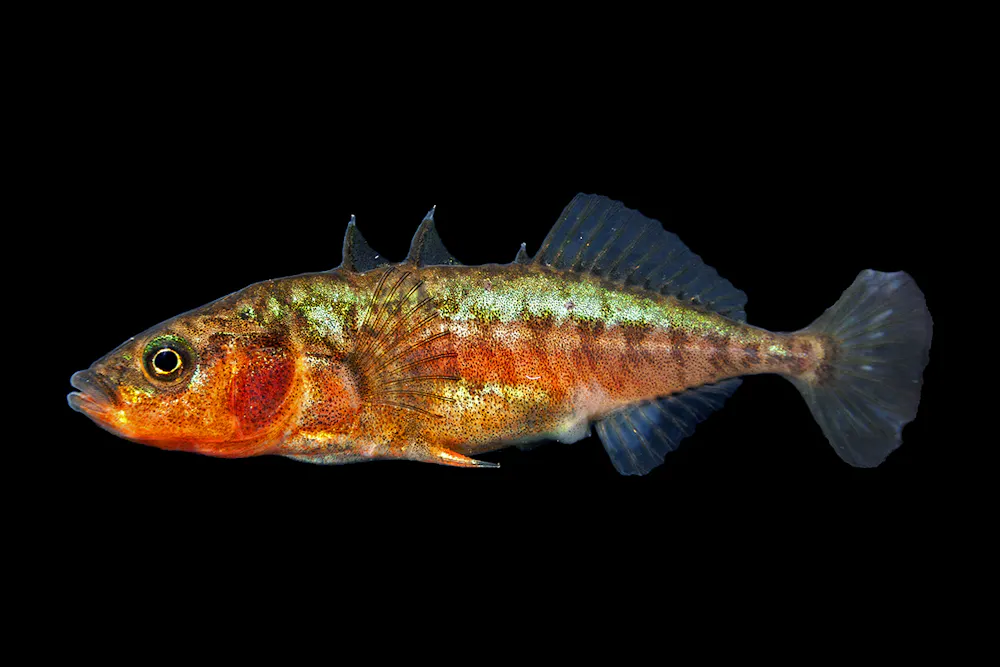
    In honeybees, genetically identical larvae become queens or workers depending on what they eat while developing. In three-spined stickleback fish, early exposure to predators reshapes their stress physiology and body shape, making them harder for predators to grasp.

    These aren’t genetic differences – they’re environmental effects on development.

    In humans, early-life conditions similarly shape development. A child raised in an unsafe setting may develop heightened vigilance or stress sensitivity – traits that help in danger but can persist as anxiety or chronic stress in times of safety. This is known as environmental mismatch.

    Across generations, plasticity becomes more complicated. In some of my past research, I studied how diet in one generation of fruit flies shaped health, reproduction and longevity in their offspring and grand offspring.

    The results varied depending on diet, generation and trait. Traits that appeared to be useful in one generation weren’t always so in the next. This highlights how difficult transgenerational effects are to predict – precisely because of this plasticity.

    In three-spined stickleback fish, early exposure to predators reshapes their stress physiology and body shape.
    drakiragavon/iNaturalist, CC BY-ND

    Too narrow an explanation

    Epigenetics often reflect environmental exposures – such as stress, trauma, nutrition or caregiving. But they’re not necessarily permanent “scars”. Many are dynamic and can shift with changing environments – especially early in life.

    Studies show that epigenetic patterns linked to early childhood adversity vary depending on later environments such as family stability and social support. This suggests the biological imprint of early stress is shaped by what happens next.

    It’s tempting to treat epigenetics as the key to explaining inherited trauma – but that’s too narrow. Trauma can influence the next generation through altered hormones, immune function or in utero conditions – all of which shape brain development and stress reactivity.

    Genetic variation also plays a major role. It doesn’t encode trauma itself, but it shapes traits such as sensitivity to threat or emotional regulation. These traits aren’t chosen – they arise from a web of biological and social influences beyond our control.

    But how they unfold, and whether they’re amplified or softened, depends on the systems that surround us.

    Connection to culture

    Connection to culture plays an important role too.

    In Aotearoa New Zealand, Māori-led initiatives that centre land, language and whakapapa (ancestral lineage) have shown promise in restoring wellbeing after generations of colonisation-related trauma.

    For Holocaust survivors and descendants, connection to cultural identity through ritual and shared narrative can reduce the psychological burden of transmitted trauma.

    But not all trauma is collective or institutional. Interventions such as trauma-informed parenting and early relational therapies have been shown to improve outcomes in the next generation.

    These psychological supports affect biology. Feeling safe in our relationships, having stable routines and a sense of meaning can reduce stress hormones, modulate immune function, and buffer against long-term disease risk.

    In this way, culture, caregiving and connection are all biological interventions. When they soften the effects of earlier stress, they may help interrupt its transmission.

    Trauma-informed parenting has been shown to improve outcomes in the next generation.
    fizkes/Shutterstock

    Reframing inherited vulnerability

    This matters, because it changes how we understand inherited vulnerability.

    Rather than a permanent wound passed down through DNA, the effects of trauma are better understood as changeable responses shaped by context.

    Thanks to plasticity, our biology is always in conversation with the environment – and when we change the context, we can change the outcome.

    Tara-Lyn Camilleri receives funding from from Australian Graduate Women, a not-for-profit organisation that advocates for education and supports women in postgraduate education with scholarships. Her research has also been supported by Australian Research Council grants and Royal Society funding. She is a volunteer committee member for Graduate Women Victoria.

    ref. Trauma is carried in your DNA. But science reveals a more complicated story – https://theconversation.com/trauma-is-carried-in-your-dna-but-science-reveals-a-more-complicated-story-259057

    MIL OSI Analysis

  • MIL-OSI Analysis: Around 250 million years ago, Earth was near-lifeless and locked in a hothouse state. Now scientists know why

    Source: The Conversation – Global Perspectives – By Andrew Merdith, DECRA Fellow, School of Earth Sciences, University of Adelaide

    Some 252 million years ago, almost all life on Earth disappeared.

    Known as the Permian–Triassic mass extinction – or the Great Dying – this was the most catastrophic of the five mass extinction events recognised in the past 539 million years of our planet’s history.

    Up to 94% of marine species and 70% of terrestrial vertebrate families were wiped out. Tropical forests – which served, as they do today, as important carbon sinks that helped regulate the planet’s temperature – also experienced massive declines.

    Scientists have long agreed this event was triggered by a sudden surge in greenhouse gases which resulted in an intense and rapid warming of Earth. But what has remained a mystery is why these extremely hot conditions persisted for millions of years.

    Our new paper, published today in Nature Communications, provides an answer. The decline of tropical forests locked Earth in a hothouse state, confirming scientists’ suspicion that when our planet’s climate crosses certain “tipping points”, truly catastrophic ecological collapse can follow.

    A massive eruption

    The trigger for the Permian–Triassic mass extinction event was the eruption of massive amounts of molten rock in modern day Siberia, named the Siberian Traps. This molten rock erupted in a sedimentary basin, rich in organic matter.

    The molten rock was hot enough to melt the surrounding rocks and release massive amounts of carbon dioxide into Earth’s atmosphere over a period as short as 50,000 years but possibly as long as 500,000 years. This rapid increase in carbon dioxide in Earth’s atmosphere and the resulting temperature increase is thought to be the primary kill mechanism for much of life at the time.

    On land it is thought surface temperatures increased by as much as 6°C to 10°C – too rapid for many life forms to evolve and adapt. In other similar eruptions, the climate system usually returns to its previous state within 100,000 to a million years.

    But these “super greenhouse” conditions, which resulted in equatorial average surface temperatures upwards of 34°C (roughly 8°C warmer than the current equatorial average temperature) persisted for roughly five million years. In our study we sought to answer why.

    The forests die out

    We looked at the fossil record of a wide range of land plant biomes, such as arid, tropical, subtropical, temperate and scrub. We analysed how the biomes changed from just before the mass extinction event, until about eight million years after.

    We hypothesised that Earth warmed too rapidly, leading to the dying out of low- to mid-latitude vegetation, especially the rainforests. As a result the efficiency of the organic carbon cycle was greatly reduced immediately after the volcanic eruptions.

    Plants, because they are unable to simply get up and move, were very strongly affected by the changing conditions.

    Before the event, many peat bogs and tropical and subtropical forests existed around the equator and soaked up carbon

    However, when we reconstructed plant fossils from fieldwork, records and databases around the event we saw that these biomes were completely wiped out from the tropical continents. This led to a multimillion year “coal gap” in the geological record.

    These forests were replaced by tiny lycopods, only two to 20 centimetres in height.

    Enclaves of larger plants remained towards the poles, in coastal and in slightly mountainous regions where the temperature was slightly cooler. After about five million years they had mostly recolonised Earth. However these types of plants were also less efficient at fixing carbon in the organic carbon cycle.

    This is analogous in some ways to considering the impact of replacing all rainforests at present day with the mallee-scrub and spinifex flora that we might expect to see in the Australian outback.

    Post-extinction lycopod fossils.
    Zhen Xu

    Finally, the forests return

    Using evidence from the present day, we estimated the rate at which plants take atmospheric carbon dioxide and store it as organic matter of each different biome (or its “net primary productivity”) that was suggested in the fossil record.

    We then used a recently developed carbon cycle model called SCION to test our hypothesis numerically. When we analysed our model results we found that the initial increase in temperature from the Siberian Traps was preserved for five to six million years after the event because of the reduction in net primary productivity.

    It was only as plants re-established themselves and the organic carbon cycle restarted that Earth slowly started to ease out of the super greenhouse conditions.

    Maintaining a climate equilibrium

    It’s always difficult to draw analogies between past climate change in the geological record and what we’re experiencing today. That’s because the extent of past changes is usually measured over tens to hundreds of thousands of years while at present day we are experiencing change over decades to centuries.

    A key implication of our work, however, is that life on Earth, while resilient, is unable to respond to massive changes on short time scales without drastic rewirings of the biotic landscape.

    In the case of the Permian–Triassic mass extinction, plants were unable to respond on as rapid a time scale as 1,000 to 10,000 years. This resulted in a large extinction event.

    Overall, our results underline how important tropical and subtropical plant biomes and environments are to maintaining a climate equilibrium. In turn, they show how the loss of these biomes can contribute to additional climate warming – and serve as a devastating climate tipping point.


    Zhen Xu was the lead author of the study, which was part of her PhD work.

    Andrew Merdith receives funding from the Australian Research Council as part of the Discovery Early Career Researcher Award.

    Benjamin J. W. Mills receives funding from UK Research and Innovation.

    Zhen Xu receives funding from UK Research and Innovation and the National Natural Science Foundation of China.

    ref. Around 250 million years ago, Earth was near-lifeless and locked in a hothouse state. Now scientists know why – https://theconversation.com/around-250-million-years-ago-earth-was-near-lifeless-and-locked-in-a-hothouse-state-now-scientists-know-why-260203

    MIL OSI Analysis

  • MIL-OSI Analysis: Trump wins again as ‘big beautiful bill’ passes the Senate. What are the lessons for the Democrats?

    Source: The Conversation – Global Perspectives – By Dafydd Townley, Teaching Fellow in US politics and international security, University of Portsmouth

    Donald Trump is continuing his run of political wins after his keynote legislation, nicknamed the ‘big beautiful bill’, squeaked through the Senate.

    While the bill, which includes major cuts in tax and government spending, must now go back to the House of Representatives for another vote, passing the upper house is highly significant. Trump lost the support of just three Republican senators, and with the help of a tie-breaking vote from Vice-President J.D. Vance managed to push the bill forward.

    Democrats, the minority in both the House and Senate, have been unable to do anything but sit by and watch as Trump claims victory after victory. These include progress in his attempt to end birthright citizenship, the claimed destruction of significant Iranian nuclear sites (yet to be independently verified) and the convincing of Nato member states to increase defence spending to 5% of their GDP. Trump may even be getting closer to a peace deal between Israel and Hamas.

    And now the Democrats have failed in their desperate attempts to stop this bill. In the Senate, it was felt that there could be enough Republican senators concerned about cuts to Medicaid (the US system that provides essential healthcare to those on low incomes), the closure or reduction of services at rural hospitals, and the increase in national debt to potentially hinder the bill’s progress. However, Democrats were unable to do anything apart from delaying the voting process, and the bill is progressing with some changes but not enough to be severely weakened.

    It had seemed likely that the Democrats could work with the Maga-focused Freedom Caucus group of representatives, whose members include Marjorie Taylor Greene, in the early stages in the House to stop its initial passage. But Speaker Mike Johnson managed to calm most of their fears about the rise in the deficit to get the bill through the House.

    The lack of effective opposition from the Democrats reflects their congressional standing. The Republicans control the Senate 53-47, and they also have a majority of 220-212 in the House, with three vacancies.

    While Democrat numbers in Congress is the primary issue in opposing this bill, their future congressional power will rely on strong leadership within the party and, more importantly, a clear set of policies with appeal that can attract more support at the ballot boxes. Failure to address this will probably allow Republicans to dominate Congress and shape American domestic and foreign policy any way they wish for longer.

    Trump’s agenda has now passed the Senate.

    What could Democrats do differently?

    While Democrat Hakeem Jeffries has been a diligent minority leader in the House, he has attempted to operate as an obstacle to Republican policies with little success, rather than reaching across the political divide to create a consensus with dissenting Republicans.

    Outside of Congress, California governor Gavin Newsom, widely touted as a potential candidate for the next presidential election, has offered some resistance to the Trump administration, particularly over Trump’s assumption of national command over the state-controlled National Guard to deal with protests in California against the Immigration and Customs Enforcement agency. However, Newsom’s reputation is still relatively regional, although it is on the rise.

    Zohran Mamdani has won the Democratic nomination for New York mayor.

    There will be jostling over the next couple of years for the Democratic presidential nomination, and this will have an impact on the platform that the party runs on. Party members and those voting for the next presidential nominee will need to decide whether to continue with the mainly centrist position that the party has adopted since the 1990s or adopt something more left-wing.

    A more radical candidate, such as New York representative Alexandria Ocasio-Cortez, might offer a substantially different proposal that could seem attractive to Democratic voters and those Trump supporters who may feel dissatisfied with the current Republican administration.

    However, democratic socialist Zohran Mamdani, recently selected as the Democratic nominee for the New York mayoral election, has already been vilified by some in the Republican party.

    Concerns about such a supposedly “radical” candidate may concern many voters in red states in middle America. However, getting elected is one thing but implementing progressive, left-leaning policies is another thing entirely. They also need to deliver solutions to major issues, such as crime, at all levels, to show their abilities to solve problems.

    It is not just the policies that matter for the Democrats, but who they want to represent. Last year’s election suggested that the Democrats had been ousted as the representatives of the working class. Some significant labour unions, a foundation of Democratic support for the majority of the 20th century, failed to endorse Kamala Harris.

    Mamdani’s success in New York stemmed from the mobilisation of a grassroots campaign that used social media effectively. It targeted young working-class voters disenchanted with the Democratic party. He also resonated with voters in areas that had seen an increase in Republican voters in the 2024 election.

    All this may offer some lessons to the Democrats. They need to reassess their policies, their image and their tactics, and show Americans that they can solve the problems that the public sees as most important, including the high cost of living. While they can expect to gain seats in the House in next year’s midterms, they need to look for a leader and policies that will capture the public’s hearts.

    Dafydd Townley does not work for, consult, own shares in or receive funding from any company or organisation that would benefit from this article, and has disclosed no relevant affiliations beyond their academic appointment.

    ref. Trump wins again as ‘big beautiful bill’ passes the Senate. What are the lessons for the Democrats? – https://theconversation.com/trump-wins-again-as-big-beautiful-bill-passes-the-senate-what-are-the-lessons-for-the-democrats-260038

    MIL OSI Analysis

  • MIL-OSI Analysis: More and more tourists are flocking to Antarctica. Let’s stop it from being loved to death

    Source: The Conversation – Global Perspectives – By Darla Hatton MacDonald, Professor of Environmental Economics, University of Tasmania

    VCG via Getty Images

    The number of tourists heading to Antarctica has been skyrocketing. From fewer than 8,000 a year about three decades ago, nearly 125,000 tourists flocked to the icy continent in 2023–24. The trend is likely to continue in the long term.

    Unchecked tourism growth in Antarctica risks undermining the very environment that draws visitors. This would be bad for operators and tourists. It would also be bad for Antarctica – and the planet.

    Over the past two weeks, the nations that decide what human activities are permitted in Antarctica have convened in Italy. The meeting incorporates discussions by a special working group that aims to address tourism issues.

    It’s not easy to manage tourist visitors to a continent beyond any one country’s control. So, how do we stop Antarctica being loved to death? The answer may lie in economics.

    Future visitor trends

    We recently modelled future visitor trends in Antarctica. A conservative scenario shows by 2033–34, visitor numbers could reach around 285,000. Under the least conservative scenario, numbers could reach 450,000 – however, this figure incorporates pent-up demand from COVID shutdowns that will likely diminish.

    The vast majority of the Antarctic tourism industry comprises cruise-ship tourism in the Antarctic Peninsula. A small percentage of visitors travel to the Ross Sea region and parts of the continent’s interior.

    Antarctic tourism is managed by an international set of agreements together known as the Antarctic Treaty System, as well as the International Association of Antarctica Tour Operators (IAATO).

    The Treaty System is notoriously slow-moving and riven by geopolitics, and IAATO does not have the power to cap visitor numbers.

    Pressure on a fragile continent

    About two-thirds of Antarctic tourists land on the continent. The visitors can threaten fragile ecosystems by:

    • compacting soils
    • trampling fragile vegetation
    • introducing non-native microbes and plant species
    • disturbing breeding colonies of birds and seals.

    Even when cruise ships don’t dock, they can cause problems such as air, water and noise pollution – as well as anchoring that can damage the seabed.

    Then there’s carbon emissions. Each cruise ship traveller to Antarctica typically produces between 3.2 and 4.1 tonnes of carbon, not including travel to the port of departure. This is similar to the carbon emissions an average person produces in a year.

    Global warming caused by carbon emissions is damaging Antarctica. At the Peninsula region, glaciers and ice shelves are retreating and sea ice is shrinking, affecting wildlife and vegetation.

    Of course, Antarctic tourism represents only a tiny fraction of overall emissions. However, the industry has a moral obligation to protect the place that maintains it. And tourism in Antarctica can compound damage from climate change, tipping delicate ecosystems into decline.

    Some operators use hybrid ships and less polluting fuels, and offset emissions to offer carbon-neutral travel.

    IAATO has pledged to halve emissions by 2050 – a positive step, but far short of the net-zero targets set by the International Maritime Organization.

    Can economics protect Antarctica?

    Market-based tools – such as taxes, cap-and-trade schemes and certification – have been used in environmental management around the world. Research shows these tools could also prevent Antarctic tourist numbers from getting out of control.

    One option is requiring visitors to pay a tourism tax. This would help raise revenue to support environmental monitoring and enforcement in Antarctica, as well as fund research.

    Such a tax already exists in the small South Asian nation of Bhutan, where each tourist pays a tax of US$100 (A$152) a night. But while a tax might deter the budget-conscious, it probably wouldn’t deter high income, experience-driven tourists.

    Alternatively, a cap-and-trade system would create a limited number of Antarctica visitor permits for a fixed period. The initial distribution of permits could be among tourism operators or countries, via negotiation, auction or lottery. Unused permits could then be sold, making them quite valuable.

    Caps have been successful at managing tourism impacts elsewhere, such as Lord Howe Island, although there are no trades allowed in that system.

    Any cap on tourist numbers in Antarctica, and rules for trading, must be based on evidence about what the environment can handle. But there is a lack of precise data on Antarctica’s carrying capacity. And permit allocations amongst the operators and nations would need to be fair and inclusive.

    Alternatively, existing industry standards could be augmented with independent schemes certifying particular practices – for example, reducing carbon footprints. This could be backed by robust monitoring and enforcement to avoid greenwashing.

    Looking ahead

    Given the complexities of Antarctic governance, our research finds that the most workable solution is a combination of these market-based options, alongside other regulatory measures.

    So far, parties to the Antarctic treaty have made very few binding rules for the tourism industry. And some market-based levers will be more acceptable to the parties than others. But doing nothing is not a solution.


    The authors would like to acknowledge Valeria Senigaglia, Natalie Stoeckl and Jing Tian and the rest of the team for their contributions to the research upon which this article was based.

    Darla Hatton MacDonald receives funding from the Australian Research Council, the Australian Forest and Wood Innovations Centre, the Department of Climate Change, Energy, the Environment and Water, and the Soils CRC. She has received in-kind support from Antarctic tour operator HX.

    Elizabeth Leane receives funding from the Australian Research Council, the Dutch Research Council, and DFAT. She also receives in-kind support and occasional funding from Antarctic tourism operator HX and in-kind support from other tour operators.

    ref. More and more tourists are flocking to Antarctica. Let’s stop it from being loved to death – https://theconversation.com/more-and-more-tourists-are-flocking-to-antarctica-lets-stop-it-from-being-loved-to-death-258294

    MIL OSI Analysis

  • MIL-OSI Analysis: Thumbs up: good or passive aggressive? How emojis became the most confusing kind of online language

    Source: The Conversation – Global Perspectives – By Brittany Ferdinands, Lecturer in Digital Content Creation, Discipline of Media and Communications, University of Sydney

    The Conversation, CC BY

    Emojis, as well as memes and other forms of short-form content, have become central to how we express ourselves and connect online. Yet as meanings shift across different contexts, so too does the potential for misunderstanding.

    A senior colleague of mine recently encountered some commentary about the “slightly smiling” face emoji: 🙂

    They approached me, asking whether it represented joy, as they had assumed, or if it had a more ominous meaning.

    As a chronically-online millennial, who unironically identifies as a gen Z, I bore the news that I, along with most younger internet users, only ever use it sarcastically.

    “It doesn’t actually signify happiness – more so fake happiness, or dry humour,” I explained.

    I also told them how the thumbs up emoji is often interpreted as passive aggressive, and that the only time I’d use the laughing-crying (“face with tears of joy”) emoji is under duress.

    Despite seeming like a universal language – and sometimes they do function that way – emojis can be at once more vague, and more specific, than words. That’s because you can’t separate the meaning of a smiley from the person who sent it, nor from the person receiving it.

    Markers of age and identity

    While emojis were originally developed in the late 1990s by Japanese artist Shigetaka Kurita to add emotional nuance to text-based messaging, their function has since evolved.

    Today, emojis are not just emotional cues; they also operate as cultural symbols and markers of identity.

    Research published last year highlights how these symbols can create subtle communication barriers across age groups. For instance, a study of Chinese-speaking WeChat users found younger and older people differed not only in how frequently they used emojis, but in how they interpreted and aesthetically preferred them.

    One emoji that’s increasingly becoming a distinct marker of age is the previously mentioned laughing-crying emoji (😂). Despite being named Oxford Dictionary’s 2015 word of the year, and frequently topping the most-used emoji charts, this smiley is on the decline among gen Z – who decided in 2020 that it wasn’t cool anymore.

    Instead, they prefer the skull emoji (💀), which is shorthand for the gen Z catch phrase “I’m dead”. This means something is funny (not that they’re literally deceased).

    Such shifts may understandably be perplexing for older generations who are unfamiliar with evolving norms and slang.

    A digital body language

    Emojis can also take on distinct meanings on different platforms. They are embedded within “platform vernaculars”: the ever-evolving styles of communication that are unique to specific digital spaces.

    For example, a thumbs up emoji (👍) from your boss at work is seemingly more acceptable, and less anxiety inducing, than from a romantic interest you’ve just sent a risky text to.

    This dilemma was echoed in a recent viral TikTok by user @kaitlynghull, which prompted thousands to comment about their shared confusion over emoji use in the workplace.

    This reaction highlights a deeper communication issue.

    A survey of 10,000 workers across the US, France, Germany, India and Australia, conducted by YouGov and software company Atlassian, found 65% of workers used emojis to convey tone in the workplace. But while 88% of gen Z workers thought emojis were helpful, this dropped to 49% for baby boomers and gen X.

    The survey concluded some emojis can be interpreted in multiple ways, and these double meanings aren’t always safe for work.

    In with the ‘it’ crowd

    Another example of platform-specific emoji use comes from social media content creators who deploy emojis to curate a certain aesthetic.

    Under the Tiktok tag #emojicombo, you’ll find thousands of videos showcasing emoji combinations that provide aesthetic “inspo”. These combinations are used to represent different online identities or subcultures, such as “that girl”, “clean girl” or “old money”.

    Users may include the combinations in their captions or videos to signal their personal style, or to express the mood or vibe of their online persona. In this way, the emojis help shape how they present themselves on the platform.

    This example of emoji use is also a display of symbolic capital. It signals social alignment, in an environment where a user’s visibility (and popularity) is determined by their platform fluency.

    Emojis, then, aren’t just tools for expression. They are badges of identity that index where a user stands in the online cultural hierarchy.

    There’s a fragmentation in how we relate

    A single emoji might communicate irony, sincerity or sarcasm, depending on who is using it, what platform they’re using it on, and what generation they belong to.

    This gap points to deeper questions around online access and participation, and the systems that shape online cultures.

    And when the meaning of an emoji is platform-dependent and socially stratified, it can become as much about fitting in with a cultural in-group than conveying emotion.

    Brittany Ferdinands does not work for, consult, own shares in or receive funding from any company or organisation that would benefit from this article, and has disclosed no relevant affiliations beyond their academic appointment.

    ref. Thumbs up: good or passive aggressive? How emojis became the most confusing kind of online language – https://theconversation.com/thumbs-up-good-or-passive-aggressive-how-emojis-became-the-most-confusing-kind-of-online-language-259151

    MIL OSI Analysis

  • MIL-OSI Analysis: Trump is not like other presidents – but can he beat the ‘second term curse’ that haunts the White House?

    Source: The Conversation – Global Perspectives – By Garritt C. Van Dyk, Senior Lecturer in History, University of Waikato

    Getty Images

    While he likes to provoke opponents with the possibility of serving a third term, Donald Trump faces a more immediate historical burden that has plagued so many presidents: the “second term curse”.

    Twenty-one US presidents have served second terms, but none has reached the same level of success they achieved in their first.

    Second term performances have ranged from the lacklustre and uninspiring to the disastrous and deadly. Voter dissatisfaction and frustration, presidential fatigue and a lack of sustainable vision for the future are all explanations.

    But Trump doesn’t quite fit the mould. Only one other president, Grover Cleveland in the late 19th century, has served a second nonconsecutive term, making Trump 2.0 difficult to measure against other second-term leaders.

    Trump will certainly be hoping history doesn’t repeat Cleveland’s second-term curse. Shortly after taking office he imposed 50% tariffs, triggering global market volatility that culminated in the “Panic of 1893”.

    At the time, this was the worst depression in US history: 19% unemployment, a run on gold from the US Treasury, a stock market crash and widespread poverty.

    More than a century on, Trump’s “move fast and break things” approach in a nonconsecutive second term might appeal to voters demanding action above all else. But he risks being drawn into areas he campaigned against.

    So far, he has gone from fighting a trade war and a culture war to contemplating a shooting war in the Middle East. His “big beautiful bill” will add trillions to the national debt and potentially force poorer voters – including many Republicans – off Medicaid.

    Whether his radical approach will defy or conform to the second term curse seems very much an open question.

    No kings

    The two-term limit was enacted by the 22nd Amendment to the Constitution in 1951. Without a maximum term, it was feared, an authoritarian could try to take control for life – like a king (hence the recent “No Kings” protests in the US).

    George Washington, James Madison and Thomas Jefferson all declined to serve a third term. Jefferson was suspicious of any president who would try to be re-elected a third time, writing:

    should a President consent to be a candidate for a 3d. election, I trust he would be rejected on this demonstration of ambitious views.

    There is a myth that after Franklin Delano Roosevelt broke the de facto limit of two terms set by the early presidents, the ghost of George Washington placed a curse on anyone serving more than four years.

    At best, second-term presidencies have been tepid compared to the achievements in the previous four years. After the second world war, some two-term presidents (Eisenhower, Reagan and Obama) started out strong but faltered after reelection.

    Eisenhower extricated the US from the Korean War in his first term, but faced domestic backlash and race riots in his second. He had to send 500 paratroopers to escort nine Black high school students in Little Rock, Arkansas, to enforce a federal desegregation order.

    Reagan made significant tax and spending cuts, and saw the Soviet Union crumble in term one. But the Iran-Contra scandal and watered down tax reform defined term two.

    Obama started strongly, introducing health care reform and uniting the Democratic voter base. After reelection, however, the Democrats lost the House, the Senate, a Supreme Court nomination, and faced scandals over the Snowden security leaks and Internal Revenue Service targeting of conservative groups.

    Truly disastrous examples of second term presidencies include Abraham Lincoln (assassination), Woodrow Wilson (first world war, failure of the League of Nations, a stroke), Richard Nixon (Watergate, impeachment and resignation), and Bill Clinton (Lewinsky scandal and impeachment).

    Room for one more? Trump has joked about being added to Mount Rushmore.
    Shutterstock

    Monumental honours

    It may be too early to predict how Trump will feature in this pantheon of less-than-greatness. But his approval ratings recently hit an all-time low as Americans reacted to the bombing of Iran and deployment of troops in Los Angeles.

    A recent YouGov poll showed voters giving negative approval ratings for his handling of inflation, jobs, immigration, national security and foreign policy. While there has been plenty of action, it may be the levels of uncertainty, drastic change and market volatility are more extreme than some bargained for.

    An uncooperative Congress or opposition from the judiciary can be obstacles to successful second terms. But Trump has used executive orders, on the grounds of confronting “national emergencies”, to bypass normal checks and balances.

    As well, favourable rulings by the Supreme Court have edged closer to expanding the boundaries of executive power. But they have not yet supported Trump’s claim from his first term that “I have an Article 2, where I have the right to do whatever I want as President”.

    Some supporters say Trump deserves a Nobel Peace Prize. And he was only half joking when he asked if there is room for one more face on Mount Rushmore. But such monumental honours may only amount to speculation unless Trump’s radical approach and redefinition of executive power defy the second-term curse.

    Garritt C. Van Dyk has received funding from the Getty Research Institute.

    ref. Trump is not like other presidents – but can he beat the ‘second term curse’ that haunts the White House? – https://theconversation.com/trump-is-not-like-other-presidents-but-can-he-beat-the-second-term-curse-that-haunts-the-white-house-260002

    MIL OSI Analysis

  • MIL-OSI Analysis: The Dalai Lama is a cisgender man – yet he has an unexpected connection to the trans community

    Source: The Conversation – Global Perspectives – By Stephen Kerry, Lecturer in Sociology, Charles Darwin University

    Tenzin Gyatso, the 14th Dalai Lama, turns 90 this week – a milestone that’s reigniting speculation over his eventual successor.

    While the Dalai Lama is the face of Buddhism to many people across the world, he is actually the head of just one tradition within Tibetan Buddhism known as the Gelug school.

    Tibetans believe the Dalai Lama to be the manifestation of Avalokiteśvara, the bodhisattva of compassion, and the “one who hears the cries of the world”.


    Read more:
    What is a bodhisattva? A scholar of Buddhism explains


    Avalokiteśvara is prayed to across Asia, and is known as Chenrezig in Tibet, Guanyin in China, and Kannon or Kanzeon in Japan.

    A statue of Avalokiteśvara.
    Wikimedia, CC BY-SA

    In Buddhism, a bodhisattva is a person, or a mythic representation of a person, who denies themselves enlightenment until all beings can achieve enlightenment. Avalokiteśvara appears to living beings in whatever form could best save them.

    Although Avalokiteśvara originated in India as a man, they can be depicted as either a man, woman, or non-binary being. This gender fluidity has led to them being revered as a trans icon in the West.

    I have spent the past five years investigating the lives of queer Buddhists in Australia. As part of this research, I have surveyed and interviewed 109 LGBTQIA+ Buddhist Australians.

    The words of these individuals, and my own experience as a genderqueer Buddhist person, reveal how the Dalai Lama emerges an an unlikely inspiration for individuals sharing a trans and Buddhist identity.

    The Big Buddha is a large bronze sculpture located near the Po Lin Monastery on Lantau Island, Hong Kong.
    Joshua J. Cotten/Unsplash

    Letting go of binaries

    Through my work I have found LGBTQIA+ Buddhist Australians are generally reluctant to disclose their queer identities to their Buddhist communities, and may be told to remain silent about their identities.

    For some, Avalokiteśvara’s gender fluidity has been important for reaffirming both their queer and Buddhist selves.

    One Buddhist trans woman, Annie*, told me Guanyin had special significance for her. Annie spoke about Avalokiteśvara travelling from India to China as a male, before “transitioning” to the mainly female presentation of Guanyin over centuries. Annie said:

    I pray to her regularly and often find I get a response. Of course the enlightened state is beyond all manner of worldly binaries, including gender, and is immensely important in letting go of binaries in my journey towards enlightenment.

    Walter* has had a long fascination with depictions of Avalokiteśvara that “showed ‘him’ looking effeminate and handsome, with a cute moustache […] A little bit homoerotic, a little bit provocatively gender fluid, as seen through my eyes”.

    Walter adds:

    A great many people in different cultures, across history, worship these figures. Clever how this figure can morph into a radical trans! We all want to feel comforted, safe and saved from suffering.

    As queer Buddhists, we turn to to Avalokitesvara to feel “comforted, safe and saved”.

    Another interviewee, Brian*, told me about a Tibetan invocation practice he did with a senior Tibetan monk, in which he encountered Guanyin:

    [She] took my right hand and passed some sort of power into it. She never spoke to me but just returned the way she had come. I was given some sort of gift, that’s all I know.

    Since this experience, Brian has “always felt a strong connection to the feminine through her”. He has a special Guanyin altar on his farm.

    You can’t be what you can’t see

    Some Buddhists deny Avalokiteśvara’s queerness.

    Asher*, a genderqueer Buddhist I interviewed, told me about a teacher who said to them, “there was absolutely no way a gay person could be enlightened”.

    Asher retorted:

    What about Kanzeon, the bodhisattva of compassion, who has manifested as both male and female and, in the stories from Japan, has had erotic relationships with monks?

    The teacher dismissed this, replying, “those are just stories”.

    A black statue of Avalokiteśvara outside a Japanese temple.
    Wikimedia, CC BY

    In her 1996 book Transgender Warriors, trans activist Leslie Feinberg writes: “I couldn’t find myself in history. No one like me seemed to have ever existed.”

    Similarly, Annie evoked the statement: “You can’t be what you can’t see.”

    I, too, experience this need to see myself as a genderqueer, non-binary practitioner of Zen Buddhism. It was only through doing these interviews with other queer Buddhists that I came to realise Guanyin, a trans icon, is a statuette which adorns the altar of the Buddhist group I belong to.

    Knowing Avalokitesvara may be depicted as a man, woman, or non-binary being lets us queer Buddhists know we exist – and have always existed – within Buddhism.

    Despite being a cisgender man who has been somewhat inconsistent in his support of queer people, the Dalai Lama, as the manifestation of the bodhisattva of compassion, is a possible spiritual link between today’s queer Buddhists and centuries-long traditions of gender transition and fluidity.

    *Names have been changed.

    Stephen Kerry does not work for, consult, own shares in or receive funding from any company or organisation that would benefit from this article, and has disclosed no relevant affiliations beyond their academic appointment.

    ref. The Dalai Lama is a cisgender man – yet he has an unexpected connection to the trans community – https://theconversation.com/the-dalai-lama-is-a-cisgender-man-yet-he-has-an-unexpected-connection-to-the-trans-community-260106

    MIL OSI Analysis

  • MIL-OSI Analysis: Too much vitamin B6 can be toxic. 3 symptoms to watch out for

    Source: The Conversation – Global Perspectives – By Nial Wheate, Professor, School of Natural Sciences, Macquarie University

    Selena3726/Shutterstock

    Side effects from taking too much vitamin B6 – including nerve damage – may be more widespread than we think, Australia’s medicines regulator says.

    In an ABC report earlier this week, a spokesperson for the Therapeutic Goods Administration (TGA) says it may have underestimated the extent of the side effects from vitamin B6 supplements.

    However, there are proposals to limit sales of high-dose versions due to safety concerns.

    A pathologist who runs a clinic that tests vitamin B6 in blood samples from across Australia also appeared on the program. He told the ABC that data from May suggests 4.5% of samples tested had returned results “very likely” indicating nerve damage.

    So what are vitamin B6 supplements? How can they be toxic? And which symptoms do you need to watch out for?

    What is vitamin B6?

    Vitamin B6, also known as pyridoxine, plays an important role in keeping the body healthy. It is involved in the metabolism of proteins, carbohydrates and fats in food. It is also important for the production of neurotransmitters – chemical messengers in the brain that maintain its function and regulate your mood.

    Vitamin B6 also supports the immune system by helping to make antibodies, which fight off infections. And it is needed to produce haemoglobin, the protein in red blood cells that carries oxygen around the body.

    Some women take a vitamin B6 supplement when pregnant. It is thought this helps reduce the nausea associated with the early stages of pregnancy. Some women also take it to help with premenstrual syndrome.

    However, most people don’t need, and won’t benefit from, a vitamin B6 supplement. That’s because you get enough vitamin B6 from your diet through meat, breakfast cereal, fruit and vegetables.

    You don’t need much. A dose of 1.3–1.7 milligrams a day is enough for most adults.

    Currently, vitamin B6 supplements with a daily dose of 5–200mg can be sold over the counter at health food stores, supermarkets and pharmacies.

    Because of safety concerns, the TGA is proposing limiting their sale to pharmacies, and only after consultation with a pharmacist.

    Daily doses higher than 200mg already need a doctor’s prescription. So under the proposal that would stay the same.

    What happens if you take too much?

    If you take too much vitamin B6, in most cases the excess will be excreted in your urine and most people won’t experience side effects. But there is a growing concern about long-time, high-dose use.

    A side effect the medical community is worried about is peripheral neuropathy – where there is damage to the nerves outside the brain and spinal cord. This results in pain, numbness or weakness, usually in your hands and feet. We don’t yet know exactly how this happens.

    In most reported cases, these symptoms disappear once you stop taking the supplement. But for some people it may take three months to two years before they feel completely better.

    There is growing, but sometimes contradictory, evidence that high doses (more than 50mg a day) for extended periods can result in serious side effects.

    A study from the 1990s followed 70 patients for five years who took a dose of 100 to 150mg a day. There were no reported cases of neuropathy.

    But more recent studies show high rates of side effects.

    A 2023 case report provides details of a man who was taking multiple supplements. This resulted in a daily combined 95mg dose of vitamin B6, and he experienced neuropathy.

    Another report describes seven cases of neuropathy linked to drinking energy drinks containing vitamin B6.

    Reports to the TGA’s database of adverse events notifications (a record of reported side effects) shows 174 cases of neuropathy linked with vitamin B6 use since 2023.

    What should I do if I take vitamin B6?

    The current advice is that someone who takes a dose of 50mg a day or more, for more than six months, should be monitored by a health-care professional. So if you regularly take vitamin B6 supplements you should discuss continued use with your doctor or pharmacist.

    There are three side effects to watch out for, the first two related to neuropathy:

    1. numbness or pain in the feet and hands

    2. difficulty with balance and coordination as a result of muscle weakness

    3. heartburn and nausea.

    If you have worrying side effects after taking vitamin B6 supplements, contact your state’s poison information centre on 13 11 26 for advice.

    Nial Wheate in the past has received funding from the ACT Cancer Council, Tenovus Scotland, Medical Research Scotland, Scottish Crucible, and the Scottish Universities Life Sciences Alliance. He is a fellow of the Royal Australian Chemical Institute. Nial is the chief scientific officer of Vaihea Skincare LLC, a director of SetDose Pty Ltd (a medical device company) and was previously a Standards Australia panel member for sunscreen agents. He is a member of the Haleon Australia Pty Ltd Pain Advisory Board. Nial regularly consults to industry on issues to do with medicine risk assessments, manufacturing, design and testing.

    Slade Matthews provides scientific evaluations to the Therapeutic Goods Administration as a member of the Therapeutic Goods Assessment and Advisory Panel. Slade serves on the NSW Poisons Advisory Committee for NSW Health as the minister-nominated pharmacologist appointed by the Governor of NSW.

    ref. Too much vitamin B6 can be toxic. 3 symptoms to watch out for – https://theconversation.com/too-much-vitamin-b6-can-be-toxic-3-symptoms-to-watch-out-for-260400

    MIL OSI Analysis

  • MIL-OSI Analysis: How Europe dropped the ball on its own defence and was left fawning over Donald Trump – podcast

    Source: The Conversation – Global Perspectives – By Gemma Ware, Host, The Conversation Weekly Podcast, The Conversation

    The language from European leaders was fawning and obsequious. At one point, the head of Nato, Mark Rutte, even called Donald Trump “daddy”. But when the US president left the Nato summit in late June, there was a sigh of relief that he had not made any more angry criticism of the alliance.

    After months of American pressure, Nato members – with the exception of Spain – agreed to increase their spending on defence to 5% of GDP by 2035. Trump called it “very big news”, and even reconfirmed his commitment to Nato’s article 5, which means an attack on one Nato country is an attack on them all.

     How did Europe become so unable to defend itself that it was forced to resort to outright flattery of an American president?

    In this episode of The Conversation Weekly podcast, we report from the recent Siena Conference on the Europe of the Future in Italy about how the EU dropped the ball on its own defence and what its options are now.

     The European Commission, the executive branch of EU government, only appointed its first commissioner for defence in December 2024. There is no EU army, and no consensus as to whether democratic nations could ever allow one to be built.

    But in the period after the second world war, ambitions for a united European defence policy were much grander, as Ana Juncos Garcia, professor of European politics at the University of Bristol in the UK, explains:

    There was this idea to establish a European Defence Community which would pool competencies at the national level in defence to the European level, creating a supranational organisation with its own minister of defence, its own military committee.

    That failed in 1954 when the French national assembly rejected ratification of the treaty and progress on a pan-European defence strategy stalled. Nato, founded in 1949, became the core military alliance organising Europe’s defence, with the US as its main guarantor.

    Ever since, the EU has tried to balance the need for maintaining that transatlantic relationship, and figuring out a way to organise, and procure, its own defence capabilities in a joined up way.

    Listen to The Conversation Weekly podcast, which includes interviews with Francesco Grillo, academic fellow in political science at Bocconi University in Italy, and François Lafond, former assistant professor at  Sciences Po University in Paris and former advisor to the Western Balkans on European integration.

    This episode of The Conversation Weekly was written and produced by Gemma Ware with assistance from Katie Flood and Mend Mariwany. Mixing and sound design by Eloise Stevens and theme music by Neeta Sarl.

    Newsclips in this episode from National Defence, NBC News, CNBCtelevision, Forbes Breaking News, CBS News and Critical Past.

    Listen to The Conversation Weekly via any of the apps listed above, download it directly via our RSS feed or find out how else to listen here. A transcript of this episode is available on Apple Podcasts or Spotify.

    Ana Juncos Garcia has received UKRI funding for a MSCA Doctoral Network and funding from Horizon Europe, ESRC IAA and WUN. She is also a visiting professor at the College of Europe.

    Francesco Grillo is associated to VISION think tank.

    ref. How Europe dropped the ball on its own defence and was left fawning over Donald Trump – podcast – https://theconversation.com/how-europe-dropped-the-ball-on-its-own-defence-and-was-left-fawning-over-donald-trump-podcast-260152

    MIL OSI Analysis

  • MIL-OSI Analysis: How the myth of ‘Blitz spirit’ defined and divided London after 7/7

    Source: The Conversation – UK – By Darren Kelsey, Reader in Media and Collective Psychology, Newcastle University

    The “Blitz spirit” is one of Britain’s most enduring national myths – the stories we tell ourselves about who we were, and who we still believe we are today. Growing up among football fans, I heard constant nostalgic refrains about England and Germany, wartime bravery and national pride.

    Chants about “two world wars and one World Cup” or “ten German bombers in the air” were cultural rituals, flexes of a shared memory that many had never experienced themselves.

    Blitz spirit refers to the resilience, unity and stoic determination of civilians during the German bombing raids (the Blitz) of the second world war. It has reemerged time and again, symbolising a collective pride in facing adversity with courage, humour and a “keep calm and carry on” attitude.

    After the July 7 bombings in 2005, which killed 52 people and injured more than 700, I noticed how quickly the Blitz spirit reappeared. British newspapers reached into the past and pulled the myth forward.


    Get your news from actual experts, straight to your inbox. Sign up to our daily newsletter to receive all The Conversation UK’s latest coverage of news and research, from politics and business to the arts and sciences.


    The Independent on July 8 said, “London can take it, and it can do so because its stoicism is laced as it always has been with humour.” The Daily Mail evoked images of “London during the Blitz… with everyone dancing through the bombs”.

    Tony Parsons opened his Daily Mirror column with “07/07 war on Britain: We can take it; if these murderous bastards go on for a thousand years, the people of our islands will never be cowed”, alongside an image of St Paul’s Cathedral during the Blitz.

    The spirit of working-class wartime London was, ironically, even applied to bankers and City traders who “kept the economy alive” after the attacks. A July 8 Times article claimed: “A Dunkirk spirit spread through London’s financial districts as Canary Wharf and City workers vowed they would not be deterred.”

    The use of river transport to evacuate workers reinforced the analogy. The Times described how “bankers and lawyers in London’s riverside Canary Wharf complex experienced their own version of the Dunkirk-style evacuations”, assisted by a “flotilla of leisure vessels and little ships”.

    I was fascinated: why this story, and why now? That question became the heart of a book I published in 2015 – one that explored how a myth born in 1940 was reborn in 2005, repurposed for a very different London.

    What I found was that the “Blitz spirit” wasn’t a lie, but it was a myth in the academic sense: a simplified, selective story built from the most comforting parts of the past.

    Wartime Britain was not uniformly united, stoic and proud. There were deep class divides. Looting occurred. Morale was rock-bottom in many cities and communities. Evacuees weren’t always welcomed with open arms. Government censorship and transnational propaganda masked social unrest.

    Understandably, these messy realities were left out of the postwar narrative. But what happens when we bring that myth into the present?

    The myth of the ‘Blitz spirit’

    Londoners did come together after the 7/7 bombings – there were undoubtedly examples of communities and strangers supporting each other and maintaining a sense of resilience that enabled them to continue their lives undeterred.

    But it was not one single unified message. Hate crimes against British Muslim communities in the weeks after the 2005 attacks exposed cracks in the narrative of national unity.

    Some used the Blitz spirit to support Tony Blair and George W. Bush, casting them as Churchillian leaders standing firm against a new fascism in the form of global terrorism. For others, the same figures represented a betrayal of British values.

    They were evoked instead to shame Blair and Bush. The Express made its feelings clear when it said: “It was throw up time when Blair was compared to Churchill by some commentators. What an insult!”

    The Blitz spirit also became a weapon in anti-immigration discourse. Some argued that Britain, unlike in 1940, had become a “soft touch” – compromised by EU human rights laws, welfare handouts and multiculturalism. The underlying message: today’s London could never be as brave or unified as wartime London.

    Writing in The Sun, Richard Littlejohn said: “War office memo. Anyone caught fighting on the beaches will be prosecuted for hate crimes.”

    An article in the Express condemning human rights laws said: “What a good thing these people weren’t running things when Hitler was doing his worst. Would the second world war have been more easily won if we had spent more time talking about freedom of speech than bombing Nazi Germany?”

    Multicultural resilience

    And yet, another narrative emerged – one that saw London’s multicultural identity as a strength, not a weakness. Here, the Blitz spirit wasn’t just a historical relic, but a kind of transcendental force. The city’s soul, it was said, remained resilient – passed down across generations, regardless of race, class or religion. For some, this was proof that Britain had evolved and still held fast to its best values.

    A letter to the Daily Mirror (July 17) invoked the Blitz spirit through a cross-cultural lens: “Colour, creed and cultures forgotten, black helping white and vice versa… We stood firm in the Blitz and we’ll do so again, going about our business as usual.”

    The Sunday Times quoted Michael Portillo, who framed London’s resilience as multicultural continuity: “Fewer than half the names of those killed on the 7th look Anglo-Saxon… Today’s Londoners come in all colours and from every cultural background. Yet they have inherited the city’s historic attitudes of nonchalance, bloody-mindedness and defiance.”

    The Blitz spirit, as my research revealed, is not a single story. It is a narrative tool used for many different – often opposing – purposes. It can bring people together, or be used to divide. It can inspire pride, or be weaponised in fear.

    National myths don’t just reflect who we were – they shape who we think we are. They’re never neutral. They’re always curated, always contested. If we want to be genuinely proud of our country – and we should – then we also have to be honest about the stories we cling to. We must ask: what’s left out, and who decides?

    Darren Kelsey does not work for, consult, own shares in or receive funding from any company or organisation that would benefit from this article, and has disclosed no relevant affiliations beyond their academic appointment.

    ref. How the myth of ‘Blitz spirit’ defined and divided London after 7/7 – https://theconversation.com/how-the-myth-of-blitz-spirit-defined-and-divided-london-after-7-7-259948

    MIL OSI Analysis

  • MIL-OSI Analysis: A surprisingly effective way to save the capercaillie: keep its predators well-fed – new research

    Source: The Conversation – UK – By Chris Sutherland, Reader in Statistical Ecology, University of St Andrews

    A male capercaillie showing off its colours. Rolands Linejs/Shutterstock

    Conserving species can be a complicated affair. Take this dilemma.

    After being hunted to near extinction, numbers of a native predator are recovering and eating more of an endangered prey species, whose own numbers are declining as a result. Should conservationists accept that some successes mean losing other species, or reinstate lethal control of this predator in perpetuity?

    Or perhaps there is a third option that involves new means of managing species in the face of new conditions. This issue is playing out globally, as land managers grapple with predators such as wolves and lynx reclaiming their historic ranges.


    Get your news from actual experts, straight to your inbox. Sign up to our daily newsletter to receive all The Conversation UK’s latest coverage of news and research, from politics and business to the arts and sciences.


    In the ancient Caledonian pine forests of Scotland there are fewer than 500 capercaillie remaining. This grouse is beset by multiple threats, not least shifts in spring weather caused by climate change that are driving its Europe-wide decline, relating to changes in when chicks are reared and available nutrition.

    Additionally, and in common with other ground-nesting birds, capercaillie lose eggs and chicks to carnivores. As such, the recovery of the pine marten (a relative of weasels and otters) from its own near extinction in Scotland is contributing to the decline of capercaillie.

    A capercaillie cock displaying for a hen.
    Jack Bamber

    Internationally, little has been achieved to slow the heating of Earth’s climate, and decades of dedicated conservation efforts have not arrested the decline of capercaillie. Extinction will follow unless new solutions are found.

    Killing pine martens, the capercaillie’s predators, might offer short-term relief, but it is socially and politically contested and scientific evidence on its effectiveness is meagre. Most importantly, it risks undermining the recovery of species conservationists have worked hard to restore. Instead, the challenge is to reduce the effects of predators, not their numbers, and encourage coexistence between species.

    We have tried one such method in Scotland – with incredibly positive results.

    A non-lethal alternative for controlling predators

    Our idea is simple: predators have to be efficient, so when given access to a free meal, they are less likely to hunt for harder-to-find prey like capercaillie nests.

    Taking the bait: a pine marten eating carrion.
    Jack Bamber

    Satiated predators are less likely to kill and eat prey that is of concern to conservationists. This is called diversionary feeding: giving predators something easy to eat at critical times, such as during the time when capercaillie build their ground nests and rear chicks between April and July.

    To test this idea we systematically dumped deer carrion across 600 square kilometres of the Cairngorms national park in north-eastern Scotland, during eight weeks in which capercaillie are laying and incubating eggs. This area is home to the last Scottish stronghold of capercaillie. We also made artificial nests across the same area that contained chicken eggs, to represent capercaillie eggs.

    Through this landscape-scale experiment, we showed that the predation rate of pine marten on artificial nests fell from 53% to 22% with diversionary feeding. This decrease from a 50% chance of a nest being eaten by a pine marten, to 20%, is a massive increase in nest survival.

    A capercaillie brood, with chicks and hen highlighted.
    Jack Bamber

    This was a strong indication that the method worked. But we were unsure whether the effect seen in artificial nests translated to real capercaillies, and the number of chicks surviving to independence.

    Counting chicks in forests with dense vegetation is difficult, and land managers are increasingly reluctant to use trained dogs. Our innovation was to count capercaillie chicks using camera traps (motion-activated cameras which can take videos and photos) at dust baths, which are clear patches of ground where chicks and hens gather to preen.

    We deployed camera traps across the landscape in areas with and without diversionary feeding and measured whether a female capercaillie had chicks or not, and how many she had. Chicks are fragile and many die early in life. The number of chicks in a brood declined at the same rate in the fed and unfed areas.

    However, in areas where predators received diversionary feeding, 85% of the hens we detected had chicks compared to just 37% where predators were unfed. That sizeable difference mirrored the improvement seen in artificial nest survival.

    Fewer nests being predated led to more hens with broods, such that by the end of the summer, we observed a staggering 130% increase in the number of chicks per hen in fed areas – 1.9 chicks per hen were seen compared to half that in unfed areas.

    So, does diversionary feeding provide a non-lethal alternative to managing conservation conflict and promoting coexistence? Our work suggests it does.

    A mature capercaillie brood.
    Jack Bamber

    Diversionary feeding is now a key element of the capercaillie emergency plan, which is the Scottish government’s main programme for recovering the species. Diversionary feeding will probably be adopted across all estates with capercaillie breeding records in the Cairngorms national park by 2026.

    This rapid implementation of scientific evidence is a direct result of working closely, from conception, with wildlife managers and policy makers. For capercaillie, diversionary feeding has real potential to make a difference, a glimmer of hope in their plight (some nicer weather in spring might help too).

    More broadly, for conservationists, land managers, gamekeepers, farmers, researchers and anyone else involved in managing wildlife, this work is testament to the fact that, with the right evidence and a willingness to adapt, we can move beyond the binaries of killing or not killing. Instead, finding smarter ways to promote the coexistence of native predators and native prey.


    Don’t have time to read about climate change as much as you’d like?

    Get a weekly roundup in your inbox instead. Every Wednesday, The Conversation’s environment editor writes Imagine, a short email that goes a little deeper into just one climate issue. Join the 45,000+ readers who’ve subscribed so far.


    Jack Anthony Bamber received funding from the SUPER DTP.

    Xavier Lambin would like to credit the academic contribution of Kenny Kortland, environment policy advisor for Scottish Forestry.

    Chris Sutherland does not work for, consult, own shares in or receive funding from any company or organisation that would benefit from this article, and has disclosed no relevant affiliations beyond their academic appointment.

    ref. A surprisingly effective way to save the capercaillie: keep its predators well-fed – new research – https://theconversation.com/a-surprisingly-effective-way-to-save-the-capercaillie-keep-its-predators-well-fed-new-research-259925

    MIL OSI Analysis

  • MIL-OSI Analysis: The NHS ten-year health plan is missing a crucial ingredient: nature

    Source: The Conversation – UK – By Andrea Mechelli, Professor of Early Intervention in Mental Health, King’s College London

    mimagephotography/Shutterstock

    The UK government has finally unveiled its much anticipated ten-year Plan for improving England’s health. It contains a long overdue focus on prevention, after years of sidestepping by previous administrations.

    The plan rightly recognises that preventing illness before it begins is the most effective way to improve people’s wellbeing. It should have the added benefit of reducing strain on the NHS and easing the nation’s financial burden.

    Mental health, too, is given the attention it deserves. Recognised as integral to our overall health, its inclusion couldn’t be more timely. A 2023 international study found that one in two people will experience a mental health condition in their lifetime — a much higher figure than previously estimated.

    But one striking omission threatens to undermine the plan’s success: nature. Evidence tells us that it’s one of the most powerful means of supporting physical and mental health. And yet is not mentioned once in the plan’s 168 pages.

    If this plan is about prevention, then nature should be central to it. The science is unequivocal: contact with the natural world supports human health in wide ranging and profound ways. It lowers stress, improves mood, and alleviates symptoms of anxiety.

    For children, time in nature can even aid brain development. Nature helps reduce exposure to air pollution, moderates urban heat, and fosters physical activity and social connection.

    It can also reduce feelings of loneliness, improve the diversity of our gut microbiota – by exposing us to a wider range of environmental microbes that help train and balance the immune system – and support the immune system by reducing inflammation. All of these play a vital role in protecting against chronic disease.


    Read more:
    People feel lonelier in crowded cities – but green spaces can help


    Then there are the intangible yet no less important benefits. Nature provides a sense of awe and wonder – feelings that help us gain perspective, boost emotional resilience and find deeper meaning in everyday life.

    Our own research shows that even small, everyday moments in nature, watching birds from your window, for example, or pausing under a blooming tree on your way to the shop, can significantly boost mental wellbeing.

    Consider this: a Danish study found that growing up near green spaces during the first ten years of life reduces the risk of developing mental health problems in adulthood by a staggering 55%. A UK study similarly showed that people living in greener neighbourhoods were 16% less likely to experience depression and 14% less likely to develop anxiety.

    And as heatwaves become more frequent and intense – with soaring illness and mortality rates – the cooling effects of trees and parks will become more vital than ever for protecting our health.

    Not all green space is equal

    But it’s not just access to green space that matters – it’s also the quality of that space.

    Green areas rich in biodiversity, with a wide variety of plant life, birds, insects and fungi, provide much greater health benefits than sparse or manicured lawns. Biodiversity builds resilience not just in ecosystems, but in our bodies and minds.

    A recent study in The Lancet Planetary Health found that people living in areas with greater bird diversity were significantly less likely to experience depression and anxiety, even after accounting for socioeconomic and demographic factors.

    This research underlines a simple but urgent truth: we cannot talk about human health without talking about biodiversity.


    Read more:
    Why diversity in nature could be the key to mental wellbeing


    To deliver true prevention and resilience, we need a joined-up approach across government: one that aligns health policy with environmental protection, housing, urban design, education and transport. This means rethinking how we plan and build our communities: what kind of housing we develop, how we move around, what we grow and eat and how we live in relationship with the ecosystems that support us.

    There are many ways this vision can be put into action. The Neighbourhood Health Service outlined in the ten-year plan could be tied directly to local, community-led efforts such as Southwark’s Right to Grow campaign, which gives residents the right to cultivate unused land. This kind of initiative improves access to fresh food, promotes physical activity, strengthens community bonds and increases green cover – all of which support long-term health.

    School curricula could be revised to give children the opportunity to learn not just about nature, but also in nature – developing ecological literacy, emotional resilience and healthier habits for life. Health professionals could be trained to understand and promote the value of time outdoors for managing chronic conditions and supporting recovery. Green social prescribing – already gaining ground across the UK – should be fully integrated into standard care, with robust resourcing and cross-sector support.

    Learning from success

    Scotland’s Green Health Partnerships show what’s possible. These initiatives bring together sectors including health, environment, education, sport and transport to promote nature-based health solutions – from outdoor learning and physical activity in parks, to conservation volunteering and nature therapy.

    They don’t just improve health; they strengthen communities, build climate resilience and create cost-effective, scaleable solutions for prevention.

    The ten-year plan is a once-in-a-generation opportunity. It could help remove departmental silos and unify national goals across health, climate, inequality and economic recovery, while saving billions in the process. But in its current form, it misses a crucial ingredient.

    By failing to recognise the centrality of nature in our health, the government overlooks one of the simplest and most effective ways to build resilience – both human and ecological. Surely it is not beyond a nation of nature lovers to put nature at the heart of our future health?

    Andrea Mechelli receives funding from Wellcome Trust.

    Giulia Vivaldi, Michael Smythe, and Nick Bridge do not work for, consult, own shares in or receive funding from any company or organisation that would benefit from this article, and have disclosed no relevant affiliations beyond their academic appointment.

    ref. The NHS ten-year health plan is missing a crucial ingredient: nature – https://theconversation.com/the-nhs-ten-year-health-plan-is-missing-a-crucial-ingredient-nature-260508

    MIL OSI Analysis

  • MIL-OSI Analysis: The ‘Mind’ diet is good for cognitive health – here’s what foods you should put on your plate

    Source: The Conversation – UK – By Aisling Pigott, Lecturer, Dietetics, Cardiff Metropolitan University

    The ‘Mind’ diet is very similar to the Mediterranean diet, but emphasises consuming nutrients that benefit the brain. Svetlana Khutornaia/ Shutterstock

    There’s long been evidence that what we eat can affect our risk of dementia, Alzheimer’s disease and cognitive decline as we age. But can any one diet actually keep the brain strong and lower dementia risk? Evidence suggests the so-called “Mind diet” might.

    The Mind diet (which stands for the Mediterranean-Dash intervention for neurocognitive delay) combines the well-established Mediterranean diet with the “Dash” diet (dietary approaches to stop hypertension). However, it also includes some specific dietary modifications based on their benefits to cognitive health.

    Both the Mediterranean diet and Dash diet are based on traditional eating patterns from countries which border the Mediterranean sea.

    Both emphasise eating plenty of plant-based foods (such as fruits, vegetables, nuts and seeds), low-fat dairy products (such as milk and yoghurts) and lean proteins including fish and chicken. Both diets include very little red and processed meats. The Dash diet, however, places greater emphasis on consuming low-sodium foods, less added sugar and fewer saturated and trans-fats to reduce blood pressure.


    Get your news from actual experts, straight to your inbox. Sign up to our daily newsletter to receive all The Conversation UK’s latest coverage of news and research, from politics and business to the arts and sciences.


    Both diets are well-researched and shown to be effective in preventing lifestyle-related diseases – including cardiovascular disease and hypertension. They’re also shown to help protect the brain’s neurons from damage and benefit cognitive health.

    The Mind diet follows many of the core tenets of both diets but places greater emphasis on consuming more foods that contain nutrients which promote brain health and prevent cognitive decline, including:

    Numerous studies have been conducted on the Mind diet, and the evidence for this dietary approach’s brain health benefit is pretty convincing.

    For instance, one study asked 906 older adults about their usual diet — giving them a “Mind score” based on the number of foods and nutrients they regularly consumed that are linked with lower dementia risk. The researchers found a link between people who had a higher Mind diet score and slower cognitive decline when followed up almost five years later.

    Another study of 581 participants found that people who had closely followed either the Mind diet or the Mediterranean diet for at least a decade had fewer signs of amyloid plaques in their brain when examined post-mortem. Amyloid plaques are a key hallmark of Alzheimer’s disease. Higher intake of leafy greens appeared to the most important dietary component.

    A systematic review of 13 studies on the Mind diet has also found a positive association between adherence to the Mind diet and cognitive performance and function in older people. One paper included in the review even demonstrated a 53% reduction in Alzheimer’s disease risk in those that adhered to the diet.

    The Mind diet encourages eating berries, which contain a plant compound thought to be beneficial for the brain.
    etorres/ Shutterstock

    It’s important to note that most of this research is based on observational studies and food frequency questionnaires, which have their limitations in research due to reliabiltiy and participant bias. Only one randomised control trial was included in the review. It found that women who were randomly assigned to follow the Mind diet over a control diet for a short period of time showed a slight improvement in memory and attention.

    Research in this field is ongoing, so hopefully we’ll soon have a better understanding of the diet’s benefits – and know exactly why it’s so beneficial.

    Mind your diet

    UK public health guidance recommends people follow a balanced diet to maintain good overall health. But the Mind diet offers a more targeted approach for those hoping to look after their cognitive health.

    While public health guidance encourages people to eat at least five portions of fruit and vegetables daily, the Mind diet would recommend choosing leafy green vegetables (such as spinach and kale) and berries for their cognitive benefits.

    Similarly, while UK guidance says to choose unsaturated fats over saturated ones, the Mind diet explicitly recommends that these fats come from olive oil. This is due to the potential neuroprotective effects of the fats found in olive oil.

    If you want to protect your cognitive function as you age, here are some other small, simple swaps you can make each day to more closely follow the Mind diet:

    • upgrade your meals by sprinkling nuts and seeds on cereals, salads or yoghurts to increase fibre and healthy fats
    • eat the rainbow of fruit and vegetables, aiming to fill half your plate with these foods
    • canned and frozen foods are just as nutrient-rich as fresh fruits and vegetables
    • bake or airfry vegetables and meats instead of frying to reduce fat intake
    • opt for poly-unsaturated fats and oils in salads and dressings – such as olive oil
    • bulk out meat or meat alternatives with pulses, legumes chickpeas or beans. These can easily be added into dishes such as spaghetti bolognese, chilli, shepherd’s pie or curry
    • use tinned salmon, mackerel or sardines in salads or as protein sources for meal planning.

    These small changes can have a meaningful impact on your overall health – including your brain’s health. With growing evidence linking diet to cognitive function, even little changes to your eating habits may help protect your mind as you age.

    Aisling Pigott receives funding from Health and Care Research Wales

    Sophie Davies does not work for, consult, own shares in or receive funding from any company or organisation that would benefit from this article, and has disclosed no relevant affiliations beyond their academic appointment.

    ref. The ‘Mind’ diet is good for cognitive health – here’s what foods you should put on your plate – https://theconversation.com/the-mind-diet-is-good-for-cognitive-health-heres-what-foods-you-should-put-on-your-plate-259106

    MIL OSI Analysis

  • MIL-OSI Analysis: Ageing isn’t the same everywhere – why inflammation may be a lifestyle problem

    Source: The Conversation – UK – By Samuel J. White, Associate Professor & Head of Projects, York St John University

    The Orang Asli age differently. Azami Adiputera/Shutterstock.com

    For years, scientists have believed that inflammation inevitably increases with age, quietly fuelling diseases like heart disease, dementia and diabetes. But a new study of Indigenous populations challenges that idea and could reshape how we think about ageing itself.

    For decades, scientists have identified chronic low-level inflammation – called “inflammaging” – as one of the primary drivers of age-related diseases. Think of it as your body’s immune system stuck in overdrive – constantly fighting battles that don’t exist, gradually wearing down organs and systems.

    But inflammaging might not be a universal feature of ageing after all. Instead, it could be a byproduct of how we live in modern society.


    Get your news from actual experts, straight to your inbox. Sign up to our daily newsletter to receive all The Conversation UK’s latest coverage of news and research, from politics and business to the arts and sciences.


    The research, published in Nature Aging, compared patterns of inflammation in four very different communities around the world. Two groups were from modern, industrialised societies – older adults living in Italy and Singapore.

    The other two were Indigenous communities who live more traditional lifestyles: the Tsimane people of the Bolivian Amazon and the Orang Asli in the forests of Malaysia.

    The researchers analysed blood samples from more than 2,800 people, looking at a wide range of inflammatory molecules, known as cytokines. Their goal was to find out whether a pattern seen in earlier studies – where certain signs of inflammation rise with age and are linked to disease – also appears in other parts of the world.

    The answer, it turns out, is both yes and no.

    Among the Italian and Singaporean participants, the researchers found a fairly consistent inflammaging pattern. As people aged, levels of inflammatory markers in the blood, such as C-reactive protein and tumour necrosis factor, rose together. Higher levels were linked to a greater risk of chronic diseases including kidney disease and heart disease.

    But in the Tsimane and Orang Asli populations, the inflammaging pattern was absent. The same inflammatory molecules did not rise consistently with age, and they were not strongly linked to age-related diseases.

    In fact, among the Tsimane, who face high rates of infections from parasites and other pathogens, inflammation levels were often elevated. Yet this did not lead to the same rates of chronic diseases that are common in industrialised nations.

    Despite high inflammatory markers, the Tsimane experience very low rates of conditions such as heart disease, diabetes and dementia.

    Inflammaging may not be universal

    These results raise important questions. One possibility is that inflammaging, at least as measured through these blood signals, is not a universal biological feature of ageing. Instead, it may arise in societies marked by high-calorie diets, low physical activity and reduced exposure to infections.

    In other words, chronic inflammation linked to ageing and disease might not simply result from an inevitable biological process, but rather from a mismatch between our ancient physiology and the modern environment.

    The study suggests that in communities with more traditional lifestyles – where people are more active, eat differently and are exposed to more infections – the immune system may work in a different way. In these groups, higher levels of inflammation might be a normal, healthy response to their environment, rather than a sign that the body is breaking down with age.

    Another possibility is that inflammaging may still occur in all humans, but it might appear in different ways that are not captured by measuring inflammatory molecules in the blood. It could be happening at a cellular or tissue level, where it remains invisible to the blood tests used in this research.

    Chronic low-level inflammation may be a lifestyle problem.
    Nattakorn_Maneerat/Shutterstock.com

    Why this matters

    If these findings are confirmed, they could have significant consequences.

    First, they challenge how we diagnose and treat chronic inflammation in ageing. Biomarkers used to define inflammaging in European or Asian populations might not apply in other settings, or even among all groups within industrialised nations.

    Second, they suggest that lifestyle interventions aimed at lowering chronic inflammation, such as exercise, changes in diet, or drugs targeting specific inflammatory molecules, might have different effects in different populations. What works for people living in cities might be unnecessary, or even ineffective, in those living traditional lifestyles.

    Finally, this research serves as an important reminder that much of our knowledge about human health and ageing comes from studies conducted in wealthy, industrialised nations. Findings from these groups cannot automatically be assumed to apply worldwide.

    The researchers are clear: this study is just the beginning. They urge scientists to dig deeper, using new tools that can detect inflammation not just in the blood, but within tissues and cells where the real story of ageing may be unfolding. Just as important, they call for more inclusive research that spans the full range of human experience, not just the wealthy, urbanised corners of the world.

    At the very least, this study offers an important lesson. What we thought was a universal truth about the biology of ageing might instead be a local story, shaped by our environment, lifestyle and the way we live.

    The authors do not work for, consult, own shares in or receive funding from any company or organisation that would benefit from this article, and have disclosed no relevant affiliations beyond their academic appointment.

    ref. Ageing isn’t the same everywhere – why inflammation may be a lifestyle problem – https://theconversation.com/ageing-isnt-the-same-everywhere-why-inflammation-may-be-a-lifestyle-problem-260322

    MIL OSI Analysis

  • MIL-OSI Submissions: Mr. Nobody Against Putin gives an insight into the propaganda in Russian schools

    Source: The Conversation – UK – By Colin Alexander, Senior Lecturer in Political Communications, Nottingham Trent University

    A remarkable documentary is providing insight into the propaganda found within Russian schools. Mr. Nobody Against Putin, directed by David Borenstein, premiered at the 2025 Sundance film festival in January, where it won the world cinema documentary special jury award.

    The film was recorded over two years by Pavel “Pasha” Talankin, an events coordinator and videographer at a high school in Karabash, a heavily polluted town in central southern Russia. The documentary records the intensification of Kremlin-directed ultra-nationalist and pro-war propaganda within the Russian schooling system, which has intensified since the escalation of the war against Ukraine in February 2022.

    Talankin makes clear his view that this approach to “education” represents a moral wrong, and he is very much on point with the writings of the key ethicists on the subject. American theologian Reinhold Niebuhr, for example, wrote that “education is both a tool of propaganda in the hands of dominant groups, and a means of emancipation for subject classes”.

    Niebuhr was writing about the education system in the US during the 1920s, when there was a widespread understanding that education was used in these two ways. Talankin’s concern is that Russia has moved to a position of imbalance, where the “dominant groups” have too much influence and are using their power to corrupt the minds of children through disingenuous narratives about national servitude, sacrifice and conformity, coupled with the unsubtle threat that those who are not patriots are “parasites”.


    Looking for something good? Cut through the noise with a carefully curated selection of the latest releases, live events and exhibitions, straight to your inbox every fortnight, on Fridays. Sign up here.


    In their highly respected book Propaganda & Persuasion (1986), propaganda experts Garth Jowett and Victoria O’Donnell state that “to analyse propaganda, one needs to be able to identify it”. This is a difficult task because propaganda thrives through symbols, the subliminal and in fictional works precisely because the audience is not conscious of it.

    However, the creation of an environment that uses propaganda is also dependent upon who is given the oxygen of publicity and who is marginalised. These are the conditions under which ideological indoctrination occurs and power is achieved or maintained.

    As such, a critical analyst of propaganda must assess the linguistic strategy, the information strategy, the eminence strategy (how to ensure that the target audience are watching, reading or listening to the desired content) and the staging strategy of the communicator. This can be remembered through the helpful L.I.E.S. mnemonic.

    The trailer for Mr. Nobody versus Putin.

    Talankin’s footage shows how Russian schools now promote distorted versions of European history. The well-trodden narrative that Ukraine has been taken over by neo-Nazis is referred to several times in lessons. Russian flags appear with greater frequency around the school as time goes on, and assembly time becomes an exercise in pledging allegiance to the fatherland.

    Teachers are expected to read from scripts prepared for them by the ministry of education. Pupils then respond with choreographed answers – some even glancing down at notes under their desks. The children are told about how dreadful life in France and the UK is because of their reliance on Russian fossil fuels.

    Interestingly, the Kremlin has asked that all of this be videoed and uploaded to a central database to ensure compliance with national regulations on what is taught in schools. Indeed, Talankin complains at one point that much of his time is now spent uploading the videos rather than actually teaching the students and helping them to be creative – as his job previously was.

    Shared humanity

    Talankin takes us on a tour of his city. He shows a pro-war rally that is broadly supported by the townsfolk. Or at least those in opposition dare not say anything or engage in an equivalent demonstration. He takes us to the civic library, theoretically a site of independent learning but which has been hijacked by these propaganda efforts.

    Perhaps the most important moments of the documentary though are the snippets of critique and the sense of “knowing” that Talankin is keen to show. The young girl who jokingly tells her teacher to “blink twice if you’re lying”, and to which all her class then laugh. His interactions with other teachers who confide in him that they know that the propaganda is bullshit, but, worried for their status and prosperity, go along with it.

    The propaganda is pretty poor though. It is clunky and obvious, and, while it might generate some short-term influence, it smacks of both arrogance and desperation on the part of the Kremlin. Indeed, it shows that there is no desire on the part of central government for Russian people to thrive intellectually.

    This scenario is reminiscent of the end of the Soviet era, when communist propaganda continued to prevail, but few still believed it. Nevertheless, without a clear alternative to follow, or obvious alternative leader to guide them, most people continued to abide.

    The most harrowing part of the documentary comes towards the end when Talankin provides an audio recording of the funeral of a local lad who has been killed in Ukraine. He did not dare film the funeral as this is a cultural faux pas, but the screams and wails of the mother as her son is laid to rest are piercing. The scene seems intended to bring our shared humanity to bare.

    Talankin is a nice guy with intelligence and ethical fortitude. The kids are funny, charming and talented. The mother is doing what we would all do if we had lost a child to a violent death. As such, Mr. Nobody Against Putin might better be called Mr. Everybody Against Putin, as it should be of grave concern to everyone that Russia’s education system is resorting to such techniques.

    Colin Alexander does not work for, consult, own shares in or receive funding from any company or organisation that would benefit from this article, and has disclosed no relevant affiliations beyond their academic appointment.

    ref. Mr. Nobody Against Putin gives an insight into the propaganda in Russian schools – https://theconversation.com/mr-nobody-against-putin-gives-an-insight-into-the-propaganda-in-russian-schools-260162

    MIL OSI

  • MIL-OSI Submissions: Low turnout and an unfair voting system: UK elections ranked in the bottom half of countries in Europe

    Source: The Conversation – UK – By Toby James, Professor of Politics and Public Policy, University of East Anglia

    The UK has historically been held up as leading democracy with free and fair elections. However, our new report shows election quality in the UK is now ranked in the bottom half of countries in Europe.

    The Global Electoral Integrity Report provides scores for election quality around the world. It defines electoral integrity as the extent to which elections empower citizens.

    Iceland received the highest score for an election that took place in 2024, the “year of elections” during which 1.6 billion people went to the polls, according to Time Magazine. This was an unprecedented concentration of democratic activity in a single year. Iceland has a successful system of automatic voter registration and an electoral system that is judged to be fair to smaller parties.


    Want more politics coverage from academic experts? Every week, we bring you informed analysis of developments in government and fact check the claims being made.

    Sign up for our weekly politics newsletter, delivered every Friday.


    Countries that scored highly based on their most recent election include Sweden, Denmark, Canada, Finland and Lithuania. Those at the opposite end of the scale include Syria, Belarus, Egypt, and Nicaragua. The UK is ranked 24th out of 39 countries in Europe. It is below Estonia, the Czech Republic, Italy, Austria, Luxembourg and Slovakia. It is ranked 53rd out of 170 countries overall.

    The US also saw a decline. The beacons for electoral democracy are therefore now found in mainland Europe (most notably Scandinavia), Australasia, South America and the southern parts of Africa – rather than the UK and US. The centre of global democratic authority has shifted away from Westminster.

    Electoral Integrity in most recent national election up to the end of 2024.
    Electoral Integrity Project, CC BY-ND

    The weaknesses in the UK system

    There remain many areas of strength in UK elections. UK electoral officials show professionalism and independence and there is no concern about the integrity of the vote counting process. There is no evidence of widespread electoral fraud.

    A major weakness is in the fairness of the electoral rules for small parties. The electoral system generated a very disproportional result in 2024. Labour took nearly two-thirds of the seats in parliament, a total of 412, with less than 10 million votes (only 34% of votes cast). Labour won a massive majority in terms of parliamentary arithmetic but the the government did not enter office with widespread support.

    By contrast, Reform and the Greens received 6 million votes between them, but only nine MPs. The electoral system may have worked when Britain had a two-party system – but the two-party system no longer holds. Today’s Britain is more diverse, and political support is more distributed.

    The UK also scores poorly on voter registration. It is estimated that there are around 7 million to 8 million people not correctly registered or missing from the registers entirely. This is not many less than the 9.7 million people whose votes gave the government a landslide majority. The UK does not have a system of automatic voter registration, which is present in global leaders such as Iceland, where everyone is enrolled without a hiccup.

    Another problem is participation. Turnout in July 2024 was low – with only half of adults voting. Voting has been made more difficult as the Elections Act of 2022 introduced compulsory photographic identification for the first time at the general election. This was thought to have made it more difficult for many citizens to vote because the UK does not have a national identity card which all citizens hold.

    Meanwhile, there are further swirling headwinds. The spread of disinformation by overseas actors in elections has become a prominent challenge around the world and there was evidence of disinformation in this campaign too. Violence during the electoral period was thought to have been removed from British elections in Victorian times. But more than half candidates experience abuse and intimidation during the electoral period.

    Action needed

    One year into its time in office, the government is yet to act on this issue. The word “democracy” was missing from the prime minister’s strategic defence review, despite the emphasis on protecting the UK from Russia, a country known for electoral interference and other forms of attack on democracies.

    This was a sharp contrast to the former government’s 2021 review, which emphasised that a “world in which democratic societies flourish and fundamental human rights are protected is one that is more conducive to our sovereignty, security and prosperity as a nation”.

    In its election manifesto, Labour promised to “address the inconsistencies in voter ID rules”, “improve voter registration” and give 16 and 17-year-olds the right to vote in all elections. There needs to be firm action on electoral system change, automatic voter registration, campaign finance reform, voter identification changes and other areas.

    The Reform party is ahead in the polls and has consistently promised proportional representation. If Labour doesn’t make the reforms, another party might do so instead – and reap the benefits.

    There are a complex set of challenges facing democracy and elections. New technological challenges, change in attitudes, international hostility and new emergencies are combining to batter the door of democracy down.

    International organisations are increasingly stressing that political leaders need to work together and take proactive action to protect elections against autocratic forces. This means not only supporting democracy in their messages on the world stage – but also introducing reforms to create beacons of democracy in their own countries.

    Toby James has previously received funding from the AHRC, ESRC, Joseph Rowntree Reform Trust, British Academy, Leverhulme Trust, Electoral Commission, Nuffield Foundation, the McDougall Trust and Unlock Democracy. His current research is funded by the Canadian SSHRC.

    Holly Ann Garnett receives funding from the Social Sciences and Humanities Research Council of Canada and the Canadian Defence Academy Research Programme. She has previously received funding from: the British Academy, the Canadian Institute for Advanced Research, the NATO Public Diplomacy Division, the American Political Science Association Centennial Centre, and the Conference of Defence Associations.

    ref. Low turnout and an unfair voting system: UK elections ranked in the bottom half of countries in Europe – https://theconversation.com/low-turnout-and-an-unfair-voting-system-uk-elections-ranked-in-the-bottom-half-of-countries-in-europe-260396

    MIL OSI

  • MIL-OSI Submissions: US Supreme Court ponders the balance of power – and sides with President Trump

    Source: The Conversation – UK – By John Stanton, Reader in Law, City St George’s, University of London

    Since his second inauguration in January, Donald Trump has issued more than 160 executive orders. These orders permit the US president to make directives concerning the workings of the federal government without the need to pass laws in Congress. All US presidents have used them, including George Washington, but Trump has issued his orders at an unprecedented rate.

    A number of these have courted controversy. But one stands out in particular: executive order 14160. This was signed on the day of his inauguration, January 20, and seeks to end birthright citizenship for children born in the US where the parents are in the country illegally or on temporary visas.

    The purpose of this order was to redefine the scope of the 14th amendment to the constitution. This states that: “All persons born or naturalized in the United States, and subject to the jurisdiction thereof, are citizens of the United States and of the State wherein they reside.” Trump’s executive order sets limits on that principle.

    Due to the order’s conflict with the constitution, various district courts have issued what are known as “universal injunctions”, blocking the order. In response to these injunctions, the government brought a case in the Supreme Court: Trump v Casa. The Trump administration argues that district judges should not have the power to issue such wide-ranging injunctions which effectively limit the president’s power.


    Get your news from actual experts, straight to your inbox. Sign up to our daily newsletter to receive all The Conversation UK’s latest coverage of news and research, from politics and business to the arts and sciences.


    On June 27 the Supreme Court delivered its judgment. It found in favour of the government, holding that: “Universal injunctions likely exceed the equitable authority that Congress has given to federal courts.” The court stopped short of banning them outright – but it effectively limited the extent to which courts could issue a universal block on the president’s executive orders.

    The judgment did not decide on the constitutionality of the executive order itself, but focused solely on the limits of judicial power to block presidential actions more broadly. So the question of birthright citizenship remains unresolved.

    People affected can bring personal lawsuits and there is also the avenue of “class action suits” in which a number of people who have grouped together with common cause and been have been ruled by a judge to constitute a “class” can seek legal relief. The New York Times has reported that plaintiffs are how preparing to refile suits to challenge executive order 14160.

    But the issue raises questions about the Supreme Court. In the US, the nine Supreme Court justices are nominated by the president, and inevitably bring a corresponding political outlook to their work. Currently, there are six conservative judges – three of whom were appointed by Trump in his first term of office – and three liberal judges.

    In Trump v Casa, the court divided on ideological lines. The six conservative judges supported the majority view, while the three liberal judges dissented. This was not entirely unexpected. But the ruling raises the more fundamental question about the vital constitutional role that courts play in acting as a check on government power.

    Cornerstone of democracy

    In democracies around the world, constitutional principles ensure that power is exercised according to law and that the various holders of legislative, executive, and judicial power do not exceed their authority. Central to these arrangements is the role of the courts. While judges must be careful not to involve themselves in the policy decisions of government, or the law-making deliberations of a legislature, it is their duty to ensure the executive does not act unlawfully or the legislature unconstitutionally.

    Case reports across the world are littered with examples of judges reviewing and, on occasion, striking down government or legislative action as unlawful. In the US, the seminal case of Marbury v Madison (1803) which established, for the first time, that the Supreme Court should have the power to strike down an act of Congress as unconstitutional, has served as a beacon of this principle for over 200 years. In the UK, the Supreme Court’s finding in R(Miller) v Prime Minister that the government’s 2019 prorogation of parliament was unlawful provides a notable example of the continued importance of this role.

    The balance that the courts must strike in not interfering in the policy decisions of government on the one hand, and their fundamental role in acting as a check on the lawful use of power on the other is at the heart of Trump v Casa. In the Supreme Court’s written majority opinion, Justice Amy Coney Barrett, held that the use of “universal injunctions” by the district courts was an example of judicial overreach. She wrote that federal judges were going beyond their powers in seeking to block the universal application of the executive order.

    The dissenting three liberal justices issued a minority opinion saying that this finding was at odds with the rule of law. Indeed, Justice Sonia Sotomayor said the ruling in Trump v Casa “cannot coexist with the rule of law. In essence, the Courts has now shoved lower court judges out of the way in cases where executive actions is challenged, and has gifted the Executive with the prerogative of sometimes disregarding the law.”

    The finding of the Supreme Court, in other words, has arguably limited the extent to which the courts in America can serve as a check on the exercise of executive power. Trump hailed the Supreme Court’s decision as a “giant win”, while attorney general Pam Bondi said it would “stop the endless barrage of nationwide injunctions against President Trump”.

    Here’s the nub of the affair: while courts must be able to act as a check on the lawfulness of government action, at the same time, a government must be able to govern without too frequent or too onerous obstructions from the judiciary and this finding potentially gives the Trump administration greater room for manoeuvre.

    But there is a further issue. As mentioned, US Supreme Court justices are nominated by the president. With the justices of the court being divided on political lines in Trump v Casa, questions can fairly be asked about the propriety of this arrangement – and whether it was always inevitable that one day there would be a Supreme Court in which the people might lose faith because they felt that it was more beholden to ideology than the law.

    This is a potentially dangerous moment in the US. The independence of the judiciary has long been a bulwark against abuses of power – and has been regarded as such by the US people. Having judges nominated by those holding political office arguably hinders that independence – and, as the judgment in this case suggests, could throw into jeopardy the invaluable role that the courts play in keeping the exercise of government power in check.

    John Stanton does not work for, consult, own shares in or receive funding from any company or organisation that would benefit from this article, and has disclosed no relevant affiliations beyond their academic appointment.

    ref. US Supreme Court ponders the balance of power – and sides with President Trump – https://theconversation.com/us-supreme-court-ponders-the-balance-of-power-and-sides-with-president-trump-260258

    MIL OSI

  • MIL-OSI Submissions: Have you noticed that Nigel Farage doesn’t talk about Donald Trump anymore?

    Source: The Conversation – UK – By Martin Farr, Senior Lecturer in Contemporary British History, Newcastle University

    Each is the main political subject in their country, and one is the main political subject in the world. Each rode the populist wave in 2016, campaigning for the other. In 2024 the tandem surfers remounted on to an even greater breaker. Yet, though nothing has happened to suggest that bromance is dead, neither Donald Trump nor Nigel Farage publicly now speak of the other.

    Trump’s presidential campaign shared personnel with Leave.eu, the unofficial Brexit campaign. Farage was on the stump with Trump, and his “bad boys of Brexit” made their pilgrimage to Trump Tower after its owner’s own triumph in the US election. Each exulted in the other’s success, and what it portended.

    Trump duly proposed giving the UK ambassadorship to the United States to Farage. Instead, Farage became not merely MP for Clacton, but leader of the first insurgent party to potentially reset Britain’s electoral calculus since Labour broke through in 1922.

    Then, Labour’s challenge was to replace the Liberals as the alternative party of government. It took two years. Reform UK could replace the Conservatives in four.


    Get your news from actual experts, straight to your inbox. Sign up to our daily newsletter to receive all The Conversation UK’s latest coverage of news and research, from politics and business to the arts and sciences.


    Trump, meanwhile, has achieved what in Britain has either been thwarted (Militant and the Labour party in the 1980s) or has at most had temporary, aberrant, success (Momentum and the Labour party in the 2010s): the takeover of a party from within. Farage has been doing so – hitherto – from without.

    At one of those historic forks in a road where change is a matter of chance, after Brexit finally took place, Farage considered his own personal leave – to go and break America.

    The path had been trodden by Trump-friendly high-profile provocateurs before him: Steve Hilton, from David Cameron’s Downing Street, via cable news, now standing to be governor of California; Piers Morgan, off to CNN to replace the doyen of cable news Larry King, only to crash, but then to burn on, online. Liz Truss, never knowingly understated, has found her safe space – the rightwing speaking circuit.

    But Farage remained stateside. He knew his domestic platform was primed more fully to exploit the voter distrust that his nationalist crusade had done so much to provoke.

    The Trump effect

    Genuine peacetime transatlantic affiliations are rare, usually confined to the leaders of established parties: Ronald Reagan and Margaret Thatcher, Bill Clinton and Tony Blair. One consequence of the 2016 political shift is that the US Republicans and the British Conservatives, the latter still at least partially tethered to traditional politics, have become distanced.

    During the first Trump administration, and even in the build up to the second, it was Farage who was seen as the UK’s bridge to the president. But today, at the peak of their influence, for Farage association can only be by inference, friendship with the US president is not – put mildly – of political advantage. For UK voters, Trump is the 19th most popular foreign politician, in between the King of Denmark and Benjamin Netanyahu.

    There is, moreover, the “Trump effect”. Measuring this is crude – circumstances differ – but the trend is that elections may be won by openly criticising, rather than associating with, Trump. This was the case for Mark Carney in Canada, Anthony Albanese in Australia, and Nicușor Dan in Romania.

    Trump’s second state visit to the UK will certainly be less awkward for Farage than it will be Starmer, the man who willed it. Farage will likely not – and has no reason to – be seen welcoming so divisive a figure.

    Starmer has no choice but to, and to do so ostentatiously. It is typical of Starmer’s perfect storm of an administration that he will, in the process, do nothing to appeal to the sliver of British voters partial to Trump while further shredding his reputation with Labour voters. Farage would be well served in taking one of his tactical European sojourns for the duration. Starmer may be tempted too.

    Outmanoeuvring the establishment

    Reflecting the historic cultural differences of their countries, Trump’s prescription is less state, Farage’s is more. The Farage of 2025 that is. He had been robustly Thatcherite, but has lately embraced socialist interventionism, albeit through a most Thatcherite analysis: “the gap in the market was enormous”.

    Reform UK now appears to stand for what Labour – in the mind of many of its voters – ought to. Eyeing the opportunity of smokestack grievances, Farage called for state control of steel production even as Trump was considering quite how high a tariff to put on it. Nationalisation and economic nationalism: associated restoratives for national malaise.

    Aggressively heteronormative, Trump and Farage dabble in the natalism burgeoning in both countries – as much a cultural as an economic imperative. Each has mastered – and much more than their adversaries – social media. Each has come to recognise the demerits in publicly appeasing Putin.

    And Reform’s rise in a hitherto Farage-resistant Scotland can only endear him further to a president whose Hebridean mother was thought of (in desperation) as potentially his Rosebud by British officials preparing for his first administration.

    Given their rhetorical selectivity, Trump and Farage’s rolling pitches are almost unanswerable for convention-confined political opponents and reporters. These two anti-elite elitists continue to confound.

    Unprecedentedly, for a former president, Trump ran against the incumbent; Farage will continue to exploit anti-incumbency, despite his party now being in office. Most elementally, the pair are bound for life by their very public near-death experiences. Theirs is, by any conceivable measure, an uncommon association.

    Farage’s fleetness of foot would be apparent even without comparison with the leaden steps of the leaders of the legacy parties. His is a genius of opportunism. That’s why he knows not to remind us of his confrere across the water.

    Martin Farr does not work for, consult, own shares in or receive funding from any company or organisation that would benefit from this article, and has disclosed no relevant affiliations beyond their academic appointment.

    ref. Have you noticed that Nigel Farage doesn’t talk about Donald Trump anymore? – https://theconversation.com/have-you-noticed-that-nigel-farage-doesnt-talk-about-donald-trump-anymore-258333

    MIL OSI

  • MIL-OSI Submissions: The pandemic is still disrupting young people’s careers

    Source: The Conversation – UK – By Sviatlana Kroitar, Honored Research Visiting Fellow, Labour Studies, University of Leicester

    Goksi/Shutterstock

    Unlike previous economic downturns, the COVID pandemic created a crisis that disrupted both education and employment, abruptly halting young people’s emerging careers and clouding their hopes for the future. It doubly affected those transitioning into adulthood, out of school or university and into work, and it threatened the job security of those embarking on their careers when the pandemic began.

    There has been a disproportionate and often hidden cost borne by young people which has had a lasting impact on their career paths, financial independence and mental wellbeing.

    The pandemic sparked widespread educational disruption. Schools were closed, there was a rapid switch to online learning and exams were cancelled. This hindered young people’s ability to acquire essential knowledge, skills and qualifications.

    This aggravated existing educational gaps, particularly between students from different backgrounds, and those with and without reliable digital access and learning support.

    The cancellation of internships and work placements – vital for practical experience – left many with a gap in their skills. This may have increased the pressure to undertake unpaid work for employability.


    Get your news from actual experts, straight to your inbox. Sign up to our daily newsletter to receive all The Conversation UK’s latest coverage of news and research, from politics and business to the arts and sciences.


    Young people are heavily concentrated in precarious, in-person employment sectors such as hospitality and retail. These jobs are characterised by temporary contracts, low wages and limited benefits.

    This instability made them acutely vulnerable during the pandemic. Precarious roles offered few safety nets, leading to immediate job losses or reduced hours. Labour markets contracted sharply, especially in in-person sectors. This affected young people in particular, who faced higher job losses and unemployment.

    Graduate recruitment also plummeted as companies froze or reduced entry-level hiring, creating a bottleneck for university leavers. This convergence of job losses and a shrinking graduate market made securing stable employment exceptionally difficult.

    The pandemic also magnified existing vulnerabilities. It exacerbated hardship and job insecurity for young people who were already marginalised and disadvantaged. Young people already in non-standard employment – such as gig work, zero-hours contracts or temporary roles – experienced disproportionately severe outcomes.

    The situation was the same for young people from lower-income backgrounds, women and disabled young people.

    Less affluent young people often lack financial support from their families. This means deeper financial instability, increased debt and housing insecurity. These issues were exacerbated by the impact of the pandemic on employment.

    Precarity carries elevated long-term risks, including prolonged low wages and stunted career progression. This often delays the achievement of typical adult milestones such as financial autonomy and independent living.

    Young people may have been more inclined to take any available work.
    Raushan_films/Shutterstock

    Economic uncertainty destabilised emerging careers, forcing young people to rethink their options – a situation dubbed “precarious hope”. Many graduates, feeling less prepared, lowered their expectations.

    They may well have prioritised finding any available work, taking jobs that didn’t match their qualifications, leading to lower wages and poorer working conditions.

    Transitions to adulthood

    Research has found that the pandemic created significant disruptions to the typical transition to adulthood. A prominent trend was the rise of “boomerang” trajectories: young adults returning to live with parents due to economic hardship or job loss.

    More broadly, the pandemic contributed to delayed milestones such as leaving home, achieving financial independence and building stable relationships, creating prolonged dependence for many.

    The pandemic also blurred young professional identities. Disrupted final years of study and remote transitions stripped away traditional markers of closure. Cancelled exams, internships and graduations plunged many into prolonged limbo.

    This absence of clear rites of passage and the unexpected conclusion to studies added ambiguity to young people’s ideas of their own identity and life paths. This lack of clear professional selves left young people feeling helpless, their future out of their hands.

    The psychological toll

    The pandemic inflicted a profound psychological burden on young people. The loss of expected life passages, social and professional connections and routines fostered feelings of isolation, stagnation and diminished control. This distress was amplified by relentless uncertainty surrounding disrupted education, altered qualifications and a volatile job market.

    A “COVID echo” continues to resonate for young people. Graduates from the pandemic period may still feel that they lag behind in their careers.

    The early disruptions it caused through lost entry-level job opportunities, fewer chances to build networks and hindered skill development continue to cast a shadow over the further career prospects of these young people.

    Enduring negative consequences like this are termed “scarring”, threatening to affect employment and earning potential for years.

    Addressing these potential long-term scars requires an overhaul of the youth labour market. This means tackling precarious work, enhancing training and re-skilling, and strengthening social safety nets. Robust support, as well as listening to what young people have to say about their futures, will be vital in empowering this generation to overcome the crisis and reach their full potential.

    Sviatlana Kroitar does not work for, consult, own shares in or receive funding from any company or organisation that would benefit from this article, and has disclosed no relevant affiliations beyond their academic appointment.

    ref. The pandemic is still disrupting young people’s careers – https://theconversation.com/the-pandemic-is-still-disrupting-young-peoples-careers-258768

    MIL OSI

  • MIL-OSI Submissions: What Elio can help teach us about eye patching, stigma and the developing brain

    Source: The Conversation – UK – By Rebecca Willis, Doctoral Researcher in Clinical Neurosciences, University of Oxford

    Disney Pixar’s latest film, Elio, follows a familiar-sounding character, a lovable and imaginative young hero who dreams of finding a place where he truly belongs. But amid the colour and chaos of the film’s outer space setting, one subtle detail stands out: Elio wears an eye patch.

    In the real world, eye patches are commonly used to treat amblyopia, or “lazy eye”, a neurodevelopmental visual condition projected to affect 175.2 million people globally by 2030. In amblyopia, the brain favours one eye over the other, leading to reduced vision in the weaker eye.

    Treatment often involves covering the stronger eye with a patch, encouraging the brain to rely on the weaker eye and improve its function. This therapy is most effective during early childhood and can take months of daily commitment.

    Yet, despite how common visual conditions are, positive representation of patch-wearing is rare in popular media.

    Animated films have long shaped childhood imaginations, but historically, characters with eye patches or other visual markers often fall into negative stereotypes.

    Think Mr Potato Head’s alter ego One-Eyed Bart in Toy Story, or Madagascar’s Dr. Blowhole: characters where an eye patch signals villainy. Glasses, meanwhile, are more often seen on older characters like Carl Fredrickson from Up or Roz from Monsters Inc.

    Characters with strabismus (misaligned eyes), like Ed from The Lion King, are often portrayed as unintelligent or clumsy. One recent study found that strabismus in children’s animated films is consistently associated with negative character traits – something that can reinforce harmful stigma.

    These portrayals matter. Film plays a powerful role in shaping beliefs, especially for young children who are developing a sense of identity, belonging and how to relate to others. When visual conditions are stereotyped, it can reinforce feelings of embarrassment and difference.

    For children wearing a patch, these feelings can lead to skipping treatment days and poorer outcomes. In contrast, authentic, positive representation can build self-esteem, promote acceptance, and provide relatable role models.

    A subtle but powerful shift

    Happily, things are starting to change. In recent Disney/Pixar films, we’ve seen characters with glasses portrayed as dynamic, central figures: Encanto’s Mirabel, Turning Red’s Priya and Mei, and Big Hero 6’s scientist-superhero Honey Lemon, for example. These characters challenge old stereotypes and broaden the narrative around vision.

    Elio continues that progress. The young protagonist’s eye patch is not a plot point, nor is it used to symbolise frailty, villainy or wisdom. It simply exists – a quiet part of his identity, not something to overcome.

    That subtlety is powerful. For children who wear patches, seeing someone like Elio leading a space mission, not sidelined by his visual condition, can be deeply affirming.

    Beyond the screen, Elio has sparked conversation and awareness. Prevent Blindness launched a campaign around the film to raise public understanding of amblyopia and the importance of early detection. Eye care organisations have also used the film as an educational tool, while individuals have shared their stories of patching and treatment across social media.

    When amblyopia is recognised and treated early, patching can be remarkably effective. But awareness is key, and so is reducing stigma that might discourage children from wearing their patch.

    Childhood amblyopia research

    Although patching often restores vision, it doesn’t work for every child – and we still don’t fully understand why. There is limited research into how patching affects the developing brain, and this lack of insight hinders improvements in treatment.

    Our research with Holly Bridge, Vision Group leader at Oxford University, aims to change that. We’re studying how patching changes brain chemistry in young children.

    Adult studies suggest that chemical shifts in visual parts of the brain may be linked to patching outcomes. To explore this in children, we’re running a study of five to eight-year-olds with amblyopia or healthy vision.

    In our study, children with amblyopia receive a safe, non-invasive brain scan before and after patching treatment. We also measure their vision using child-friendly tests. We then compare these results to children with healthy vision who don’t wear a patch, helping us to understand both visual changes and brain development.

    We hope Elio marks the beginning of more inclusive storytelling, where difference isn’t erased or exaggerated, but simply woven into the fabric of character and adventure. Like Elio’s journey through space, the path to better understanding and representation of childhood visual conditions has faced challenges.

    But perhaps this is the launch we needed: towards better awareness, better research, and a future where every child feels seen – on screen and beyond.

    Rebecca Willis receives funding from a Royal Society Studentship.

    Betina Ip is funded by The Royal Society (Dorothy Hodgkin Research Fellowship, DHFR1201141) and the UKRI-MRC (MR/V034723/1).

    Megan Groombridge receives funding from the MRC (MR/V034723/1).

    ref. What Elio can help teach us about eye patching, stigma and the developing brain – https://theconversation.com/what-elio-can-help-teach-us-about-eye-patching-stigma-and-the-developing-brain-259946

    MIL OSI

  • MIL-OSI Submissions: A brief history of the slogan T-shirt

    Source: The Conversation – UK – By Liv Auckland, Lecturer in Fashion Communication and Creative Direction and Curation for Fashion, Nottingham Trent University

    You probably have a drawer full of T-shirts. They’re comfy, easy to style, cheap and ubiquitous. But the T-shirt is anything but basic. For 70 years, they’ve been worn as a tool for self-expression, rebellion and protest. And in 2025, the slogan T-shirt is as powerful as it has ever been.

    Previously worn as an undergarment, the T-shirt became outerwear after the second world war. Snugly dressed on the bodies of physically fit young men, it came to signify heroism, youth and virility.

    The T-shirt was adopted by sub-cultural groups such as bikers and custom car fanatics. And it was popularised by Hollywood stars, including Marlon Brando and James Dean. By the mid-1950s, it had become a symbol of rebellion and cool.


    Looking for something good? Cut through the noise with a carefully curated selection of the latest releases, live events and exhibitions, straight to your inbox every fortnight, on Fridays. Sign up here.


    From the 1960s onwards, slogan T-shirts gained momentum in America and Britain, and women began wearing them as the fashions became more casual. In the postmodern era, language became less about function and more about individualistic expression and exploration. This playful approach to words, combined with an emphasis on design and social commentary, made the T-shirt an ideal canvas for the championing of individual thought.

    Anti-war messaging dominated slogans in the US during the Vietnam war and amid the increasing threat of nuclear war. Perhaps the most recognised slogan featured the artwork from John Lennon and Yoko Ono’s famous 1969 “War is Over” campaign, a T-shirt which is still being replicated today. Messages of peace on clothing, whether featuring words or symbols, have stayed in our collective wardrobe ever since, from high fashion to high street.

    In the 1970s, the New York Times called T-shirts the “the medium of the message”, and the message itself was becoming ever more subversive. Slogan tees sought to provoke, whether through humour or controversy.

    Punks were especially good at it. They constructed what subculture theorist Dick Hebdige called a “guttersnipe rhetoric” in his 1979 study Subculture: The Meaning of Style. Designers Vivienne Westwood and Malcolm McLaren paved the way for a DIY approach where slogans were often scrawled, expressive and upended social codes.

    The slogan shirt in the fight for LGBTQ+ rights

    Manufacturing and printing advancements in the postmodern era also meant that more designs could be printed en masse – a development used by the LGBTQ+ community and its allies.

    Some of the most memorable slogan T-shirts in history were created in response to the Aids epidemic in the 1980s. The most poignant simply read “Silence = Death”. Originally a poster, the design was printed on T-shirts by the Aids Coalition to Unleash Power (known as “Act Up”) for protesters to wear.

    Those affected by Aids were demonised and largely ignored, so the queer community was reliant on activism to incite action from government and their fellow citizens.

    In After Silence: A History of Aids through Its Images (2018), author Avram Finkelstein describes the grassroots activism of the time as an “act of call and response, a request for participation” for the lives at stake. In a pre-internet world, T-shirts provided a platform to make the fight visible.

    The 80s also saw slogan T-shirts enter pop cultural spaces as well as political ones, most notably with designs from Katharine Hamnett. Known for their oversized fit, their politically charged messages adorned the torsos of celebrities including George Michael and Debbie Harry. In 1984, Hamnett made fashion history when she met then-prime minister Margaret Thatcher while wearing a T-shirt emblazoned with “58% Don’t Want Pershing”, referencing her anti-nuclear sentiment.

    That same year, Hamnett’s “Choose Life” design gained icon status when it was worn in a music video by Wham!. Originally a reference to the central teachings of Buddhism, “Choose Life” took on complex meaning when read in the context of the Aids epidemic, Thatcherism and economic instability.

    The Choose Life shirt featured in Wham!‘s video for Wake Me Up Before You Go-Go.

    The slogan was later used in the opening monologue of the cult film Trainspotting (1996), which is set in an impoverished and drug-fuelled Edinburgh. The design has been reworked countless times, including by Hamnett herself for the refugee charity Choose Love.

    In author Stephanie Talbot’s 2013 book Slogan T-shirts: Cult and Culture, she explains that slogan tees can move through time to achieve iconic status. While the Choose Life tee has transcended time and generations, it also shows how the intended message of a slogan can change depending on the wearer and the observer, and the environment within which it’s worn.

    Today, to Hamnett’s consternation, Choose Life has been co-opted by pro-life campaigners, not only taking on a different meaning but flipping across the political spectrum.

    Who gets to wear a slogan shirt?

    When we wear a slogan T-shirt, we are transferring our internal self to an external, public self, creating an extension of ourselves that invites others to perceive us. This creates opportunities for conflict as well as connection and community, putting our bodies (particularly those that are marginalised) at risk.

    In 2023 for example, numerous peaceful protesters were arrested for wearing Just Stop Oil T-shirts, highlighting how unsafe – and potentially unlawful – it can be to wear a slogan T-shirt.

    Actor Pedro Pascal wears the ‘Protect the Dolls’ shirt by Connor Ives.
    Fred Duval/Shutterstock

    However, the LGBTQ+ community is continuing to seize the power of the slogan T-shirt – not in spite of law changes, but because of them.

    Designer Connor Ives closed his 2025 London Fashion Week show wearing a T-shirt that read “Protect the Dolls”, during a time of increasing politicisation of trans lives and gender healthcare. The term “dolls” is one of endearment in queer spaces that refers to those who identify as feminine, including trans women.

    After receiving a “groundswell” of support, the T-shirt went into production to raise money for American charity Trans Lifeline. Numerous celebrities have since worn the design, including actor Pedro Pascal and musician Troye Sivan, to show their support in the face of multiple law changes.

    In a world that increasingly feels like it’s in turmoil, for many, the humble T-shirt still feels like a space where we can express how we truly feel.

    This article features references to books that have been included for editorial reasons, and may contain links to bookshop.org. If you click on one of the links and go on to buy something from bookshop.org The Conversation UK may earn a commission.

    Liv Auckland does not work for, consult, own shares in or receive funding from any company or organisation that would benefit from this article, and has disclosed no relevant affiliations beyond their academic appointment.

    ref. A brief history of the slogan T-shirt – https://theconversation.com/a-brief-history-of-the-slogan-t-shirt-258766

    MIL OSI

  • MIL-OSI Submissions: What makes a good football coach? The reality behind the myths

    Source: The Conversation – UK – By Alan McKay, Senior Research Assistant for the Centre for Football Research in Wales, University of South Wales

    With Women’s Euro 2025 underway, attention is turning not just to the players hoping for glory, but to the head coaches tasked with leading them.

    These include England’s Sarina Wiegman, who guided the Netherlands to Euro victory in 2017 and repeated the feat with England in 2022; Spain’s Montse Tomé, the reigning world champions’ first female head coach; and Rhian Wilkinson, who is preparing Wales for their first ever appearance at a major tournament.

    The pressure is immense, but what actually makes a good football coach? My colleagues and I recently conducted a study on behalf of the Uefa Academy to better understand this topic.

    There are plenty of myths. That the best coaches eat, sleep and breathe football 24/7. That they’re “natural leaders” who inspire through sheer charisma. That success demands constant self-sacrifice. But when coaches try to live up to these ideas, it can leave them feeling burnt out – physically and emotionally exhausted, disconnected from their personal lives and questioning their ability.

    In reality, effective coaching is about much more than tactics or motivation. It’s about performance, not just on the pitch, but in the way coaches manage themselves, their staff and their players. A good coach must balance their responsibilities with time for rest and recovery. They must communicate clearly, stay calm under pressure and create an environment where everyone knows their role.

    Sarina Wiegman discusses the importance of creating positive environments.

    Sarina Wiegman has described her approach in just these terms: “We try to turn every stone to get as best prepared as we can be before we go into the tournament… to perform under the highest pressure.”

    But coaches don’t arrive at this mindset by accident. It’s developed through experience and, importantly, through structured education.

    One important finding was that the most effective coaches have a strong sense of who they are – including their values, their communication style, and their strengths and limitations. These are things which affect the players and staff with whom they work.

    Even top coaches need support

    This type of self-awareness is often shaped through formal coach education programmes, where participants work closely with a mentor. These mentors can offer honest feedback, challenge assumptions and help coaches develop a philosophy they can share with their team.

    That process is essential at every level, whether it’s grassroots football or the international stage. Coaches who understand themselves and who can use their education are better able to adapt their approach to the context they’re working in. They can build trust, foster unity and know when to step back.

    Gareth Southgate, former England men’s head coach, is a fantastic example of this. He has spoken about the importance of supporting the person first and the player second. He has discussed the value of empathy and empowering players to make decisions on and off the pitch.

    Through this process, Southgate helped players focus on the “joy of playing for their country” rather than simply achieving results. This may have helped to relieve some of the inevitable pressure and expectations placed on the England squad by the media, fans and English Football Association to win tournaments.

    After qualifying, a good coach will continue to seek out their mentor for advice on both professional and personal issues they may be experiencing in their role. Emma Hayes, head coach of the US women’s team, has credited her own mentor with helping her fine tune her leadership style and build team cohesion. Her ability to create a safe, supportive environment was central to Team USA’s gold medal win at the 2024 Paris Olympics.

    Hayes’ methods demonstrate that coaching is not a destination but a lifelong process. It requires constant learning, reflection and adaptation. The best coaches don’t just chase trophies. They aim to build something lasting – a culture of trust, a resilient team and a space where people can thrive.

    As Euro 2025 continues, it’s worth keeping an eye, not just on the scorelines, but on the sidelines. The real mark of a good coach isn’t always found on the scoreboard. It’s found in how a team plays, how they talk about each other and whether they’re still smiling at the end.

    Alan McKay received funding from the Union of European Football Associations (UEFA) to conduct the research mentioned in this article. Alan wishes to acknowledge Professor Brendan Cropley, who was instrumental in conducting this research.

    ref. What makes a good football coach? The reality behind the myths – https://theconversation.com/what-makes-a-good-football-coach-the-reality-behind-the-myths-259947

    MIL OSI

  • MIL-OSI Submissions: Most plant-friendly fungi are a mystery to scientists

    Source: The Conversation – UK – By Katie Field, Professor in Plant-Soil Processes, University of Sheffield

    Fly agaric mushrooms partner with trees. Magnus Binnerstam/Shutterstock

    If you walk through a forest and look down, you might think you’re stepping on dead leaves, twigs and soil. In reality, you’re walking over a vast underground patchwork of fungal filaments, supporting life above ground.

    These are mycorrhizal fungi, which form partnerships with the roots of nearly all plants. Found everywhere from tropical rainforests to boreal forests and farmland, these underground fungi sustain life above ground, often without us realising they’re even there.

    A recent academic review argues that up to 83% of ectomycorrhizal (ECM) fungi species, which form partnerships with trees, may be unknown to science.

    Mycorrhizal fungi grow around root tips and form webs between root cells or penetrate root cells, then make structures inside them. They scavenge nutrients such as phosphorus and nitrogen from the soil and, in return, receive carbon from their host plants.

    Traces of these unidentified fungi are often found in soil DNA. The researchers surveyed global DNA databases to see how many DNA traces that seemed to belong to ECM fungi matched to a species. Only 17% could. Scientists call these “dark taxa” – organisms that have been detected, but not formally described, named or studied.

    Many of these fungi produce large fruiting bodies such as mushrooms and are foundational to forest ecosystems.

    One example is the fly agaric (Amanita muscaria) which produces the iconic red and white spotted toadstools often linked to folklore and can have a range of host trees. It typically associates with birch, pine and spruce, especially in colder climates, helping trees survive in nutrient-poor soils.

    Porcini fungi, (for example Boletus edulis), produce delicious mushrooms prized for their rich, nutty flavor, are ECMs too. These fungi grow with pines, firs and oaks. And the chanterelle is highly sought-after by mushroom collectors and often found near oaks, beech and conifers.

    Chanterelles thrive in undisturbed, healthy forests. Their presence often signals a well-functioning forest ecosystem. They have a fruity, apricot-like scent that may attract insects to help spread spores.

    Chanterelle mushrooms are highly sought after.
    Nitr/Shutterstock

    The new report shows how little we know about the world beneath our feet. This ignorance has important implications. Entire landscapes are being reshaped by deforestation and agriculture.

    But reforestation efforts are happening without fully understanding how these changes affect the fungal life that underpins these ecosystems. For example, in the Amazon, deforestation for farming continues at an alarming pace with 3,800 square miles (equivalent to 1.8 million football fields) of tropical rainforest destroyed for beef production in 2018-19 alone.

    Meanwhile, well-meaning carbon offset schemes often involve planting trees of a single species, potentially severing ancient relationships between native trees and their fungal partners. This is because the mycorrhizal fungi in these area will have developed in partnership with the native plants for many years – and may not be compatible with the tree species being planted for these schemes.

    Although not all trees have specific fungal partners, many ECM fungi will only form symbioses with certain trees. For example, species within the Suillus genus (which includes the sticky bun mushroom) are specific to certain species of pine.

    Introducing non-native plantation species may inadvertently drive endemic fungi, including species not yet known to science, toward extinction. We may be growing forests that look green and vibrant, but are damaging the invisible systems that keep them alive.

    The problem isn’t limited to ECM fungi. Entire guilds (species groups that exploit resources in a similar way) of mycorrhizal fungi, remain virtually unexplored.

    These dark guilds are ecologically crucial, yet most of their members have never been named, cultured or studied.

    Ericoid Mycorrhizal Fungi (ERM)

    These fungi form symbioses with many ericaceous shrubs, including heather, cranberry and rhododendrons. They dominate in some of the world’s harshest landscapes, including the Arctic tundra, the boreal forest (also known as snow forest), bogs and mountains.

    Research suggests ERM fungi not only help plants thrive in harsh environments but also drive some of the carbon accumulation in these environments, making them potentially part of an important carbon sink.

    Despite their abundant coverage across some of the most carbon-rich soils on Earth, the ecology of ERM fungi remains somewhat mysterious. Only a small number have been formally identified. However, even the few known species suggest remarkable potential.

    Their genomes contain vast repertoires of genes for breaking down organic matter. This is important because it suggests ERM fungi are not just symbionts living in close interaction with other species but also active decomposers, influencing both plant nutrition and soil carbon cycling. Their dual lifestyle may play a critical role in nutrient-poor ecosystems.

    Mucoromycotina fine root endophytes (MFRE)

    MFRE are another group of enigmatic fungi that form beneficial relationships with plants. Long mistaken for the arbuscular mycorrhizal (AM) fungi until distinguished in 2017, MFRE are also found across a range of ecosystems including farmland and nutrient-poor soils and often live alongside AM fungi.

    MFRE appear to be important in helping plants access nitrogen from within the soil, while AM fungi are more associated with phosphorus uptake. Like ERM fungi, MFRE appear to also alternate between free-living and symbiotic lifestyles.

    As researchers begin to uncover their roles, MFRE are emerging as important players in plant resilience and sustainable agriculture.

    These fungi frequently appear in plant roots. They are characterised by darkly pigmented, segmented fungal filaments, or hyphae, but their role is highly context-dependent.

    Some DSEs appear to enhance host stress tolerance or nutrient uptake. Others may act as latent pathogens, potentially harming the host plant. Most DSEs remain unnamed and poorly understood.

    Time is running out

    Many of the ecosystems connected to these dark guilds of fungi are among the most vulnerable on the planet. The Arctic and alpine regions which are strongholds for ERMs, DSEs and potentially MFREs, are warming at two to four times the global average.

    Peatlands have been drained and converted for agriculture or development while heathlands are increasingly targeted for tree-planting initiatives meant to sequester carbon.

    Planting fast-growing, non-native species in monocultures may improve short-term carbon metrics above ground, but it could come at the cost of soil health and belowground biodiversity. Many fungi are host-specific, co-evolving with native plants over millions of years.

    Replacing those plants with non-native trees or allowing invasive plants to spread could lead to local extinctions of fungi we’ve never had the chance to study. Soil fungi also mediate processes from nutrient cycling to pathogen suppression to carbon sequestration.

    We are changing landscapes faster than we can understand them and in doing so we may be unravelling critical ecological systems that took millennia to form.

    Katie Field receives funding from the European Research Council, the Biotechnology and Biological Research Council and the Natural Environment Research Council.

    Tom Parker receives funding from The Scottish Government’s Rural and Environment Science and Analytical Services Division and Natural Environment Research Council

    ref. Most plant-friendly fungi are a mystery to scientists – https://theconversation.com/most-plant-friendly-fungi-are-a-mystery-to-scientists-259705

    MIL OSI