NewzIntel.com

    • Checkout Page
    • Contact Us
    • Default Redirect Page
    • Frontpage
    • Home-2
    • Home-3
    • Lost Password
    • Member Login
    • Member LogOut
    • Member TOS Page
    • My Account
    • NewzIntel Alert Control-Panel
    • NewzIntel Latest Reports
    • Post Views Counter
    • Privacy Policy
    • Public Individual Page
    • Register
    • Subscription Plan
    • Thank You Page

Category: Natural Disasters

  • MIL-OSI United Kingdom: Fund for unsafe cladding assessments launched

    Source: Scottish Government

    Building safety strengthened following Grenfell Tower tragedy

    People with concerns about unsafe cladding in their properties can apply to a £10 million fund to have their building assessed.

    The funding will be available to owners to have relevant buildings assessed, regardless of whether the property is privately owned or social housing. A further extension of this scheme is also planned to support mitigation and remediation works.

    These initiatives, announced today by Housing Minister Paul McLennan, are part of a cladding remediation plan published today alongside the Scottish Government’s response to the Grenfell Inquiry Phase 2 Report.

    Mr McLennan said:

    “The fire at Grenfell Tower which resulted in the deaths of 72 people was a tragedy that should never have been able to happen.

    “For owners who have cladding in their homes this has been a worrying time which is why we have launched this new fund to speed up the process of assessing and replacing unsafe cladding.

    “Of the 58 recommendations in the Inquiry’s second report, 43 relate to areas devolved to Scotland and we are continuing to collaborate with other parts of the UK on building and fire safety matters.

    “Immediately after the tragedy we took steps to strengthen building safety in Scotland and we are continuing to deliver an ongoing programme of improvements including introducing legislation as appropriate.”

    Background

    3: The Grenfell Inquiry Phase 2 Report – Scottish Government Response to the Grenfell Tower Inquiry Phase 2 Report – gov.scot

    Cladding remediation: plan of action – gov.scot

    Cladding – Building standards – gov.scot

    Overview – Cladding Remediation Programme: factsheet – gov.scot

    MIL OSI United Kingdom –

    March 26, 2025
  • MIL-OSI Security: Convicted Felon Sentenced To Prison For Illegally Possessing A Pistol With A Machinegun Conversion Device

    Source: Office of United States Attorneys

    Jacksonville, FL – Chief U.S. District Judge Marcia Morales Howard has sentenced De’Quan Franks (25, Jacksonville) to four years and six months in federal prison for possessing a firearm after being convicted of a felony. Franks pleaded guilty on December 18, 2024. 

    According to court records, in October 2023, detectives with the Jacksonville Sheriff’s Office (JSO) observed Franks posting a picture of a Glock firearm on Instagram. JSO detectives located Franks shortly after the social media post and saw him with a pistol with a large magazine. Franks ran from the detectives but fell before he could get away. The detectives recovered a Glock 10mm pistol, loaded with 30 rounds of ammunition in an extended magazine, that Franks had in his waistband. The pistol was also equipped with a machinegun conversion device which would allow the semi-automatic pistol to fire in a fully automatic mode. At the time, Franks had a prior felony conviction that prohibits him from possessing a firearm or ammunition under federal law.   

    This case was investigated by the Jacksonville Sheriff’s Office and the Bureau of Alcohol, Tobacco, Firearms and Explosives. It was prosecuted by Assistant United States Attorney Laura Taylor.

    This case is part of Project Safe Neighborhoods (PSN), a program bringing together all levels of law enforcement and the communities they serve to reduce violent crime and gun violence, and to make our neighborhoods safer for everyone. On May 26, 2021, the Department launched a violent crime reduction strategy strengthening PSN based on these core principles: fostering trust and legitimacy in our communities, supporting community-based organizations that help prevent violence from occurring in the first place, setting focused and strategic enforcement priorities, and measuring the results.

    MIL Security OSI –

    March 26, 2025
  • MIL-OSI Security: Pittsburgh Man Pleads Guilty to Federal Drug and Firearm Charges

    Source: Office of United States Attorneys

    PITTSBURGH, Pa. – A resident of Pittsburgh, Pennsylvania, pleaded guilty on March 24, 2025, to federal drug and firearm charges, Acting United States Attorney Troy Rivetti announced today.

    Marques Coffey, 21, pleaded guilty before Senior United States District Judge David S. Cercone to two counts of violating federal law: knowingly possessing with intent to distribute a quantity of fentanyl, a Schedule II controlled substance, and knowingly possessing a firearm in furtherance of a drug trafficking offense.

    In connection with the guilty plea, the Court was advised that, on March 4, 2023, Coffey was found to be in possession of fentanyl and a loaded firearm upon being detained after allegedly breaking the window on the back door of a Bellevue, Pennsylvania, area residence.

    Judge Cercone scheduled Coffey’s sentencing for August 5, 2025. The law provides for a maximum total sentence of up to 20 years in prison, a fine of up to $1 million, or both. Under the federal Sentencing Guidelines, the actual sentence imposed would be based upon the seriousness of the offenses and the prior criminal history, if any, of the defendant.

    Coffey remains detained pending sentencing.

    Assistant United States Attorney Nicole A. Stockey is prosecuting this case on behalf of the government.

    The Bureau of Alcohol, Tobacco, Firearms and Explosives and Bellevue Police Department conducted the investigation that led to the prosecution of Coffey.

    MIL Security OSI –

    March 26, 2025
  • MIL-OSI USA: SBA Relief Still Available to Indiana Small Businesses and Private Nonprofits Affected by July Storms and Tornadoes

    Source: United States Small Business Administration

    ATLANTA – The U.S. Small Business Administration (SBA) is reminding small businesses and private nonprofit (PNP) organizations in Indiana of the April 23, 2025, deadline to apply for low interest federal disaster loans to offset economic losses caused by the severe storms and tornadoes occurring on July 9, 2024.  

    The disaster declaration covers the counties of Gibson, Knox, Pike, Posey, Vanderburgh and Warrick in Indiana, as well as Gallatin, Wabash and White counties in Illinois, and Henderson and Union counties in Kentucky.   

    Under this declaration, SBA’s Economic Injury Disaster Loan (EIDL) program is available to small businesses, small agricultural cooperatives and PNPs with financial losses directly related to the disaster. The SBA is unable to provide disaster loans to agricultural producers, farmers, or ranchers, except for small aquaculture enterprises 

    EIDLs are for working capital needs caused by the disaster and are available even if the business or PNP did not suffer any physical damage. The loans may be used to pay fixed debts, payroll, accounts payable, and other bills not paid due to the disaster. 

    “SBA loans help eligible small businesses and private nonprofits cover operating expenses after a disaster, which is crucial for their recovery,” said Chris Stallings, associate administrator of the Office of Disaster Recovery and Resilience at the SBA. “These loans not only help business owners get back on their feet but also play a key role in sustaining local economies in the aftermath of a disaster.” 

    The loan amount can be up to $2 million with interest rates as low as 4% for small businesses and 3.25% for PNPs, with terms up to 30 years. Interest does not accrue, and payments are not due, until 12 months from the date of the first loan disbursement. The SBA sets loan amounts and terms based on each applicant’s financial condition. 

    To apply online visit sba.gov/disaster. Applicants may also call SBA’s Customer Service Center at (800) 659-2955 or email disastercustomerservice@sba.gov for information on SBA disaster assistance. For people who are deaf, hard of hearing, or have a speech disability, please dial 7-1-1 to access telecommunications relay services. 

    The deadline to return economic injury applications is April 23, 2025. 

    ### 

    About the U.S. Small Business Administration 

    The U.S. Small Business Administration helps power the American dream of business ownership. As the only go-to resource and voice for small businesses backed by the strength of the federal government, the SBA empowers entrepreneurs and small business owners with the resources and support they need to start, grow or expand their businesses, or recover from a declared disaster. It delivers services through an extensive network of SBA field offices and partnerships with public and private organizations. To learn more, visit www.sba.gov. 

    MIL OSI USA News –

    March 26, 2025
  • MIL-OSI Security: Albuquerque Man Pleads Guilty to Federal Drug Trafficking and Firearms Charges

    Source: Federal Bureau of Investigation (FBI) State Crime Alerts (c)

    ALBUQUERQUE – An Albuquerque man has pleaded guilty to federal drug trafficking and firearms charges, agreeing to forfeit multiple weapons, vehicles, and over $64,000 in cash seized during a raid on his residence.

    According to court records, on March 23, 2023, the FBI SWAT team executed a search warrant at Jerry Bezie‘s residence in the South Valley. During the operation, agents seized more than 16 pounds of methamphetamine and approximately 11,400 grams of fentanyl pills, multiple firearms, ammunition, and other items indicative of drug trafficking activities. In his plea agreement, Bezie admitted to possessing these substances with the intent to distribute and admitted that, as a convicted felon, he was legally prohibited from possessing firearms.

    As part of his plea agreement, Bezie has agreed to forfeit numerous items, including:

    • Firearms: A Glock 19 9mm pistol, a Glock 29 10mm pistol, an FN Five-seven 5.7×28 caliber pistol, a Sig Sauer P229 .357 sig caliber pistol, and a Steyr-Daimler Puch Aug/SA .223 caliber rifle.
    • Ammunition and Accessories: Three .223 caliber magazines, approximately 308 rounds of .223 caliber cartridges, two 5.7×28 magazines, approximately 46 rounds of 5.7×28 cartridges, approximately 106 rounds of 9mm cartridges, two 9mm magazines, two 9mm casings, three 10mm magazines, and approximately ten rounds of 10mm cartridges.
    • Vehicles and Trailers: A 2006 Hummer 4T vehicle, a 2018 Polaris Slingshot motorcycle, a 2018 Canam ATV, an Interstate Kingman Enclosed Trailer, and a 1984 Dump trailer.
    • Cash and Jewelry: Approximately $64,333.93 in U.S. currency and certain jewelry seized on or about March 23, 2023, excluding specific items belonging to others.

    2006 Hummer 4T vehicle

    2018 Polaris Slingshot motorcycle

    2018 Canam ATV

    Firearms, ammunition and jewelry

    The FBI’s investigation linked Bezie to Julian Leyba, with both men allegedly supplying fentanyl sold along Central Avenue in Albuquerque. On March 23, 2023, the FBI raided Leyba’s residence in Northeast Albuquerque as well. While no drugs were seized from Leyba’s home, investigators found six firearms, including a machine gun, which he was prohibited from possessing due to prior felony convictions.

    Leyba pleaded guilty to being a felon in possession of a firearm and ammunition and possession a machine gun on May 2, 2024, and was sentenced to 70 months in prison followed by three years of supervise release.

    At sentencing, Bezie faces a mandatory 60 months for drug trafficking and an additional 60 months for possessing a firearm in furtherance of a drug trafficking crime, for a total of 120 months, and up to life in prison. This sentence will be followed by not less than four years of supervised release. Additionally, Bezie faces a fine not to exceed $5 million or twice the pecuniary gain to the defendant.

    Acting U.S. Attorney Holland S. Kastrinand Raul Bujanda, Special Agent in Charge of the FBI Albuquerque Field Office, made the announcement today.

    The FBI’s Violent Gang Task Force (VGTF) investigated this case with assistance from the Albuquerque Police Department, Bernalillo County Sheriff’s Office and New Mexico State Police. Assistant United States Attorney Paul Mysliwiec is prosecuting the case.

    MIL Security OSI –

    March 26, 2025
  • MIL-OSI Security: Mexican National Caught Dealing Drugs and Guns Sentenced to 10 Years in Prison

    Source: Federal Bureau of Investigation (FBI) State Crime News

    Stash house in Vancouver, WA used by defendant contained seven pounds of fentanyl, 43 pounds of methamphetamine, an assault rifle & grenade launcher

    Tacoma – A 49-year-old Vancouver, Washington resident was sentenced today in U.S. District Court in Tacoma to 10 years in prison for drug and gun trafficking, announced Acting U.S. Attorney Teal Luthy Miller. Juan Onofre Flores Carrillo, 49, and his co-defendant Jesus Daniel Valenzuela Ayala, 24, were arrested in March 2024 when law enforcement raided their stash house and seized more than seven pounds of fentanyl, 43 pounds of methamphetamine and an assault rifle equipped with a grenade launcher. At the sentencing hearing Chief U.S. District Judge David G. Estudillo said, “These controlled substances create significant problems for the community. There are individuals who overdose and die from these substances and those who don’t become addicted and become a drain on everyone.”

    According to the criminal complaint, Flores Carrillo aka “El Cholo,” was identified in early 2023 as a significant fentanyl pill dealer in southwest Washington. For over a year, working with confidential informants, law enforcement made a series of significant drug buys from Flores Carrillo. In one instance Flores Carrillo sold an informant 3,000 fentanyl pills. On another occasion he sold the informant a kilogram of crystal methamphetamine. Twice Flores Carrillo sold the informant high-powered firearms: an AR-type rifle that was a “ghost gun” with no serial number, and a Norinco Mak-90 rifle.

    In January and February 2024, law enforcement worked to identify the stash house where Flores Carrillo kept his drugs. Flores Carrillo continued to make drug sales of heroin as well as fentanyl. On March 13, 2024, Flores Carrillo agreed to sell 10,000 fentanyl pills. Shortly after he turned over the drugs he was arrested.

    On November 13, 2024, Flores Carrillo pleaded guilty to conspiracy to distribute controlled substances and use of a firearm during and in relation to a drug trafficking crime.

    In asking for a ten-year sentence prosecutors wrote to the court, “Firearms are a tool of the drug trade, and the danger of drug trafficking comes not only from the effect of drugs on users but from the violence associated with drug trafficking. The firearms that Flores Carrillo possessed and sold to…a person he believed to be a drug trafficker, are highly dangerous and not intended to be in the hands of drug users or drug traffickers.” In imposing sentence, Judge Estudillo commented, “If there’s firearms involved [in drug trafficking], violence could occur among drug dealers and innocent people could get hurt.

    Codefendant Valenzuela Ayala was the only occupant of the stash house and was arrested. He was sentenced to seven years in prison. Both men are citizens of Mexico who will likely be deported following their prison terms.

    The case was investigated by the FBI with assistance from the Vancouver Police Department, the Clark County Sheriff’s Office Special Investigation Unit, and U.S. Immigration and Customs Enforcement Homeland Security Investigations (ICE HSI).

    The case is being prosecuted by Assistant United States Attorneys Zachary Dillon and Max Shiner.

    MIL Security OSI –

    March 26, 2025
  • MIL-OSI Security: Police update on investigation into fire at Hayes electricity sub-station

    Source: United Kingdom London Metropolitan Police

    The Met’s Counter Terrorism Command has been working with partners to establish the cause of the fire at the electricity sub-station in Hayes last week (21 March).

    Following enquiries to date, officers have found no evidence to suggest that the incident was suspicious in nature. As such, we are no longer treating this as a potentially criminal matter, although we continue to support other partners, including colleagues from National Grid, London Fire Brigade and SSEN, with whom we remain in close contact.

    Should any relevant new information or evidence come to light it will be looked at and considered as appropriate.

    MIL Security OSI –

    March 26, 2025
  • MIL-OSI USA: Hickenlooper, Colleagues Introduce Bills to Protect Public Lands from Trump Admin’s Mass Firings

    US Senate News:

    Source: United States Senator for Colorado John Hickenlooper

    Legislation would restore laid off National Park and U.S. Forest Service workers who were illegally fired by the Trump admin

    WASHINGTON – U.S. Senators John Hickenlooper, Mark Kelly, Tina Smith, Ruben Gallego, Jeanne Shaheen, and Chris Van Hollen introduced the Protect Our Parks Act of 2025 and the Save Our Forests Act of 2025 to restore the National Park Service (NPS) and the U.S. Forest Service (USFS) workers who were illegally fired by the Trump administration to make sure our national parks and forests remain accessible, safe, and well-maintained.

    “We’re all for rooting out real government waste and abuse,” said Hickenlooper. “The Trump administration’s mass layoffs of public servants who care for our public lands and help prevent wildfires is not the way to do it. Colorado – and our economy – depend on the people who carry out this vital work.”

    Specifically, the Protect Our Parks Act of 2025 and the Save Our Forests Act of 2025 will:

    • Restore staffing levels at the NPS and USFS to improve visitor experience and ensure the safety and upkeep of public lands
    • Rehire recently terminated employees to address staffing shortages
    • Keep critical projects moving, including those funded under the Great American Outdoors Act, Infrastructure Investment and Jobs Act, Inflation Reduction Act, and Federal Lands Recreation Enhancement Act

    Following the Trump administration’s reckless decision to fire 3,400 USFS employees, Hickenlooper sounded the alarm and called on Department of Agriculture Secretary Brooke Rollins to reinstate them. He also wrote a letter to Secretary of the Interior Doug Burgum to resolve the staffing shortages caused by the mass layoffs of 2,300 NPS workers.

    Hickenlooper invited Amelia Hoffman, a veteran who was recently fired from her jobs as a USFS worker in Fort Collins, as his guest to President Trump’s Joint Address to uplift her story showing how these dangerous cuts impact Colorado.

    Full text of the Protect our Parks Act of 2025 is available HERE. Full text of the Save our Forests Act of 2025 is available HERE.

    MIL OSI USA News –

    March 26, 2025
  • MIL-OSI Global: How animals shape the planet in surprising ways

    Source: The Conversation – UK – By Gemma Harvey, Professor of Physical Geography, Queen Mary University of London

    oleg_aryutkin/Shutterstock

    Hundreds of animals, from tiny ants to mighty hippos, are shaping the Earth’s surface as powerfully as floods and storms. These animals effectively act as landscape engineers, reorganising soils and sediments. Yet their combined global impact has never been explored, until now.

    Research that my colleagues and I conducted shows that animal engineers are much more diverse, widespread and globally significant than previously recognised. We estimated that the combined energy they devote to landscape-shaping processes is equivalent to the energy of hundreds of thousands of river floods.

    Animals act as landscape architects as they feed, create shelter, reproduce and simply move around. Beavers build dams that form wetlands and change river channels. Spawning salmon move huge amounts of river sediments too, similar to the amounts moved by floods. Yet, beyond such charismatic and iconic examples, animal landscape engineers can be viewed as curiosities – interesting but uncommon, with healthy scepticism about their role in landscape change.

    Most studies focus on a single species, so we collected evidence from hundreds of studies to understand the global significance of these animals. We focused on animals living on land or in rivers, lakes, wetlands and other inland water bodies. Oceans host important engineers too, but they were not included in our study.

    Tiny ants can leave their mark on a landscape.
    Gemma Harvey, CC BY-NC-ND

    My team was astounded by the diversity of landscape engineers we uncovered. The list we compiled included 500 wild animal species including insects, mammals, fish, birds, reptiles and crustaceans. More than a quarter of those 500 species are threatened or vulnerable in some way. This means their landscape-shaping effects – mixing, eroding or stabilising soils and sediments, building landforms – could disappear before they are fully understood.

    Animal architects include some of the smallest creatures on Earth, such as ants, termites and aquatic insect larvae, as well as the largest, such as elephants, hippos and bison. As a group, they are globally widespread across land and in water, in all major ecosystem types. We showed that despite covering only 2.4% of the planet’s land surface, freshwater habitats host over a third of these fascinating animals.

    Tamworth pigs roam free at Knepp estate, a rewilding project in the UK.
    Tony Skerl/Shutterstock

    We searched thousands of published articles for mentions of animal engineers to compile a comprehensive list of species. We explored their global distributions using free online biodiversity data. We used recent estimates of the total biomass of ants, mammals and all living things to estimate the combined biomass of animal engineers. Then, we converted this information to calorie content and estimated how much of that energy is used to shape landforms and landscapes.

    We inevitably missed some studied species in our searches. For instance, we know that the tropics and subtropics are biodiversity hotspots, but fewer animal agents of landscape change were reported there. This is because research and resources have been concentrated in places like Europe, the US and Australia. Countless more species remain unreported or even undiscovered, especially smaller, less visible animals such as insects.

    Another consideration is that our energy estimates for livestock substantially exceeded wild animals due to their large body size and high abundance. Yet how livestock shapes the landscape depends on how the animals are farmed. Intensive farming of large livestock breeds can increase soil erosion and flood risk, while low-density regenerative farming can improve soil health.


    Read more:
    Beavers can help us adapt to climate change – here’s how


    Rewilding potential

    Nature loss is intrinsically linked with the climate crisis. Natural habitats such as forests and wetlands capture and store carbon dioxide, helping to mitigate climate change. They also help us to adapt to the impacts of climate change, by altering how quickly water moves through landscapes for example, which reduces the severity of floods and droughts.

    In rewilding projects around the world, free-roaming pigs, deer, ponies and cattle introduced as landscape engineers increase carbon storage by changing vegetation and soils and helping reduce flood risk downstream. Beavers create “emerald refuges” in wildfire-scorched landscapes by damming streams to create ponds and wetlands. Hippo trails lead to the creation of new river channels that direct water flow to different areas.

    Finding ways to harness the enormous energy potential of landscape-shaping animals could help simultaneously mitigate and adapt to climate change and boost biodiversity.


    Don’t have time to read about climate change as much as you’d like?

    Get a weekly roundup in your inbox instead. Every Wednesday, The Conversation’s environment editor writes Imagine, a short email that goes a little deeper into just one climate issue. Join the 40,000+ readers who’ve subscribed so far.


    Gemma Harvey receives funding from the Leverhulme Trust (Leverhulme Research Fellowship Grant number RF-2022-
    2844) and UKRI Natural Environment Research Council (NE/W007460/1 and NE/Y005163/1) and Defra/ Environment Agency (NEIRF2059)

    – ref. How animals shape the planet in surprising ways – https://theconversation.com/how-animals-shape-the-planet-in-surprising-ways-250701

    MIL OSI – Global Reports –

    March 26, 2025
  • MIL-OSI Global: Amid a tropical paradise known as ‘Lizard Island,’ researchers are cracking open evolution’s black box – scientist at work

    Source: The Conversation – USA – By James T. Stroud, Assistant Professor of Ecology and Evolution, Georgia Institute of Technology

    After gathering data on the captured anole, the team releases it back to the wild. Neil Losin/Day’s Edge Prods.

    Every morning in Miami, our fieldwork begins the same way. Fresh Cuban coffee and pastelitos – delicious Latin American pastries – fuel our team for another day of evolutionary detective work. Here we’re tracking evolution in real time, measuring natural selection as it happens in a community of Caribbean lizards.

    As an assistant professor of ecology and evolution at Georgia Tech, my journey with these remarkable reptiles has taken me far from my London roots. The warm, humid air of Miami feels natural now, a far cry from the gray, drizzly and lizard-free streets of my British upbringing.

    Our research takes place on a South Florida island roughly the size of an American football field – assuming we’re successful in sidestepping the American crocodiles that bask in the surrounding lake. We call it Lizard Island, and it’s a special place.

    Here, since 2015, we’ve been conducting evolutionary research on five species of remarkable lizards called anoles. By studying the anoles, our team is working to understand one of biology’s most fundamental questions: How does natural selection drive evolution in real time?

    Each May, coinciding with the start of the breeding season, we visit Lizard Island to capture, study and release all adult anoles – a population that fluctuates between 600 to 1,000. For the entire summer, female anoles lay a single egg every seven to 10 days. By October, a whole new generation has emerged.

    The anoles of Lizard Island, clockwise from top left: Cuban knight anole, Hispaniolan bark anole, American green anole, Cuban brown anole, Puerto Rican crested anole.
    Neil Losin/Day’s Edge Prods.

    The secret lives of lizards

    Anoles aren’t early risers, so we don’t expect much activity until the Sun strengthens around 9:30 a.m.; this gives us time to prepare our equipment. Our team catches anoles with telescopic fishing poles fitted with little lassos, which we use to gently pluck the lizards off branches and tree trunks. Ask any lizard biologist about their preferred lasso material and you’ll spark the age-old debate: fishing line or dental floss? For what it’s worth, we recently converted – we’re now on Team Fishing Line.

    Picture yourself as an anole on Lizard Island. Your life is short – typically just one year – and filled with daily challenges. You need to warm up in the Sun, find enough food to survive, search for a mate, guard your favorite branch from other lizards and avoid being eaten by a predator.

    Like human beings, each lizard is unique. Some have longer legs, others stronger jaws, and all behave slightly differently. These differences could determine who survives and who doesn’t; who has the most babies and who doesn’t.

    These outcomes drive evolution by natural selection, the process where organisms with traits better suited to their environment tend to survive and reproduce more. These advantageous traits are then passed on to future generations, gradually changing the species over time. However, scientists still have an incomplete understanding of exactly how each of these features predicts life’s winners and losers in the wild.

    To understand how species evolve, researchers need to crack open this black box of evolution and investigate natural selection in wild populations. My colleagues and I are doing this by studying the anoles in exquisite detail. Last year was especially exciting: We ran what we called the Lizard Olympics.

    Catching an anole with a lizard lasso. Look closely – the anole blends in quite well with the tree.
    Neil Losin/Day’s Edge Prods.

    Tiny fishing poles

    As the morning heat builds, we spot our first lizards: Cuban brown anoles near to the ground, and the mottled scales of Hispaniolan bark anoles just above them. Further up, in the leafy tree canopies, are American green anoles, and the largest species, the Cuban knight anole, about the size of a newborn kitten.

    In 2018, a new challenger entered the arena – the Puerto Rican crested anole, a species already present in Miami but one that hadn’t yet made it to Lizard Island. Its arrival provided us with an unexpected opportunity to study how species may evolve in real time in response to a new neighbor.

    Catching these agile athletes requires patience and precision. With our modified fishing poles, we carefully loop the dental floss over their heads. Each capture site is marked with bright pink tape and a unique ID number; all lizards are then transported to our field laboratory just a short walk away.

    In the laboratory, Stroud weighs a green anole.
    Neil Losin/Day’s Edge Prods.

    The Lizard Olympics

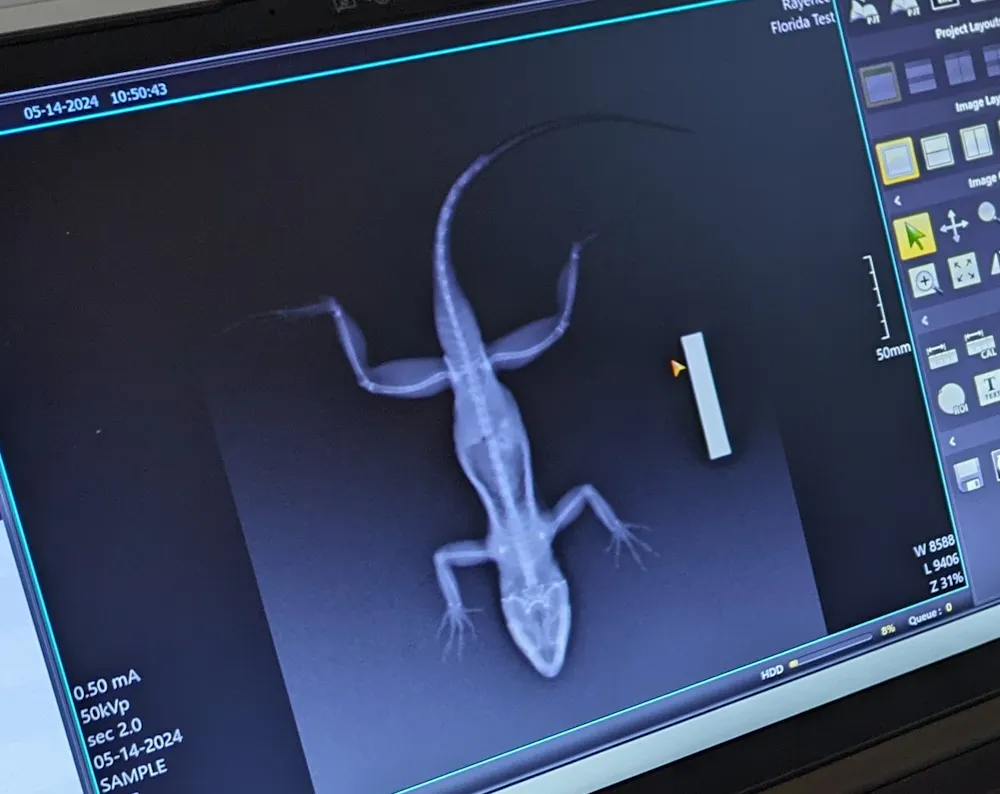
    Here, the real Olympic trials begin. Every athlete goes through a comprehensive evaluation. Our portable X-ray machine reveals their skeletal structure, and high-resolution scans capture the intricate details of their feet. This is particularly critical: Like their gecko cousins, anoles possess remarkable sticky toes that allow them to cling to smooth surfaces such as leaves and maybe even survive hurricanes.

    We also measure the shape and sharpness of their claws, as both features are crucial for these tree climbers. DNA samples provide a genetic fingerprint for each individual, allowing us to map family relationships across the island and see which is the most reproductively successful.

    A portable X-ray machine takes detailed measurements of a lizard’s skeleton.
    James Stroud

    The performance trials are where things get interesting. Imagine a tiny track meet for lizards. Using high-speed video cameras, we precisely test how fast each lizard runs, and using specialist equipment we measure how hard it bites and how strong it grips rough branches and smooth leaves.

    These aren’t arbitrary measurements – each represents a potential evolutionary advantage. Fast lizards might better escape predators. Strong bites might determine winners in territorial disputes. Excellent grip is crucial for tree canopy acrobatics.

    Each measurement helps us answer fundamental questions about evolution: Do faster lizards live longer? Do stronger biters produce more offspring? These are the essential metrics of evolution by natural selection.

    The identification code lets researchers track the lizard’s growth and survival.
    Neil Losin/Day’s Edge Prods.

    As afternoon approaches, the team relocates each piece of bright pink tape and returns the corresponding lizard to the exact branch it was caught on. The anoles now sport two tiny 3-millimeter tags with a unique code that lets us identify it when we recapture it in future research trips, along with a small dot of white nail polish so we know not to catch it immediately after we let it go.

    At 8:30 p.m., with the Lizard Olympics done for the day, we return to the island donning headlamps. Night brings a different perspective. Some of the most wily lizards are difficult to catch when fully charged by the midday Sun, so our nocturnal jaunts allow us to find them while they sleep. However, it’s often a race against time. Hungry lizard-eating corn snakes are also out hunting, trying to find the anoles before we do. As we wrap up another 16-hour day around 11:30 p.m., the team shares stories of the night.

    Should a snake climb along a branch where a baby anole sleeps, the lizard will wake up and drop to the ground to escape.
    James Stroud

    Evolution on the island

    Now spanning 10 years, 10 generations and five species, our Lizard Island dataset represents one of the longest-running active studies of its kind in evolutionary biology. By tracking which individuals survive and reproduce, and linking their success to specific physical traits and performance abilities, we’re documenting natural selection with unprecedented detail.

    So far we have uncovered two fascinating patterns. Initially, it didn’t pay to be different on Lizard Island. Anoles with very average shapes and sizes lived longer compared with those that are slightly different. But when the crested anoles arrived, everything changed: Suddenly, brown anoles with longer legs had a survival advantage.

    Anoles communicate with their dewlap, an expandable throat fan that signals other lizards.
    Jon Suh

    The Lizard Olympics is helping us understand why. The larger, more aggressive crested anoles are forcing brown anoles to spend more time on the ground, where those with longer legs might run faster to escape predators – allowing them to better survive and pass on their long-leg genes, while shorter-legged anoles might be eaten before they can reproduce.

    By watching natural selection unfold in response to environmental changes, rather than inferring it from fossil records, we’re providing cutting-edge evidence for evolutionary processes that Charles Darwin could only theorize about.

    These long days of observation are slowly revealing one of biology’s most fundamental processes. Every lizard we catch, every measurement we take adds another piece to our understanding of how species adapt and evolve in an ever-changing world.

    James T. Stroud does not work for, consult, own shares in or receive funding from any company or organization that would benefit from this article, and has disclosed no relevant affiliations beyond their academic appointment.

    – ref. Amid a tropical paradise known as ‘Lizard Island,’ researchers are cracking open evolution’s black box – scientist at work – https://theconversation.com/amid-a-tropical-paradise-known-as-lizard-island-researchers-are-cracking-open-evolutions-black-box-scientist-at-work-246474

    MIL OSI – Global Reports –

    March 26, 2025
  • MIL-OSI Asia-Pac: Dinner welcomes summit guests

    Source: Hong Kong Information Services

    Over 130 influential family office principals and family members from the Mainland, Asia, Europe, the Americas and the Middle East gathered at a principal dinner organised by the Government this evening to set the stage for the third edition of the annual Wealth for Good in Hong Kong Summit to be held tomorrow.

    In his welcome remarks, Acting Chief Executive Chan Kwok-ki said Hong Kong is a ”super connector” bringing together people and ideas, as well as a platform for visionaries looking to create lasting legacies, and a dynamic hub where offices and families can flourish.

    Best-selling author and public speaker Maye Musk and University of Oxford Vice-Chancellor Prof Irene Tracey joined a fireside chat, sharing their insights on women’s influence in leadership and legacy-building with a focus on the critical role of female leadership in shaping the future of business, innovation, and societal progress.

    The event also included a captivating lion ballet performance against the dazzling night view of Victoria Harbour.

    The summit will take place tomorrow afternoon with over 300 participants, allowing principals and family members to discuss the future of wealth management in the region and experience the city’s dynamic offerings through its vibrant neighbourhoods, dynamic arts scene and strong community spirit.

    MIL OSI Asia Pacific News –

    March 26, 2025
  • MIL-OSI: February 2025: New Business Volumes Rebound

    Source: GlobeNewswire (MIL-OSI)

    • FORECAST: Our forecast framework, which uses past values of CFI and durable goods orders to predict future changes in topline durable goods orders, expects a 0.47% contraction in new orders in February.
    • Total new business volume (NBV) rose by $9.7 billion seasonally adjusted among surveyed ELFA member companies, an increase of 3.7% from the prior month.
    • NBV year-to-date contracted by 3.7% relative to the same period in 2024.
    • The year-over-year change declined by 7.4% on a non-seasonally adjusted basis.
    • Charge-offs (losses) rose to 0.55%, near the two-year high seen last November.

    WASHINGTON, March 25, 2025 (GLOBE NEWSWIRE) — “The latest CFI release showed a return to normalcy in February. Demand for equipment returned to healthy levels after whipsawing the last few months due to a historic swing in financing activity at banks,” said Leigh Lytle, President and CEO at ELFA. “Financial conditions weakened a little as losses rose, but accounts past 30 days remained low, and new applications remained strong. 2025 is shaping up to be bumpy, but so far, the data indicates that demand for investment equipment has weathered the storm. We’re closely watching financial conditions for signs of erosion, but we expect the industry to have a solid year as long as the economy avoids a recession.”

    New business volumes rebounded. Volumes increased on a seasonally adjusted basis, posting a similar level of new business activity as the previous two February reports. Activity grew at banks and captives, with new business volumes expanding month-over-month by 0.9% and 15.0%, respectively. Financing at independents dropped by 6.4% after growing by 8.6% in the previous month. Despite the cooling, financing activity at independents has gained ground over the last five years. From 2017 to 2019, independents comprised roughly 16% of all new business activity. That number jumped to 20% of all activity from January 2024 through February 2025. The share of activity at captives also increased by around 2.25 percentage points, while bank activity fell by almost 7.5 percentage points.

    The pace of job losses slowed. After picking up speed for three months, the pace of job losses slowed in February. The sector was still down 2.4% over the last 12 months, mainly driven by a 6.4% contraction in employment at captives. Banks also experienced a 1.6% loss in headcount over the last year, while independents saw employment rise by 1.0%.

    Credit approvals continue to hover around 75%. The average credit approval rate dropped to 75.4%, a decline of roughly half a percentage point. However, the rate remains well above the levels seen at the end of 2024.

    Financial conditions somewhat weakened. Aging receivables over 30 days dropped back down to 2.0%, a decline of 0.2 percentage points. However, charge-offs (losses) rose to 0.55%, the second-highest level in the last two years. The increase in losses was driven by a rise in charge-offs at independents and banks. While the average loss rate rose, the loss rate for small ticket activity dropped after a notable jump in the prior month.

    “KeyBank remains optimistic as credit quality continues well within historical norms, capital is abundant and the desire for earning assets is strong,” said Peter Bullen, Executive Vice President & Group Head, Key Equipment Finance. “We are also encouraged to see a significant rebound from Key Equipment Finance clients in equipment financing demand compared to last year at this time. At the same time, we remain vigilant of the potential impact of new tariffs and general economic uncertainty on capital spending.”

    Industry Confidence
    The Monthly Confidence Index from ELFA’s affiliate, the Equipment Leasing & Finance Foundation, dropped to 58.1 in March, as respondents grew slightly more pessimistic about conditions over the next four months.

    About ELFA’s CFI
    The CapEx Finance Index (CFI) is the only near-real-time index that reflects capex, or the volume of commercial equipment financed in the U.S. It is released monthly from Washington, D.C., one day before the U.S. Department of Commerce’s durable goods report. This financial indicator complements reports like the Institute for Supply Management Index, providing a comprehensive view of productive assets in the U.S. economy—equipment produced, acquired and financed. The CFI consists of two years of business activity data from a survey of industry leaders. For more details, including methodology and participants, visit www.elfaonline.org/CFI.

    About ELFA
    The Equipment Leasing and Finance Association (ELFA) represents financial services companies and manufacturers in the $1 trillion U.S. equipment finance sector. ELFA’s over 600 member companies provide essential financing that helps businesses acquire the equipment they need to operate and grow. Learn how equipment finance contributes to businesses’ success, U.S. economic growth, manufacturing and jobs at www.elfaonline.org.

    Follow ELFA:
    X: @ELFAonline
    LinkedIn: https://www.linkedin.com/company/115191

    Media/Press Contact: Krishna Magalona, PR Manager, ELFA, Krishna@360livemedia.com

    PDF available: http://ml.globenewswire.com/Resource/Download/2c9bc990-d3e7-41bd-b8ba-30e898f165dd

    The MIL Network –

    March 26, 2025
  • MIL-OSI Security: Firearms Trafficker Sentenced to 8 Years in Prison

    Source: United States Bureau of Alcohol Tobacco Firearms and Explosives (ATF)

    PHOENIX, Ariz. – On March 19, 2025, Kevin Lewis, 38, of Houston, Texas, was sentenced by United States District Judge David G. Campbell to 96 months in prison, followed by 36 months of supervised release. Lewis previously pleaded guilty to aiding and abetting a Material False Statement During the Purchase of a Firearm.

    Beginning in February 2020, Lewis, a convicted felon prohibited from possessing firearms, encouraged his wife and brother-in-law to purchase firearms on his behalf over the course of a year and a half. Lewis then sold those firearms to other people, predominantly in California.  Lewis’ wife, Karra, and brother-in-law, Isaac Godfrey, both pleaded guilty to the same crime as Lewis. Karra Lewis was sentenced to 18 months in prison, and Godfrey was sentenced to 42 months in prison. All three defendants were arrested in Houston.

    This case is part of Project Safe Neighborhoods (PSN), a program bringing together all levels of law enforcement and the communities they serve to reduce violent crime and gun violence, and to make our neighborhoods safer for everyone. The Department of Justice has launched a violent crime reduction strategy strengthening PSN based on these core principles: fostering trust and legitimacy in our communities, supporting community-based organizations that help prevent violence from occurring in the first place, setting focused and strategic enforcement priorities, and measuring the results.

    The Bureau of Alcohol, Tobacco, Firearms and Explosives (ATF) in Phoenix, with the assistance of ATF Houston, Mesa Police Department Major Crimes Unit, and the Police Department of Houston, conducted the investigation in this case. The United States Attorney’s Office, District of Arizona, Phoenix, handled the prosecution.

    CASE NUMBER:           CR-23-01809-PHX-DGC

    RELEASE NUMBER:    2025-041_ Lewis

    # # #

    For more information on the U.S. Attorney’s Office, District of Arizona, visit http://www.justice.gov/usao/az/
    Follow the U.S. Attorney’s Office, District of Arizona, on Twitter @USAO_AZ for the latest news.

    MIL Security OSI –

    March 26, 2025
  • MIL-OSI: NANO Nuclear Energy Assembles First ZEUS™ Advanced Portable Microreactor Hardware for Initial Testing

    Source: GlobeNewswire (MIL-OSI)

    New York, N.Y., March 25, 2025 (GLOBE NEWSWIRE) — NANO Nuclear Energy Inc. (NASDAQ: NNE) (“NANO Nuclear” or “the Company”), a leading advanced nuclear energy and technology company focused on developing clean energy solutions, today announced that it has assembled the first reactor core hardware of its ZEUS microreactor for initial non-nuclear testing.

    ZEUS, a solid core battery reactor, is being developed by NANO Nuclear as part of the next generation of portable, on-demand capable, advanced nuclear microreactors to provide clean, scalable power for data centers, remote locations, industrial sites, military operations, and disaster relief scenarios. The successful validation of the reactor core through scaled testing will position NANO Nuclear to advance toward full prototype construction and licensing efforts in the coming years.

    The assembled hardware consists of a 1:2 scale block, precisely engineered to be representative of a fuel element of the ZEUS microreactor core. This milestone represents a major advancement in NANO Nuclear’s continued development of its proprietary microreactor technology.

    The initial testing phase will focus on the assessment of the thermo-mechanical performance of the block under anticipated prototypical conditions for ZEUS. The results will inform the next stages of reactor development. These results will be crucial for verifying engineering plans, refining physics models, and optimizing ZEUS core and heat management systems.

    Figure 1 – NANO Nuclear Energy Inc.’s fuel element being set up for testing.

    “We are very excited to have completed the first ZEUS reactor core block for non-nuclear testing,” said Prof. Peter Hosemann, Head of Nuclear Reactor Design and Materials of NANO Nuclear. “This very precise component will be heated conventionally using linear heaters as fuel rod surrogates. The test will be used to verify temperature distribution, to investigate fit tolerances, and to confirm and benchmark our models, paving the way for a larger sub-core assembly.”

    “I am thrilled to see our transition from design to hardware assembling and testing for a key component of our ZEUS reactor,” said Prof. Massimiliano Fratoni, Senior Director and Head of Reactor Design of NANO Nuclear. “The lack of an in-core fluid in our ZEUS design not only simplifies greatly the design but also enables rapid prototyping and non-nuclear testing. We are expecting to iterate quickly through progressively larger scale tests up to full core.”

    Figure 2 – Single core block fully outfitted with linear heaters as fuel rod surrogates (left image) Infrared camera image of the block during initial test (right image).

    NANO Nuclear’s engineering team is preparing to mount insulation, fixtures, and instrumentation to create a single-block demonstration unit, which will eventually scale up to a fully functional demo core assembly. In the next phase, the team will integrate cabling, sensors, and additional structural components to build a fully instrumented demo unit. This will enable the team to gather essential data on heat transfer, material performance, and overall reactor safety margins, facilitating real-world validation of the ZEUS reactor’s thermal and structural performance and ensuring that the design meets expectations before full-scale assembly.

    “Achieving this hardware milestone represents a major step forward in our ZEUS microreactor program,” said James Walker, Chief Executive Officer of NANO Nuclear. “This testing will provide our team with the key thermal and mechanical insights needed to fine-tune the core design before full-scale fabrication and regulatory engagement.”

    About NANO Nuclear Energy, Inc.

    NANO Nuclear Energy Inc. (NASDAQ: NNE) is an advanced technology-driven nuclear energy company seeking to become a commercially focused, diversified, and vertically integrated company across five business lines: (i) cutting edge portable and other microreactor technologies, (ii) nuclear fuel fabrication, (iii) nuclear fuel transportation, (iv) nuclear applications for space and (v) nuclear industry consulting services. NANO Nuclear believes it is the first portable nuclear microreactor company to be listed publicly in the U.S.

    Led by a world-class nuclear engineering team, NANO Nuclear’s reactor products in development include patented KRONOS MMR™ Energy System, a stationary high-temperature gas-cooled reactor that is in construction permit pre-application engagement U.S. Nuclear Regulatory Commission in collaboration with University of Illinois Urbana-Champaign, “ZEUS”, a portable solid core battery reactor, “ODIN”, a portable low-pressure coolant reactor, and the space focused, portable LOKI MMR™, each representing advanced developments in clean energy solutions that are portable, on-demand capable, advanced nuclear microreactors.

    Advanced Fuel Transportation Inc. (AFT), a NANO Nuclear subsidiary, is led by former executives from the largest transportation company in the world aiming to build a North American transportation company that will provide commercial quantities of HALEU fuel to small modular reactors, microreactor companies, national laboratories, military, and DOE programs. Through NANO Nuclear, AFT is the exclusive licensee of a patented high-capacity HALEU fuel transportation basket developed by three major U.S. national nuclear laboratories and funded by the Department of Energy. Assuming development and commercialization, AFT is expected to form part of the only vertically integrated nuclear fuel business of its kind in North America.

    HALEU Energy Fuel Inc. (HEF), a NANO Nuclear subsidiary, is focusing on the future development of a domestic source for a High-Assay, Low-Enriched Uranium (HALEU) fuel fabrication pipeline for NANO Nuclear’s own microreactors as well as the broader advanced nuclear reactor industry.

    NANO Nuclear Space Inc. (NNS), a NANO Nuclear subsidiary, is exploring the potential commercial applications of NANO Nuclear’s developing micronuclear reactor technology in space. NNS is focusing on applications such as the LOKI MMR™ system and other power systems for extraterrestrial projects and human sustaining environments, and potentially propulsion technology for long haul space missions. NNS’ initial focus will be on cis-lunar applications, referring to uses in the space region extending from Earth to the area surrounding the Moon’s surface.

    For more corporate information please visit: https://NanoNuclearEnergy.com/

    For further NANO Nuclear information, please contact:

    Email: IR@NANONuclearEnergy.com
    Business Tel: (212) 634-9206

    PLEASE FOLLOW OUR SOCIAL MEDIA PAGES HERE:

    NANO Nuclear Energy LINKEDIN

    NANO Nuclear Energy YOUTUBE

    NANO Nuclear Energy X PLATFORM

    Cautionary Note Regarding Forward Looking Statements

    This news release and statements of NANO Nuclear’s management in connection with this news release contain or may contain “forward-looking statements” within the meaning of Section 21E of the Securities Exchange Act of 1934, as amended, and the Private Securities Litigation Reform Act of 1995. In this context, forward-looking statements mean statements related to future events, which may impact our expected future business and financial performance, and often contain words such as “expects”, “anticipates”, “intends”, “plans”, “believes”, “potential”, “will”, “should”, “could”, “would” or “may” and other words of similar meaning. In this press release, forward-looking statements includes those related to the timing for and results of the ZEUS testing described herein, as well as the overall timing and anticipated steps for ZEUS development. These and other forward-looking statements are based on information available to us as of the date of this news release and represent management’s current views and assumptions. Forward-looking statements are not guarantees of future performance, events or results and involve significant known and unknown risks, uncertainties and other factors, which may be beyond our control. For NANO Nuclear, particular risks and uncertainties that could cause our actual future results to differ materially from those expressed in our forward-looking statements include but are not limited to the following: (i) risks related to our U.S. Department of Energy (“DOE”) or related state or non-U.S. nuclear fuel licensing submissions, (ii) risks related the development of new or advanced technology and the acquisition of complimentary technology or businesses, including difficulties with design and testing, cost overruns, regulatory delays, integration issues and the development of competitive technology, (iii) our ability to obtain contracts and funding to be able to continue operations, (iv) risks related to uncertainty regarding our ability to technologically develop and commercially deploy a competitive advanced nuclear reactor or other technology in the timelines we anticipate, if ever, (v) risks related to the impact of U.S. and non-U.S. government regulation, policies and licensing requirements, including by the DOE and the U.S. Nuclear Regulatory Commission, including those associated with the recently enacted ADVANCE Act, and (vi) similar risks and uncertainties associated with the operating an early stage business a highly regulated and rapidly evolving industry. Readers are cautioned not to place undue reliance on these forward-looking statements, which apply only as of the date of this news release. These factors may not constitute all factors that could cause actual results to differ from those discussed in any forward-looking statement, and NANO Nuclear therefore encourages investors to review other factors that may affect future results in its filings with the SEC, which are available for review at www.sec.gov and at https://ir.nanonuclearenergy.com/financial-information/sec-filings. Accordingly, forward-looking statements should not be relied upon as a predictor of actual results. We do not undertake to update our forward-looking statements to reflect events or circumstances that may arise after the date of this news release, except as required by law.

    Attachment

    • NANO Nuclear Energy Inc.

    The MIL Network –

    March 26, 2025
  • MIL-OSI Global: Trump’s desire to ‘un-unite’ Russia and China is unlikely to work – in fact, it could well backfire

    Source: The Conversation – USA – By Linggong Kong, Ph.D. Candidate in Political Science, Auburn University

    Presidents Xi Jinping of China and Russia’s Vladimir Putin. Getty Images

    Is the U.S. angling for a repeat of the Sino-Russian split?

    In an Oct. 31, 2024, interview with right-wing pundit Tucker Carlson, President Donald Trump argued that the United States under Joe Biden had, in his mind erroneously, pushed China and Russia together. Separating the two powers would be a priority of his administration. “I’m going to have to un-unite them, and I think I can do that, too,” Trump said.

    Since returning to the White House, Trump has been eager to negotiate with Russia, hoping to quickly bring an end to the war in Ukraine. One interpretation of this Ukraine policy is that it serves what Trump was getting at in his comments to Carlson. Pulling the U.S. out of the European conflict and repairing ties with Russia, even if it means throwing Ukraine under the bus, can be seen within the context of a shift of America’s attention to containing Chinese power.

    Indeed, after a recent call with Russian President Vladimir Putin, Trump told Fox News: “As a student of history, which I am – and I’ve watched it all – the first thing you learn is you don’t want Russia and China to get together.”

    The history Trump alludes to is the strategy of the Nixon era, in which the U.S. sought to align with China as a counterbalance to the Soviet Union, encouraging a split between the two communist entities in the process.

    Yet if creating a fissure between Moscow and Beijing is indeed the ultimate aim, Trump’s vision is, I believe, both naive and shortsighted. Not only is Russia unlikely to abandon its relationship with China, but many in Beijing view Trump’s handling of the Russia-Ukraine war –- and his foreign policy more broadly – as a projection of weakness, not strength.

    A growing challenge

    Although Russia and China have at various times in the past been adversaries when it suited their interests, today’s geopolitical landscape is different from the Cold War era in which the Sino-Soviet split occurred. The two countries, whose relationship has grown steadily close since the fall of the Soviet Union,have increasingly shared major strategic goals – chief among them, challenging the Western liberal order led by the U.S.

    Soviet soldiers keep watch on the Chinese-Soviet border during a monthslong conflict in 1969.
    Keystone/Getty Images

    Both China and Russia have, in recent years, adopted an increasingly assertive stance in projecting military strength: China in the South China Sea and around Taiwan, and Russia in former Soviet satellite states, including Ukraine.

    In response, a unified stance formed by Western governments to counter China and Russia’s challenge has merely pushed the two countries closer together.

    Besties forever?

    In February 2022, just as Russia was preparing its invasion of Ukraine, Presidents Vladimir Putin and Xi Jinping announced a “friendship without limits” – in a show of unified intent against the West.

    China has since become an indispensable partner for Russia, serving as its top trading partner for both imports and exports. In 2024, bilateral trade between China and Russia reached a record high of US$237 billion, and Russia now relies heavily on China as a key buyer of its oil and gas. This growing economic interdependence gives China considerable leverage over Russia and makes any U.S. attempt to pull Moscow away from Beijing economically unrealistic.

    That doesn’t mean the Russian-Chinese relationship is inviolable; areas of disagreement and divergent policy remain.

    Indeed, there are areas that Trump could exploit if he were to succeed in driving a wedge between the two countries. For example, it could serve Russia’s interests to support U.S. efforts to contain China and discourage any expansionist tendencies in Beijing – such as through Moscow’s strategic ties with India, which China views with some alarm – especially given that there are still disputed territories along the Chinese-Russian border.

    Putin know who his real friends are

    Putin isn’t naive. He knows that with Trump in office, the deep-seated Western consensus against Russia – including a robust, if leaky, economic sanctions regime – isn’t going away anytime soon. In Trump’s first term, the U.S. president likewise appeared to be cozying up to Putin, but there is an argument that he was even tougher on Russia, in terms of sanctions, than the administrations of Barack Obama or Joe Biden.

    So, while Putin would likely gladly accept a Trump-brokered peace deal that sacrifices Ukraine’s interests in favor of Russia, that doesn’t mean he would be rushing to embrace some kind of broader call to unite against China. Putin will know the extent to which Russia is now reliant economically on China, and subservient to it militarily. In the words of one Russian analyst, Moscow is now a “vassal” or, at best, a junior partner to Beijing.

    Transactional weakness

    China for its part views Trump’s peace talks with Russia and Ukraine as a sign of weakness that potentially undermines U.S. hawkishness toward China.

    While some members of the U.S. administration are undoubtedly hawkish on China – Secretary of State Marco Rubio views the country as the “most potent and dangerous” threat to American prosperity – Trump himself has been more ambivalent. He may have slapped new tariffs on China as part of a renewed trade war, but he has also mulled a meeting with President Xi Jinping in an apparent overture.

    Beijing recognizes Trump’s transactional mindset, which prioritizes short-term, tangible benefits over more predictable long-term strategic interests requiring sustained investment.

    This changes the calculation over whether the U.S. may be unwilling to bear the high costs of defending Taiwan. Trump, in a deviation from his predecessor, has failed to commit the country to defending Taiwan, the self-governing island claimed by Beijing.

    Rather, Trump had indicated that if the Chinese government were to launch a military campaign to “reunify” Taiwan, he would opt instead for economic measures like tariffs and sanctions. His apparent openness to trade Ukraine territory for peace now has made some in Taiwan concerned over Washington’s commitment to long-established international norms.

    Insulating the economy

    China has taken another key lesson from Russia’s experience in Ukraine: The U.S.-led economic sanctions regime has serious limits.

    Even under sweeping Western sanctions, Russia was able to stay afloat through subterfuge and with support from allies like China and North Korea. Moreover, China remains far more economically intertwined with the West than Russia, and its relatively dominant global economic position means that it has significant leverage to combat any U.S.-led efforts to isolate the country economically.

    Indeed, as geopolitical tensions have driven the West to gradually decouple from China in recent years, Beijing has adapted to the resulting economic slowdown by prioritizing domestic consumption and making the economy more self-reliant in key sectors.

    A souvenir shopkeeper displays Matryoshka dolls featuring Russian President Vladimir Putin and U.S. President Donald Trump.
    Misha Friedman/Getty Images

    That in part also reflects China’s significant global economic and cultural strength. Coupled with this has been a domestic push to win countries in the Global South around to China’s position. Beijing has secured endorsements from 70 countries officially recognizing Taiwan as part of China.

    China’s turn to exploit a split?

    As such, Trump’s plan to end the Russia-Ukraine war by favoring Russia in the hope of drawing it into an anti-China coalition is, I believe, likely to backfire.

    While Russia may itself harbor concerns about China’s growing power, the two country’s shared strategic goal of challenging the Western-led international order — and Russia’s deep economic dependence on China — make any U.S. attempt to pull Moscow away from Beijing unrealistic.

    Moreover, Trump’s approach exposes vulnerabilities that China could exploit. His transactional and isolationist foreign policy, along with his encouragement of right-wing parties in Europe, may strain relations with European Union allies and weaken trust in American security commitments. Beijing, in turn, may view this as a sign of declining U.S. influence, giving China more room to maneuver, noticeably in regard to Taiwan.

    Rather than increasing the chances of a Sino-Russia split, such a shift could instead divide an already fragile Western coalition.

    Linggong Kong does not work for, consult, own shares in or receive funding from any company or organization that would benefit from this article, and has disclosed no relevant affiliations beyond their academic appointment.

    – ref. Trump’s desire to ‘un-unite’ Russia and China is unlikely to work – in fact, it could well backfire – https://theconversation.com/trumps-desire-to-un-unite-russia-and-china-is-unlikely-to-work-in-fact-it-could-well-backfire-252243

    MIL OSI – Global Reports –

    March 26, 2025
  • MIL-OSI Global: Trump is not a king – but that doesn’t stop him from reveling in his job’s most ceremonial and exciting parts

    Source: The Conversation – USA – By Shannon Bow O’Brien, Associate Professor of Instruction, The University of Texas at Austin

    President Donald Trump speaks with Elon Musk next to a Tesla Model S on the South Lawn of the White House on March 11, 2025. Andrew Harnik/Getty Images

    Heads of state are the symbolic leader of a country. Some of them, like King Charles III of the United Kingdom, carry out largely ceremonial roles these days. Others, like Saudi Arabian King Salman, are absolute monarchs and involved in governing the country’s day-to-day activities and policies. It also means that the Saudi monarch gets to do whatever he wants without much consequence from others.

    In the United States, the president is both the head of state and head of government. The head of government works with legislators and meets with other world leaders to negotiate agreements and navigate conflicts, among other responsibilities.

    Some presidents, like Jimmy Carter, got so bogged down in the specifics that the nighttime comedy show “Saturday Night Live” made fun of it in 1977. “SNL” spoofed Carter responding in extreme, mundane detail to a question about fixing a post office’s letter sorting machines.

    As a political scientist who studies American presidents, I see that President Donald Trump loves the power and prestige that comes with being head of state, but does not seem to particularly enjoy the responsibility of being head of government.

    Trump rarely talks about the often-tedious process of governing, and instead acts with governance by decree by signing a flurry of executive orders to avoid working with other parts of the government. He has also likened himself to a king, writing on Feb. 19, 2025, “Long Live the King!”

    As much as Trump loves hosting sports teams and talking about paving over the White House’s rose garden in a remodeling project, he seems to begrudgingly accept the role of head of government.

    President Donald Trump is driven around the track prior to the Daytona 500 in Daytona Beach, Fla., on Feb. 16, 2025.
    Chris Graythen/Getty Images

    ‘You have to be thankful’

    Trump revels in social events where he is heralded as the most important person in the room. On Feb. 9, 2025, Trump became the first sitting president to attend a Super Bowl. A week later, he attended the Daytona 500 at Daytona Beach, Florida, where his limousine led drivers in completing a ceremonial lap.

    Trump’s preference for serving as head of state and not head of government was on full display during his now infamous Feb. 28, 2025, White House meeting with Ukrainian President Volodymyr Zelenskyy.

    In the televised Oval Office meeting, Trump repeatedly told Zelenskyy, “You have to be thankful.”

    Trump was demanding deference from Zelenskyy to show his inferior and submissive position as a recipient of U.S. aid and military support. These are mannerisms of absolute kings, not elected officials.

    Governing through executive orders

    The beginning of Trump’s second term in office has been filled with announcements of changes – mostly through executive actions. The Trump administration has ordered the Pentagon to stop cyber operations against Russia and fired hundreds of employees at the National Oceanic and Atmospheric Administration. The administration has also closed the Social Security Administration’s civil rights office and, among many other things, named the president chair of the Kennedy Center, a performance arts venue in Washington.

    Trump has enacted policy changes almost exclusively through executive orders, instead of working with Congress on legislation.

    Executive orders do not have to be negotiated with the legislative branch and can be written by a small team of advisers and approved by presidents. Within the first six weeks, Trump has signed more than 90 executive orders. By comparison, former President Joe Biden signed 162 executive orders during his four years in office.

    Many of Trump’s executive orders are being challenged in court, and some have been found to likely not be constitutional.

    More importantly, Trump’s successor can turn executive orders into confetti in an instant, simply with a signature. Trump himself has signed at least two executive orders that rescind over 60 previous executive orders, mostly signed by Biden.

    The fact that Trump has removed almost all of Biden’s executive orders highlights how the orders can create change for a moment, or a few years. But when it comes to long-term policy change, congressional action is needed.

    President Donald Trump signed a series of executive orders at the White House on March 6, 2025.
    Alex Wong/Getty Images

    Trump gets bored

    Early in Trump’s first term in 2017, the administration planned themed weeks called “Made in America” and “American Heroes,” for example, to emphasize changes it intended to pursue.

    Trump’s staff launched, stopped and then relaunched a themed infrastructure week seven times in 2019. This happened after Trump repeatedly derailed infrastructure events to focus on a more interesting event or topic, ranging from defending his comments that seemed to suggest support for white supremacists to discussing the reboot of Roseanne Barr’s sitcom.

    In his second term, Trump has farmed out many head of government tasks to other people, notably billionaire Elon Musk, who is leading the new so-called Department of Government Efficiency. By mid-February 2025, Trump gave Musk, who holds the title of special government employee, oversight for hiring decisions at every governmental agency.

    But as DOGE has initiated widespread cuts at different government agencies and offices in an effort to trim government waste, Musk has reportedly clashed with Trump’s cabinet members. This includes Secretary of State Marco Rubio, as well as other independent agencies funded by Congress.

    Government agencies, funding recipients and others are pushing back against the cuts and at times are succeeding in getting court rulings that halt the dismissal of government workers, or reinstate other workers at their jobs.
    Trump also seems to have abdicated most responsibility of bureaucracy to others by allowing Musk’s team unprecedented access to sensitive government programs and documents that include people’s personal information.

    Absolute kings, queens, emperors and dictators are heads of state who demand obedience because they hold the nation in their grip.

    Presidents from elected democracies may, as in the case of the U.S., have a ceremonial aspect to the job, but it is only a part of it. The people democratically elect American presidents to serve everyone and provide the best government possible.

    Shannon Bow O’Brien does not work for, consult, own shares in or receive funding from any company or organization that would benefit from this article, and has disclosed no relevant affiliations beyond their academic appointment.

    – ref. Trump is not a king – but that doesn’t stop him from reveling in his job’s most ceremonial and exciting parts – https://theconversation.com/trump-is-not-a-king-but-that-doesnt-stop-him-from-reveling-in-his-jobs-most-ceremonial-and-exciting-parts-251445

    MIL OSI – Global Reports –

    March 26, 2025
  • MIL-OSI Europe: REPORT on general guidelines for the preparation of the 2026 budget, Section III – Commission – A10-0042/2025

    Source: European Parliament 2

    MOTION FOR A EUROPEAN PARLIAMENT RESOLUTION

    on general guidelines for the preparation of the 2026 budget, Section III – Commission

    (2024/2110(BUI))

    The European Parliament,

    – having regard to Article 314 of the Treaty on the Functioning of the European Union (TFEU),

    – having regard to Article 106a of the Treaty establishing the European Atomic Energy Community,

    – having regard to Council Regulation (EU, Euratom) 2020/2093 of 17 December 2020 laying down the multiannual financial framework for the years 2021-2027[1] and to the joint declaration agreed between Parliament, the Council and the Commission in this context[2] and the related unilateral declarations[3],

    – having regard to Council Regulation (EU, Euratom) 2022/2496 of 15 December 2022 amending Regulation (EU, Euratom) 2020/2093 laying down the multiannual financial framework for the years 2021 to 2027[4],

    – having regard to the Council Regulation (EU, Euratom) 2024/765 amending Regulation (EU, Euratom) 2020/2093 laying down the multiannual financial framework for the years 2021 to 2027[5] (MFF Revision),

    – having regard to its position of 16 December 2020 on the draft Council regulation laying down the multiannual financial framework for the years 2021 to 2027[6],

    – having regard to its resolution of 15 December 2022 on upscaling the 2021-2027 multiannual financial framework: a resilient EU budget fit for new challenges[7],

    – having regard to its resolution of 3 October 2023 on the proposal for a mid-term revision of the multiannual financial framework 2021-2027[8],

    – having regard to its resolution of 27 February 2024 on the draft Council regulation amending Regulation (EU, Euratom) 2020/2093 laying down the multiannual financial framework for the years 2021 to 2027[9],

    – having regard to Council Decision (EU, Euratom) 2020/2053 of 14 December 2020 on the system of own resources of the European Union and repealing Decision 2014/335/EU, Euratom[10],

    – having regard to the Commission proposal of 22 December 2021 for a Council decision amending Decision (EU, Euratom) 2020/2053 on the system of own resources of the European Union (COM(2021)0570) and its position of 23 November 2022 on the proposal[11],

    – having regard to Regulation (EU, Euratom) 2024/2509 of the European Parliament and of the Council of 23 September 2024 on the financial rules applicable to the general budget of the Union (recast)[12] (the Financial Regulation),

    – having regard to Regulation (EU) 2021/1119 of the European Parliament and of the Council of 30 June 2021 establishing the framework for achieving climate neutrality and amending Regulations (EC) No 401/2009 and (EU) 2018/1999 (‘European Climate Law’)[13],

    – having regard to the EU’s obligations under the Paris Agreement and its commitments under the Kunming-Montreal Global Biodiversity Framework,

    – having regard to the EU gender equality strategy 2020-2025,

    – having regard to its resolution of 10 May 2023 on the impact on the 2024 EU budget of increasing European Union Recovery Instrument borrowing costs[14],

    – having regard to Regulation (EU, Euratom) 2020/2092 of the European Parliament and of the Council of 16 December 2020 on a general regime of conditionality for the protection of the Union budget[15],

    – having regard to the Interinstitutional Agreement of 16 December 2020 between the European Parliament, the Council of the European Union and the European Commission on budgetary discipline, on cooperation in budgetary matters and on sound financial management, as well as on new own resources, including a roadmap towards the introduction of new own resources[16],

    – having regard to the Interinstitutional Proclamation on the European Pillar of Social Rights[17] of 13 December 2017,

    – having regard to the general budget of the European Union for the financial year 2025[18] and the joint statements agreed between Parliament, the Council and the Commission annexed hereto,

    – having regard to Enrico Letta’s report entitled ‘Much more than a market’, presented in the European Parliament on 21 October 2024,

    – having regard to Mario Draghi’s report entitled ‘The future of European competitiveness’, presented in the European Parliament on 17 September 2024,

    – having regard to Sauli Niinistö’s report entitled ‘Safer together – Strengthening Europe’s civilian and military preparedness and readiness’, presented in the European Parliament on 14 November 2024,

    – having regard to the presentation of the EU Competitiveness Compass by Commission President Ursula von der Leyen on 29 January 2025,

    – having regard to the joint white paper of 19 March 2025 for European Defence Readiness providing a framework for the ReArm Europe plan (JOIN(2025)0120),

    – having regard to the Commission communication of 26 February 2025 entitled ‘The Clean Industrial Deal: A joint roadmap for competitiveness and decarbonisation’ (COM(2025)0085),

    – having regard to the proposal of the European Parliament and of the Council of 26 February 2025 amending Regulations (EU) 2015/1017, (EU) 2021/523, (EU) 2021/695 and (EU) 2021/1153 as regards increasing the efficiency of the EU guarantee under Regulation (EU) 2021/523 and simplifying reporting requirements (COM(2025)0084),

    – having regard to the Council conclusions of 18 February 2025 on the budget guidelines for 2026,

    – having regard to Rule 95 of its Rules of Procedure,

    – having regard to the opinions of the Committee on Foreign Affairs, the Committee on Transport and Tourism, the Committee on Regional Development and the Committee on Agriculture and Rural Development,

    – having regard to the letters from the Committee on Budgetary Control, the Committee on the Environment, Climate and Food Safety, the Committee on Industry, Research and Energy, the Committee on Culture and Education and the Committee on Constitutional Affairs,

    – having regard to the report of the Committee on Budgets (A10-0042/2025),

    Budget 2026: building a resilient, sustainable and prosperous future for Europe

    1. Highlights the anticipated economic growth projected for 2025 and 2026 within the EU[19], accompanied by an easing of inflation; notes nonetheless the uncertainties stemming from Russia’s war of aggression against Ukraine, which directly threatens the security of the EU, and the worsening effects of climate change and the biodiversity crisis, also manifested in the increasing frequency and intensity of natural disasters, which are compounded by new significant geopolitical changes and a deteriorating international rules-based order, heightened security threats and a rise in global protectionism; emphasises that, in such an increasingly volatile landscape, it is imperative for the EU to enhance its defence and security capabilities, social, economic and territorial cohesion and political and strategic autonomy, decrease its dependence, increase its competitiveness and ensure a prosperous future for the continent and its people, who are currently facing an increasingly high cost of living;

    2. Is determined to ensure that the 2026 budget, by focusing on strategic preparedness and security, economic competitiveness and resilience, sustainability, climate, as well as strengthening the single market, provides the people in the EU with a robust ecosystem and delivers on their priorities, thus reinforcing a socially just and prosperous Europe; underlines the need for additional investment in security and defence, research, innovation, small and medium-sized enterprises (SMEs), health, energy, migration, as well as land and maritime border protection, inclusive digital and green transitions, job creation, and the provision of opportunities for young people; insists that this be accompanied by administrative simplification, as indicated in the Competitiveness Compass; insists that the EU budget is the largest investment instrument with leverage effect, complementing national budgets and therefore enabling the EU to navigate the complexities of a rapidly changing world while ensuring prosperity, social cohesion and stability for its people; is strongly of the opinion that the EU should use this leverage effect to the maximum degree to boost the Union’s objectives and policymaking, as well as private investment;

    Investing in a solid, sustainable and resilient economy

    3. Is adamant that sound economic resilience and sustainability can be achieved in the EU by boosting public and private investment, increasing innovation and supporting competitiveness, including by addressing the skills gap and fostering more industrial production in Europe as a source for robust economic growth and quality jobs, and thereby guaranteeing the Union’s strategic autonomy, ensuring that the EU remains agile and self-reliant in the face of global challenges, disruptions and volatility; highlights the need to promote innovation, prioritise education, reduce costs and the administrative burden, and strengthen the single market, particularly as regards services;

    4. Reaffirms, in this regard, that research and innovation remain crucial for the EU’s success in cutting-edge industries and new clean and sustainable technologies; recalls the long-standing goal of increasing research and innovation investment to 3 % of gross domestic product (GDP); calls, therefore, for increased funding to be provided under Horizon Europe to fund at least 50 % of all excellent proposals in all scientific disciplines, enable researchers as well as companies, especially SMEs, to bring new developments to the market, and to scale up, ensure solid economic growth and boost the Union’s competitiveness in the global economy, thereby preventing actors from leaving for competing regions while also ensuring that Europe has the knowledge base it needs to pursue the Green Deal commitments;

    5. Highlights the importance of targeted support in encouraging public-private partnerships and accessible and increased financing to support SMEs as the backbone of the European economy and a vector for pioneering innovation, emphasising the role of the European Innovation Council, InvestEU and the SME component of the single market programme in empowering start-ups and scale-ups of innovative companies, supporting them in their growth and contributing to a greater role for the EU economy on the global stage; expresses its concern that, according to the interim evaluation of InvestEU, envelopes for many financial products may run out by the end of 2025 without budgetary reinforcements; takes note of the Commission proposal in this regard; underlines, furthermore, the importance of the single market programme to leverage the full potential of the EU’s cross-border dimension;

    6. Stresses that the modernisation of the economy will require blending public and private investment; emphasises, in this regard, the necessity of private investments to maximise the leverage effect of public spending; recalls that these efforts should lead to simplification and reduce the financial burden for the EU’s SMEs while maintaining EU standards;

    7. Underscores the urgency of further accelerating the digital and green transitions as catalysts for a future-oriented and resource-efficient economy that remains attractive for innovative businesses and that is based on market-driven investments providing quality jobs and leaving no one behind; advocates substantial investment in forward-looking digital infrastructure, underpinned by well-regulated, human-centred and trustworthy artificial intelligence and cybersecurity; stresses the need to improve citizens’ basic digital skills to match the needs of companies and to equip citizens to counter disinformation; stresses, further, the need to increase the resilience of the Union’s democracy in fighting malign foreign interference;

    8. Recognises the strategic value of the Trans-European Transport Network (TEN-T) and the Connecting Europe Facility (CEF) for contributing to the economic, social and climate goals of the EU’s cross-border transport infrastructure; calls for network extensions, particularly towards candidate countries and the EU’s strategic partners, as regards the EU’s sustainable and smart mobility strategy and the complementarities between the TEN-T and the Trans-European Networks for Energy (TEN-E);

    A better-prepared Union, capable of effectively responding to crises

    9. Underlines the need to enhance EU security and defence capabilities to create a genuine defence union and to better prepare for and respond to unprecedented geopolitical challenges and new hybrid security threats; stresses the essential role of common investment, research, production and procurement mechanisms, including in new disruptive technologies supporting an independent EU defence industry; considers that there is an EU added value in security and defence cooperation that not only makes Europe and its people safer but also leads to greater efficiency, potential savings, quality job creation and enhanced strategic autonomy; calls therefore for immediate upscaling and much better coordination of defence spending by Member States; stresses in particular the need to provide adequate resources to innovate and enhance Member States’ military capabilities, as well as their interoperability; takes note, in line with the Commission’s ‘ReArm Europe’ plan, of its call for the European Investment Bank (EIB) and other international financial institutions and private banks in Europe to invest more actively in the European defence industry while safeguarding their operations and financing capacity; recalls the importance of investing in and developing dual-use equipment and, particularly, of strengthening EU military mobility as regards funding dual-use transport infrastructure along priority axes; calls on the Commission to assess the possibility of using calls for this purpose under the CEF transport programme, in the light of the military mobility funding gap; underlines the urgent need to strengthen the EU’s cybersecurity capabilities to fight hybrid warfare;

    10. Recalls the role of the EU’s space programme in enhancing the strategic security of the Union through a variety of civil and military applications; underlines that a strong European space sector is fundamental for European security, open strategic autonomy, secure connectivity, the protection of critical infrastructure and advancing the twin green and digital transitions, and therefore requires sufficient resources;

    11. Highlights, in the face of new challenges in internal and external security, the importance of ensuring proper implementation of the Asylum and Migration Pact, in full compliance with international human rights law, and of respecting the principles of solidarity and the fair sharing of responsibility; stresses that effective management and protection of the EU’s external borders, both land and maritime, are essential for maintaining the freedoms of the Schengen area and crucial for the security of the EU and its citizens; emphasises the need to better protect people from trafficking and enhance support to strengthen cross-border cooperation between the Member States and the Union in combating criminal networks, particularly those involved in migrant smuggling and human trafficking, so as to reinforce law enforcement and the judicial response to these criminal networks, as well as to support Member States facing hybrid threats, in particular the instrumentalisation of migrants as defined in the Crisis Regulation[20];

    12. Recalls the vital role that the Integrated Border Management Fund, the Border Management and Visa Instrument (BMVI) and the Asylum, Migration and Integration Fund play in protecting external borders; calls, in addition, for appropriate funding for border protection capabilities, including physical infrastructure, buildings, equipment, systems and services required at border crossing points, as provided for in Annex III to the BMVI Regulation[21], and for the requirements to be met in terms of reception conditions, integration, return and readmission procedure; reaffirms that cooperation agreements with non-EU countries in full respect of international law can help to prevent irregular migration and strengthen border security;

    13. Acknowledges the common agricultural policy (CAP) as a key strategic European policy for food security and greater EU autonomy in affordable and high-quality food production; stresses the crucial role of the CAP in ensuring a decent income for EU farmers as well as a productive, competitive and sustainable European agriculture; regrets that direct payments have significantly decreased in real terms due to inflation, while the administrative burden on farmers has increased due to the accumulation of bureaucracy; urges the Commission to reduce the administrative burden while maintaining high production standards and the requirement to implement EU legislation; calls for adequate resources and for direct payments to be protected to help farmers cope with the impact of inflation, fuel costs, changes in the global food and trade market and adverse climate events, affecting agricultural production and threatening food security, including in the outermost regions; highlights, in this regard, the role of the agricultural reserve; emphasises the need to help small and medium-sized farms and new and young farmers by supporting generational renewal and ensuring continued support for the promotion of EU agricultural products; underlines the need for appropriate support for research and innovation to make the agricultural sector more sustainable, including water management, in particular through the Horizon Europe programme, without reducing European agricultural production and while preventing European farmers from facing unfair competition from imported products that do not meet our standards; welcomes the Commission’s preparation of a second simplification package; underscores that food security is an essential component for geopolitical stability;

    14. Stresses the strategic role of fisheries and aquaculture and the need for them to be adequately supported financially; acknowledges that the common fisheries policy ensures a stable income and long-term future for fishers by contributing to protecting sustainable marine ecosystems, which are key to the sector’s competitiveness; insists that special attention must be devoted to the EU’s fishing fleet in order to improve safety and security, including by combating illegal fishery actions and improving working conditions, energy efficiency and sustainability, as well as by renewing the fleet; reaffirms that the European Maritime, Fisheries and Aquaculture Fund should support a human resources policy capable of addressing future challenges, in order to promote an inclusive, diversified and sustainable blue economy; expresses its concern about the effect of the end of the Brexit transition period in June 2026 on the fishing and aquaculture sectors;

    15. Stresses that enhancing energy security and independence remains fundamental for the EU; highlights the EU’s role in ensuring security of energy supply, assisting households, farmers and businesses in mitigating price volatility and managing price gaps in comparison to the rest of the world; calls, therefore, for additional investment in critical infrastructure and connectivity, including large-scale cross-border electricity grids and hydrogen infrastructure for hard-to-abate sectors, which are an essential prerequisite to the decarbonisation of European industry, in low-carbon and renewable energy sources and connectivity, in particular by properly funding the CEF, as well as in energy efficiency; highlights the need to adapt European infrastructure to meet future energy demands as part of the transition to a clean and modern economy; underlines the importance of investing in new, expanding and modernising interconnector capacity for electricity trading, in particular cross-border capacity, for a fully integrated EU energy market that enhances Europe’s diversified supply security and resilience to energy market disruptions, reducing external dependencies and ultimately ensuring affordable and sustainable energy for EU citizens and businesses; stresses, in this regard, the need to strengthen cooperation with Africa;

    16. Recalls, in this context, the current housing crisis in Europe, including the lack of decent and affordable housing; calls, therefore, for swift additional investments through a combination of funding sources, including the EIB and national promotional banks, in areas with a positive impact on reducing the cost of living for households, improving the energy efficiency of buildings and deploying renewable energy sources; calls for a coordinated approach at EU level that respects the principle of subsidiarity, encourages best practices and effectively uses all relevant funding mechanisms in addressing this pressing challenge;

    17. Is highly concerned by the strong impacts of climate change and the biodiversity crisis both in Europe and globally and by the fact that the year 2024 was assessed to be the planet’s warmest year on record; calls for sufficient funding for the LIFE programme to finance climate and environment-related projects, including in the area of climate change mitigation and adaptation, and for increased budgetary flexibility to adequately respond to natural disasters in the EU; regrets that increasing numbers of natural disasters have led to a high number of victims, as well as to long-term devastating effects on citizens, farmers and businesses based and working in the regions concerned, as well as in the ecosystems impacted; calls for increased funding for the EU Solidarity Fund, RESTORE (Regional Emergency Support to Reconstruction) and the EU Civil Protection Mechanism, including for increasing rescEU capacities, which allow for more cost-efficient capacity building, in order to support Member States quickly and effectively in overwhelming crisis situations; recognises the EU’s role as a hub for coordinating and improving Member States’ preparedness and capacities to respond immediately to large-scale, high-impact emergencies, and its added value both for Member States and citizens; stresses, in this regard, that the EU Civil Protection Mechanism is a tangible expression of European solidarity, reinforcing the EU’s role as a crisis responder; acknowledges that the European Union Solidarity Fund or any other fund alone cannot fully compensate for the extreme weather events of increased frequency and severity caused by climate change today and in the future; stresses the need to invest in and prioritise preparedness, prevention, and adaptation measures, prioritising nature-based solutions; stresses that it is crucial to ensure that Union spending contributes to climate mitigation, adaptation efforts and water resilience infrastructure; emphasises that these investments are far lower than the cost of climate inaction;

    Enhancing citizens’ opportunities in a vibrant society

    18. Insists that continued investment in EU4Health and Cluster Health in Horizon Europe are key to improving health and preparedness for future health crises, thereby improving the health status of EU citizens; stresses the need for health investments for maximum impact; highlights its support for a holistic regulatory and funding approach to Europe’s life sciences and biotech ecosystem, including the creation of cutting-edge European clusters of excellence, as a central pillar of a stronger European health union, to which a European plan for cardiovascular diseases and lifestyles should be added, focusing on primary and secondary prevention as key objectives to increase life expectancy in the EU; highlights the need to create a more supportive care system to respond to demographic challenges and the ageing population; reiterates its support for Europe’s Beating Cancer Plan, as well as the importance of European investment in tackling childhood diseases, rare diseases and antimicrobial resistance; reiterates the importance of the gender aspect of health, including sexual and reproductive health and access to services; is highly concerned by the current mental health crisis in Europe, affecting in particular the young generation, exacerbated by recent global events, which requires immediate action to be taken; underlines the need to prevent shortages of critical medicines, medical countermeasures and healthcare workers faced by some Member States; calls, in this respect, for better coordination at EU level and joint procurement of medicines in order to reduce costs;

    19. Stresses the importance of investing in young generations and their skills, as major agents of change and progress, by ensuring access to quality education; considers it essential that all students, without discrimination and in every EU Member State, should have full access to the Erasmus+ programme and underlines the essential role of Erasmus+ in facilitating cultural exchange, strengthening European identity and promoting peace through mutual understanding and cooperation, making it a cornerstone of European integration and unity; recalls the need to tackle the skills deficit, the brain drain and the correlation between market needs and skills; considers that for the EU workforce to remain competitive in the future, establishing key areas for training and reskilling is needed; stresses that further investment is required in modernising the Union’s education systems, by equipping them for the digital and green transitions, creating talent booster schemes and incentivising young entrepreneurs; points, in this respect, to the relevance of sufficient financial resources for EU programmes such as the European Social Fund Plus, Erasmus+ and the EU Solidarity Corps, which have proven highly effective in helping to achieve high employment levels and fair social protection, in broadening education and training across the Union, as well as in promoting new job opportunities and fostering skills, youth participation and equal opportunities for all; calls on the Commission to do its utmost so that all university students remain eligible to participate in the Erasmus+ programme, including in Hungary;

    20. Recalls the role of the EU budget in contributing to the objectives of the European Pillar of Social Rights; highlights the role of the EU budget in contributing to initiatives that reinforce social dialogue and facilitate labour mobility, including in the form of training, networking and capacity building;

    21. Highlights the ever-increasing threats and dangers of organised and targeted disinformation campaigns against the EU by foreign stakeholders undermining European democracy; calls for the mobilisation of all relevant Union programmes, including Creative Europe, to fund actions in 2026 that promote inclusive digital and media literacy, in particular for young people, combating disinformation, countering online hate speech and extremist content, while encouraging the active participation of citizens in democratic processes and safeguarding media freedom and pluralism for good cultural resilience, all of which are fundamental to a thriving democracy;

    22. Calls on the Commission to increase EU funding for protecting citizens, religious communities and public spaces against terrorist threats, combating radicalisation and terrorist content online, as well as countering hate speech and rising antisemitism, anti-Muslim hatred and racism;

    23. Calls on the Commission to ensure the swift, full and proper implementation and robust enforcement of the Digital Services Act[22], the Digital Market Act[23] and the Artificial Intelligence Act[24], also by allocating sufficient human resources; stresses the importance of tackling foreign interference, addressing the dangers of biased algorithms, and safeguarding transparency, accountability and the integrity of the digital public space;

    24. Underlines the added value of funding programmes in the areas of democracy, rights and values; recalls the important role that the EU budget plays in the promotion of the European values enshrined in Article 2 of the Treaty on European Union and in supporting the key principles of democracy, the rule of law, solidarity, inclusiveness, justice, non-discrimination and equality, including gender equality; reaffirms, furthermore, the essential role of the Citizens, Equality, Rights and Values programme in promoting European values and citizens’ rights, in particular its Union Values strand, as well as gender equality, thereby sustaining and further developing an open, rights-based, democratic, equal and inclusive society based on the rule of law; stresses the need for targeted measures to address gender disparities and promote equal opportunities through EU funding allocations; stresses that supporting investigative journalism with sufficient resources is a strategic investment in democracy, transparency and social justice; reiterates the importance of the Daphne and Equality and Rights programmes, and stresses that necessary resources should be devoted to combating discrimination in all its forms, as well as tackling forms of violence;

    25. Emphasises the valuable work carried out under the Union Values strand, which provides, among other things, direct funding to civil society organisations as key actors in vibrant democracies; stresses that citizens and civil society organisations, promoting the will and interest of citizens, represent the core of European democracy; underlines, in this regard, the importance of all EU programmes and increased funding in supporting the genuine engagement of civil society, particularly in the context of the impact of reduced funding for civil society by the EU’s international partners;

    26. Considers it essential for the Union’s stability and progress and its citizens’ trust to ensure the proper use of Union funds and to take all steps towards protecting the Union’s financial interests, in particular by applying the rule of law conditionality; underscores the undeniable connection between respect for the rule of law and efficient implementation of the Union’s budget in accordance with the principles of sound financial management under the Financial Regulation; reiterates that under the Rule of Law Conditionality Regulation[25], the imposition of appropriate measures must not affect the obligations of governments to implement the programme or fund affected by the measure, and in particular the obligations they have towards final recipients; insists, therefore, that in cases of breaches of the rule of law by national governments, the Commission should explore alternative ways to implement the budget, including by assessing the possibility of diverting sources to directly and indirectly managed programmes, in order to ensure that local and regional authorities, civil society and other beneficiaries can continue to benefit from Union funding, without weakening the application of the regulation; highlights the role of the European Court of Auditors and its constant activity in defence of transparency, accountability and strict compliance with the regulations on all of the funds and programmes;

    A strong Union in a changing world

    27. Observes that the need for the EU to maintain and augment its presence on the global stage is increasingly crucial amid escalating global conflicts, geopolitical shifts and foreign influence efforts worldwide, particularly considering developments with other major global providers of aid; stresses that in order to achieve this, the Union requires sufficient funding and resources to act, including to respond to major crises in its neighbourhood and throughout the world, in particular in the light of the sudden decrease in international funding; stresses the importance of the humanitarian aid programme and regrets that resources are not increasing in line with record-high needs; underscores the need to strengthen the EU’s role as a leading humanitarian actor while effectively addressing emerging crises, particularly in regions facing protracted conflict, displacement, food insecurity and natural disasters; emphasises that the Union also requires sufficient resources for long-term investments in building global partnerships, and points out the importance of the participation of non-EU countries in Union programmes, where appropriate;

    28. Underlines that the EU’s security environment has changed dramatically following Russia’s illegal, unprovoked and unjustified war of aggression against Ukraine and unpredictable changes in the policies of its main allies; recalls the importance of enhancing citizens’ safety and of achieving efficiency in the area of defence and strategic autonomy, through a comprehensive approach to security that covers military and civilian capabilities, external relations and internal security; stresses the importance of the Internal Security Fund to ensure funding to tackle increased levels of serious organised crime with a cross-border dimension and cybercrime; recognises the pressure which increased defence spending represents for Member Sates’ national budgets; stresses the importance of Member States stepping up their efforts and increasing funding for their defence capabilities, in a consistent and complementary manner in line with the NATO guideline;

    29. Stresses that, beyond the enormous sacrifices of the people of Ukraine in withstanding Russia’s war of aggression for our common European security, this war has also had substantial economic and social consequences for people throughout Europe; recalls that certain Member States, in particular those with a land border with Russia and/or Belarus in the Baltic region, and frontline Member States, as well as vulnerable sectors of the economy, remain particularly exposed to the consequences of the war and deserve support in areas such as agriculture, infrastructure and military mobility, in the spirit of EU solidarity;

    30. Firmly reiterates its unconditional and full support for Ukraine in its fight for its freedom and democracy against Russian aggression, as the war on its soil has passed the three-year mark; underlines the ongoing need for high levels of funding, including in humanitarian aid and for repairs to critical infrastructure, and for improved capacity along the EU-Ukraine Solidarity Lanes; welcomes the renewed and reinforced intention of the Commission and Member States to work in a united way to address Ukraine’s pressing defence needs and to further support the Ukrainian economy by providing regular and predictable financial support and facilitating investment opportunities; welcomes the agreement with the Council on macro-financial assistance for Ukraine of up to EUR 35 billion, making use of the proceeds of frozen Russian assets through the new Ukraine Loan Cooperation Mechanism, in order to support Ukraine’s recovery, reconstruction and modernisation, as well as to foster Ukraine’s progress on its path to EU accession; stresses the importance of ensuring accountability regarding core international crimes;

    31. Insists on the benefits of pre-accession funds, both for the enlargement countries and for the EU itself, as the funding creates more stability in the region; welcomes the implementation of the Growth Plan for the Western Balkans to further support the economic convergence of Western Balkan countries with the EU’s single market through investment and growth in the region; insists on the need to deploy the necessary funds to support Moldova’s accession process, in line with the EU’s commitment to enlargement and regional stability; underlines the role of the Reform and Growth Facility for the Republic of Moldova and highlights the necessity of securing sufficient financial resources for its full implementation; underlines the importance of sustained support for candidate countries in implementing the necessary accession-related reforms, in particular regarding the rule of law, anti-corruption and democracy and in enhancing their resilience and preventing and countering hybrid threats; calls on the Commission to allocate additional funding to support civil society, independent media organisations and journalists;

    32. Underlines, furthermore, that EU neighbourhood policy, namely its Eastern and Southern Partnerships, contributes to the overall goal of increasing the stability, prosperity and resilience of the EU’s neighbours and thereby of increasing the security of our continent; stresses, therefore, the importance of reinforcing the Southern and Eastern Neighbourhood budget lines in order to support political, economic and social reforms in the regions, facilitate peace processes and reconstruction and provide assistance to refugees, in particular through continuous, reinforced and predictable funding and continuous implementation on the ground; recalls that the EU must continue to alleviate other crises and assist the most vulnerable populations around the world through its humanitarian aid programme, as well as by maintaining its global positioning with the Neighbourhood, Development and International Cooperation Instrument for supporting global challenges and promoting human rights, freedoms and democracy, as well as for the capacity building of civil society organisations and for delivering on the Union’s international climate and biodiversity commitments, within a comprehensive monitoring and control system;

    Cross-cutting issues in the 2026 budget

    33. Underlines that the repayment of the European Union Recovery Instrument (EURI) borrowing costs is a legal obligation for the EU and therefore non-discretionary; notes that borrowing costs depend on the pace of disbursements under the Recovery and Resilience Facility (RRF) as well as on market fluctuations in bond yields and are therefore inherently partly unpredictable and volatile; insists, therefore, on the need for the Commission to provide reliable, timely and accurate information on NextGenerationEU (NGEU) borrowing costs and on expected RRF disbursements throughout the budgetary procedure as well as on available decommitments; expects the Commission to update the decommitments forecast when it presents the draft budget; recalls that the three institutions agreed that expenditures covering the financing costs of NGEU must aim at not reducing EU programmes and funds;

    34. Recalls its support for the amended Commission proposals for the introduction of new own resources; is highly concerned by the complete lack of progress on the new own resources in the Council, in particular in view of increasing investment and unforeseen needs; considers that the introduction of new own resources, in line with the roadmap in the interinstitutional agreement of 2020, is essential to cover NGEU borrowing costs while shielding the margins and flexibility mechanisms necessary to cater for these needs;

    35. Highlights again Parliament’s full support for the cohesion policy and its key role in delivering on the EU’s policy priorities and its general growth; reiterates that the cohesion policy’s optimal added value for citizens depends on its effective and timely implementation; in the same vein, urges the Member States and the Commission to accelerate the implementation of operational programmes under shared management funds as well as of the recovery and resilience plans so as to ensure swift budgetary execution and to avoid accumulated payment backlogs in the two last years of the MFF period, in particular through additional capacity building and technical assistance for Member States; reaffirms the imperative of a robust and transparent mechanism for accurately monitoring disbursements to beneficiaries;

    36. Notes that particular attention must be paid to rural and remote areas, areas affected by industrial transition and regions which suffer from severe and permanent natural or demographic handicaps, such as islands and outermost, cross-border and mountain regions and all those affected by natural disasters; stresses that these regions should benefit from adequate funding to offset the special characteristics and constraints of their structural social and economic situation, as referred to in Article 349 TFEU; stresses the vital importance of the POSEI programme for maintaining agricultural activity in the outermost regions and bringing food to local markets; calls for the programme budget to be increased to reflect the real needs of farmers in these regions; notes that there has been no such increase since 2013, despite the fact that farmers in these regions face higher production costs due to inflation and climate change; stresses also that the Overseas Countries and Territories associated with the EU, as referred to in Articles 198-204 TFEU, should benefit from adequate funding for their sustainable economic and social development, in the light of their geopolitical importance for global maritime trade routes and key partnerships such as those on sustainable raw materials value chains;

    37. Reiterates that EU programmes, policies and activities, where relevant, should be implemented in such a way that promotes gender equality in the delivery of their objectives; welcomes the Commission’s work on developing gender mainstreaming in order to meaningfully measure the gender impact of Union spending, as set out in the interinstitutional agreement;

    38. Takes note that the climate mainstreaming target of 30 % is projected to be met by 33.5 % in 2025, while the biodiversity target will be below 8.5 % in 2025, and unless dedicated action is undertaken the 10 % target will not be met in 2026; stresses the need for continuous efforts towards the achievement of the climate and biodiversity mainstreaming targets laid down in the interinstitutional agreement in the Union budget and the EURI expenditures;

    39. Stresses that the 2026 Union budget should be aligned with the Union’s ambitions of making the Union climate neutral by 2050 at the latest, as well as the Union’s international commitments, in particular under the Paris Agreement and the Kunming-Montreal Agreement, and should significantly contribute to the implementation of the European Green Deal and the 2030 biodiversity strategy;

    40. Recalls that effective programme implementation is achievable only with the backing of a committed administration; emphasises the essential work carried out by bodies and decentralised agencies and asserts that they must be properly staffed and sufficiently resourced, while taking into account inflation, so that they can fulfil their responsibilities effectively and contribute to the achievement of the Union political priorities, also when given new tasks and mandates;

    41. Recalls that, in accordance with the Financial Regulation, when implementing the budget, Member States and the Commission must ensure compliance with the Charter of Fundamental Rights and respect the Union’s values enshrined in Article 2 TEU; underlines in particular Articles 137, 138 and 158 of the Financial Regulation and recalls the Commission and the Member States’ obligation to exclude from Union funds any persons or entities found guilty by a final judgment of terrorist offences, as well as by final judgments of terrorist activities, inciting, aiding, abetting or attempting to commit such offences, and corruption or other serious offences; highlights the need to leverage efforts in tackling fraud both at Union and Member State level and to this end ensure appropriate financial and human resources covering the Union’s full anti-fraud architecture; recalls the importance of providing the Union Anti-Fraud Programme with sufficient financial resources;

    42. Underlines the importance of effective communication and the visibility of EU policies and programmes in raising awareness of the added value that the EU brings to citizens, businesses and partners;

    °

    ° °

    43. Instructs its President to forward this resolution to the Council, the Commission and the Court of Auditors.

    ANNEX: ENTITIES OR PERSONS FROM WHOM THE RAPPORTEUR HAS RECEIVED INPUT

    The rapporteur declares under his exclusive responsibility that he did not receive input from any entity or person to be mentioned in this Annex pursuant to Article 8 of Annex I to the Rules of Procedure.


    OPINION OF THE COMMITTEE ON FOREIGN AFFAIRS (20.2.2025)

    for the Committee on Budgets

    on guidelines for the 2026 budget – Section III

    (2024/2110(BUI))

    Rapporteur for opinion: Michael Gahler


    OPINION

    The Committee on Foreign Affairs calls on the Committee on Budgets, as the committee responsible, to incorporate the following into its motion for a resolution:

    1. Welcomes the fact that the multiannual financial framework (MFF) revision in 2024 provided for additional funding under Heading 6 and for the EUR 50 billion Ukraine Facility; deplores, however, the fact that the MFF revision fell short of the needs identified by Parliament; reiterates the urgent need to increase funding, particularly in crisis-affected regions where the needs are greatest, and to address the various challenges in the neighbourhood, invest in partnerships and strengthen the geopolitical position of the EU; underlines in particular the need for continued efforts to finance Ukraine’s immediate funding needs; emphasises that the EU should without any delay intensify its efforts to enable frozen and immobilised Russian assets to be used for Ukraine’s reconstruction, reparations and budgetary needs, in full compliance with EU and international law; underlines that the Neighbourhood, Development and International Cooperation Instrument – Global Europe (NDICI – Global Europe) and the Global Gateway are crucial instruments within the Union’s external action toolbox; stresses the importance of the EU’s humanitarian aid policies and instruments; calls in general for a more strategic and impactful approach to EU funding abroad while advancing open strategic autonomy;

    2. Reiterates that an increased level of funding should be allocated for the Southern Neighbourhood in 2025 to support political, economic and social reforms in the region; highlights in particular the pressing need to contribute significantly to the reconstruction of Gaza and to provide additional humanitarian aid in Gaza, Lebanon and Syria; recalls that the United Nations Relief and Works Agency for Palestine Refugees in the Near East (UNWRA) has up to now been the principal humanitarian assistance structure in Gaza and the West Bank as well as an essential service provider in the region; recalls the need to continue supporting key regional partners such as Jordan in order to foster peace in the region;

    3. Welcomes the new Reform and Growth Facility for the Western Balkans and the proposed Facility for Moldova, as well as the role of the Instrument for Pre-accession Assistance (IPA) III in financing actions in the region; underlines that the Reform Agendas, which beneficiaries need to develop, are a promising instrument to speed up transformation and compliance with EU norms; calls on the Commission, in the interests of a successful accession process, to strictly apply the conditionalities enshrined in the two facilities; calls furthermore on the Commission to accompany all 10 enlargement countries on their path to European integration and to provide tailored assistance to address their respective challenges; calls on the Commission to allocate additional funding to support civil society and independent media organisations and journalists; calls on the Commission to ensure that it retains the possibility to withhold funds, either temporarily or indefinitely, if those funds would contribute to the budgets of governments – whether at the national or sub-national level – whose actions are significantly undermining the stability of the country or its neighbours, or the country’s progress towards European integration, particularly regarding democracy, the rule of law and the protection of human rights and fundamental freedoms; calls, furthermore, on the Commission to present a proposal for an instrument for pre-accession assistance for the next MFF that incorporates the facilities to avoid overlaps and covers all 10 enlargement countries and which should ensure strong institutional and economic preparedness for EU membership; calls also on the Commission to speed up the integration of all candidate countries in the EU roaming area;

    4. Highlights the importance of the EU’s ensuring that EU funds do not go towards financing educational literature that romanticises martyrdom, violence or terrorism;

    5. Underlines the need for the Directorate-General for Enlargement and the Eastern Neighbourhood (DG ENEST), the Directorate-General for the Middle East, North Africa and the Gulf (DG MENA) and the European External Action Service (EEAS) to be provided with sufficient financial and human resources to promote peace, prosperity, security and EU values and interests in both the European neighbourhood and across the globe; underlines the need to provide adequate resources to both the EEAS and the Commission for strategic communication and to counter disinformation; highlights the need to maintain the current structure of the network of EU delegations around the world and to provide financing that is commensurate with the role that the Union expects all delegations to play on the ground; notes, furthermore, that the EEAS, with 145 delegations around the globe, cannot be measured according to the same logic as that applied to European institutions in Brussels and Luxembourg; calls, therefore, on the Commission and the Council not to apply the 2 % logic to the EEAS; insists on a budgetary increase for common foreign and security policy (CFSP) actions and common security and defence policy (CSDP) missions, as well as other appropriate peace, conflict and crisis response instruments; stresses the need to improve IT and security protocols within EEAS headquarters, EU Delegations and in Commission directorates-general with responsibilities in EU External Action; stresses the importance of investing in European security and defence by bolstering the Union’s strategic autonomy and collective defence capabilities;

    6. Welcomes the establishment of the EU Partnership Mission in Moldova (EUPM Moldova); highlights the essential role of the EUPM Moldova and calls on the EU and its Member States to extend the mission’s mandate beyond May 2025, while increasing resources to enhance its effectiveness;

    7. Reiterates the EU’s commitment to promoting gender equality and the empowerment of women globally, as enshrined in the EU Gender Action Plan III (2021–2025); calls for increased resources to support women’s rights, including efforts to eliminate gender-based violence, strengthen women’s participation in decision-making processes and promote economic empowerment; emphasises the importance of gender mainstreaming across all budgetary and policy initiatives to ensure equal opportunities and inclusivity; stresses that gender equality is not only a fundamental right but also a crucial driver of social and economic development;

    8. Calls on the Commission to collaborate with the EPLO office in Washington, D.C., and the EU delegation in the United States to identify, fund and implement initiatives aimed at strengthening the transatlantic relationship, including exchange programmes for professionals working in public institutions in both the EU and the United States;

    9. Underlines that any disbursements from the European budget must depend on the beneficiary country’s respect for the rule of law, human rights and compliance with international obligations, and with respect for international agreements;

    10. Considers that more EU funds need to be allocated to joint cyber defence in order to counter the digital threats from Russia, the People’s Republic of China and others; considers that the Commission needs to secure the necessary funding for a future cyber army that can help EU institutions and Member States to defend themselves against cyberattacks from hostile states;

    11. Stresses the need for the visibility and communication of EU aid, particularly in candidate countries, but also in other partner countries;

    12. Stresses the urgent need for the EU to invest in research and development concerning low-cost drones, not only in order to support Ukraine in its efforts to defend itself against Russia, but also to strengthen European defence; considers that the EU should cooperate with Ukraine on the development of a drone system following their successful use of drones.

    ANNEX: ENTITIES OR PERSONS
    FROM WHOM THE RAPPORTEUR HAS RECEIVED INPUT

    The rapporteur for the opinion declares under his exclusive responsibility that he did not receive input from any entity or person to be mentioned in this Annex pursuant to Article 8 of Annex I to the Rules of Procedure.


    INFORMATION ON ADOPTION BY COMMITTEE ASKED FOR OPINION

    Date adopted

    19.2.2025


    Result of final vote

    +:

    –:

    0:

    40

    13

    8

    Members present for the final vote

    Mika Aaltola, Petras Auštrevičius, Dan Barna, Wouter Beke, Robert Biedroń, Ľuboš Blaha, Ioan-Rareş Bogdan, Marc Botenga, Helmut Brandstätter, Sebastião Bugalho, Tobias Cremer, Danilo Della Valle, Loucas Fourlas, Alberico Gambino, Giorgos Georgiou, Christophe Gomart, Rima Hassan, Rasa Juknevičienė, Sandra Kalniete, Łukasz Kohut, Ondřej Kolář, Rihards Kols, Andrey Kovatchev, Reinhold Lopatka, Antonio López-Istúriz White, Marion Maréchal, David McAllister, Vangelis Meimarakis, Sven Mikser, Francisco José Millán Mon, Hannah Neumann, Urmas Paet, Kostas Papadakis, Tonino Picula, Thijs Reuten, Nacho Sánchez Amor, Mounir Satouri, Andreas Schieder, Alexander Sell, Villy Søvndal, Davor Ivo Stier, Marie-Agnes Strack-Zimmermann, Cristian Terheş, Riho Terras, Pierre-Romain Thionnet, Reinier Van Lanschot, Nicola Zingaretti, Željana Zovko

    Substitutes present for the final vote

    Krzysztof Brejza, Jaroslav Bžoch, Engin Eroglu, Tomasz Froelich, Ilhan Kyuchyuk, Ana Catarina Mendes, Alessandra Moretti, Ana Miguel Pedro, Chloé Ridel, Şerban Dimitrie Sturdza, Marco Tarquinio

    Members under Rule 216(7) present for the final vote

    Anna Bryłka, Mélissa Camara, Alexander Jungbluth, Erik Marquardt, Leire Pajín, Kristian Vigenin


    FINAL VOTE BY ROLL CALL IN COMMITTEE ASKED FOR OPINION

    40

    +

    ECR

    Cristian Terheş

    PPE

    Mika Aaltola, Wouter Beke, Ioan-Rareş Bogdan, Krzysztof Brejza, Sebastião Bugalho, Loucas Fourlas, Rasa Juknevičienė, Sandra Kalniete, Łukasz Kohut, Ondřej Kolář, Andrey Kovatchev, Reinhold Lopatka, Antonio López-Istúriz White, David McAllister, Vangelis Meimarakis, Francisco José Millán Mon, Davor Ivo Stier, Riho Terras, Željana Zovko

    Renew

    Petras Auštrevičius, Dan Barna, Helmut Brandstätter, Engin Eroglu, Ilhan Kyuchyuk, Urmas Paet, Marie-Agnes Strack-Zimmermann

    S&D

    Robert Biedroń, Tobias Cremer, Ana Catarina Mendes, Sven Mikser, Alessandra Moretti, Tonino Picula, Thijs Reuten, Chloé Ridel, Nacho Sánchez Amor, Andreas Schieder, Marco Tarquinio, Kristian Vigenin, Nicola Zingaretti


    13

    –

    ECR

    Rihards Kols, Marion Maréchal

    ESN

    Tomasz Froelich, Alexander Jungbluth, Alexander Sell

    NI

    Ľuboš Blaha, Kostas Papadakis

    PfE

    Jaroslav Bžoch, Pierre-Romain Thionnet

    The Left

    Marc Botenga, Danilo Della Valle, Giorgos Georgiou, Rima Hassan


    8

    0

    ECR

    Alberico Gambino, Şerban Dimitrie Sturdza

    Verts/ALE

    Mélissa Camara, Erik Marquardt, Hannah Neumann, Mounir Satouri, Villy Søvndal, Reinier Van Lanschot


    Key to symbols:

    + : in favour

    – : against

    0 : abstention


    OPINION OF THE COMMITTEE ON TRANSPORT AND TOURISM (19.2.2025)

    for the Committee on Budgets

    on general guidelines for the preparation of the 2026 budget, Section III – Commission

    (2024/2110(BUI))

    Rapporteur for opinion: Gheorghe Falcă


    OPINION

    The Committee on Transport and Tourism calls on the Committee on Budgets, as the committee responsible, to incorporate the following into its motion for a resolution:

    A. whereas the Connecting Europe Facility for Transport (CEF-T) has been a highly successful EU instrument for strategic investment in the development of the Trans-European Transport Network (TEN-T), aimed at transforming the EU’s roads, railways, ports, inland waterways and airways into a connected, safe, efficient, sustainable and competitive transport system; whereas the completion deadlines of 2030 for the core network, 2040 for the extended core network and 2050 for the comprehensive network are binding on the Member States and often require massive and sustained infrastructure investments; whereas the CEF-T should remain an important transport funding instrument in the 2028-2034 multiannual financial framework (MFF);

    B. whereas modern, interconnected and multimodal transport infrastructure within a single European transport area is central to creating growth and jobs in the EU, completing the European single market and ensuring territorial cohesion, including for the benefit of peripheral, rural, mountainous, island and outermost regions and other geographically disadvantaged areas; whereas the Draghi and Letta reports call on the EU to step up its efforts to develop a competitive industrial strategy in the face of global competition; whereas successful decarbonisation that safeguards the global competitiveness of European industries requires significant investment in renewable-energy-based transport networks and alternative fuel infrastructure for sustainable transport; whereas digitalisation across all transport sectors can yield significant efficiency gains, which often have the potential to exceed the initial investments; whereas sufficient investment is required to achieve this and other technological solutions to enhance interoperability between digital, energy and transport networks and to maximise network benefits; whereas increased investment in road safety is necessary to achieve the goals of the EU’s Vision Zero strategy and ensure the safety of roads and road users; whereas the transport sector faces labour and skills shortages, combined with sometimes poor working conditions;

    C. whereas the efficient use of EU funds is paramount to achieving strategic objectives within limited financial envelopes, particularly in the light of inflationary pressures that have led to significant increases in construction, energy and raw material costs, threatening the financial feasibility of key infrastructure projects of common European interest; whereas resilient and coordinated EU funding mechanisms are vital for maintaining project momentum despite economic volatility; whereas the imperative of maximising the impact of EU spending requires inflation-adjusted budgetary provisions, the reallocation of underutilised funds, as well as clear monitoring and improved reporting frameworks;

    D. whereas delays in planning, permitting and procurement processes also hinder the timely implementation of transport and infrastructure projects, jeopardising EU transport and infrastructure development; whereas establishing optimised approval procedures is crucial to accelerating project timelines and ensuring budget absorption;

    E. whereas, as envisaged under the Omnibus simplification package outlined by the Commission in its Competitiveness Compass, reducing regulatory and administrative burdens and simplifying implementation are key to ensuring equal access to funding for small and medium-sized enterprises (SMEs), regional authorities and disadvantaged regions; whereas the simplification of EU regulatory and administrative processes at all levels, coupled with streamlined access to funding, are essential for achieving the timely and efficient implementation of projects under CEF-T and tourism programmes, particularly for SMEs and regional authorities;

    F. whereas the action plan on military mobility 2.0 outlines ambitious EU-level initiatives; whereas, however, inadequate funding remains a significant obstacle to their effective implementation;

    G. whereas Russia’s war of aggression against Ukraine, like the COVID-19 pandemic, has underscored the vulnerability of the EU’s transport and tourism sectors to external shocks; whereas it is more necessary now than ever before to strengthen transport connections with Ukraine and Moldova; whereas the EU-Ukraine road transport agreement, which facilitates road freight transport and transit by setting up solidarity corridors, has been extended until 30 June 2025, with the possibility of tacit renewal for a further six months; whereas the European transport network is critical infrastructure facing increasing digital and/or physical security risks and needs to be protected from external threats to maintain the societal functions for which it is vital;

    H. whereas tourism, a major economic activity accounting for almost 10 % of the EU’s GDP and identified in the Commission’s 2021 industrial strategy as a critical ecosystem for the EU’s economy and for employment, continues to face economic, environmental, employment-related and digital challenges;

    1. Calls for a significant increase in the CEF-T budget to secure adequate funding for ongoing and planned TEN-T projects, focusing on cross-border infrastructure with the highest added value for the EU and on the elimination of bottlenecks and missing links, including within Member States, in order to enhance passenger and freight flow throughout Europe; underlines, furthermore, the value of smaller-scale projects in improving cross-border connectivity and their eligibility for EU funding;

    2. Welcomes the Commission’s announcement that it will develop an EU industrial action plan for the automotive sector, as proposed in the Draghi report, and calls for swift progress in the ongoing strategic dialogue;

    3. Welcomes the Commission’s announcement that it will develop a new maritime industrial strategy to enhance the competitiveness, sustainability and resilience of the European maritime manufacturing sector; appreciates the Commission’s announcement that it would present a European port strategy to limit the risks of economic dependence, espionage and sabotage linked to the economic presence and operational involvement of entities from non-EU countries in EU ports;

    4. Calls, further, for a strategic action plan for the EU aviation sector to identify potential reductions in administrative burdens and to assess financial needs for maintaining the sector’s competitiveness in the face of decarbonisation pressures and the associated risks, including an uneven playing field and carbon leakage, and geopolitical challenges, and with regard to a cross-country analysis of working conditions as a determinant in attracting and retaining skilled workers and boosting productivity;

    5. Welcomes the commitment to put forward a plan to develop an ambitious European high-speed rail network to help connect EU capitals, including through night trains, and to accelerate rail freight, as well as to set up a single digital ticketing and booking system for railways as soon as possible, as already outlined in the revised TEN-T guidelines; underlines the need for ambitious support for the deployment of the European Rail Traffic Management System (ERTMS);

    6. Advocates a comprehensive strategy on hyperloop, with clear timelines, detailed investment frameworks and support for research, development and deployment;

    7. Welcomes, in this respect, the Commission’s announcement under the Competitiveness Compass presenting a sustainable transport investment plan and calls on the Commission to define financing measures for the above-mentioned strategies and action plans, including by de-risking the investment needed to swiftly ramp up charging infrastructure as well as for the production and distribution of renewable and low-carbon transport fuels, without jeopardising existing market choices;

    8. Underlines again the role of the Social Climate Fund in supporting investment for an inclusive transition towards more sustainable mobility and calls on the Member States to address transport poverty with specific policies and financing measures in their national Social Climate Plans;

    9. Highlights the need to address the shortage of qualified labour, women’s employment and an ageing workforce in the transport sector; calls, in this regard, for sufficient support for the safety and good working conditions of transport workers as well as for the funding of safe and secure truck parking areas across the EU;

    10. Calls for the digitalisation of transport through intelligent solutions and digital booking platforms to facilitate seamless cross-border travel; calls for the systematic reduction of EU regulatory burdens across all transport modes to free up resources, including EU budgetary means, for increased investment in transport infrastructure; underlines the strong need for prior impact assessments of all new legislative initiatives with respect to their budgetary implications but also the regulatory or administrative burdens that the proposals would create or resolve;

    11. Calls on the Commission to address inflationary pressures and resource scarcity by incorporating inflation adjustments into the budget; notes that the inclusion of realistic price adjustments is essential to safeguarding the viability of transport and infrastructure projects against the impact of inflation-induced cost increases; supports the reallocation of unused funds to strategic clusters, such as transport infrastructure, sustainable transport solutions and innovation; calls strongly for the integration of inflation-resilient frameworks and adaptive budget mechanisms within the MFF to avoid financing challenges in upcoming cycles;

    12. Emphasises the importance of bolstering co-financing mechanisms, particularly for large-scale projects such as the Clean Aviation, Single European Sky ATM Research (SESAR) and Europe’s Rail Joint Undertakings, to ensure their timely implementation despite economic constraints; insists on the leveraging of public-private partnerships (PPPs) to mobilise additional resources;

    13. Advocates innovative financing models, in particular the facilitation of PPPs by providing guarantees or implementing risk-sharing mechanisms, in order to attract private investment in transport and tourism infrastructure, including for a faster transition to alternative fuels; stresses that these PPPs can also contribute to knowledge-sharing, innovation and support for SMEs and start-ups;

    14. Stresses the need to reinforce the budgets of transport agencies, in particular the EU Aviation Safety Agency, the European Maritime Safety Agency, and the EU Agency for Railways, so that they can fulfil the additional tasks assigned to them by the co-legislators in recently adopted EU legislation, as well as in order to support critical safety, sustainability, interoperability, competitiveness, innovation and modernisation initiatives;

    15. Calls resolutely for the streamlining of application and reporting procedures in relation to EU funds in line with Directive 2021/1187[26]; insists on transparent and fair allocation of EU transport funding using digital platforms in order to simplify access for SMEs and regional stakeholders; calls for the establishment of expedited review processes for critical transport and infrastructure projects in order to reduce delays; proposes the implementation of the ‘once-only’ principle for administrative processes, allowing applicants to provide information once and reuse it across EU programmes, thus reducing redundancy and delays, including for the increased blending of EU funds;

    16. Insists on the restoration of the military mobility budget to the originally proposed EUR 6.5 billion over seven years; reiterates that the drastic cut of 75 % to military mobility funding within the transport pillar considerably weakens this policy; highlights the critical role of that funding in adapting parts of the TEN-T infrastructure for dual use along priority axes, in order to facilitate the short-notice, large-scale movement of military equipment and humanitarian aid across the continent, enabling a joint response to military threats to the EU Member States and their allied nations; calls for military mobility to be included in the white paper on the future of European defence;

    17. Reiterates that, to help Ukraine withstand Russia’s war of aggression and to accelerate its post-war recovery and integration into the EU market, alongside the upcoming decisions on the renewal of the EU-Ukraine road transport agreement, it is imperative to pursue projects to improve the capacity along the EU-Ukraine Solidarity Lanes, encompassing railway upgrades, improved border crossings and the crucial step of integrating relevant lines of Ukraine’s rail system into the EU’s standard gauge to facilitate the uninterrupted movement of goods and services; considers that the 2026 budget should also help alleviate the economic and social hardship faced by the people of the EU’s eastern border regions, especially the Baltic states, Finland, Poland and Romania, who have been particularly affected by economic losses and the suspension of cross-border mobility as a consequence of Russia’s war of aggression against Ukraine; calls for the financing of further EU measures against the Russian shadow fleet;

    18. Reiterates its repeated request to create a specific EU programme and a dedicated budget line for tourism in the current MFF and beyond, increasing the sector’s resistance to economic shocks and contributing to further growth and jobs across the value chain, bringing significant benefits and long-term well-being to local people and their businesses; highlights the need to reduce administrative burdens for SMEs operating in the tourism sector by simplifying rules, minimising data collection requirements, where appropriate, and providing tailored financial support; notes that the tourism sector stands to benefit greatly from digital innovations, such as smart tourism platforms and integrated digital ticketing systems for attractions and services, which enhance visitor experiences while driving significant economic growth for local communities; stresses that the further development of sustainable tourism, including through the promotion of regional products to strengthen local value chains or the management of tourist flows, could foster economic growth in less popular, more remote and peripheral areas, improve urban-rural connectivity and bolster the climate resilience of EU territories.


    ANNEX: ENTITIES OR PERSONS
    FROM WHOM THE RAPPORTEUR HAS RECEIVED INPUT

    The rapporteur for the opinion declares under his exclusive responsibility that he did not receive input from any entity or person to be mentioned in this Annex pursuant to Article 8 of Annex I to the Rules of Procedure.

    INFORMATION ON ADOPTION BY THE COMMITTEE ASKED FOR OPINION

    Date adopted

    19.2.2025


    Result of final vote

    +:

    –:

    0:

    36

    6

    0

    Members present for the final vote

    Oihane Agirregoitia Martínez, Daniel Attard, Tom Berendsen, Nina Carberry, Benoit Cassart, Carlo Ciccioli, Vivien Costanzo, Johan Danielsson, Valérie Devaux, Siegbert Frank Droese, Gheorghe Falcă, Jens Gieseke, Sérgio Humberto, François Kalfon, Elena Kountoura, Merja Kyllönen, Luis-Vicențiu Lazarus, Vicent Marzà Ibáñez, Milan Mazurek, Alexandra Mehnert, Ştefan Muşoiu, Jan-Christoph Oetjen, Philippe Olivier, Matteo Ricci, Arash Saeidi, Marjan Šarec, Rosa Serrano Sierra, Virginijus Sinkevičius, Kai Tegethoff, Elissavet Vozemberg-Vrionidi, Kosma Złotowski

    Substitutes present for the final vote

    Arno Bausemer, Ondřej Krutílek, Elżbieta Katarzyna Łukacijewska, Elena Nevado del Campo, Luděk Niedermayer, Andrey Novakov, Beata Szydło, Flavio Tosi, Kathleen Van Brempt

    Members under Rule 216(7) present for the final vote

    Marie Dauchy, Elisabeth Grossmann


    FINAL VOTE BY ROLL CALL
    BY THE COMMITTEE ASKED FOR OPINION

    36

    +

    ECR

    Carlo Ciccioli, Ondřej Krutílek, Beata Szydło, Kosma Złotowski

    PPE

    Tom Berendsen, Nina Carberry, Gheorghe Falcă, Jens Gieseke, Sérgio Humberto, Elżbieta Katarzyna Łukacijewska, Alexandra Mehnert, Elena Nevado del Campo, Luděk Niedermayer, Andrey Novakov, Flavio Tosi, Elissavet Vozemberg-Vrionidi

    Renew

    Oihane Agirregoitia Martínez, Benoit Cassart, Valérie Devaux, Jan-Christoph Oetjen, Marjan Šarec

    S&D

    Daniel Attard, Vivien Costanzo, Johan Danielsson, Elisabeth Grossmann, François Kalfon, Ştefan Muşoiu, Matteo Ricci, Rosa Serrano Sierra, Kathleen Van Brempt

    The Left

    Elena Kountoura, Merja Kyllönen, Arash Saeidi

    Verts/ALE

    Vicent Marzà Ibáñez, Virginijus Sinkevičius, Kai Tegethoff


    6

    –

    ESN

    Arno Bausemer, Siegbert Frank Droese, Milan Mazurek

    NI

    Luis-Vicențiu Lazarus

    PfE

    Marie Dauchy, Philippe Olivier


    Key to symbols:

    + : in favour

    – : against

    0 : abstention


    OPINION OF THE COMMITTEE ON REGIONAL DEVELOPMENT (19.2.2025)

    for the Committee on Budgets

    on general guidelines for the preparation of the 2026 budget – Section III – Commission

    (2024/2110(BUI))

    Rapporteur for opinion: Gabriella Gerzsenyi


    OPINION

    The Committee on Regional Development calls on the Committee on Budgets, as the committee responsible, to incorporate the following into its motion for a resolution:

    A. whereas pursuant to Article 174 of the Treaty on the Functioning of the European Union (TFEU), ‘in order to promote its overall harmonious development, the Union shall develop and pursue its actions leading to the strengthening of its economic, social and territorial cohesion. In particular, the Union shall aim at reducing disparities between the levels of development of the various regions and the backwardness of the least-favoured regions’;

    B. whereas cohesion policy is a key instrument for reducing disparities between the levels of development of the various regions within the Union and for addressing the fact that the least-favoured regions lag behind, playing a vital role in promoting sustainable development and also addressing environmental challenges, complementing national budgets and enhancing the EU’s ability to navigate global complexities;

    C. whereas among the regions concerned, particular attention must be paid to rural areas, areas affected by the industrial and automotive transitions, less-developed areas inside the so-called developed regions, eastern EU regions bordering on Russia, Belarus or Ukraine, regions which suffer from severe and permanent natural or demographic handicaps, as well as outermost regions, islands and Mediterranean regions facing environmental and economic vulnerabilities;

    D. whereas the absorption rate of cohesion policy funds remains very low partly owing to delays to the start of programmes and the high level of bureaucracy and complexity required in cohesion-funded projects, which can lead to unforced errors;

    E. whereas among the beneficiaries concerned, particular attention should be paid to vulnerable people, such as persons with disabilities;

    1. Considers that, as the EU’s main long-term investment instrument, cohesion policy is based on solidarity, creates sustainable growth and jobs across the Union and contributes to key Union objectives and priorities, including its climate, energy and biodiversity targets, competitiveness, as well as sustainable and socially inclusive economic growth, to tackle demographic challenges and ensure equitable access to affordable housing;

    2. Recalls that cohesion policy has proven to be a helpful tool in tackling challenges in various crises, such as the Russian war of aggression against Ukraine and its effects on the energy supply, the high cost of living, inflation, and the needs of refugees and displaced persons, as well as natural disasters; underlines, however, that the resulting legislative amendments to cohesion policy have repeatedly brought unexpected changes to its objectives and resources, while cohesion policy should, when needed, complement rather than replace other financial instruments designed for emergency response;

    3. Reiterates the need for coordination at budgetary level between all the financial instruments supporting cohesion policy; believes that, to make the most of NextGenerationEU funds, these should support and complement cohesion policy measures;

    4. Emphasises the need to ensure that the ‘do no harm to cohesion’ principle is observed across the EU budget; stresses, in this regard, that cohesion policy should not undergo any fundamental changes which could jeopardise the structural and investment funds’ ability to deliver on their goals; stresses that the setting of new priorities should entail new resources and underlines that the long-term investment objectives of cohesion policy are to reduce regional disparities and enhance competitiveness;

    5. Is concerned about the state of implementation of cohesion policy programmes for 2021-2027; urges the Commission to step up monitoring efforts, ensuring respect for the rule of law, a transparent, fair and responsible use of EU resources, as well as their sound financial management; urges the Commission to strengthen its cooperation with the Member State authorities at all levels in order to reduce bureaucracy to make cohesion funds more accessible to local and regional authorities, among others, and to avoid decommitments, unfinished projects and any political manipulation of fund allocation; stresses, therefore, the need to introduce a ‘smart conditionality’ mechanism;

    6. Notes that the Just Transition Fund needs adequate financial resources and a long-term perspective to ensure its effectiveness in supporting regions’ transition towards climate neutrality, while ensuring that the most vulnerable regions are properly supported in the transition process; emphasises the need for a realistic and balanced approach to the just transition, ensuring economic, social and environmental sustainability, with the meaningful participation of local and regional authorities, as well as economic and social partners;

    7. Calls for further simplification of cohesion policy to reduce the growing administrative burden, enhance fund accessibility and ensure investments tailored to the specific needs of regions while enabling the effective management of funds in line with the needs of final beneficiaries; highlights, in this context, the importance of the newly-created EU Councillors network, which is jointly run by the European Committee of the Regions and the European Commission, as a key tool for strengthening the ability to gather evidence of how the Union operates at local level;

    8. Underlines that rural areas are a core part of Europe’s identity and economic potential; welcomes cohesion policy measures that recognise the contribution of more prosperous and resilient rural areas to Europe’s overall resilience; calls for adequate funding to enhance their role in environmental protection, food production, tourism and ensuring ‘the right to stay’; calls for increased public investment to tackle demographic challenges and support young people by improving services and infrastructure, expanding access to digital education, technologies and innovations, so as to raise living standards, increase the stock of affordable housing and foster equal access for citizens and families to culture and high quality education, essential social services and other public services, while making more efficient use of resources, reducing the impact on the environment and creating new opportunities for rural SMEs;

    9. Notes that the European Regional Development Fund (ERDF) and the Cohesion Fund support investments in sustainable urban development, underlining its importance as a key component of integrated territorial development, with at least 8 % of ERDF resources at the national level being allocated to urban areas through the relevant mechanisms; further notes that this should include special attention to the sustainable development of functional urban and metropolitan areas, facilitating the digital, green and industrial transitions;

    10. Calls for increased investment in digitalisation and innovation to enhance the competitiveness of SMEs in less-developed regions, including rural and peripheral areas, in order to bridge the digital divide and foster inclusive economic growth;

    11. Underlines that sustainable development is directly linked to having a highly skilled work force; insists, therefore, on the need for increased efforts to ensure an adequate degree of upskilling and reskilling of all relevant working age individuals, as well as initiatives to increase citizens’ acceptance of the economic, industrial and energy transitions;

    12. Recalls the importance of mechanisms and strategies adapted to the diversity of the EU’s territories, and therefore calls for a full use of Article 349 TFEU to adapt cohesion policy to the specificities of the outermost regions; reiterates that the outermost regions should receive specific additional allocations to offset the extra costs incurred as a result of permanent constraints on their development; calls for an Islands Pact to be considered by the EU institutions with the participation of the principal stakeholders, along the lines of the Urban Pact and the future Rural Pact;

    13. Reaffirms the need for close cooperation between national, regional, local and other authorities as well as their dialogue with civil society organisations and all relevant stakeholders, including economic and social partners, universities and innovation centres; recognises the importance of research and innovation policy in driving economic growth and enhancing competitiveness in order to fulfil cohesion policy objectives; highlights the need to support the commercialisation and scaling up of interregional innovation projects, underlining the importance of developing value chains, particularly in less-developed regions;

    14. Reiterates the need to strengthen the administrative capabilities and capacity of local, regional and national authorities, which are key components in the effective planning and implementation of initiatives and projects at the local level; highlights the importance of stronger ownership, responsibility, partnership and decentralisation; strongly considers that increased financial resources dedicated to technical assistance are key to effective project implementation;

    15. Emphasises that the implementation of cohesion policy must respect horizontal principles, including its place-based nature, multilevel governance, sustainability, the partnership principle, gender equality and non-discrimination, ensuring that all projects contribute to a more equitable and inclusive Union;

    16. Stresses the need to strengthen awareness-raising among European citizens about cohesion policy achievements and calls for further information measures promoting it such as accessible data platforms, as cohesion policy is a particularly effective means of promoting strong and balanced European regions.


    ANNEX: ENTITIES OR PERSONS
    FROM WHOM THE RAPPORTEUR HAS RECEIVED INPUT

    The rapporteur for the opinion declares under her exclusive responsibility that she did not receive input from any entity or person to be mentioned in this Annex pursuant to Article 8 of Annex I to the Rules of Procedure.


    INFORMATION ON ADOPTION BY COMMITTEE ASKED FOR OPINION

    Date adopted

    19.2.2025


    Result of final vote

    +:

    –:

    0:

    29

    0

    1

    Members present for the final vote

    Adrian-Dragoş Benea, Gordan Bosanac, Irmhild Boßdorf, Daniel Buda, Klára Dobrev, Klara Dostalova, Raquel García Hermida-Van Der Walle, Gabriella Gerzsenyi, Krzysztof Hetman, Ľubica Karvašová, Elsi Katainen, Isabelle Le Callennec, Elena Nevado del Campo, Andrey Novakov, Valentina Palmisano, Vladimir Prebilič, Sabrina Repp, Marcos Ros Sempere, André Rougé, Antonella Sberna, Mārtiņš Staķis, Şerban Dimitrie Sturdza, Rody Tolassy, Francesco Ventola, Marta Wcisło

    Substitutes present for the final vote

    Dan Barna, Sofie Eriksson, Denis Nesci, Jacek Protas

    Members under Rule 216(7) present for the final vote

    Francisco Assis


    FINAL VOTE BY ROLL CALL IN COMMITTEE ASKED FOR OPINION

    29

    +

    ECR

    Denis Nesci, Antonella Sberna, Şerban Dimitrie Sturdza, Francesco Ventola

    PPE

    Daniel Buda, Gabriella Gerzsenyi, Krzysztof Hetman, Isabelle Le Callennec, Elena Nevado del Campo, Andrey Novakov, Jacek Protas, Marta Wcisło

    PfE

    Klara Dostalova, André Rougé, Rody Tolassy

    Renew

    Dan Barna, Raquel García Hermida-Van Der Walle, Ľubica Karvašová, Elsi Katainen

    S&D

    Francisco Assis, Adrian-Dragoş Benea, Klára Dobrev, Sofie Eriksson, Sabrina Repp, Marcos Ros Sempere

    The Left

    Valentina Palmisano

    Verts/ALE

    Gordan Bosanac, Vladimir Prebilič, Mārtiņš Staķis


    1

    0

    ESN

    Irmhild Boßdorf


    Key to symbols:

    + : in favour

    – : against

    0 : abstention
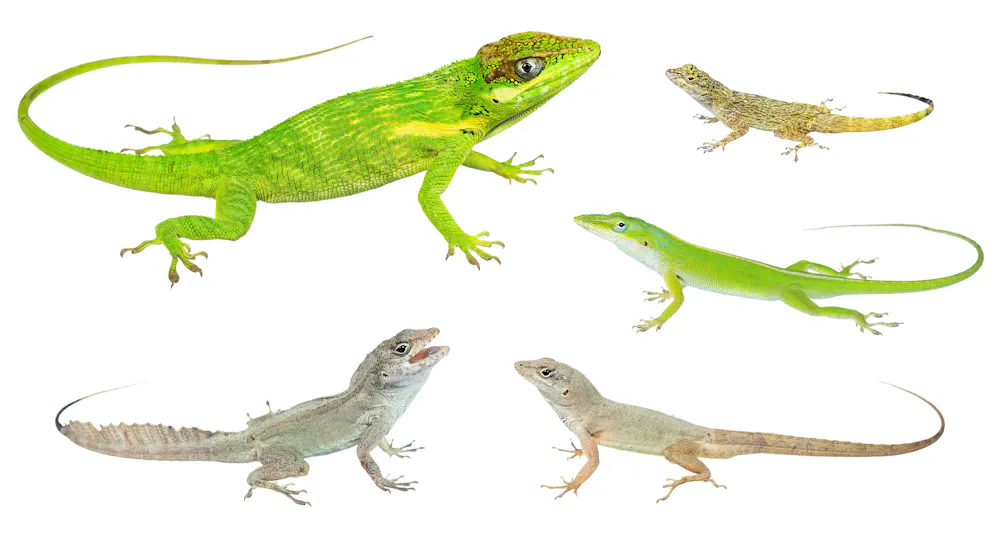


    OPINION OF THE COMMITTEE ON AGRICULTURE AND RURAL DEVELOPMENT (19.2.2025)

    for the Committee on Budgets

    on guidelines for the 2026 budget – Section III

    (2024/2110(BUI))

    Rapporteur for opinion: Dario Nardella


    OPINION

    The Committee on Agriculture and Rural Development calls on the Committee on Budgets, as the committee responsible, to incorporate the following into its motion for a resolution:

    1. Highlights the crucial role of agricultural and rural development policies, particularly the common agricultural policy (CAP), in achieving the Union’s objectives under Article 39 of the Treaty on the Functioning of the European Union; highlights the fact that these policies are tools for farmers to provide safe, healthy, affordable and sustainable food of high quality, while ensuring fair and viable incomes for all farmers, in particular active, small-scale and young farmers, including targeting to prevent land abandonment and promoting short food supply chains; underlines that these policies aim to foster sustainable food systems and secure the long-term viability, profitability, sustainability and safety of EU agricultural production, the development of rural areas and the Union’s food sovereignty, while taking into consideration animal welfare standards, climate protection, mitigation and biodiversity measures; recalls, in this regard, that the strong and simplified EU financial support for a competitive and sustainable farming sector should be increased in the 2026 CAP budget allocation to better reflect the growing challenges in rural areas, including depopulation, and keep rural areas alive; underlines that, according to the latest Eurobarometer survey, support for the CAP has reached an all-time high, with over 70 % of respondents agreeing that the CAP fulfils its role in providing safe, healthy and sustainable food of high quality;

    2. Notes that spending under the CAP significantly exceeds the climate and biodiversity mainstreaming targets and requests that this surplus be used to allocate funds that directly contribute to achieving the primary objectives of the CAP;

    3. Calls on the Commission to secure additional funding for further nature objectives rather than relying on the CAP, which must above all remain a fund that ensures food security and a viable income for our farmers;

    4. Upholds the promotion of EU agricultural products as a cornerstone of agricultural policy, with the aim of strengthening the competitiveness and relevance of all production sectors, especially that of wine and high-quality products, which need to have better access to both internal and external markets so as to promote diversification and internationalisation; recalls the success achieved by such promotion programmes in the opening up and consolidation of new markets; stresses the need to ensure an adequate promotion-policy budget in the coming financial years;

    5. Stresses the need for a stronger, better equipped, flexible and more reactive agricultural reserve, with adequate funding to cope with market imbalances or unpredictable external factors, such as extreme and recurring weather events, animal diseases, water stress or an evolving geopolitical context, which are having an increasing impact on agricultural production and markets, farmers’ incomes, farm continuity and food security; calls on the Commission to make use of the crisis reserve in the most efficient, expeditious and transparent way; stresses the need to simplify administrative procedures in order to guarantee the swift disbursement of that aid; points out that an increase in the agricultural reserve must not affect direct payments; calls on the Commission to develop a comprehensive crisis management strategy for each major agricultural sector, ensuring the rapid and effective deployment of the crisis reserve, while considering the establishment of new crisis and risk management instruments; acknowledges though that the agricultural reserve alone cannot fully compensate for the increasing frequency and severity of extreme weather events caused by climate change; stresses the need to fund preventive mitigation and adaptation measures that enhance the resilience, including climate resilience, of rural areas and food production systems;

    6. Strongly opposes any proposals to reduce the level of pre-allocated funds from the CAP in the future budget; points out that those funds should be increased by at least the equivalent of cumulative inflation since the start of the current budget period in order to avoid hidden reductions in CAP funding; stresses that farmers need the continuity and predictability of the CAP and that emerging new priorities cannot lead to cuts to the CAP budget; advocates for transparency and accountability in the allocation of CAP funds and encourages Member States and the Commission to enhance cooperation and strengthen anti-fraud measures; stresses the need for a fair distribution of CAP support between and within Member States; calls on the Commission to mobilise funds outside the CAP, given the challenges facing EU agriculture and to simplify the administrative procedures for farmers who receive aid; insists that any revenue accruing to the Union budget from assigned revenue or repayments of irregularities relating to agriculture should remain under the agriculture component of Heading 3 of the multiannual financial framework (MFF);

    7. Underlines that CAP simplification measures adopted in 2024 must be the starting point for the next CAP reform;

    8. Recalls that innovation can play a key role in enhancing the productivity, competitiveness, resilience and adaptability of agriculture; underlines, in this regard, the importance of increasing funding for research, thereby avoiding additional bureaucracy, both in the future budget allocations in the framework of the Horizon Europe research programme, as well as in the CAP, while creating funding mechanisms that ensure the continuity of existing and successful agri-food projects, established and funded through the NextGenerationEU instrument; calls therefore for adequate funding for climate change mitigation, precision agriculture, circular economy projects, renewable energy production in rural areas, development and technology-neutral innovation, including for projects promoting animal and plant health and the efficient use of resources, such as water, in agriculture; notes that production efficiency may also be an aim in itself, and that such funding should, in addition to improving the competitiveness of the agricultural sector, increase its resilience to challenges such as climate change and the spread of animal diseases; stresses the importance of ensuring adequate resources for training and knowledge exchange through European instruments, such as the Agricultural Knowledge and Innovation Systems;

    9. Highlights the fact that digitalisation is a crucial tool in the development and enhancement of the value of rural areas, including inner areas, and plays a key role in addressing depopulation and attracting young people to these areas; welcomes the digital transformation in agriculture and rural areas, including its use in irrigation, to improve the efficiency, environmental, social and economic sustainability, traceability and precision of agricultural systems, ensuring more effective use of the EU’s budgetary resources and promoting entrepreneurship in rural areas, thus making them more attractive to people and businesses; calls on the Commission and the Member States, in this context, to strengthen the technological and communications infrastructure in rural areas, including broadband internet coverage, and encourages them to leverage technologies to enhance access to critical information and digitalise administrative processes for CAP support so as to reduce the bureaucratic burden and enable more efficient access to support and services; recalls that the uptake of innovative digital technologies requires sufficient funding, as well as targeted training, education and support programmes for farmers, particularly for small-scale and older farmers, to ensure equitable and affordable access to digital tools;

    10. Notes with concern the continuing loss of farms and farmers, which has a significant socio-economic impact on rural areas; urges, therefore, the EU institutions and Member States to address labour and skills shortages by stepping up their efforts to promote generational renewal in the agricultural sector and rural areas, including in outermost regions and inner areas; highlights the importance of improving the profitability of the agricultural sector by enhancing fiscal and support measures that make farming activities more attractive and by improving access to land, financing and insurance, particularly for women, families involved in small-scale farming, marginalised groups and first-time farmers, such as young people; underlines that young farmers have the potential to be a driving force in sustainable and climate-friendly farming and highlights the need to empower them, including through the use of Union funds and adapted advisory and training tools; underlines that building and modernising rural infrastructure improves the quality of life in rural areas, which is essential for generational renewal; proposes, in this context, the inclusion of a specific indicator in future policies to monitor the rate of generational renewal and the level of services and infrastructure in rural areas;

    11. Calls for EU programmes to prioritise projects that safeguard existing jobs in the agricultural sector and promote the creation of quality employment; stresses that all jobs in the agricultural sector must respect workers’ rights, provide stable and regulated pay, and ensure good working conditions; emphasises the importance of effectively combating poverty and social exclusion in rural areas;

    12. Recalls the challenges that the agri-food sector has faced and is facing, such as the COVID-19 crisis, the harmful effects of the Russian invasion of Ukraine, natural disasters and rising input costs; regrets that direct payments and CAP subsidies have decreased significantly in real terms due to inflation, resulting in difficulties in implementing rural development measures, while the administrative burden on farmers has increased due to the accumulation of bureaucracy; calls on the Commission to allocate adequate resources to help farmers cope with those inflationary effects, including fuel costs, and underscores that the 2 % deflator of the current MFF does not compensate for the loss of value resulting from inflation; asks the Commission to provide a more flexible deflator in the next MFF and, furthermore, to work closely with the Member States to implement best practices at national and European levels to help farmers cope with inflation and record costs;

    13. Requests that, following the repeated economic crises and extreme weather events caused by climate change that have affected agricultural companies, the unspent resources of the 2014-2022 rural development plans be spent by 31 December 2026 as a derogation from the N+3 rules laid down in Article 38 of Regulation (EU) No 1306/2013[27];

    14. Welcomes the decision of the European Investment Bank to identify agriculture and the bio-economy as key priorities in its 2024-2027 Strategic Roadmap;

    15. Expresses its concern about the adverse effects on the European agri-food sector of political instability in certain Member States and at global level, as well as of geopolitical tensions related to trade or international crises; underlines that the signing of the Mercosur Agreement in December 2024 will have implications for Union farmers and producers; invites the Commission to improve trade agreements to protect EU farmers, to ensure fair competition and a level playing field, and to allocate sufficient funds to mitigate the negative effects of trade agreements on the agricultural sector; recalls that European farmers may face unfair competition from third country producers who do not meet the same production standards as those in the EU and calls therefore for a proper level of reciprocity; reiterates the negative cascade effects of Russia’s war of aggression against Ukraine on global food security and farmers’ livelihoods; highlights the need to make sure that the reform of the Association Agreement between the EU and Ukraine provides stability and protection for EU farmers; highlights the need to start better preparation for an enlargement of the Union, taking account of European farmers’ interests, especially with regard to the adoption of balanced and enhanced measures to safeguard the European agricultural sector, while also ensuring support for Ukraine;

    16. Calls on the Commission to encourage Member States to revise their national strategic plans, including the rapid use of funds from the European Agricultural Fund for Rural Development, and to provide funding to strengthen the relative negotiating positions of farmers in value chains, and for the Commission to swiftly approve these modifications;

    17. Stresses the vital importance of the programme of options specifically relating to remoteness and insularity (POSEI) for maintaining agricultural activity in the outermost regions of Europe, for the provision of food and agricultural products there and for the food sovereignty of the EU as a whole; calls for the budget of the scheme, which has not been increased since 2013, to be increased to reflect the real needs of farmers in the outermost regions, as farmers in those areas are facing higher production costs; calls therefore on the Commission to apply without delay a 2 % deflator to the POSEI financial envelopes in order to mitigate the substantial losses for producers in real terms and ensure fairer support for all farmers;

    18. Urges the Commission to ensure adequate resources for the implementation of an EU water management strategy and to continue developing water collection, storage and distribution activities, while preserving the status of water bodies, in order to render the use of water reserves more efficient in agriculture, both in crop irrigation and livestock farming, given that droughts are becoming increasingly severe across the Union.


    ANNEX: ENTITIES OR PERSONS
    FROM WHOM THE RAPPORTEUR HAS RECEIVED INPUT

    The rapporteur for the opinion declares under his exclusive responsibility that he did not receive input from any entity or person to be mentioned in this Annex pursuant to Article 8 of Annex I to the Rules of Procedure.


    INFORMATION ON ADOPTION BY THE COMMITTEE ASKED FOR OPINION

    Date adopted

    18.2.2025


    Result of final vote

    +:

    –:

    0:

    34

    2

    8

    Members present for the final vote

    Sergio Berlato, Stefano Bonaccini, Mireia Borrás Pabón, Daniel Buda, Waldemar Buda, Gheorghe Cârciu, Asger Christensen, Barry Cowen, Carmen Crespo Díaz, Ivan David, Valérie Deloge, Paulo Do Nascimento Cabral, Herbert Dorfmann, Carlo Fidanza, Luke Ming Flanagan, Maria Grapini, Cristina Guarda, Martin Häusling, Krzysztof Hetman, Céline Imart, Elsi Katainen, Stefan Köhler, Norbert Lins, Cristina Maestre, Dario Nardella, Maria Noichl, Gilles Pennelle, André Rodrigues, Katarína Roth Neveďalová, Bert-Jan Ruissen, Eric Sargiacomo, Christine Singer, Raffaele Stancanelli, Anna Strolenberg, Pekka Toveri, Jessika Van Leeuwen, Veronika Vrecionová, Thomas Waitz, Maria Walsh

    Substitutes present for the final vote

    Peter Agius, Benoit Cassart, Ton Diepeveen, Elisabetta Gualmini, Esther Herranz García


    FINAL VOTE BY ROLL CALL BY THE COMMITTEE ASKED FOR OPINION

    34

    +

    ECR

    Sergio Berlato, Waldemar Buda, Carlo Fidanza, Bert-Jan Ruissen, Veronika Vrecionová

    NI

    Katarína Roth Neveďalová

    PPE

    Peter Agius, Daniel Buda, Carmen Crespo Díaz, Paulo Do Nascimento Cabral, Herbert Dorfmann, Esther Herranz García, Krzysztof Hetman, Céline Imart, Stefan Köhler, Norbert Lins, Pekka Toveri, Jessika Van Leeuwen, Maria Walsh

    PfE

    Raffaele Stancanelli

    Renew

    Benoit Cassart, Asger Christensen, Barry Cowen, Elsi Katainen, Christine Singer

    S&D

    Stefano Bonaccini, Gheorghe Cârciu, Maria Grapini, Elisabetta Gualmini, Cristina Maestre, Dario Nardella, Maria Noichl, André Rodrigues, Eric Sargiacomo


    2

    –

    PfE

    Ton Diepeveen

    The Left

    Luke Ming Flanagan


    8

    0

    ESN

    Ivan David

    PfE

    Mireia Borrás Pabón, Valérie Deloge, Gilles Pennelle

    Verts/ALE

    Cristina Guarda, Martin Häusling, Anna Strolenberg, Thomas Waitz


    Key to symbols:

    + : in favour

    – : against

    0 : abstention



    LETTER OF THE COMMITTEE ON BUDGETARY CONTROL (18.2.2025)

    Mr Johan Van Overtveldt

    Chair

    Committee on Budgets

    BRUSSELS

    Subject: Opinion on Guidelines for the 2026 Budget – Section III (2024/2110(BUI))

    Dear Mr Van Overtveldt,

    Under the procedure referred to above, the Committee on Budgetary Control has been asked to submit an opinion to your committee. At its meeting of 18 February 2025, the committee decided to send the opinion in the form of a letter.

    Yours sincerely,

    Niclas Herbst


    CONT Chair

    Rapporteur for the Commission Discharge

    OPINION

    1. Recalls its strong commitment to the fundamental principles and values enshrined in the Treaty on European Union (TEU) and the Treaty on the Functioning of the European Union (TFEU);

    2. Stresses the fundamental importance of respect for the rule of law to protect the financial interests of the Union in the implementation of EU funds; recalls the improvements needed in the application of the Rule of law Conditionality Regulation and a swifter follow-up by the Commission on breaches of the rule of law principles that affect or risk affecting the EU financial interests, including the Single Market dimension, as for example procurement and state aid;

    3. Stresses that the sound and timely implementation of the budget contributes to addressing more efficiently and effectively the needs and challenges faced by the Union and its citizens in different policy areas; warns that the implementation of the budget under time pressure may lead to an increase in errors and irregularities;

    4. Recalls that for the last years all available flexibility measures in the EU Budget were used; reiterates the need for flexibility in the EU Budget to address potential new circumstances where EU action is necessary; notes that increasingly the headroom in the EU Budget is used to provide funding to respond to crises; notes in addition, that exposure of the EU Budget to guarantees and contingent liabilities is projected to rise in the coming years, putting additional strain on the headroom in the Budget which further limits the flexibility of the EU Budget, as are the increased interest payments for NGEU related borrowing; urges the Commission to work on a more stringent risk assessment framework to define the exposure more accurately to prevent over-burdening of the EU Budget;

    5. Stresses the need to protect the EU Budget from any misuse, particularly fraud and corruption, and calls on the Commission to continue to be vigilant and proactive in the current and future cases when the lack of respect for Union values and the Rule of Law affect or threaten to affect the Union’s financial interests;

    6. Stresses the importance of the EU anti-fraud architecture and the need to provide increased resources and to strengthen the role of the European anti-fraud office (OLAF), the European Public Prosecutor’s Office (EPPO), the European Union Agency for Criminal Justice Cooperation (Eurojust) and the European Union Agency for Law Enforcement Cooperation (Europol) in the fight against fraud and corruption; stresses the need for a comprehensive cooperation between all these institutions;

    7. Notes that while the digital transformation is indispensable to increase the efficiency, control and transparency of the EU Budget, this shift has also heightened its exposure to cyber fraud affecting the financial interests of the Union; calls on the Commission to allocate sufficient funds to strengthen EU digital infrastructure, research and development while ensuring that investments in cybersecurity are impactful and contribute to the overall protection of the Union’s financial interests;

    8. Is concerned that total outstanding commitments are reaching record levels for several years now; notes that the Commission projects outstanding commitments to decrease after 2024, when NGEU draws to a close; considers that until the projected decrease of the RAL, the risk of decommitments, and a related reduction of EU added value for the EU Budget, remains high; calls on the Commission to enact a more strategic, transparent, and proactive approach to managing decommitments, also considering the use of decommitments in the cascade mechanism;

    9. Is concerned that the Union’s debt continues to rise, with a large share of this increase attributed to the temporary recovery instrument NGEU; is concerned that the increased debt and the associated higher interest costs will have long-term consequences on the EU’s fiscal stability, potentially leading to greater financial strain and a reduced capacity to respond to future challenges or invest in key strategic areas; encourages the Commission to explore options to reduce the overall debt burden, such as optimising the timing and structure of debt issuance, and consider alternative financing mechanisms that could reduce reliance on high-interest debt; stresses that introducing new own resources is also necessary to prevent future generations from bearing the burden for past debts;

    10. Expresses regret that the overall error rate estimated by the Court has been increasing since the 2020 financial year, reaching 5,6 % for the 2023 financial year; notes significant variations in error rates across different budget headings, with some areas reporting error rates below the materiality threshold of 2 %, while cohesion policy has an error rate as high as 9,3 %; notes in particular the conclusion that errors found in 100 % EU-funded priorities contributed 5,0 % to the total estimated level of error of 9,3 %; is concerned that increasing flexibilities without at the same time either decreasing requirements or increasing ex ante checks and controls contributed to the high error rate; calls on the Commission to take careful consideration of the lessons learned from the implementation of EU crisis response tools, such as increased flexibility;

    11. Notes that the Court issued a qualified opinion on the legality and regularity of the RRF expenditure in 2023; expresses concern that the Court found 7 out of 23 RRF payments made in 2023 were impacted by quantitative issues, with 6 of these payments being affected by material errors; notes in addition that absorption of RRF funds was delayed in 2023, and that Member States may not be able to complete all measures at the end of the RRF’s implementation period; notes further that the second half of the RRF’s implementation period (post 2023) is more challenging with an increase in number of milestones and targets to be implemented, a shift from reforms to investments, and a high proportion of measures to be completed in the last year; calls on the Commission to support the Member States’ authorities in the implementation of funds, in particular where additional administrative capacity is needed, to stimulate absorption and reduce the occurrence of errors; calls on the Commission to transparently inform the Parliament about the progress of implementation and absorption of funds and to timely propose solutions where bottlenecks in the implementation are observed;

    12. Recalls the importance of protecting the Union’s own resources from any fraudulent irregularity and, to that end, stimulate the cooperation between anti-fraud services and customs agencies to detect, prevent and correct fraud affecting Union revenue; recalls its position on the amended Commission proposals endorsing the introduction of new own resources.


    ANNEX: ENTITIES OR PERSONS
    FROM WHOM THE RAPPORTEUR FOR OPINION HAS RECEIVED INPUT

    The Chair in his capacity as rapporteur for opinion declares under his exclusive responsibility that he did not receive input from any entity or person to be mentioned in this Annex pursuant to Article 8 of Annex I to the Rules of Procedure.


    LETTER OF THE COMMITTEE ON THE ENVIRONMENT, CLIMATE AND FOOD SAFETY (18.2.2025)


    Mr Johan Van Overtveldt

    Chair

    Committee on Budgets

    BRUSSELS


    Subject: Opinion on Guidelines for the 2026 Budget – Section III (2024/2110(BUI))

    Dear Mr Chair,

    The Coordinators of the Committee on the Environment, Climate and Food Safety (ENVI) decided on 16 December 2024 that ENVI would provide an opinion on the Guidelines for the 2026 budget – Section III (2024/2110(BUI)) in the form of a letter. Therefore, as both ENVI Chair and Standing Rapporteur for the Budget, let me provide you with ENVI’s contribution in the form of resolution paragraphs, which was adopted by ENVI at its meeting[28] of 18 February 2025 and which I kindly request will be taken into account by your committee:

    1. Highlights that the current serious geopolitical context requires the Union to allocate sufficient resources for accelerating the green transition to transform the EU into a modern, resource-efficient and competitive economy; calls on the Commission and Member States to ensure the full execution of the REPowerEU Plan to accelerate the deployment of renewable energy sources and of energy efficiency technologies to speed up the green transition and end dependency on fossil fuels

    2. Stresses the importance of the Paris Agreement’s goal of keeping the global average temperature increase below 1,5°C compared to pre-industrial times; recalls the Union’s obligations to deliver the financial commitments made for international climate financing; considers that the Union should continue leading the efforts towards decarbonisation at global level;

    3. Stresses that the Union’s budget for 2026 should be aligned with the realisation of the European Union’s objectives to reduce pollution and enhance biodiversity, as well as the long-term vision for a prosperous, modern, competitive and climate-neutral economy, the legally enshrined objective to reach climate neutrality by 2050 and the Union’s intermediate climate targets for 2030 and 2040, as laid down in the European Climate Law;

    4. Points out that the European Green Deal is a growth strategy, whose effective implementation with adequate funding  is fundamentally connected to the Union’s strength and competitiveness; believes that the future Clean Industrial Deal and Circular Economy Act should further increase the Union’s competitiveness capacity and sustainability and resource-efficiency to achieve the European Green Deal objectives and ensure a just and inclusive transition;

    5. Reminds that the EU’s long-term budget for 2021-2027, together with NextGenerationEU, is aimed at implementing the EU’s long-term priorities in various areas, including climate and the environment; emphasizes, specifically, that 30 % of total EU expenditures under the MFF have to be allocated to climate-related projects, including clean-tech and innovation projects; stresses that the future Multi-Financial Framework post-2027 should maintain the level of ambition on climate and environment protection;

    6. Considers it unacceptable that the Union did not reach its objective of allocating at least 7.5 % of annual expenditure to biodiversity in 2024;  calls on the Member States and Commission to take the necessary measures to ensure that the 10 % objective will be reached in both 2026 and 2027 in order to achieve concrete outcomes, including the objectives set in the Kunming-Montreal Agreement, whilst ensuring cost-effectiveness and long-term sustainability; notes the importance of the Common Agriculture Policy (CAP) to reach biodiversity objectives;

    7. Emphasises the need to allocate sufficient funding for each individual budget line that contributes to the achievement of the green transition, with a particular focus on sustainability, climate change, innovation, competitiveness, resource-efficiency and biodiversity conservation, such as attention to bees and pollinators’ protection and their role as indicators for healthy ecosystems; emphasizes the importance of the Social Climate Fund (SCF), established to support vulnerable groups in the Union’s green transition;

    8. Highlights the importance of improving disaster prevention and preparedness by implementing climate adaptation measures, allowing the Union to better prevent and respond to emergencies like recent climate change events; emphasizes the ongoing need to ensure sufficient funding for the Union’s civil protection mechanism;

    9. Notes the relevance of the reports adopted by the European Court of Auditors (ECA) in relation to the management of EU funds linked to climate and environment; urges the Commission and the Member States to implement the recommendations of the reports, in particular report 15/2024 on climate adaptation[29] regarding the need to ensure that all relevant EU-funded projects are adapted to the current and future climate conditions; recalls the importance of the ECA recommendations in its special report 14/2024[30], emphasising the need for the Commission to better estimate climate spending under future funding instruments, to ensure their adequate design, and to enhance the performance of green transition measures; 

    10. Emphasises the need for more ambitious funding allocations for programs like LIFE to support climate and environment-related projects, as well as for the Just Transition Fund to assist the most vulnerable carbon-intensive regions in addressing the economic and social impacts of the climate transition to leave no one behind; emphasises that the funding under LIFE is crucial for the protection of nature and biodiversity, the transition towards an energy efficient, circular, climate neutral, competitive and climate resilient economy and for democratic participation in decision-making processes;  notes that efficient and result-driven climate and biodiversity financing should be integrated into programming activities, while remaining flexible enough to address the diverse needs of different regions and sectors;

    11. Reminds that a stronger European Health Union requires adequate funding with health-related expenditure that follows the ‘One Health’ and ‘Health in all policies’ approaches, securing the proper implementation of, inter alia, the European Health Data Space and of the Europe’s Beating Cancer Plan;

    12. Strongly reiterates its regrets over the redeployment from the EU4Health programme of 1 billion EUR over the 2025-2027 period; considers that this funding shortfall threatens the programme’s ability to achieve its critical objectives; renews its call for the Commission, Member States, and other stakeholders to identify practical solutions to offset this cut, ensuring that the programme’s objective of building stronger, more resilient, and more accessible health systems is achieved; calls as well for increased amounts allocated to Cluster Health in Horizon Europe; recognises that stronger health systems directly contribute to economic stability and productivity by reducing health-related workforce disruptions and increasing the resilience of the labour market;

    13. Highlights the importance of effectively allocating sufficient human and financial resources to all relevant DGs for the implementation of the adopted legislation related to climate environment, chemicals and health as well as to the relevant European agencies, including the European Environment Agency (EEA), the European Chemicals Agency (ECHA) and the European Food Safety Authority (EFSA), the European Centre for Disease Prevention and Control (ECDC) and the European Medicines Agency (EMA);

    14. Highlights the need for a strengthened EU own resources system that can address current challenges while supporting the Union’s environmental, climate and health objectives; stresses the importance of implementing the Carbon Border Adjustment Mechanism effectively, enabling the Commission to take compensatory measures to address any shortfalls in meeting the EU budget’s overall climate spending target.

    I have sent a similar letter to Mr Andrzej Halicki, general rapporteur for the 2026 budget.

    Yours sincerely,

    Antonio Decaro


    ANNEX: ENTITIES OR PERSONS
    FROM WHOM THE RAPPORTEUR HAS RECEIVED INPUT

    The Chair in his capacity as rapporteur for the opinion declares under his exclusive responsibility that he did not receive input from any entity or person to be mentioned in this Annex pursuant to Article 8 of Annex I to the Rules of Procedure.


    LETTER OF THE COMMITTEE ON INDUSTRY, RESEARCH AND ENERGY (19.2.2025)

    Mr Johan VAN OVERTVELDT

    Chair

    Committee on Budgets


    BRUSSELS

    Subject: Opinion in the form of a letter on the Guidelines for the 2026 budget – Section III (2024/2110(BUI))

    Dear Mr Chair,

    Under the procedure referred to above, the Committee on Industry, Research and Energy has been asked to submit an opinion to your committee. On 19 February 2024, the committee adopted an opinion in the form of letter during its regular meeting.

    The Committee on Industry, Research and Energy calls on the Committee on Budgets, as the committee responsible, to incorporate the following suggestions into its motion for a resolution.

    Yours sincerely,

    Borys BUDKA  

    ITRE Chair


    SUGGESTIONS

    1.  Recalls that the Union Budget for 2026 should concretely reflect the political priorities of the new legislative term, considering also the various pledges made by Commissioners during their confirmation hearings in Parliament in November 2024; insists that the 2026 budget needs to fully implement all programmes agreed under the current Multiannual Financial Framework (MFF), as well as set  in motion and finance new strategic EU initiatives, such as the Clean Industrial Deal for competitive industries and quality jobs; underscores that the 2026 budget must be aligned with the Union’s objectives and international commitments;

    2.  Notes that multiple challenges facing Europe require greater investment and coordination at European level, as well as more concrete action by Member States; calls on the Commission to propose a Union Budget for 2026 that reflects the urgent nature of these challenges; among others, the ongoing Russian invasion of Ukraine and hybrid attacks on Member States and their energy and digital infrastructure; maintains this requires multiple forms of EU and national level investments and preparedness, including improving the resilience of digital and energy infrastructure, direct support for Ukraine, accelerated investment in Europe’s defence industry, and support for the EU’s Eastern border regions most directly impacted by the war and Russian hybrid operations; the need to strengthen Europe’s economic competitiveness and industrial base in a volatile environment where global competitors benefit from extensive state support, leading to unfair competition for European companies; the urgent necessity to improve Europe’s research and innovation capabilities, including greater support for SMEs, start-ups and scale-ups; the digital revolution, including the acceleration of artificial intelligence and growing concerns about cybersecurity; and the need to achieve a just climate transition, as we adapt our economy to the Union’s long-term energy goals and climate neutrality by 2050, by accelerating the decarbonisation in Europe’s energy markets, implementing European Green Deal legislation and achieving a circular economy;

    3.  Notes that EU companies face considerably higher electricity and gas prices compared with the USA, China and other global actors, which presents a significant competitiveness disadvantage, especially but not only for Europe’s energy intensive industries; emphasises the need to  tackle energy poverty and limit the damaging effects of high energy prices on European consumers, many of whom are already struggling with a high cost of living; stresses the importance of reducing EU dependence on fossil-fuels and improving energy efficiency; underlines that security of supply concerns remain paramount and should be addressed in the 2026 budget, given  that energy supplies are easily weaponised by state actors; insists on the need to improve energy interconnections, modernise energy grids, integrate a higher share of renewables while ensuring sufficient clean baseload energy and system flexibilities, therefore calls for significantly increased funding for the Connecting Europe Facility – Energy, which is the flagship EU programme in this field but currently has limited resources to credibly advance Europe towards an interconnected, resilient and decarbonised energy system, able to deliver affordable prices; calls for urgently ending any remaining EU import dependencies on Russia:

    4.   Recalls the need to strengthen the resilience of the EU economy and the competitiveness of Union industries, with ambitious EU industrial policies that can create quality jobs and contribute significantly towards achieving the EU’s social, digital and green objectives, whilst preserving a level playing field in the Single Market; therefore believes that the Union Budget for 2026 should mark the start of the investment boost recommended in the Draghi report by investing strongly in industrial competitiveness, open strategic autonomy and creating pathways towards decarbonisation, while securing EU supply chains for strategic sectors and technologies and improving access to critical raw materials; insists that the 2026 budget must continue strengthening the Union’s competitiveness with increased support for SMEs, midcaps and start-ups, including greater support for scale up to compete globally, in particular through the European Innovation Council;

    5.  Recalls that the 2026 budget for Horizon Europe will be the first after the mid-term review of this strategic EU programme, and therefore needs to offer sufficient investment in fundamental and applied research, foster collaborative research and facilitate the scale-up and commercialisation of research results to ensure Europe can retain and further develop the necessary knowledge base to confront the scientific and economic challenges of the coming decades; regrets that the existing level of Horizon Europe funding is ultimately insufficient to develop the ideas and technologies necessary for the twin green and digital transitions, or to fully deliver on the stated EU goals of sustainable growth and open strategic autonomy; calls for an increase in the 2026 budget for Horizon Europe, including through the reuse of all available decommitments allowing each sub-programme to fund at least 50% of all excellent proposals, given that presently a majority of excellent proposals remain unfunded; calls for maintaining stable and sufficient funding of the ITER project;

    6.  Stresses that significant investments are necessary to address Europe’s connectivity gap and other Digital Decade 2030 targets; recalls that the European Commission estimates that achieving the full gigabit target could exceed €200 billion; calls therefore for adequate resources to be allocated to provide high speed connectivity including gigabit and 5G services, in addition to investments in next generation digital infrastructures and emerging technologies; calls for further investments that foster the development of European digital sovereignty and an EU-based digital sector in order to catch up in crucial areas such as quantum computing and Artificial Intelligence; calls on the Commission to allocate sufficient resources to ensure the full implementation and robust enforcement of the Digital Services Act and the Digital Markets Act; stresses the importance of tackling foreign interference, addressing the dangers of biased algorithms, and safeguarding transparency, accountability, and the integrity of the digital public space.

    7.  Underlines that a strong and sustainable European space sector is fundamental for European security, open strategic autonomy, secure connectivity, protection of critical infrastructure and advancing the twin green and digital transitions; regrets that EU and its Member States funding for space programmes is highly fragmented and only a fraction of the level in the US, while other global actors including China are rapidly increasing investments; calls on the Commission and Member States to ensure sufficient funding for the European space industry, which includes fostering investments from the private sector; calls furthermore for a sufficient level of  EU investments supporting R&I in the field of space;

    8.  Calls for adequate funding and staffing for all agencies and Union bodies in the policy areas of industry, research, energy, space and cybersecurity, in order to cope with increased workload and new regulatory obligations; 


    ANNEX: ENTITIES OR PERSONS
    FROM WHOM THE RAPPORTEUR HAS RECEIVED INPUT

    The rapporteur for the opinion declares under his exclusive responsibility that he did not receive input from any entity or person to be mentioned in this Annex pursuant to Article 8 of Annex I to the Rules of Procedure.


    LETTER OF THE COMMITTEE ON CULTURE AND EDUCATION (19.2.2025)

    Mr Johan Van Overtveldt

    Chair

    Committee on Budgets

    BRUSSELS

    Subject: Opinion on Guidelines for the 2026 Budget –Section III 2024/2110(BUI)

    Dear Mr Van Overtveldt,

    to above, the Committee on Culture and Education has been asked to submit an opinion to your committee. At its meeting of 3 December 2024, the committee decided to send the opinion in the form of a letter. It considered the matter at its meeting of 19 February 2025 and adopted the opinion at that meeting[31].

    The Committee on Culture and Education:

    1. Insists that funding for the most successful EU and crucial programmes like Erasmus+, the European Solidarity Corps (ESC), Creative Europe and the Citizens, Equality, Rights and Values (CERV) programme has to be excluded from debt repayment needs for the European Union Recovery Instrument (EURI) over the whole remaining MFF period; stresses that the ‘EURI cascade mechanism’ has to be implemented effectively, protecting important programme initiatives that directly benefit citizens;

    2. Welcomes further simplification in line with EP calls, e.g. through the use of lump sums in Erasmus+ , for the programmes that are close to the citizens and need to be accessible also for organisations with limited administrative capacities, and calls for further efforts to achieve that end; underlines that attention should be given to peripheral, mountainous and rural areas that experience more difficulties in accessing EU funds; calls on the Commission to continue to share regularly with Parliament, including the Committee on Culture and Education, updated indicators and statistics on the absorption of funds in these programmes;

    3. Welcomes that mobility grants under Erasmus+ were increased to offset rising living costs, upon Parliament’s insistence on an increase to the programme’s budget, to ensure that the programme remains accessible and inclusive;

    4. Stresses necessary efforts to widen participation and to meet inclusivity targets in order to widen the participation of the most vulnerable youth groups and people with disabilities;

    5. Strongly warns against any cuts, and calls for an increase of the funding for the programme, taking into account the high implementation rates and absorption capacities of the programme; calls in particular to preserve funding to initiatives that support teacher development, such as the European Universities and the Erasmus+ Teacher Academies; highlights the growing number of applicants – e.g. a 94% increase  in school education mobility applications from 2022 to 2023 ; regrets, however, the consequence of  lower success rates, notably for school accreditations, which underscores the need for a substantial funding increase to meet the growing demand;

    6. Insists that all funding initially allocated to the programme will be used for investing in the future of young people;

    7. Emphasises the need to support sport under Erasmus+ to promote its role in improving physical and mental health and social inclusion, and to fight discrimination;

    8. Deplores the additional, unanticipated costs for the media strand of Creative Europe, including the implementation of not only the AVMSD, but also of EMFA, including the secretariat of the European Board for Media Services, an additional expenditure that was not taken into account when the current MFF was set up; insists that new initiatives should always be financed from fresh money;

    9. Stresses that the budget for the Creative Europe programme is insufficient to meet the high demand for projects across all its strands, with alarmingly low success rates (e.g. 17% in 2023 under the culture strand); calls for an increase of its funding and highlights the need for synergies between Creative Europe and other EU funds.

    10. Calls for an increase in funding for the ESC programme, given the modest year-on-year increases of about 2% of its budget under the MFF, which is not sufficient to offset inflation rates, and the fact that it is heavily over-subscribed, resulting in a high rejection rate and, therefore, in many cases, disappointment for the young applicants; welcomes the fact that the number of participants with fewer opportunities in the programme (38%)  is the highest of any EU programme and should be maintained;

    11. Stresses the importance of the CERV programme for building bridges between European citizens from different Member States and promoting their engagement and participation in the democratic life of the Union, while also contributing to preserving social cohesion and helping to prevent democratic backsliding, particularly in the current challenging political situation; insists, therefore, on an increase for its budget;

    12. Points out that pilot projects and preparatory actions (PPs and PAs) serve as testbeds for new policy initiatives and need adequate funding to properly fulfil that function; deplores any attempts to thwart potentially successful proposals for PPs and PAs already at the selection stage and calls for better cooperation between the Commission and the European Parliament on the selection and implementation of PPs and PAs.

    Yours sincerely,

    Nela Riehl


    ANNEX: ENTITIES OR PERSONS
    FROM WHOM THE RAPPORTEUR HAS RECEIVED INPUT

    The rapporteur for the opinion declares under his exclusive responsibility that he did not receive input from any entity or person to be mentioned in this Annex pursuant to Article 8 of Annex I to the Rules of Procedure.

    LETTER OF THE COMMITTEE ON CONSTITUTIONAL AFFAIRS (18.2.2025)

    Mr Johan Van Overtveldt

    Chair

    Committee on Budgets

    BRUSSELS

    Subject: Opinion on Guidelines for the 2026 Budget – Section III (2024/2110(BUI))

    Dear Mr Van Overtveldt,

    Under the procedure referred to above, the Committee on Constitutional Affairs has been asked to submit an opinion to your committee. At its meeting of 29 January 2025, the committee decided to send the opinion in the form of a letter.

    The Committee on Constitutional Affairs considered the matter at its meeting of 18 February 2025. At that meeting[32], it decided to submit the opinion set out below to the Committee on Budgets, as the committee responsible.

    Yours sincerely,

    Sven Simon


    OPINION

    1. Points out that future substantial EU enlargement cannot be met without a larger EU budget and sufficient new own resources; calls for the necessary budgetary and institutional reforms to be agreed and adopted before substantial enlargement takes place;

    2. Reminds of the need to secure proper financing for the structures within the EU institutions that are responsible for communication with citizens and countering disinformation such as the Commission Representations and European Parliament Liaison Offices, in order to enable them to effectively fulfil their tasks;

    3. Recommends that the Authority for European Political Parties and European Political Foundations receives adequate resources, in particular for staffing purposes in view of the significant enlargement of its tasks as foreseen by the Commission proposal for the recast of Regulation (EU, Euratom) 1141/2014;

    4. Urges the Committee on Budgets to incorporate the above mentioned budget lines augmentations in its position, as they serve the purpose of delivering concrete results and quality communication to citizens.


    ANNEX: ENTITIES OR PERSONS
    FROM WHOM THE RAPPORTEUR HAS RECEIVED INPUT

    The Chair declares under his exclusive responsibility that he did not receive input from any entity or person to be mentioned in this Annex pursuant to Article 8 of Annex I to the Rules of Procedure.


    INFORMATION ON ADOPTION IN COMMITTEE RESPONSIBLE

    Date adopted

    20.3.2025


    Result of final vote

    +:

    –:

    0:

    27

    8

    0

    Members present for the final vote

    Georgios Aftias, Rasmus Andresen, Isabel Benjumea Benjumea, Olivier Chastel, Tamás Deutsch, Angéline Furet, Thomas Geisel, Andrzej Halicki, Monika Hohlmeier, Alexander Jungbluth, Fabienne Keller, Ondřej Kovařík, Janusz Lewandowski, Victor Negrescu, Danuše Nerudová, João Oliveira, Karlo Ressler, Bogdan Rzońca, Julien Sanchez, Hélder Sousa Silva, Nicolae Ştefănuță, Carla Tavares, Nils Ušakovs, Lucia Yar, Auke Zijlstra

    Substitutes present for the final vote

    Stine Bosse, Mohammed Chahim, Rasmus Nordqvist

    Members under Rule 216(7) present for the final vote

    Sakis Arnaoutoglou, Łukasz Kohut, Marit Maij, Arkadiusz Mularczyk, Mirosława Nykiel, Leire Pajín, Krzysztof Śmiszek


    FINAL VOTE BY ROLL CALL BY THE COMMITTEE RESPONSIBLE

    27

    +

    ECR

    Arkadiusz Mularczyk, Bogdan Rzońca

    PPE

    Georgios Aftias, Isabel Benjumea Benjumea, Andrzej Halicki, Monika Hohlmeier, Łukasz Kohut, Janusz Lewandowski, Danuše Nerudová, Mirosława Nykiel, Karlo Ressler, Hélder Sousa Silva

    Renew

    Stine Bosse, Olivier Chastel, Fabienne Keller, Lucia Yar

    S&D

    Sakis Arnaoutoglou, Mohammed Chahim, Marit Maij, Victor Negrescu, Leire Pajín, Krzysztof Śmiszek, Carla Tavares, Nils Ušakovs

    Verts/ALE

    Rasmus Andresen, Rasmus Nordqvist, Nicolae Ştefănuță


    8

    –

    ESN

    Alexander Jungbluth

    NI

    Thomas Geisel

    PfE

    Tamás Deutsch, Angéline Furet, Ondřej Kovařík, Julien Sanchez, Auke Zijlstra

    The Left

    João Oliveira


    Key to symbols:

    + : in favour

    – : against

    0 : abstention


    MIL OSI Europe News –

    March 26, 2025
  • MIL-OSI: Tessell Introduces Fully Managed Database Service on Google Cloud

    Source: GlobeNewswire (MIL-OSI)

    SAN FRANCISCO, March 25, 2025 (GLOBE NEWSWIRE) — Tessell, the leading next-generation multi-cloud database-as-a-service (DBaaS) that enables enterprises and startups to accelerate database, data, and application modernization journeys at scale, today announced the general availability of the Tessell DBaaS in the Google Cloud Marketplace. Tessell now supports Oracle, PostgreSQL, SQL Server, MySQL, MongoDB, and Milvus on all four major cloud platforms: Azure, AWS, Google Cloud, and OCI. As a fully managed database service, Tessell supports deployments across Oracle Database@Google Cloud in addition to Google Cloud Compute Engine. This development marks a significant milestone for organizations seeking to modernize their transactional applications, database estate, and data architectures within Google Cloud’s robust infrastructure.

    “Tessell’s support for Oracle, PostgreSQL, SQL Server, MySQL, MongoDB, and Milvus on Google Cloud empowers enterprises to capitalize on the newly available opportunity to bring application workloads to Google Cloud GCP,” said Bala Kuchibhotla, Co-Founder and CEO at Tessell. “Tessell has already seen rapid adoption of its fully managed database service on Google Cloud, with customers successfully running mission-critical workloads. Organizations are leveraging the platform to simplify operations, improve scalability, and accelerate cloud adoption without the complexities traditionally associated with database management. As more enterprises recognize the benefits of this streamlined approach, Tessell looks forward to expanding its footprint and supporting even more businesses in their cloud transformation journey.”

    Tessell’s DBaaS platform actively tracks and analyzes the performance, health, and usage metrics of databases hosted on the platform. This monitoring feature helps users to identify potential issues, optimize database performance, and ensure the overall reliability of their database infrastructure.

    The recent global collaboration between Oracle and Google Cloud, enabling support for Oracle databases on Google Cloud infrastructure, has broadened the opportunity for innovation in cloud-based data management. Tessell builds on this foundation, providing enterprises with a fully managed solution that simplifies the complexities of managing multiple data ecosystems, enabling them to focus on innovation rather than infrastructure management.

    “Bringing Tessell DBaaS to Google Cloud Marketplace will help customers quickly deploy, manage, and grow the managed database service on Google Cloud’s trusted, global infrastructure,” said Dai Vu, Managing Director, Marketplace & ISV GTM Programs at Google Cloud. “Tessell can now securely scale and support customers on their digital transformation journeys.”

    “Tessell’s deep database expertise, customer-first approach, and solution-focused mindset made our cloud migration seamless,” said Martti Kontula, Head of OT and Data at Landis+Gyr. “Their ability to optimize and manage database workloads on Google Cloud ensured a smooth transition. The Tessell platform delivers a powerful, intuitive experience, providing full visibility into database health and performance at a glance. For any enterprise seeking to run databases efficiently in the cloud, Tessell is the ideal choice.”

    Tessell’s fully managed service goes beyond the undifferentiated heavy lifting of automating the day-to-day database management tasks. It integrates with Google’s BigQuery enterprise unified data platform to provide a highly differentiated data ecosystem management.

    Key benefits of Tessell’s solution include:

    • Automated Maintenance: Patching, backup, and recovery processes are fully automated, reducing downtime and improving reliability.
    • High Availability and Disaster Recovery: Built-in multi-zone availability and cross-region recovery ensure business continuity for mission-critical workloads.
    • Data Security and Compliance: Flexible backup options and robust recovery mechanisms meet stringent compliance and regulatory requirements.
    • Enterprise-Grade Flexibility: Tessell enables the automation and security benefits of PaaS with the customization capabilities of IaaS.
    • Unified Security & Compliance Posture: Customers can extend their existing security and compliance services to Google Cloud while bringing their own keys, seamlessly extending their management, security, and compliance operations to the cloud.

    My Services is a centralized platform within Tessell that allows users to manage all their databases across different clouds and regions in one place. Users can provision databases, monitor performance, set up backups, and securely share data across regions and cloud providers.

    Tessell will co-host a webinar on April 2nd with a technical architect from Google Cloud’s team and a representative from Landis+Gyr. The webinar will cover how Tessell helps accelerate cloud adoption and modernization of business-critical database workloads.

    Tessell is an official sponsor of Google Cloud Next 2025, which will take place from April 9th to 11th in Las Vegas at The Mandalay Bay Convention Center. At booth #3270, Tessell will showcase its database offering on Google Cloud.

    For more information about Tessell and its support for Google Cloud, please visit https://www.tessell.com/oracle-gcp. Find Tessell on the Google Cloud Marketplace here.

    About Tessell
    Tessell is a multi-cloud DBaaS platform offering a comprehensive suite of database services. It supports various database engines tailored for operational and transactional applications across all major cloud providers. Tessell’s value proposition is built on the pillars of choice, data delight, and governance, helping enterprises modernize their data infrastructure and maximize the economic benefits of cloud adoption.

    Media Contact
    Len Fernandes
    Firecracker PR for Tessell
    len@firecrackerpr.com

    Photos accompanying this announcement are available at:

    https://www.globenewswire.com/NewsRoom/AttachmentNg/b912f4d5-f102-4b84-bf6c-61a9c107b0e4

    https://www.globenewswire.com/NewsRoom/AttachmentNg/195b7b0a-1a85-4e2a-b615-2d5678789f85

    The MIL Network –

    March 26, 2025
  • MIL-OSI United Kingdom: Look out for poll cards – and check the details

    Source: St Albans City and District

    Publication date: 25 Mar 2025

    Poll cards have been issued to voters in St Albans District for important local elections on Thursday 1 May.

    The elections are for Hertfordshire County Council with all 78 seats up for election including ten in St Albans District.

    On the same day, a by-election will take place in the Redbourn ward of St Albans City and District Council following the resignation of a Councillor.

    There will also be by-elections for one seat in each of the Harpenden North and Harpenden West wards of Harpenden Town Council as well as two seats in its Harpenden South ward. 

    St Albans City and District Council is administering the elections and has now posted poll cards to around 110,000 people who are registered to vote.

    Voters should examine their cards carefully to check the location of their polling station as this may have changed from the last time they voted.

    They do not need to bring their poll cards with them to vote, but doing so makes it easier for the polling station staff to find you on the electoral register.

    Voters are reminded that they must show approved photo ID when voting at a polling station.

    Amanda Foley, Returning Officer for St Albans City and District, said:

    We are asking people to look out for their poll cards and to keep them safe for when they can vote.

    We don’t want people turning up to the wrong place to vote, so it is important that they check the details, particularly the location of the polling station.

    Hertfordshire County Council provides important public services such as education, social care, highways and transport, libraries and the county’s fire and rescue service.

    Voter ID

    Voters are required to present an approved form of photo ID to vote at a polling station. This includes a current or expired UK passport or driver’s licence provided the photograph is a true likeness of the voter.

    Anyone who does not have approved ID can apply for free ID online, known as a Voter Authority Certificate.

    Details of approved photo ID and how to apply for free ID are available on the poll cards and the Electoral Commission’s website www.electoralcommission.org.uk/voting-and-elections/voter-id. 

    The deadline for applying for the Voter Authority Certificate is 5pm on Wednesday 23 April.

    Register To Vote

    Residents in St Albans District have only a short time left to register to vote at this May’s elections.

    Everyone aged 18 and above who is not registered at their current address should do so by midnight on Friday 11 April.

    It takes only a few minutes to register at your current address by going online at www.gov.uk/register-to-vote.

    People who were eligible to vote in last year’s elections and whose details have not changed will still be registered. They can check by calling the Council’s Electoral Services Team on 01727 819294.

    Postal and Proxy Votes

    The Easter bank holiday weekend, Friday 18 to Monday 21 April, comes shortly before polling day.

    Residents who may be away during the holiday and election period are advised to consider applying for a postal or proxy vote.

    Postal vote packs are due to be despatched between 11 April and 22 April, depending on the date the postal vote was applied for, and must be completed and returned by 10pm on 1 May.  

    The deadline for applying to vote by post, or for amending an existing postal or proxy vote, is 5pm on Monday 14 April. 

    For applying to vote by proxy, the deadline is 5pm on Wednesday 23 April. In certain circumstances, an emergency proxy vote can be applied for up until 5pm on the day of the election.

    Most types of postal and proxy vote can be applied for online at www.gov.uk/apply-postal-vote or www.gov.uk/apply-proxy-vote. 

    Forms to apply to vote by post or proxy are also available from the Council’s Electoral Services Team or from the Electoral Commission’s website: www.electoralcommission.org.uk/voting-and-elections/ways-vote. 

    Candidate List

    The full list of candidates for the elections will be published after 4pm on Wednesday 2 April.

    Further Information

    To find more information about the elections, go to: www.stalbans.gov.uk/voting-and-elections. 

    Media Contact: John McJannet, Principal Communications Officer, 01727 819533, john.mcjannet@stalbans.gov.uk.

    MIL OSI United Kingdom –

    March 26, 2025
  • MIL-OSI United Nations: Culinary expert, Christian Abegan, named WFP Chef advocate in West and Central Africa

    Source: World Food Programme

    Photo: WFP/Evelyn Fey. Chef Christian Abegan becomes WFP’s Chef Advocate for Food Security, Nutrition, Sustainable Food Systems.

    Photo credit

    DAKAR – The United Nations World Food Programme (WFP) today announced Christian Abégan, -renowned culinary expert, author and TV Host, as its new Chef Advocate for food security, nutrition and sustainable food systems in West and Central Africa.

    A champion of sustainable food systems and healthy diets, Abégan has dedicated his career to elevating African gastronomy, advocating for food security and promoting the use of nutritious, locally sourced ingredients to fight hunger. Honoured with the Diplôme d’Honneur de l’Institut de la Gastronomie Française, laureate of the Afro-Caribbean Excellence Trophy and author, he brings a wealth of expertise and passion to WFP’s mission of fighting hunger and malnutrition worldwide.

    In his new role as WFP’s Chef Advocate, Christian Abégan will collaborate with WFP to promote fortified foods, advocate for homegrown school meals, and mobilize decision-makers to support global food security efforts. Chef Abegan will also share his culinary knowledge and techniques, empowering people to access nutritious meals using available resources.

    “As a chef and a passionate advocate for nutritious and accessible food for all, I fully identify with WFP’s mission to fight hunger,” said Chef Christian Abégan. “Taking on this role is a great honour and a responsibility that I embrace with passion and determination.“ 

    For the past 35 years, Abégan has advocated for the power of food as a tool for better health, culture, community cohesion and growth. His expertise in African cuisine and sustainable food systems aligns with WFP’s efforts to promote nutrition, food security, support to smallholder farmers and education through its homegrown school feeding programme.

    “Chef Christian Abégan’s expertise and creativity bring a powerful synergy to WFP’s efforts in West and Central Africa, blending culinary innovation with social impact,” said Margot Van Der Velden, WFP’s Regional Director for Western Africa.  “WFP’s engagement with Chef Abégan exemplifies the powerful impact of partnerships in addressing hunger and improving food and nutrition security. Through culinary innovation, capacity building, advocacy, we will bring about positive change to communities around the world.” 

    Western Africa is in the grips of an acute food security and nutrition crisis with an estimated 52.7 million women, men and children projected to experience acute hunger by June 2025. This hunger crisis is mainly driven by conflict, displacement, economic crises and severe climate shocks, with devastating floods in 2024 affecting over six million people across the region. Moreover, 8 in 10 children under two lack access to dietary diversity in a region hosting 16 percent of the global burden of child stunting. 

    WFP has been instrumental in fostering local food solutions, delivering emergency assistance to those in   greatest need and enhancing access to affordable and nutritious diets. WFP’s response encompasses support for local agribusinesses, initiatives for the production of nutritious foods and efforts to connect farmers with school feeding programmes. 

    Over the last seven years, Chef Abégan has actively been supporting WFP, participating in campaigns and events, including the Healthy Not Hungry campaign in Burkina Faso, and WFP Fight Famine across the Sahel, raising awareness about the importance of healthy eating and sustainable food practices. His engaging presence and ability to connect with diverse audiences make him an effective advocate for WFP’s mission in West and Central Africa.

    #                 #                   #

    About WFP: 

    The United Nations World Food Programme is the world’s largest humanitarian organization saving lives in emergencies and using food assistance to build a pathway to peace, stability and prosperity for people recovering from conflict, disasters and the impact of climate change.

    Follow us on X, formerly Twitter, @wfp_media @wfp_wafrica @wfp_chad

    About Chef Christian Abégan:

    Chef Christian Abégan, a Cameroonian-born culinary expert and Le Cordon Bleu Paris graduate, is a master of African cuisine. Based in Paris, he is dedicated to showcasing the richness of African gastronomy. During the 2024 Paris Olympics, he launched L’Arche Culinaire Africain—a platform uniting African and Diaspora chefs to elevate local ingredients and promote nutrition-focused cuisine. In 2010, he received the Grand Diploma of Honor from the French Institute of Gastronomy, and in 2017, he was a finalist for the Archestrate Prize for his book Le Patrimoine Culinaire Africain (The African Culinary Heritage).  As a jury member on the Star Chef TV show from 2011 to 2016, he influenced culinary trends across 28 African countries. His ability to merge heritage and creativity earned him the Afro-Caribbean Excellence Trophy in 2009.

    MIL OSI United Nations News –

    March 26, 2025
  • MIL-OSI Global: Amid U.S. threats, Canada’s national security plans must include training in non-violent resistance

    Source: The Conversation – Canada – By Richard Sandbrook, Professor Emeritus of Political Science, University of Toronto

    Canadians are currently learning tough lessons about national security thanks to United States President Donald Trump’s repeated annexation threats.

    It’s clear that American proclamations of support for universal human rights, national sovereignty and a rules-based international order can vanish with a change of leadership. These ideals, though tarnished by some past U.S. actions, have now been replaced by the predatory dictum known as “might makes right.”

    Although it seems unthinkable that Trump will invade Canada, we live in an increasingly unstable world and Canadians need to be prepared for the worst. In the midst of a federal election campaign, party leaders need to present innovative ideas to fight Trump and potential American aggression.


    Read more:
    An American military invasion of Canada? No longer unthinkable, but highly unlikely


    More than military defence

    Unfortunately, the common assumption is that national security depends wholly on military strength and alliances. But the emergency Canada is now facing demands a rethink.

    Of course, Canada would not dispense with its military. It’s needed, especially to defend Canada’s northern frontier. However, Canada cannot match the U.S. in military power, nor would anything be achieved if it broke its commitments to the United Nations’ Non-Proliferation Treaty — a pact designed to prevent the spread of nuclear weapons — by acquiring nukes.

    Either of these tactics would be suicidal. Canada’s real strength is its unity and institutions.

    Canadians can paralyze military might through civil, non-violent resistance. Familiarity with these techniques could empower Canadian citizens to preserve a vibrant democracy.

    Non-violent resistance can not only a more effective defence, but also much less devastating in terms of lives lost and property destroyed. Responding to an invasion with military force would only mean widespread casualties and the destruction of Canada’s largest cities.

    Canada should therefore aim to subvert the will of the occupying force, not drive it, through armed defence, to fear, hatred and further violence.

    What is civil defence?

    Non-violent resistance involves using a country’s citizens and institutions to deter an invasion, and if that fails, to defeat and drive out the invaders. It has a long history both as a spiritual practice and a strategic weapon.

    Civil defence, however, only emerged as a strategic concept in the 1980s and 1990s. It is a system of deterrence and defence that relies on a united and resolute citizenry employing only non-violent tactics.

    An early American proponent was the Albert Einstein Institution’s Gene Sharp, an American political scientist. Recent advocates from around the world — Srdja Popovic, Erica Chenoworth and Michael Beer — follow in Sharp’s footsteps.

    Civil defence is not merely a theory. There is a long history of improvised civilian resistance to invasions, most recently in Ukraine.

    Ukrainians undertook many inspirational acts of non-violent resistance following the Russian invasion in 2022. They blocked tanks and convoys, berated or cajoled Russian soldiers to undermine their resolve, gave the wrong directions to Russian convoys, refused to co-operate and mounted spontaneous protests in occupied towns. But then the bloody carnage on both sides overwhelmed civilian defence.

    Countries that include Sweden, Switzerland, Finland, Germany and Lithuania have institutionalized civil defence at various times. In Canada, civil defence was part of the mandate of Public Safety Canada during the Cold War. The idea then faded, being replaced by emergency management.

    Public Safety Canada protected Canadians from both human-made and natural disasters. The agency, now the Department of Public Safety and Emergency Preparedness of Canada, should be resuscitated. The toll being exacted by climate disasters is reason enough.

    Making Canada ungovernable

    Non-violent resistance involves determined citizens deterring an aggressor by signalling that the targeted country is united in opposition to a takeover.

    A potential aggressor fears contagion from the democratic ethos of these citizens. If invaded, the civilians defeat the invaders by rendering their society ungovernable by the aggressor.

    When the Warsaw Pact army invaded Czechoslovakia to crush the “Prague Spring” in 1968, the commanders soon learned that tanks and heavily armed soldiers were useless against unarmed civilians who refused to comply. The country was unruleable. Soviet troops were also infected with the democratic spirit and had to be rotated out of the country. It took several months and concessions from the Soviet Union before order could be restored.

    The invader cannot consolidate control if citizens and their institutions refuse to comply with its rule. The tactics involve a complete refusal to co-operate with the occupying force along with open defiance.

    That means that governments at all levels in the invaded nation continue to supply only basic services: clean water, electricity and policing, for example. Governments resign and civil servants find ways to subvert every order issued by the invader.

    Crowds fill urban squares in silent or derisory defiance of orders, making it apparent to all — the occupiers, the dictator’s audience back home, less committed citizens and global observers — who are the true purveyors of violence against non-violent people

    Throughout the occupation, citizens and non-governmental organizations focus on subverting the loyalty and morale of the occupying troops and functionaries and rallying international support.

    In Canada’s case, the long history of friendship with Americans would likely mean that the morale of the occupiers would be low. The aim is to encourage defections by soldiers and functionaries, and erode the support base of the dictator. This erosion of support could lead to the overthrow of the leader, or at least to his concoction of a compromise to cover a retreat.

    Attracting international support to Canada’s cause would not be a challenge. Trump has already alienated most of humankind and foreign governments during his first weeks in office.

    Obstacles

    Non-violent resistance is most effective with nation-wide training, organization and leadership. The national government is best equipped to provide the facilities. Training of volunteers could include responding to natural disasters and emergencies, as well as implementing a civil defence strategy.

    Yet partisan divides and apathy make such nationwide training difficult. It would likely be viewed with suspicion by right-wing populist forces in this era of conspiracy theories and misinformation.


    Read more:
    How conspiracy theories polarize society and provoke violence


    Apathy might also be a problem.

    These considerations suggest that top-down, apolitical training in civilian defence may not work. If so, training and organization should be the goal of as many existing civil society associations as possible: churches, synagogues, temples, civil rights groups, unions, Indigenous rights organizations, peace advocates and climate groups, for example.

    The manual authored by Michael Beer, the longtime director of the Nonviolence International non-governmental organization, includes more than 300 tactics. Widespread training and organization can not only deter aggression but ensure countries remain free of tyrants.

    Canada’s leverage

    Amid the ongoing threats against Canadian sovereignty, Canada is an ideal candidate for effective civil defence. Although it might be unlikely Trump will order a military invasion of Canada, a united country capable of non-violent resistance decreases the risk.

    Canada cannot match the U.S. in firepower or economic strength. But it shares with America a language, a history of common struggles, myriad cross-border personal relationships and basic democratic values still considered important by many Americans, if not Trump.

    All of these factors give Canada considerable leverage.

    Richard Sandbrook is Vice-President of Science for Peace, a registered charity.

    – ref. Amid U.S. threats, Canada’s national security plans must include training in non-violent resistance – https://theconversation.com/amid-u-s-threats-canadas-national-security-plans-must-include-training-in-non-violent-resistance-252451

    MIL OSI – Global Reports –

    March 26, 2025
  • MIL-OSI Asia-Pac: Speech by FS at 2025 Hong Kong Climate Forum (English only) (with photo/video)

    Source: Hong Kong Government special administrative region

    Following is the speech by the Financial Secretary, Mr Paul Chan, at the 2025 Hong Kong Climate Forum today (March 25):

    Professor Gong Peng (Vice-President and Pro-Vice-Chancellor (Academic Development) of the University of Hong Kong), Dr Dai (Director of the California-China Climate Institute, Dr Dai Fan), Duncan (Legislative Council Member, Mr Duncan Chiu), distinguished guests, ladies and gentlemen,

    It is a pleasure to join you all again at the Hong Kong Climate Forum. Let me begin by extending my heartfelt thanks to the University of Hong Kong and the Institute for Climate and Carbon Neutrality for convening this second edition of a truly meaningful initiative. 

    Building on the strong foundation of last year’s inaugural gathering, this year’s forum deepens our collective focus – from scientific understanding and green investment to youth leadership, health resilience, and the transformative power of technology. The breadth and depth of today’s agenda are both inspiring and necessary. It reminds us that climate change is not a siloed issue; it touches every corner of our economy, society and daily life.

    Climate challenges and collective responsibility

    Last year, we gathered here against the backdrop of a record-breaking year of heat. Sadly, 2024 has only reaffirmed the urgency, and became the new record. The impacts are increasingly clearer: more frequent extreme weather, rising sea levels, threats to biodiversity and stress on public health.

    Climate change is no longer a future risk; it is a clear and present danger. The cost of inaction is unbearable – environmentally, economically and socially.

    It is therefore disappointing to learn that elsewhere in the world, there was still a blatant denial of climate change, followed by withdrawal from climate commitments.

    But we must not succumb to pessimism. Around the world, support for green transition remains the mainstream. Energy systems are shifting, technologies are advancing, and people – especially the younger generation – are demanding bold and collaborative responses.

    Our country, China, has placed green development at the heart of her national development strategy, with concrete steps taken. They include not only launching green projects, but also establishing mechanisms for carbon auditing, footprint management and carbon certification. China is also actively participating in global climate governance. In the China Development Forum held last Sunday, Premier Li Qiang reiterated the importance of green transition as a driver of economic growth.

    So are we here in Hong Kong. We are firmly committed to reaching carbon neutrality by 2050 with four key areas of focus: net-zero electricity generation, green transport, green buildings and waste reduction.

    We do not view combating climate change as a burden that will hurt business. Of course, it entails necessary changes to our lifestyles, production methods and business practices. However, climate goals are creating new opportunities for business as well. That cannot be better encapsulated than in President Xi’s famous words: “Lucid waters and lush mountains are invaluable assets”, or “ç¶ æ°´é�’山就是金山銀山”.  Through the many changes to our ways of life, new business cases are emerging. The most obvious examples are the Mainland’s stellar industries of the New Three – electric vehicles (EVs), solar panels and lithium batteries.

    Hong Kong’s green progress

    For us, it is clear that Hong Kong, and the Greater Bay Area, will be able to ride this new wave of change with commitment and leadership.

    A recurrent topic in combating climate change is the significant funding gap for green transition, measured in trillions of US dollars. In other words, there is a need to mobilise capital to support green projects on a massive scale. Hong Kong, as an international financial centre adhering to the best green finance standards, excels at matching quality green projects with funding. To enable broader participation in funding green projects, Hong Kong has recently rolled out innovative financing arrangements, such as tokenised green bonds and securitised infrastructure loans.

    Moreover, Hong Kong is progressing into the new space of transition finance to help high-emitting sectors invest in clean technologies and decarbonise. The Hong Kong Monetary Authority is working to include transition activities in the Hong Kong Taxonomy for Sustainable Finance. 

    Then there is green tech. We are home to many green tech start-ups, all sharing the mission to develop practical technological solutions. In our Science Park and Cyberport, there are approximately 300 green start-ups specialising in energy-efficient materials, carbon capture, EV infrastructure, and much more.

    In this year’s Budget, we announced the establishment of a GreenTech Hub, which would house around 200 green enterprises and bring together innovators in the green industry, forming a nexus for fostering fresh ideas, transformative solutions and business partnerships. The hub was opened earlier this month. 

    Going forward, our green tech sector will benefit from the technological prowess of the Greater Bay Area as well.

    Speaking of green tech, it would be remiss of me not to address an important subject, which is also a theme for discussion at the forum this morning: how AI (artificial intelligence) will drive and benefit the green transition. Allow me to share a few thoughts on their intersection. 

    AI and green: a strategic alliance

    To begin with, AI is a game changer. It is fundamentally altering production, business and consumption models, redefining the competitiveness of economies. When considering AI’s relationship with green development, a broader perspective should be taken. It is not only empowering specific green technologies but also acting as a catalyst for driving behavioural change. 

    Clearly, AI has vast potential in optimising energy production and consumption. The World Economic Forum, for example, has indicated that AI’s benefits in these areas are especially impactful in emerging markets with significant infrastructure gaps, as they have enormous potential to leapfrog to cleaner systems.

    AI can also accelerate the invention of new materials. It can improve climate modelling and forecasting, enhancing our preparedness in the face of natural disasters. 

    The many applications of AI can permeate into our daily life and transform various sectors and businesses across the community, culminating in significant climate change mitigation. From energy saving tech for home appliances and vehicles to smarter traffic management, these innovations are spreading across our country and the world at large. 

    Even simply taking environmentally friendly driving routes recommended by AI could significantly reduce emissions. 

    In green finance, AI helps identify green opportunities with strong climate impact potential and sustainable returns, thereby optimising the allocation of capital across clean energy projects.  

    In ESG (environmental, social and governance) analysis and sustainability reporting, AI improves transparency. It can monitor and cross-check corporate disclosures, strengthening accountability and increasing market confidence in green-labelled financial products. In risk management, AI-powered climate analytics can help us assess exposure to physical risks, such as flooding or wildfires, as well as transition risks, including changes in regulation, market preferences and technology disruption.

    Above all, the application of AI for the green movement presents opportunities everywhere. What we need is a whole-of-community approach.

    Hong Kong’s vision

    That’s why in Hong Kong, we have envisioned AI as a core industry. We are driving this development on five fronts: supercomputing capabilities, algorithms, data, capital and talent. We have positioned Hong Kong as an international exchange and co-operation hub for the AI sector. This year, we will host events of global significance, including the inaugural International Young Scientist Forum on Artificial Intelligence and the International Conference on Embodied AI Robots. We believe these platforms will be ideal occasions to discuss how AI could reinforce our efforts in combating climate change. 

    Ladies and gentlemen, we need not just action but also thought leadership. That’s what makes fora like today’s highly meaningful and productive. 

    Hong Kong will continue to host various climate platforms. For example, the second edition of Hong Kong Green Week will be held this September. Anchored by the Climate Business Forum co-hosted with the International Finance Corporation of the World Bank, the event will offer a platform for dialogue, deal-making and partnership. 

    All of these efforts reflect our belief and commitment that Hong Kong can – and must – play a meaningful role in the global climate response. 

    Let us act together – with courage and a sense of urgency – for our planet, our community and future generations.

    I wish you all a most successful forum. Thank you very much.

    MIL OSI Asia Pacific News –

    March 26, 2025
  • MIL-OSI Russia: Preparations are underway to install a ventilation shaft at the Dostoyevskaya station on the Circle Line of the metro

    Translartion. Region: Russians Fedetion –

    Source: Moscow Government – Government of Moscow –

    A shaft boring machine is being installed at the construction site of the Dostoyevskaya station of the Circle Line of the metro. It will have to go 44 meters and create a vertical shaft for the future ventilation chamber. This was reported by the Deputy Mayor of Moscow for Urban Development Policy and Construction Vladimir Efimov.

    “The construction of Dostoyevskaya requires individual solutions: the work is carried out at a depth of more than 30 meters in conditions of complex hydrogeology and abundant water inflow, in a dense urban development zone. To carry out the construction of the station as part of the existing metro line, preparatory work is being carried out: shafts, approach, auxiliary workings and bypass tunnels are being built. At the moment, builders have begun installing a shaft-boring complex: as part of the vertical shaft boring of the future ventilation chamber, it will have to go 44 meters, 44 permanent and two temporary reinforced concrete rings will be installed,” said Vladimir Efimov.

    During the construction period, the vertical shaft will be used for operational needs and the movement of materials. After the reopening of the Circle Line, it will provide ventilation for the bypass tunnels.

    “Metro builders are carrying out complex work at great depths, where only low-mechanization equipment can be used. In addition to complex hydrogeology and proximity to urban development, the construction of the station is also affected by the presence of an extensive network of utility lines. At this stage, specialists are carrying out preparatory work to remove them from the construction zone. In particular, it is planned to remove utilities from the existing tunnels of the Circle Line to bypass tunnels,” added the head of the capital’s Department of Construction of Transport and Engineering Infrastructure

    Vasily Desyatkov.

    For the convenience of passengers, there will be two vestibules. The underground one will be located under Durova Street at the intersection with Delegatskaya Street, and the above-ground one will be located at the intersection of Durova Street and Olympic Avenue. It will be connected to the station by an underground passage with travelators.

    Future objects of the capital’s metro are under special control Committee for State Construction Supervision of the City of Moscow (Mosgosstroynadzor). Throughout all stages of construction of the Dostoyevskaya station, its inspectors constantly monitor the condition of buildings and structures in the construction zone, the chairman of Mosgosstroynadzor emphasized. Anton SlobodchikovIn addition, as part of control and supervisory activities, inspectors check compliance with labor protection and fire safety requirements, as well as compliance with the project of the work performed and the materials used.

    “Dostoyevskaya” will become the 13th station on the Circle Line of the metro. It will be located between “Prospekt Mira” and “Novoslobodskaya” and will provide an additional transfer to the Lyublinsko-Dmitrovskaya line. With its opening, thousands of passengers will be able to choose more convenient travel options.

    Sobyanin told how the first new station of the Circle Line in 70 years is being builtAt the Rizhskaya station of the Big Circle Line of the metro, the escalator tunnel of the second vestibule was connected

    Please note: This information is raw content directly from the source of the information. It is exactly what the source states and does not reflect the position of MIL-OSI or its clients.

    Please Note; This Information is Raw Content Directly from the Information Source. It is access to What the Source Is Stating and Does Not Reflect

    https: //vv.mos.ru/nevs/ite/151729073/

    MIL OSI Russia News –

    March 26, 2025
  • MIL-OSI Australia: Vehicle fire – Katherine

    Source: Northern Territory Police and Fire Services

    Northern Territory Fire and Rescue Service (NTFRS) responded to a vehicle fire on Katherine Terrace in Katherine on Sunday night.

    NTFRS received a report of road train on fire in the Katherine CBD at about 12:10am yesterday. The driver of the vehicle alerted authorities after noticing a carriage of his road train was alight.

    NTFRS crews immediately attended and worked to bring the fire under control, preventing nearby businesses from sustaining excessive damage.

    NT Police, and St John Ambulance also attended the scene. No injuries were reported during the incident.

    The fire was brought under control by about 1am and crews remain on the scene until approximately 3am as a precaution. One carriage of the road train sustained significant damage.

    The fire is not being treated as suspicious.

    Senior Station Officer Daniel Kenna applauded the truck driver and the attending crew for their swift action.

    “The quick action of our members also ensured that businesses and nearby structures only had minor damage sustained in the fire.”

    MIL OSI News –

    March 26, 2025
  • MIL-OSI Asia-Pac: Bureau of Indian Standards establishes Standards on Respiratory Protection, Fall Prevention, and Fire Safety for overall occupational health and safety of workers

    Source: Government of India

    Posted On: 25 MAR 2025 3:42PM by PIB Delhi

    The Bureau of Indian Standards (BIS) is dedicated to ensuring the quality of products and services in India. The Indian Standards formulated by BIS serve as the foundation for Product Certification Schemes, offering third- party assurance of product quality to consumers. To strengthen the country’s quality eco system, the Government of India has issued various Quality Control Orders (QCOs) that mandate BIS certification for a range of products including industries and construction sectors. Under the provisions of BIS Act, 2016, products for compulsory BIS certification are notified by the concerned regulator/line ministry of Government of India through Quality Control Orders (QCOs) under various considerations viz. public interest, protection of human, animal or plant health, safety of environment, prevention of unfair trade practices and national security. Through the issuance of QCOs, the notified products shall conform to the requirements of the relevant Indian Standard including safety standard and the manufacturers of these products have to compulsorily obtain certification from BIS. So far, a total of 187 Quality Control Order’s covering 769 products have been notified for compulsory certification of BIS by various regulators/line ministries of Government of India, the list of which is available at https://www.bis.gov.in/product-certification/products-under-compulsory-certification/.

    Additionally, the following two horizontal QCO’s exclusively for safety aspects of products are also notified by Government of India:

    1. Safety of Household, Commercial and Similar Electrical Appliances (Quality Control) Order, 2024 issued by Department for Promotion of Industry and Internal Trade, Ministry of Commerce and Industry. Through the QCO, all electrical appliances intended for household, commercial or similar applications with rated voltage not exceeding 250 V single phase alternating current or 415 V three phase alternating current and which do not fall under the scope of any other Quality Control Order issued under the Bureau of Indian Standards Act are covered under compulsory certification of BIS.
    2. Machinery and Electrical Equipment Safety (Omnibus Technical Regulation) Order, 2024 issued by Ministry of Heavy Industries, Government of India. Through the QCO, 20 categories of Machinery and electrical equipment’s and their sub-assemblies / components are covered under compulsory certification of BIS

    Branch Offices of BIS have conducted Manak Manthans on the subject Labour Safety at Workplace in different cities like Gwalior, Hyderabad, Chandigarh, Hubli, Chennai, Dehradun. These sessions facilitated discussions among stakeholders, including government bodies, industries, and standard organizations, to improve safety practices at the workplace and raised awareness about labour safety standards and promoting their implementation.

    Workplace safety is a critical component of occupational health, ensuring employee well-being and reducing risks that may lead to injuries or fatalities. The introduction and adherence to newly developed safety standards provide comprehensive guidelines for mitigating workplace hazards. The Bureau of Indian Standards (BIS) has established various Indian Standards on Respiratory Protection, Fall Prevention, and Fire Safety to enhance overall occupational health and safety (OHS), safeguarding workers and fostering a safer working environment.

    1. Respiratory Protection Standards and their Role in Occupational Health and Safety: Respiratory protection is crucial in industries such as mining, construction, chemical processing, and healthcare, where workers are exposed to harmful airborne contaminants. The Indian Standards (IS) for respiratory protective devices ensure that workers have access to high-quality protective equipment, reducing the risk of respiratory illnesses. Key Indian Standards in Respiratory Protection are given as under:
    1. IS 9473: 2002– Respiratory protective devices — Filtering half masks to protect against particles.
    2. IS 14166: 1994– Respiratory protective devices – Self-contained open-circuit compressed air breathing apparatus.
    3. IS 14746: 1999– Respiratory protective devices – Self-contained closed-circuit breathing apparatus.
    4. IS 15803: 2008– Respiratory protective devices – Powered filtering devices incorporating a helmet or hood.
    5. IS 10245 (Part 1): 1996– Respiratory protective devices – Self-contained breathing apparatus.
    6. IS 10245 (Part 2): 2023– Industrial and firefighting self-contained breathing apparatus.
    7. IS 10245 (Part 3): 1999– Respiratory protective devices – Chemical oxygen apparatus.
    8. IS 10245 (Part 4): 1982– Respiratory protective devices – Industrial and mining oxygen respirators.
    1. Fall Prevention Standards and their Role in Occupational Health and Safety: Falls from height are a leading cause of workplace fatalities and injuries. The IS 3521 series provides guidelines on personal fall protection systems to mitigate risks in industries such as construction, manufacturing, and warehousing. Key Indian Standards in Fall Prevention are given as under:
    1. IS 3521 (Part 1): 2021 – Full-body harnesses.
    2. IS 3521 (Part 2): 2021– Lanyards and energy absorbers.
    3. IS 3521 (Part 3): 2000 – Self-retracting lifelines.
    4. IS 3521 (Part 4): 2021– Vertical anchorage systems.
    5. IS 3521 (Part 5): 2021  – Horizontal anchorage systems.
    6. IS 3521 (Part 7): 2021 – Connectors.
    7. IS 3521 (Part 8): 2021 – Rescue equipment.
    8. IS 3521 (Part 9): 2021 – Anchorage devices.
    1. Fire Safety Standards and their Role in Occupational Health and Safety: Fires pose a significant threat to workplace safety, particularly in industries handling flammable materials. The implementation of stringent fire safety standards ensures that workers are adequately protected from burns, smoke inhalation, and other fire-related hazards. Key Indian Standards in Fire Safety are given as under:


    1. IS 16890: 2024  – Firefighter suits.
    2. IS 16874: 2018 – Firefighter gloves.
    3. IS 15683: 2018 – Fire extinguishers.
    4. IS 2745: 1983 –  Non – Metal helmet for firemen and Civil Defence personnel
    5. IS 18582 (Part 6): 2024 – Foot wear used by Firefighters

    This information was given by the Union Minister of State for the Ministry of Consumer Affairs, Food and Public Distribution, Shri B.L. Verma in a written reply today in the Rajya Sabha.


    *****

    Abhishek Dayal/Nihi Sharma

    (Release ID: 2114827) Visitor Counter : 39

    MIL OSI Asia Pacific News –

    March 26, 2025
  • MIL-OSI Asia-Pac: PARLIAMENT QUESTION: WATER CONNECTION TO SCHEDULED CASTE HOUSEHOLDS

    Source: Government of India (2)

    Posted On: 25 MAR 2025 2:12PM by PIB Delhi

    Drinking water is a State subject. The power to plan, design, approve and implement drinking water supply schemes/projects lies with State Government including Maharashtra. Government of India supplements the efforts of the States by providing technical and financial assistance.

    JJM follows a universal approach to cover all rural households including the remote rural households. Following the principle of ‘no one is left out’, under Jal Jeevan Mission, provision of tap water supply is envisaged for every rural household, including all SC/ ST rural households in the country. Further, priority is given for provision of tap water supply in water quality affected habitations, desert and drought-prone areas, SC/ ST villages, Aspirational & JE – AES affected districts, Saansad Adarsh Gramin Yojana villages, etc.

    As reported by Maharashtra on JJM-IMIS, total 4.11 lakh households are present in SC concentrated habitations. Of this, as on 20.03.2025, 3.62 lakh households (88.11%) have tap water supply in their homes.

    In the last three years from 2022-23 to till date, tap water connection has been provided to 1.13 lakh households in SC concentrated habitations of Maharashtra.

    This information was provided by THE MINISTER OF STATE FOR JAL SHAKTI SHRI V. SOMANNA in a written reply to a question in Rajya Sabha today.

    ***

    DHANYA SANAL K

     (Rajya Sabha US Q2643)

    (Release ID: 2114774) Visitor Counter : 27

    MIL OSI Asia Pacific News –

    March 26, 2025
  • MIL-OSI Asia-Pac: PARLIAMENT QUESTION: DEPENDENCY ON PRIVATE TANKERS IN MARATHWADA

    Source: Government of India (2)

    Posted On: 25 MAR 2025 2:11PM by PIB Delhi

    Government of India, in partnership with States/UTs including Maharashtra is implementing Jal Jeevan Mission, since August, 2019, to make provision of tap water supply to every rural household in the country.

    Drinking water is a state subject and the power to plan, approve and implement drinking water supply schemes/projects is vested in the State Government. As per the operational guidelines of JJM, the State Water and Sanitation Mission (SWSM) and District Water and Sanitation Mission (DWSM) is responsible for the overall implementation of Jal Jeevan Mission at the state and district level respectively.

    Under Jal Jeevan Mission (JJM), the Department of Drinking Water and Sanitation provides financial, policy guidance and technical assistance to the States and Union Territories for implementing their drinking water supply schemes. The details of villages being provided drinking water through water tankers are not maintained at Government of India level.

    (c)   As reported by Central Ground Water Board (CGWB), the impact of excessive groundwater extraction for sugarcane farming on water availability has not been assessed. However, Central Ground Water Board (CGWB), in collaboration with State Governments, is conducting an annual assessment of Dynamic Ground Water Resources across the country since 2022, including Marathwada region of the State of Maharashtra.

    As per the latest (2024) assessment, the Annual Extractable Ground Water Resource for Marathwada region is 7.676 BCM (Billion Cubic Metre). The Annual Ground Water Extraction for all uses is 3.891 BCM, out of which, about 3.669 BCM (94.3%) has been utilised for irrigation activities. The Stage of Ground Water Extraction, which is a measure of Annual Ground Water Extraction for all uses (irrigation, industrial and domestic uses) over Annual Extractable Ground Water Resource is 50.70% for the Marathwada region as a whole.

    (d)  Water being a State subject, steps for augmentation, conservation and efficient management of water resources are primarily undertaken by the respective State Governments. Under JJM, provisions have been made for drinking water source development/ strengthening/ augmentation; and infrastructure for bulk transfer of water, treatment and distribution systems in water deficit drought-prone and desert areas without dependable ground water sources, apart from creation of in-village water supply infrastructure.

    To achieve drinking water security, every village has to prepare a 5-year Village Action Plan under Jal Jeevan Mission which inter alia includes augmentation and strengthening of drinking water sources to be taken up in convergence with other schemes at village level viz. MGNREGS, 15thFinance Commission tied grants to Rural Local Bodies (RLBs)/ PRIs, Integrated Watershed Management Programme (IWMP), State schemes, District Mineral Development Fund, CSR funds, community contribution, etc.

    The important steps taken by the Central Government for sustainable ground water management and addressing water scarcity in the country including Marathwada region may be seen at

    https://cdnbbsr.s3waas.gov.in/s3a70dc40477bc2adceef4d2c90f47eb82/uploads/2024/07/20240716706354487.pdf.

    This information was provided by THE MINISTER OF STATE FOR JAL SHAKTI SHRI V. SOMANNA in a written reply to a question in Rajya Sabha today.

    ***

    DHANYA SANAL K

     (Rajya Sabha US Q2626)

    (Release ID: 2114773) Visitor Counter : 30

    MIL OSI Asia Pacific News –

    March 26, 2025
  • MIL-OSI United Kingdom: Tree planting at Ireby Green Farm provides a boost for biodiversity, business and communities

    Source: United Kingdom – Executive Government & Departments

    Case study

    Tree planting at Ireby Green Farm provides a boost for biodiversity, business and communities

    Ireby Green Farm used their England Woodland Creation Offer (EWCO) funding to invest in trees for a more sustainable future.

    Ireby Green Farm facts:

    • site: Ireby Green Farm, Cowan Bridge, Carnforth, Lancashire
    • size: 7 hectares of new woodland
    • type: native broadleaf and non-native conifer
    • species: oak, birch, silver birch, alder, beech, Scots pine, Douglas fir and crab apple
    • date planted: 2022
    • grant: England Woodland Creation Offer (EWCO)

    Main objectives:

    • reduce the farm’s reliance on their sheep enterprise
    • provide a reliable income during a time of uncertainty
    • grow their caravan park

    Trees planted on Ireby Green Farm. Copyright Ireby Green Farm

    Ireby Green Farm is a 35 hectare, family-run farm located in the upper Lune Valley. With access to both the Lake District and Yorkshire Dales, the farm runs a successful caravan campsite alongside their sheep enterprise of around 150 ewes.

    Despite great success in diversifying their farming operation, the landowner John Welbank was aware that the end of the Basic Payment Scheme would affect his family and business. They began to research other options for diversification and, after exploring funding for woodland creation and organic certification, John decided on tree planting as the next project for the farm.

    Funding a greener future

    In 2022, 7 hectares of native broadleaf woodland with a 20% conifer mix were planted with the help of EWCO. The grant funding included capital items, the cost of planting and supporting the early establishment of the trees, as well as additional contributions including nature recovery, water quality and riparian planting. These stackable payments provide extra support when the design of a new woodland delivers public benefits to nature and the environment. 

    Whilst initially hesitant about the complexity of the scheme, John was pleased to find that the grant was relatively easy to apply for. With the support of EWCO, Ireby Green Farm now proudly boasts 7 hectares of woodland, providing a boost for biodiversity, the business and the local community.

    The benefits of tree planting

    A year after planting, Ireby Green Farm was already seeing the benefits. Neighbours, visitors and the parish council are now making use of permissive footpaths and the environmental boost in the community. The farm has also seen benefits to:

    • biodiversity – kingfishers, hares and other native species are inhabiting the new woodland and surrounding area
    • business – increasing the woodland area has helped to reduce the costs of supporting their sheep enterprise, increasing their gross profit per hectare
    • soil structure – improved structure and nutrient content provided by the tree’s roots and leaf litter from fallen leaves, resulting in better grass coverage and growth, saving on feeding supplements for their sheep
    • flood mitigation – flood mitigation – the trees have helped to reduce nutrient run off, which has meant less inputs into the soil are required

    John is also hoping the planting will successfully offset their carbon, demonstrating the environmental and social credentials of the farm and campsite.

    The tree planting scheme has received additional contributions under EWCO for riparian planting and improving water quality. Copyright Ireby Green Farm

    Managing woodland for long-term success

    Ireby Green Farm has big plans for the woodland; they have planted with timber production in mind to provide another revenue stream for the future of the farm business. After 15-20 years, a portion of softwood can be extracted whilst maintaining the minimum canopy cover required under EWCO. 

    The new woodland also means that John has been able to proceed with plans to expand the caravan park, as the woodland minimises the visual impact from the road. This will increase business for their farm and the local area, providing more capacity for their often-sold-out holiday park.  

    Alongside these benefits, John is pleased that a legacy will be left in the woodland planted. He encourages others to investigate woodland creation as a potential opportunity for their farm.

    John Welbank, Landowner, Ireby Green Farm said:

    Local farmers have had mixed thoughts on planting woodland, but taking a more detailed view of finances and the opportunity trees can bring, is one to be enthusiastic about.

    Top tips

    1. Speak to your Woodland Officer early. Woodland creation can be a confusing process, but starting conversations can be the first step. Woodland Officers are local experts and can help you find useful resources and answer your questions.
    2. Plan a woodland scheme that fits your farm and your objectives. Take time to work out what will work for you as a woodland is a long-term investment.
    3. Invest in tree protection. Using proper tree protection throughout the process can massively reduce replacement and maintenance costs.
    4. Look after your crop. In the same way that you wouldn’t spend £36,000 on a traditional farm crop and then close the gate and walk away, woodland needs to be managed if you want to optimise your outcomes.

    Further information

    For guidance on woodland creation and information on grants and available support, visit: Tree planting and woodland creation: overview.

    Find out how other farmers and landowners are benefitting from woodland creation, visit: Tree planting and woodland creation case studies.

    Updates to this page

    Published 25 March 2025

    MIL OSI United Kingdom –

    March 26, 2025
  • MIL-OSI Video: South Sudan: On the brink of Civil War as violence escalates – Press Conference | United Nations

    Source: United Nations (Video News)

    UN Special Representative of the Secretary-General for South Sudan Nicholas Haysom warned said that the country “is teetering on the edge of a relapse into civil war.”

    Addressing the press today (24 Mar), Haysom said that the political and security situation has significantly deteriorated since the White Army, “that is a youth militia, overran barracks previously occupied by the South Sudan People’s Defence Forces (SSPDF) in Nasir on the 4th of March. In retaliation, communities across Upper Nile are being subjected to persistent aerial bombardment using devices, barrel bombs, allegedly containing a highly flammable liquid that acts as an accelerant on explosion.”

    He continued, “These indiscriminate attacks on civilians are causing significant casualties and horrific injuries, especially burns, including to women and children.”

    According to humanitarian partners, Haysom added, at least 63,000 people have fled the area.

    He also said, “We are receiving reports of further mobilization of White Army and SSPDF forces in Upper Nile, allegedly including children forcibly recruited into the ranks of the respective armed formations. This, in addition to the deployment of foreign forces at the request of the South Sudan government, is further fueling fear and anxiety across the country.

    On the political front, Haysom reported that some senior military and civilian officials affiliated with the Sudan People’s Liberation Movement in Opposition (SPLM-IO) have been replaced or removed from their official positions while others have been detained, gone into hiding, or fled the country.

    He added, “Rampant misinformation, disinformation and hate speech is also ratcheting up tensions and driving ethnic divisions, and fear.”

    He stated, “Given this grim situation, we are left with no other conclusion, but to assess that South Sudan is teetering on the edge of a relapse into civil war.”

    To try and prevent this outcome, United Nations Mission in South Sudan (UNMISS) is engaging in intense shuttle diplomacy, alongside international and regional peace partners, including the African Union (AU), the Intergovernmental Authority on Development (IGAD), and the Reconstituted Joint Monitoring and Evaluation Commission (RJMEC).

    According to UNMISS head, the region and the international community have also been actively engaged.

    He also informed the press that the high-level visit by IGAD foreign ministers to Juba was today postponed to the 3rd of April by the Government “at the last minute, and without explanation.”

    He highlighted, “The collective message of the region and the international community is the same. We remain convinced that there is only one way out of the cycle of conflict and that is to return to the Revitalized Peace Agreement, in letter and spirit.”

    This includes strict adherence to the ceasefire, the release of detained officials or their treatment in accordance with legal process, an immediate return to consensus-based decision-making, and the resolution of tensions through dialogue rather than military confrontation.

    He also encouraged the President and First Vice President to meet to resolve their differences constructively and make a joint public statement that reassures all South Sudanese of their united, steadfast commitment to peace.

    https://www.youtube.com/watch?v=Qys6tmerErc

    MIL OSI Video –

    March 26, 2025
  • MIL-OSI: Atsign’s NoPorts Brings “Invisible” Peer-to-Peer Connectivity to OpenWrt Devices, Empowering Manufacturers and Their Customers

    Source: GlobeNewswire (MIL-OSI)

    SAN JOSE, Calif., March 25, 2025 (GLOBE NEWSWIRE) — Atsign, the leader in invisible networking, announced today that its NoPorts technology is now available for devices running OpenWrt. This breakthrough enables secure, peer-to-peer device communication and remote management, even in traditionally challenging network environments, empowering both device manufacturers and their customers with unparalleled privacy and security.

    Building on Atsign’s proven “security through invisibility” approach, NoPorts on OpenWrt eliminates the need for open ports and centralized servers, making devices effectively invisible to attackers. This advancement extends the benefits of secure, private connectivity to a wider range of devices, including routers, IoT devices, and custom hardware running OpenWrt.

    “This is a fundamental shift in how devices connect and communicate,” said Colin Constable, CTO at Atsign. “By embedding NoPorts into their OpenWrt-based devices, manufacturers can offer their customers a truly secure and private way to connect and manage their networks and the devices behind them. This is especially crucial in scenarios where traditional network configurations fail. The best part is that NoPorts is far more simple and far more secure than other alternatives today, such as VPNs.”

    Key Benefits for Device Manufacturers and their Customers:

    • Secure, Zero Trust, Direct Device Communication – Enables private, peer-to-peer device communication without relying on open ports or centralized servers, facilitating secure data exchange and edge computing applications.
    • Universal Remote Management – Provides reliable remote access and management of OpenWrt devices, even behind restrictive networks like CGNAT and double NAT, eliminating the need for complex VPN configurations.
    • Enhanced Security and Privacy by Design – Manufacturers can embed an “invisible” security layer, eliminating attack surfaces and protecting customer data from external scans and unauthorized access.
    • Simplified and Secure IoT Deployments – Streamlines the secure connection and management of IoT devices running OpenWrt, regardless of location or network complexity.
    • Elimination of Traditional Attack Vectors – By making devices invisible to external scans and unauthorized access, NoPorts eliminates cybersecurity risks associated with conventional network configurations.

    “The significance for device manufacturers is clear,” said Constable. “They can now offer their customers the ability to securely and privately access their routers and devices behind them, even when those devices are on networks that are traditionally difficult to reach, such as mobile networks, networks using CGNAT like satellite networks or Double NAT such as home labs. This not only enhances customer satisfaction but also strengthens the overall security posture of their products.”

    NoPorts leverages Atsign’s atPlatform, a unique, peer-to-peer architecture that eliminates the need for centralized servers and open ports. This approach provides a secure, private, and efficient way for devices to communicate and connect, even behind firewalls and NATs. This technology creates connections that are fully encrypted and private without any of the headaches of overlay networks.

    This advancement further solidifies Atsign’s commitment to providing “invisible” security solutions that empower manufacturers and their customers to control their data and devices without compromising security or usability.

    About NoPorts

    NoPorts eliminates network & security vulnerabilities by securing connections between people, entities, and things making them invisible to would-be attackers by eliminating attack network surfaces. With a zero trust architecture, end-to-end encryption, and no reliance on cumbersome security layers, NoPorts enables seamless and secure communication across virtually any environment. Organizations gain scalability, operational efficiency, and stronger security—all while reducing costs and complexity. For more information, visit NoPorts.com.

    About Atsign

    At Atsign, we believe that people, entities, and things—including AI—should connect securely and directly, while always being invisible to bad actors. By eliminating the need for open ports and centralized servers, the atPlatform empowers developers and organizations to build applications with “invisible” security built in, placing data and device control back into the hands of their owners. Atsign is the creator of the atPlatform, the most robust infrastructure available for “invisible networking” and secure, private, peer-to-peer connectivity. Learn more at Atsign.com.

    For More Information Contact:

    Scott Hetherington
    Atsign
    Scott@Atsign.com
    844-827-0985

    The MIL Network –

    March 25, 2025
←Previous Page
1 … 461 462 463 464 465 … 770
Next Page→
NewzIntel.com

NewzIntel.com

MIL Open Source Intelligence

  • Blog
  • About
  • FAQs
  • Authors
  • Events
  • Shop
  • Patterns
  • Themes

Twenty Twenty-Five

Designed with WordPress